Italian, Born in Torino (TO), ITALY June 21st 1995
Contact: Via Brioschi 26 Milano 20136, Italy Phone +39 340 21 95 371
E-mail: gaia.sessarego@gmail.com
Academic Works
001 // Palasesto to the 2026 Olympics
002 // Spa Hotel ****
003 // The infrastructure project in the contemporary city pg.10
004 //Renovation of an old summer camp pg.12
PALASESTO TO THE 2026 OLYMPICS
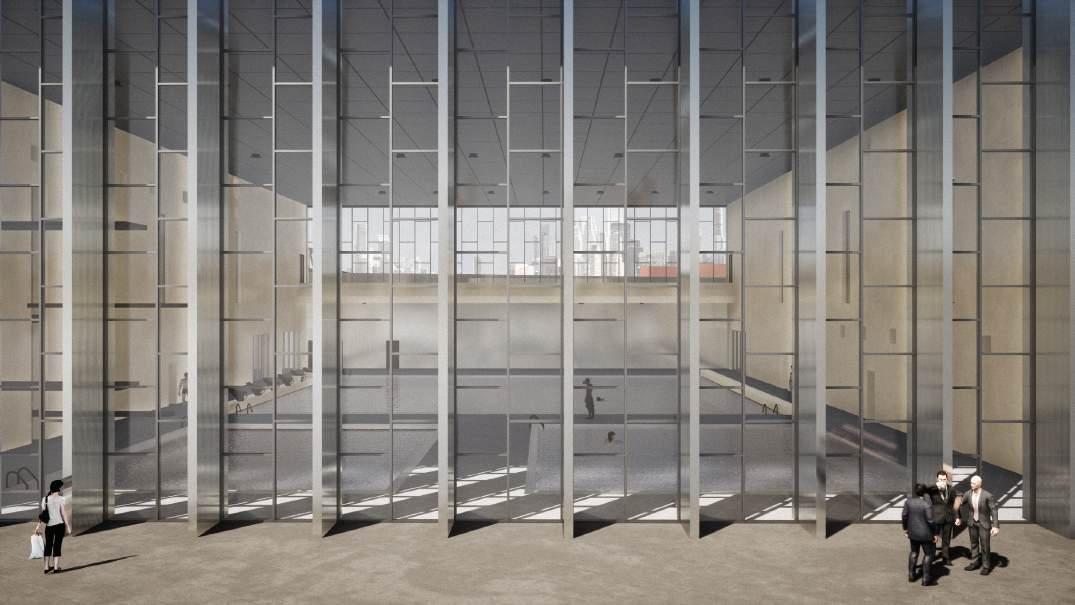
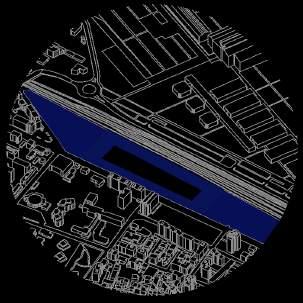
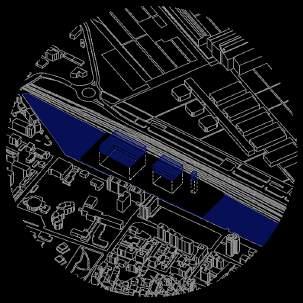
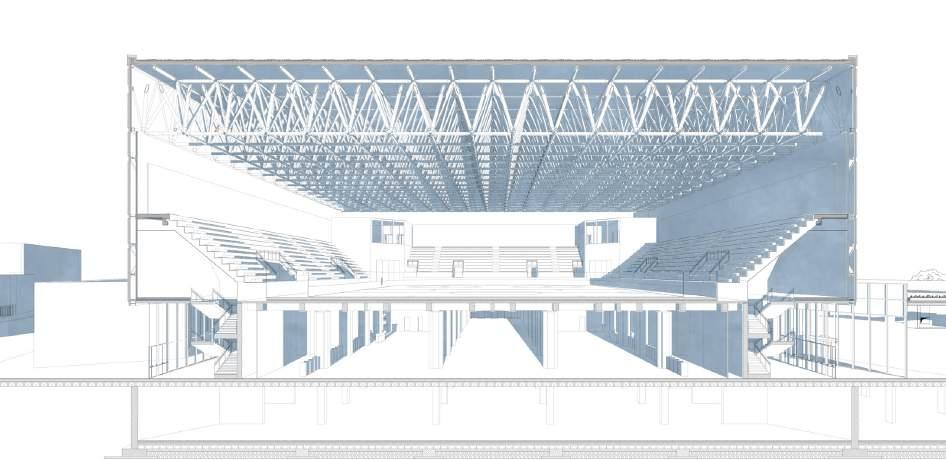
The project for the new sports center in Sesto San Giovanni is located exactly where the current Palasesto is, as the idea is to replace it and expand the current offer in order to create a place that is suitable to host some of the activities planned for the 2026 Olympic Games in Milano-Cortina.
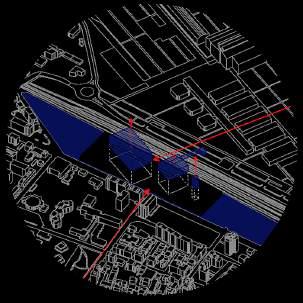
With the design of our project we wanted to recreate a relationship between two parts of the city that have been separated by the railway for a long time but that will necessarily have to return to dialogue in order to re-establish a unitary and organic vision of the city.
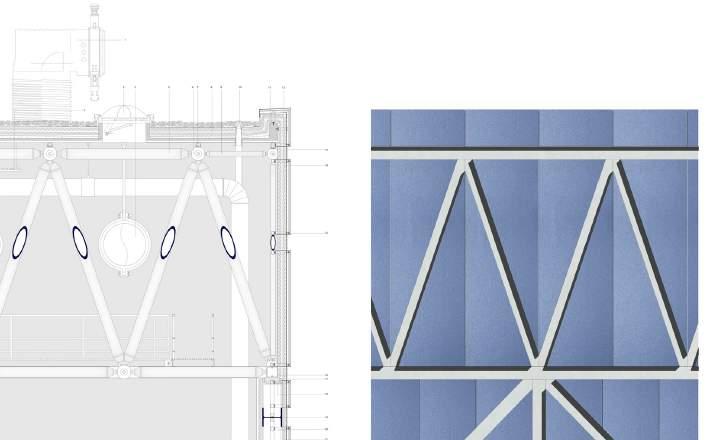
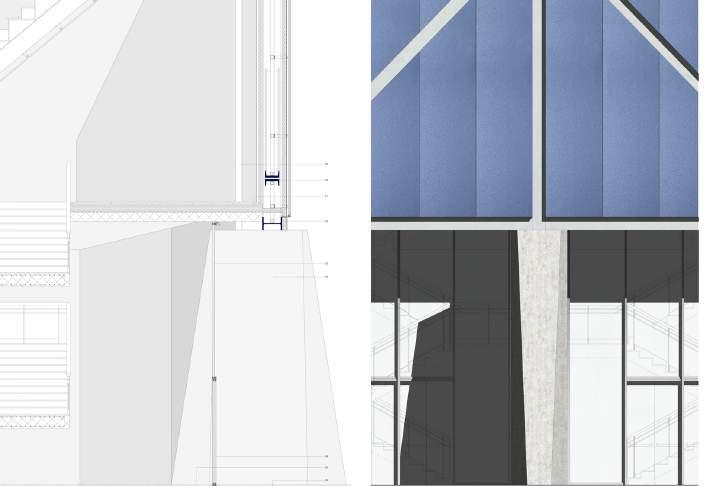
First of all we have bordered the lot with a single-story volume positioned according to the grid of the historic city, the one to the north-west of our lot. This volume collects all the service and public spaces, protects the activities that take place inside and at the same time acts as a filter between public and private space. The sport activities take place in separate volumes; the main one contains the ice rink provided with seats to accomodate up to 3500 spectators, the second volume contains the swimming pools and another one is the climbing tower. All this three buildings emerge from the fence to be visible and easily identifiable from the street working as a landmark for the area, they are also rotated in order to reconstruct the axes on which the Falck area was set and finally recreate at least within the lot a synergy between these two parts of the city.
Sesto San Giovanni (MI), Italy
SPA HOTEL IIII
Ceuta, Spain
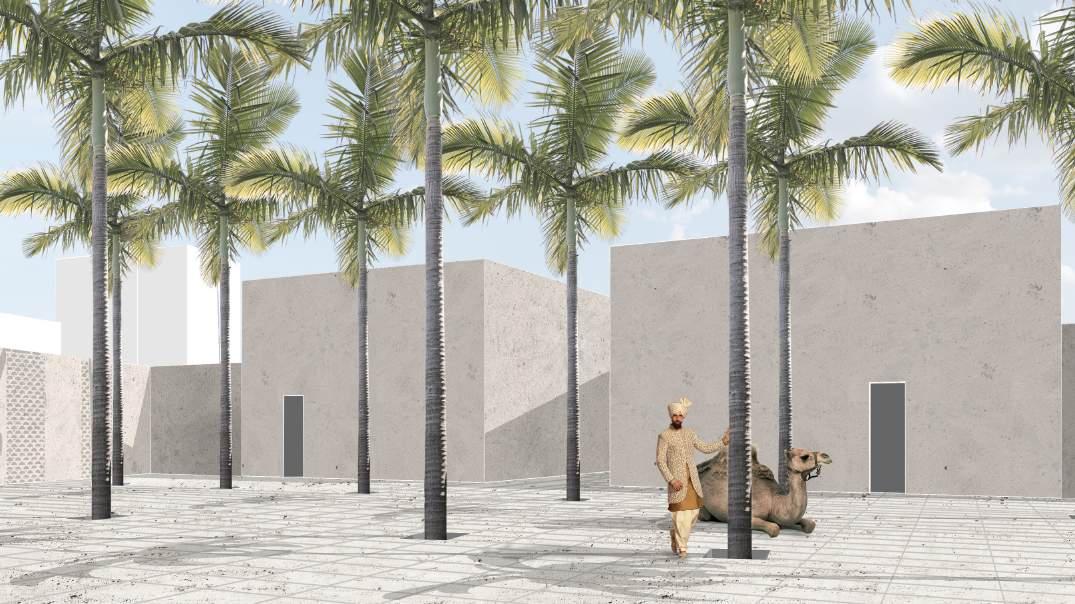
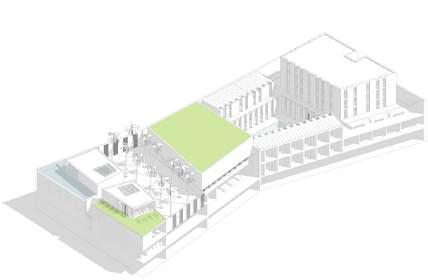
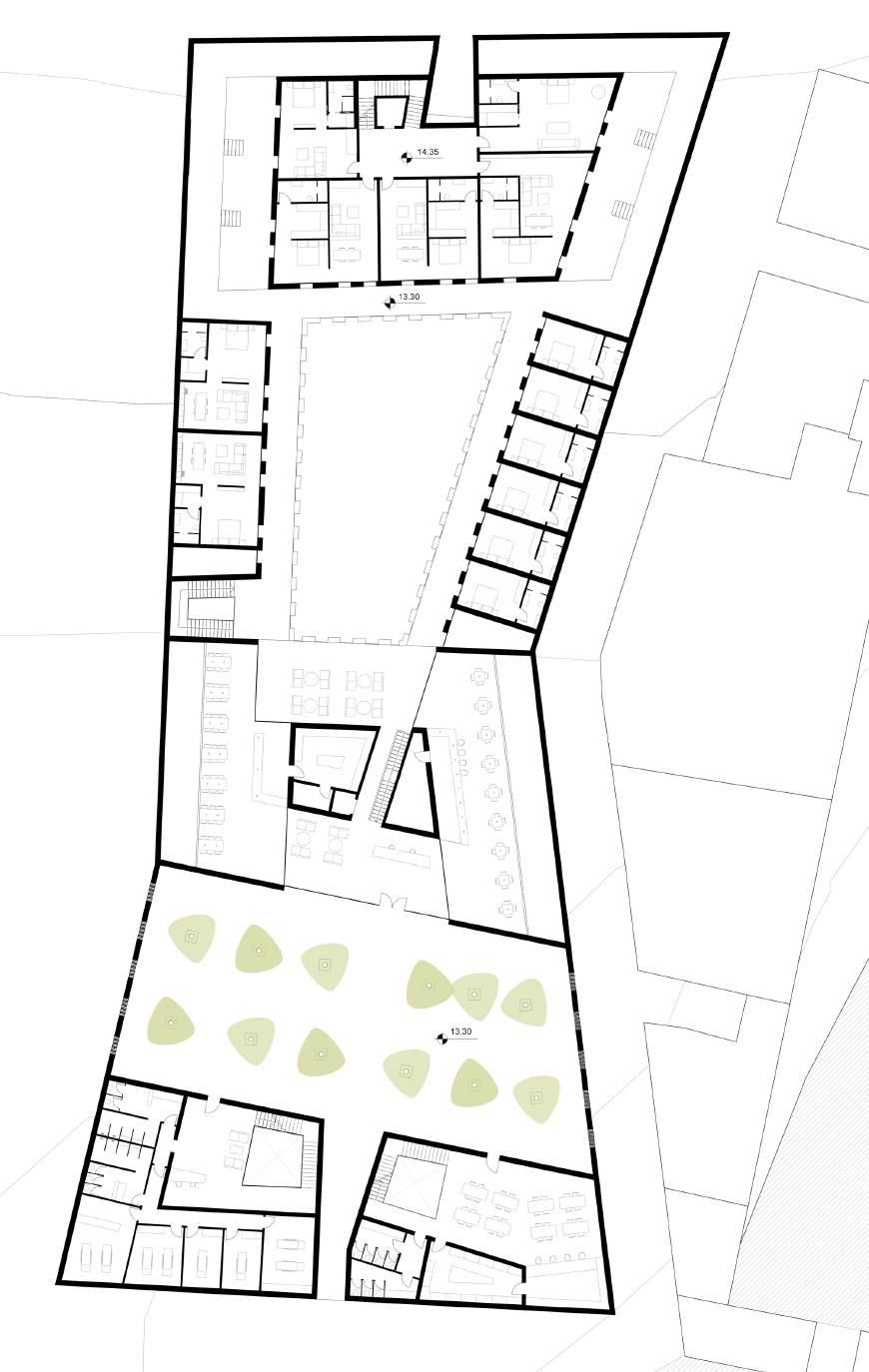
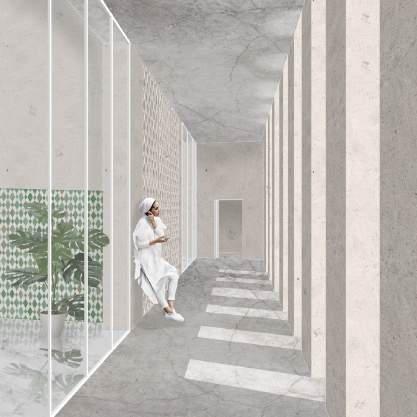
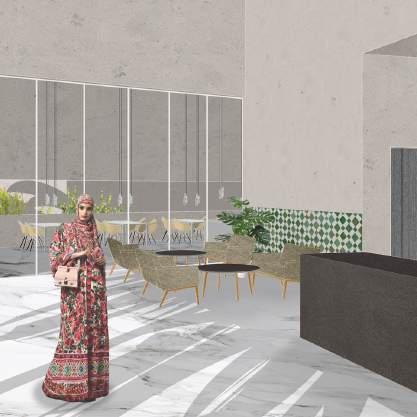
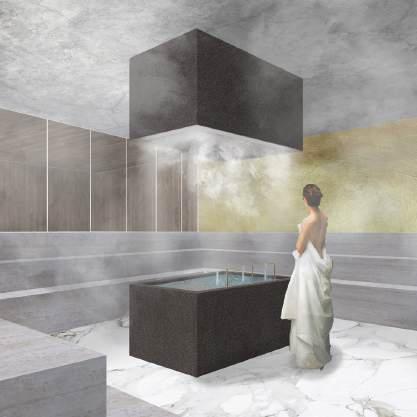
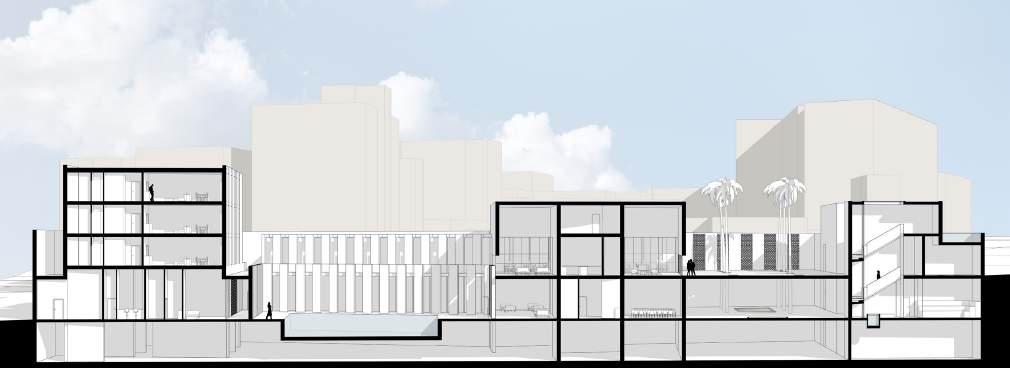
We are in Ceuta, a nice city on Mediterranean coast where different traditions, lenguages and religions cohexist from ages. The reason is that it is a spanish autonomous city but on the North Coast of Africa. As a result of that strange combination, the city reveals itself to be an extremely multicultural city, rich of history, in which various architectural styles cohexist. What I am asked to do there is to replace the old public market with a new receptive activity that hosts an Hotel*****, a SPA, a restaurant and other additional services for tourists, as tourism is slowly increasing.
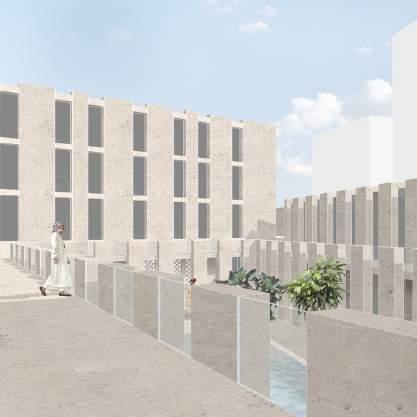
The challenge was to face with a context that was completely different from the one I was used to work with; starting from the architectural technologies and materials, until the high slope of the land that was an absolute new entry for me. I decided to take the most out of this opportunity trying to experience something new. I studied the history and the characteristic of the islamic ar chitecture in order to enrich the spaces with a local atmosphere and to keep as much respect as possible in this big intervention.
Moreover, the level difference between the two opposite sides of the block finally reveal to be successfull in the differentiations of the flows between one more public access that faces the seaside and one more private side where the hotel rooms overlook.
THE INFRASTRUCTURE PROJECT in
the contemporary city
Milan, Italy
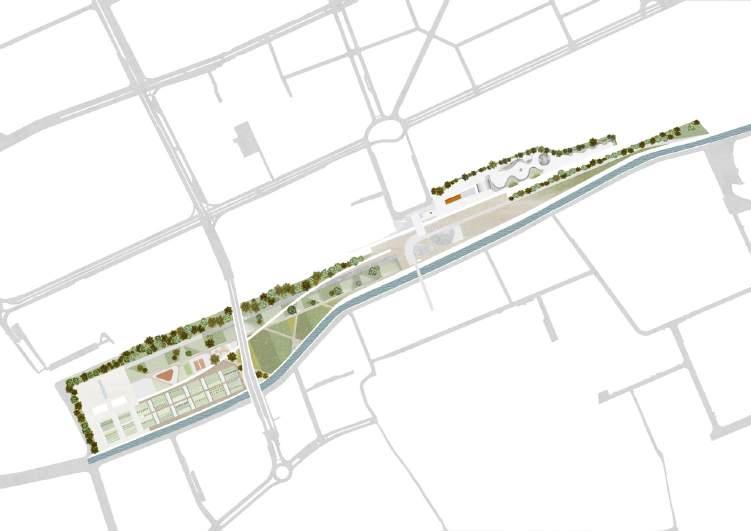
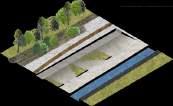
The project main purpose was to face the problem of the infrastructure design in the contemporary cities; particluarly in the context of the reconversion of the former disused Milanese railways. The area of intervention in fact is San Cristoforo, a suburban neighborhood of Milan that runs along Naviglio Grande and that once represented an important point of exchange for the trains that were coming from the south of the Country.
The Naviglio represents the most relevant landscape element of the area which determines the design practice, beside the linear park requested by the PGT. In addition to the design of the park that will extend until the construction by Aldo Rossi for a new railway station that had never been finished and that is now completely abandoned, the area will be provided with public services and infrastructures that will made a new attractive pole of the city out of it.
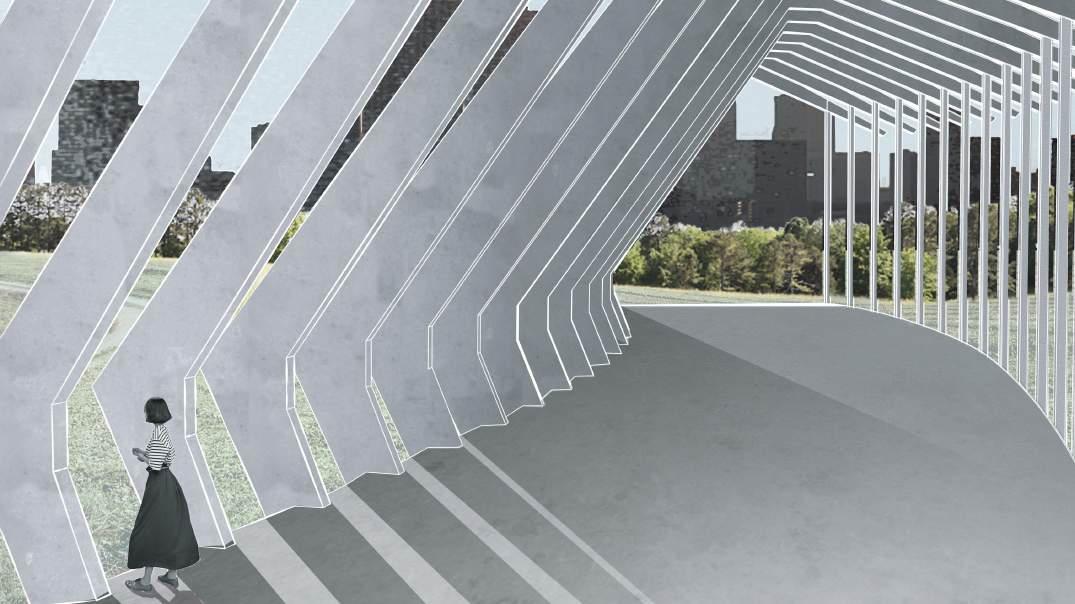
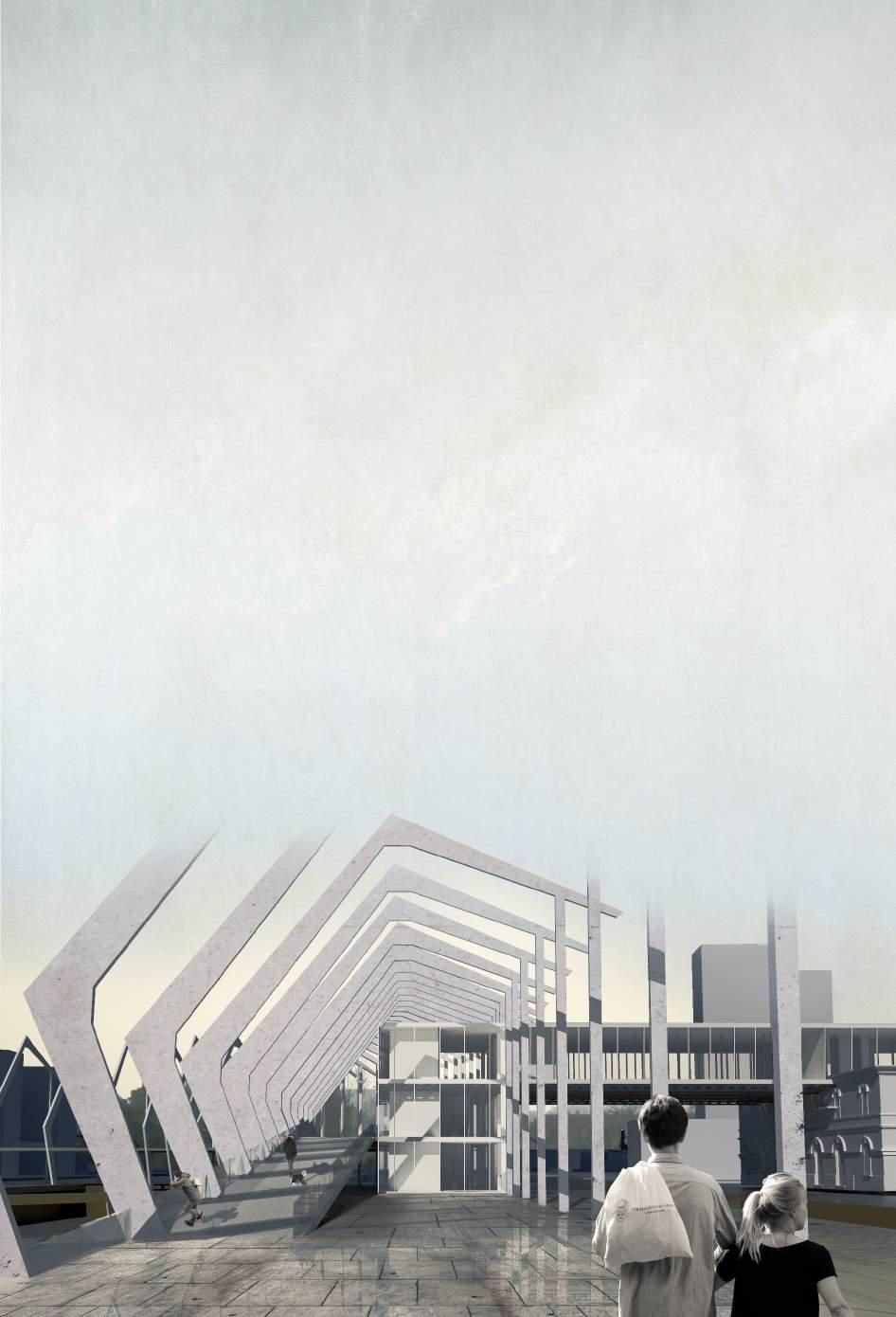
The design of the new railway station has developed from the concept of “volume zero”, as an interpretation of the urban renewal with an attention not to implode volumetrically the already dense fabric of the contemporary city. This led us to the creation of a spatial element rather than a building, a landmark that with its scanning of modular elements helps to provide a measure of the space and the landscape in which it is immersed.
3ENOVATION OF AN OLD SUMME3 CAMP
Borca di Cadore (BL), Italy
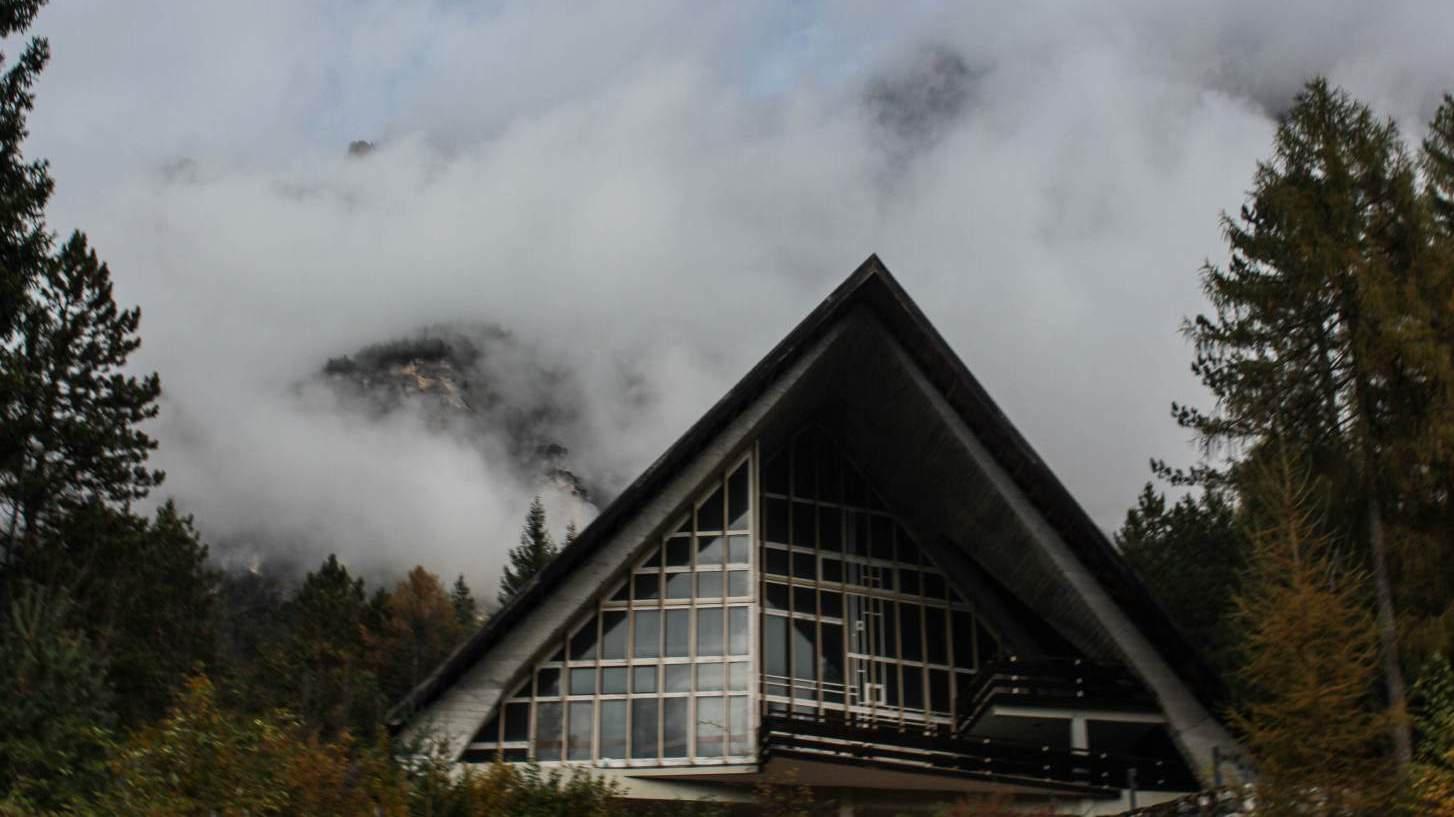
The site of this project is an old summer camp designed by a famous italian architect named Edoardo Gellner in the ‘50s for the Eni employees’ families. This place has been abandoned for a long time but is still full of charm and poetry and what we tried to do was to bring new life in this definitly suggestive and beautiful place.
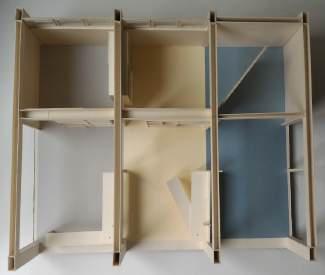
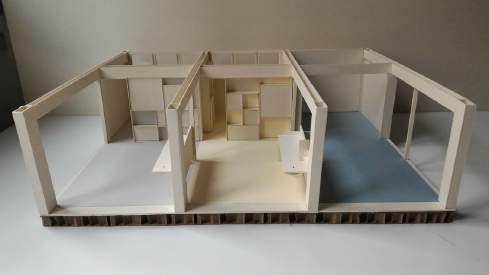
Starting from the analysis of the place we’ve tried to meet the needs of the locals giving them back some functions that are missing in the area. We’ve planned to use one of the dorms as a residence for teachers from far away who need a place to stay. The space has been designed with the main pourpose of maintain the original spatiality; the little spaces originally intended for the children become the private housing unit of each resident. As the space is very minimal, we’ve thought to maximize it combining partitions and furniture. The other activities as working or eating are located in common spaces.
The other activity we want to bring in this place is a public library for young local students who have asked for some spaces for studying in. This is why we’ve deserved an other dorm for this function, dividing the levels according to different needs and kind of study, from an individual one to a group one. We think that this activity would easily be supported also by the presence of the teachers who live there.
Ground floor - space for common activities and free time