GADGETSv26n8 - VITALITY: The Health Tech Revolution
Summer Wellness Goes High
Asus Zenbook S16 | 14
Dyson PencilWash
Epson Colorworks C4050
Honor X8d
Jackery Explorer Series
LG Styler with Built-in HandySteamer
How tech is changing what, how, and when we eat
Words by Gabriel Pe
Technology has reshaped nearly every part of our daily lives, from the way we communicate to how we move from place to place. Now, it is quietly transforming something even more personal: the way we eat.
From AI powered nutrition tracking to smart appliances that anticipate what’s inside your fridge, today’s kitchen is becoming a connected ecosystem. What used to rely on instinct and habit is now guided by data, automation, and precision, changing not just how we cook, but how we think about food itself.
Over the last few years, tech has changed multiple facets of our lives. Communication has become faster, computers have become more complex, and even cars and transportation have evolved thanks to advancements in tech and now AI.
One of the most unique places tech is changing our lives is in the kitchen. Advancements in AI, IoT, and communication technologies have given rise to a new breed of smart kitchens that offer more convenient ways to eat.
Mastering what we eat
One of the ways the smart kitchen is changing the way we eat is through nutrition intake. In particular, new smart kitchen scales allow us to master, in minute detail, what we’re preparing. This helps us track what we are cooking and ensure that we are giving our family the best nutrition possible.
Smart scales remove the guesswork in meal planning, giving you full control over what you want and need. They also allow for more personalized meals that cater to your specific dietary needs.
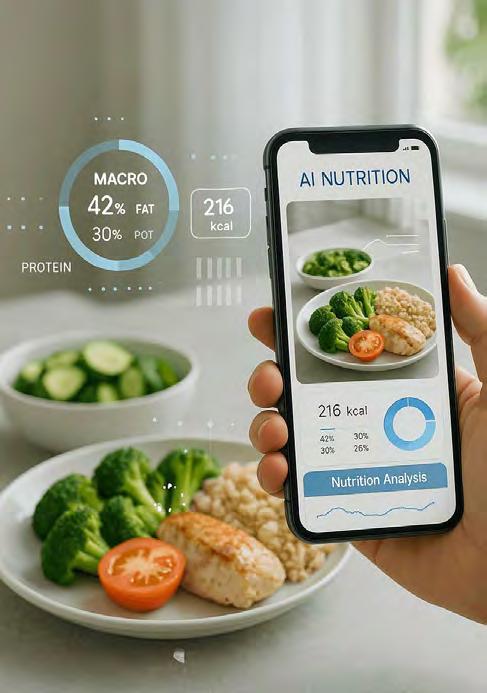
Aside from smart scales, the advent of AI has also changed the game in personalized nutrition. AI-based nutrition apps allow you to track what you’ve consumed throughout the day. They determine calorie intake and other nutritional information based on what you’ve eaten; some apps can even break down a meal’s nutritional value from a photo. This level of control and precision is a useful tool for personalizing your meals or simply understanding your eating habits.
Changing our relationship with food
A few years ago, Japanese brand Kirin (known for its beers) created a smart “salt spoon.” This device simulates saltiness on your food by sending small electrical signals to your tongue. These signals affect your palate and can make food taste up to 1.5x saltier without adding sodium, helping keep meals both healthy and satisfying.
Another kitchen appliance that has changed our relationship with food is the air fryer. Air fryers entered the scene in the early 2010s, with appliance giant Philips showcasing the first model at IFA Berlin in 2010. Since then, the technology has found a place in many modern, health-conscious homes. Air fryers use a fan
and a heating element to simulate deep-frying without oil, offering a more guilt-free way to enjoy fried dishes.
Sometimes, our relationship with food leads to new technology. In the case of sous vide cooking, the technique came first before the appliance. Sous vide is a method of cooking food at low temperatures in water. Food is placed inside a vacuum-sealed bag, and a machine heats and circulates the water. This technique helps maintain texture while preserving more flavor compared to other methods. Its success eventually led to the development of appliances designed specifically for sous vide cooking.
Changing when we prepare food
New technology has also changed how we approach food preparation. From smart appliances that make cooking more convenient to products that help us prioritize which foods to use first.
Smart refrigerators have changed the way we manage and consume food. Like many smart appliances, they can connect to the internet and be controlled through an app. Users can adjust temperatures for each compartment, and some models include cameras and sensors that monitor contents and identify items that may go bad soon. These features can notify users to use certain products first, helping reduce food waste.
Other smart appliances use the same connectivity and app support to make daily routines more convenient. Smart ovens, for example, allow you to preheat even when you’re outside your home, while also letting you control temperature and timers remotely. Smart air fryers offer similar features, including notifications when your meal is done. Some appliances also provide built-in recipes that you can follow through their companion apps.
Technology has clearly changed how we interact with food—whether in understanding what we eat, how we prepare it, or when we cook it. As technology continues to evolve, we will likely see even more ways it can shape how we eat. At the same time, it remains up to us, together with proper guidance, to make choices that support our overall health.
What you need to know about e-textiles in 2026
Words by Aljhelyn Piador
Maybe this is how we become Iron Man, for real.
In the movies, Tony Stark’s legendary suit is not just armor. It is a wearable system packed with sensors, processors, and responsive materials that react to his body and surroundings. While we are not flying around in powered exoskeletons anytime soon, the idea of technology embedded directly into what we wear is no longer science fiction.
Picture slipping into a jacket that knows your heart rate, a shirt that changes color when you
are stressed, or pants that charge your phone as you walk. Your body heat could soon help power the clothes you wear, and some fabrics can already transmit data wirelessly simply by sensing your movements. Scientists have even developed fibers that function as electronic circuits, flexible enough to be washed and worn like everyday clothing. Smart garments can now track the body more continuously than many fitness watches, turning your wardrobe into a living, reactive interface. And this is just the beginning. Our clothes are about to get a whole lot smarter.
When Clothing Becomes Technology
These are not science fiction fantasies. They are the reality of e-textiles: fabrics embedded with sensors, conductive fibers, and microprocessors that allow clothing to sense, respond, and interact with the world around it.
The concept began to gain traction in the 1990s, when researchers explored wearable computing and sought ways to integrate technology more naturally into daily life. While smartwatches and fitness trackers brought health monitoring to our wrists, e-textiles push the idea further by embedding technology directly into the garments we wear. This innovation grew out of the need for more continuous health monitoring, hands-free human-computer interaction, and lightweight systems for fields such as sports, medicine, and defense.
By weaving conductive threads and miniature electronics into fabrics, e-textiles allow clothing to collect physiological or environmental data and transmit it in real time to smartphones or connected devices. In this way, ordinary garments become wearable computing platforms, where materials science, textile engineering, and digital technology converge.
In the Philippines, the development of e-textiles is still in its early stages, but efforts to modernize the textile industry are gaining momentum. Institutions such as the Department of Science and Technology–Philippine Textile Research Institute (DOST-PTRI) are working to strengthen the country’s textile innovation ecosystem through research, training, and regional technology hubs. Recent programs aim to advance textile science, explore smart textile finishing, and encourage collaboration among government, industry, and academia.
While the Philippines is better known for natural fibers such as abaca, piña, and banana fiber, these materials may also present opportunities for future smart textile development, particularly in sustainable and tropical fabric technologies. Although the country is not yet a global leader in e-textile manufacturing, its rich textile heritage and growing innovation initiatives suggest that it could carve out a niche in the next generation of wearable technology.
Several products already illustrate the potential of e-textiles worldwide. The Hexoskin Smart Shirt embeds sensors that monitor heart rate, respiration, and movement, transmitting the data to devices for fitness or medical analysis. Google and Levi’s Jacquard Jacket integrates conductive yarns into denim, allowing users to control music, calls, or navigation through sleeve gestures. Xenoma’s e-Skin Shirt converts body movements into data that can be used in virtual reality applications, physical therapy, and athletic performance. Meanwhile, CuteCircuit produces LEDembedded garments that illuminate or change patterns in response to digital input or movement, merging fashion with interactive technology.
These examples show just how versatile e-textiles can be, spanning health monitoring, human-computer interaction, and expressive fashion. They also highlight the interdisciplinary nature of smart clothing, where innovation sits at the intersection of design, engineering, and function.
Smart Textiles in the Philippines
Smart Clothing Already in Action
The Challenges of Wearable Fabrics
Despite the promise of smart garments, challenges remain. Embedded electronics complicate washing and long-term durability. Privacy concerns arise from continuous biometric monitoring, and production costs remain high, limiting accessibility. Overcoming these hurdles requires ongoing collaboration among engineers, designers, textile scientists, and policymakers.
The Future of Intelligent Clothing
By 2026, e-textiles will move from novelty to practical, multifunctional garments that merge fashion, technology, and human physiology. Clothes that think, sense, and respond are no longer futuristic fantasies but emerging realities. And with its strong textile tradition, the Philippines is well-positioned to participate in this exciting global frontier.
But as our clothes become smarter, we have to ask: Are we ready to wear technology that knows our every heartbeat, movement, and emotion? Will convenience come at the cost of privacy, or will our wardrobes become yet another means to tracking and controlling us? And in a country still building its foothold in this field, will we be left behind watching others suit up?
Summer Wellness Goes High-Tech
Words by Phia Manuell Layoso
Summer is a season synonymous with vacations, beach trips, and spontaneous adventures. For many people, it is a time to relax, explore new places, and spend more time outdoors with friends and family. However, this change in routine can sometimes disrupt regular wellness habits such as exercise, balanced meals, and consistent sleep schedules.
The excitement of spontaneous road trips and trying new foods can sometimes make sticking to regular workouts or healthy eating plans feel like a challenge. Fortunately, the digital age has quietly introduced a solution that fits naturally into modern lifestyles. A growing number of hightech fitness and wellness apps now make it easier to stay mindful of health goals, even during busy summer vacations. With just a smartphone, travelers can track workouts, monitor meals, and manage their overall wellness, allowing healthy habits to continue alongside spontaneous summer adventures.
Fitness and Movement Anywhere, Anytime
A regular exercise routine is one of the first things to suffer when summer travel plans are put in motion. Gym memberships are useless when you’re hundreds of miles away from home. This is where exercise apps really come in handy, as they provide users with a wealth of exercises that require little to no equipment, making hotel rooms, parks, and even beaches suitable for a workout.
The beauty of these digital personal trainers lies in their adaptability and accessibility. Whether you prefer yoga, high-intensity interval training, or guided meditation, you can stream sessions in real-time or download them beforehand to combat spotty Wi-Fi in remote locations. This flexibility means a missed workout is no longer an excuse; a 20-minute bodyweight session can seamlessly fit between brunch and an afternoon excursion. Furthermore, many apps integrate with wearable tech, allowing you to easily track your movement goals, such as daily step counts, as you explore a new destination, turning sightseeing into an active part of your wellness plan.
Nourishment Tracking and Healthy Discovery
Vacations frequently involve culinary exploration, which, while exciting, can complicate meal tracking and adherence to dietary restrictions. Navigating unfamiliar restaurants and local cuisines makes it difficult to make informed choices that align with your health goals, whether you are managing allergies, maintaining a specific macro-nutrient split, or simply trying to eat
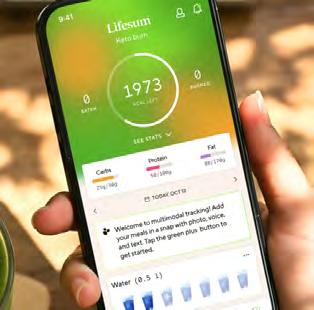
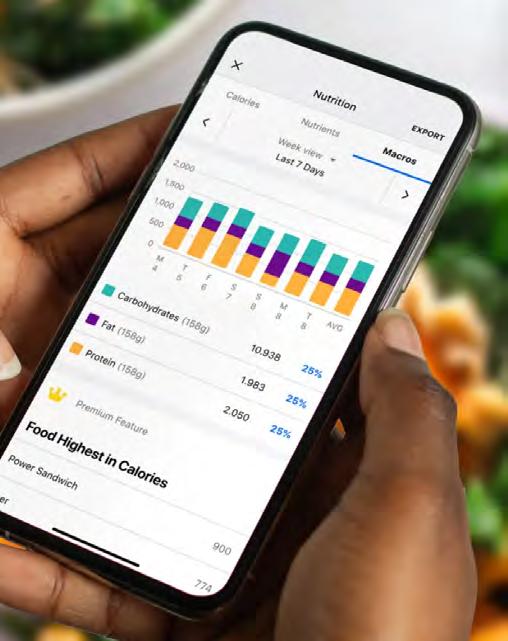
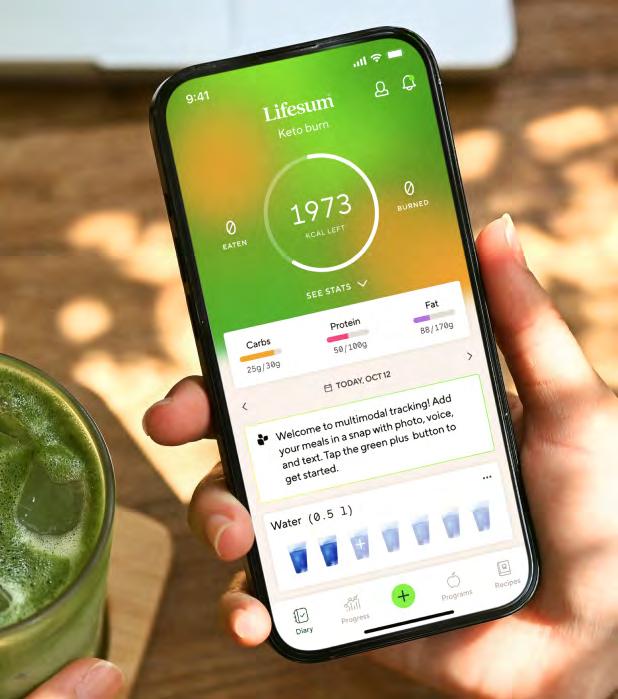
mindfully. Nutrition and meal-tracking apps help people stay mindful of what they eat, even while traveling. Apps like MyFitnessPal, Lose It!, and Lifesum make it easy to log meals, track calories, and monitor daily nutrition, helping users maintain healthier eating habits while still enjoying summer trips.
Apart from tracking, modern apps are also used as guides to healthy food. Apps like HappyCow and OpenTable help users find restaurants that match specific dietary needs—such as vegan, vegetarian, gluten-free, or lowcarb—using location-based search powered by GPS, helping you avoid the stress of wandering around a new place in search of a restaurant that meets your requirements. This, therefore, becomes a discovery experience, as this app helps you indulge in local cuisine without compromising your nutritional requirements by providing transparency regarding nutritional information.
Fostering Healthy Habits in the Next Generation
Summer is a big deal for kids. It’s their much-needed break from the school grind, which often means more time glued to screens and fewer physical activities. The cool thing is that we can use technology to make health and wellness fun and totally non-annoying for them. This way, kids are more likely
to keep up these healthy habits long after summer’s over. One example of a kids’ app that encourages health and physical activity is GoNoodle. It offers a variety of short, interactive videos that get children moving, often presented in a fun, gamified way with characters and dance-along routines.
GoNoodle is a great example of how these technology platforms turn exercise into an exciting adventure. Instead of just a workout, the app uses interesting characters and tales to encourage movement, ensuring kids stay active without even realizing they’re exercising.
Prioritizing Mental Well-being
While getting fit and eating right are definitely key, the fast pace of summer, as well as travel logistics, can also affect an individual’s mental and emotional health. The stress of planning, the exhaustion of long days of travel, as well as the general feeling of being outside of your usual environment, can contribute to increased anxiety as well as disruptions in sleeping patterns. High-tech solutions for physical health extend beyond fitness and nutrition applications. Some apps also address mental and emotional well-being, offering users a portable source of peace of mind.
Meditation and mindfulness applications are accessible virtually anywhere, from a busy airport gate to the quiet of a vacation rental’s balcony. The sessions cater to every mood, offering a quick five-minute mental reset during a chaotic moment. Examples include Calm or Headspace
A Smarter Approach to Summer Wellness
Summer is one of the best periods of the year, as it is a time for traveling, relaxing, and enjoying ourselves with our friends and family. However, it doesn’t have to be complicated when it comes to health and wellness in the summer. Thanks to technology, people can now stay healthy and active without compromising the enjoyment of summer activities and adventures. Wellness apps are now accessible and can provide reminders and valuable information to help people make the right lifestyle choices.
In real life, it has been observed that technology can make a significant difference in one’s lifestyle and well-being. For example, it can range from checking step counts after a day of exploring, monitoring food intake when going on a trip, and even encouraging kids to participate in fun fitness challenges. As technology becomes increasingly essential for people when they are traveling, it is now a great partner in living a healthier lifestyle and achieving wellness and balance in one’s life.
ASUS Zenbook S16 | 14
PHP134,995 – Zenbook S16 (UM5606)
PHP79,995 – Zenbook 14 (UM3406)
AI Laptops
ASUS has launched two new premium Copilot+ PCs in the Philippines, the Zenbook S16 and Zenbook 14, both powered by the latest AMD Ryzen AI 400 Series processors. Designed for professionals and students who want strong performance in a thin-and-light form, the new Zenbook models combine AI acceleration, refined design, and immersive displays in portable packages built for modern productivity.
The Zenbook S16 (UM5606) brings large-screen productivity into an ultraportable format. Measuring just 1.1cm thin and weighing 1.5kg, it is designed to deliver the workspace of a 16-inch laptop without the bulk.
At its core is an AMD Ryzen AI 9 465 processor capable of up to 50 TOPS of AI processing power, paired with AMD Radeon graphics, 32GB LPDDR5X memory, and a 1TB SSD. This configuration supports demanding creative work, multitasking, and AI-assisted productivity tasks.
The laptop features a 16-inch 3K ASUS Lumina OLED touchscreen with a 120Hz refresh rate and 100% DCI-P3 color coverage. Audio comes from a six-speaker Dolby Atmos system, while an advanced thermal design with a larger vapor chamber and dual IceBlade fans keeps performance stable and quiet. An 83Wh battery supports up to 21 hours of use.
For users who prioritize portability, the Zenbook 14 (UM3406) delivers AI-powered performance in a smaller chassis. Weighing 1.2kg and measuring 14.9mm thin, it is built as a mobile companion for professionals and students working on the go.
It runs on an AMD Ryzen AI 7 445 processor with up to 50 TOPS NPU performance, combined with 16GB LPDDR5X memory and a 1TB SSD. Wi-Fi 6E connectivity and a 75Wh battery rated for up to 25 hours of use support extended productivity away from the desk.
The Zenbook 14 features a 14-inch WUXGA ASUS Lumina OLED display with a 16:10 aspect ratio, Dolby Atmos speakers, and an FHD IR camera with AI enhancements for video calls. A Copilot key provides quick access to Windows 11’s AI features, helping streamline everyday workflows.
Both laptops are available in ASUS stores nationwide and include Office 2024 Home, a one-year Microsoft 365 Basic subscription, and ASUS’ two-year international warranty with one-year accidental damage protection.
Dyson PencilWash
THE DYSON PENCILWASH™
introduces a new approach to wet cleaning, combining Dyson’s engineering expertise with an ultraslim, lightweight design built for modern homes. Designed to be both powerful and easy to handle, it tackles wet spills, stains, and everyday floor mess while maintaining Dyson’s emphasis on hygiene and ease of use.
At the center of the design is a pencil-thin 38mm handle, making it Dyson’s slimmest wet cleaner to date. Weighing just 2.2kg, with only 380g in hand, the machine is engineered for effortless maneuverability. It steers
naturally with a simple twist and can lie flat to 170 degrees, allowing it to clean under furniture as low as 15cm and reach along walls and skirting boards with ease.
The PencilWash cleans using a combination of hydration, agitation, and extraction technologies. A high-density microfiber roller with 64,000 filaments per cm² spins rapidly to remove wet and dry debris simultaneously. During operation, dirty water and debris are continuously extracted from the roller, while an eight-point hydration system delivers a consistent supply of fresh water. This ensures floors are cleaned using fresh
water throughout the process for a more hygienic result.
Unlike many conventional wet cleaners, the PencilWash uses a filterfree system, eliminating components that can trap dirt, breed bacteria, or emit unpleasant odors over time. This design reduces maintenance while maintaining consistent cleaning performance.
The cleaner offers two hydration modes to adjust water flow depending on the mess or floor type. A 300mL clean water tank provides enough capacity to clean up to 100 square meters of flooring, roughly
Wet and Dry Floor Cleaner
equivalent to the size of a typical twoto three-bedroom condominium unit in Metro Manila. The machine also includes a 360mL dirty water tank for collecting debris and wastewater during cleaning.
Powered by a rechargeable battery, the PencilWash delivers up to 30 minutes of runtime on a single charge, with a 3.5-hour charging time. The quick-drying floor finish ensures surfaces are ready for use shortly after cleaning.
With its slim profile, hygienic cleaning system, and lightweight design, the Dyson PencilWash brings together the simplicity of a broom with the precision and power of Dyson engineering, offering a practical wet-cleaning solution for modern households.
Epson ColorWorks C4050
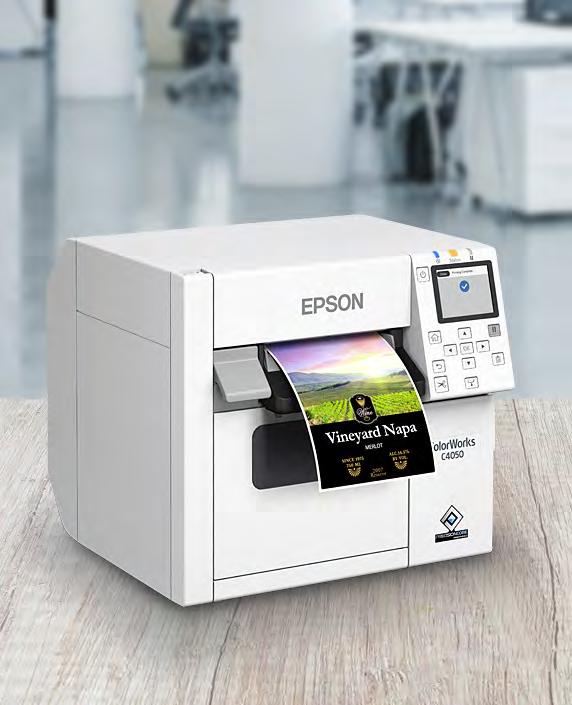
THE EPSON COLORWORKS C4050 is designed to help small businesses keep pace with constant change. From new product launches to seasonal promotions and compliance updates, labeling often needs to adapt quickly. Instead of relying on bulk orders of pre-printed labels that can become outdated or wasteful, the C4050 allows businesses to print vibrant color labels on demand, exactly when they are needed.
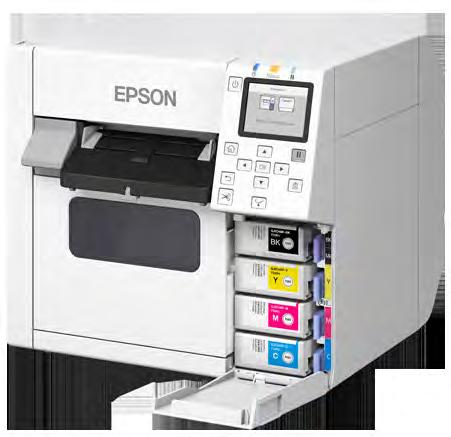
Compact and easy to integrate into busy workspaces, the C4050 fits comfortably on retail counters, production tables, or small office setups. A 2.7-inch color LCD screen provides straightforward access to printer status, previews, and job controls, simplifying everyday operation even for users with minimal technical experience. For flexible connectivity, an optional Wi-Fi feature allows labels to be printed from multiple devices within the workspace.
The printer uses Epson UltraChrome DL pigment inks, producing sharp text, vivid graphics, and clearly readable barcodes. These inks are designed to be fast-drying, faderesistant, and smudge-proof, ensuring labels remain legible even after exposure to moisture, refrigeration, or frequent handling. This durability makes the printer suitable for products such as food, cosmetics, healthcare items, and other packaged goods that require consistent labeling quality.
Versatility is another strength of the ColorWorks C4050. It supports glossy, matte, synthetic, and continuous label media, allowing businesses to adapt labeling formats across different product lines or packaging styles. Whether creating labels for bottled sauces, handmade cosmetics, packaged snacks, or shipping inventory, the printer enables brands to maintain a professional look while responding quickly to new opportunities.
Epson also integrates auto-maintenance features that help maintain print quality over time without frequent manual intervention. This ensures consistent performance even for businesses that print labels regularly throughout the day.
Beyond efficiency, the C4050 supports more sustainable operations. By enabling businesses to print labels only when needed, it reduces excess inventory, minimizes waste from outdated labels, and eliminates the need for large minimum-order print runs.
Built on Epson’s long-standing philosophy of efficient, compact, and precise design, the ColorWorks C4050 gives small businesses the flexibility to stay agile while presenting their products with polished, professional branding.
Color Label Printer
HONOR X8d
HONOR expands its X Series lineup in the Philippines with the HONOR X8d, a midrange device that leans heavily into design, battery longevity, and AI-driven features.
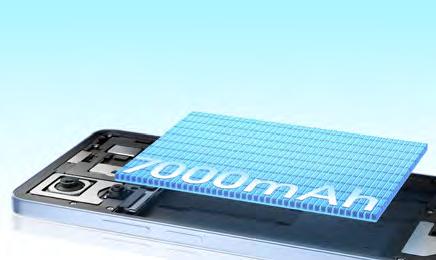
The HONOR X8d immediately stands out with its ultra-slim 7.5mm profile, combining a lightweight build with a glossy finish achieved through micro-nano texturing and excimer processing. Despite the slim chassis, HONOR manages to integrate a massive 7000mAh battery, delivering up to 52 hours of usage based on TÜV Rheinland testing, with as much as 31 hours of video playback on a single charge. Fast top-ups are handled by 45W HONOR SuperCharge, while multi-point temperature monitoring ensures stable performance even in more demanding environments.
A defining feature of the device is its Instant AI Button, a physical shortcut that brings frequently used tools and AI features within quick reach. A single press can trigger cleanup or speed-up functions, while a long press unlocks tools such as Circle-to-Search, AI Subtitles, AI Writing, and Blur Private Info. Running on MagicOS 10 based on Android 16, the X8d also integrates features like Magic Portal, Magic Capsule, AI Memories, and Google Gemini Assistant for a more contextual, personalized user experience.
Durability is another area of focus. The X8d carries SGS Premium Performance Certification for drop and crush resistance, withstanding drops of up to two meters. It also features IP65 water resistance, allowing it to handle splashes, rinsing, and even brief submersion. Wet-Hand Touch Enhancement ensures usability even when fingers are damp or greasy.
On the imaging side, the phone is equipped with a 108MP Ultra-Clear AI Camera with 3x lossless zoom, supported by AI tools such as AI Eraser, AI Upscale, AI Cutout, and AI Outpainting. These features allow users to refine images directly on the device without needing third-party apps, streamlining mobile photography and editing.
The display is a 6.77-inch OLED panel with a 120Hz refresh rate, 1.07 billion colors, and up to 3000 nits peak brightness. It also incorporates multiple eye-care technologies, including 3840Hz PWM dimming and low blue light modes, for more comfortable longterm viewing. Powering the device is the Snapdragon 6s 4G Gen 2 processor, paired with HONOR’s RAM Turbo technology that expands 8GB physical RAM to an effective 16GB experience, alongside storage options of up to 512GB.
Available in Light Blue, Velvet Black, and Velvet Grey, the HONOR X8d rounds out its offering with a balance of aesthetics, endurance, and smart features, reinforcing HONOR’s push to make premium-looking, AI-capable smartphones more accessible in the midrange segment.
Smartphone
Jackery Explorer Series
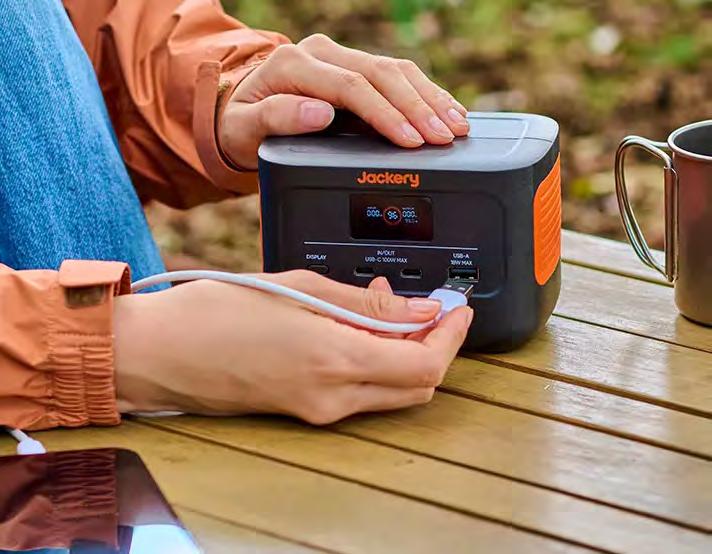
JACKERY is expanding its portable power lineup in the Philippines with two new additions to its Explorer series: the Explorer 300 Plus and the Explorer 1000 V2. The launch builds on the success of the compact Explorer 100 Plus, giving users more options for reliable power whether at home, on the road, or off the grid.
Explorer 100 Plus
The Explorer 100 Plus is the most compact model in the lineup, designed as a grab-and-go power source for everyday devices. It offers a 99Wh capacity and up to 128W output, enough to charge multiple gadgets such as smartphones, cameras, and laptops simultaneously.
Built for longevity with over 2,000 charge cycles, the unit operates quietly and is easy to carry, making it ideal for travel, remote work, and quick backup power.
Explorer 300 Plus
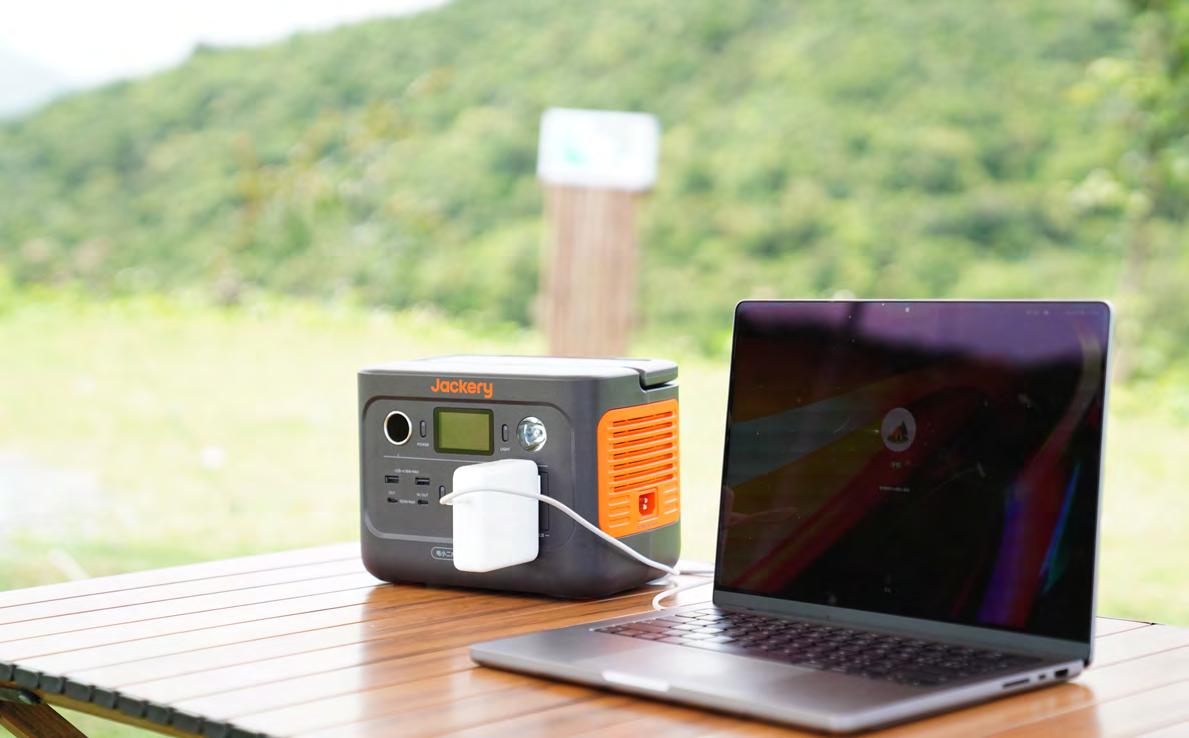
Stepping up in capability, the Explorer 300 Plus balances portability with stronger output. With a 288Wh capacity and 300W output, it can power essential electronics during outages, including Wi-Fi routers, laptops, lamps, and other small appliances.
Smart app connectivity and fast-charging ports make monitoring and managing power simple, positioning the Explorer 300 Plus as a practical backup solution for homes, small businesses, and outdoor use.
Explorer 1000 V2
For higher power needs, the Explorer 1000 V2 delivers significantly greater capacity. It features a 1070Wh battery and 1500W output, capable of running larger appliances or supporting longer off-grid use.
Rated for up to 4,000 charge cycles and operating quietly, it can keep essentials like refrigerators, coffee makers, and communication devices running during extended outages or outdoor trips.
With three models now available locally, the Explorer series offers flexible portable power solutions designed to fit a range of everyday and emergency needs.
LG Styler with Built-In HandySteamer
Smart Garment Care System
THE LG STYLER with Built-In HandySteamer brings a more intuitive approach to everyday clothing care, combining steam, motion, and air management to refresh garments with minimal effort. Designed for modern households, it goes beyond traditional ironing by helping clothes stay fresh, smooth, and ready to wear between washes.
At its core is a handheld high-pressure steamer stored inside the unit, allowing users to remove wrinkles quickly without setting up a separate device. With the press of a button, steam penetrates fabric to soften and smooth garments, reducing the need for repeated ironing. The integrated design keeps everything within reach, making routine garment care more convenient.
The Styler enhances cleaning performance with its Dynamic Moving Hanger system, which rotates and twists garments instead of simply moving them side to side. This motion helps improve dust removal, deodorization, drying, and wrinkle reduction. Specialized cycles, such as Fine Dust, shake clothing up to 350 times per minute, helping remove fine particles for a cleaner feel.
Steam delivery is managed through Dual TrueSteam technology, which uses two steam generators to precisely control steam intensity. This allows the Styler to treat a wide range of fabrics, from everyday cotton to delicate materials like silk and cashmere. It also enables targeted
cycles, such as the Sanitary cycle, which uses enhanced steam to help reduce germs.
Beyond garment care, the Styler contributes to a more comfortable home environment. Its AutoFresh System circulates air to keep clothes smelling fresh, while the built-in dehumidification function can remove up to 10 liters of moisture per day without opening the door. This is particularly useful in humid climates, helping reduce dampness while maintaining fabric quality.
Practical touches complete the experience. An intuitive touch display simplifies operation, and the space-saving form factor allows the unit to fit easily into bedrooms, walk-in closets, or utility areas. Whether refreshing workwear, delicates, or outerwear, the Styler offers a convenient, all-in-one solution for maintaining garments at home.
Available through the LG Online Brand Shop and authorized retailers nationwide, the LG Styler with Built-In HandySteamer delivers a smarter way to care for clothes, combining convenience, hygiene, and everyday ease in a single system.
Logitech G G325 LIGHTSPEED
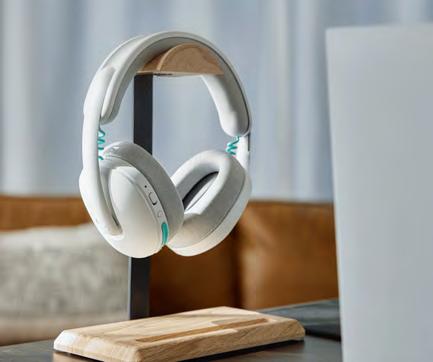
THE LOGITECH G G325 LIGHTSPEED is built for gamers who want reliable wireless performance, immersive sound, and all-day comfort in a lightweight, versatile headset. As part of Logitech G’s G3 Series, it combines premium features with accessible pricing, making it a practical upgrade for both home setups and gaming on the go.
Audio performance is driven by 32mm drivers paired with 24-bit audio over LIGHTSPEED wireless, delivering detailed, dynamic sound with improved depth and clarity. This allows players to pick up subtle in-game cues while enjoying fuller bass and more immersive soundscapes. For customization, a 10-band EQ and game-optimized presets can be adjusted through the Logitech G HUB software and mobile app, giving users control over their listening experience.
Comfort is designed for extended use. The headset features a lightweight 212g build, a close-fitting headband, and breathable fabric
PHP5,495
that helps keep users cool during long sessions. Dual-layer memory foam ear cups provide cushioning and a secure fit, reducing pressure whether gaming competitively or listening casually throughout the day.
Clear communication is supported by a dual beamforming microphone system enhanced with AI-powered noise reduction. This setup focuses on the user’s voice while filtering out background sounds such as keyboard clicks, fan noise, and ambient room distractions, ensuring conversations remain clear during gameplay.
Connectivity is handled through LIGHTSPEED wireless technology, offering a stable, low-latency connection with a range of up to 30 meters. The headset also supports Bluetooth 5.3, allowing seamless switching between PCs, consoles, and mobile devices. This dual connectivity makes it easy to switch between gaming, music, and calls without interruption.
Battery management includes an optional 80 percent charge limit to help extend battery lifespan. The G325 also reflects Logitech’s sustainability efforts by using up to 43 percent post-consumer recycled plastic and zero plastic packaging, thereby reducing its environmental footprint.
Available in Black and White, the Logitech G G325 LIGHTSPEED delivers a balanced mix of performance, comfort, and flexibility, making it a strong everyday headset for gamers who want dependable wireless audio without the premium price.
Wireless Gaming Headset
POCO X8 Pro Series
Smartphones
POCO is pushing its X Series further upmarket with the launch of the new POCO X8 Pro Series in the Philippines, led by the POCO X8 Pro Max, POCO X8 Pro, and the special POCO X8 Pro Iron Man Edition. Positioned as next-generation performance flagships, the new devices combine fast new chipsets, larger batteries, brighter displays, and a more premium build.
At the top of the range, the POCO X8 Pro Max is the first smartphone to use the new Dimensity 9500s chipset, built on a 3nm process and paired with LPDDR5X RAM and UFS 4.1 storage. POCO says it reaches an AnTuTu score of 3,085,998, underscoring its gamingfirst pitch. The POCO X8 Pro, meanwhile, debuts the Dimensity 8500-Ultra platform and delivers higher GPU performance and lower power consumption compared to its predecessor. Both models also support hardware-level ray tracing and POCO’s WildBoost Optimization suite for smoother gameplay, better frame stability, and more responsive touch performance.
Thermals are handled by POCO’s IceLoop cooling systems, with the X8 Pro Max getting a 5,800mm² liquid cooling area and the X8 Pro using a dual-layer design for sustained performance during long gaming sessions or heavy multitasking.
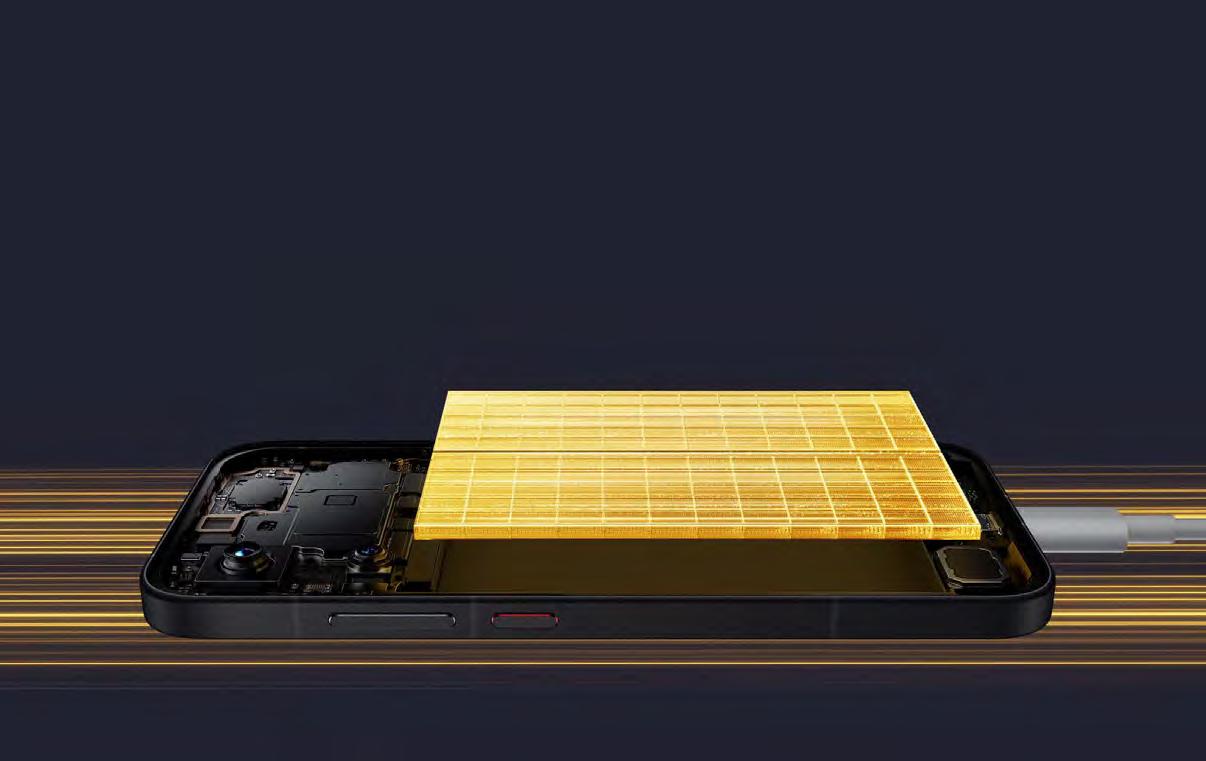
Battery life is another key selling point. The X8 Pro Max packs an 8,500mAh battery, the largest ever in a POCO phone, with up to two-day endurance on a single charge. The X8
Pro gets a 6,500mAh silicon-carbon battery in a slimmer body. Both support 100W HyperCharge and 27W reverse charging, with smart charging features designed to manage heat and preserve long-term battery health.
Display specs are equally aggressive. The X8 Pro Max carries a 6.83-inch panel, while the X8 Pro uses a 6.59inch screen. Both offer up to 3,500 nits peak brightness, 3840Hz PWM dimming, and triple TÜV Rheinland eye-care certifications. POCO also adds Dolby Atmos and Hi-Res Audio support, while the X8 Pro Max gets dual symmetrical speakers and an ultrasonic fingerprint sensor.
On the design front, the X8 Pro Series adopts a cleaner, more premium look, with metal frames, slim bezels, Dynamic RGB lighting, and durability features that include Corning Gorilla Glass 7i plus IP66, IP68, IP69, and IP69K dust and water resistance ratings. Camera duties are handled by a 50MP main camera and 20MP front camera across the lineup, supported by AI-powered features for shooting and editing.
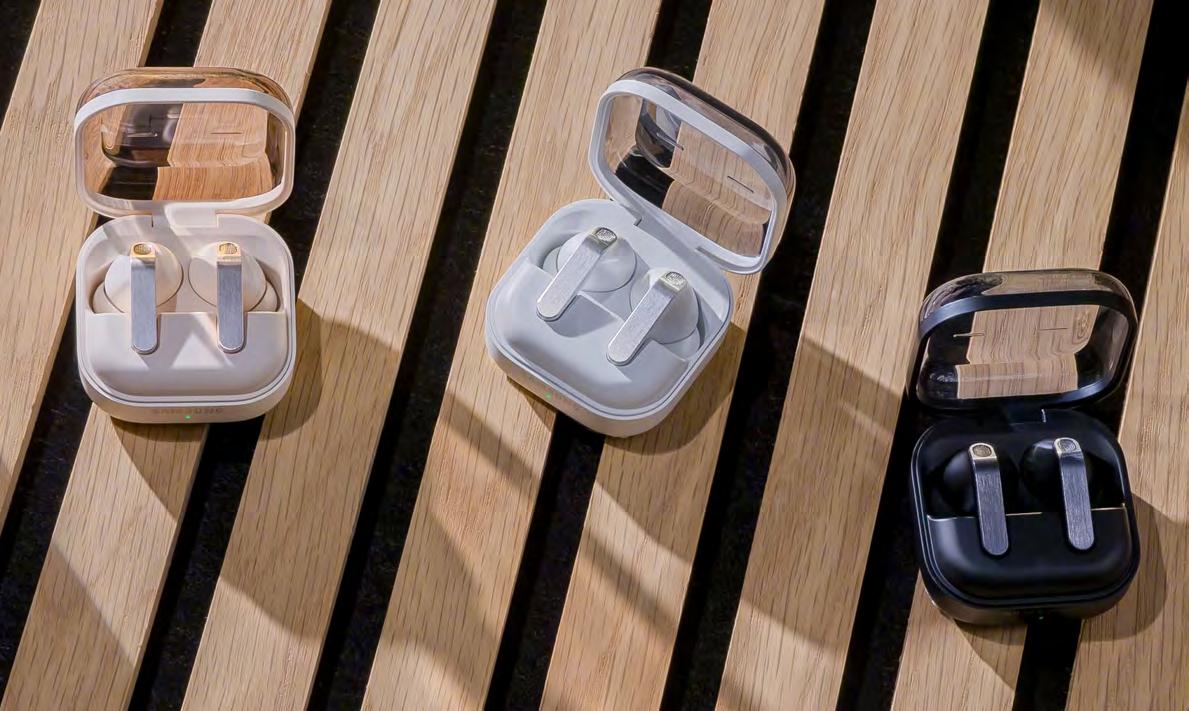
SAMSUNG has introduced the Galaxy Buds4 series, its newest generation of wireless earbuds designed to deliver improved hi-fi sound, enhanced noise control, and a more refined fit. The lineup includes the Galaxy Buds4 Pro and Galaxy Buds4, combining hardware upgrades with smarter adaptive audio technologies and deeper integration with the Galaxy ecosystem.
The new earbuds feature a computationally designed shape based on extensive ear-shape data and simulations, resulting in a slimmer, more stable fit for long listening sessions. Both models also adopt Samsung’s distinctive blade design with pinch controls and a transparent clamshell-style charging case.
The Galaxy Buds4 Pro is the flagship model in the series, designed for users who want the most advanced audio performance. It features a new wider woofer that increases the effective speaker area by nearly 20 percent compared to the previous generation, helping deliver fuller bass and more detailed sound.
A two-way speaker system supports 24-bit/96kHz audio playback, reproducing music with greater clarity across both low and high frequencies. Enhanced Adaptive EQ and Active Noise Cancellation automatically adjust
sound output based on how the earbuds are worn and the surrounding environment.
The Buds4 Pro also introduces hands-free features such as voice-activated AI agents, head-gesture controls for calls, and improved Super Clear Call technology that enhances voice clarity even in noisy environments.
The Galaxy Buds4 offers a more accessible option while retaining many of the series’ core technologies. It features an open-fit design aimed at comfortable everyday listening, supported by a single-driver speaker tuned for balanced sound.
Adaptive EQ and ANC help adjust audio in real time to suit the user’s environment, whether commuting or working in busy surroundings. Like the Pro model, it supports Samsung’s ecosystem features such as quick device pairing, seamless switching between Galaxy devices, and customizable sound controls through the quick panel.
With improved sound hardware, adaptive audio intelligence, and a refined ergonomic design, the Galaxy Buds4 series aims to deliver a premium listening experience that adapts seamlessly to everyday life.
6000 Industrial PowerUPS Vertiv
BUILT FOR ENVIRONMENTS where power instability is a constant risk, the Vertiv PowerUPS 6000 Industrial is engineered to deliver reliable protection for mission-critical operations across commercial and industrial settings. Designed for sectors such as manufacturing, transportation, oil and gas, pharmaceuticals, and food production, the system addresses the growing demands of Industry 4.0 where uptime and system integrity are nonnegotiable.
Unlike conventional UPS systems, the PowerUPS 6000 Industrial is purpose-built for harsh conditions. With an IP42 rating, it can withstand dust, humidity, and ambient temperatures of up to 50 °C, making it suitable for factory floors, refineries, and other challenging environments. It protects essential systems including PLCs, SCADA platforms, industrial networks, and automated production lines, helping maintain continuous operations even during power disturbances.
Efficiency is a key strength. The system delivers up to 96% efficiency in doubleconversion mode and up to 99% in ECO mode, balancing energy savings with consistent performance. It supports
multiple battery types, including VRLA, Nickel-Cadmium, and Lithium-Ion, giving operators flexibility in configuring runtime and system requirements.
To handle unstable power conditions, the UPS operates across a wide input voltage range of -40% to +25%, ensuring continuous operation even in fluctuating grid environments. It also provides conditioned power with low harmonic distortion, reducing strain on connected infrastructure and improving overall system reliability.
The compact cabinet design allows installation in space-limited facilities, while front-access servicing simplifies maintenance and reduces downtime. For growing operations, parallel capability enables both redundancy and scalability. Added durability comes from conformalcoated PCBAs, which enhance resistance to dust, moisture, and corrosion.
Certified to international standards including IEC 62040, EN 50121, EN 50171, and SEMI F47, the Vertiv PowerUPS 6000 Industrial is positioned as a robust solution for modern industrial environments where power reliability directly impacts productivity.
Industrial UPS
REVIEWED BY ALJHELYN PIADOR
SAMSUNG GALAXY S26 ULTRA
When it comes to Android smartphones, few names carry the weight of Samsung, arguably one of the best brands you can pick. And its flagship devices? Usually a green flag, signaling “now’s the time to buy.”
Yet, with the Galaxy S26 Ultra, that excitement comes with a question mark.
SMARTPHONE
The specs are impressive. The cameras are powerful. The AI features sound futuristic. But in a world where incremental upgrades are the norm, is this really a must-have, or just another expensive step forward that might not feel revolutionary?
Let’s take a closer look to see if the S26 Ultra truly delivers on its promises, or if it’s a flagship that’s more about perception than transformation.
DESIGN
With every release, Samsung isn’t just selling a phone, but a statement. And as someone who cares as much about how a device feels as how it performs, the Samsung Galaxy S26 Ultra immediately makes its case.
Still, here’s the honest take: coming from the S25, the design didn’t surprise me. It’s almost identical. And while consistency can be a strength, this feels like one of those moments where I wanted the upgrades to be more visible. Flagships should feel like a leap, even at first glance.
That said, once it’s in my hand, things start to click.
The 6.9-inch display sounds intimidating on paper, but in hand, it’s surprisingly manageable. I have smaller hands (think “5-flat girl” realness), and the S26 Ultra doesn’t feel overwhelming. It doesn’t strain my fingers when typing or scrolling. The combination of the 120Hz adaptive refresh rate and the new Snapdragon 8 Elite Gen 5 chip makes everything feel instant, like my fingers and the screen are moving at the same speed. The responsiveness is sharp to the point that typos are rare, and scrolling? Almost too smooth. This is the kind of screen that can pull me deeper into doomscrolling because it keeps up with me, no friction, no delay.
Then there’s the everyday practicality, especially since I live in jeans that barely
believe in pockets. Despite its size, the phone is light enough to sit comfortably without dragging my fit down. No awkward bulging, no constant adjusting. It just… fits.
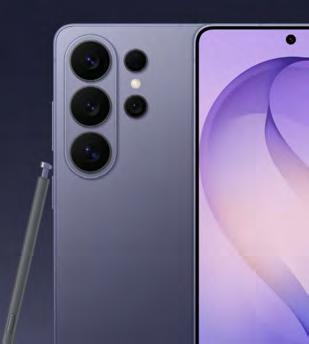
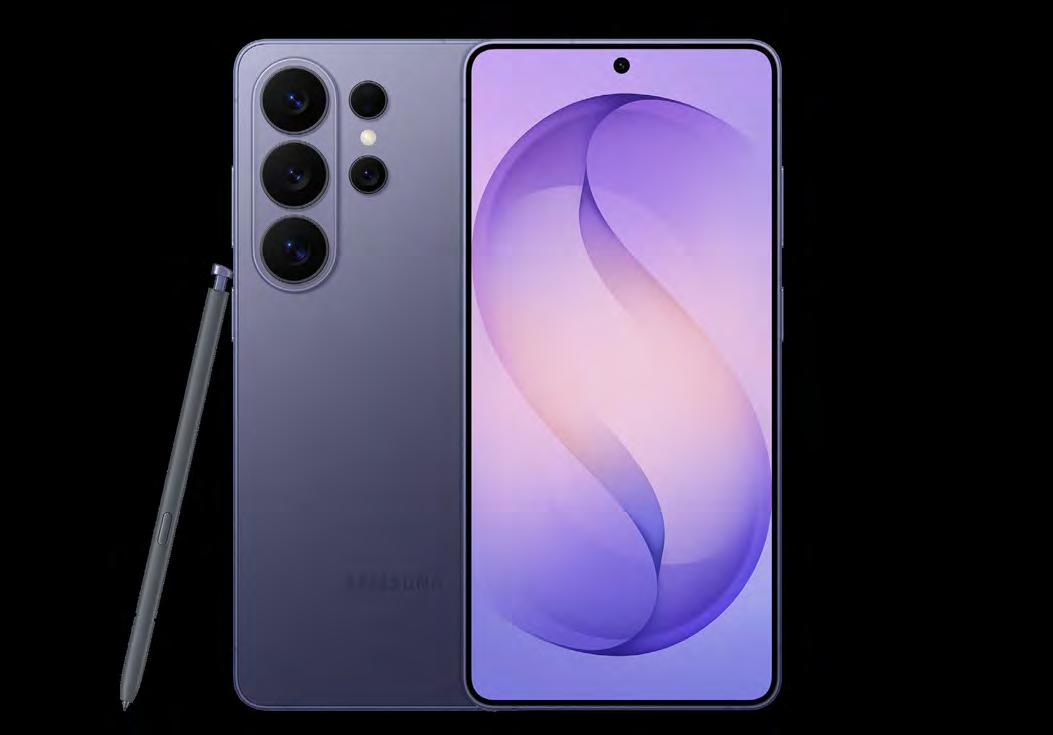
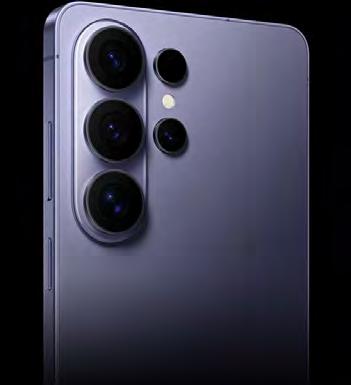
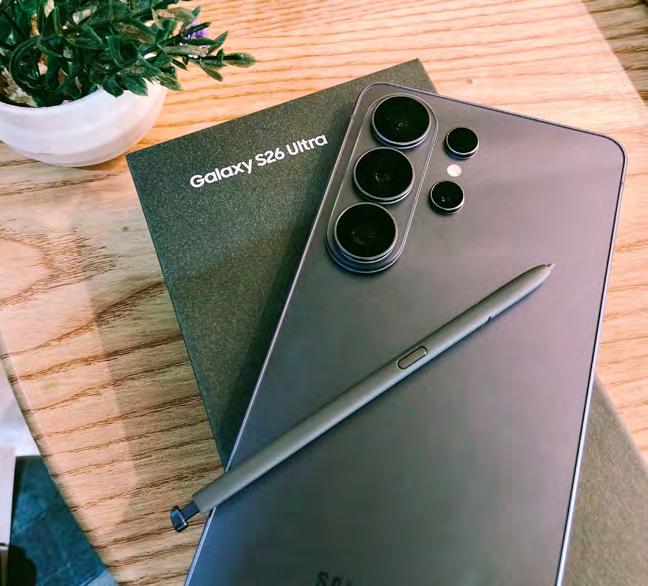
The Cobalt Violet color deserves its own moment. It’s not loud, but not basic either. I’d describe it as a cool-toned, slightly muted violet with a soft, dusty finish. Elegant, but still a little artsy.
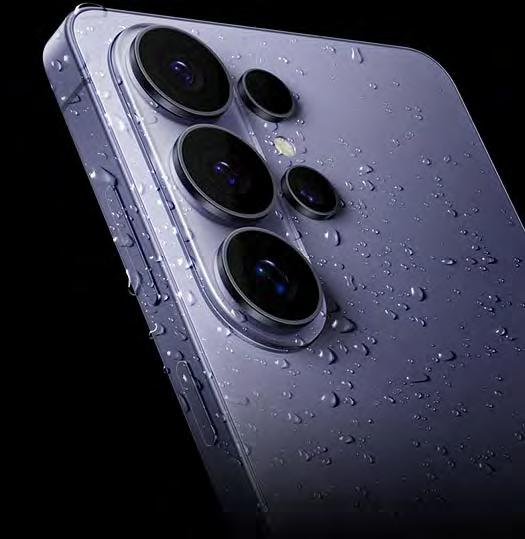
Texture-wise, it walks a nice line. Smooth, but not slippery. With IP68 water and dust resistance and a solid frame, it feels made for everyday movement. Even with slightly wet hands, it holds up. There’s this odd but welcome effect where moisture doesn’t linger, which makes it feel more secure than I expected.
And while it looks premium, it doesn’t act fragile. I can throw it into a packed, real-life bag without babying it. No immediate urge to slap on a case just for peace of mind.
Now, not everything lands perfectly.
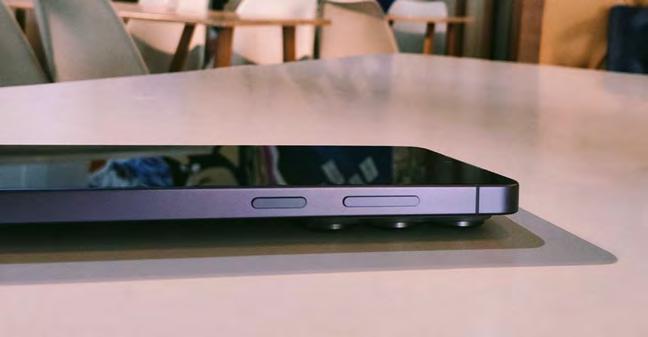
The camera bump is still very much there, especially when I place it on flat surfaces. It creates slight unevenness that feels off, both visually and physically, especially since I prefer a clean, flat back. It’s a small thing, but noticeable.
On the flip side, the S Pen placement is a quiet win. Positioned on the left side, it just makes sense, especially for me as a right-handed user. I hold the phone with my right hand and naturally reach for the pen with my left. It’s one of those thoughtful details I didn’t think about until I noticed it. Even the pen itself feels refined, with a clicky, almost fidget-like mechanism that’s oddly satisfying to use.
HARDWARE
The Samsung Galaxy S26 Ultra doesn’t just rely on impressive specs, it shows its strength in how those specs translate into
everyday use. What stood out to me early on is how consistent it feels. Not just quick in bursts, but steady, even when I’m pushing it a bit.
I tried running YouTube, Instagram, Chrome with around ten tabs, and Google Docs all at once, and it handled everything with ease. Transitions stayed smooth, switching between apps felt instant, and more importantly, apps didn’t keep refreshing in the background.
At some point, I stopped thinking about “multitasking” altogether because the phone just kept up.
That same consistency shows up in thermal performance. I pushed it a bit harder by recording 8K video at 30fps for about 12 minutes. It did warm up, but never to a point that felt uncomfortable. More importantly, performance didn’t dip. No slowdowns, no stutters. It feels like Samsung focused less on chasing peak numbers and more on keeping things stable over time. And in real use, that makes a difference.
The cameras are still one of the highlights, and this is where things start to feel a little extra, in a good way. The 200MP main sensor captures a lot of detail, especially in Pro Mode. Even shooting multiple high-res photos back to back, processing stays quick enough that it doesn’t interrupt the flow.
The ultra-wide camera is just as usable. It gives you that wide perspective without overly stretching the edges, which makes it reliable for landscapes or group shots. But the telephoto system is where it really stands out. The optical zoom is already useful, but pushing further, up to 100x, is where it gets interesting. It’s not just a gimmick. It actually lets me see and capture details I wouldn’t normally reach. At times, it feels less like zooming and more like pulling distant subjects closer in a way that’s surprisingly usable.
Video performance rounds out the experience nicely. Stabilization is reliable, detail holds up well, and switching between lenses mid-recording is mostly seamless, with very little lag. It’s capable enough that I’d feel comfortable using it for more serious content, not just quick, casual clips.
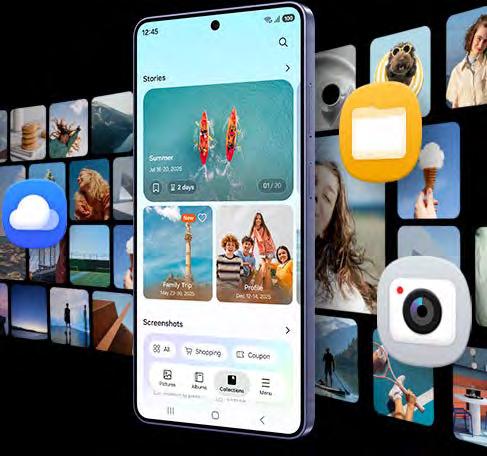
Then there’s the AI layer, which adds another dimension to the whole experience. Some features are genuinely useful, while others still feel a bit experimental. The Object Eraser in Samsung Gallery, for example, can be surprisingly clean when removing simple distractions, sometimes to the point where you wouldn’t even notice an edit. But it does struggle with more complex scenes, especially when it has to rebuild finer details. Still, in the right situations, it works well enough to save photos I wouldn’t be able to retake.
Features like Scene Optimizer lean more into the creative side. The way it adjusts colors and applies styles, especially those watercolor-like effects, can look unexpectedly artistic. At times, it even blurs the line between a photo and something closer to digital illustration.
The AI writing tools and Bixby-assisted features work as expected. They handle summarization and basic rewriting without much trouble, but they don’t feel particularly groundbreaking. Live Translate, on the other hand, stands out. Being able to point the camera at text and get a realtime translation is both fast and accurate. It’s one of those features I can actually see myself using regularly.
The integrated S Pen adds to the S26 Ultra’s versatility. I can use it for notes, quick sketches, or just navigating more precisely. Latency is low enough that writing feels natural, and the pressure sensitivity makes it usable for more detailed work. That said, it still feels more like a bonus than a main selling point. It fits into the experience nicely, but I don’t see most people choosing this phone just for the stylus.
Battery performance leans more toward reliability than anything flashy. It still packs a 5000mAh cell, and in day-to-day use, I’m getting about a full day on moderate use without having to think about it too much. It feels like Samsung focused on keeping things consistent rather than chasing bigger numbers. It’s not the kind of battery that stands out on paper, but it also doesn’t leave me worrying about getting through the day.
The adapter connected to the socket appeared inaccurate after the AI removed the tin can.
USER EXPERIENCE
Using the Samsung Galaxy S26 Ultra day to day feels like settling into a device built for both power and enjoyment. Watching videos on the 6.9-inch display is an easy highlight. It’s the kind of screen that makes you want to stay on it a little longer. Visuals are crisp, colors pop, and the speakers are surprisingly full. There are moments when I don’t even feel the need to reach for headphones. It really does feel like having a mini cinema in my hand.
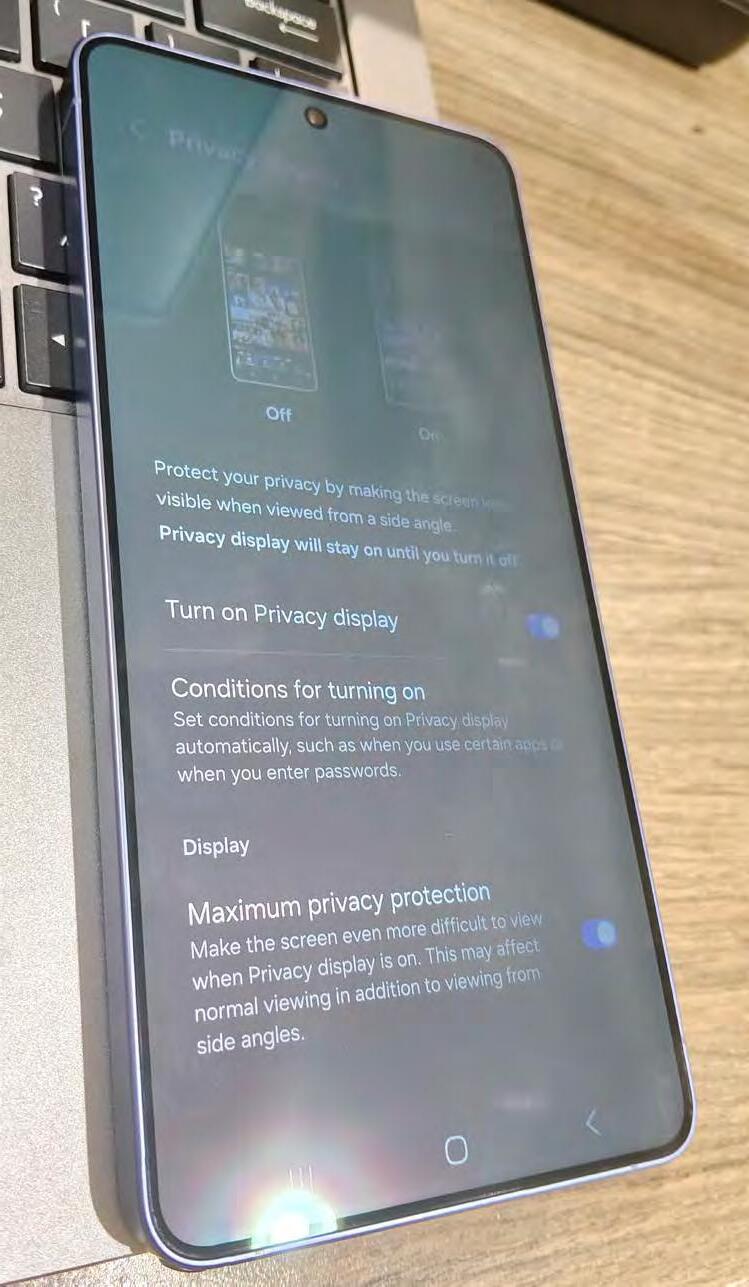
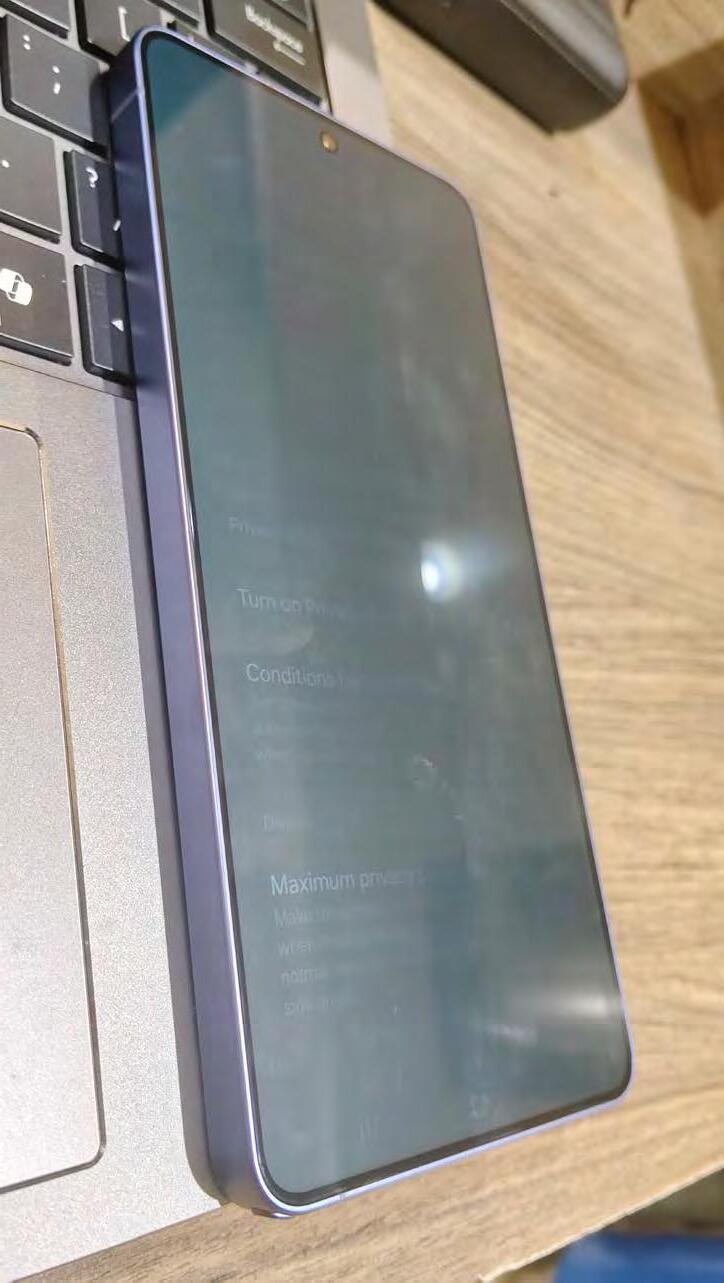
Beyond media, the Privacy Display is one of the more thoughtful features here. Instead of relying on a physical privacy film, Samsung’s approach feels smarter and more flexible. The screen narrows its viewing angle so that I see everything clearly head-on, while anyone off to the side gets a much dimmer view. It works consistently whether I’m outdoors, indoors, or somewhere in between.
For more sensitive tasks like banking or entering passwords, Maximum Privacy
Mode tightens things further. I also like that I can set it to activate automatically for certain apps or situations, so I don’t have to think about turning it on. It just happens when I need it.
What stood out to me is that enabling privacy doesn’t really compromise the experience. Brightness stays strong, colors still look good, and the display doesn’t feel
muted. It feels more like an added layer of protection than a trade-off.
Combined with its fluid performance, long-lasting battery, and refined hardware, the S26 Ultra provides a user experience that is not just capable, but thoughtful and immersive. Overall, it’s the ideal device for users who want power, media excellence, and privacy.
VALUE
The Samsung Galaxy S26 Ultra’s SRP starts at PHP86,990 for the 256GB model; PHP100,990 for 512GB; and PHP121,990 for the 1TB version. While these numbers may seem high at first glance, they are expected for a flagship device of this caliber.
That said, coming from the S25, the upgrade doesn’t feel especially dramatic for the cost. I can see why existing users might hold off for now.
Even so, considering the combination of top-tier performance, an advanced camera system, AI-powered features, immersive display and audio, and premium build quality, the S26 Ultra still delivers substantial value for users who know how to maximize its capabilities. If you treat it as more than just a phone, using it for productivity, media, photography, and even security-conscious tasks, this device
essentially pays for itself through its versatility and reliability.
BOTTOMLINE
As a flagship, the Galaxy S26 Ultra is a green flag, but don’t get too excited: While it delivers power, polish, and versatility, it’s more an incremental upgrade than a gamechanging leap. he cameras are impressive, the AI tools are clever, the display is vivid, and the speakers are good enough that I sometimes forget about headphones. But coming from the S25, a lot of this feels familiar rather than new.
Still, if you actually push your device like multitasking across multiple apps, creating high-resolution content, streaming videos, or relying on privacy features, the S26 Ultra rewards you with consistent performance and a high ROI.
It may not reinvent the wheel, but it gets the fundamentals right. In short, it’s powerful, capable, and impressively versatile.
Durability: IP68 water/dust resistance + Gorilla Glass Armor. Software: Android 16 with One UI 8.0 and 7 years of OS updates.
Special Hardware: Built-in S Pen (left-side) and Privacy Display layer.
WHAT'S HOT SPECIFICATIONS
Small-hand friendly
Privacy display
Zero throttling during 8K recording
Frictionless 120Hz scrolling and typing
Smart S Pen
WHAT'S NOT
Nearly identical to the S25 Ultra
Annoying camera bump
Hit-or-miss AI results
However, if you go in expecting something groundbreaking, the price might feel harder to justify.
REVIEWED BY PHIA MANUELL LAYOSO
POCO X8 PRO
The POCO X8 Pro is a strong contender in the highly competitive mid-range phone market. I’ve just started using it, and so far, it delivers a smooth and responsive experience, especially considering the price.
DESIGN
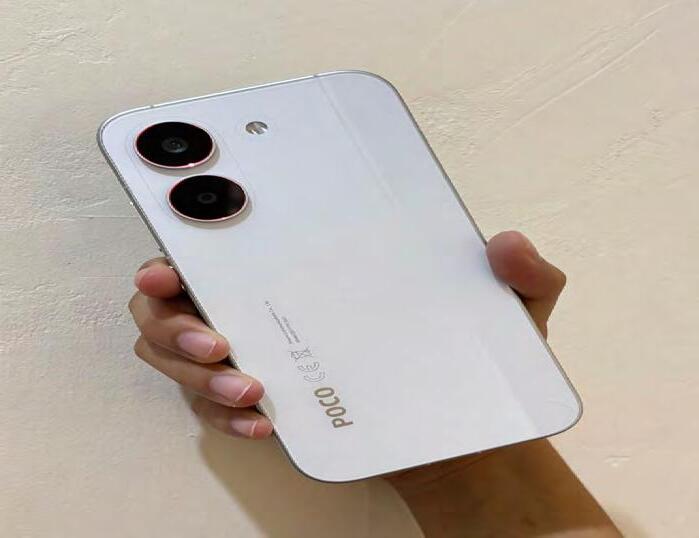
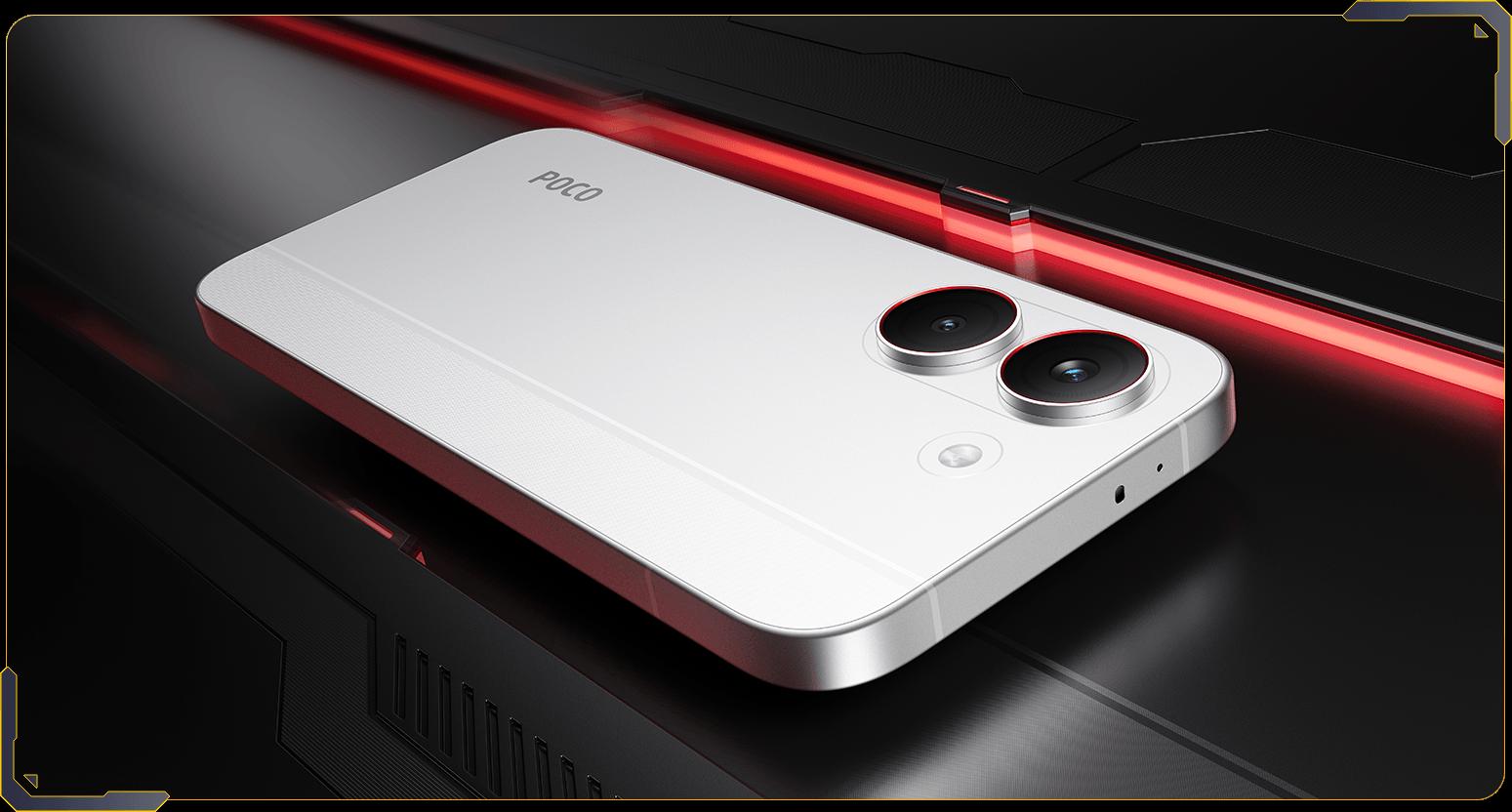
I got the White variant, and it stands out with its clean, minimalist look. It is also available in Black and Mint Green. The Iron Man Edition is a bonus for fans. The flat edges give it a modern look, and it’s comfortable to hold.
The 6.59-inch AMOLED display is impressive. It offers a smooth 120Hz refresh rate and up to 3500 nits peak brightness. Colors are vibrant and accurate, with good clarity even under bright light.
At the back, the phone features a vertically aligned dual-camera setup that looks simple and refined, equipped with a 50MP Sony IMX882 main camera alongside an 8MP ultra-wide camera. The layout is clean and doesn’t feel bulky. On the front, the 20MP selfie camera is placed in a centered punch-hole that integrates well into the display and isn’t distracting.
The in-display fingerprint scanner is fast and reliable. Facial recognition is slower and struggles when lighting isn’t ideal.
HARDWARE
The POCO X8 Pro is powered by the Dimensity 8500-Ultra processor. Daily usage, including app launching and multitasking, is fluid and responsive. App switching is fast, and it handles multiple applications without noticeable lag. While not strictly a gaming phone, it performs well for light to moderate gaming.
The 6,500mAh battery is a standout. In daily use, it delivers multi-day power depending on usage. The phone supports fast charging, although I couldn’t fully test this. The charger included in my review unit was a two-prong Europlug, and I didn’t have a suitable adapter, so I relied on a standard USB-C charger.
It also has an IP68 dust and water resistance rating, adding peace of mind for everyday use.
The camera performs well overall. It features a 50MP Sony IMX882 main sensor with Optical Image Stabilization (OIS), producing sharp, detailed photos with natural colors in good light. Lowlight shots are more stable and clearer, with less noise.
USER EXPERIENCE
It feels smooth and fast to use. With the Dimensity 8500-Ultra chip and 120Hz display, navigating menus and launching apps is quick and consistent.
The multimedia experience is solid. Audio quality is clear and pairs well with the display, making video streaming enjoyable. It doesn’t fully match flagship devices, but it comes close for most use cases.
For everyday use, the phone performs consistently well. Social media browsing is smooth, video streaming is reliable, and light gaming runs without issues.
The interface is easy to navigate. Video recording is stable and clear, benefiting from optical image stabilization.
at PHP15,499. The Iron Man Edition, priced at PHP 18,999, offers a more premium and collectible option.
VALUE BOTTOMLINE
Considering its performance, display quality, and battery capacity, the device offers strong value for money. Compared to other smartphones in the same price range, it stands out for users who want near-flagship performance without the high cost.
The POCO X8 Pro is available in 8GB + 256GB, 8GB + 512GB, and 12GB + 512GB variants, with an early bird price starting
Honestly, the POCO X8 Pro shows you don’t have to empty your wallet to get a great phone. It has a capable processor, a display that really pops, a battery that lasts, and a camera you can rely on. It’s not perfect, but when you look at the overall package and the price, it’s easily one of the better mid-range phones out there.
SPECIFICATIONS
Display: 6.59-inch 1.5K 120Hz
AMOLED display; 3500nits peak brightness; Resolution: 2756 x 1268 Processor: Dimensity 8500-Ultra; Octa-core CPU up to 3.4GHz
RAM: 12GB RAM + 6GB
Storage: 512GB
Camera: 50MP Sony IMX882 main camera with OIS, 8MP ultra-wide camera, 20MP front camera
Battery: 6500mAh (typ) battery, fast charging support
Others: In-display fingerprint scanner; Face recognition; IP68 dust and water resistance
WHAT'S HOT
Flagship-like performance
Smooth user experience
Reliable camera with OIS
Strong value for money
WHAT'S NOT
Charger uses two round pins (adapter may be needed)
DENZA D9 BRINGS
HYBRID LUXURY TO THE MPV SEGMENT
A seven-seater executive MPV combines plug-in hybrid performance, long-range capability, and first-class comfort for modern mobility
The Philippine premium MPV space welcomes a new contender with the arrival of the DENZA D9 DM-i, marking the local debut of DENZA. Positioned at the intersection of electrified performance and executive comfort, the D9 introduces a different approach to mobility—one that places equal emphasis on refinement, efficiency, and passenger experience.
Hybrid Performance with LongRange Capability
At the core of the D9 is DENZA’s Super DM-i system, pairing a 1.5-liter turbocharged gasoline engine with dual electric motors. This setup delivers smooth, responsive performance while allowing seamless transitions between electric and hybrid driving modes.
The electrified powertrain is designed for both city use and long-distance travel, with a total driving range of up to 980 kilometers. This extended range supports daily commuting while maintaining the flexibility expected from a full-size MPV.
A Cabin Designed for First-Class Comfort
Inside, the D9 is configured as a seven-seat executive MPV, with a strong focus on passenger comfort and in-cabin experience. A 15.6-inch infotainment display sits at the center of the dashboard, complemented by a 14-speaker Dynaudio sound system that enhances entertainment on the move.
Comfort features are a key highlight, including ventilated zero-gravity seats with massage functions, designed to
reduce fatigue during longer journeys. Additional conveniences such as a builtin smart refrigerator, wireless charging, and integrated armrest control screens allow passengers to personalize their seating and environment with ease.
Designed for Everyday Executive Mobility
The D9 brings together performance, space, and technology in a package tailored for both family and executive use. Its combination of electrified efficiency and premium interior features positions it as a modern alternative to traditional luxury MPVs.
Whether used for daily transport or extended travel, the D9 focuses
on delivering a more refined and comfortable mobility experience.
Pricing and Ownership Confidence
The DENZA D9 DM-i is introduced at a starting price of PHP3,998,000, positioning it in the premium MPV segment. It is supported by an 8-year or 160,000-kilometer battery warranty, reinforcing confidence in its hybrid system.
With its blend of advanced electrification, long-range capability, and executive-level comfort, the D9 enters the Philippine market as a compelling option for those seeking a more elevated approach to mobility.
GEELY EX5 EM-I ENTERS THE PLUG-IN HYBRID SPACE
A new electrified SUV blends efficiency, flexibility, and long-range capability for everyday driving
As fuel prices continue to fluctuate, more drivers are looking for alternatives that balance efficiency with everyday practicality. The Geely EX5 EM-i arrives as a plug-in hybrid SUV designed to adapt to both city commutes and longer journeys, combining electric driving with the reassurance of a gasoline engine.
Introduced for the Philippine market by Geely Motor Philippines, the EX5 EM-i reflects a growing shift toward
electrified mobility that remains practical for local driving conditions.
Electrified Driving with Everyday Flexibility
At the heart of the EX5 EM-i is a plugin hybrid system that pairs an electric motor with a gasoline engine. This allows drivers to rely on electric power for short, daily trips while maintaining the flexibility to switch to fuel for longer distances.
For urban driving, where stop-and-go traffic is common, the system enables more efficient use of energy by shifting part of the driving cycle to electricity. At the same time, the gasoline engine ensures extended usability without the need to depend entirely on charging infrastructure.
Geely lists a hybrid fuel consumption of 2.4L/100 km (WLTP weighted combined), equivalent to 41.6km/L, along with a total driving range exceeding 1,000 kilometers on a full tank and charge. Charging capability also supports quick top-ups, with the battery able to go from 30% to 80% in as little as 20 minutes under specified conditions.
Two Variants, Clear Positioning
The EX5 EM-i is offered in two variants, giving buyers a choice between
essential features and a more premium configuration:
• EX5 EM-i Pro – PHP1,288,000
• EX5 EM-i Max – PHP1,468,000
Both variants share the same plug-in hybrid powertrain, ensuring consistent performance and efficiency across the lineup, while differing in equipment and feature levels.
Built for Real-World Use
The EX5 EM-i is positioned as a practical entry point into electrified driving. Its dual-power setup addresses a key concern among prospective buyers: how to benefit from electric mobility without sacrificing range or convenience.
By combining electric efficiency for daily use with gasoline support for
longer trips, the EX5 EM-i offers a more flexible approach compared to fully electric vehicles. This makes it particularly relevant for drivers who may not yet have consistent access to charging infrastructure but still want to reduce fuel consumption.
A Balanced Step Toward Electrification
With its plug-in hybrid system, competitive efficiency figures, and accessible pricing, the EX5 EM-i represents a balanced approach to modern mobility. It allows drivers to experience the benefits of electrification while retaining the familiarity and flexibility of conventional driving.
For many motorists, this combination makes the transition toward more sustainable mobility both practical and achievable.
MITSUBISHI L300 HITS 900,000 UNITS
A long-running workhorse reaches a major local production milestone, reinforcing its role in Philippine business mobility
Mitsubishi Motors Philippines Corporation has reached a significant milestone with the local production of its 900,000th Mitsubishi L300, underscoring the model’s enduring role in supporting businesses across the country.
Produced locally as a completely knocked-down (CKD) model, the L300 has remained a consistent presence in industries ranging from logistics and delivery to small and medium enterprises, where reliability and cost efficiency are essential.
A Backbone of Business Mobility
Over the years, the L300 has built a reputation as a dependable commercial vehicle, known for its durability, cargo versatility, and ability to handle daily operational demands. Its continued production reflects sustained demand from businesses that rely on practical and long-lasting transport solutions.
The model’s straightforward engineering and robust build have made it a familiar sight on Philippine roads, particularly in sectors where uptime and reliability directly impact productivity.
Built on Continuous Improvement
MMPC attributes the milestone to consistent demand and ongoing improvements within its manufacturing operations. Through kaizen-driven initiatives, the company has focused on refining production processes, improving efficiency, and strengthening quality across its CKD lineup.
“The 900,000-unit production milestone of the Mitsubishi L300 reflects the dedication of our people and our commitment to continuous improvement in manufacturing,” said Ritsu Imaeda, president and CEO of MMPC.
“The 900,000-unit production milestone of the Mitsubishi L300 reflects the dedication of our people and our commitment to continuous improvement in manufacturing.”
These efforts have enabled the company to sustain production standards while meeting evolving market demand.
Designed for Practical Ownership
Beyond its durability, the L300 continues to stand out for its costefficient ownership. Its design prioritizes ease of maintenance, operational efficiency, and long-term reliability, factors that remain critical for fleet operators and entrepreneurs.
For many businesses, the L300 is more than just transport. It is a working asset
that supports daily operations and longterm growth.
Continuing the Production Legacy
As MMPC moves forward, the company remains focused on strengthening its manufacturing capabilities and maintaining the quality standards that have defined the L300’s long-standing success.
With 900,000 units now produced locally, the L300’s role in Philippine mobility remains firmly established, not just as a vehicle, but as a consistent partner in business.
MMPC executives led by Chairman Noriaki Hirakata (4th from left);
President & CEO Ritsu Imaeda (3rd form left) and Manufacturing Division
Head Manabu Higuchi (2nd from left).
SUZUKI DR-Z RETURNS, RECHARGED FOR THE RIDE
Suzuki brings the all-new DR-Z4S and DR-Z4SM to the Philippines, pairing dual-sport versatility and supermoto edge with modern rider tech.
A New Chapter for a Proven Nameplate
Suzuki Philippines has brought in the newest generation of its DR-Z lineup, with the all-new DR-Z4S and DR-Z4SM now officially available in the local market. First introduced internationally to strong interest from riders, the two motorcycles mark the latest evolution of Suzuki’s long-running DR-Z nameplate, with both variants priced at PHP589,000.
Built on 25 years of DR-Z heritage, the new DR-Z4S and DR-Z4SM draw from the legacy of the DR-Z400S launched in 2000 and the DR-Z400SM introduced in 2005. This latest generation updates that formula with more modern performance, sharper control, and greater agility, while keeping the rugged, practical character that has long defined the series.
DR-Z4S: Built for the Trail and Beyond
For riders who want a machine that can comfortably cross between dirt and pavement, the DR-Z4S is positioned as the more adventure-ready option. It uses a newly engineered pipe-steel twin-spar frame designed to improve stability and responsiveness over uneven terrain. Suzuki pairs this with IRC dual-purpose tires, giving the bike the traction needed for trail work while still making it road-capable. Its upright riding position and optimized chassis geometry are also meant to improve comfort and control, particularly on longer rides and more technical routes.
DR-Z4SM: Urban Edge, Supermoto Style
The DR-Z4SM, meanwhile, takes the same core concept in a more street-focused direction. Equipped with 17-inch wheels and IRC street tires, it is tuned for sharper cornering, stronger grip, and the kind of precision that suits city riding and supermoto-style handling. Suzuki presents it as the higher-energy counterpart in the lineup, aimed at riders who want something agile and playful in urban environments.
Modern Rider Tech Comes Standard
Both motorcycles come equipped with the Suzuki Intelligent Ride System (S.I.R.S.), which includes rider-assist features such as the Suzuki Drive Mode Selector and the Suzuki Traction Control System. The latter includes a Gravel mode for off-road use, while a Ride-by-Wire electronic throttle system is designed to deliver smoother, more responsive acceleration. Also standard on both are front and rear disc brakes with switchable ABS, an LED projector headlight, and updated bodywork that gives the DR-Z twins a more aggressive, contemporary look.
Color Options
Color options further distinguish the two. The DR-Z4S is offered in Champion Yellow and Solid Iron Gray, while the DR-Z4SM
comes in Solid White and Sky Gray. Together, they give Suzuki Philippines a fresh entry in both the dual-sport and supermoto spaces, appealing to riders who want modern electronics and updated styling without losing the everyday usability that made the DR-Z line endure in the first place.
In Perspective
For motorcycle enthusiasts, the arrival of the DR-Z4S and DR-Z4SM is less about nostalgia and more about Suzuki updating a proven formula for today’s riders. One leans toward the trail, the other toward the street, but both carry the same promise: approachable performance, real-world versatility, and a platform shaped by a nameplate that has already earned its place in motorcycle culture.
KAWASAKI EXPANDS 2026 LINEUP
From track-bred superbikes to adventure-ready machines, Kawasaki sharpens its leisure lineup with performance, technology, and design working in sync
Kawasaki’s 2026 leisure bike lineup reflects a clear direction: performance is no longer just about speed, but about how power is delivered, controlled, and experienced. Through a curated showcase called “The Art of Power,” Kawasaki Motors Philippines Corporation introduced a range of motorcycles that blend engineering precision with refined design, reinforcing its presence across multiple riding segments.
At its core, the lineup brings together flagship performance, adventure capability, naked aggression, and middleweight accessibility, giving riders more defined choices based on how and where they ride.
Kawasaki Ninja ZX-10R : The Apex Performer
At the top of the range sits the Ninja ZX-10R, a machine deeply rooted in Kawasaki’s racing DNA. Developed with input from the Kawasaki Racing Team in the World Superbike Championship, the 2026 model introduces aerodynamic refinements designed to improve stability at high speeds.
Integrated winglets now generate up to 25% more downforce, working alongside a repositioned RAM Air duct to enhance intake efficiency. The bike is equipped with high-spec components, including Brembo braking systems,
Showa Balance Free suspension, and an Öhlins steering damper. A TFT instrument panel with smartphone connectivity completes a package built for precision, whether on track or on the open road.
Kawasaki KLE500 | KLE500
SE : The Highly Anticipated Adventurer
Kawasaki expands into the lightweight adventure segment with the arrival of the KLE500 and KLE500 SE. First revealed globally at EICMA, the platform is designed for riders seeking versatility across urban roads and offroad terrain.
2026 Kawasaki Ninja ZX-10R
Powered by a 451cc fuel-injected parallel twin engine, the KLE500 features an Assist and Slipper Clutch, selectable ABS, KYB suspension, and a high-tensile steel trellis frame. Spoke wheels and a 16-liter fuel tank support longer rides, while smartphone connectivity via Rideology the App adds a layer of digital integration.
The KLE500 SE builds on this foundation with touring-focused enhancements. These include hand guards, a larger windshield, expanded carrying capacity with a three-case setup, a full-color TFT display, and additional Ergo-Fit adjustments. Together, these upgrades position the SE variant as a more refined and travelready companion.
Kawasaki Z1100 : The Fearless Icon
Leading Kawasaki’s naked lineup is the Z1100, a continuation of the Z series lineage shaped by the brand’s Sugomi design philosophy. The model introduces increased engine displacement alongside a more advanced electronic package.
An Electronic Throttle Valve System, updated riding aids, and a TFT display with smartphone connectivity bring modern control to its aggressive character. Premium components such as Brembo front brakes and Öhlins suspension reinforce its role as a
flagship naked bike designed for both performance and presence.
Kawasaki
Ninja 650 | Z650S : Established Icons, Evolved
Rounding out the lineup are two models that continue to anchor Kawasaki’s middleweight segment.
The Ninja 650 remains an accessible entry point into big bike performance, retaining its 649cc parallel twin engine while receiving updated colorways and graphics for the new model year.
The Z650S, meanwhile, adopts sharper Sugomi-inspired styling cues influenced by its larger siblings. The updates enhance its visual aggression while maintaining the balance and versatility that define the Z series in everyday riding conditions.
A Broader Expression of Performance
Kawasaki’s 2026 leisure bike lineup reflects a more layered approach to performance. Each model serves a distinct purpose, from track-focused precision and adventure versatility to urban riding and everyday usability.
While “The Art of Power” framed the presentation, the motorcycles themselves carry the message forward. Across segments, the focus is clear: refined engineering, purposeful design, and a riding experience shaped as much by control as it is by capability.
The full lineup is now available across Kawasaki Krib dealerships nationwide, offering riders a closer look at how Kawasaki continues to evolve its approach to modern mobility.
2026 Kawasaki KLE 500SE
2026 Kawasaki Ninja 650
2026 Kawasaki Z650S
FUTURE IN MOTION: BAJAJ PH NOW POWERED BY TRIMOTORS
The “Future in Motion” launch marked a defining shift for Bajaj in the Philippines. Long familiar to local riders through its partnership with Kawasaki Motors Philippines Corporation, Bajaj now steps forward under its own global identity, with TriMotors Technology Corporation leading distribution nationwide.
This transition represents more than a branding change. It signals Bajaj’s intent to operate on its own platform, guided by its engineering philosophy and backed by structured infrastructure built for long-term growth.
From Collaboration to Command.
For over a decade, Bajaj motorcycles built recognition in the local market through collaboration. That period helped establish familiarity, but this new chapter allows the brand to fully express its own DNA.
With operations spanning more than 100 countries, Bajaj enters this phase not as an experiment in a competitive market, but as a proven global manufacturer taking full ownership of its direction in the Philippines.
The shift places brand control, positioning, and expansion directly in Bajaj’s hands, giving it clearer authority
over product strategy and customer experience.
Backed by 3S Power: Sales, Service, Spare Parts.
Under TriMotors Technology Corporation, Bajaj’s expansion follows a comprehensive 3S model designed to address the realities of motorcycle
ownership. Performance and styling may attract riders, but reliability and support determine long-term loyalty.
Key commitments include:
• Expansion of strategically located 3S facilities
• Strengthened spare parts pipeline with nationwide distribution
• Trained technical service teams
• Scalable dealer network growth
This approach ensures that Bajaj ownership is not just about the ride itself, but also about consistent access to service and parts. For riders investing in performance-oriented machines, dependable after-sales support is essential.
Five Machines. One Statement.
The launch was anchored by five motorcycles that outline Bajaj’s immediate competitive intent:
• Bajaj Pulsar N125 – Hop on the Thrill
• Bajaj Pulsar N160 – Power. Precision. Control.
• Bajaj Pulsar RS200 – Leave Your Mark
• Bajaj Pulsar NS400Z – Definitely Daring
• Bajaj Dominar 400 – Reimagine Your Ride
From entry-level sport commuters to higher-displacement performance and touring motorcycles, the lineup demonstrates a focused strategy rather than scattered participation. Each machine carries a distinct role within its segment, reflecting Bajaj’s emphasis on power, precision, and presence.
Built to Compete. Structured to Scale.
Bajaj’s three-wheel business under the Trimotors footprint already includes:
• Over 1,900 authorized dealer and service touchpoints
• 720 partner cities and municipalities
• More than 80,000 Ka-Bajaj riders nationwide
With motorcycle distribution now under the same umbrella, Bajaj transitions from established presence
to expansion mode. The foundation is already in place, allowing the brand to scale operations while maintaining consistency across sales and service.
The Future Isn’t Coming. It’s Already Here.
“Future in Motion” was presented as more than a launch theme. It reflects a shift in how Bajaj positions itself in the Philippine market. No longer operating in collaboration, the brand now defines its own narrative.
Five machines mark the beginning of this chapter, but the broader message lies in structure and intent. Bajaj enters this phase with infrastructure, dealer alignment, and a strategy built for growth.
The future, as framed by Bajaj, is not a projection. It is already moving.
Gaming
Words by Jose Alvarez
DEVELOPER
Blizzard Entertainment
PLATFORM
SPUBLISHER
Windows, macOS
Blizzard Entertainment
ince World of Warcraft’s launch in 2004, many MMORPGs have come and gone (well, mostly gone), but the franchise still has the staying power to be not only a cornerstone of video games but also of pop culture in general. Since Microsoft’s acquisition of Blizzard Entertainment in 2023, many had different expectations. Midnight is the second expansion since the acquisition and the 11th overall—but does it take the game to new heights, innovate the player experience, and keep people engaged enough to justify the subscription price?
Midnight launched on March 2, 2026, though those who purchased higher tiers could access it earlier. The second game of the Worldsoul Saga (after The War Within) returns to Quel’Thalas as the conflict between Light and Void escalates. Many core mechanics return, as well as several new ones. Players will find themselves in Silvermoon City, the Blood Elf capital, which is now the main hub in this expansion and is accessible to both Alliance and Horde. There are four new zones to explore: a revamped Eversong Woods (now with the Ghostlands included), a revamped Zul’Aman, and the new zones of Harandar and The Voidstorm.
While smaller than previous expansions to begin with, there seems to be a lot of room to grow, particularly in future patches in the game, suggesting that content may not be an issue for this expansion. A brand new set of Delves returns to the game, mini-dungeons that first debuted in The War Within. There are also several new world events that you can do that reward players with loot, transmog, and more.
Players are also treated to several new dungeons: a revamped Magisters’ Terrace (previously in The Burning Crusade) and several brand new dungeons. Windrunner Spire and Murder Row round out the dungeons in the revamped Eversong Woods, while Den of Nalorakk and Maisara Caverns are dungeons in Zul’Aman. Harandar has The Blinding Vale, while the Voidstorm has Nexus Point Xenas and Voidscar Arena. Three raids are available at the time of this writing: the Voidspire in the Voidstorm, and the mini-raid, The Dreamrift, is located in Harandar. The March on Quel’Danas, located on the Isle of Quel’Danas, will also be available for players to tackle. The new Mythic+ season will bring four of Midnight’s dungeons and four legacy dungeons from previous expansions as well.
There are also two new features: Prey and Player Housing. Prey allows you to get a quest to hunt down a powerful target in each zone, and the randomness of it excites me as a top-level player, as the enemy can strike anytime you’re doing anything, such as World Quests, regular quests, or even just farming for materials. There are three difficulties to Prey: Normal, Hard, and Nightmare, each rewarding you for defeating the target. If you love challenges and surprises, you’ll love Prey.
For some players, you might want a more relaxing experience—games aren’t always (well, maybe it is for some people) about killing enemies, other players, or having the best gear, the highest ratings (PvP or PvE), or being the most skilled player.
This is where player housing comes in. After years of players requesting this feature, Blizzard has finally brought it into Midnight. You can become a homeowner (at least in Azeroth) and design your own home, complete with all the bells, whistles, and whatever else you can find in-game to decorate your own space. While this came out during the 12.0 prepatch, players have created some extremely intricate or outrageous designs in the game: players have recreated the Millennium Falcon from Star Wars and other designs, and have taken their creativity to new heights, which means even more hours to spend in Azeroth, as all the available decorations are spread throughout every expansion from the original game to the present (that’s nearly 22 years of content). You can visit your friends’ houses, and you can also buy decor from the in-game store, and this is something that Blizzard will build on (pun intended) for sure.
So to answer the original questions I posed near the beginning: all signs point to yes. The new features, especially player housing, will add a LOT of hours to your time already spent in this game, making the MMO truly community-based. There is a lot to do in this expansion—whether you want to be the very best or just build that nice Azeroth home you’ve always wanted, Midnight offers quite a bit for everyone.
CYBERZONE ELEVATES GAMING TO THE
Where passion meets the podium for the country’s tabletop gaming community
A Stage for Strategy and Community
Filipino tabletop gaming has long thrived on strategy, creativity, and a strong sense of community. In recent years, Cyberzone has evolved beyond its role as a premier gadget destination into a cultural hub where this community can grow, compete, and showcase its craft on a larger stage.
From Side Event to Main Event
Previously featured as a side attraction in the Cyberzone Challenger Series and Cyberzone Geek Con DX, tabletop gaming stepped fully into the spotlight in 2026 with its own dedicated tournament series. The move signals a clear commitment to elevating the category and supporting the players who have helped build its following.
“This is a deliberate move to spotlight the tabletop pioneers whose communitybuilding and tactical energy have long been a fundamental part of our gaming culture,” said Patrick Pacla, vice president for Cyberzone operations and marketing at SM Supermalls. “We are creating an all-out experience that celebrates their craft through the unique tech and gaming moments only Cyberzone and SM Supermalls can deliver.”
ELEVATES TABLETOP
THE MAIN STAGE
Raising the Stakes
At the heart of the series is competition, with a PHP 20,000 prize pool awarded per tournament. Final champions were crowned across titles such as Magic: The Gathering and Beyblade X, highlighting both strategic depth and fast-paced play.
The tournaments brought together seasoned competitors and rising players, reinforcing the growing legitimacy of tabletop gaming within the broader gaming ecosystem.
While competition remained fierce, the experience was designed to be inclusive. Newcomers had the opportunity to learn the basics through “Learn to Play” sessions hosted by Neutral Grounds, offering guided demos and expert tips for those looking to enter the scene.
Freeplay sessions also gave participants a chance to experience the arena ahead of the main tournament, lowering the barrier to entry and encouraging wider community participation.
Held at the Main Atrium of SM City BF Parañaque, the Cyberzone Tabletop Throwdown demonstrated how far the category has come—from niche hobby to headline attraction.
As Cyberzone continues to expand its gaming initiatives, the success of its tabletop series points to a broader shift: gaming is no longer defined by screens alone. Across formats, communities, and playstyles, the space is growing more inclusive, more visible, and more dynamic than ever.
Open to All Players
A New Era for Tabletop
Wais Tindera Caravan
GCash brings digital finance and financial literacy to grassroots entrepreneurs
GCash is expanding financial inclusion at the community level through the Wais Tindera Caravan, a financial literacy initiative designed to help nano, micro, small, and medium enterprises (NMSMEs) adopt digital tools and responsible borrowing practices. Organized by Fuse Financing Inc., the lending arm of GCash, the program kicked off Women’s Month with a series of sessions that brought together hundreds of women entrepreneurs from across the country.
Empowering grassroots entrepreneurs
At the caravan’s recent launch event, more than 400 women entrepreneurs— from sari-sari store owners to street food
vendors—gathered to learn practical strategies for running and growing their businesses. The initiative aims to equip grassroots entrepreneurs with the financial knowledge and digital capabilities needed to participate more fully in the country’s rapidly evolving digital economy.
The need for such programs is clear.
A 2025 study by Boston Consulting Group found that 75% of Filipino sari-sari stores still operate offline, while only 7% use any form of business software. This gap limits their ability to accept digital payments or reach online customers. Through the Wais Tindera Caravan, GCash hopes to close that gap by bringing training directly to store owners in their own communities.
“Sari-sari stores are the heart of every community, and through them we’re driving digital enablement at the grassroots level,” said CJ Alegre, GCash head of sustainability. By going digital, she noted, small businesses can serve more customers, reduce cash-handling risks, and manage transactions more efficiently while contributing to broader financial inclusion.
Expanding credit access for women-led MSMEs
Women play a particularly significant role in the country’s small business sector. While 55.8% of MSMEs in the Philippines are women-led, many entrepreneurs still face challenges accessing formal credit due to collateral
and documentation requirements from traditional lenders. As a result, many rely on personal savings or informal financing.
Fuse Financing is addressing this barrier by promoting responsible lending and expanding access to credit through the GCash platform. Entrepreneurs can apply for GLoan for MSMEs directly through the GCash app, allowing them to access financing without collateral.
Fuse is also expanding its lending capacity through a PHP1.75-billion loan facility from the Asian Development Bank, with at least 60% allocated to women-led MSMEs and 50% earmarked for borrowers in high-poverty provinces.
As of end-2025, Fuse has disbursed PHP362 billion in loans to 10.5 million borrowers, with three out of five borrowers being women.
Reaching communities one barangay at a time
Launched in November 2025, the Wais Tindera Caravan has already reached more than 10,000 NMSMEs through sessions in 18 barangays across Metro Manila and Mindanao. The caravan has visited cities including Quezon City, Pasig, Makati, Manila, Caloocan, Taguig, San Juan, Marikina, Las Piñas, Mandaluyong, and Muntinlupa,
drawing strong participation from local communities.
Sessions in Batasan Hills in Quezon City, Tonsuya in Malabon, and Malanday in Valenzuela alone gathered more than 1,400 participants. Outside Metro Manila, the program reached sari-sari store owners in Tagum, Davao, recording its largest turnout with over 1,500 NMSME participants.
Participants receive hands-on guidance on managing cash flow, saving, and adopting digital payment solutions to sustain and expand their sari-sari stores. Following its run in Quezon City, the caravan continues its rollout in Manila, Iloilo, Dagupan, and Albay as part of its nationwide expansion.
GLoan for MSMEs
Accessible through the GCash app, GLoan for MSMEs allows small business owners to secure financing without collateral. The digital lending product is designed to provide fast access to capital that entrepreneurs can use for inventory, store improvements, or day-to-day business needs.
Because the application process is fully digital, borrowers can apply and manage their loans directly through their smartphones, reducing the paperwork and delays often associated with traditional lending channels.
Fuse Financing
Fuse Financing Inc. is the lending arm of GCash and a wholly owned subsidiary of Mynt, the fintech company behind the Philippines’ leading finance super app. Regulated by the Securities and Exchange Commission, Fuse provides digital lending products aimed at helping individuals and small businesses access affordable financing.
According to Alegre, empowering the “wais tindera” goes beyond financial literacy. By combining fintech tools with practical financial education, the program aims to help small entrepreneurs increase income, avoid unsustainable debt, and gradually scale their businesses.
Cutting Last-Mile Friction with Automated Voice
Twilio helps Delivery Hero streamline food delivery communications and reduce order handover issues
Food delivery platforms operate in an environment where speed, timing, and clear communication determine whether a transaction succeeds. At the final step of the delivery journey, even a brief failure to reach the customer can delay riders, trigger support escalations, and create unnecessary operational costs.
Customer engagement platform Twilio has partnered with global delivery platform Delivery Hero to address this challenge through automated voice communications that simplify lastmile interactions between riders and customers. The solution has significantly reduced delivery friction while improving customer reachability across markets.
Automating the last-mile handover
Delivery Hero operates in around 70 countries across four continents and manages 11 major brands including foodpanda, talabat, foodora, HungerStation, and PedidosYa. With more than 10 million orders fulfilled daily, ensuring a smooth handover at the customer’s doorstep is critical.
Previously, when customers were unreachable, riders often had to rely on personal phones to make calls. This created several challenges, including language barriers, privacy concerns, and out-of-pocket call costs. Riders also faced delays when escalating issues to support agents while waiting outside delivery locations.
“We need customers’ attention at the right moment,” said Philip Grefe, product manager for the Rider App at Delivery Hero. “If the final handover fails, everyone loses. The customer doesn’t receive their order, and we’re left holding goods that can’t be used elsewhere.”
“Delivery Hero’s use of Twilio shows how programmable communications can remove friction at critical moments.”
Programmable voice at global scale
To address the issue, Delivery Hero implemented Twilio’s communications technology to automate pickup and dropoff calls. Using Twilio Programmable Voice, global phone number pooling, and text-to-speech capabilities, riders can trigger automated calls directly from the rider app with a single tap.
The call appears to customers as a local phone number and is delivered in their preferred language. This approach increases the likelihood that customers answer the call while also removing the need for riders to use personal devices.
The system was developed using Twilio Studio and integrated into Delivery Hero’s existing infrastructure. The automated IVR workflow allows customers to confirm availability or cancel deliveries without requiring agent intervention.
From initial development to large-scale deployment, the rollout took less than three months. The system now supports thousands of daily calls across multiple languages and markets.
Measurable operational improvements
The impact has been significant. Delivery Hero reports a 25 percent reduction in overall rider contact rates and more than 60 percent fewer rider-to-agent escalations in situations where customers are unavailable. In Spain alone, automated IVR calls achieved customer answer rates of 65 percent.
The improved reachability helps reduce support tickets, lower operating costs, and keep riders moving efficiently through their delivery routes.
“Delivery Hero’s use of Twilio shows how programmable communications can remove friction at critical moments,” said Jake Kanter, vice president of sales
for EMEA Communications at Twilio. “By combining global coverage with local trust, they’ve turned last-mile delivery into a measurable, scalable, and customer-first experience.”
Building scalable customer engagement
Beyond resolving immediate delivery challenges, the solution provides operational insights that can improve future processes. IVR performance data, for example, helps identify invalid customer numbers and refine one-time password validation systems.
For Delivery Hero, the initiative demonstrates how programmable communications can transform routine interactions into a streamlined digital workflow. For enterprises operating in high-volume logistics environments, the approach highlights the growing importance of intelligent communication infrastructure in maintaining efficiency and customer satisfaction at scale.
CARE WITHOUT BOUNDARIES
How mWell is using technology to bring healthcare closer to every Filipino
For many Filipinos, access to healthcare is still defined by distance—hours of travel by land or sea, limited facilities, and delayed treatment. But increasingly, technology is reshaping that reality.
At the center of this shift is mWell, the country’s fully integrated health and wellness app, which continues to expand how care is delivered, especially to communities that need it most.
mWell recently earned global recognition after winning the Global Mobile (GLOMO) Award for Best Mobile Innovation Supporting Emergency or Humanitarian Situations at the Mobile World Congress 2026 in Barcelona. It
A global win for local impact
marks the platform’s second GLOMO win, following its 2023 recognition for digital life innovation.
But beyond the recognition, the award underscores something more meaningful: how digital tools can transform everyday health access.
“Digital innovation is key to our commitment to national progress,” said Manuel V. Pangilinan, chairman of mWell and MPIC. Through mWell, he adds, technology is being used to bring quality healthcare closer to Filipinos.
Today, the mWell ecosystem, together with KonsultaMD, serves 7.3 million users—37% of whom come from vulnerable and underserved sectors.
To bridge gaps in access, mWell has deployed 179 OnTheGo Clinic-in-a-Bag units across remote islands, Indigenous communities, correctional facilities, and disaster-affected areas, supporting nearly a million people.
These portable digital clinics are equipped with a smartphone or tablet preloaded with the mWell app, along with Wi-Fi or satellite connectivity, solar power, and medical tools. In communities where hospitals may be hours away, patients can consult with licensed doctors, receive prescriptions, and access their health records—without leaving their barangay. Healthcare that reaches you
A connected health ecosystem
Beyond emergency response and outreach, mWell continues to build a fully integrated digital health ecosystem. The platform connects telemedicine, diagnostics, pharmacy services, wellness programs, and secure digital health records into a single, accessible system.
This integration allows patients to move more seamlessly through their healthcare journey—from consultation to treatment to follow-up—without the fragmentation that often defines traditional systems.
The platform also supports overseas Filipino workers through partnerships with the Department of Migrant Workers (DMW) and OWWA, enabling access to Filipino doctors and even mind health consultations, no matter where they are in the world.
mWell’s approach to wellness goes beyond traditional care delivery. Through its partnership with the Department of Information and Communications Technology (DICT), it supports BangkaHealth, bringing telemedicine services to coastal and island communities via boats.
In emergencies, the platform has also introduced Southeast Asia’s first medicine drone delivery service, enabling life-saving treatments to reach patients in minutes instead of hours.
These innovations are not just about convenience. They address a deeper wellness issue: ensuring timely care in moments when delays can mean the difference between recovery and risk.
Wellness, wherever you are
mWell’s growing presence in national digital platforms, including integration with the eGov PH App, further expands access by allowing users to consult doctors, view health records, and manage their care in one place.
As healthcare continues to evolve, the focus is no longer just on treatment—but on accessibility, continuity, and everyday wellbeing.
By bringing care closer—whether through a mobile app, a boat, or even a drone—mWell is helping redefine what wellness looks like for Filipinos: not something distant or difficult to reach, but something that is always within access.
Magic Layers
New AI feature turns static designs into fully editable creations inside the Canva editor
Canva, the world’s leading all-in-one visual communication platform, has unveiled Magic Layers, a new breakthrough technology that turns any flat design or image into something you can edit, refine, and remix to suit your vision.
Generative AI has triggered a flood of visual content, but most of it remains locked in static image files. Even small changes can require starting over, with reprompts that can unintentionally alter the entire design.
Powered by years of internal research and Canva’s growing investment in its AI development arm, Magic Layers ushers in a new era of editable content, where speed meets true creative control.
Available in public beta today, it turns AIgenerated content into a launchpad, not a locked file, empowering creators to refine, reshape, and perfect every detail.
How it works
Magic Layers bridges the gap between AIgenerated content and true creative control by turning flat images into structured, editable layers inside the Canva editor. Fixed files are unlocked, becoming brand-ready and scalable design assets. Whether starting with a new idea or an existing design, Magic Layers brings a new level of flexibility to AI-powered content creation:
• Upload your image, and Canva does the rest:
• Elements are intelligently separated into individual, movable objects
• Layout relationships are preserved automatically
• Text remains live and fully editable
• Outputs can be refined and iterated without starting over each time
• Generate a fully editable design with Canva AI:
• Go from prompt to refining in the Canva Editor in moments
• Create visually-rich and on-brand presentations, docs, social posts and more
• Then, move elements, swap backgrounds, or change fonts, all inside Canva
Magic Layers supports single-page .png and .jpg files in beta, with expanded capabilities in development.
For marketing teams refreshing campaigns, small businesses updating product messaging, and creators remixing ideas, what was once a barrier is now a starting point.
“There’s been an explosion of AI-generated content that has, until now, been a dead end. You’d get a finished image you couldn’t edit, refine, or make your own. We think AI should spark creation, not stop it,” said Cameron Adams, co-founder and chief product officer, Canva. “After a breakthrough from our AI research team, we’re introducing Magic Layers so anyone can take a flat image and turn it into a fully editable design inside Canva. There’s no need to start over, or to figure out the right prompt. Generation is just the beginning - real creative freedom comes from being able to edit without losing momentum.”
The Technology Behind Magic Layers
When an image is exported, flattened, or generated by AI, its structure collapses. Text becomes pixels, individual objects merge together, and the design logic that once held everything in place disappears. Until now, editing that image meant starting over.
While traditional vector tools can trace shapes by converting pixel regions into outlines, they can’t understand what those shapes represent. They can’t distinguish a headline from a background, or identify which elements belong together. Magic Layers was built to solve that problem.
Instead of simply tracing an image, Magic Layers interprets the design as a whole. It analyzes structure, identifies relationships between elements, restores text as live boxes, and separates components while
preserving the original layout. The result is a fully editable design - not just traced shapes, but a set of elements that preserve the intent behind the original creation.
Canva’s Foundational AI Layer
Magic Layers is a new capability of the Canva Design Model, the company’s proprietary foundation model, and the first to generate designs that are editable from the start. Since launching in October, the Canva Design Model has generated hundreds of millions of editable presentations, documents, and social posts while also powering Canva’s integrations with ChatGPT, Claude, and Microsoft Copilot.
Magic Layers is rolling out in public beta in the United States, United Kingdom, Canada, and Australia, with global availability to follow.
Women in AI Classrooms
Coursera data shows Filipino women are completing GenAI courses at slightly higher rates than men, pointing to access as the bigger issue in AI learning
Access vs. Ability
As artificial intelligence continues to reshape industries and careers, a new Coursera report suggests that in the Philippines, the challenge for women may be less about motivation or ability and more about access.
In its latest report, One Year Later: The Gender Gap in GenAI, Coursera found that Filipino women completed generative AI courses at rates 0.3% higher than men. The margin is modest, but it is notable in light of the fact that women remain
underrepresented in GenAI learning overall. The finding points to steady persistence among women learners once they are given access to quality opportunities in the field.
Closing the Enrollment Gap
The report shows that women accounted for 39.1% of GenAI course enrollments in the Philippines in 2025, up from 38.4% in 2024. While the gender gap remains, the data suggests that the real obstacle may lie in lowering barriers to entry and widening access to AI education pathways.
That insight is especially relevant in a country that has long been recognized for strong gender equality performance. As AI becomes more embedded in education, business, and the workplace, ensuring that women can build these skills will be vital to sustaining inclusive participation in the digital economy.
What Drives Participation
One of the report’s clearest takeaways is that course design matters. Beginnerfriendly offerings with visible real-world
applications tend to draw stronger female participation. In the Philippines, for instance, Meta’s Social Media Management course recorded 65.4% female enrollment. Other courses with strong female participation included digital marketing programs from the University of Illinois UrbanaChampaign, AI-focused teaching courses from Wharton and OpenAI and from Vanderbilt University, as well as design and analytics offerings from Adobe, IBM, and Google.
Across the platform, courses that position GenAI as a practical tool for productivity, teaching, writing, or creative work appear to resonate more strongly. Rather than presenting AI as abstract technical theory, these courses connect it to everyday goals and professional relevance, helping broaden participation.
Persistence in Learning
“The future of AI will be shaped by the diversity of the people building and using it,” said Dr. Alexandra
Urban, learning science research lead at Coursera. “Our data show that when Filipino women gain access to GenAI learning opportunities, they demonstrate strong persistence and commitment to mastering these skills.”
The report also notes that women in the Philippines are not only building technical skills. They are also showing strong engagement in human-centered competencies such as critical thinking, where women account for 46.5% of enrollments. That combination of technical and human skills will be increasingly important as GenAI tools become more common in classrooms and workplaces alike.
Designing Inclusive A Education
For the education sector, the message is clear: inclusive AI learning does not begin and end with access to technology. It also depends on how courses are designed, how learners see themselves represented, and how clearly these programs connect to
real academic and career outcomes. Coursera’s report suggests that if these conditions are met, more Filipino women will not only participate in AI learning, but thrive in it.
PAYMENTS, REWIRED
Fiuu outlines the key trends shaping the Philippines’ digital payments landscape in 2026
The Philippines’ digital payments ecosystem is entering a new phase—one defined less by rapid adoption and more by reliability, interoperability, and regulatory alignment. According to fintech platform Fiuu, the developments that converged in 2025 have fundamentally reshaped how consumers and merchants approach digital transactions.
The entry of Apple Pay and Google Pay, the Bangko Sentral ng Pilipinas’ push for 24/7 real-time payment infrastructure, and tighter anti-money laundering requirements have collectively shifted digital payments from a convenienceled feature into an operational necessity. Seamless access, security, and compliance are no longer competitive advantages— they are baseline expectations.
As Fiuu CEO Eng Sheng Guan notes, the industry is now moving into a more mature stage, shaped as much by infrastructure and regulation as by evolving consumer behavior.
Interoperability Becomes
Standard, Not Strategy
One of the clearest signals of this maturity is the rise of interoperability as a non-negotiable requirement. The expansion of global wallets such as Apple Pay and Google Pay has elevated expectations for universal acceptance, while real-time payment rails have eliminated time-based limitations.
Consumers now expect frictionless transactions regardless of platform, device, or purchase size. In this environment, fragmented ecosystems and limited wallet acceptance increasingly result in abandoned transactions rather than customer compromise.
Retailers are responding by standardizing on multiwallet, interoperable payment systems. The shift is pragmatic: broader acceptance translates directly to higher conversion rates and reduced operational complexity. Supporting only select payment methods is no longer efficient—it is commercially risky.
For 2026, interoperability is no longer positioned as innovation. It is the minimum requirement for participation in a competitive retail landscape.
Cashless-by-Default Gains Ground
Cash is steadily being re-evaluated—not just as a payment method, but as an operational liability. Across major Philippine cities, contactless and cardbased transactions are increasingly dominant, even for low-value purchases traditionally associated with cash.
Transport fares, convenience store purchases, and quick-service dining transactions are now commonly completed with a tap. This signals a deeper behavioral shift: digital payments are becoming embedded in daily routines, rather than reserved for larger transactions.
Consumers perceive digital payments as more secure and transparent, while businesses see clear efficiency gains. Reduced cash handling improves speed, simplifies reconciliation, strengthens compliance, and lowers security risks.
In this context, the move toward cashless environments is less about technological novelty and more about operational discipline—optimizing flow, predictability, and customer experience.
Embedded Credit Evolves Under Tighter Oversight
Flexible payment models such as embedded credit and buy-now-pay-later (BNPL) continue to expand, but under increasingly structured conditions. Improvements in identity verification, coupled with clearer regulatory frameworks, are shaping how these solutions are deployed.
Consumer openness remains strong, provided these offerings are seamless, transparent, and secure. Trust has become the primary driver of adoption, overtaking simple access to credit. At the same time, the normalization of card usage for everyday spending is reinforcing short-term credit as a routine behavior.
For merchants, embedded finance delivers tangible benefits—higher basket sizes and improved conversion rates. However, partnerships are becoming more selective. Providers must now demonstrate not just speed, but compliance, governance, and long-term reliability.
The next growth phase will favor platforms that scale responsibly, embedding customer protection and regulatory alignment into their core architecture.
A More Disciplined Fintech Landscape
Taken together, these trends point to a digital payments ecosystem that is no longer defined by experimentation, but by execution. Consumers expect convenience, security, and value as standard. Retailers are treating payments as strategic levers for growth and risk management. Meanwhile, banks and fintech platforms are differentiating through interoperability, compliance capabilities, and trust.
Infrastructure, regulation, and user behavior are increasingly aligned, creating clearer benchmarks for success. In this environment, leadership will depend not on how quickly platforms grow, but on how consistently they perform.
As Fiuu positions itself within this evolving landscape, its focus remains on enabling merchants to meet rising expectations while navigating a more structured and mature ecosystem.
Looking ahead, 2026 is shaping up to be a defining year— one where digital payments are judged not by adoption metrics alone, but by their ability to deliver seamless, interoperable, and secure experiences at scale.
DEEPFAKE BOOM FUELS A NEW WAVE OF CYBERCRIME
AI-generated content is becoming more convincing—and more dangerous, as Planet VPN experts warn of rising fraud, impersonation, and identity threats
The rapid evolution of artificial intelligence is reshaping the cybersecurity landscape, with deepfakes emerging as one of the most concerning threats. According to the latest internet safety findings, AI-generated content is becoming increasingly persuasive, driven by improving capabilities, growing user reliance, and continuous training on user feedback. Experts warn that these same advancements are now being weaponized by cybercriminals.
From Viral Content to Real-World Risk
Recent developments underscore the urgency of the issue. Investigations into social media platform X over sexualized deepfake images generated using its Grok chatbot highlight how easily AI tools can be misused. While such cases often attract public attention, cybersecurity professionals emphasize that the risks extend far beyond manipulated explicit content. Deepfakes are now widely used in scams, fraud, and identity theft.
The accessibility of these tools is a major factor. A recent viral video depicting Hollywood actors in a fabricated fight scene demonstrated how convincing deepfakes can be created from minimal input. As tools become cheaper and easier to use, the barrier to entry for malicious actors continues to shrink.
How Cybercriminals Are Exploiting AI
According to experts from Planet VPN, the implications are significant. Co-founder Konstantin Levinzon notes that AI technologies are making deception easier to execute at scale. Deepfakes, he explains, can now be produced in seconds using low-cost or even free platforms, enabling cybercriminals to launch sophisticated attacks with minimal effort.
These attacks are not limited to individuals. Businesses are increasingly being targeted through deepfake-enabled social engineering schemes. In some cases, employees are tricked into authorizing financial transfers
after receiving video messages that appear to come from company executives. Fake images and videos are also being used to bypass identity verification systems, posing a growing challenge for financial institutions and enterprises.
The Enterprise and Financial Impact
Companies are not immune to the threat. As deepfakes grow more convincing, they are being used to exploit internal processes and human trust within organizations. From impersonating executives to manipulating verification systems, these tactics are creating new vulnerabilities in corporate environments.
For financial institutions, the risks are particularly acute. The use of synthetic media to bypass security checks or impersonate clients introduces a layer of complexity that traditional fraud detection systems are not always equipped to handle.
rather than definitive conclusions, reinforcing the need for human vigilance alongside technological safeguards.
Staying Protected in an AI-Driven World
To mitigate risks, users are advised to take a more proactive approach to digital security. Limiting the amount of personal video content shared online can reduce exposure, as publicly available footage is often used to create deepfakes.
Strengthening account security through multi-factor authentication is also critical, particularly as compromised accounts can be used to distribute fraudulent content. Levinzon also highlights the role of encrypted connections in enhancing online safety. Virtual private networks (VPNs) can help reduce data exposure by securing internet traffic, making it more difficult for attackers to monitor user activity or execute targeted attacks.
The Road Ahead Detecting the Undetectable
Despite the sophistication of these tools, experts note that deepfakes often leave subtle traces. Unnatural facial movements, inconsistent lighting, and visual distortions can serve as indicators of manipulation.
Specialized detection services can analyze media for such artifacts, scanning for unnatural textures and inconsistencies in fine details. However, these tools typically provide probabilistic assessments
As AI continues to advance, the line between real and synthetic content will only blur further. The same technologies enabling creativity and innovation are also opening new avenues for deception.
For both individuals and organizations, adapting to this evolving threat landscape will require heightened awareness, stronger security practices, and a more critical approach to the content encountered online.
Home CINEMA IN A BOX
PLDT Home Life’s StreamTV+ brings 4K picture, immersive sound, and smart controls into one sleek device
PLDT Home Life is taking another step deeper into the connected home with the launch of StreamTV+, a premium streaming device developed in collaboration with Sagemcom, Bang & Olufsen, and Dolby.
Designed as an all-in-one entertainment hub for Filipino households, StreamTV+ combines
4K streaming, Dolby Vision, Dolby Atmos, and Google Assistant voice control in a compact box that aims to simplify the modern living room setup. With audio refined by Bang & Olufsen and hardware designed with Sagemcom, the device is positioned as more than just another streaming player. It is meant to be a complete home entertainment solution.
Built for the modern living room
At its core, StreamTV+ is about bringing together the essentials of a cinematic viewing experience without the usual clutter of multiple devices. It delivers sharp 4K visuals with Dolby Vision, while Dolby Atmos and Bang & Olufsen-tuned audio work together to create fuller, more immersive sound for movies, series, live sports, and music.
That means clearer dialogue, balanced sound, controlled bass, and a more spacious audio experience straight from a single device. Whether users are watching Netflix, HBO Max, Cignal, or other streaming platforms, StreamTV+ is designed to elevate everyday viewing.
Entertainment meets smart home control
Beyond streaming, StreamTV+ also functions as a smart home command center. With built-in Google Assistant, users can control their TV and compatible smart home devices with voice commands, enhancing the overall experience.
The device is also powered by Wi-Fi 6, helping ensure more stable and reliable streaming for households where multiple devices are often connected at the same time.
Raising the standard at home
PLDT Home Life first introduced StreamTV in 2024, combining Android TV capabilities, an AI-powered smart speaker, and a virtual assistant into one device. With StreamTV+, the brand takes that concept further by working with global technology partners to deliver a more premium, cinema-grade experience for home users.
“It’s big sound and crisp movies and videos in a box!” said PLDT senior vice president and consumer business head John Y. Palanca.
He added that PLDT Home’s goal is to advance the smart home experience by bringing advanced hardware, immersive audiovisual technologies, and an intelligent platform directly into Filipino homes.
Bang & Olufsen vice president for business development and strategic partnerships Duncan McCue said the collaboration brings the company’s signature audio experience into more homes, enhancing both TV and music listening. Meanwhile, Olivier Taravel, senior executive vice president of Sagemcom’s audio-video solutions business unit, said the all-in-one solution offers a strong value proposition that helps drive customer satisfaction and loyalty.
A more complete home setup
With StreamTV+, PLDT Home Life expands its role from connectivity provider to a broader digital lifestyle enabler. The pitch is no longer just about fast internet, but about creating a more complete, high-quality entertainment environment for Filipino families.
For PLDT Home Fiber subscribers, StreamTV+ is available for a one-time payment of PHP10,990 or PHP399 per month for 36 months.
PAG-IBIG LOYALTY CARD
PLUS TOPS PHP1-B IN MEMBER DISCOUNTS
Pag-IBIG Fund’s Loyalty Card Plus has surpassed PHP1 billion in total discounts granted to members, as the program expanded to 507 partner establishments nationwide.
Pag-IBIG Fund launched the Pag-IBIG Loyalty Card in 2014 to give members access to discounts and special offers from partner merchants. In 2019, it introduced the Pag-IBIG Loyalty Card Plus, which added cash card features through Asia United Bank and UnionBank of the Philippines, for the receipt of loan proceeds and access to basic banking services. Since then, the card has grown into one of PagIBIG Fund’s most practical member benefits, helping Filipino workers save on food, medicine, transportation, housing-related purchases, and other essential expenses.
“The Pag-IBIG Loyalty Card Plus is a prime example of how public-private partnerships can work to provide practical and relevant daily benefits to Filipino workers,” said Department of Human Settlements and Urban Development Secretary Jose Ramon P. Aliling, who also chairs the 11-member Pag-IBIG Fund Board of Trustees. “Especially at a time of global uncertainty, when every peso counts, this program helps our members make the most of their hard-earned income. This is fully in line with President Ferdinand R. Marcos Jr.’s directive to ensure that government delivers meaningful and timely assistance to our fellow Filipinos.”
To date, the Pag-IBIG Loyalty Card Plus program has grown to 507 partner establishments nationwide. These include 114 under food, restaurants, and groceries; five under
fuel and transportation; 189 under health and medicine; and 20 under housing-related establishments, along with many others serving members’ various needs. Across the country, the program spans 162 partners in the National Capital Region, 155 in Luzon, 55 in the Visayas, and 85 in Mindanao. To date, the program has recorded 30,660,983 discounted transactions, while total Pag-IBIG Loyalty Card and Loyalty Card Plus issuance has reached 15,170,992, with cumulative discounts granted to members amounting to PHP1,005,583,149.75.
Meanwhile, Pag-IBIG Fund Chief Executive Officer Marilene C. Acosta said the program is set to enter its next phase with the rollout of the Pag-IBIG Loyalty Card Plus Digital within the year, making the card’s services and privileges even more accessible to members.
“We thank our partner establishments and bank partners for helping us turn our card program into a meaningful everyday benefit for our members,” Acosta said. “Through the Pag-IBIG Loyalty Card Program, our members are able to feel the value of PagIBIG Fund not only during major transactions, but also in their daily lives through tangible savings on essential expenses, in keeping with our mandate to serve Filipino workers. As we roll out the Pag-IBIG Loyalty Card Plus Digital within the year, alongside the continued availability of the physical card, we are making the program more accessible, more secure, and more convenient for more Filipinos. In doing so, Pag-IBIG Fund also supports the Marcos administration’s efforts to advance financial inclusion by bringing practical financial services and everyday savings within easier reach of our members.”
NISSAN PH APPOINTS NEW PRESIDENT
Nissan has announced the appointment of Yoshinori Kanazawa as President of Nissan Philippines, effective April 1, 2026. He will report to the President of Nissan ASEAN and Thailand and will be based in Manila.
Kanazawa currently serves as Managing Director of the Nissan Importers Business Unit (NIBU), ASEAN, and Managing Director of Nissan Singapore Pte. Ltd., based in Thailand. In this role, he oversees Nissan’s importer business operations across Southeast Asia and works closely with regional partners to support market development across the ASEAN region.
Kanazawa has nearly two decades of experience within Nissan, having held leadership roles across Japan, China,
and other international markets. His background includes corporate planning, product planning, and dealer network development. Prior to his current role, he held senior positions within Nissan China and its joint ventures, where he contributed to strategic planning and dealer network expansion.
Kanazawa succeeds Masao Tsutsumi, who has been promoted to President of Nissan ASEAN and Thailand, based in Thailand, succeeding Toshihiro Fujiki, who has been promoted to Corporate Executive, Global Aftersales, Nissan Motor Co. Ltd.
During his tenure as President of Nissan Philippines, Tsutsumi led initiatives that strengthened the
company’s market presence and sustained brand momentum. He also worked closely with the organization and dealer partners to reinforce the company’s network and enhance Nissan customer experience.
Nissan Philippines expresses its sincere gratitude to Tsutsumi-san for his leadership and contributions to the company and wishes him continued success in his new role.
Kanazawa’s official inauguration will proceed following his qualification under Philippine laws and confirmation and election by the Nissan Philippines Board of Directors.
For the latest Nissan updates, visit https://www.nissan.ph/.
Yoshinori Kanazawa, the new appointed president of Nissan PH.
NLEX CORPORATION RECOGNIZED FOR ENVIRONMENTAL SUSTAINABILITY
NLEX Corporation was recognized by the Department of Environment and Natural Resources – Environmental Management Bureau (DENR-EMB) as a Gawad Kabalikat sa Kapaligiran Awardee for its outstanding contributions to environmental stewardship and commitment to sustainability.
“Beyond proud and grateful, we see this award as a platform to influence
other organizations to join our mission in protecting the environment and ensuring a greener future for the next generation,” said Luis S. Reñon, president and general manager of NLEX Corporation.
Over the years, NLEX Corporation has implemented innovative sustainability initiatives to address complex environmental challenges. These include Road to Less Waste, a program educating host communities on recycling and proper waste management; the construction of rainwater harvesting systems to optimize water recycling and efficiency; and the integration of electric vehicles (EVs) into its fleet to further reduce its operational carbon footprint.
NLEX also actively supports the government-led “Oplan Kontra Baha” program, a nationwide flood mitigation initiative aimed at cleaning waterways and reducing flood risks in host local government units (LGUs). Through close collaboration with national agencies and LGUs, NLEX provides
resources and operational support to strengthen environmental resilience across all impacted areas.
These initiatives represent just a portion of NLEX’s comprehensive sustainability programs, reflecting the company’s continued commitment to integrating environmentally responsible practices into its operations while building stronger, more resilient communities.
NLEX Corporation is a subsidiary of the Metro Pacific Tollways Corporation (MPTC), the toll road arm of the Manuel V. Pangilinan-led Metro Pacific Investments Corporation (MPIC).
NLEX Corporation was recognized by the Department of Environment and Natural Resources.
PITX LEADS PUSH FOR TRANSITORIENTED DEVELOPMENTS TO DRIVE URBAN GROWTH
A media forum titled “The Rise of Transit-Oriented Developments: Shaping the Future of Work and Real Estate in Southern Metro Manila” was conducted recently at the Parañaque Integrated Terminal Exchange (PITX).
With 179,000 daily passengers and a rapidly shifting skyline, PITX has officially evolved from a transit stop into the heartbeat of a new economic district. No longer just a gateway for commuters, the country’s first “landport” is now the primary engine driving investment and urban renewal in the south, proving that the solution to Metro Manila’s gridlock lies in building workplaces where the buses stop.
Strategic Decongestion: Solving the EDSA Crisis
PITX chief operating officer Mohit Malhi introduced the terminal as a primary solution to the chronic traffic congestion on EDSA. By serving as a synchronized gateway for provincial and city transport, PITX effectively filters thousands of vehicles before
they enter the capital’s saturated main artery.
“Traditionally, office spaces were created as destinations that required further travel after reaching a transport hub. But given current market realities, we are rethinking the workplace,” Malhi stated. “By integrating professional office spaces directly into the terminal, PITX eliminates the need for secondary commutes into the heart of the city, keeping thousands of commuters off interior roads while providing a seamless ‘transit-to-desk’ experience.”
The Parañaque Transformation
The terminal’s presence has fundamentally shifted the economic landscape of the city. This was reaffirmed by Cisette Ricardo, Parañaque City tourism head, who noted:
“PITX has become a magnet for new investment. We are witnessing a surge in developer interest, with more commercial establishments and mixeduse projects rising specifically due to
the terminal’s strategic placement and massive daily foot traffic.”
A New Standard for Transit-Oriented Development (TOD)
The forum underscored that PITX is the blueprint for the future of Philippine urban planning. DOTr director for road and infrastructure Joshua Rodriguez observed: “The government is shifting its focus toward moving people rather than cars, and PITX serves as the gold standard for efficient mobility.”
For Jaime Raphael Feliciano, Megawide chief business development officer and PITX president, “The ‘transit-centric’ model pioneered at PITX is ready for expansion. We are currently exploring similar integrated developments in Carmona, Baguio, and Lipa to replicate this success across the archipelago.”
As PITX continues to evolve, it stands as a testament to how integrated mobility can drive commercial activity, job creation, and a more livable urban future.
From L-R: Jason Salvador, corporate affairs head of PITX; Jaime Raphael Feliciano, Megawide chief business development officer and president of PITX; Mohit Malhi, PITX COO; Cisette Ricardo, tourism head of Parañaque City; Joshua Rodriguez, director at Department of Transportation; Johnlu Koa, president of The French Baker; Giovanni Tuapin, president of Internship Crew; Richard Raymundo, Kevin Jara, director for office services at Colliers, and Kenneth Uy, architect at VisionArch VP
BOSCH MARKS 100 YEARS IN THE PHILIPPINES
Bosch Philippines marks its 100th year in the country with the launch of “Hands That Build a Nation,” a centennial video tribute to the Filipino workers, builders, service professionals, homemakers, and communities whose efforts shape everyday life and keep the country moving.
Released as part of Bosch’s broader centennial campaign, the tribute reflects the company’s message of bayanihan - the shared understanding that progress is built collectively. The video turns the spotlight toward the people that Bosch supports through its technologies and solutions, whose skill, care, and quiet discipline keep homes running, businesses growing, industries operating, and daily life on track.
Bosch’s presence in the Philippines dates to 1926, when its first product was sold in Cebu. Over the decades, the company has expanded its automotive roots into a diversified portfolio spanning mobility, power tools, home appliances, building
technologies, industrial systems, and software-enabled services.
Today, Bosch’s presence can be seen across key sectors of the Philippine economy. In mobility, the company supports automotive servicing as workshops adapt to changing vehicle technologies, including electric and hybrid systems. In construction, its power tools paired with onsite training help contractors and tradesmen work safely and efficiently. In service and digital operations, Bosch teams in the Philippines support global businesses as automation and new technologies continue to reshape how work is delivered.
“For 100 years, Bosch has supported the people and industries behind everyday progress in the Philippines,” said Celeste Cervania, managing director of Bosch Philippines. “As we mark this milestone, we want to recognize the Filipino hands that build, repair, protect, serve, and care every day, and reaffirm our commitment to continue working alongside the country through reliable
technology, strong partnerships, and solutions that remain relevant to its evolving needs.”
At the heart of “Hands That Build a Nation” are the hands shaped by experience - the mechanic keeping journeys safe, the professionals and skilled labor creating homes and infrastructure, the service professional keeping systems running, and the homemaker creating spaces of comfort. The tribute marks Bosch’s centennial not only by looking back on a century of presence, but by honoring the people whose work gives progress its meaning.
As Bosch enters its next century in the Philippines, the campaign also points to the transfer of skills, knowledge, and opportunity across generations, and the continued role of technology in enabling better lives.
Watch “Hands That Build a Nation” on Bosch Philippines’ Facebook and LinkedIn channels, and learn more about Bosch’s centennial journey through its official website.
16TH TCS CLARK ANIMO
INTERNATIONAL MARATHON DRAWS 8,000 RUNNERS
More than 8,000 runners gathered in Clark in the early hours of Sunday, March 8, 2026, for the 16th TCS Clark Animo International Marathon, marking another milestone for one of Central Luzon’s premier road races and signaling the running community’s continued recovery toward its prepandemic peak of 10,000 participants from more than 24 countries and territories.
Organized by the De La Salle Alumni Association–Pampanga Chapter, the event featured race categories including the 42.2km marathon, 21km half marathon, 10km, 5km, and 2.5km fun and kids’ run, attracting elite athletes, recreational runners, corporate teams, and families.
“We started with around 600 participants in our first year in 2009,” said Abe Tayag, race director and president of the De La Salle Alumni Association Pampanga Chapter. “Today, seeing thousands of runners join the race shows how the event has grown into a meaningful platform promoting health and fitness while supporting community and environmental initiatives.”
Event chairperson Aries Patawaran emphasized that the race maintains international standards.
“The TCS Clark Animo International Marathon and all its race distances are conducted on WORLD ATHLETICS® certified courses, ensuring accurate distances and internationally recognized results,” Patawaran said. “This is important for runners aiming to qualify for major global races such as the Boston Marathon, while also guaranteeing a high-quality race experience for all participants.”
“TCS is proud to once again support the Clark Animo International Marathon, which energizes the running community and inspires healthy lifestyles and camaraderie among participants,” said Shiju Varghese, country head of TCS Philippines. “Athletic events foster unity, resilience, and innovation— values at the heart of TCS’ partnership with communities worldwide.”
Marathon Champions
In the 42.2km marathon, Welfred Esporma won the men’s division with a time of 2:44:05, followed by Arjay Navida (2:46:28) and Jeremy Enreras (2:50:58). In the women’s division, Jewel De Luna finished first in 3:12:05, with Hazel Mata (3:23:16) second and Lady Madonna (3:41:27) third.
Half Marathon Champions
In the 21km half marathon, John Paul Cumagun claimed the men’s title in 1:22:14, narrowly ahead of Alfonso Ampalo Jr. (1:22:30) and Juan Antonio Damasig (1:22:31). In the women’s division, Krystal Paa won in 1:38:21, followed by Jenalyn Galvez (1:41:51) and Angela David (1:47:11).
Cash prizes were also awarded in the 10km and 5km races. In the 10km, Daniel Esguerra, Dave Maglaya, and
Allorenz Pascual placed first to third in the men’s division, while Merry Joy Trupa, Angel Mae Saysay, and Aika de Vera topped the women’s division. In the 5km, Lance Tayag, Rusty Cayabyab, and Mari Tayag led the men’s division, while Sam Corpuz, Elaine Quismundo, and Kamilah Lorraine Bumagat finished as the top three in the women’s division.
Adding creativity to the event were the Best Costume Awards, recognizing runners who brought extra flair and fun to the race.
The event also saw strong corporate participation, including over 1,600 runners from title sponsor Tata Consultancy Services, one of the world’s largest multinational information technology consulting companies operating at Nepo Center in Angeles City. Proceeds from the marathon will support the association’s environmental and community programs, including tree-planting initiatives, maintenance of the Angeles City Watershed, and support for the La Salle Botanical Gardens at Alviera in Porac, Pampanga.
Organizers look forward to an even bigger edition next year as the marathon continues to strengthen Clark’s reputation as a premier destination for endurance sports and active lifestyle events.
INTERNET RELAY CHAT
Words by Jose Alvarez
In late February 2026, Discord announced it would implement global age verification through facial recognition under the pretext of protecting children. While, on the surface, it shouldn’t be controversial (after all, child online safety is vital to a healthy Internet), the move raised serious questions about how that data should be handled and where it would go. Previously, a third-party vendor of Discord had a data breach in late 2025, exposing millions of users’ personal data. Journalists also uncovered ties to the controversial surveillance company Palantir and its equally controversial founder, Peter Thiel, raising even more questions about their actions. Discord then walked back its announcement, but as anyone knows, this could resurface in the near future.
However, in an Internet age when no one is truly anonymous, and your data is out there for everyone to see, I thought about a different time when you didn’t have to worry about your data ending up in the hands of nefarious individuals—reminiscing about the days of Internet Relay Chat (IRC), which offered all the fun of communication on the Internet without the fear of handing your entire life over to unknown and often malicious parties. Why is IRC so important, and what made it the chat system of choice for the privacy-conscious individual?
We should start by saying that the right to privacy (to be left alone) in an online context is key in an age of interconnectivity. I should also fully disclose that I am a victim of identity theft, so my thoughts on the matter are very biased. The European Union (EU), at the time of this writing, has one of the strongest data privacy laws in the world through the General Data Protection Regulation (GDPR), which is a very complex yet effective way of shielding one’s online privacy.
Finnish IT professional Jarkko “WiZ” Oikannen founded IRC in August 1988, before the age of the commercial Internet, to replace MultiUser Talk (MUT). IRC, like many modern online communication tools, allows one to communicate in groups, one-on-one, and even share files. The original IRC was an extension of the bulletin board systems (BBS), a precursor to today’s Reddit, to allow Usenet-style news discussions. WiZ implemented the chat feature first, with inspiration from Bitnet Relay and assistance from friends Jyrki Kuoppala and Jukka Pihl. IRC initially ran on a single server, tolsun.oulu.fi (.fi being Finland’s top-level domain code).
Kuoppala then encouraged WiZ to ask Oulu University to free up the IRC code so it could be used outside of the university. Once this happened, Kuoppala installed another server
The first IRC server, tolsun.oulu.fi, a Sun-3 server on display near the University of Oulu computer centre. | Photo by UmbraRose at Wikimedia Commons, CC BY 2.5
so it could become a network. Kuoppala then contacted individuals across Finland to also install their own IRC network, spreading to the United States, and by 1989, there were 40 servers worldwide. By 1990, however, cracks formed within IRC itself, with Anarchy.net, or “A-net,” including a server called eris.berkeley.edu, which was all open, with no passwords, and unlimited connections, an unthinkable thing in today’s online world. The server, EFnet, was eventually Q-lined (quarantined) from IRC, and A-net was eventually disbanded. One important thing to note is that IRC reported on major events despite media blackouts, such as the Gulf War and the 1991 Soviet coup attempt, making it an example of people reporting news on the Internet in its (relative) infancy.
IRC user “Wildthang” undertook another fork effort in 1992, initially meant to test bots but grew into a network for “friends and their friends,” uniting the Canadian, French, and US networks into a network called “The Undernet,” which grew into one of the largest IRC forks in the world, being the first to utilize timestamping and also wanted to reduce bandwidth use, trying to reduce netsplits and takeovers that were common on EFnet. The Undernet itself was hacked in 1994 by users forming DALnet, headed by Alexei “Lefler” Kosut. While DALnet used the Undernet IRC daemon (ircd) server, some were also from EFnet. Brian “Morpher” Smith wrote many of DALnet’s functions, giving users nicknames, control of channels, early memes, and more.
The next split after flame wars (defined as users exchanging angry or abusive messages) and discussions revolving around the development of ircd occurred in 1996, when
IRCnet was formed. There was also a clear geographic split: European users formed IRCnet for nick and channel delays, while EFnet users, mostly those from North America, wanted timestamps and less control over what moderators could and couldn’t do, showing a clear split in the formative days of the Internet over North American and European attitudes towards IRC and the Internet in general.
Eventually, Modern IRC, or mIRC, was formed despite the many splits between IRC users, modernizing the protocol in a number of ways. IRC reached 6 million users by 2001 and 10 million by 2005; however, modern social networking and newer platforms resulted in emigration from mIRC, dropping to only 350,000 by 2021. As of 2026, mIRC continues to exist, as well as the “Big Four” IRC networks of EFnet, IRCnet, Undernet, and DALnet. Other networks existed, namely freenode (1995-2021), a network that discussed open source projects, namely Linux, Ubuntu, and the Wikimedia Foundation, which migrated to Libera Chat in 2021.
So this raises yet another question regarding IRC’s role in shaping modern Internet communication: what then, exactly, is IRC’s legacy? The chaos and disagreements in a minimalist atmosphere? Promoting open-source software that anyone can use? Forming many of the foundations that modern Internet communication platforms use today? The answer is all of the above, yet we have unfortunately lost our way when it comes to privacy—whether we bare all for the world to see or move in silence, IRC was a way of connecting with the world without the worries of doxxing that many of us face in today’s era of the Internet.
Lenovo Legion Go S
Handheld gaming PCs have gone from niche to borderline mainstream in a few short years. With more gamers craving portability that even the lightest gaming laptops can’t match, it’s no surprise that companies are scrambling ...more