KIDS GAMES
Connecting Children, Teens and Families to Jesus through Fun, Faith and Play
Connecting Children, Teens and Families to Jesus through Fun, Faith and Play
In 2026, the eyes of the world will be on North America as we host the FIFA World Cup. Sixteen cites in the United States, Canada and Mexico will host 48 teams in 104 matches June 11-July 19, 2026. One team will emerge as the World Cup champion!
From the most knowledgeable soccer fan to the person who knows nothing about the game, there are unique opportunities for followers of Christ to harness the energy and excitement of the tournament for outreach and evangelism in their communities.
There are eight matches in Atlanta, but no matter where you live in our great state, there are ministry strategies and resources available to help you connect with your community during the World Cup. We are excited about your interest in reaching your community through one of these strategies. This guide is designed to help you as you begin to pray, plan, and implement your outreach.
Gospel resources, how-to guides, training videos, equipping sessions, and other resources are available to help as you lead your church to be on mission in 2026.



The purpose of KidsGames is to help everyone involved—children, teen leaders, and adult volunteers— begin and/or grow in their relationship with Jesus Christ. It serves as a key part of the disciple-making journey for all participants.
Every KidsGames, no matter how small or large, is built on several simple ideas:
▶ It is about active and relational learning using sports and games.
▶ 7 KidsGames building blocks and principles can be adapted to any context.
▶ It is run using the people, ideas, and resources you have available.
▶ Kid’s sport, compassion, inclusion of all-ability children, and creativity are key elements.
KidsGames can happen in one day or over many days. It can last for 30 minutes or 6 hours. It can run with very little equipment or with lots of equipment.
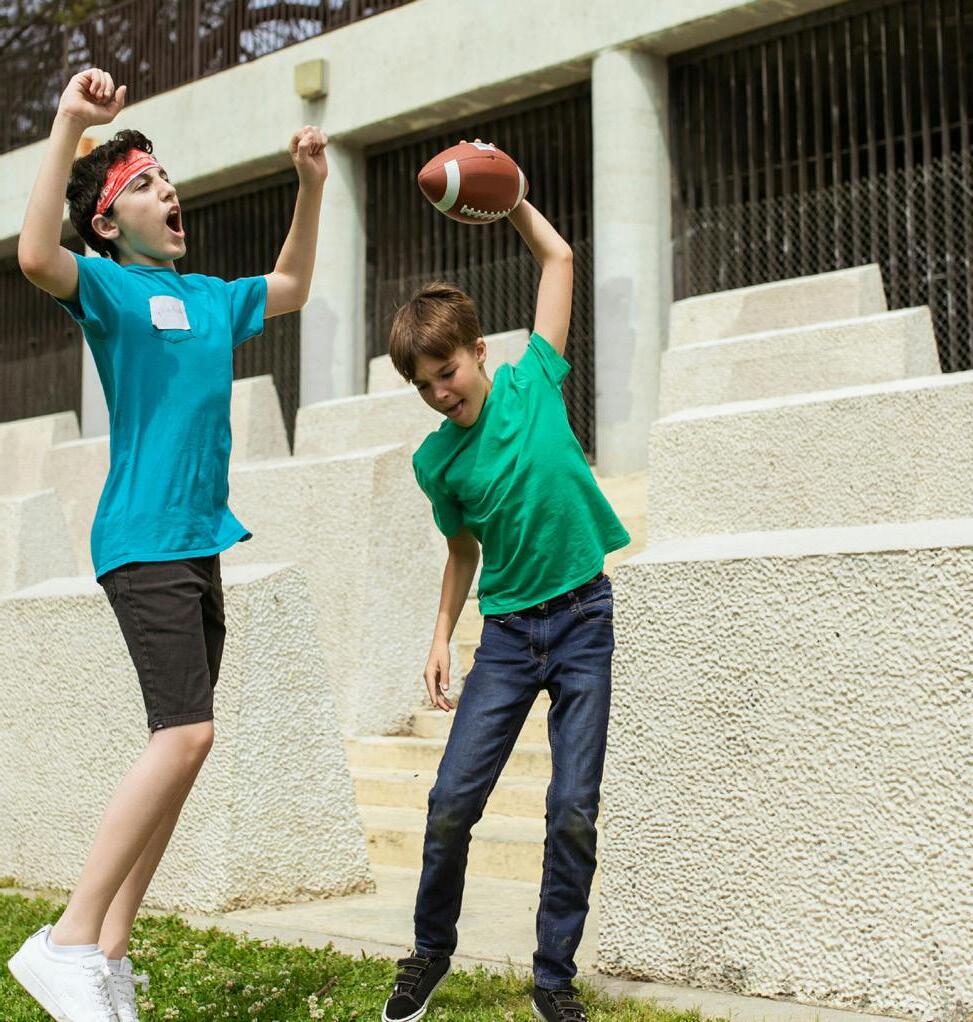
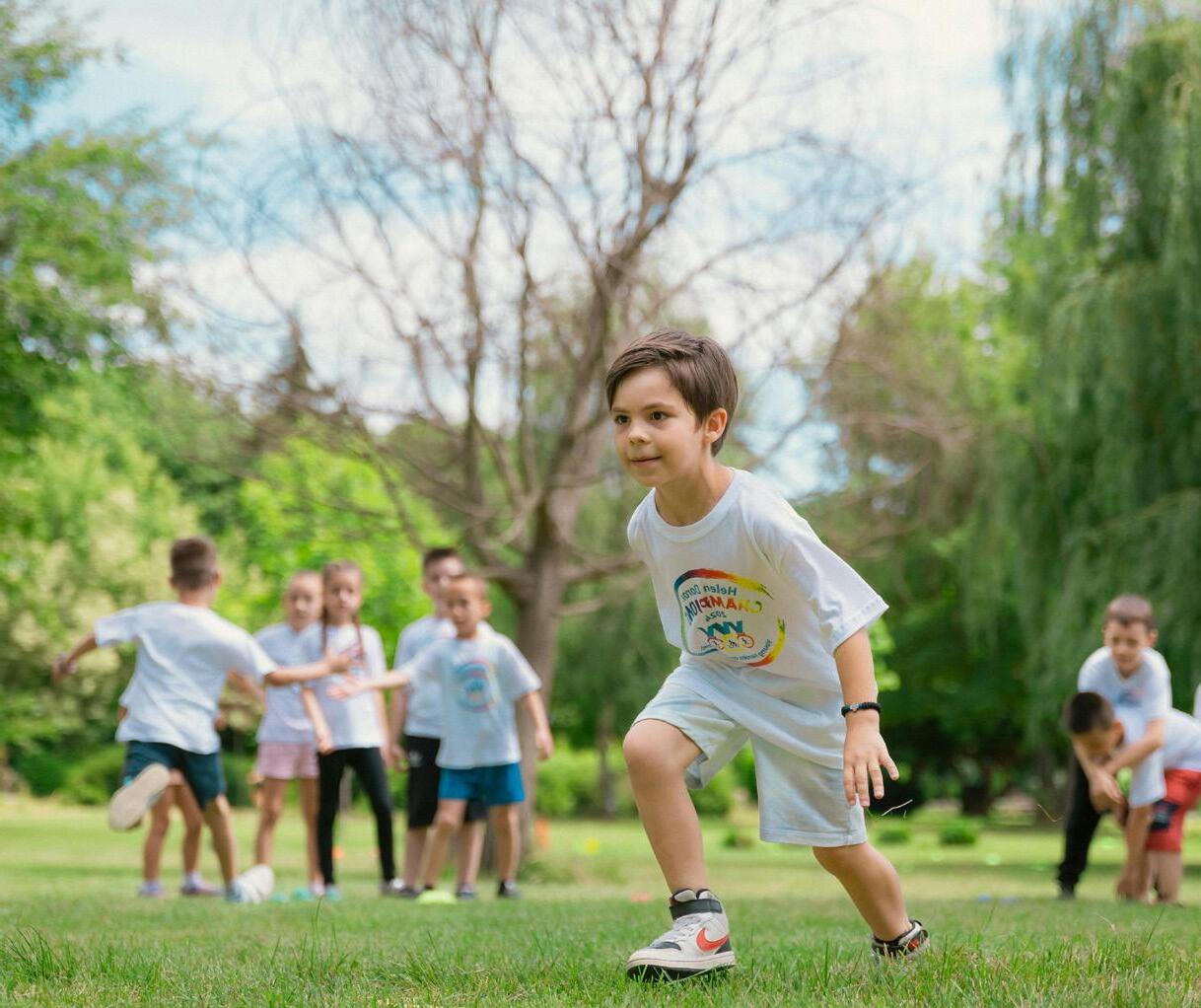
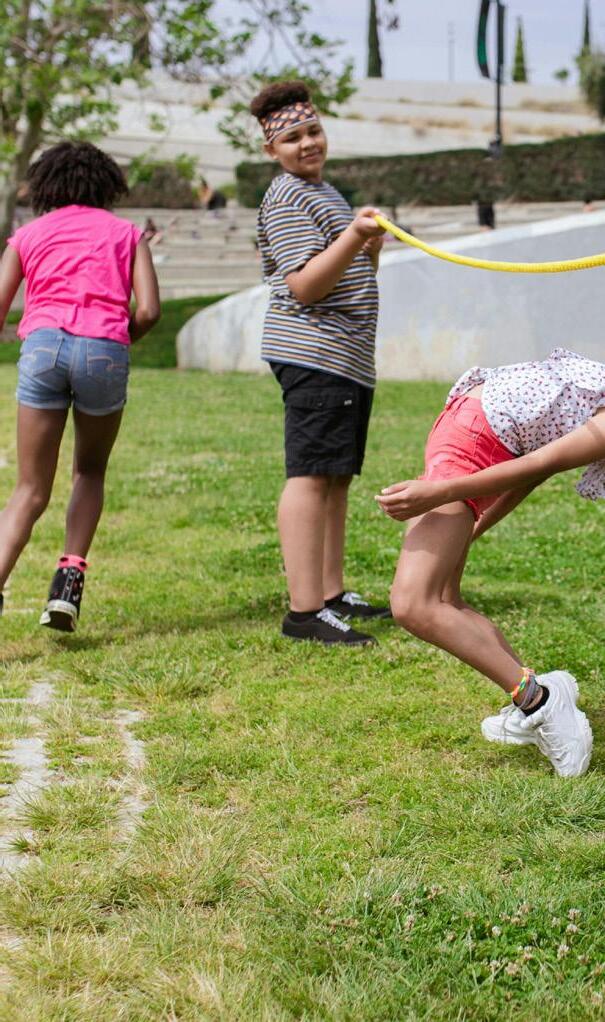
KidsGames can be adapted for use everywhere, including large and small churches, neighborhoods, apartment complexes, and backyards.
Many KidsGames happen spontaneously by arriving in a community and finding children on the street. Other KidsGames are organized weeks in advance.
This guide helps you plan for an organized KidsGames. See the PopUp! Sports and Games Guide for ideas on a spontaneous, low-resource KidsGames style event.
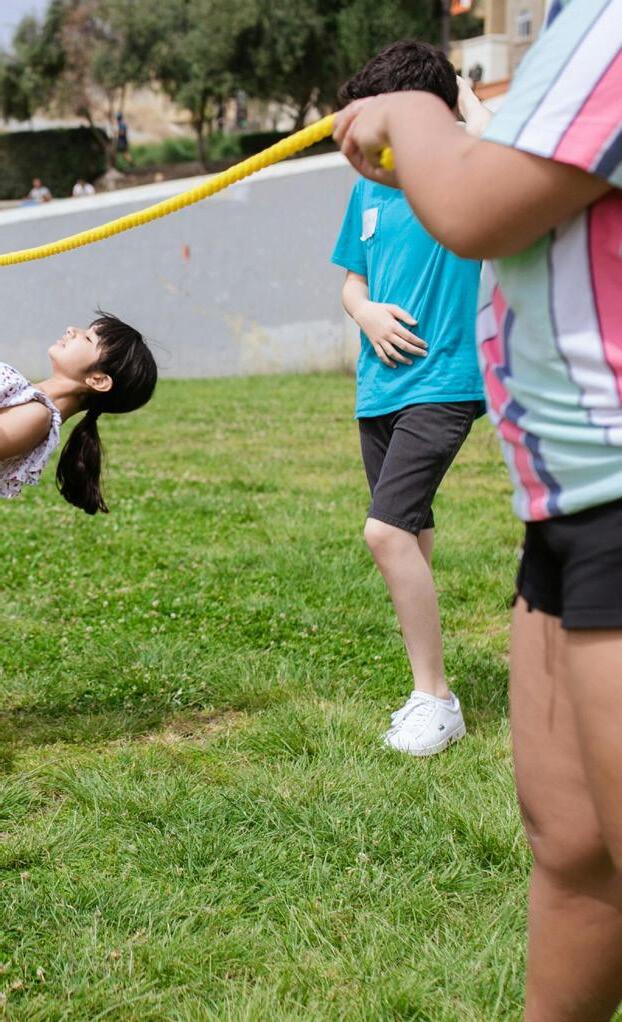
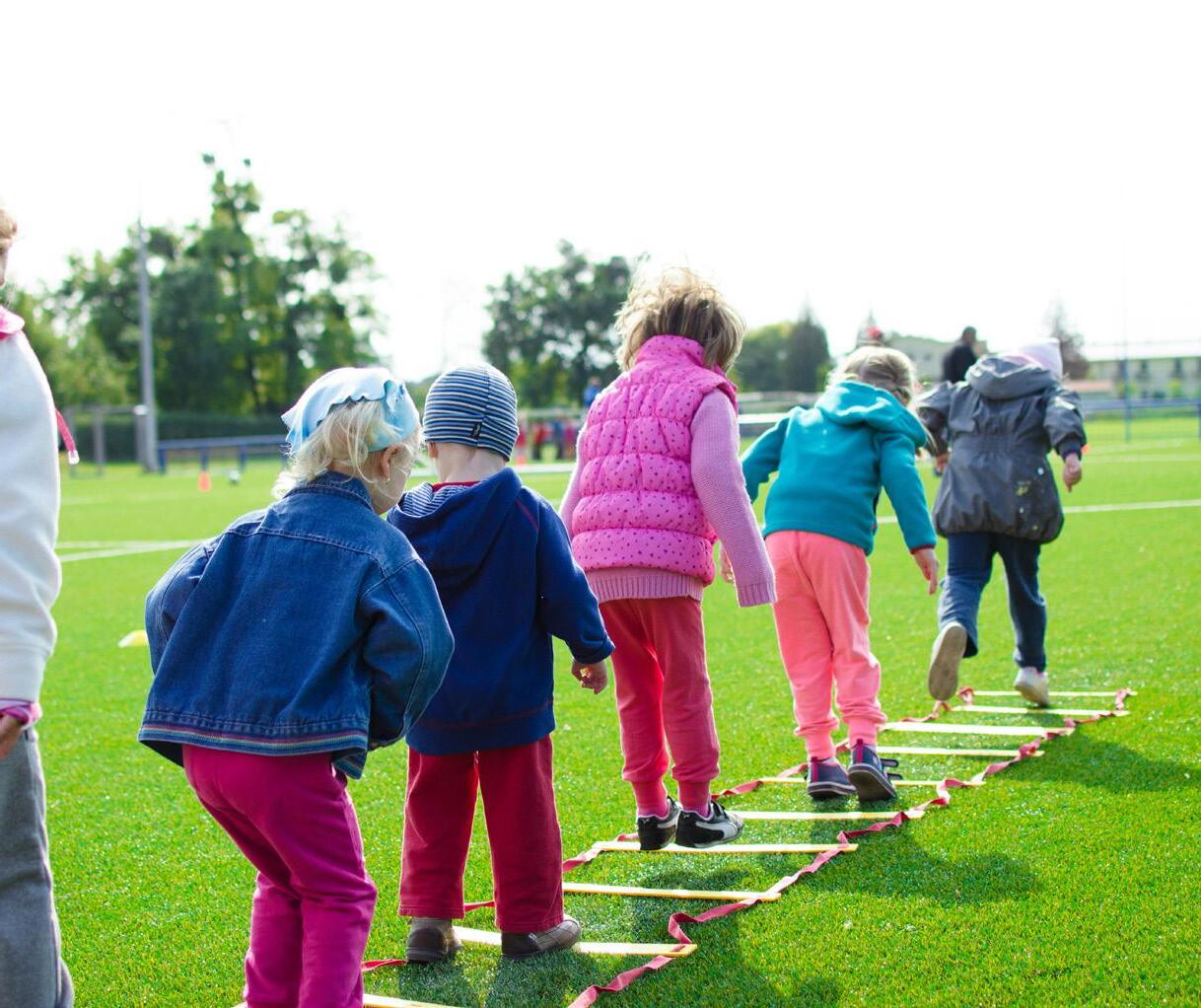
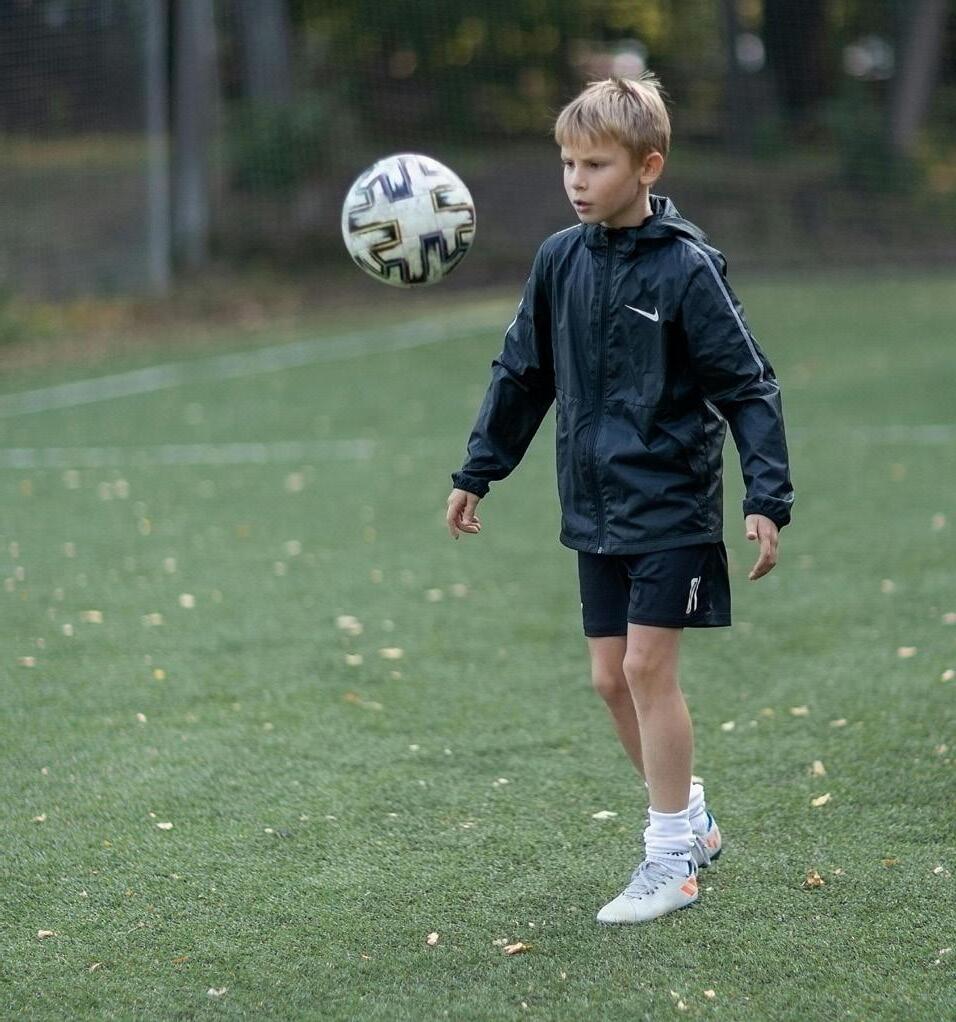
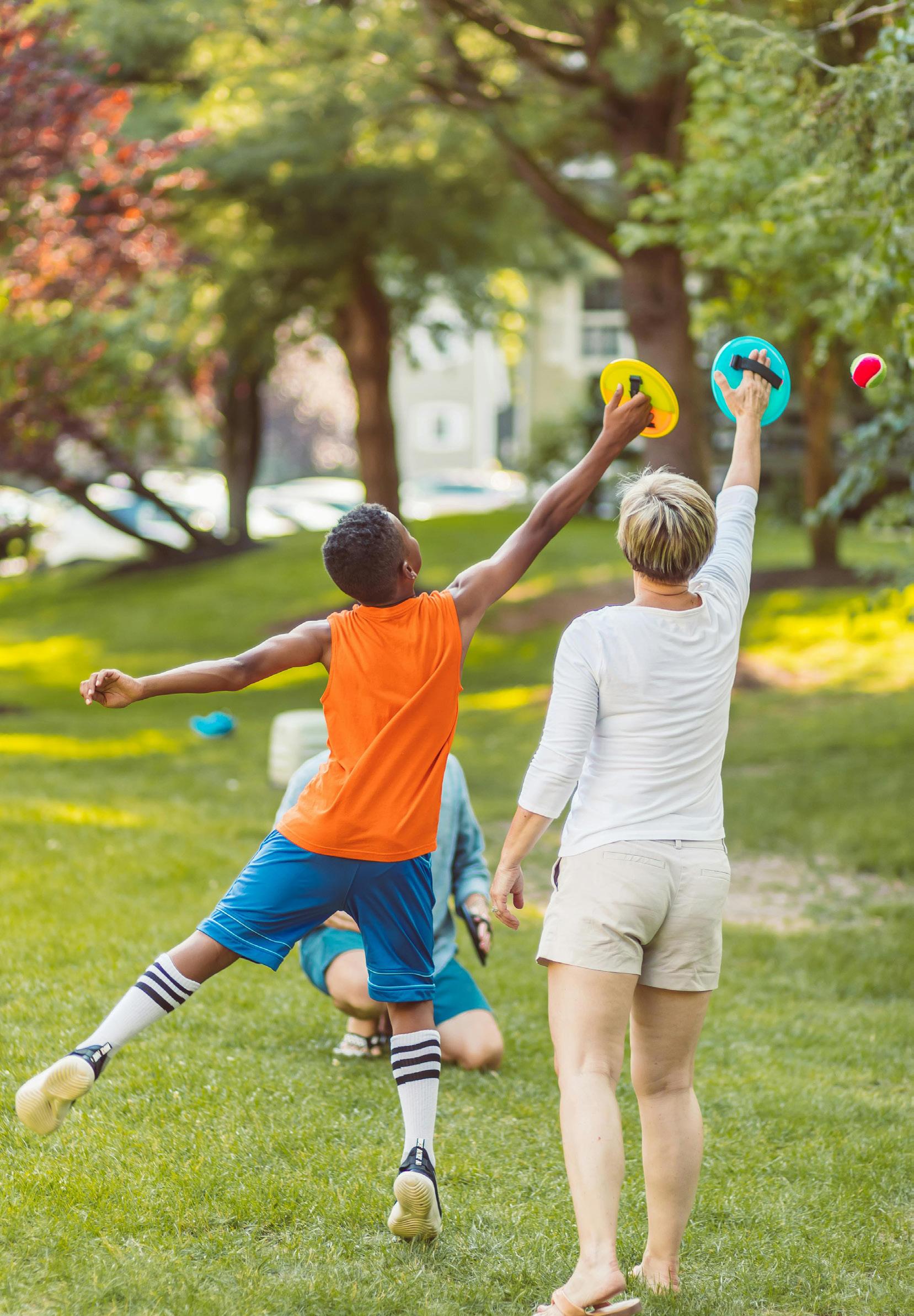
Talk, listen, pray, and dream together.
Gather a key group of people to discuss your KidsGames strategy.
Consider how much Jesus valued children in Matthew 19:14. Discuss why children are essential to God’s work today and in the future.
Think about what role children will play in your nation in the coming years. How can you prepare them now?
Think about how much Jesus used experiences and activities to help His disciples learn about the Kingdom of God.
Think about games and play being an amazing learning tool for children and adults.
The KidsGames you plan and the activities you include will depend on your community, facilities, and available resources.
These questions are important:
▶ Who? Who are the children we are trying to reach? Can we include children of all-abilities?
▶ Where? Where are the children in our community? Where is the best place to connect with them?
▶ Why? Why would they come? Why would they want to meet together?
▶ What? What are some of the needs of these children? What activities would attract them? What would not? What model would be most effective? What restrictions could influence our planning? What are our goals?
▶ How? How do we best engage with children?
▶ When? When is the best time? What factors influence this decision?
▶ Who else? Who could we partner with or encourage to also do KidsGames?
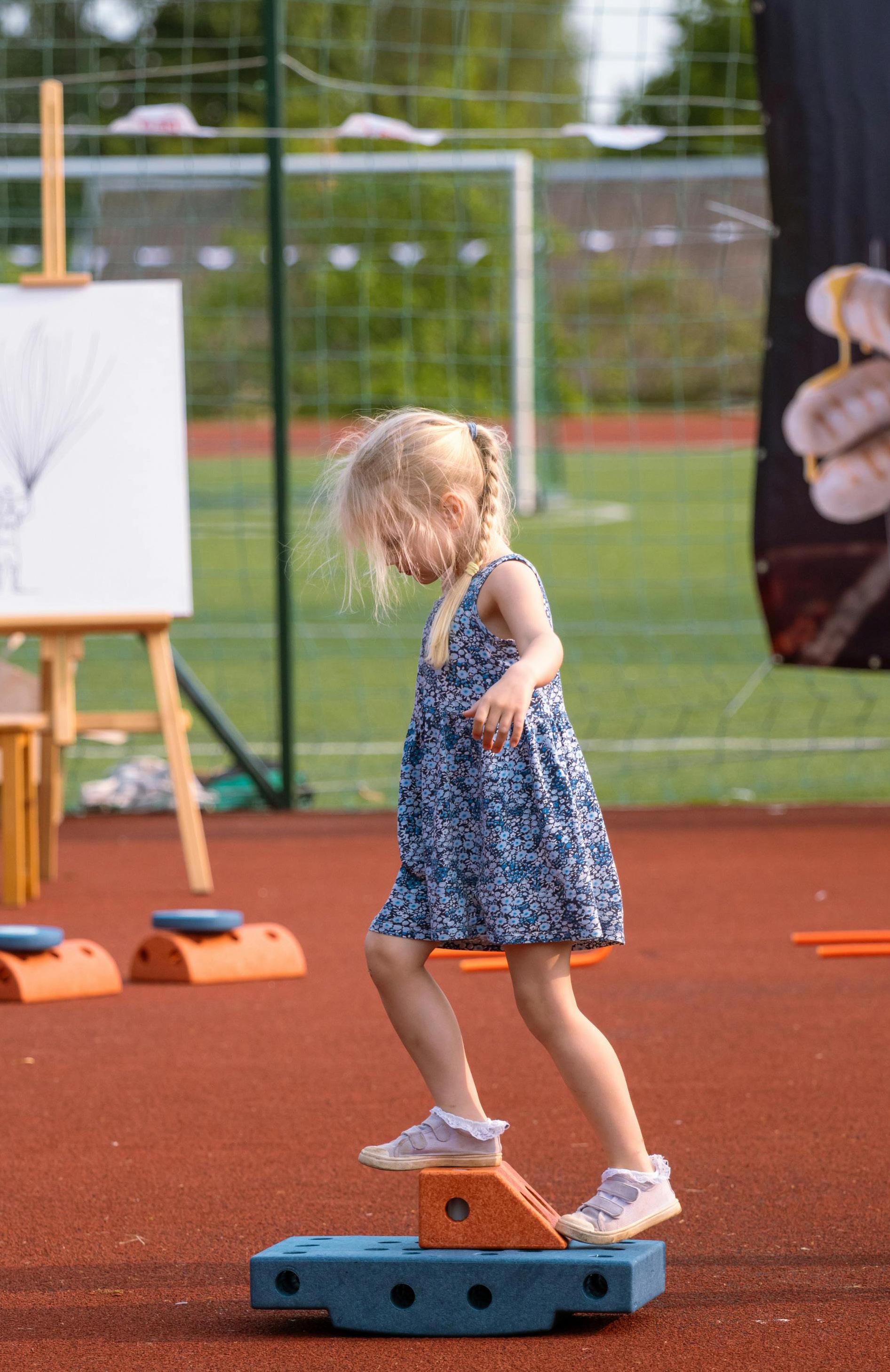

Design your own KidsGames. Form a team to work out your plan based on the ideas and strategies discussed in Step 1. This team will oversee the development of your KidsGames.
Logistics
▶ When will you run KidsGames? What is the best location? (park, street, church, school) What do you need? (equipment, food, nothing) How long should it be? (2 hours, ½ day, weekend)
Priorities
▶ What is important to remember at all times?
Activities
▶ What will you do in your KidsGames?
Volunteers
▶ Who do you need to turn your plan into a reality?
Follow Up
▶ What happens next?
1. Ensure that children are safe. Follow your church or organization’s policies for child safety. The protection of children is a priority at all times.
2. Involve all abilities – ensure that people with differing levels of ability and disability can fully participate.
3. Be respectful – ensure that all you do is respectful of people of all ages and from different family contexts.
4. Be sensitive to culture – ensure that specific cultural factors are explored and respected in all your planning.
5. Make disciples – remember, the priority is to help individuals and families grow in their walk with Jesus.
The seven building blocks of KidsGames can be organized in any order. You can choose what works best for you.
1. Making Disciples
KidsGames is about helping children and families become followers of Jesus by discovering Him in the Bible.
2. Children and Leaders Together
It’s about a fun and active learning environment for children. It’s about leaders, especially teenage leaders, building friendships with the children.
3. Sports, Discovery Games, and Fun Games
It’s about how play can be used to teach the Bible in an active way.
4. Start and Finish Well
Have a memorable start and fun ending.
5. Kids’ Compassion
It’s about children learning how to actively care for others.
6. Partnering
It’s done in partnership with other groups in your area.
7. Creative Ideas
Creative ideas, world championship events, and more can be added.
Visit kidsgames.com for no-cost resources for games, discovery Bible study curriculum and more.
There are many ways to create your program. Here’s one idea based on three simple parts:
Build a Fun and Loving Community
▶ Welcome Activity
▶ Fun Sports Character
▶ Physical Stretches
▶ Fun Game 1
▶ Fun Game 2
Active Bible Discovery
▶ Experiential Games
▶ Interview an Athlete
▶ Small Group Time
Put It Into Action
▶ Closing Game
▶ Sports Coaching Session
▶ Creative Activities
▶ Compassion Project
KidsGames is about children of all abilities playing together in a fun and active way and learning more about being a follower of Christ.
Create a loving and welcoming atmosphere and help everyone feel like they belong. Think about:
▶ Atmosphere: Include color (balloons, flags, etc.) and music.
▶ Team: Volunteers with smiles and warmth.
▶ Ceremony: Maybe include an energetic, musical, and fun opening event.
▶ Activity: As children arrive, plan activities they can join in until others come.
▶ Breaks: Consider simple snacks and drinks.
▶ Ending: Create a good finish that celebrates the time together and announces any future plans.
A great way to make your time fun and engaging is to have one or more of your leaders wear bright sports clothing as a sports super fan who helps make it fun for the children and assists with daily activities.
▶ Some ideas might be: Roger Run A Lot; Jenny Jumper; Dina Dance, etc.
Have leaders run physical warm-ups. Play music or do actions to a song.
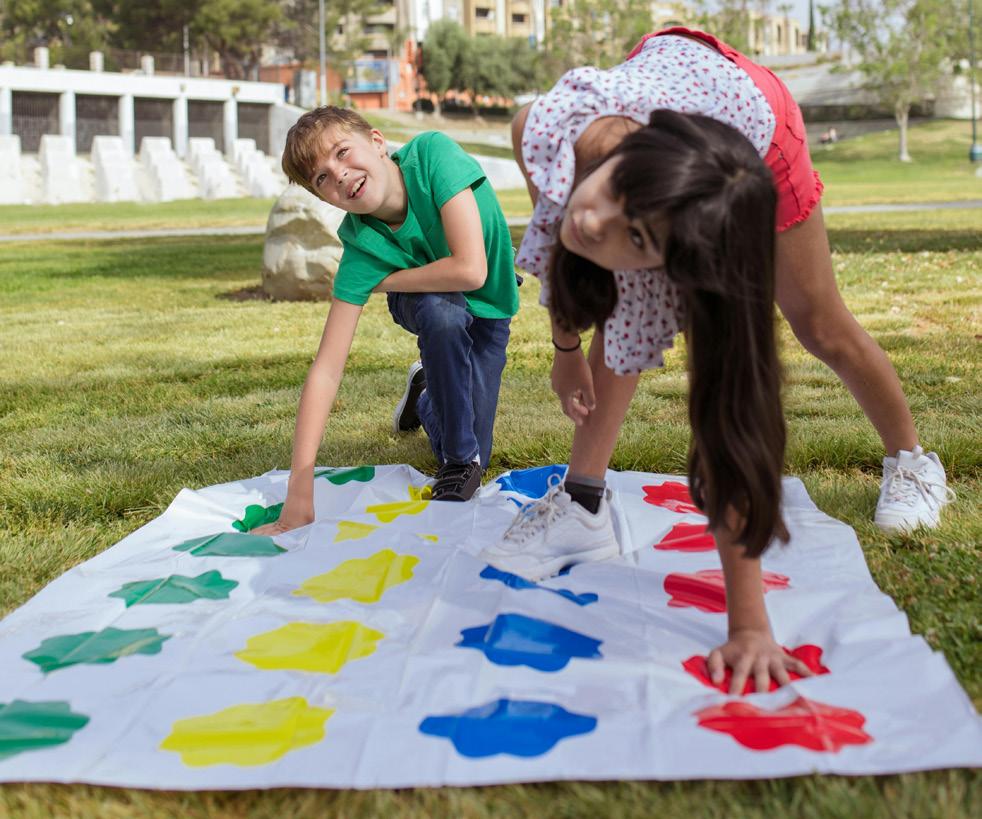
Each day of KidsGames should include some fun and well-chosen games that involve all the children.
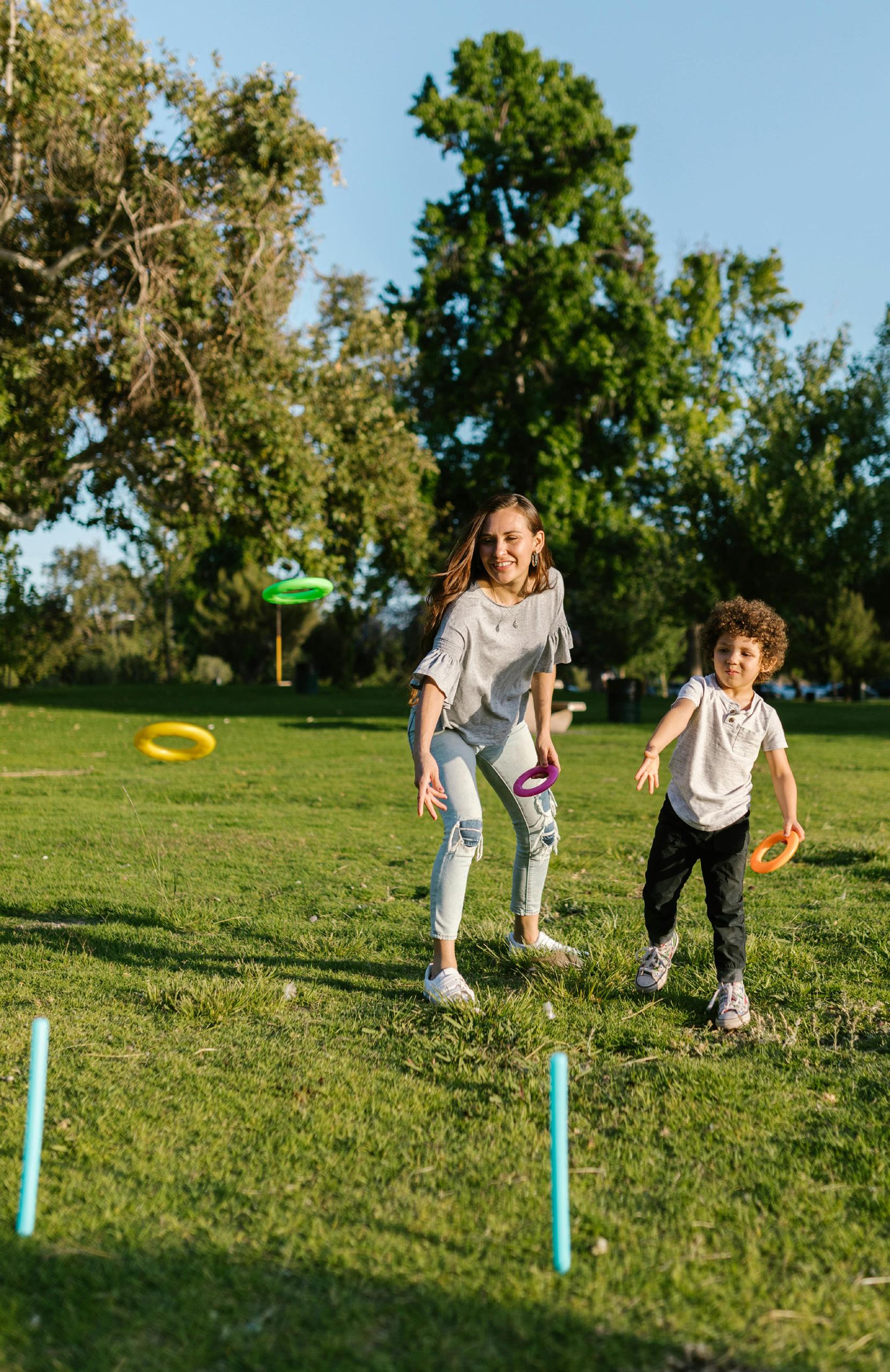
Discovery Time is about learning in creative and active ways.
We learn best when we explore, experience, create, discover, relate to, and interact with the people around us. Playing creates an atmosphere for learning and adds fun. Learning should be clear and effective so it will stay in the hearts of the children forever.
Discovery games follow a simple pattern that can be short (a few minutes) or longer (20-30 minutes):
▶ Play a discovery game – be curious and observe what happens. Find game ideas at kidsgames.com.
▶ Ask some good reflective questions – bring out feelings, experiences, and what they have learned.
▶ Weave the answers into the message you want the children to discover – keep it simple, short, and memorable.
▶ Explore practical ways children can live out what they learned.
In addition to the discovery games, you might choose to tell Bible stories in actives and creative ways:
▶ Present a drama of a Bible story
▶ Have the children act out the story
▶ Make actions for each part of the story
▶ Tell the story with sound effects or objects
▶ Learn a verse from the Bible with actions (taking time to explore the meaning of the verse)
▶ Do an interview or personal story
▶ Draw the story onto a flip chart
A key part of the Discovery Time is done in small groups. It enables deeper and personal relationships while helping reinforce the Bible lessons. Good facilitation is important. Observe and listen actively to the children.
Ask powerful questions: Asking powerful questions is a radical way to move people’s thinking. It helps them to own their ideas.
▶ Closed questions seek one answer. What is your favorite sport?
▶ Open-ended questions allow many answers and invite discussion. Why do you like soccer?
▶ Follow-up questions probe deeper to develop understanding. How does that make you feel? Why did you say that?
Look for the ‘Ah-ha’ moments: We value something more when we learn it for ourselves. Give each child a soccer-themed gospel tract to take home for further Bible discovery. Find resources at missiongeorgia.org.
The third part of KidsGames is made up activities the children like to do. It is about children being active with their bodies, minds, and hearts. You could include:
▶ Competitive sport and coaching
▶ Kids’ compassion project
▶ Creative electives
Competitive sport and coaching
You could run a sports competition and involve helpers to coach your children in a particular sport.
Around the world, one of the most powerful parts of KidsGames has been the children doing a compassion project together. It could involve:
▶ Drawing pictures, writing notes for an assisted living facility
▶ Picking up trash at the local park
▶ Collecting things that people need
▶ Recycling and planting trees
Creative workshops
You could offer creative electives for the children to choose to do. KidsGames around the world have tried many ideas: drama, dance, painting, video-making, Lego competitions, cooking, gardening, playing music, chess, face painting, craft, etc.

▶ Look at your program and decide on team roles, such as greeters, game leaders, small group facilitators, first aid coordinator, or program coordinator.
▶ Consider the specific skills needed.
▶ Invite people to join the team.
▶ Organize appropriate training for team members.
List tasks that need to be completed and when. This includes before and after the event:
▶ Reserve your location.
▶ Check with local authorities.
▶ Set dates for training and team meetings.
▶ Advertise the dates.
▶ Develop a follow-up process.
A prayer strategy that includes people praying before, during, and after the event is essential.
KidsGames can be an important part of the discipleship process. Here are some ideas for building relationships with children, teenagers, and adults.
▶ Conduct regular weekly or monthly activities to stay connected with children, teens, and adults through additional strategies.
▶ Hand out scripture reminders and provide Bibles to anyone who wants one. Include a simple guide for reading God’s Word.
▶ Promote local church activities for children, teens, and adults.
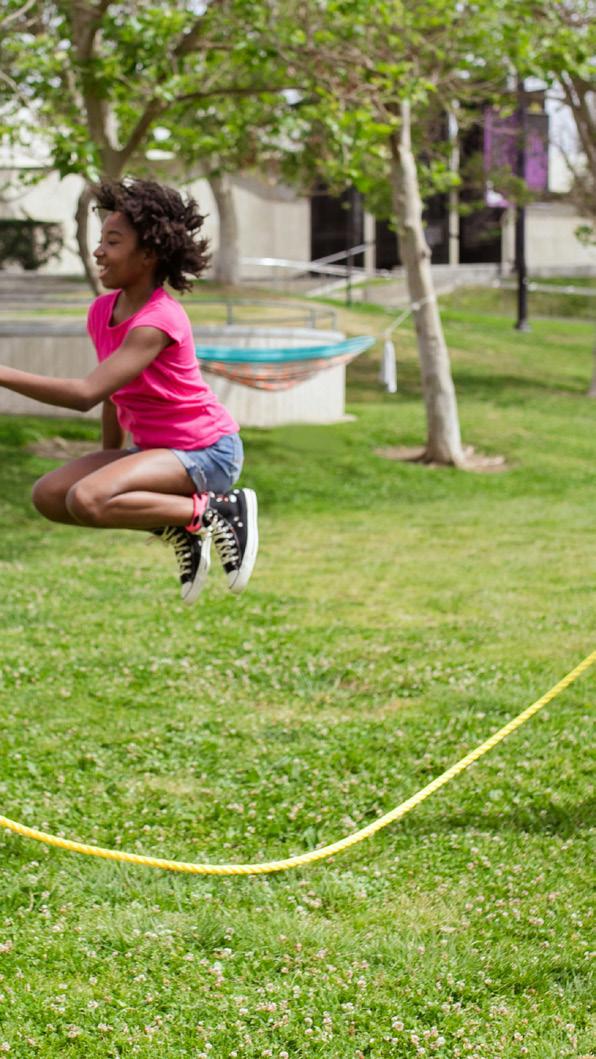
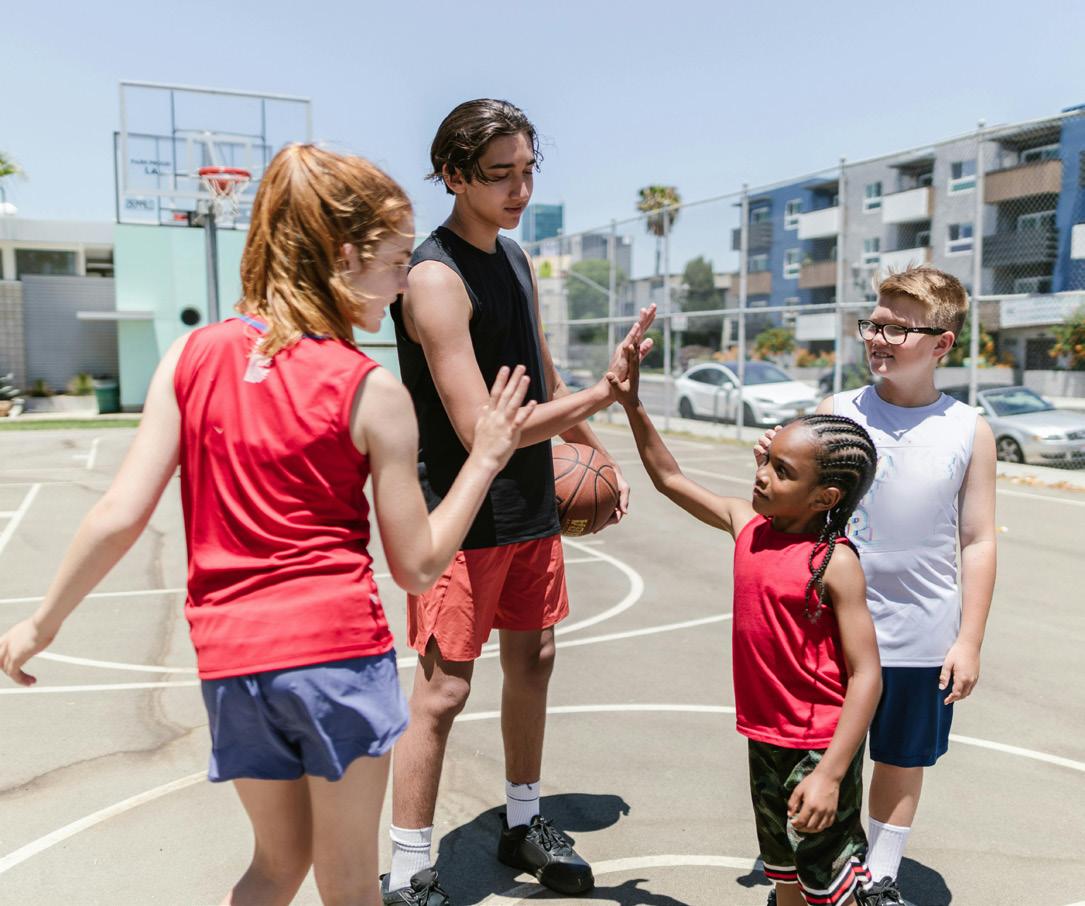
How will you let people know what you are doing?
▶ Utilize banners, social media, and printed materials. Equip and mobilize church members to invite friends. Identify potential teenage and adult volunteers.
Make a plan for the KidsGames’ budget.
▶ Are finances required?
▶ If so, create a simple budget listing expenses and possible sources of income.
▶ If there are costs, be creative in exploring ways to meet them e.g. food donations, support from partners, church offering, sponsorship, etc.
Sharing food together builds a sense of community.
▶ What food/drinks are needed?
▶ Consider any food allergies or dietary needs.
▶ Ensure an adequate supply of drinking water.
▶ Confirm toilets are available.

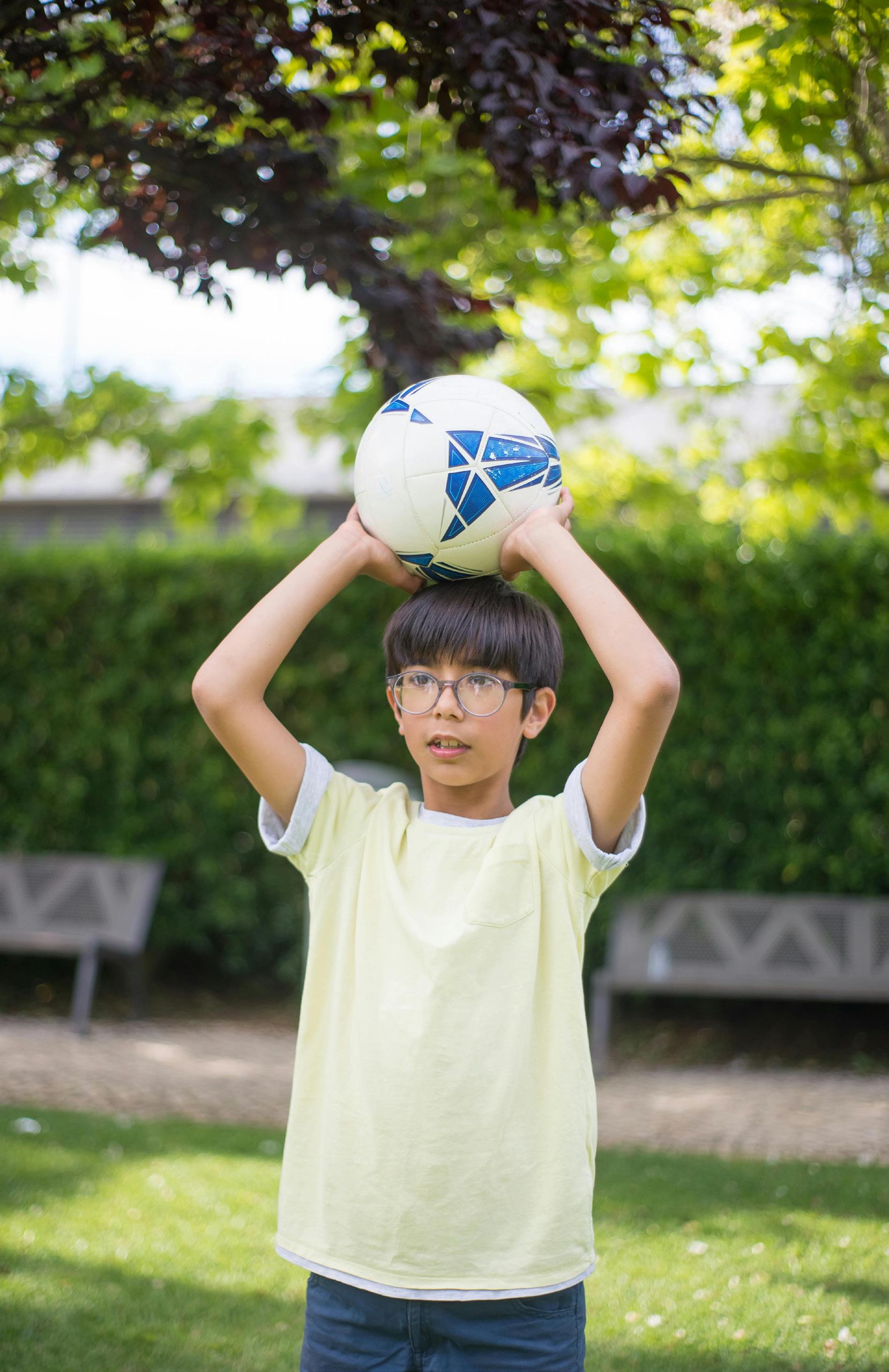
1. Gather the team before you start to remind them of the purpose and pray together.
2. Care for your volunteers and ensure they have all the resources they need.
3. Ensure all volunteers know what is happening and when.
4. Make sure the team leader knows the flow of activities and can answer questions and make decisions.
5. Start well and finish well.
6. Encourage the team to reflect the attitude of Jesus at all times, to each other, and to the participants.
7. Be flexible enough to adapt where necessary to the weather, response from participants, and size and composition of the crowd.
8. Ensure those speaking can be seen and heard. For larger crowds, you may need a sound system.
9. Wear something to identify team members. Example: t-shirt, sticker, cap, bandanas, or badges.
10. Remember that the beginning of your KidsGames can feel messy. Stay flexible, hold on, and wait for things to flow.
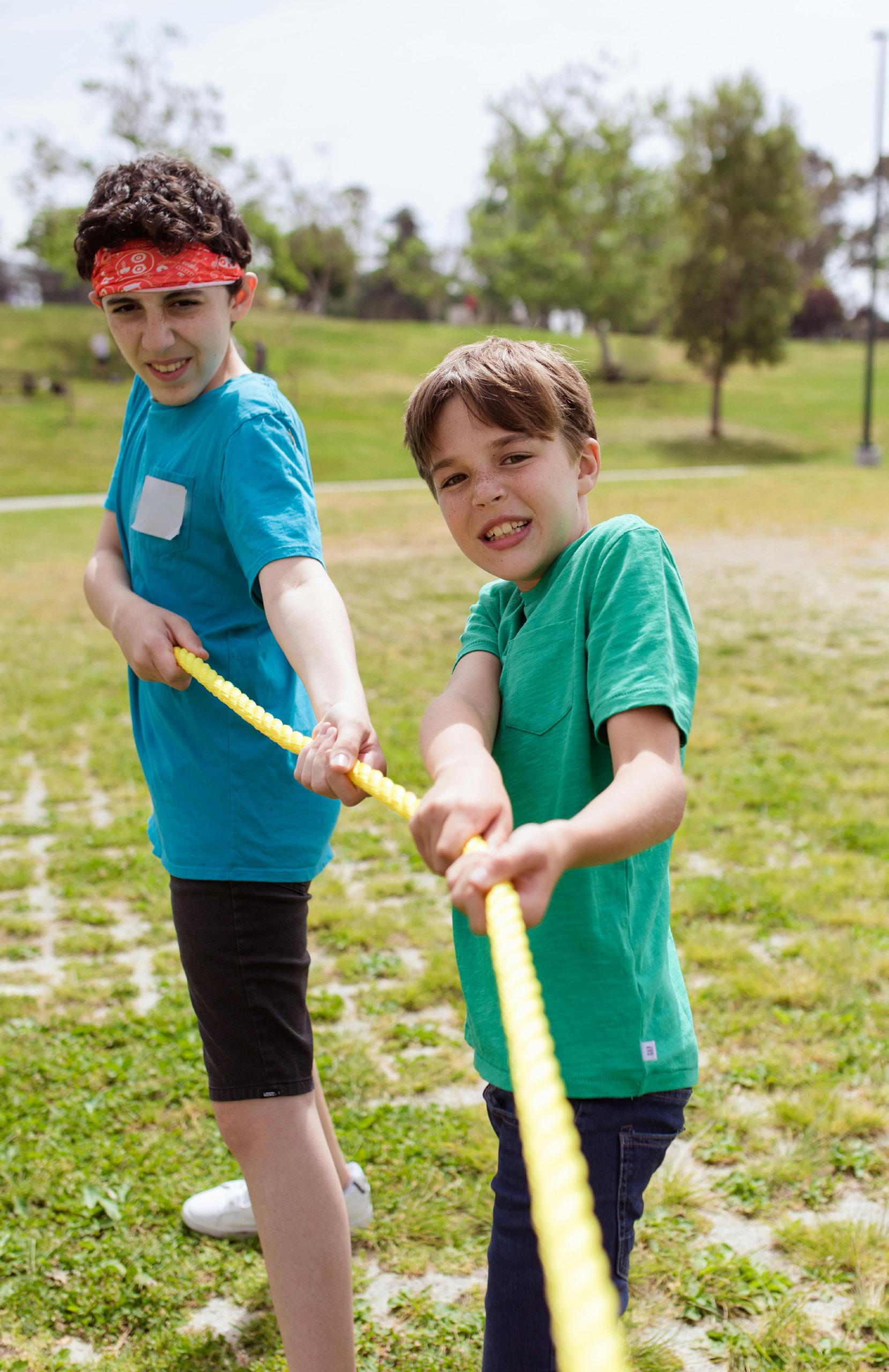
1. What went well?
2. What could have been improved?
3. What surprised us?
4. What was our biggest challenge?
5. What lessons did we learn?
6. What would we do differently next time?
7. What stories can we share?
8. Did we achieve our purpose?
9. Did all of our activities reflect our priorities?
10. How did we work as a team?
The answers to these questions will help you grow as a team, strengthen your KidsGames strategy, and shape your next steps.
Remember to implement the follow-up plan.
▶ Plan to capture participant contact information.
▶ Invite participants to the next activity at your local church. Distribute information on the next activity. (Cookout at the park or church, Back to School Party, Vacation Bible School, children’s discipleship activities, etc.)
▶ Write personal notes to participants to let them know how glad you were that they came to KidsGames, to highlight a Bible discovery truth from KidsGames and to invite them to the next activity at your local church.
▶ Visit families who are spiritually receptive to the gospel.
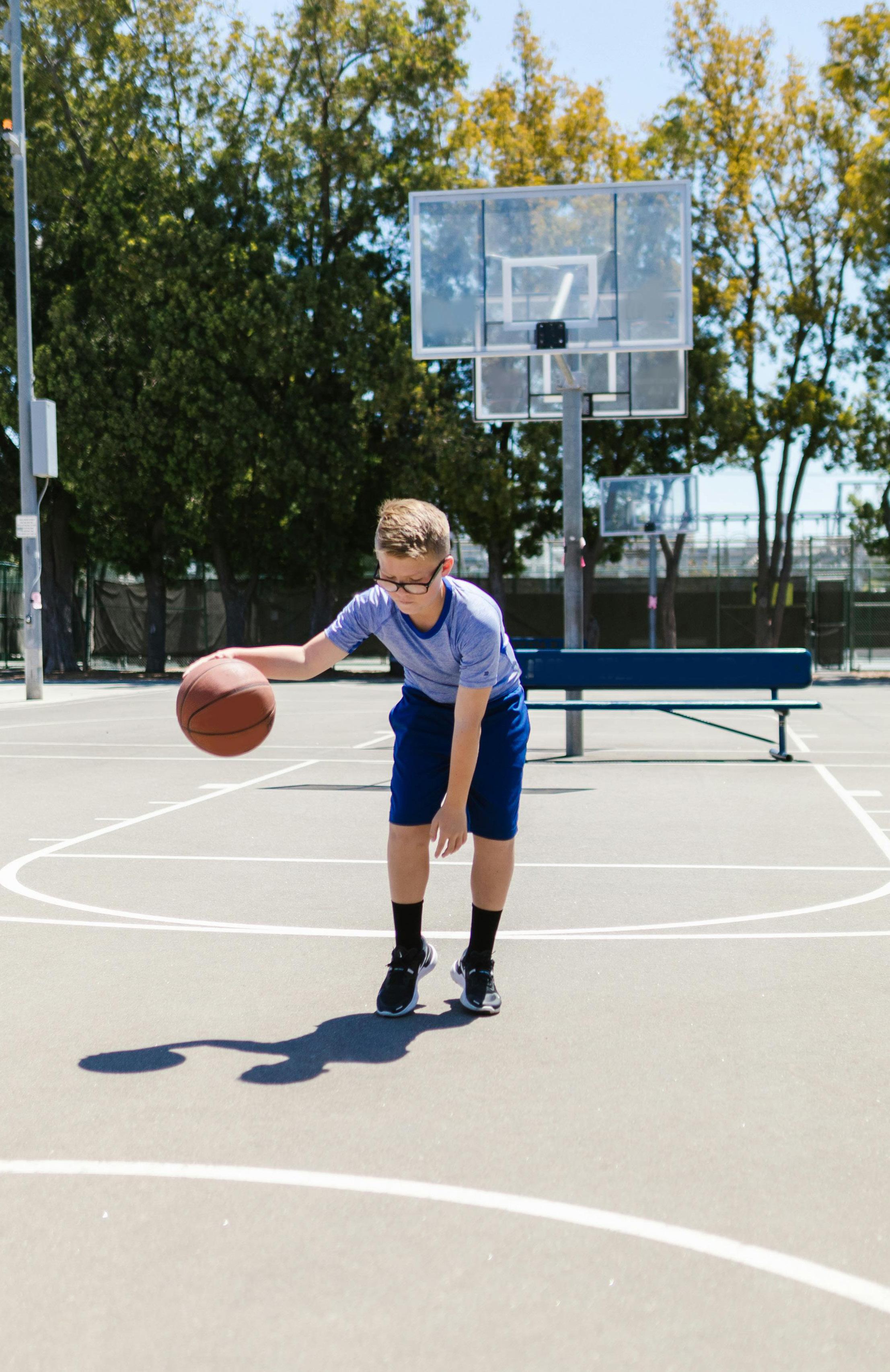
Ideally, your KidsGames should not be a one-off activity. Lessons learned and relationships established can be used to develop and strengthen your KidsGames strategy.
Your evaluation may lead you to:
▶ Repeat and Improve
Put all you have learned into action.
▶ Repeat and Expand
Seek new partners from your community to work alongside you to repeat and expand your activity.
▶ Repeat and Multiply
Invite people from other contexts to come and see your next activity so as to multiply the strategy. Or take a team to a new location for a KidsGames.
▶ Innovate
Do something completely different. KidsGames creates a safe, welcoming environment of fun activity and meaningful learning that move people closer to Jesus.