CUP OF NATIONS
How to Plan a Community Soccer Tournament
How to Plan a Community Soccer Tournament
In 2026, the eyes of the world will be on North America as we host the FIFA World Cup. Sixteen cites in the United States, Canada and Mexico will host 48 teams in 104 matches June 11-July 19, 2026. One team will emerge as the World Cup champion!
From the most knowledgeable soccer fan to the person who knows nothing about the game, there are unique opportunities for followers of Christ to harness the energy and excitement of the tournament for outreach and evangelism in their communities.
There are eight matches in Atlanta, but no matter where you live in our great state, there are ministry strategies and resources available to help you connect with your community during the World Cup. We are excited about your interest in reaching your community through one of these strategies. This guide is designed to help you as you begin to pray, plan, and implement your outreach.
Gospel resources, how-to guides, training videos, equipping sessions, and other resources are available to help as you lead your church to be on mission in 2026.


Connect for resources and information at missiongeorgia.org For additional training go to nationsunited.net
Cup of Nations is a tournament that offers a place for nations to unite through sport and seeks to fulfill the Great Commission by multiplying disciples.
This strategy involves the entire community (people groups, churches, schools, and local organizations). It can be organized around any sport and with different types of people in your community.
1. Build friendships/relationships with the ethnic groups in your community.
2. Understand the perspective of ethnic leaders to serve the actual needs of these groups.
3. Develop relationships with families.
4. Multiply disciple-making among the nations in your city and neighborhood.
5. A platform to build relationships between churches, organizations, businesses, and the international community in your city.
The First Three Steps
Step One
▶ Find people who are passionate about reaching the nations in your community/city. These people will be your tournament organizing team.
▶ Develop a prayer strategy specific to your target community.
Step Two
▶ Do the “Look and Listen” exercise and decide what your Cup of Nations tournament will look like – type of sport, venues, etc.
Step Three
▶ Cast the vision for Cup of Nations to churches, community partners, volunteers, etc. Invite those who are interested to join your team or to come and volunteer at the tournament.
▶ Take these partners to see a Cup of Nations tournament in another city, if possible.

Below is a suggested template for your timeline for implementation once you have taken your first three steps. Adjust for your community and environment.
6 Months Before
▶ Reserve the venue.
▶ Establish roles for each member of your team.
▶ Begin planning the Family and Food Festival.
5 Months Before
▶ Schedule disciple-making training for your team, churches, community partners, and volunteers.
▶ Develop the follow-up strategy and process.
▶ Launch social media accounts to advertise and communicate with players. We suggest you use - “(city name) Cup of Nations” for your accounts.
4 Months Before
▶ Prepare promotional strategies and materials. You can find examples at nationsunited.net.
▶ Look for sponsors for your tournament. The sponsors could be local churches, organizations, individuals, and businesses.
▶ Begin planning the Opening and Closing ceremonies.
▶ Confirm churches and organizations that want to participate in the International Food Festival.
2 Months Before
▶ Confirm sponsorships.
▶ Begin to actively recruit players and teams.
1 Month Before
▶ Plan and schedule the date for the Drawing Ceremony
▶ Continue ongoing work in recruiting volunteers, sponsors, and teams.
▶ Schedule volunteer training.
1 Week Before
▶ Host the Drawing Ceremony.
▶ Host volunteer training (can be done in person or online).
Tournament
▶ Host Cup of Nations
10-45 Days After
▶ Begin the follow-up process.
▶ Write “Thank You” letters to volunteers, teams, partners, and sponsors.
▶ Send out any media, pictures, or videos from the event.
Praying is key to the process of planning and organizing the soccer tournament. It helps us invite God into the planning and execution, ensuring that it’s not just about the sport but also about proclaiming the Gospel and making disciples. Through prayer, we ask for wisdom and guidance to create an event that’s fun and faith-filled. It also prepares everyone involved—players and organizers—to be open to meaningful conversations about Jesus.
Below are some ideas on how you can mobilize prayer before the tournament: 9:38
▶ Matthew 9:37-38 states, “The harvest is plentiful, but the laborers are few; therefore, pray earnestly to the Lord of the harvest to send out laborers into his harvest.”
▶ Ask the people in your community to set their alarms to 9:38 am/pm to be reminded to pray that God would send laborers who are passionate about the harvest field to be involved.
▶ One month before the tournament ask each member of your team/community to commit to prayer and fasting at least once per week.
▶ Form a prayer and fasting chain link that will not be broken.
▶ Once per week go, pray and walk around the field/gym that you will be using. Pray that God would prepare the hearts of players and that laborers will come to have spiritual conversations.
▶ Ask a group of people to volunteer specifically as prayer warriors before and during the event.
▶ Before the event make sure to communicate with them the prayer needs.
▶ During the event, they can come and pray for players, families, and fans.
Before launching the Cup of Nations in a new location, it is best to look, listen, and understand the current situation in that place. Below is a simple exercise that you can do with your team. It might seem too simple, but answering these questions is critical to the success of the tournament.
1. Bring your team together to envision, pray, and build strategy.
2. Spend 10 minutes discussing and collecting ideas for each question:
Who in our local community needs Christ? Who are we trying to reach through the Cup of Nations?
Where?
Where do these people gather? Where could we connect with them?
Why would they want to meet with us? What is their perceived need?
How can we best make disciples after the Cup of Nations? How can they best engage with disciple-makers at the tournament?
When is the best time to connect with them?
Who? | Teens, college students, high-level competitors, refugees, immigrants...
▶ Who are the sports people in the church?
▶ Who has the passion for active disciple-making?
▶ What other churches, organizations, and groups can we partner with?
Outside the church community:
▶ What sports groups are already in the community? (teams, competitions, clubs, leagues)
▶ What groups of people are unreached and overlooked in the community?
Where? | Gym, field, high school, college, park...
In the church community:
▶ What facilities does the church have?
▶ How could these facilities be used more effectively?
Outside the church community:
▶ What sports facilities are in the community already?
▶ Where do sports people gather?
▶ Where does the community gather?
Why? | Fatherlessness, disunity, community development, boredom…
In the church community:
▶ What needs do the sports people in the church have?
Outside the church community:
▶ What are the big issues of brokenness in the community?
How? | Cup of Nations, mentoring, sports clubs and leagues, mission trips
In the church community:
▶ How can believers grow as disciples and disciple-makers?
Outside the church community:
▶ What strategies will be most effective in disciple-making?
▶ What strategies are you using?
When? | Holidays, weekends, summer, morning, evening...
In the church community:
▶ When are volunteers available?
Outside the church community:
▶ When is the most strategic time to do this strategy?
The Cup of Nations is all about community. It is about bringing churches, nations, organizations, families, and businesses together to celebrate one another and build relationships. It is a way to make disciples of all nations, like Jesus commanded, without having to leave our backyard. Vision casting is a crucial part of the process. Work to have the Cup of Nations organized not by a single organization, business, or church, but through collaboration and partnership of at least two organizations. In this section, you will find tips that can be helpful as you cast the vision.
Most pastors are very passionate about gospel proclamation, disciplemaking, leadership development, and Bible engagement. That is why they become pastors. However, there are always challenges for local churches to implement sustainable strategies.
Try and learn what the local pastor needs and seek to serve that need. In many cases, sports will help them address the needs they have identified in their community, whether it’s reaching nations, broken homes, fatherlessness, etc.
Be realistic about your expectations of what a pastor is able to do in their busy schedule. A simple pattern is:
Hear what they are passionate about.
Listen for ways that Cup of Nations could serve that need (for example gospel proclamation, making disciples of all nations, bridging communities together).
Explore
Explore how Cup of Nations can help achieve the vision of the church.
Invite the pastor to see a Cup of Nations tournament or to meet some of your international friends.
Mobilize church members to volunteer and serve at Cup of Nations and demonstrate how they can grow the Kingdom of God.
Involve close relatives, friends, or confidants of the pastor in planning the Cup of Nations.
Be a supporter and someone who encourages others to support the vision of the pastor.
Encourage pastors to advocate for sports ministry and mobilize other pastors in their network.
The following are a few ideas shared from around the world. Discuss these with your team as a starting point to explore what will work where you live. The most essential principle shared from around the world is to pray. Many fast and pray the week before any key meeting or activity.
Romans 13 outlines very clearly the need to serve the governing authorities. In the end, Paul says the greatest way to do that is by love. All people need to hear and experience the love of Christ through the Gospel. Let your testimony speak loudly through your actions and your words. Other reasons include widening your team’s network; discovering and influencing influencers in your community; understanding hidden opportunities; learning more about the community; accessing funding and sponsorships; creating better plans with the information you learn.
Many business and government leaders are concerned about making a positive impact in the world. They also have a good understanding of how events work and how much it costs. They seek to be wise in their decision-making. They want a win-win situation for their business and the community. You may be able to help them understand that the Cup of Nations is a great tool for doing good in the world:
Cup of Nations is a Powerful Way
Unite Communities Together. Nations feel united through sports. Once they begin to play together, all the barriers and differences are no longer there, and people begin to feel unity.
Cup of Nations is a
Transformation
During the tournament, people will meet one another and start sharing their stories, wins, and obstacles. As tournament organizers, you will be able to identify the true needs of people and be able to serve them effectively.
▶ Avoid jargon and words that won’t be understood by your audience.
▶ Governments have programs and ideas that drive their actions. If you can find these out, you may be able to serve a government need. In cities/counties with less funds, they will be more likely to need your help.
▶ Businesses are looking for a return on investment.
▶ Non-profit organizations are focused on sustainable work with the specific vision for which they were formed.

▶ Relationships are important. Be honest, kind, caring, non-confrontational and interested in the person to whom you are talking. Find ways to encourage and build a relationship.
▶ Understand that leaders are busy and have many meetings. Be professional and able to communicate simply. Get to your main point quickly.
▶ Sometimes it can be more powerful having someone who is playing or has played in your Cup of Nations share their story in person or on video.
▶ It is helpful to have a simple document to leave.
▶ Follow up and say thank you.
▶ Follow up faithfully or you will lose contact and credibility. Be careful to only offer what you can do well. It is better to do a few things well than a big project badly.

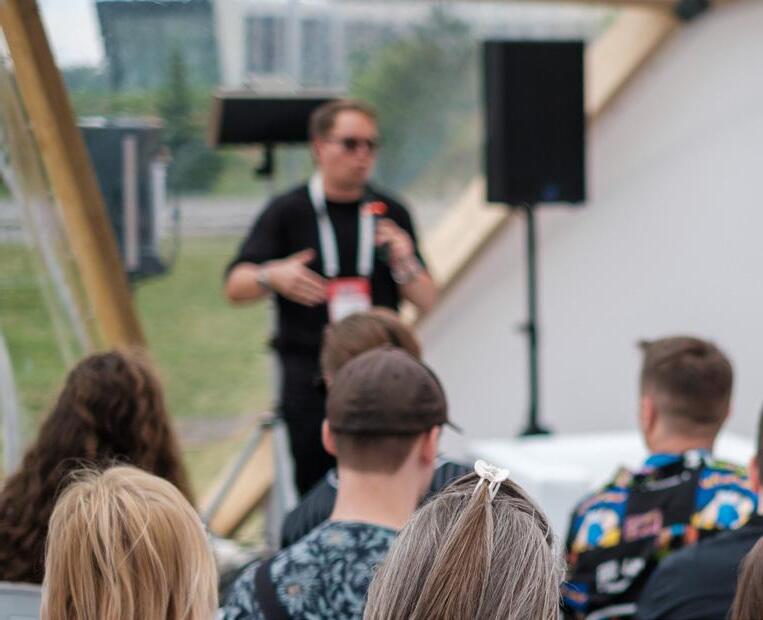

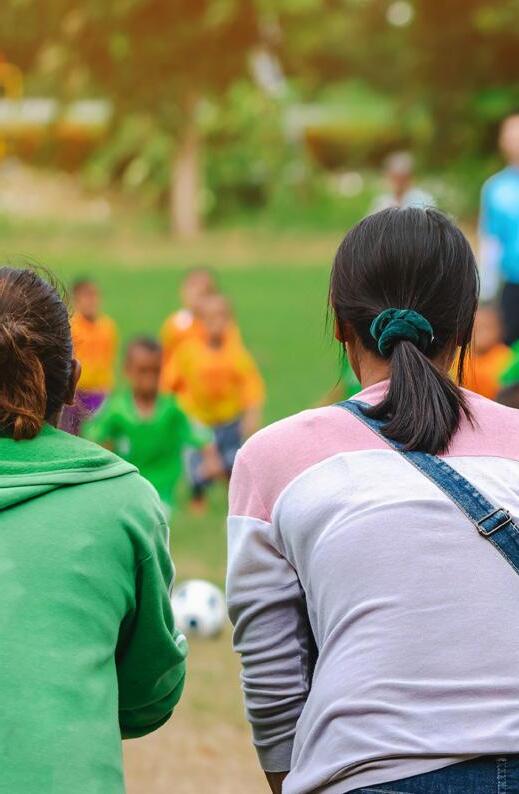
Your team may talk with business leaders for funding, sponsorship or employees to serve as volunteers.
▶ Do your homework and find out what their company or this individual is excited about.
▶ Speak in their terms. For example, “If you give $500, the return of your investment will be 3 nations with 30 players participating in the tournament.”
▶ Matching funds - it often helps if you have a donor and can say that if you give, someone else will match your gift.
▶ Make sure your budget adds up and makes sense. Business people will look at your figures, and if they don’t add up, they will probably not help with your Cup of Nations.
▶ The best person to promote your work to other business people is the business leader that already supports you.
▶ Don’t be shy about asking for large amounts of money. If God has called you to do something important it will cost money. Don’t be ashamed of the great work you are doing. People want to know and can choose whether to help or not.
▶ Perhaps the person you are talking to can’t give money, but may be able to help by giving expertise, or providing skills in areas you are weak (accounting, marketing, project management, other relationships, etc.).
▶ If the person does give, say thank you, keep in contact, report back to them how their money has been used, and introduce them to those who have changed because of their giving.
“If you want to go fast, go alone. If you want to go far, go together.”
// African Proverb
Cup of Nations is meant to be planned and organized by a community of leaders, organizations, churches, and businesses.You cannot do it alone.You need to form a team and work together to make disciples of all nations through the Cup of Nations tournament.
▶ Unity: Oneness of purpose by working towards a shared goal.
▶ Diversity: Different gifts working in partnership together.
▶ Vision is very important to the start, development, and longevity of your team. The vision often begins with one person, or a small group of people with a shared passion.
▶ It is important to recognize that the work of the Cup of Nations and your team will bring opposition from the spiritual forces at work within the world. For this reason, teams need to be intentional about spending consistent, quality time praying and studying God’s word together.
Core team members model the DNA of disciple-making in both attitude and action. Core members pray for the Holy Spirit to lead them to do justice, love mercy, and walk humbly together as a team. The core team is also the catalyst that drives the vision and mission of the Cup of Nations.
Several small sub-teams operate under the core Cup of Nations team. These teams take on specific tasks, which help the overall process to move faster, as the whole team does not need to be involved in every single task.
This team is responsible for the entire tournament process:
▶ Finding and recruiting teams
▶ Booking referees
▶ Creating the schedule/brackets
▶ Planning Drawing, Opening, and Closing Ceremonies
This team is responsible for the administration and legal tasks:
▶ Securing the facility
▶ Overseeing the registration process
▶ Keeping track of the budget and all the receipts
▶ Recruiting, training, and assigning volunteers
▶ Developing a marketing strategy through social media
This team is responsible for the food and family festival tasks:
▶ Planning a festival that fits your context and culture.
▶ Recruiting organizations, churches, and individuals to bring food, host game stations, and other activities.
▶ Planning the Opening and Closing Ceremonies
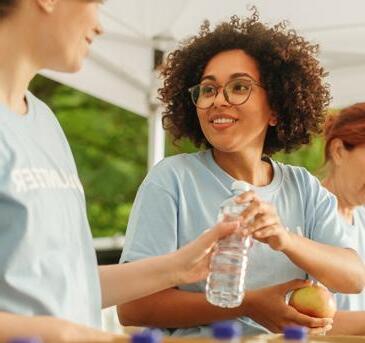

Step One
Pray that God would reveal to you people who can be a part of your Cup of Nations team.
Step Two
Start with those that you already know, especially those people who have passion to “make disciples of all nations.” Cast a vision to them about the Cup of Nations and invite them to join you on this mission. Ask them if there is anyone else, they know who has the same passion and vision of reaching the nations for Christ.
Step Three
Invite them to begin praying together. This can be done through prayer walking/driving, fasting, and gatherings.
Step Four
Share with them what roles are required to organize a successful tournament and ask them what roles they would like to fill.
Step Five
Begin meeting regularly to execute on your goals and tasks.


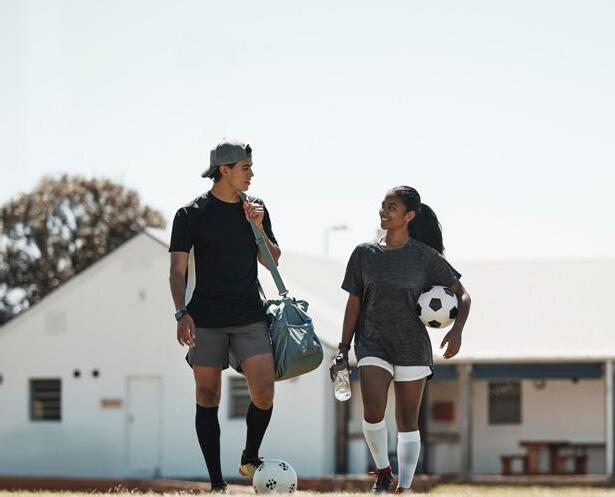
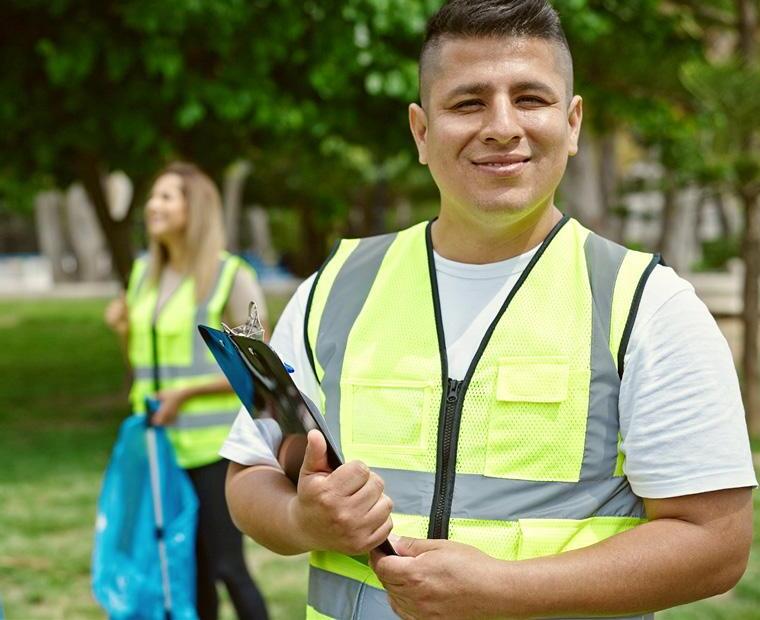
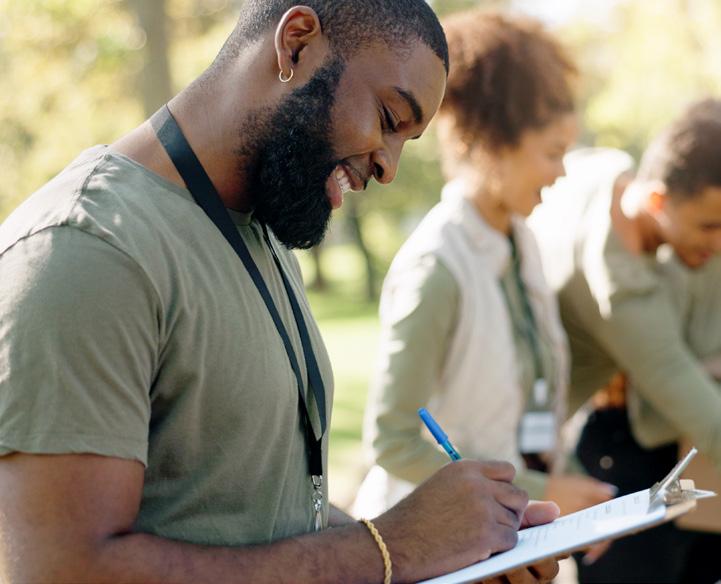

Recruiting teams and players is one of the most challenging steps, especially during your first year. Below are a few tips that can help you be more effective as you recruit teams:
Ask God to send you coaches and players who are people of peace to build community in your city.
It is crucial for you to develop flyers that you can share with potential teams and players. These flyers need to be very simple and clear. They need to include dates, location, registration link, and registration fee. You can download flyers and other promotional materials from www.nationsunited.net
Once you have printed the flyers, it is important to begin spreading the word about your tournament and begin building credibility through relationships. Some of the first places to visit are local family-owned international restaurants and stores. Order/buy some food and ask to speak to the owner/manager. Share with them about the Cup of Nations and ask them if they know any teams/players in the area that can be invited to the tournament. You can also ask them if it is okay for you to leave some of the flyers for display. If they seem interested in the tournament, ask them if they would like to donate food for the Family and Food Festival.
Find a local adult soccer league in your city/community. Chances are that there are multiple leagues in your area. Many of the leagues are played on Saturdays and Sundays; however, there are also leagues that are played on weeknights. Many of the teams that play in these leagues have many different nations. Visit the league and begin building relationships with teams and players. Invite them to come and compete at Cup of Nations.
It is very easy to create a simple social media account. You can name the account “(Your City) Cup of Nations.” The best social media platform to focus on is Facebook since many internationals use it daily. This is where you can post all information about the tournament as well as pictures after the tournament. Also, Facebook allows you to advertise your posts to people in your city.

Why Do Family and Food Festivals?
▶ It brings an environment of celebration and joy.
▶ It gives players an opportunity to bring their family and friends.
▶ Food Festival is a great time to share a meal and begin building relationships with players and their families.
▶ It gives churches an opportunity to serve nations through bringing food and fun games.
Even though Family and Food Festival is an incredible strategy, we suggest that you only begin implementing it once you have done at least one tournament and have developed a strong team and partnerships.
It is crucial to create an open crowd atmosphere at the festival, so that everybody who comes feels welcome and valued. Creating the right atmosphere will help to create long-lasting relationships.
Pre-Event:
▶ Step One
Form a team who will be responsible for preparing and executing the Family and Food Festival.
▶ Step Two
Ask your venue host about their policies. Some venues will not allow you to serve food without a food permit, while other venues will allow you to cook on their property.
▶ Step Three
Estimate the number of players and participants who will participate at the tournament.
▶ Step Four
If the venue allows you to either cater or cook on the property then begin recruiting churches, volunteers, and individuals to bring food. Try to have as much international food as possible at your tournament.
▶ Step Five
Begin to think through what games and festival booths you would like to have at your Family Festival.
▶ Step Six
Ask churches, partnering organizations, and individuals to organize games/booths.
During the Event:
▶ Ask all volunteers to show up 1 hour prior to the event to set up.
▶ Organize a volunteer briefing 30 minutes before the event.
▶ Execute the event.
After the Event:
▶ Send a thank you note to all volunteers, partnering organizations, and churches.
▶ Follow up with all the participants who attended the event. Engage them in a discipleship follow-up strategy.
Engagement | Noisy, Fun,Welcoming
Doing the first phase of the festival the right way will help you build the right atmosphere that will be carried out throughout the whole day. At the beginning of the festival, you need to have loud music and high energy. If people do not feel the fun atmosphere, then most of them will not stick around nor participate during the festival.
Cooperation | Working Together, Inter-Relating, Fascination
During this phase people become relaxed and participate as they see diverse activities they find interesting. Activities are designed to fascinate and build cohesion and connectedness.
Type of activities/games include: face painting, crafts, “Relay Races,” “Tug of War,” “Keeping the Ball in the Air.”
Community | Individual Belonging, High Participation, Inviting Next Steps
During this phase, people are less self-conscious and have a sense of being a part of a community. A sense of excitement builds to the end.
▶ Everyone, children in particular, are seen and valued for who they are.
▶ An Open Crowd welcomes everyone. It is important that every nation that comes to the festival feels welcome and like they belong.
▶ It is not about winning or coming in first, rather it is about being seen and appreciated.
▶ A place where people are valued and move from being strangers to friends.
▶ It takes planning, work, and creativity.
▶ A closed crowd leaves people out (like on a bus or train).
A “U” shape design helps create a culture where people both see each other and see what is going on. It creates a welcoming environment where people feel accepted and celebrated.
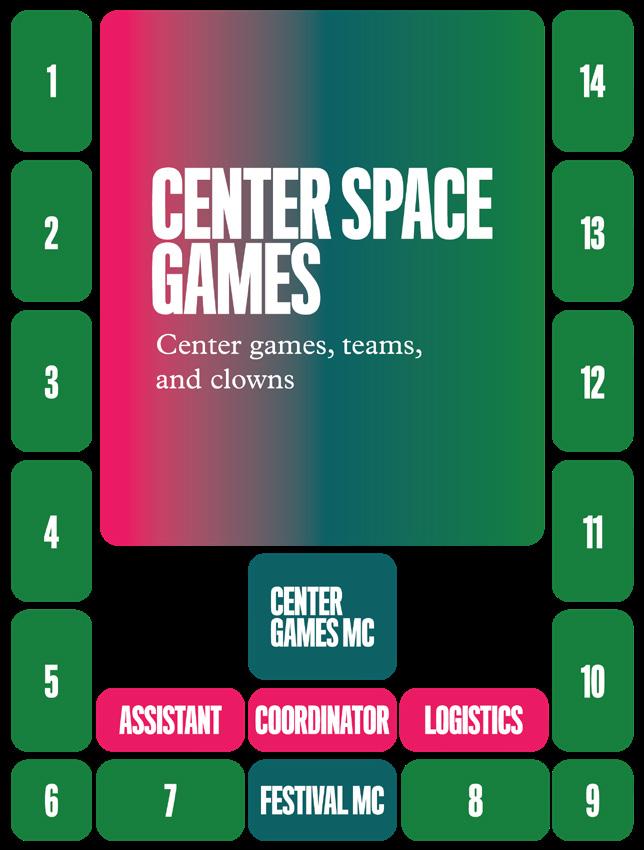
▶ Bouncy castle
▶ Sports zone
▶ Toddlers Play Area
▶ Balloon Sculpting
▶ Lost and Found
▶ First Aid
▶ Crafts
▶ Girls Corner
▶ Face Painting
▶ Photo Booth
▶ Video Game Station
▶ Entertainers
▶ Team Building Games
▶ Water Station
The Drawing Ceremony is an event that occurs two weeks before the tournament and festival. Captains and players come together to view the drawing of the teams. The ceremony provides an opportunity to build relationships between team captains, players, sponsors, and volunteers. During this time teams are mixed together, play fun games and share food with the purpose of establishing unity and community.
▶ Invitations
Send out invitations two weeks before the date of the drawing ceremony.
▶ Location
Choose a place within the target community and close to the tournament site.
▶ Team Building
Prepare activities and games to play before dinner to engage teams. Be creative!
▶ Decoration and Food
Provide a sense of community for the teams participating: country flags on the walls or tables, festive music and food.
▶ Volunteer
Divide the responsibilities between the Cup of Nations team members. Review the rules of the game and logistics of the tournament. Include contingency plans due to inclement weather.
▶ Media
If possible, play light music throughout the event. Share videos of recent Cup of Nations from your community or other parts of the world.
▶ Drawing Process
Place a large diagram for the draw at the front of the room so that everyone can see it. Write in the team names as they are drawn. Provide paper and pens on the tables for the teams to fill out the draw.
Welcome | 5 min.
▶ This is the time to explain why you are doing the tournament.
▶ Introduce the team of volunteers and partners.
Ice Breaker Game | 10 min.
Food and Fellowship | 30 min.
Go Over the Rules and Payments | 10 min.
▶ Make sure to ask if they have any questions.
Draw Ceremony | 10 min
Final Questions and Remarks | 5 min
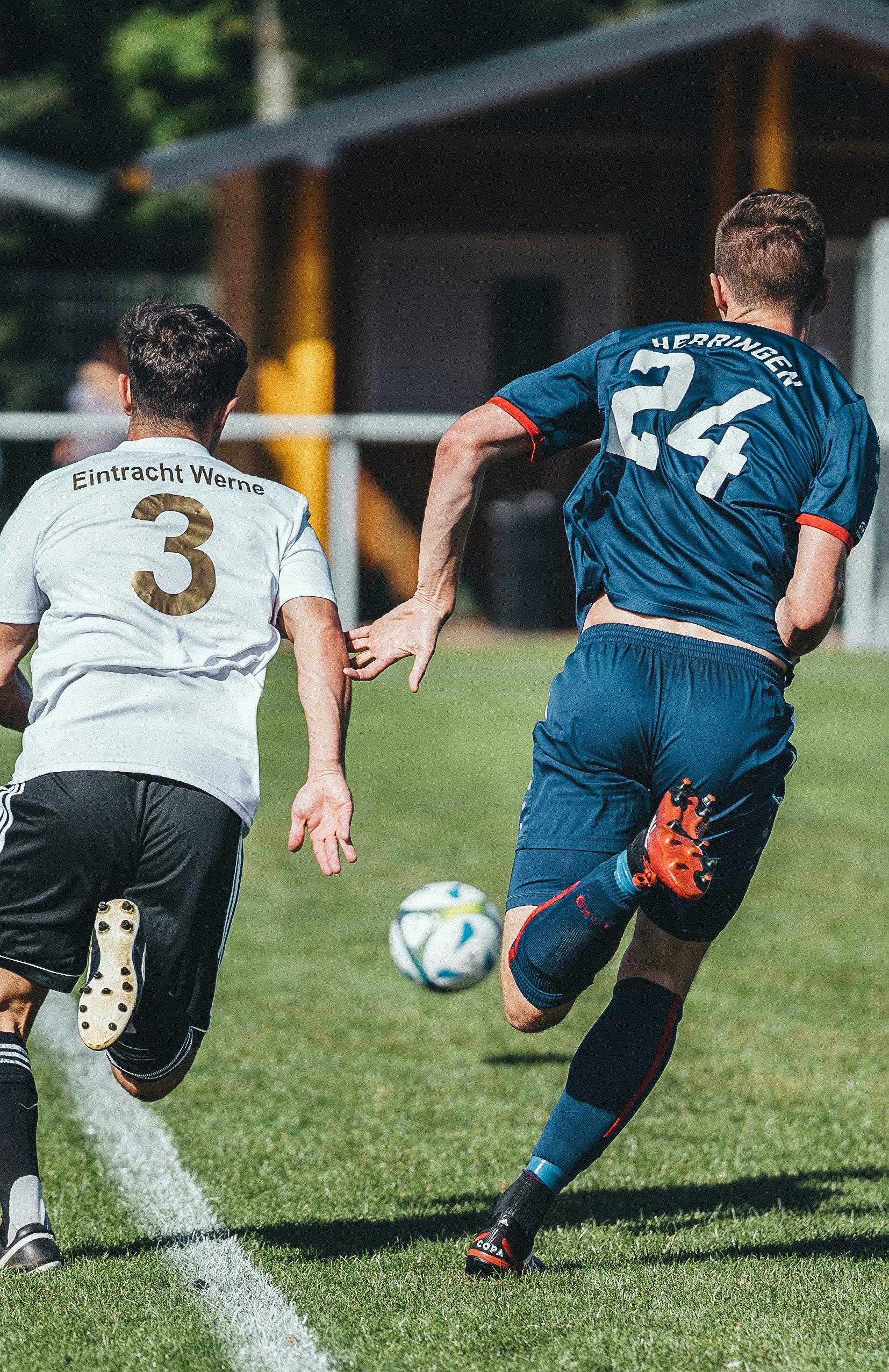
The DNA of your Core Team vision will be modeled at the opening ceremony through celebrating all the nations of your city. The goal is to present a united team effort to be catalysts for your city for:
▶ Faith lived in all of life.
▶ Family rooted in trust.
▶ Fair Play in all fields of life.
Celebrate the community building, the volunteers, and the teams that are participating in the Cup of Nations tournament.
The opening and closing ceremonies are perfect times to welcome all the teams, families, friends, and fans that have come to the tournament. Sharing the vision, playing experiential learning games, and giving awards contribute towards a welcoming environment for all who come.
▶ 3 min. | Present the vision for the Cup of Nations to the audience.
▶ 3 min. | Flag Parade - Have people walk with the flags of nations participating in the tournament. They can go around the field/court several times as the crowd cheers.
▶ 4 min. | Do door prizes or give-aways for players and fans. You can give away prizes such as soccer balls, sports tickets, gift cards, etc.
▶ 8 min. | Share an inspirational message about the importance of unity and community. If you feel comfortable or have built relationships with the teams attending the tournament, this would be a great opportunity to share the Gospel.
▶ 10 min. | Hold a soccer juggling competition. Invite each team to send a representative, select a few confident fans, and have them compete in a juggling contest. Let the crowd decide the winner.
▶ 4 min. | Continue door prizes and give-aways. Dismiss the crowd.
▶ Skills challenge — Set up obstacles and have players complete the obstacle course as quickly as possible with a soccer ball at their feet. The player who finishes the quickest wins a prize.
▶ Invite various groups/people to perform – international dances, musicians, artists, etc.
▶ Donate the registration fees from the tournament to a local refugee agency and have them thank the players at the ceremony for the support of their work.
▶ 3 min. | Share the vision of the Cup of Nations.
▶ 5 min. | Presentation of the awards for the Top-Scorer, Best Goalkeeper, and the MVP of the tournament.
▶ 10 min. | Present second place medals and then the championship trophy.
See additional resources for schedules and brackets on nationsunited.net.
The equipment needed depends on the kind of tournament you will have. Are you going to have an outdoor tournament? An 11 v 11 or 7 v 7? Or is it going to be an indoor tournament?
▶ 10ft x 6ft futsal goals (most futsal facilities provide goals)
▶ Sandbags to hold the goals down
▶ Futsal soccer balls - we suggest buying high-quality balls. 4-6 balls/field
▶ Cones, as needed
▶ Air pumps
▶ Bibs/Sports vests
▶ Soccer Goals — most outdoor fields will already have goals installed. We suggest using smaller goals since most teams will not have super skilled goalkeepers.
▶ Soccer balls (size 5) - at least 8 balls per field
▶ Air pumps
▶ Bibs/sports vests
▶ Cones to line the field, if needed
High-quality professional referees are crucial for the success of your tournament. When competitive adults are playing against one another there will be many heated moments. The best person to mitigate such situations is not you (the organizer), but a referee. We recommend hiring quality officials for the tournament.
See Additional Resource at nationsunited.net including Futsal Rules, 11v11 Rules and 7v7 Rules.

Plan your strategy for sharing about Jesus at the Cup of Nations. Here are some ideas:
Most churches have a specific region or nation of the world they are focused on for prayer and short-term missions. Some churches are connected through missionaries who have been sent out from their church. Ask churches if they would be willing to adopt a team during the tournament to build relationships and share the gospel.
Churches can involve their members by:
▶ Sending a few people to the “Drawing Ceremony” to begin building relationships with the team.
▶ Attending every single game that the team plays at the tournament. Bring snacks, water, Gatorades, and cheer for the team.
▶ Being proactive in serving them and praying for them.
▶ Sharing the gospel with them and invite them into a discipleship process.
▶ Organizing a team party for them to celebrate the tournament. Sometimes this can happen during the actual tournament, but there are also times when a church is able to share the Gospel months after the tournament. This is why it is important to be led by the Holy Spirit to know when it is the right time to share the Gospel.
Another effective way is to invite individuals and families whose sole focus at the tournament will be to connect with other individuals and families. These “volunteers” are not there to run the scoreboard or to help set up and clean up, but they are there to relationally share the Gospel and make disciples.
▶ Arrive early and spend time prayer walking. Ask God to reveal those who lead or have influence within a people group.
▶ Ask God to lead you to those who are spiritually receptive.
▶ Use the 4S Tool to bridge the conversation to Jesus.
Practice moving the conversation from a simple conversation to a serious one in a natural way. Then, from serious reflections to spiritual truths that lead to sharing scripture and an invitation to go deeper into God’s Word. You may finish with an invitation, ‘Would you like to meet together for me to show how you can discover God in the Bible?
▶ Simple – Casual talk about the game, players, commercials, etc.
▶ Serious – Share meaningful things from your life – your values and experiences.
▶ Spiritual – Share how your relationship with Jesus anchors your life.
▶ Scriptural – Share scripture that is meaningful to you and is relevant to the conversation.
Remember, it’s okay to begin by building trust. Some people are not ready or curious about spiritual or scriptural conversations.
▶ What’s been one of the biggest challenges you’ve faced recently?
▶ When life feels overwhelming, what helps you get through it?
▶ What’s something you’re currently learning about yourself?
▶ Who do you turn to when you need advice or perspective?
▶ If life had a halftime, what message would you need to hear right now?
▶ Do you ever think about your purpose or why you’re here?
▶ What role, if any, has faith or spirituality played in your life journey?
▶ When you look at the world, do you think there’s something (or someone) bigger behind it all?
▶ Have you ever prayed? What was it like for you?
▶ What do you believe happens after this life? Has that ever influenced how you live now?
The success of the Cup of Nations depends on preparation and planning for potential challenges.
While we pray for a smooth event, it is wise to anticipate and plan for issues that could arise. Effective risk management ensures the tournament is safe, organized, and enjoyable for everyone involved.
Risk: Rain, storms, or extreme heat could disrupt outdoor tournaments.
Solution:
▶ Secure an alternate indoor venue or plan a reschedule date.
▶ Communicate contingency plans to all teams, volunteers, and attendees in advance.
▶ Have tents or covered areas for spectators in case of light rain or sun exposure.
Risk: Injuries during games or crowd management issues.
Solution:
▶ Assign a trained first-aid team and ensure a well-stocked first-aid kit is on-site.
▶ Designate a safety officer responsible for overseeing emergency procedures.
▶ Clearly mark emergency exits and first-aid stations.
▶ Obtain liability release forms from each participant.
Low Participation
Risk: Teams or volunteers backing out at the last minute.
Solution:
▶ Recruit extra teams or individual players as backups.
▶ Maintain an active list of substitute volunteers and players who can step in if needed.
▶ Use social media and local advertising to recruit additional participants closer to the event date.
Risk: Double bookings, last-minute cancellations, or venue restrictions.
Solution:
▶ Confirm venue reservations with a signed contract and maintain good communication with venue staff.
▶ Identify a backup venue in advance and keep it on hold if possible.
▶ Visit the venue early to ensure it meets all tournament requirements.
Risk: Missing, damaged, or insufficient equipment.
Solution:
▶ Rent or borrow extra equipment from local sports clubs or schools.
▶ Perform an inventory check one week before the tournament and bring backups for key items like balls, cones, and bibs.
▶ Assign a volunteer to oversee equipment logistics on the day of the event.
Having clear protocols ensures that all team members and volunteers know what to do in case of an emergency.
▶ Central Point of Contact:
Assign one person to coordinate emergency responses and communicate with authorities if needed.
▶ Emergency Contact List:
Distribute a list of key contacts, including local authorities, medical services, and venue staff, to all volunteers.
▶ Volunteer Briefing:
Conduct a safety briefing before the event begins, covering basic first aid, emergency exits, and incident reporting procedures.
As with all aspects of the Cup of Nations, prayer is vital in managing risks. Commit the tournament to God and ask for His protection over every player, volunteer, and spectator. Encourage prayer teams to specifically cover areas of safety and logistics in their prayers. By anticipating challenges and preparing solutions, you can create an environment where the focus remains on building relationships, sharing the Gospel, and celebrating the nations through sport.
Write thank you notes to team captains, referees, volunteers, sponsors and others who served during the tournament.
Make sure a local church is partnered with each team for relationship and discipleship follow-up beyond the tournament.
Debrief the tournament with your team. Discuss the following:
Participation
▶ Number of teams and players
▶ Diversity of nations represented
Volunteer Engagement
▶ Number of volunteers recruited and retained
▶ Volunteer feedback
Community Impact
▶ Relationships built with churches and local businesses
▶ Funds or resources raised for local causes
Spiritual
▶ Number of Gospel presentations
▶ Number of salvations
▶ Follow-up connections of discipleship
Consider surveying participants, volunteers, and other partners to learn what worked and what could be improved for next time. Surveys can be done online, on comment cards, or in-person. Sample questions include:
▶ How likely are you to recommend this event to a friend?
▶ What did you enjoy most about the tournament?
▶ Were there logistical challenges you noticed?
▶ Did the event foster community connection?
▶ Any additional comments or suggestions?
▶ What was the most impactful part of the event?
▶ Were there areas where we could improve?
▶ Did you feel welcome and valued?
▶ Would you attend or volunteer again?
The Cup of Nations provides a unique opportunity to meet people in your community from all nations and to share the love the Jesus Christ. The tournament is just the beginning step as you work to fulfill the Great Commission.
For additional video training and resources for the Cup of Nations, visit nationsunited.net.