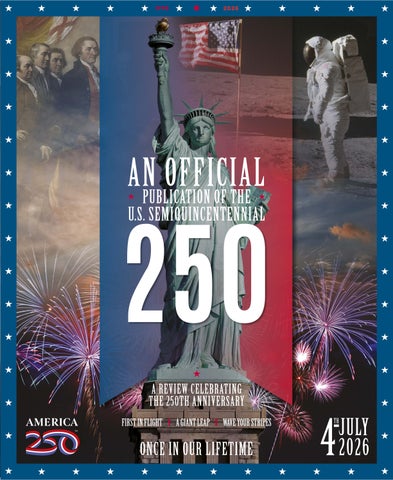
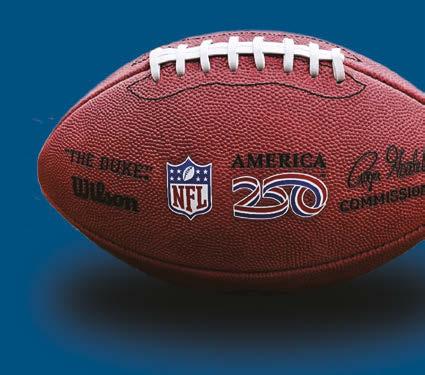
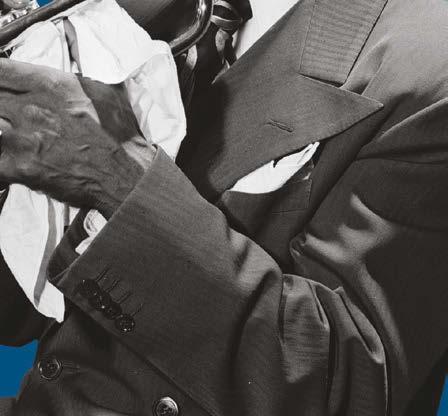
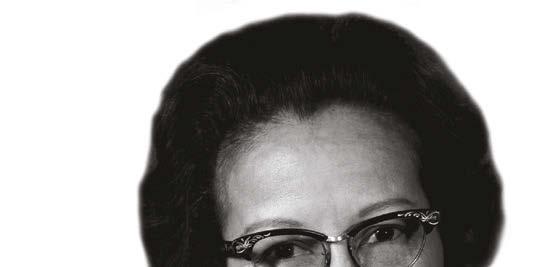
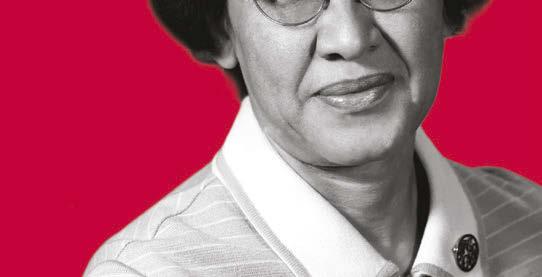
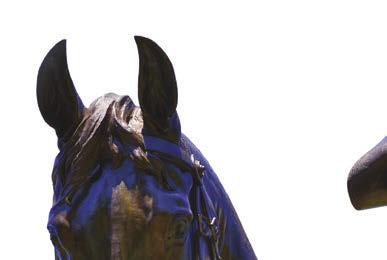
Example pages for this official publication of America250
03. INTRODUCTION
04. WELCOME & REFLECTIONS
★ America250 Commission
★ A Nation at 250: Why This Milestone Matters
★ Voices of the American People: What America Means Today
06. THE BIRTH OF A NATION
★ The Declaration of Independence (1776)
★ Founding Fathers & Foundational Ideas
★ The Road to Revolution
★ The U.S. Constitution: Blueprint of Liberty
★ Bill of Rights: Protecting Freedom
20. BUILDING THE AMERICAN REPUBLIC
★ Innovation and Invention: America’s Golden Age of Ingenuity
★ The American Frontier
★ Industrial Revolution
★ Immigration Waves
SCIENCE,
INNOVATION & TECHNOLOGY
★ Silicon Valley & the Digital Revolution
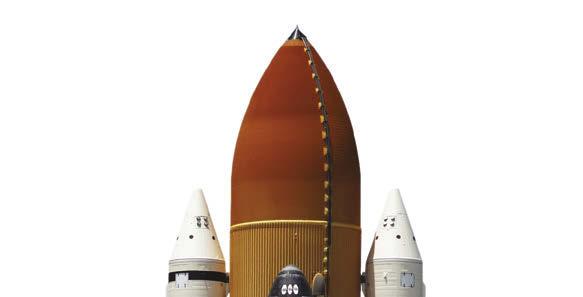
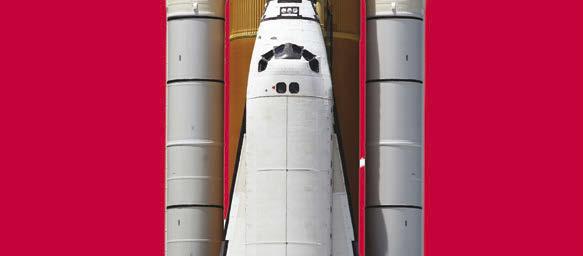
★ NASA & America’s Space Legacy
★ Eradication of Polio
★ Rise of the Internet
★ Future Tech
72. TRIUMPHS OF THE AMERICAN SPIRIT
★ Disability Rights & The ADA
★ Civil Rights Movement
★ Civil Rights Act
85. THE AMERICAN ECONOMY
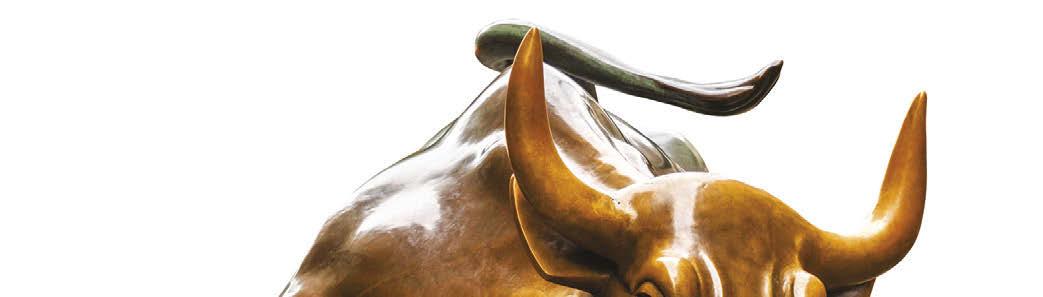
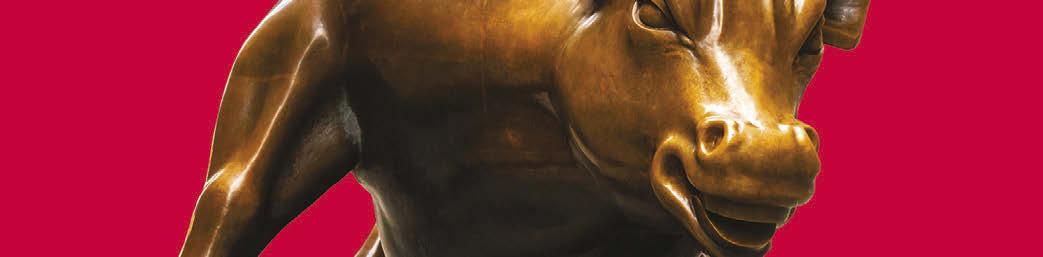
★ Wall Street & Financial Powerhouses
★ Trade, Commerce & Global Influence
★ Small Business & Entrepreneurship
★ The Rise of American Industry
34. A NATION TRANSFORMED
SPORTS & NATIONAL PASSION
★ Abolition of Slavery
★ The 19th Amendment
★ The Great Depression
★ Social Security Act
★ Electrification of America
46. AMERICA & THE WORLD
★ World War II
★ U.S. Global Diplomacy & Peacekeeping
★ The Cold War Era
Football: The Modern American Obsession
Basketball: The Global American Sport
Olympic Excellence & U.S. Champions
Baseball:
America’s Game
CULTURE, ARTS & AMERICAN IDENTITY
Hollywood & Global Entertainment
Fashion, Lifestyle & Cultural Trends
Music: From Jazz to Hip-Hop
American Food Culture
120. AMERICA’S FUTURE
★ Youth Voices: Our Next Generation
★ America’s Role in a Changing World
★ Innovation for the Next 250 Years
★ A Vision for 2276
132. THE 50 STATES SPOTLIGHT
★ American Landscapes: Natural Beauty Across the Nation
★ Signature Moments, Landmarks & Contributions
★ State-by-State Profiles
188. MOST INFLUENTIAL AMERICANS
★ A comprehensive look at leaders, inventors, creators, scientists, activists, athletes, and icons whose work shaped the nation.
160. GREAT AMERICAN INSTITUTIONS
★ Faith & Community Organizations
★ Education: Schools, Colleges, HBCU Colleges & Research Powerhouses
★ Military & Veterans Tribute
★ Charities, Nonprofits & Civic Movements
185. COMMEMORATIVE FEATURES
★ Historic Photos: 250 Years of America
★ The Journey from 1776 to 2026
★ In Photos: July 4th 2026
★ Celebration & Parades
200. SPONSORS & PARTNERS
★ Special Thank-You to Participating Organizations
★ America250 Contributors & Corporate Partners
★ National Collaborators
215. INTERNATIONAL SECTION
★ This section of the publication offers countries and global companies a unique platform to extend messages of congratulations and solidarity as America marks its 250th anniversary.
GEORGE WASHINGTON
THE INDISPENSABLE MAN
GDIED: DECEMBER 14, 1799
BORN: FEBRUARY 22, 1732 PRESIDENT: APRIL 30, 1789_MARCH 4, 1797
eorge Washington stands as the towering figure of American history, a man whose life mirrored the turbulent birth and fragile infancy of the United States. He was not merely a participant in the events of the late 18th century; he was, in many ways, the essential force that bound the disparate colonies together. As a soldier, a statesman, and the first President, Washington forged a legacy that established the precedents for American democracy. Yet, he was also a complex man of his time, whose personal contradictions – most notably as a slave owner who led a fight for liberty – are integral to understanding his full historical impact.
Early Life and Military Apprenticeship
Born on February 22, 1732, in Westmoreland County, Virginia, Washington was raised in the tradition of the Virginia gentry. His education was practical rather than classical, focusing on surveying and mathematics rather than Latin or Greek. These skills proved invaluable, giving him a keen understanding of land and topography.
His formal military career began during the French and Indian War, where he served as an officer for the British Crown. In 1754, his actions in the Ohio Valley arguably triggered the conflict that would become a global war. Despite facing significant defeats, such as the surrender of Fort Necessity and the disastrous Battle of the Monongahela, Washington gained crucial experience in commanding troops and dealing with the logistical nightmares of frontier warfare. This experience instilled in him an iron discipline and a firsthand understanding of the limitations of colonial militias compared to professional British regulars.
Following the war, he returned to Mount Vernon to manage his plantation, which had grown to include hundreds of enslaved people. He also served in the Virginia House of Burgesses, where he gradually became involved in the growing political resistance against British taxation policies.
I HOPE I SHALL POSSESS FIRMNESS AND VIRTUE ENOUGH TO MAINTAIN WHAT I CONSIDER THE MOST ENVIABLE OF ALL TITLES, THE CHARACTER OF AN HONEST MAN.
Commander-in-Chief of the Continental Army
When the American Revolution began in 1775, the Continental Congress recognized the need for a unified military command. Washington, with his military experience and imposing physical presence, was the natural choice to lead the newly formed Continental Army.
His task was monumental: to transform a collection of local militias into a cohesive fighting force capable of defeating the most powerful empire in the world. Washington’s brilliance as a general did not lie in tactical genius on the battlefield; in fact, he lost more battles than he won. Instead, his strength lay in his resilience, his strategic understanding of the war’s broader goals, and his ability to keep the army in the field against all odds.
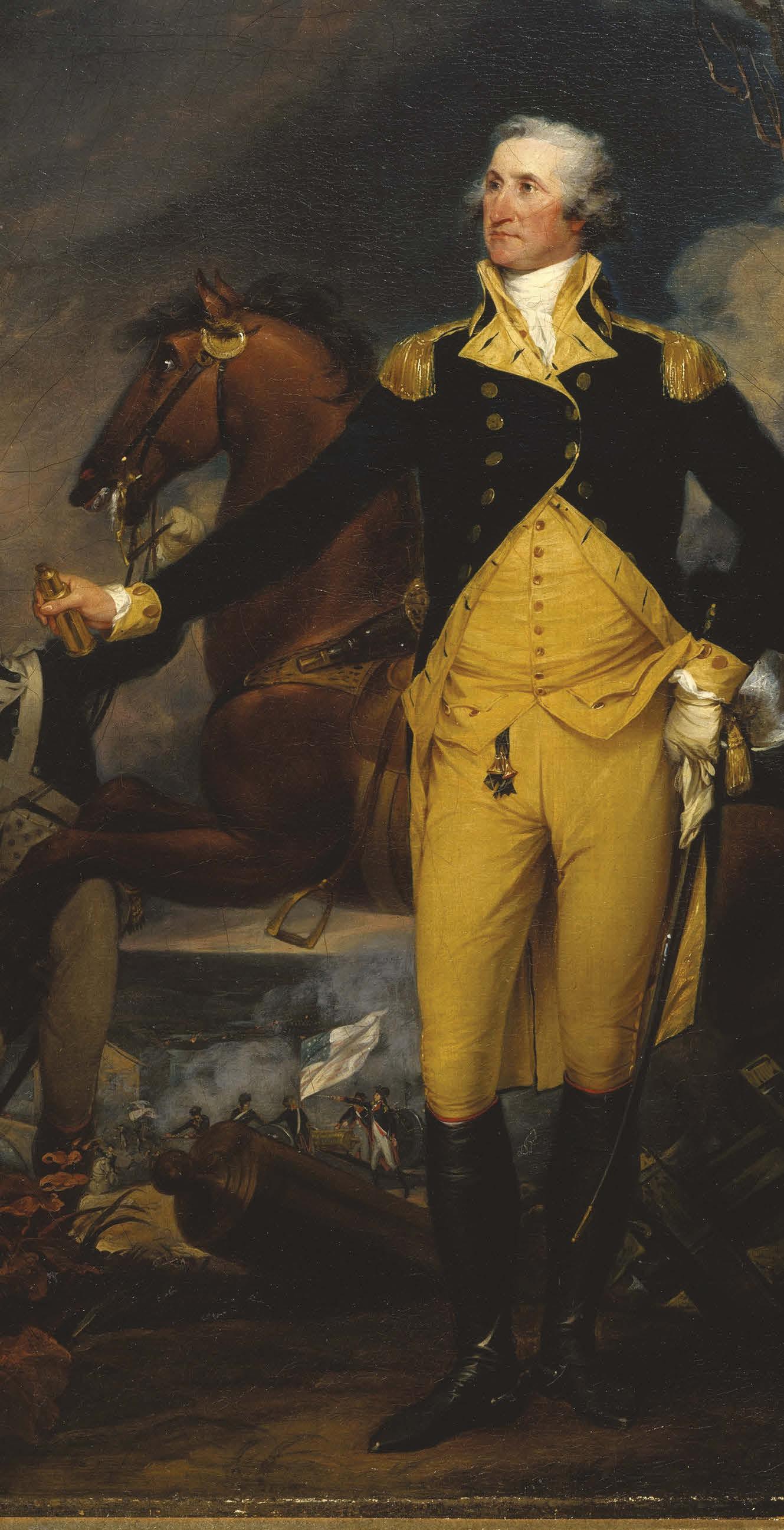
His masterstroke was the surprise attack on Hessian forces at Trenton on Christmas night in 1776, which followed a daring crossing of the icy Delaware River. This victory, combined with the subsequent success at Princeton, saved the Revolution from near-certain collapse. Later, his ability to manage the suffering at Valley Forge and his ultimate triumph at Yorktown in 1781, with the critical aid of the French, secured American independence.
Perhaps his most defining moment as a leader occurred at the end of the war. Rather than seizing power for himself, a temptation that had fueled military coups throughout history, Washington voluntarily resigned his commission to Congress in 1783, firmly establishing the principle of civilian control over the military. ››
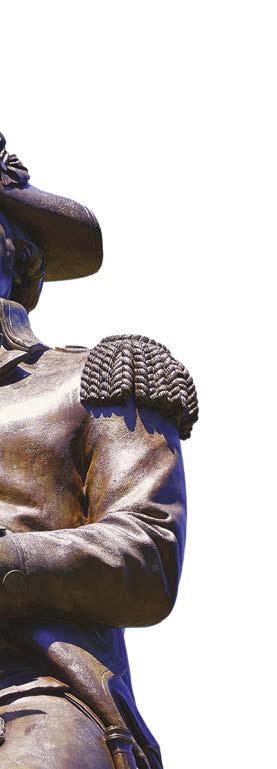
Above: George Washington before the Battle of Trenton. By John Trumbull
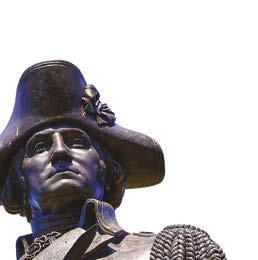
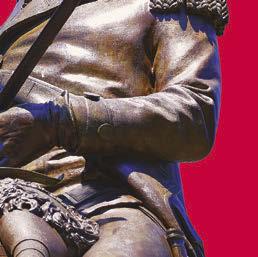
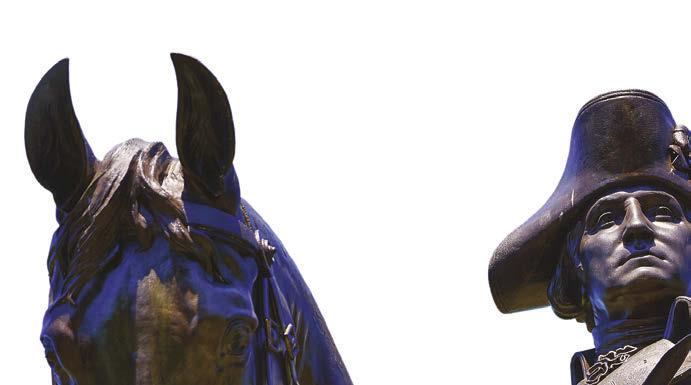
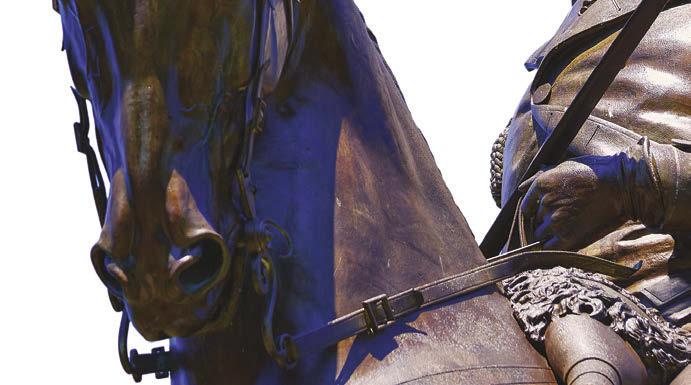
Right: Boston Common George Washington monument at Massachusetts USA
JOHN HANCOCK
THE BOLD PATRIOT
JDIED: OCTOBER 14, 1793
BORN: JANUARY 23, 1737 IN OFFICE: MAY 30, 1787_OCTOBER 8, 1793
ohn Hancock, (1737–1793) was a titan of the American Revolution, serving as a merchant, statesman, and a prominent Patriot leader. While widely recognized today for his famously large signature on the Declaration of Independence, Hancock’s contributions to the founding of the United States extended far beyond that single act. He was a wealthy merchant who utilized his fortune to fund the Patriot cause, the first and third governor of the Commonwealth of Massachusetts, and the influential president of the Second Continental Congress.
Early Life and Business Success
Born on January 23, 1737, in Braintree, Massachusetts, Hancock was raised in a well-to-do family. After his father died when he was young, he was adopted by his wealthy uncle, Thomas Hancock, who ran a successful shipping firm. John graduated from Harvard College in 1754 and later took over the family business, making him one of the wealthiest men in Boston.
His success in trade quickly led to conflict with British authorities. Following the Stamp Act of 1765 and other restrictive acts, Hancock began to align himself with the patriot cause. In 1768, the British seized his ship, the Liberty, accusing him of smuggling. This widely publicized trial acted as a catalyst for his involvement in radical politics, as the British attempt to crack down on his business only served to turn him into a hero for those opposing British rule.
Leadership in the American Revolution
Hancock became a close collaborator with Samuel Adams and the Sons of Liberty, using his wealth and popularity to push for American independence. By 1774, he was elected president of the Massachusetts Provincial Congress, a body that operated in defiance of the colonial government.
His leadership in Massachusetts made him a target. He and Adams were the primary subjects of the British march on Lexington and Concord in April 1775, which marked the beginning of the Revolutionary War.
THERE! HIS MAJESTY CAN NOW READ MY NAME WITHOUT GLASSES. AND HE CAN DOUBLE THE REWARD ON MY HEAD!
Hancock was instrumental in forming the rebellion’s leadership structure.
The
Continental
Congress
and the Declaration
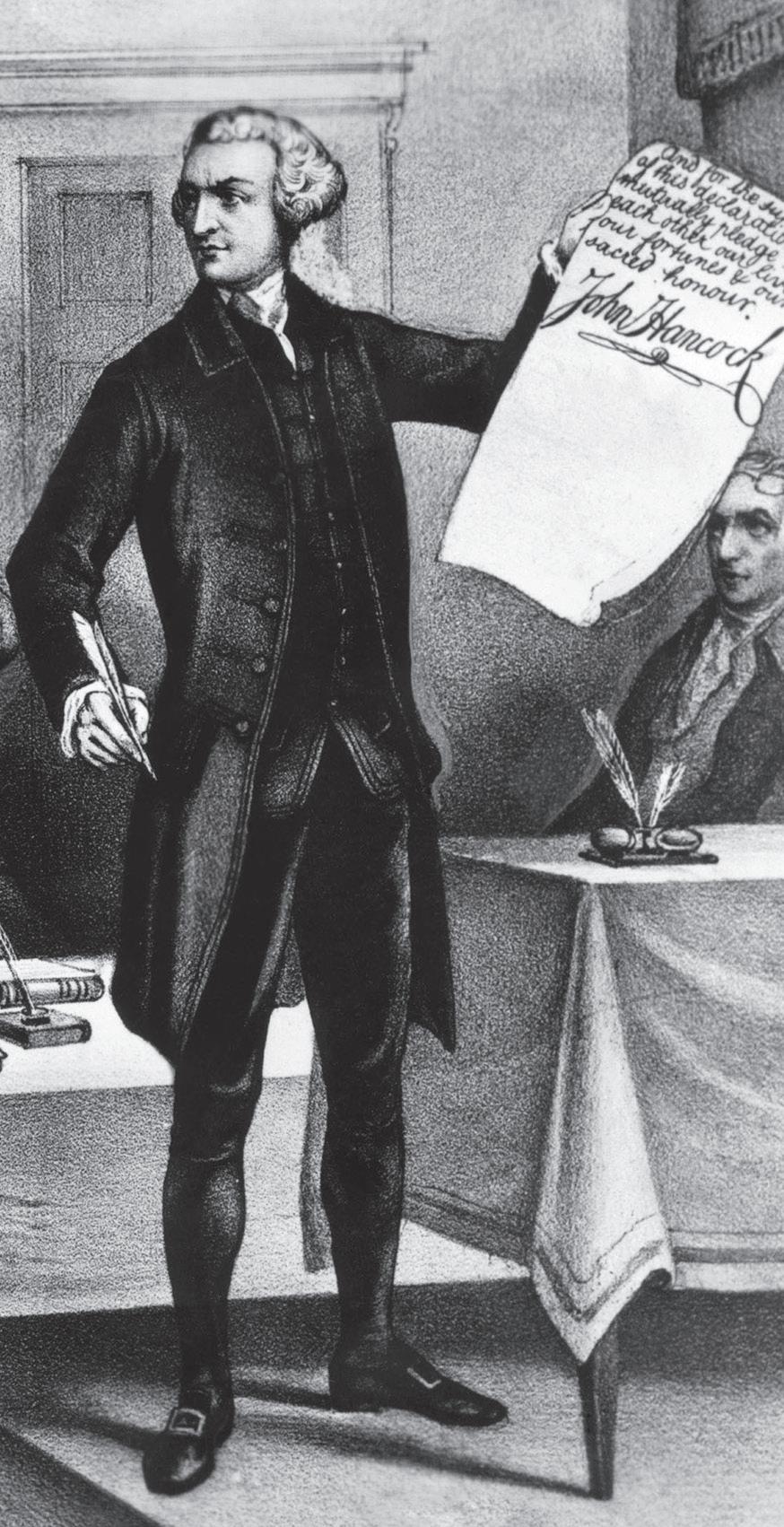
Hancock served as the president of the Second Continental Congress from 1775 to 1777. As president, he led the assembly that formally debated and approved the Declaration of Independence. As the story goes, Hancock was the first to sign the document in 1776, signing his name in large, elegant script to ensure King George III could read it without his glasses. Although historians often classify this story as a myth, the fact remains that his signature is the most prominent.
His work in the Congress was critical to the war effort. He helped organize the continental army and secure funding. He continued his service in the Confederation Congress for the duration of the war.
Governor of Massachusetts and Later Years
After the war, Hancock continued his political career as the first governor of Massachusetts, serving multiple terms between 1780 and his death in 1793. During his tenure, he played a crucial role in managing the aftermath of Shays’ Rebellion, a farmers’ revolt against high taxes, by granting pardons to many of the participants.
Hancock also used his influence to ensure that Massachusetts ratified the United States Constitution in 1788, which helped to unite the young country. He remained popular with the people and maintained his leadership role in his home state until he passed away on October 8, 1793.
Legacy
John Hancock’s impact on American history is significant. Beyond his revolutionary actions, his name has become a common colloquialism for a signature (“Put your John Hancock here”). He was a man who risked his fortune and his life for the cause of American independence, transforming from a reluctant rebel into a tireless leader. ★
John Hancock is presented as the first to sign, with his large printed name right under the text and in the center of the page.
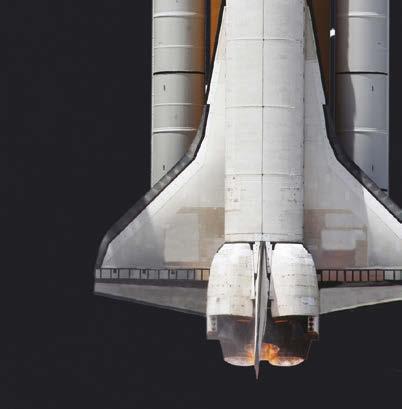
A HISTORY OF NASA
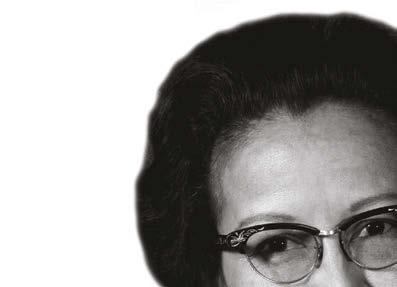
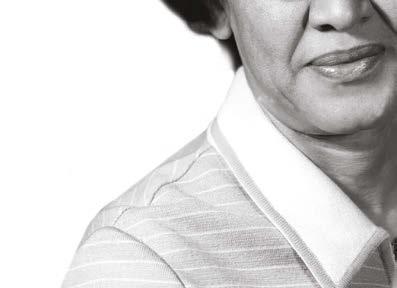
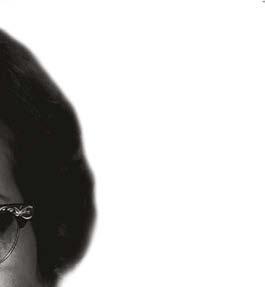
Left: Katherine Johnson. NASA (1953-1986)
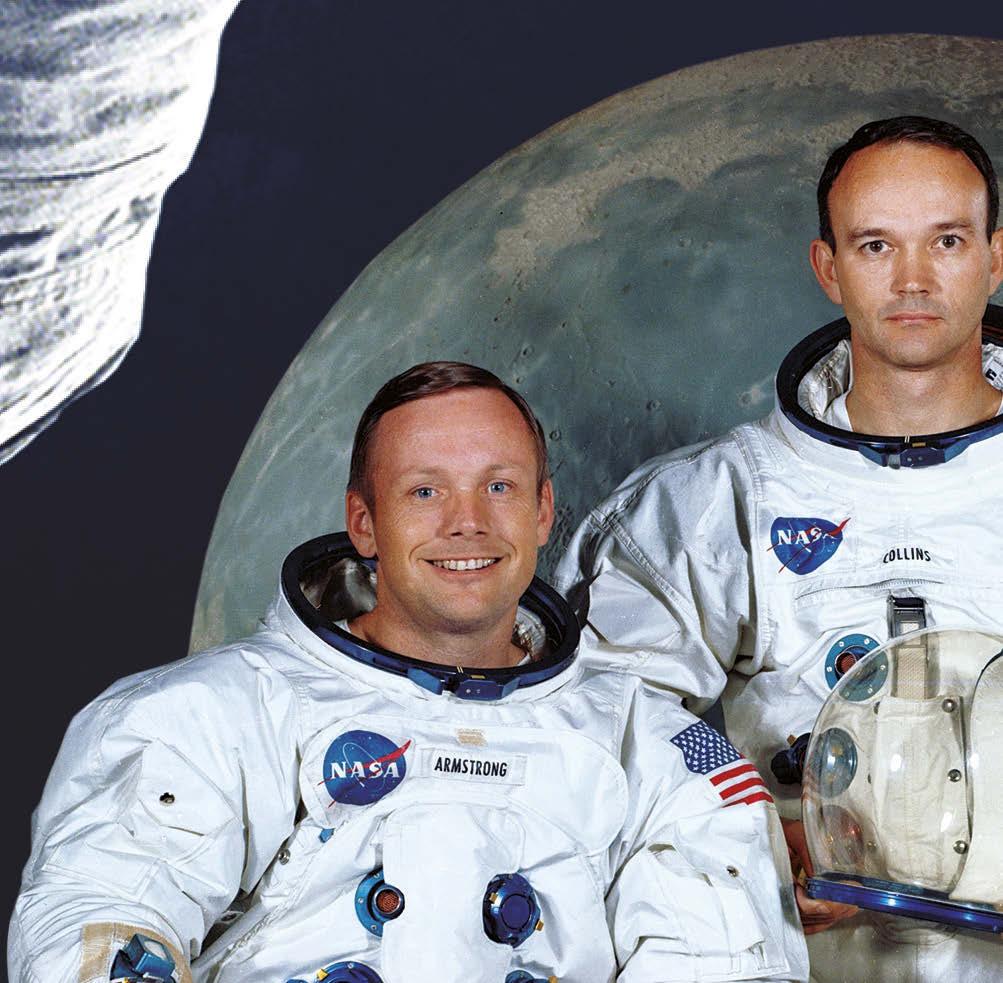
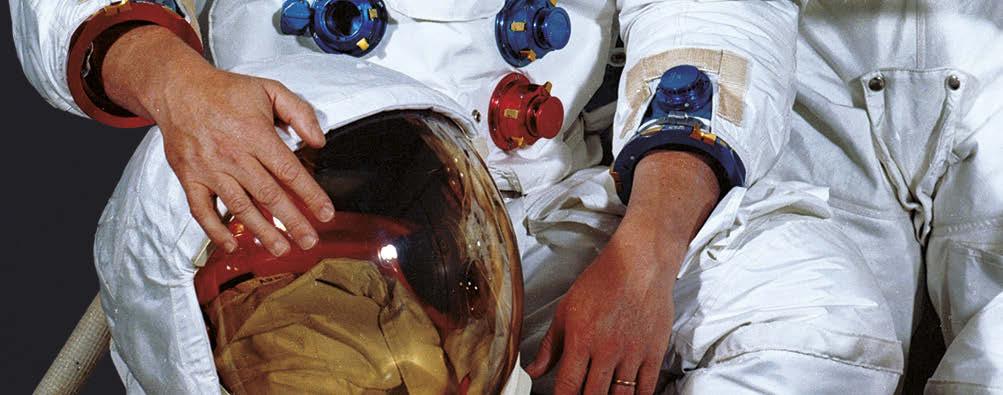
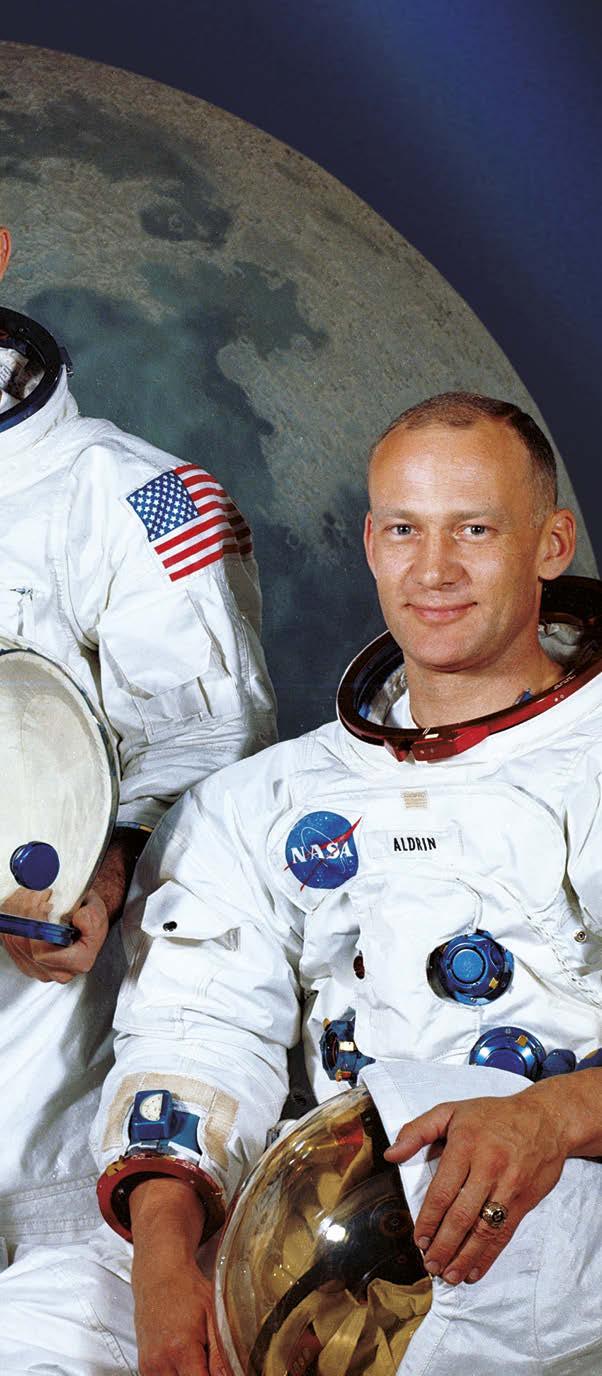
Right: The official crew portrait of the Apollo 11 astronauts: Neil A. Armstrong, Commander; Michael Collins, Module Pilot; Edwin E. “Buzz” Aldrin, Lunar Module Pilot. Cape Kennedy, July 16, 1969
The National Aeronautics and Space Administration (NASA) was born on October 1, 1958, out of necessity rather than desire. Following the Soviet Union’s successful launch of Sputnik 1 – the first artificial satellite – in October 1957, the United States felt a urgent need to assert its technological prowess in what quickly became known as the “Space Race.”
Established by President Dwight D. Eisenhower, NASA succeeded the National Advisory Committee for Aeronautics (NACA), expanding its mandate from purely aeronautical research to the exploration of space itself.
The
Foundation of Human Spaceflight: Mercury and Gemini
NASA’s first major challenge was simply getting a human into space and bringing them back safely. Project Mercury (1958–1963) accomplished this, culminating in Alan Shepard becoming the first American in space on May 5, 1961, in a suborbital flight. The following year, John Glenn became the first American to orbit the Earth.
Recognizing that superior technology alone would not win the race, President John F. Kennedy famously declared in 1961 that the nation should commit itself to “landing a man on the Moon and returning him safely to the Earth” before the end of the decade.
To achieve this, NASA developed Project Gemini (1961–1966). Gemini was the crucial stepping stone, testing the essential technologies for lunar missions: long-duration flights, spacewalks (extravehicular activity), and rendezvous and docking maneuvers in space.
The Apollo Program and the Moon Landing
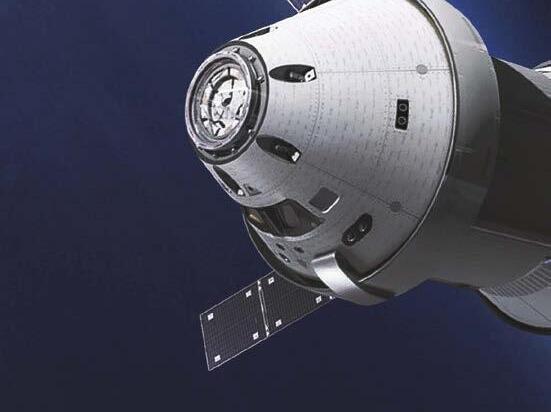
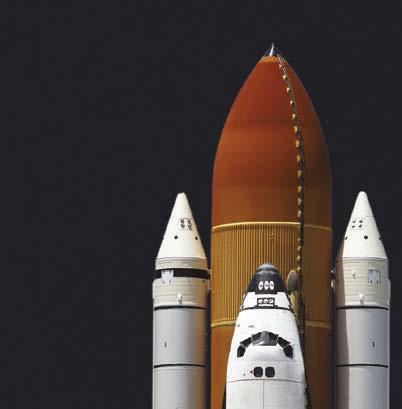
The Apollo program was the culmination of NASA’s efforts in the 1960s. It was a massive undertaking, utilizing the Saturn V rocket, the most powerful rocket ever successfully flown, to send a three-part spacecraft – consisting of a Command Module, Service Module, and Lunar Module – to the Moon. On July 16, 1969, Apollo 11 launched from Kennedy Space Center with astronauts Neil Armstrong, ››
Gridiron
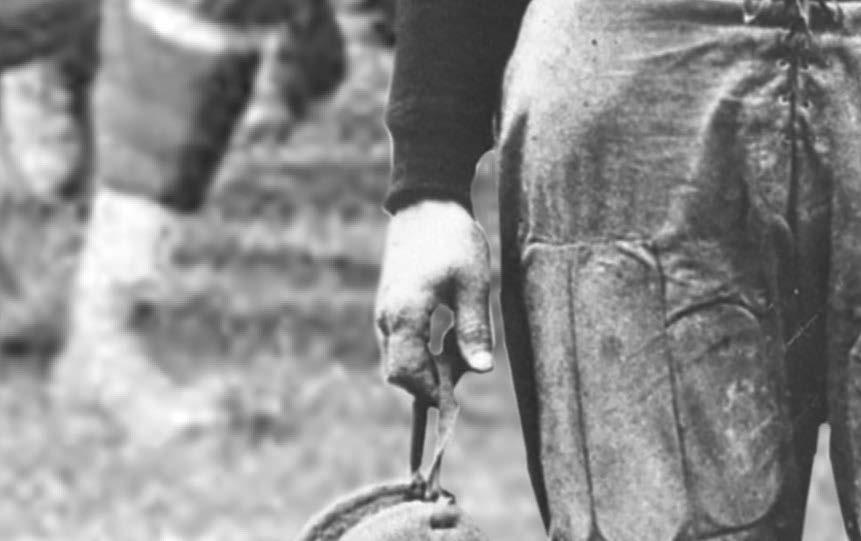
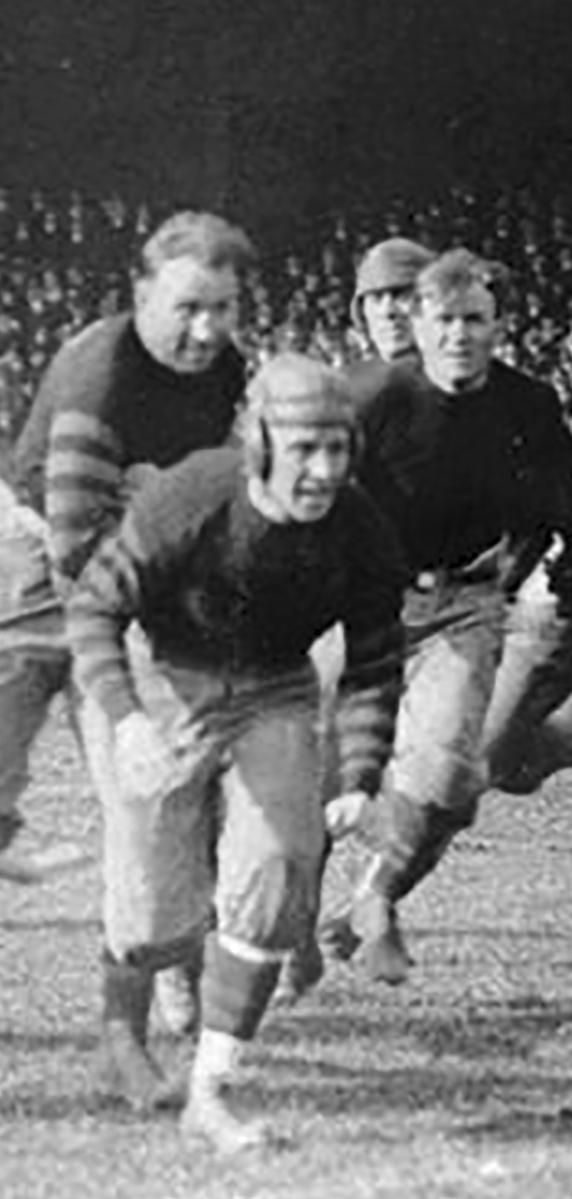
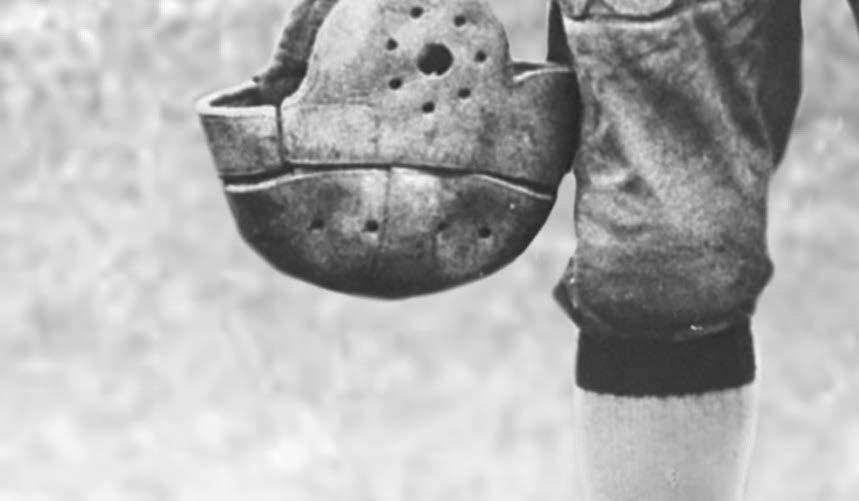
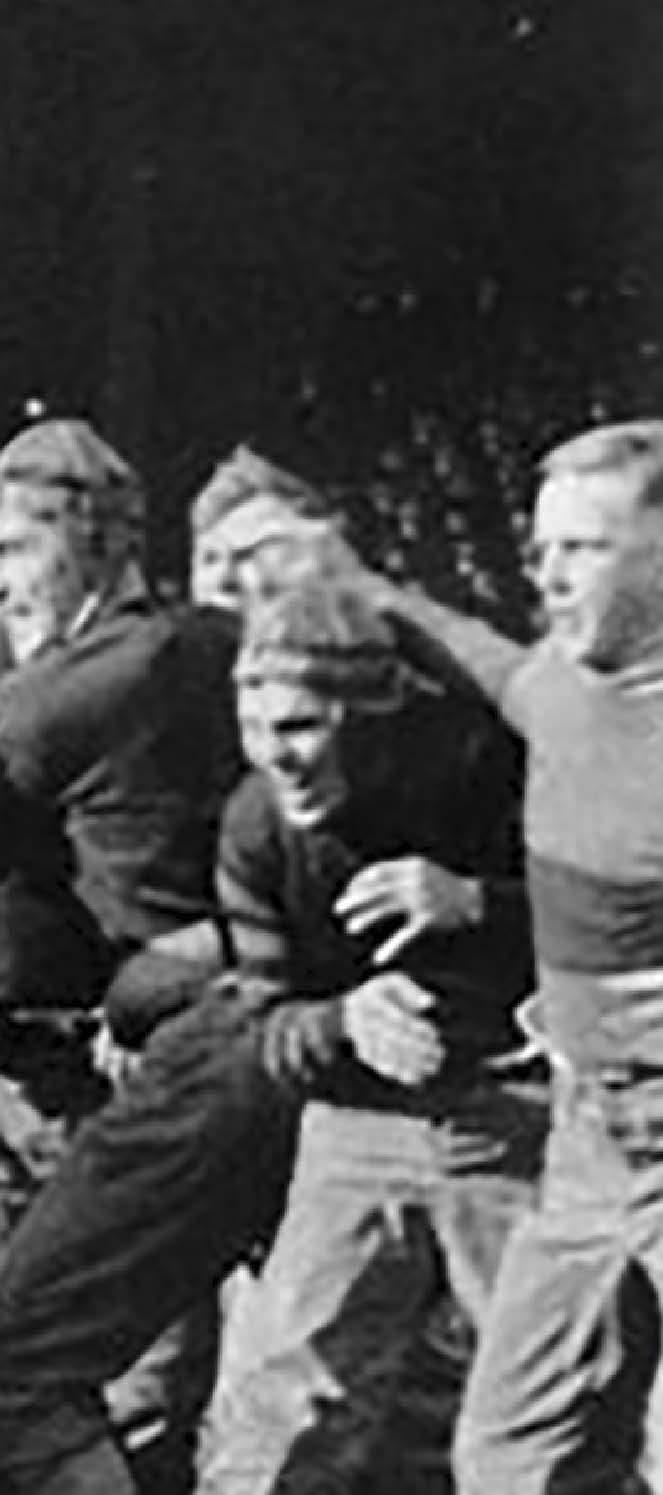
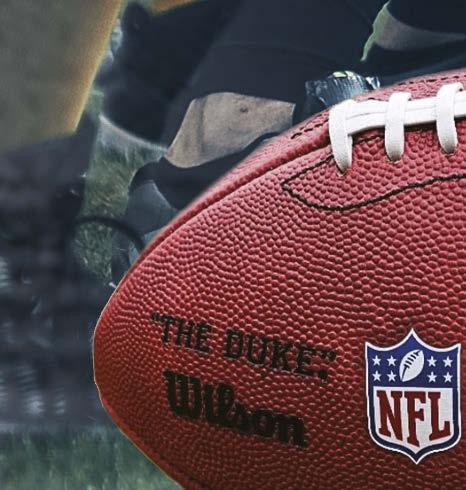
American football is more than just a sport; it is a cultural phenomenon that mirrors the American spirit of competition, strategy, and resilience. From its chaotic beginnings on muddy collegiate fields in the 19th century to the multi-billion-dollar spectacle of the modern National Football League (NFL), the game has undergone a radical transformation. This evolution was driven not only by a desire for better entertainment but also by a critical need to manage the sport’s inherent brutality.
Collegiate Roots and the “Father of Football”
The roots of American football are inextricably linked to both soccer (association football) and rugby. In the mid-19th century, various forms of “mob football” were played on college campuses, often with few rules and intense violence. The first recognized intercollegiate game took place on November 6, 1869, between Rutgers and Princeton. This match, however, bore little resemblance to the modern game; it was played with round balls, disallowed carrying the ball, and featured 25 players per side. The true transformation began in the 1870s when universities started adopting rules from the rugby-style game
The took This it ball, featured 25 players per side.
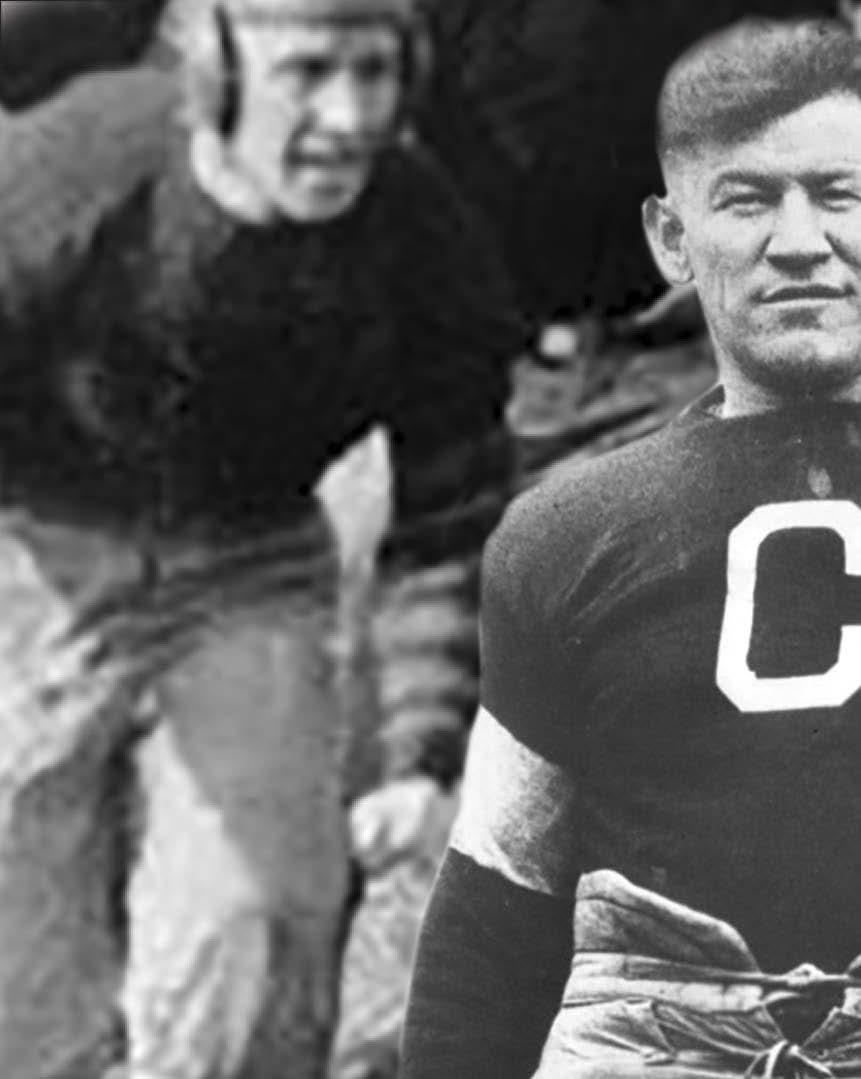
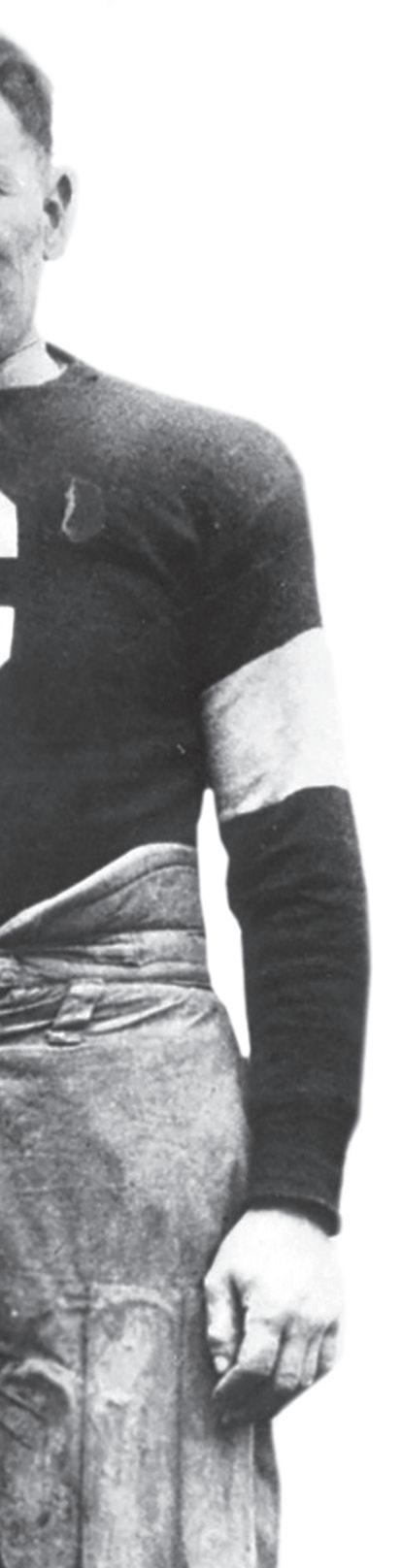
Left: Jim Thorpe. Signed by the Canton Bulldogs in 1915 for the then-princely sum of $250 a game
Evolution THE MODERN AMERICAN OBSESSION
played at McGill University in Canada. The pivotal figure in this era was Walter Camp, a student and athlete at Yale University. Camp is widely regarded as the “Father of American Football” because he instituted fundamental rule changes that broke the game away from its rugby roots. In 1880, Camp introduced the scrimmage, replacing the chaotic rugby scrum, and established the system of downs in 1882 to force teams to advance the ball rather than holding it indefinitely.
Violence and the Birth of the Forward Pass
As the game grew in popularity, so did its brutality. By the early 1900s, mass-momentum plays, such as the infamous “flying wedge,” resulted in dozens of deaths and hundreds of serious injuries annually. The violence became so severe that in 1905, President Theodore Roosevelt – a proponent of rugged sports – threatened to ban footbalunless it was made safer.
While intended to spread out the
In response, college leaders met to reform the game, leading to the creation of the Intercollegiate Athletic Association of the United States, which later became the NCAA. The most significant safety change, implemented in 1906, was the legalization of the forward pass. While intended to spread out the players and reduce masscollisions, the pass initially had little impact because the ball was nearly round and difficult to throw.
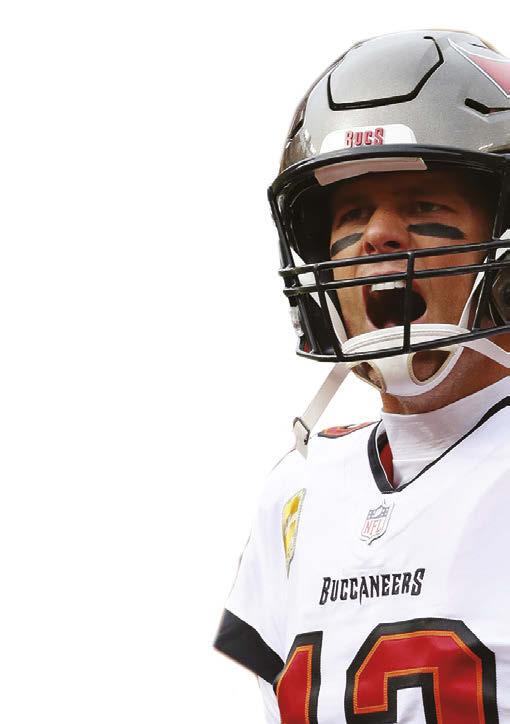
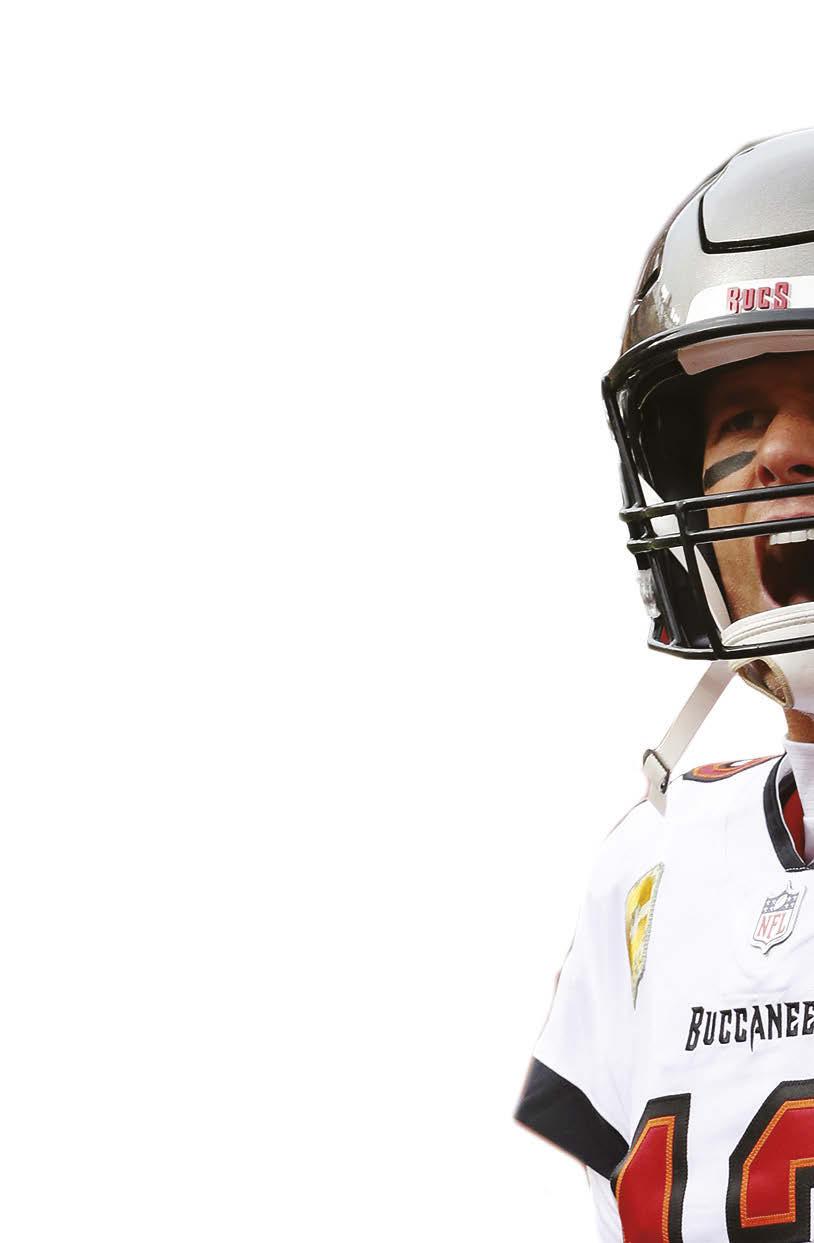
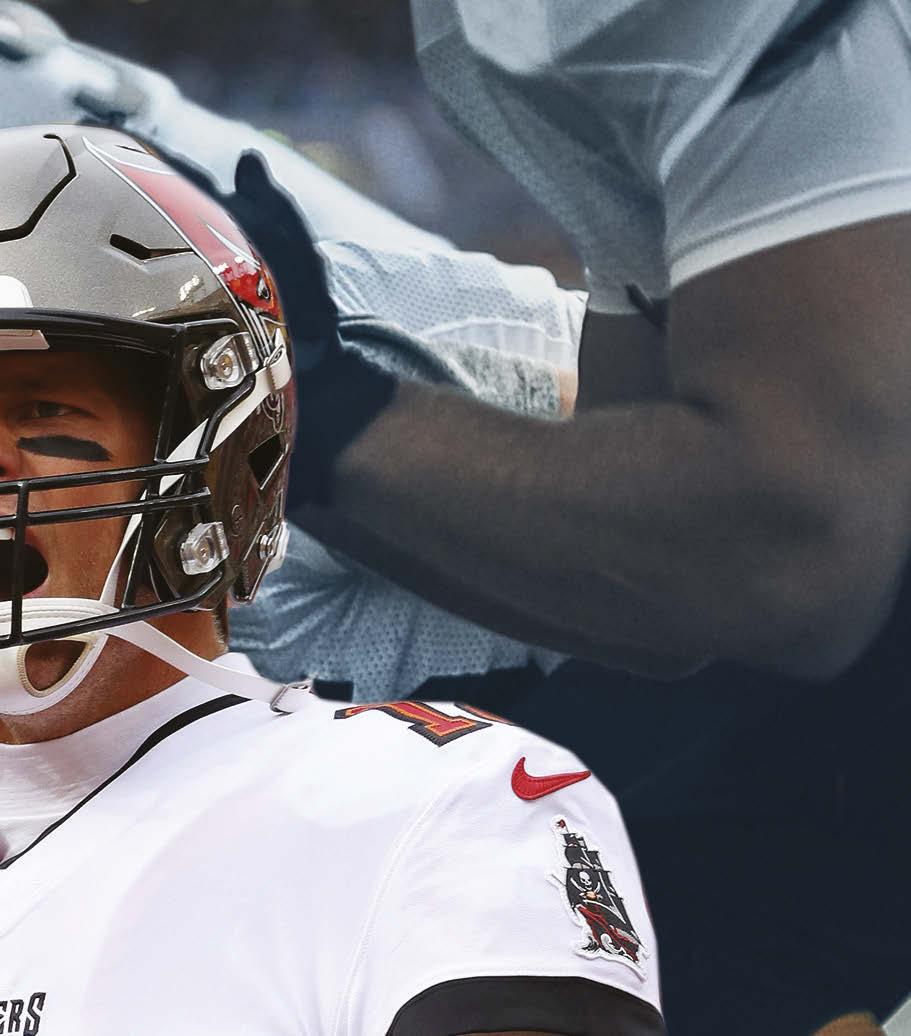
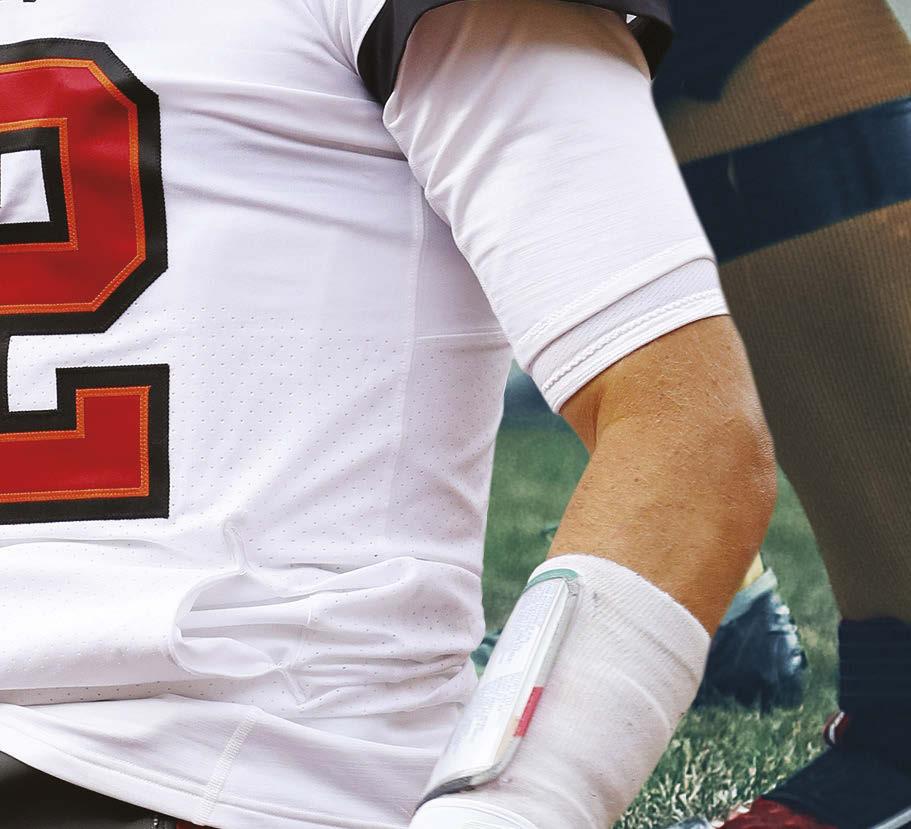
Right: Tom Brady (12) celebrates before an NFL game at FedEx Field
ABRAHAM LINCOLN
SAVIOUR OF OUR UNION
Abraham LINCOLN, the 16th President of the United States, stands as perhaps the most transformative figure in American history. His journey from a frontier log cabin to the White House is not just a classic “rags-to-riches” story; it is a narrative of profound moral evolution and political resilience.
BORN: FEBRUARY 12, 1809 IN OFFICE: MARCH 4, 1861_APRIL 15, 1865
DIED: APRIL 15, 1865
The
Early Years: Roots of Resilience
Born on February 12, 1809, in Hodgenville, Kentucky, Lincoln’s early life was defined by hardship. His family lived on the edge of the wilderness, and he lost his mother, Nancy Hanks, when he was only nine years old. Despite having less than a year of formal schooling, Lincoln possessed an insatiable hunger for knowledge. He famously walked miles to borrow books, reading by the flickering light of a fireplace.
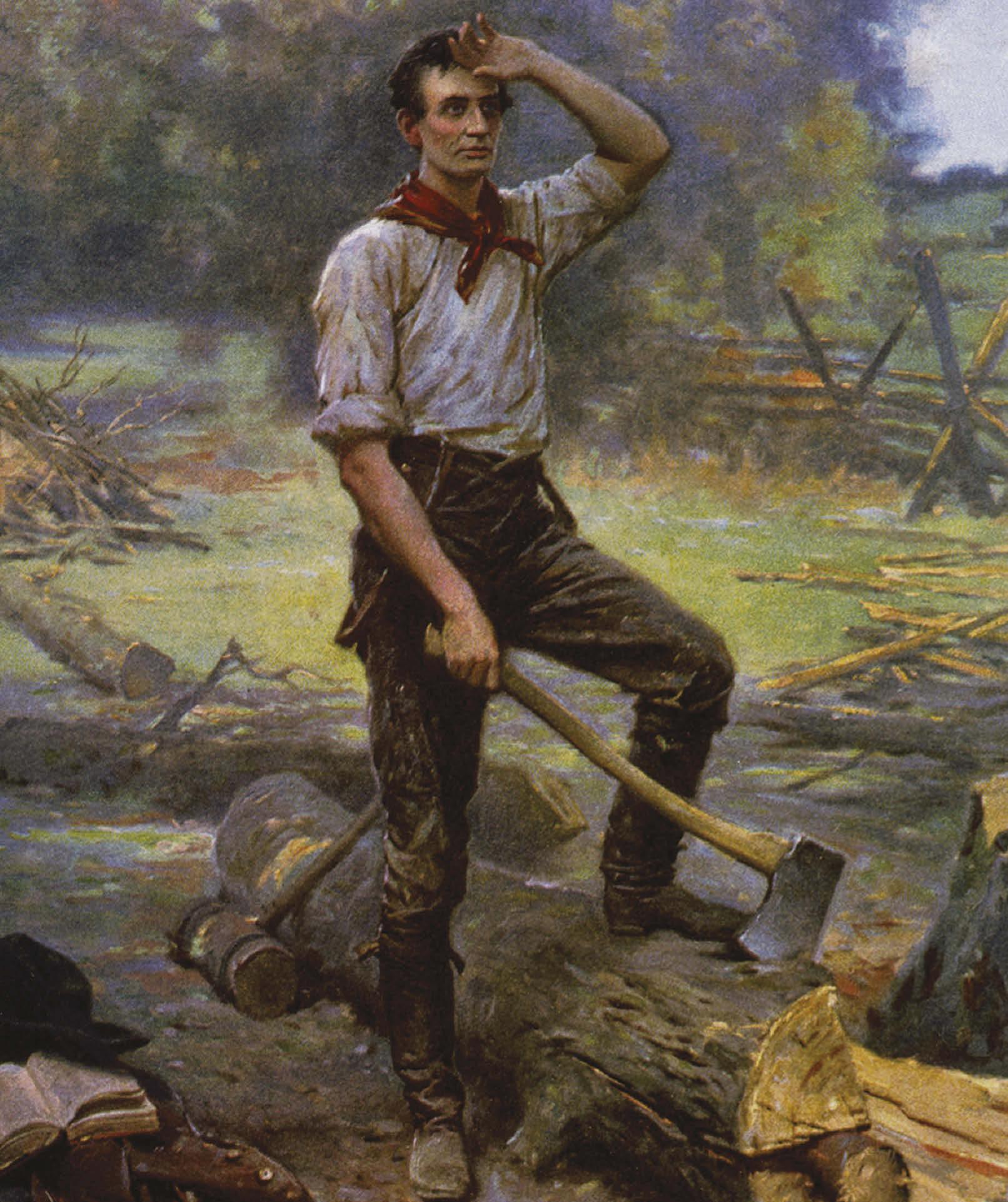
In 1830, the family moved to Illinois, where Lincoln struck out on his own. He worked as a rail-splitter, a flatboatman, a storekeeper, and a postmaster. These “everyman” roles earned him the nickname “Honest Abe” and grounded his political philosophy in the dignity of labor.
The Rise of a Lawyer-Statesman
Lincoln eventually taught himself law and was admitted to the bar in 1836. His legal career in Springfield, Illinois, honed his ability to craft logical, persuasive arguments – a skill that would later define his presidency.
His political career began in the Illinois State Legislature, followed by a single, relatively quiet term in the U.S. House of Representatives (1847–1849). However, it was the Kansas-Nebraska Act of 1854, which threatened to expand slavery into new territories, that “re-ignited” his political passions. He joined the newly formed Republican Party, emerging as its most articulate voice against the extension of slavery.
The Lincoln-Douglas Debates of 1858, though they resulted in a loss for the Senate seat, catapulted him to national prominence. His “House Divided” speech remains a chillingly Waccurate prophecy:
“A house divided against itself cannot stand. I believe this government cannot endure, permanently half slave and half free.”
AMERICA WILL NEVER BE DESTROYED FROM THE OUTSIDE. IF WE FALTER, AND LOSE OUR FREEDOMS, IT WILL BE BECAUSE WE DESTROYED OURSELVES.
A Presidency Forged in Fire
Lincoln won the presidency in 1860 without carrying a single Southern state. His election served as the final catalyst for secession, and by the time he was inaugurated in March 1861, seven states had already left the Union.
The Civil War began just weeks later at Fort Sumter. Lincoln faced an unprecedented challenge: how to preserve a democratic experiment that was literally tearing itself apart. He was initially a cautious leader, prioritizing the preservation of the Union over the immediate abolition of slavery to keep the “Border States” (like Kentucky and Maryland) from seceding.
The Great Emancipator
As the war progressed, Lincoln’s perspective shifted. He realized that the Union could not be truly restored without addressing the root cause of the conflict. On January 1, 1863, he issued the Emancipation Proclamation. While it only technically freed slaves in Confederate-held territory, it fundamentally changed the purpose of the war. It was no longer just a struggle for territory; it was a crusade for human freedom.
Later that year, at the dedication of a military cemetery, he delivered the Gettysburg Address. In just 272 words, he redefined the American identity, asserting that the nation was “conceived in Liberty” and dedicated to the proposition that “all men are created equal.”
Leadership and Moral Gravity
Lincoln’s leadership style was a unique blend of strategic flexibility and moral stubbornness. He filled his cabinet with his political rivals – a “team of rivals” – valuing their competence over their loyalty. He was frequently criticized by both radical abolitionists (who thought he moved too slowly) and conservative Democrats (who thought he was a tyrant).
Despite the staggering loss of life during the war, Lincoln maintained a deep sense of empathy. He spent hours visiting wounded soldiers and agonized over signing death warrants for deserters. This emotional weight is visible in the photographs taken of him; between 1860 and 1865, he aged decades in appearance.
The Final Act and Legacy
Lincoln’s Second Inaugural Address, delivered in March 1865 as the war neared its end, was an extraordinary plea for reconciliation. Rather than calling for vengeance, he urged the nation to move forward “with malice toward none; with charity for all.”
He lived to see the surrender of Robert E. Lee at Appomattox, signaling the Union’s victory. However, on April 14, 1865 – Good Friday – he was assassinated by John Wilkes Booth at Ford’s Theatre.
Abraham Lincoln’s legacy is multifaceted. He preserved the United States as a single entity and paved the way for the total abolition of slavery via the 13th Amendment. Beyond his policy achievements, he remains the “Poet-President,” a man who used the English language to give a fractured people a sense of shared purpose. He proved that democracy, though fragile, possesses the inner strength to survive its darkest hours. ★
Lincoln was known as “The Railsplitter” more as campaign gimmick than as a serious personal description. He had long since stopped splitting any rails.
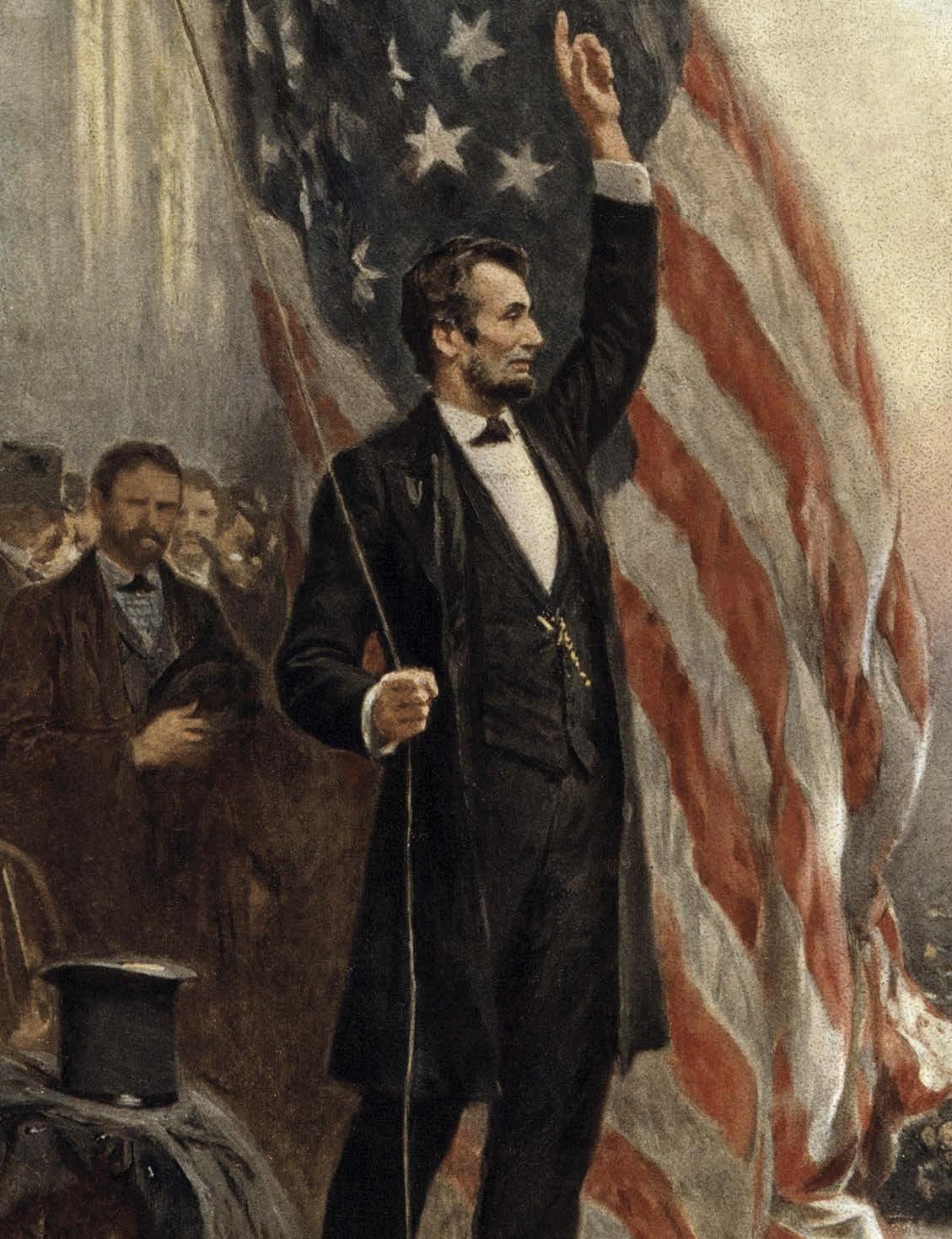
Abraham Lincoln, published on the 100th anniversary of his birth in 1908. Scene alludes to the speakers’ platform at Gettysburg with General Grant standing in the background.