

Not only the United Nations (UNESCO and UNICEF), but also the European Commission, the European Parliament and the Council of Europe are working together to create a safer digital environment — both at school and at home.
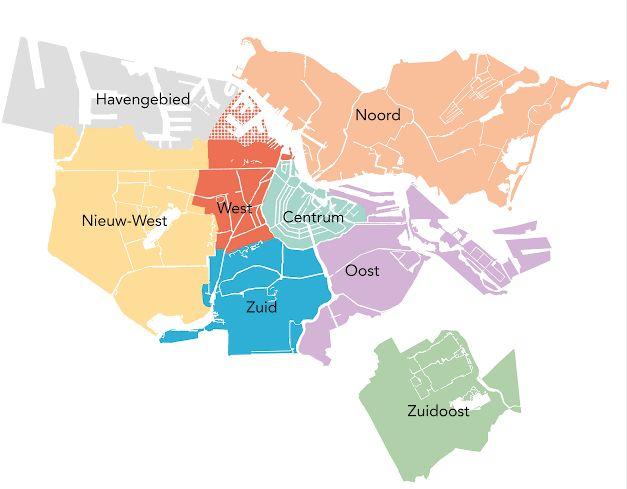
In this brochure, ChildPress presents its intervention for mayors, teachers, and parents in all districts of Amsterdam and across the city.
During the 97th Quality of Childhood Talk in the European Parliament (14 October 2025), chaired by Vice-President Victor Negrescu, the impact of the online world on children became unmistakably clear. Topics such as media literacy, digital competence (DigComp 3.0), and the HERMMES programme were at the core of the conversation. The conclusion: children not only need technical skills, but also guidance to grow mentally and socially in safety — both at school and in their own neighborhoods.
Every member of a Children’s Council wants to be well-informed about what is going on in their classroom and among their peers.
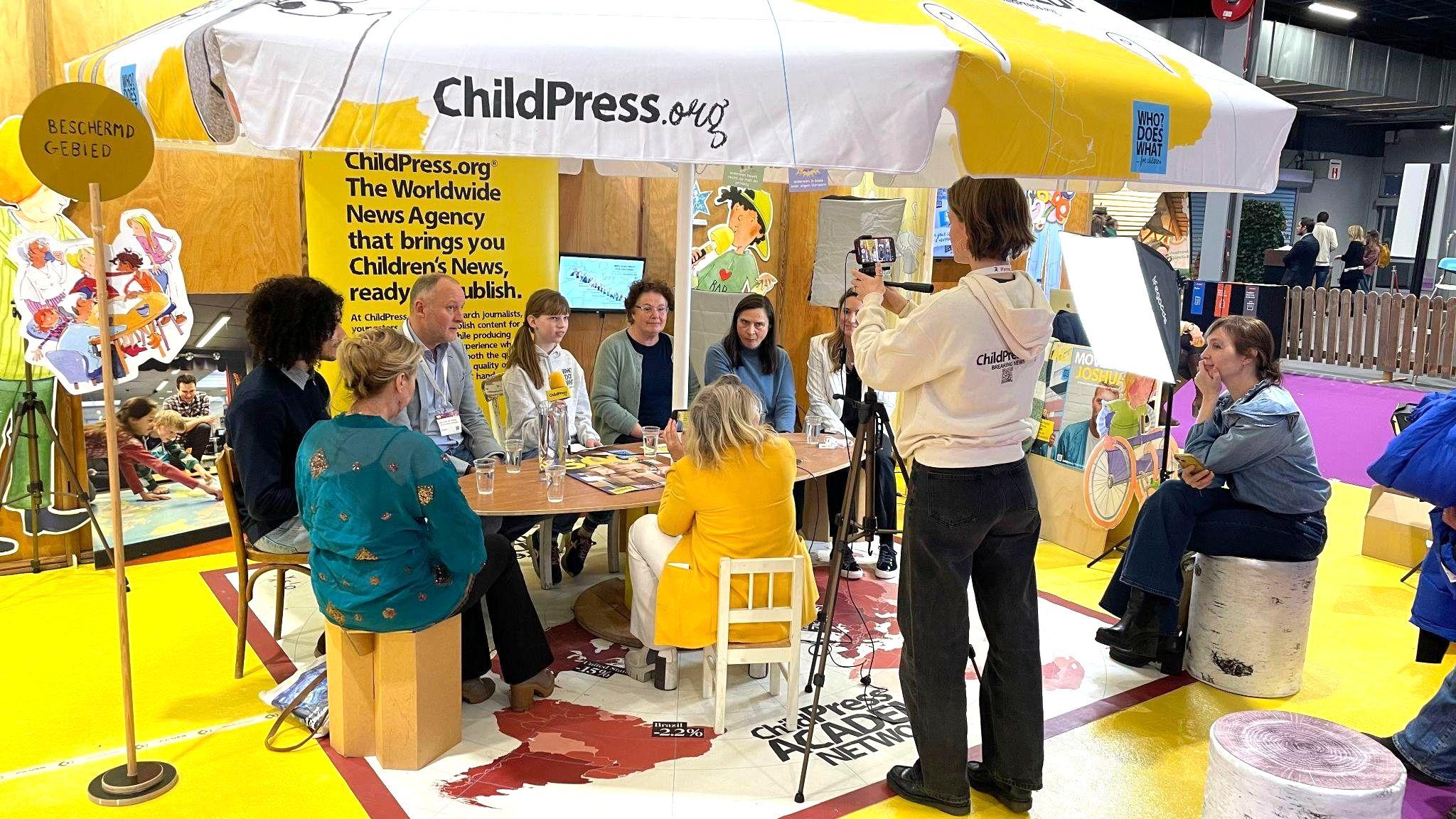
The Children’s Press Room offers space and expertise to every children's editorial team, helping them collect and organize all the content that students produce in class using the shared templates of their Class Journal.
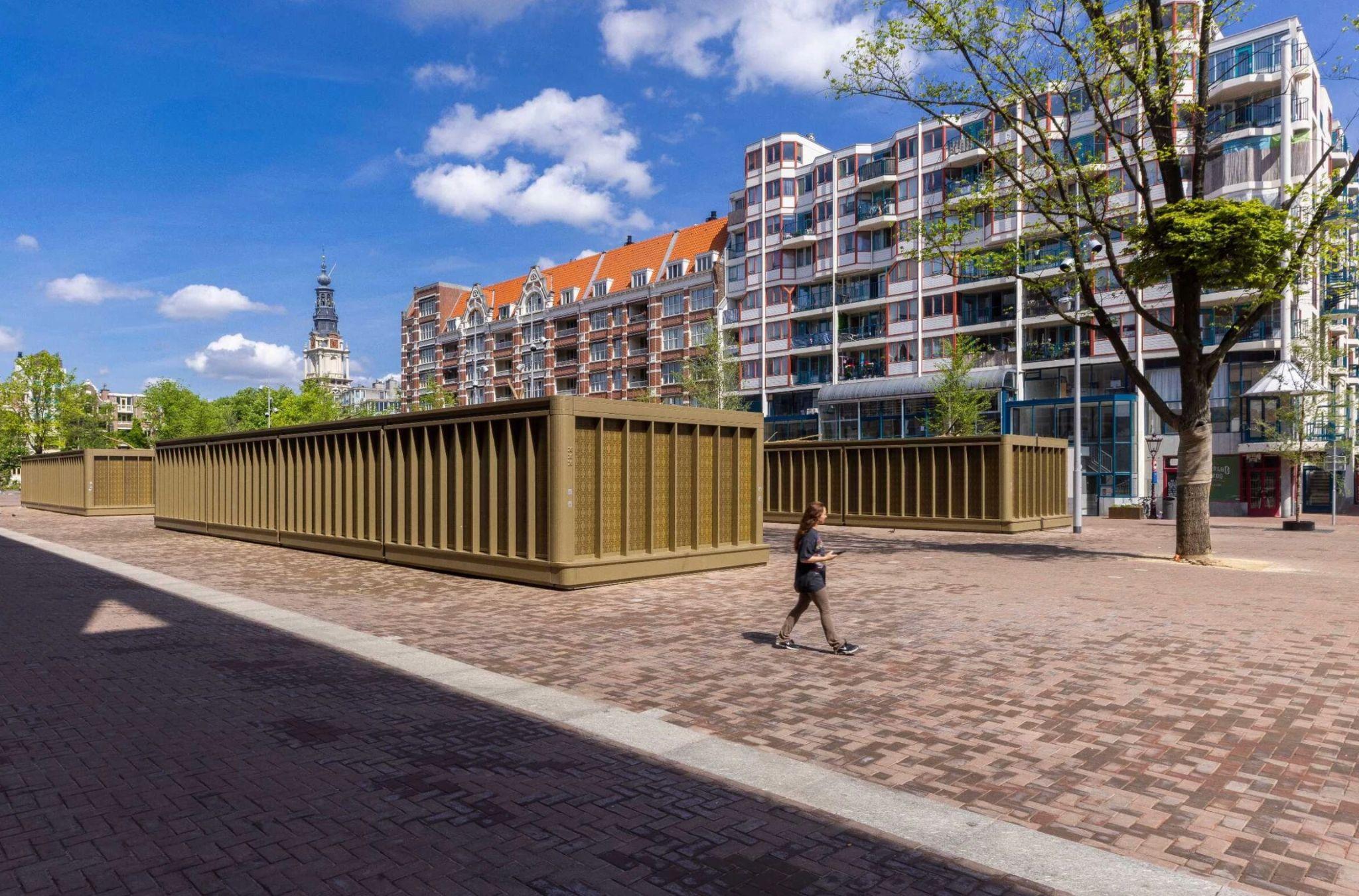
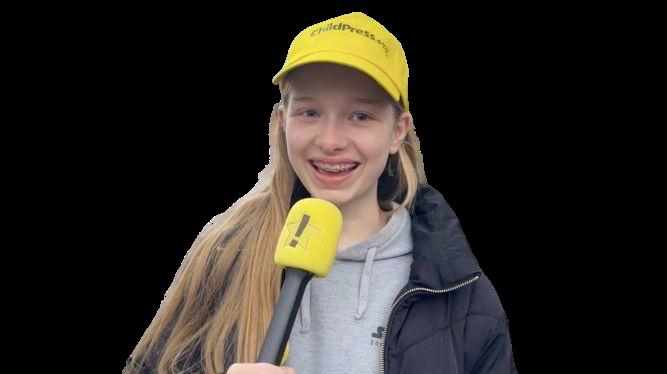
Kiki, a young resident of the Nieuwmarkt, hopes that in the renovated city hall there will be a place where children’s editorial teams can collaborate with professional editorial teams.
This would allow them to draw the attention not only of their parents and civil servants, but also of the audiences of Het Parool, AT5, Salto, and even BNR Nieuwsradio.
ChildPress is a news agency that, starting on 20 November, will publish daily news from around the world — created by children themselves.
ChildPress reporters connect local organizations and media, the Public Library (OBA), Free Press Unlimited and the Knowledge Mile with one another. Through the questions and stories of young people, a network emerges in which children, professionals and institutions better understand each other and work together towards an open and engaged society.
The Democracy Experience allows young people to experience how democracy works within their own daily lives. They learn how to work with reliable sources and discover how to distinguish facts from opinions. Through hands-on assignments and interviews, they build their media skills.
Those who complete the experience receive the Safe Internet Passport — a recognition that they can participate in the online world in a conscious, critical, and safe way.
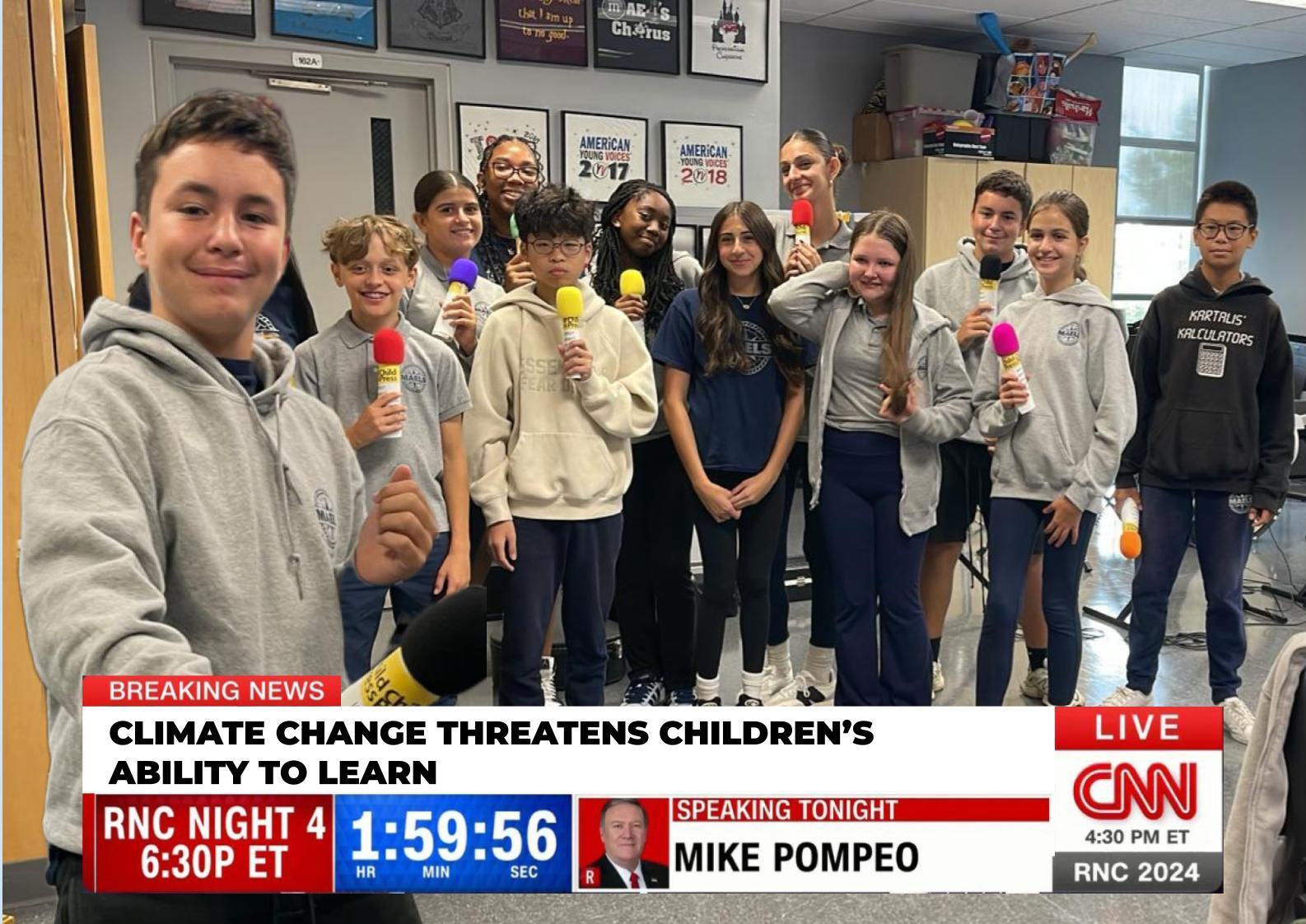
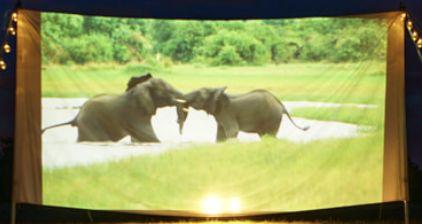
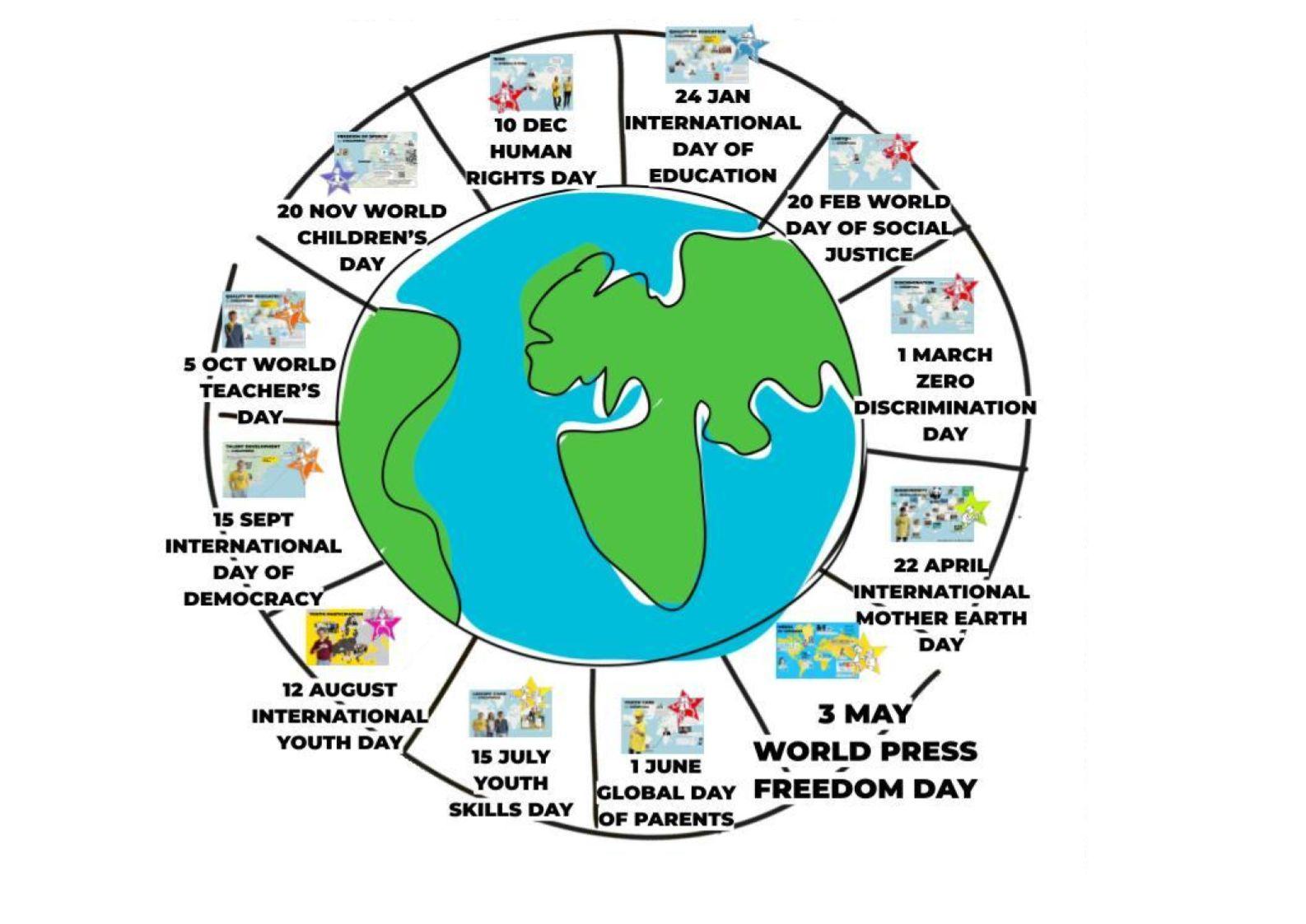
In Project Outside, young people literally go outdoors to explore their surroundings. They work on the themes of ChildPress, discover inspiring people from the Children’s 500, and connect their stories to relevant UN Days and Sustainable Development Goals. The program also includes SDG-themed film screenings and a challenging cycling route.
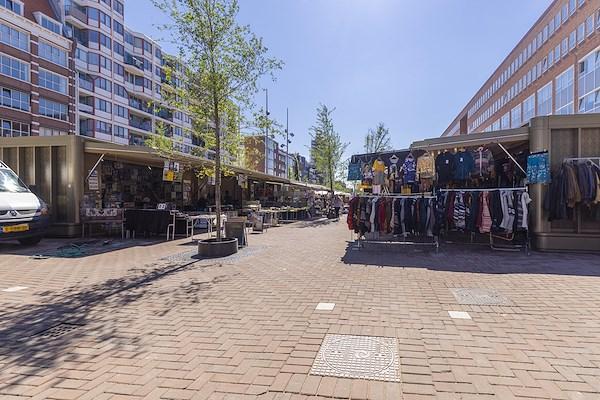
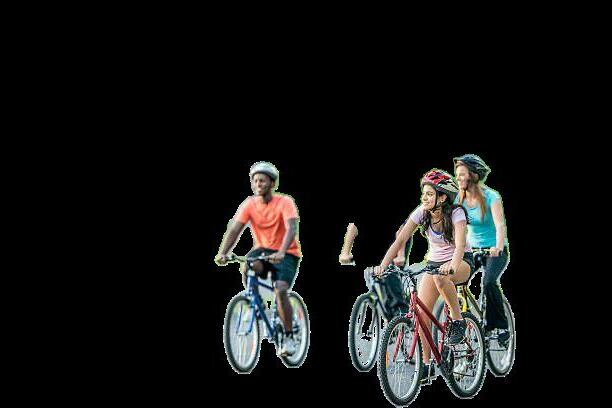
Young people who complete this track earn the Safe in the Streets Certificate — proof that they take their place in society actively, creatively, and safely.
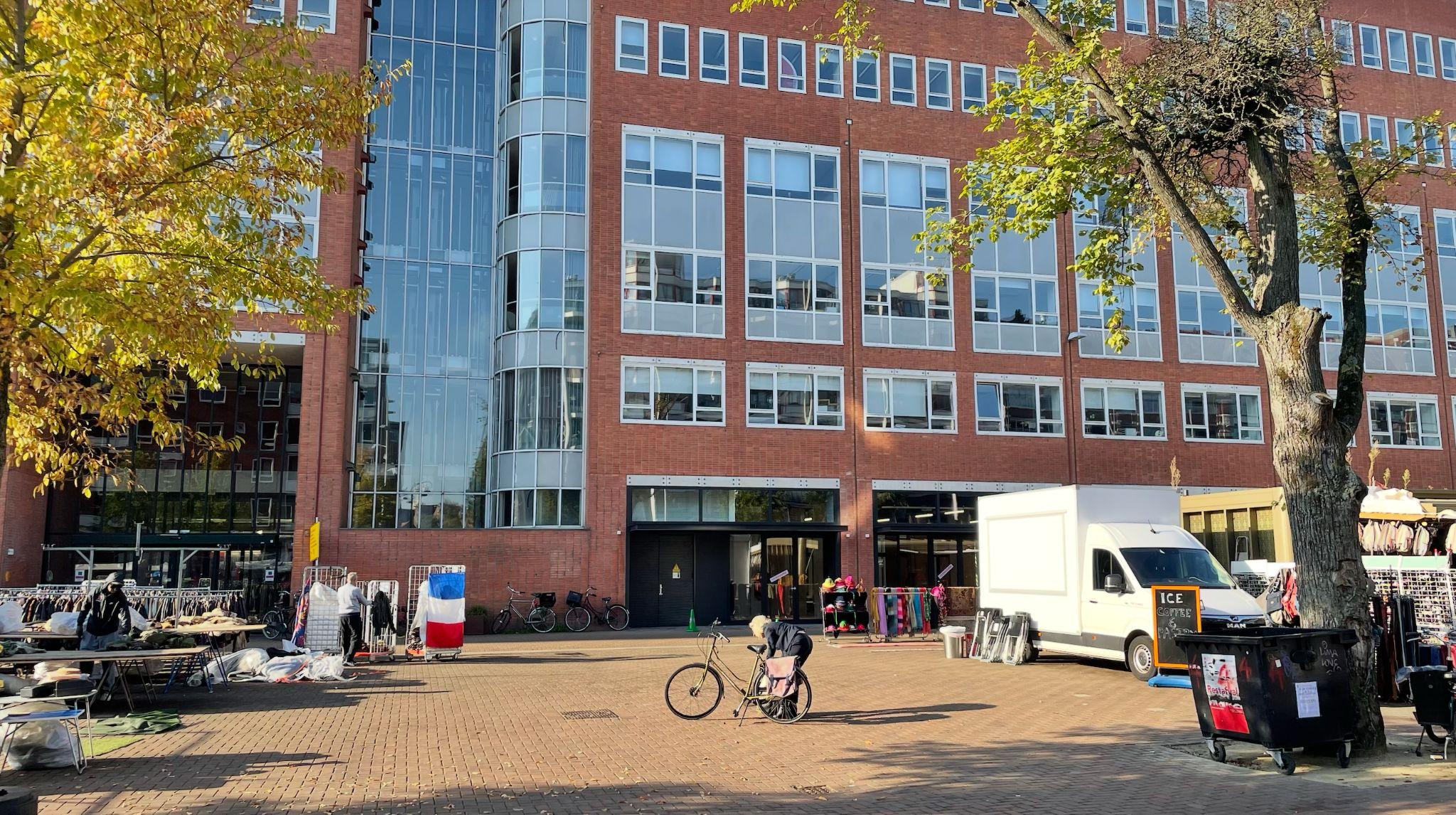

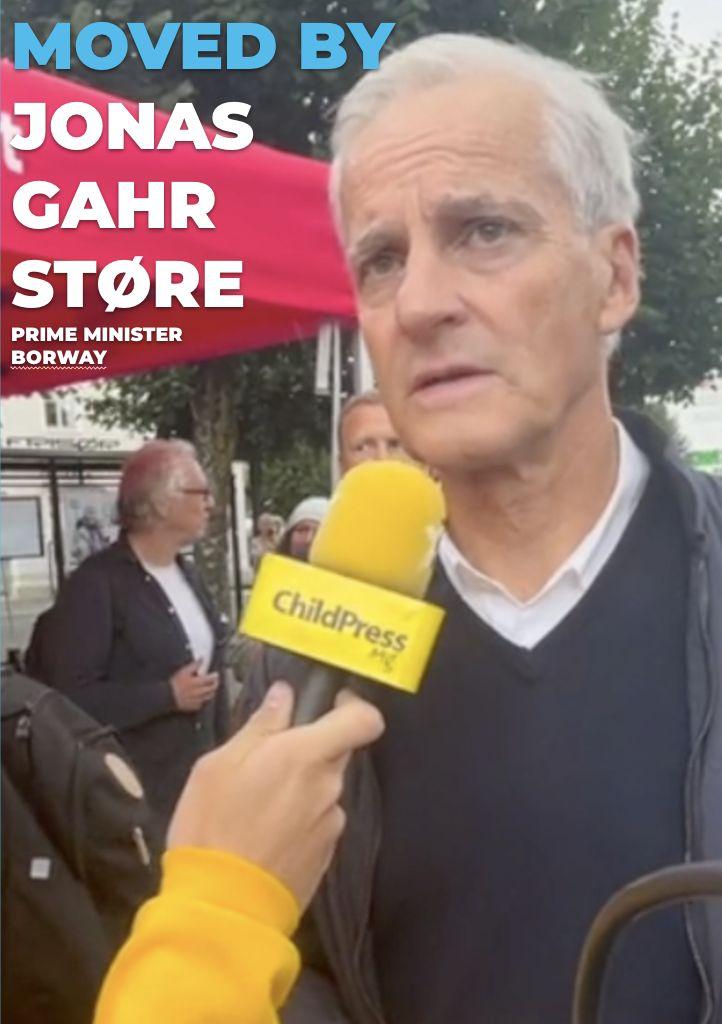
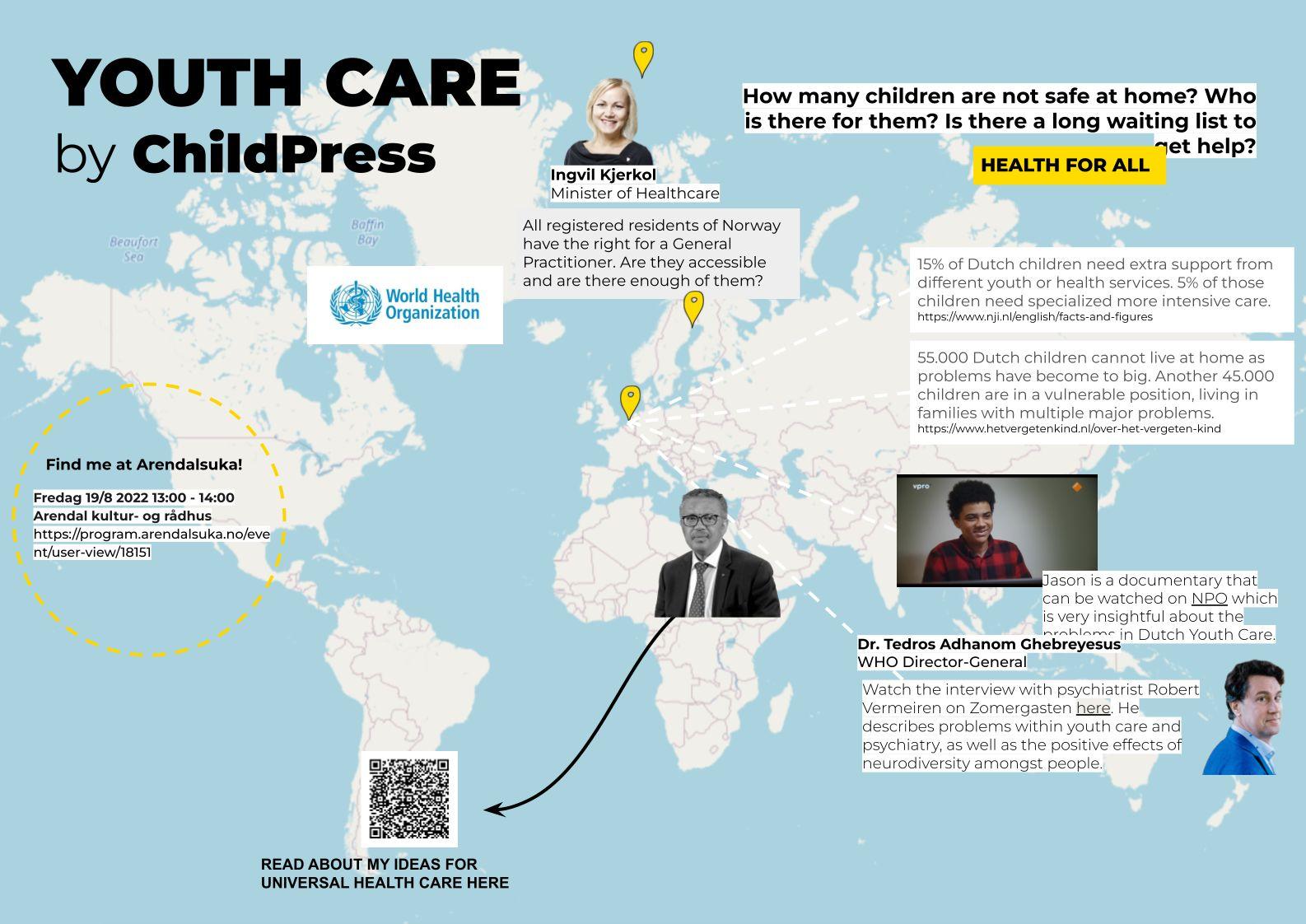
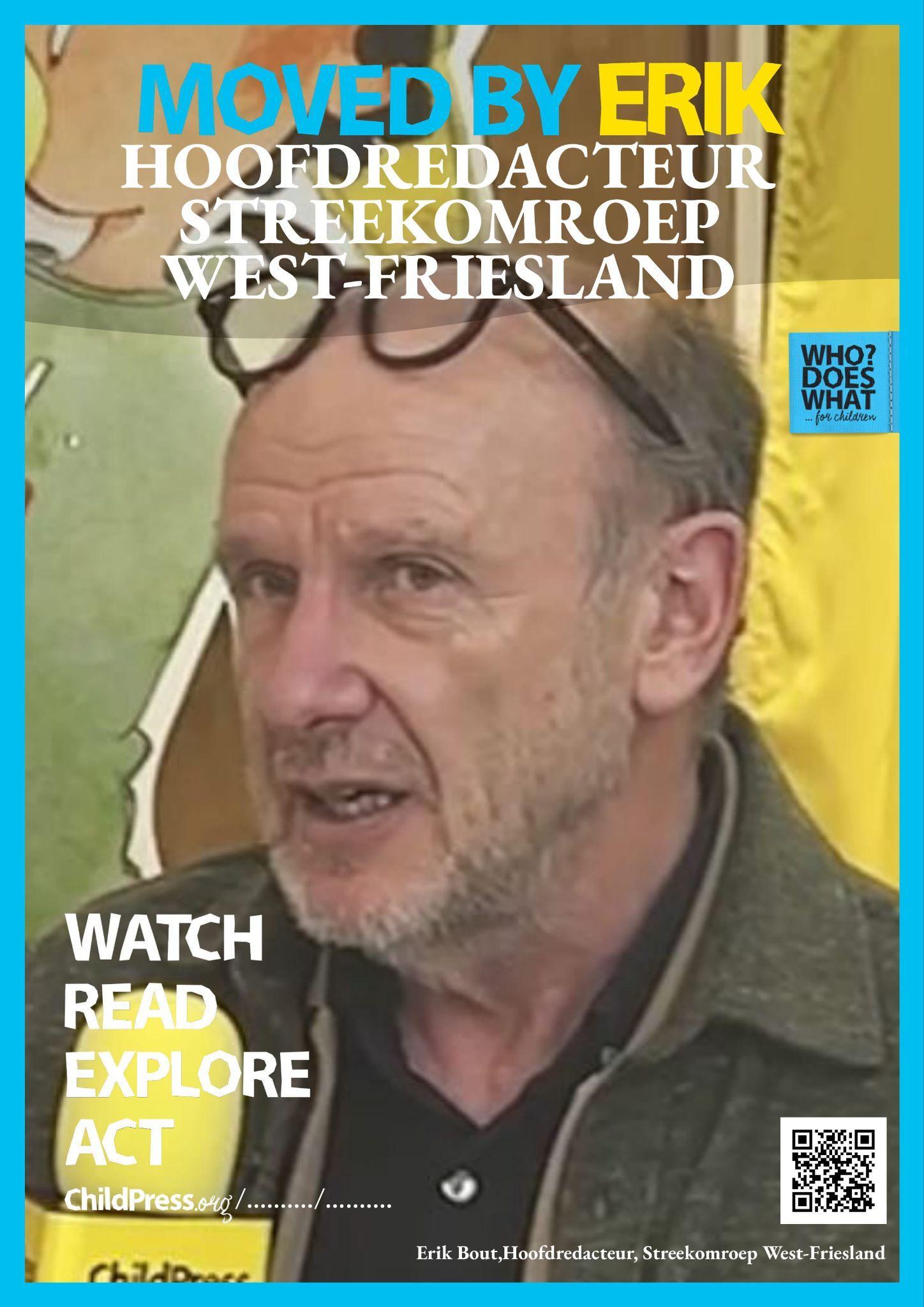
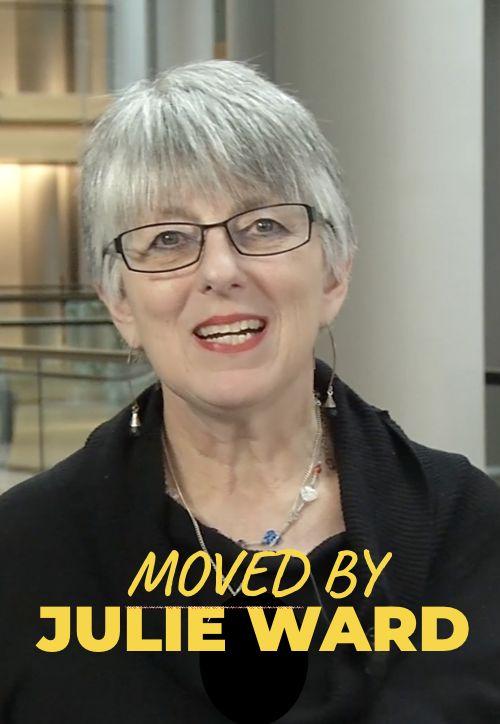
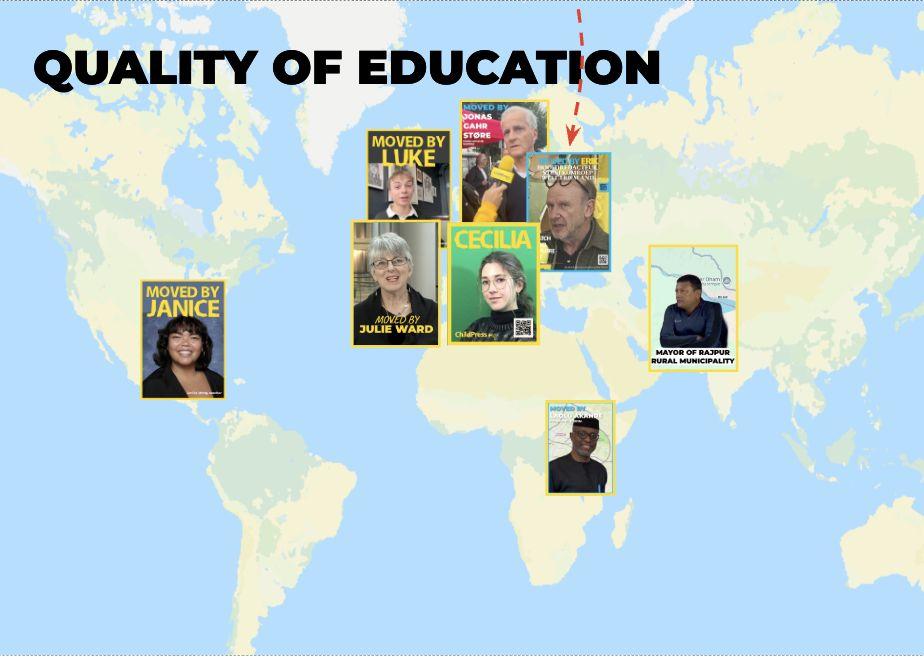
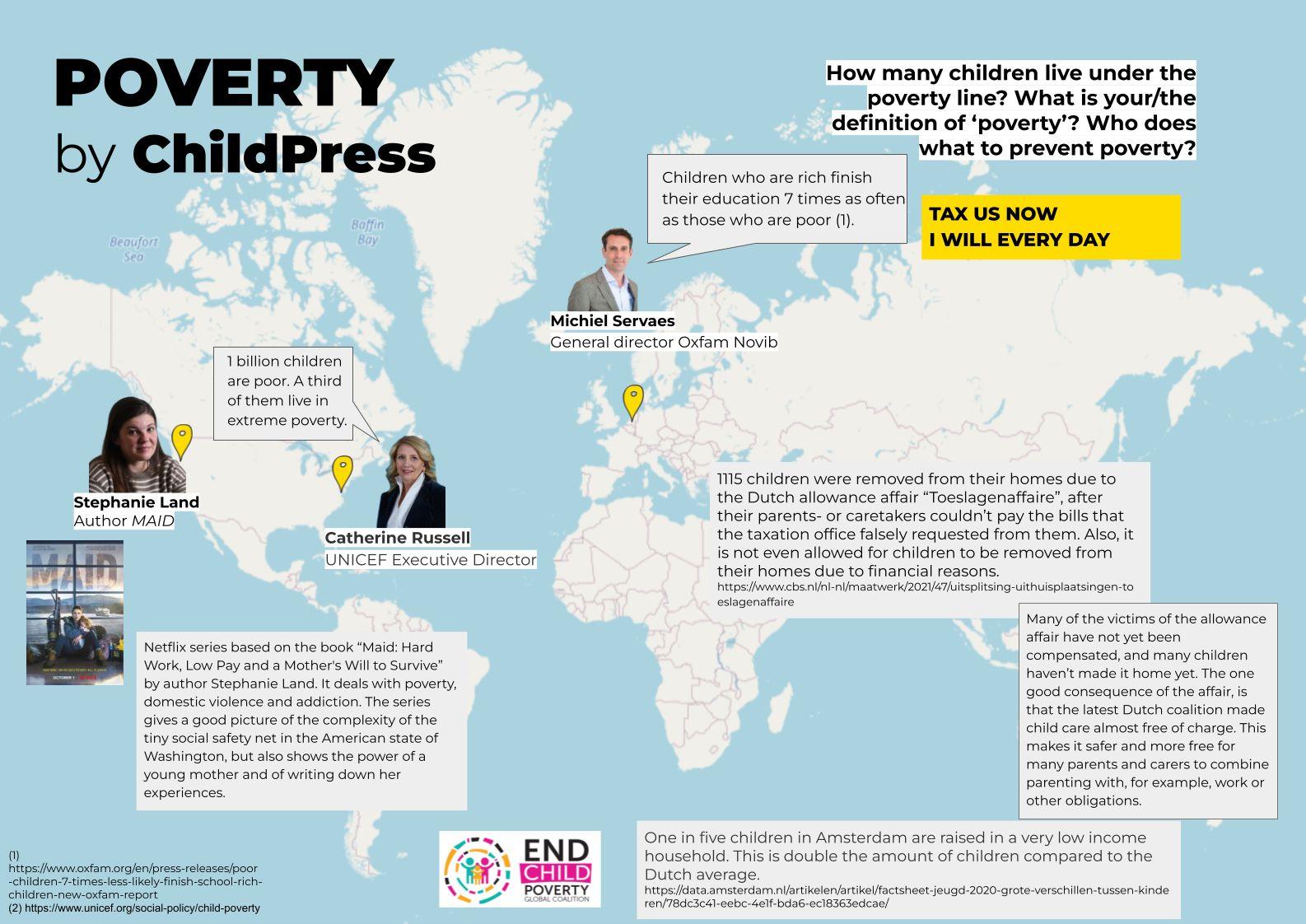
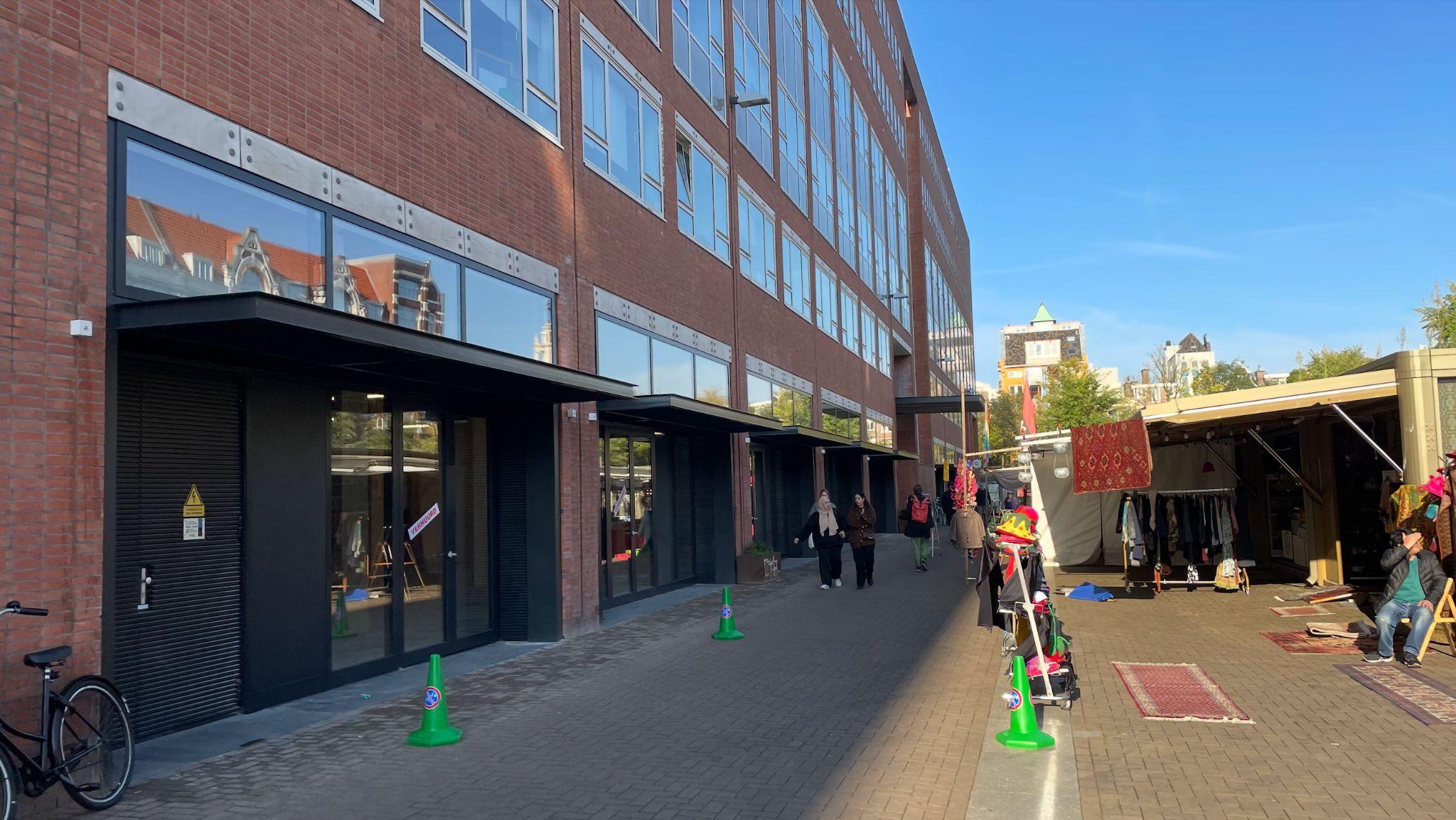
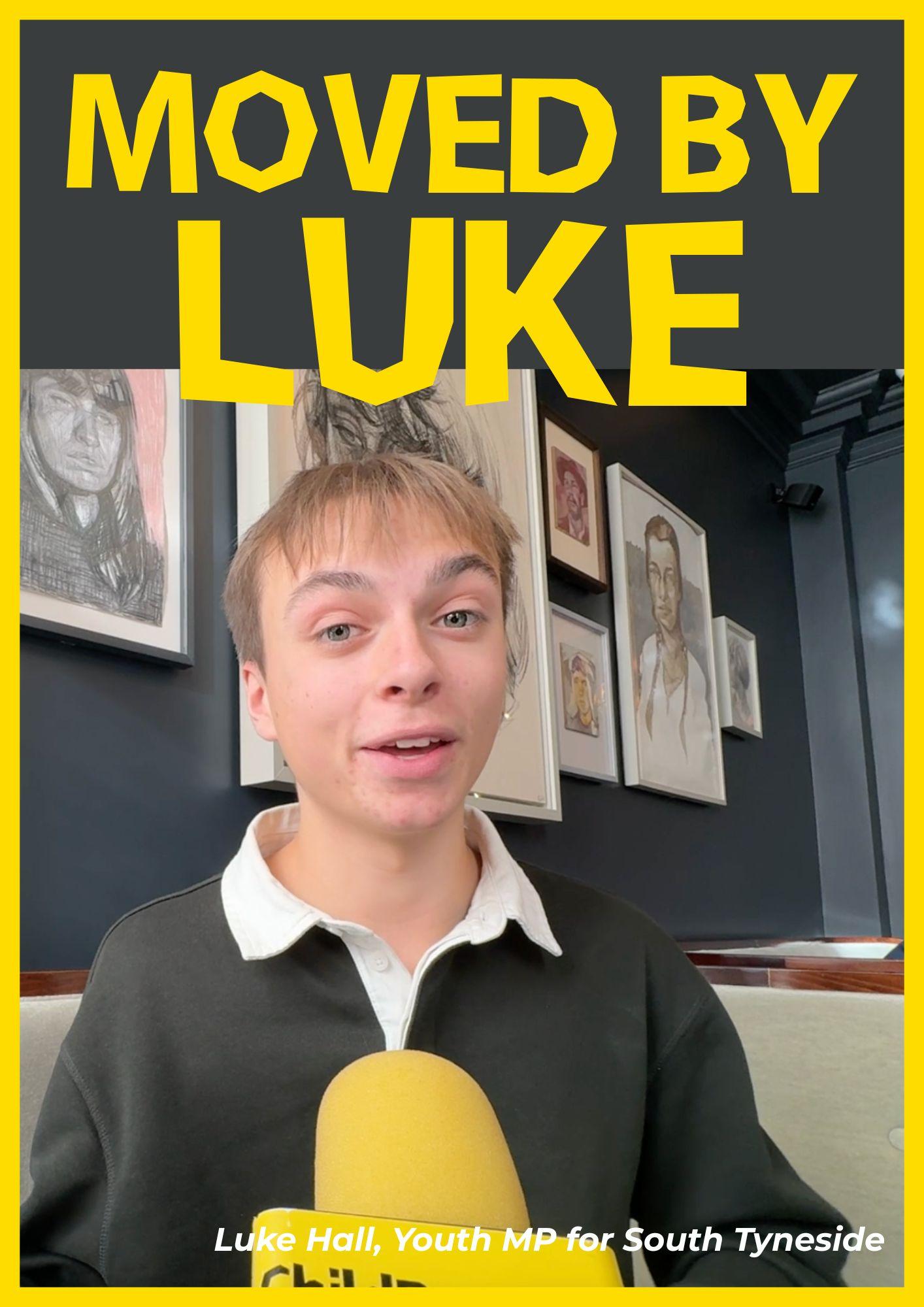
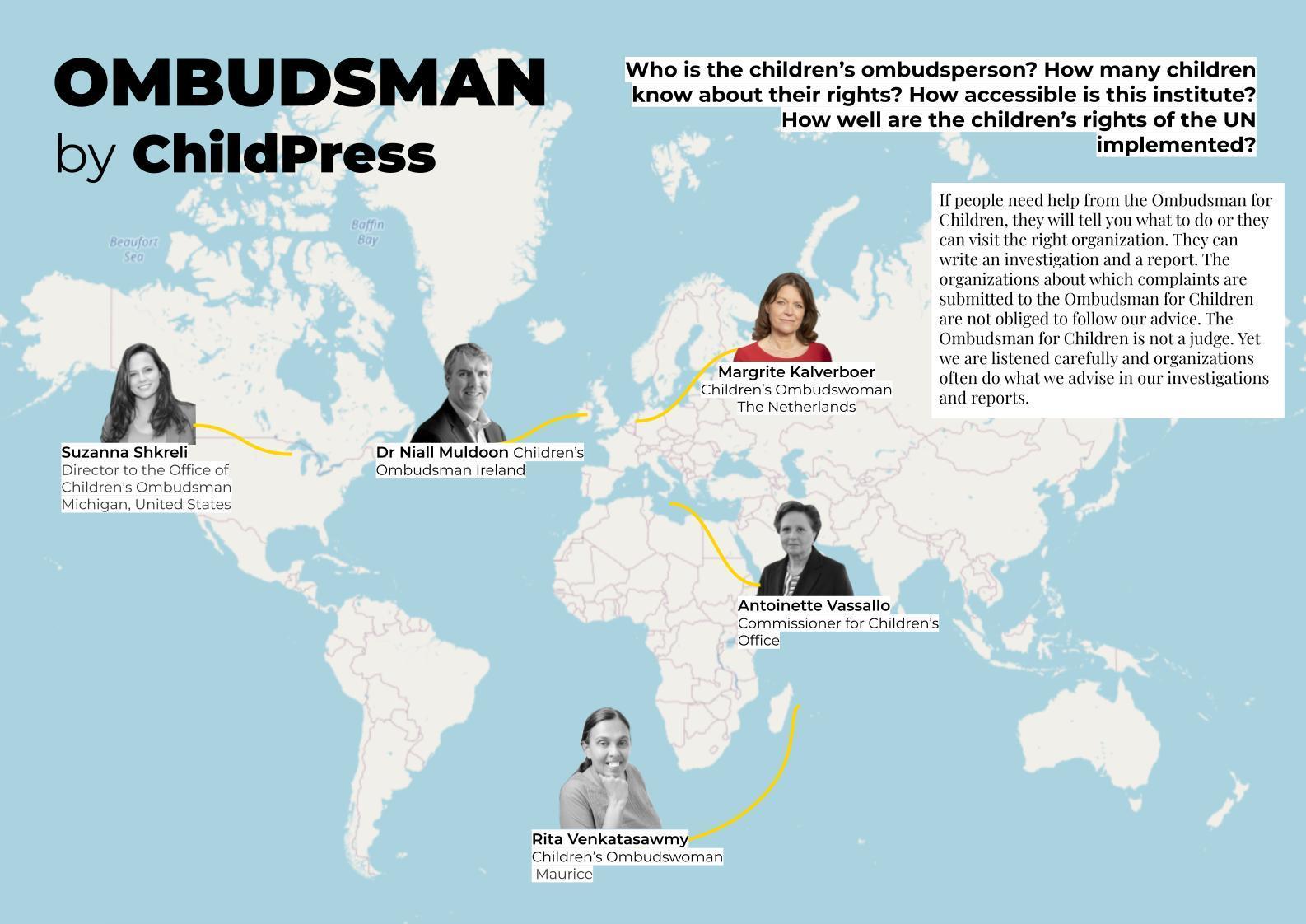
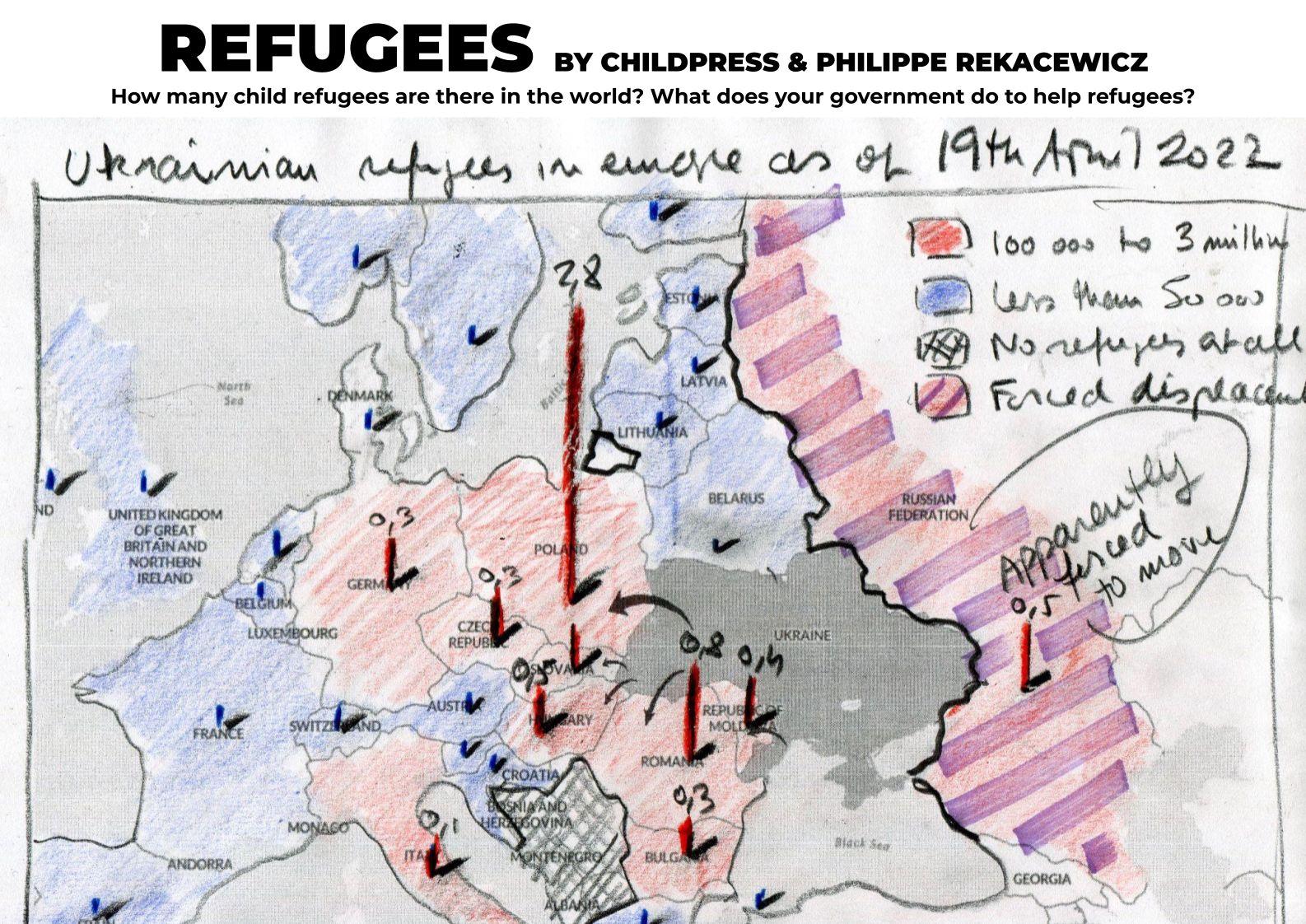
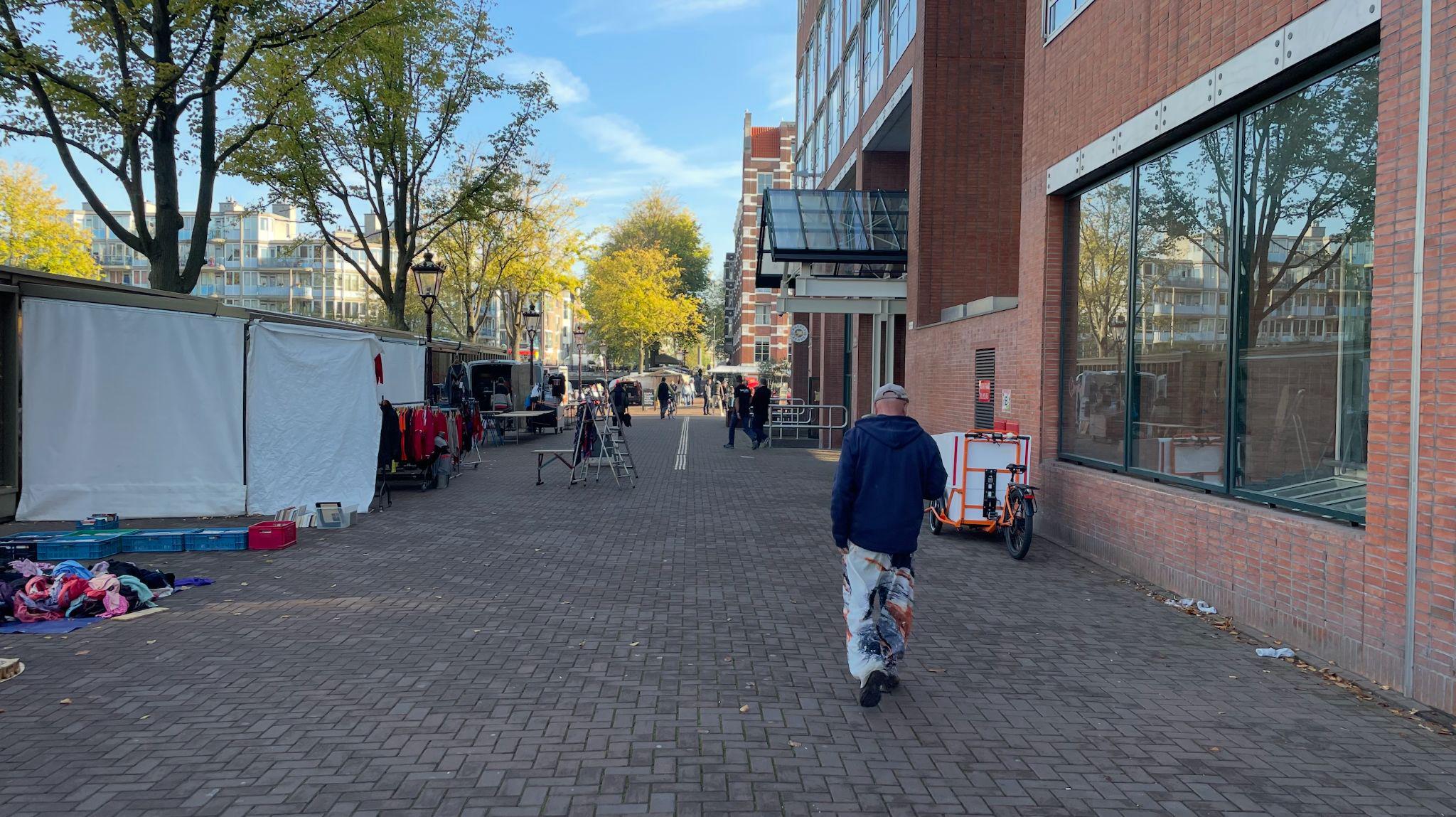

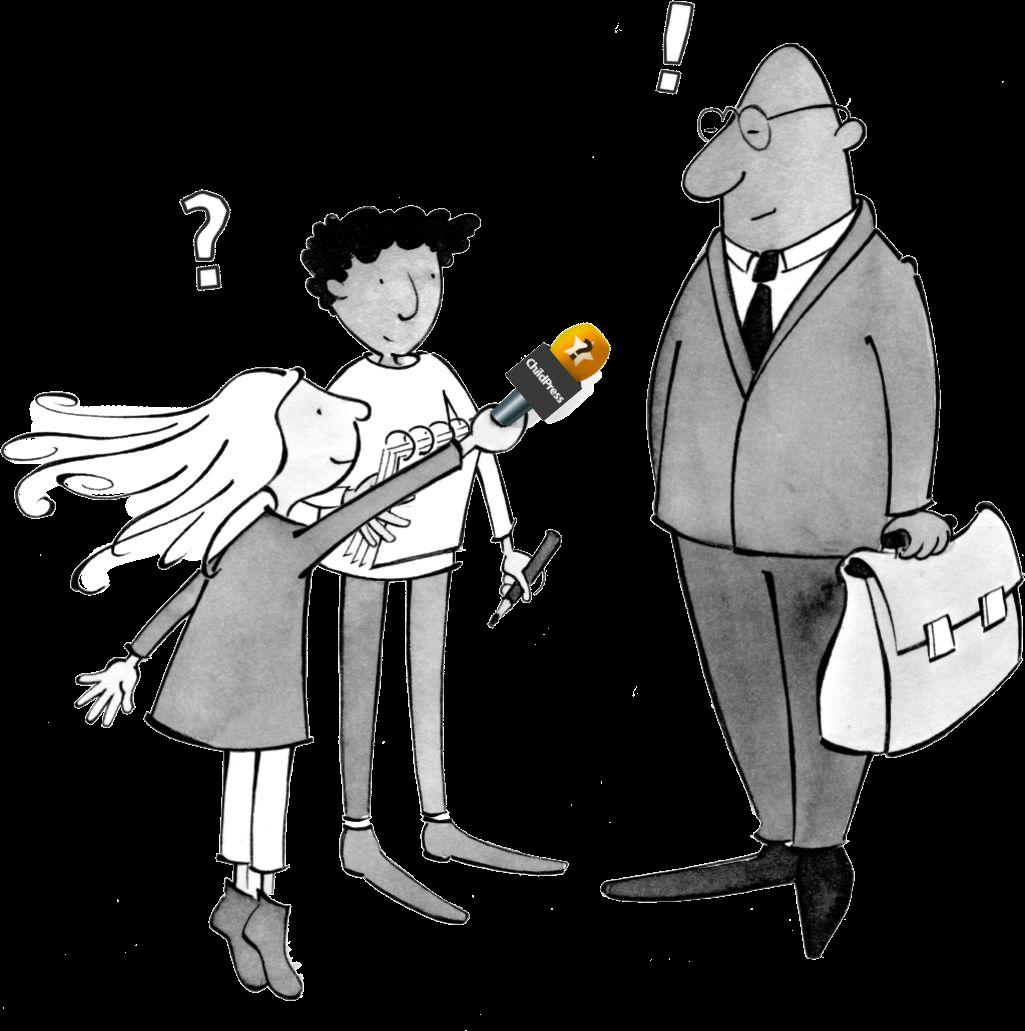
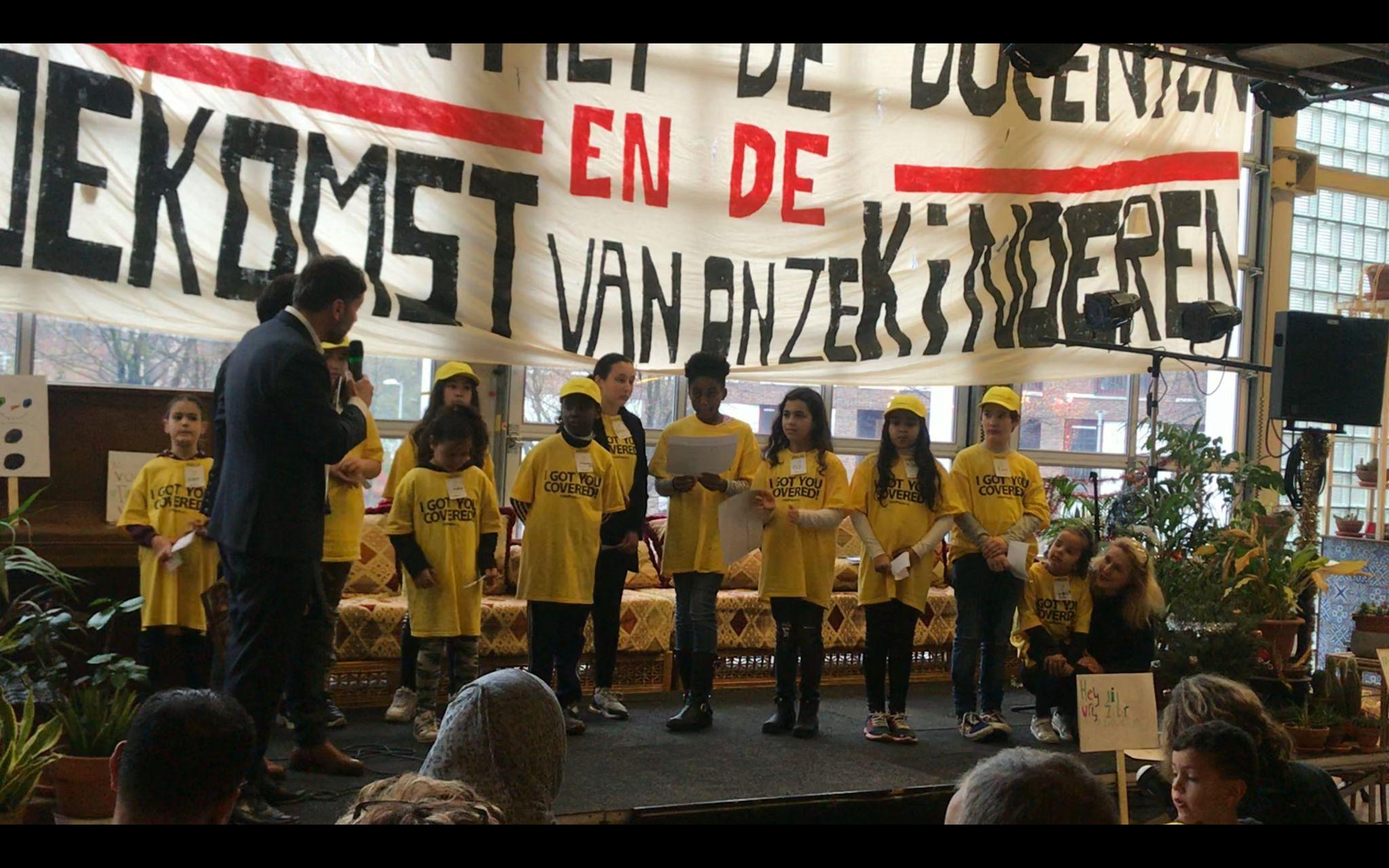
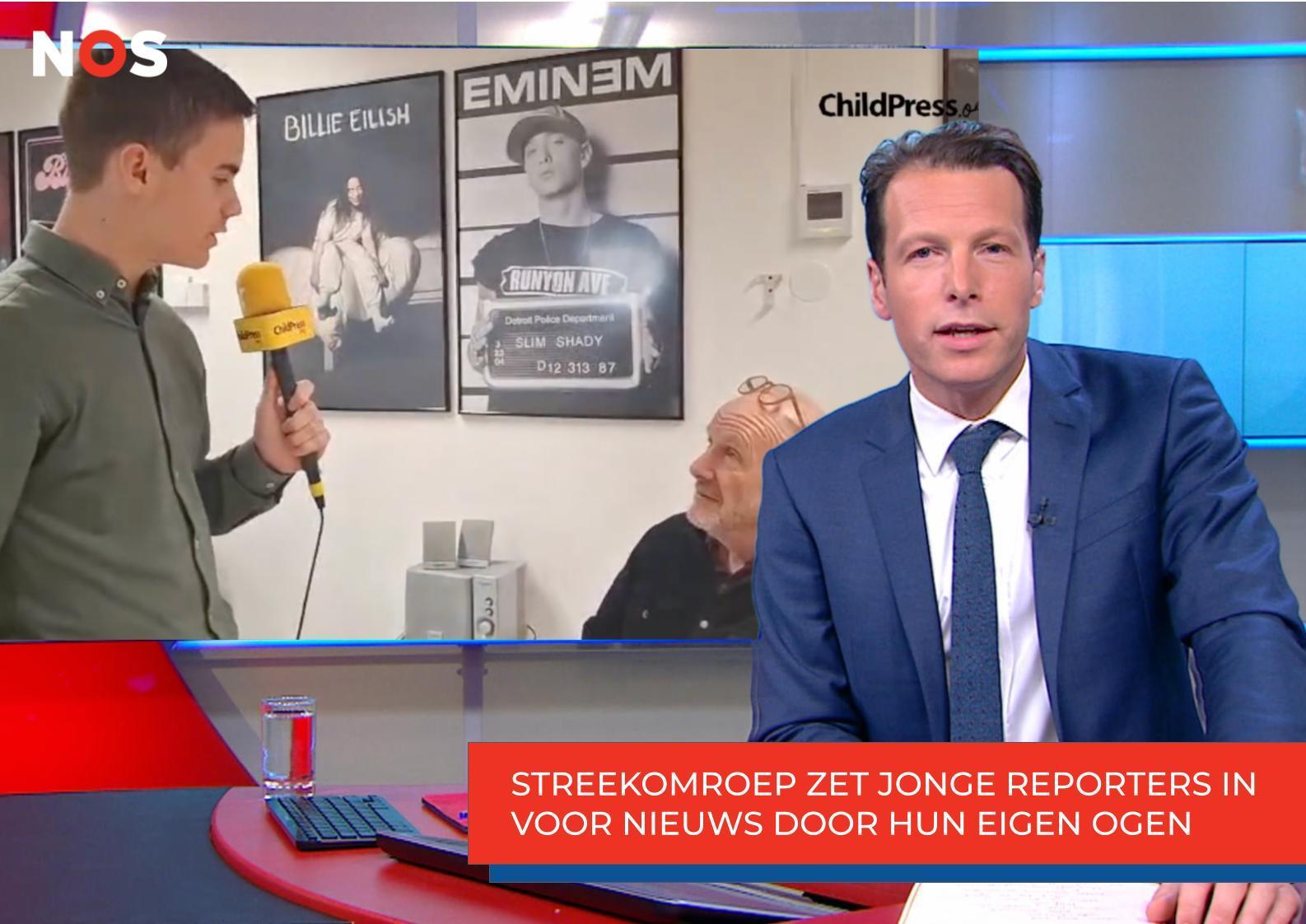
Children become reporters and discover that their voices matter.
Children and media build bridges by truly listening to one another.
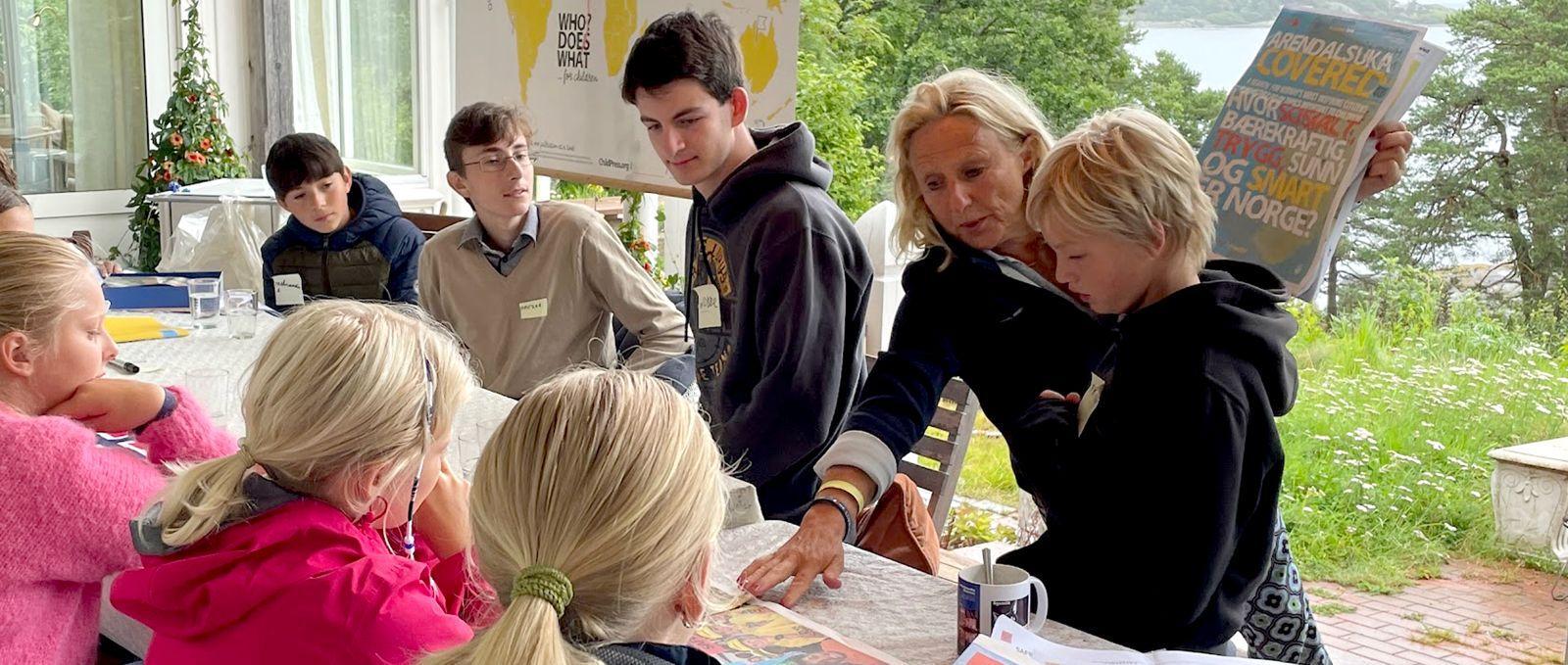
Together with children, the editorial team uncovers what is really going on.
How are the children in our city doing?
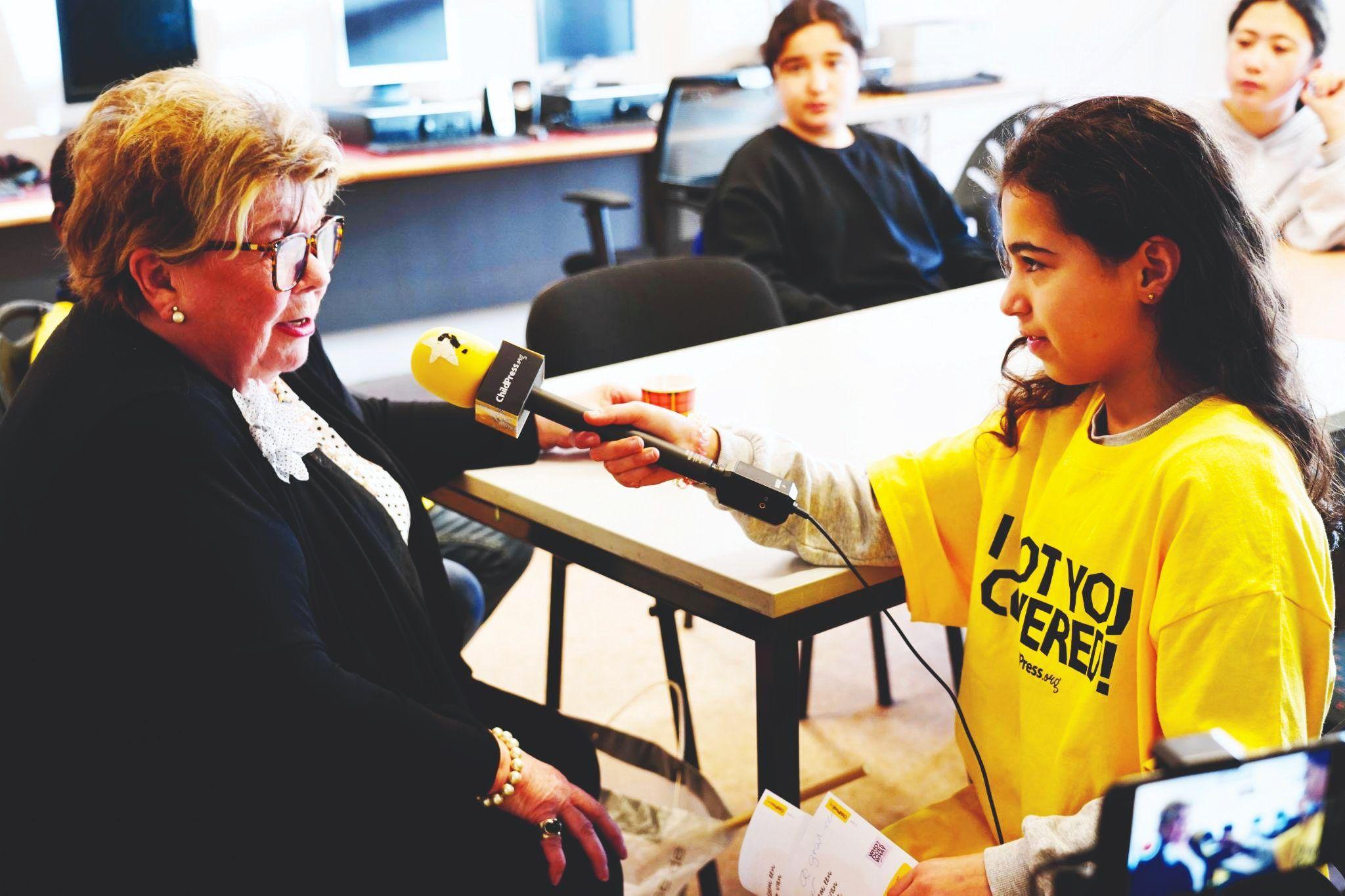
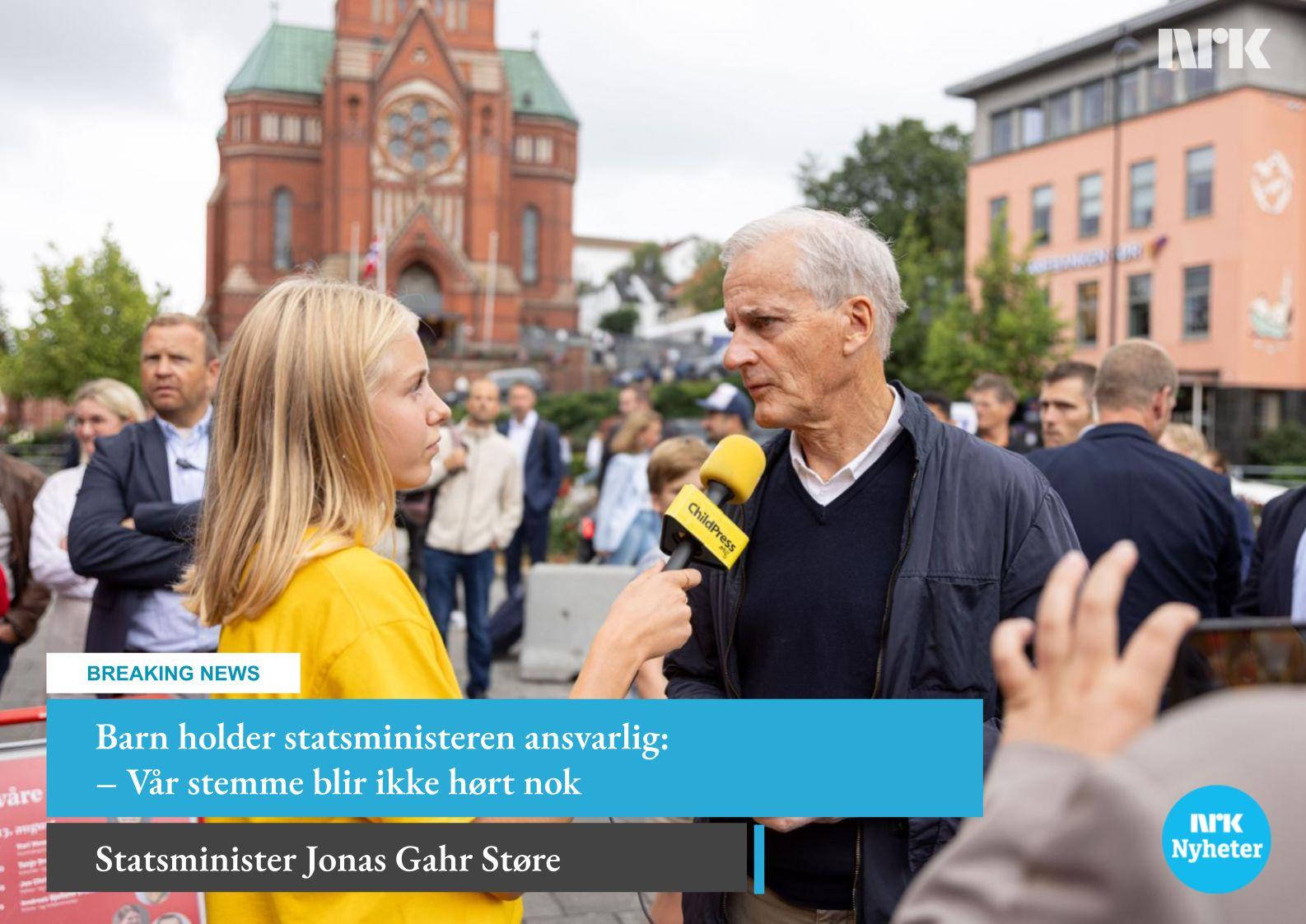
A local youth reporter gets the honour of interviewing the mayor about the theme of the day.
ACROSS THE CITY
Dialogues with young reporters, focused on solutions and meaningful media coverage.
A press conference summarizing the entire day, broadcast in 30 languages.

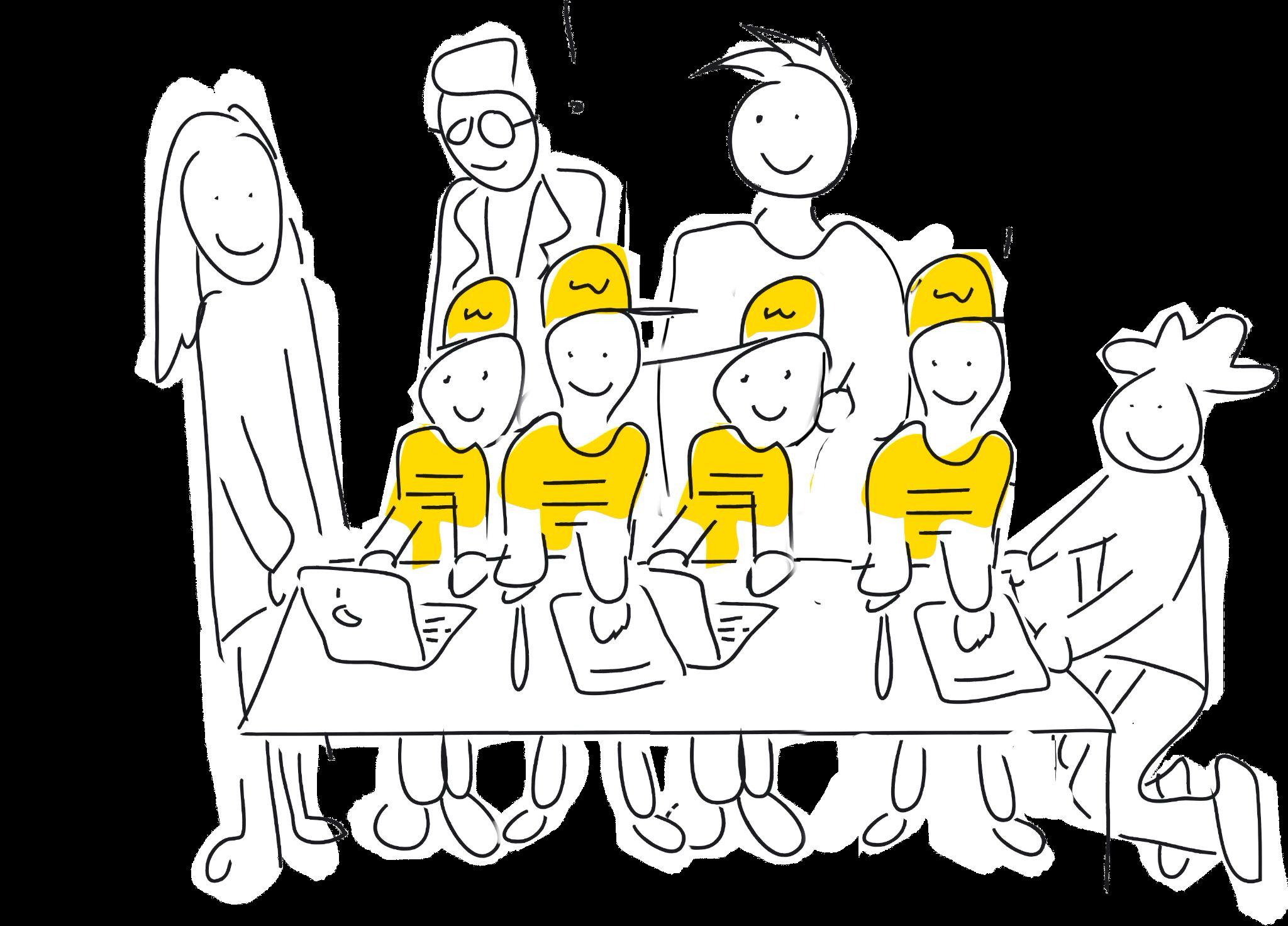
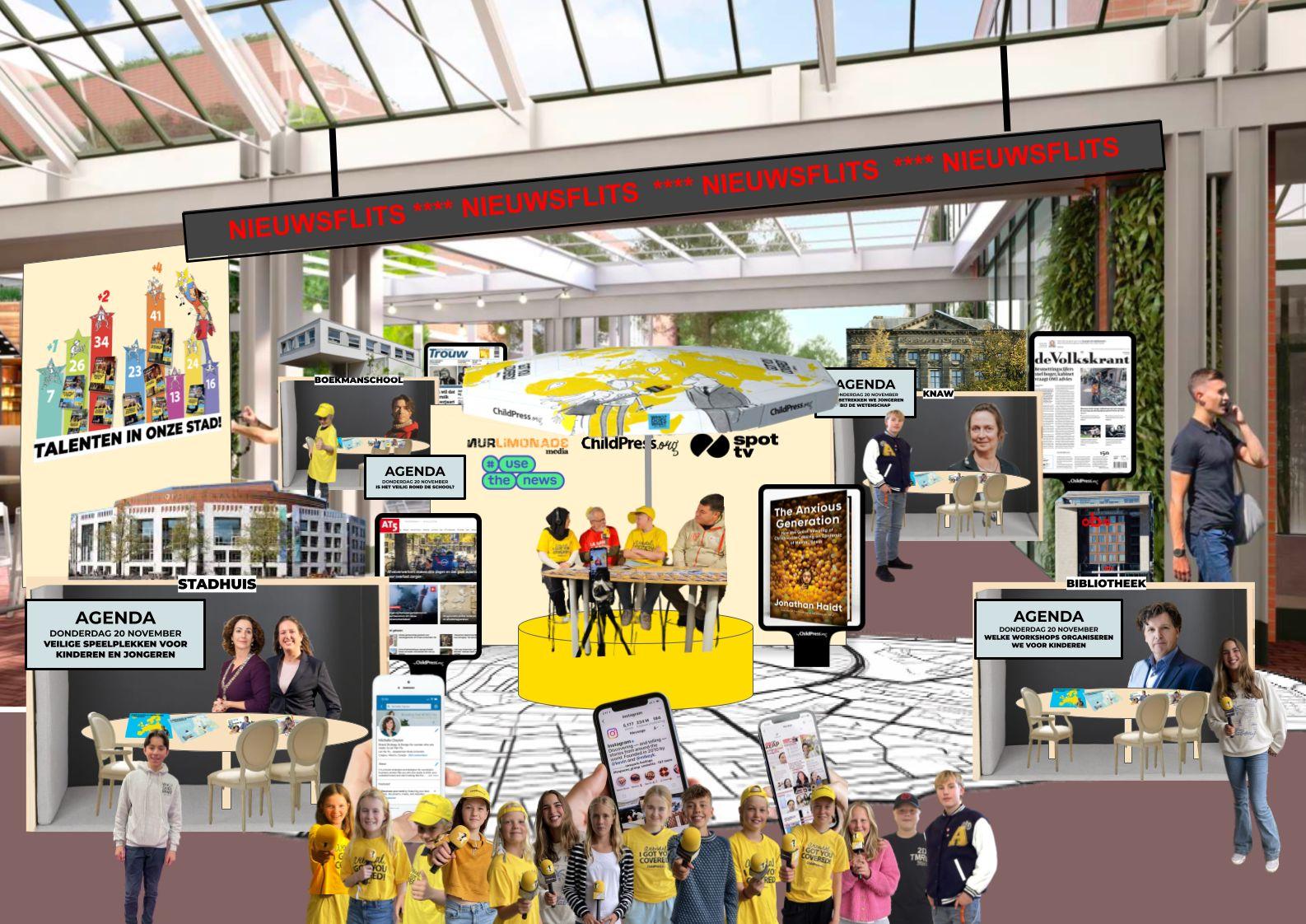
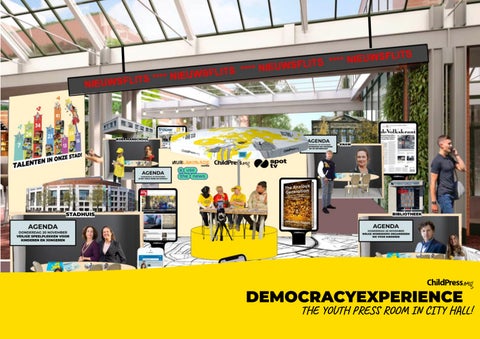
The idea is to establish a Press Room as a Democracy Experience inside Amsterdam City Hall — a place where relevant content is published by children, in co-creation with professional media.
ChildPress (Children’s International Press Association) is committed to establishing as many local children’s editorial teams as possible throughout the Netherlands. The goal is to strengthen the voice of children, encourage constructive dialogue on the issues they themselves find important, and produce professional publications together with journalists — ideally linked to relevant UN Days throughout the year.
We propose that Amsterdam City Hall becomes the central location (“headquarter”) from which all editorial rooms are coordinated.
The setup could be as follows:
Doordeweeks:
Weekdays:
schoolbezoeken vanuit Amsterdam en andere Nederlandse en mogelijke Belgische gemeenten.
School visits from Amsterdam, other Dutch municipalities, and potentially Belgian municipalities.
Zaterdag (marktdag):
Saturdays (market day):
Programma voor buurtkinderen en toeristen.
Zondag:
Programming for neighborhood children and visitors.
Culturele programmering met filmvertoningen en documentaire voorstellingen — een “levend woordenboek” van verhalen, aangeleverd door leerlingen zelf, in samenwerking met een centrale redactie.
Sundays:
Cultural programming featuring film screenings and documentary presentations — a “living dictionary” of stories contributed by students themselves, in collaboration with a central editorial team.
All programming aligns with UN Days and the Sustainable Development Goals (SDGs).



A key principle is that every child gains firsthand experience of how essential a free press is, and how an “Unlimited Free Press” in the classroom can contribute to the realization of children’s rights. The question raised by Tara (11 years old) to both young and older citizens is how we can share the urgency around the lack of consequences for not upholding children’s rights — simply because so few people are aware of them in the first place.
ChildPress is a news agency that, starting on 20 November, UN Children’s Rights Day, aims to call on established media to explicitly address the role of the media in democracy from the perspective of the child’s voice.
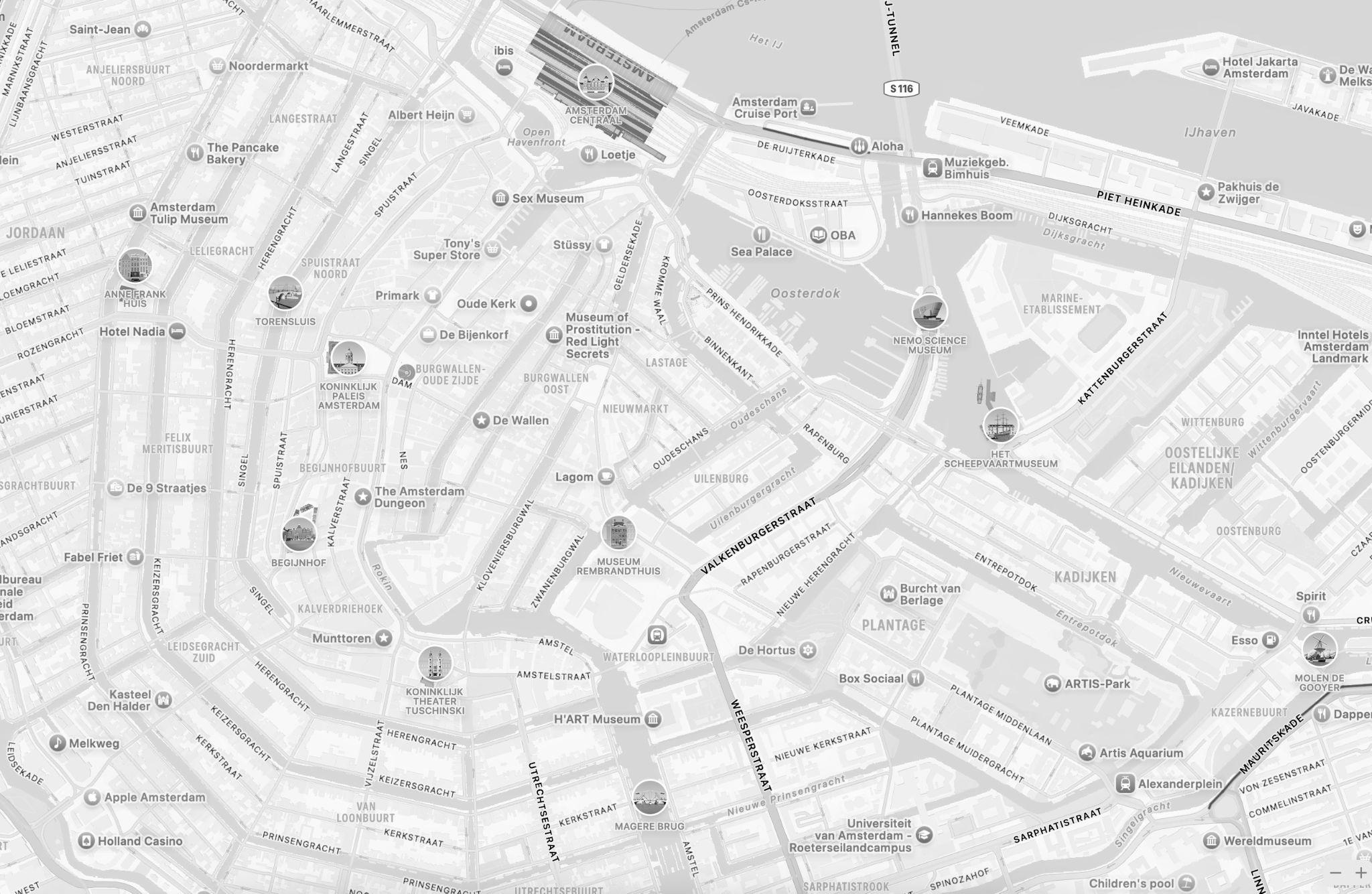
From our base at Groenburgwal 59, we have already worked on local, national and international publications. In collaboration with community centre De Boomsspijker, Stadshart Top, and Bewonersraad 2.0, the first ChildPress reporters in the Nieuwmarkt neighbourhood were formed.
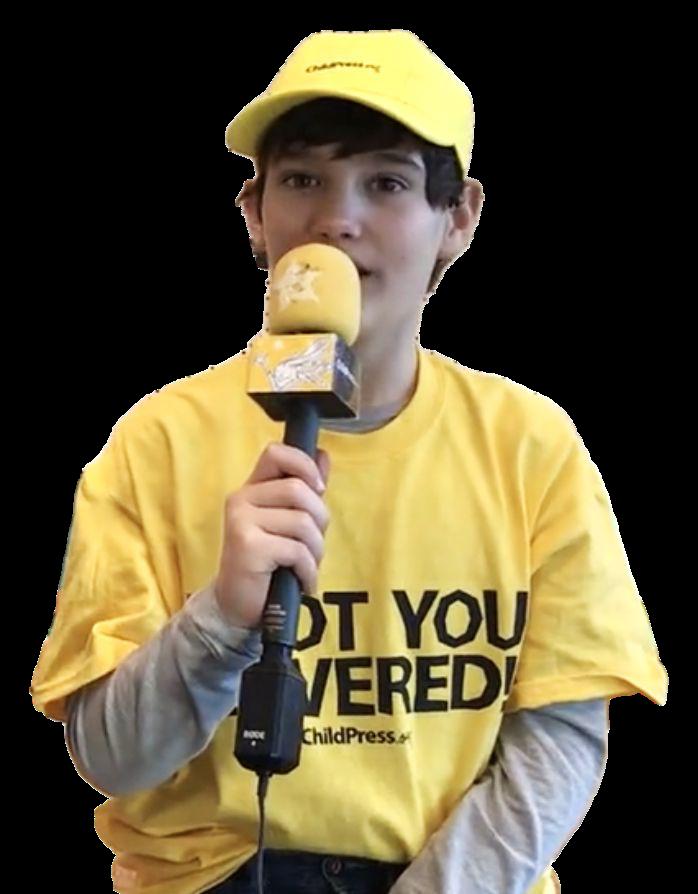
On the upcoming 20 November, Edgar and Ella (10 years old), together with Kiki (14 years old), would very much like to host the broadcast from Amstel 1.

As ChildPress reporters, we want to know who is committed to children, who makes decisions that affect us, and how we can make our voices count. That’s why we look for people who make a difference — in the neighbourhood, for children, or for a better world.
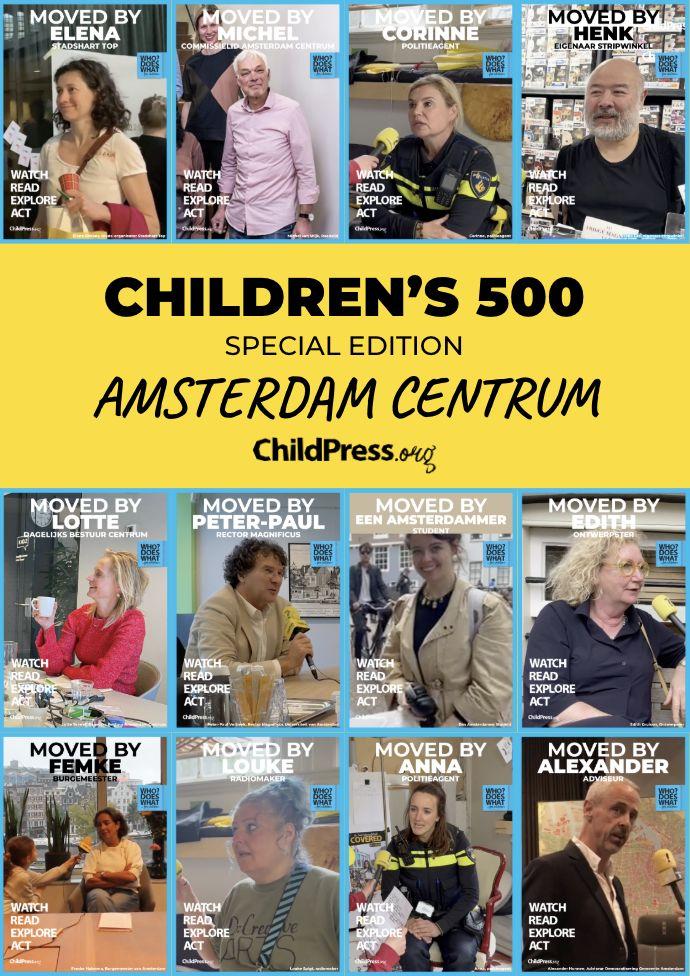
We nominate these people for the Children’s 500: a list of individuals who children find truly inspiring. They might be teachers, parents, caregivers, aldermen, volunteers, or neighbours. Often they are not in the spotlight — but they do have real impact.
Each year, a special glossy edition is published highlighting 500 of them. Their stories show the value of the child’s perspective: we ask the questions adults sometimes forget, and we show what truly matters to us.
Around the Children’s 500, young people organise themselves, choose themes, create media, and share stories. This is how we make an impact — even in press conferences, where our words move adults into action!




The right to know!