







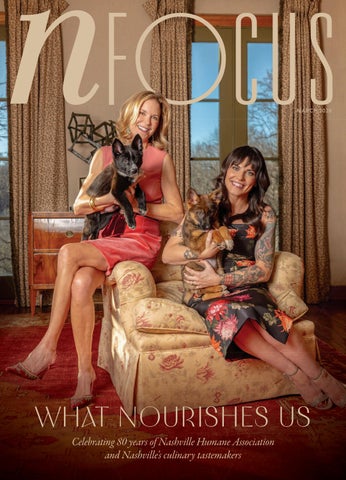







Celebrating 80 years of Nashville Humane Association and Nashville’s culinary tastemakers







We Salute the 2026 Ballet Ball
Honary Chairman Barbara Turner
The Chairs, Committee, Patrons & Underwriters!





























HILTON HOLLIS HILTON HOLLIS
march 11-14 march 11-14

SHAN SHAN

march 16-18 march 16-18

WINGATE WINGATE

march 18-20 march 18-20



FRASCARA FRASCARA
march 19-21 march 19-21

AUDREY + BROOKS AUDREY + BROOKS


march 19-21 march 19-21
TOCCIN TOCCIN

march 26-27 march 26-27
TOM + LINDA PLATT
march 26-28 march 26-28


TOM + LINDA PLATT



PAMELLA ROLAND PAMELLA ROLAND
april 8-10 april 8-10

PELLE MODA PELLE MODA
april 8-10 april 8-10

ZANG TOI ZANG TOI



april 16-18 april 16-18
L’AGENCE L’AGENCE

april 20-24 april 20-24


OSCAR DE LA RENTA OSCAR DE LA RENTA


april 29-30 april 29-30







Dog (and Cat) Days
Creature Comforts The animal-centric nonprofits helping our furry and feathered friends thrive 42 The Sound of Music Sound Bites blends food and music, one of Tennessee’s most natural pairings
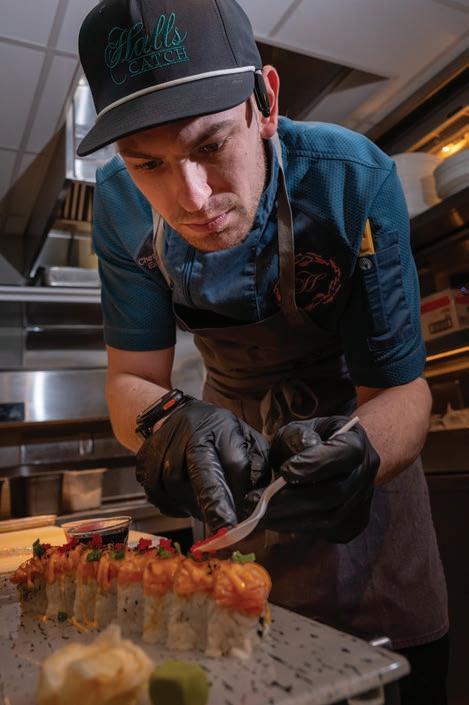
46 Fruits de Mer Halls Catch executive chef Morgan Lewis reflects on his time in Nashville and details a new menu
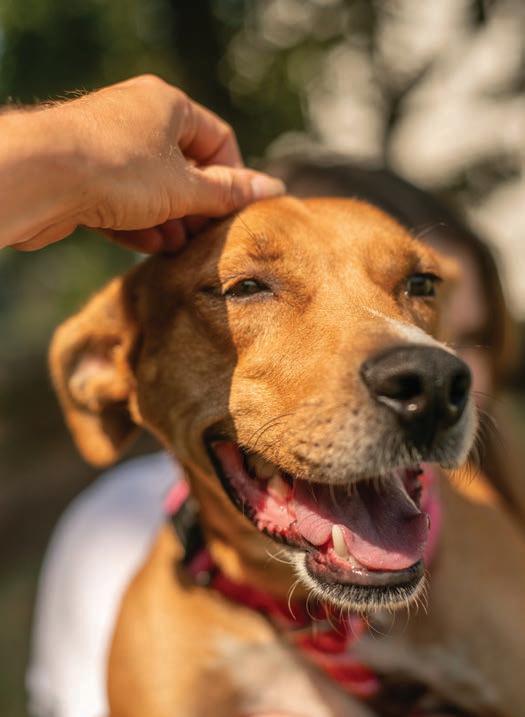
Puppy Chow
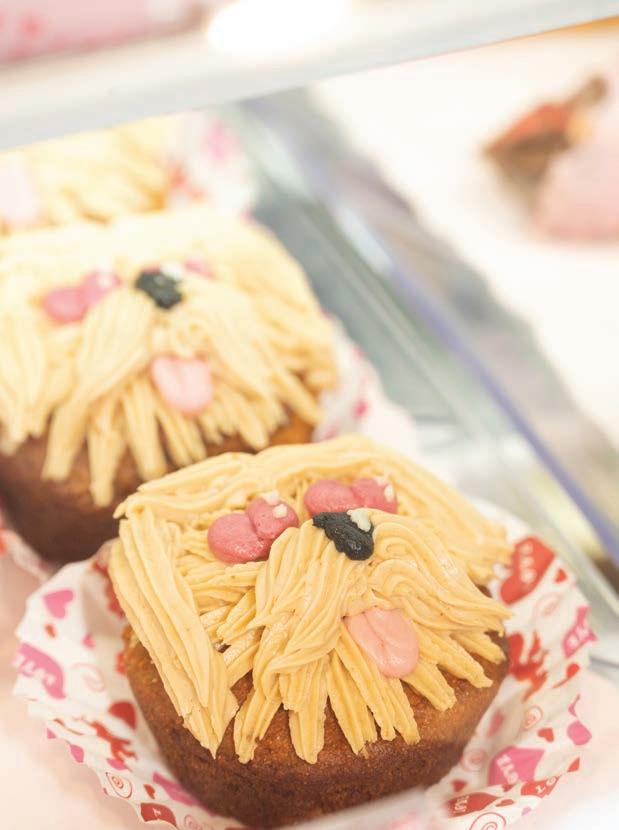
Canine bakery Sniff The Cook puts the doodle in snickerdoodle
Broth and Noodles
Los Angeles-born JINYA Ramen Bar opens its first Nashville location
Nashville’s New Stars What Michelin recognition changes — and what it doesn’t
61 Carnival for the Senses Night Circus entertains, amuses and raises crucial funds for Ella’s House 63 The Humanity of Health Care
The 2026 Ruby Gala makes intersectional HIV treatment possible
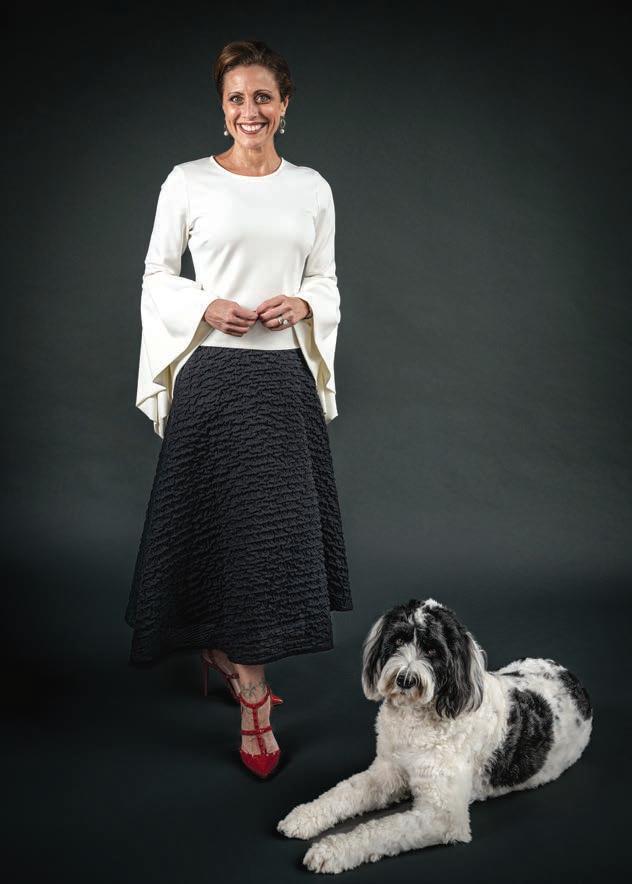
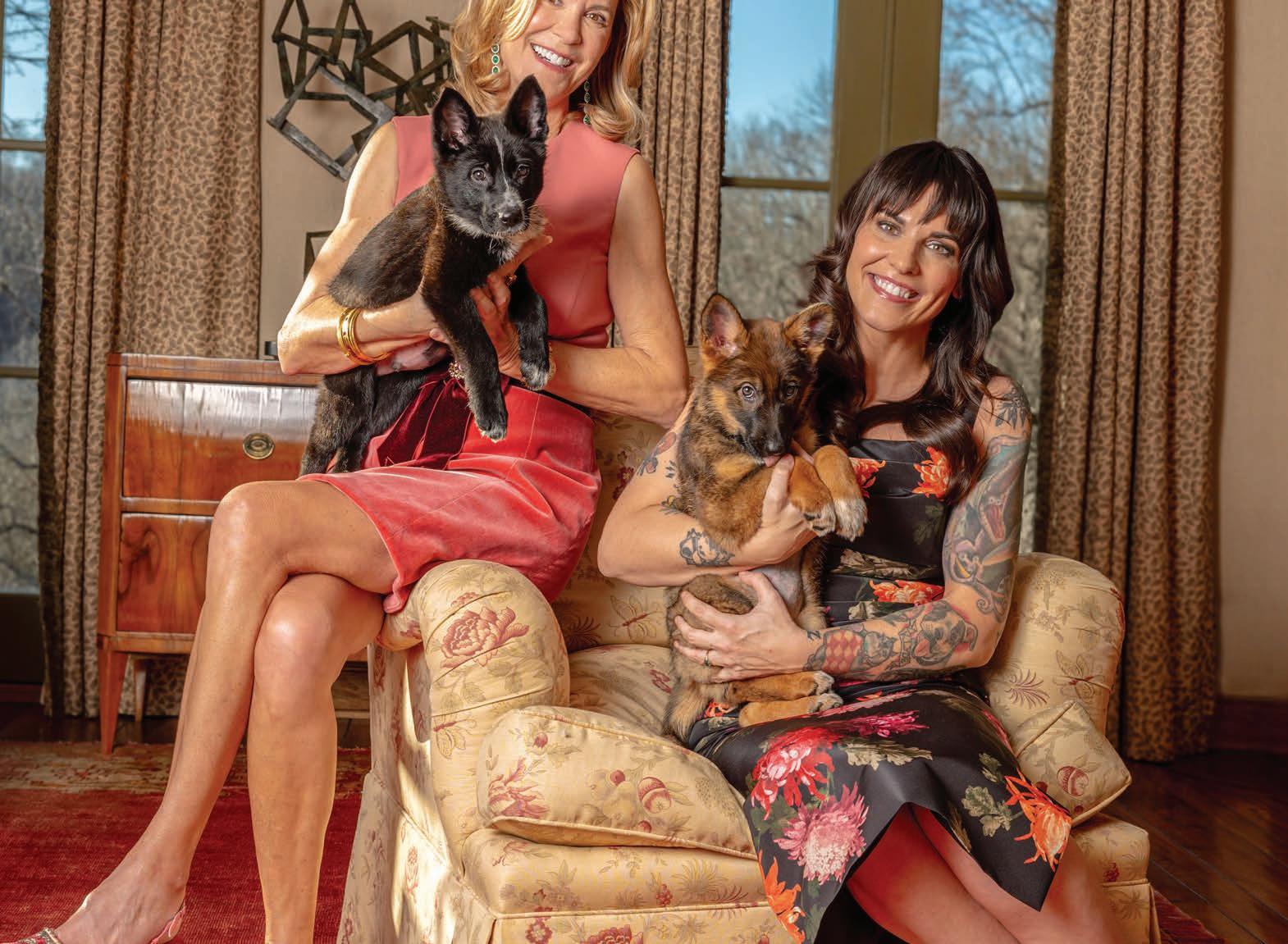
Celebrating all creatures, great and small
ANIMALS ARE AN essential part of our daily lives. For millennia, man has had a complex relationship with the wild (and domesticated) world, at times exploiting the creatures we coexist with and, more recently, working to protect them. Animals provide companionship, beauty and sustenance. Many cultures revere them as gods — creating statues to honor them or, in our case, dressing them in booties and tiny hats.
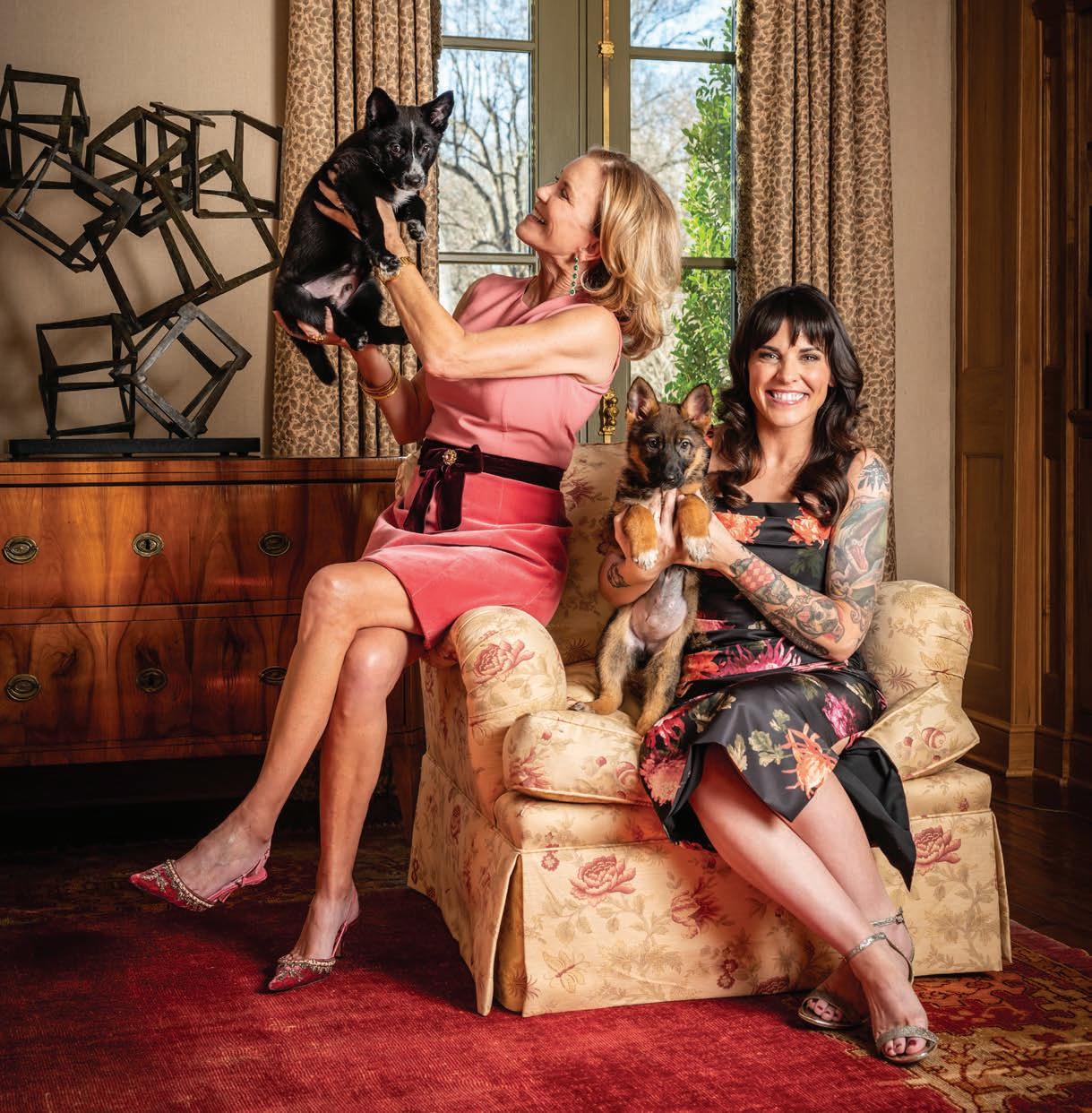
In this issue, we explore the animal kingdom. I discuss Nashville Humane Association’s 80th anniversary — and the state of animal welfare in Nashville — with executive director Laura Baker and lifetime board member Robin Patton. I also sit down with leaders from Saddle Up!, Wags & Walks, Harmony Wildlife, Crossroads Campus, Owl’s Hill Nature Sanctuary, and Walden’s Puddle to dig into their missions and unpack the human-animal relationship. Carrington Fox even highlights some pet-friendly treats from Sniff The Cook dog treat bakery.
This issue also offers a full menu of culinary delights. Madeleine Bradford visits with chef Morgan Lewis, who launched a new menu at Halls Catch in January. I examine Nashville’s new era as a Michelin-starred city with chefs from Bastion, Locust and The Catbird Seat, and I explore the art of pairing food and music with the Tennessee Department of Tourism’s new Sound Bites campaign.
As events are starting to trickle back onto the calendar, we also invite our readers inside Night Circus (Ella’s House) and the Ruby Gala (Vanderbilt Comprehensive Care Clinic).
At its heart, this issue is about connection — between people and animals, food and community, tradition and what comes next. From the animal advocates pushing for more compassion to the chefs and hosts bringing people together, this issue recognizes that camaraderie is the soul of a city that cares deeply and richly.
BY JANET KURTZ
Janet moved to Nashville 27 years ago. She is an avid reader, traveler and collector of fountain pens, and she lives in downtown Nashville with her husband, Ron, and their dog, Julep. Email her at jkurtz@nfocusmagazine.com or follow her on Instagram @musiccitytraveler
Editorial
founding editor
Herbert Fox Jr.
editor-in-chief
Janet Kurtz
contributing editor
Lindsey Lanquist
associate editor
Madeleine Bradford
social correspondent
Gloria Houghland
editorial intern
Ria Skyer
contributors
Beth Alexander, Chris Chamberlain,
Whitney Clay, Carrington Fox, Hannah Herner, Margaret Littman, Hamilton
Matthew Masters, Nicolle Praino, D. Patrick Rodgers, Nancy Vienneau
Art
art director
Christie Passarello
senior photographer
Eric England
staff photographer
Angelina Castillo
contributing photographers/videographers
Tausha Dickinson, Michael Scott Evans, Peyton Hoge, Iris Leonardo, Hamilton
Matthew Masters
graphic designers
Sandi Harrison, Mary Louise Meadors, Tracey Starck
Advertising publisher
Olivia Moye Britton
advertising solutions consultants
Teresa Birdsong, Kailey Idziak, Michael Jezewski, Carla Mathis, Heather Cantrell
Mullins, Allie Robbins, Niki Tyree, Andrea Vasquez, Alissa Wetzel
sales operations manager
Chelon Hasty
advertising solutions associates
Audry Houle, Jack Stejskal
Marketing events and marketing director
Robin Fomusa
event manager
Tristan Maryanski
director of brand partnerships
Alissa Wetzel
Circulation
circulation manager
Gary Minnis
Business
president
Mike Smith
chief financial officer
Todd Patton
IT director
John Schaeffer
digital director
Caroline Prater
Owner
FW































Kicking off the Frist’s 25th-anniversary year, In Her Place: Nashville Artists in the Twenty-First Century highlights the central role women have played—and continue to play—in Nashville’s vibrant visual-arts community. The exhibition consists of nearly 100 paintings, sculptures, textiles and installations by 28 Nashville-based artists and recognizes the impact women have made on the city’s creative landscape for decades.
With Jessica Francis Fichter of the Nashville Repertory Theatre
IN EARLY DECEMBER, a local treasure, the Nashville Repertory Theatre, announced a close to its nationwide search for an artistic director. Enter Jessica Francis Fichter, a director, author, playwright and teaching artist with production credits spanning the coast, from the Carolinas to New York City.
She most recently served as artistic director at South Carolina’s Trustus Theatre and is also the founder and artistic director of Evolving Door Theatre Company, a nonprofit that helps creatives develop new plays and musicals. Her playwriting experience greatly informs her approach to directing — and vice versa — as she believes concise writing and directing are key to effective storytelling.
Jessica, based in Columbia, S.C., wasn’t job hunting when Nashville Rep posted the opening, but she applied, hoping to live closer to her sister in Nashville. After roughly two months — filled with Zoom interviews and, eventually, a flight to Nashville for in-person evaluations — she solidified her new position.
At the time of writing, Jessica was preparing for her move to Nashville, balancing both the transition into her new role and the shift from her previous position. Stepping in during Nashville Rep’s 41st year, she believes the company is poised to reach new levels of success and community engagement.
How do you aim to advance the legacy Nashville Rep has grown for over 40 years? I am very excited to be in the artistic hub that is Nashville. It’s such a cool town, obviously from a music standpoint, but from an art standpoint in general. Nashville has grown significantly in the last 10 to 15 years as a tourist destination, but also a place where artists want to live and create.
I’m excited to find new audiences, get to know the community and really make Nashville Rep top of mind for folks when they want to go see theater. I [also] do have national connections, so I’m very excited to bring in artists from other places to expand the canon of work we’re doing.
Name: Jessica Francis Fichter
Hometown: Columbia, S.C.
ZIP code (for now): 29223
Time in Nashville: 0 days (I’m moving next month!)
Approximate number of shows you’ve directed: 125
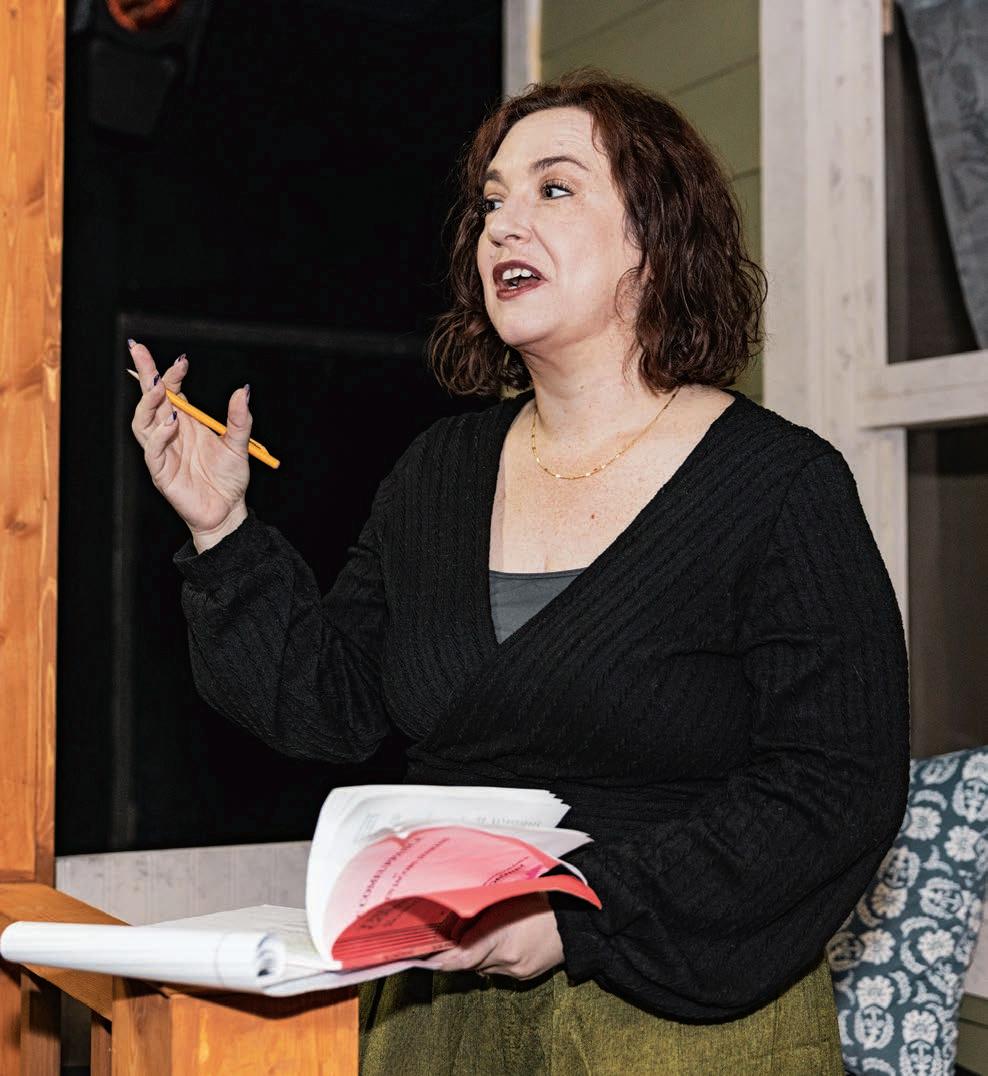
What sparks your interest in a show and makes you think, “I’ve got to direct that?” I am a storyteller first and foremost. For me, it has to be a story that speaks to my heart and soul. In the script, I’m looking for a story [that is] relevant to our times and to the community I’m serving.
Number two: I’m very interested in art that is of today — what shows are being published right now [and] what has come out of other areas in the country. Diversity, equity and inclusion are incredibly important to me. I think, when planning a season, you want to make sure you are being inclusive with all members of the community — and all artists.
What’s your philosophy for rallying company members together to put on an effective show? I think directors are more facilitators than they are directors. The goal is to bring artists and community members into a room and let them play and bring their ideas to the table. When you do that, it feels like everybody is creating the art. That collaboration is how you get excellent art, and it also creates unbelievable buy-in from everyone involved. In terms of the community, it’s a similar thing of bringing community members into the discussion of the art we’re creating and the “why” and building excitement around the stories we’re telling.
How do you plan to further Nashville Rep’s community outreach initiatives? One of the things that drew me to Nashville Rep is its commitment to inclusion and community outreach — to diversity, to access. Those things are the backbone of theater, and especially theater in the future. Theater is how we tell the stories of our time, and the stories of our time don’t work if people don’t have access to them.
I’d like to — and have in my past experience — find other organizations that connect to the plays we’re doing. At Trustus, we did a play about addiction. We partnered with several institutions to bring in groups that were in recovery [and] bring in counselors to watch the show and participate in talkbacks about the work. That itself creates access. I think community partnerships with nonprofits that are show-specific work really well.
I would also like to grow our education initiatives. I find that partnering with both universities and K-12 schools creates access for children, but also builds audiences for the future.
BY MADELEINE BRADFORD PHOTOGRAPH BY JESSE BREAZEALE
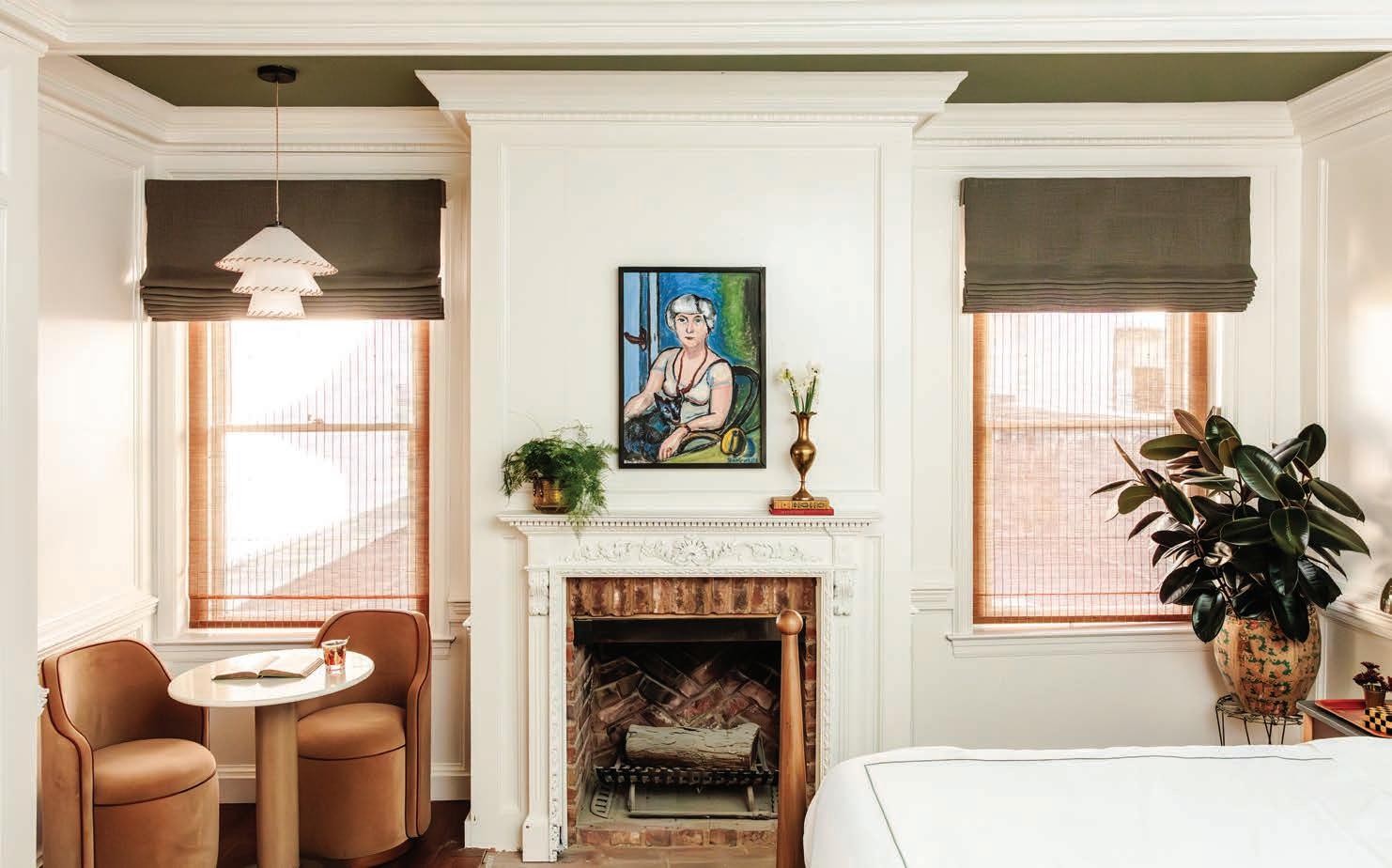
The Chloe Nashville, a new boutique hotel, brings the flavor of New Orleans to Music City
THE CHLOE NASHVILLE, a charming 19-room boutique hotel with New Orleans roots, is already popular with locals. Within weeks of opening in Hillsboro Village, the hotel proved to be the perfect place to seek refuge from an ice storm, with its cozy aesthetic, welcoming bars and blazing lobby fireplace.
That’s just the crowd hotelier Robért LeBlanc is hoping to attract. “We’re pretty clear about this,” says Robért. “Our demographic, particularly for food and beverage, is almost entirely local — people in the neighborhood and Nashvillians.” In addition to residents, he imagines the clientele to be visitors seeking a local experience.
“They want more of an actual feel of what it’s like to live in Nashville,” he says.
Situated in one of the city’s favorite walkable neighborhoods, the hotel occupies two 1920s Craftsman-style cottages that previously housed Asylum Records and Spirit Music Group. An original, slightly weathered, engraved brass sign in the lobby pays homage to the legendary label where Joni Mitchell, Tom Waits and George Jones have all recorded music.
“It helps tell that story,” says Robért. “But you want to be careful. … You can’t have guests walk in and just dump all this history on them.” Instead, he says, you want the narrative to feel organic. “So that sign
has been incredibly fortuitous,” he explains. “Because it allows us to engage in that conversation without overselling the point.”
Robért is the founder and CEO of the New Orleans-based hospitality group LeBlanc + Smith, which opened the first Chloe hotel in its home city in 2020. Nashville is its second location.
Many pre-war elements in The Chloe Nashville have been preserved, including wood floors, original brick details and windows. There are enchanting little nooks, hidden away by luxe velvet draperies, where guests can have dinner, a cup of tea or a cocktail. One such alcove, which looks out on Acklen Avenue, is outfitted with a charcoal-gray banquette, two velvet club chairs, a pair of wooden bistro tables, and of course, lots of throw pillows for relaxing.
Much of the furniture throughout the hotel is vintage. New Orleans designer Sara Ruffin Costello collaborated with local interior designer Alyssa Spyridon to create a warm, comfortable home away from home. As the weather warms up, guests can gather around the pool bar or enjoy a meal on the expansive veranda.
BY WHITNEY CLAY PHOTOGRAPHS BY EMILY DORIO, VICTORIA QUIRK AND RANDY SCHMIDT
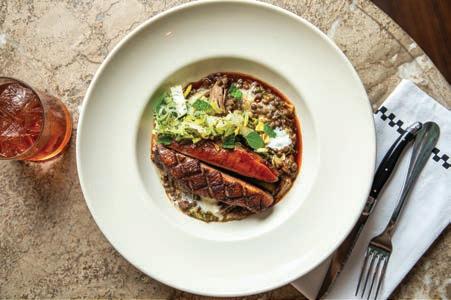
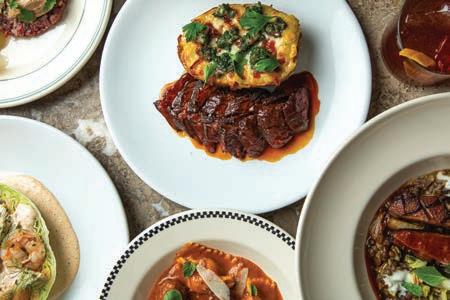
In addition to the 50-seat restaurant inside, the private dining room can accommodate 10 guests. Highlighting contemporary Southern cuisine, the menu combines the tastes of New Orleans with Nashville flair — thanks to an array of Tennessee whiskeys and bourbons.
Led by chef Matt Regan, formerly of Sylvain and Emeril’s in New Orleans, o erings also include red snapper courtbouillon with shrimp, pepper-seared oysters, and scallion rice. Another favorite is the roasted duck breast with baconbraised lentils, grilled cabbage and crème fraîche.
When you enter a guest room, it’s impossible to miss the whimsical, bronze coyote door knocker. The coyote motif, seen throughout the hotel, is a nod to the alligator theme in The Chloe New Orleans — depicting an animal that’s “revered in lore but [that] you never want to find in your backyard,” says Robért. The décor varies slightly from room to room. Some are outfitted with fourposter beds and window seats. Almost all have soaking tubs in the bathrooms. Nightly rates start around $330, depending on the season.
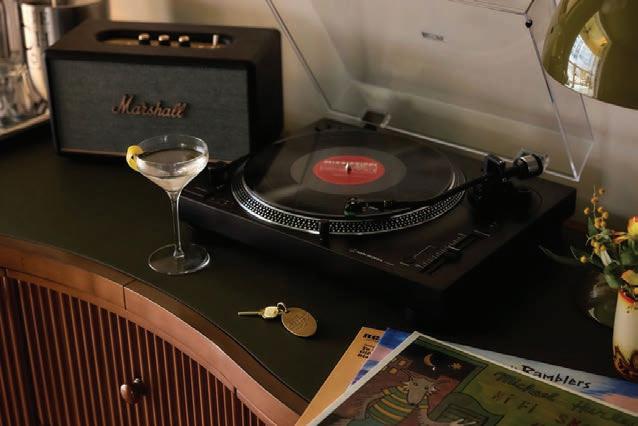
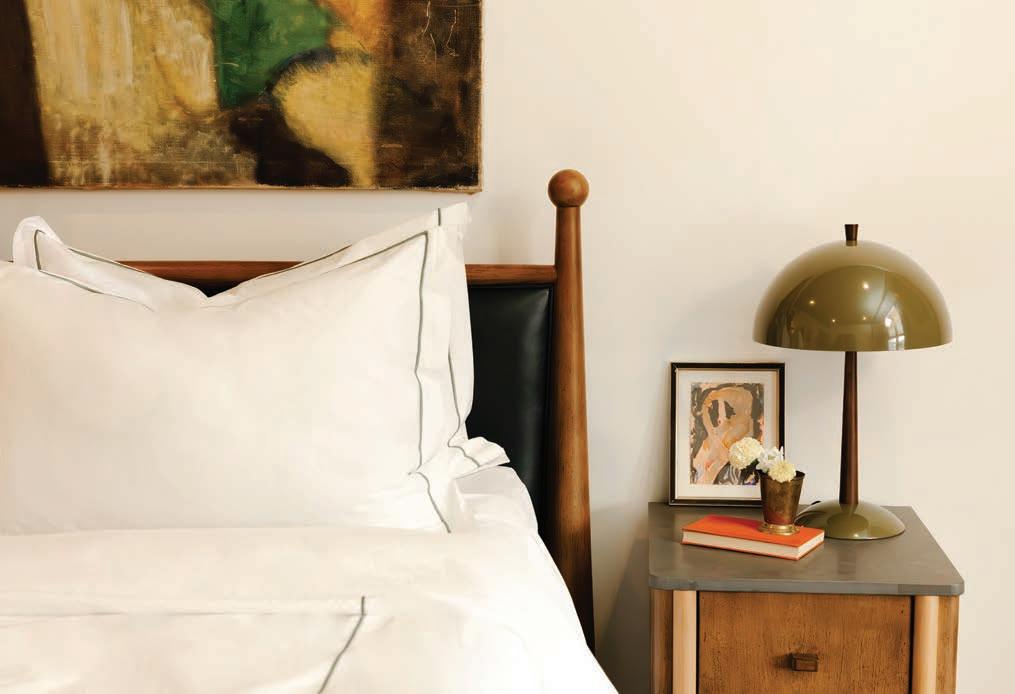
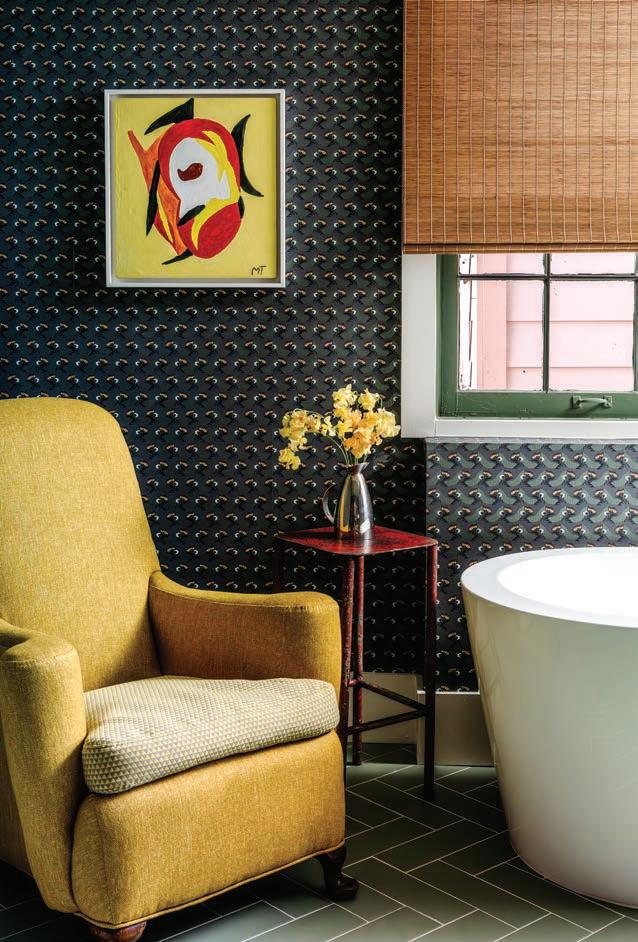
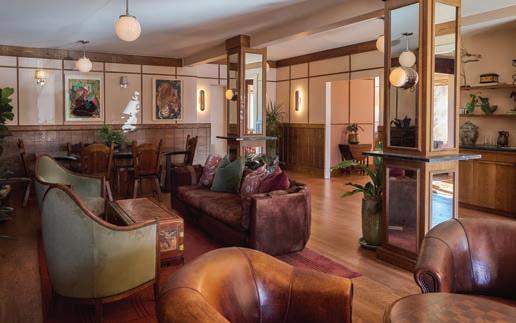
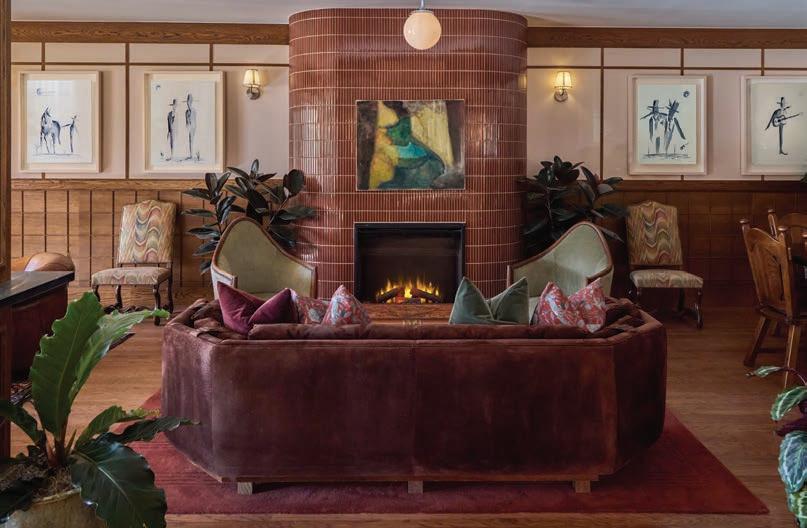
Contemporary artwork is displayed throughout the hotel, most of it by local artists — including a series of cowboy drawings by Chris Coleman. There are also plans for an artist-in-residence program.
The emphasis on local creatives extends to the sta uniforms, crafted by imogene + willie. The hospitality group has even purchased a midcentury modern building across the street it plans to use for events. The space will be reimagined by local landscape designer Gavin Duke and his team, who also did the landscaping for the hotel.


















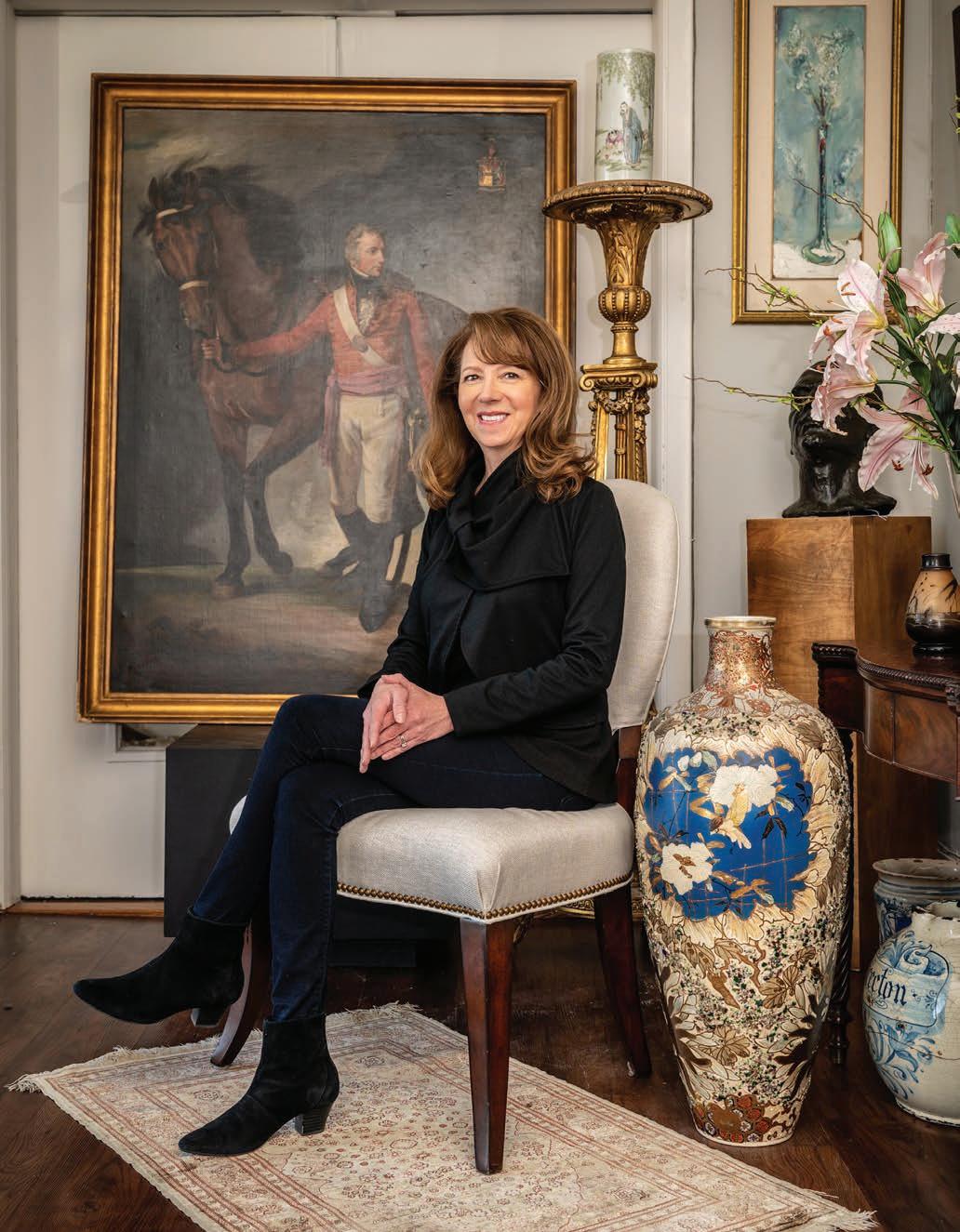
Appraiser of art, antiques and other treasures
IF YOU WENT to sleep on the eve of the Case Auctions Winter Fine Art & Antiques sale thinking the carved female figure by William Edmondson was going to trade anywhere near its $40,000 opening bid, you were in for a surprise the next morning. When lot 196 came under the gavel, bidding for the 15.5-inch sculpture quickly broke out of its estimated $80,000 to $90,000 range. In fact, over the course of two breathless minutes — with 36 live bids from the Knoxville auction room, online, and over the phone from across the country — Edmondson’s limestone portrait of a schoolteacher commanded $393,600, including buyer fees. Held in the auction room of Case’s Knoxville headquarters, the 2026 winter sale consolidated art, silver, jewelry, books, historic firearms, documents, textiles and furniture from more than 200 estates, museums and private and corporate collections, including Vanderbilt University, Memphis Brooks Museum of Art, Chattanooga’s Hunter Museum of American Art and Arkansas Museum of Fine Arts. More than 1,300 lots — many from Nashville — sold live over two days to buyers around the world, with auctioneers Wendell Hanson, Michael DeLisle and David Case coaxing high bids on highlights such as oil paintings by E. Irving Couse and Helen LaFrance, three glass vessels by Dale Chihuly, a Tiffany gold-link bracelet, a 6-carat diamond engagement ring and a Barcelona chair.
While bidding builds fast and furiously at a live auction, building a sale takes months of research, catalog preparation and relationship management by the Case team, which has consignment offices in Nashville and Chattanooga. “We put incredible emphasis on photography, because we know the majority of our buyers are bidding from afar,” says vice president of fine and decorative arts Sarah Campbell Drury, who leads the Nashville office and has served as an occasional consultant behind the scenes on Antiques Roadshow
A Lipscomb University graduate, Sarah steered into appraisal and auction work when she inherited a collection of art and antiques from her grandmother. “It made me aware of challenges families face when they become stewards of collections that they can’t absorb all on their own,” she says. After a threeyear course of study and national accreditation through the International Society of Appraisers, she hung out her shingle as an appraiser in private practice.
In an early assignment, Sarah appraised the contents of Nashville’s historic Glen Leven estate, through which she met Case co-owners John and Stephanie Case. She joined their firm as the Nashville representative in 2008, at a time when the Tennessee-based auction house was just beginning to leverage the internet to build a global audience. Today, Case auctions engage more bidders from China than from anywhere outside the U.S. and Canada.
In a quiet office on 21st Avenue, Sarah and her colleague John Kindall work with local sellers to evaluate pieces and incorporate them into Case’s semiannual auctions. Valuation can be straightforward, if an owner knows the history of a piece. Or it can require research and investigation by the team, including art historian and museum curator Reilly Shwab, who manages the Knoxville office. The process usually starts with photographs. If an item or collection might be a fit for an international sale, the Case team will schedule a visit at the office or on site.
“Sometimes when we come to a client’s house, we find things they never imagined to be valuable,” Sarah says — like the time she went to evaluate a portrait of Andrew Jackson and happened to recognize an overlooked trinket nearby as a sand sculpture by Andrew Clemens. The sandwork sold at auction for $66,000.
Of course, things can also go the other way. “Many pieces descend in families with a legend attached to them, but the family history attached is actually more of a fairy tale,” she says.
BY CARRINGTON FOX PHOTOGRAPH BY ERIC ENGLAND
Midcentury vibes and tailored service offer seamless entry to bourbon country
“CIVILIZATION BEGINS WITH distillation,”
William Faulkner once said. If that’s true, then perhaps Bardstown, Ky., is the center of civilization. Since the 1950s, Bardstown has been known as the Bourbon Capital of the World, a designation that notes the area’s 11 distilleries and the water flowing through the limestone that makes for good distilling.
There have been standard hotels, historic inns and bed-and-breakfasts in the area welcoming travelers, but there wasn’t one hotel specifically designed for those heading out on Kentucky’s Bourbon Trail. One that could help bourbon-trail-goers the way Napa Valley properties aid those visiting wineries.
Enter The Trail Hotel. The property opened in 1970 as a Holiday Inn and was the center of Bardstown social life for years, until it fell out of favor and was shuttered and ignored. It was listed on the register of National Historic Landmarks, but no one knew what to do with it. Reopened in 2025 after a $27 million renovation, The Trail Hotel is a Bardstown centerpiece again.
Just as Nashville has lots of hotels with music themes and guitar picks, The Trail Hotel is not the first in Kentucky to put bourbon memorabilia on the wall. But some do it better than others — and The Trail Hotel presents its theme artfully.
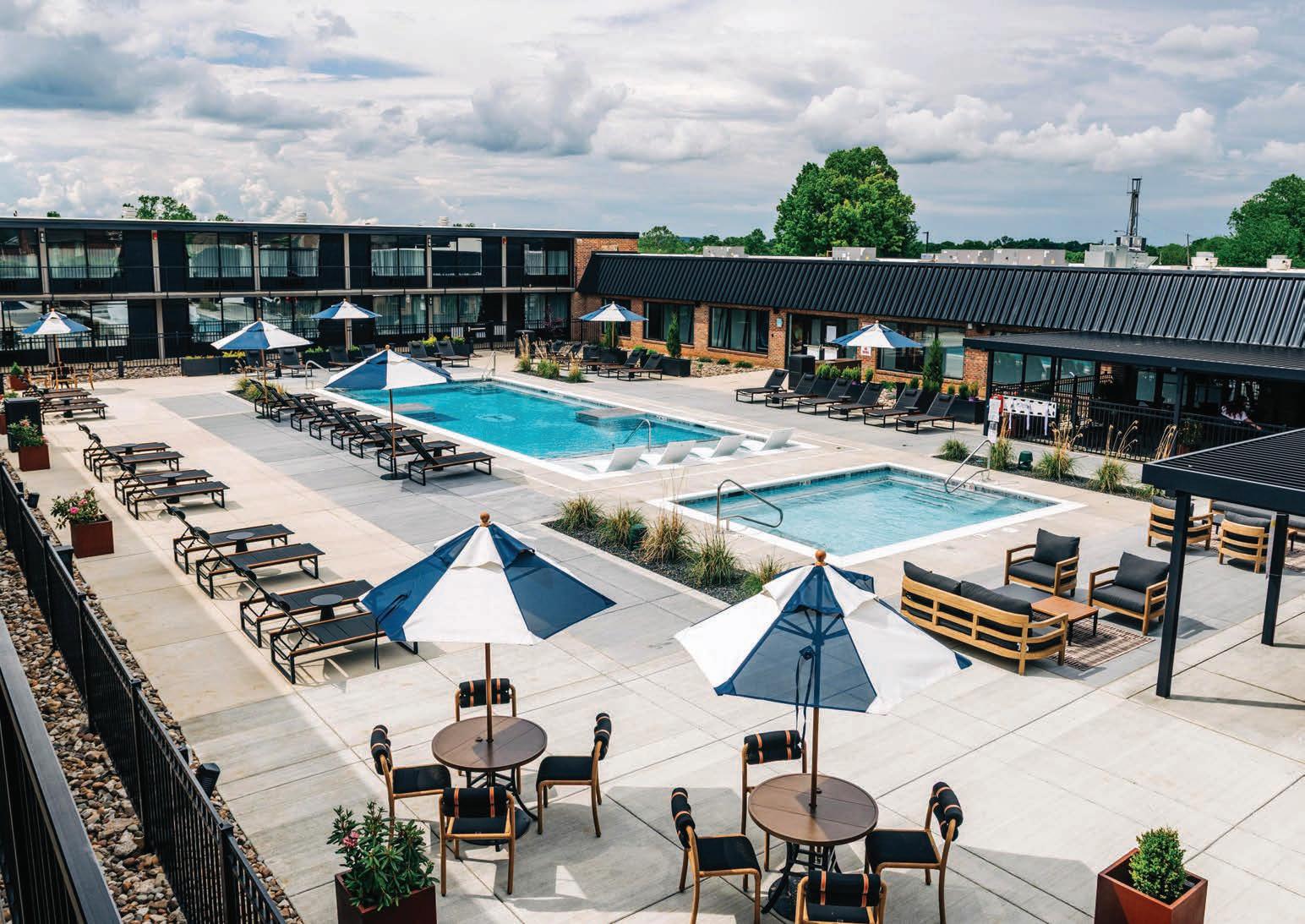
The aesthetic overhaul of the hotel merges midcentury modern lines with contemporary amenities and nods to bourbon culture. The 95-room hotel is well-designed for groups, with lots of spaces to gather. Inside, there are several bars, including one in the lobby (near a large copper still) and a hidden speakeasy. Bourbon Alley, a collection of Adirondack chairs around firepits, is perfect for toasting under a clear Kentucky sky. And the pool deck is the hotel’s focal point, with rooms organized in a horseshoe around it. There, you can find another bar, plenty of chairs for lounging, a particularly large whirlpool, and nice views of Kentucky sunsets.
If you’re not sure how to explore the area, don’t worry. After you reserve a room at The Trail Hotel, you’ll get a text from the Bourbon Butler asking if you want help organizing your getaway. That can include VIP private tours (with a driver, so you’re free to sample) or on-site bourbon tastings.
During high tourist season, nabbing spots on distillery tours can be tricky, but not for the Bourbon Butler. Tours visit different distilleries on different days, so you can stay a few nights and catch them all. The service can also reserve tee times at nearby golf courses and book tours to vineyards and breweries.
What: The Trail Hotel
Where: Bardstown, Ky.
Distance from Nashville: 152 miles
Why it stands out: The bourbon-themed hotel is well-designed as a gathering place for exploring Kentucky’s Bourbon Trail, including Bardstown’s 11 distilleries.
WHAT’S NEARBY
The Trail Hotel is two miles from downtown Bardstown and its museums, which include the Civil War Museum, the Women’s Museum of the Civil War, the Oscar Getz Museum of Bourbon History and the African American Heritage Museum. Downtown is home to the Old Talbott Tavern, which claims to be the world’s oldest bourbon bar.
The Trail Hotel is intended to welcome guests exploring Kentucky’s Bourbon Trail, so obviously, that’s an option. But the hotel has plenty else to keep you occupied. On property, book the Bourbon & Bunkers Golf Simulator Lounge where you and seven friends can compete on the virtual greens with food and beverage service in a private room. Lounge by the pool, and soak away stiffness in the whirlpool. Head to the Rejuvenation Room, which offers IV therapy, cryotherapy, an oxygen bar and a sauna. Kick back in the cigar bar or peruse the gift shop for bourbonand golf-themed souvenirs.
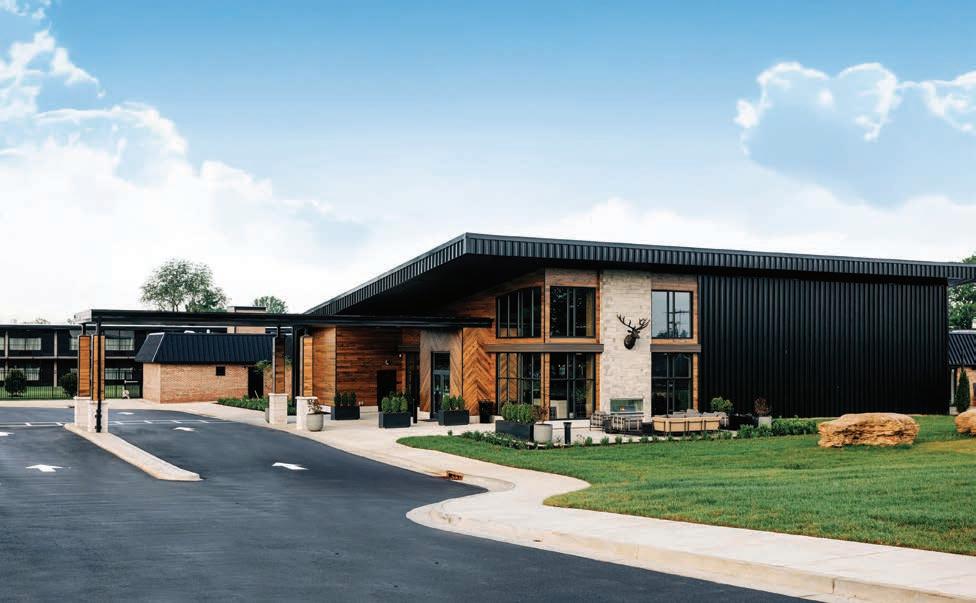

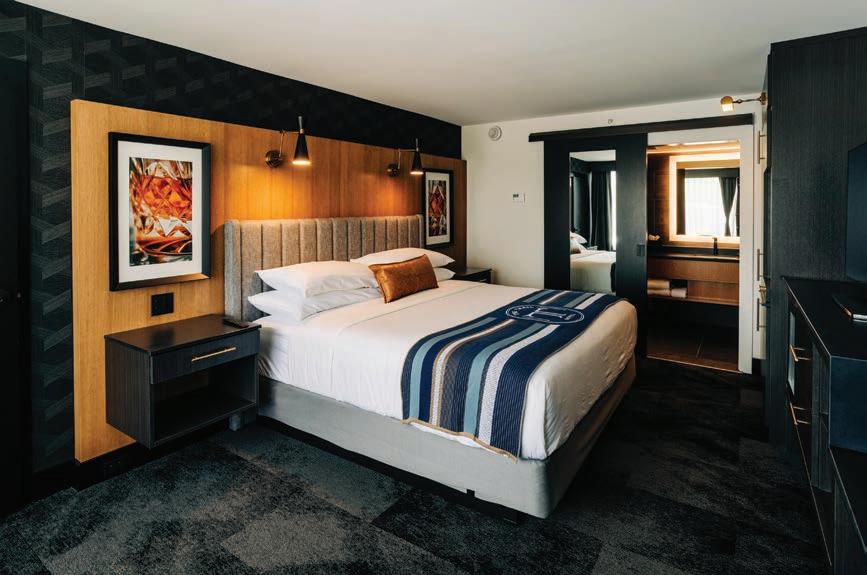
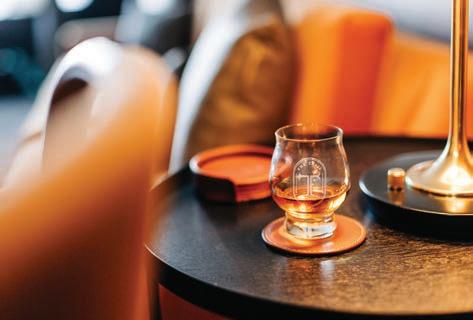
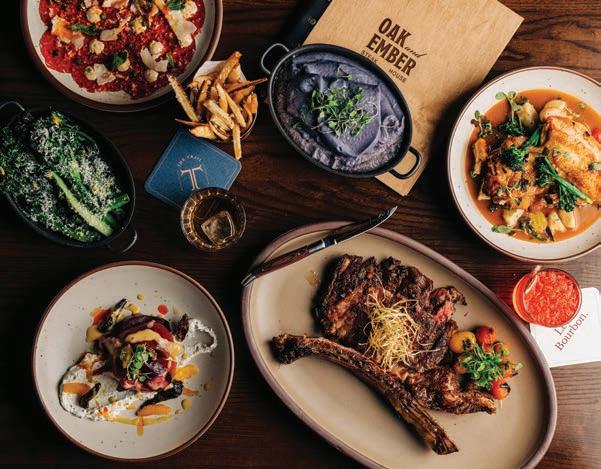
The hotel features a number of bars, including a hidden speakeasy, the poolside bar (in season), a bourbon lounge and a cigar bar — plus Oak & Ember Steakhouse with menus from chef Mickey Palello. Oak & Ember’s lobby location offers vantage points of the pool deck and the lobby’s copper still. This is a bourbon-themed hotel, so of course you can get a bottle of the custom Trail Hotel bourbon to take home.
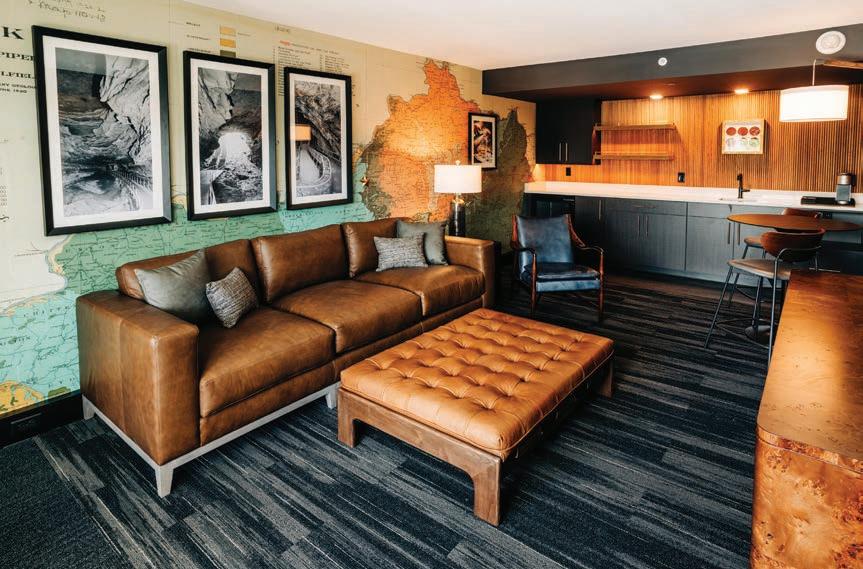
Book one of the hotel’s eight suites. Each has two rooms, with couches and lounging space, as well as a king bed in the bedroom. Décor is minimalist and sleek, with abstract bourbon photos adorning the walls. Rooms are outfitted with multiple robes — a plush one for the pool and a thinner one for post-shower lounging. And, yes, there are tumbler glasses and coasters for the bourbon you snagged at a distillery or in the lobby gift shop. Ice is available on request if you prefer it on the rocks.
BY MARGARET LITTMAN PHOTOGRAPHS COURTESY OF THE TRAIL HOTEL






















































Nashville Humane Association honors 80 years of animal welfare
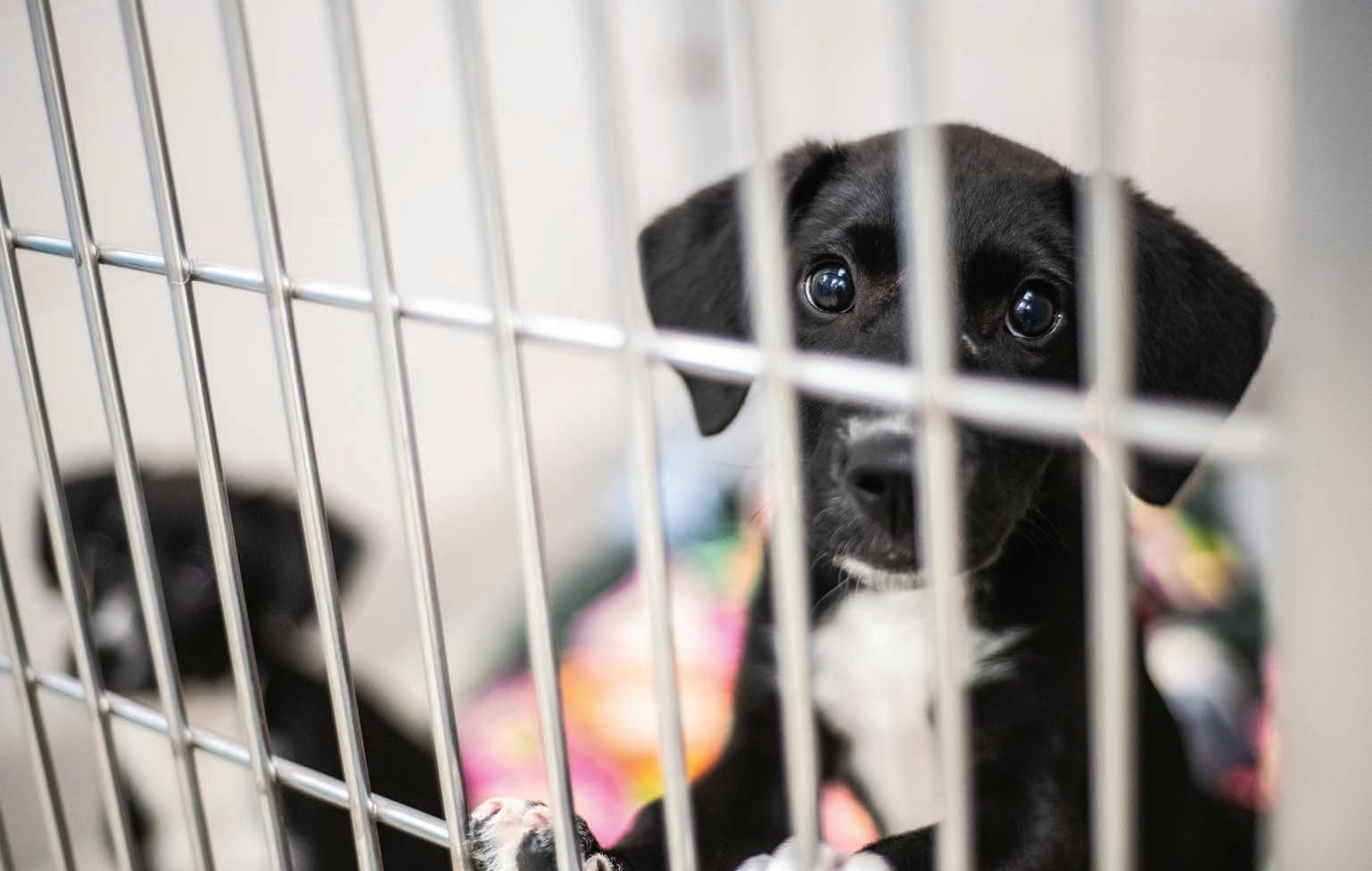
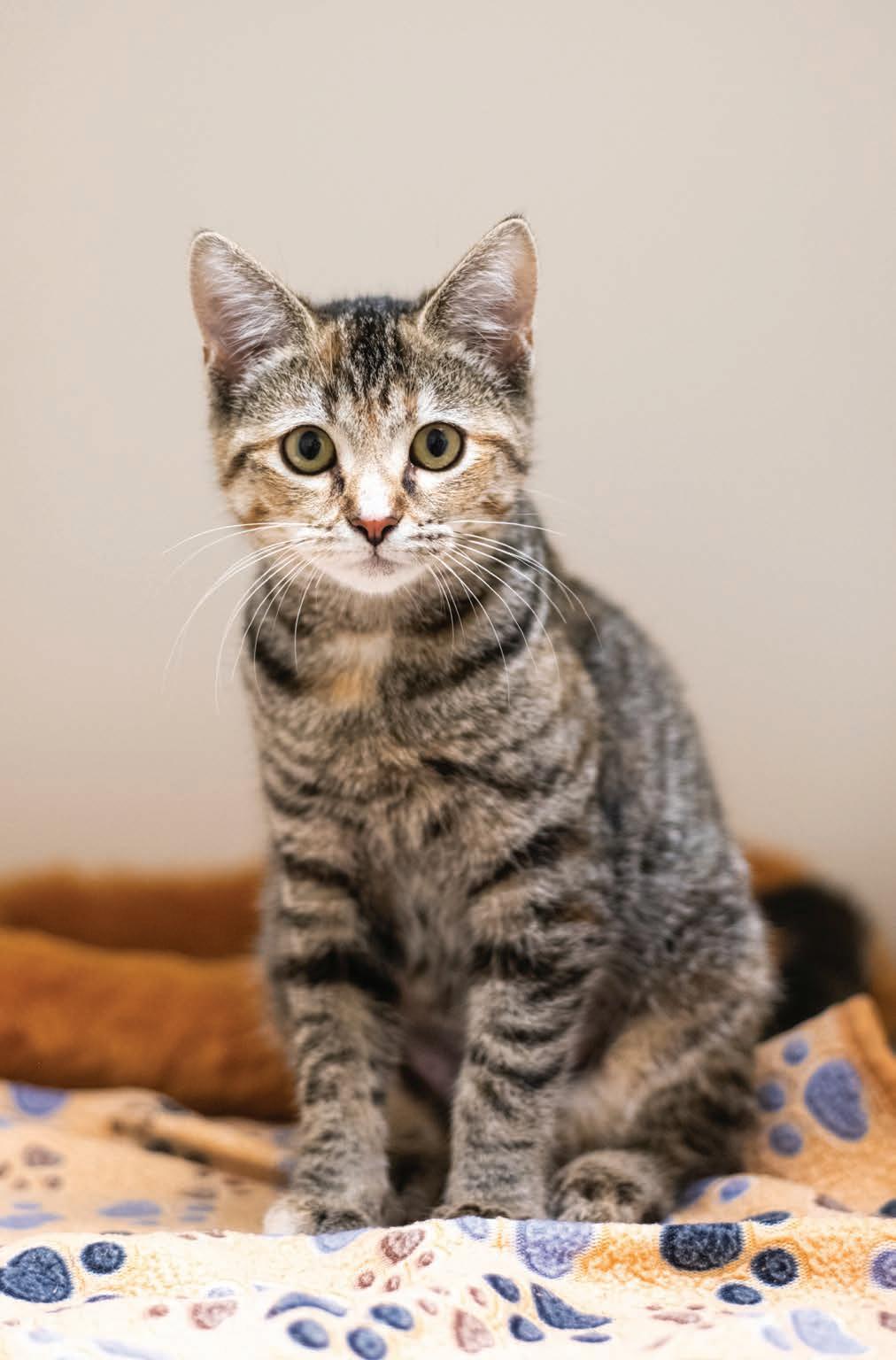
WHEN YOU VISIT Nashville Humane Association on Oceola Avenue, team members greet you with bright, smiling faces. But as you pass through the spaces housing NHA’s furriest residents, a sense of hopeful anticipation hangs in the air. There, watchful eyes and expectant faces study you — following each step, each pause and each moment of consideration as you linger outside the kennel of a hopeful pup or curious cat.
This scene has played out thousands of times over the past 80 years. For many animals, it marks the beginning of a new chapter. For others, it signals the end of a traumatic road traveled. And for NHA, it represents just one facet of a mission rooted in care, protection and advocacy for the animals of Middle Tennessee.
In the past five years alone, NHA has helped thousands of animals find
loving homes. But the organization has also extended its reach beyond its own walls. Through partnerships with agencies such as Metro Animal Care and Control, NHA has stepped in to support at-risk animals and save furry lives across the community. In 2024, the organization placed 3,139 dogs and cats into forever homes, maintained an impressive 99% save rate — well above the national benchmark for no-kill shelters — and facilitated 3,187 medical procedures for pets in need.
Guided by steady leadership from executive director Laura Baker and strengthened by committed board members like Robin Patton, NHA enters its ninth decade with both momentum and purpose — prepared to meet the evolving needs of animals and the community that cares for them.

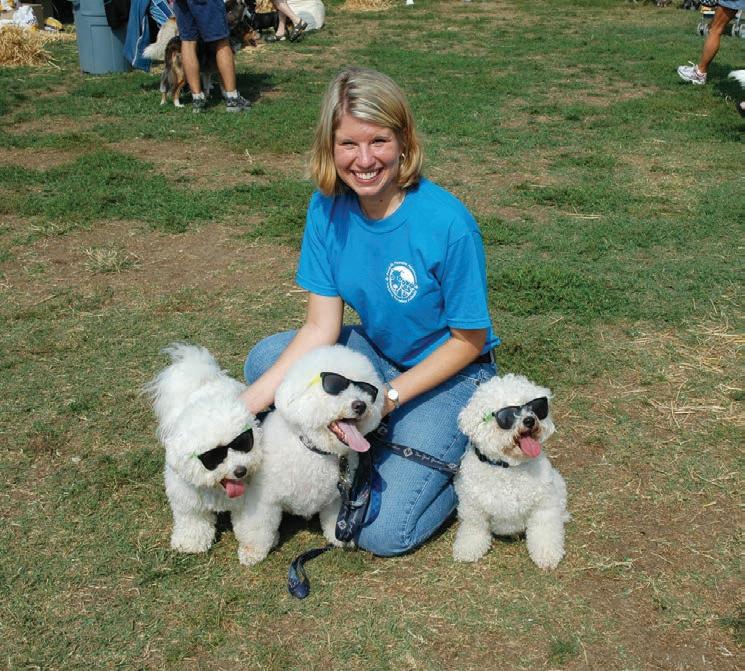


IN 1946, Nashville was a city in motion — balancing tradition with modernization as soldiers returned home from World War II, bringing new ambitions and ideas. That spring, thenMayor Thomas Cummings introduced natural gas. In December, the Nashville Symphony debuted under the direction of famed composer William Strickland. Country music was gaining momentum: Hank Williams recorded songs at the WSM studio, further shaping the city’s cultural identity.
That same year, NHA was incorporated — quietly beginning a legacy of animal welfare that would grow alongside the city itself. “Eighty years in Nashville years is basically forever,” says Baker. “When Nashville Humane Association was founded, the city was a lot smaller. The music was on vinyl, and animal welfare looked very different. The fact that we’re still here — thriving, evolving and saving lives — says that Nashville has always had a big heart, and that heart has only grown over time.”










ANIMAL ADVOCACY HAD begun taking root in the United States decades earlier. In 1877, the American Humane Association was founded to advocate for the humane treatment of livestock and working animals — particularly those used in transportation. In time, its efforts expanded to include the protection of children, reflecting a broader concern for the vulnerable at a moment in history when child labor laws did not yet exist.
Early newspaper accounts reveal that in our community, NHA’s work was often difficult and, at times, grim. Headlines detailed harsh realities of abandonment, injury and abuse — placing suffering animals squarely in the public eye.
But as frequently as stories of neglect appeared, so too did moments of light and healing. There were photos of children beaming with pride displaying the puppies they’d won through a contest. There were essay prompts — with pictures of puppies in buckets and cheerful captions like “Hey Kids! This Puppy Can Be Yours!” — inviting children to explain why they hoped to adopt the featured puppy. Accounts of Nashvillians volunteering their time, resources and voices to support NHA’s growing mission punctuated the pages.
Together, these stories illustrate a truth that has endured for decades: Even in its earliest years, NHA existed not only to respond to cruelty, but to foster compassion — one animal, one family and one act of care at a time.

6














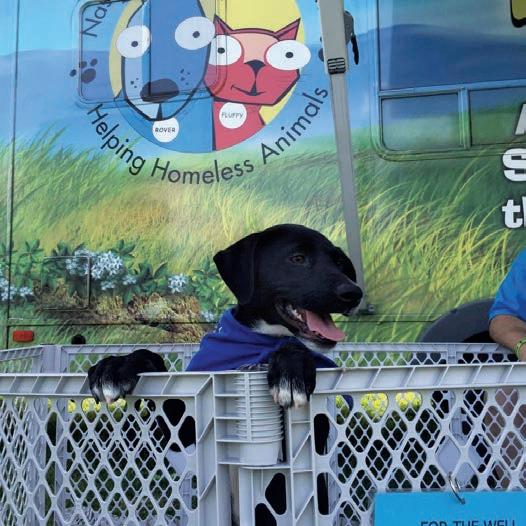

ANIMAL WELFARE HAS now taken center stage in Nashville. The city has gathered to champion animal-centric causes, and NHA’s scope has expanded to include controlling rabies, examining bite cases, caring for stray animals and investigating cruelty reports. “Today, animal welfare isn’t just about adoption — it’s about access to care, behavior support, crisis response and recognizing that pets are family,” Baker says.
While Baker found her calling in animal advocacy at The Ohio State University, her love of animals began much earlier. Growing up in rural Ohio, she saw animals as an integral part of everyday life — a perspective that continues to inform her leadership today.
“One of the initiatives I’m most proud of is that NHA became the first KultureCitycertified animal shelter in Tennessee — and in the entire Southeast,” Baker says. This means the NHA team is trained to support guests with sensory needs. “Animal welfare isn’t a one-size-fits-all experience,” she adds. “And adoption shouldn’t feel intimidating or inaccessible.”
NHA would also not be here without ardent supporters like Patton. “Some people joke that I love animals more than people, and in some ways that may be true,” Patton says, laughing. “Animals don’t have a voice, and I feel a deep responsibility to give them one through the work of NHA.”

Patton’s love of animals started early: She often brought home wounded and homeless critters as a child. When she began volunteering with NHA over 30 years ago, she wanted to go beyond writing a check to create a meaningful impact for the organization. Patton’s interior design business, Robin Patton Interiors, worked with Marjorie Feltus Hawkins’ Feltus Hawkins Design to design NHA’s new building interiors.
“We set out to create a feel-good experience — a place where, the moment you walk in, you sense hope rather than heartbreak, and you feel that these animals are on their way to loving homes,” Patton explains.
Reflecting on the organization’s evolution, Patton credits a group of dedicated leaders — including John Colton, Bob Crosby and Jim Delanis — who helped guide NHA through a pivotal period. “Together, we worked to strengthen the organization — from revising the bylaws to reshaping the mission,” she says. “To stand here at the 80th anniversary, having been part of NHA for most of my adult life, and to see it thriving and fulfilling its purpose, is profoundly satisfying.”
BY JANET KURTZ PHOTOGRAPHS BY ERIC ENGLAND, ANGELINA CASTILLO AND COURTESY OF NASHVILLE HUMANE ASSOCIATION





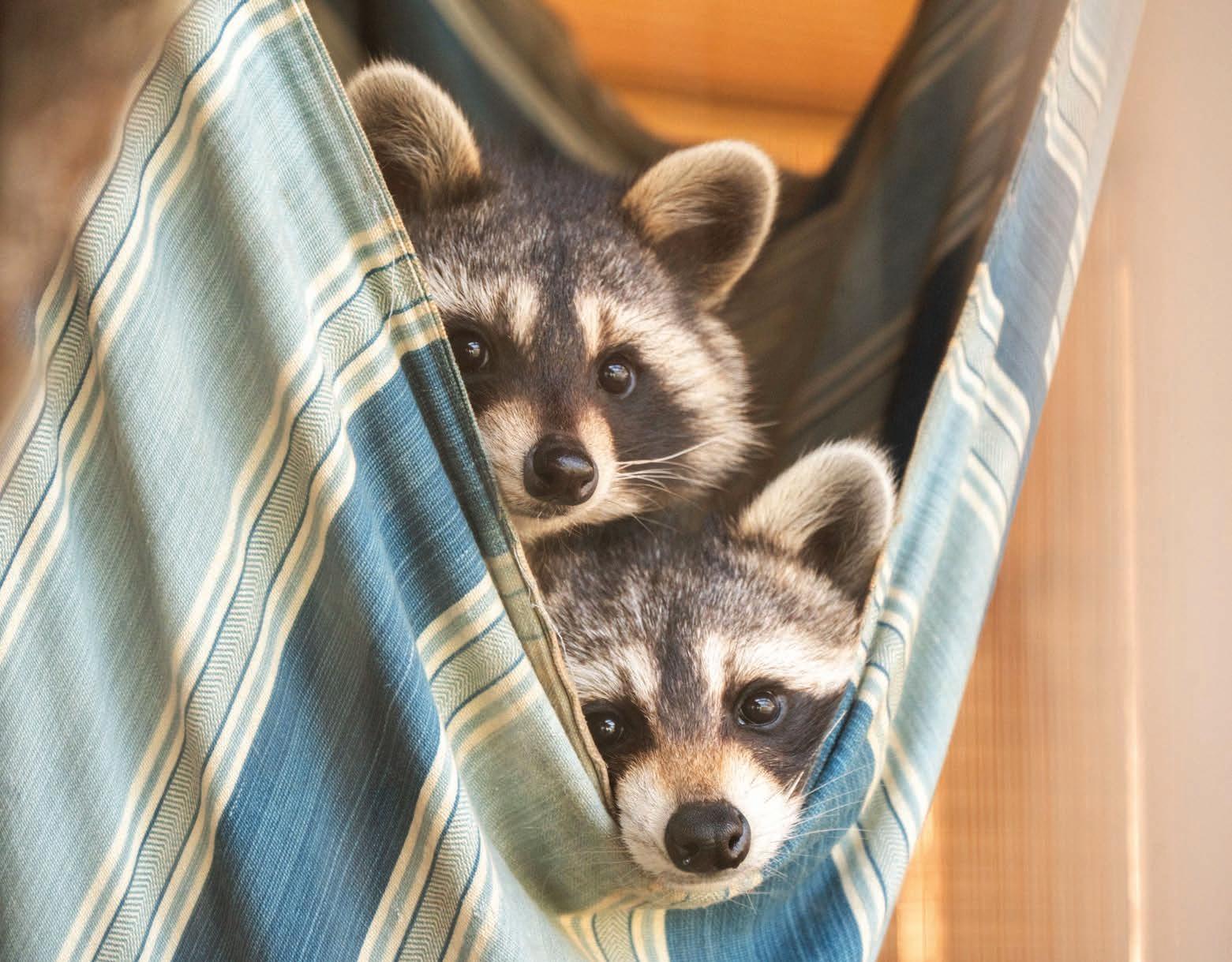
Nashville’s animal-centric nonprofits help our furry and feathered friends thrive
ON ANY GIVEN DAY IN NASHVILLE , healing hands may work to rehabilitate a woodpecker recovering from a collision with a car. A horse may help a child with disabilities learn new skills. A newly rescued dog may curl up at the foot of the bed in his new forever home. A foster child may bond with an animal who has also known instability. Volunteers may work to restore and preserve forest trails in nature sanctuaries that double as classrooms for students of all ages.
Together, these scenes reflect the work of nonprofits across Middle Tennessee that view stewardship as both a responsibility and an opportunity — and represent a commitment to ensuring animals and people can thrive side by side.
BY JANET KURTZ PHOTOGRAPHS BY ANGELINA CASTILLO, ERIC ENGLAND AND COURTESY OF BRENDA WALKER WITH WALDEN’S PUDDLE
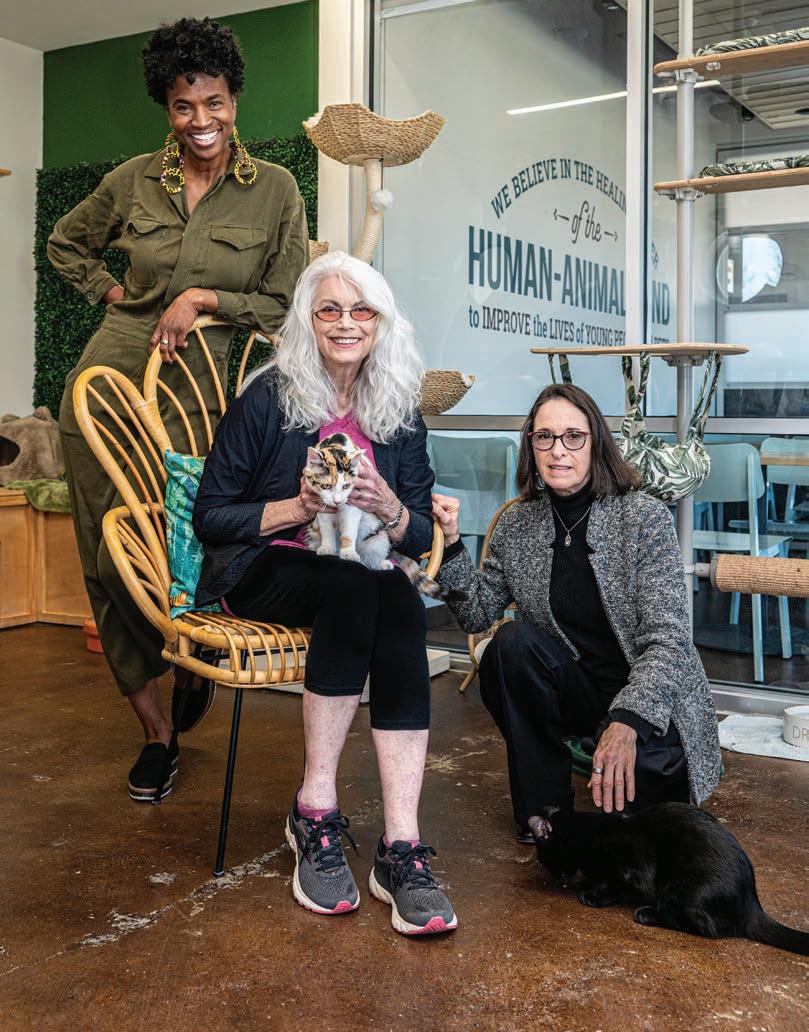
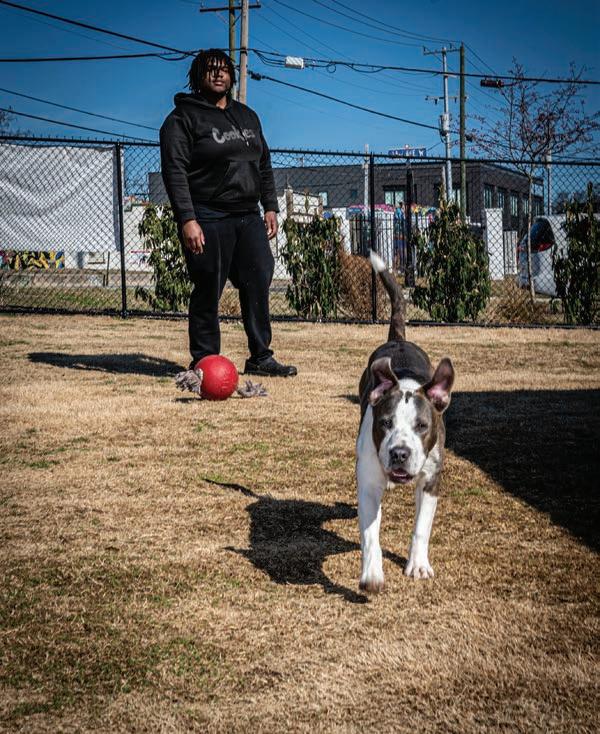
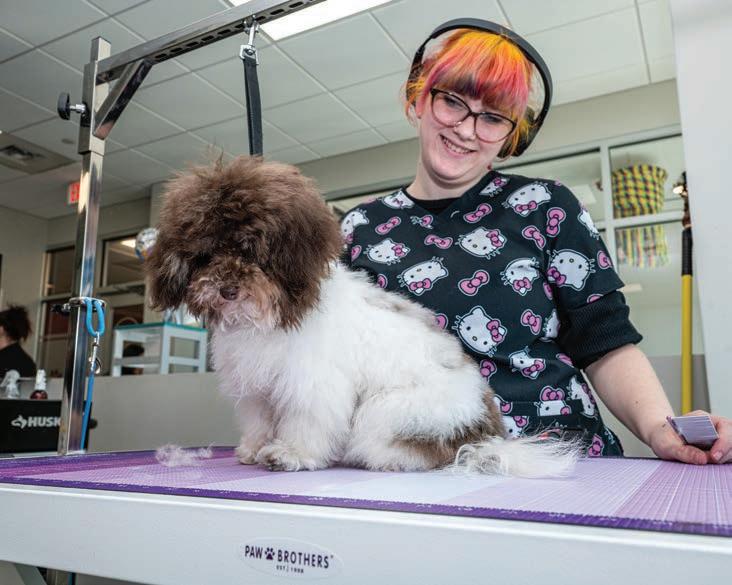
An 18th birthday can be a joyous milestone — inviting lively celebrations and a newfound sense of freedom. But for many young people, turning 18 also brings housing instability. Crossroads Campus is a launchpad for those aging out of the foster care system or facing other housing challenges. The organization leverages the healing potential of the human-animal bond to help young people in Nashville secure housing and employment.
Founded in 2010 — with its first program, Caring Connections, beginning in 2011 — Crossroads Campus offers a range of resources to help young people find their footing and build successful lives. In addition to providing affordable housing and support services, Crossroads offers job training in pet-related fields at its social enterprise retail store, grooming salon, adoption center and cat café. Participants complete paid internships, leveling up and receiving raises as they master certain skills.
Research supports what organizations like Crossroads see every day: Animals can play an incredibly important role in the healing process. One University of Pennsylvania study surveyed nearly 400 young people experiencing homelessness, and the 23% with pets were significantly less prone to depression and loneliness than their peers. Through its array of pet-centric services, Crossroads invites participants to bond with animals that are also experiencing housing instability as they look for their forever homes.
“It’s such a less complicated relationship between an animal and a human,” says founding board member Emmylou Harris. “These kids who have been traumatized in their lives can connect with an animal … [and] get the benefit of knowing that they’ve made a difference just by showing up.”
The core program, now in its 13th year, has helped countless young people in the community. In 2013, Crossroads launched its Germantown campus — an affordable housing unit with four bedrooms and shared living space. Its new Buchanan campus has an additional 22 bedrooms, providing even more accessible housing for Crossroads participants. One former Crossroads resident, Ella, came to the campus the day after she aged out of foster care. She thrived in the program, received a full ride to Belmont University and went on to help author a bill that protects young Tennesseans in foster care.
“We love success stories of all kinds,” says Lisa Stetar, Crossroads Campus CEO. “Sometimes, [with] our young adults, you have to really look for the small wins so they can sort of put the pieces together, because … there’s a lot of barriers, right? Our job is really trying to get barriers out of their way.”









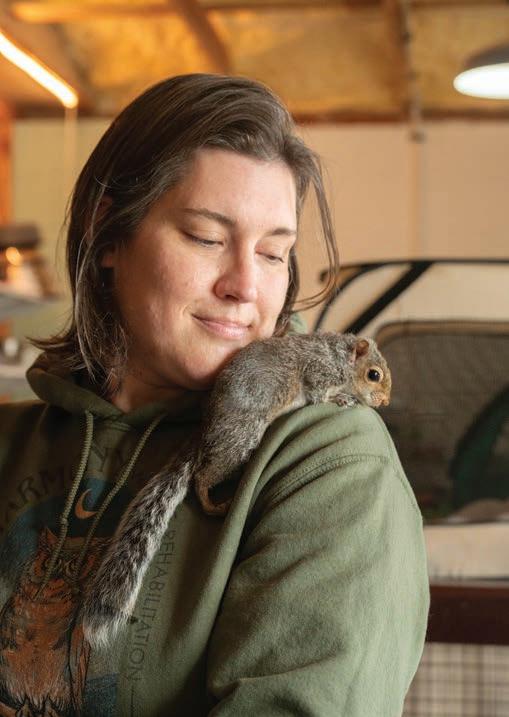
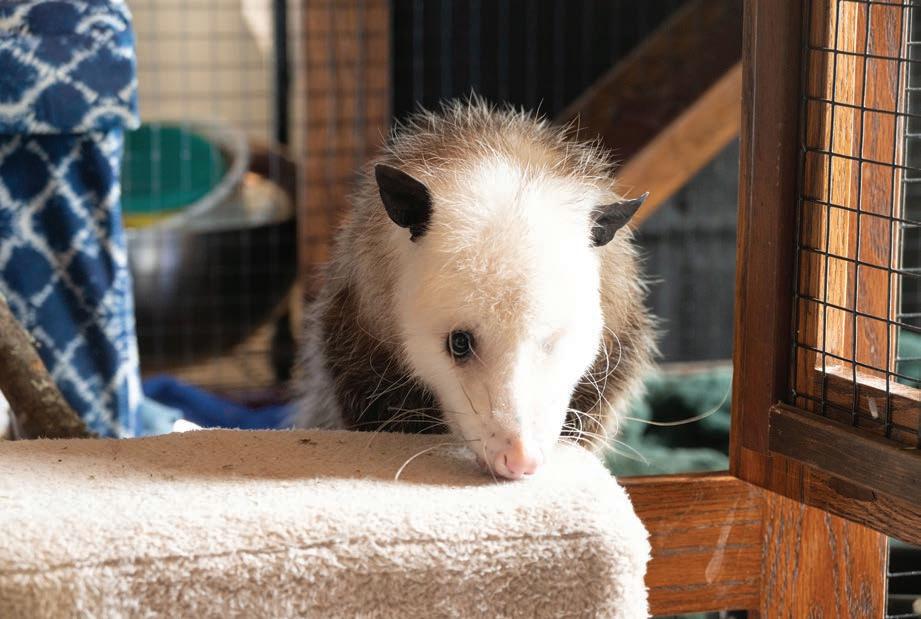
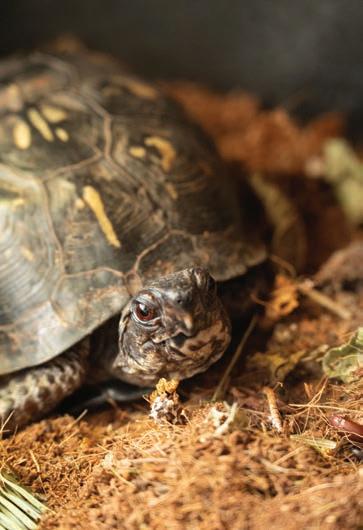
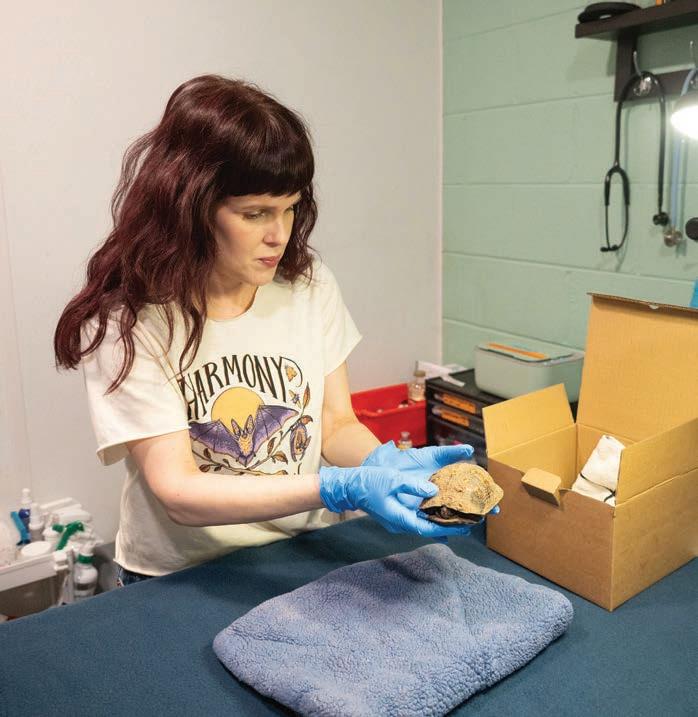
Humans share the land with wildlife, and that connection demands understanding. As Nashville continues to develop, humans and animals increasingly cross paths, heightening the need for coexistence. Conservation groups like Harmony Wildlife address this challenge by rehabilitating animals and — just as crucially — educating the community.
Founded in 1990, Harmony Wildlife cares for orphaned and injured animals. At its core, it’s a rehabilitation center. Under Tennessee law, it’s illegal for laypeople to keep wild animals, even if they intend to later release them. Rehabilitation centers focus on helping animals heal and return to the wild in order to preserve their natural behaviors and ecosystems. Since reopening in 2022 (after a 10-year hiatus), Harmony Wildlife has taken in more than 1,661 wild animals from over 70 species.
Harmony Wildlife’s website features stories about these rehabilitated critters — like the pileated woodpecker someone found on the side of the road, dazed and barely moving, after he struck a car. The organization took in the bird and treated him for a concussion, releasing him back into his Belle Meade habitat once he made a full recovery.
A second key component of Harmony Wildlife’s mission is community outreach and education. “The real magic happens when you see that lightbulb go off for someone else,” says Stasia Kudrez, the organization’s executive director. “Helping people understand and appreciate wildlife is critical for peaceful coexistence, especially as our communities grow and habitats shrink.”
While Harmony Wildlife keeps its location private to protect the animals in its care, it recently launched the Harmony Havens program, which invites homeowners to transform their backyards into natural sanctuaries. Community members within a 30-mile radius can work with the organization to create friendly habitats for animals and insects, bringing local wildlife in harmony with humans. “We’re excited to grow this program, because it ultimately supports our mission by creating thriving habitats for bats, birds and pollinators,” Kudrez says.
There is hope for the future of human-wildlife cohabitation in Nashville. Through conservation efforts and thoughtful land stewardship, community members can create spaces where wildlife not only survives — but truly thrives — alongside the rest of us. “Growing responsibly means recognizing that we are moving into their spaces, not the other way around,” Kudrez says. “I hope to see human-animal cohabitation evolve into a point of pride, not a problem to be solved. A fox sighting shouldn’t be a cause for fear, but a sign of a healthy, vibrant ecosystem.”
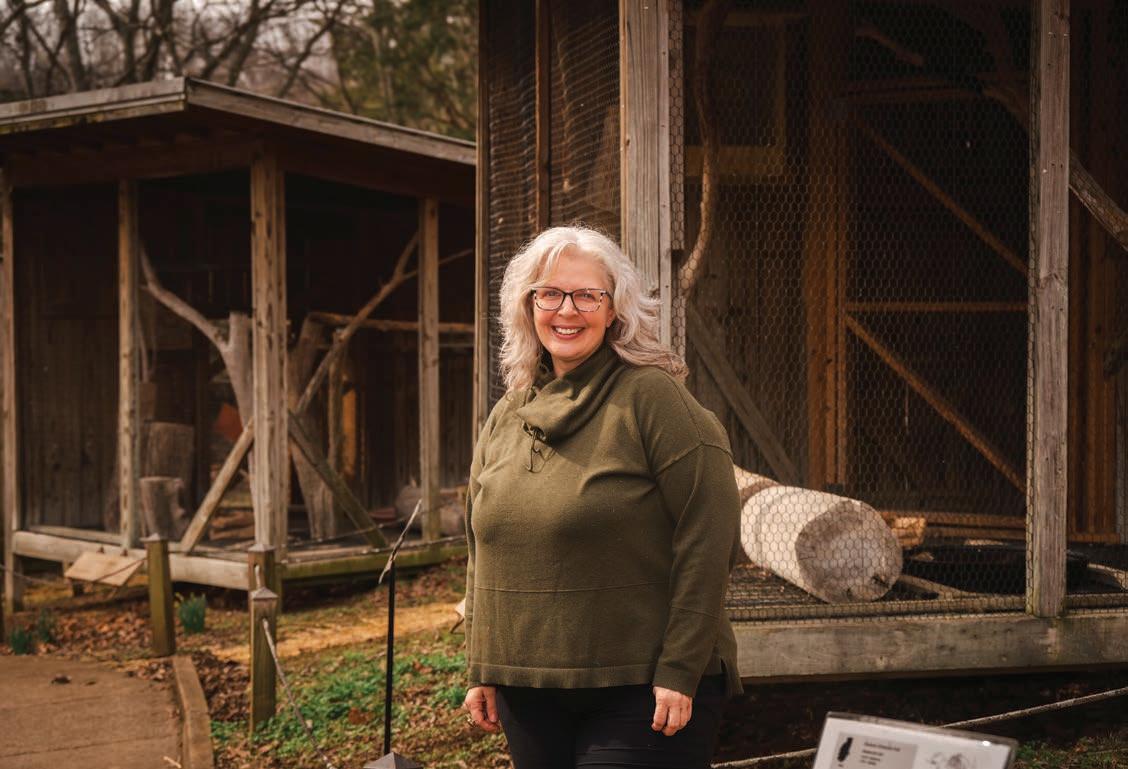
Birds chirping, streams babbling and squirrels scampering back to their nests all contribute to the magic of the forest. Ever-evolving flora and fauna create a symphony of biodiversity that breathes life into the land. This ecosystem serves as a natural classroom, allowing students of all ages to appreciate the beauty of Middle Tennessee.
Founded in 1988, Owl’s Hill Nature Sanctuary sits on land gifted to Cheekwood Estate & Gardens by the University of Tennessee, which previously purchased it from Huldah (Cheek) Sharp. The sanctuary has long been recognized for its community outreach, welcoming Eagle Scouts to complete service projects for over 35 years, offering badge programs for all levels of scouting, and hosting scout troops for visits and camping trips.
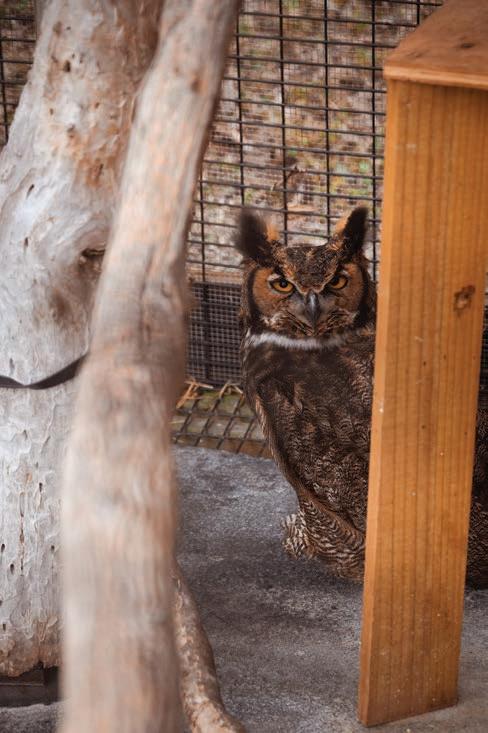
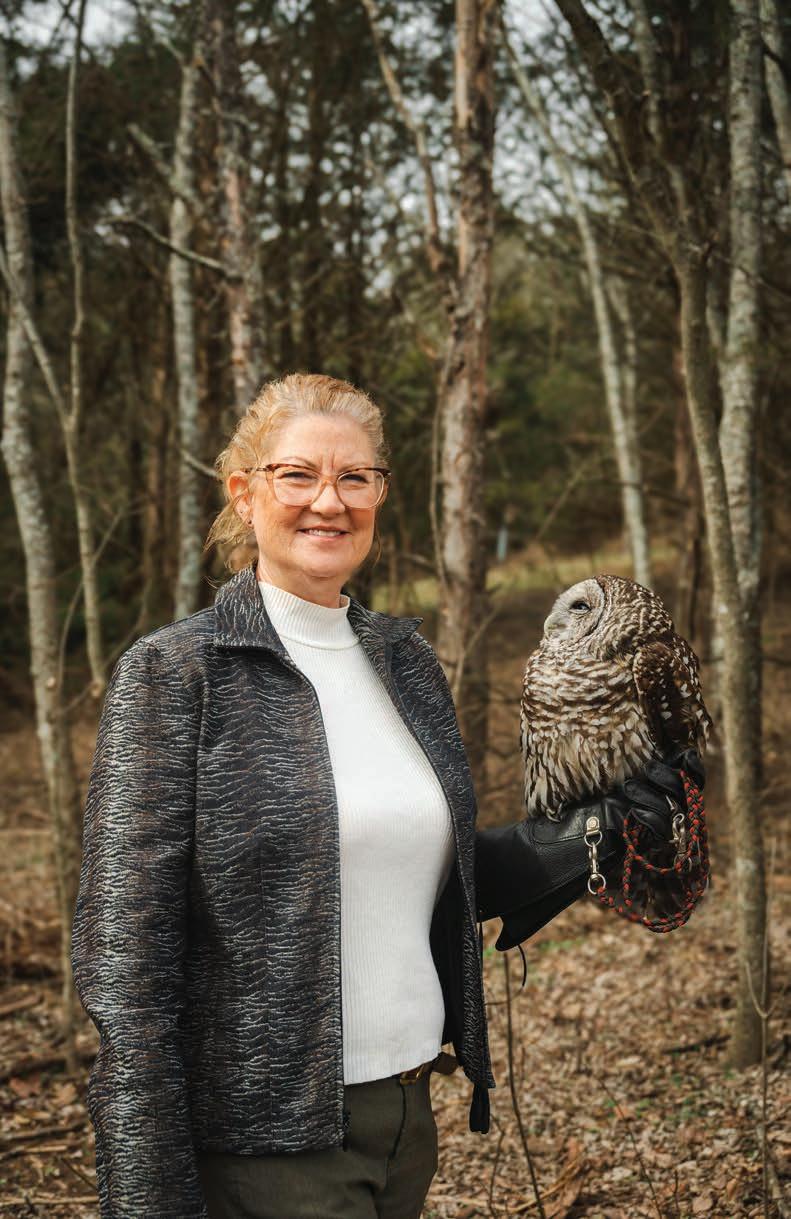
Balancing community outreach, education and stewardship, OHNS protects more than 2,000 plant and animal species. Each day, its staff members and a rotating team of over 300 volunteers restore fragile habitats, remove invasive species, and care for nonreleasable owls and other wildlife in the sanctuary’s care.
Executive director Sandy Obodzinski says OHNS’s goal is to “help species survive” — whether they live in Middle Tennessee yearround or are just stopping in as they migrate elsewhere. “We’re also a place for people to learn about curating healthy habitats in their own yards,” she adds.
Countless schoolchildren have experienced their first close encounters with nature by visiting the OHNS property — or by receiving classroom visits from its animal ambassadors and naturalists. Each year, over 60% of sanctuary visitors are students. And education can begin even earlier: The Knee-High Naturalist program invites children ages 3 to 5, accompanied by an adult, to explore the natural world.
“Early experiences in nature are crucial, because that’s a time when children are fueled by curiosity and wonder,” Obodzinski says. “Our motto is ‘explore, connect, protect,’ and this very much informs all of our education programs for children and children-at-heart. What we learn about as children tends to stay with us throughout our lives.”
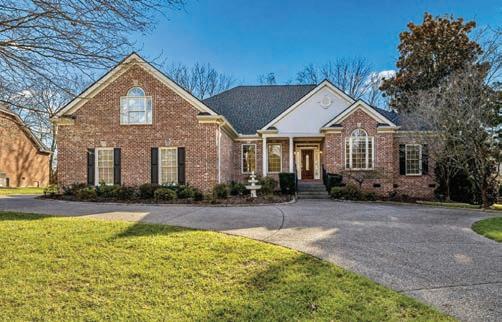
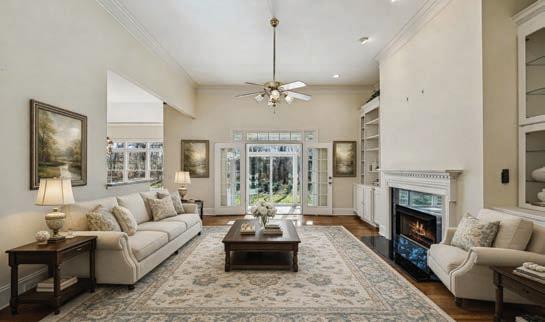
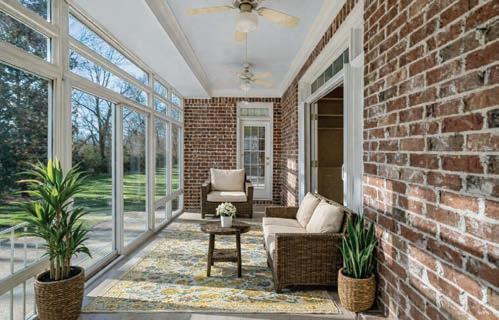
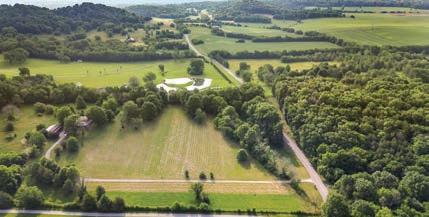
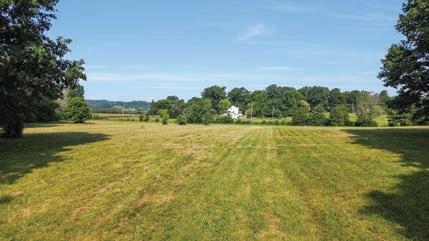
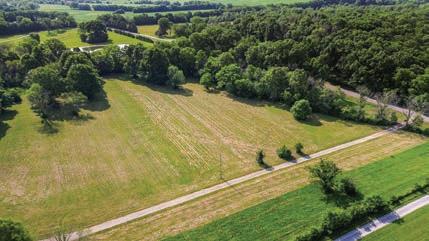
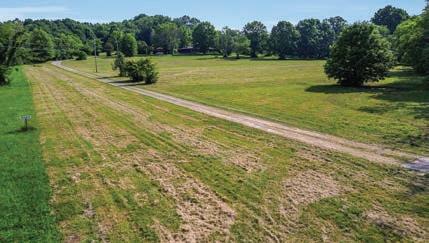
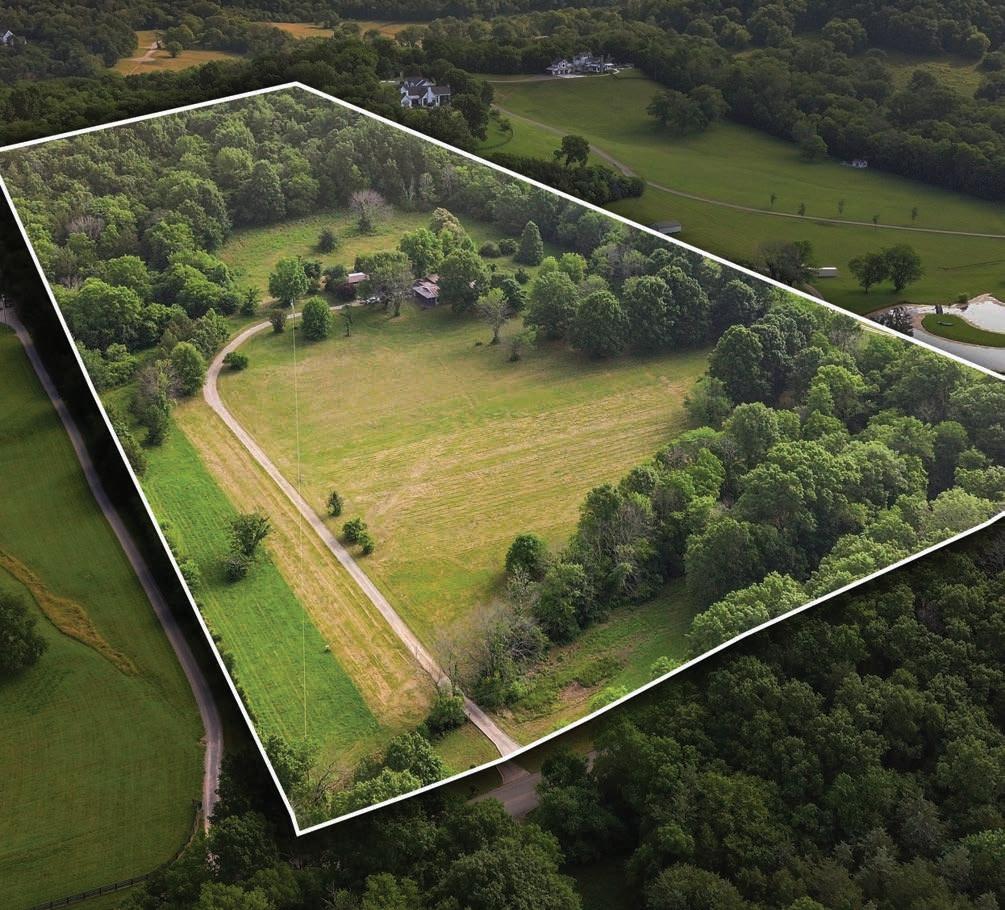
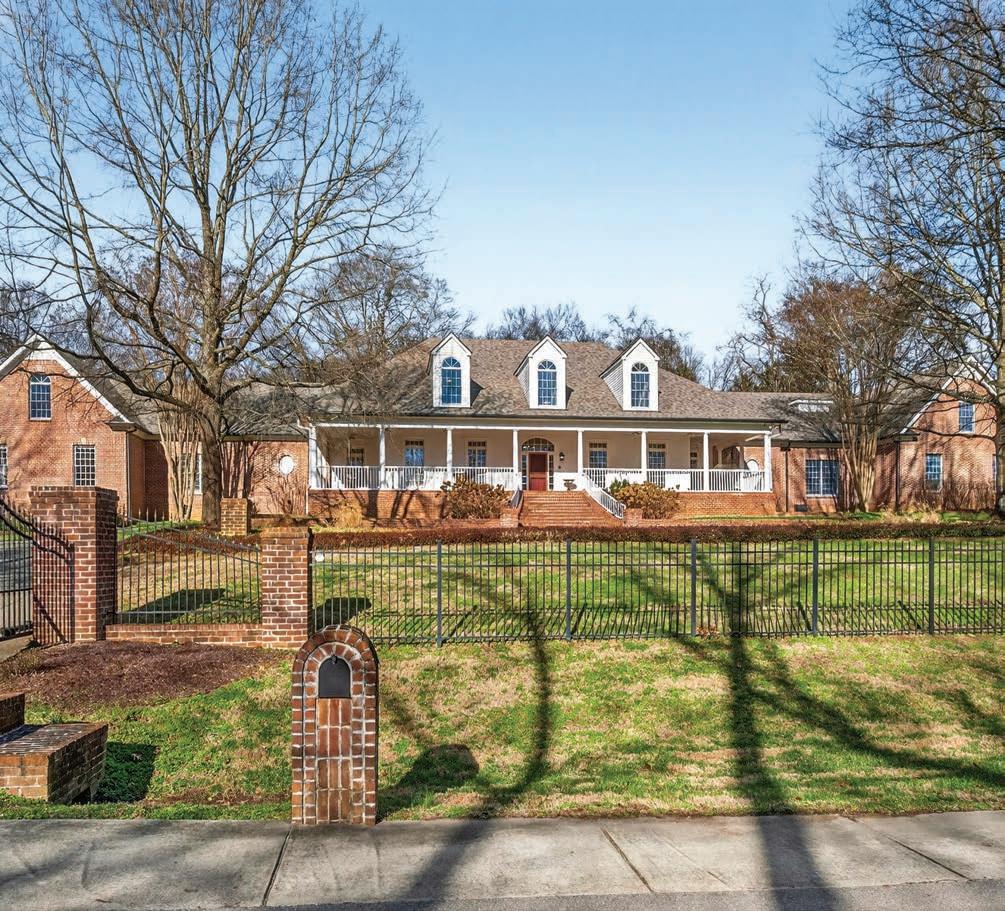
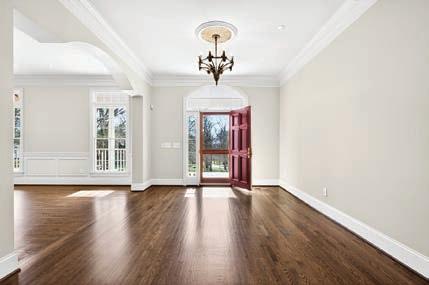
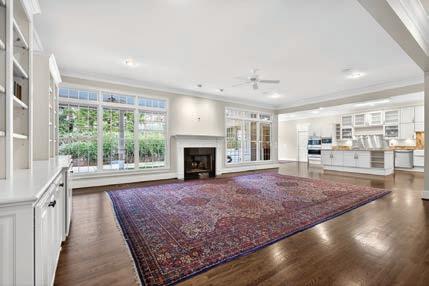
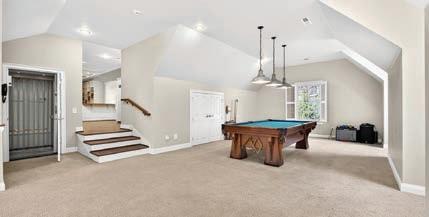
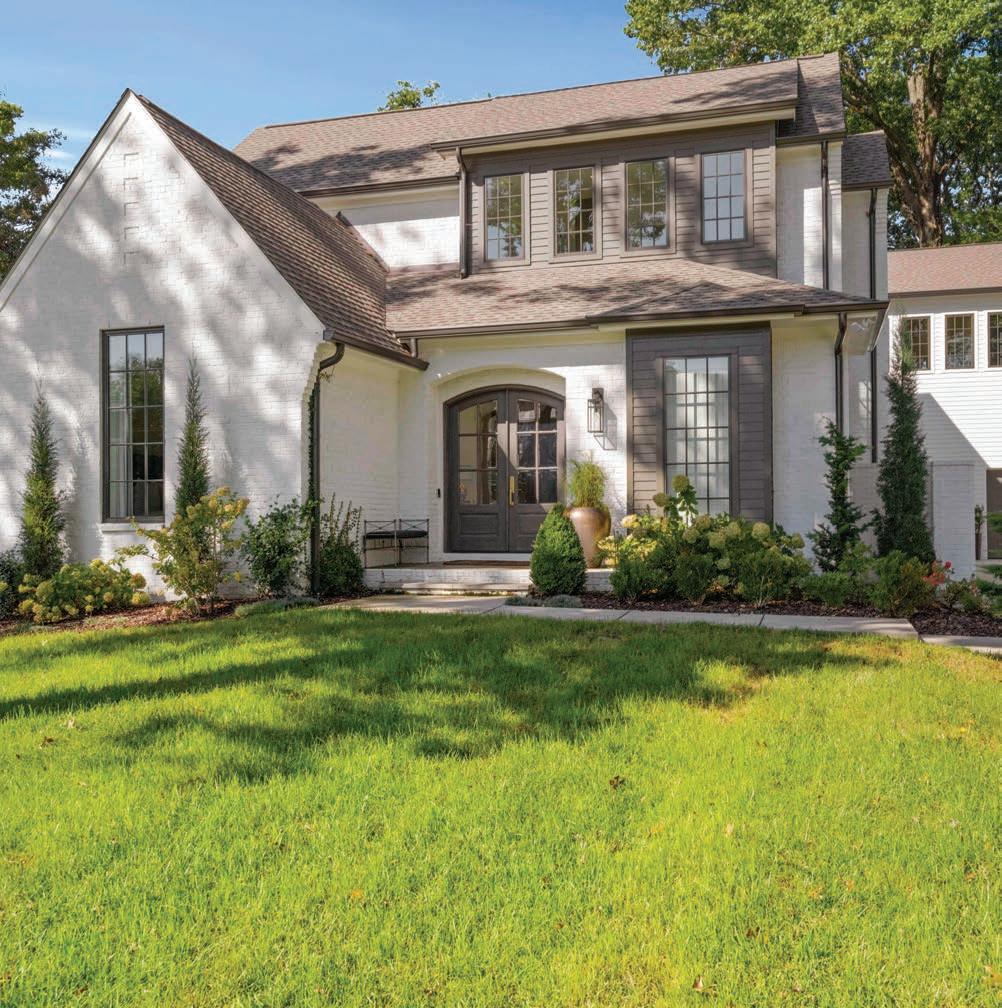
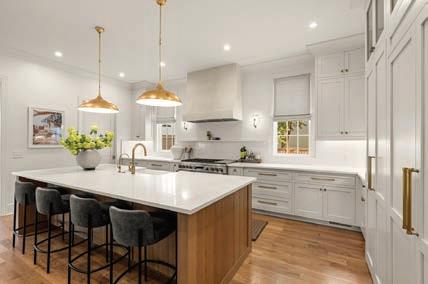
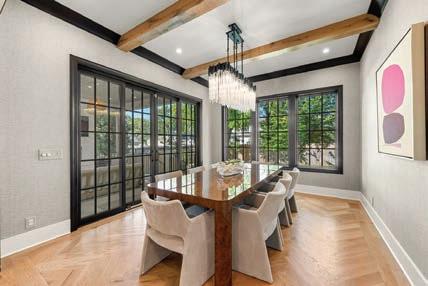
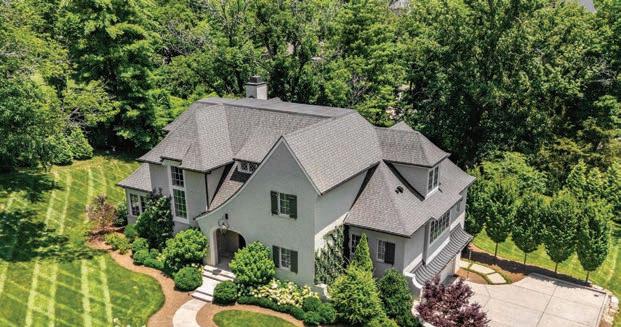
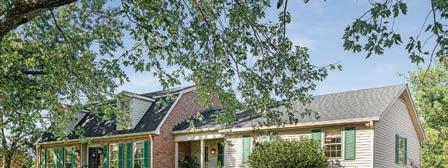
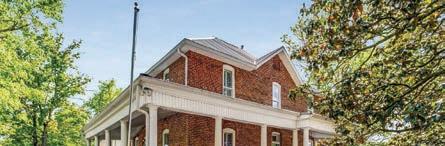
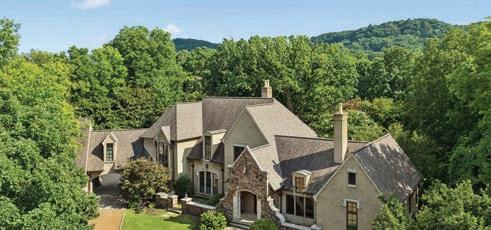
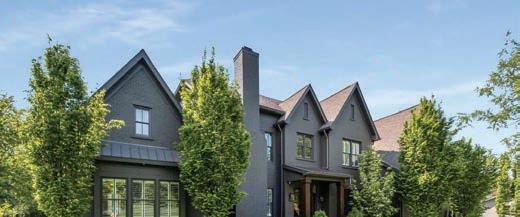
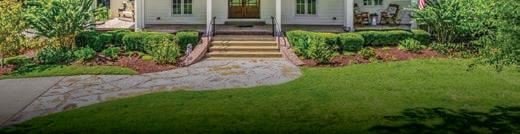
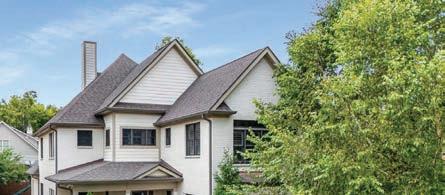
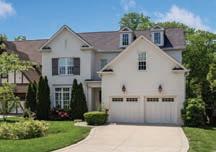
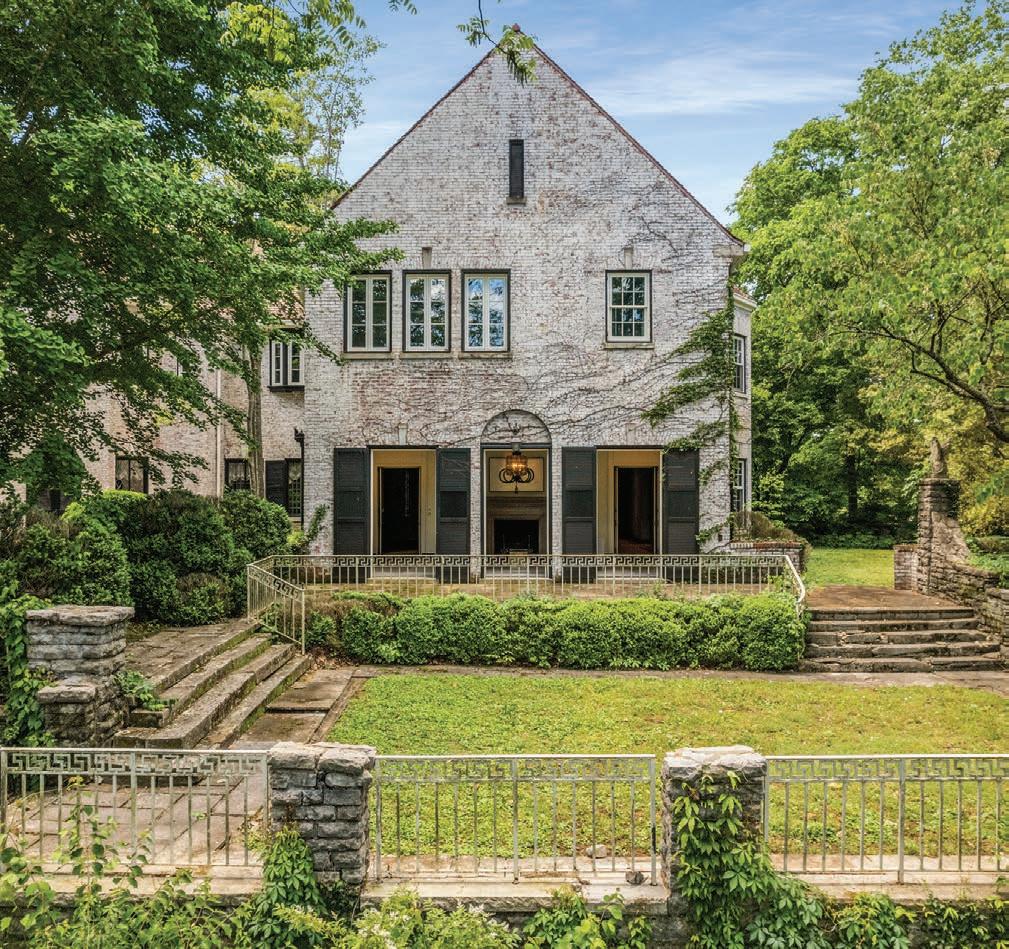
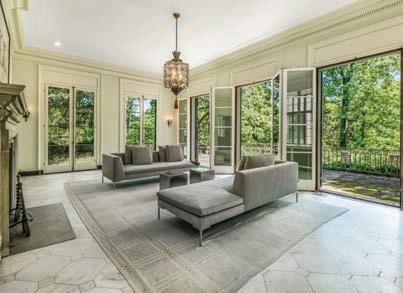
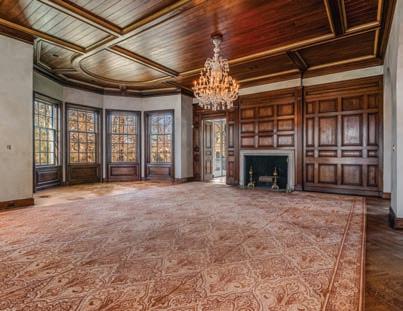
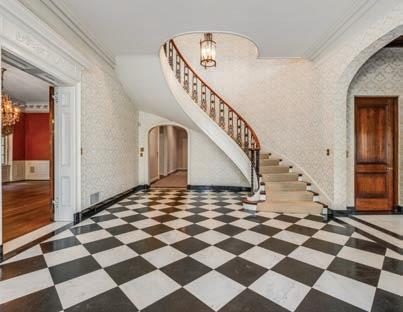
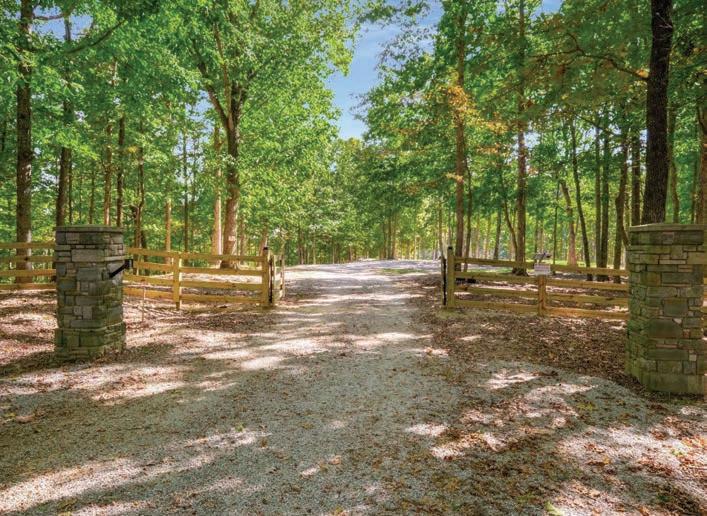
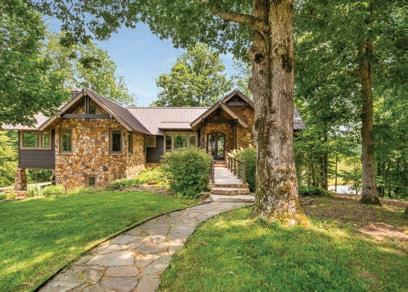
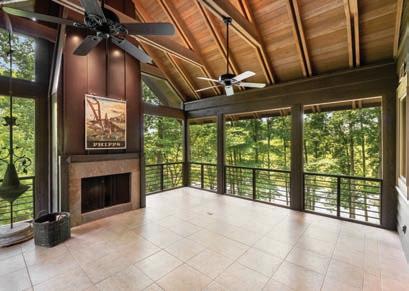
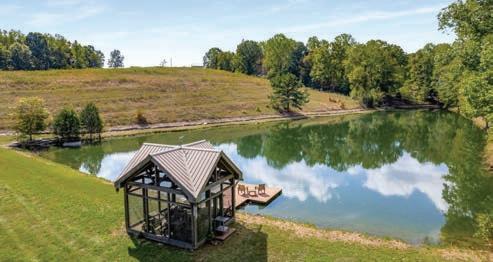
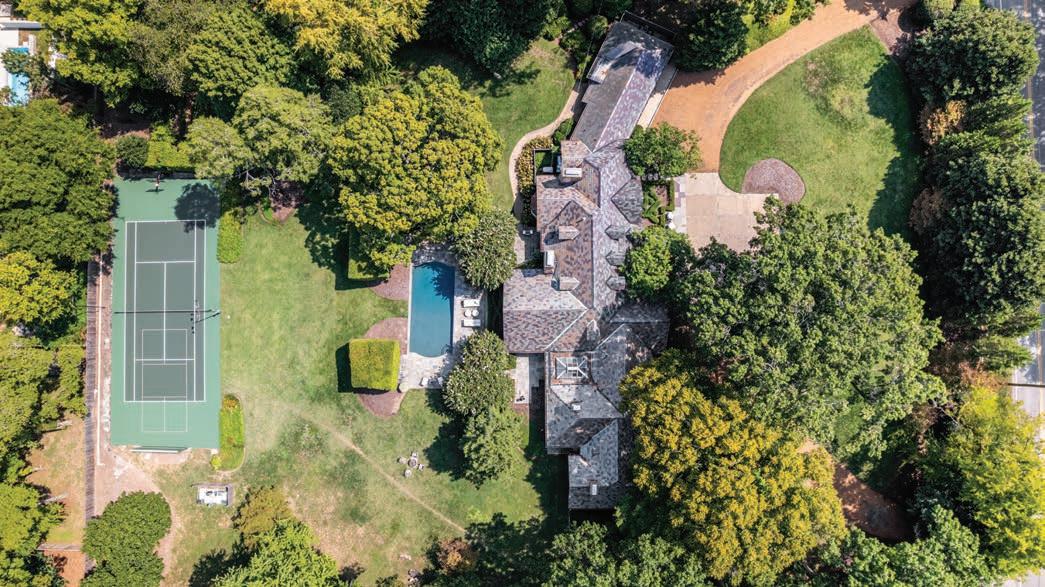
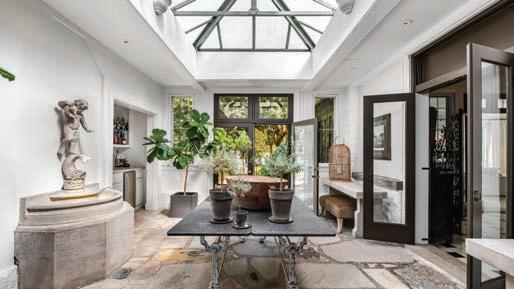
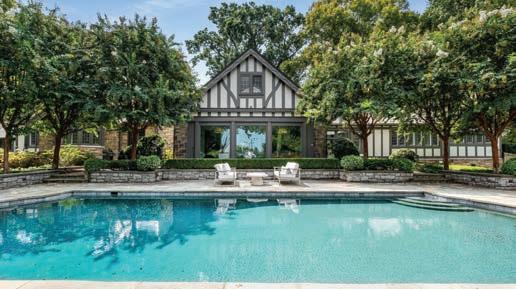
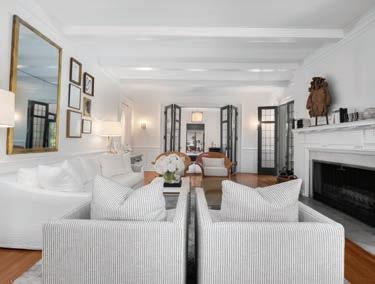
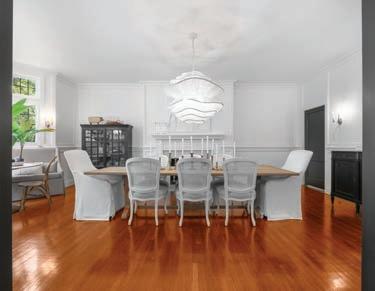
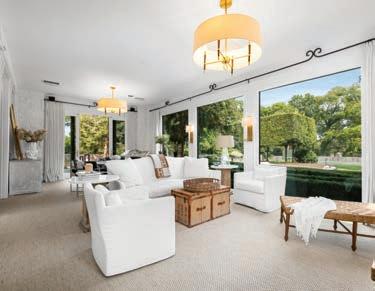
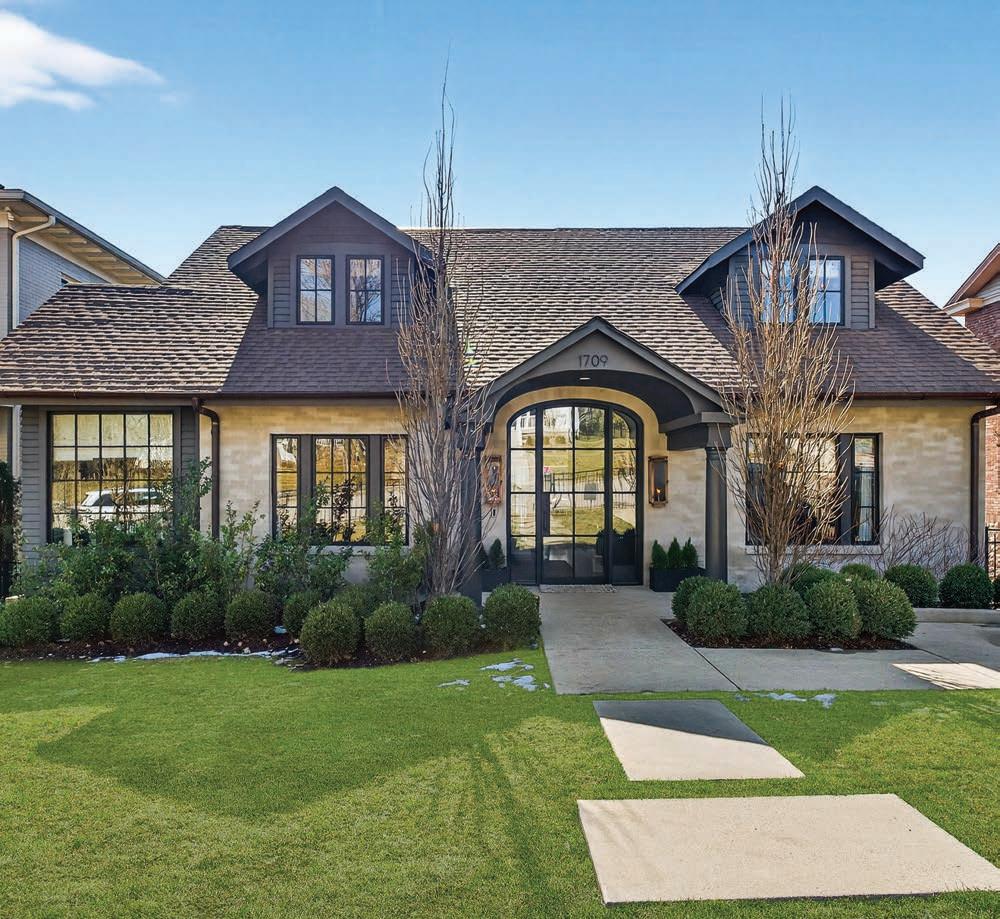
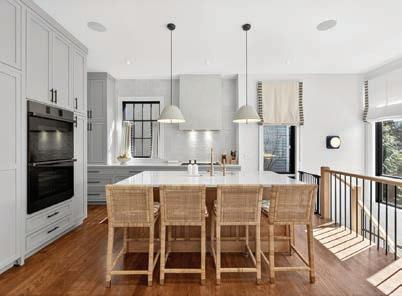
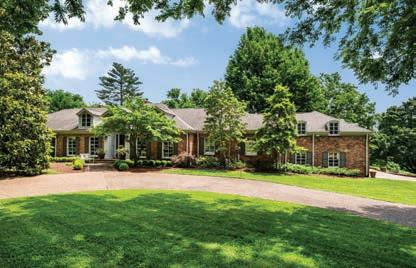
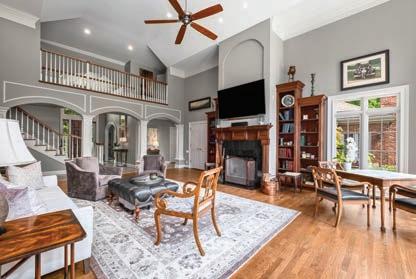
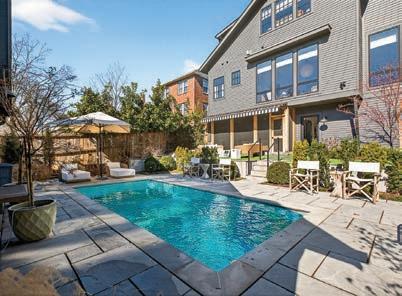
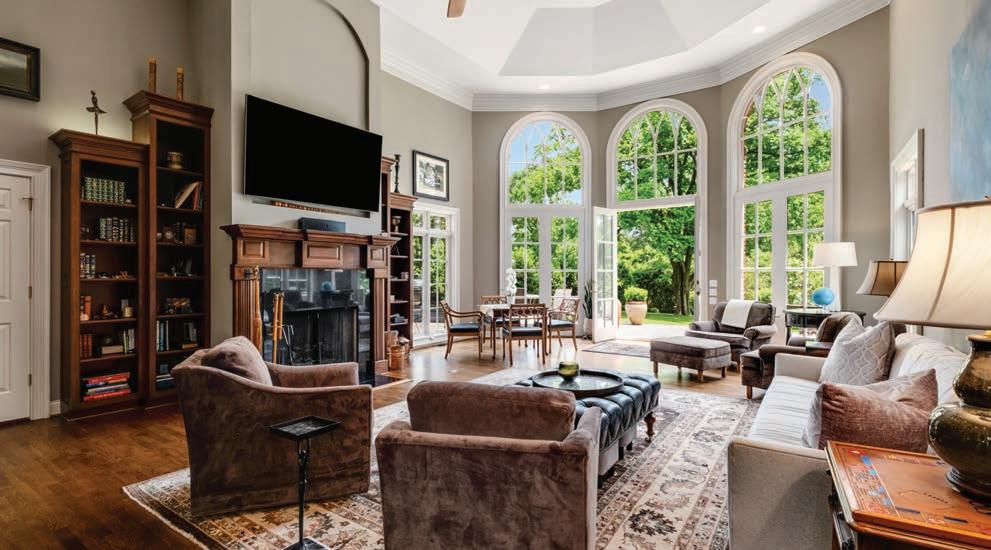
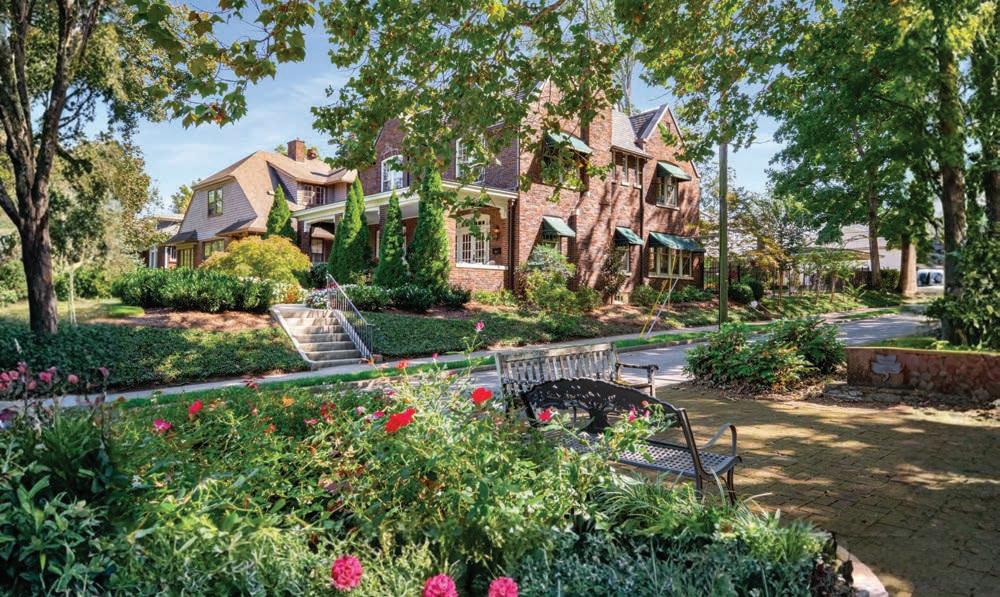
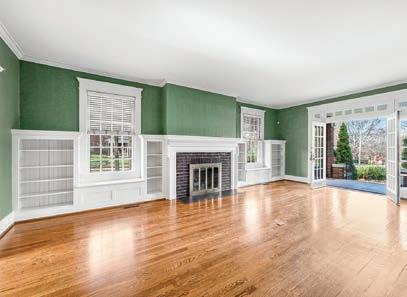
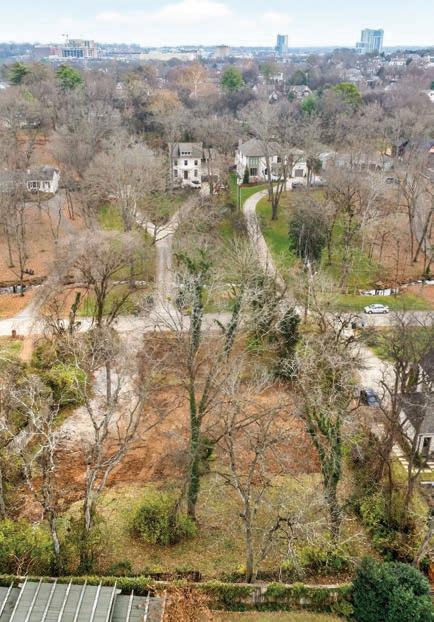
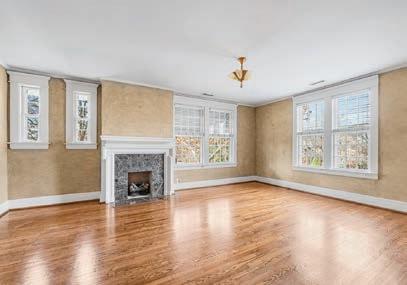
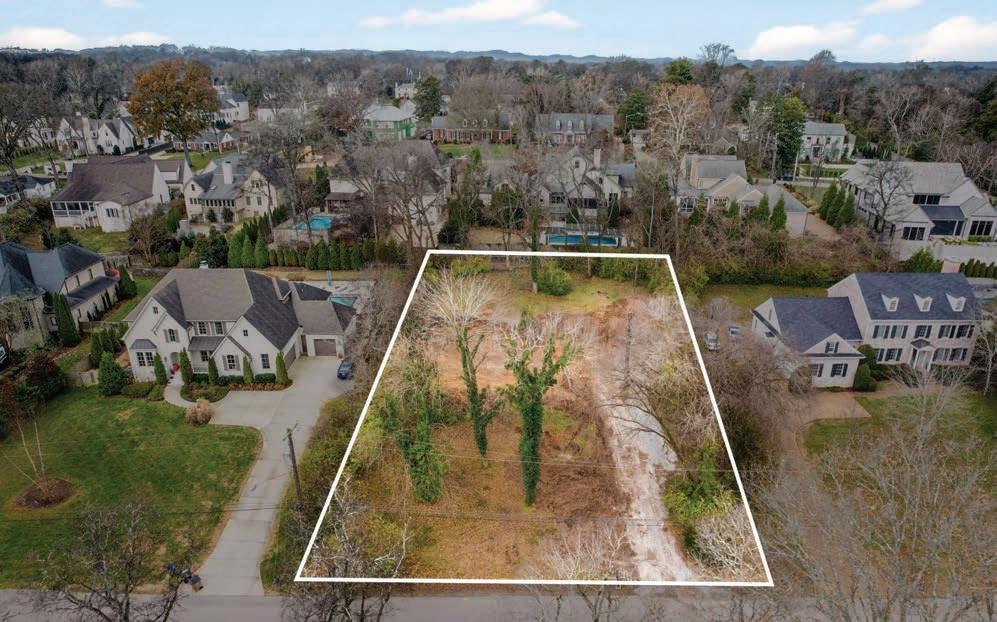
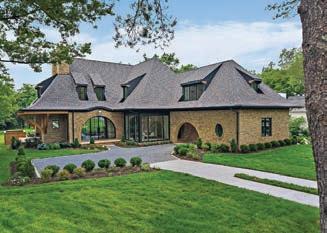
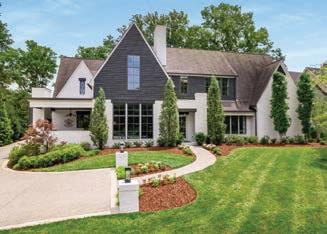
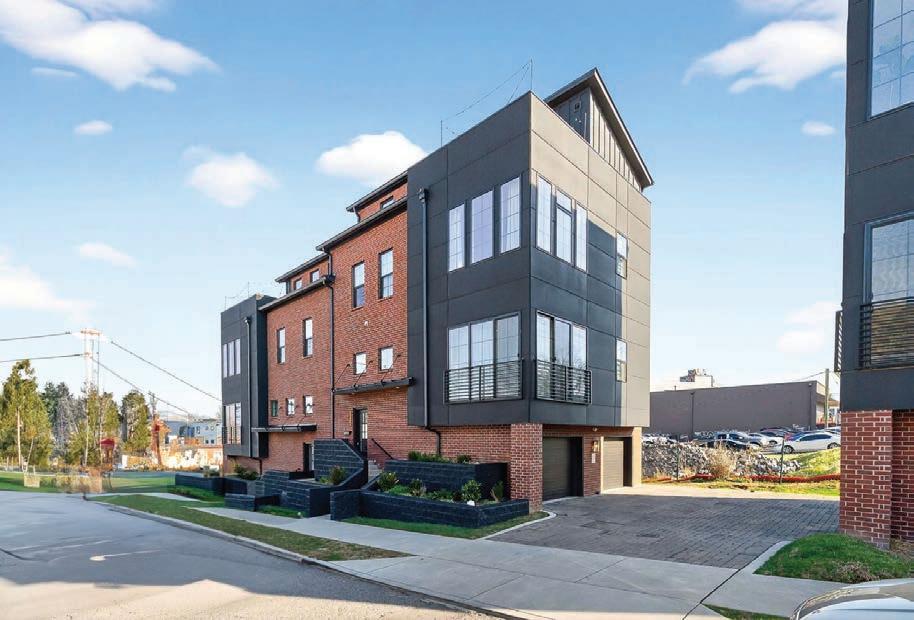
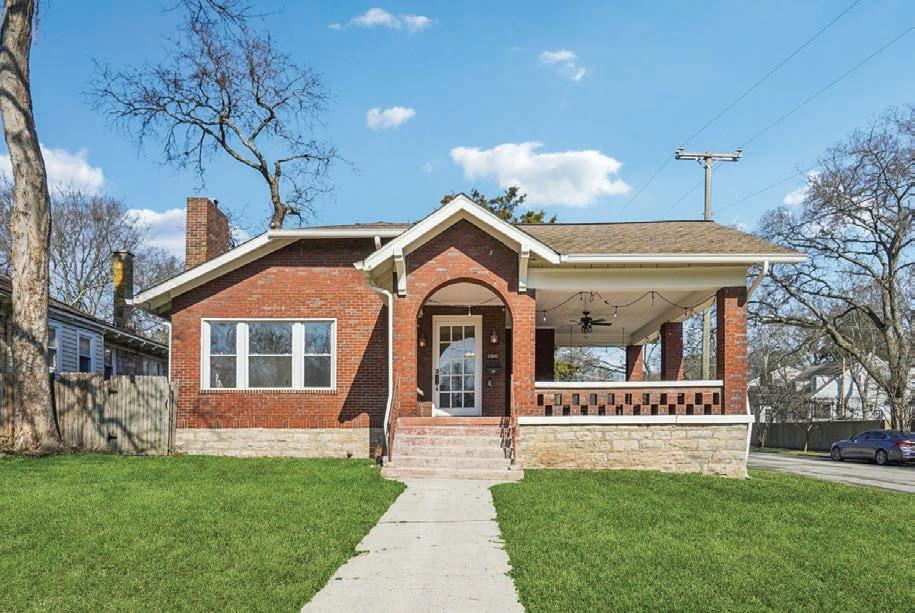
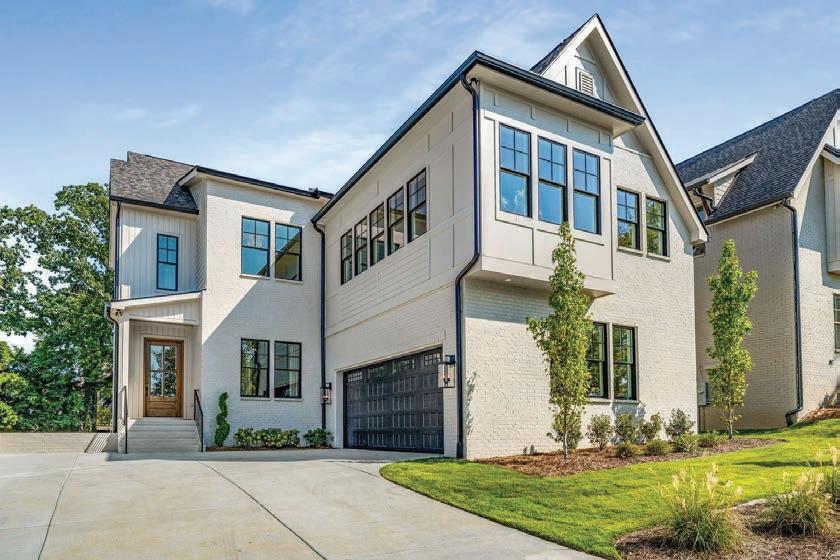
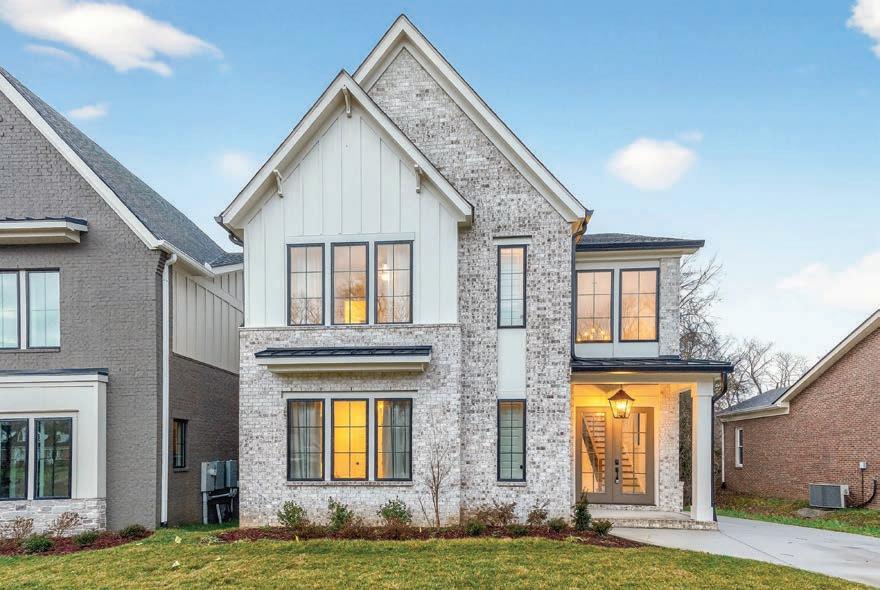
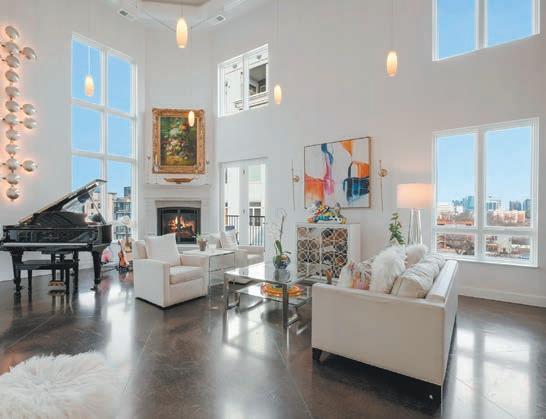
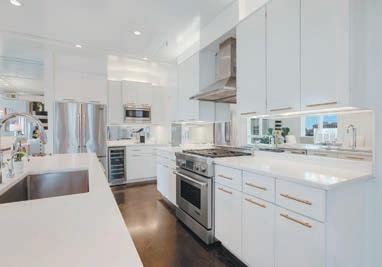
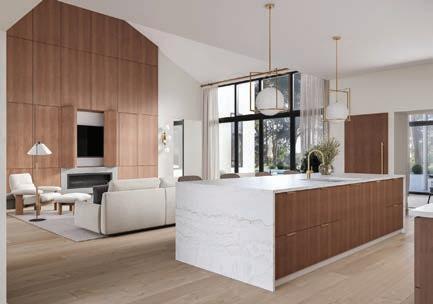
9067 Fallswood Lane Brentwood, in Brentwood Glen off Wilson Pike/Concord Rd 4BR, 3FB, 2HB, 4,174sqft. $1,649,000
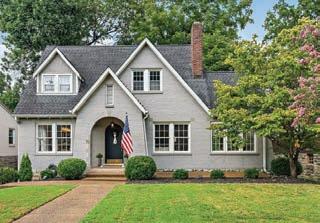
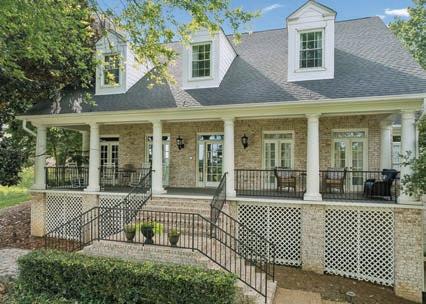
9067 Fallswood Lane Brentwood, in Brentwood Glen off Wilson Pike/Concord Rd 4BR, 3FB, 2HB, 4,174sqft. $1,649,000

•
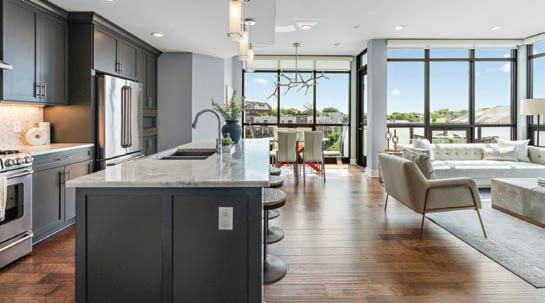



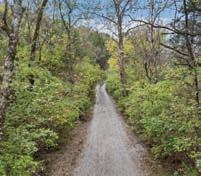
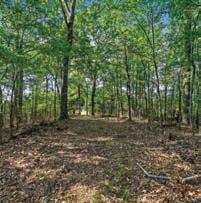
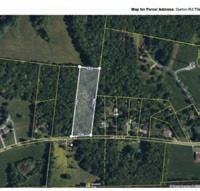
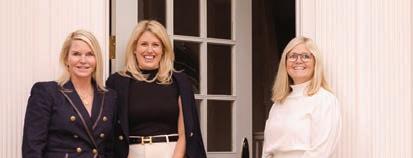
In my 35+ years living and working in Nashville, I’ve navigated the twists, turns and now expansive growth of this wonderful place. Let me help you make the best choices in your biggest investment — real estate. I’m so grateful for my clients’ great reviews, repeat business and continued referrals. I’d love the opportunity to help make your Real Estate Goals a reality!
In my 35+ years living and working in Nashville, I’ve navigated the twists, turns and now expansive growth of this wonderful place. Let me help you make the best choices in your biggest investment — real estate. I’m so grateful for my clients’ great reviews, repeat business and continued referrals. I’d love the











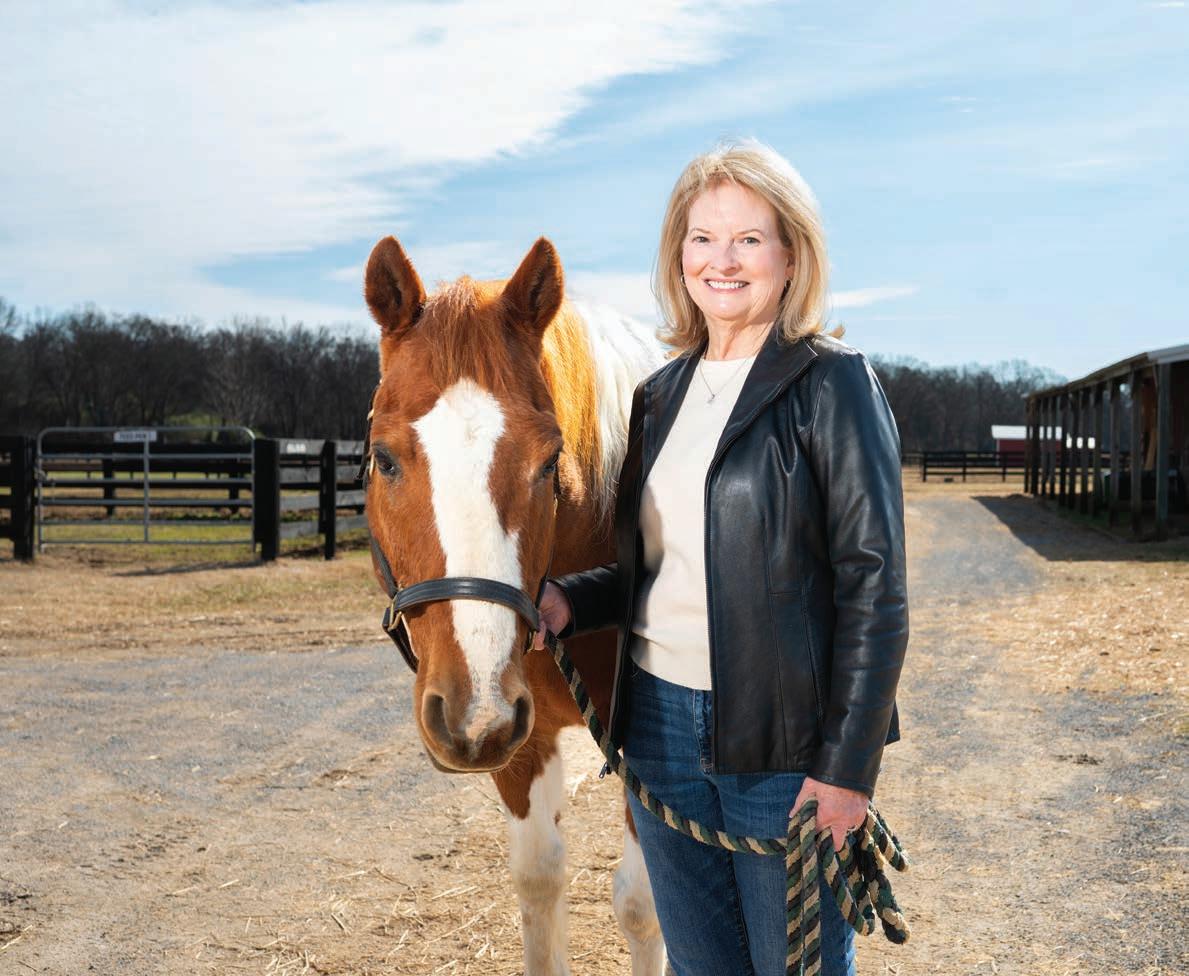
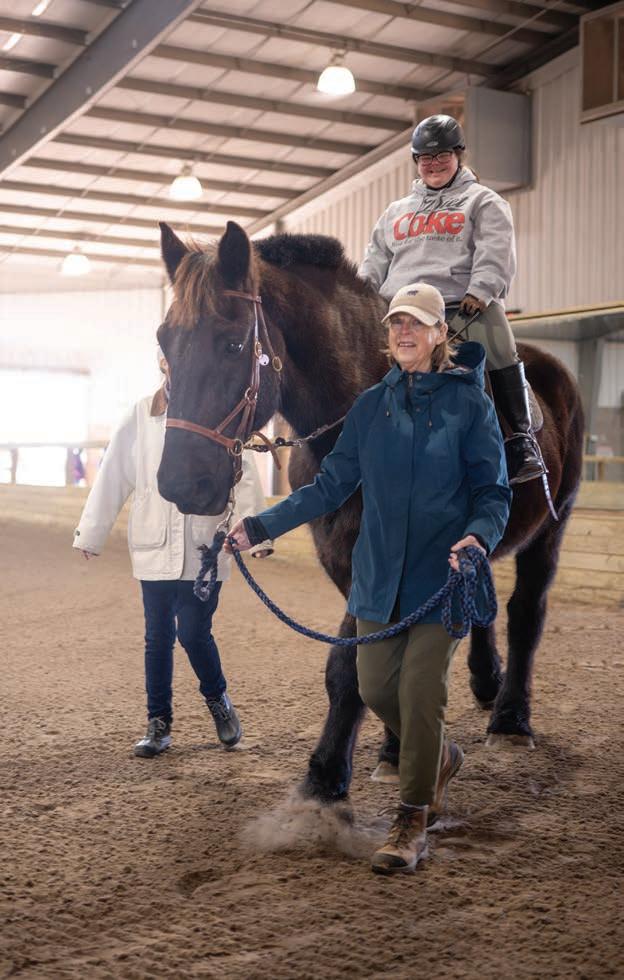
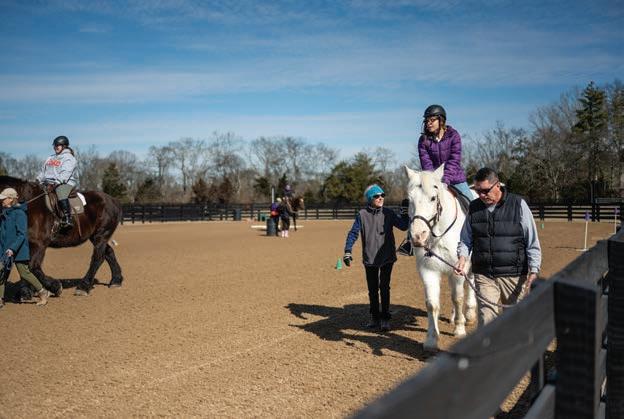
The bond between horses and humans is ancient and symbiotic. Horses have stood alongside people in commerce and in battle, and they’ve long served as cherished companions. Working with a horse demands trust and mutual respect. They’re also highly empathetic animals, capable of mirroring human emotion and helping people manage stress and anxiety.
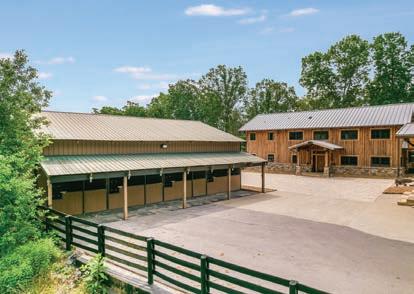
Alton Kelley, Lynne Evans, Charles Crafton and Nancy Wennberg founded Saddle Up! in 1989 as a once-a-week therapeutic riding program for children with disabilities. Today, the organization’s 34-acre farm offers riding year-round, along with individually tailored programs like adaptive riding and horsemanship, equine therapy, interactive vaulting and more. “It has been our privilege over the past 35 years to witness many first steps, first words and the joy of a precious child who experiences their first taste of mobility or independence on the back of a horse,” says Audrey Kidd, the organization’s executive director.
At Saddle Up!, the horses are part of the family. There are nearly 30 in the herd, and by working closely with them, students can uncover each horse’s distinct
personality. With names like Bailey, Bishop, Jelly Bean and Governor, the horses’ patience and steady presence leaves a lasting impression on everyone they meet.
The program also gives students opportunities to showcase their equestrian skills for family and friends during SUPER Week and the SUPER Show competition, as well as the Music Country Grand Prix and Chukkers for Charity (both of which benefit the organization).
Saddle Up!’s work doesn’t end when its students turn 18. Through its Alumni Transitions program, designed for ages 19 to 26, the organization helps young people build valuable life skills while maintaining a structured focus on equestrian work. “The program builds confidence, communication and community among our young adult riders,” Kidd says.
For Saddle Up!, the future is full of opportunity. The organization currently has a two-year waitlist, and demand continues to increase. “We are thrilled to address this challenge head-on: increasing capacity, enhancing accessibility, creating family-centered spaces, broadening our impact in the community, and investing in the volunteers and staff who make our programs possible,” Kidd says.
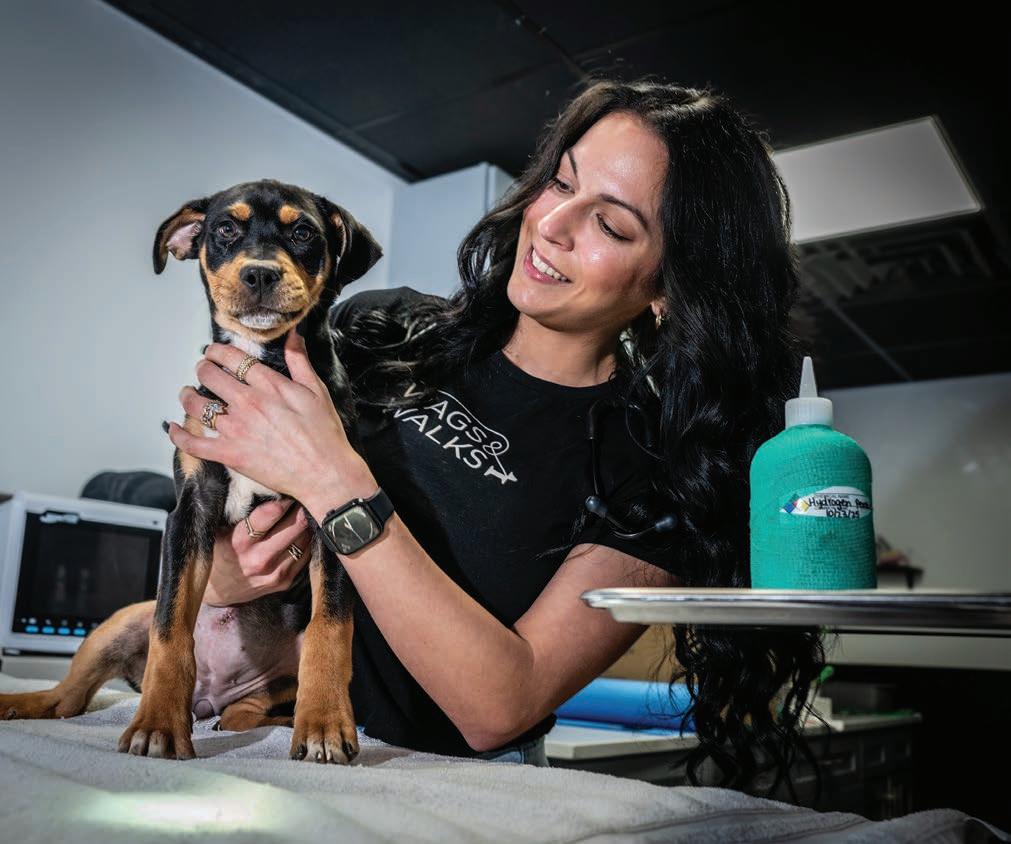
Dog lovers scrolling through Wags & Walks Nashville’s Instagram feed might find it difficult to resist jumping straight to the organization’s adoption page. The page is full of adoptable pups with sweet faces and charming names — Cocoa, Raisin, Pimento. It also tells some heavy truths about pet abandonment and hardship.
But it’s tough not to be won over by the canine companions that grace the page every day. Just ask former Democratic adviser and TV host George Stephanopoulos, whose family recently adopted a dog in the organization’s care.
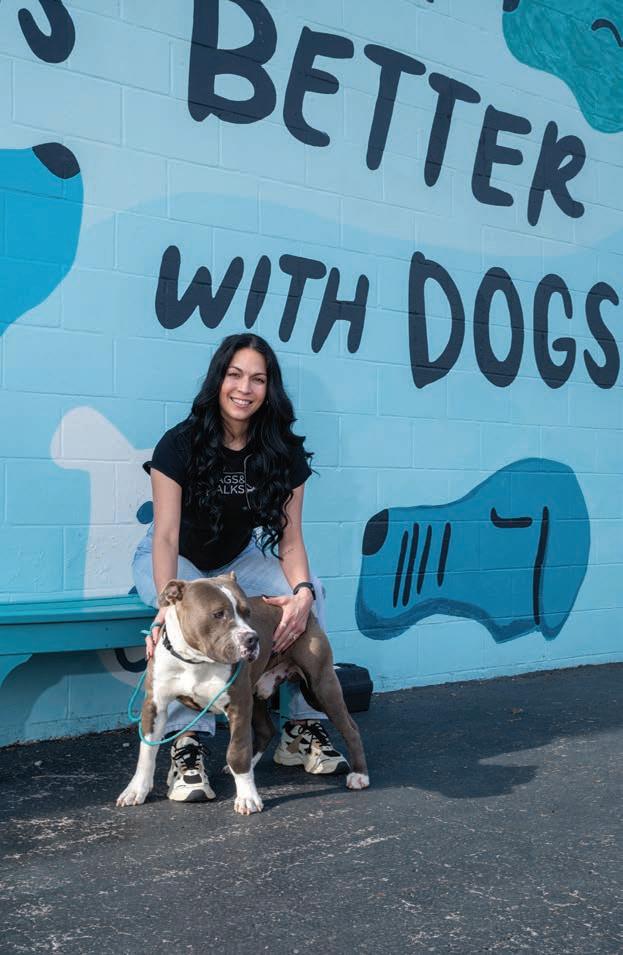
Animal advocate Lesley Brog founded Wags & Walks in 2011 to rescue dogs and reduce euthanasia rates in shelters. Since then, the Los Angeles-based organization has saved nearly 17,000 dogs. Recognizing the need to address overcrowded shelters in the South, Kathryn Hurley founded the Wags & Walks Nashville chapter in 2019 — which has now grown into a central resource for pet owners across Middle Tennessee.
As one way to help the community, Wags & Walks serves as a bridge between pet ownership and pet surrender. By offering emergency medical relief, affordable
spay and neuter services, and low-cost vaccines and preventative care, the organization prevents financial hardship from forcing families to surrender beloved pets.
“When pet owners face rising costs, even basic services can feel overwhelming,” says Jessica Vega, the nonprofit’s medical director. “Our goal is to help remove those barriers so people don’t have to choose between financial strain and their dog’s well-being.” Ultimately, Wags & Walks wants to “keep families together” and “build a safety net in our community,” she adds.
Take Blondie, a young German Shepherd who was hit by a car and needed an emergency amputation to survive. Blondie’s family couldn’t afford the cost of care and made the agonizing decision to surrender her. Wags & Walks stepped in to get Blondie the life-saving surgery she needed — and reunited her with her family the very next day.
“Sometimes people don’t need to give up their dog — they just need support before a crisis becomes a surrender,” Vega says. “Blondie is exactly why we built programs like Wags for Good and our emergency relief grant: to keep families together whenever we can.”
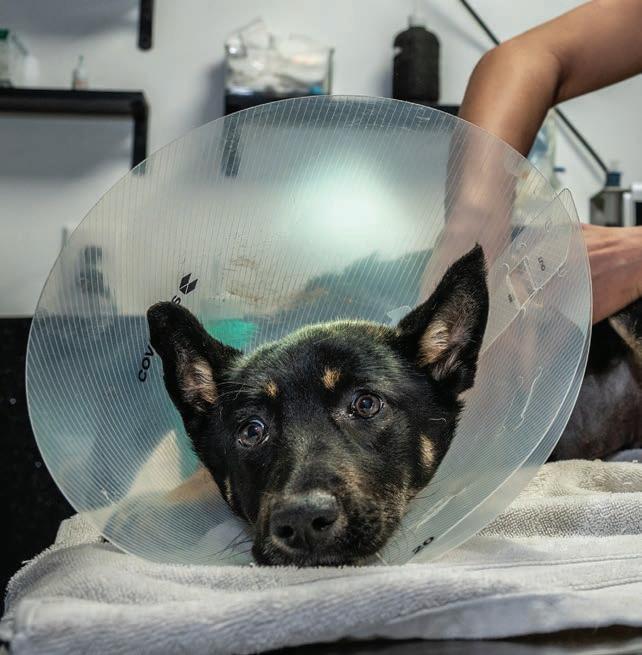






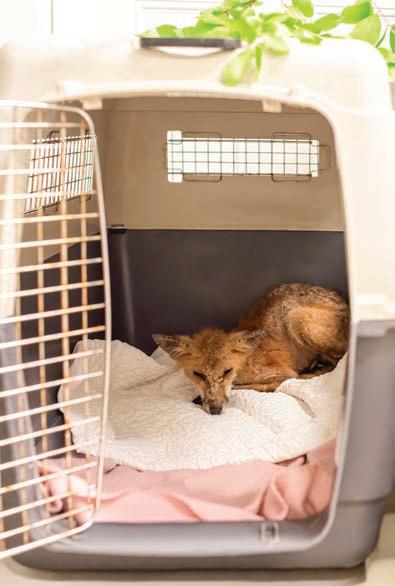
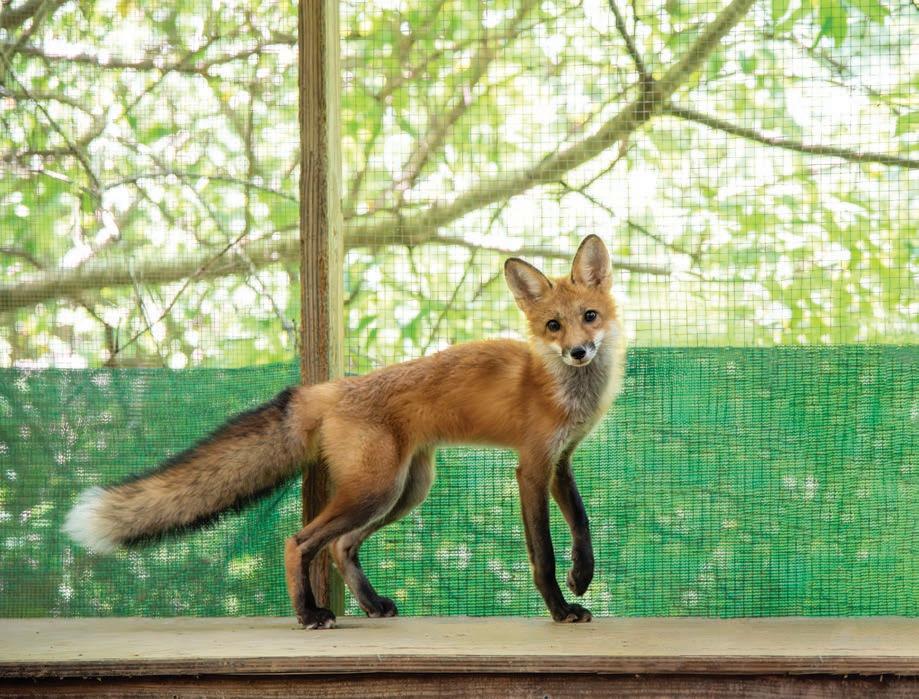
Backyard conservationists are encountering sick, mange-infested foxes across Middle Tennessee. The cases stem from several factors, including increased use of rodenticides, which weakens foxes’ immune systems, and habitat loss, which forces them into close quarters and accelerates mite transmission. Left untreated, the disease leaves wildlife emaciated and often leads to a slow, agonizing death. Walden’s Puddle works tirelessly to save as many of these animals as possible.
Founded in 1989 by the late homebased rehabilitator Vicky Carder, Walden’s Puddle rescues, rehabilitates and releases more than 4,000 animals each year from over 120 different species. Walden’s Puddle doesn’t let the public photograph animals in its care, and its caregivers wear specialized clothing to prevent animals from getting too used to human contact.
Walden’s Puddle receives no federal or state funding, relying solely on donations and foundation support. And while it has a paid staff including animal care experts and a facility manager, the nonprofit is largely driven by working board members and community members donating their time and talent. In 2023 alone, the Walden’s Puddle team served an estimated 7,000 volunteer hours.
“We are not here for the accolades,” says Lane Brody, recording artist and
Walden’s Puddle executive director. “We are here for the animals.”
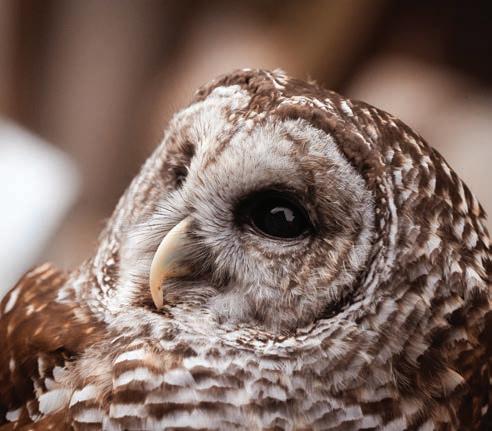
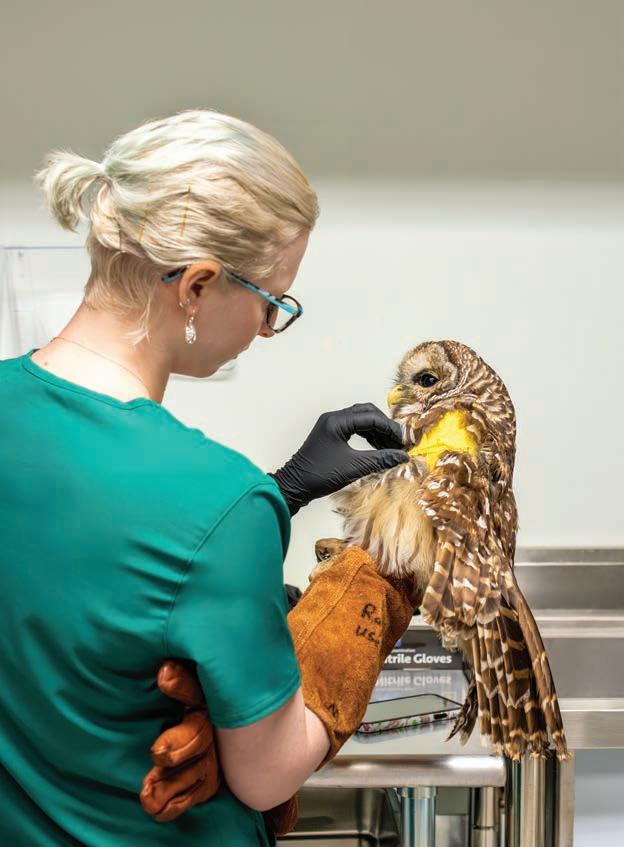
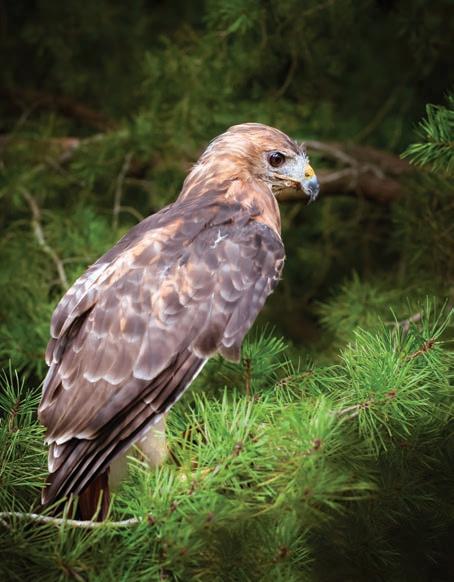
Foxes are only one part of the story. The organization’s intake list reads like a who’s who of Tennessee wildlife. Recently, Walden’s Puddle has seen an influx of raptors, including bald eagles, red-tailed hawks, great horned owls, barred owls, American kestrels and Eastern screech owls. Many arrive suffering from lead poisoning, gunshot wounds or other injuries tied to human-wildlife conflict.
Brody emphasizes that coexistence requires shared responsibility. When one local camp called to report three mangy foxes, the Walden’s Puddle team worked with camp leadership, helping them understand that the rodenticide and pesticides they used were creating the problem. Walden’s Puddle rehabilitated and released the foxes, and the camp ceased use of rodenticides. It now uses natural products to keep pests at bay and continues to partner with Walden’s Puddle to this day.
As development expands across Middle Tennessee, homeowners increasingly encounter wildlife in their own backyards. Often, these animals are simply searching for food, and pet food left outdoors can unintentionally attract wild visitors. “We humans have a part to play in this,” Brody explains. “We can engage with animals through thoughtful observation to understand why they are in our backyards and how we can coexist.”


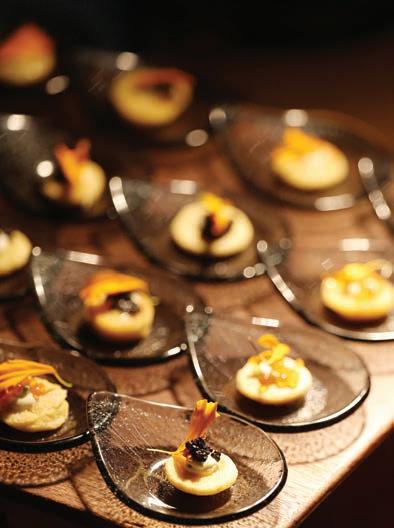
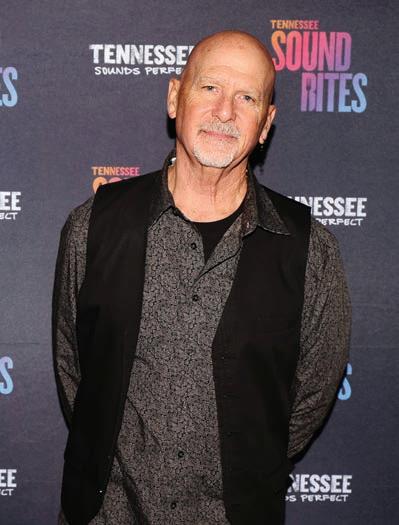
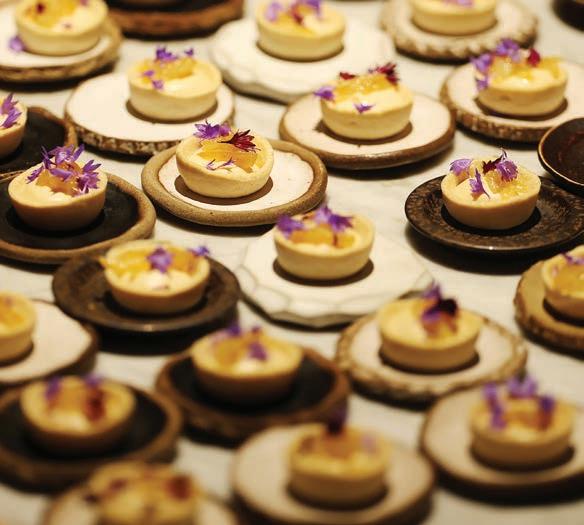


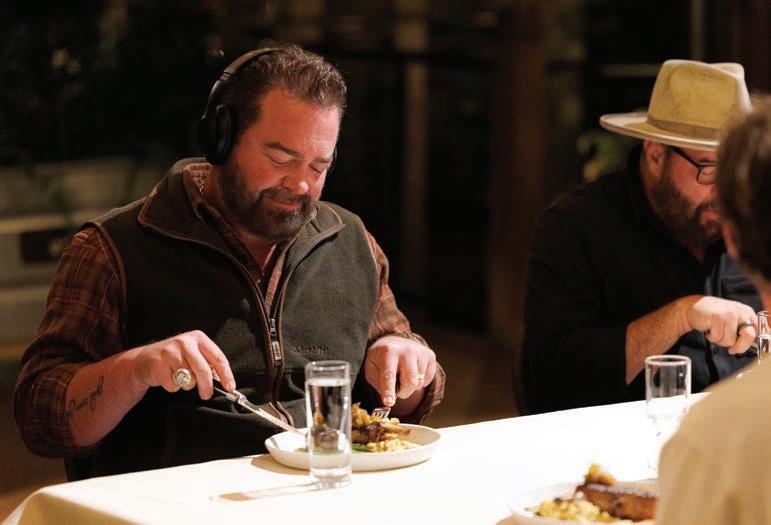
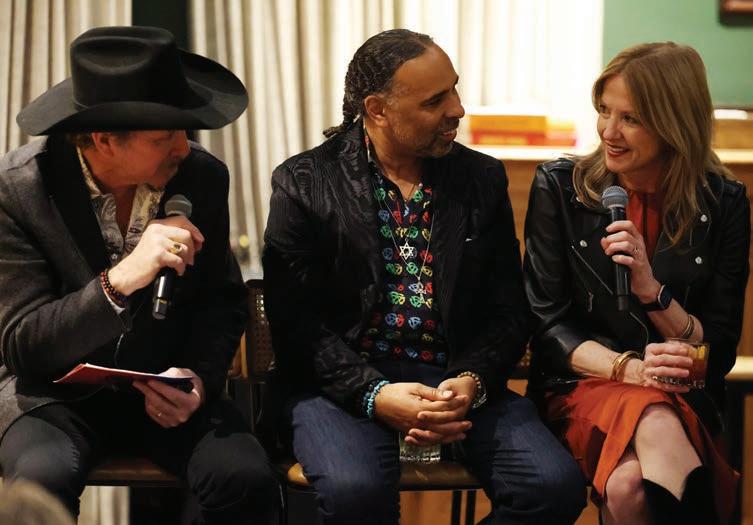
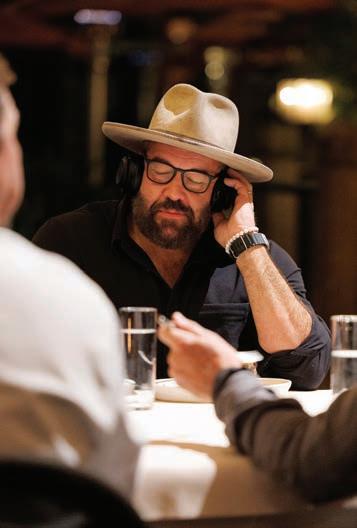
Sound Bites blends food and music, one of Tennessee’s most natural pairings
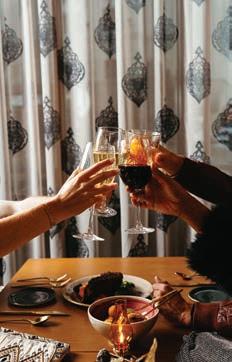
ON ANY GIVEN night across Tennessee, you’ll see musicians in restaurants, tuning their guitars or warming up at the piano, as they prepare to elevate the guest experience for diners enjoying their meals. Elsewhere, you’ll find hosts and hostesses poring over the perfect songs to play to create just the right atmosphere at their dinner parties. This is the Tennessee experience — food paired with music.
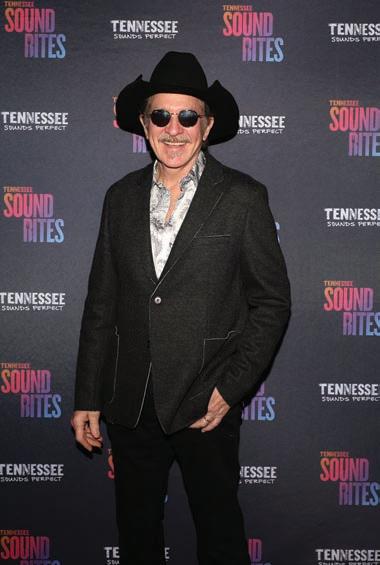
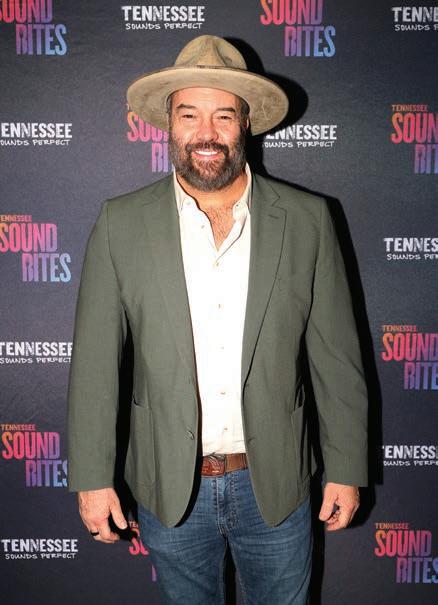
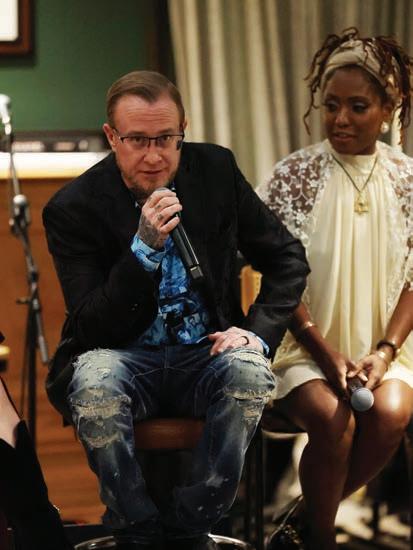
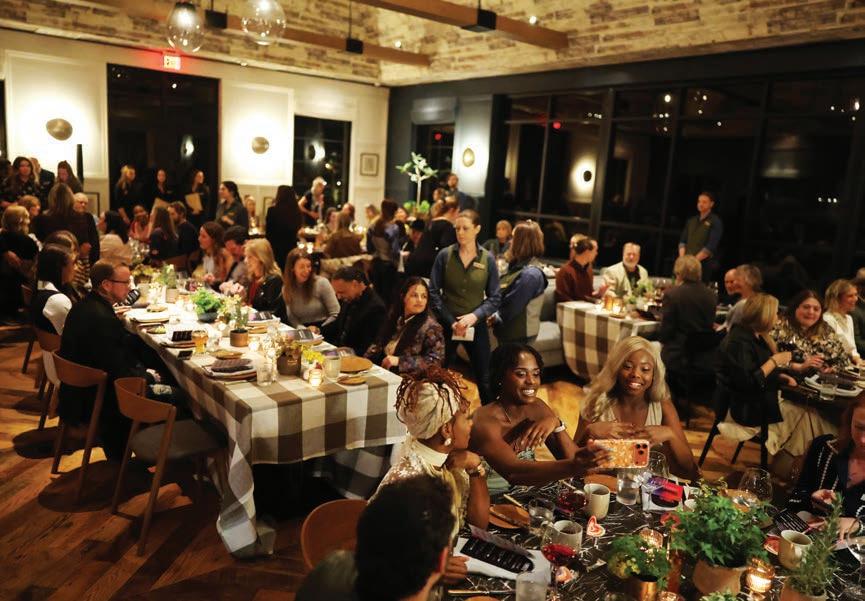
The Tennessee Department of Tourist Development recently expanded this natural pairing with a creative challenge. It teamed up chefs and musicians from across the state and asked them to create “Sound Bites,” harmonious combinations of taste and sound.
SOUND BITES IS based on the idea of “sonic seasoning,” a phrase coined by Oxford University experimental psychologist Charles Spence to describe how the brain treats sound as an active ingredient in perception. Per Spence’s research, elements like pitch, tempo and instrumentation can influence how the brain perceives taste. Carefully paired soundscapes and playlists can intensify the notes you detect as you eat a dish.
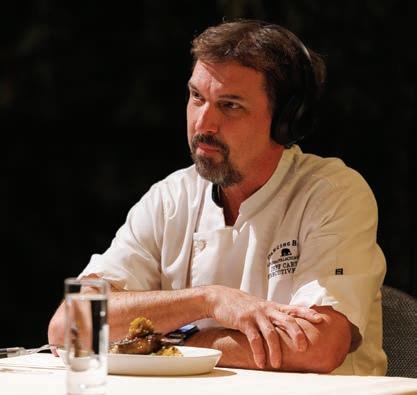
To illustrate this theory, TDTD created three chef-musician teams highlighting Tennessee’s major regions. Country artists Lee Brice, David Tolliver and Billy Montana worked with Dancing Bear Appalachian Bistro’s Jeff Carter to represent East Tennessee. West Tennessee chef Felicia Willett of Felicia Suzanne’s collaborated with Three 6 Mafia cofounder DJ Paul, rapper Lil Wyte, producer Boo Mitchell, and the band Southern Avenue. And singer-songwriter Ben Rector teamed up with Nashville chef Philip Krajeck of Rolf & Daughters, Folk, and Junior to capture Middle Tennessee’s spirit. TDTD then asked each group to compose a unique dish and a song to pair with it, documenting their creative processes through three short films.
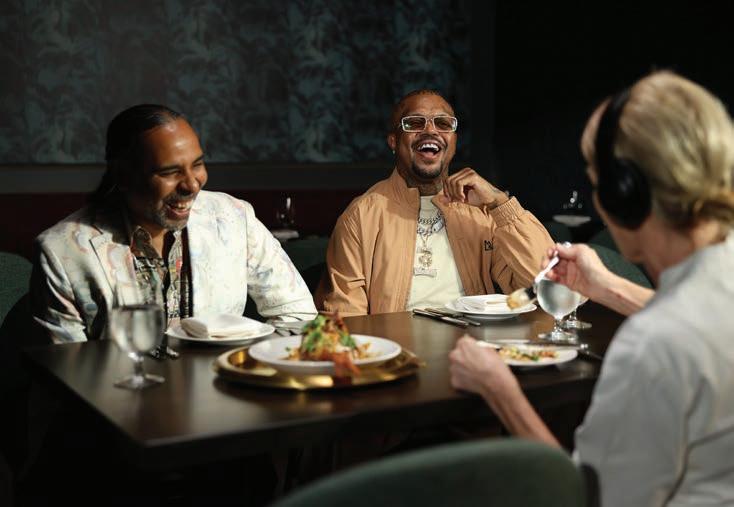
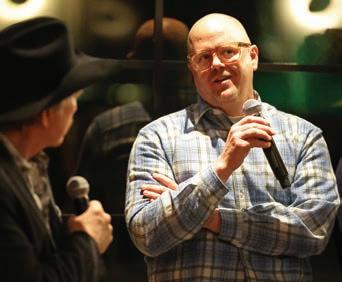
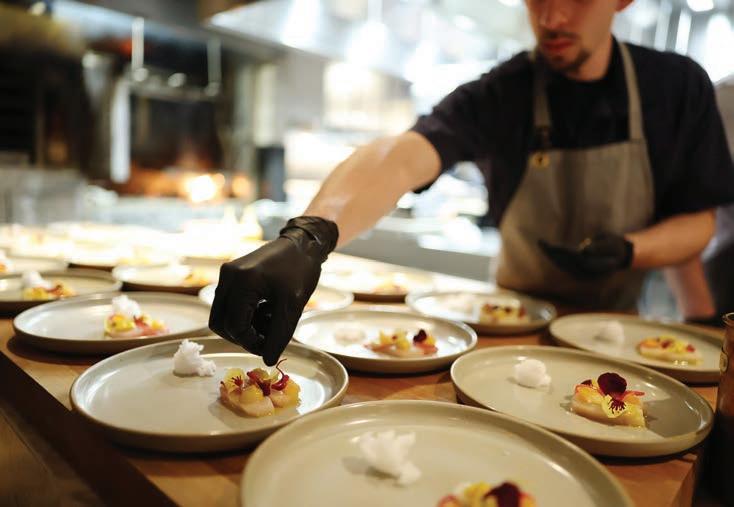
EACH DOCU-SHORT TAKES viewers on the artists’ journeys of creating dishes and pairing them with the perfect chords. “We have incredible tomatoes here,” Krajeck says in the Middle Tennessee film. “But one of the things people don’t know, or haven’t experienced, is what it’s like to walk through rows of tomato plants.” There’s the smell of the vines, the feel of the leaves, the flesh of the tomato. Krajeck translates those sensory experiences into flavors and textures, using every element of the tomato to craft a transportive bowl of pasta.
Inspired by Krajeck’s decision to use the entire tomato in his dish, Rector opts to use the entire instrument — in this case, a banjo — in his song. High frequencies represent the acid and salt in the food. The lyrics capture the feeling of walking through tomato vines, inspired by Rector’s own memories of his grandfather’s garden.
WHAT MAKES SOUND BITES more than a clever creative exercise is its invitation to participate. TDTD’s online interactive pairing tool invites you to enter a dish and identify its primary flavor profile (sweet, sour, salty, bitter or umami) to receive a Tennessee playlist curated to complement those notes. Toggle between different playlists to experience how subtle shifts in tempo, pitch and instrumentation influence your own perception of flavor.
“Sound Bites … [is] built as a discovery platform,” says Debra Smith, TDTD’s assistant commissioner of marketing. “The pairing engine connects food and music, while the website guides travelers to explore culinary experiences across the state. It’s designed to drive exploration well beyond the initial launch, with room to evolve over time.”
For restaurants and hosts, this opens up intriguing possibilities. Just as sommeliers carefully select pairings and chefs thoughtfully plate dishes, hosts can curate playlists by flavor profile rather than genre alone. Music can become part of the mise en place — an intentional layer of hospitality. “For centuries, people have paired food with wine,” says Mark Ezell, TDTD commissioner. “Now, we’re asking, ‘Why not food and music?’”
For Tennessee, the implications are even broader. Music is not just an industry here — it’s cultural infrastructure. By positioning music as an ingredient in the culinary experience, Sound Bites reframes two of the state’s strongest assets as collaborators rather than companions.
“The goal is to see visitors move from inspiration to exploration … [and] to see culinary experiences contribute meaningfully to overall travel growth,” says Smith. The result is immersive tourism — a reminder that in Tennessee, flavor has a soundtrack.
BY JANET KURTZ
PHOTOGRAPHS BY BRETT CARLSEN VIA GETTY IMAGES

Halls Catch executive chef Morgan Lewis reflects on his time in Nashville and details a new menu
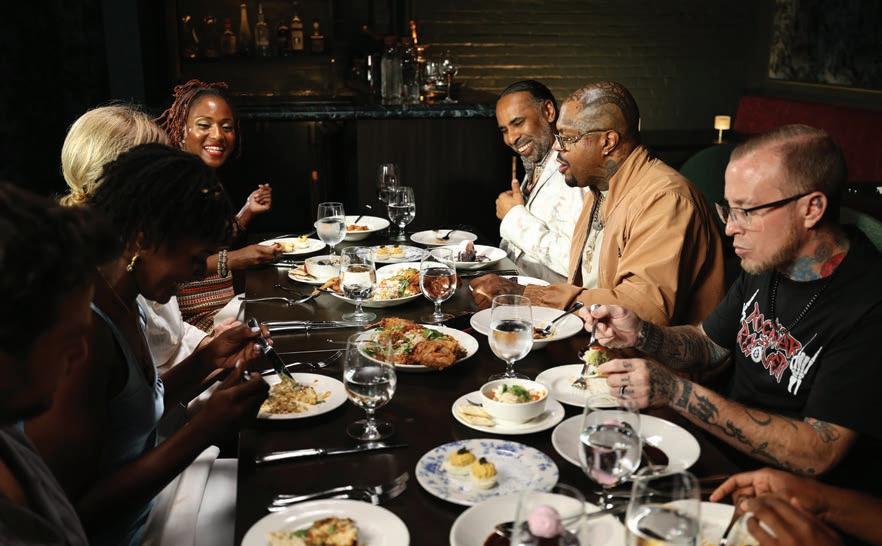
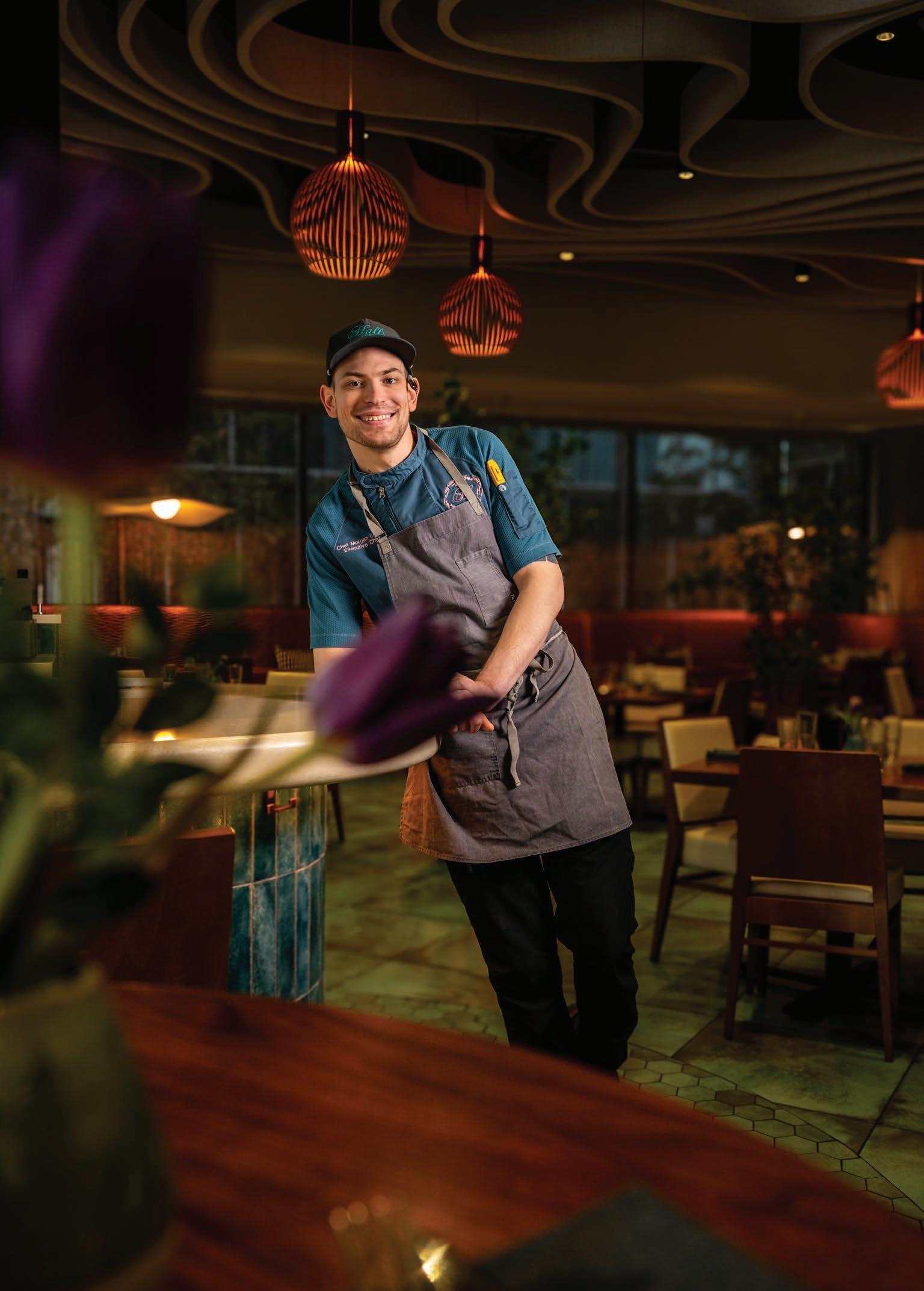
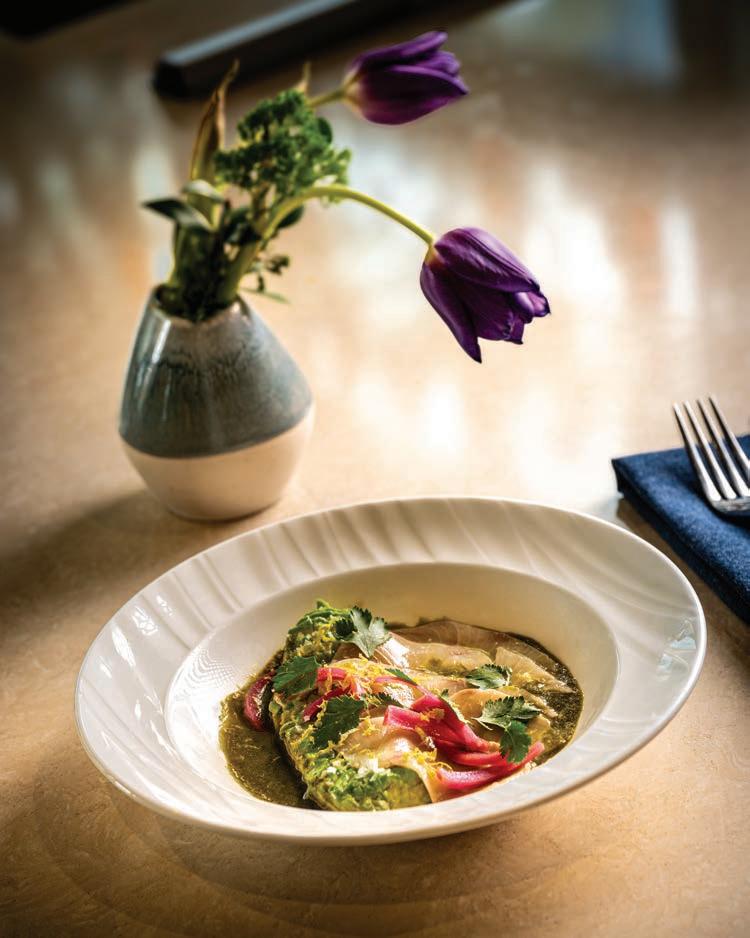
MORGAN LEWIS, executive chef of Halls Catch, is known for gathering the fruits of the sea and preparing them with surgical precision — all to create a seemingly simple result. Making something “effortless” requires effort, something Lewis hopes to accomplish with the new menu he launched Jan. 28. “I’m super technique-heavy — intense prep, but simple outcome,” he says. “I like to create and do a lot with a little.”
While living in California, Lewis gained ample experience cooking Italian, Japanese and American cuisine. His fluency in Korean (established since high school) and appreciation for Asian culture greatly shape his epicurean flair and refined yet approachable seafood dishes.
AFTER GRADUATING FROM the Culinary Institute of America in Napa, Calif., Lewis was working full-time as the executive sous-chef of a sushi restaurant when he met his mentor, chef Ryder Zetts. Zetts, planning to move to Nashville with his family, asked Lewis to be his sous-chef and open a seafood-forward restaurant in 2020. Before Lewis knew it, he was boarding a plane and dreaming up a Nashville outpost for Atlanta’s The Optimist.
Atlanta-based group Ford Fry Restaurants hoped to expand its reach in Nashville after opening Tex-Mex favorite Superica in 2019. Many of Lewis’ creations remain on The Optimist’s menu and helped the restaurant earn the “Best High-End Seafood” title in the Nashville Scene’s 2025 Best of Nashville issue. “I poured my soul and life into that place,” he says.
Lewis found another mentor in Chris Von Egger, the regional chef for Halls Chophouse, who looped him into Halls Catch. Before the restaurant opened in October 2024, Lewis solidified his position with a tasting that displayed his wild, often audacious creativity. “They left it pretty open to me, which was perfect to show one of my biggest faults — just wanting to take on the world,” he says.
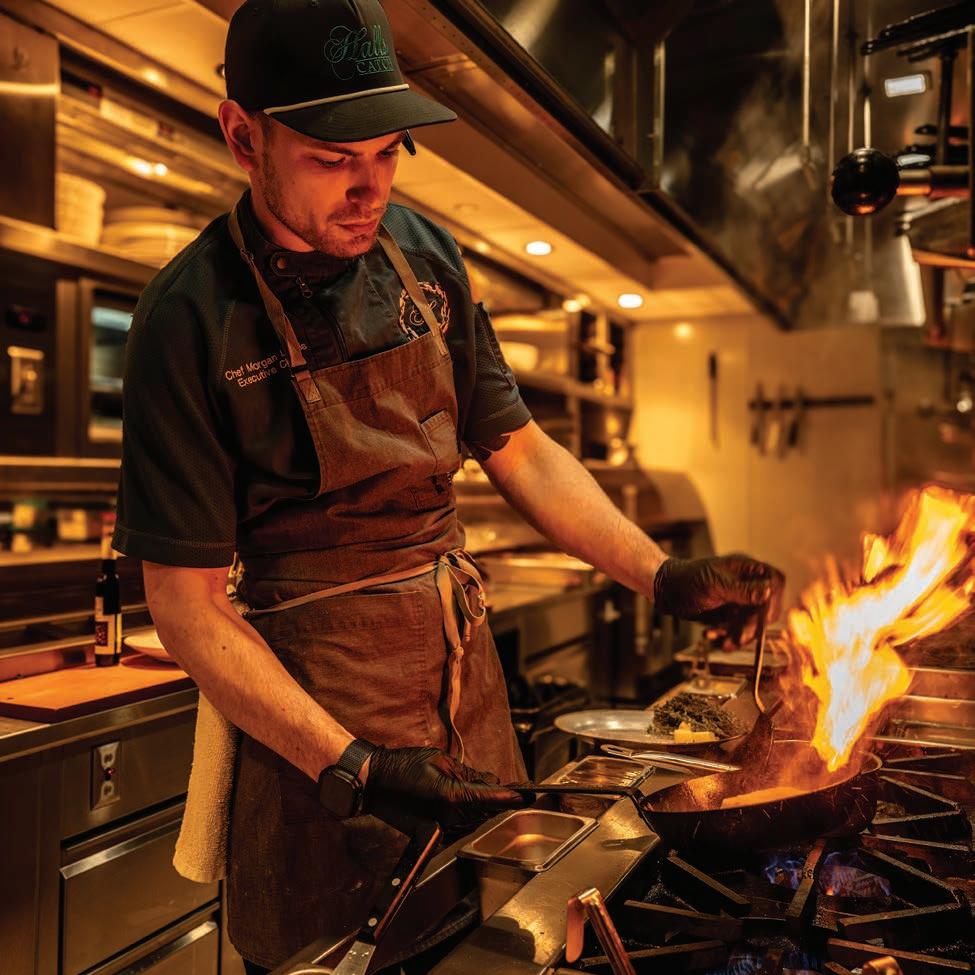
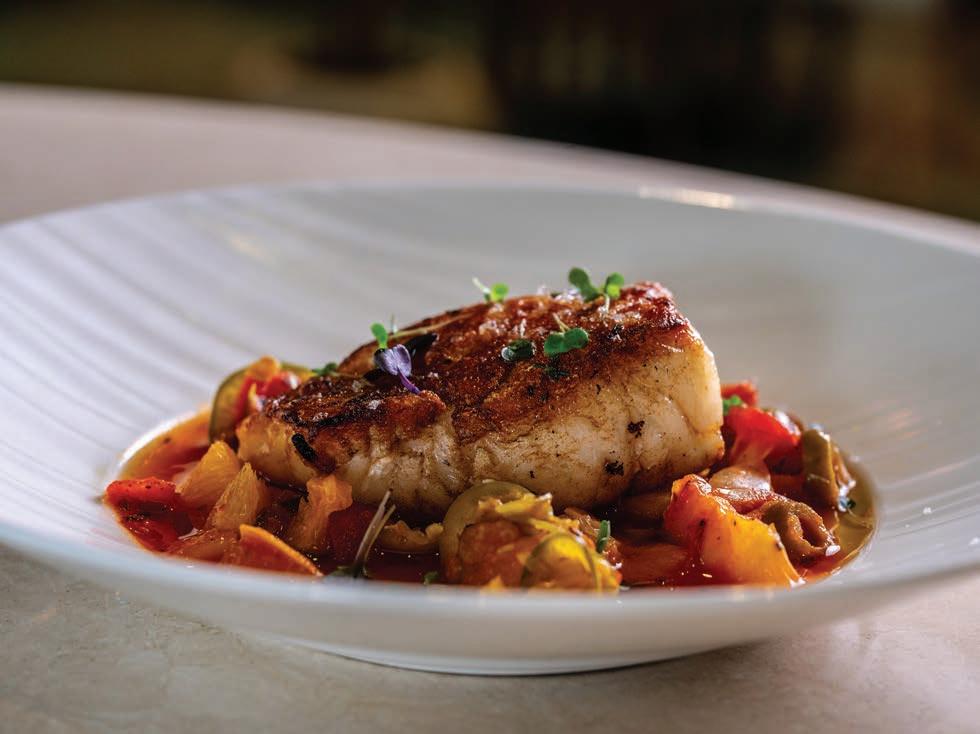
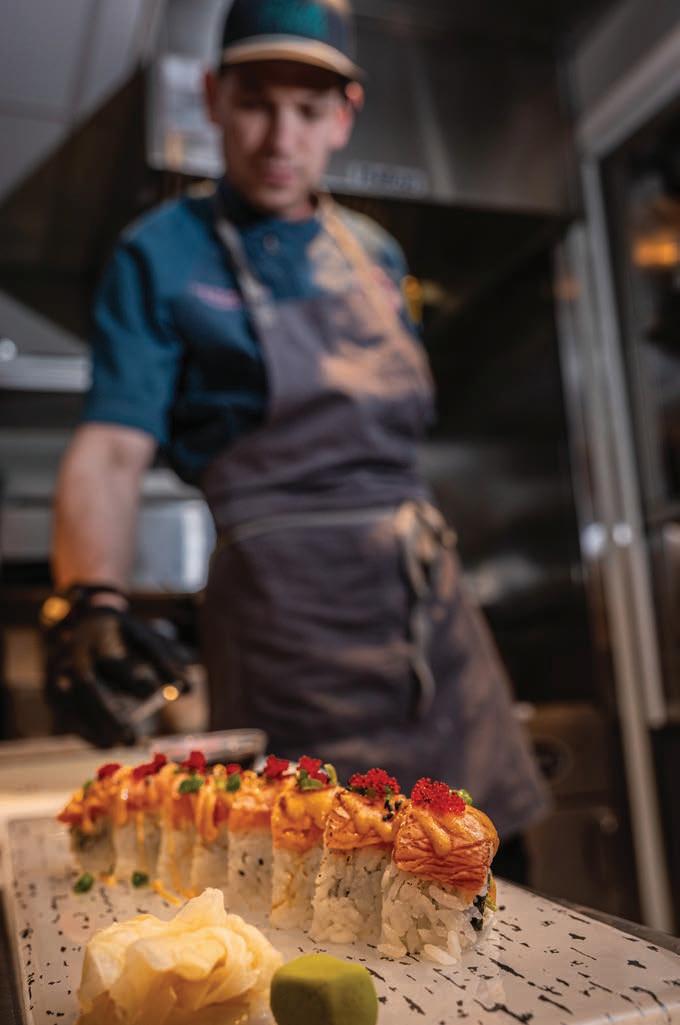
HALLS CATCH’S UPDATED menu keeps many of its hits, like caviar toast, Japanese wagyu and signature “Catch” rolls — shrimp tempura topped with yellowfin tuna, crab salad, scallions, sesame sauce and tobiko. By adding new dishes and removing a few, Lewis intends to make highquality seafood even more approachable.
The menu’s first two pages are relatively the same, while the third page features a new rotating selection. This helps Lewis and his team focus on what’s in season. “Things grow and are at their prime at certain times of year,” he says. “That’s what [I learned] in California. You’re already kind of shooting yourself in the foot if you start with a tomato in January, and if you’re trying to do plums in winter.”
Highlights include a brand-new handheld selection — including lobster rolls and Southern fish sandwiches — and rotating sushi rolls, which Lewis will swap out as his creativity strikes. “I have an encyclopedia of sushi rolls in my brain,” he says. “It’s one of the most simple canvases.”
He adorns his latest salad with a green goddess base, fresh avocado, bacon crumble, parmesan, chives, garlic chips and “potato crumbs” — a delicacy of his own invention, made by passing potatoes through a meat grinder and frying them to perfection. “They taste like the Lays in the bottom of the bag,” says Lewis.
LEWIS IS EXCITED for his team to “make decisions day-to-day as chefs,” infuse spontaneity into every plate, and wield their meticulous training. Fine-tuning minute details is integral to his process. Take, for example, the year he dedicated to making rice — and just rice — three times a day.
He applied a similarly frenzied devotion to his homemade tater tots, which developed a cult following in Napa and made it onto the Halls Catch menu, where they’re stuffed with French onion dip, bacon and chives. Even bites as seemingly basic as chips and dip are handled diligently. “In a bit, I’m going to make some potato chips, but they’re going to be sliced, washed, dried, fried, and seasoned properly,” says Lewis.
His ideas lend themselves to collaboration — and luckily for him, the Halls Catch team has latched onto his vision. “I’m only as good as the team around me,” he says. “I can create all day long, but what I think produces a better menu and better food is when you bring people together [who] are passionate.”
BY MADELEINE BRADFORD PHOTOGRAPHS BY ERIC ENGLAND
Strong



Canine bakery Sniff The Cook puts the doodle in snickerdoodle
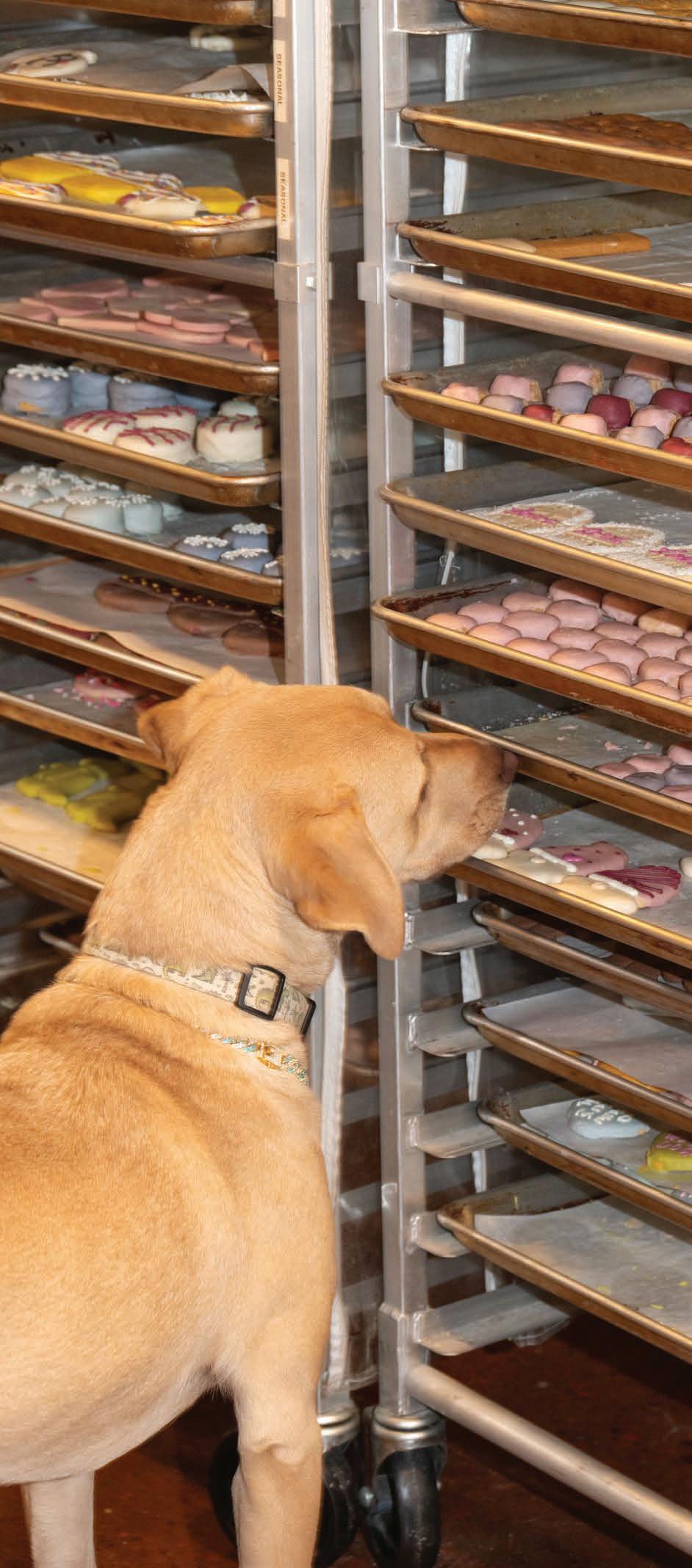
TOO BAD LORI ELAM wasn’t downtown with her trailer full of homemade dog snacks during January’s prolonged power outage, when hotels filled up with pets. The proprietor of Sniff The Cook dog treat bakery would have been the most popular human in a district full of doodles and dachshunds.
As it was, Elam weathered the winter in her adorable Mt. Juliet bakery, prepping cookies and cakes for her loyal canine clients, who live literal dogs’ lives of birthdays, gotcha days and puppy gender reveals.
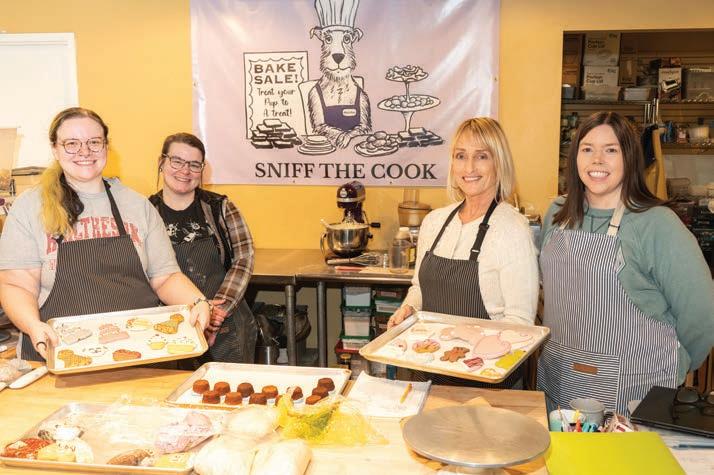
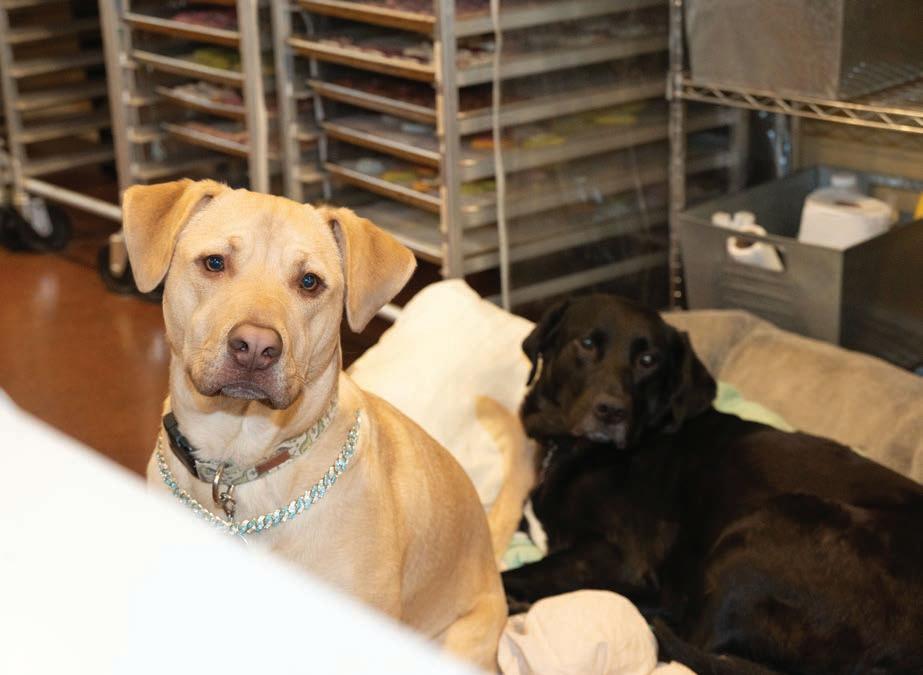
Lifelong baker Elam has been doling out doggie delicacies professionally for about five years, since she bought the Three Dog Bakery location in Mt. Juliet’s Providence Station. In November 2025, she rebranded the enterprise as Sniff The Cook, which she now operates independently, using recipes she developed on her own and taste-tested with four-legged friends, including shop dogs Ellie the black lab and Duke the golden lab mix.
“I want to be able to control everything I put in my dogs’ mouths,” says Elam, who began cooking and compiling a cookbook for her own dogs 15 years ago. That’s when friends started asking her to share her pet treat recipes. “I wanted to create a healthy treat for my dogs and others, because we want our dogs to live as long as they can,” she explains. “Starting with good food is half the battle.”
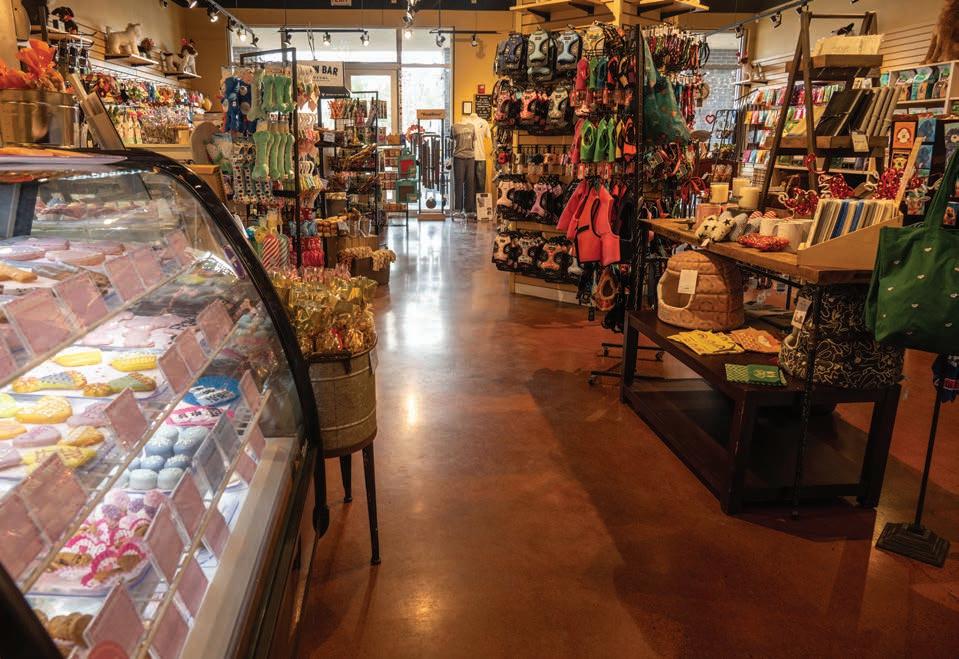
Like a people-focused pâtisserie, Sniff The Cook features cases of colorful cakes, cupcakes and cookies anchored by natural vegetarian ingredients: whole wheat, chickpea and rice flours, carrots, and honey and applesauce sweeteners. In lieu of artificial colors and dyes, Elam and her bakery team — including Rachel Miller and Katie Lunn — decorate with natural hues from beet powder, turmeric and spinach, giving whimsical dinosaur- and dog-shaped biscuits the familiar vibrancy of a cheerful confectionary.
“The first thing people say is, ‘Are these for dogs?’” Elam reports of her repertoire of custom cakes and seasonal cookies. To be sure, Elam bakes with dogs in mind, but she knows plenty of cats who enjoy the treats. In an effort to include her clients’ felines, Sniff The Cook also stocks cat treats and toys and other pet accessories.
And what’s on the menu for Sniff The Cook’s human clients? While all the ingredients are “humangrade,” the canine confections — made without butter, white sugar or cream — are less sweet than human snackers might be used to, Elam says. But, she adds, “The frosting does taste like buttercream.”
BY CARRINGTON FOX PHOTOGRAPHS BY ANGELINA CASTILLO


Learn more at TheWomensFund.com

The Power of the Purse® is a unique cocktail fundraiser celebrating women, connection, and impact. Guests will savor innovative dishes crafted by female chefs, enjoy signature cocktails, experience live entertainment, and participate in a one-of-a-kind live auction featuring curated purses and exclusive items. AN EVENING AT APRIL 16 2026 6:30 PM Exclusive 5:30 PM access for VIP guests
Reserve your spot today for this powerful night of purpose and celebration! Scan the QR Code to learn about Sponsorship Opportunities and to Purchase Tickets.



Los Angeles-born JINYA Ramen Bar opens its first Nashville location
OUTSIDE THE BUSTLE of downtown Nashville sits a bar not focused on alcohol, but on the warmth of Japanese culture — and a simple bowl of ramen.
After delays due to January’s ice storm, JINYA Ramen Bar opened its first Tennessee location on Feb. 10. Restaurateur Tomo Takahashi, who opened JINYA in Tokyo in 2000, brought the chain stateside in 2010 to introduce his favorite Japanese cuisine to the American market.
“[Takahashi’s] father was a big restaurant mogul in Japan,” says Tiffianie Nguyen, vice president of operations. “There was a ramen concept in Japan [already], but it wasn’t JINYA Ramen Bar.”
A JIN’YA WAS a meeting point for samurai in feudal Japan. Through its metropolitan placement on 11th Ave. N., JINYA Ramen Bar’s Nashville location offers a similar sense of community, inviting guests to celebrate the joy of life and the food that accompanies it. (The bar is right across from the Capitol View Publix, which offers free two-hour parking for customers.)
JINYA’s American concept is all about juxtaposition. Silence signals respect in Japanese culture, and the ramen bar’s low lighting suggests a tranquil intimacy. But JINYA’s jubilant hosts yell irasshaimase (“welcome in”) as they seat you, and EDM pulses from the ceiling.
“They scream when you go in, they scream [arigato (“thank you”)] when you leave. They’re screaming everywhere,” Nguyen says.
“But it’s just Japanese culture [in America]. It’s very different when you actually go to Japan, because there, it’s very quiet.”
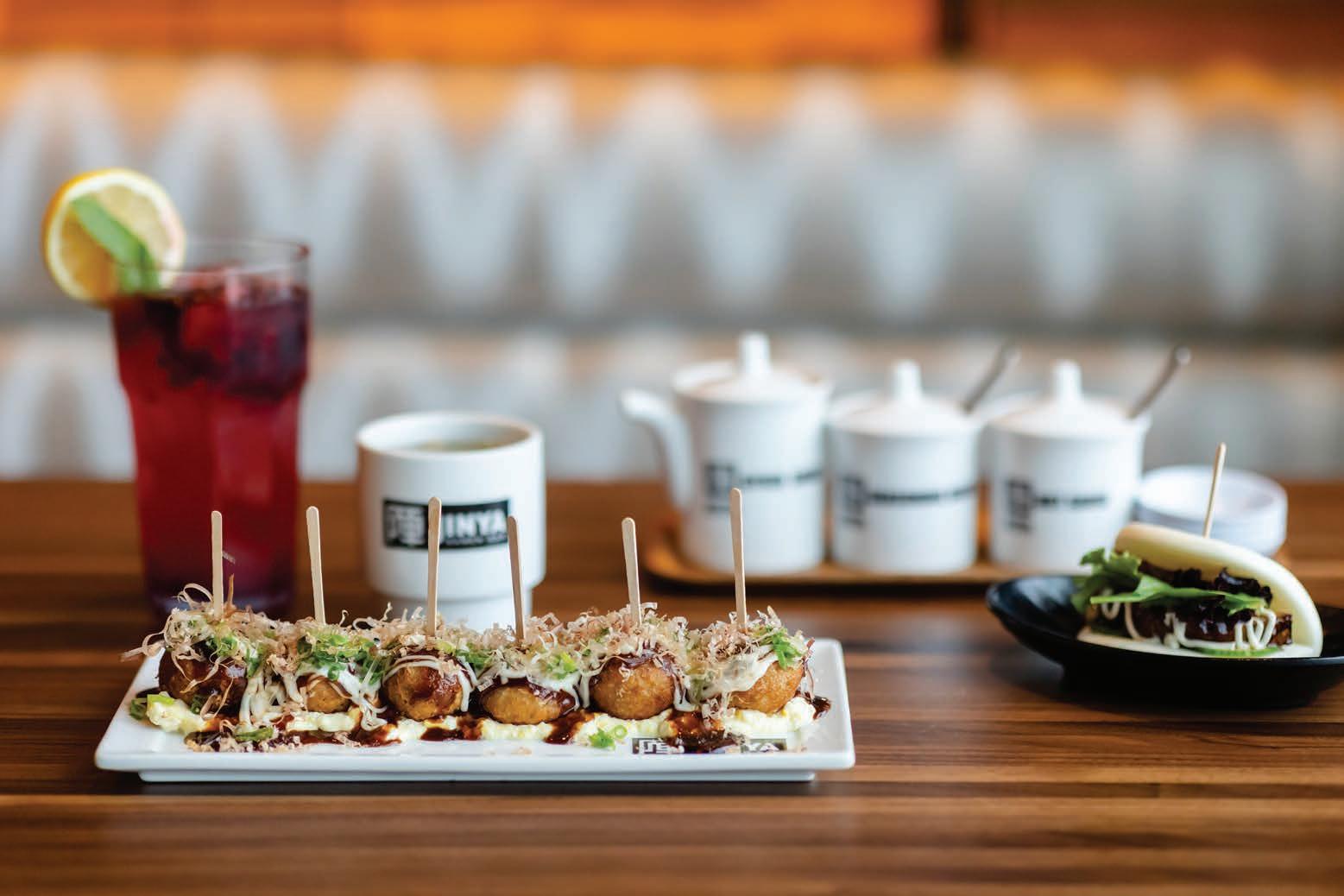
WHEN YOU ARRIVE at your table, servers welcome you with a tray of sauces. Soy-vinegar sauce (typically served with gyoza), hot sauce and seasoning flakes sit at the center of the table, serving as a guiding light for the menu.
Drinks may not be JINYA’s primary focus, but eccentrically presented cocktails and mocktails prep you for a stunning main course. Order the virgin matcha lychee lemonade, and servers will prepare your matcha tableside with an electric whisk, serving it over a lychee skewer. The drink is finished with a lemon wedge emblazoned with JINYA’s logo.
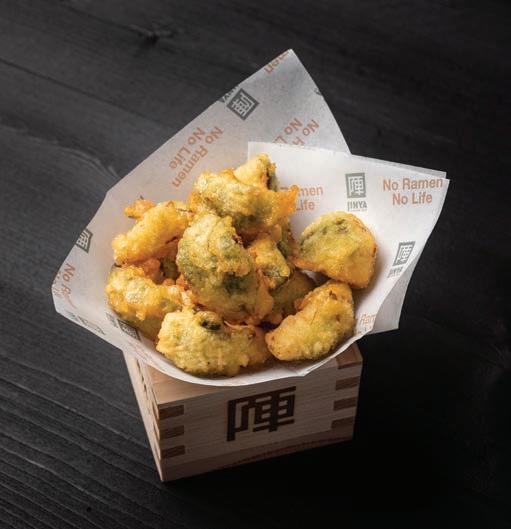
JINYA’s beverage directors regularly develop and introduce new drinks. And the kitchen staff keeps things equally interesting with a seasonal selection of chef’s specials. These items — such as crispy chicken wings and street-food-inspired ramen — pair culinary trends with foundational dishes and elements.
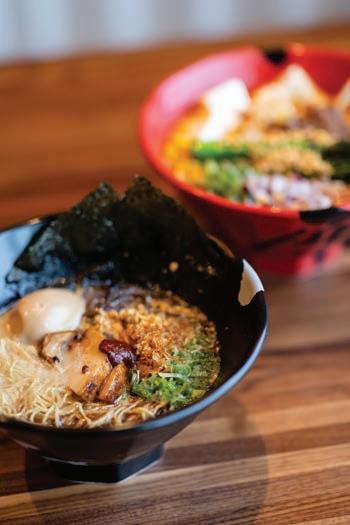
A YEAR-ROUND FAVORITE is JINYA’s tonkotsu ramen. Hailing from Japan’s Fukuoka region, the recipe features creamy broth made from pork bones, marinated for over 20 hours to maximize its umami flavor. The pork is slow-cooked separately before serving, creating a melt-inyour-mouth texture. The restaurant offers variations on the classic dish, with spicy red soup and black garlic oil bases available.
Fans of chicken can expect the same spectrum of spicy to salty broth options — or enjoy alternatives, like chicken wonton ramen or a chicken rice bowl. JINYA’s take on beef is inspired by Mexican cuisine, featuring the rich birria meat you’d typically find in a tasty taco. Every ramen dish includes noodles, either thick or thin, ready for a smooth slurp.
JINYA offers plenty of vegetarian options, providing meat-free dishes in each category. Most ramen toppings are also plant-based.
If you still have room in your stomach at the end of your meal, JINYA’s chocolate and green tea mochi pods are designed to deliver a sweet punch in a mouthful. But the bar’s matcha tiramisu is the real standout. Pairing a classic Italian dessert with Japan’s go-to source of caffeine, the dessert delivers dense flavor in even the smallest bites. And, consistent with JINYA’s penchant for presentation, it’s served in a wooden box built for cargo.
BY RIA SKYER PHOTOGRAPHS COURTESY OF JINYA RAMEN BAR















What Michelin recognition changes — and what it doesn’t
THE STARS ARE OUT on Broadway, their names plastered on the sides of mega-bars — Jelly Roll’s Goodnight Nashville, Dierks Bentley’s Whiskey Row, AJ’s Good Time Bar and the like. But the new stars hitting Music City are of a different ilk. Celebrity now takes center stage on a plate, rather than a platform, and the art is a combination of flavors and presentation more complex than a basket of you-fry-it-I’ll-try-it brown.
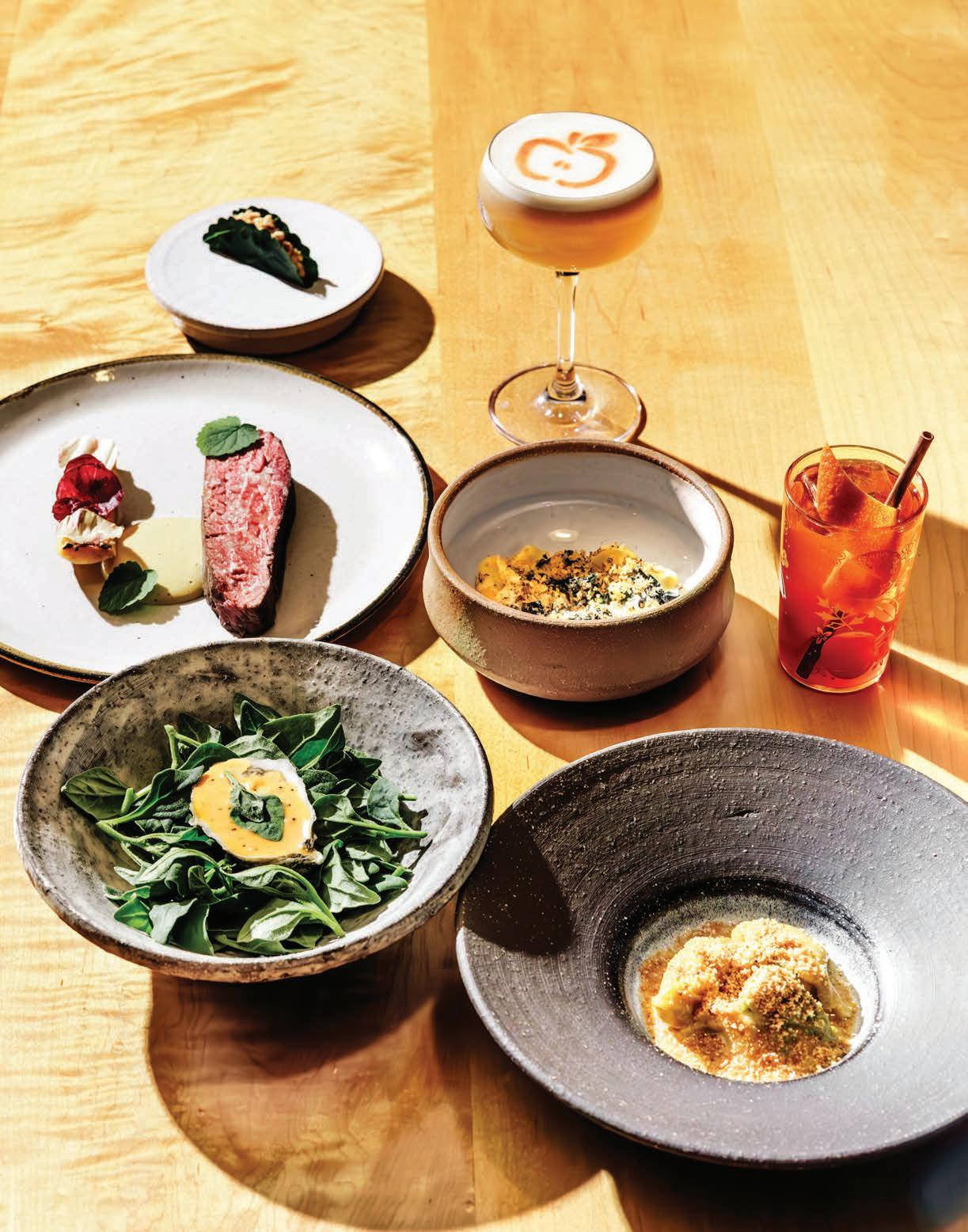
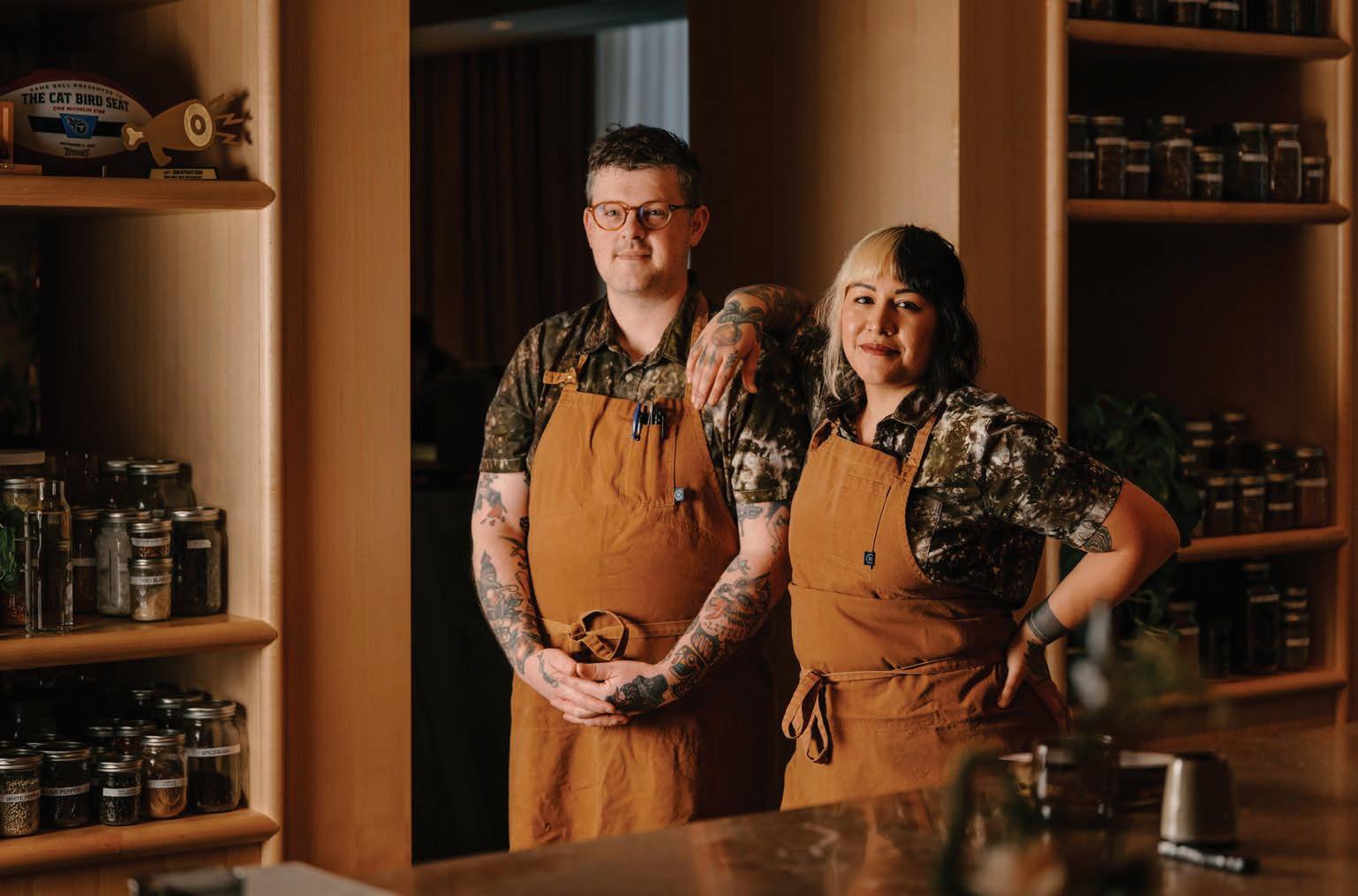
Nashville has gained new fame in the form of Michelin stars, awarded to three standout restaurants: Bastion, The Catbird Seat and Locust.
But what does having Michelin-starred restaurants mean for Nashville? What changes, if anything? And where does this place the city on its seemingly endless meteoric rise nationwide?
LIKE MOST CITADELS of hospitality, ratings matter. For years, the stalwart rating systems have been controlled by the Mobil Travel Guide (now the Forbes Travel Guide), the AAA Travel guide and the MICHELIN Guide — all respected publications with legacies of setting the standard in dining and travel. Hoteliers and restaurateurs pour hours into training, hoping to attain the level of service and product required to achieve these coveted rankings.
A Michelin star is awarded based on five criteria: ingredient quality, technique mastery, flavor harmony, personality of the chef in the cuisine and consistency across visits. And stars are reassessed annually. While a restaurant may earn a star one year, it must sustain that recognition.
The accolades bring prestige, including increased press attention (both nationally and internationally), features in culinary tourism guides, more opportunities for collaborations and guest chef events, and greater leverage in attracting investors or expansion capital.
But with prestige comes pressure — heightened scrutiny from diners, increased food costs and a widespread expectation to perform at a higher level.
FOR NASHVILLE, the recognition comes with unspoken global implications. Michelin stars signal that restaurants operate at a globally benchmarked standard, graduating a city from “regional scene” to “serious culinary market.”
“MICHELIN’s nod to Nashville affirms what locals have long known: Music City is a culinary destination,” says Deana Ivey, Nashville Convention & Visitors Corp president and CEO. “The creative spirit that drives our world-class music scene also inspires epicurean innovation.” This elevates Nashville’s reputation, tempting visitors and driving tourism, she explains. “We’re proud of our chefs and restaurants who work tirelessly to shape Nashville’s diverse food landscape, which … invites the world to a table where Southern hospitality meets culinary ingenuity,” Ivey adds.
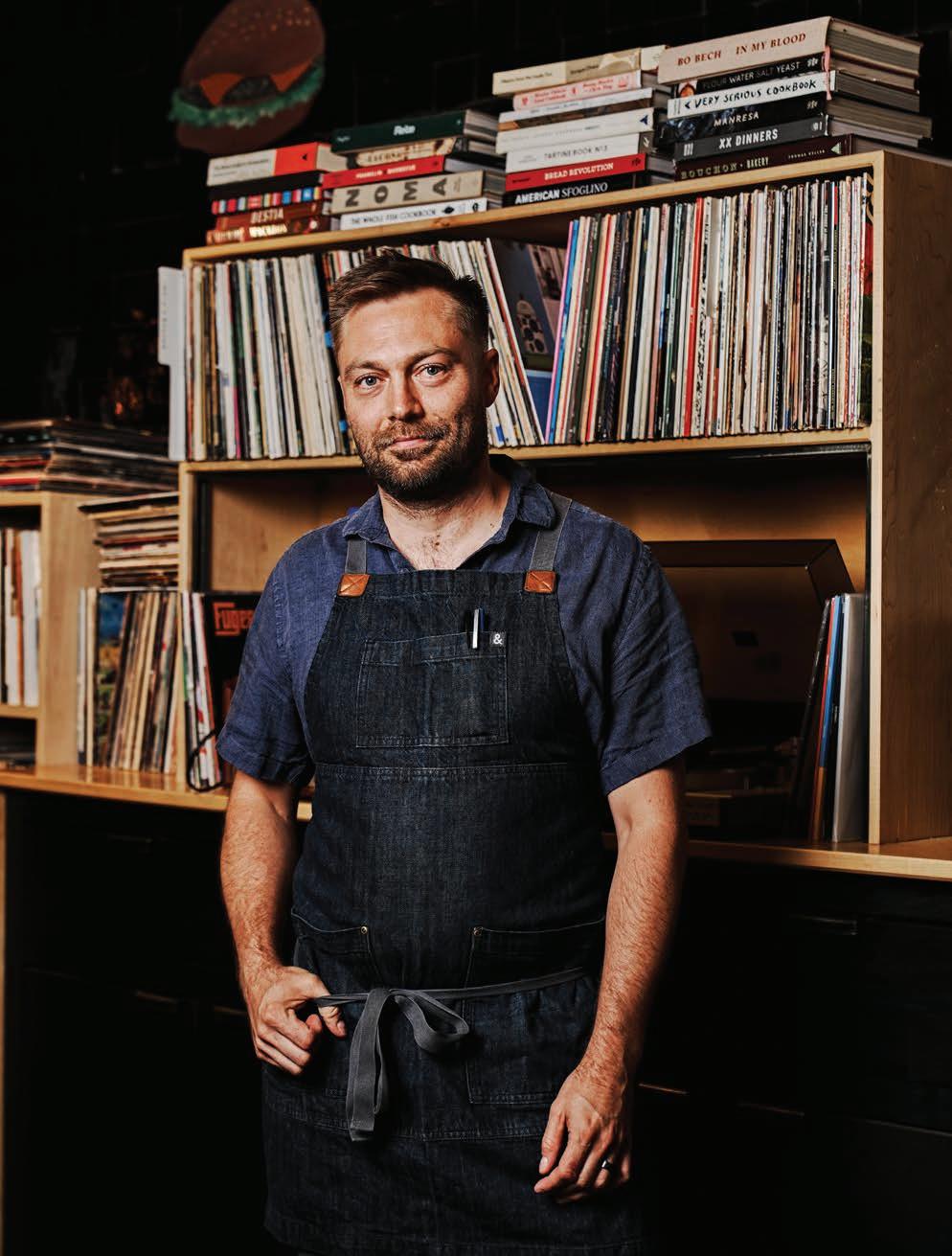

Before opening the newly Michelin-starred Bastion, Josh Habiger cofounded The Catbird Seat in 2011. The move — originally questioned as a risky business decision — soon earned him a number of accolades. Habiger was named one of Food & Wine’s Best New Chefs in 2012, and he was a James Beard Award finalist for Best Chef: Southeast in 2023. Habiger played a foundational role in shaping Nashville’s tasting-menu culture — grabbing the attention of The New York Times, which named Nashville the new “it city” in 2013.
As the architect of Nashville’s tasting era, Habiger began to look for new opportunities to share and expand this vision. After years of success at The Catbird Seat, he dreamed of a new model — opening Bastion in the up-and-coming Wedgewood-Houston neighborhood in 2016. The restaurant, an immediate hit, boasts a casual bar on one side and a 24-seat tasting room on the other. Behind an iron door, guests sit down to enjoy a multicourse tasting menu. The atmosphere is both intimate and chef-driven, creating a once-in-a-lifetime experience for diners with every visit.
A new era and location make for tough operations on a good day — let alone in the middle of inspection season, when anonymous judges assess restaurants for Michelin stars. Tiffani Ortiz and Andy Doubrava recently became the sixth chef team to helm The Catbird Seat, which moved into the Bill Voorhees Building in 2024. Doubrava previously led California’s Rustic Canyon restaurant to its first Michelin star, and he and Ortiz also founded Slow Burn, a nomadic culinary experience. Together, the pair have logged over 45,000 miles hosting pop-ups across North America, sharing their deep commitment to sustainability and regenerative agriculture with curious diners.
While The Catbird Seat’s location has changed, much has stayed the same. It still boasts an iconic U-shaped counter that invites guests to interact with chefs. And it rotates executive chefs every few years, acting like an incubator for culinary talent (much like Denmark’s famed Noma). The restaurant, now in its 15th year, continues to evolve the tasting menu format with a current emphasis on seasonality and climate-conscious sourcing.

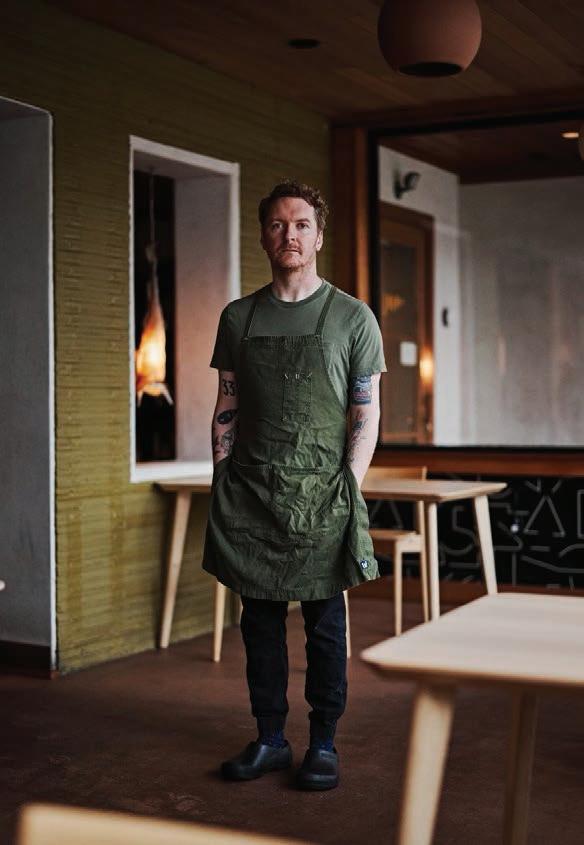
Born and raised in Ireland, chef Trevor Moran trained in Dublin before joining René Redzepi’s Noma in 2009. Moran spent over four years honing his skills at the restaurant during its global dominance era. And in 2014, he made his U.S. debut as executive chef of The Catbird Seat. Moran’s experience with Nordic sourcing philosophy and precision-driven kitchens shaped his work, and the James Beard Awards named him a Best Chef: Southeast semifinalist for two years in a row, in 2023 and 2024.
Often one of the hardest reservations to get in Nashville, Locust opened under Moran’s leadership in the bustling 12South neighborhood in 2020. What began as a seafood, dumpling and shaved ice restaurant evolved into a culinary experience that pairs modern dishes with classical cooking techniques and Irish influences. Locust is known for its meticulous sauce work and disciplined techniques.
MICHELIN RECOGNITION DOESN’T change who Nashville is — but it does clarify who the city is becoming. Sure, the stars will bring heightened expectations, fuller reservation books and a new level of scrutiny. But at its best, this moment is less about prestige and more about proof.
And Moran says Nashville is “absolutely” ready for this moment. “We should be proud as a city — the three stars awarded this year offer different experiences,” he says. “There’s plenty of room for these awards. We don’t have to be so formulaic — why not get a star for barbecue or hot fish and keep it affordable?”
Years ago, The Hermitage Hotel set the standard by bringing five new Forbes Travel Guide stars to Nashville, becoming the first hotel in the state to earn the recognition. Little did we know, that was just the beginning.
For decades, Nashville has built its reputation on creativity, hospitality and ambition. Now, that ambition is being measured against a global standard. If the city can embrace the discipline that comes with distinction while preserving the warmth that defines it, these stars will not simply mark a milestone — they will signal a new era.
BY JANET KURTZ PHOTOGRAPHS BY ANDREW THOMAS LEE, VICTORIA QUIRK, ZACH ST WARD














Night Circus entertains, amuses and raises crucial funds for Ella’s House
t many events, it’s customary to be greeted at the door. It’s not so common, however, to be ushered in by a man on stilts. This is precisely what guests found at this year’s Night Circus — an immersive environment apt for throwing your hat in the ring.
Revelers got in on the action by donating to Ella’s House, which helps students who are pregnant and parenting earn their degrees by providing financial assistance, housing, mental health services and above all, a supportive community.
Around 1 in 5 women find themselves pregnant in college, per executive director Elise Jenkins. Ella’s House not only extends care to those women but also works to minimize shame and stigma around their circumstances. Last year alone, the organization served over 100 pregnant people and parents across Middle Tennessee, and leaders plan to expand this outreach in the coming years.
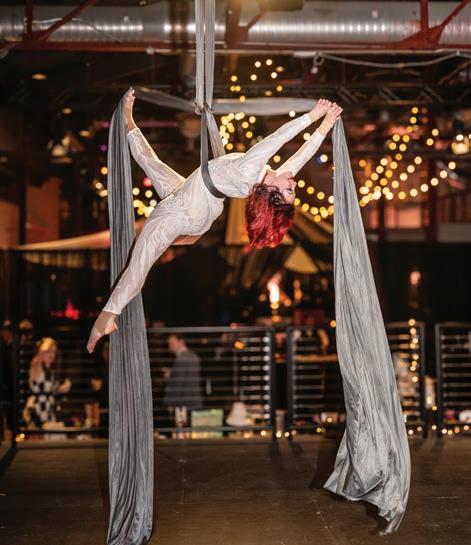
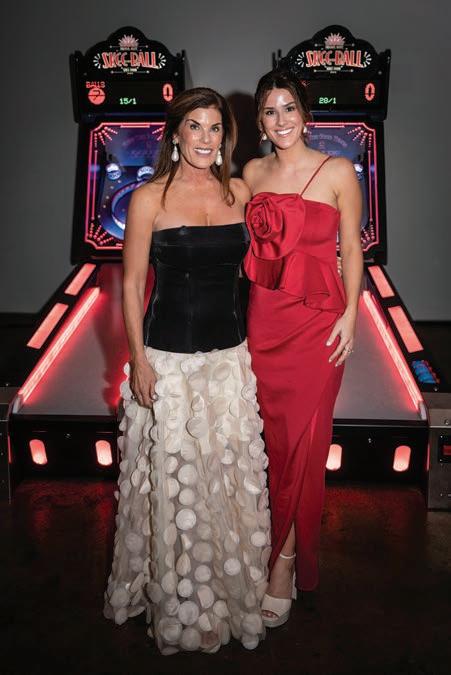
Of course, this noble cause wasn’t the only thing that set Night Circus apart. The Factory at Franklin’s Liberty Hall transformed into a lively carnival, complete with Skee-Ball, aerial silk performers, an old-fashioned cotton candy machine, stoic human statues and custom poetry. Guests donned black-and-red attire, which complemented the evening’s playful décor.
After the lively cocktail hour, guests gathered on plush couches under the “Big Top” tent for remarks, dinner and a live auction. Genesis, a program alum, spoke about how Ella’s House has surrounded her with support as she balances raising her son, paying for child care and pursuing her bachelor’s degree in nursing. She said she hopes to earn her master’s and set an example for her son.
The evening concluded with a classic magic show, which shrouded the evening in fun, mystery and intrigue.
BY MADELEINE BRADFORD PHOTOGRAPHS BY ERIC ENGLAND






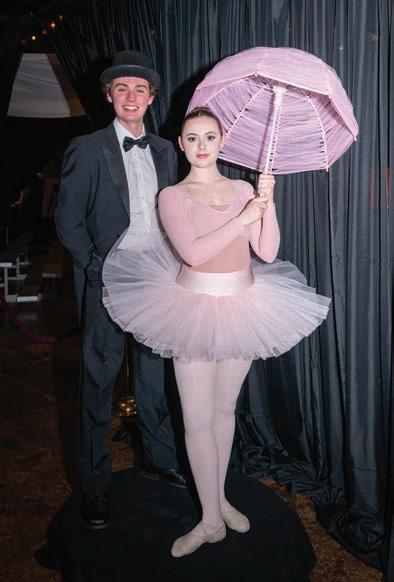
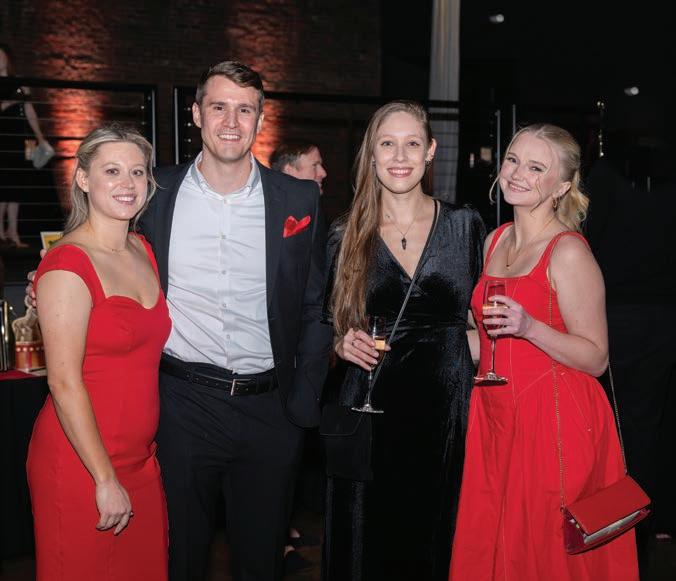










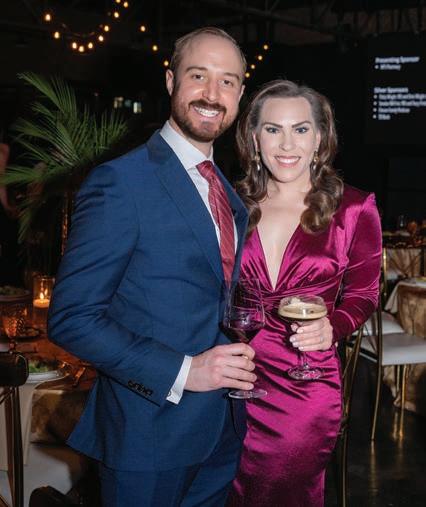
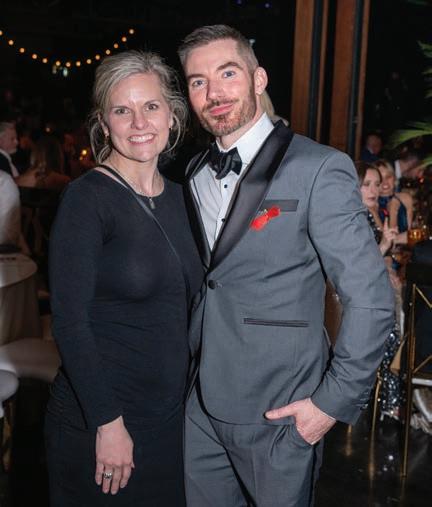
The 2026 Ruby Gala makes intersectional HIV treatment possible
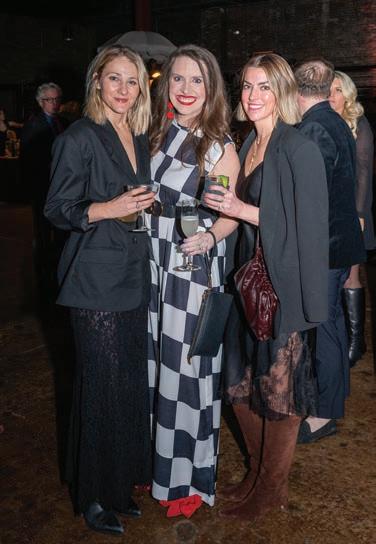
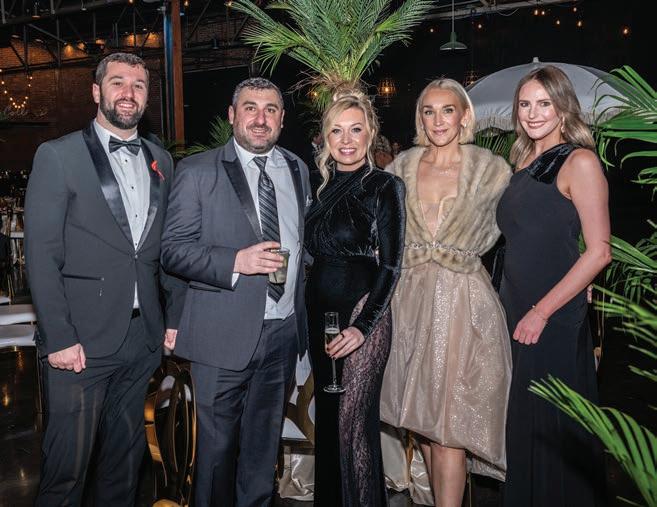
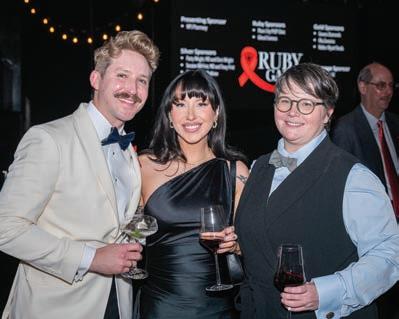
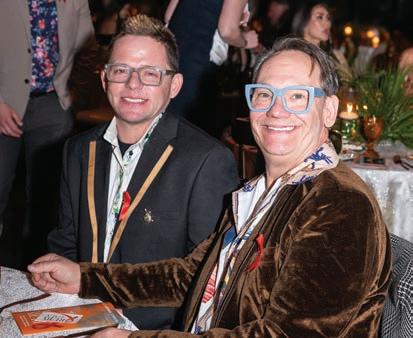
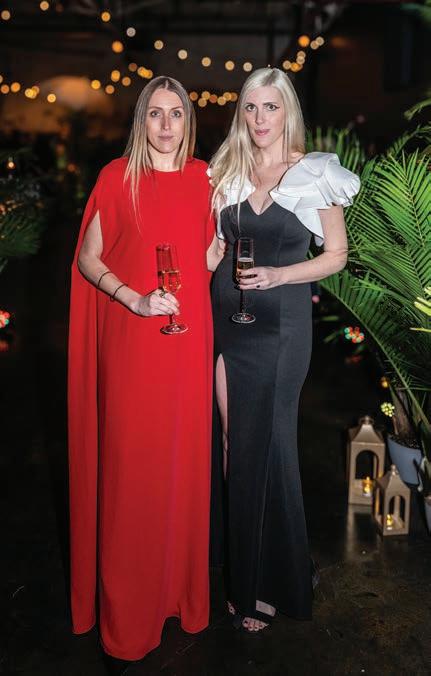
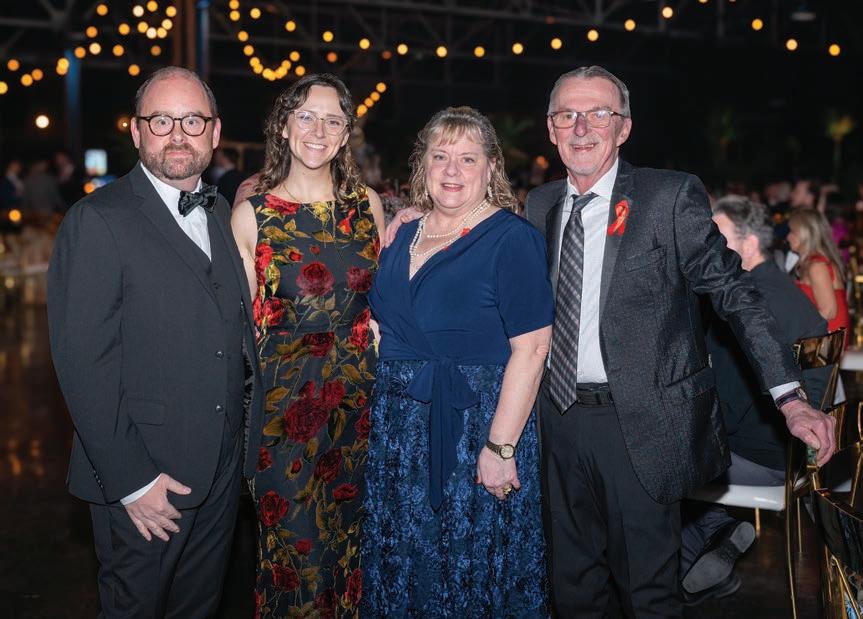
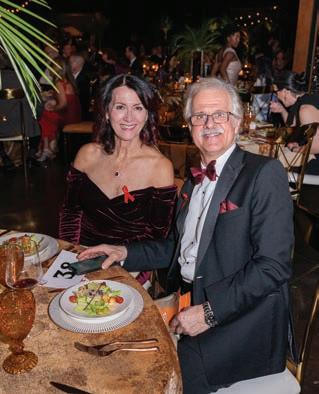
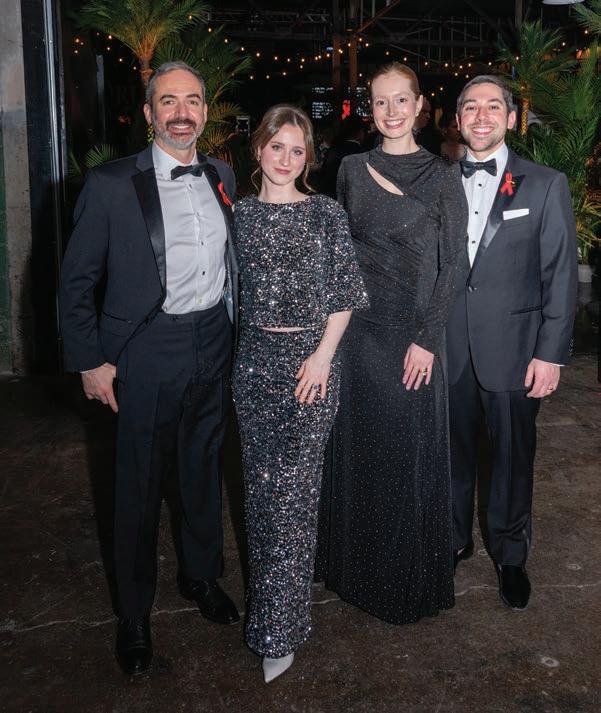
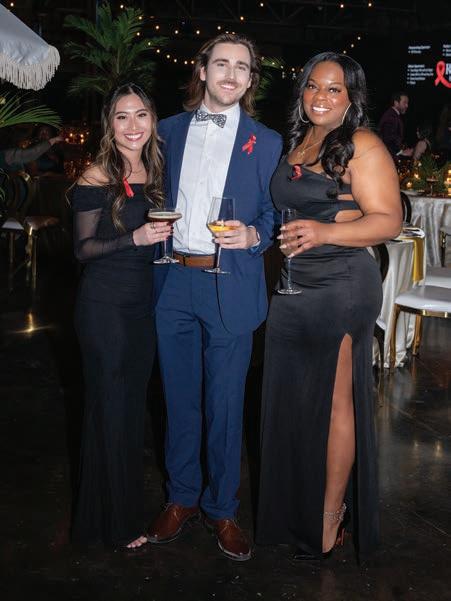
Glamour, dedication and advocacy united once more at this year’s Ruby Gala. The black-tie fundraiser supports the Vanderbilt Comprehensive Care Clinic, Nashville’s first nonprofit medical home for people living with HIV.
VCCC opened its doors in 1994 when effective HIV therapy didn’t exist. Since then, the clinic has helped patients live normal lifespans and stop the virus from spreading. Medical director Sean Kelly — one of Nfocus’ 2024 Fresh Faces of Philanthropy — hopes that, by providing essential services and educating the community about HIV, VCCC will be a leader in ending the epidemic altogether.
To accomplish this, Sean and his colleagues work to minimize barriers to healing, including homelessness, food insecurity and, most of all, stigma. VCCC transports patients to and from treatments to make care more accessible. The clinic also doubles as a food bank, offers dental services and provides substance use disorder treatment to prioritize well-rounded care.
At this year’s gala, co-chaired by Sean and board member Meghan Jahn, excitement set Marathon Music Works ablaze as guests retreated into a coastal Moroccan oasis. Grand palm branches and cozy candles ornamented the space, creating a welcome solace after January’s frigid ice storm.
As revelers ventured into the dining room, conversation filled the air — but quickly fell to a hush once Sean welcomed the crowd. He presented the Raffanti Award — named after the clinic’s founder, Stephen Raffanti — to Olivia Cholewa, a VCCC outpatient triage nurse and nurse practitioner for the Music City PrEP Clinic.
Olivia’s interest in LGBTQ+ wellness drew her to VCCC, which she says focuses on the “humanity of health care.” Through her practice, she’s become hyperaware of the role stigma plays in HIV treatment, and she works to address the layers — culture, money and access — that contribute to overall health. “The science is there, but the stigma is much harder to treat,” she said.
Much of Olivia’s impact manifests through her advocacy work, where she lectures Vanderbilt University students on practicing queer-affirming care while also prioritizing community education and representation. “One conversation can shape a practice,” she said, before receiving a standing ovation.
As all memorable parties do, the gala ended with dancing — a fitting nightcap for a jubilant evening of fundraising.
BY MADELEINE BRADFORD
ENGLAND









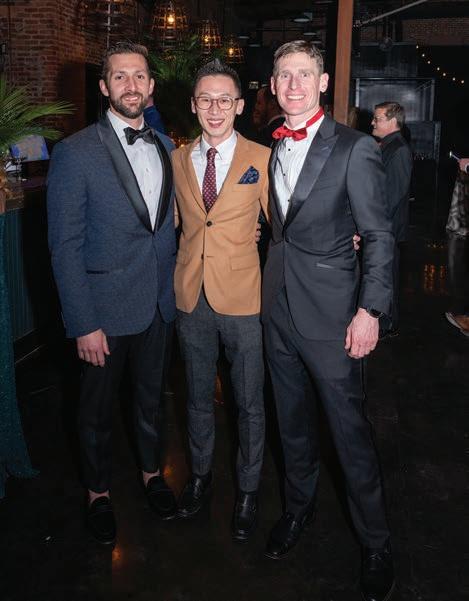

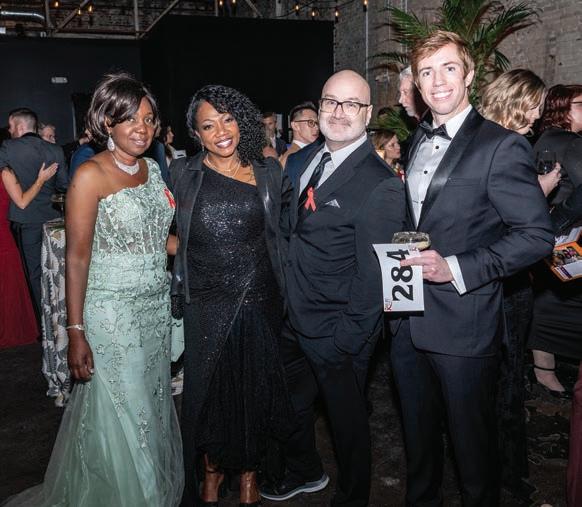
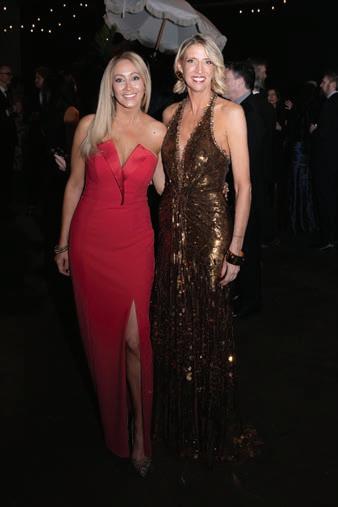


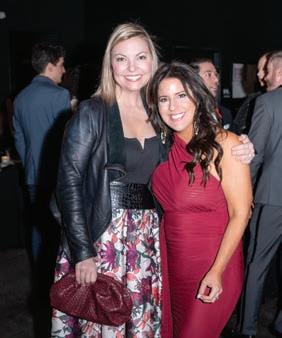

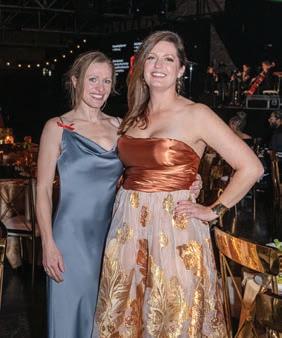


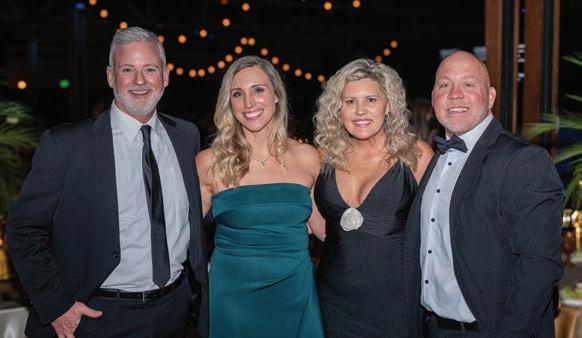


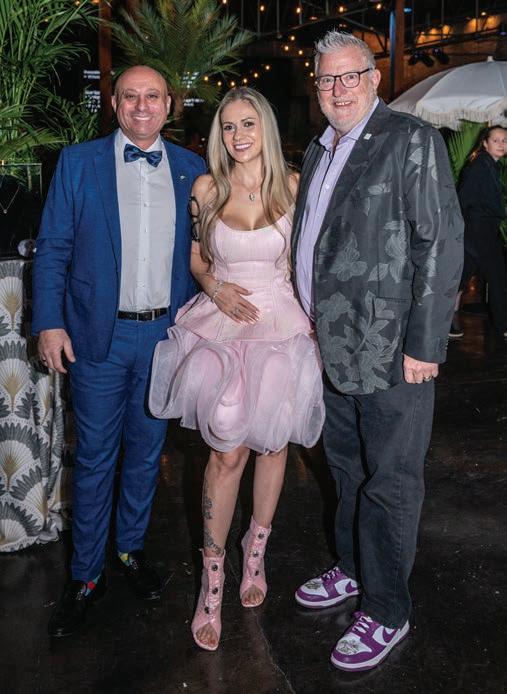







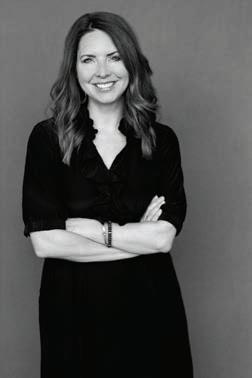

























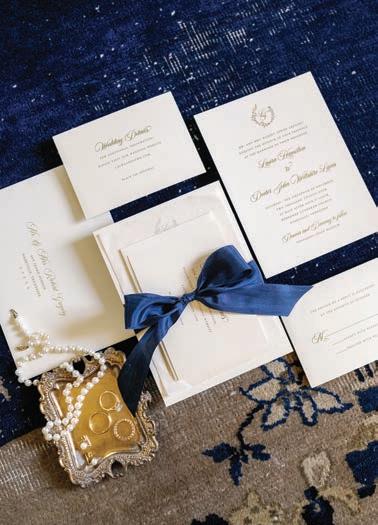
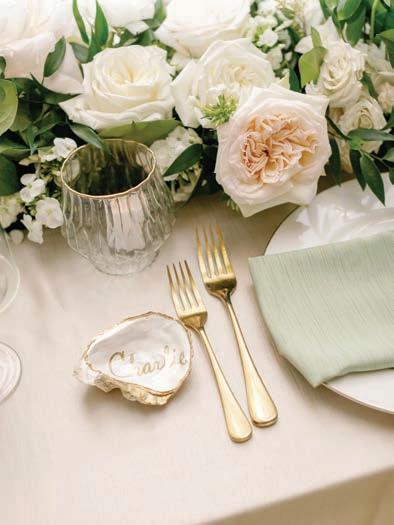
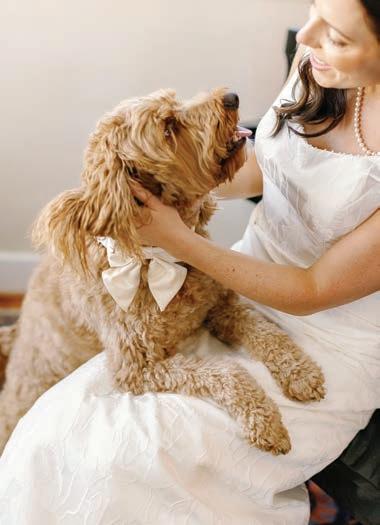
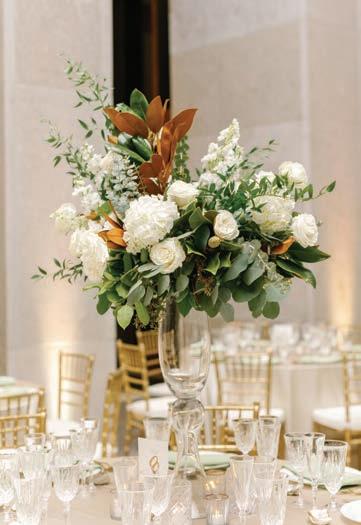
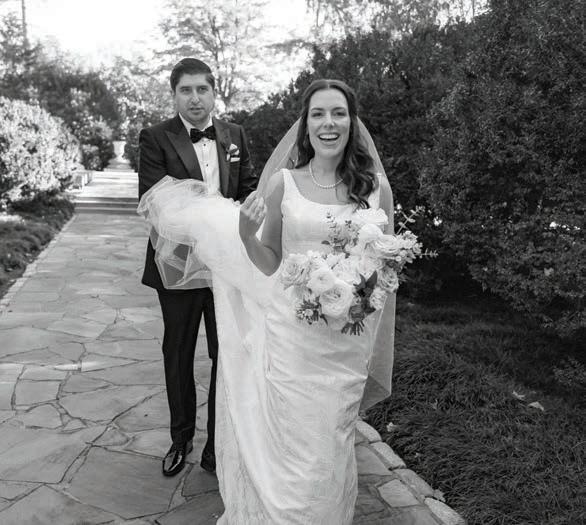
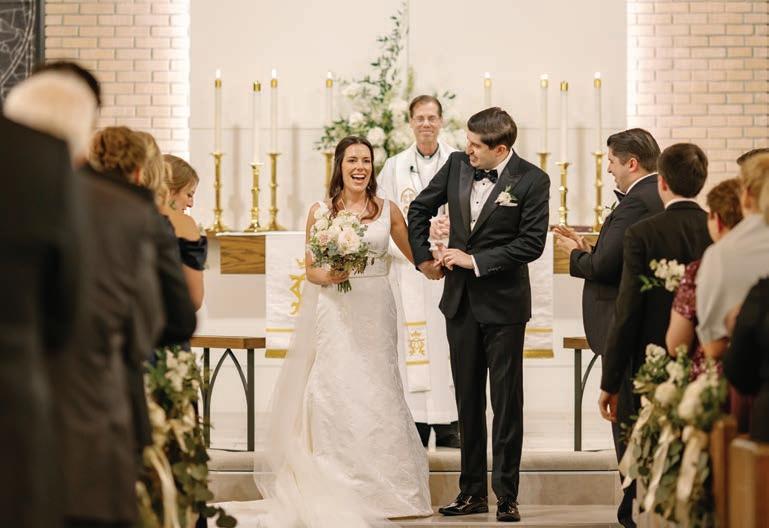
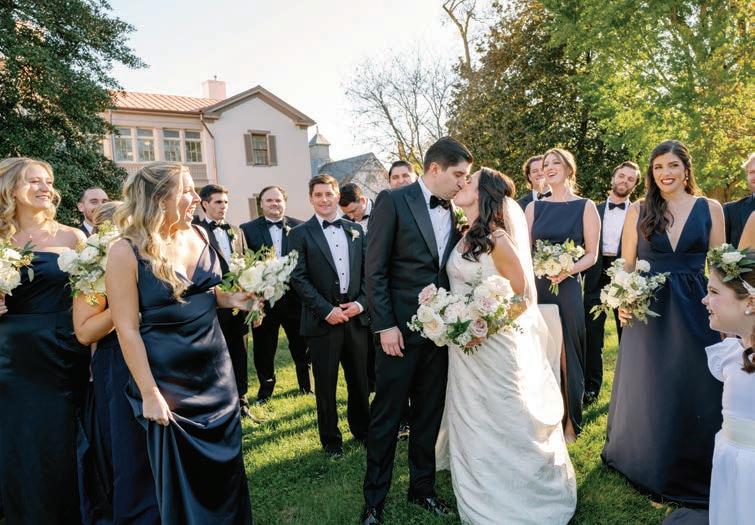
A MUTUAL FRIEND introduced Laura Gregory and John Lucas in 2021, when Laura was visiting Charleston, S.C., for a girls’ trip and John was completing his general surgery residency at the Medical University of South Carolina. The pair hit it off and dated longdistance for two years. In August 2023, John proposed at the Omni Grove Park Inn & Spa in Asheville, N.C. — the same place the couple had celebrated their first dating anniversary. The Blue Ridge Mountains provided a bucolic backdrop for John to pop the question.
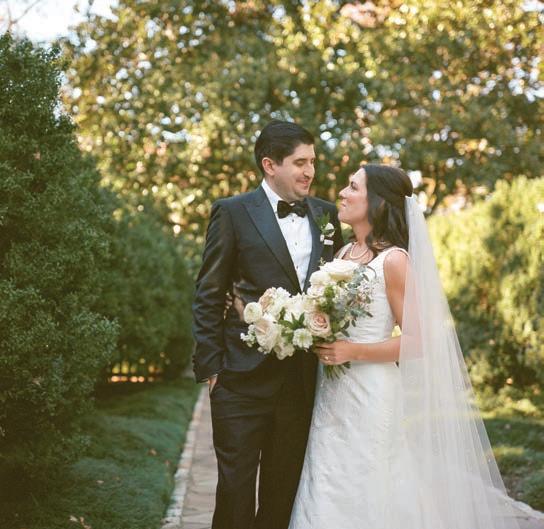
Their wedding was held in Nashville, the bride’s hometown, on Nov. 16, 2024. The Rev. Philip Young officiated the ceremony at Redeemer Lutheran Church, where Laura’s parents, Robert and Janeen Gregory, had married in 1989.
The bride donned an ivory Italian jacquard and pearl-trimmed gown by Allison Webb and a pearl-accented veil by Toni Federici — both from The Bride Room. The groom accented his Enzo Custom tuxedo with a black feather bow tie from Charleston-based brand Brackish.
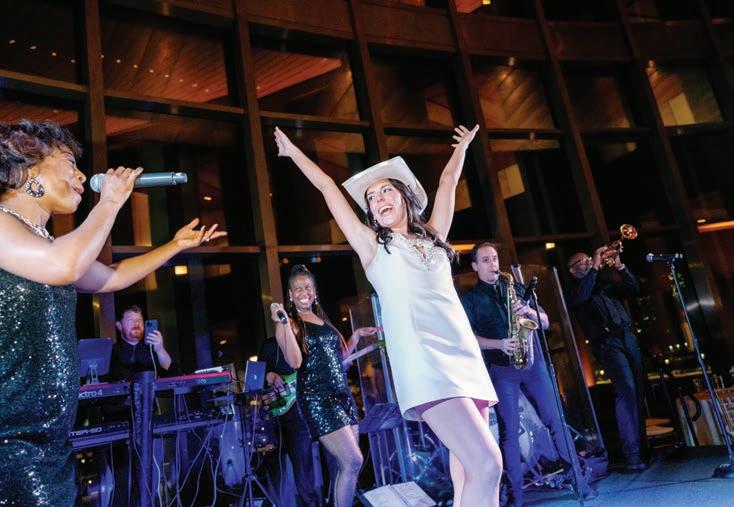
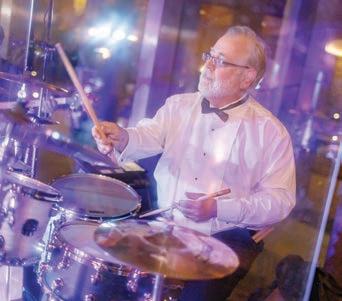
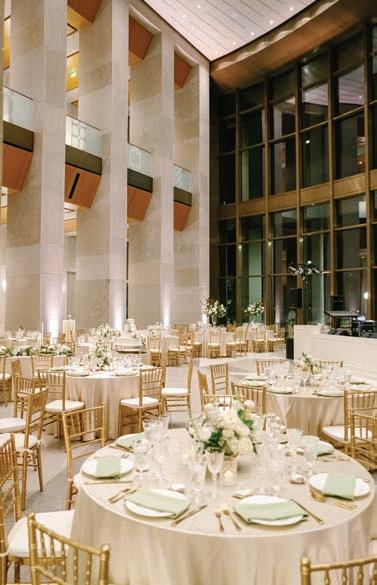
After tying the knot, the couple ventured to the Tennessee State Museum for their reception. Event planner Presley Russell of EBJ & Company called on Southern Events, High Tone Entertainment and Abby Armistead (the bride’s law school classmate) for décor and The Florista for all bouquets and floral arrangements. Swinging tunes by Atlanta Rhythm & Groove effectively set the mood — as did a special drum performance by Laura’s father during a cover of Stevie Wonder’s “Signed, Sealed, Delivered (I’m Yours).”
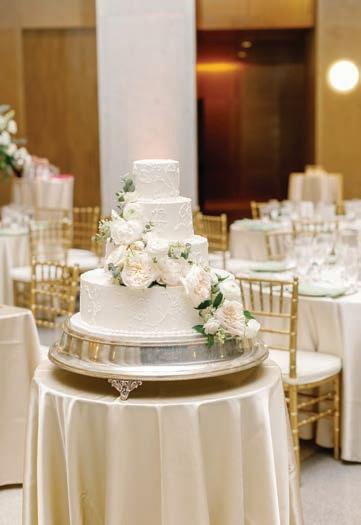
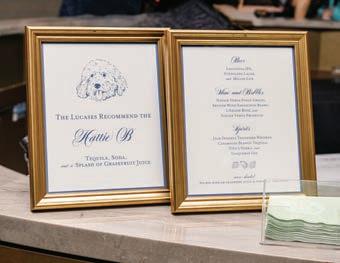
Passed hors d’oeuvres by Town & Table Catering primed guests’ palates for an upscale Southern dinner featuring Caesar salad, herbencrusted strip loin, rosemary-garlic chicken, maple-roasted carrots and cheesy buttered potatoes. Dessert Designs by Leland crafted a four-tiered wedding cake adorned with flowers and icing that mimicked the jacquard print on Laura’s gown. And to satiate late-night hunger, the couple served up hot chicken sliders in honor of their aptly named goldendoodle, Hattie B.
The couple incorporated nods to Charleston throughout their celebration — a tribute to the city they’ll always hold dear. They invited photographer Jordyn Smalling to Charleston for their engagement photo shoot, and the bride’s mother handcrafted personalized place cards from oyster shells. Laura also gifted her bridesmaids jewelry from local Charleston stores, such as Croghan’s Jewel Box and Grace + Hudson Jewelry.
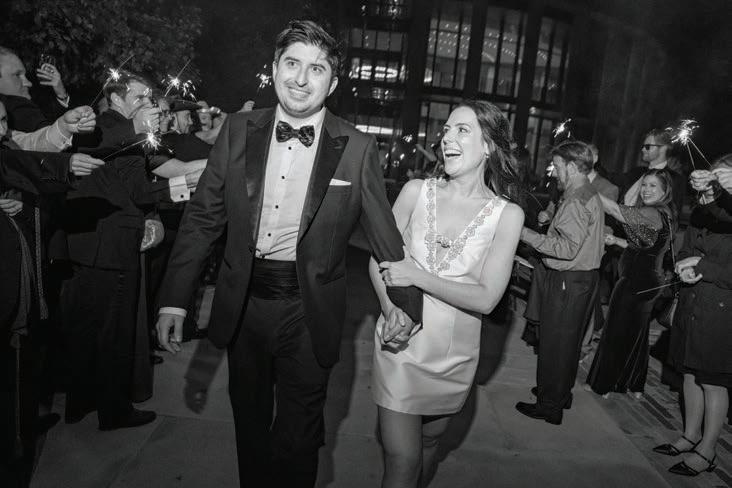
After their wedding, the couple headed to The Lodge at Primland for a “mini-moon” planned by Hannah Lucas, the couple’s sister-inlaw and owner of Alongside Travel. They currently reside in Washington, D.C., where Laura works as a nonprofit lawyer and John is completing a two-year trauma surgery fellowship at the George Washington University Hospital.
BY MADELEINE BRADFORD
PHOTOGRAPHS BY JORDYN SMALLING



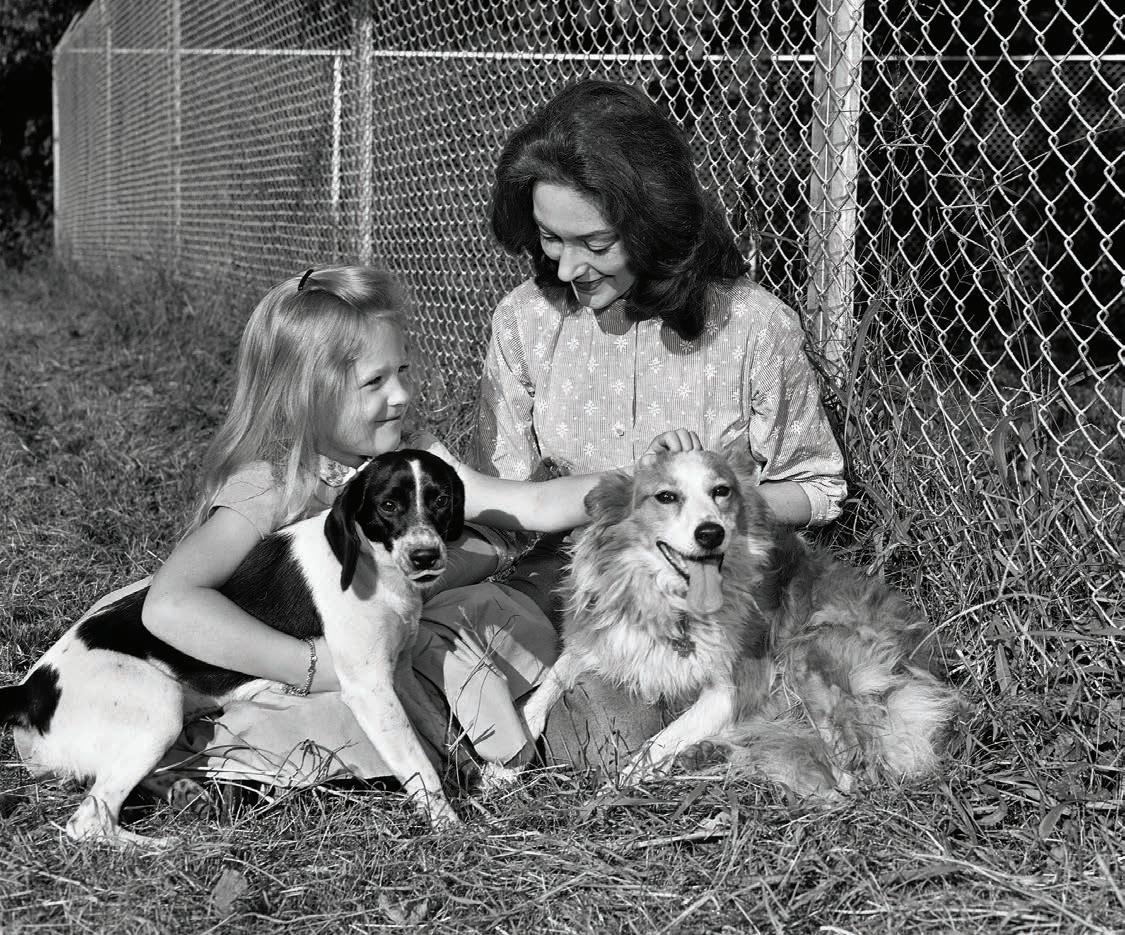

KNOWN FOR PAINTING thousands of Nashvillians’ portraits, artist Ann Street (1927-2018) sat as the elegant subject of this 1961 photograph, in which she and daughter Margaret played with their dogs outside the newly built Nashville Humane Association shelter on Harding Place at the edge of Belle Meade. Now housed on Oceola Avenue, NHA celebrates 80 years of care, protection and advocacy for animals in Middle Tennessee this year.
BY CARRINGTON