>> PAGE 7
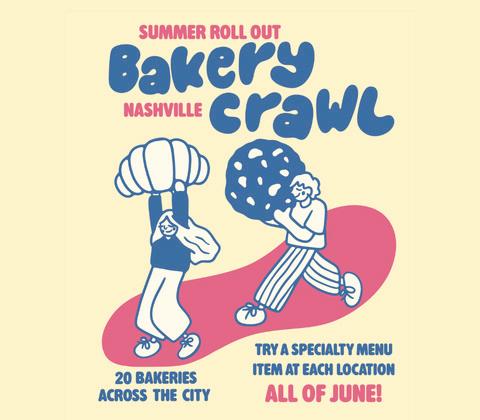
>> PAGE 10 FOOD & DRINK: SPEND A MORNING ON THE SUMMER ROLL OUT BAKERY CRAWL
>> PAGE 25


>> PAGE 7
>> PAGE 10 FOOD & DRINK: SPEND A MORNING ON THE SUMMER ROLL OUT BAKERY CRAWL
>> PAGE 25
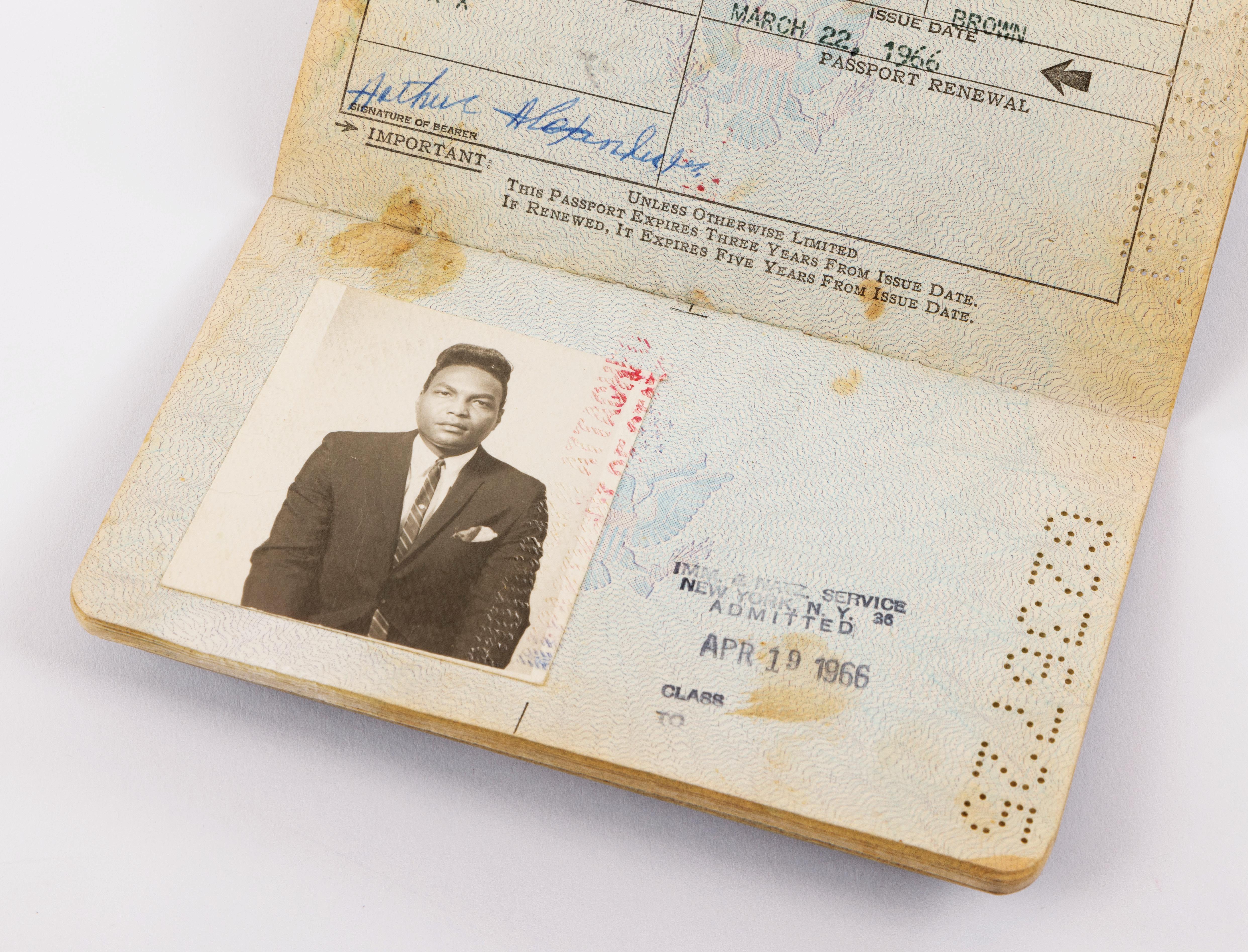
“You Better Move On” marked the advent of the Muscle Shoals sound.
From the exhibit Muscle Shoals: Low Rhythm Rising
artifact: Courtesy of Richard Younger artifact photo: Bob Delevante
RESERVE TODAY
Six Years on, Local Businesses Still Feel Effects of March 2020 Tornado Asphalt Beach and FLWR Shop return to East Nashville, while High Garden charts new location
BY HANNAH HERNER
Nashville’s Historical Connection to the World of Guide Dogs
Nashvillian Morris Frank co-founded The Seeing Eye almost a century ago. Since then, the organization has paired nearly 20,000 people with guide dogs. BY CLAYTON TRUTOR
Proposed Data Center Near Zoo Could Be Larger Than Initially Reported Stormwater runoff from site could run into alreadydegrading waterways on Nashville Zoo property BY JULIANNE AKERS
Pith in the Wind
This week on the Scene’s news and politics blog
COVER STORY
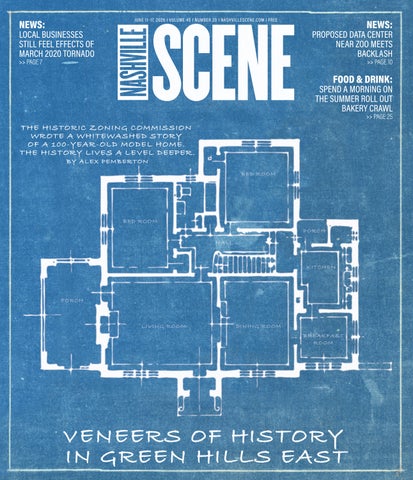
Veneers of History in Green Hills East
The historic zoning commission wrote a whitewashed story of a 100-year-old model home. The history lives a level deeper. BY ALEX PEMBERTON
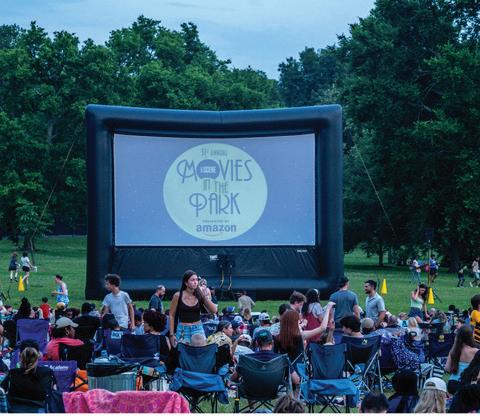
John Mulaney, Cowboy Junkies, Courtney Santana, Movies in the Park, Babe Haven and more
FOOD AND DRINK
House of Sugar
Audience editor Annie Parnell charts a course through this month’s Summer Roll Out Bakery Crawl BY ANNIE PARNELL
BOOKS
A Fool’s Game?
Susannah Felts’ The Come Apart depicts a musician facing a creative and spiritual crossroads BY BIANCA SASS; CHAPTER16.ORG
To Live and Die in Madison
Afterlife is an immersive art production disguised as a haunted rock ’n’ roll funhouse BY JOE NOLAN
Another
Talking with Gee Slab and
BAILEY BRANTINGHAM
BY
Winds of Change
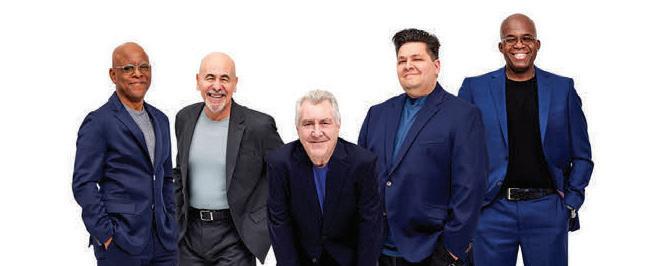
Nashville African American Wind Symphony carries a brilliant legacy forward BY RON
WYNN
FILM
A Punch Above
The Furious is a thesis in ass-kicking BY KEN
ARNOLD
SUBSCRIBE
NEWSLETTER: nashvillescene.com/site/forms/subscription_services
PRINT: nashvillesceneshop.com
CONTACT
TO ADVERTISE: msmith@nashvillescene.com
EDITOR: prodgers@nashvillescene.com












EDITOR-IN-CHIEF D. Patrick Rodgers
MANAGING EDITOR Alejandro Ramirez
SENIOR EDITOR Dana Kopp Franklin
ARTS EDITOR Laura Hutson Hunter
MUSIC AND LISTINGS EDITOR Stephen Trageser
ASSOCIATE EDITOR Logan Butts
AUDIENCE EDITOR Annie Parnell
CONTRIBUTING EDITOR Jack Silverman
STAFF WRITERS Julianne Akers, John Glennon, Hannah Herner, Hamilton Matthew Masters, Eli Motycka, Nicolle Praino, William Williams
SENIOR FILM CRITIC Jason Shawhan
EDITORIAL INTERN Emma Pickett
CONTRIBUTING WRITERS Cat Acree, Sadaf Ahsan, Ken Arnold, Ben Arthur, Radley Balko, Bailey Brantingham, Ashley Brantley, Maria Browning, Steve Cavendish, Chris Chamberlain, Rachel Cholst, Lance Conzett, Hannah Cron, Connor Daryani, Tina Dominguez, Stephen Elliott, Steve Erickson, Jayme Foltz, Adam Gold, Kashif Andrew Graham, Seth Graves, Kim Green, Amanda Haggard, Steven Hale, Edd Hurt, Jennifer Justus, P.J. Kinzer, Janet Kurtz, Craig D. Lindsey, Margaret Littman, Sean L. Maloney, Brittney McKenna, Addie Moore, Marissa R. Moss, Noel Murray, Joe Nolan, Katherine Oung, Betsy Phillips, John Pitcher, Margaret Renkl, Daryl Sanders, Bobbie Jean Sawyer, Nadine Smith, Ashley Spurgeon Shamban, Amy Stumpfl, Cole Villena, Kay West, Nicole Williams, Ron Wynn, Kelsey Young, Charlie Zaillian
ART DIRECTOR Elizabeth Jones
PHOTOGRAPHERS Angelina Castillo, Eric England, Matt Masters
GRAPHIC DESIGNERS Sandi Harrison, Tracey Starck, Mary Louise Meadors
GRAPHIC DESIGN INTERN Alex Levin
PRODUCTION COORDINATOR Christie Passarello
MARKETING AND EVENTS DIRECTOR Robin Fomusa
EVENTS MANAGER Tristan Maryanski
MARKETING AND PROMOTIONS MANAGER Meredith Grantham
PUBLISHER Mike Smith
ASSOCIATE PUBLISHER Michael Jezewski
SENIOR ADVERTISING SOLUTIONS CONSULTANTS
Teresa Birdsong, Carla Mathis, Heather Cantrell Mullins, Niki Tyree
ADVERTISING SOLUTIONS CONSULTANTS
Kailey Idziak, Allie Robbins, Andrea Vasquez
SALES OPERATIONS MANAGER Chelon Hill Hasty
ADVERTISING SOLUTIONS ASSOCIATE Audry Houle
SPECIAL PROJECTS COORDINATOR Susan Torregrossa
PRESIDENT Mike Smith
CHIEF FINANCIAL OFFICER Todd Patton
CHIEF REVENUE OFFICER Olivia Britton
CHIEF OPERATING OFFICER Elizabeth Jones
IT DIRECTOR John Schaeffer
DIGITAL DIRECTOR Caroline Prater
CIRCULATION AND DISTRIBUTION DIRECTOR Gary Minnis
FW PUBLISHING LLC For advertising information please contact: Mike Smith, msmith@nashvillescene.com or 615-844-9238 National Advertising: Ruxton Media Group www.ruxton.com
Nashville Scene



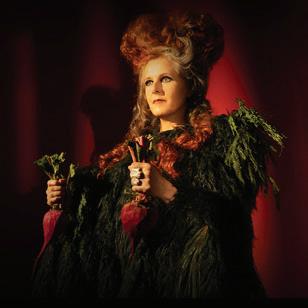
JUNE 17 & 18
NATE SMITH
JUNE 24
JOE JACKSON
JULY 11
AIR SUPPLY
AUGUST 15
MAREN MORRIS ON SALE FRIDAY AT 10 AM
OCTOBER 30
NEKO CASE & FRIENDS WITH JIMMIE DALE GILMORE, DESTROYER (SOLO) & MORE ON SALE FRIDAY AT 10 AM
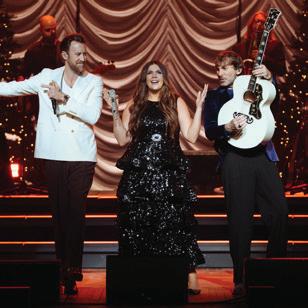
DECEMBER 21 2 SHOWS
LADY A THIS WINTER’S NIGHT ON SALE FRIDAY AT 10 AM
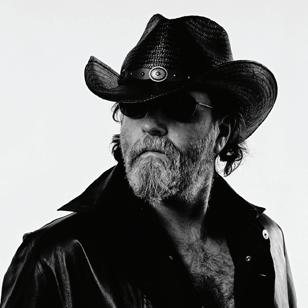
MAY 15, 2027
WHEELER WALKER JR. THE FINAL SHOW ON SALE FRIDAY AT 10 AM











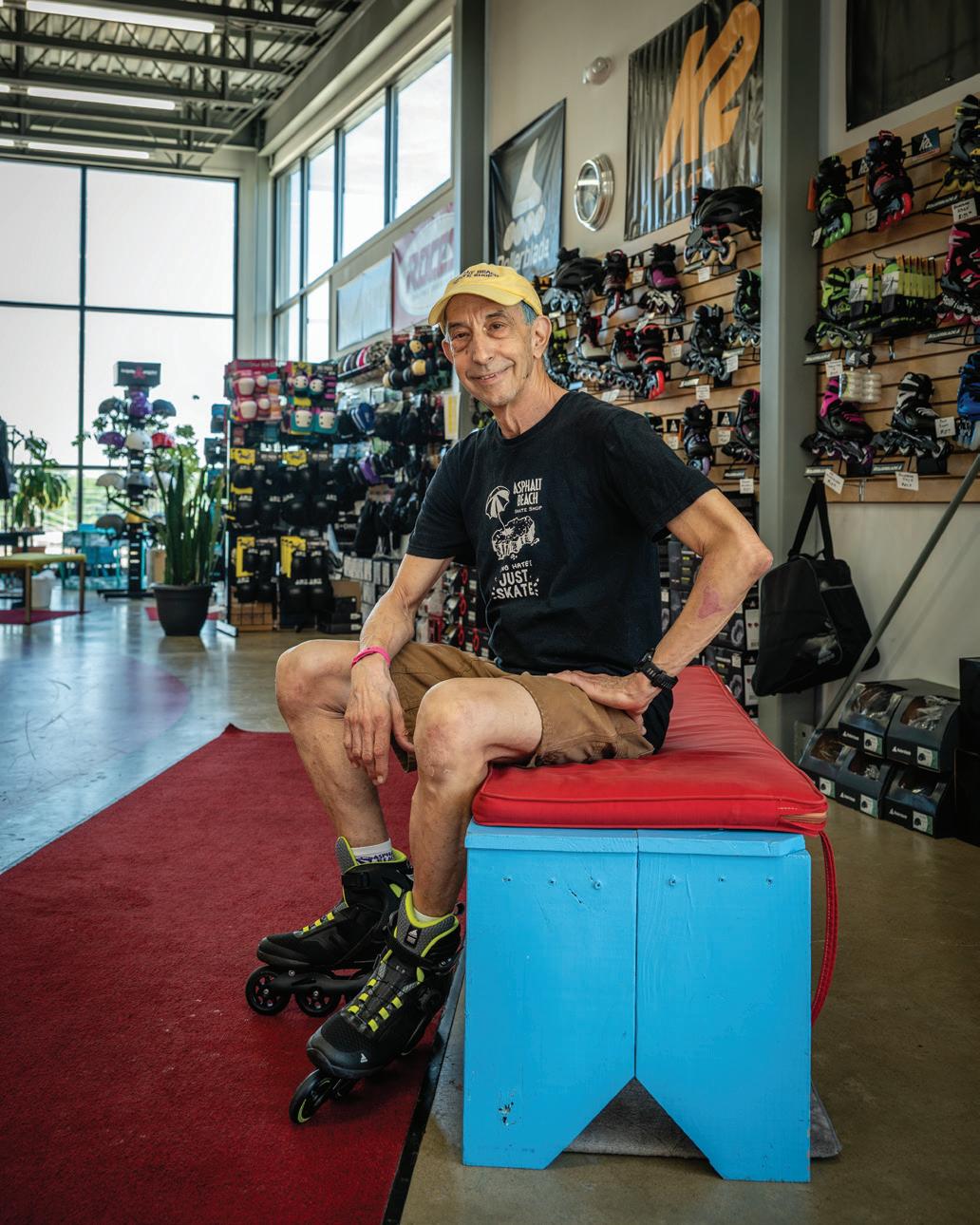
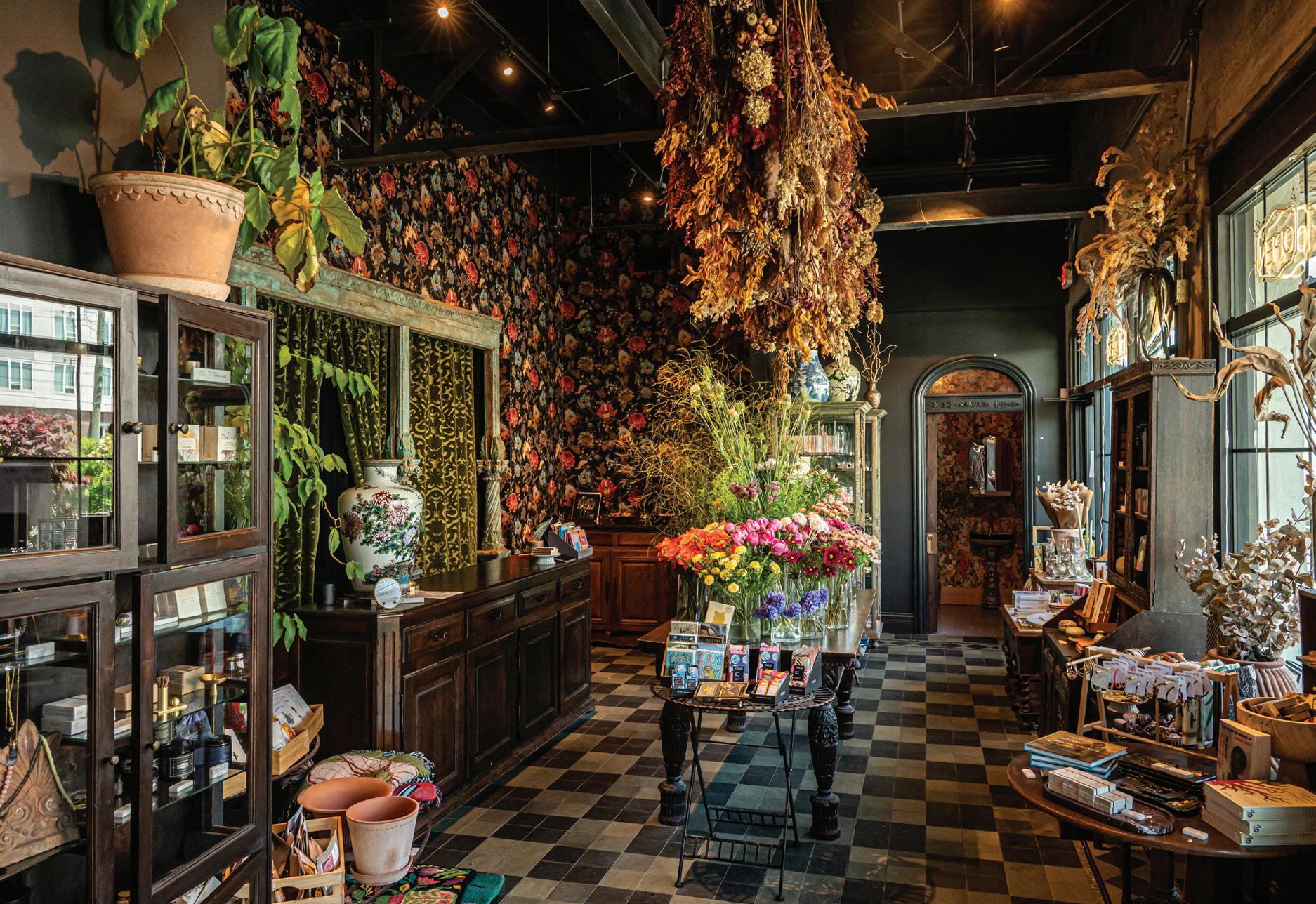
Asphalt Beach and FLWR Shop return to East Nashville, while High Garden charts new location
BY HANNAH HERNER
IT’S STILL DIFFICULT for Leah Larabell to look at pictures of High Garden Tea on Woodland Avenue. It was “pure magic,” she says. She and her husband Joel had built it themselves, bringing their love of the forest indoors and lining the walls with $150,000 worth of teas, herbs and tinctures.
At least 1,200 others found it magical, too — that’s how many people donated to a GoFundMe campaign after Nashville’s deadly March 2020 tornado destroyed the space. The campaign raised more than $80,000.
Larabell is still emotional when she recounts these events to the Scene. High Garden used half of the money to pay staff for several weeks, pay off bills and outfit a building on their property in Joelton to complete online and wholesale orders. The remaining $40,0000 was put toward replacement inventory. High Garden’s renters’ insurance didn’t technically cover tornado damage, so another $40,000 was hard-fought. The plan was always to rebuild, Larabell says, but they didn’t own the space and didn’t have savings. Plus they saw their peers closing due to the pandemic, which arrived just days after the historically catastrophic tornado.
“We learned in that moment, you can work as hard as you want through something, you can hang on as tight as you want, and you can lose it at a moment’s notice,” Larabell says. “We poured everything — every last dime, every last minute — into that shop, and it was literally
swept away overnight.”
She continues, “High Garden, maybe it was supposed to shift, maybe it was supposed to change. It felt very pointed — [the tornado] reached in that building and just picked it up and threw it.”
Steve Larios, owner of East Side skate shop Asphalt Beach, had a different reaction to his building being destroyed by the March 2020 tornado.
“We had the foundation, and I was determined to come back,” Larios tells the Scene. “It was just important to me to rebuild. Like, ‘Fuck you Mother Nature, I’m coming back.’”
An insurance adjuster took one look at the Woodland Avenue building Larios owned and deemed it totaled. Larios used $20,000 in GoFundMe funds to set up a temporary location on Elm Hill Pike as the pandemic raged on. Roller skates began to sell out around the country, but he had a reserve he had put on hold when the tornado hit — a silver lining.
Even with insurance money, he couldn’t afford to rebuild the brick structure and instead opted for a more price-conscious glass-and-steel buildout.
His property taxes reached $29,000 per year for the new structure, but they recently jumped to $43,000 — which, he learned, was due to the newness of his building. He’s got to sell a lot of skates to hit that number — his average sale is $170, he says. He also says neighbors who were
able to keep parts of their old buildings aren’t paying as much in property tax.
“It’s like, ‘Oh, you got a nice new building, it’s worth $4.5 million, so pay taxes on it,’ like I’m some corporation or something,” he says. “I’m just some schmo with a skate shop.”
The owners of FLWR Shop knew they were East Nashvillians for life after the building they lived in and ran their business from was damaged during the March 2020 tornado. Strangers helped them clean up their yard, and some even salvaged plants, sold them and gave the money back to FLWR. Owners of fellow small business Consider the Wldflwrs started a GoFundMe campaign that raised more than $12,000 on behalf of FLWR Shop. That money was used to help the husband-and-wife team — who rented their Victorian home on South 11th Street — get a home loan.
“All of the GoFundMe money saved us from becoming homeless, really,” says co-owner and director of operations Quinn Kiesow. “We really felt incredibly supported.”
For the first nine months of the pandemic, FLWR Shop had more orders than normal, which they completed out of a planned second location in Belle Meade. But business began to falter.
The FLWR Shop location at 911 Dickerson Pike, which opened in October 2024 as the Belle Meade location was closed, recently added a snack and beverage service in addition to com-
munity events in an effort to remind customers they’re still around. With decor nodding to the original Five Points Victorian home, they get repeat customers, and some who think the business is brand-new.
“It’s shocking to me how long it really takes,” co-owner and creative director Alex Vaughan tells the Scene. “We’re not out of it. In order to get this open, we had to go into a huge amount of debt, which wouldn’t have happened if our location hadn’t been destroyed.”
Larabell thinks people embraced the East Nashville location of High Garden so strongly because they felt at home — like she does — in the forest. She’s planning a new High Garden Woodland Tea House and Wild Sanctuary in Rising Fawn, Ga., near Chattanooga. It will include a place to have “tea with the trees,” Larabell says.
Larabell says she didn’t want Nashvillians to feel betrayed, but High Garden couldn’t afford to follow their new purpose in the area. She and her husband saved up a portion of sales to purchase 30 acres of forest to preserve, plus two acres to run their business on. Still, 80 percent of High Garden’s online sales come from Nashville, and 90 percent of wholesale orders from Nashville cafes. After the forest location is settled, a Nashville presence will be next, she says.
“The people of Nashville are still holding us in their arms, and we’re not going to forget that,” Larabell says. ▼

Nashvillian Morris Frank co-founded The Seeing Eye almost a century ago. Since then, the organization has paired nearly 20,000 people with guide dogs.
BY CLAYTON TRUTOR
THE SEEING EYE — co-founded in 1929 by Nashville’s Morris Frank with author and dog trainer Deborah Eustis — is the world’s leading trainer of guide dogs for the blind. Established here in Nashville, the organization has sought to “increase the independence and dignity of people who are blind,” according to The Seeing Eye’s founding credo.
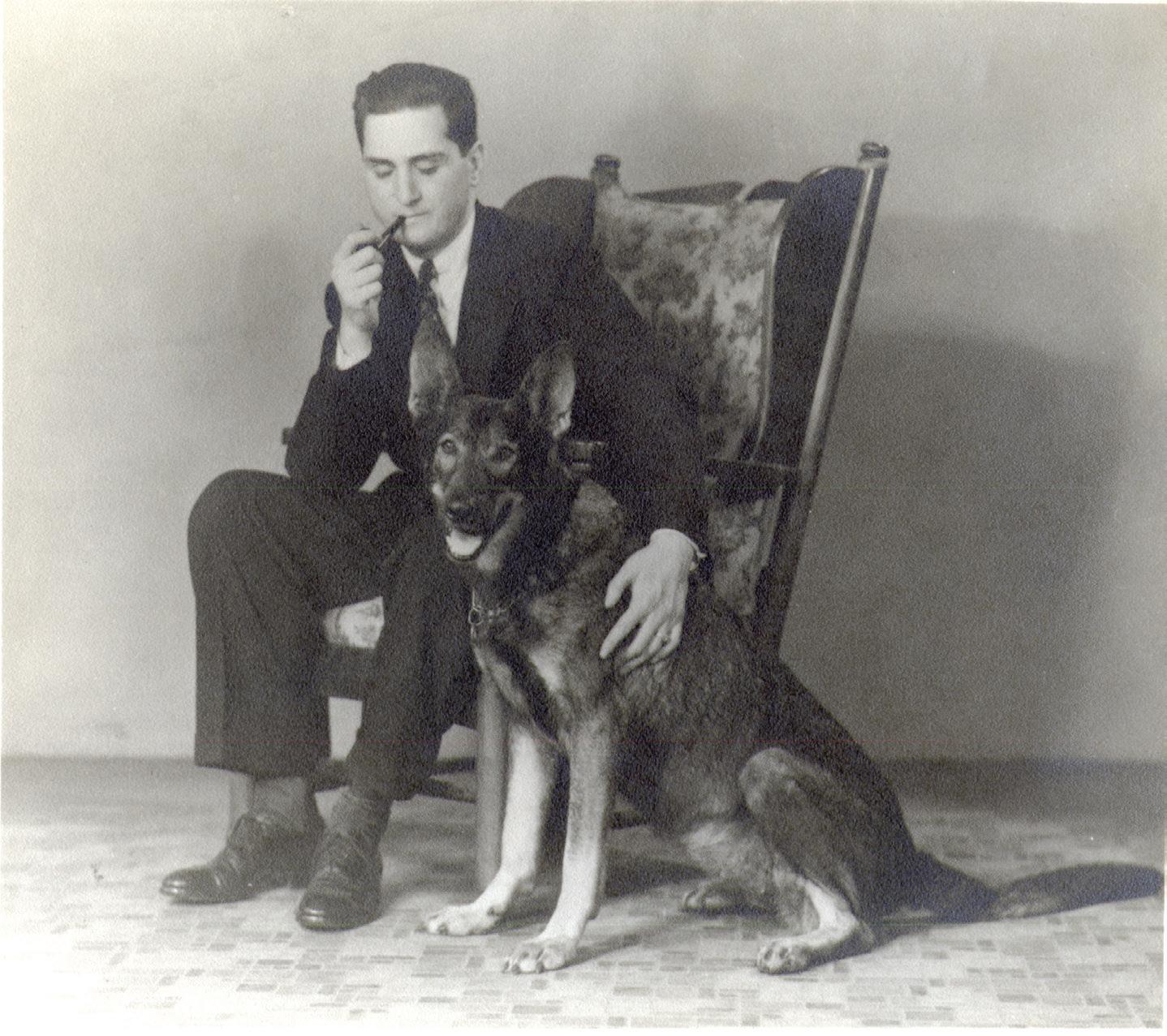
Morris Frank was born in Nashville on March 23, 1908, the youngest of John and Jessie Frank’s three sons. John was a highly successful manufacturer, owner of Frank & Company, which made custom shirts and sold Stetson hats. His mother had been blinded in an accident, and from a young age, the young Frank helped guide his mother around their home.
Frank lost the sight in his right eye at age 6 after scraping it against a tree branch while riding a horse. In a cruel twist of fate, he lost the sight in his left eye at 16 after being punched during a boxing match with a friend.
Frank was a top student at all-boys prep school Montgomery Bell Academy before matriculating at Vanderbilt. He hired local men to guide him around the Vanderbilt campus and around town, but he became frustrated by his dependency on others. In November 1927, while he was a student at Vanderbilt, Frank read a Saturday Evening Post article about a school in Germany that paired blinded war veterans with dogs who guided them through their daily lives. The article was written by American Dorothy Eustis, who operated a dog training school of her own in Switzerland.
Frank wrote Eustis a letter expressing his interest in visiting her school and acquiring a guide dog — and moreover, bringing the idea of guide dogs to the United States. In February 1928, Eustis called Frank and invited him to her school, Fortunate Fields, located near the village of Vevey, Switzerland. At the time, Fortunate Fields worked primarily as a trainer of police dogs, but Eustis accommodated Frank as he learned to work with a guide dog. Frank trained at Fortunate Fields with a female German shepherd he named Buddy. Holding Buddy by a harness, Frank spent weeks with the animal, learning to maneuver through the town of Vevey with the help of Eustis and another dog trainer named Jack Humphrey.
On June 11, 1928, Frank made a widely publicized return to the U.S. with Buddy, demonstrating what he and his companion could do for an assemblage of New York reporters. The next day, images of Buddy guiding Frank across a busy Manhattan street appeared in newspapers across the continent.
Frank sent Eustis a one-word telegram: “Success.”
start The Seeing Eye, which would breed, raise and train guide dogs. The organization also trained blind people on how to work with and care for the dogs. The Seeing Eye also went on to educate the general public on guide dogs while advocating for the right to use guide dogs in public spaces. Initially, all “Seeing Eye dogs,” as they were known, were German shepherds. The organization later added Labrador retrievers, golden retrievers and related crossbreeds to their kennel.
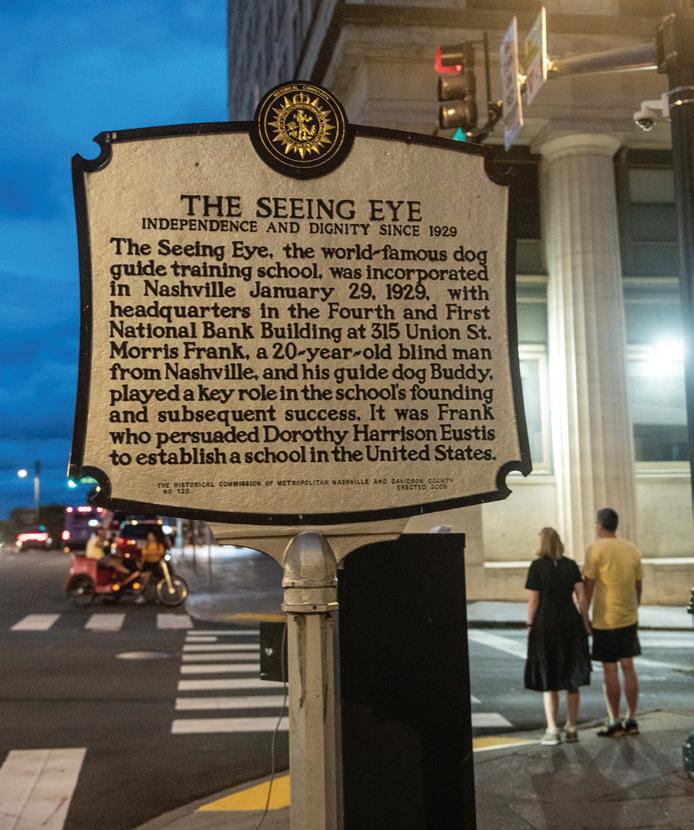
The Seeing Eye was established in January 1929 in downtown Nashville’s Fourth and First National Bank Building. Eustis served as president, and Frank served as managing director. In 2008, Nashville erected a plaque at the site honoring the organization’s achievements. The inscription begins with the organization’s credo: “Independence and Dignity Since 1929.”
According to The Seeing Eye, in the century since, the organization has matched nearly 20,000 dogs with people.
In 1931, Frank moved the school to northern New Jersey, regarding its cooler climate as superior for breeding and training dogs. In 1965, The Seeing Eye established its current headquarters in Morristown, N.J., which includes a kennel, training school, veterinary research center and clinic, and the organization’s administrative offices. The Seeing Eye is now the world’s longest tenured organization that trains guide dogs.


The publicity helped Frank and Eustis kick-
Frank served as the company’s managing director from 1928 until 1956. He spent much of his time traveling the country and teaching people
about Seeing Eye dogs. He also advocated for the blind in state legislatures across the nation. By the time of Frank’s retirement in 1956, every state in the union had passed laws allowing for guide dogs in public places.
When Buddy died in 1938, obituaries in papers across the U.S. mourned the original Seeing Eye dog. Every dog Frank owned for the rest of his life would also be named Buddy.
After retiring from The Seeing Eye, Frank authored a book about his life with Buddy titled First Lady of the Seeing Eye. Disney released a made-for-TV film about Frank and Buddy in 1984 called Love Leads the Way: A True Story Frank died in 1980, but his legacy of independence and dignity lives on in the countless lives he and Buddy helped impact. ▼
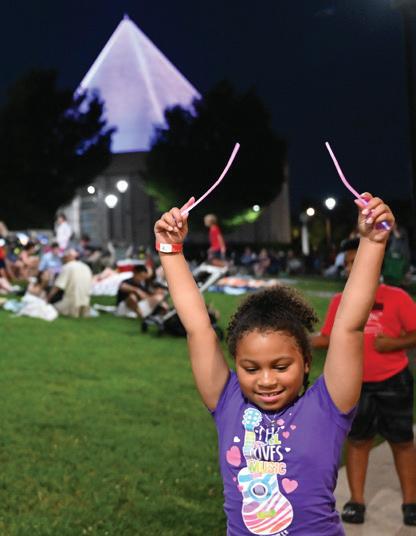
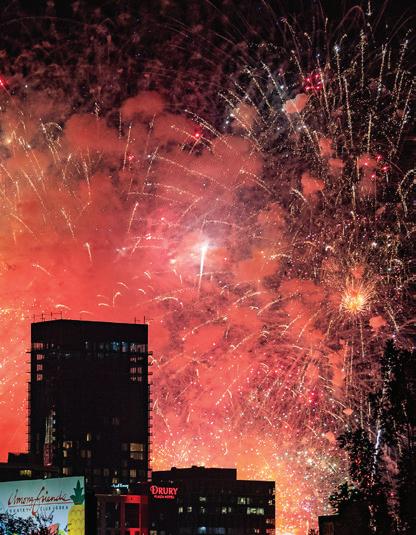

SAT., JULY 4 • 6:30PM–10PM ACTIVITIES INSIDE + OUT.
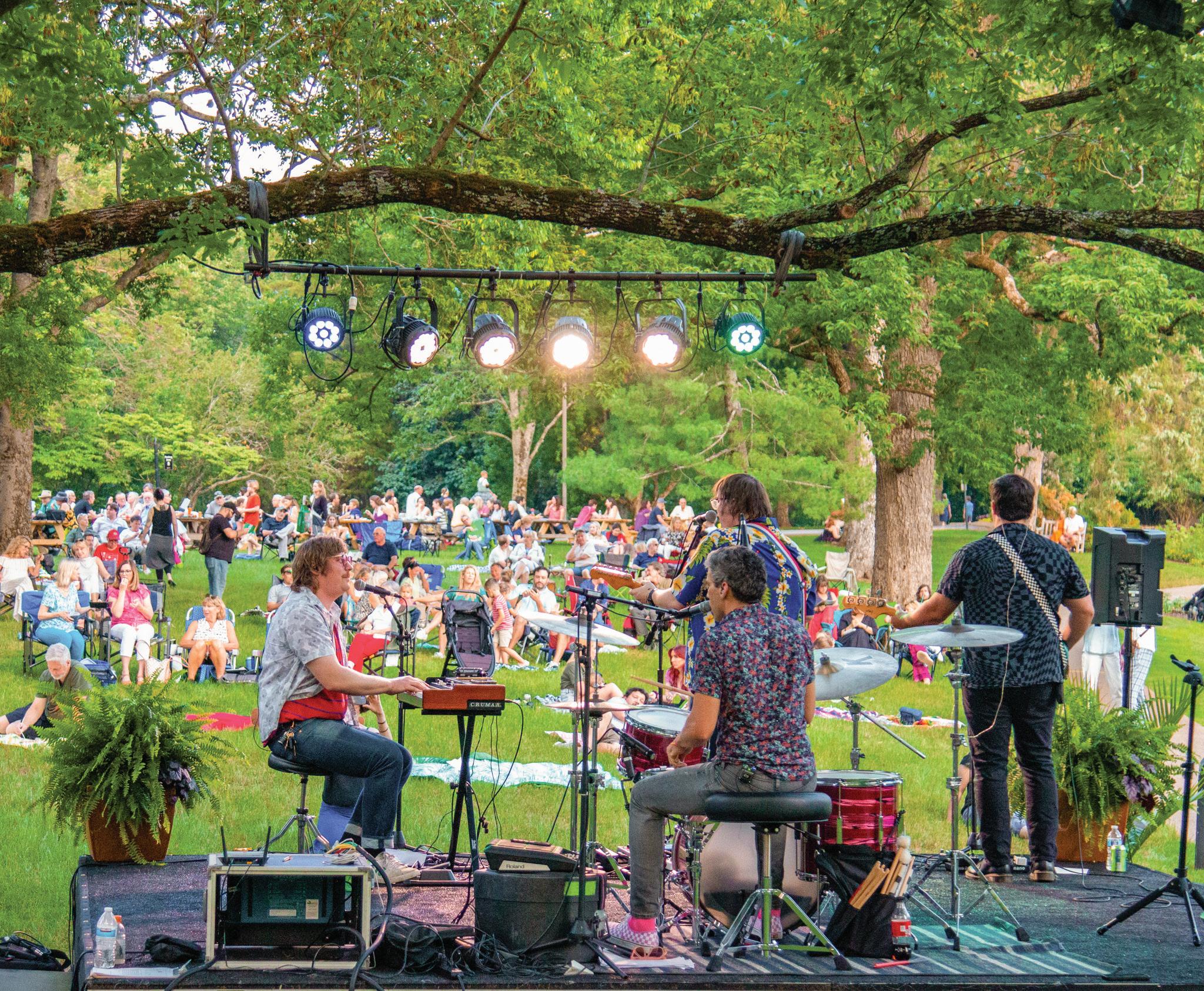
June 4 – August 27 | 5 – 9 PM
A relaxing summer escape awaits every Thursday night. Enjoy an eclectic mix of music , seasonal cocktails , food trucks , and favorites from Perenn at Cheekwood , all set among the gardens in full bloom. Upcoming performers include The WannaBeatles, Charles “Wigg” Walker, Paul Childers, and The Shirt Tuckers. Reserve tickets at cheekwood.org.
Stormwater runoff from site could run into already-degrading waterways on Nashville Zoo property
BY JULIANNE AKERS
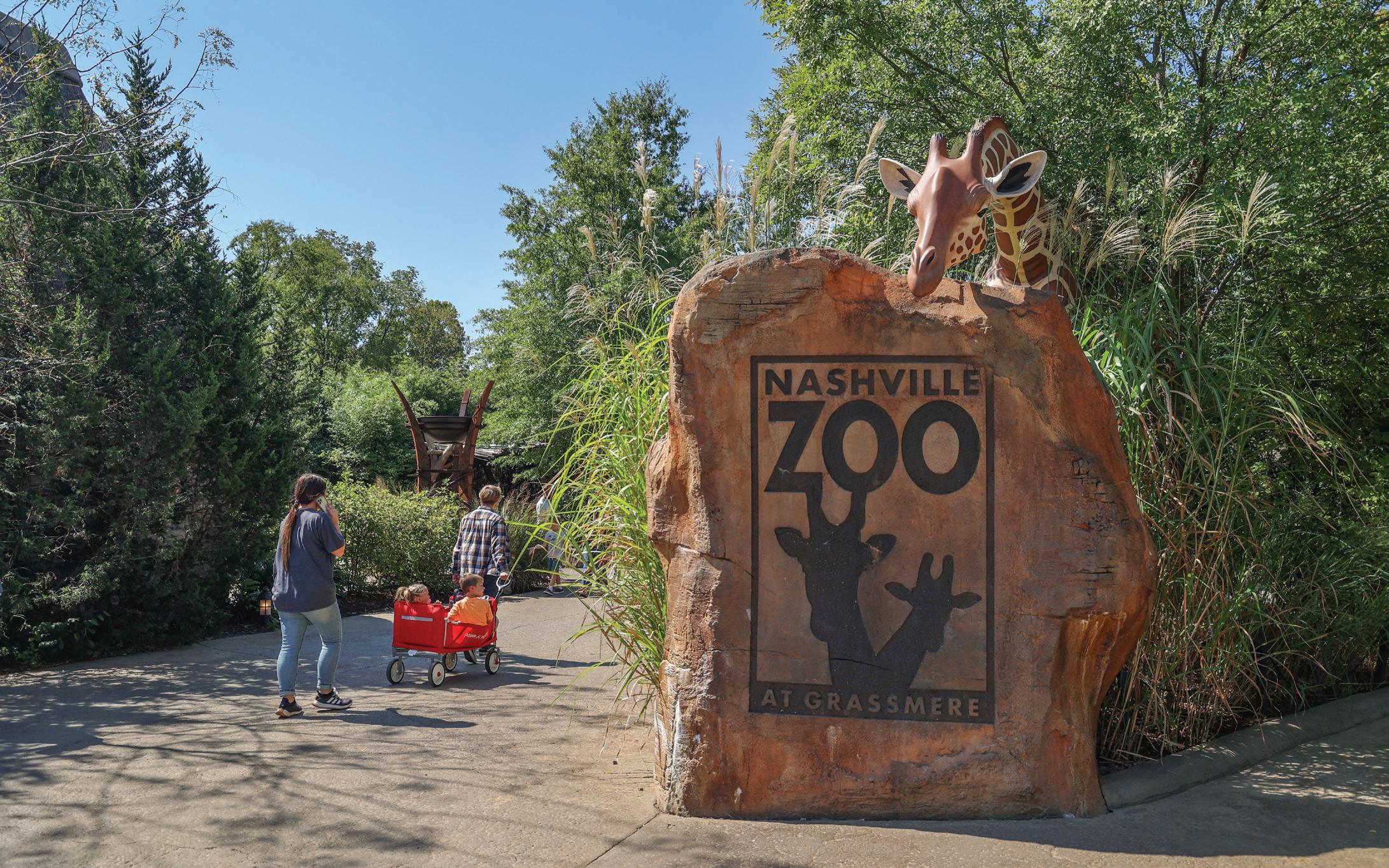
PLANS TO CONSTRUCT a data center next to the Nashville Zoo have sparked vehement backlash from both zoo representatives and community members — and permit documents show the proposed facility could be significantly larger than initial reports have indicated, and could adversely impact zoo property.
Atlanta-based digital infrastructure company DC BLOX recently filed a building permit with Metro Nashville proposing a one-story, 10-megawatt, 69,220-square-foot data center at 648 Grassmere Park. However, a due-diligence geotechnical engineering report from consulting firm Langan indicates that the project would include a three-story, 40-megawatt data center building, a substation, associated parking lots and a guard house — all in addition to the proposed single-story facility. Building and stormwater permits have not yet been filed for this portion of the project.
“DC BLOX is proposing the development of a data center in Nashville with the goal of bringing much-needed digital infrastructure to the area,” DC BLOX says in a statement to the Scene “The project would replace two buildings which include a data center that previously operated on the site.”
“The facility will not be an AI factory placing a burden on local resources,” the statement continues. “From our past projects, as well as the proposed Nashville facility, we commit to using
closed-loop or waterless cooling designs to minimize ongoing water use. We commit to the local utility to pay for all power used as well as any new energy infrastructure required to support our project. And we commit to maintaining and testing noise levels to measurable and acceptable levels and adhering to all federal and local environmental requirements.”
When asked about the three-story data center addition, DC BLOX did not respond to the Scene’s request for comment as of press time Monday.
Metro stormwater permit documents show that all three of the site’s stormwater drainage outfalls from the data center site currently flow directly onto existing stormwater infrastructure located on the Nashville Zoo property. The zoo’s waterway infrastructure is identified as “impaired for siltation and habitat alteration” — meaning the system is degrading, and stormwater runoff from the data center could make it worse.
According to permit documents, a water and sewer availability review was canceled with no explanation made publicly available. A noise review was approved, but no supporting documents were provided.
Zoo representatives have expressed their vehement opposition to the data center proposal, arguing it would pose a threat to its animals and their habitats. The zoo has specifically noted the lack of environmental impact reports. The zoo
Republican leaders U.S. Sen. Marsha Blackburn and state House Speaker Cameron Sexton have taken issue with the mayor’s proposal to provide funding to the Tennessee Immigrant and Refugee Rights Coalition, arguing it could violate the state’s strict immigration laws. Under Mayor Freddie O’Connell’s proposed budget, $735,000 would be allocated to TIRRC, a nonprofit organization advocating for immigrant rights in Tennessee. Blackburn calls TIRRC “a pro-illegal alien nonprofit.” TIRRC executive director Lisa Sherman Luna says in a statement that Blackburn’s and Sexton’s posts are “politically motivated threats.” Writes Scene opinion columnist Betsy Phillips: “Tennesseans, all Tennesseans, feel beaten down. And there’s no one to blame but Republicans. I think Blackburn and Sexton are hoping they can deflect people’s righteous anger about the state of things onto Nashville and motivate people to turn up to the polls.”
launched a petition against the project, which as of this writing has received roughly 332,000 signatures. Country star Brad Paisley has registered his opposition to the project as well in a widely circulated Instagram post.
“We cannot afford to find out years from now how this facility has negatively impacted our 1.4 million visitors, our local community, or the 3,000 animals entrusting us with their care,” reads a statement from the zoo. “We are calling on the Nashville community to join us in our fight to stop this data center from being built, now.”
Rick Schwartz, Nashville Zoo president and CEO, told multiple news outlets last week that the data center could pose a particular threat to the zoo’s endangered clouded leopards. The leopards are sensitive to mechanical noise, which can threaten breeding.
Metro Councilmember Rollin Horton recently proposed a zoning bill to create stricter regulations for the construction and operation of data centers in Nashville. The ordinance would impose restrictions on the size of the centers, water use, noise levels and air pollution caused by the facilities.
This also follows a recent plan announced by Fisk University to construct a 70,000-squarefoot data center on its North Nashville campus, which has sparked concern among community members and university alumni. ▼
Fisk University wants to build a multi-use data center on its historic North Nashville campus, which proponents say will allow the university to keep up with the demands of the future, while being a mindful steward of the controversial technology. Neighbors and alumni question the premise that any entity can operate a data center “the right way.” While the university said the data center will be done responsibly and acknowledges concerns from other communities where data centers have developed in recent years, neighbors are skeptical of the environmental and other community impacts. As reported by our colleagues at the Nashville Banner Winston Wright — a Fisk alumnus with a master’s in public health — says the facility being planned near an affordable housing development without community input is “kind of diabolical.” Metro Councilmember Rollin Horton recently introduced a data center zoning bill that would be the first regulation of the industry in Nashville.
Travelers, the insurance company representing the Metropolitan Government of Nashville and Davidson County, has filed a lawsuit against the Nashville Downtown Partnership, Block by Block and SMS Holdings Corporation for $10 million in damages related to last summer’s fire in the Nashville Public Library garage downtown Following a June 10, 2025, fire in a fourth-floor storage room of the garage — which is managed by the NDP — the library was closed until March of this year. The lawsuit states that, as a result of the fire, Travelers will make insurance payments in excess of $10 million to Metro. The suit alleges negligence, gross negligence and breach of contract by the NDP.
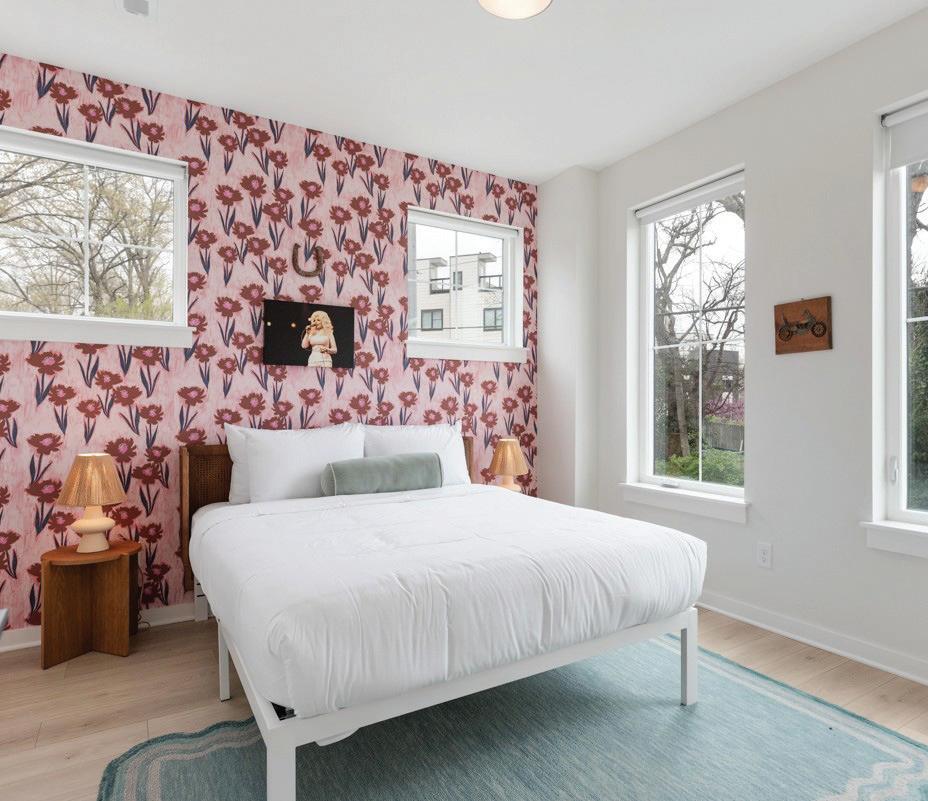
TURNKEY DESIGNER SHORT-TERM RENTALS
Incredible Investment Opportunity in East Nashville! This is your chance to purchase three fully furnished turnkey short-term rental (STR) properties sold as a package OR INDIVIDUALLY--ideal for investors seeking a 1031 exchange or expanding their STR portfolio. These townhomes are NOO STR permit eligible (Non-Owner Occupied) with MUN-A zoning. Simply bring in your property manager and start generating income immediately.
3 STR TOWNHOMES $2,390,000
EAST NASHVILLE


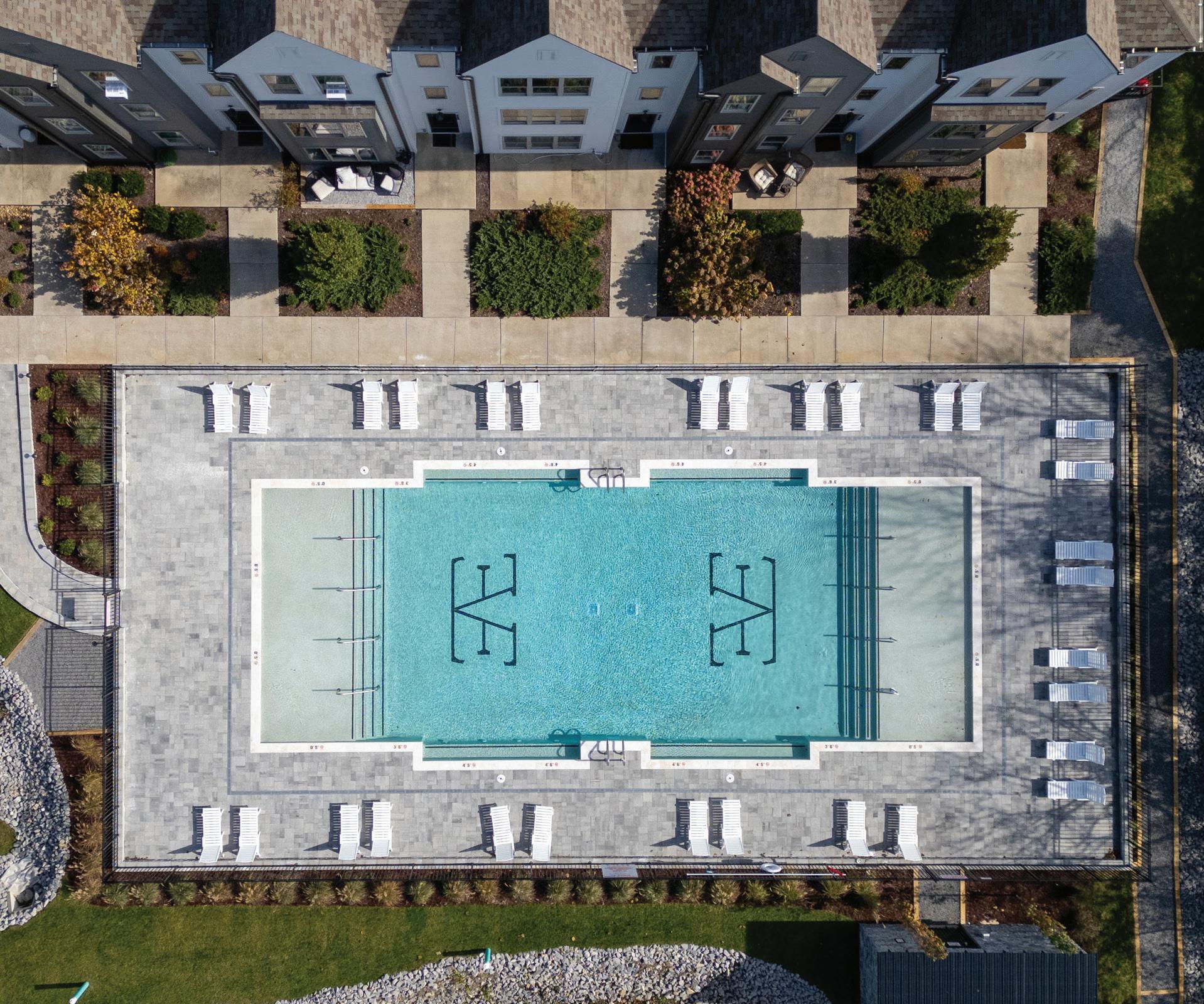
East End Village in an innovative, health-oriented townhome community connected to the outdoors. Health-conscious construction avoids toxins in paint and flooring, includes UV protection in windows, noise reduction between unit walls and encapsulated exteriors. Incentives available for qualified buyers: up to 2% towards closing costs from seller and up to $15,000 grant from Old National Bank with no pay back requirement. Inquire for details!
TOWNHOMES FROM $319,900 INGLEWOOD
SALLY CARPENTER slept in the servant’s quarters under 7-foot ceilings.
She was the only Black person living on Observatory Drive in April 1930, and she lived there in the only capacity allowed to her. Nights she slept in a basement room off the garage, half-windows punched from the foundation with sills at eye level. Days she cleaned the better home upstairs, dusted the wide casement windows, and cooked in a kitchen designed to ease the burden on the white housewife.
Carpenter was 28. She had no children of her own in the Bean home. We know little else about her.
Nearly a century later, the Metropolitan Historic Zoning Commission recommended the same neighborhood for a conservation overlay, a zoning tool that restricts demolition and subjects major modifications to the commission’s architectural judgment.
Green Hills East is “significant for its representation of the national initiative to promote homeownership,” staff lead Robin Zeigler said at the commission’s Dec. 17, 2025, meeting. “Nashville took part in the movement with … the Tennessean Model Home, which was located at 1637 S. Observatory Drive.”
Zeigler extolled the initiative’s Progressive Era aims. She recited quotes from the Better Homes in America movement’s own promotional brochure, published in 1923. Her three-minute pitch summarized the seven-page Short History of Green Hills East, a document she researched and drafted to inform commissioners’ evaluations of historical merit.
Sally Carpenter served the owners of the Tennessean Model Home, but she earned no mention in the meeting or the Short History. The MHZC built its case for historic designation on the model home — but it misidentified the house, elided the segregation structural to the Green Hills subdivision, and mischaracterized the movement central to its claim of significance.
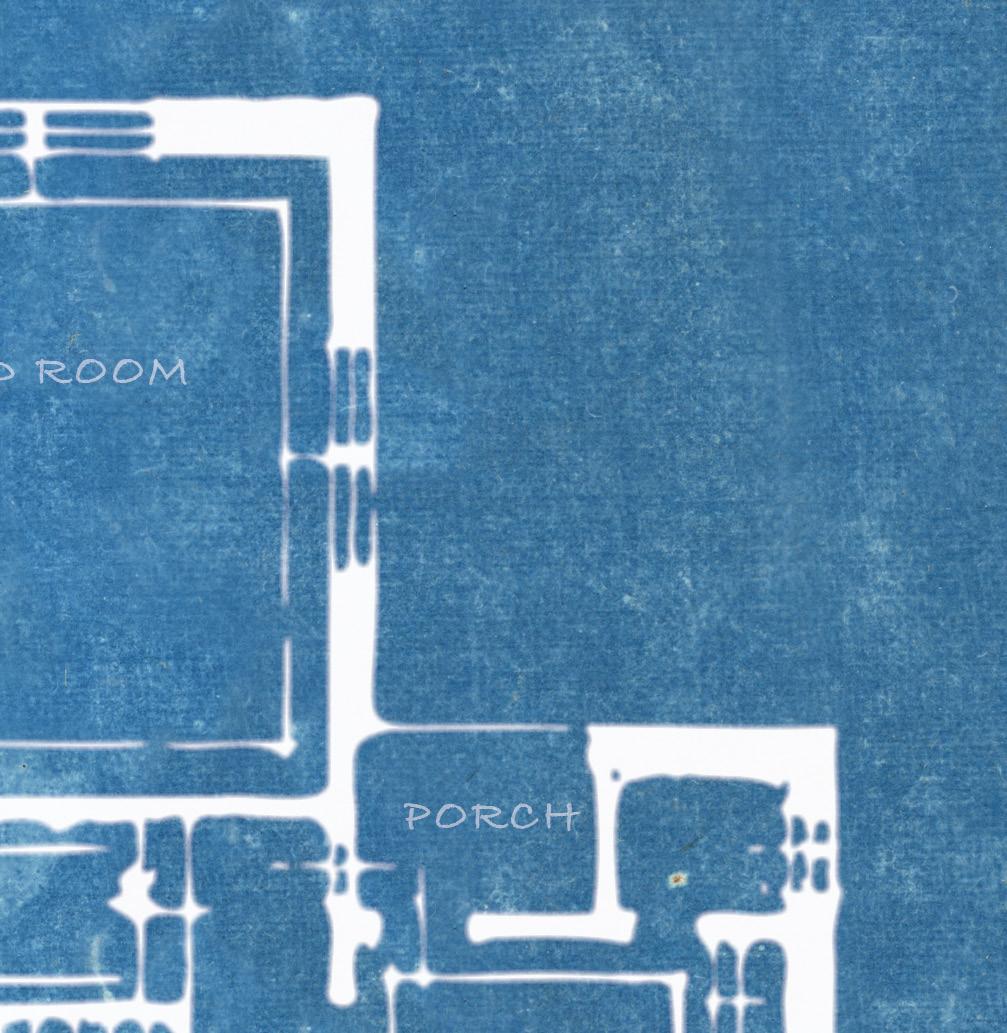
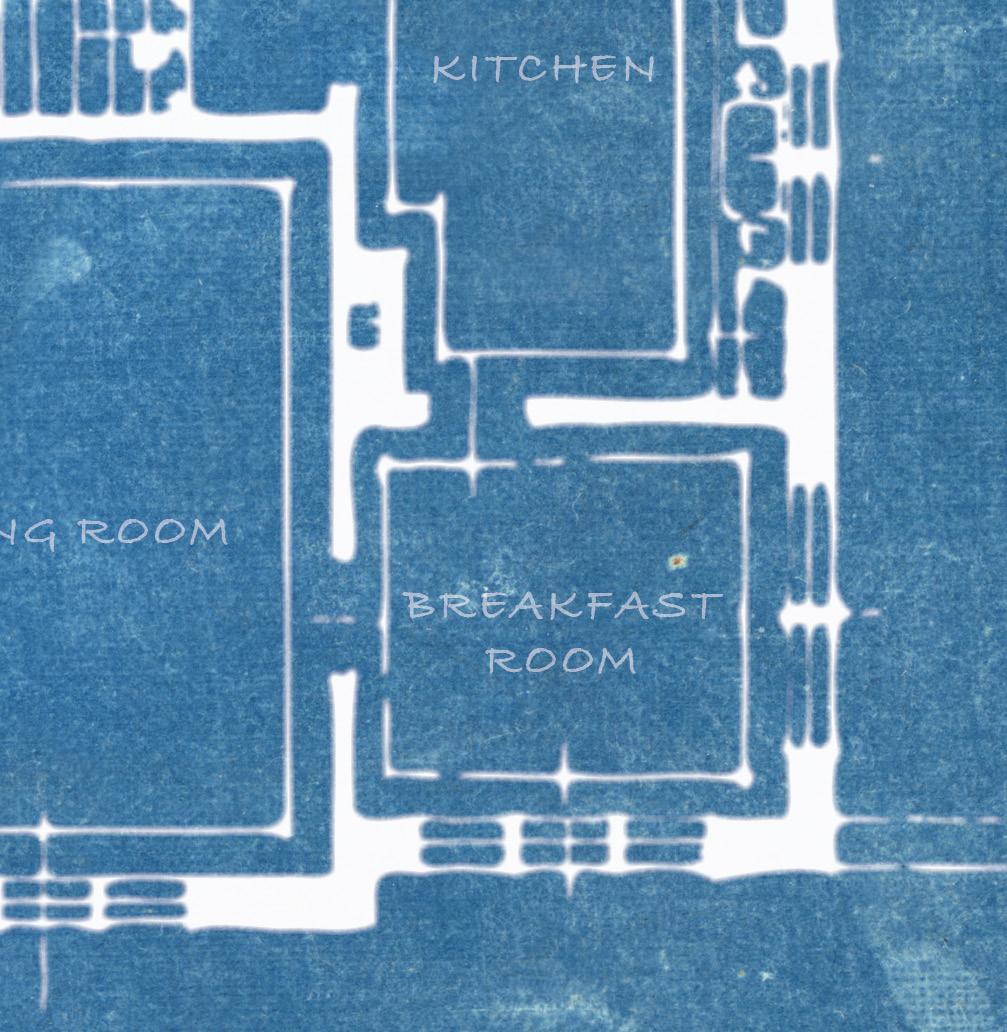
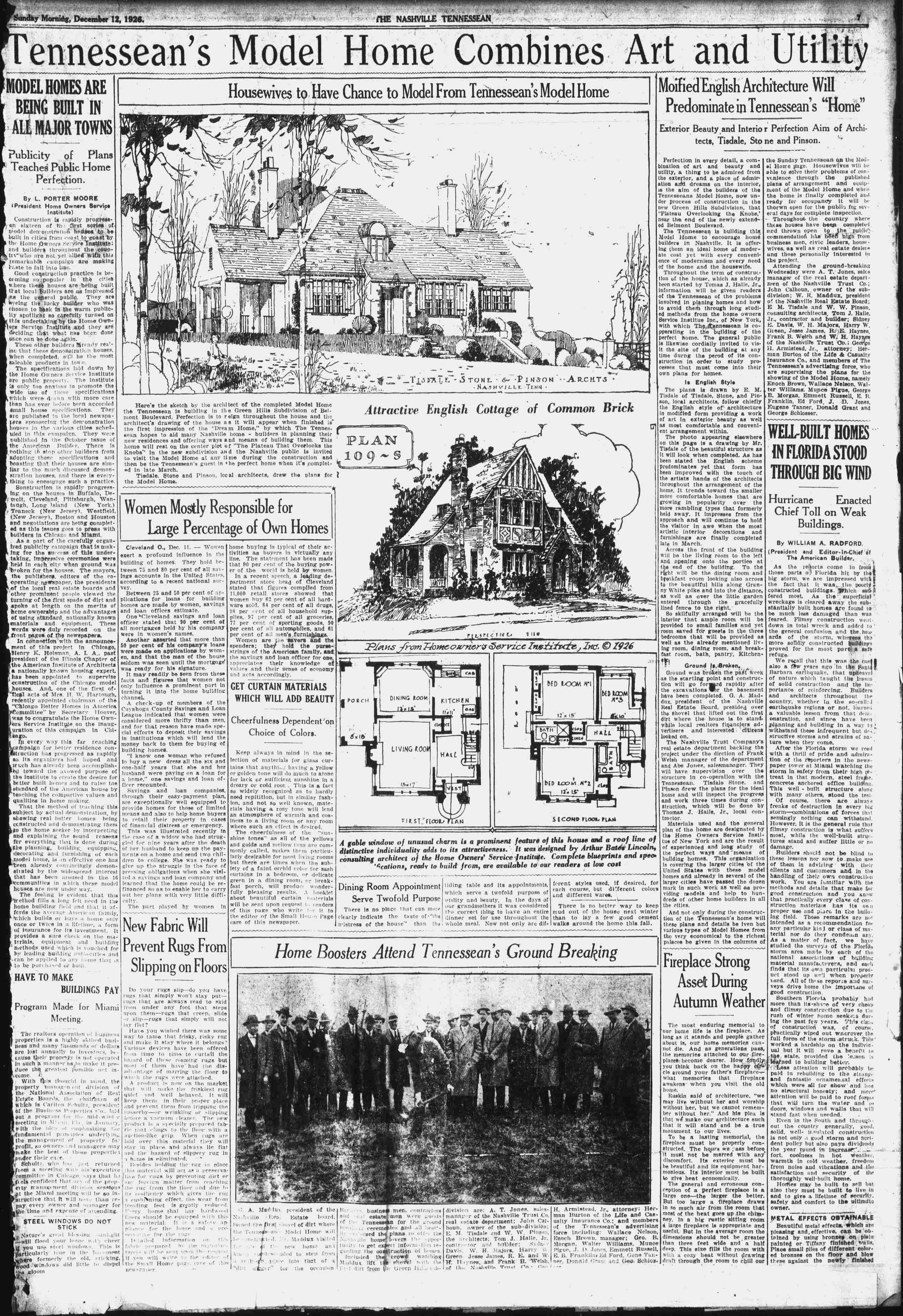
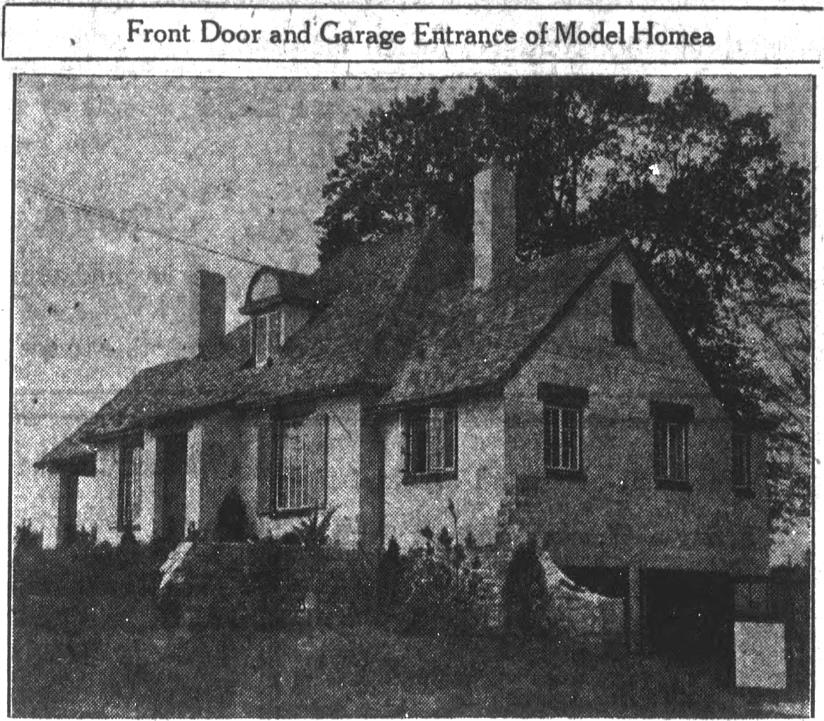
Few Nashville residences are as welldocumented as the first Tennessean Model Home. The Nashville Tennessean partnered with the builder to promote renderings, floor plans, materials specifications, photos of the house both under construction and completed, and descriptions of the interior: sunken side room, basement servant’s quarters.
An architectural sketch published Dec. 12, 1926, shows several distinctive features: a
hipped roof with a half-round dormer, two gabled wings with chimneys centered on the roof ridges, and a curved wing wall where the site slopes down to the right.
weeks later pictured bare branches behind a framework of rain-streaked wooden studs. By spring, the exterior walls were clad with brick veneer, a facade system that lets stick-built houses pass as structural masonry. A finished photograph from late April 1927 matches the architectural sketch. The brick was painted cream “to give it an antique atmosphere” and lend it the veneer of history: the illusion of a man-made structure so everlasting it must be part of the natural order.
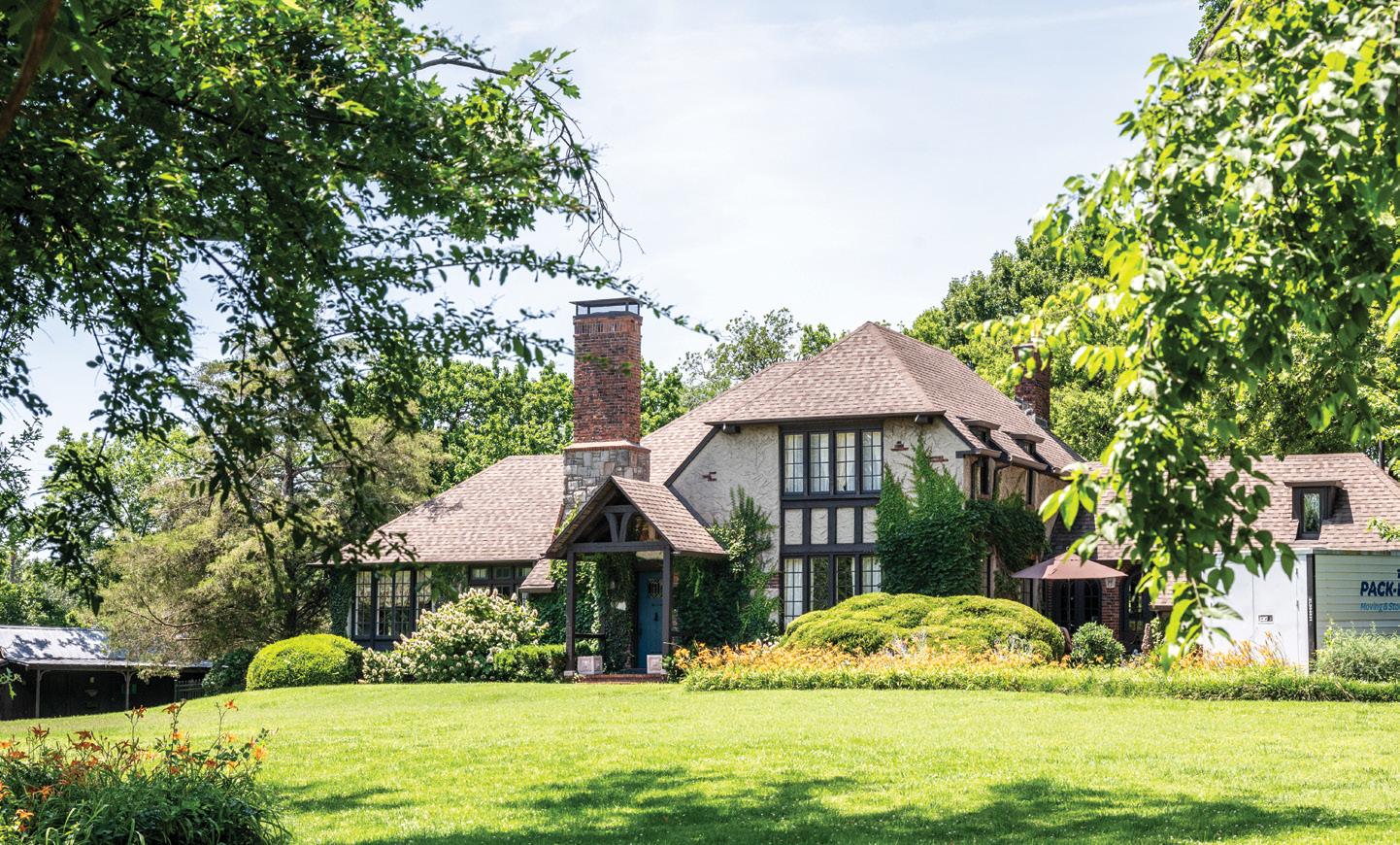
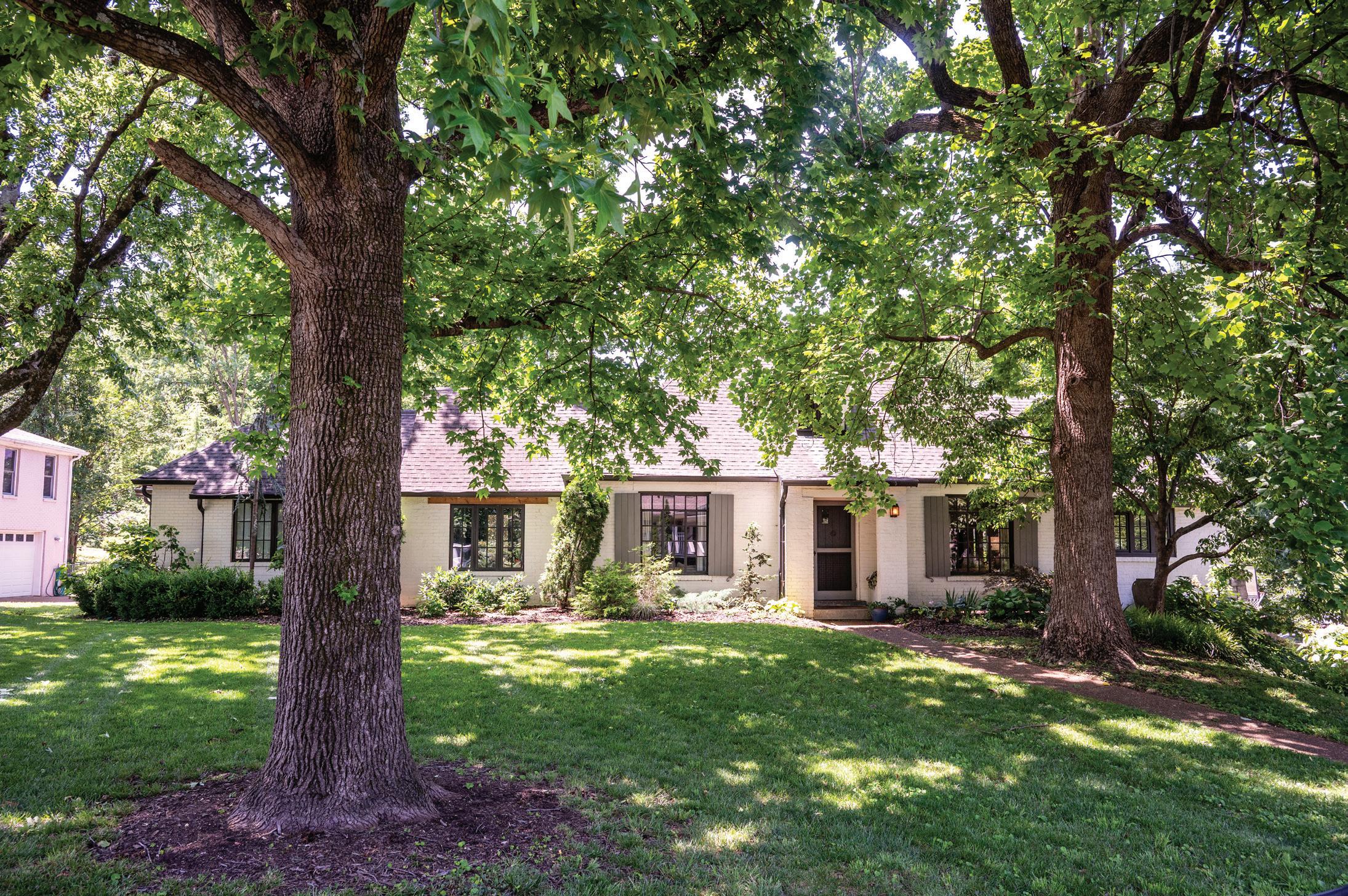
Zeigler identified as the Tennessean Model Home. Its aesthetic is Tudor Revival, where the model home was English Cottage. Its roofline is a complex hipped form, where the model home had two simple gabled wings. Its chimneys rise from the front facade and midsection offcenter, where the model home had symmetry. It sprawls, where diminutive silhouette in picture and prose.
Model Home and the house at 1637 S. Observatory Drive run deeper than aesthetics. A house yet snugly” on its lot now sits centerfield on the largest spread in the neighborhood. On a 1938 Sanborn map — prized by historians for its colorcoded records of building forms and materials — the house at 1637 S. Observatory is shaded solid pink for structural brick, though the model
The Scene ran an automated search of 14,375 pages of deeds to reconstruct the broken chain of title for the lot now addressed 1612 N. Observatory. A deed executed May 23, 1927, and filed in Book 919, Page 110 confirms that Holt Bean purchased the property from Thomas J. Haile Jr., the reported builder.
Holt Bean, the son of a state treasurer, was the model buyer of the model home. Census records show he and his wife Salome boarded in a house on 17th Avenue South in 1920. Seven years later, they had moved up and out, buying the model home for $12,250 on installments. In Green Hills, Bean crossed paths with A.M. Burton, a David Lipscomb College benefactor with a namesake street in the subdivision and the founder of Life and Casualty Insurance Company. Bean soon joined the firm, rose to helm its mortgage division, and served on its board of directors.
The Scene verified Bean’s residence and ownership at 1612 N. Observatory through three decennial censuses, 21 annual city directories, references to his ownership in other property records, and the chains of title for every lot in the Plan of Green Hills. None of these sources locate Holt Bean — or the model home he bought — at 1637 S. Observatory, which has been owned and occupied by other households since 1927.
The deed identifying the model home references a set of restrictive covenants. The MHZC’s Short History notes one covenant — a minimum construction cost — which Zeigler sourced to a deed in an interview with the Scene. All originating deeds in the Green Hills subdivision carry the same covenants in the same sequence. The construction cost clause is the third covenant. Zeigler told the Scene she did not see the fourth, which reads: “Neither said property nor any part thereof shall be aliened or conveyed to persons of African blood or descent and no person of African blood or descent shall be permitted to own or occupy the premises except in the capacity of servants.”
Zeigler initially told the Scene she “looked at deeds, directories, newspaper articles, maps, photographs” to identify 1637 S. Observatory as the model home.
After the Scene presented its findings, the Planning Department, which oversees MHZC staff, conceded that 1612 N. Observatory is the Tennessean Model Home and “upon review [Zeigler] found that she based the location of the model home” on promotional descriptions in two Tennessean articles and an illustrative sketch map with an inaccurate street layout. The department stated Zeigler “did look at a few deeds” but did not notice restrictive covenants, while a Nashville Banner article was the “sole source of reference for the minimum investment covenant.”
District 25 Metro Councilmember Jeff Preptit withdrew the conservation overlay on May 7, 2026 — but that was after controversy over the legislation’s public engagement process, not its history. The Planning Department committed to “review deeds to all parcels to understand the breadth of racial covenants in the [Green Hills] overlay and reflect that” in the Short History if
the application is refiled.
For its first 20 years, the Green Hills subdivision excluded Black people, except servants like Sally Carpenter. In that time, a nationwide mythology developed that cast racial exclusion as a defense of social norms, a protection of property values and a peacekeeping mechanism.
Eight days after the Supreme Court moved to hear the case that would neutralize racial covenants, Green Hills homeowners held a mass meeting to explore incorporation as a splinter city modeled on Belle Meade. The Nashville Banner reported on July 2, 1947, the formation of a civic league “for the purpose of ‘protecting interests of property owners in the area’” with a special committee “to keep abreast with zoning regulations.” The 400 attendees in the Lipscomb auditorium heard a speech from none other than Holt Bean.
White homeowners across Nashville and the nation responded to the twilight of racial covenants with municipal incorporation, exclusionary zoning and often violent enforcement of racial hierarchies. Covenants were the first widespread, systematic means of residential segregation, and the boundaries they drew hardened for decades longer through redlining, urban renewal, school and infrastructure planning, and real estate practices. The impact of racial covenants has outlived legal enforceability in Nashville and its conservation zoning districts, which in 2020 were 35 percent whiter than the county as a whole.
“Even though I am a young Black immigrant
civil rights attorney,” Councilmember Preptit says, “I also recognize that I represent one of — if not the — whitest districts in Nashville. It’s crucial for us to be honest about what our history is and tell that story.”
Preptit tells the Scene he was not aware of the subdivision’s racial covenants. It’s a story that has not been told.
Short Histories are documents the MHZC creates to inform commissioners’ evaluations of the historical merit of neighborhoods seeking conservation overlays. More than 40 percent of
all parcels in conservation districts carry racial covenants in their deeds, distributed across at least 20 of the city’s 27 conservation overlays. Yet Short Histories address deed restrictions in only two such districts: Richland-West End and Belle Meade Links Triangle. As in Green Hills East, developers subdivided both neighborhoods with racial covenants covering every lot, and both narratives omit racial restrictions found on the same deed page as the less odious provisions the MHZC describes verbatim: “The Links restrictive covenants specified, among other
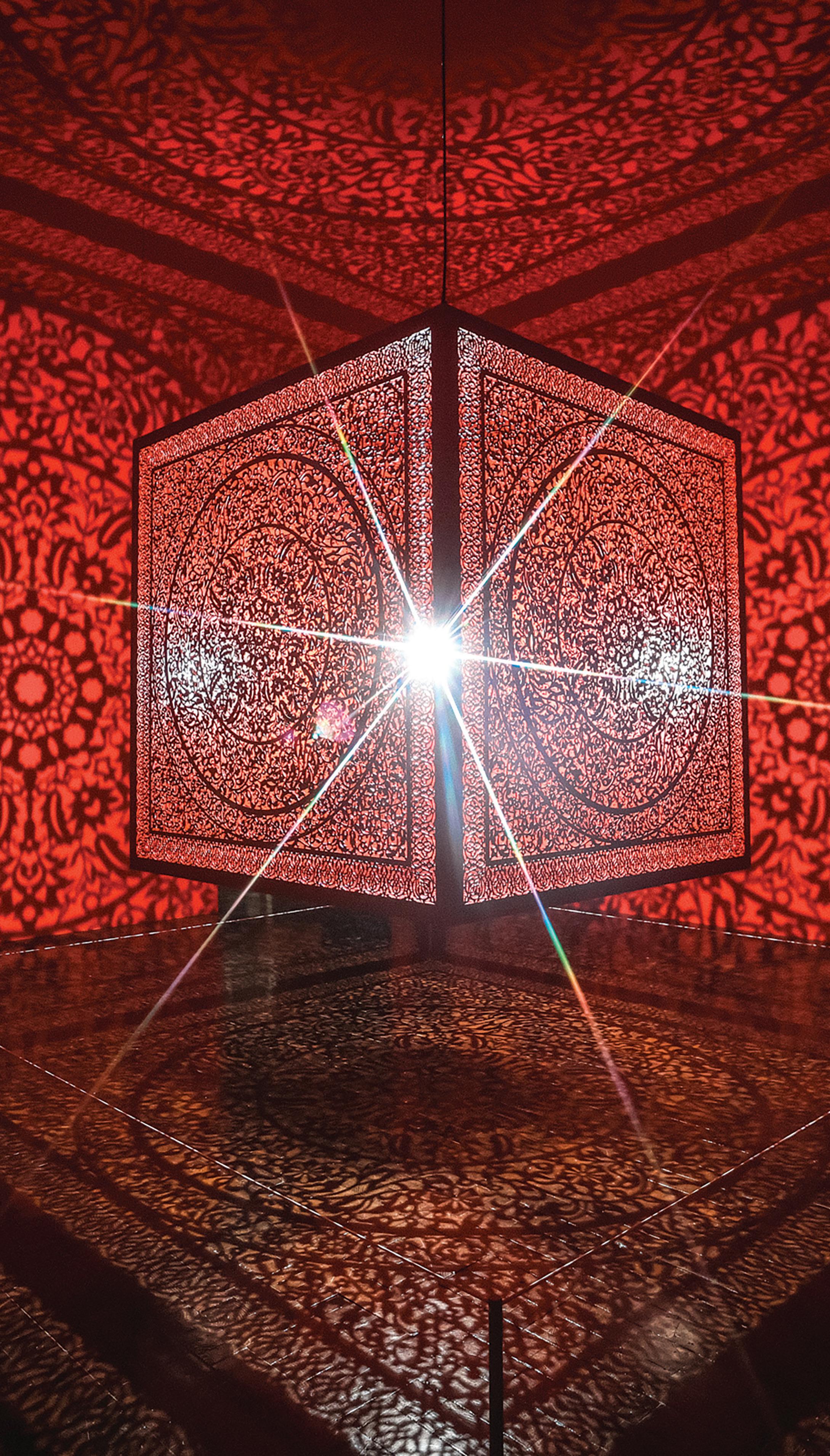
Renowned for her immersive installations that combine color, geometry, pattern, and light, Anila Quayyum Agha is one of today’s most highly sought-after artists. Interwoven traces the past two decades of her work, encompassing intimately scaled beaded and embroidered drawings as well as her better-known monumental light installations. With the Frist as its final venue, this nationally touring midcareer retrospective showcases the artist’s expansive creativity and the centrality of textiles to her practice.





things, certain setbacks from the street, ‘no swine,’ and a prohibition on fencing.”
Among other things.
To find these deed restrictions in the archive is to encounter the racial covenants. Though the MHZC omits racial covenants, it does not elide race in its Short Histories — not in Salemtown or Edgehill or Haynes Heights. In historically Black neighborhoods, race is the dominant frame.
The Haynes Heights Short History, drafted by a third-party consultant with funding from a National Park Service Underrepresented Communities grant, addresses all the key points: school segregation, redlining, cross burnings, industrial zoning of residential areas and even marketing language, noting that the developer advertised to Black Nashvillians “to ensure the neighborhood remained segregated.”
Racial language appears 55 times in the barely five-page Haynes Heights Short History. None of the chronicles the MHZC has written for neighborhoods developed with explicit racial restrictions contain a single word of racial language.
For Black neighborhoods, the MHZC writes social histories. All others receive an architectural whitewash.
“Some overlays are based on their architectural designs,” Zeigler says in an interview. “Some are based on how they developed, like [Lathan] Court. It’s split-levels and ranches, so in terms of its architecture it’s nothing really special. But in terms of its history, it is.”
Metro Planning chief of staff Richel Albright seconds: “With Green Hills East, this feels more so on the architectural component.”
Green Hills and its Tennessean Model Home militate against the notion that social and architectural histories are separable. The MHZC ascribes the district’s significance to a movement that made social ideals architectural.
The men who built and sold Green Hills and bought its houses were the same men whose social world lifted Holt Bean from a rented room to a Life and Casualty corner office. The servant’s quarters in the model home plan and the servants’ exception in the racial covenants and Sally Carpenter in a basement bedroom form a single social structure.
While the MHZC describes a progressive effort to improve residential architecture, scholars characterize the Better Homes movement of a century ago as a bid to reinforce traditional gender roles and institutionalize a model of segregated suburbs embodied by Green Hills.
Dr. Karen Benjamin is a historian at Elmhurst University in Illinois and the author of Good Parents, Better Homes and Great Schools: Selling Segregation Before the New Deal. Benjamin tells the Scene that the Better Homes in America movement sold a fiction of middle-class mothers managing households without help: compact layouts “to save mom steps,” kitchens engineered for efficiency, a playroom with a sightline from the stove. In the Tennessean Model Home, the fact of the matter lived below.
THIS WAS THE FOUNDATION OF THE BETTER HOMES IN AMERICA IDEAL: MODEL HOMES TO BETTER THE LIVES OF WHITE MEN AND HOUSEWIVES, BUILT ON THE BACK OF A BLACK SERVANT CLASS THAT WAS NOT ALLOWED TO BUY IN. THE SOCIAL AND ARCHITECTURAL ARE INSEPARABLE — AND SO TOO THE MODEL HOME, ITS OWNER AND THEIR SERVANT.
Better Homes segregated its demonstration clubs, Benjamin notes, with white clubs given support for new-construction projects while Black clubs were relegated to renovation. The movement wrote promotional materials for a white audience, urging adherents to consider “the general type of people living in the neighborhood” — a barely coded echo of 1920s Green Hills ads promising “the sort of people you’d like as neighbors today as well as tomorrow.”
This was the foundation of the Better Homes in America ideal: model homes to better the lives of white men and housewives, built on the back of a Black servant class that was not allowed to buy in. The social and architectural are inseparable — and so too the model home, its owner and their servant.
To find Holt Bean in the archive is to encounter Sally Carpenter. She appears in the 1930 U.S. Census that ties Bean to the model home and early-1930s city directories listing her employment as his servant. Her name is spelled “Sally” in some records and “Sallie” in others. She vanishes from the archive after 1935, known only by her association with the type of man the archive remembers.
The MHZC’s Short History concludes with “Short Histories by Street” — a two-page honor roll of 28 notable homeowners and their professional affiliations gleaned from newspapers and city directories. Holt Bean sold mortgages to similar men to buy similar houses in similar subdivisions. They came home to warm food on clean tables. Census records show that at least two other honor roll households employed Black live-in servants. They warmed the food and cleaned the tables.
Reading the Short History of Green Hills East, Benjamin tells the Scene, “reminded me a little bit of a plantation tour — ‘here’s the architecture and it was built this year, and here’s the china’ — and [it] doesn’t mention slavery at all, or what the plantation was there for, or the
overlay districts. Homeowners seek conservation overlays to control development; MHZC staff conducts cursory research to determine qualification, then drafts Short Histories to support proposals they believe merit recommendation. Nominations then move to the Planning Commission, which Zeigler says “probably doesn’t really take into account the history. They’re looking at: Does it meet the community plan? Then [the Metro] Council takes all of that — new information, public and political information — to make a final decision.”
The errors and omissions plaguing the Short History of Green Hills East emanate from a structural flaw: The overlay process neither requires nor rewards accurate histories. The only check on the staff-produced narratives resides with the nine-member Historic Zoning Commission, which has taken 26 votes for new or expanded overlays since 2010. The cumulative vote count: 187 approve, two abstain/recuse, two disapprove.
cause-and-effect relationships.”
Short Histories receive scant internal review, with no established standards for sourcing or scope. For Green Hills, Zeigler and the MHZC relied on promotional newspaper articles and Better Homes’ own publications, without verification from objective primary sources or scholarship. Consultation of deeds, covenants and other documents may have yielded a more complete and complex history of Green Hills.
“It’s a short history … to provide information to the commission about the exteriors and [neighborhood] history,” Zeigler says. “It is not in any way an exhaustive history of the neighborhood.”
Asked whether non-exhaustive histories should be accurate histories, Zeigler responds, “Yes.”
The Planning Department has a model for how accurate history can inform zoning decisions. The 2025 Housing and Infrastructure Study devotes an entire section to the “impact of the 1933 zoning code … and the use of private restrictive covenants to reinforce [segregated] development patterns” — dense with archival planning documents, census records and scholarship combined with an analysis of present-day patterns in zoning, development and demographics.
Joni Williams, leader of the MHZC’s ongoing integration into the Planning Department, sees a similar opportunity in an upcoming Preservation Plan update: “The question moving forward is: What is preservation in the middle of the 21st century?” she says. “What does that mean from an architectural standpoint, from a social history standpoint?”
Williams points to a “reactive” approach to preservation as an outdated model. It is the model the MHZC operates under.
The MHZC does not proactively nominate
Both votes to disapprove have come from Matthew Smith, the only commissioner to substantively engage with the matter of historical merit in the Green Hills case. He questioned the identification of the model home and the neighborhood’s architectural coherence.
The other commissioners gestured to the history and focused elsewhere.
“I find that the staff recommendation is welldocumented and -written,” said commissioner David Price, who works in the preservation industry, before moving on to politics, property values and design. “Neighborhood conservation overlays are not perfect tools, but they are the best tools neighborhoods have to have some sort of say in development.”
Chris Cotton, an overlay resident representative, focused on neighborly relations. Ben Mosley, an architect, worked through design guideline details. Tennessee State University professor Dr. Learotha Williams, whose mayoral appointment as Davidson County historian was announced at the meeting, grappled with the democratic legitimacy of the neighborhood straw poll.
Chair Cyril Stewart stated the commission’s framework: “Our goal here … is to help the neighborhood do what they want to do. We don’t impose that upon them. We never go to a neighborhood. … They come to us.”
Stewart closed with the commission’s veneer: “I’m too compelled by the amount of research and the amount of history. … I’m going to be supportive of this.”
Sally Carpenter slept in silence, hidden behind a veneer of history, alive in archives unsearched.
Author’s note: Reporting for this article is based on hundreds of primary source documents, archival records and scholarly works. Detailed documentation and methodologies, including the use of AI-assisted coding programs, are available at alexaustinpemberton.com/journalism/veneersof-history. ■















































SATURDAY, JUNE 13
FILM [I CAN WALK]
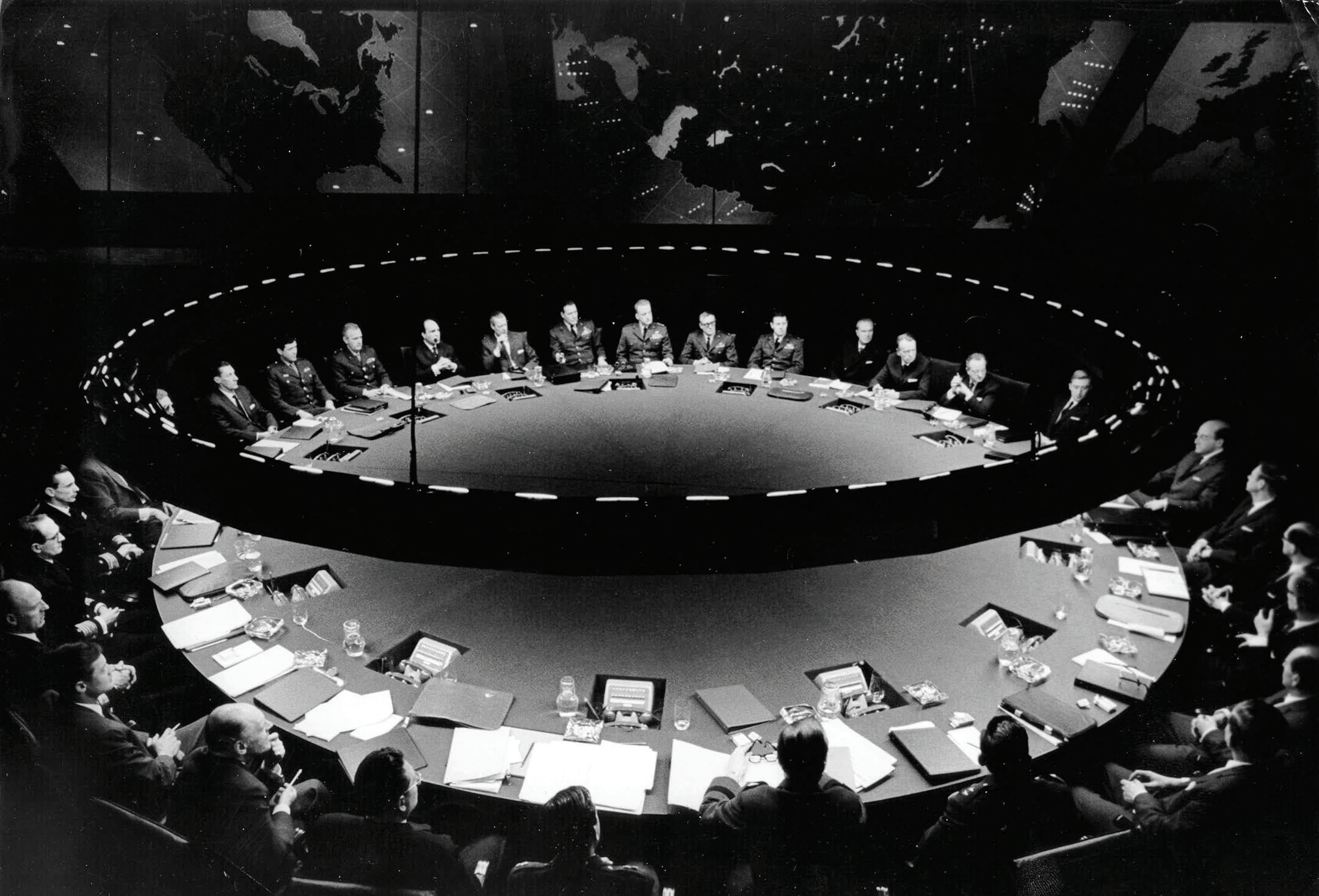
WEEKEND CLASSICS: DR. STRANGELOVE OR: HOW I LEARNED TO STOP WORRYING AND LOVE THE BOMB
One of the unfortunate downsides of having Orange Boy as a supreme leader is how a lot of over-the-top satires now look disturbingly prescient. For more than 60 years, Stanley Kubrick’s 1964 masterwork Dr. Strangelove has been hailed as a deadpan, deliciously deranged burlesque of Cold War paranoia. We all laughed when batshit general Jack D. Ripper (Sterling Hayden) issues a nuclear attack on the USSR, groaning about commies taking our “precious bodily fluids,” leaving a befuddled president (Peter Sellers) to deal with a war room full of horny, trigger-happy advisers (including the titular doctor/ex-Nazi, also played by Sellers). I’m sure Kubrick and his writers (who included pervy man-of-letters Terry Southern) never thought that one day we’d have a fucked-up White House with gung-ho warmongers (and a bodily fluid-obsessed secretary of Health and Human Services) advising a walking, apocalypse-inducing disaster. Dr. Strangelove proves that a comedy classic can go from funny to sad, depending on what’s going on outside the theater. Visit belcourt.org for showtimes.
CRAIG D. LINDSEY
JUNE 13-14 AT THE BELCOURT
2102 BELCOURT AVE.
[MIDDLE GROUND]
MUSIC
Singer and songwriter Courtney Santana achieves Americana satori on her debut album Living Through It All, which was released in April. Santana recorded Living in Austin, Texas, with producers Jesse Dayton and Kirk Pasich, who provide settings that go from Jimi Hendrixstyle blues to post-Bettye LaVette soul, with nods to Nashville-flavored Americana. Santana lives in Austin, where she’s done theater and been a vocalist for neo-funk band Shinyribs. Living is an Americana apotheosis, because Dayton and Pasich’s production suggests a middle ground between Austin and Nashville — Shreveport, La., maybe. The psychedelic soul of “Can You Dig It?” is as effective as Santana’s superb cover of Randy Bachman and Burton Cummings’ “These Eyes,” which almost makes you forget The Guess Who’s original. Meanwhile, the title track comes with a horn arrangement that evokes late-1960s soul. Living peaks with “Hardcore Believer,” written by Mark Winchester and Nashville native and Americana stalwart Laura Cantrell. “Hardcore
Believer” encapsulates Santana’s message of self-realization with style, and it definitely evokes Nashville. Maybe Cantrell, whose 2023 album Just Like a Rose: The Anniversary Sessions marked her first release in nearly a decade, could produce Santana next time around — after all, in Americana, songwriting is just as important as the right production style. EDD HURT 6 P.M AT THE 5 SPOT 1006 FOREST AVE.
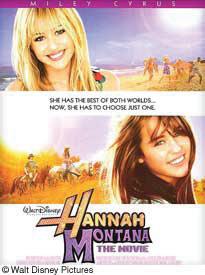
Hannah Montana: The Movie is the vehicle for one of Miley Cyrus’ great masterpieces, “The Climb,” and my personal favorite Taylor Swift secret song “Crazier.” But what the new viewer may not expect is the film’s heartfelt exploration of a personal sense of place and identity. Yes, Hannah Montana is that deep. The Disney movie could also count as a Tennessee tourism film, with scenes filmed at the Maury County Courthouse in Columbia, Rutledge Falls in Tullahoma, Franklin High School and The Hermitage Hotel in Nashville, among other locations. When I’m driving around in
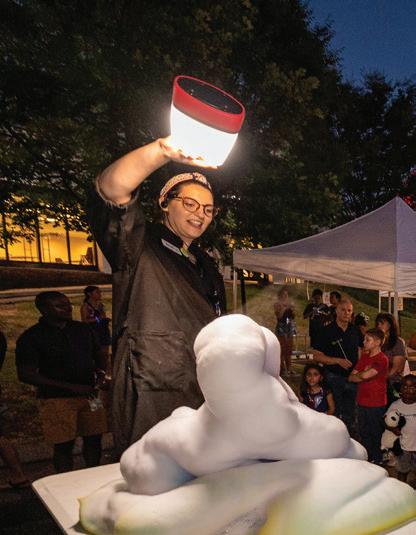
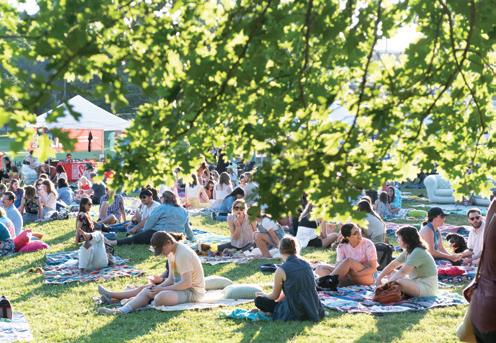
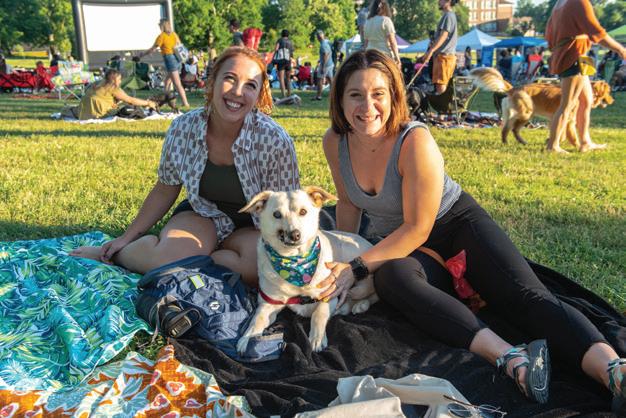
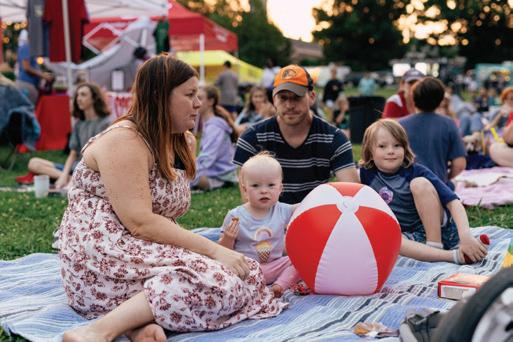
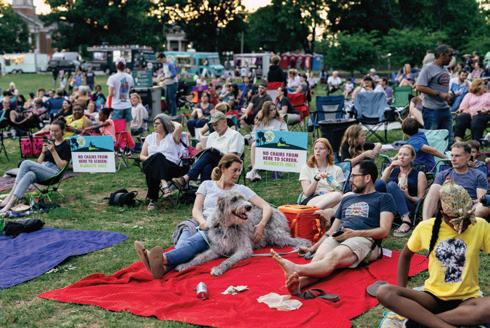
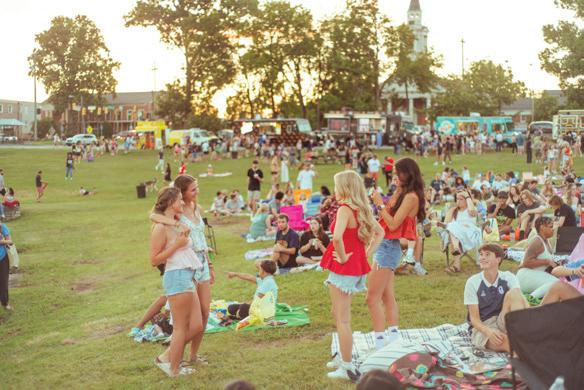
Williamson County — the home of the real Miley Cyrus — I can’t help but imagine my horse named Blue Jeans is just around the corner. The second installment of this year’s Movies in the Park slate (an annual series brought to you by Scene’s events department) will be enhanced by a large collection of food and dessert trucks, games and giveaways. I only hope we all do the “Hoedown Throwdown” together. Admission is free, and activities begin at 5 p.m., with the movie set to begin at sundown. Come back June 18 for Zootopia 2 and June 25 for Back to the Future HANNAH HERNER
SUNDOWN AT ELMINGTON PARK
3531 WEST END AVE.
[HAVEN
“Gas Pedal.” “Die (and Rot).” “Uppercut.” “Suck It Up.” “Blind Yourself.” These are just a few of the quintessentially punk song titles from North Carolina’s Babe Haven, a riot-grrrlinfluenced band of rippers with Appalachian roots who, in their own words, place a “huge emphasis on being queer and outspoken.” And they’ve got the riffs to back up those titles. The titular track from 2024’s Nuisance is a mean, heavy slab of righteous noise, while “Can’t Call This Cat” is a confrontational callout full of double-kick-pedal blasts and fuzzed-out tone that sounds like a swarm of bees that just got its hive kicked. On Thursday, Babe Haven will bring their radical fury to The ’58 at Eastside Bowl, where they’ll be joined by Chicago’s dragqueen-fronted garage rockers Bev Rage and the Drinks and hometown punks Waxed. It might get loud.
D. PATRICK RODGERS
7:30 P.M. AT THE ’58 AT EASTSIDE BOWL
1508A GALLATIN PIKE S., MADISON
Shakespeare in the Park is such a beloved summer tradition, attracting thousands of local theatergoers each year. And while this season’s performance is still a couple of months off, you can get into the spirit of things this week as Nashville Shakespeare Festival hosts its annual Midsummer Night benefit. Presented at Nelson’s Green Brier Distillery, this year’s event promises a fabulous evening of “celebration, community and live performance.” Guests can look forward to plenty of signature cocktails, tasty hors d’oeuvres and an exciting silent auction offering a wide range of cool items and experiences — including a rare collection of surviving leaves and bifolia from Shakespeare’s Second Folio, published in 1632. There will also be a sneak peek at this summer’s show, featuring some of the festival’s talented actors. This year’s celebration feels especially significant, as Nashville Shakes prepares to return to its longtime home in Centennial Park with its production of A Midsummer Night’s Dream, which runs Aug. 20 through Sept. 20. AMY STUMPFL 6 P.M. AT NELSON’S GREEN BRIER DISTILLERY 1414 CLINTON ST.
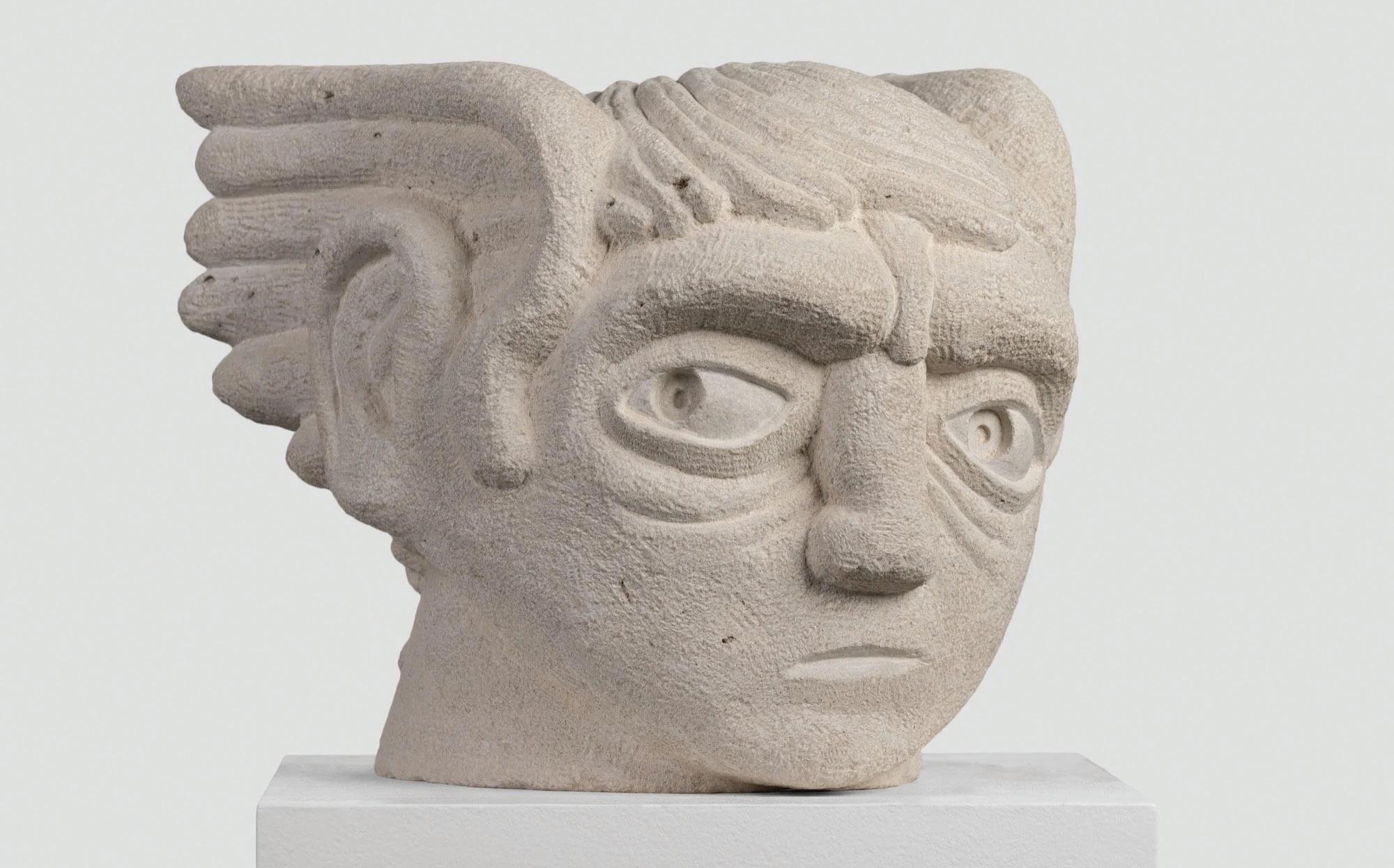
The rise of AI seems to be taking over every conversation these days. A recurring debate among my art-writer friends is whether it’s better for an artist statement to be written by AI or by the artist themselves — because let me tell you, neither option is without its problems. Thank God for Scott and Andrea Zieher’s gallery, ZieherSmith, which continues to come up with exhibition statements that no chatbot
he’s built during his sobriety. As he comments, his daughter was born to a couple who’d been together for four years, while his son was born to two individuals who’d known each other for nine months and 45 minutes. He’s returning to Nashville this week for a three-night stand at the Ryman. Maybe he’ll run into Nate at McDonald’s. TOBY ROSE
JUNE 12-14 AT THE RYMAN
116 REP. JOHN LEWIS WAY N.
[PAY THE PIPER] BROADWAY REIMAGINED: AN
could generate, full of unexpected ideas and sentences that are genuinely pleasurable to read. Take Archetypos, for example, a two-person exhibition featuring work by Dan Mandelbaum and Lindsey Rome: “We think we disagree with Dr. Jung’s idea of archetypes as a ‘gathering place of forgotten ... unconscious content that is altered by becoming conscious and by being perceived’ primarily because nothing is forgotten, it’s just not yet remembered.” This is a great way to showcase two of the gallery’s most interesting artists — Mandelbaum works with limestone carvings and other labor-intensive stonework, and Rome makes intuitive works on paper that are part Howard Finster and part Peter Max. Come see how well rock and paper can work together. Note: The gallery’s street address has recently changed names, but the location is the same as it was when it was on South Street. LAURA HUTSON HUNTER THROUGH JUNE 27 AT ZIEHERSMITH 1207 KING HOLLANDS AVE.
COMEDY
[SHARP-DRESSED MAN] JOHN MULANEY
Comedian John Mulaney is the opposite in many ways of hometown boy Nate Bargatze While Bargatze is conversational, relatable and family-oriented, Mulaney is hyper-articulate, highly stylized and openly flawed. But they’re both charming enough to carry a two-hour standup show. When I saw Mulaney at the Ryman on his last tour, I was in awe of how he spoke with such pep and vigor about the intervention his friends held for him after he hit rock-bottom. Without missing a beat, he spun the lowest point of his life into comedy gold. His latest routine focuses on the family
A versatile recording artist, actor and educator, Piper Jones is a familiar face within the city’s busy arts scene. Local theater lovers have no doubt seen her onstage with Nashville Rep, Nashville Children’s Theatre, Street Theatre, Studio Tenn and more. More recently, she’s been busy performing with the popular Off Broadway series at Analog at Hutton Hotel. You can catch up with her this weekend as Nashville Jazz Workshop presents Broadway Reimagined: An Evening With Piper Jones. Promising a program that blends Golden Age standards of the musical theater canon with bold, contemporary jazz vibes, Jones will be serving up a few of her favorite songs from shows like Oklahoma!, West Side Story, Wicked, Waitress and more. Plus, she’ll also be singing her new single “Move On” from Sunday in the Park With George. Accompanied by the marvelous Alex Murphy on keys, Jones describes her approach as “Robert Glasper-style harmonic reinvention, sitting alongside the fearless storytelling of Cécile McLorin Salvant.” But whatever you want to call it, NJW audiences are in for a treat. AMY STUMPFL
7:30 P.M. AT NASHVILLE JAZZ WORKSHOP
1012 BUCHANAN ST.
[HIP CHECK]
SPORTS
Some of the best roller rink action in the state will be on display Saturday at The Fairgrounds Nashville as Nashville Roller Derby hosts a Heated Rivalry-themed doubleheader with Memphis Roller Derby in celebration of Pride. Game one will start at 5 p.m. with the Nashville Roller Derby All Stars taking on the Memphis Roller Derby A-Tracks. Game two begins at 7 when the Nashville Roller Derby Brawl Stars face off against the Memphis Roller Derby B-Sides. The Brawl Stars’ last bout came in late May against the Rocket City Roller Derby in Huntsville, Ala., while the All Stars haven’t hit the rink since an April showdown at home against the Richmond, Va.-based River City Riots. Both squads should be well-rested for a brutal battle against their hated — and heated — in-state rivals.
LOGAN BUTTS
5 P.M. AT THE FAIRGROUNDS NASHVILLE
401 WINGROVE ST.




Saturday, June 13
SONGWRITER SESSION Carl Jackson
NOON · FORD THEATER
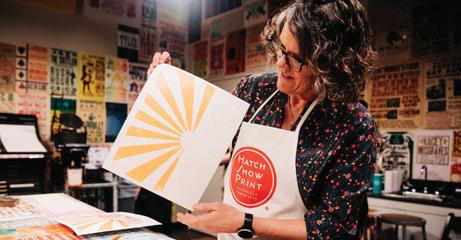
Saturday, June 13
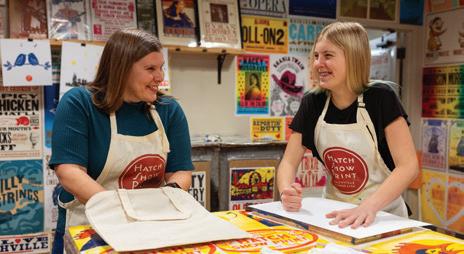
HATCH SHOW PRINT Block Party
6:00 pm
HATCH SHOW PRINT SHOP
Sunday, June 14
HATCH SHOW PRINT Family Block Party 10:00 am
HATCH SHOW PRINT SHOP
Sunday, June 14
MUSICIAN SPOTLIGHT Christian Sedelmyer
1:00 pm · FORD THEATER
Saturday, June 20
SONGWRITER SESSION Tenille Townes
NOON · FORD THEATER
Sunday, June 21
MUSICIAN SPOTLIGHT Charlie McCoy 1:00 pm · FORD THEATER
Monday, June 22 – Saturday, June 27
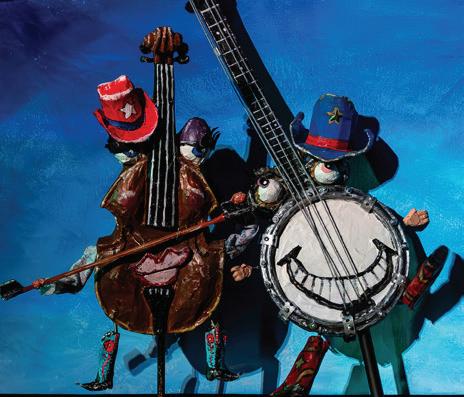
FAMILY PROGRAM String City
NASHVILLE’S TRADITION OF MUSIC AND PUPPETRY
10:00 am and 11:30 am
FORD THEATER
FREE AND OPEN TO THE PUBLIC
Locals Kids Always Visit Free Plan a trip to the Museum! Local youth 18 and under who are residents of Nashville-Davidson and bordering counties always visit free, plus 25% off admission for up to two accompanying adults.
[ON THE LAWN] COMMUNITY DAY
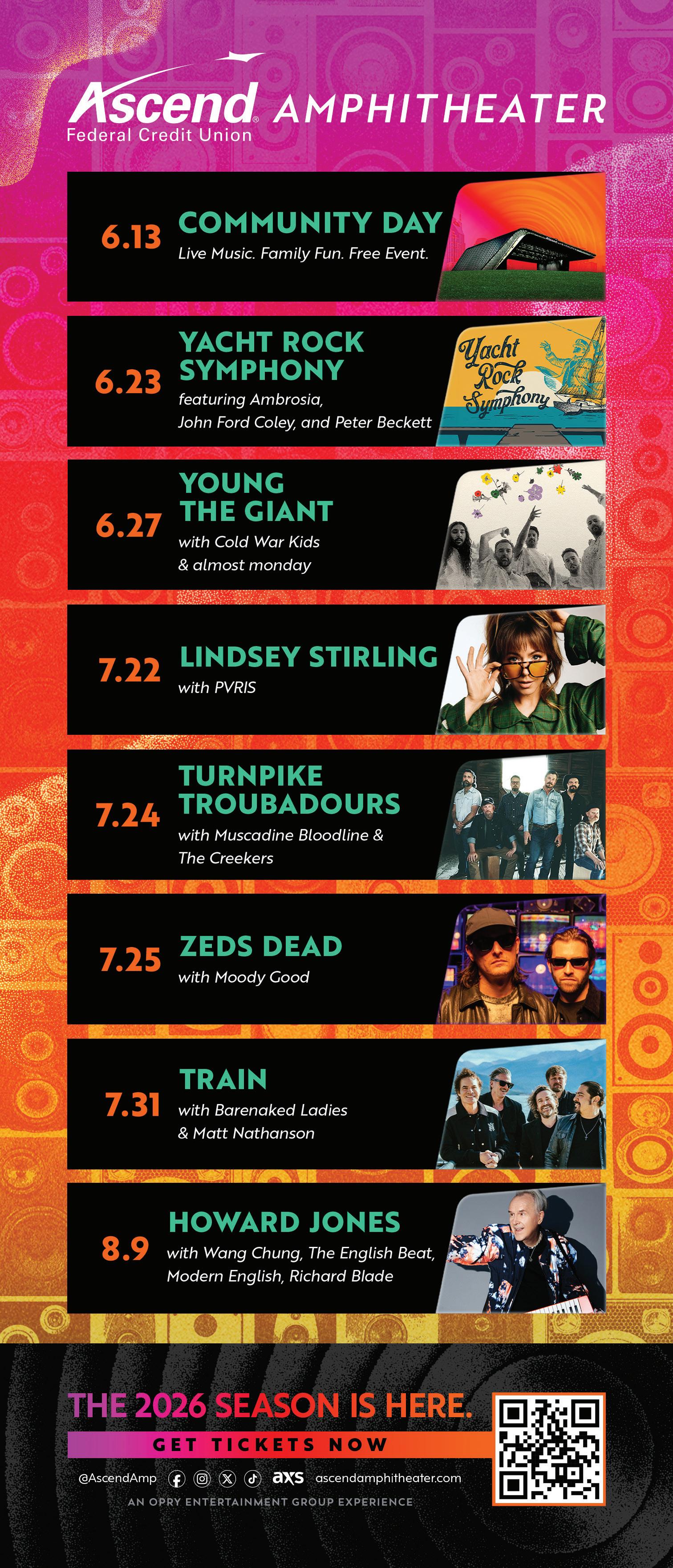
Ascend Amphitheater will host a community day this weekend celebrating the area’s first responders, and the event is set to include live music, kids’ areas, concessions and family-friendly vibes. Emergency and safety vehicles will be present, as well as helicopters, marine unit boats, K-9 units and fire trucks. The event is a great way for families to get out and spend time together — and attendees will want to get pictures and videos. The lineup consists of performances from the young students of School of Rock Nashville, as well as the Titans Blue Crew Drumline and country artist Clayton Q. It’s a free event thanks to sponsors and local support, but if you RSVP via Ascend Amphitheater’s website, you will be entered to win two tickets to an upcoming concert of your choice at the downtown venue. EMMA PICKETT
12:30 P.M. AT ASCEND AMPHITHEATER
301 FIRST AVE. S.
ART [SOUNDING OFF]
WAYNE BREZINKA: A SOUND ENERGY
Nashville artist Wayne Brezinka’s playful, textured collage art melds multimedia combinations of objects and materials into an aesthetic that nods to Red Grooms while also celebrating the visual kitsch of tourist caricatures. It’s a style that might come only from Nashville, and it’s earned Brezinka a national reputation as an illustrator in publications from The New York Times and The Washington Post to Politico Europe and the Los Angeles Times A Sound Energy showcases five portrait works, including two new pieces — a
large-scale diptych portrait of Red Hot Chili Peppers bassist Flea, and original artwork created for Amy Grant’s 2026 album The Me That Remains, on loan from Grant and Vince Gill. Also on view: portraits of Tracy Chapman, Thom Yorke and Bruce Springsteen. Tickets can be purchased in advance at waynebrezinka.com
JOE NOLAN
2 P.M. AT MAIN STREET GALLERY
625 MAIN ST.
ART [THE EMPRESS]
LESLEY PATTERSON-MARX: THE EPHEMERAL
From June 13 to 23, you can drop by the Arcade and see a project that’s been 30 years in the making. That’s how long artist Lesley PattersonMarx has been collecting vintage ephemera, which she’s collaged into 78 spectacular tarot cards based on the classic Rider-Waite deck. This might just be Patterson-Marx’s masterpiece. It’s a great encapsulation of her style — lovely, intimate, at once familiar and unexpected, as if Hannah Höch had Southern roots. One of my favorite card designs is the Wheel of Fortune, which includes a weather vane, a circle of people joining hands, and a grid of the four elements. She’ll be exhibiting the 1.5-inch-by-2inch original miniature collages at the Arcade, but there will also be a limited-edition version of the deck itself available for purchase. PattersonMarx will even be giving mini tarot readings during the Downtown Art Crawl from 6 until 9 p.m. on Saturday. LAURA HUTSON HUNTER
OPENING 6-9 P.M.; EXHIBIT RUNS JUNE 13-23 AT THE ARCADE
223 FOURTH AVE. N.
[POSTCARD BLUES] COWBOY JUNKIES
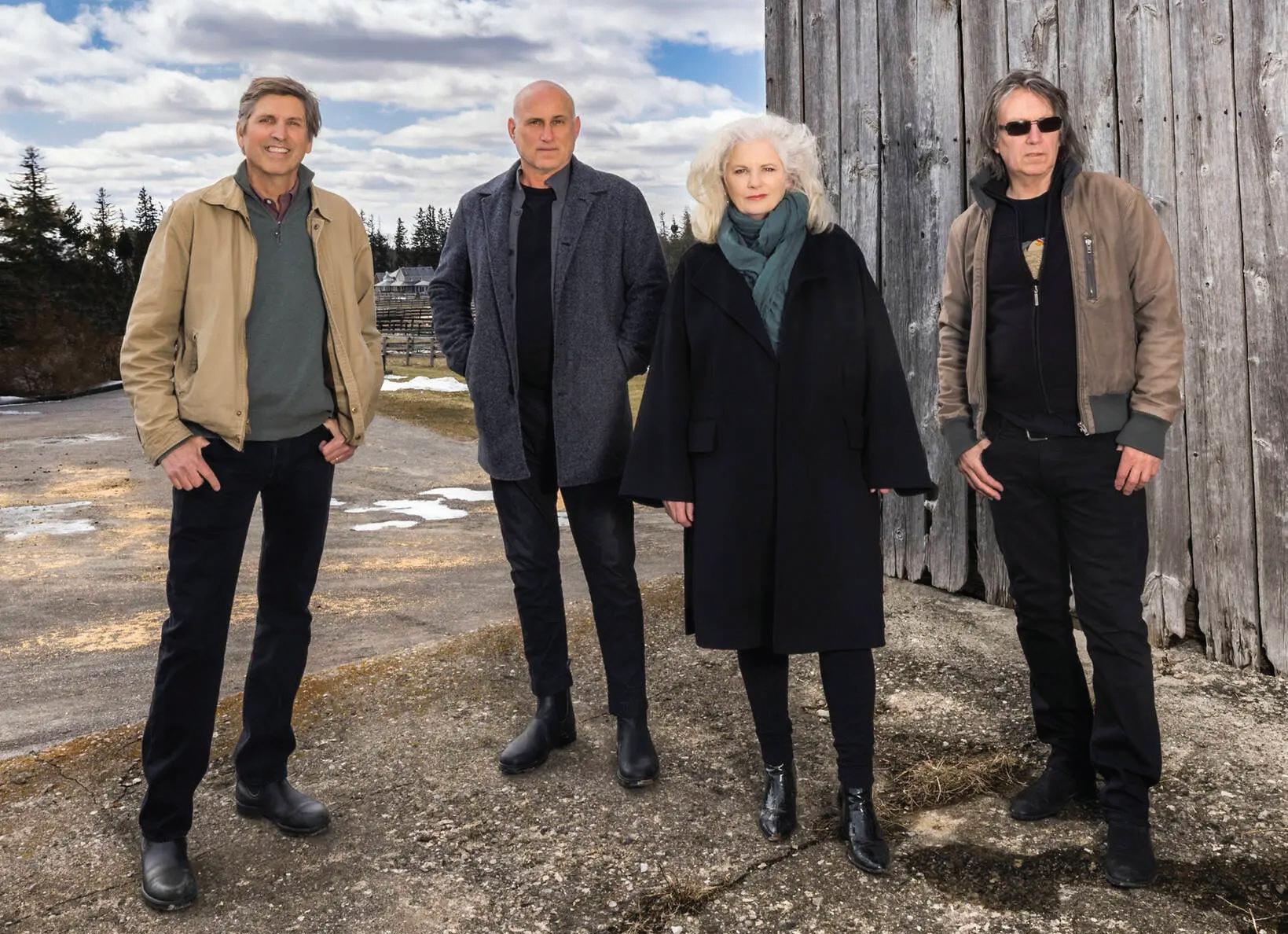
Canadian alt-rock legends Cowboy Junkies bring their tour celebrating 40 years of making music to Nashville Sunday evening for a show at City Winery. The group — Margo Timmins (lead vocals), her brothers Michael Timmins (guitar) and Peter Timmins (drums), and lifelong family friend Alan Anton (bass) — was formed in Toronto in 1985, and unlike so many long-lasting bands, Cowboy Junkies have never broken up or taken a lengthy hiatus. “After 30-plus years of playing together, the band and its music are more important to us than ever,” Margo tells the Scene. “The music we make brings each of us a great sense of contentment, a knowledge of place and a sense of doing what we were meant to do.” Their music is a unique mix of folk, blues, rock, jazz and country that has evolved over the course of the band’s 20 studio albums. Sunday’s show will be a career-spanning performance, from Cowboy Junkies’ 1988 breakout album The Trinity Session to their most recent album of new material, 2023’s Such Ferocious Beauty. In May, the group released a collection covering the past 25 years, Open to Beauty: Best of the 21st Century.
DARYL SANDERS
7:30 P.M. AT CITY WINERY 609 LAFAYETTE ST.
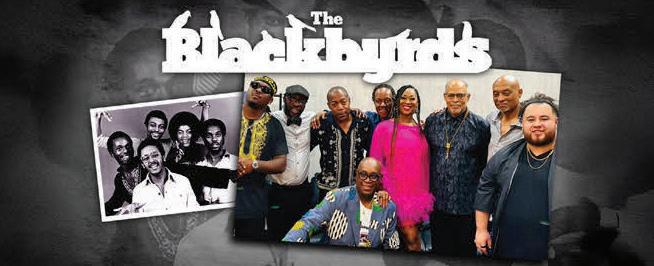
When The Blackbyrds appear at City Winery on June 17, it will be the pioneering jazz-funk collective’s first show in Nashville in 45 years. Their only other appearance in the city was at Exit/In on Valentine’s Day 1981. Drummervocalist Keith Kilgo, one of two original members still performing with the band, remembers the show fondly. “I remember the club in Nashville had a guitar on the ceiling,” he tells the Scene. “It was a great experience.”
The Blackbyrds were all students of trumpeter Donald Byrd at Howard University when they came together in 1973. They took their name from his album Black Byrd, which was released earlier that year. They released their eponymous debut in 1974 and immediately hit the R&B charts with the party song “Do It, Fluid.” Over the next four years, they released four more albums, which yielded another eight singles that reached the R&B Top 40. This included their biggest hit, the Grammy-nominated “Walking in Rhythm,” which went to No. 4 on the R&B charts and to No. 6 on the Hot 100. Fans can expect to hear their favorites at Wednesday’s show. “We’ll do ‘Rock Creek Park,’ ‘Happy Music,’ ‘Walking in Rhythm’ and ‘Do It, Fluid,’” Kilgo says. DARYL SANDERS
7:30 P.M. AT CITY WINERY
609 LAFAYETTE ST.
Just as cowboys are the mythic heroes in America, samurai have the same role in Japan. Lone warriors wandering the countryside, with only a sword at their side and a code of honor in their hearts. Except, what is honor? Who determines what it is? These questions are at the foundation of Masaki Kobayashi’s Harakiri, a legendary film that tackles the myth of the samurai head on. It follows Tsugumo Hanshirō — played by the always incredible Tatsuya Nakadai — an old samurai who seeks the esteemed House of Iyi to help him commit seppuku, or ritualistic suicide. When suspicions arise that Hanshirō may have ulterior motives, the film evolves into a tragic epic full of loss, vengeance and, of course, amazing sword fights. Kobayashi’s steady hand guides us through this journey as the tragic tale unfolds through striking image after striking image. A windy fight in a grass field will be enough to take your breath away — and that’s not to mention the thrilling conclusion. I don’t want to spoil anything, but let’s just say the House of Iyi will have trouble finding someone to help Hanshirō do the deed. Catch the film screening in 35 mm on June 17 as a part of the Belcourt’s Bleak Week: Cinema of Despair series IAN MATTHEWS
7:30 P.M. AT THE BELCOURT
2102 BELCOURT AVE.



















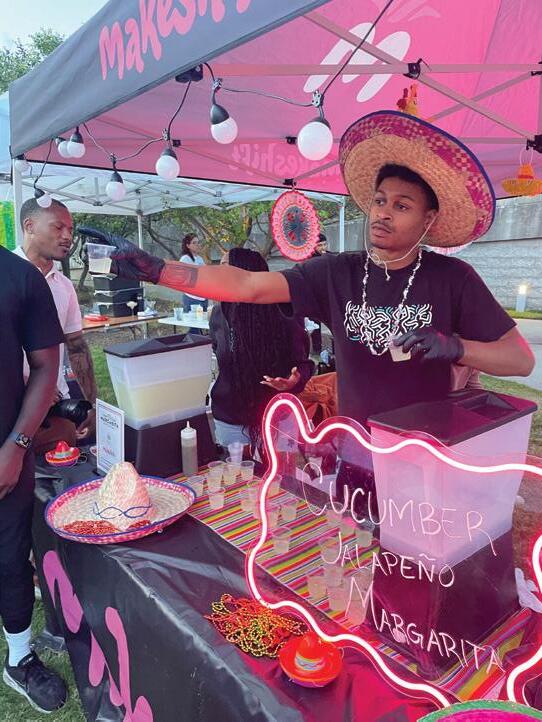

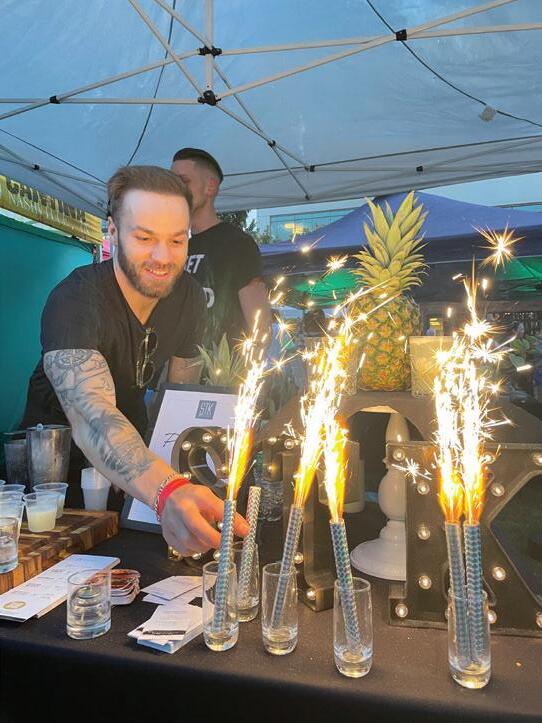
Enjoy 12 mini margaritas and help crown the best margarita in town as local restaurants compete for the top spot! 6-9 PM ONE C1TY SATURDAY, SEPTEMBER 19





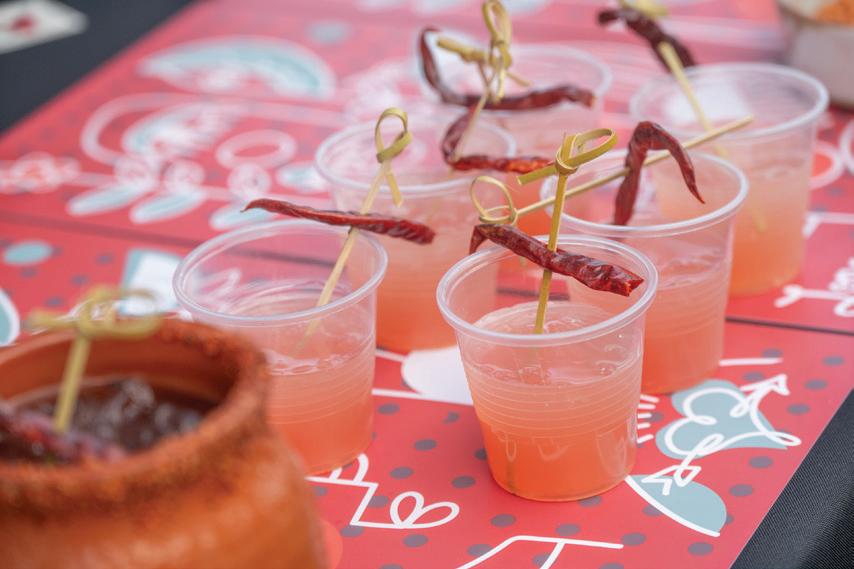



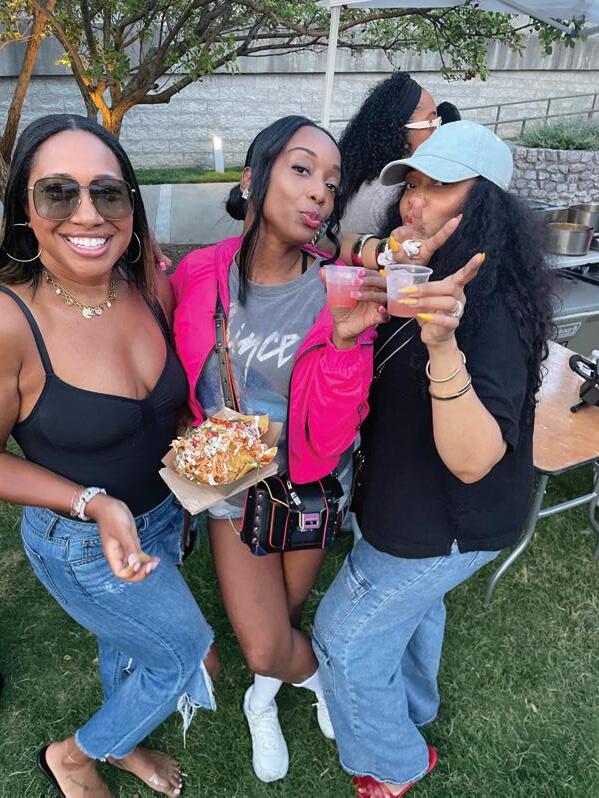
Audience editor Annie Parnell charts a course through this month’s Summer Roll Out Bakery Crawl
BY ANNIE PARNELL
I’VE BEEN NOTICING a growing trend of non-alcohol-centric crawls. In March, Forevermore Coffee hosted their annual matcha crawl — formerly known as Matcha Madness, it’s now called Matcha Mayhem. Forevermore also participated in Urban Green Lab and Compost Nashville’s Earth Month Coffee Crawl in April. That same month, the Middle Tennessee Indie Bookstore Crawl marked Independent Bookstore Day on April 25.
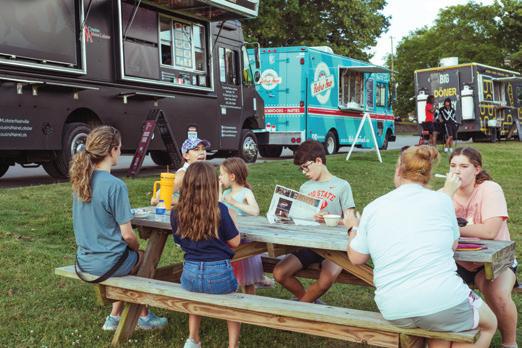
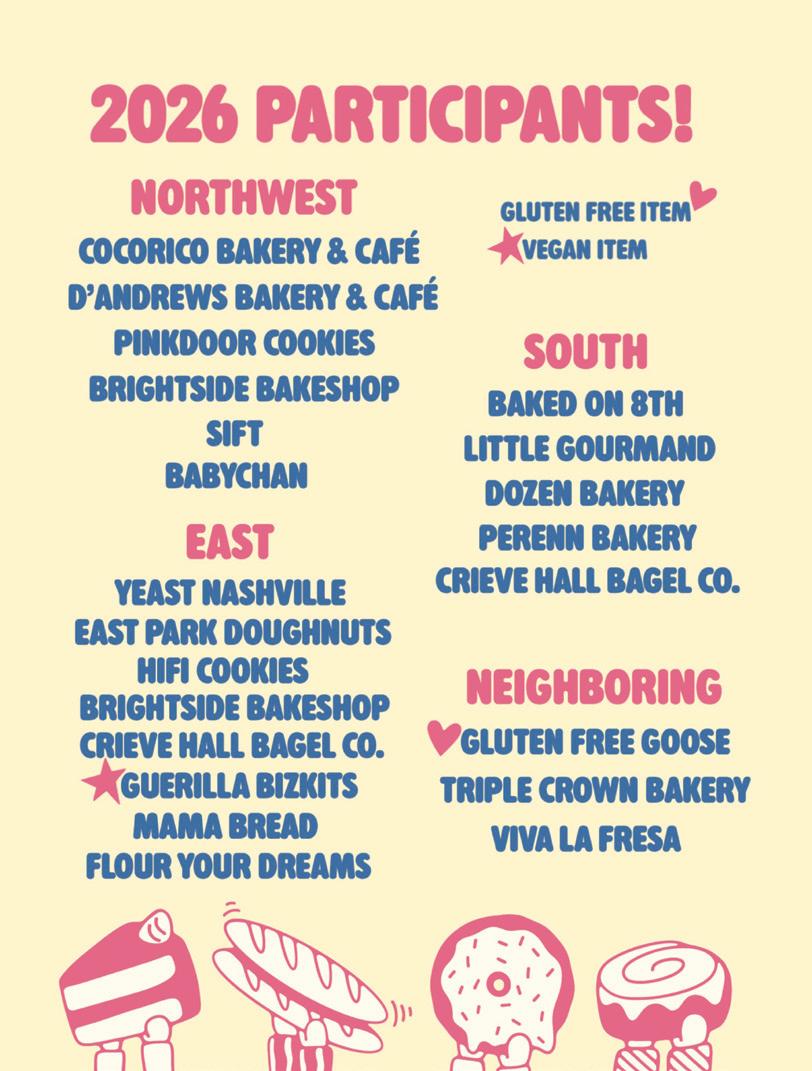
Now bakeries across Nashville and Davidson County are participating in the Summer Roll Out Bakery Crawl. It’s organized by Baked on 8th (disclosure: with the Scene as a media sponsor), and participating stores are offering limited-edition treats throughout the month of June. My friend KeShawn Ivory is the most discerning foodie I know, and he also happened to have the morning of June 1 off. I pitched him a half-day outing of sampling baked goods that would put us at home with full bellies in time for lunch.
We charted a course that took us on a big loop through most of the crawl’s neighborhoods: South Nashville, East Nashville and a broad swath from downtown to The Nations, which the crawl has dubbed “Northwest.” (There are also three locations included in the
crawl’s “Neighboring” category.) On the ground, it became clear that the bakery crawl doesn’t follow a traditional bar-crawl model — there’s no expectation of hitting multiple stops in a single go. Still, splitting a few pastries and debating
them Great British Bake Off style was the perfect way to spend a rainy morning. We didn’t make it to all 22 participating locations, but here are our thoughts on several that we checked out.
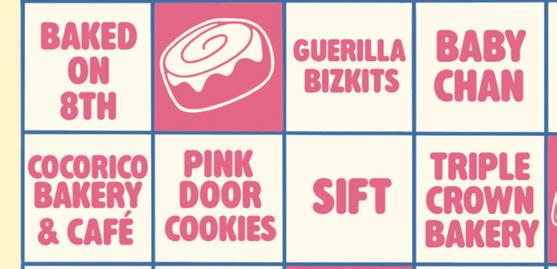
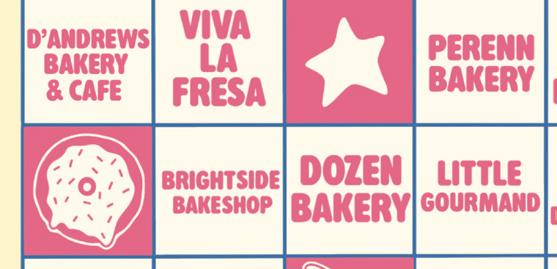
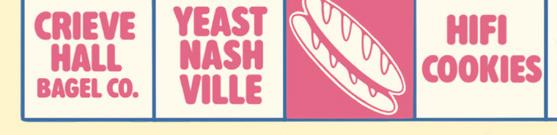
SUMMER ROLL OUT BAKERY CRAWL’S PARTICIPATING BAKERIES
Northwest
Cocorico French Bakery & Café
D’Andrews Bakery & Cafe
Pink Door Cookies
Brightside Bakeshop (West)
Sift
Babychan Restaurant & Cafe
East
Yeast Nashville
East Park Donuts & Coffee
HiFi Cookies
Brightside Bakeshop (East)
Crieve Hall Bagel Co. (East)
Guerilla Bizkits
Mama Bread
Flour Your Dreams Bakery & Café
South Baked on 8th
Little Gourmand
Dozen Bakery
Perenn Bakery (Berry Hill)
Crieve Hall Bagel Co. (Crieve Hall)
Neighboring
Gluten-Free Goose
Triple Crown Bakery
Viva la Fresa Bakery & Cafe























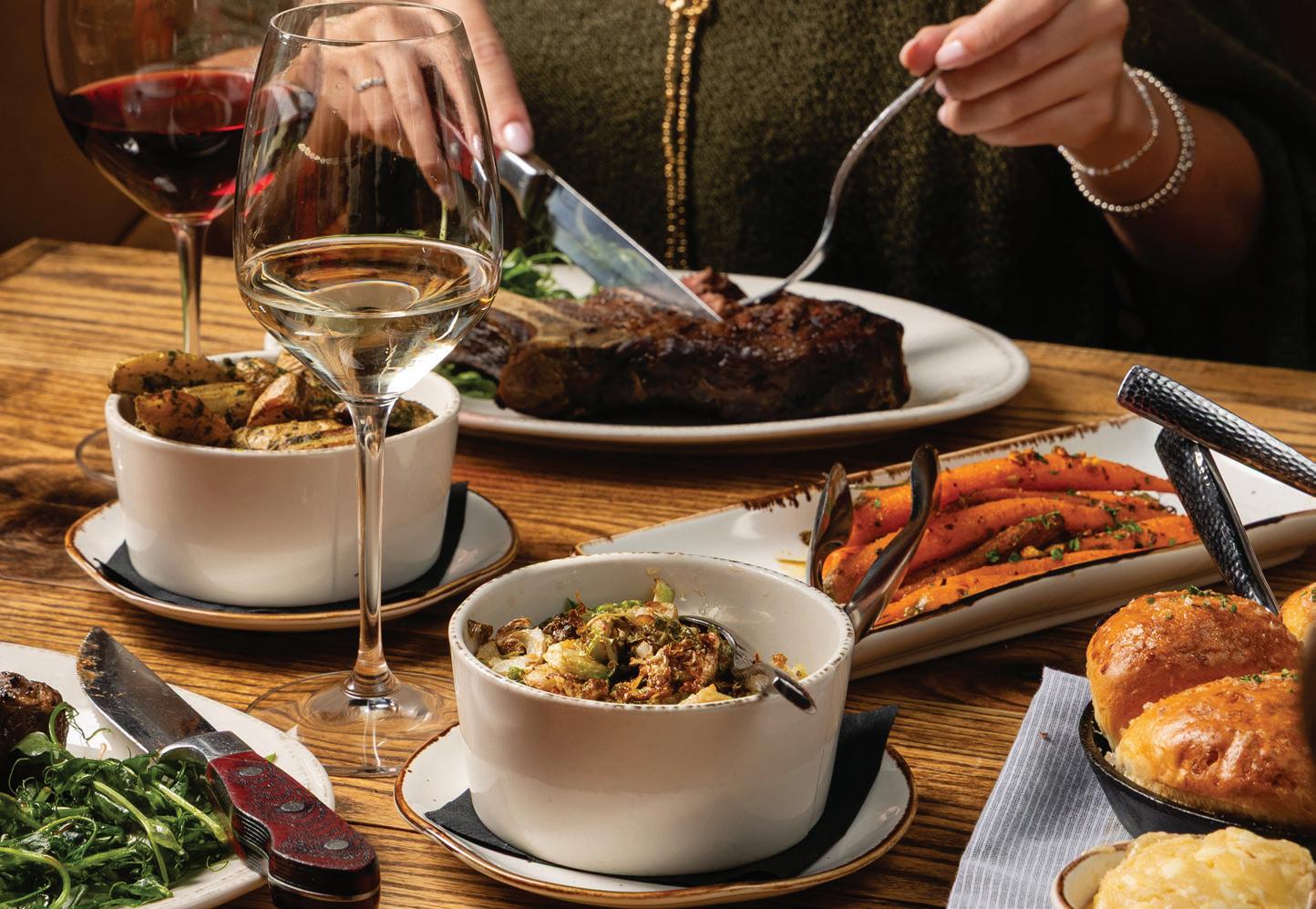
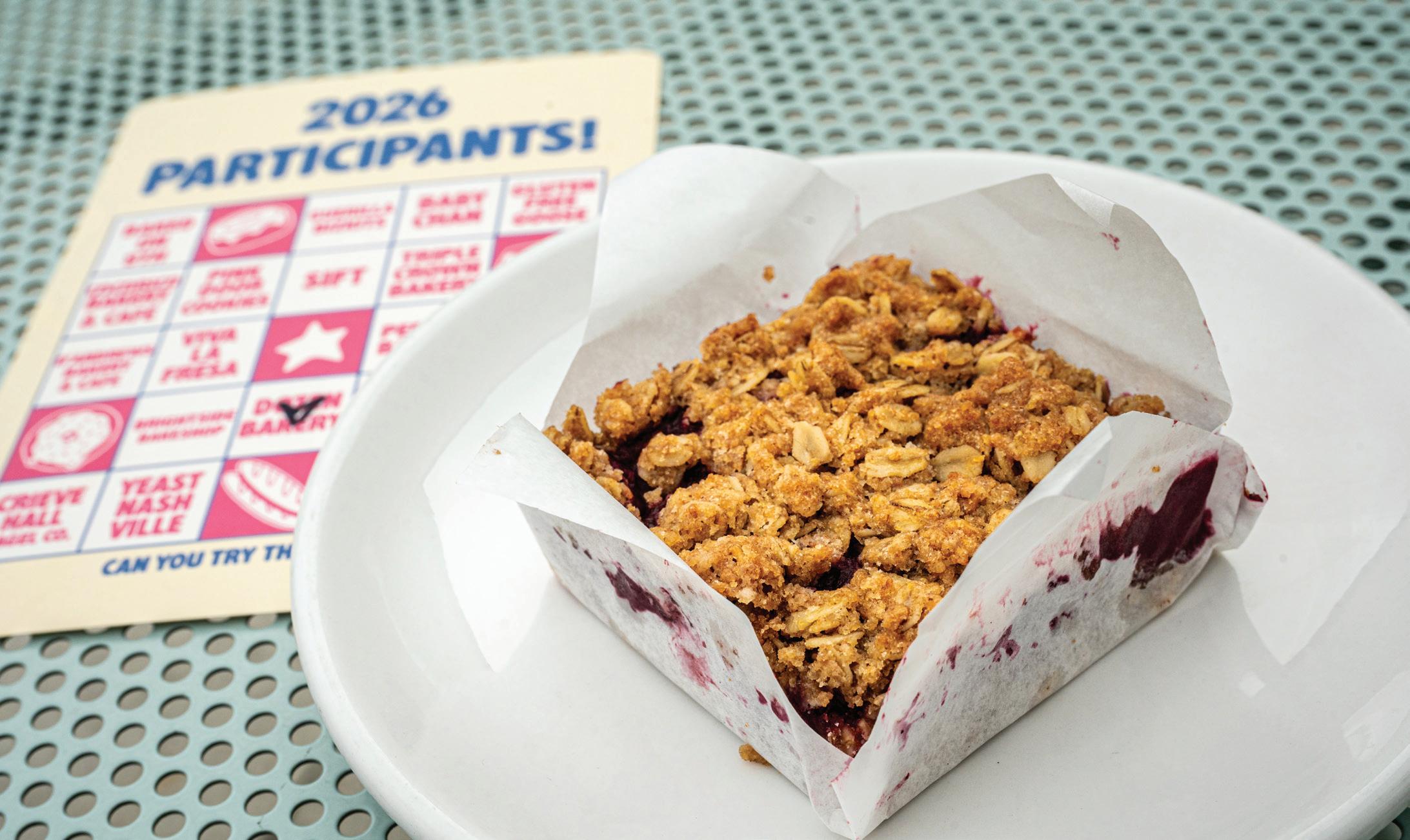
After picking up our scorecards, Dozen was our first stop — and their raspberry and star anise bar set a great tone for the day. It’s an elevated but unfussy crumble, the kind of thing that instantly transports you to childhood summers. Hints of sea salt and licorice offered a tasty balance to the sweetness.
Guerilla Bizkits wasn’t open that Monday morning, but as someone with an appreciation for both biscuits and plant-based eating, I’ve put them next on my list for this month. Meanwhile over in Lockeland Springs, Mama Bread was sold out of their bakery crawl special when I tried to double back for it — a bummer, but a good sign.
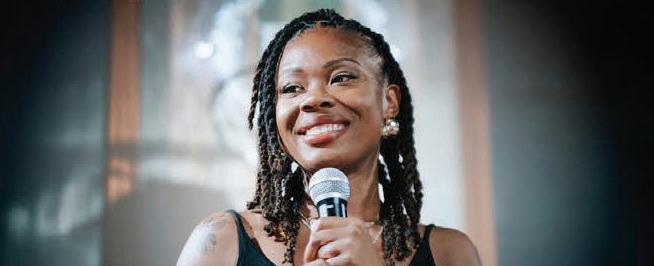


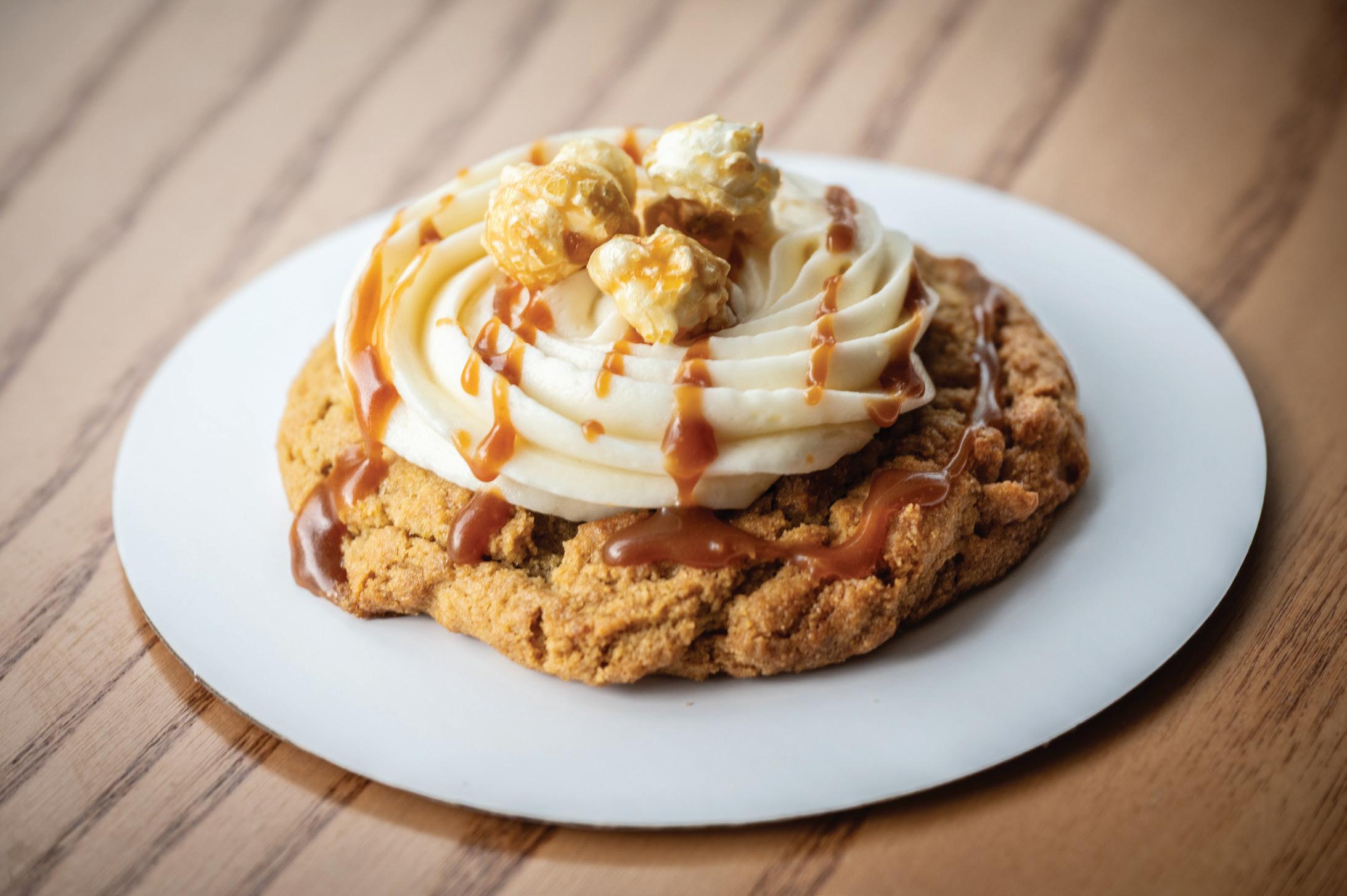
When we first arrived at the crawl’s flagship bakery, Baked on 8th, the day’s goods had just gotten out of the oven and still needed cooling and decorating — and their caramel corn cookie is worth waiting for. A cornbread cookie with honey butter icing, salted caramel dressing and pieces of kettle corn, it’s an audacious choice with surprisingly nuanced flavors.

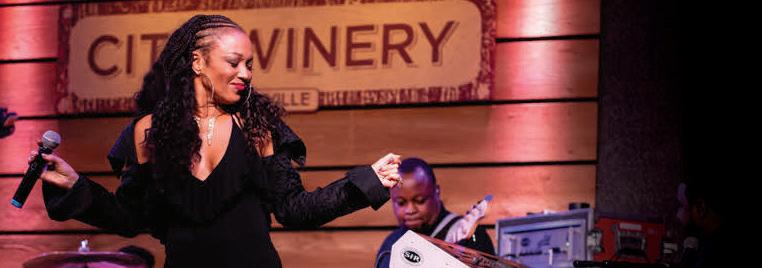






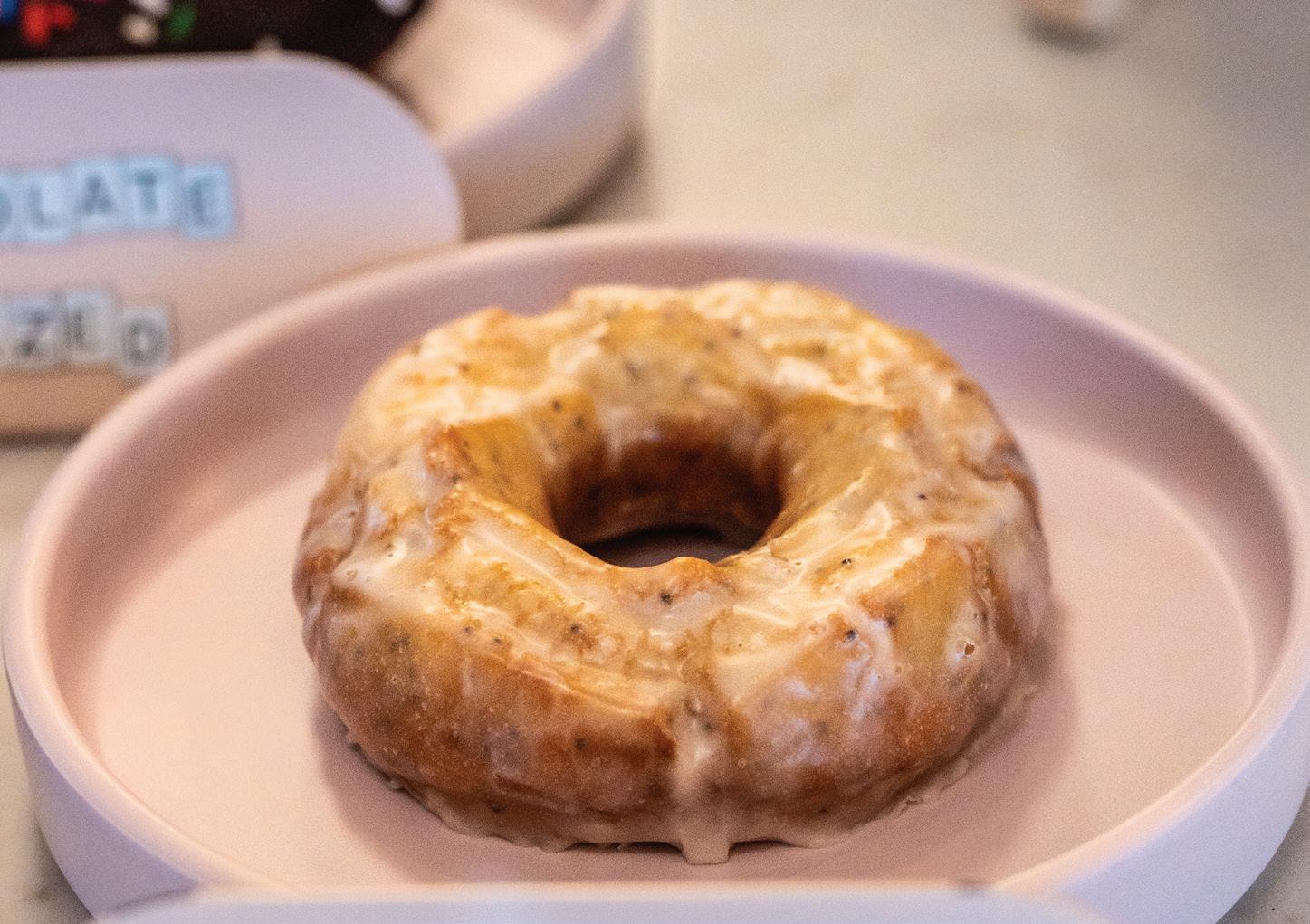
I’m known to frequent East Park Donuts & Coffee for their scrumptious seasonal lattes (until next time, Cocomo Mocha), but I don’t go for their baked goods as often. Their June selection — a lemon poppyseed lavender old-fashioned — is the first doughnut I’ve ever called “refreshing.” While we both found the lemon a bit overpowering, the special has a buoyant texture — something that cakey old-fashioned doughnuts don’t always achieve.
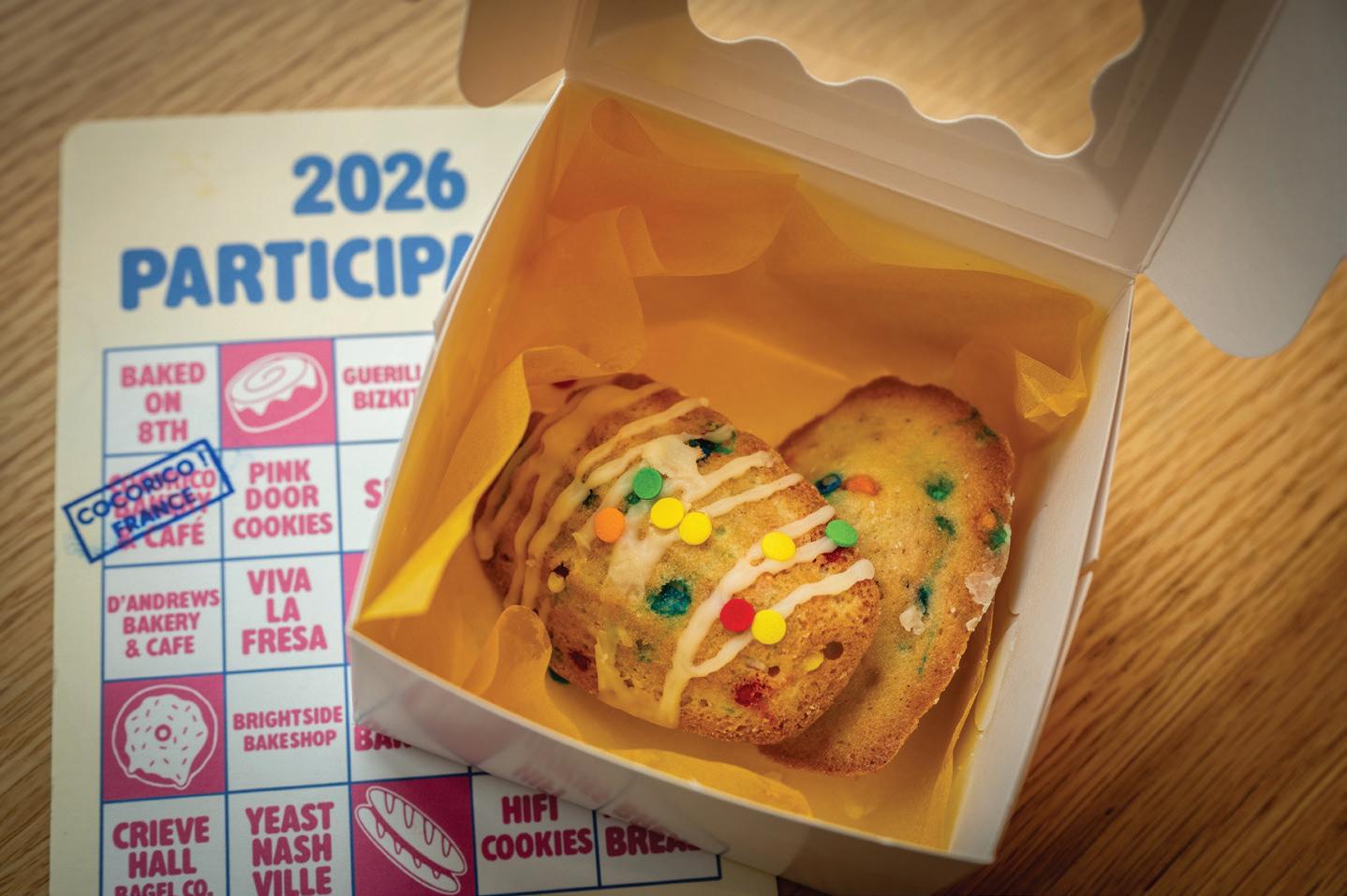
Before the bakeries announced their specials, KeShawn had a theory that Cocorico would pick a croissant — something distinctly French that shows off technique. Instead they had funfetti madeleines, which offered springy vanilla-almond flavors and cute, colorful presentation. If you’re looking for a classic cookie, here’s where you’ll find one, but for a limited-time special we agreed we would’ve liked to see a bigger swing. Our favorite of the day was Babychan’s furikake kouign-amann, which arrived topped with melty butter and toasted sesame seeds. After my first bite, I just started thinking in adjectives: pillowy, crunchy, flaky. The layers of butter and seaweed interact beautifully, with a yummy fishiness right at the end of each bite. Since we tried it, I haven’t stopped thinking about this pastry — I won’t be surprised if I find myself heading back to the Neuhoff District for round two. ▼









































Elmington Park 3531 WEST END AVE



Fun








































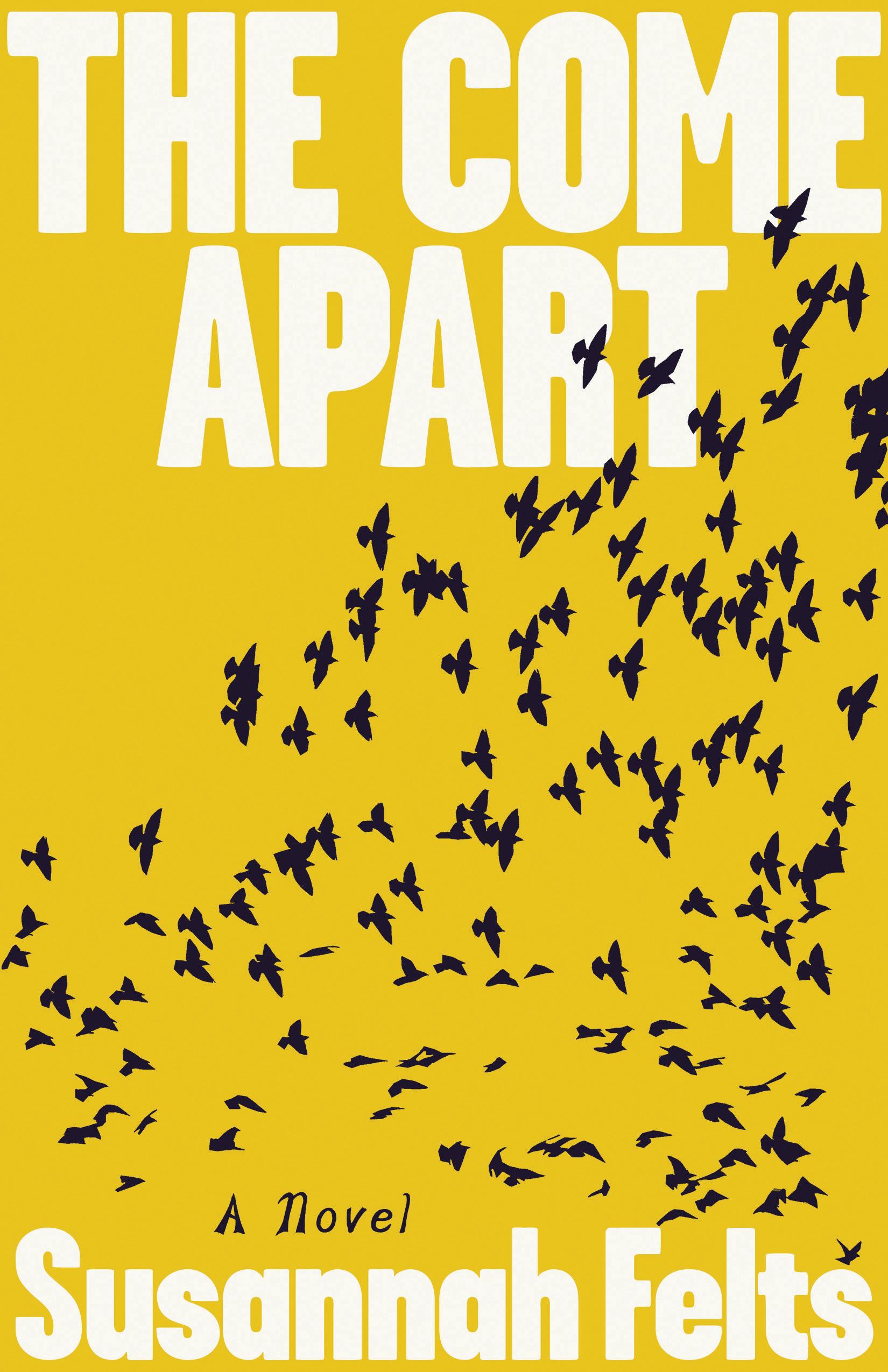
Susannah Felts’ The Come Apart depicts a musician facing a creative and spiritual crossroads
BY BIANCA SASS

IN HER SOPHOMORE NOVEL The Come Apart, Susannah Felts — an influential member of Nashville’s writing community and co-founder of literary collective The Porch — explores the paradoxes of pursuing a life in the arts. The book’s protagonist is Maggie Corbin, a singer-songwriter facing a creative and spiritual crossroads: Is a career in music worth the heartache?
While musicians, especially in Nashville, will find the details of Maggie’s story uncannily familiar, all readers will identify with her odyssey through grief, change and the uncertainty of early adulthood.
The Come Apart shifts between two storylines. Half the chapters slowly color in the decade Maggie spent navigating the indie music scene in the early 2000s, both in Chicago and on the road. In these sections, we watch through Maggie’s eyes as streaming transforms the music industry and gentrification transforms Chicago. The other chapters take place in Nashville in 2010. Maggie has returned to her hometown and is now existing in a state of self-imposed hibernation, grappling with how she’s gotten to where she is and where she wants to go next. Should she return to her band? Should she even be a musician at all?
Maggie’s unexpected homecoming was brought about by the sudden death of her father — who had never supported her career in the arts — and her own growing ambivalence toward being a professional musician. In one sense, Maggie’s fraught relationship with the music industry is a product of the time and evolving technology, a dilemma faced today by both artists and society as a whole. “Talking about it lately had become less an exercise in bewildered anxiety — what will streaming do to our world? — and more a Groundhog Day scene from inside the belly of the beast,” Felts writes. These questions will make readers in 2026 think, If only they knew.
In another sense, the questions Maggie wrestles with are age-old and universal: Is it enough to make art for the sake of self-expression, or is external recognition what endows art (and life) with meaning? “It seemed more and more difficult with every increasingly digitized year to be heard at all, much less remembered,” Felts writes. “Was it a fool’s game to spend years making music that would never be heard by new ears?”
Despite Maggie’s complicated feelings, The Come Apart remains an ode to life in the music community, the novel teeming with vivid depictions of jam sessions and gigs and reminders of the first time your dad played you his favorite record. It also provides a window into the music-making process. Even after Maggie quits
the band, she processes her feelings through songwriting, and her ideas for lyrics are woven throughout the novel.
For example, after Maggie’s father passes, she resents that everyone is treating her differently, and she can’t help but alchemize this feeling into art: “What kind of terrible person could not accept kindness? Only a terrible creature. Terrible creature, terrible creature / Wouldn’t you like to meet her, what might you like to teach her.” Through moments such as these, Felts portrays songwriting not as a discrete activity, but a never-ending process — a way of life.
At its core, The Come Apart is a novel about change. Maggie witnesses seasons come and go, floodwaters rise and fall. Beloved restaurants close, relationships end, loved ones pass away. Inevitably, in the face of all this change, dreams evolve. But this is almost impossible to accept when you have made your dreams your entire identity — often at the expense of stability, peace of mind and connections.
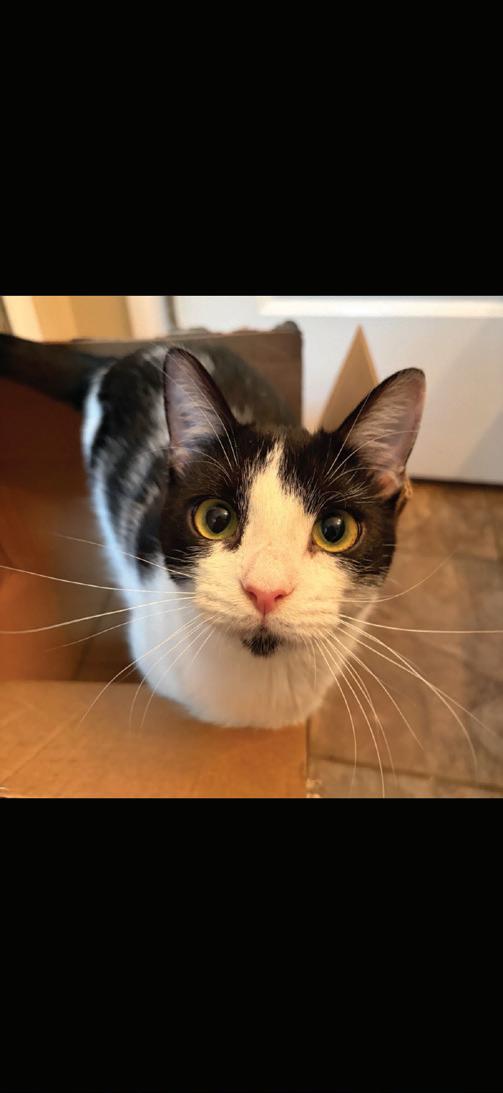
MEET RAISIN! A sweet, affectionate boy who truly blossomed in his foster home, showing just how loving and gentle he can be once he feels comfortable. He enjoys spending his time batting around feather toys, curling up in soft blankets, and leaning in for plenty of cheek rubs. He is all about finding the coziest spot he can and settling in for a good nap. He discovered the joy of Amazon boxes, mastered the art of lounging, and even developed the cutest little snore that makes him even more endearing! Name: RAISIN


615.352.1010
But as Maggie learns, just because dreams change doesn’t mean they’ve disappeared. “What if she didn’t write for a band anymore, or to carve a stairway out of air, a stairway to who knows where?” Felts writes. “What if the new songs were just for her? If only to see the pen move and the shapes form and the notes vibrate. To feel the notes in her body and the strings against her fingers.” ▼
The Come Apart By
Susannah
Felts TriQuarterly 256 pages, $26
Felts will discuss The Come Apart 5 p.m. Wednesday, June 17, at Vinyl Tap and 6 p.m. Thursday, July 9, at Vanderbilt University Special Collections and University Archives





PARNASSUSBOOKS.NET/EVENTS FOR TICKETS & UPDATES
THURSDAY, JUNE 11 6:30 PM KATHERINE GRANDJEAN at PARNASSUS Kingdom of Devils
2:00 PM
FRIDAY, JUNE 12
KIDS' WRITING WORKSHOP with CAROLINE BROOKS DUBOIS at PARNASSUS For young writers ages 8-12
SUNDAY, JUNE 14
2:00 PM DAVE EGGERS with LINDSAY LYNCH at FRIST ART MUSEUM Contrapposto
6:30 PM STEVE KAMB at PARNASSUS How to Try Again
WEDNESDAY, JUNE 17
6:30 PM ANDREW SEAN GREER with LINDSAY LYNCH at PARNASSUS Villa Coco
THURSDAY, JUNE 18
FRIDAY, JUNE 19 6:30 PM
LOKELANI ALABANZA with CAROLINE RANDALL WILLIAMS at PARNASSUS Ice Cream Queen

3900 Hillsboro Pike Suite 14 | Nashville, TN 37215 (615) 953-2243
Shop online at parnassusbooks.net


@parnassusbooks @parnassusbooks1 @parnassusbooks @parnassusbooksnashville








Afterlife is an immersive art production disguised as a haunted rock ’n’ roll funhouse
BY JOE NOLAN
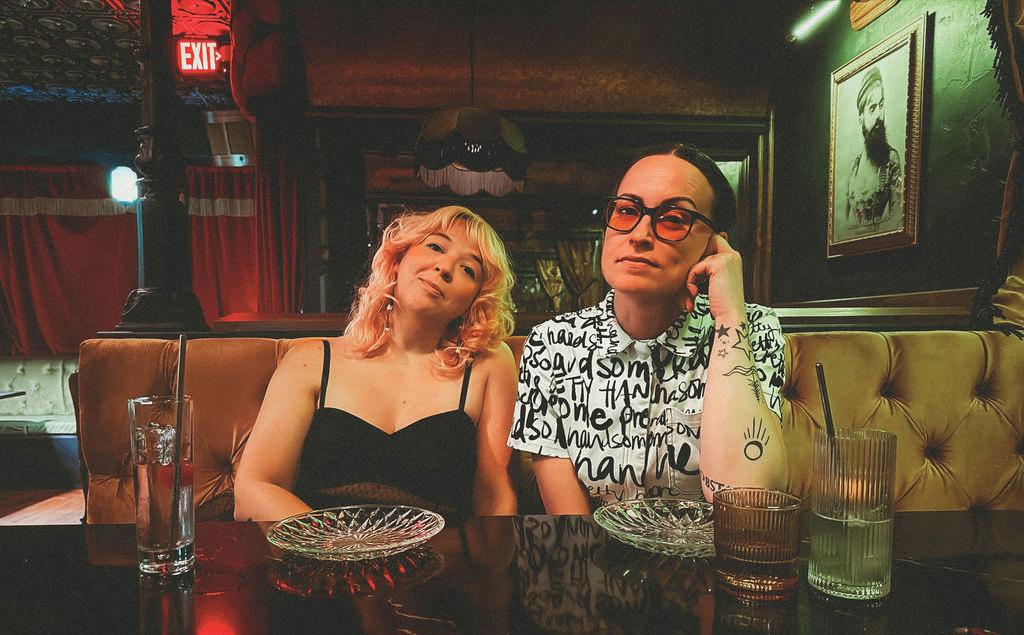


THE MADNEST IS a speakeasy-style event space in a former home in Madison. If you’ve never heard of it, that’s because the first rule of The MadNest is not to talk about The MadNest. This month, the mysterious venue will host an ambitious immersive indie art production that’s part haunted house, part bereavement ritual and part amusement park built out of memories and bones.
Afterlife is the spectral child of local filmmaker and Defy Film Festival co-founder Dycee Wildman and singer-songwriter/performance artist Sarah Saturday. Afterlife blends the immersive theatrical experience of New York’s Sleep No More with the interactive art installations popularized by Meow Wolf, and invites them both to a séance. It hosts small groups on a creative ritual journey through the various rooms and spaces at The MadNest, which are populated and curated by a standout roster of local collaborators.
There’s fearlessness and freedom to be found in the acceptance of death. And there’s also a fearless quality to Wildman and Saturday’s ambitious genre-jumping creative careers: Wildman and Billy Senese’s Defy Film Festival turned 10 last year Wildman herself is the auteur behind a filmography of experimental shorts she’s screened at international festivals, and a jewel box of music videos crafted for local bands like sugar sk*-*lls. She’s also collaborated on stage performance installations with Saturday, whose Gardening, Not Architecture music project also finds the artist in a committed relationship with theater and technology. Afterlife was funded by a Metro Arts Thrive grant, and it reads a little like a stepping stone from one-nightonly stage shows to a more permanent space/ experience for this dynamic duo to operate in.
Afterlife’s ticketed visitors will rendezvous in a
small outdoor group — they sit on folding chairs beneath the kind of black tent a cemetery might employ at a rainy afternoon burial service. This first scene is a prelude to the Afterlife tour, when visitors meet the funeral director (Wildman) and receive a wireless headset featuring three different audio channels. Inside The MadNest, they encounter halls of mirrors, monochromatic room decor, performance-video installations, even an appearance by Death itself.
How exactly would you plan to wade through a laser swamp? This being Nashville, you might have guessed that Afterlife would feature a Tornado Room — it’s like an electronic music rave in a lightning storm. And if you think a haunted house has to have a mad scientist’s laboratory, Wildman and Saturday wholeheartedly agree.
There’s a ton of original music throughout this experience, but what visitors hear depends on where/when/how they listen to the varied content on the headphone channels. Curious visitors will be served well when it comes to discerning hidden clues and codes, including the kind of discoverable experiences that will make every visit personal and unique.
Along the journey, Afterlifers will encounter local dancers Joi Ware and Phylicia Roybal, in addition to other performers who might be found off the tour’s beaten path. Visitors will find their experiences all lead to the cemetery — but you’ll have to grab a ticket to find out if anything at all waits beyond the grave.
In addition to all the performers on hand, Afterlife will be brought to life by a crew of talented local creative technicians, including costume and set designer Kat Tierney-Smith, lighting designer Caleb McLaughlin, projection
Afterlife
June 11-13, 18-20 and 26-27 at The MadNest. More information at afterlifenashville.com.
designer Samuel McDonough, game designer Jennifer Bonior, soundtrack co-producer (with Saturday) Latifah Alattas, new media artist John Holmes, and makeup artist Nichole Lim. This is a local creative community production at scale, not just a two-person show. The size of the production highlights the way the best THRIVEfunded projects can benefit a whole team of creative workers beyond only the awarded artists.
On June 13, Afterlife extends beyond The MadNest with a companion event at Larkspur Conservation, greater Nashville’s natural burial ground The Burial: An Afterlife Grave Nesting Ceremony gathers just 15 participants around a grave-size table in Larkspur’s Library and Learning Center for an intimate guided ritual of decoration, reflection and communal closing. This won’t just be a performance, as Afterlife’s themes will escape into the real world, offering visitors a chance to sit with mortality and grief alongside neighbors in actual sacred ground.
Afterlife runs June 11 through 13, and again June 18, 19, 20, 26 and 27 with two showtimes each night. Tickets are limited to 10 to 15 people per show, with a possible third show being added on each night. The exact MadNest address will be revealed to ticket-holders only.
In recent years, now-established local arts institutions like OZ Arts and the Kindling Arts Festival have brought new breadth to Nashville’s performance art landscape, and Afterlife feels like the proof of concept for giving that scene a permanent attraction.
As of this writing, all of the Afterlife showtimes are sold out — but you can join a wait list at afterlifenashville.com in case more tickets become available. ▼



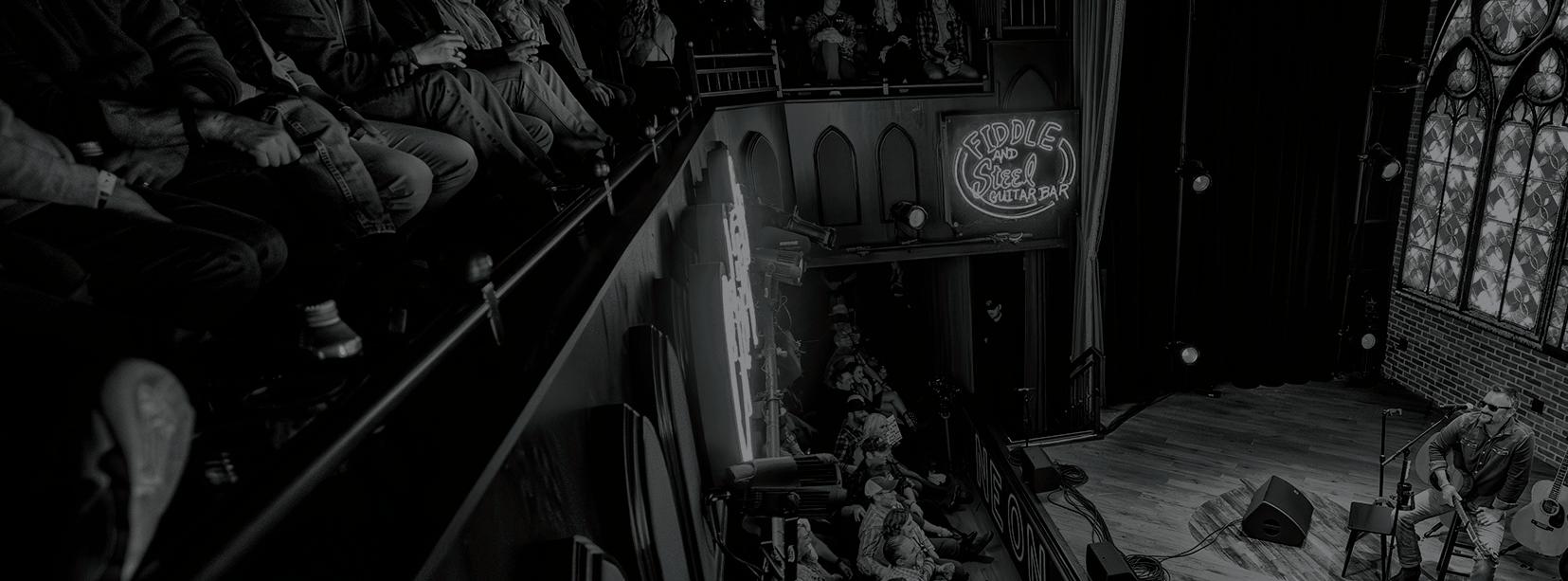













From platinum-selling chart-toppers to underground , household names to undiscovered gems, Chief’s Neon Steeple is committed to bringing the very best national and regional talent back to Broadway. om pla
6.3 Ashley McBryde Trybe Fan Club Party 2026 SOLD OUT
6.4 Quartz Hill Music Group Takeover: 2 Lane Summer, Matt Cooper, Ben Gallaher, Spencer Hatcher, Lakelin Lemmings, Stevie Woodward, Special Guest Adam Sanders
6.5 Nashville Cats Takeover: Ryan Kinder, Tyra Madison, Landon Parker, Cooper Ramsey, Adam Warner
6.6 The Kirby OrganizationTakeover: Callie Twisselman, Sundance Head, Jenna Paulette, Thomas Gabriel, Lou Ridley
6.10 Caitlynne Curtis, Special Guest: Tristan Roberson
6.12 Aaron Nichols & The TravellersChris Stapleton Tribute
6.13 Strait Country TributeThe Ultimate George Strait Tribute
6.14 Larry Gatlin, Rachel Thibodeau
6.16 Buddy’s Place Writer’s Round w/ Janelle Arthur, Smithfield, Chuck Wicks
6.17 Shotgun Granny featuring Dan Tyminski, Kevin MaC
6.18 William Michael Morgan
6.20 Julie Roberts - 20th Anniversary of Men & Mascara
6.24 Uncle B’s Damned Ole Opry Takes on Alabama - The Band Not The State w/ Drake White, Reid Haughton, Thad Cockrell, Dee White + Special Guests!
6.27 David Cook
6.28 Wayne “The Train” Hancock, Special Guest: Scott Southworth





Backstage Nashville! Daytime Hit Songwriters Show featuring Matt Rogers, David Malloy, Beau Bailey with Kasey Tyndall + Elliott Prather
The Piano Men: The Music of Elton John and Billy Joel
EG Vines with Kashena Sampson

Bluebird on 3rd featuring Mark Irwin, Matt McKinney & Luke Stevens with Lauren Eliza + Ava Paige The Time Jumpers
Erin Viancourt + Breann Young Present ‘An Evening with K.T. Oslin, “Do Ya Still Love Me? Do Ya”’
Big Damn Music Jam featuring Dawn Steagall, Kaitlyn Croker, Magnolia Brothers, Kyelen Arora Ban, Mia Walz & Derryl Perry
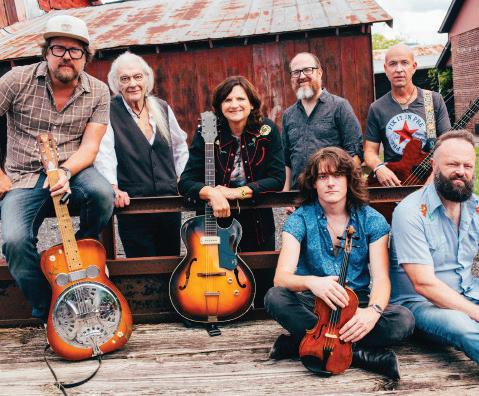










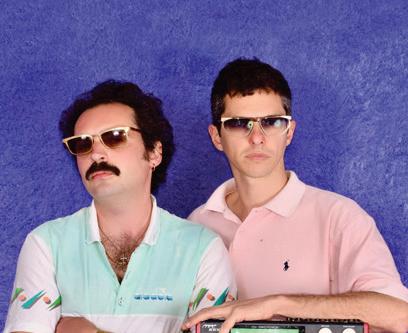
WALKING INTO A content creation studio in Madison on a cloudy Saturday, I’m welcomed by local hip-hop trailblazer and founding member of the Six One Trïbe collective Gee Slab, who introduces himself before elaborately dapping up a friend. Upstairs, music is blasting and the entire Trïbe crew is having a photo shoot. The scene includes their “first lady,” the late Ronni Raxx. She died in May, but she is memorialized in giant portraits around the room.
The collective is prepping for their third annual 615 Day event, which this year has expanded to become 615 Week. The multiday cultural celebration started off small with a one-day show at The Basement East in 2024. Last year, it grew into a whole weekend, featuring local vendors, a field day and their traditional live shows. This year, the event has reached a whole new level, spanning six days and seven individual events. But the mission remains the same as it’s always been.
“Representation,” says Slab when asked what inspired him to kick-start the Trïbe’s highly organized version of 615 Day, something that’s been celebrated in various ways in Nashville for a long time. “Pride and love — what I feel shaped me as a person, as a man and as a human. And I know people felt that way about it as well, and maybe their voice wasn’t as loud … and I feel blessed to be in a position to not take no as an answer.”
615 Day was founded by and for creative professionals — a way for the local music community to celebrate their city. The event provides an outlet for local “left of the dial” artists in noncountry genres who are often overlooked in Nashville. It’s a gathering place for artists, entrepreneurs and community leaders working to build a more inclusive ecosystem for art and creativity.
Local entertainment polymath Averianna the Personality has been with 615 Day since the beginning, emceeing the Basement East show back in 2024. This year, she’ll be back to host her 61Fitness event on June 20. The Cashville radio and TV host and event curator describes a time when she felt overlooked as a Black creative, a feeling that helped shape her approach to community building and self-advocacy.
“I didn’t have a voice, [and] I felt like I wasn’t celebrated,” says the Nashville native, born Averianna Patton. “I’ve been tackling this industry for a long time now, over a decade, so I know what it’s like to be embraced, and I know what it’s like to be shunned. … My hometown couldn’t fathom embracing the culture side. I was just like, ‘OK, if y’all don’t want to do it, I have my platform I’m already building, I’ll do it myself.’”
Music business entrepreneur, Belmont professor and first-time 615 Day panel moderator Eric Holt recounts the same sense of marginalization
Talking
BY BAILEY BRANTINGHAM
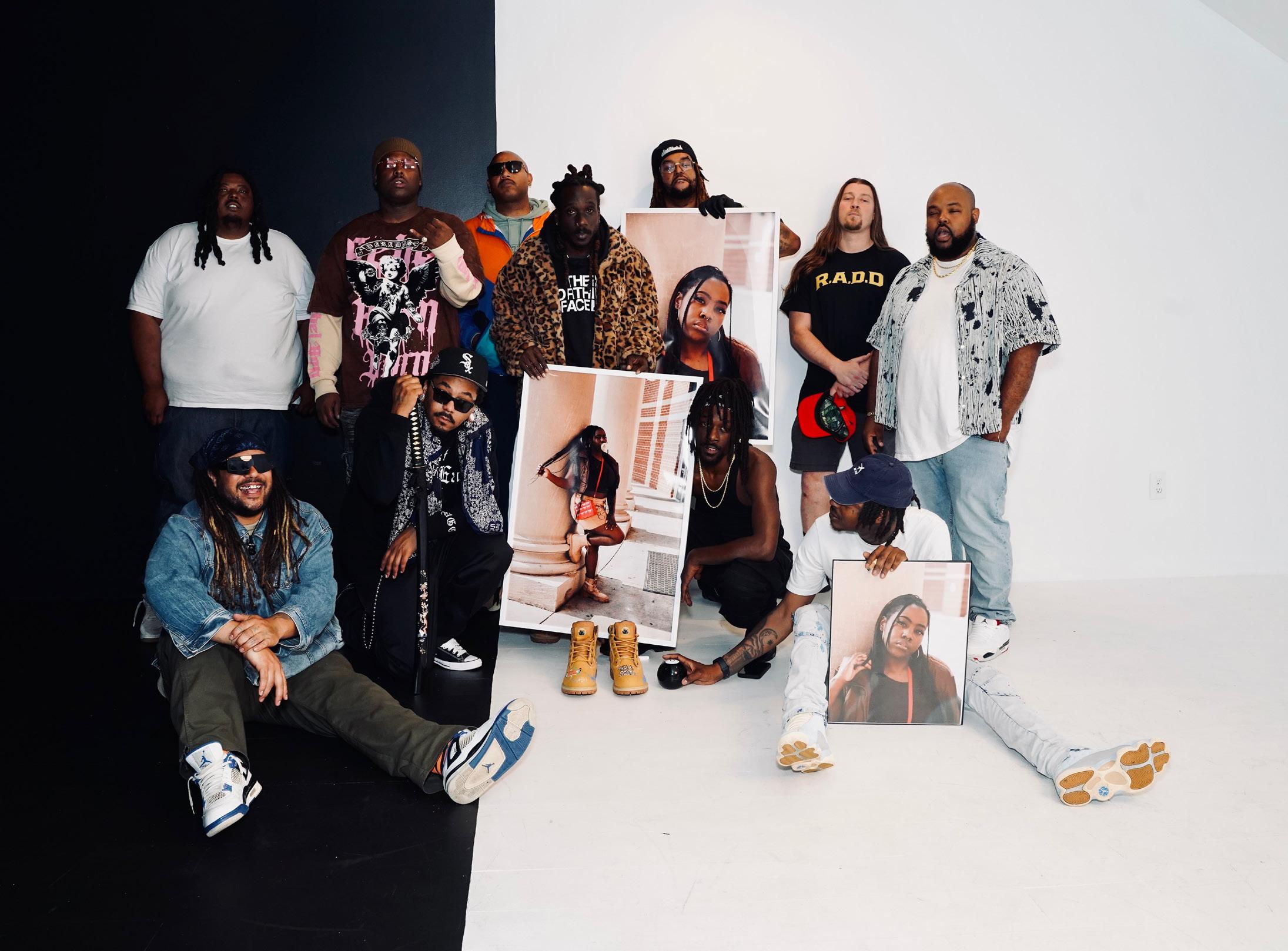
from a management standpoint. As co-founder of Lovenoise, an independent concert promoter focused on Black music, Holt recalls a time when most doors were still closed for Black artists in Nashville.
“Twenty-five years ago, there were not welcoming rooms in Nashville for urban acts,” Holt explains. “[For] emerging artists in Nashville, for people of color, it’s always been a challenge. Even with what we do — and others — it’s still a challenge. It’s kind of shifted some, but it’s still difficult to do certain things in the city.”
Nashville’s collection of music scenes has undergone significant evolution, with varying degrees of interconnectedness between scenes and levels of activity within each. The folks most active right now are making this time in the city one of the most dynamic seasons yet for creative professionals. With the growth of opportunity comes an influx of curators, who help shape and shift the quality of creative experiences to choose from here.
D’Llisha Davis, another 615 Day veteran and a local marketing, management and event curation guru (and a sometime Scene contributor), acts as a sort of liaison for this creative influx. Through her brands 2 L’s on a Cloud and Kinesixx, she helps expand the footprint of local acts
and facilitates important discussions.
“It’s almost like taking over that business sense of making sure that we are still creating conversations and having meaningful conversations in the city,” says Davis, “where I may be the person in the room who can speak up on somebody’s behalf.”
On top of making a collective space for local creatives, 615 Day opens doors for unexpected collaboration across music, fashion, wellness and small businesses. As the event expands, so does its role as a networking hub, helping artists establish relationships and access resources that can be difficult to find through traditional industry channels.
In line with his original vision that he explained to the Scene in 2024, Slab says this year’s concerts will celebrate multiple genres with an eclectic lineup, from rock to R&B to experimental artists. The 615 Week Kickoff Concert at the Aura Events Center — which includes performances from the Trïbe, R&B songsmith Kyleigh and more — begins the six-day suite of events on June 15, and the run ends June 20 with a pool party at the Drift Hotel. In between, there are panels, a fashion show, a Juneteenth celebration, a high-end ramen dinner and a few surprises sprinkled in.
“With all the innovations coming to the city, we need something that represents what we were to where we are now and where we’re going,” Slab says. “It’s not just parties and fun, it’s education and a celebration of legacy.” ▼
615 Week Kickoff Concert: 7 p.m. June 15 at Aura Events Center (2020 Lindell Ave.)
Creatives & Culture: 5:30 p.m. June 16 at The Outfield (410 Chestnut St.)
615 Culture House — Then. Now. Next: 6 p.m. June 17 at National Museum of African American Music (510 Broadway)
Raised by the Rhythm: 5:30 p.m. June 18 at The Outfield (410 Chestnut St.)
Ramen & R&B: 10 p.m. June 19 at Jinya Ramen Bar (415 11th Ave. N.)
61Fitness: 10 a.m. June 20 at East Nashville High School (110 Gallatin Ave.)
Pool Party: 2 p.m. June 20 at Drift Hotel (10 Interstate Drive)
Nashville African American Wind Symphony carries a brilliant legacy forward
BY RON WYNN
THE NASHVILLE AFRICAN AMERICAN Wind Symphony’s mission is both straightforward and profound. The 46-member symphony, a nonprofit 501(c)(3) organization, seeks to highlight the skills of outstanding Black classical and symphonic artists. But their larger purpose — which especially resonates during June, which is Black Music Month — is to showcase the fact that there are diverse voices within the classical world, and that this genre deserves the same exposure and attention paid to the other styles that are part of the Black musical experience. The ensemble includes multiple woodwind, brass, low brass and percussion instrumentalists. While quite versatile and able to excel in other genres, these musicians are foremost champions of classical and symphonic sounds.
“We’ve been dedicated since the beginning to making sure that there’s recognition for and awareness of Black voices within the classical world,” says Kendra Smith, who serves as both director of operations and a euphonium player in NAAWS. “We’re committed to showing audiences that symphonic music can be a great vehicle for storytelling, representation and impact in all communities, and we’re always happy to let people know and hear that through our programs.”
NAAWS has three special programs coming very soon. The first two celebrate and honor the observance of Juneteenth, a federal holiday recognizing Union troops arriving in Galveston, Texas, on June 19, 1865, to formally announce the freedom of the last group of enslaved people in the United States. On Sunday, June 14, the ensemble will perform their fifth annual Juneteenth Concert at the Schermerhorn. NAAWS will also appear at the Juneteenth615 party in
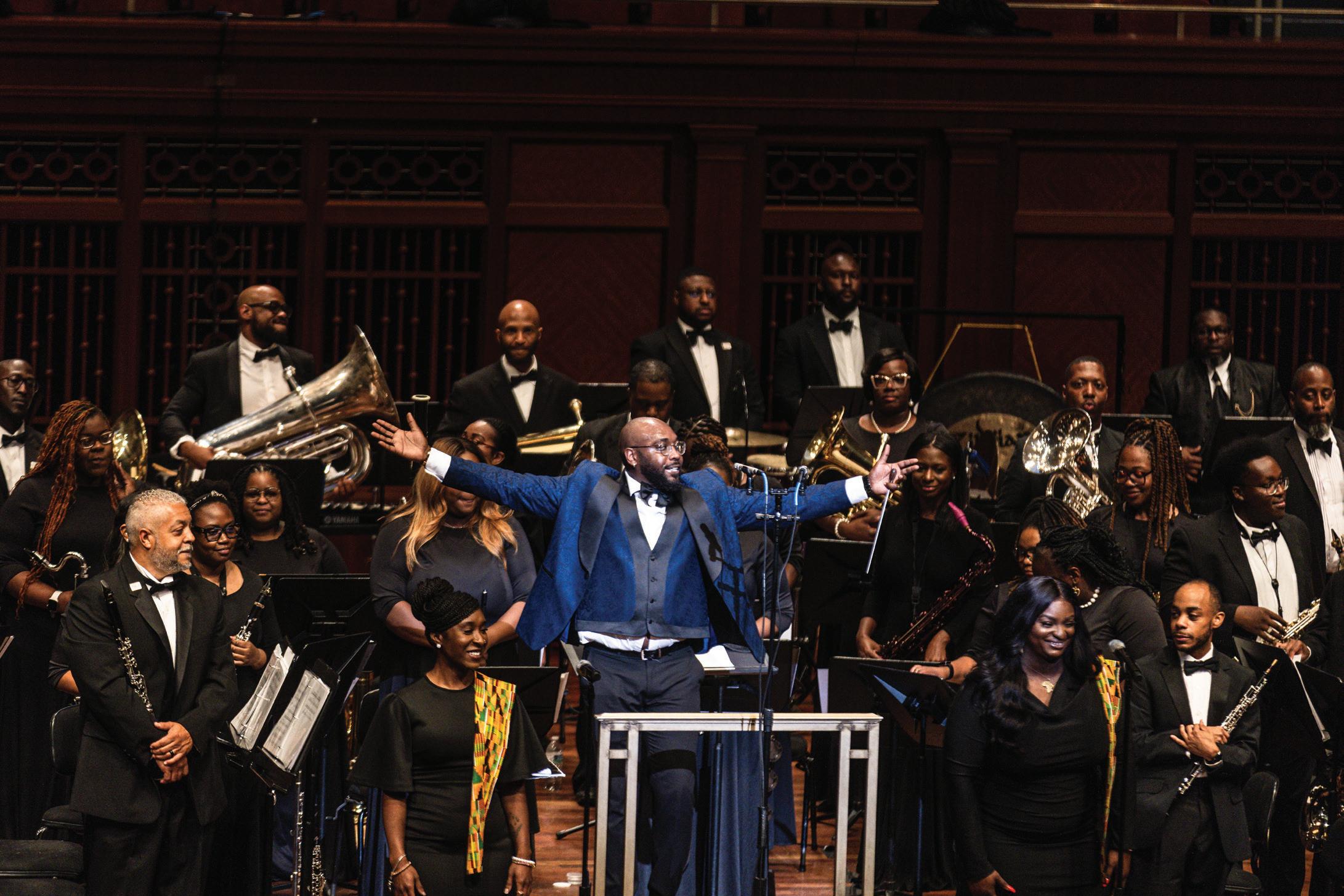
Centennial Park on Friday, June 19, which will combine their musical performance with a fireworks display. And a spinoff group called the NAAWS Big Band, which plays classic jazz and swing numbers, will be back in Centennial Park on Saturday, June 20, as the guest performer for the park’s weekly Big Band Dance.
Dr. Bruce V. Ayers Jr. founded NAAWS in 2020, originally intending it to be a platform for college-educated musicians who wanted to continue performing symphonic and classical music. But it quickly expanded into a platform for Black symphonic musicians to perform regularly, and it’s become a cultural symbol. The ensemble addresses issues ranging from academic — the lack of Black representation in formal
concert band settings — to broader image concerns. The group lets the world know there are and have been outstanding African American classical and symphonic musicians, part of a Black classical tradition dating back decades. Since its first performance in 2022, NAAWS has greatly expanded its community outreach and impact. Besides Ayers, others involved in the selection of programming include associate music director Alex Nichols, who also currently serves as the director of bands at East Nashville Magnet High School, and assistant music director Rontrell Callahan, who’s also the director of NAWWS’ youth initiative and serves as band director at James Lawson High School.
Another key component of NAAWS’ mission
Playing 4 p.m. Sunday, June 14, at the Schermerhorn
Juneteenth615 5-9:30 p.m. Friday, June 19, in Centennial Park
Big Band Dance 7-10 p.m. Saturday, June 20, in Centennial Park
is their Youth Honor Band, which also began in 2022. The program brings together gifted students from both middle and high schools throughout the region and provides them with a rigorous educational structure that includes master classes and mentorship.
“This program is where we help get the next great generation of wind symphonic players,” Smith says. “It’s so important to us that we keep encouraging and developing talented players to maintain that tradition of excellence and also help people get over the notion that symphonic music is something that’s not a part of our heritage and tradition.” ▼
Intrepid staffer Hamilton Matthew Masters was the Scene’s eye on CMA Fest 2026 on Thursday and Friday. Visit nashvillescene.com/music for our coverage, including more of his photos.
PHOTOS: HAMILTON MATTHEW MASTERS
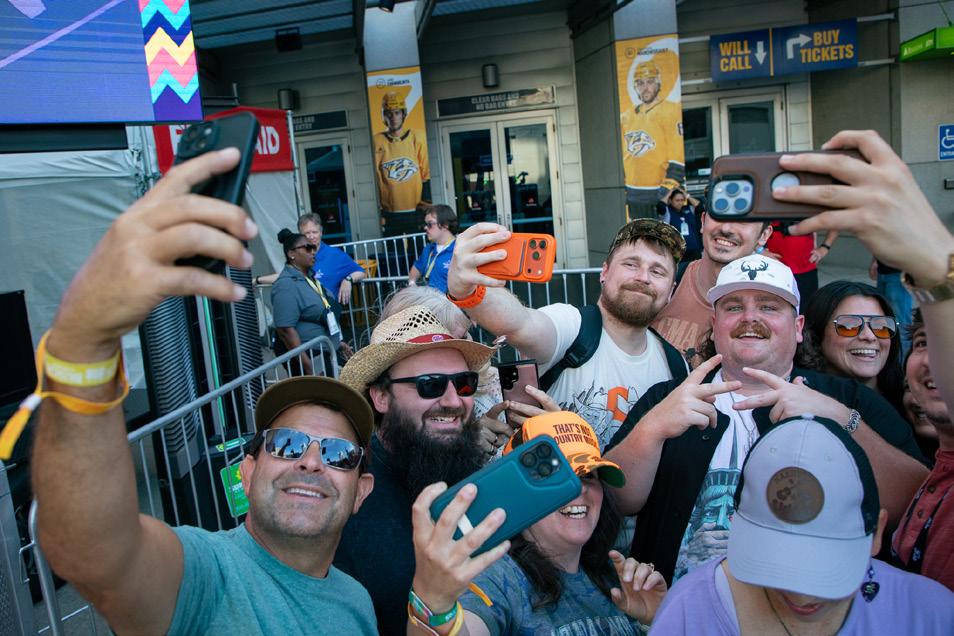
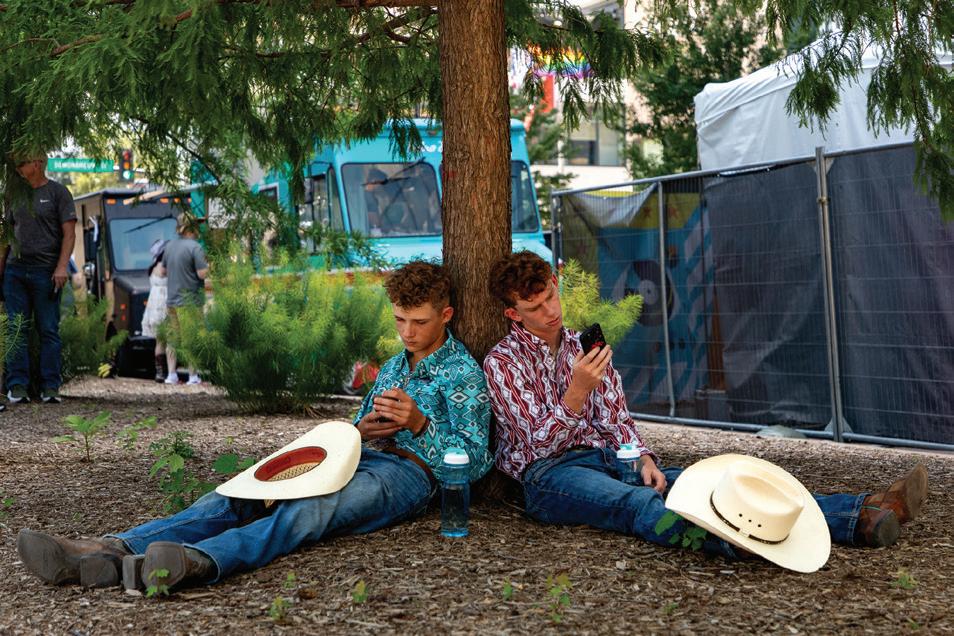






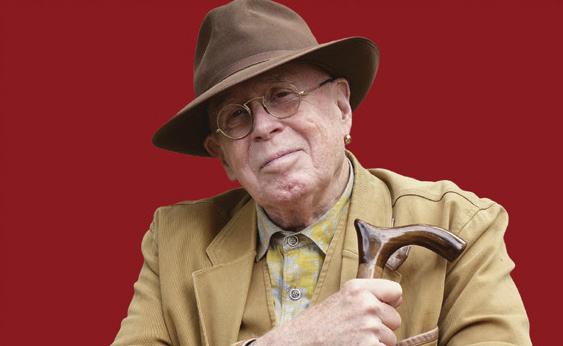
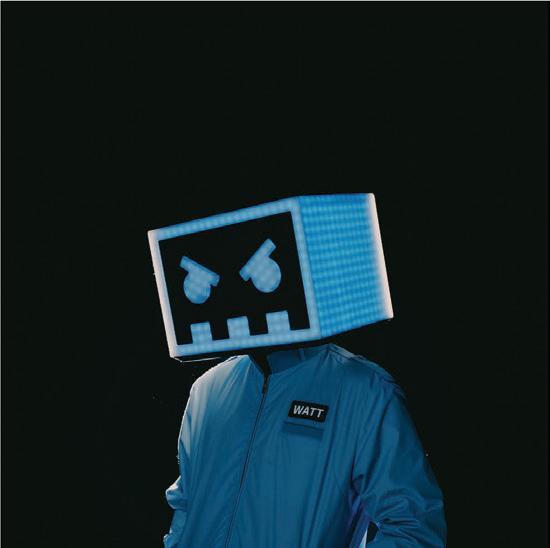
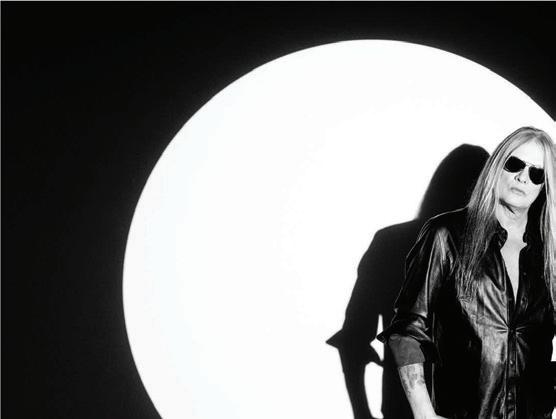
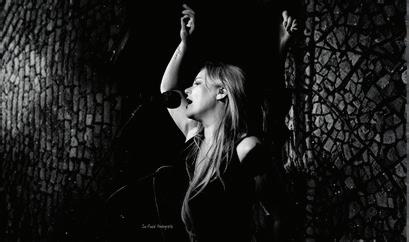
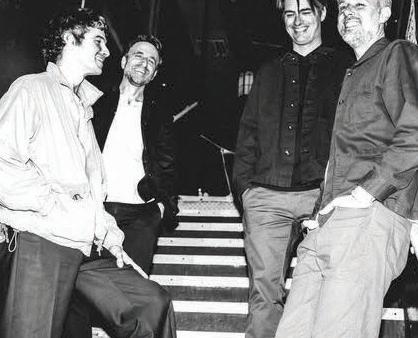
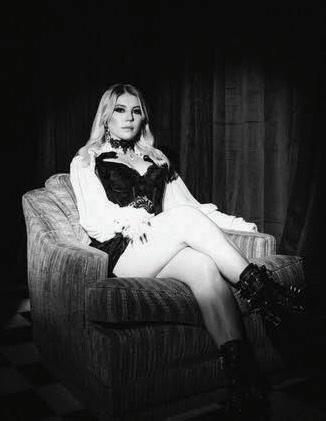
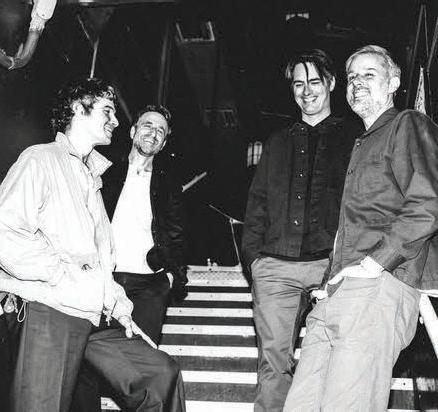
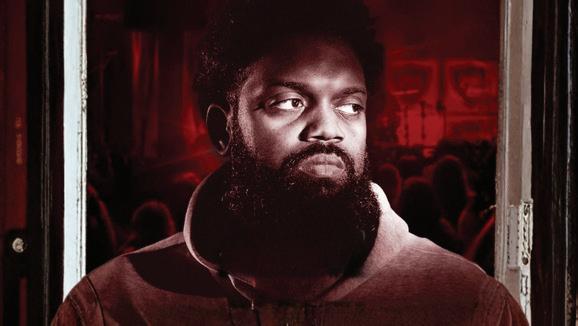


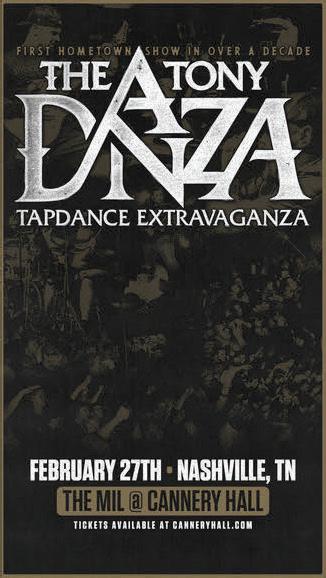


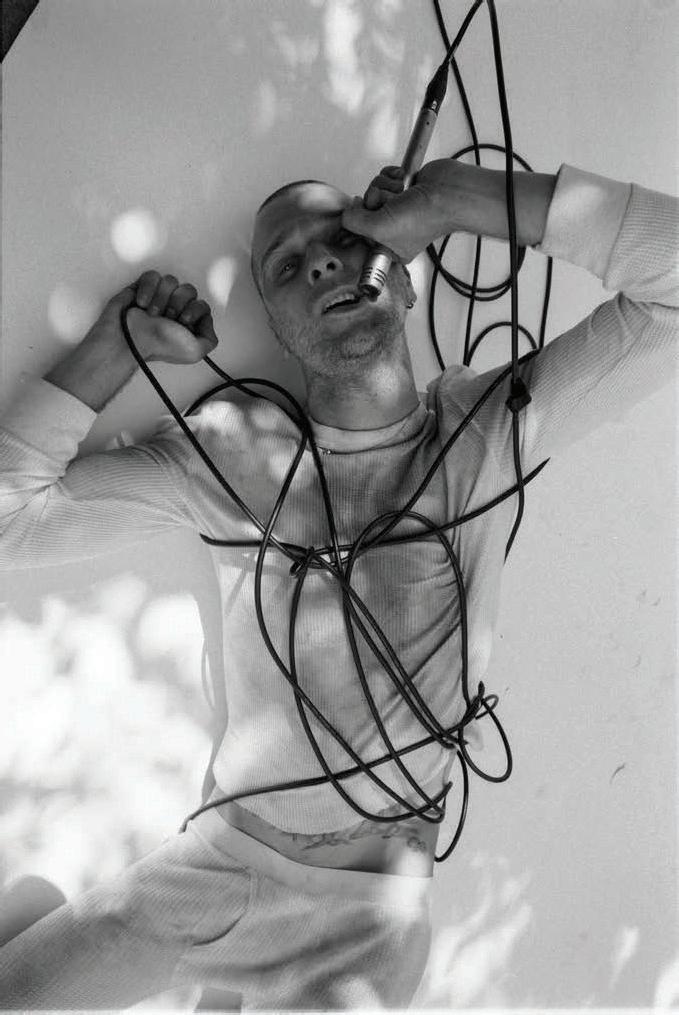
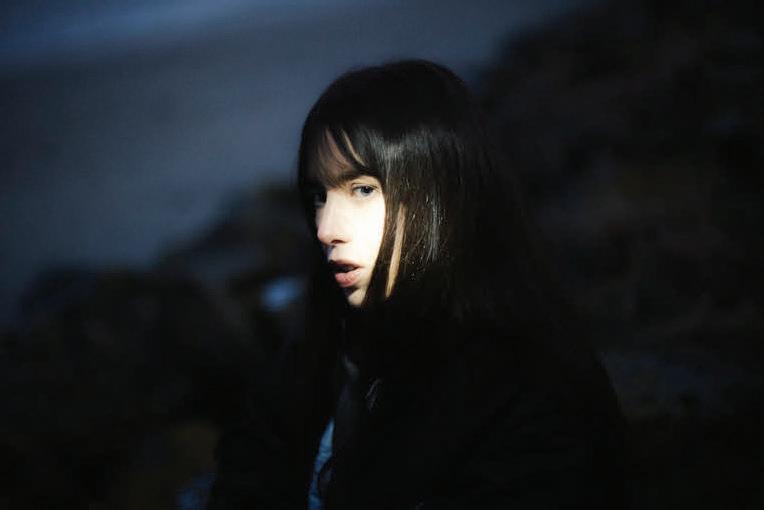
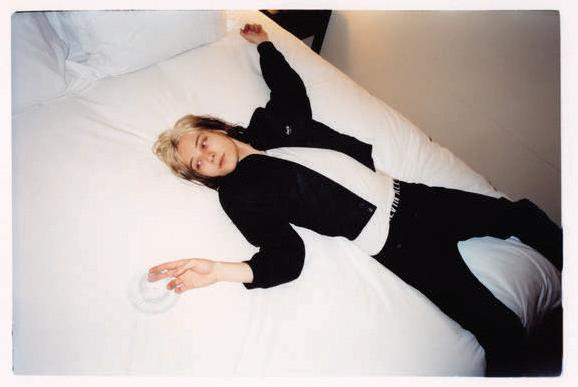
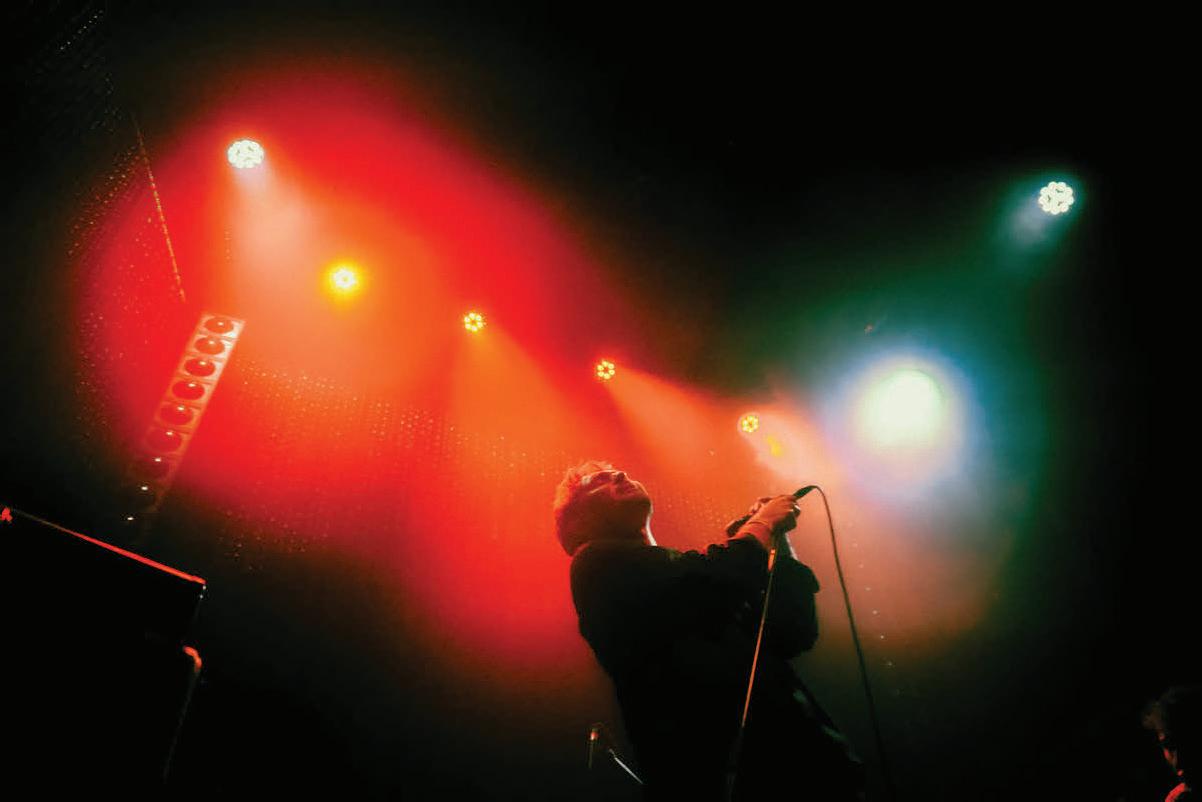
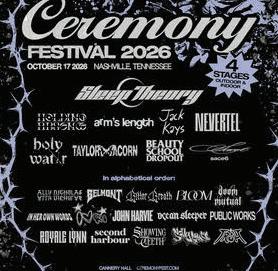
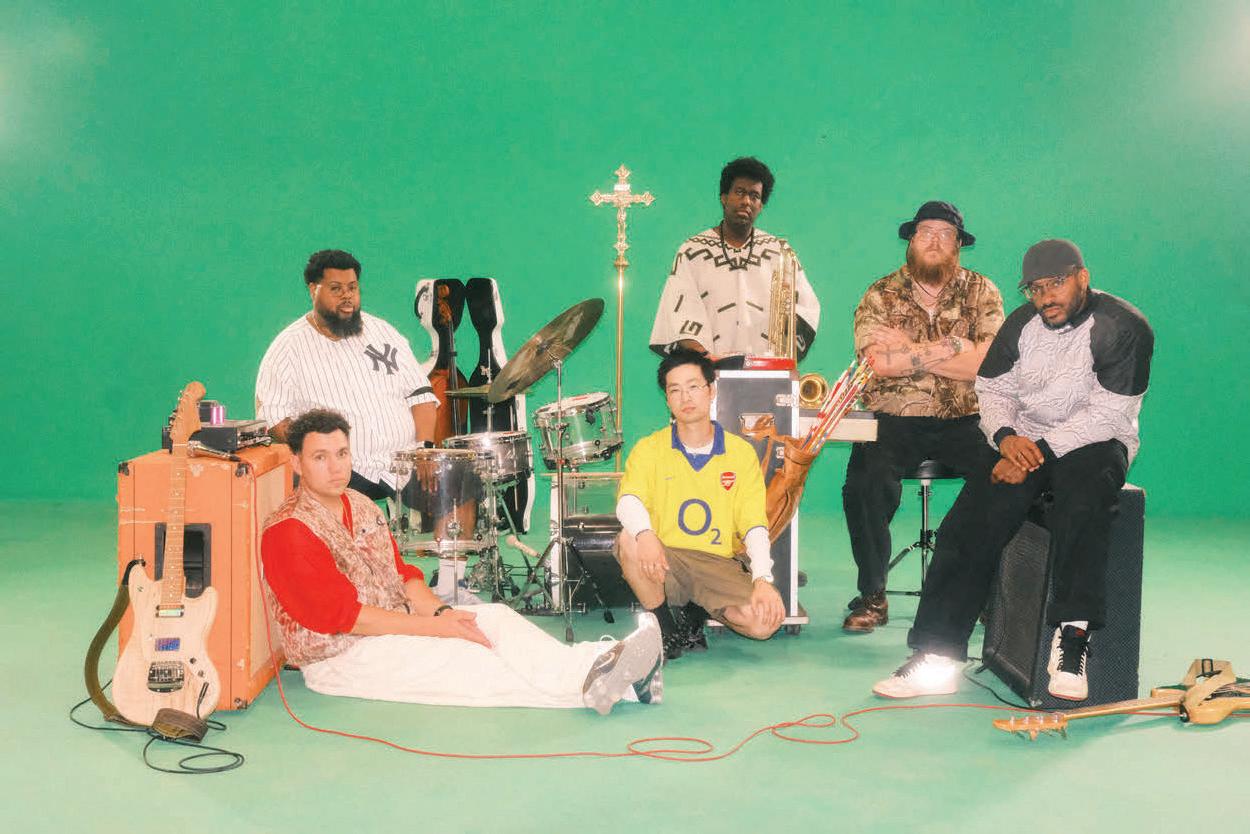
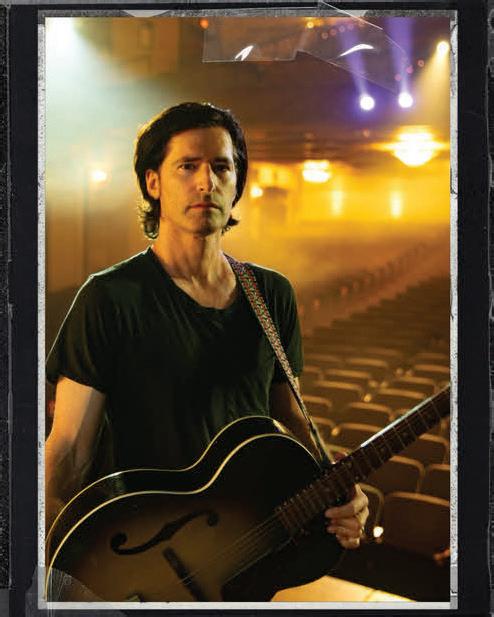

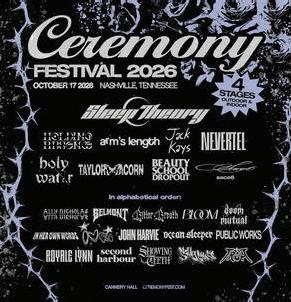




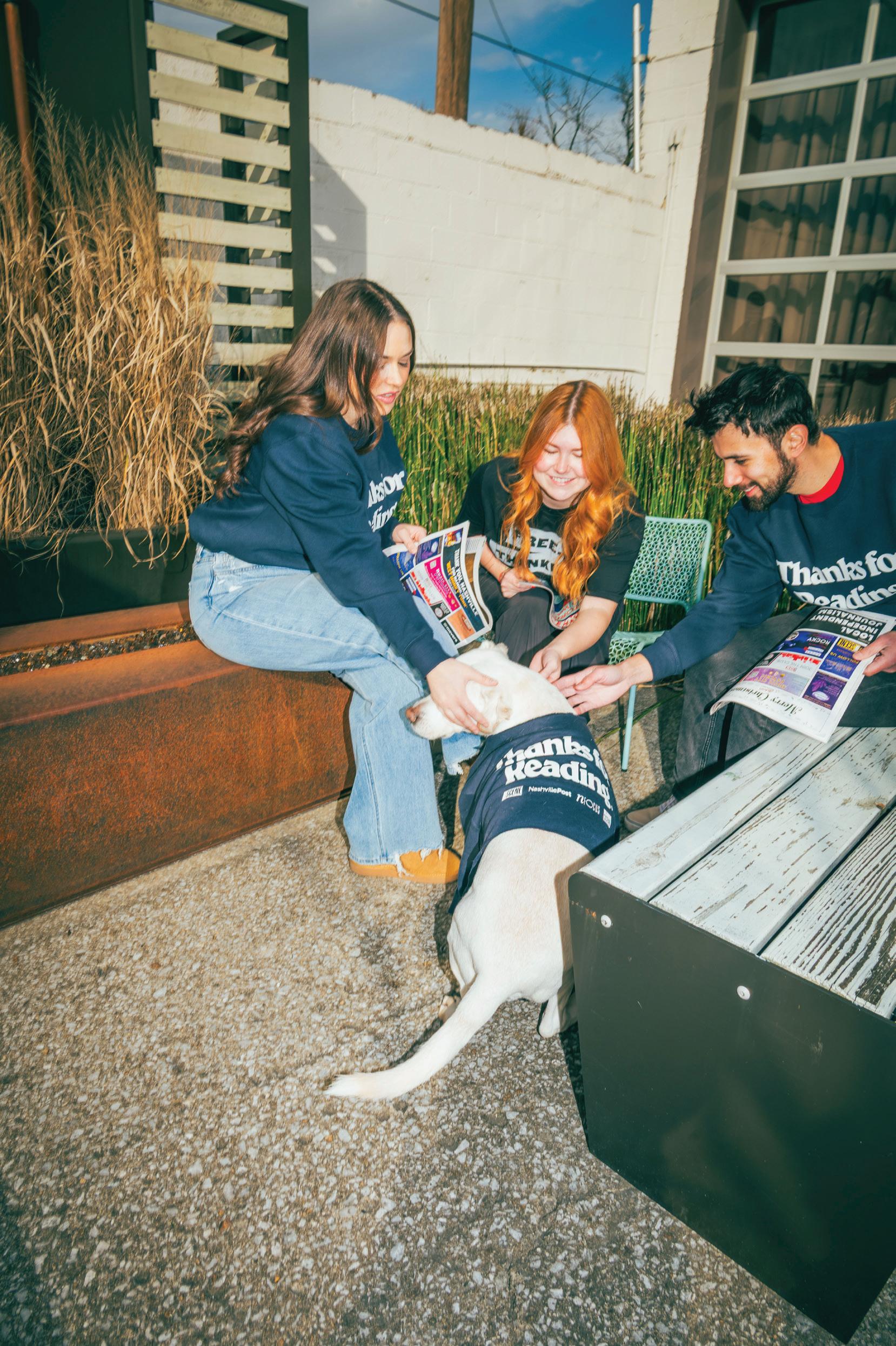
The Furious is a thesis in ass-kicking
BY KEN ARNOLD

EVERYONE LOVES A GOOD fight scene, but it often feels like the “arts” part of “martial arts” is left out of the equation. While movie magic can make almost anyone look great, there is something about true combat prowess that you just can’t fake. Only those who are willing and able to endure the physical toll the action genre demands can leave a legacy in hand-to-hand combat — from the dedication to mind and body of Bruce Lee to the perfectionist takes of Jackie Chan and Keanu Reeves’ grueling training in the John Wick franchise.
So what happens when you gather a whole cast and crew of people who know what they are doing and love the art of the fight? The Furious, opening this week, did just that, bringing together Jet Li’s son (Xie Miao) in the lead role, The Raid’s Joe Taslim and Yayan Ruhian in supporting parts, and Everything Everywhere All at Once choreographer Brian Le as a true wild card, with Crouching Tiger, Hidden Dragon producer Bill Kong behind the scenes and Donnie Yen’s longtime choreographer Kenji Tanigaki directing. The product is one of the greatest collections of talent across pan-Asian action films.
When Wang Wei’s (Miao) daughter is kidnapped and the corrupt police force won’t help, he takes matters into his own hands with the help of journalist Navin (Taslim). Together they take on an entire criminal underground with their fists, feet and anything lying around that can be used as a weapon.
The working philosophy of the movie is simple: “Is this badass?” Everything else is in the film to serve these badass moments. The plot is simple, the acting is messy, and events happen not to force the plot, but to give us more fighting. Sometimes things aggressively don’t make sense, but damn if they aren’t badass.
The filmmakers know why you are watching, and that’s to see people hit each other — and The Furious delivers that by the truckload. The
film opens with a fight scene, and probably doesn’t go more than five or 10 minutes without an action sequence. Each major character has their own unique fighting style, and the cast has mastered every strike at a rhythm and speed that allows the camera to remain still and focused on the talent displayed. There is no reliance on shaky cam effects and edits to sell the fight. Each battle builds toward the next, culminating in a final fight that will have cinema audiences cheering like they’re in sports stadiums.
The Furious is the perfect example of a film that is stripped down and focused solely on the art of the genre — taking pieces of what made action movies from Hong Kong, Indonesia and Thailand memorable — with just the right amount of narrative justification (beating up child traffickers, which means you’ll feel no guilt as you watch countless bodies pile up). It carries on the traditions of several regions, and is a cohesive work of international cooperation — it embodies the same spirit as Jackie Chan’s Police Story and Timo Tjahjanto’s The Night Comes for Us. These characters are all original, but they carry the weight and legacy of generations of martial arts and high-octane genres. The Furious feels like a huge crossover event, built on legacy rather than recycled intellectual property.
The Furious does indeed kick ass — and feels like the cinematic equivalent of a bump of cocaine. It wasn’t assembled in a board room with designs on making something marketable. It’s a passion project made using elite ball knowledge, and it gives the people what they want. ▼
The Furious R, 113 minutes Opening Thursday, June 11, at Regal and AMC theaters

42 Pre-calc course
1 Representative Raskin of Maryland
6 Coffee container
9 One who measures meter by the feet?
13 Plant used to make a Mexican beverage called “pulque”
14 Exploits
16 Guthrie who wrote “Alice’s Restaurant”
17 BAD ___ER MOVE
20 Wine aperitif
21 Pioneering Philips product of the 1970s, in brief
22 Does to perfection
23 Equipment that attaches to a mask
26 Locale in the Christmas story
27 ___TER
33 Yeshiva head
35 Blanchett of 2025’s “Black Bag”
36 Products of oogenesis
37 Admission of defeat
38 “Eureka!”
39 Garnish amount
41 Pewter, mostly
43 Minority group in Iraq and Turkey
44 P___ANT QUEEN
48 Video game franchise featuring 100+ species of dinosaurs
49 Hoards
52 “C’mon, speak up!”
54 Prefix with label 55 Unwell 56 ___EAVOR
60 Tea brand once owned by Starbucks
61 Kind of high-fat diet
62 Prey for a ladybug
63 Blow out
64 “You can no more win a ___ than you can win an earthquake”: Jeannette Rankin
65 ___ Park (gateway to Rocky Mountain National Park) DOWN
1 Powerful cards in euchre
2 Over
3 Ingredient in osso buco
4 “___ gotta run”
5 Metaphor for slipperiness
($39.95 a year). Read about and comment on each puzzle: nytimes.com/ wordplay. Crosswords for young solvers: nytimes.com/ studentcrosswords. ANSWER TO PREVIOUS PUZZLE
6 Chargers and Challengers
7 Country that boycotted the 1984 Olympics
8 Something a lapidary cuts
9 Green film on copper, e.g.
10 Spoken
11 Animals that bugle
12 Pedicure target
15 Gary of “Apollo 13”
18 Knievel in the Motorcycle Hall of Fame
19 Sensible
24 Classic barbecue fare
25 Intertwined
28 Hindi honorific
29 One providing timely delivery?
30 One’s appearance after a difficult journey, say
31 “Metamorpho-ses” writer
32 Bothers, bothers, bothers
33 Meter maid in a Beatles hit
34 Sacha Baron Cohen character
39 Arctic seabird nicknamed “aerial pirate”
40 Counterparts to calls, in stock lingo
42 “For shame!”
45 Strike down
46 ___ Triangle (coastal section of Pennsylvania)
47 Spanish sweetheart
50 Kemper of “The Office”
51 Toys that may be carried or pulled
52 Breeze
53 Woodworking tool
54 “___ bien”
56 Saucer contents, informally
57 Wrap (up)
58 Nation ruled by six royal families, in brief
59 Driver’s guide, for short
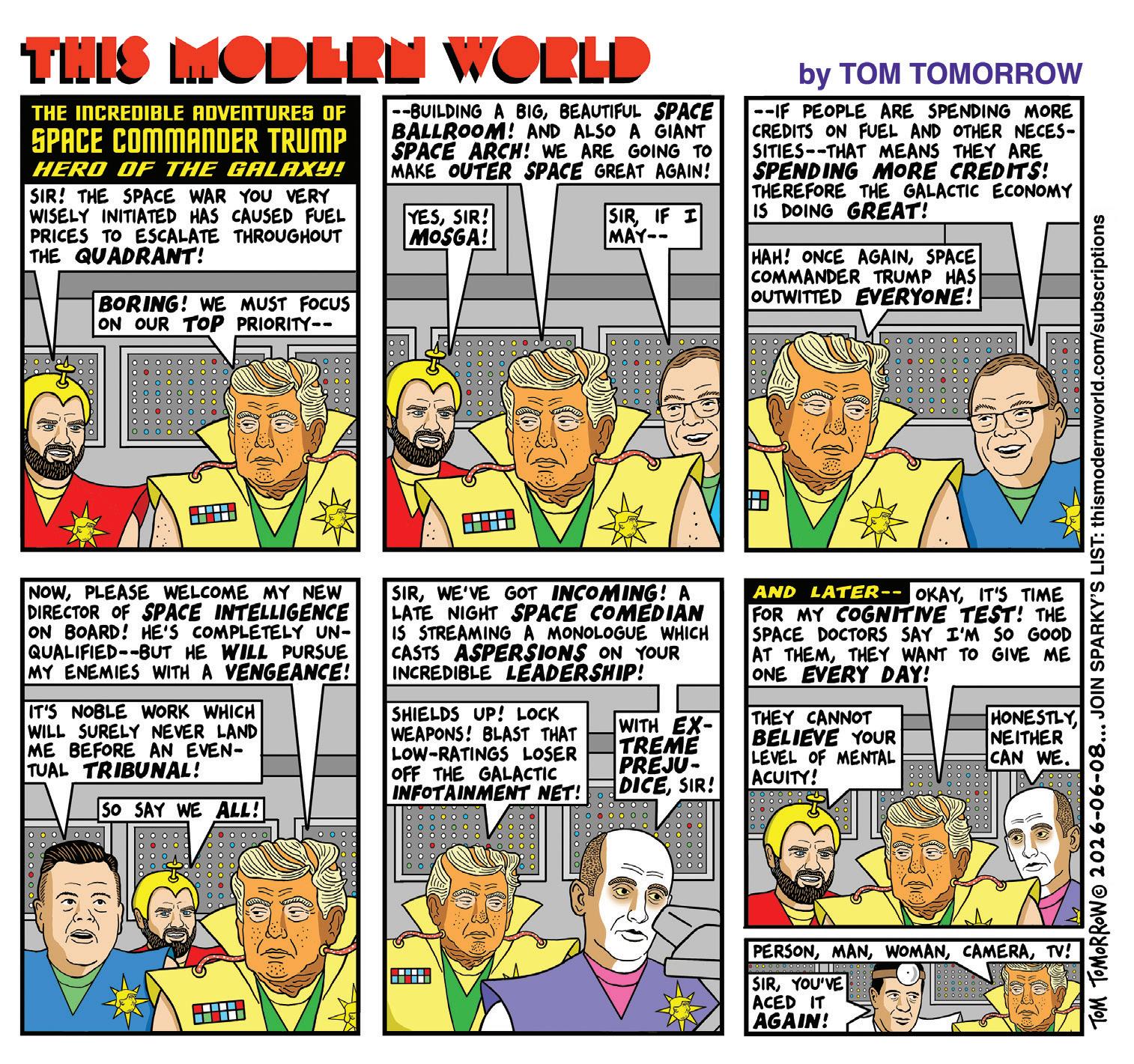


Rocky McElhaney Law Firm INJURY AUTO ACCIDENTS WRONGFUL DEATH
TRACTOR TRAILER
ACCIDENTS Voted Best Attorney in Nashville
Call 615-425-2500 for FREE Consultation
Advertise on the Backpage! It’s like little billboards right in front of you!
Contact: classifieds@ fwpublishing.com
UBS Business Solutions US LLC has the following positions in Nashville, TN. Associate Director, Cyber Security Risk Assessments Specialist to Perform highquality and high-integrity Cyber and Information Security technical risk assessments, root cause analysis and risk investigations on IT and Cloud architectures, infrastructures, platforms, applications, technology stacks and business projects, based on current cyber threats landscape and emerging risks. Requires B+3yrs. Can work hybrid (Inoffice/remote). (ref. code(s) 001682). Qualified Applicants apply through SHProfRecruitingcc@ubs.com. Please reference 001682. NO CALLS PLEASE. EOE/M/F/D/V. #LI-DNP. The expected salary range(s) for this role as of the date of this posting is/are based on factors including, but not limited to, experience, qualifications, education, location and skill level. This role may also be eligible for discretionary incentive compensation. For benefits information, please visit ubs.com/usbenefits
Health Care Service Corporation seeks Sr Data Engineer (Nashville, TN) to coordinate dvlpmnt & dlvry of data assets & serve as single point of contact for issues /escalations to biz stakeholders. REQS: Bach + 8 yrs exp. 100% Telecommuting/working from home permitted. Pay: $155,979 - $247,700/yr.
Benefits: https://careers.hcsc.com/tota lrewards. Email resume to hrciapp@bcbsil.com & ref R0048893
8 yrs exp. 100%
Telecommuting/working from home permitted. Pay: $155,979 - $247,700/yr.
Benefits:
https://careers.hcsc.com/tota lrewards. Email resume to hrciapp@bcbsil.com & ref R0048893
BEAUTIFUL BATH
UPDATES IN AS LITTLE AS ONE DAY!
Superior quality bath and shower systems at AFFORDABLE PRICES! Lifetime warranty & professional installs. Call Now!
1-833-540-4699
(CAN AAN)
REPAIRING OR REPLACING APPLIANCES AND HOME SYSTEMS LIKE HEATING AND COOLING CAN BE COSTLY.
A home warranty plan can help. Start saving and get 30% off any plan today. Workmanship Guarantee included. Terms apply. Call Cinch Home Services 1-844-415-1477
(CAN AAN)
YMT VACATIONS. OVER 50 GUIDED TOURS AVAILABLE.
Affordable, social and stress-free travel designed for mature travelers. Our tours include accommodations, transportation, baggage handling, sightseeing, entrance fees, a professional Tour Director and select meals. For a limited time SAVE $250 on all tours. Call YMT today. 1-866-314-6821
(CAN AAN)
Act now to receive a FREE 5-Year warranty with qualifying purchase. It’s not just a generator. It’s a power move. Call 1-866-381-0627 today to schedule a free quote (CAN AAN)
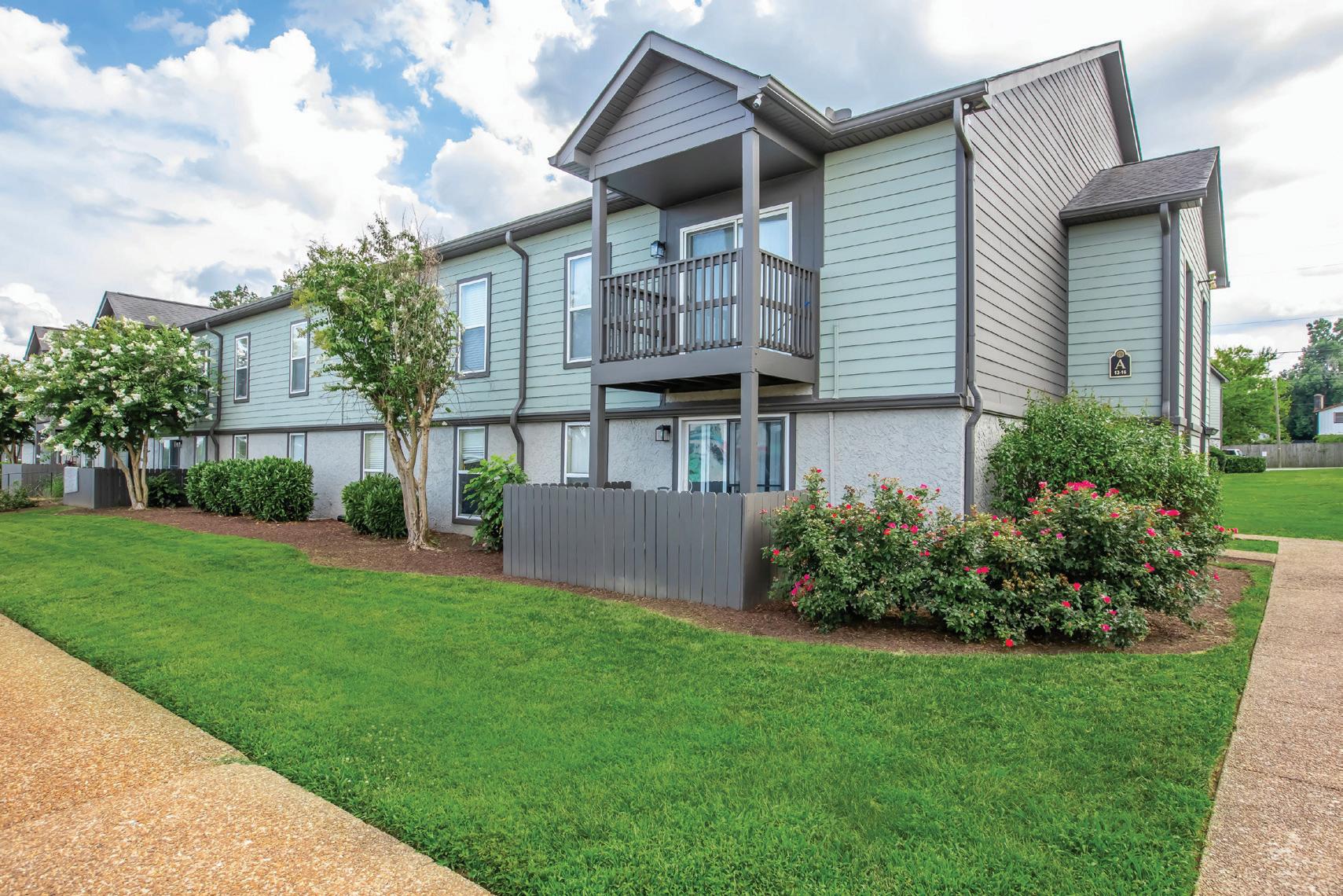
HOME BREAK-INS TAKE LESS THAN 60 SECONDS.
Don’t wait! Protect your family, your home, your assets NOW for as little as 70¢ a day!
Call 1-877-864-3209
(CAN AAN)
A recent survey says that most Americans are overpaying for their car insurance. Let us show you how much you can save. Call Now for a no-obligation quote: 1-877-856-0046
(CAN AAN)
A cheaper alternative to high drugstore prices!
50 Pill Special - Only $99! 100% guaranteed. Call Now! 1-877-616-4827 (CAN AAN)
WE BUY VINTAGE GUITARS!
Looking for 1920-1980
Gibson, Martin, Fender, Gretsch, Epiphone, Guild, Mosrite, Rickenbacker, Prairie State, D’Angelico, Stromberg. And Gibson Mandolins / Banjos. These brands only!
Call for a quote: 1-877-590-0187
(CAN AAN)
GOT AN UNWANTED CAR??? DONATE IT TO PATRIOTIC HEARTS
Fast free pick up. Patriotic Hearts’ programs help veterans find work or start their own business.
Call 24/7: 1-877-318-7973 (CAN AAN)
If you owe $10,000+, we can help you become debt free in 24-48 months! Make one monthly affordable payment. Get Help Now! Call 1-877-895-5782 (CAN AAN)
BARS AND RESTAURANTS NEARBY
La Villa Mexican Grill & Seafood
Ruby Tuesday
ENJOY THE OUTDOORS
Hamilton Creek Park
Smith Springs Recreation Area
Nashville Paddle Co.
PEST CONTROL: PROTECT YOUR HOME FROM PESTS SAFELY AND AFFORDABLY
Roaches, Bed Bugs, Rodent, Termite, Spiders and other pests. Locally owned and affordable. Call for a quote, service or an inspection today! 1-877-891-3042
(CAN AAN)
NEED NEW WINDOWS?
Drafty rooms? Chipped or damaged frames? Need outside noise reduction? New, energy efficient windows may be the answer! Call for a consultation & FREE quote today: 1-877-804-8285 (CAN AAN)
END YOUR TAX WORRIES TODAY.
Let us make your tax problem our priority. Scared, stuck with high tax amounts? Our A+ tax professionals can help.
Call for a FREE consultation. Call Priority Tax now 1- 855-496-0514
(CAN AAN)