


Bryan N. Cañada
LAYOUTHEAD
Bryan N. Cañada
LAYOUTMEMBERS
Honeybheb M. Bolivar
April Faith R. Miral
Apple Jean R. Camporedondo
Marjorie V. Colita
Neha K. Malasigan
Bryan Jay Sinajonan
Bryan N. Cañada
LAYOUTHEAD
Bryan N. Cañada
LAYOUTMEMBERS
Honeybheb M. Bolivar
April Faith R. Miral
Apple Jean R. Camporedondo
Marjorie V. Colita
Neha K. Malasigan
Bryan Jay Sinajonan

cientists and conservationists in the Philippines are increasingly using technology to save endangered species and delicate ecosystems as climate change accelerates the loss of biodiversity. While artificial intelligence analyzes climate data to forecast floods, droughts, and other hazards, assisting policymakers in better managing ecosystems, drones are being used to monitor forests, mountains, and marine environments, tracking wildlife populations and detecting illegal logging in real time.
Particularly in delicate places like Palawan and the Tubbataha Reefs, satellites and remote sensing technologies track changes in water quality, illegal fishing, and coral reef health in marine protected areas. Local programs backed by organizations like the Department of Environment and Natural Resources (DENR) integrate citizen-collected data through mobile apps and reporting tools, fostering cooperation between local communities and scientists These technological approaches are complemented by local initiatives.
The Philippines is making huge strides in biodiversity conservation by combining drones, artificial intelligence (AI), satellite monitoring, and public involvement. This is increasing efficiency and accuracy while increasing awareness, proving that technology is an essential ally in the struggle to save species and ecosystems

Advanced monitoring systems, satellite data, and conservation efforts strengthen the country’s response to climate risks.
The development of complex climate monitoring systems is being driven by government organizations such as the Philippine Atmospheric, Geophysical and Astronomical Services Administration and the Department of Science and Technology (DOST).
BThe country is putting a high priority on inventions that can assist people in adapting to extreme weather events like typhoons, floods, and rising sea levels because it is one of the most climate-vulnerable nations in the world
Climate resilience and biodiversity conservation are closely related, according to environmental scientists. Healthy ecosystems promote food security, lessen coastal erosion, and serve as natural storm barriers.
There are still difficulties in spite of these developments Progress is nonetheless delayed by a lack of funds, environmental deterioration, and a lack of public awareness. Policymakers and scientists stress that combating climate change calls for sustainable behaviors and robust community involvement in addition to technology solutions.
The Philippines continued use of science-driven tactics shows how innovation can be essential to creating a future that is safer, more resilient, and sustainable
These include flood forecasting devices that use river level sensors, real-time rainfall data, and predictive modeling to give areas at danger early warnings These tools enable local governments to organize evacuations and minimize possible harm and fatalities.
Also, satellite technology is essential for climate monitoring The Philippines now tracks typhoons, keeps an eye on deforestation, and evaluates damage following natural catastrophes using satellite photos thanks to collaborations with foreign space organizations. During emergencies, these tools speed up reaction times and assist authorities in making well-informed judgments.
Filipino scientists are concentrating on preserving biodiversity, which is crucial for both ecological balance and human existence, in addition to responding to disasters. Marine conservation is particularly crucial because the Philippines is a component of the Coral Triangle, which is referred to as the "center of marine biodiversity."
Several coastal regions are undergoing coral reef restoration initiatives, which use scientific methods like coral transplanting and artificial reef structures to repair damaged reefs. These initiatives assist local fishing communities' livelihoods, boost fish populations, and revitalize marine habitats
ience is still essential to enhancing human health and the state of the environment Technological developments have improved the effectiveness, accessibility, and dependability of healthcare in the modern world.
Physicians are able to identify diseases more quickly and treat patients more precisely because to new medical equipment and systems. Telemedicine, which allows patients to contact doctors online without having to travel far especially in distant or underserved areas is one of the most beneficial technologies. This guarantees that more individuals receive appropriate medical care when they need it while also saving time and money
Environmental issues are being addressed at the same time by science and technology. Reducing, reusing, and recycling materials is becoming simpler thanks to waste management innovations, which reduces pollution and safeguards natural resources. As alternatives to conventional energy sources that damage the environment, clean energy solutions like solar and wind power are increasingly gaining popularity These innovations help combat climate change by lowering carbon emissions.
Nowadays, a lot of communities are using science-based solutions to raise their general standard of living These advancements, which range from improved healthcare services to cleaner environments, demonstrate how science and technology can improve society. All things considered, these developments demonstrate that, when applied sensibly, science and technology are powerful tools in building a healthier population and a more sustainable future.
Public health is directly impacted by science s transformation of agriculture and food security, in addition to healthcare and energy.
Farmers can produce more food with fewer resources and less harm to the environment thanks to modern technology like hydroponics, precision farming, and genetically modified crops. These developments lessen the use of dangerous chemicals that could endanger human health in addition to aiding in the feeding of an expanding population
Additionally, by ensuring that populations have access to healthy diets, scientific study on nutrition and food safety reduces the risk of diseases brought on by inadequate nutrition or tainted food. These developments contribute to the development of a more resilient and healthy society by integrating science into daily living.
For a nation like the Philippines, which is vulnerable to typhoons, earthquakes, and floods, science is also essential for environmental conservation and disaster preparedness Communities can prepare for natural catastrophes and reduce property and human loss thanks to early warning systems, satellite monitoring, and climate modelling In order to maintain natural resources for future generations, environmental research also informs policy regarding water management, coastline preservation, and forest conservation. These initiatives illustrate science s crucial role in creating a sustainable and prosperous society by showing that it is not just about innovation but also about protecting human lives and the environment.
There are many advantages to science and technology that can raise our level of happiness. Through social media, messaging applications, and video conversations, they facilitate communication and help people keep in touch with loved ones. Wearable health devices and telemedicine are examples of medical advances that assist prevent, monitor, and treat ailments, hence enhancing our general health Smart devices, internet services, and automated systems make daily living more effective and convenient while saving time and effort. Through online tutorials, courses, and resources, technology also offers chances for education and personal development. Furthermore, significant societal issues are resolved by scientific discoveries, such as disease-prevention vaccines or environmentally friendly renewable energy sources that improve people's lives
But there are also limitations to science and technology that could have an impact on happiness. Over-reliance on technology can diminish meaningful experiences and in-person interactions. Social media can have a detrimental effect on mental health by causing pressure, stress, or comparison. Digital distractions and constant notifications can impair concentration and impede ones ability to advance personally or professionally. Moreover, technology cannot replace human emotional needs relationships, purpose, and personal fulfillment require genuine human connection Lastly, excessive technology use can lead to inactive lifestyles and increased pollution, which can have an indirect negative impact on health and the environment.
Despite these benefits, technology alone cannot guarantee happiness. Social media, for example, can create stress or comparison among peers Overreliance on gadgets may reduce face-to-face interactions and meaningful experiences True happiness also comes from human connections, personal growth, and a sense of purpose things technology cannot fully provide.
Science plays a vital role in building a strong and progressive nation, especially in a developing country like the Philippines. Filipino scientists and researchers contribute greatly to solving important national issues in areas such as healthcare, agriculture, environmental protection, and disaster management. Through their knowledge and innovations, they help improve public health systems, develop better farming techniques to ensure food security, protect natural resources, and create early warning systems that save lives during natural disasters. Their work directly impacts the daily lives of Filipinos by providing practical solutions that promote safety, sustainability, and development.
However, despite their important contributions, Filipino scientists continue to face many challenges. Limited funding, lack of modern facilities, and insufficient government and institutional support often make it difficult for them to fully develop their research and innovations. Some talented scientists even choose to work abroad in search of better opportunities, which leads to a “brain drain” in the country. Still, many remain dedicated to serving the nation, using their skills and knowledge to address local problems and uplift communities Their resilience and commitment show how deeply they value their role in national progress.
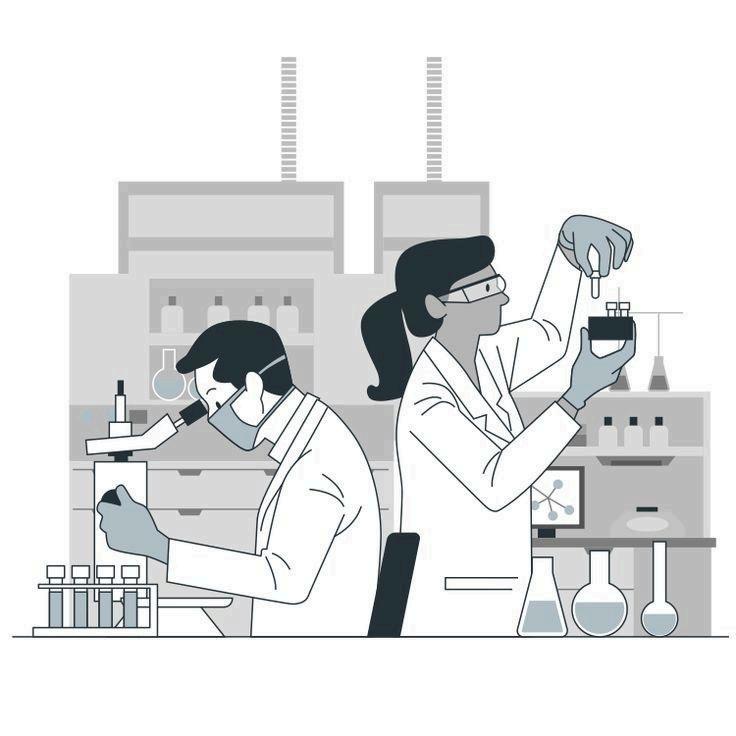
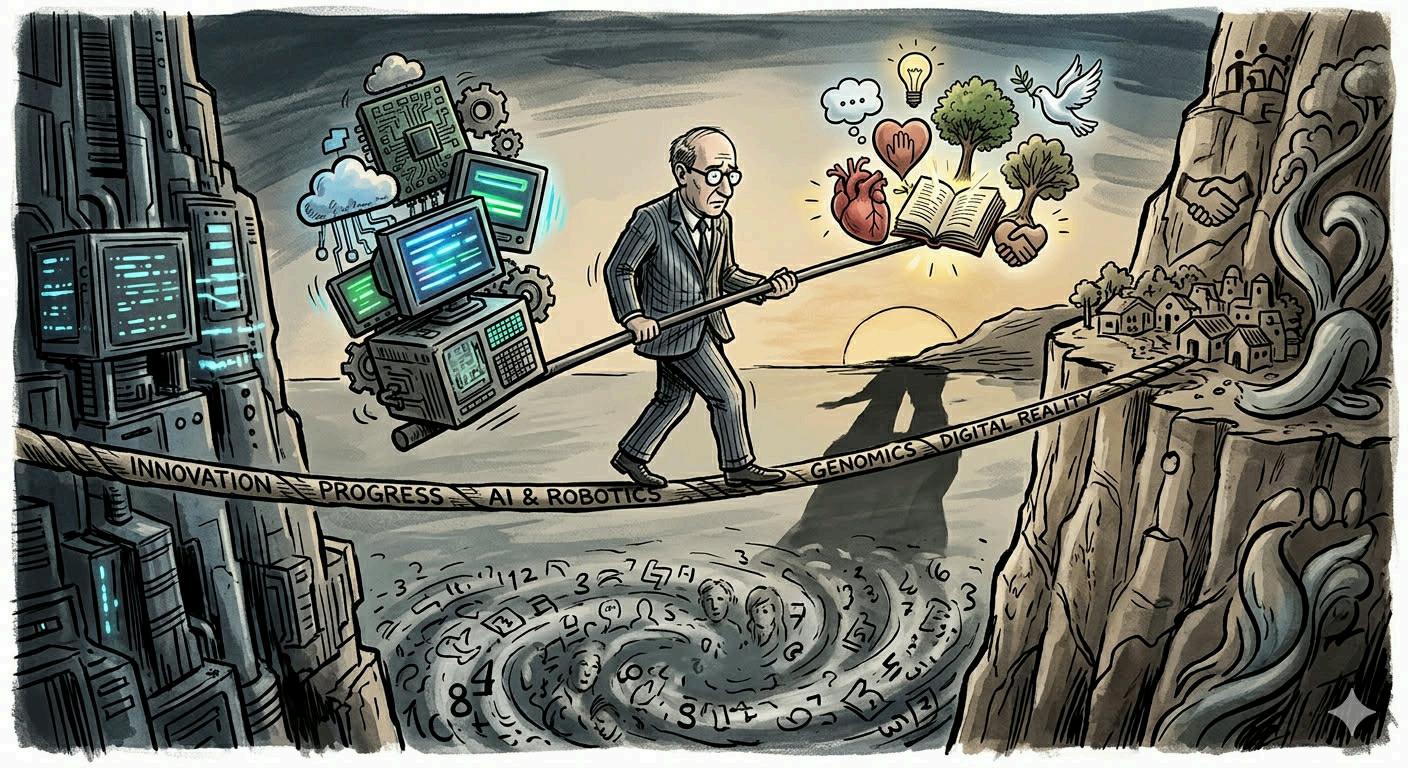
FROM MEDICINE TO COMMUNICATION, SCIENCE AND TECHNOLOGY MAKE LIFE EASIER AND LONGER. BUT CHALLENGES REMAIN: NOT EVERYONE BENEFITS EQUALLY, AND ETHICAL QUESTIONS GROW ALONGSIDE INNOVATION.
n modern sports, success is no longer based on talent alone Athletes today rely heavily on science and technology to enhance performance, prevent injuries, and maintain overall health. Two of the most important fields driving this progress are biomechanics and nutrition a powerful combination that shapes how athletes train, move, and recover.
Biomechanics is the scientific study of human movement, focusing on the interaction of muscles, joints, and forces during physical activity. Through the use of advanced technologies such as motion capture systems, high-speed video analysis, and wearable sensors, sports scientists are able to examine movement patterns with precision. These tools generate accurate data that enable coaches and athletes to refine techniques, improve efficiency, and reduce the risk of injury For instance, adjustments in an athlete’s posture, stride, or force application can significantly enhance overall performance.
At the same time, nutrition science is a cornerstone of athletic performance and recovery
Modern technology has enabled highly individualized nutrition strategies, taking into account factors such as metabolism, body composition, and the specific demands of training. Wearable devices and digital platforms allow athletes to monitor dietary intake, hydration, and nutrient timing with precision Proper balance of carbohydrates, proteins, fats, vitamins, and minerals ensures that the body is optimally fueled, promotes efficient muscle repair, and supports overall physiological well-being

he world of fitness and athletic performance has evolved far beyond sweat and repetition.
Today, science and technology work hand in hand to elevate training, optimize performance, and promote overall health and wellness From elite athletes to everyday fitness enthusiasts, technological tools are transforming the way we move, measure, and improve.
Wearable devices such as smartwatches, heart rate monitors, and motion sensors provide real-time feedback on everything from heart rate variability to stride patterns. GPS trackers, accelerometers, and biomechanical sensors help athletes analyze movement efficiency, optimize technique, and prevent injuries. Data-driven insights allow coaches and trainers to tailor programs to an individual’s unique physiology, ensuring that every session is both safe and effective.
Performance analysis software further takes training to the next level. By tracking metrics like speed, power output, recovery times, and workload, these systems provide a clear picture of progress and highlight areas that need improvement. Virtual platforms and AI-driven apps can even simulate competition scenarios, giving athletes the ability to prepare for real-world challenges in a controlled, measurable environment.
Science and technology also extend beyond athletic performance. Nutritional tracking apps, digital wellness programs, and AI-based recovery tools help individuals monitor energy balance, sleep quality, and stress levels key factors for sustaining long-term health and fitness. By integrating technology with scientific research, fitness programs now promote not only peak performance but also holistic well-being.
In the modern era, the fusion of science and technology is more than a trend it’s the foundation of smarter training, healthier lifestyles, and higher achievement, ensuring that every step, lift, and stride is backed by evidence and precision






SThe Bionic Swimmer is an Olympic gold-medalist who incorporates an AIpowered exoskeleton into his strength training routine. This advanced device delivers adaptive resistance that automatically adjusts to his movements and muscle response. It helps identify and strengthen specific muscle weaknesses that conventional weight training may not effectively target. Alongside this, the system tracks real-time biometric information such as muscle activity, fatigue, and movement patterns, giving coaches valuable data to improve training strategies.
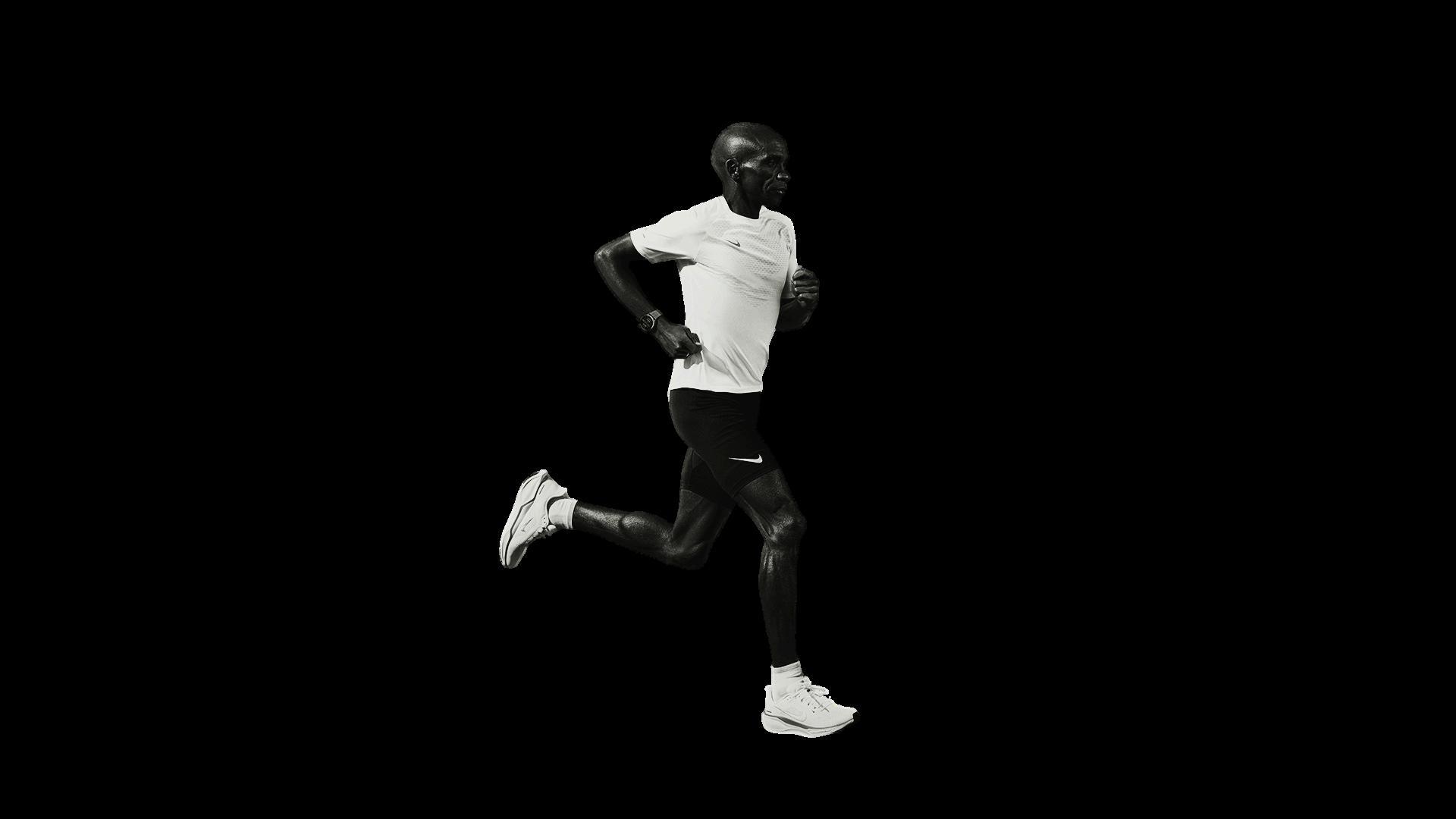
The Cyber-Runner is a professional marathoner who successfully returned to competition after suffering a serious tendon injury, thanks to a digital twin system. Engineers created a detailed virtual model of his musculoskeletal structure, allowing specialists to simulate and evaluate different running techniques without placing strain on his injured body. By experimenting with adjustments in stride, posture, and gait in a digital environment, he was able to refine his running style before applying it physically.
These athletes demonstrate how innovation is transforming the world of sports. The combination of science and technology is enabling athletes to train more intelligently, recover more effectively, and achieve higher levels of performance than ever before.
Bussinessmirror News https://businessmirror com ph/2026/03/29/antlersamong-horns-a-deer-finds-friends-among-domestic-carabaos-inmarinduque/
https://share.google/ABviEhigyfPdpzn3l
https://www.drivingeco.com/en/10-worst-climate-disasters-year-humaneconomic-impact/pixels-pixaba
https://www.pinterest.com/pin/2674081021847778/
https://share google/HpB31HOAmbWI5ZAPv
https://pmc ncbi nlm nih gov/articles/PMC6019055/? fbclid=IwY2xjawRCeTNleHRuA2FlbQIxMABicmlkETFmRkoyTkhET0hrVW1BRkk1c3J0YwZhcHBfaWQQ MjIyMDM5MTc4ODIwMDg5MgABHnNnvXVJ8k3wT74mjv1lAuC6WePyLlwuRJk3olsp84j37eCC zsqLbuff4k aem 8scBeFM2IoSSPhyCLIuhxQ
https://share google/4ZBDOTEe0mqMGeb24
IwY2xjawRCe1ZleHRuA2FlbQIxMABicmlkETFmRkoyTkhET0hrVW1BRkk1c3J0YwZhcHBfaWQQMjIyMD M5MTc4ODIwMDg5MgABHvmItM8G2pBiOpMGz4uUgMciIWRvFSAVDkFAHGZFmqZJqlcbky4tWzET HljW aem TIDoCOhIe 4t TUh7Eqssw