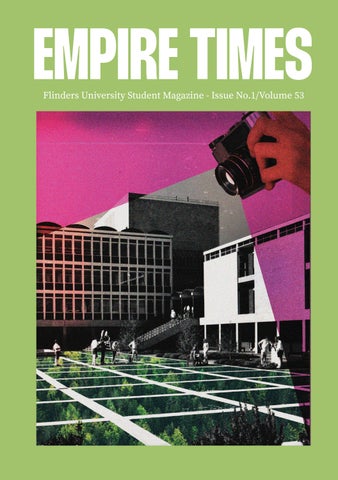
EMPIRE TIMES
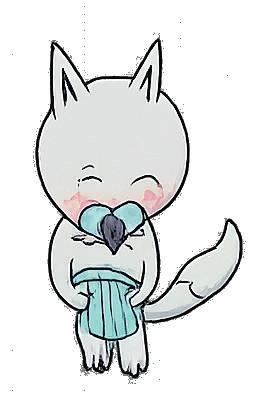
Nina Marni (translation: hello, how are you?).
Nina Marni (translation: hello, how are you?).
Empire Times acknowledges the traditional owners of the lands in which the editors, contributors and readers live, and honour elders past, present and emerging. Bedford Park is a significant site in the complex Dreaming of the Kaurna ancestor Tjilbruke. We write on behalf of the students and faculty on this land, First Nations, Non-Indigenous and Immigrant, who work and learn here. Empire Times is edited and distributed on the traditional lands of the Arrernte, Dagoman, First Nations of the South East, First Peoples of the River Murray and Mallee region, Jawoyn, Kaurna, Larrakia, Ngadjuri, Ngarrindjeri, Ramindjeri, Warumungu, Wardaman and Yolngu people.
We acknowledge that sovereignty was never ceded, and that this land is stolen.
Empire Times would like to acknowledge the traditional owners of the lands in which the editors, contributors and readers live, and honour elders past, present and emerging. Bedford Park is a significant site in the complex Dreaming of the Kaurna ancestor Tjilbruke. We write on behalf of the students and faculty on this land, First Nations, Non-Indigenous and Immigrant, who work and learn here. Empire Times is edited and distributed on the traditional lands of the Arrernte, Dagoman, First Nations of the South East, First Peoples of the River Murray and Mallee region, Jawoyn, Kaurna, Larrakia, Ngadjuri, Ngarrindjeri, Ramindjeri, Warumungu, Wardaman and Yolngu people.
We acknowledge that sovereignty was never ceded, and that this land is stolen.
EDITOR-IN-CHIEF
Evangelia Karageorgos
EDITOR
Amelia Luke
Kailani Petkovic
CONTRIBUTORS
Elizabeth Galanis, Stephanie Goodwin, Mia Guerrieri, Evangelia
Karageorgos, Anna Kennett, Adeline Lau, scar lock, Valentine M Locket, Amelia Luke, Kailani Petkovic, Sabrina, James Speck, Florence Walker, CBattams1984
The editors would like to thank everyone who helped make this issue possible, with special thanks to Kane Midgley, Steph Walker, David Sly, Simon-Peter Hopkins, Riley Harvey, Chloe Phillips and Dr Gergina Wood for their support, guidance and patience along the way. A big thanks also goes to the pets who kept spirits up behind the scenes: Maus (Evangelia’s dog) and Nyx (Amelia’s cat). Amelia would also like to thank her brother Patrick “for watching internet horror like Ben Drowned with me when he was too young and I should have known better”.
DISCLAIMER
Empire Times is a publication of Flinders University Student Association (FUSA). The opinons expressed herein are not necessarily those of the editors, Flinders University or FUSA. Reasonable care is taken to ensure that Empire Times articles and other information are up to date and as accurate as possible, as of the time of publication, but no responsibility can be taken by Empire Times for any errors or omissions contained herein.
media.fusa@flinders.edu.au
08 8201 3309
Editorial 6
Student Council 8
Horoscopes 10
Algae Bloom 14
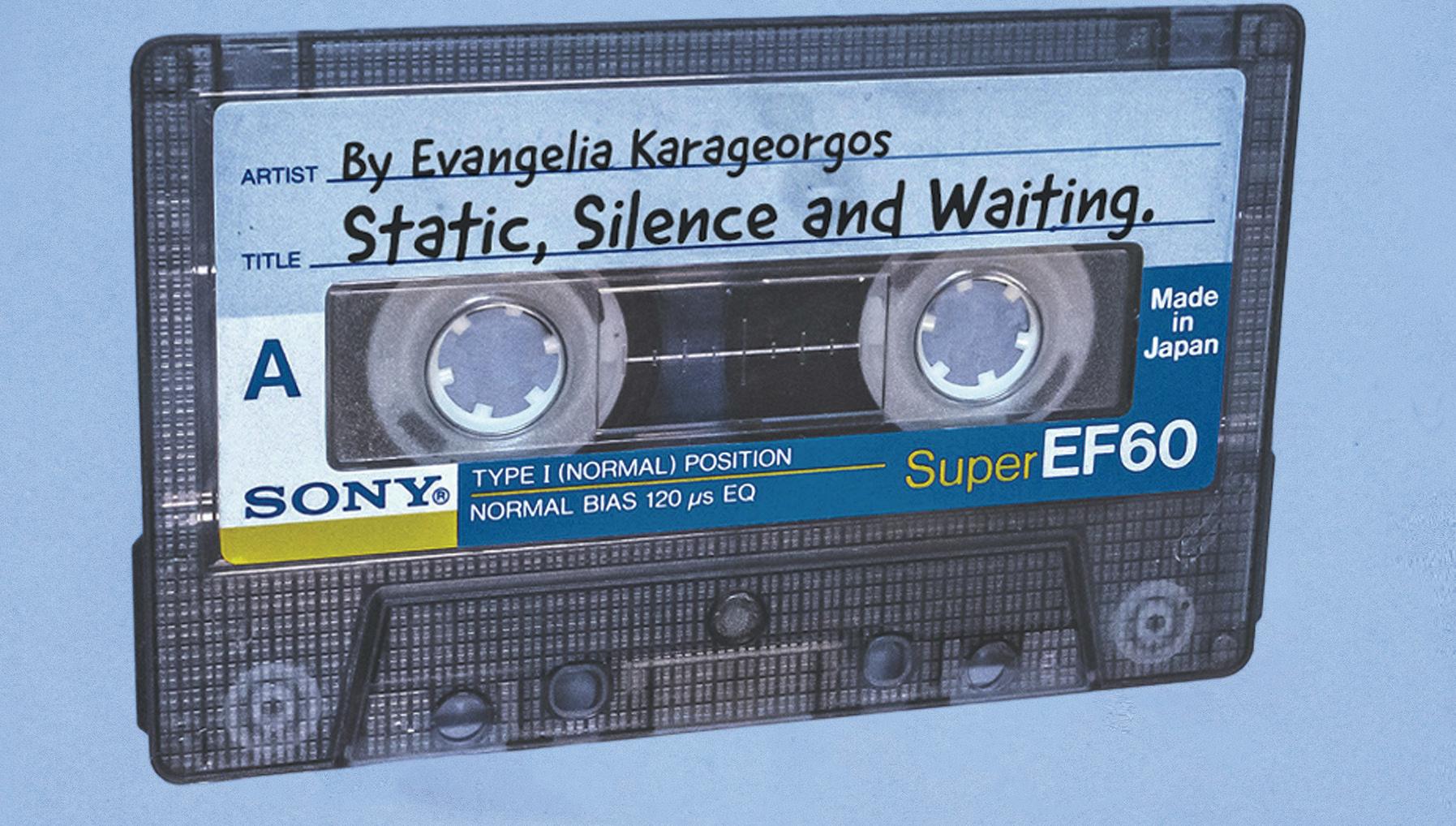
Static, Silence and Waiting 18
Collage 21
Solastagia 22
The University Political Ecosystem 24
Haunted Nostalgia 28
Whatever Happened to Tamagotshi’s? 36
Frog Art 39
Ballad to Banjo 40
The Default 41
Kink and Think 44
Weaponsied Nostalgia 48
A Garden I Remember 50
A Scouts Guide 52
Film Crossword + Competition 54
Sudoku 56
Recipe 57

Editorial, Nostalgia edition
We are drowning in input and barely aware of it.
Screens are on during meals. Scrolling on our phones in the bathroom. Sound in our ears from morning to night. Every quiet moment is filled on autopilot.
It’s not a choice, it’s a reflex. Why are we then surprised when our minds are cloudy, our energy disappears, and we don’t feel motivated to create, or even to function?
Frozen by the fast-moving algorithm that has become our lives.
Boarding and silence aren’t the problem; they are the conditions that we need to think about. They are the space we need to create; they are where our ideas flourish and grow. Where can we finally find the solution to that problem that’s been plaguing us for weeks?
If there’s no empty space, there is no space to think.
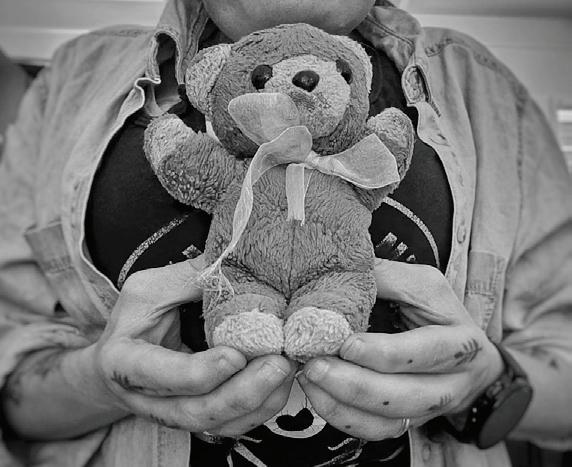
Nostalgia is a tricky thing. Coming from Homeric Greek, it was originally a debilitating homesickness; think Odysseus, separated from his family by war and a hostile sea, longing for home. For the Romantics, it was the desire to go back to a simpler, purer time that never really existed. Nowadays, it’s easy to be cynical about nostalgia, especially with so much of our pop culture devoted to looking back. The trick, as always, is that it’s important to reflect and remember—as long as you move forward too.
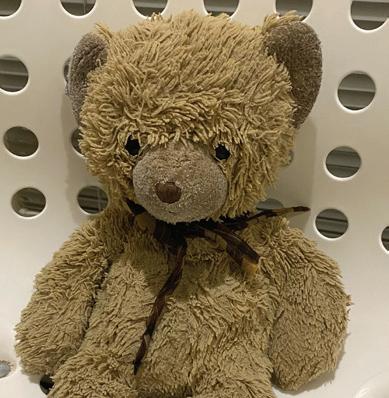
The above picture is of my very well-loved childhood teddy bear Brian. He was named after my dad’s childhood toy, a blue rabbit. Brian Sr. is even still with us, minus his ears!
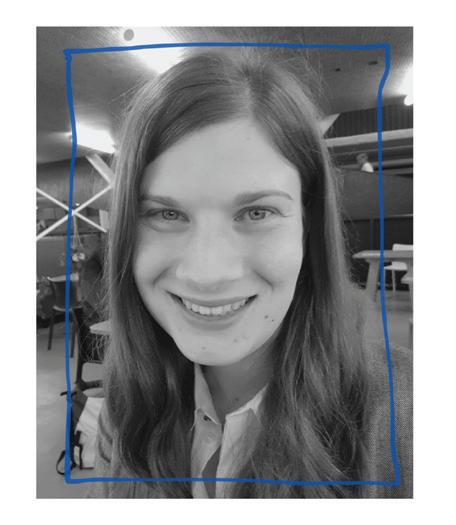
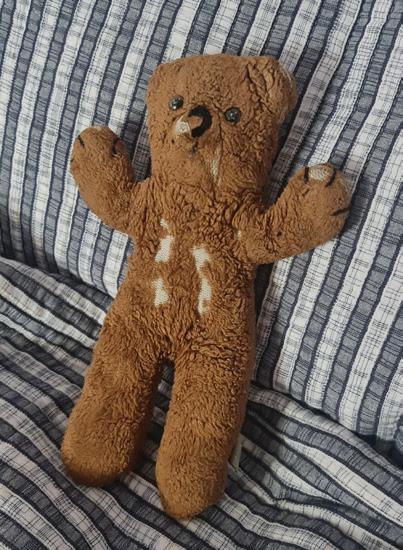
Hey, my name is Kailani (kai-lar-nee), and I am one of the 2026 Editors of the Empire Times. I signed up to be an editor to challenge myself and make new connections with other people at Flinders while doing all the creative things I love as I’m a film student. The picture is of my childhood teddy, whose name is Teddy, I know, I am great at naming things.
Some things I find nostalgic are: the Wii, The Teenage Mutant Ninja Turtles, headbands, barbies, old beach towels, soccer boots, possum magic, dinosaurs, candy bracelets, play-doh, and other random things I can’t think of right now.
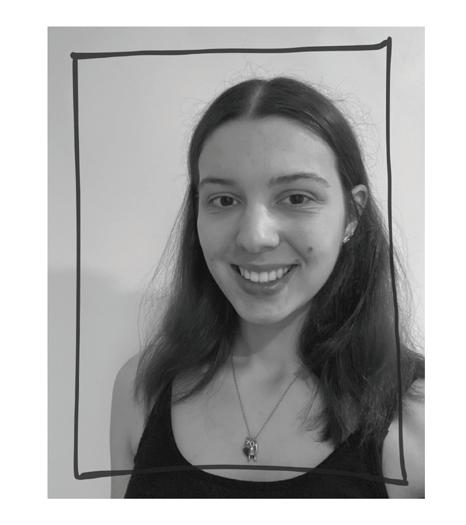
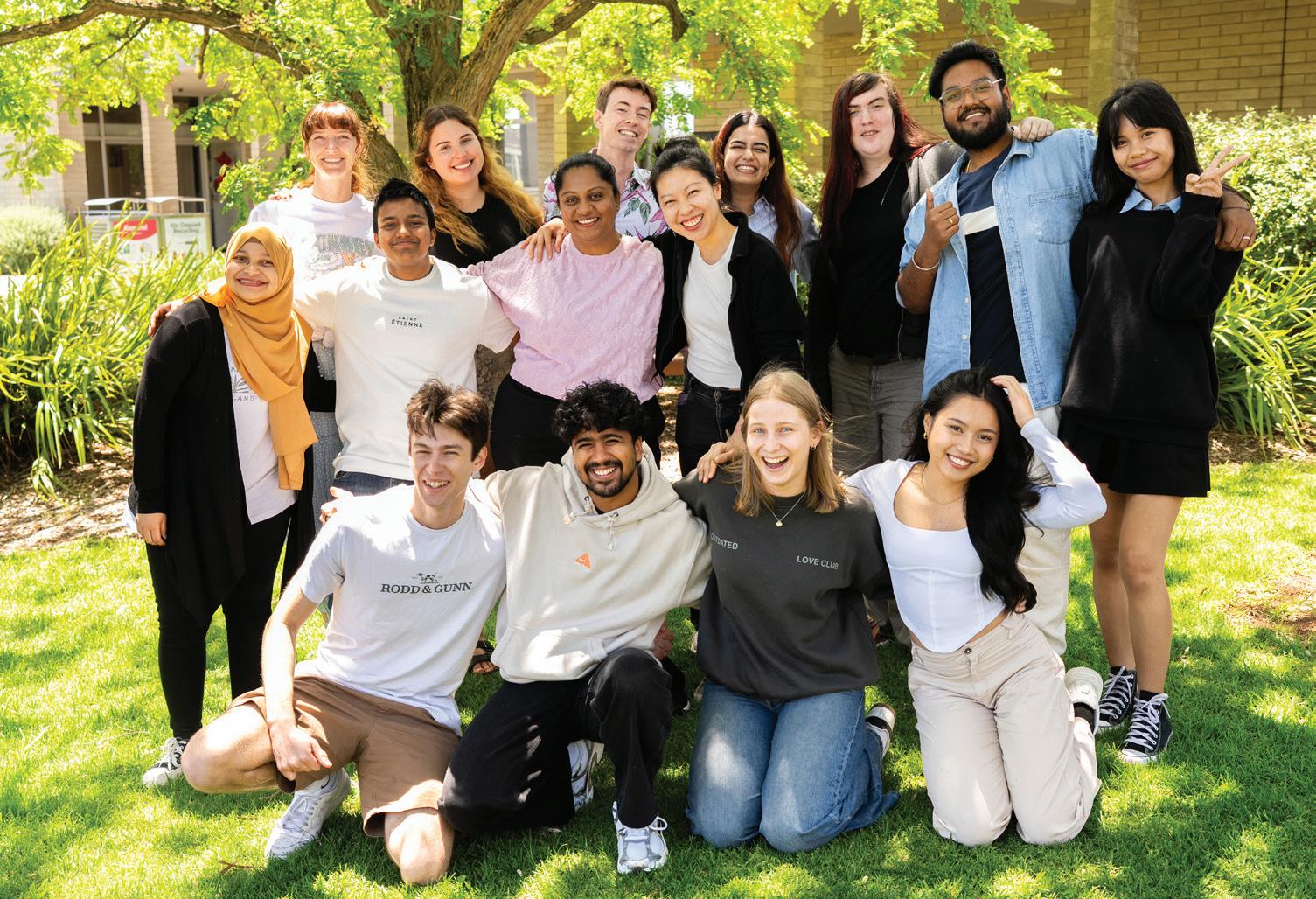
Recently, we sat down for lunch with FUSA Student Council and staff to get to know the people behind the roles. Student Council officers juggle study, work, and campus life, while advocating for practical changes students feel day to day. Here are three officers to watch this year, and what they’re keen to hear from you about.
What is Student Council? And what’s FUSA again?
Student Council is a group of elected student officers who represent different student communities and focus areas across Flinders. Their job is to listen, advocate, and push for changes that improve student life on campus. You can find a list of all your SC members on our website> fusa.edu.au/studentcouncil FUSA is the Flinders University
Student Association. We represent and support Flinders students through advocacy, student representation, events and community programs, plus practical services and support that help make uni life a bit better and a bit easier.
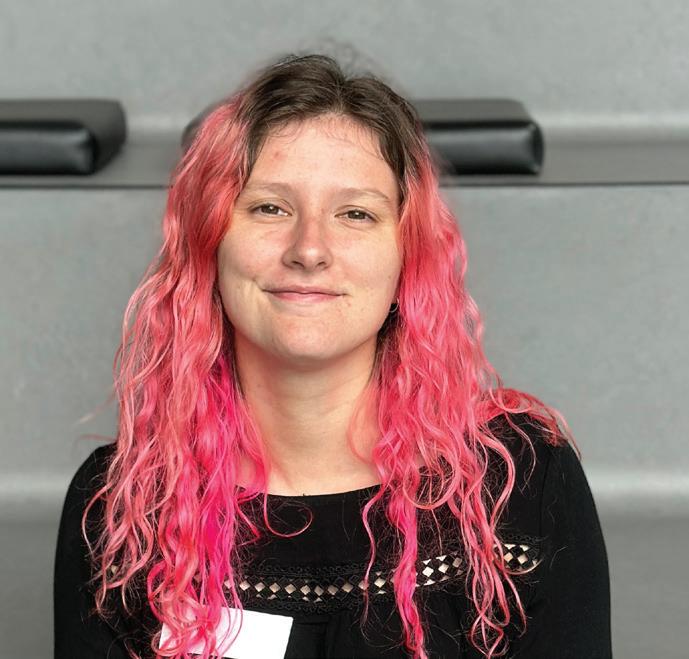

Maddy is studying Palaeontology and Biodiversity Conservation and also works at Naracoorte Caves as a tour guide. As Environment Officer, she’s keen to hear student ideas for sustainability on campus, including how Flinders labs could be more environmentally sound. She’s also interested in trialling more reusable beeswax wraps as an alternative to plastic glad wrap.
Alani Mae is studying while working three jobs. She works in retail, as a chef supervisor in a restaurant, and with the Flinders admissions team and City Campus services supporting prospective and current students. She wants to learn from students about changes that could better support wellbeing on campus, including activities and services you wish already existed.
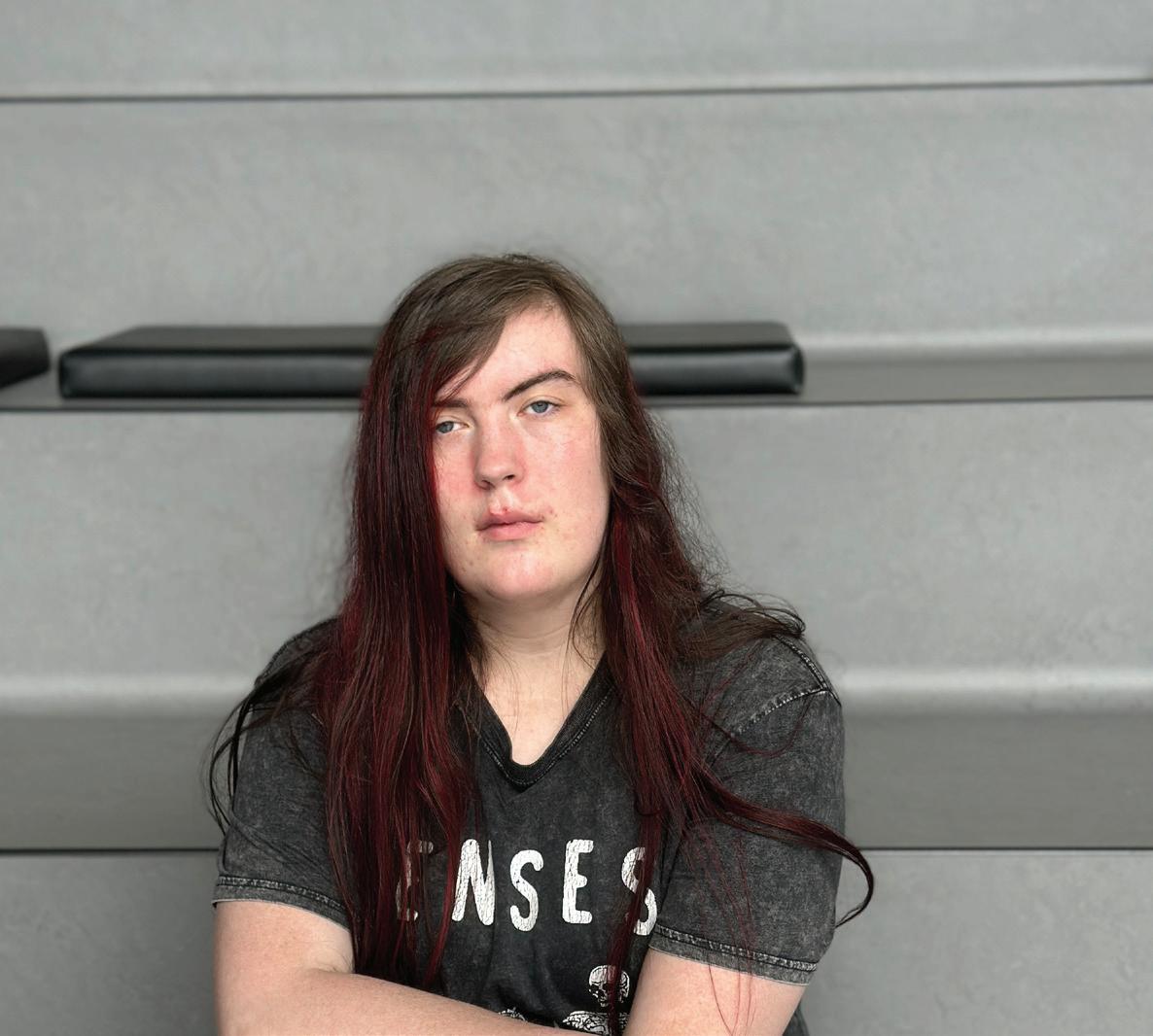
Sheyanne is studying Creative Arts with a major in Philosophy. They love tabletop gaming and community-based writing. They’re keen to hear what would make Flinders a safer space for the queer community, especially in line with the FUSA LGBTQIA report from 2024 and it’s updated survey and report this year (more on that to come!)
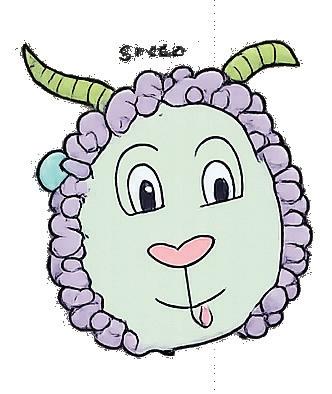
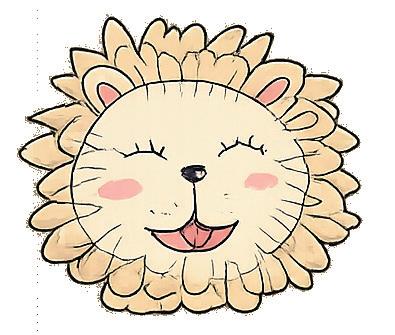
If someone says you can’t do it remind them of that courageous beast you are and step on them. Also make sure to wear your best pair of shoes to do so. There is always an excuse to look your best, even if that excuse is to step on someone. Get some extra caffeine in your system, even if it makes you sick, and rule your workplace.
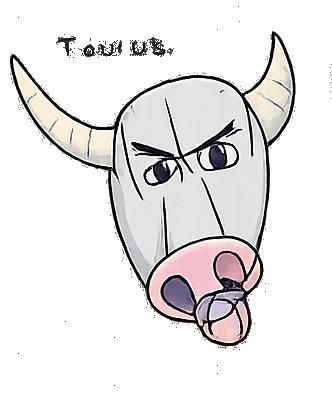
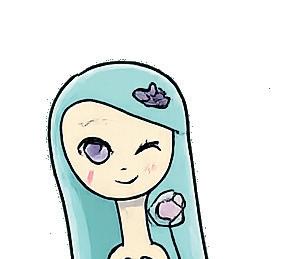
Embrace your inner mad evil CEO and use all your connections wisely and to your benefit. As nicely as humanly possible of course, not to say you will be mean but if you must, then you have permission. Ring a friend (do not send them a text otherwise the next part won’t happen) and catch up with them, you will enjoy yourselves.
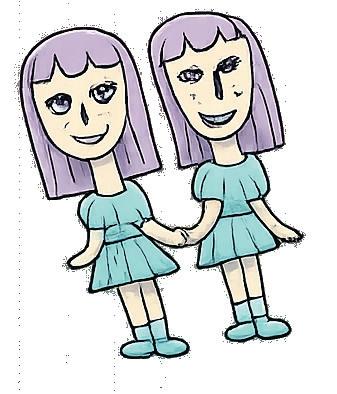
Next time someone tells you that you are two faced remind them that you have two good sides. Not everyone gets two sides of their face that has a whole personality. Also, please don’t annoy any lizards otherwise bad things will happen, it is not predicted what bad thing this will be, but it will be bad. Maybe just avoid everything that has scales?
Words by Kailani Petkovic
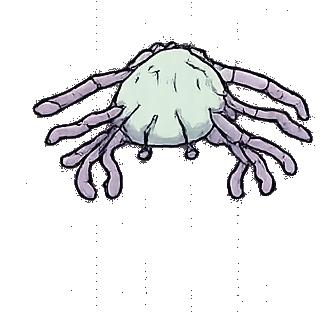
You are NOT emotional you are simply in tune with your emotions. Others are jealous of how you know what you’re feeling and when you’re feeling it, people pay for that skill. Another thing in tune is your musical ability, sing a song (with or without skill) and give someone a free concert, in this economy they will thank you.
Get everyone you know in shape, lead that fitness comeback and get everyone fit for December 2026! No one will recognise any of you. Share that spotlight around and physically get up on a ladder to move it over to include everyone, why shine alone when you can shine together? Speaking of shining, go listen to Umbrella by Rihanna.
Add a bit of spontaneity to your routine, do everything twice instead of once, like brushing your teeth (which I hope you do twice a day anyway). Then buy a piñata, tie it to your bedroom roof and bash the shit out of it, it WILL make you feel better. Then count each candy and make sure the company put the same amount of each, and if its uneven send them an email to alert them of their illogicalness.
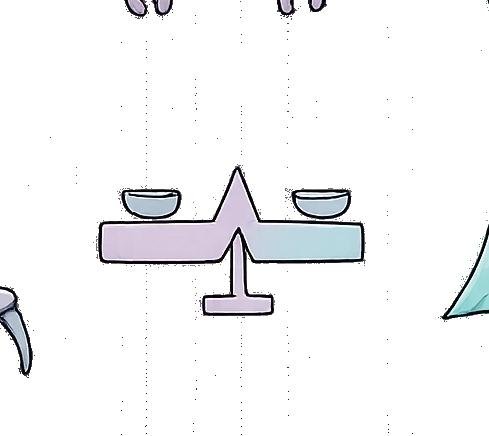
Break into a courtroom and just listen and decide what fate the guilt should get, you’re probably the best judge in that room anyway. It is recommended that afterwards that you sneak back out and pretend you were never there. Another thing to sneak out of is any possible arguments that could occur between anyone or anything, because why bother with that? Relationships are harder to keep shit free then a car windshield.
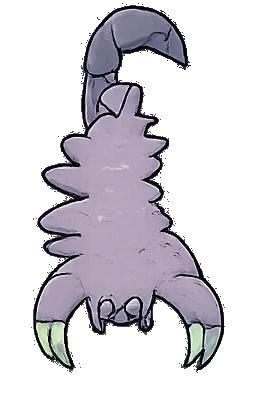
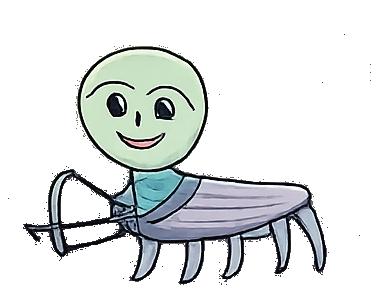
Choose your favourite pop star of the week and stay loyal to them until death, or until an allegation that is proven correct gets released to the public. Then you can choose another and keep the cycle going, you’re not bad luck, they are. Make sure not to tell anyone your favourite flavour of ice cream, because that’s a secret no one can know. Even if it is vanilla or something, which is boring, but will always be available.
Stop telling everyone about how you are going to climb mountains and start doing it, everyone is getting sick of it. When you get to the top of the mountain, please take a picture to prove to the world that you did in fact climb it. Then preach how global warming will stop because all the major companies will reduce their pollution output, well at least someone believes it.
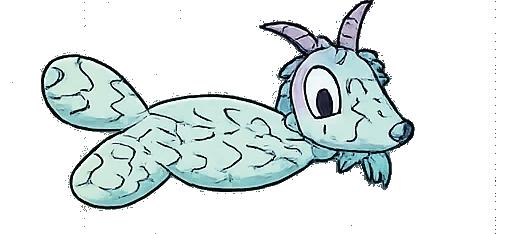
Change your phone case, it is getting old and no, it is not a ‘look’. Just because you don’t want to admit the crack is actually a crack and not a design feature. Keep working on that big old book you are reading, you might not get to the end tomorrow, or next week, but you will eventually! You also don’t need to iron your clothes before you wear them, no one can tell.
You are exactly who you think you are when you are in a good mood and not overanalysing everything you say or do. Keep doing those little things that make the world a better place, like not throwing your plastic cup on the ground and actually putting it in the correctly labelled bin. You know it’s the bare minimum but not everyone does, so spread the good word of being decent and whatever other interest you have this week.
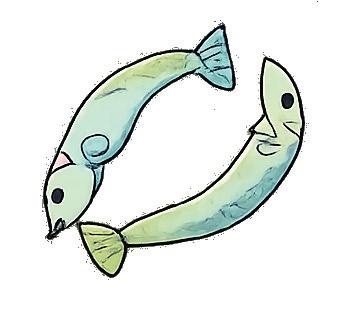
Paint on your walls, you only live once. Unless you don’t own the property you live in, then put up some paper and then paint your walls! Still fun and arty as long as you make sure the paper is the same colour as your walls. With the rest of the paper you can build a castle and be the king or queen that place needs, they would suffer without your ability to know what the people need.
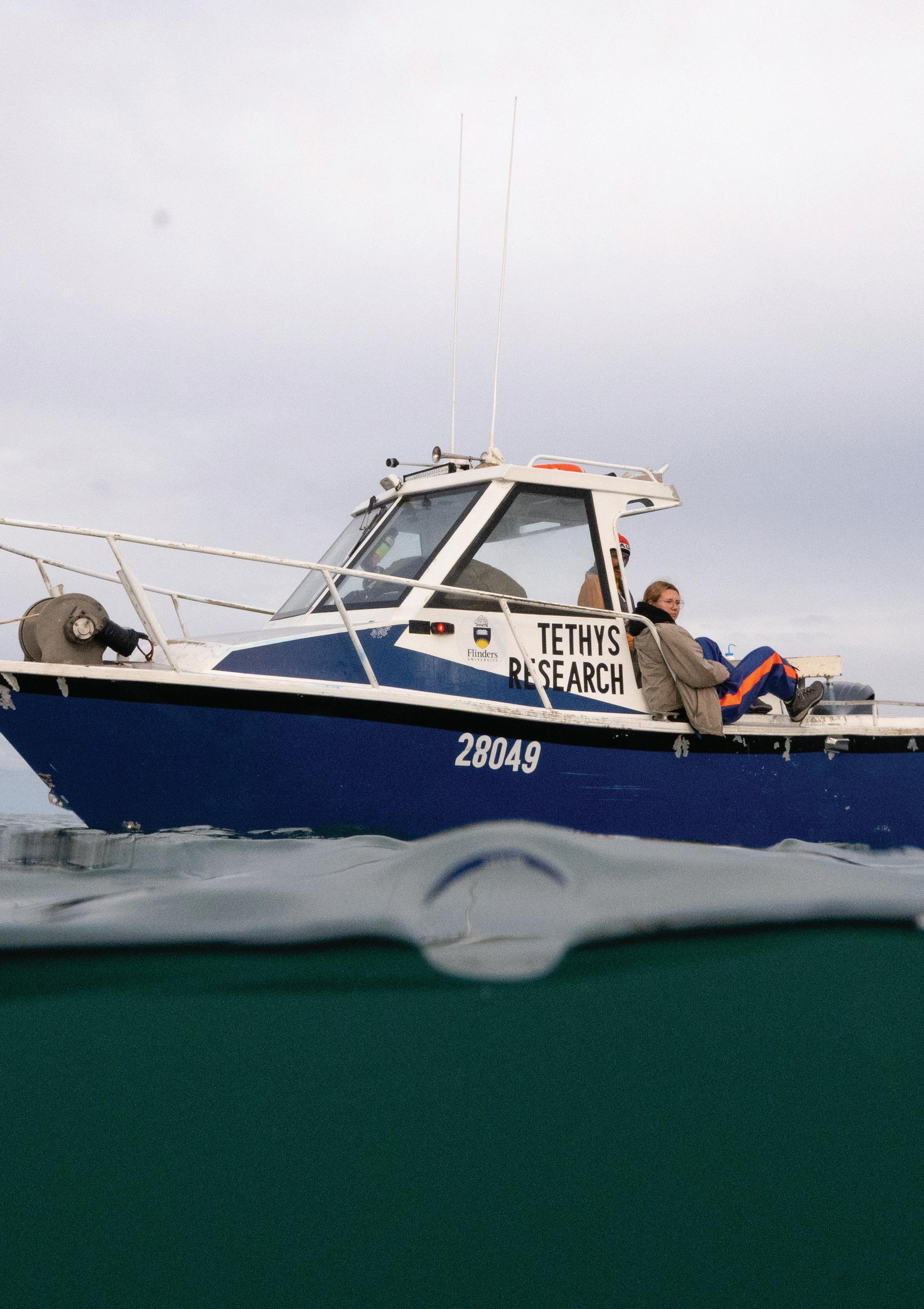
The Algal Bloom has transformed South Australian oceans from the once picturesque popular hangout spot to a foamy graveyard. If you live in South Australia, you are sure to have heard of the Algal Bloom, reported by the South Australian Government as starting in March 2025 and it now stretches across all 3 peninsulas. In essence, the Algal Bloom is an increase in the karneia algae species, an algae species that is naturally present in ocean waters, but in high amounts causes foamy and discoloured water.
What caused the current Algal Bloom is currently unknown but has been reported by the South Australian Government as a likely combined effort of:
• ‘First, flood waters from the River Murray in 2022-23 flushed large amounts of nutrients into the sea.
• Second, during the summer 2023-24, a major upwelling event transported additional nutrients to the surface and pushed them towards the coast.
• Third, a marine heatwave that began in September 2024 elevated water temperatures to approximately 2.5°C above average.’
From the Government of South Australia ‘About the Algal Bloom’ online page.
There is lots of varying health advice as to how the Bloom affects humans and what to do to stay healthy, and it can feel overwhelming. The key take home from all the health advice is: if you feel sick, remove yourself from the beach. When waves hit the shore, the algae particles are aerosolised, put into the air, and ‘algal particles can cause shortterm irritation including:
• skin irritation
• eye irritation
• cough and shortness of breath.’ From the Government of South Australia ‘Health Advice’ online page.
To give insight the current Algal Bloom is Dr Georgina Wood, ARC Early Career Research Industry Fellow at Flinders, who I was lucky enough to have a chat with to
further understand the Bloom. Dr Wood has seen various algal blooms before, both freshwater and marine blooms, ‘which are pretty common around the world and in Australia, but generally they are a lot more short-lived’. The cause of this current Harmful Algal Bloom is still being investigated and while no one is ‘completely sure what caused it, there are a number of promising avenues’. There is unfortunately not a time machine which can take all the marine scientists back to early 2025 to do extensive testing. One of the most convincing arguments is that the 2025 marine heatwave, one of the most severe on record, contributed to the initiation of the algal bloom. ‘There is also evidence from overseas that algal blooms are increasing with warmer waters and marine heatwaves’ which are rapidly increasing under climate change.
Misconceptions about the Algal Bloom have spread quickly as the situation evolves. Dr Wood mentioned one of the biggest is ‘that people are not working on the causes, impact and mitigation of the algal bloom. Many people across government, universities and the general public are working hard on these issues’, while reminding us all that ‘it takes a long time to do good science.’
Marine organisms of all sizes have been heavily affected by this bloom as ‘theres not just one thing that kills, there are unfortunately many ways for marine organisms to die.’ For example, marine animals can die from ‘algal toxicity and burning of the gills, but there is also potential amplification through the food chain or loss of food sources
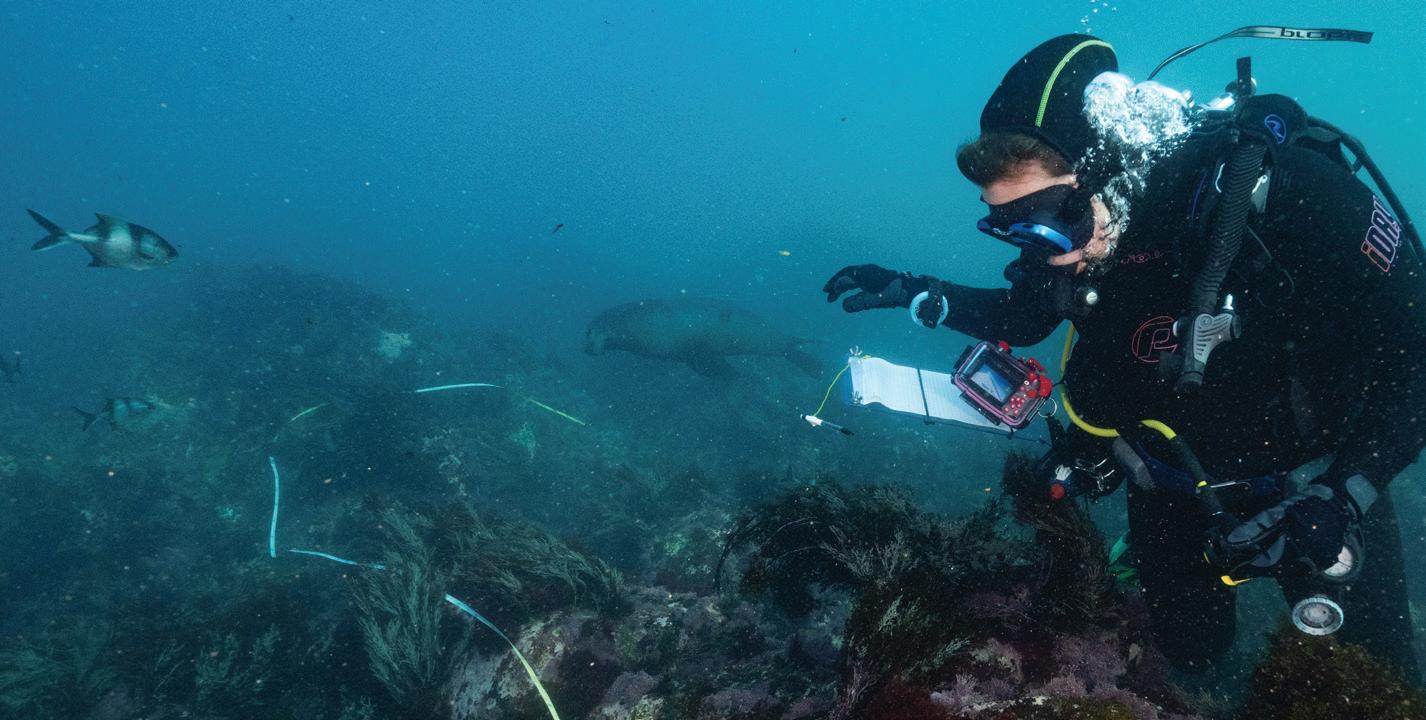
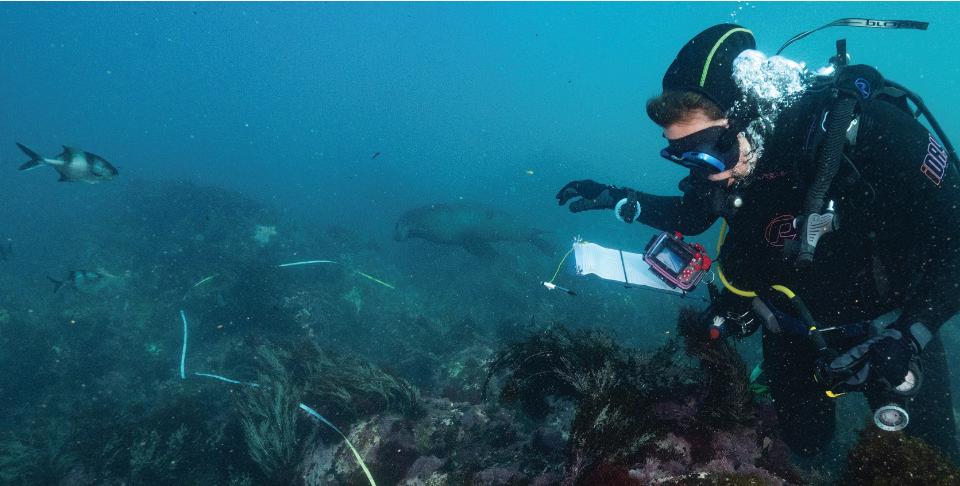
that can affect some of the higherlevel predators’ such as sharks. These animals have been witnessed to also be behaving differently due to the changed conditions in the ocean. Dr Wood noting that during the underwater survey work she conducted that she saw ‘a lot of fish that were swimming in circles’ and ‘there were reports of a lot of deepwater species that were coming up into the shallows likely in search of more oxygenated waters. Definitely the most devastating but also weirdest dives I have ever done.’
Recovery for South Australian Ocean ecosystems is more complex than the harmful algal species returning to pre-bloom levels. But be assured, there is research being
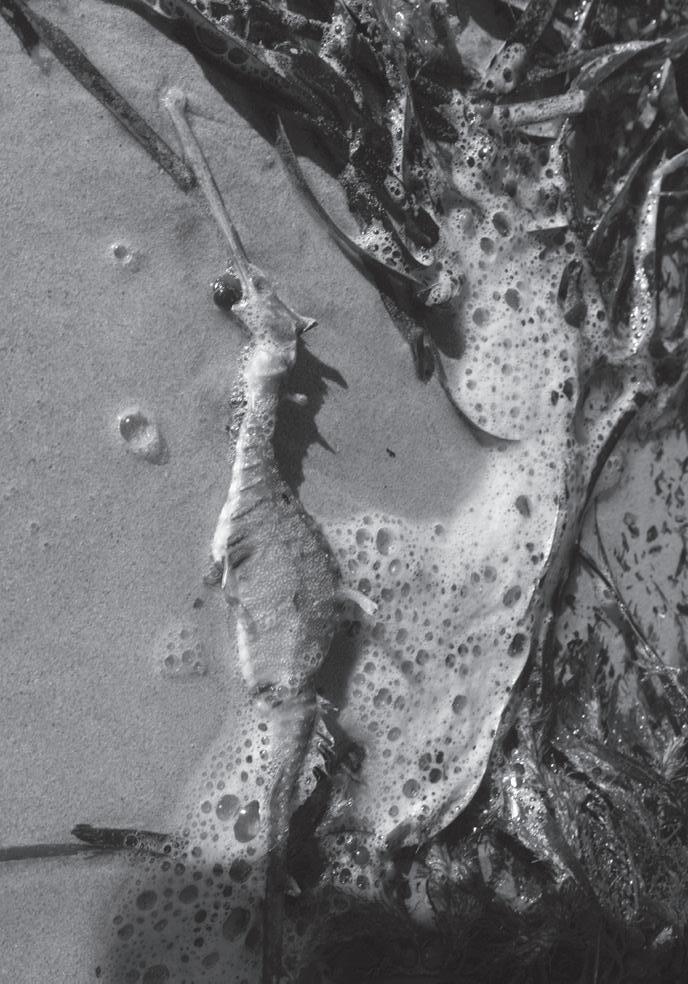
conducted on lots of areas of the marine ecosystem. For example, Dr Wood has just started a big project looking at the impact of the algal bloom on our local kelp forests. ‘They are extremely important parts of the ecosystem, for example some seaweeds overseas are known to harbour bacteria on their surface that can actually mitigate or kill karenia (harmful algal bloomcausing) species.’ At Flinders ‘many of the marine scientists have been working together with Government to assess the impacts of the bloom, which is work that is still ongoing”. While many Flinders marine researchers are keeping busy assessing the impacts on the South Australian marine ecosystem, many agree there is a long recovery journey ahead.
If you are a marine student and interested in learning more or want to know who to contact at Flinders Dr Wood recommends you get in touch with the Marine and Coastal Research Consortium.
Both SA Water and SARDI were contacted but did not respond to comment for this article.
I am an ‘80s kid; I grew up in a time with landlines and commercial TV. I remember when the internet first became something we all started to use, and smartphones were not a thing. Nostalgia for those simpler times visits me often. There is a special spot in my mind and heart for the media I grew up with and around. It was not ultra-realistic; it often had puppets, and there were no streaming options or algorithms telling me what I should be consuming.
I watched commercial TV, and took the opportunity to dart out of the room for a snack during the commercials, only for my sibling to yell, “Hurry up!” when our show came back on. There were cliffhangers, and I had to wait a week for the next episode.
It had a special kind of magic. Taking our attention for just a moment and sticking with us for years.
The media I consumed as a child came with limits. I had to wait for my favourite cartoon to air at a specific time, and often it was days or even a week before the next episode aired. And if I missed it? Oh well, bad luck, hopefully I will get to catch it someday as a repeat. Theme songs were mini-events, and cliffhangers were painful, with some lasting a year before I got any answers. When I finally got to talk about the episode with friends the next day at school, it felt like we were part of a club.
The waiting made things feel important; we had to be patient. But it was not just TV shows that helped shape my youth. There were movies at the cinema, on VHS, and eventually on DVDs. Watching one was a commitment; I would have to sit through the warnings, the previews and the opening credits. I even had the warnings memorised.
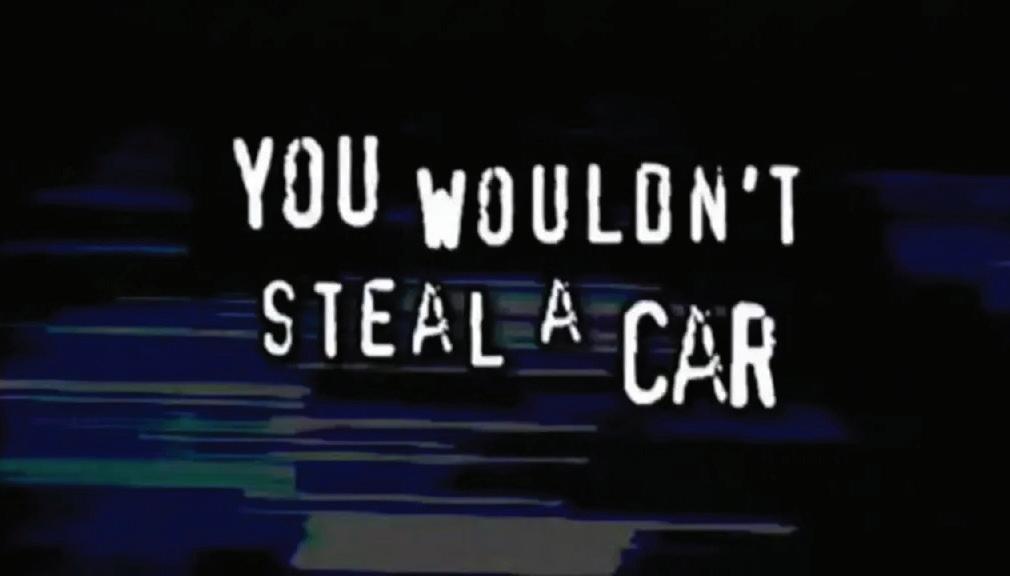
Rewinding a VHS before I returned it to the video shop wasn’t just polite; it was a rule. And when a movie went fuzzy or skipped, I didn’t complain because that was just part of the experience.
Then there were video games. Games that often didn’t hold my hand and gently lead me through. Tutorials were short or nonexistent, and figuring things out was just part of the fun. If I was were stuck, I had to experiment, ask a friend, or search through a dog-eared guide. Multiplayer meant being in the same room, crowding around one screen, passing controllers, and arguing over whose turn it was.
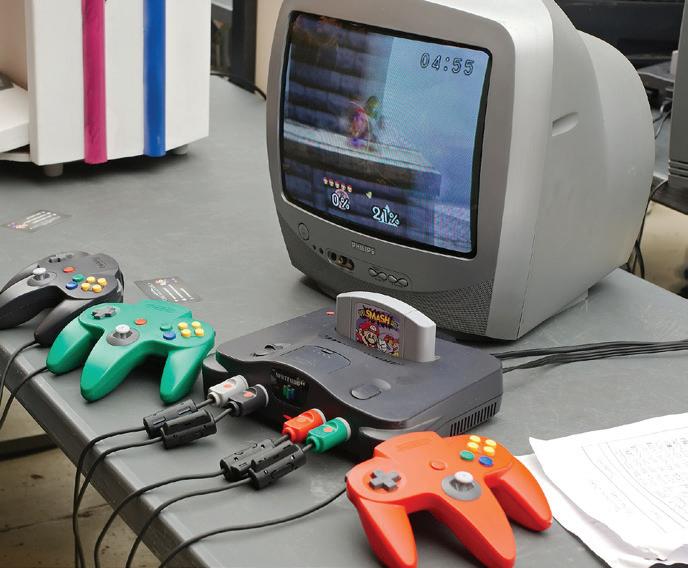
Winning felt amazing, but losing was loud and memorable.
Then there was music; I didn’t have instant access to every song ever made. I had to listen to what I owned over and over again, until those tracks became part of my routine. There were long car rides with the same playlist, or only a few albums to pick from. I borrowed physical tapes or CDs from friends or family and made copies. I crouched over a tape deck and tried to capture the song I liked at the right moment when it played on the radio.
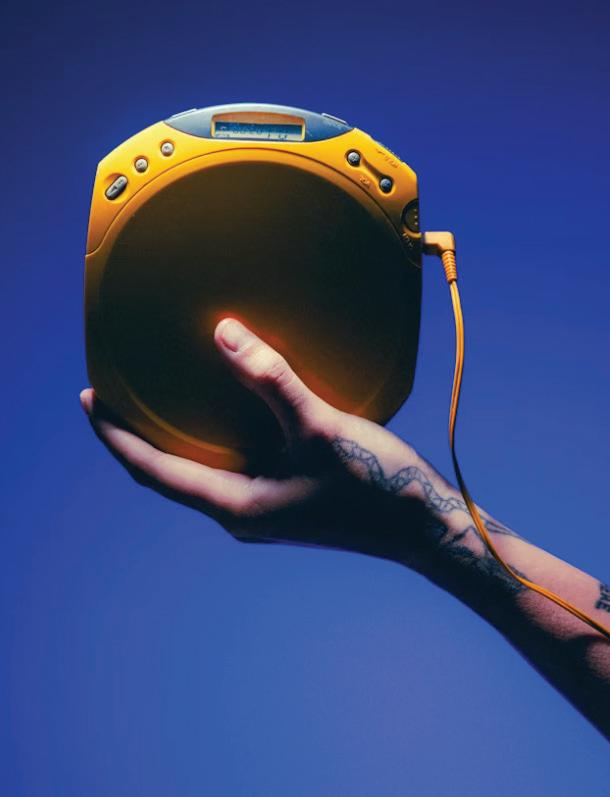
Those moments feel simpler, not because life actually was, but because the media gave us shared experiences and clear boundaries.
In today’s world, media is faster, bigger, and more available than ever.
And that’s not a bad thing. But the nostalgia for these old moments reminds me of something important: that limitations can create meaning. Waiting, rewatching, replaying, and sharing moments in real time made media feel more personal. I remembered it, connected it to a time, place or person, and it became part of my life. Now it rushes through me: the next new thing is available, and I find myself quickly moving on. This makes me sad for the generation that has grown up in this digital world.
Nostalgia has allowed me to press pause on the present digital saturation and remember what it felt like to be wide-eyed, excited, and completely absorbed in the stories that helped shape me. It allows me to re-engage with the feelings of expectations, patience and excitement those days brought.
Have you ever felt homesick… but you’re still at home?
Homesickness is familiar — a longing for the place you call home, also known as nostalgia (from nóstos meaning “homecoming”, and álgos, “pain”). Usually, it strikes when we travel or move away. It was first used to describe the anxiety felt by soldiers who longed to travel home, but what if your home changes so much it no longer feels like home?
Imagine a flood, cyclone, drought or bushfire leaving your surroundings unrecognisable. A local coal mine polluting your air and water, or rapid urbanisation replacing trees with concrete. You’re still at home, yet you ache for what it used to be. Home no longer brings solace.
This is solastalgia—nostalgia for a home that’s been altered beyond recognition. The term was coined by an Australian scientist and philosopher two decades ago. Australians know this feeling well; Missy Higgins even named an album after it. Colonised peoples, such as Indigenous Australians, have endured it for decades, and now increasing environmental disasters fuelled by our changing climate are making it universal.
In 2019, Australia faced the “Tinder Box” drought, followed by the Black
Summer bushfires that scorched millions of hectares and blanketed cities in smoke. Then came record floods, rare cyclones, some of the hottest years on record, and, of course, South Australia’s unprecedented toxic algal bloom. Meanwhile, Adelaide destroys an estimated 75,000 trees annually as urbanisation accelerates. Have you felt solastalgia yet?
And it’s not just solastalgia. A wave of terminology for eco-emotions is being created: eco-anxiety, ecoempathy, eco-guilt, eco-fear,
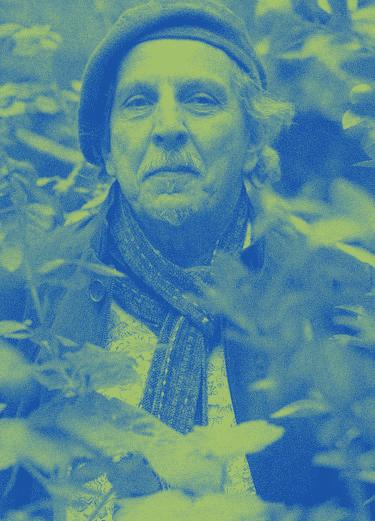
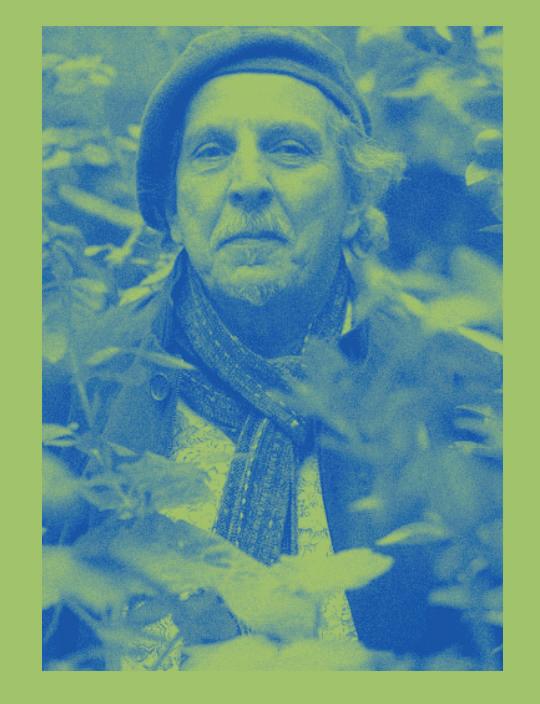
Glenn Albecht, the Australian scientist and philosopher who coined Solastalgia
eco-paralysis, climate trauma, eco-grief, eco-anger—the list goes on. Two-thirds of Australians experience eco-anxiety, and nearly half say it affects their daily life.
So, what can we do to reclaim our solace? Governments mostly react after disasters, funding traditional counselling interventions that treat distress as an individual disorder. Research has only just begun to explore interventions for eco-emotions. We don’t know what will best soothe our pains yet, but taking action for the environment is thought to be one of the most promising interventions outside of traditional therapy.
What can you do for nature today? Whether it be by writing to a local MP, joining a protest, spending time in a natural ecosystem, or changing our behaviours to make our footprint on the earth a little lighter, turning our attention towards a better future may ease the burden of our feelings about the past. We are not separate from nature, we are a part of it, and when the land suffers, we suffer. Restoring our relationship with nature can not only help to heal our wounds, but prevent wounds for future generations, and reduce harm to the ecosystems that sustain life as we know it.
Opinion piece by James Speck
Flinders student politics is dead. At least, for now.
What struck me when I came to this university in 2025 was how lifeless our student politics seemed to be. While Australian universities aren’t known for their student life, the state of Flinders University isn’t normal. Our political ecosystem is broken.
I’ll start with our recent student election – the faction FIRE-UP (unofficially Labour Rightassociated) dominated electorally. The only other faction, Fair Dinkum, came in a distant second; however, there isn’t an actual analysis of the results released thus far.
This election was marked by a lack of competitiveness and political diversity. Whilst watching the presidential debates, I could barely separate the genuine policies of each candidate, bar the incorporation of Flinders University Student Association (FUSA). Moreover, and in a broader sense, having just two parties and independents contesting this election is not normal. I implore you to look at Empire Times editions for elections past: Activate, Unite, Grassroots, and Left Action have all run, each with varied ideological differences.
The turnout of the election seems to exemplify the general apathy held by students. Through emailing the returning officer, you can learn we had a turnout of only 5.79% of eligible voters for student president, and a demoralisingly low turnout of 3.22% for National Union of Students (NUS) delegates. This is a far cry from what it used to be – as seen in Empire Times issue 46.8, the 2019 election had a turnout of 9.50%, and none of the elections between 2016 and 2019 had a turnout as low as this election.
This shift seemed to begin in 2023, when the previous dominant faction, Activate, was kicked out of power, a blow they failed to recover from. This left FIRE-UP as the dominant faction, which came about as a merger between Grassroots and Unite. Only Left Action remained following this, but even they failed to stand any candidates in the last election.
To a degree, this is expected. The quick turnover of students at the university means that organisations without new recruits stop existing – but even in comparison to other universities, Flinders’ political student life is scarily nonexistent.
Present in many Empire Times’ issues past, we’ve had the Flinders Liberal Club, who are now seemingly defunct. Whilst Socialist Alternative wanes here, at Adelaide University its presence has become a mainstay. Likewise, the Greens have no organisation here, both through the disappearance of Grassroots and the lack of a Greens’ club. This is not to say that I agree with the beliefs of all these organisations, but the absence of any actual presence of different groups is not something to be celebrated.
The problem is structural. There are low incentives to vote, and most positions are individually elected. This leads to a system heavily incentivising large political factions and disadvantaging independents. With large factions being so dominant, this leads to them being the main way for students to get involved in student politics, however, they are often inaccessible. I asked FIRE-UP how they recruit, but it’s a closed off faction – functionally a clique. This not only discourages people genuinely interested in running but also encourages the faction to maintain the status quo, leading to a student council with little pressure to take genuine action.
This is reflected in the recent restructuring. Previously, the student council called “for no sham redundancies at Flinders University” when FUSA launched their “Cut the Restructure, Not the Jobs!” Campaign in 2019. This was against a restructure similar to, albeit bigger than, the recent college restructure, which has just led to 30 academic positions being made redundant. These layoffs include Associate Professor Jochen Kaempf, a leading oceanographer working on the algal bloom. Outside of the negative impacts this has for research and the state, this has led to 70 PhD students losing access to their supervisors, and there are concerns that further cuts to the Humanities will follow.
FUSA has, frankly, given little indication that it cares. An uncompetitive environment and general student apathy means there is nothing pushing FUSA to act to protect students or prevent damage to the university. As it stands, I believe that the current state of FUSA is unsustainable and it may become unable to act in the best interests of students. It can deliver services, amenities, and more, but without competition, it increasingly fails to fight
against changes happening to the university, even if the changes negatively impact students.
So, as a student, what do you do?
Well, you can still make change. If you care about something, whether it be issues like restructuring, budget cuts, or whatever inevitable unpopular decisions will occur, it is still possible to fight. But, crucially, you (WE) have to organise. Though there may not be an easy structure for combating your issues, being complicit in the apathetic nature of our system is not the only way. Make an organisation that connects with others, talk to the media, make posters, make a club or a faction, even run for student election.
You may be one individual, but change is never going to happen on its own. While action is not easy, the only alternative is our state of affairs getting even worse.
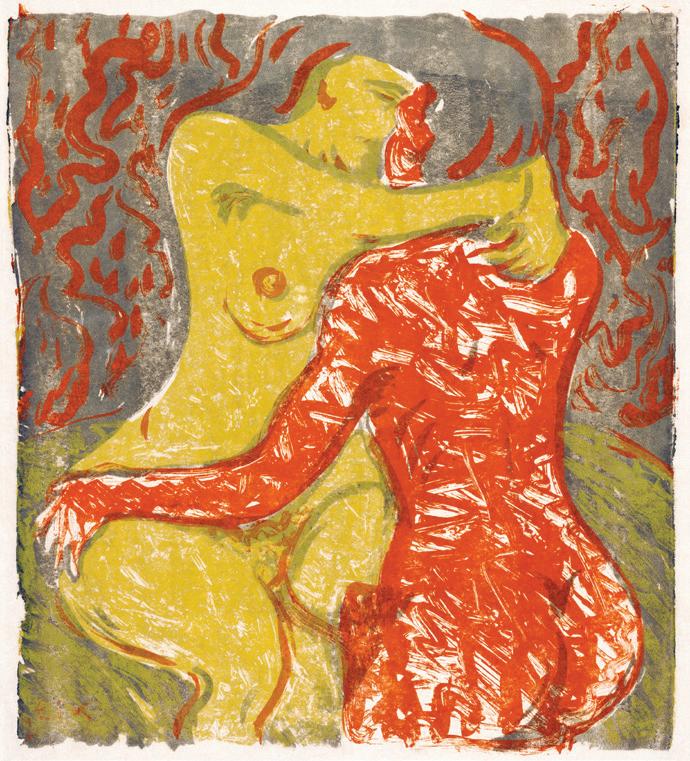
Can the past haunt the present? Nostalgia is bittersweet, the warm memory of something that’s come before, but also the sadness of something that’s gone. Coined in the 17th century, it first referred to the pain of homecoming—perhaps no wonder that nostalgia is a rich vein of horror, exploring past pains and fears from the safety of the present. What from your childhood still scares you?
Words by Amelia Luke
In 2000, The Legend of Zelda: Majora’s Mask was released for the Nintendo 64. It’s a unique game in the series, where the protagonist Link is trapped in a Groundhog Day loop, trying and failing to stop the moon from falling and destroying the world. It’s unusually dark and often morbid, such as how you transform into different forms by wearing masks created from the spirits of the dead. To a child, it’s a strange and disconcerting chapter in an otherwise heroic and upbeat series. No wonder someone would write a horror story about it.
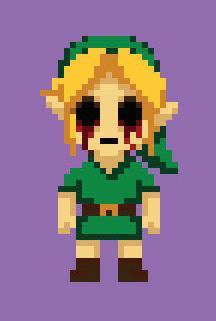
In 2010, a college sophomore finds a used copy of Majora’s Mask: it may or may not be haunted by the ghost of a child named Ben. Footage of the in-game haunting is, of course, uploaded to YouTube. Now the most famous example of a ‘haunted video game’ story, BEN DROWNED is all about the horror of revisiting something from one’s childhood and finding it to be wrong. It was also perfectly timed to capitalise on Nintendo 64 nostalgia—if you played the original game as an eight-yearold, you were now eighteen, just like the protagonist (I was sixteen, but close enough!).
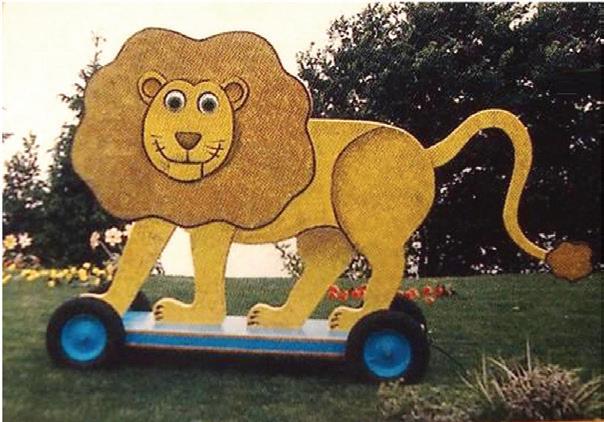
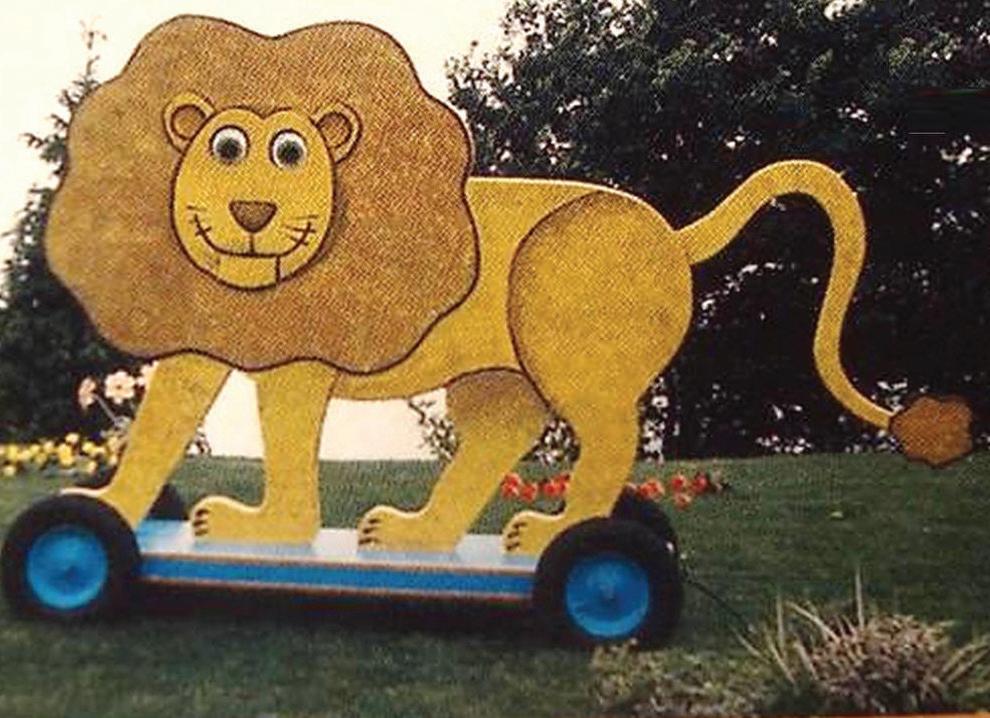
BEN DROWNED was part of a 2010s wave of internet horror where a childhood favourite (e.g. SpongeBob or The Simpsons) would secretly contain horrific and/or mindshattering content. Sometimes, these would even turn out to be real—like the banned episode of Teletubbies where a terrifyingly uncanny lion puppet chases a bear while shouting, “‘I’m scary on the top and I’m scary underneath”.
It’s only natural these urban legends based on real media would go on to inspire horror about fictional media too, where a nostalgic idea from the past comes back to haunt the present—see short story turned TV show Candle Cove or the video game series Five Nights at Freddy’s
Analog horror, a popular online subgenre of the 2020s, is all about YouTube uploads that resemble fake ‘90s shows and VHS recordings. There’s a comfort and fear alike to be found in this retro aesthetic, which, interestingly, is often made by young adults who weren’t even born before the turn of the millennium.
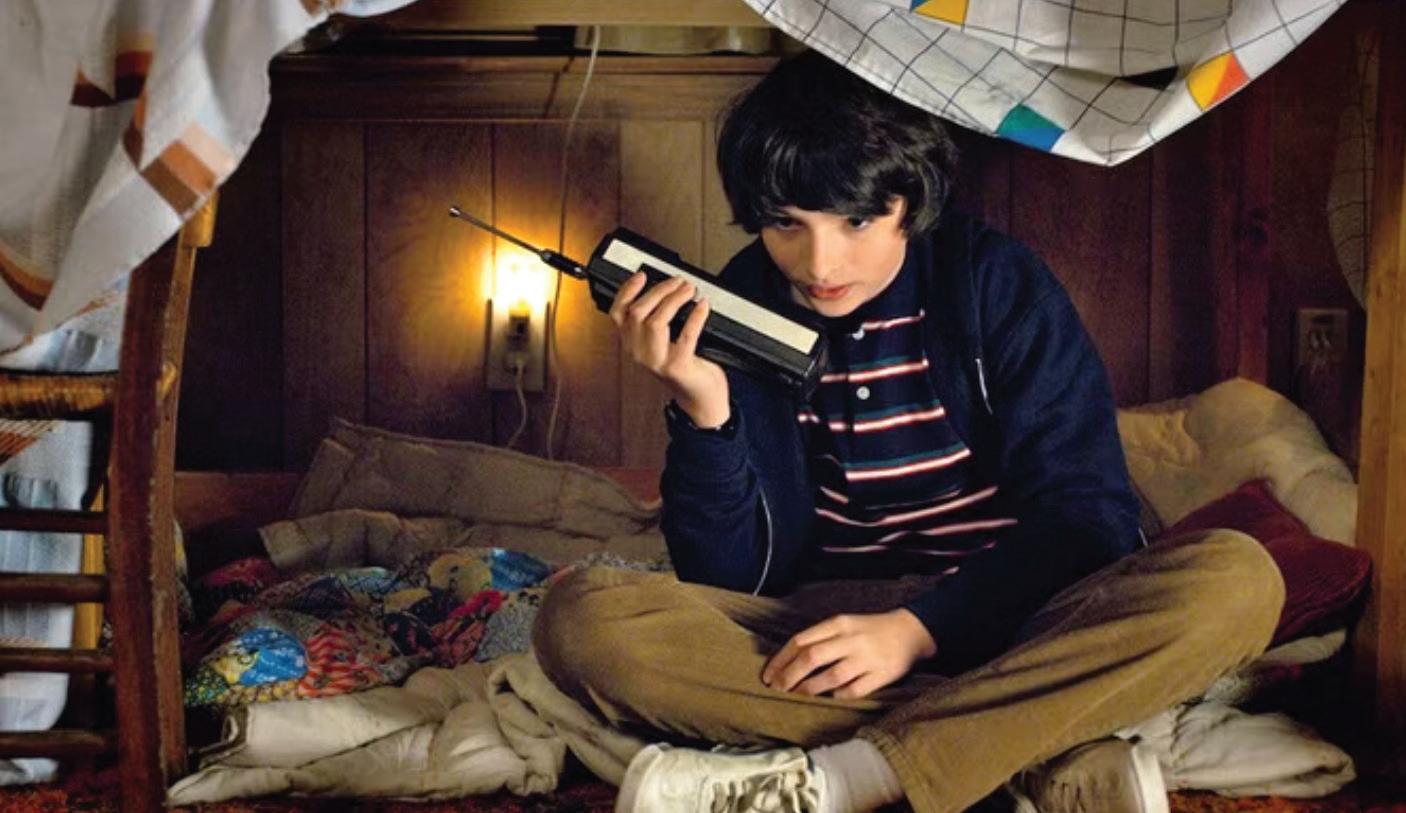
One of the biggest media events of this summer was the end of Stranger Things after five seasons, a horror TV
show all about nostalgia for the 80s, for Spielberg and John Carpenter movies, old-school D&D, and Stephen King novels. But how many people watching really experienced the 80s? I didn’t. Statistically speaking, it’s likely you reading this didn’t. Arguably, even the show’s creators, the Duffer Brothers, didn’t: they were born in 1984.
This era of nostalgia, for the 80s, the 90s, even the early 2000s, all have a common thread: it’s a nostalgia for an age before ubiquitous internet. Sure, you could dial up in 1999, but these stories of haunted nostalgia
all predate the iPhone, Facebook, and YouTube. They harken back to a simpler time: to your first video games, the funny pizzeria you went to, the weird children’s show you only half-remember.
Now, these are horror stories. But they’re also stories where the world still has mystery and wonder, before all the problems the Internet brought with it, where you could be lonely by yourself, rather than lonely alongside a billion other people. It’s scary, but comforting too.
At the same time, however, this is nostalgia for a pre-internet age being created for and shared on
the internet. These horror stories, these internet videos and streaming TV shows, are creating a false past inside our digital present. A fifteenyear-old thinks wistfully of a time of VHS tapes and cartridge video games, melancholic that it’s gone.
Can the past haunt the present? Can you be nostalgic for something that never existed?
So you’ve vaguely figured out where your classes are or how to watch them online. Congrats! Now, like every other thing you read in the first few weeks, here’s a list of things to try and remember/do.
If you’re on campus, explore like you’re in a low-stakes scavenger hunt: Find your coffee spot, locate the best bathroom. Did you know the best stall in a typical public bathroom is usually an end stall, especially the first one you reach, because it tends to be used less and is therefore cleaner on average. Claim an ideal study nook (quiet, power points, a view or proximity to something or someone you fancy) Online student? Don’t forget to set yourself up with a coffee spot of your own, or build out a happy study location.
This might help students. flinders.edu.au/uni-life
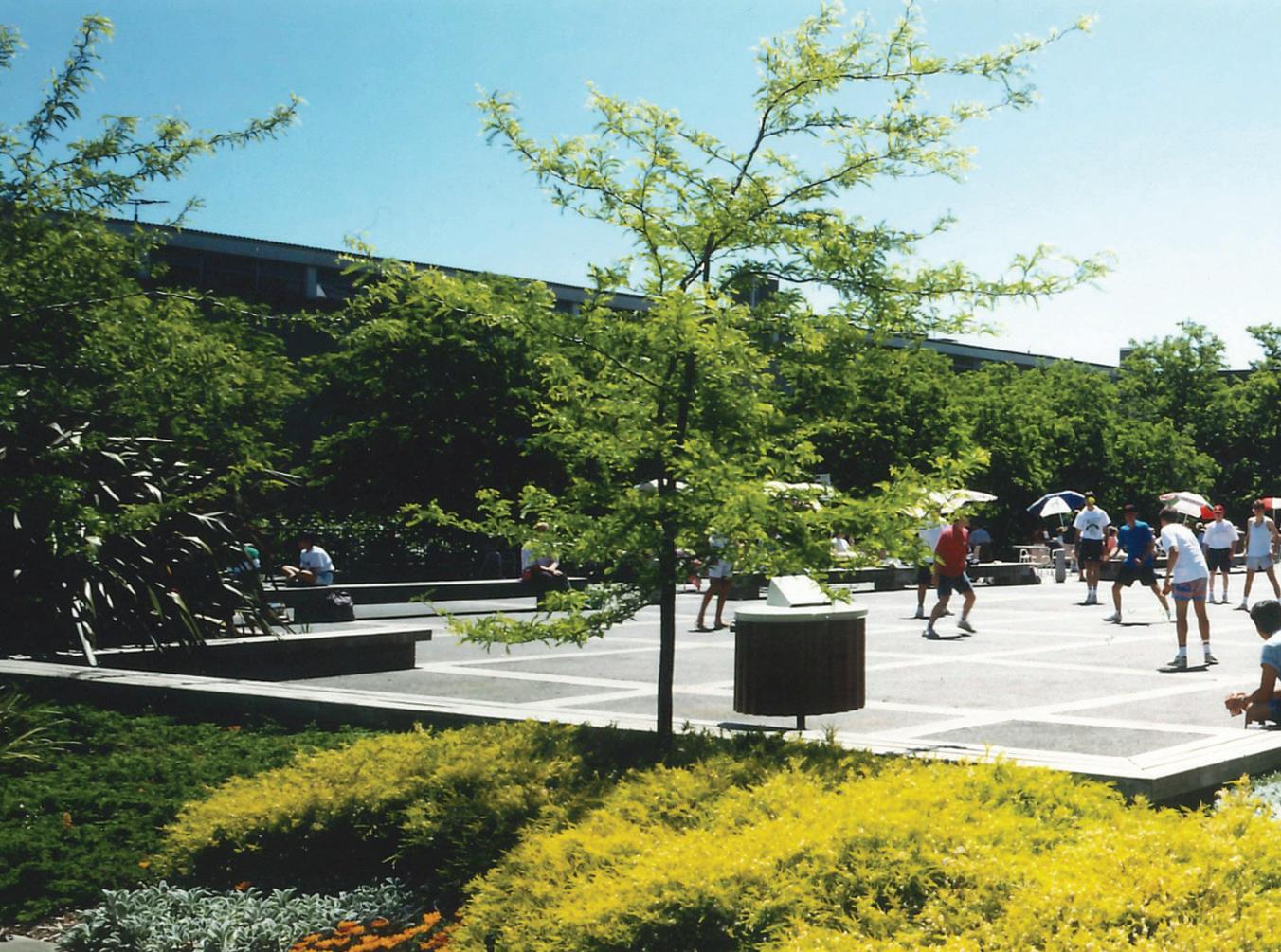
There are so many services that the uni offers, and often a few departments do similar things. It can get confusing when you’re still learning the names of areas, or they keep changing names! There’s a support directory that lists things by topic rather than area> students.flinders.edu.au/ support
Use the Library (they’re actually the coolest department). The library isn’t just books, it’s study help, and some fun events/books. Follow @flindersuniversitylibrary on Insta/Facebook if you’re still buddied up to Meta.
Flinders Connect: your “where do I even go?” hub. Think of Flinders Connect like the DMV, but friendlier. If you’re unsure who to ask, start there. Online option: AskFlinders - askflinders. microsoftcrmportals.com/
Add Flinders Security (08) 8201 2880 to your phone. You’ll probably never need it, but they look after lost property, on some campuses they can do a safety escort (city, bedford/sturt) or maybe you see a beautiful snake on campus or an injured animal – security liase with the uni veterinarian to ensure we’re safe, human or animal!)
Use the student portal> Log into students.flinders.edu.au and you can view your stuff - Okta, timetable, key dates etc all in the one spot. Also we heard if you do the konami code on the front page your cursor becomes ducks!
FUSA (foo-sa) does two big things a) fun stuff b) helpful stuff. Fun = clubs, events, and yes they keep this ET train running (choo-choo). Serious: financial support, academic advocacy, and some grants/subsidies. Their Student Council represents you kinda like a mini government. If you’ve got thoughts (good or bad), you’re a constituent. Reach out> fusa.edu.au
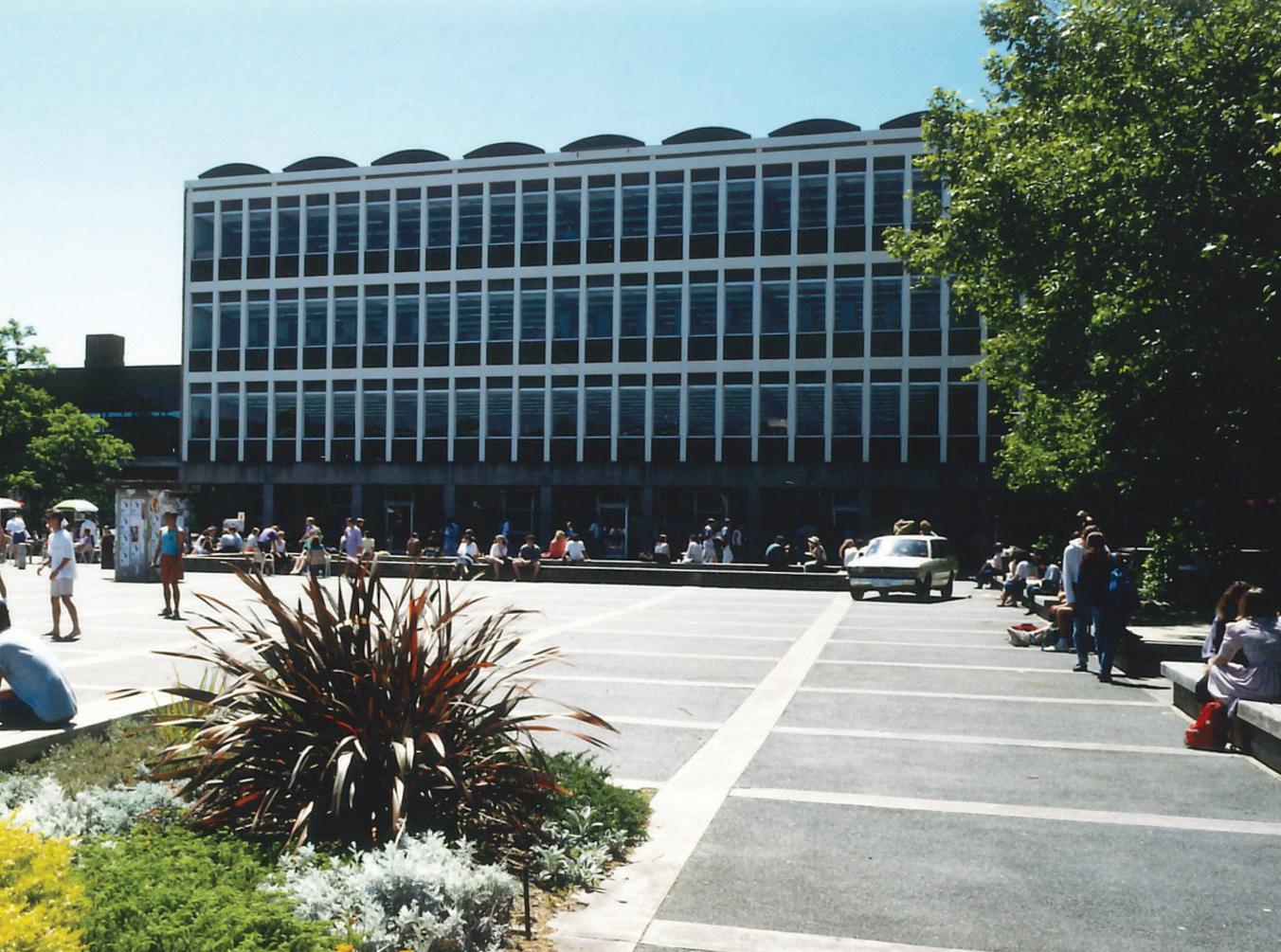
Most uni buildings are accessible Mon–Fri, 7:30am–6:00pm. Want 24/7 access to places like the Student Hub/library? Get swipe card access> Fill out the online > flindersuni.service-now.com
Maps. There doesn't seem to be one map to rule them all, but rather a series of maps flinders. edu.au/uni-life/map and flinders. edu.au/campus should help you out, depending where you are.
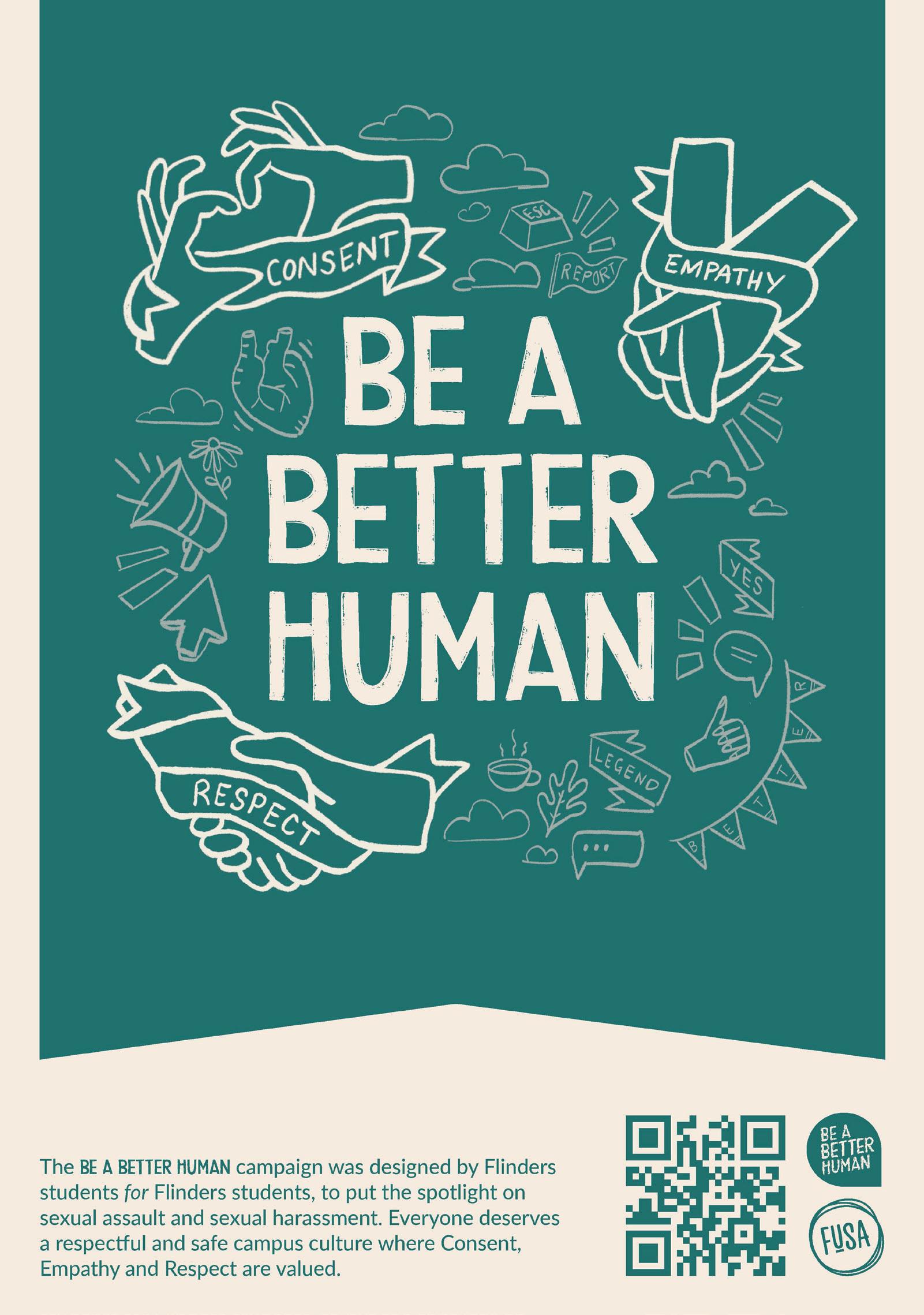
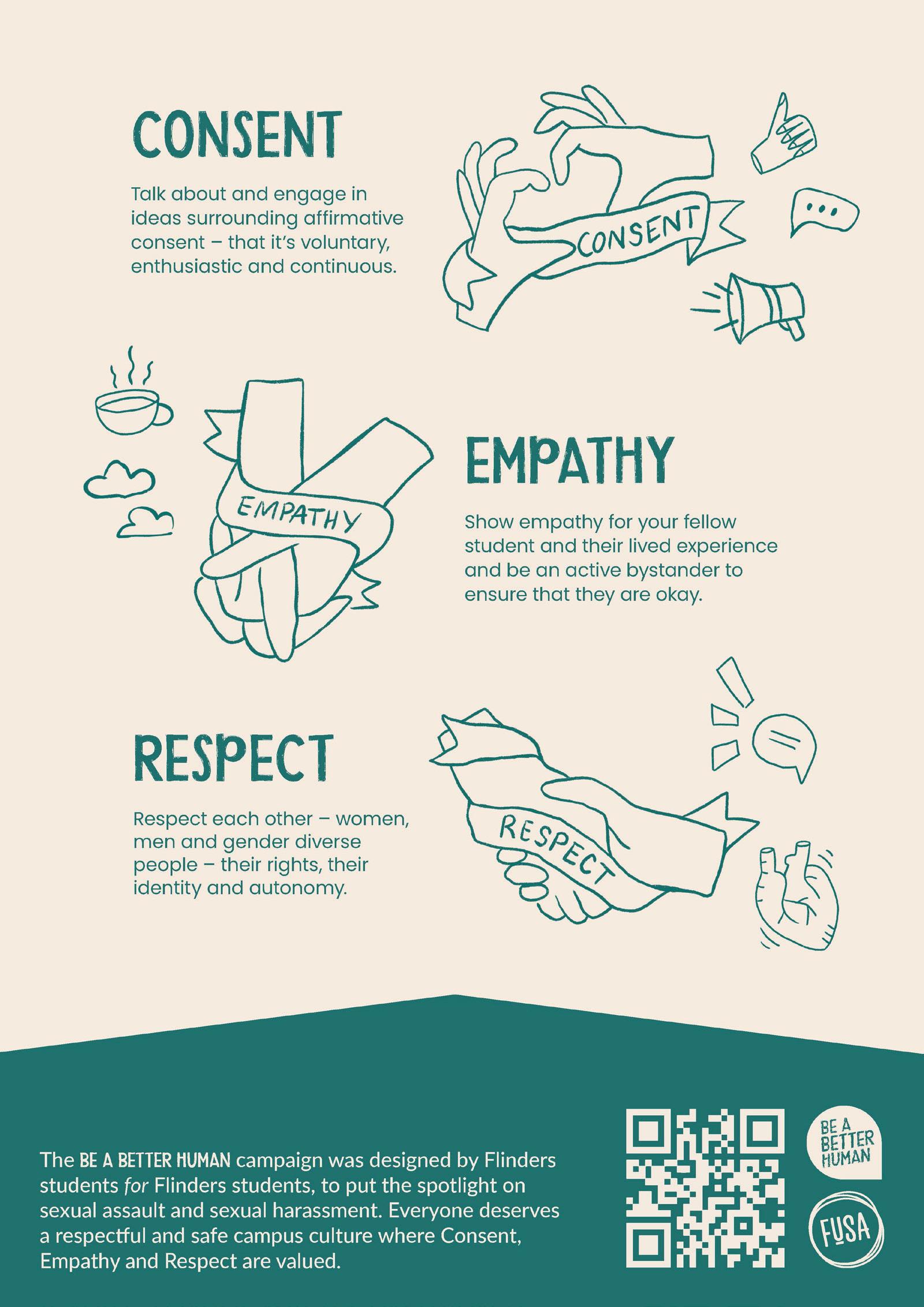
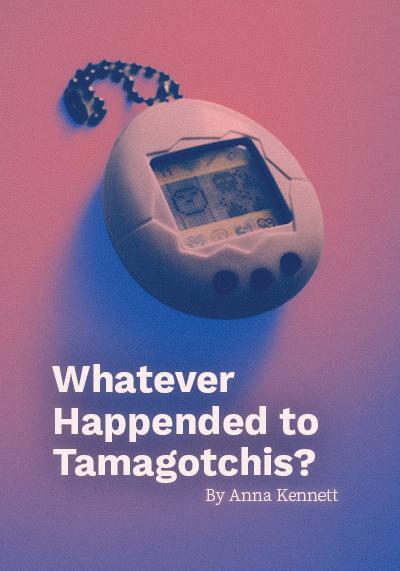
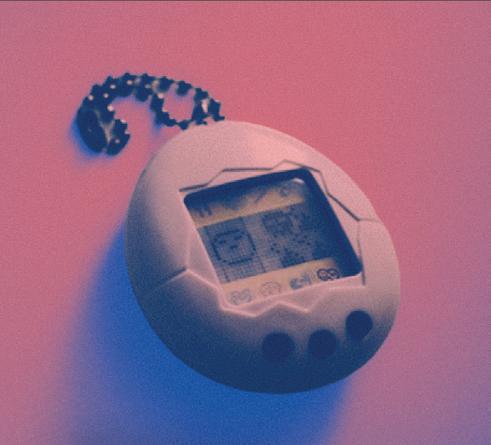
If you were a kid in the late 1990s (or no doubt the readership of this edition has parents who can relate to this), chances are you remember Tamagotchis, the egg-shaped keyrings that beeped relentlessly. They demanded to be fed, cleaned, and loved at all hours of the day. They were banned in classrooms, mourned when they “died,” and briefly felt like the most important responsibility you could ever have. So, what happened to them?
Tamagotchis were first released by Japanese toy company Bandai in 1996 and quickly became a global phenomenon. At their peak, millions were sold worldwide. The appeal was simple but powerful. A digital pet that relied entirely on you. For the first time, kids could experience a form of caregiving through technology, long before smartphones or social media existed.
As of July 2025 over 100,000,000 Tamagotchi’s have been shipped worldwide since their release in 1996.
(Bandai Namco Fact Book, 2025.)
However, as quickly as Tamagotchis rose to fame, they faded from the mainstream. By the early 2000s, handheld gaming consoles like the Game Boy, followed by PCs and eventually smartphones, offered far more immersive and varied experiences. Compared to these, Tamagotchis seemed repetitive and demanding. Many people remember the stress of constant beeping more than the joy of play. Oddly, smartphones seem to do just the same thing to me, yet the addictive nature of them doesn’t seem to be a problem for most people.
Tamagotchis never truly disappeared. Instead, they evolved. Bandai has quietly kept the brand alive through re-releases and updates, particularly leaning into nostalgia. In recent years, classic Tamagotchis have been rereleased in their original black and white format, aimed squarely at adults who owned one as a child. At the same time, modern versions now feature colour screens, touch buttons, Wi-Fi connectivity, and even social features that let users interact with other Tamagotchi owners.
So why don’t they dominate playgrounds anymore? The biggest reason is competition. Smartphones now provide games, social interaction, and endless entertainment in a single device. The idea of carrying a separate gadget solely to look after a digital pet? Why would you do that if you can get the same buzz through a phone?
Today, Tamagotchis occupy a different cultural space. They’re no longer a universal childhood experience but a niche interest, popular among collectors, nostalgic millennials, and fans of Japanese pop culture. Rather than a fad, they’ve become a symbol of an earlier era of technology, when digital life was simpler, slower, and required a bit more imagination.
In that sense, Tamagotchis didn’t fail. They grew up, just like the people who once rushed home from school to feed them. Niche marketing appeals to those who remember a simpler time and now may have the means to collect these devices. Yet nostalgia can’t always be recreated just by having the money to buy it back, because without the context, time, and simplicity of childhood, it might not be as fun as you expect.
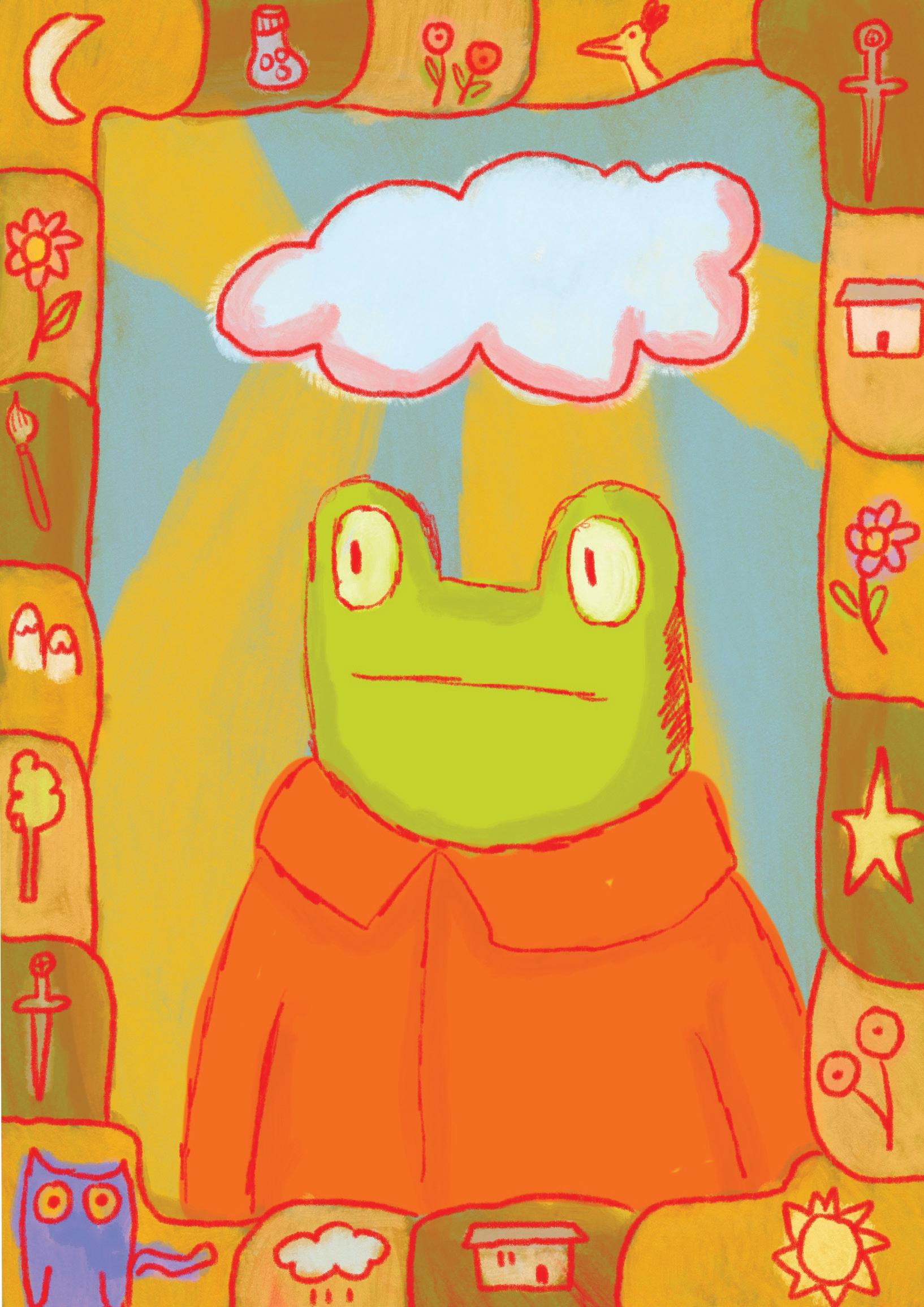
By CBattams1984
Where the mountain tracks are wide enough and green grass grows on high the summits of the snow capped hills reach up high into the sky
It is here you may find him a solitary figure still who marvels at the panorama of those green brown hills
The Banjo made his mark in song and verse and poem and as long as memories last his words will never go Few could be seen to match him for verse or turn of word he had a magic touch that seldom had been heard
The Banjo wrote of brave bushmen and the women that they loved and how they strove to shape a home out of the native scrub
His love of wild bush horses took him to hills and valleys there and onto distant battlefields where they proved their worth by far For the horse became a friend to digger and to foe and carried a mighty burden to places no man could go Australia was his home and the country his love and many was the time we’d find him gazing at the stars above
So look lively lad and watch the way take your notes and craft a poem today
Tell of your life among the stars and how the cities have spread so far Paint the gums from memory and tell of how life used to be
By Stephanie Goodwin
Whether we like it or not, most things that we say and do are connected to gender. For instance, the English language may not have gendered words like in French or Spanish or Italian, but it is littered with misogyny. Polluted. Filthy, in fact.
Our gendered concepts are simply more tucked away, weaved into the canals of the English language in sly ways. You have to peel back the layers of language context to find them:
“Hey guys! I just bought a new car, let’s take her out for a spin!”
On a linguistic level, most of these words have an inherent gender. But on a conceptual level, the deliberate gendering of objects, and the use of “guys” as a common way to address a group of people, implies that being “female” is novel. Being or acting like a “male” is synonymised with being the default and other genders are considered in terms of how much they deviate from being male. We see this linguistically with lions vs lionesses, actors vs actresses, being male vs fe-MALE,
a man vs a wo-MAN. We see this in the behaviour of Internet users, where people generally assume an anonymous poster is a straight, cisgendered, white male unless otherwise specified.
Perhaps you could argue that this is an overreaction, or reading too much into it. Perhaps this is a classic manifestation of that feminine rage where the solution is to ignore or trivialise the objectification of women to which I have become hypervigilant.
I argue that the effects of these patriarchal values have not only rooted themselves into the caverns of our vocabulary, but also persisted into our actions as distinctly gendered roles and stereotypes. These values have become ingrained in the way that we, as a society,
engage with both feminism and femininity as a whole. To be or act masculine is to be strong. To be or act feminine is to be weak.
The demonisation of femininity is exhausting and any behaviours typically branded as “feminine” are conceptualised in the same way. We see this in the way that women are often blamed for things going wrong in households. “Single motherhood” has more potence than the fathers who leave them behind, where the former are criticised and judged for most aspects of their parenting style. “Daddy issues” is considered an insult to women, when the parenting ability of the father who neglected his role enough to inflict damage is seldom questioned. Men are often seen as “babysitters” of their own children; praised for something that women are simply expected to do. Men tend to be granted far more respect
for engaging in simple parental or household duties than women, who are blamed for defying this typically maternal conduct.
This is not to say that this always happens this way, or that men are to blame for these stereotypical reactions. There are always exceptions and nuances. But I do believe that people have a responsibility as humans to recognise their own privilege, acknowledge the people who are left behind because of this privilege, and consider when our language upholds misogynistic ideals.
Upholding gendered stereotypes through our language and behaviour can be dangerous. They reinforce the potency of the positions of power that society often carves out for men, lowering the bar for genuine accountability and heightening the social inequity
that is nurtured by privilege. At best, these stereotypes represent a slippery slope to settling in relationships or situations where women deserve better. At worst, they have the power to perpetuate the abuse of women and femme-presenting people. We learn to excuse behaviours that are indicative of something more sinister, in the interests of adhering to popular stereotypes to find that “ideal guy”.
We see this prominently in the media, where men are often portrayed as “players”, where elusiveness, abrasiveness, persistence, and avoidance are all seen as desirable traits.
It is important to break this cycle. Not to use this loaded phrase, but not all men are like that, and not all women are seeking out these “playboy” qualities. Life is far more nuanced, and we would have arguably more relational success if we collectively agreed to appreciate the beauty in our differences more. Masculinity and femininity exist on a spectrum. We all have elements of both and suppressing either of them is unhealthy and unrealistic.
So, in essence, the English language may not be gendered. But it is a vessel for the most innocuous, almost imperceptible, plausibly deniable ember of misogyny to set our everyday conversations ablaze.
The link between kink and thinking. Written anonymously.
I have lived a double life, and I’m sorry. On the outside, it may seem I’m just a person on campus with no fashion sense, but there is much more beneath. When I took a BDSM test for this article, Rope Bunny came back as 94%. And I’m not ashamed. At least, wish I wasn’t. It is a secret kept close to my chest, like many people with kinks or fetishes. It’s a part of me, constant and unchanging, and due to its un-vanilla nature, has caused me shame
Similarly, I have lived my life with other forms of shame as well. I have pretty terrible anxiety and a distinct trouble with social situations. Often, I’ll be left embarrassed after socialising, believing I’m particularly bad with people, and have had periods of avoiding social interactions AT ALL COSTS. I have a theory that I’m on some kind of spectrum – although I’m yet to be formally diagnosed, it’s simply very likely.
This social and sexual shame has haunted me for quite some time. I’ve felt so isolated and so ashamed that I couldn’t even write about it in my own diary. Recently, however, I learnt there may be a link. It seems, according to research, that kink and neurodivergence go surprisingly hand in hand. A 2018 study found people in the BDSM community to be five times more likely to be also diagnosed with ASD, while in another study from 2023, 50% of over 400 sampled pup-play enthusiasts were also autistic. Various other studies and interviews have also displayed some link between kinkiness and neurodivergence.
Kink fosters welcoming and encouraging communities that play into the strengths of neurodivergent people. The practice of kink and fetish allows for spaces that facilitate special interests and being one’s authentic self, creating a respite from masking. Kink also
A 2018 study found people in the BDSM community to be five times more likely to be also diagnosed with ASD “
highlights the necessity of consent, communication and structure, creating a welcoming, intimate experience and removing stressful uncertainty. Discussing boundaries in BDSM is a crucial step in the process. Furthermore, kink allows for vast customisability in sexual experiences and sensations, accommodating for sensory overloads (through strategies such as sensory deprivation) or to enhance positive sensory experiences such as rhythmic, weighted, or constrictive sensations (like tight rope *wink*).
However, there is one major drawback, especially when paired with neurodivergence. This is, put simply, the shame Being neurodivergent itself may elicit various feelings of shame through rejection, uncertainty, and procrastination in a world that doesn’t fully accommodate us. This can lead to social withdrawal, depression, and anxiety – potential sexual repression is just another straw on the camel’s back.
Unfortunately, kink shaming is still somewhat common. Even some studies I read from the not-so-distant past, the late 2010s,
saw having kinks and fetishes as terrible disorders. Not to mention the general population, whose view of kink is often tainted by deeply rooted judgement, misinformation, and sometimes even hatred.
That is to say, if you are either neurodivergent, a little freak (nonderogatory), or both, you are not alone. There are communities built on these traits and people living through the same situation. Both are parts of your character worth being proud of. Plus, we can all play a part in destigmatising both neurodivergence and kink for others by acknowledging and accepting our differences. As the saying goes, don’t yuck someone’s yum. Facing our biases head-on and talking about these topics freely is a massive step forward in allowing people to live without shame.
At the end of the day, I just want to be tied down and sat on, and I think that’s fair enough.
“Back in my day, trans people didn’t exist.”
With the current rise of conservatism, this is probably something you’ve heard at the dinner table as of late. Phrases such as these utilise the speaker’s nostalgia for a ‘simpler time’ as a weapon against the acceptance of marginalised communities. While it’s a common rebuttal sprouted by conservatives, it’s not grounded in reality. Instead, this perspective originates from the privileged side of history.
Gender diversity has been present in many different cultures, dating back to as early as 1200 BCE. Colonisation carried out by the British Empire is one of the main contributors to the stifling of trans and genderqueer cultures. Colonisers saw gender diversity as sinful, and in the attempt to eradicate the cultures and beliefs of indigenous peoples, they suppressed the rich diversity of these communities. This is an example of cultural imperialism, a form of oppression discussed in Justice and the Politics of Difference (1990), written by Iris Marion Young, an American political theorist
Colonisers presented themselves as the dominant group whose views were the ‘universal’ human experience. People who deviated from these ideals were considered ‘other’, thereby seen as inferior. Over time, the existence of these minority groups was hidden as people feared the societal consequences and threats of violence for being considered different.
From an Australian perspective, this erasure of queer culture for Indigenous peoples came through the placement of Aboriginal children in missions and the indoctrination of Christian beliefs. While Christianity is not inherently hateful towards trans people, many people twist the teachings of the Bible to justify their hatred, making them seem morally superior.
While there was no legislation in Australia against trans expression, people were presented with charges such as fraud, sodomy or indecent behaviour. Commonly, people of any race that presented in such a way that contradicted the colonisers’
strict gender binary were often admitted to lunatic asylums to cast them away from the public eye. So, when people reminisce about ‘trans people not existing back in their day’, they grew up within the colonist narratives presented on the pages of our history books.
In the second half of the 20th century, major protests like Stonewall, spearheaded by trans women such as Marsha P. Johnson and Sylvia Rivera, as well as prominent Australian figures like Carlotta coming into the public eye, allowed for a growing awareness of trans people’s existence. Coupled with the rise of the internet, queer communities were able to connect and share their stories on a global scale.
Far-right people like to jump to the conclusion that because the prevalence of trans people has increased with the worldwide adoption of the internet, it must be spreading a ‘woke ideology’.
“However, they fail to consider that correlation does not equal causation. ”
With the internet, more people came out as trans because they were able to recognise themselves in the stories of others and feel a sense of community. Before this, trans people often didn’t have the language to express themselves, and with a lack of representation in their communities and physical media, they felt broken. Hence, many people lived their lives not knowing what their feelings meant and suppressed them.
Contemporary trans joy is not a trend but a celebration of resilience and refusal to let history erase our truths. Trans joy acts in defiance of this weaponised nostalgia by refusing to forget the stories of those who came before us and cement a future free of colonial ideals being the standard.
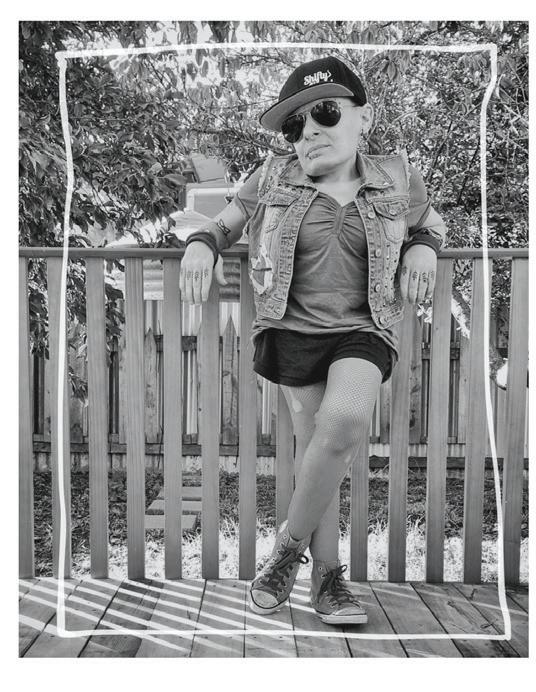
words and photography by scar lock
(A Truth’s Lament)
My Dear Stranger,
I was afraid to open the door, but there is something I need you to know.
Love is sometimes not a steady process, It is a tide that rises and breaks as it wishes. And time is like sand that slips away never returning to the palm.
From the very first day I saw how fragrant you were, How the morning dew clung to your words as if afraid to fall.
When I hear the stories of people plucking your petals, breathing your fragrance, and discarding you without remorse,
What rises in me is not rage, but a burning grief for how gently you should have been held.
A burn inside my bones, because I know why you grew your thorns.
They may be prickly, but they are the lessons etched into you by a world that never learned to hold beauty gently.
I do not intend to remove those thorns. I would never strip away the armour that kept you alive. Yet my heart aches seeing how this flower was never cherished, how hands too careless failed to keep you in the garden of their life.
And I know, no matter how many words I write, neither of us can unlearn the wounds that carried us here.
Perhaps that is why we recognised each other, not by studying our scars, but by our fragrances alone. Two wanderers drawn by an ache they both understood.
I must confess, I did wish to stand in your garden for what forever remains in my life.
Not to pluck you, not to claim you, but simply to exist beside you.
I wanted to be the gardener who loves the flower for its beauty, not by what it could provide, the kind who rises before dawn just to see the dew before it dries.
Little did I know that many seasons had taken before I could reach you.
That love alone could not keep you rooted, and as you retreated, your thorns etched their lesson upon my skin.
It is a quiet cruelty to know that nothing ever stirred within your bloom as it remained unopened.
I wonder how empty it must have all been for you, that you couldn’t write a single drop to an ocean of me.
Almost Yours, The Gardener You Didn’t Keep
By Sabrina
Written from the silence Joshua left behind
By Valentine M Locket
For any of you exploring abandoned buildings in the Lower West Sector don’t and come across the house with three stories, dark blue gables, and pristine white door that doesn’t exist and decide to stroll inside: you’ll get a first-hand experience of the dickery that is posh old ghosts I have no idea what you will experience, and never will.
So, if you hypothetically did decide to do this. Don’t. You will may enter the conservatory, where almost all the glass is smashed and all the old furniture is covered in vines. Upon entering, I tripped over a twig thing you may trip over a twig thing. That twig thing is actually a femur bone of Mr August Venthall someone who I don’t know and will never encounter.
We’ve all seen the Non-Normal Removal Service yearly safety videos on what to do when a ghost is summoned, and we all know that touching some part of their remains kick-starts their spectral life and lets them enter the realm of the living again. And so, this may have happened when my your human and alive foot came into contact with this decrepit femur.
Mr August Venthall This random guy will spurt nonsense at you, insist you leave, and be a general dick annoyance to you. However, if he somehow notices the leaves and flowers you have embroidered on your jacket, you may become useful to him. Mr Venthall will ramble about his life story and his gruesome murder and explain his love for studying plants and all things non-normal. He will beg and scream for you to collect what he couldn’t in his lifetime. Which should be easy, considering the twelve Non-Normal Proof Botanic Gardens in the Central East Sector
In return for your services If you continue to roam the abandoned house and get instructions on how to get into the hidden study, Mr Venthall may allow you to take one of the many books he collected about Non-Normals. The collection ranges from the medical abilities of toxic plants, foods made with Non-Normal ingredients, the reproduction of arctic flowers, habitats and cultures of some NonNormals, and so on and so forth. Don’t take any.
If you’re caught with any of those illegal books within the city by the NNRS, that’s your fault! Don’t say I didn’t warn you. But I’d have no idea what you’re talking about or what you’ve been doing and you have no way of proving me guilty.
Good luck finding those flowers!
And remember, a scout never snitches to the NNRS.

2. She wears a cowgirl hat and a plait in Pixar movies.
6. The thing Dustin Hoffman is doing in Midnight Cowboy while he almost gets hit by a taxi.
7. The city Batman lives in.
8. 365 of them were written and not properly delivered in The Notebook.
9. The sport Bugs Bunny had to play to defeat aliens.
10. The name of the singing and dancing crab in Ariel.
1. Film franchise set in Panem with a totally normal televised contest.
3. She owns a pretty cool dream house.
4. The last name of Dom, a man who values family and cars.
5. The popular classic directed by Orson Welles in 1941 is called Citizen ____.
11. He speaks for the trees.
12. The colour pill which shows you a world beyond The Matrix.
14. The nickname of Dr. Emmett Lathrop Brown, the inventor of time travel.
15. Fill in the blank The Teenage Mutant _____ Turtles

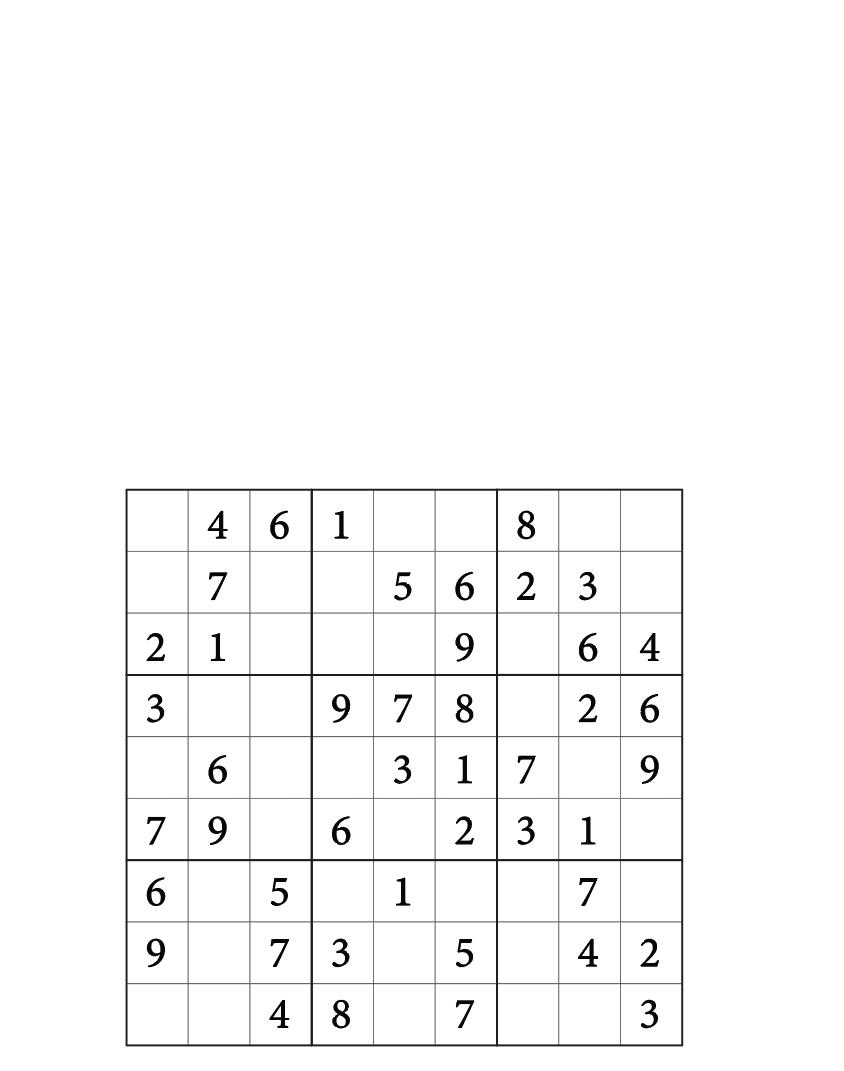
Doing sudoku puzzles uses the same parts of the brain involved with working memory, attention, reasoning and decision making. You’re basically getting brain-buff by taking a break. Here’s how it works:
Sudoku is played on a grid: within the rows and columns are 9 ‘squares’ (made up of 3 x 3 spaces). Each row, column and square (9 spaces each) needs to be filled out with the numbers 1-9, without repeating any numbers within the row, column or square.

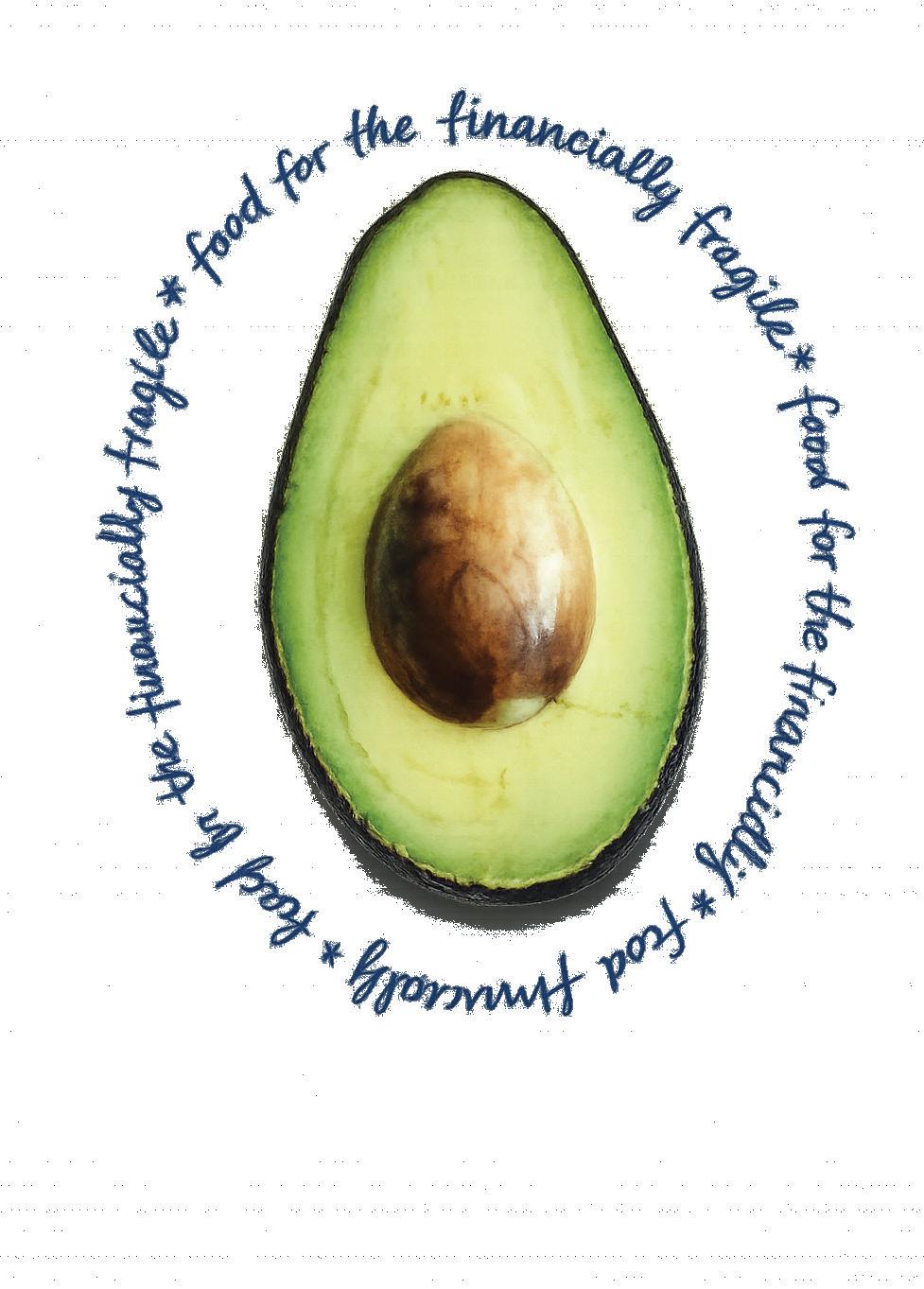
We reached out to Adeline Lau, an Associate Lecturer in Nutrition and Dietetics in the College of Nursing & Health Sciences at Flinders University, to share a cheap, healthy recipe for our “Food for the financially fragile” segment. You can rip this page out and stick it to your fridge :)
By Adeline Lau, Associate Lecturer, Nutrition and Dietetics, College of Nursing & Health Sciences.
2 microwave rice pouch (plain or flavoured, my favourite is Ben’s original brown Mexican style microwave rice)
1 tin (400g) of sweet corn, drained
1 tin (400g) of black beans, drained
Shredded cooked chicken (or any leftover cooked protein from the night before!)*
1 avocado, peeled and cut into small chunks
300g salsa
2 limes
Heat the rice according to the pack instructions.
Portion rice into bowls, along with the sweet corn, black beans and chicken (or protein alternative).
Spoon the avocado and salsa, and squeeze half a lime over each bowl.
*can swap for flavoured firm tofu (Soyco teriyaki tofu works well) if you’re after a vegetarian option.
Notes: If planning to meal prep for the week, store each ingredient in separate containers (minus the cooked rice) so you can “assemble” the ingredients together at lunch time — you just have to heat up some rice to go with the portioned out ingredients! If doing so, consider smaller microwave rice options - e.g. Sunrice Mexican Style rice .