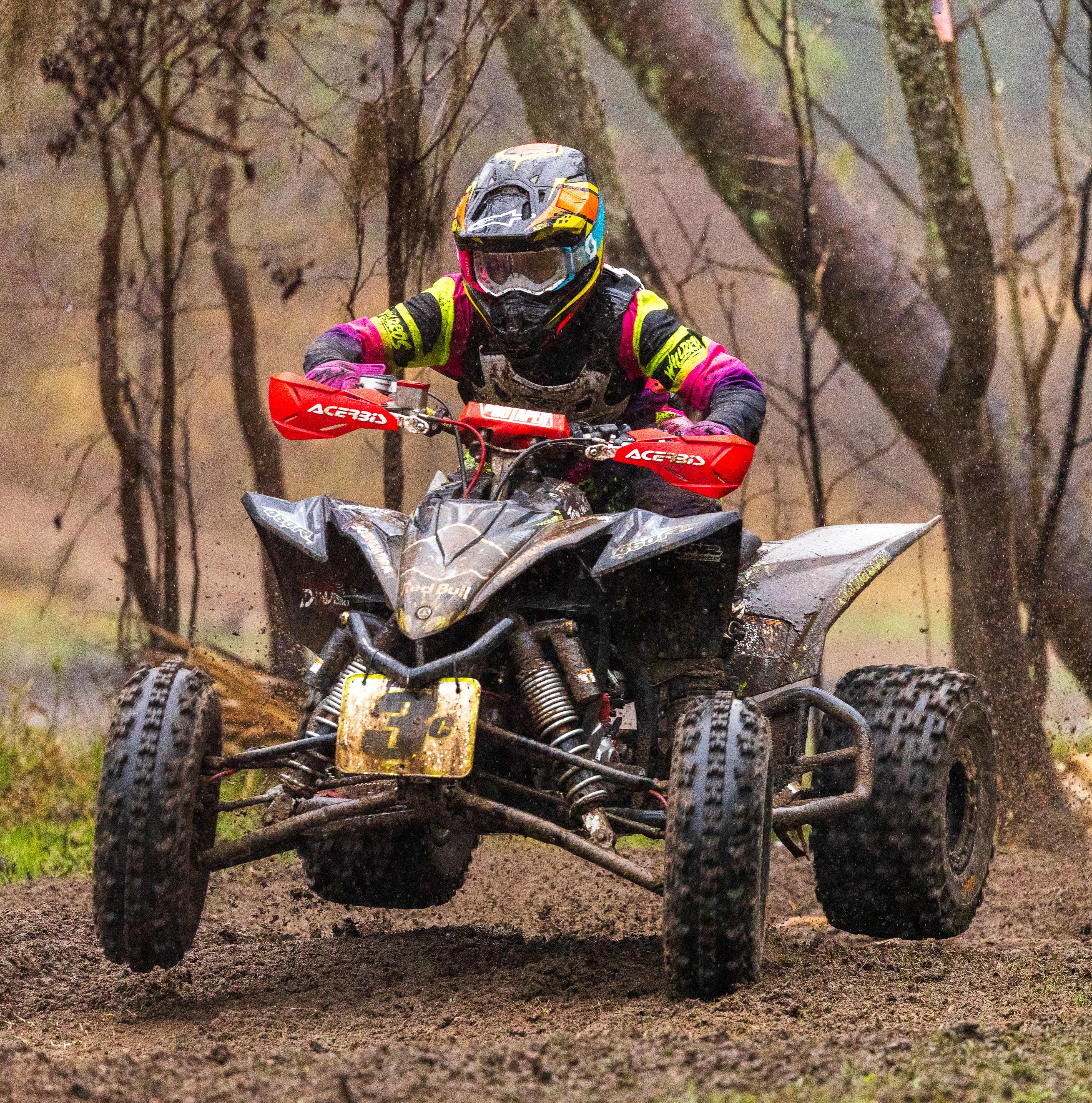
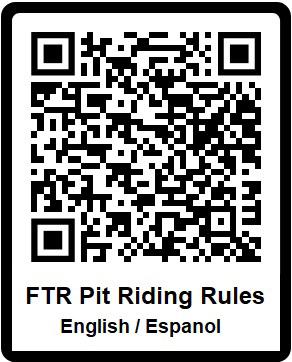
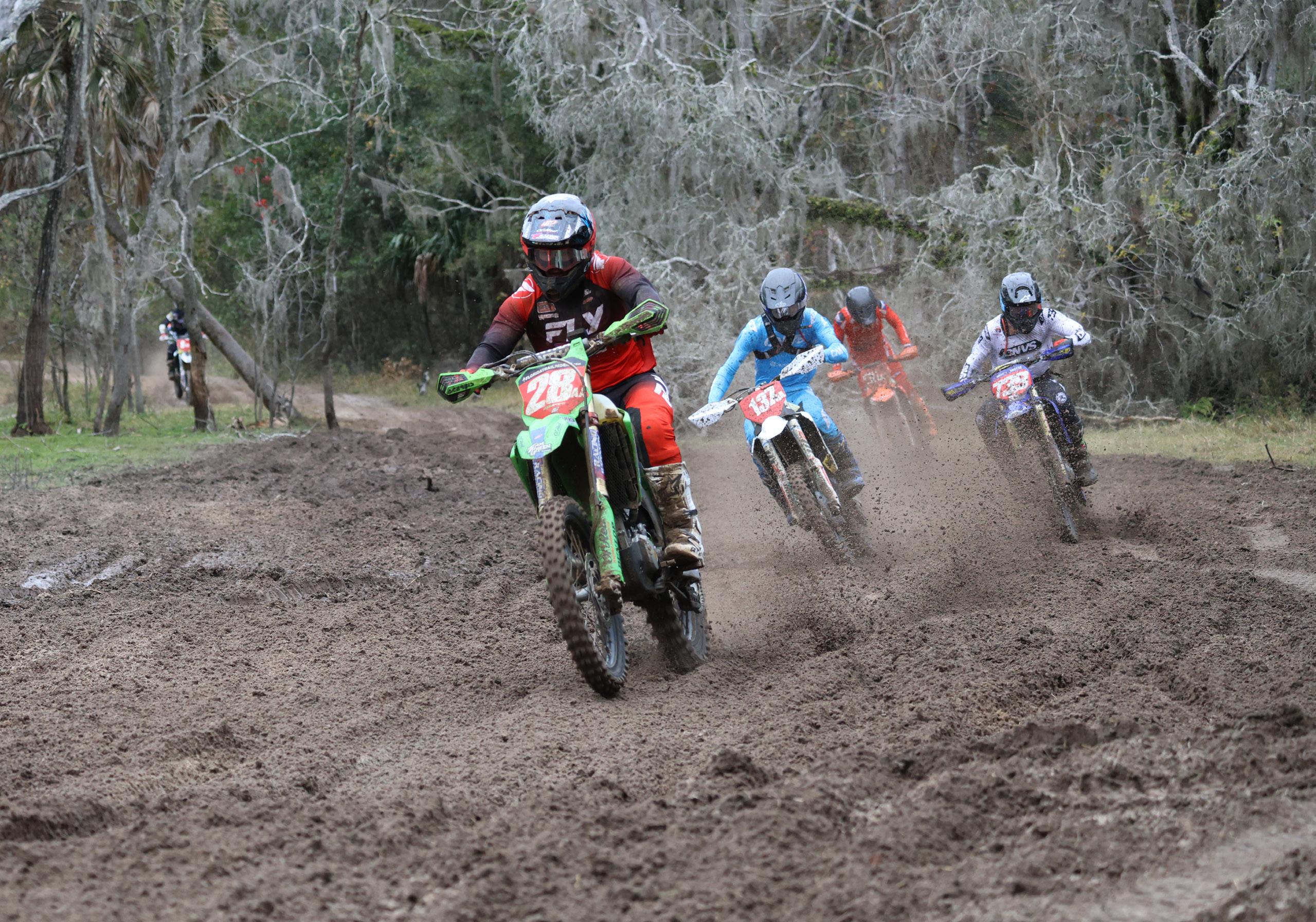
Kael Vaughan | Photo by Garren Wright
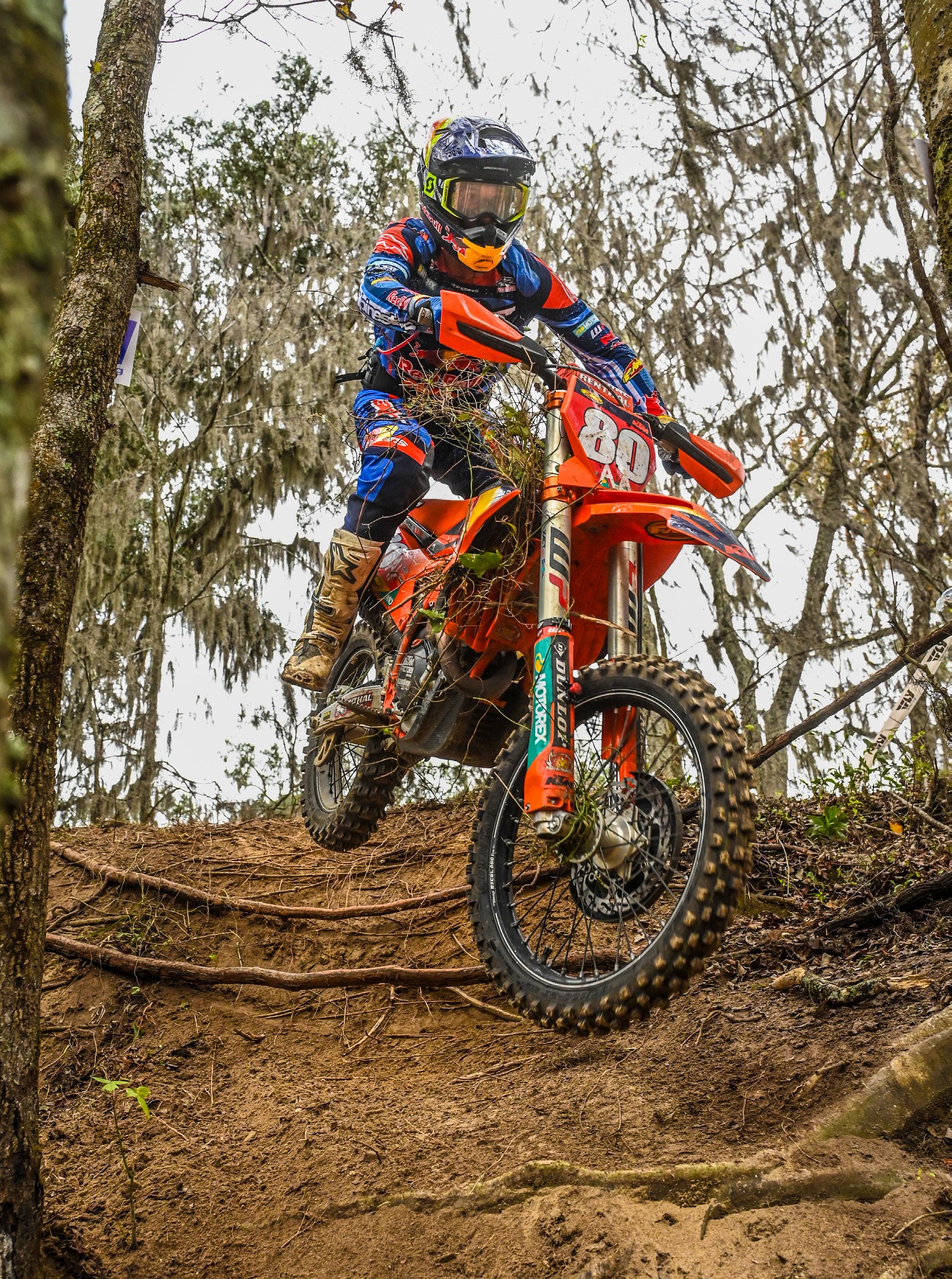
Johnny Girroir | Photo by Tyler Miller
AREA #7 - Seminola, Osceola, Orange
AREA #1 - Out-of-State, Panhandle
AREA #2 - Hamilton, Suwannee, Columbia, Baker, Union, Bradford, Nassau, Duval, Clay, Putnam, St. Johns
James Benton (904) 589-0093 bentonracing116@yahoo. com
AREA #3 - Gilchrist, Alachua, Levy, Marion, Citrus, Sumter, Lake
Brandon Underhill (352) 339-1169 brandsonsunderhill@gmail. com
(AREA #4 - Flagler, Volusia
Corey Pierce (386) 453-9056 corey23pierce@gmail.com
AREA #5 - Hernando, Pasco, Pinellas
Tyler Miller (813) 210-1710 yamahatyler@yahoo.com
AREA #6 - Hillsborough, Polk
Shawn Clark (812) 617-0272 sclark@mosaicfingroup.com
Will Busick (317) 507-6636 willb763@gmail.com
AREA #8 - Brevard, Indian River
John Happel (321) 759-1474 ftrforester@gmail.com
AREA #9 - Manatee, Sarasota, Hardee, DeSoto, Highlands
Brian Dugre (941) 893-7898 brian@mycentec.com
AREA #10 - Okeechobee, St. Lucie, Martin
Ken Harris (772) 370-4434 khei9862@gmail.com
AREA #11 - Charlotte, Lee, Glades, Hendry, Collier
Chuck Schomann (717) 324-9606 schomanninc@yahoo.com
AREA #12 - Palm Beach
Todd Hallman (561) 346-6663 bushwagon@aol.com
AREA #13 - Borward, Dade, Monroe
Max Rash (954) 609-1812 maxr@rivaracing.com
Big O Trail Riders
Tommy Clay (863) 532-1952 tommy_clay@yahoo. com
Big Scrub Trail Riders
Curtis Bell (386) 679-8201 curtbell@rocketmail. com
Central Florida Trail Riders
AJ Stagg ajstagg@gmail.com (407) 929-2114
Daytona Dirt Riders
Joe Carrasquillo (386) 615-0722 secretary4ddr@gmail. com
Greenville Enduro Riders
Chris Poole (864) 617-4342 info@greenvilleenduroriders.com
Nature Coast Trail Blazers
Rob Swann (813) 731-5552 naturecoasttrailriders@ gmail.com
Old School Dirt Riders
Ben Kelly (941) 650-1473 ftr90racer@yahoo.com
Palm Beach Track & Trail
Randy Rash (954) 931-5709 motodadfla19@aol.com
Perry Mountain M/C
Brad Belcher (205) 340-4298
perrymountainmotorcycleclub@gmail.com
River City Dirt Riders
James Benton (904) 589-0093 bentonracing116@yahoo.com
Sarasota Area Dirt Riders
Randy Faul (863) 244-3709 randt817@gmail.com
Suncoast Trail Blazers
Mark Scalzi (352) 601-6917 suncoastbiz1@gmail. com
Sunrunners Dirt Riders
West Anderson (863) 604-1868 jetster220@gmail.com
Treasure Coast Trail Riders
Ken Harris (772) 370-4434 khei9862@gmail.com
AA/A ENDURO
Mark Mannschreck (813) 310-2067 hondamm61@aol.com
B/C ENDURO
Sam Boydstun (407) 467-3951 woodsracercfl@rr.com
SPECIALTY A/B ENDURO
Ronnie Hames (386) 547-2397 ronnie@hbdmotografx.com
SPECIALTY C/WOMEN ENDURO
Elesa Berard (407) 376-7115
AA/A HARE SCRAMBLE
Troy Gardner (561) 329-7866 troyracing41@gmail.com
B/C HARE SCRAMBLE VACANT
SPECIALTY A/B HARE SCRAMBLE
Paul Lucas (305) 244-7531 happytimesamuse@msn.com
SPECIALTY C/WOMEN HARE SCRAMBLE
Holly Langford (954) 504-2659 hollylangford10@gmail.com
SATURDAY CLASSES HARE SCRAMBLE
Derek Tremain (863) 634-8183 derektremain@gmail.com
QUADS
Pete Rose (941) 270-1189 pwrracingktm@gmail.com
PRESIDENT
Randy Faul (863) 244-3709 president@floridatrailriders.org
VICE PRESIDENT
Landon Lynn (772) 494-3305 vicepresident@floridatrailriders.org
SECRETARY
Bill Toreki (352) 372-1135 secretary@floridatrailriders.org
TREASURER
Brandon Bloomquist (503) 707-1744 treasurer@foridatrailriders.org
HARE SCRAMBLE CHAIRMAN
Randy Rash (954) 931-5709 hschair@floridatrailriders.org
ENDURO CHAIRMAN
George Tolson (863) 698-3837 gjtolson63@gotmail.com
HARE SCRAMBLE REFEREE
Jeff Hazeltine 941-468-7204 hsref@floridatrailriders.org
ENDURO REFEREE
Peter Magee (352) 262-4974 cr250m@bellsouth.net
BUSINESS MANAGER
Darlene Riggs (352) 538-6291 businessmanager@floridatrailriders.org

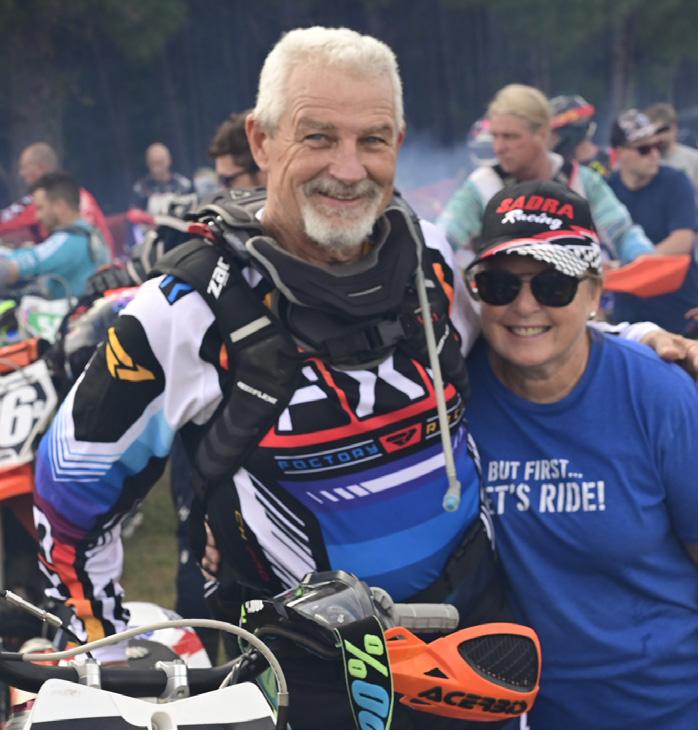
With the new year upon us, everyone is excited to get back to weekends of racing our scooters and spending time with family and friends. Some of us grown-ups are just as bad as our kids, living for those weekends in the woods, whether it’s a day at Croom or a full weekend of competition.
Some of you are even doing double duty, riding Pre-Mod, E-Bike, or even a quad, then lining up again on Sunday to cap off the weekend.
Who would’ve thought back when FTR first started, and Enduros were the only events, that just finishing was a major accomplishment, let alone bringing home a trophy. Those trails demanded riders think, ride smart, and preserve their bikes so they could make it to the end.
As we’ve moved into the modern age of disc brakes, CDI ignition, and long-travel suspension, things have changed. Now we just hit a button and off we go. Instead of filing and setting the gap on points, we need a laptop and software to tune or diagnose issues.
The industry has come a long way, and so has FTR. We continue to strive to keep our sport healthy and productive while meeting our members’ expectations. FTR has built a strong reputation and raised the bar in many ways. Other off-road organizations often look to FTR as a model as they work to stay proactive and offer quality events to their members.
Keeping the wheels turning means maintaining positive relationships with our landowners and promoting our members as responsi-
ble motorcyclists. That requires all of us to be mindful of our actions, our behavior, and the example we set for the next generation.
As our clubs continue to provide quality events, we can all help by doing our part in small ways, like walking our campsite before we leave, keeping our kids in check, and honoring the club’s requests so everyone can enjoy a stress-free weekend. Those of you who belong to a club or have worked an event know how much goes into managing a race weekend. Anything the membership can do to help makes a difference.
All of us can make a difference.
Thanks for listening, Randy Faul
New beginnings are ahead, and we are a new creation in Christ!! We are fresh out of 2025 so welcome to a day that no one has ever been to before! We are going to start this new year off with our eyes forward, ready to build up and grow!
Perseverance is a choice and decision. When life or our situations feel out of our control we tend to make desperate and extreme decisions. Without a solid foundation, how can we stand through those situations? Whether it be a lack of training and self-control on the bike or a rooted reminder that we are more than conquerors in Christ Jesus! Wisdom…Wisdom says I can learn from others situations as well as my own situation. If you come out of a corner three laps in a row and keep hitting the same palmetto root and you’ve been in the dirt because of it, we are not using wisdom but riding blindly. The same applies to our everyday lives. If we keep falling back
into situations that we know are healthy or hurtful to ourselves or our family I would argue we are not walking in wisdom. Wisdom does not force us. It is there and can grow only when we are willing to listen. God has created us with these incredible minds and conscience with free will and thinking. It is up to us to utilize them in a way that is honoring and glorifying to God our Father. Now you can use wisdom and learn outside of Jesus but much like the Bartow races you’re only going to be able to see about 10 feet in front of you. When you walk in trust and faith in Christ Jesus you see far more clear to the ultimate victory. Now Psalms 119:105 says “Lord your word is a lamp to my feet and a light to my path.” You still may be able to only see that 10 feet in front of you, but your finish line will be illuminated and so very clear. That is exactly what we see as followers of Jesus! No matter the situations we know the finish line is promised and we will finish and be welcomed and awarded victoriously! Perseverance with wisdom in Christ Jesus will not only give us the
ultimate victory but will bring us through and over each and every situation and circumstance of this life, whether we have a dust free hard packed wide open section or the tightest dustiest root infested single track of our lives. Jesus is just and faithful. We sure do love you guys and are so grateful we get to be with each and every one of you! And when you see me on that big yellow banana bike out of the track with you just remember I am a competitor BUT I’m with you on and off the track. I am just a call or text away. Please stop by the FUEL tent and say hey!
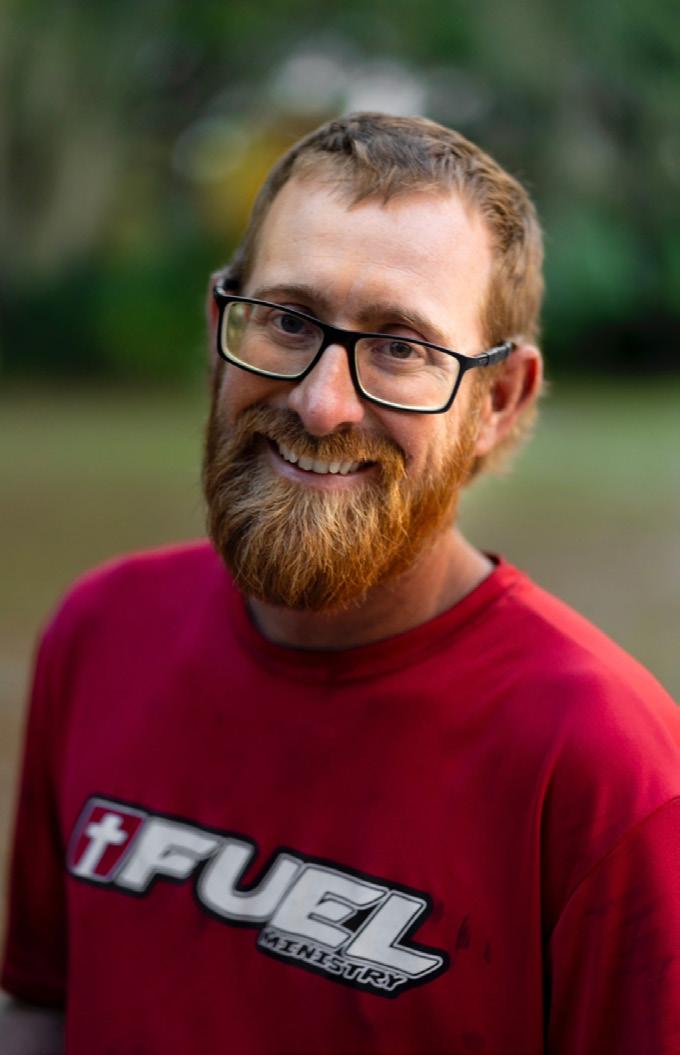
¡Feliz 2026, familia de FTR! Se avecinan nuevos comienzos, ¡y somos una nueva creación en Cristo! Acabamos de dejar atrás el 2025, ¡así que bienvenidos a un día que nadie ha vivido antes! Comenzaremos este nuevo año con la mirada puesta en el futuro, ¡listos para construir y crecer!
La perseverancia es una elección y una decisión. Cuando la vida o nuestras circunstancias se sienten fuera de nuestro control, tendemos a tomar decisiones desesperadas y extremas. Sin una base sólida, ¿cómo podemos superar esas situaciones? Ya sea por falta de entrenamiento y autocontrol en la moto o por el firme recordatorio de que somos más que vencedores en Cristo Jesús. La sabiduría... La sabiduría nos dice que podemos aprender de las situaciones de los demás, así como de las nuestras. Si al salir de una curva, durante tres vueltas seguidas, chocamos con la misma raíz de palmera y terminamos en el suelo por ello, no estamos actuando con sabiduría, sino conduciendo a ciegas. Lo mismo se aplica a
nuestra vida diaria. Si seguimos cayendo en situaciones que sabemos que son perjudiciales para nosotros o nuestra familia, diría que no estamos actuando con sabiduría. La sabiduría no nos obliga. Está ahí y solo puede crecer cuando estamos dispuestos a escuchar. Dios nos ha creado con mentes y conciencias increíbles, con libre albedrío y capacidad de razonamiento. Depende de nosotros utilizarlas de una manera que honre y glorifique a Dios nuestro Padre. Puedes adquirir sabiduría y aprender fuera de Jesús, pero al igual que en las carreras de Bartow, solo podrás ver unos pocos metros delante de ti. Cuando caminas con confianza y fe en Cristo Jesús, ves con mucha más claridad la victoria final. El Salmo 119:105 dice: “Señor, tu palabra es una lámpara a mis pies y una luz en mi camino”. Quizás sigas viendo solo esos pocos metros delante de ti, pero tu meta estará iluminada y será muy clara. ¡Eso es exactamente lo que vemos como seguidores de Jesús! Sin importar las circunstancias, sabemos que la meta está prometida y que llegaremos a
ella, seremos recibidos y recompensados victoriosamente. La perseverancia con sabiduría en Cristo Jesús no solo nos dará la victoria final, sino que nos guiará a través de cada situación y circunstancia de esta vida, ya sea un tramo amplio y despejado o el sendero más estrecho, polvoriento y lleno de raíces. Jesús es justo y fiel. ¡Los queremos mucho y estamos muy agradecidos de poder estar con cada uno de ustedes! Y cuando me vean en esa gran bicicleta amarilla fuera de la pista, recuerden que soy un competidor, PERO estoy con ustedes dentro y fuera de la pista. Solo tienen que llamarme o enviarme un mensaje. ¡Por favor, pasen por la carpa de FUEL y saluden!
¡Deseándoles a todos una muy Feliz Navidad y un próspero y bendecido Año Nuevo!




A Quick Word with FTR President Randy Faul
Words: Larry Kuhn, DMD, MD
It was a cool, sunny winter morning, somewhere around 1994, when I was standing in the middle of the parking area at the Reddick Hare Scramble talking to FTR President Terry “Big Man” Enyart. He wanted to hear about my experience on the ISDE medical team. As we spoke, a helmet-less 10-year-old in short pants (wearing Crocs, as was the fashion) went screaming by on a blue Honda Z50. Big Man stomped his foot, looked me in the eye, pointed off to the north, and said, “see that tall scrawny fella' with the flat top and goatee over yonder?” In my most respectful response, I replied, “uh huh”. Big Man shot back, “he's the Hare Scramble chairman...go help him with the pit patrol.” And, with that, my introduction to Randy Faul was just a blip on the radar.
Not long after that episode, Big Man stepped aside as FTR President and Mr. Faul was elected to the position. Shortly thereafter, we did an interview for the FTR magazine highlighting our new leader. Well, time flies when you're having fun...and time has definitely flown here...it's been 20 years since the FTR magazine
has talked with the President. Over that 20 years, Randy has brought unity to FTR, guided us through multiple changes, and always kept the organization moving forward. FTR is now the second largest racing organization in the country and is, certainly, one of the premier racing organizations.
Fast forward to this season's SADRA Wicked Woods HS and the morning breakfast gathering of the Safety Team under the DRC canopy. I was sitting, and listening intently, to George Pollard explain the intricacies of carbon fiber phase modulated injectors and how they could turbo-fy Donnie's flex fuel electrical generator when Randy Faul rolled up in the Presidential golf cart. It just so happened that he had heard about BC Drymon's world famous magical breakfast eggs and bacon...and dropped by to see what all the fuss was about. Since my team leader was busy briefing the EMS ambulance guys and I'd already finished my breakfast, I figured it was a good time to update my last interview with the President while he was munching on the groceries. So, let's find out what he's thinkin'.
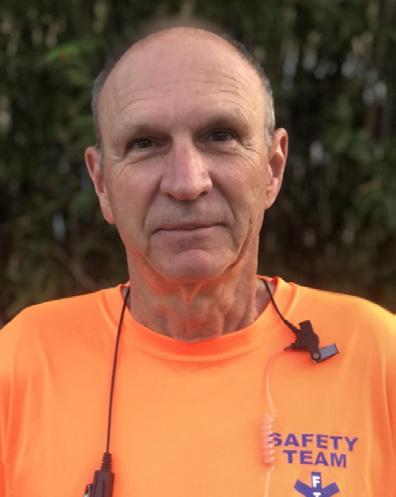
LK: You gonna' ruin those eggs with Tabasco?
Randy: (laughing) Nah, that's an OSDR thing. That's over at Kelly's RV.
LK: What got you started in FTR?
Randy: I had been racing motocross back in the 70’s and 80’s and thought that MX was the only thing to do on dirt bikes until I ran into Don Thrasher. He told me I needed to come to an FTR event and that I would get my fill of seat time, little did I know that the seat time he was referring to was enduros...where it was survival of the fittest. That lead into another form of off road racin'... hare scrambles. My hare scramble debut had better results and, as they say, the rest is history.
LK: You've been a leader of Sarasota Dirt Riders (SADRA) for many years. How did that happen.
Randy: Well, living close to Sarasota, I knew a lot of riders from my MX days at Bradenton MX and, with giving FTR a try, I ran into a lot of those riders who invited me to their club... Sarasota Area Dirt Riders Association. Somehow I got cornered into becoming more involved with t
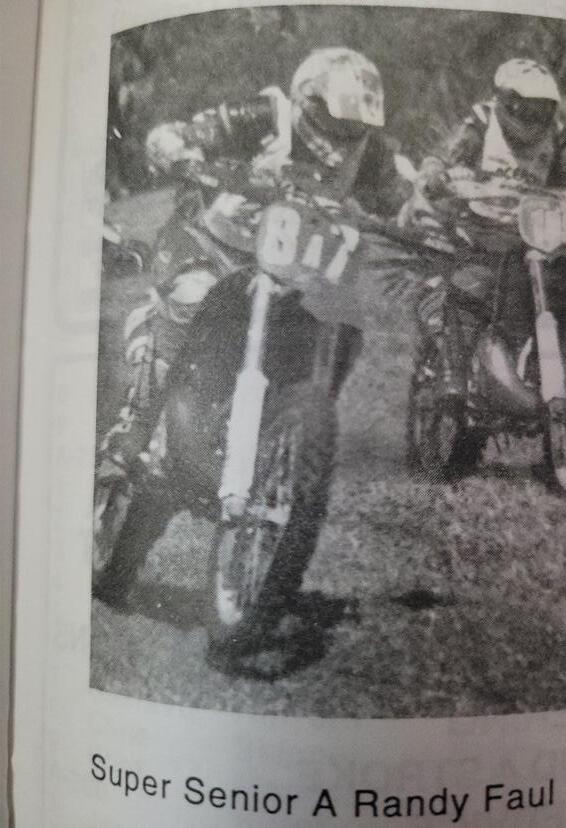
them and here I am.
LK: From there?
Randy: Well, from there I served as an Area Director, HS referee, and finally as HS chairman with FTR.
LK: How did you make the leap to President?
Randy: After serving a few years with Big Man, I got to know the organization pretty well. Big Man had been the President for a few years and he needed a change so he asked me to consider running.
LK: How was FTR doing at the time?
Randy: FTR was growing. And, along with growth, comes growing pains. There was lots of turmoil among the leadership. It really needed some changes to help get things moving forward in a positive direction.
LK: Talk about the turmoil? How did that affect operations?
Randy: I attended a sanction meeting at the Holiday Inn at Croom and it was a sad event...an all day event. Even though FTR was still young, there was lots of bickering. The older members felt they had seniority and tried to exert that when it came time to schedule events and make decisions. That really caused problems in keeping everything moving forward. Strong arm tactics, feelings of superiority, and negativity was not what FTR needed at the time.
LK: So what were you thinking?
Randy: I felt that I could help bring unity, strength, and a common vision so that we could work together to address issues and concerns while promoting our sport. I had no idea at the time what I was getting myself into and, thank goodness, I had a wife that supported my habit. There’s been a lot of changes, adjustments, and improvements over the years. It took a lot of working together to make them happen as not one person can do it by themselves.
LK: FTR is one of the largest racing organizations in the country. Where have we been a leader?
Randy: We were one of the first to go to electronic scoring. First, we introduced bar codes on
the helmet chin bar with scanning guns. SADRA bought the first system and we handed it to each club for their event. That system was better than hand-written notes as the riders came through the scoring chicane but they still had to stop to get scanned. We had wives sitting at the finish line with scoring pads as back-ups for the 8-10 classes. At that time, sign-up used paper entry forms with club members doing sign up on multiple folding tables and under a big tent...if we could get one. Folks had to stand in line and fill out paper forms. There is no way we could have done that today.
LK: What came next?
Randy: As far as scoring, FTR was one of the first to use RFID technology. It takes the efforts of many members in an organization like ours to keep us moving forward. Daniel White put in a tireless effort to get the RFID system going and that led us to what we have today.
LK: Where else have we been at the forefront? Randy: Sound mitigation. In the old days, those old bikes would show up with all kind of silencers and spark arrestors. It was not uncommon for the volume levels to be over 100 decibels when folks would use tin cans as a silencer...
or not even run one. So, we had a sound check before events. Things have gotten a little more reasonable.
LK: Legend tells that some wild-eyed guy convinced you to put medical guys out on the trail...
Randy: (With one eyebrow raised and his head tilted to the side) ...(Laughing) Been trying to shake that guy loose for over 30 years. The safety team is another example of the idea of one guy giving way to the management skills of another guy who brought in volunteers to use their occupational skills and make the idea work...volunteers who work for the betterment of the organization. FTR was one of the first off road organizations to implement and provide a safety crew with trained medical personnel.
We have been at the forefront of safety. We have the premier Safety Team in the country. There is no better medical support team anywhere in the country. As you outlined a few months ago, we have a great depth of incredible talent on the team and they keep expanding the services they provide. Again, that was an idea that came from a single member, was expanded by another member, and
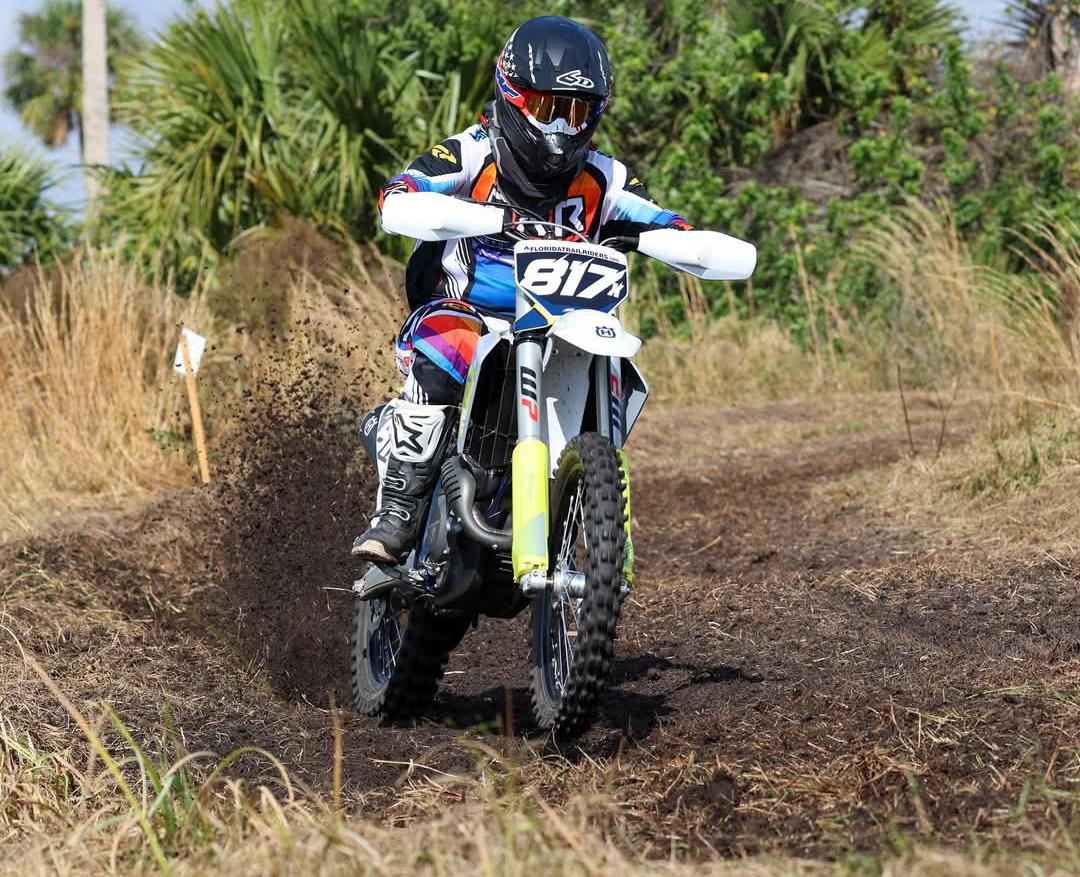
continues to expand with volunteer support today.
LK: So, our events are managed in such a way that consistency, safety, and providing a family atmosphere has earned us the role of being the premier off road series in the U.S. Where else have we led by example?
Randy: We were also one of the first to bring in corporate sponsorship. Moose was the first corporate sponsor we had. Now we have many businesses that
help us. CanAm helps us with our safety vehicles and Rocky Mountain ATV provides Race Gas money for every entrant and every race. Other sponsors and advertisers include FMF, Seat Concepts, Nihilo, Engine ICE, BluCru, Parts Unlimited, and AMA. We also have local business sponsors that include Central Florida Power Sports, WMR Competition Performance Motorcycles, East Coast Screen Printing, Scooter’s, HBD Motografx, SeaVison Underwater
Lights, Mods by MRW, and Drymon Refrigeration, Inc.
LK: What are the biggest challenges the organization is facing now?
Randy: Land availability and manpower.
LK: How so?
Randy: Everybody wants to move to Florida.
They are coming from the south and from the north...and they need someplace to live. That “someplace” is where
we race. As Pete Rose mentioned a couple months ago, development is consuming the open, unclaimed, wooded property that we use for our races. As we lose property, we lose race venues. That's why we need to be good stewards of the property we have and continually look for more property.
Several clubs have lost the ability to host races due to land development or “green environmentalists”. Apollo lost their Pumpkin Run and Astro-
naut Trail Enduro due to concerns in Titusville. They have turned to non-competitive dual sport and adventure bike events. Other clubs such as SouthWest and SouthEast Trail Riders, Azelea City, and Bay Area Trail Riders have also had significant challenges and ended up dissolving their efforts.
LK: How do we protect the properties we have?
Randy: Well, several things come to mind but the biggest is being responsible motorcyclists. Becoming a well-known organization with a solid history, reputation, and being stewards of the property brings accountability and success. Event management and working side by side with the landowners to leave the property better than we found it goes a long way with future opportunities. Our landowners know other landowners and the word gets passed around, so leaving a good impression where the landowner can brag and have positive comments goes a long way. This is why clubs ask that we pick up our trash and treat the property as if it was yours.
We also need to participate in risk mitigation. Racing around the pits on motorized vehicles gets folks injured. Landowners do not want the responsibility for
injuries...or lawsuits... brought by accidents on their properties.
LK: What else have you experienced in your tenure?
Randy: Most of the things we have tried have succeeded. Only a few have failed.
LK: What failed?
Randy: One big project that failed was the Quad Hare Scramble Series. It has been one of the few things that didn't succeed.
LK: Why did it fail?
Randy: Participation. We couldn't get enough quad members to help with all the things to make the series work. We needed help with setting up courses and we needed help with improving attendance. If nobody supports the event then we can't afford all the expenses. We did make a valiant effort but it wasn’t to be.
LK: You mentioned manpower.
Randy: Yep. The second big issue is manpower. As Pete mentioned a couple months ago, it takes lots of manpower to promote an event. We need volunteers to help set up, manage, and tear down an event. “Join a club” is not just a mantra...it's a necessity. Most of the folks who get these events going are members who have been doing this for
years. But, they're starting to show their age. We need lots of younger folks to come learn the ways of the process. It’s a labor-intensive process and the labor is getting scarce. But there are also the fun aspects of being in a club and Jana Kelly talked about most of that in last month's magazine.
LK: How does leadership fit in?
Randy: One of the goals is to use people management skills to keep the vision at the forefront and help avoid flare-ups, road blocks, and challenges. It takes a team of folks with level heads who can look at problems objectively and take the time to analyze without a knee-jerk response to the first narrative. We want a team with the same goals and positive attitude who can make the best objective choices for the best outcome for the most people, including clubs, families, and members.
LK: And the clubs?
Randy: We can't do it with only one leader. Leadership is the backbone of FTR but clubs are the muscle. It's the clubs that execute the plan. Without the clubs... we would have no events.
LK: How are we doing with social media?
Randy: (with one eyebrow raised). That is a
whole Pandora's box. John Day got us started on the web, Jim Wilder introduced multi-media, and Jonny Simpkins opened the door to event photographic excellence. They are all great mediums that have kept us up to date with the technologic advances. But, with today's social media platforms, we have to be mindful of what we portray and what our message is because it’s very easy to get off track and deliver the wrong message. Once things are in print, they are available forever. Landowners and the general public can access incredible amounts of information that can be detrimental to FTR with just the click of the mouse. So, we have to be mindful of what we post and how it will be received by others.
LK: Thanks for your thoughts.
Randy: My pleasure
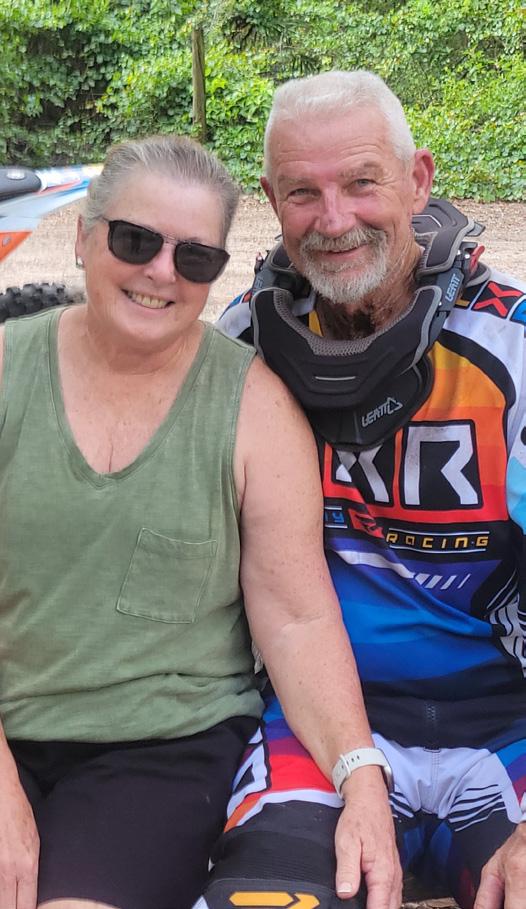

Words: Kyle McAfee
Same Friends, Different Pasture is a monthly column focused on the people, effort, and traditions that make Florida Trail Riders more than just a race series. Through stories from the trail, behind-thescenes perspective, and reflections on community and stewardship, this column highlights why off-road racing in Florida matters—and what it takes to keep it going.
Florida isn’t the first place people think of when they imagine offroad motorcycle racing. We don’t have mountains or deserts, and our terrain doesn’t always look dramatic in photos. Most people think of beaches and palm trees when they think of Florida. But anyone who has spent time racing or volunteering with Florida Trail Riders knows that what we have here is something special—and worth protecting for future generations.
Off-road racing in Florida matters because it is more than competition. It is family, community, stewardship, and tradition rolled into one.
For decades, FTR has provided a structured, responsible way for riders to enjoy the outdoors while respecting the land we use. That structure is important. In a state where open riding areas are limited and constantly under pressure, organized clubs like FTR help prove that off-road riders can be good neighbors, responsible land users, and long-term partners
with both private landowners and state agencies.
Every ribboned trail, every orange arrow, every scored checkpoint, and every properly run event represents hundreds— sometimes thousands—of hours of volunteer work. Clubs aren’t just showing up on race day. They are spending multiple weeks and weekends cutting trails, setting posts, laying out parking, working through permits, coordinating insurance, and making sure events are run as safely and professionally as possible. Then, after the last camper leaves, the work continues—removing posts, pulling arrows, cleaning up ribbon and fencing, and rehabbing the trails. Anyone who has ever helped put on an event, even for a single day, quickly gains an appreciation for just how much effort goes into making race weekend happen.
Off-road racing also matters because it brings families together. FTR events aren’t just about how you finish. They’re about kids lining up for their first race, parents helping calm nerves at the starting line, setting personal goals, testing abilities, and spending weekends outdoors instead of behind screens. Many of us didn’t just grow up racing—we grew up inside the FTR community. Now we’re watching—and helping— the next generation do the same.
There is also an important educational side to what FTR does. Riders learn trail etiquette, sportsmanship, and respect—for other competitors, for volunteers, and
for the land itself. Those lessons carry over beyond race day. They create riders who understand that access to land is something that must be earned and protected, not taken for granted.
In today’s world, it’s easy to overlook how fragile riding opportunities can be. Land access can disappear quickly, and once it’s gone, it rarely comes back. Organizations like FTR help ensure that off-road motorcycling has a future in this state by showing that organized racing can coexist with conservation, safety, and responsible use.
At its core, FTR represents what off-road racing should be: challenging but fair, competitive but welcoming, and rooted in respect—for the sport, the land, and the people who make it all happen. That future depends on more than just showing up to race. It depends on riders and families joining local clubs, lending a hand in putting on events, and supporting the volunteers who make these weekends possible.
That’s why off-road racing still matters in Florida—and why getting involved with Florida Trail Riders and its hosting clubs, not just as competitors but as participating members and volunteers, matters now more than ever. Get involved, lend a hand, and help ensure this organization survives—and thrives—well into the future.
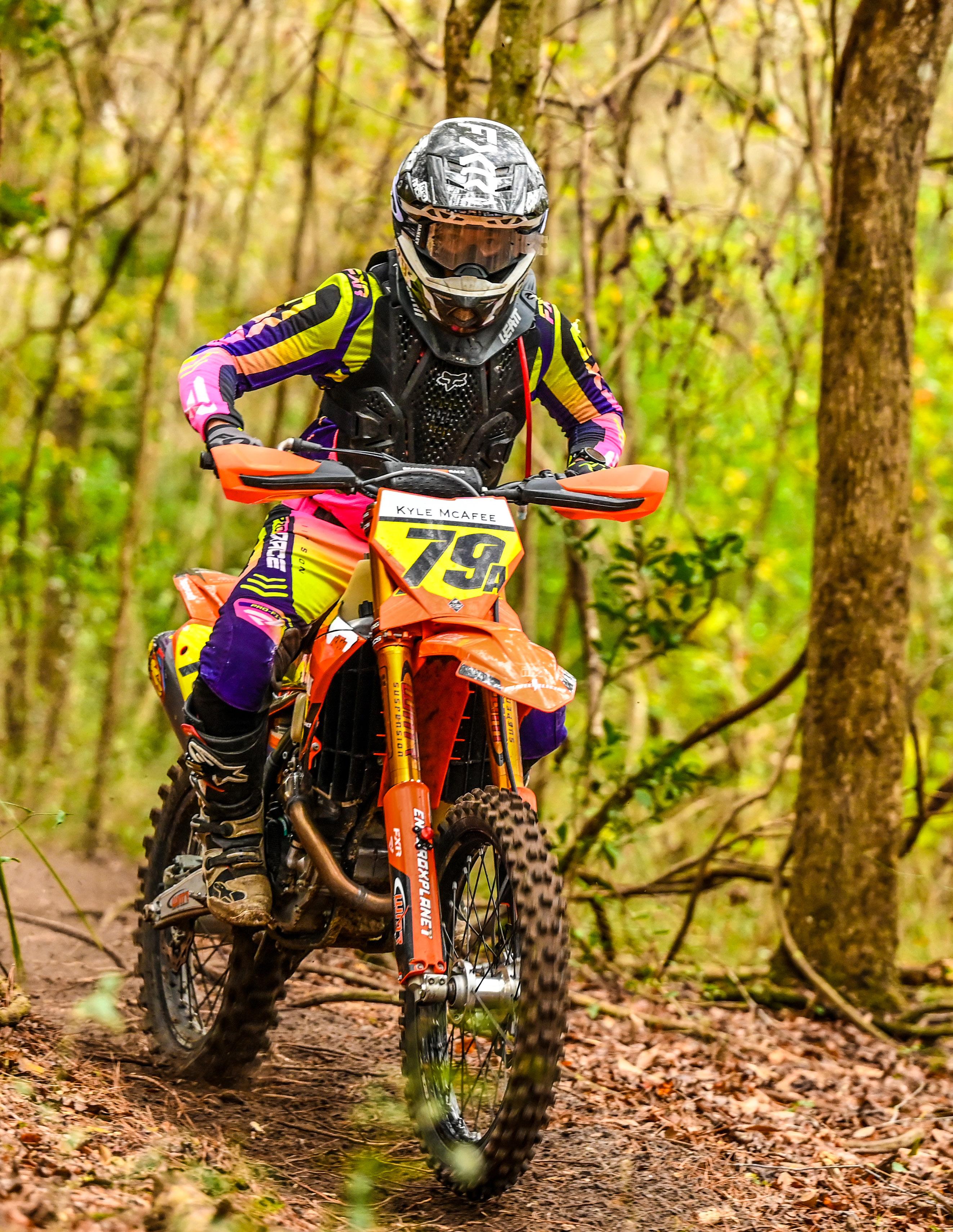
WORDS: DR. MATT DAUGHERTY
Orthopedic Physical
Therapist and Racer
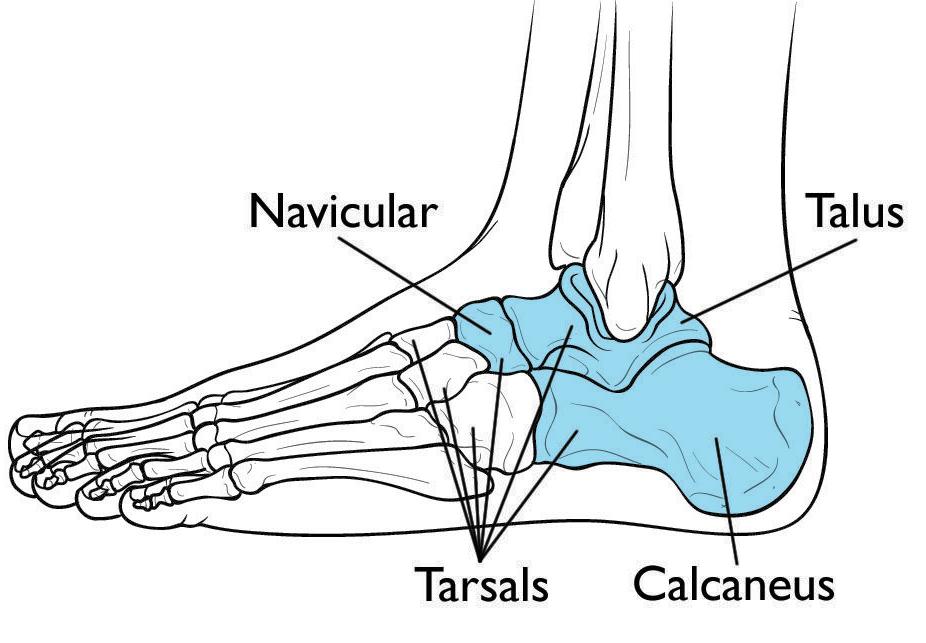
At the time of this writing, news broke two weeks ago that Jett Lawrence was dealing with a significant ankle injury/surgery. A lot of us have shrugged it off as “just an ankle fracture, he had surgery and will be fine.” But the bones involved in Jett’s injury — the talus and navicular — make this a very different category of problem. These aren’t simple ankle bones. They are the mechanical and biological keystones of the ankle and foot, and they control both loading and movement. When they’re injured, the consequences can follow a rider for years or be career-ending if they’re not handled properly.
Here’s why.
The talus sits directly between the leg and the foot. Every ounce of body weight and every landing force goes through it. It’s covered mostly in cartilage and has no muscle attached to it, which means it has a very limited blood supply. That makes it slow to heal and vulnerable to bone death (osteonecrosis) if the blood flow is disrupted.
The navicular sits just in front of the talus and acts as the bridge between the rearfoot and the midfoot. It plays a huge role in how your foot absorbs shock, adapts to terrain, and transfers power. It also has a poor blood supply in its center, which is why navicular injuries are infamous for delayed healing and stress fractures in high-level athletes.
In other words, these bones are built to handle massive forces — but they are not built to heal quickly when injured. After a traumatic injury like Jett’s (I imagine a cased jump or ditching the bike in the air and landing feet first into a jump face) surgery is always required to give the patient the best odds of success.
That’s what makes injuries to this area risky. Even a small crack, bruise, or displacement can become a long-term problem if the bone doesn’t get enough blood, enough stability, or enough time to heal. If the talus collapses or the navicular fails to heal, the result is early arthritis, chronic pain, and loss of motion, which is career-threatening in motocross and supercross.
That’s also why surgery is often part of the picture. Fixation isn’t just about lining the bone up. It’s about restoring blood flow pathways, protecting joint surfaces, and allowing the bone to heal in the correct position. Surgery gives structure, but it doesn’t give time — and time is what these bones need.
This is where rehab becomes the most important part of the story.
Rehab after talus or navicular surgery is not about rushing back to riding. It’s about controlling motion, restoring blood flow, protecting the repair, and gradually reloading the bone and joints so they adapt instead of collapsing. Too much load too early risks re-fracture, bone death, or joint breakdown.
Too little motion for too long can lead to stiffness, loss of neuromuscular control, and compensation injuries up the chain, affecting the knee, hip, or back. A long rehab isn’t punishment. It’s necessary protection, and we anticipate a 3-5 month recovery period before returning to racing.
This is also why you see elite athletes like Jett taking months, rather than weeks. It’s discipline. It’s choosing long-term career health over short-term results. Jett needs to forget the 2026 AMA supercross season and focus on the 2026 motocross season and the super motocross finale.
The bottom line for riders is this: ankle injuries aren’t all equal. When the talus or navicular is involved, it’s a highrisk injury that deserves respect, patience, and high-quality medical care.
Your riding career depends on your feet and ankles as much as any other joints. They are your contact with the bike and the ground. If they fail, everything above them pays the price.
So, if your medical doctor or physical therapist tells you that you need surgery, or that you need months of rehab before you’re back on the bike, that’s not being overly cautious. They are protecting your future and setting you up for the best future outcome.
Because in this case, the fastest way back is usually the slowest-looking path.
Before acting on any information in this article, I recommend that you consult a physical therapist or physician for a general health and physical activity readiness screening. If you are experiencing pain while riding, it is always beneficial to have a complete evaluation by a qualified physical therapist or physician. If you have any questions or comments, please email me at contact@motopt.com or call/text 904-395-5379. Let's IMPROVE YOUR MOVE so you can ride pain-free with MotoPT.
Dr. Matthew Daugherty PT, DPT, OTR/L, MOT, DBA
Associate Professor and Director of Residency Programs Board Certified Orthopaedic Clinical Specialist Fellow, American Academy of Orthopaedic Manual Physical Therapists
Manual Therapy Certified Intramuscular Dry Needling Certified
Koc, T. A., Jr., Cibulka, M., Enseki, K. R., Gentile, J. T., MacDonald, C. W., Kollmorgen, R. C., & Martin, R. L. (2025). Hip pain and mobility deficits — hip osteoarthritis: Revision 2025. Clinical practice guidelines linked to the International Classification of Functioning, Disability and Health. Journal of Orthopaedic & Sports Physical Therapy, 55(11), CPG1–CPG31. https://doi.org/10.2519/jospt.2025.0301
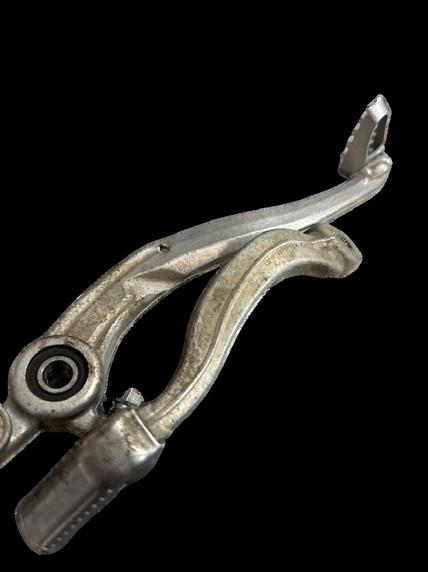
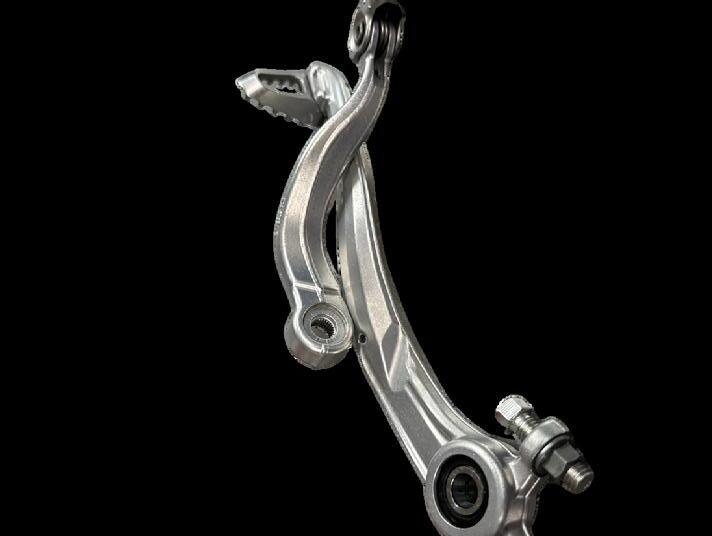
Vapor honing, also known as wet blasting, is a crucial process fo ATV's metal components. By using a fine slurry of water and ab cleans and polishes parts without causing surface damage. This method not only removes dirt, grime, and corrosion from engine parts, suspension components, and casings, but also seals the metal for better longevity and a smoother finish. The result is improved part performance, reduced wear, and a like-new appearance—all of which contribute to a cleaner, more efficient machine that performs better on the track or trail.
In addition to its cleaning benefits, vapor honing can also enhance the overall durability of you ATV. The process creates a smooth, satin-like finish that reduces surface imperfections where grime typically accumulate, making future maintenance easier. It can also help to reduce fr certain moving parts, leading to improved performance and longer component life. Whethe prepping for race day or doing a full restoration, vapor honing is an excellent way to keep your running at peak performance and looking its best.
TF Racing Suspension is excited to announce that we now offer vapor honing services! Wheth prepping for a race or maintaining your machine for the long haul, we're here to help ke suspension and engine parts in tip-top shape for peak performance. We look forward to working and making sure your ride stays race-ready!
For more information on suspension and fine-tuning, please visit our website: TFsuspension.com to learn more about this race tech tip.
For over 50 years, TF Racing has been elevating the off-road riding and racing experience for countless enthusiast while building champions on and off the track. Contact us today for a custom quote



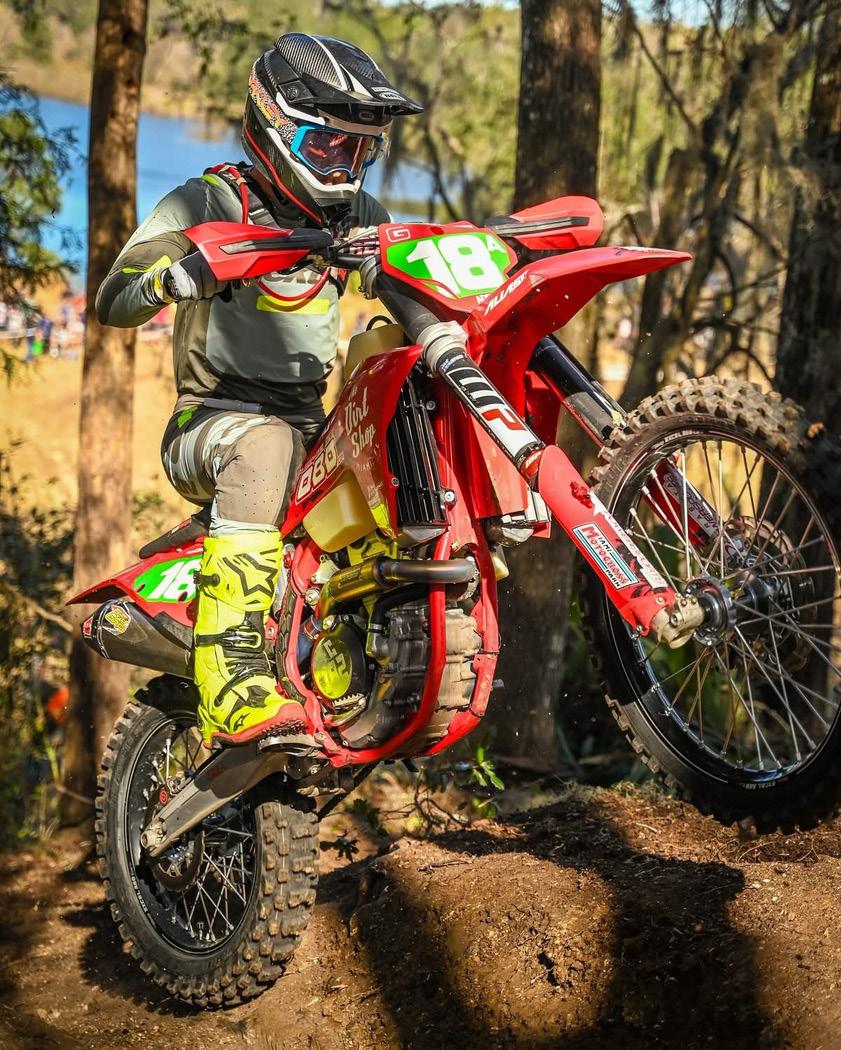
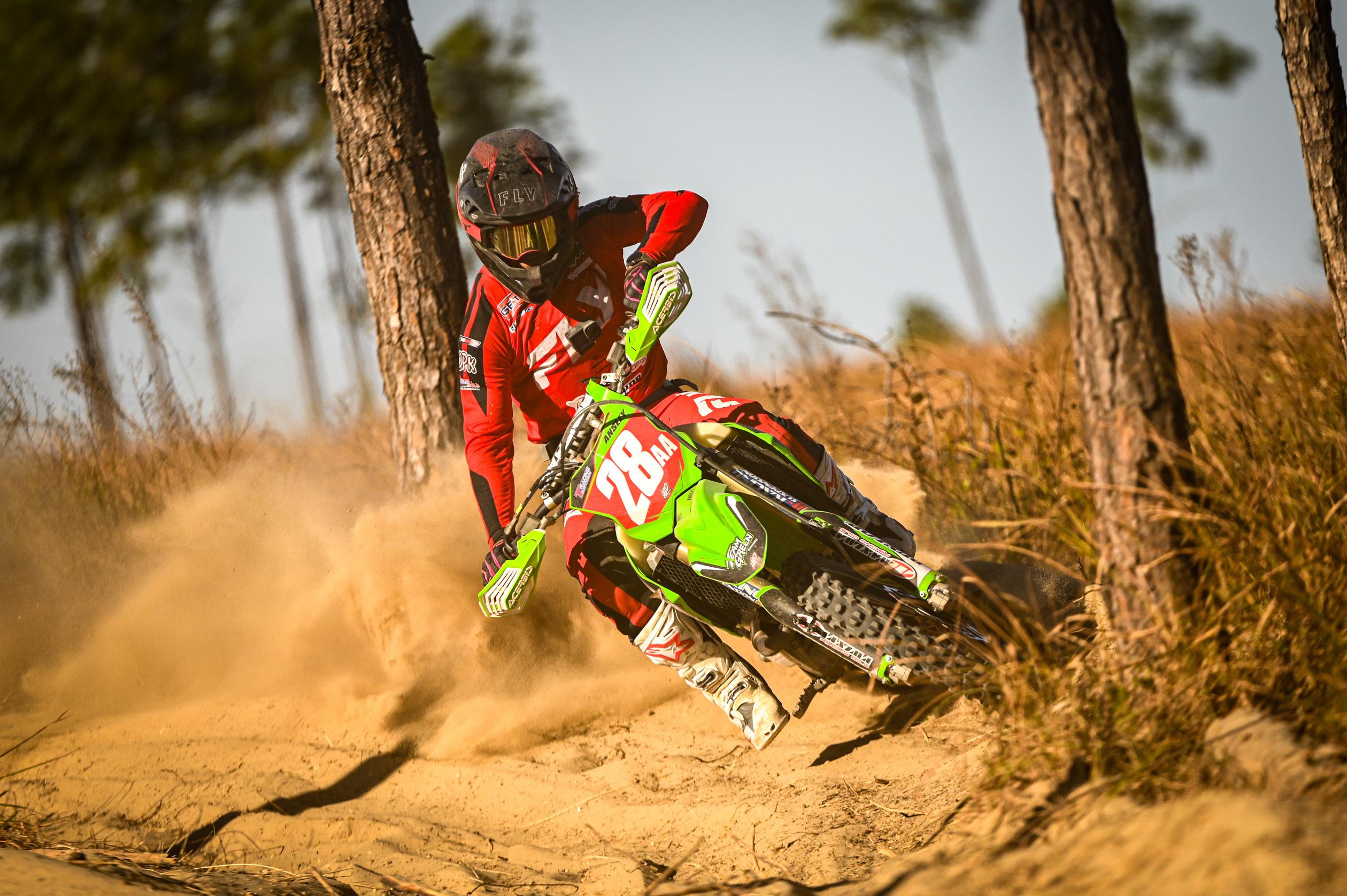

It is no secret that the Brooksville FTR round is my favorite of the year. This year was one for the record books with the rain we got on Saturday afternoon. My family and I raced as many times as we could and we had a family member in every single race except for the quad race. We had a blast.
Unfortunately, after the event, I got the news that a few of my friends had suffered some injuries over the weekend – some at the FTR and some riding up north. This is certainly a negative side effect of riding and racing. Injuries are an unfortunate part of our sport and it is something we cannot really prepare for.
What are the unexpected things that could completely derail a retirement plan? I think one of the major retirement killers is not accounting for the cost of long-term care. Keep in mind that Medicare does not cover the cost of longterm care. The cost of this expense has skyrocketed over the last several years. We have access to some unique solutions that could help cover some of the cost of long-term care. If you have never looked at how long-term care could affect your retirement plan or you have not explored any long-term care plan, it may be worth scheduling a 15-min complimentary consultation. Simply call our office and see if we can help.
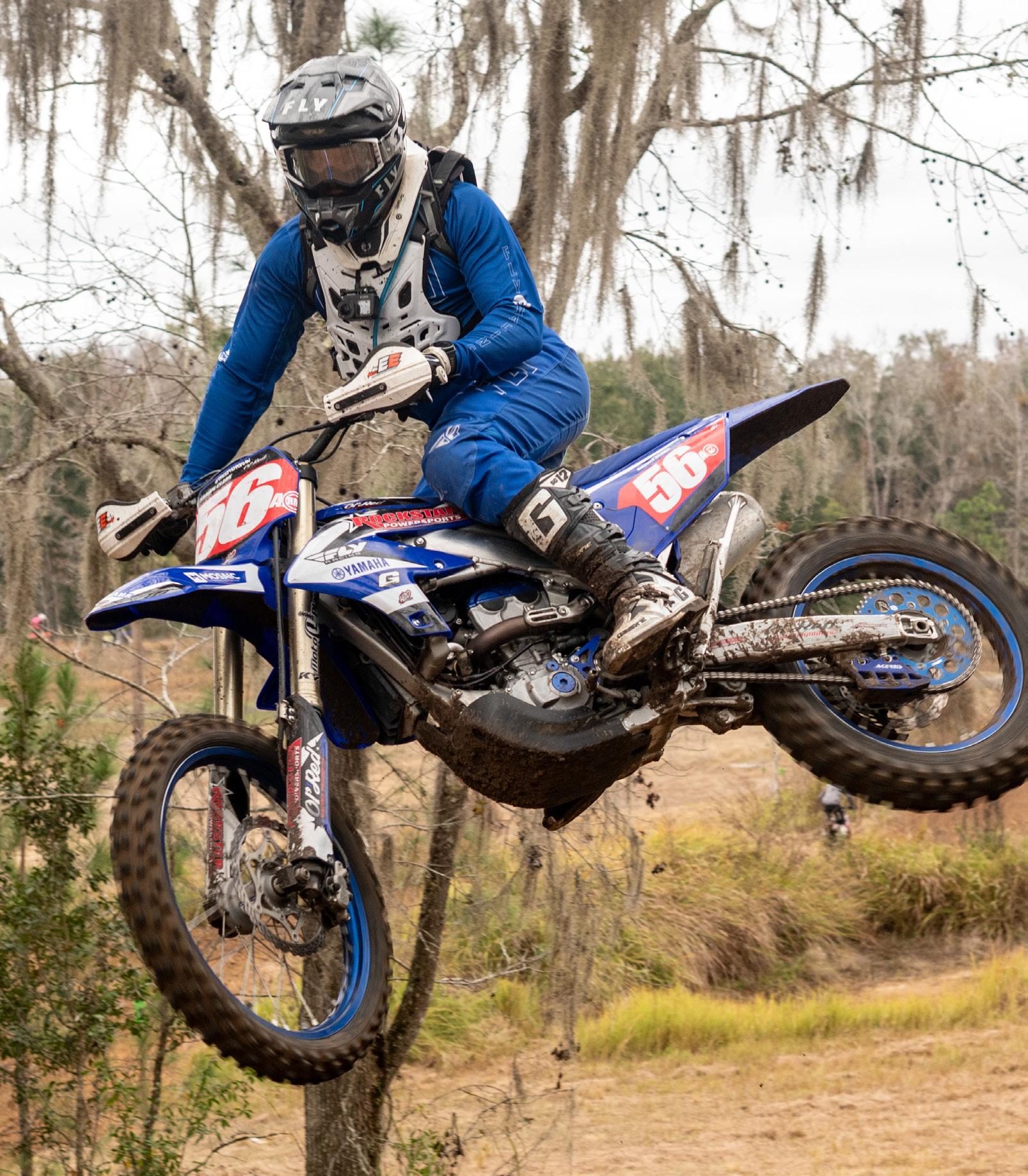
What’s up guys! Hope you’re all doing well, and I hope you enjoyed the last entry. With some faster races coming up, I wanted to talk about how to approach highspeed tracks and give some insight on how to get more confident when things start getting fast. In this entry, we’re going to cover how to set yourself up to carry more speed through the fields, find “free time,” and improve overall technique for these situations.
For starters, let’s talk about the basics. When you think about speed in a straightaway, what’s the first thing that comes to mind? For me, it’s drag racing. When it comes to drag bikes, think about how they set themselves up to go as fast as possible. Smooth throttle delivery and staying seated are huge. If you’ve ever done a motocross start or even just watched pro racing, there’s a reason these guys sit down when they’re accelerating hard. It’s easier and more efficient. Standing takes more energy and more control to achieve the same speed, assuming you can keep the front end down. Of course it’s all situational, but generally speaking we want the most speed and drive with the least wasted effort.
To do that, we build our position from the ground up. Start by driving your weight into the pegs through your feet. This helps maximize traction into the rear wheel while also keeping you planted in your seated position. From there, focus on the hips and back. Keep your spine neutral so you can use your muscles effectively and engage your core when needed. When it comes to your arms, you shouldn’t be holding on for dear life. A death grip wastes energy and usually leads to arm pump. Finally, focus on the head. Driving your head forward helps keep your weight moving in the right direction and keeps the bike stable at speed. Ideally, your chin is almost directly over the handlebars.
All of that said, sometimes you’re forced to stand. Whether it’s rough conditions, an upcoming obstacle, or something else, standing is part of racing. When you stand, the concept is almost the same: head forward, feet planted, arms relaxed, and your body in a neutral position. Getting too far over the front can cause the rear to kick, and getting too far off the back can lead to a loop out. The best way to manage this is by staying
aware of what’s coming by looking far ahead, so you know when it’s time to sit and when it’s time to stand.
Now let’s talk corners. When coming into corners on faster tracks, we want a wide entry. Think of F1 or road racing. Those riders open up the corner as much as possible so they can set themselves up to reach the inside of the track at the apex. A lot of riders go wrong here because they enter down the middle or inside right away, which creates a tighter angle, puts them in rougher lines, and leads to a slower setup. By opening up the corner and entering from the outside, you’ll be able to carry more speed, avoid more bumps, and give yourself options. You can either cut out early if it’s there, or stay in the main line through the turn with more control.
Now let’s talk about “free time.” Free time is time you can make up on the track with little to no extra effort. Any rider, no matter the skill level, can go fast in a straightaway. So when you’re on the race course or riding at the track, there’s no reason to treat straight sections like they don’t matter. A lot of guys cruise down straights, but if you put them in an open
field or on a road, they’d have no problem holding it wide open. That means they’re leaving time on the table simply from laziness or lack of intensity. Whether it’s a 20-foot straight between turns in the woods or a 100yard rip out in the fields, there’s almost always easy time to be gained just by staying aggressive and maximizing speed in every straight section.
One big thing to keep in mind, especially in faster sections, is looking ahead. The faster you go, the quicker things come up on you, so the further ahead you need to look. You never want to get surprised by a bump, root, stump, or anything that could cause a mistake or even a big crash. Always respect the track, even in faster “easy” sections. If you get too comfortable at high speed and miss a bump, it’s almost impossible to save it.
And remember, don’t go try to be a hero. Ease into it and practice before trying to go wide open on lap one of a race. Best of luck to you all at these closing rounds. Enjoy the fun, fast, flowy tracks, and stay safe! You can find more tips and tricks, as well as schedules for upcoming camps, on my Instagram @alexlugaroffroadacademy!

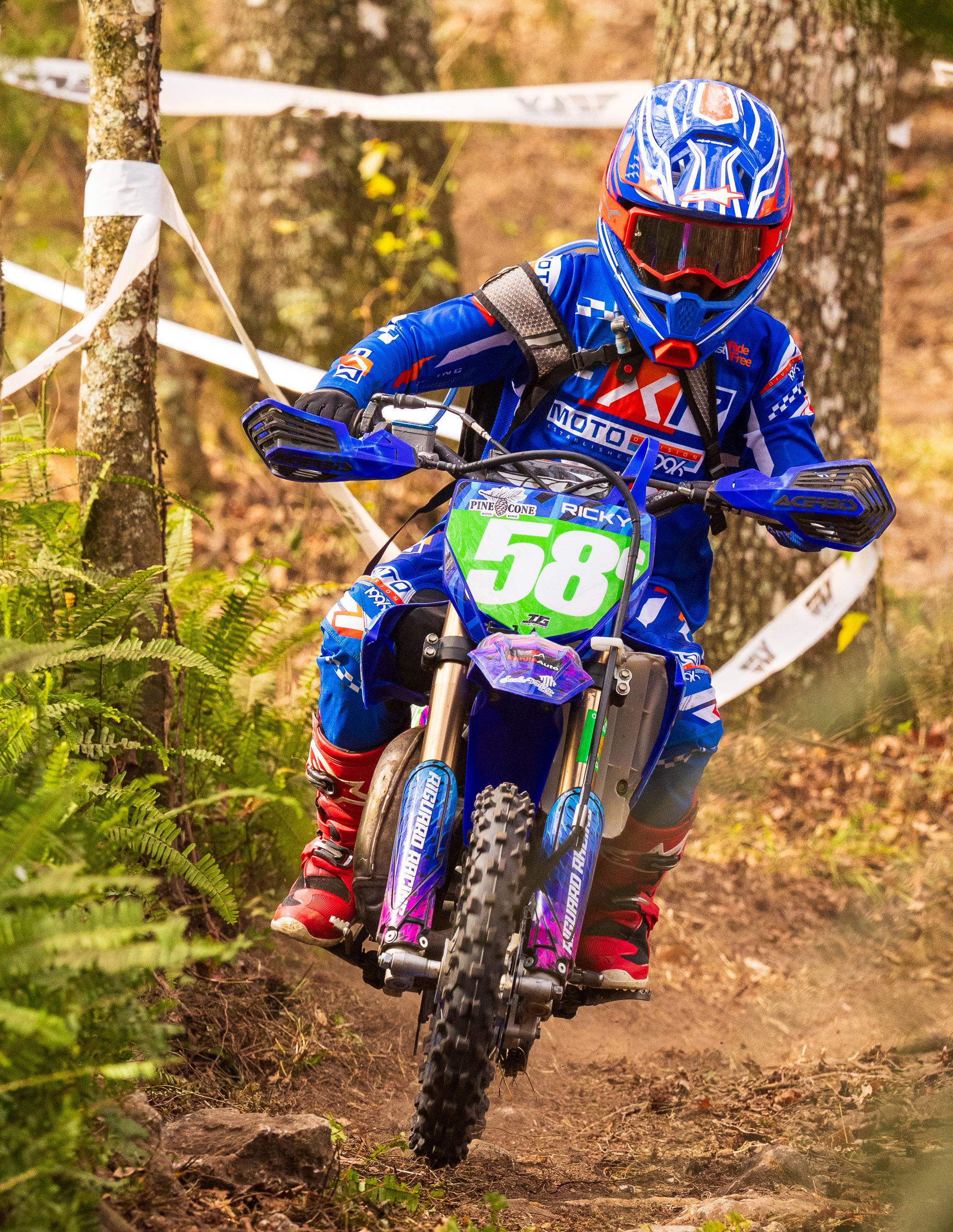
RICKY RIGUARD


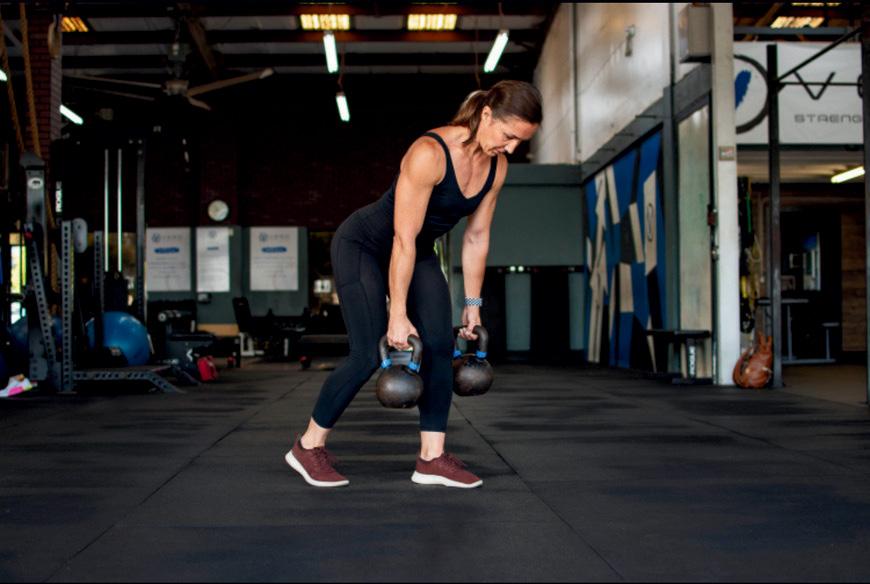

@strong_roots_fitness_llc @strong_roots_fitness_llc

trainwithstrongroots@gmail.com trainwithstrongroots@gmail.com


*dates and locations subject to change
FTR’s BOD has voted to transition to a Calendar-Year (January to December) Season. So, for the 2025-2026 season, we will have a ONE-TIME 18-month schedule. After that, we will run from January through December. This was done to comply with AMA promotion rules. The approved preliminary schedule of 15 Hare Scrambles and 13 Enduros.
August 31, 2025
September 28, 2025
October 10-11, 2025
October 25-26, 2025
November 2, 2025
November 8-9, 2025
December, 6-7, 2025
January 3-4, 2026
January 17-18, 2026
Jan/Feb 31-1 2026
February 8, 2026
February 14-15, 2026
February 22, 2026
March 8, 2026
March 14-15, 2026
April 11-12, 2026
April 19, 2026
May 31, 2026
September 6, 2026
September 20, 2026
September 27, 2026
October 10-11, 2026
October 24-15, 2026
November 1, 2026
November 7-8, 2026
November 15, 2026
November 21-22, 2026
Enduro #1
Litlle Brown Jug Clinton, SC
Enduro #2 Orange State Croom, FL
HS #1
HS #2
Enduro #3
HS #3
HS #4
HS #5
HS #6
HS #7
Enduro #4
HS #8
Enduro #5
Enduro #6
HS #9
HS #10
Enduro #7
Enduro #8
Enduro #9
Enduro #10
CFTR Bartow, FL
SADRA Bartow, FL
Gobbler Getter Maplesville, AL
Sunrunners Bartow, FL
OSDR Punta Gorda, FL
SCTB Brooksville, FL
PBTTR Okeechobee, FL
TCTR Indiantown, FL
Sumter National Wedgefield, SC
BSTR Lake Butler, FL
St. Mary’s Shoals Macclenny, FL
Straight Arrow Richloam, FL
NCTB Dade City, FL
OSDR Punta Gorda, FL
Armadillo Lake Butler, FL
Cherokee Greensboro, GA
Little Brown Jug Clinton, SC
Diamondback New Augusta, MS
Enduro #11 Orange State Croom, FL
HS #11 CFTR Bartow, FL
HS #12 SADRA Bartow, FL
Enduro #12 Gobbler Getter Maplesville, AL
HS #13
Enduro #13
Sunrunners Bartow, FL
St. Mary’s Shoals Macclenny, FL
HS #14 OSDR Punta Gorda, FL