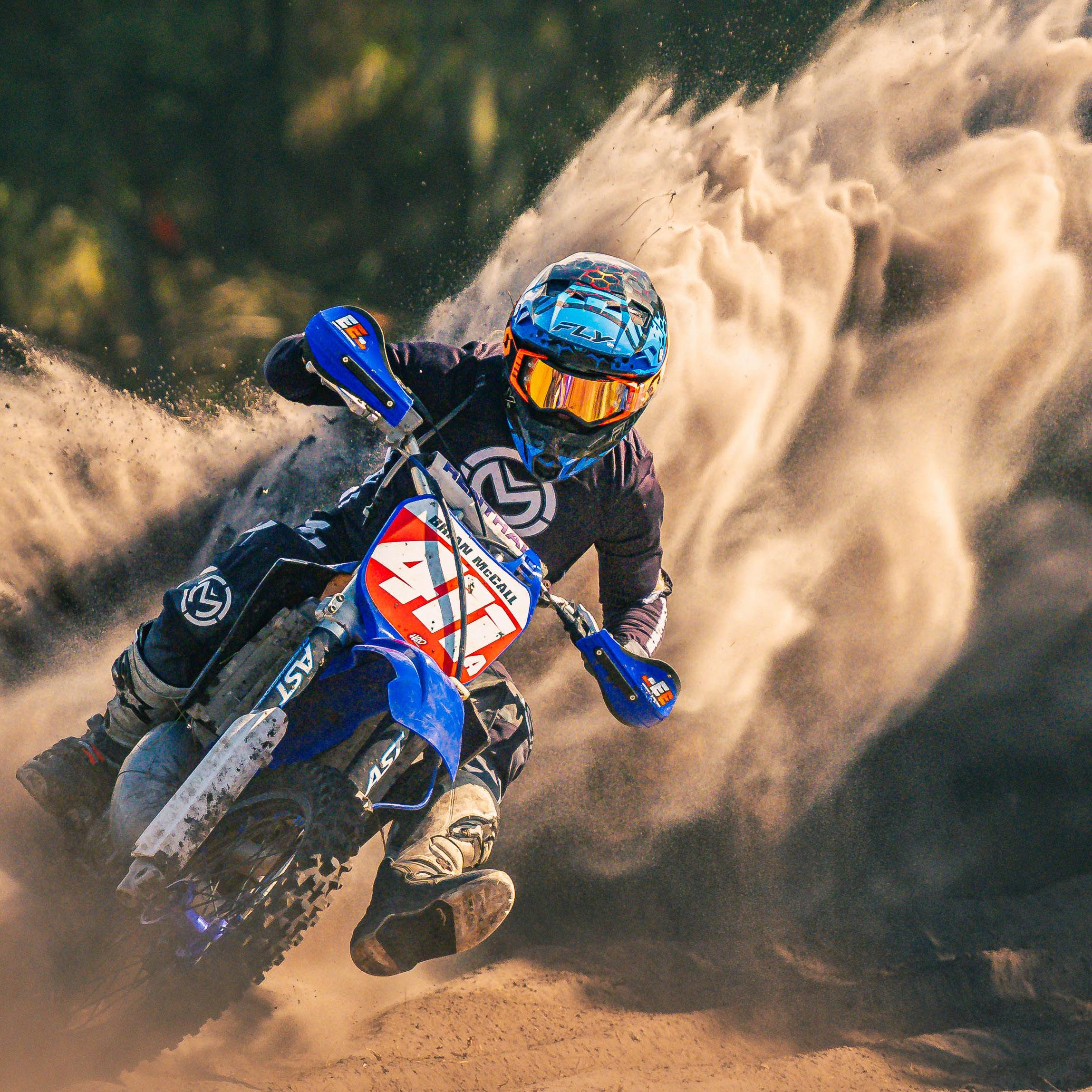
Brian McCall| Photo by Clint Kison
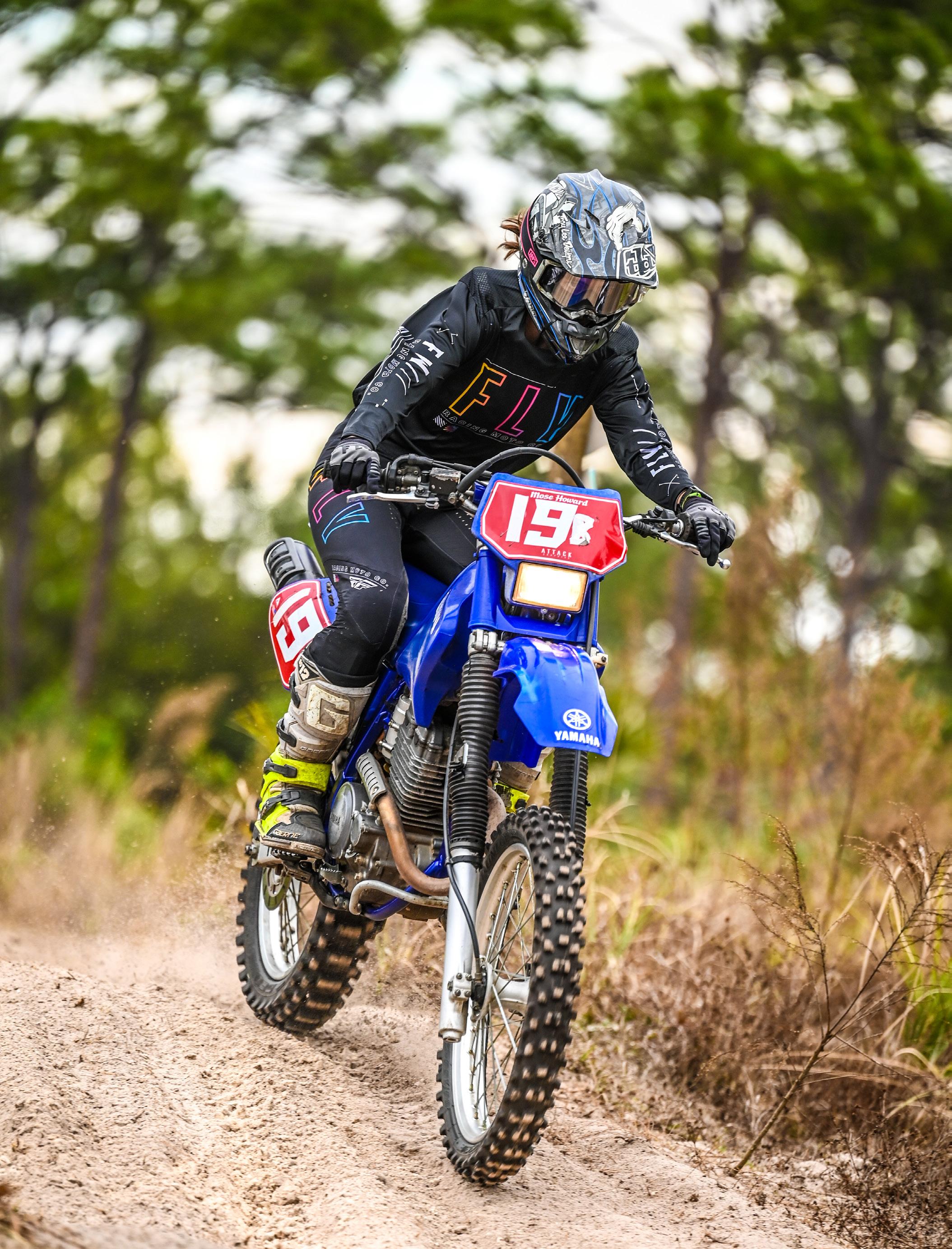
Rylie Howard | Photo by Tyler Miller
AREA #7 - Seminola, Osceola, Orange
AREA #1 - Out-of-State, Panhandle
AREA #2 - Hamilton, Suwannee, Columbia, Baker, Union, Bradford, Nassau, Duval, Clay, Putnam, St. Johns
James Benton (904) 589-0093 bentonracing116@yahoo. com
AREA #3 - Gilchrist, Alachua, Levy, Marion, Citrus, Sumter, Lake
Brandon Underhill (352) 339-1169 brandsonsunderhill@gmail. com
(AREA #4 - Flagler, Volusia
Corey Pierce (386) 453-9056 corey23pierce@gmail.com
AREA #5 - Hernando, Pasco, Pinellas
Tyler Miller (813) 210-1710 yamahatyler@yahoo.com
AREA #6 - Hillsborough, Polk
Shawn Clark (812) 617-0272 sclark@mosaicfingroup.com
Will Busick (317) 507-6636 willb763@gmail.com
AREA #8 - Brevard, Indian River
John Happel (321) 759-1474 ftrforester@gmail.com
AREA #9 - Manatee, Sarasota, Hardee, DeSoto, Highlands
Brian Dugre (941) 893-7898 brian@mycentec.com
AREA #10 - Okeechobee, St. Lucie, Martin
Ken Harris (772) 370-4434 khei9862@gmail.com
AREA #11 - Charlotte, Lee, Glades, Hendry, Collier
Chuck Schomann (717) 324-9606 schomanninc@yahoo.com
AREA #12 - Palm Beach
Todd Hallman (561) 346-6663 bushwagon@aol.com
AREA #13 - Borward, Dade, Monroe
Max Rash (954) 609-1812 maxr@rivaracing.com
Big O Trail Riders
Tommy Clay (863) 532-1952 tommy_clay@yahoo. com
Big Scrub Trail Riders
Curtis Bell (386) 679-8201 curtbell@rocketmail. com
Central Florida Trail Riders
AJ Stagg ajstagg@gmail.com (407) 929-2114
Daytona Dirt Riders
Robert Pierce (386) 615-0722 secretary4ddr@gmail. com
Greenville Enduro Riders
Chris Poole (864) 617-4342 info@greenvilleenduroriders.com
Nature Coast Trail Blazers
Rob Swann (813) 731-5552 naturecoasttrailriders@ gmail.com
Old School Dirt Riders
Ben Kelly (941) 650-1473 ftr90racer@yahoo.com
Palm Beach Track & Trail
Randy Rash (954) 931-5709 motodadfla19@aol.com
Perry Mountain M/C
Brad Belcher (205) 340-4298
perrymountainmotorcycleclub@gmail.com
River City Dirt Riders
James Benton (904) 589-0093
bentonracing116@yahoo.com
Sarasota Area Dirt Riders
Randy Faul (863) 244-3709 randt817@gmail.com
Suncoast Trail Blazers
Mark Scalzi (352) 601-6917
suncoastbiz1@gmail. com
Sunrunners Dirt Riders
West Anderson (863) 604-1868 jetster220@gmail.com
Treasure Coast Trail Riders
Ken Harris (772) 370-4434 khei9862@gmail.com
AA/A ENDURO
Mark Mannschreck (813) 310-2067 hondamm61@aol.com
B/C ENDURO
Sam Boydstun (407) 467-3951 woodsracercfl@rr.com
SPECIALTY A/B ENDURO
Ronnie Hames (386) 547-2397 ronnie@hbdmotografx.com
SPECIALTY C/WOMEN ENDURO
Elesa Berard (407) 376-7115
AA/A HARE SCRAMBLE
Troy Gardner (561) 329-7866 troyracing41@gmail.com
B/C HARE SCRAMBLE VACANT
SPECIALTY A/B HARE SCRAMBLE
Paul Lucas (305) 244-7531 happytimesamuse@msn.com
SPECIALTY C/WOMEN HARE SCRAMBLE
Holly Langford (954) 504-2659 hollylangford10@gmail.com
SATURDAY CLASSES HARE SCRAMBLE
Derek Tremain (863) 634-8183 derektremain@gmail.com
QUADS
Pete Rose (941) 270-1189 pwrracingktm@gmail.com
PRESIDENT
Randy Faul (863) 244-3709 president@floridatrailriders.org
VICE PRESIDENT
Landon Lynn (772) 494-3305 vicepresident@floridatrailriders.org
SECRETARY
Bill Toreki (352) 372-1135 secretary@floridatrailriders.org
TREASURER
Brandon Bloomquist (503) 707-1744 treasurer@foridatrailriders.org
HARE SCRAMBLE CHAIRMAN
Randy Rash (954) 931-5709 hschair@floridatrailriders.org
ENDURO CHAIRMAN
George Tolson (863) 698-3837 gjtolson63@gotmail.com
HARE SCRAMBLE REFEREE
Jeff Hazeltine 941-468-7204 hsref@floridatrailriders.org
ENDURO REFEREE
Peter Magee (352) 262-4974 cr250m@bellsouth.net
BUSINESS MANAGER
Darlene Riggs (352) 538-6291 businessmanager@floridatrailriders.org

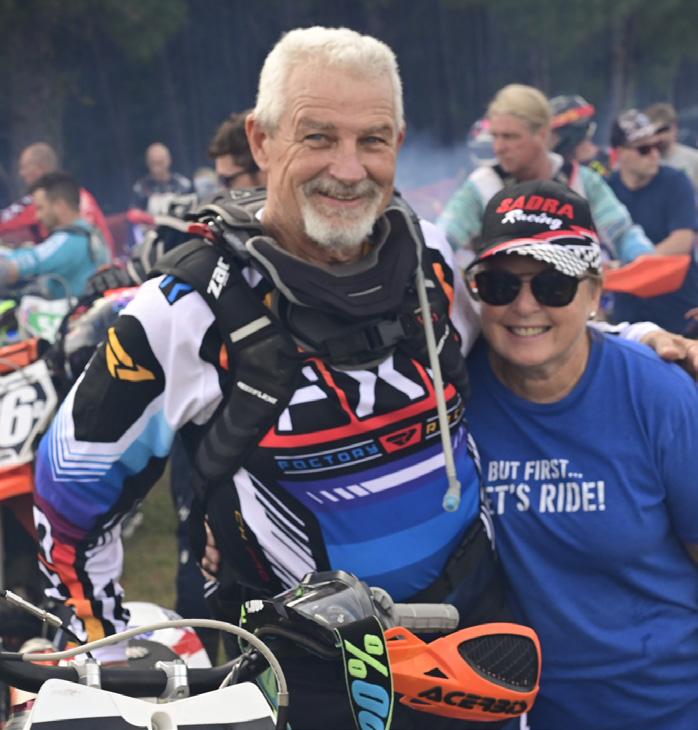
As we move past the halfway point of our extended season, we’ve faced some challenges along the way, particularly with dust and extremely dry conditions. Almost every event so far has experienced some level of this, with only a couple fortunate enough to receive rain before or during the event, which greatly improved conditions.
I was both surprised and relieved to see how our riders acknowledged the racing conditions and adjusted accordingly. It also seemed like we had fewer injuries, as everyone stayed sharp and rode with a different mindset.
Along with the dust came very dry pastures and camping areas, which raised concerns about grills and above-ground fires. Even though we have a great fire suppression team in Ronnie and Brianna, who can be mobile and bring 100 gallons within minutes, being aware of what we’re doing and how we’re doing it can prevent a major catastrophe at our events.
We must be vigilant with our campsites and surroundings to minimize any possibility of fire. Some clubs are even requesting no fires at all,
including above-ground fires, given the current conditions. Having a fire extinguisher near your grill when cooking outside should be strongly considered. Positioning generators in areas that minimize contact with tall grass is another important precaution. Keeping a fire extinguisher on your SxS or golf cart while you’re out and about wouldn’t hurt either.
These things often don’t come to mind until something happens, and then we wish we had thought of them sooner. Let’s stay aware, be proactive, and watch out for one another.
Speaking of watching out for each other, a big shoutout to all of you who stop to check on a downed rider, whether during competition or practice. I’ve heard many stories of riders who pause their race without hesitation to help someone who has crashed. It truly shows that the FTR family is strong and that we take care of each other no matter what.
Keep up the excellent work and that positive mindset. It always comes back around.
Thanks for listening, Randy Faul
Average loves average. If we love God, who is infinite and unmatched, then that’s what we should expect. We should know that in every circumstance, whether it seems good or bad, we must trust that it has been allowed for God’s glory and for our good and the betterment of those around us. That’s where faith comes in. Elevate our faith and our thinking in Christ Jesus. Our decisions today shape tomorrow, and when we’re aligned with Jesus and what He taught, we are set up for ETERNAL SUCCESS.
Matthew 22:37–40 tells us, “Love the Lord your God with all your heart, with all your soul, and with all your strength. This is the first and greatest commandment. And the second is like it: Love your neighbor as yourself.” When we do this, we elevate God’s will over our own lives. That turns our focus to the needs of others, which then blesses us immeasurably.
So let’s remove the excuses. They do nothing but keep us in our comfort zone. They are a tool of the enemy meant to slow, hinder, or completely stop our growth and progress. We have the authority given to us through Jesus to overcome all these things. Philippians 4:13 states it perfectly: “I can do all things through Him who gives me strength.” Live and believe that we are changed in Christ.
Lo mediocre atrae a lo mediocre. Si amamos a Dios, que es infinito e incomparable, entonces eso es lo que debemos esperar. Pero debemos saber que en cada circunstancia, ya sea buena o mala, debemos confiar en que ha sido permitida para la gloria de Dios, para nuestro bien y el de quienes nos rodean. Ahí es donde entra la fe.
Elevemos nuestra fe y nuestro pensamiento en Cristo Jesús. Nuestras decisiones de hoy dan forma al mañana, y cuando estamos alineados con Jesús y sus enseñanzas, ¡estamos destinados al éxito eterno! Mateo 22:37-40 nos dice: “Amarás al Señor tu Dios con todo tu corazón, con toda tu alma y con todas tus fuerzas. Este es el primer y más grande mandamiento. El segundo es semejante a éste: Amarás a tu prójimo como a ti mismo”. Cuando hacemos esto, priorizamos la voluntad de Dios por
Remember, small changes make big changes. The race isn’t won in the first turn. But when we decide to focus on each turn and set ourselves up for success, we will run a successful race in full. That doesn’t mean we won’t make mistakes, but the goal is to learn from those mistakes, take them captive, and overcome them every time.
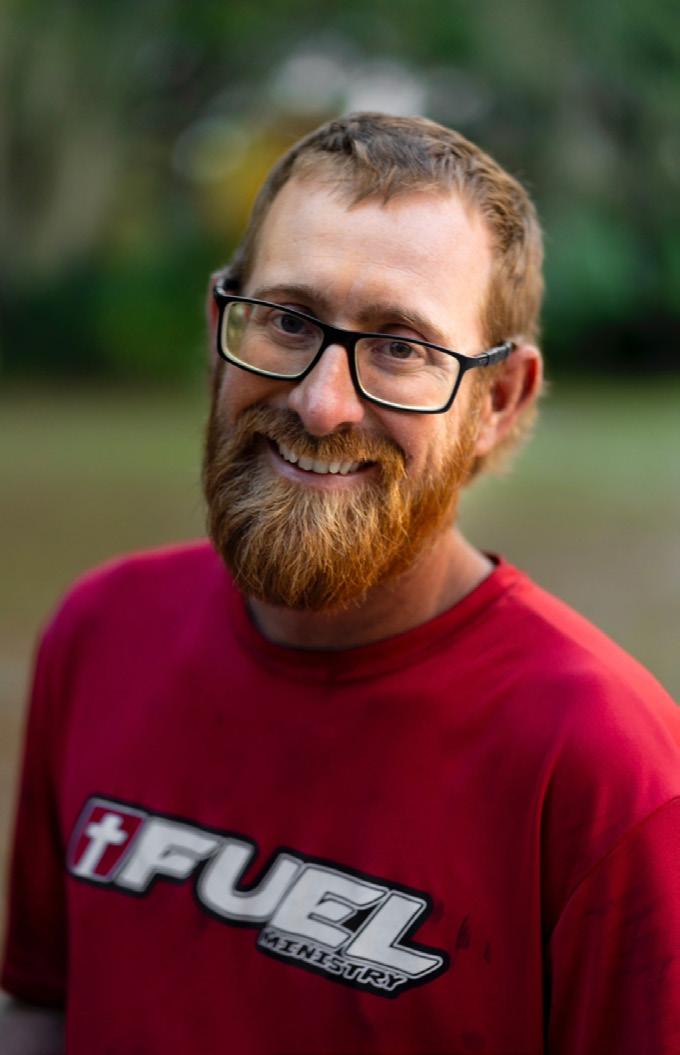
That mindset is the change we need and must have in Jesus. It applies to our everyday life and even to our race life. We are called to live above average in Jesus, stepping into an unmatched eternal life that is far greater than anything this world can offer.
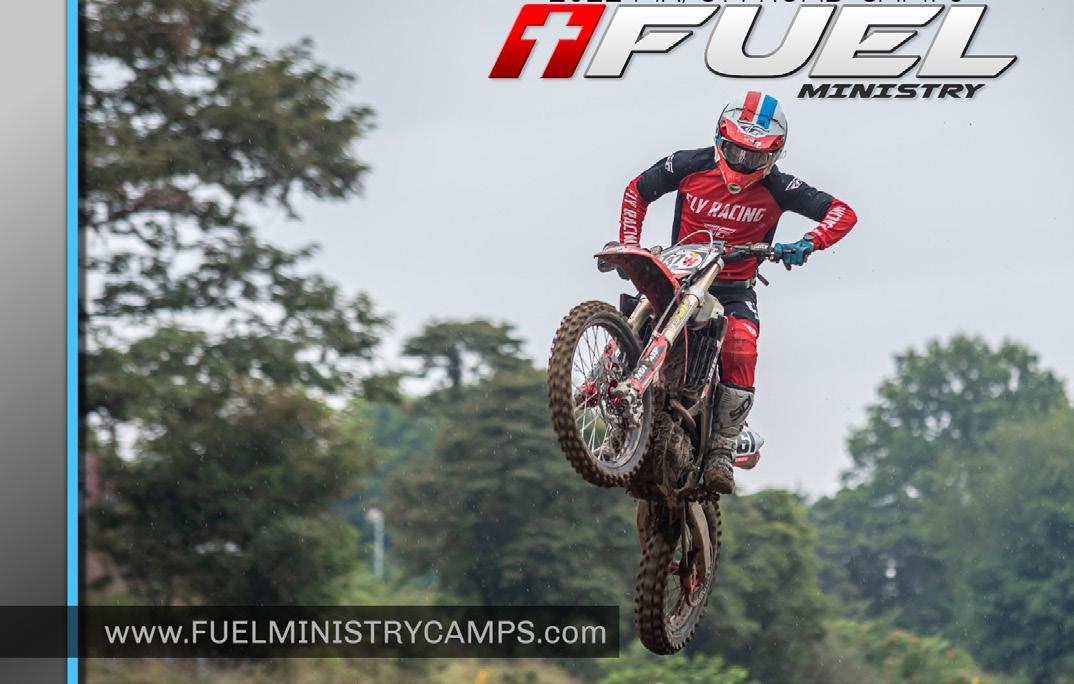
I challenge you to step back and look at the evidence, ask questions, and weigh the cost. Please come see us at the Fuel tent or by the finish line where we’re handing out water. Pull us aside. Ask us anything and tell us whatever is on your heart. We’re here, and we love you guys.
encima de nuestras propias vidas, lo que nos lleva a atender las necesidades de los demás y, a su vez, nos bendice inmensamente.
Así que, dejemos a un lado las excusas. Solo sirven para mantenernos en nuestra zona de comodidad. Son una herramienta del enemigo para pausar, obstaculizar, o detener por completo nuestro crecimiento y progreso. Tenemos la autoridad que Jesús nos ha dado para superar todas estas cosas. Filipenses 4:13 lo expresa a la perfección: “Todo lo puedo en Cristo que me fortalece”.
¡Vivamos y creamos que somos transformados en Cristo! ¡Recordemos que los pequeños cambios conducen a grandes cambios! La carrera no se gana en la primera curva, sino cuando decidimos concentrarnos en cada curva y prepararnos para el éxito; así lograremos una carrera exitosa de
principio a fin. Esto no significa que no cometeremos errores, pero el objetivo es aprender de ellos, superarlos y vencerlos cada vez. Esa mentalidad es el cambio que necesitamos y debemos tener en Jesús.
Esto es muy aplicable a nuestra vida diaria e incluso a nuestra vida como corredores.
Así que, recuerden que estamos llamados a vivir una vida extraordinaria en Jesús, una vida eterna incomparable, mucho mayor que cualquier cosa que este mundo pueda ofrecer. Los animo a que se detengan un momento, analicen las pruebas, hagan preguntas y consideren las consecuencias. Vengan a vernos en la carpa de Fuel o cerca de la meta, donde estaremos repartiendo agua. Acérquense a nosotros, pregúntanos lo que quieran y cuéntenos lo que les preocupa. Estamos aquí para ustedes y los queremos mucho!










A Quick Word with OSDR’s Jana Kelly Words: Larry Kuhn, DMD, MD
Due to a glitch in the scoring chicane caused by one of the electric bikes, Part 1 of this article can be found in the December 2025 issue of the FTR magazine.
In December's FTR magazine I talked with Old School Dirt Riders (OSDR) Vice President Pete Rose about how the local club volunteers work together to bring a Hare Scramble or Enduro to the FTR membership. Without the local club and its volunteers, there would be no FTR race series...the local club is the workforce and backbone of FTR events.
This month, I'm talking with Jana Kelly, First Lady of OSDR and the quiet force behind President Ben Kelly...to get an idea of what clubs do with their free time...the rest of the story.
Hearken back to December's article. If you recall, we left our roving reporter out on the Melon Bash HS trail after talking with Pete. (Scooters kept him fed him until we could get him back to the truck). Let's get him back to the truck with Part 2 of
our story...braap...braap...
With most of my questions answered by Pete Rose, I donned my helmet, Harbor Freight 3-pair-for-$9.99 gloves, and cranked up my decrepit factory 1987Honda XR200 to head back to the truck...back through the hanging vines. (I had already consumed 3 or 5 banana spiders for breakfast on the way out, so the return trip was much more enjoyable). As my tired XR coughed, sputtered, and backfired on the way back, I thought to myself, “being in a club can be a lot of work but there has to be more to it. What else does club involvement entail?”
As I entered the parking area I noticed Jana Kelly, wife of the toothpick guy, as she emerged from her RV and gently closed the door behind her (diametrically opposed to the Pee Wee rider that I referred to last month who was mindlessly banging the Porta John door). Jana was bringing breakfast to the folding table. So, I meekly accosted her to see if she would fill me in.
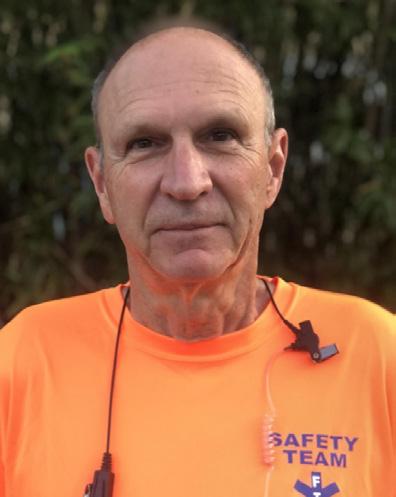
LK: Howdy, Jana. I've been talking to Pete about how much work a local club puts into setting up an event and was wondering if you would talk about what happens in a club that most folks don't know about? Can you give me a little more perspective from the wife of the OSDR President?
Jana: Sure, let me get a little Tabasco for my eggs. (I'm from Seminole county and we eat Raisin' Bran so this seasoning of the eggs was foreign to me...and looked dangerous...but that’s not part of this story).
LK: How many races does OSDR promote?
Jana: We typically have 2 races per year...Melon Bash and our Christmas race. So, our club puts in a lot more trail time than some other clubs who only have one event.
LK: How do you guys get the trail work done when there are competition events on the weekends?
Jana: Workdays for our club events are scheduled on the weekends that FTR is not having a race. So, that means that if you are racing the series and working with our club
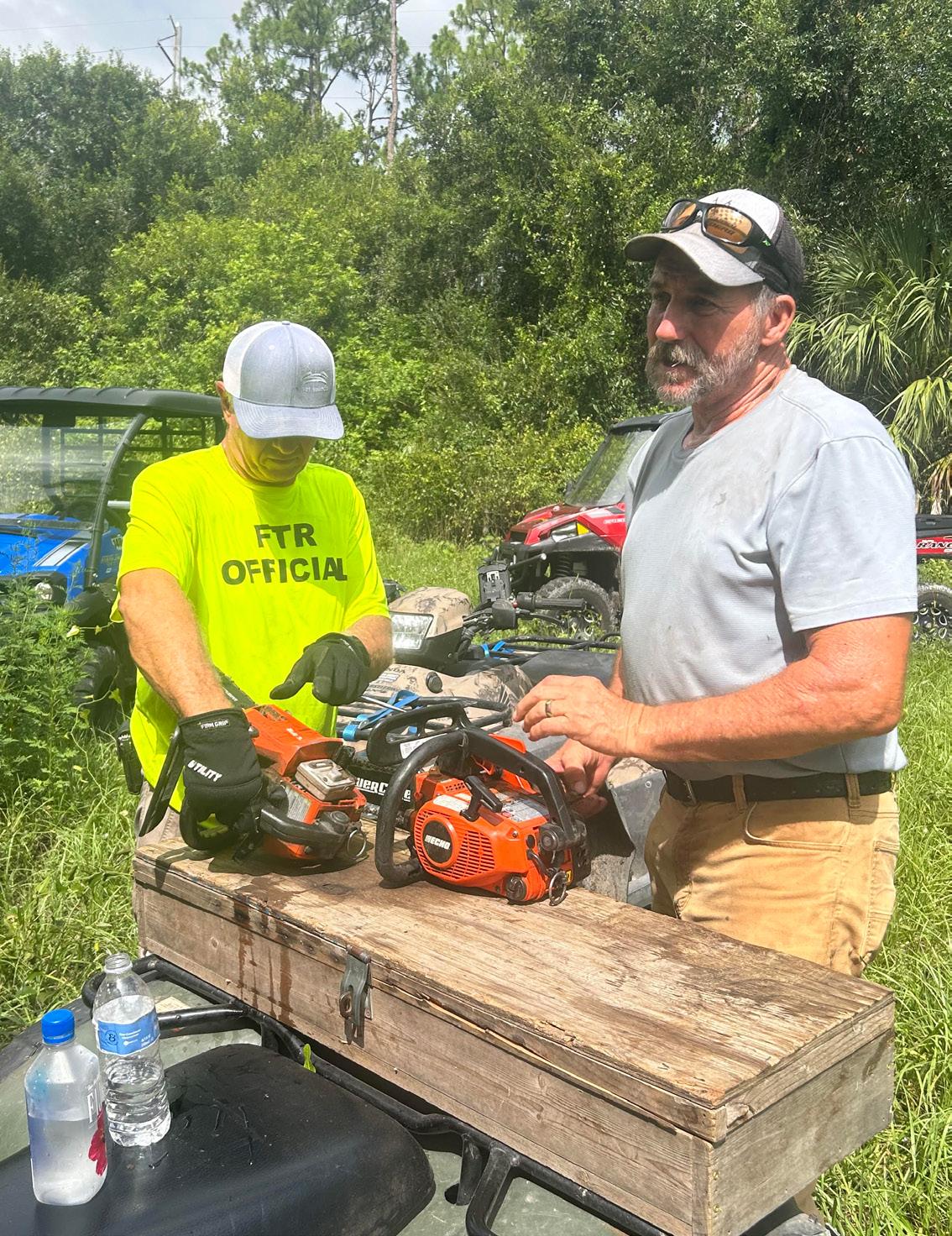
then you are typically on your motorcycle almost every weekend. It's not all racing around on your bike on club workdays, but the guys usually sneak in a little trail riding after the “work” portion of the day.
LK: Who shows up to workdays?
Jana: Typically, the guys are the main movers and shakers. But guess who follows 'em? Wives and kids. There is always something for wives to do when “honey” is out in the woods somewhere swinging a machete,
of non-racing members...folks who just enjoy being outdoors, motorcycles, and good clean family fun. We don’t expect folks to come to all of our meetings, but they are always there when we need them the most… race prep, race weekend, and clean up. Whether our members race FTR or not, they are always there to help promote our club events.
LK: What do you enjoy most about being a member of OSDR?
and the kids?...they somehow end up riding their motorcycles in stealth mode.
LK: Does everyone live near the race location?
Jana: Most of our members live a good distance away from the race location. Some live a couple hours away. Some come spend the weekend and camp. Others make a day of it. But, when you are doing something you enjoy, it's fun.
LK: Do all your members race?
Jana: No. We have lots
Jana: The people. OSDR is a very small club, but we have GREAT members, spouses, and families. The friendly camaraderie of being in a club is like being in a big family. We get to see these guys at club meetings, workdays, and club outings. We frequently talk to each other...even when there isn't something big happening.
LK: How often do you guys meet?
Jana: Our club meetings are once a month at Sarasota Power Sports.
LK: Local clubs aren't always local to everybody. It takes me 55 minutes to get to a DDR meeting.
Jana: That's right some members drive an hour to get to a meeting. I am hoping that clubs will avail themselves of video conferencing so that members that live a greater distance can participate via livestream. But, when you are doing something you enjoy, and spend time with folks that have common interests, it makes it more enjoyable. Some of our members may not come to all the club meetings but if we are working out in the woods, they are the first to arrive and the last to leave.
LK: Sounds like there is a lot going on. Jana: The club experience is the essence of FTR. The local clubs were around before FTR. Jack Huffman, Marv Williams, Gary Wyatt, Frank Bush, Nick Krupa...those guys just banded together and formed “clubs” that laid out races. FTR is a sanctioning body to ensure that the races promoted by the local clubs show uniformity and to hand out yearly trophies for the individual events. You have to remember, without the local club to promote events throughout the year, there would be no
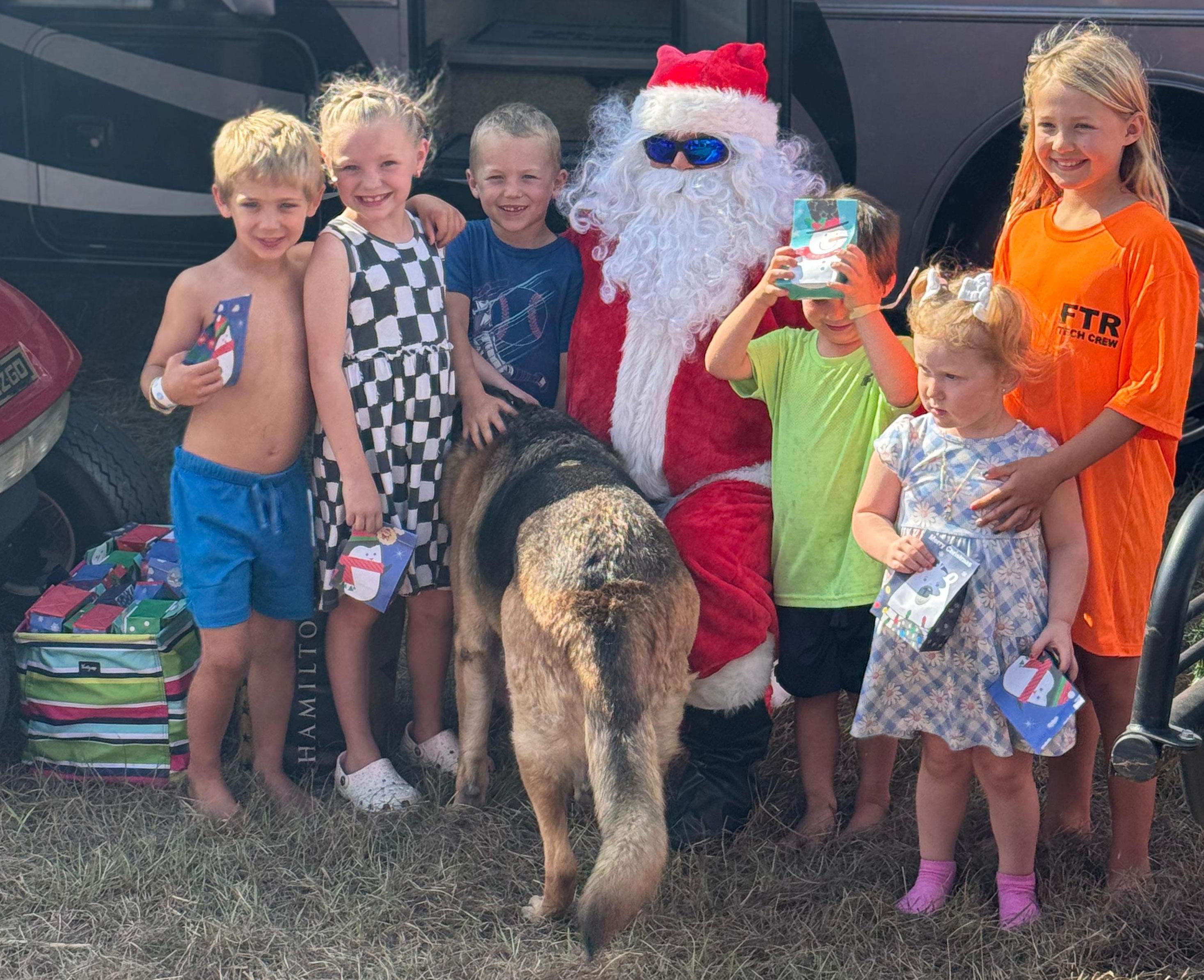
races and no FTR. People that just show up to a race, park next to their buddy, and think that is what FTR is all about are missing the true essence and fun that is available by hooking up with a local club.
LK: How do folks find a local club?
Jana: The easiest way is to check the FTR website and the contacts list. FloridaTrailRiders.com. There is
lots of good information on that website... including the rule book.
LK: You mean Facebook is not the tell-all?
Jana: (laughing) Facebook is a social media site...not the official FTR webpage. Some information and entertainment there but not the official voice of the organization. Half of what you read there is half of what you need.
LK: What kinds of activities are typical?
Jana: Well, as you can imagine, club meetings center on our shared motorcycle experiences. We talk about workdays, races, our kids' races, our club race events, our club outings, and, of course, the weather. We have lots of special club outings when we aren't working or riding.
LK: So, what OSDR
events are going on when you're not setting up a race:
Jana: Over the summer we do fun stuff... and most clubs do the same. OSDR takes camping trips, we go to comedy shows, we provide an annual pass to Croom, and we meet for club rides... and other events just because we have a great time. The way to find out about the nearest club is to look at the FTR website
and find out which club is closest to you. Give them a call. The clubs are always happy to share the motorcycle passion with new folks
As I was talking to Jana, Randy Faul (President of Sarasota Area Dirt Riders), A.J. Stagg (President of Central Florida Trail Riders), and West Anderson (former President of Sunrunners Dirt Riders) pulled up in their Presidential golf cart to grab some of those world-famous eggs...so I posed the same question to them...”what activities does your club arrange outside promoting a race?”
Randy: SADRA is pretty much the sister club to OSDR, so we help each other out along with Sunrunners to promote Bartow events. SADRA was established in 1979 and is one of the oldest active clubs in FTR. On our work weekends, we camp from Friday till Sunday and have a huge kitchen set up to feed all our workers. As a club, we go to events like Supercross, have go cart racing events, Christmas parties, and club ride days at Bone Valley. We donate to local charities along with supporting organizations like the St.
Jude Children's Hospital, Wounded Warriors, and other charities. We also donate to the FTR scholarship program and provide support to the annual banquet. We meet once a month at Hap's Honda or at special events.
AJ: CFTR meets monthly at Grills Lakeside Seafood Deck & Tiki Bar. We are a very active club. We buy a block of tickets for Daytona Supercross and have a tailgate party at the speedway. We organize a club ride weekend, usually in Georgia, in the spring. We play fantasy Supercross and motocross together, have watch parties... that sort of thing. There’s always something going on! As Pete said, our club HS and enduro provide the opportunity to be outside and on your bike with folks who have the same interests...it’s work but we also have lots of fun and enjoyment with good folks. All club members get an event shirt.
West: For Sunrunners, being a smaller club, we try to get together every weekend and ride together at Croom. We usually bring lunch and a good time. After our last event we or-
ganized a group outing for a day of competitive go-kart racing...that was an absolute blast. The club buys tickets for everyone to attend Supercross.
LK: Are there any other benefits of being in a club?
Jana: Absolutely. One of the biggest benefits for younger parents is equipment exchanges... swapping equipment with folks who have outgrown their equipment. Little tikes are lucky to get a season out of a set of boots, riding pants, shirts, and gloves so parents are always looking for economical ways to outfit the kids. We had one pair of riding pants that outfit 4 families before reaching the end of usable life. Boots, gloves, and helmets follow the same trajectory. Club members are the best source of used equipment...it beats Facebook Marketplace by a landslide.
Randy: (laughing) Just think, Coon dog, one day someone will inherit those riding pants you been wearing for the last 30 years.
AJ: I'll check with Keith...maybe he has a replacement pair he can donate to you… again…
West: (West was busy eating eggs).
LK: Thanks, guys!
Fashion clarification: My riding pants are not 30 years old. They were a gift from Keith Finnerty, in 1998, who felt sorry for me because I was riding in Neon Yellow Fox Intruder Series pants. But they do have sentimental value.
To be consistent with last month's article, the following warning is posted by your Safety Team:
Warning: This article mentions several potentially dangerous implements. As part of the ongoing attention to safety issues, the Safety Team Coordinator has compelled me to provide the following warning: Parents, please don't let your children play with sharp objects like machetes and toothpicks or use Tabasco without adult supervision.


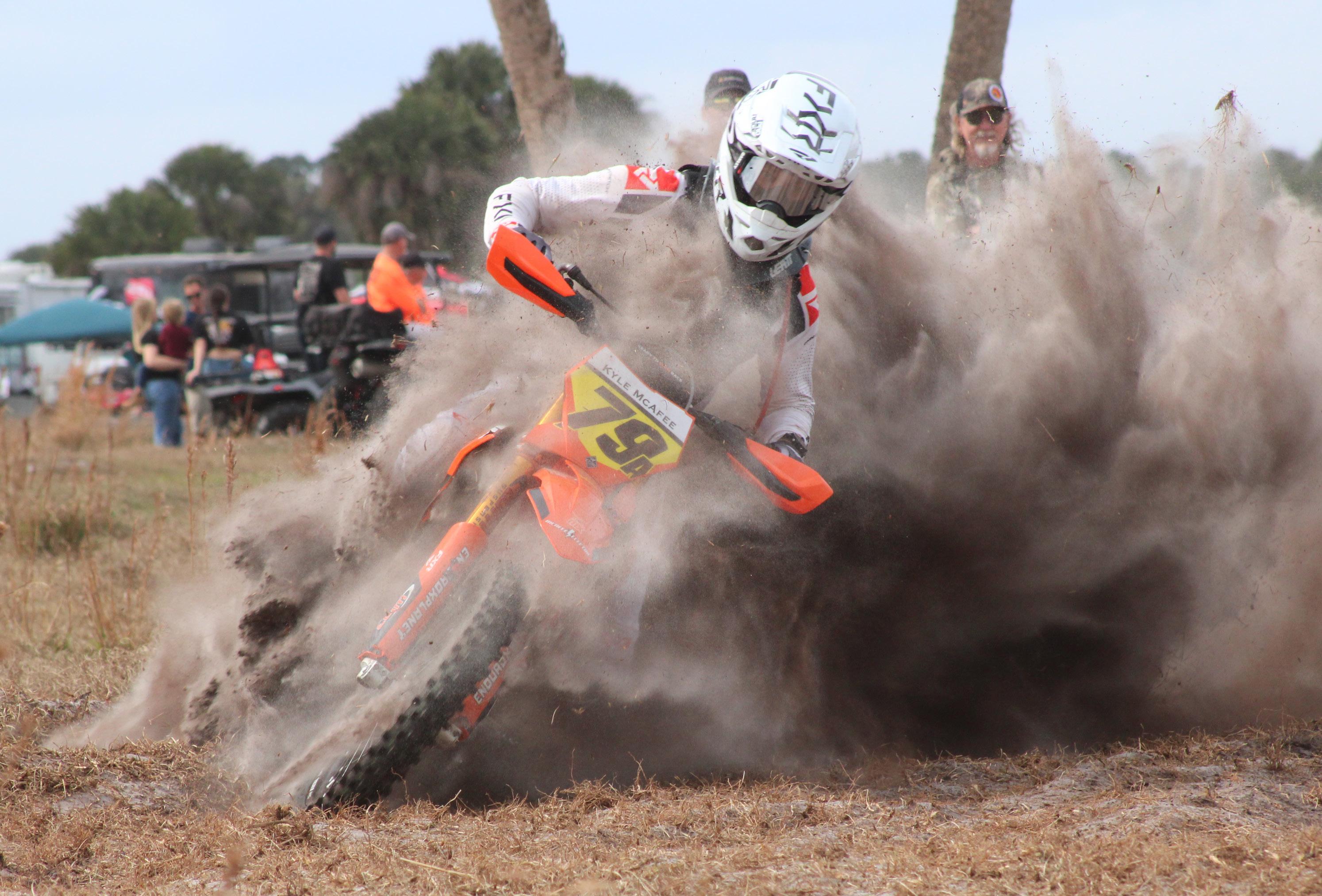
Words: Kyle McAfee
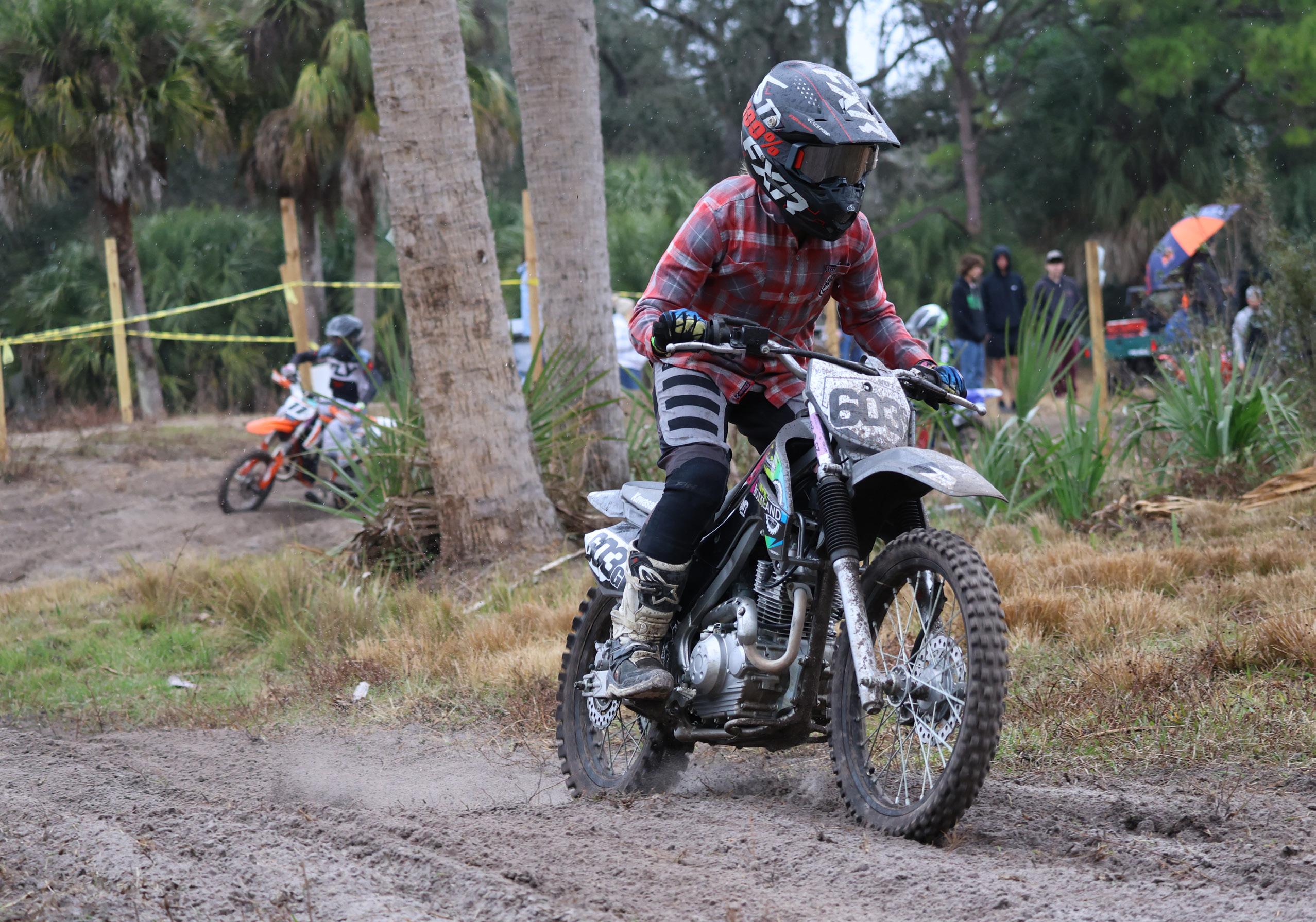
For some people, race weekend starts Friday afternoon. If you are like us, it starts Monday. Monday night after work the bikes come back out the trailer and onto the stands. Last weekends dirt gets pressure cleaned off, chains get lubed, filters get washed, and gear gets tossed straight into the washer. Then the parts lists start. What broke, what’s worn out, what do we need before next weekend? By Tuesday you’re waiting on parts. Wednesday you’re organizing. Thursday you’re wrenching, filling fuel cans, loading the camper, placing helmets and boots by the door so nothing gets forgotten. It’s not just packing. It’s a slow build all week long. Fixing, cleaning, organizing, loading.
By the time Friday finally rolls around, it feels less like you’re heading to a race, and more like you’ve been working toward it for days. If you really stop and think about it, this whole hobby makes absolutely no sense.
We lose sleep, spend tons money, drive long hours, sweat all day or freeze all morning, and something almost always breaks. And we
roll back into the driveway Sunday night tired, dirty, to a house that was neglected all week, and already behind for Monday. Any normal person would look at that schedule and say, “Hard pass.” And yet, every weekend, we load the trailer anyway.
When we pull through the gate and finally get parked, it almost feels like exhaling. We save spots for friends and racing buddies. People we might only see at races but still talk to during the week like no time has passed. Same trailers, same canopies, same handshakes. It’s funny how folks you only see a couple of weekends a month somehow feel closer than people you see every day. That’s just what this sport does.
For as busy and chaotic as race weekends are, there’s also a strange kind of peace mixed in. The low hum of a generator at night. Cool morning air with the smell of coffee and race gas. Bikes firing up one by one as the sun comes up. Kids running around the pits like it’s their own little neighborhood. Those few quiet minutes sitting in a chair before the day gets crazy, or after the racing is done. It’s insanely
busy, but it’s also calming. Almost like a reset button after a long work week.
Of course, it’s never perfect. There’s always a fouled plug on the line, a flat tire, or some last-minute repair between practice and race time. It’s controlled chaos, but somehow, it’s our kind of chaos, and after a while you wouldn’t have it any other way.
One thing I’ve really come to appreciate over the years is how important it is for kids to see all of it. Not just the racing. Not just the fun stuff.
They see the bikes on the stands Monday night. They see the late nights in the garage, the dirty hands, the parts getting ordered, the loading and unloading. They see the work that happens before the fun ever starts. And that matters, because it teaches lessons you often can’t explain with words. Good things don’t just happen. If something’s worth doing, it takes effort, preparation, and sometimes a little sacrifice.
When kids help clean bikes, carry gear, or set up camp, they’re not just passing time, they’re learning responsibility.
They’re building core memories. They’re figuring out that the fun stuff usually comes after the hard stuff. Those lessons will stick with them a lot longer than any trophy ever will. We’re not just raising racers out here. We’re raising our future.
As the years go by, you start to realize the racing itself is only part of the equation. Sure, we all like chasing results, but that’s not really why we keep coming back. It’s the conversations under the canopy, borrowing tools from someone you just met, sharing food, telling the same stories over and over, and watching the kids grow up right in front of you. One
year they’re wobbling around on a 50, and before you know it they’re flying past you, and volunteering to help the next group of riders.
That’s not just racing. That’s community.
There’s something pretty special about pulling into a random field somewhere in Florida and instantly feeling like you’re home. Different property, different race, same people. Same friends. At some point you realize you’re not loading the trailer for a finish position anymore. You’re loading it for the people, the laughs, the memories, and the chance to spend a
weekend together doing something you all love.
So yeah, by Sunday night when we pull back into the driveway we’re exhausted, sore, and everything is filthy dirty, but we are already thinking about the next race weekend. Come Monday, the bikes will be back on the stands, and the gear will be in the wash, because when Friday rolls around, we already know exactly what we’re going to do.
We’re loading the trailer.
WORDS: DR. MATT DAUGHERTY
Orthopedic Physical
Therapist and Racer
I want to share an incredible story that highlights what’s possible when regenerative medicine meets elite-level racing. Hunter Yoder, AMA Professional SuperCross rider for ClubMX Yamaha, recently injured his knee—both his meniscus and ACL (and possibly more). For most riders, that diagnosis means surgery, months of recovery, and a long road back to the track. But Hunter took a different path.
Instead of going under the knife, Hunter went to the McGinley Clinic, where Dr. Joseph McGinley used regenerative medicine—specifically platelet-rich plasma (PRP) and stem cells—to accelerate his body’s natural healing response. The results? Minimal downtime and his best race result the very next weekend. This isn’t magic. It’s science, and it’s reshaping how we think about knee injuries in high-demand sports like motocross.
Here’s what most people don’t realize: a significant percentage of knee injuries—even ACL and meniscus tears—don’t require surgery. Research shows that conservative treatment with regenerative medicine can be highly effective, especially for partial tears and Grade 2 injuries. Studies demonstrate that PRP injections reduce meniscal repair failure rates, improve pain scores, and enhance knee function without the risks and downtime of surgery.
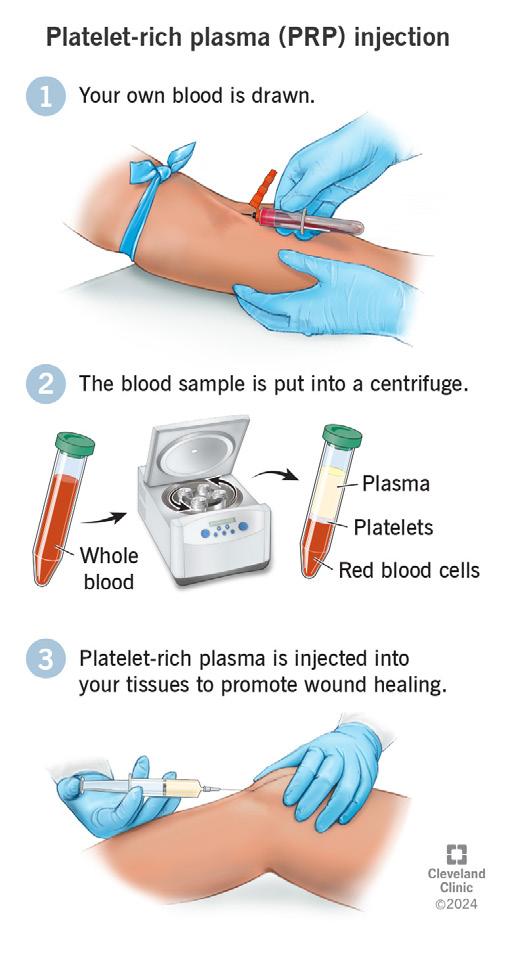
So, how does PRP work? It starts with a simple blood draw—typically around 60cc. That blood is then placed in a centrifuge, which spins at high speeds for just a few minutes to separate the platelets from the rest of the blood. What you end up with is about 10cc of concentrated platelet-rich plasma, packed with growth factors and a cellular matrix that kickstarts tissue repair. These growth factors—including platelet-derived growth factor (PDGF), transforming growth factor-beta (TGF-β), vascular endothelial growth factor (VEGF), and insulin-like growth factor-1 (IGF-1)—stimulate cellular proliferation, collagen synthesis, and tissue regeneration at the injury site.
The beauty of PRP is that it’s autologous—meaning it comes from your own body. There’s no risk of rejection, no synthetic materials, and the entire process takes minutes. For athletes like Hunter, there’s essentially no downtime. You walk out of the clinic, and your body immediately begins the repair process. Stem cells, often used alongside PRP, add another layer of regenerative power by differenti-
ating into the specific cells needed to rebuild damaged ligaments and meniscal tissue. Pair this with the correct rehabilitation approach to better control the forces on your knee and you have a recipe for success.
The research backs this up. A 2024 systematic review and meta-analysis found that PRP significantly reduces meniscal repair failure rates and improves pain control compared to non-PRP treatments. Another study on conservatively treated ACL injuries with PRP showed that all patients restored ligament continuity and returned to pre-injury activity levels, with excellent MRI-confirmed repair in the majority of cases. These aren’t outliers— they’re part of a growing body of evidence showing that the body’s own healing mechanisms, when properly supported, are incredibly powerful.
What makes this approach even more compelling is the role of rehabilitation. Regenerative medicine isn’t a standalone fix—it works best when paired with skilled physical therapy. The injections create the biological environment for healing, but targeted rehab restores strength, stability, and function. For racers, that means getting back to peak performance faster and with better long-term outcomes than traditional surgery alone.
Hunter’s story is a testament to what’s possible when we leverage cutting-edge medicine and trust the body’s innate ability to heal. For riders with knee injuries, it’s worth exploring regenerative medicine as an option before committing to surgery. Not every injury is a candidate, but for many, this approach offers a faster, less invasive path back to racing, sometimes without any downtime.
Think of it like choosing between a full engine rebuild or a precision tune with fresh parts that get you back on track faster. Sometimes, the body just needs the right boost to fix itself. Regenerative medicine is proving that we don’t always have to tear everything apart to make it work again.
Lastly, for some exciting news, I have become an affiliate for FastWay/ProMoto Billet because I believe in their products. If you need any high-quality, made-in-America hard parts (like ankle-saver footpegs) use the code MOTOPT15 at www.promotobillet.com
Before acting on any information in this article, I recommend that you consult a physical therapist or physician for a general health and physical activity readiness screening. If you are experiencing pain while riding, it is always beneficial to have a complete evaluation by a
qualified physical therapist or physician. If you have any questions or comments, please email me at contact@motopt. com or call/text 904-395-5379. Let's IMPROVE YOUR MOVE so you can ride pain-free with MotoPT.
Dr. Matthew Daugherty PT, DPT, OTR/L, MOT, DBA
Associate Professor and Director of Residency Programs
Board Certified Orthopaedic Clinical Specialist
Fellow, American Academy of Orthopaedic Manual Physical Therapists
Manual Therapy Certified Intramuscular Dry Needling Certified
References
Huang, Z., Huang, H., Liang, J., Luo, J., Chen, J., Yang, W., Liao, W., & Liu, L. (2022). Platelet-rich plasma use in meniscus repair treatment: A systematic review and meta-analysis of clinical studies. Journal of Orthopaedic Surgery and Research, 17(1), 400. https://doi. org/10.1186/s13018-022-03293-0
Ishida, K., Kuroda, R., Miwa, M., Tabata, Y., Hokugo, A., Kawamoto, T., Sasaki, K., Doita, M., & Kurosaka, M. (2024). Conservative treatment using platelet-rich plasma for acute anterior cruciate ligament injuries in highly active patients: A retrospective survey. Cureus, 16(2), e54248. https://doi.org/10.7759/cureus.54248
El Zouhbi, A., Yammine, J., Hemdanieh, M., Korbani, E. T., & Nassereddine, M. (2024). Utility of platelet-rich plasma therapy in the management of meniscus injuries: A narrative review. Orthopedic Reviews, 16. https://doi. org/10.52965/001c.94240
Centeno, C., Markle, J., Dodson, E., Stemper, I., Williams, C. J., Hyzy, M., Ichim, T., & Freeman, M. (2024). Non-surgical treatment of anterior cruciate ligament tears with percutaneous bone marrow concentrate and platelet products versus exercise therapy: A randomized-controlled, crossover trial with 2-year follow-up. Journal of Experimental Orthopaedics, 11(4), e70039. https://doi. org/10.1002/jeo2.70039




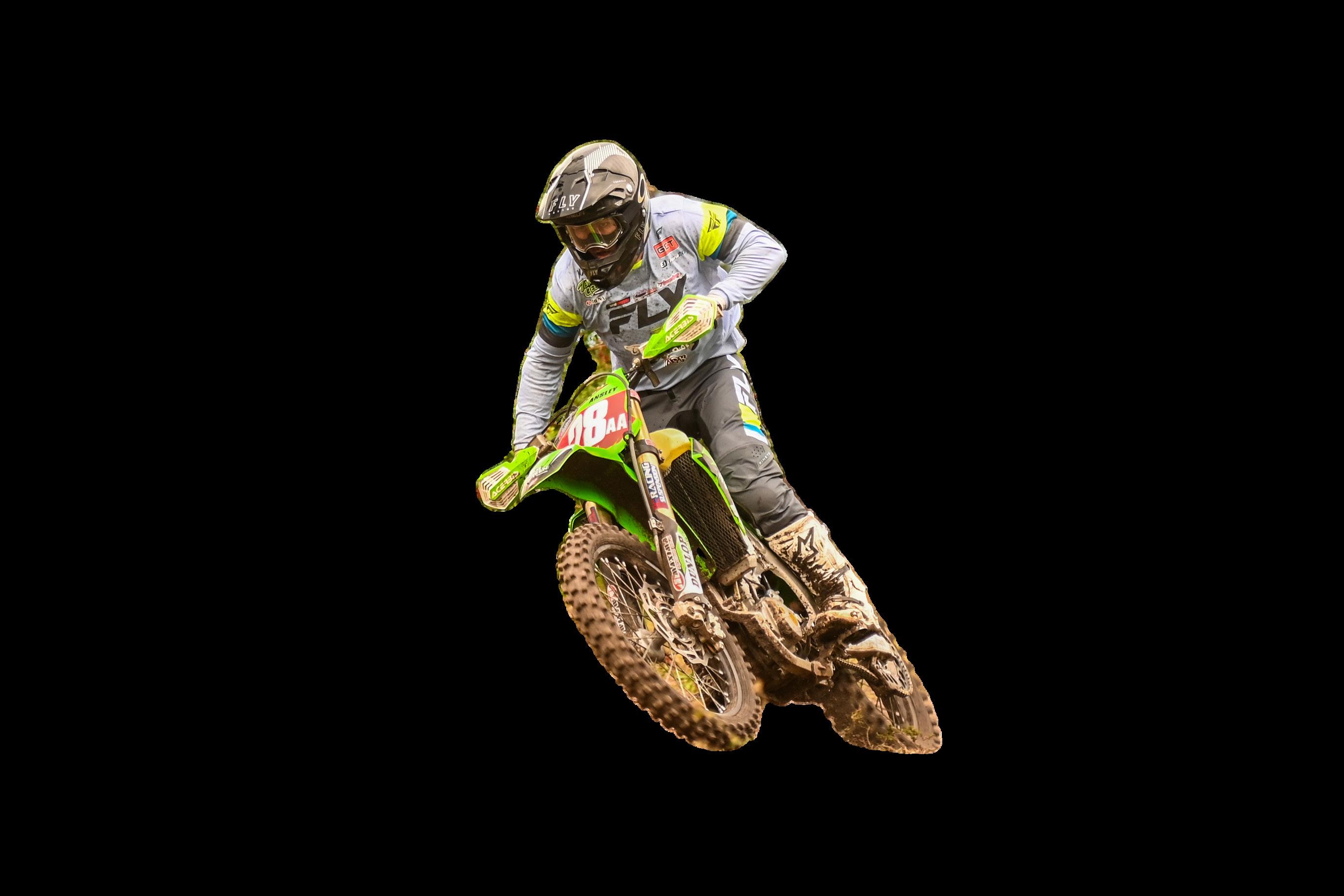

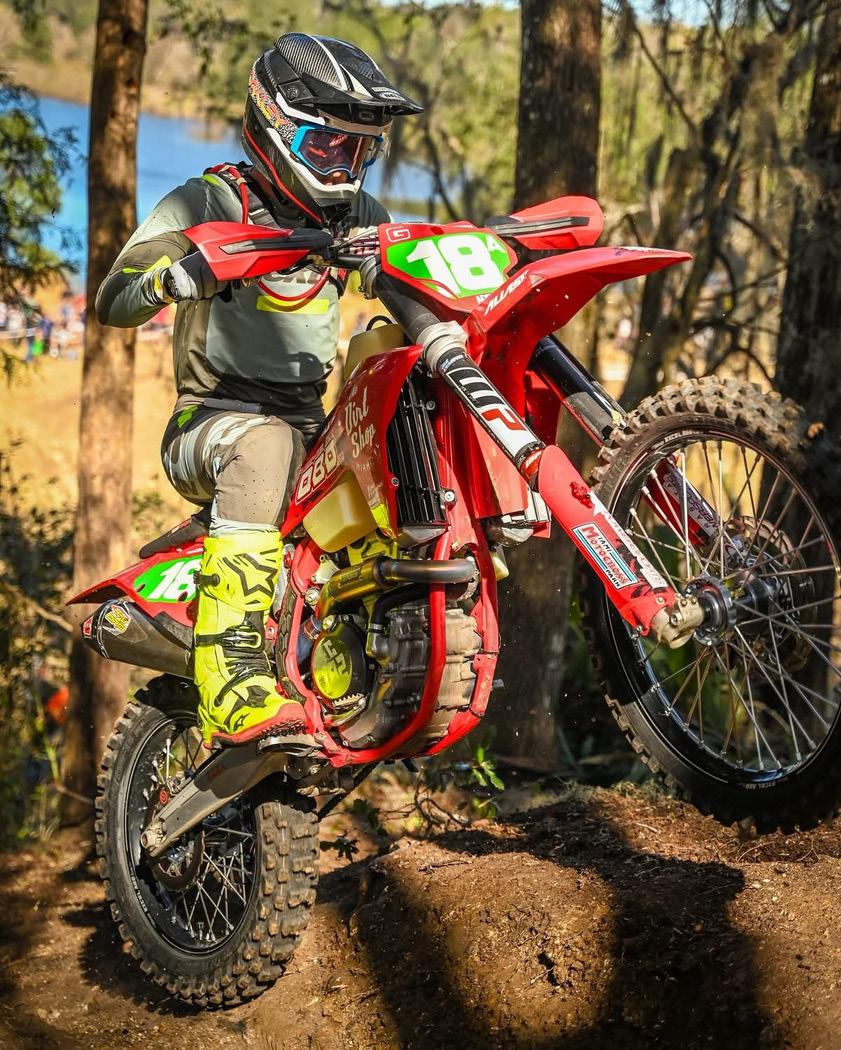
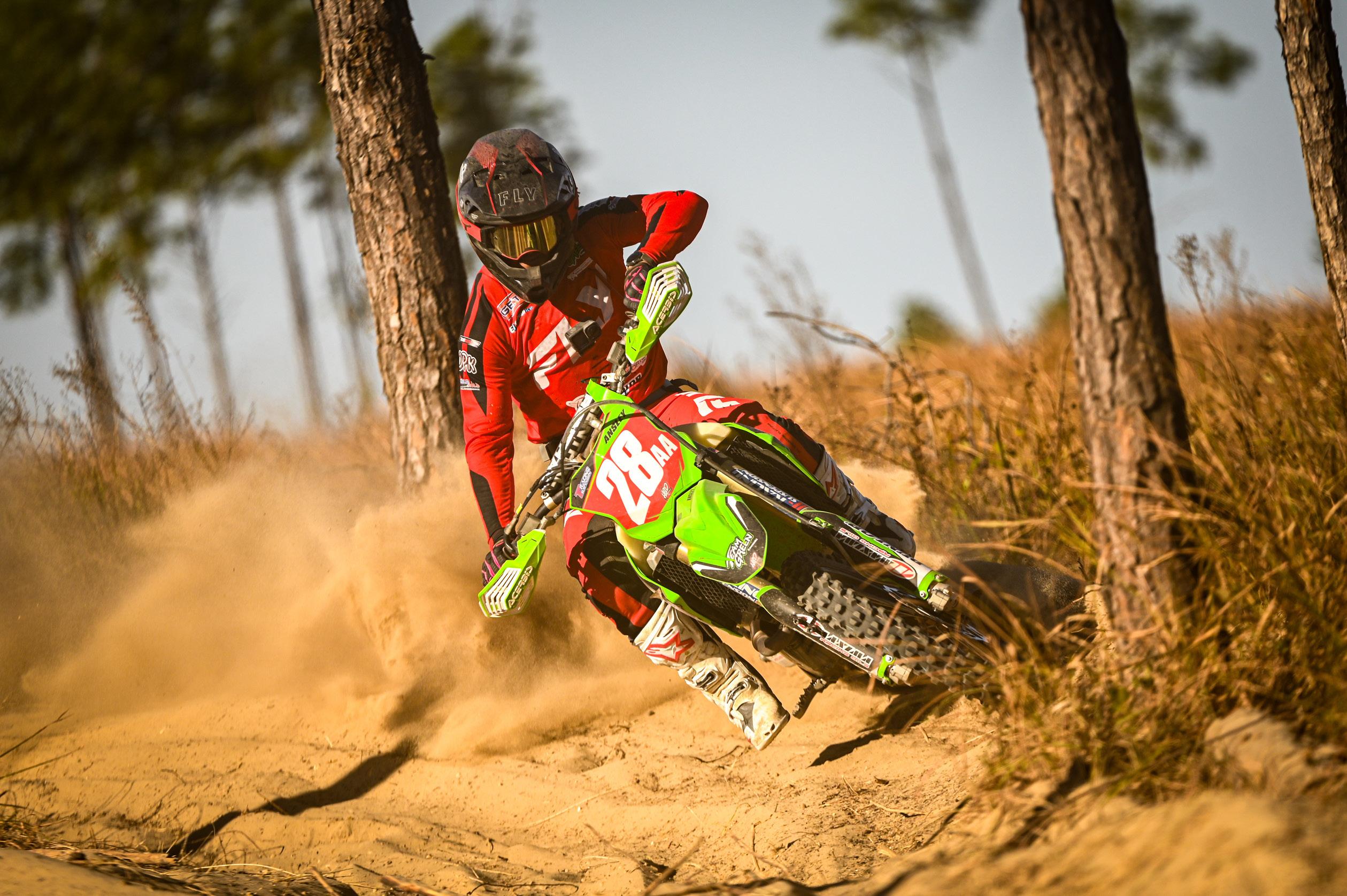

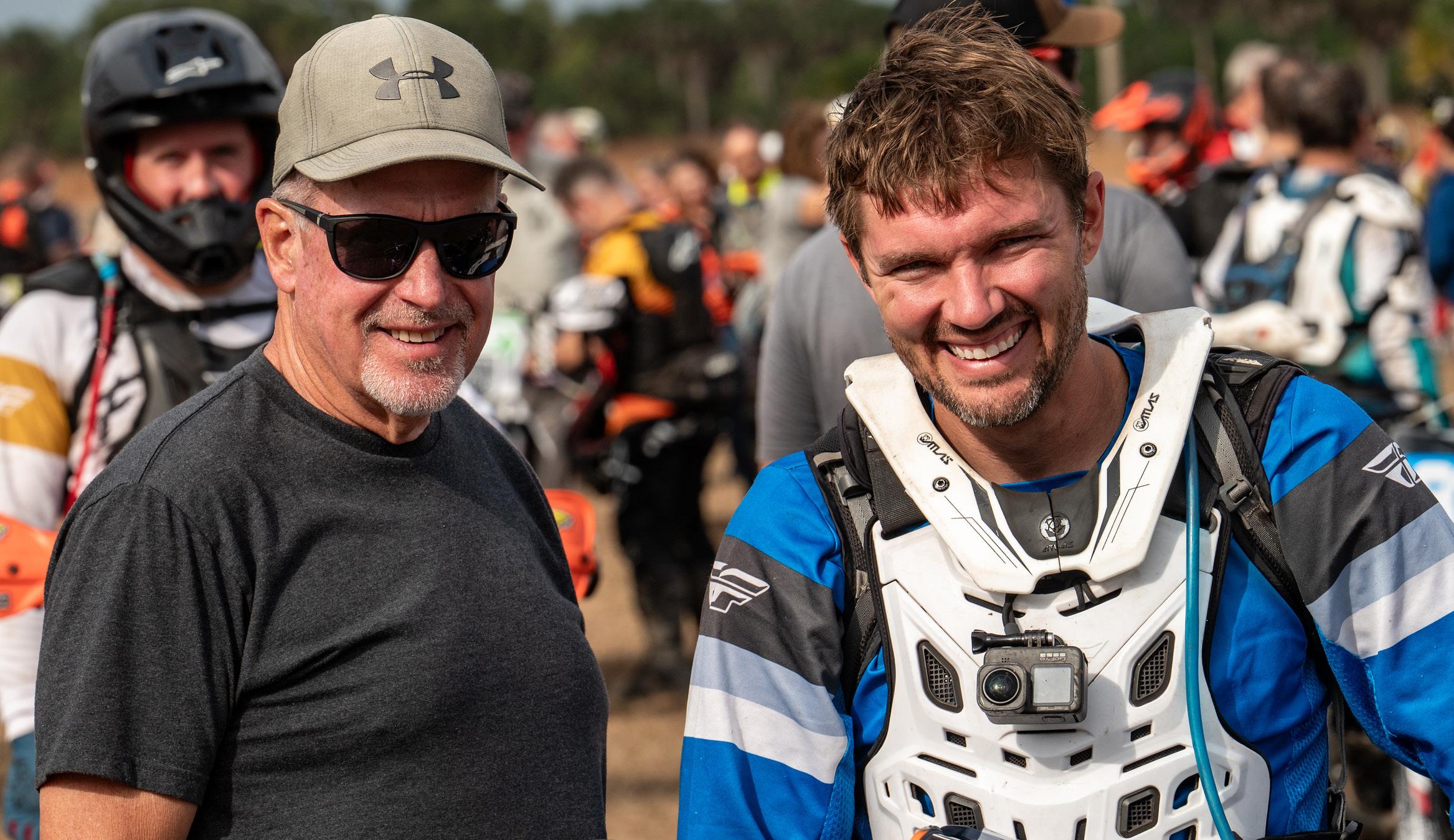
I thought Florida was supposed to be the sunshine state. What in the world happened to the weather at Indiantown Harescramble? Great track. Great conditions. Icy cold temperatures… well icy cold for Florida that is. I had a hard time getting going at the start of the race because I felt so stiff. That Indiantown track is fast and rough. You need to be loose on the bike but I felt so cold and stiff. After the race, I think that was the sorest I’ve been all year. I really think it was the cold weather. The body just wasn’t adapted to those conditions.
This is usually the time I try to connect the race to some type of financial advice but maybe my brain is still frozen. I’m just going to change the topic and talk about taxes. Maybe it’s an icy topic (my best attempt at connecting the two). Tax season is upon us. This year there are some major changes you need to be know about. For those over the age of 65, many Americans will receive an extra $6,000 in standard deduction. Also, there are tax savings on tips and overtime
If you are unaware about how to take advantage of these potential tax savings, we may be able to help. Planning for retirement is more than just great investments. It’s taking advantage of every opportunity along the way. Laws are constantly changing and your retirement plan should constantly be adjusted and modified in this climate of change. If you would like a complementary consultation, give our office a call at 813-502-1228.
Investment Advisory Services offered through Continuum Advisory, LLC, a Registered Investment Advisor, located at 873 E. State Street, Eagle, ID 83616. Mosaic Financial Group is not an affiliate of Continuum Advisory, LLC but is a DBA (doing business as) of Continuum Advisory. For More information on Continuum Advisory, visit https://adviserinfo.sec.gov/firm/summary/283155
Hey everyone, hope the season has been treating you well so far. With this month’s entry, I wanted to talk a little about bike setup. As we get closer to the GNCC season, this has been a big focus for many of the riders I’ve been working with, and it has really highlighted just how far off some setups can be. Bike setup is everything. With an improper setup, you are bound to ride timidly and never reach your full ability.
Bike setup is one of those things that can easily overwhelm someone or send them down a deep rabbit hole. That said, there are parts of your setup that are easy to adjust and are simply low hanging fruit. A great place to start is the rider triangle, which is the relationship between your pegs, seat, and handlebars. This will be different for everyone depending on height, bike, and riding style. Finding the right rider triangle is key to building a comfortable setup. Without it, it is almost impossible to feel truly comfortable on the bike.
It may take a little money to experiment here, but it helps to have friends who might have parts you can try. Starting with handlebars, I personally prefer a flatter, more open bend. I run Renthal 839s, which are stock on KX and CRF
models. Smaller riders may benefit from a shorter bar with more sweep. One important note is that you do not need to cut your handlebars. Most of what we race does not require it, and cutting bars often reduces leverage and stability. Once you have chosen your bars, experiment with the mounting position. I like running mine in the rear hole, or the middle hole on aftermarket clamps, with the long portion of the bar mount facing forward. This is a free adjustment that can drastically change how your bike feels and handles.
Staying on the bars, let’s talk levers. A popular trend lately has been running levers further in to improve leverage and engagement by using your fingers closer to the end of the lever. I am an index finger only rider, so this will vary from person to person, but I like to run mine almost as far in as possible. I also recommend running your levers just below parallel with the bars. Pointing them toward the ground will not help you keep your elbows up. Before leaving the handlebar area, check your steering stem. Many riders run their stems too loose without realizing it. This can cause head shake, arm pump, and an overall loose feeling in the front end. This is another free
adjustment that can be a huge game changer. With the bike on a stand and fully assembled, lightly push the bars from one steering stop to the other. If they fall to the stop under their own weight, that is a good indication your stem is too loose.
Once the bars are dialed, move to the seat. At 6 foot 3, I feel cramped on a bike without a tall seat. If you are over six feet tall, I highly recommend trying one. From there, choose a seat cover that you are comfortable with and that offers good grip. Seat covers are relatively budget friendly and are a great upgrade. Beyond looking better, they help save energy by adding traction under you. Next are the foot pegs. Depending on your bike, you may have multiple mounting options that are worth exploring. Without spending significant money, peg height can be harder to test, but it is still an important part of the rider triangle.
Now we get into the real fun stuff, suspension. I will not go too deep here, as that is what your suspension guy is for, but there are a few simple adjustments you can make on your own. Fork height can make a massive difference, especially when switching terrain. In sand, running the forks lower in
the clamps adds stability but can make turning feel heavier. In dirt, raising the fork tubes in the clamps improves front end feel and turning but can sacrifice stability. Even one or two millimeters can make a noticeable difference, so it is worth experimenting.
At the rear, rider sag is critical. Running more sag can increase stability and help the rear feel more planted, which is often preferred in sand, but it can reduce turning performance. Running less sag raises the rear, improves turning, and sharpens the bike, but can reduce stability and make the bike feel nose heavy. Sag should be checked regularly, at a minimum from race to race.
Bike setup takes time and patience, but there is a lot of performance left on the table for most riders when it comes to comfort. With comfort comes confidence, and with confidence comes speed. Next time you head to the track, bring some tools and maybe a buddy, and try a few changes. As always, stay safe. For more tips or questions, check out @alexlugaroffroadacademy on social media. See you at the races.

RIDER: RIVER STICHTER


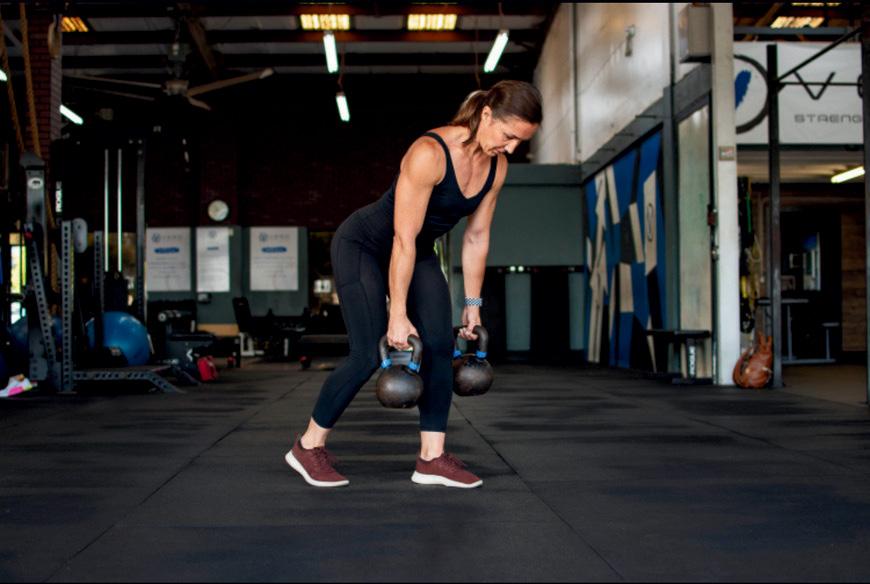

@strong_roots_fitness_llc @strong_roots_fitness_llc

trainwithstrongroots@gmail.com trainwithstrongroots@gmail.com

*dates and locations subject to change
FTR’s BOD has voted to transition to a Calendar-Year (January to December) Season. So, for the 2025-2026 season, we will have a ONE-TIME 18-month schedule. After that, we will run from January through December. This was done to comply with AMA promotion rules. The approved preliminary schedule of 15 Hare Scrambles and 13 Enduros.
August 31, 2025
September 28, 2025
October 10-11, 2025
October 25-26, 2025
November 2, 2025
November 8-9, 2025
December, 6-7, 2025
January 3-4, 2026
January 17-18, 2026
Jan/Feb 31-1 2026
February 8, 2026
February 14-15, 2026
February 22, 2026
March 8, 2026
March 14-15, 2026
April 11-12, 2026
April 19, 2026
May 31, 2026
September 6, 2026
September 20, 2026
September 27, 2026
October 10-11, 2026
October 24-15, 2026
November 1, 2026
November 7-8, 2026
November 15, 2026
November 21-22, 2026
Enduro #1
Litlle Brown Jug Clinton, SC
Enduro #2 Orange State Croom, FL
HS #1
HS #2
Enduro #3
HS #3
HS #4
HS #5
HS #6
HS #7
Enduro #4
HS #8
Enduro #5
Enduro #6
HS #9
HS #10
Enduro #7
Enduro #8
Enduro #9
Enduro #10
CFTR Bartow, FL
SADRA Bartow, FL
Gobbler Getter Maplesville, AL
Sunrunners Bartow, FL
OSDR Punta Gorda, FL
SCTB Brooksville, FL
PBTTR Okeechobee, FL
TCTR Indiantown, FL
Sumter National Wedgefield, SC
BSTR Lake Butler, FL
St. Mary’s Shoals Macclenny, FL
Straight Arrow Richloam, FL
NCTB Dade City, FL
OSDR Punta Gorda, FL
Armadillo Lake Butler, FL
Cherokee Greensboro, GA
Little Brown Jug Clinton, SC
Diamondback New Augusta, MS
Enduro #11 Orange State Croom, FL
HS #11 CFTR Bartow, FL
HS #12 SADRA Bartow, FL
Enduro #12 Gobbler Getter Maplesville, AL
HS #13
Enduro #13
Sunrunners Bartow, FL
St. Mary’s Shoals Macclenny, FL
HS #14 OSDR Punta Gorda, FL