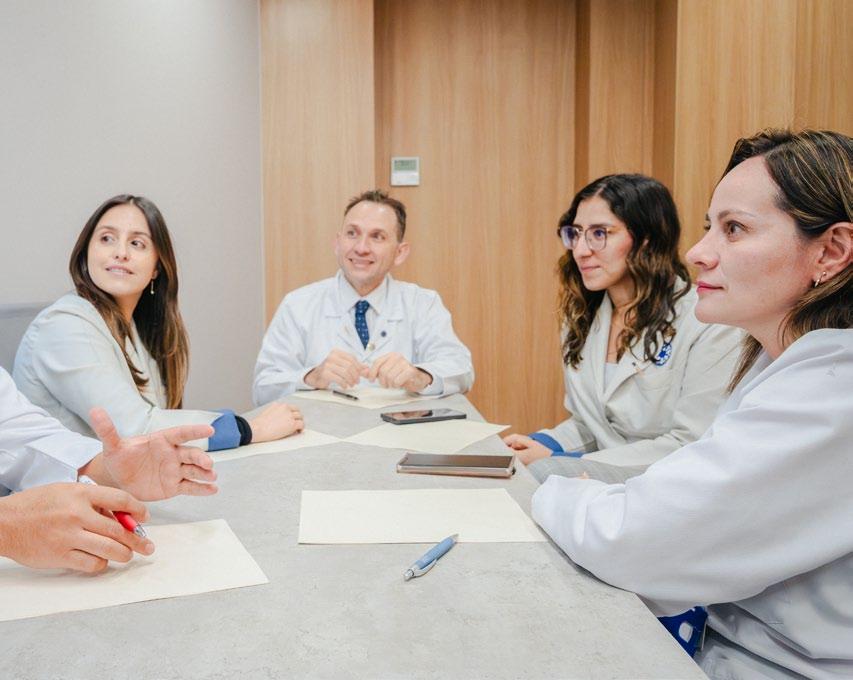
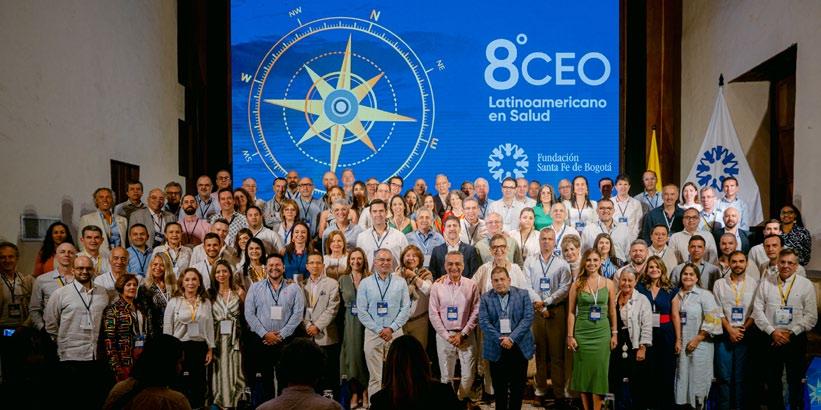
With the firm purpose of delivering More and Better Health for Colombia and the Region, at Fundación Santa Fe de Bogotá we worked decisively throughout 2025 to continue generating a positive and sustainable impact on the healthcare sector and in each of the regions where we operate.
Throughout our 53-year history, and amid a challenging context for the healthcare system, we have remained faithful to our vocation of transforming lives by delivering superior outcomes, grounded in the best scientific evidence, driven by innovation, guided by humanization, and committed to sustainability. In this way, we contribute to the comprehensive well-being of every individual, every family, and every community we serve.
This year, we took a fundamental step by consolidating our Sustainable Health Model. Its implementation, the result of coordinated efforts and close collaboration across all areas of the Foundation, reflects a comprehensive approach that is not only grounded in our higher purpose, our goals, and our values, but is also fully aligned with our corporate strategy of person-centered, condition-based care. We achieved significant progress across the five commitments that make up our Model, delivering results that generate real and tangible value for all our stakeholders.
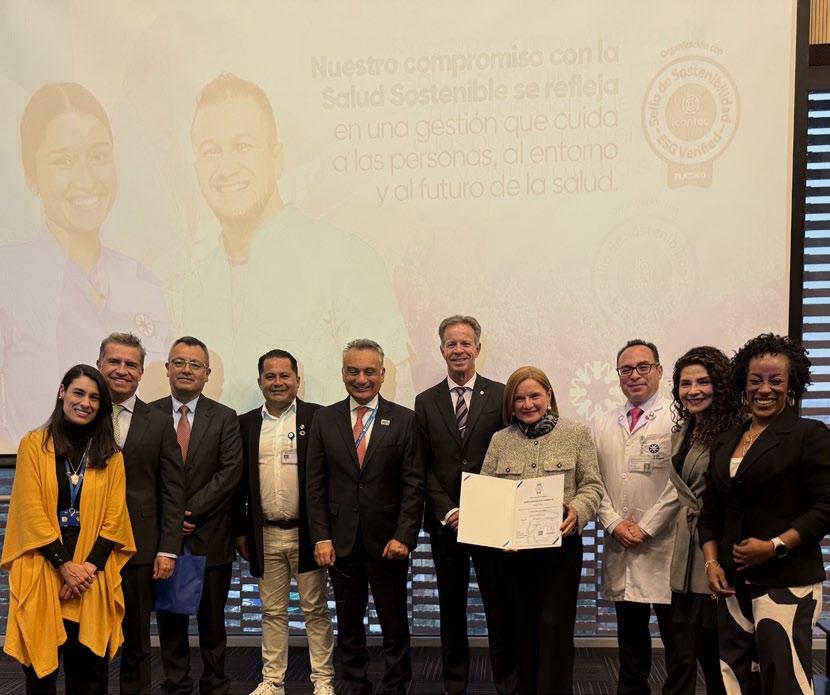
In addition, we reached a milestone of institutional pride: we achieved the Platinum level of the ESG Verified Sustainability Seal awarded by ICONTEC. This recognition, beyond being an achievement, represents a renewed commitment to continue embodying and promoting sustainability with responsibility, consistency, and positive influence.
Acting with ethics and transparency remains the guiding principle behind every one of our decisions.
Strong principles and a culture of integrity enable us to comply with the most demanding regulations and sustain responsible management.
The Board of Directors and specialized committees lead governance strategies that strengthen our responsiveness to environmental challenges. Among the most relevant advancements, we highlight the consolidation of our governance
structure through the updating of operational, clinical, and reputational risk matrices. This process incorporated a comprehensive sustainability approach aimed at anticipating and mitigating potential impacts that may affect operations and institutional trust.
Our commitment to providing comprehensive care for the health of individuals, families, and communities translated into historic milestones in coverage and efficiency. We expanded our installed capacity with a 5.3% increase in hospital beds and enhanced the operation of the Outpatient Building, reaching a total of 314,140 encounters—19.7% higher than in 2024.
The transversal incorporation of equity and inclusion into planning and process execution consolidated an ethical model of care. This effort was validated by patients and families: 97% reported having perceived full respect for their rights during the care received.
Within the framework of our purpose to raise standards of quality and safety, we highlight a new excellence certification granted by Joint Commission International for the Clinical Care Center for Distal Radius Fracture Management.
With this recognition, we reached a total of 21 certified centers, a milestone that reaffirms our position as the hospital with the highest number of certified Clinical Care Centers in the world.
For the second consecutive year, we are ranked among the top 250 hospitals in the world according to the Newsweek–Statista ranking, and we hold first place in the Latin American Orthopedics ranking in Hip Surgery and
Replacement, Knee Surgery and Replacement, and third place in Shoulder Surgery.
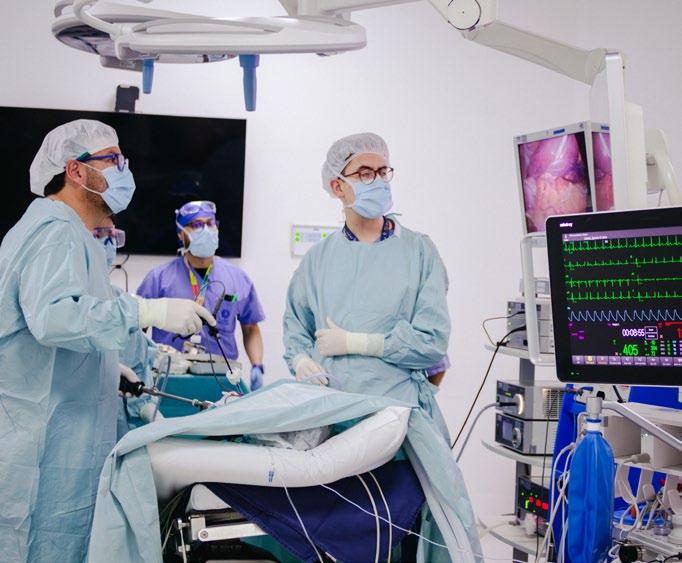
In 2025, we also consolidated leadership in high-complexity care through the successful implementation of unrelated allogeneic bone marrow transplantation.
Consistent with our purpose of bringing care closer to those who need it most, and through process optimization, we drove a 7.7% growth in home hospitalization services. Despite increased consultation volumes, we maintained unmet demand in emergency services below 1.8%.
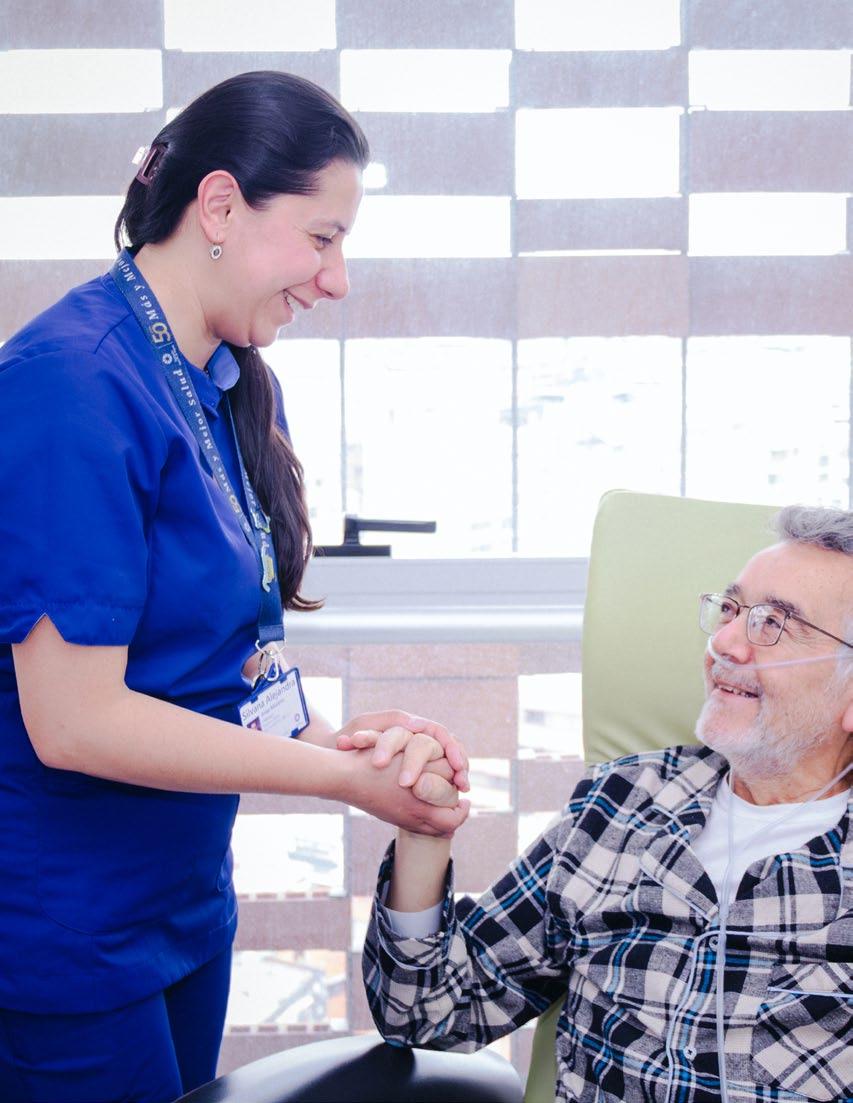
The combination of clinical excellence, expansion, and efficiency is directly reflected in our patients’ experience. These results allowed us to sustain an NPS of 84% and maintain the Planetree Gold Certification with Distinction for Leadership and Innovation, a recognition of humanized care held by only six institutions worldwide.
We promoted professional development through the “Expert Assistant” program, strengthening home care services and impacting 4,080 patients.
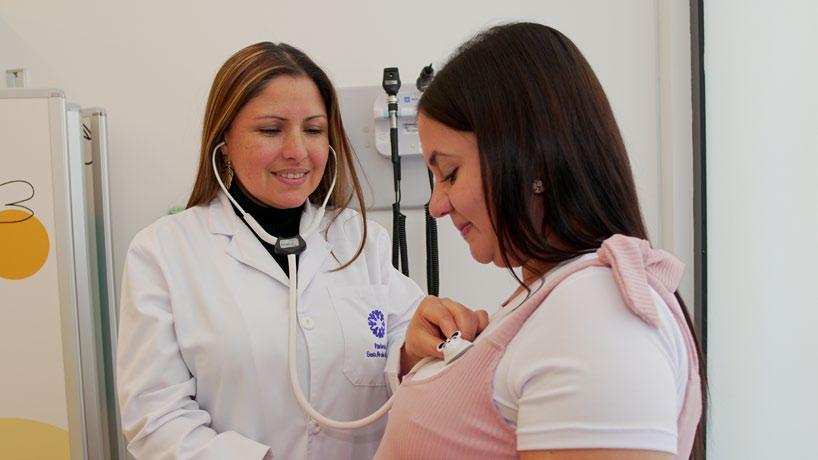
Through the Population Health axis, we strengthened prevention and health promotion, with initiatives such as “Sentido Pleno” (Full Consciousness) for mental health, the Maternal and Child Health initiative, and programs focused on nutrition and the prevention of noncommunicable diseases, among many others.
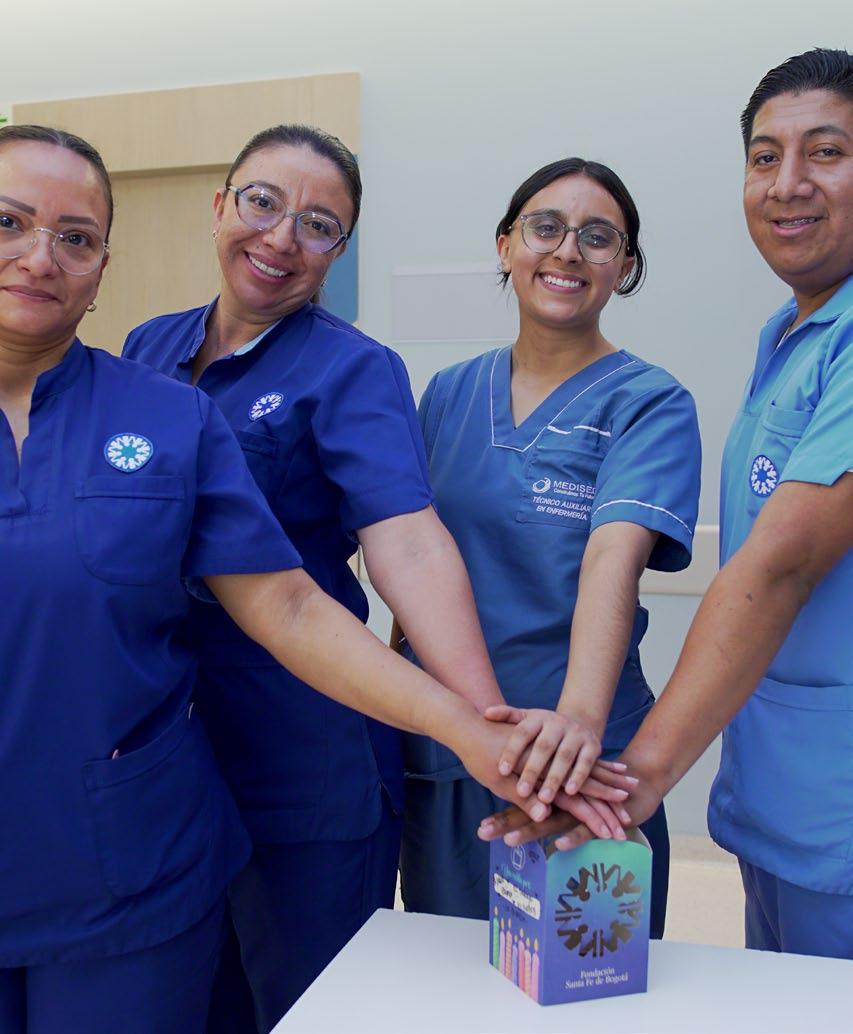
We understand that those who provide care must also be cared for. Therefore, we actively promoted the protection of our workforce and support for their life projects. In this regard, we strengthened comprehensive wellbeing strategies such as the “We Care to Care” program, focused on physical and mental health, as well as the “Four-Legged Friends” program, which mitigates occupational fatigue among staff and facilitates pet visits for hospitalized patients. We continue to promote safe environments and foster a balance between personal and professional life.
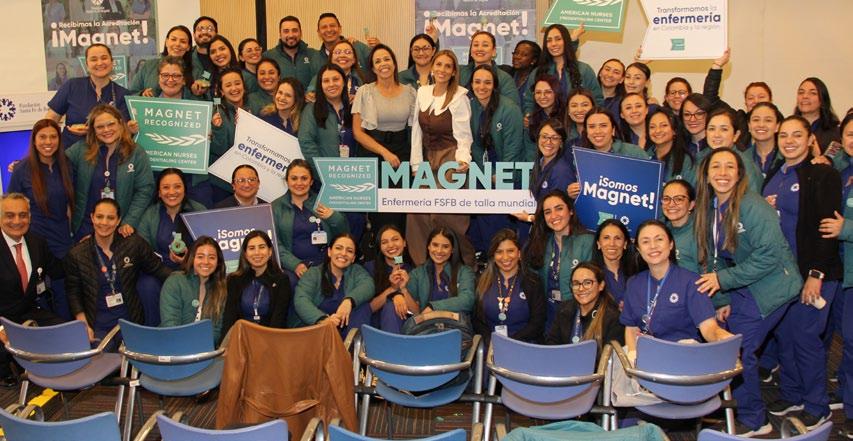
Within this commitment to our talent, we achieved a milestone of institutional pride that
represents a significant benefit for patients: we became the first private university hospital in Colombia and the second in South America to receive Magnet® Accreditation. This distinction, awarded by the American Nurses Credentialing Center (ANCC), is the highest international recognition for excellence in nursing care, professional leadership, and health outcomes. Considering that only 10% of hospitals in the United States and less than 1% worldwide hold this distinction, Fundación Santa Fe de Bogotá has consolidated a culture of excellence and innovation, positioning itself among the most outstanding healthcare organizations globally.
Progress in generating and transferring health knowledge exceeded all historical standards at the Foundation. In 2025, we obtained official accreditation for the Pediatric Critical Care Nursing Specialization program and received certification for three new advanced medical training programs from Ascofame: knee surgery, sleep medicine, and reconstructive hip and knee surgery. From a historical perspective, the results in formal education are remarkable: more than 13,064 healthcare professionals trained in our classrooms, services, and practice settings. In continuing education, we reached more than 300 academic events and trained 82,700 healthcare professionals, patients, and families.
In research, 510 scientific articles were published, 54% of which appeared in high-impact journals (Q1). Participation in clinical studies grew by 179%.
Aware of the transformative impact of the health knowledge we generate, we promoted its transfer through a strong public-private partnership. This enabled us to share our Person-Centered Humanized Care model with four hospitals in Bogotá’s public network (Kennedy, Santa
Clara, Tunal, and Simón Bolívar). Likewise, we participated as Colombia’s sole representative in oncological research projects led by IARC–WHO, fulfilling our mission to share life-saving knowledge.
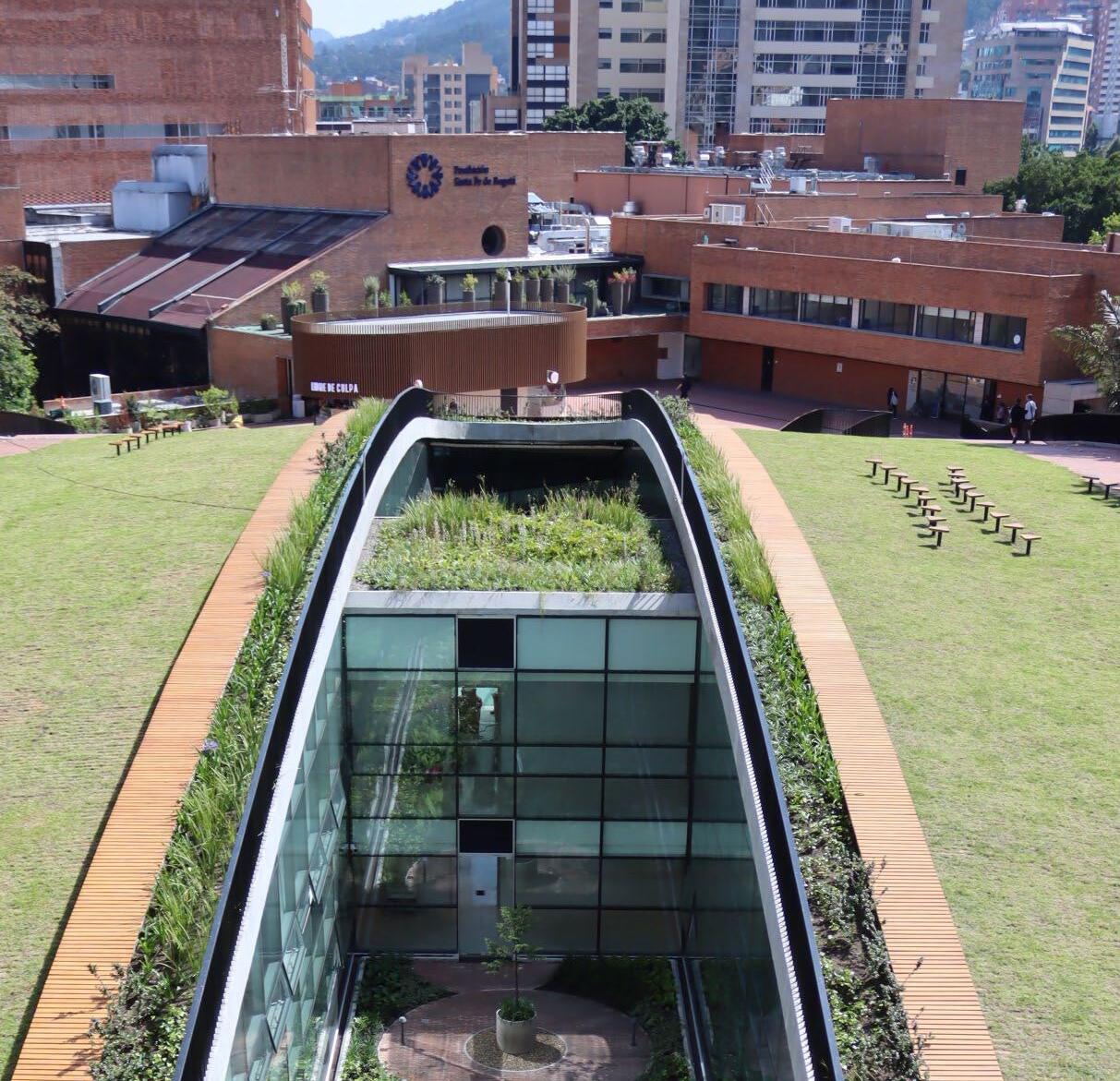
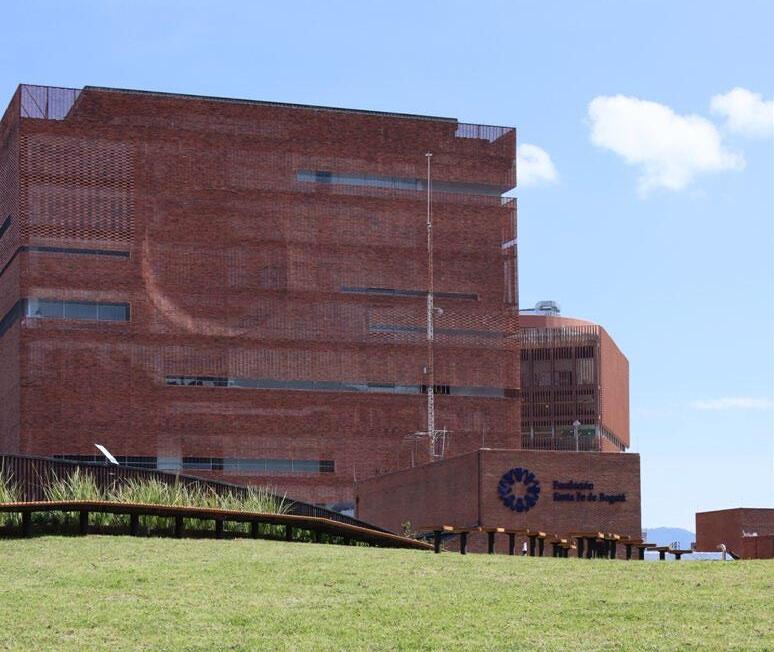
We innovate in caring for life and the environment, recognizing that our infrastructure is an active component of the person-centered care model.
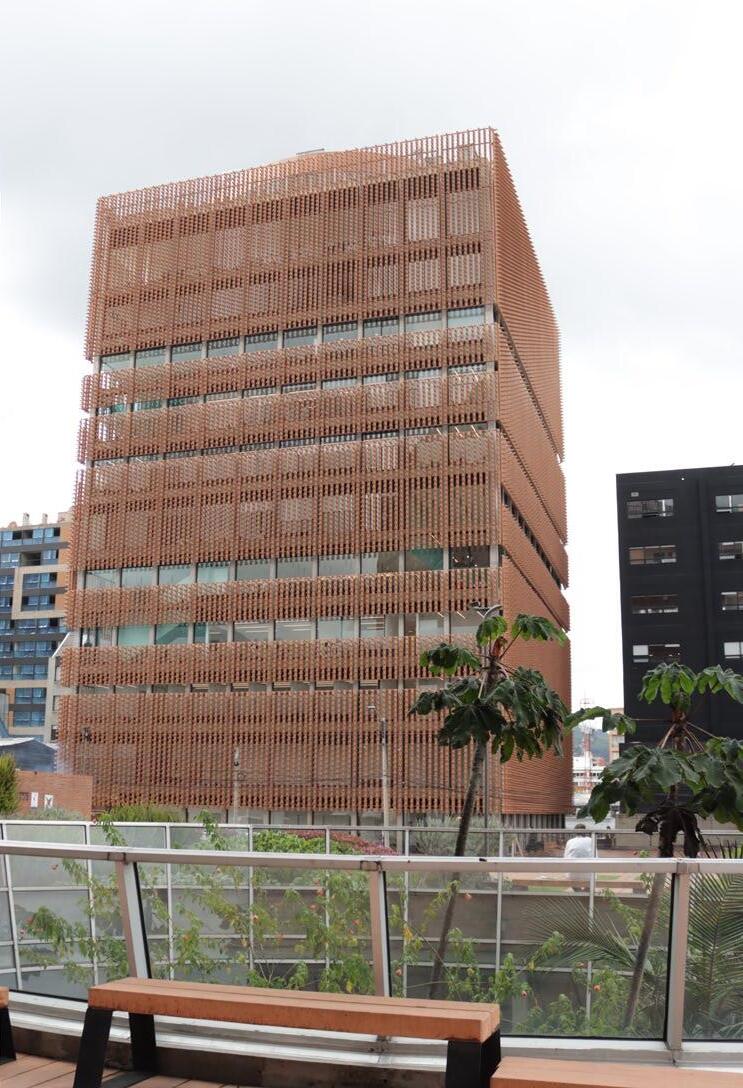
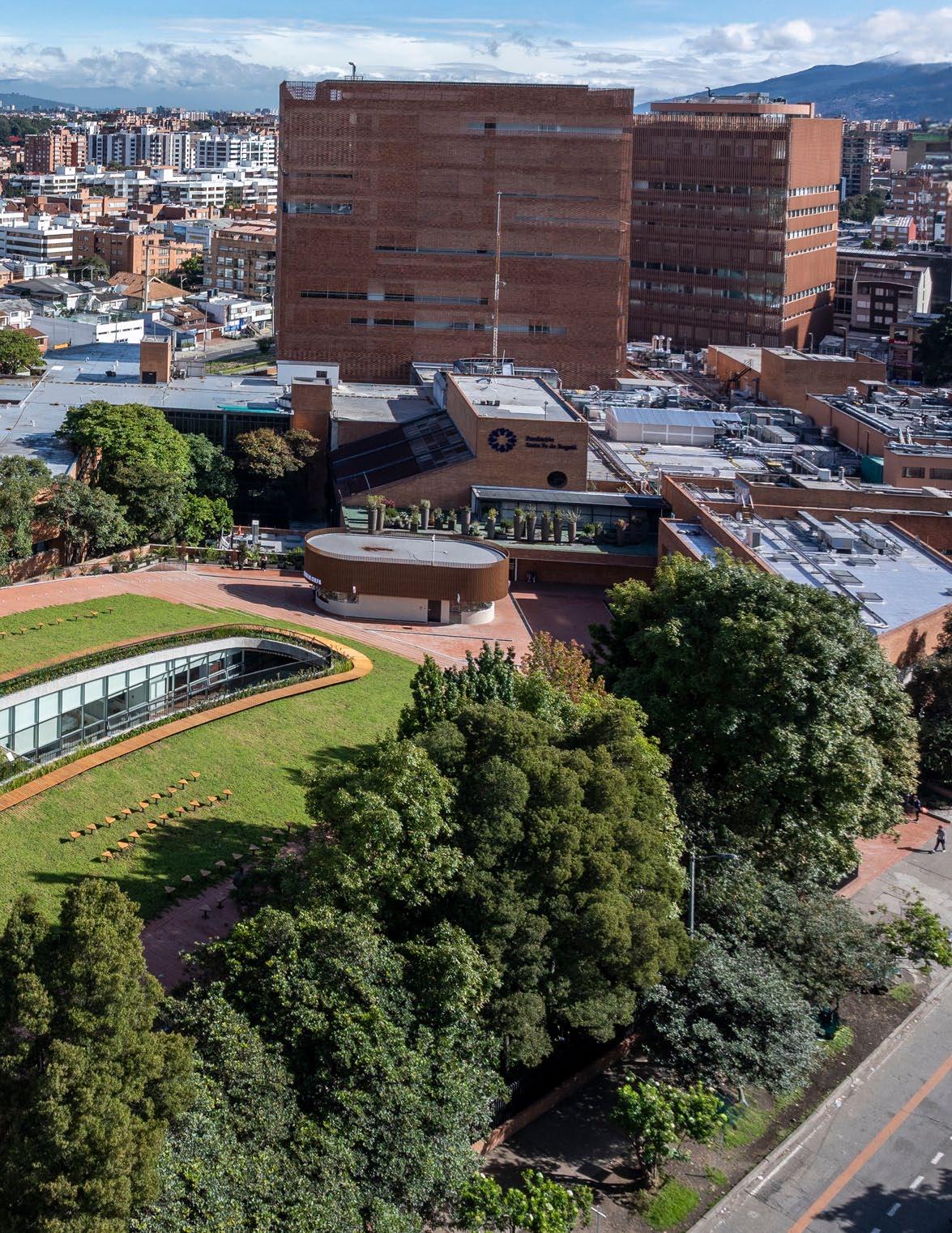
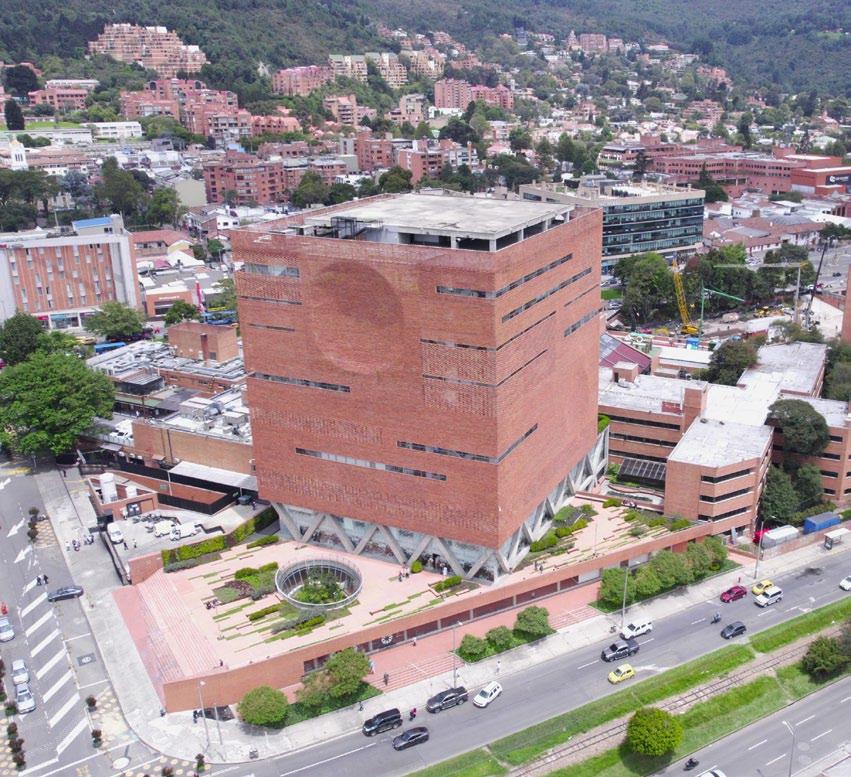
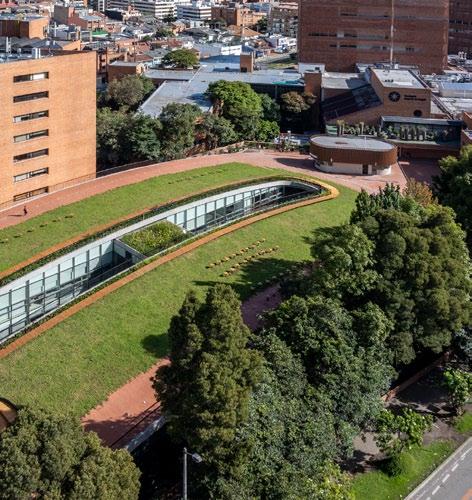
In 2025, we received three distinctions at the 3rd Latin American Hospital Architecture Awards [PLAH, per the Spanish initials], recognizing our capacity for sustainable design.
In environmental matters, we achieved water savings of 34% in the Garden Building and 27% in the Outpatient Building.
Additionally, as a significant contribution to the planet, we are proud to be the first hospital in Colombia to eliminate the use of desflurane, a polluting anesthetic gas, drastically reducing our environmental impact and demonstrating that high-complexity medicine can thrive while decreasing its carbon footprint.
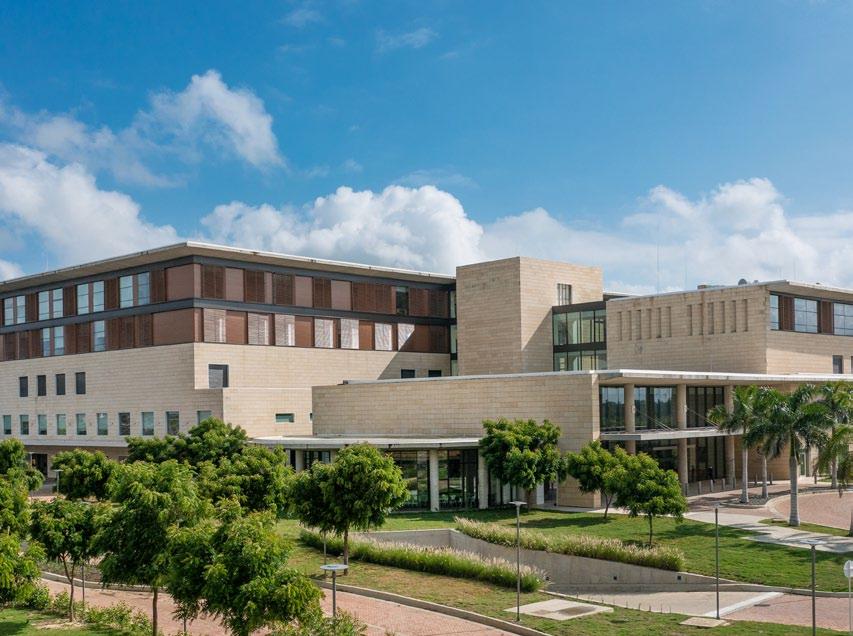
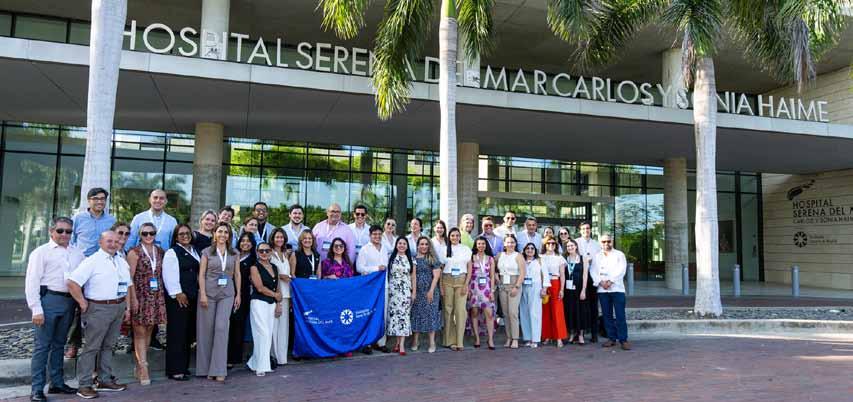
In Cartagena, operations at Serena del Mar Hospital continue to advance steadily, consolidating our position as a benchmark of excellence in the region. The positive impact and sustained growth in care delivery reflect the community’s trust and the strength of its care model. This performance has allowed us to achieve first place in the Caribbean region in The World’s Best Hospitals 2025 ranking, prepared by Newsweek and Statista, a recognition that validates our commitment to quality, safety, and person-centered care.
Our Fundación Santa Fe de Bogotá – Tatamá Hospital is progressing in an orderly manner according to plan, and we are very close to opening our doors to the comm unity with the first phase of outpatient services, scheduled for the second half of 2026. This project will positively impact the health of populations in the Coffee Region, Chocó, and Northern Valle, expanding access to high-quality care in the region. It is a reality made possible through the initiative and trust of Fundación Tatamá, the support of Fundación Santo Domingo, and the commitment of hundreds of promoters, donors, and families who believe in and support better health.
By integrating the dimensions of People, Planet, and Prosperity through our five commitments, we ensure the sustained and continuous generation of value in health over time.
The challenges, achievements, and lessons presented in this report demonstrate how these pillars are translated, day by day, into concrete actions that drive the transformation of the healthcare sector in Colombia and the region.
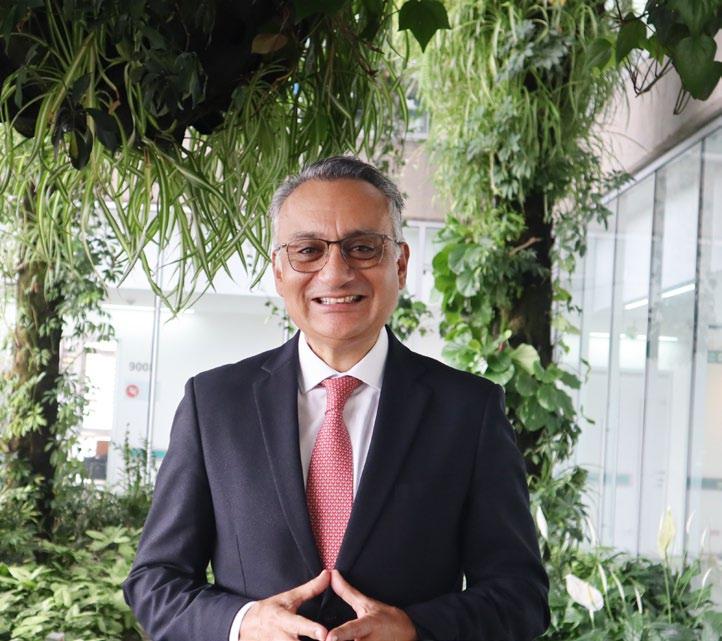
With deep gratitude,
Henry Gallardo
Chief Executive Officer Fundación
Santa Fe de Bogotá
1.2. About This Report
2-2; 2-3; 2-5; 2-14
This Sustainability Report has been prepared in accordance with the GRI Standards for the period from January 1 to December 31, 2025, using the latest available version of the GRI Standards.
It consolidates information on our performance in an integrated manner, including the management of Fundación Santa Fe de Bogotá and the activities carried out as operators of Serena del Mar Hospital in Cartagena, Bolívar.
This document is presented on an annual basis. This is the fifth edition in which we have used the Global Reporting Initiative Standards (GRI Standards) as our methodological framework. Likewise, we reaffirm our commitment to the principles of the United Nations Global Compact in the areas of human rights, environment, labor standards, and anti-corruption.
Although the information contained in this report has not been subject to external verification, we have rigorously applied information quality principles to ensure the verifiability of the data, thereby guaranteeing the accuracy and reliability of the information presented.
Additionally, the 2025 Sustainability Report of Fundación Santa Fe de Bogotá was reviewed and approved by the Board and the Board of Directors. Any additional information may be requested through our usual contact channels or via email at:
2.1. Leadership with a Higher Purpose: More and Better Health
GRI 2-1
Fundación Santa Fe de Bogotá is a private, not-for-profit institution founded in 1972 with a clear commitment: to lead and positively influence the healthcare sector while fostering the comprehensive well-being of individuals and communities.
Building on the legacy of our founders over 53 years, we have maintained our commitment to caring for people and promoting sustainable health.
Systematic delivery of superior outcomes, exceeding the most stringent international standards in care and continuous support for individuals, their families, and caregivers
In 2025, we continued to focus our greatest efforts on delivering superior health outcomes, grounded in the strongest scientific evidence and a memorable care experience.
Higher Purpose:
To lead and positively influence the healthcare sector to contribute to the well-being of individuals and communities.
Mega: More and Better Health for Colombia and the Region
High-level scientific practice, reflected in impactful research disseminated through publications in indexed journals
Education of healthcare professionals contributing outstanding results to the improvement of health and care services within the FSFB, the country, and the region
A deep sense of belonging among our employees, who express high satisfaction with personal and professional development opportunities
Principles
Significant contribution to the strengthening of population health in Colombia
Figure 1. Higher Purpose – Fundación Santa Fe de Bogotá
We Care for Health Across All Stages of Life
GRI 2-1; 2-6
We accompany individuals throughout every stage of their life cycle. Our management encompasses the full spectrum of the human health experience, integrating clinical excellence and humanized care with the generation of specialized knowledge and the development of health strategies that deliver real value to our patients, families, and communities.
Patient Care Cycle
We transform care into a continuous and coherent process, where every intervention responds to a long-term well-being purpose.
Figure 2. Patient Care Cycle
We support patients and their families through a comprehensive, continuous, and coordinated care pathway designed to ensure safety, trust, and quality in every interaction:
We act proactively in relation to disease through the promotion of well-being and disease prevention, strengthening the capacity of individuals and communities to make informed decisions about their health.
When a healthcare need arises, we place our clinical and technological expertise at the service of our patients to achieve timely diagnoses, an essential foundation for delivering safe, evidence-based treatments.
The commitment of a highly qualified workforce enables us to carry out high-complexity interventions and treatments under the highest standards of safety and quality
Subsequently, we provide comprehensive support throughout recovery and rehabilitation processes, addressing both physical and emotional dimensions and promoting quality of life
In advanced stages of disease, we provide palliative care and compassionate, person-centered support aimed at relieving pain and preserving human dignity during the most sensitive moments of life.
Knowledge Translated into Health
Research and education constitute fundamental pillars that continuously strengthen and enrich our clinical practice. Through scientific research, we drive the development of new knowledge, protocols, and treatments that translate into improved health outcomes and concrete solutions for patients, bringing academic knowledge into clinical practice with rigor and responsibility.
Complementarily, we contribute to the continuous education of current and future healthcare professionals, promoting care based on excellence, ethics, and the humanization of care. Our commitment to education ensures the sustainability of knowledge, strengthens human talent, and elevates quality standards across the sector.
Health with Population-Level Impact
Our work goes beyond hospital care to encompass the comprehensive management of population health. We lead Population Health strategies aimed at directly intervening in regions, working in coordination with communities, institutions, and other stakeholders within the system to close priority public health gaps.
Through this approach, we generate scientific evidence from research conducted within communities, enabling us to identify needs. In this way, public policies that promote collective well-being and sustainable societal development are strengthened.
Figure 3. Clinical Conditions and Service Lines – Fundación Santa Fe de Bogotá
Health Value Based on Outcomes, Experience, and Sustainability
We generate value in health through a rigorous and comprehensive approach that integrates clinical and scientific excellence with deep human care. We conceive value as the verifiable result of simultaneously optimizing clinical outcomes, people’s experience, and system sustainability through efficient, responsible, and ethically grounded practices.
This vision guides our institutional management and constitutes a standard of integrity that consistently informs every clinical, administrative, and strategic decision.
Value Creation in Health with Integrity and Sustainability
We apply a structured model for sustainable value creation that consistently guides our clinical and administrative management. Each intervention is designed to maximize well-being and health outcomes while optimizing the responsible use of resources and reducing environmental impact.
This balance between clinical outcomes, human experience, and efficiency ensures that the technical and ethical quality of care remains sustainable over time, allowing us to contribute responsibly to better health for society.
Our strategy based on clinical conditions and service lines enables the coordinated integration of multidisciplinary and interdisciplinary teams that work jointly to provide comprehensive care according to each patient’s health needs.
Clinical Conditions: A Care System Centered on the Patient and Family
Through our Clinical Care Centers, we ensure comprehensive, continuous, and person-centered care, reducing fragmentation and promoting better health outcomes.
This model has positioned us as the institution with the highest number of Joint Commission International-certified centers outside the United States, validating our ability to deliver quality care and outcomes comparable to the highest international standards.
High Complexity and a Culture of Safety
We manage the most complex clinical cases under superior safety standards. Our culture of reliable care prioritizes patient protection in every procedure, minimizing risks and ensuring safe environments. The combination of cutting-edge technology, subspecialized human talent, and protocols based on the best available evidence enables us to address critical medical challenges, restoring well-being and quality of life to those who entrust us with what matters most—their health.
Measurement of Health Outcomes
We have strengthened our health outcomes measurement strategy, accompanying patients throughout their entire care journey, beyond the acute inpatient episode. As part of this process, we have advanced in the technical consolidation of indicators, the standardized and centralized collection of data, the implementation of more rigorous statistical methodologies, and a more robust selection of benchmarks comparable to the profile of our patient population, allowing us to assess our performance with greater precision.
To date, we have measured 348 health outcome indicators for patients across 27 prioritized service lines aligned with the deployment of our strategy.
Of these outcomes, 202 have a comparison benchmark: 143 with external benchmarks (derived from the literature or reference institutions) and 59 with internal benchmarks (based on the first year of measurement).
Eighty-five percent (85%) of outcomes with external benchmarks meet the standard, and 90% of those with internal benchmarks maintain or improve the expected value.
Health Outcomes
143 outcome indicators compared against scientific literature or benchmark institutions
59 outcome indicators compared against internal historical data
85% of results within expected range based on external benchmarks
90% of results within expected range based on historical benchmarks
Measurement of Patient Experience by Service Lines
Following the establishment of the baseline for the Net Promoter Score (NPS) indicator by service lines in 2024, we aimed to further enhance the care experience for our patients. The results for 2025 are presented below:
Fundación Santa Fe de Bogotá.
Clinical Condition Service Line
Table 1. NPS Results by Clinical Conditions and Service Lines – Fundación Santa Fe de Bogotá
Regional Footprint: Expanding Access to Healthcare Where It Is Most Needed
We deliver structured healthcare services and promote strategic partnerships that maximize our impact and reinforce our foundational objectives, strengthening the presence of Fundación Santa Fe de Bogotá across the entire Colombian territory and in other countries.
Hospital Services Network
Bogotá
GRI 2-22
Our expansion strategy decentralizes high-complexity medical care to ensure equity in access. We operate as an integrated network of knowledge and services that connects the country, bringing our standards of quality, safety, and humanization directly to the regions.
Fundación Santa Fe de Bogotá University Hospital
MasCerca Care Centers
Ambulatory Building and Garden Building
Fundación Santa Fe de Bogotá University Hospital (Carrera 7 No. 117-15, Bogotá D.C.)
Ambulatory Building (Calle 119 between Carrera 7 and Carrera 9): Musculoskeletal Care Center
Fetal Maternal Unit
Women’s Diagnostic Center
Cancer Institute (Calle 120 A No. 7-86)
Cancer Institute Expansion
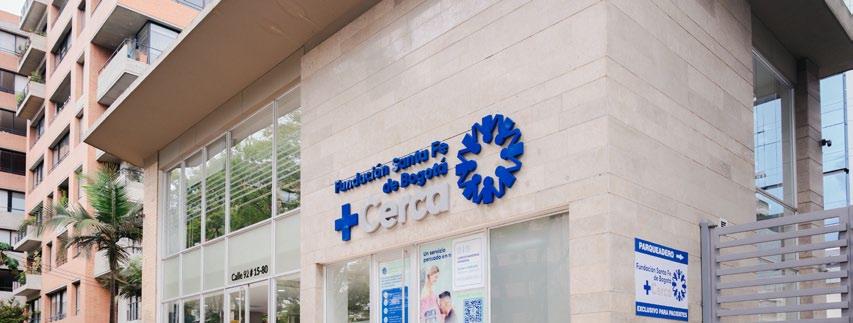
4 FSFB+Cerca Priority Care Centers (located in Chicó and the Unicentro, Fontanar, and Gran Estación shopping centers)
Garden Building (Calle 116 No. 7-2, Lot 1)
Calle 123: Fertility Center, Cardiovascular Center
Calle 119 with Carrera 7: Santa Ana, Neurology Ambulatory Center
4 Administrative sites: Edificio Fundacional 123, Edificio Cosme y Damián, Casa de GGHH, Edificio Futura, Edificio Urban 165, among others.
Figure 4. Hospital Services Network
Cartagena
Hospital Serena del Mar (Vía al Mar, Km 8, operated by Fundación Santa Fe de Bogotá)
Coffee Region
Fundación Santa Fe de Bogotá Tatamá - (in development): Cerritos, Pereira, Risaralda
Hospital Fundación Santa Fe de Bogotá Tatamá - (in development): Pereira, Risaralda
Our expansion strategy decentralizes highcomplexity medical care to ensure equity in access.
We operate as an integrated network of knowledge and services that connects the country, bringing our standards of quality, safety, and humanization directly to the regions.
The Caribbean: A Consolidated Benchmark (Hospital Serena del Mar)
In Cartagena, Serena del Mar Hospital, operated by Fundación Santa Fe de Bogotá, has been consolidated as the high-complexity referral hub for the Caribbean region. Through this operation, we extend FSFB’s model of clinical excellence to the northern region of the country, integrating humanized care, cutting-edge technology, and highly qualified teams in service of patients in Bolívar and the Atlantic Coast.
This regional presence strengthens our capacity for hospital management beyond the capital and positions Serena del Mar Hospital as a leading institution in the care of high-complexity clinical conditions, addressing the critical needs of the local population with the same standards of safety, ethics, and quality that distinguish our organization.
We achieved Silver Certification for Excellence in Person-Centered Care – Planetree International.
We were certified as an Advanced Stroke Center [ACV, per the Spanish initials] by the World Stroke Organization (WSO).
Commitment to the Coffee Region: Fundación Tatamá
The Fundación Santa Fe de Bogotá – Tatamá project in Pereira is designed to close gaps in access to specialized healthcare services for the populations of Risaralda, Caldas, and Quindío, as well as for communities in Chocó and Northern Valle del Cauca.
Tatamá is conceived as part of our quality ecosystem, focused on addressing chronic and high-complexity diseases directly within the region. Its development is progressing as a driver of well-being that will elevate public health indicators in one of Colombia’s most dynamic and diverse regions.
Our Commitment to Health Generates a Positive Impact 2025
3.1. Strategic Approach to Sustainability
GRI 2-23; 2-24; 2-25; 2-28
At Fundación Santa Fe de Bogotá, we adopt a strategic approach to sustainable health that integrates clinical excellence with research, population health, education, environmental management, and workforce well-being.
New Sustainability Policy: A Framework for Ethical Action
We seek to act responsibly in the face of current and future challenges, always placing patients and their families at the center, in order to generate a positive and lasting footprint in society.
This year, the Foundation took a decisive step in its maturity with the creation and formalization of the Sustainability Policy. This new strategic guideline aims to align all teams toward a unified vision of Sustainable Health, defined as the
capacity to act simultaneously for the benefit of human health, the integrity of the planet, and institutional strength, ensuring that every decision leaves a positive impact.
The implementation of this policy enables the integration of environmental, social, and governance (ESG) commitments with the elements of the foundational strategy and the commitments of the Sustainable Health Model.
In this way, a framework for action is consolidated, ensuring that institutional growth always goes hand in hand with social development and environmental protection.
Sustainable Health Model
To operationalize this approach, the Sustainable Health Model remains in force, structuring management around five fundamental commitments aligned with the higher purpose, long-term goals, sub-goals, and institutional values. This model integrates the vision of Sustainable Health and is continuously informed by dynamic materiality assessments, enabling the management of strategic priorities through a comprehensive perspective that responds to stakeholder expectations and the challenges of sustainable development.
We act ethically and transparently
We provide comprehensive care for the health of individuals, families, and communities
We protect our employees and support their life projects
We innovate in the care of life and the environment
We generate and transfer knowledge in health
prosperity
SuStainable HealtH
Impact Management
Sustainability management goes beyond mitigating operational risks to enhance the positive effects we generate in the care of the health of individuals and communities, as well as among our workforce, the environment, innovation, the knowledge we generate, and the professionals we train.
an active Commitment to Human Rights
We recognize that health is an enabling right that ensures the fulfillment of other fundamental rights:
labor rights and decent work: We guarantee safe environments and dignified conditions for our workforce, understanding that employee well-being is a prerequisite for value creation.
equity and population rights: We expand the impact of highquality healthcare by co-developing health initiatives with diverse communities that respond to their needs.
emerging rights and a healthy environment: By managing the negative environmental impacts derived from clinical operations, we contribute to the collective right to a healthy environment, recognizing the interdependence between planetary health and human health.
Our Commitment to Health Generates a Positive Impact 2025
Contribution to the 2030 Agenda (SDGs)
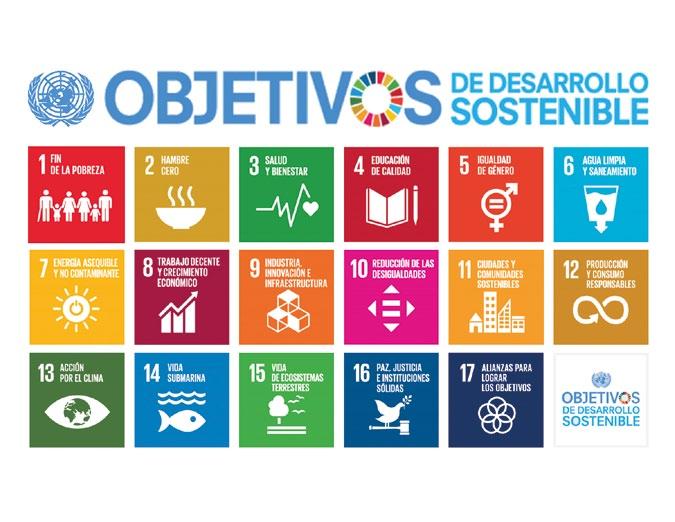
Sustainability is realized through contributions to global goals. In 2025, we continued strengthening our impact on four prioritized Sustainable Development Goals (SDGs), which act as guiding pillars of our sustainability approach:
SDG 3 – Good Health and Well-being:
Impact is maximized through a sustainable health approach that ensures each action generates positive outcomes for patients, families, and communities.
SDG 8 – Decent Work and economic Growth:
Contribution is reflected in the promotion of inclusive and sustained economic growth, driven by education, innovation, and operational efficiency.
SDG 13 – Climate action:
Addressed through actions aimed at reducing greenhouse gas (GHG) emissions and promoting responsible resource management.
SDG 17 – Partnerships for the Goals:
This goal gained central prominence in 2025 with our adherence to the United Nations Global Compact and active participation in the Health and Sustainability Roundtable. These platforms enable the sharing of best practices and learning from other stakeholders, recognizing that systemic sector challenges cannot be addressed in isolation but require multisectoral cooperation and the construction of shared value networks.
Measurement and Validation of Our Approach
During the year, we participated in assessments to validate the maturity of our sustainable health approach and to identify opportunities to strengthen our positive footprint.
Sustainability
Maturity
(Self-Assessment – Geneva Sustainability Centre)
Institutional management was evaluated using the Sustainability Accelerator Tool (SAT) from the Geneva Sustainability Centre. This technical assessment evaluates progress and commitment across three domains, where we achieved an
Health, equity, and well-being:
This result confirms actions aimed at promoting the well-being of patients, families, and communities.
overall compliance level of 70% through selfassessment. Beyond the score, this exercise enabled us to precisely identify where we are generating value and where transformation must be accelerated
These results confirm that the Foundation is effectively incorporating low-carbon, resilient, and equitable actions and initiatives into its processes, practices, and sustainable health approach. Sustainability Report
Demonstrates that sustainability has been integrated into decision-making at the highest executive level and generates sectoral impact. leadership and governance:
Identifies opportunities to deepen the impact of our environmental commitment. environmental impact:
Our Commitment to Health Generates a Positive Impact 2025
Global Health Standards
(Joint Commission International)
In preparation for reaccreditation by Joint Commission International (JCI), we proactively advanced in closing gaps related to the new Global health chapter. Although this standard is not yet mandatory, our decision to align early with its measurable elements demonstrates our commitment to exceeding minimum regulatory requirements.
ICONTEC Sustainability Seal
In 2025, we initiated the application process for the ICONTEC Sustainability Seal, reaffirming our commitment to aligning with the highest national standards, and obtained a favorable decision. The certificate was formally awarded in January 2026.
As a concrete action, we implemented carbon footprint measurement pilots in Clinical Care Centers. This pioneering initiative seeks to demonstrate that optimal clinical outcomes can be achieved while simultaneously minimizing the environmental impact of procedures, positioning us as global benchmarks before JCI in the integration of quality and sustainability.
Following the evaluation and audit process, we obtained the ESG Verified Sustainability Seal –Platinum Level, becoming the first healthcare institution to achieve this level of recognition in its initial application.
We became the first entity in the healthcare sector to achieve this level of recognition.
This recognition certifies our performance across environmental, social, and governance criteria and reaffirms our commitment to responsible and sustainable management in the healthcare sector.
The Sustainability Seal corresponds to a world-class verification framework that independently
evaluates organizational ESG performance.
Through this process, ICONTEC classifies institutions according to their level of performance:
Fundación Santa Fe de Bogotá achieved an average score of 96.95% across the three criteria, validating an institutional approach that integrates sustainability transversally into its strategy and operations, conceiving it as an enabler of healthcare delivery, resource efficiency, and value creation for society.
Adherence to the United Nations Global Compact
This vision guides institutional decision-making with a forward-looking perspective and a sustained commitment to present and future generations.
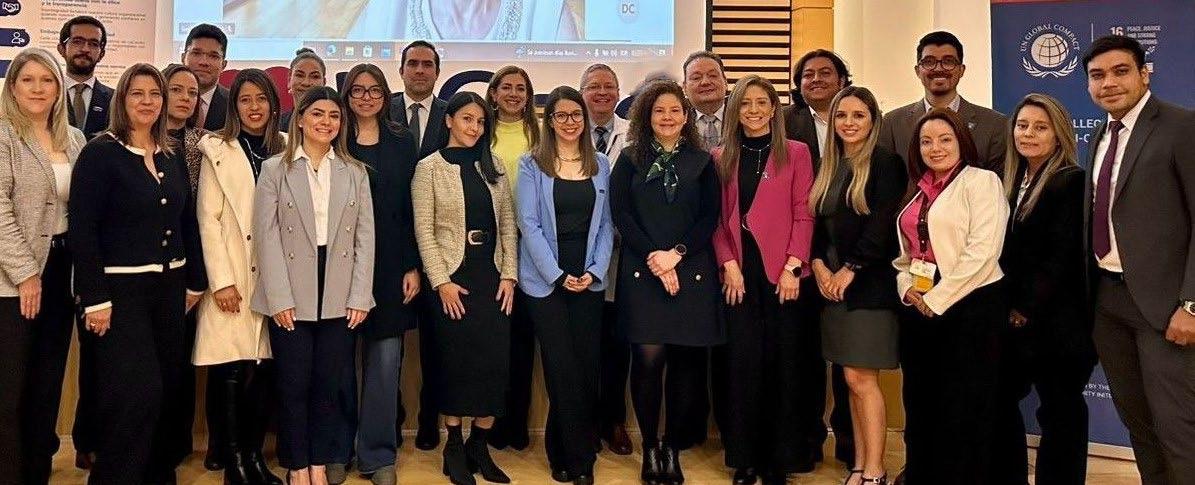
In 2025, we formalized our adherence to the United Nations Global Compact, the world’s largest corporate sustainability initiative.
This affiliation connects our sustainable health approach with a global development agenda, committing us to respect and promote universal principles related to human rights, labor standards, environmental protection, and anticorruption.
Our active participation in the Health and Sustainability Roundtable within this network enables us not only to adopt best practices but also to co-create systemic solutions with other sector stakeholders, recognizing that global health challenges require strong partnerships to maximize ESG impact. We also actively participate in the Compliance Officers Network Roundtable.
Collective Development of the Sustainable Health Approach
GRI 2-17
During 2025, engagement with our stakeholders directly informed the evolution of our approach. Continuous interaction allowed us to validate initiatives and expand the reach of our projects across two key areas:
Internal culture and team engagement: We strengthened sustainability management from within the organization. Our teams have embraced international standards (SAT, JCI, Sustainability Seal), becoming the primary source of ideas for continuous improvement. This dynamic empowers employees to propose and implement innovative solutions that enhance our performance.
Generation of evidence and knowledge (research): Sustainability has been integrated as a central axis of scientific discussion. At the XII Joint Research Meeting, we presented success cases demonstrating the feasibility of the sustainable health approach, highlighting initiatives such as Sustainable Surgery and Green Teams. These spaces provide technical validation of our progress and foster academic research in sustainable health. Our Commitment to Health Generates a Positive Impact
Impact Initiatives and Recognition
Our workforce and medical staff are the true protagonists of cultural transformation, integrating environmental, social, and governance criteria directly into decision-making and daily activities. This ownership enables the deployment of initiatives that contribute to care delivery, education, research, and population health.
This ownership enables the deployment of initiatives that contribute to care delivery, education, research, and population health.
Our Commitment to Health Generates a Positive Impact
Medical Leadership and Cultural Transformation
(Sustainable Surgery and Green Teams)
The evolution of the Sustainable Surgery Committee demonstrates how medical leadership drives strategic change. The committee has progressively strengthened and integrated additional institutional areas, achieving results that now serve as global benchmarks.
Through employee leadership, the Green teams initiative in Intensive care Units has been reinforced. These interdisciplinary teams work to ensure that sustainability becomes an essential component of daily clinical practice.
From operating rooms to intensive care units, our professionals lead the implementation of sustainable processes, demonstrating that high-complexity medicine is compatible with these commitments.
Global Validation: Bronze-Level Excellence
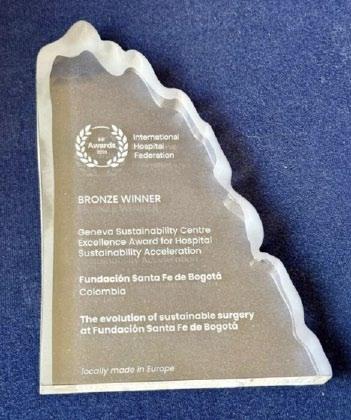
The results of this sustainable health approach have transcended borders. The International Hospital Federation awarded Fundación Santa Fe de Bogotá the Geneva Sustainability Centre excellence award for Hospital Sustainability acceleration (bronze Category) for accelerating sustainability management in the healthcare sector.
This distinction specifically recognized the project “The Evolution of Sustainable Surgery at Fundación Santa Fe de Bogotá”, acknowledging our capacity to implement low-carbon and resilient surgical interventions.
This award positions the Foundation as a regional benchmark, demonstrating to the international community that it is possible to deliver healthcare of the highest technical and human quality while acting responsibly in the face of global environmental challenges.
Challenges and Outlook for 2026
Sustainability is a continuous journey of evolution. For the 2026 cycle, we have defined a clear roadmap to elevate our performance standards and expand our impact, ensuring that institutional growth is always accompanied by social and environmental value:
Continuous improvement: We will consolidate area-specific work plans to close gaps and leverage improvement opportunities identified in international and national assessments (SAT, JCI standards, ICONTEC Sustainability Seal).
leadership in the global agenda: We will strengthen our participation in the United Nations Global Compact, sharing successful experiences, learning from global best practices, and contributing to collective sustainability learning.
Scaling sustainable clinical practice: We will expand the scope and impact of the Sustainable Surgery Committee, extending its learnings to other specialties and care services, integrating sustainability criteria across clinical practice throughout the institution.
Sustainability from inception: Tatamá Project: The expansion of our physical footprint represents an opportunity to demonstrate that sustainability is part of our DNA. At Fundación Santa Fe – Tatamá Hospital in the Coffee Region, sustainability will be embedded in all phases of development, ensuring alignment of all teams with the sustainable health approach.
Our Commitment to Health Generates a Positive Impact 2025
3.2. Responsible, Accessible, and Person-Centered Communication
GRI 2-29
Management Approach:
Communication
as an Enabler of Rights and Well-being
Fundación Santa Fe de Bogotá is an institution that drives the transformation of the healthcare system, projecting the future through
Impact on the Fulfillment of Rights and Global Goals
Our communication generates tangible results that translate into social value and contributions to global agendas:
Promotion of the right to health: The development and dissemination of more than 2,900 educational contents reached over 17 million people in 2025. This large-scale impact is not merely a reach metric; it represents a direct contribution to access to health knowledge, enabling evidence-based information to reach all levels of society to prevent disease and save lives.
ethics and respect for human dignity: Information management at the Foundation is governed by strict privacy protection. The administration of more than 400 informed consents throughout the year ensures that the voice and image of our patients and their families are handled under the highest standards of confidentiality and respect for their autonomy.
Strategic contribution to the global agenda:
• Health and well-being: We reduce knowledge gaps through prevention campaigns that directly impact regional public health.
• education: We innovate in accessible formats that educate diverse audiences, from sector leadership to pediatric populations.
• access to information: We lead efforts to combat health misinformation through strategic alliances with global platforms, ensuring that the digital ecosystem remains a safe and reliable environment.
Communicating is caring: by reaching 17 million people with evidence-based information, we transform institutional communication into a public health service.
Leadership and Institutional Reputation: Excellence for Global Sustainability
For Fundación Santa Fe de Bogotá, reputation is the measure of the value we return to society. The recognitions obtained in 2025 reaffirm our ongoing commitment to delivering more and better health for the country and the region:
Regional quality impact (intellat Ranking):
Being recognized as the best hospital in Colombia and the third in Latin America highlights our ability to integrate quality, innovation, and sustainability in healthcare delivery. This achievement ensures that our patients and their families access a healthcare ecosystem that minimizes risks and maximizes human dignity, raising the standard of care across the continent.
Consistency in global excellence (newsweek–Statista): Remaining, for the second consecutive year, among the top 250 hospitals in the world (Rank 239) reflects a culture of safety that does not allow complacency. This recognition validates to the global community that Colombia delivers world-class medical care focused on saving lives through high-standard clinical processes.
transparency and sector leadership (Merco): Our position as the second most reputable healthcare institution in Colombia reflects a strong commitment to transparency. This institutional leadership is reinforced by the recognition of our Chief Executive Officer, Dr. Henry Gallardo, who ranked first in the Merco Health Sector leaders ranking (and 60th in the overall national ranking). This distinction confirms the alignment between our strategic vision and ethical leadership that drives best practices across the industry.
Civic commitment and social development (Gonzalo Jiménez de Quesada award): The distinction awarded by the Sociedad de Mejoras y Ornato de bogotá recognizes that the institution transcends its clinical role to become a pillar of social and educational development in the capital. This award reaffirms our identity as an institution that builds social fabric and collective wellbeing, actively contributing to the welfare of Colombians.
Our Commitment to Health Generates a Positive Impact 2025
Influence on the Future of Global Health
The Foundation’s leadership in 2025 enabled the positioning of a sustainable health vision within the most relevant global decision-making forums:
• transformation of healthcare systems (iHF): The election of our Chief Executive Officer as President of the international Hospital Federation (iHF) places the knowledge and experience of our institution at the service of hospitals worldwide. From this platform, we lead the agenda toward more efficient, ethical, and resilient healthcare systems prepared to address the climate and social challenges of the 21st century.
Infrastructure and Practices that Respect Life and the Environment
Sustainability is embedded in every space within the institution. In 2025, we demonstrated that it is possible to deliver cutting-edge medicine while reducing environmental impact and improving the human experience
• Healing architecture (PlaH awards): The triple recognition at the Latin American Hospital Architecture Awards for the Garden Building highlights spaces designed to accelerate patient recovery and protect staff well-being through light, air, and functionality.
• environmentally responsible operations (iHF awards): Recognition of the Verde Vida and Sustainable Surgery programs reflects concrete actions to reduce our environmental footprint.
• Purpose-driven certifications: Maintaining Planetree Gold Certification with Distinction in Innovation and EDGE Certification ensures that our operations are doubly responsible—toward people, through highly humanized care, and toward the environment, through buildings that optimize resource consumption such as energy and water.
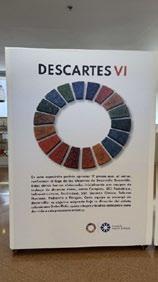
• Public engagement: By collaborating with the influencer “Marce la Recicladora,” we enabled more than 294,000 people to learn about our waste-to-art transformation model through the Descartes Program. This initiative reinforces that waste reduction and efficient resource use in critical areas are essential for protecting planetary health.
Our Commitment to Health Generates a Positive Impact 2025
Our reputation is the assurance that every decision is oriented toward generating a positive impact on the lives of individuals and communities, as well as on the sustainability of the environment in which we operate.
#1 in Colombia (IntelLat)
Top 250 Global (Newsweek)
IHF Awards (Sustainability)
Planetree Gold (Innovation)
IHF Presidency
Gonzalo Jiménez de Quesada Award
Raising national standards
Demonstrated clinical safety
Reduction of ecological footprint and social impact
Humanization of care
Influence on global policy
Contribution to Bogotá’s social and educational development
Leadership in quality and social innovation
International trust in the local healthcare system
Environmental protection through hospital operations and social commitment
Assurance of dignity and patient participation
Transfer of best practices at a global scale
Strengthening of civic engagement and the local social fabric.
Table 1. Reputational Impact Indicators 2025
Digital Ecosystem and Content Innovation
Our Commitment to Health Generates a Positive Impact
Within this scope, our proprietary digital ecosystem played a crucial role in personalized education: 17 million people directly engaged with more than 2,900 digital educational contents.
This large-scale yet targeted digital interaction represents a tangible contribution to SDG 3 (Good Health and Well-being), ensuring that evidence-based information reaches both the general public and individuals seeking specific guidance.
Acceleration of the Digital Community: Trust that Multiplies
The relevance of our content generated unprecedented digital engagement. In 2025, the community connected to the institution experienced exponential growth, validating our strategy of delivering value through preferred audience formats. Growth was not only in reach but in relevance:
X (formerly twitter): A historic increase of 240% (60,531 followers), consolidating our position as a real-time information source for public opinion and the healthcare sector.
instagram: Growth of 66% (58,360 followers), strengthening engagement through visual narratives focused on prevention, promotion, and education.
Youtube: Growth of 48% (37,200 subscribers), driven by innovation in long-form educational content and video podcasts.
linkedin y Facebook: Growth of 24% and 22.1%, respectively, reinforcing both professional and community networks, ensuring the Foundation’s scientific leadership is present across digital environments.
Our Commitment to Health Generates a Positive Impact 2025
YouTube Health: Inclusion and Care from Childhood
Our strategic alliance with Youtube Health represents a milestone in social responsibility, expanding access to scientifically rigorous information tailored to stakeholder needs:
Right to health in childhood: We developed the series “Know the Secrets of Your Body” for YouTube Kids. Through 10 educational episodes, we empower younger generations with knowledge about their bodies, promoting self-care from early life stages.
effective response in emergencies: We created a specialized first aid playlist (8 episodes), which became a critical consultation resource for the community. By simplifying life-saving maneuvers, we transformed the platform into an accessible survival guide.
Mental health awareness: We produced more than 20 specialized contents under the “SaludHables” program, providing tools for comprehensive care. This initiative supports the right to holistic and dignified health, promoting emotional well-being as a fundamental pillar of human development.
“Cuida tu Salud®” Podcast: Expert Knowledge for All Audiences
The institutional podcast consolidated its position as a continuous education tool for the public.
With and more than episodes views,
193
965,000
this format enables conversations between specialists and patients to reach any device in an accessible and free manner.
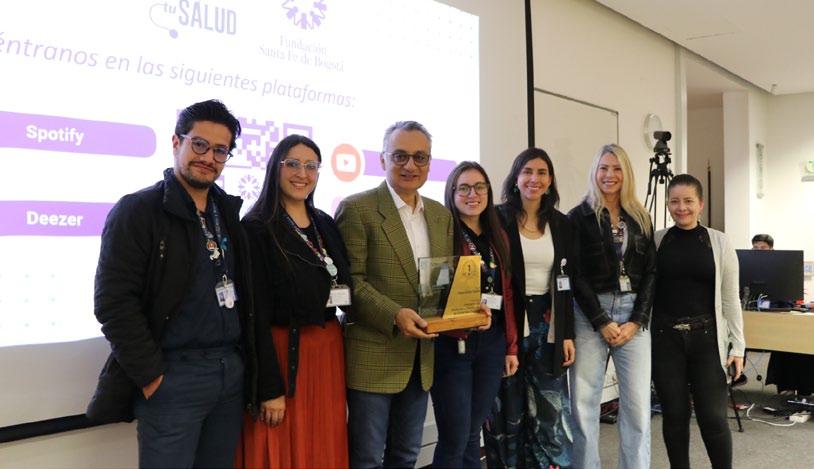
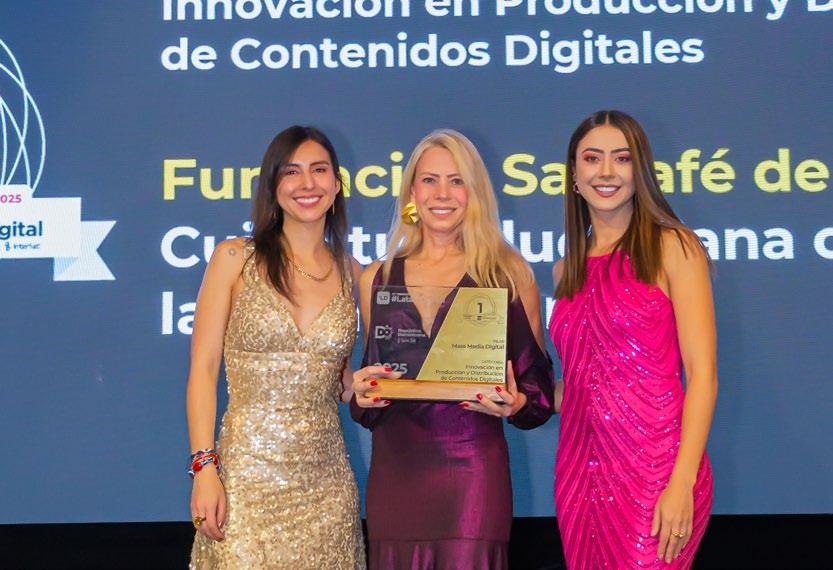
This effort was recognized by the Latam Digital Awards 2025 (Interlat), validating a communication model that prioritizes public utility and pedagogical innovation in the digital environment.
Our Commitment to Health Generates a Positive Impact 2025
Digital innovation only has meaning when it removes barriers: by educating children through YouTube Kids and demystifying mental health, we use technology to build a more informed, healthier, and equitable society.
Table 2. Digital Ecosystem Impact and Reach 2025
platform / Format Impact Milestone Value for h
YouTube Kids
YouTube health
podcast “cuida tu Salud”
Social Media
Mental health
10-episode children’s series
First aid playlist
>965.000 views
Reach of 17 million people
>20 specialized contents
Right to education: Development of healthy habits in childhood.
Right to health: Practical tools to save lives in emergencies.
Accessibility: Medical knowledge available to all.
Reduction of the evidence-based information gap.
Inclusion: Combating stigma and promoting emotional well-being
Educational Communication by Clinical Conditions and Regions: Information that Empowers and Transforms Local Realities
Fundación Santa Fe de Bogotá recognizes that health is not a generic concept but a reality experienced through specific conditions within diverse territorial contexts.
Therefore, our educational communication strategy is deployed in a segmented manner, ensuring that highly complex medical knowledge is delivered in an understandable way to those who need it most, thus guaranteeing the Right to Information as a foundation for autonomy.
Cardiovascular health (stroke): Our Commitment to Health Generates a Positive Impact
Communication by Clinical Conditions: Specialization at the Service of Life
In 2025, we transformed technical communication into social mobilization campaigns that impacted early detection and management of critical conditions:
Women’s and reproductive health:
In partnership with the Colombian Endometriosis Association, we reached more than 5.3 million people. Beyond awareness, this strategy mobilized 4,894 individuals (3,282 in fertility and 1,612 in endometriosis) who transitioned from digital engagement to actively seeking support, registering for specialized guidance. This demonstrates that our communication effectively bridges the gap between information needs and access to the right to health.
Oncology care management (SDG 3):
Through initiatives such as breast Cancer awareness Day and “Modo Mostacho” (men’s health), we transformed calendar events into largescale prevention platforms, reaching more than 30 million people and promoting shared responsibility in care and early diagnosis.
We implemented an integrated strategy including educational content and awareness activities on recognizing warning signs of stroke and the urgency of seeking medical care. We also participated in a stroke prevention walk organized by the Health Secretariat, promoting healthy lifestyles and early detection.
The Value of Trust: Free Press
The credibility of our spokespersons and the rigor of our clinical practice enabled the deployment of free press strategies, through which media outlets recognized the institution and its experts as reliable sources. This facilitated the dissemination of institutional achievements and health prevention messages due to their high educational and social value.
As a result, earned media generated an equivalent advertising value exceeding COP 404 million in external campaigns, reflecting in the following way:
World cancer Day: The large-scale mobilization of information generated an equivalent value in digital media presence of
Men’s health (Movember): The awareness strategy on genitourinary tract conditions achieved a media valuation of
amplifying the reach of a traditionally underdiscussed topic.
amplifying the reach of a traditionally underdiscussed topic.
Breast cancer: Communication efforts for early detection represented an efficiency of
demonstrating that prevention is cost-effective for both the healthcare system and institutional operations.
Our Commitment to Health Generates a Positive Impact 2025
Communication for Regional Development: Building Trust in the Coffee Region
Our territorial expansion through bogotá – tatamá transparency and social dialogue, aimed at informing stakeholders about the project and strengthening the social fabric required to consolidate a new regional healthcare ecosystem:
transparency in management: We implemented an accountability system through weekly construction progress bulletins and in-person engagements with 164 healthcare leaders and professionals in the Coffee Region. This ongoing communication ensures that the community and key corporate partners, such as Terpel (through the Tiendas Altoque initiative), actively participate in each milestone—from foundational works to hydraulic systems—thereby building a solid foundation of trust for fundraising and project execution.
access to information: Through digital platforms and local engagement, we facilitated access to information regarding the high-complexity services that will be introduced in the region. This pre-opening process supports the progressive adoption of clinical, academic, and care delivery models within the regional context.
Communication in regions is the foundation of trust: by transparently reporting each milestone of the Tatamá project, we ensure the community remains at its core.
Communication
AxisCampaign / Initiative Sustainability
Women’s Health
Oncology
Fertility and Endometriosis
Breast Cancer / Modo Mostacho
CardiovascularStroke Warning Signs
Regional Development Tatamá Project Updates
Donors
Teasers / Bulletins
>2.5 million people: Empowerment in reproductive rights.
Active prevention: Awareness of early diagnosis.
Public health: Risk reduction through education.
Transparency: 164 medical leaders engaged.
Sustainability: Transparent resource management.
Table 3. Impact of Educational Campaigns and Regional Presence 2025
Our Commitment to Health Generates a Positive Impact 2025
Stakeholder engagement: Building bonds of trust and value
Fundación Santa Fe de Bogotá is an ecosystem of care, knowledge, and leadership that beats in rhythm with the needs of its community. We are an institution that translates medical excellence into accessible language, serving as a solid bridge between science and people’s everyday well-being. We represent an ethical benchmark that ensures transparency in every interaction, establishing ourselves as an organization open to dialogue - one that listens in order to evolve and communicates in order to serve.
Our value proposition for stakeholders
We understand that sustainability is built through the strengthening of relationships with our stakeholders. Therefore, our communication is expressed through fulfilled commitments that generate tangible outcomes for each actor within our network:
patients and their families: We guarantee access to clear, compassionate, and evidence-based information that reduces uncertainty and fosters empowerment in self-care. During 2025, our communication served as support for thousands of families as they navigated their health processes with greater confidence and accompaniment.
employees: We foster a sense of belonging and alignment with the Foundation’s higher purpose. Our internal communication is a tool for cohesion that ensures every member of the organization acts as an ambassador of excellence and patient safety.
Donors and partners: We ensure maximum transparency and accountability. Through precise impact reports, we demonstrate how every resource entrusted to the Foundation is transformed into social infrastructure, cutting-edge technology, and health programs that change lives.
Healthcare sector and academia: We act as a technical and scientific reference hub. We share our successful experiences to strengthen the problem-solving capacity of the healthcare system in Colombia and the region, promoting a culture of continuous improvement.
Communities: Based on research and participatory action, we deliver value-driven communication through initiatives that contribute to the improvement of population health.
Interaction channels: technology at the service of closeness
To ensure that our value proposition reaches each person in a timely manner, we provide an ecosystem of channels designed for accessibility and ongoing dialogue:
Institutional web portals: With more than 1.7 million sessions in 2025, our portals have become the digital gateway to high-quality healthcare services, facilitating administrative procedures, education, and direct contact.
Digital magazine “cuida tu salud®”: With 14 editions published, this channel established itself as a benchmark for global education. We recorded 130,694 impressions and 29,425 active readers, who accessed preventive content from more than 10 countries, including Mexico, the United States, and Spain. These figures demonstrate that the magazine is a consultation resource with a reach that transcends borders.
FSFB App: A tool designed to promote patient autonomy, enabling rapid access to results, appointments, and health management, thereby improving timeliness and user experience.
Vital channel: Through 58 screens distributed across our facilities, we transform waiting times into spaces for education and well-being, delivering valuable content that humanizes the hospital experience. channel Impact
Accessibility: Information and services available 24/7.
Education: Specialized medical knowledge in the service of prevention and self-care.
humanization: Education and support across facilities.
Autonomy: Care centered on the person and on their health-related decisions.
Table 4. Interaction channels and their impact in 2025
Our Commitment to Health Generates a Positive Impact 2025
In 2026, our goal is to turn every digital interaction into an experience of care. We seek to be the most trusted and closest health ally in the lives of individuals, families, and communities.
Challenges and outlook for 2026
For 2026, we will strengthen our health communication objective focused on prevention, timely access, and precision, in service of patients, families, employees, and communities:
We seek to increase our engagement and digital community by 10%, ensuring that evidence-based knowledge reaches more households. We understand that each new follower represents one more person with access to tools to prevent disease and manage well-being in an informed manner.
We have set the technical goal of exceeding the global healthcare sector engagement benchmark by 0.5% on each of our social media platforms. This demanding indicator ensures that our management is not measured solely by the number of followers, but by the real capacity of our content to generate meaningful conversations, valuable interactions, and genuine community mobilization toward self-care.
We will evolve toward a communication model that delivers specific content according to clinical condition and individual needs. The challenge is to ensure that the right information reaches the right person at the right time, humanizing technology so that it becomes real support in the care of life.
We aim to achieve and maintain a 5-star Google reputation rating across all our facilities. This challenge is not an indicator of popularity; it is the guarantee that every person seeking healthcare services will find in the Foundation a haven of excellence, safety, and humane treatment validated by the community.
Act Ethically and Transparently and transparently
4.1. We make decisions ethically
4.2. Risk management and compliance
4.3. Legal Sustainability
4.4. Financial Sustainability
4.5. Philanthropy for Sustainability
We Act Ethically and Transparently 2025
2025 Milestones
01. No administrative sanctions related to compliance and ethics matters
04. Integration of a human rights approach into institutional strategic processes
02. Updated operational, clinical, and reputational risk matrices with a sustainability focus (ESG)
03. Development of the Business Continuity Plan policy
05. Strong legal defense, maintaining minimal litigation levels within the Institution
07. Formalization of 1,054 agreements via digital signatures, optimizing time and reducing environmental impact
06. Resolution of 1,202 complex legal consultations on hospital matters, supporting medical autonomy with a humanistic approach
Implementation of AI technologies and tools (Legal Tech)
Ethics and transparency constitute the essential pillars of our governance model.
Achieved 152% of the philanthropic fundraising goal, reaching 15,170 billion pesos
32% donor retention rate
These values guide every decision and action we undertake, strengthening trust with our employees, patients, donors, and other stakeholders. In this way, we consolidate our sustainability and ensure responsible accountability.
Integrity and responsibility characterize our management, enabling us to lead by example by promoting a participatory governance model that fosters collaboration, ethics, and institutional sustainability, reaffirming our purpose of generating positive impacts through the promotion of and comprehensive care for the health and well-being of the communities we serve.
4.1. We make decisions ethically and transparently Every decision we make, interaction we have, and service we provide is a tangible expression of our values and principles. Our commitment is to lead by example, promoting an open and participatory governance model that incorporates the voice of stakeholders.
We guide decision-making with ethics and transparency, ensuring that every action contributes to sustainability and to the ongoing care of the health and well-being of the communities we serve.
During 2025, we worked to ensure that the Code of Ethics complied with internal and external legal guidelines in accordance with the institutional pillars and values. We also contributed to the review of the protocol for handling alleged cases of sexual harassment that may arise within the Foundation’s activities. In this way, we safeguard the protection of individuals’ integrity and the building of strong relationships with our stakeholders.
We Act Ethically and Transparently 2025
Foundational governance and management structure
GRI 2-9; 2-10; 2-11; 2-12; 2-13; 2-16; 2-18
Statutory Audit
Executive Medical Committee
Credentials, Medical Ethics and Professional Conduct
Research Ethics Committee
Board of Trustees
Board of Directors
General Management
Legal Management
Governance, Nominations, Compensation and Human Management Committee
Audit, Risk Management and Compliance Committee
Audit Management
Risk and Compliance Management
Corporate Medical Directorate
Nursing Directorate
Human Talent Management Directorate
Business Development and Strategy Directorate
Financial Directorate
Illustration 7. Foundational structurel
University Hospital and Ambulatory Services
Education and Knowledge Management
Information Technology Management
Philanthropy and Sustainability Management
Marketing Management
Population Health
Serena del Mar Hospital
Board of Trustees
El Consejo, como máxima
The Board of Trustees, as the highest authority of Fundación Santa Fe de Bogotá, has the essential responsibility of preserving the Founders’ legacy and projecting it into the future.
Its mission includes approving the long-term strategic vision, defining the fundamental purpose and institutional values, and appointing the members of the Board of Directors. In addition, it determines the competitive strategy, approves the financial statements, and performs other key functions established in the Bylaws (Art. 10), ensuring the strength and sustainability of the governance model.
Eight trustees.
100% independent, with no executive positions in the Foundation.
Composition:
Term of appointment: five years serving as Foundation trustees, renewable.
Selected for their knowledge and experience in corporate and governance matters, as well as for their decisive, firm, and loyal character, with a record of achievements and success in their management.
Periodically evaluates its composition, at least once every five years, in light of the required profiles.
We Act Ethically and Transparently 2025
Board of Directors
The Board of Directors, composed of seven members appointed by the Board of Trustees, is primarily responsible for defining the organizational structure, enriching and validating the institutional strategy, establishing the Foundation’s general policies, and approving the budget together with any amendments thereto.
Composition:
It is also responsible for approving the annual operating plans and the investment plan, among other essential functions contemplated in the Bylaws (Arts. 23 and 24).
Seven members.
100% independent, with no executive positions in the Foundation.
Selected for their knowledge and experience in corporate and governance matters.
Term of appointment: two years serving on the Board of Directors, renewable.
Conducts a self-assessment every two years, carried out by peers, through which improvement and development actions are identified; it also undergoes an evaluation as a collegiate body.
Audit, Risk Management and Compliance Committee
The Committee is responsible for ensuring the proper functioning of financial management systems and risk management and compliance systems, as well as overseeing the implementation of instructions issued by the Statutory Auditor (Bylaws, Arts. 32 and 33). It carried out its work in accordance with the planned annual agenda. During the year, it maintained rigorous discipline in monitoring the implementation
of recommendations on key matters, with special emphasis on financial and tax matters, cybersecurity, legal aspects, and strategic risks. It also conducted a detailed analysis of the operation managed by the Foundation at Hospital Serena del Mar. The Committee fulfilled its practice of self-assessment of its members, ensuring effectiveness and transparency in the execution of its annual work agenda.
and risk control.
Four members.
100% independent, with no executive positions in the Foundation.
Two members of the Board of Directors, one member of the Board of Trustees, and one person external to the Foundation.
We Act Ethically and Transparently 2025
Governance, Nominations, Compensation and Human Management Committee
This committee is responsible for contributing to the maintenance of the highest level of performance in the Foundation’s governance, both within the Board of Trustees and the Board of Directors.
Eight members.
Its functions include proposing, evaluating, and adjusting the Foundation’s human management policies, including matters related to compensation. It is also responsible for submitting candidates to the respective body to fill positions on the Board of Directors, the various specialized committees, as well as advisors to the Board and the Chief Executive Officer (Bylaws, Arts. 32 and 34)
Six independent members and two with executive positions within the Foundation.
Structure:
Selected for their experience and knowledge in corporate governance, labor relations, and human management.
Two members of the Board of Trustees, two members of the Board of Directors, two external members of the Foundation, together with the Chief Executive Officer and the Chief Human Talent Officer.
Makes recommendations regarding the criteria trustees must meet to ensure performance and impact oversight.
Executive Medical Committee
The Executive Medical Committee is responsible for formulating and adopting the medical policies and measures necessary to ensure the highest scientific, academic, and technical standards in all Foundation programs and services. It also safeguards the quality and continuous strengthening of the institutional medical and dental staff (Bylaws, Arts. 32 and 35).
Composition:
12 members.
Members of the medical staff and heads of departments of the Foundation’s Medical Directorate
We Act Ethically and Transparently 2025
Research Ethics Committee
The Research Ethics Committee is responsible for ensuring, at all times, compliance with the national and international regulations applicable to research processes. Its work focuses on ensuring the highest ethical standards and the comprehensive protection of participants in institutional studies, as well as those funded by the pharmaceutical industry (Bylaws, Arts. 32 and 37).
Composition:
01.
16 members.
02.
Four independent members (two community members and two pharmaceutical chemists external to the Foundation).
Four with executive positions within the Foundation (medical staff and Legal Management).
04. 03.
Eight belong to the Foundation’s medical staff.
Corporate Ethics Affairs Committee
The Corporate Ethics Affairs Committee acts as the body responsible for assigning and monitoring matters related to ethics, harmonious coexistence, and respect.
Composition:
AIt also manages, intervenes in, or requests the action of other committees competent in these matters, ensuring a comprehensive and consistent response to each situation.
10 members.
Two members of the Board of Trustees and two members of the Board of Directors.
Participation of the Director of Human Management, Chief Financial Officer, Medical Director, Nursing Directorate, and University Hospital Directorate; Head of Risk and Compliance; Legal Manager
Credentials, Medical Ethics and Professional Conduct Committee
The Credentials, Medical Ethics and Professional Conduct Committee is responsible for evaluating the credentials of candidates seeking to join the Foundation’s Medical and Dental Staff, as well as for ensuring compliance with the applicable Code of Conduct (Bylaws, Arts. 32 and 36). During 2025, this committee held ongoing meetings to fulfill its management responsibilities, maintaining an active dynamic across all its functions. Among its main actions was the detailed review of the résumés of applicants seeking admission to the medical staff under its various modalities.
During 2025, through the Credentials, Medical Ethics and Professional Conduct Committee, the Executive Medical Committee, and the Legal Management Office, with the approval of the Board of Directors, the Internal Disciplinary Statute of the Medical and Dental Staff was issued.
Composition:
It should be noted that there are different types of committees that enable coordinated and relevant decision-making for the Institution. These committees include:
Hospital Ethics Committee.
Patient Safety Committee.
Research Ethics Committee.
Credentials, Medical Ethics and Professional Conduct Committee.
Medical Records Committee.
Good Treatment of Children and Adults Committee.
We Act Ethically and Transparently 2025
4.2. Risk management and compliance
GRI 2,23, 2-24, 2-25, 2-26
At Fundación Santa Fe de Bogotá, risk management and compliance constitute a strategic pillar to ensure sustainability, guiding its mission toward the creation and protection of institutional value. During 2025, this system evolved toward a comprehensive model that goes beyond regulatory compliance, based on ethics and transparency, responsible governance, and an ESG (environmental, social, and governance) approach.
The purpose of the risk management system is to anticipate, mitigate, and effectively respond to risks that may affect operational continuity, quality of care, and the well-being of our stakeholders. This approach is grounded in:
Strong corporate governance: aligned with our institutional values.
Ethics and transparency: as cross-cutting principles in decision-making
Periodic assessment of ESG risks:
• Environmental: climate change, efficient use of natural resources, waste management.
• Social: working conditions, occupational health and safety, human rights, relationship with communities and the value chain.
• Governance: business ethics, corruption prevention, cybersecurity, and personal data protection.
At the Foundation, we are aware that proactive management of institutional risks, as well as proper monitoring of risks arising from the environment (environmental, social, and governance), generate impacts that strengthen the Institution’s sustainability and resilience:
Regulatory compliance at all levels of the Organization.
Protection of assets and resources against operational and reputational risks.
Improved strategic decision-making through reliable information and preventive analysis.
Prevention of human rights violations by integrating due diligence into key processes.
This policy defines the guidelines, responsibilities, and procedures necessary to ensure the capacity to respond to, recover from, and restore essential services in the event of disruptive incidents. Within the framework of its implementation, a Business Continuity Plan was designed specifying the concrete actions to reduce operational risks and ensure the resumption of operations with the least possible impact and in the shortest possible time. We Act Ethically and Transparently 2025
With the aim of preventing and mitigating negative impacts arising from the possible materialization of risks that may compromise institutional operational and care continuity, in 2025 the Foundation’s Business Continuity Policy was developed.
Through the Business Continuity Policy, we strengthened organizational resilience, aligning with international best practices in risk management, regulatory compliance, and sustainability.
Moreover, during 2025, coordinated work with patients, employees, suppliers, and strategic allies strengthened the culture of risk management, as well as integrity, transparency, and shared responsibility within the Foundation. The main actions included:
Patients and users: strengthening the care and complaints channel, monitoring clinical risk alerts and protection of personal data, improving the experience and confidence in care centered on safety and respect for patient rights.
Employees: implementation of workshops, dialogue spaces, and confidential reporting channels, promoting active participation in the identification of operational, ethical, and occupational safety risks. This consolidated a culture of reporting and continuous improvement, reflected in greater use of ethical channels and a reduction in non-compliance.
Suppliers and strategic allies: application of risk assessments in the supply chain and incorporation of criteria related to regulatory compliance, human rights, and sustainability, which reduced reputational risks and ensured responsible business relationships aligned with institutional values..
These actions integrate stakeholder engagement within the risk management model, enabling the prevention of incidents and the generation of positive impacts in ethics, sustainability, and service quality.
We Act Ethically and Transparently
Leading and Positively Influencing the Sector
The institution was recognized nationally and internationally, through our risk and compliance area, for its leadership and positive influence in the healthcare sector by directly leading the creation of the group “Alliance for Ethics and Integrity in Health,” a pioneering initiative that promotes corruption prevention through collaboration, transparency, and sustainability among the various actors in the system.
This recognition was awarded by the Global Compact and the United Nations Office on Drugs and Crime (UNODC), which highlighted FSFB’s commitment to ethics, integrity, and responsible governance, as well as its convening capacity to generate coordination spaces that promote the construction of a more transparent, equitable, and sustainable healthcare sector.
Participation and leadership in this collective action reflect the institutional purpose of leading by example, supported by the commitment of the Corporate Governance Bodies and Senior Management, who promote strategic decisions aimed at strengthening an organizational culture based on ethics, responsibility, and transparency.
Integrity, Compliance and Respect for Human Rights
During 2025, our risk and compliance area promoted the institution’s ethical, transparent, and responsible governance, based on principles of integrity, compliance, and respect for human rights.
This governance is framed primarily by the Code of Ethics, a document updated during the year, which establishes clear zero-tolerance positions regarding corruption, fraud, bribery, and money laundering. Likewise, with the implementation of FSFB’s Business Transparency and Ethics Program [PTEE, per its Spanish initials], which compiles the institutional policies and guidelines that guide conduct in the performance of the functions of employees, third parties, and strategic allies. Through this program, the various reporting channels are also promoted, channels created in observance of the promise to act ethically and transparently before society in general, which benefit from confidentiality and anonymity, thereby strengthening institutional trust and accountability. These include:
Consolidation of personal data protection management
During 2025, personal data protection management at Fundación Santa Fe de Bogotá was consolidated as a fundamental axis of our operations, reaffirming our commitment to the most valuable thing our patients entrust to us: their health and the secure protection of their sensitive and confidential information.
We Act Ethically and Transparently 2025
Our governance bodies have assumed this responsibility with the utmost importance, understanding that protecting personal data is not only a regulatory obligation, but also a manifestation of respect for people’s dignity. Under this approach, we ensure compliance with the accountability principle, strengthening an institutional culture based on transparency and the ethical use of information.
Main actions carried out in
2025
Promotion of a culture of quality and respect for privacy, encouraging responsible practices and greater awareness of data protection at all levels of the Institution.
Support and advice in institutional projects, ensuring that privacy and security guidelines are incorporated from the design stage to protect each person’s information.
Design and implementation of continuous improvement mechanisms aimed at optimizing processes, mitigating risks, and strengthening responsible information management.
Through these actions, we strengthened our personal data protection system, reaffirming our commitment to transparency, trust, and responsibility in the handling of the information entrusted to us by our patients and users.
Third-Party Portal – a tool for transparency and efficiency
Our Risk and Compliance area launched and consolidated the Third-Party Portal, a digital tool designed to optimize the onboarding and management process for suppliers and strategic allies, promoting transparency and traceability at every stage of the purchasing and procurement process.
The portal makes it possible to register and track the parties involved in approval workflows, as well as centrally manage the supporting documents required for onboarding. Additionally, it facilitates comprehensive knowledge of counterparties and
serves as a channel to communicate the conduct expected by the Foundation, together with the values and principles that guide our management and that must be shared by our third parties and strategic allies.
Thanks to this tool, we have a safer, more efficient, and more accessible system that guarantees the integrity and availability of information, promotes trust among strategic allies, and ensures compliance with internal standards of ethics, transparency, and good governance.
2025 milestones and 2026 outlook
ACHIEVEMENT
DESCRIPTION ACTIONS IMPLEMENTED
No administrative sanctions related to compliance and ethics matters
We maintained high performance in regulatory compliance and ethical conduct, achieving a record of zero administrative sanctions during the year. This result reflects the strength of self-regulation mechanisms, employee commitment, and the effectiveness of institutional integrity policies.
Strengthening of the Ethics and Compliance System, with awareness-building activities at all levels of the organization.
Ongoing monitoring and updating of internal policies in response to regulatory changes.
Dissemination of best practices in ethical conduct and transparency in management.
Implementation of confidential reporting channels and conflict-of-interest prevention strategies.
Updating of operational, clinical, and reputational risk matrices with a sustainability approach
During 2025, the risk matrices were comprehensively updated in their operational, clinical, and reputational components, incorporating a sustainability approach that makes it possible to anticipate, manage, and mitigate impacts that may affect operations, institutional trust, and stakeholder well-being.
Strengthening of environmental, social, and governance (ESG) variables in risk assessment.
Conducting participatory workshops with strategic areas for the identification and prioritization of emerging risks.
Establishment of mitigation and monitoring plans with compliance indicators.
Integration of the human rights approach into the institution’s strategic processes
We made progress in incorporating the human rights approach into the planning, execution, and evaluation of strategic institutional processes, ensuring the promotion of equity, inclusion, and respect for human dignity.
Training for leaders and work teams on ethics and human rights.
Inclusion of human rights criteria in supplier engagement and human talent management.
Coordination with diversity, equity, and inclusion programs.
FSFB Risk Management Achievements 2025
CHALLENGES
Review and harmonize the Institution’s framework and strategic documents
Strengthen training and awareness in ESG risk management
Implement a Human Rights Due Diligence system
OBJECTIVE
Ensure alignment of these documents with national and international Human Rights standards, reaffirming the commitment to dignity, equity, and respect for the integrity of individuals.
Consolidate an organizational culture oriented toward sustainability and the responsible management of impacts.
Establish a system aligned with the UN Guiding Principles, enabling the identification, prevention, and addressing of potential impacts on individuals, reaffirming our commitment to human dignity and respect for persons.
We Act Ethically and Transparently
4.3 Legal sustainability
GRI 2-15, 2-27
In 2025, our Legal Management strengthened its strategic role in ensuring the Foundation’s legal sustainability, responding both to the institutional strategy and to the challenges arising from a dynamic regulatory environment. Our actions focused primarily on:
Anticipatory reading of the regulatory framework:
ongoing analysis of healthcare regulations and legislative reforms, such as labor reform, to ensure their timely incorporation into internal processes.
Compliance with good corporate governance practices:
ensuring transparency and rigor in statutory decision-making bodies.
Consolidation of hospital legal counsel:
management of tensions among fundamental rights such as access to information, public health, and privacy, ensuring autonomy in medical care.
Implementation of Legal Tech technologies and tools:
optimization of contractual management times through digital solutions.
Interdependent and active contract management
Protection of foundational rights and interests in agreements of wills, accompanying institutional and mission-related growth in a multi-site Foundation (Bogotá, Cartagena, and Pereira).
We Act Ethically and Transparently
These actions reflect the commitment to legal certainty, transparency, and innovation, ensuring a solid regulatory framework that supports expansion and sustainability.
In addition, our Legal Management consolidated institutional legal sustainability through anticipatory and preventive actions that contribute to regulatory and contractual compliance, the management of good corporate governance practices, institutional defense, the minimization of litigation, and anticipation of major legislative reforms.
This strategic management is aligned transversally across the Institution’s directorates, deputy directorates, heads of department, and services in order to strengthen legal certainty.
This comprehensive approach positioned us as a benchmark for legal best practices, ensuring the protection of interests and the continuity of the institutional mission.
Legal Lines of Action
Illustration 8. Nine lines of action of the Legal Management Office
Legal matters
In 2025, the strength of the Foundation’s legal criterion became evident, supported by judicial decisions that confirmed our positions in the resolution of complex cases, including those without regulatory or jurisprudential precedent. Likewise, anticipatory management in hospital
Contract management
In 2025, contract management was consolidated as a fundamental axis for Fundación Santa Fe de Bogotá, ensuring that every agreement reflected integrity, trust, and legal rigor. Through our Contract Management Department, the institutional vision aimed at protecting the Foundation’s interests was strengthened, promoting relationships based on good faith and strict compliance with legal best practices. This commitment translated into more agile, secure, and transparent processes that support the sustainability and growth of the Institution.
With the support of a specialized team, essential contracts were structured for the operation of the University Hospital and its sites, managing more than
3,410
legal counsel made it possible to address tensions decisively and with legal rigor, grounded in the exercise of medical autonomy and a profound humanistic sense, especially in situations of high public interest related to the health status of certain patients. procurement procedures for goods and services.
This effort not only ensures operational continuity, but also supports transformative projects such as the structural reinforcement of the University Hospital, the technological renovation of the laboratory, and the start of construction of Hospital Fundación Santa Fe de Bogotá - Tatamá in Pereira, milestones that reflect institutional leadership in health, innovation, and development.
The technological renovation of the laboratory, and the start of construction of Hospital Fundación Santa Fe de Bogotá - Tatamá in Pereira, milestones that reflect institutional leadership in health, innovation, and development. Sustainability Report
We Act Ethically and Transparently 2025
Interdependence
Coordination among the Foundation’s different areas strengthened contract management, ensuring the efficient provision of healthcare services, the continuity of educational programs, the development of population health and research projects, and technological modernization.
Within this framework, we made progress in disseminating key instruments such as the Procurement Policy, the Operational Standard for the review and approval of contractual guarantees, and the Supervision and Audit Manual for Agreements of Wills.
The essential purpose of these documents is to strengthen the capacities of contract managers to ensure adequate planning, execution, and closing of contracts.
Comprehensive and strategic contract management
The management of contracts with legal and financial risks was decisive in implementing balanced solutions and mitigating contingencies, ensuring operational continuity and institutional growth.
Technological innovation and Legal Tech leadership
We succeeded in consolidating the institutional use of the digital signature application for contracts and documents, optimizing time, traceability, and security in processes. The formalization of 1,054 agreements reduced risks in strategic negotiations and generated a positive environmental impact, reflecting the Foundation’s commitment to modernization and sustainability.
A relevant milestone was the secure adoption of artificial intelligence (AI) in the Contract Management Department through the implementation of Microsoft Copilot. This made it possible to optimize the analysis carried out by lawyers without compromising legal quality. The incorporation of generative AI reaffirms the Foundation’s leadership in Legal Tech, consolidating contract management as a benchmark of institutional innovation.
2025 Milestones and 2026 Outlook
FSFB Legal Management Achievements 2025
ACHIEVEMENT
We ensured institutional legal sustainability through the five lines of action of the Legal Management Office, with a strategic legal focus, amid a dynamic environment
DESCRIPTION ACTIONS IMPLEMENTED
Our management was consolidated as a fundamental pillar in key decision-making, anticipating risks and generating legal sustainability and long-term value for the Institution.
Strengthening and consolidation of the five legal lines of action, ensuring their integration into institutional decision-making in the strategic management of projects, corporate governance, contractual and business processes, legal matters, among others.
We ensured a strong legal defense and kept litigation levels within the Institution to a minimum
This achievement reflects a proactive strategy in which conflict prevention and the protection of institutional interests were prioritized, positioning the Legal Management Office as a benchmark for legal certainty.
Timely intervention in cases in which patients and families are informed and supported in meeting their needs, thereby preventing potential and eventual conflicts, as well as ensuring legally coherent and sustainable action over time.
Active and ongoing participation in case analysis committees, contributing legal criteria and supporting institutional decision-making.
We Act Ethically and Transparently 2025
ACHIEVEMENT
We proposed anticipatory legal interventions in relevant cases and strengthened the lines of legal discussion and defense across the different institutional bodies
DESCRIPTION
Thanks to these actions, favorable results were achieved in complex scenarios, reducing risks and consolidating the best possible approach for the Foundation. Anticipatory management in hospital legal counsel enabled us to resolve more than 1,202 legal consultations with solid argumentative support.
ACTIONS IMPLEMENTED
Strengthening legal argumentation in complex scenarios, achieving favorable outcomes and reducing risks.
We increased the visibility of the Foundation’s robust legal criteria through judicial decisions supporting the Institution’s positions
The situation of the healthcare sector in the country was reflected in tutela actions, mainly filed by patients seeking care at our Institution; we managed 1,012 tutela actions in a timely and decisive manner.
- We succeeded in aligning the positions of clinical and administrative teams with the relevant doctrinal and caselaw developments in case resolution.
- We guided clinical decisions based on principles rather than rules.
- We balanced the relevant legal interests.
We strengthened the legal framework of a multisite Fundación Santa Fe de Bogotá: Bogotá, Cartagena, and Pereira
This progress enabled robust regulatory integration, ensuring uniformity and compliance with legal standards across all sites, thereby facilitating expansion and strengthening the institutional model to provide more and better healthcare in Colombia and the region.
Understanding of the regulatory framework to ensure its uniform application across the different sites.
ACHIEVEMENT
DESCRIPTION
ACTIONS IMPLEMENTED
We ensured the protection of institutional contractual dynamics and rights
With a preventive and strategic vision, each agreement reflected integrity, trust, and legal rigor. We strengthened the institutional vision aimed at protecting the Foundation’s interests and promoted relationships based on good faith and strict compliance with best legal practices, managing more than 3,481 procurement procedures for goods and services.
- Interpretation of new business models.
- Participation in strategic management committees for new projects.
- Structuring of essential documents for monitoring the procurement processes for goods and services.
- Enforcement of contractual obligations through the relevant requirements.
We consolidated the legal co-architecture of the Institution’s various strategic projects
Active participation and legal support in the structuring of strategic projects made it possible to mitigate risks, optimize resources, and ensure the legal viability of initiatives, contributing decisively to the achievement of institutional objectives.
We ensured participation in the institutional committees created for the structuring and implementation of projects.
We Act Ethically and Transparently 2025
FSFB Legal Management Challenges 2026
CHALLENGES
Guarantee and strengthen the legal framework of a multi-site FSFB
Evolve and complement the Governance Model in light of new institutional and global realities
OBJECTIVE
Structure the relevant legal instruments required to ensure the consistency of the legal pillars that support the legal sustainability of a multi-site Foundation.
Structure, update, and strengthen the Foundation’s Governance Model.
Ensure comprehensive contract management platforms incorporating secure artificial intelligence, digital signature, and automated traceability of legal documents, guaranteeing security, transparency, and control throughout all stages of the contractual process
Strengthen the institutional capacity to anticipate, analyze, and adapt internal processes in response to legislative and regulatory changes
Ensure that 95% of the contracts managed in 2026 are processed through integrated platforms, substantially reducing review and approval times and ensuring full traceability of each agreement.
Conduct systematic monitoring of bills, reforms, and regulatory trends relevant to the healthcare
4.4. Financial sustainability
GRI 201-1, 3-3
At Fundación Santa Fe de Bogotá, financial sustainability is the axis that guarantees our capacity to transform health in Colombia and the region. As a non-profit organization, we undertake the challenge of managing our resources with efficiency, responsibility, and a long-term vision, ensuring the continuity of our care, education, and research services.
Our strategy focuses on strengthening economic stability through practices that optimize the use of resources, consolidate budgetary control, and foster innovation in revenue generation. These actions allow us to reinvest in projects that improve the quality of life of the individuals and
$165,960
communities we serve, creating social value and ensuring that every financial decision is aligned with our purpose: providing More and Better Health.
During 2025, thanks to efficient working capital and liquidity management, the Foundation maintained positive cash balances without resorting to indebtedness, which made it possible to move forward with key projects such as the first phase of Fundación Santa Fe de Bogotá - Tatamá, the structural reinforcement of the Traditional Building, and the laboratory’s technological renovation, in addition to strategic investments in infrastructure and biomedical equipment.
$1,098,708
$932,748
Illustration 9. Economic value generated, distributed, and retained
We Act Ethically and Transparently 2025
At the close of 2025, a
13.8% increase in revenue was recorded, accompanied by 0.4% growth in the EBITDA margin compared to 2024.
This result is explained, to a large extent, by 16.3% growth in clinical conditions, the central axis of the Foundation’s strategy. Likewise, we reinvested operating surpluses in the amount of COP 112,820 million at year-end and continued the investment strategy in pesos and dollars to guarantee the deployment of strategic projects in the medium term.
We carried out careful cash management, facing challenges such as a 93.1% increase in the accounts receivable provision compared to the annual budget, derived from the application of the expected loss model. Additionally, the recognition of provisions and impairments in accordance with the institution’s accounting policies, as well as the recording of the negative exchange difference associated with resources denominated in U.S. dollars operating under a natural hedging scheme.
During the year, we allocated resources to population health programs, reducing the burden of disease and promoting a better state of health in the communities served.
In this way, we generated value through preventive interventions, health risk management actions, and the population’s comprehensive well-being.
Likewise, we created new employment opportunities in areas of influence through the deployment of projects such as Tatamá in the Coffee Region, as well as the promotion of knowledge transfer through the training of future professionals, which allows us to continue positioning ourselves as a benchmark for other institutions.
The continuous growth of our health projects and the expansion of our service offering achieve greater scope and access for people to healthcare services.
We Act Ethically and Transparently 2025
Table 5. Economic value
Economic Value Generated, Distributed, and Retained (EVGDR)
Table: Figures in millions of Colombian pesos. Does not include resources managed through philanthropy corresponding to the Tatamá project received in an autonomous trust in the amount of COP 11,458 million, and resources managed through other mechanisms in the amount of COP 803 million.
Dialogue with our stakeholders takes place in strategic settings that strengthen transparency and collaboration, aspects that significantly contribute to financial sustainability and the creation of long-term value:
Tatamá Project: we maintain continuous interaction with Fundación Santo Domingo and Fundación Tatamá, ensuring timely follow-up and alignment with the established objectives.
Financial sector: we hold periodic meetings with our partner banks to present results, reinforce trust, and consolidate responsible financial management.
Benchmarking and best practices: we promote exchange spaces with national and international entities in the healthcare sector in order to identify trends and adopt practices that strengthen our operations.
We Act Ethically and Transparently 2025
FSFB Financial Management Challenges 2026
CHALLENGES
Optimize capacities and consolidate strategic projects
Manage costs and expenses to ensure sustainable growth
Preserve financial strength to ensure the resources necessary to fulfill, in the medium and long term, our purpose of providing more and better health, through balanced and responsible management of financial performance
OBJECTIVE
Promote sustainable growth by optimizing current capacities and by consolidating, monitoring, and effectively executing strategic projects, ensuring their contribution to financial performance and institutional strengthening.
Strengthen financial sustainability through cost and expense optimization, mitigating the impact generated by an environment characterized by regulatory changes in working hours, adjustments to labor benefits, increases in the statutory minimum wage, and projected increases in public utilities, especially electricity and natural gas.
Promote rigorous cash management, considering collection difficulties arising from the circumstances affecting the healthcare sector, in order to preserve financial sustainability in the medium and long term, ensure the availability of resources for the deployment of strategic projects, allocate essential resources to population health programs associated with the causes (Sentido Pleno and Unidos), and meet the institutional objectives aimed at providing more and better health.
Meet the financial objectives of strategic projects
Meet the financial objectives associated with the opening of the Tatamá site in the Coffee Region during its first phase, as well as execute the structural reinforcement project of the Traditional Building in accordance with the established schedule and budget.
Economic value generated and distributed – Serena del Mar Hospital
At Serena del Mar Hospital, from the start of operations, work has been done on implementing a model to consolidate a sustainable hospital, seeking operational excellence and thereby ensuring the capacity to transform health in the region.
In response to this objective, in 2025 operational stability was consolidated, thanks to commercial
strategies that enabled 20% growth in revenue, generated greater use of available installed capacity, and also allowed fixed costs inherent to any hospital operation to be better diluted, thereby achieving higher productivity and better financial results.
Economic value generated and distributed (figures in millions of pesos)
$186,204 million pesos from net sales
Economic value distributed
$211,841 million pesos
Economic value generated Interest payments
Graph 1. Economic value generated by Serena del Mar Hospital
4.5. Philanthropy for sustainability
Philanthropy drives value generation by mobilizing resources that strengthen our care model through infrastructure development, increased hospital capacity, human talent training, and health education.
Thanks to the commitment of those who choose to contribute, Fundación Santa Fe de Bogotá consolidates institutional capacities and contributes to sustainable social outcomes for the benefit of patients, families, and communities.
In this framework, philanthropy is articulated as a mechanism that promotes the guarantee of rights, particularly the right to health and life.
During 2025, efforts were focused on the most strategically relevant projects; we also strengthened relationships with donors and strategic allies, as well as the development of an internal culture.
Below are some highlighted achievements:
Relationships with donors and allies:
Sustained work with donors and generous organizations made it possible to mobilize COP 15,142 million in contributions during 2025, as a result of institutional trust and the Foundation’s positioning.
A community that continues to grow:
We promoted individual philanthropy by connecting with patients, families, and caregivers. In 2025, we had 337 donors and a retention rate of 38%.
Seguimos impulsando Tatamá:
We continue moving forward: with the objective of mobilizing COP 64,000 million in donations to support the construction and outfitting of Fundación Santa Fe de BogotáTatamá, by the end of 2025 COP 45,057 million in cumulative commitments and COP 11,458 million in contributions had been reached, consolidating significant progress in expanding access and quality of care in the region.
Table 6. Key philanthropy data 2025
Strengthening donor relations
Fundraising:
Continuing to promote Tatamá A community that continues to grow
Commitments: $45,057 million
Effective fundraising: $11,458 million
Projects of positive impact and strategic growth
Corporate philanthropy
Fundación Santa Fe de Bogotá expresses its deepest gratitude for the trust and ongoing support of its strategic allies, whose backing has been essential in advancing our institutional mission.
A notable example was the C4 Dinner “Synergy that Changes Lives,” which brought together 27 organizations and mobilized COP 770 million allocated to the creation, certification, and recertification of Clinical Care Centers.
Additionally, thanks to in-kind contributions from our allies, we incorporated cuttingedge technology to strengthen diagnosis and treatment in key areas such as Urology and Neurology, including sleep studies, raising the quality and precision of care.
We Act Ethically and Transparently 2025
Strategic growth projects in Bogotá
The structural reinforcement of the Traditional Hospitalization Building and the construction of two additional floors represent a decisive step forward in the evolution of the Foundation’s care model. This project, with a scope of nearly 28,000 m², will allow the addition of 80 highcomplexity beds and expand care capacity for approximately 500 additional patients each month. Thanks to the commitment of our donors, we are making steady progress toward fulfilling this institutional goal.
Strategic growth in the Coffee Region – Tatamá Project
We moved forward in the construction of Tatamá - Fundación Santa Fe de Bogotá, in partnership with Fundación Tatamá and Fundación Santo Domingo. Thanks to the generosity of donors who have joined this purpose, we mobilized COP 11,458 million in donations to support its development.
With this, we contribute to closing gaps and strengthening the regional healthcare system, directly benefiting nearly 3 million people.
Mental health and maternal-child health for community well-being
Within the framework of its commitment to the health and well-being of communities in Colombia, Fundación Santa Fe de Bogotá promotes priority population health initiatives, including the maternal-child cause (U.nidos) and the mental health cause. These commitments contribute to closing gaps in access and care and strengthen people’s comprehensive well-being. During 2025, these initiatives received COP 133 million in donations supporting their development.
Scientific research
We succeeded in mobilizing resources to strengthen research in key areas such as mental health, urology, and neurology, among others. This support made it possible to engage physicians and researchers essential for the development of scientific projects that promote knowledge generation.
Table 7. Philanthropy indicators
Note: figures in millions of pesos
FSFB Philanthropy Management Challenges 2026
CHALLENGES OBJECTIVE
Continue positioning FSFB as a philanthropic vehicle for strengthening strategic healthcare capacities
Mobilize broad-based citizen support, strengthen shared responsibility, and foster a sense of ownership of the institutional project.
We Act Ethically and Transparently
We will continue seeking to position the Foundation as a vehicle for impact, contributing to the transformation of national philanthropy toward models centered on strong, sustainable organizations with leadership, in contrast to assistance-based approaches.
5.1.
5.3. Section 3: We Work Together with Communities to Overcome Population Health Challenges
We provide Comprehensive Care for the Health of Individuals, Families, and Communities
2025 MILESTONES
Growth of scientific research and international presence
Leadership in clinical quality with international certifications (JCI, Magnet, ISBI)
Growth of scientific research and international presence
Population health impacts with a territorial, di erential, and One Health approach 07.
Consolidation of the institutional quality and patient safety model 08.
Outstanding clinical impacts and superior outcomes
World-renowned nursing model (Magnet + Shared Governance) 04.
Advances in innovation, AI, and healthcare analytics
Population health impacts with a territorial, di erential, and One Health approach 07.
Consolidation of the institutional quality and patient safety model 08.
01.
Leadership in clinical quality with international certifications (JCI, Magnet, ISBI) 02.
Outstanding clinical impacts and superior outcomes
Expansion of the value-based model: monetization of outcomes and closing of virtuous cycles 03.
World-renowned nursing model (Magnet + Shared Governance)
Expansion of the value-based model: monetization of outcomes and closing of virtuous cycles
Advances in innovation, AI, and healthcare analytics
STAKEHOLDER GROUPS RELATED TO THE TOPIC
Patients
Patients’ families and caregivers
Communities Donors
GENEVA SUSTAINABILITY CENTRE:
Dimensión: salud, equidad y bienestar
Subdimension: assessment of environmental and social factors in health, vulnerability, and equity
Equitable, e cient, and safe health
Safety of care for patients and their families
Influence and impact on society
Population health
03
04
SDG 3 – Good Health and Well-Being: maternal and child programs, chronic disease management, mental health, AMR, RSV, vaccination, and educational platforms.
SDG 5 – Gender Equality Comprehensive Sexuality Education (CSE), empowerment of midwives, and studies with a gender perspective.
SDG 17 – Partnerships:: multisectoral and multistakeholder coordination across all territories.
Complementary contributions: SDGs 2, 4, 6, 10, 11, and 13 through actions in food security, education, water and sanitation, reduction of inequalities, sustainable communities, and climate action.
We provide Comprehensive Care for the Health of Individuals, Families, and Communities
5.1. Section 1: Healthcare and care delivery services
FSFB University Hospital
To achieve our purpose of guaranteeing the well-being and comprehensive care of patients, families, and communities, at FSFB University Hospital we work to provide humane, warm, and empathetic care that ensures positive clinical outcomes through high-quality processes and efficient resource management, elements that allow us to generate experiences that exceed expectations.
Installed capacity
During 2025, we strengthened our infrastructure to respond to the growing demand for high-complexity services by increasing general inpatient beds by 6.8% compared with 2024.
Table 8. Installed Capacity of FSFB University Hospital
University Hospital Services
Outpatient services
At FSFB University Hospital, we offer a broad portfolio of services and specialties so that our patients can access the care they require in a timely manner and schedule services through the channel of their preference, whether digital, telephone, or in person.
In 2025, we consolidated our outpatient network with a 13.4% increase in the average number of daily patients compared with the previous year, with the commissioning of 2 new consultation rooms while maintaining the number of specialties and sites.
Table 9. Volume of Hospital Services
We provide Comprehensive Care for the Health of Individuals, Families, and Communities
Table 10. Volume of Outpatient Services
Outpatient Building
With the inauguration of this space in 2023, we succeeded in integrating consultation, diagnosis, and treatment of outpatient pathologies in a single location. This centralization allows us to provide comprehensive care with the highest quality standards, in addition to optimizing resources and generating a superior experience as well as positive clinical outcomes.
In 2025, we exceeded most of the service goals we had set, thus continuing the continuous improvement of key processes. We highlight the surpassing of targets in the number of outpatient consultations carried
4.08% out, by
11.9% radiographs, by
above the proposed targets.
29.7% and vaccine doses administered, a figure that was
Table 11. Outpatient Building Services 2025
FSFB reach and coverage
Care services by site
In 2025, we advanced in the consolidation of outpatient services and specialized centers as part of the institutional strategy to improve the patient experience. Within this framework, notable achievements include an 8.35%
increase in the number of studies performed at the Cardiovascular Diagnostic Center and approximately 20% growth in the number of patients served at Fundación Más Cerca Chicó and Gran Estación.
It is also important to highlight the performance of the Cancer Institute, where procedures exceeded 31% and chemotherapy sessions were 6.05% above the total recorded in 2024.
We provide Comprehensive Care for the Health of Individuals, Families, and Communities
These care figures demonstrate the positive results we have achieved in our purpose of increasing the service offering, improving hospital efficiency, and optimizing care cycles.
Specialized and Diagnostic Centers
The Women’s Diagnostic Center and the Osteomuscular Care Center reported increases in the number of patients served compared with the figures recorded in 2024, as detailed in the table below.
Priority Care Centers
Through the FSFB + Cerca Priority Care Centers, we provide agile, safe, and high-quality medical care for low- and medium-complexity conditions. At these sites, patients and families have access
to specialized consultations, minor emergency care, laboratory testing, and diagnostic imaging, facilitating access to services
Table 12. Specialized and Diagnostic Centers
Table 13. Priority Care Centers
Cancer Institute
It provides comprehensive, humanized, and multidisciplinary care to adult and pediatric oncology patients. We work to improve patients’ quality of life through diagnosis, timely treatment, and palliative care, under a care model centered on the person and their family.
Table 14. Cancer Institute
We provide Comprehensive Care for the Health of Individuals, Families, and Communities
Home care
2025
The Home Care Program has consolidated innovative strategies that strengthen hospital sustainability and care efficiency while maintaining high standards of quality and patient-centered care.
The use of elastomeric pumps has become a key tool for the continuous and safe administration of medications at home, allowing early discharge, bed optimization, and reduced travel by nursing staff.
In the first half of 2025:
We served 28 patients through the use of 318 pumps.
We avoided 698 in-person home visits.
We generated estimated savings of USD 43,000 in the management of our human talent.
Complementarily, the Telecare and Remote Monitoring Program for medication administration has optimized the use of human talent by allowing nursing leadership to supervise procedures through telemedicine, guaranteeing the safety and humanization of care, and strengthening the role of auxiliaries trained in this modality.
These results reinforce our institutional response capacity and consolidate an efficient, sustainable, and human well-beingcentered health model.
Additionally, the Discharge Group has been fundamental to the efficiency of hospital flow. Through September 2025, we managed the care of 1,130 patients under the Home Hospitalization and Chronic Care Unit models. This proactive management made it possible to avoid 18,639 inpatient nights, equivalent to freeing 51 additional beds for the care of high-complexity patients.
Diagnostic and therapeutic support
The management of diagnostic and therapeutic support services demonstrates our ability to maintain a high-quality specialized offering that enables us to ensure continuity of care in specialties such as Gastroenterology and Neurology.
Exercise Medicine and Rehabilitation Institute – IMER
The institute provides specialized and comprehensive medical care in emergency and trauma services, guaranteeing high-quality, safe, and efficient management for patients with acute conditions or critical injuries, contributing to patients’ well-being and quality of life.
Table 15. Diagnostic and Therapeutic Support
Table 16. Exercise Medicine and Rehabilitation Institute – IMER
Access to and continuity of healthcare
During 2025, our operations were characterized by the strengthening of access channels and improvements in hospital flow efficiency. Below, we highlight some key areas in which we have progressed with the aim of optimizing the patient digital experience and reducing access barriers.
Access transformation and digital consolidation
We achieved significant momentum in interaction with our patients through the promotion of WhatsApp use, a channel that went from 159,165 confirmed appointments in 2024 to 309,581 in 2025. This growth of 94.47% reflects both efficiency and patients’ adherence to the communication channel.
Likewise, the Authorizations Center demonstrated outstanding performance, serving 716,264 patients compared with 430,077 in the previous year.
We achieved a CES, Customer Effort Score, an experience metric that measures the effort patients make to access different channels and request an appointment, of 85%, surpassing the established target of 82%. This means that today 85% of our patients state that requesting an appointment through the different channels has been easy or very easy.
We provide Comprehensive Care for the Health of Individuals, Families, and Communities
Efficiency in hospital flow
Timeliness of care remains our priority. We achieved that 86.2% of our patients were transferred to their designated rooms in less than two hours, surpassing the 83% recorded in 2024. This improvement guarantees patient comfort from the moment of admission and improves efficiency in the use of our installed capacity.
Specialized centers
We highlight the performance of the Women’s Diagnostic Center, which reached studies performed.
34,131
28,052 studies,
This 22% increase compared with 2024, positions this center as a benchmark for high demand and resolution. 2025
For its part, the Cancer Institute demonstrated strong problem-solving capacity by recording procedures, exceeding the annual total of 2024, 2,017.
2,658
We highlight the performance of the Women’s Diagnostic Center, which reached 34,131 studies performed. This 22% increase compared with 2024, 28,052 studies, positions this center as a benchmark for high demand and resolution. For its part, the Cancer Institute demonstrated strong problemsolving capacity by recording 2,658 procedures, exceeding the annual total of 2024, 2,017.
The best experience for patients, families, and caregivers
Person-Centered Humanized Care
At Fundación Santa Fe de Bogotá, we understand Person-Centered Care, PCC, as care grounded in warmth, empathy, compassion, safety, and timeliness, based on respect for the autonomy, needs, expectations, and values of the patient and family, delivered by a human team passionate about service and social and environmental commitment.
The progress we have made in our pursuit of generating the best experience for our patients has enabled us to maintain Planetree’s International Gold-Level Certification, with the superior excellence level known as the “Designation for Leadership and Innovation,” and to consolidate our position as one of only six institutions in the world holding this highlevel recognition.
We provide Comprehensive Care for the Health of Individuals, Families, and Communities
Our journey with the Planetree methodology began in 2015 and has been a path of steady progress:
2018: 2022: 2024-2025:
We obtained our first GoldLevel Certification.
2025
We achieved recertification with the highest distinction for leadership and innovation.
We implemented a new improvement cycle based on Planetree’s most demanding standards. These standards raise the rigor in materializing comprehensive care that embraces not only the patient, but also their family, our community, and each of our employees.
The management carried out across the dimensions that make up the Person-Centered Humanized Care Model has allowed us to transcend the traditional clinical model and consolidate a comprehensive therapeutic environment. Below, we present the main achievements in each of the dimensions and highlight satisfaction levels that remain above 84% in critical pillars such as nutrition and pediatrics, reinforcing our position as a benchmark in the Planetree methodology.
Dimension
Highlighted Initiatives
Empathetic Human Interactions
Training programs, "Language of Caring," and Planetree Immersion.
2025 Key Achievements & Metrics
86% training coverage with 4.8/5.0 satisfaction. Empathetic treatment perception: 95% clinical / 93% administrative. Continued rollout: 100% of 25 leaders trained; Surgery (4 workshops, 85 people), OB/GYN (4 workshops, 83 people), ER (4 workshops, 124 people).
Healthy and Enjoyable Food for All
Patient Access to Information and Education
Digital menu, EasyOrder (roomservice), and specialized menus (Kosher).
Educational ecosystem and digital platform with over 130 resources.
99.7% warmth rating for nutrition staff; 99% for diet assistants. 100% satisfaction in outpatient nutrition.
91.9% perceived usefulness in inpatient care and 92.6% in outpatient. Trained 146 patients on catheterization procedures.
Spirituality
Art and Entertainment
Comprehensive support program and spiritual support network.
Hospital schoolrooms (Aulas Hospitalarias) and recreational activities.
78% growth in program dissemination. Conducted 241 support sessions; improved administrative response times (2h 33min).
100% of pediatric patients supported within the first 24 hours. 344 school support sessions conducted with a 94% program NPS.
Table 17. Dimensions of the Person-Centered Humanized Care Model
We provide Comprehensive Care for the Health of Individuals, Families, and Communities
Facilitated 60 pet visits for patients. Reached 1,000 employees through burnout/ fatigue mitigation sessions.
Art, Culture, and Volunteering
Café Gallery, film series, and Art and Health symposium.
Held 7 annual exhibitions. 100% fulfillment of volunteer goals and 100% program satisfaction.
Assessment of our patients’ experience for continuous improvement (NPS/CSAT)
Our purpose of turning healthcare delivery into a transformative experience requires continuous improvement and ongoing analysis, a process that takes into account the voice and evaluations of our patients, whose perspective we monitor through channels that include focus groups, interviews, daily visits, and participation spaces, as well as the communications sent by our users and satisfaction surveys.
Through a multichannel communications system, we processed 23,231 interactions in which we recorded a notable increase in commendations, which rose from representing 28.2% in 2024 to 56.4% in 2025, totaling 13,105 recognitions of the work of our team. This change was accompanied by a significant reduction in the proportion of complaints, which declined from 29.1% to 20.2% during the same period.
This operational achievement is the result of the integration of technology and humanism. We implemented a new digital tool that enables automatic and systematic analysis of satisfaction surveys, facilitating the immediate identification of opportunities for improvement in the patient experience.
In addition, the Patient and Family Advisory Committee has evolved from being a consultation group to becoming an ally in service codesign, leading tangible projects such as the optimization of signage and the improvement of physical safety in our facilities. These efforts have enabled us to maintain excellence levels in user loyalty, closing 2025 with an NPS of 84 and a Customer Satisfaction Index, CSAT, of 95%.
Table 18. Detail of Interactions
Table 19. NPS and CSAT
We provide Comprehensive Care for the Health of Individuals, Families, and Communities
Net Promoter Score (NPS): Makes it possible to determine patients’ likelihood to recommend and identify which of them are ambassadors of our brand. Results above 80% in this measurement indicate the highest levels of loyalty and experience among patients and their families.
Customer Satisfaction (CSAT): Experience metric that makes it possible to determine the extent to which patients’ needs and expectations are met on an immediate basis.
The results obtained through this measurement indicate the proportion of patients who feel satisfied with our services.
2025 Achievements
Digital transformation of listening: Implementation of automated analytics for satisfaction surveys, enabling a more agile response to users’ needs.
Co-creation with the Advisory Committee: Execution of infrastructure and process improvements based directly on the experience of the 8 committee members.
Transparency and education: Consolidation of the Arte Sano Bulletin as the main channel for accountability and communication of well-being to our families and caregivers.
Proactive listening: Conducting focus groups and in-depth interviews to redesign key services under the “pain points” methodology identified by patients themselves.
We provide Comprehensive Care for the Health of Individuals, Families, and Communities
2025
5.2. Section 2: Medical and care model
GRI 3-3
Faithful to our mission and to our ongoing commitment to excellence in care, we drive superior health outcomes through practices grounded in the best available scientific evidence. Our care model integrates high-level clinical services that protect the safety and
well-being of individuals while transforming lives and strengthening quality of life. This approach inspires an institutional culture oriented toward innovation, continuous learning, and permanent improvement in medical care.
Superior outcomes
We provide medical services of excellence supported by the strongest scientific evidence, with a comprehensive focus on safety, well-being, and the continuous improvement of people’s health.
Clinical Care Centers strategy
In 2025, we advanced in the consolidation of our Clinical Care Centers strategy for the management of specific pathologies, through which we ensure the development of high clinical performance and superior outcomes, aligned with eight elements of comprehensive care.
0 1 0 8
Disease prevention and health promotion with meaningful scope in changes toward healthy lifestyles.
Protocolization and standardization of care models based on the best scientific evidence available worldwide.
Compliance with the highest quality and safety standards during patient care.
Formation of multidisciplinary teams for the comprehensive management of pathologies.
0 3 0 2
Clinical Care Centers strategy: comprehensive care elements
Training and education of healthcare professionals, promoting research and the advancement of medical sciences. Definition of outcome indicators centered on patient needs.
0 4
Education processes for patients, families and/or companions, and care staff.
Outpatient clinical follow-up of patients during the period established by protocol and according to the best evidence.
0 5 0 7 0 6
We provide Comprehensive Care for the Health of Individuals, Families, and Communities
During 2025, the impacts generated by the implementation of the strategy had effects on three fronts as follows:
Contribution to the healthcare system
We continued strengthening our contribution to the Colombian healthcare system through innovative care models that improve efficiency, reduce costs associated with adverse events, and raise the quality of care.
During 2025, more than 22,000 patients were treated and followed on an outpatient basis in the 21 clinical care centers, achieving significant reductions in readmissions, reinterventions, complications, infections, and length of stay. These results reflect the consolidation of standardized clinical practices that promote responsible use of resources and safer, more resolutive care.
Collaborative model for Stroke care
Through a district-level public-private partnership, we implemented a comprehensive care model for patients with Stroke, enabling 43 patients to access high-complexity services with a timely, specialized approach oriented toward improving clinical outcomes.
This initiative represents a significant advance in the sustainability of the private system at the district level by:
Reducing access gaps for vulnerable populations.
Optimizing public and private resources through robust interinstitutional coordination.
Promoting health equity by focusing on diseases of high risk and high cost to the system.
The experience gained constitutes a replicable model for other critical pathologies and reaffirms the institutional commitment to health as an axis of sustainable development.
Superior outcomes in sepsis management
In 2025, we achieved clinical outcomes superior to those reported in the global literature thanks to the standardization of protocols for the management of patients with sepsis and septic shock in the emergency department, ICU, and inpatient units. These efforts made it possible to standardize clinical practice and significantly reduce mortality, achieving:
9.8%
mortality in sepsis, international benchmark: 15%–30%.
39.6%
mortality in septic shock, international benchmark: 40%–60%.
These outcomes demonstrate the impact of clinical innovation and evidence-based management in improving quality of care, optimizing resources, and reducing the disease burden in the healthcare system.
We provide Comprehensive Care for the Health of Individuals, Families, and Communities
International recognitions and Clinical Care Center certification3
By the close of 2025, we had 21 Clinical Care Centers certified by Joint Commission International, JCI, maintaining our leadership as the institution with the highest number of certified Clinical Care Centers outside the United States.
We achieved Joint Commission International recertification for the Clinical Care Centers grouped under the osteomuscular condition:
o Hip Replacement
o Knee Replacement
o Shoulder Replacement
o Orthogeriatrics
o Lumbar Spinal Stenosis
o Rotator Cuff
We achieved first-time certification for the distal radius center and second recertification by Joint Commission International for the benign gallbladder pathology and multiple myeloma centers.
We were recognized as an Expert Level Center by the International Society for Burn Injuries, ISBI, for the JCI-certified adult and pediatric burn Clinical Care Center. This double international endorsement reflects our unwavering commitment to clinical excellence, patient safety, and comprehensive, humane care.
3 Clinical Care Center certification is obtained by meeting the highest quality and safety standards, as well as achieving results equal to or superior to the international benchmark. 2025
Science, innovation, and compassion come together to offer hope, recovery, and a new opportunity for life to those who have suffered a burn injury.
We provide Comprehensive Care for the Health of Individuals, Families, and Communities
At the Joint Researchers’ Meeting together with Universidad de los Andes, we received recognition for the work carried out in tumor cells, liquid biopsy of plasma cells.
Our Stroke Center received the Angels Gold recognition in the fourth quarter of 2024, as well as in the first and third quarters of 2025, and Platinum recognition for the second quarter of 2025, for meeting outcome and indicator criteria in the cohort of patients reported and followed through the global platform.
The Distal Radius Center was evaluated by JCI, achieving its first superior value outcomes visit, both in clinical outcomes and in patient-reported experience, and was recognized by the JCI evaluator for the homogeneity and results observed during the evaluation, ultimately achieving certification.
We ranked first in hip and knee replacement surgeries, as well as third in shoulder replacement surgery, in Newsweek’s Latin America’s Best Private Hospitals 2025 ranking.
Milestones of the Clinical Care Centers strategy
We consolidated our sector leadership through the implementation of a new model by Joint Commission International for our Clinical Care Centers.
During 2025, we consolidated a pioneering recertification model for the six orthopedic pathology Clinical Care Centers, integrating them under the osteomuscular clinical condition category
This initiative strengthened service coordination from a comprehensive care perspective, optimizing evaluation times and costs, and prioritizing verification of adherence to clinical protocols, outcomes, and patient results.
We published the first report endorsed by the JCI evaluation board, now included in the organization’s international library as a global reference.
The document analyzes the carbon footprint generated in operating rooms by the six Clinical Care Centers of the osteomuscular condition, as a result of the prior standardization and harmonization process of protocols following their certification.
The publication presents the environmental sustainability advances of these Clinical Care Centers, C3, synthesizing the methodology, results, and the estimated recycling.
required to mitigate the impact of its carbon footprint. Through this process, we monitored and measured the carbon footprint, identifying 5,131.55 kgCO₂eq emitted during their surgical procedures, an impact offset by the estimated planting of 79 trees with corresponding maintenance over 10 years.
We provide Comprehensive Care for the Health of Individuals, Families, and Communities
2025
We strengthened institutional capacity through the training of more than 2,500 employees from various specialties in the clinical care protocols of our different Clinical Care Centers, promoting knowledge standardization and continuous improvement of care practice.
Additionally, we reviewed and updated the scientific evidence supporting
more than indicators and processes across the different Clinical Care Centers
Finally, our Normal Pressure Hydrocephalus Center participated in the Hydrocephalus Meeting held in Toulouse, France, in September 2025, where nine research projects were presented, allowing us to disseminate knowledge and create international collaborative links.
This work ensured alignment with international best practices, strengthening the quality and safety of the care we provide to our patients.
Clinical Care Centers management indicators for 2025
Consolidated NPS for the 21 centers: 98% patient recommendation rate.
Consolidated CSAT for the 21 centers: 95% recommendation.
3.65% average percentage of opportunities for improvement identified during the 2025 JCI evaluation visit.
0.31% proportion of patients with bile duct injury secondary to laparoscopic cholecystectomy, a figure better than the benchmark of 0.5%, Cholecystectomy Task Force 2018.
0.9% early progression, less than one year, in patients who did not undergo autologous bone marrow transplantation, among patients from the Multiple Myeloma Center over the last 4 years; the benchmark reports figures of 28%, European Journal of Hematology.
11.48% of orthogeriatric patients who die within one year after hip fracture since 2018; benchmark 32.5%, One-year mortality after hip fracture surgery.
Graph 2. Institutional Figures: Surgical Site Infection and Readmissions, Clinical Care Centers, Osteomuscular Condition
We provide Comprehensive Care for the Health of Individuals, Families, and Communities
2025
During 2025, we advanced in the consolidation of four new Clinical Care Centers specialized in chronic pathologies. These Centers are designed to offer patients, as well as multidisciplinary and interdisciplinary teams, high-value outcomes, promoting standardization and, consequently, the harmonization of clinical practice.
This evolution will make it possible, in the future, to work on value quantification with insurers, strengthen health promotion and prevention strategies, drive research, and position ourselves as a regional and global leader in these areas. The programs under development were:
Endometriosis
Sepsis for adult and pediatric patients
Epilepsy
Distal radius
Hemorrhagic stroke
Graph 3. Improvement in Functional Status in Patients at the Clinical Care Center, Osteomuscular Condition
Hip Knee Shoulder Rotator cuff Lumbar canal
Challenges 2026 Clinical Care Centers
Create an automatic alert system in HIS-ISIS for the Clinical Care Centers.
Benchmark our certified Clinical Care Centers against JCI-certified centers internationally to identify global best practices, share processes, and compare the data used to measure indicators.
Promote the creation of a real-time outcomes dashboard for negotiations with national and international agreements, publications, and benchmarking.
Acquire a Tableau license for the administrative and financial management of the Clinical Care Centers.
Design and implement a monetization model that transforms clinical data, outcomes, into strategic evidence, aligning value in healthcare with economic results for future negotiations with insurers.
Coordinate the management of corrections for inconsistencies in the outpatient follow-up platform for Clinical Care Center patients.
We provide Comprehensive Care for the Health of Individuals, Families, and Communities
Clinical management
We promoted strategies aimed at guaranteeing safe, timely, and excellent care, continuously supporting clinical and administrative areas in quality improvement, resource optimization, and the effectiveness of institutional processes. Our purpose is to consolidate a care system that is increasingly reliable, efficient, and centered on patients’ needs. To achieve these objectives:
We monitored key indicators and results to assess the effectiveness of institutional processes.
We conducted audits aimed at promoting the continuous improvement of care processes.
We managed patient safety, infection control and prevention, as well as Pharmacovigilance and Technovigilance programs, guaranteeing a safe care environment.
We trained staff in safe practices and in the prevention of health risks.
We ensured compliance with safe clinical practices based on scientific evidence and current regulations.
We guaranteed institutional reporting to the different mandatory notification systems and health indicator systems.
We provide Comprehensive Care for the Health of Individuals, Families, and Communities
Care management and follow-up on quality of care
From Care Management, we maintain permanent monitoring of compliance with quality attributes through daily review of the clinical records of hospitalized patients, management of special cases, verification of high-value billings, and
2025
analysis of prolonged stays. This process is complemented by continuous interaction with healthcare teams for the timely management of each situation.
During 2025, we carried out 23,560 actions, of which:
38%
16% corresponded to appropriateness, and within this group, 98% were associated with length of stay. were related to accessibility.
Given the increase in care provided to patients from entities without agreements through the emergency service, we reinforced the processes for validating appropriateness in requests for imaging, laboratory tests, and procedures in this setting.
Graph 4. Percentage of Claim Adjustment Accepted Due to Appropriateness of Hospital Stay (2024–2025)
Review and updating of institutional policies
In 2025, we reviewed 99 institutional policies, ensuring that all of them had monitoring indicators. We currently have 95 current policies and 258 indicators that make it possible to
monitor compliance. During this process, we updated, among others, our patient safety policy and those associated with the international safety goals.
To guarantee a cross-cutting and regulatory approach to deaths, the Vital Statistics Committee, together with Epidemiology, Licensing, and Outpatient Services, developed the institutional standard for the management of human remains in outpatient services. Additionally, we updated the care policy and the documentation related to clinical processes, medical record entries, and guidelines for interaction with insurers’ auditors.
We provide Comprehensive Care for the Health of Individuals, Families, and Communities
Strategic and interinstitutional engagement for the achievement of objectives
The milestones and achievements attained in clinical management are materialized through the proper coordination and harmonization of the various departments involved, an aspect that forms part of our organizational culture. In this regard, during 2025:
We promoted organizational improvement management through collaborative work with area leaders; in 2025, we managed 401 opportunities for improvement derived from self-assessment processes and from visits by Icontec and JCI.
Through the Reliable Care Program, we oriented our actions toward the patient and family, designing strategies that strengthen the safety attribute at each stage of the care process
We updated the Paper Contingency Plan, TI-CSI-PL-001, together with Information Technology and the areas involved, guaranteeing continuity of care in the event of major interruptions to critical systems.
We implemented a follow-up dashboard which, in coordination with the Nursing Department, made it possible to identify medications without records in prioritized services in a timely manner, increasing adherence to documentation from 56% to 81%.
Through Outpatient Audit, we carried out the annual schedule of visits to the services programmed for 2025, Older Adult, Fundación Más Cerca Unicentro, Laboratory, and Fertility, achieving closure of 100% of the improvement opportunities identified.
We highlight the transformational leadership of the pharmacovigilance team, which activated a collaborative network among nursing, the pharmaceutical service, and medical teams to design comprehensive strategies aimed at strengthening safety in medication management, an initiative that we kept active throughout 2025.
We consolidated a key external alliance with the Latin American Alliance of Healthcare Institutions, [ALIS per the Spanish initials], together with Hospital Albert Einstein, Clínica Alemana, and Hospital Austral, strengthening methods for measuring and intervening in safety culture and laying the foundations for a permanent benchmarking process in patient safety indicators.
We provide Comprehensive Care for the Health of Individuals, Families, and Communities
Guarantee of timely access and regulatory compliance
In order to ensure timely access to services not financed with resources from the Capitation Payment Unit, [UPC per the Spanish initials], and to support institutional due process, we continued to hold all professional boards required for prescriptions generated on the MIPRES platform
In 2025, we carried out
1,311
boards, all within the timeframes established by current regulations.
From the Clinical Management Subdirectorate, we strengthen the coordination and optimal functioning of the processes that support healthcare delivery, with the purpose of guaranteeing comprehensive, efficient, and high-quality service provision.
Our work drives continuous improvement in clinical and administrative processes, ensuring safe, evidence-based care aligned with the fundamental right to health of our patients.
Protection of minors
With the commitment to protect minors, from Care Management we developed collaborative work with the gynecology-obstetrics and pediatrics departments and the admissions team to ensure the timely creation of clinical records for infants under three months of age with a certificate of live birth, in compliance with current regulations.
Medical audit and follow-up of vital statistics
Thanks to this effort, 100% of hospitalized minors now have this type of identification, guaranteeing continuity of care and clinical traceability.
Our medical audit process continues to monitor 100% of the civil registry background records generated at the Foundation
Between January and November 2025,
1,816
745 births and deaths were managed, ensuring timeliness, quality, and accuracy of the data
These results kept indicators at levels of excellence and did not require improvement plans according to the technical visit by the District Health Secretariat.
We provide Comprehensive Care for the Health of Individuals, Families, and Communities
The Vital Statistics Committee, in coordination with care areas and end-of-life support teams, works to reduce the administrative times associated with the discharge of deceased patients, with an institutional target of a maximum
of 3 hours. In 2025, we achieved an average time of 2 hours and 54 minutes, improving the timeliness of the process and contributing to the satisfaction and well-being of families.
Clinical management milestones 2025
The Vital Statistics Committee, in coordination with clinical areas and endof-life care teams, works to reduce the administrative times associated with the discharge of deceased patients, with an institutional target of a maximum of 3 hours. In 2025, we achieved an average time of 2 hours and 54 minutes, improving the timeliness of the process and contributing to the satisfaction and well-being of families
Hospital and site recertification:
We obtained the new Joint Commission International, JCI, international accreditation, valid through 2028 and maintained Accreditation with Excellence for the sites included in the national process. This achievement reaffirms our institutional culture of excellence and sustained compliance with high quality standards throughout the Foundation.
Graph 5. Quality of Vital Statistics
Actions implemented:
In May, we received the first-year follow-up visit from ICONTEC for the fifth Health Accreditation cycle, maintaining Health Accreditation with Excellence at all evaluated sites: Cancer Institute, +Cerca Gran Estación, Unicentro, and Fontanar.
During 2025, progress on 401 improvement opportunities associated with certification and accreditation processes was monitored, in an exercise led by the Improvement area.
The sixth triennial accreditation cycle and international JCI accreditation assessment were conducted under the eighth edition of the International Standards Manual. Of 1,172 measurable elements, 1,149 were validated, 98%, leaving 23 elements as unmet, for which we have already implemented improvement plans.
Development of information technology-supported solutions:
Together with the information technology area, we generated automation solutions and management dashboards, generating significant impact by increasing institutional efficiency, improving the availability of critical information, and strengthening strategic clinical and administrative decision-making. This was part of the support provided by the improvement area to institutional processes.
We provide Comprehensive Care for the Health of Individuals, Families, and Communities
Actions implemented:
We developed an automation solution for the high-cost account in chronic kidney disease, reducing operating time from 583 hours to 6 hours and enabling timely analysis of 5,000 users. In addition, we optimized the management dashboards for the high-cost cancer account.
• We implemented digital tools to optimize processes such as cyclical pharmacy inventory, spiritual support, and fixed asset updates using Office 365. These improvements reduced paper use, automated manual tasks, and generated real-time statistics for decision-making.
We maintained management reports on indicators and improvement plans, facilitating quantitative and continuous monitoring of institutional management.
2025
Processing 5,000 medical records manually takes nearly 73 working days for an expert; thanks to the implemented AI workflow, the same volume is completed in six hours, representing a 98.6% reduction in
Proactive management of the Reliable Care program:
Our Reliable Care hallmark continues to consolidate, strengthening the multidisciplinary team and advancing the transformation toward a proactive and preventive approach.
Actions implemented:
Anticipatory surveillance was strengthened through 968 safety rounds in hospital, outpatient, surgical, and invasive procedure settings outside the operating room. In addition, we recorded a significant increase in pharmacovigilance and technovigilance rounds, reaching 205 rounds and expanding coverage of the services evaluated.
The rounds made it possible to proactively identify risks related to medications and medical devices, with immediate reporting to nursing teams, medical teams, and administrative areas to ensure a rapid and effective response.
Participation and contribution of clinical management to knowledge-building in Colombia and the region:
We participated in national and international academic meetings and forums as part of our contribution to the knowledge management axis and the institutional strategic objective of more and better health for Colombia and the region.
We provide Comprehensive Care for the Health of Individuals, Families, and Communities
Actions implemented:
2025
We participated in ICONTEC’s 9th National Health Accreditation Forum, where we presented our education strategies for patients and employees.
We were present at the IHI Latin American Forum on Healthcare Quality and Safety in Buenos Aires, with the workshop “Joy in Work” and the conference “Sustainability of Improvement.”
We developed the workshop “Comprehensive analysis of events related to innovative pharmacological therapies,” presented at the OES international forum and as a poster at the Latin American Forum on Quality and Patient Safety.
During Patient Safety Week, we held the second Experts Meeting, with 13 national and international specialists and 291 attendees in in-person and virtual formats.
We concluded the consulting and support visit to Instituto Cardiovascular del Cesar, strengthening its quality improvement processes.
Improvements in medical audit processes:
Strengthening of care audit processes around quality attributes in the care process.
Actions implemented:
We designed a dashboard to measure the timeliness of initiation and documentation of medications administered to hospitalized patients, an initiative created by Medical Audit and Information Technology. In coordination with the Nursing Quality Coordination, follow-up on these indicators was implemented to strengthen quality of care, improve clinical outcomes, and ensure adequate records that support institutional billing.
We continued monitoring the validation of controlled medications through a technological tool that prevents duplicate prescribing. Thanks to this strategy, duplication was reduced from 10% to 0%, mitigating patient safety risks and reducing objections from partner agreements.
In order to ensure complete and accurate records, a specific medical record for fetal deaths requiring clinical autopsy was developed jointly with Obstetrics and Sonda, optimizing physicians’ time and strengthening the quality of clinical documentation.
Graph 6. Percentage of Duplicate Medication Prescriptions
We provide Comprehensive Care for the Health of Individuals, Families, and Communities
Improvement process management
We have 1,840 institutional indicators: 299 administrative and 1,541 care-related; during 2025, we created 165 new indicators and eliminated 104 to optimize measurement.
0 3 0 1
We prepared monthly dashboards by area and directorate, strengthening follow-up and the institutional measurement culture.
We received 49 licensing visits from the Health Secretariat and 2 visits from ADRES for SOAT verification, all with satisfactory results.
We opened 12 new outpatient consultation services at different outpatient sites. 2025
0 5 0 4 0 2
We updated 1,576 documents and created 1,073 new ones, responding to institutional growth and strengthening internal standardization.
In the 2025 improvement plans, 515 opportunities were opened and we had to manage 1,265; we succeeded in closing 826, 79% compliance, improving efficiency by 49% compared with the previous year.
We conducted 31 joint audits, evaluating infrastructure, cleaning, disinfection, and process functioning.
1 1 0 6 0 7 0 8
We reported 12,753 high-cost account records, cancer, HIV, hemophilia, CKD, and rheumatoid arthritis, a 12% increase over the previous year, 1,372 additional records.
We certified 12 orthopedics professionals as part of the independent professional model, strengthening regulatory compliance.
1 0
We achieved 100% timely submission of regulatory reports, indicators, high-cost accounts, public health, INVIMA, among others.
We advanced in the opening of Fundación Santa Fe de BogotáTatamá, defining operational and care flows, the service portfolio, and presenting the project to the Pereira Health Secretariat, on the path toward opening in 2026.
0 9
We provide Comprehensive Care for the Health of Individuals, Families, and Communities
Patient safety
“We work to ensure that everything goes well, and not only to prevent something from going wrong” (Safety II Theory).
During 2025, through the Patient Safety Program, we trained a total of 1,891 employees, including nursing staff, pharmacy staff, physicians, and undergraduate students, who received induction and training in patient safety from the program.
On the other hand, we received 6,096 reports, of which 4,274 were classified as events associated with the safety attribute in 2025. Their distribution was:
Gráfica 7 Distribución de eventos de seguridad del paciente 2025
Table 20. Types of Patient Safety Events, Events per 100 Patients
We provide Comprehensive Care for the Health of Individuals, Families, and Communities
A total of 968 proactive rounds were conducted to strengthen anticipatory surveillance and promptly detect risk situations in care processes. The distribution was as follows: 396 in outpatient services, 297 in inpatient services, 170 in operating rooms, and 105 in procedures outside the operating room. The main results are presented below:
Table 21. Types of Outpatient and Inpatient Rounds to Strengthen Anticipatory Surveillance
The results of the patient safety rounds conducted in operating rooms during 2025 show a 97% compliance rate. In invasive procedures outside operating rooms, they show overall compliance of 99%, demonstrating strengthened adherence to safe practices in our surgical procedures.
Safety of medications and medical devices
In 2025, we managed 1,640 events related to medications and medical devices: 1,159 in pharmacovigilance and 481 in technovigilance, including prescribing, dispensing, administration, quality issues, and failures in biomedical equipment, without materially affecting patients.
In addition, 61 adverse reactions and 5 therapeutic failures were addressed, with active surveillance of 100% of cases.
We
carried out 205 pharmacovigilance and technovigilance rounds in hospital and outpatient services, strengthening the audit of safe practices.
To ensure the safe introduction of health technologies, we evaluated 421 medical device profiles and 30 medication profiles. We also analyzed and disseminated 171 drug safety alerts and 314 medical device alerts, together with 132 alerts on homeopathic products and dietary supplements directed to medical staff for communication to patients.
We provide Comprehensive Care for the Health of Individuals, Families, and Communities
In training, 1,118 employees, including nursing, pharmacy, physicians, biomedical engineering, and students, received education in the safe use of medications and medical devices.
2025
Additionally, we developed a strategic workshop presented at the OES forum on events involving immunotherapy medications, with the participation of 80 attendees, and later presented at the Latin American Forum on Quality and Patient Safety.
Infection prevention
From this area of action, we implemented preventive strategies aimed at reducing healthcare-associated infections, with the following results: We trained 609 employees in infection prevention and control processes.
We developed two institutional hand hygiene campaigns in May and October, with participation coverage of 485 people.
We conducted follow-up on 7,108 patients to identify complications after surgical procedures through contacts at 15, 30, and 90 days, using WhatsApp and telephone calls.
We monitored adherence to hand hygiene protocols in real time through the Tableau application, achieving 96% adherence, compared with 95.5% recorded in 2024.
We achieved overall adherence of 89% in institutional infection prevention strategies, compared with 87% observed in 2024.
We provide Comprehensive Care for the Health of Individuals, Families, and Communities
Challenges 2026 clinical management
Strengthen the Safety II methodology:
as the main management axis of the Reliable Care program, raising institutional safety levels, supported by a system for the promotion of safe practices and learning.
Implement the JCI Continuous model:
We will work together with Joint Commission International to follow up on the improvement opportunities identified in the 2025 reaccreditation. This new model, based on five direct working sessions between JCI evaluators and care staff, seeks to strengthen continuous improvement and the sustainability of quality and safety across all sites.
Comply with the second ICONTEC follow-up:
Close the cross-cutting improvement opportunities identified by ICONTEC in the Hospital and accredited sites, including medication reconciliation, professional endorsements for personnel in training, and completion of informed consents, among others.
Strengthen institutional quality of medical record documentation:
Continue developing the artificial intelligence-based tool that will allow expansion of the sample and a comprehensive evaluation of the medical record, in order to strengthen the quality and consistency of clinical records.
Advance in compliance with the analysis of indicators that deviate from the defined target:
Strengthen indicator documentation and analysis, advancing in measurement timeliness, systematic recording of deviations, and consolidation of an organizational culture centered on evaluation and continuous improvement.
We provide Comprehensive Care for the Health of Individuals, Families, and Communities
Clinical practice guidelines, Institutional Healthcare Policies, and
Medical Performance Monitoring
The quality of medical performance constitutes a fundamental pillar for guaranteeing safe, efficient, and patient-centered healthcare. In this context, Clinical Practice Guidelines are consolidated as essential tools that guide decision-making based on the best available evidence, standardizing processes and promoting effective interventions. Likewise, Institutional Healthcare Policies provide the regulatory and organizational framework that articulates these efforts, guaranteeing coherence between clinical practices, institutional management, and the needs of the population.
Finally, Medical Performance acquires a strategic role by making it possible to assess competencies, professional performance, and adherence to standards, thus contributing to continuous improvement and excellence in care.
Together, these elements form a comprehensive system that strengthens the strategic capacity of the Foundation.
Clinical practice guidelines
The automation of adherence assessment, the use of real-time dashboards, and the first pilots to measure clinical concordance made it possible to reduce variations, improve diagnostic precision, and optimize resources, translating these advances into greater patient safety and operational efficiency.
During 2025, we faced two processes related to developing innovative, previously nonexistent methods:
Our strategic challenge, which makes it possible to measure in real time the concordance of clinical practice guidelines with medical care through:
Cultural and technical evolution, maintaining the quality and safety of care.
The contribution of accurate information to partner agreements with actuarial utility.
The generation of value at a high level of performance in concordant clinical practice through innovation.
The identification of deviations for cost control.
We provide Comprehensive Care for the Health of Individuals, Families, and Communities
The promotion of the reduction of unjustified claim adjustments. 2025
Likewise, we advanced in the invention of an institutional methodology to strengthen adherence to and implementation of clinical practice guidelines through:
The creation and automation of adherence assessment for clinical practice guidelines and visualization in balanced scorecards by populations, care settings, and medical professionals.
The updating and definition of the consolidated indicators related to clinical practice guidelines that contribute to different areas of the Institution.
According to the pilot feedback initiated on August 22, the data analyzed for events that followed theurinarytractinfectionguideline
through September 1 show that, of 117 events, 100%,
82% had no justification for deviations,
18% had justified services, and and only 4% had a change in the principal diagnosis.
A subsequent analysis conducted between December 1 and December 15 recorded 147 events, 100%, of which 46% had no justification for deviations, 29% had justified services, and 25% had a change in the principal diagnosis.
Graph 8. Events That Followed the Urinary Tract Infection, UTI, Guideline
We provide Comprehensive Care for the Health of Individuals, Families, and Communities
These initial measurements show improvements in terms of gains from changes in diagnosis, because continuing with the urinary tract infection diagnosis would have distorted the real average cost and decision-making. In this regard, outliers are eliminated, service delivery is stabilized, cost is standardized through the identification of these deviations, and outlier values are avoided.
2025
By documenting justifications, claim adjustments are avoided, and because these are individual services, costing is made possible, allowing the potential savings in terms of claim adjustments and time spent on concurrent auditing to be determined.
With the development of balanced scorecards for the urinary tract infection guideline, it was possible to demonstrate month by month the values of each of the indicators established for the adult and pediatric populations, which show adherence to the guideline and, at the same time, the adherence of the medical professionals who care for these populations.
These aspects contribute directly to safer and more equitable care by guiding medical practice and ensuring that the principles of dignity, equity, and non-discrimination are translated into effective, timely, and safe interventions.
They make it possible to reduce unjustified variations in care, structure verifiable processes, strengthen communication between professionals and patients, and promote cost-effective decisions.
Achievements in clinical practice guidelines 2025
Real-time measurement and control of resource use in patient care, guideline adherence:
consisted of the selection of the infectious disease clinical practice guideline, detailed service delivery, real-time measurement, and visualization of alerts, justifications, and traceability.
Adherence and implementation:
definition of follow-up actions and indicators related to adherence and outcomes with the corresponding services, and the development of dashboards in Tableau, enabling updated data as well as the evaluation and automation of adherence through:
Literature review for the selection of tools and design of the implementation methodology.
Prioritization of the urinary tract infection guideline corresponding to the infectious disease condition.
Review of definitions with the corresponding areas and development of a database.
Implementation and follow-up of the tool.
We provide Comprehensive Care for the Health of Individuals, Families, and Communities
The development of new innovative technological tools, in which adherence and implementation are evidenced in real time, always respecting medical autonomy for precise and appropriate decision-making.
Challenges 2026
For our strategic challenge, we will continue with phase 2 related to the development of rules engines to identify diagnostic conditions, age group, gender, inclusions, and exclusions according to the prioritized clinical practice guidelines, as well as data and cost analysis.
With respect to implementation and adherence, the challenge is to apply the model developed to other clinical practice guidelines, both for adult and pediatric populations in different care settings, as well as to include physicianspecific adherence data in the continuous monitoring of the medical staff.
We provide Comprehensive Care for the Health of Individuals, Families, and Communities
Institutional healthcare policies
The development and continuous improvement of institutional healthcare policies allow us to impact patient quality and safety through the standardization of clinical processes, reduce variability in care, and decrease adverse events, as well as identify and mitigate care-related risks. Meetings with the relevant institutional services.
Formal dissemination in institutional committees and publication in Infofe.
Follow-up through audits and indicators.
Updating and development of guidelines according to institutional and regulatory requirements.
Use of information systems for control and traceability.
Likewise, they influence institutional management because they strengthen governance and internal control by defining limits of action, facilitating clear and transparent decisionmaking, and reducing ambiguities in professional practice. The above is achieved through specific, systematic, and measurable actions:
2025 Achievements:
Updating of care policies:
through review of their status, making adjustments and additions with verification of regulatory, institutional, and accreditation requirements.
01.
Presentation to the executive medical committee
03.
selection of policies with updates for approval and newly developed policies, through scheduling presentations according to the committee agenda and policy priority, recording approved adjustments, and sending them for publication in Infofe. The following were updated and remain pending presentation to the Executive Medical Committee:
02.
Indicator follow-up:
through review of the indicators specific to each care policy, verifying formulas, the monitoring process, data analysis, recording of established changes, and meetings with the corresponding groups.
Effective communication policy.
Surgery at the correct site, with the correct procedure and patient, in surgical and invasive medical and dental procedures policy.
Patient safety policy.
New care policy: management and handling of sentinel events.
We provide Comprehensive Care for the Health of Individuals, Families, and Communities
Illustration 9. Achievement Indicators in Institutional Healthcare Policies
2025
34 policies with a published indicator
10 policies without a published indicator
89.8% compliance in recorded
142
16 indicators, and published indicators, indicators. indicators. 158, 142.
Medical performance and continuous improvement
In 2025, we strengthened the culture of continuous improvement in medical performance through semiannual monitoring, updating of indicators, and implementation of action plans by department. These advances made it possible to make adjustments to internal processes, reflecting transparency, traceability, and equity in the evaluation of professional performance.
The sustainability of the process was ensured through the adaptation of internal practices, and all medical professionals and administrative personnel were trained in the use of the tools defined for indicator monitoring.
Improvement in medical performance requires integration with different institutional services. In
The approach consolidated safe, ethical, and evidence-based medical practices, reducing variation.
this regard, the primary sources of information for continuous monitoring are managed by various areas, including Epidemiology, Clinical Studies, Patient Care, the Medical Records Committee, Pharmacovigilance, Medical Departments, Clinical Care Centers, and the Corporate Medical Directorate.
Their coordinated participation guarantees data quality and consistency. The effectiveness of the actions is communicated through periodic meetings and feedback spaces, ensuring continuity and improvement of the process.
We provide Comprehensive Care for the Health of Individuals, Families, and Communities
Additionally, we will conduct a pilot of variables for the professional growth dimension that reflect and strengthen, among other aspects, the professional development of the medical staff in areas such as:
Illustration 10. Variables That Strengthen the Professional Development of the Medical Staff
Medical performance results 2025
With respect to the results of the medical performance evaluation, which is analyzed based on the dimensions of behavior, professional growth, and clinical outcomes, a decrease is evident in the behavior and professional growth variables. This is due to the adjustments implemented throughout the year, which were necessary to achieve improvement in certain specific indicators.
On the other hand,an improvement is evident in the clinical outcomes dimension due to the specificity of the indicators established by some medical departments.
Graph 9. Results of the Medical Performance Evaluation According to the Dimensions Assessed
We provide Comprehensive Care for the Health of Individuals, Families, and Communities
Illustration 11. Medical Performance Indicators 2025
Indicators with the highest compliance:
Physicians and dentists with no sanctions applied
Rate of complaints regarding attitude.
Key indicators for the clinical outcomes dimension of Clinical Care Centers:
Gallbladder:
These results contribute to the achievement of the following milestones during 2025:
Progress in clinical outcomes:
01
Participation with Human Resources in the benchmarking requested by Hospital Pablo Tobón regarding the employment record module.
Significant improvements were achieved in clinical outcome indicators thanks to the definition of specific targets by department and, in some cases, by internal section. Accredited and reaccredited Clinical Care Centers adjusted and expanded their measurements to strengthen follow-up.
Tiered assessment:
Department-specific action plans:
Specific plans were designed and implemented to close the gaps identified in medical monitoring, driving corrective actions and opportunities for improvement.
05
06 02 03
In a pyramidal structure, each section chief evaluates the physicians in their area; subsequently, the department chief evaluates the section chiefs, considering individual performance and the overall performance of the section; and finally, the Corporate Medical Director evaluates the department chiefs based on the overall results of each area.
Monitoring of the medical staff every six months was institutionalized, strengthening systematic measurement and the continuous improvement cycle.
04
Semiannual performance review:
The Medical Records Committee updated the indicators corresponding to the behavior dimension, expanding and strengthening the evaluation criteria.
Integration of new compliance indicators:
We provide Comprehensive Care for the Health of Individuals, Families, and Communities
Challenges 2026
Strengthen the adaptability of departments to the semiannual monitoring process, ensuring the complete integration of the process in all areas.
Development and piloting of a professional growth model applicable to all specialties to promote academic and scientific development across the entire medical staff.
Integrate advanced indicators in clinical outcomes to improve precision in the specificity of indicators according to specialty.
Develop an early warning system to anticipate deviations in the timeframes established for the defined indicators and act preventively.
Consolidate the culture of continuous feedback through the implementation of structured mechanisms that make it possible to evaluate results, communicate findings, and generate improvement plans in real time.
Generate semiannual reports to the different departments and Clinical Care Centers.
Publication of the implemented method in an indexed journal to disseminate it.
We provide Comprehensive Care for the Health of Individuals, Families, and Communities
Clinical performance metrics
In 2025, we consolidated metrics management as a strategic axis to strengthen quality of care, process efficiency, and the generation of superior value in healthcare, with a strong orientation toward standardization, transparency, and the responsible use of clinical and administrative information. This management is articulated around three main fronts:
Measurement of health outcomes by clinical condition
Measurement of performance and efficiency of care processes
Business intelligence and data analytics
Illustration 12. Metrics Management Fronts
Measurement of health outcomes by clinical conditions
In 2025, we consolidated metrics management as a strategic axis to strengthen quality of care, process efficiency, and the generation of superior value in healthcare, with a strong orientation toward standardization, the transparency, and the responsible use of clinical and administrative information. This management is articulated around three main fronts:
13.
Measurement of health outcomes by clinical condition
Measurement of performance and efficiency of care processes
Business intelligence and data analytics
From the Outcomes Unit, composed of a specialized team, we strengthened a measurement strategy that accompanies patients throughout their entire care journey, beyond the acute inpatient episode.
In 2025, 348 health outcome indicators were measured across 27 prioritized service lines:
202 had external, 143, or internal, 59, benchmarks, achieving results within the standard in 85% of the outcomes compared with scientific literature or reference institutions, and in 90% of those with internal historical benchmarks.
Illustration
Metrics Management Fronts
We provide Comprehensive Care for the Health of Individuals, Families, and Communities
As part of technical consolidation, progress was made in the standardized and centralized collection of data, the implementation of more rigorous statistical methodologies, and the selection of benchmarks comparable to the profile of the population served.
Systematic follow-up of the loss-to-follow-up rate was also incorporated, reaching 23.4%, making it possible to understand who does not complete the measurement, why, and which factors are manageable by the Foundation.
In line with the value-based health strategy, an outcome monetization model was implemented that converts clinical results into financial evidence for decision-making. To date, together with other institutional areas such as Financial Planning, New Business, Commercial, and Population Health, 15 outcomes have been monetized across 9 service lines, evidencing savings in the average ticket of up to COP 7.188 billion by maintaining performance within or above benchmark standards.
Additionally, six pilot projects for “closing virtuous value cycles” were designed, aimed at reincorporating into institutional care patients with unfavorable outcomes or potential risk. These projects were structured in 2025 and began implementation in the last two months of the year, with results expected in 2026. The lines of work were:
Project Objective
1. Scarring Expectations (Burns)
2. Mental Health in Oncology: CNS Tumors & Hematologic Cancer
Refer patients back to the Burn Service Line three months after discharge if they report a negative perception of their scar (score ≥ 7 on the POSAS "General Opinion" scale) to strengthen their healing expectations.
Refer patients back to the CNS Tumor or Hematologic Cancer Service Lines if they are identified with mental health risks (scores ≥ 5 on GAD7/Anxiety or PHQ-9/Depression scales) prior to medical or surgical treatment to ensure emotional stability during the disease course.
Refer patients back to the Chronic Respiratory Service Line if they present uncontrolled asthma (ACT score ≤ 18) or high/very high COPD impact on quality of life (CAT score ≥ 21) at the start of outpatient treatment to stabilize their respiratory condition.
Refer patients back to the Trauma Service Line three months post-surgery if they report uncontrolled pain (score 2 or 3 in the pain dimension of the EQ-5D-3L quality of life scale) to improve pain management and quality of life outcomes.
5. Postpartum Depression Risk: Mother-Child Dyad
Refer patients back to the Mother-Child Dyad Service Line after delivery if they are at risk for postpartum depression (score ≥ 10 on the Edinburgh Scale) during the immediate and late puerperium (6-8 weeks postpartum) to safeguard their mental health and prevent diagnostic consolidation.
Table 22. Pilot Projects for Closing Virtuous Value Cycles
We provide Comprehensive Care for the Health of Individuals, Families, and Communities
The institution also strengthened knowledge transfer, presenting 15 outcome measurement experiences in national and international academic forums such as OES, Planetree, IHF, and ICHOM, positioning us as a benchmark in the Colombian hospital setting.
2025
Measurement of performance and efficiency of care processes
We advanced by developing capabilities to analyze service delivery patterns and variability in clinical practice in priority pathologies. Through medical record auditing, adjustment of diagnoses in inpatient service patients according to the International Classification of Diseases, ICD-10, and validation of assignment by specialty
and physician, the quality and completeness of data were significantly improved, enabling more precise and representative analyses, as well as identification of explanatory factors for differences in care processes and desired compliance standards in relation to historical records within and outside the institution.
The application of the Diagnosis-Related Groups, DRGs, methodology has made it possible to classify patients into clinically homogeneous groups,
reducing comparison biases and facilitating the monitoring of variables such as length of stay, complexity, costs, and patient volume, both at the institutional level and by service, department, or physician.
Through this data management, deviations have been identified that have led to administrative and clinical improvement interventions, especially in infectious genitourinary, gastrointestinal, and respiratory diseases, and follow-up has been carried out with outcome indicators in the care of high-volume pathologies and surgical procedures in the Institution.
Business intelligence and data analytics
Business intelligence and data analytics were consolidated as a cross-cutting enabler for evidence-based decision-making. During 2025, we standardized information processes to integrate multiple data sources, maximizing their quality and providing a comprehensive view of patients and the resources involved in their care.
Among the strategic projects, the analysis of compliance with inpatient interconsultations stands out, identifying patterns associated with prolonged stays, as well as a model for detecting patients with stays above the expected range and generating alerts to the responsible teams.
Standardization has made it possible to replicate analyses with Serena del Mar Hospital, facilitating benchmarking processes between both institutions.
We provide Comprehensive Care for the Health of Individuals, Families, and Communities
2025
Analytical innovation projects were also promoted, including an artificial intelligence model to identify potential colorectal cancer patients eligible for outcome measurement, reducing manual medical record review.
Likewise, outcome sources were integrated with the minimum basic data set for the development of a managerial outcomes dashboard.
It should be noted that these strategic fronts were developed from the following management activities during 2025:
01 02 03 04 05 06
Preparation of technical sheets for all outcome indicators.
Implementation of audit sessions to validate the quality of outcome measurement and recording.
Periodic meetings with clinical leaders to share outcomes and thus foster their governance.
Expansion of measurement coverage in four service lines.
Preparation of posters, workshops, and presentations on outcome measurement experiences at international congresses.
Design and implementation of a workshop on the measurement of health outcomes, presented at the International Congress of the Organization for Healthcare Excellence, OES.
We provide Comprehensive Care for the Health of Individuals, Families, and Communities
07
2025
Design and initial implementation of six projects for closing virtuous value cycles, as well as a financial valuation model for outcomes.
08
Development of a business intelligence dashboard to map response and loss rates of health outcomes.
09
10
Implementation of an artificial intelligence pilot to identify patients in the colorectal cancer line eligible for outcome measurement.
11
Availability of the minimum basic data set.
12
Implementation of AI and Machine Learning tools.
Preparation of statistical analyses, such as measurement of patient homogeneity and calculation of correlations.
Challenges 2026
Measurement of health outcomes by clinical conditions
Replicate the outcome measurement model at Serena del Mar Hospital.
Integrate PROMS, Patient-Reported Outcome Measures, and PREMS, Patient-Reported Experience Measures, in a unified manner for more comprehensive, person-centered analyses.
Implement an omnichannel model to increase the response rate, email, WhatsApp, SMS, chatbot, etc
Develop a managerial dashboard that consolidates the 348 indicators with their benchmarks and segmentations.
Incorporate artificial intelligence to automate outcome measurement and reduce manual tasks.
Participate in international collaborative networks and move toward the creation of a national outcomes registry.
Measurement of performance and efficiency of care processes
Manage projects that promote compliance with high institutional standards.
Optimize the quality of clinical information and incorporate new analytical tools and methodologies.
Support clinical and non-clinical leaders in the design of improvement actions in response to identified deviations.
Consolidate data that serve as a basis for internal and external publications.
We provide Comprehensive Care for the Health of Individuals, Families, and Communities
Business intelligence and data analytics
Monitor the impact of data-based strategies and iterate processes according to findings.
Deploy analytical tools to different areas to strengthen informed decision-making.
Develop predictive models to anticipate key behaviors: length of stay, readmissions, changes in case mix, and other critical care variables.
Nursing care model
During 2025, our nursing model was consolidated as a benchmark of international excellence, grounded in the capacity to transform disciplinary knowledge and evidence-based practice into superior outcomes for patients and the healthcare system.
3
Illustration 14. Stages of the Care Flow
Palliative care
6
7 Treatment
Follow-up
Rehabilitation and support
5
We provide Comprehensive Care for the Health of Individuals, Families, and Communities
Management focused on four pillars: healthy work environments, professional excellence, transformational leadership, and care-sensitive outcomes. This approach enabled nursing to lead clinical decision-making at the bedside, directly influencing resources and the quality of humanized care.
Nursing management positively impacted financial viability and quality of care through process standardization and monitoring by clinical condition.
Our nursing model conceives value generation as the ability to transform disciplinary knowledge, clinical judgment, and evidence-based practice into superior outcomes for individuals, teams, and the healthcare system. Inspired by the principles of the Magnet® Recognition Program®, the model grounds its contribution in four pillars understood as tangible expressions of the value created by nursing for society:
Illustration 15. Pillars of the Nursing Model
Healthy work environments
Professional excellence
Nursing-sensitive outcomes
Value generation is materialized in safe, innovative, and humanized practices that reduce risks, optimize resources, strengthen the patient experience, and elevate the professional development of human talent.
We provide Comprehensive Care for the Health of Individuals, Families, and Communities
2025 milestones
03. 01. 02.
Strengthening of specialized nursing human talent:
The first qualified registration was obtained for the Specialization Program in Pediatric Critical Care Nursing, Resolution 025161 of December 26, 2025.
Human talent satisfaction with superior results:
The third NDNQI survey showed performance above the international benchmark in Autonomy, Foundations of Quality Care, and Opportunities for Professional Development, consolidating a robust work environment.
Clinical Conditions and Service Lines Model:
30 prioritized care lines were managed, serving 66,581 individuals and contributing directly to the institutional strategy.
Strategic participation in population health:
Clinical nursing strengthened its leadership in the UNIDOS program, including the development of teleexpertise models for maternal-perinatal risk and the training of healthcare personnel.
Clinical competency assessment:
A progressive clinical assessment model was designed and implemented for more than 500 professionals in Bogotá and Serena del Mar.
06. 07. 11. 08. 12.
Reduction in staff turnover:
Turnover among nursing professionals in Bogotá was reduced to 2.9%, compared with the 10% benchmark in Magnet® Hospitals, supported by actions of the PARES committee on nonviolent communication, diversity, and inclusion.
Optimization of hospital stays:
6,213.6 inpatient days were avoided, of which 2,513.7 corresponded to the With You at Home program, thanks to early discharge and remote monitoring.
Consolidation of the Nursing Ethics Committee:
Awareness of ethical dilemmas, support in difficult decision-making, and integration of humanistic principles were strengthened, generating knowledge for future practice.
Regional continuing education:
We achieved 33 events, Bogotá 21, Serena del Mar 5, Tatamá 7, reaching more than 5,000 in-person and virtual attendees.
Digital transformation of With You at Home:
A conversational agent was implemented to optimize processes, improve response timeliness, and reduce repetitive tasks for the Nursing team.
04. 05. 09. 13.
Increase in billing for procedures:
Billing for Nursing services increased by 27.3% compared with 2024, with the consolidation of a portfolio of 45 nursing services that provide value to patients and the institution.
Seed Plan – Nursing Assistants:
A program aimed at young people from communities surrounding HSM, with 46% of graduates employed, strengthening employability and quality of life.
10.
Carbon footprint in nursing procedures:
The first carbon footprint measurement was conducted for two procedures performed by nursing in adult patients. This measurement yielded the following results: 1.77 kg CO₂ per shower bath and 1.5 kg CO₂ per catheter placement, establishing the basis for generating mitigation strategies and efficient resource use.
14.
Peer competency assessment:
Pioneers in this methodology in Colombia; it was applied to 100% of the professionals at the University Hospital, promoting feedback, culture, and leadership.
We provide Comprehensive Care for the Health of Individuals, Families, and Communities
During 2025, the Nursing Directorate advanced in its permanent cycle of continuous improvement through the verification, review, and updating of the standards, guidelines, rules, and manuals that guide bedside care. This process ensured the scientific validity of the guidelines, their alignment with international best practices, and the standardization of care processes throughout the Institution.
As part of strengthening the Nursing Model, new guidelines and tools were developed and implemented to consolidate safety, quality, and coordination of care.
Among these advances, the creation of the new standard DE-ENF-EO-025 “Green Code Activation” stands out, establishing the guidelines for the identification and interdisciplinary management of hospitalized patients with psychomotor agitation.
Likewise, we carried out a comprehensive update of all Nursing standards, guidelines, and manuals, incorporating new scientific evidence, regulatory requirements, event analyses, and recommendations from professional practice committees. Finally, an international measurement system was integrated into the Restraint Policy in the ALMERA system, strengthening traceability and evaluation of adherence to safe practices.
Clinical conditions and service lines in the management and care of foundational nursing
Our organizational strategy was strengthened in 2025 thanks to the clinical leadership of 14 professional nurses, who manage care through service lines that group patients with similar needs and characteristics.
This model made it possible to serve 66,581 individuals, contributing directly to the achievement of the Foundation’s strategic objectives and improving the experience of patients and their families, as well as the clinical outcomes associated with each condition and care pathway.
We have 30 prioritized service lines, each structured in a flow of no more than seven stages, allowing nurse leaders to verify the timely delivery of interventions, services, and resources. This approach, supported by international evidence in care management, translates into better results in safety, continuity, adherence, and efficiency.
Additionally, in 2025 we consolidated a dashboard of Nursing role performance indicators, integrating metrics of quality, experience, safety, and productivity. This tool makes visible, with objective data, Nursing’s contribution to the institutional value formula, experience plus outcomes over efficiencies, and reinforces our commitment to sustainable, humanized, and evidence-based care.
100% optimization of follow-ups for patients requiring endoscopy; reduced delays of >48 hours between order and procedure from 27% to 4%.
Implementation of routing and active follow-up for candidates for vibrationcontrolled transient elastography, ensuring timely uptake.
Consolidation of the Urological Nursing Consultation model (45 patients evaluated), positioning it as the first of its kind in Colombia and Latin America.
Increased outpatient care by promoting appropriate use of emergency services, ensuring 41% of patients were treated at FSFB+Cerca centers with a 94% timely resolution rate.
Implementation of the "Outliers" project for early activation of discharge pathways, intervening in 405 patients and generating an estimated saving of 1.5 nights per case.
Optimization of diagnostic time for dementia and complex cognitive impairment, reducing the timeframe from 135 to 45 days through interdisciplinary collaboration (Psychology, Medicine, and Nursing).
Table 23. Comprehensive Nursing Management by Service Lines and Clinical Conditions
Neurodegenerative 521
Structuring and implementation of early screening pathways and community education to improve diagnostic timeliness.
Strengthened diagnostic and therapeutic timeliness; optimized surgical resection wait times from one week to 3 days, and interdisciplinary coordination to guarantee treatments in under 7 weeks.
Strengthened follow-up and patient education; improved timely referral to preoperative nursing consultations and recertification of the Clinical Care Center.
Increased timely recruitment and referral of patients to exercise medicine, driving specialized referrals to ensure continuity of care and comprehensive approaches.
Consolidation of the FSFB and Serena del Mar Trauma Committee, ensuring standardized care for polytrauma patients; established the institution as a national benchmark, increasing referred cases and achieving a 24% budget over-execution.
Recertification of four Clinical Care Centers and certification of one new one. Optimization of the interdisciplinary flow led by nursing, reducing average length of stay from 2.7 to 2.4 days.
Increased uptake in the maternal-perinatal pathway: 251 newborns evaluated in consultation and 22 expectant mothers referred to the maternity/paternity preparation course.
Consolidation of the Endometriosis
Clinical Care Center; achieved 100% timely routing of patients through the care flow.
Consolidation of the Burn Clinical Care Center as a national and international benchmark, being the first center in the world to be certified by JCI.
Implementation of a real-time digital authorization system for surgical orders, reducing nighttime response times from 12 hours to 4 hours.
Optimization of uptake and follow-up for cardiovascular surgery candidates using Tableau and AI, resulting in a 20% clinical increase.
Incorporation of nursing into the service line; strengthened care flow for follow-up and self-care education.
Implementation of Salesforce CMR for comprehensive oncology patient management, creating tracking dashboards with 70% operational execution.
100% completion of postoperative education for patients; 97% of patients received follow-up 30 days post-surgery.
Improved postoperative follow-up via telephone assessment on days 4 and 7, achieving a 35.5% timely detection rate of side effects.
Increased early uptake through AI integration in diagnostic reports, facilitating the identification of priority findings and timely clinical routing.
Hepatobiliary
Consolidation of comprehensive follow-up for 153 patients, ensuring identification, continuity of care, and specialized routing. Genitourinary
Strengthened patient uptake and tracking within the care flow, focusing actions on reducing gaps in care.
Musculoskeletal
Nursing participation integrated into the service line to initiate collaborative work with the medical lead.
Effective management ensuring 88% continuity of established treatments for patients covered by partner agreements.
Implemented educational and preventive actions during "Pink Week," screening 491 employees and securing sponsorship for 15 free mammograms for high-risk staff.
Cuidamos Integralmente la salud de las Personas, las Familias y las Comunidades
We provide Comprehensive Care for the Health of Individuals, Families, and Communities
Being recognized as a Magnet® organization is a historic milestone that reaffirms our culture of interdisciplinary quality, the professionalism of our nursing team, and our higher purpose: to positively transform health in Colombia and the region.
Accreditations
Magnet® Recognition international accreditation
During 2025, Fundación Santa Fe de Bogotá was designated as a Magnet® Hospital, the highest international recognition granted by the American Nurses Credentialing Center, ANCC, through the Magnet® Commission, which honors organizations that demonstrate the highest standards of quality in nursing care and promote professional, safe, and transformative work environments. 2025
Magnet® accreditation is based on five fundamental pillars:
Illustration 16. Magnet® Accreditation Pillars
Transformational leadership
Structural empowerment
Exemplary professional practice
Generation of new knowledge, innovation, and improvement
Measurable empirical outcomes
This model strengthens the impact of nursing at all levels of care by promoting continuous improvement centered on the needs of patients, their families, and communities. For more than six years, we worked through a solid process of alignment with Magnet® standards, demonstrating the clinical leadership of nursing human talent, interdisciplinary coordination,
the systematic use of scientific evidence, and the institutional commitment to people’s well-being.
We provide Comprehensive Care for the Health of Individuals, Families, and Communities
This recognition raises the Foundation’s name at the international level and represents a direct and tangible impact on the patient experience, guaranteeing safe, humane, ethical, and evidence-based care.
2025
Shared Governance international accreditation
On the other hand, our Nursing Directorate celebrated with deep pride the accreditation of its Shared Governance Model, granted by the Forum for Shared Governance. With this recognition, we became the first institution in South America and the third outside the United States to receive this international distinction.
On the other hand, our Nursing Directorate celebrated with deep pride the accreditation of its Shared Governance Model, granted by the Forum for Shared Governance. With this recognition, we became the first institution in South America and the third outside the United States to receive this international distinction.
This achievement validates the maturity, coherence, and effectiveness of the model, as well as the consolidation of a professional culture grounded in autonomy, participation, and evidence.
The Forum for Shared Governance is the global leader and main academic authority in this field, being the only entity that accredits healthcare institutions for the rigorous implementation of shared governance structures. Its mission focuses on promoting participatory models, driving organizational innovation, and ensuring that clinical decisions are made from knowledge by those closest to the patient.
This approach, widely developed by Tim Porter-O’Grady, recognizes that Nursing reaches its full potential when leadership is distributed, the team’s voice is legitimized, and authority is exercised in a shared-responsibility manner.
With this accreditation, Fundación Santa Fe de Bogotá is consolidated as one of 36 organizations in the world with dual designation in Nursing excellence: Magnet® and Shared Governance. International literature indicates that this combination represents the highest global standard for professional practice cultures that integrate autonomy, innovation, safety, and care-sensitive outcomes.
This milestone reaffirms that Nursing leadership is a transformative pillar capable of shaping safe cultures, dignifying care, strengthening organizational sustainability, and consolidating FSFB’s mission as a benchmark in the region.
It also demonstrates the maturity of the Professional Councils, the strength of collective clinical judgment, and the discipline with which the Nursing team has built a participatory, transparent model centered on improving the experience of patients, families, and employees
We provide Comprehensive Care for the Health of Individuals, Families, and Communities
Cuidamos Integralmente la salud de las Personas, las Familias y las Comunidades
Additionally, we obtained we obtained recognition from Minciencias for the nursing research group in Category C.
Superior health outcomes – quality and excellence in care
Following the accreditation process, the American Nurses Association, ANA, recognized that the Foundation achieved exemplary results above global benchmarks, particularly in relation to the following outcomes:
Prevention of complications in pediatric venous accesses.
Fundación Santa Fe de Bogotá
Compared by: All U.S. Facilities
Peer Group: All U.S. Facilities
Indicator: PIVs
Measure: Percent of peripheral IV Sites with infiltrations (Lower Better)
Graph 10. Prevention of Complications in Pediatric Venous Accesses
We provide Comprehensive Care for the Health of Individuals, Families, and Communities
Graph 13. Prevention of Harmful Falls in Outpatients
Fundación Santa Fe de Bogotá
Fundación Santa Fe de Bogotá
Better patient and family experience – courtesy and respect
Patient satisfaction is one of the most sensitive indicators of the quality of Nursing care, and at Fundación Santa Fe de Bogotá we have achieved superior performance in international comparison under the Track. Sale benchmark in inpatient, home care, and outpatient settings.
Our measurement, based on courtesy and respect, education, timeliness, and active listening, confirms that truly humane care is reflected in every interaction. These results demonstrate that when the Nursing team communicates clearly, acts promptly, and listens with empathy, the patient experience is transformed into a more trustworthy, participatory, and meaningful process.
Graph 14. Patient Experience: Courtesy and Respect by Nursing Staff – Inpatient Services
We provide Comprehensive Care for the Health of Individuals, Families, and Communities
Inpatient services Track average
15. Patient Experience: Courtesy and Respect by Nursing Staff – Outpatient Services
15
services Track average
Gráfica 16
Graph 16. Patient Experience: Courtesy and Respect by Nursing Staff – Home Hospitalization
Graph
Gráfica
Influence and clinical leadership model
As of the close of 2025, the professionals who make up the Nursing Directorate have the following postgraduate training profile:
We provide Comprehensive Care for the Health of Individuals, Families, and Communities
2025
During 2025, we carried out training initiatives and activities for our healthcare professionals, including:
Diploma in education in partnership with Universidad de la Sabana for 100% of service chiefs.
Program “Skills and tools to integrate Artificial Intelligence into your pedagogical practice in an ethical, creative, and intentional way” for four members of the Nursing Directorate.
Our nursing research group, recognized in Category C in the National Call for Research Groups by Minciencias, an achievement that positions Nursing research at the Foundation and opens the door for further progress in this area. As follows.
Table 25. Publications 2025
Publication / Presentation
Clicks that Care: A New Era of Digital Nursing Transforming Lives
The impact of group music therapy on anxiety, stress, and wellbeing levels, and chemotherapyinduced side effects for oncology patients and their caregivers during chemotherapy: A retrospective cohort study
Outpatient Management of Oncologic Emergencies: Experience from a Specialized Priority Care Center
Colonoscopy Quality in a high complexity hospital in Colombia: Assessment of bowel preparation and polyp detection
Correlation Between Caregiver Burden and the Normal Pressure Hydrocephalus (Hakim’s) triad: A Patient-Caregiver Dyad Analysis
Beyond the Operating Room: Telenursing Intervention Improves Adherence in Bariatric Surgery Patients
Radio Method: Reduction, Associated injuries, Decision making, Intervention, Outcomes
Application of Miller’s Pyramid to Evaluate Clinical Competencies in Nursing Professionals
Comprehensive Care in the Digital Era: Nursing Education and Telemonitoring for Patients with Clinical Conditions
Poster: Safe Medication Administration in the Adult Critical Care Unit (Hospital Serena del Mar)
Event / Journal
10th Latin American Forum on Quality and Safety in Health
BMC Complementary Medicine and Therapies
Annals of Oncology
Revista de Gastroenterología del Perú
Hydrocephalus 2025 World Congress (Oral presentation)
The Obesity Society Annual Meeting (ObesityWeek®, Atlanta, Georgia, Nov 4-7, 2025) (Poster)
41st National Congress of Hand Surgery (Podium presentation, Barranquilla, August 21)
XVIII Ibero-American Conference on Nursing Education
34th OES International Forum
34th OES International Forum
We provide Comprehensive Care for the Health of Individuals, Families, and Communities
Challenges 2026
Expand the outpatient care model of the With You at Home program at Serena del Mar Hospital and evolve the conversational agent toward a multigroup system that increases operational efficiency, improves response timeliness, and reduces administrative tasks for nursing staff.
Scale the results of the NDNQI survey, improving work environment domains, improve areas still below the international benchmark, and implement an action plan for greater professional autonomy and talent retention.
• Strengthen research capacity by advancing in Minciencias categorization, increasing indexed publications, and expanding applied care research projects.
2025
Begin the Magnet® accreditation pathways by continuously strengthening clinical leadership, professional excellence, safety culture, and empirical outcomes in order to obtain Magnet® accreditation with distinction at Fundación Santa Fe de Bogotá and achieve Magnet® designation at Serena del Mar Hospital. This will allow consolidation of a homogeneous standard of excellence throughout the system, aligned with ANCC international benchmarks.
Deepen academic and scientific alliances, expanding new agreements, educational offerings, and academic mobility with national and international universities.
Promote systemic improvement to achieve new exemplary results in care-sensitive outcomes, strengthening the prevention of adverse events, patient experience, care transition, and clinical adherence.
Increase the participation of clinical nurses in population health by expanding their presence in more localities of Bogotá and strengthening community education in Usaquén to promote healthy environments and self-care practices.
Consolidate interdisciplinary shared governance by expanding the model accredited at FSFB and initiating the accreditation pathway for Serena del Mar Hospital.
Scale the Nursing model by clinical conditions and service lines, positioning it as a global benchmark for new roles and specialized positions in care management.
Section 3: We work together with communities to overcome population health challenges
GRI 3-3
For us, Population Health is grounded in recognizing communities as active protagonists of their own well-being. This approach holistically integrates the historical, political, social, economic, cultural, and environmental factors that influence health. Its implementation is supported by an action research model, ECOSALUD/One Health, that brings together diverse actors and promotes interdisciplinary, multisectoral, and intersectoral management.
Population health model
Our purpose is to materialize the Foundation’s mission of leading and positively influencing the health sector, contributing to the well-being of individuals and communities.
In this way, models and programs are developed that improve health outcomes, in line with the WHO’s call to incorporate “health in all policies.”
To this end, we develop an innovative and sustainable population health agenda with the capacity to influence public policy formulation. From a broad and technical perspective, we assume a strategic role in promotion, implementation, and sector leadership, aimed at generating positive and lasting impacts on the health and well-being of the population, in 32 departments across the country, in 15 countries, through more than 400 projects.
In 2025, the Population Health Directorate advanced public policy through the incorporation of comprehensive sexuality education into the PEIs of four institutions in Bogotá and Cartagena, ensuring pedagogical sustainability within the U.nidos program. The Bienestar Joven digital platform was also implemented in coordination with Renta
Joven of Prosperidad Social, and Colombia’s entry into the Scaling Up Nutrition alliance was facilitated. The Foundation also contributed to the updating of ENSIN and the Human Right to Food Policy, and supported the design of a multimorbidity model for Bogotá.
Participation in Bill 474 to strengthen national guidelines.
Within the healthcare system, innovative models were co-designed, including tele-expertise and tele-guidance for high-risk pregnant women, with the participation of 10 healthcare centers in Bogotá and Cartagena. The first immunological surveillance model for Antimicrobial Resistance, AMR, with a One Health approach in the country
was developed, as well as a multimorbidity care model implemented in five cities. Likewise, estimates were produced for the economic burden of acute respiratory infections, ARI, in people over 60 years of age, COPD, and congenital heart disease in children under one year of age.
We provide Comprehensive Care for the Health of Individuals, Families, and Communities
10 institutions participated in the development of models for the care and remote support of high-risk pregnant and postpartum women.
5 institutions adopted the multimorbidity model.
Economic studies on COPD, ARI, and congenital heart disease.
Impacts on health and society included measurable improvements in mental health, nutrition, prevention, and sustainability. Bienestar Joven reduced the probability of severe symptoms of depression and anxiety by 5.3%, while in child nutrition, a risk of acute malnutrition was detected in 12.1% of the children evaluated.
Pioneering diagnoses were achieved in
12.1% risk of acute malnutrition detected.
50% less CO₂ footprint from waste.
90% adherence in Verdevida
In literacy and territorial strengthening, 910 people were trained in Comprehensive Sexuality Education, and community capacities were strengthened in various regions. In the region, Fundación Santa Fe de Bogotá-Tatamá worked with four healthcare providers to reduce early pregnancy and maternal mortality in Pereira, Pueblo Rico, and Marsella, benefiting 268 people, and with one healthcare provider in Manizales on the multimorbidity model.
Throughout the Pereira region, a frailty scale was validated in 164 older adults. In Chocó, a behavioral change model was implemented to promote HPV vaccination, successfully training 38 midwives, 24 teachers, 120 students, and 20 health professionals. Additionally, coordination was strengthened with Serena del Mar Hospital in Cartagena for the reduction of early pregnancy and severe maternal morbidity and for strengthening community mental health.
We provide Comprehensive Care for the Health of Individuals, Families, and Communities
2025
We promote a health approach based on the effective exercise of Human Rights
Population Health management promotes human rights by bringing information, services, and care environments closer to those who need them most. Our approach integrates mental health, sexual and reproductive health, violence prevention, equitable access to information, and community participation. In simplified terms, our contribution can be summarized as follows:
We care for mental health by strengthening protective factors and promoting prevention and psychoeducation through accessible digital platforms.
We protect sexual and reproductive rights by supporting children, adolescents, pregnant women, and families. We identify situations of violence and create safe spaces for reflection and training, reaching more than 220 participants in three regions, Cartagena, Bogotá, and three municipalities in Risaralda.
We promote autonomy and informed decisionmaking through health education that reduces learning barriers and facilitates behavior change.
We promote inclusion and non-discrimination by training teams in a differential approach and working with diverse populations to guarantee dignified and relevant access.
We create safe environments for girls and adolescents through actions in promotion, prevention, and development of healthy habits, especially through the VerdeVida strategy.
We reduce information gaps through digital platforms such as Sexperto and Porque Quiero Estar Bien, which expand access to reliable information, emotional support, and guidance services.
We strengthen the right to prevention, with AMR and RSV surveillance and vaccination promotion strategies that prioritize vulnerable populations.
We reduce territorial, ethnic, and gender inequalities by working with traditional midwives and rural communities to bring culturally relevant services and information closer.
We promote transparent access to epidemiological information, fostering social oversight and accountability in public health.
We protect privacy and personal data, guaranteeing strict ethical standards in all studies, platforms, and digital interventions.
We promote participation and autonomy by involving communities and schools in the design and validation of health interventions.
Stakeholder participation
We have strengthened our engagement with diverse stakeholder groups, consolidating permanent spaces for collaboration, dialogue, and feedback. This coordination has enabled the development of new strategic alliances with academia, civil society, and governmental entities in the health sector and other sectors, becoming an essential pillar for advancing population health objectives. Thanks to these alliances, we develop projects that integrate technical, clinical, and economic knowledge, generating evidence useful for decision-making and for driving strategic actions with real impact in the regions.
We provide Comprehensive Care for the Health of Individuals, Families, and Communities
Our
partners
We have consolidated an ecosystem of collaboration with multiple stakeholder groups, creating permanent spaces for dialogue, joint work, and feedback that strengthen our management.
Our alliances generate synergies that enhance innovation, facilitate the exchange of knowledge and resources, and amplify the social impact of our initiatives.
These ties strengthen our institutional credibility and legitimacy, enabling us to contribute effectively to the construction of health solutions that benefit society.
We recognize that research and innovation are essential drivers for transforming health in Colombia. Research enables us to understand, anticipate, and respond to the country’s health challenges, while innovation turns that knowledge into concrete solutions: new services, improvements to existing ones, or tools that solve real community needs.
Through these two pillars, we generate new knowledge, promote better practices, and contribute to expanding access to health services and technologies. We also strengthen service delivery through digital technologybased tools for data capture, monitoring, and analysis, designed to improve management and social well-being.
Our efforts are reflected in positive impacts on operational, economic, and environmental efficiency, as well as in direct benefits for people and regions. Each advance reaffirms our commitment to making a meaningful contribution to the development of health in the country.
We provide Comprehensive Care for the Health of Individuals, Families, and Communities
Population health lines of action
We aim to drive real transformations in the country’s health through applied research, codesign with the regions, and implementation of evidence-based innovative interventions.
In 2025, we continued advancing in the seven strategic lines, working hand in hand with key partners to generate knowledge that inspires action and turns scientific findings into solutions that strengthen community well-being.
Maternal-child and sexual and reproductive health line: We support maternal health at all stages, from preconception to pregnancy, childbirth, and postpartum, and promote the well-being of children and adolescents through health promotion and prevention actions aimed at children from zero to five years, from 6 to 11 years, adolescents, and young people in the reproductive stage, from a rights-based approach.
Mental health line: We promote initiatives that break stigma and strengthen mental health care in Colombia, combining promotion, prevention, and intervention strategies to support people at every stage of their emotional well-being.
Chronic noncommunicable diseases line: We analyze lifestyles and community conditions in order to promote healthy habits that reduce the burden of chronic diseases and disability in Colombia.
Health economics line: To make visible and position the scientific evidence generated by FSFB in order to strengthen public health decision-making and promote the formulation of data-based policies.
Prevention and control of communicable diseases line: We study the epidemiology of infectious diseases in order to develop prevention and control strategies in areas of influence, the Andean region, the Pacific, the Coffee Region, and the Caribbean.
Food and nutritional security line: We work to strengthen the country’s food and nutritional security through the generation of knowledge and the implementation of sustainable interventions that comprehensively address the double burden of malnutrition in Colombia.
Advocacy, digital health, and communications line: To strengthen education, communication, and evidence generation in order to promote informed public health decisions, expand access to reliable information, promote emotional and sexual well-being, and consolidate strategic alliances that enhance high-impact interventions in the territories.
We provide Comprehensive Care for the Health of Individuals, Families, and Communities
Maternal-child
2025
The Maternal-Child line consolidated significant advances in violence prevention, sexual and reproductive health, intersectoral coordination, and community strengthening. The initiatives developed strengthened capacities in children, adolescents, families, educational institutions, and regional actors in Bogotá, Cartagena, and Risaralda.
U.NIDOS Program: Co-design and implementation in educational institutions: implemented in 4 educational institutions in the sexual education component integrated into their institutional projects in Bogotá and Cartagena. In addition, the program promoted participatory processes with 4,360 students, families, and teachers to prevent violence and early unions and strengthen sexual health.
U.NIDOS Program:
Co-design and implementation in educational institutions: implemented in 4 educational institutions in the sexual education component integrated into their institutional projects in Bogotá and Cartagena. In addition, the program promoted participatory processes with 4,360 students, families, and teachers to prevent violence and early unions and strengthen sexual health.
Achievements:
Training and mobilization of groups of children, adolescents, parents, and teachers.
Design and promotion of 8 community initiatives to prevent violence and promote sexual rights.
Generation of a model to strengthen comprehensive care for pregnant women under 19 and over 35 through strategies that promote obstetric risk management
Design of a telehealth and connectivity model for four rural zones in the municipality of Pueblo Rico, Risaralda, with digital inclusion, sustainability, and cultural relevance.
Inclusion of more than 150 new intersectoral actors in three regions.
We provide Comprehensive Care for the Health of Individuals, Families, and Communities
Development of participatory workshops with more than 120 attendees.
Generation of inputs for interventions based on the real needs of each region.
Expansion of alliances with universities, schools, and governmental entities for sustainable actions in sexual and reproductive health.
A telehealth model for obstetric risk built with more than 60 health professionals and public health and education entities.
Intersectoral Co-design Meeting, Cartagena: the second Intersectoral Co-design Meeting, “A Meeting for Action,” was held, strengthening coordination among public entities, educational institutions, and social organizations.
Achievements:
Participation of 50 representatives from the Mayor’s Office, DADIS, the Education Secretariat, universities, foundations, and community leaders.
Joint construction of proposals adjusted to local realities.
Consolidation of interinstitutional alliances for program sustainability.
Andean Week for the Prevention of Adolescent Pregnancy, Cartagena: We participated in the national strategy, promoting the rights-based approach and access to reliable information in sexual and reproductive health.
We provide Comprehensive Care for the Health of Individuals, Families, and Communities
Mental health
Mental health promotion and prevention strategies: actions aimed at strengthening the emotional well-being of pregnant women, postpartum mothers, children, adolescents, and health personnel, combining in-person campaigns, educational communication, and digital content.
Achievements:
Implementation of thematic campaigns: Crazy Socks, World Mental Health Day, and
Participation in RCN and La FM Contigo on topics of motherhood and mental health in older adults, with 11 interviews. 2025
We provide Comprehensive Care for the Health of Individuals, Families, and Communities
Bienestar Joven Program:
The Bienestar Joven intervention achieved significant reductions in symptoms of depression and anxiety, with improvements in PHQ-ADS, PHQ-9, GAD-7, and post-traumatic stress scores.
The Bienestar Joven intervention achieved significant reductions in symptoms of depression and anxiety, with improvements in PHQ-ADS, PHQ-9, GAD-7, and post-traumatic stress scores.
Achievements: 01. 02. 03. 2025
Reductions of 3.3% in severe depressive symptoms; 3.9% in severe anxiety symptoms; and in severe post-traumatic stress symptoms.
5.3% reduction in the probability of presenting severe combined symptoms of depression and anxiety.
Regional strategy in 11 departments with:
• 21 in-person events and more than 500 young people benefited.
• Coordination with Health Secretariats, ICBF, SENA, and public universities.
Virtual strategy with 5 panel discussions and more than 41,000 views through Fundación Santa Fe de Bogotá’s YouTube channel, expanding national reach.
Incorporation of mental health care models into national government cash transfer programs, as was the case with the Bienestar Joven Platform, impacting 15,000 young people in the country.
07.
Foundational Cause: Sentido Pleno, Mental Health:
second foundational cause of FSFB, aimed at expanding mental health care in a phased and intersectoral manner.
Achievements:
Official launch of Sentido Pleno, following its institutional approval.
Preparation of the technical protocol, mapping of partners, and design of the brand and communications strategy for the Sentido Pleno cause.
6 partnerships with the private sector, public sector, and industry. Primary prevention and mental health psychoeducation through FSFB’s external communication channels.
We provide Comprehensive Care for the Health of Individuals, Families, and Communities
2025
Intersectoral and territorial work in Cartagena: joint process with Serena del Mar Hospital to strengthen local mental health capacity.
Achievements
Training, alliances, and institutional strengthening: internal and external coordination to expand technical, educational, and operational capacities in mental health.
Achievements:
Collaborative relationship with the Mental Health Department of the Medical Directorate.
Human talent training: participation of medical students and psychiatry residents from Universidad de los Andes.
Design and implementation of two courses, basic and advanced, aimed at 50 psychiatrists from across the country, with a focus on economic evaluation applied to mental health, promoting the incorporation of cost-effectiveness criteria into clinical practice.
Strengthening of alliances with:
• Prosperidad Social, the Health Secretariat, and the Ministry of Health.
• Universidad de los Andes and the University of Lausanne, Switzerland.
• Marketing and philanthropy management for communications and strategic alliances.
We provide Comprehensive Care for the Health of Individuals, Families, and Communities
Prevention and control of communicable diseases line
One Health intersectoral governance:
A governance model was consolidated that integrates human, animal, and environmental health, articulating national and territorial institutions to coordinate actions and prioritization criteria.
Permanent technical committee with INS, ICA, INVIMA, environmental authorities, and Health Secretariats.
Joint definition of priority territories, roles, response pathways, and feedback mechanisms.
Territorial and community coordination:
Design of micro-work plans based on shared technical and operational analysis.
Se fortalecieron alianzas locales en el Chocó y otros territorios para acercar servicios de promoción y prevención a las comunidades, con participación activa de parteras tradicionales y actores educativos.
Operational agreements with the Chocó Health Secretariat and municipal mayor’s offices.
Activation of traditional midwife nodes as community promoters of health and vaccination.
Outreach and school-based activities coordinated between the health and education sectors.
Preparedness and response to Respiratory Syncytial Virus, RSV: actions to anticipate high transmission seasons and strengthen clinical, preventive, and operational decision-making.
Achievements:
Joint analysis of national and local data to identify circulation peaks.
Technical definition of peak transmission seasons to guide territorial planning.
Technical-scientific dialogues with industry, guaranteeing independence and transparency.
Intercultural communication for behavior change: inclusive educational tools and strategies were developed to improve understanding, trust, and adoption of preventive behaviors in diverse communities.
Achievements:
Creation of intercultural educational packages for schools and communities.
Plain-language materials validated by teachers, midwives, and community leaders.
Strengthened community spokespersons to increase the credibility of messages.
We provide Comprehensive Care for the Health of Individuals, Families, and Communities
2025
Human rights, equity, and ethics approach: respectful, inclusive practices with personal data protection were guaranteed, prioritizing ethnic and rural populations and those facing access barriers.
Achievements:
Ethical approvals, consent/assent, and strict data protection protocols.
Prioritization of ethnic and rural communities with cultural mediation and translation.
Actions to reduce stigma and ensure dignified treatment in each intervention
Monitoring, follow-up, and transparency: collaborative follow-up mechanisms to ensure quality, traceability, and community feedback. 01. 03.
Achievements:
01. 03.
Periodic reports shared with Health Secretariats
Community feedback and progress dashboards open to local stakeholders.
Follow-up on commitments and key decisions to guarantee sustainability.
02.
Raíces del Cuidado Project, Vaccination Promotion:
School- and community-based behavioral change model to increase intention and adherence to HPV vaccination in Chocó, combining an intercultural perspective and behavioral sciences.
Achievements:
Interventions in schools with messages validated by principals, teachers, families, and student representatives.
02.
01.
Co-design with traditional midwives of intercultural materials and family support strategies.
04.
03.
Establishment of reminder practices and vaccination schedule follow-up to facilitate compliance with second doses.
Territorial alliance that brought vaccination closer to families and schools with culturally relevant support.
We provide Comprehensive Care for the Health of Individuals, Families, and Communities
Food and nutritional security line
In 2025, we promoted the visibility of chronic malnutrition as an intersectional problem involving poverty, gender, and ethnicity, through the identification of inequities in child mortality due to malnutrition based on research carried out in Chocó and Risaralda.
CROSS Project, Cartagena and Barranquilla: Comprehensive assessment of nutritional status and social determinants in a pediatric cohort to strengthen understanding of the double burden of malnutrition in vulnerable urban contexts.
Achievements:
Assessment of the nutritional status of 200 healthy children.
Standardization of anthropometric measurements and analysis of food intake.
Evaluation of social determinants, quality of life scale, and poverty probability index.
Bogotá Nutrition Mission:
Technical support to measure the effectiveness of an intersectoral strategy aimed at improving the nutrition of the child population in Bogotá.
Achievements:
Technical support in measuring the nutritional baseline in children under 12 years of age.
Training of nursing personnel to standardize measurement techniques.
Ongoing technical support to strengthen local capacities in nutritional assessment.
Scaling Up Nutrition, SUN, Alliance:
Technical contribution to strengthening the Latin American nutrition agenda through high-level regional forums.
Achievements:
Technical support in the regional event for Latin America and the Caribbean.
Preparation of the official meeting report, contributing to the regional discussion on food security.
We provide Comprehensive Care for the Health of Individuals, Families, and Communities
#NutriciónSinInformación Campaign:
Communication strategy to increase access to reliable information on nutrition and highlight the importance of food education.
Achievements:
Production and dissemination of educational content with national reach.
Active participation in the Colombia Adherence Network, strengthening the movement for verified nutrition information.
National and international strategic alliances:
Achievements: 2025
Organization and implementation of the event, with the participation of more than 75 national and international attendees.
Coordinated work with multilateral organizations, the private sector, international NGOs, and local authorities to ensure technical support and applied research.
Joint work with PAHO, UNICEF, FAO, Alsea, Abbott, Grupo Éxito, Save the Children, Niñez Ya, Scaling Up Nutrition, and district entities.
Strengthening of human talent in territories through technical training and field support.
Formalization of alliances through agreements with Save the Children, Children International, and Scaling Up Nutrition.
Chronic noncommunicable diseases
VERDEVIDA: Behavioral change model aimed at girls and adolescents in vulnerable contexts to promote healthy habits, sustainability practices, prevent chronic diseases, and strengthen comprehensive well-being through educational, motivational, and environmental actions.
Achievements:
Implementation of differential and experiential strategies that increased fruit and vegetable consumption.
01.
Adjustments in the institutional food experience:
• Improvements in tableware, food presentation, and food separation.
• Implementation of a school garden as a pedagogical tool.
02.
03. 04.
90% adherence to participation and adoption of actions, as well as a 50% reduction in CO2 footprint from food waste.
Diversification of physical activities and increase in “weekly movement time.”
We provide Comprehensive Care for the Health of Individuals, Families, and Communities
2025
Inclusion of new sports, active breaks, and structured routines.
Conducting periodic anthropometric screenings to guide interventions.
Pedagogical and motivational approach based on the COM-B model, promoting mental health and well-being.
Multimorbidity Model:
Support for five healthcare providers in the country to implement an innovative patient-centered care model for people with multiple chronic conditions, prioritizing continuity of care and risk management.
Achievements:
Implementation of the model in 5 healthcare providers from different regions.
Frailty Scale Validation:
Strengthening of clinical follow-up and coordination among care teams.
Transition from a diagnosis-centered model to one centered on patient risk and needs.
Development and validation of a frailty scale for adults in Colombia with a comprehensive approach that incorporates psychosocial, economic, and functional dependency dimensions.
Achievements:
Validation conducted in three key regions for their demographic diversity: Cartagena, Bogotá, and the Coffee Region.
Inclusion of patients from FSFB’s Geriatrics, Orthopedics, and Pulmonology areas.
Generation of a robust instrument to improve risk stratification in older adults.
We provide Comprehensive Care for the Health of Individuals, Families, and Communities
Health Promotion and Maintenance Policy – FSFB:
Interdepartmental development of an institutional policy to promote health, prevent chronic diseases, and encourage healthy lifestyles.
Achievements:
Collaborative construction with various clinical and administrative areas of the hospital.
Institutional Garden for FSFB Employees:
Incorporation of guidelines that strengthen the culture of self-care among employees and patients.
Achievements:
Implementation of a garden for employees, promoting the consumption of fresh vegetables.
Integration with well-being programs, organizational culture, and We Care for Ourselves to Care for Others.
Use of the garden as an educational tool for healthy habits and emotional well-being. 2025
Well-being strategy that incorporates sustainable and healthy practices within the work environment. 01.
Strategic alliances for NCDs:
Achievements:
Intersectoral and academic work to strengthen prevention and care models in chronic diseases, especially in older adults and populations with multimorbidity. 01.
Cooperation with international partners: Tor Vergata University, World Bank, Universidad del Área Andina.
Coordination with regional healthcare providers and the District Health Secretariat.
Coordination with NGOs and the private sector in NCD prevention, including Fundación Otero Liévano, Novo Nordisk, and Hidroponía Industrial.
We provide Comprehensive Care for the Health of Individuals, Families, and Communities
Health economics
Participation in congresses and dissemination of evidence:
The line strengthened scientific dissemination through presentations at national and international congresses, positioning FSFB as a benchmark in economic evaluation applied to high-impact diseases.
Achievements: 2025
ALAT Cancún 2025 Award for best paper in infectious diseases for the cost analysis of lower respiratory infections in adults.
Dissemination of results before the Colombian Pulmonology Association in Bogotá.
Presentation of the COPD study as part of the 23rd Research Day at La Cardio. 01.
Featured presentations at Asoneumocito Medellín 2025:
• Cost analysis of lower respiratory infections.
• Estimation of years of life lost and costs of COPD in Colombia, 2023.
Engagement with the pharmaceutical industry and construction of the Immunization Plan for older adults:
Progress was made in coordination with industry to design an expanded immunization plan for the population over 60 years of age, integrating epidemiological and economic evidence.
Achievements:
Initial technical engagement with pharmaceutical companies producing vaccines.
Identification of required technical inputs: epidemiological analyses, economic modeling, and prioritization of costeffective interventions.
Initial definition of the roadmap for a national immunization plan for older adults.
Progress toward an intersectoral agenda with potential impact on public policy.
We provide Comprehensive Care for the Health of Individuals, Families, and Communities
2025
Economic evaluation of technologies applied to liver transplantation:
Joint work with the FSFB liver transplant group to evaluate technologies with high clinical impact and guide informed decisions.
Achievements:
Identification of opportunities for economic evaluation in technologies for transplant patients.
Preparation of the costutility study of prophylactic treatment with valganciclovir for CMV prevention, endorsed by the institutional Ethics Committee.
02.
01.
04.
03.
Prioritization of key interventions and development of study proposals.
Alignment of economic evidence with real clinical needs.
Interinstitutional group for value-based payment mechanisms:
Integration of clinical, administrative, and economic teams to move toward payment models that recognize health outcomes.
Achievements:
Formation of an interinstitutional technical group focused on Gastric, Colon, and Rectal Cancer.
Development of a proposal for value-based payment mechanisms for high-cost pathologies.
Integration of clinical, financial, and strategic perspectives to improve sustainability and efficiency.
Economic evaluation in maternal health, Universidad de La Sabana:
Academic collaboration to evaluate the cost-effectiveness of universal CMV screening in pregnant women.
Achievements:
Joint development of a proposal for economic evaluation of universal CMV screening in the first trimester of pregnancy.
Strengthening of technical capacities in economic analysis applied to maternal health.
Progress in generating evidence for value- and equity-based decisions.
We provide Comprehensive Care for the Health of Individuals, Families, and Communities
Advocacy, digital health, and communications
2025
Strategic advocacy in the health sector:
A technical and coordinating role was consolidated to contribute evidence and analysis to the debate on the health system in Colombia and its long-term planning.
Achievements:
Updating of the diagnosis of the health sector in Colombia as an input for the strategic planning of Fundación Santo Domingo 2025–2035, based on literature review, meetings with experts, and data analysis.
Presentation of current and projected projects before ANDI Bolívar Section to promote alliances that enhance regional sustainability.
02.
01.
Strengthening of the alliance among Fundación Santo Domingo, Fundación DIS, and Fundación Santa Fe de Bogotá to develop a systemic, forward-looking, and comparative diagnosis of the health sector, with emphasis on the Caribbean region.
03.
04.
Positioning of the economic evaluation line through participation in national and international congresses such as ASONEUMOCITO, the 23rd Research Day at La Cardio, and the ALAT international congress.
Sexperto: digital education in sexual and reproductive health:
Sexperto consolidated itself as a benchmark digital platform for access to reliable information on sexual and reproductive health, strengthening capacities and combating misinformation through a rights-based and diversity approach.
Achievements:
Educational actions and capacitystrengthening activities, including:
• o Workshop on prevention of sexually transmitted infections for students at Universidad Externado de Colombia.
• o 4 trainings on differential approach for the Foundation’s nursing staff.
• o Talk on sexuality in older adulthood, in alliance with the LGBT Affairs Subsecretariat of the Social Integration Secretariat.
Strengthening of digital presence:
• YouTube: 7 long videos and 15 short videos; 949,759 views, more than 3,000 new subscribers, and monetization of the channel.
• TikTok: more than 62,500 followers and more than 2 million views in 2025.
• Instagram: 46 new posts.
Development of educational modules for children, adolescents, youth, teachers, parents, and caregivers, aimed at promoting Comprehensive Sexuality Education, reducing stigma, and protecting the right of children, adolescents, and youth to truthful information.
01.
02. 03. 04. 05.
Publication of 21 new answers on Sexperto.co, reducing misinformation in sexual and reproductive health.
Expansion and diversification of communication channels to respond more promptly to users’ concerns.
We provide Comprehensive Care for the Health of Individuals, Families, and Communities
Digital mental health: Porque Quiero Estar Bien:
Digital platform aimed at expanding access to emotional support and timely, high-quality mental health services.
Achievements: 2025
02.
Provision of 30,836 virtual guidance sessions and 963 psychological teleconsultations, expanding equitable access to emotional care.
Strengthening of communication with end users to facilitate access to mental health services.
Promotion of collaboration spaces with partner organizations in the program, aimed at identifying opportunities for improvement and increasing the impact of care.
01. 03.
Digital platforms and content for maternal and child health:
Use of digital tools and audiovisual content to improve education, prevention, and quality of care in maternal and child health.
Achievements:
Production of 3 institutional videos for the presentation of projects in external calls.
360 communication campaign for IAMII with the certification of 77 public and private healthcare providers. We achieved media coverage, obtaining free press valued at COP 361,000,000.
Launch, together with Serena del Mar Hospital, of the construction of the research protocol on the effectiveness of an educational intervention for the prevention and control of burns in the home and workplace. 01. 02. 03. 04.
Development of 32 educational contents for the ITA platform, aimed at women in preconception, pregnancy, postpartum, and families with children aged 0 to 5 years.
*Operated by Fundación Santa Fe de Bogotá
We provide Comprehensive Care for the Health of Individuals, Families, and Communities
2025
Comprehensive health communication strategies:
Design and implementation of communication strategies to mobilize different audiences around priority public health issues.
Achievements:
01.
Development of communication strategies to mobilize key issues such as IAMII, sexual and reproductive health, maternal and child health, and mental health.
Strengthening of education, promotion of mental, sexual, and reproductive health, and disease prevention through in-person and digital strategies.
Digital infrastructure and technological coordination:
02.
Improvement of technological capabilities and user experience on digital health platforms to ensure accessibility, efficiency, and relevance.
Achievements:
Coordinated work with technology providers and internal IT teams to optimize the digital tools available to users.
01.
02.
Continuous improvement of the platform user experience, ensuring more agile, secure, and people-centered access.
We provide Comprehensive Care for the Health of Individuals, Families, and Communities
Challenges 2026
The strategic challenges prioritized for the population health lines of action include:
Accessing new sources of funding to implement digital innovation projects in sexual and reproductive health and mental health.
Strengthening the food access component focused on the availability of healthy foods.
Consolidating technical and academic alliances with student participation.
Implementing Comprehensive Sexuality Education, CSE, courses through Sexperto.
Developing digital nutritional follow-up tools.
Expanding the offering of tele-guidance and telemedicine in mental health.
• Scaling tele-expertise to Pereira and intercultural rural areas.
Sustaining Comprehensive Sexuality Education, CSE, in PEIs.
Strengthening the detection of and response to gender-based violence and sexual and reproductive rights issues
Deepening community leadership in ethnic territories.
Socializing the results of the budget analysis of the PCV20 vaccine among key actors in the health system.
Integrating an equity approach into economic studies to make inequalities visible and guide more inclusive policies.
Strengthening the scientific dissemination of the economic studies developed and applied to high-impact public health conditions.
Implementing phase 1 of the Mental Health Cause, which includes alliance mapping, stakeholder mapping, pilot testing, and adjustments
We provide Comprehensive Care for the Health of Individuals, Families, and Communities
Scientific
publications and dissemination of results
Scientific publications
Arévalo-Herrera, M., Rincón-Orozco, B., González-Escobar, J. M., et al. (2025).
Longitudinal Follow-Up of the Specific AntibodyResponsetoSARS-CoV-2.
Journal of Medical Virology, 97(1), e70133. https://doi.org/10.1002/jmv.70133
Valencia, O., López, C., Vanegas-Duarte, E., Fillizola, C., Bejarano Ramírez, D. F., Cortés Mejía, N. A., Vera Torres, A. (2025).
Risk Factors Related to the Development of NonalcoholicFattyLiver:ASystematicReview.
Canadian Journal of Gastroenterology and Hepatology, Article ID 9964486, 13 pages.
https://doi.org/10.1155/cjgh/9964486
Constable Fernández, C., Acosta-Ortiz, A., García Durán, M. C., et al. (2025).
Armedconflictexposuretypesarenotequally associated with access to psychosocial support: A study of over 8 million victims of the Colombian armed conflict.
International Journal of Social Psychiatry. https://doi.org/10.1177/00207640251336726
2025
Valencia, O., Montoya, J. A. H., López, M. C., et al. (2025).
Addressing nutritional inequities in vulnerable Colombian communities: an analysis from socioeconomic, cultural, and healthcare challenges.
BMC Public Health, 25, 1575. https://doi.org/10.1186/s12889-025-22694-4
Vega, D., Ceballos, H., Rodríguez, S., Pérez, A., Castillo, A., Escobar, M., Londoño, D., Sarmiento, L. A., Arbelaez, P. (2025).
Cardium: Congenital anomaly recognition with diagnostic images and unified medical records.
Dissemination of scientific results
International presentation – 2nd Chilean Congress of Social Studies on Food
We provide Comprehensive Care for the Health of Individuals, Families, and Communities
10. Awards and recognitions
Best presentation at ISPOR 2024 for malnutrition burden analysis.
2025
Winners of the Silver Winner of the Seddiqi Holding Excellence Award for Social and Environmental Responsibility for the VerdeVida program.
First place at
5.4 Serena del Mar Hospital: Comprehensive and specialized care in the Colombian Caribbean
Clinical excellence and humanized experience
In Cartagena, the operation of Serena del Mar Hospital, operated by Fundación Santa Fe de Bogotá, guarantees that residents and visitors of this region have access to high-complexity, superior-value health services without the need to travel to other cities.
Illustration 17. World-Class Recognitions
Leadership and recognition
Serena del Mar Hospital’s management in 2025 confirms our positive footprint in the Colombian Caribbean region, with standards of clinical quality, humanization, and service that exceed expectations.
First hospital in the region to receive certification as an Advanced Stroke Center #1 Hospital in the Caribbean and Top 20 in Colombia for outcomes and quality
Silver Certification (Operations)
*Operated by Fundación Santa Fe de Bogotá
First hospital in the region to receive the Person-Centered Care Certification of Excellence - Silver Level
We provide Comprehensive Care for the Health of Individuals, Families, and Communities
Advanced Stroke Center
It also obtained certification as an Advanced Stroke Center from the World Stroke Organization, WSO, and the Ibero-American Society of Cerebrovascular Diseases, SIECV, becoming the first Hospital in the Caribbean region to achieve this status. Additionally, 4 Operated by Fundación Santa Fe de Bogotá. we received the Angels Diamond certification, which revalidates our management indicators for the handling of this pathology.
Reputation and sustained positioning
For the fourth consecutive year, Newsweek and Statista’s World’s Best Hospitals 2025 ranking recognizes Serena del Mar Hospital as #1 in Cartagena, #1 in the Caribbean Region, and #19 in Colombia.
This certification has a direct impact on the survival and quality of life of the population: we guarantee that patients with stroke receive care based on the best scientific evidence and optimal response times directly in Cartagena.
* *Operated by Fundación Santa Fe de Bogotá
This international recognition supports the Hospital’s institutional strength and confirms medical excellence, humanized care, and superior clinical outcomes, consolidating the Caribbean region as a world-class
Our installed capacity
In 2025, we continued expanding our clinical response capacity to ensure that the population of Cartagena and the Caribbean region has access to advanced treatments, diagnostic technology, and world-class surgical procedures without geographic barriers.
Inpatient beds
Hemodynamics and interventional rooms
Surgical suites
*Operated by Fundación Santa Fe de Bogotá
Illustration 18. Installed Capacity and Services of Serena del Mar Hospital
Table 26. Volume of Hospital Services – Serena del Mar Hospital
The hospital has strengthened its care capacity, reflecting an ongoing commitment to excellence and the well-being of our patients. Medium- and high-complexity surgical services show a remarkable growth of 179%, the result of an ongoing effort to provide safe, timely care with the highest quality standards. Likewise, the Neonatal ICU shows an increase in care, rising from 6,056 nights in 2024 to 6,990 nights in 2025, representing growth of 15%.
This progress reaffirms our dedication to providing a specialized, warm, and carefully designed environment to accompany newborns and their families at every stage of the care process.
Serena del Mar Hospital, operated by Fundación Santa Fe de Bogotá
Serena del Mar Hospital, operated by Fundación Santa Fe de Bogotá
Clinical laboratory and pathology
Cancer Institute: outpatient consultation, chemotherapy, and radiotherapy
Endoscopy
subspecialty was offered in 2025
Obstetric unit
Serena del Mar Hospital, operated by Fundación Santa Fe de Bogotá
Growth of operations and real access
During the year, care flows were optimized to mitigate the growing demand for specialized services. We recorded a significant increase in high-complexity interventions, outpatient consultations, gastroenterology procedures, nuclear medicine studies, surgeries, among others, which position Serena del Mar Hospital’s leadership in the region and the country.
*Operated by Fundación Santa Fe de Bogotá.
In 2025, we strengthened access channels for our patients through appointment scheduling for outpatient consultation, diagnostic imaging, and procedures via call center, WhatsApp, and the website. Likewise, we established processes for confirming attendance at scheduled appointments.
Table 27. Volume of Outpatient Services – Serena del Mar Hospital
Quality and safety
Serena del Mar Hospital assumes patient safety as a non-negotiable commitment. During the year, we strengthened clinical processes through robust safety barriers, especially in medication management, ensuring traceability from receipt to administration to the patient.
Adherence to strict pharmacovigilance protocols and the implementation of unit doses minimize risks and guarantee successful clinical outcomes. Continuous monitoring of these processes validates the Hospital’s culture of safety and operational excellence.
*Operated by Fundación Santa Fe de Bogotá.
Table 28. Medication Safety Indicators
Graph 17. Expansion of High-Complexity Care
We provide Comprehensive Care for the Health of Individuals, Families, and Communities
2025
We assume patient safety as a non-negotiable commitment. We strengthen our clinical processes through robust safety barriers, especially in medication management, ensuring traceability from receipt through administration to the patient.
Our adherence to strict pharmacovigilance protocols and the implementation of unit doses minimize risks and guarantee successful clinical outcomes. Continuous auditing of these processes validates our “Zero Harm” culture and operational excellence.
Experience and humanization: The patient’s voice
Obtaining Planetree Silver Certification confirms that Serena del Mar Hospital approaches the patient from the standpoint of their comprehensive human dimension, transforming service delivery into an experience of empathy, where dignity and warm treatment are as important as the clinical outcome.
During the year, we handled more than 17,517 communications from patients and their families, ensuring that every voice drives the Hospital’s continuous improvement.
We maintained
satisfaction rates
that position Serena del Mar as a leader in experience within the healthcare sector.
Graph 18. Global Satisfaction Index (CSAT)
*Operated by Fundación Santa Fe de Bogotá.
Global Satisfaction Index (CSAT) 95%
Indicator
care provided by clinical and administrative staff
Interpretation
Excellence level in loyalty and recommendation.
Solid and consistent culture of Person-Centered Humanized Care.
Empowerment in self-care and disease management.
Ensuring respect for autonomy, preferences, and dignified treatment.
*Operated by Fundación
Table 29. Key Experience Indicators – Serena del Mar Hospital
Santa Fe de Bogotá.
We provide Comprehensive Care for the Health of Individuals, Families, and Communities
Supply for regional development
In 2025, we managed our supply chain with 171 suppliers and contractors, ensuring not only the availability of critical supplies, but also the strengthening of the local business fabric.
We digitized our logistics processes through a new technical receiving application, eliminating paper use and streamlining delivery times. This modernization guarantees the traceability and safety of medical supplies, ensuring that each patient receives the correct medication at the exact right time.
Hospital Serena del Mar operado por Fundación Santa Fe de Bogotá
Safe infrastructure: guarantee of continuity
In 2025, we carried out technical milestones vital to patient safety:
Emergency response:
We commissioned the automatic pumping system of the fire protection network, ensuring full protection of the facilities.
Energy continuity:
We enabled the automatic transfer system, guaranteeing that in the event of external power failures, our generators support vital equipment and the Data Center within seconds.
Pharmaceutical safety:
We achieved Recertification in Good Manufacturing Practices, GMP, from INVIMA for our Medical Air production plant, ensuring autonomy and quality in the supply of lifesustaining gases. This achievement validates that we produce medical air onsite under the highest standards of purity and safety for our patients in ICUs and Operating Rooms.
Serena del Mar Hospital, operated by Fundación Santa Fe de Bogotá
Quality in the supply chain and processes
Supply chain management allows us to deliver the correct medication,
Availability and safety of supplies
We manage a highly complex logistics operation that guarantees continuity of care without interruptions. During 2025, we managed the intake of 6,813,960 units of medications and medical devices, maintaining stable distribution that ensures full coverage of care demand, even during seasonal peaks of high occupancy.
We protect patient safety from the point of entry. We carried out quality checks on 100% of technical receipts, rigorously validating storage conditions, expiration dates, batch
numbers, and sanitary registration of each supply before its entry into clinical inventory. This safety barrier, together with the management of 353,653 repackaged doses in our Medication Adaptation Center, CAM, enabled recovery valued at
COP 460 million, ensuring that each patient receives safe and traceable therapies.
Serena del Mar Hospital, operated by Fundación Santa Fe de Bogotá
Active safety barriers
Uninterrupted and verified supply for life
Supplier evaluation and development
We require superior quality standards from all our strategic partners. Our network of 171 active suppliers is subject to strict selection criteria that evaluate not only technical capacity and price, but also regulatory compliance, environmental sustainability, and res-
ponsibility in occupational health and safety.
This rigor in selection is complemented by periodic audits that ensure each actor in our supply chain acts as an extension of our commitment to clinical excellence.
Graph 19. Safety in the Supply of Medications and Supplies
Serena del Mar Hospital, operated by Fundación Santa Fe de Bogotá
We provide Comprehensive Care for the Health of Individuals, Families, and Communities
Evaluation Criterion
Technical Quality
Logistics Capacity
Responsibility
Standard Required Patient Impact
Strict compliance with INVIMA specifications and technical data sheets.
Guarantee of timely delivery and intact cold chain.
Compliance with Occupational Health and Safety (OHS) and environmental management.
Device safety and therapeutic efficacy.
Immediate availability of critical treatments.
Sustainability of operations and corporate ethics.
Table 30. Supply Quality Reviews
Digital efficiency and logistics processes
In 2025, we transformed our receiving logistics through the implementation of a technical receiving application. accelerates supply registration, eliminates manual errors, and drastically reduces paper use, aligning our administrative operations with the Hospital’s environmental sustainability goals.
Likewise, we integrated clinical pharmacy into
by
Serena del Mar Hospital, operated
Fundación Santa Fe de Bogotá
Ilustración 20
The Safety Path
Illustration 20. Technology and Life Support
Technology and life support
During 2025, Serena del Mar Hospital implemented pioneering procedures in the region and guaranteed the operational continuity of critical systems, demonstrating that technology is an essential enabler of humane care.
*Operated by Fundación Santa Fe de Bogotá.
We provide Comprehensive Care for the Health of Individuals, Families, and Communities
SURGICAL MILESTONE:
CERTIFIED LIFE SUPPORT:
RESILIENT INFRASTRUCTURE:
We performed the first Endoscopic Submucosal Dissection, ESD, in the colon/rectum.
• Impact: It allows precancerous lesions to be removed without open surgery, reducing pain and recovery time.
We achieved INVIMA GMP Recertification for the onsite Medical Air production plant.
• Impact: Guarantees autonomous and safe supply of life-sustaining gases for ICUs and Operating Rooms.
Illustration 20. Technology and Life Support
Challenges 2026 and strategic outlook
In 2026, Serena del Mar Hospital will maintain its leadership and redefine healthcare standards in northern Colombia. We will execute a strategic vision of expansion and sustainability that will consolidate Cartagena as a world-class health destination.
Consolidation of highcomplexity care and access
We will consolidate our position as the referral hub for critical pathologies in the Caribbean region. We will carry out the expansion of our care delivery capacity in key outpatient services, projecting sustained growth in scheduling volume in Medicine and other specialties precise diagnoses without the need for travel to other cities.
Serena del Mar Hospital, operated by Fundación Santa Fe de Bogotá
We will elevate the standard of the patient experience toward operational excellence. We will implement unified communication protocols between Nutrition and Nursing to reduce diet-related response times to less than 10 minutes, guaranteeing satisfaction above 98% with respect to nutritional preferences. Likewise,
we will standardize the activation of social care pathways, ensuring the effective management of 95% of identified cases involving violations of rights.
Serena del Mar Hospital, operated by Fundación Santa Fe de Bogotá
6.1. Our Culture Unites Us
6.2. We Are a Highly Committed Team
6.3. New Quality Employment Opportunities
6.4. We Promote Professional Development and Continuous Improvement
6.5. We Ensure the Best Employee Experience
6.6. We Safeguard the Health and Safety of Our People
6.7. We Are Ethical, Diverse, and Inclusive
6.8. Serena del Mar Hospital Human
We Care for Our Workforce and
Caring for Our Employees and Supporting Their Life Projects
Milestones 2026
01. Program included 27.000 well-being experiences
02. 21% Reduction in occupational accidents compared with 2024
03. 65% of our workforce laboral is composed of women
07. 2.770 employees received performance evaluations 05. Reduction of the workweek (from 44 to 42 hours) within the framework of Law 2101 of 2021.
06. More than 3,400 employees participated in training processes.
04.
59% of new hires correspond to young talent (between 18 and 30 years of age).
08.
95% of direct employees and 82% of the medical sta participated in the organizational climate assessment
STAKEHOLDERS:
GENEVA SUSTAINABILITY CENTRE
SDG RELATED
• Dominio: Liderazgo y gobernanza
• Sub-dimension Employee Engagement and Empowerment
SDG 3 (Health and Well-being): We work to ensure our employees maintain the resilience required to offer high-quality care, recognizing that patient safety is the result of a healthy, skilled, and emotionally balanced team.
GRI 3-3
At Fundación Santa Fe de Bogotá, we understand that the commitment to positively transform lives begins from within, by impacting the reality and well-being of those who make up our team. This approach is the fundamental basis for advancing our purpose of delivering ‘More and
SDG 8 (Decent Work and Economic Growth): We create an inclusive, ethical work environment characterized by high safety standards and a model of decent work that drives sustainable productivity and the Foundation’s leadership in the healthcare sector.
Better Health for Colombia and the Region.’ To materialize this vision, we deploy a comprehensive strategy based on Human Management Pillars, which guide our actions toward clinical excellence, professional development, and the consolidation of a humanized and safe work environment.
We Care for Our Workforce and Support Life Projects
Human Management Strategy Pillars:
Evolve the organizational culture: Making it tangible how the foundational culture is lived in the day-to-day life of our employees.
Ensure sustainability through our people: Strengthening working conditions and capabilities for a sustainable operation.
Guarantee the best experience for all employees: Through active listening, climate management, and care plans for prioritized areas.
Make FSFB an example of diversity, inclusion, and ethics: Consolidating inclusive and respectful work environments.
Drive all foundational initiatives, enhancing talent development and leadership (e.g., the Camino del Líder competency model).
Share knowledge and learn from new perspectives in order to influence society through alliances and best practices that transcend the institution.
6.1. Our Culture Unites Us
Our foundational culture constitutes the essential pillar that guarantees the coherence and sustainability of our management. This identity establishes the framework for action that guides the achievement of institutional goals, ensuring that every strategic decision is grounded in principles and values deeply aligned with our higher purpose. GRI 2-22; 3-3
As the cross-cutting axis of our organization, culture not only preserves our legacy, but also acts as the ethical compass for the comprehensive development of our talent and for excellence in the provision of health services.
How do we define our Foundational Culture?
It is the set of shared values, principles, beliefs, thoughts, and emotions whose result is the visible behaviors that give Fundación Santa Fe de Bogotá its identity and the capacity to achieve its strategic intentionality as an expression of our fundamental purpose and commitment to society. This culture is transmitted within the organization and also through the experience of those for whom we care, including our patients, families, and communities.
The expression of our Foundational Culture allows us to:
Organize experiences:
• we interpret everyday realities in order to recognize the value of learning from lived experience so as to deliver More and Better Health and develop the best version of ourselves. In 2025, this was strengthened through reflective experiences on cultural identity and recognition.
Guide actions:
• our behaviors reflect organizational principles and values, guiding decisions and practices consistent with the institutional purpose.
Generate cohesion:
• we feel part of, and representatives of, the fundamental purpose; every action contributes to institutional sustainability and positive impact on society.
What did we do in 2025 to mobilize it?
• During the year, we implemented initiatives so that each employee would understand and live the culture in their daily work, through which we achieved more than 2,500 direct interactions centered on our identity. 2025
Table 31. Main Culture Initiatives and Achievements, 2025 Initiative Achievements
Leader's Path Competency Model
Future Connection Strategic Session
Culture Leaders Program - Audiovisual
Value Connections Session Cycle
Cultivating Our Culture Workshops
You keep the culture alive when...
Up to Date with the Foundation Committee / Our Culture Unites Us Wall
Our Culture Unites Us
Definition of 14 measurable behaviors and 6 development stations.
Integration of culture as a driver of institutional growth.
Over 760 views of practical leadership tools.
1,000 employees mobilized across 40 teamwork sessions.
84 people trained in diverse knowledge and cultural theory.
62 nursing families linked through letters of recognition.
490 individuals and teams 490 individuals and teams recognized by the Committee and the Recognition Wall for cultural exemplarity.
17 audiovisual products featuring employees who exemplify our culture, presented at the FSFB Up to Date Committee, achieving over 10,900 views in 2025.
We Care for Our Workforce and Support Life Projects
6.2. We Are a Highly Committed Team
At the close of 2025, we consolidated a human team of 4,740 employees, who represent. Our service capacity. Our talent not only leveraged the achievement of our institutional objectives, but also deepened our commitment to diversity. GRI 2-7; 2-8;
Legal, contractual, and documentary formality characterize labor relations with our employees from the first day of their engagement. At the Foundation, we ensure and support regulatory compliance with working conditions, an objective within the framework of which, in 2025, we managed the reduction of the workweek
(from 44 to 42 hours) in accordance with Law 2101 of 2021, including training actions for its implementation—especially in the care area— while always maintaining reciprocal responsibility within a relationship of good treatment, trust, and mutual respect.
Table 32. 2025 Hiring
We maintained 60% direct employment of staff with Fundación Santa Fe de Bogotá, representing 2,883 individuals.
Table 33. Direct Employment by Position Type and Gender
6.3. New Quality Employment Opportunities
In 2025, we hired 364 individuals who joined our workforce to contribute their talents toward achieving the objectives of each of the Foundation’s Directorates and Management Offices.
Fifty-nine percent of these new hires correspond to young talent (between 18 and 30 years of age).
On the other hand, we recorded 346 employee separations.
Table 34. Hiring by Gender and Age Range
Table 35. Employee Separations, 2025
6.4. We Promote Professional Development and Continuous Improvement
GRI 2-7; 2-8;
The comprehensive development of our talent is a fundamental pillar for the sustainability of our institutional strategy and excellence in service.
At Fundación Santa Fe de Bogotá,
we consolidate environments that foster continuous learning and knowledge management through training, retraining, and specialized education processes.
These strategies not only strengthen technical performance and personal competencies, but also project the personal and professional growth of our employees, ensuring that their development translates into health care delivered with the highest standards of quality and safety.
Training and Development of People
GRI 401-1
During 2025, we strengthened our learning strategy through the “Evoluciona” Schools of Culture and Training, consolidating a model that balances technical specialization with digital flexibility.
Strategic Alliance with Crehana
Through the use of the Crehana platform, we democratized access to digital and adaptable training. This strategy benefited critical areas such as the Supply Chain Deputy Directorate, Legal Management, the Billing and Accounts Receivable Department, and the Service Deputy Directorate.
We Care for Our Workforce and Support Life Projects
Scope:
Approximately 1,500 employees interacted with the platform, exploring an offering of 265 specialized courses.
Specialization:
We designed more than 250 personalized learning pathways by position, ensuring a direct impact on technical performance and the specific competencies of each role.
Commitment:
240
individuals completed two or more courses, achieving an average of 4.83 training hours within this digital ecosystem.
Overall Training Performance
Considering all our learning modalities (in-person, technical, and virtual), we achieved significant institutional reach:
Population Reached:
More than 3,400 employees participated in training processes.
Time Investment:
We recorded a total of 103,175 training hours.
Average per Employee:
Each individual received, on average, 30,22 hours of annual training.
We Care for Our Workforce and Support Life Projects
Training Programs in 2025:
GRI 404-2
We expanded and deepened the Individual Development Plans (IDPs),, reaching 180 plans and activating conversations and support strategies to close gaps and drive development.
We promoted experiential learning (70-20-10 methodology) through actions such as mentoring, coaching, colloquia “Leaders Who Inspire”, sessions, short-term assignments, observational learning, and development conversations.
We consolidated leadership development through the evolution of the program to version 2.0 and the creation of spaces that facilitate putting learning into practice (learning cells/communities).
We strengthened bilingualism: the program impacted more than 160 employees, in partnership with the Colombo Americano Institute and SENA.
Talent Seedbeds Program, aimed at interns and trainees, with a structured transition-toworking-life process, experienced significant growth in participation. Actions included the launch of the program, creation of the standard, the three-session methodology, and activation of a collaborative network with the Recruitment area and the Nursing Directorate.
Performance Evaluation
GRI 404-3
At Fundación Santa Fe de Bogotá, we regard performance evaluation as a continuous process of strategic alignment and human development. During 2025, we consolidated our Comprehensive Performance Management System, integrating sustainability and culture indicators into the measurement of organizational success.
Evolution of the Management Model
Strategic Alignment (OKR): We strengthened the Objectives and Key Results (OKR) methodology to establish priority sustainability goals. The focus was placed on critical institutional indicators such as EBITDA, NPS (Patient Satisfaction), and the Pride component in the Organizational Climate survey.
1.
2. 3.
Intentionality Profile: We conducted a pilot with more than 150 individuals under an innovative approach that integrates traits of our Foundational Culture in order to identify internal motivators and opportunities for personal growth.
Camino del Líder: We launched this new Competency Model before 1,750 attendees. The model simplifies talent management by linking the five cultural traits with 14 measurable behaviors, structured within a sixstage development pathway.
We Care for Our Workforce and Support Life Projects
Support and Strengthening of Competencies
Based on the results of previous cycles, we implemented gap-closing actions and technical support:
Strengthening of Critical Competencies:
We worked with 200 employees from 10 organizational areas in spaces that emphasized strategic thinking, communication, self-management, and adaptability.
Follow-up Culture:
We supported more than 180 employees in the formulation of objectives under the SMART methodology, strengthening more rigorous evaluation processes aligned with institutional standards.
In 2025, 2,772 employees received performance evaluations. The results of these evaluations are used as input to guide development actions. (cycle support, formulation and follow-up of objectives, and competency strengthening), as well as for monitoring individual development plans.
Initiative
Individual Development Plans (IDP)
Competency Strengthening (based on 2024 results)
Performance Cycle Support
Leadership Development – "Leader's Path"
Foundational Leadership Program (Version 2.0)
Bilingualism
Description and Results (2025)
Expanded the scope to 180 plans and strengthened experiential learning based on the 70-20-10 methodology (mentoring, coaching, development conversations, among others).
Implemented strengthening sessions based on the 2024 competency assessment results, focusing on strategic thinking, communication, self-management, and adaptability to change, impacting 200 employees across 10 areas.
Provided individual and group support to more than 180 people with tools for formulating and monitoring objectives and competency-based evaluation; complemented by training sessions on SMART objectives.
Launched the "Leader's Path" (El Camino del Líder) Competency Model with 1,750 attendees. The model is structured into 14 measurable behaviors deployed along a development roadmap (six stations).
Evolved the program to version 2.0 and created learning communities/cells to facilitate the practical application of acquired knowledge.
Strengthened the second language program, impacting approximately 160 employees through a partnership with the Colombo American Institute and SENA.
Table 37. Performance Evaluations
Table 38. Initiatives to improve employee performance
GRI 2-7; 2-8;
6.5. We guarantee the best experience for our employees The
program is the embodiment of the institutional commitment to the well-being of our talent.
Its purpose is to foster a healthy work environment through self-management of comprehensive care, promoting practices that positively impact both the professional and personal lives of our employees
During 2025, based on direct conversations with teams and the analysis of real needs, we consolidated this comprehensive approach model based on the seven strategic pillars presented in the following illustration
Illustration 21. Human Resources Management Strategy Pillars
This approach allowed us to move toward a more precise intervention adapted to the current challenges of the healthcare sector.
Data-based management and prioritized areas
We used the results of the Organizational Climate Survey and the Psychosocial Risk Assessment Battery as inputs to design actions that included:
Management
Tailored Care Plans: We designed and implemented specific plans for 20 prioritized areas, carrying out between four and five concrete actions per team.
Effectiveness: We achieved 100% implementation of the action plans in the intervened areas, thanks to the coordinated work between the leaders of these areas and the team of the We Care for Ourselves to Care for Others program.
As a result, we recorded more than 27,000 care and well-being experiences and more than 100 direct actions in clinical and administrative teams.
This strategic framework also enabled us to promote actions aimed at fostering Work-Life Balance, which strengthened the culture of care, including recreational vacations, the Actívate physical activity program, the Sports Olympics, and participation in local athletics races.
Among other actions, we strengthened the well-being of the outsourced Physical Security team through innovative initiatives such as the implementation of the Oberón platform, which enables emotional recognition and promotes motivation during shifts. These actions not only improve the experience of our employees, but also contribute to strengthening a resilient, healthy workforce committed to service excellence.
Work environment and active listening
We promote a culture of open dialogue to strengthen the sense of belonging and operational excellence. During 2025, we consolidated our listening mechanisms through two strategic fronts:
Organizational Climate Assessment (Great Place to Work)
We conducted our biennial assessment under the Great Place to Work methodology, in which we obtained outstanding participation levels that guarantee the representativeness of the results:
Direct Employees:
We recorded more than 2,540 responses, representing a participation rate of 95%.
Medical Staff:
We received input from approximately 620 professionals, equivalent to a response rate of 82%.
This high level of participation allows us to accurately identify the strengths of our culture and the opportunities for improvement in order to continue consolidating our position as an employer of choice in the healthcare sector.
We Care for Our Workforce and Support Life Projects
Conversations with Human Resources
As a complement to the formal assessments, we strengthened the direct communication channel “Conversations with Human Resources.” This active listening space enabled:
Direct Interaction:
Participation of more than 400 employees integrated into 20 administrative and clinical teams.
Leadership Coordination:
The program was supported by the Hospital Directorate, the Medical Directorate, the Nursing Directorate, and the Human Resources Directorate, ensuring that teams’ concerns are heard at the levels of strategic decision-making.
Management of psychosocial risk factors and mental health
Under the “We Care for Ourselves to Care for Others” strategy, we prioritized mental health as a fundamental pillar of human well-being.
To strengthen our response and prevention capabilities, we deployed the following lines of action:
Leadership and Critical Response: We trained more than 180 leaders in “Code Calm,” providing tools for containment and crisis management for their work teams.
Proactive Risk Identification: We implemented preventive screenings using the DERS scale (Difficulties in Emotion Regulation Scale), reaching approximately 440 employees. This approach allows us to identify warning signs at an early stage.
Prevention of Sector-Specific Risks: We developed awareness-raising and training sessions focused on the prevention of compassion fatigue and burnout syndrome, with the participation of more than 700 employees from clinical and administrative areas.
Psychological Support and Emotional Containment: We provided psychological counseling to more than 300 employees, totaling approximately 1,600 individualized care sessions during the year.
• We activated “Code Lavender,” together with group and individual interventions, to provide immediate support in emotionally demanding care situations.
Mental Health Culture: We achieved organization-wide awareness on mental health commemorative dates, supported by strategic institutional campaigns that promote the adoption of self-care habits and eliminate stigma.
6.6. We care for the health and safety of our people
For the Foundation, the health and safety of our talent is a strategic priority that transcends legal compliance to become a commitment to life. Our overarching goal of delivering More and Better Health for Colombia and the region begins internally, by ensuring safe, inclusive, and humanized work environments.
Through a preventive approach and comprehensive intervention models, we protect the wellbeing of our employees, understanding that their integrity is the foundation for excellence in the delivery of our services.
In order to ensure continuous improvement and excellence under the ISO 45001 standard, we strengthened our occupational health and safety management system through strategic actions that guarantee safe and healthy work
environments. During 2025, we highlighted the reinforcement of regulatory compliance, the conduct of periodic internal audits, and the dynamic updating of the hazard and risk matrix. Likewise, we promoted the technical investigation of incidents and continuous training, processes that, together with the systematic review by Senior Management, enable the implementation of timely improvements derived from findings, ensuring a resilient operation aligned with the highest international standards.
Prevention, self-care, and safe environment strategies (OHS)
GRI 403-6
The Foundation’s institutional management approach in the area of Occupational Health and Safety (OHS) is centered on transforming the institutional culture toward active prevention. Within this framework, during 2025, we strengthened our response and risk mitigation capabilities through the following lines of action:
Emergency Preparedness and Response
We strengthened our institutional response capacity through a comprehensive update of the Emergency Plan, which included new vulnerability analyses and protocols for prioritized threats.
Response Force:
Enrollment of more than 200 new emergency brigade members, strengthening the first-response network across all our sites.
Drill Culture:
We achieved participation from 100% of our sites in the National Drill.
Educational Reach:
More than 10,480 participations in training sessions, workshops, and simulation exercises, ensuring that our talent knows how to act in the event of an emergency.
We Care for Our Workforce and Support Life Projects
Comprehensive Risk Training: “Safe and Healthy Pathway”
We implemented the Safe and Healthy Pathway, a technical training ecosystem designed to address biological, biomechanical, environmental, and mechanical risks in a cross-cutting manner. In 2025, this strategy recorded more than 1,100 participations, raising the standard of technical competence in safety.
2025
Innovation in Care: Cuidafest and the Safe Attitudes-Oriented Circuit (COAS)
Within the framework of Cuidafest 2025, we developed the Safe Attitudes-Oriented Circuit (COAS). This in-person, playful, and dynamic format enabled:
Broad Participation: More than 2,700 employees embraced safety concepts in a disruptive three-day learning environment.
Road
Safety and Sustainable Mobility
We promote safe and responsible commuting for our talent. In this area, we recorded more than 550 participations in road safety activities and training capsules on sustainable mobility, extending our culture of care beyond the hospital facilities.
Comprehensive Well-Being: The event successfully integrated the “We Care for Ourselves to Care for Others” program, offering voluntary activities for physical and mental well-being that reinforced the link between occupational safety and quality of life.
In 2025, we highlight the 21% reduction in occupational accidents compared with 2024, which confirms the effectiveness of our prevention approach and our commitment to the integrity of our team.
Sustainability Report FSFB
On the occupational accident dashboard, we recorded approximately 110 occupational accidents in 2024 compared with 99 in 2025, and a rate of 3.9 compared with 3.0 for the same period.
In the comparative rate analysis, FSFB reported a rate of 3.4 for 2025, as of December 31, 2025, below the healthcare sector in Colombia (4.3) and Bogotá (4.2).
Occupational Accident Risks
GRI 403-2
Our Occupational Health and Safety management is based on the rigorous identification and proactive control of the critical risks inherent in clinical and administrative work. During 2025, we prioritized intervention in biomechanical, mechanical, environmental, biological, and
chemical risks, achieving significant milestones such as a 70% reduction in biomechanical accidents and compliance exceeding 90% in the closure of preventive conditions. The management mechanisms and results achieved for each risk category are detailed below.
Table 39. Occupational Accident Indicators
We Care for Our Workforce and Support Life Projects
Risk Type
Biomechanical
Management
Mechanisms
Guaranteed 100% support for safe workplace reintegration processes. Reported an approximate 70% decrease in biomechanical risk-related accidents compared to 2024 by strengthening good practices in postural hygiene, manual handling, and ergonomic guidelines. Promoted adherence to the Safe Patient Mobilization Program, which received recognition from the Colombian Safety Council (Consejo Colombiano de Seguridad) and the AXA Colpatria ARL awards.
Mechanical
Locative
Biological
Chemical
Risk management oriented toward addressing service requirements and improving conditions, achieving faster and more effective closure of work orders: 90% of reports closed. The mechanical-locative risk work plan was implemented, reaching 96% progress as of November 2025.
Implementation of the mechanical-locative work plan (96% progress as of Nov 2025) and timely management of reported conditions (90% closure). Furthermore, the "Safe and Healthy Route" (Ruta Segura y Saludable) addressed locative risk within its training strategy, with over 1,100 participations in 2025.
Maintained and disseminated the biosafety manual through training sessions and inductions, reaching over 1,000 employees. Guaranteed the provision of personal protective equipment (PPE) from the first day of employment. Additionally, the "Safe and Healthy Route" included biological risk in its knowledge transfer plan.
Controls for formaldehyde exposure (measurements at low-risk levels), use of PPE, chemical emergency drills, NFPA implementation in critical areas, and progress in the Globally Harmonized System: 100% of substances inventoried and 93% of SDS/labeling completed; training sessions involved over 500 participants.
Table 40. Risks and Management Mechanisms
6.7. We are ethical, diverse, and inclusive
At Fundación Santa Fe de Bogotá, our achievements are intrinsically linked to our principles. We have consolidated a framework that guides institutional conduct and protects human dignity, grounded in the ongoing dissemination of our Code of Ethics and Good Governance.
We Care for Our Workforce and Support Life Projects
2025
To ensure respectful, safe, and discrimination-free work environments, we strengthened our regulatory and operational ecosystem through:
Forward-Looking Policies: Implementation of the Diversityand InclusionPolicyandthe PolicyforthePrevention ofSexualHarassment, with a rigorous focus on confidentiality, due process, and the elimination of gender stereotypes.
Zero Tolerance: Application of the manual for strengthening our culture against mistreatment, harassment, threats, and discrimination.
Dialogue Mechanisms: The Workplace Coexistence Committee remains the key body for promoting harmonious coexistence and the resolution of situations contrary to our institutional values.
We Lead by Example
High-Impact Projects
From the Human Resources Directorate, we supported the strategic initiatives that drive the Foundation’s growth, ensuring that physical expansion is consistent with our culture of care.
Purpose-Driven Infrastructure
During 2025, the Occupational Health and Safety (OHS) team provided ongoing technical support to emblematic projects such as the Jardín Building and Fundación Santa Fe de BogotáTatamá. This intervention ensured regulatory compliance and a safe work experience from the construction phase through commissioning.
Knowledge Transfer and Applied Learning
We promote the exchange of best practices to raise the standard of safety in the healthcare sector:
In parallel, from Physical Security, we implemented occupancy control systems and strategic partnerships to optimize comfort, timeliness, and protection for individuals in our care settings. 01.
Strategic Partnerships: We actively collaborated with our ARL and technical sector forums for proactive risk management.
Broad-Reach Training: Actions described in detail in the section Prevention, Self-Care, and Safe Environment Strategies (OHS) of this same chapter.
5th Human Resources
Symposium: Under the motto “Reflections with a Vision for the Future,” we led a space for exchanging experiences with sector leaders, positioning ourselves as benchmarks in talent management.
We Care for Our Workforce and Support Life Projects
2025 Achievements
During 2025, our Human Resources strategy consolidated a vision of comprehensive care and excellence in the employee experience, based on the following milestones:
Well-Being and Self-Care:
Through the cross-cutting program “We Care for Ourselves to Care for Others,” we promoted comprehensive well-being through seven strategic pillars (mental health, physical health, family, social relationships, finances, cybersecurity, and a safe environment). This management was reflected in more than 27,000 well-being experiences and 100 direct actions, achieving 100% execution of the action plans in the 20 prioritized areas.
Working Conditions and Safety:
We advanced in building dignified and sustainable work environments, successfully implementing the reduction of the workweek to 42 hours per week (Law 2101 of 2021). Likewise, we strengthened the physical and emotional safety of our talent, achieving a 21% decrease in occupational accidents compared with the previous year.
2025
Active Listening Culture:
We strengthened co-creation through “Conversations with Human Resources,” a space that enabled direct interaction with more than 400 employees from 20 clinical and administrative teams, ensuring that their voices guide the evolution of our culture.
Strategic Communication:
Our internal channels were consolidated as the driving force of cultural ownership, distributing more than 1,200 high-value communications through channels such as the Connect app, the intranet, institutional email, digital bulletin boards, and Comité al Día con la FSFB, leveraging the adoption of the six pillars that define our management.
Challenges 2026
Strengthen the Foundation’s culture through a dynamic ecosystem of experiences that inspire and reinforce our actions to positively impact the lives of our patients, their families, and society.
Develop each employee at every stage through training, leadership, and competency tools; promote learning communities and collaborative spaces; and foster digital skills that strengthen transformation and ensure talent sustainability.
Continue strengthening personalized and cross-cutting care for all our human talent in physical and mental health, promoting comprehensive wellbeing and contributing to the reduction of risks and absenteeism. Likewise, consolidate safe environments through physical and technological systems. All of this to ensure the best experience for those who are part of Fundación Santa Fe de Bogotá.
Advance the technological evolution of the Human Resources Directorate’s processes, directing digitalization toward the strengthening and creation of services that support and drive the Foundation’s initiatives, offering employees innovative solutions.
Human Talent at Serena del Mar Hospital
We prioritize talent from neighboring communities and ensure well-being environments that foster employee loyalty, consolidating a team committed to excellence and humanized care.
By 2025, Serena del Mar Hospital continues to consolidate sustainable, people-centered growth. This commitment is reflected in the evolution of our human talent, which showed an
In 2024, we had In 2024, we had, while in 2025 we reached 1.344, an increasingly robust, prepared, and committed team dedicated to delivering warm, safe, and excellent care. 11% increase compared with the previous year.
Graph 20. Employees – Serena del Mar Hospital
Evolution of Local Talent
We will evolve our talent retention strategy to stabilize overall turnover below 18%, strengthening the employee value proposition through internal growth and comprehensive well-being.
We will continue our educational mission, projecting new phases of technical qualification for local talent, ensuring that the hospital’s growth is synonymous with economic development for the communities of Manzanillo del Mar and Tierra Baja.
The Success of the “Seed Plan”
The “Seed Plan” is an initiative designed to close employability gaps in the communities of Manzanillo del Mar, Tierra Baja, and Villa Gloria. In partnership with SENA and the Serena del Mar Foundation, through this initiative we are transforming the reality of local youth by providing them with highquality technical training and real employment opportunities.
In September 2025, the first cohort of 15 Nursing Assistants graduated, completing a rigorous selection and training process. The impact is immediate and tangible: we achieved the employment placement of 67% of the graduates (10 young people), of whom 7 joined our workforce directly in critical areas such as the Emergency Department, Surgery, ICU, outpatient services, and inpatient care, while 3 were hired by other institutions in the region. Illustration 22. The Seed Plan Pathway
applicants from neighboring communities
preselected candidates (Assessment Center)
scholarship students (Academic + productive stage)
individuals with formal employment (7 in CHSM + 3 in the health sector)
A Teaching Hospital
We consolidated our role as a knowledge management center that enhances the professional profile of the region. During 2025, a qualification strategy was promoted that resulted in a 132% increase in training hours, rising from 55,685 hours in 2024 to a record 129,506 hours of training.
Gráfica 21
This investment in training strengthens the technical and human competencies of work teams, directly impacting patient safety and the Hospital’s performance. We expanded access to technical knowledge, ensuring that both clinical and administrative personnel have the tools to lead the transformation of the healthcare sector in the Caribbean region.
129,506
Graph 21. Comparative Training Hours for Employees
We Care for Our Workforce and Support Life Projects
Inclusive employment, well-being, and retention
The management of organizational climate and salary competitiveness has enabled effective talent retention, reducing voluntary turnover to 14% In addition, we have fostered internal mobility and professional growth, achieving a 190% increase in internal promotions during 2025, which confirms that Serena del Mar Hospital guarantees real opportunities for advancement and career development.
Culture of well-being and safety
We Care for Ourselves to Care for Others
At Serena del Mar Hospital, we understand that sustainability begins with caring for people. Therefore, through the We Care for Ourselves to Care for Others strategy, we consolidated a comprehensive well-being model that promotes the physical, emotional, relational, family, and economic development of our employees, aligned with our institutional culture and with international person-centered care standards.
We Care for Ourselves to Care for Others is structured around five complementary pillars:
Mind, Body, Social Relationships, Family, and Economy, which make it possible to address well-being from a multidimensional perspective. During the implementation of the program in 2025, more than 49 activations and events were carried out, with participation exceeding 2,131 employees, demonstrating a high level of engagement and sustained institutional impact.
Mind
Body
Social Relations
Family
Economy
Individual counseling; initiatives such as Art to Heal, Therapy Office, the Mental Health Capsule, and suicide prevention campaigns. Training processes certified 39 leaders in psychosocial risk recognition and support skills. Actions were complemented by the opening of a Relaxation and Rest Room, designed as a safe space to promote active breaks and emotional regulation.
Wellness activities were carried out, including mental gymnastics, sports days, and free nutritional assessments. Strategic alliances were formed to offer preferential rates on institutional services and benefits through agreements, strengthening accessibility to services that promote healthy lifestyles.
Activities were held to foster cohesion and a sense of belonging, such as the Book Club, bowling afternoons, and campaigns like FriendshipMailandtheGratitudeWall.
The program benefited employees' children through vocational guidance processes and educational alliances, in addition to supporting expectant families through a specialized club.
Two editions of the Entrepreneurship Fair were held, along with financial counseling, Employee Fund benefits, and institutional discounts on food and transportation, contributing to the financial stability and resilience of our teams.
Table 41. We Care for Ourselves to Care for Others Activities
We Care for Our Workforce and Support Life Projects
The results of the program demonstrate sustained progress in the health and well-being of our people:
• Between 2022 and 2024, the indicators show a decrease in average BMI (from 28.4 to 27.6), a reduction in obesity cases (from 52% to 43%), and a decline in hypertension cases (from 9% to 5%).
Healthy, safe, and sustainable work environments
Serena del Mar Hospital received international recognition from the ORP Foundation (Spain) for the “We Care for Ourselves to Care for Others” strategy, which was highlighted as a significant experience in promoting the comprehensive well-being of human talent and for its positive impact on the construction of healthy, safe, and sustainable work environments.
2025
We Care for Ourselves to Care for Others continues to evolve, integrating new initiatives and strengthening partnerships that expand the program’s reach and sustainability. Our commitment is clear: to continue building a healthy, humane, and protective work environment, where every employee finds the conditions necessary for full development and can project well-being to the community we serve.
Well-being in and outside the workplace
During 2025, Serena del Mar Hospital strengthened work-life and family balance through actions designed to support the emotional, social, physical, and economic wellbeing of employees and their family units. These initiatives were carried out under the institutional We Care for Ourselves to Care for Others strategy, with a preventive, educational, and comprehensive support approach
Work-life balance
"Serena Kids" and "Junior" programs for employees' children
Prenatal family club and lactation room
Loving and respectful parenting workshops
Emotional well-being
New Digital Detox Room
Psychological counseling
Healthy breaks and Digital Detox activities
Soft skills strengthening workshops
Illustration 23. Comprehensive Well-Being Portfolio for Employees
Culture of prevention and safety
Sustainability Report FSFB
Financial support
Entrepreneurship fairs for families
Financial education FONDOFE family savings, credit, insurance, and welfare programs
Healthcare services with preferential rates and agreements
We manage occupational risks through a preventive and rigorous approach that goes beyond regulatory compliance. During 2025, we consolidated a robust surveillance system that enabled us to achieve 100% compliance with the Minimum Standards (Resolution 0312), the highest rating in the hospital’s history.
We Care for Our Workforce and Support Life Projects
In 2025, the proactive management of biological, biomechanical, physical, and chemical risks generated the following results:
1.
Zero (0) recognized occupational disease cases, demonstrating the effectiveness of controls and epidemiological surveillance.
61 training activities, including talks, workshops, practical training sessions, and awareness-raising spaces, with the participation of 1,359 employees from various areas of the hospital.
3.
Occupational accidents show a sustained downward trend, 15% lower than the previous year, resulting, among other factors, from the strengthening of personal protective equipment delivery (100% coverage) and the operational renewal of COPASST.
2.
Table 42. OHS Indicators: Protected Environment
STAKEHOLDER GROUPS RELATED TO THE TOPIC
• Employees
• Patients
• Their families and caregivers
• Allies, suppliers, and clients
MATERIAL TOPICS:
Climate strategy and environmental footprint
Procurement and supply chain management
Efficient use of resources
Sustainable mobility
Comprehensive waste management
Information management and security
Design and development of sustainable projects
Health research and innovation
GENEVA SUSTAINABILITY
CENTRE
• Environmental impact
• Subdimension: Use of natural resources, low-carbon healthcare, infrastructure and service resilience, procurement and supply chain
RELATED SDGS
SDG 3 (Good Health and Well-Being)
SDG 13 (Climate Action)
SDG 9 (Industry, Innovation and Infrastructure)
SDG 11 (Sustainable Cities and Communities)
SDG 6 (Clean Water and Sanitation)
SDG 12 (Responsible Consumption and Production)
SDG 7 (Affordable and Clean Energy)
7.1. Caring for the planet to care for people
At Fundación Santa Fe de Bogotá, we understand that human health cannot exist without a healthy environment. Caring for people necessarily implies caring for the planet they inhabit.
During 2025, we continued strengthening our commitment to responsible hospital operations, based on prevention, efficiency, and continuous improvement. Every environmental decision we make is connected to our institutional mission.
Our Environmental Management System (EMS), certified under NTC ISO 14001:2015, is the framework that guides our decisions and actions. It is not only about regulatory compliance, but also about anticipating the impacts generated by the provision of healthcare services and managing them rigorously.
The objective that guided our work in 2025 was “to improve the environmental footprint of Fundación Santa Fe de Bogotá through the prevention, mitigation, and control of the negative environmental impacts that may be generated in the provision of healthcare services.”
This purpose is implemented through the Strategic Environmental Management Plan, which integrates programs for training environmental leaders, energy conservation and efficient use, and water conservation and efficient use, for climate change mitigation and adaptation.
Additionally, we have an environmental policy aimed at reducing the impacts derived from healthcare delivery and expressed in the statement presented in the following illustration.
24. FSFB Environmental Policy Statement
In November 2025, we received the follow-up visit from ICONTEC, subsequent to the certification obtained in 2024. The strengths highlighted included:
1 2 3 4
The growth of our sustainable mobility strategy, which increased from 1,561 records in January to 17,273 in September, with 1,500 active users on the Try My Ride platform.
The “Healing the Environment” initiative, which since 2022 has promoted sustainable habits among pediatric patients.
The progress of the Tatamá project in Pereira under energy efficiency criteria.
The implementation of the environmental citation as an educational tool to strengthen internal culture.
Illustration
Strategic Environmental Management Plan
Training and nternal audits
Environmental campaigns and activities
Research on environmental care topics
Climate change mitigation awareness strategy
Agreements with educational institutions on environmental iss
Water saving and efficient use program
Environmental certifications for new projects
Promotion of green areas and therapeutic gardens
Awareness-raising strategy for climate change mitigation
Partnerships with educational institutions on environmental issues
Ilustration 25. Strategic Environmental Management Plan
Carbon footprint reduction
Climate change mitigation and adaptation program
Sustainable healthcare procurement management
Chemical substance life-cycle management
Integrated hospital and similar waste management
Planet
Comprehensive hospital waste management
Waste management is one of the pillars of our environmental responsibility. At Fundación Santa Fe de Bogotá, we ensure the internal management of hospital waste in accordance with Resolution 591 of 2024, which is Colombia’s main regulation governing comprehensive hospital waste management (PGIRASA), focused on minimization, proper classification (color coding), and safe handling. At each of our sites, we have the necessary documentation, staff training, institutional provision of containers, and a sanitary route, organized according to schedules designed so as not to affect the delivery of healthcare services.
These processes are periodically audited internally by the environmental management team, which ensures good practices in classification and the recovery of materials with recycling potential as a source of energy and potential raw material for the manufacture of new products. Additionally, our strategic partner for external management collects our waste in electric vehicles, reducing CO2 emissions from transportation by 25%. Furthermore, part of our hazardous waste is converted into energy through Refuse-Derived Fuel (RDF) technology. This energy recovery process reduces the use of landfills and replaces fossil fuels in industry, promoting the circular economy and sustainability.
Graph 22. Management of hospital waste from the University Hospital (years 2024 and 2025)
The increase in waste generation in 2025 is due to growth in patient care and new food service operations. This growth requires us to continuously improve our segregation and recovery processes.
Plastic recovery
During the year, we advanced in the recovery of single-use plastics, demonstrating that proper segregation generates a positive footprint. This was achieved through recycling actions involving the caps from venipuncture systems, preventing these high-quality rigid plastics from being incinerated or mistakenly landfilled as hazardous waste.
The expansion of this initiative to the Priority Care Centers (Unicentro, Gran Estación, Chicó, and Chía) generated significant growth in our recovery indicator, increasing from 3.7 kg recovered in 2024 to 42 kg in 2025.
Management of complex materials
We closed the cycle for materials historically difficult to recycle in the Department of Pathology and Laboratories:
Zero Styrofoam to landfill: We achieved recycling of 100% of the segregated Styrofoam (expanded polystyrene), coordinating our logistics with specialized waste managers who guarantee its proper treatment.
Internal reuse: We implemented usefullife extension initiatives by reusing tip boxes, previously discarded, as new storage containers. This avoids the unnecessary purchase and manufacture of new containers.
Circular economy project based on recoverable waste DESCARTES VI
“Descartes VI” is a project inspired by the 17 Sustainable Development Goals (SDGs), aligned with the Infrastructure Subdirectorate’s strategy to transform recoverable materials discarded in the hospital in order to promote environmental sustainability, the circular economy, and environmental awareness.
The creation of the artworks was planned using decommissioned surgical instruments from the sterilization area of the University Hospital, with special emphasis on SDG 3, Good Health and Well-Being. This was carried out with different work teams from various areas of our institution, including procurement and supply chain, pediatric intensive care unit, Infrastructure Subdirectorate, fertility, occupational health and safety, clinical management, human talent,
pediatrics, and risk. Each team was responsible for developing its assigned objective under the direction of Colombian artist Didier Peña, who integrated and finalized each piece to bring this artistic proposal to life.
The works were exhibited during the month of December at the University Hospital as part of the Foundation’s art and entertainment program.
Image 5. Seventeen works of art created from discarded surgical instruments.
Climate action
GRI 3-3
We address climate action as a commitment to the positive footprint we seek to generate through environmental stewardship. We recognize that global warming is a multiplier of situations that affect the health of individuals and communities; therefore, reducing and offsetting our emissions is an ethical extension of our foundational mission.
We strengthened the management of our carbon footprint through a more rigorous methodology and the support of a specialized company for the measurement of Scope 1 and Scope 2 emissions, with results to be released in the first quarter of 2026.
This progress consolidates our path toward the goal of carbon neutrality by 2030 and net zero carbon by 2050, ensuring robust measurement to support effective decisions for the prevention, mitigation, and control of environmental impacts in the delivery of healthcare services.
Sustainability Report FSFB
Carbon footprint measurement
GRI 305-1, GRI 305-2, GRI 305-3, GRI 305-5
First
hospital in Colombia free of desflurane
Following rigorous work, grounded in scientific evidence and led by the medical team, we achieved the milestone of eliminating desflurane from our operations, an anesthetic gas with high global warming potential. After recognizing its negative environmental impact, measures were gradually adopted to reduce and subsequently eliminate its use.
It can be replaced by other inhaled anesthetics, total intravenous techniques, or regional techniques that do not affect patient safety or the quality of interventions.
Between 2022 and 2025, CO2 emissions from anesthetic gases decreased by 80%, demonstrating that low-carbon clinical practices can be carried out while maintaining the highest quality standards.
Carbon footprint measurement in clinical procedures
During the year, we monitored 32 surgeries from 13 specialties in order to estimate their carbon footprint. In each intervention, the carbon footprint was estimated through the collection of information on biomedical equipment usage times, consumption of supplies, medications, anesthesia, waste generation, means and distance of staff transportation, electricity consumption, and diagnostic imaging.
Specialties analyzed
Sugarbaker procedure
Robotic prostatectomy (balanced anesthesia – average of 7 patients)
Robotic prostatectomy (intravenous anesthesia – average of 7 patients)
Lumbar spinal stenosis
Knee replacement
Rotator cuff repair – arthroscopy
The information collected was entered into the calculator, a matrix developed and formulated in Excel, obtaining the total CO2 equivalent emissions per surgery. These results make it possible to better understand the environmental impact of surgical procedures and identify opportunities for reduction within clinical and operational processes.
Rotator cuff repair – open surgery
Orthogeriatrics
Hip replacement
Gallbladder surgery
Distal radius
Hydrocephalus
Liver transplantation
This measurement enables us to better understand the environmental impact of our clinical procedures and identify concrete opportunities for improvement.
Illustration 26. Equivalencies of this generated footprint
Table 43. Example of carbon footprint measurement for a Sugarbaker procedure at FSFB
Sustainable surgery
GRI 3-3, GRI 305-5, GRI 306-3, GRI 306-4
Over recent years, in the operating rooms we have consolidated a comprehensive sustainability agenda aimed at reducing the environmental footprint without compromising patient safety, rationalizing the use of single-use supplies, and standardizing evidence-based practices, for example, through the use of boot covers and progress in reducing disposable supplies.
We promoted the transition to reusable alternatives, such as the gradual replacement of disposable trocars with reusable ones in
low-complexity surgeries, and we modernized processes to reduce consumption and waste, for example, by optimizing the use of disposable surgical garments.
In parallel, we strengthened processes in the Central Sterilization Unit to reduce manual washing and the use of ethylene oxide; and, in the clinical-environmental component, by 2025 we succeeded in becoming a desfluranefree hospital, consolidating a more sustainable anesthetic practice.
In 2025, we consolidated measurable progress in waste management and environmental culture:
133,855 kg of waste were generated in operating rooms, equivalent to 12% of the hospital total, of which 9,866 kg were recyclable, an increase of 1,647 kg compared with the previous year, and a reduction of 302.8 kg of hazardous waste sent for incineration was achieved.
Additionally, the average waste generation per patient decreased from 7.4 kg in 2024 to 6.7 kg in 2025; 125 employees were trained; more than 20 containers were installed to facilitate segregation; and 62 kg of caps were recovered. As part of strengthening environmental measurement, 32 surgeries were entered for carbon footprint calculation.
These advances have been sustained through clear governance via the Sustainable Surgery Committee, a formal multidisciplinary body composed of operating rooms, anesthesia, nursing, environmental management, procurement, sustainability, and strategic partners, responsible for prioritizing initiatives based on technical, clinical, environmental, and financial criteria, ensuring evidence-based decisions, managing change, and monitoring indicators. This has enabled us to accelerate the adoption of high-impact practices and discard proposals with high cost or environmental footprint that did not provide sufficient value in patient safety.
This acceleration in sustainability processes and the progress in sustainable surgery were recognized in the awards of the International Hospital Federation. We obtained the bronze category in the Geneva Sustainability Centre Excellence Award for Hospital Sustainability Acceleration, demonstrating our commitment to sustainable management that cares for people, the planet, and generates value for the institution and the healthcare sector.
Green Teams: achieving sustainability in the ICU
GRI 3-3, GRI 306-2
The Green Teams ICU, Intensive Care Unit, project is an initiative that began in 2023 and seeks to minimize the negative environmental impact of daily operations in the Department of Critical Medicine and Intensive Care. Its main objective is to generate a positive environmental impact through the implementation of responsible practices for the management of hazardous waste and the reduction of supplies.
Our team focuses on strengthening reuse, reduction, recycling, and efficient resource use, as well as optimizing the management of medical supplies and equipment.
In
addition, it includes an educational and awareness-raising component for hospital staff on environmentally sustainable and safe practices.
Lessons learned from the Green Teams
In coordination with the Environmental Management leadership, we have succeeded in transforming perceptions regarding hospital waste in the ICU, ensuring proper segregation at the source. This includes verifying the hazardous nature of waste and identifying alternatives for waste stream reassignment whenever possible.
We have also consolidated active listening spaces with the ICU multidisciplinary team, in which new initiatives are presented, subsequently evaluated, and, where feasible, implemented. These actions are intended to minimize waste, increase recycling and reuse figures, maintain service quality, and promote practices with a high positive and sustainable environmental impact.
Energy efficiency
We mitigate the environmental impact of our operations through an active energy efficiency strategy.
Additionally, these strategies contribute to reducing the hospital’s total carbon footprint and to strengthening ongoing environmental awareness and education within the ICU team.
We advanced on the roadmap to diversify our energy matrix through the future implementation of clean energy systems. This strategic commitment seeks to ensure that the expansion of our infrastructure operates under higher ecoefficiency standards.
GRI 302-1
BMS automation
During the year, we implemented the first stage of the Building Management System, BMS, through which we integrated an intelligent control system, Schneider EBO, that monitors and adjusts the operation of critical hospital systems in real time.
This allows us to automatically manage heating, ventilation, and air conditioning systems, HVAC, access control, and fire detection. Likewise, we eliminated unnecessary consumption by adjusting equipment power to the actual demand of each area and guaranteeing the thermal comfort necessary for patient recovery without incurring environmental overcosts.
Medical technology in the service of efficiency
We renewed our technological capacity, prioritizing low-consumption equipment:
Sustainable sterilization:
We increased installed capacity by incorporating advanced technologies that drastically reduce energy and water consumption per sterilization cycle, improving the efficiency of a process that is critical to patient safety.
Efficient diagnostics:
The implementation of the new CT scanner in the Outpatient Building improves installed diagnostic resolution capacity and, at the same time, incorporates sustainability components that reduce examination times and energy demand per patient served.
Energy performance and submetering
We deployed an energy submetering strategy with the installation of dedicated monitors in high-impact areas such as Diagnostic Imaging, Surgery, and Laboratory. This allows us to identify consumption patterns and act with surgical precision on inefficiencies.
Thanks to this, in 2025 our energy performance was Graph 23. FSFB Energy Consumption – kWh/year
FSFB energy consumption - kWh/year
In 2025, energy consumption was 10,463,711 kWh, a 14% increase compared with 2024, despite 30% growth in areas and services. It is also important to note that the Jardín Building is included in this consumption, so an increase of 30% had actually been projected. This demonstrates that the Building is energy-efficient, as validated by its EDGE certification.
International EDGE validation
Our excellence in sustainable design has been internationally validated. We celebrate obtaining the EDGE certification, Excellence in Design for Greater Efficiencies, for the Jardín Building, a recognition that certifies that our facilities were conceived to minimize their environmental footprint from the planning and construction stages.
Water management GRI 303-5
We recognize access to water as a resource that must be protected and used responsibly. We have systems in place that enable efficient water consumption, as well as wastewater treatment so that it is returned in improved conditions, thereby avoiding significant impacts on this resource.
This certification confirms that our architecture integrates resource stewardship and efficient consumption, projecting significant water savings of
34% in the Jardín Building
27% in the Outpatient Building. and
Circularity: Treatment and safe reuse
We return water under safe conditions and maximize its life cycle within the hospital. We operate three Wastewater Treatment Plants, WWTPs, with installed capacity to treat 7 liters per second, ensuring that final discharge complies with the strictest environmental standards before returning to the district sewer system.
At the same time, we implemented water circular economy systems, such as rainwater harvesting and water recirculation in sterilization processes.
This represents a guarantee that our hospital expansion is responsible, decoupling infrastructure growth from disproportionate increases in resource consumption.
Water consumption in 2025 was 117,527 m³, a 0.4% increase compared with 2024, despite installed capacity growth of 30%. It is also important to note that the Jardín Building is included in this consumption. This demonstrates that the Building is water-efficient, as validated by its EDGE certification.
We allocate this recovered resource exclusively for non-potable uses, such as garden irrigation and toilet flushing, ensuring complete safety for patients and their families.
3,456 m3 of rainwater treated in 2025
Water balance and monitoring
We have a real-time monitoring system for our 26 storage tanks, which allows us to detect leaks immediately and ensure water availability and continuous supply.
Our water balance performance in 2025 was as follows:
Graph 24. Water Consumption and Discharges (m³/year)
Water efficiency projects
1.
Online monitoring of storage tank levels (21 tanks across all sites).
2.
Rainwater harvesting in the rainwater treatment plant, averaging 288 m³ per month.
Savings: COP 12,987,648.
3.
Preventive bathroom maintenance plan, with 275 work orders.
4. 5.
Water recirculation in the steam process of sterilization equipment: achieving 90% recovery of water from sterilization equipment. Approximately 4,000 liters per day.
Training on infrastructure care, facilities and networks. Nursing inductions, operating rooms.
Infrastructure for Life: Sustainable Health Ecosystems
GRI 3-3
Our healing infrastructure acts as an active therapeutic agent in the patient recovery process. We conceive our buildings as living ecosystems in which architecture promotes healing, integrating natural light, pure air circulation, and nature as essential components of treatment.
We design spaces that care for both the patient and the planet, understanding that a healthy environment is a prerequisite for human health.
EDGE Advanced Certification: 27% water savings in the Ambulatory Building and 34% in the Garden Building.
Therapeutic gardens and natural light that reduce stress and accelerate recovery.
Intelligent ventilation with constant air renewal for patient safety.
Table 44. Key Infrastructure Data 2025
The “Garden Hospital” concept: architecture that heals
We transformed the hospital experience through facilities such as the Jardín Building and the Outpatient Building, where the physical structure actively contributes to stress reduction and comprehensive recovery. The incorporation of therapeutic gardens, interior green areas, and natural lighting systems creates an atmosphere of calm and hope, fostering the emotional well-being of patients and providing vital decompression environments for our employees and medical staff.
Built sustainability: preventive responsibility
We embrace sustainable construction as a preventive responsibility toward global public health. Our buildings operate under efficiency standards that minimize our ecological footprint, protecting the resources needed for the future of the community. This responsible management is validated by obtaining EDGE Advanced certification at our main sites, guaranteeing savings of more than 34% in energy and 27% in water. We transform our infrastructure into resilient assets that demonstrate that highcomplexity medicine can thrive in harmony with environmental stewardship.
Infrastructure challenges and outlook for 2026
100% renewable energy contract, effective January 1, 2026.
Submetering of energy consumption across the Hospital’s different substations.
Alternating lighting program, generating lighting suspension in areas not in use, based on analysis of service schedules.
Improvements to steam networks, boilers, and hot water systems, enabling energy savings in steam production.
Use of biodiesel for electric generators.
Healing infrastructure and biodiversity conservation
GRI 3-3, GRI 304-1, GRI 304-2
At Fundación Santa Fe de Bogotá, we conceive our physical environments as healing spaces designed to accelerate patients’ clinical recovery and strengthen the comprehensive well-being of our employees. During 2025, the Jardín Building became the foremost expression of our founders’ legacy. Through strategic landscape architecture,
green areas were implemented incorporating botanical species such as abutilons, lantanas, azaleas, lilies, bergenias, escallonias, and sevenbark trees. These ecosystems made it possible to achieve:
Promotion of pollinators: The creation of favorable habitats for the arrival of key species such as hummingbirds, bees, and butterflies, promoting endemic biodiversity in the urban environment.
Connection and spirituality: In collaboration with the community, patients’ family members, we developed a meditation labyrinth, a space designed for connection with nature and spiritual reflection, which are coadjuvant elements in the healing process.
During the year, we recorded and protected species such as the Andean guan, purple gallinule, coati, and thick-knees, reporting each case to the District Secretariat of Environment and ensuring appropriate technical management for the recovery and reintroduction of these species into their natural habitats.
Caring for urban biodiversity is also part of caring for health. 2025
Our visitors in the garden of health
We disseminated communication material to all our employees and visitors regarding the importance of their care and protection, as they are species of ecological importance to our ecosystems.
Illustration 27. University Hospital, Jardín Building
Illustration 28. Migratory birds, thick-knees, at FSFB
The one-way labyrinth built at FSFB
In December, a labyrinth was designed and built in the rear area of the plaza of the expansion building, using 105 clay planters brought from the municipality of Ráquira, Boyacá, in which ivy and China pink plants were planted, creating pathways that enabled walks with a highly important component of reflection and respect for nature.
This initiative was led by the Service Subdirectorate and the Infrastructure Subdirectorate, with the purpose of serving as a well-being space for patients, families, caregivers, and employees. It is worth noting that the idea for this initiative originated from one of our patients and his family.
University Hospital FSFB labyrinth
“Walking the labyrinth is remembering that life is not a straight line, but a process of comings and goings that always lead us to the center... and from there, to a new beginning,”
Jaime Rodríguez Roldán,
husband of one of our patients.
Environmental leadership and networking
GRI 2-28
At Fundación Santa Fe de Bogotá, we believe in collective learning as a driver of transformation. Since 2022, we have been part of the Global Green and Healthy Hospitals Network.
In 2025, we participated in the 6th Latin American Conference organized by Health Care Without Harm in Santiago, Chile, where we shared experiences and learned from other healthcare institutions facing the climate challenge responsibly.
The conference served as a venue for dialogue on the importance of reducing emissions in the healthcare sector, in a context of climate crisis that is already generating impacts on the health of people and the planet.
Photo: Environmental professionals from healthcare institutions in Latin America.
Sustainability Report
Regional leadership: international validation (PLAH Awards)
Fundación Santa Fe de Bogotá was recognized with three awards at the 3rd Latin American Hospital Architecture Award (PLAH), a competition that distinguishes the best architectural works in the healthcare sector in the region. This achievement reaffirms the institution’s leadership in innovation, sustainability, and hospital design in the service of people.
In this edition, we obtained first place in three key categories:
New buildings with a construction area equal to or less than 20,000 m², with the Outpatient Services Tower.
New buildings with a construction area greater than 20,000 m², with the Fundación Santa Fe de Bogotá Hospital Complex.
Restored and/or renovated buildings, with the Fundación Santa Fe de Bogotá Master Renovation Plan.
The first two projects were developed by architect Giancarlo Mazzanti Sierra and his firm MZZ Arquitectura, while the master plan was designed by Luis Emilio Quintero Avendaño, María Margarita Velázquez Niño, Lina María Gómez Marroquín, and Ferney Sánchez Mahecha, from the Foundation’s Infrastructure Subdirectorate team.
Innovamos en el Cuidado de la Vida y el Ambiente
2025
The Latin American Hospital Architecture Award, PLAH, is granted every two years by the Colombian Society of Architects, [SCA, per the Spanish initials], and the Colombian Association of Hospital Architecture and Engineering, [ACAIH, per the Spanish initials]. It recognizes projects that integrate creativity, technical quality, functionality, sustainability, and appropriate urban integration, in line with the Sustainable Development Goals, SDGs.
Under these criteria, the jury highlighted Fundación Santa Fe de Bogotá’s ability to conceive spaces that improve the patient experience and promote collective well-being.
Challenges and outlook for 2026
01. Integrate the Environmental Management System with the Occupational Health and Safety system.
04. Resume the training of environmental leaders to strengthen internal cultural transformation.
02. Create the “Together Against Climate Change” committee for the healthcare sector in Bogotá.
03. Certify the carbon footprint measurement of the University Hospital, Outpatient Building, and Cancer Institute.
05.
We will deepen our measurement through the definition of the carbon footprint baseline for the Department of Pathology and Laboratories.
7.2. We Innovate to Care for Life
Innovation leadership and digital transformation
For Fundación Santa Fe de Bogotá, innovation transcends technological adoption; it is conceived as an institutional capability and the strategic vehicle that enables the generation of superior value in healthcare.
Milestones and achievements of the year
During 2025, innovation management focused on the maturation of institutional capabilities and the deployment of solutions that integrate technology, processes, and people to generate tangible value. The milestones that materialize this evolution are detailed below:
01.
Consolidation of the clinical condition management model:
A portfolio of 10 clinical conditions and their service lines was structured and matured. The implementation of advanced analytical tools and joint coordination with the medical directorates made it possible to standardize outcome measurement, strengthening evidence-based decision-making and ensuring operational alignment with the value-based healthcare strategy.
02.
Strengthening of the institutional digital architecture:
Progress was made in maturing the five strategic digital transformation ecosystems: access, flow, follow-up, education, and enablers.
04.
Optimization of installed capacity and hospital flow:
Growth projects focused on the e ciency of critical resources were structured. Through the implementation of e ciency protocols, PAT, PET, PIT, and the strengthening of the “With You at Home” remote monitoring program, the availability of critical installed capacity was ensured, improving timeliness of care for high-complexity patients.
03.
Operational e ciency through frontier technologies:
An artificial intelligence model integrated into the relationship ecosystem, Salesforce, was deployed to optimize continuity of care. This automated solution enhances institutional response capacity and ensures timely and scalable management of service demand.
05.
Promotion of knowledge transfer and innovation culture:
Human talent capabilities were strengthened through strategies for technological appropriation and collaborative learning. The execution of Innovation and Sustainability Week and the Innovation Capsules reached more than 1,400 employees. Likewise, academic partnerships were formalized with Universidad de los Andes for training in medical devices and innovation culture, closing knowledge gaps and fostering the adoption of new solutions.
Contribution to the Sustainable Development Goals, SDGs
Innovation management directly impacts Sustainable Development Goals 3, Good Health and Well-Being, 8, Decent Work and Economic Growth, 9, Industry, Innovation and Infrastructure, and 17, Partnerships for the Goals, integrating technology as an enabler for achieving shared objectives across ESG dimensions.
The digital strategy was deployed as a vehicle to expand access and humanize the care experience, impacting both patients and human talent:
Empowerment and health literacy:
Support platforms such as “Your Recovery” and the education ecosystem were strengthened through personalized content that fosters self-care, patient autonomy, and therapeutic adherence.
Human talent well-being:
The automation of repetitive administrative tasks and systems integration reduced the operational burden and administrative stress of care teams, fostering healthier work environments.
The consolidation of virtual care models and remote monitoring ensured continuity of care in populations with geographic barriers, materializing an inclusive health model. Equity in access:
Job reconversion and new competencies:
Digital literacy programs were promoted to facilitate the transition of employees toward more highly qualified roles in data management and automation, strengthening employability in technological environments.
Digital transformation was managed under principles of labor dignity and knowledge economy development, ensuring that technology enables continuous improvement of roles without replacing human value:
High-level technological cooperation:
Strategic partnerships were consolidated with global leaders such as Salesforce, AWS, Google, and Acquia, strengthening innovation capacity through knowledge transfer and access to frontier technologies.
The incubation of strategic projects generated new highly specialized job opportunities in analytics, artificial intelligence, and experience design, positioning the institution as a driver of advanced talent development in the healthcare sector.
The institution positioned itself as an articulator of a global collaborative ecosystem:
Creation of qualified employment: Applied research network: Sustainability
Coordination with universities and startups made it possible to co-create solutions to population health challenges, generating shared value among academia, the private sector, and civil society.
A robust institutional architecture capable of supporting critical operations and sustainable expansion was consolidated:
Resilient digital infrastructure: Sustainable expansion:
The development of an interoperability platform, API FSFB, and the adoption of a secure hybrid cloud architecture ensured service continuity and the protection of sensitive information.
The start of planning and construction of the FSFB - Tatamá site and the management of the Jardín Building demonstrate the commitment to modern and environmentally responsible physical infrastructure.
Sector positioning and leadership
In 2025, Fundación Santa Fe de Bogotá ranked 37th in ANDI’s Innovation Ranking. This recognition confirms the maturity of our new business development ecosystem and validates the strategic intention of integrating technology and science to generate tangible social value. More than a distinction, this result consolidates the Institution as a benchmark for competitiveness and leadership in the national productive sector, demonstrating that innovation in healthcare is a structural driver of sustainable development.
Digital transformation ecosystems
In 2025, digital transformation transcended technological implementation to become a structural institutional capability. This management is articulated around five strategic ecosystems designed to integrate people, processes, and technology under a robust data governance model.
Access and experience ecosystem
A digital humanization strategy was deployed to eliminate entry and access barriers to healthcare services. Management focused on the implementation of intelligent scheduling models and the expansion of virtual channels that ensure equity in care.
AI model for referrals:
AI model for referrals: An artificial intelligence model was integrated into the relationship ecosystem, Salesforce, enhancing response capacity to outpatient demand. This automation made it possible to scale referral management from 48,000 to 126,000 per month, ensuring timely care by reducing the patient’s waiting time from the moment they leave a consultation until they obtain the appointment with the next specialist.
Digital scheduling at Serena del Mar:
The self-management solution was implemented for the hospital site in Cartagena, standardizing the access experience and facilitating patient interaction in the Caribbean region.
Teleconsultation strategy:
Strategic focus areas were defined to transform virtual care into a permanent institutional capability, expanding coverage and optimizing the use of physical resources.
Hospital flow ecosystem
The management of critical resources was operationalized through a real-time analytics infrastructure. The adoption of dashboards and traceability automation enabled evidencebased decision-making to decongest critical services and optimize asset turnover.
Efficiency protocols, PAT, PET, PIT:
The structuring and monitoring of early care, discharge, and admission protocols, articulated with bed management tools, generated structural optimization of flow.
Command center and dashboards:
Traceability dashboards for emergency services, length of stay, and transfers were put into operation, enabling a 360-degree live view of operations.
The synergy between these digital assets and clinical management ensured the availability of 4,304 inpatient days, beddays saved, freeing capacity for highcomplexity care.
Clinical follow-up ecosystem
The extension of the hospital into the home was strengthened through monitoring platforms that ensure outcome traceability beyond physical discharge. This ecosystem is key to the sustainability of the population health model and risk management.
“With You at Home” program:
Consolidation of the remote monitoring model for low-complexity patients, acting as the institution’s extramural arm supporting the early discharge strategy.
Clinical data governance:
Implementation of the patient mix follow-up dashboard, PAS/PBS, and the monitoring model for referring professionals, tools that make it possible to audit the appropriateness and quality of care provided.
Patient education ecosystem
The “Toolkit for the comprehensive education model” was formalized, conceived to guarantee the right to information and foster shared responsibility in care. Technology was used here as a pedagogical vehicle to close knowledge gaps.
Disease dictionary and HTA repository:
Creation of clinically validated knowledge assets for consultation by patients and families.
AI education agent:
Deployment of virtual assistants in outpatient consultation for personalized guidance, ensuring that the patient understands their diagnosis and treatment.
Academic interconsultation:
Enablement of digital channels for the exchange of specialized knowledge, strengthening the clinical support network.
Cross-cutting enablers ecosystem
The foundational architecture supporting the safe and scalable operation of all digital services was consolidated. This ecosystem integrates data governance, cloud infrastructure, and information security, acting as the nervous system that guarantees interoperability and institutional resilience.
Resilient digital infrastructure:
Adoption of world-class platforms, Salesforce, Acquia, AWS, and development of the interoperability platform, API FSFB, driving automation and operational stability.
Institutional analytics cell:
Consolidation of a specialized team with artificial intelligence capabilities structured under a federated management model coordinating 9 work cells that transform raw data into actionable value insights.
Ethical safeguards and security:
Implementation of cybersecurity guidelines and architecture under international frameworks, TOGAF and ITIL, ensuring information protection and trust in digital environments.
2026 outlook and challenges
In 2026, we will focus our efforts on strengthening innovation, data governance, and the experience of patients and employees in order to generate measurable and sustainable value in healthcare: 01
Implement a comprehensive value measurement system that evaluates clinical, financial, and patient experience impact, strengthening results-based decision-making.
Launch the institutional artificial intelligence model, defining the data strategy and its governance, and integrating AI as a safe, ethical, and scalable capability.
Implement the Institutional Data Governance Model, formalizing domains, roles, and quality standards to guarantee reliable and traceable information.
02 03 04 05
Consolidate interoperability and
Renew and expand the innovation project portfolio aligned with the priority Service Lines and Clinical Conditions.
Expand strategic alliances and international collaboration for research, innovation, and sustainable development.
Consolidate the comprehensive education model for patients and families through an
Cybersecurity and data protection
In 2025, the institutional security posture was strengthened through the deployment of a proactive architecture and the reinforcement of organizational culture, achieving a fundamental milestone: zero occurrences of critical cybersecurity and information security incidents during the period.
Strengthening the technological defense ecosystem
A comprehensive optimization strategy for security platforms was executed, aimed at maximizing visibility over digital assets and automating response to threats.
Adoption of defensive artificial intelligence:
The AI-based DarkTrace Email Security solution was incorporated to neutralize sophisticated threats such as phishing and impersonation before they affect the end user.
Integration of control tools:
Detailed parameterization and integration of key tools such as CrowdStrike and Medigate were managed, consolidating an ecosystem that facilitates event correlation and early detection of anomalies in critical assets.
Surveillance of the digital surface:
Monitoring of the institutional brand and key officials was intensified through FortiRecon, using external threat intelligence to identify exposures and prevent targeted attacks.
Regulatory governance and data protection
The institutional regulatory framework was modernized to respond to the challenges of a hyperconnected environment, aligning management with international standards such as ISO/IEC 27001 and NIST. In line with the adoption of new technologies, the Policy on the implementation and responsible use of artificial intelligence was defined. This guideline guarantees the ethical and transparent use of generative models, LLMs, and biomedical systems, prioritizing human oversight and establishing strict controls for the protection of personal data, thereby ensuring the confidentiality and digital trust of our patients.
Transformation of the digital security culture
The traditional awareness approach evolved, moving from isolated events toward a model of continuous and omnipresent education. The strategy transformed “Cybersecurity Week” into an ongoing cycle of activities distributed throughout the year, designed to change behaviors and reduce human risk.
Among these actions, mass campaigns were carried out. In the first campaign, 3,728 controlled phishing simulation emails were sent and 397 employees received direct awareness training, consolidating a network of “first responders” aware of their role in protecting institutional information.
For the second phishing campaign, a total of 4,112 emails were sent, of which 74 users fell for the simulation. This result demonstrates significant improvement compared with the first campaign, reflecting a higher level of awareness among employees.
We continue to consolidate and strengthen this type of exercise as part of the cybersecurity awareness strategy.
Strategic technology projects
Technology portfolio management in 2025 focused on strategic alignment between the Foundation’s needs and its digital capabilities. With a robust portfolio of 88 projects, 56 strategic and 32 operational, and a 90% execution compliance rate, structural initiatives designed to modernize the operational core, facilitate access to and use of artificial intelligence, and ensure data governance were consolidated.
The anchor projects that materialize this transformation are presented below:
Governed data architecture, Snowflake
The strategic role of the Business Analytics area was consolidated through the implementation of a modern data architecture on Snowflake, structured in layers, Bronze, Silver, and Gold, to ensure the quality and availability of information.
Intelligent clinical management:
Deployment of generative AI agents for early alerting in pathology and oncologic imaging reports, capable of identifying suspicions of cancer and metastasis.
Administrative efficiency:
Automation of regulatory reporting for the High-Cost Account, CAC, in Chronic Kidney Disease, optimizing regulatory compliance.
Governance:
Establishment of a “single source of truth” that enables advanced analytical capabilities for strategic decision-making.
Energy improvements implemented in the Data Center
Renewal of the air conditioning system with direct expansion InRow units, reducing consumption and improving thermal efficiency.
Implementation of thermal containment and optimization of airflow to avoid mixing hot and cold air.
Installation of intelligent PDUs for load balancing and reduction of electrical losses.
Reduction of PUE, Power Usage Effectiveness, by 5–18%.
Reduction in total energy consumption by 8–20%.
Greater availability, efficiency, and service life of critical equipment.
Copilot Chat campaign: artificial intelligence within everyone’s reach
In line with the principle of talent evolution, the project “AI Within Everyone’s Reach” was carried out, a cultural adoption strategy designed to democratize the use of Generative AI tools, Microsoft Copilot, in daily work.
Mass adoption:
Effective training of more than 560 employees in general and dedicated sessions, fostering the development of critical digital competencies.
Operational efficiency, pilot: In the legal area, the tool demonstrated a tangible reduction in document comparison times and effective summary generation, validating the impact of technology on administrative productivity.
This adoption generates process automation and reduces paper use.
Regulatory compliance, RIPS 2.0 and SIEPS
The technological foundations were strengthened to support missioncritical operations and ensure regulatory adherence.
Regulatory interoperability:
Successful parameterization for compliance with the RIPS 2.0 and SIEPS standards, integrating technical supports, JSON, and interoperability developments in the Medical Record to ensure transparent administrative and financial flow, referral, counter-referral, and authorizations.
2026 outlook and challenges
2026 will be the year of systemic integrity. Management will focus on ensuring that innovation and technology, already deployed, operate under standards of excellence that protect the value generated and project Fundación Santa Fe de Bogotá as a regional benchmark of modernity, ethics, and humanism.
Structural modernization and data governance
Formalize data domains, roles, and quality rules to guarantee decisions based on reliable information.
Modernization of the technological core, Enlace Program:
The EHR/ERP evolution program will be restructured to constitute a scalable and interoperable ecosystem under a hybrid model, cloud and onpremise. The objective is to harmonize satellite applications with the clinicaladministrative core to support future growth.
Data governance model:
The institutional model will be implemented to formalize domains, roles, and quality rules. The challenge is to move from data visualization toward governed management that enables reliable decision-making and standardized interoperability.
Scaling artificial intelligence and value measurement
Innovation will cease to be experimental and become a cross-cutting, safe, and measurable operational capability.
The Institutional Artificial Intelligence Management Model will be launched, integrating this technology safely and scalably into critical processes. The challenge lies in moving from isolated use cases to an AI-assisted operation that enhances efficiency and clinical judgment.
Institutionalization of AI: Comprehensive measurement system:
Value attribution will be deepened through a system that correlates clinical, financial, and experience impact. The challenge is to systematically demonstrate how digitalization translates into superior outcomes and economic sustainability.
Ecosystem maturity and personalized experience
The goal is to evolve digital interaction toward predictive and empathetic models that anticipate people’s needs.
Retos 2026
The challenge is to scale the digital personalization model, developing user journeys that offer automated support and adaptive content, closing the care cycle between the hospital and the home.
Ecosystem consolidation:
Work will focus on ensuring full interoperability of Intelligent journeys:
Sustainability, culture, and ethical safeguards
Technology must demonstrate its contribution to environmental goals and its ability to protect institutional integrity.
ESG impact metrics:
Indicators will be designed to measure the environmental impact of digitalization, carbon footprint, energy, and paper reduction, aligning technological maturity with planetary responsibility.
Cybersecurity culture and talent:
Awareness of information security and personal data protection will be strengthened to reduce human risk in the face of sophisticated threats. At the same time, talent reconversion will be deepened, ensuring that employees develop the competencies necessary to operate in an automated and datagoverned environment.
7.3. Serena del Mar Hospital Drives Sustainable Actions
In 2025, Serena del Mar Hospital consolidated its position as a national benchmark by becoming the only hospital in Colombia to obtain LEED Silver Certification for operations, an achievement that reflects our deep commitment to sustainability and the creation of environments that promote comprehensive well-being.
This milestone recognizes the hospital’s performance in key areas such as energy and water efficiency, which enables us to operate responsibly and reduce environmental impact; indoor environmental quality, designed to provide healthy spaces that promote the comfort and safety of patients,
families, and employees; and the responsible management of waste and materials, which ensures sustainable practices at every stage of the process.
Climate leadership and efficiency
We maximize energy efficiency and the management of natural resources through highimpact operational decisions. Our connection to the Thermal District, together with the optimization of internal systems, enables us to reduce our carbon footprint while guaranteeing clinical comfort.
Since 2023, various interventions aimed at promoting energy savings have been implemented. As a result, in 2024 a significant reduction in consumption was observed, evidencing the initial effectiveness of these actions. Subsequently, in 2025 consumption stabilized and showed a slight increase of 0.4% compared with 2024, mainly associated with the increase in the Hospital’s operational capacity.
Even so, the savings achieved were maintained, as consumption levels remained below those recorded in 2023.
The observed behavior shows that the minimum consumption point was reached in 2024, and that during 2025 more efficient energy levels were consolidated, even in a context of greater activity. This trend confirms that the measures adopted not only generated an immediate reduction, but also made it possible to sustain optimized and efficient consumption over time.
Despite the natural increase in waste generation resulting from growth in patient care, +5.27%, during the year we succeeded in increasing the recovery of valuable materials.
We optimized our segregation and recovery processes, achieving a 26% increase in recyclable material recovered and a 24.12% increase in income from material recovery compared with 2024. Likewise, we reduced the consumption of singleuse plastics through the elimination of chemical sachets and the implementation of hermetic dispensers.
Environmental
Water Management
Recycling
Plastics
3.15% reduction in total consumption (43,536 m³ as of December)
+26% increase in recovered recyclable material
Elimination of sachets and optimization of plastic bags
Preservation of water resources through leak control and efficient irrigation.
Active circular economy: reintegration of materials into the production chain.
Reduction of plastic waste in cleaning and disinfection processes.
In 2025, Serena del Mar Hospital’s waste management reflected a 20.4% increase compared with 2024, reaching 377,840 kg generated. This behavior was directly associated with growth in hospital, surgical, and outpatient activity. During this period, 39,753 kg were recovered, preventing 278.15 tons of CO₂.
Efficiency in waste management enabled a 24.75% increase in recyclable material. These actions were complemented by social and economic benefits, such as a 70.18% increase in personnel trained in sustainability.
Table 45. Eco-efficiency Results 2025
Digital maturity and a greener hospital
One of our objectives is to be the most efficient and sustainable Hospital in the region. Therefore, we are planning the implementation of a condensate water recovery system, HVAC, for the irrigation of green areas, transforming waste into a vital resource.
We will optimize our critical infrastructure through cutting-edge technologies: we will carry out duct repair routines using robotic systems to ensure thermal and energy efficiency. In addition, we will reduce electricity consumption by identifying and correcting high-consumption areas.
Ilustración 30 Hoja de ruta para 2026
HVAC water reuse system and robotic duct repair.
Goal: Superior water and thermal efficiency.
Capacity expansion in Nuclear Medicine and high complexity.
Goal: Full coverage of the regional high-complexity demand.
Turnover stabilization (<18%) and continuity of local training.
Goal: The best place to work in healthcare in the Caribbean.
Dietary optimization (<10 min response) and Social Standardization (95% case management).
Goal: Operational excellence centered on the person.
We Generate and Transfer
8.1. We Provide Comprehensive Training to Healthcare Professionals
GRI 3-3
gement approach: Academic excellence for the future of care
We have developed a comprehensive educational model that articulates training, continuing education, and consulting, promoting equity, national and international cooperation, and respect for human rights in the fields of education and health.
During 2025, the management of formal education programs was directed toward the academic, mission-driven, and strategic strengthening of the educational portfolio through the following actions:
Strategic planning aligned with the institutional mission.
Design of programs addressing high clinical complexity.
Formalization of partnerships with Higher Education Institutions, HEIs.
Ongoing assessment of training needs
This operational management, developed in strict coherence with institutional guidelines and academic partners, reaffirms our leadership as a University Hospital capable of adapting scientific and technological training to the most demanding needs of the
Informe de Sostenibilidad
Our participation in world-class forums, such as the AMEE Congress in Barcelona and the 22nd Pan American Conference on Medical Education, confirms the institutional commitment to pedagogical innovation and the adoption of excellence models that position the Foundation as a strategic knowledge hub for the world.
Value generated in 2025: Impact of education on the healthcare system
During 2025, formal education management generated tangible value for society and the healthcare sector, addressing critical challenges through high-impact results:
Well-being and mental health program:
Through the extracurricular activities program, we sought to care for the mental health of our trainees. We focused on a more humane training environment and, consequently, safer patient care.
Creation of new Advanced Medical Training, AMT, programs:
We contributed to the training of human talent in high-complexity areas through the creation of three new AMT programs certified by ASCOFAME. This progress strengthens the capacity of healthcare professionals in specialties with low supply and high diagnostic demand.
Sustained growth in the offering of new medical-surgical and nursing postgraduate programs
generated a direct impact on the quality and availability of healthcare talent in the country. This progress strengthened the institution’s capacity to respond to critical needs of the healthcare system through the planned expansion of high-complexity programs, driven by rigorous academic management, strategic alliances with universities of excellence, and interinstitutional coordination that ensures specialist training maintains standards of scientific, ethical, and clinical excellence in line with current healthcare demands.
We Generate and Transfer Knowledge in Health
Our national cooperation network
Fundación Santa Fe de Bogotá has consolidated itself as a central node for health education in Colombia. Thanks to our robust cooperation network, during 2025 we maintained 29 active teaching-service agreements with the country’s most prestigious Higher Education Institutions, HEIs, which enabled us to host 2,060 students in training.
Teaching-service agreements
Our agreements strategy seeks to strengthen human talent in key regions of the country:
strengthening in the western par t of the countr y, we maintained 7 active agreements in this region. This presence is vital for the training of specialists who will respond to the health challenges of this geographic area, facilitating access to high-complexity rotations without the need for permanent relocation to the capital. In addition, these agreements are the basis for the operational sustainability of the future Fundación Santa Fe de Bogotá - Tatamá Hospital.
Caribbean and Central Region:
We maintain longstanding ties with universities in the Caribbean region and the center of the countr y, covering all levels of training, from technical and technological programs to medical-surgical specialties and doctoral programs.
Table 46. Teaching-Service Agreements 2025
Caribbean
Central
Universidad del Norte June 2027
Universidad de Cartagena April 2031
Undergraduate
Undergraduate / Graduate
Universidad Industrial de Santander (UIS) April 2031 Undergraduate / Graduate
SENA July 2033 Technical / Technology
Universidad Nacional de Colombia July 2032 Undergraduate / Graduate
Universidad del Valle September 2031 Graduate
CES de Medellín September 2032 Undergraduate / Graduate
Univ. Pedagógica y Tecnológica de Tunja (UPTC) March 2026 Undergraduate / Graduate
Universidad de Antioquia February 2027 Graduate
ICESI February 2029 Undergraduate
Universidad del Tolima December 2030 Undergraduate / Graduate
Fundación Tecnológica Autónoma de Bogotá August 2031
Fundación Univ. de Ciencias de la Salud (FUCS) August 2031
Technology / Undergraduate
Technology / Undergraduate / Graduate
Universidad Surcolombiana February 2031 Graduate
Universidad de Santander (UDES) July 2031
Technology / Undergraduate
Pontificia Universidad Javeriana August 2031 Undergraduate / Graduate
Universidad de los Andes October 2027 Undergraduate
Universidad del Bosque February 2031 Undergraduate / Graduate
Universidad de la Sabana April 2035 Undergraduate / Graduate
Fundación Universitaria del Área Andina December 2034
Technology / Undergraduate
We Generate and Transfer Knowledge in Health
Region
Centro
Eje Cafetero
Institution
Colegio Mayor de Nuestra Señora del Rosario May 2031
Universidad Militar Nueva Granada April 2032
Universidad Tecnológica de Pereira April 2033
Universidad Libre – Seccional Pereira February 2033
Univ. del Área Andina – Seccional Pereira January 2033
Universidad de Caldas March 2032
Universidad Católica de Manizales March 2034
Universidad del Quindío July 2034
Universidad de Manizales November 2034
Students in training and practice
Undergraduate / Graduate
Undergraduate / Graduate
Undergraduate / Graduate
Undergraduate / Graduate
Technology / Undergraduate
Graduate
Undergraduate / Graduate
Undergraduate / Graduate
Undergraduate / Graduate
As of the close of 2025, Hospital Universitario Fundación Santa Fe de Bogotá reaffirmed its leadership as a nationally and internationally recognized training site. The sustained growth of our academic population is the result of a management model that balances care capacity with rigorous academic governance.
Governance and regulatory compliance
In compliance with Decree 2376 of 2010, which regulates the teachingservice relationship in Colombia, we achieved 95% compliance in the holding of follow-up committees. These spaces are vital to our strategy because they enable us to:
Evaluate the progress of strategic plans with the 29 partner institutions.
Strengthen transparency and shared responsibility in human talent training.
Guarantee continuous improvement of training processes and patient safety.
2025 performance analysis
During the reporting period, we recorded 14% growth in the total number of personnel in training, reaching a historic figure of 2,060 students. This increase was strategically concentrated in undergraduate and core postgraduate programs, areas in which we contribute the greatest added value in terms of technical specialization and humanization.
We observed exceptional expansion in critical lines:
Undergraduate Medicine:
A 25% increase, reflecting universities’ confidence in our capacity to train the general practitioners of the future.
Core postgraduate residents:
With 12% growth in the relative trend of admissions, we consolidated our alliance with Universidad de los Andes, Universidad El Bosque, and Universidad del Rosario.
Second specialty, elective subspecialties:
We recorded a 139% increase, responding to the country’s need for subspecialists in highly complex areas.
Table: Personnel in training – FSFB University Hospital (2024–2025)
During 2025, we consolidated training settings in the Caribbean region and the Coffee Region, promoting an education model that is accessible, relevant, and deeply connected to local realities.
Impact in the Caribbean Region: Serena del Mar Hospital, HSM
Within the framework of our institutional presence in Cartagena, Serena del Mar Hospital has consolidated itself as a training center of high social value. During 2025, 35 students from medical-surgical postgraduate programs and technical nursing programs completed their rotations at this institution.
Strengthening technical talent, SENA alliance:
We highlight the significant increase in the training of nursing technicians, rising from 15 students in 2024 to 27 in 2025. This commitment to local talent ensures that the region has personnel trained under the care and safety standards of Fundación Santa Fe de Bogotá.
Teaching recognition milestone:
As evidence of the value we place on the clinical mentor, in 2025 we presented awards to eight members of the Serena del Mar Hospital medical staff. These professionals have been pillars in mentoring residents from Universidad del Rosario, symbolizing the excellence of the teaching-care model in the Caribbean.
Coordination with the Coffee Region: Tatamá Project
In preparation for the opening of Hospital Fundación Santa Fe de Bogotá Tatamá, in 2025 we consolidated a strategy to expand access to specialized medical knowledge.
More than a service expansion, we strengthened an academic exchange to support 61 professionals from the western region of the country in their updating process, contributing to the strengthening of care in their territories.
One hundred percent of the professionals in training come from the seven partner universities in the region. By acquiring critical competencies in areas such as general surgery, internal medicine, and intensive care, we ensure that human talent returns to their territories with a first-rate level of specialization.
Table 47. Rotating Trainees at Serena del Mar Hospital 2025
In a complementary manner, we actively participated in events and socialization spaces for the future Hospital Fundación Santa Fe – Tatamá site, bringing together academic leaders and students from universities in the Coffee Region to learn firsthand about the institutional project. These actions consolidate bonds of trust, strengthen academic alliances, and lay the foundations for the sustainability and long-term impact of the teaching-care model in the region.
Specialized training: Postgraduate programs of excellence for leadership in health
During 2025, we consolidated the foundations for the sustained growth of our medical-surgical and nursing postgraduate offerings. This process not only reaffirms our positioning as a national benchmark in advanced education, but also demonstrates an academic management and interinstitutional coordination capacity designed to guarantee the sustainability of the teaching-care model.
Table 48. Rotating Trainees from the Coffee Region 2025, Bogotá Site
We Generate and Transfer Knowledge in Health
Academic positioning and rigor in selection
For the 2026-1 admission cycle, the five programs developed in alliance with Universidad de los Andes recorded a total of 319 applicants, of whom only 20 were admitted following
a highly demanding selection process. This success is supported by the strengthening of the differentiated admissions model, which incorporates:
Specialty-based approach:
Specific evaluation of clinical competencies.
Immersion processes:
Applicants interact with the real hospital environment.
Comprehensive assessment: Alignment of the resident physician profile with the institutional values of excellence, ethics, and service.
Evolution of the offering and procedures before the Ministry of Education, MEN
We have a consolidated offering of active residents and a constant growth line through the filing of new Qualified Registrations, QRs.
Programs under design and processing
To respond to critical needs in the healthcare system, during 2025 we advanced in the structuring of high-complexity programs:
Master’s Degree in Surgical Instrumentation for High-Complexity
Programs awaiting Qualified Registration, (MEN): In partnership with Universidad El Bosque, 8 semester seats.
Specialization in Oncology Nursing: Partnership with Universidad de los Andes, 12 semester seats.
Medical specialties in the final design phase:
hinolaryngology and Hematology, Universidad de los Andes:
Progress exceeding 96%. Submission for Qualified Registration is projected for February 2026, a er securing training settings and micro-curricula and formalizing endorsement by the University’s steering committee.
Internal Medicine, Universidad de los Andes:
80% progress. The six quality conditions and the design of 56 micro-curricula have been developed.
Leadership in advanced nursing education
We recognize nursing as a pillar of safe care. As evidence of this commitment, the Ministry of National Education, MEN, notified the Qualified Registration resolution for the specialization programs in Oncology Nursing and Pediatric Critical Care with Universidad de los Andes.
In addition, progress is being made in the design of the following programs:
Master’s Degree in Gerontological Nursing, Universidad del Rosario: Progress is being made in its design and it is on the University’s academic approval pathway, expected in February 2026.
Master’s Degree in Nursing Care for Wounds, Ostomies, and Incontinence: Progress is being made in its design, and an exploratory workshop will be held in 2026 with different stakeholders in the field, experts, graduates, employers, among others, to build a value proposition that is differentiated from the program.
We Generate and Transfer Knowledge in Health
High Quality Accreditation
We are not only growing in number, but also in the improvement and reach of high quality standards in postgraduate programs. Together with Universidad del Rosario, we prepared the high quality accreditation processes for the specializations in:
Our long-term vision includes entry into areas of high national demand:
Plastic surgery a reconstructive emphasis.
Second specialties in psychiatry, liaison psychiatry, and child and adolescent psychiatry.
Advanced Medical Training, AMT: contributing to specialist education
We understand that modern medicine requires levels of technical depth that can only be achieved through superspecialization. For this reason, our Advanced Medical Training programs have consolidated themselves as an institutional response to critical needs in the Colombian healthcare system, enabling specialists to deepen their expertise in highly complex areas.
ASCOFAME certification
During 2025, a fundamental milestone was the certification of three new programs by the Colombian Association of Medical Schools, ASCOFAME. Having this endorsement is an imperative of excellence that guarantees:
National standards: Alignment with the quality requirements demanded by the country’s healthcare sector.
Academic relevance: Recognition that the content and practice respond to real patient needs.
Institutional backing: Validation of our educational work before academic peers and health authorities.
Programs with complete documentation
Thanks to an interdisciplinary effort between the clinical departments and the Formal Education area, in 2025 we succeeded in finalizing the structuring and/or certification of the following programs:
Table 50. New Advanced Training Programs and Strengthened Programs in 2025
los Andes
Sustainability Report
Consolidated portfolio
As of the close of 2025, we have a robust AMT offering, projecting the start of new cohorts for 2026 that will strengthen the healthcare system’s problem-solving capacity in critical areas.
Table 51. Portfolio of Advanced Training Programs Offered, ASCOFAME-Certified semesters
Partner
(IES)
Universidad del Rosario
Spine Surgery Semiannual 3 semesters 2022-I
Hepatobiliary and Pancreatic Surgery Semiannual 2 semesters 2025-I
Clinical Neurophysiology (Peripheral Nerve and Muscle) Semiannual 2 semesters 2025-I
Foot and Ankle Surgery Semiannual 2 semesters 2025-I
Reconstructive Hip and Knee Surgery Semiannual 2 semesters 2026-I
Universidad de los Andes Sleep Medicine Semiannual 2 semesters 2026-I
Knee Surgery Semiannual 2 semesters 2026-I
We Generate and Transfer Knowledge in Health
Strengthening teaching excellence: training those who train
In 2025, the Foundation redoubled its commitment to faculty development through two high-level programs:
Diploma in Education for Health Professionals: In partnership with Universidad de la Sabana, we strengthened the teaching competencies of 24 professionals from the Bogotá site and Serena del Mar Hospital. The program, which already has five graduated cohorts, consisted of 120 hours of virtual training distributed across 10 technical modules developed over 15 weeks.
Teaching Skills Workshop, second edition: Led by the Education and Knowledge Management Axis, with the participation of experts from the Johns Hopkins University School of Medicine. This space not only strengthened clinical and academic leadership skills, but also expanded its regional impact by including faculty from institutions in the Coffee Region, consolidating a binational learning community.
Well-being and mental health: the heart of the training experience
We understand that the mental health of our personnel in training is a critical component of patient safety. Under the premise of “caring for the caregiver,” we recognize that a resilient, balanced professional with emotional well-being not only ensures more humane care, but also significantly reduces the risk of clinical error.
Safe and healthy training environments: beyond care delivery
In compliance with Decree 2376, we guarantee learning environments that foster physical and emotional integrity. We understand that mental wellbeing is a resilience tool in the face of the high demands of the healthcare sector. During 2025, we consolidated a diverse portfolio of extracurricular activities and active breaks designed to mitigate exhaustion and strengthen the comprehensive health of bacteriology students, nursing students, interns, residents, and professionals in training:
Body and mind as an axis of resilience: Yoga, martial arts, and physical conditioning practices aimed at stress management.
Creative expression for emotional balance: Spaces for painting, mandalas, reading, and creative writing that promote the disconnection necessary to maintain clinical sharpness.
Social integration and institutional fabric: Culinary workshops, dance sessions, and our traditional year-end activity, fostering a sense of belonging and mutual support among colleagues.
Recognition of student leadership and governance
As part of our well-being and transparency strategy, in 2025 we institutionalized the Appreciation Lunch for Chief Residents and Interns. This space not only celebrates their voluntary commitment, but also validates their role as critical intermediaries in academic governance. Strengthening these leadership roles ensures direct communication channels to identify mental health risks early in the student population and act preventively in favor of care excellence.
Research in service of the educational community
Recognizing that internship is a period of high academic, physical, and emotional burden, we implemented a program of extracurricular activities designed to mitigate distress. To ensure that this effort was not merely an isolated initiative, but rather an effective institutional strategy, the following study was developed:
“Subjective effect of a program of extracurricular activities on the emotional, physical, and social wellbeing of medical students during their mandatory internship at FSFB University Hospital,” ethical approval under Protocol DE-CEI-IT-003.
This educational research exercise made it possible to gather students’ direct perceptions, transforming their experience into technical data for continuous improvement. The first results were shared with the institutional scientific community through an academic poster at the 12th Joint Researchers’ Meeting, elevating the discussion on mental health in the hospital environment.
Beyond the production of a scientific document, the real value of this research lies in its capacity to transform institutional management:
Data-based optimization: The findings constitute the main input for the redesign and strengthening of the well-being program in 2026, ensuring that resources and activities respond to the real needs expressed by students.
Sustainable education model: It reinforces the institutional commitment to a humanized, person-centered education in which mental health is recognized as a critical enabler of patient safety and clinical excellence.
Incubator of new lines: This first exercise lays the foundations for future research that continuously evaluates the training environment, ensuring that the Foundation’s teaching-care model is not only at the forefront technically, but also a benchmark in resilience and comprehensive well-being.
We Generate and Transfer Knowledge in Health
2026 outlook and challenges
Our strategic roadmap for 2026 focuses on expanding the impact of our programs, strengthening the alumni community, and guaranteeing the operational sustainability of our academic portfolio.
New training programs:
Consolidate the academic o ering through the design, filing with ASCOFAME, and opening of at least six new Advanced Medical Training programs in priority clinical areas for the country.
Identity and institutional pride:
Strengthen the mission impact and visibility of the University Hospital’s educational role through a robust communication strategy that disseminates success stories, academic achievements, and educational actions.
Energize the FSFB alumni network through cutting-edge digital tools, such as the digital ID card and segmented newsletters, to strengthen the institutional bond and academic benefits.
Enhance scientific production from formal education through dissemination of the results of the intern well-being project and the generation of two new academic products for national and international forums. Health research:
Community for life, alumni network:
We Generate and Transfer Knowledge in
8.2. We Deliver Updated and Specialized Health Knowledge Management approach
We understand that the continuous updating of human talent improves the competencies of healthcare professionals. Through our continuing education and consulting offerings, we promote healthcare delivery supported by the most advanced and safest knowledge, thereby protecting the life and dignity of patients in Colombia and the region.
During 2025, we prioritized broad impact and the sustainability of the continuing education model. The performance of our actions is based on an efficient and self-sustaining operation that makes it possible to balance institutional brand positioning with the generation of social value.
Impact of continuing education in 2025
During 2025, continuing education management went beyond technical updating, generating tangible value for professionals, organizations, and society:
Access to specialized knowledge:
We achieved a historic reach of more than 82,700 people impacted through 303 academic events. This effort disseminated updated information to thousands of healthcare professionals across different levels of care and geographies.
Strengthening of the global cooperation network:
We became the first hospital in Latin America to join the RECLA network, enhancing academic exchange between the region and Europe. Likewise, we strengthened alliances with Yale University and Universidad de los Andes, with which we developed a joint portfolio of more than 40 highimpact meetings.
Regional impact:
We held 15 events in the Coffee Region and 18 events at Serena del Mar Hospital. This territorial presence ensures that regional human talent has access to Fundación Santa Fe de Bogotá training standards within their own local contexts.
Sustainability Report FSFB
Empowerment of patients and their care network:
Through the FSFB Schools, we held more than 50 educational events aimed at patients and families. By fostering self-care and community education, we transformed the relationship with health, promoting prevention and shared responsibility.
Technical specialization for regional rehabilitation:
With the graduation of the second cohort of International Vojta Therapy, we delivered to Colombia and the region professionals with highly qualified and unique competencies for early neurobiological intervention, positively impacting the quality of life of the pediatric population.
Sustainability and efficiency of the educational model:
We generated revenue of COP 5.227 billion through the development of 63 value courses and specialized events. This financial strength enables constant reinvestment in pedagogical innovation, ensuring that knowledge remains a sustainable and accessible resource.
Leadership forums and strategic alliances: multiplying impact through collaboration
For Fundación Santa Fe de Bogotá, partnerships are co-creation platforms that make it possible to scale knowledge and contribute to improving health systems. Our engagement strategy is based on joining strengths with the most
05 03 04 06
influential actors in the academic and professional fields, ensuring that each educational initiative has the backing of global excellence.
Award-winning excellence on the world stage
The impact of our educational management was confirmed in Barcelona, Spain, where we received the prestigious HELIX Award. This recognition was granted to the experience “Continuing Education that delivers more and better health in Colombia and the region,” highlighting three fundamental pillars of our strategy: the scalability of the model, effective knowledge transfer, and measurable impact on population health indicators. For the Foundation, this award is synonymous with trust, assuring our partners that the education provided translates into real well-being.
Technical influence and regional leadership
As active members of the Latin American Alliance of Healthcare Institutions, [ALIS, per the Spanish initials], we work hand in hand with regional leaders such as Hospital Albert Einstein, Brazil, and Clínica Alemana, Chile. Together, we share best practices in patient safety and operational efficiency, ensuring that excellence is not an isolated effort, but rather a network of regional collaboration.
Academic alliances: Yale and Universidad de los Andes
The quality of our continuing education offering is grounded in deep ties with prestigious institutions:
Strategic alliance with Yale University:
We maintained active collaboration focused on advanced training and the exchange of best practices. This alliance allows knowledge produced at one of the world’s most important research centers to be translated into applicable competencies for professionals in Colombia.
Joint portfolio with Universidad de los Andes:
During 2025, we built a robust catalog of more than 40 jointly developed academic meetings and one micro-credential in pediatrics. This academic synergy guarantees a diverse, relevant, and highly rigorous offering, covering everything from clinical updates to health services management.
Strengthening competencies through strategic alliances
In collaboration with E-Class, we deployed a portfolio of seven diploma programs, leveraging digital methodologies to facilitate broad access to cutting-edge content. At the same time, and with the objective of empowering the strategic role of care, we developed the Diploma in Nursing Leadership in partnership with Universidad El Bosque. These initiatives reflect our commitment to a diverse academic offering that not only updates technical knowledge, but also cultivates managerial skills that are critical to transforming the sector.
We Generate and Transfer Knowledge in Health
Leadership and public influence: 8th Latin American CEO Day in Health
We consolidated our position as articulators of the regional health agenda through the holding of the 8th Latin American CEO Day in Health. This space transcended the academic sphere to become a platform for highlevel technical and policy influence, guaranteeing a plural forum for the free exchange of ideas.
The event brought together influential decision-makers, highlighting the participation of six presidential precandidates and more than 130 regional leaders. During the event, structural solutions were discussed regarding financial sustainability, ethics in management, and the digital transformation of healthcare delivery models.
Through this meeting, Fundación Santa Fe de Bogotá exercises propositional leadership, facilitating multisectoral dialogue aimed at influencing public policy formulation and the evolution of health systems toward more efficient and person-centered models. 2025
Integration into global knowledge networks: RECLA
In a milestone for hospital education in the region, we formally joined the Latin American and European Continuing Education Network, [RECLA, per the Spanish initials], becoming the first institution in the healthcare sector on the continent to achieve this status. This affiliation allows us to:
Standardize processes: Adopt international best practices in adult pedagogy and continuing education.
Knowledge mobility: Facilitate the exchange of experiences with European universities, enriching our global vision of healthcare.
Academic sustainability: Ensure that our programs remain competitive and relevant in a globalized education market.
Access to knowledge and territorial impact
We are convinced that knowledge is for everyone, which is why we take it directly to the regions to strengthen the problem-solving capacity of local health systems. During 2025, this work was directed toward equity and development for human talent in the Caribbean and western Colombia.
We Generate and Transfer Knowledge in Health
2025
Impact in the territories: Coffee Region and Caribbean region
Our presence in the regions goes beyond service delivery; it is about planting installed capacities through continuous updating:
Coffee Region – Toward Tatamá’s sustainability:
We carried out 15 academic events in the region, impacting hundreds of local professionals. This ongoing activity not only raises current standards, but also prepares the teaching ecosystem for the future operation of Hospital Tatamá, ensuring that the region has human talent aligned with the Foundation’s culture of excellence.
Serena del Mar Hospital, Cartagena:
We consolidated 18 high-impact educational events in the Colombian Caribbean. Through symposia and specialized workshops, we democratized access to cutting-edge clinical practices, allowing professionals in the region to update their knowledge without the need to travel, which directly impacts the efficiency and quality of local care.
Impact Axis
Territorial
Scope of Action
Coffee Region (Eje Cafetero) and Caribbean
Highlighted Event or Activity
Sessions in the Coffee Region (15 events) and symposia at Serena del Mar (18 events).
Result and Value Generated
Territorial justice regarding high-complexity care, strengthening the problemsolving capacity of local health systems in the western and northern regions of the country.
International Latinoamérica y Caribe
Super-specialty
22 technical benchmarking processes and consultancies (Mexico and Venezuela).
Executive Management and Rehabilitation
8th Latin American CEO Day and 2nd cohort of international Vojta therapy training.
Regional leadership: Exporting the FSFB safety and quality model, elevating maternal care standards and hospital infrastructure in the region.
Scientific vanguard: Influence on sectoral sustainability policies and the training of specialists with unique competencies for neurobiological rehabilitation.
Digital innovation and education for the community: empowering the care network
We are convinced that digital innovation is not an end in itself, but rather a means to expand the reach of our educational mission and ensure that knowledge is accessible, timely, and transformative. During 2025, we integrated
advanced technological tools and community education programs to strengthen the resilience of the care network, from the specialist to the patient and family.
Table 52. Featured Events by Impact Axis 2025
We Generate and Transfer Knowledge
Technology in the service of knowledge exchange: Academic Interconsultation
We consolidated the Academic Interconsultation platform as a cuttingedge digital ecosystem for medical updating. This tool facilitates the exchange of best practices and clinical cases in real time. By reducing physical barriers through digital innovation, we ensure that institutional excellence is a resource available to any professional, regardless of geographic location.
FSFB Schools: Education for life and self-care
We understand that the right to health is fully guaranteed when patients and their families have the tools necessary to manage their own wellbeing. Through the FSFB Schools, we held more than 50 educational events designed specifically for the community.
Impact on the patient: These spaces not only provide clinical information, but also foster empowerment and shared responsibility in care.
Social sustainability: By educating the community, the Foundation contributes to the prevention of complications and the promotion of healthy habits, directly impacting public health and the sustainability of the healthcare system.
Impact on the family: We strengthen the patient’s care network, reducing anxiety and improving adherence to treatments through clear and humane language.
8.3. We
Transfer
Knowledge and Successful Experiences for Healthcare
Consulting allows us to transfer the knowledge we possess ethically and strategically in order to raise healthcare standards in other territories.
Internal model,
Consulting
2.0: talent as a facilitator of change
Under the Consulting 2.0 model, we consolidated a strategic guideline for knowledge transfer articulated with Continuing Education and oriented toward sustainability, human talent development, and institutional projection.
Empowerment of human capital:
We trained and certified 70 institutional employees as expert consultants. This initiative allows our own leaders to transfer the knowledge generated, guaranteeing authenticity and excellence in every intervention.
Retention:
By professionalizing internal consulting work, we offer our talent new dimensions of professional growth, fostering institutional loyalty and ensuring that critical knowledge remains within and multiplies throughout the Institution.
External and international projects: impact without borders
The Foundation’s capacity to influence international health systems was consolidated in 2025 through projects that bring high complexity care and patient safety to new markets.
Venezuela
International benchmarking:
We managed 22 technical benchmarking processes for institutions in Ecuador, Peru, the Dominican Republic, and Venezuela, sharing nursing, safety, and international accreditation models.
Our intervention crossed borders through technical advisory services that improve infrastructure and direct healthcare delivery: Regional impact projects:
Hospital Architecture Consulting for Fundación Higea in Barquisimeto
Ecuador, Peru, Dom. Republic, Venezuela 22 technical benchmarking processes
Impact on maternal health: Training of 82 health leaders in advanced standards of maternalinfant care, promoting safe and humanized care practices in the country.
Infrastructure for life: Strategic design of clinical spaces according to University Hospital standards, optimizing clinical logic to improve patient safety in local infrastructure.
Transfer of excellence models: Adoption of best practices in patient safety, risk management, and nursing models by leading organizations in the region.
Country Project / Benchmarking
Value Generated and Impact
Mexico
Maternity Owner Project (Mead Johnson)
Table 53. Consulting and International Benchmarking Projects 2025
We Generate and Transfer Knowledge in Health
Outlook and challenges 2026
The strategic roadmap for the coming year focuses on deepening the recognition of human talent, innovating in content and tools, and consolidating the financial sustainability of continuing education.
Positioning of the Consulting 2.0 model:
Strengthen talent retention through the attributes of being an FSFB consultant, with the objective of positioning internal knowledge and expanding the transfer of capabilities to other institutions.
Educational and technological innovation:
Integrate digital tools and artificial intelligence into training and consulting processes to improve efficiency and experience.
Financial sustainability:
Increase revenue through value courses, strategic alliances, and expansion of the national and international offering.
8.4. High-Impact Scientific Research: Leadership, Innovation, and Social Value
Management approach
For Fundación Santa Fe de Bogotá, research is the cross-cutting axis that guarantees clinical excellence and patient safety. In 2025, the management approach evolved toward the digital transformation of science, with the objective of optimizing the traceability and reliability of data while complying with the highest international ethical standards.
A fundamental milestone in this period was the implementation of the REDCap platform for the management and automated follow-up of clinical studies. This tool automates the capture and reporting of key indicators, execution times, study status, number of trials, and participants, enabling more rigorous, traceable, and timely control of research operations.
This institutional strength is reflected in the evolution of our indicators of scientific excellence and operational efficiency:
We conducted 704 clinical research visits, representing exponential growth of 179% compared with the 252 carried out in 2024.
We reached an H-index of 83, exceeding the 77 points recorded in 2024. This indicator measures maturity and influence and demonstrates that our knowledge is not only published, but is also consistently cited and validated by the global scientific community.
We increased the number of active clinical studies by 25% and achieved a 146% increase in participant volume, consolidating our scale of social and medical impact.
Likewise, we reported a cumulative Impact Factor of 3,524, a figure that reflects the relevance and rigor of our publications in the global scientific community, ensuring that the findings of our research have international reach.
In 2025, our scientific production grew not only in volume, but also in global relevance and connection with the challenges of sustainable development: Positive influence and scientific leadership
Indexed production: We reached 510 publications in Web of Science and Scopus, consolidating our influence in the international scientific community. Fifty-four percent were published in Q1 journals.
Research for sustainable development: of our publications, 303 articles, are aligned with 10 of the 17 Sustainable Development Goals, including the objectives prioritized in our Sustainable Health approach.
Table 54. Comparative Table of Scientific Performance
Seeds of the future: training human capital
In 2025, we actively integrated the next generation of healthcare leaders into the scientific research process:
75 projects
included the participation of undergraduate students, medicine and nursing.
69 projects
involved residents from various specialties, cardiology, surgery, internal medicine, among others
15 projects
included master’s students and 11 included doctoral students in areas such as epidemiology and biomedical sciences.
Clinical research: competitiveness and trajectory
Thanks to a work plan focused on strengthening ties with the pharmaceutical industry, Fundación Santa Fe de Bogotá experienced unprecedented expansion in its research activity.
Growth in studies: A 25% increase was recorded in the number of active clinical studies compared with the previous year.
Expansion of the population: The number of research participants grew by 146%, which broadens the representativeness and validity of our findings.
Activity across sites: A total of 704 clinical research visits were carried out, representing a 179% increase compared with the 252 visits reported in 2024.
Participant voice, Qualtrics: Starting in September 2025, we integrated the participant experience survey into the institutional Qualtrics system. The results reflect excellence in execution, achieving a Net Promoter Score, NPS, of 97 and a Customer Satisfaction Index, CSAT, of 100%, evidencing a positive and humane experience amid the scientific rigor of research.
Scientific quality and global influence
The Foundation’s intellectual output in 2025 was characterized by its high relevance and academic rigor. We reached a total of 510 publications in the prestigious Web of Science and Scopus databases.
Quality of Publications 2025
Graph 27. Scientific Quality
We Generate and Transfer Knowledge in Health
This commitment to quality is reflected in our H-index, which continues its sustained rise, increasing from 32 points in 2016 to 83 points in 2025.
H-index History (2019-2025)
Impact Factor History (2019-2025)
Graph 28. Historical H-index
Graph 29. Historical Impact Factor
The evolution of the H-index and impact factor between 2018 and 2025 is not merely a volume metric, but testimony to the consolidation of the Foundation Santa Fe de Bogotá as a cutting-edge scientific benchmark of high competitiveness.
Together, these indicators reveal a strategic transition: research at the Foundation has
Research at the frontier
ceased to be a complementary academic activity and has become a high-value institutional asset that guarantees clinical excellence, attracts investment for cutting-edge studies, and positions Colombia at the forefront of sustainable medical knowledge.
Fundación Santa Fe de Bogotá stands at the frontier of medical knowledge through the integration of exponential technologies. Our 2025 publications stand out for:
Artificial intelligence and machine learning: Development of models for diagnosis, prognosis, and risk stratification in specialties such as oncology, dermatology, rheumatology, hepatology, and radiology.
Precision medicine: Integration of data-driven approaches directly into clinical workflows.
01
02 03
Decision-support tools: Creation of clinical guidelines and digital tools designed to raise quality standards in medical decision-making.
We Generate and Transfer Knowledge in Health
Contributions of our scientific production to Sustainable Health
Our 2025 research agenda generated knowledge that left a positive footprint on the patient experience, humanized treatment, patient safety, the approach to mental health, and population health, among other areas.
Summary of purpose-driven research with a positive footprint
Study Title Lead Author* Key Sustainability Finding Importance
Music-Assisted Relaxation (MAR) in burn patients
Mark Ettenberger, et al.
Preoperative anticoagulation in hip fracture
Juan David Bernate, et al.
Significant reduction in baseline pain without the need to increase pharmacological therapy.
Socioeconomic factors in child malnutrition Omaira Valencia, et.al.
Timely surgery is feasible in anticoagulated patients without increasing mortality.
Humanization and efficiency: Validates non-pharmacological therapies that reduce the risk of opioid-related adverse effects and improve the patient experience in critical care.
Safety and timeliness: Optimizes surgical flow in older adults, reducing hospital stays and costs derived from complications due to prolonged delays.
Malnutrition is linked to structural inequalities and food insecurity.
Health equity: Identifies social determinants outside the hospital. It is the basis for designing nutrition programs with a cultural approach that closes inequity gaps in vulnerable regions.
Table 55. Purpose-Driven Research with a Positive Footprint
Study Title Lead Author* Key Sustainability Finding
Race, geographic location, and VTE outcomes (RIETE Registry)
Alfonso J. Tafur, et.al.
Group music therapy in oncology and caregivers
Andrés Salgado-Vasco, et, al.
Regional healthcare infrastructure influences mortality more than patient race.
Challenges of clinical research during the pandemic
May-Thurner syndrome in patients with DVT
Alonso VeraTorres, et.al.
Reduction in anxiety and stress in both patients and their support network.
Territorial justice: Shows that survival depends on local access. It drives the need to strengthen the service network in peripheral areas to guarantee the right to health.
Comprehensive care: Addresses caregiver wellbeing, an invisible but vital actor for the sustainability of treatment, improving adherence and collective mental health.
GRAPPA 2024
Report: Psoriasis and Psoriatic Arthritis
José F. Varona, et.al.
Bureaucratic and regulatory barriers limit the country’s scientific response.
High recurrence of thrombosis in young women despite aggressive therapies.
Sector resilience: Acts as a policy advocacy document to streamline regulatory processes, making Colombia more competitive in attracting foreign investment in science.
Precision medicine: Allows for personalized clinical management in specific demographic groups to prevent long-term disability and hospital readmission.
Dafna D. Gladman, et.al.
Use of artificial intelligence and MRI for early diagnosis.
Technological leadership: The adoption of AI in diagnosis reduces errors and detects disease before it causes permanent work disability, protecting social productivity.
Study Title
Sexual dysfunction in patients with lung cancer
Lead Author* Key Sustainability Finding
Risk of burnout among pediatricians in Bogotá
A. V. OspinaSerrano, et.al.
Pedro Alexander Barrera, et.al.
High prevalence of post-treatment sexual impairment, with greater impact in women.
Importance
Quality of life: Breaks clinical taboos to address sexual health as a survivor’s right, integrating the emotional dimension into the oncology healing protocol.
95% of the pediatricians evaluated present a risk of emotional exhaustion.
Talent sustainability: Protecting the mental health of medical staff is essential to guarantee patient safety and prevent talent loss in the healthcare sector.
Strategic engagement: alliances for knowledge
The sustainability of our research depends on constant dialogue with the environment. In 2025, we strengthened the collaborative fabric with our key stakeholders at the local, regional, and international levels:
Leadership in professional associations and the public sector: We actively participated in meetings of the Colombian Association of Clinical Research Centers, [ACIC, per the Spanish initials], and in the Andean Roundtable of Clinical Research Centers, a forum designed to foster proposals for projection and competitiveness for centers in the region.
Alliances with industry and sponsors: We held high-level meetings with strategic partners such as Novartis and established direct feedback channels with sponsors and CROs, Contract Research Organizations. This exercise in transparency regarding our operational improvements and performance allows processes to be adjusted and study execution standards to be raised.
International and regional outreach:
• We represented Fundación Santa Fe de Bogotá at the 2025 Ambassadors Symposium in Buenos Aires, Argentina, sharing findings and strengthening the Latin American research network.
• We carried out strategic visits to the Coffee Region, which were fundamental for knowledge transfer and preparation for future care and research projects in this region.
Commitment to the internal team: We maintained a process of constant updating with our researchers and collaborators, communicating changes in processes, adoption of new technological tools, and sharing achievements in visit and participant metrics. This internal transparency ensures that human capital is aligned with the Foundation’s strategic platform.
We Generate and Transfer Knowledge in Health
Recognition of excellence
The value of our research was validated in 2025 by the most prestigious scientific institutions at the national and international levels:
Leadership in the National Academy of Medicine
We received three honorable mentions from this highest authority in Colombia. Notable were Dr. Ligia Laverde’s work on GLP-1 analogues and muscle health in obesity, and Dr. Augusto Peñaranda’s innovative research on motion simulation in the inner ear and vertigo.
Leadership in surgical specialties
At the Congress of the Colombian Society of Urology, our research teams achieved the highest positions:
First place in the benign prostatic hyperplasia category, Founders Award, for the research “Clinical and urodynamic variables predictive of failure of minimally invasive water vapor therapy, Rezūm, for the management of lower urinary tract symptoms due to prostatic enlargement,” Dr. Mauricio Plata and team.
First place in the “Other Urological Specialties” category for the study “Persistence of pharmacological treatment in patients with lower urinary tract symptoms: effect of the inclusion of medications in the Health Benefits Plan,” Dr. Mauricio Plata and team.
Second place in the prostate cancer category for the project “Factors associated with the detection of clinically significant prostate cancer in micro-ultrasound-guided biopsies: highly suspicious lesions,” Dr. Andrés Felipe Gutiérrez Rojas and team.
Second place in the other urologic cancers category for the research “Factors associated with positive margins in partial nephrectomy: results from a referral center,” Dr. Andrés Felipe Gutiérrez Rojas and team.
Impact in diagnosis and interventional therapy
We achieved first place at the 2025 Congress of the Ibero-American Society of Interventionalism for studies on subdural hematoma, Dr. José Rodrigo Muñoz, and second place at the Colombian Congress of Radiology with the project “Analysis of prescriptions: reasonable use of resources and quality improvement,” Dr. Laura Campaña and team.
Dr. Margarita Rey was recognized as Outstanding Poster Presenter at the American College of Gastroenterology, United States, in addition to receiving second place at the national congress of the Colombian Association of Hepatology and Digestology for her studies in gastroenterology. International
We Generate and Transfer Knowledge in Health
Dr. Luis Felipe Cabrera received recognition for outstanding abstract in vascular surgery at National Surgical Week for the project “Carotid endarterectomy without shunt by eversion: case series.”
2026 outlook and challenges
Looking ahead to 2026, we aim to strengthen and consolidate research at Fundación Santa Fe de Bogotá, ensuring ethical and safe practices.
We will lead an agenda for the development of research capabilities, innovation, and interdisciplinary coordination, under a model of operational and financial sustainability aimed at increasing the Foundation’s scientific, social, and clinical impact.
*References: Surgical leadership
[1] Ettenberger, M., Maya, R., Salgado-Vasco, A., CordobaSilva, J. G., Amarillo, M., Betancourt-Zapata, W., MarínSánchez, J., Gómez-Ortega, V., & Valderrama, M. (2025). The effect of music therapy on background pain, anxiety, depression, vital signs, and medication usage in adult burn patients in the Intensive Care Unit: A randomized controlled trial. Burns: Journal of the International Society for Burn Injuries, 51(7), 107587. https://doi.org/10.1016/j. burns.2025.107587
[2] Salgado-Vasco, A., Torres-Morales, J., Durán-Rojas, C. I., Beltrán-Sánchez, L. Y., Amarillo, M., & Ettenberger, M. (2025). The impact of group music therapy on anxiety, stress, and wellbeing levels, and chemotherapy-induced side effects for oncology patients and their caregivers during chemotherapy: a retrospective cohort study. BMC Complementary Medicine and Therapies, 25(1), 124. https://doi.org/10.1186/s12906-025-04837-7
[3] Bernate, J. D., López, A. M., Rojas Liévano, J., Pesantez, R., Patiño, A., Sanint, V., Salavarrieta, J., Morales, D., & Olarte, C. M. (2025). Preoperative anticoagulation and its impact on surgical timing and postoperative outcomes in hip fracture surgery: a retrospective study at an Orthogeriatrics Clinical Care Center in Colombia. European Journal of Orthopaedic Surgery & Traumatology, 35(1), 170. https:// doi.org/10.1007/s00590-025-04286-5
[4] Varona, J. F., Ochoa Chaar, C. I., Pedrajas, J. M., Barillari, G., Gil-Díaz, A., Montenegro Arenas, A. C., López-Sáez, J. B., Bok Yoo, H. H., Riera-Mestre, A., & Monreal, M. (2025). Clinical characteristics and impact of MayThurner syndrome in patients with proximal deep vein thrombosis: insights from the RIETE Registry. Angiology, 33197251392650. Advance online publication. https://doi. org/10.1177/00033197251392650
[5] Gladman, D. D., Bautista-Molano, W., Poddubnyy, D., Tillett, W., & Gottlieb, A. B. (2025). Prologue: Group for Research and Assessment of Psoriasis and Psoriatic Arthritis (GRAPPA) 2024 Annual Meeting. The Journal of Rheumatology, 52(Suppl 3), 1–3. https://doi.org/10.3899/ jrheum.2025-0862
[6] Valencia, O., Montoya, J. A. H., López, M. C., & Damelines, J. (2025). Addressing nutritional inequities in vulnerable Colombian communities: an analysis from socioeconomic, cultural, and healthcare challenges. BMC Public Health, 25(1),
[7] Tafur, A. J., Brenner, B., Demelo-Rodríguez, P., Guirado, L., Pedrajas, J. M., Mazzolai, L., Montenegro, A. C., Tirado, R., Villalobos, A., Monreal, M., & RIETE Investigators. (2025). Venous thromboembolism outcomes by geographic region and self-reported race: insights from the RIETE Registry. Thrombosis and Haemostasis, advance online publication. https://doi.org/10.1055/a-2615-4591
[8] Vera-Torres, A., Cortes-Mejia, N. A., de la Hoz-Valle, J. A., & Bejarano-Ramírez, D. F. (2025). Challenges of high-quality clinical research in Colombia: an example of a clinical trial amidst the COVID-19 pandemic. Journal of Public Health Policy, 46(4), 916–924. https://doi.org/10.1057/s41271025-00598-2
[9] Ospina-Serrano, A. V., Collazo-Lorduy, A., AzkonaUribelarrea, E., Guillen-Sentís, P., Aparisi, F., López, R., Cruz, P., Valdivia, A., Cordeiro, P., Olivares-Hernández, A., Blanco, M., Casas-Cornejo, R., Carcereny, E., Dómine, M., Antoñanzas, M., Blasco-Cordellat, A., Peralta, D., Sereno, M., CardeñaGutiérrez, A., Romão, R., … Provencio-Pulla, M. (2025). LUDICAS: sexual dysfunction in patients with lung cancer, a multicenter cross-sectional study. ESMO Open, 10(4), 104539. https://doi.org/10.1016/j.esmoop.2025.104539
[10] Barrera López, P. A., Jaime, C., Argote, F., Molano, J. C., Sanmiguel, A., De La Hoz, J., & Escobar, M. (2025). Risk of burnout syndrome in paediatricians in Bogotá, Colombia: a cross-sectional survey. BMJ Paediatrics Open, 9(1),
Table Index
Table 1. Reputational Impact Indicators 2025
Table 2.
Impact and Reach of the Digital Ecosystem 2025
Table 3.
Impact of Educational Campaigns and Regional Presence 2025
Table 4. Interaction Channels and Their Impact 2025
Table 5. Economic Value
Table 6. Key Philanthropy Data 2025
Table 7. Philanthropy Indicators
Table 8. Installed Capacity of FSFB University Hospital
Table 9. Volume of Hospital Services
Table 10. Volume of Outpatient Services
Table 11.
Table 12. Specialized and Diagnostic Centers
Table 13. Priority Care Centers
Table 14. Cancer Institute
Table 15.
Diagnostic and Therapeutic Support
Table 16.
Exercise Medicine and Rehabilitation Institute – IMER
Table 17. Dimensions of the Person-Centered Humanized Care Model
Table 18. Detail of Interactions
Table 19. NPS and CSAT
Table 20.
Types of Patient Safety Events, events per 100 patients
Table 21.
Types of Outpatient and Inpatient Rounds to Strengthen Anticipatory Surveillance
Table 22.
Pilot Projects for Closing Virtuous Value Cycles
Table 23.
Comprehensive Nursing Management by Service Lines and Clinical Conditions
Ilustración 26 Strategic Environmental Management Plan
Ilustración 27 Equivalencies of This Generated Footprint
Ilustración 28
University Hospital, Jardín Building
Ilustración 29
Migratory Birds (Thick-knees) at FSFB
Ilustración 30
Roadmap for 2026
Graph Index
Gráfica 1
Economic Value Generated by Serena del Mar Hospital
Gráfica 2
Institutional Figures: Surgical Site Infection and Readmissions, Clinical Care Centers, Osteomuscular Condition
Gráfica 3
Improvement in Functional Status in Patients at the Clinical Care Center, Osteomuscular Condition
Gráfica 4
Percentage of Claim
Adjustment Accepted Due to Appropriateness of Hospital Stay (2024–2025)
Gráfica 5
Gráfica 6
Percentage of Duplicate Medication Prescriptions
Gráfica 7
Distribution of Patient Safety Events 2025
Gráfica 8
Events That Followed the Urinary Tract Infection (UTI) Guideline
Gráfica 9
Results of Medical Performance Evaluation by Addressed Dimensions
Gráfica 10
Prevention of
Complications in Pediatric Venous Accesses
Gráfica 11
Prevention of Burns in the Surgical Patient
Gráfica 12
Follow-up of Care for Hypertensive Patients
Gráfica 13
Prevention of Harmful Falls in Outpatients
Gráfica 14
Patient Experience: Courtesy and Respect by Nursing Staff – Inpatient Services
Gráfica 15
Patient Experience:
Courtesy and Respect by Nursing Staff – Outpatient Services
Gráfica 16
Patient Experience:
Courtesy and Respect by Nursing Staff – Home Hospitalization
Gráfica 17
Expansion of High-Complexity Care
Gráfica 18
Global Satisfaction Index (CSAT)
Gráfica 19
Safety in the Supply of Medications and Supplies
Gráfica 20
Employees – Serena del Mar Hospital
Gráfica 21
Comparative Training Hours for Employees
Gráfica 22
Management of Hospital Waste from the University Hospital (Years 2024 and
Gráfica 23
FSFB Energy Consumption – kWh/year
Gráfica 24
Water Consumption and Discharges (m³/year)
Gráfica 25
Serena del Mar Hospital Emissions
Gráfica 26
Historical Clinical Studies
Gráfica 27 Scientific Quality
Gráfica 28
Historical H-index
Gráfica 29
Historical Impact Factor
Statement of Use
GRI 1 Used
Fundación Santa Fe de Bogotá has reported in accordance with the GRI Standards for the period from January 1 to December 31, 2025
GRI 1: Foundation 2021
Applicable Sector Standards Not available
GRI Standards / Other Sources Disclosures Location / Response
General Disclosures
2-1 Organizational Details
2-2 Entities Included in the Organization's Sustainability Report
GRI 2: General Disclosures 2021
2-3 Reporting Period, Frequency, and Point of Contact
2. Overview - 2.1. Leadership with Superior Purpose: More and Better Health - We Care for Health at Every Stage of Life
1. Foundational Essence - 1.2. About This Report
1. Foundational Essence - 1.2. About This Report
2-4 Restatements of Information This report contains no restatements
2-5 External Assurance
2-6 Activities, Value Chain, and Other Business Relationships
1. Foundational Essence - 1.2. About This Report
2. Overview - We Care for Health at Every Stage of Life
GRI Standards / Other Sources Disclosures
Location / Response
2-7 Employees
2-8 Workers Who Are Not Employees
2-9 Governance Structure and Composition
2-10 Nomination and Selection of the Highest Governance Body
GRI 2: General Disclosures 2021
2-11 Chair of the Highest Governance Body
2-12 Role of the Highest Governance Body in Overseeing the Management of Impacts
2-13 Delegation of Responsibility for Managing Impacts
2-14 Role of the Highest Governance Body in Sustainability Reporting
2-15 Conflicts of Interest
4. We Act Ethically and TransparentlyLegal Sustainability Sustainability
6. We Care for Our Workforce and Support Life Projects - We Are a Highly Committed Team
4. We Act Ethically and Transparently - Foundational Governance Structure and Administration
1. Foundational Essence - 1.2. About This Report
GRI Standards / Other Sources Disclosures
2-16 Communication of Critical Concerns
2-17 Collective Knowledge of the Highest Governance Body
2-18 Evaluation of the Performance of the Highest Governance Body
Location / Response
4. We Act Ethically and TransparentlyFoundational Governance Structure and Administration
3. Our Commitment to Health Generates a Positive Impact - Collective Construction of the Sustainable Health Approach
4. We Act Ethically and TransparentlyFoundational Governance Structure and Administration
GRI 2: General Disclosures 2021
2-19 Remuneration Policies
2-20 Process for Determining Remuneration
Members of the Board of Trustees and the Board of Directors receive Ad Honorem compensation. The Governance, Nominations, Compensation, and Human Resources Committee proposes, evaluates, and adjusts the human management policies of the FSFB, including compensation-related aspects.
2-21 Annual Total Compensation Ratio Information omitted due to confidentiality
2-22 Statement on Sustainable Development Strategy
“1. Foundational Essence - 1.1. Message to Our Stakeholders
6. We Care for Our Workforce and Support Life Projects”
GRI Standards / Other Sources Disclosures
2-23 Policy Commitments
2-24 Embedding Policy Commitments
2-25 Processes to Remediate Negative Impacts
2-26 Mechanisms for Seeking Advice and Raising Concerns
Location / Response
3. Our Commitment to Health Generates a Positive Impact - 3.1. Strategic Approach to Sustainability
4. We Act Ethically and TransparentlyRisk Management and Compliance”
GRI 2: General Disclosures 2021
4. We Act Ethically and TransparentlyRisk Management and Compliance
2-27 Compliance with Laws and Regulations 4. We Act Ethically and TransparentlyLegal Sustainability
2-28 Membership in Associations
3. Our Commitment to Health Generates a Positive Impact - 3.1. Strategic Approach to Sustainability
2-29 Approach to Stakeholder Engagement 3.2. Responsible, Accessible, and PersonCentered Communication
2-30 Collective Bargaining Agreements
Material Topics
GRI 3: Material Topics 2021 3-1 Process to Determine Material Topics
The Fundación Santa Fe de Bogotá has no collective bargaining agreements with its collaborators
Our Commitment to Health Generates a Positive Impact - Impact Materiality
GRI Standards / Other Sources
GRI 3: Material Topics 2021 3-2 List of Material Topics 3. Our Commitment to Health Generates a Positive Impact - Impact Materiality
Ethics and Foundational Governance
GRI 3: Material Topics 2021 3-3 Management of Material Topics 4. We Act Ethically and Transparently
Strategic Value Alliances
GRI 3: Material Topics 2021 3-3 Management of Material Topics
We Act Ethically and Transparently
Operational, Economic, and Financial Efficiency
GRI 3: Material Topics 2021 3-3 Management of Material Topics
We Act Ethically and Transparently
GRI 201: Desempeño económico 2016 201-1 Direct Economic Value Generated and Distributed 4. We Act Ethically and TransparentlyFinancial Sustainability
Influence and Impact on Society
GRI 3: Material Topics 2021 3-3 Management of Material Topics
We Act Ethically and Transparently 5. We Provide Comprehensive Care for the Health of Individuals, Families, and Communities 8. We Generate and Transfer Health Knowledge
GRI Standards / Other Sources
Disclosures
Location / Response
Equitable, Efficient, and Safe Healthcare
GRI 3: Material Topics 2021 3-3 Management of Material Topics
5. We Provide Comprehensive Care for the Health of Individuals, Families, and Communities
Seguridad de la atención al paciente y sus familias
GRI 3: Material Topics 2021 3-3 Management of Material Topics
Salud poblacional
GRI 3: Material Topics 2021 3-3 Management of Material Topics
5. We Provide Comprehensive Care for the Health of Individuals, Families, and Communities
5. We Provide Comprehensive Care for the Health of Individuals, Families, and Communities
Human Talent Development and Well-being
GRI 3: Material Topics 2021 3-3 Management of Material Topics
GRI 401: Employment 2016
401-1 New Employee Hires and Employee Turnover
401-2 Benefits Provided to Full-Time Employees That Are Not Provided to Temporary or Part-Time Employees
6. We Care for Our Workforce and Support Life Projects
6. We Care for Our Workforce and Support Life Projects - New Quality Employment Opportunities
6. We Care for Our Workforce and Support Life Projects - We Ensure the Best Employee Experience
GRI Standards / Other Sources
GRI 305: Emissions 2016
Disclosures
305-1 Direct (Scope 1) Greenhouse Gas (GHG) Emissions
305-2 Energy Indirect GHG Emissions
305-3 Other Indirect (Scope 3) GHG Emissions
Sustainability Report
Location / Response
7. Innovamos en el cuidado de la vida y el ambiente - Medición de la huella de carbono
GRI 302: Energy 2016
302-1 Energy Consumption Within the Organization
GRI 303: Water and Effluents 2018 303-5 Water Consumption
GRI 306: Waste 2020 306-3 Waste Generated
7. We Innovate in Care for Life and the Environment - Energy Efficiency
7. We Innovate in Care for Life and the Environment - Water Management
7. We Innovate in Care for Life and the Environment - Waste Management
Health Research and Innovation
GRI 3: Material Topics 2021 3-3 Management of Material Topics