Clinical Ethics Consultation Guide I: Challenging Cases in Hospital Practice, Experiences from Latin
The Humanism and Bioethics Department (H&BD), currently comprising three members, was established in 2013 under the leadership of Dr. Paula Prieto Martínez. It was one of several strategies implemented by the Fundación [Foundation] Santa Fe de Bogotá to provide its patients and sta with respectful, humane, and compassionate person-centered care. Over the years, the Department has expanded and now encompasses several lines of work. e first and most prominent of these is clinical ethics consultation, which has been supported by Dr. Diana Lucía Zárate Velasco for over five years. Its most recent line of work is Education, Research, and Publications, coordinated by Dr. Nathalia Rodríguez Suárez. rough this initiative, and in collaboration with the entire Department, it has produced bibliographic materials, including the book you now hold.
articles in journals and print media. She
Working Editor of the Indian Journal of
Olinda Timms is an Anesthesiologist from India, trained in Medical Law and Bioethics and author of Biomedical Ethics (Elsevier, 2nd ed.), a teaching resource for medical colleges in India. Faculty in the Division of Health and Humanities at St. John's Research Institute in Bangalore; she teaches and speaks on topics in medical ethics and has authored research papers and articles in journals and print media. She serves on Institutional Ethics Committees and Hospital Ethics Committees and provides ethics consultation at Community, Regional and National levels. Dr. Timms is Working Editor of the Indian Journal of Medical Ethics and Council member of the Conference of Catholic Bishops of India (CCBI) National Bioethics Forum. She serves as Corresponding Member of the Pontifical Academy for Life.
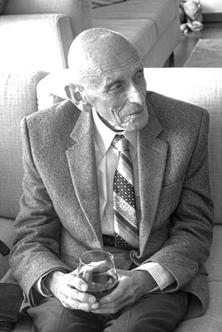
We wish to express our most sincere gratitude to Rafael González Guerrero for his generous donation, whose contribution has made the publication of this work possible. His support is invaluable to the dissemination of knowledge in clinical bioethics and enriches our professional and academic community.
This page is intentionally left blank
Clinical Ethics Consultation Guide I
Challenging Cases in Hospital Practice, Experiences from Latin American Context
Edited and designed by Nathalia Rodríguez Suárez Fundación Santa Fe de Bogotá
CLINICAL ETHICS CONSULTATION GUIDE I: CHALLENGING CASES IN HOSPITAL PRACTICE, EXPERIENCES FROM LATIN AMERICAN CONTEXT
First Edition, October 2020 Bogotá, D. C., Colombia. English version: June 2026
Original version: GUÍA DE CONSULTORÍA BIOÉTICA I: CASOS DIFÍCILES EN LA PRÁCTICA HOSPITALARIA; EXPERIENCIAS DEL SERVICIO DE HUMANISMO Y BIOÉTICA DE LA FUNDACIÓN SANTA FE DE BOGOTÁ
Reviewers Spanish Version:
Paula Prieto Martínez
Diego Gracia Guillén
Efraín Méndez Castillo
Editor Spanish Version: Nathalia Rodríguez Suárez
ISBN (printed): 978-628-95332-5-5
ISBN (digital): 978-628-95332-6-2
Cover design, editorial edition and production: Fundación Santa Fe de Bogotá
Carrera 7 # 117-15, second floor, Humanism and Bioethics
Department Office, Telephone: (+57) 6030303 ext: 5750-5751 serviciodehumanismo.bioetica@fsfb.org.co
Bogotá, D. C., Colombia
Printing and finishing: Romso Inversiones SAS Calle 4A # 53B-37
All rights reserved. This publication may not be reproduced in its entirety or in parts, nor may it be recorded or transmitted by any retrieval system, in any form or by any means, without the prior written permission of the author
PRINTED AND MADE IN COLOMBIA
This page is intentionally left blank
CASES OF REAL S
Nathalia Rodríguez Suárez
CHAPTER 1: MORAL DISTRESS .......................... 55
Cecilia Adriana Álvarez Cabrera
CHAPTER 2: A CASE ON END-OF-LIFE, IS IT A DILEMMA?.............................................. 67
Paula Prieto Martínez
Nathalia Rodríguez Suárez
CHAPTER 3: WHO DECIDES ON TREATMENT? ON FUTILITY AND R
Cecilia Adriana Álvarez Cabrera
Nathalia Rodríguez Suárez
Paula Prieto Martínez
CHAPTER 4: FROM INTENSIVE CARE TO PALLIATIVE CARE: A CASE OF REORIENTATION OF THERAPEUTIC EFFORT ...................... 97
Paula Prieto Martínez
CHAPTER 5: UNBEARABLE SUFFERING AT THE END OF LIFE, PALLIATIVE SEDATION OR EUTHANASIA?............................................. 115
María Ximena Beltrán Zerda
CHAPTER 6: DECIDING ONE’S OWN FUTURE, INTERPRETING OTHERS’ WISHES: A CASE STUDY ON THE LIVING WILL...........................129
Paula Prieto Martínez
CHAPTER 7: NUTRITION AT THE END OF LIFE: BASIC CARE? .....................................147
Diana Carolina Morales Benavides
CHAPTER 8: YEARNING FOR THE END OF ONE’S OWN LIFE: A EUTHANASIA CASE .........163
Paula Prieto Martínez
CHAPTER 9: MENTAL ILLNESS AND DECISION-
MAKING CAPACITY: AUTONOMY IN A PATIENT WITH A SUICIDE ATTEMPT...............................
Gustavo Adolfo Perdomo Patiño
Edith Liliana Patarroyo Rodríguez
CHAPTER 10: AUTONOMY OF THE PREGNANT WOMAN VERSUS AUTONOMY OF THE DOCTOR: A CASE ON V
Diana Lucía Zárate Velasco
P
C
Nathalia Rodríguez Suárez
C
Nathalia Rodríguez Suárez
Cecilia Adriana Álvarez Cabrera
Efraín Méndez Castillo
CHAPTER 13: THE CLINICIAN (HEALTHCARE
PROFESSIONAL)-PATIENT RELATIONSHIP ..... 273
Nathalia Rodríguez Suárez
CHAPTER 14: END OF LIFE AND DEATH.........
Nathalia Rodríguez Suárez
PART THREE: REFLECTIONS ON LIVING W
Nathalia Rodríguez Suárez
CHAPTER 15: LIVING WILL: HISTORY AND R
Nathalia Rodríguez Suárez
CHAPTER 16: BEING CAPABLE .........................
Nathalia Rodríguez Suárez
CHAPTER 17: BEING CAPABLE IN HEALTH: THE LIVING WILL AS A CRYSTALBALL...........
Nathalia Rodríguez Suárez
CHAPTER 18: BEING CAPABLE
Nathalia Rodríguez Suárez
CHAPTER 19: BEING CAPABLE IN
Nathalia Rodríguez Suárez
CHAPTER 20: LIVING WILLS: FROM PRINCIPLISM TO THE E
Nathalia Rodríguez Suárez
Nathalia Rodríguez Suárez
This page is intentionally left blank
Ethics is choosing the right course of action
JOSÉ ORTEGA & GASSET
This page is intentionally left blank
Contributors
PAULA PRIETO MARTÍNEZ. MD; Specialist and MA in Bioethics; Founder and Head of the Humanism and Bioethics Department, University Hospital Fundación [Foundation] Santa Fe de Bogotá.
NATHALIA RODRÍGUEZ SUÁREZ (ED.). Psychologist; MA in Psychology with an emphasis on Clinical and Cognitive Neuropsychology; MA in Philosophy; PhD in Bioethics. Head of Education, Research, and Publications, Humanism and Bioethics Department, University Hospital Fundación [Foundation] Santa Fe de Bogotá.
DIANA LUCÍA ZÁRATE VELASCO. MD; Specialist in Gynecology and Obstetrics; MA in Bioethics, MA in Philosophy. Member of the Humanism and Bioethics Department, University Hospital Fundación [Foundation] Santa Fe de Bogotá.
DIANA CAROLINA MORALES BENAVIDES. MD; Specialist in Geriatrics and Internal Medicine. Head of the Elderly Care Center, University Hospital Fundación [Foundation] Santa Fe de Bogotá.
GUSTAVO ADOLFO PERDOMO PATIÑO. MD; Specialist in Psychiatry. Psychiatrist, Mental Health Department, University Hospital Fundación [Foundation] Santa Fe de Bogotá.
EDITH LILIANA PATARROYO RODRÍGUEZ. MD; Specialist in Psychiatry; MSc in Epidemiology. Psychiatrist, Mental Health Department, University Hospital Fundación [Foundation] Santa Fe de Bogotá1 .
MARÍA XIMENA BELTRÁN ZERDA. MD; Anesthesiologist; Specialist in Pain Medicine and Palliative Care; MA in Bioethics. Specialist, Palliative Care Department, University Hospital Fundación [Foundation] Santa Fe de Bogotá.
CECILIA ADRIANA ÁLVAREZ CABRERA. MD; Pediatrician; Specialist in Pediatric Critical and Intensive Care; MA in Bioethics. Intensivist, University Hospital San Ignacio, Bogotá.
1 Translator’s note: Institutional affiliation at the time of publication of the book’s Spanish edition.
EFRAÍN MÉNDEZ CASTILLO. MD;
Specialist in Bioethics; MA in Philosophy. Research Professor and Director of the MA in Bioethics, Faculty of Philosophy, Pontificia Javeriana University2 .
2 Translator’s note: Institutional affiliation at the time of publication of the book’s Spanish edition.
This page is intentionally left blank
Presentation
Wherever the art of medicine is loved, there is also a love for humanity HIPPOCRATES
THIS BOOK PRESENTS a selection of experiences from the Humanism and Bioethics Department at the Fundación [Foundation] Santa Fe de Bogotá. It aims to promote the exchange of knowledge and highlight the need for the systematic implementation of humanization strategies in healthcare services, as we understand that this practice directly and positively impacts patient outcomes.
As part of these strategies, the institution has, since its inception, established a series of committees to integrate ethics and humanization into the Foundation’s work. This follows the guidance of our
founders, Council, and Board of Directors, who have promoted a legacy wherein “medical ethics is taught on three fundamental principles: beneficence, autonomy, and justice.” For this reason, for over a decade, the Foundation has implemented innovative models to bring this knowledge directly and practically to patients and their families.
The evolution of this clinical ethics endeavor over the years led to the establishment of the Humanism and Bioethics Department, led by Dr. Paula Prieto Martínez (who spearheaded this text) to ensure that clinical ethics-guided consultation is available to support difficult decision-making in the daytoday operations of our University Hospital.
With this journey behind us, we wish to share this highly rewarding and inspiring experience with humility. We hope that some of the elements we have constructed will serve the healthcare sector and will be strengthened and, where appropriate, replicated.
The individuals who have collaborated on this publication are characterized by their dedication, their commitment to Colombia, and their professsionalism. Among them, I highlight the efforts of Dr. Paula Prieto Martínez, Nathalia Rodríguez Suárez, and Diana Lucía Zárate Velasco, members of our Humanism and Bioethics Department. With their collaborative leadership, teamwork, and unwavering dedication, they have guided an endeavor that now
allows us to share the results of our work to provide better health to Colombia and the region.
HENRY MAURICIO GALLARDO
October 2020
This page is intentionally left blank
Foreword to the Spanish Edition
CHOOSING THE ART OF medicine as a profession and practicing it for over thirty years has numerous implications, both professionally and personally. Only through experience does one appreciate the vast array of complexities inherent in the interaction between a healthcare professional, a patient, and their family. Over time, these interactions generate more questions than answers, as healthcare involves countless facets beyond treating illness. It necessitates recognizing the other’s individuality, including their beliefs, values, preferences, and expectations (in essence, the factors that make each person unique).
The questions that emerged from my interactions with patients led me to clinical ethics, a field of knowledge that enriches clinical practice in invaluable ways. A passion for this field quickly developed, as it opened a vast spectrum of possibilities in my interactions with patients, their families, and my peers, and in understanding their diverse worldviews.
All of this causes the practice of medicine to be perceived and experienced with profound depth and humanity.
To this encounter with Bioethics, another element was added: a workplace at the Fundación [Foundation] Santa Fe de Bogotá, an institution with a history of over forty years3 that maintains high standards of quality and technology and demonstrates a special interest in providing humanized care. This passion for clinical ethics in medical practice found an ideal environment at the Foundation to develop and complement existing strategies focused on humanizing care. The Foundation fosters humane and empathetic engagement with patients and their families; it encourages the articulation of challenges inherent in healthcare delivery to enable physicians and other medical personnel to recognize and address them, with the objective of achieving holistic care. Hence, the Foundation was (and is) the ideal setting for creating a department aimed at supporting the interactions between healthcare professionals, patients, and families through ethical advisory strategies. This is the Humanism and Bioethics Department (H&BD). The purpose of establishing this department was to have a permanent clinical ethics consultation team within the hospital alongside the patient, their family, and the treatment team.
3 Translator's note: At the time of the publication of this English translation, the Foundation has been in operation for 54 years.
The H&BD was founded in 2013 to fulfill this purpose, along with other responsibilities such as supporting departmental rounds, developing educational programs, and strengthening existing ethics committees. All these initiatives were part of broader humanization processes developed in conjunction with different areas of the institution (Prieto, 2017). This pioneering proposal in the country evolved into five lines of work that contribute to the medical community: (i) a continuing education program, (ii) an assistance and counseling program, (iii) support for and strengthening of existing committees, (iv) support for institutional humanization activities, and (v) research and publications. The H&BD began with a single person; today, it is a multidisciplinary team with the goal of continuous growth to expand its coverage and bolster research on topics relevant to our context.
We can now reflect on seven years of experience4 and learning within this Department, accompanying various healthcare processes, but above all, developing a distinctive model of accompaniment. Although the initial foundation of the Department’s work drew upon foreign experiences, the model proposed herein exhibits unique characteristics shaped by the adaptation of external frameworks to our context, thereby facilitating the emergence of an original Clinical Ethics Consultation (EC) model.
4 Translator’s note: At the time of publication of this English edition, H&BD has 13 years of experience.
Years of work within this distinctive EC model have allowed us to grasp common challenges in patient interactions, the most pressing issues faced by treatment teams, and the approaches used to address them. The experience of the H&BD has been a process of construction, supported not only by the institution’s leadership but, more importantly, by all those involved in patient care and their families, that is, the entire institution. Together, we have found the best ways to navigate the tensions arising in these healthcare interactions.
This text is the result of seven years of H&BD operations and the support of the institution’s leadership and the entire Foundation. The cases presented here arise with varying degrees of frequency; thus, we hope they serve as references for similar situations. It is my wish that this book proves immensely helpful for healthcare professionals who face complex situations daily, and that through this text, some of the questions arising from medical practice can be answered with the assistance of ethics.
Beyond serving as a guide for difficult situations, this book is an expression of my gratitude to the Foundation for these seven years of work. I would like to thank the leadership of the Fundación [Foundation] Santa Fe de Bogotá, especially Dr. Henry Mauricio Gallardo, General Director, and Dr. Adolfo Llinás, Corporate Medical Director, who believed in this project’s potential. I also thank all those involved in patient care who support and believe in the
importance of this department, and of course, the patients and families who have allowed us spaces for deliberation and accompaniment. I am very proud of the realization of this book, which serves as a recognition of all those who have supported this dream and allowed me to fulfill my vision.
Nathalia Rodríguez Suárez’s editing of this text perfectly complements our practice; much effort has been dedicated to adapting models to our Colombian reality. Moreover, this book bridges the gap between theory and practice by addressing specific issues concerning the current state of clinical ethics with impeccable work and dedication. This underpins the practice of the H&BD, which, while initially relying on intuition and empiricism, now stands on the theoretical rigor necessary for its development. Lastly, I wish to express special thanks to the authors of the cases presented here: Diana Lucía Zárate Velasco, Diana Carolina Morales Benavides, Gustavo Adolfo Perdomo Patiño, Edith Liliana Patarroyo Rodríguez, María Ximena Beltrán Zerda, Cecilia Adriana Álvarez Cabrera, and Efraín Méndez Castillo, who reviewed the text and co-authored Chapter 12. Each contributed from their discipline to the construction of this book. I also thank the Hospital Ethics Committee, and especially Dr. Ana María de Brigard Pérez, a permanent member who reviewed the cases and enriched our ethical deliberations with legal insights specific to our country.
I conclude this foreword by expressing my gratitude to Dr. Diego Gracia Guillén; his suggestions have enriched this publication. Wishing that our experience proves beneficial to many,
PAULA PRIETO MARTÍNEZ
October 2020
Foreword to the English Edition
WHEN I REQUESTED TO WRITE this foreword, what moved me was the trust and confidence reposed in me by virtual strangers, linked only by an interest to promote ethical and humane healthcare. I was compelled by the vision of the authors to take their experience, as documented in this Clinical Ethics Consultation Guide, to Non-Spanish professionals across the globe, even engaging with a physician from India to review their English edition. “For those who may read us, and who are far from us in time and in space” (in Nathalia’s introduction). Indeed a humbling task.
Fundación [Foundation] Santa Fe de Bogotá is a premier, University Hospital in Colombia that works to provide high quality clinical care that is both ethical and humane. To this end it went a step further, creating and funding a Department of Humanism and Bioethics, made up of three members (Paula Prieto Martínez, Nathalia Rodríguez Suárez, and Diana Lucía Zárate Velasco), with the specific
purpose of providing support and advisory strategies to health professionals and patients towards more patient centered, ethical care. This reflects a visionary leadership that walks its values, bringing ethical support to clinical care.
Today, physicians practice in conditions that are stressed by factors that did not exist some decades ago. Not only is their autonomy in practice undermined by laws, guidelines, institution policies and insurance companies, but they are forced to navigate new technologies, high cost of care, rising expectations and looming AI in the effort to provide quality ethical care to every patient. In Low- and MiddleIncome Countries (LMIC) like India, there are additional resource challenges, and health workers struggle to deliver accessible, affordable and acceptable health care to all. This got intensified in times like Covid-19 when burnout and moral distress were not uncommon among health-workers.
The other source of moral distress is clinical encounters in which goals of care are not always aligned with the patient’s, and where decision-making in chronic or terminal illness is complex and unclear. It is in this situation, where conscience and professionalism confront the hopes, pain and socio-cultural milieu of the patient and family, that clinical ethics consultation finds its critical place. For the most part, Research/Institutional Ethics Committees are a legal requirement in Teaching and Research hospitals, whereas Hospital Ethics Committees (HECs) or Clinical Ethics Committees (CECs) are recommended, but not mandatory. Physicians within the hospital
can decide to constitute these support bodies when needed, based on the clinical situations they encounter. In Fundación [Foundation] Santa Fe De Bogotá, the Humanism and Bioethics Department became the natural multidisciplinary group that assembled to assist with patient-health provider interaction and decision-making as difficult clinical situation developed.
In my experience, a lot depends on the openness of the health professional to listen, empathize with the patient, recognize the need for consultation and retain the humility to participate. This has much to do with the formation of health professionals and the extent to which the values of the institution (in this case, humanized care) are imbibed. This is where I have sincere admiration for this institution that has walked the talk of humane patient care and developed a model that works.
The case studies chosen in the Guide are deeply engaging as they are taken from real situations, bringing in all the threads of the dilemma that lead to ethics consultation. Decisions taken in such complex situations can never be to the satisfaction of all parties, but at least there is the will to imagine an acceptable way forward. The emphasis on accompaniment as described, including palliation and continued engagement in terminal cases, is profoundly moving, as health workers often do not realize the importance of this critical aspect of care. The careful deconstruction of the case into its ethical question, analysis, recommendation and resolution, is to be appre-
ciated, as it drives home the step wise approach recommended in complicated scenarios.
Theoretical frameworks of deliberation between principles, and within contexts, can be difficult to teach. A sensitivity to discordance, and emphasis on development of an ethical gaze and compassion is important, rather than compliance with hierarchies of principles.
Unfortunately, the hubris in medicine often prevails when insufficient attention is paid during professional training to medical unpredictability and moral predicaments; the focus lying instead on skilling, knowledge and certification. Physicians need to develop medical humility and a conscience that can facilitate openness to shared decision making and acceptance of imperfect solutions, even disappointments. Here, Virtue ethics comes to mind, with its disciplined approach to developing the character traits esteemed in a medical professional, the good doctor. In complex cases such as these, phronesis or medical prudence can often carry the team through a grey patch in conflict resolution.
The case analysis teases out the difference between moral issues and moral dilemmas, the complexity of the ethical terrain, the movement between philosophical reflection and practical engagement. A commendable depth of pedagogy has been attempted; as in differentiation between qualitative and quantitative futility and the process of ‘resignification’ within patient and family.
Chapter 12 is extremely instructive, with definetions, tables and deconstruction of virtues and prin-
ciples; retaining the importance of developing an intuitive moral compass, that goes beyond principles and reason, driven by a strong commitment to serve both the patient as well as the professional mandate. This is what we need to nurture in our health workers; the right goals, and trust in one’s own capacity to discern the prudent action in the given circumstances. The physician is then equipped to bear moral distress if any, as he accompanies the patient and family through unavoidable yet distressing outcomes.
This book reminds physicians in Chapter 13 of their core commitment, which is to care. If possible, to heal and cure, but always to care. Too often this truth is forgotten in the high-tech, high-stakes, result-oriented medical industry that doctors practice in.
I recommend the Chapter 14 on Death with its philosophical exploration of this transient but significant moment in human existence that has implycations in the dying process, its clinical interventions, and patient choices. Given the taboos on death discussions, our experience teaches us that culture, tradition, religion and social expectation can have a significant bearing on behaviour and medical scenarios at end of life.
Chapter 16 offers a nuanced understanding of capacity, competence, autonomy and consent in the healthcare context, scoping the limits to self-determination with regards to demands for treatment. Here the potentiality patient and the actuality patient in relation to the Living Will is a very riveting expose
that compels the reader to reflect on the limitations of Advance Directives and the need for physicians to probe beyond the words, and authenticate articulated choices even as the medical condition unfolds. At a time when these legal instruments are being recommended in the face of advancing life-extending medical technology, this strenuous engagement with the real value and usefulness of Living Wills, is an important cautionary note, given the complexity of illness and professional advice, and the patient’s limited grasp of techno-science.
I highly recommend this book to every physician committed to elevating his/her practice though conscientious application of ethical standards centered on patient wellbeing. The philosophical underpinnings of ethical responsibilities and their implications in everyday clinical interactions provide a strong foundation to develop discernment and empathy, and hone one’s decision-making skills.
I extend my congratulations to the team, in particular the leadership of Dr. Paula Prieto Martínez and Prof. Nathalia Rodríguez Suárez for developing this book on clinical ethics consultation, and their decision to publish its English translation for the edificetion of a broader global audience. Outstanding persons are often backed by supportive and visionary institutions; Fundación [Foundation] Sante Fe de Bogotá must be commended for creating such a unique Department of Humanism and Bioethics that provides clinical ethics consultation services in the interest of better patient care and humane health services.
I am honoured to be a part of your journey; you have my best wishes for a very successful global release of the English edition of this Clinical Ethics Consultation Guide.
OLINDA TIMMS
June 2026
This page is intentionally left blank
About the Translation
To speak, for an adult, is like sliding across a slippery surface if we do not notice what lies beneath the words we utter
RAMÓN BUCKLEY
LANGUAGE IS AN EXTRAORDINARY human invention that has made possible the development of society as we know it, and it is through language that we face difficult situations such as those that occur in hospital settings. But words also carry great risks if we fail to see that they are symbols that we fill with content in different ways; we would end up, as Buckley puts it, on a slippery surface without such caution in speaking, which includes, of course, writing. What does it mean to have a conflict or a moral dilemma? What does doing everything for a patient entail? What is respecting the autonomy of a sick person about? When does a treatment become futile? These and
other questions have to do with the content we give to words, and that is what the book you hold in your hands is about.
The tensions in the clinical encounter, as we maintain in these pages, often (every time?) have to do with the variable content we assign to words. It is not for nothing that methods of moral deliberation such as the one proposed by Diego Gracia arrive at this point through the elaboration of the step from facts to values and duties, when it is argued that we have different ways of valuing facts, which implies different content for words.
At times, when a family member says that they want everything done for their loved one, they do not have in mind what the professional translates from this expression, which most of the time implies making a person live. Likewise, when the clinician says there is really nothing to be done, they are actually thinking about curative interventions, but the family member may understand this expression as abandonment on the professional’s part toward their loved one. For this reason, in different parts of our book we propose, as expressions that guide the clinical encounter, those of the type: the therapeutic options have been exhausted, but we will care for him/her until the end.
The tensions that emerge in the clinical encounter and that are due to this variable content of words are not exclusive to the Latin American experience. We have been fortunate to learn about other experiences around the world regarding difficult decision-
making in hospital contexts. The problem of giving different content to the same expressions almost seems to be the center of gravity of difficulties in clinical encounter across the globe, and it is as common as water is for the fish in this story:
There are these two young fish swimming along, and they happen to meet an older fish swimming the other way, who nods at them and says, “Morning, boys, how's the water?” And the two young fish swim on for a bit, and then eventually one of them looks over at the other and goes, “What the hell is water?” (Foster, 2005).
And this is where education comes in. David Foster tells this fable to describe how the most obvious truths are the most difficult to recognize and to explain, and hospital settings in which difficult decisions are made are no exception. Difficult decisionmaking is a constant in the experience of health professionals around the world, and it is such an obvious matter that it seems to go unnoticed and is not often discussed. That coming to realize would be the purpose of education (what Foster [2005] describes as the cultivation of critical thinking) and it is one of the major forces that led us to write a guidebook on clinical ethics consultation.
Education also entails the exercise of looking outward beyond the self, which, of course, requires cultivating critical thinking. The word education comes from the Latin educere, meaning ‘to bring out’, ‘to lead
forth’. Thus, the exercise of directing one’s gaze outward, of learning about other experiences in decision-making in difficult situations in hospital contexts, implies an educational process in two senses: a coming to realize, and a looking outward. We have already noted that the pedagogical intention was the great driver that led us to write this book: to have a text for those who face difficult decisions in the clinical encounter. This applies not only to health professionals, but to anyone who works in hospital contexts, and also to patients and their families.
Now, we face a major challenge in translating into English a text on a topic that has generated a substantial body of literature. If publications on clinical ethics consultation (currently in both print and virtual formats) are so prolific, what would one more book offer? But we might also ask whether it is possible to think that what has already been written describes, reflects on, and addresses what exists in a sufficiently comprehensive way. Intuitively, we would say that it does not. The human is dynamic, changing, conflictual… but also situated, and it is all of this that leads human beings in each era and in their context to think and reflect and, of course, to write about their historical moment.
Reflecting on the present would ideally be preceded by recognizing both the tradition that comes before and other shared experiences. Always looking inward, at one’s own navel, without seeing what lies outside and without knowing the past, seems to be
the antonym of what the educational process seeks; it is not for nothing that Plato (trans., 2018) calls foolish those who attend only to what is their own.
Looking outward and recognizing the history of others who have walked the path of clinical ethics consultation led us, at the time of the structuring and launch of H&BD in 2013, to learn about the experience of those recognized as pioneers in this field: the United States in the 1970s. But it has also taken us to a very distant place, not only in space, but in culture, language, beliefs… while also bringing us to experiences that are close when it comes to difficult scenarios in hospital encounters.
Dr. Olinda Timms, from South Asia, accompanies us with this English translation of our work in this looking outward, finding fascinating proximities (such as the vulnerability of groups of people due to limited access to formal education, barriers and limited resources in access to health care, the commitment to a shared decision-making model that includes patients in healthcare decisions, the stigma faced by patients who receive an HIV diagnosis; Timms, 2019), as well as enriching distances (in India, being a woman as a factor of vulnerability to the point of recognizing, for example, fetal sex as a handicap that motivates a request for an abortion; the problem posed by the existence of sterilization camps for women; or the stigma faced by patients with leprosy; Timms, 2019). One interesting point of convergence has been the need for a publication tail-
ored to the context of a pedagogically oriented book in the field of clinical ethics, thereby recognizing the role of ethics in the education of health professionals. Quoting Dr. Timms’s (2019) words, “ethics must remain at the heart of medical training, and practices, where it belongs” (p. V).
Translating a text, however, has proven to be a great challenge, for we know well, as the Italian saying traduttore, traditore (translator, traitor), that one always ends up betraying the original version to some degree (which does not necessarily mean something negative). Because the translation led us to make some changes to the original, we set them out briefly in this section.
The changes that some parts of our translated book have undergone affect two chapters (i), involves the addition of a third part (ii), and modifies the epilogue that appears in the Spanish version (iii). (i) In our Spanish Book I, we published two cases related to medical acts that have been decriminalized in our country: euthanasia (see chapter 8) and voluntary interruption of pregnancy (see chapter 10). Over the years following the publication of our Spanish Book I (Prieto et al., 2020), these medical acts underwent certain changes in Colombian legislation, which is why, in our Spanish Book II (Prieto et al., 2022), we decided to update these topics. For this English edition, we chose to include the updated versions of those chapters.
The English version of our first guidebook includes a third part (II), which is absent from the Spanish version and addresses the topic of living wills; in Spanish, this material is contained in a separate book (Rodríguez Suárez, 2023). Given that the clinical ethics consultation guidebook centers on difficult decisions in end-of-life scenarios, a section devoted to reflecting on living wills seemed to us an ideal complement.
(iii) Another change between the Spanish and English versions of our book concerns the year of publication of the Spanish version: 2020, the year of the Covid-19 pandemic. Given that context, we thought it appropriate, and also necessary, to write an epilogue making some comments on the topic. For this translated version, and given the overwhelming number of publications addressing the pandemic, we decided to append the epilogue we wrote for our second Spanish guidebook, rather than translate the book with its original epilogue. This other epilogue contains a short description of some words frequently used in the field of clinical ethics and was motivated by the need for conceptual clarity that we observe in our students (such as knowing what morality, ethics, and bioethics are about, and how to distinguish them). Given the impact these clarifications have had (because of what conceptual clarity implies) for students, it seemed more fruitful to append it to this, our translated version.
We cannot omit mention of the use of artificial intelligence (AI) for the translation of this text. The process we have undertaken in translating has been possible only thanks to the new alternatives being opened by Large Language Models (LLMs). Yet, although it may seem that the barrier that arises when we speak different languages is overcome thanks to these innovations, the use of AI in translation processes (and in everything, in general) is not without risks.
Recognizing these risks, the translation of the book was reviewed by the same person who performed the editing of the text, which allowed for a deep and careful reading of the book’s content to detect the changes introduced by AI. It is important to highlight that the modifications made by AI become problematic when translating texts that address ethics and morality, for example, changing the conjunction and to the adversative but, the latter (and not the former) being used to convey moral tensions and conflicts. There is a major difference between the expressions the patient does not want the transfusion and the team respects their decision and the patient does not want the transfusion but the team respects their decision; in the second there is a pressure that does not exist in the first. With the conjunction and, the medical team moves in unison with the patient’s decision; in the clause with the adversative but, there is a stance by the medical team that runs contrary to the patient’s.
We describe these kinds of pressure in our text in the chapters that address the topic of moral distress (see chapters 1 and 12).
It is also worth recognizing that the work performed by AI, although it can be efficient in reducing the time and cost of the work, does not (for now) replace the work carried out by a human being. Yet, just as we see and experience the evolution of the tools that allow us to make fire easily (matches, lighters, stoves with buttons that, when touched by a finger, create the spark that ignites the flame), where no one prefers to take two sticks and rub them until creating fire; it seems that something similar is happening with the effectiveness in tasks that AI enables, in this case, the translation of an entire book.
We would like to conclude this section by noting that our books have thus far circulated almost exclusively among those close to us, in a manner reminiscent of Roman practices of dissemination in the period before the Common Era, when texts were read only by relatives and close friends of writers (Vallejo, 2019), without reaching the anonymous reader that so many writers desire today. Unlike antiquity, today there is the longing of reaching the greatest possible number of readers, which undoubtedly implies an anonymous audience, one that we hope will read our pages and that will expand by virtue of having an English version of our text. Thus, I close this sec-
tion with the following dedication to our future readers:
For those who may read us, and who are far from us in time and in space,
NATHALIA RODRÍGUEZ SUÁREZ
June 2026
Introduction
THIS TEXT IS INTENDED AS a guide for those challenging situations where healthcare professionals,5 in their interactions with patients and families,6 face ethical crossroads regarding which actions to take.
5 The term physician (as well as medical doctor, clinician and similar terms) is used in this text as a placeholder for the broader category of health professional. This choice is based on common and historical usage. Given that the intent is to encompass the entire group of health professionals, these terms are used synonymously throughout the text. This general use of these categories does not imply a lack of recognition of the differences in the patient's relationship with various actors within this group (e.g., the nurse-patient relationship); however, a detailed examination of each of these relationships is beyond the scope of this text.
6 Following the description in the previous footnote, the term family is used in this text to refer to the group of loved ones and caregivers, both with and without an affective bond, who accompany the patient during their illness. While the differences among participants in this family group are recognized (for example, in the case of a caregiver with no affective bond to the patient), this broader definition is used for the sake of clarity.
However, the content of this text does not exhaust the depth and complexity of the situations that can arise in the clinical encounter.
This guide was developed based on the experience of the Humanism and Bioethics Department (H&BD) at the Foundation, with theoretical support from texts such as Clinical Ethics Consultation: Theories and Methods, Implementation, Evaluation (Schildmann, Vollmann, & Gordon, 2010), Peer Review, Peer Education, and Modeling in the Practice of Clinical Ethics Consultation: The Zadeh Project (Finder & Bliton, 2018), Performance, Talk, Reflection: What is Going On in Clinical Ethics Consultation (Zaner, 2013), and others related to the specific topics of each case (e.g., Quality of Life and Assisted Nutrition by [Gómez-Lobo, 2008]; Choosing for Others as Continuing a Life Story: The Problem of Personal Identity Revisited [Blustein, 1999]; Shared Decisionmaking in the Medical Encounter: What Does It Mean? (or It Takes at Least Two to Tango) [Charles, Gafni, & Whelan, 1997]; and Shared Decision Making: A Model for Clinical Practice by [Elwyn et al., 2012]), which provide the necessary theoretical foundation.
This guide comprises both practical and theoretical sections7. The first section describes the H&BD’s consultation methodology and presents a series of cases that, in the authors’ judgment, reflect
7 Translator’s note: The English version of this guide comprises three sections, one additional to the Spanish version. The third section addresses the topic of living wills (chapters 15 to 20).
the main challenges in our healthcare context. The second section contains a theoretical review that outlines the perspective of this text and underpins the H&BD’s practices.
This structure enables readers to approach the content in various ways. The book can be read from start to finish, or it can be approached on a case-bycase basis according to the reader’s interest, followed by a deeper dive into the theoretical section. It is also possible to start with the theoretical section or to explore the cases linked to the theory. A noteworthy feature of this text is its use of footnotes, which expand upon certain concepts. Omitting this information could lead to an incomplete or, in some cases, incorrect understanding of the material. Another important aspect is the book’s Colombian context. Accordingly, legal aspects specific to Colombia are addressed where pertinent (for example, in cases involving voluntary termination of pregnancy and euthanasia). These legal discussions are provided at the end of the cases. The epilogue8 provides clarifycations of frequently used terms whose meanings are often insufficiently clear.
8 Translator’s note: The epilogue of the Spanish edition of the book, published in October 2020 (Prieto et al.), addresses the topic of the COVID-19 pandemic. We have now published three books (Prieto et al., 2020, 2022, 2024). Given the urgent need to contribute to conceptual clarity, we decided to include in our English publication the epilogue from our second guidebook, which elucidates concepts such as ethics, morality, virtue, values, and others.
The intention of this text is for it to become a supportive tool that empowers healthcare personnel to navigate ethically challenging situations with greater prudence. This is not to suggest that one should neglect seeking Clinical Ethics9 Consultation. Rather, the aim is to provide practical guidance and to shed light on situations requiring intervention from clinical ethics experts, thereby encouraging requests for support from professionals in the field or from relevant bodies such as hospital ethics committees.
NATHALIA RODRÍGUEZ SUÁREZ
October 2022
9 Translator’s note: In our English version, we opted to use the term “clinical ethics” in place of “clinical bioethics,” which was employed in our original Spanish version. This change is related to the use of the expression “clinical ethics” in the North American context to denote what, in Colombia, we refer to as clinical bioethics. In our practice, we acknowledge that bioethics is not limited to the clinical field. As Gilbert Hottois (2007) defines it, “bioethics encompasses a set of investigations, discourses, and practices, generally multidisciplinary and pluralistic, whose purpose is to clarify and, if possible, resolve ethical questions raised by biomedical and biotechnological research and development within societies characterized, to varying degrees, by individualism, multiculturalism, and evolution” (p. 26). One of its domains is the clinical field, which is the focus of our discussion here. The modifications impact expressions that previously included 'bioethics,' such as 'bioethical consultation' and 'bioethical consultant,' and other related nomenclature. Nevertheless, the term 'bioethics' has been retained in specific sections to align with direct citations of authors who employ it.
Part One
NATHALIA RODRÍGUEZ SUÁREZ
PAULA PRIETO MARTÍNEZ
CLINICAL ETHICS CONSULTATION (EC) is an advisory process conducted by professionals with clinical ethics training in response to tensions that arise in healthcare.10 While Chapter 12 focuses on the EC process in detail, this section outlines key procedural points of EC at the Humanism and Bioethics Department (H&BD). This serves as both a guide and a preamble to the case studies, and we hope it will be useful to the reader.
10 It is necessary to highlight the following points for the reader: 1) bioethics is not limited to the practice of clinical ethics consultation (EC); 2) EC addresses particular issues based on the framework proposed here (the three forms of EC described in Chapter 12 and in subsequent sections of this chapter), which differ from other proposals, such as those that define EC as a means of intervening solely in moral dilemmas.
While EC is defined variously in the literature (Beauchamp & Childress, 2013; Jiwani, Jiwani, & Oosting, 2017; Schildmann et al., 2010), in practical terms, the H&BD conducts three types of EC, categorized in accordance with the motivation driving their pursuit and the nature of the problem (see Chapter 12): i) consultations in response to a moral dilemma; ii) consultations arising from challenging situations that do not constitute a moral dilemma; and, finally, but no less significant, iii) consultations conducted as a form of accompaniment. In the first two types, a shared decision-making process is developed (see Chapter 12, Section 12.1). In the third type, where courses of action are already clear, the consultant’s role is to provide support in difficult situations, such as assisting a clinician in delivering bad news.
At the Foundation, these three types of EC occur in the following scenarios: during clinical rounds in the departments of Intensive Care, Palliative Care, and Neonatology11; in response to requests from parties involved in the healthcare process (the clinician, patient, or family); or in multidisciplinary groups such as Ethics Committees or other hospital bodies (for example, the Medical Directorship and Audit) that request guidance on difficult cases.
Regarding these forms of EC, two points can be highlighted: 1) they tend to occur in specific contextual conditions that are common across cases, and 2)
11 Translator’s note: As of today, H&BD also conducts medical rounds in the Pediatrics and Burn Units.
they involve a series of procedural steps that we have identified and adopted for this work.
1. Contextual Conditions: Situations requiring EC seem to involve one or more of the following issues:
• Uncertainty in medical knowledge (see Chapter 3) or moral distress (see Chapters 1 and 12, Section 12.2.1).
• Tensions between medical beneficence and patient autonomy (see Chapter 11, Starting Points, and Chapter 13).
• Reorientation of interventions (see Chapter 4) and imminent death, thereby addressing endof-life situations with non-curative interventions (which does not imply a lack of care; see Chapters 6 and 13).
2. EC Methodology: The step-by-step process of EC at the H&BD is as follows:
• Receive the consultation request.
• Familiarize oneself with the case through the patient’s medical record and reports from healthcare professionals, the patient, or family members.
• Identify the stakeholders.
• Determine the variable factors of the conflict that are generating tension (moral diagnosis in the case of a dilemma; see Chapter 12, Section 12.2).
• Hold an internal H&BD meeting for deliberation and to develop a tentative plan of recommenddations aimed at proposing alternatives or reframing concepts (see Chapter 12, Section 12.2.2) as required.
• Conduct a meeting with the attending physician, family, or other relevant parties for shared decision-making (see Chapter 12, Section 12.1).
• Propose a course of action based on the available alternatives.
• Hold another H&BD meeting to agree on data collection and the design of the response to be documented in the patient’s medical record.
• Monitor the proposed alternatives or resignifycation12 .
12 Translator’s note: The word “resignificar” has been translated into English as “resignify”, and “resignificación” as “resignification”. With this expression, we seek to indicate how dialogue among the patient, the family, and the clinician creates educational possibilities that modify the meaning the patient or the family previously held (for example, regarding a medical intervention). The term is intended to recognize, first, that patients and their families arrive with a preexisting world of meanings and, second, that those meanings can be modified within the clinical encounter. The prefix re- indicates repetition (doing again) which captures the intention of resignify: to give renewed meaning to something that already had one.
• Present the case to committees or peer review meetings (e.g., the Hospital Ethics Committee at the Foundation).
• If necessary, redirect the case to the relevant authority (e.g., legal department, Medical Directorship).
Figure 1 illustrates the flowchart of the EC process. Further details about EC are described in Chapter 12. Having outlined the H&BD’s EC process, we now proceed to the cases.
Figure 1: Flowchart of the EC process at the H&BD of the Foundation.
• Development of the recommendations plan
• Report in the medical record
• Followup
• Presentation to ethics committees
Case closure
Shared decisionmaking
Accompaniment Ethical deliberation
Department meetings with all those involved in the consulting process
Source: Created by the authors Moral Dilemma? Moral issue?
Request of the clinical ethics consulting H&BD
Review of medical records
Identification of stakeholders
Identification of conflictive situation
Cases of Real Subjects
NATHALIA RODRÍGUEZ SUÁREZ
THE CASES DESCRIBED IN THIS SECTION reflect the experience of the Foundation, not only from the perspective of the H&BD but also from various specialties and professional groups that have contributed to this text. The cases presented are a composite of real patient, family, and healthcare professional experiences, with details modified to protect the confidentiality of those involved. Each story highlights central points that, in the authors’ judgment, reflect significant and frequent challenges in healthcare. It is important to emphasize that these cases represent only a fraction of the vast scope of moral complexity addressed by EC, which inevitably requires new approaches.
In general, the cases in this section follow a similar structure, with individual variations intro-
duced by their authors. Each case includes at least the following sections: a clinical case description, an ethical question, a case resolution,13 the type of consultation, and key theoretical points. It is worth noting that the scenarios involve multiple conflicts not only that which is addressed by the topic of interest. While it may be unlikely to find a case that involves moral issues from only a single perspective (for example, a case exclusively addressing medical uncertainty) the intention of each section in this chapter is to address a particular theme for pedagogical purposes, while still acknowledging the complexity of these contexts.
13 The use of this word requires the following clarification. In moral complexity, the absence of tensions (of conflicts [Maliandi, 2010]) is not possible. When interventions are carried out by the H&BD, the aim is to reach agreements through shared decision-making in pursuit of the greatest possible harmony in the face of existing tensions. The use of the word resolution here denotes the approach taken by the H&BD, rather than the resolution of a moral conflict, which is ethically debatable (Maliandi, 2010). This footnote is provided at the outset of each chapter upon the first reference to this term, with the aim of supporting pedagogical clarity.
Chapter 1
Moral Distress
CECILIA ADRIANA ÁLVAREZ CABRERA
CLINICAL CASE
As the on-duty medical team entered the Neonatal Intensive Care Unit, they sensed something was amiss. The team stopped during shift handover in front of one bed, a common practice for critically ill patients. Surprisingly, however, the infant in the bed was not on mechanical ventilation or the usual infusion pumps. Why the delay? The situation became clearer when the physician began the report: “Bad, very bad. They limited him.” The patient was a few months old, referred from another city at 45 days of age to continue intestinal rehabilitation and remodel his jejunostomy. The baby had been born full-term
with low birth weight and a prenatal diagnosis of intestinal atresia. In the referring neonatal unit, he had received initial medical and surgical management, and the surgical report described a very extensive atretic segment of the small intestine. Although the ileocecal valve had been preserved, the patient’s progress was slow, with no advancement in the nutritional recovery program (parenteral nutrition). Having surpassed one month of age, he required transfer to a pediatric unit with a Pediatric Intensive Care Unit (PICU) and pediatric surgery, gastroenterology, and nutrition departments. Despite the complexity of his clinical course and his current condition of malnutrition and jaundice, the baby appeared vigorous and smiled. The parents, however, looked tired and overwhelmed. An initial multidisciplinary assessment was conducted, including social work and clinical psychology for family intervention and the relevant medical strategies were implemented for intestinal rehabilitation and nutritional recovery. Once his clinical condition stabilized, he underwent surgery to reconstruct his intestine. However, the surgical findings revealed an even more complex picture: the final diagnosis was ultrashort bowel syndrome, for which the therapeutic options and long-term prognosis were deeply unfavorable. This prognosis was explained to
the parents. The attending multidisciplinary teams held a medical meeting, attended by the H&BD (Humanism and Bioethics Department). After a comprehensive analysis of the patient’s clinical condition, it was concluded that the baby had no curative options. Therefore, a reorientation of therapeutic efforts toward palliative care, symptom control, and comfort was defined. This meant that parenteral nutrition would not be resumed, as it was considered futile. He would be maintained with peripheral venous access for hydration and palliative medications, and oral intake would be offered according to tolerance, recognizing that, in the best-case scenario, he would only tolerate oral rehydration salts. The decision was made to discharge him from the PICU to an individual room. This transfer took place at the beginning of a night shift. Two days later, the assigned nurses requested a meeting with the H&BD. They believed that the baby should not have been “limited,” calling it a “hasty decision,” and stated that although it had been considered by several team members, they had not had time to consult the H&BD themselves.
ETHICAL QUESTION
Is the medical decision to “limit” (redirect) care for this patient morally condemnable?
Requests for H&BD consultations from the nursing team are unusual. Typically, a consultation is initiated by the attending physician via the electronic medical record, even if the request originates with other parties (nursing, patient, family), as ECs are accessible to anyone. It is worth noting that this infrequent access by nursing has highlighted a need that is now being addressed through the creation of a Nursing Ethics Committee.15
The H&BD promptly addressed the request. The consultant met with the involved nursing staff, and a meeting was organized with the assigned nurses, a PICU nurse, the attending physicians, the gastroenterology specialist, and a social worker. Following a systematic review of the case, which covered the
14 The use of this word requires the following clarification. In moral complexity, the absence of tensions (of conflicts [Maliandi, 2010]) is not possible. When interventions are carried out by the H&BD, the aim is to reach agreements through shared decision-making in pursuit of the greatest possible harmony in the face of existing tensions. The use of the word resolution here denotes the approach taken by the H&BD, rather than the resolution of a moral conflict, which is ethically debatable (Maliandi, 2010). This footnote is provided at the outset of each chapter upon the first reference to this term, with the aim of supporting pedagogical clarity.
15 Beginning in 2019, an initiative was launched in conjunction with the Nursing Directorate to create the Bioethics Committee for Nursing. The objective is to bring together nursing professionals to manage (address, analyze, and resolve) microand macro-bioethical consultations arising from the practice of nursing, with initial approaches grounded in a process of continuing education.
clinical condition, treatment options, and prognosis, the following points were emphasized:
• No moral dilemma was identified in this case. However, a situation of moral distress was recognized among the nursing staff responsible for the patient’s care.
• The decision to de-escalate treatment from curative to palliative care was congruent with the child’s clinical condition and was deemed both prudent and appropriate. This approach was considered to be in the patient’s best interest and aimed to avoid harm by refraining from futile interventions (see Chapter 3).
• There were shortcomings in communication. The importance of timely information dissemination using appropriate and precise language was emphasized. It was recommended to use the term “reorientation of care” instead of “limitation”16 (see Chapter 4).
• Although the outcome would be fatal, the importance of quality palliative care was stressed (see Chapter 5). This included ongoing support for the patient, parents, and the attending
16 The information provided should include a description of what reorienting therapeutic effort means, which is different from therapeutic abandonment or limitation. Reorientation establishes new objectives that, like the previous ones, are based on the comprehensive care of the patient and their family, the well-being and comfort of the infant, and symptom control.
team, including clergy, clinical psychology, and social work as needed.
Finally, the H&BD recommended creating an advance care plan (see Chapter 6 and Part Three) for the baby’s end-of-life period, tailored to the needs of the child, the parents, and the healthcare team.
Consultation Type: Accompaniment.
THEORETICAL ASPECTS
The term moral distress was brought to prominence in healthcare by Andrew Jameton’s (1984) work on ethical issues in nursing. Although the term has a strong connection to nursing, it extends to other healthcare professionals, including physicians, respiratory therapists, psychologists, and social workers (Epstein & Hamric, 2009). Moral distress refers to “a negative emotional state resulting from a sense of responsibility and yet also a sense of powerlessness” (Landry, 2017, p. 38). According to Jameton (1984), moral distress has three constituent elements: a) psychological distress, b) being in a situation where one is prevented from acting, and c) knowing which actions are morally right (Epstein & Hamric, 2009; Jameton, 1984, 2017).
The present case illustrates each of Jameton’s elements. The nurses expressed psychological distress (element a), which led them to consult the H&BD. This distress was related to their inability to perform inter-
ventions (element b) on a patient they perceived as inappropriately limited. From their moral perspective, the right course of action was to continue curative clinical management (element c).
This situation highlights the moral pluralism mentioned elsewhere in this text (see Chapter 11, Starting Points). It is evident that each actor (physicians, nurses, family) acted in what they believed was the patient’s best interest. The physicians redirected therapeutic efforts based on the child’s clinical condition (see Chapter 4), but this condition, which indicated a lack of curative options, was not apparent to the nurses. They, in contrast, perceived an unjust limitation of care. The nurses’ perception of morally incorrect behavior was due to a partial evaluation of the case. In these contexts, the H&BD engages in what it calls resignify (see Chapter 12, Section I.II. Clinical Ethics Consultation in Moral Issues).
In clinical practice, many complex situations are a source of moral distress: end-of-life challenges, such as the initiation or withdrawal of invasive or painful procedures perceived as futile (Dzeng & Curtis, 2018; see Chapter 3); conflicts within healthcare teams; hierarchical decision-making; medical uncertainty; aggressive use of technology; the intent to fulfill the disproportionate requests of the family; the inability to grieve a patient’s death; excessive administrative workloads on healthcare personnel; and the structures of healthcare institutions, among many others (Prentice, Janvier, Gillam, & Davis, 2016).
At this point, it is useful to differentiate between a moral dilemma and moral distress (see Chapter 12, Section 12.2 and Epilogue). A moral dilemma involves a tension between ethical principles, whereas moral distress is a phenomenon experienced by an individual. The relationship between the subjective experience of moral distress and moral dilemmas is complex. Moral distress does not manifest solely and exclusively in the presence of moral dilemmas; an individual may experience moral distress in the absence of such tensions between moral principles. Moral distress, then, is an individual and private experience, while a moral dilemma always involves tensions between moral principles.
The decision-making process experienced in the context of moral distress can result in self-inflicted harm. When an individual must make a decision and experiences moral distress, they may feel compelled to act contrary to what they believe is morally right, which can lead to self-inflicted harm caused by what Gilligan (2013) describes as “the betrayal of ‘what is right’” (p. 14). This harm arises from the discrepancy between what is deemed morally correct and what is done. Such situations undermine the individual’s capacity to trust their own experience and knowledge, as it is through personal experience and understanding that one determines what is morally right. In circumstances of moral distress, the individual feels trapped, without the opportunity for their own voice to be heard.
When moral distress arises in the context of a moral dilemma, it appears inevitably intertwined with this experience, as any decision made will unavoidably result in harm to someone. A critical lesson in such scenarios (those involving dilemmas) is to accept the inevitable moral transgression, as it is impossible to make a decision that fully avoids harm and does not entail the experience of moral distress as part of the process.
Moral distress has significant negative consequences. For example, Dzeng and Curtis (2018) describe it as a common experience in Intensive Care Units, where technological advancements expose clinicians to difficult ethical challenges, such as end-oflife interventions.
ETHICAL ASPECTS
Several ethical concepts can help address the complexity of moral distress. First, moral distress is an inevitable phenomenon in healthcare practice, making it imperative to understand it and develop coping tools. Epstein and Hamric (2009) suggest that the exclusion (absence) of ethical discussion can be a source of moral distress. Clinical ethics discussion, conceived as a meaningful conversation that includes all relevant perspectives and stakeholders, can help prevent or mitigate moral distress.
In this regard, as noted in other sections of this book, seeking the clinical ethics department and identifying the absence of a moral dilemma would not
imply the cessation or absence of the need for such consultancy. On the contrary, it is an opportunity to listen carefully to those who sought help, hear their voices, and collectively reconstruct what motivated their request. The approach to moral distress should include the interests of all individuals involved in the context of healthcare provision (professionals, patients, and families).
There is a connection between moral stress and personal interests (moral individuality). It is not uncommon for authors such as Prentice and collaborators (2016) propose considering moral subjectivity and its associated distress when addressing these situations. As mentioned previously, recognizing the moral pluralism of our society (see Chapter 11, Starting Points) which gives rise to moral judgments (among individuals) that may be in conflict, as in the case presented here, and thus generate moral distress.17 Furthermore, recognizing these differences, as well as the role of the patient and family in decision-making (see Chapters 12 and 13), allows the healthcare team to share the burden of responsibility and prevents the patient and family from feeling isolateed and absolute responsibility in the face of a difficult decision.
17 If moral assessments were identical, moral distress would not exist, nor would it be necessary to engage in processes such as shared decision-making, as everyone would always be in agreement.
Finally, ambiguity and uncertainty are inherent to the human condition and to the practice of medicine. No ethical recommendation will ever be absolute or satisfy all expectations. However, it can be prudent for each specific situation and, in this way, identify the best path forward for those in need. Such prudent decisions allow for better management of moral distress.
This page is intentionally left blank
Chapter 2
A Case on End-of-Life, is it a Dilemma?
PAULA PRIETO MARTÍNEZ NATHALIA RODRÍGUEZ SUÁREZ
CLINICAL CASE
The patient, a man in his fifties with a university education, was from a city near the capital and had no children. He had a history of stage V chronic kidney disease secondary to nonspecific glomerulonephritis, requiring two kidney transplants: the first in his youth and the second 20 years later. The patient also had a diagnosis of major depressive disorder. At the time of the events described, his renal activity was adequate, and he maintained a functional class sufficient for his daily activities. He was admitted to the emergency department and diagnosed with multilobar pneumonia, acute
respiratory distress syndrome, pulmonary hypertension, and gastrointestinal bleeding. His treatment required invasive mechanical ventilation in the Intensive Care Unit (ICU). After showing satisfactory progress, he was transferred to a general ward. One week later, however, he was readmitted to the ICU for respiratory failure, requiring endotracheal intubation. A scheduled extubation was performed two days later. The following morning, the patient developed ventilatory failure. Multiple non-invasive ventilation strategies were attempted without a therapeutic response. Reinstating invasive mechanical ventilation for his pneumonia was deemed medically indicated. However, some family members reported that the patient had expressed a wish not to receive further invasive therapies after being extubated. The patient had occasionally mentioned this wish to the medical team during his hospitalization, but there was no register of it in his medical record, nor did he have a living will. Given the imminent need for intubation, uncertainty about the patient’s previously stated wishes, and concerns about his decision-making capacity due to his mental illness and current clinical state, the Humanism and Bioethics Department (H&BD) was consulted for shared decision-making.
ETHICAL QUESTION
In this context, should the patient’s wish for nonintervention be strictly followed, even for a potentially reversible medical condition?
CASE EVALUATION, ANALYSIS AND RECOMMENDATIONS, AND CASE RESOLUTION18 Case Evaluation
As part of the shared decision-making process (see Chapter 12, Section 12.1), the H&BD first met with the ICU medical team to review the case. At that time, the patient was being actively treated for multilobar pneumonia, which had caused respiratory failure requiring invasive mechanical ventilation. Due to his favorable progress, he had been extubated the previous day. However, his respiratory status had once again deteriorated, leading to imminent respiretory failure, a situation in which endotracheal intubation and the resumption of mechanical ventilation were medically indicated. The patient was currently receiving non-invasive mechanical ventilation and
18 The use of this word requires the following clarification. In moral complexity, the absence of tensions (of conflicts [Maliandi, 2010]) is not possible. When interventions are carried out by the H&BD, the aim is to reach agreements through shared decision-making in pursuit of the greatest possible harmony in the face of existing tensions. The use of the word resolution here denotes the approach taken by the H&BD, rather than the resolution of a moral conflict, which is ethically debatable (Maliandi, 2010). This footnote is provided at the outset of each chapter upon the first reference to this term, with the aim of supporting pedagogical clarity.
intravenous sedation. The entire medical team agreed that his condition was highly reversible, as it was caused by a manageable infectious process (pneumonia) in a patient who was not in a terminal state (evidenced by his good renal function).
To address doubts about his decision-making capacity related to his major depressive disorder,19 we contacted his attending psychiatrist by telephone. The psychiatrist stated that the patient had, on several occasions, expressed a desire not to undergo disproportionate treatments, mentioning that he had been ill for a long time, was tired of taking medications, and felt exhausted.
Concerns about the patient’s capacity were heightened by the family’s conflicting accounts of his wishes. The account provided by the patient’s family appeared contradictory regarding the progression to invasive measures, as, although on several occasions the patient reportedly expressed a desire not to escalate interventions involving invasive measures to the respiratory therapist, one sister conveyed the opposite, stating his wish was “to do everything necessary.” Given these conflicting views, we decided to hold a new meeting, first by telephone with the attending psychiatrist and subsequently in person with the patient’s sister, to explore the issue further.
19 It is important to note that the context of a mental illness does not invariably imply an incapacity to make decisions. The reader is referred to Chapter 9, which addresses this point.
During the meeting attended by the H&BD, the ICU team, and the sister, she described the patient as “a fighter who wants to live.” She believed he would likely accept invasive measures in a situation like this (a highly reversible illness). This narrative seemed inconsistent with the wishes previously reported by the respiratory therapists and the psychiatrist. Furthermore, the ICU team noted that the initial intubation and mechanical ventilation had been discussed with the patient, and he had consented to these procedures at that time.
Analysis and Recommendation
In the shared decision-making process, the following points were analyzed:
• The patient’s autonomy may have been diminished during his hospitalization, which is when the narrative of non-intervention emerged.
• The patient’s stated wish not to be intubated appeared ambiguous, as it conflated two kinds of intervention, and clarification was deemed significant: refusing a necessary intervention for a reversible illness versus refusing a disproportionate intervention in a terminal context. His previously expressed wishes likely referred to the latter.
• The judgment of non-intervention appeared absolute, as it impacted not only disproportionate interventions but also those necessary
for his current condition: a reversible, lifethreatening illness in a patient with a controlled chronic condition.
• Applying an absolute non-intervention rule conflating the two indicated forms of intervention (which could potentially conflict with the patient’s wishes). His sister described him as a fighter, and the ICU team confirmed his prior consent for intubation upon admission.
• Clarifying the distinction between necessary and disproportionate interventions, considering the reversibility of his condition, and respecting his previously demonstrated wishes would align with the indication for endotracheal intubation.20
With these points clarified, and balancing the benefit of the intervention against the patient’s currently diminished autonomy (in light of the potential reversibility of the current clinical condition and, furthermore, due to the consideration that the present event was part of the same therapeutic goal previously agreed upon with the patient), we concluded that endotracheal intubation and mechanical ventilation would be ethically justified if medically necessary.
20 Endotracheal intubation as an invasive measure for mechanical ventilation is not an invariably disproportionate procedure. The proportionality of any medical intervention is related not to a quality of the intervention itself but to the particular context of the patient (see Chapter 3).
This was based on the potential reversibility of his condition and the fact that this intervention was part of the same therapeutic goal previously agreed upon by the patient.
Despite this conclusion, we recommended that once the patient’s clinical condition permitted, he should be approached directly to clarify his preferences and future wishes regarding invasive measures. The goal was to establish an advance care plan to be documented in his medical record. A new psychiatric evaluation was also suggested to address his mood disorder.
CASE RESOLUTION
Despite his critical state, the patient’s condition stabilized, and he no longer required vasopressor support. Although a severe oxygenation disorder persisted, his signs of respiratory distress improved, and he tolerated a high-flow nasal cannula, allowing for the gradual discontinuation of sedation.
The following day, a psychiatrist assessed the patient, finding him conscious and oriented to time and space. The patient explicitly expressed his desire not to receive extraordinary measures, specifying that this included another endotracheal intubation. Following this direct expression of his wishes, the H&BD and the ICU team met again and decided to reorient the therapeutic effort toward symptom control and comfort measures.
The patient was transferred to the general ward the next day under the care of the Non-Oncological Palliative Care team. As his condition did not improve with non-invasive ventilation, and at his explicit request not to be intubated, palliative sedation was initiated to control his dyspnea. The patient deceased a few hours later, accompanied by his family.
Consultation Type: Shared Decision-Making.
ETHICAL ASPECTS
A common question in clinical ethics consultations is whether a situation constitutes a true moral dilemma. A moral dilemma, by definition, involves a conflict between moral principles where any decision will inevitably compromise one of them (Ferrer & Álvarez, 2005). The question here is whether this case presents such a dilemma and which ethical principles are in tension.
The case involves an adult man with a controlled chronic illness and a history of depression who had expressed a wish to refuse invasive measures. He was hospitalized for a potentially reversible illness that could be fatal if left untreated. Analysis of the case reveals the following:
1. Two ethical principles are in tension: respect for patient autonomy, as the patient had expressed his wishes to family and staff to avoid invasive procedures such as endotracheal intu-
bation; and medical beneficence, given his potentially reversible condition and as a patient without a terminal condition and fully functional.
2. The patient’s clinical history of Major Depressive Disorder raised doubts about his decision-making capacity (see Chapter 9).
3. The patient’s expressed wishes were unclear due to conflicting family accounts. His mother and one sister reported he did not want intervention, while another sister claimed the opposite.
4. At the time of the consultation, the patient was under intravenous sedation, making it impossible to ascertain his wishes directly.
One step in the deliberative process is moral diagnosis (Fletcher, Hite, Lombardo, & Marshall, 1995), which involves identifying the moral principles and the conflicting situation generated by the dilemma. Here, the principles of respect for autonomy and beneficence are in tension, the reversibility of the illness forms part of/is the situation compounded by the patient’s mental health status which may impact decision-making in the patient.
From a principlist perspective, when these two principles conflict, one must determine which carries more weight. Insofar as the patient’s autonomy appeared to be diminished, the principle of beneficence would seem to take precedence. This view aligns with
the deliberative process proposed by Gracia (2001), who posit a hierarchy of principles where respect for autonomy and beneficence are on the same (second) level. If the conflict were between a first-level principle (e.g., non-maleficence) and a second-level one (e.g., respect for autonomy), the former would prevail.
The situation here is more complex, and Ricardo Maliandi’s (2010) Ethics of Convergence offers a useful framework. While principlism is an effective initial approach, it is necessary to clarify the relationship between the principles of respect for autonomy and beneficence and determine whether the tension between them constitutes a true moral dilemma (see Chapter 10).
Maliandi (2010; Maliandi & Thuer, 2008) pairs the four principles:21 respect for autonomy with justice, and beneficence with non-maleficence. Within these pairs, the principles are often mutually exclusive.22 For instance, in the context of the relationship
21 The relationship proposed by Maliandi and Thuer (2008) is based on their principles of conservation (non-maleficence), realization (beneficence), universalization (justice), and individualization (respect for autonomy). The reader is encouraged to review the author to note the similarities and differences between these principles and those proposed by bioethical principlism.
22 The relationship between principles can be understood through the “organ-obstacle” metaphor, which Henri Bergson uses to discuss life and death. This metaphor is cited and described by Vladimir Jankélévitch in several texts, including La Muerte (The Death; 2009). The metaphor allows for a view
between respect for autonomy and justice, allowing the expression of one of these principles may entail the suppression of the other. Consider the case of a patient who desires a second transplant: respecting their autonomy would conflict with the principle of justice, as it would be their second opportunity, having already had one, while the waiting list for transplants remains consistently extensive. However, this relationship of exclusion does not exist among principles from different pairs, such as respect for autonomy and beneficence. The expression of one does not necessarily preclude the expression of the other. This does not imply that, in the absence of this exclusionary relationship, tensions or conflicts between principles cannot exist; rather, it suggests that such tensions possess a distinct character. The relationship between respect for autonomy and beneficence in healthcare frequently emerges and, naturally, generates tensions. However, as described by Maliandi (2010), these tensions do not necessarily result
of the relationship between contraries as simultaneously necessary and paradoxical, yet not mutually exclusive. Bergson uses the organ of vision (the eye) as an example. The eye, as the organ of sight, allows one to see certain things (e.g., the sun's rays, the colors of a rainbow), but at the same time, the eye as such limits what is visible (i.e., it is not possible to see X-rays or radio waves). In this way, the principles of respect for autonomy and justice can be seen as this paradoxical, nonexclusive dyad. To illustrate the point regarding principles in a pedagogical manner, the main text only alludes to what mutual exclusion between them implies, without highlighting what is noted in this footnote.
in inevitable harm; that is, they do not inherently constitute a dilemma. The case presented here illustrates a decision-making process that did not result in inevitable harm to any individual but rather generated tensions between principles, which created conflicts (though not dilemmas) that necessitated analysis. This type of intervention is characteristic of the H&BD’s approach through EC as a shared decisionmaking process.
In healthcare settings, there appears to be a guiding framework regarding the tension between these principles: when a patient is unable to make decisions for themselves, medical beneficence takes primacy; conversely, when a patient can make their own decisions, respect for their autonomy prevails. In the case described here, this dynamic resulted in a tension between respect for autonomy and beneficence rather than a dilemma.
The guideline indicating the primacy of either beneficence or respect for autonomy depending on the context must be evaluated with caution. It is critical to recognize that there are mechanisms to extend autonomy in the absence of decision-making capacity, such as living wills (see Chapter 6 and Part Three), and that treatments deemed beneficent from a medical perspective may be futile for the patient (see Chapter 3).
In conclusion, an additional point warrants mention: medical beneficence must adhere to the principles of precaution and prudence in the face of the uncer-
tainty inherent in medical practice (Domen, 2016). Any illness, even one that appears mostly reversible, may take an unexpected turn and become complicated at any moment. This reality, which reflects the unpredictability of life’s course and translates into medical uncertainty, underscores the ongoing need to propose treatment goals that allow for the reorientation of interventions if necessary (see Chapter 4).
This page is intentionally left blank
Chapter 3
Who Decides on Treatment? On Futility and Related Terms
An infant, the only child of young migrant parents with a limited social support network in Colombia, was hospitalized for the placement of a palliative ventriculoperitoneal shunt (PVS). The procedure was indicated for active hydrocephalus secondary to late-diagnosed congenital toxoplasmosis. The PVS was intended to allow the infant to be discharged from the hospital. Upon admission, a community-acquired respiratory infection was identified, preventing the surgery. The infant’s clin-
ical condition deteriorated, requiring a transfer to the Pediatric Intensive Care Unit (PICU) and the initiation of mechanical ventilation. After two weeks, still requiring oxygen, the infant was transferred back to the pediatric ward but experienced intermittent febrile episodes that further delayed the surgery. During this time, the various specialists involved discussed the infant’s condition with the parents, emphasizing the impossibility of performing the surgery, the poor neurological prognosis and virtual absence of any chance for functional recovery. They reinforced the palliative, rather than curative, intention of the PVS and explained its limited impact on the neurological outcome given the severe brain damage from toxoplasmosis and the clinical deterioration from infection. Despite this, the parents persistently and demandingly insisted on the PVS procedure. In the final week, the infant’s respiratory condition worsened, a new infection was identified, and he progressed to severe respiratory distress with imminent ventilatory failure. The medical team was uncertain about transferring the child back to the PICU and the appropriate course of treatment, so they requested support from the Humanism and Bioethics Department (H&BD).
ETHICAL QUESTION
Should the medical team follow the parents’ wishes by transferring the infant to the PICU and performing the PVS? Would these interventions be useful?
CASE RESOLUTION23
The H&BD met first with the attending team and then with the family as part of the shared decisionmaking process (see Chapter 12, Section 12.1). Given the minimal chance of neurological recovery, as noted by cerebral magnetic resonance imaging (MRI) and electroencephalogram (EEG), medical interventions in the PICU would have no beneficial impact on his neurological condition. Initiating invasive mechanical ventilation would pose additional risks, such as the need for a tracheostomy and gastrostomy, which would negatively affect the quality of life of both the infant and his parents. In its risk/benefit assessment, the medical team concluded that transferring him to the PICU would be futile.
23 The use of this word requires the following clarification. In moral complexity, the absence of tensions (of conflicts [Maliandi, 2010]) is not possible. When interventions are carried out by the H&BD, the aim is to reach agreements through shared decision-making in pursuit of the greatest possible harmony in the face of existing tensions. The use of the word resolution here denotes the approach taken by the H&BD, rather than the resolution of a moral conflict, which is ethically debatable (Maliandi, 2010). This footnote is provided at the outset of each chapter upon the first reference to this term, with the aim of supporting pedagogical clarity.
The parents had persistently requested the transfer and the PVS. In a meeting with the H&BD and the parents, we identified misperceptions about the interventions. The parents assumed a positive outcome, an assumption linked to the pain of anticipatory grief (see Chapter 14, Section 14.2), which explained their insistence.
During the consultation process, these inaccurate perceptions were resignify, and the parents were educated about the futility of the transfer and other interventions (see Chapter 12, Section 12.2). This resignification of the interventions made it possible to redirect the child’s therapeutic efforts (see Chapter 4) toward palliative care, focusing on continuous support, symptom control, and relief of suffering. The infant remained in the Intermediate Care Unit, where he received quality palliative care. His parents were with him when he passed away 15 days later.
Consultation Type: Shared Decision-Making.
THEORETICAL ASPECTS
The initiation or withdrawal of medical treatments is a major source of tension and conflict in the clinician-patient encounter, involving descriptions such as useful, futile, or potentially inappropriate. Determining whether a treatment is useful, futile, or potentially inappropriate appears to be the crux of this matter. Here, we aim to provide a description, sup-
ported by expert authors on the subject and supplemented by the experience at the Foundation.
The question of what is medically indicated is related to issues such as: in what situations would a treatment be indicated? Is this decision solely a medical one? Are there treatments that are always indicated under certain disease conditions? Can a patient or their family decide when to initiate or refuse a treatment? These questions highlight a central term related to treatments that, in many scenarios like the one described in this case, generates tension in the clinician-patient encounter and is further complicated by the role of technology: futility.
The term futile, defined simply and as a first approach, refers to something “of little appreciation or importance” (RAE, 2017). In medical settings, stating that a treatment is futile, according to the definetion by the Australian Medical Association (2014; cited here for its clarity and practical scope, and adopted by other authors [Taylor & Lightbody, 2018]) is described as “a treatment that ‘no longer provides a benefit to a patient, or when the risks of the treatment outweigh the benefits’” (Association, 2014, p. 3). A central term appears in this definition: benefit, which is addressed by authors such as the physician and philosopher Edmund Pellegrino (2000).
Pellegrino (2000) posits that the condition of futility is related to a disproportion between the treatment’s effectiveness or benefit and the burden it imposes on the patient. For the author, effectiveness is related to
the treatment’s ability to alter the natural history of the disease. Benefit pertains to the patient’s own evaluation of, and preference for, the potential outcomes of a treatment. The burden imposed by the treatment is related to the cost, pain, discomfort, and inconvenience it may cause the patient; in other words, it is an assessment of the impact the treatment would have on their quality of life. Thus, Pellegrino (2000) moves away from using medical criteria as the sole determinant for the futility of an intervention, intending instead for it to be a more comprehensive concept.
The cited definition of futility, then, within the context of health, can and requires greater precision. Therefore, classifications of futility and distinctions from other concepts, such as potentially inappropriate treatments, are proposed. Consequently, we will first outline the classification of the concept of futility and, second, its proximity to and distance from other concepts like the one mentioned (potentially inappropriate treatments).
CLASSIFICATION OF FUTILITY
What has been mentioned so far about futility is insufficient for identifying when we are facing futile treatments in the clinician-patient encounter. One way to clarify this point is through understanding the categorizations of this concept. The most common, noted by various authors, is the distinction between quantitative futility and qualitative futility (Fost, 2011;
Schneiderman, Jecker, & Jonsen, 1990; Taylor & Lightbody, 2018).
Quantitative or Physiological Futility
A review of the literature on the term quantitative futility suggests two definitions. One associates this term with the failure of a therapeutic option to achieve a physiological objective (Fost, 2011). The second refers more to the uselessness of a treatment based on a threshold of observed cases, which is considered a substantial number to render this verdict (Schneiderman et al., 1990). This way of describing quantitative futility indicates the following: there are treatments that are not indicated based on medical evidence and are not recommended for certain disease conditions; furthermore, in specific cases, a treatment may not achieve its proposed physiological objective. For these two situations, then, we speak of quantitative futility. Decision-making regarding the initiation, noninitiation, or suspension of a therapy, based on the description of quantitative futility, would lie with the medical team. They, with a degree of certainty founded on medical evidence,24 would have the authority to decide on the initiation or non-initiation of that treatment, or the withdrawal of an established one.
24 It is expected that this evidence implies the best available evidence but, as authors like Schneiderman and collaborators (1990) indicate, this also involves the health professional's experience and shared experiences with colleagues, among others.
Although this may seem clear (the indication or withdrawal of treatments based on medical evidence), clinical experience prompts consideration of the following aspects that complicate decision-making about initiating (or withdrawing) treatments using medical evidence as the sole criterion (Fost, 2011):
a) The medical evidence on which a decision is based may be inadequately interpreted or insufficient.
b) The criterion of an ineffective treatment is ambiguous, as it appears to be a value judgment.
c) The effectiveness of treatments is related to arbitrary cut-off points.
These difficulties in determining a medical indication show that the criterion of quantitative utility (viewing utility as the opposite of quantitative futility) is not sufficient in the scenarios described. Therefore, a qualitative utility also exists (that is, a qualitative futility).
Qualitative Futility
The description of qualitative futility relates to a concept mentioned at the beginning of this chapter and its distinction from another: effectiveness versus benefit (Schneiderman et al., 1990). The effect pertains to the medical changes (physiological, anatomical, chemical, etc.) that the treatment produces; for example, in the case of a PVS, removing excess cerebrospinal fluid from the cerebral ventricles. That is,
the effect directly links the treatment to the specific target for which it was designed (in this case, reducing the pressure in the ventricular system). The benefit is related to what the treatment does for the subject as a whole; it is not limited to evaluating the effect of the treatment on an isolated part of the patient. The criterion of benefit would include, among many issues, the patient’s prognosis, their and their family’s assessment of the treatment, its potential social impact, the unintended effects of the treatment, and the patient’s preferences. With this in mind, a treatment, although it may be effective, might not necessarily be beneficial.
Qualitative futility, with the distinction between effective and beneficial now clear, refers to treatments that, despite reasonably achieving a physiological objecttive, will not have a positive impact on the patient. This would be related to the absence of benefit for the patient from the treatment in question, and therefore, we can say that it would not improve their quality of life.
This perspective on the utility of a treatment from the standpoint of qualitative futility highlights an additional point when initiating or suspending a treatment: the subjective perception of the patient and their family regarding the intervention. Therapeutic goals, when assessed through concepts like quality of life, vary from family to family, from culture to culture. Thus, what might be an undesirable outcome for some could be a necessary and desirable proce-
dure for others. It is important to emphasize this point: the value judgment involved in these aspects, which can be encompassed by the concept of quality of life, cannot, based on what has been stated, be exclusively in the hands of the medical team. This assessment would, in the first instance, lie with the patient (with what they express as tolerable, acceptable, or desirable for their life). If the patient is in a condition of diminished autonomy, the responsibility to promote their quality of life will fall to their closest relatives, in most cases, their family. They will then express themselves on the matter according to the patient’s personal history, values, goals, preferences, and expressed wishes.
To complement the above, there are scenarios in the clinician-patient encounter where patients and their families demand the initiation of treatments that, from a medical standpoint, are deemed not indicated. This allows for some points to be made about potentially inappropriate treatments.
Potentially Inappropriate Treatments
Futility is not the only situation that creates tension in the clinician-patient encounter regarding the initiation or withdrawal of medical treatment. Other circumstances that need to be highlighted and are often confused with futility are those referring to potentially inappropriate treatments. These are treatments requested by the patient and their family for which there is no agreement from the healthcare professional
(Hayes et al., 2015); that is, the patient and their family request to start a treatment against medical recommenddations. These conditions, where the treatment seems to have some effect desired by the patient but is judged as ethically questionable by the healthcare professional, are part of what constitutes potentially inappropriate treatments (Bosslet et al., 2015). The difficulty that seems to arise in defining this type of treatment is what the ethical valuation entails. Bosslet et al. (2015) point out that these ethical considerations are related to issues such as low probabilities of the treatment’s success, high costs, and the pursuit of controversial goals or values with its initiation. When healthcare personnel face requests from patients and families for treatments that are potentially inappropriate, a conflict situation arises that requires intervention. Scientific societies recommend constant dialogue with the patient and their family, a negotiation process that we refer to as shared decisionmaking, and alternatives such as referral to another institution in extreme cases where agreements cannot be reached (Bosslet et al., 2015).
The concepts described (quantitative and qualitative futility, and potentially inappropriate treatments) allow for an enriched analysis of the case in this chapter. The first thing to note is that, regarding futility, the challenge lies in defining when a treatment is futile. In this context, and when dealing with quantitative futility, medical evidence facilitates this decisionmaking, although this may be prudent, as mentioned
in the section on this concept, medical evidence is not absolute; we will say it belongs to the order of uncertainty (Domen, 2016).
When a treatment is described as futile (from a quantitative or qualitative perspective), the course of action is to reorient the therapeutic effort. Since the treatment has been recognized as such, it becomes necessary to implement other medical interventions for the patient’s care (see Chapters 4 and 5). When a patient’s treatment is reoriented, there is a risk that the patient and their family may perceive this reorientation as an abandonment of care, as such experi-ences could be related to situations described as “nothing will be done.” Reorientation is a shift, not a cessation of medical intervention. Here, the cen-trality of care in the medical act returns (see Figure 4.1 in Chapter 4 and Chapter 13), along with the recognition of a treatment whose purpose is to care (medical treatments are not aimed solely at curing disease, as is the case in palliative care), and the im-portance of phrases directed at the patient and their family that signal the medical approach in these circumstances: “We are going to take care of you.”
Potentially inappropriate treatments raise other issues.25 These circumstances of demand for inter-
25 A point that should be noted regarding potentially inappropriate treatments is the difference between the purpose of the treatment and its effect. A treatment can have different effects
ventions from the patient and their family can be related to an overextended exercise of autonomy, as described in other sections of this book (see Chapter 11, Starting Points). The challenge in these circumstances would involve a process of negotiation with the patient and their family, reaching accords through shared decision-making (see Chapter 12, section 12.1).
There is one more point to note about futile and potentially inappropriate treatments. The recognition of a treatment as useful, futile, or potentially inappropriate can change over time; that is, a treatment that was initially useful may become futile depending on the patient’s clinical evolution. This leads the healthcare professional to recognize situations in which a treatment could become futile for a particular patient. When the utility of a medical treatment can change according to a patient’s evolution, it is important to establish a therapeutic ceiling (a limit) for such interventions through advance care planning. The procedure suggested at this point will allow for clarity about the therapeutic objectives and, in conjunction as well as different purposes. For example, some antidepressant and anticonvulsant medications are used for prophylaxis in individuals with migraines; that is, a medication with an antidepressant effect can have a prophylactic purpose for migraine-type headaches. The effect and the purpose can appear together (the antidepressant effect with an antidepressant purpose), although they do not necessarily and do not always go hand in hand.
with the patient and their family, to decide on the timing of the clinical interventions in question.
To conclude, the following aspects should be highlighted:
1. The curative-intent medical model focused on alleviating signs and symptoms is the foundation of medical practice and education. However, part of medical training is understanding the limitations of medicine in prolonging life; a futile treatment at the end of life could only delay an inevitable death (e.g., administering a blood product to normalize a lab value in an agonal patient). In this sense, the concept of futility should also be taught and learned.
2. There are several reasons why a futile treatment should not be provided: a) it offers no benefit to the patient, though it can be maleficence (an extreme pain would be to briefly delay an inevitable death at the cost of unnecessary pain and suffering), which would go against basic ethical principles; b) it can cause moral distress in the medical team when performing interventions they recognize as useless (see Chapter 1); c) it can lead to an unjustified allocation of healthcare resources, in response to a technological or treatment imperative, which would result in postponing an
inevitable fatal outcome after unnecessary agony.
3. Physicians are not obligated to provide treatments considered futile (from a quantitative futility perspective), nor are they obligated to offer them as a therapeutic option (e.g., proposing renal replacement therapy like hemodialysis for a patient in a terminal condition with no option for a kidney transplant).
4. Despite the above, although a treatment may not offer a benefit in terms of cure or length of life, it can benefit the patient in other ways, for example, by briefly extending life to allow a return to their home region, such as in the case of palliative debulking chemotherapy that permits successful ventilator weaning and extubation to achieve hospital discharge; or to be able to say goodbye to a loved one who lives far away, with a treatment like a vasopressor infusion for a few hours.
5. The palliative-intent medical model is often relegated to situations where curative intent has failed. However, in acute or chronic conditions of irreversible and progressive health deterioration, it may be more appropriate to opt for a mixed model of care in a timely manner.
6. In discussions about futility in children, special attention must be paid to the status of parents as the minor’s legitimate surrogates. The
medical team bears the responsibility to notify the competent authorities for a multidisciplinary approach (e.g., Institutional Child Protection Group or Child Welfare Services) in situations where parents, their families, or legal representatives request or insist on treatments that are considered futile or potentially inappropriate.
7. In clinical cases that pose difficulty in choosing a therapeutic option, it is advisable to conduct an exercise of identifying or establishing the therapeutic objectives sought with the intervention, not to dismiss the recognition of futile or potentially inappropriate options, and to turn to multidisciplinary medical boards and clinical ethics committees for broad debate.
Chapter 4
From Intensive Care to Palliative Care: A Case of Reorientation of Therapeutic Effort
PAULA PRIETO MARTÍNEZ
CLINICAL CASE
A patient in his sixties, from a rural area, and with work tasks that involved operational activities. He was transferred from a local health center after being found at home with right hemiparesis and aphasia. A neurological evaluation diagnosed a hemorrhagic cerebrovascular accident in the left frontotemporoparietal region, resulting in an intraparenchymal hematoma of suspected hypertensive etiology. Following surgical drainage, the patient was trans-
ferred to the Intensive Care Unit (ICU) with a poor neurological prognosis and a high risk of mortality or severe, debilitating sequelae. His clinical course in the ICU was complicated. A follow-up cerebral computed tomography scan on the second day post-admission revealed significant rebleeding and difficult-tomanage intracranial hypertension. The neurosurgery team determined that all neurosurgical options had been exhausted and noted a high risk of progression to brain death. This information was communicated to the family. The Neurosurgery Department then requested support from the Humanism and Bioethics Department (H&BD) for a joint meeting with the family and the attending team to discuss reorienting therapeutic goals.
ETHICAL QUESTION
Is it appropriate to suggest reorienting this case toward palliative care?
CASE RESOLUTION26
At the ICU team’s request, the H&BD met with the attending physicians to support the decision-making process regarding the reorientation of therapeutic effort. It was noted that the patient had a severe brain injury, refractory27 intracranial hypertension, no further neurosurgical options, and a high risk of progression to brain death. The attending team assessed that interventions aimed at controlling the neurological catastrophe had been exhausted. They proposed reorienting the therapeutic effort toward symptom control.
Subsequently, we met with the family to explain the patient’s condition and management options. The severity and irrecoverability of his neurological state were clearly explained. Throughout this process, we clarified that the patient would receive all necessary care to ensure proper symptom control. We also inquired about his preferences and whether he desired religious support. During the meeting, we
26 The use of this word requires the following clarification. In moral complexity, the absence of tensions (of conflicts [Maliandi, 2010]) is not possible. When interventions are carried out by the H&BD, the aim is to reach agreements through shared decision-making in pursuit of the greatest possible harmony in the face of existing tensions. The use of the word resolution here denotes the approach taken by the H&BD, rather than the resolution of a moral conflict, which is ethically debatable (Maliandi, 2010). This footnote is provided at the outset of each chapter upon the first reference to this term, with the aim of supporting pedagogical clarity.
27 See Chapter 5 for the definition of refractory.
encouraged the expression of emotions, addressed questions, and allowed unrestricted family access to the patient’s room.
In the following days, the patient remained in critical condition in the ICU. The family received continuous updates on his short-term prognosis. As his condition did not progress to brain death but did include renal injury, the possibility of organ donation was ruled out. In collaboration with the Palliative Care Department, the reorientation toward comfort measures continued. The patient passed away in the ICU in the company of his family.
Consultation Type: Accompaniment.
THEORETICAL ASPECTS
The traditional goals of care in Intensive Care Units (ICUs) are to reduce morbidity and mortality, maintain organ function, and restore health. The objective in these units is the diagnosis and treatment of patients who meet two conditions: a critical situation with current or potential life-threatening complications, and a potentially reversible pathological process (Esper, Córdova, & Córdova, 2007). Therefore, the ultimate goal of the ICU is to restore the patient’s health by overcoming the life-threatening injury and returning the patient to his baseline state or even to a state better than the previous one.
The goal of intensive care is not merely to prolong survival but to reduce mortality and morbidity
(Cook & Rocker, 2014). This has been made possible by technological and therapeutic advancements. Despite these advances, ICU mortality rates range from 6% to 40%, depending on the severity of the illness and the patient population. For example, 14% of patients over eighty-five die in the ICU (Cook & Rocker, 2014). Reports from hospitals in Colombia show similar mortality rates, such as 14,15% (BoteroGonzález et al., 2010) and 32% (Gutiérrez, 2016). These high mortality rates indicate that although patients are admitted to the ICU with the expectation improving a critical condition, that is, assuming that patients will recover from the underlying condition that endangers their life, this scenario may change due to the patient’s critical state. In such cases, recovery is no longer possible for the patient, and, on the contrary, their medical condition worsens. In these moments, it becomes necessary to reassess the situation, to establish a balance between treatments and their benefits, and agree on new therapeutic goals appropriate to the new circumstances. When circumstances change, and patient’s recovery is no longer possible, new decisions regarding treatment should be made to avoid the “inappropriate prolongation of inevitable processes” (Lorda, López, Sagrario, & Cruz Piqueras, 2014, p. 9). Despite the capacity of science and technology to intervene in disease processes with the aim of preventing death, it remains an inevitable possibility (see Chap-
ter 14). As Lorda and collaborators (2014) state regarding ICUs:
the knowledge and technologies associated with this area of Medicine have allowed us to modify the circumstances, manner, and timing of the death of people who access these resources. However, this enormous achievement also has a less positive side: the possible inappropriate prolongation of the inevitable processes of death in an unreasonable manner, with the consequent increase in the suffering of patients, families, and professionals (p. 9).
When it becomes necessary to re-evaluate a patient’s situation, under these conditions (and generally during patient care), clinical decision-making should occur within a framework of shared decision-making. Achieving a sound clinical decision that respects patient autonomy and medical judgment requires carefully balancing the risks and benefits of each therapeutic option. This process involves considering the medical indication (see Chapter 4), the prognosis, the patient’s wishes, if they can express them, or their prior decisions, as well as the opinions and context of their family (Lorda, 2008).
The process of shared decision-making (see Chapter 12, Section 12.1) involves a dialogue between the patient, the family, and the attending team in order to find a balance between two extremes that must be avoided: on the one hand, paternalism, which imposes decisions based on an assumption of
what is best for the patient, considering the patient incapable of making decisions about their health, and on the other hand, a hands-off approach where patients are informed of alternatives and left to decide alone, without the support, opinion, and expertise of healthcare professionals (Páez, 2015). This approach prioritizes patient autonomy, ensuring that therapeutic initiatives align with the patient’s desires and preferences, while also considering the patient’s family and social context. Prioritizing the patient’s preferences does not imply the absence of medical involvement. Leaving patients to decide without active guidance of the medical team can generate distress and lead to inadequate interpretations of the information received (Forte, Kawai, & Cohen, 2018). As Estella and collaborators (2019) state, “the decision must be clinical, starting from the healthcare team to subsequently inform the family, thus avoiding adding an additional burden of responsibility during such challenging moments for them” (p. 3). Decision-making must consider not only the scientific aspects (such as diagnosis and prognosis, ideally determined by a multidisciplinary group) but also the values of all parties involved. Shared decision-making, in this way, enables a collaborative process of agreement among the patient, their family, and the medical team, thereby becoming the ideal strategy for reaching consensus among all stakeholders.28
28 This recommendation and the others made in this chapter apply to both the adult and pediatric populations.
For a patient hospitalized in the ICU whose condition is or becomes critical, a new approach is necessary. This entails a judicious medical analysis of the implemented measures to determine if they have become futile for the patient (see Chapter 3). When this conclusion is reached, it is time to consider a limitation or reorientation of therapeutic effort (RTE).29
RTE is defined as:
The withdrawal or withholding of a life support measure or any other intervention, given the poor prognosis of the individual in terms of both the quantity and quality of future life, which constitutes, in the judgment of the healthcare professionals involved, something futile that only serves to prolong a clinical situation lacking reasonable expectations of improvement (Lorda et al., 2014, p. 17).30
RTE involves both withdrawing and not initiating therapeutic measures that the medical team deems futile in the patient’s specific situation. Such mea-
29 Initially, the expression limit (limitation of therapeutic effort) was used. The word limit can be understood negatively, and for this reason, the term reorient or adequate the therapeutic effort is suggested. This is related to the description of the situation that reorientation implies, which aims to signal the exhaustion of measures to cure, while all measures necessary for the patient's care remain (see Chapter 13, section 13.2, The Telos (Purpose) of the Medical Act), such as adequate symptom control (Roncancio & Garzón, 2015). In this text, they will be used as synonyms.
30 The italics are ours.
sures would only prolong biological life without offering a reasonable chance of functional recovery with a minimal quality of life (Lorda, 2008). RTE is a good medical practice that prevents the continuation of futile treatments and therapeutic obstinacy (also known as dysthanasia). In these cases, the healthcare team reaches a reasoned, clinically grounded conclusion (ideally in consensus with the patient and their family) about the futility of therapeutic measures aimed at improving the prognosis. These actions, in the professional team opinion, are only artificially delaying an inevitable death. This allows for the consideration of new options for comprehensive management. Patients in the ICU who require RTE are those who have reached a state of irrecoverability due to the severity of their illness and in whom the measures taken have become futile.
From an ethical and legal angle, there is no distinction between withdrawing or not initiating treatment; 31 they are considered equivalent, and no differences are recognized between these acts from a mechanical descriptive perspective, that is, whether they involve actions of withdrawal or omissions of not initiating. This lack of differentiation between these ac-
31 Although legally there is no difference between these two actions, they are morally distinguishable to the extent that, while both are types of acts, one is an act of commission (the act of withdrawing) and the other is an act of omission (the act of not doing, not initiating a treatment). These differences are briefly addressed in Chapter 13, section 13.3, on The Telos (Purpose) of the Patient's Act.
tions arises because a treatment may be futile before it is started or become futile as the patient’s disease progresses. In the first case, it would involve an omission by not initiating the treatment; in the second, an action of withdrawing what has become futile during the course of the disease. The legitimacy RTE, as described, does not stem from this operational question (withdrawing or not initiating) but from the judgment regarding the futility of the measure. In either case, withdrawing or not initiating such measures allows the disease to take its course, and thus, it is the disease itself that causes the patient’s death, not the actions of the professional. RTE permits death in the sense that it does not prevent it, but in no case does it produce or cause it.
32 RTE applies not only to life-support measures but to any therapeutic or diagnostic intervention that can be labeled as futile. This practice, as previously mentioned, aims to prevent therapeutic obstinacy or dys-
32 This distinction between allowing death and producing death is key, as it is what differentiates RTE from euthanasia. It is important to distinguish RTE from euthanasia. For Lorda (2008), the difference is that in the former, the disease is allowed to end the patient's life, whereas in the latter, the physician “produces” or “ causes ” death. There are minimum conditions for euthanasia to be performed: 1. there must be an express, repeated, and informed request over time from a patient with decision-making capacity; 2. there must be a context of suffering, understood as “total pain,” due to an incurable disease that the patient experiences as unacceptable; and 3. it must be performed by medical professionals (Lorda, 2008). It is also different from the withdrawal of life support or treatment at the express request of a patient (Lorda, 2008).
thanasia.33 Therefore, when a healthcare professional, following a careful evaluation of the available clinical data, concludes that a therapeutic measure is futile and disproportionate, there is no ethical obligation to initiate it; if it has already been initiated, it should be withdrawn (Lorda, 2008).
By implementing RTE, clinicians respect the principle of non-maleficence by not applying a contraindicated treatment that would cause an avoidable complication, harm, or any injury. They uphold beneficence because it promotes the best outcome for the patient while avoiding their suffering. They respect autonomy34 by honoring the patient’s previously expressed wishes35 or through a living will. Finally, they
33 Therapeutic obstinacy or dysthanasia is understood as “exaggeratedly prolonging the agony, suffering, and death of a patient. A useless treatment, the consequence of which is a medically slow and prolonged death, very frequently accompanied by suffering. Human dignity is at stake” (Hernando García, 2014, p. 627).
34 Regarding respect for autonomy, it is important to evaluate the patient's wishes through the patients themselves, when possible, or through their families. The existence of advance care planning with attending physicians and of living wills should be investigated in cases where the patient lacks decision-making capacity (see Chapter 6 and Part Three).
35 The patient in the Intensive Care Unit could also refuse, if they have the capacity to do so or have previously stated their wishes in a living will document, the continuation of any therapy initiated or to be initiated, to the extent that they consider it disproportionate for them. No one can be forced to undergo a therapy against their will, because their freedom and autonomy are at stake. This allows for the recognition that a patient can refuse life-support treatment.
uphold justice by not allocating limited resources to irrecoverable patients at the expense of others who might benefit (Canteros, Lefeubre, Toro, & Herrera, 2007).
RTE, as described, is morally obligatory and supported by bioethical principles. It is therefore important to recognize when treatments are no longer effective. At that point, RTE should be considered with the aim of relieving symptoms and ensuring patient comfort. The process of RTE involves a shift in the goals of medical care from curing to caring (see Chapter 13). This shift toward care aims to achieve symptom relief, with an appropriate process of informing the patient and their family to avoid feelings of abandonment.
This process must be reinforced with proper and comprehensive documentation in the patient’s medical record, clearly outlining the initial therapeutic goals (with clear time limits), the reasonable use of all efforts to achieve these goals, the exhaustion of resources, and the futility of the measures established or of those that will not be initiated. The above evidenced the medical team’s efforts to improve the patient’s condition while also making visible its analysis of treatment effectiveness and the benefit of the treatments established and the rationale for reorienting therapeutic effort, preferably in consensus with the patient and, if possible, family.
Communication in the clinician-patient relationship is of central importance, particularly when
redirecting care. The act of informing, therefore, acquires great relevance to the point that, as Gracia (2004) has stated, providing information is “the physician’s first duty of beneficence” (p. 22). Necessary information must be offered to facilitate agreements between the patient, their family, and the attending team. Consequently, communication comes to be a cornerstone of healthcare, especially in endof-life care. Shared decision-making allows all parties to agree on which measures will be withdrawn, in what order, and by whom, and it gives the family a significant role in the care plan (Loncán et al., 2007).
36
It is worth noting that, in the ICU, where the desire to save lives (to cure), combined with the availability of technology to artificially maintain life- sustaining functions, can lead to therapeutic obstinacy or medical futility, driven either by the medical team or by the patient and family. To avoid this, the medical team must recognize that medical knowledge and technology should be used only when treatments are proportional and offer hope for improvement. When therapeutic measures are identified as futile by the physician, the team should refuse demands for such therapy from the patient or family (see Chapter 3).
36 Although in the consultations conducted by the H&BD designated as accompaniment a decision about the course of action has already been made, the process of shared decisionmaking is always present in the healthcare setting, in the encounter between the health professional and the patient.
When the patient or their family demands therapies that contradict medical judgment, situations of conflict may arise that should be addressed. When such demands lead to conflict, the American Thoracic Society (Bosslet et al., 2015) offers certain recommendations:
• Organizations should be prepared and have established strategies to prevent conflict, through the proactive communication and early consultation among expert and pears.
• For the authors, in end-of-life contexts, the term potentially inappropriate is preferable to futile (see Chapter 3) for treatments that, while having a minimal chance of affecting the patient’s condition, physicians possess the elements (clinical and ethical) to refrain from their use due to the irreversibility of the clinical case. These terms are more appropriate. The term potentially implies that the situation can be reassessed, while inappropriate clearly involves both technical and evaluative judgments.
• If requests for such treatments persist despite explanations, consultation with an ethical consultants or the institution’s Hospital Ethics Committee should be sought. This also applies to requests for illegal treatments. As a last resort, transfer to another institution or seeking legal support may be considered. If the patient’s condition does not allow for a full
conflict resolution process, and physicians are highly certain that the requested treatment falls outside accepted medical practice, they may refuse the request.
These recommendations align with Páez (2015), who asserts that patient (or family) autonomy cannot be imposed against the clinical judgment of the attending team. If there is no agreement between both parties, it is necessary to employ an objective approach to finding a solution, such as resorting to external consultants or an ethics committee. The extreme solution is to transfer the patient to another medical team (Páez, 2015). This is confirmed by Estella and collaborators (2019):
In cases of disagreements with the decision made, actions should be taken to improve communication and offer prudential periods of time to reach an atmosphere of understanding, but in no case should futile treatments be administered or maintained due to family demand (p. 3).
Lorda and collaborators’ (2014) algorithm, provided below, offers a model to guide these recommendations (see footnote 29).
Figure 4.1: Lorda and collaborators’ (2014) algorithm for reorientation of therapeutic effort ( LTE: Limitation of Therapeutic Effort; LWD: Living Will Declared; ACP: Advance Care Planning; CEC: Clinical Ethics Committee ).
If any professional involved raises AWARENESS issues, look for alternatives within the team CLASSIFY THE PATIENT ACCORDING TO THE DEGREE OF LTE COMMUNICATE TO PATIENT/ REPRESENTATIVE/FAMILY
• Propose waiting period
• Evaluate Trial Therapies
• Reinforce information
Do you accept LTE's decision?
CLINICAL SESSION ICU TEAM Case Presentation Deliberation
PATIENT ADMITTED TO ICU CANDIDATE TO LTE
Consult with the patient, representative and family members
• Optimize emotional support CONSULT THE CEC DO NOT START
Does the CEC support the LTE? Do you accept LTE's decision?
• Identification of the representative • Opinions, preferences of patient, representative and family.
Used with permission from Lorda and collaborators (2014)
• (Patient Capacity)
To conclude, once new therapeutic goals have been established, it is essential to ensure a reorientation of management and preparation for death with dignity,37 as appropriate. In many cases, the reorienttation of care for patients in an ICU allows for their transfer to a palliative care unit.38 Therefore, palliative care is a fundamental part of the comprehensive management of hospitalized patients, whether they are experiencing acute exacerbations of chronic conditions or are in the context of terminal hospitalization, despite the difficulty of clearly defining the point of terminality (Rubio, 2015). The goal of palliative care is in general (or typically) to control physical and psychological symptoms, provide spiritual support, and respect the needs of each patient and their family (see Chapter 5).
37 A dignified death would be understood as the end-of-life process where all necessary care is received, taking into account the patient's preferences to avoid unnecessary suffering, accompanied by their loved ones, and in an appropriate environment. This implies accompaniment by the attending team with the necessary information for this stage and recognition of particular needs and expectations. 38 The mention of a patient's referral to palliative care does not necessarily imply a transfer between units, as palliative care can be provided in any physical space.
This page is intentionally left blank
Chapter 5
Unbearable Suffering at the End of Life, Palliative Sedation or Euthanasia?
MARÍA XIMENA BELTRÁN ZERDA
CLINICAL CASE
A male patient in his thirties was diagnosed with colon adenocarcinoma three years ago, for which he underwent a hemicolectomy and neoadjuvant chemotherapy. He presented disease progression and was receiving a third line of chemotherapy. He was under the care of a palliative care specialist for the management of his symptoms, which included pain, nausea, anorexia, and oncologic fatigue. A month ago, he developed ascites secondary to peritoneal carcinomatosis, and two weeks later, he was hospitalized for a malignant bowel obstructtion. The oncology department had already
made it clear that all therapeutic alternatives had been exhausted and his disease had progressed to a terminal phase. Secondary to the rapid progression, he experienced uncontrollable vomiting and reported intense suffering. He expressed to his physician that he did not consider his situation dignified and voiced his desire to be unconscious until the moment of his death. The palliative care physician requested support from the Humanism and Bioethics Department (H&BD) regarding the patient’s request to clarify doubts and concerns about euthanasia, as the family considered this strategy a form of euthanasia.
ETHICAL QUESTION
Could patients request a state of unconsciousness (palliative sedation) as the patient in this case did? If so, under what conditions would this request be supported by the clinician? Would this be a form of euthanasia?
We (the H&BD) met with the palliative care physician, who briefed us on the case. The patient, during the palliative care specialist’s assessment (history and physical examination), had received treatments for symptom control (vomiting and pain) with the various pharmacological treatments available for these cases (oral and transdermal patch medications). The patient, in addition to marked nausea and vomiting, expressed intense pain, and despite these interventions, the symptoms persisted. The patient requested more opioid rescues, which generated adverse effects that further deteriorated his quality of life. These symptoms presented the characteristics of refractory symptoms (see subsequent sections), and the palliative care specialist suggested palliative sedation as a form of intervention, hoping for accompaniment by the H&BD in the meeting with the family and the patient to discuss this alternative.
In a second meeting with the physician, the patient, and his family, we explained that in the pres-
39 The use of this word requires the following clarification. In moral complexity, the absence of tensions (of conflicts [Maliandi, 2010]) is not possible. When interventions are carried out by the H&BD, the aim is to reach agreements through shared decision-making in pursuit of the greatest possible harmony in the face of existing tensions. The use of the word resolution here denotes the approach taken by the H&BD, rather than the resolution of a moral conflict, which is ethically debatable (Maliandi, 2010). This footnote is provided at the outset of each chapter upon the first reference to this term, with the aim of supporting pedagogical clarity.
ence of refractory symptoms, the alternative intervention is the use of sedative medications for the purpose of diminishing consciousness, which is known as palliative sedation. This intervention would allow for the control of the patient’s suffering. Information was included about the medications, procedural matters such as the establishment of adequate hydration due to the inability to ingest food orally, the adverse effects, the duration of the strategy, and, especially, it was clarified that it is not a form of euthanasia (see subsequent sections). This alternative was proposed to the patient and his family as the last available resort for adequate symptom control, as other therapeutic measures had been exhausted. The patient was reassured by the explanation and by the attitude of his family, who expressed that they understood the reason for his request. In a process of shared decision-making (see Chapter 12, Section 12.1), the patient accepted the initiation of palliative sedation. The patient’s family respected his wish. A few hours later, palliative sedation was initiated with the indicated medications in a progressive manner, evaluating the control of vomiting and pain. The doses were adjusted until such control was achieved. The patient remained sedated with basic care measures of hydration via a subcutaneous catheter, oral cleaning, and hygiene. The patient passed away two days later in his room, in the company of his family.
Consultation Type: Shared Decision-Making.
THEORETICAL ASPECTS
When discussing palliative care, it is often confused as relating solely to interventions in end-of-life processes, such as the forms of intervention that can be proposed from it, like palliative sedation. This section clarifies these concepts. Palliative care is defined by the World Health Organization (WHO, 2020) as:
… an approach that improves the quality of life of patients (adults and children) and their families who are facing problems associated with life-threatening illness. It prevents and relieves suffering through the early identification, correct assessment and treatment of pain and other problems, whether physical, psychosocial or spiritual.
The WHO’s (2020) statement indicates the role of palliative care in situations that do not necessarily imply the end of life, although they do involve life-threatening illnesses. In this way, palliative care has a focus more on the patient than on the disease; it seeks to provide accompaniment and support to the patient and their family throughout the entire pathological process. The relationship that appears to be drawn between palliative care and the end of life is related to the role of this specialty in these moments of the patient’s experience, due to the possibility of an increase in the patient’s symptoms and the intense suffering they may come to experience. Some situations of suffering and pain can become so intense that the only alternative to alleviate
such suffering is to diminish the patient’s state of consciousness; this is palliative sedation. Palliative sedation is defined by the Spanish Medical Association (OMC, by its Spanish acronym40) and the Spanish Society of Palliative Care (SECPAL, by its Spanish acronym41) as “the deliberate reduction of the patient’s level of consciousness through the administration of appropriate drugs with the objective of avoiding intense suffering caused by one or more refractory symptoms” (OMC & SECPAL, 2011, p. 2). It can be continuous or intermittent, and its initiation can be gradual or sudden, according to the patient’s clinical condition.
The definition of palliative sedation by the OMC and SECPAL is directly related to refractory symptoms; it is therefore important to have clarity about them. A refractory symptom is “one that cannot be adequately controlled with available treatments, applied by expert physicians within a reasonable time frame” (OMC & SECPAL, 2011, p. 4).
This means, then, that for palliative sedation to take place, the symptoms afflicting the patient must have the quality of being refractory. Although at times there may be difficult-to-control symptoms, this is not the same as them being refractory. A difficult symptom is one that can be controlled with available treat-
40 Translator’s note: In Spanish, Organización Médica Colegial.
41 Translator’s note: In Spanish, Sociedad Española de Cuidados Paliativos.
ments but requires “an intensive therapeutic intervention, beyond the usual means” (OMC & SECPAL, 2011, p. 4). Therefore, for a patient’s symptoms to justify the initiation of palliative sedation, their refractory nature must be demonstrated. The relationship between palliative sedation and the refractoriness of symptoms makes a quality of the former visible: palliative sedation is a measure of last resort in patients. It is indicated for any patient who has refractory symptoms, for example, adult or pediatric patients, and is frequent in the terminal phase of a pathological process.
In addition to refractory symptoms, there are two more criteria to institute palliative sedation: 1) that the patient has a diagnosis of a terminal phase illness (evaluated with appropriate scales) and 2) that a non-reversible functional decline syndrome has been determined. A central point in this process, as occurs in any medical act, is that the patient’s informed consent must be obtained; in those patients where the capacity for decision-making has been lost, the suggested process is shared decision-making between the medical team and the family. Fulfilling these criteria allows the physician to initiate palliative sedation with confidence, as the proposed criteria seek the patient’s benefit.
Palliative sedation must have periodic clinical monitoring in which symptomatic relief, level of consciousness, and adverse side effects are evaluated; this will allow for the necessary adjustments to be
made, ensuring that the sedation is administered appropriately according to the individual needs of each patient. During sedation, the physician has the duty to continue the patient’s basic care and provide accompaniment to the family.
ETHICAL ASPECTS
The greatest concern about palliative sedation is that it could be confused with euthanasia; however, there are clear differences that prevent such confusion. For this, the European Association for Palliative Care (Maltoni & Setola, 2015; Materstvedt et al., 2003) identifies three points: 1) the intention, 2) the process, and 3) the outcome of the intervention:
1. The intention of palliative sedation seeks to provide relief from unbearable suffering caused by refractory symptoms, while that of euthanasia is to end the life of the one who suffers.
2. Palliative sedation is a guided and proportionate procedure according to the intensity of the symptoms, administering the minimum dose of medications with a sedative effect… oriented in an individual and monitored manner. On the other hand, euthanasia administers lethal doses of muscle relaxants and barbiturates and is not supervised on the basis of the relief obtained from the symptoms.
3. The success of palliative sedation is measured in terms of the relief of symptoms that generate stress /anguish; [the result of euthanasia is the death of the patient] (Maltoni & Setola, 2015, p. 438).
Palliative sedation, then, seeks the control of suffering related to the presence of refractory symptoms. Another question that arises regarding this form of intervention is whether the administration of these medications accelerates the process of death. At this point, the distinction between foreseen-and-sought consequences and foreseen-but-not-sought consequences becomes necessary. In euthanasia, death is a consequence that is sought and foreseen with the administration of the medications indicated for that case (foreseen-and-sought consequence). In palliative sedation, the foreseen-and-sought consequence is symptom control, not death.
Another issue that appears in these scenarios is that which deals with death. Human finitude is constantly denied in our society, which generates a negative perception of death. Here we wish to highlight what is evident but denied: death is inevitable in human existence, and in cases of individuals who are at the end of their lives, with refractory symptoms and who experience existential suffering, death becomes imminent. In these cases, the clinician’s care seeks a good death, a dignified death. The end of life in these cases will arrive inevitably; the option that palliative sedation provides is that of a good death. The alternative (not instituting palliative sedation) is for the patient to live the final moments of their existence with the experience of refractory symptoms and, with it, a bad death.
The recognition of human finitude and the endof-life context in patients such as the one discussed in this case allows for a different assumption of the perception of palliative sedation as an intervention that accelerates the process of death, which is frequently mentioned as an argument against this alternative intervention. Palliative sedation, as mentioned before, does not seek to accelerate the process of death, although the medications may, due to their side effects, cause the end of life. These side effects, foreseen but not sought, allow us to speak of the principle of double effect. The principle of double effect indicates that a single act can have two effects: one of them judged as morally good and another as morally bad (Tealdi, 2008). When this type of situation takes place, the negative effect of these acts generates from the outset a morally negative judgment for the implementation of this act. For example, in palliative sedation, the unsought but foreseen effect of death would cause the initiation of this intervention to be judged as morally bad. However, these acts are morally correct when they fulfill the following conditions:
… a) that the action in itself be good or, at least, indifferent; b) that the foreseeable bad effect not be directly sought, but only tolerated; c) that the good effect not be caused immediately and necessarily by the bad one; and d) that the good sought be proportional to the eventual harm caused (Tealdi, 2008, p. 90).
Palliative sedation fulfills each of these conditions because, in the first place, the action in itself is not bad, that is, it would be good or indifferent (a); the foreseeable bad effect which, for this case, would be death, is not sought (b); the sought good effect (the control of refractory symptoms) is caused by the effect of the administered drugs (c); the good sought (the control of symptoms to alleviate suffering) is proportional to the eventual harm caused (d) therefore, as has already been pointed out, death is inevitable in these cases (patients in the terminal phase of their illness) and the non-implementation of palliative sedation does not lengthen life (Cherny, 2014) and does allow for a bad death. It is worth mentioning an additional point regarding palliative sedation and the principle of double effect. Some survival studies of patients who are at the end of their lives compare groups of sedated versus non-sedated patients without finding statistically significant differences (Beller, Van Driel, McGregor, Truong, & Mitchell, 2015). These studies, then, reveal another panorama: the possible absence of a double effect in what concerns palliative sedation.42
What we want to highlight in cases where palliative sedation is indicated, due to its complexity, re-
42 A reflection on the possible absence of the double effect in palliative sedation is beyond the scope of this text, although it is recognized and pointed out to the reader due to the implycations it would have for the practice of palliative care.
turning to this point, is that it must always be performed with a clear indication (presence of refractory symptoms at the end of life with an irreversible functional decline). These types of interventions, given their complexity, require accompaniment from clinical ethics.
The principlist ethics of Tom Beauchamp and James Childress (2013) are a guide for prudent procedure in medical practice. These authors propose four principles (autonomy, beneficence, non-maleficence, and justice) that function as an excellent guide for approaching difficult situations.43 For cases of palliative sedation, the principles that come into play are the patient autonomy and medical beneficence. When the physician, upon a request for palliative sedation by a patient and in a case of medical indication for it (as in the case described here), respects the patient’s wishes and, seeking the best quality of life for him with the relief of symptoms, follows what is suggested by the principles of respect for autonomy and medical beneficence.
CONCLUSION
Palliative sedation is one of the last resorts for a patient with intense suffering from refractory symptoms. There are clear indications for its administra-
43 The proposal of these authors is complemented by other theories that allow for a better approach to ethical problems, which are mentioned in Chapter 12 of this text.
tion and good practices. The procedure of palliative sedation is different from euthanasia. If the physician has clarity regarding the presented medical indications, and their actions are supported by clinical ethics, they will be able to ensure good clinical practice and will provide good care to their patient and the family.
This page is intentionally left blank
Chapter 6
Deciding One’s Own Future, Interpreting Others’ Wishes: A Case Study on the Living Will
PAULA PRIETO MARTÍNEZ
CLINICAL CASE
This case concerns an octogenarian man who was admitted to the institution for hip replacement surgery following a femoral fracture secondary to a ground-level fall. In the postoperative period, he experienced complications that led to neurological damage from fat embolism, as well as pulmonary hypertension and renal failure. The patient, who was hospitalized in the Intensive Care Unit, remained in a stable condition, and severe neurological damage was evidenced secondary to his com-
plications. Therefore, it became necessary to establish care goals consistent with his situation. The family provided the attending team with a Living Will document signed by the patient 11 years earlier, in which he explicitly stated that in the event of a physical or mental condition that caused deterioration and dependency on care, he did not wish to receive any extraordinary treatments or interventions that would artificially prolong his life. Support was requested from the Humanism and Bioethics Department (H&BD) to determine the scope of the document in collaboration with the patient’s family. During the appointment with the attending team, the patient’s clinical condition, stable progression, and the impact on their pulmonary, cardiac, renal, and neurological systems were analyzed. Despite the challenge of establishing a short- or mediumterm prognosis, the patient’s neurological condition had deteriorated, with no ability to interact with his environment, and he had required permanent dialysis. The patient’s pulmonary status (tracheostomy user) and cardiovascular condition were stable. It was critical during the meeting to establish the therapeutic options to be pursued that would benefit the patient, ensure the best possible quality of life, and respect their previously expressed wishes as documented by the family.
ETHICAL QUESTION
Can a document represent a patient’s autonomy many years later?
CASE RESOLUTION44
We (the H&BD) initially met with the attending team to understand the case. After discussing the patient’s current condition and offering management options that would benefit him at that time, while also respecting his voluntarily and autonomously expressed wishes in the Living Will, a consensus was reached between the attending team and the family. This was done within the framework of the shared decisionmaking process (see Chapter 12, Section 12.1). It was agreed that no further artificial life-support measures, such as dialysis or invasive ventilatory support, would be initiated, and other interventions, such as artificial nutrition, would be withheld. Consequently, efforts were redirected to always guarantee proper symptom control. Therefore, the patient’s wishes as expressed in his Living Will were respected. When
44 The use of this word requires the following clarification. In moral complexity, the absence of tensions (of conflicts [Maliandi, 2010]) is not possible. When interventions are carried out by the H&BD, the aim is to reach agreements through shared decision-making in pursuit of the greatest possible harmony in the face of existing tensions. The use of the word resolution here denotes the approach taken by the H&BD, rather than the resolution of a moral conflict, which is ethically debatable (Maliandi, 2010). This footnote is provided at the outset of each chapter upon the first reference to this term, with the aim of supporting pedagogical clarity.
his condition allowed, he was transferred to the hospital ward, where his comprehensive care continued under the Palliative Care Department. Four days after being transferred, the patient passed away in the company of his family.
Consultation Type: Shared Decision-Making.
THEORETICAL AND ETHICAL ASPECTS
Currently, the importance of a patient’s autonomous decisions in daily clinical practice is recognized. It is expected, and indeed necessary, for the patient to participate in their care, in accordance with their preferences and within a framework of medically informed indications. Therefore, respect for autonomy in the clinician-patient relationship is central. Two ways to respect a patient’s autonomy in cases where they have lost the capacity to express their wishes due to medical conditions are through a Living Will (i) and Advance Care Planning (ii).
A Living Will (i) is a document in which an individual records “their will to choose certain future medical treatments if they are no longer capable of giving consent themselves. It is an anticipation of the individual’s eventual incapacity” (Tobar, 2012, p. 143). The concept emerged in the 1960s in the United States nation at a meeting of the Euthanasia Society of America, where “the idea of a document, a ‘testament,’ that would capture the patient’s wishes regarding how they would be treated when they could
no longer decide for themselves was first presented” (Tobar, 2012, pp. 146-147). It materialized two years later when New York lawyer Luis Kutner created the well-known living wills (see Part Three). These documents, therefore, appear as a way to express one’s will regarding the performance or non-performance of future medical treatments in end-of-life scenarios when one can no longer do so, thus extending autonomy. In addition to extending autonomy, these wills were (and still are) intended to prevent medical actions aimed at prolonging the dying process with means that could be considered disproportionate, with no hope of cure, and often with futile therapies (see Chapter 3), which carry more risk than benefit. This has been referred to as therapeutic obstinacy (see footnote 32). These documents also include the possibility of protecting families from the heavy burden of making decisions for relatives (Halpern & Emanuel, 2012).
In summary, living wills were created to allow patients to control decisions at the end of their lives when they are unable to do so. For families, this implies knowing their loved one’s preferences and values and helps relieve some of their responsibility in making difficult decisions. Similarly, it clarifies the dialogue with the medical team, enables professionals to simplify decision-making, respect the patient’s will regarding their life plan and end of life, and improve communication with the family. It also, certainly, prevents therapeutic obstinacy.
Living wills hold moral authority and legal implycations. The ethical and legal foundation of living wills documents is related to respecting individuals’ decisions, even in situations where they are incapacitated to make decisions. In these circumstances, the loss of autonomy does not imply a lack of respect for it (which is why authors like Beauchamp and Childress [2013] speak of respect for autonomy, not just autonomy itself). Here, respect for autonomy is mediated by family members or legal representatives. Is it possible to respect the autonomy of a person who can no longer decide for themselves? What difficulties revolve around this?
It is important to emphasize the following point: the living will document is effective only in situations where, due to illness, the patient cannot express their will and presents a situation of such significance that a life-threatening risk or severe permanent incapacity is presumed (Tobar, 2012).
Although these documents certainly assist in better interventions while respecting the patient’s autonomy, having them does not mean an absence of tensions, because they must be interpreted. In situations where a physician and family have a living will, questions arise about the extent to which the representatives’ requests refer to the patient’s true desires, what the patient’s history and principles reveal about how to read the document in their best interest, how much family members are aware of the patient’s decisions in scenarios involving life-threatening risks or
severe permanent incapacity, how much family relatives reveal their own desires or fears, what possible changes may have occurred between the time the decisions were recorded in the living will and the time it takes effect, how much the patient’s life circumstances have changed, or what effects medical advances would have in those situations. The last point mentioned, regarding the potential for change overtime, is important to highlight. These documents can be modified, replaced, or revoked at any time by the patient
… provided that they are in full possession of their mental faculties, and although it is true that future therapies cannot be known, this does not prevent the patient, in the exercise of their autonomy, can establish with reasonable accuracy medical scenarios to which they are not willing to submit (Tobar, 2012, p. 159).
Despite the difficulties described, living wills play an invaluable role as a guide for both families and medical teams in end-of-life decision-making. Due to the complexity of end-of-life healthcare scenarios, having medical support to create a living will is of great help, as well as a representative who is a valid spokesperson for decision-making (someone who knows the patient’s wishes and can act in their best interest) all of this allows for prudent decision-making in difficult cases, such as when there are differing criteria within the patient’s family.
The suggestion of involving a physician when creating this document is intended to assist in interpreting the patient’s wishes as noted in the document. According to Tobar (2012), it is important to emphasize that:
… although anyone, without needing to be in a terminal clinical state or even an illness state, can create a living will document, it is pertinent that for the consent expressed in the document to be genuinely free and informed, the person making the document should seek advice from their physician regarding the directives they are going to establish for a potential state of incapacity. This would avoid potential interpretation problems and provide complete certainty that the person is truly aware of their provisions (p. 146).
Despite the existence of this valuable document, its use is not common.
45 However, the absence of this document in the clinician-patient encounter does not mean the absence of alternatives that allow for knowing the patient’s wishes. Each person has a particular idea of how they want to live and die, based on their personal, cultural, or religious beliefs and their own
45 In the H&BD, we have noted that, although having living wills is not common, an increasing number of people are requesting information about them and completing them. This is reflected in the interconsultations attended by the department. The Living Will form from the Foundation is available at: https://fundacionsantafedebogota.com/sites/default/file s/2025-03/P_VoluntadAnticipada_2pag.pdf
preferences. This can be known in other ways, such as through the process of advance care planning (ii).
Advance care planning refers to the deliberative process that lets people, in a reflective manner and with an understanding of their illness, to identify and express their desires and preferences for their healthcare. This process enables the patient, along with their family and healthcare team, to engage in shared decision-making (see Chapter 12, Section 12.1) to express their preferences and ensure that these preferences are upheld if they reach a point where they can no longer decide and communicate. With medical support, the patient can genuinely make a free decision to accept or reject medical treatments, with adequate and sufficient knowledge of all relevant data that will enable them to understand the risks and benefits of future therapeutic interventions to which they do not wish to be subjected (Barrio Cantalejo, 2004).
Since 1994, the Hastings Center has recommended the establishment of this advance care planning process, as it allows one to:
prepare for the process of dying and all the aspects it entails, exercise the right to autonomy in daily life, put it into practice by expressing preferences for care and treatments, become familiar with the idea of dying, alleviate the emotional impact on the person designated by the patient to represent them when they are unable to decide, and understand the written and signed
document as the conclusion of the planning process (Estella et al., 2019, p. 4).
Authors like Emanuel, Singer, and Martin, cited by Barrio Cantalejo (2004), have proposed a framework for developing this planning. In response to the inquiry “What are we looking for with advance care planning?” (p. 7), they offer the following answers:
1. Prepare for the process of dying and all the aspects it entails, including the situation of incapacity, which is not the only one.
2. Exercise the right to autonomy in daily life; put it into practice by expressing preferences for care and treatments.
3. Become familiar with the idea of dying. Seek and find resources to face death with naturalness and tranquility. Embrace death as a natural part of the process of living.
4. Alleviate the emotional impact on the person designated by the patient to represent them when they are unable to decide.
5. Understand the written and signed document as the final and least important part of the planning process. Maximize the encounter and communication about the patient’s wishes among all those involved: patient, representative, professionals, family, and friends (Barrio Cantalejo, 2004, p. 7).
It is essential to emphasize that in this process, more than the signing of the living will document, what matters is the patient’s reflection on end-of-life decisions in conditions of high life-threatening risk or
severe incapacity, as well as the collaborative development of a care plan with their attending physician to improve decision-making, particularly in the final stage of life when the patient’s autonomy is compromised.
From the aforementioned, the relationship between advance planning and living wills becomes evident, with the former being notably relevant. The need, then, for a deliberative process in a joint meeting between the physician, the patient, and their family regarding advance planning and living wills suggests an important role for both communicative and educational processes. It is through communication that intersubjective relationships become possible, and thanks to education, one learns about the dying process, making visible the need to disclose these forms of future life planning and respect for the autonomy of those who can no longer decide for themselves. This communication and education process must be carried out with an understanding of the vital or life stage, cultural, and family context for decision-making.
Having established the relationship between living wills and advance planning (the latter being a necessary component of healthcare encounters whenever possible, and the former being the final part of this process) it is worth emphasizing their advantages. Engaging in this process improves the patient’s relationship with their healthcare team, allows future treatment goals to be established (especially those re-
lated to end-of-life care with active family involvement), and ensures that desired treatments are provided. It has additionally been demonstrated that this process builds trust and satisfaction with medical services and aids in the grieving process for family relatives (Estella et al., 2019). Knowing the wishes and preferences of patients at the end of life prevents conflicting situations between the healthcare team and families when faced with the difficulty of determining which treatments to initiate or withhold that align with the patient’s wishes and preferences.
An essential point not mentioned until now is the documentation of these living will and advance care planning processes. These end-of-life decision-making agreements, which should be consistently present in the healthcare setting, reviewed, and updated periodically, should be documented in the patient’s medical record. It is from this document that the healthcare team can access the decisions made for end-of-life treatments (Estella et al., 2019).
In conclusion, it is important to emphasize that:
• Death is the only certainty for all human beings (see Chapter 14), highlighting the importance of discussing the topic with families and physicians to anticipate possible disease scenarios and plan therapeutic options according to each person’s wishes, beliefs, and preferences. If this includes recording them in living wills to ensure they are known in case the indi-
vidual cannot express these desires in the future, that would be ideal.
• The correct choice of a representative (who understands the values of their family member or the person they represent) will be essential when interpreting living wills, as they will be the one to make decisions in accordance with the wishes and preferences of the represented individual.
• None of the above negates the importance of excellent communication by medical teams with their patients about their illness, prognosis, and possible treatments, ensuring respect for their dignity in the processes of both health and disease, as well as in death.
LEGAL ASPECTS
Living Wills in Colombia have a legal history that spans forty years, evolving and becoming more precise over time. Forty years ago, the Right to Die with Dignity Foundation (DMD by its acronym in Spanish, Fundación Pro Derecho a Morir con Dignidad)46 established the document “This is my Will.” Subsequently,
46 “The Right to Die with Dignity Foundation was created on August 1, 1979, under the name Humanitarian Solidarity Foundation, by the philanthropist Beatriz Kopp de Gómez and a group of doctors and lawyers, with the objective of publiccizing the possibility of expressing, through a document, the will for a dignified death when an illness or accident makes a good life impossible” (Pro Derecho a Morir Dignamente, 2020).
in 2014, the Law for Palliative Care in patients with terminal, degenerative, chronic, and irreversible diseases47 established the “right to subscribe to the Living Will document.” It states: “Any capable person, whether in good health or in a state of illness, in full exercise of their legal and mental faculties, with complete knowledge of the implications of this right, may subscribe to the Living Will document” (Ministerio de Salud y Protección Social [Ministry of Health and Social Protection], 2018). According to this law, the document describes the following:
… the person subscribing [the living will document] will indicate their decisions, in the case of facing a terminal, chronic, degenerative, and irreversible disease that significantly impacts the quality of life, not to undergo unnecessary medical treatments (Ministerio de Salud y Protección Social [Ministry of Health and Social Protection], 2018).
Following this law, the Ministerio de Salud y Protec-ción Social [Ministry of Health and Social Protection of Colombia], through Resolution number 2665 of June 25, 2018 (Ministerio de Salud y Protección Social [Ministry of Health and Social Protection], 2018),
47 See Law 1733 of 2014 (Consuelo Devis Saavedra Law) “by which palliative care services are regulated for the comprehensive management of patients with terminal, chronic, degenerative, and irreversible diseases in any phase of the illness with high impact on quality of life” (Congreso de Colombia, 2014).
partially regulated Law 1733 of 2014 regarding the right to subscribe to the Living Will document. Due to its importance, the most relevant chapters of this resolution are cited in this section:
CHAPTER 1
GENERAL PROVISIONS
Article 1. Purpose. This resolution aims to regulate the requirements and forms of making a declaration of will through the Living Will Document (LWD) by any capable person, whether in good health or in a state of illness, in full exercise of their legal and mental faculties, and with complete knowledge of the implycations of that declaration, regarding not undergoing unnecessary means, treatments, or medical procedures that aim to prolong their life, protecting the dignity of the person at all times and ensuring the fulfillment of that will.
Paragraph. The LWD guarantees the right to the free development of personality and the autonomy of the person who subscribes to it and who later, due to various circumstances, is unable to express their will. In any case, the grantor always retains the right to decide and express their current will.
Article 2. Definitions. LWD is understood to be one in which any capable person, whether in good health or in a state of illness, in full exercise of their legal and mental faculties, and as a precaution for not being able to make such a decision in the future, declares, freely, consciously, and informedly, their will not to undergo unnecessary means, treatments, or medical procedures that aim to prolong their life.
… Article 3. Capacity to subscribe to the Living Will Document. Any person of legal age, capable, whether in good health or in a state of illness, in full exercise of their legal and mental faculties, and with complete knowledge of the implications of subscribing to such a document, may subscribe to the LWD.
Paragraph. In accordance with the provisions of Law 1733 of 2014, adolescents between fourteen (14) and eighteen (18) years old may express their decision through the LWD…
Article 4. Content of the Living Will Document. The LWD must be in writing and contain, at a minimum, the following information about the grantor:
4.1 City and date of issuance of the document.
4.2 Names, surnames, and identification document of the person who wishes to express their living will.
4.3 A concrete and specific indication that they are in full use of their mental faculties, free from coercion, and aware of the implications of their statement.
4.4 A specific, clear, express, and unequivocal declaration regarding their preferences for future care of their health and physical integrity, as well as specific indications of their care and preferences at the end of life, considering relevant aspects of their personal values, cultural environment, religious beliefs, or ideology.
4.5 Signature of the declarant.
… Article 5. Formalization of the Living Will Document. The LWD must be expressed in writing or through the
means indicated in paragraph 2 of Article 4 of this resolution, following any of the modalities described below, at the choice of the person granting it, as follows:
5.1 With a notary.
5.2 In the face of two (2) witnesses.
5.3 With the attending physician.
… Article 11. Content of the modification, substitution, and revocation of an Living Will Document. The document that modifies, substitutes, or revokes the previously granted living will must contain, at a minimum, the following aspects:
11.1 City and date of issuance of the modification, substitution, or revocation document.
11.2 Names, surnames, and identification document of the person wishing to make the modification, substitution, or revocation of their living will.
11.3 City and date of issuance of the document being modified, substituted, or revoked.
11.4 Modality of the LWD subject to modification, substitution, or revocation.
11.5 The expression of the will of the grantor to modify, substitute, or revoke the LWD.
11.6 Signature of the declarant (Ministerio de Salud y Protección Social [Ministry of Health and Social Protection], 2018, pp. 3-5).48
48 For more information, it is recommended to review the Ministerio de Salud y Protección Social [Ministry of Health and Social Protection 's page on the topic: https://www.minsalud. gov.co/salud/publica/Paginas/documento-de-voluntad-anti cipada.aspx and https://www.minsalud.gov.co/Normativi dad_Nuevo/Resoluci%C3%B3n%20No.%202665%20de%2 02018.pdf.
This page is intentionally left blank
Chapter 7
Nutrition at the End of Life: Basic Care?
DIANA CAROLINA MORALES BENAVIDES
CLINICAL CASE
This is the story of an octogenarian woman, a widow with children, living with her youngest daughter who was her primary caregiver. She had been a known patient at the institution for several years, under the care of the Geriatrics and Neurology team due to a diagnosis of Alzheimer’s disease for the past ten years. With a progressive deterioration in her functionality, she became completely dependent for all basic activities two years ago, stopped walking a year ago, and for the past eight months, began experience swallowing issues with solid foods, resulting in progressive weight loss. The adult daughter had a nursing assistant in the morn-
ings to support with basic activities; however, she was already showing signs of caregiver stress. She was admitted to the institution’s emergency department for a clinical condition that had been evolving for two weeks, characterized by listlessness, persistent drowsiness, refusal of oral intake, cough, and fever. Upon evaluation by the emergency team, she was diagnosed with aspiration pneumonia, grade II dehydration, and an electrolyte imbalance due to severe hypernatremia. The geriatrics team was requested for hospitalization, and hydration and antibiotic therapy were initiated. During the geriatric assessment, it was confirmed that the patient had advanced dementia with criteria for a terminal illness, indicated by a syndrome of cachexia, dysphagia, and permanent immobility. During her period of hospitalization, the patient responded appropriately to antibiotic medication and hydration and managed to wake up, but achieving adequate swallowing was not possible. The speech therapy team diagnosed severe deglutition apraxia with a high risk of aspiration and did not recommend oral intake. At that point, the geriatrician discussed the case with the Humanism and Bioethics Department (H&BD) since they did not consider the patient a candidate to transition from her current nutritional support to enteral nutrition via
gastrostomy due to her poor underlying functional status. A meeting was scheduled with her family, attended by her three children, including the caregiving daughter. The severity of the underlying disease, the progression of neurological deterioration, and the reasons she met the criteria for a terminal neurodegenerative disease were explained. The family indicated concerns about nutrition and fear of the possibility that “my mother will die of hunger.” The patient had not previously expressed, in writing or verbally, a living will regarding artificial nutritional support. Support from the H&BD was requested.
Ethical question
Does not initiating artificial nutrition imply letting a patient die of hunger? Is artificial nutrition basic care?
Case Resolution
The H&BD met with the family and the healthcare team as part of the shared decision-making process (see Chapter 12, Section 12.1). Considering the family’s concern that their mother might “die of hunger,” all the reasons why artificial nutritional support via a gastrostomy tube was futile for this case and would not have a positive impact on her quality of life were explained. The possibility of initiating a palliative hydration plan through a subcutaneous catheter for the provision of dextrose solution in boluses was proposed. The prognosis and possible short- and medium-term complications were explained. The family agreed and consented to palliative hydration management. The nursing team provided training to the caregiving daughter for administering this medication plan. The patient was discharged and enrolled in the home geriatric care program. After twenty days, she presented with fever and respiratory deterioration again. The daughter notified the home geriatrics medical team by phone; she was assessed at
49 The use of this word requires the following clarification. In moral complexity, the absence of tensions (of conflicts [Maliandi, 2010]) is not possible. When interventions are carried out by the H&BD, the aim is to reach agreements through shared decision-making in pursuit of the greatest possible harmony in the face of existing tensions. The use of the word resolution here denotes the approach taken by the H&BD, rather than the resolution of a moral conflict, which is ethically debatable (Maliandi, 2010). This footnote is provided at the outset of each chapter upon the first reference to this term, with the aim of supporting pedagogical clarity.
home, and instructions were given to start opioids via a subcutaneous catheter and benzodiazepines in case of agitation. The patient passed away peacefully at home, in the company of her family, three days after this medical visit.
Consultation Type: Shared Decision-Making.
THEORETICAL ASPECTS
Malnutrition is a common problem in patients with advanced diseases,50 a situation related to the possible initiation of procedures such as nutritional support, some of which are artificial. In this review, the term artificial nutritional support will be used for those invasive measures that aim to recover or maintain the nutritional status of a patient with a specific medical condition that prevents oral nutritional requirements from being achieved; this includes feeding tubes such as nasogastric, orogastric, gastrostomy, and jejunostomy, as well as parenteral nutrition and other similar procedures.
In cases of patients with issues feeding themselves, the initiation of artificial nutritional support is
50 For example, cancer in terminal stages; disabling chronic diseases when they enter a terminal stage (examples include heart failure, chronic obstructive pulmonary disease, acquired immunodeficiency syndrome [AIDS], and chronic renal failure); and, with special mention, neurodegenerative diseases in their final stages, such as Parkinson's disease, Amyotrophic Lateral Sclerosis, and dementias like Alzheimer's disease (Kreher, 2016).
a choice that should be taken with caution, considering the points highlighted here: the confusion of artificial nutritional support with feeding as basic care (i) and the benefits and risks of artificial nutrition, particularly in end-of-life disease processes (ii).
Eating has a cultural heritage that appears to influence views on artificial nutrition procedures (i). All through human history, acts of feeding others have been described as expressions of kindness and minimal caregiving, generating a negative judgment for the opposite (not feeding) due to the consideration of feeding as minimal care. As long as a person can ingest food on their own, not nourishing them in every way seems like an act that can be judged as starving another. If the possibility of nourishing another human being is within reach, why not do it? Why let the other die of hunger? This makes it seem like any form of feeding another is beneficial and carries no risks. This scenario changes when a person is fed through artificial nutritional support.
Feeding with artificial nutritional support (as opposed to oral feeding) involves a change that creates a different approach to this form of feeding: it is an artificial procedure. Feeding through artificial nutritional support has numerous differences to highlight compared to oral feeding. Nutrition through artificial support initially involves an artificial procedure that cannot be self-administered and carries risks (it is not without risks (ii) [Jones, 2010]) and in end-of-life stages, these risks outweigh the benefits. Authors like
Jones (2010) suggest, therefore, that forms of nutrition through artificial support should be a last resort, a choice which is clouded, in addition to what has been mentioned here, by the perceived technical ease of the procedure.
Keeping this in mind, it is necessary to reiterate some points: although nutrition has a cultural significance and appears as a basic and minimal act of compassion (Treloar & Howard, 1998), artificial nutrition proposes a distinct scenario that must be judged differently. Feeding through artificial nutritional support requires a clinical procedure, giving this type of nutrition the category of a medical treatment (GómezLobo, 2008). This means that medical judgment plays a central role here, and decisions to initiate or not initiate involve a shared decision-making process that considers its possible utility or lack thereof and the proposed goals (see Chapter 3 on futility).
In this context, where these forms of nutrition are confused (oral feeding versus that which requires artificial support) compounded by a cultural heritage in our Latin American countries and the false perception of an absence of risks in this treatment, as well as the perception of it as basic care, all of this generates an overvaluation of artificial nutrition. The main concern in end-of-life scenarios for family members and caregivers, where initiating treatments such as artificial nutritional support is no longer useful, seems to be an association of the patient’s malnutrition as a cause of deterioration and mortality, as if by not be-
ing able to feed them, everything negative that happens will appear as a consequence of this.
It was mentioned that, in end-of-life situations, the risks of artificial nutrition outweigh the benefits. Here, this information is expanded. The Spanish Society of Palliative Care (SECPAL, 2015) suggests the following premises, applicable to all end-of-life disease situations, such as dementia cases, which allow for a focus on therapeutic objectives:
1. Malnutrition, insufficient intake, or weight loss do not require an interventional approach to recover nutritional status; in fact, strategies based solely on increasing energy intake do not achieve clinically significant benefits.
2. The axis of nutritional intervention should focus on the patient’s expectations, if they are able to make their own decisions.
3. There are no clinical studies in this population documenting benefits (quality of life, functional improvement, or survival) related to artificial nutritional support (tube feeding).51
End-of-life disease processes such as dementia have some specific points, such as the difficulty in determining the patient’s survival expectation and limita-
51 Reports on this matter indicate what has already been described: greater risks in performing this procedure versus the possible benefits (Orrevall, 2015; SECPAL, 2015).
tions in the certainty of the prognosis, all within the realm of medical uncertainty (Domen, 2016). However, some scales and checklists are proposed to facilitate the classification of severity states, such as in the case of terminality. For example, the Functional Assessment Staging (FAST) scale (Reisberg, 1988) suggests the following conditions regarding the terminal stage of a dementia process:
1. FAST stage 7C52 onwards.
2. At least one of the following conditions in the last year:
• Aspiration pneumonia.
• Pyelonephritis or a complicated urinary tract infection.
• Feeding problems: a reduction in the intake of food and liquids that is insufficient to sustain life.
• In patients with feeding tubes: weight loss greater than 10% in the last 6 months or a serum albumin level less than 2,5 g/dL.
52 The FAST scale has a scoring range from 1 to 7, with score 7 subdivided into letters (7A to 7F), where 7C describes a state of inability to walk without assistance (Sclan & Reisberg, 1992).
In situations where the patient meets the previously mentioned criteria, it is suggested that treatment decisions be oriented toward palliative care (see Chapters 4 and 5), with minimally invasive strategies focused on symptom control. In this sense, and as expected based on what has been mentioned, different scientific societies discourage artificial nutritional support in this group of patients, and some examples are cited below.
Dysphagia due to deglutition apraxia, associated with severe sarcopenia, is a condition that accompanies the advanced stages of dementia. In the United States, it is estimated that one-third of dementia patients residing in geriatric homes have feeding tubes, yet various studies have shown that artificial nutritional support does not prolong or improve the quality of life (Mitchell, 2015). The American Geriatrics Society, the Canadian Society of Family Medicine, and the Spanish Society of Geriatrics and Gerontology (Mitchell, 2015; Orrevall, 2015; SECPAL, 2015; Ying, 2015) strongly recommend against the use of gastrostomy in patients with terminal dementia.53 This is based on the fact that various observational studies have not shown any benefit in patients with terminal dementia. Cachexia syndrome accompanies the final stages of multiple diseases. Its
53 According to the authors of the Metabolic Risk Index (MRI), a patient with dementia whose estimated 6-month mortality is greater than 40% is not a candidate for artificial nutritional support measures (Arcand, 2015).
characteristics, regardless of the underlying disease, include anorexia, weight loss, metabolic alterations, fatigue, and reduced physical performance. Pharmacological management of cachexia has not demonstrated an impact on survival. Additionally, evidence on artificial nutritional support in this context shows little impact on patients whose vital prognosis is limited to weeks as part of their treatment (Druml et al., 2016).
ETHICAL ASPECTS
Some clinical ethical aspects of artificial nutrition were already mentioned in the previous section; here, it is worth noting other points that enrich these considerations. In end-of-life scenarios where some kind of artificial nutritional support comes into play, tensions arise that can be explained, in part, by the value placed on life (i), as well as by ethical principles, particularly respect for autonomy and medical beneficence (ii).
In each medical act, a certain way of viewing life, a certain way of assigning value to it, might be assumed. When situations arise in which the patient undergoes a series of interventions aimed at prolonging life, without any other purpose and despite conditions that suggest a possible therapeutic obstinacy (see Chapter 4), this reflects a perspective of vitalism (Gómez-Lobo, 2008). Vitalism understands life as a basic human value. In these approaches, life takes on an absolute value, and therefore, each medical act
must revolve around the preservation of life without considering issues such as, for example, the quality of life.
Technological advances have pointed out an error in viewing life as an absolute value, because when the situation involves, for example, a state of severe neurological damage (see Chapter 14) or the presence of intolerable suffering (see Chapters 5 and 8), prolonging life at all costs seems clearly an inappropriate decision. Life is not an absolute value (although it is a basic value) making it subject to judgment from the patient’s perspective about its quality. Patient preferences, as noted in different parts of this book (see Chapter 12, Section 12.1 and Chapter 13), play a significant role in the clinician-patient encounter. Therefore, the patient’s perception of their quality of life and their preferences become central when considering the option of artificial nutrition (for some patients, this form of feeding poses no difficulty as is considered basic care, while for others, it creates conditions of an undignified life).
The need to consider patient preferences is directly related to respecting their autonomy (ii). In terminal circumstances, as in this case, related to doubts about artificial nutrition and involving a loss of the patient’s decision-making capacity, having an advance care plan and a living will can be very helpful (see Chapter 6 and Part Three). Nevertheless, it should be noted that having one’s decisions documented in a living will or advance planning does not mean an
absence of difficulties, as there is still the challenge of interpreting these documents and addressing the specific situation.
Another central point regarding artificial nutrition is its withdrawal. Initiating treatment in terminal scenarios, such as artificial nutrition, is not indicated, as it seems futile (see Chapter 3). On the other hand, treatment may have been initiated, but due to the patient’s deterioration and progression toward an end-of-life situation, it becomes futile and should be withdrawn. Often, artificial nutrition is not withdrawn because of the perception that it will cause the patient’s death; that is, it is perceived as an active intervention. It is worth mentioning that concerning artificial nutrition, when this support is withdrawn, death is a foreseen but not intended consequence, as it is not, as in the case of euthanasia, an intended end (Gómez-Lobo, 2008). With this difference, withdrawing nutritional support would imply letting die, while euthanasia involves a causing death. In these cases, as described in other chapters of this book (see Chapter 4), it is necessary, first, to recognize artificial nutrition as a medical treatment and not basic care,54
54 There are positions that defend artificial nutrition as a form of basic care and a fundamental right due to its relationship with human dignity (Cárdenas, 2019). This view, while recognizable in different human contexts, is not absolute or universalizable, as is intended to be shown with the cases described here, in which nutrition is, in the first instance, a therapeutic measure (not basic care) and, secondly, implies a greater risk than benefit for the patient (Jones, 2010).
and second, to the extent that it is a medical treatment, in difficult management conditions such as end-of-life cases, it is necessary to set therapeutic goals and reorient interventions (see Chapter 4).
In conclusion, the following points should be noted:
• The greatest difficulty with artificial nutritional support in the context of terminal illness seems to be the lack of consensus on whether it is basic care versus a medical treatment.
• Artificial nutrition is not invariably beneficial; in some contexts, it can be detrimental to the patient and cause greater suffering.55
• Nutrition through artificial means, as a treatment that can become futile (see Chapter 3), requires careful consideration, especially in cases involving patients nearing the end of life. The suggestion in these situations is that if artificial nutrition is in place, a therapeutic ceiling for this intervention should be clearly defined in the patient’s medical record. This is done to facilitate its withdrawal in case of futility and
55 We wish to point out that this chapter does not suggest an end to the debate on the topic of artificial nutrition as basic care versus medical treatment. Despite this, it does want to be highlighted that, first, the technical mediation of nutrition through artificial support makes it a medical treatment, and second, there are situations in which it is necessary to recognize the futility of this treatment.
to redirect therapeutic efforts according to the patient’s needs, always with a focus on care when cure is not possible (see Chapters 4 and 13).
This page is intentionally left blank
Chapter 8
Yearning for the End of One’s Own Life: A Euthanasia Case56
PAULA PRIETO MARTÍNEZ
CLINICAL CASE
This is the story of a woman in her forties who was a known patient at the institution. Diagnosed with pancreatic adenocarcinoma a year prior at another hospital, she underwent multidisciplinary management involving oncology, surgery, and palliative care at the hospital. Her medical record included a do-not-resuscitate alert, and her end-of-life wishes were al-
56 This chapter is an update of this case, published in the second guide-book (Prieto et al., 2022), given the changes in Colombian legislation between 2020 and 2022, the publiccation dates of the first (Prieto et al., 2020) and second (Prieto et al., 2022) books, respectively.
ready established: no transfer to the Intensive Care Unit and no resuscitation. She was admitted to the institution due to gastrointestinal symptoms and difficult-to-manage pain. During that time, she was diagnosed with pyloric obstruction due to tumor infiltration. An abdominal X-ray ruled out an obstructive pattern, so a diversion review and biliary stent insertion were performed. She experienced abdominal pain that was hard to manage despite multimodal analgesia. Therefore, the placement of an epidural catheter for oncological pain management was proposed. In the psychiatric assessment, the patient was reported to have modulated affect, resonant sadness, and occasional crying, with coherent thinking and ideas related to her condition and prognosis. At that moment, the patient was considered highly symptomatic, altering her mood. She expressed that if she could not control the pain to some extent, she would consider suspending interventions and requesting euthanasia. In a new clinical psychiatric assessment, she showed no evidence of delirium, with affective elements reactive to her condition and symptoms. She again talked about her desire to undergo euthanasia, this time decisively and clearly. The patient formally requested the procedure from her attending physician, emphasizing situations that involved intense suf-
fering for her. The attending physician, in turn, assessed her terminal condition, her capacity to make decisions, and her suffering as objectively as possible, and initiated the process to determine if the patient met the requirements for accessing euthanasia. This involved the participation of the Humanism and Bioethics Department (H&BD).
ETHICAL QUESTION
Is it morally correct to request the end of one’s own life?
CASE RESOLUTION
57
In this case, the H&BD, in addition to following the dignified death protocol (see later sections), had a preliminary meeting with the patient and her family to provide all relevant information about the steps to follow, which were part of an institutional process within the Colombian legal framework. The process outlined the requirements that must be met to acti-
57 The use of this word requires the following clarification. In moral complexity, the absence of tensions (of conflicts [Maliandi, 2010]) is not possible. When interventions are carried out by the H&BD, the aim is to reach agreements through shared decision-making in pursuit of the greatest possible harmony in the face of existing tensions. The use of the word resolution here denotes the approach taken by the H&BD, rather than the resolution of a moral conflict, which is ethically debatable (Maliandi, 2010). This footnote is provided at the outset of each chapter upon the first reference to this term, with the aim of supporting pedagogical clarity.
vate and approve the euthanasia procedure, emphasizing, above all, the existing management alternatives such as palliative care.58 All of this occurred within the framework of the shared decision-making process (see Chapter 12, Section 12.1).
The corresponding clinical assessments were requested: from an oncologist to provide evidence regarding the patient’s terminal condition, and from a psychiatrist to evaluate her mental state, but above all, her ability to understand the request, its consequences, and her capacity to make decisions.
Throughout this process of the dignified death protocol, as well as during the entire duration of the patient’s hospitalization, she and her family received the necessary care and relevant support for these scenarios. Additionally, as suggested by the law and as we note from practice, an essential and necessary aspect in the euthanasia process was to verify the persistence of the patient’s decision at all times.
Once the previous steps were completed, and with prior notification to her respective Health Insurance Entity, the Interdisciplinary Scientific Committee was convened to endorse compliance with the established regulatory requirements. After this verifi-
58 There are several cases of patients in our institution who request euthanasia and desist after receiving quality palliative care. This is not to suggest that every patient must access palliative care management, as it is the patient's decision, and in many cases, this management does not change the patient's opinion on the matter.
cation, a new meeting was held with the patient, who reiterated her decision clearly and firmly, in the presence of her family, who supported her throughout the process.59 Once the procedure was authorized by the Committee, the date and time of the euthanasia procedure were agreed upon with the patient and her family. It took place in the institution a few days later.
Consultation Type: Shared Decision-Making.
THEORETICAL ASPECTS
Currently, there is an ongoing discussion about what has been termed dignified death, not only due to its implications for patients but also for the medical community, other healthcare professionals, and society at large. The use of appropriate terms should be encouraged to avoid confusion among all stakeholders, given the social, anthropological, religious, and political consequences of these actions.
The expression dignified death does not exclusively refer to euthanasia. Speaking of a dignified death, in general, means accounting for how all human beings would like to pass away: with necessary care, in a suitable environment, and in the presence of loved ones. This expression is used more precisely in other scenarios; for example, it may involve accelerating
59 The ideal in these types of circumstances is to have the support of family or a close social network, but these issues do not create impediments to the development of the process.
the death process through the intervention of a third party. In these contexts, the appropriate term should be medically assisted death, which includes euthanasia and assisted suicide, each with differences described later.
The term euthanasia has Greek origins, meaning ‘good’ (eu-) ‘death’ (thanatos), with options described by Pythagoras, Plato, and Aristotle in circumstances where a person with a suffering-causing illness would have the option to choose an early death (Rachels, 1987). In the Western world, the topic disappeared during the Middle Ages but resurfaced during the Renaissance. Francis Bacon would give the current sense to the word as the process of accelerating a patient’s death (Gafo, 1990).
The debate on euthanasia, as an expression of autonomy and personal rights to die and live, began in the late 19th century and continued throughout the first half of the 20th century (Gracia, 2005). This debate intensified in the last fifty years as the full installation of life-support technology in medicine took place (Gherardi, 2006; Gracia, 2005).
The introduction of the idea of people’s autonomy to make their own decisions and its application to the context of clinical decisions, along with the increasing intervention capacity of medicine in people’s lives and deaths, has shaped a radically new and different scenario for the debate on “euthanasia” in the 20th century compared to previous centuries (Lorda, 2008).
This landscape, along with the patient rights advocacy process in the 1970s and the beginning of clinical ethics discussions about the rejection of interventions, life-prolonging treatments, and living wills, began to bring to the table the debate on the right to decide about one’s own death (Beauchamp, 2006).
Currently, and within the framework of exerciseing the principle of patient autonomy, euthanasia has gained momentum through its decriminalization in two European countries (Netherlands and Belgium), and other countries have followed suit: Colombia in 1997 and Canada in 2016.
Today, euthanasia is defined as the act where a third party, usually a doctor, directly causes the death of patients. In the words of Pablo Simón Lorda (2008), euthanasia is defined as
acts of healthcare professionals that directly cause the death of the patients they attend to because the patients voluntarily, informedly, and competently request it, as they suffer from a grave and irreversible illness that causes them suffering which cannot be mitigated in any way (p. 76) 60
Unlike euthanasia, assisted suicide, as initially established in Oregon (USA) in 1994, occurs when doctors prescribe lethal doses of medication at the request of terminally ill patients to be self-administered
60 The italics are ours.
at the time and place they choose (Beauchamp, 2006). Subsequently, other states in the United States and countries such as Switzerland and Canada have allowed these requests.
The aforementioned actions (euthanasia and assisted suicide) are a constant subject of debate due to their moral implications. Therefore, for many people who, from particular moral and ethical positions, may consider these forms of dignified death as unethical or incorrect in accordance with their own valuations, it will lead them to raise a conscientious objecttion. Such positions are perfectly legitimate, while the rights of the affected patients are simultaneously respected, both ethically and legally (Lorda, 2008).
ETHICAL ASPECTS
Respect for the autonomy of individuals has allowed patients to increasingly participate in decision-making about their care, not only in the processes of illness but also in end-of-life decisions, especially within pluralistic and inclusive societies. These decisions include different valuations of the dying process, such as cases where patients believe that the suffering, both physical and emotional, caused by a terminal condition is intolerable for the life they have lived, and therefore, they wish to accelerate the end of their existence.
The individual autonomy of the patient is then weighed against the beneficence of the attending group, which seeks to control both the disease and
its associated symptoms. However, patients have the right to reject interventions they consider disproportionate, including those that could prolong their lives, and in the context of some countries, including Colombia, they can request euthanasia.
With the above, the right to decide about one’s own death changes from rejecting disproportionate treatments associated with technology to seeking assistance to end life prematurely, prioritizing patients’ autonomy. All of the above does not imply that the debate on euthanasia and assisted suicide is closed (Beauchamp & Childress, 2013). Despite the ongoing debate, these terms can be defined for greater clarity (euthanasia and assisted suicide) according to Lorda and collaborators (2008). Euthanasia is considered the act where the patient’s death is caused, meaning that it is directly caused by a unique and immediate cause-and-effect relationship. It is carried out at the explicit, persistent, and repeated61 request
61 It is necessary to distinguish between the terms persistent and reiterated regarding euthanasia. In Colombian law, the two terms are described in this process. The law states that the decision to request euthanasia must be persistent, which implies constancy over time; that is, the patient expresses it on the day they request the procedure, but also each time there are encounters with them and the subject is discussed. The concept of reiterated has to do with an important step in the implementation of the procedure, that is, when the dignified death protocol is already active, and it relates to the confirmation of the decision made by the patient after the responsible interdisciplinary scientific committee has given its
of patients over time, provided they are in a capacity to make decisions and in a context of suffering, understood as total pain, due to an incurable illness that the patient experiences as unacceptable and that has not been able to be alleviated by other means, for example, through palliative care.62 This procedure is carried out by healthcare professionals who know the patients and maintain a significant clinical relationship with them.
Assisted suicide, on the other hand, is when the professional’s action is limited to providing the patient with the essential means to cause their own death. In other words, the difference between euthanasia and assisted suicide, as described, lies in the agent who performs the action causing death: in eu-
approval for the process to begin. For reiteration, the patient is therefore asked, after the committee's approval, if they reiterate their decision for euthanasia.
62 Resolución 1216 de 2015 [Resolution 1216 of 2015] from the Ministerio de Salud y Protección Social de Colombia [Ministry of Health and Social Protection of Colombia] states among the functions of healthcare service provider institutions (IPS, by its acronym in Spanish [Institución Prestadora de Servicios de Salud]) in its article 12 to “offer and arrange everything necessary to provide palliative care to the patient who requires it, without prejudice to the person's will.” With this, we want to call attention to the legal requirement for the availability of palliative care for the procedure, but not its mandatory nature, since, for example, a patient with adequate symptom control from palliative care can access the euthanasia procedure, as can one who refuses to receive palliative care, as it is legitimate from the patient's desire to refuse any treatment.
thanasia, it is done by the doctor, and in assisted suicide, it is done by the patient.
There are other terms associated with the concept of euthanasia, such as voluntary, involuntary, direct, indirect, passive, or active, which, with the previous clarification, seem unnecessary and confusing. Euthanasia is always, by definition, voluntary, and involuntary euthanasia is not euthanasia but homicide. The expressions direct euthanasia or active euthanasia are also incorrect because euthanasia is, by definition, always both things. The problem with the opposites (indirect or passive) is that they are not euthanasia.
63
LEGAL ASPECTS
The decriminalization of euthanasia in Colombia occurred with Sentencia C-239 de 1997 [Judgment C-239 of 1997], where mercy killing was declared constitutional. This means that any death caused to “put an end to intense suffering from bodily injury or serious and incurable illness” (Ministerio de Justicia y del Derecho [Ministry of Justice and Law], 1980, p. 32) that would otherwise result in imprisonment. However, in the case of euthanasia, the doctor would not be held responsible if two conditions are met: first, that the passive subject (the patient) consciously, and per-
63 The reader is recommended to review the text by Lorda and collaborators (2008) for an expansion on the clarification of these terms.
sistently requests the desire to end their life prematurely; and second, the presence of a doctor (active subject) facilitating the death of the patient, who is presenting a terminal illness and profound suffering. In such cases, no criminal liability can be attributed to the doctor64 (Villegas, 2001). Consequently, in situations involving terminally ill patients, doctors performing the described act with the passive subject are exempt from sanctions, and judges must accordingly absolve those who act in this manner (Corte Constitucional de Colombia [Constitutional Court of Colombia], 1997).
With Sentencia T-970 del 15 de diciembre de 2014 [Judgment T-970 of December 15, 2014], la Corte Constitucional [the Constitutional Court] reaffirmed what was stated in Sentencia C-239 de 1997 [Judgment C-239 of 1997] regarding the right to die with dignity as a fundamental right in Colombia. Additionally, la Corte Constitucional [the Constitutional Court] requested the Ministerio de Salud y Protección Social [Ministry of Health and Social Protection] to establish a
64 The Sentencia C-239 de 1997 [Judgment C-239 of 1997] of the Corte Constitucional [Constitutional Court] resolves this point as follows: “Resolves: First: Declare ENFORCEABLE article 326 of Decreto 100 de 1980 [Decree 100 of 1980] (Código Penal [Penal Code]), with the warning that in the case of terminally ill patients in which the free will of the passive subject of the act concurs, no responsibility can be derived for the authorizing physician, as the conduct is justified” (Corte Constitucional de Colombia [Constitutional Court of Colombia], 1997).
guide for healthcare service providers and patients on how to proceed with euthanasia, conducting the procedure with the best possible evidence (DíazAmado, 2017). The result of this request is Resolución [Resolution] 1216 of April 20 (Ministerio de Salud y Protección Social [Ministry of Health and Social Protection], 2015), which establishes guidelines for the formation and operation of Scientific-Interdisciplinary Committees for the Right to Die with Dignity. These committees will act in cases and under the conditions defined in Sentencia C-239 de 1997 [Judgments C-239 of 1997] and Sentencia T-970 de 2014 [Judgment T-970 of 2014].
Furthermore, through Resolución 004006 del 2 de septiembre de 2016 [Resolution 004006 of September 2, 2016], the Internal Committee of the Ministerio de Salud y Protección Social de Colombia [Ministry of Health and Social Protection of Colombia] was created with the function of overseeing procedures that make the right to die with dignity effective. All cases of euthanasia practiced in the country must be reported to this committee. As a result of other court judgments (Sentencia T-544 de 2017 [Judgment T-544 of 2017] and Sentencia T-721 de 2017 [Judgment T-721 of 2017]), euthanasia was allowed in minors, including children and adolescents, from 2018. The Ministerio de Salud y Protección Social [Ministry of Health and Social Protection] regulated this through Resolución 825 de 2018 [Resolution 825 of 2018].
Changes in the Legislation on Medically Assisted Death in Colombia
This space aims to update relevant scenarios in our country and in our practice as clinical ethics consultants at the H&BD: euthanasia, which has been decriminalized for several years, and medically assisted suicide, which was decriminalized in 2022. The focus is on the new guidelines and rulings presented in the past two years. Additionally, reflections from the Hospital Ethics Committee of the hospital regarding the issue of euthanasia will be included.
Since the earliest publication of our Ethics Consulting Guide in 2020 (Prieto et al., 2020), changes have occurred not only at the national level but also globally. Countries like New Zealand legalized medically assisted death in 2020, and Spain did so in 2021, covering both euthanasia and medically assisted suicide. More recently, such changes have been implemented across all of Australia. In the United States, more states are allowing assisted suicide, including Maine and New Mexico.65
In Colombia, in 2021, the Ministerio de Salud y Protección Social [Ministry of Health and Social Protection] repealed Resolución 1216 de 2015 [Resolution
65 Currently, medically assisted suicide is permitted in the following states of the United States: Oregon, Washington D.C., Montana, Vermont, California, Colorado, Hawaii, New Jersey, Maine, New Mexico, and the District of Columbia. Assisted suicide is accepted, similarly, in other countries such as Switzerland, Austria, Italy, Germany, and Japan.
1216 of 2015] and replaced it with Resolución 971 de 2021 [Resolution 971 of 2021] (Ministerio de Salud y Protección Social [Ministry of Health and Social Protection], 2021). Although the changes are not substantial, they aim to “establish provisions for the receipt, processing, and reporting of euthanasia requests, as well as guidelines for the organization and functioning of the Committee to Make the Right to Die with Dignity through Euthanasia Effective” (Ministerio de Salud y Protección Social [Ministry of Health and Social Protection], 2021, p. 1).
The changes clarified the procedures and minimum requirements for requesting euthanasia and the review process, as well as the physician’s duties once the request is received. It adjusted the participation of foreigners who have lived in Colombia for over a year continuously; however, the Interdisciplinary Scientific Committees remain in effect, along with the evaluation timelines for assessing the decision-making capacity of the applicant, the terminal illness, and the intense suffering expressed by the patients. The requirement to report all requests to the Ministry via a digital platform was added for tracking purposes (all requests must be registered and followed up until the cases are concluded, whether because the patient withdraws the request, passes away naturally, or the euthanasia procedure is performed). In summary, the criteria to guarantee the fundamental right to die with dignity through the request for euthanasia were established, a reporting system for requests was create-
ed, the formation of interdisciplinary scientific committees was outlined, the possibility for patients to request a second opinion was included, and the concept of reasonableness was defined.
A significant change occurred in 2021 when, through Sentencia 233 de 2021 [Judgment 233 of 2021], the Corte Constitucional [Constitutional Court] removed the terminal illness requirement for requesting euthanasia. This allowed, from that moment on, for a person suffering from a serious, incurable illness or injury that causes intense suffering, and who voluntarily requests the procedure, to access euthanasia. According to the ruling, la Corte [the Court] declared Article 106 of the Código Penal [Penal Code] “to be enforceable under the understanding that one does not incur the crime of homicide out of compassion when the act (i) is performed by a doctor, (ii) is done with the free and informed consent, either before or after diagnosis, of the person requesting the act, and provided that (iii) the patient suffers intense physical or psychological pain due to a serious, incurable illness or injury” (Corte Constitucional de Colombia [Constitutional Court of Colombia], 2021, p. 127).
This led to a series of reflections within our Hospital Ethics Committee, which are transcribed below:66
66 These excerpts are included with the permission of the members of the Foundation’s Hospital Ethics Committee.
Presentation of Sentencia C-233 de 2021 [Judgment C-233 of 2021]:
• This ruling is a deep reflection on personal dignity and suffering, clarifying that the recognition of life as the supreme good, whose protection and valuation by society is undisputed.
• According to the Court, since life is a supreme right, it is up to each individual to assign meaning and value to it in cases where they face an illness or injury of such severity that it causes suffering or pain beyond their ability to tolerate, or that does not align with their sense of a dignified life.
• This new constitutional ruling has a crucial precedent: Sentencia C-239 de 1997 [Ruling C-239 of 1997], with a ruling by Magistrate Carlos Gaviria Díaz, which decriminalized homicide out of compassion when carried out by a doctor, following an explicit and repeated request from a person suffering from an incurable illness in the terminal phase, enduring intense pain or suffering (euthanasia).
• Sentencia C-239 de 1997 [Ruling C-239 of 1997] resolved a constitutional lawsuit filed against Article 326 of the Código Penal [Penal Code], which classifies homicide out of compassion.
• The lawsuit questioned whether it was constitutional to classify a homicide with a reduced penalty, under the understanding that taking another person’s life, even for altruistic reasons, was a reprehensible act.
• La Corte [The Court] clarified, since that period, that legislative power in criminal matters is not unlimited and that the criteria for determining that a specific conduct is a crime and deserves to be
penalized should be related to the dangerousness of the conduct and the secondary social harm, among other factors. Consequently, it considered it appropriate to maintain the challenged criminal norm but with conditional constitutionality, adding that if the action was carried out by a doctor, at the explicit request of a patient suffering intense pain and suffering due to an incurable disease in its terminal phase, it would not be considered a punishable conduct.
• Between 1997 and 2021, several sentencias de tutela [judicial protection orders] have recognized barriers to access to the right to a dignified death.
• Similarly, there have been legislative initiatives aimed at increasing the criminal consequences of cases of homicide out of compassion.
• Based on these considerations, and after a new constitutional lawsuit, the Corte Constitucional [Constitutional Court] revisited the debate. It not only reaffirmed its previous constitutional stance on the right to a dignified death but also, acknowledging that social circumstances are dynamic, expanded the right to decide upon a dignified death in situations of severe illness or injury that cause intense pain or suffering, even if they cannot be classified as terminal.
• Two topics were proposed for debate: the first, concerning the criterion of the imminence of death that was included in Sentencia C-239 de 1997 [Ruling C-239 of 1997]; the second, on the scope of living wills and the request by a family member on this matter. Regarding the topic of the immi-nence of death included in Sentencia C-239 de 1997 [Ruling C239 of 1997], the Corte [Court] explained that:
i. The criteria for defining terminality are artificial and difficult to verify.
ii. It is unjust that a person diagnosed with a severe, incurable illness or injury, who suffers or could suffer intense pain, cannot anticipate their decision and must wait until experiencing extreme suffering and being classified as facing an imminent life-threatening risk as a condition for exercising their right.
iii. The purpose of the sentencia [judgment] is to expand the recognition of the right to individuals who believe their life condition, derived from a severe, incurable illness or injury, is undignified from their own perspective and value.
iv. In the decision-making process, it is the patient who assumes responsibility for the decision, not the doctor.
v. The doctor is an instrument to carry out the action but is not the one who initiates it or defines the patient’s suffering.
LIVING WILLS:
i. Previously, it was explicit that the request for euthanasia only proceeded when it was personal, current, and reiterated by the patient.
ii. Sentencia C-233 de 2021 [Ruling C-233 of 2021] admits that a person can anticipate their request (living will), which may serve as the basis for a euthanasia request.
iii. It also defines that close family members may use substitute consent, whose scope seems to be limited to confirming the patient’s will, and not as an approval for family
members to request euthanasia on their own initiative on behalf of a loved one.
• One issue not addressed in the sentencia [judgment] is the impact it has on doctors, who are the instrument for exercising the patient’s right to autonomy.
• The interdisciplinary committees must address each request individually to redefine their guidelines and assess whether potential new requests meet constitutional requirements.
• This shift toward dignified death due to non-terminal chronic or degenerative illnesses or injuries has reopened the social debate and presents new challenges within healthcare institutions. These institutions had adapted their internal processes to the guidelines set by the Ministerio de Salud y Protección Social [Ministry of Health and Social Protection] in previous resolutions, but now fear facing new requests without sufficient operational tools.
• The Corte [Court] has been clear that the guidelines pro-vided in terms of rights do not require additional regulation or integration into a regulatory norm, so healthcare service providers, in their autonomy, can broaden their internal guidelines without incurring legal risks.
As of the time of writing this text and through Sentencia C-164 de 2022 [Judgment C-164 of 2022]67, med-
67 “The Corte [Court] declares unconstitutional the penalization of medical assistance in suicide when the patient, suffering from intense suffering derived from a bodily injury
ically assisted suicide has been decriminalized in Colombia. However, to date, there has been no regulation on how to carry out this procedure. The following excerpts from the press release68 are included:
The Corte [Court] declared the conditional constitutionality of the second clause of Article 107 of Law 599 of 2000, “by which the Código Penal [Penal Code] is enacted,” with the following understanding: that one does not incur the crime of aiding suicide when the conduct: (i) is carried out by a doctor, (ii) with the free, conscious, and informed consent of the passive subject of the act prior to or after diagnosis, and always when (iii) the patient suffers intense physical or psychological suffering due to a severe and incurable illness or injury (Linares-Cantillo, 2022, p. 4).
The Corte [Court]:
clarified, first, that this case only decided on the verb “to assist” and not “to induce” because, although the lawsuit objected to the entire clause, there were no charges brought against inducing suicide. Therefore, the examination of constitutionality was limited to the charges against assisting in suicide. It also pointed out that the abstract constitutional review concerns the typification of medical assistance for suicide (MAfS), not medically assisted suicide (MAS), as it constitutes or a serious and incurable disease, requests it freely and in an informed manner” (Linares-Cantillo, 2022, p. 3).
68 Translator’s note: In Colombia, a press release (in Spanish: comunicado de prensa) in a legal context is an official statement issued to the media for public dissemination.
one of the possible forms of achieving a dignified death. Therefore, the evaluation of conformity with the Constitution only refers to the criminal prosecution of the doctor providing assistance (MAfS; Linares-Cantillo, 2022, p. 4)
The press release adds:
The Corte [Court] concluded, secondly, that the legislator ignored human dignity and the rights to a dignified life, a dignified death, and free personal development. In fact, these rights are realized when a patient suffering intensely from a severe and incurable illness decides freely to end their life and requests the assistance of a doctor who can minimize the risks of suffering and harm from suicide. Medically assisted suicide, in such circumstances, is a means to achieve a dignified death, and its criminal prosecution, therefore, affects the rights to a dignified life and personal autonomy. Moreover, since the right to free personal development is limited by the need to protect the rights of others, it is clear that assistance, unlike inducing suicide, does not constitute interference. On the contrary, it is a guarantee for someone seeking medical assistance freely, with full knowledge of their diagnosis and the procedure, exercising such autonomy (LinaresCantillo, 2022, p. 5).
In line with this, the Corte [Court] states that:
The right to die with dignity entails allowing a person who suffers from an intensely painful illness or injury, incompatible with their sense of dignity, to end their life with full consent and free from third-party pres-
sure, without the State asserting an obligation to preserve life at all costs (Linares-Cantillo, 2022, p. 5).
Finally, the Corte [Court] concluded:
The legislator ignored the principle and duty of social solidarity enshrined in Articles 1 and 95 of the Constitution by preventing a doctor from providing assistance requested by a person who, in exercising their personal autonomy, chooses to materialize their right to die with dignity through assisted suicide. While this is a duty for all Colombians, it is particularly relevant in these circumstances for the doctor, who has the best technical, scientific, and ethical tools to ensure the safeguard of human dignity in the procedure. The advancement of scientific knowledge should be employed altruistically in solidarity with those in extreme health conditions who desire a good death (Linares-Cantillo, 2022, p. 5-6)
FINAL REFLECTIONS
The above highlights the progress in Colombian jurisprudence related to so-called dignified death. Although it remains a controversial topic (not only in our country but globally), the reality is that in Colombia, what we can call medically assisted death has been decriminalized in the forms of euthanasia (where a doctor administers the medication) and medically assisted suicide (where the patient, under the doctor’s guidance, decides when to take the prescribed medication). In both circumstances, the same requirements must be met: the request must come from the
patient; it must be made consciously, informedly, and persistently; the patient must suffer from a severe and incurable injury or illness; this condition must cause intense physical or psychological suffering; and medical assistance must be provided. However, it is essential to emphasize that medically assisted death is not the only way to understand or achieve a death that can be considered dignified. Medically assisted death may be a valid request for some individuals, but for others, it could mean dying after deciding not to receive further treatments or discontinuing ongoing ones, with full support from palliative care until the end, without accelerating the dying process.
Chapter 9
Mental Illness and Decision-Making
Capacity: Autonomy in a Patient with a Suicide Attempt
GUSTAVO ADOLFO PERDOMO PATIÑO
EDITH LILIANA PATARROYO RODRÍGUEZ
CLINICAL CASE
This case involves a man in his forties who had been residing abroad for several years. He was a lawyer with postgraduate studies, practicing his profession overseas. He was single, childless, and lived alone. He professed and practiced the Catholic faith. The patient attended an outpatient care alone, indicating that he did not want anyone to be contacted. He reported a clinical picture of approximately five years of an evolving sad mood, which initially occurred
occasionally, not every day or all day. Over the years, it progressively increased in frequency and intensity. He also experienced initial insomnia, anxiety, and overvalued ideas about his singleness and failed romantic relationships. He expressed structured suicidal ideation: “I’m tired of being alone and I don’t want to continue living like this… I’m bored. Being alone might be an option for others, but not for me. I don’t want to stay alone… I want to be in a romantic relationship.” There was no anhedonia, and he denied alterations in his eating patterns. The psychiatric evaluation suggested a depressive disorder and suicidal ideation, indicating a need for hospitalization in a mental health unit. After narrating his symptoms, the patient emphatically expressed his desire not to be hospitalized, stating that hospitalizations in “crazy clinics” did not help him. That if he had attended a psychiatric consultation, it was with the intention of exhausting a final resource, and that, as a lawyer, he knew that. As a attorney, he asserted that he could not be compelled to undergo treatment even if recommended by the doctor. He declared he would take legal action against the psychiatrist and the medical team if forced into treatment. The specialist sought advice from the H&BD.
ETHICAL QUESTION
Should the specialist forcibly hospitalize the patient? Under what conditions would forced hospitalization be justified?
CASE RESOLUTION69
We (the H&BD) met with the attending psychiatrist and, subsequently, with the patient. In the first meeting with the specialist, it was noted that the proposal of intervention to the patient was challenging due to the tension among the patient’s autonomy and medical beneficence (see sections on theoretical and ethical aspects). In this situation, although the psychiatrist was dealing with a patient with a clear depressive episode and significant suicide risk, the patient’s reality testing was preserved (see subsequent sections), thereby preserving his right to decide whether to accept or not medical treatment, which, in this case, was hospitalization in a mental health unit.
With this clarity, through a shared decision-making process (see Chapter 12, Section 12.1), a second
69 The use of this word requires the following clarification. In moral complexity, the absence of tensions (of conflicts [Maliandi, 2010]) is not possible. When interventions are carried out by the H&BD, the aim is to reach agreements through shared decision-making in pursuit of the greatest possible harmony in the face of existing tensions. The use of the word resolution here denotes the approach taken by the H&BD, rather than the resolution of a moral conflict, which is ethically debatable (Maliandi, 2010). This footnote is provided at the outset of each chapter upon the first reference to this term, with the aim of supporting pedagogical clarity.
meeting with the patient was conducted. Given the patient’s clear rejection of the initially proposed treatment, and in respect of his autonomy (as he maintained his capacity for reality testing) an agreement was reached on alternative management options that did not require hospitalization. A psychotherapeutic intervention with emotional validation was suggested.
The patient accepted this alternative, and, by fostering the therapeutic alliance, it was proposed to initiate pharmacological therapy to address the depressive disorder and suicidal ideation. A framework was established for monitoring the patient every two days through outpatient consultations. The patient initiated close follow-up, gradually spacing out appointments due to clinical improvement, and several months later, the condition remitted without suicidal behaviors.
Consultation Type: Shared Decision-Making.
THEORETICAL ASPECTS
In healthcare settings, expressions related to respecting patient autonomy are frequently heard. Patient autonomy, as emphasized in different sections of this book (see Chapters 11, 13), plays a central role in the clinician-patient relationship, especially in the process of shared decision-making (see Chapter 12, Section 12.1). Situations where autonomy changes and the patient requires others to make decisions in their
best interest have also been discussed as in cases of loss of consciousness (see Chapter 6). In scenarios where the patient is unconscious or has deteriorated higher mental functions limiting the expression of decisions, support from third parties is relied upon to compensate for (extend) their autonomy (respect for their autonomy). In these circumstances, healthcare professionals play a crucial role as third parties assisting in decision-making.70
These contexts of deterioration in higher mental functions are unclear and do not have a unique way of being addressed. A significant challenge in these cases arises when the patient is functional in their daily life and articulates their state and desires with arguments that, from the perspective of psychiatry (and generally for our society71) may be judged as pathological, such as a desire to end one’s own life.72 In these cases, tensions emerge related to the patient’s autonomy and medical judgment (medical beneficence). For instance, in cases like the one presented
70 Other situations that involve the health professional in the patient's decisions are in cases of patients whose wishes can be known through living wills (see Chapter 6 and Part Three). In these cases, the professional becomes a guarantor of the patient's rights and wishes.
71 This refers to Western society in our particular context, as what is described here may be perceived differently according to particular cultural groups. This points to what has been mentioned in other sections of the book as moral pluralism.
72 Proposals that describe the suicidal subject from a perspective of acceptability, for example, rational suicide, are recognized here (Werth Jr, 2016).
here, the tension lies, regarding the patient’s autonomy, in their desire to end their own life and their refusal of treatment for it, and from the medical stand-point, in the suggestion of a treatment that goes opposed to the patient’s will. It begs the question: Are there contexts in which one can go against the patient’s desire?
When the recommendations of a healthcare professional are not accepted by the patient, as noted in other sections of this book (see Chapter 3), the patient’s autonomy takes precedence over medical beneficence, even against medical advice. However, this does not seem to hold uniformly in all situations, for example, when there is a diagnosis of mental illness. In these scenarios, the patient’s decision-making capacity is questioned, and options such as initiating treatments against their will (coercive measures) are considered.
The challenges that arise around this are, then, whether any clinical diagnosis of mental illness allows for overlooking the patient’s decision, and if not, under what conditions this would be suggested. This is what this chapter is about. To address the difficulties proposed here, we find it necessary, in the first instance, to elucidate some theoretical concepts from mental health, such as suicide, suicide attempt, and suicidal ideation, and how, from them, the autonomy of the patient and their capacity to make decisions are perceived.
SUICIDE ATTEMPT
AND CAPACITY TO MAKE DE-
CISIONS
Today, there is a notable division between diseases of the mind and diseases of the body, which points to a mind-body division. It is worth noting that this separation is described here only for illustrative purposes, as the mind and body are part of a unity that constitutes the human being.73 In mental illness, with this relationship indicated, suicide appears as a symptom par excellence of this form of illness (Parker, 2013). Regarding this term, it seems to be used interchangeably when referring to an attempt, an idea, or a completed suicide. The definitions of each term are described below (Klonsky, May, & Saffer, 2016):
• Suicide: Self-inflicted death with evidence that the person intended to die.
• Suicide Attempt: Self-injurious behavior with a non-fatal outcome, accompanied by explicit or implicit evidence that the person intended to die.
• Suicidal Ideation: Thoughts of being the agent of one’s own death. Suicidal ideation can vary in severity, depending on the specificity of suicide plans and the degree of suicidal intent.
73 This, however, does not imply ignoring the notable affecttion of the body, for example, as in cancer, or when the mind becomes ill, as in the case of depression.
Suicide and suicide attempts occur with overwhelming frequency. Therefore, in this section, we take the liberty of adding some epidemiological descriptions and risk factors for this complex phenomenon to illustrate its severity.
EPIDEMIOLOGY OF SUICIDE AND RISK FACTORS
The figures on the number of suicides per year are concerning. Suicide is the third leading cause of premature death in people of working age (between fifteen and forty-nine years old; Bachmann, 2018). It is estimated that 800.000 people die by suicide each year, which means one person dies by suicide every forty seconds (Bachmann, 2018). The global suicide rate was 10,7 per 1.000 inhabitants in 2017, with a female-to-male ratio of 1:7 (Ministerio de Salud y Protección Social [Ministry of Health and Social Protection], 2015). In Colombia, 2.068 individuals died by suicide in 2015, with 80% being male (Ministerio de Salud y Protección Social [Ministry of Health and Social Protection], 2015). The suicide rate in our country varies by age, with 7,1 cases among individuals aged eighteen and nineteen and 8,4 among those over eighty years old. Suicide attempts in Colombia are also alarming: in 2017, there were fifty-two attempts per 100.000 inhabitants (Ministerio de Salud y Protección Social [Ministry of Health and Social Protection], 2017).
This demonstrates the high impact that suicide generates in terms of public health and its effect on
productivity. Therefore, entities such as the World Health Organization (WHO) prioritize the issue and make efforts to address and manage it. The main risk factors that seem to contribute to these figures, concerning completed suicide, include a history of a previous suicide attempt, substance abuse, early traumas, social difficulties, and, among others, mental illness (De Beurs, Ten Have, Cuijpers, & De Graaf, 2019).
Mental illness as a risk factor is central in the case at hand. Suicide and related behaviors are ten times more common in the population with mental illness versus the general population. Thus, up to 90% of completed suicides are related to mental illness (the remaining percentage is linked with mental health problems such as crisis periods, displacement, and violence; Harris & Barraclough, 1997).
This risk in the face of mental illness occurs both during periods of its activity and when the patient is stable (De Beurs et al., 2019). Depression is described as the leading cause of death by suicide on a global scale (50% of completed suicides are associated with depression and other mood disorders; De Beurs et al., 2019). The frequency of this phenomenon also varies depending on the setting in which the individual finds themselves; for example, 45% of suicides in psychiatric hospitals occur in patients diagnosed with schizophrenia and organic mental disorders, while 32% of suicides in outpatient psychiatric patients are related to diagnoses such as depres-
sion, substance use disorders, anxiety, and adaptive disorders (De Beurs et al., 2019). Suicide, based on the above, is notably linked to mental illness.
In addition to the suicide-mental illness relationship, there is another one of interest in this case: the relationship between mental illness and rationality. Mental illness, as its name suggests, affects the mind. It seems that when alterations of the mind are discussed, rationality is involved (Sadler, Fulford, & Van Staden, 2014). Thus, it is remarkable how when cases of individuals with mental illness are presented, their rationality is questioned and, therefore, their ability to make decisions.
These two points are central to the case discussion: on the one hand, the relationship between mental illness and suicide, since if suicide is a symptom of a disease process, it will always be classified as irrational. On the other hand, the indicated compromise in mental illness with rationality and the ability to make decisions, because, to the extent that the patient’s judgments occur in the context of mental illness, they would not be valid. This is addressed in the next section.
ETHICAL ASPECTS AND SOME LEGAL NOTES
The suicidal patient, as in the previously described case, perhaps reflects the most challenging scenario for mental health professionals. Additionally, it is one of the most frequently seen situations, not only in mental health units but also in emergency rooms
in both high-level hospitals and primary care, and not only by mental health professionals but also by general practitioners, nursing staff, and prehospital care providers.74
These conditions of self-inflicted injury risk and the compromise in the exercise of reason, which is sometimes described when discussing mental illness, seem to indicate the viability of treatments that go against the patient’s will, that is, coercive treatments. This is where the autonomy of the patient and medical beneficence come into tension.
There are three situations in which it is possible to act against the patient’s will:
• Breathalyzer tests or drug and narcotics detection.
• Hospitalization of a patient with active mental illness when they represent a risk to the community or to themselves
• When it is necessary to take health measures to prevent an epidemic (Restrepo, Cardeño, Duque, & Jaramillo, 2012, p. 399) 75
The central point of the case we are dealing with here is to determine what it implies to represent a risk to oneself. It seems that Colombian legislation intends to indicate with this expression an imminence of
74 We understand these to be those who attend to the patient prior to hospital admission, for example, counselors or those who answer telephone lines for suicide attempts.
75 The italics are ours.
harm, because there are many situations in which an individual represents harm to themself, but that harm is not imminent. Examples as simple and everyday as crossing the street without carefully watching the road could be judged as risky behavior. In these scenarios, the patient’s behavior could be deemed risky to themselves, but this behavior would not justify involuntary hospitalization. It should be noted that there are criminal regulations that punish detention against one’s will (kidnapping) without support for the psychiatrist who issues an opinion on the need for this hospitalization.
76
The risk to oneself, in the case at hand, seems questionable, as what is described in the patient is structured suicidal ideation, which, while it may suggest the need for forced hospitalization,77 involves other issues, such as the imminence of harm. Another factor that arises in these contexts concerns the capacity to make decisions in a patient diagnosed with a mental illness. Mental illness has been linked to an alteration of rationality (Sadler et al., 2014), and this appears to
76 Article 554 of the Código Civil Colombiano [Colombian Civil Code] authorizes the so-called “demented” to be institutionalized against their will if they are a risk to themselves and to others; however, it does not speak of mental illness as such nor of the situation of a suicidal patient with preserved reality testing, so the conduct could be that contemplated within article 168 of Ley 599 de 2000 [Law 599 of 2000], classified as simple kidnapping.
77 At the Foundation, in the presence of structured suicide ideas, hospitalization is suggested.
be a necessary component of decision-making, that can be expected to affect the patient’s autonomy in some way.
Irrationality, however, is not unique to pathological states. Irrational beliefs are also part of human life in the absence of mental illness; an example pointed out by other authors is racism.78 If irrationality were the sole argument that invalidates the capacity to make decisions or autonomy, then the sum of individuals falling into this category would be far greater than those identified as mentally ill.
It seems, based on what has been discussed so far, that the great difficulty in these cases arises from absolutism and extreme positions, because mental illness, rationality, the capacity to make decisions, and autonomy are matters of degree.
Thus, it can be said that the presence of mental illness does not necessarily imply the loss of autonomy, and vice versa; the loss of autonomy does not necessarily imply the presence of mental illness. On the other hand, to the extent that these issues are not absolute but matters of degree, as already mentioned, there are mental illnesses that affect an individual to a greater or lesser extent, autonomy may be more or
78 Sadler and collaborators (2014) differentiate between epistemic and pragmatic rationality, the latter being more related to mental illness. This allows noting the presence of rationality in mental illness and, on the other hand, the presence of irrationality in the absence of it (for more, it is suggested to review the indicated text).
less compromised. With this, we want to emphasize that having a mental illness does not imply a complete incapacity to make decisions, in this case, about one’s own healthcare. Regarding this, it is necessary to address the following concept from psychopathology: judgment.
Judgment is defined as “the psychological capacity to adapt to the principle of reality and, based on this, make consistent judgments of reality” (Bayona, 2015). Reality testing, then, allows us to be in contact with the real world. Classic examples of human subjects with compromised reality testing are patients with schizophrenia. Impairment in reality testing affects the capacity to make decisions.
Some authors point to more extensive descriptions of judgment and highlight a component of judgment that is centrally relevant here: self-criticism (Betta, 1972). Self-criticism deals with the ability to evaluate one’s actions in relation to the ethical and moral norms that surround oneself. It should be considered that both aspects of judgment (reality testing and self-critical judgment) are not always affected. For example, in this patient’s case, there is a compromise in self-critical judgment but not in reality testing. In other words, the patient considers their suicidal desire an appropriate option for their situation but does not have difficulties distinguishing the reality of their surroundings. It is important to note that when self-critical judgment is affected, reality testing is not always affected, but whenever it is com-
promised, self-critical judgment will also be affected. The disturbance of both judgments when reality testing is altered takes place because, in judging one’s behaviors in relation to one’s environment, one must have an adequate awareness of it; that is, one must be connected to reality.
We can consider the following when there is a potential compromise in reality testing and self-criticism: there are people with self-injurious thoughts or behaviors who have preserved reality testing but compromised self-critical judgment. These patients, being able to understand the situation and make decisions, can refuse to receive treatment. In other words, coercive treatment would not be an option here. This is the context proposed by the case mentioned here: a patient with preserved reality testing and compromised self-critical judgment. On the other hand, when the patient has self-injurious behaviors or thoughts and compromised reality testing, the clinician is the one who decides on the treatment, usually in consultation with the family. If the patient rejects hospitalization, the family generally decides whether to accept the rejection of treatment or, conversely, to proceed with it despite the patient’s refusal. When the family rejects treatment, they are asked to take responsibility for the patient by signing a relevant document (a withdrawal against medical advice or non-acceptance of management).
In situations of forced or involuntary hospitalization, when they occur, in addition to the previously
mentioned issues, which include the risk to oneself, there are legal guidelines (the Ley de Enjuiciamiento Civil [Civil Procedure Law]) and the Ley de Autonomía del Paciente 41/2002 [Patient Autonomy Law 41/2002] (Ramos, 2007) among them, that “the affected person be seen by a Judge (usually with the forensic doctor), and that, once the Public Prosecutor or any other person determined by the judge or the affected person has been heard, the judge decides whether to authorize admission or not” (Ramos, 2007, p. 7). An additional point regarding suicide attempts and involuntary hospitalization is that such hospitalization does not reduce suicidal potential (Carlsson, 2010).
The proposed case, as a conclusion and with the previous review, allows us to conclude the following:
• There is a clear relationship between autonomy (indicated here as the ability to make one’s own decisions) and reality testing.
• Alterations in reality testing can justify forced hospitalization in some cases, but this requires the support of the family and has legal implycations.
• There is a bias that the mentally ill patient carries, which implies a adverse judgment of their capacity to decide for themselves.
• The ability to make one’s own decisions requires preserved reality testing, which can be present in the context of mental illness.
• The complexity posed by a patient with suicidal ideation involves evaluating their mental health, reality testing, and their desire to end their own life.
• Each case, due to its variability, must be examined individually, evaluating whether there is a therapeutic indication for hospitalization, with the precautions needed for coercive management, weighing their undesirable effects and risks.
This page is intentionally left blank
Chapter 10
Autonomy of the Pregnant Woman versus Autonomy of the Doctor: A Case on Voluntary Termination of Pregnancy79
DIANA LUCÍA ZÁRATE VELASCO
CLINICAL CASE
This case involves a patient approaching her third decade of life, in her thirtieth week of pregnancy, with no prenatal check-ups, who attended the gynecology and obstetrics emergency department due to contractions. As part of the emergency assessment, an obstetric ultrasound was ordered to evaluate fetal well-
79 This chapter is an update of this case, published in the second guide-book (Prieto et al., 2022), given the changes in Colombian legislation between 2020 and 2022, the publication dates of the first (Prieto et al., 2020) and second (Prieto et al., 2022) books, respectively.
being. During the examination, an atrial septal defect was identified in the fetus, that is, a cardiac malformation compatible with life for which there is an established medical treatment. The patient was informed of the findings, clinical implications, and available treatments for this condition. The patient expressed her desire to terminate the pregnancy, citing a lack of resources to support a child under these conditions, and found it unacceptable to have a child with a physical malformation. This situation was an emotional burden that she was unwilling to accept. The on-duty physician ordered an immediate evaluation by Psychiatry, Psychology, and Social Work. The team observed that the patient did not have an adequate support network; she was a single mother and head of the family, responsible for her father with Alzheimer’s disease and two younger siblings, the youngest of whom had autism. The psychiatrist diagnosed a “mixed anxiety and depression disorder” and certified that the pregnancy under these conditions seriously affected the patient’s mental health, determining that her request for Voluntary Termination of Pregnancy (VTP) was valid and the procedure should be performed. The onduty gynecologist seemed to have a dilemma on his hands because, at that time, he and his colleague were the only ones in the institution
who could properly perform the procedure, he was conscientious objector and did not agree with the medical diagnosis justifying the VTP (their colleague was also a conscientious objector), as he saw the pregnant woman’s mental state as an expected reaction to her new condition and not as a condition of severe illness. The gynecologist sought support from the Humanism and Bioethics Department (H&BD).
ETHICAL QUESTION
Is the gynecologist obligated to perform the VTP? Does his disagreement with the psychiatrist’s criteria legitimize the option to disqualify the VTP in this case?
CASE RESOLUTION80
Before describing the resolution of this case, it is worth noting the following. Deliberation did not take place in the Hospital Ethics Committee, as it consid-
80 The use of this word requires the following clarification. In moral complexity, the absence of tensions (of conflicts [Maliandi, 2010]) is not possible. When interventions are carried out by the H&BD, the aim is to reach agreements through shared decision-making in pursuit of the greatest possible harmony in the face of existing tensions. The use of the word resolution here denotes the approach taken by the H&BD, rather than the resolution of a moral conflict, which is ethically debatable (Maliandi, 2010). This footnote is provided at the outset of each chapter upon the first reference to this term, with the aim of supporting pedagogical clarity.
ers the law (which moves cases to committees) a hindrance in the VTP request process. Therefore, these difficulties are addressed by the H&BD in the form of consultations or interconsultations, with unrestricted access for those who request it at any time. Regarding the case, the following can be stated. We (the H&BD) met with the attending gynecologist, and the following assessment of the case was conducted (see the theoretical and ethical aspects of this case). The patient, given her health condition (a compromise in this regard, see later sections), presented conditions legitimized by Colombian law concerning the VTP request. The attending physician, upon the suggestion of the H&BD, met with the patient and informed her of his conscientious objector status but, following the norm (see later sections), explained that he would refer her to another institution. The physician informed the corresponding Health Promoting Entity, and the patient was referred to a healthcare institution that performed the VTP procedure and respected the patient’s rights, as per Colombian law. Before being referred, the patient received complete information about the procedure and alternatives at the institution. She was accompanied during her stay, with the support of mental health professionals.
Consultation Type: Shared Decision-Making.
THEORETICAL AND ETHICAL ASPECTS
The debate on the morality of intentional abortion81 is ongoing, with positions that reveal a challenging
81 The term abortion is an umbrella word used interchangeably for various situations that, from clinical practice, have important differences with great legal implications and in the decision-making process. Abortion is a function of fetal viability; thus, it would be defined as the exit of the product of pregnancy when the nasciturus (unborn) is not viable (see footnote 90). This definition of abortion does not indicate its cause; thus, the quality of the cause of the expulsion and the participation or not of third parties in it could be annexed to this definition. Regarding the first, if the cause of the expulsion is natural, it is a spontaneous abortion; if, on the contrary, the abortion takes place due to some conduct of the pregnant woman with that intention, it would be an intentional abortion. On the other hand, regarding gestational age, if this exceeds a minimum number of weeks in cases of fetal expulsion, it would not be an abortion but a preterm birth. When, then, we speak of a VTP, this implies the role of the health professional and the mother's desire to voluntarily terminate her pregnancy. In this case, and to the extent that the law does not indicate a limit of weeks for the realization of the VTP, this procedure would imply, in cases of viability of the nasciturus, feticide, since otherwise, it would be a preterm birth. The induction of a preterm birth is considered an inadequate practice from a clinical point of view as it generates complications in the nasciturus, which changes in contexts where the product of the pregnancy is not viable. It is intended, with this description, to point out the care that the use of these terms implies and the difficulties that derive from them, for example, if the VTP involves feticide in conditions of fetal viability, what happens in cases where the mother does not wish for feticide to be performed? What happens if a pregnancy is interrupted and the nasciturus is a viable being? These questions are beyond the scope of this chapter, but we see it as necessary to point them out.
path to agreement.82 In this chapter, it is necessary to clarify, first and foremost, that the purpose of this text is not to comment on those points regarding this difficult and still-debated issue,83 but to highlight how these situations unfold in the Colombian context, with clear and established legislation and guidelines regarding women’s decisions and healthcare staffs’ role in VTP. This case was examined from the perspective of Diego Gracia (2001), using the deliberative methodology proposed by him in clinical ethics, which was briefly mentioned in Chapter 12 (see section 12.2.1). For this development, some clarifications about VTP, other legal aspects, and finally, the deliberation of this case from Gracia’s (2001) proposal are mentioned below.
SOME CLARIFICATIONS ABOUT VTP
The difficulty regarding abortion in scenarios of VTP (as there is also spontaneous abortion) is related to
82 For example, between the position from Catholicism versus liberalism (Valdés, 1996). This difficulty means that the approach to the morality of intentional abortion is not treated in this text. Its treatment requires a different space from that proposed in this book. The text by Margarita Valdés (1996), El problema del aborto: tres enfoques (The issue of abortion: three perspectives), is suggested, which collects a generous bibliography and points to an enlightening discussion on the subject. 83 The topic of intentional abortion is related to difficult questions such as what it is to be a person, if there is an intrinsic value in the fetus, and if the fetus has rights that may be above its mother's, the treatment of which is beyond the author's intention. For this, the text by Valdés (1996) can be read.
the characteristics of this practice, summarized in the name given to it: voluntary interruption of pregnancy. These words (interruption and voluntary) imply important considerations discussed in the following paragraphs.
When we talk about interruption, we are referring to an action that goes against what would naturally occur if no action were taken. In this case, the interruption of pregnancy would be a foreseen and intended cause84 in the VTP. When the pregnancy is interrupted for different reasons (when it does not result from an action seeking and foreseeing pregnancy interruption) it is no longer considered a VTP. For example, if the process of expelling the nasciturus (unborn) starts due to natural causes, it can be referred to as an ongoing abortion or a premature birth. The distinction between these two situations relates to the viability of the nasciturus and, therefore, its gestational age. In this manner, before twenty-one weeks, it would be considered an abortion, and between twentyone and thirty-seven weeks, a premature birth.85
84 In moral theory, a clear distinction is made between foreseen and intended consequences, which allows, for example, speaking of the theory of double effect. For this, the text Moral minds: How nature designed our universal sense of right and wrong (Hauser, 2006) is recommended.
85 The WHO (2019) defines term pregnancies from week 37, and preterm pregnancies are divided as: extremely preterm (less than 28 weeks), very preterm (28-32 weeks), and late preterm (32-37 weeks), and it is established in this way based on the mortality and lifelong disability they present when born before week 37 (WHO, 2019).
An supplementary point regarding the mentioned paragraph is the VTP process when the development of the nasciturus is compatible with life. When the gestational age is twenty-one weeks or more the process of a VTP would entail an additional step, not previously necessary: feticide. Feticide proposes challenging debates that, although not discussed here, are acknowledged, and the reader is encouraged to review references such as those cited (Gross, 2002; Moodley, 2008).
With what has been said, the meaning of the word interruption in the context of VTP has been established. The second word, voluntary, also involves significant considerations. In this regard, it is emphasized that the VTP process must be requested by the woman without coercion, as a free, autonomous, and consented decision; therefore, informed consent plays an important role in this procedure.86 With this clarification, VTP involves a process that seeks and foresees the interruption of pregnancy, requested voluntarily by the pregnant woman.
SOME LEGAL NOTES ON VTP IN COLOMBIA
In the Colombian state, VTP, like euthanasia, is a decriminalized practice. With Sentencia C-355 [Judgment C-355] (Corte Constitucional de Colombia [Consti-
86 There are clarifications about this process in minors that are noted in the judgment (Corte Constitucional de Colombia [Constitutional Court of Colombia], 2006).
tutional Court of Colombia], 2006), the Corte Constitucional [Constitutional Court] recognized the viability of VTP under three circumstances:
i. when the continuation of the pregnancy poses a danger to the life or health of the woman, certified by a physician;
ii. when there is a severe fetal malformation that makes its life unviable, certified by a physician; and,
iii. when the pregnancy is the result of conduct, duly reported, constituting rape or sexual acts without consent, abusive or non-consensual artificial insemination or embryo transfer, or incest (p. 269).
In points (i) and (ii) highlighted by the Corte [Court], the role of the physician is essential in recognizing the circumstances that would legitimize a VTP, and in all three points, the healthcare professional’s role is central as they are the ones performing the procedure. Although VTP results from an autonomous decision by the woman, this is a right of self-determination (see Chapter 13, Section 13.3), and, therefore, requires the intervention of another (trained medical personnel) for that right to be exercised. This context generates tension in the proposed case: the woman’s right to self-determination when requesting VTP conflicts with the gynecologist’s conscientious objection. These points are revisited in the deliberation section.
The sentencia [judgment] recognizes that a physician in such a situation has the right to refuse to per-
form the procedure “on the grounds that it goes against their conscience, beliefs, ethics, or moral or religious convictions” (Ministerio de Salud y Protección Social, 2014c [Ministry of Health and Social Protection], p. 26). This is the right to conscientious objection, 87 as mentioned in previous paragraphs. In such cases, the physician has a duty to refer the patient to someone who can perform the VTP. Otherwise, and under certain conditions, the law requires the physician to perform the VTP: “If referral is not possible and the woman’s life is at risk, 88 the healthcare professional must perform the abortion, in compliance with national laws” (Corte Constitucional de Colombia [Constitutional Court of Colombia], 2006, p. 330). We emphasize the phrase pointing to the vital risk to the woman in the face of the urgency of a VTP, as not all VTPs constitute medical emergencies. If, in such cases, the woman begins to bleed, this would be considered an ongoing abortion or a preterm labor,89 and the discussion would no
87 The sentencia [judgment] recognizes conscientious objection as a right of natural persons, but not of legal entities; given this, it would not be possible for a health institution to object on grounds of conscience (Corte Constitucional de Colombia [Constitutional Court of Colombia], 2006).
88 The italics are ours.
89 In these cases, alternatives for the baby with the mother are already treated, for example, giving it up for adoption (Ministerio de Salud y Protección Social [Ministry of Health and Social Protection], 2014a, 2014b, 2014c).
longer revolve around VTP. In these scenarios, the right to conscientious objection would not apply.
Finally, the law suggests comprehensive care and support for women requesting this procedure, including the involvement of mental health professionals and the consideration of alternatives to VTP (Ministerio de Salud y Protección Social [Ministry of Health and Social Protection], 2014c). This support and pre-procedure intervention are highly recommended, even though “they are not mandatory and should not be a prerequisite for exercising the right to VTP” (Ministerio de Salud y Protección Social, 2014c [Ministry of Health and Social Protection], p. 17).
With the previously outlined points (clarifications about VTP terminology, differences between abortion and preterm labor, and legal specifications), the deliberative process proposed by Gracia (2001) is indicated. Each step suggested by the author will be followed as a pedagogical exercise, even if it involves repeating some parts of this chapter.
THE METHOD OF CLINICAL ETHICS BY DIEGO GRACIA (2001)
Diego Gracia is a renowned author in clinical ethics. He proposes a deliberative method to address difficult cases like the one presented here, through the eight steps described below:
1. Presentation of the case by the person responsible for making the decision.
2. Discussion of the medical aspects of the history.
3. Identification of the moral problems it presents.
4. Choice by the person responsible for the case of the moral problem that concerns them and that they want to discuss.
5. Identification of possible courses of action.
6. Deliberation on the optimal course of action.
7. Final decision.
8. Arguments against the decision and arguments against those arguments that we would be willing to defend publicly (2001, p. 20).
This method allows for a critical examination, as Gracia points out, of the difficult situation. Each point is now developed:
1. Presentation of the case by the person responsible for making the decision: The gynecologist sought support from the H&BD and presented the case.
2. Medical aspects of the history: A twentyseven-year-old woman in good general health, without underlying illnesses, with a viable pregnancy90 of thirty weeks.
90 The WHO (Organización Mundial de la Salud [World Health Organization, WHO], 2008) and the Spanish Society of Gynecology and Obstetrics (SEGO, 2008) define viability as the acquired capacity of the fetus to survive outside the maternal environment (with corresponding medical support), which is known to be achievable in fetuses with gestational ages greater than 22 weeks. This notion is a function of available technological advances and different medical inter-
• A fetus with a cardiac malformation compatible with life and with an established medical treatment.
• A woman diagnosed by a psychiatrist with a mixed anxiety and depression disorder secondary to the fetal malformation and with a poor support network.
3. Moral Problems: The moral problems that arise are related to the stance of the gynecologist who addresses the patient’s request for VTP, for the following reasons:
• He expressed his right to conscientious objection.
• He was the only one in the institution who could perform the procedure (his colleague was also an objector, and the attending physician was the one who received the patient).
• He believed that VTP should not be performed due to the viability of the fetus (the fetal malformation was compatible with life and had an established medical treatment).
ventions that can improve survival and decrease the probability of severe neurological damage (cognitive, motor, auditory, or visual). For this reason, the parameters of viability have been changing over time and depend on the conditions that can be offered to the newborn for their care.
• He believed that the patient’s mental state was secondary to an adjustment reaction and not a severe mental disorder.
4. Choice of the Moral Problem of Concern: Due to the reasons described, tensions arise between respecting the autonomy of the patient, who makes the VTP request, and, as described in the legal section, whose right must be guaranteed by healthcare providers, and the conscientious objection of the physician. The difficulty here arises more from the gynecologist’s practice; as an objector, his stance seems to be related to moral issues such as the right to life of the nasciturus. 91
5. Possible Courses of Action:
• Refer the patient.
• Wait for a colleague who is not a conscientious objector to perform the VTP.
• Do not perform the VTP.
6. Deliberation of the Optimal Course of Action: Before evaluating each course of action, it is worth mentioning the following. The law indicates three grounds for the decriminalizetion of abortion, among them, and of interest in this case, is the ground “(i) When the continuation of the pregnancy poses a danger
91 Here, issues such as the sanctity of life, the personhood status of the embryo, the rights of the embryo versus the rights of the mother, etc., come into debate (Valdés, 1996).
to the life or health of the woman, certified by a physician” (Corte Constitucional de Colombia [Constitutional Court of Colombia], 2006, p. 269). The definition of health described by the judgment is not only about the absence of disease but also about a state of well-being that involves physical, mental, and social factors. Thus, with the described case, it is noteworthy that there are both mental and social factors affecting the woman’s health, justifying the VTP in this case. Furthermore, this impact was assessed by a mental health specialist, a criterion also required by law that legitimizes the procedure. About the proposed courses of action, the following reflections can be made. Since VTP, as mentioned earlier, is not a medical emergency in this scenario, it is possible to refer the patient or wait for the arrival of a colleague who is not a conscientious objector and can perform the procedure. There are other scenarios that may suggest the urgency of VTP, such as the presence of suicidal intent in the pregnant woman (this situation indicates changes in the courses of action, discussed later; another option would be not to perform the VTP). This alternative (not performing the procedure) would go against the law and does not seem viable, given that, first, VTP in this case is not an emergency, and second, it is possible to refer the patient or
wait for a colleague. When analyzing the options, it is noteworthy that, in the face of alternatives, there are courses of action that do not generate moral difficulties. That is, waiting for a colleague or referring the patient does not pose moral problems for the physician, which would only occur if the VTP were in the context of a medical emergency due to suicidal intent in the pregnant woman. In this situation, the courses of action (performing VTP or not, as referral would not be possible in an emergency) would inevitably involve a moral problem; this is called a moral dilemma (see Chapter 12, Section 12.2, Types of Clinical Ethics Consultation and Epilogue). Therefore, this case indicates a situation that generates non-dilemmatic moral tensions, which are defined as moral issue.
7. Final Decision: Since the VTP did not occur in the context of a medical emergency, it was suggested to refer the patient or wait for a non-conscientious objector colleague to perform the procedure. In addition, it was recommended that the gynecologist talk to the patient to inform her and facilitate the shared decision-making process (see Chapter 12, Section 12.1).
8. Arguments Against the Decision and Arguments Against Those Arguments, Which We Would Be Willing to Publicly Defend: The
alleged arguments that could be against this decision could arise, for instance, from the questioning of the mental health professional, as expressed by the gynecologist who was in charge of the pregnant woman in this case. Regarding this, it should be noted that while the gynecologist’s doubts are legitimate, in these scenarios, their doubts may be influenced by their perspectives on these circumstances (a value bias): in this case, for the physician, as a conscientious objector to VTP, it will be difficult to find an argument in favor of performing it. On the other hand, the law states that the existence of evidence legitimizing any of the grounds specified by the law as justifying VTP is necessary and, at the same time, sufficient for this process to be carried out. If any evidence justifying the VTP process were left in doubt, it could be prolonged over time with consequent complications. Another related point would suggest changes in the case as described here; for example, a vital risk to the mother, such as suicidal intent, which was previously discussed.
LEGISLATIVE UPDATES IN THE COLOMBIAN CON-
TEXT: SENTENCIAC-055DE2022[JUDGMENT C055 OF 2022]
Context
In Colombia, abortion was decriminalized in Sentencia C-355 de 2006 [Judgment C-355 of 2006] as part of the recognition of women’s sexual and reproductive rights. This contemplation is based on the fact that forced motherhood is internationally recognized as a form of torture for women, turning them into a means of reproduction rather than an end in themselves as human beings, capable of establishing a life project or planning their reproductive lives. For this reason, it has been understood that the absolute criminalization of abortion is not respectful of women’s autonomy, dignity, or women’s rights.
The Corte Constitucional de Colombia [Colombian Constitutional Court] recognizes the right to abortion under the three previously described exceptions. However, in practice, it has been identified that these exceptions have served as a basis to justify visible and invisible barriers that prevent women from accessing the procedure in a timely manner. Given this difficulty, the Corte Constitucional de Colombia [Colombian Constitutional Court] ruled through Sentencia C-055 [Judgment C-055],92 an-nouncing the
92 It is important to note that the Sentencia [Judgment] was published after the press release (see footnote 68). The discussions of our hospital's Ethics Committee, described and
decision to fully decriminalize abortion up to the 24th week of gestation; that is, it will no longer be necessary to rely on an exception to access the procedure.
Legislative Considerations
• In Colombia, abortion was decriminalized under Sentencia C-355 de 2006 [Judgment C355 of 2006], which resolved a constitutional challenge brought by a collective of women who argued that maintaining abortion as a criminal offense, without any special consideration or recognition of mitigating or justificatory factors of the decision, imposed a disproportionate weight on women and was contrary to international treaties that form part of the constitutional framework recognized by the Republic of Colombia.
• The Corte [Court’s] decision recognized that the criminalization of abortion in all cases93
disseminated here with the Committee's permission (see the Legislative Considerations and Discussion in the Hospital Ethics Committee sections), were based on the press release, for which reason there may be some points for discussion that were not known or were framed differently in the release. Currently, the Sentencia [Judgment] is published and well-defined (https:/ /www.corteconstitucional.gov.co/Relatoria/2022/C-05522.htm).
93 Even when the life or emotional health of the pregnant woman was at risk, when the fetus had malformations incompatible with life, or when the pregnancy was the result of a violent, non-consensual sexual act.
affected women’s right to dignity and selfdetermination, imposing an excessive burden that, more than a moral burden, constituted a real and evident threat to their freedoms.
• The Corte [Court] considered that, although the legislative branch has a certain degree of freedom and autonomy in formulating punitive policies, this is not an unrestricted faculty. It finds its limits in international treaties, in the constitutional framework adopted by the Nation, and, of course, in the transgression of the final purpose of criminal policy, which is to sanction those who, deliberately and consciously, commit actions that affect not only their internal and personal sphere but also their external and social sphere.
• The implicit alternative in an inflexible criminal policy, which assumes that anyone who terminates their pregnancy must always be treated as a criminal and, consequently, deserves a criminal penalty, not only fails to protect society from socially and legally reprehensible behavior but also interprets a personal and moral decision as a transgression that disregards women’s individual rights, life projects, self-determination, autonomy, and the free development of their personality. This is incongruent with a social state of law, the international treaties signed by the state, and
the state’s new orientation regarding individual guarantees.
• Not all morally objectionable conduct should be transformed into criminal policy.
• The fact that it was a type of crime attributable only to women also made it unconstitutional and discriminatory.
• Following this first Sentencia [Judgment], abortion in Colombia remained a criminal offense, but three exceptions for VTP were established, regardless of gestational age: risk to the life and health of the woman, malformations incompatible with life, and pregnancies resulting from any form of violence or abuse.
• Despite this constitutional definition, over the two decades since the decriminalization of abortion in Colombia, numerous cases and forms of imposing access barriers on women to exercise their right have been documented. Evidence of this is the countless sentencias de tutela [judicial protection orders] that have had to be resolved by various judicial operators, highlighting a systematic violation of the constitutional redefinition.
Based on this background and in response to a new constitutional challenge, emphasizing the need to decriminalize abortion in all circumstances to ensure women’s rights are effectively respected, the matter was reconsidered by the Corte Constitucional [Consti-
tutional Court], resulting in Sentencia C-055 de 2022 [Judgment C-055 of 2022]. The major transformation in terms of VTP in Colombia lies in its complete decriminalization at any point prior to the 24th week of gestation, while maintaining it as conditional on one of the three previously mentioned exceptions between weeks 24 and 40. This constitutional redefinition has represented a significant challenge for healthcare providers. The constitutional reality has not changed beyond the 24th week; the change occurs in the early stages of pregnancy, where the majority of VTP cases in Colombia occur and generally do not require in-hospital healthcare.
In accordance with the guidelines and recommendations adopted by the Ministerio de Salud y Protección Social [Ministry of Health and Social Protection], and considering that these are not emergency situations, high-complexity healthcare provider institutions (IPS, by its Spanish acronym) are obligated to design and implement on access pathways and the reorienttation of patients requesting VTP outside the defined channels and conditions to guarantee women’s sexual and reproductive rights as prescribed by the Court.
Discussion in the Hospital Ethics Committee
• The press release (see footnote 68) from the Corte Constitucional [Constitutional Court] has generated some tensions in the public sphere.
• One concern is that allowing abortion up to the 24th week might increase abortion rates.
• This fear is largely unfounded, as statistical evidence (from experiences in other countries) has shown that the incidence of requests does not change when free access to abortion is allowed for non-viable fetuses. The theoretical assumption is that the statistical modifications initially observed correspond to the opportunity for case reporting rather than an actual increase in procedures.
• Another tension lies in the practical implycations for the professionals involved, who fear they may have to perform procedures morally opposed with their values and beliefs.
• This concern can be mitigated since VTP is not an emergency procedure and, instead, allows for prior planning.
• Professionals who have conscientious objections, while not obligated to perform VTP procedures against their principles, cannot refuse to provide information and direct requests to the appropriate institutional channels defined for this purpose.
• The discussion presents a dilemma both from a moral and a legislative perspective. The Constitutional Court does not ignore that abortion involves resolving the conflict between two rights-bearing subjects, nor does it deny that the nasciturus have legal existence and
recognition. However, when balancing conflicting rights and proposing a resolution to the dilemma, it considers that actual rights take precedence over potential rights (those of the woman over those of the product of gestation) for the legal and philosophical reasons extensively developed in the sentencia [judgment].
In summary, the discussion presented here demonstrates that in a morally pluralistic and multicultural society, abortion is a contentious issue as it appeals to various moral questions about the beginning of life, the scope of autonomy, the recognition of individual freedoms, the meaning of justice, and more. These questions are in turn shaped by the values and principles of each society. Such questions have different answers and arguments that justify or legitimize a society’s acceptance or rejection of abortion. These arguments can be analyzed from ethical, moral, religious, legislative, and technical-scientific perspectives.
In this sense, the Colombian State, through this sentencia [judgment], recognizes that the decision regarding abortion falls within the moral domain of women. It is women, as moral agents, who are responsible for making decisions on this matter without interference from a legislative or judicial standpoint.
Part Two
Theoretical Foundation
This page is intentionally left blank
Chapter 11
Starting Points
NATHALIA RODRÍGUEZ SUÁREZ
THIS SECTION OUTLINES THE theoretical framework that informs the suggestions contained in the preceding chapters of this book. Given that the central interest is Clinical Ethics Consultation94 in the clinicianpatient relationship, the major themes addressed are Clinical Ethics Consultation (Chapter 12), the clinician-patient relationship (Chapter 13), and the end of life and death (Chapter 14). This section provides a
94 Translator’s footnote: The quotation from the book in the original version was “In this text, no differences will be made between the categories of ethical and bioethical consultancy, used as synonyms, as other authors do (Valenzuela, 2017).” Given that, in the translation of this guide, the term “bioethics” was replaced with “clinical ethics,” the original citation would no longer strictly apply; however, it is mentioned here for reference.
brief description of notable situations that affect the interaction between the physician and the patient. The first point to mention is the necessary contextualization of these subjects (the physician and the patient) as beings inserted into a social group. The human being (the physician or patient), it is not a being that floats in a void but, as a social being in society, is affected by their environment. Of the possible issues that affect the physician and the patient, three are highlighted that seem central and tension-generating in their interaction: (i) the condition of living in a globalized society, (ii) the prominence of individual autonomy in our context, and (iii) technoscientific progress.
I) ISSUES CONCERNING GLOBALIZED SOCIETY
Globalized society presents a world where the barriers of distance and time, which were present until a few centuries ago, have been compensated to some extent by new technologies. Today’s connected human world allows for exchanges between people with different worldviews, different perspectives on what is good, whether in a physical or a virtual space. This does not imply that in small social groups with broadly homogeneous perceptions of what is good, tensions among their members do not exist; rather, it affirms that the context of a globalized society, in light of its globalized condition, generates greater tensions to the extent that individuals from different
social groups share and interact in the same space (again, real or virtual).
It is common, therefore, to find two or more people in a waiting room or a hospital room professing different political or religious beliefs (among several others) such as a conservative and a liberal, a Christian and a Jew. This societal form makes evident, in various aspects of human life (not only in healthcare) different ways of understanding what is good, right, and just. In other words, it highlights moral pluralism, which does not imply moral relativism.
Moral Pluralism and Moral Relativism
Mentioning the existence of different perspectives on good versus bad, right versus wrong, and just versus unjust runs the risk of being misunderstood as a legitimization of any viewpoint perceived as good from an individual or group perspective. Thus, we would end up justifying even the discourse of goodness from the perspective of a sadist or a psychopath. Therefore, defending an evident moral pluralism does not imply relativizing what is good. This distinction is explained with the support of the proposals of Agustín Arrieta and Agustín Vicente (2013).
The authors start from an undeniable moral pluralism in human beings; in their words, “the moral phenomenon is constitutively plural: the moral phenomenon is constituted by an irreducible plurality of moral
principles95” (Arrieta & Vicente, 2013, p. 19). This moral plurality (specifically described by the authors as objectivist moral pluralism96) implies a multiplicity of morally distinguishable courses of action, all grounded in a single moral principle presupposes to be universal.
An example of this would be the universal moral principle of not causing harm to others, 97 applied in the context of end-of-life decisions when the option of discontinuing curative interventions in a child due to the terminal nature of their condition is considered. The child’s parents may insistently request that all existing interventions be performed, while the group of specialists refuses to provide them due to the lack of benefit. In the minds of each party (parents and specialists) the well-being of the infant is paramount. It is clear that the parents do not want to harm but to save their child, just as the specialists do. In other words, a single moral principle is held by both par-
95 The italics are ours.
96 The specificity of the term objectivist moral pluralism aims to point out two particular characteristics of this way of describing moral pluralism: first, that de facto moral plurality is accepted, and second, that there are no cases of moral disagreement that cannot be resolved (Arrieta & Vicente, 2013).
97 The use of this example does not legitimize the universality of the concept; this example is used only for pedagogical purposes (as there are exceptions to this example and different ways of looking at the legitimacy of harming others, as in cases of self-defense…) to see the difference between moral courses of action and moral principles.
ties, but it is viewed from distinct perspectives based on each individual’s life experience.
As Arrieta and Vicente (2013) point out, this situation reveals an absence of a true moral difference. As long as the moral principle is the same (do no harm) a meeting with the family that allows for a resignify the treatments perceived by the parents as curative (see Chapter 12, Section 12.2.1 Types of Clinical Ethics Consultation on moral issues) can shift the parents’ perception from seeing the treatments as curative for a curable illness to understanding the medical team’s view of them as palliative measures for a terminal condition. This process can lead to joint decision-making and the possibility of reaching agreements.
On the other hand, moral relativism lacks this unity of moral principles. In addition to different possible courses of action, the underlying moral principles themselves are different. This perspective on morality from the standpoint of relativism limits shared decision-making,98 as there would be no common ground between the different ways of understanding what is good, just, right, and dialogue and agreement would not be possible.
In this way, moral plurality implies for each individual (each member of the relationship between subjects, in this case, the doctor and the patient),
98 Shared decision-making is the axis of the consultation process; it is treated in Chapter 12.
there can be different courses of action that appear morally good and valid in the same circumstance, without indicating moral relativism.
The tensions arising from this moral plurality can occur not only between the physician and the patient but also among patients, between the patient and their family, among members of the healthcare team, among different family members, between the physician and the family; in short, among human beings. A scenario such as the one described commonly leads to disagreements among individuals which, in line with the focus of this book, pertain to issues concerning the care of the ill subject.
II) THE PROMINENT ROLE OF AUTONOMY
The tension generated between these agents (in accordance with the interest outlined here, between the physician and the patient) with a focus on evident moral plurality also seems to be related to the prominent role of autonomy in our society. To illustrate this tension, consider the following analogy. Imagine the relationship that a father has with his son when that son is a child. The decisions that the child may make would, it could be said, be mediated by their wishes, may become dangerous (such as the desire to put a finger in a candle flame). The father generally makes decisions on behalf of his child in these situations, and it is difficult to imagine anyone judging the parent negatively for this. However, it is easy to imagine (and often seen) how tensions arise in this relation-
ship when the child begins to assert their demands and become, in a sense, autonomous. It is important to note that this example is not intended to equate the parent-child relationship with the clinician-patient relationship (a point of debate regarding medical paternalism).99 Rather, the idea is to highlight the role of autonomy as a generator of tensions when the desires of two or more individuals affect one another.100 This example will be revisited later.
In the Western world, the individual is afforded a prominent degree of autonomy,101 to the point where it becomes an ideal. This form of autonomy is often confused with the freedom for an individual to do as they please.102 This role of the subject, viewed through the lens of autonomy from this perspective (an autonomy misconstrued as the freedom to do as one pleases, in an excess of individualism) impacts decision-making in the healthcare domain. As autonomy is emphasized, it generates tensions among dif-
99 The text follows the proposals of dynamics of paternalism, consistent with the decentralized view of the individual's autonomy, that is, of autonomy as relational (Christman, 2014). This is treated in subsequent paragraphs.
100 The popular idea that says “my freedom ends where the other's begins” presupposes clear limits of freedoms between subjects, which is inconsistent with what is properly human, as the freedoms of some overlap with those of others.
101 Descriptions of the forms of autonomy in the West and the East can be consulted in Mark Coeckelbergh (2004).
102 This view of autonomy is treated by different authors; for more information, the reader is referred to the sources (Coeckelbergh, 2004; Engelhardt, 1995; Mackenzie, 2010).
ferent agents in healthcare processes, for example, between the physician and the patient.
This role of autonomy has taken on substantial importance in the clinician-patient relationship, apparently fueled by an individualistic interpretation of the principle of respect for autonomy proposed by principlist medical ethics (Beauchamp & Childress, 2013). While this proposal emerged to protect the rights of patients, acknowledging their vulnerability due to being an ill subject, a contribution on freedom from slavery and a universalizable viewpoint on ethics (Pellegrino & Thomasma, 1993), there has been such a significant emphasis on this aspect of the relationship that it has led to an imbalance in the clinician-patient relationship. This has changed the perception of some specialists, who, for instance, are perceived as mere fulfillers of their desires.
Given the evident weight placed on the patient’s side due to this overvalued autonomy of the individual in our context, it is worth noting the following. There is a relationship of dependence and independence between humans and their environment, both internal and external. Referring to the social group, the individual is independent, or, alternatively stated, autonomous,103 in the development of some activities, but not all.
103 In the proposals of evolutionary autonomy, it is pointed out as the independence that an organism achieves from the external environment (Rosslenbroich, 2014).
If one considers the dependency relationships of the autonomous subject, one such relationship is defined by a capacity the subject lacks (for example, the medical knowledge104 that the patient does not possess). The patient thus has a dependency relationship with the physician, as the latter possesses the knowledge that the former lacks (the physician possesses that capacity). However, beyond this compensation of knowledge, it is possible to recognize a broader relationship of dependence and independence, grosso modo, between the patient’s need and the physician’s knowledge (a relationship between the autonomous subject and another on whom they depend). This could be seen as a relationship between patient autonomy and medical paternalism. As in the case of the parent and child in the previous example (and at the risk of using this metaphor) the relationship between autonomy and paternalism appears to be a given ever-present reality as it is clear that we always need others, and others need us. Therefore, with this description, pa-
104 With medical knowledge, it is intended to point out here the complexity of health knowledge, different from the fragmented and decontextualized information accessible from networks at any moment. This is discussed further below. For more information, the reader can refer to the texts of ByungChul Han (2014). Translator’s note: Our guidebook was published in 2020, two years prior to the debut of ChatGPT. It is probable, therefore, that due to these large language models (LLMs), it may be necessary to nuance these assertions, as according to some studies, artificial intelligence has surpassed medical judgment (Tu et al., 2025).
ternalism would not be negative,105 as it seems to be viewed from a cultural context of overwhelmed autonomy. Rather, paternalism would be the other side of the coin. An autonomy that is confused with personal preferences inevitably casts medical paternalism in a negative light and reframes the role of the physician not as someone who possesses knowledge and training for providing the best accompaniment, but as an obstacle that limits the desires of the ill subject. On the other hand, recognizing the inevitable dependency between subjects suggests another way of viewing the relationship between paternalism and autonomy.
The Relationship Between Paternalism and Autonomy
Paternalism and autonomy, as noted earlier, are interrelated. However, proposals of overwhelmed autonomy (a form of autonomy confused with personal preferences) seem to exclude any form of paternalism, insofar as paternalism is perceived as a denial of or obstacle to autonomy. What this book aims to show is that autonomy and paternalism are two sides of the same coin, with a relationship that, of course
105 There are different forms of medical paternalism: weak and strong, pure and impure, soft and hard; or a dynamic paternalism (Christman, 2014). Some of these forms of paternalism are judged negatively; others point to an inevitable interaction between paternalism and autonomy given in the human (Christman, 2014).
generating tension, but which is necessary. This relationship can be seen, if one wishes, as a continuum between independence and dependence when considering, for example, autonomy as the capacity to make decisions.
The view that autonomy and paternalism are necessarily related legitimizes a form of paternalism and also points to its inevitable presence in matters of autonomy. A subject’s autonomy does not exist in a social vacuum but is immersed in a social structure, with various situations that promote or limit decision-making.106 Thus, the exercise of autonomy is not an isolated capacity possessed by a subject detached from society, but depends on the presence of relevant options. In this way, autonomy is “a function of the type of stimuli, incentives, situations, relationships, or environment the agent faces” (Álvarez, 2015, p. 19). Therefore, a decision is mediated not only by what is commonly discussed in the health field as a preserved autonomy in the subject who will make the decision but also by contextual factors that enable or limit that decision-making. Some authors describe this way of viewing autonomy as relational autonomy (Álvarez, 2015; Mackenzie, 2010; McLeod
106 For the present text, autonomy and decision-making are discussed without clarity on the difference between them. There are differences between autonomy and decision-making not treated in this text. For this, it is suggested to review, for example, the text of Joel Feinberg (1986).
& Sherwin, 2000), and a paternalism consistent with this view points to a social dynamic (Christman, 2014). The proposal of relational autonomy and paternalism from a social dynamic perspective (henceforth dynamic paternalism) follows the logic of the methodology described in this text for clinical ethics consultation: shared decision-making (see Section 12.1). In the clinician-patient relationship, when the professional effectively informs the patient, he provides them with the tools to choose an option that aligns with their values, beliefs, and desires, etc. The physician empowers the patient. Through medical knowledge, the physician cultivates the patient’s autonomy so that they can make decisions in the realm of health. In the words of Christman (2014), this is valuing the autonomy of the other.
III) REGARDING TECHNOSCIENTIFIC PROGRESS
Regarding the issues of technoscientific progress, three particular points can be broadly considered: (i) the moral ambivalence that arises for the physician due to new advances in medical technoscience, (ii) the focus of medical attention on technology, and (iii) the change in the clinician-patient relationship due to the patient’s free access to medical information.
In times prior to medical technoscientific development, decisions surrounding the medical act were directed toward patient care; the desire for a cure and the options to intervene in disease processes were
limited. With technoscientific progress, the practice of medicine has shifted its telos (purpose). Before, with a limited range of options, the physician cared for and prevented. Today, the physician diagnoses, intervenes, and sometimes perfects.
107
This range of options opened by contemporary technoscientific knowledge in health-disease processes seems to push the boundaries of what is just or unjust in the medical act (i). For example, today, one can choose to be a mother. If a woman not many years ago wanted to be a mother but was unable due to some anatomical difficulty, her desire ended there. Today, this woman has numerous alternatives (and a broad age range in which to have a child108) such as artificial insemination, uterus transplants, and surrogacy. These situations, which indicate human control over what was once left to the randomness of nature, now present themselves in various scenarios, including those related to the end of life (see Chapters 4, 5, 6, 7, 8, and 14).
107 A view that supports this assertion is the one proposed by Szewczyk (2000), who points out how technology is accompanied by a change in the human being's view of death (death no longer as a natural process that is part of the human but as the worst thing that can happen to the human being, hidden behind the illness). This generated a change in the telos of the medical act, as the objective is no longer to care for the sick but to cure the disease to avoid death.
108 There are already scientific publications that describe pregnancies in women over 70 years of age (Sharma & Aggarwal, 2016).
The relationship between technology and moral ambivalence in the medical act is also described by authors such as László Kovács (2013), due to the greater sophistication and ambition in healthcare interventions and the shift in the focus of medicine toward prevention, prediction, and risks. In this text, it is noted that this ambivalence, notable and greater by the advent of technology, relates to the possibility it provides for controlling what was previously a matter of chance, divine causes or other similar ones (similar insofar as they do not associate causality with the human act). From what has been mentioned, it is clear that the focus of medical attention is no longer solely on patient care but also on the use of technology (ii).
109
Additionally, technoscientific progress involves new information technologies and free access to this information on the internet (iii). This allows patients to obtain data about their disease process without it coming from their attending physician. This type of information is generally decontextualized (Han, trans. 2014) and creates gaps in communication between the physician and patient. The meaning a physician attributes to a disease like cancer (having studied it for years, treated patients, and viewed it from multiple perspectives in patients, from research, in discussions with experts) cannot be equat-
109 This assertion can be read in the proposal of Ángela Pallarés (2010).
ed with the chaotic, brief, and fragmented knowledge that a recently diagnosed patient obtains online, who sees it from their own experience of the disruptions the disease can generate.
110
In summary, both the physician and the patient, as subjects in society, are affected by the current context of a globalized society, in which they interact with different moral agents, both morally distant and morally adjacent subjects; where the boundaries of what is just and unjust are shifting due to technoscientific advances, and in which each individual seems to decide from an autonomous standpoint that is often confused with the expression and pursuit of satisfaction of personal preferences. All of this creates situations with constant tensions between individuals.
110 This is not to say that the patient cannot have legitimate knowledge, as the Foundation promotes the figure of the Expert Patient, a person with integrated, contextualized, and deep knowledge of the illness process. Translator’s note: As indicated in footnote 104, this guidebook was published in 2020, two years before the introduction of ChatGPT. It is therefore likely that the emergence of large language models (LLMs) will also change the type of knowledge that patients can obtain through them, in some cases perhaps even surpassing the knowledge they receive directly from a physician (Tu et al., 2025).
This page is intentionally left blank
Chapter 12
Clinical Ethics Consultation
NATHALIA RODRÍGUEZ SUÁREZ
EFRAÍN MÉNDEZ CASTILLO
There is no single answer as to how these conditions should be evaluated; there are only current answers that real individuals give for themselves.
Dan Brock
CLINICAL ETHICS CONSULTATION111 (EC), in the field of healthcare, emerges as a way to mediate difficulties
111 The terms ethical and bioethical consultation tend to be used as synonyms, which does not imply a difference between them. In different spaces of consultation, ethical consultation and bioethical consultation seem to be used as synonyms (for example, Cummins, 2002); however, it is worth noting the attention on
in decision-making among the actors in these contexts (healthcare staff, patients, and family members). These difficulties are related, it is worth highlighting, to therapeutic actions some triggered by the increasing use of life-prolonging technology, patients’ access to specialized information online, and the prominent role of autonomy that creates an imbalance in the clinician-patient relationship (see Chapter 11). As a means to mediate decision-making, EC has various methodological proposals, among which Shared Decision-Making (SDM) guides the approach of the H&BD (Charles et al., 1997; Elwyn et al., 2012).
Proposing SDM as a way to mediate difficulties that arise among subjects in the healthcare domain involves understanding this method and its implications for EC. Therefore, this section initially presents the model of SDM (12.1), followed by the types of EC (12.2) and the proposed methodology for its development. The chapter concludes with a section on the qualities that, based on the experience of the H&BD, are considered essential in a consultant.
the possible differences between them. Given the intention of this book (practical guide), this debate is left aside.
12.1 SHARED DECISION-MAKING
CECILIA ADRIANA ÁLVAREZ CABRERA
NATHALIA RODRÍGUEZ SUÁREZ
The encounter between individuals during EC based on the SDM method (as well as other proposals) is a clear example of an encounter of knowledges in which each party aspires to be an expert in their own domain. Furthermore, in the process of assessing moral difficulties in clinical practice (whether they are moral issues or moral conflicts, see this chapter on types of consultation) we often resort to moral theories that underpin their resolution,112 such as principlism, casuistry, narrative ethics, and clinical pragmatism (Kuczewski, 1998).113 The experience of
112 The use of this term has to do with the allusion made from common sense knowledge regarding the intervention of conflictive situations. This does not imply that by proposing a resolution of cases (see each section that deals with the cases of patients treated in Part One), the complete absence of tension or conflict is suggested. As can be explored from authors cited in this text (Maliandi, 2010), conflictivity is proper to the human; therefore, each intervention proposed from the H&BD and the course of the EC has to do with a process that tries to generate more harmony (see, for this, the reference of the indicated author).
113 The diversity of moral proposals does not attempt to illustrate a moral relativism, but the presence of a moral pluralism, both theoretical and in practical life, with alternatives from the ethical procedure in the face of said moral pluralism: “this explanation tries to justify a moral framework by means of
the H&BD of the Foundation, due to its conduct, has led it to adopt, rather than a foundational ethical theory, a methodological proposal for EC, understanding clinical ethics (bioethics) not as a science but as a collection of “research, discourse, and practices” (Hottois, 2007).114 That methodology is shared decision-making (SDM).
Definition
SDM is proposed as a collaborative process that allows different individuals (patients, family members, healthcare personnel) to make decisions together regarding healthcare. This process should be carried out with the best available scientific evidence and guided by the values, goals, and preferences of the patient (Charles et al., 1997). In the words of Diego Gracia (2004):
… decision-making is a common shared process. It is not about viewing the final decision as a balance between the opinions of the different protagonists of the case, but as the endpoint of a long process of common
which individuals belonging to different moral communities can consider themselves linked by a common moral structure and can appeal to a common bioethics as well. The objective is to justify a moral perspective that can encompass the postmodern diversity of moral narratives and provide a moral lingua franca” (Engelhardt, 1995, pp. 18-19).
114 This proposal is supported by other authors such as Tristram Engelhardt (1995), who proposes, in the face of the postmodern world with irreconcilable content moralities, a secular bioethics without content.
deliberation in which conflicting values are pondered and the most reasonable and prudent solution is sought. For this, it is necessary for all parties to play an active role (p. 24).
In the SDM process, the assessment of the medical context and the patient is of great importance. The gathering of reasons, as a result of deliberation, is an essential step in formulating the recommendations that the team of ethical consultants will propose. SDM offers the possibility of mitigating the effects of clinician-patient relationships located at the extremes: those in which the physician decides without considering the patient, or those in which, in a misunderstanding of autonomy, the physician presents the patient with all the options and leaves them to choose the desired health intervention alone115 (Tie et al., 2006).
Elements that Constitute the SDM
SDM can be seen as a form of respect for autonomy, such as the process of informed consent, as it recognizes the patient’s capacity to make decisions regarding their healthcare according to their values, goals, and preferences. This emphasizes the relevance of patient participation in the SDM process. The SDM model, according to Elwyn et al. (2012), proposes a
115 This concept alludes to autonomy as maximal choice by Catriona Mackenzie (2010), although Tie and collaborators (2006) do not cite it directly.
series of steps, framed as “talks,” without implying a necessary sequence: an option talk, a choice talk, and a decision talk. The first two talks, as the authors explain, differ in that the second provides more detail about intervention options. The third talk is focused on the patient’s preferences (Elwyn et al., 2012). These talks involve a continuous process of deliberation that evaluates the “pros and cons of their options, to assess their implications, and to consider a range of possible futures, practical as well as emotional” (Elwyn et al., 2012, p. 1365). The decision-making and valuative process followed by the H&BD is consistent with the steps suggested for SDM, which are explained in subsequent sections.
For the adoption of SDM, it is essential that participants (primarily the medical team) recognize that one of the premises or conditions of deliberation is the acceptance of the patient’s autonomy. This is the starting point for their ownership of their medical condition and the preservation or restoration of that autonomy. The second purpose is to recognize that this human being is not an isolated individual but, on the contrary, exists within a network of relationships and mutual interdependencies. This means that decisions resulting from the exercise of their autonomy will affect individuals who depend on them positively or negatively; in other words, their autonomy is relational (Mackenzie, 2010; see Starting Points). The recognition of relational autonomy constitutes the cornerstone of SDM (Elwyn et al., 2012).
To conclude this segment, and based on the foregoing, while acknowledging that there are scenarios where decision-making directed solely by the patient or the physician could be ethically justifiable in certain clinical contexts, we have taken the liberty to recommend SDM as the initial approach in clinical ethics deliberation. This is due to its intention to promote the preservation or restoration of patient autonomy, not as a solitary individual, but as a participant in a network of relationships. Similarly, it recognizes the significant role of the family in restoring and preserving the patient’s health and, in turn, the role they possess as a moral agent that must also be addressed. Finally, it is expected that this model will foster medically proportionate decisions that are consistent with management standards and the superior care of the patient.
12.2 TYPES OF CLINICAL ETHICS CONSULTATION
NATHALIA RODRÍGUEZ SUÁREZ
EFRAÍN MÉNDEZ CASTILLO
Clinical ethics consultation (EC) has been classified in various ways. One way is according to its approach, such as authoritarian consultation, which would function similarly to an audit, versus facilitator-focused consultation (Schildmann et al., 2010), which seeks to mediate between parties and explore alternative solutions without a punitive or disciplinary approach. It
can also be classified according to who requests it (clinical, requested by healthcare professionals, or familial, requested by a family member) or based on the classification of its methods (whether it seeks to improve the overall structure of EC in hospitals, enhance deliberation processes, or improve the general outcome; Schildmann et al., 2010). Another way to classify EC is based on the accompanying ethical theory; thus, there are consultations based on principlism, casuistry, narrative ethics, and clinical pragmatism (Kuczewski, 1998).
The type of consultation carried out at the Foundation corresponds, due to its institutional history and context, to a clinical ethics consultation with a facilitating purpose. From a conceptual point of view, it is closer to proposals such as secular bioethics devoid of content (Engelhardt, 1995), which allows for dialogue among moral strangers.116 The description provided here is therefore part of a retrospective analysis of the consultations carried out by the H&BD, with a description of three types of EC: 1) as accompaniment, 2) as a process of shared decision-making regarding moral issues, and 3) as a
116 Principlism seems to be a present proposal in the context of EC. On this, it is necessary to point out that, although the mention of the principles (respect for autonomy, justice, nonmaleficence, and beneficence) is frequent in the health field, its mention does not necessarily reflect the principlist theory in its entirety. This use seems to point, rather, to the ease of this approach to capture the essential (Maliandi & Thuer, 2008).
process of shared decision-making and ethical deliberation regarding moral dilemmas. A final section discusses the qualities that a consultant should possess, because, just as the procedure and the particularities of what it addresses EC, the person carrying out this task cannot be overlooked.
12.2.1 Analysis of Consultations Conducted at the Foundation
The Humanism and Bioethics Department (H&BD) of the Foundation has been formally conducting EC since November 2013. As of February 2020,117 the total number of consultations amounts to 433. The H&BD maintains a database that compiles information on all consultations and the development of these from their request to their closure. This information made it possible to analyze and categorize the manner in which these consultations were conducted.
The data analysis was carried out as follows. Using intentional sampling, the last fifty consultations were selected. These consultations underwent a process of axial categorization (Strauss & Corbin, 2002) and analysis through the psychological-phenomenological descriptive method (Giorgi & Giorgi, 2003).
117 Translator’s note: The publication date of our book in Spanish was 2020. As of April 1, 2026, 1524 consultations have been conducted.
The analysis yielded one hundred and thirty-nine units of content, which were discussed in meetings within the H&BD to understand the types of EC conducted at the Foundation and which are described in the subsequent sections. This analysis also helped identify some contextual conditions that persist in the cases addressed and a series of steps that are proposed as methodology by the H&BD and which have been described in Part One. A significant finding of this analysis was the taxonomy of consultations, which is described in the following section. Before beginning this description, a section on moral distress is presented. The objective of this section is to demonstrate that, although the aforementioned consultation types indicate differing degrees of moral complexity, they uniformly involve an emotionally discomforting experience which can be articulated through the stated concept.
MORAL DISTRESS
Moral distress, which has been extensively discussed since time immemorial, falls within what authors like Adam Smith (1723-1790)118 have described as moral sentiments. There are several definitions of moral distress (Barlem & Ramos, 2015; Campbell, Ulrich, & Grady, 2016; Crane, Bayl-Smith, & Cartmill, 2013; Kälvemark, Höglund, Hansson, Westerholm, & Arnetz, 2004; McGregor, 1852; Mitton, Peacock,
118 Revised edition: Smith, trans. 1997.
Storch, Smith, & Cornelissen, 2011). The definition followed in this manuscript is that provided by Stephen M. Campbell et al. (2016), who define moral distress as “one or more negative self-directed emotions or attitudes that arise in response to one’s perceived involvement in a situation that one perceives to be morally undesirable” (p. 6)
Campbell et al.’s (2016) definition does not inherently imply a conflict or moral dilemma, as what is morally undesirable does not necessarily equate to an individual’s experience of a conflict between moral principles, although at times it may seem so and the situation is experienced as if it were a dilemma between principles. Determine whether or not it constitutes a conflict is not a straightforward task,119 but it is important to note that in either situation, there may be an experience of negative feelings that signal what is morally undesirable.
The experience of moral distress can occur in various situations and depends more on an individual’s life experience than on the severity of the situation; in fact, it does not necessarily arise in all cases of dilemmas. It is precisely in situations where moral distress appears in the absence of a dilemma that the form of clinical ethics intervention described here as accompaniment is appropriate.
119 The difference is related to what authors describe as a moral issue and a moral conflict, the second given by moral principles in conflict and the first not (see Chapter 2).
i. Types of Clinical Ethics Consultation
Clinical ethics consultations (EC) often perceived externally as reserved for highly conflictive, dilemmatic, or catastrophic situations (what Warren [1989] defines as “crisis issues”) can lose sight of the more everyday situations120 that are part of clinical practice. In this way, it is possible to make a rough division between the situations intervened in by the EC at the Foundation: crisis situations and more everyday ones. The former are easily identified as dilemmas or moral conflicts, while the latter can be described as moral issues (Ferrer & Álvarez, 2005).
The difference between moral issues and moral dilemmas goes beyond the scope of this text. However, the main distinction is the presence or absence of a conflict between moral principles. In moral issues, such a conflict is absent, while in dilemmas, it is present. To illustrate, consider the following example, supported by bioethical principlism (Beauchamp & Childress, 2013). A moral issue arises when a conscientious objector gynecologist receives a request for a Voluntary Termination of Pregnancy (VTP) from a woman at twenty-seven weeks of gestation to the extent that the VTP is not a medical emergency, there are alternatives for the gynecologist to refrain from performing it without this entailing disrespect for the pregnant woman’s desire (respect for her au-
120 Another way of seeing this division is the one proposed by George Bollig (2010) as everyday ethical issues and big ethical issues.
tonomy). In contrast, if the VTP were to become an emergency and the gynecologist were obligated to perform the aforementioned procedure (e.g., due to suicide risk, see Chapter 9), it would be considered a moral dilemma, since performing the VTP would conflict with the physician’s right to conscientious objection, while not performing it would be contrary to respecting the patient’s autonomy. Dilemmas thus always involve a conflict between moral principles (Ferrer & Álvarez, 2005).
This distinction between moral issues and moral dilemmas is necessary to identify the different forms of consultation performed by the H&BD as there are requests that pertain to either of these two or neither of them. Thus, there are three types of consultations: accompaniment, shared decision-making (Charles et al., 1997; Elwyn et al., 2012) for moral issues, and shared decision-making for moral dilemmas, which also involves a process of bioethical deliberation.
The H&BD’s consultation process subsequently establishes a classification, ordered from lowest to highest moral implication, regarding the categories of consultancy, with the latter being understood as subsumed within the former. Thus, there are situations where the medical team is clear about the advisable course of action but requires support to present it to the patient and family (consultation of the accompaniment type). In other cases, a shared decision-making process is necessary due to moral issues, that is, where there are no tensions between principles, but
a decision is still required (consultation type: shared decision-making). Finally, there are dilemmatic situations that involve tension between moral principles, when the intervention of this dilemma (ethical deliberation) is carried out with the support of shared decision-making (consultation type: moral dilemma). This manner of classifying the situations that constitute the basis for an EC, by way of analogy, can be compared to the reason for consultation in a diagnostic process: often, the reason for requesting the consultation is different from the diagnosis and intervention that the H&BD establishes. This does not imply a directly proportional relationship between the intensity of the requester’s experience and the severity of the case. Evaluating a situation as requireing accompaniment, shared decision-making, or of intervention about a moral dilemma does not mean that the experience of moral distress is proportionally lower in the first case and higher in the last. Every situation related to disease processes that assail the self, 121 broke the autonomy of the subject (Pelluchon, 2014), and generates moral distress. That is why accompaniment is always necessary. In preceding sections, shared decision-making has already been discussed (see Section 12.1). The following sections address accompaniment (i.i), moral issues (i.ii), and moral dilemmas (i.iii).
121 This is inspired by Corine Pelluchon’s (2014) proposal concerning the broken autonomy in the face of illness.
I.I. CLINICAL ETHICS CONSULTATION AS ACCOMPANIMENT
As mentioned before, and in order to denote its relevance, accompaniment is present in every situation addressed by the H&BD, although it appears as a specific intervention in scenarios where there are no doubts about the course of action. It is important to emphasize that the absence of doubt does not imply an absence of complexity.
Accompaniment seems to be motivated by the emotional distress that arises in health-related scenarios; this type of discomfort is described as moral distress, as previously discussed in earlier sections. Often, the patient, physician, or family have clarity and agreement on what should be done, but difficultto-handle issues arise, prompting them to seek an ethical consultant as a companion. This does not mean moral distress is absent in dilemmatic situations or moral issues. The distinction is that there are situations where a shared decision-making process or ethical deliberation is not necessary to get an agreement regarding what action to take in the event of, but accompaniment is required to address the moral feelings that generate moral distress.
I.II. C
LINICAL ETHICS CONSULTATION IN MORAL ISSUES
Most consultations requested by H&BD address moral issues. Although the sensation of moral distress might suggest a tension between moral princi-
ples, this tension often does not exist. Instead, situations arise that, due to the beliefs, values, or cultural history of those affected, generate tensions described as moral issues. Examples include cases where patients make high demands for medical treatments, situations where a professional’s beliefs conflict with a patient’s desire for non-intervention (e.g., Jehovah’s Witnesses refusing blood transfusions), or demands for futile treatments due to the pain of an imminent loss (see Chapter 3). In these scenarios, moral distress reappears and, markedly, a shared decisionmaking (SDM) process becomes necessary to reach agreements.
In such situations, the H&BD’s intervention involves what we call resignification. In many instances, for example, when family demand futile treatments, they often perceive these treatments as beneficial, unaware of everything that clinically entails the initiation of a treatment deemed futile by the professional. In these cases, the ethics consultant explicates (educates) the family about the negative implications of a seemingly beneficial treatment, that is, he resignifies the family members’ mistaken conception of the treatment. Thus, SDM frequently accompanies this educational process, which resignifies for the patient and family what may be seen as beneficial or harmful.
I.III. CLINICAL ETHICS CONSULTATION IN M
ORAL DILEMMAS
EC has often been identified with difficult or dilemmatic cases that generate considerable moral distress among the majority of those involved, leaving aside the other forms of consultation previously noted (accompaniment and SDM). These cases, as has been said, occur due to conflicts between moral principles where, regardless of the decision made, there will invariably exist a significant ethical impact. The approach to these difficult cases has been addressed through various proposals known as a deliberation process in the face of a dilemma.
The deliberation process in clinical settings has been approached from different disciplines, some of which include clinical pragmatism (Fletcher et al., 1995), the hybrid hermeneutic-normative method (Durand, 2005), bioethical principlism (Beauchamp & Childress, 2013), the Nijmegen method for ethical deliberation (Dekkers, ten Have, & Verweij, 1997), and Socratic dialogue (Birnbache, 1999).122
The methodologies of clinical pragmatism and principlism are close to the deliberative process of
122 Steinkamp and Gordijn (2003) suggest the following relationship between the method and the situation to be intervened: for clinical pragmatism, moral conflicts; the Nijmegen method for decision-making in the face of moral problems; the hermeneutic method in the presence of moral feelings such as moral distress; and the Socratic dialogue in the face of uncertainty.
the H&BD, as they presume an absence of a hierarchical order of moral values, described as prima facie in the Principlist Approach (described subsequently) and that the value of each principle is determined according to the specific situation. The difference between the two proposals is that principlism gives content to these principles,123 clinical pragmatism avoids premature judgment and promotes team participation and democratic deliberation (Fins, Miller, & Bacchetta, 1997; Steinkamp & Gordijn, 2003). A proposal that follows this logic is that of Gracia (2001), which is widely used in the clinical field and that is framed within bioethical principlism (see Chapter 10).
In general, a deliberation process follows these steps: evaluation of the situation, moral diagnosis, establishment of goals, decision-making, implementation, and evaluation (Fletcher et al., 1995). Table 12.1 outlines these steps in relation to those proposed by Gracia (2001) and other authors. These circumstances, as described in the steps for the deliberation process, encompass a main moment which Fletcher and colleagues (1995) term the moral diagnosis. Making such a diagnosis implies, similar to a medical diagnosis, prior knowledge regarding that which may manifest in the difficult situation. This knowledge, according to authors like David
123 The authors propose 4 principles: respect for autonomy, beneficence, non-maleficence, and justice.
Ross (1930), is part of the common-sense knowledge of every human being, and it is through that knowledge that it is possible to recognize the moral principles that will shed light on what to do in a moral dilemma.
Table 12.1: Steps of Deliberation from Different Proposals
Clinical Pragmatism (Fletcher et al., 1995)
Evaluation of the clinical situation.
Deliberative Method (Gracia, 2001)
Presentation of the case by the person responsible for making the decision. Discussion of the medical aspects.
Moral diagnosis. Identification of the moral problems it presents. Selection by the person responsible for the case of the moral problem that concerns them and which they wish to discuss.
Goals, decision-making, and implementation. Identification of possible courses of action. Deliberation of the optimal course of action. Final decision.
Evaluation. Arguments against the decision and arguments against those arguments that we would be willing to publicly defend.
Source: Created by the authors
There are different proposals for moral principles (Adorno, 1998; Engelhardt Jr, 1998), with the most well-known in Western clinical ethics being those of
Beauchamp and Childress (2013). This proposal has, like every human action, detractors and adherents. In light of the content discussed in this volume, the merits of the principlism approach have been and will continue to be asserted, supplemented by contributions that enrich it, some of which have already been delineated in preceding sections (see Chapter 11: Starting Points). Consequently, this section initially presents a selection of recommendations obtained from the principlism of Beauchamp and Childress (2013) about the process of deliberation, followed by others specified by Gracia (2001) and Maliandi and Thuer (2008).
The principles of the bioethical principlism espoused by Beauchamp and Childress (2013) draw sustenance from proposals such as the ethics of David Ross, the ethics of William Frankena, and the Belmont Report (Maliandi & Thuer, 2008). The principles suggested by the authors are, in this specific sequence, respect for autonomy, nonmaleficence, beneficence, and justice (Beauchamp & Childress, 2013). These principles do not translate into actual obligations but rather as provisional (prima facie) obligations; meaning that, depending on the particular case, they will carry greater or lesser weight. Thus, according to these authors, it is not possible to establish a hierarchy among these principles.
When a conflict arises, Beauchamp and Childress (2013) explain, a tension emerges between two or more bioethical principles; the procedure, according
to the authors, is to select the one possessing greater weight, given that these principles are initially devoid of specific content and no one inherently outweighs another but rather are dependent upon the specific case. Nevertheless, when they identify a conflict between beneficence and nonmaleficence, the last carries more weight. Although this proposal has attracted different critiques, its application is widespread within healthcare practice throughout the Western world, with benefits noted by scholars such as Maliandi and Thuer (2008) “due to [the] simplicity of the approach which permits the essential features of each situation to be grasped” (pp. 64-65).
Gracia (2001) takes this a further step toward the modality of intervention in the face of a moral dilemma. The author posits a hierarchy of principles (nonmaleficence and justice as minimal ethics, and autonomy and beneficence as maximal ethics124). For them, the method for addressing the dilemma would be correlated with selecting the principle of higher hierarchy.
124 The allusion to the ethics of minimums and maximums has to do with the contributions of Adela Cortina (2000) in the knowledge of ethics and morality; on these points and to use the author’s own words, these ethical categories are described as “ … that minimum of consensual laws, embodied in positive norms, which constitute the rules of the game of citizen life. But moral projects, the conceptions of man we were talking about at the beginning, are proposals of maximums: they sketch ideals of man and happiness from art, science, and religion; from that fabric (in short) of traditions that configure daily life” (p. 88).
It is now worth considering whether situations exist in which those bioethical principles are not in tension (that is, in the absence of moral dilemmas, are the principles in complete harmony?). This question leads to the contribution of Maliandi and Thuer (2008), as these philosophers explain how these principles are always in tension and, moreover, always in relation. Conceiving of the principles as always related and in constant tension highlights the difficulty inherent in approaching a dilemma by prioritizing one principle over others.
The proposal by Maliandi and Thuer (2008) is enriched by discourse ethics. Considering dilemmatic situations from the standpoint of identifying conflicting principles is not sufficient. Making the moral diagnosis (Fletcher et al., 1995) is a crucial part of this process, but a central point is the discussion of the case, shared decision-making, and reaching consensus,125 if possible; all of which is carried out through language, through discourse. 126 It is necessary to recognize that everything we do, we do with words:127 we decide, we commit, we apologize, we argue, we jus-
125 Consensus is not always reached in the space of dilemmas; in many cases, the moral tension remains; for this reason, authors like Hottois (2007) suggest avoiding forced consensus and lazy dissents in what concerns the bioethical deliberation process.
126 Maliandi (2010) takes a step beyond the ethics of discourse in his proposal of convergent ethics or the ethics of conflictivity.
127 This idea arises from the proposals of Austin (1992) on how we do things with words.
tify (all through words). Therefore, the way we speak, the turn-taking in speech, the tone of verbal expression (affable, open, ironic, aggressive, and so on), the words we use are all closely related to the way we relate to others and to ourselves; this includes, naturally, the EC process. The consultations held to hear the clinical case, to present and listen to different positions or probable courses of action, the process of shared decision-making (all of these are achieved through language).
12.3 QUALITIES OF THE CONSULTANT
What has been said thus far has made little mention of a necessary actor in the EC process: the consultant. Up to this point, key aspects from the experience of the H&BD that suggest a procedure for EC have been described, but this procedure cannot be separated from the person who carries it out. As Pellegrino and Thomasma (1993) state, no matter what ethical theory is applied, the actor (the moral agent) is always involved; therefore, it is necessary to speak of their character, and thus, of virtue ethics.
The recommended skills that are expected to be found in or that should be cultivated by those who conduct EC processes are diverse (see Table 12.1). Although it is feasible to align with these proposals from other authors, given the interest in highlighting the experience of the H&BD of the Foundation, and through the analysis previously described and performed to account for the EC process carried out
here (see Part One), this section describes the qualities that, from our own experience, we suggest should be cultivated by and become part of the consultant and their practice in this role (see Table 12.3). Some of them are part of what could be encompassed as moral sensitivity (A), others presuppose ethical knowledge (B), and the rest (C) relate to procedural matters of EC.128
Table 12.2: Proposed Qualities of a Consultant from Other Authors
Jiwani, Jiwani, & Oosting (2017) Baylis (1999)
Listening and understanding
Reflection and evaluation
Intervention and support
Action and articulation
Virtue training
La Puma, Schiedermayer, & Marshall (1994)
Identifying/clarifying the ethical issue
Demonstrating clinical judgment
Effective communication
Facilitating negotiations
Teaching how to construct ethical frameworks
Source: Created by the authors
128 This organization of the described qualities has more of an illustrative than a theoretical purpose; therefore, it has been carried out in a casual manner regarding its epistemological foundations.
Table 12.3: Qualities of the Ethical Consultant Suggested by the H&BD
Moral
Sensitivity (A)
129
Being sensitive to others’ needs
Ethical Knowledge (B)
Procedural Knowledge (C)
Identifying moral issues Working in a group
Being prudent Providing alternatives Being a mediator Putting oneself in others’ shoes Organizing the discussion Being a negotiator Not judging; not harbor preconceptions regarding the good/the goodness Acknowledging others’ desires in health decisionmaking Selecting relevant information
Trying to keep one’s own values aside
Having a critical view of public opinion, traditions, beliefs, laws Recognizing one’s own biases Recognizing the limitations of proposed possibilities
Source: Created by the authors
129 The definition of the category moral sensitivity is thorny, as it is said in many senses (as interchangeable at times and at times distinguishable from moral conscience, as innate, as personal, as individual, as natural; among others [Ferrater Mora, 1965]). In this text, and following the descriptions of other sections of this writing, moral sensitivity is intended to be pointed out as a human quality in potential, which is acquired in the exercise of virtue (it is cultivated through experience) and corrects our actions (Ferrater Mora, 1965).
The qualities described in columns A, B, and C aim to illustrate different aspects that seem necessary for the consultant in EC, with each aspect not being contained within the others (this is particularly true for the qualities in column A). This is intended to highlight the relevance and primacy, in particular, of two qualities described in the first column: moral sensitivity and prudence.130 The ability to detect the complexity of scenarios involving moral issues seems viable only if one is sensitive to it (moral sensitivity). On the other hand, the quality of knowing when, how, to what extent, with what words… to intervene in a given situation (prudence) undoubtedly appears essential, especially in contexts like those described here, since in them the question of what to do in a given case does not have a single answer (Brock, 1993) and lies in the realm of uncertainty.
130 Prudence is a virtue described by Aristotle (trans. 2023, Ética a Nicómaco [Nicomachean Ethics]) as that which deals with deliberating correctly about what is good and convenient for the good in general, and that goes beyond reason (Aristóteles, trans. 2023, Ética a Nicómaco [Nicomachean Ethics]). The mention of the necessity of prudence, as well as the virtues described by other authors in the consultant, have a great theoretical foundation inspired by the proposal of Aristotelian ethics. Phronēsis, generally translated as prudence (Aristóteles, trans. 2023, Ética a Nicómaco [Nicomachean Ethics]; Carnevale, 2007), is highlighted in its centrality in the exercise of who develops tasks in health spaces such as those mentioned here; for example, Pellegrino and Thomasma (1993) point it out as a base virtue, the cornerstone for the physician that orders the other virtues and that unites principlist ethics and the ethics of virtues.
Chapter 13
The Clinician (Healthcare Professional)-
Patient Relationship131
NATHALIA RODRÍGUEZ SUÁREZ
ADDRESSING THE CLINICIAN-PATIENT relationship is necessary when discussing clinical ethics consultation (EC), as it is in the encounter between the physician and the patient that it appears possible to ascertain which actions are morally acceptable, not
131 In this text, the encounter in health scenarios is pointed out as that which involves, particularly, the health professional and the patient. This mention of the health professional wants to highlight the participation of professionals, not only from medicine but from other professions such as nurses, therapists, psychologists, nutritionists, assistants; in short. The reference to the expression doctor-patient has to do with its historical and common use, although said expression is increasingly problematic in the attempt to reflect said relationship (Gracia, 2004).
through isolated moral or legal codes (Siegler, 1981, 2017), without suggesting moral relativism (see Starting Points). In addition to the problems concerning the evident moral pluralism (see first section, Starting Points), other circumstances have been cited, such as those that impinge upon the clinician-patient relationship. These social changes that modify this relationship do not modify the fundamental situation that persists and typifies this encounter: “the clinical encounter between a person seeking help in the care of his health132 professional (usually the physician) whose help is sought” (Siegler, 1981, p. 57; 2017, p. 94). Consequently, it is thus intended to convey that while it is necessary to consider issues such as, for instance, challenges posed by technology, such as artificial nutrition or medically assisted death, these invariably occur within the context of the clinical encounter.
Previous sections have highlighted difficulties in the clinician-patient relationship, which can be described as extremisms at either pole of the relationship. For instance, the initial model of care, medical paternalism, placed significant emphasis on the phy-
132 Other new forms of encounters between doctor and patient are recognized at this point, such as those dealing with enhancement medicine. This type of relationship is not addressed in these scenarios, as what this guide deals with is the relationship that appears in a context of illness. The role of third parties in this relationship is also recognized: family, administrative personnel, medical peers; among others.
sician. This has shifted to a model where the patient, in some cases, exercises an exaggerated degree of autonomy that can be confused with the expression of personal preferences (Mackenzie, 2010).
The proposal advocated by this book, following the practices of the H&BD, is that of the prudent person. This, in its Aristotelian interpretation, suggests the pursuit of a middle ground, as is intended to be indicated when citing the excesses of autonomy and paternalism. In the clinician-patient relationship, it is not viable to conceive of a dominant extreme; no agent can supersede the other in the exercise of their autonomy. The clinician-patient relationship as an encounter between subjects suggests a dual relationship that must be balanced and understood differently from how it is in paternalistic models or those of excessive autonomy (autonomy as maximal choice; Mackenzie, 2010).
13.1 THE CLINICIAN-PATIENT RELATIONSHIP AS A HUMAN-TO-HUMAN RELATIONSHIP
Human beings are inherently social, they are always positioned in and among intersubjective relationships. The relationship discussed here is that between the clinician and the patient. The first thing to note is that it is a relationship between human beings; care providers are humans who treat and care for other human beings: patients. It is necessary to emphasize this point.
Siegler (1981, 2017) makes a proposal that aligns with this assertion.133 He suggests a balanced relationship between the healthcare provider and the patient through the model of clinician-patient accommodation. This model proposes a relationship where “balance the rights of patients and the responsibilities of physicians, and the rights of the physicians and the responsibilities of patients” (p. 61; 2017, p. 98), all within a context of changing social values.
Siegler’s (1981, 2017) accommodation model acknowledges as factors affecting the clinician-patient relationship the life history of each actor (personality, values, attitudes, among others), as well as certain issues inherent to the process of illness, which are addressed in the cases presented in the first part of this volume. Indeed, the clinician-patient relationship differs when it occurs in the context of a chronic disease with available treatments versus one that arises from a terminal illness or from pathologies for which no treatment is available. For this reason, the clinician-
133 The proposal we point out in this text does not imply leaving aside the perception of this form of relationship from the theory of the ethics of convergence of Ricardo Maliandi (2010), already cited in several sections of our book, and which makes its recognition from conflictivity possible. The model of Siegler (1981, 2017) cited allows giving the force of the patient's agency from the model of shared decision-making, explained in previous chapters. There are many models that account for this complex relationship between human beings; although their existence is recognized, they are not mentioned here. A reference that groups a review of these is the text of Gracia (2004).
patient relationship is not a stable one but is, on the contrary, dynamic, changing, and in flux (Siegler, 1981, 2017).
The accommodation model is consistent with shared decision-making (see Section 12.1 in Chapter 12), as it seeks a joint decision (Siegler, 1981, 2017), with a common agreement between the physician and the patient that “is reached on whether this patient wishes to place his care in the hands of this physician subject to mutually agreed upon rights and responsibilities, and in which the physician also agrees to care for this particular patient” (Siegler, 1981, p. 62; 2017, p. 99).
Considering, then, the deliberation on the encounter between these actors gives rise to further areas of discussion, among them the purpose each actor has in this inter-human encounter.134 Following this, some points will be said regarding the purpose (the telos135) of the medical act (13.2) and, continuing the exercise of highlighting the role of not just one but both agents in this relationship, the telos of the patient’s act (13.3).
134 The reflection on this form of encounter has been addressed from clinical ethics, which, although its treatment will not be addressed in this text, the reader is suggested to review it (Gracia, 2004).
135 The word telos (from the Greek τέλος) has different definitions; here it is intended to point out the telos in the Aristotelian sense, as the final cause for which something is done (Ferrater Mora, 1965).
13.2
ACT
THE TELOS
(PURPOSE) OF THE MEDICAL
Research on the purpose of the medical act includes references described since Hippocrates (5th–4th century B.C.E.) and has been conceived in many ways.136 One in particular is to be highlighted here: the telos of the medical act is rooted in care, and, to the extent that the clinical act is directed toward another (the patient), it is necessary to emphasize the role that this other (their desire) plays in this encounter. With this in mind, an initial mention will be made of care in medical practice (i), and then, of the patient’s role in the physician’s purpose in their professional practice (ii).
According to authors such as Pellegrino and Thomasma (1993), the clinician-patient relationship includes “healing, caring and curing”137 (Pellegrino & Thomasma, 1993, p. xii). This argument allows for
136 For example, from the divine: “An authentic and ethical physician-patient relationship is indeed very sacrosanct […] where the patient reposes trust and confidence in a physician to cure, protect against, or palliate illness” (Rajasoorya, 2018, p. 276). Much has been said about the physician-patient relationship. Among the models of this relationship is one that points out the relationship between these subjects as a form of affective bond that generates the secure base (terms of attachment theory) for the patient in times of distress (Guillemeney, Clary, Labadie-Fobis, Engberink, & Pavageau, 2019), or those that describe it from the context of socioeconomic change (McKinlay & Arches, 1985).
137 The difference the authors make between heal and cure refers to heal: to heal wounds or damage to the body and soul, cure: to cure illness.
the theoretical articulation of what is experienced at the H&BD: in end-of-life situations where it is not possible to cure or heal, the impossibility of doing so does not translate into the end of the medical act (see Chapter 5). Pellegrino and Thomasma (1993) identify care as a critically necessary and essential component of the telos of the medical act:
Briefly, the ends of medicine are ultimately the restoration or improvement of health and, more proximately, to heal, that is, to cure illness and disease or, when this is not possible, to care for and help the patient to live with residual pain, discomfort, or disability (pp. 53-54).138
The highlighted declaration of the role of care in the medical act is not intended to suggest a purpose centered on it, as is the case in the nursing profession (Alligood & Tomey, 2018). What is meant by this is that, while healing and curing are part of the telos of medicine, the absence of these possibilities in a sick individual should not translate into abandonment of patients by medical professional. The experience of abandonment and the fear of a lack of accompaniment from health professionals can arise in sick individuals in situations such as the reorientation of therapeutic effort. In such circumstances, when therapeutic options have been exhausted, the anguish of the patient and their relatives subsides upon hearing
138 The italics are ours.
the expression that clinicians at the Foundation constantly state in these difficult cases, which makes visible the permanence of care in the clinician-patient encounter: “we cannot cure him, but we will care for him.”
It seems that the anguish of patients and their families is related to a feeling of abandonment in the face of the process of death (see Chapter 14), a moment of existence that receives special accompaniment in our institution. Emphasis is thus placed on the centrality of care in the medical act, which, although it may not be the telos of medicine itself as its ultimate and sole end, is a necessary condition and, at times, where a cure for the disease is not possible, it is a unique and sufficient alternative. From the perspective of the clinical ethics consultant, it can be said that the act of the clinician clearly appears as one that cares and, if possible, cures and heals. Turning now to the role the patient plays in the telos of the medical act (ii), it should first be said that assuming such a role indicates the need for its recognition and its centrality, insofar as the purpose of the physician’s act is strongly related to and is expected to be guided by the patient’s desire. In this way, the clinician’s competence is used for the telos and the will/desire of the patient, for their good (material, spiritual, or emotional). This means that what constitutes the good or what is good for the patient provides the architecture of the medical act; the good from the patient’s perspective is, therefore, at the heart of
139
the clinician-patient relationship (Pellegrino & Thomasma, 1993).
Thus, the role of that other who seeks help for the care of their wellbeing becomes notable. Seeking health care, in general, points to a certain condition of fragility in the patient.140 In the context addressed by this guide, that help, therefore, presupposes in the subject a process of illness that implies a condition of vulnerability. Requesting help, in this manner, involves the search for someone who has the knowledge to provide that assistance and in whom trust can be placed to do so. Thus, the clinician-patient relationship is an asymmetrical interaction that is related, then, to the patient’s vulnerability, the trust between the clinician and the patient, and, of course, the authority in knowledge held by the professional. Of these three points, trust is the cornerstone of this encounter between human beings, and the medium that makes this human interaction possible is communication (Honavar, 2018). It is through communication that the encounter between physician and patient is possible; hence the emphasis this guide places on the process of shared decision-making. Communication is the means by which trust can be cultivated, and both
139 “If these ends are to be achieved, the good of the patient provides the architectonic of the relationship” (Pellegrino & Thomasma, 1993, p. 53).
140 The contexts of clinical-patient encounters in the face of enhancement and perfection medicine have other motivations (Sandel, 2007).
are clearly necessary for the patient’s care and the intervention of their illness.
13.3 THE TELOS (PURPOSE) OF THE PATIENT’S ACT
The difficulties experienced today in the clinician-patient relationship are not limited to those already mentioned, among them the change in the telos of the medical act; there also seem to be changes in the telos of the patient. In the encounter with the physician, is the patient seeking to restore their health? To remove their illness? To find a caregiver? To control their symptoms? To exercise their right to selfdetermination?
In the section Starting Points, some statements about autonomy were discussed, proposing its prominent role in our society and opening relational autonomy as an alternative to this prominent autonomy. The concept of relational autonomy is taken from Mackenzie (2010) and allows us to note a change in the telos of the patient’s act that affects their encounter with the physician and is worth mentioning. This point, regarding the difficulty of a prominent autonomy, also allows us to point out some issues concerning the patient’s role in their care, in the clinicianpatient encounter.
Mackenzie (2010) makes an essential distinction concerning what she terms the moral requirement of respect for autonomy, which turns out to be, in other words and following the interest of this book (to
think about the clinician-patient relationship), the demand that the patient makes of their physician. In different situations, clinician-patient relationships with “difficult” patients are described, which generates conflictive situations and brings to the table issues such as whether or not to initiate a procedure.141 Is the physician obligated to perform every act the patient demands? How can one know what is decided by the patient and what by the physician?142 Mackenzie (2010) explains that the moral requirement of respect for autonomy generally points to two clearly distinguishable, but often not discerned and therefore confused, points: the right to non-interference and the right to bodily self-determination. These rights can be exemplified with situations that are experienced daily in healthcare settings, for example, a patient’s refusal of a treatment and a patient’s demand for a treatment that the physician perceives as potentially inappropriate (see Chapter 3). Here we would have, in the first case, the physician’s judgment to initiate a treatment versus the patient’s desire not to be intervened upon; in the second, a patient’s desire to
141 This point also has to do with futility, see Chapter 3.
142 As already pointed out in the section on shared decisionmaking, the ideal is that in every health encounter a shared decision-making process is carried out; the mention made here about this polarity regarding who makes the decision, as if suggesting that only one party makes the decision, has didactic purposes to explain the difficulty that Mackenzie (2010) identifies in his proposal of relational autonomy.
receive a treatment versus the physician’s judgment not to initiate or to withdraw it.
When a patient does not wish to receive a treatment, this relates to a desire for non-intervention (non-interference) with their body. These situations are described as those in which “we may not physically interfere with another person’s body, or intrude upon her personal space unless, in some direct or indirect way, she has consented to our doing so” (Mackenzie, 2010, p. 78). In these circumstances, when a patient does not wish to be intervened upon, despite the physician’s desire to initiate treatment based on medical beneficence, the patient’s desire for noninterference must be respected and takes precedence over medical beneficence. In this form of negative right concerning non-interference (not doing), the patient’s autonomy (respect for autonomy) prevails. This right, Mackenzie (2010) states, is incontrovertible. At the Foundation, the expression of patients’ wishes regarding non-interference is therefore promoted, both in the present143 and for the future, as in cases of probable loss of consciousness; the latter is the case with living wills (see Chapter 6, and Part Three).144
143 This is the ethical justification for informed consent. 144 In health care situations, when the patient cannot speak, the family and their loved ones have a significant role, as they are the ones who come to participate, actively and on behalf of the patient, in the process of shared decision-making.
When the patient’s demand, on the other hand, concerns their desire to do an action (that is, when the patient desires something to be done to their body) we speak of the right to bodily self-determination. This right indicates “that it is up to that person to decide what happens in and to her body, and that no one else may make such decisions for her” (Mackenzie, 2010, p. 12). The scenario of a patient initiating treatment, when they desire an intervention to be performed, is part of this, although in these situations there is an additional element: the role of third parties, in this case, the physician or professional who makes it possible to start the treatment. In many cases, the patient’s desire and the physician’s judgment are synchronous, but in others, they are not. There are situations where the patient’s desire runs contrary to medical judgment; this is the scenario, for example, of potentially inappropriate treatments (see Chapter 3). Self-determination, unlike non-interference, is not an incontrovertible right as it requires the participation of third parties; therefore, it is necessary, in these cases, to reach a consensus.
An additional point to what was described as the moral requirement of respect for autonomy is that which allows for a joint view of the clinician-patient relationship. With all that has been mentioned, an attempt has been made to highlight the role of each of these agents, but, in the actual encounter and concerning care, it would seem that the physician is the giver of care, and the patient is the care-receiver. This
way of perceiving care in the clinician-patient encounter is one of two views proposed by Guy Widdershoven (1999). The second view is described by the author as a mutual effort based on openness and dialogue between these agents. Widdershoven bases this proposal on that of Hans-Georg Gadamer when he discusses the ways of knowing another, one of which implies mutual recognition and dialogue,145 and on the care theory of Joan Tronto (1993), when she points to care as a process that involves both the caregiver and the care-receiver.
Care from this perspective of dialogue and mutual recognition is consistent with what has been described here regarding shared decision-making (see Chapter 12, Section 12.1) and with the balance that is sought between respect for autonomy and medical beneficence. Although an emphasis has been placed on the care and respect that the clinician must have for the patient, the role to be given to the patient as one who is open to care is also notable, one who participates actively in this process insofar as it is the patient who, in the asymmetrical relationship with the clinician (and for these scenarios), seeks help for the
145 The first way of knowing another according to HansGeorg Gadamer (trans. 1992) implies seeing the other as an object; the second deals with knowing the other as they are, from their particularity. None of the above implies mutual relationship and openness towards the other, as the third way of seeing the other does.
care of their health from an agent who possesses that knowledge.
It is necessary to recognize some final points. First, that the agents of the relationship (clinician-patient) are affected by a countless number of factors, some already mentioned, and that it is necessary to mention as the human context, which implies a fluctuating situation that affects the state of the illness, the social conditions of the physician and the patient and their family, the individual desires of each agent who is part of this relationship, among others. Second, that in the process of encounter with the patient and their family, conditions have generally been described that seem to invariably presuppose an openness on the part of the patient and family to reach agreements. On this, it should be said that situations arise in the clinician-patient encounter in which it is not possible to establish dialogue or reach agreements. In the process of shared decision-making, as described by the position on care taken here, the patient and their family must be open to receiving care and, with regard to the joint decision, open to dialogue. The circumstances proposed by these scenarios do not, however, justify an abandonment of care, although they do imply a difficult balance between respect for the patient’s autonomy and medical beneficence. In these encounters with inter-subjective tensions, the professional’s prudence, peer support, and the accompaniment of the clinical ethicist play a notable role.
This page is intentionally left blank
Chapter 14
End of Life and Death
NATHALIA RODRÍGUEZ SUÁREZ
The destiny of man is elastic, meaning it can be stretched indefinitely but not infinitely: there comes a moment when that elastic time breaks. Consequently, the fact that man must die … is, in reality, our inevitable fate, and we must resign ourselves to it
Man is fundamentally vulnerable, and death can enter through every corner of the bodily structure
Dying is the very condition of existence
VLADIMIR JANKÉLÉVITCH
WRITING A CHAPTER ABOUT the end of life and death is necessary because, on the one hand, “the physician cannot renounce the power they hold over the life and death of individuals” (Gracia, 2004, p. 27), and on the other, topics addressing these matters frequently appear in the consultations attended to by the H&BD.146 The end of life and death constitute matters perpetually enveloped in mystique and in numerous situations involve deeply painful experiences. It is not surprising, then, that the aura of mystery and distress surrounding discourse on death and the end of life generates avoidance and repression, because “death, as everyone knows, is something that happens to others”147 (Jankélévitch, 2009, p. 21). Even though death is therefore a painful, enigmatic topic, often characterized as an event happening to others and frequently eluded in quotidian life, certain dimensions of human existence, such as healthcare settings, make death a visible and necessary topic to address, particularly in end-of-life scenarios (see Chapters 5, 6, 7, and 8).
Consequently, detailing several observations regarding death becomes essential, given that the pre-
146 This chapter does not pretend to cover the different topics that deal with death, which would require a text dedicated exclusively to addressing these issues. Some related topics, however, are mentioned in previous chapters such as Chapters 3, 4, 5, 6, 7, and 8.
147 This mention wants to point out that, despite its inevitability, death is dodged; it is a future that for the subject never arrives (Jankélévitch, 2009).
vailing perception of mortality and the subject at the end of life will directly influence the lived experience of that process and the subsequent treatment of the ill subject. To achieve this objective, this section will include foundational definitions of death and an analysis of its contemporary perspective within the technoscientific society (14.1), followed by an examination of the implications of death for the patient, the family, and the healthcare professional (14.2).
14.1 DEATH IN TODAY’S SOCIETY
A central aspect of human existence is the finitude of life. Because we are finite beings, because we die, we structure our existence around this reality.148 Death seems to give meaning to existence: “It is the latent presence of that death that makes great lives, that gives them their fervor, their ardor, their tone” (Jankélévitch, 2009, p. 18). The problem of death is the problem par excellence (Jankélévitch, 2006), and, although the art and science of general medicine do not address philosophical problems, the question of death is both a philosophical and a practical life question (Engelhardt, 1975). This phenomenon of existence is paradoxical: although humans have been dying since the beginning of time, and are, in a certain way, familiar with that event, a death always gen-
148 These allusions are inspired by the Heideggerian proposal of being-towards-death (Heidegger, trans. 1951) and are cited as they illustrate our society's view of death.
erates anguish and a rupture; there is always a certain something that shapes the experience of death as a painful, inexplicable, and distressing event. This paradox that is death remains today, though with some changes regarding the definition of death in technoscientific society. In the past, the criterion for death was the permanent cessation of the functioning of the organism as a whole (Capron & Kass, 1972), linked to breathing and heartbeat. At present, technology can replace these functions,149 allowing an organism to continue functioning for a prolonged period, for example, in cases of severe brain damage. When does a life come to an end: when biological functions cease or when personhood is lost? These doubts are proposed by Engelhardt (1995) as sources of controversy when defining death. Before technology (the technology that allows for the replacement of vital functions), death was generally described as the end of biological life, but to the extent that the subject can be connected to devices that replace the functions of the lungs and heart, death no longer implies only the cessation of biological functions, but rather another criterion is added to the definition of death: brain death (Brock, 1993), or encephalic death.
149 Resuscitation and life-prolonging techniques were perfected from 1950 (Silverman, Saunders, Schwab, & Masland, 1969).
In Colombia, the decreto [decree] that partially regulates the organ donation laws identifies death as either the cessation of cardiorespiratory functions or brain death.150 The criterion of brain death or encephalic death is a medical criterion151 . From the perspective of Colombian legislation, brain death is defined as “the biological event that occurs in a person when the absence of brainstem functions is irreversibly confirmed through clinical examination” (Ministerio de Salud y Protección Social [Ministry of Health and Social Protection], 2004, p. 2). When a diagnosis of brain death is made, artificial supports should be withdrawn, except those which, with a view to an organ donation process with a deceased donor, are necessary to preserve the organs before being transplanted.
With these definitions, and from the experience of the Foundation, three scenarios can be identified
150 Decreto 2493 de 2004 [Decree 2493 of 2004] defines a deceased donor as “one who has died either by brain death or by irreversible cessation of cardiorespiratory functions and from whom anatomical components are intended to be extracted for transplantation or implantation purposes” (Ministerio de Salud y Protección Social [Ministry of Health and Social Protection], 2004, p. 2).
151 Here it is intended to point out that the state of death is declared by the health professional, although authors like Brock (1993) affirm that the determination of death is legal; this seems to allude to the legal implications that derive from it (in addition to others such as social, family, etc.). The proposal argued here is not contradictory with that described by Brock (1993).
in which the dying process may occur: i) when the patient dies from the disease process, ii) when the patient is in a state of brain death, and iii) when the patient is in an end-of-life process that is artificially supported. The first two scenarios indicate a state of death; the third is the one that poses the greatest challenges, as in these contexts, we have a patient at the end of life in a highly technologized institution with a wide availability of life-prolonging interventions, along with rapid technoscientific development that increasingly generates a greater number of options and easier access to processes that were highrisk and scarcely available in the past. These circumstances (the high availability of treatments and their easy access in the situation of a patient at the end of life), among others not mentioned here,152 create difficulties at the moment of decision-making.
The dying process, as described thus far, has excluded an important and necessary issue for recognition. The loss of a loved one is a process that is most often painful, distressing, and difficult to accept (see following sections on death in the first and second person, and grief). This context that accompanies a person’s death requires that decision-making take into account the difficulty of accepting the loss of a loved one and the existential pain this implies, for example, the death of a child.
152 Social stereotypes, religious beliefs, among others.
In summary, this section has pointed out, first, that life-prolonging technology in healthcare settings has generated a change in the way human beings approach death. Second, that technology not only allows for the prolongation of life but also for the extension of the dying process, situations that are mostly accompanied by painful experiences. Death, then, although it is a painful life experience, desirably avoidable, and socially denied, is inevitable and visible in these contexts. Therefore, it is necessary to have strategies that allow for a better approach to these painful situations. What is suggested here, and what is part of the experience of the H&BD, is to talk about death while we are alive. 153 To the extent that death is discussed, decision-making in end-of-life scenarios will be better (more prudent), and communication between the attending team and the family in these profoundly painful and difficult situations will be facilitated, as will be the preparation for the dying process, as allowed by these strategies (talking about death while we are alive) and, among others, living wills (see Chapter 6, and Part Three).
153 This workshop is part of the Comprehensive End-of-Life Care Program given to patients in the final stages of their lives, where all those in said condition are guaranteed timely care oriented to satisfy their physical, spiritual, and psychological needs (for example, pets are allowed, family gatherings are facilitated, graduations are celebrated in short, activities that are part of what is properly human, it is the hug that the soul needs). The workshop is taken from the North American project called The Conversation Project.
14.2
DEATH
FOR THE PATIENT, DEATH FOR THE FAMILY MEMBER, DEATH FOR THE CLINICIAN
It was mentioned in section 14.1 that death is a familial event and, concurrently, a distressing and painful one. It seems that death is experienced in different ways since, if it is the death of an anonymous person, it does not produce the sorrow that the absolute absence of a loved one does. This relates to what Vladimir Jankélévitch (2009) describes when he speaks of death in the first person, in the second person, and in the third person. Death in the third person is the one belonging to another, the one we hear about in the newspapers or from third parties; it is the death of a subject with whom we have no affective bond, it is “abstract and anonymous death” (p. 35). Death in the second person is that of a loved one (with whom one has an emotional bond), and death in the first person is one’s own death. The author explains a relationship between each of them and the affection surrounding them. Death in the third person, due to its distance, is serenity; one’s own death (in the first person) is a source of anguish; and death in the second person (the death of a loved one) is painful because it is a death “almost like our own” (p. 38). That death in the second person is painful because it is the loss of a unique, irreplaceable being, “literally unique in the history of the world” (p. 38).
Although Jankélévitch (2009) makes an exclusive distinction between death in the second person and the third person, in the experience of the Founda-
tion, nuances appear within that separation. The death of a subject with whom one does not have an affective bond, such as the one a physician experiences with a patient who dies, is not the death of an anonymous person, though neither is it the death of a loved one. The person-centered care model and the Comprehensive End-of-Life Accompaniment program,154 along with the role of Palliative Care at the Foundation, foster a clinician-patient encounter that cultivates relationships of trust and care between these subjects. The patient is not an anonymous person to the specialist, so the death of this patient, from the perspective of the care provided in our hospital, is not the third-person death that Jankélévitch (2009) indicates. At the Foundation, closeness with the patient is cultivated in the healthcare encounter; a compassionate encounter is promoted. This kind of closeness allows for a better understanding of the patient and their family from their world of meanings, enables better accompaniment in circumstances as painful as those involving death.
Death for the family member, on the other hand, involves a painful experience that generates distress; it is death in the second person (Jankélévitch, 2009). This death signifies a great, irreversible, absolute, and irrevocable loss. These losses are identified as emotional losses and are related to a process that allows 154 This program is part of an institutional policy of End-of-Life Patient Care.
one to work through, so to speak, that loss: grief and mourning. 155 Mourning is defined as, “commonly the reaction to the loss of a beloved person or an abstraction taking the place of the person, such as fatherland, freedom, an ideal and so on” (Freud, trans. 2005, p. 203).
Although grief generally appears after the loss, in situations of imminent death, such as in the case of subjects at the end of life with limited life expectancy, grief can occur beforehand. This is known as anticipatory grief (Astudillo, Pérez, Ispizua, & Orbegozo, 2007). The initial moments of grief upon recognition of the loss (also in anticipatory grief) are those that generate the greatest tensions in the clinician-patient encounter, as they include, for example, demands for futile or potentially inappropriate treatments, breakdowns in communication with healthcare personnel, a family member’s feeling of abandonment and of being in a place where the patient is being killed. In these circumstances, it is therefore necessary for the professional to recognize the family member’s emotional pain and the patient’s anguish, and to be able,
155 There are different proposals about the stages of grief, although in them, in general, the first moments are pointed out as a denial to accept the loss with the presence of negative feelings such as guilt and anger. The stages of grief are not presented as progressive-ordered among them (the second does not follow after finishing the first, the third does not follow the second; that is, they can appear simultaneously), although, in general, a certain order is identified and the first ones seem to always occur before the last ones.
through effective communication, to reach agreements.
Regarding death in the first person, it must be said that, while it is a generator of anguish as it implies the end of existence, it is sometimes a soughtafter end, as in cases where there is intolerable physical or existential suffering. This is the case with euthanasia (see Chapter 8). When the end of life follows its natural course, it is essential to know the patient’s wishes and to try to provide the necessary conditions to respect their beliefs and ensure an end of life that, in the face of death, is not painful or negative, but rather becomes an opportunity to achieve life closure, knowing the state of their illness and, if possible, in the company of their loved ones. Sometimes, withholding information from the patient about their disease is suggested as a positive course of action, that is, not informing the patient that they are gravely ill and at the end of their life. The truth is that the patient, more than anyone, has the right to know their condition; this will allow them to better cope with the illness and to recognize the end of life as an opportunity for closure. If, for example, a conspiracy of silence156 takes place, the patient
156 It can be defined as a “barrier around the truth; we can define it as the implicit as well as explicit agreement reached by the family, the environment, or the health professionals, to change or omit the information provided to the patient in order to protect them from the impact that knowing about their
will not know they are at the end of life and will be deprived of the right and this unique and invaluable opportunity to close cycles as they may wish. Finally, in scenarios where there is no capacity for decisionmaking, the role of the family allows for the extension (respecting, honoring) of the patient’s autonomy, through respect for their decisions. It is here that advance care planning and living wills acquire great importance (see Chapter 6, and Parth Three).
In conclusion, the entire proposal made from the perspective of death in the first, second, and third person, with an emphasis on compassionate, respectful, and humanized treatment, aims to point toward an ultimate goal in this care process at the Foundation: to guarantee a dignified dying process. This is only possible through effective communication and by recognizing what the experience of a dying process can generate in the patient, their family, and the care team.
illness situation may have on their life” (Espinoza-Suárez, del Mar, Milagros, & Mejía Pérez, 2017).
This page is intentionally left blank
This page is intentionally left blank
Part Three
Reflections
on Living Wills
NATHALIA RODRÍGUEZ SUÁREZ
THIS PART STEMS FROM a concern about death that was ultimately elaborated through the category of the living will, and which is comprised of 6 chapters. Through each of them, I have attempted to elaborate on my concern regarding a sense that something about the living wills (LW) is not quite right. During the course of these chapters, I explore several ideas, culminating in a proposal that I hope will contribute to these difficult scenarios concerning the end of life (although not all LWs necessarily deal with such scenarios).
In Chapter 15, I provide a simple historical context for LW and a clarification of terms. Chapter 16 addresses the topic of capacity, which is central to clin-
ical care scenarios and of special interest to this work. In Chapters 17, 18, and 19, I deal with the theme of capacity in particular subjects: in the subject who is not yet ill but will be, whom I call the potentiality patient; in the ill subject whose illness is physical, here: the actuality patient; and in the actuality patient whose illness affects their mind, that is, the mentally ill patient. The treatment of capacity in the different scenarios proposed for each type of patient suggests a relationship between the LW, the subject’s capacity at the time of its fulfillment, and the information related to the knowledge necessary to execute it. Within this approach, I suggest that the LW does not seem to be a suitable alternative for the potentiality patient, and that for the actuality patient, difficulties arise related to the information the patient receives from the clinician, as well as the information the patient has from their life experience as the ill person as a sick subject.
The final chapter of the third part of this book aims to point out that the discourse surrounding the LW, following the preceding examination, appears to be centered on what the subject who signs the document can and cannot do, that is, on their capacity, (their autonomy)? I propose, as an alternative, viewing the LW through the lens of the ethics of vulnerability (Pelluchon, 2015) and, if I may, in conjunction with virtue ethics (Aristóteles, trans. 2023, Ética a Nicómaco [Nicomachean Ethics]; Pellegrino & Thomasma, 1993).
Chapter 15
Living Will: History and Related Concepts
NATHALIA RODRÍGUEZ SUÁREZ
THE TOPIC OF THE living will (LW) is broad and complex. Entering this expression into bibliographic databases yields over 60.000 results, which does not count references to this topic through other expressions such as Advance Planning, Do Not Resuscitate orders, and other related concepts, nor does it account for the treatment of this topic in spaces that are not visible in these forms of publication. This broad and deep body of knowledge results in a selective and non-exhaustive treatment of the subject in this chapter, both due to its intentions (also from this third part) and its length. Given that the intention here is to clarify some points deemed pertinent for the subsequent reflections, the following issues will
be mentioned: some history of the concept of the LW (i), related notions and their general definitions (ii), with some mentions in these sections regarding the Colombian context.
I. HISTORY OF THE LIVING WILL
If one considers a historical overview of the LW, it is necessary to highlight some central points: it is about a something related to healthcare processes and always involves a subject receiving that healthcare: the patient or user. As the LW is related to this clinician-patient dyad,157 its emergence is invariably tied to the changes experienced by this form of relationship between human beings.
Today, it is common for health professionals to hear the expression medical paternalism as a way in which the clinician has (or had, though it still persists158) of making, in its extreme form, all decisions
157 The term physician-patient relationship was used previously; today, changes such as clinician-patient or professional-patient relationship are suggested, as there is a diversification of the professionals who interact with the patient in the clinical encounter. In this third part of this book, the expression clinician-patient will be used.
158 The discussion on the shift from the paternalistic form of healthcare exceeds the intentions of this text; however, it is worth noting that different forms of paternalism are described today that coexist with other types of patient care, which place greater weight on autonomy to varying degrees (Christman, 2014); this highlights the paradoxical, though not for that reason exclusionary, relationship between the patient's autonomy-heteronomy in the form of medical paternalism. Some
about the patient’s healthcare, on behalf of the patient. This form of healthcare has been changing over time, with descriptions of these changes dating back approximately half a century when medical paternalism began to be pointed out as a limiter of the autonomy of the sick subject (Dworkin, 1972; Feinberg, 1986). Paternalism thus began to be displaced by the recognition of the patient’s voice in decisions concerning their care process.
The language of individual liberties, of free decisions, rapidly visible in Anglophone world, is part of this shift in the balance between the voice of the healthcare professional (medical power) versus that of the patient. This is a balance that, in the principlist language of Tom Beauchamp and James Childress (very familiar to health professionals) would be seen as between patient autonomy and medical beneficence. This shift in the balance, as will be discussed later and as has already been described (see Chapter 13), has generated tensions in healthcare processes, since what was once decided by the health professional now involves the clinician-patient-family triad in a joint decision process called shared decision-making (Elwyn, 2021; Elwyn et al., 2012), as explained in Chapter 12.159 These tensions are, moreover, height-
mention of this is made in Chapter 11, in the section The Prominent Role of Autonomy, and in Chapter 13.
159 This has generated the need for new classifications of treatments as futile (quantitative or physiological and qualita-
ened by technoscientific development (see Chapter 11, Section III: Regarding Technoscientific Progress). For example, before the 1950s, the devices that now allow for the replacement of vital functions (cardiopulmonary functions160) did not exist, which is why questions related to the initiation of life-support therapies did not arise. With current developments, in the future, the description of a do-not-revive order may need to be expanded (instead of the current do-not-resuscitate) as work is underway to bring back to life people who have been dead for between 6 and 12 hours (Canavero, 2019a).
Given the strength of patient autonomy in Anglophone world, returning to this point, it seems that it is from there that the history of LWs can be followed.161 Furthermore, the Anglophone world medical model has a strong influence on the Colombian one.
162 The historical moments mentioned as being tive futility [Fost, 2011; Schneiderman et al., 1990]) and potentially inappropriate [Bosslet et al., 2015], what is described in Chapter 13.
160 There are even experiences, already several years old, of heart replacement options (not implanting another heart, but performing an intervention that replaces cardiac function, that is, a being who lives without a heart; Feibel, 2011).
161 In other cultures where the subject's self-determination is not centered on their individuality but on their belonging to the community, the practice of signing this type of document is not common (Akabayashi & Voltz, 2001; Sass, Bonkovsky, & Akabayashi, 1996; Siluyanova, 2011).
162 An example of this is the use of clinical guidelines from North American societies such as the American Medical Asso-
related to the emergence and establishment of the LW begin in the United States in 1914, when a case of a patient’s dissent to a surgery that went beyond what he had permitted is described (Cardozo, 1914). In 1960, the term living wills already appeared (Kelley, 1995), defined since then as
a written, legal paper, called a document, that includes details about the medical treatments you would and would not want to be used to keep you alive. It’s used when you are unable to decide yourself. It also includes your choices for other medical decisions, such as pain management or organ donation (Mayo Clinic, 2020)
A series of different recognized cases occurred in the following years (Brown, 2003), which created a favorable scenario for the Supreme Court of the United States to propose the Patient Self-Determination Act in 1990, motivated at that time by the case of Nancy Cruzan, a woman who spent approximately 7 years in a persistent vegetative state due to artificial nutrition. The law made it possible for Nancy’s artificial feeding to be withdrawn so that she could die.163 The ciation, the American Academy of Pediatrics, the American Psychiatric Association, etc.
163 Cases like Nancy's are numerous; among the best known are those of Karen Ann Quinlan (Kuhse & Singer, 2009), Terri Schiavo (Koch, 2005), and Eluana Englaro (Veshi, 2014). Undoubtedly, cases like these have generated spaces for reflection that allow for formulations on LW to come to light.
Patient Self-Determination Act of 1990 also made it mandatory for the patient to receive information about their end-of-life process and points to the patient’s right to accept or refuse treatment (Brown, 2003).
The use of the term has become globalized (Baca Nole, 2021; Barilan, 2007; Chalkias, Chliara, Horopanitis, & Xanthos, 2012; Dantas, 2013; Ortúzar, 2007; Zamperetti, Bellomo, Zappin, Ronco, & Piccinni, 2013), even in cultures that, to make a brief and quick description and if the allusion is permitted, place greater weight to the balance on the opposite side of autonomy: heteronomy (Aiyer, 2021; Chattopadhyay & Simon, 2008; Sass et al., 1996). The LW is increasingly promoted among the general population, even among minors (Ministerio de Salud y Protección Social [Ministry of Health and Social Protection], 2018), because the time is now. 164
164 An example of this promotion of LW documents among young people is the following: “More older people than younger people have executed an advance directive, and people are more likely to do so as they get older. Should people wait, then, until they are older to sign an advance directive? No, we believe now is the best time” (Doukas & Reichel, 2007).
Translator’s note: in Spanish, living wills are referred to as voluntades anticipadas [advance directives], which offers a direct allusion to the term. Although this change appears in the translation, the intended meaning is preserved: encouraging younger populations to reflect on the end of their lives.
II. RELATED CONCEPTS
When speaking of LW, other terms frequently appear (some more frequent than others, but all related) such as advance planning, do-not-resuscitate orders, will for organ donation, power of attorney, surrogate, and physician orders for life-sustaining treatment; the last three are specific to the Anglophone world, that is, they are not common in Colombia.
The concept that seems to have the highest hierarchy, as it contains the others, is the one of interest here: the LW. In Colombian legislation, the LW formally appears in the year 2014 (Ministerio de Salud y Protección Social [Ministry of Health and Social Protection], 2018). The Ministerio de Salud y Protección Social [Ministry of Health and Social Protection] defines the LW as
that [document] in which any capable person, whether healthy or in a state of illness, in full use of their legal and mental faculties and in anticipation of not being able to make such a decision in the future, declares, freely, consciously, and in an informed manner, their will not to be subjected to unnecessary medical means, treatments, and/or procedures intended to prolong their life (p. 4).
The LW document is expected to reflect a process of dialogue between the person signing it (the patient) and the attending physician. An analogy could be drawn between signing the LW document and Informed Consent to make it evident that the signing
of the document would be the result of a process known, in the case of the LW, as advance planning.
Other terms that were mentioned were do-not-resuscitate orders (i), will for organ donation (ii), and physician orders for life-sustaining treatment (iii). These can be seen as specifications within the process of advance planning and the signing of the LW. In this process, the person is expected to express whether or not they wish to be resuscitated in the event of a cardiorespiratory arrest (i); if, in the event of death, they wish for their organs to be donated (ii); and if they wish for maneuvers to be performed to keep them alive (iii). Physician orders for life-sustaining treatment do not exist in the Colombian context; rather, the LW functions by issuing a series of orders not to perform certain interventions, rather than orders to perform them. The remaining terms (power of attorney and surrogate) are part of the United States context.
The analyses of the LW carried out in this text will be centered on the Colombian description of the term, first, because it is inevitable to be situated and therefore to perform an analysis of the chosen phenomenon in situ; second, and derived from the first, because the variations proposed by other contexts imply reflections that are distant from those that motivate this writing.165 As the focus of analysis is the
165 Other topics that could be considered regarding LWs in other contexts would be, for example, the implications of a patient demanding interventions be performed; regarding the
LW in Colombia, the definition provided by the Ministerio de Salud y Protección Social [Ministry of Health and Social Protection] will be problematized as follows: the allusion to a capable subject in both a context of health and illness will be examined (see Chapters 17, 18, and 19) after a treatment of what capacity is (see Chapter 16).
figure of the surrogate, whether the proposal to cede autonomy to a third party is valid; how LWs are presented in contexts with communitarian societies; how LWs and the role of the family interact…
This page is intentionally left blank
Chapter 16 Being Capable
NATHALIA RODRÍGUEZ SUÁREZ
THE CATEGORY OF CAPACITY (i) in clinical scenarios seems to be related, almost without a doubt, to the person’s autonomy (ii) and informed consent (iii). For example, Joel Feinberg (1986) explains capacity as a way of talking about autonomy; perhaps it could be said that he points to autonomy as capacity as the condition of possibility for the other forms or meanings of autonomy that he indicates.166 Autonomy as capacity would be, according to the author, “determined by the ability to make rational choices, a qualification usually so interpreted as to exclude infants, insane persons, the severely retarded, the senile, and the co-
166 Feinberg (1986) proposes, in addition to autonomy as capacity, autonomy as an actual condition, as ideal of character, and as sovereign authority
matose, and to include virtually everyone else” (Feinberg, 1986, p. 28). This latter group of people (those who are not infants, insane, severely retarded, senile, or in a coma; in short, the incapable) Feinberg defines as competent, which is why it is logical to use the expressions capacity and competence almost as interchangeable terms, that is, as synonyms167 (although capacity is usually related to the healthcare context and competence to the legal one (Appelbaum, 2007; Beauchamp & Childress, 2019).
This proposal by Feinberg (1986) is consistent with the most well-known and current ones on the subject, such as those pointed out by Tom Beauchamp and James Childress (2019), authors to whom the vast popularity of the term autonomy in clinical settings appears to be owed and who cite Feinberg throughout their text Principles of Biomedical Ethics. For Beauchamp and Childress (2019), capacity is a condition for autonomy, and they relate it to the rights to make decisions. 168
167 The need to recognize the causal relationship that the author seems to suggest between them is highlighted; that is, insofar as one is capable, one is competent.
168 This relationship is noted in paragraphs from the fathers of principlism such as the following: “for example, infants, the mentally handicapped, and many persons who are cognitively incompetent have some level of moral status, but they do not have the same level of moral status as autonomous persons. For instance, those who lack substantial cognitive and autonomy capacities will not have various decision-making rights such as the right to give an informed consent that are enjoyed
In the Colombian healthcare context, the clinician follows the definitions narrated by the law,169 definitions of capacity and incapacity that are very close to those of Joel Feinberg and Tom Beauchamp and James Childress. Colombian law in the Código Civil [Civil Code] defines a person’s capacity as legal capacity, which “consists of being able to obligate oneself, without the ministry or authorization of another” (Congreso de Colombia [Colombian Congress], 1873, p. 326). This capacity is only recognized in a subject who is a subject of rights and duties, except for those whom the law defines as incapable, 170 who by those who are substantially autonomous” (Beauchamp & Childress, 2019, p. 165).
169 As does Hannah Arendt (2019), who points to a relationship between legality and human rights, explaining that only for those under their nation-state's government will human rights be respected, meaning that a relationship between civil rights and human rights would exist; Arendt makes it evident that it is through the law that a subject's right to decide for themselves would be related to what the law says regarding that capacity.
170 On this point, there are broad issues that will not be addressed here, for example, regarding the law on supports for persons with disabilities (Ley de apoyos [Support Law], Congreso de Colombia [Congress of Colombia], 2019) and the contradiction that seems to exist in that the incapacitated person, according to the Código Civil [Civil Code], is not a subject of rights, but under the Ley de apoyos 1996 de 2019 [Support Law 1996 de 2019] that reformulates interdicción [interdiction], they are. Translator’s note: Under the former civil-law system, interdicción [interdiction] was a judicial process through which a judge declared that a person lacked legal capacity due to disability, mental illness, or cognitive
would be “the insane, the impubescent, and the deafmute who cannot make themselves understood” (Corte Constitucional de Colombia [Constitutional Court of Colombia], 2005). Thus, in Feinberg, in the fathers of principlism, and in Colombian law, capacity could be interpreted as a condition of possibility for the subject’s decision-making.
The terms autonomy, capacity, and informed consent (iii) were visible, at first, in the contexts of research with human beings in the mid-20th century (Dal-Ré, Carné, & Gracia, 2013; Tealdi, 2008). At that time, as already mentioned in Chapter 15, the clinical encounter (the well-known clinician-patient relationship) was predominantly paternalistic (the clinician decided for the patient, “ignoring” the latter’s opinion). Over time, the patient’s voice began to be recognized in the clinical relationship. In addition to the precedents already mentioned in Chapter 15, in 1973, the Patient’s Bill of Rights of the American Hospital Association was edited. Since then, a prominent role has been documented for informed consent as a means
impairment. This system was later deemed incompatible with the UN Convention on the Rights of Persons with Disabilities (CRPD). Consequently, Colom-bia reformed its legal capacity regime through Ley 1996 de 2019 [Law 1996 of 2019], which fundamentally changed the model, replacing interdicción [interdiction] with a system of apoyos [supports] and salvaguardias [safeguards].
171
of respecting the autonomy of the individual receiving clinical care.
In Colombia, the recognition of the patient’s voice appeared formally in 1981 with the Medical Ethics Law of that year (De Brigard, 2004). Informed consent is defined as a declaration of will made by a patient, by which, after being provided with sufficient information regarding the procedure or surgical intervention proposed as medically advisable, they decide to give their consent and undergo such a procedure or intervention (Tealdi, 2008, p. 219).
The terms capacity, autonomy, and informed consent are presented, therefore, in a particular context: health care, and in a specific form of relationship between individuals: the clinician-patient relationship. How do these terms relate to the people of this complex relationship? The autonomy being discussed is that of the patient, as is their capacity;172 informed consent is a process in which the clinician and the pa-
171 Respect for patient autonomy was largely driven by the research setting, rather than the clinical context, which has changed in recent years; on the other hand, the dates that mark these turning points should be seen less as a starting point and more as a moment when such an accumulation of individual experiences was achieved that it managed to translate into these social, public, or legal acts.
172 The debates concerning the clinician's autonomy and capacity are interesting and require necessary reflection, but they exceed the purposes of this book.
tient participate; it is the clinician who gives the patient sufficient information, and it is the patient who decides whether or not to accept the intervention in question.173 But there is one more step: that decision by the patient may be invalid “i) when the patient’s mental state is not normal, ii) when the patient is in a state of unconsciousness, iii) when the patient is a minor” (De Brigard, 2004, p. 280).174 Exceptions ii and iii are evident (if a subject is unconscious or is a minor) but the normality of the patient’s mental state would depend on clinical judgment175 (see Chapter 19).
Being capable and the related topics already described have been treated in other works whose central axis is the clinical relationship when the patient seeks out a health professional for an injury or
173 This does not address, for example, contexts of demands for treatments that may be seen by the clinician as futile or potentially inappropriate (see Chapter 3); this can be addressed through the proposal of the right to self-determination described by other authors (Mackenzie, 2010).
174 Translator's Note: This statement would need to be adjusted today, considering that at the time of this book's editing (2025), the Colombian Ministry of Health and Social Protection issued Resolution 309 of 2025, which addresses the progressive autonomy of minors, thereby making the assertion that a minor's decision is invalid solely because of their age no longer absolute.
175 In the United States (not in Colombia), a patient can challenge a clinician and ask for a second opinion even after being deemed not capable (Atkinson, 2007; Berlinger, Jennings, & Wolf, 2013).
illness.176 But what is to be highlighted here is that state of being capable concerning the LW. Colombian law and, in general, most definitions of LWs (and, usually, in any healthcare setting) allude to the subject who signs the document as being competent or capable of making decisions about their health care treatments in a future in which it is not possible for them to communicate (Danis et al., 1991; Davidson, Hackler, Caradine, & McCord, 1989; Emanuel, 2008; Emanuel, Barry, Stoeckle, Ettelson, & Emanuel, 1991; High, 1993; Lo & Steinbrook, 2004; Schneiderman, Kronick, Kaplan, Anderson, & Langer, 1992; Spoelhof & Elliott, 2012; Srebnik & Fond, 1999; Teno, Gruneir, Schwartz, Nanda, & Wetle, 2007; Van Wijmen, Rurup, Pasman, Kaspers, & Onwuteaka-Philipsen, 2010). This allusion to the subject’s competence or capacity, as well as the motivation for the appearance or proposal of LWs, is based on the subject’s
176 In clinical practice and law, the expressions “injury or illness ” are used, making a distinction between them. Illness would imply a “structural or functional alteration of the organism that causes a loss of health” (RANM, 2012), and injury is a “morphostructural alteration that pathogenic agents, whether physical, chemical, or biological, cause in the organism at any of its levels of organization: molecular, cellular, tissue, anatomical, bodily, or social” (RANM, 2012). Thus, it is possible to have an injury (such as the lack of a limb due to amputation) but not an illness, which, as happens in cases of individuals requesting euthanasia, would end up (the injury, and not only the illness) being a sufficient justification if it generates intolerable suffering or a life unworthy in the view of the person living it (see Chapter 8).
self-determination, which has been described as the philosophical foundation of the principle of respect for autonomy (Maliandi & Thuer, 2008) and whose terms were already commented on and related at the beginning of this chapter.
The context of the clinician-patient relationship has a variation when comparing the “classic” encounter for a health problem with the scenario of an LW. When dealing with this relationship for a health problem, there is a synchronous temporality in that relationship and in decision-making; the health professional and the patient share the same chronology and engage in a process of shared decision-making about interventions for which a decision is usually already imminent. The LW, in contrast, proceeds in a diachronic relationship, as the patient decides long before the health professional can follow what the patient says about their treatments. This asynchrony allows for the differentiation of two types of patients concerning the LW: the patient who, while healthy, makes decisions about future medical interventions, that is, the potentiality patient (recalling here what was pointed out about the publicity that LWs receive aimed at healthy subjects) and, on the other hand, the patient who, while ill, makes decisions about their possible future interventions based on their situation and knowledge of the illness they suffer from, that is, the actuality patient.
Being capable or competent functions in different ways in these two kinds of relationships. In the
diachronic relationship of the potentiality patient, the patient is presumed to be capable-competent to sign the LW document, which implies, as described, indicating their wishes regarding future medical interventions. In the actuality patient, in a synchronous relationship with the healthcare professional (although diachronic in what concerns the LW process) the patient enters a process of examination (implicit or explicit) where it is evaluated whether or not this patient has the capacity/competence for their wishes to be respected. Each of these situations presents great difficulties, some of which are addressed in Chapters 17 and 18.
This page is intentionally left blank
Chapter 17
Being Capable in Health: The Living Will as a CrystalBall
NATHALIA RODRÍGUEZ SUÁREZ
And do you already have your Living Will (LW)?
IN PREVIOUS SECTIONS, it became evident that the LW has received special publicity for people who are not yet experiencing illness to ask themselves about their desire to receive or not receive treatments or clinical interventions in the future, when they (you and I) cannot speak for themselves177 (Mayo Clinic, 2020). The publicity includes interrogates like: “What happens if you don’t have an Advance Health Care Directive? Doctors will do everything to treat your
177 See footnote 164.
condition and keep you alive!” (FCA, 2022). And the question arises as to whether, in any circumstance, the person reading this question would always want to be kept alive, always be treated… The answer would seem to be, intuitively, no; for this reason, for example, the model in Colombia generates, in its application, expressions such as “if my quality of life becomes unacceptable or my illness or condition becomes irreversible, and only in those circumstances, I wish that the use of treatments or interventions that artificially and unnecessarily prolong my life be discarded” (FSFB, 2019, p. 1).
In this way, the healthy subject, or the potentiality patient, is encouraged to create their LW, which implies, as mentioned at the end of the preceding chapter, a diachronic relationship with the clinician. We want, thus, to account for some issues that arise in this situation and that call into question the viability, the logic, the validity… of creating a LW as a potentiality patient. The issues examined herein pertain to the provision of information that the clinician should give the potentiality patient regarding healthrelated decision-making, since, according to Colombian law (and according to the different formal proposals for LWs; Luna & Salles, 1995) in the LW the subject “declares, freely, consciously, and in an informed manner, their will not to be subjected to unnecessary medical means, treatments, and/or procedures that aim to prolong their life” (Ministerio de
178
Salud y Protección Social [Ministry of Health and Social Protection], 2014, p. 4).
In the definition that Ministerio de Salud y Protección Social [Ministry of Health and Social Protection] gives for the LW, the capable/competent subject is described as one who can make decisions freely, consciously, and in an informed manner, forecasting future situations in order to refuse or suspend treatments. There is, therefore, a conditional relationship between capacity/competence and information (also mentioned in Chapter 16). Thus, if one does not have the necessary and sufficient information to make the decision, one would not be capable/competent to decide on it.
Is it possible for the subject, who is a potentiality patient, to receive the necessary and sufficient information to be able to make an informed decision about their future? If the relationship with the clinician is diachronic, how would they obtain that information?179 Furthermore, what possible illness situations
178 The italics are ours.
179 In the digital age, it is common for access to information to be through the internet, information that, as some authors describe, is decontextualized (Han, trans. 2014), which generates other difficulties worth highlighting, which are addressed by the referenced author. Translator’s note: The development of artificial intelligence requires that this claim be reconsidered in light of new findings suggesting, for example, that AI may outperform healthcare professionals in certain diagnostic processes (Tu et al., 2025). It may perhaps be possible to speak of two moments in the digital era, marked
could a potentiality patient have in order to decide on their clinical interventions? Three types of scenarios that the potentiality patient might face could be considered: chronic illness,180 acute illness, and injuries. In chronic illness, the subject would change their status to an actuality patient, which is dealt with in Chapter 18; but if they were to become ill suddenly, it would be resulting from acute disease or injury processes. In acute processes, we can broaden the scenario to include both illness and injury due to the implications for what is to be illustrated here, since in injuries the change the subject experiences is generally not progressive, as it is in chronic diseases, but sudden.
Injuries are described as being produced, in large part, by external causes, the most common in the country being assault by third parties with weapons or blunt objects, legal or war interventions, falls, and self-inflicted injuries (DANE, 2021); several of these are the leading cause of death in adolescents and young adults (OMS [WHO], 2021; with others existing, such as burns or exposure to toxic agents). Regarding acute-onset diseases, there would be acute respiretory, cardiovascular, and cerebrovascular
by the public release of ChatGPT in November 2022. The claim made in this book would apply to the pre-ChatGPT digital era.
180 These diseases are called noncommunicable diseases by the WHO (2021), which would include arterial hypertension, diabetes, and asthma, among others.
diseases, among many others. Each of these causes of illness/injury is possible for any subject (which also includes you and me).
Does the potentiality patient have the necessary and sufficient information to decide about possible future scenarios of clinical intervention in these potential and varied conditions of illness or injury (do you feel that you have the necessary and sufficient information to think about what you would want in those possible scenarios?). Is the potentiality patient told, or do they know, that if they were to suffer a major burn, they could be hospitalized for several months (several months in a hospital, monitored, isolated, as a total institution, 181 with their life on pause… conscious of everything); with the possibility of many complications such as infections, amputations, and the difficult sequelae that these injuries leave behind
181 Erving Goffman (trans. 2007) defines total institutions as those in which the subject’s social interaction with their environment is broken concerning the different places and relationships involved in the activities of sleeping, playing, and working; their characteristics are “First, all aspects of life are conducted in the same place and under the same single authority. Second, each phase of the member’s daily activity is carried on in the immediate company of a large batch of others, all of whom are treated alike and required to do the same thing together. Third, all phases of the day’s activities are tightly scheduled, with one activity leading at a prearranged time into the next, the whole sequence of activities being imposed from above by a system of explicit formal rulings and a body of officials. Finally, the various enforced activities are brought together into a single rational plan purportedly designed to fulfill the official aims of the institution” (p. 6).
(“change in skin texture, hypertrophic scars, keloid scars, scar contractures with possible functional repercussions, unaesthetic deformities, post-burn alopecia” [Mesa, Alfonso, & Fernández, 2015, p. 132], not to mention the psychological and social ones…)? Does the LW planning for the potentiality patient allow for thinking about possible futures with significant anatomical changes, for example, an ultrashort bowel,182 living without one or several limbs, or with severe malformations or significant sensory limitations such as acquired deaf-blindness?
The examples are boundless, many of which would be related to changes in higher mental functions, which are highly expectable in traffic accidents, strokes, or traumatic injuries. If a person arrives at an emergency room with a brain injury secondary to any of these causes (or others not mentioned) for example, a gunshot wound, would they want everything to be done? Would you want to be resuscitated after a brain injury that could leave you with limitations such as cortical blindness,183 lesions in your recent memo-
182 The length of the small and large intestine is approximately 7 meters; in some cases, resection of these organs is performed, reducing the intestinal length in an adult to as little as 20 cm, which is described as ultra-short bowel syndrome and which causes absorption problems and alterations in metabolic balance (Juliao Baños et al., 2008).
183 Cortical blindness is described as “the visual loss in the presence of normal pupillary light reflexes, which is caused by bilateral lesions of the visual pathways in the temporooccipital lobes” (Dalman, Verhagen, & Huygen, 1997, p. 285).
ry,184 the loss of your entire life story,185 ceasing to be who you are due to personality changes,186 among countless other changes?187
What kind of information, again, would be necessary and relevant for the potentiality patient to fill out a LW document (what would you want to know about possible futures with these acute illnesses/ injuries?). Some explain that, perceiving this need for informational precision, an attempt was made to create a LW model with a list of possible things to decide on. However, as the list began to grow indefinitely as more issues to be added appeared it was realized that it was not feasible to make an inventory of everything that could be experienced. This led to proposing somewhat more generic issues that, as the texts on this subject state, should be interpreted by
184 An excellent example can be seen in cinema with films such as 50 First Dates by director Peter Segal, Memento by director Christopher Nolan, and Finding Nemo by director Andrew Stanton.
185 A condition known as autobiographical amnesia, which can be read about in the related references (Felician et al., 2009; Repetto et al., 2007; Staniloiu, Markowitsch, & Kordon, 2018).
186 This raises the paradox of whether it is possible to decide to stop being who one is. For example, in the well-known case of patient K.C. (Tulving, Schacter, Mclachlan, & Moscovitch, 1988), who experienced a personality change secondary to a traumatic event along with other alterations in his higher mental functions, would K.C. have decided to change to become who he was after the trauma?
187 An astonishing description of changes due to brain injuries can be read in the neuropsychology books of the Russian school (Luria, 1973; Sacks, 2015).
clinicians and those close to the patient (Henderson, 1990; Johnson, 1988).
Generic LW highlights a contradiction in clinical practice, where there is usually a constant emphasis on the particularization of each case for every clinical decision to be made, since the usefulness of interventions is not an inherent and isolated quality of these interventions, but rather depends on the characteristics of the patient and their context. The usefulness of clinical interventions is designed for isolated disease processes, but what we usually have in clinical settings are human beings, not isolated diseases, which often involves more than one disease, contextual, cultural, and family factors… that require each case to be examined specifically and carefully. Consequently, a liver transplant in a young patient would in itself seem to be a compulsory treatment, but if the patient were part of an indigenous community that, if it were performed, would exclude the transplanted youth due to their beliefs, and who, moreover, through the process would not only lose their place in their community but would also have to find the ways and means to be outside their community for the duration of the hospitalization and necessary follow-ups, performing the transplant would cease to be seen as obligatory. This can be read through the lens of futility (see Chapter 3). The utility of a treatment/intervention (and with it, futility) can be described from two perspectives (Fost, 2011; Schneiderman et al., 1990): if the treatment/intervention
has clinical efficacy, it is said to be quantitatively useful (its opposite would be quantitative futility) for example, amputating a lower limb for a diabetic foot. On the other hand, if the treatment/intervention has clinical efficacy, and the patient also perceives it as useful for themselves, the treatment is said to be qualitatively useful (its opposite: qualitative futility); for example, a Jehovah’s Witness patient who requires a red blood cell transfusion.
188
This raises the following problems for the potentiality patient regarding their LW. The first is that it is not possible for the potentiality patient to recognize what they might think about future interventions because, first, they are completely ignorant of the context of possible illnesses and injuries to which they would be exposed (some situations were mentioned; had you thought about each of them? Moreover, are those the totality of the illness/injury situations a subject could come to experience?). On the other hand, opting about it presupposes knowledge of what life would be like with respect to those conditions. Deciding to accept life with acquired deaf-blindness would imply having some knowledge
188 In the clinical setting, the refusal of blood transfusions by Jehovah's Witnesses is well-known. For them, blood is life, and its ingestion by any route (oral or intravenous) is forbidden by the holy scriptures. Thus, accepting a blood transfusion (especially of its primary components) would mean renouncing their community and the promise of resurrection (Besio & Besio, 2006; Pérez, Gredilla, De Vicente, García, & Reinoso, 2006).
about it, a docta ignorantia, not an unconscious ignorance (Stahel, 1952) (that ignorance of absolute knowledge) but the Socratic docta ignorantia, the one that emerges from the knowledge of human limitations (De Cusa, 1973; Popper, trans. 2001), which seems to be unimaginable for the potentiality patient. How can one decide on something whose nature is absolutely unknown?
189
Now, it is clear that experience changes one’s way of being in the world; deciding about the moment of illness while healthy seems contradictory to the decisions that the same subject might make as an actuality patient. In this way, the validity of the subject’s decision about interventions in the face of a process of illness or injury changes depending on whether they are a potentiality patient or an actuality patient, which would lead one to question the validity of the decision made when one is a potentiality patient. If the decisions change according to the experience in the world, and if one is deciding on something of which one has no experience whatsoever, how could the decision be valid?
There is, on the other hand, an assumption in clinical care settings that a subject who arrives at the emergency room, in whatever condition, will be a patient who will be resuscitated; it is not in vain that the
189 This question is inspired by the proposals of the Phenomenology of Perception made by Maurice Merleau-Ponty (trans. 1984).
publicity for the LW expresses as a motivator for creating this document that if you do not have one, they will do everything to keep you alive. The stories of persons who, after painful experiences, express gratitude for clinicians’ insistence on saving their lives, yet affirm that, had they been able to decide at that moment, they would have chosen to be allowed to die, are well known. Having a LW document does not mean having foreseen the future of one’s own life, nor does it mean that every possible clinician who might attend to you will have knowledge of it.
With this panorama, it can be said that the LW presents itself as a kind of crystal ball that presupposes the possibility of anticipating one’s own future in scenarios of illness or injury, suggesting that the potentiality patient has the necessary and sufficient information to decide about what could happen and that this makes them capable of making the decision with respect to that future, which is also perceived as static.190 But what we have written is that it is not possible to think about the unknown; deciding on some-
190 It seems that both the subject who decides and the future about which they make their decision are assumed to be static /adynamic, although, in a way, an attempt is made to safeguard the possible change of mind (although, more than a possibility, a change of mind in what is discussed here is a certainty) by encouraging whoever creates such a document to carry out a constant review and adjustment of their LW. This act of review and adjustment does not seem sufficient for everything that has been mentioned what LW involves for the potentiality patient
thing one does not know as a potentiality patient is contradictory and even against the law, since the competence to decide is conditioned on sufficient information, which could be perceived as absent in this context. The decision made by the potentiality patient about it is not necessarily valid due to the change in worldview that one has/will have according to the condition from which one experiences the world. The partial, incomplete, or distorted information received by the potentiality patient results both from the diachronic relationship with the clinician and from the patient’s absent docta ignorantia. And finally, even if such a decision has been made, the LW will not necessarily be known to the health professionals in the room.
The LW in the potentiality patient has many difficulties, like the crystal ball in the art of divination. For this subject (for you, if you are a potentiality patient) however, the option to better address these situations concerning healthcare at times when one has no voice would rather imply the cultivation of relationships between subjects that allow for talking about death while we are alive191 (see Chapter 20).
191 The Humanism and Bioethics Department of the Fundación [Foundation] Santa Fe de Bogotá holds workshops that bear that name (Let's talk about death while we are alive) an inter-subject encounter that acts as a kind of counterbalance to the denial of death present in our society (Becker, 2003; Han, trans. 2016).
Chapter 18
Being Capable in Illness (Non-Mental)
NATHALIA RODRÍGUEZ SUÁREZ
WE NOW ARRIVE AT THE actuality patient, the subject who is living with a condition of illness. When an actuality patient considers their LW, it is usually related to the disease process they are experiencing, with the possible complications or outcomes that their chronic illness may generate. The main source of information, or the valid source of information, that the patient would be expected to have would be that of their attending medical doctor, the clinician in charge of their care process. With this, when thinking about the LW from the perspective of the actuality patient, one could speak of two issues: that which has to do with the worldview from the lived experience of illness (i), and that which concerns the valid source of information (ii).
The decisions of actuality patients (patients with chronic illness) are generally made from the experience of their underlying disease (i). Thus, for example, a patient suffering from kidney failure could decide not to receive dialysis in certain circumstances or make decisions related to the particularities of a possible kidney transplant; or a cancer patient could decide when to receive or not receive a surgical intervention related to the removal of tumors or processes of radio- and chemotherapy. But what if the decision were related to something not contemplated from the patient’s experience of illness, for example, the amputation of a limb? Would the actuality patient, by having a life experience from illness, already have full knowledge of any pathological process or injury they might come to suffer? Intuitively, the answer to these questions would be no. It seems that in the case of the LW of the actuality patient, there is a kind of tunnel vision on the part of the patient, as the complexity of situations to which they could be exposed is lost from view.192 It is not possible to know all the consequences derived from a disease condition; the interaction between the human system and the disease process is highly complex and therefore conflictive (in Ricardo Maliandi’s
192 This does not imply ignoring the probability of outcomes that the patient may experience; this is expanded upon in Chapter 20.
terms193) and a cancer patient, for example, might decide not to receive more chemotherapy, but if they were to have a condition that generated the need to amputate one of their limbs, they would possibly not have the necessary and sufficient information about this novel situation based on their experience with cancer.
It is not possible to think except from lived experience; it is not possible to imagine that whose nature we absolutely ignore (Merleau-Ponty, trans. 1984). The decisions we make are directly related to what we have in our memories (or could the reader decide whether they would prefer a concrete slab or a footing for their house’s structural foundation? What kind of journey would they prefer to go to the moon: a launch from the earth’s surface or one with an intermediate terrestrial satellization? Or what type of anesthetic would they prefer in dentistry: Articaine, Prilocaine, or Bupivacaine?). Thus, the actuality patient will have a somewhat broader view than the potentiality patient about a possible future as a sick
193 Ricardo Maliandi (2010) makes a proposal for ethics from a systemic perspective, in which he highlights conflict as always present, insofar as everything that exists is part of, is, and constitutes systems (human systems, biological systems, systems of thought, political systems, family systems…) and that these systems, to the extent that they are dynamic, constantly experience tensions that tend toward the destruction of the system or its conservation (conflict and harmony, respectively). Conflictivity would be that characteristic of being conflictive, proper to systems insofar as they are dynamic.
subject, but, like the organ-obstacle paradox,194 their view will have the possibilities and limitations inherent to their life experience.195
The other point, regarding the information the patient receives from the medical doctor (ii) (the valid source) we will mention, first, that there is a resistance on the part of the clinician to talk to the patient about the disease process when it concerns negative questions,196 as is the case with possible endof-life scenarios (Hancock et al., 2007; Testoni et al., 2020). This has been explained as a consequence, in part, of the professional’s lack of skills in delivering bad news (Friedrichsen & Milberg, 2006; Ptacek & McIntosh, 2009; Testoni et al., 2020; Vandekieft, 2001). The patient’s lack of knowledge about the illness has also been commented on as deriving from the clinician’s fear of causing harm by giving the patient complete information (which has been studied
194 Henri Bergson (cited in Jankélévitch, 2009) explains a paradoxical relationship in which he tries to point out a relationship that is not exclusionary, that is necessary but contradictory because, with his metaphor, the eye that is the organ of vision both allows and at the same time limits what can be seen.
195 This is also a way of seeing the difficulty of giving the patient options to choose from on matters they do not know, which has been described as a mistaken way of perceiving patient autonomy as the freedom to choose among available options (Mackenzie, 2010).
196 There is an interesting description of the resistance to everything negative and the excess of positivity in our current times, which Byung-Chul Han (2012) describes in his proposal of the burnout society.
under the category of therapeutic privilege; Richard, Lajeunesse, & Lussier, 2010) or from the request that family members may make to the clinician to hide such information from the patient (the conspiracy of silence; Costello, 2000). These are possible situations in which the information reaching the patient is incomplete or simply does not arrive at all. An additional issue arising in relation to informing the patient is that, in clinical scenarios involving the communication of bad news, the patient is unfortunately referred from one professional to another; something which Tom Cheney, a New York-based psychologist and cartoonist, draws and accompanies with the following text in one of his creations, in a context of serious illness, where the health professional says to the patient: “There’s no easy way I can tell you this, so I’m sending you to someone who can.”
There are, of course, encounters in which the clinician tells the patient about their illness, but does so through a technified language that is therefore difficult for the patient to understand (Bourquin, Stiefel, Mast, Bonvin, & Berney, 2015; Jackson, 1992). Technified language, very present in clinical discourse, limits/impairs the patient’s comprehension (Jackson, 1992). Leo Tolstoy (trans. 1982), in his novel The Death of Ivan Ilyich, masterfully relates it:
The doctor said: “This and this indicates that within you there is this and this; but if it is not confirmed by the analysis of the other and the other, then it will have
to be supposed that you are suffering from this and this, etc.” … Ivan Ilyich left with a slow step… All the way he did not cease to turn over what the doctor had said, trying to translate his confused and nebulous scientific words into common language and to read in them the answer to the previous question: “Is my condition serious, very serious, or is it nothing yet?” (pp. 53-54).197
With what has been mentioned, it seems that the healthcare professional speaks to the patient about the illness in ways that the information arrives incomplete, distorted, or does not arrive at all. It seems that when it comes to giving information to the patient about their illness, great weight is given to the patient’s side of the scale, as it is assumed that it is the patient who should have the capacity for comprehension. But the comprehension of language signifi-
197 Translator’s Note: The original version of the book was written in Russian by Leo Tolstoy at the end of the nineteenth century. The English translations fail to capture the point emphasized in the Spanish version under review, namely the expression of confusion caused by the medical jargon Ivan perceives when he asks the physician about his health condition. For this reason, we decided to retain, for this citation, the translation from the Spanish version (“El doctor decía: ‘Esto y esto indica que dentro de usted hay esto y esto; pero si no se ve confirmado por los análisis de lo otro y lo otro, entonces habrá que suponer que usted padece esto y esto, etc.’… Iván Ilich salió con paso lento… Durante todo el camino no cesó de dar vueltas a lo que el doctor había dicho, tratando de traducir sus confusas y nebulosas palabras científicas al lenguaje común y leer en ellas la respuesta a la anterior pregunta: ‘¿Es grave, es muy grave lo mío, o no es nada todavía?’”).
cantly involves both the receiver of the information and the sender.
The comprehension of language (we are thinking here of the comprehension of oral language) does not only concern the lexical content of the discourse, that is, it does not only involve the words themselves. Language is not just words but also music (silences, rhythm, changes in volume…). When the health professional thinks about giving information, they seem to perceive the lexical content of the language as almost uniquely relevant, losing sight of the different elements that fill and load the discourse with meaning, which are known in the cognitive sciences as suprasegmental elements of speech (Anula Rebollo, 1998), and which the field of philosophy has called the tactile dimension of language (Han, trans. 2014; Rodríguez Suárez, 2020). The tactile dimension of language has great relevance to the point that it is more probable to preserve the comprehension of oral language if the lexical content is lost than if the suprasegmental content is lost.198 In the clinical encounter, the importance of what the clinician says and the way it is expressed is commented on in this way: “generally the doctor does not cure only by what is prescribed, but
198 Sacks (2015) exemplifies this in the case of The President's Speech, recounting a group of aphasic patients who retain the comprehension of language even with the isolated loss of the comprehension of words as such.
especially by what he says and the way he says it”199 (Carrera, 2019, p. 21).
It is not intended here to address the complex process of comprehending verbal language, but an attempt is made to point out that the clinician-patient relationship is fragmented by different issues such as the use of technified language, the excessive centrality of the lexical content of language, and the resulting abandonment of those suprasegmental elements. Centering the discourse on a technified language, more concerned with the lexical content of the discourse (which word is said) leaves aside the use of shared words between the sender and the re ceiver of the message, as well as how to say what is being said, particularly, recognizing that painful information is being given to a subject who is suffering.
The communication of painful information (since being ill is not a sought-after/desirable condition200) requires great moral sensitivity, and this is directly associated to emotions and feelings,201 perhaps
199 The italics are ours.
200 Like everything, this is a statement with certain exceptions, as seem to be the factitious and fictitious disorders (APA, 2019)
201 There is a difference between emotions and feelings: “emotion refers to a series of responses that are triggered from certain areas of the brain and take place in other areas of the brain and body. The result is an emotional state: the set of different bodily changes experienced by the individual. The feeling refers to the result of the emotional state, which depends on a complex mental state that includes the repre-
particularly with those described as moral: empathy, compassion, guilt, remorse, gratitude… Speaking about end-of-life circumstances while having a disease condition will, almost certainly, be a situation with great emotional mobility, which will be associated with the severity of the actuality patient’s disease condition, and it will be different if one has a chronic non-terminal illness, if one has a terminal illness without being at the end of life,202 and if one is at the end of life. All of this should be kept in mind when accompanying a subject who is talking about their end-of-life wishes in an LW. In painful situations like these, what is said should be more centered on how it is said and not solely on what is said; this allows for
sentation of bodily changes in the corresponding structures of the central nervous system, primarily cortical, and various modifications in cognitive processing” (García & Sibils, 2006). The mention of emotions and feelings is left in the text due to its use in the referenced bibliography, although it seems, for the sake of clarity, that one should express only of moral feelings and not moral emotions, as a cognitive elaboration is necessary for them.
202 The palliative care guide defines the end-of-life condition through the following criteria: “1. presence of an advanced, progressive, incurable disease, 2. lack of reasonable possibilities of response to specific treatment, 3. presence of numerous intense, multiple, multifactorial, and changing problems or symptoms, 4. great emotional impact on the patient, family, and therapeutic team, closely related to the presence, explicit or not, of death, 5. limited life prognosis” (SECPAL, 2014, p. 4).
203
highlighting the tactile dimension of language in the communication of that bad news.
We have commented on the difficulties involved with the information that reaches the patient, which, of course, concerns the clinician; but something was also said about the patient as a receiver of that information when the problem of its comprehension was addressed. This panorama suggests that a patient’s capacity to make their decision will be affected by an inadequate practice by the healthcare professional in their encounter with them. This is close to what some authors point out as the process of valuing the patient’s autonomy (Christman, 2014; see Chapter 11, Section The Relationship Between Paternalism and Autonomy), since it is the clinician, with an important role as the patient’s educator, who values the patient’s autonomy so that they can make decisions about their health204 (just as the reader would need the civil engineer, the astronaut, and the dentist to choose the best option from their self for the questions asked in previous paragraphs about the structural foundations of a house, the trip to the moon, and the dental anesthetic).
203 Strategies have been proposed for this, such as the SPIKES protocol (Gordillo Navas, Trujillo Martínez, & Filizzola Bermúdez, 2020) and training in the “language of caring” from the philosophy of person-centered care in the clinical context (Wyman MD, 2014).
204 The role of the clinician as an educator was dealt with in the second part of this text (see Chapters 12, Section 12.2.1).
Chapter 19
Being Capable in Mental Illness
NATHALIA RODRÍGUEZ SUÁREZ
The patient is capable until suspected otherwise…
THE FIRST THING WORTH saying here is what a mental illness is, before commenting on the relationship it would have with capacity in the living will (LW). In the previous chapter, we spoke of illness with a definition close to that described by the Dictionary of the Royal Spanish Academy (“a state produced in a living being by the alteration of the function of one of its organs or of the entire organism”; RAE, 2022). This generally held perception of illness seems to also encompass the sickness of the mind, an assertion that suggests the question of which organ of the mind alters its function and generates the state of illness.
The question of the existence of an organ of the mind seems to arise from the forced use of the biomedical model when it comes to the human mind or, we will say as a synonym, the psychological. Paul-Michel Foucault (trans. 2016) provides a historical overview of mental illness and explains how it has the misfortune of being perceived with the same conceptual structure as organic pathology. Thus, “illness is an essence, a specific entity that can be identified by virtue of the symptoms that manifest it” (p. 15). What is the organ of the mind, of the psychological? Is it possible, based on that organ, to diagnose mental illness through the recognition of symptoms? And, finally, what happens with the capacity of a subject who receives a diagnosis of mental illness, what implications would it have for their LW?
Many will say without hesitation that the organ of the mind is the brain and that it is from the malfunction of said organ that it is possible to diagnose mental illness. This view, however, loses sight of the complexity of the human mind, of human behavior; it is an argument we can call cerebrocentric, and to explain why, we will attempt an analogy with the behavior of running on two legs. To run, the legs seem necessary for the subject, but, additionally, a propitious stimulation would be required for said subject to develop the skill of running, which is obligatorily preceded by other prior competencies, also required for this ultimate goal of running, such as, for example, walking. If the subject does not have their legs, they
206 An
might not learn to walk, although there is the possibility of having prostheses that can replace them. But, moreover, the environment in which they find themselves must be conducive to it, because if the necessary stimuli do not exist for this function to develop (seeing other human beings walking, being helped to stand up, to bring one leg in front of the other… all of this in order to learn how to walk and, then, to run) this skill will not develop.205 So, the legs are necessary but not sufficient for the development of this skill; moreover, to a certain degree, they can be replaced, as is the case with Paralympic athletes with lower limb amputation who use prostheses in place of legs to run. This could be said of the mental and its relationship with the brain; the brain is a necessary base for the development of the different human psychological skills, but it is not sufficient.
205 An example is the case of feral children like the girls Amala and Kamala (Maturana & Varela, 2003); one of them ran on all fours, not having been exposed to external stimuli to do so on two legs.
206 Prostheses are already being developed to replace some parts of the brain (Cutsuridis, 2019), although not yet the brain as a whole, which does not mean it will not be possible one day (the AVATAR project is an example of this, which aims to place the human mind in a robot by the year 2045; de Pisón Cavero, 2017); on the other hand, certain researchers engaged in endeavors such as cerebral transplantation posit that mind is not solely localized within the cerebrum (Canavero, 2019b).
impoverished environment207 does not allow these mental skills to develop; we could say that a malfunction of them can derive as much from a poor activity of the organ of the mind as from limitations derived from the environment in which the subject finds themselves. So, if mental illness is a state of malfunction of the mental, this could be related not only to the organ but also to the environment in which the sick subject is located. Mental illness, with what has been described above, would have the difficulty of being seen through the lens of the biomedical model, with the consequent problem of having to look for physical evidence in the face of a difficulty in mental function (Lee & Irwin, 2020).
208
Talking about mental illness, moreover, does not only concern that desire to look for the part of the altered organ (or the organ) but also that checklist (the diagnostic criteria) of what allows one to differentiate the normal from the pathological. What is normal and what is pathological in the mental? Kahlil Gibran (1883
207 Again, the extreme case of feral children can be seen, although the example of impoverished environments is visible in contexts of deprivation with the learning difficulties that this generates.
208 This has led to attempts to locate in the brain (which is thought to be the organ of the mind) the lesions that cause altered mental functions, which creates the problem of the causality of mental illness, as it is not clear whether the morphological or physiological alteration is what produces the mental alteration or if it is the mental alteration that gives rise to those changes in the morphophysiology of the nervous system (Lee & Irwin, 2020).
-1931) wrote the story of The Wise King, which goes like this:
Once there ruled in the distant city of Wirani a king who was both mighty and wise. And he was feared for his might and loved for his wisdom. Now, in the heart of that city was a well, whose water was cool and crystalline, from which all the inhabitants drank, even the king and his courtiers; for there was no other well. One night when all were asleep, a witch entered the city, and poured seven drops of strange liquid into the well, and said, “From this hour he who drinks this water shall become mad.” Next morning all the inhabitants, save the king and his lord chamberlain, drank from the well and became mad, even as the witch had foretold. And during that day the people in the narrow streets and in the market places did naught but whisper to one another, “The king is mad. Our king and his lord chamberlain have lost their reason. Surely, we cannot be ruled by a mad king. We must dethrone him.” That evening the king ordered a golden goblet to be filled from the well. And when it was brought to him he drank deeply, and gave it to his lord chamberlain to drink. And there was great rejoicing in that distant city of Wirani, because its king and its lord chamberlain had regained their reason (1968, pp. 2728).
The normal, from Gibran’s tale, seems to be what is common, what the majority does, what the majority accepts. The logic of the Diagnostic and Statistical Manual of Mental Disorders (DSM; APA, 2015, 2022) seems to be that. Each new version of the DSM also has a
notable increase in the number of mental illnesses it describes, but they do not only enter; others that begin to be practices of the majority also leave. What does the majority accept, for example, in eating behaviors? The DSM-5-TR (APA, 2022), within the classification of eating disorders, describes restrictive disorders, such as cases of people diagnosed with anorexia nervosa.209 A person with that diagnosis who reaches a state of weight loss that generates an endof-life situation can be hospitalized in a health center, against their will, to be force-fed. An individual presenting with said diagnosis, upon reaching a degree of substantial weight loss that precipitates a life-ending condition, may be subject to involuntary admission to a healthcare facility for the purposes of mandatory nutritional intervention. A person who restricts their food intake does so, initially, with the capacity for it, often knowing the long-term effects that said food restriction will have. If the state of severe malnutrition is a consequence of the autonomous decision not to consume food, why should this
209 Anorexia nervosa is a mental illness characterized by a “restriction of energy intake relative to requirements, leading to a significantly low body weight in the context of age, sex, developmental trajectory, and physical health… intense fear of gaining weight or of becoming fat, or persistent behavior that interferes with weight gain, even though at a significantly low weight, and disturbance in the way in which one’s body weight or shape is experienced, undue influence of body weight or shape on self-evaluation, or persistent lack of recognition of the seriousness of the current low body weight” (APA, 2014, p. 191).
person be force-fed if the decision that led them to that point was a previously respected decision? What is it that makes their decision to restrict food consumption no longer respected? The risk to life in this example is perceived as a sufficient argument for the person to be forced to be nourished.210 If the risk to life related to an eating behavior justifies the disrespect of someone’s decision, why does the same not happen with the diabetic subject who uncontrollably consumes carbohydrates and sweets? Why is that individual not confined and their intake of foods that will cause their death restricted, against their will (and as usually happens with people with anorexia)? One explanation for this differential response could be made through the argument that Byung-Chul Han (2012) describes about the negation of the negative; everything that leads to excess (the positive) seems to be better tolerated (or sought after) by human beings, by society. In this way, a restriction of food intake will be less tolerable than excess; a person with extreme thinness seems to disturb the spectator’s gaze in a way that someone with obesity would not, perhaps in part because extreme thinness visually seems closer to death (the negation of all negativity); the pale and haggard face of anorexia reminds us of the image of the Grim Reaper…
210 Studies describe that many patients who are force-fed relapse, that is, they return to restricting their food intake and die (Clausen, 2020).
How would a LW work for a person with anorexia? In English-speaking countries, there is the LW in mental illness211 (Atkinson, 2007), also called the Ulysses contract. 212 This form of LW indicates the possibility that a subject would have to ask for treatments to be done or not done when they find themselves in a situation of mental illness where their voice is not valid, like Ulysses’ desire to be tied up and not be freed, even while asking for it as he listened to the disorienting song of the sirens. The physically ill subject, the patient “of the body,”213 has their LW for it to be effective when they have no voice (for example, when they are unconscious); but in the case of mental illness, the LW would function when the voice of the sick subject is not valid, even though he is conscious. There is a meeting point between the situations belonging to the mentally ill subject and the physically ill subject, and that is because they may have a condition or be in a certain state that invalidates their ability to decide. But, when is a subject with “mental illness” no longer capable? When is one with a physical illness? Sometimes, mental health professionals make a kind of division between the presence of a mental illness diagnosis and the capacity for judgment. Judgment is defined as “the psychological capacity to
211 In Colombia, there is talk of LW for diseases of the body, but not of the mind.
212 Alluding to the Greek myth of Ulysses and the sirens.
213 This alludes to a mind-body separation/duality that is not defended; its use here is for expository purposes.
adapt to the reality principle and, from it, to make concordant reality judgments” (Bayona, 2015, p. 241). This is consistent with what is described as capacity to decide under Colombian law (Ministerio de Salud y Protección Social [Ministry of Health and Social Protection], 2018), as well as with other international characterizations of capacity (Beauchamp & Childress, 2019). This is what is usually expressed in clinical contexts with the phrase being connected to reality. Judgment of reality is different from having introspection, self-criticism, future projection, among others. Judgment of reality is not always altered in subjects who present with a diagnosis of mental illness (just as, we could say, it is not always preserved in those who are identified as mentally healthy). In this way, if the judgment of reality is preserved, even if there is a disease process, for example, due to anorexia or a suicidal intention (see Chapter 9), the one who presents these changes could not be forced to receive treatments. The alteration of the judgment of reality is a cause for the invalidity of a subject’s capacity to make decisions, but it is not the only one. Suspecting an alteration or malfunction in cognition, such as, for example, in the capacity to understand, may generate in the health professional a disqualifying will regarding the capacity of the patient in whom it is suspected. An example of this, again, is the person with anorexia. Severe states of malnutrition, as often happens in this disease, are described as factors that alter higher mental functions
(Bracho, Grasso-Cladera, & Salas, 2022); it is often said that a malnourished brain does not think. In these cases, for example, if the person with anorexia does not wish to be artificially fed in a state of severe malnutrition, they will be taken to a clinical center to be force-fed and, after gaining the weight that the clinician considers prudent for their decision to be valid (for their brain to be nourished) they can then decide whether or not to continue with artificial nutrition. Who decides, and how is it decided, if there is judgment of reality, if the higher mental functions are in such a state that they allow for the validation of the decision the patient makes? The process of evaluating a subject’s capacity begins when the clinician suspects the patient’s capacity. The evaluation by this professional unfortunately seems to function as an all-or-nothing matter, as if there were a clear line delimiting the group of subjects who can decide and those who cannot. It is risky (in addition to being unjust and improper) to establish that dividing line and invalidate the decisions of a subject with cognitive impairment (Margalit, Alshaikh, & Mastrianni, 2021). As is visible in different fields of the human, cognition, and in particular the capacity to make decisions, is a matter of degrees (Rodríguez-Suárez, 2020). On the other hand, the evaluation of the mind and the consequent process of diagnosing mental alterations is affected by the expectations of clinicians and their
confirmation bias, which ends up medicalizing and pathologizing extreme life experiences.214
In summary, capacity in mental illness is a victim of being viewed through the biomedical model, with the problem brought by the clinician’s expectation and confirmation bias in the face of mental alteration, the pathologization and medicalization of the extremes of life, in addition to the limitations that come with seeing capacity as dependent on the comprehension of information that, in reality, depends more on the sender of the message (the clinician) and not so much on the patient.
214 Authors like Thomas Szasz (1960) and David Rosenhan (1973) describe these difficulties concerning mental health. An example of this pathologization of life is the inclusion of prolonged grief as a diagnosis in the latest versions of the DSM (APA, 2022).
This page is intentionally left blank
Chapter 20
Living Wills: From Principlism to the Ethics of Vulnerability and Virtues
NATHALIA RODRÍGUEZ SUÁREZ
THE PATH TAKEN THUS FAR has pointed to a series of difficulties with the living wills (LW), a document that, from a principlist perspective, is situated between the autonomy of the patient (whether potentiality or actuality) and healthcare professional beneficence. Its presence has become increasingly notable as the development of medical technoscience allows for the prolongation of life and the postponement of death,215 so much so that not having one is beginning
215 The current context can be described as an inverse fiction, as the human being cannot even imagine what is happening today (extreme brain reanimation [Canavero, 2019a], anti-aging medicine [Blagosklonny, Campisi, & Sinclair, 2009; Longo
to seem like a kind of permission not to die.216 We commented that the LW is different if it is made by the potentiality patient or the actuality patient, each with a different way of relating to the clinician (diachronic and synchronic, respectively); that this patient, to create the LW, must be capable; and that this capacity, misperceived as solely dependent on the patient, has a relationship of mutual affectation within the clinician-patient relationship, with particular interest in the information that the patient receives from the clinician. For each situation, the details of these limitations regarding the LW were described, which brings to the table the question of whether the LW is inefficacious or if, on the contrary, some type of utility can be derived from it.
For what purpose was the LW created? In what context did it emerge? Why is it increasingly promoted? To answer these questions, it is necessary to recognize the change in the perception of what life and death are about from the perspective of clinical settings and the moral norms generated from them. Daniel John Callahan (2004) proposes three stages of medicine or moments, directly related to the evoluet al., 2015], the “cure” for death [Cordeiro & Wood, 2018], putting the human mind in a robot [de Pisón Cavero, 2017]).
216 Therapeutic obstinacy in clinicians could be explained, in part, by the failure to move past the moral norms that Callahan (2004) describes from moment 2 of medicine to moment 3 (see subsequent paragraphs in this chapter). Here, the LW would have the function of putting a stop to that obstinate behavior on the part of the clinician.
tion of medical technoscience. The first moment, premodern medicine, when the clinician could do little more than make a diagnosis and give some recommendations on leading a healthy life, when the body, if ill, had to cure itself. The second moment, modern medicine, with the recognition of lethal diseases and the technoscience to treat them and, with it, extend life, that is, scientific knowledge that saves lives. And the third moment, the present-day scenario, when treatments to extend life begin to become futile.
Each of these moments that Callahan describes is linked to derived moral rules, from which the moral obligatoriness of life-extending treatments is to be highlighted here. In pre-modern medicine, life-extending treatments did not exist; in modern medicine, they are presented as an alternative to treat lethal sickness, which made their initiation morally obligatory. But in the third moment, such treatments began to become futile, which changes their status from a moral obligation to a it depends.
The LW appears in the third moment described by Callahan, the one in which life-extending treatments can become futile. What is futility about in clinical contexts (see Chapter 3)? When a treatment or health intervention is proposed, a clinical effect is assumed in the one who will receive said treatment, for example, taking an antibiotic for a bacterial infection. If the proposed treatment does not have a clinical effect, it is said to be futile, but futile from the perspective of medical evidence, or quantitatively futile
(Fost, 2011; Schneiderman et al., 1990; Taylor & Lightbody, 2018), as would be taking an antibiotic for a headache. It is not ethically appropriate for a clinician to offer a treatment that is quantitatively futile and, of course, they are not obligated to initiate it either. But the utility/futility of a treatment does not stop there; a treatment can be quantitatively useful, that is, it can have a desired clinical effect, but that effect may not be seen as beneficial from the patient’s perspective; in this specific instance, the matter under consideration would be classified as a qualitative futility. For example, the classic case of a blood transfusion in a Jehovah’s Witness patient: performing the transfusion on a patient who requires it would have a clear clinical effect, but from the patient’s lifeworld, it would be a treatment that is not useful. Quantitative and qualitative futility are also spoken of as the effect and benefit of a treatment (Schneiderman et al., 1990); thus, a treatment could have an effect but not a benefit for the patient. When one thinks about the three moments that Callahan describes, it can be seen that some of the treatments performed at the end of life began to be quantitatively futile in the third moment (which does not suggest the absence of qualitative futility since pre-modern medicine). But with that change, the LW does not yet seem to be needed; for that, patient autonomy must have had a prominent role in their relationship with the clinician, well then, if the clinician is the one who decides for the patient, it is left to
their discretion to determine when to initiate a treatment or not, having what is useful and their judgment from medical beneficence as a guide. If the patient can begin to decide whether or not they want a treatment, it is now the clinician’s task to engage in joint decision-making with their patient (the aforementioned shared decision-making, see Chapter 12) which is why not only the quantitative utility of a treatment but also the qualitative one must be kept in mind. It is here that the LW enters the scene, in a context where the treatments that are proposed (or are already underway) for a patient can become futile and where the patient actively participates in those decisions.
With this description, it seems we have the classic principlist tension between beneficence (from the clinician) and respect for autonomy (from the patient). This perspective, however, seems insufficient in light of what has been exposed in this text. The promotion of patient autonomy through the LW when they are potentiality patients and with a diachronic relationship with the healthcare professional suggests an exercise of patient autonomy in a social vacuum, where it seems that the patient selects what they prefer from available options without their freedom of choice being curtailed by a third party, such as the health professional. Catriona MacKenzie (2010) calls this way of seeing autonomy maximal choice.
The LW does not seem to be a suitable path for the potentiality patient. A subject without the experience of illness and without the company of a health professional, with the details already pointed out of this diachronic relationship (see Chapter 17) would create a LW document that, we could say with what has already been exposed, is invalid: they would not have the capacity to create it to the extent that they do not have the necessary and sufficient information, neither from their life experience nor from the clinician, to do so. Moreover, even if said document were made in a generic way, it would have the challenge of being interpreted, since the situations related to the clinician-patient encounter are always particular. What could the potentiality patient do (what could you and I do?).
The LW is incorrectly seen as a starting point for those decisions that are closely related to end-of-life scenarios; it is more of a destination point. It should be seen “as a process throughout the clinical relationship, not as a document that follows predetermined guidelines presumably valid for any case” (Camps, 2015, p. 6). A LW should reflect a process of reflection that each subject undertakes about the end of their own life, especially recognizing that the majority of people who die today do so in a healthcare
facility,217 that is, the majority of human beings will encounter circumstances of this that allow one to think about what the end of one’s own life will be like. What the potentiality patient can do is talk about death while they are alive with their loved ones so that they may know each other’s preferences for those moments to which, for the time being, we all will come.
What happens with the actuality patient? We were saying that for them, the greatest difficulties are given by the communication gaps that exist with the health professional(s), although with some additional limitations on the role of the sick subject given the tunnel vision that the actuality patient would have due to their disease process. Again, the LW is a destination point; this would also translate into a series of encounters and reflections between the patient and the health team that allow the clinician to educate the patient about their disease process and treatment alternatives, and for the patient to let the clinician know what is beneficial for them. This is what advance planning is about (see Chapter 6).
It seems, with the description that has been made, that the LW reflects the excess of autonomy as maximal choice (Mackenzie, 2010), since neither the potentiality nor the actuality patient manages to le-
217 Some reports indicate that only 2,9% of deaths are sudden; the rest occur in hospital settings (Carstairs, 2010), which would allow for anticipation and planning of those moments at the end of one's own life.
gitimize its development on their own. The discourse of the LW, as it seems to be interpreted from bioethical principlism, is centered on what the subject who signs the document can and cannot do. What is proposed here is to view the LW not through bioethical principlism, but through the ethics of vulnerability218 (Pelluchon, 2015) in conjunction with virtue ethics (Aristóteles, trans. 2023, Ética a Nicómaco [Nicomachean Ethics]; Pellegrino & Thomasma, 1993). From the ethics of vulnerability, it will be possible for the health professional to perceive the patient as a subject who is vulnerable in a twofold way (Ricoeur, 2008), thereby recognizing that not only does illness make them vulnerable, but also the power relationship that exists due to medical knowledge and hospital environments.219 From the ethics of vulnerability, the clinician will recognize in the patient not a subject who is capable, autonomous, and a decision-maker from the outset, but a subject who requires their accompaniment for it to be possible to valuate their autonomy. This, with what has been described in this text and from the perspective of the LW, would allow for seeing, for example, the absence
218 The proposal of vulnerability would run the risk of being misinterpreted and ending in the validation of paternalism if the vulnerable individual is perceived through a paternalistic lens; the approach to be defended here is from the recognition of vulnerability as proper to the human condition, as we are all born vulnerable, but no one is born autonomous. Although the approach to this requires other spaces, it is left noted.
219 See footnote 181.
of information as a vulnerability in the patient that would be recognized and compensated for by the clinician. It is at this point that the clinician becomes an educator for the patient about their disease process. The role of virtue ethics would seek to cultivate phronēsis in the clinician220, a perspective that has been described from ancient times with Aristotle to today with the proposals of theorists such as Edmund Pellegrino and David Thomasma (1993) and Victoria Camps (2015), among others. The virtue of phronēsis (an expanded, robust, enriched form of prudence) would allow the health professional to recognize the particularities of the situation they would have before them when dealing with a LW (and, of course, when dealing with several other issues, for although the interest here is the LW, phronēsis is a desirable and cultivable virtue in any human being). For example, whether it is an actuality patient with a terminal illness or not, with specific life situations, with perceptions of treatments that allow them to recognize if it is, for instance, a circumstances of qualitative futility; whether it is a LW made by the patient in the distant past (when they were a potentiality patient); with a constant self-examination of how, where, with whom, to what extent… that is, with the constant exercise of their practical reasoning that allows the clinician to choose the right course of action in their encounter with the patient.
220 See footnote 130.
This page is intentionally left blank
Epilogue
NATHALIA RODRÍGUEZ SUÁREZ
IN OUR WORK as H&BD, we have increasingly observed the widening gap between theory and praxis or, more specifically, between those who concern themselves with theorizing and those who focus on practicality, for the everyday life. This unfortunate distance, which has emerged between human beings whose tasks are dialectically related, necessary, mutually inclusive, and enriching, has resulted in impracticable abstraction on the part of theorists and a heedless, disorganized praxis among practical people. Thus, what we witness in the field of clinical ethics (and which could be observed in many areas of different disciplines) is a series of highly interesting, yet nearly unrealizable theoretical proposals, together with a set of practices grounded in contradictory or disordered theoretical foundations.
For this reason, we conclude our text with an attempt to bridge the lost connection between theory and praxis, particularly in the identification of values, virtues, and principles during the process of deliberation. To this end, this epilogue will address the definition of terms frequently used in these contexts, yet whose meanings are often unclear: ethics, morality, bioethics221, principles, values, virtues, dilemma, and conflict (i); followed by some comments regarding the process of deliberation in clinical ethics consultation (ii).
So then (i), what do we mean when we speak of ethical, moral, and bioethical? In this manuscript, the terms ethics and bioethics were used interchangeably222, and it is common to see ethics and morality used indistinctly. The distinction between ethics and morality, as explained by Ricardo Maliandi (1994), is not straightforward, though Maliandi notes attempts to separate these terms by understanding ethics as the discipline and morality as the object of study of that discipline. This view aligns with proposals from other authors, such as Adela Cortina, who refers to ethics and morality as thought morality and lived morality, respectively (Cortina, 2000); all of which, as José Ortega y Gasset (1941) would say, relate to choosing the right course of action. Thus, ethos would be the object of study of the discipline, encompassing “all our ac-
221 See footnote 9.
222 See footnote 9.
tions, with their diverse variations, but also the beliefs about those actions and the attitudes with which they are assumed or rejected” (Maliandi, 1994, p. 27).
And what of bioethics? There are various proposals regarding the definition of bioethics223. The perspective we defend here is that of Gilbert Hottois (2007), who proposes it as
a set of investigations, discourses, and practices, generally multidisciplinary and pluralistic, whose purpose is to clarify and, if possible, resolve ethical questions raised by biomedical and biotechnological research and development within societies characterized, to varying degrees, by individualism, multiculturalism, and evolution (p. 26).
In this way, the questions arising in the cases discussed here are bioethical insofar as they are directly related to biomedical and biotechnological research and development. As an illustration, the question of whether or not to withdraw a treatment exists because research and development have produced the existence of that treatment/intervention. These are ethical interrogations (hence the relationship between ethics and bioethics), or, we might also say, moral inquiries (considering the initial lack of distinction between the terms), as they concern the choice of
223 Bioethics as a science of survival (Potter, 1970), as a new discipline (Reich, 1995), as an applied ethics (Singer, 2011), or as medical ethics (Beauchamp & Childress, 2013).
the right course of action; for our purposes, in the clinical context (clinical ethics).
The terms ethics, morality, and bioethics are not the only ones appearing in our pages; we also encounter principles, virtues, and values. The Dictionary of Philosophy by José Ferrater Mora (1956), citing Aristotle and the Scholastics, explains a principle as a starting point that cannot be reduced to others belonging to the same species or order; principles are abstract and universal (Ferrater-Mora, 1956). The term principle is used almost interchangeably with maxim, defined as “a proposition of universal scope, that is, a principle” (Ferrater-Mora, 1956, p. 161). Since we are dealing with ethos, the proposal of principles as maxims recalls Kantian ethics with its categorical imperatives, which are moral maxims, for instance: “Act only according to that maxim through which you can at the same time will that it become a universal law” (Kant, trans. 2011, p. 71). What seems central here is to consider principles from the perspective of bioethical principlism. These principles (justice, nonmaleficence, beneficence, and respect for autonomy), with what has already been pointed out, can be understood as principles insofar as they are not reducible to another starting point (what could be more encompassing than these principles?); they are abstract, as we do not know, for instance, what it means to be beneficent in a specific way, and they are universal, as autonomy is discussed both in Colombia and in China (Lin, Wu, & Huang, 2008). For these
principles to be put into practice, they require guides, norms, or rules (Beauchamp & Childress, 2013).
Let us move on to the terms virtue and value. Virtue, since Aristotle (trans. 2023, Ética a Nicómaco [Nicomachean Ethics]), is habit, a disposition to act that has an opposite extreme: vice. As discussed in previous chapters, to the extent that a prudent act is performed, a prudent character is forged in the subject; conversely, if the repeated act is one of vice (imprudence, in this case), the subject’s character will be thus shaped. Here we see the relationship: in Aristotle, habit (repeated action) is virtue, and this repetition forges a specific character, depending on the conduct performed.
Value is difficult to define (as is each word described here), which has led to various approaches and characterizations from different theories (Ferrater-Mora, 1956). What seems most particular about value is its valence, though not in reference to objects (Ferrater-Mora, 1956). One characteristic that helps identify it is polarity (Ferrater-Mora, 1956): there will always be an opposite. For example, goodness is opposed by evil. In deliberative processes, the concept of value is broadened to include whatever is valued, that is, everything that holds value for a subject, which would encompass, for example, the family. Thus, although family may not be a value per se, it would be included among what is valued, as occurs in deliberative processes.
Finally, we have the terms dilemma and conflict. In this book, and supported by other authors (Ferrer & Álvarez, 2005), we noted that a dilemma involves tension between principles, but since the word dilemma suggests tension between two entities and tensions between principles may involve two or more, it is more accurate to speak of moral conflict rather than moral dilemma.
Now we turn to the process of deliberation (ii).
In Chapter 12, we outlined the process employed by H&BD in clinical ethics consultancy, arguing that in our practice, the presence of dilemmas or, more precisely, moral conflicts (Ferrer & Álvarez, 2005), is almost nonexistent, which obviated the need to propose our clinical ethics deliberation process, though it is frequently mentioned in formal clinical ethics education. However, the case described by Diana Zárate, a member of our Department (see Chapter 10), tangentially expresses that we follow Diego Gracia’s proposal when deliberating a case presenting a moral conflict.
Regarding deliberation, it should be noted, prior to addressing it, that within H&BD, it occurs only in contexts where a moral conflict exists. The majority (if not all) of the clinical ethics consultancies conducted by H&BD do not address moral conflicts, but rather moral issues, and in the face of moral issues, the Department undertakes a process of shared decisionmaking (see Figure 1 in Part One of this book).
It is worth noting that the deliberative process in practice does not make each of these steps explicit, just as not every step of every human act involving a procedure, such as driving a vehicle, is necessarily manifest. We can draw an analogy between the deliberative process and driving a car as follows: in each situation, there are two different agents, the one who directs/drives and the one who is carried. In the case of the vehicle, these are the driver and the passenger; in deliberation, they are the bioethicist and the clinician, respectively. The procedure for starting the vehicle and its particularities are precise knowledge for the driver, but not necessarily for the passenger; the passenger may or may not know how to drive. The driver may have varying degrees of knowledge about the automobile: may know only how to drive, or may also possess various competencies in car mechanics, knowledge of preventive driving, and likewise, may or may not recognize the different “variables” involved in driving (weather, road conditions, mood of other drivers, knowledge of traffic regulations, condition of one’s own vehicle and those of others, etc.).
Drawing the analogy to the clinical ethicist, this individual may possess only knowledge of the deliberative process, or may have broad clinical information, knowledge of different clinical ethics theories, and recognize the various “variables” in the deliberative process (effects of decisions on all agents, history of each agent involved in the decision, beliefs of the agents …).
It seems, upon a quick review of the deliberative processes carried out in our cases (which in some ways reflect the European and Anglophone world deliberative processes224), that there are several major steps to follow: recognizing the problematic situation (i), identifying the moral/ethical/bioethical aspects of the issue (ii), proposing possible courses of action while recognizing their effects (iii), and concluding the deliberative process with recommendations constructed on the preceding analysis (iv). Each of these points presents certain challenges, which we briefly outline.
The problematic situation (i) concerns the conditions that prompt or generate the need for clinical ethics consultancy, including what is described as facts, medical records, persons involved… in other words, it is as if one were to imagine oneself outside the situation and view it as a tableau, attempting to describe every detail, including the beliefs, values, life history, thoughts, etc., of each agent involved. As can be seen, the perspective on the tableau can be taken in many ways: through an expert eye (with variations among experts, since if there are ten experts, there will surely be ten different perspectives, though they may be similar) or a layperson’s eye; quickly or with a careful gaze, recognizing only shapes, or shapes and colors, or shapes, colors, and textures, and so on.
224 Some of the coauthors were trained in the European tradition, and others in the Anglo-Saxon tradition.
The identification of the moral/ethical/bioethical aspects (ii) presents the initial difficulty of what each of these terms entails, as explained in previous paragraphs; in addition to principles, values, or the things that matter to each agent involved in the deliberative process. Through this exercise, it becomes possible to discern whether one is facing a moral conflict (the well-known moral dilemma, if tensions between principles arise) or whether this constitutes a moral issue. In previous sections (see Chapters 1 and 12), we noted that the experience of moral distress is not indicative of the presence of a moral conflict, since, from experience, there appears to be a implicit relationship between a strong experience of moral distress and the existence of a moral conflict (if the distress experienced is intense, it is because a moral conflict exists). We might initially say that every conflict seems to be accompanied by a profound lived experience of moral distress, but not every profound experience of moral distress suggests the presence of a moral conflict.
Once this identification has been made, possible courses of action are proposed (iii). The strategy employed is known as reductio ad absurdum (Dennett, 2015), which suggests proposing the extreme courses of action that could occur in that situation, which, in clinical scenarios, usually have a direct relationship between doing everything versus doing nothing. The exercise of reductio ad absurdum makes evident what may be overlooked, for example, failing to recognize the
need to address the pain of a newborn who will soon die (see Chapter 1), since that doing nothing would mean that suffering is not alleviated, which may be missed if the case involves parents who want every possible intervention for their newborn (again, see Chapter 1). The extreme courses of action also allow for the identification of intermediate points in the shared decision-making process; from there, the final steps of the deliberative process are derived, which, as mentioned in the conclusion of the epilogue, involve recommendations made from the perspective of the law and society (questions about whether the course of action is legal and whether one would defend it publicly; Gracia, 2019).
rights of patients: 238, 276 rights of the embryo: 218 rights of the mother: 218 rights of the physicians: 276 rights to make decisions: 316 right to conscientious objection: 214–215, 217, 259 right to die with dignity: 141, 174–175, 177, 184–185 risk: 83, 92, 98–99, 133–134, 138, 148, 156, 159, 181, 189, 194–195, 197–198, 202, 214, 221, 223, 225, 233, 239, 259, 294, 353, 366
Adorno, R. (1998). Bioética y dignidad de la persona. Madrid: Tecnos.
Aiyer, R. (2021). Advance Medical Directives in India: Legal, Ethical, and Practical Considerations. Critical Care Update, 277.
Akabayashi, A., & Voltz, R. (2001). Advanced Directives in Different Cultures. Topics in palliative care, 5, 107-122.
Alligood, M. R., & Tomey, A. M. (2018). Modelos y teorías en enfermería: Elsevier Health Sciences.
Álvarez, S. (2015). La autonomía personal y la autonomía relacional. Análisis filosófico, 35(1), 13-26.
Anula Rebollo, A. (1998). El abecé de la psicolingüística. España: Arco Libros.
APA, American Psychiatric Association. (2014). Guía de consulta de los criterios diagnósticos del DSM-5®: American Psychiatric Association.
APA, American Psychiatric Association. (2015). DSM-5® Guía para el diagnóstico clínico (J. Morrison, Trans.): Editorial El Manual Moderno.
APA, American Psychiatric Association. (2019). Manual diagnóstico y estadístico de los trastornos mentales (DSM-5). Madrid: Editorial Médica Panamericana; 2015. SALUD COLECTIVA, 15, e1952.
APA, American Psychiatric Association. (2022). DSM-5-TR® Diagnostic and Statistical Manual of Mental Disorders: APA.
Appelbaum, P. S. (2007). Assessment of patients' competence to consent to treatment. New England Journal of Medicine, 357(18), 1834-1840.
Arcand, M. (2015). End-of-life issues in advanced dementia: Part 1: goals of care, decision-making process, and family education. Canadian Family Physician, 61(4), 330-334.
Arendt, H. (2019). La pluralidad del mundo. Colombia: Taurus.
Aristóteles. (trans. 2023). Ética a Nicómaco. In J. L. C. Martínez (Ed.), Ética a Nicómaco. Madrid: Alianza.
Arrieta, A., & Vicente, A. (2013). El pluralismo moral de David Hume. Crítica: revista hispanoamericana de filosofía, 17-42.
Association, A. M. (2014). Position statement on end of life care and advance care planning. 2014. Canberra: Australian Medical Association.
Astudillo, W., Pérez, M., Ispizua, A., & Orbegozo, A. (2007). Acompañamiento en el duelo y medicina paliativa. España: Sociedad Vasca de cuidados paliativos.
Atkinson, J. (2007). Advance directives in mental health: Theory, practice and ethics. London: Jessica Kingsley Publishers.
Austin, J. L. (1992). Como hacer cosas con palabras: Paidos Iberica, Ediciones S. A.
Baca Nole, H. B. (2021). Las voluntades anticipadas como mecanismo jurídico idóneo para regular la muerte digna en el Perú: un estudio de derecho comparado. (Abogado), Universidad Jesuita Antonio Ruiz de Montoya, Lima. Retrieved from https://reposi torio.uarm.edu.pe/server/api/core/bitstreams/ f667e89a-12b6-4aad-ac21-605881b035a7/conte nt
Bachmann, S. (2018). Epidemiology of suicide and the psychiatric perspective. International journal of environmental research and public health, 15(7), 1425.
Barilan, Y. M. (2007). The new Israeli law on the care of the terminally ill: conceptual innovations waiting for implementation. Perspectives in biology medicine, 50(4), 557-571.
Barlem, E. L. D., & Ramos, F. R. S. (2015). Constructing a theoretical model of moral distress. Nursing Ethics, 22(5), 608-615.
Barrio Cantalejo, I. (2004). De las voluntades anticipadas o instrucciones previas a la planificación de decisiones. Nure investigación, 5(2).
Baylis, F. (1999). Health care ethics consultation: ‘Training in virtue’. In Performance, Talk, Reflection (pp. 25-41): Springer.
Bayona, G. H. (2015). Psicopatología básica: Pontificia Universidad Javeriana.
Beauchamp, T. L. (2006). The right to die as the triumph of autonomy. Journal of Medicine Philosophy, 31(6), 643-654.
Beauchamp, T. L., & Childress, J. F. (2013). Principles of Biomedical Ethics Seventh Edition. New York: Oxford.
Beauchamp, T. L., & Childress, J. F. (2019). Principles of biomedical ethics (8 ed.). New York: Oxford University Press.
Becker, E. (2003). La negación de la muerte: Kairós.
Beller, E. M., Van Driel, M. L., McGregor, L., Truong, S., & Mitchell, G. (2015). Palliative pharmacological sedation for terminally ill adults. Cochrane database of systematic reviews(1).
Berlinger, N., Jennings, B., & Wolf, S. M. (2013). The Hastings Center Guidelines for decisions on life-
sustaining treatment and care near the end of life: revised and expanded second edition: OUP USA.
Besio, M., & Besio, F. (2006). Testigos de Jehová y transfusión sanguínea: Reflexión desde una ética natural. Revista chilena de obstetricia y ginecología, 71(4), 274-279.
Betta, J. C. (1972). Manual de psiquiatría: Albatros.
Birnbache, D. (1999). The Socratic method in teaching medical ethics: Potentials and limitations. Medicine, Health Care and Philosophy, 2(3), 219-224.
Blagosklonny, M. V., Campisi, J., & Sinclair, D. A. (2009). Aging: past, present and future. Aging, 1(1), 1.
Blustein, J. (1999). Choosing for others as continuing a life story: the problem of personal identity revisited. The Journal of Law, Medicine & Ethics, 27(1), 20-31.
Bollig, G. (2010). Ethical decision-making in nursing homes a literature study. Clinical ethics consultation theories and methods, implementation, evaluation. 1st ed. Farnham: Ashgate, 189-201.
Bosslet, G. T., Pope, T. M., Rubenfeld, G. D., Lo, B., Truog, R. D., Rushton, C. H., . . . Misak, C. (2015). An official ATS/AACN/ACCP/ESICM /SCCM policy statement: responding to requests for potentially inappropriate treatments in intensive care units. American Journal of Respiratory and Critical Care Medicine, 191(11), 1318-1330.
Botero-González, P. A., Arango-Posada, C. A., Castaño, D. M., Castrillón, J. J. C., Guerrero, S. L. D., González-Muñoz, L., & Puerto-Tamayo, L. G. (2010). Morbimortalidad en la Unidad de Cuidados Intensivos pediátricos del Hospital Infantil Universitario de Manizales durante los años 2006 y 2007. Revista de la Facultad de Medicina, 58(1), 3-14.
Bourquin, C., Stiefel, F., Mast, M. S., Bonvin, R., & Berney, A. (2015). Well, you have hepatic metastases: Use of technical language by medical students in simulated patient interviews. Patient education counseling, 98(3), 323-330.
Bracho, M. J., Grasso-Cladera, A., & Salas, C. (2022). Déficits neuropsicológicos en mujeres con trastornos de la conducta alimentaria. Revista chilena de neuro-psiquiatría, 60(1), 40-50.
Brock, D. W. (1993). Death and dying. In Life and death: philosophical essays in biomedical ethics (pp. 144183): Cambridge University Press.
Brown, B. A. (2003). The history of advance directives a literature review. Journal of gerontological nursing, 29(9), 4-9.
Callahan, D. (2004). Terminal sedation and the artefactual fallacy. In T. Tannsjo (Ed.), Terminal sedation: Euthanasia in disguise (pp. 93-102). Sweden.
Campbell, S. M., Ulrich, C. M., & Grady, C. (2016). A broader understanding of moral distress. The American Journal of Bioethics, 16(12), 2-9.
Camps, V. (2015). Los valores éticos de la profesión sanitaria. Educación médica, 16(1), 3-8.
Canavero, S. (2019a). Extreme brain reanimation. The Frankenstein effect. Seattle, WA: Amazon.
Canavero, S. (2019b). Inmortal II: Why Consciousness is NOT in the Brain: Sergio Canavero.
Canteros, J., Lefeubre, O., Toro, M., & Herrera, C. (2007). Limitación del esfuerzo terapéutico. Rev Chil Med Intensiva, 22(2), 93-96.
Capron, A. M., & Kass, L. R. (1972). A statutory definition of the standards for determining human death: An appraisal and a proposal. University of Pennsylvania Law Review, 121(1), 87-118.
Cárdenas, D. (2019). ¿Es el derecho a la alimentación en los hospitales un derecho humano? Revista Cubana de Alimentación y Nutrición, 29(1), 5.
Cardozo, B. (1914). Dissenting opinion in Schloendorff v. Society of New York Hospital.
Carlsson, G. F. (2010). Validez de los criterios de internación en conductas suicidas: por qué, cuándo, cómo. V Xer, 35.
Carnevale, F. A. (2007). The birth of tragedy in pediatrics: a phronetic conception of bioethics. Nursing Ethics, 14(5), 571-582.
Carrera, J. (2019). Medicina deshumanizada. Por una sanidad con rostro humano. Unión Europea: Laetoli.
Carstairs, S. (2010). Raising the bar: Roadmap for the future of palliative care in Canada. In. Retrieved from https://policycommons.net/artifacts/1228420/ raising-the-bar/1781492/ on 20 Apr 2022. CID: 20.500.12592/khf7bn.
Chalkias, A., Chliara, D., Horopanitis, E., & Xanthos, T. (2012). Attitude of elderly patients towards cardiopulmonary resuscitation in Greece. Resuscitation, 83, e122-e123.
Charles, C., Gafni, A., & Whelan, T. (1997). Shared decision-making in the medical encounter: what does it mean?(or it takes at least two to tango). Social science & medicine, 44(5), 681-692.
Chattopadhyay, S., & Simon, A. (2008). East meets West: Cross-cultural perspective in end-of-life decision making from Indian and German viewpoints. Medicine, health care philosophy, 11(2), 165-174.
Cherny, N. I. (2014). ESMO Clinical Practice Guidelines for the management of refractory symptoms at the end of life and the use of palliative sedation. Annals of oncology, 25(suppl_3), iii143iii152.
Christman, J. (2014). Relational autonomy and the social dynamics of paternalism. Ethical Theory and Moral Practice, 17(3), 369-382.
Clausen, L. (2020). Perspectives on involuntary treatment of anorexia nervosa. Frontiers in psychiatry, 11, 533288.
Coeckelbergh, M. (2004). The metaphysics of autonomy: the reconciliation of ancient and modern ideals of the person: Springer.
Congreso de Colombia. (1873). Código Civil de los Estados Unidos de Colombia, Ley 84 de 1873 C.F.R. (1873). http://www.secretariasenado.go v.co/senado/basedoc/codigo_civil.html
Congreso de Colombia. (2000). Ley 599 de 2000, 599 de 2000 C.F.R. (2000). http://www.secretariasen ado.gov.co/senado/basedoc/ley_0599_2000.ht ml
Congreso de Colombia. (2014). Ley Consuelo Devis Saavedra, 1733 de 2014 C.F.R. (2014). https:// www.funcionpublica.gov.co/eva/gestornormati vo/norma.php?i=59379
Congreso de Colombia. (2019). Ley 1996 de 2019 de Colombia, (2019). https://www.funcionpublica .gov.co/eva/gestornormativo/norma_pdf.php?i =99712
Cook, D., & Rocker, G. (2014). Dying with dignity in the intensive care unit. New England Journal of Medicine, 370(26), 2506-2514.
Cordeiro, J. L., & Wood, D. W. (2018). La muerte de la muerte: La posibilidad científica de la inmortalidad física y su defensa moral. España: Deusto.
Corte Constitucional de Colombia. (1997). Sentencia C-239 de 1997, (1997).
Corte Constitucional de Colombia. (2005a). Sentencia C-534 de 2005, (2005a). https://www. corteconstitucional.gov.co/relatoria/2005/c-53 4-05.htm
Corte Constitucional de Colombia. (2006). Sentencia C-355, (2006).
Corte Constitucional de Colombia. (2014). Sentencia T-970 de 2014, (2014). https://www.corteconst itucional.gov.co/relatoria/2014/T-970-14.htm
Corte Constitucional de Colombia. (2017a). Sentencia T-544 de 2017, (2017a). https://www.corte constitucional.gov.co/relatoria/2017/t-54417.htm
Corte Constitucional de Colombia. (2017b). Sentencia T-721 de 2017, (2017b). https://www.cortec onstitucional.gov.co/relatoria/2017/t-72117.htm
Corte Constitucional de Colombia. (2021). Sentencia C-233 de 2021, (2021). https://www.corteconsti tucional.gov.co/Relatoria/2021/C-233-21.htm
Corte Constitucional de Colombia. (2022a). Sentencia C-055 de 2022, (2022a). https://www.corte
constitucional.gov.co/relatoria/2022/c-05522.htm
Corte Constitucional de Colombia. (2022b). Sentencia C-164 de 2022, (2022b). https://www.corte constitucional.gov.co/relatoria/2022/c-16422.htm
Cortina, A. (2000). Etica mínima: introducción a la filosofía práctica (6 ed.). Madrid: Tecnos.
Costello, J. (2000). Truth telling and the dying patient: a conspiracy of silence? International Journal of Palliative Nursing, 6(8), 398-405.
Crane, M. F., Bayl-Smith, P., & Cartmill, J. (2013). A recommendation for expanding the definition of moral distress experienced in the workplace. The Australasian Journal of Organisational Psychology, 6.
Cummins, D. (2002). The professional status of bioethics consultation. Theoretical medicine and bioethics, 23(1), 19-43.
Cutsuridis, V. (2019). Memory prosthesis: is it time for a deep Neuromimetic computing approach? Frontiers in Neuroscience, 13, 667.
Dal-Ré, R., Carné, X., & Gracia, D. (2013). Luces y sombras en la investigación clínica.
Dalman, J., Verhagen, W., & Huygen, P. (1997). Cortical blindness. Clinical neurology neurosurgery, 99(4), 282-286.
DANE. (2021). Indicadores básicos de Salud 2021, situación de Salud Colombia. Retrieved from https://www.minsalud.gov.co/sites/rid/Lists/ BibliotecaDigital/RIDE/VS/ED/GCFI/indica dores-basicos-salud-2021.pdf
Danis, M., Southerland, L. I., Garrett, J. M., Smith, J. L., Hielema, F., Pickard, C. G., . . . Patrick, D. L. (1991). A prospective study of advance directives for life-sustaining care. New England Journal of Medicine, 324(13), 882-888.
Dantas, E. (2013). Advance directives and living wills: The role of patient's autonomy in the Brazilian experience. Med. L., 32, 459.
Davidson, K. W., Hackler, C., Caradine, D. R., & McCord, R. S. (1989). Physicians' attitudes on advance directives. JAMA, 262(17), 2415-2419.
De Beurs, D., Ten Have, M., Cuijpers, P., & De Graaf, R. (2019). The longitudinal association between lifetime mental disorders and first onset or recurrent suicide ideation. BMC psychiatry, 19(1), 345.
De Brigard, A. M. (2004). Aspectos médico legales. Rev Colomb Gastroenterol, 19, 277-280.
De Cusa, N. (1973). La docta ignorancia (M. F. Benot, Trans.): Aguilar. de Pisón Cavero, J. M. M. (2017). Yo, Robot: de la biología a la singularidad. ¿Nuevas preguntas para la Filosofía del Derecho? Revista electrónica de
Derecho de la Universidad de La Rioja, REDUR(15), 57-73.
Dekkers, W., ten Have, H., & Verweij, M. (1997). Moreel beraad in de huisartsgroep.
Dennett, D. C. (2015). Bombas de intuición y otras herramientas del pensamiento. México: Fondo de Cultura Económica.
Díaz-Amado, E. (2017). La despenalización de la eutanasia en Colombia: contexto, bases y críticas. Revista de Bioética y Derecho(40), 125-140.
Domen, R. E. (2016). The ethics of ambiguity: rethinking the role and importance of uncertainty in medical education and practice. Academic pathology, 3, 2374289516654712.
Doukas, D. J., & Reichel, W. (2007). Planning for uncertainty: Living wills and other advance directives for you and your family. United States of America: JHU Press.
Druml, C., Ballmer, P. E., Druml, W., Oehmichen, F., Shenkin, A., Singer, P., . . . Bischoff, S. C. (2016). ESPEN guideline on ethical aspects of artificial nutrition and hydration. Clinical Nutrition, 35(3), 545-556.
Durand, G. (2005). Introduction générale à la bioéthique: histoire, concepts et outils: Les Editions Fides.
Dworkin, G. (1972). Reasons and Authority. The Journal of Philosophy, 69(20), 716-718.
Dzeng, E., & Curtis, J. R. (2018). Understanding ethical climate, moral distress, and burnout: a novel tool and a conceptual framework. In: BMJ Publishing Group Ltd.
Elwyn, G. (2021). Shared decision making: what is the work? Patient education counseling, 104(7), 15911595.
Elwyn, G., Frosch, D., Thomson, R., JosephWilliams, N., Lloyd, A., Kinnersley, P., . . . Rollnick, S. (2012). Shared decision making: a model for clinical practice. Journal of general internal medicine, 27(10), 1361-1367.
Emanuel, L. L. (2008). Advance directives. Annu. Rev. Med., 59(1), 187-198.
Emanuel, L. L., Barry, M. J., Stoeckle, J. D., Ettelson, L. M., & Emanuel, E. J. (1991). Advance directives for medical care a case for greater use. New England Journal of Medicine, 324(13), 889-895.
Engelhardt Jr, H. T. (1998). Fundamentos da bioética: Edições Loyola.
Engelhardt, T. (1975). Defining death: A philosophical problem for medicine and law. In: American Lung Association.
Engelhardt, T. (1995). Los fundamentos de la bioética.
Epstein, E. G., & Hamric, A. B. (2009). Moral distress, moral residue, and the crescendo effect. The Journal of clinical ethics, 20(4), 330-342.
Esper, R. C., Córdova, J. R. C., & Córdova, L. D. C. (2007). Cuidados paliativos en la Unidad de Terapia Intensiva. Rev Asoc Mex Med Crit y Ter Int, 21(4), 207-216.
Espinoza-Suárez, N. R., del Mar, Z., Milagros, C., & Mejía Pérez, L. A. (2017). Conspiración de silencio: una barrera en la comunicación médico, paciente y familia. Revista de Neuro-Psiquiatría, 80(2), 125-136.
Estella, Á., Saralegui, I., Sanchiz, O. R., HernándezTejedor, A., Camps, V. L., Martín, M., . . . Monzón, J. (2019). Puesta al día y recomendaciones en la toma de decisiones de limitación de tratamientos de soporte vital. Medicina Intensiva.
FCA, Family Caregiver Alliance. (2022). Making End-of-Life Decisions: What Are Your Important Papers? Retrieved from https:// www.caregiver.org/resource/making-end-life-d ecisions-what-are-your-important-papers/
Feibel, C. (2011). Heart With No Beat Offers Hope
Of New Lease On Life. https://www.npr. org/2011/06/13/137029208/heart-with-no-be at-offers-hope-of-new-lease-on-life
Feinberg, J. (1986). The Moral Limits of the Criminal Law. Volume 3, Harm to Self: New York.
Felician, O., Tramoni, E., Barbeau, E., Bartolomei, F., Guye, M., Poncet, M., & Ceccaldi, M. (2009). Isolated autobiographical amnesia: a neurological basis? Revue neurologique, 165(5), 449-459.
Ferrater-Mora, J. (1956). Diccionario de Filosofía, tomo I. Buenos Aires: Editorial Suramericana.
Ferrater Mora, J. (1965). Diccionario de Filosofía, Buenos Aires, Ed. In: Sudamericana.
Ferrer, J. J., & Álvarez, J. C. (2005). Para fundamentar a bioética: teorias e paradigmas teóricos na bioética contemporânea: Edições Loyola.
Finder, S. G., & Bliton, M. J. (2018). Peer Review, Peer Education, and Modeling in the Practice of Clinical Ethics Consultation: The Zadeh Project: Springer.
Fins, J., Miller, F. G., & Bacchetta, M. D. (1997). Clinical pragmatism: A method of moral problem solving. Kennedy Institute of Ethics Journal, 7(2), 129-143.
Fletcher, J. C., Hite, C. A., Lombardo, P. A., & Marshall, M. F. (1995). Introduction to clinical ethics.
Forte, D. N., Kawai, F., & Cohen, C. (2018). A bioethical framework to guide the decisionmaking process in the care of seriously ill patients. BMC medical ethics, 19(1), 78.
Fost, N. (2011). When a child dies: ethical issues at the end of life. Futility. In K. Michelson & J. Frader (Eds.), Clinical Ethics in Pediatrics: A CaseBased Textbook (pp. 106-111).
Foster Wallace, D. (2015). Esto es agua. Barcelona: Penguin Random House.
Foucault, P.-M. (2016). Enfermedad mental y psicología. Barcelona: Ediciones Paidós.
Freud, S. (1975). Duelo y Melancolía, obras completas. In Sigmund Freud. Obras completas. Tomo XIV. (pp. 235-255). Buenos Aired: Amorrortu.
Friedrichsen, M., & Milberg, A. (2006). Concerns about losing control when breaking bad news to terminally ill patients with cancer: physicians' perspective. Journal of palliative medicine, 9(3), 673682.
FSFB. (2019). Voluntad Anticipada. In (pp. 2): Fundación Santa Fe de Bogotá.
Gafo, J. (1990). La eutanasia y la ética del bienmorir. Revista Médica de Uruguay, 6(2).
García, V., & Sibils, R. (2006). Las emociones: Nuevas perspectivas desde el psicoanálisis y las neurociencias.
Gherardi, C. R. (2006). Eutanasia. Propuesta para una definición restrictiva. Bioética y Derechos Humanos de la Revista Jurídica Argentina, 209-223.
Gilligan, C. (2013). La ética del cuidado: Fundación Víctor Grífols i Lucas.
Giorgi, A. P., & Giorgi, B. M. (2003). The descriptive phenomenological psychological method.
Goffman, E. (2001). Internados. Ensayos sobre la sitúación social de los enfermos mentales. España: Amorrortu.
Gómez-Lobo, A. (2008). Quality of life and assisted nutrition. In Artificial Nutrition and Hydration (pp. 103-110): Springer.
Gordillo Navas, G. C., Trujillo Martínez, J. D., & Filizzola Bermúdez, J. D. (2020). Estrategia de simulación para aplicar el protocolo SPIKES en la comunicación de malas noticias. Universitas Medica, 61(3), 56-64.
Gracia, D. (2001a). La deliberación moral: el método de la ética clínica. Medicina clínica, 117(1), 18-23.
Gracia, D. (2001b). La deliberación moral: el método de la ética clínica. Medicina Clínica (Barcelona), 117(1), 18-23.
Gracia, D. (2004). La relación clínica. In J. Arias (Ed.), Propedéutica quirúrgica (pp. 17-31): Editorial Tebar.
Gracia, D. (2005). Morir a tiempo la eutanasia y sus alternativas. Claves de razón práctica(152), 10-19.
Gracia, D. (2019). Bioética mínima. Madrid: Triacastela.
Gross, M. L. (2002). Abortion and neonaticide: ethics, practice and policy in four nations. Bio-ethics, 16(3), 202-230.
Guillemeney, J., Clary, B., Labadie-Fobis, A., Engberink, A. O., & Pavageau, S. (2019). La théorie de l’attachement est une ressource pour la relation médecinpatient: méta-synthèse qualitative. Paper presented at
the Annales Médico-psychologiques, revue psychiatrique.
Gutiérrez, N. P. (2016). Análisis de mortalidad de pacientes en unidad de cuidados intensivos en un hospital del departamento del Meta, Colombia. Investigaciones Andina, 18(33), 1605-1624.
Halpern, S. D., & Emanuel, E. J. (2012). Advance directives and cost savings: greater clarity and perpetual confusion. Archives of internal medicine, 172(3), 266-268.
Han, B.-C. (2012). La sociedad del cansancio: Herder Editorial.
Han, B.-C. (2014). En el enjambre: Herder Editorial.
Han, B.-C. (2016). Topología de la violencia. España: Herder Editorial.
Hancock, K., Clayton, J. M., Parker, S. M., Wal der, S., Butow, P. N., Carrick, S., . . . Hagerty, R. (2007). Truth-telling in discussing prognosis in advanced life-limiting illnesses: a systematic review. Palliative medicine, 21(6), 507-517.
Harris, E. C., & Barraclough, B. (1997). Suicide as an outcome for mental disorders. A meta-analysis. British journal of psychiatry, 170(3), 205-228.
Hauser, M. D. (2008). La mente moral: Cómo la naturaleza ha desarrollado nuestro sentido del bien y del mal (Vol. 73): Grupo Planeta (GBS).
Hayes, M. M., Turnbull, A. E., Zaeh, S., White, D. B., Bosslet, G. T., Wilson, K. C., & Thomson, C. C. (2015). Responding to requests for potentially inappropriate treatments in intensive care units. Annals of the American Thoracic Society, 12(11), 1697-1699.
Heidegger, M. (1951). El ser y el tiempo: trad. del alemán por José Gaos: Fondo de Cultura Económica.
Henderson, M. (1990). Beyond the living will. The Gerontologist, 30(4), 480-485.
Hernando García, P. (2014). La Bioética y el Arte de Elegir. Madrid: Asociación de Bioética Fundamental y Clínica.
High, D. M. (1993). Advance directives and the elderly: A study of intervention strategies to increase use. The Gerontologist, 33(3), 342-349.
Honavar, S. G. (2018). Patient–physician relationship–Communication is the key. Indian journal of ophthalmology, 66(11), 1527.
Hottois, G. (2007). ¿Qué es la bioética? (C. A. Tobler, Trans.). Bogotá: Universidad del Bosque.
Hottois, G. (2011). ¿Qué es la Bioética? : Fontamara.
Jackson, L. D. (1992). Information complexity and medical communication: The effects of technical language and amount of information in a medical message. Health communication, 4(3), 197-210.
Jameton, A. (1984). Nursing practice: The ethical issues.
Jameton, A. (2017). What moral distress in nursing history could suggest about the future of health care. AMA journal of ethics, 19(6), 617-628.
Jankélévitch, V. (2002). La muerte (M. Arranz, Trans.). Valencia: Pre-textos.
Jankélévitch, V. (2006). Pensar la muerte. México: Fondo de Cultura Económica.
Jankélévitch, V. (2009). La muerte (M. Arranz, Trans.): Pre-textos.
Johnson, D. (1988). Living wills: Their interpretation depends on the situation. CMAJ: Canadian Medical Association Journal, 139(3), 244.
Jones, B. J. (2010). Ethics and artificial nutrition towards the end of life. Clinical medicine, 10(6), 607-610.
Juliao Baños, F., Guzmán, C., Hoyos, S., Mena, Á., Echeverri, C., Ruiz, M., . . . Alzate, S. (2008). Transplante de intestino delgado:" una realidad en Colombia". Revista colombiana de Gastroenterología, 23(2), 166-178.
Kälvemark, S., Höglund, A. T., Hansson, M. G., Westerholm, P., & Arnetz, B. (2004). Living with conflicts-ethical dilemmas and moral distress in
the health care system. Social science & medicine, 58(6), 1075-1084.
Kant, I. (1785/2012). Fundamentación para una metafísica de las costumbres. In R. R. Aramayo (Ed.), (2da edición ed.). España: Alianza.
Kelley, K. (1995). The Patient Self-Determination Act. A matter of life and death. Physician Assistant, 19(3), 49, 53-46, 59.
Klonsky, E. D., May, A. M., & Saffer, B. Y. (2016). Suicide, suicide attempts, and suicidal ideation. Annual review of clinical psychology, 12, 307-330.
Koch, T. (2005). The challenge of Terri Schiavo: lessons for bioethics. Journal of Medical Ethics, 31(7), 376-378.
Kovács, L. (2013). Implementation of Clinical Ethics. Clinical Ethics Consultation: Theories and Methods, Implementation, Evaluation, 65.
Kreher, M. (2016). Symptom control at the end of life. Medical Clinics, 100(5), 1111-1122.
Kuczewski, M. (1998). Casuistry and principlism: the convergence of method in biomedical ethics. Theoretical medicine and bioethics, 19(6), 509-524.
Kuhse, H., & Singer, P. (2009). What is bioethics? A historical introduction. A companion to bioethics, 111.
La Puma, J., Schiedermayer, D., & Marshall, M. F. (1994). Ethics consultation: a practical guide. Paper presented at the HEC Forum.
Landry, C. (2017). Not knowing the “right thing to do:” Moral distress and tolerating uncertainty in medicine. Clinical Ethics, 12(1), 37-44.
Lee, A., & Irwin, R. (2020). Psicopatología: Una perspectiva neuropsicológica social. México: Editorial El Manual Moderno.
Lin, M.-L., Wu, J., & Huang, M.-C. (2008). The meaning of autonomy in Chinese culture: obtaining informed consent for operation. The Journal of Nursing, 55(5), 69-72.
Linares-Cantillo, A. (2022). Comunicado de prensa 15, Sentencia C-161-22, (2022). https://www. corteconstitucional.gov.co/comunicados/Comu nicado%2015%20-%20Mayo%2011%20de%20 2022.pdf
Lo, B., & Steinbrook, R. (2004). Resuscitating advance directives. Archives of internal medicine, 164(14), 1501-1506.
Loncán, P., Gisbert, A., Fernández, C., Valentín, R., Teixidó, A., Vidaurreta, R., & Saralegui, I. (2007). Cuidados paliativos y medicina intensiva en la atención al final de la vida del siglo XXI. Paper presented at the Anales del sistema sanitario de Navarra.
Longo, V. D., Antebi, A., Bartke, A., Barzilai, N., Brown‐Borg, H. M., Caruso, C., . . . Gems, D.
(2015). Interventions to slow aging in humans: are we ready? Aging cell, 14(4), 497-510.
Lorda, S. (2008). Muerte digna en España. DS: Derecho y salud, 16(2), 73-94.
Lorda, S., Cantalejo, I. M. B., Martínez, F. J. A., Gutiérrez, J. B., Couceiro, A., & Robles, P. H. (2008). Ética y muerte digna: propuesta de consenso sobre un uso correcto de las palabras. Revista de calidad asistencial, 23(6), 271-285.
Lorda, S., López, E., Sagrario, M., & Cruz Piqueras, M. (2014). Limitación del esfuerzo terapéutico en Cuidados intensivos: Recomendaciones para la elaboración de protocolos. Ed: Junta de Andalucía. Consejería de Igualdad, Salud y Políticas Sociales, Sevilla.
Luna, F., & Salles, A. (1995). Etica teórica y bioética.
Luria, A. R. (1973). El hombre con su mundo destrozado: Granica.
Mackenzie, C. (2010). Concepciones de la autonomía y concepciones del cuerpo en la bioética. Traducción. In M. L. Rivera (Ed.), Feminist Bioethics. At the Center, On the Margins (pp. 71-90). Bogotá.
Maliandi, R. (1994). Ética: conceptos y problemas (2 ed.).
Buenos Aires: Editorial Biblos.
Maliandi, R. (2010). Ética convergente. Fenomenología de la conflictividad. Tomo I/III (Primera edición ed.).
Buenos Aires: Las Cuarenta.
Maliandi, R., & Thuer, R. (2008). Teoría y praxis de los principios bioéticos. In Teoría y praxis de los principios bioéticos.
Maltoni, M., & Setola, E. (2015). Palliative sedation in patients with cancer. Cancer Control, 22(4), 433441.
Margalit, N., Alshaikh, J., & Mastrianni, J. (2021). Using a MoCA score to predict the probability of medical decision-making capacity in patients with mild cognitive impairment (MCI) or dementia (1844). Neurology, 96(15_supplement), 1844.
Materstvedt, L. J., Clark, D., Ellershaw, J., Førde, R., Gravgaard, A.-M. B., Müller-Busch, H. C., . . . Rapin, C.-H. (2003). Euthanasia and physicianassisted suicide: a view from an EAPC Ethics Task Force. Palliative medicine, 17(2), 97-101.
Maturana, H., & Varela, F. (2003). El árbol del conocimiento: las bases biológicas del entendimiento humano. In: LUMEN HUMANITAS. Mayo Clinic. (2020). Living wills and advance directives for medical decisions. Plan ahead and get the medical care you want at the end of life. Retrieved from https://www.mayoclinic.org/ healthy-lifestyle/consumer-health/in-depth/livi ng-wills/art-20046303
McGregor, K. (1852). Social workers in moral distress. Community Care, 10, 28-29.
McKinlay, J. B., & Arches, J. (1985). Towards the proletarianization of physicians. International journal of health services, 15(2), 161-195.
McLeod, C., & Sherwin, S. (2000). Relational autonomy, self-trust, and health care for patients who are oppressed.
Merleau-Ponty, M. (1984). Fenomenología de la percepción (Cabanes, Jem ed.): Península Barcelona.
Mesa, S. V., Alfonso, I. P., & Fernández, J. A. M. (2015). Tratamiento integral del paciente gran quemado. Revista Cubana de Medicina Militar, 44(1), 130-138.
Ministerio de Justicia y del Derecho. (1980). Decreto 100 de 1980 (Enero 23) “Por el cual se expide el nuevo Código Penal”, (1980). https: //www.funcionpublica.gov.co/eva/gestornorm ativo/norma_pdf.php?i=80544
Ministerio de Salud y Protección Social. (2004). Decreto Número 2493 Por el cual se reglamentan parcialmente las leyes 9ª de 1979 y 73 de 1988, en relación con los componentes anatómicos, (2004).
Ministerio de Salud y Protección Social. (2014a). Atención integral de la Interrupción Voluntaria del Embarazo (IVE) en el primer nivel de complejidad In. Retrieved from https://www.minsalud.gov.co/ sites/rid/Lists/BibliotecaDigital/RIDE/VS/PP /SM-IVE-Atencion-baja-complejidad.pdf
Ministerio de Salud y Protección Social. (2014b). Guía de capacitación para atención en salud de la Interrupción Voluntaria del Embarazo (IVE). In. Retrieved from https://www.minsalud.gov.co /sites/rid/Lists/BibliotecaDigital/RIDE/VS/P P/SM%20-IVE-Guia-Capacitacion.pdf
Ministerio de Salud y Protección Social. (2014c). Orientación y Asesoría para la Interrupción Voluntaria del Embarazo (IVE). Documento Técnico para Prestadores de Servicios de Salud. In. Retrieved from https://www.minsalud.gov.co/sites/rid/Lists/ BibliotecaDigital/RIDE/VS/PP/SM-IVE-DTOrientacion.pdf
Ministerio de Salud y Protección Social. (2015a). Resoluciones 1216 de 2015 Bogotá: República de Colombia Retrieved from https://www.min salud.gov.co/Normatividad_Nuevo/Resoluci% C3%B3n%201216%20de%202015.pdf
Ministerio de Salud y Protección Social. (2015b). Tasa de suicidios en Colombia permanece estable. https://www.minsalud.gov.co/Paginas /Tasa-de-suicidios-en-Colombia-permaneceestable.aspx
Ministerio de Salud y Protección Social. (2016). Resolución 004006 de 2016. Bogotá: República de Colombia Retrieved from https://www.minsa lud.gov.co/sites/rid/Lists/BibliotecaDigital/RI DE/DE/DIJ/resolucion-4006-de-2016.pdf
Ministerio de Salud y Protección Social. (2017). Cómo prevenir el suicidio. https://www.min salud.gov.co/Paginas/Como-prevenir-elsuicidio.aspx
Ministerio de Salud y Protección Social. (2018a). Resolución 825 de 2018 Bogotá: República de Colombia Retrieved from https://www.minsa lud.gov.co/sites/rid/Lists/BibliotecaDigital/RI DE/DE/DIJ/resolucion-825-de-2018.pdf
Ministerio de Salud y Protección Social. (2018b). Resolución 2665 de 2018 por medio de la cual se reglamenta la Ley 1733 de 2014 en cuanto al derecho de suscribir el documento de voluntad anticipada. In. Retrieved from https://www.minsalud.gov.co/ Normatividad_Nuevo/Resoluci%C3%B3n%20 No.%202665%20de%202018.pdf
Ministerio de Salud y Protección Social. (2021). Resolución 971 de 2021. Bogotá: Ministerio de Salud y Protección Social Retrieved from https: //consultorsalud.com/wp-content/uploads/20 21/07/Resolucion-No.-971-de-2021.pdf
Ministerio de Salud y Protección Social. (2025). Resolución 309 de 2025. Bogotá: República de Colombia Retrieved from https://www.min salud.gov.co/Normatividad_Nuevo/Resolucion %20No%20309%20de%202025.pdf
Ministerio de Salud y Protección Social. (2014). Ley Consuelo Devis Saavedra, mediante la cual se regulan los servicios de cuidados paliativos para
el manejo integral de pacientes con enfermedades terminales, crónicas, degenerativas e irreversibles en cualquier fase de la enfermedad de alto impacto en la calidad de vida, 1733 de 2014 C.F.R. (2014). https://dmd.org.co/wp-content/ uploads/2018/08/Resolucio%CC%81n-2665-d e-2018-Voluntades-anticipadas-2018.pdf
Ministerio de Salud y Protección Social. (2018). Resolución 2665 de 2018 Por medio de la cual se reglamenta parcialmente la Ley 1733 de 2014 en cuanto al derecho a suscribir el Documento de Voluntad Anticipada, 2665 de 2018 C.F.R. (2018). https://www.min salud.gov.co/Norma tividad_Nuevo/Resoluci%C3%B3n%20No.%2 02665%20de%202018.pdf
Ministerio de Salud y Protección Social. (2021). Resolución 971 del 2021. Por medio de la cual se establece el procedimiento de recepción, trámite y reporte de las solicitudes de eutanasia, así como las directrices para la organización y funcionamiento del Comité para hacer Efectivo el Derecho a Morir con Dignidad a través de la Eutanasia, 971 de 2021 C.F.R. (2021). https://www. cerlatam.com/normatividad/minsalud-resolucio n-971-de-2021/
Mitchell, S. L. (2015). Advanced dementia. New England Journal of Medicine, 372(26), 2533-2540.
Mitton, C., Peacock, S., Storch, J., Smith, N., & Cornelissen, E. (2011). Moral distress among health system managers: exploratory research in
two British Columbia health authorities. Health Care Analysis, 19(2), 107-121.
Moodley, K. (2008). Feticide and late termination of pregnancy: Five levels of ethical conflict: Review articles. Paper presented at the Obstetrics and Gynecology forum.
OMC & SECPAL, Organización Médica Colegial y Sociedad Española de Cuidados Paliativos. (2011). Guía de sedación paliativa. Cuad. Bioét, 22, 3ª.
OMS, Organización Mundial de la Salud. (2021). Salud del adolescente y el joven adulto. Retrieved from https://www.who.int/es/news-room/fact -sheets/detail/adolescents-health-risks-and-solu tions
OMS, Organización Mundial de la Salud. (1994). Definción de Cuidado Paliativo. Retrieved from https://www.who.int/cancer/palliative/definiti on/en/
OMS, Organización Mundial de la Salud. (2008). Definición de IVE (Interrupción Voluntaria del Embarazo). Retrieved from http://www.aborto informacionmedica.es/2009/03/28/definicionde-ive-interrupcion-voluntaria-del-embarazo/
Orrevall, Y. (2015). Nutritional support at the end of life. Nutrition, 31(4), 615-616.
Ortega y Gasset, J. (1941). Epílogo. In Historia de la filosofía. Madrid: Revista de occidente Madrid.
Ortúzar, M. G. d. (2007). Testamentos vitales: problemas éticos, sociales y legales en Argentina. Revista del Hospital Italiano de Buenos Aires, 27.
Páez, G. (2015). Decisiones sobre el soporte vital: aspectos éticos objetivos y subjetivos. Persona y bioética, 19(1), 36-47.
Pallarés, Á. (2010). El mundo de las unidades de cuidados intensivos: la última frontera: Universitat Rovira i Virgili.
Parker, M. (2013). Defending the indefensible? Psychiatry, assisted suicide and human freedom. International Journal of Law and Psychiatry, 36(5-6), 485-497.
Pellegrino, E. D. (2000). Decisions to withdraw lifesustaining treatment: a moral algorithm. JAMA, 283(8), 1065-1067.
Pellegrino, E. D., & Thomasma, D. C. (1993). The virtues in medical practice: Oxford University Press.
Pelluchon, C. (2014). La autonomía quebrada. Bogotá: Universidad El Bosque.
Pelluchon, C. (2015). Elementos para una ética de la vulnerabilidad: Los hombres, los animales, la naturaleza. Bogotá: Editorial Pontificia Universidad Javeriana, Universidad del Bosque.
Pérez, A., Gredilla, E., De Vicente, J., García, J., & Reinoso, F. (2006). Fundamentos del rechazo a la transfusión sanguínea por los Testigos de Jehová. Aspectos ético-legales y consideraciones
anestésicas en su tratamiento. Rev Esp Anestesiol Reanim, 53(1), 31-41.
Platón. (2018). La República. In La República. Madrid: Alianza.
Popper, K. (2001). El conocimiento de la ignorancia. Polis. Revista Latinoamericana(1).
Potter, V. R. (1970). Bioethics, the science of survival. Perspectives in biology medicine, 14(1), 127-153.
Prentice, T., Janvier, A., Gillam, L., & Davis, P. G. (2016). Moral distress within neonatal and pediatric intensive care units: a systematic review. Archives of disease in childhood, 101(8), 701-708.
Prieto, P. (2017). Servicio de humanismo y bioética de la Fundación Santa Fe de Bogotá, Colombia. Dos años de experiencia. Acta Medica Colombiana, 42(2), 129-135.
Prieto, P., Rodríguez, N., Zárate, D., CórdobaNúñez, M. A., Portales, B., Beca, J. P., . . . Bustamante, B. J. P. (2022). Guía de Consultoría Bioética II. Casos difíciles en la práctica hospitalaria (N. Rodríguez Ed. 1 ed.). Bogotá, Colombia: Fundación Santa Fe de Bogotá.
Prieto, P., Rodríguez, N., Zárate, D., Morales, D., Perdomo, G., Patarroyo, L., . . . Méndez, E. (2020). Guía de Consultoría Bioética. Casos difíciles en la práctica hospitalaria, experiencias del Servicio de Humanismo y Bioética de la Fundación Santa Fe de
Bogotá (N. Rodríguez Ed. 1 ed.). Bogotá, Colombia: Fundación Santa Fe de Bogotá.
Pro Derecho a Morir Dignamente, F. (2020). Fundación Pro Derecho a Morir Dignamente. Retrieved from https://www.dmd.org.co/
Ptacek, J., & McIntosh, E. G. (2009). Physician challenges in communicating bad news. Journal of behavioral medicine, 32(4), 380-387.
Rachels, J. (1987). A report from America: Baby M. Bioethics, 1(4), 356-365.
RAE, Real Academia Española. (2022). Diccionario de la Real Academia Española. Retrieved from https://dle.rae.es/
Rajasoorya, C. (2018). Credat emptor–The sacrosanct doctor-patient relationship. Ann Acad Med Singapore, 47, 275-277.
Ramos, J. (2007). Límites del consentimiento en las personas con trastorno mental grave. Bioètica & debat: tribuna abierta del Institut Borja de Bioètica, 13(49), 6-10.
RANM. (2012). Diccionario de términos médicos. Retrieved from https://dtme.ranm.es/buscador. aspx?NIVEL_BUS=3&LEMA_BUS=enfermed ad
Real Academia Española. (2017). Rae. Diccionario. Recuperado de: http://dle.rae.es
Reich, W. T. (1995). The word" bioethics": The struggle over its earliest meanings. Kennedy Institute of Ethics Journal, 5(1), 19-34.
Repetto, C., Manenti, R., Sansone, V., Cotelli, M., Perani, D., Garibotto, V., . . . Miniussi, C. (2007). Persistent autobiographical amnesia: A case report. Behavioural Neurology, 18(1), 13-17.
Restrepo, D., Cardeño, C., Duque, M., & Jaramillo, S. (2012). Del principio de beneficencia al principio de autonomía: aproximación a la evaluación de la competencia mental de los pacientes en el hospital general. Revista Colombia-na de psiquiatría, 41(2), 395-407.
Richard, C., Lajeunesse, Y., & Lussier, M.-T. (2010). Therapeutic privilege: between the ethics of lying and the practice of truth. Journal of Medical Ethics, 36(6), 353-357.
Ricoeur, P. (2008). Lo justo II. Madrid: Trotta.
Rodríguez-Suárez, N. (2020a). Aportes de la Neuropsicología a la Bioética: la educación como constitutiva de lo humano. (Ph. D.), Universidad El Bosque, Bogotá.
Rodríguez-Suárez, N. (2020b). La agonía de lo propiamente humano en la comunicación digital, reflexiones desde la propuesta de Byung-Chul Han. (Magíster en
Filosofía), Pontifica Universidad Javeriana, Bogotá. Retrieved from https://apidspace.jave riana.edu.co/server/api/core/bitstreams/9ea5a a75-ff99-4ea0-9f2e-dd96d2bbde92/content
Rodríguez-Suárez, N. (2023). ¿Es posible anticipar el final de la propia vida? Reflexiones sobre la voluntad anticipada. Colombia: Universo de Letras.
Roncancio, M. R., & Garzón, F. (2015). Problemas éticos del retiro o limitación de tratamiento vital en unidades de cuidados intensivos. Revista Latinoamericana de Bioética, 15(29-2), 42-51.
Rosenhan, D. L. (1973). On being sane in insane places. Science, 179(4070), 250-258.
Ross, D. (1930). The right and the good. United States: Oxford University Press.
Rosslenbroich, B. (2014). On the origin of autonomy: a new look at the major transitions in evolution (Vol. 5): Springer.
Rubio, R. D. C. (2015). El enfermo crónico en la fase final de su enfermedad en Cuidado Intensivo requiere la transición del cuidado curativo al cuidado paliativo. Revisión de la literatura. Acta Colombiana de Cuidado Intensivo, 15(1), 45-48.
Sacks, O. (2015). El hombre que confundió a su mujer con un sombrero: Anagrama.
Sadler, J. Z., Fulford, K., & Van Staden, C. W. (2014). Rationality, Diagnosis, and Patient Autonomy in Psy-
chiatry The Oxford Handbook of Psychiatric Ethics, Volume 1: Oxford University Press.
Sandel, M. J. (2007). Contra la perfección: Marbot ediciones.
Sass, H.-M., Bonkovsky, F. O., & Akabayashi, A. (1996). Advance health care documents in multicultural perspectives. JRE, 4, 465.
Schildmann, J., Vollmann, J., & Gordon, J.-S. (2010). Clinical ethics consultation: theories and methods, implementation, evaluation/edited by Jan Schildmann, JohnStewart Gordon, Jochen Vollmann: Farnham: Ashgate Publishing.
Schneiderman, L. J., Jecker, N. S., & Jonsen, A. R. (1990). Medical futility: its meaning and ethical implications. Annals of internal medicine, 112(12), 949-954.
Schneiderman, L. J., Kronick, R., Kaplan, R. M., Anderson, J. P., & Langer, R. D. (1992). Effects of offering advance directives on medical treatments and costs. Annals of internal medicine, 117. doi:https://doi.org/10.7326/0003-4819-117-7599
Sclan, S. G., & Reisberg, B. (1992). Functional assessment staging (FAST) in Alzheimer's disease: reliability, validity, and ordinality. International psychogeriatrics, 4(3), 55-69.
SECPAL, Sociedad Española de Cuidados Paliativos. (2015). Guía clínica de soporte nutricional
en cuidados paliativos. Sociedad Española de Cuidados Paliativos. In. España.
SECPAL, Sociedad Española de Cuidados Paliativos. (2014). Guía de cuidados paliativos. In: Recuperada de http://www. secpal.com/%5C% 5CDocumentos% 5CPaginas…
SEGO, Sociedad Española de Ginecología y Obstetricia. (2008). Protocolos de Ginecología y Obstetricia. Retrieved from Madrid:
Sharma, S., & Aggarwal, N. (2016). In vitro fertilization in older mothers: By choice or by law? Journal of mid-life health, 7(3), 103.
Siegler, M. (1981). Searching for moral certainty in medicine: a proposal for a new model of the doctor-patient encounter. Bulletin of the New York Academy of Medicine, 57(1), 56.
Siegler, M. (2017). Clinical Medical Ethics. In Clinical Medical Ethics (pp. 9-16): Springer.
Siluyanova, I. (2011). Medical Ethics and Medical Law: The Russian Experience. Studies in Christian ethics, 24(4), 462-469.
Silverman, D., Saunders, M. G., Schwab, R. S., & Masland, R. L. (1969). Cerebral death and the electroencephalogram: report of the ad hoc committee of the American Electroencephalographic Society on EEG Criteria for determination of cerebral death. JAMA, 209(10), 15051510.
Singer, P. (2011). Practical ethics: Cambridge university press.
Smith, A. (1997). Teoría de los sentimientos morales España: Alianza.
Spoelhof, G. D., & Elliott, B. (2012). Implementing advance directives in office practice. American family physician, 85(5), 461-466.
Srebnik, D. S., & Fond, J. Q. L. (1999). Advance directives for mental health treatment. Psychiatric Services, 50(7), 919-925.
Stahel, A. W. (1952). Notas sobre la ignorancia. Revista Humanidades(1).
Staniloiu, A., Markowitsch, H. J., & Kordon, A. (2018). Psychological causes of autobiographical amnesia: A study of 28 cases. Neuropsychologia, 110, 134-147.
Steinkamp, N., & Gordijn, B. (2003). Ethical case deliberation on the ward. A comparison of four methods. Medicine, Health Care and Philosophy, 6(3), 235-246.
Strauss, A., & Corbin, J. (2002). Bases de la investigación cualitativa. Técnicas y procedimientos para desarrollar la teoría fundamentada.
Szasz, T. S. (1960). The myth of mental illness. American psychologist, 15(2), 113.
Szewczyk, K. (2000). (Wo) Man and Death in the Second Half of the Twentieth Century. In Life the
Human Being between Life and Death (pp. 161-171): Springer.
Taylor, D. R., & Lightbody, C. J. (2018). Futility and appropriateness: challenging words, important concepts. Postgraduate medical journal, 94(1110), 238-243.
Tealdi, J. C. (2008). Diccionario latinoamericano de bioética: Unesco Bogotá.
Teno, J. M., Gruneir, A., Schwartz, Z., Nanda, A., & Wetle, T. (2007). Association between advance directives and quality of end‐of‐life care: A national study. Journal of the American Geriatrics Society, 55(2), 189-194.
Testoni, I., Wieser, M. A., Kapelis, D., Pompele, S., Bonaventura, M., & Crupi, R. (2020). Lack of truth-telling in palliative care and its effects among nurses and nursing students. Behavioral sciences, 10(5), 88.
Tie, R., Evans, R., Thistlethwaite, J., & Heal, C. (2006). Shared decision making and decision aids: a literature review. Australian family physician, 35(7), 537.
Timms, O. (2019). Biomedical Ethics (Second Edition ed.). Haryana, India: Elsevier Health Sciences.
Tobar, J. A. (2012). Las directivas anticipadas, la planificación anticipada de la atención y los derechos a la dignidad y autonomía del paciente. Estado de la cuestión a nivel internacional y su
posibilidad de ejercicio en el derecho colombiano. Revista Colombiana de Bioética, 7(1), 140-162.
Treloar, A., & Howard, P. (1998). Tube feeding: medical treatment or basic care. Catholic Medical Quarterly, 49, 5-8.
Tronto, J. C. (1993). Moral boundaries: A political argument for an ethic of care: Psychology Press.
Tu, T., Schaekermann, M., Palepu, A., Saab, K., Freyberg, J., Tanno, R., . . . Cheng, Y. (2025). Towards conversational diagnostic artificial intelligence. Nature, 642(8067), 442-450.
Tulving, E., Schacter, D. L., Mclachlan, D. R., & Moscovitch, M. (1988). Priming of semantic autobiographical knowledge: A case study of retrograde amnesia. Brain cognition, 8(1), 3-20.
Valdés, M. (1996). El problema del aborto: tres enfoques. Paper presented at the Cuestiones morales.
Valenzuela, J. G. (2017). Bios: el cuerpo del alma y el alma del cuerpo: Fondo de Cultura de Económica.
Vallejo, I. (2019). El infinito en un junco: La invención de los libros en el mundo antiguo. España: Ediciones Siruela, S. A.
Van Wijmen, M. P., Rurup, M. L., Pasman, H. R. W., Kaspers, P. J., & Onwuteaka-Philipsen, B. D. (2010). Advance directives in the Netherlands: An empirical contribution to the exploration of a cross‐cultural perspective on advance directives. Bioethics, 24(3), 118-126.
Vandekieft, G. K. (2001). Breaking bad news. American family physician, 64(12), 1975-1979.
Veshi, D. (2014). Withdrawing Treatment from Incompetent Patients in Italy: The Case of Eluana Englaro. Asian Bioethics Review, 6(4), 402-408.
Villegas, G. L. (2001). Eutanasia Activa en Colombia: Algunas Reflexiones sobre la Jurisprudencia Constitucional, La. Rev. Derecho del Estado, 11, 95.
Warren, V. L. (1989). Feminist directions in medical ethics. Hypatia, 4(2), 73-86.
Werth Jr, J. L. (2016). Rational suicide?: Implications for mental health professionals: Taylor & Francis.
WHO, World Health Organization. (2019). Preterm birth. Retrieved from https://www.who.int/es /news-room/fact-sheets/detail/preterm-birth
WHO, World Health Organization. (2020). Palliative care. Retrieved from World Health Organization website: https://www.who.int/news-room/fact -sheets/detail/palliative-care
WHO, World Health Organization. (2021). Noncommunicable diseases. Retrieved from https:// www.who.int/news-room/fact-sheets/detail/n oncommunicable-diseases
Widdershoven, G. A. (1999). Care, cure and interpersonal understanding. Journal of Advanced Nursing, 29(5), 1163-1169.
Wyman MD, C. (2014). Book Review: The language of caring guide for physicians: communication essentials for patient-centered care. Patient Experience Journal, 1(2), 132-132.
Ying, I. (2015). Artificial nutrition and hydration in advanced dementia. Canadian Family Physician, 61(3), 245-248.
Zamperetti, N., Bellomo, R., Zappin, F., Ronco, C., & Piccinni, P. (2013). Regulation of advance directives in Italy: further considerations. Intensive care medicine, 39(1), 157-158.
Zaner, R. M. (2013). Performance, talk, reflection: What is going on in clinical ethics consultation: Springer Science & Business Media.
Clinical Ethics Consultation Guide I
Challenging Cases in Hospital Practice Experiences
from
Latin American Context
Timms
With a foreword and revisions by: Olinda
We wish to express our most sincere gratitude to Rafael González Guerrero for his generous donation, whose contribution has made the publication of this work possible. His support is invaluable to the dissemination of knowledge in clinical bioethics and enriches our professional and academic community.
“With this publication, we seek, drawing on a philosophy of person-centered care, to enhance practical knowledge in ways that allow for the continued dignification and humanization of healthcare delivery processes.
We hope that this experience will progressively contribute to strengthening the institutions engaged in it. Accordingly, we make our knowledge available with no aspiration other than to tribute to a better practice of medi cine and healthcare understood as an art.”
Henry Mauricio Gallardo Chief Executive O cer, Fundación Santa Fe de
Bogotá (Colombia)
“I highly recommend this book to every physician committed to elevating his/her practice though conscientious application of ethical standards centered on patient wellbeing. e philosophical underpinnings of ethical responsibilities and their implications in everyday clinical interactions provide a strong foundation to develop discernment and empathy, and hone one’s decision-making skills.”
Olinda Timms Faculty in the Division of Health and Humanities
St. John's Research Institute in Bangalore (India)