design portfolio
FALGUNI VILAS SAKPAL
PRATT INSTITUTE | MASTER OF SCIENCE IN URBAN DESIGN (POST-PROFESSIONAL)
ACADEMY OF ARCHITECTURE, UNIVERSITY OF MUMBAI | BACHELOR OF ARCHITECTURE
fsakpal@pratt.edu | falgunis17@aoamumbai.in | linkedin.com/in/falgunisakpal falgunisakpal.myportfolio.com | issuu.com/fsakpal | NEW YORK, USA

education
Aug 2024 - Aug 2025
Aug 2017 - Apr 2022
experience
Apr 2025 - Aug 2025
Jun 2022 - May 2024
falguni vilas sakpal
fsakpal@pratt.edu | falgunis17@aoamumbai.in | linkedin.com/in/falgunisakpal falgunisakpal.myportfolio.com | issuu.com/fsakpal | NEW YORK, USA
Nov 2021 - Dec 2021
MASTER OF SCIENCE IN URBAN DESIGN (POST - PROFESSIONAL)
Pratt Institute | Graduate Architecture, Landscape Architecture, And Urban Design, New York
BACHELOR OF ARCHITECTURE
University Of Mumbai | Academy Of Architecture, Mumbai
Dec 2020 - May 2021
GRADUATE ASSISTANT
Pratt Institute | Graduate Architecture, Landscape Architecture, And Urban Design, New York
JUNIOR ARCHITECT
Rohit Shinkre Architects, Mumbai
Architecture and Interiors | Ransai Lake-shore Estate, Villa in Ransai, and MLPL Hospital Urbanism and Landscape | Girgaum Chowpatty Security Posts, and Bandra Lake: Urban Renewal
Established productive working relationships with clients, consultants, and government agencies. Contributed to design ideation, development, detailing, and client coordination, including site visits and presentations.
TEACHING ASSISTANT
University Of Mumbai | Academy Of Architecture, Mumbai
Assisted the Associate Professor with orientation brief and graphics. Successfully delivered the First-Year Orientation Workshop with 17 fellow teaching assistants (for 60 students).
ARCHITECTURAL INTERN
Rohit Shinkre Architects, Mumbai
Architecture and Interiors | Ransai Lake-shore Estate and Private Bungalow in Wajapur Urbanism and Landscape | Central Mumbai Seafront Revival
Design studies, design development, and detailing, including coordination with structural designing, occasional site visits for Ransai Lake-shore Estate, Raigad, and a private bungalow in Wajapur, India. Architectural Layouts and Mood Boards for a Private Bungalow in Uran, Maharashtra, India.
RESEARCH INTERN
Jun 2019 - Aug 2019
World Resources Institute (WRI), Mumbai
Volunteered in user experience surveys for a newly installed urban infrastructure in Bandra, Mumbai. Part of the interviewing team for auto-rickshaw (an integrated public transport system in India) drivers in Mumbai formed a policy-based proposal.
exhibitions
Aug 2025 - Sep 2025
Jun 2025
RESONANCE: SPATIAL ECHOES BETWEEN FORM, CITY, AND SYSTEM
Pratt Institute | Graduate Architecture, Landscape Architecture, And Urban Design, New York
BIODESIGN CHALLENGE SUMMIT 2025
Parsons School Of Design, The New School, And Museum Of Modern Art Johnson Hall, New York | Hybrid Habitats
skills
Professional
Digital and Computational
Fabrication
Analog
features
Sep 2025
Sep 2025
Jun 2025
May 2025
May 2025
competitions
Aug 2020
Jun 2020
Feb 2020
Oct 2018
Design Development and Discussions, Project Management, Construction Documents, Site Analysis and Planning, Client Communication, Team Collaboration, Presentations, Problem-Solving, Critical Thinking, Adaptability, Leadership and Supervision, Installation Execution, On-Site Coordination, and Website Design
Advanced | Rhinoceros 3D, AutoCAD and Sketchbook, Adobe Photoshop and InDesign, Enscape
Intermediate | Autodesk Revit, SketchUp, Grasshopper, ArcGIS Pro, Adobe Premiere Pro, and Twinmotion
Basic | Adobe Illustrator, After Effects and Fresco, Lumion, Procreate, Microsoft Office, Google Suite
Robotics, 3D Printing, CNC Milling, and Laser Cutting
Hand Drafting and Rendering, Physical Documentation, Carpentry, Model Making and Prototyping
THE ARCHITECT AS MEDIATOR OF MATERIALS: LESSONS FROM HYBRID HABITATS
ArchDaily | Hybrid Habitats
HYBRID HABITATS: INNOVATING PATHWAYS TO EVOLUTIONARY DESIGN
Innovators Magazine | Hybrid Habitats
BIO-TECH FOR DEVELOPMENT
United Nations Climate Technology Centre And Network (CTCN) | Hybrid Habitats
BIO-TECH FOR DEVELOPMENT PARTICIPATE IN THE BIODESIGN CHALLENGE 2025
Pratt School Of Architecture News | Hybrid Habitats
HYBRID HABITATS: BIO-TECH FOR DEVELOPMENT
Biodesign Challenge | Hybrid Habitats
THE LITTLE BIG LOO
Volume Zero
THE HOUSE: INTERIORS
Archdais
TROPICAL HIGHRISES
Council On Tall Buildings And Urban Habitat
AQUATECTURE
Volume Zero
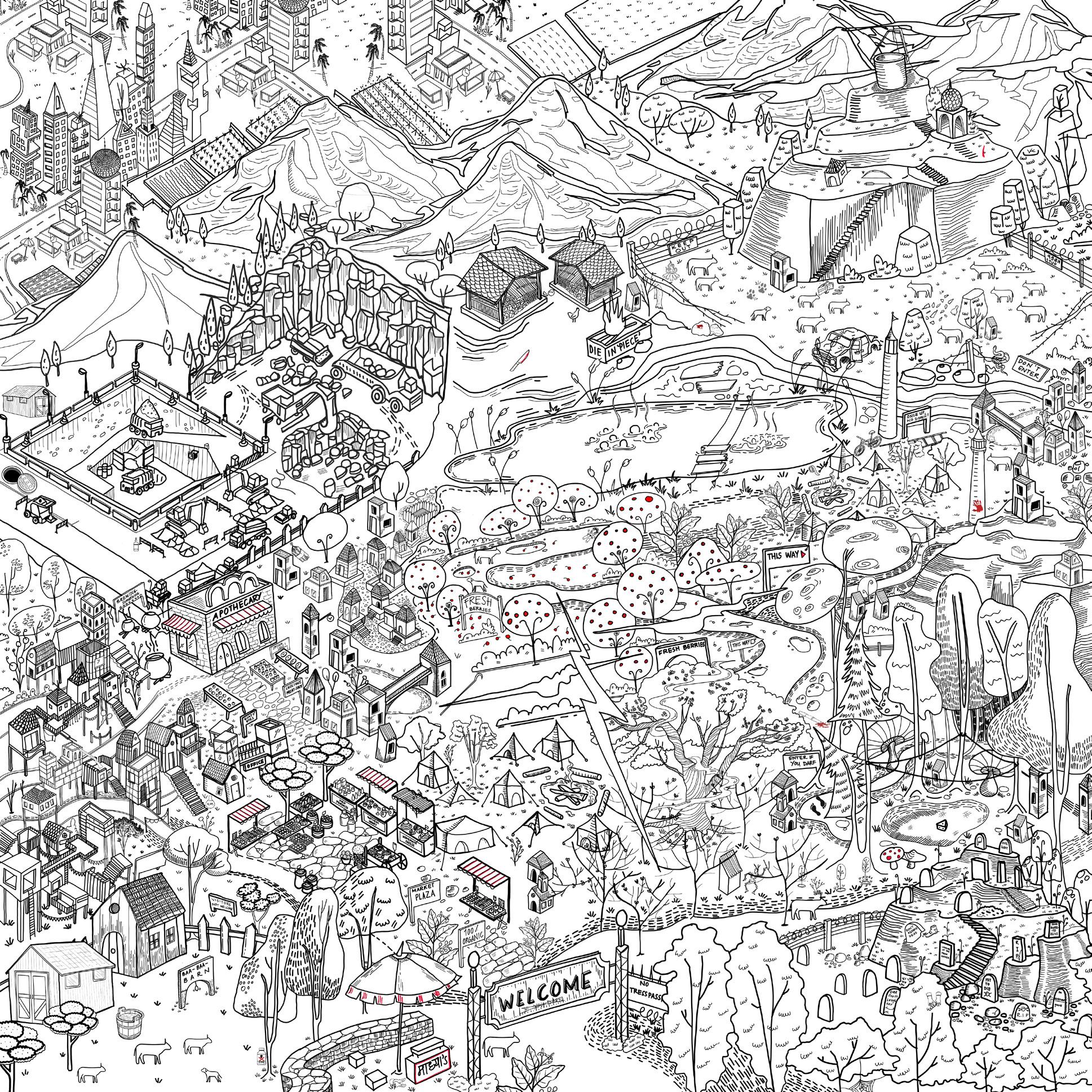
ILLUSTRATION OF THE VILLAGE
ACADEMY OF ARCHITECTURE (AOA) | DIGITAL HAND DRAWING | NOVEMBER TO DECEMBER 2021
Collaborators: Tanaya, Priyal, And Falguni Role: Teaching Assistant + Illustrator
A group of 60 first-year students studied this illustration during the orientation workshop for a spectacular and hectic journey of ten days. It started with ice-breaking interactive games that helped them open themselves to this new world. Initially, after discussing a nursery rhyme, all were well-versed with Jack and Jill as protagonists. They later crafted and enacted the extension to the story based on the map. #aoawhodunnit?
table of contents
the mosaic urban altar where is the sulabh? the block commons the paradox step in-step out central mumbai seafront revival girgaum chowpatty security posts 02 01 05 03 06 04 07
urban altar
A JOURNEY THROUGH MEMORY, CRISIS, AND CARE
PRATT INSTITUTE | URBAN SHOCK AND THE HUMAN SPECTACLE | MAY TO AUGUST 2025
Culminating Research And Project
Site: Estadio Banorte Stadium And Neighborhood, Mexico City
Type: Urban Design Framework And Site-Wide Intervention Level: Semester 3
Instructors: Alex Tahinos And Erich Schoenenberger
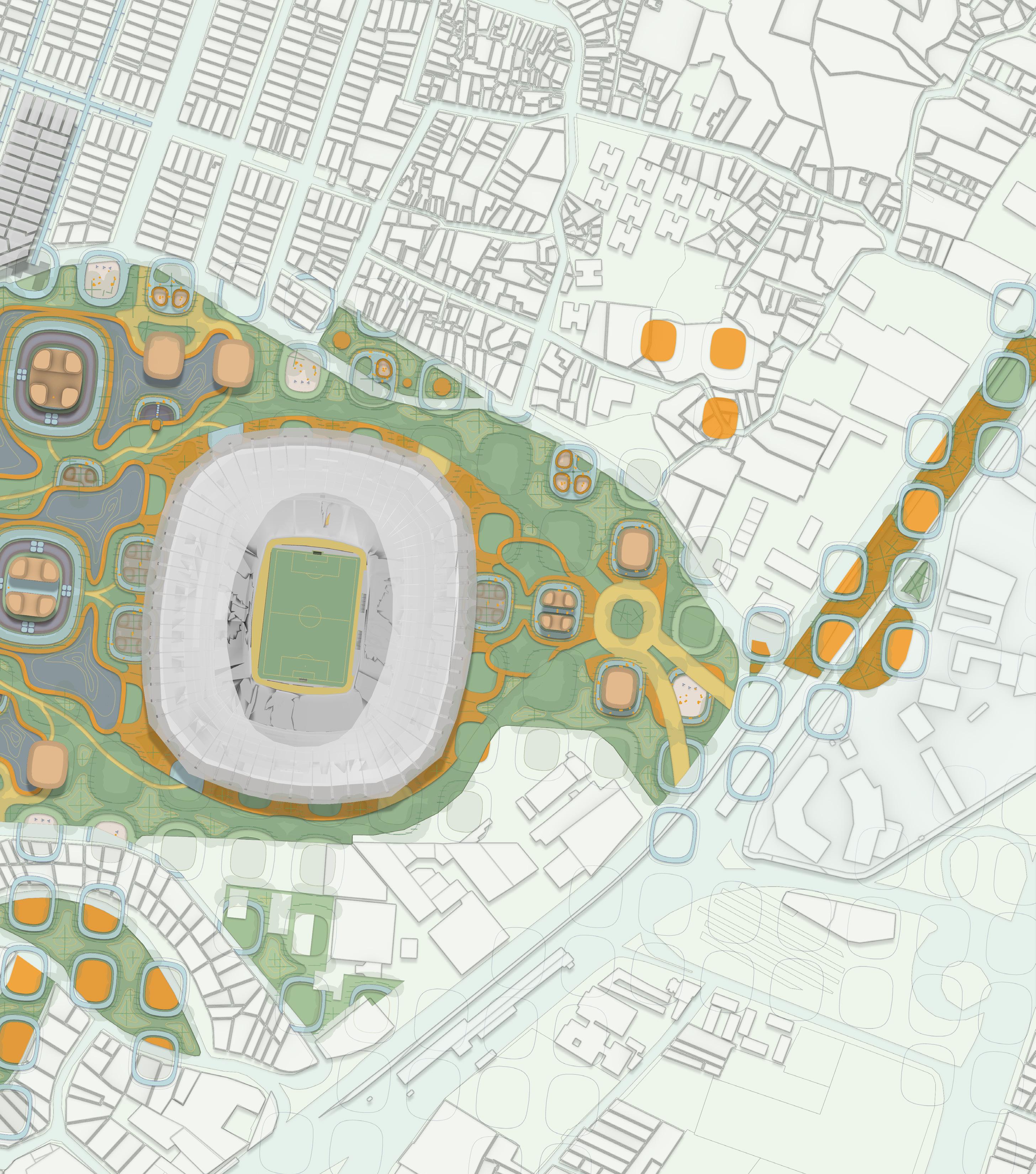
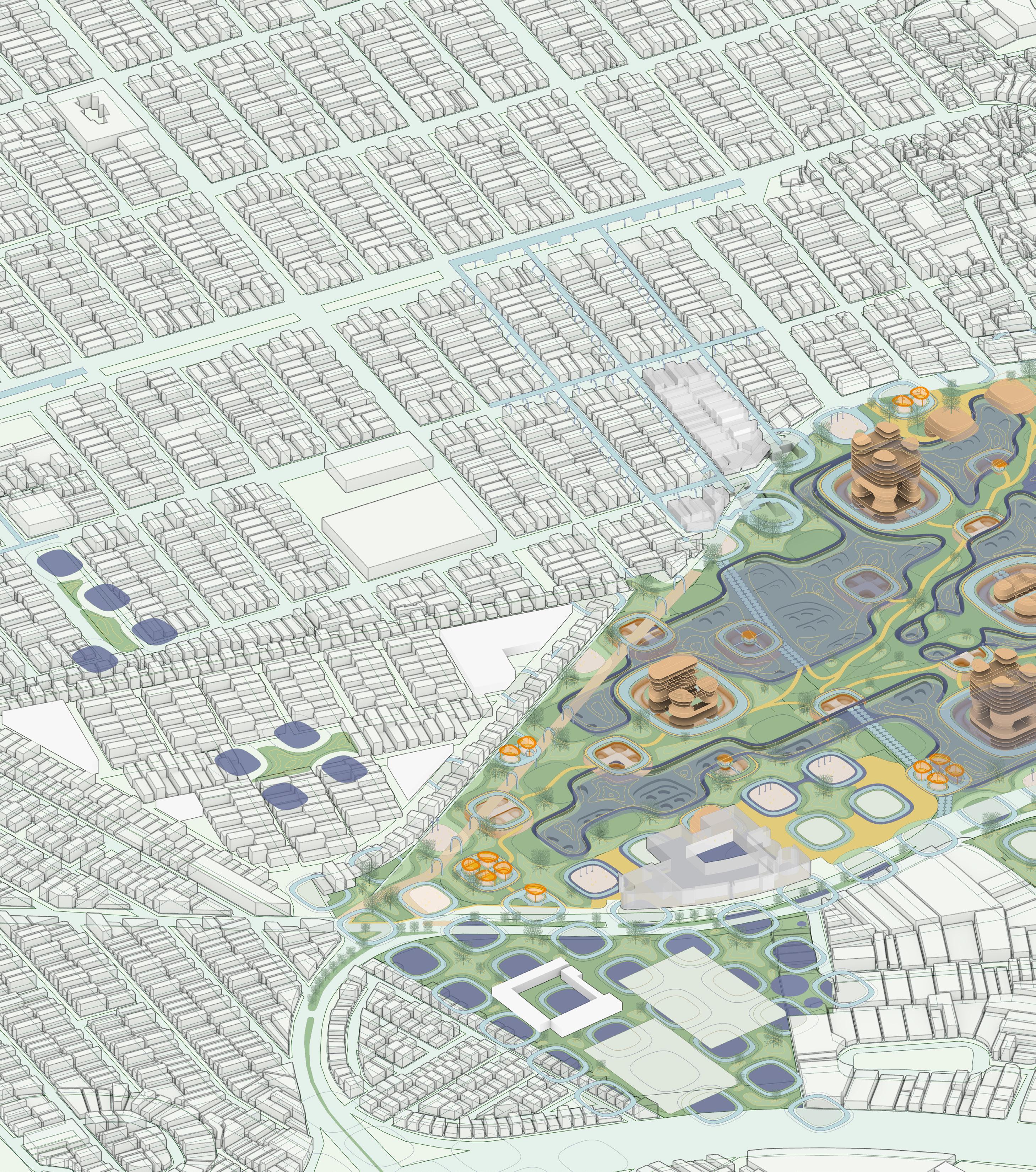
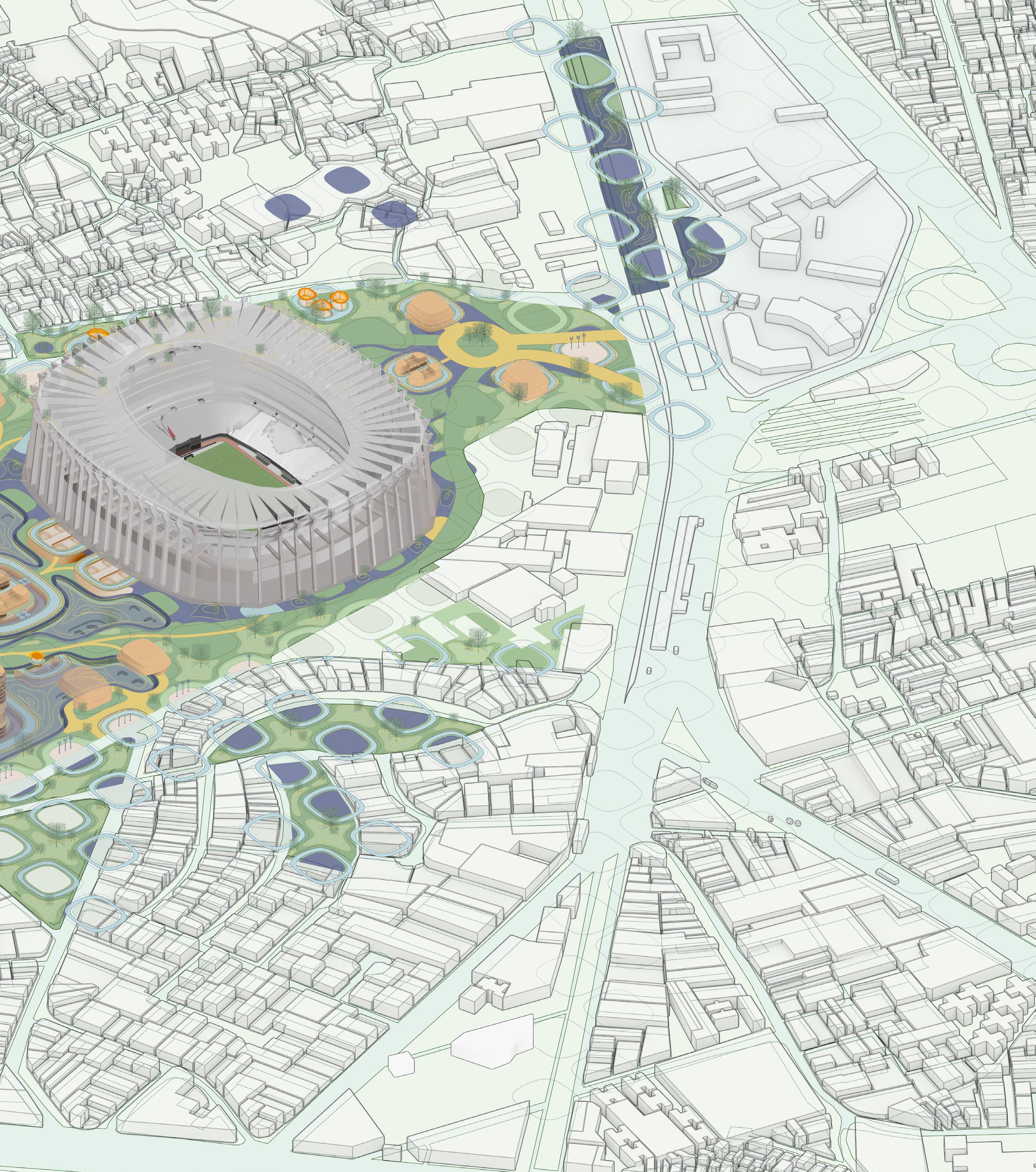
Urban Altar reimagines the stadium district as a public landscape of memory, ritual, and resilience. Anchored by Estadio Banorte, the design introduces episodic interventions, sponge parks, modular altars, and open infrastructures, that respond to both daily rhythms and natural shocks such as floods and earthquakes. Each ‘altar’ supports revenue-generating or community-oriented programs, fostering employment and a balanced urban economy.
By blending performative memory with infrastructural care, the project fuses the temporary and the permanent. Volcanic stone-filled gabion walls act as responsive sponges. Rooted in adaptable urban logic, the Altar functions both as memorial and living system, transforming disaster into shared strength.
Role: Research, Conceptual Development, Modular Design Exploration, Spatial Representation, And Final Presentation
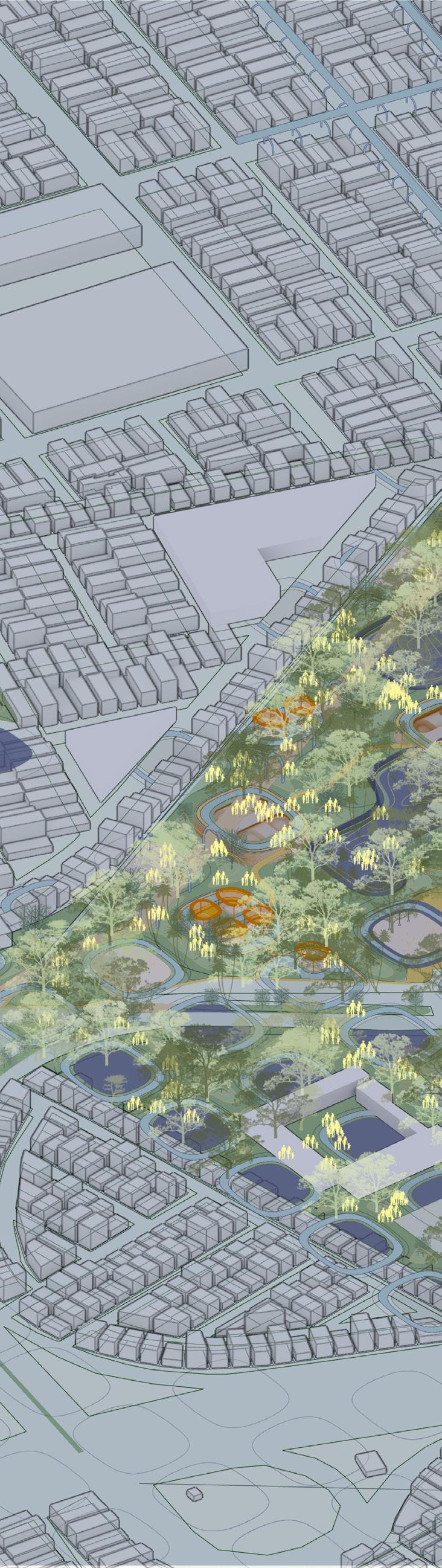
THE URBAN ALTAR LANDSCAPE

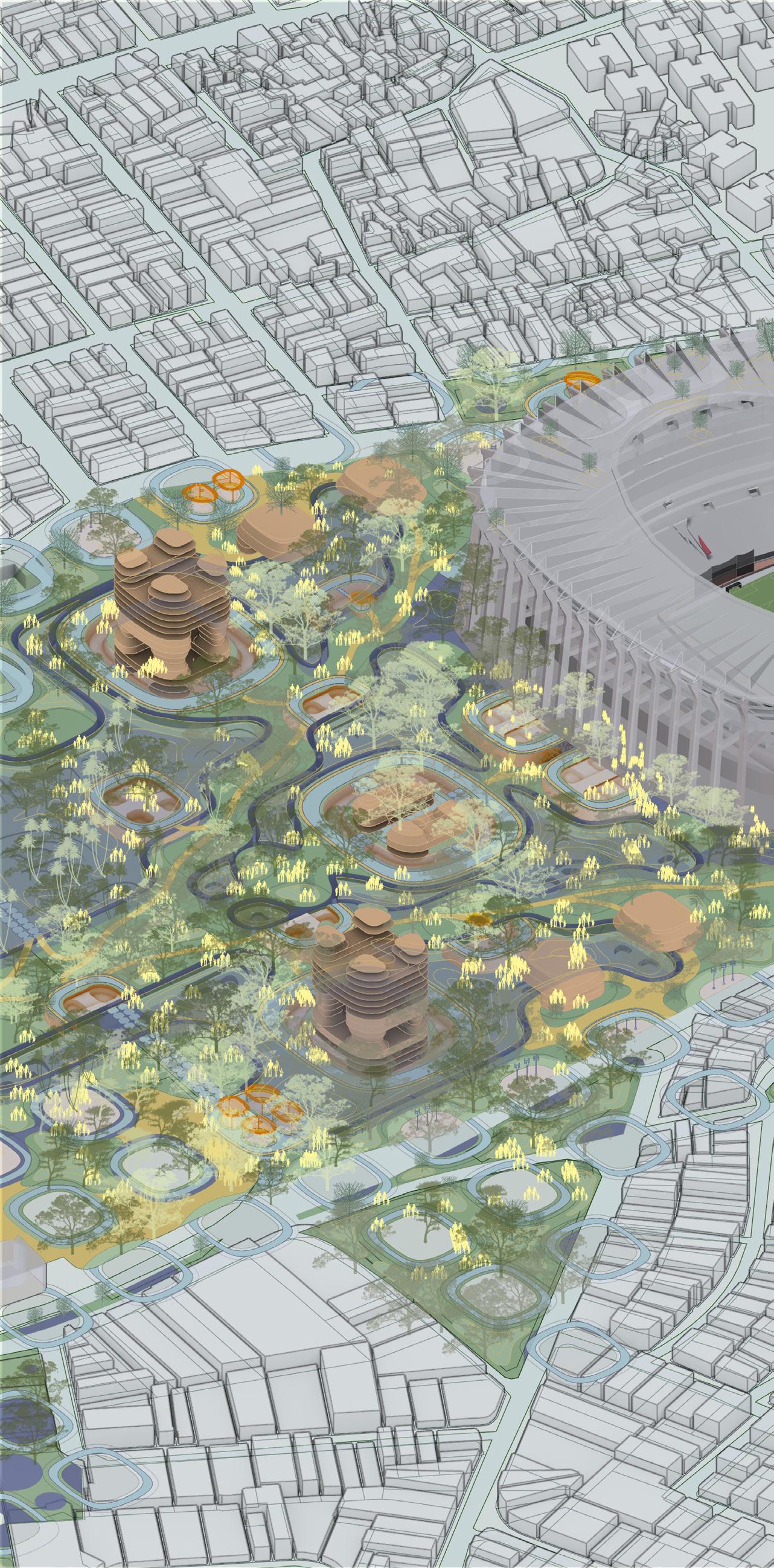
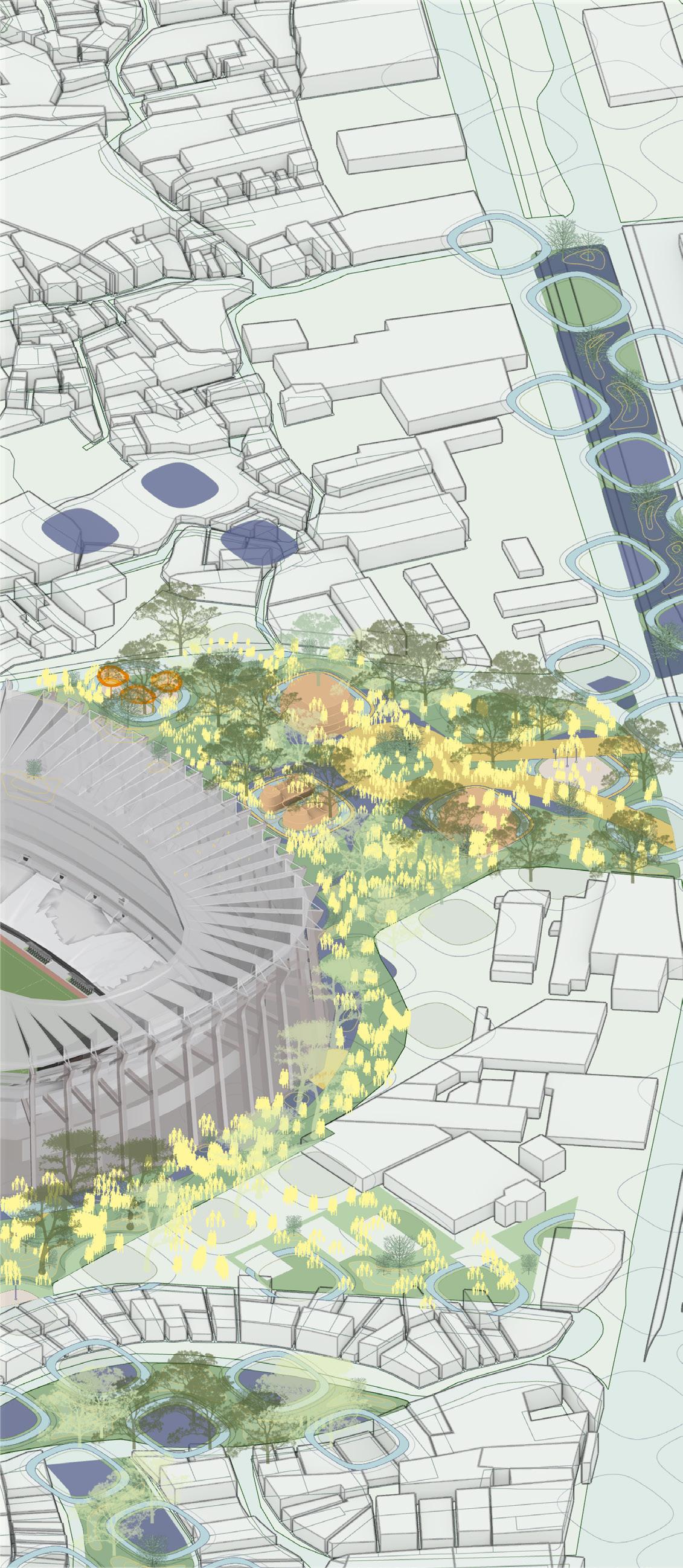
Left: Floods; Center: Flooded Game Day; And Right: Game Day
CITIES IN TRANSITION
From Control To Culture
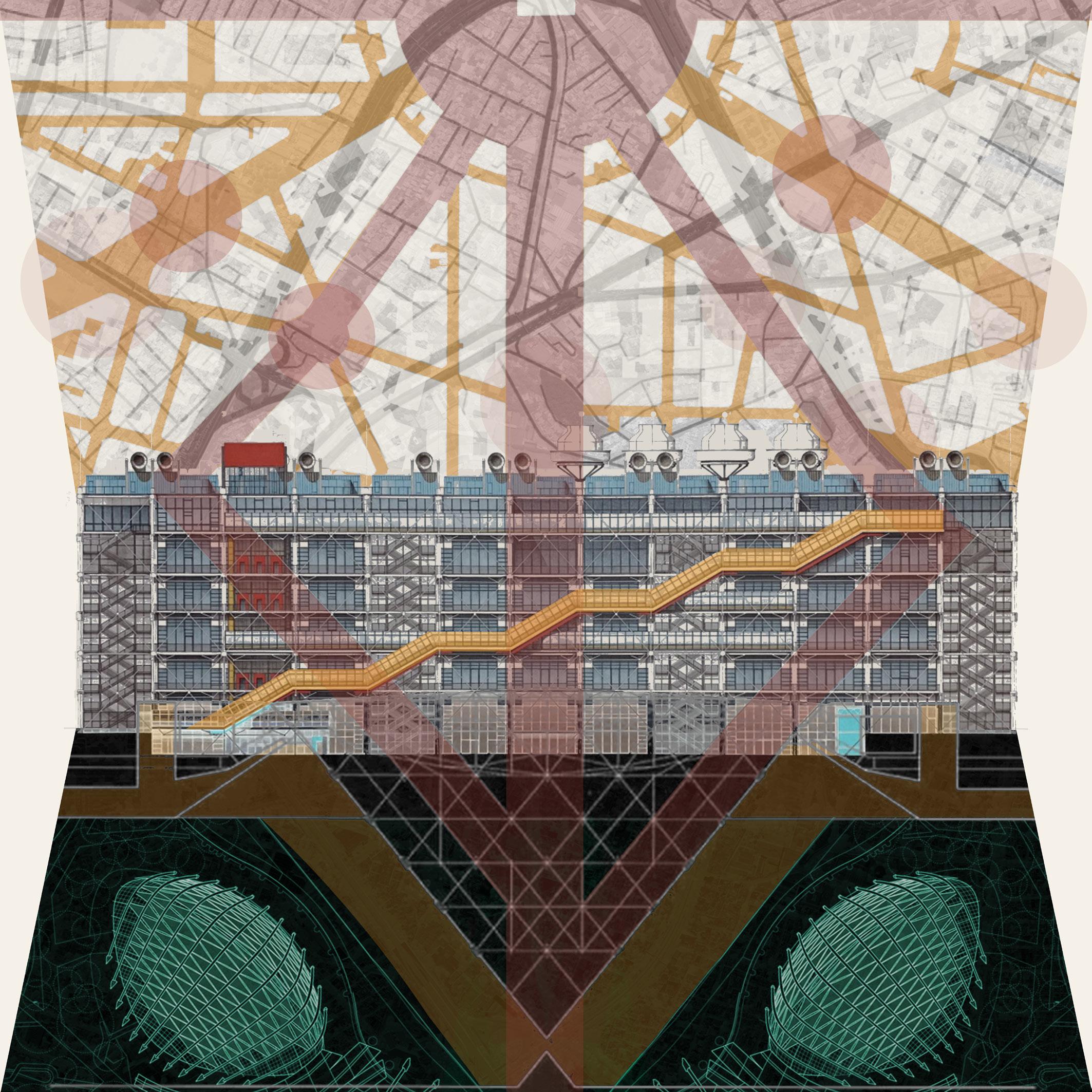
This collage layers four urban moments, drawing from the
the
and the
marks the shift from rigid centralized control to evolving cultural frameworks, where collective memory and spatial practices reimagine the city over time.
Pompidou Centre,
Louvre, the Gardens by the Bay
historic Parisian street grid. It
CIRCULAR ACTS
A Dome Of Memory, Spectacle, And Typological Time
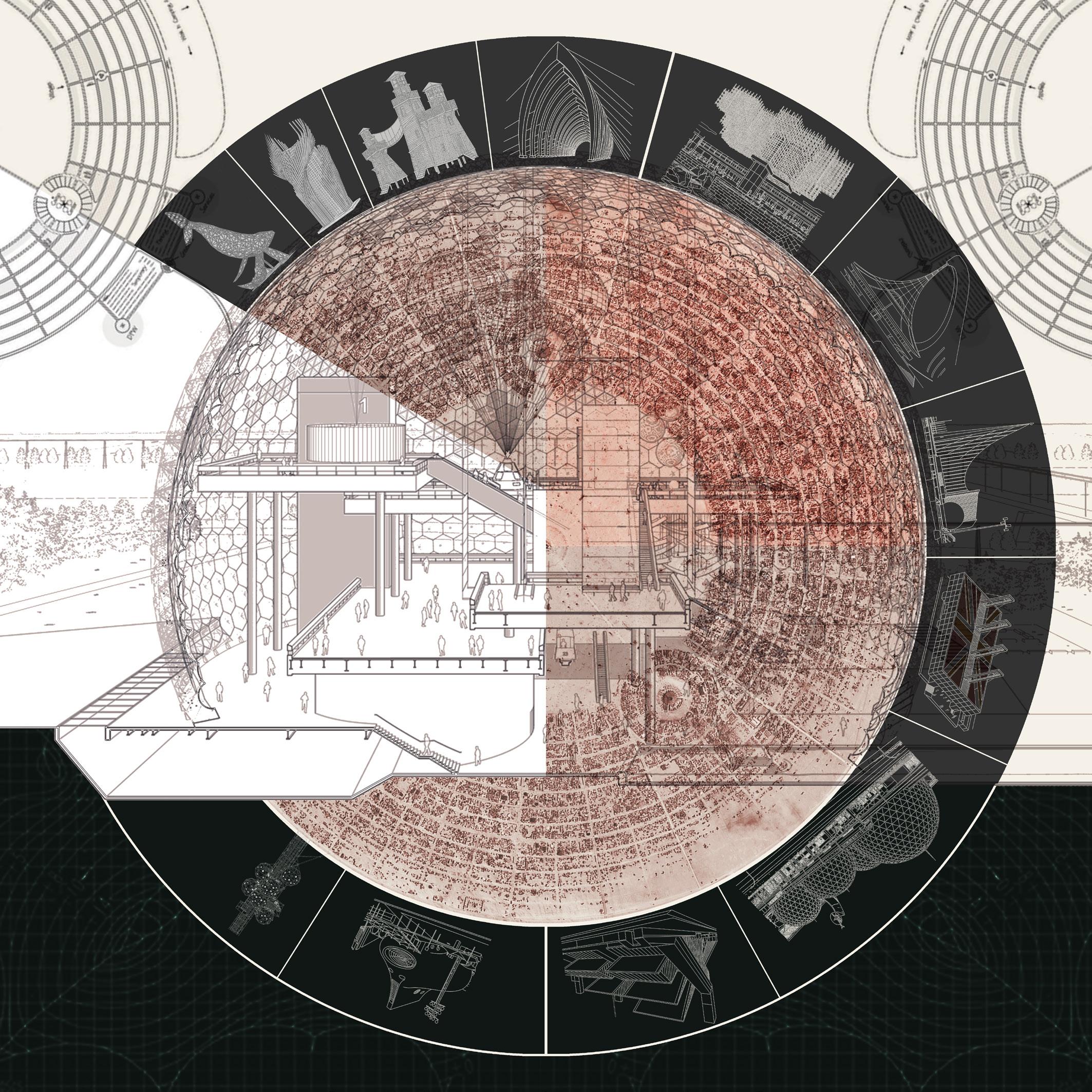
A radial montage compresses time, type, and tectonics into a speculative dome, referencing Burning Man’s ephemeral city. One half is inhabitable, structural, and occupied, while the other encodes typological memory in concentric rings. Together, they form a dome of spectacle, temporality, and stories.
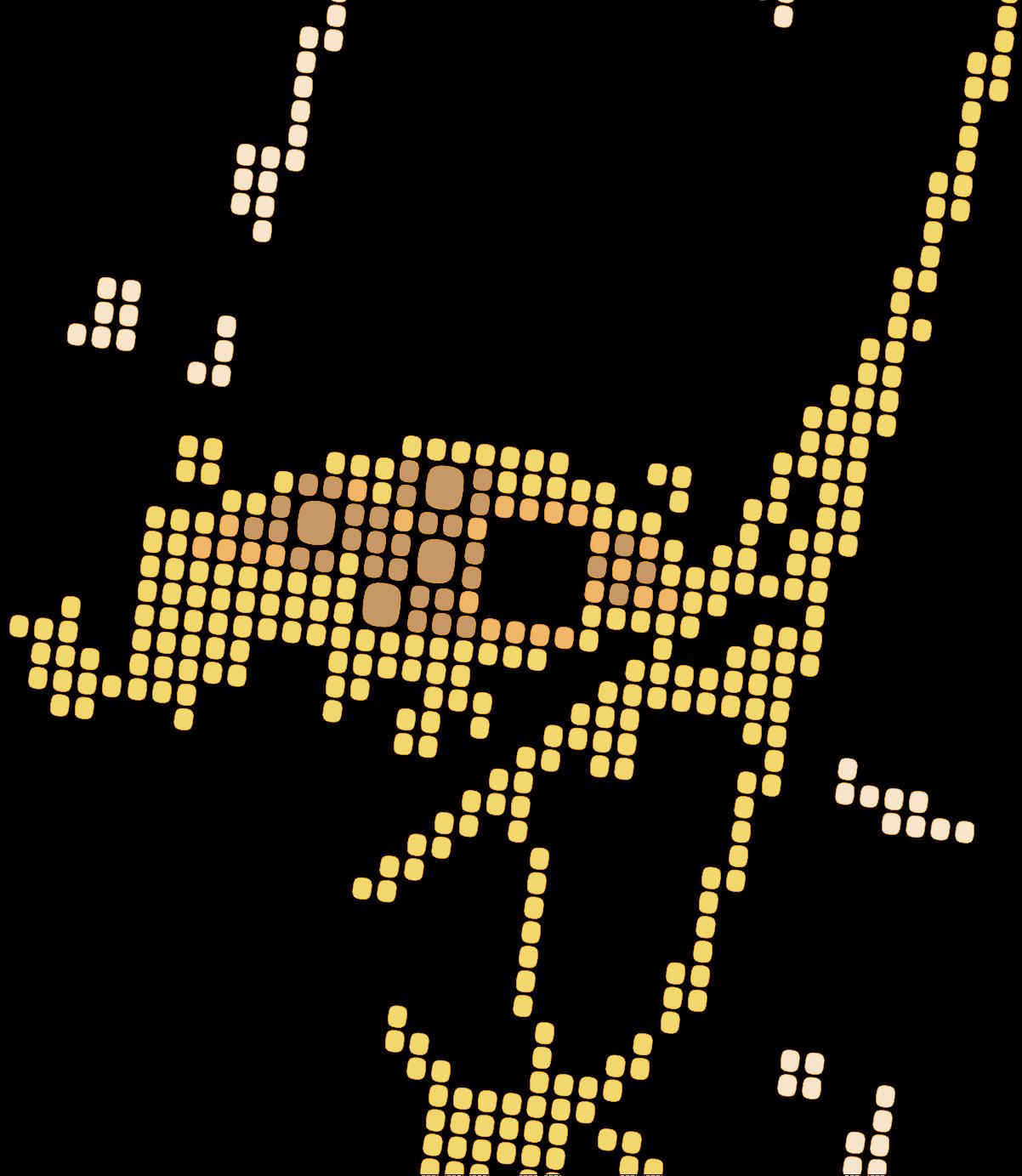
The master-plan weaves sponge logics, ritual altars, and civic spines around
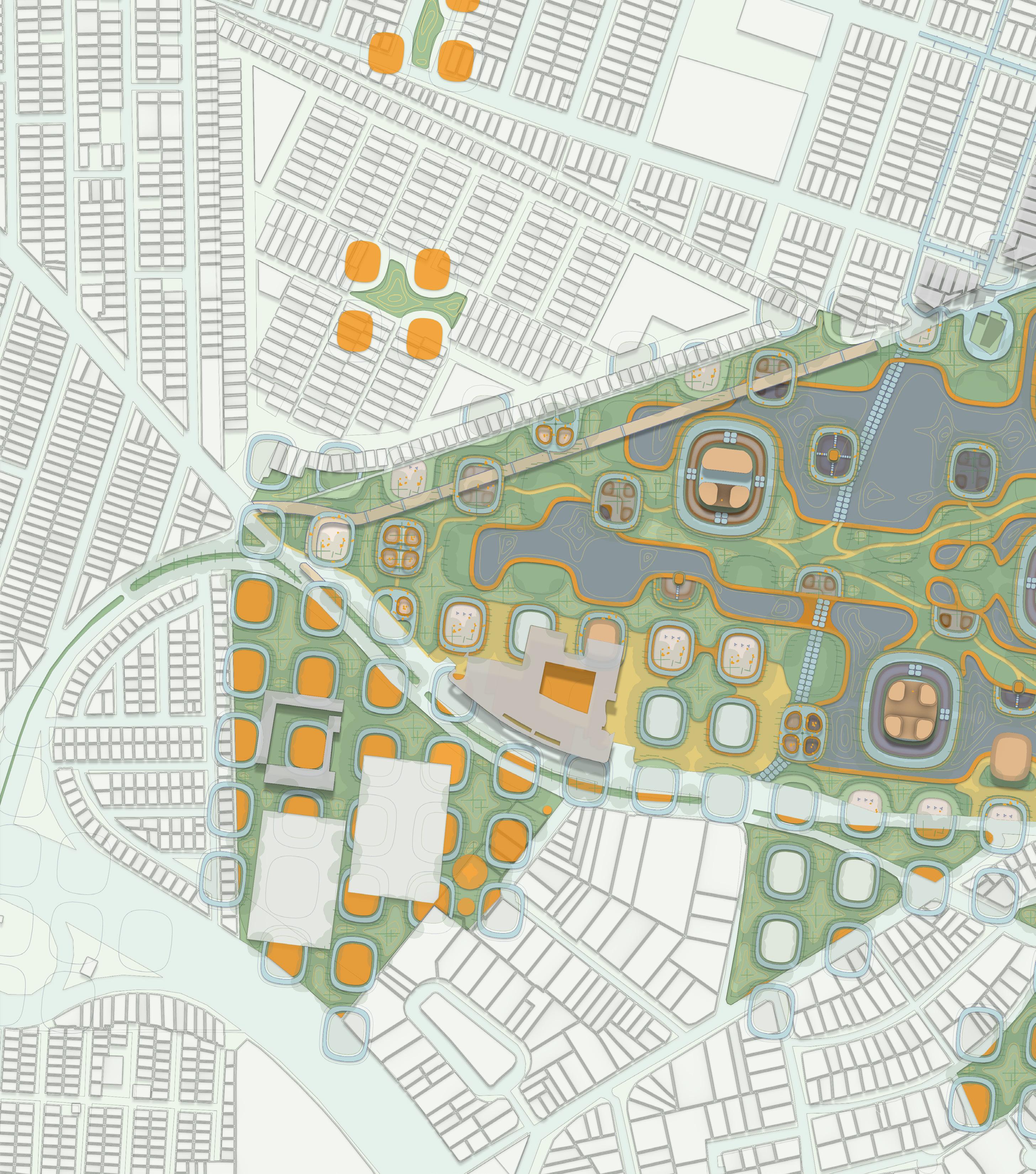
Banorte, creating a porous district that adapts to both daily use and shock events.
Hybrid Green Civic Reservoir
Sponge Park Trail
Water-Retention Garden
Memory Path
Street Theater
EDGES
Breathing Greens Out Opening Into A Pedestrian Refuge
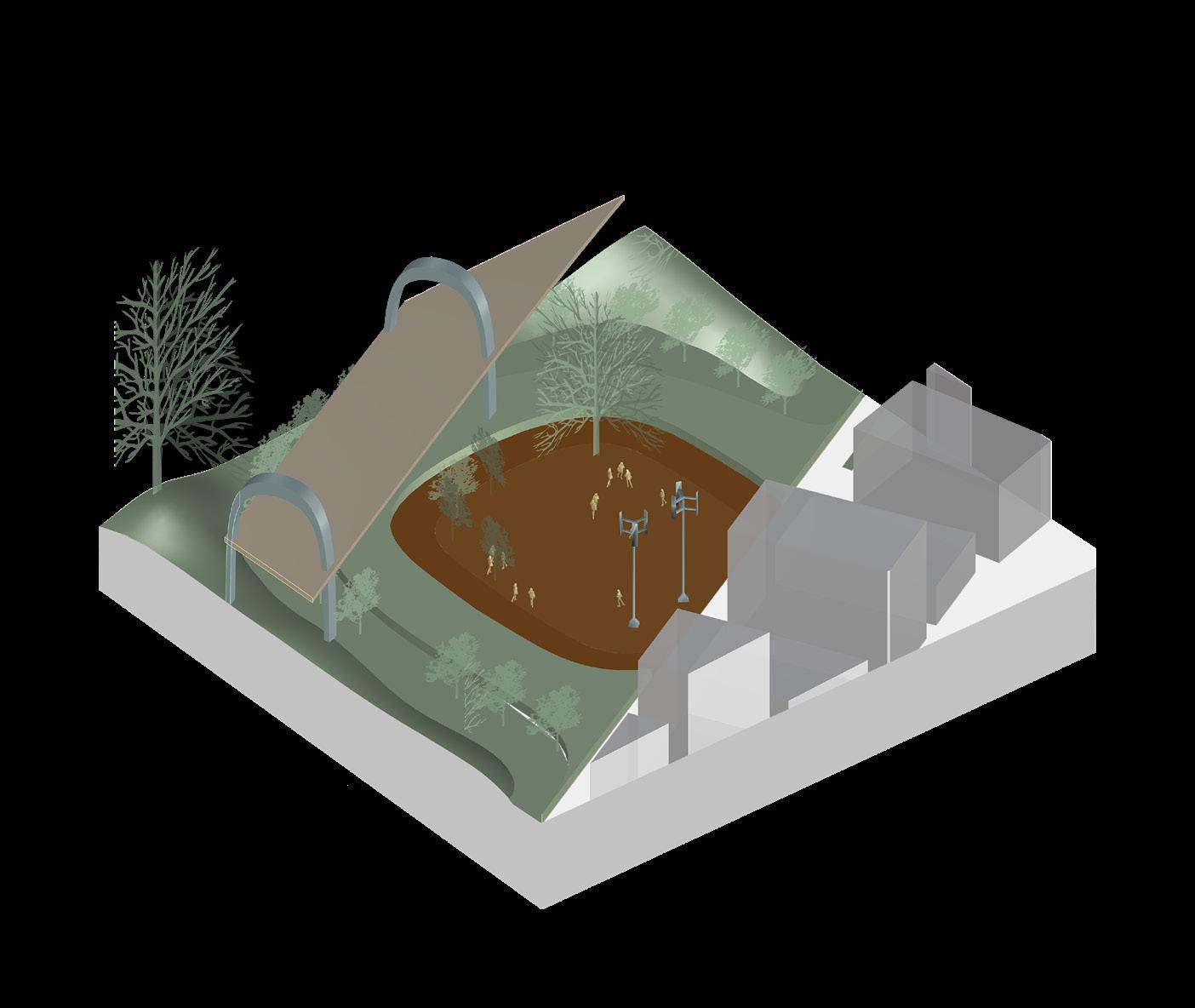
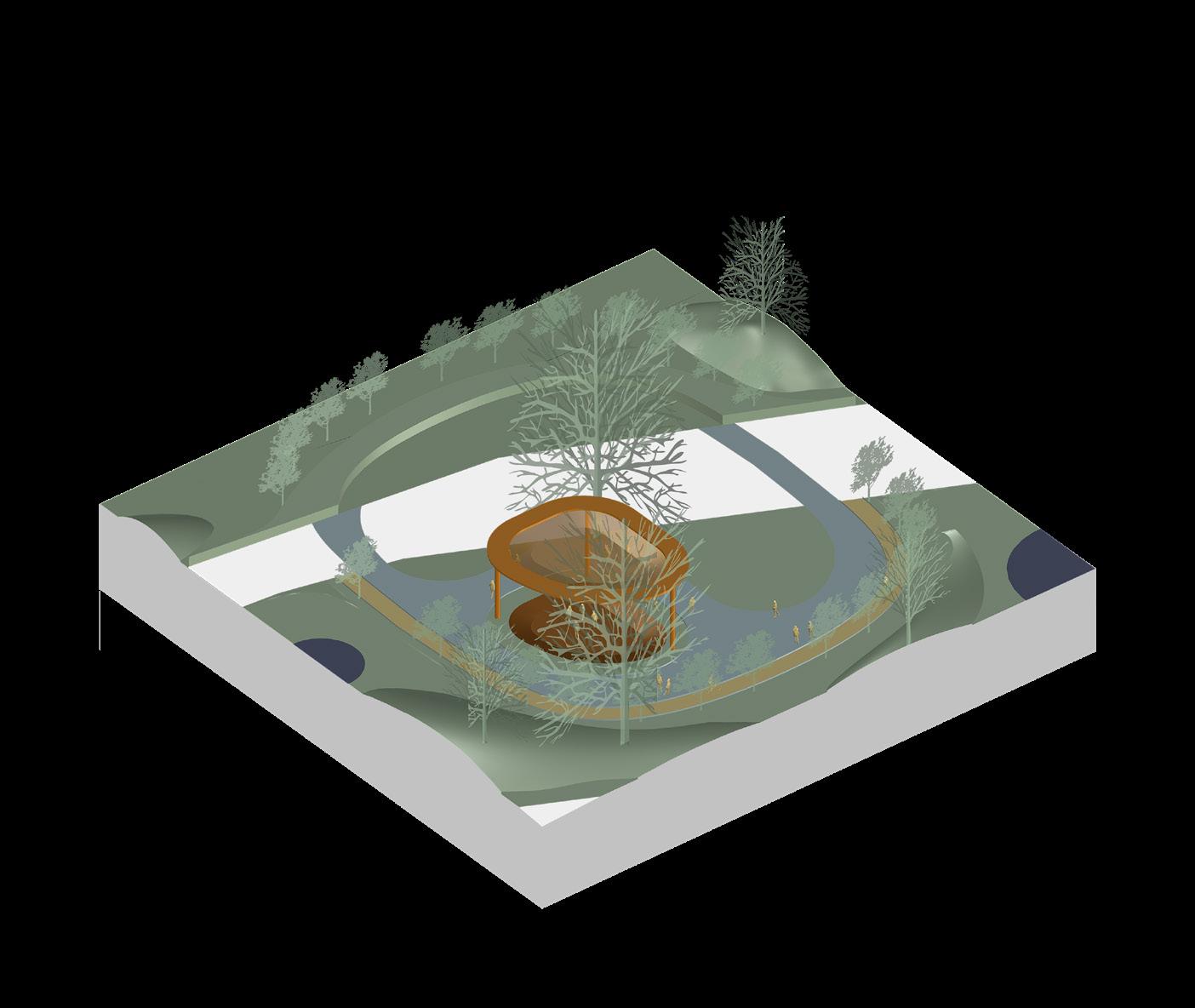
Inhaling Urban Life
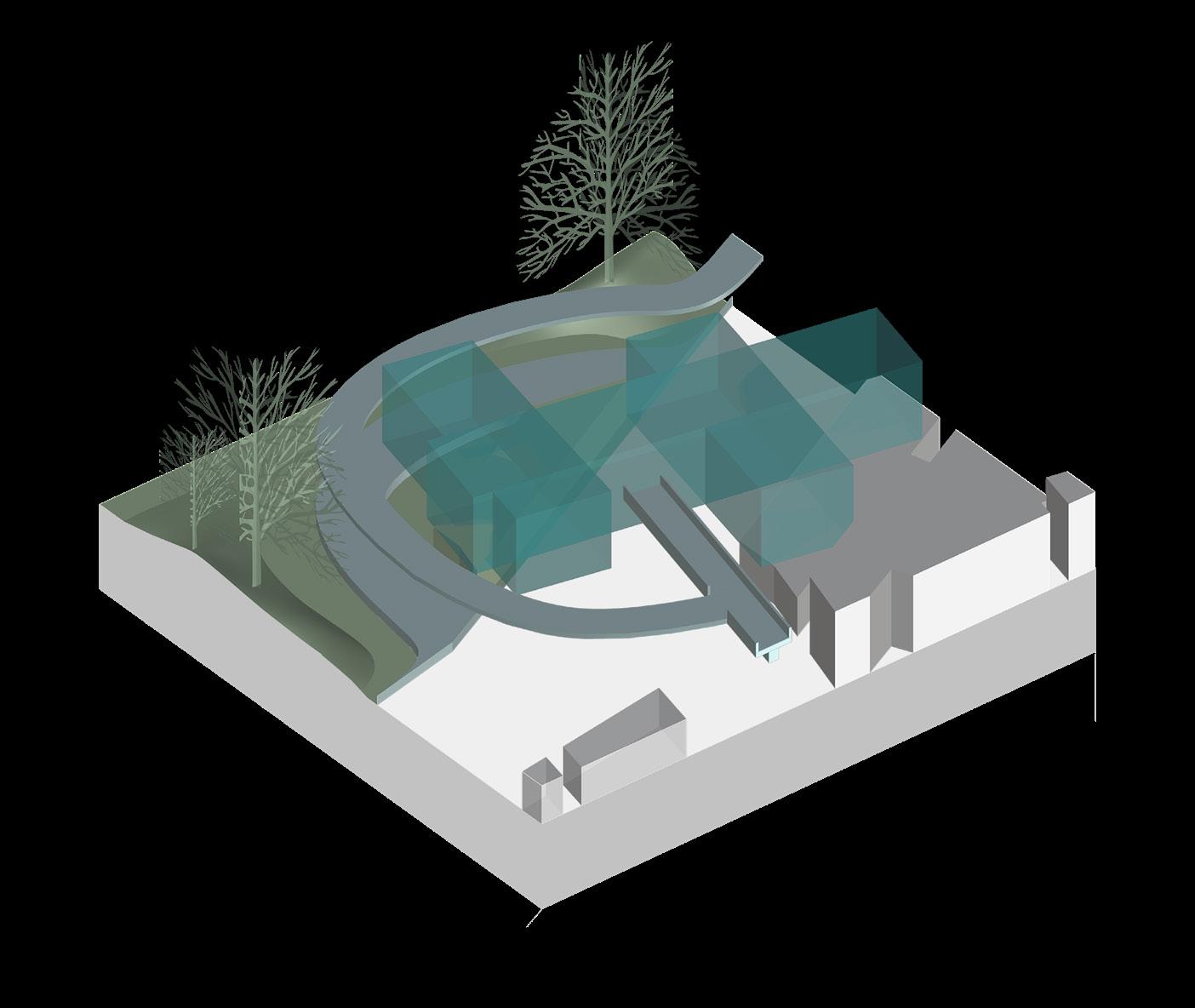
Absorbing Through Median Sponges
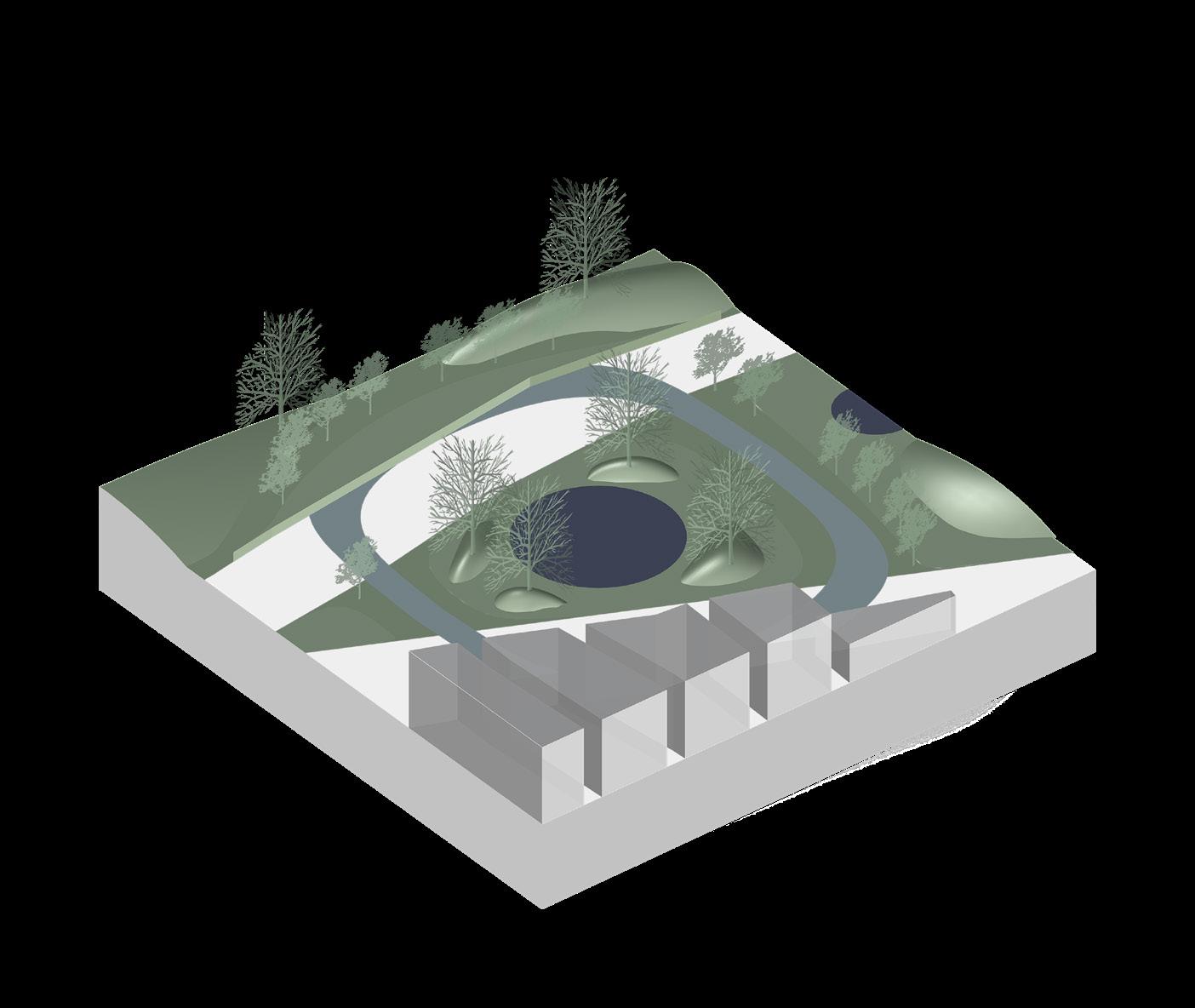
GREEN PODS
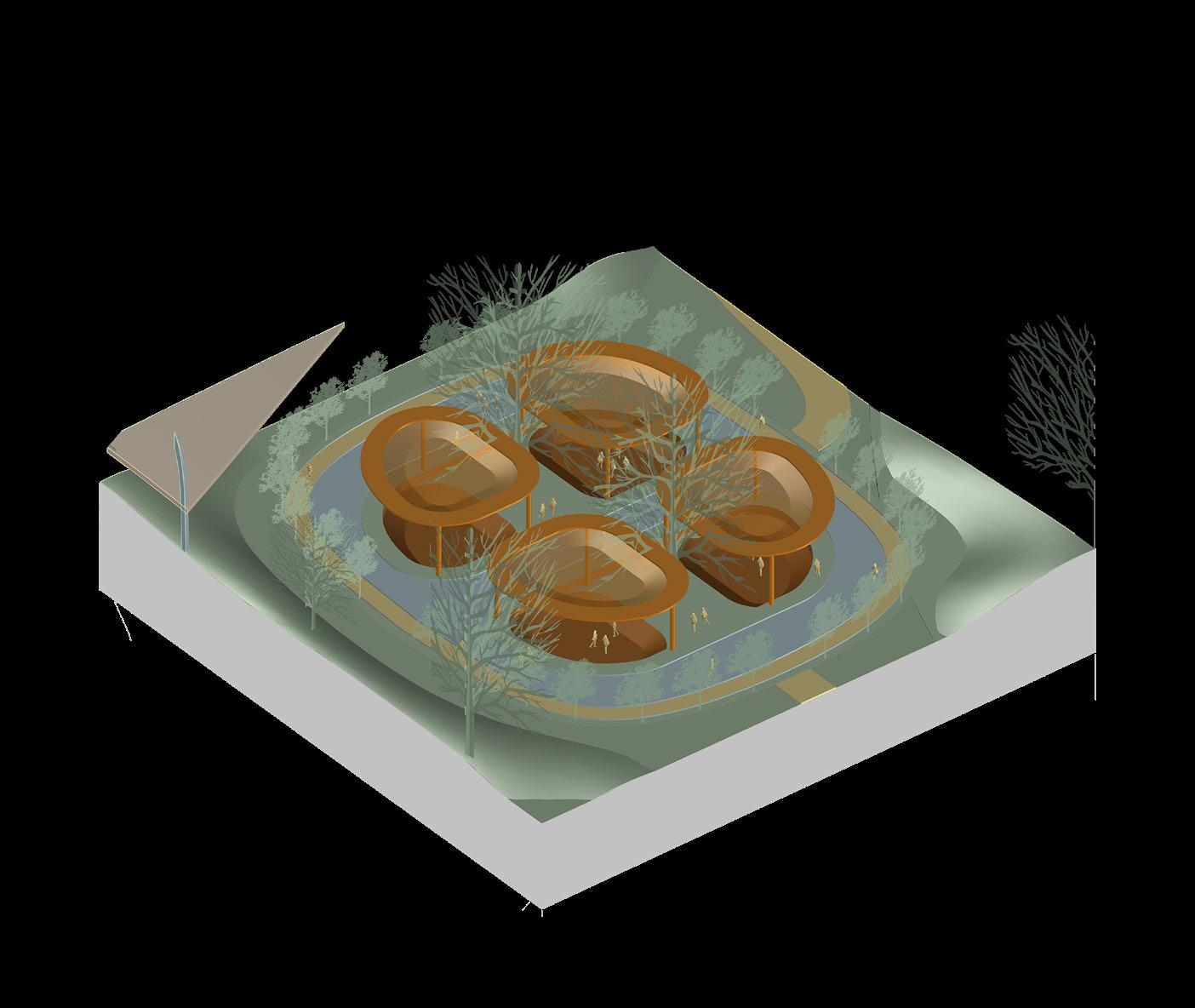
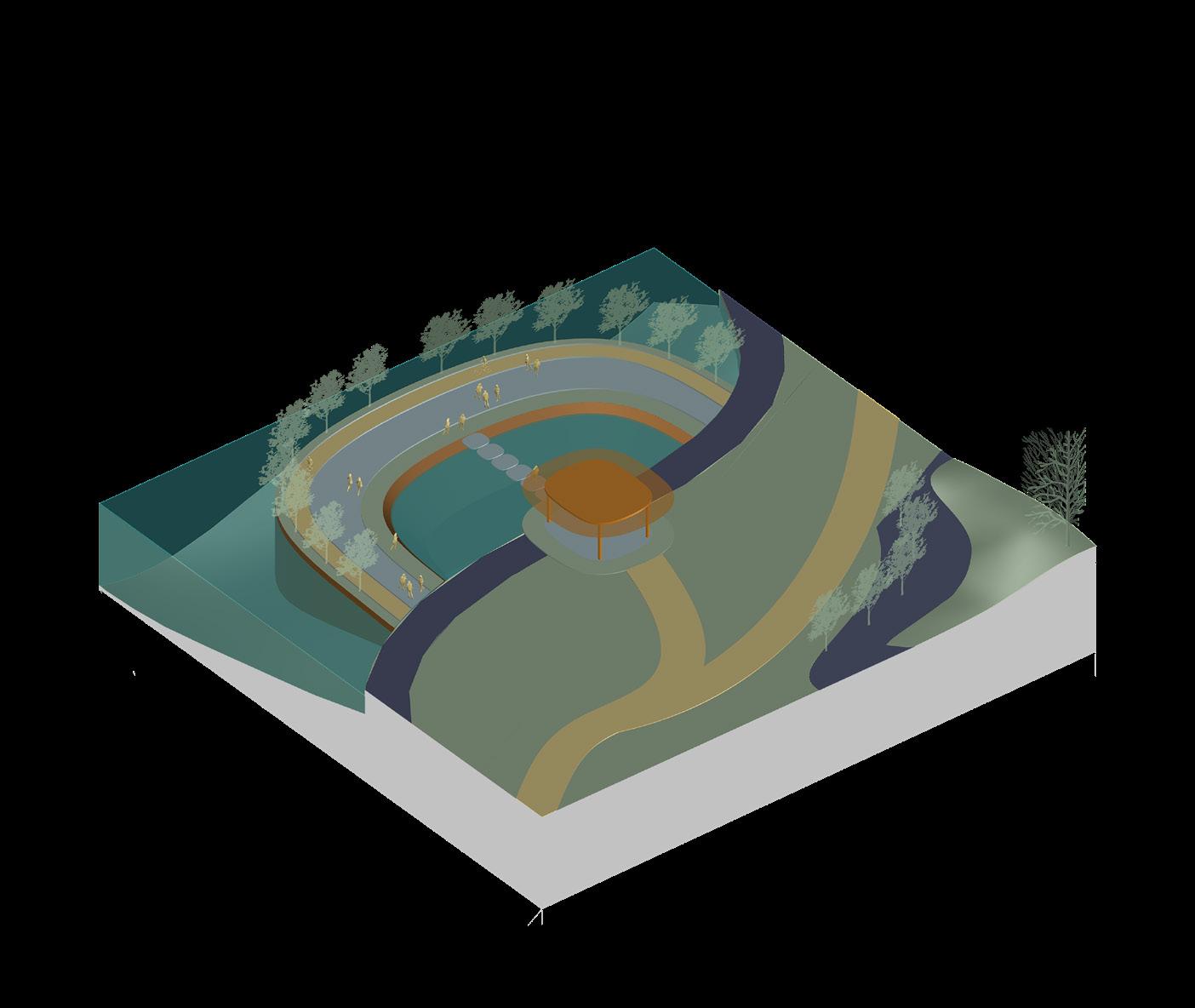
WATER PODS
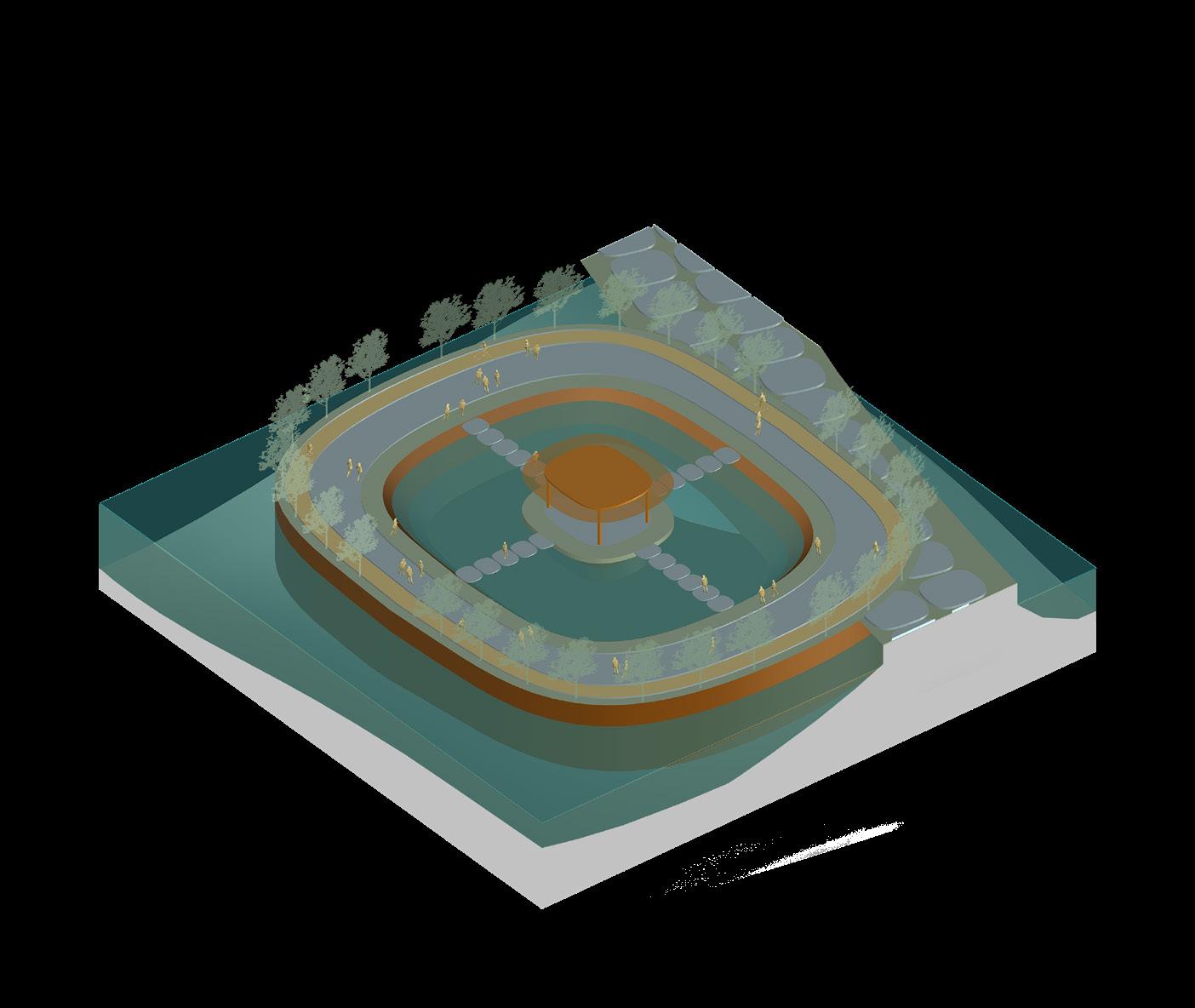
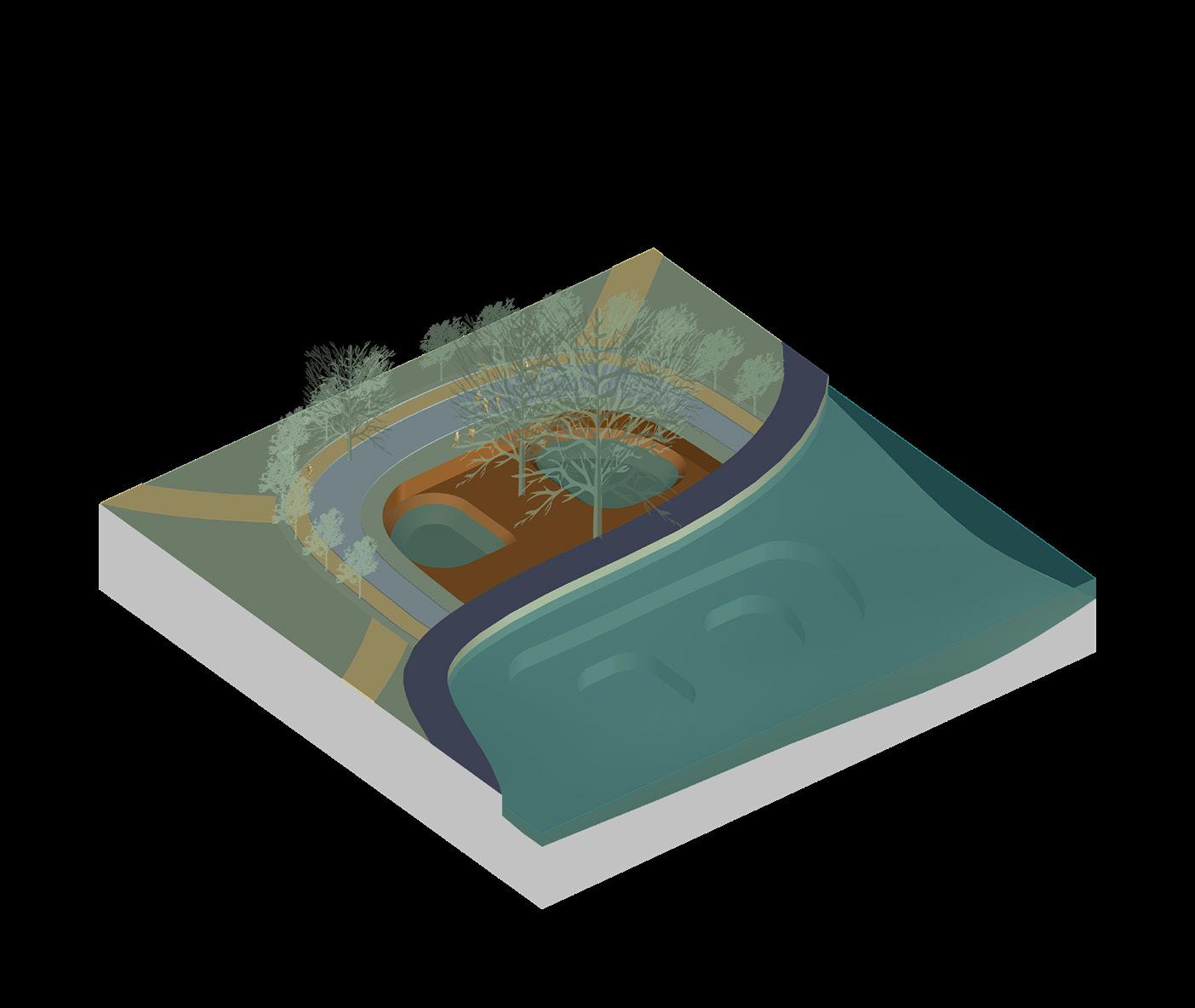
Pause And Play
Sunken Gabion Nest
URBAN LOGIC
Grids, Edges, Water, And Memory
The grid is more than a pattern of pods and paths, it is a living urban system, adaptable and responsive to both the everyday and the exceptional. From the center of the site to the edges of the city, the sponge carries memory, ritual, and livelihood. It is a system that listens rather than dominates, that responds rather than fixes.
Each cell offers a possibility: a marketplace, a ritual gathering, a flood-absorbing garden, a shared table. Together, they suggest a city shaped not only by zoning but by shared moments, seasonal rhythms, and collective memory. The grid here is not just spatial; it’s emotional. It holds lightness and weight, urgency and pause.
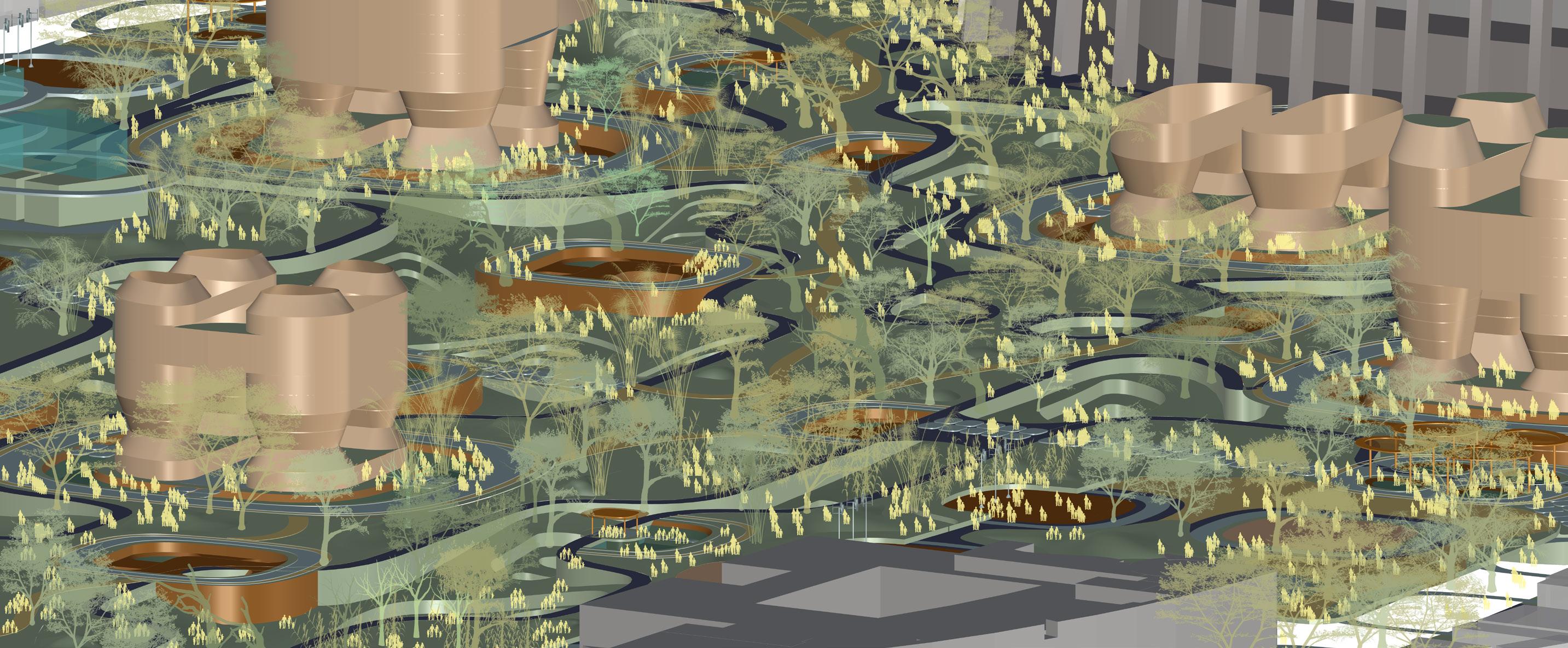
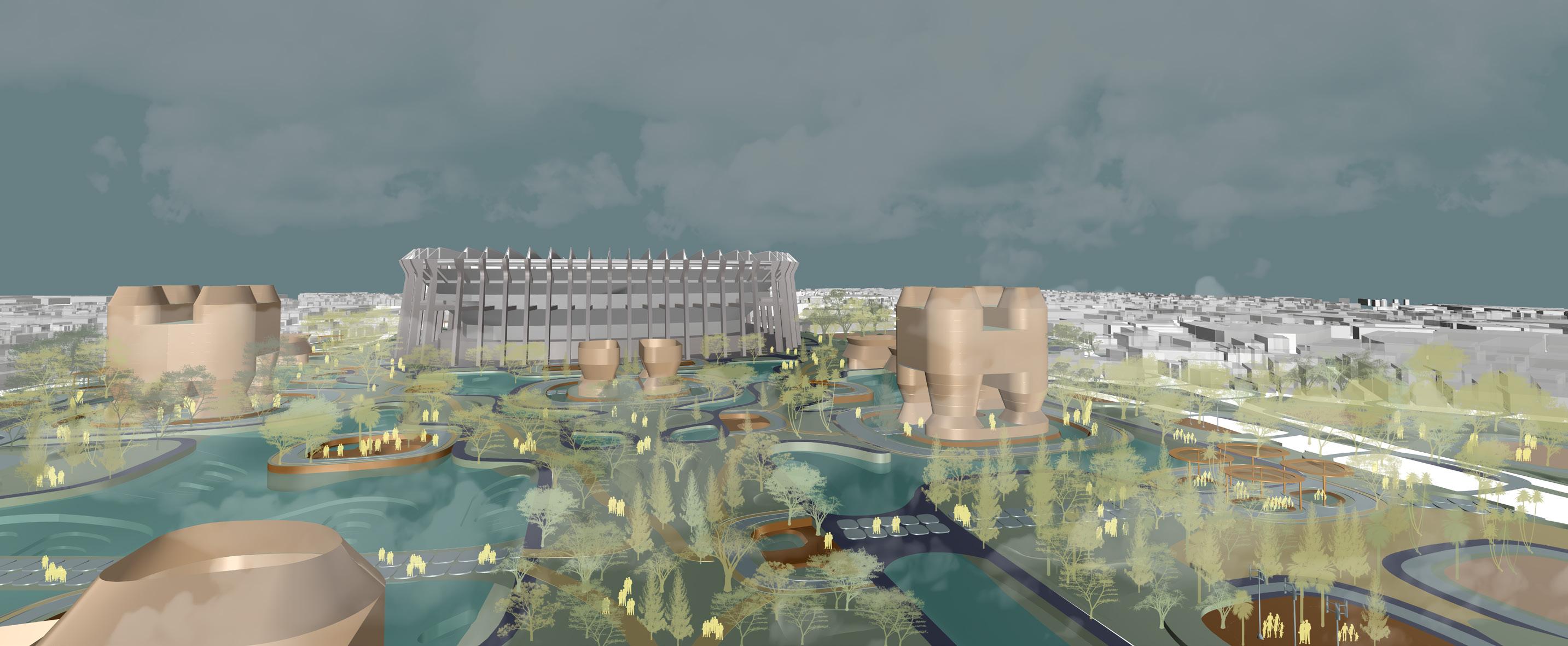
FLOODED TERRAIN MEETS GAME DAY
Dual Event Scenario
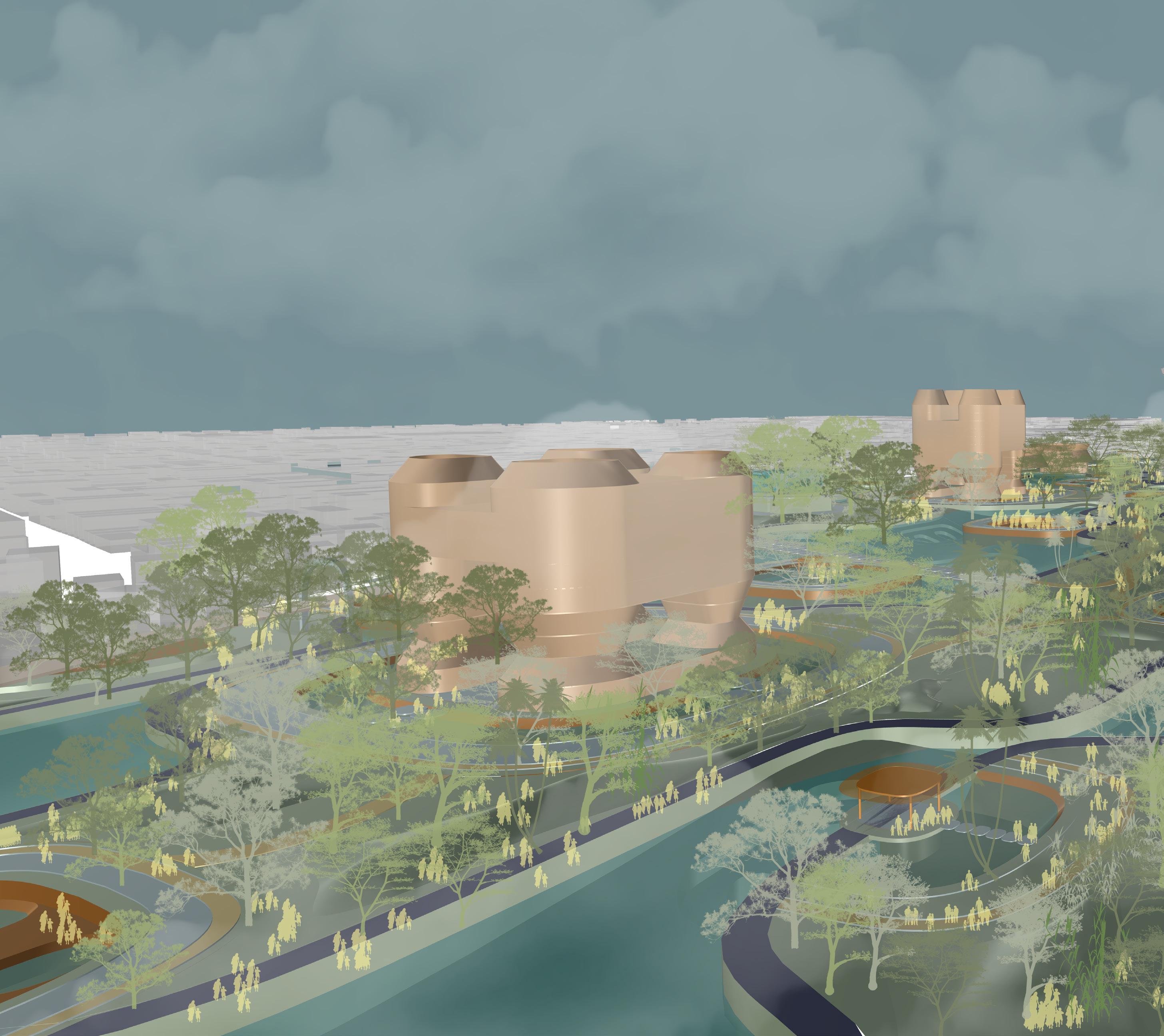


This garden stores storms! FALGUNI
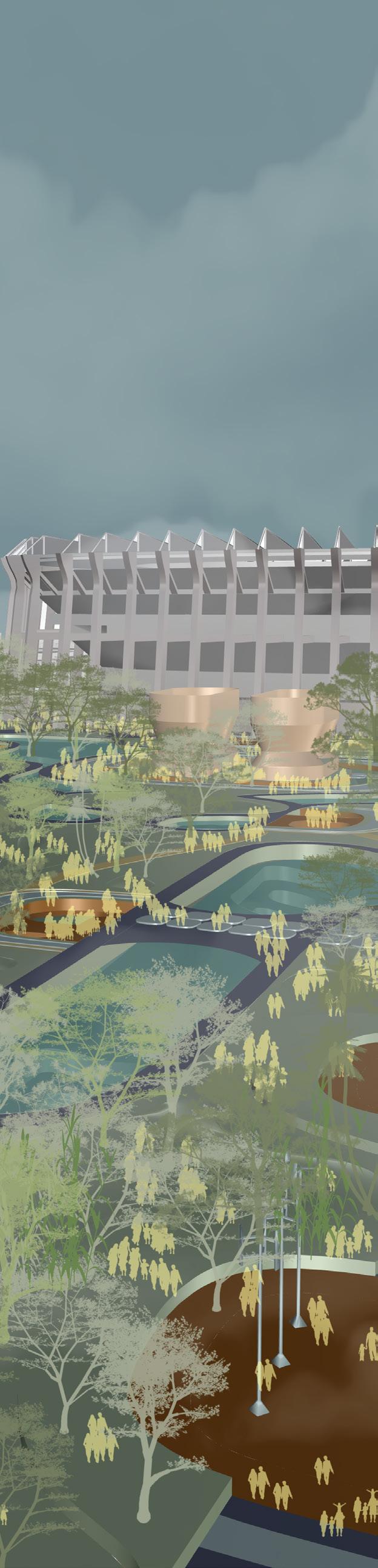
Walk. Pause. Absorb.
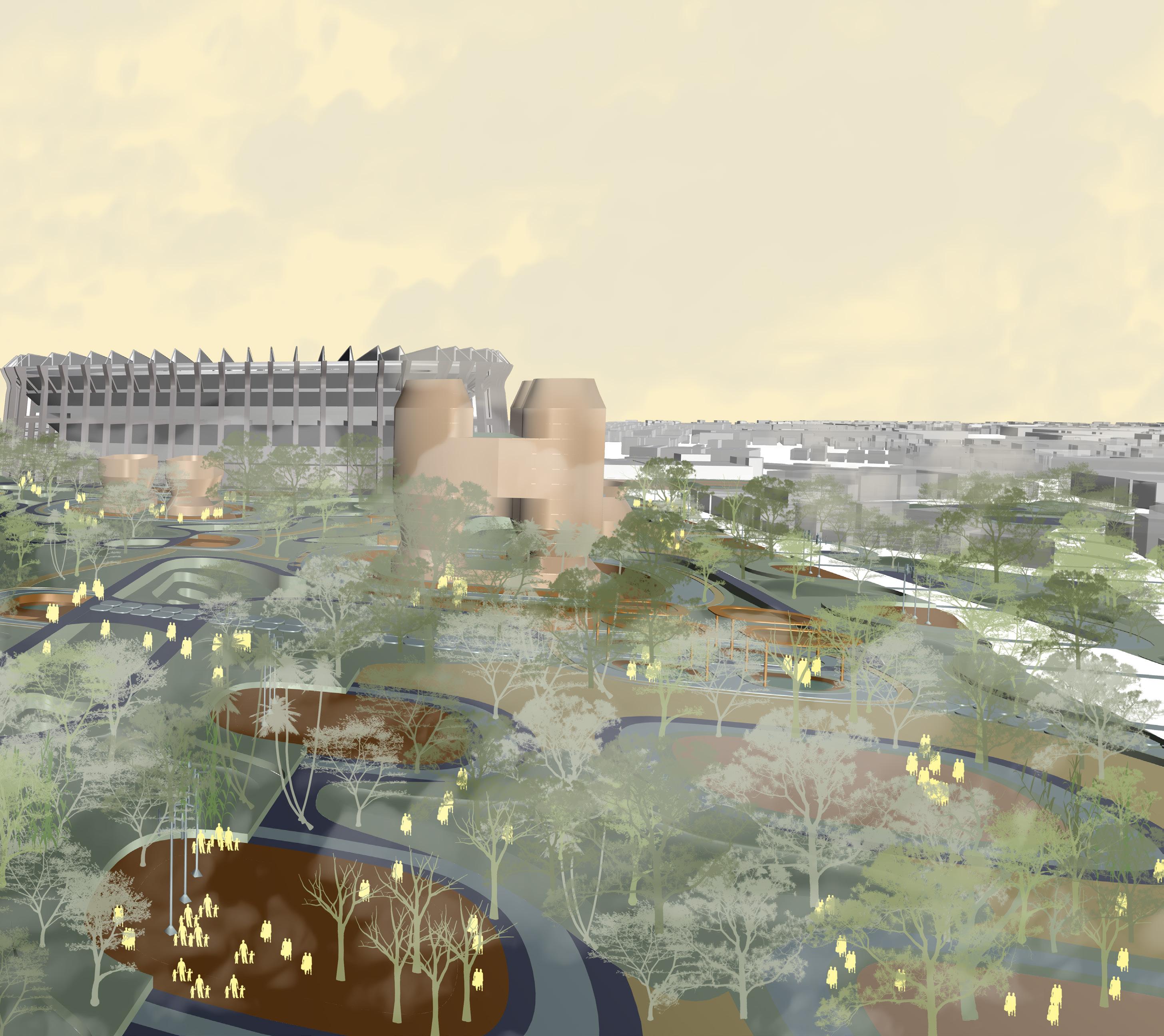
Market Pods Activate at 10AM!
the mosaic
CONNECTING LEGACY + INNOVATION + COMMUNITY
PRATT INSTITUTE | A PUBLIC REALM BLUEPRINT | AUGUST TO DECEMBER 2024
Site: Brooklyn Marine Terminal, New York Area: 13,090 M²
Type: Architecture And Urban Design
Collaborators: Kwon Dowon And Falguni Sakpal
Instructors: Oliver Schaper And Valeria Cedillos
The Mosaic weaves layered urban surfaces, modular programming, and dynamic integration into a spatial tapestry. It honors the maritime heritage of the Brooklyn Marine Terminal while advancing community, innovation, and sustainability.
This design sees the terminal as a unified canvas of living connections and spatial change.
It bridges the past with a resilient future, employing communitydriven development, modular systems, and both physical and conceptual stitching as strategies of spatial transformation.
The outcome is a setup that improves public space use, builds resilient infrastructure, and maintains visual continuity along the waterfront.
Contribution: Research, Urban Systems Mapping, Design Strategy Development, Collaborative Modeling, And Presentation
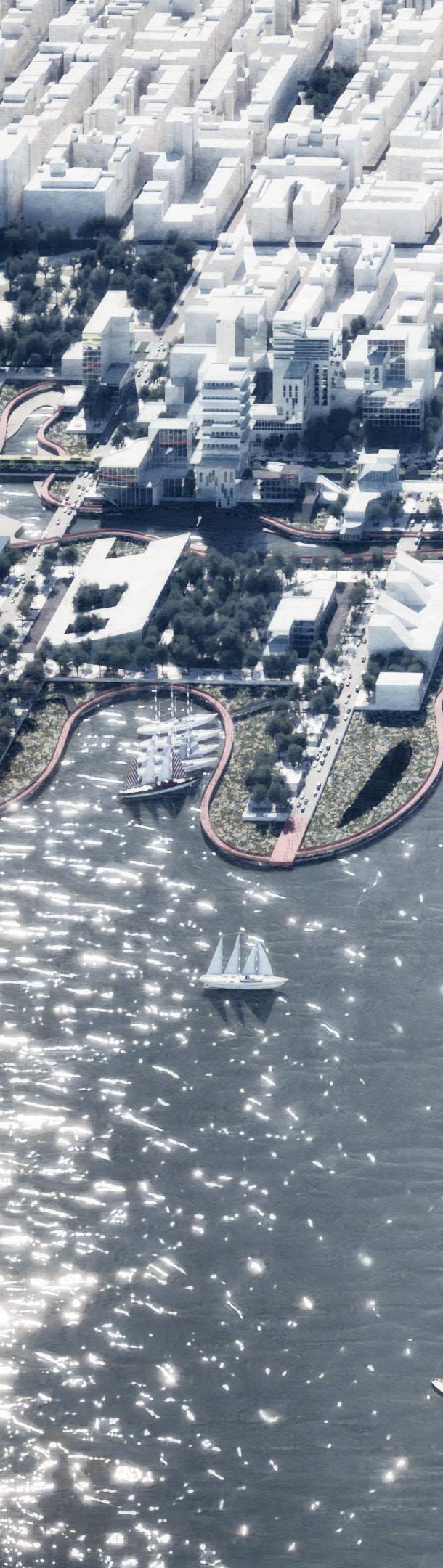
COMMUNITY, IT, AND MARITIME CANVAS
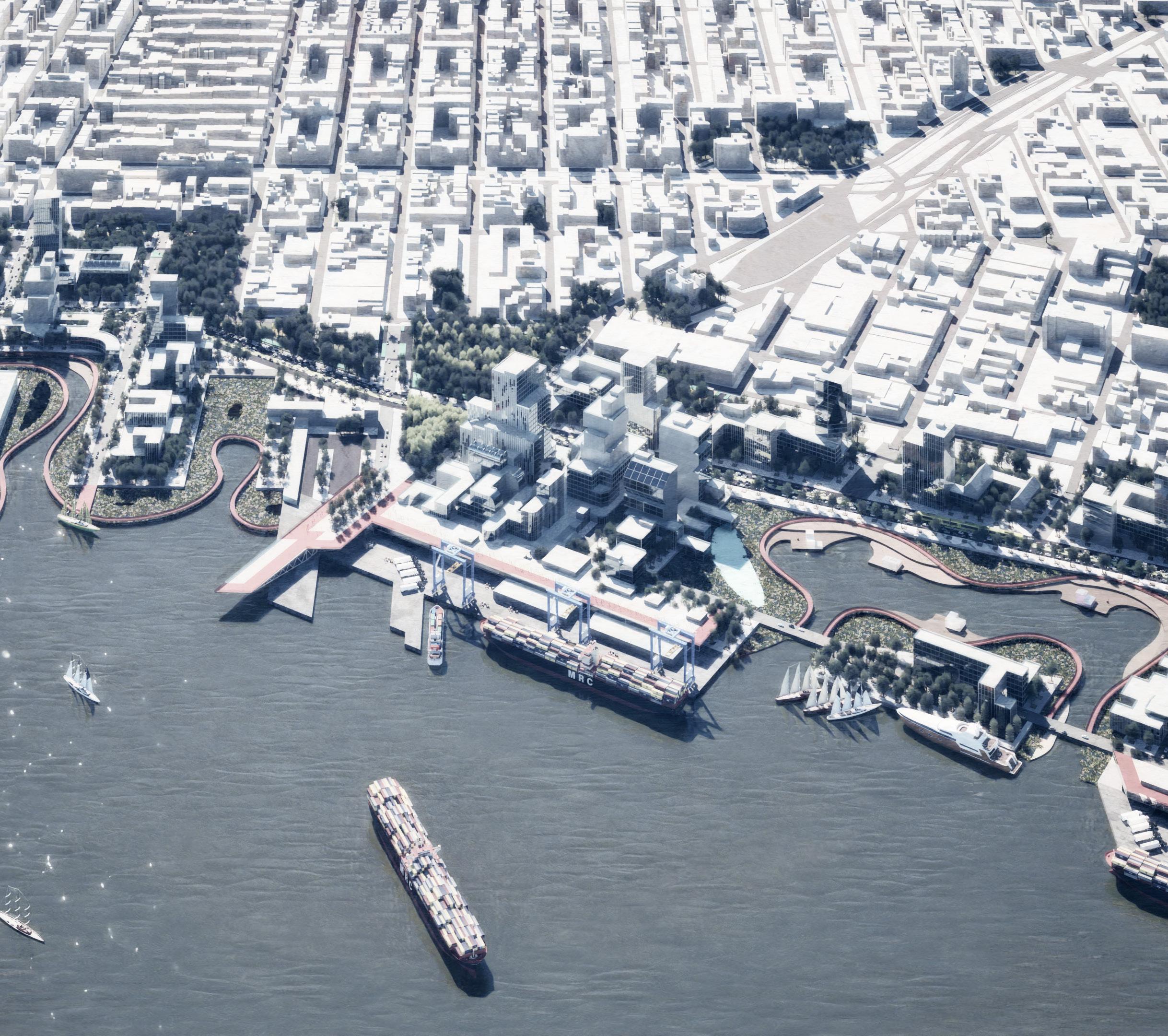
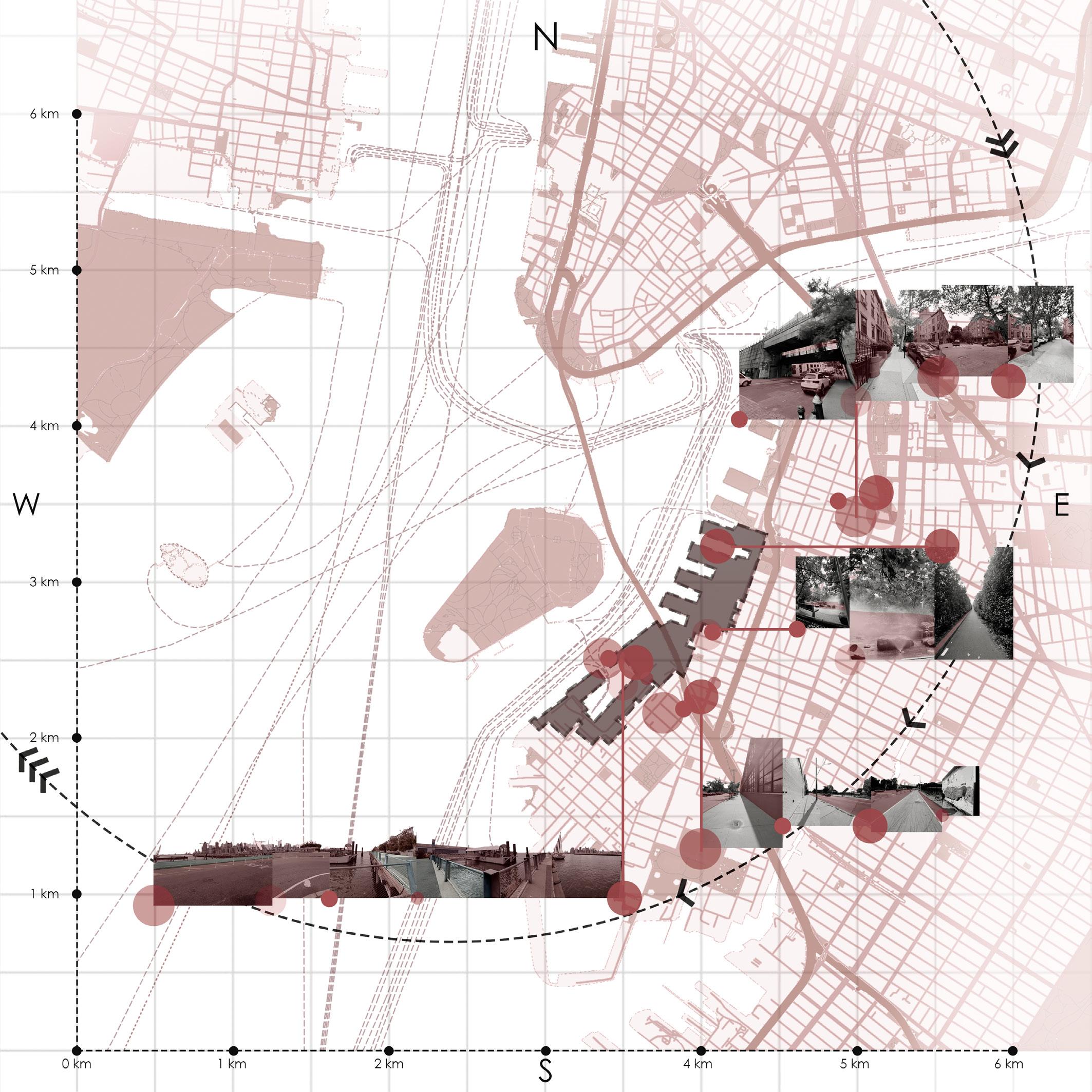
SITE INTUITIONS + IMPRESSIONS
Understandings And The Context At Large
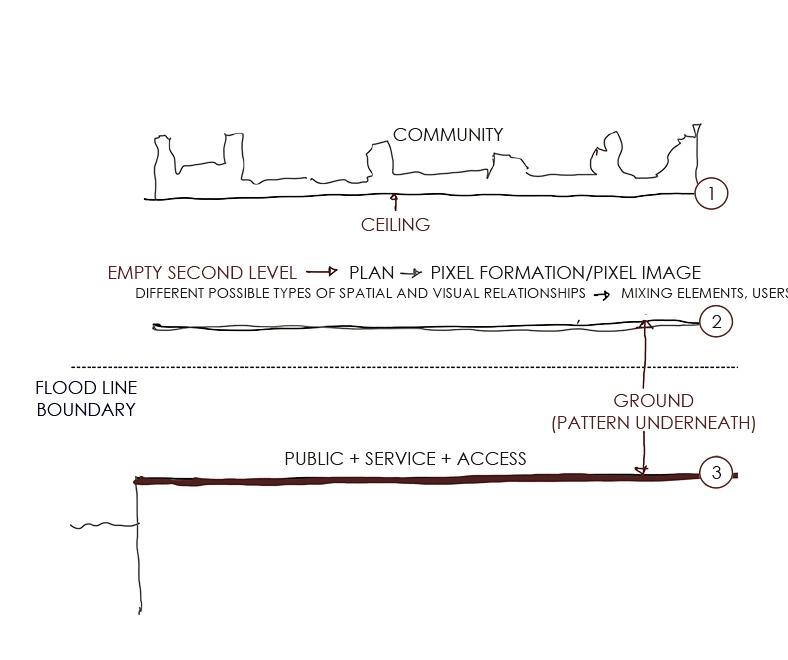
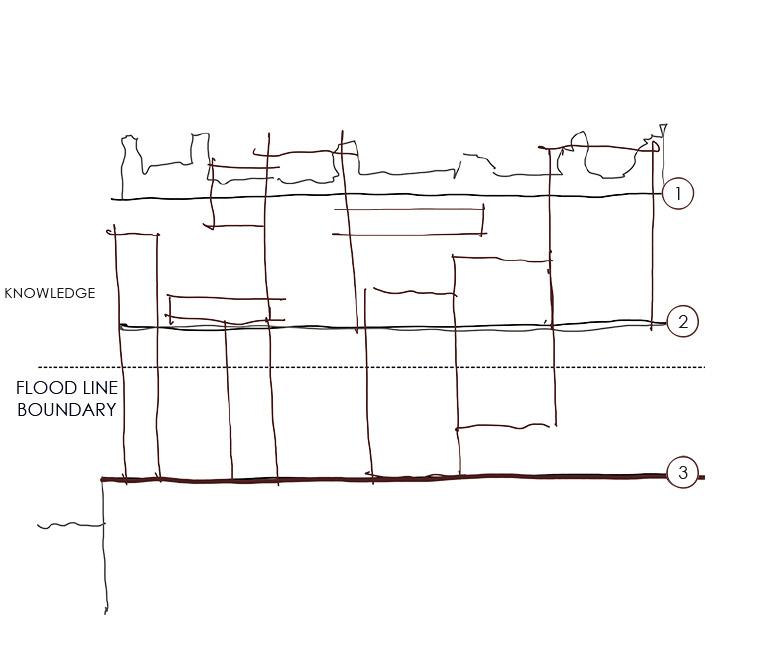
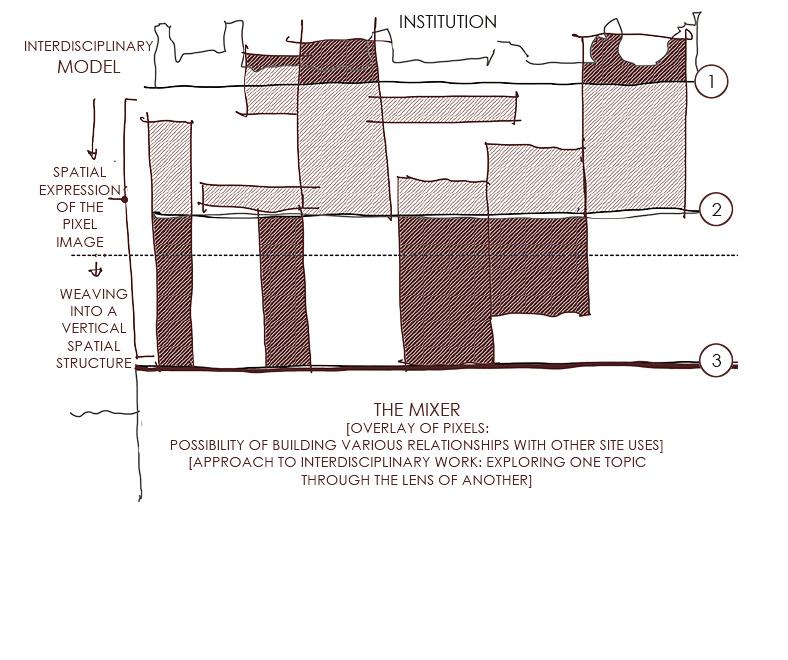
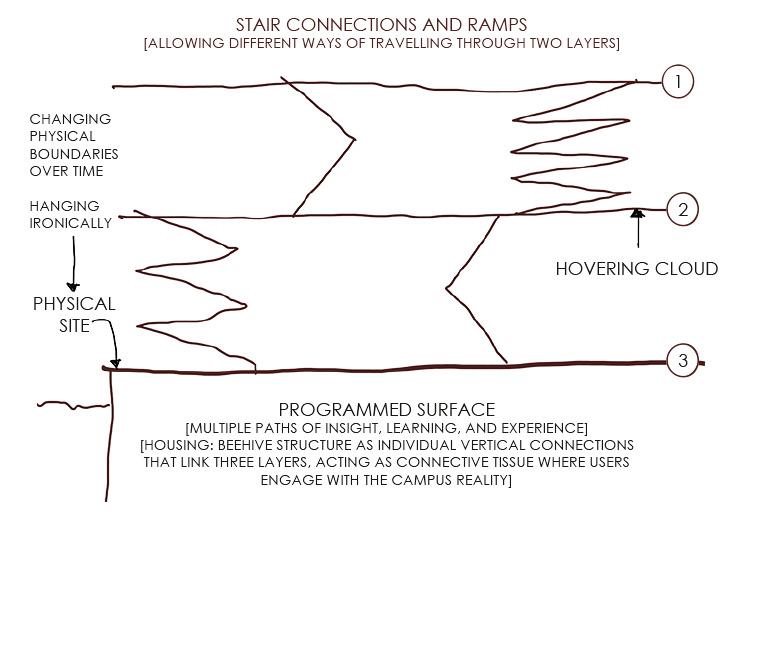
IMPRESSIONS + MAPPING
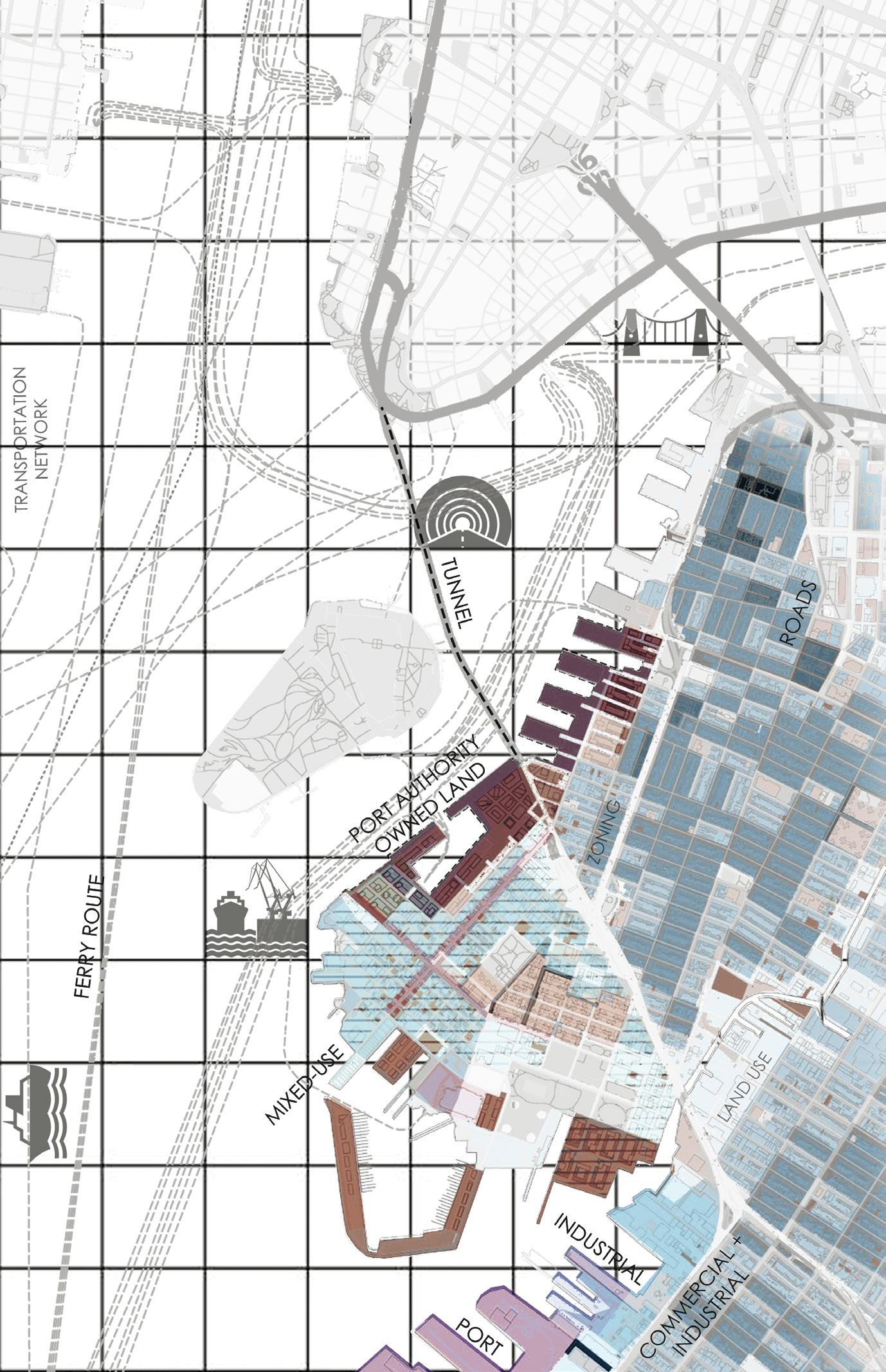
URBAN INFRASTRUCTURE
SOCIO-ECONOMIC TRENDS
A Driver B
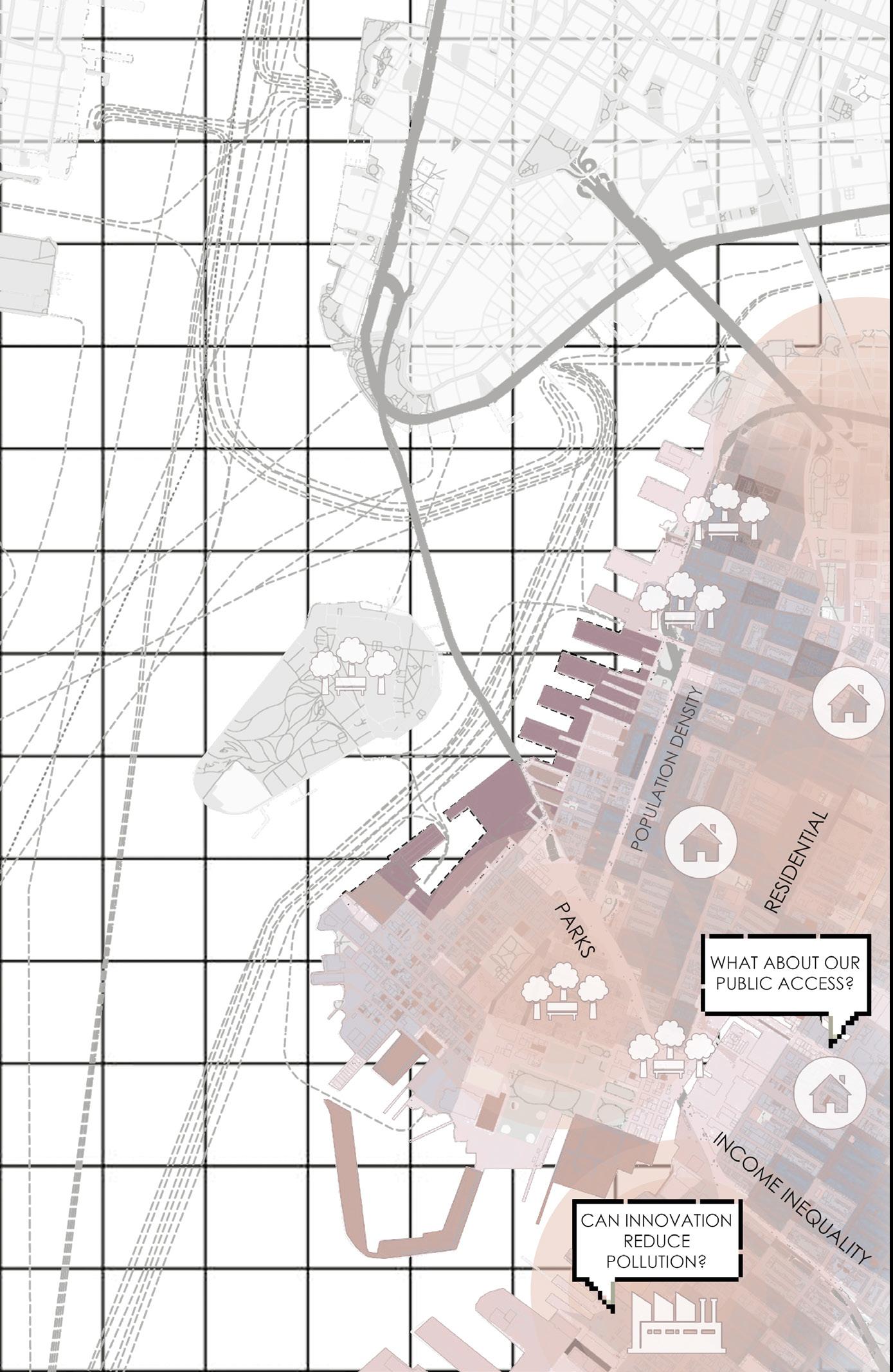
Driver
ENVIRONMENTAL POLICIES
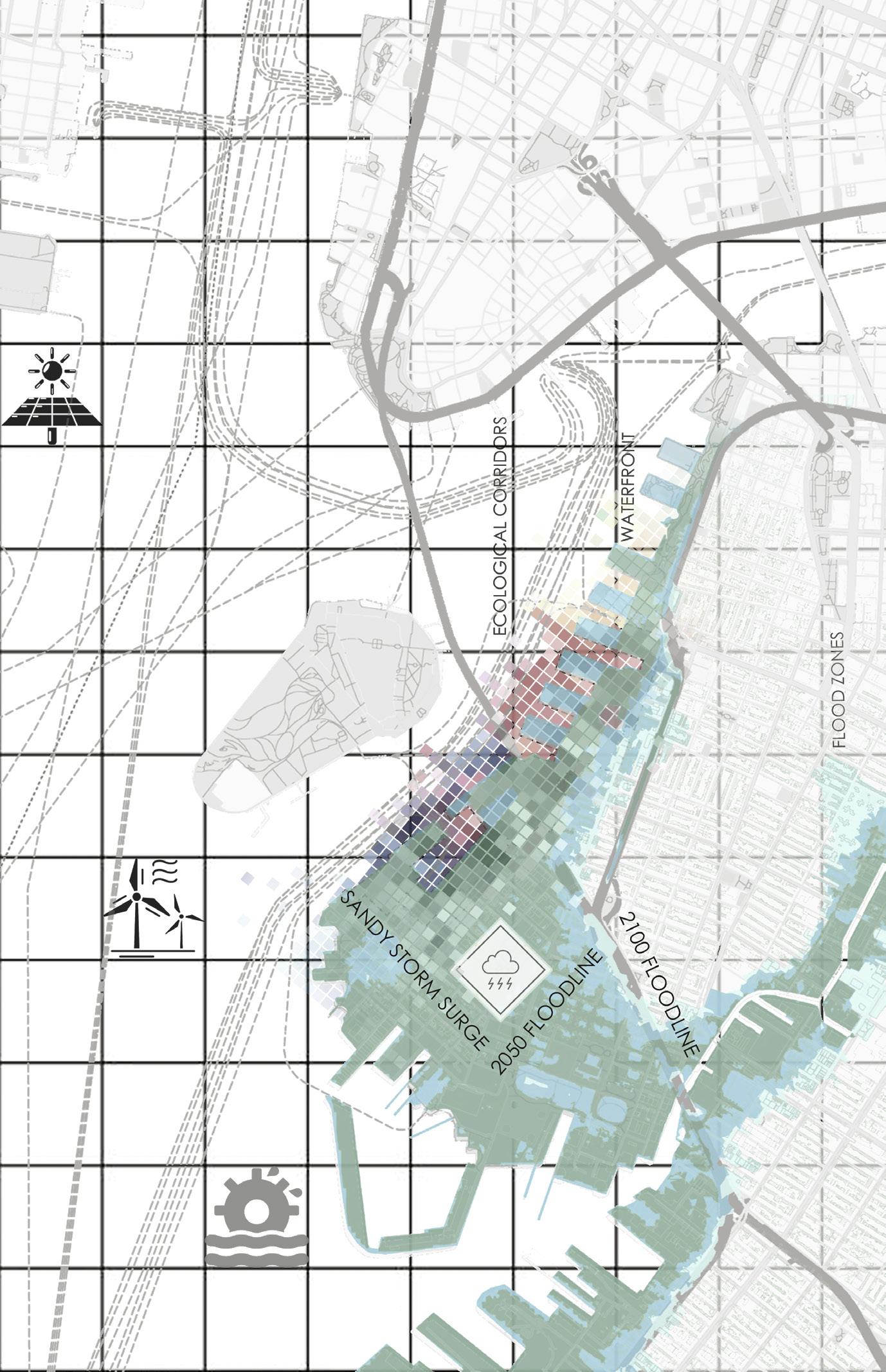
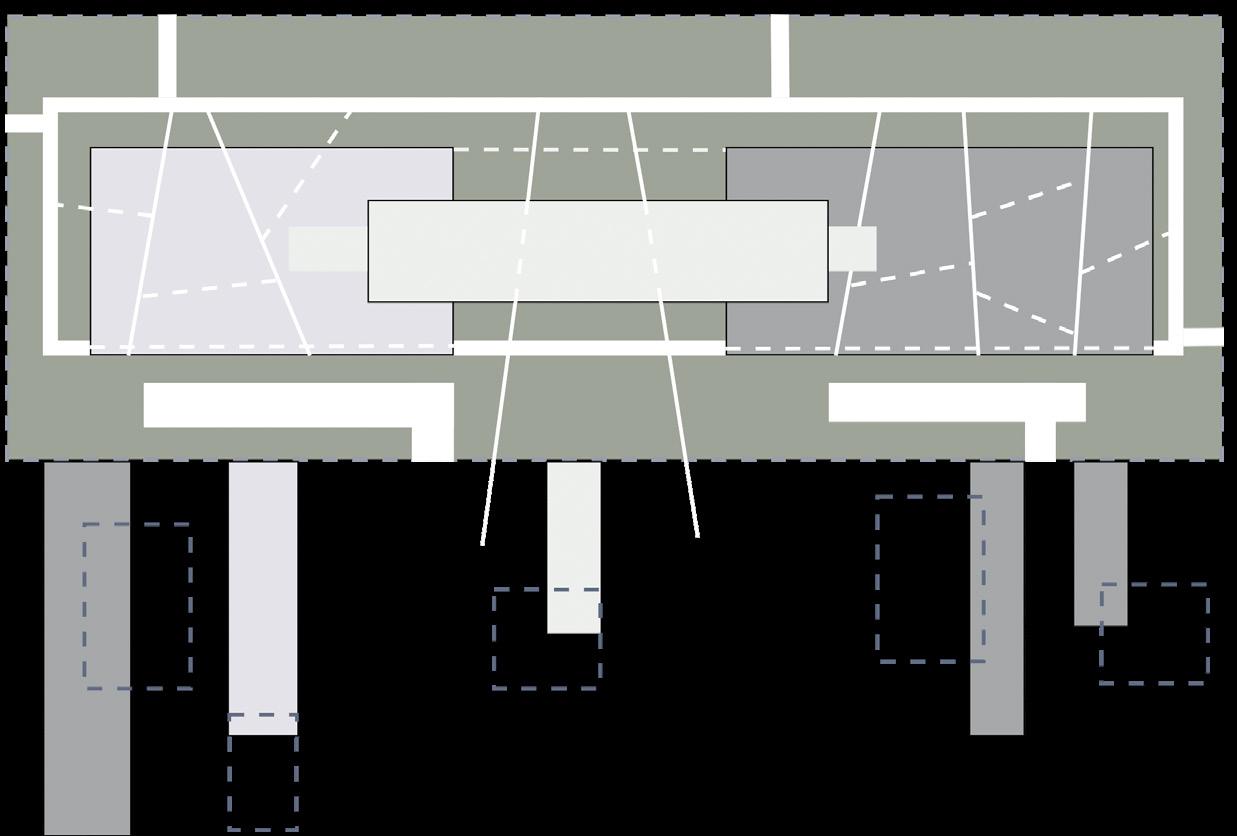
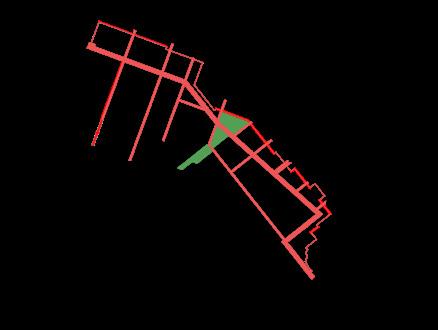
The master plan connects maritime logistics with civic life through public spaces, civic buildings, and port facilities. Circulation systems are layered yet direct, with multiple access points leading to the waterfront. Retail and green buffers activate the edges, guiding movement inward via pathways and bridges.
CONTEXTUAL INFLECTIONS
Urban Responses + Spatial Intuitions
Existing Entryway As Primary Access Vehicular And Pedestrian
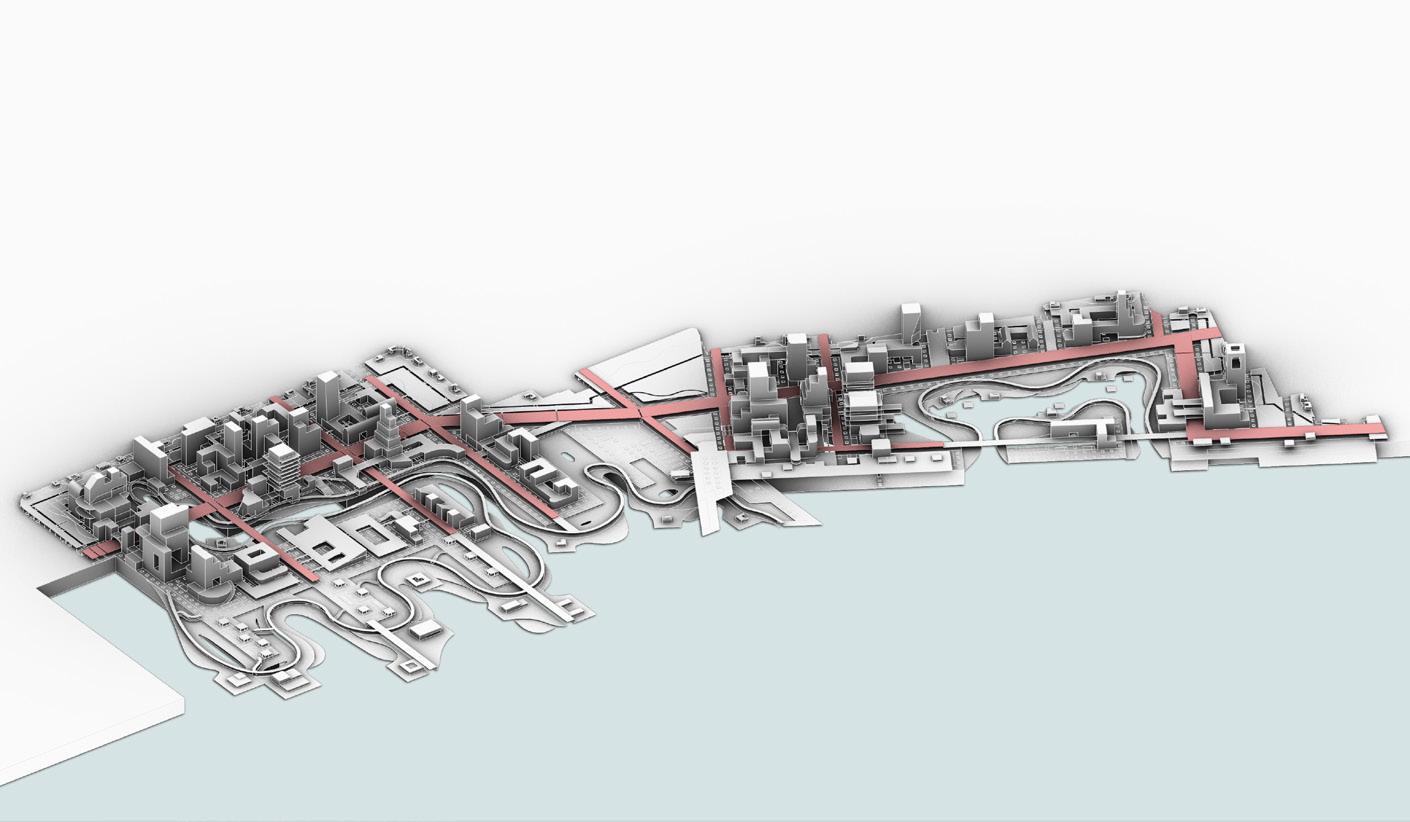
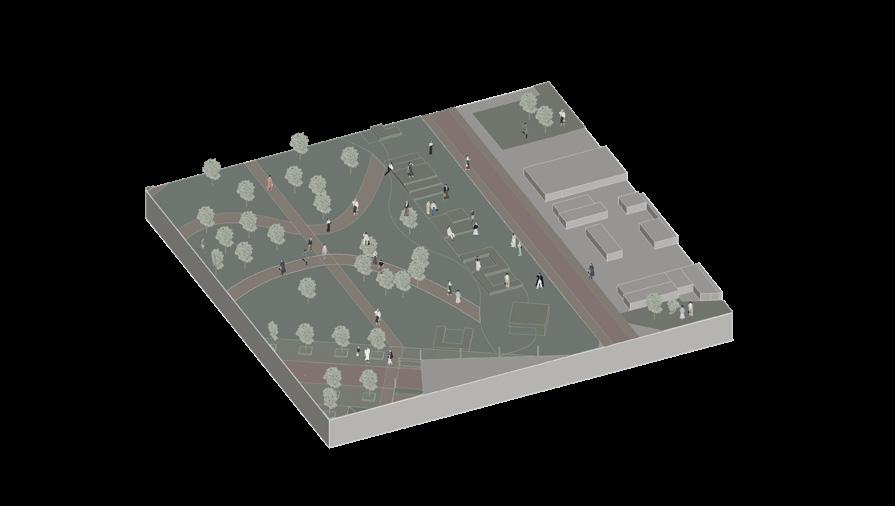
Greenbelt: Park + Retail
Stitch A Connecting Site To Neighborhood
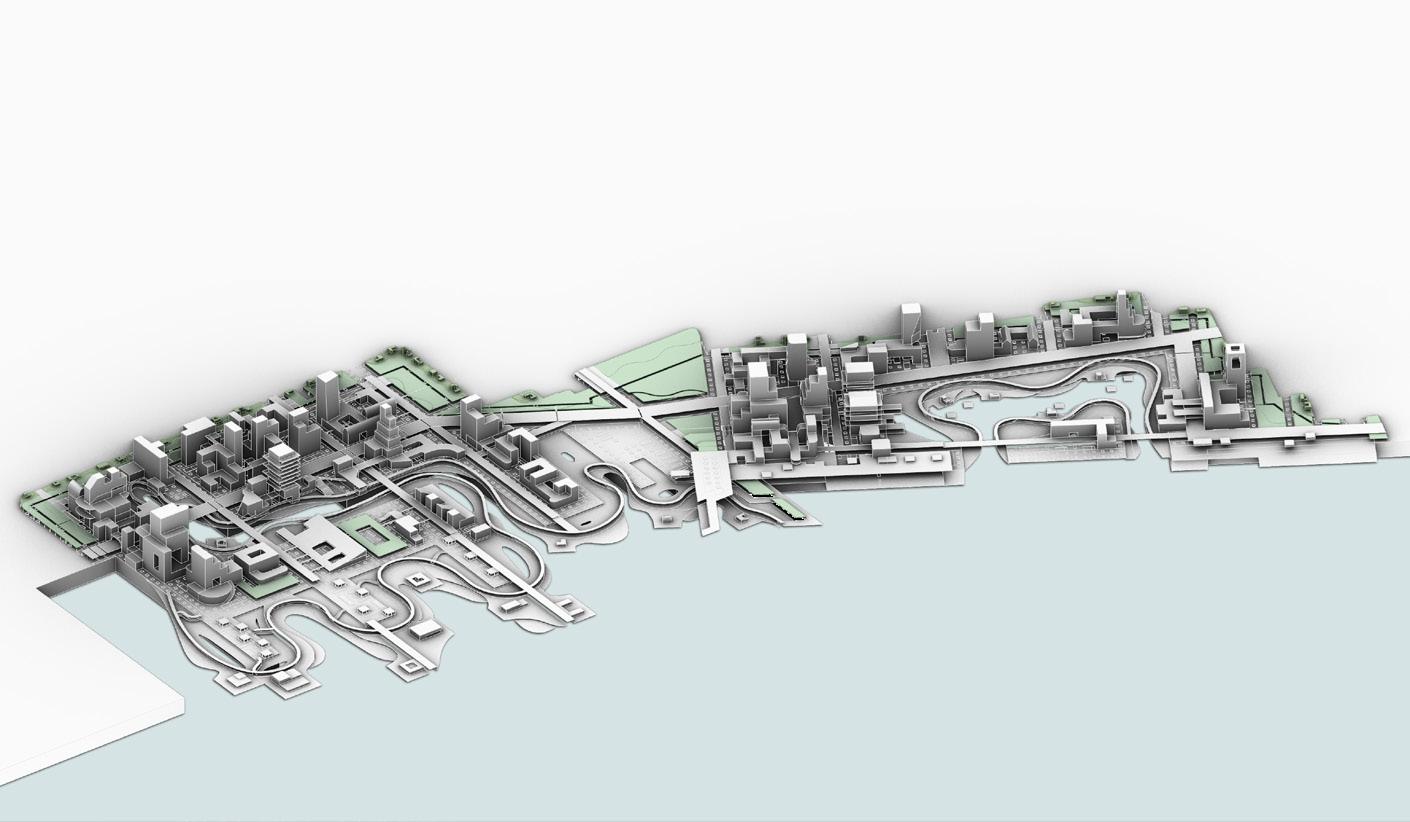
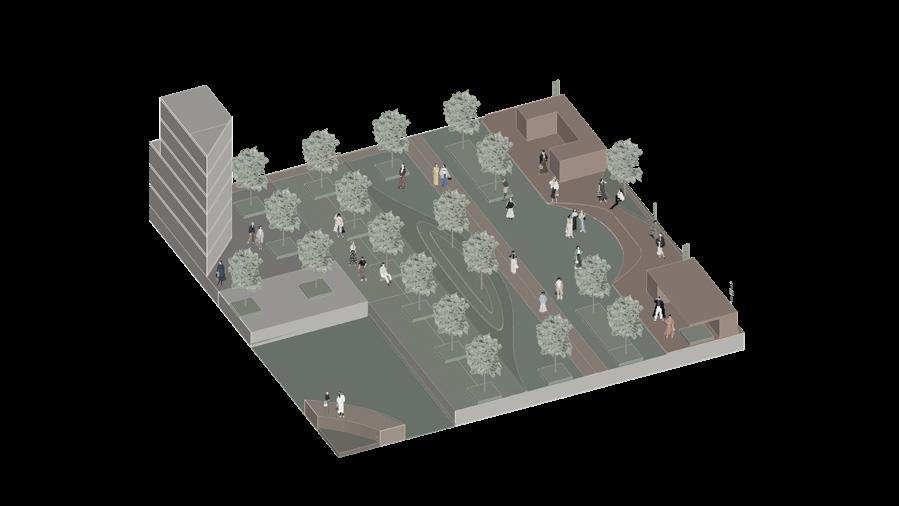
Green Corridor + Market Stitch C For Public Realm And Workstations
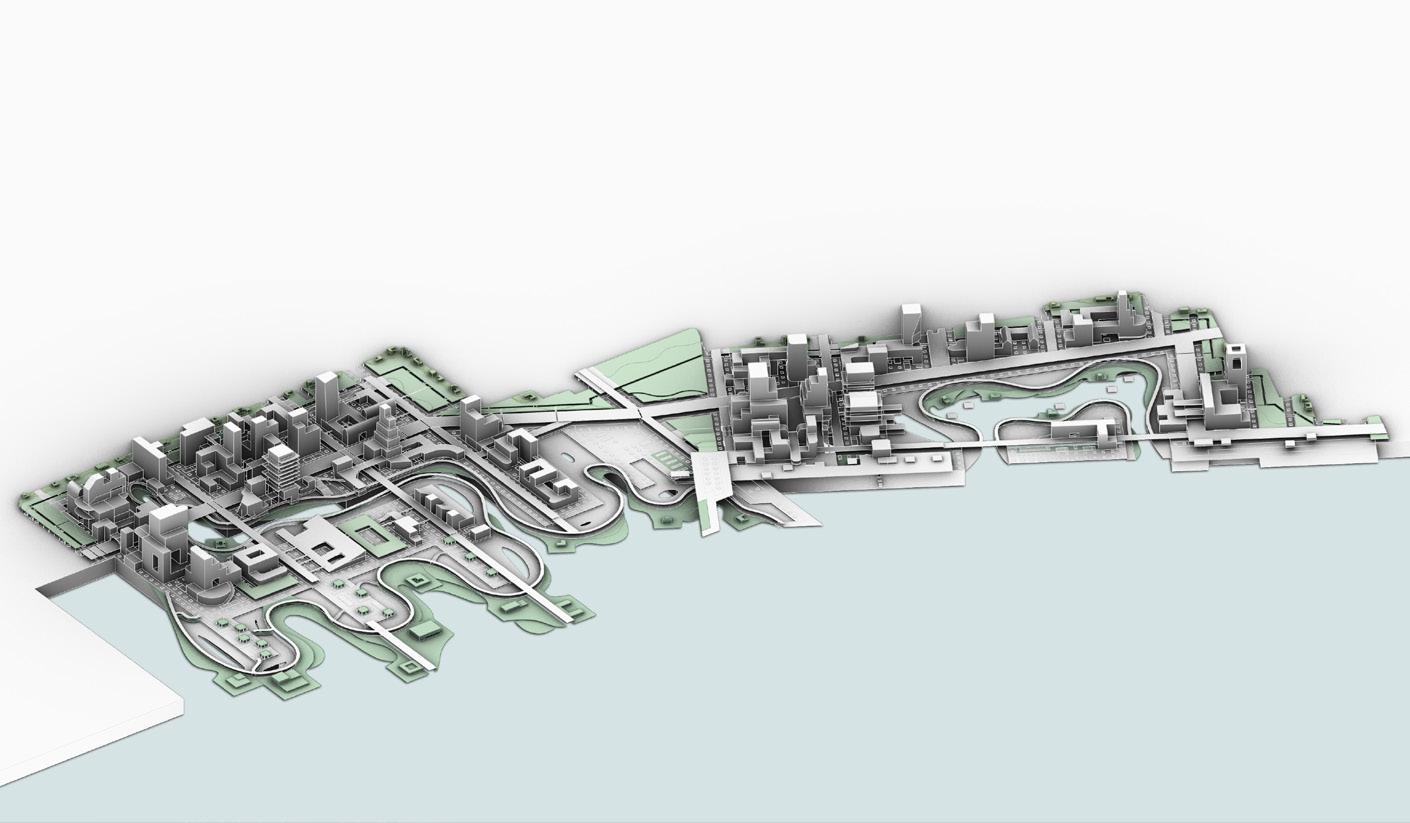
Multiple Pedestrian Entryways
Increasing Accessibility To The Site
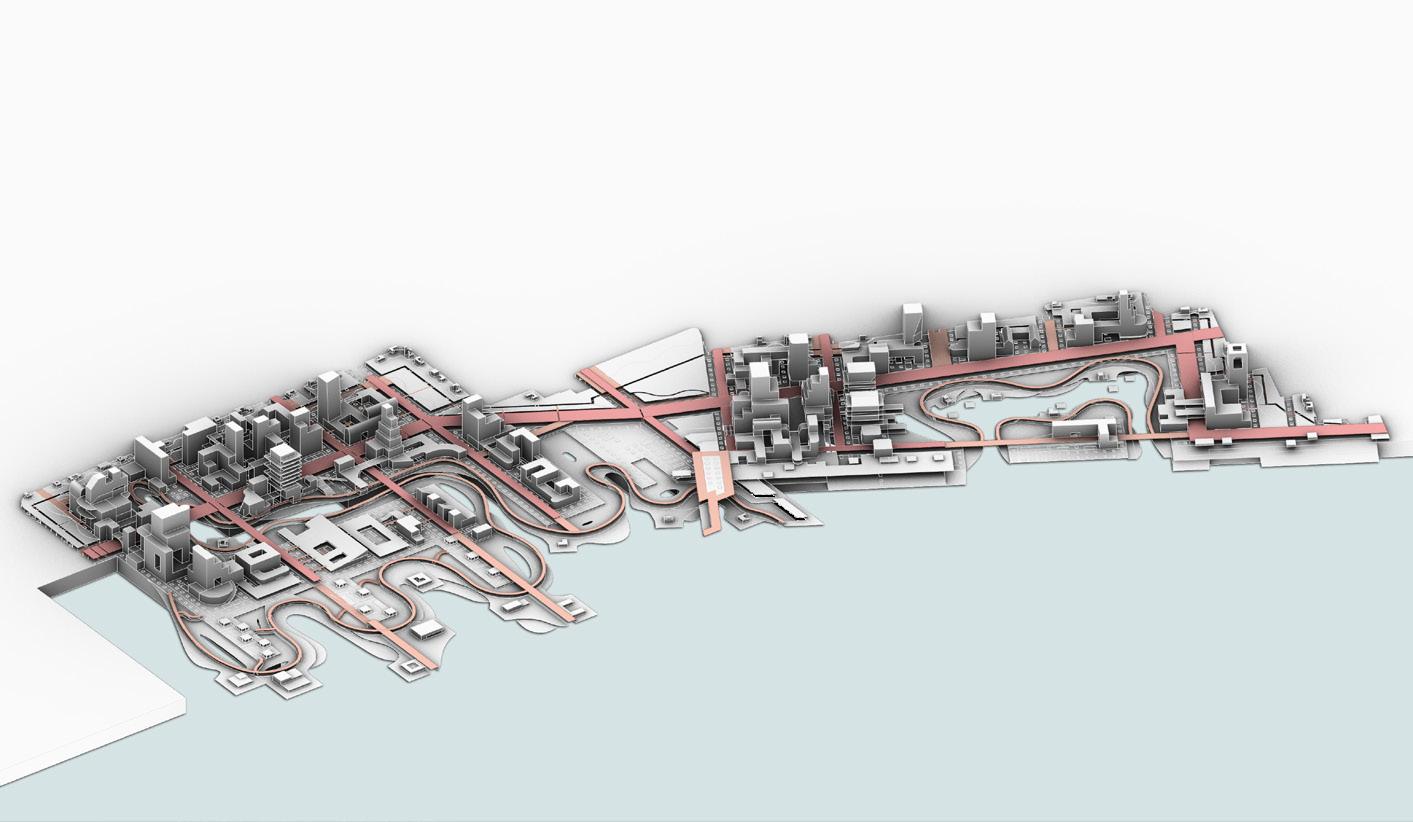
Wetlands Stitch B Connecting Site To Waterfront
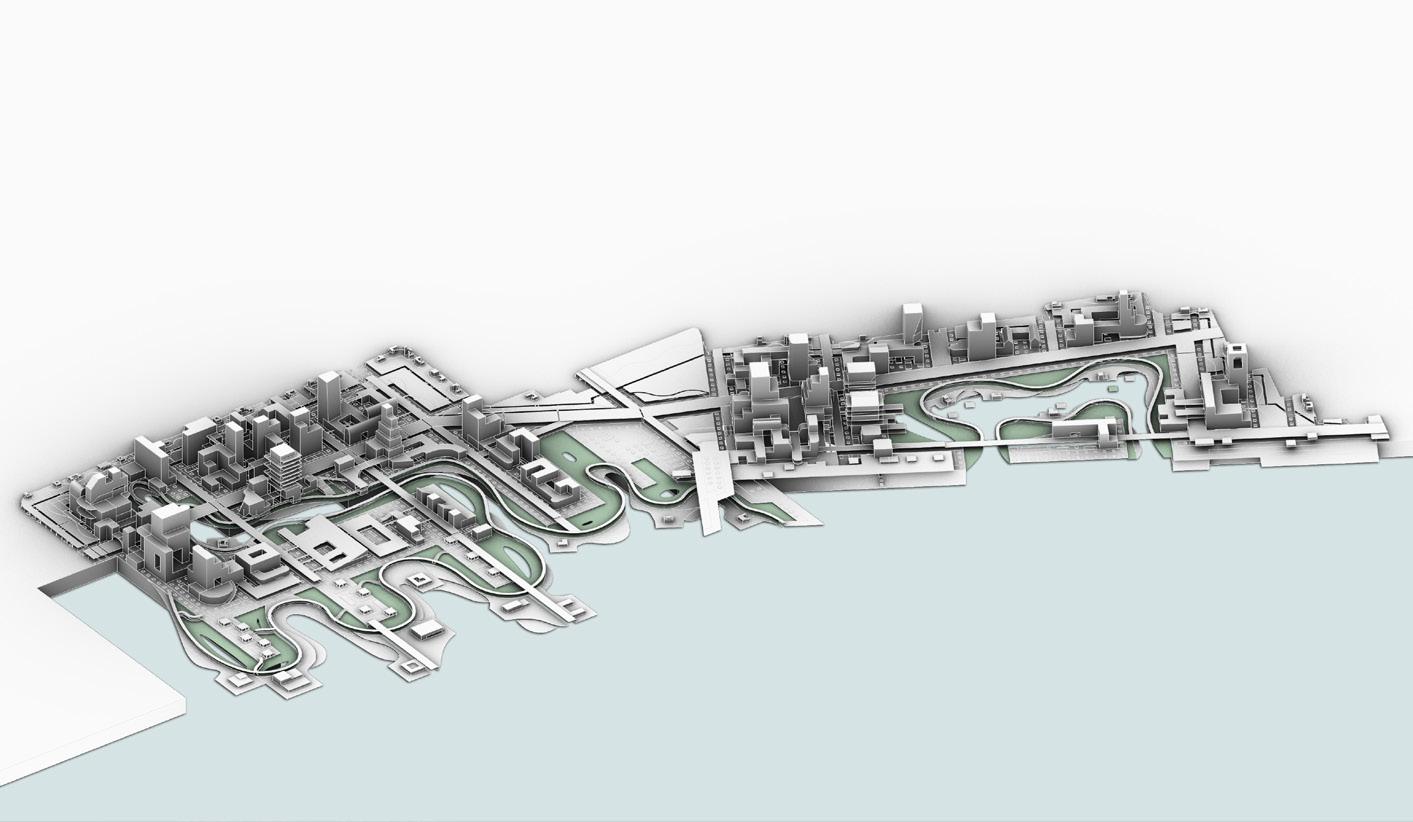
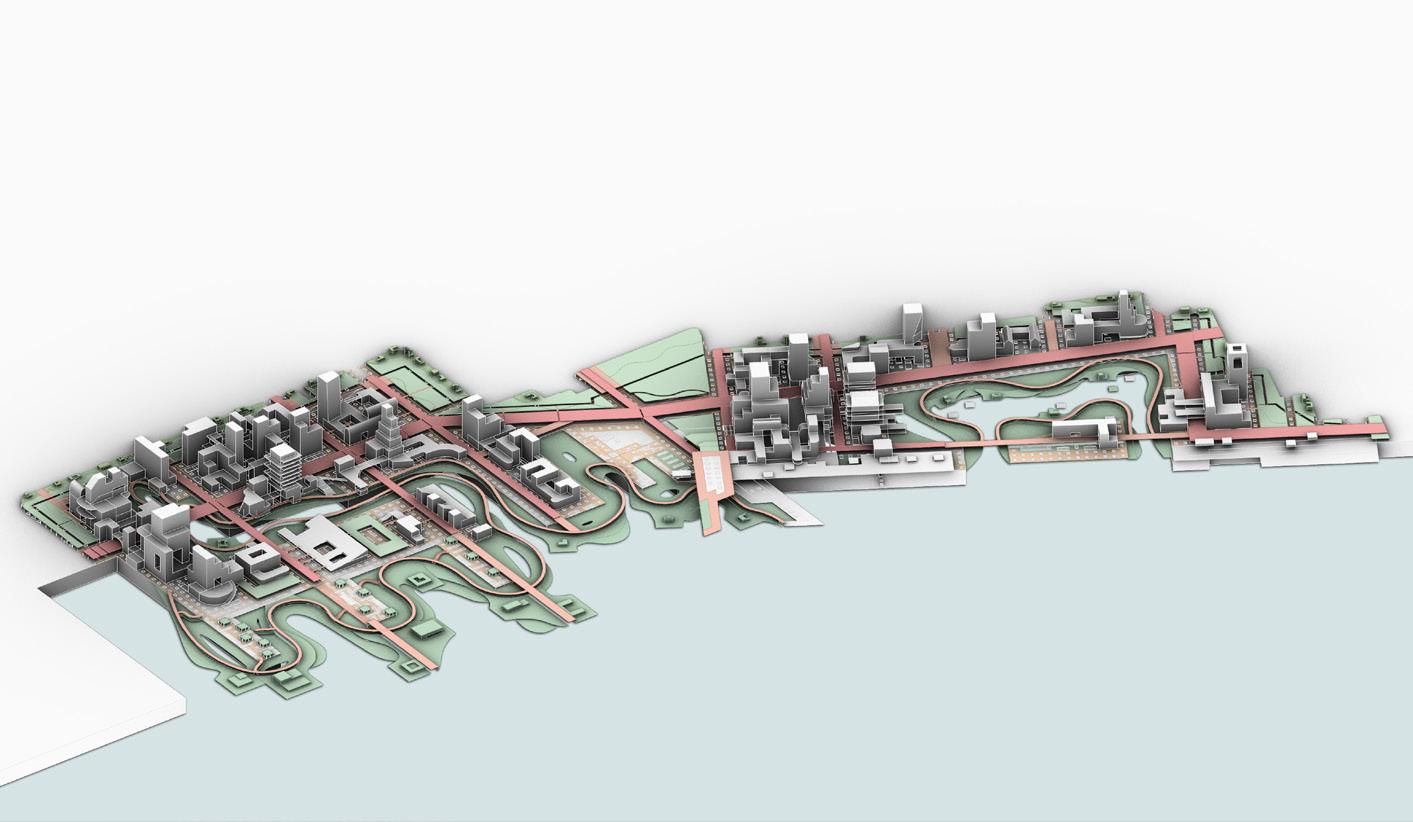
Stitching Circulation, Programs, And Waterfront Ecologies Into A Cohesive Framework
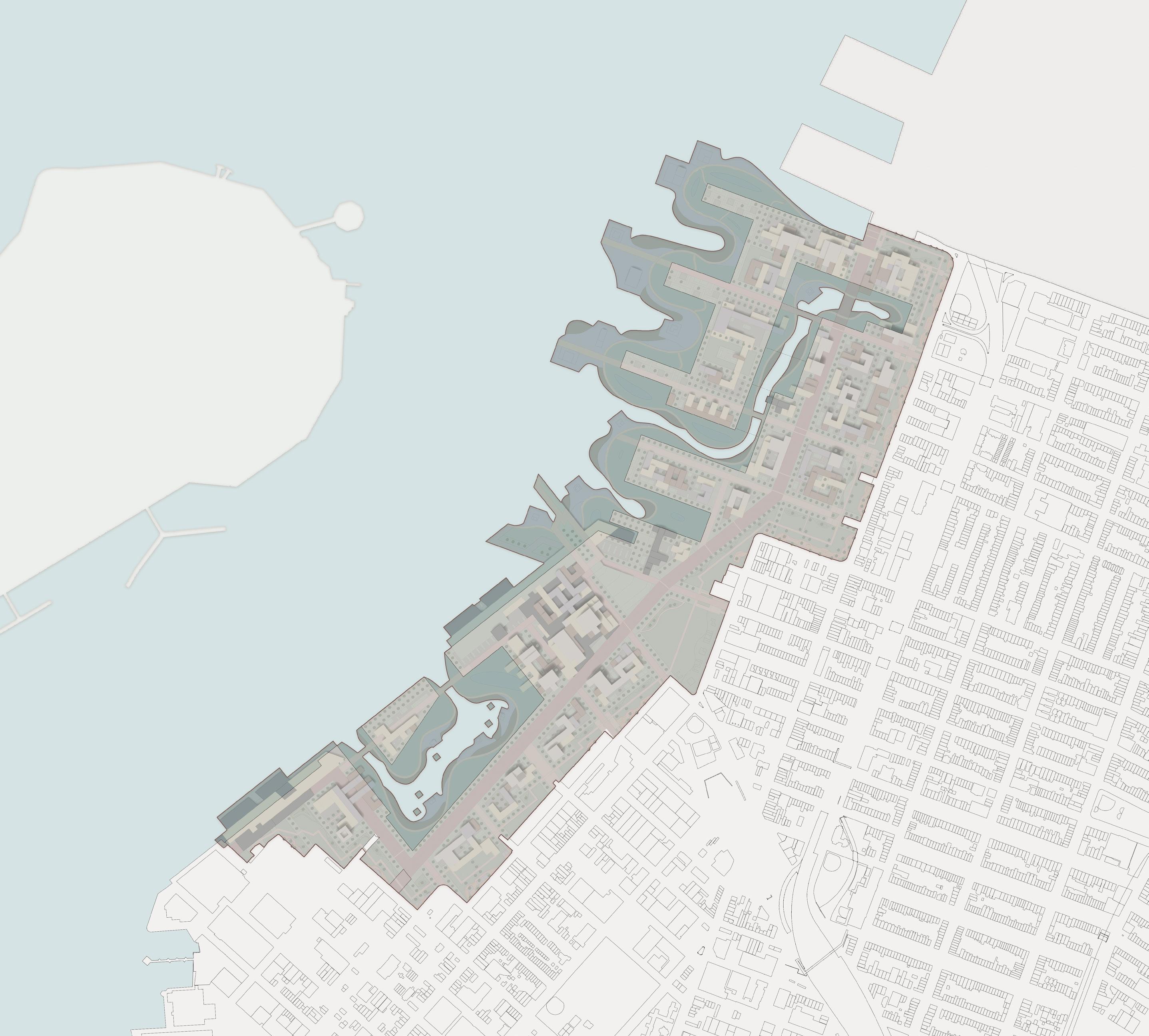
STITCHING THE MOSAIC
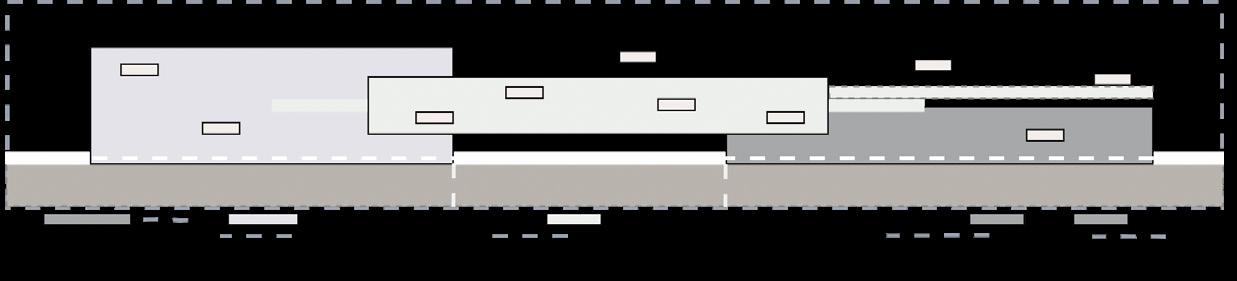
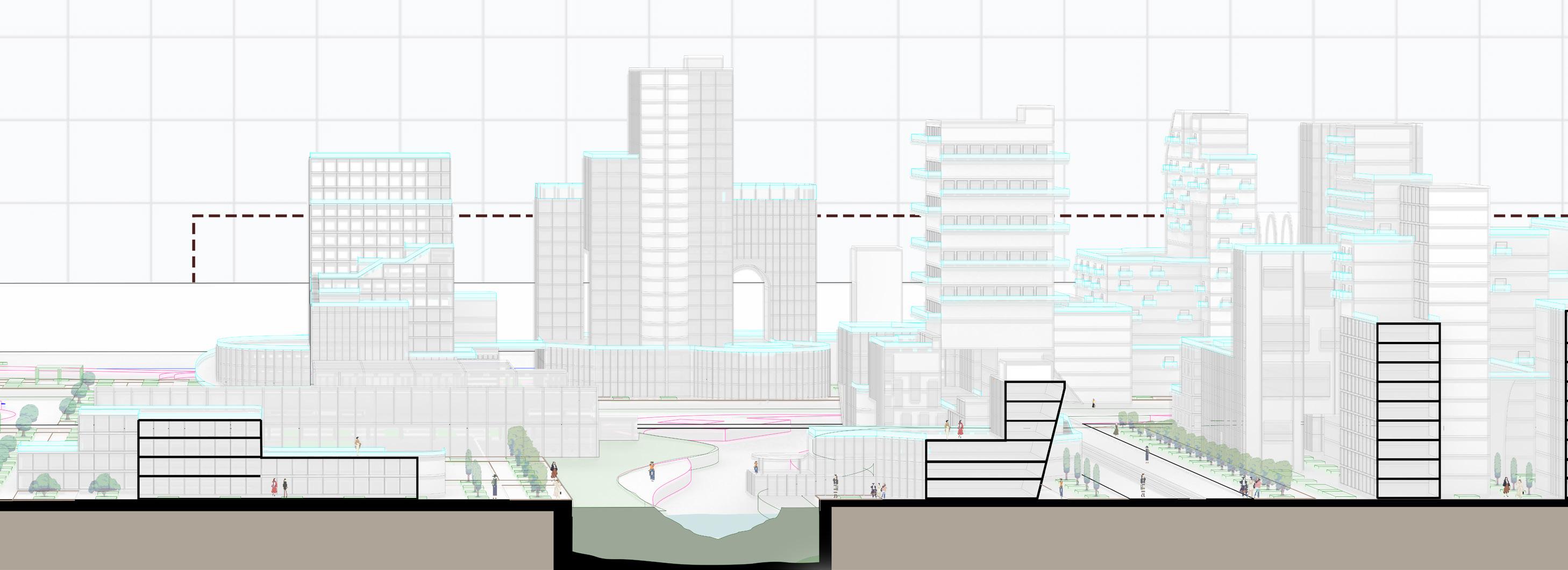
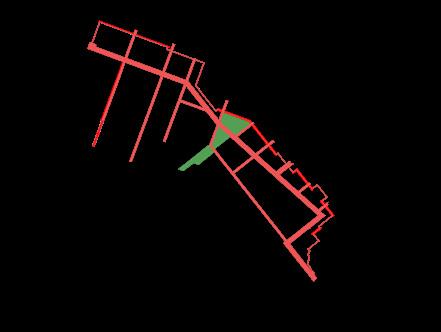
SECTION A
Through Community And Information Technology Canvas
Community Canvas Floating Stitch
Site Bounding Box
Public Realm
Maritime Canvas
The Stitch
Innovation And Technology Canvas
Sub-Stitches
Coastal Canvas

Small Businesses Market
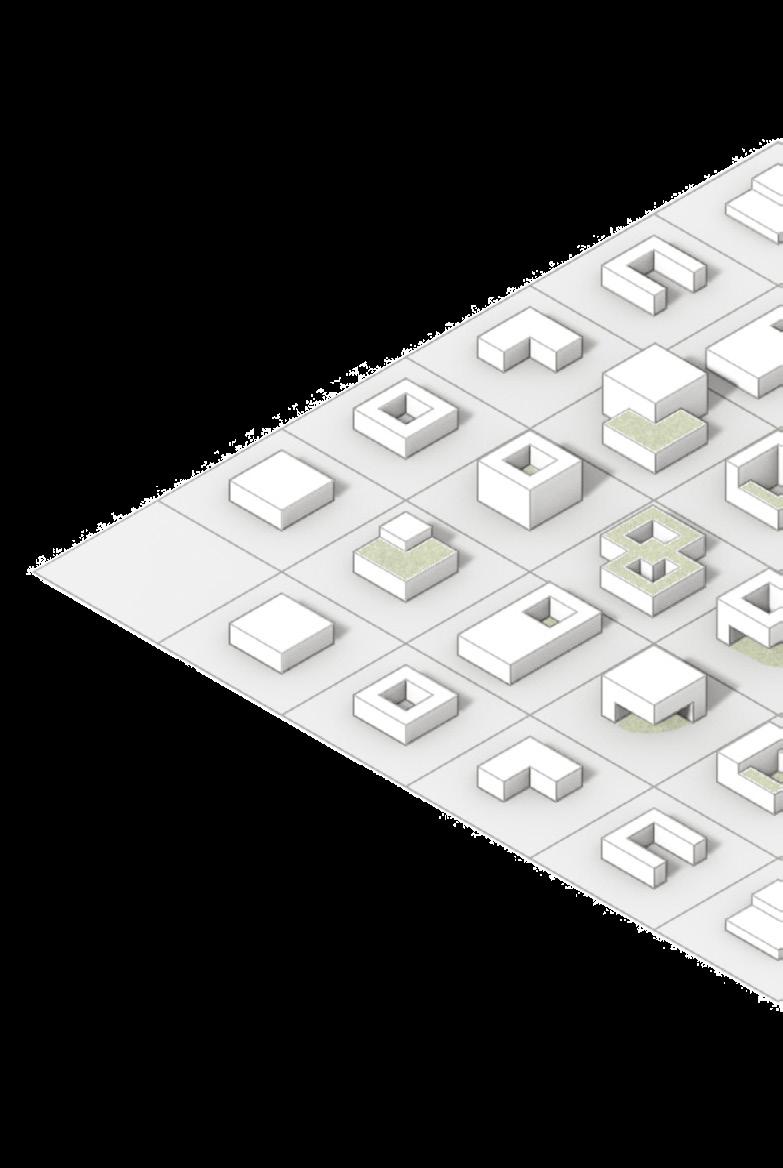
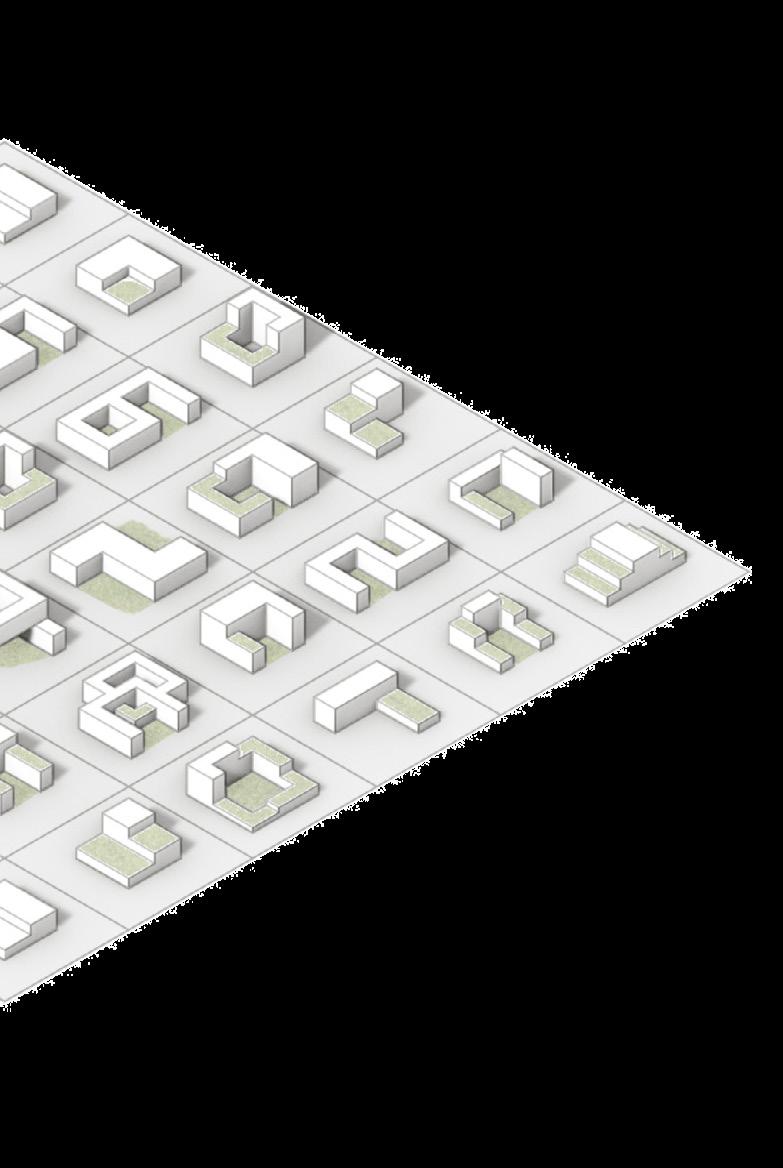
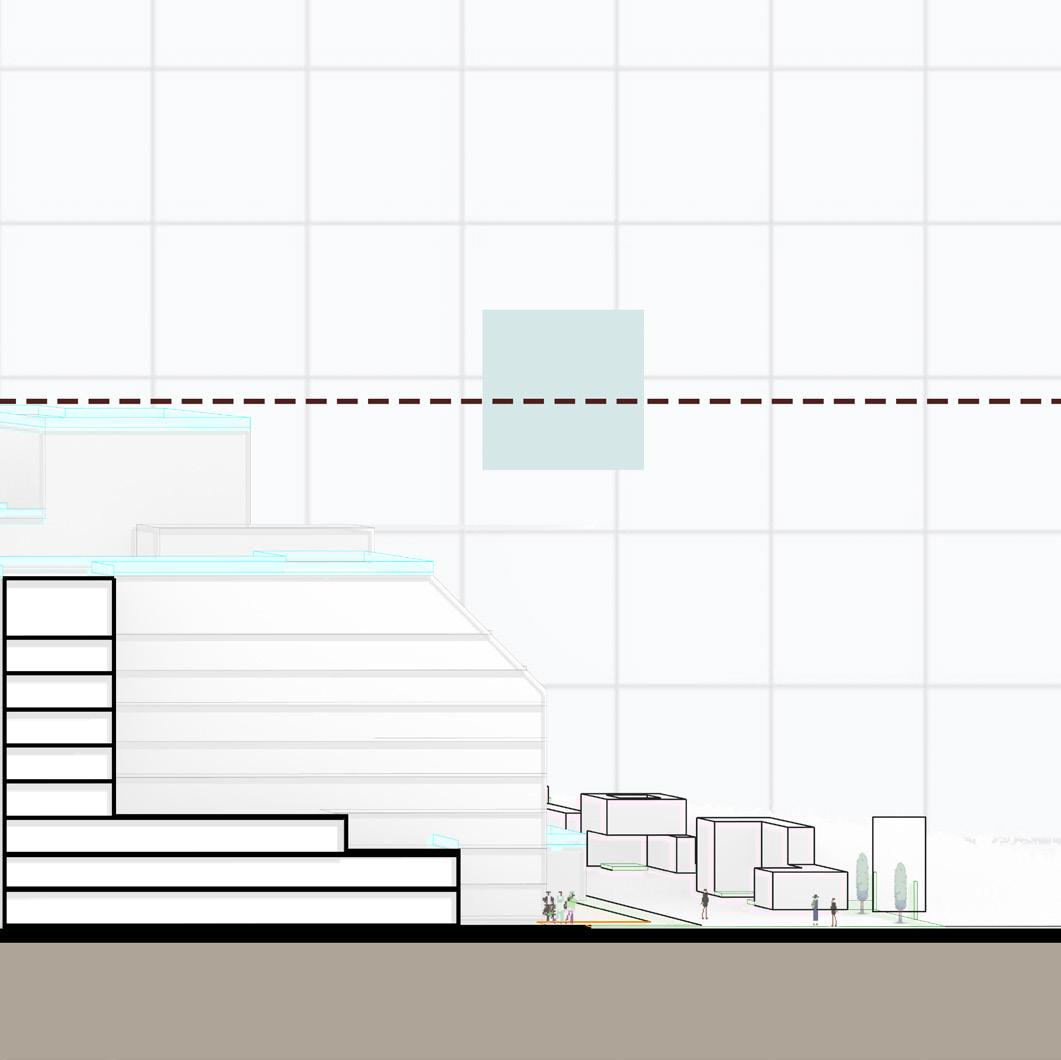
Five modular units generate diverse building forms, from high-rise offices to low-rise educational and civic structures. Open terraces, courtyards, and roof gardens foster interaction and enhance climate resilience.
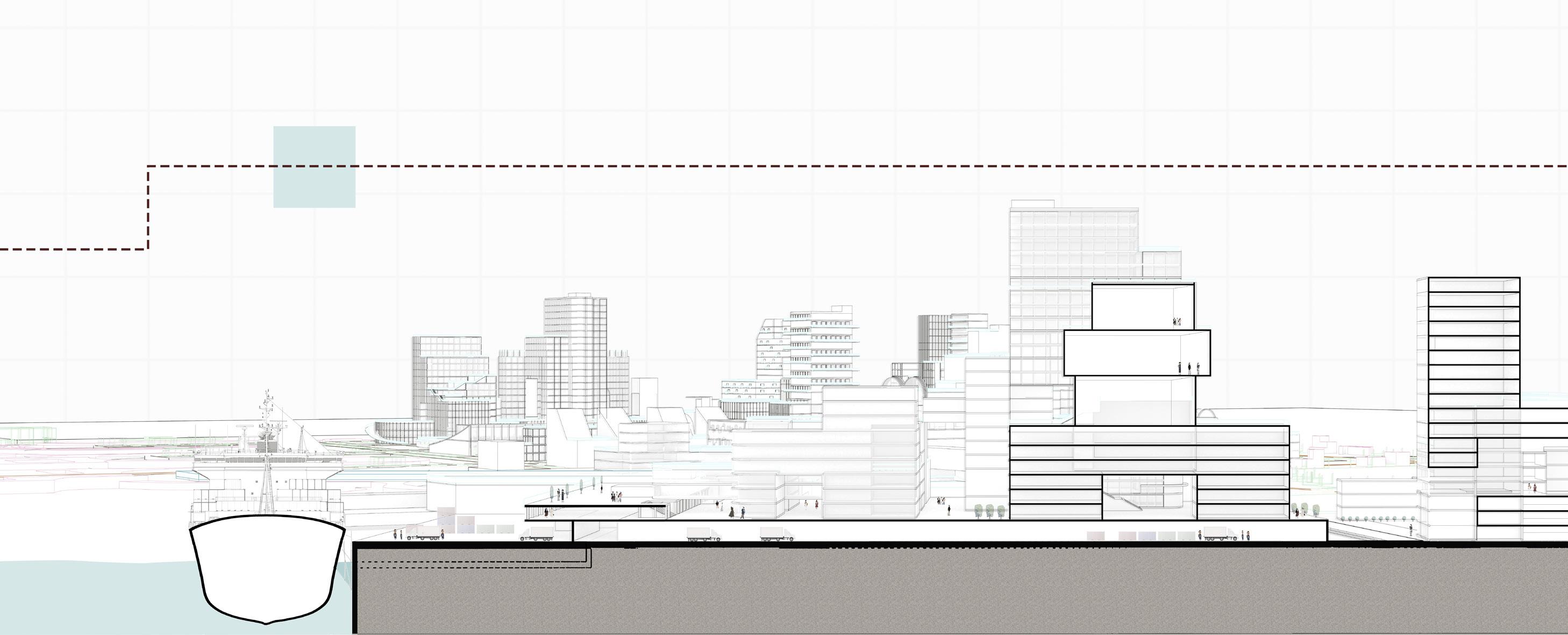
SECTION B
Through Central Green-Belt At Community And Maritime Canvas
SECTION C
Through Information Technology And Maritime Canvas
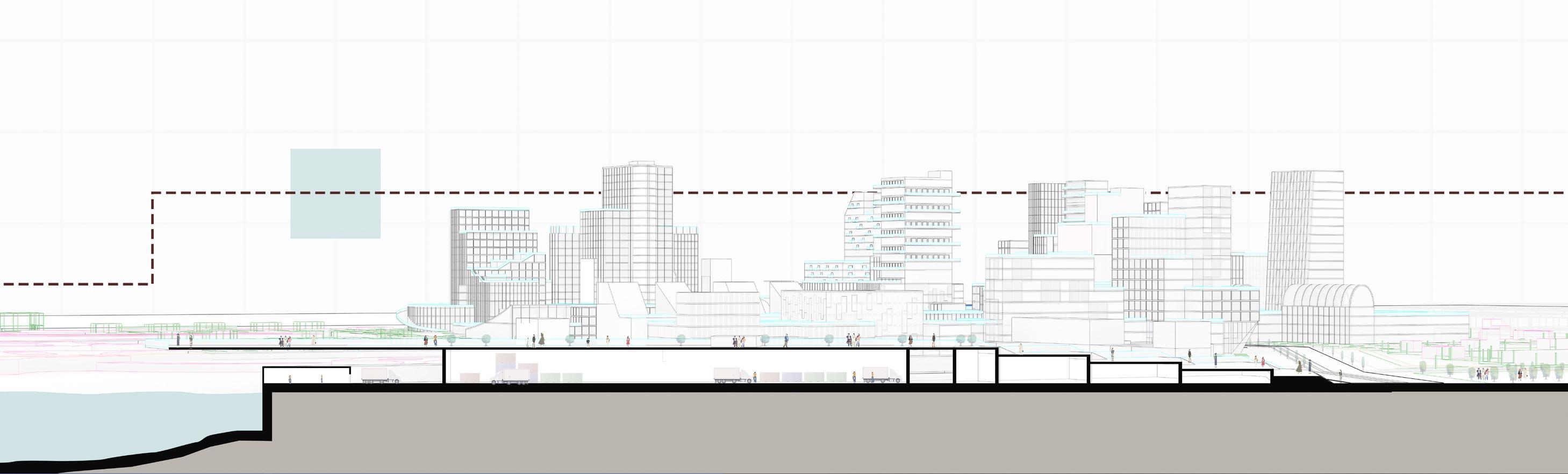
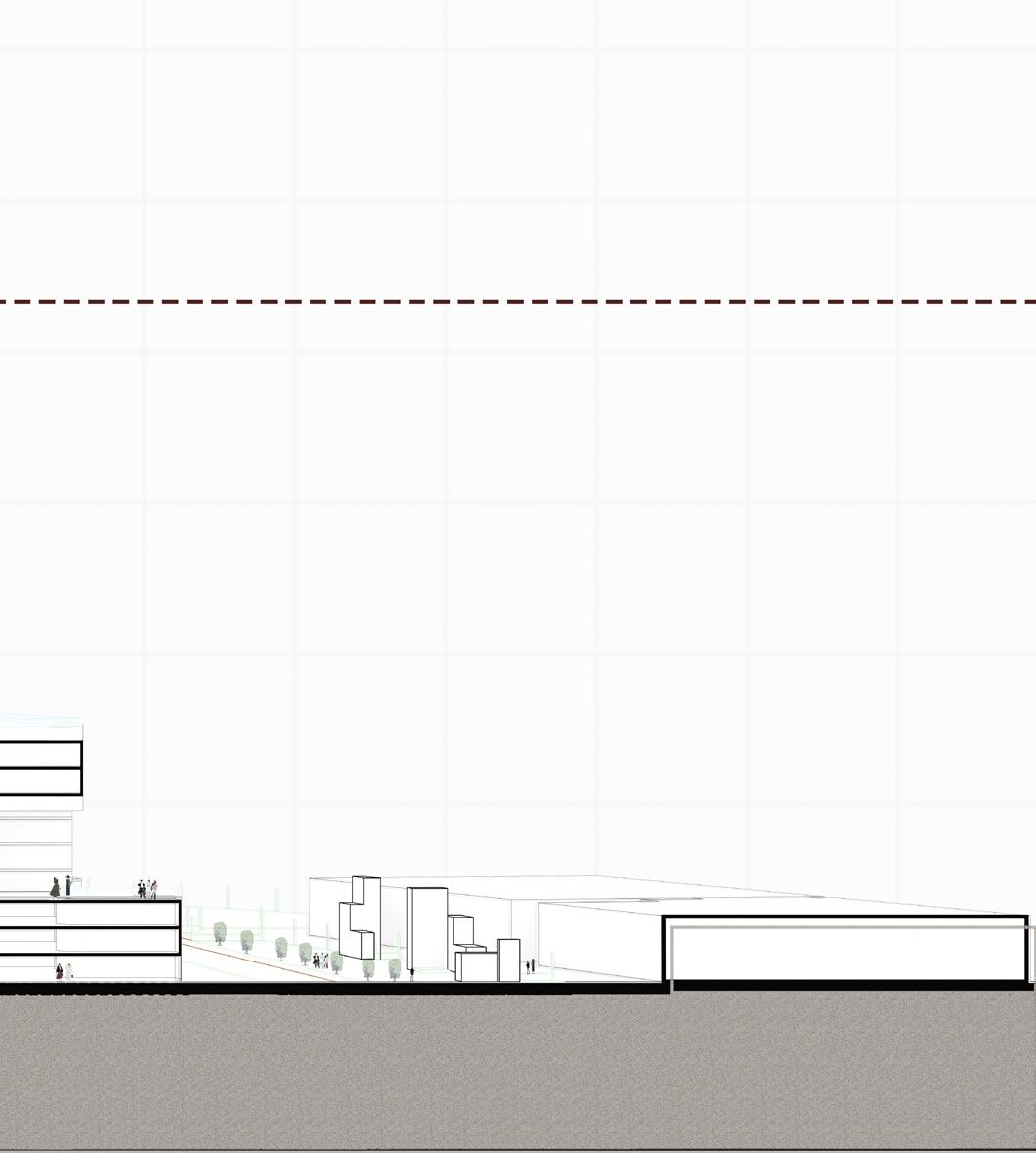


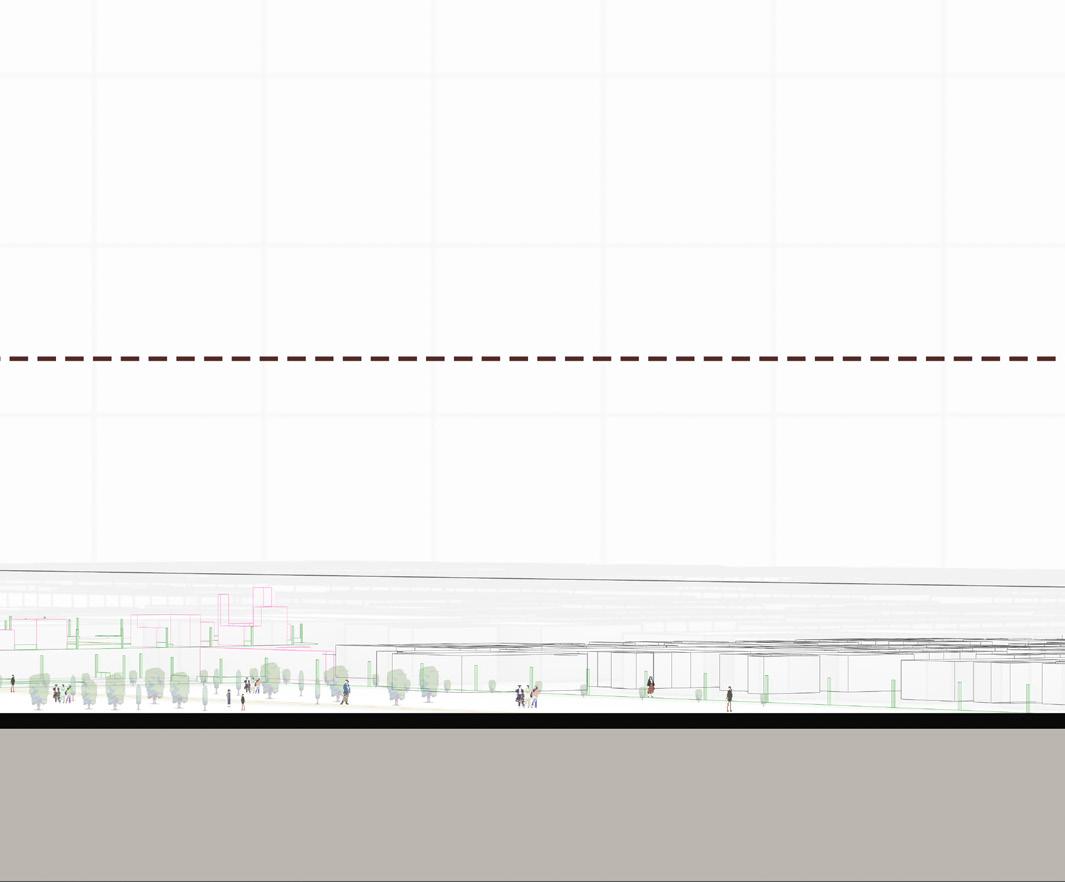
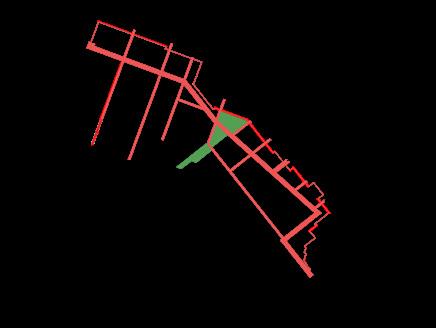
Programs across the site remain distinct yet interconnected. Public spaces meet industrial ports without conflict, through carefully planned spatial and programmatic strategies. This arrangement sustains the waterfront as an inclusive, multi-functional district supporting both economic growth and community well-being.
VERTICAL CONNECTIVITY
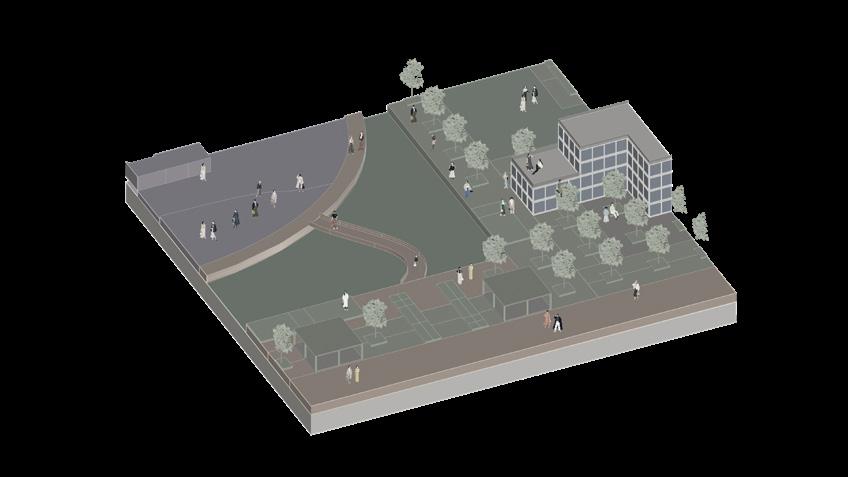
And Public Realm
Housing: A Bee Hive And A Connecting Tissue Individual Vertical That Connect Three Screens
Interdisciplinary Model Spatial Expression Of The Pixel Image
And Market A
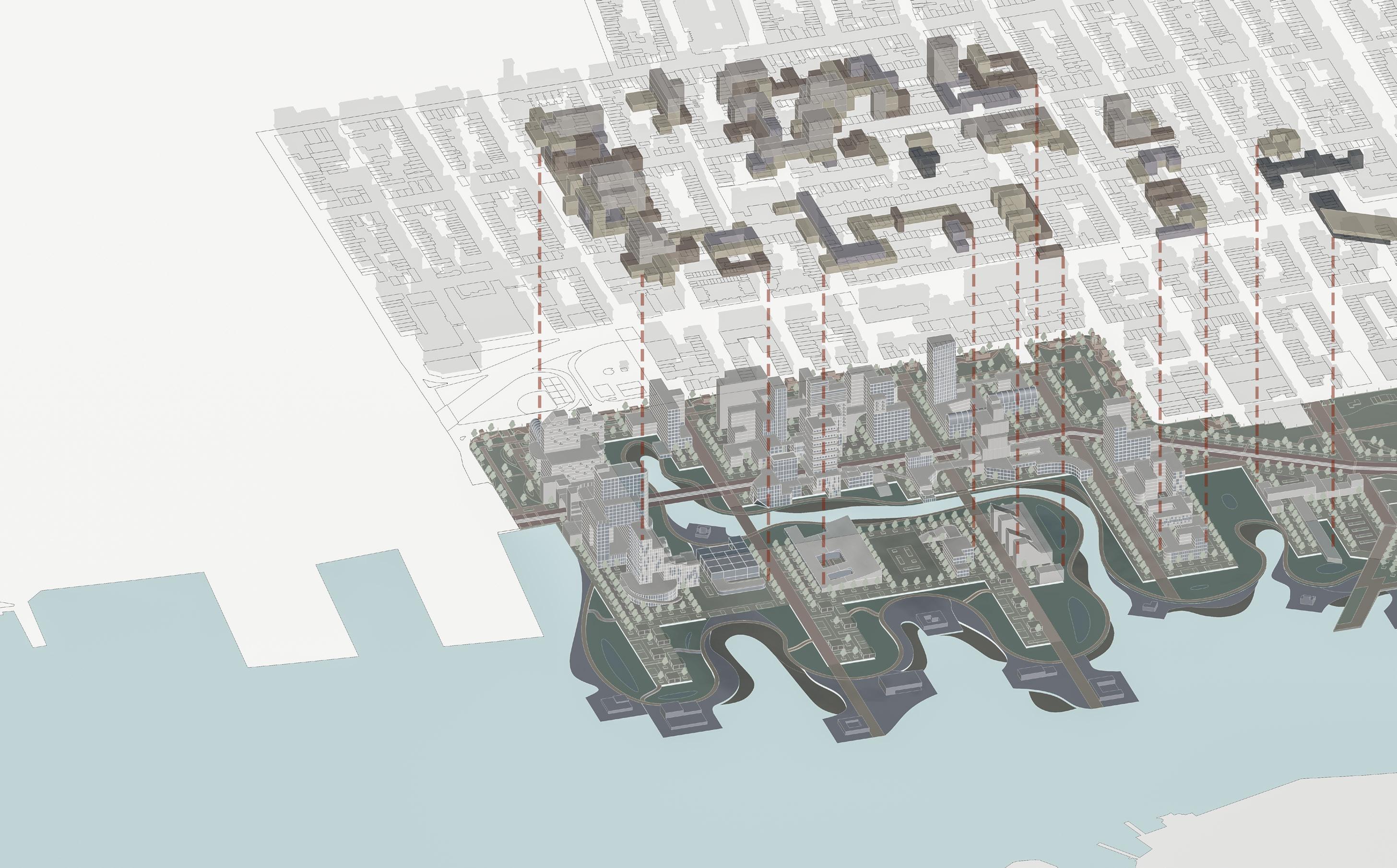
Shaping The Shoreline Changing Physical Boundaries Of The Site Overtime
Greenbelt
Stitch To The Neighborhood
Greenbelt At Ground Plane Sub-Stitches Open Workstations
Stitch To The Waterfront
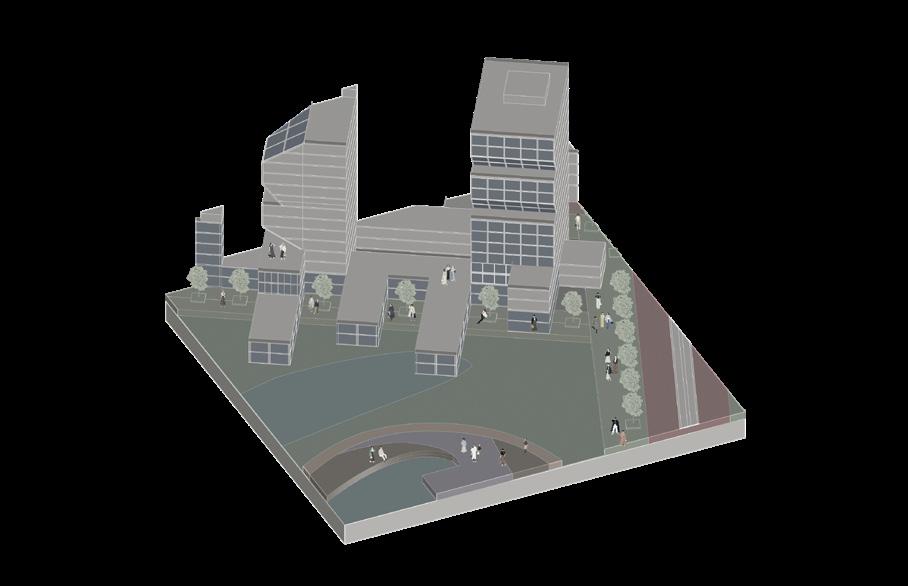
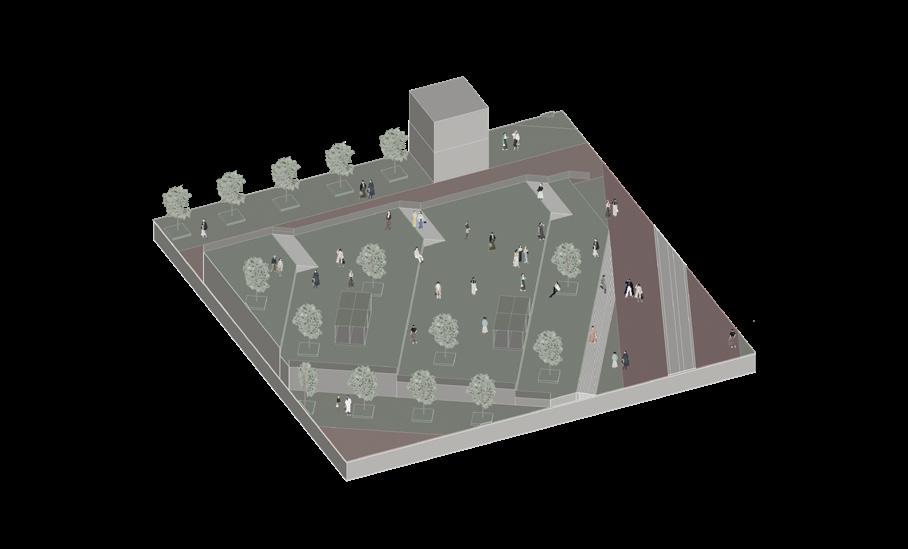
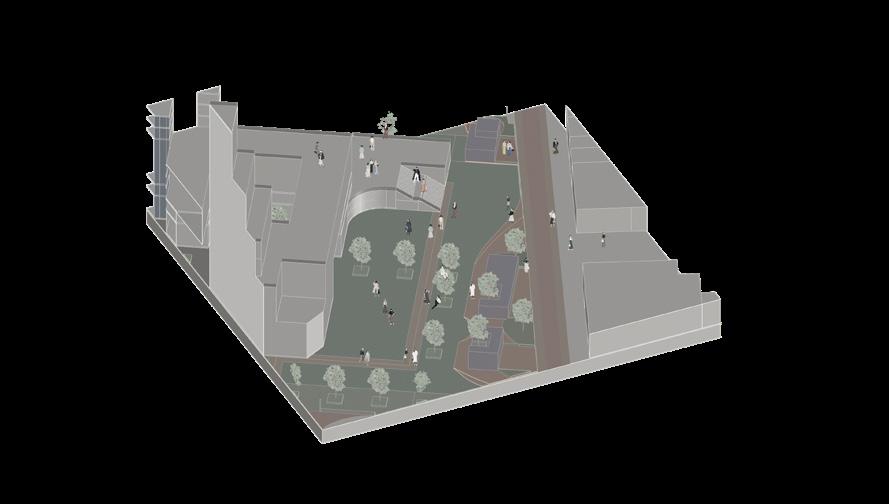
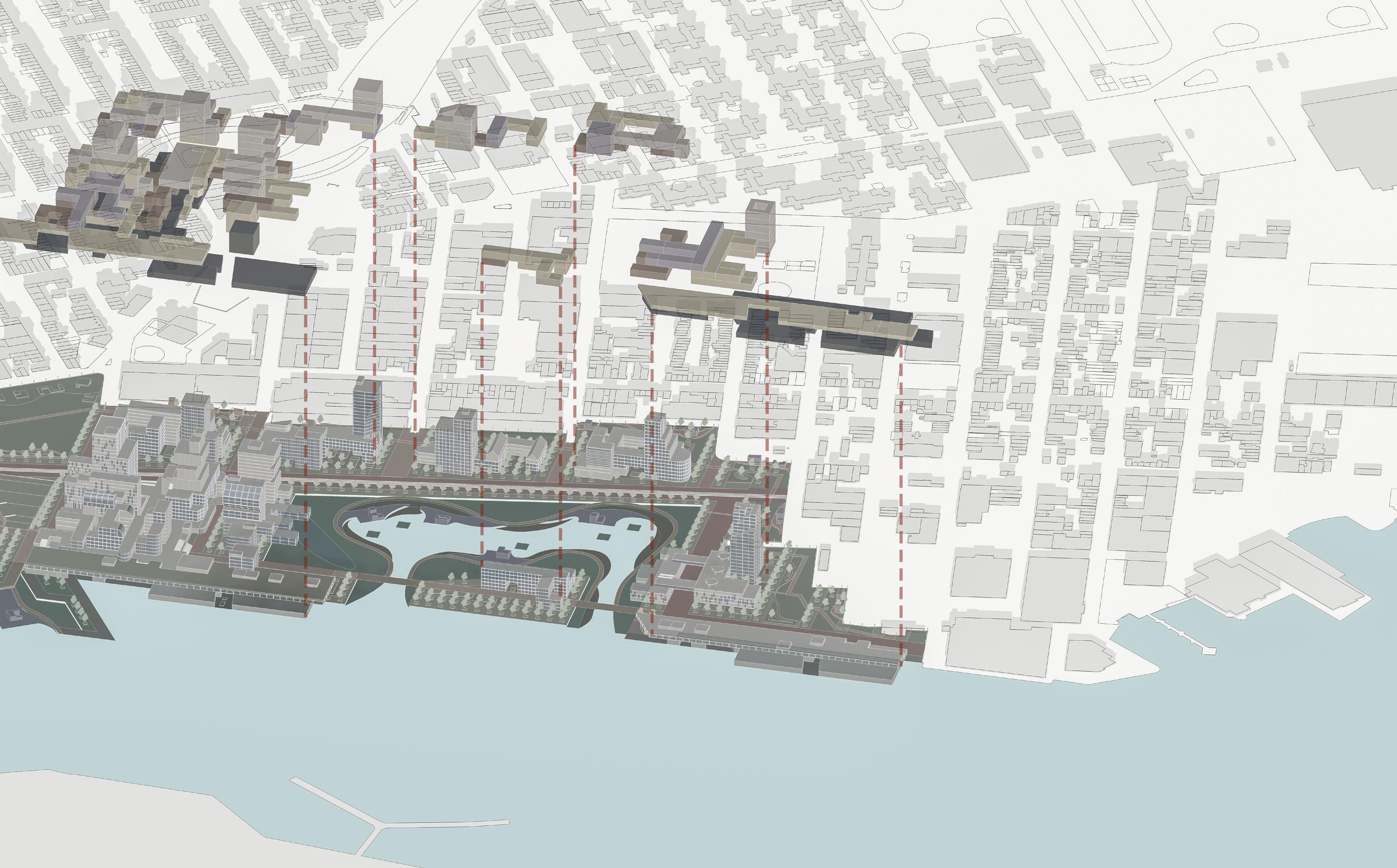
Greenbelt And Market B Stitch To The Neighborhood
Greenbelt Amphitheater
Cooperation And Work Stitch To The Waterfront
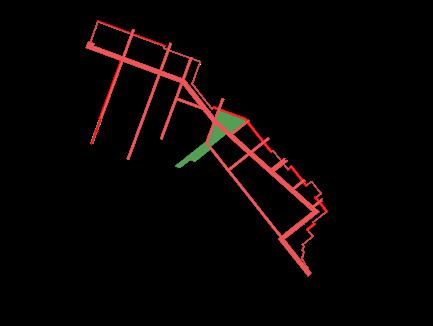
COMMUNITY AND INFORMATION TECHNOLOGY CANVAS
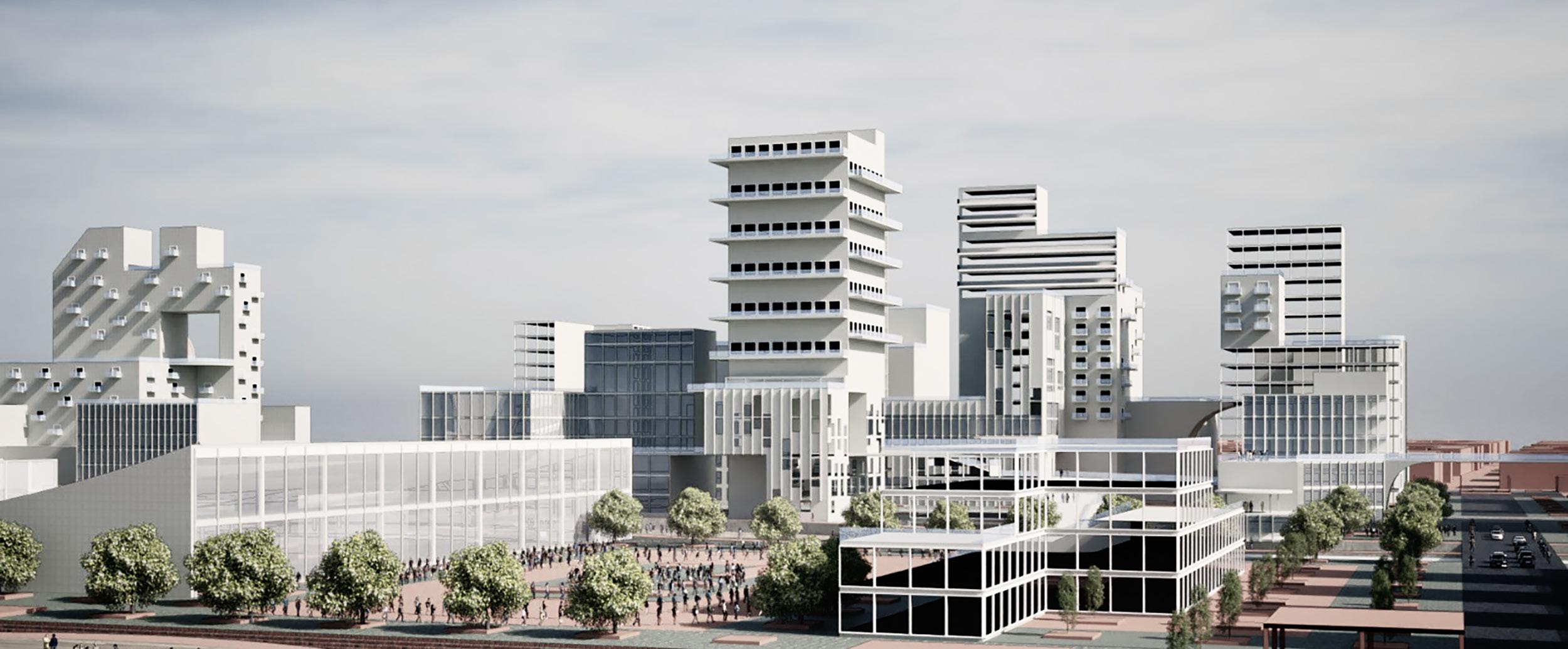
MARITIME CANVAS
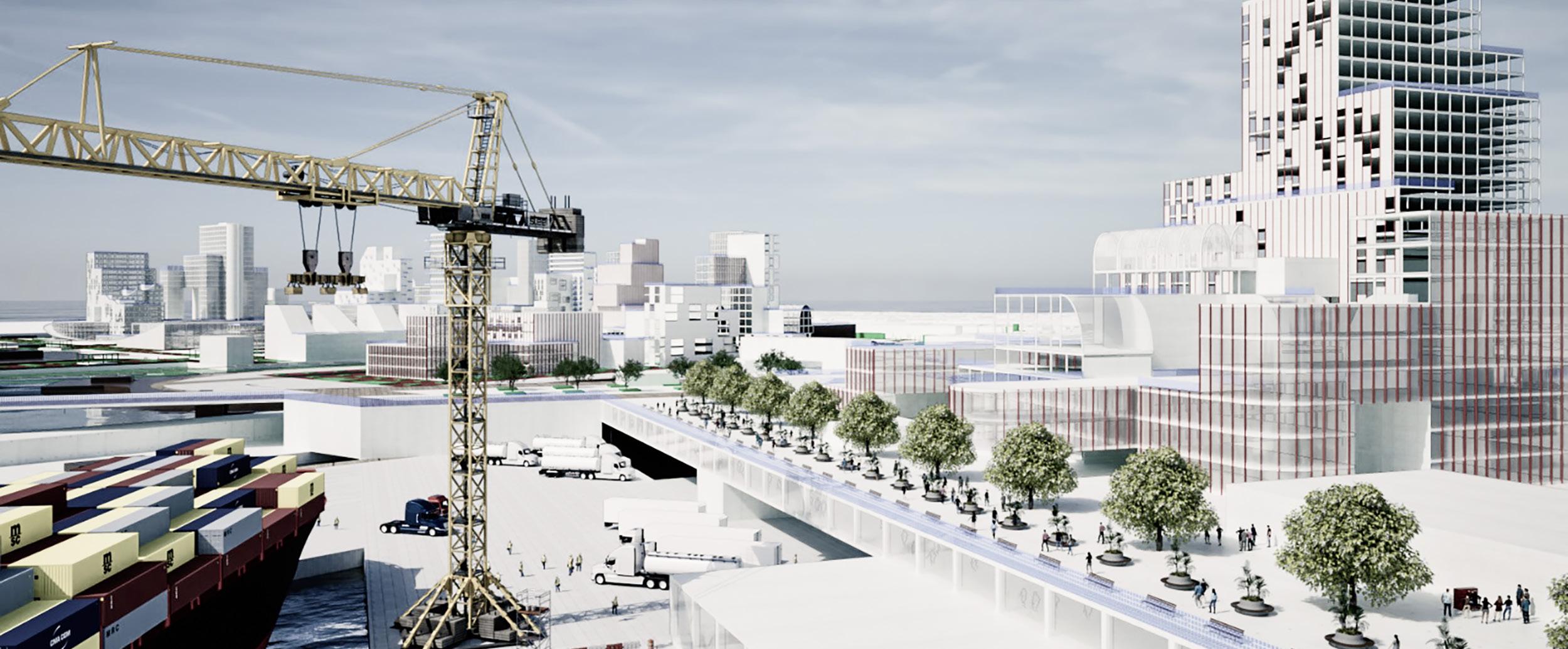

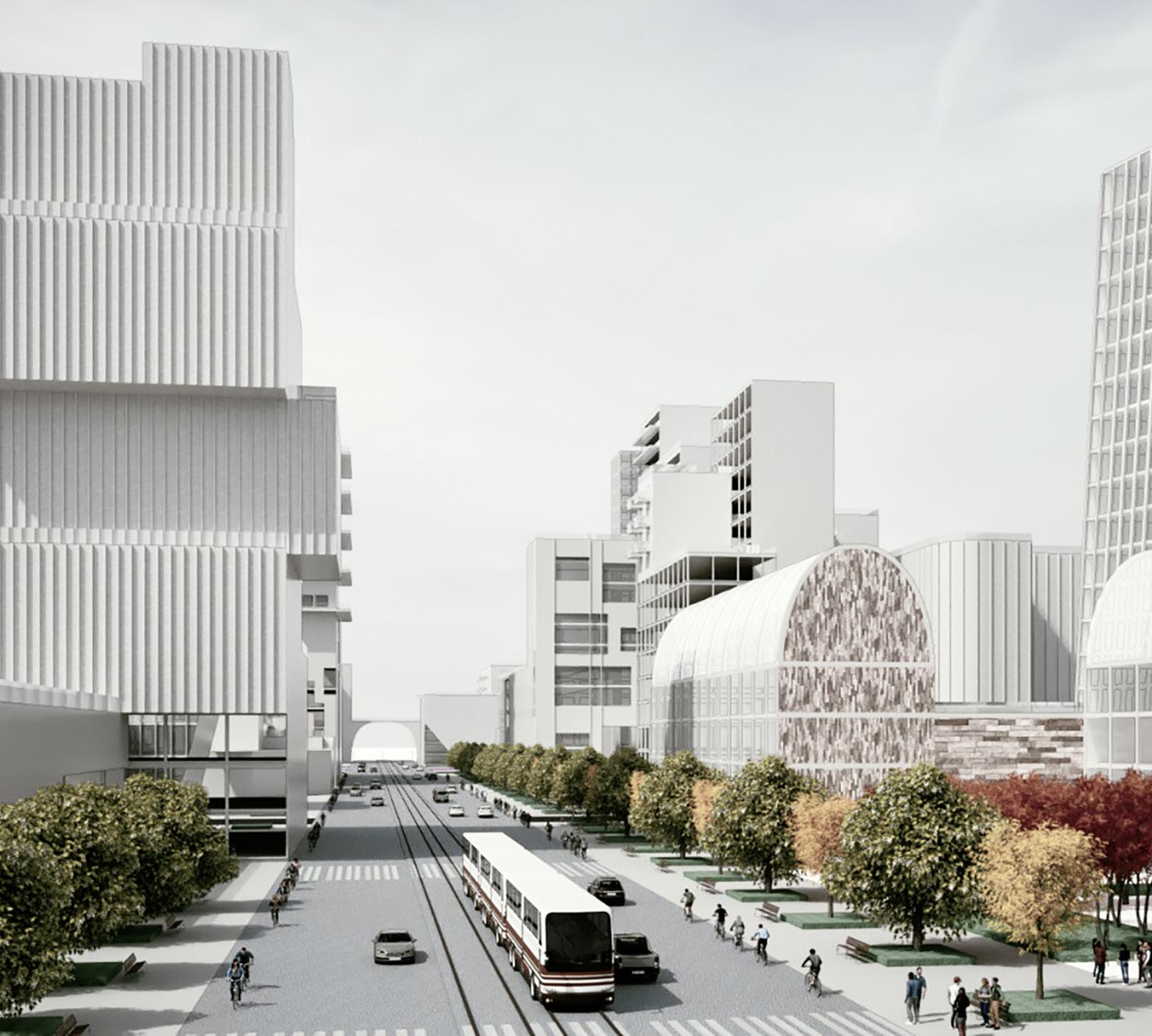
COMMUNITY AND IT CANVAS
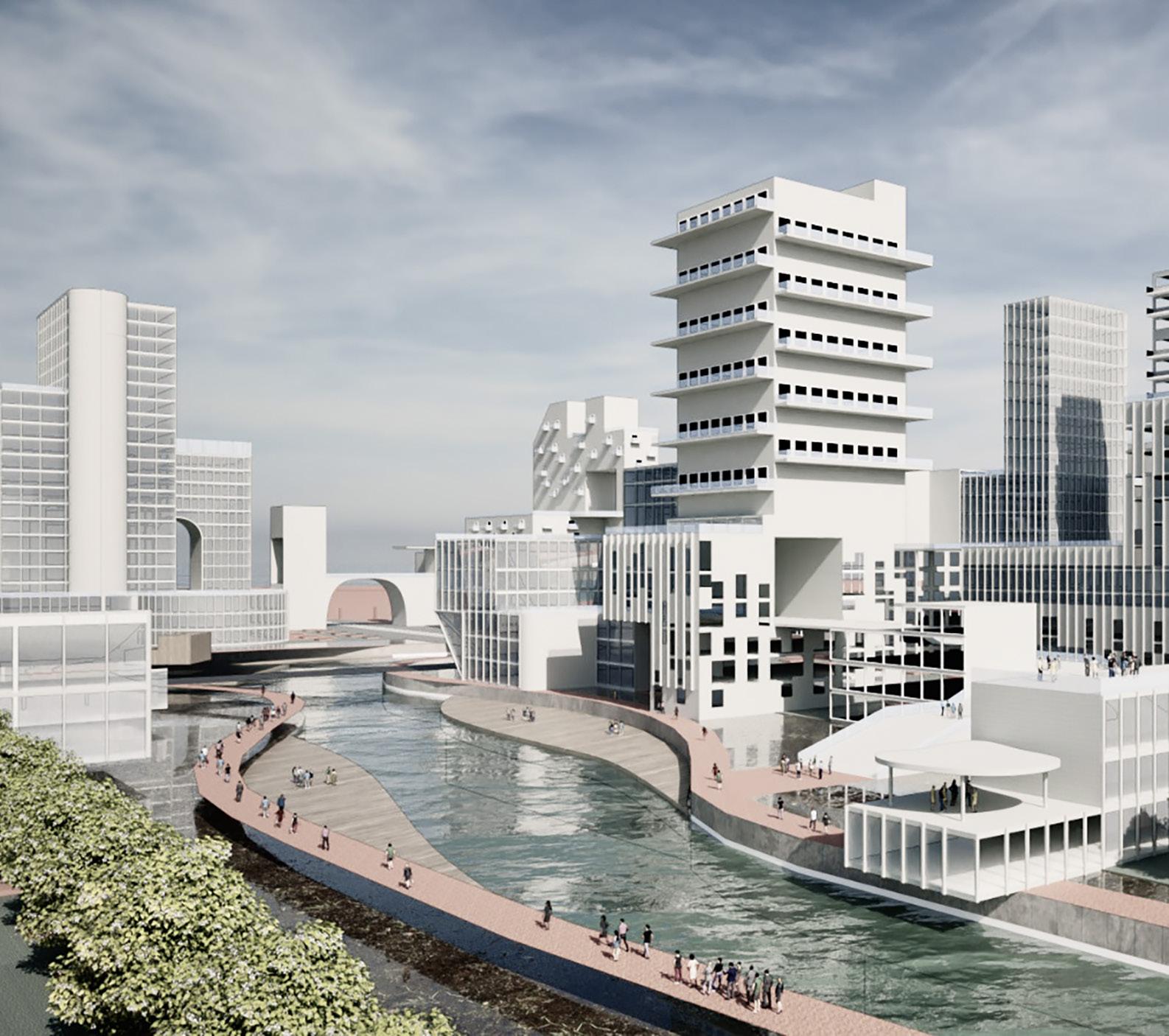


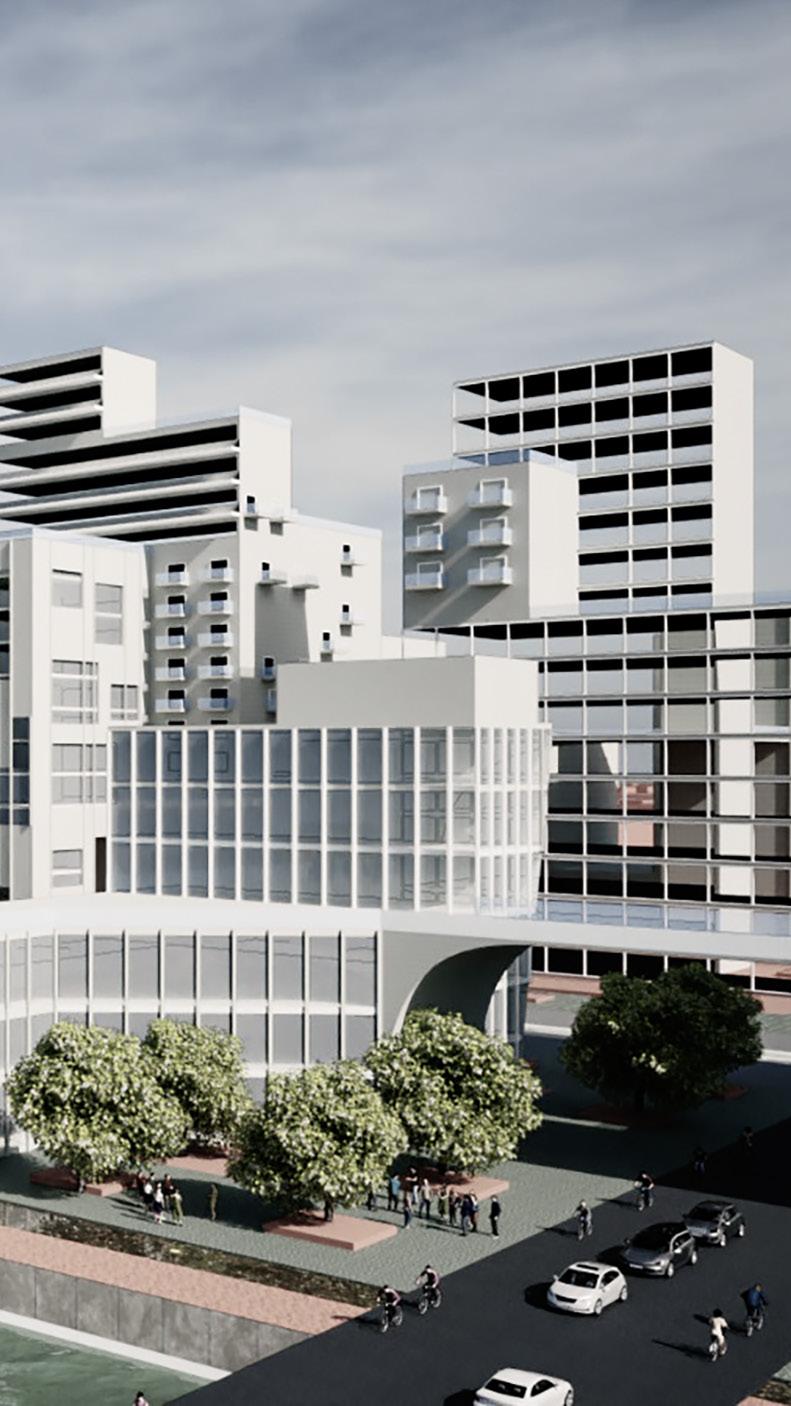
The Mosaic frames performance-based layering not just as design, but as economic fairness. By overlaying programs, access, memory, and use, it demonstrates how architecture can drive resilience, inclusion, and local economies.
the block commons
A REGENERATIVE URBAN ENGINE
PRATT INSTITUTE | THE RISE OF NEW URBAN BLOCK | JANUARY TO MAY 2025
Site: Manhattan, New York
Type: Urban Block Typologies Research And Design Level: Semester 2
Instructors: Peter Trummer And Pinar Araci
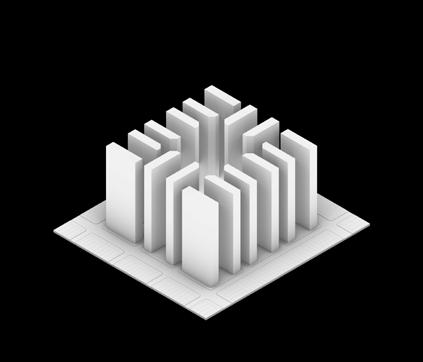
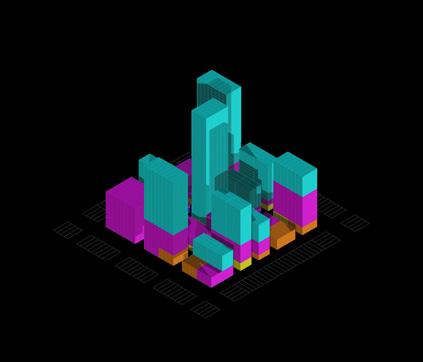
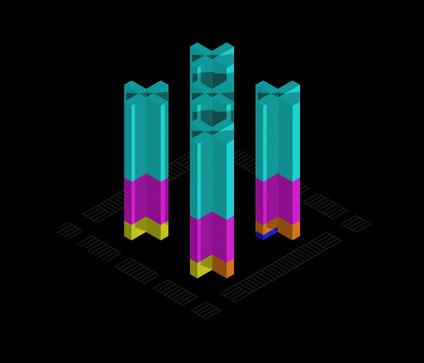
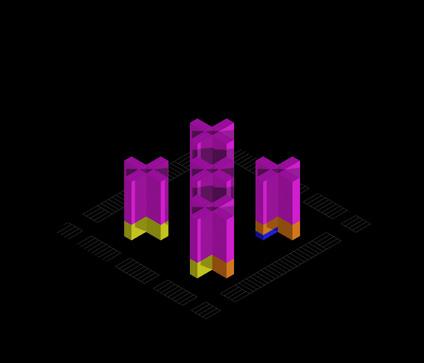
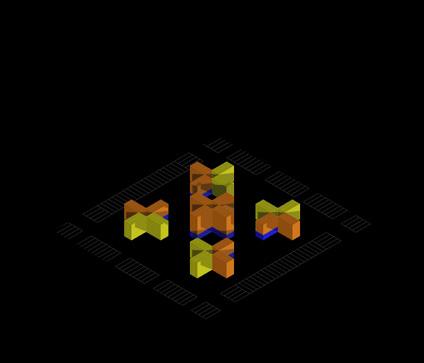
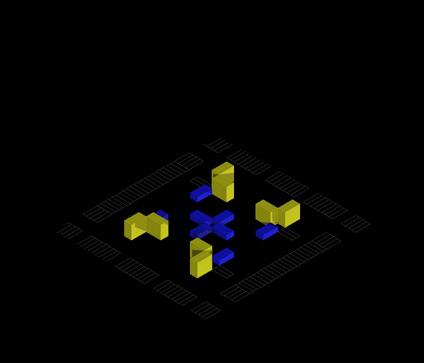
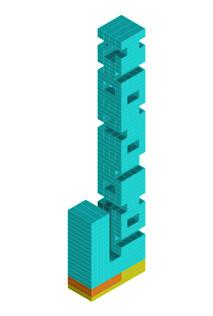
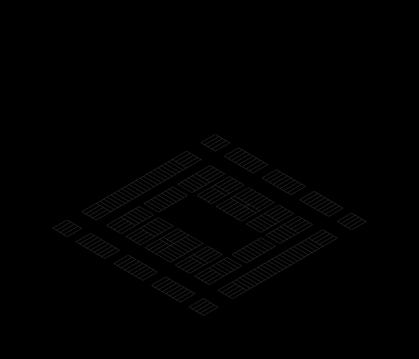
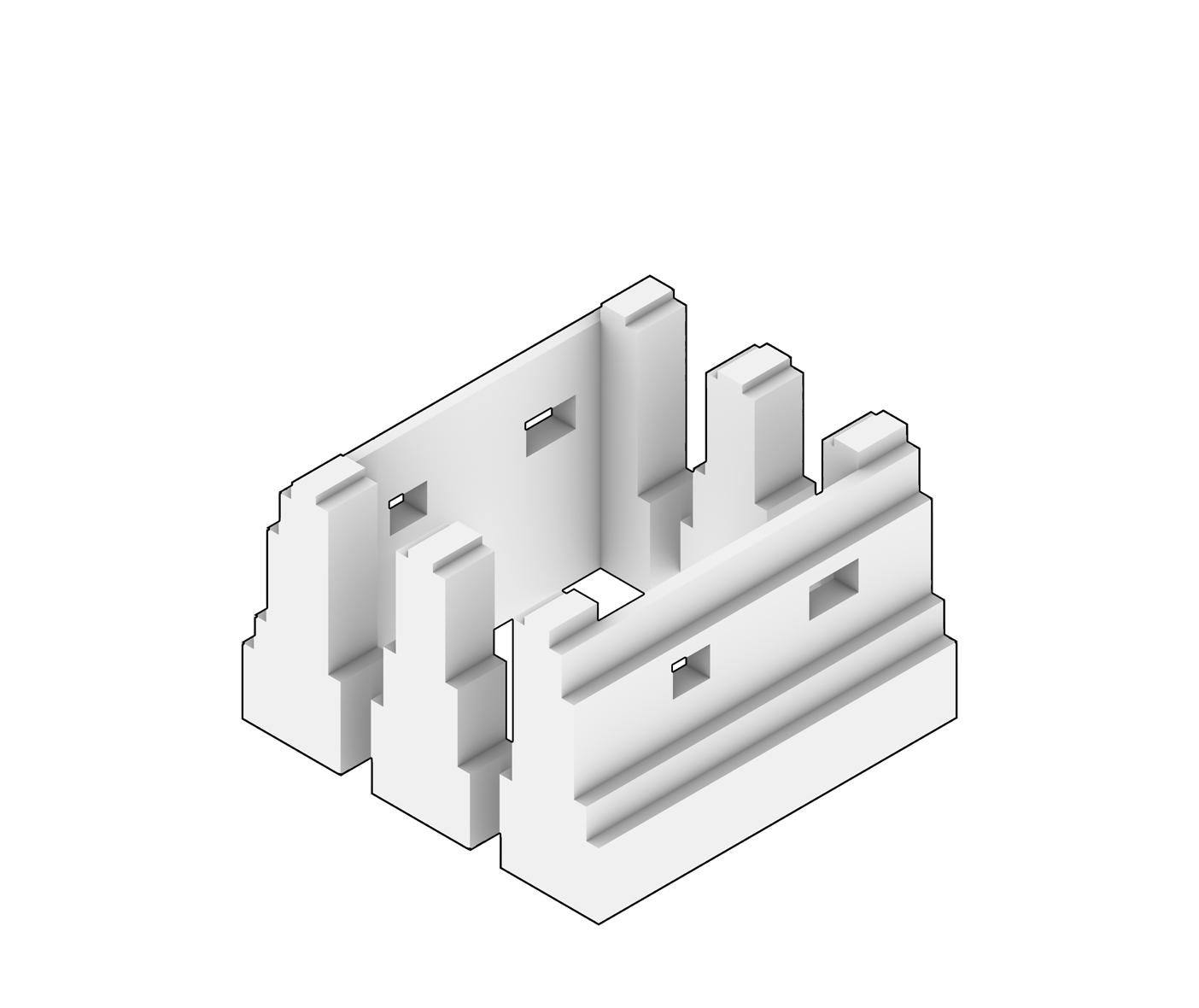
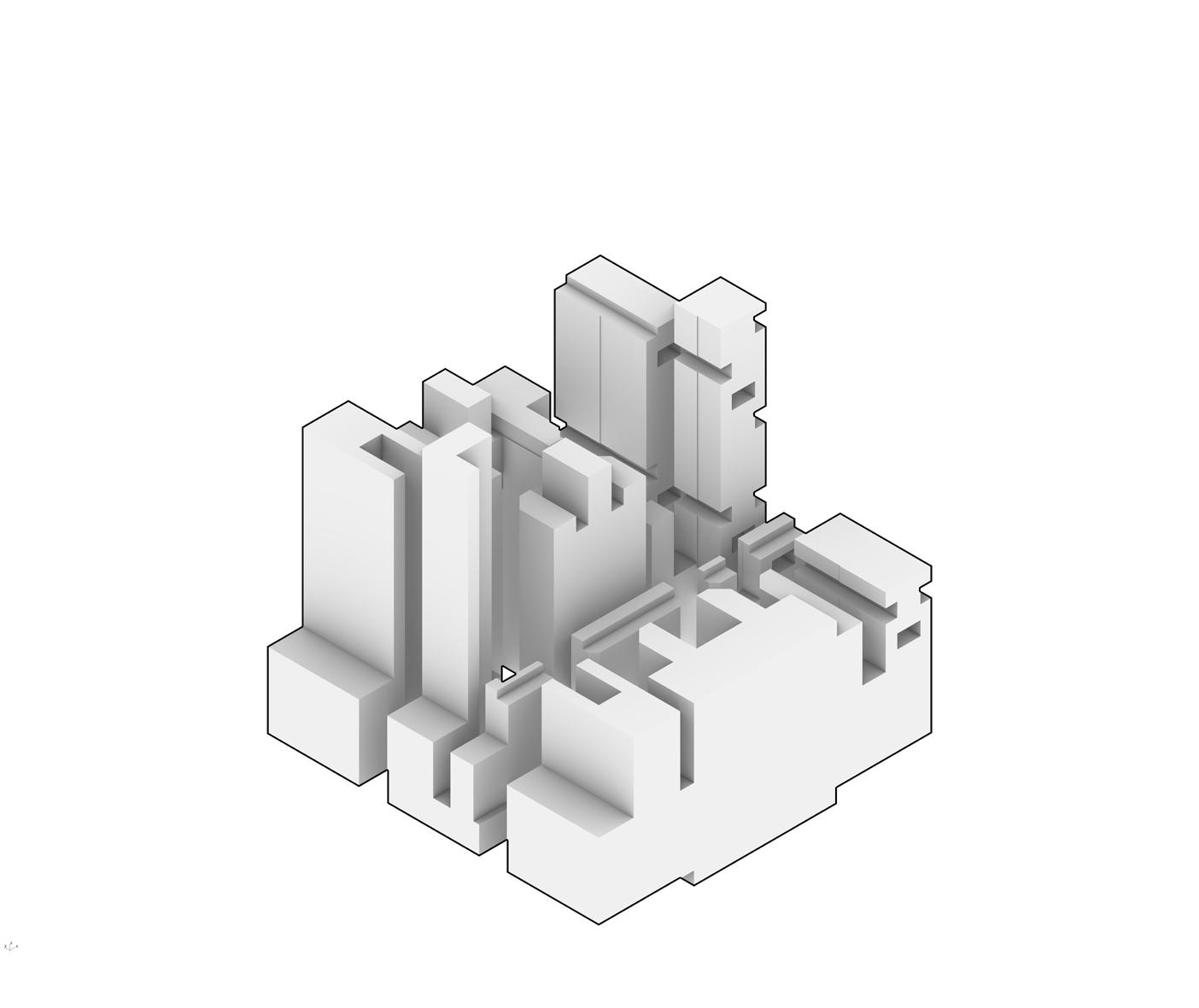
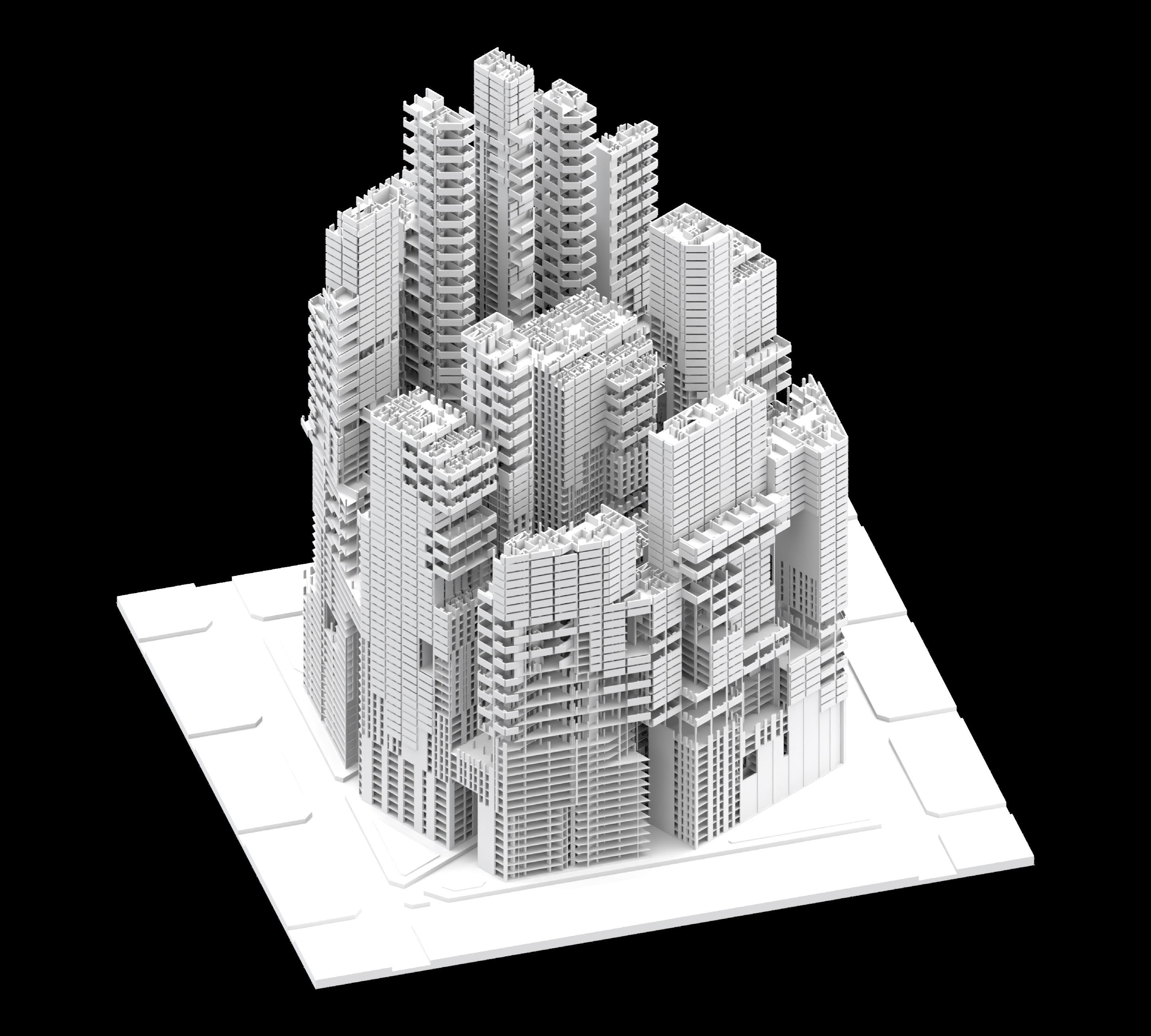
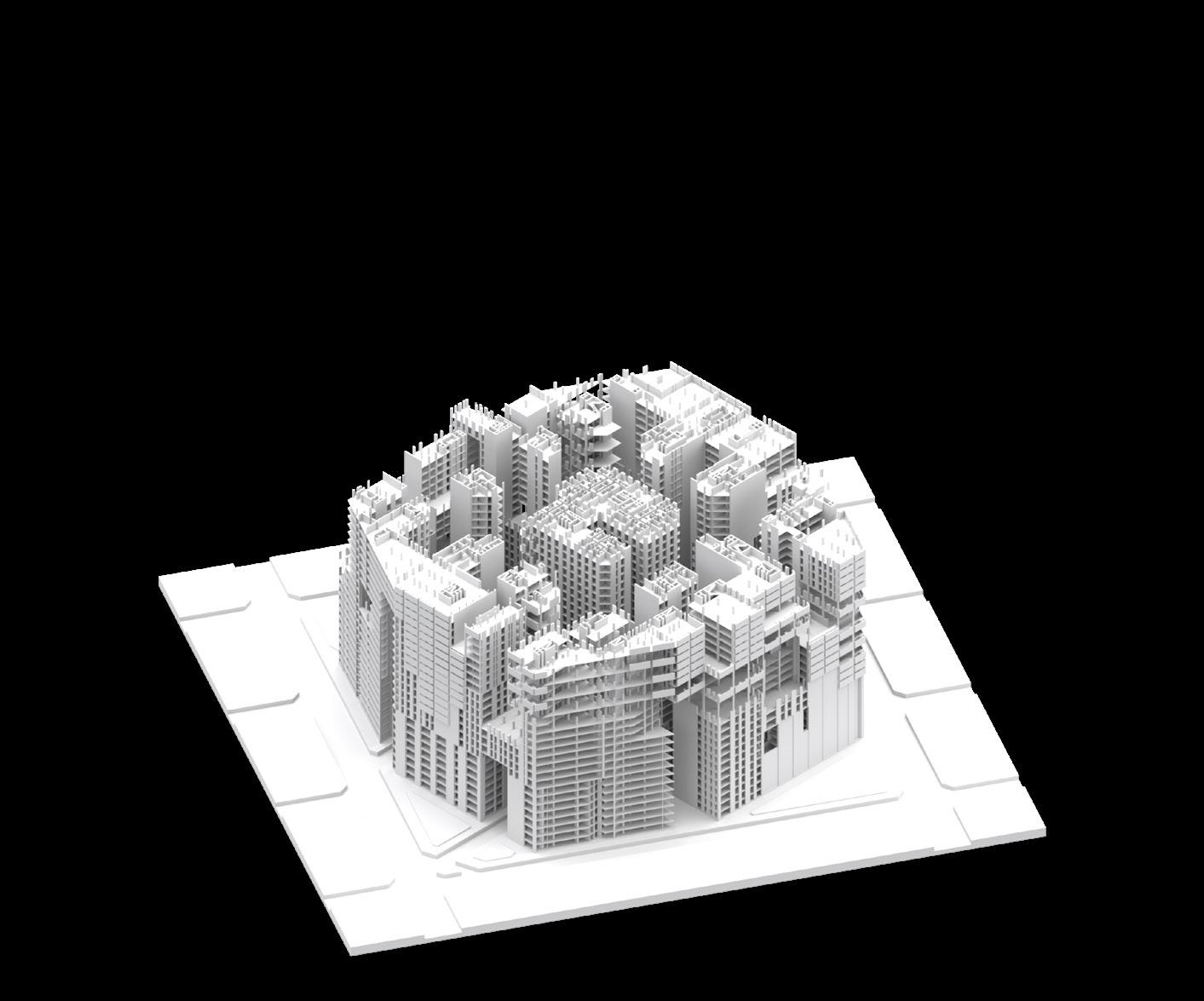
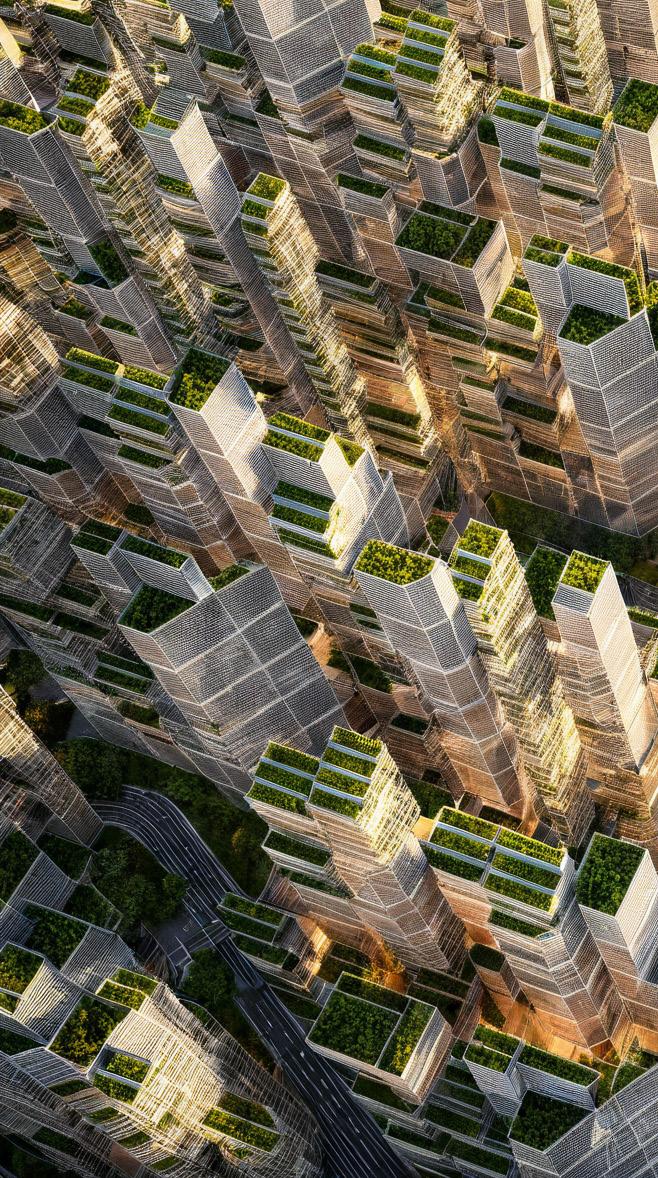
The Block Commons reimagines the high-rise urban block as a regenerative engine that adapts to its context and actively shapes its surroundings. A calibrated north-south tilt maximizes solar gain and daylight, casting shifting patterns of light along the block’s edges. This geometry also generates green terraces and market spaces at key nodes, drawing residents and visitors into a network of shared commons.
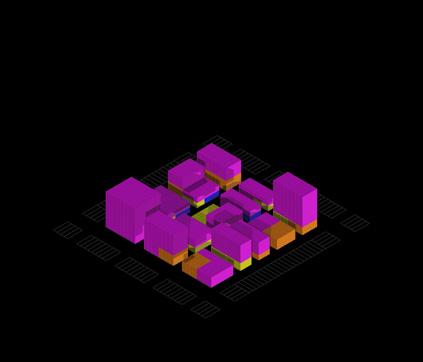
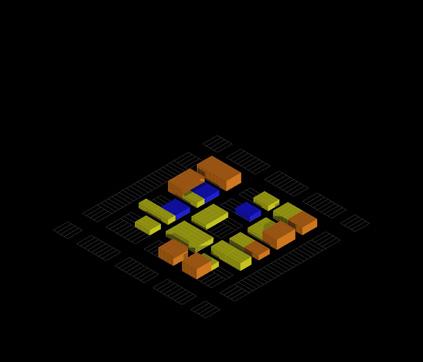
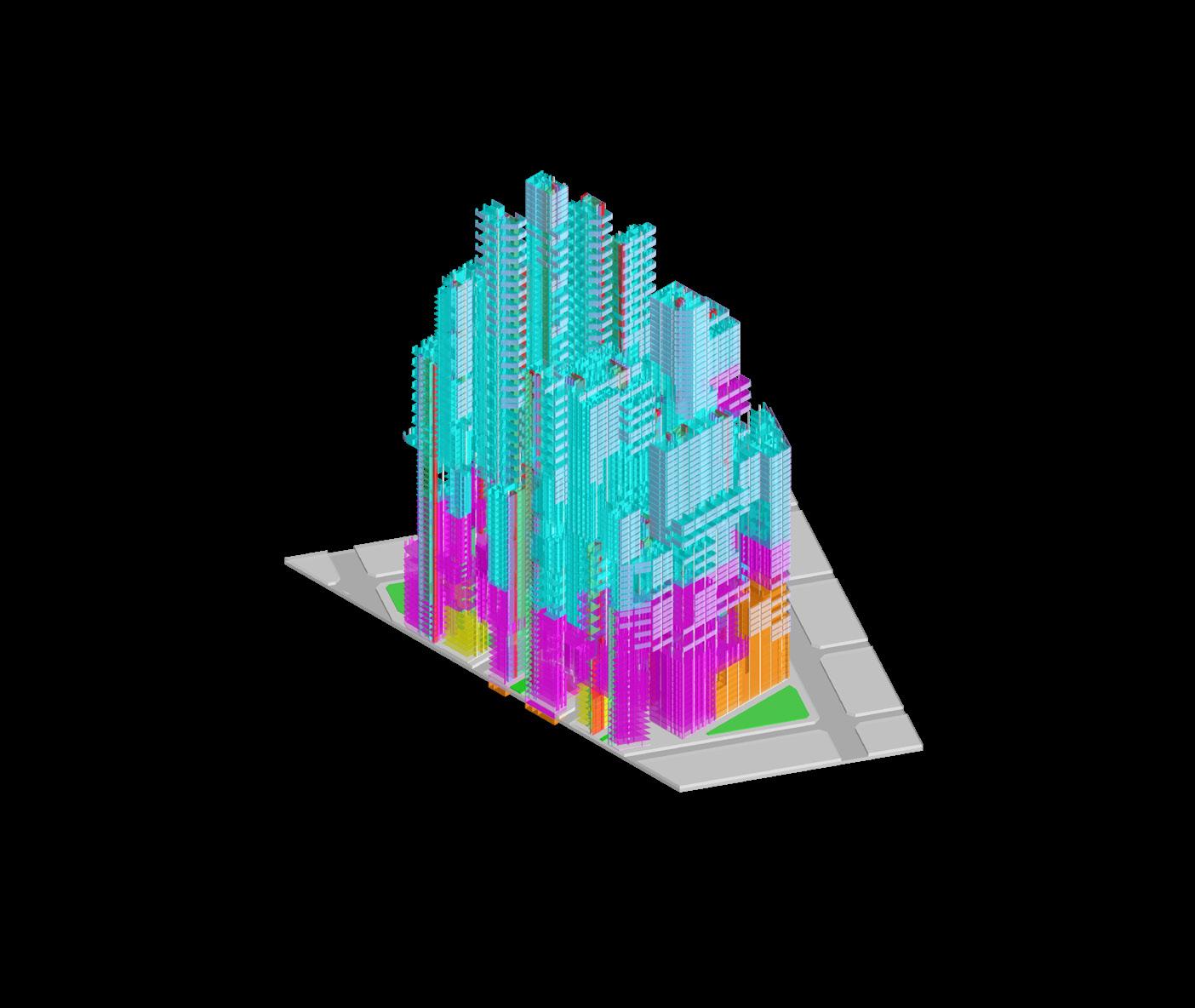
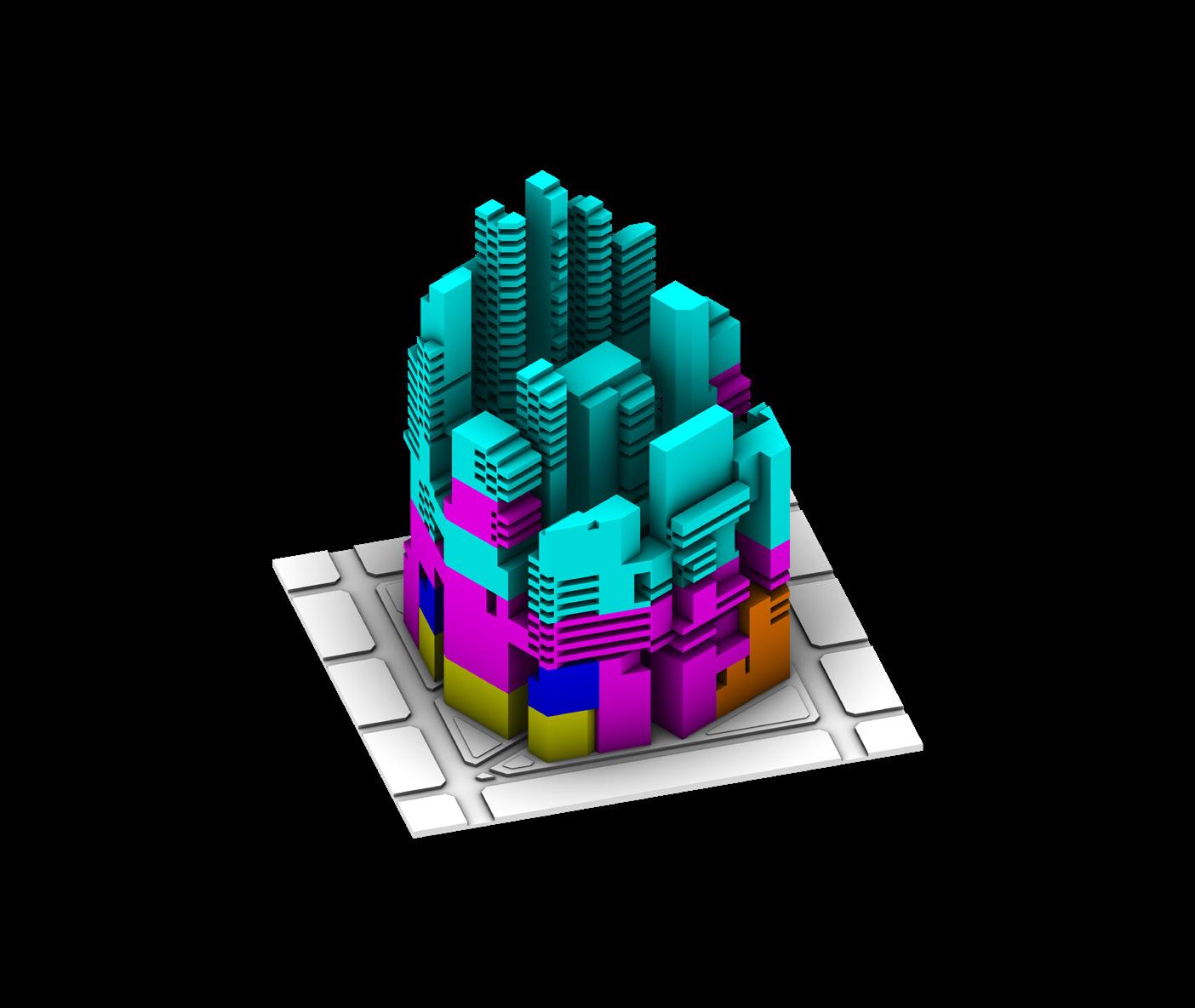
Through modular stacking, the block integrates vertical zoning and infrastructural layering. Housing, retail, civic, and institutional programs are interwoven to create ecological porosity and resilience. The result is a flexible, adaptive urban system, one that transforms everyday movement corridors into vibrant spaces while remaining responsive to future urban needs.
Role: Research, Documentation, Detailed Mapping, Concept Design, Design Development And Detailing, Representation

FROM THEORY TO URBAN PROTOTYPE
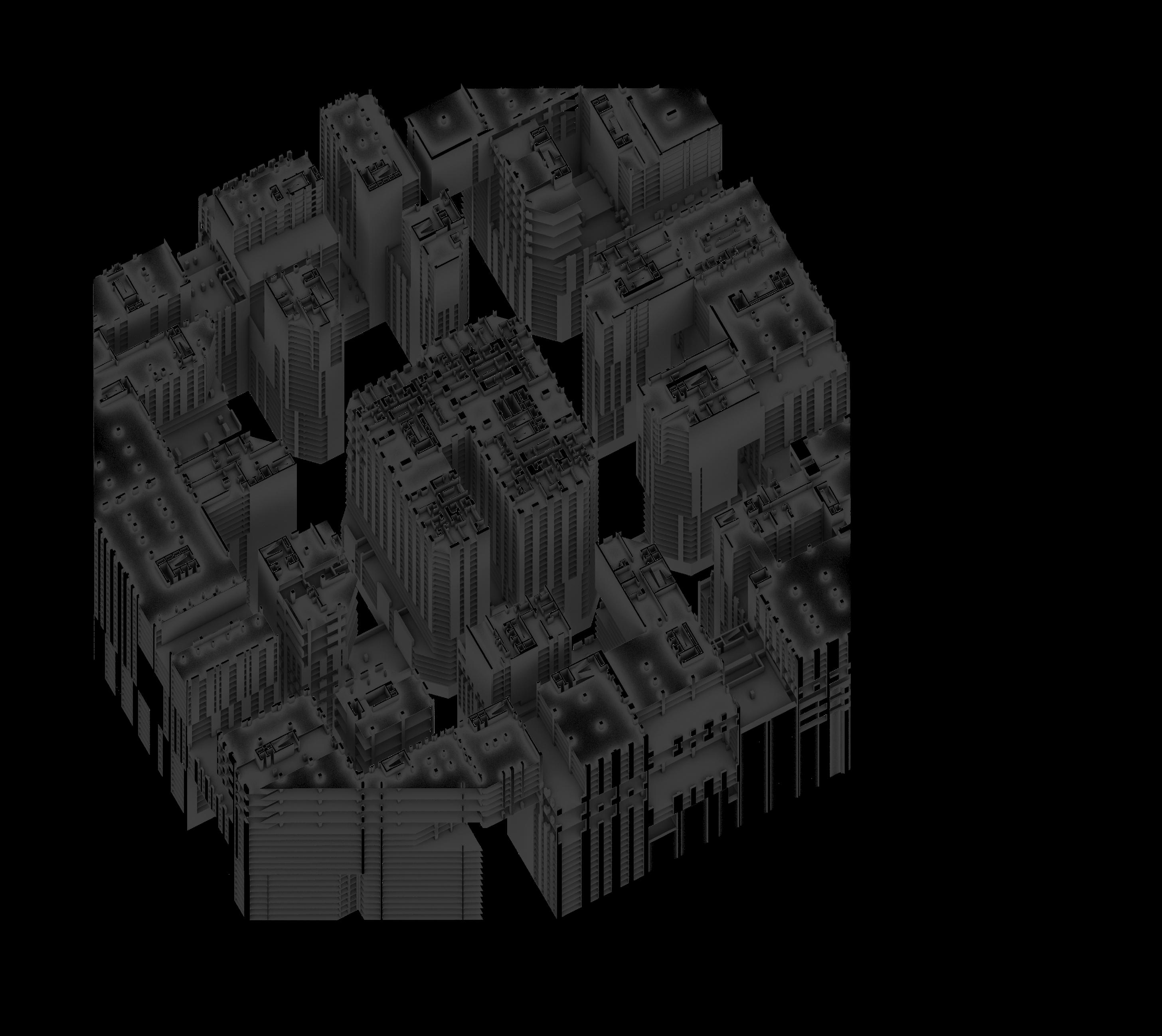
The Block Commons Merges Typological Research With Regenerative Design To Imagine The Future Of Manhattan’s Block
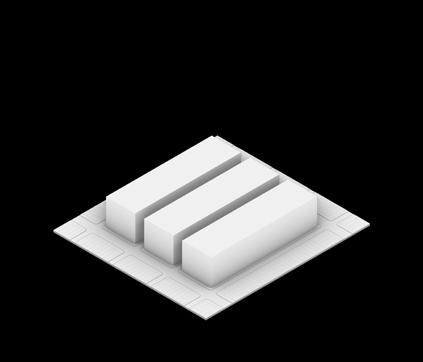
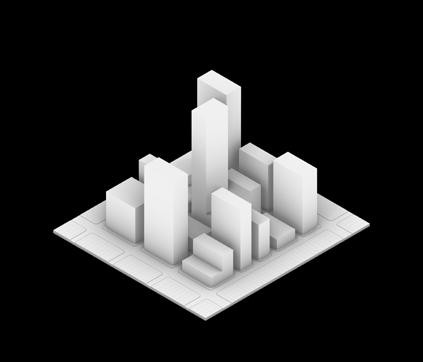
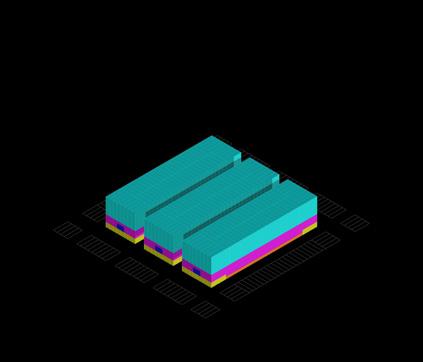
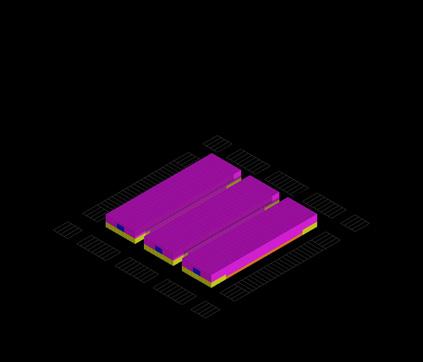
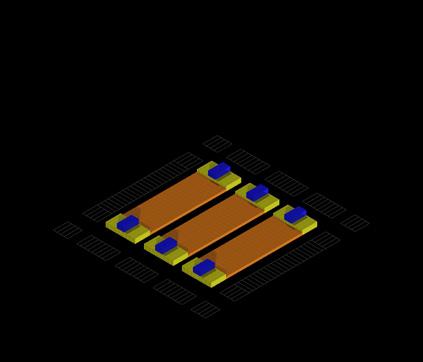
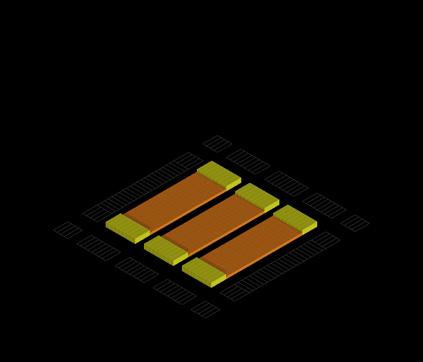
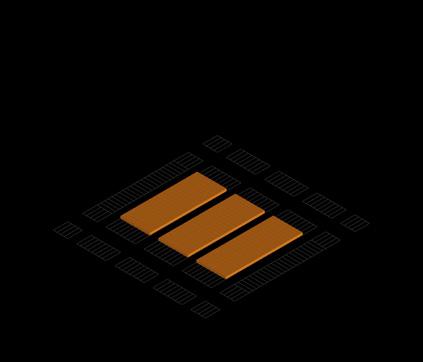
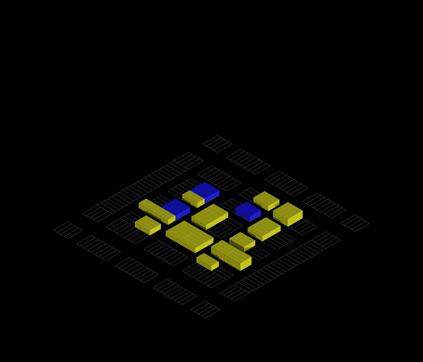
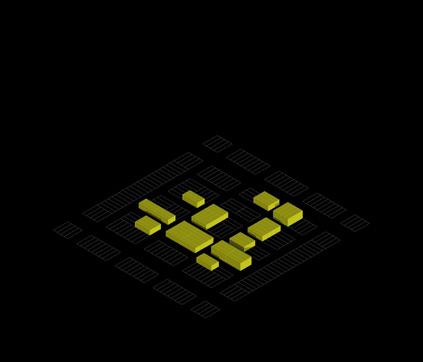
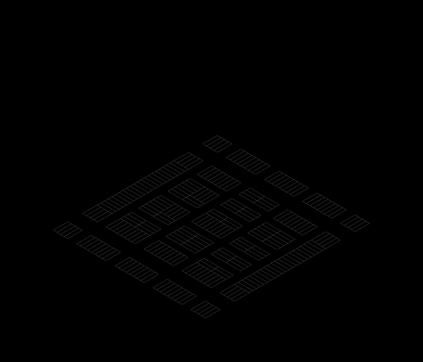
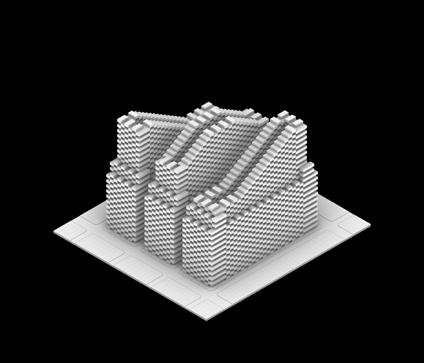
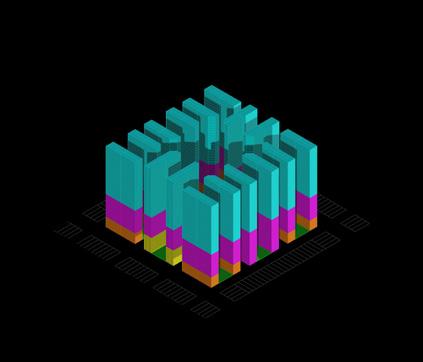
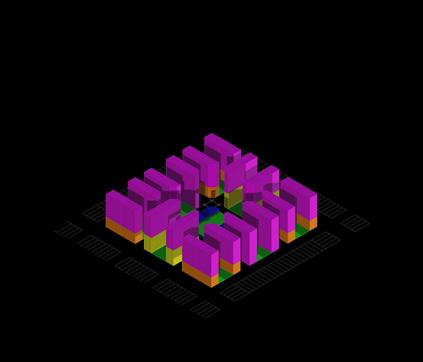
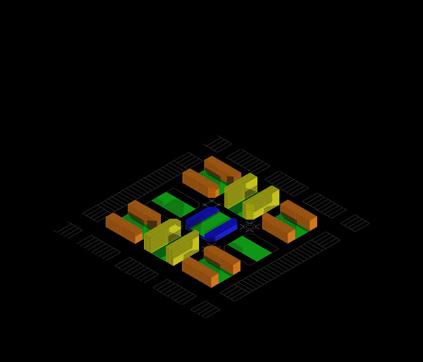
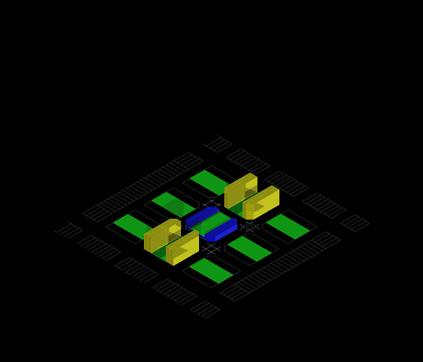
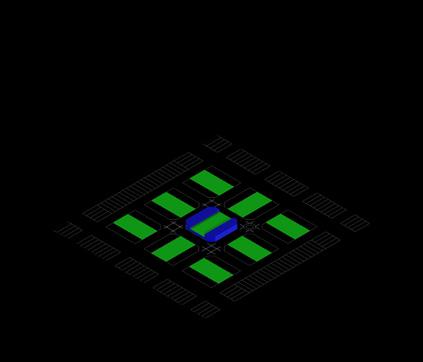
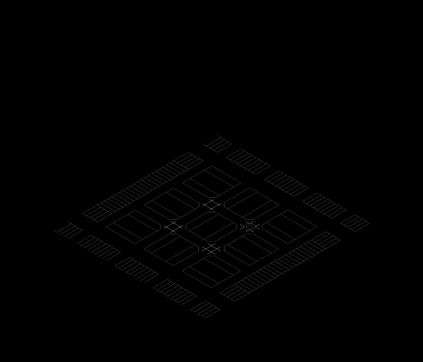
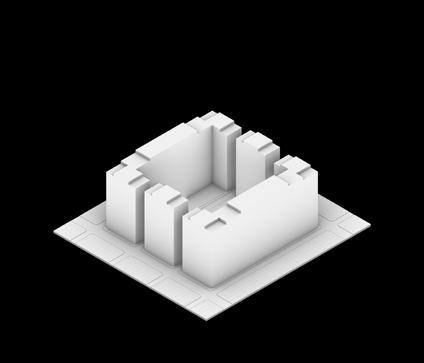
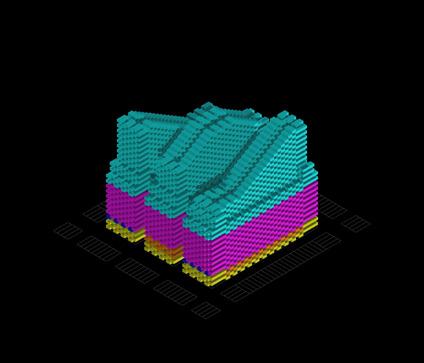
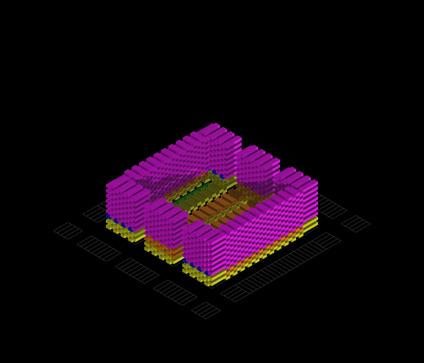
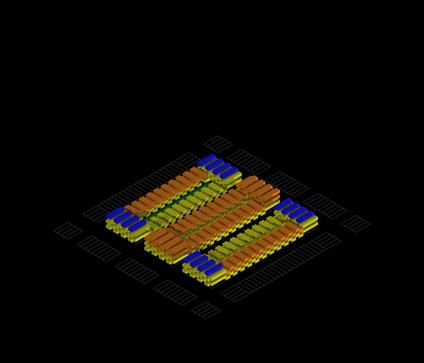
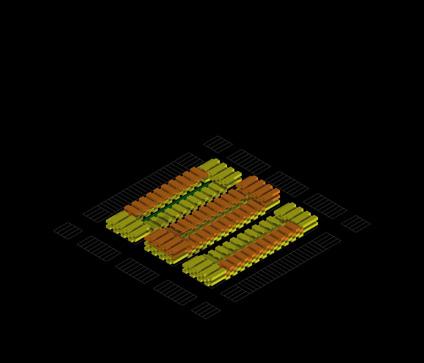
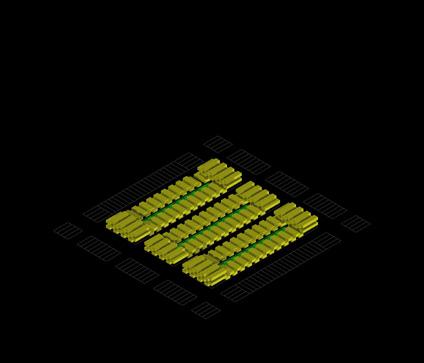
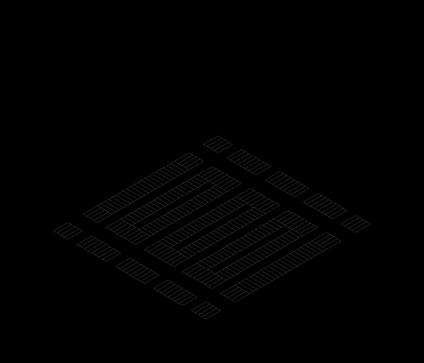
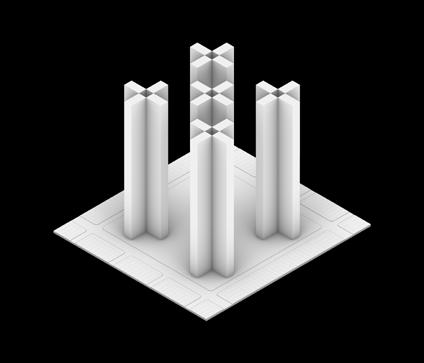
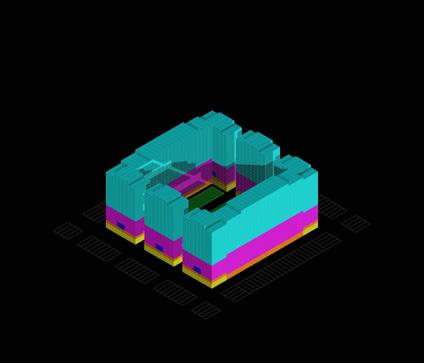
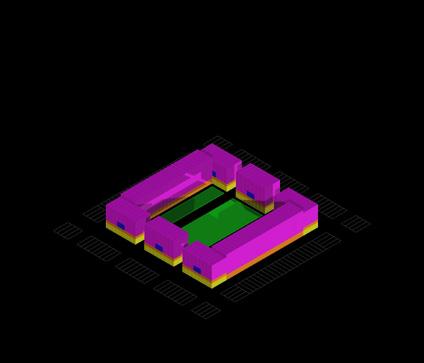
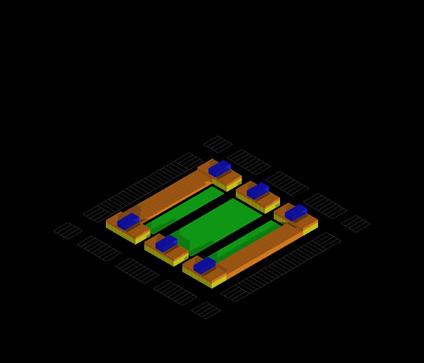
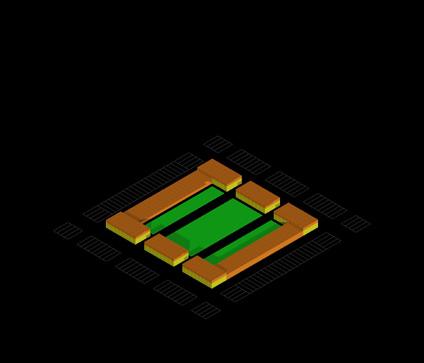
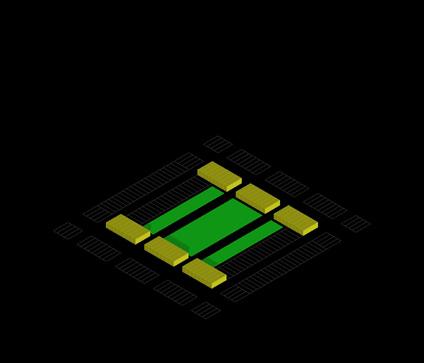
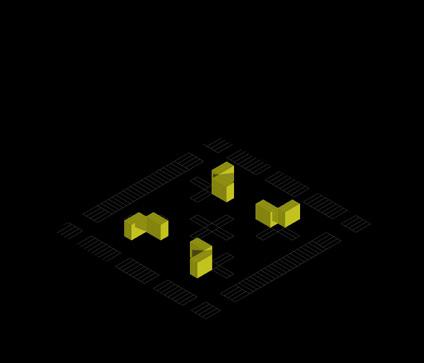
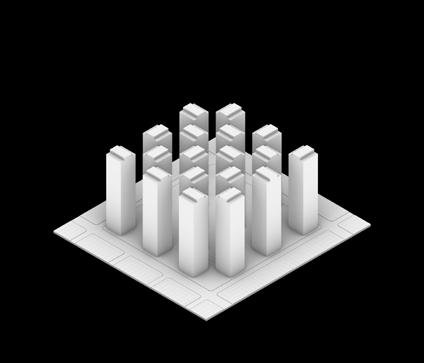
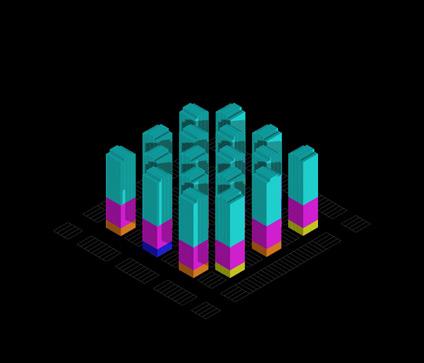
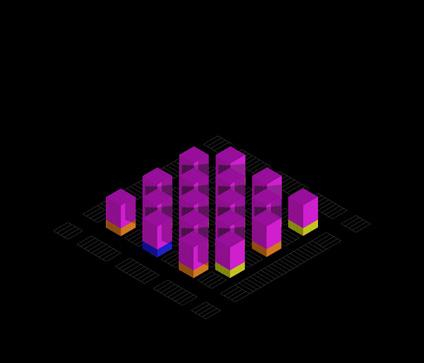
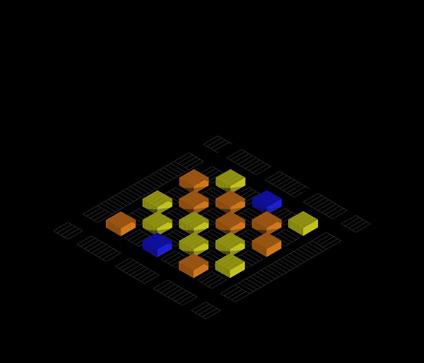
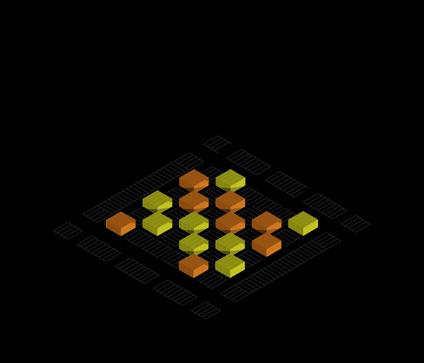
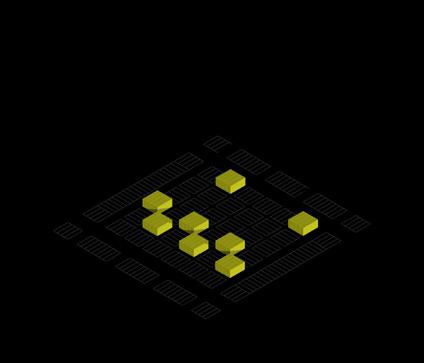
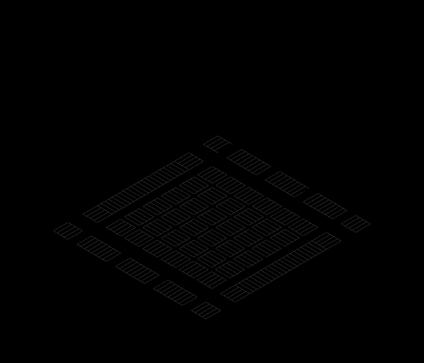
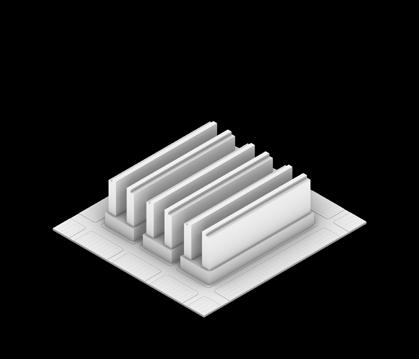
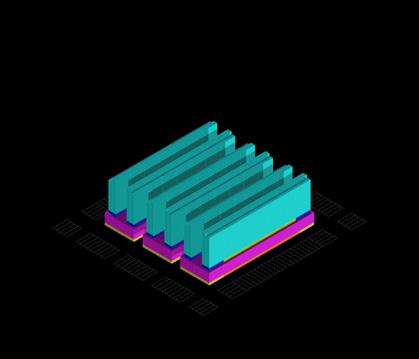
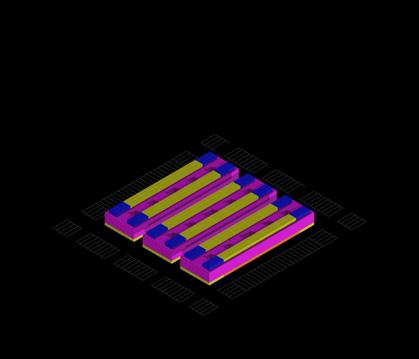
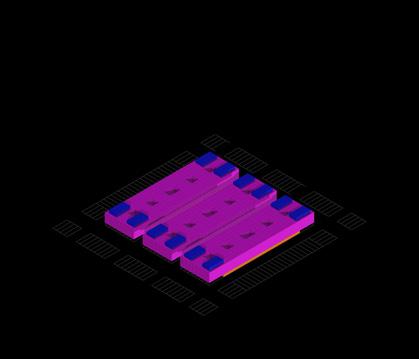
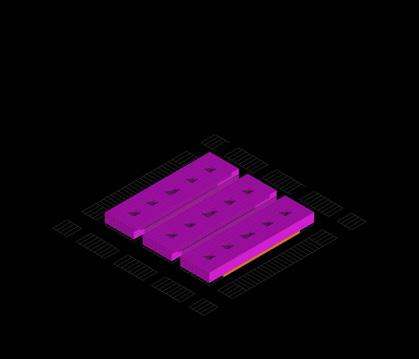
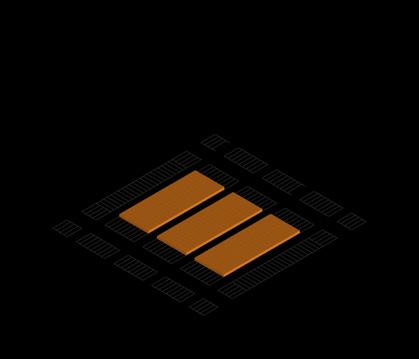
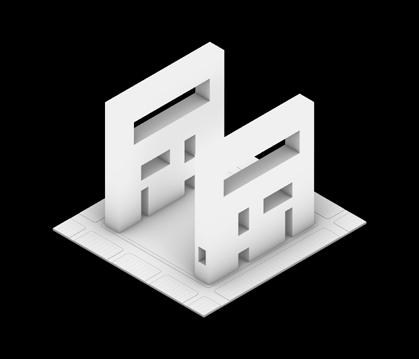
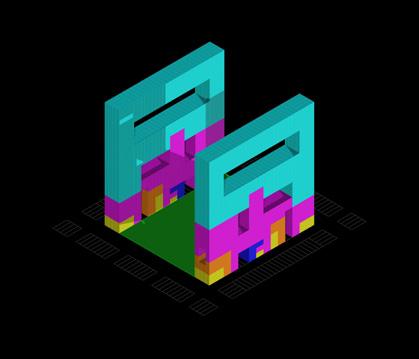
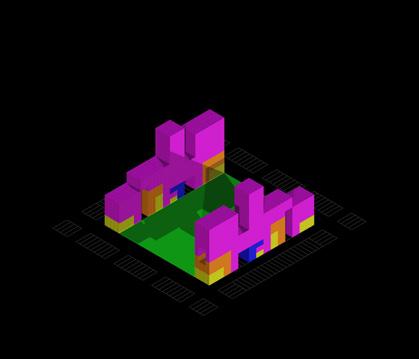
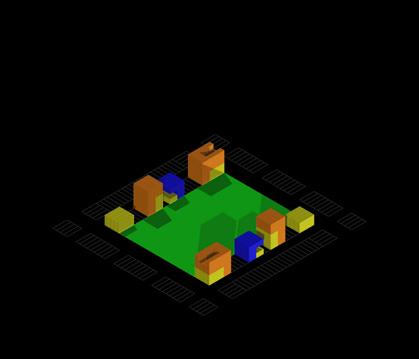
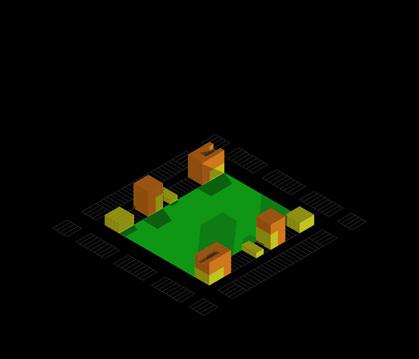
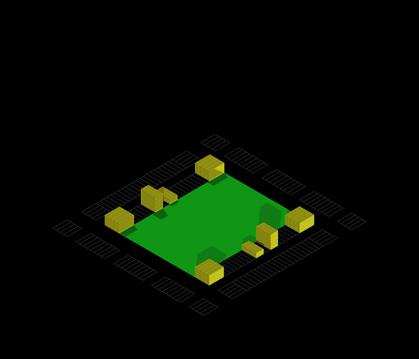
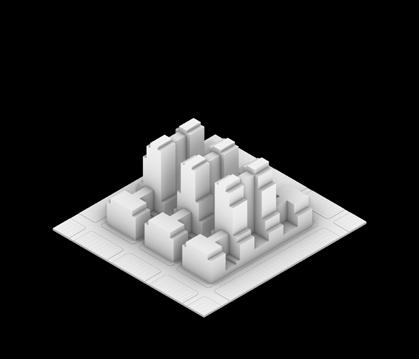
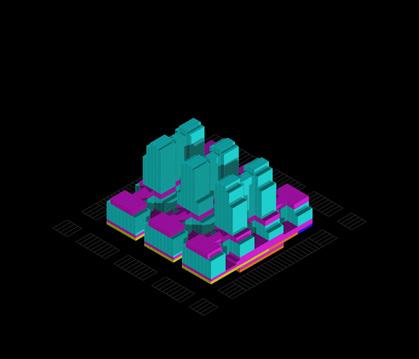
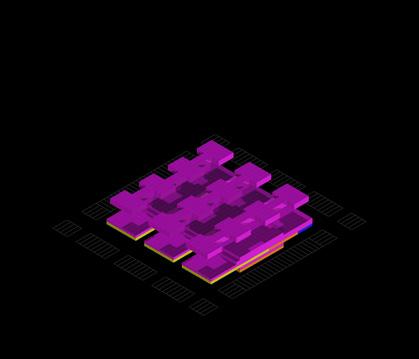
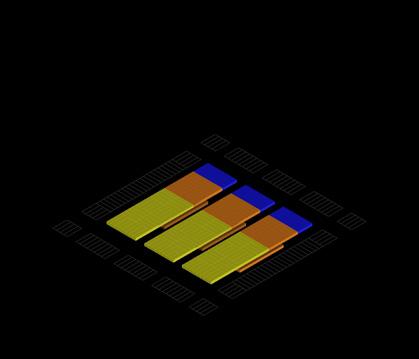
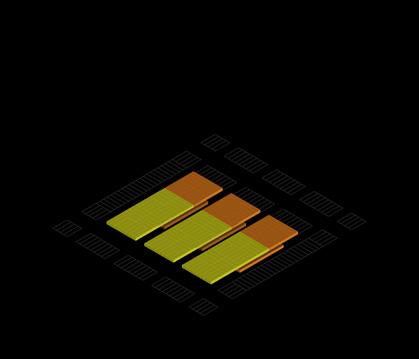
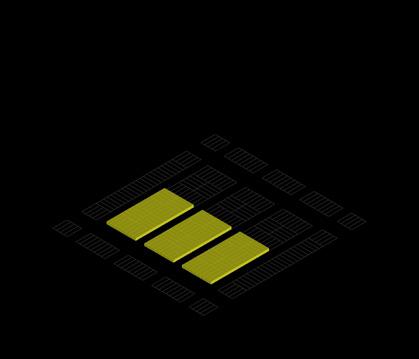
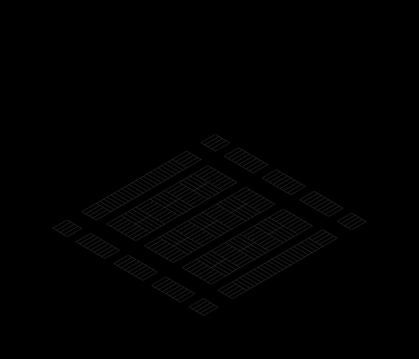
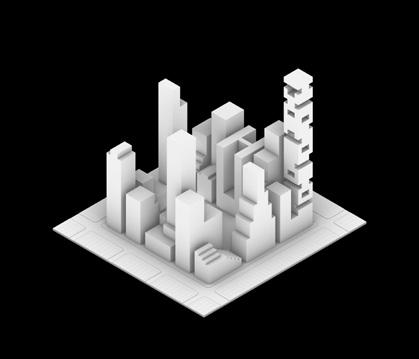
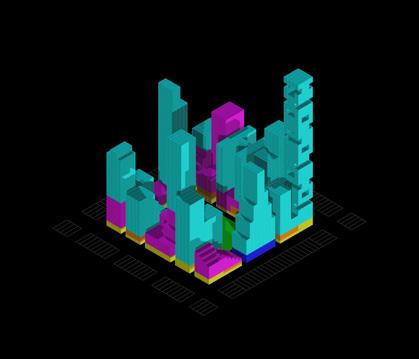
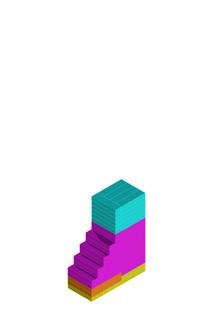
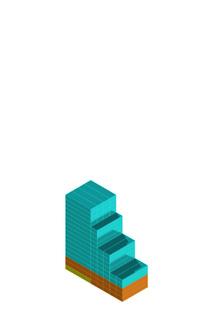
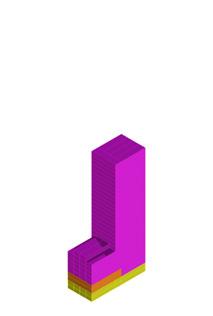
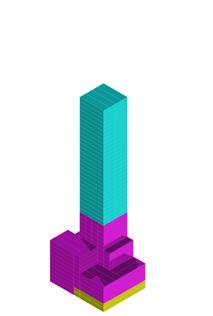
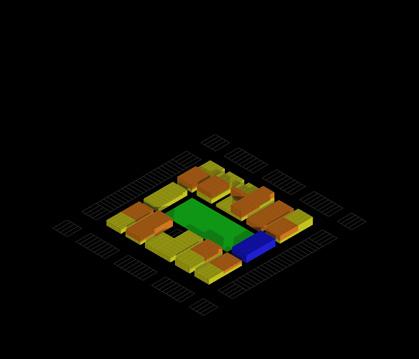
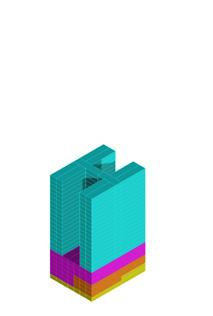

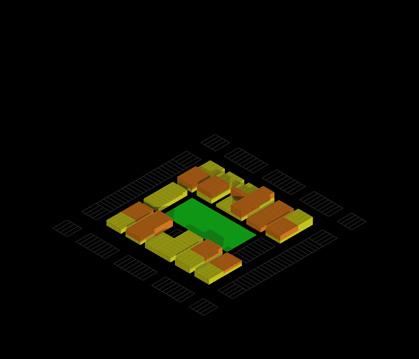
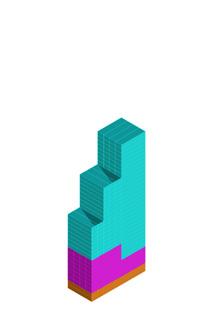
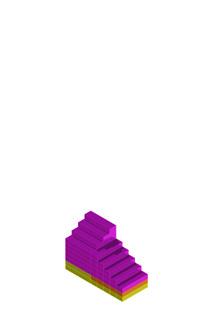
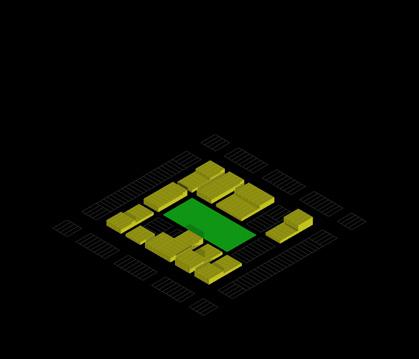
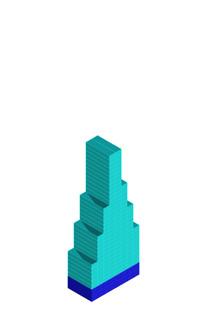
Miniature
HYBRIDIZATION
Exploring Overlaps Of Typological Theories Through Hybridized Block Structures




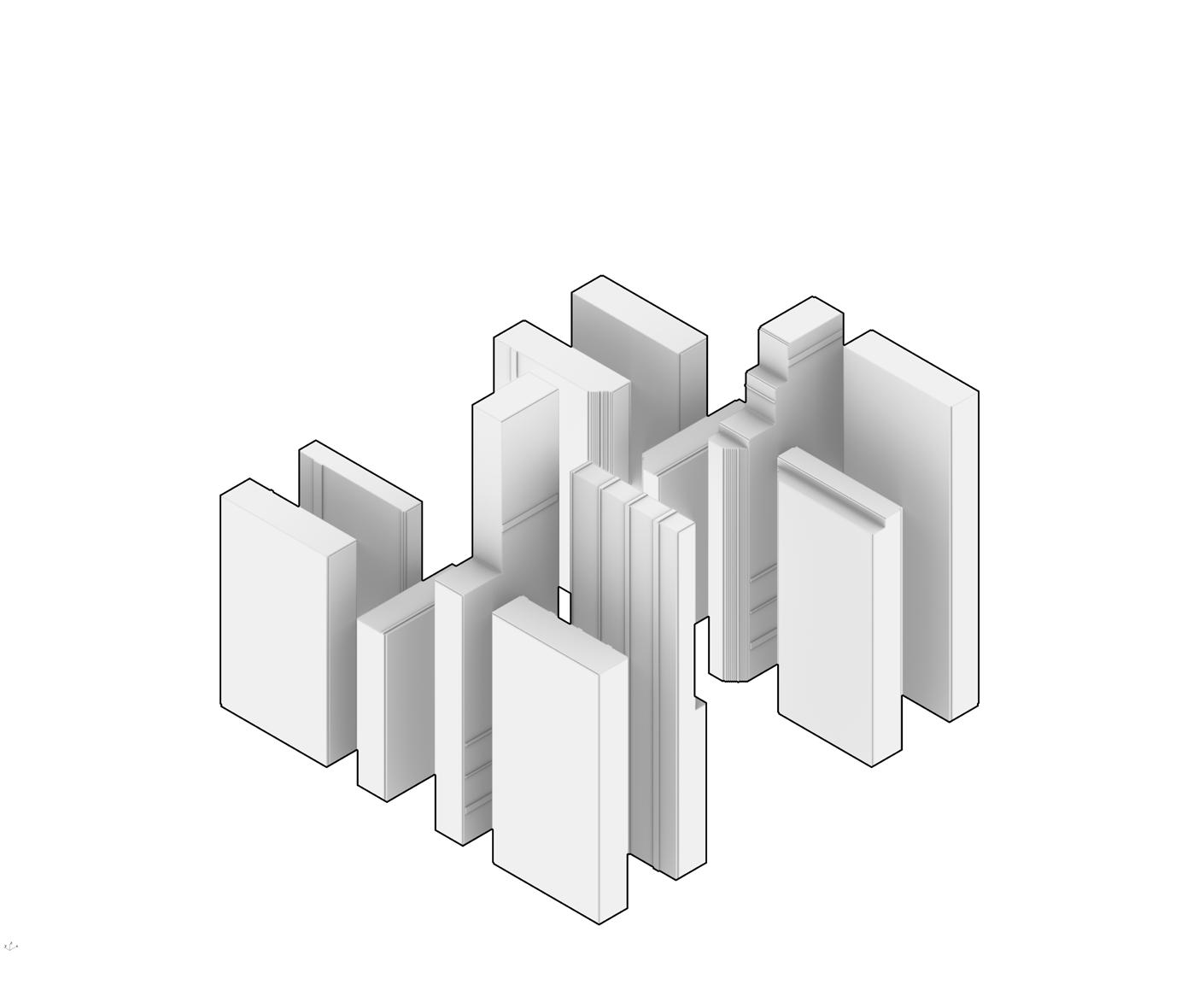
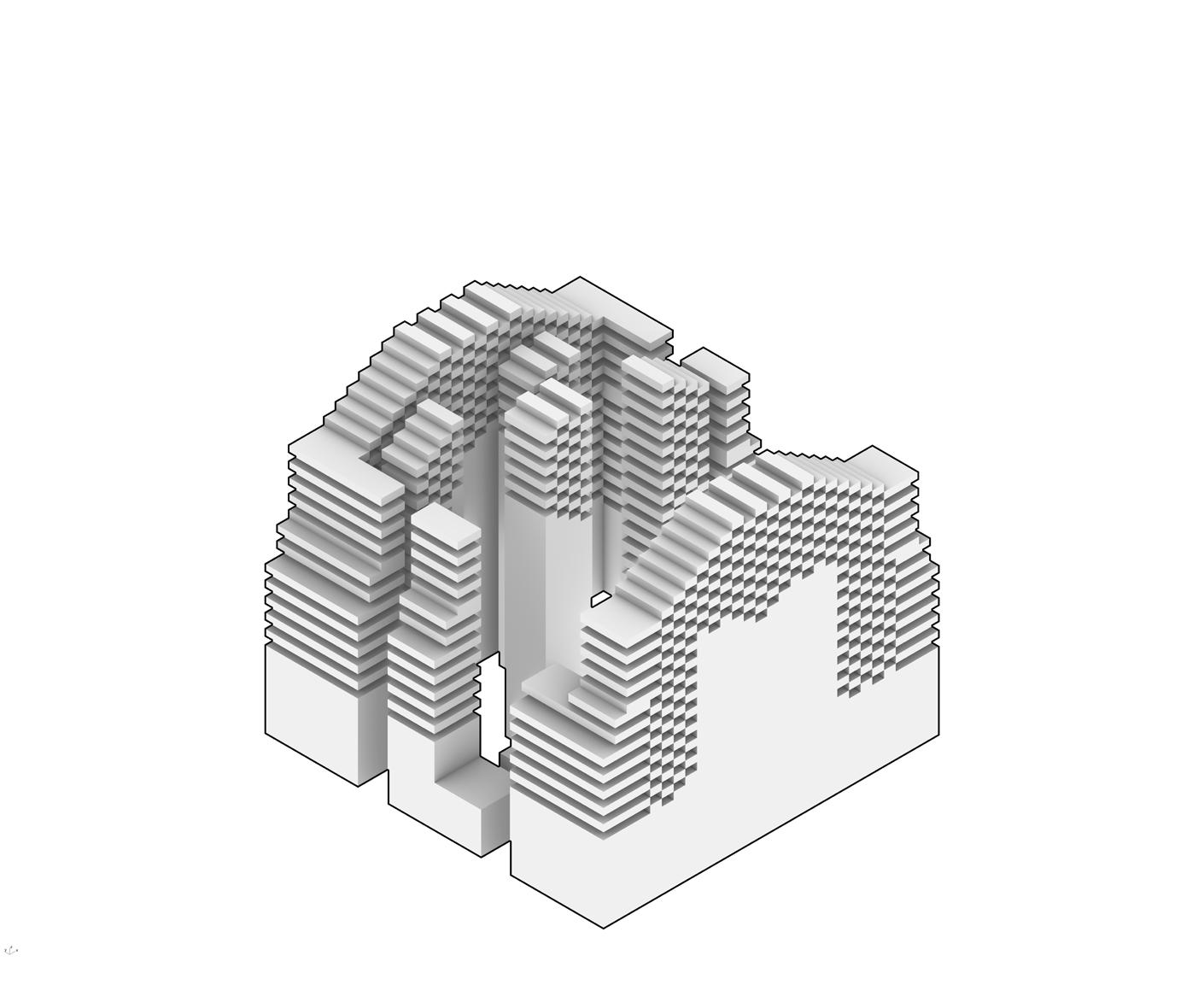

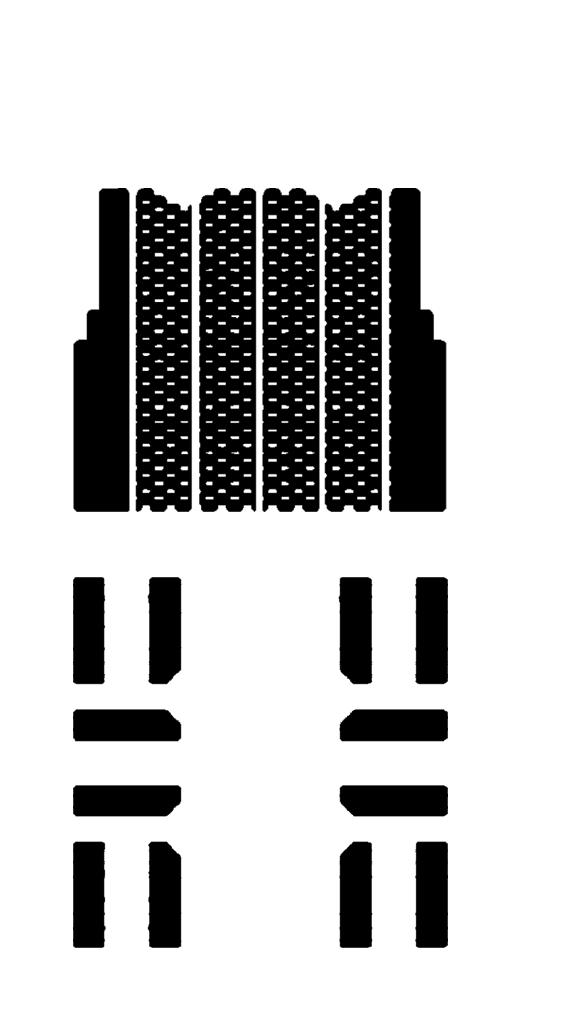
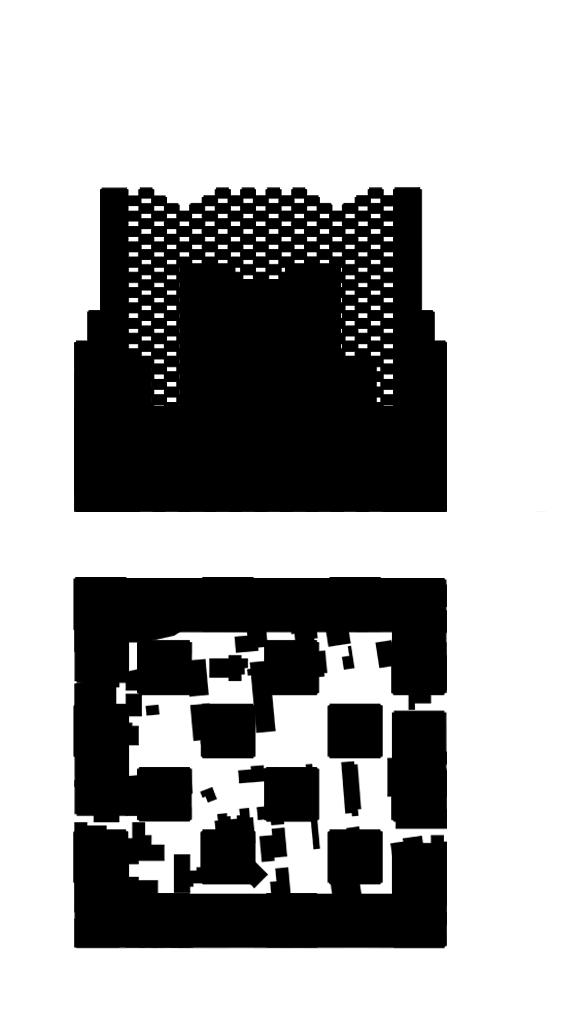

THE BLOCK COMMONS
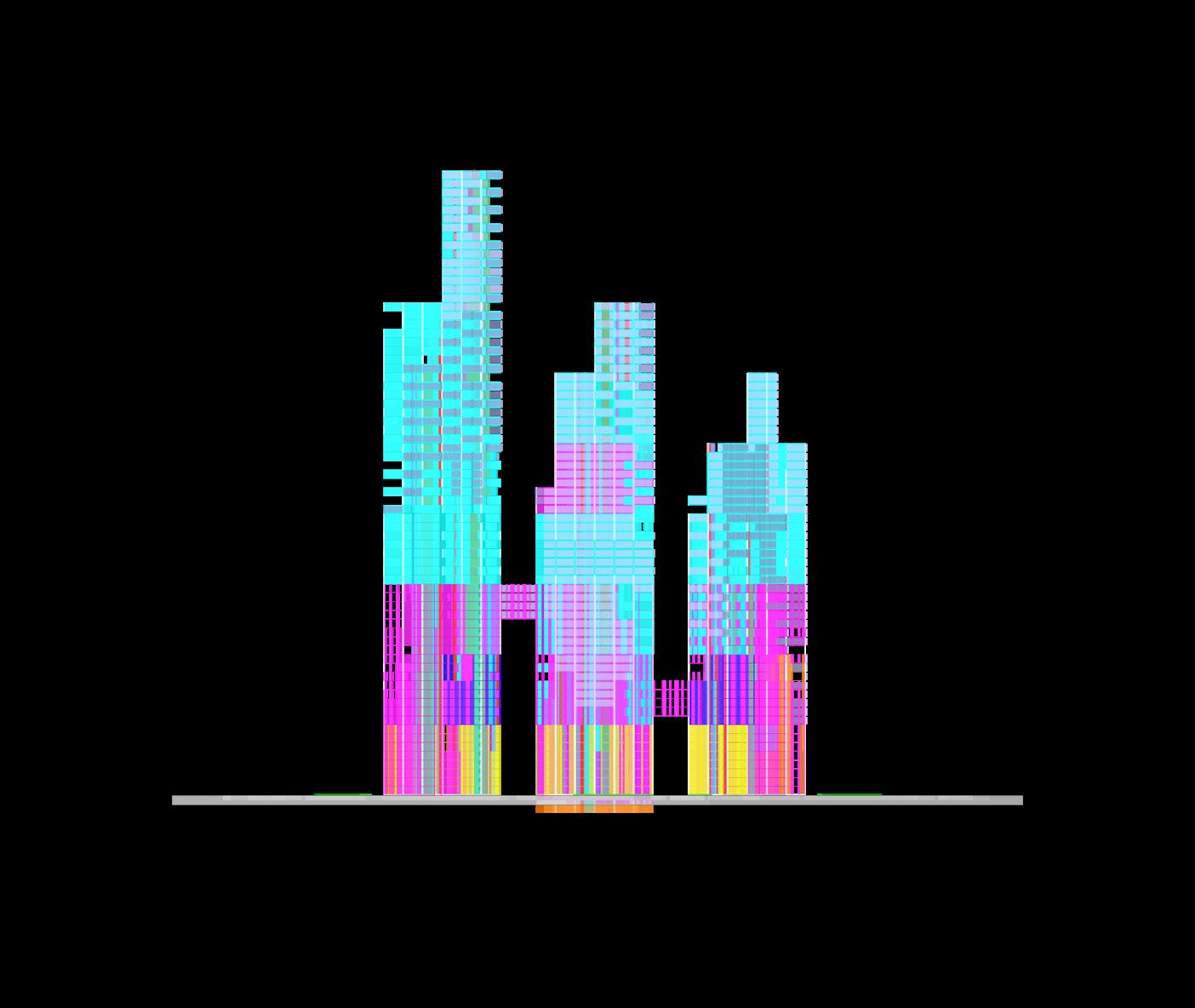
Axon Section
Axon Section With Programmatic Zoning
Programmatic Zoning
North To South Elevation With Programmatic Zoning
SUN RADIATION ANALYSIS
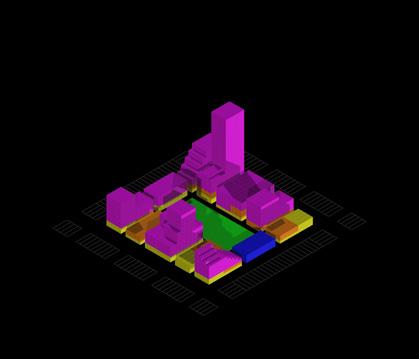
Block Embedded As A Speculative Urban Context
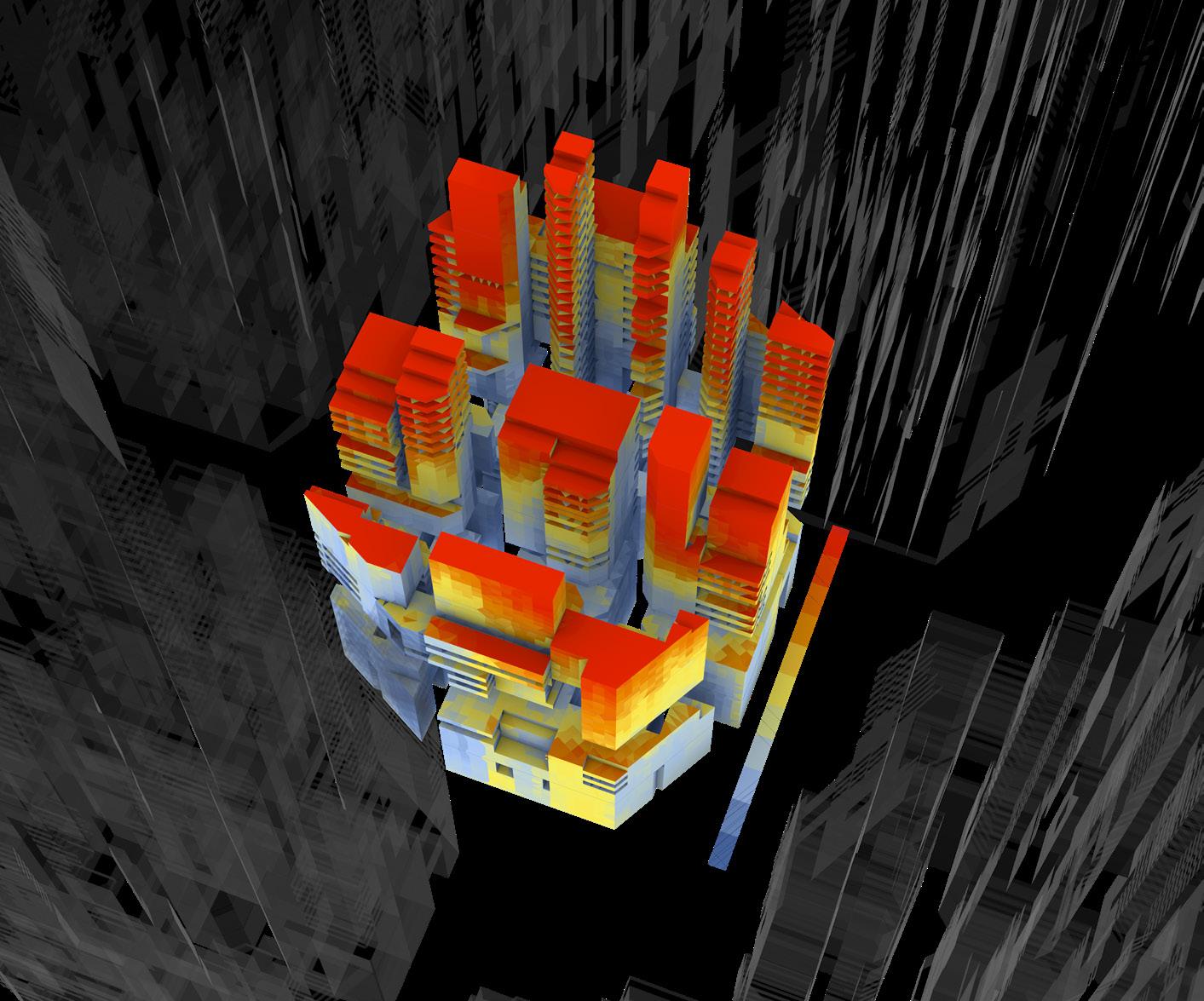
Block Integrated Within Existing Manhattan Fabric
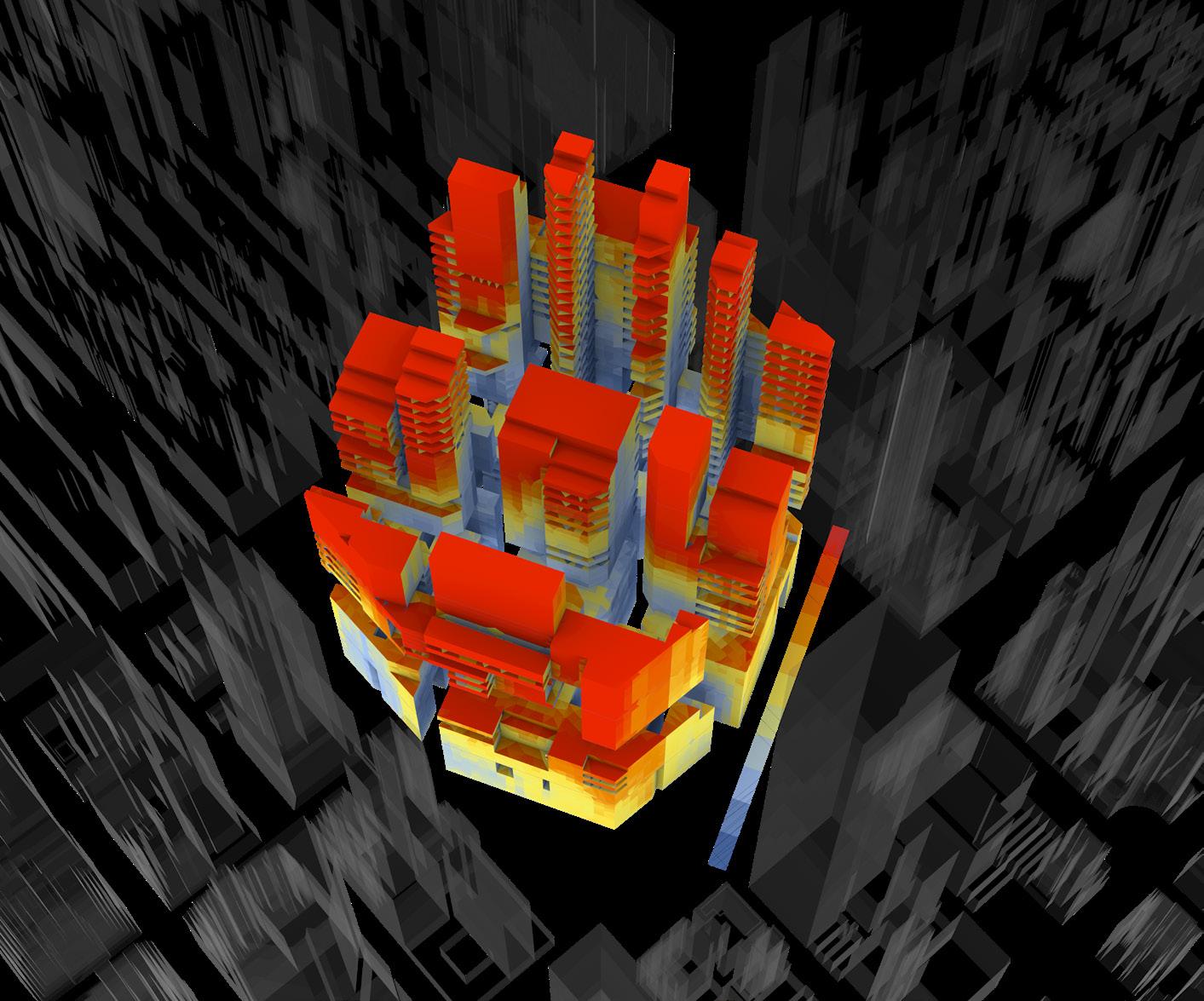
FALGUNI
SPECULATIVE URBAN FUTURES
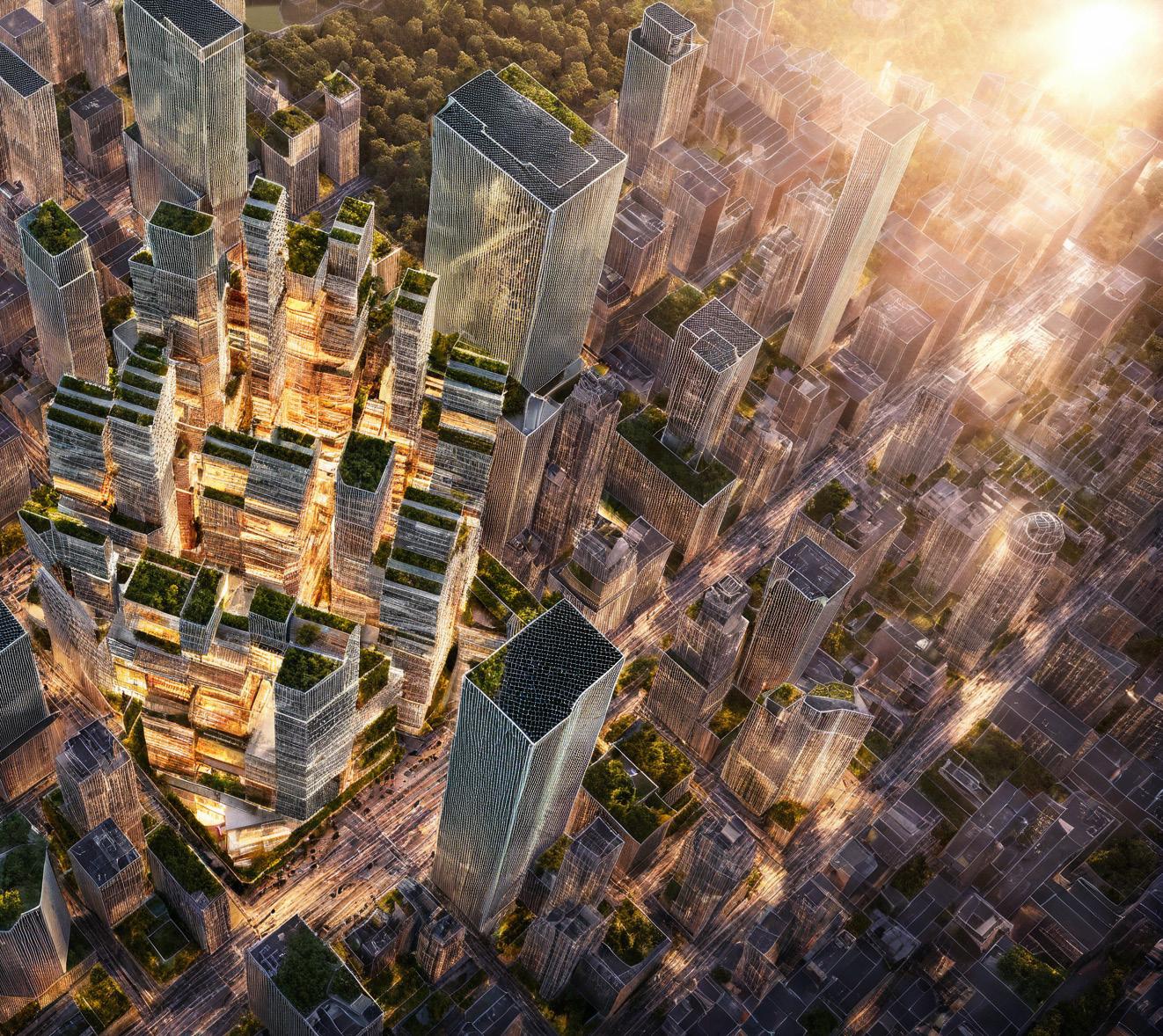
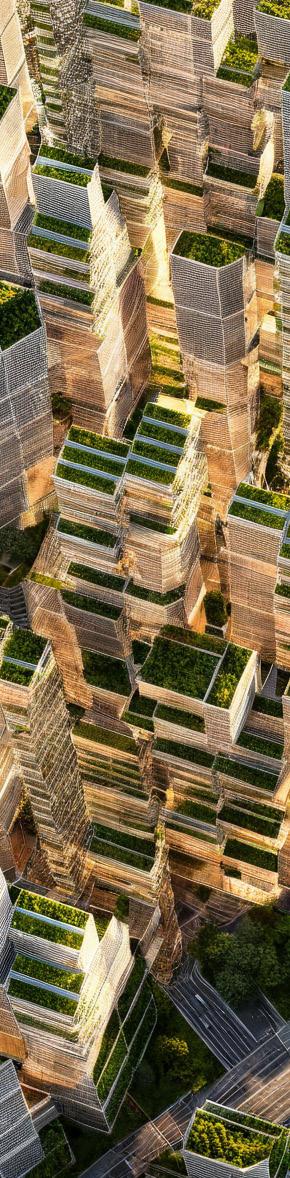
Left: Block Embedded As A Speculative Urban Context And Right: Block Integrated Within Existing Manhattan Fabric
the paradox
STEP IN-STEP OUT
AOA | CREMATORIUM + LEISURE | JULY TO OCTOBER 2021
Site: Versova, Mumbai Area: 13,090 M²
Type: Architecture And Master Planning
Collaborators: Tanaya Nadkarni And Falguni Sakpal
Instructor: Esha Tipnis
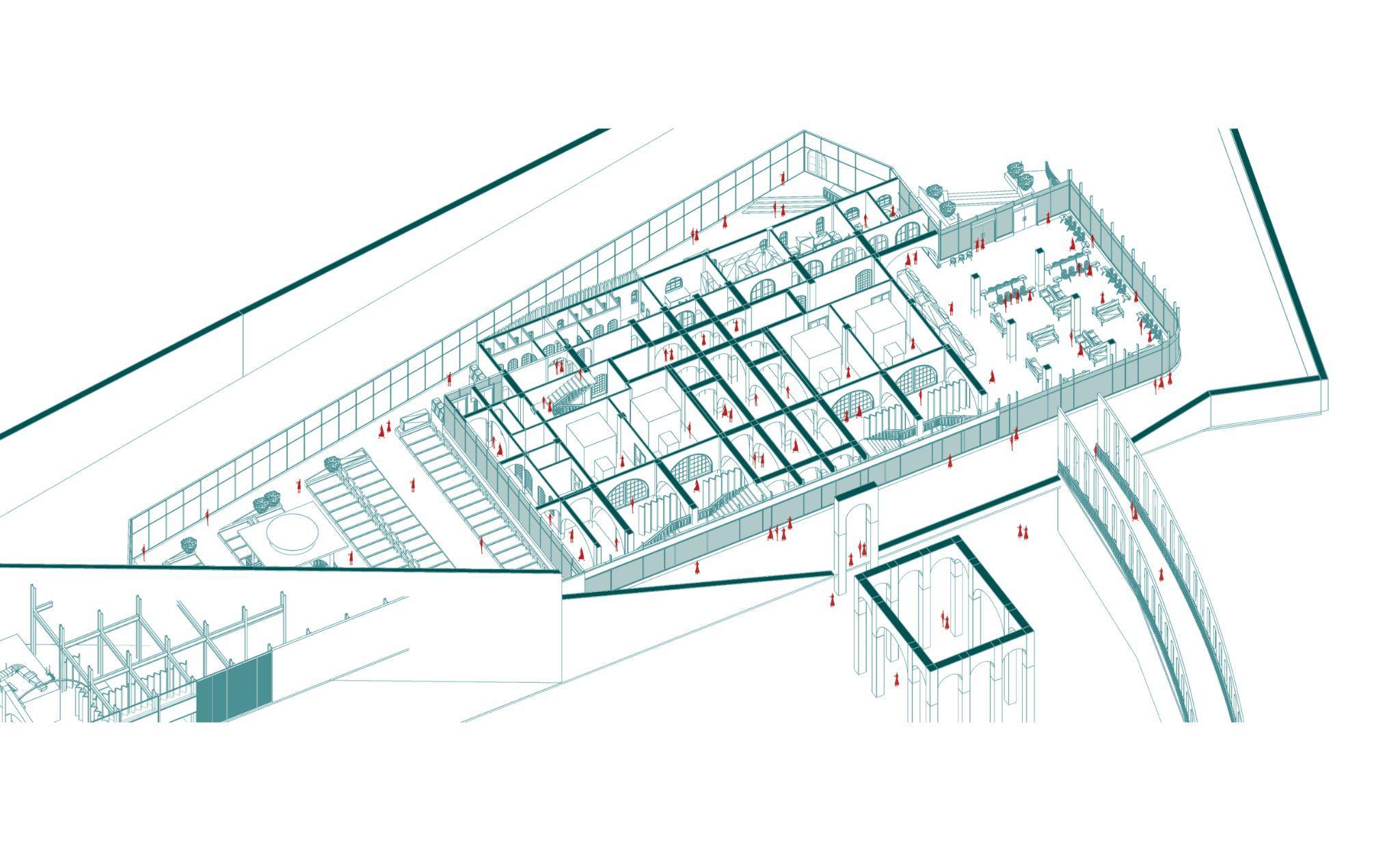
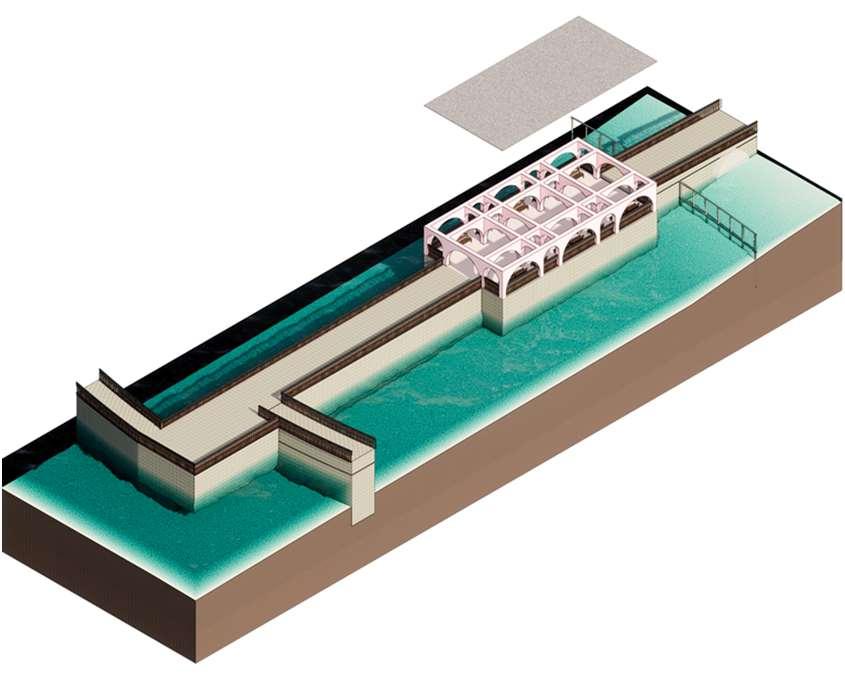
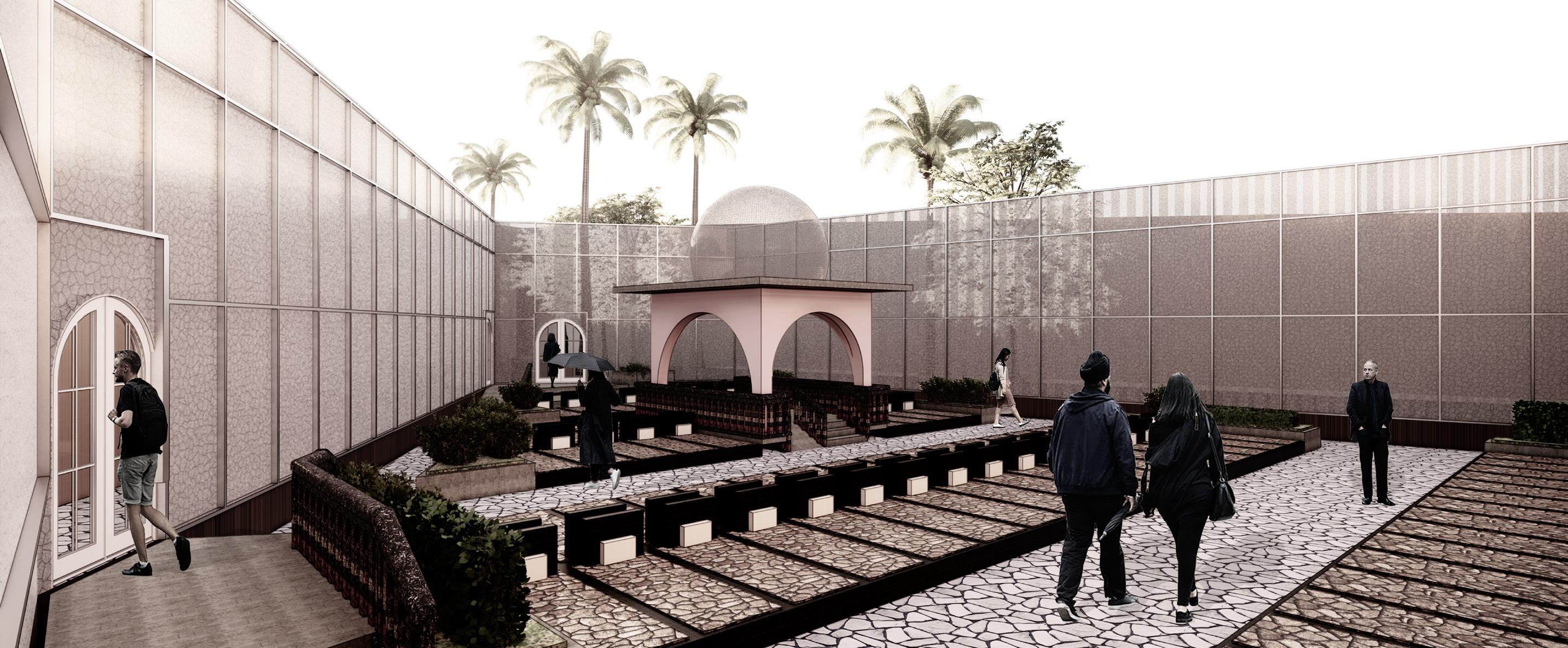
Water and land, with their distinct tactile qualities, are perceived as separate entities, making their intersection uniquely engaging What is the transition between these vast differences? How does the intervention of an edge further define their boundaries? The experiences depend upon the amount of contact we encounter with the water-body. Many coastal communities have made water their home, a source of livelihood and occupation, making the coast a point of celebration as much as a workplace.
In interjecting this edge, we have compromised the natural systems of ecology and the resilience of mangroves and
marine vegetation. This puts coastal communities and the closely associated built fabric at risk. We exist as parasites of installations, raising the question of their extent.
The expanse of the horizon, the boundary where the sky meets the sea, and its reflecting quality are often the pleasurable points of architecture near water. However, water is also a resource. It is a source of energy generation. The architecture of production, when intertwined with spaces of leisure and pleasure, opens possibilities for reinterpreting utility as experience.
Contribution: Research, Site Study, Detailed Mapping, Conceptualization, Sketching, Design Development And Detailing, Representation, Model Making, And Final Presentation
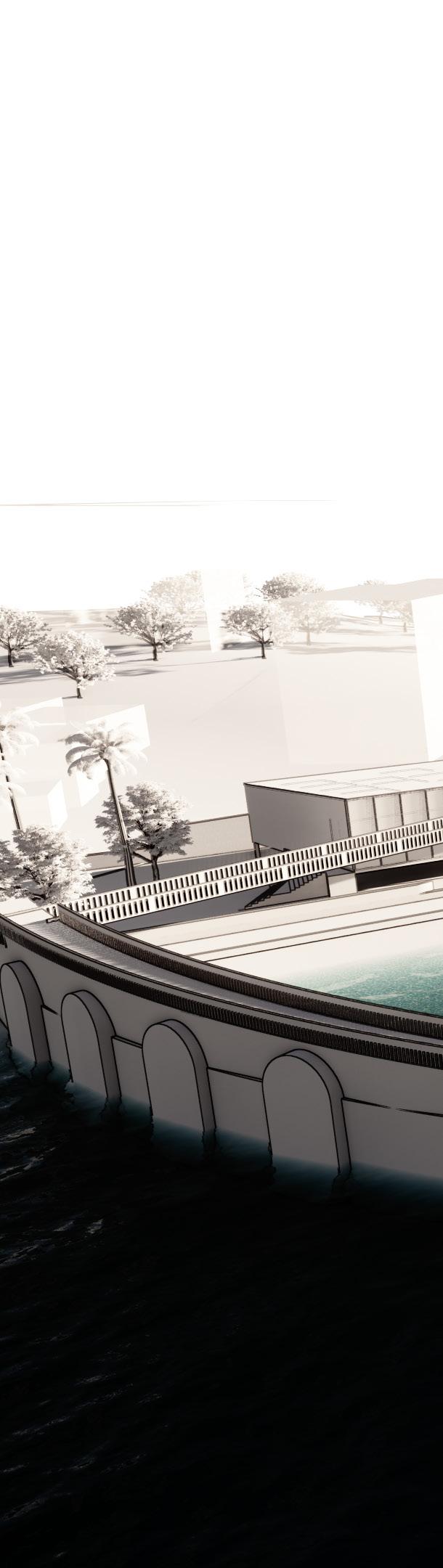
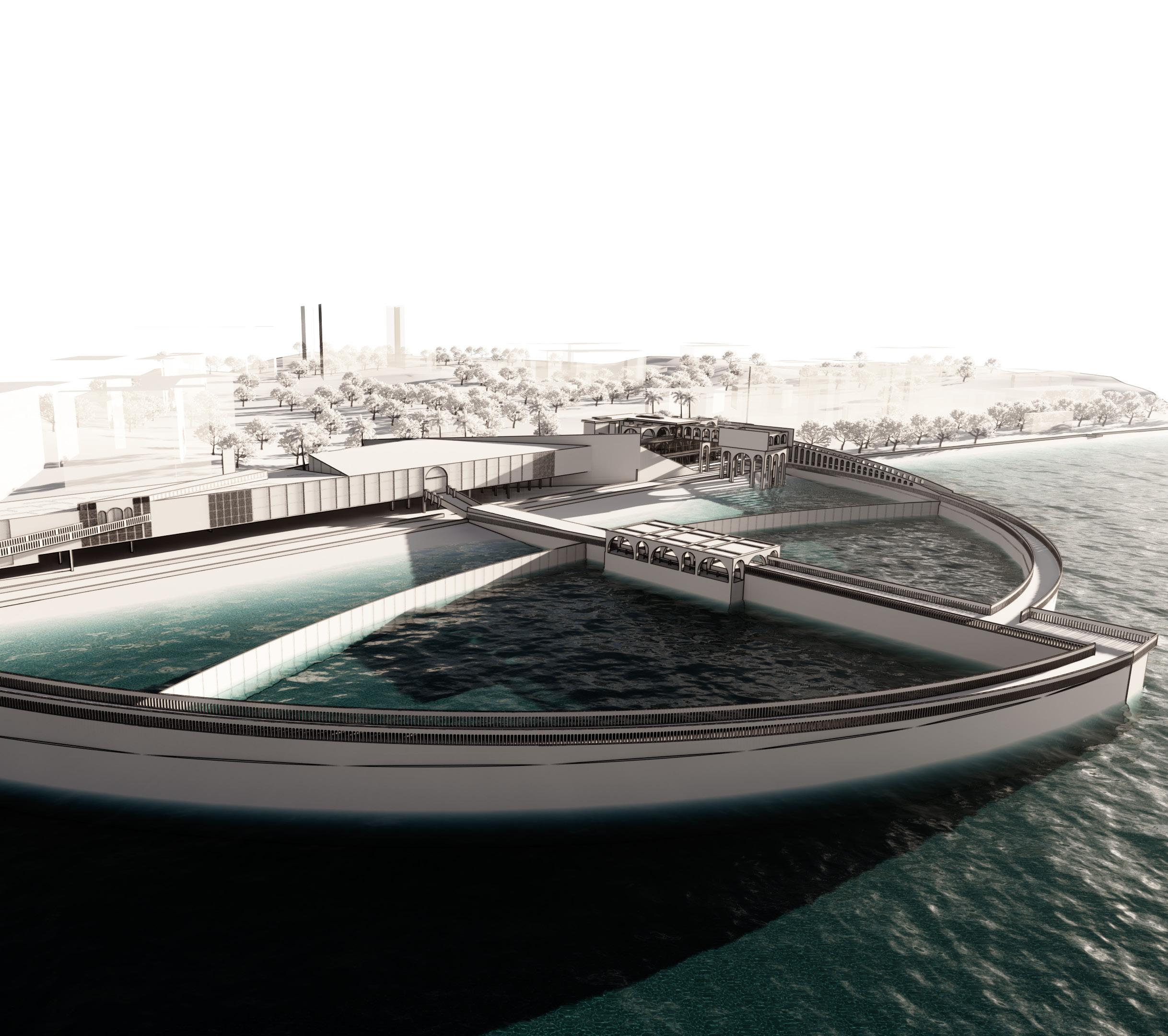
SITE IMPRESSIONS
Impressions, Understandings, Initial Intuitions Of The Site, And The Context At Large
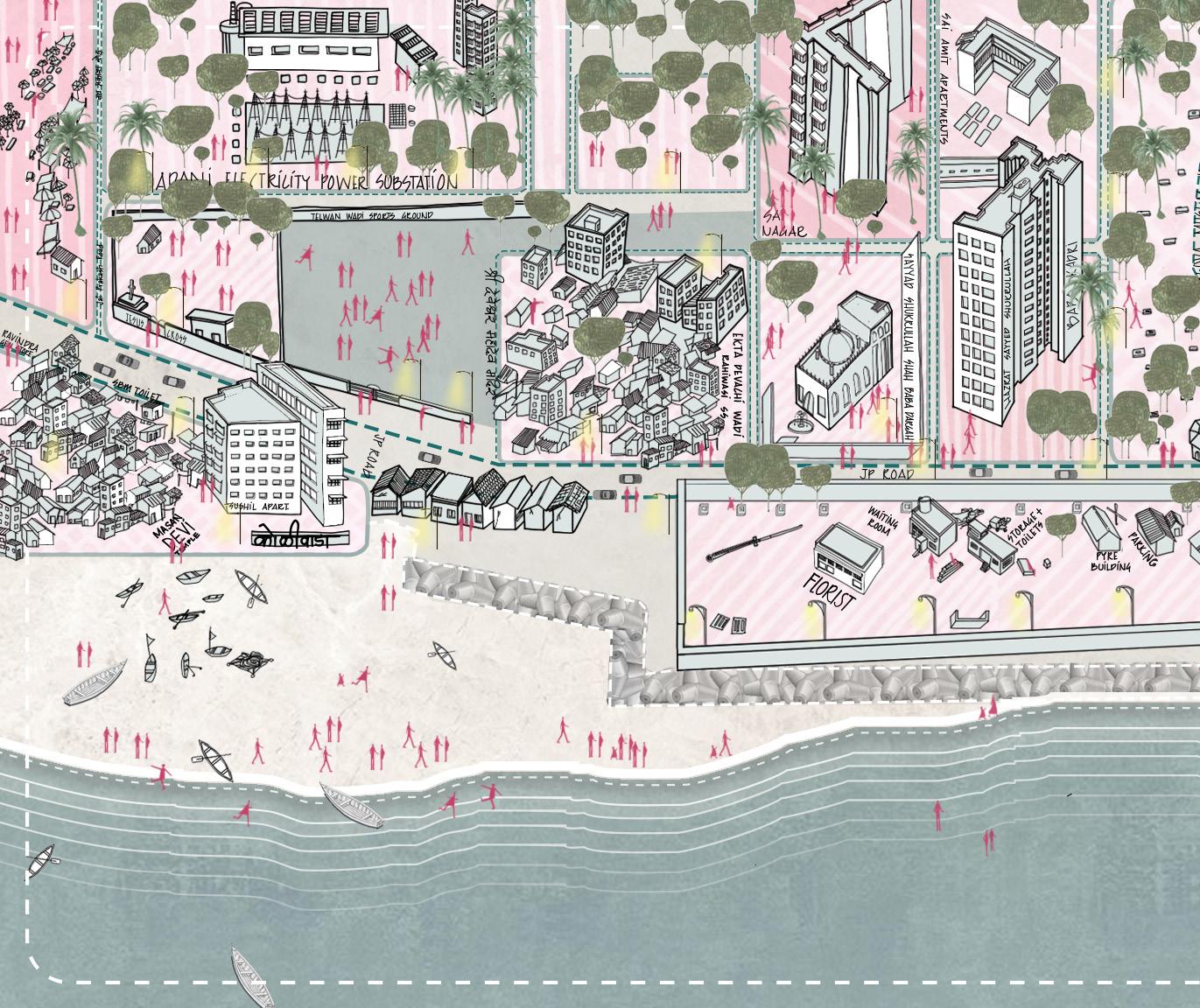
Different typologies like residential, commercial, crematorium, Kabrastan, temples, churches, Dargah, playgrounds, slums, and markets exist within the same place. Movement within community dwellings is organic and fluid, contrasting with the
hierarchical order of high-end residential areas. These are connected through roads, forming an interdependent network at a macro level. This is the identified chaos. This resembles the patchwork of different fabrics of the quilt.
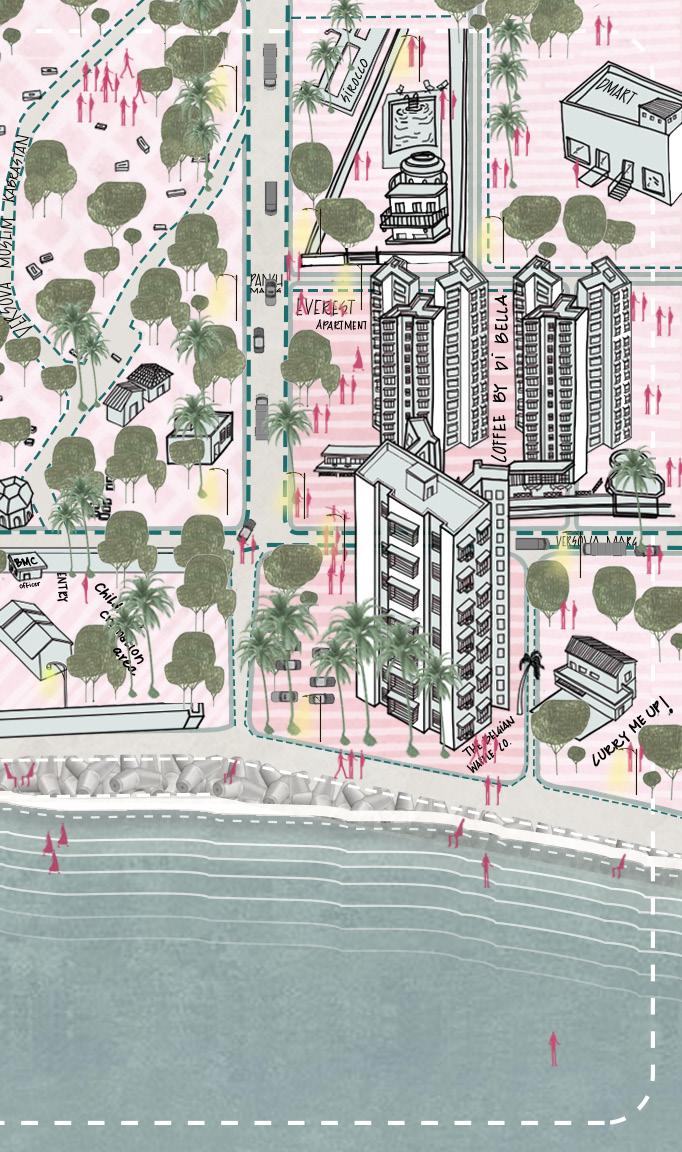
Each fabric retains its individuality, yet together they form a seamless quilt stitched into one collective whole. When zoomed into the site at a micro level, the functions are highly fragmented, and the movement is free-rhizomatic.
THE PARADOXICAL EDGE
Preach
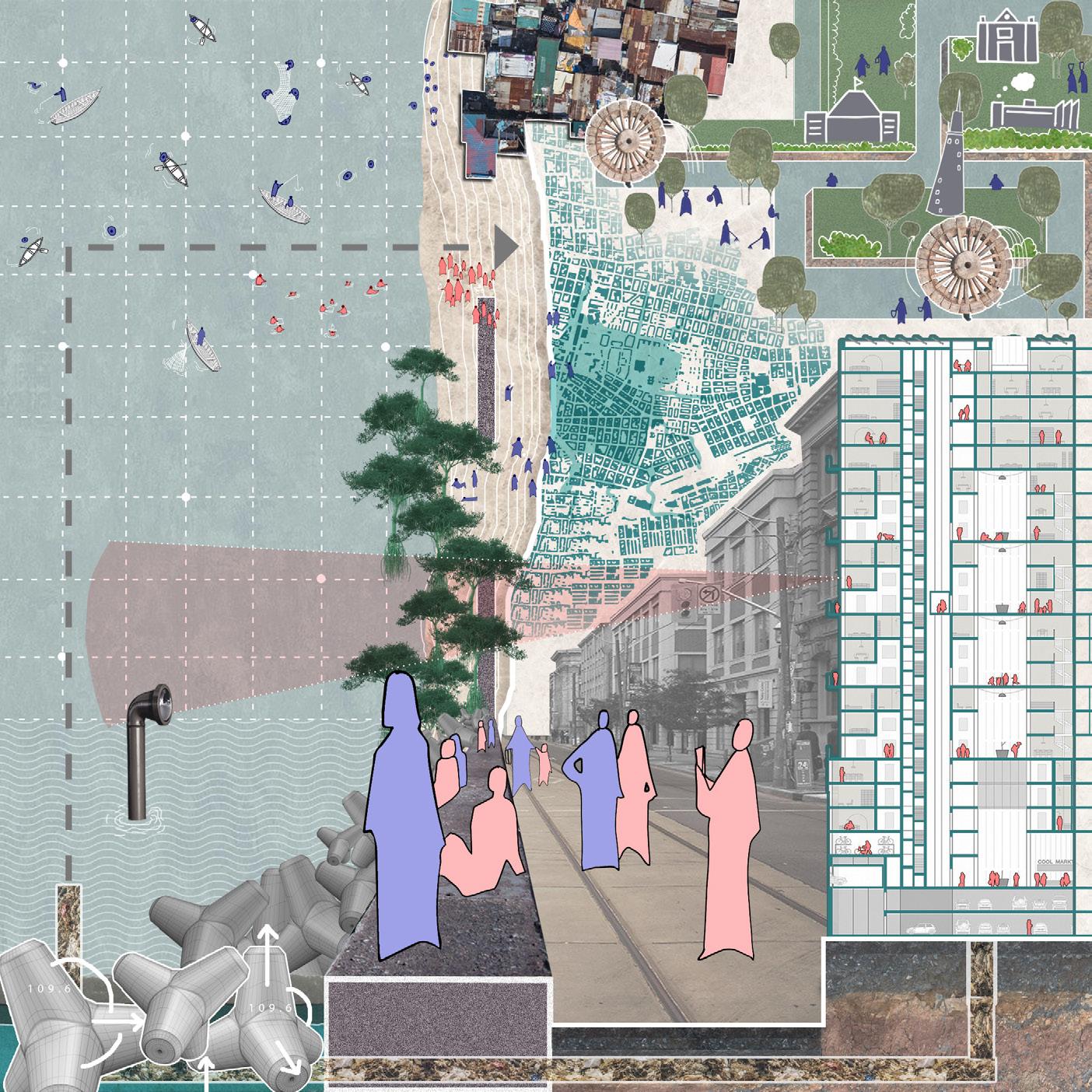
Natural Edge; Water Territories; Festivals and Cultural Association. Occupations; Infestation of Concrete; Urban Fabric; Figure-Ground; Inhabit; Affect-Infect; Reaction; Water as a Resource.
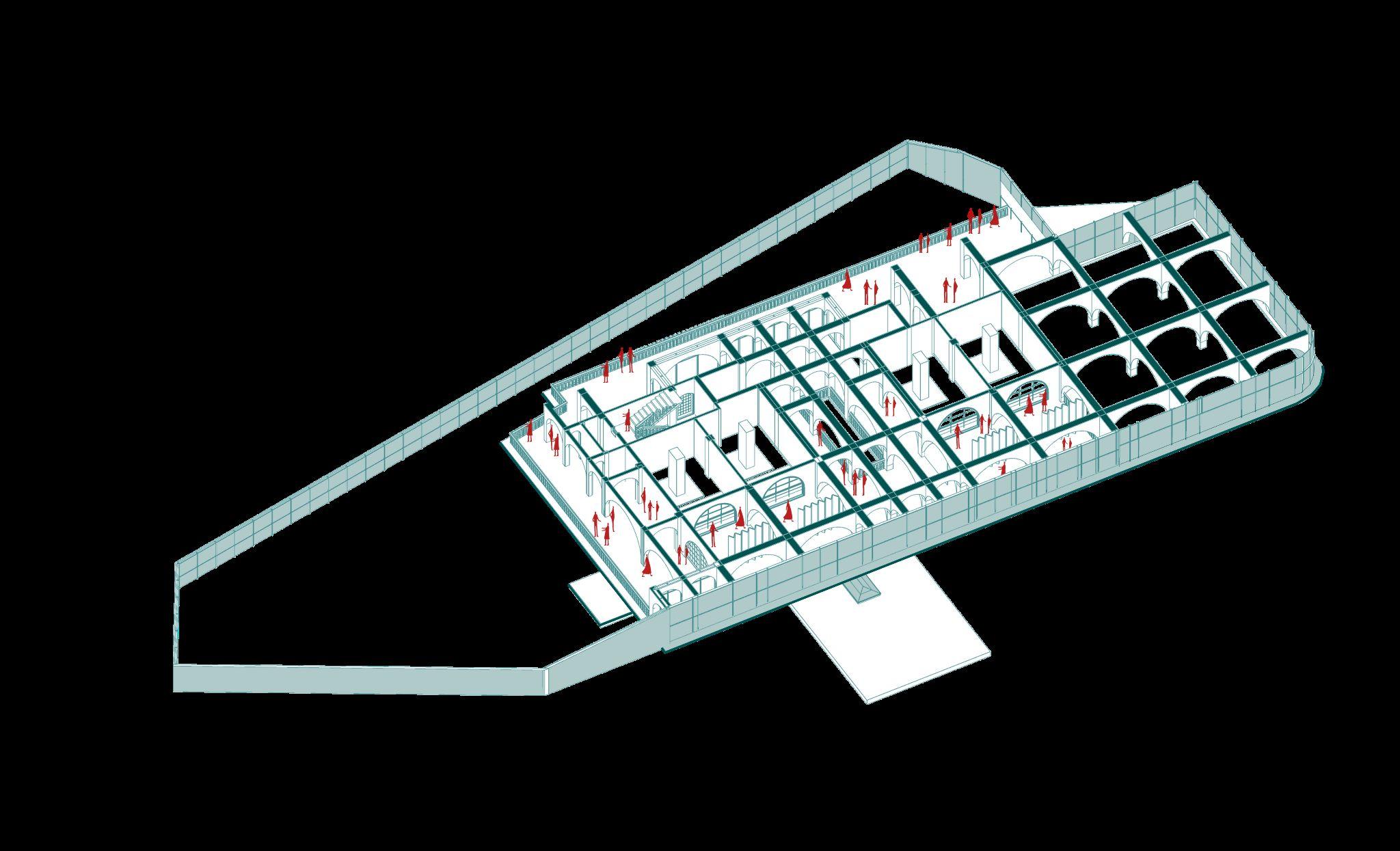
ARCHITECTURE OF CELEBRATING LEISURE
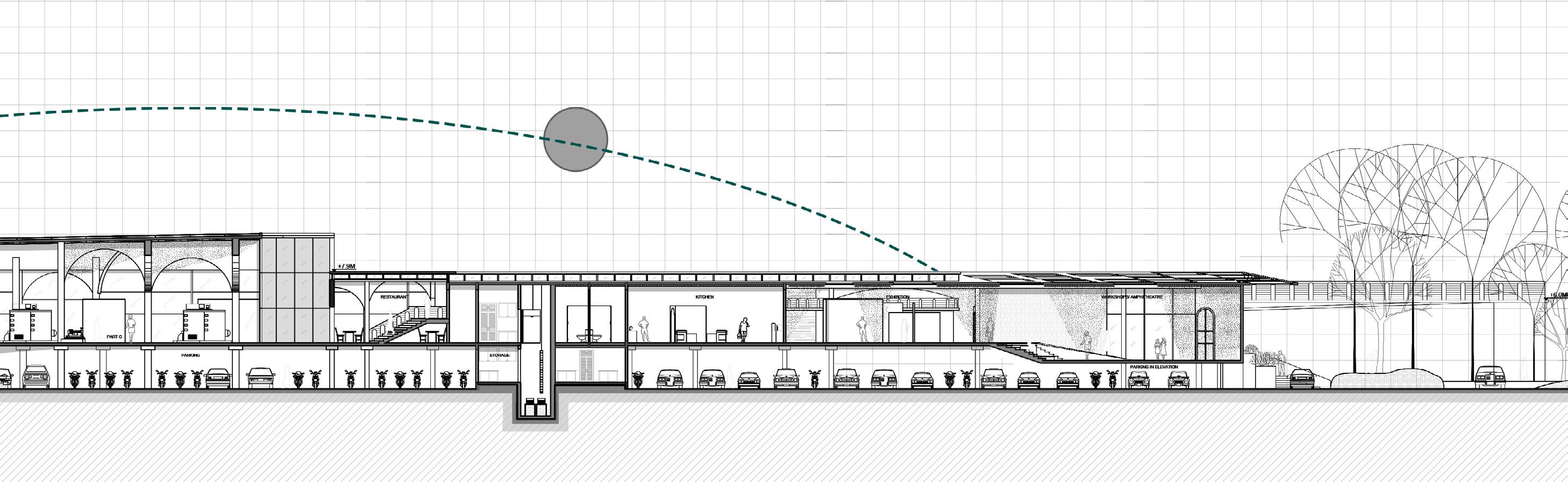
Part A Part C
ARCHITECTURE OF MACHINES
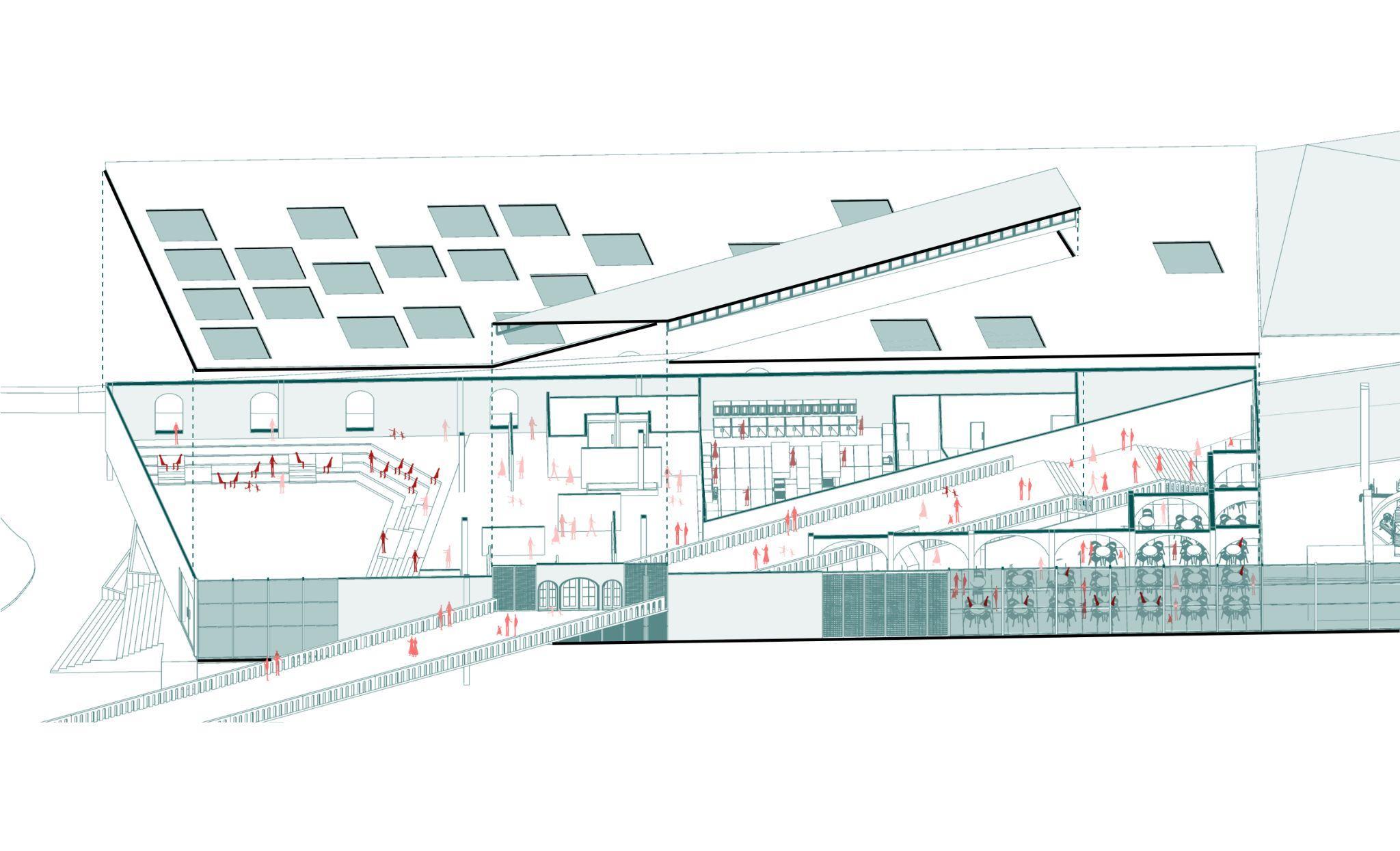
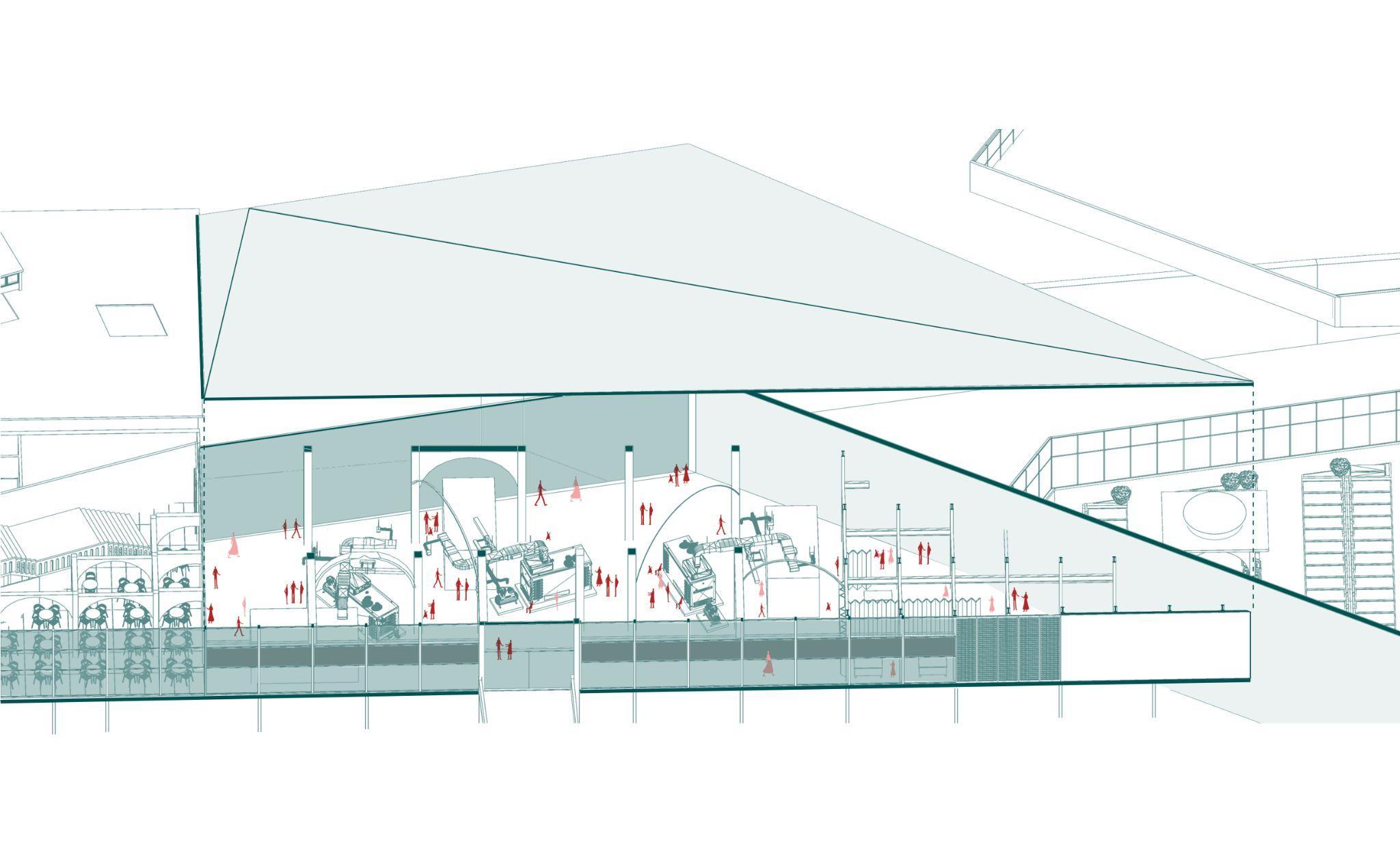
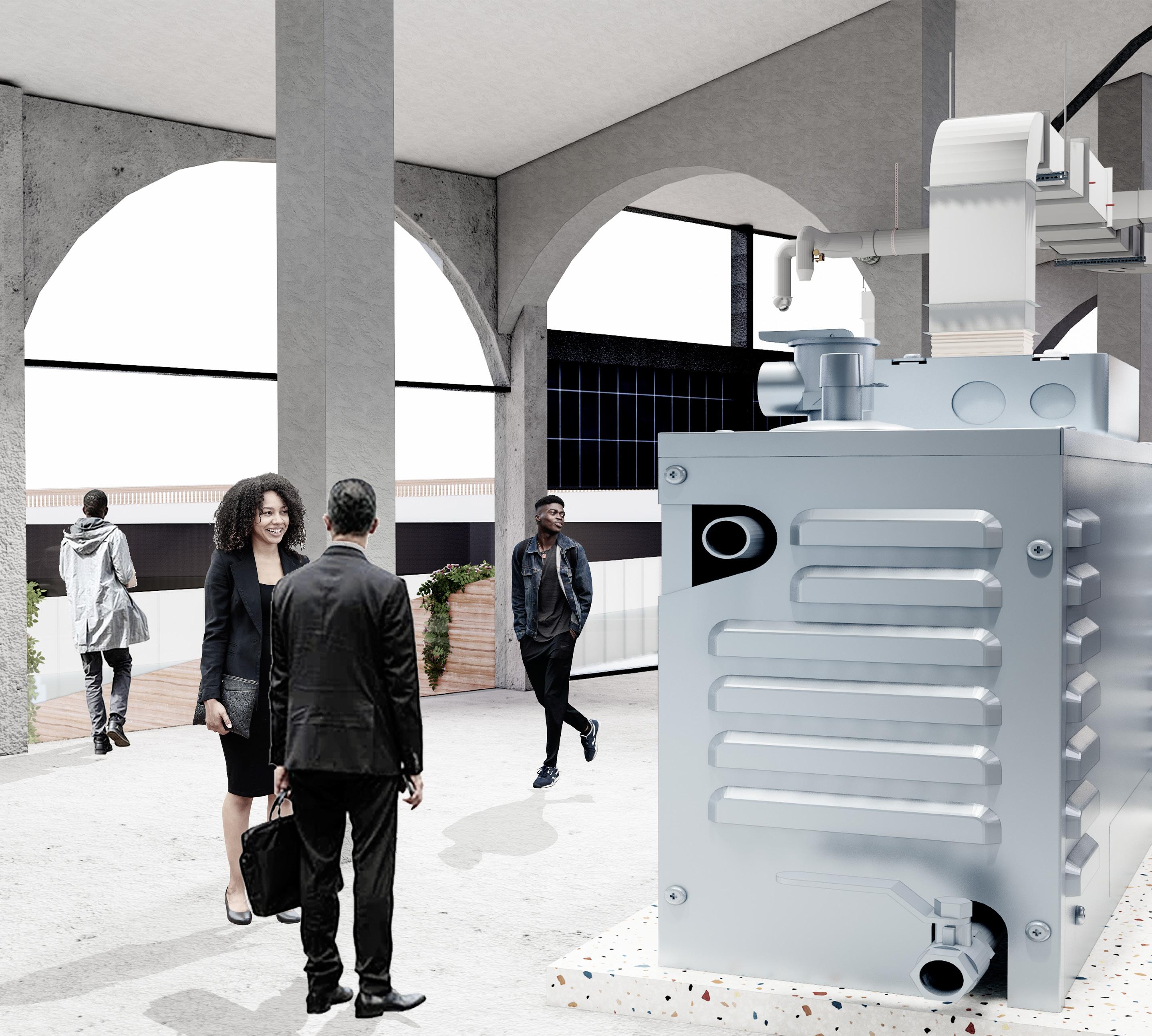
Pumps
Photovoltaic Panels
Slab Generators Viewing Deck
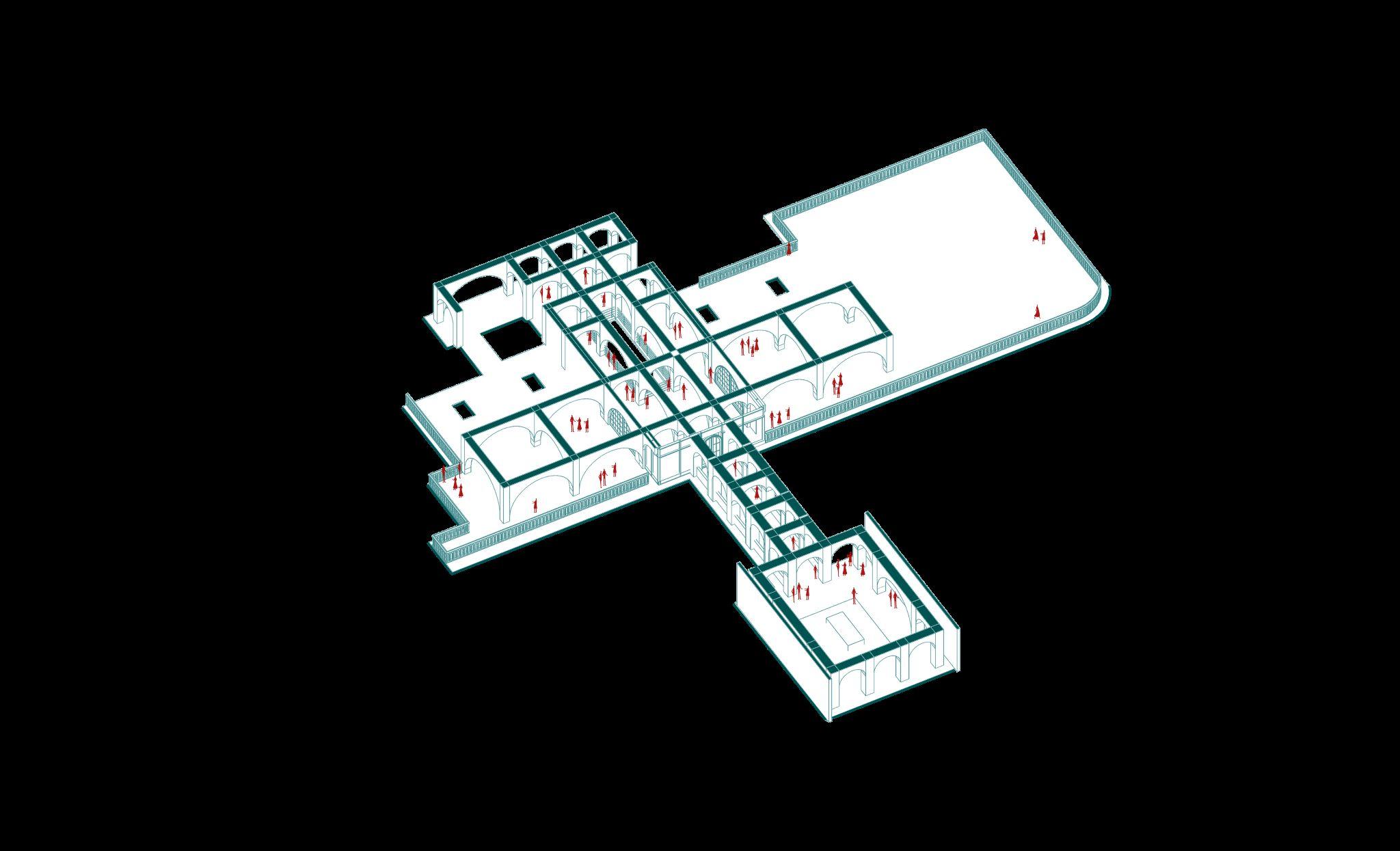
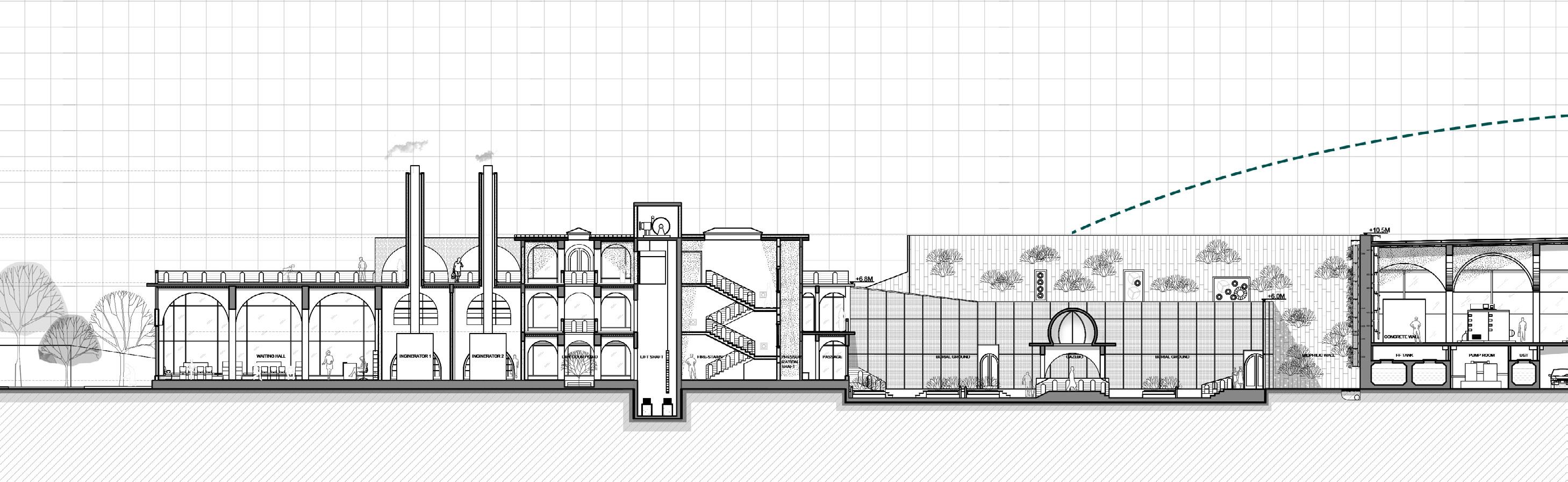
Vertical Dry Courtyard
Burial Ground
Chimney And Double Height Of The Incinerator
Terrace Deck Double Height Of The Waiting Hall From The Ground Floor Open Pyre Vault
WALL CLADDING
Biophilic-Rough Concrete
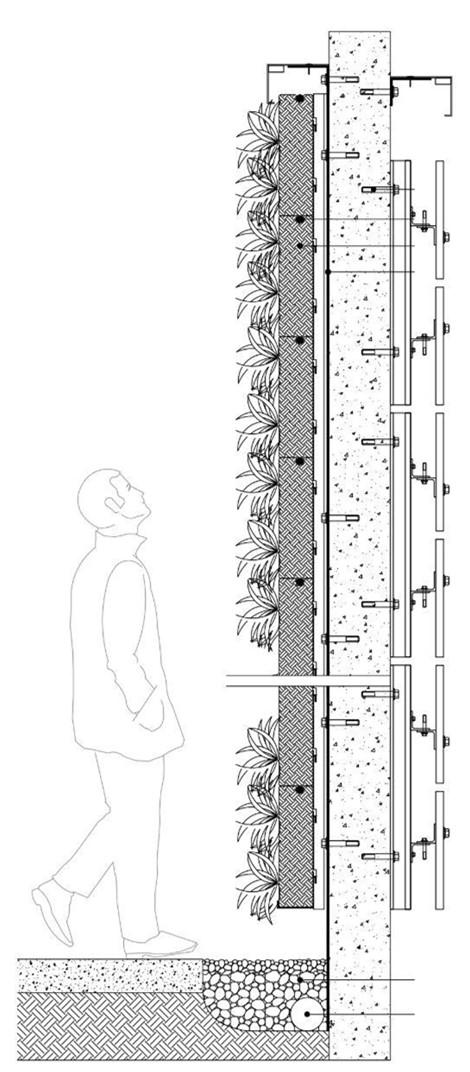
Rainwater Top Cover
RAINWATER TOP COVER
Vertical Landscaping
VERTICAL LANDSCAPING
RCC Structural Wall
RCC STRUCTURE WALL
Timber-Rough Concrete
LAGOONS
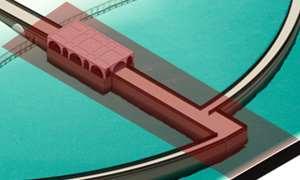
Boat And Viewing Deck
ROUGH CONCRETE CLADDING
Rough Concrete Cladding
TIMBER CLADDING
Timber Cladding Connectors
CONNECTORS
Rainwater Collectors
RAINWATER COLLECTOR
DETAILED SECTION OF THE BIOPHILIA-ROUGH CONCRETE TO THE WALL
LONGITUDINAL
SECTION
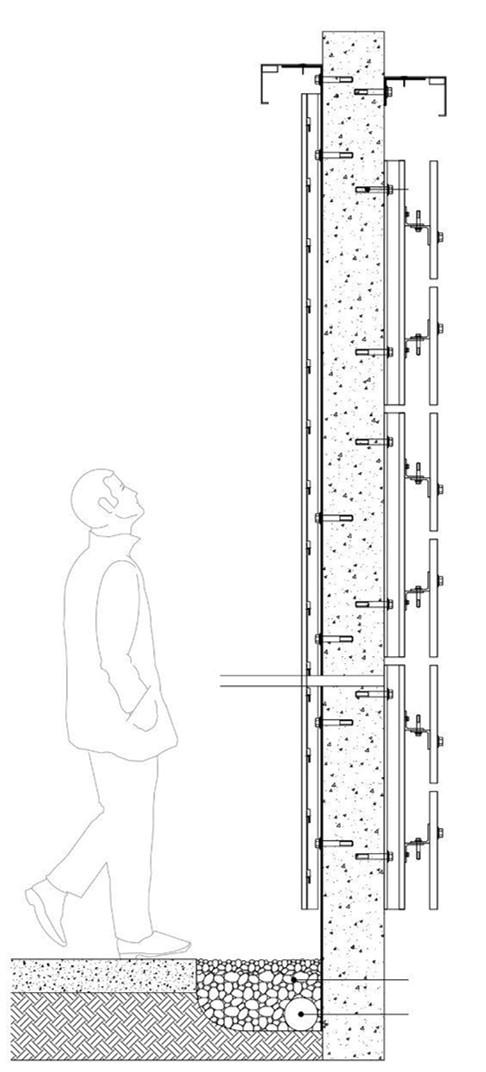
DETAILED SECTION OF THE TIMBER-ROUGH CONCRETE TO THE WALL
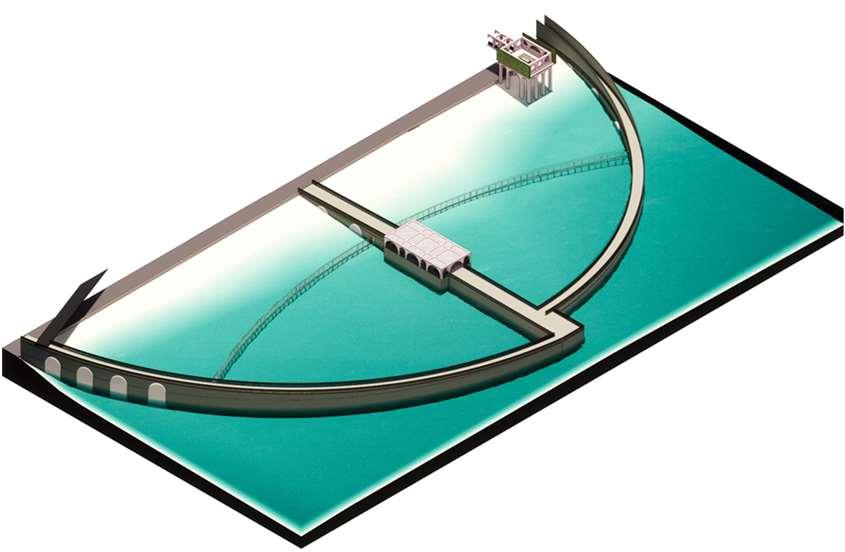
BOATING AND VIEWING DECK
LOW LAGOON
HIGH LAGOON
Low Lagoon
High Lagoon
ARCHES GRID AND PARTITION WALL
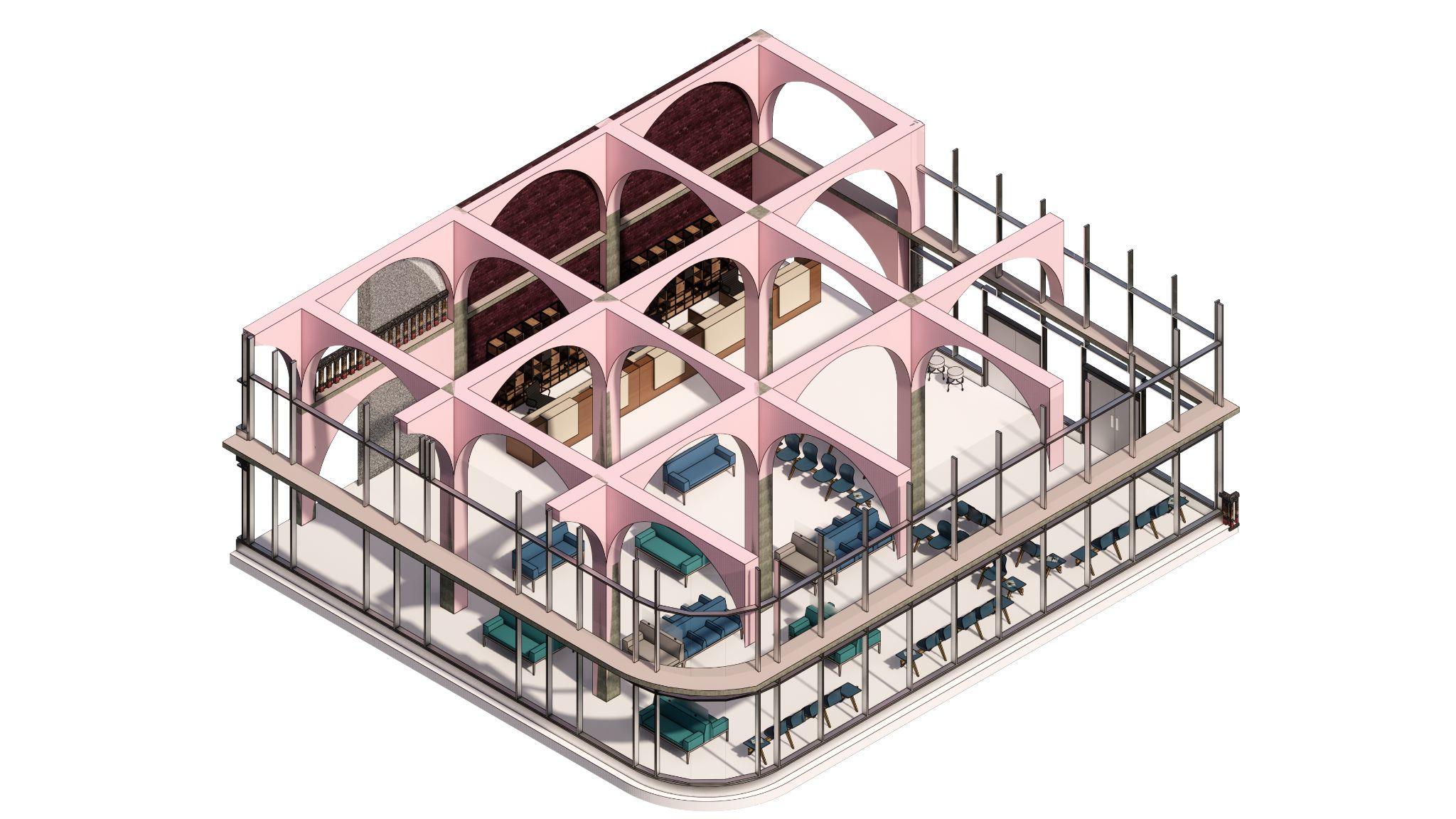
STRUCTURAL GRID AT 5M DISTANCE C/C
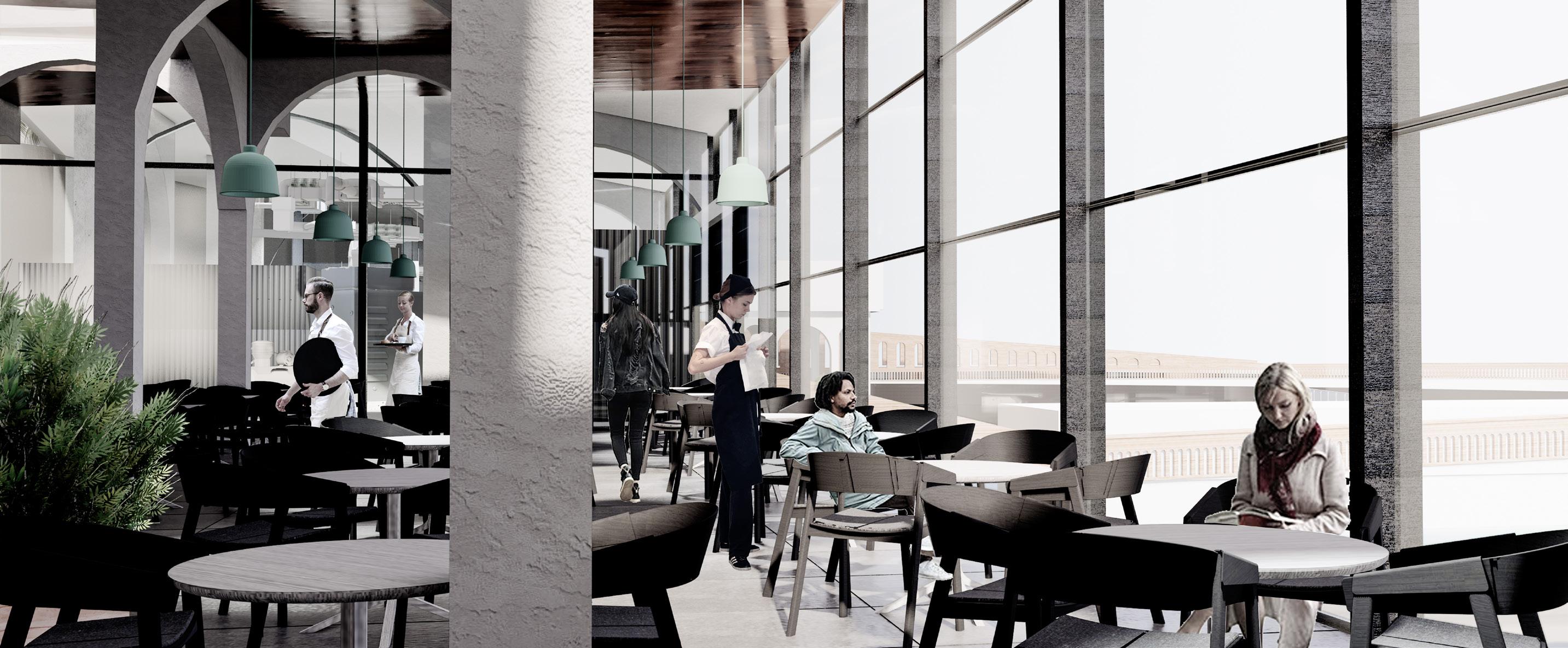
RESTAURANT
Part A
BURIAL GROUND
Part B
INTERIORS AT THE GENERATORS
where is the sulabh?
AOA | PUBLIC TOILETS | JULY TO OCTOBER 2021
Level: Semester 9
Collaborators: Vanshika Arora, Priyanshi Hiran, Tanaya Nadkarni, Dipalee Suslade, And Falguni Sakpal
Instructor: Kanak Kashyap
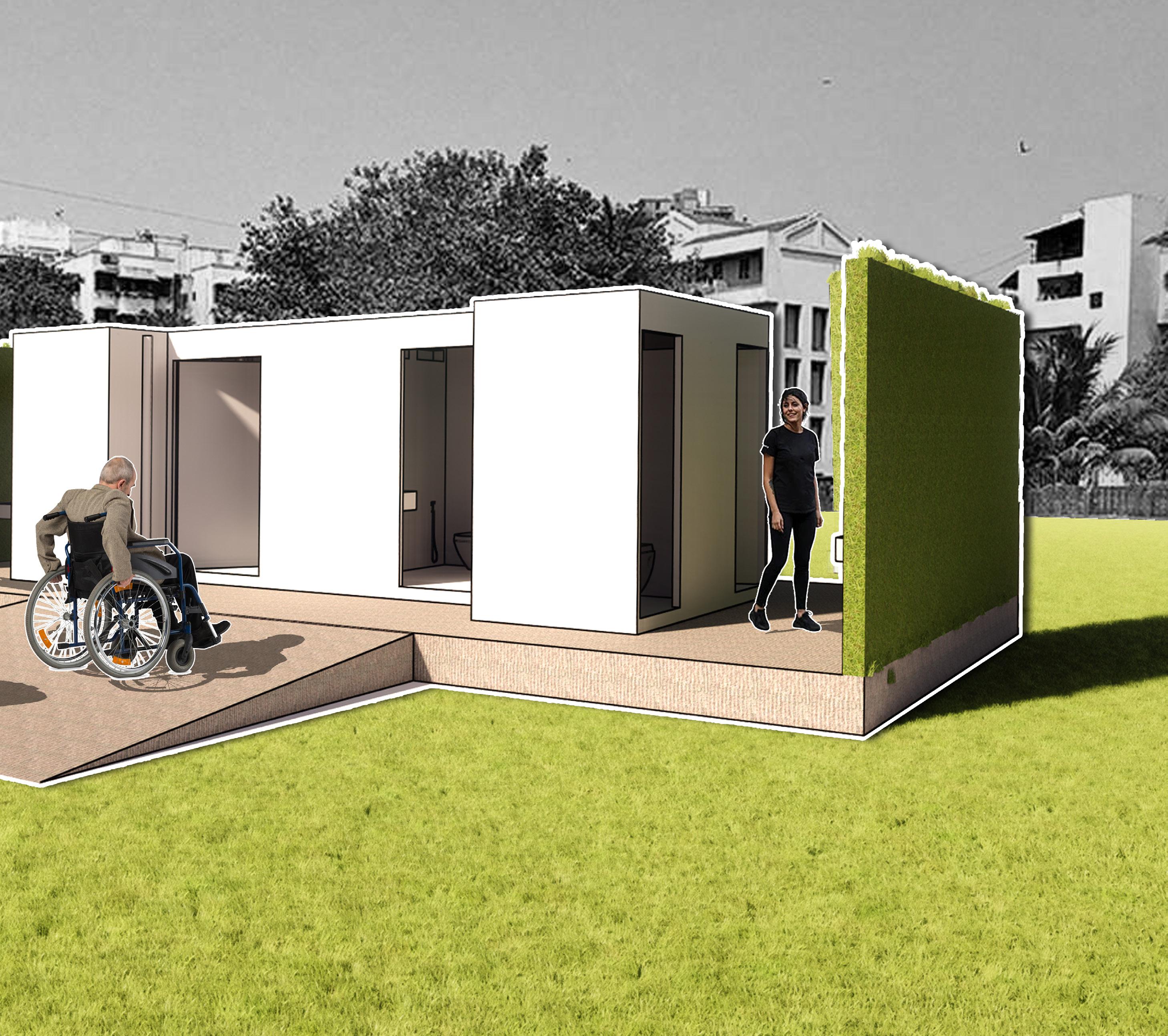
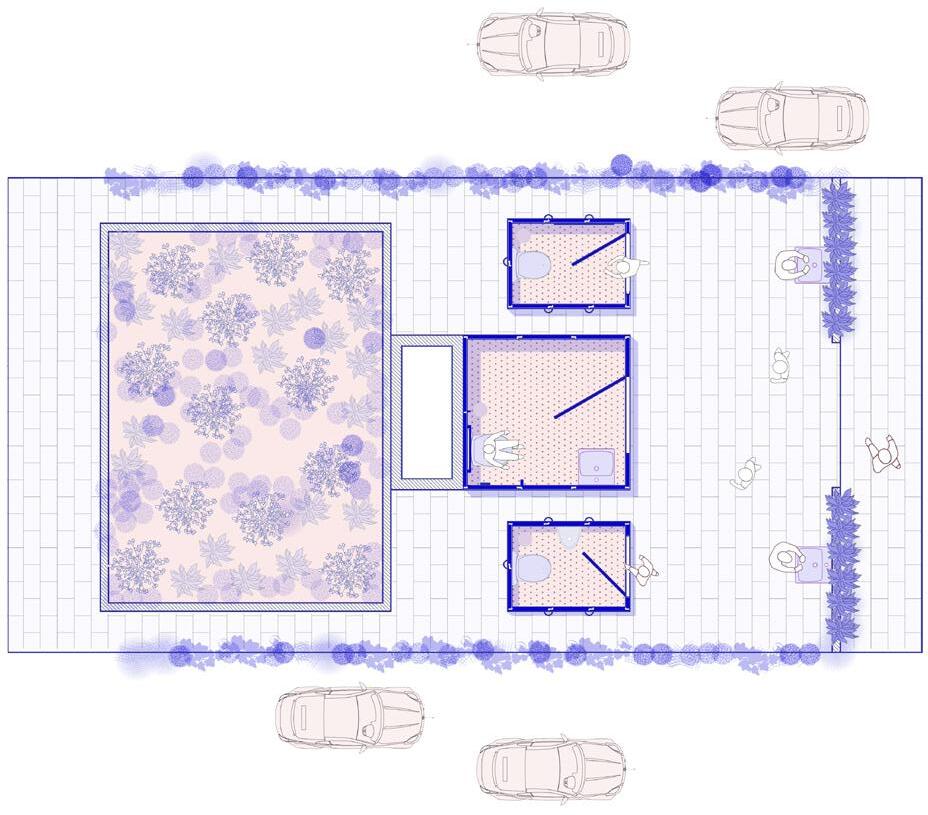
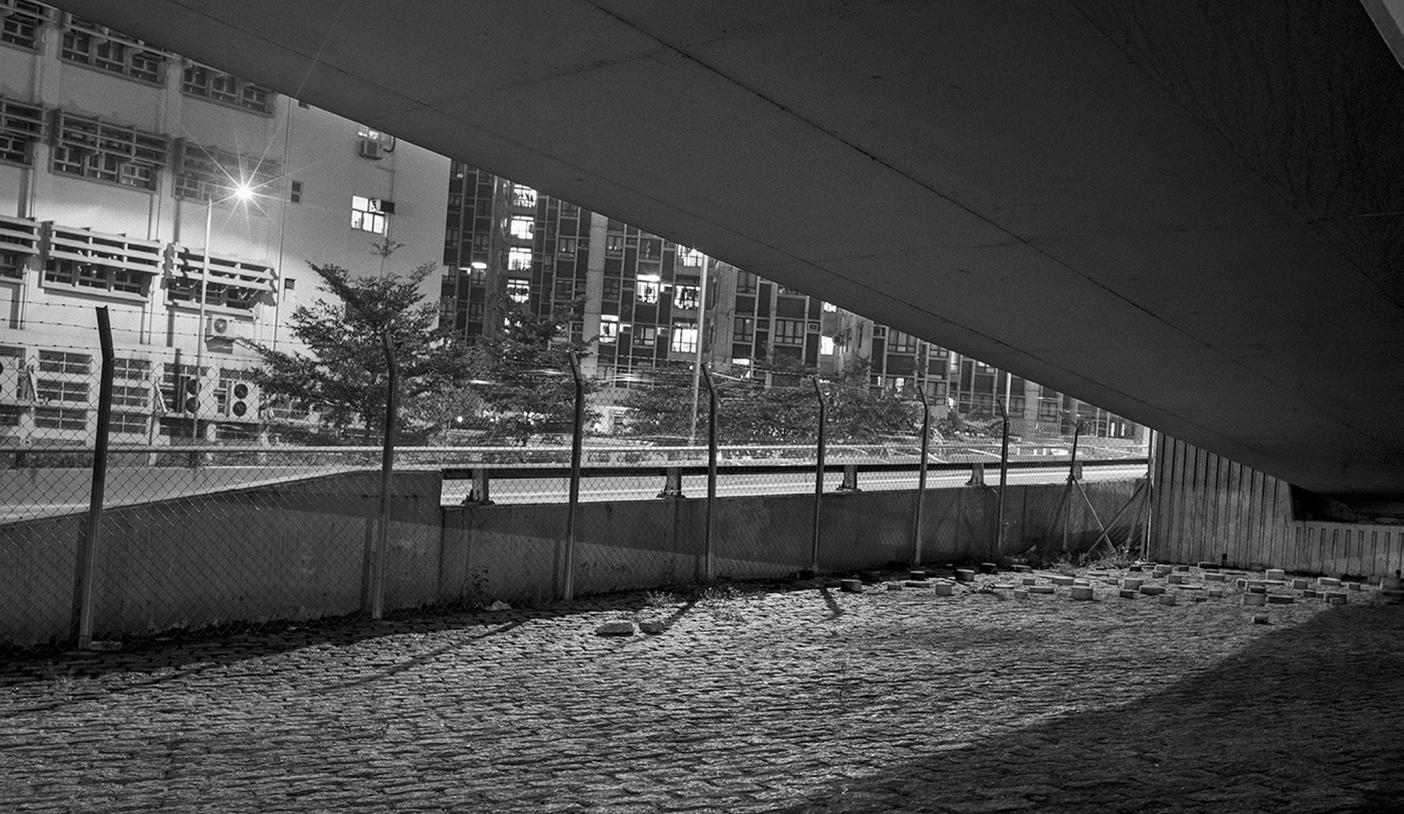
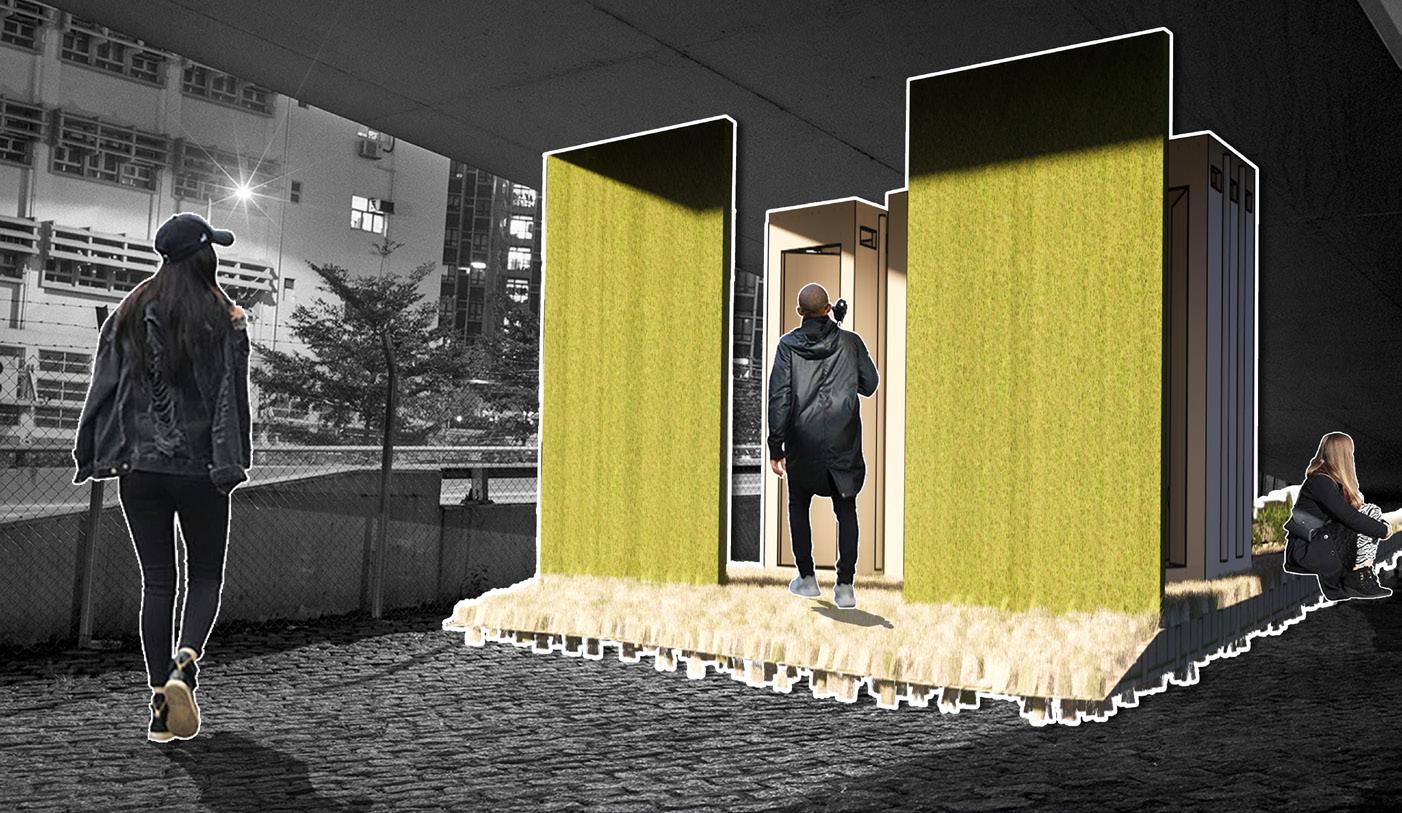
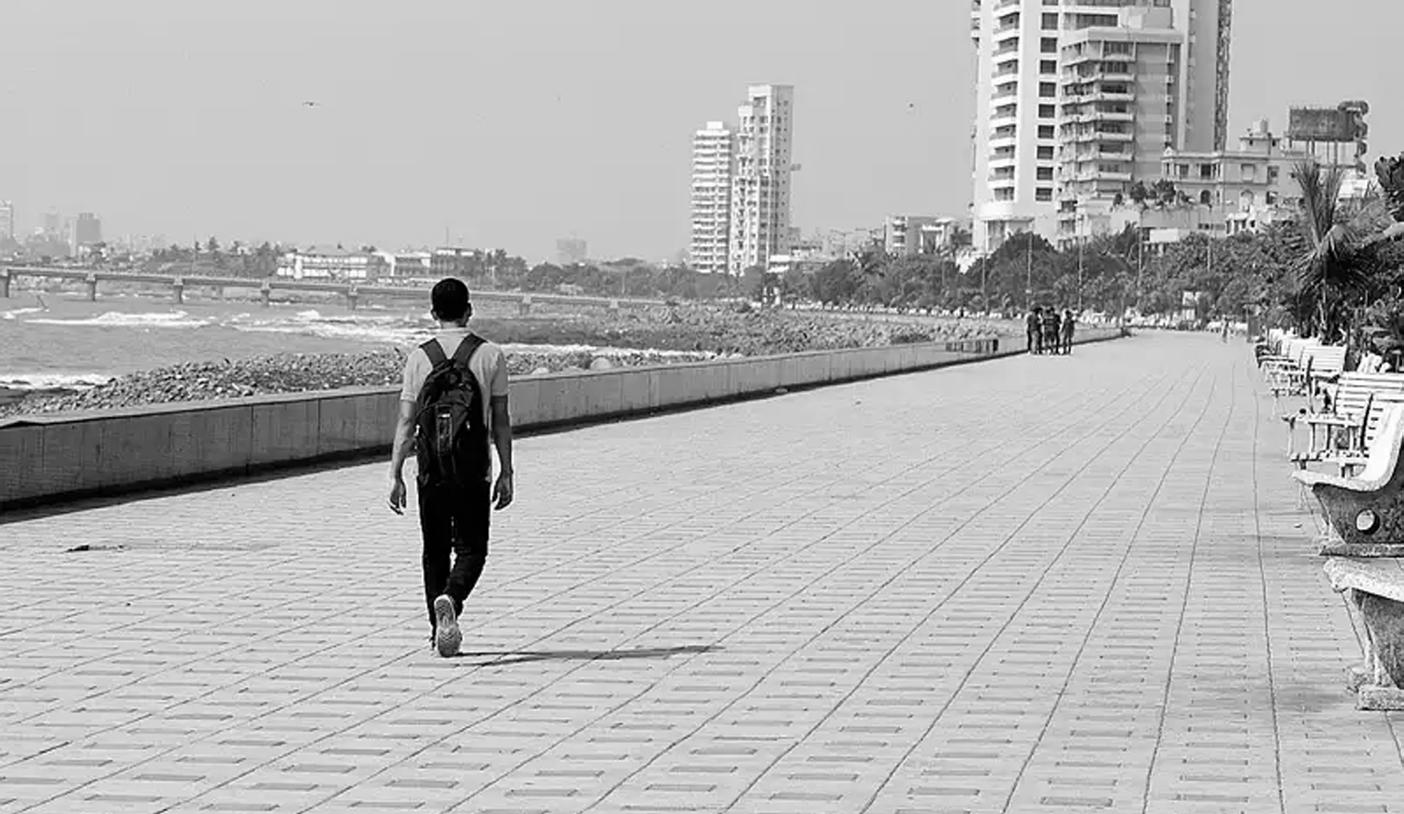
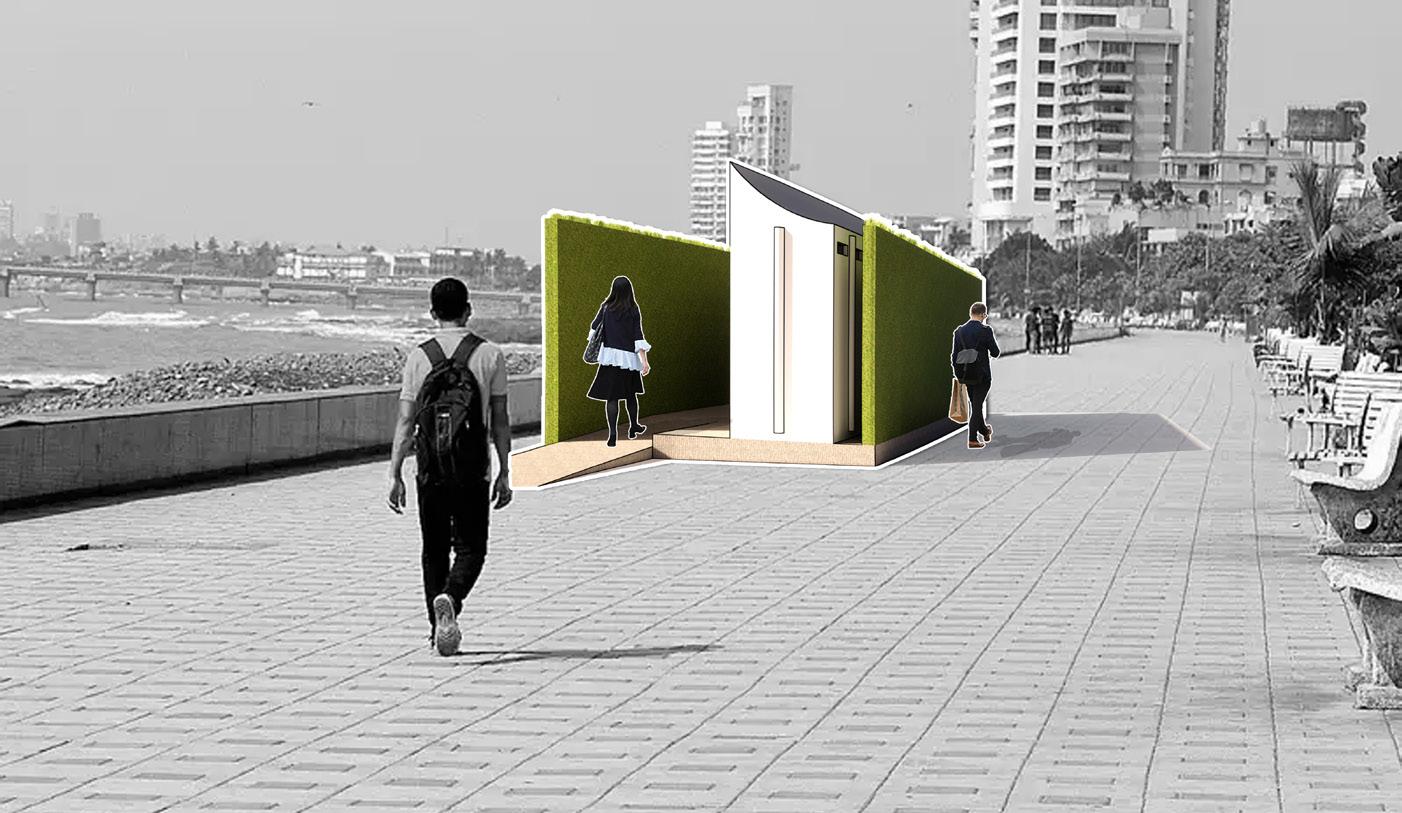
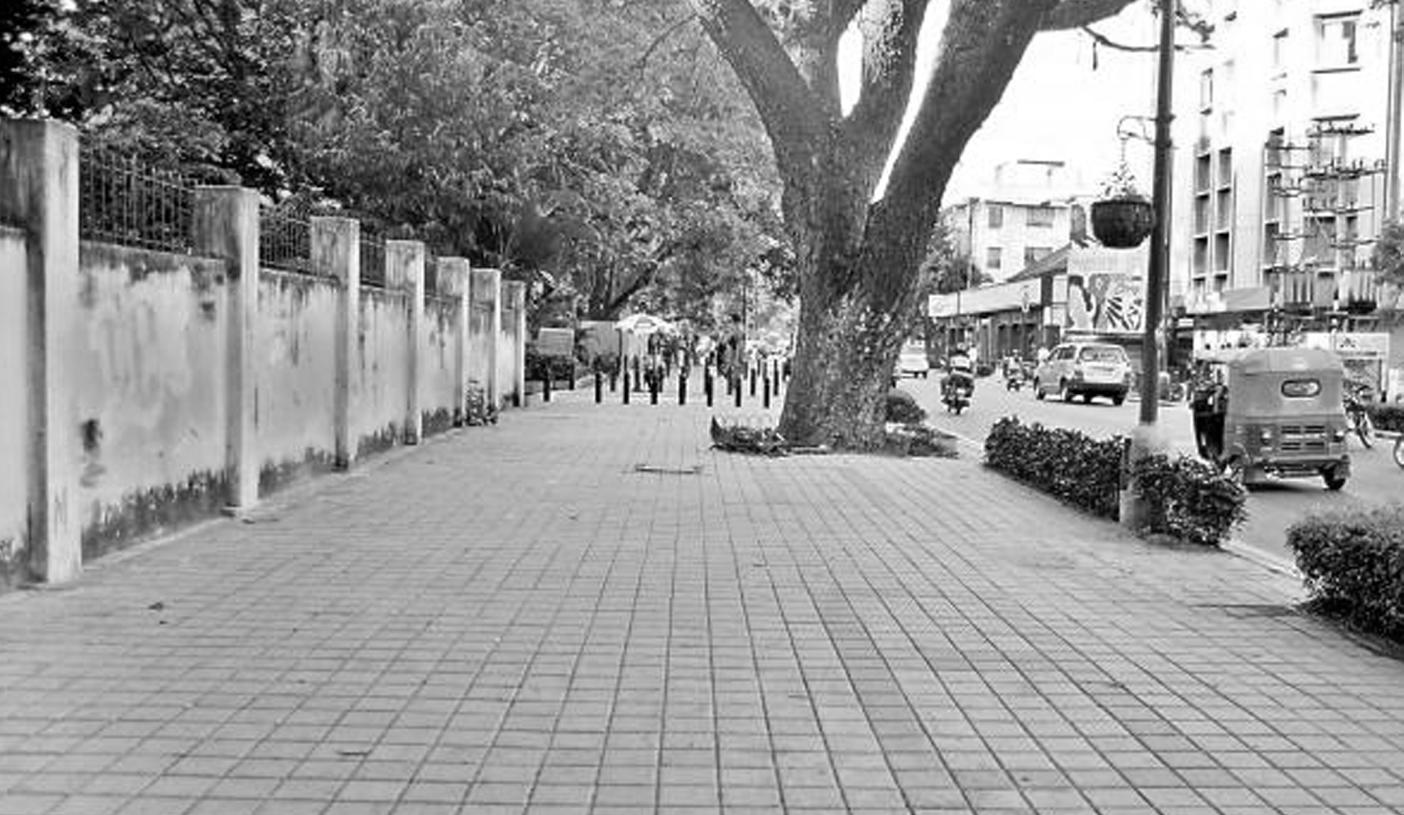
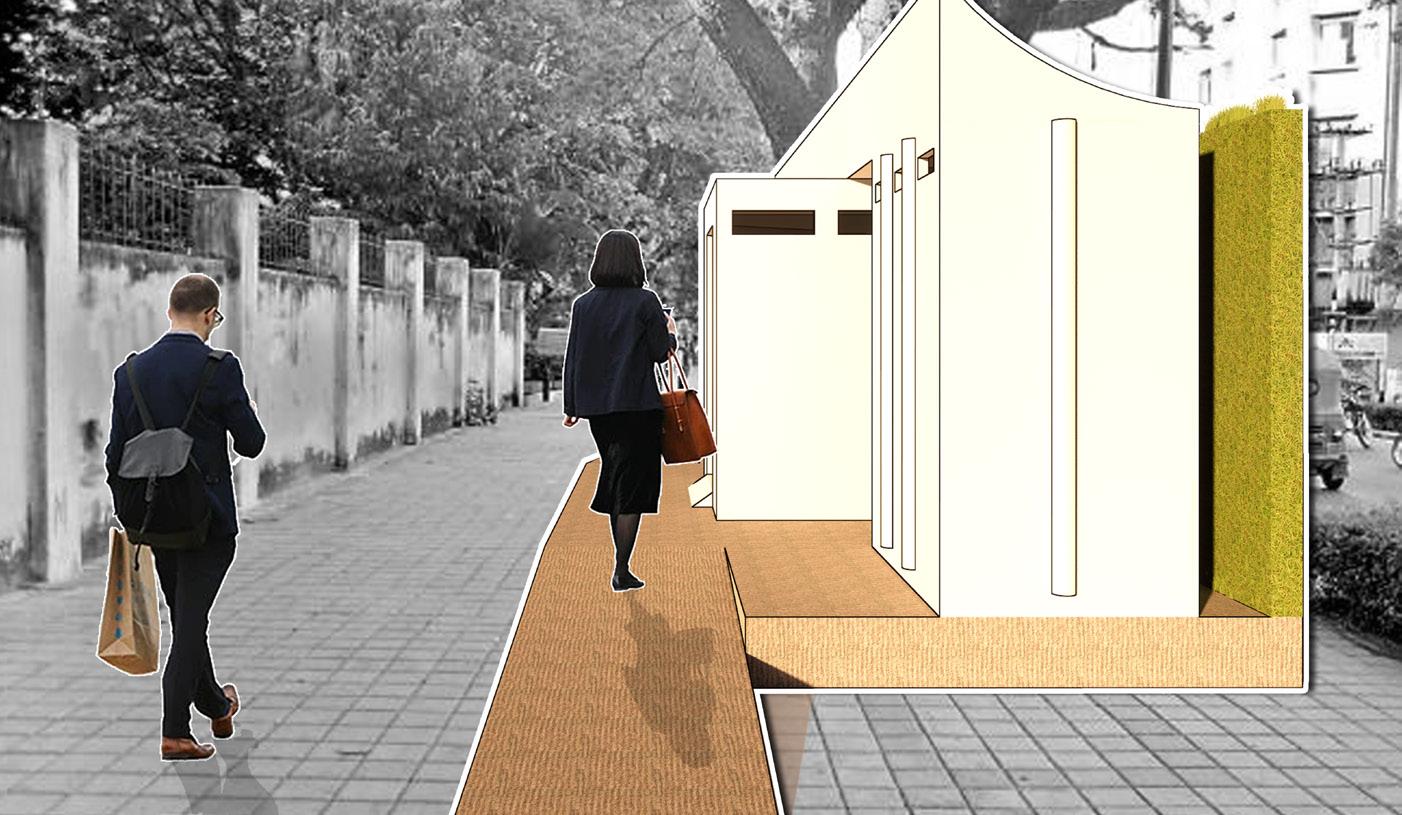
With the city’s rapid growth, flyovers, promenades, and bus stops remain underutilized as public infrastructure. This project reclaims these residual spaces by introducing modular, accessible public toilet units designed for inclusivity and sustainability.
Beneath flyovers, units are embedded with vegetation and plumbing to activate neglected voids. Along promenades and bus stops, solar-powered roof profiles enable self-sufficient
operations while responding to the daily influx of commuters, vendors, and visitors.
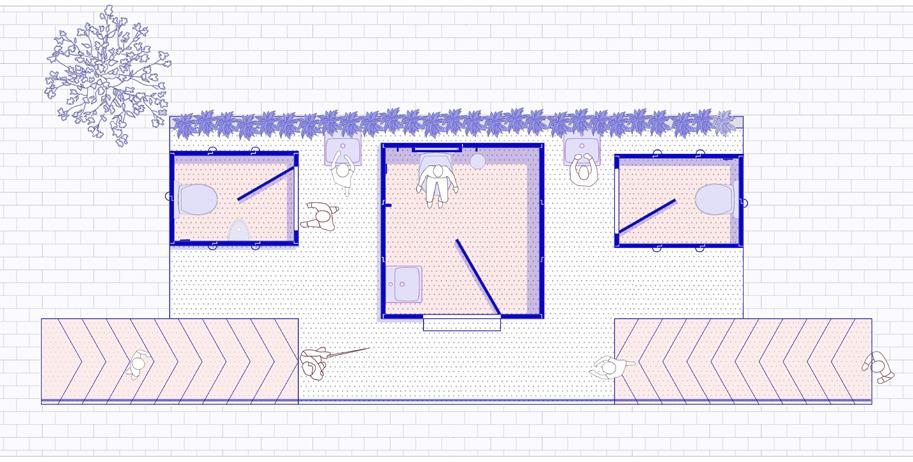
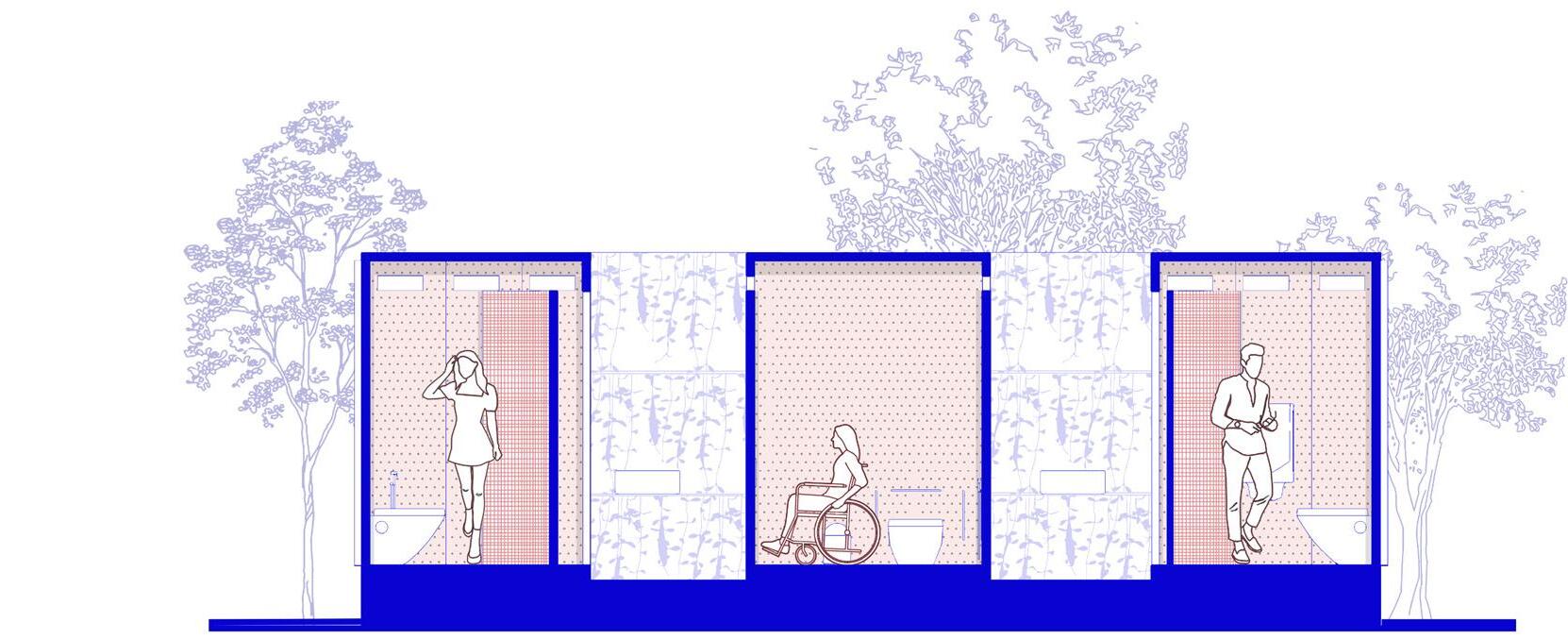
The modular system comprises male, female, and accessible units, easily assembled or disassembled to adapt to spatial constraints. By embedding sanitation within the everyday urban fabric, the project redefines toilets not as hidden utilities but as civic infrastructure that restores dignity, accessibility, and ecological value to public space.
Contribution: Research, Mapping Of Existing Conditions, Concept Mapping, Design Development And Detailing, Final Presentation
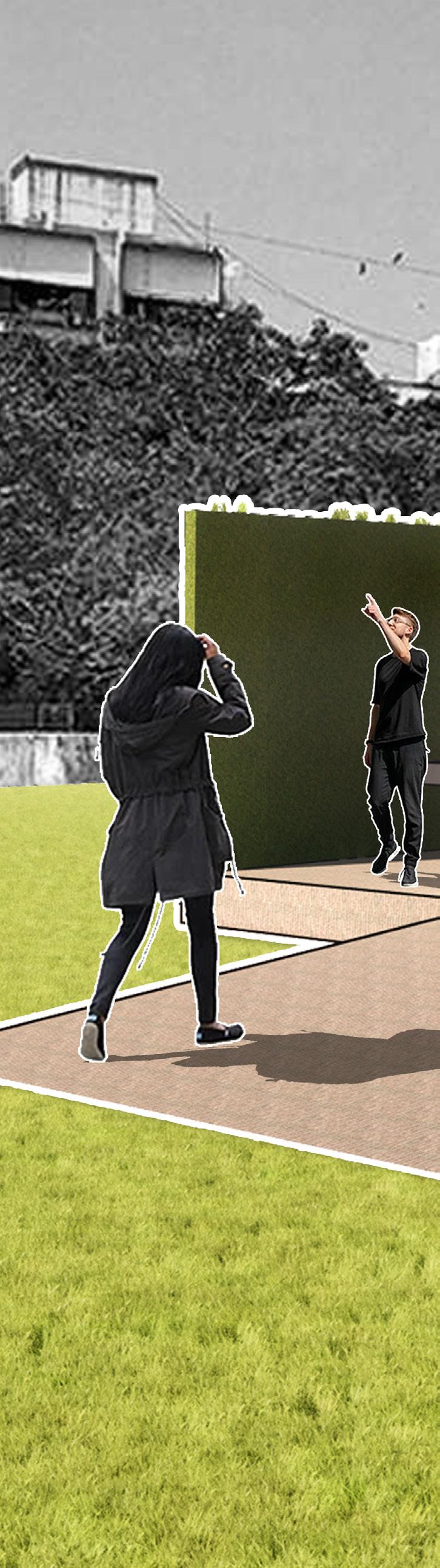
Green Pockets Of The City Are Accessible To
AFTER THE INTERVENTION AT PARKS AND OPEN GROUNDS
And Are Visited Daily For Walking, Playing Cricket, Football, Etc. There Is A Need For More Public Toilets In Such Areas; Hence, This Module Is Designed For Grounds And Gardens
TYPE A
Under The Flyovers
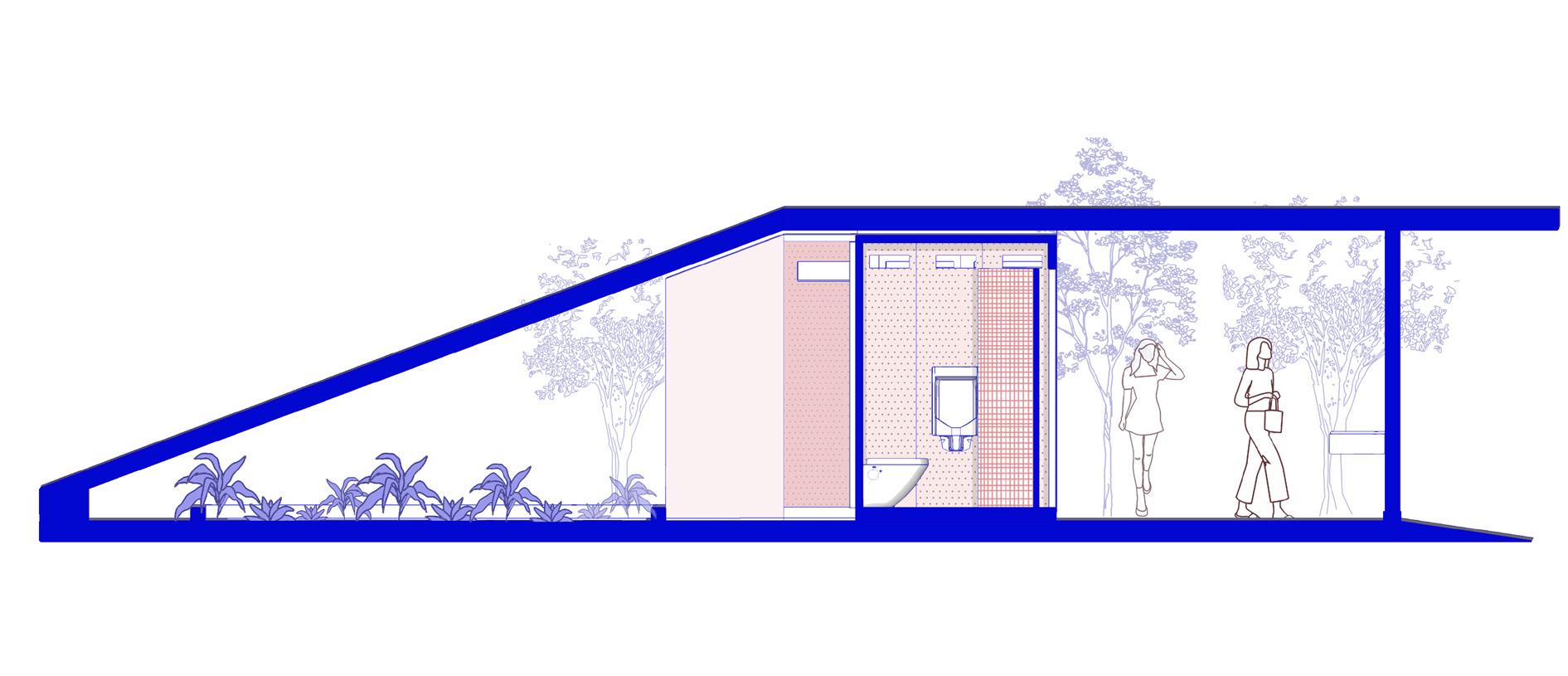
TYPE B AND C
Promenades And Bus Stops
UNIT BUILD-UP
Each module: Male, Female, and Specially-Abled, is designed as a lightweight, portable system using LAP joints for rapid assembly. The units can multiply into larger clusters or be disassembled to respond to spatial constraints. This adaptability ensures public toilets remain scalable, inclusive, and resilient within diverse urban conditions.
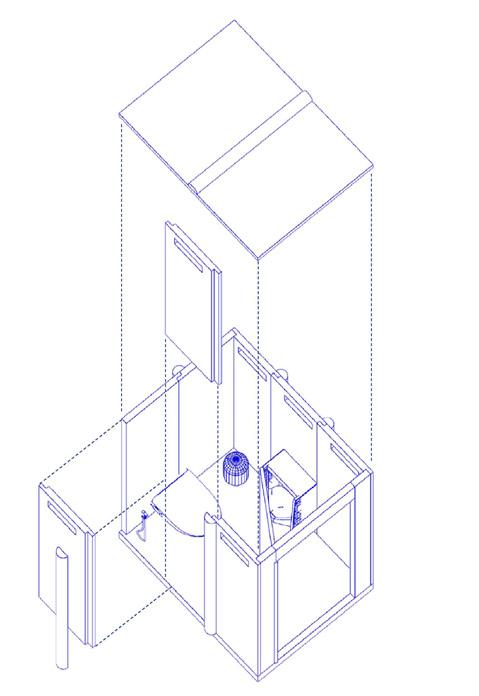
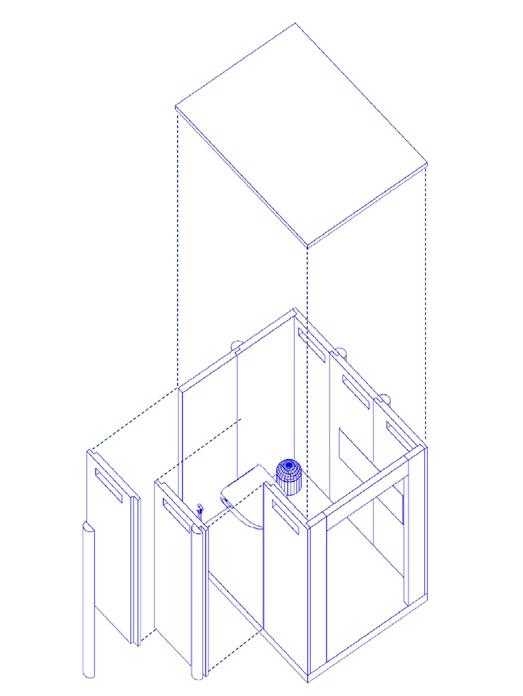
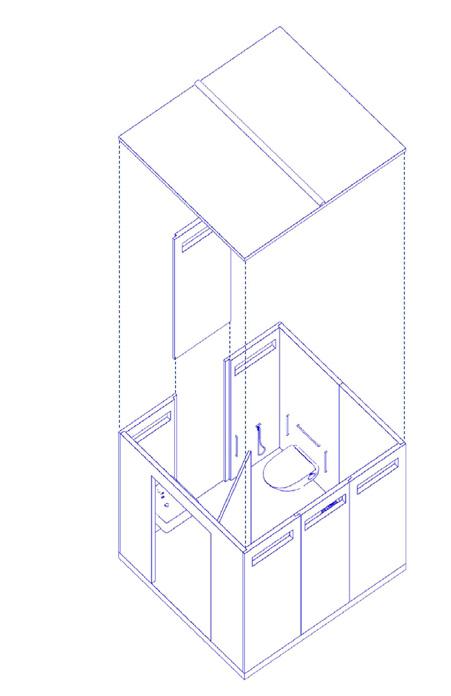
Male Unit
Female Unit
Accessible Unit
BEFORE AND AFTER THE INTERVENTIONS
central mumbai seafront revival
RSA | URBAN DESIGN | PROMENADE DEVELOPMENT | NOVEMBER 2022 - ONGOING
Site: Dadar - Mahim Beach, Mumbai
Length: 4.75 KM
Phase 1: 2.85 KM
Phase 2: 1.90 KM
Proposal: Rohit Shinkre Architects, Mumbai
Lead: Rohit Shinkre
Team: Shruti Belhekar And Falguni Sakpal
Role: Junior Architect
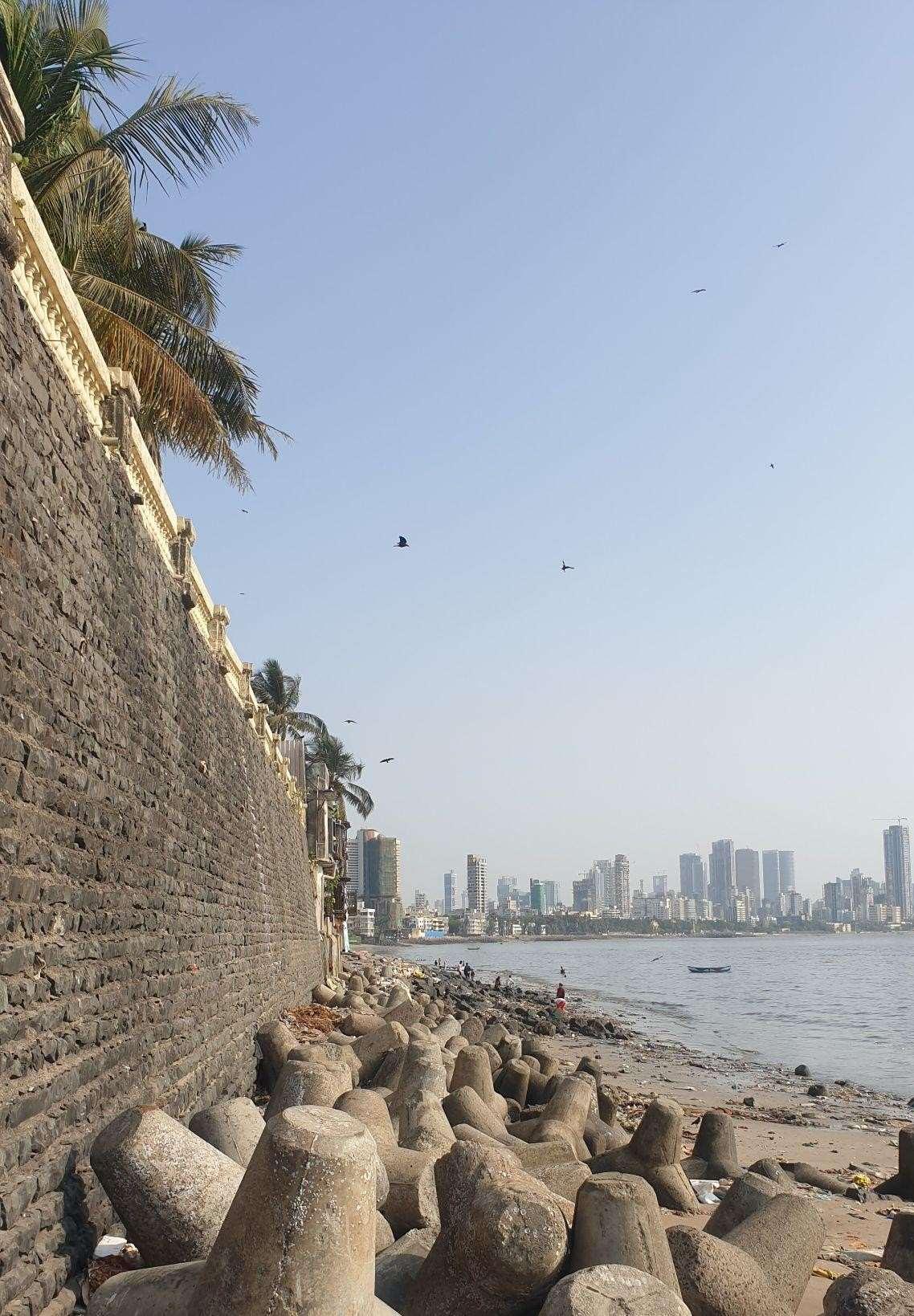
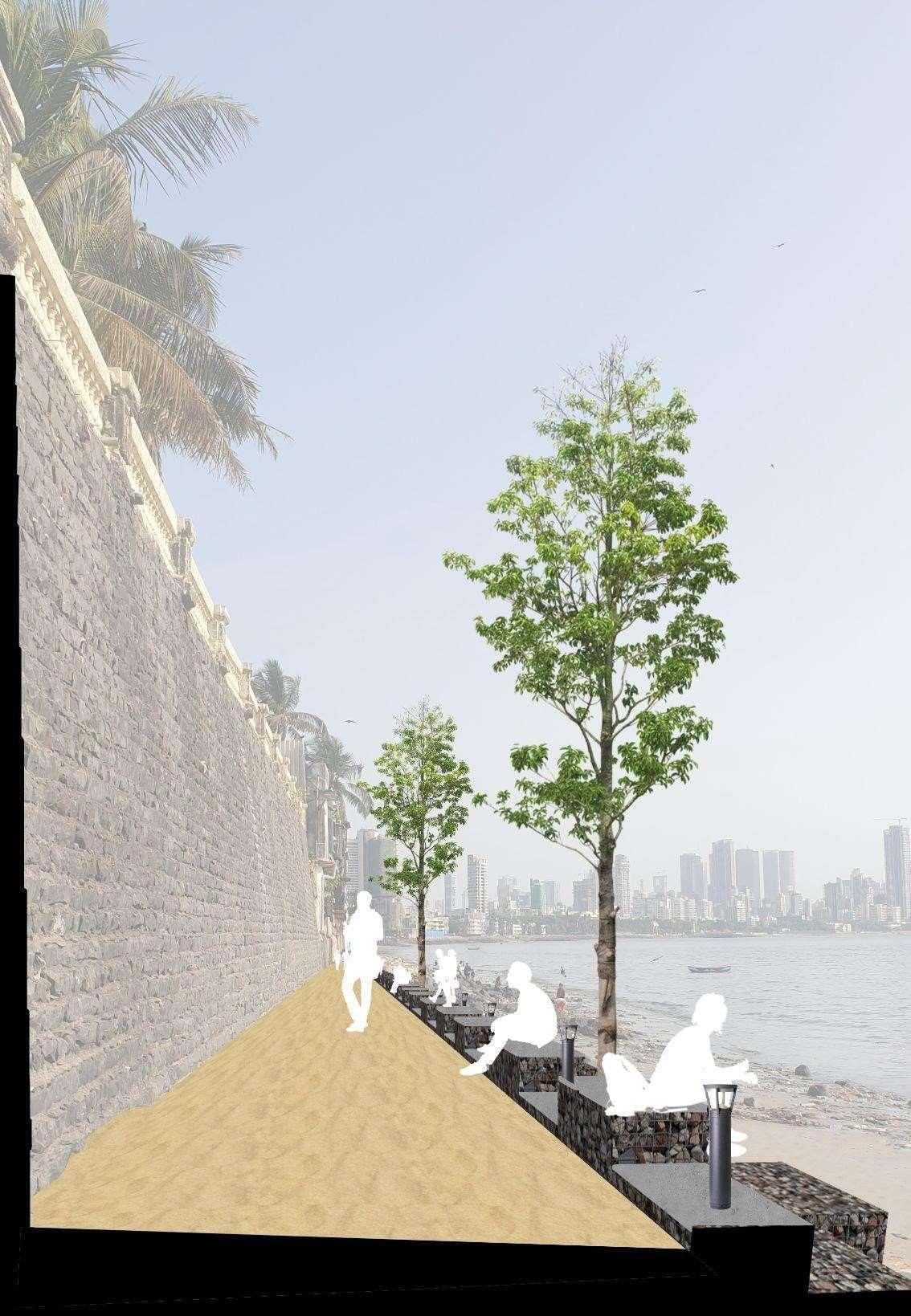
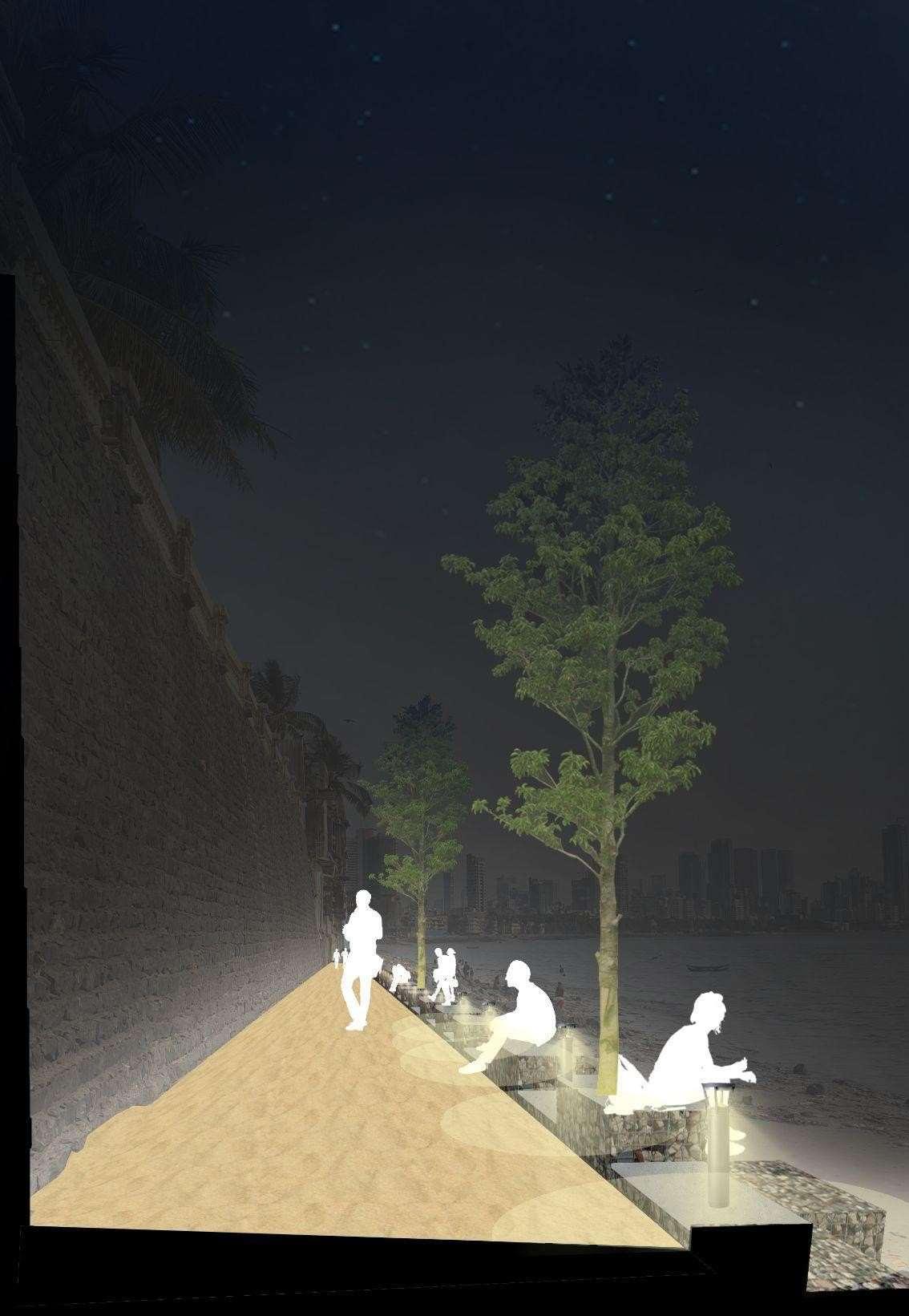
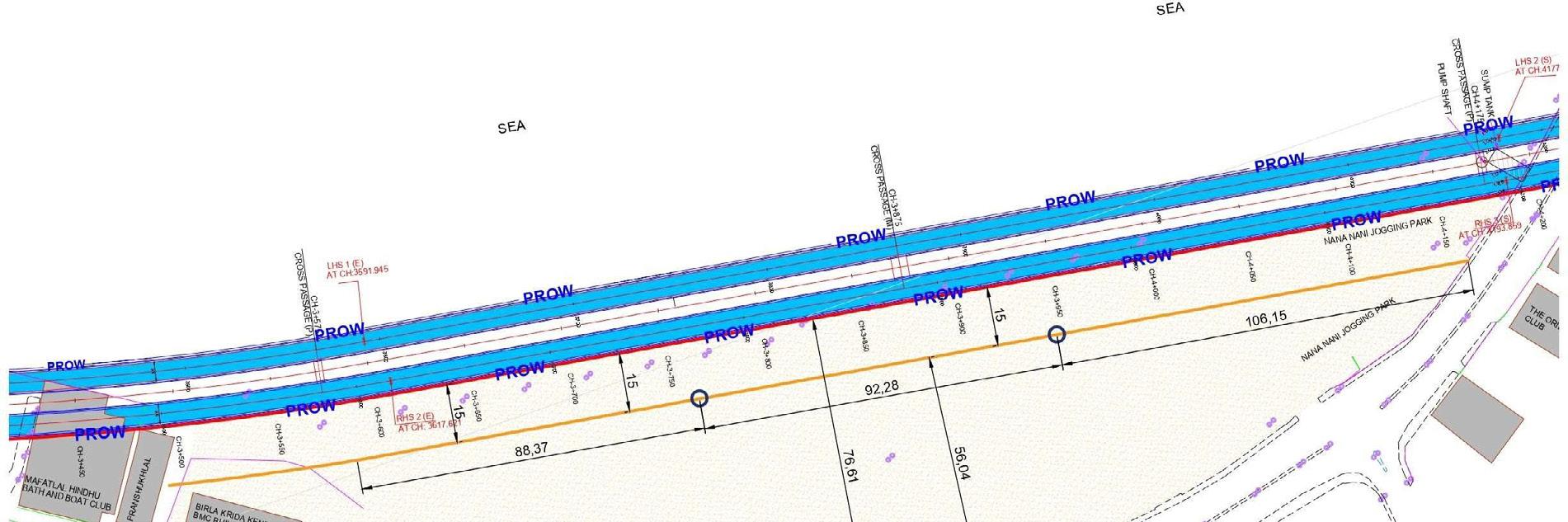
The proposed beach makeover’s main features involve beautifying the stretch around Dadar-Mahim Beach through an open deck facing the sea. Additions include benches, tourist lookouts, palm trees, landscaped flower beds, play areas for children, and public amenities such as toilets, light poles, gabion seating, and concrete pathways. The design prioritizes erosion control while enhancing accessibility and community use of the waterfront.
Contribution: Site Documentation, Mapping, And Detailed Design Development
GABION PROTECTION AND PUBLIC SEATING
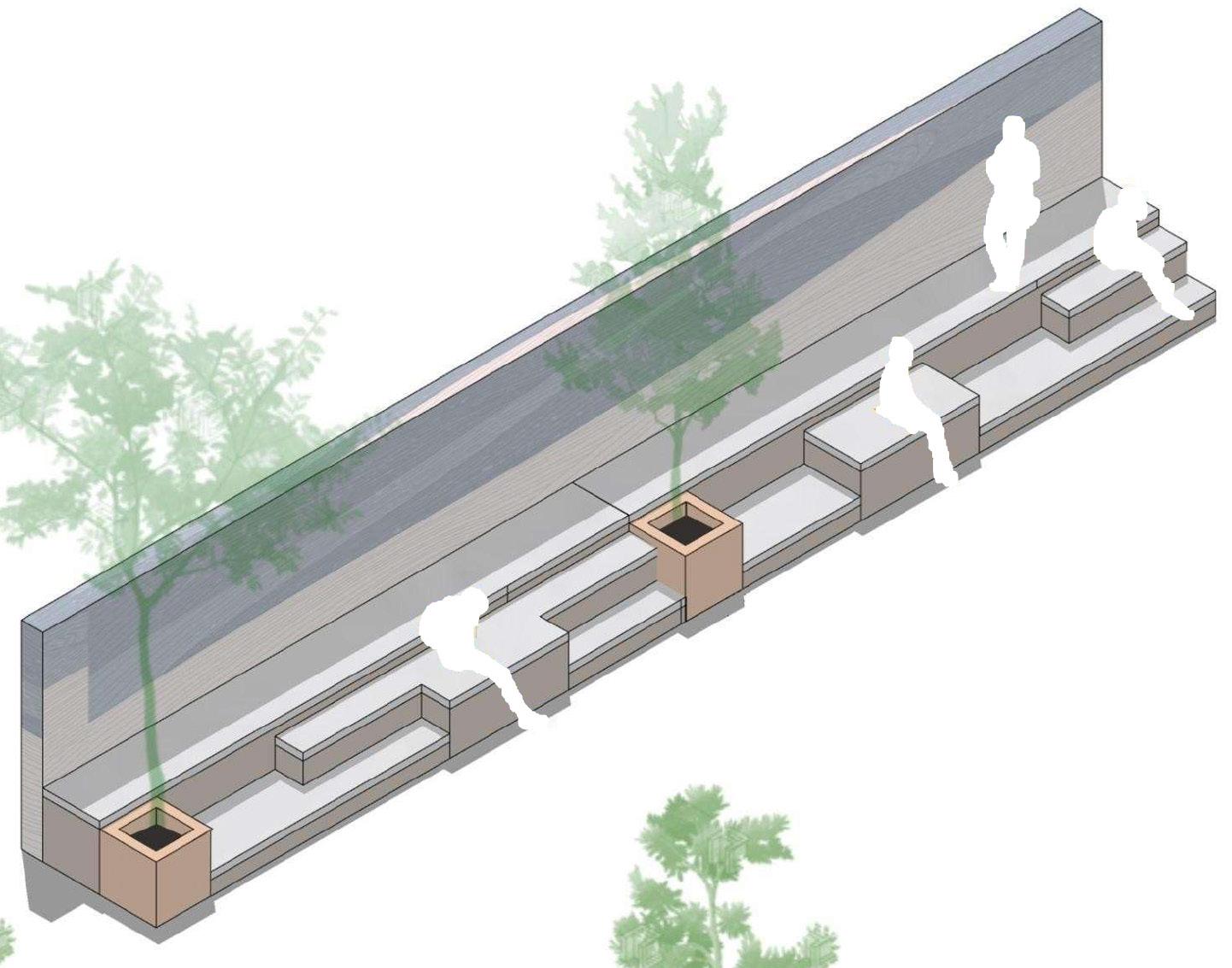
For Seafront Walls
PROJECT STRATEGIES FOR THE DADAR SECTION MASTER PLAN AND PHASING

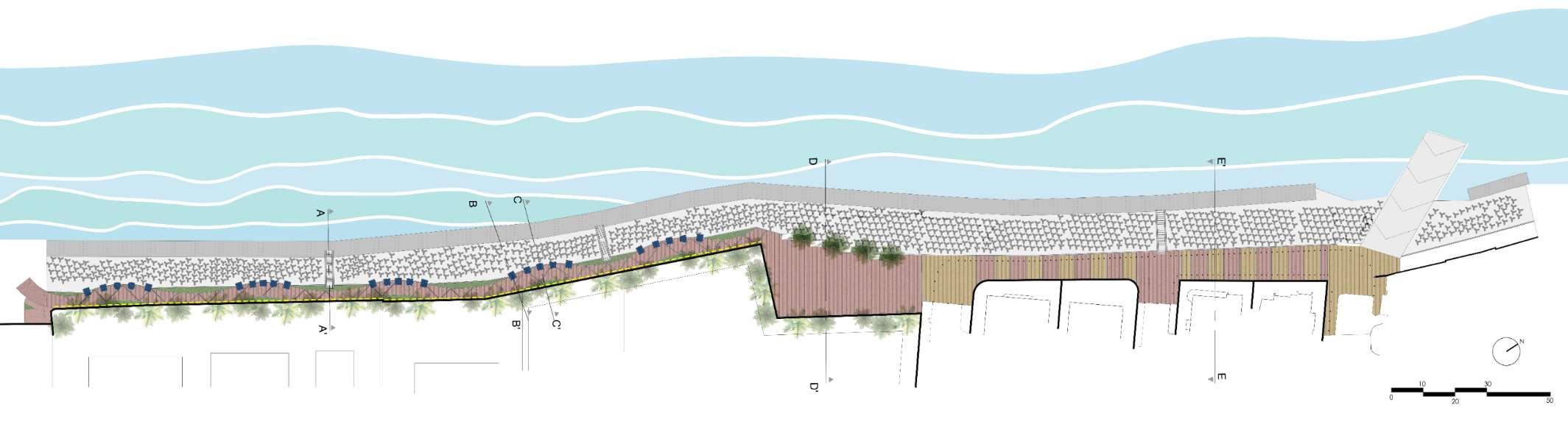
Revival of a vibrant public space with ACCESS FOR ALL (Accessible India Campaign).
Net Zero development Solar Power Net metering for lighting, Public Address, and Security Systems. Priorities use of recyclable/recycled material. Work withexisting erosion protection measures.
” In association with the local institutionRachana
Safety and security, including major public events like Ganesh and Durga Visarjan, Chat Puja, etc.
DYANESHWAR GARDEN
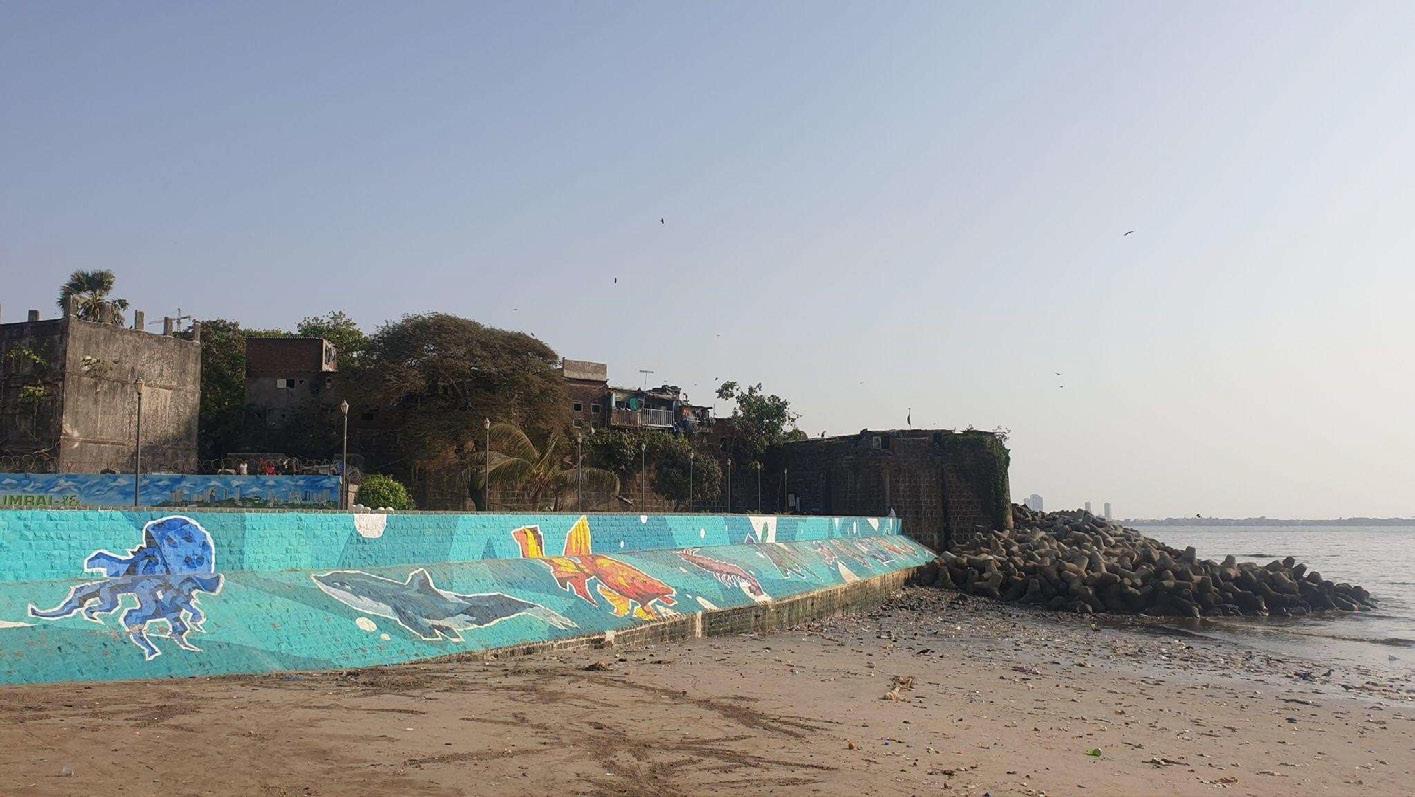
Existing Tetra-pod
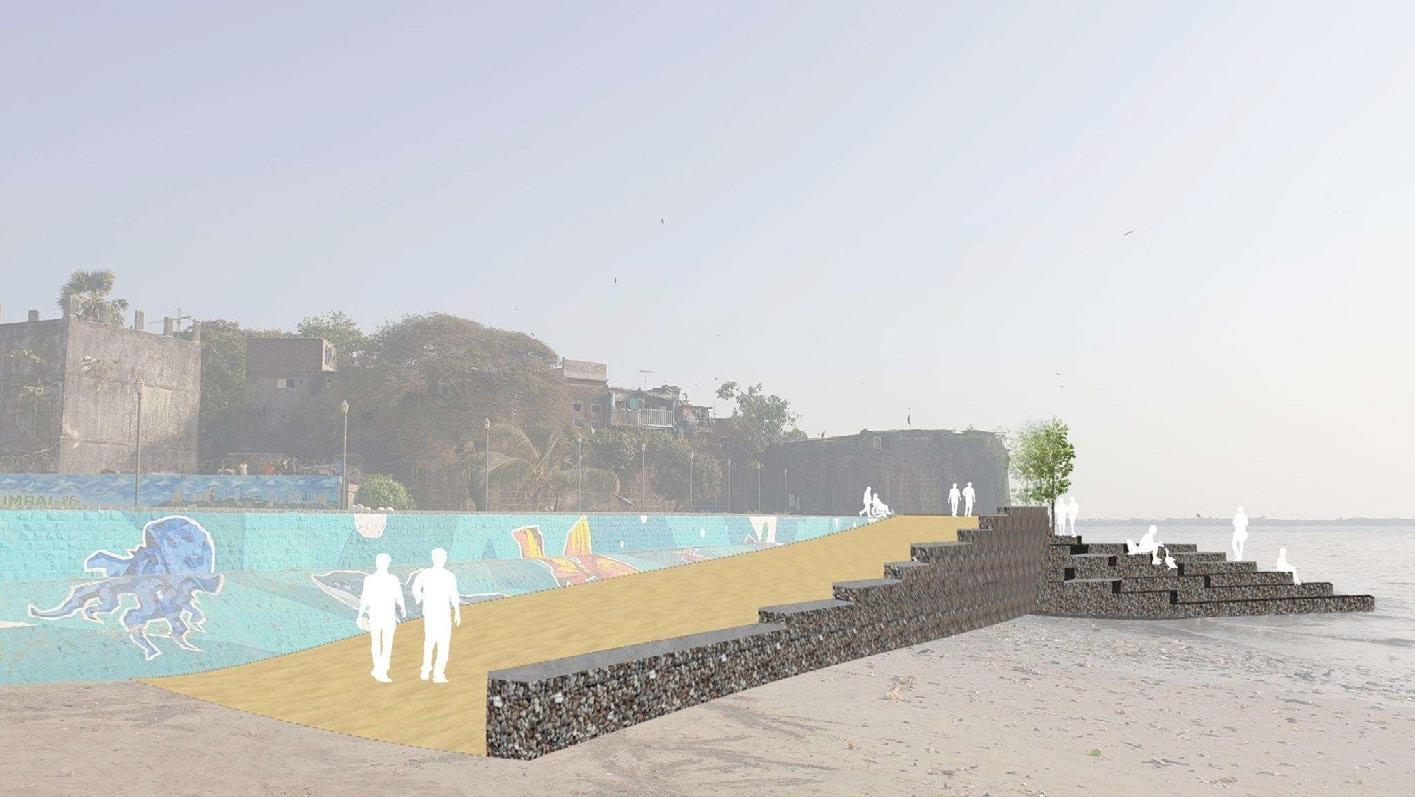
Accessible Stepped Gabion Wall And Ramp
DESIGNPROPOSALS EXISTINGTETRAPODCOASTALPROTECTION
Existing Beachfront Walls
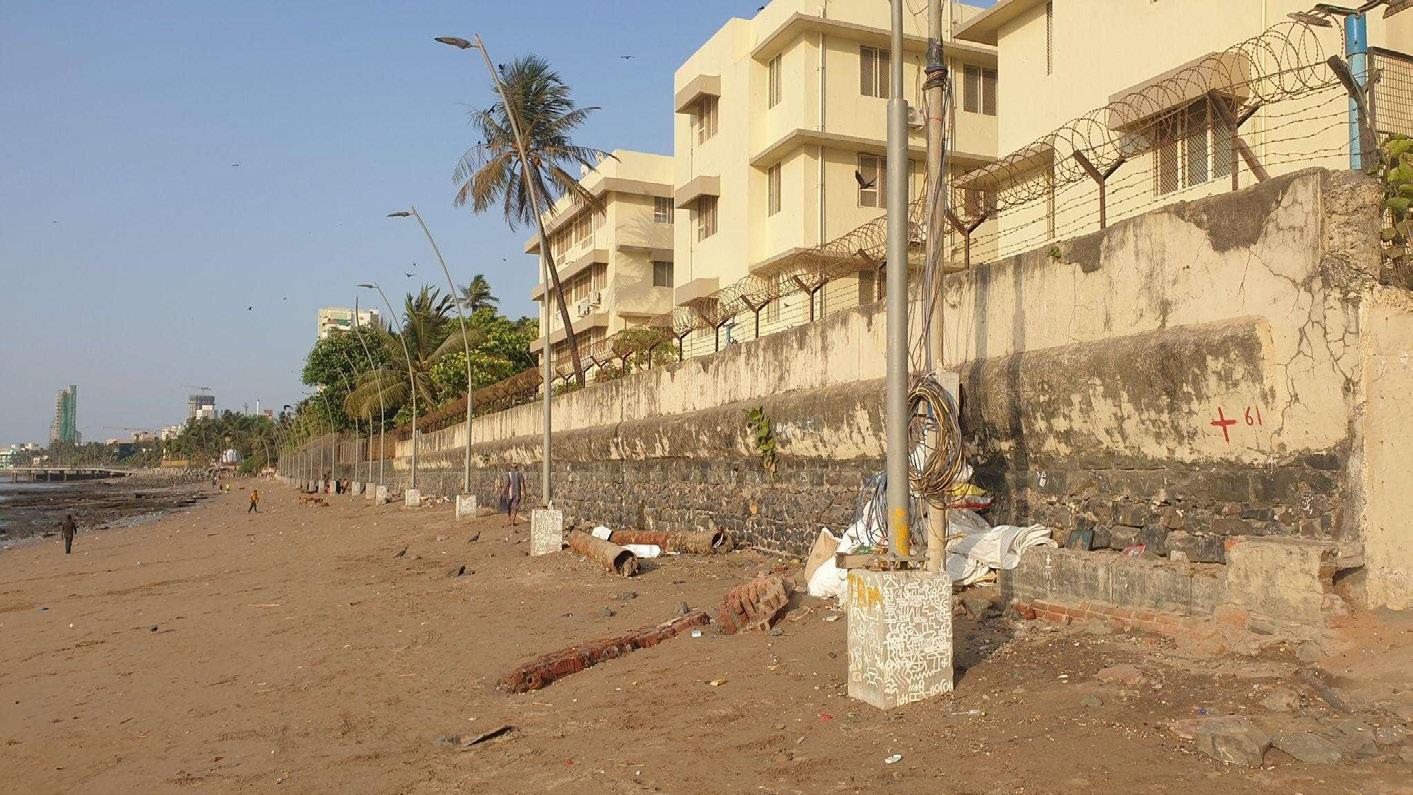
DESIGNPROPOSALS:
Existing Dry Stone And Sand Bag Shoulder Walls
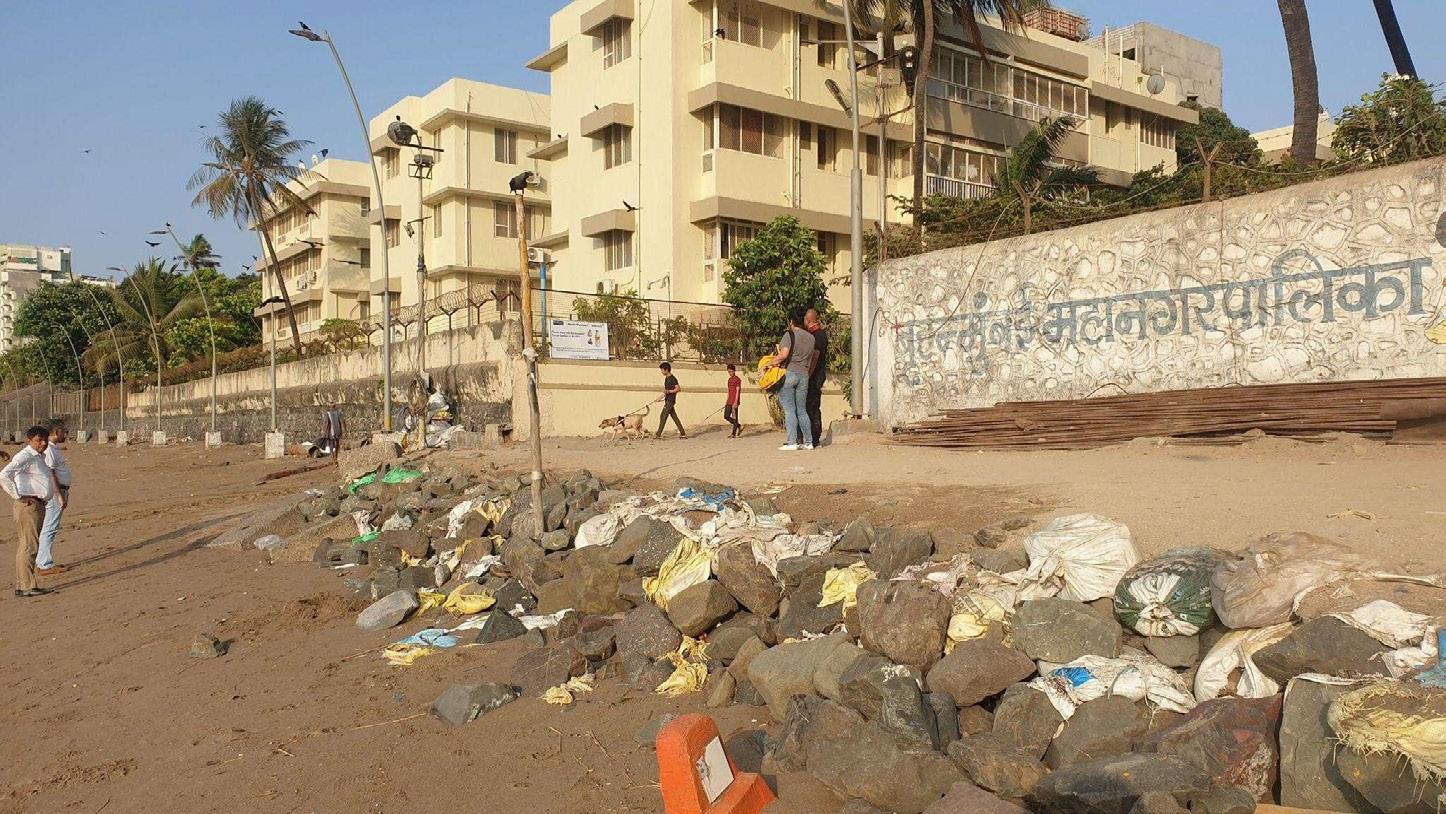
DESIGNPROPOSALS: Unhindered all-weather pedestrian walkway from Mahim to Dadar Beach PROPOSEDACCESSIBLESTEPPEDGABIONRETENTION WALL AND RAMP
Gabion Seating
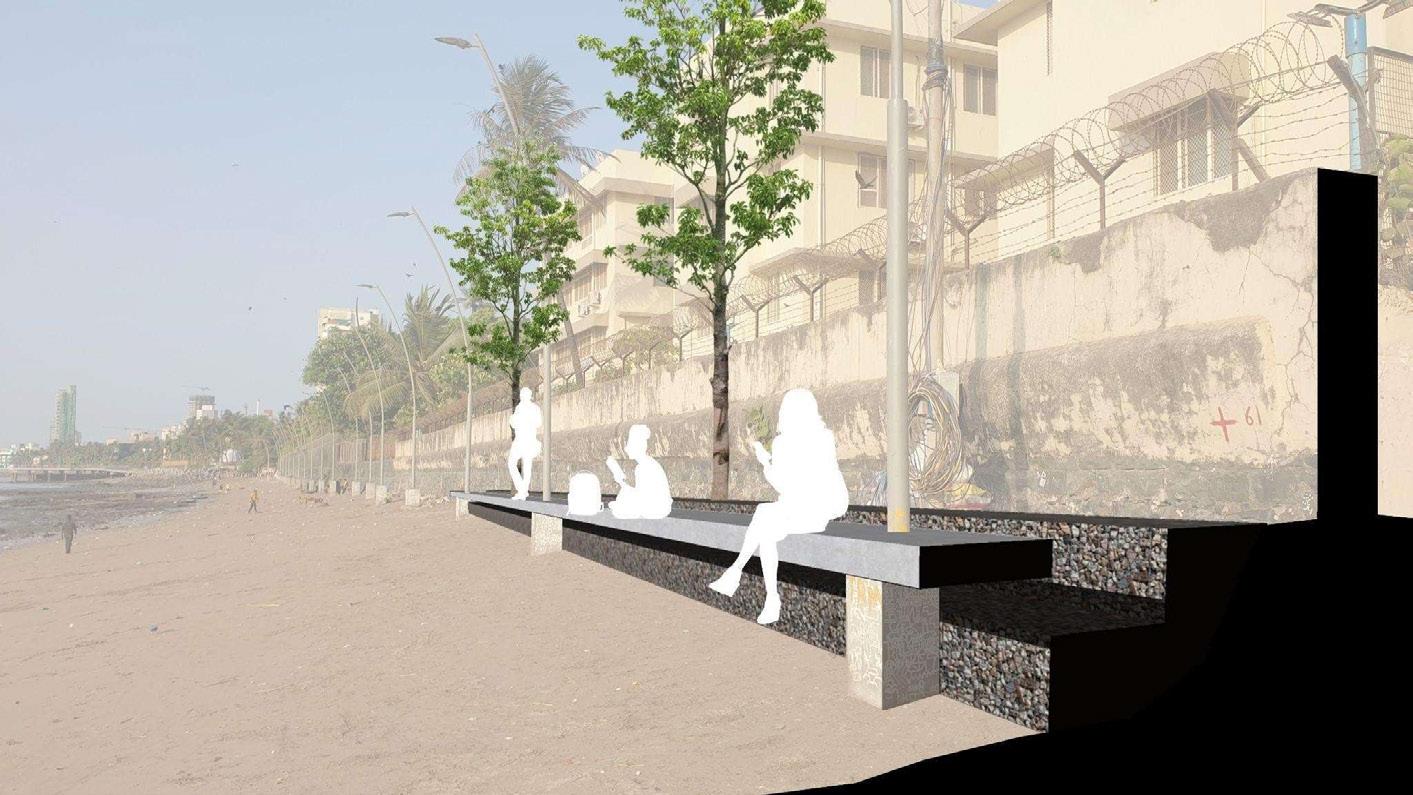
DESIGNPROPOSALS
Gabion Steps
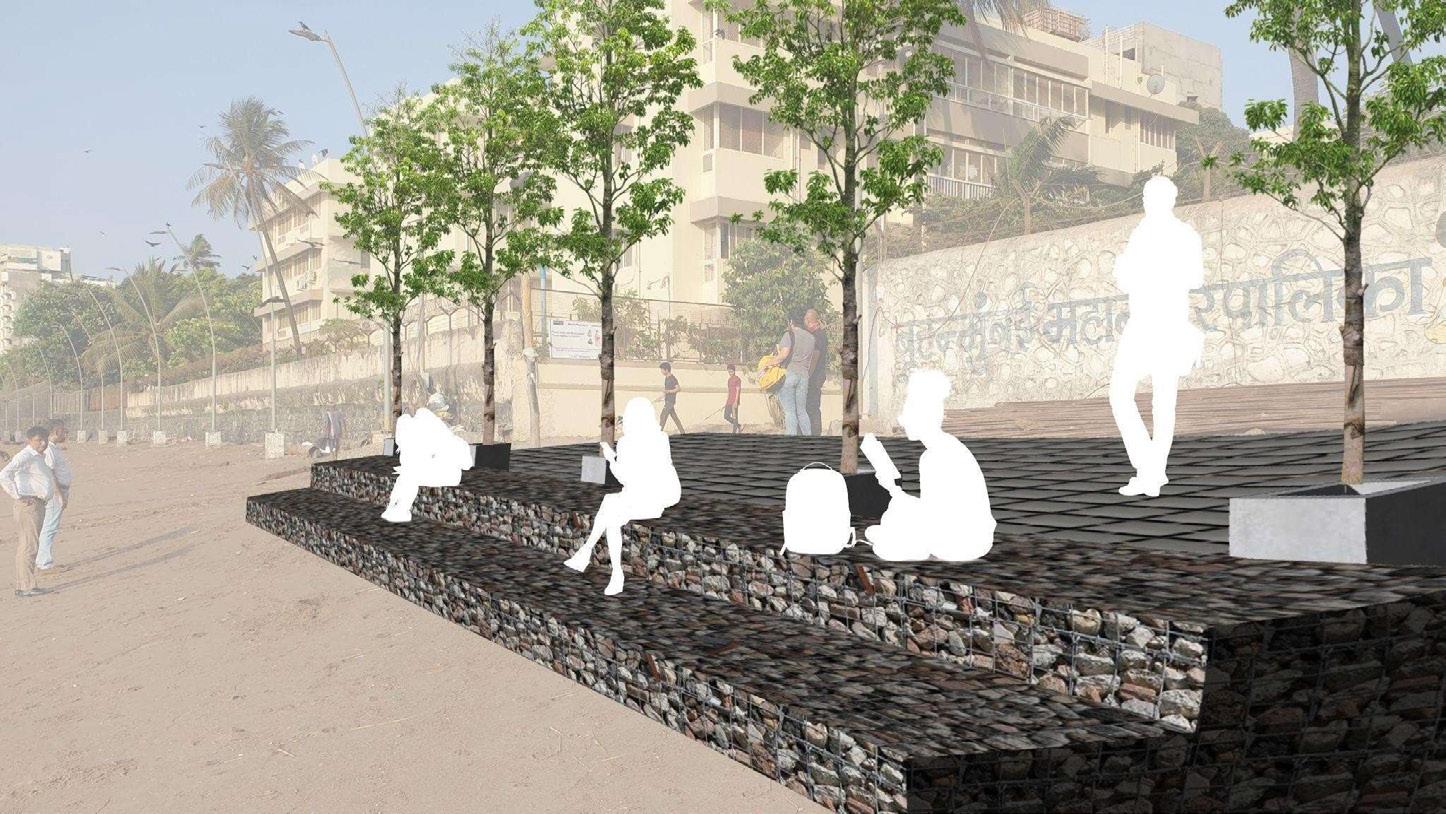
DESIGNPROPOSALS:
EDGES, ACCESS, AND LANDMARKS
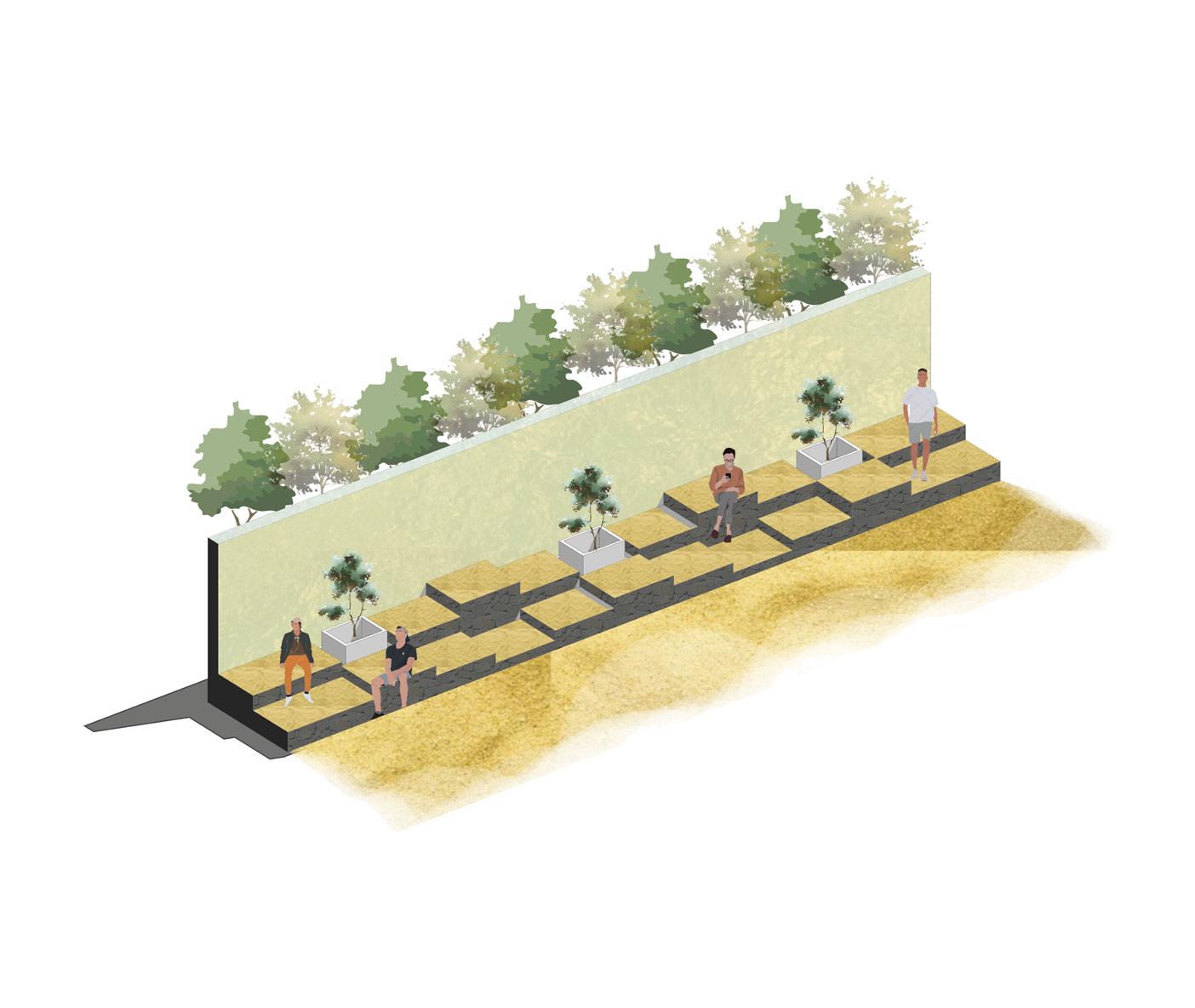
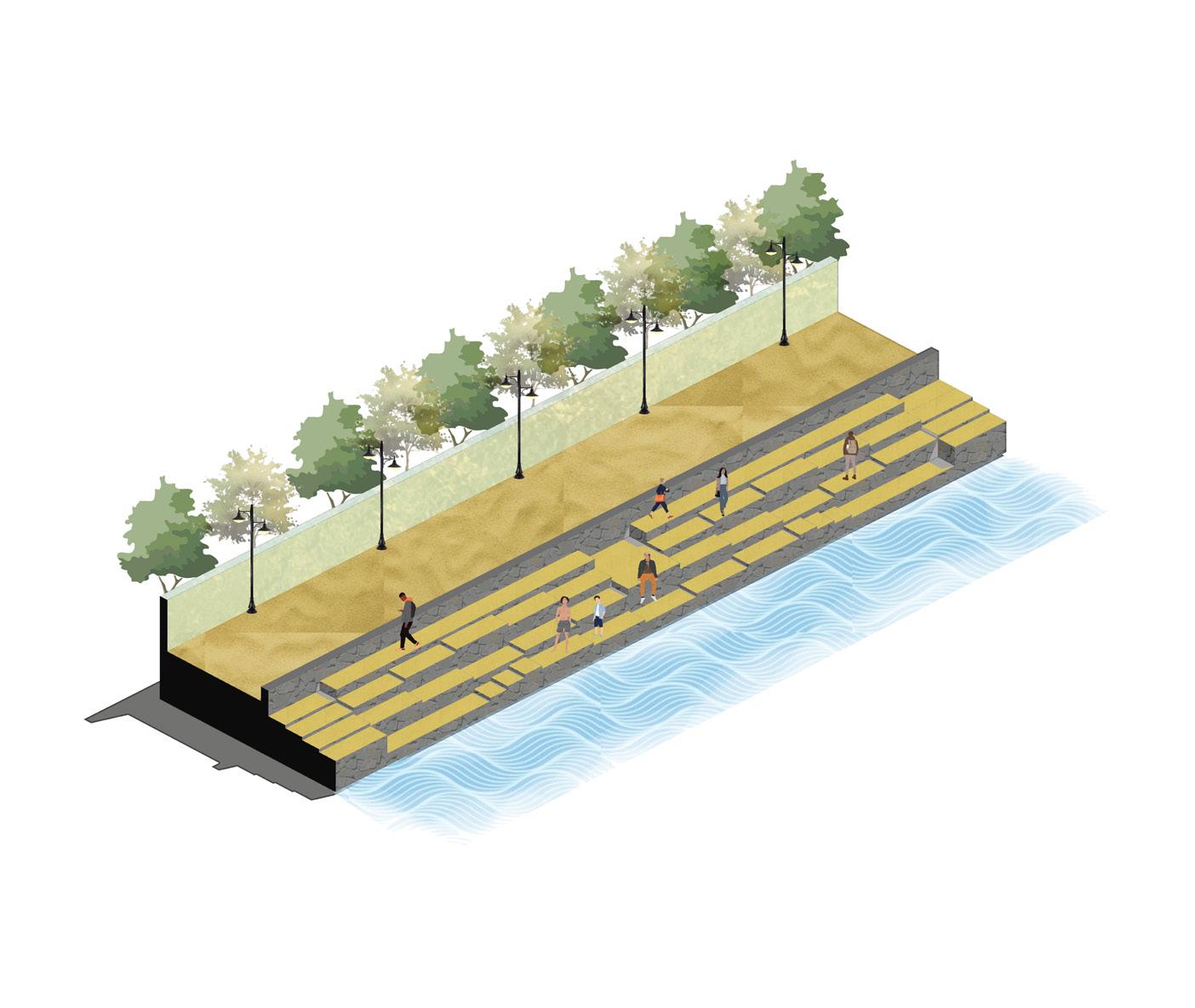
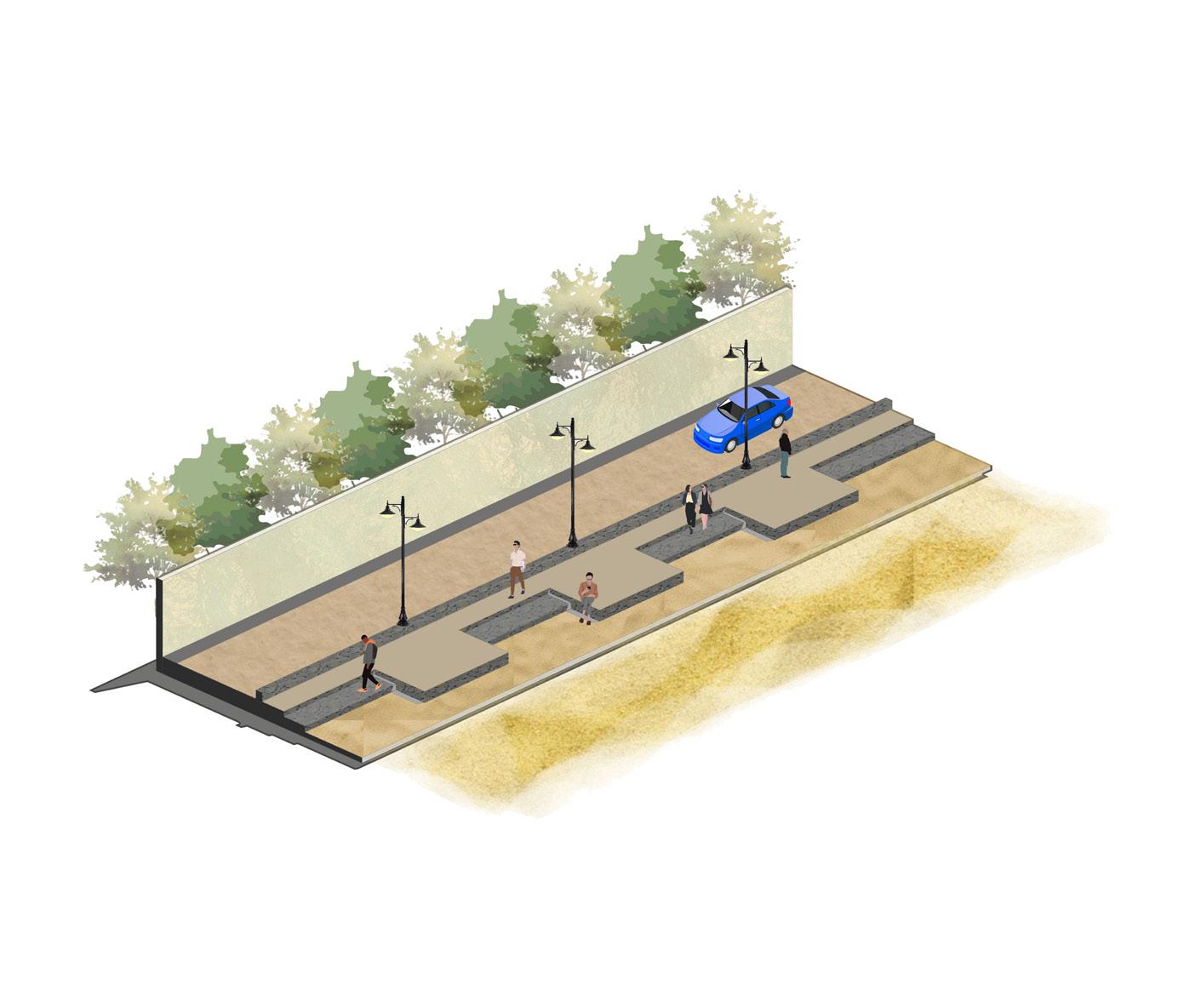
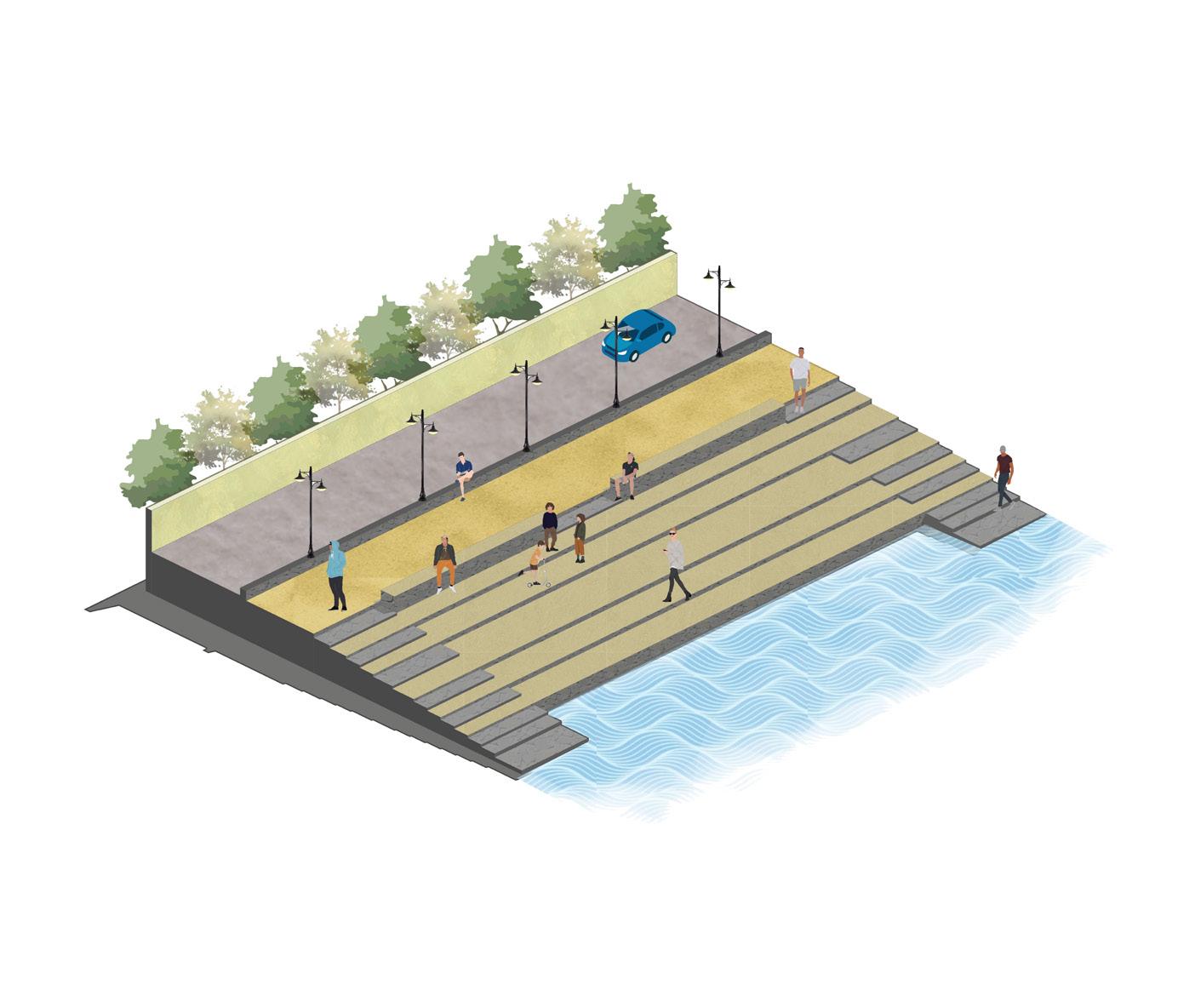
Gabion Lining Protecting Property Walls
Stepped Gabion Pedestrian Walkway At High Tide
Gabion Road Edge Defining Vehicular Boundaries
Gabion-Free Access To The Beach
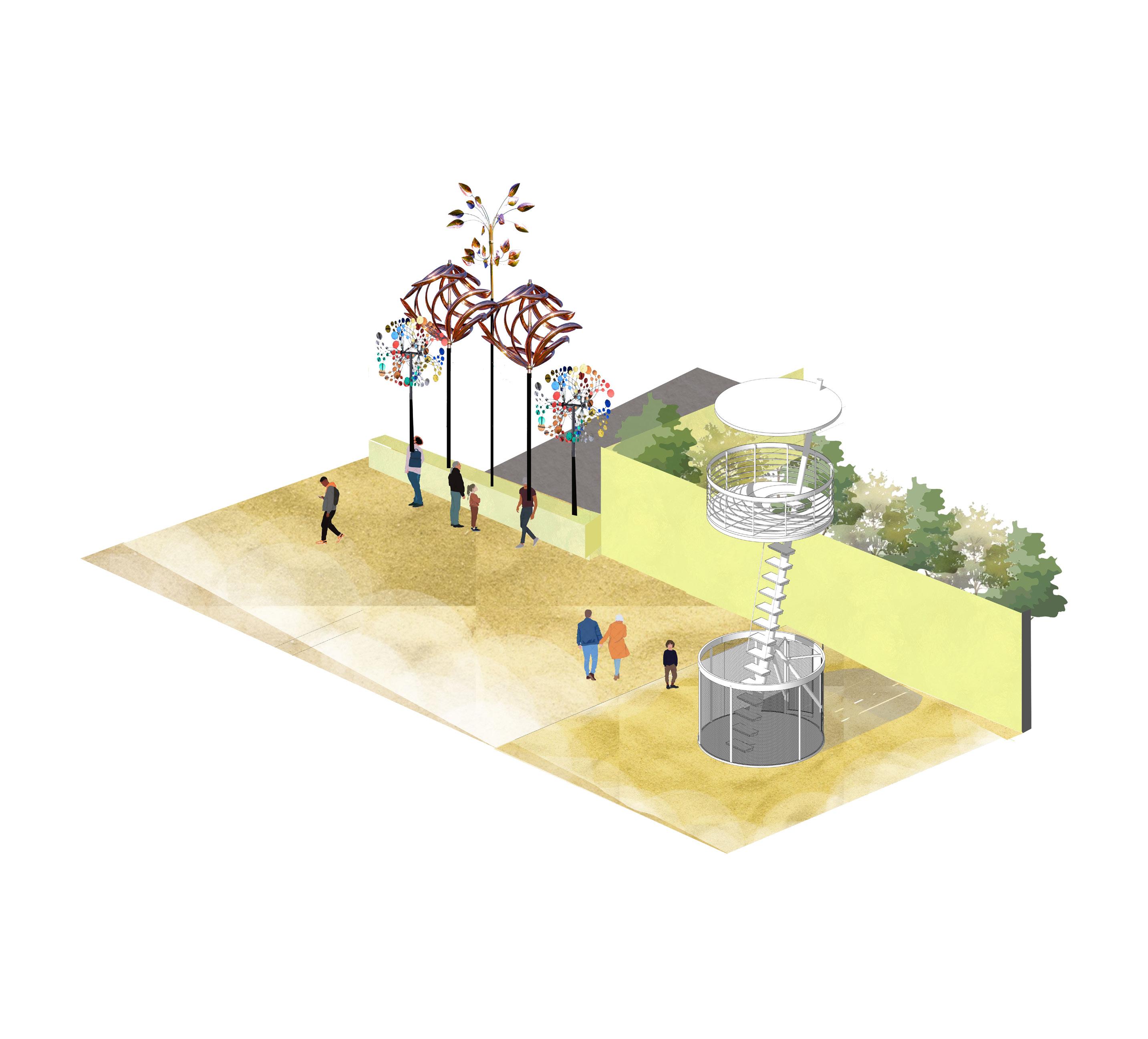
Elevated Viewing Towers For Visarjan Points And Kinetic Wind Sculptures Powered By Sea Breeze
girgaum chowpatty security posts
RSA | URBAN PLANNING AND DESIGN | WATCH TOWERS | FEBRUARY 2023 - ONGOING
Site: Girgaum Beach, Mumbai
Area: 24.5 M² Per Tower
Height: 10.5 M
Total: 6 Towers
Proposal: Rohit Shinkre Architects
Lead: Rohit Shinkre
Team: Shruti Belhekar And Falguni Sakpal
Role: Junior Architect
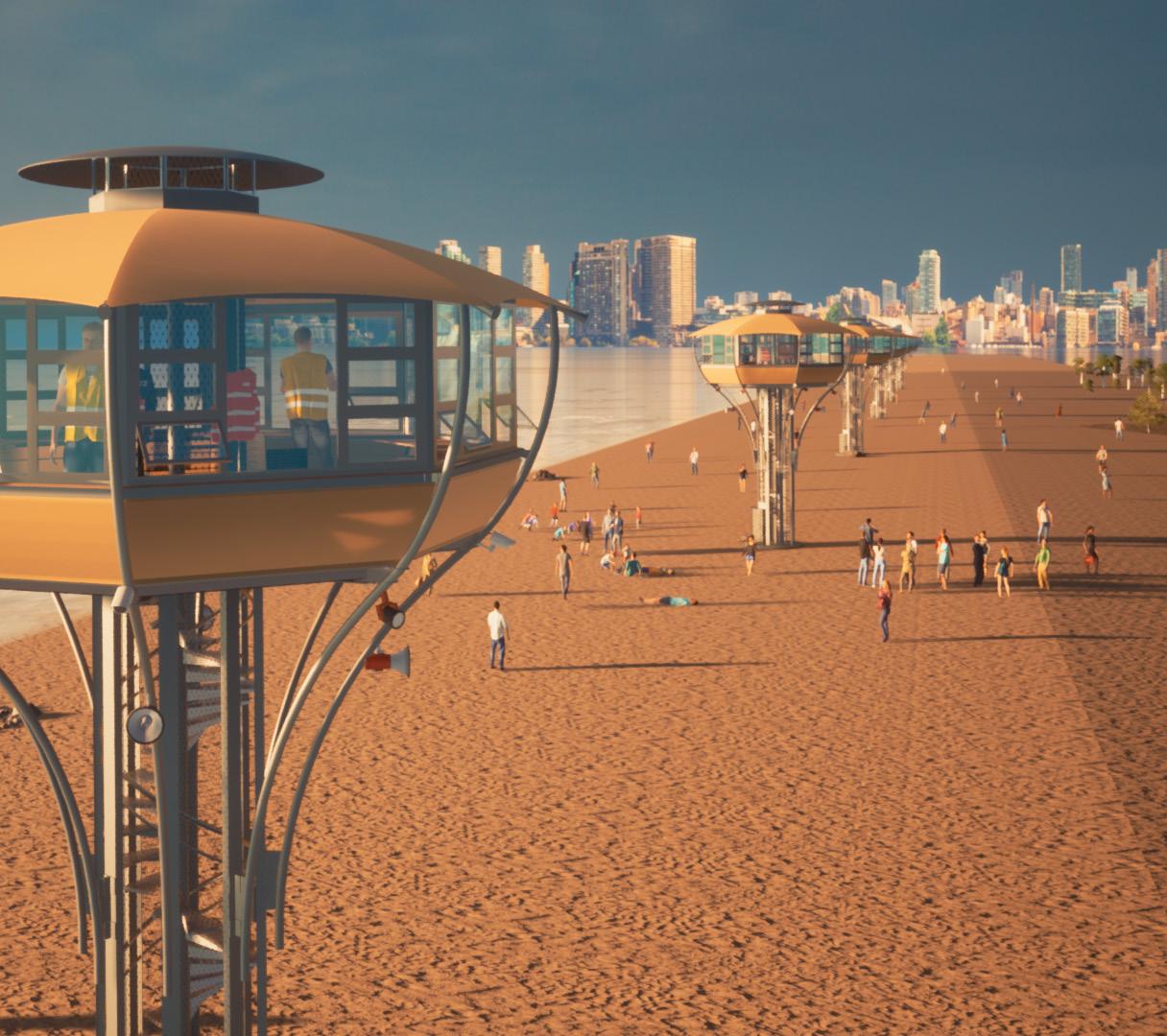
The security posts form part of a larger urban design initiative for Girgaum Chowpatty, transforming the beachfront into a carefully managed public promenade. Designed to withstand heavy daily footfall and seasonal swells during festivals, the
proposal introduces a series of permanent, elevated security towers. These structures enhance vigilance and public safety while preserving uninterrupted views and open access to the beach.
Contribution: Design Development And Detailing; Presentations To High Power Committee (HPC) And Mumbai Heritage Conservation Committee (MHCC)
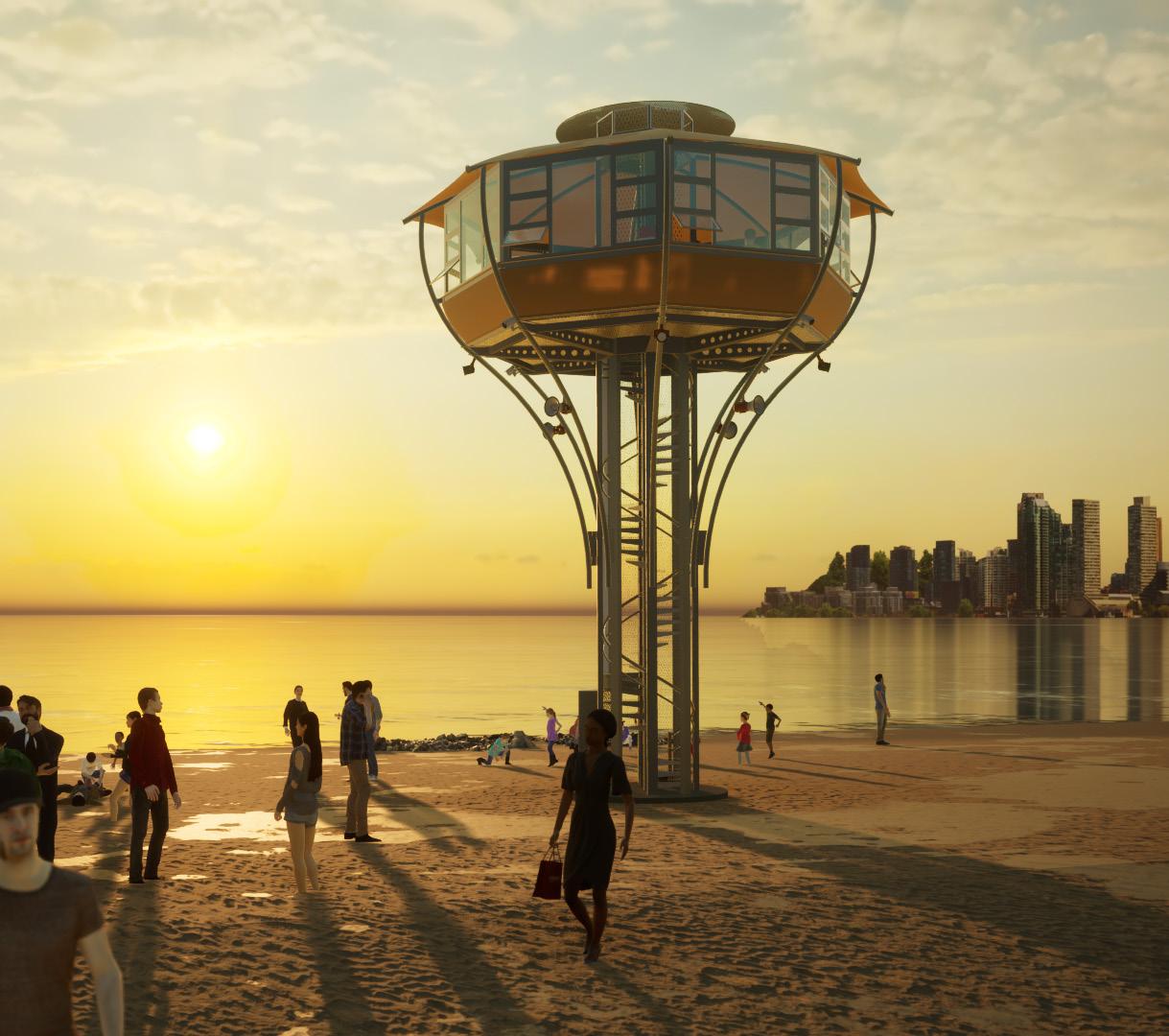
ELEVATED SECURITY POST AT SUNSET
Overlooking Girgaum Chowpatty, The Tower Provides Continuous Vigilance While Preserving The Vibrancy Of Mumbai’s Most Active Beachfront








Indian Standard Medium Channel In Steel As Tie High Performance Tensile Fabric

Indian Standard Medium Channel In Steel As Stub Column Indian Standard Medium Weight Beam Tapered
Circular Hollow Section Pipe Section Angle Cleats Bolted To Column Metal Staircase Railing Metal Door Frame

Per Structural Design)
Cement Concrete Screw Piles
Per Structural Design)
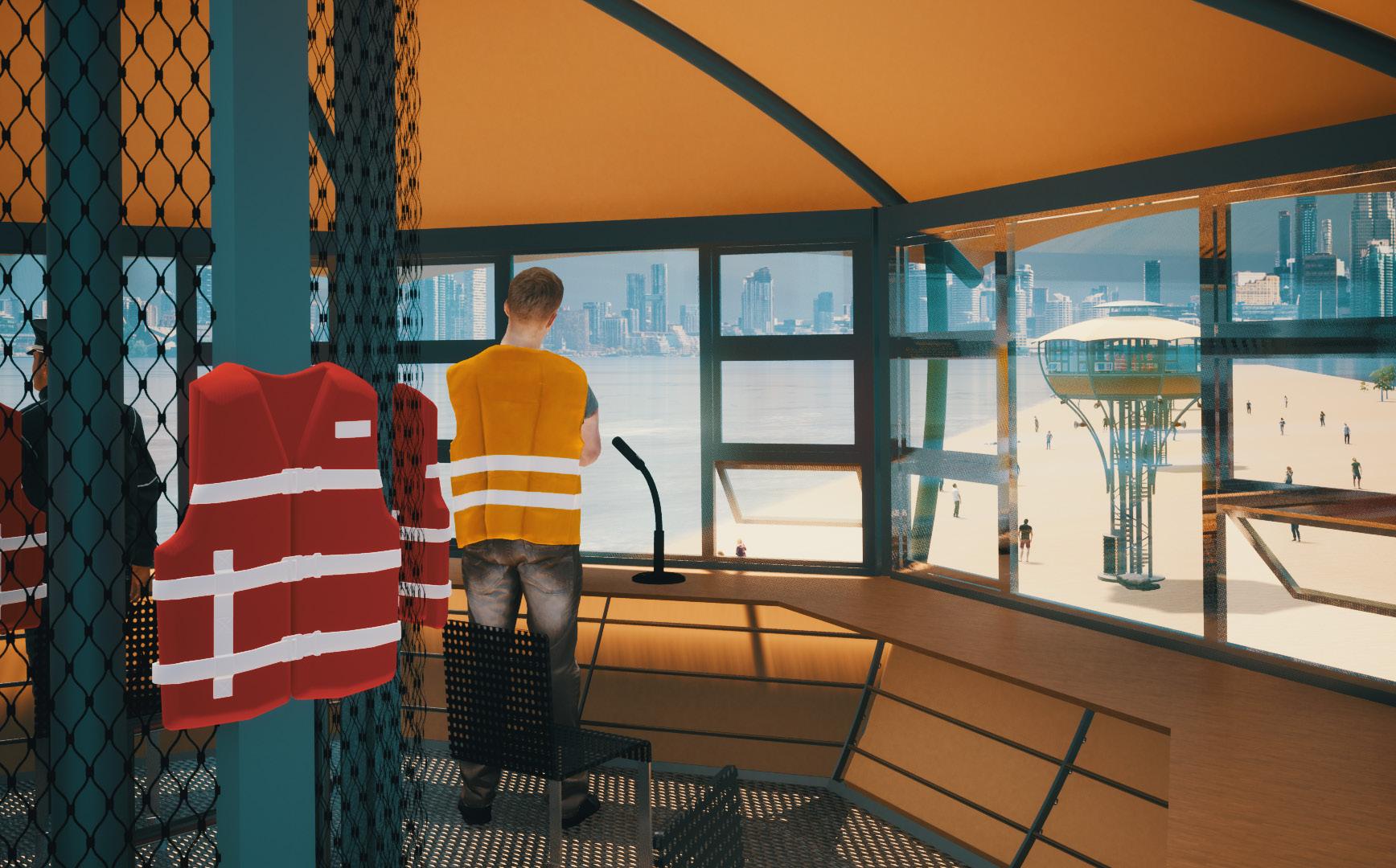
INTERIOR - OPERATIONS
270° Glazed Cabin With Perimeter Desk And Storage Enables Continuous Visual Surveillance
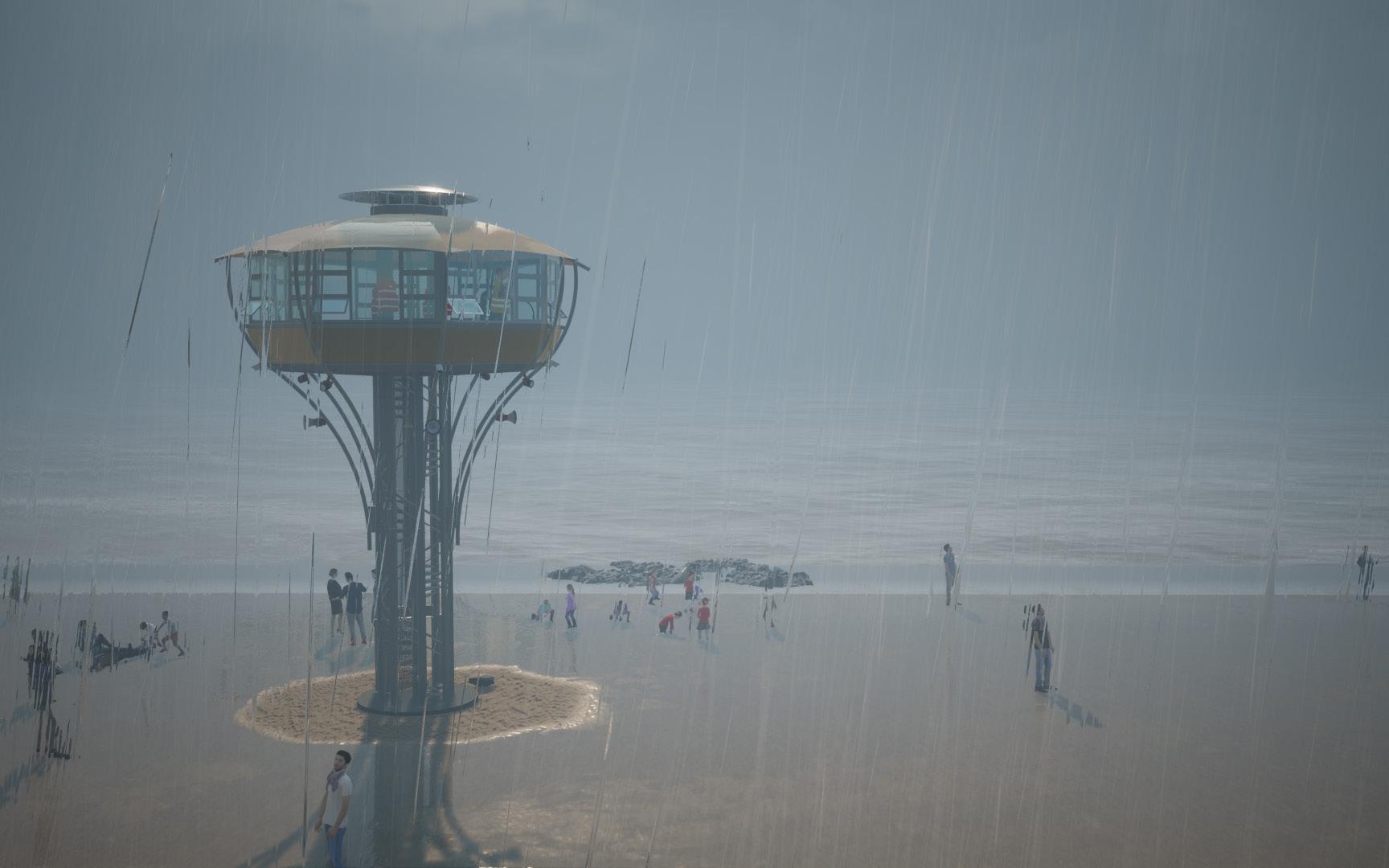
MONSOON SCENARIO
Elevated Cabin Stays Functional In Heavy Rain And High Tide With Robust Frame And Safe Access
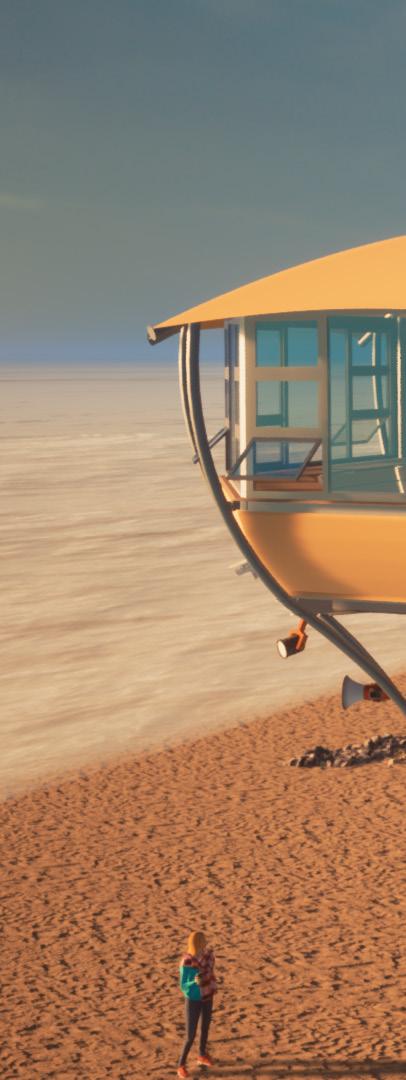
BEACHFRONT DEPLOYMENT
fsakpal@pratt.edu | falgunis17@aoamumbai.in | linkedin.com/in/falgunisakpal falgunisakpal.myportfolio.com | issuu.com/fsakpal | NEW YORK, USA
FALGUNI VILAS SAKPAL