Personal Trainers in Manchester UK: Achieve Your Fitness Goals with Expert Guidance
Achieving your fitness goals takes commitment, consistency, and a training plan that suits your individual needs. Whether you want to lose weight, build muscle, improve cardiovascular fitness, or develop a healthier lifestyle, the right guidance can make your journey more structured and manageable. However, knowing which exercises to perform, how often to train, and how to measure progress can be challenging without professional support. Working with personal trainers in manchester uk can help you establish realistic goals, improve exercise technique, and follow a programme designed around your current fitness level. Rather than relying on random workouts or advice that may not suit your circumstances, you can receive individual attention and practical guidance throughout your fitness journey. Manchester offers a range of fitness environments and training options to suit different lifestyles. Whether you are a beginner entering a gym for the first time or an experienced individual looking to overcome a training plateau, choosing an appropriate personal training programme can help you make better use of your time and effort.
Why Personal Training Can Improve Your Fitness Journey Personal training offers an organised approach to exercise by combining individual planning, professional instruction, and progress monitoring. It can be particularly helpful when you need direction, motivation, or a programme that fits around your everyday responsibilities.
Individualised Workout Programmes Every person has different fitness objectives, physical abilities, and preferences. Some people want to increase muscular strength, while others focus on improving endurance, managing their weight, or becoming more active. A personal trainer can discuss your goals and create a programme that reflects your requirements. This may include resistance exercises, cardiovascular activities, mobility work, and recovery periods. Furthermore, an individualised programme can be adjusted as your fitness develops. If an exercise becomes too easy or your priorities change, your trainer can introduce suitable modifications to keep your routine relevant.
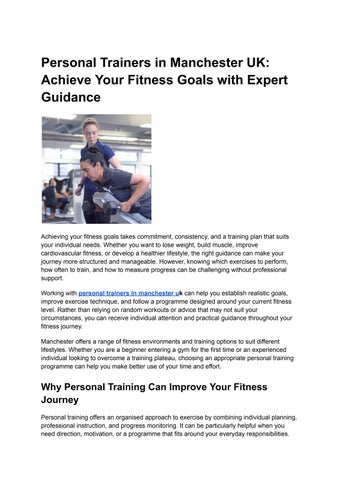
Professional Exercise Guidance Correct exercise technique is essential for getting the most from a workout. Poor movement patterns, unsuitable weights, and excessive training intensity can increase the risk of discomfort or injury. A qualified trainer can demonstrate exercises, explain the correct movement, and help you choose an appropriate level of resistance. Beginners may benefit from learning basic movements, while experienced gym users can receive feedback on technique and training progression. Professional guidance also helps you understand why particular exercises are included in your programme, allowing you to become more confident and independent over time.
Motivation and Accountability Maintaining an exercise routine can be difficult when work, family commitments, and other responsibilities compete for your attention. Personal training sessions provide planned appointments that may encourage you to remain consistent. A trainer can help you set achievable milestones, review your progress, and make adjustments when challenges arise. Although motivation naturally changes from week to week, a realistic schedule and supportive coaching can make it easier to maintain healthy habits.
How to Choose the Right Personal Trainer in Manchester Selecting a trainer is an important decision because their experience, communication style, and training approach can influence your overall experience.
Check Qualifications and Experience
Look for relevant fitness qualifications and experience that match your goals. For example, someone interested in strength development may prefer a trainer with experience in resistance training, while a beginner may benefit from a professional who regularly supports people new to exercise. Ask about their approach to programme design, exercise assessment, and progress reviews. A reliable trainer should be able to explain their methods clearly and recognise when a client's needs fall outside their professional expertise. If you have a medical condition, a recent injury, or ongoing pain, seek appropriate healthcare advice before beginning activities that could aggravate the problem.
Understand Their Training Approach Different trainers use different methods. Some place greater emphasis on strength development, while others focus on general fitness, endurance, functional movement, or a combination of training styles. Discuss your objectives before committing to a programme. The trainer should understand what you want to achieve and explain how their proposed approach can support those aims. Be cautious of unrealistic guarantees, extreme workout plans, or promises of rapid physical transformation. Fitness improvements depend on several factors, including consistency, nutrition, recovery, and individual circumstances.
Consider Communication and Comfort You should feel comfortable asking questions, explaining difficulties, and discussing your progress with your trainer. Clear communication helps ensure that exercises are understood and that the programme remains appropriate. Some clients prefer energetic encouragement, whereas others appreciate calm explanations and detailed feedback. Choosing a trainer whose communication style suits you can help make sessions more enjoyable and productive.
Different Types of Personal Training for Your Goals A suitable training programme should reflect your main objectives rather than following a standard routine that treats every client the same way.
Weight Management and Fat Loss For people aiming to manage their weight, personal training can provide a structured combination of cardiovascular activity, resistance exercises, and everyday movement. Strength training can help maintain or develop muscle, while aerobic exercise supports cardiovascular health and increases energy expenditure. However, weight management also depends on nutrition, sleep, daily activity, and other individual factors.
A responsible trainer should encourage sustainable habits instead of extreme exercise schedules or restrictive approaches. Progress can be monitored through several measures, including fitness improvements, training consistency, strength, and changes in body measurements where appropriate.
Muscle Building and Strength Development Resistance training is an effective way to develop muscular strength and support muscle growth. Depending on your ability and preferences, your programme may include free weights, resistance machines, bodyweight movements, and other suitable exercises. A trainer can help you select appropriate exercises, learn correct technique, and gradually increase the challenge as your strength improves. Recovery is also essential. Training the same muscles intensely without sufficient rest may contribute to excessive fatigue and make it harder to maintain a consistent routine. A balanced programme should consider training frequency, workload, sleep, and recovery.
Cardiovascular Fitness and Stamina Cardiovascular training can improve your ability to sustain physical activity and support overall heart and lung health. Activities may include walking, running, cycling, rowing, or appropriately designed circuits. Your starting point should depend on your current fitness level. If you are new to exercise, shorter sessions at a manageable intensity may be more suitable than immediately attempting demanding workouts. As your stamina improves, you can gradually increase the duration or intensity of your sessions. This progressive approach helps you build fitness without placing unnecessary demands on your body.
Mobility and Functional Fitness Functional fitness focuses on movements that support everyday activities, such as climbing stairs, carrying shopping, getting up from a chair, and maintaining balance. A programme may include bodyweight exercises, controlled resistance movements, balance activities, and suitable mobility drills. These exercises can support movement confidence and help you develop a more balanced approach to fitness. However, exercises should be selected according to your ability. Anyone experiencing persistent pain or significant movement limitations should seek appropriate professional assessment before attempting activities that may worsen their symptoms.
What to Expect from Your First Personal Training Session
Understanding the first-session process can help you feel prepared and know what information to discuss with your trainer.
Initial Consultation The first appointment often begins with a discussion about your goals, exercise history, schedule, and expectations. Your trainer may ask about your current activity levels, previous training experience, and any relevant health considerations. This conversation helps establish a starting point and identify exercises that may be suitable for you. Depending on your needs, the trainer may also complete a basic fitness or movement assessment. Any assessment should be appropriate to your current ability and conducted in a safe, supportive environment.
Learning Exercise Technique Your first sessions may focus on learning foundational movements and becoming familiar with gym equipment. You may practise exercises such as squats, presses, rows, or other movements suited to your programme. The emphasis should be on controlled technique, appropriate resistance, and understanding the purpose of each exercise. You do not need to lift heavy weights or complete exhausting workouts to make useful progress. As your confidence develops, your trainer can introduce additional exercises and gradually increase the challenge.
Creating a Realistic Training Schedule Your training schedule should fit your lifestyle and allow enough time for recovery. Some individuals prefer regular coached sessions, while others combine occasional personal training with independent workouts.
Discuss your availability, preferred training times, and budget before deciding on a package. A realistic arrangement is more likely to become a consistent habit than a demanding schedule that is difficult to maintain.
The Importance of Nutrition and Recovery Exercise is only one part of a balanced fitness routine. Nutrition, hydration, sleep, and recovery all influence how you feel during workouts and how well you maintain your programme.
Eating for Your Fitness Objectives A balanced diet can support exercise performance and recovery. Depending on your needs, this may include vegetables, fruit, whole grains, suitable protein sources, and healthy fats. Your nutritional requirements will depend on factors such as your activity level, training goals, food preferences, and health circumstances. A personal trainer may provide general guidance within their qualifications. However, if you need a tailored diet for a medical condition or a specific clinical concern, consult an appropriately qualified healthcare or nutrition professional. Avoid assuming that supplements or restrictive diets are necessary for progress. Consistent, balanced eating habits are often a more practical foundation for long-term fitness.
Prioritising Sleep and Recovery Your body needs adequate recovery between demanding workouts. Sleep supports physical recovery, concentration, and general wellbeing, while rest days can help you manage fatigue. If you feel unusually tired, experience persistent soreness, or struggle to maintain your usual performance, your programme may need to be reviewed. A trainer can help adjust workout intensity and frequency, but persistent symptoms or concerning pain should be discussed with an appropriate healthcare professional.
Building Sustainable Habits Long-term progress comes from routines you can maintain. Instead of trying to change everything immediately, begin with manageable goals and gradually introduce new habits. For example, you might schedule regular workouts, increase your daily walking, improve your sleep routine, or practise a few essential exercises consistently. Tracking your achievements can also help you recognise progress. Improvements in strength, endurance, technique, and confidence are valuable outcomes even when visible physical changes take longer.
Personal Training for Busy Manchester Lifestyles Manchester residents have varied schedules, from full-time employment and commuting to family commitments and study. Therefore, convenience and flexibility can play an important role when selecting a fitness programme.
Finding Suitable Training Times Consider when you are most likely to exercise consistently. Some people prefer morning sessions before work, while others find evenings or weekends more practical. Before booking, ask about appointment availability, session length, location, and cancellation policies. Understanding these details can help you select an arrangement that fits your routine.
Making Shorter Workouts Effective A useful workout does not always need to last for hours. A well-planned session can focus on selected exercises that support your priorities. For people with limited time, a trainer may organise the session around essential movements and suggest suitable activities to complete independently between appointments. Nevertheless, shorter sessions should not compromise proper technique or appropriate recovery. The aim is to make exercise manageable and effective, not to rush through movements.
Staying Active Outside the Gym Everyday activity can complement planned workouts. Walking, cycling, taking the stairs where appropriate, and participating in recreational activities can all contribute to a more active lifestyle. Combining regular training with enjoyable movement may help you remain active without depending entirely on gym sessions.
Why Consider Frontline Fit Performance Centre? Choosing a fitness facility involves considering more than equipment and location. You should also look at the training environment, available support, staff experience, and whether the services match your personal objectives. Frontline Fit Performance Centre is an option to explore when researching fitness support in Manchester. Before choosing a programme, discuss your goals, training experience, preferred approach, and schedule to establish whether the available options meet your needs.
Training Around Individual Goals A programme should reflect your starting point and personal priorities. For example, someone developing strength may require a different training structure from someone focused on endurance or general fitness. Discussing your objectives helps establish clear expectations and provides a basis for reviewing progress. As your needs change, your programme can be adjusted where appropriate.
Reviewing Progress and Making Adjustments Progress tracking helps you understand how your training is developing. Depending on your goals, you might record the weights lifted, repetitions completed, workout duration, or improvements in exercise technique. Regular reviews can highlight what is working and where adjustments may be useful. It is also important to recognise that progress is not always linear; occasional setbacks can occur because of stress, illness, sleep, or changes in routine. A flexible, evidence-informed approach can help you stay focused without becoming discouraged by short-term fluctuations.
Frequently Asked Questions How Often Should I Have Personal Training Sessions? The appropriate frequency depends on your goals, experience, budget, and availability. Some people prefer several coached sessions each week, while others choose one session alongside independent exercise. A suitable schedule should allow sufficient recovery and fit comfortably into your lifestyle.
Are Personal Trainers Suitable for Beginners? Yes. Beginners can benefit from learning correct exercise technique, understanding equipment, and developing a structured routine. A trainer can introduce manageable exercises and increase the difficulty gradually as confidence and fitness improve.
How Long Does It Take to See Results? Results vary according to your starting point, consistency, training approach, nutrition, sleep, and individual circumstances. You may notice improvements in confidence, movement, or stamina before substantial physical changes become apparent. Regular training and realistic expectations are important.
What Should I Bring to a Training Session?
Wear comfortable exercise clothing and suitable footwear. Bringing water and following any instructions provided by your trainer or fitness facility can help you prepare for the session.
Can Personal Training Help Me Stay Motivated? Personal training may support motivation through planned appointments, progress reviews, encouragement, and achievable goals. Choosing activities you enjoy and developing a manageable routine can also make it easier to remain consistent over time.
Conclusion
Personal training can help you approach fitness with a clearer plan, better exercise knowledge, and practical support. Whether you want to build muscle, improve stamina, manage your weight, or develop healthier daily habits, a suitable programme should reflect your individual needs and progress at a manageable pace. When comparing personal trainers in manchester uk, consider qualifications, experience, communication, training methods, and scheduling options. Equally important are consistent exercise, balanced nutrition, adequate sleep, and realistic expectations. By focusing on sustainable habits rather than quick fixes, you can work towards fitness improvements that support your everyday life. If you are ready to take the next step, contact Frontline Fit Performance Centre to discuss your goals and explore training options that may suit your fitness level, preferences, and lifestyle.