Mark Weber, Treasurer, Frontier Cooperative Board of Directors
Ryan Worm, Sustainability Advisor
John McNamara, Seed
Jon Brabec, Chief Marketing Officer
Cody Hull, Assistant Vice President of Safety and Compliance
Paul Searle, Vice President of Energy
CEO Update
Jeremy Wilhelm
As we come off a mild winter, I’m reminded that Mother Nature can be generous at times. I’ve been pleased with the preparation that’s taken place to get the 2026 crop year off to a strong start. Starting off strong positions us to maximize each acre’s potential with the right seed, crop protection and nutrients for every acre. The improved soil moisture profile compared to recent years is another encouraging sign. Of course, we also recognize that many factors in our farming operations are beyond our control. It can be frustrating to watch markets react sharply to events happening around the world. Volatility remains a constant challenge — but by focusing on what we can control, we can work together to strengthen your operation’s profitability.
One of Frontier’s greatest advantages is our ability to leverage purchasing power and logistics to access global markets while using our storage facilities to buffer against supply chain volatility. Our Frontier Advisors are here to help you develop a farm plan aligned with your family’s goals — removing much of the day-to-day emotion from key decisions. Our Ultimate Acre System is designed exactly for that purpose.
Last fall brought a large harvest, and we continue to move that grain efficiently to market. Harvest progressed quickly, thanks to the dedication of our employees — many of whom worked more than 45 consecutive days to keep everything running smoothly. We shipped soybeans overseas, corn to Mexico and California, and maintained steady deliveries to our local processors. In a high-yield year, our six train-loading facilities have been invaluable in creating space ahead of next harvest. Big crops, of course, remove a great deal of nutrients from the soil, and we’re focused on helping you replenish those inputs efficiently.
We continue to invest in your cooperative. Over the past eight years, we’ve added 10 million bushels of grain storage and expanded both our liquid and dry fertilizer capacity. In just the last three years, Frontier has invested more than $85 million in facilities and rolling stock — improving speed, space, and service to help you get back to the field faster. We’ve also enhanced financing programs and expanded the Frontier Connect app, which now has over 4,000 users. Beyond infrastructure, we remain committed to our communities — supporting youth in agriculture, safety, and education initiatives. It’s rare for a week to pass without Frontier Cooperative employees being present at a career fair or local school, helping students understand today’s opportunities in agriculture and where their food comes from.
Looking ahead, we’ll continue investing in technology, speed, space, and — most importantly — our people. Our employees make this company great, and I want to thank them for their tremendous effort this past year. Their dedication to serving you as part of the Frontier Experience is what truly drives our success. Finally, thank you for your continued support of Frontier Cooperative and the business we share together. Wishing you a safe, productive and successful spring.
board of directors
Board member Spotlight
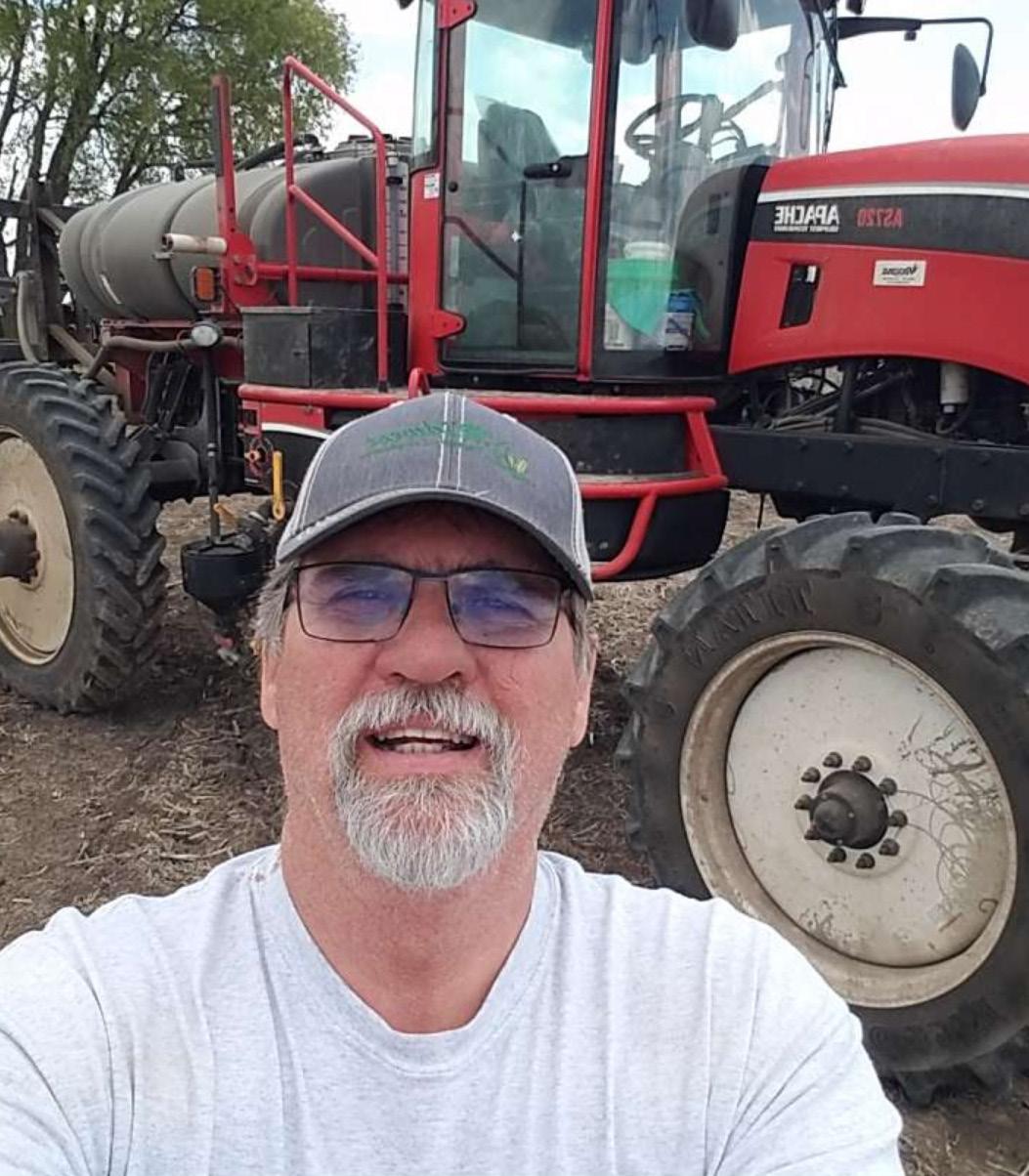
Mark Weber, Frontier Board of Directors
Meet Mark Weber
Mark Weber is a fourth-generation farmer who farms acres in Lancaster and Gage counties on which he grows irrigated and dryland corn and soybeans. He is a 1975 graduate of Adams High School and 1979 graduate of the University of Nebraska-Lincoln (UNL) with a Bachelor of Science in Mechanical Engineering.
Upon graduation from UNL, Mark spent five years in Los Alamos, New Mexico, working in the nuclear weapons industry. He then decided to return home and joined his father on the family farm in 1984.
Mark and his wife, Becky, with their daughter, Katherine, and son and daughter-in-law, Max and Katy with their daughter.
Mark has served on cooperative boards for over 14 years and is the current treasurer of the Frontier Cooperative Board of Directors. He previously served on both the Farmers Cooperative, Waverly Cooperative and Midwest Farmers Cooperative boards. Cooperative board service runs in Mark’s family. His father – whom he drew much inspiration from as a long-time cooperative board member – served on the Adams Farmers Cooperative board and was also board president and on the Waverly Cooperative board.
Mark is a strong believer in and supporter of the cooperative system in Nebraska and believes it is as important today as 100 years ago when local farmers came together to improve their ability to compete in a challenging agricultural environment.
His board service doesn’t stop there. Mark is actively involved in his local communities and serves on the Adams Central Public Schools and Freeman Public Schools school boards and the E-Energy Board. He is the current president of the Freeman Public Schools Foundation board.
Mark’s wife, Becky, is a recently retired nurse from BryanLGH Medical Center in Lincoln. Together, Mark and Becky have a son Max and daughter-in-law Katy, both graduates of UNL, who live in Denver, Colorado, with their two daughters – Mark and Becky’s granddaughters – Adrian and Quinn. Mark and Becky’s daughter, Katherine, is also a UNL graduate and lives and works in Lincoln.
Mark’s
Favorites
Hobbies:
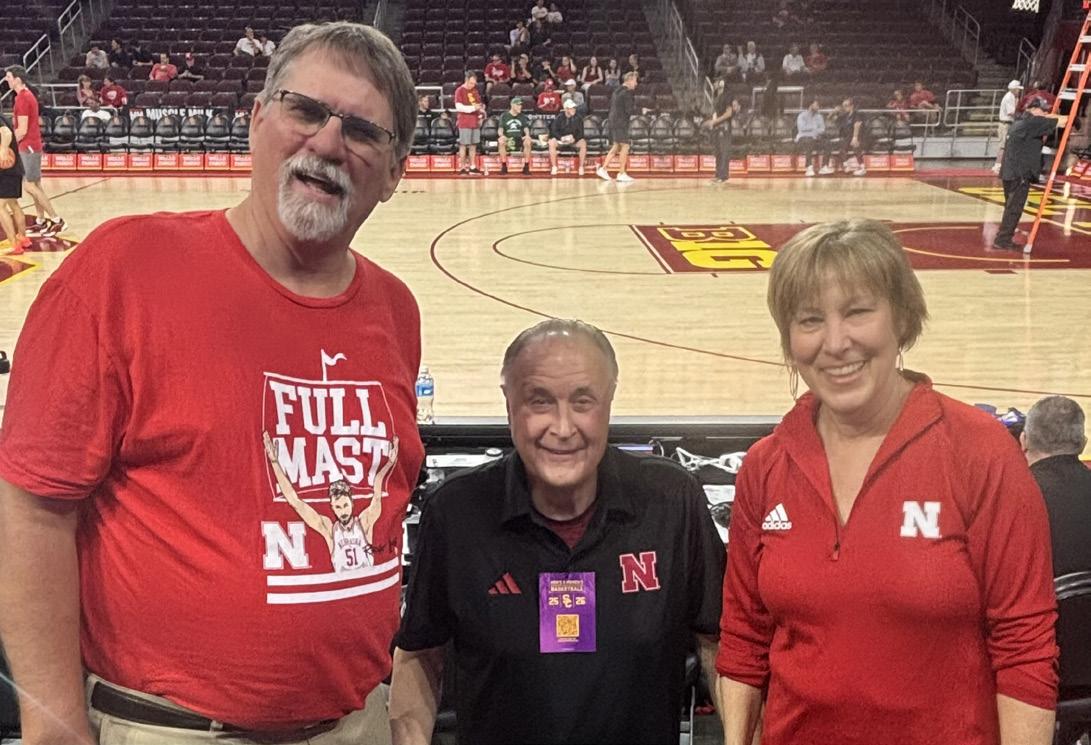
Mark is an avid Cornhusker sports fan who enjoys attending events at home and away. He also enjoys golfing, snow skiing and attending professional baseball games. The Webers also enjoy traveling across America and Europe.
Quote:
“It ain’t over ‘til it’s over.” - Yogi Berra
Mark and his wife are avid Cornhusker fans. Go Big Red!
Mark farms corn and soybeans in Gage and Lancaster counties.
innovation data-ready for the season Get your planter
Ryan Worm, Sustainability Advisor
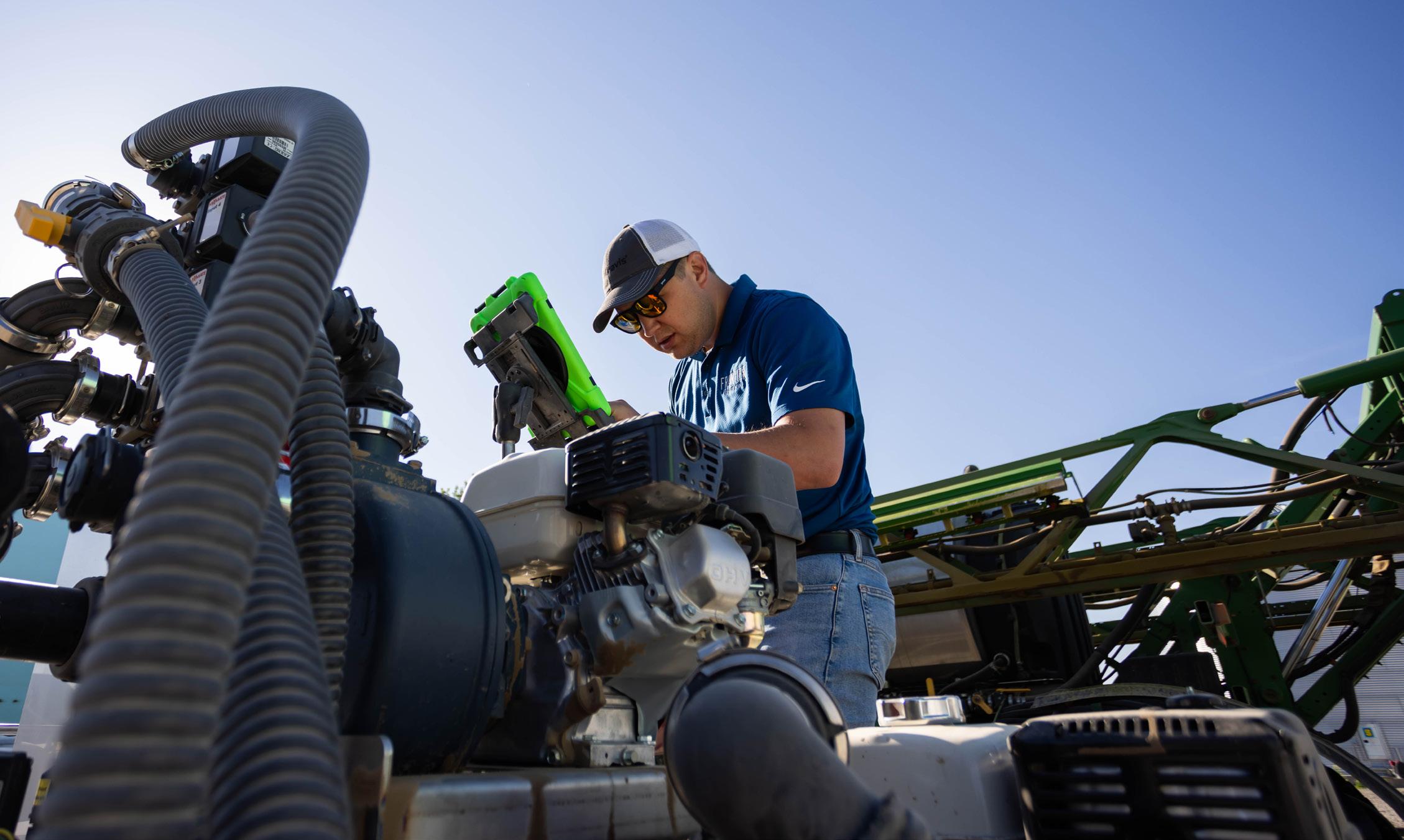
Making sure all your farm data is prepped and ready for planting season might seem like just another task to get done before the tractor starts rolling. However, having your data organized and filed accurately might save your sanity and reduce stress. It may not feel as important as getting your planter ready to roll, but data is becoming more important every year. Data sitting in a digital file somewhere isn’t getting used to its full potential.
We recognize that turning bad data into good data takes time. But, by taking a few of the steps I outline below, you can make that data work harder for you, so you can work smarter. The right data used correctly can lead to more agronomically- and economically sound decisions in the offseason, increasing your return on investment.
Planting season is fast-paced and offers only small windows of time with the perfect conditions. Knowing your time is precious, here are three tips to help save you time during the busy season:
Tip 1: Clean and organize your monitor.
Having a clean and organized monitor can save you time. Start by exporting all your monitor data onto a hard drive. This is your fallback in case you accidentally delete something you didn’t mean to. Then, go through and get rid of things you haven’t used in a few years or things you know you won’t need this season. Items to delete might include old farms or fields, products, AB lines, and prescriptions. Also, make sure your subscriptions are active, such as your GPS coverage and your ability to run prescriptions on your monitor is live.
“ ” The right data used correctly can lead to more agronomically and economically sound decisions in the offseason, increasing your return on investment.
Making sure all your monitors are ready to go for planting can help you make better informed decisions later on.
Tip 2: Upload products and prescriptions.
Another helpful step is to upload your products and planting prescriptions ahead of time. Hybrids, chemicals, fertilizers, and treatments should be entered. Make sure you’re detailed when entering them. The more detailed you are, the better data you will have at the end of the year when making decisions for next year. Getting your prescriptions uploaded early – and making sure they are associated with the correct fields – saves you from manually switching rates, taking the guesswork out of where rate changes should happen. Doing this will help you focus on other things in the cab in real-time that may have a much bigger impact on yield.
Tip 3: Drive boundaries, especially in tricky fields.
The final tip is to drive your boundaries, especially in fields with waterways and terraces. This helps with section control so your equipment can automatically shut off when crossing those areas, saving product and preventing the need to manually turn sections on and off.
Have a safe planting season! Here’s to profitability and high yields.
agronomy aligning Equipment, Agronomy and Soil Conditions Think spring:
John McNamara, Seed Technical Advisor
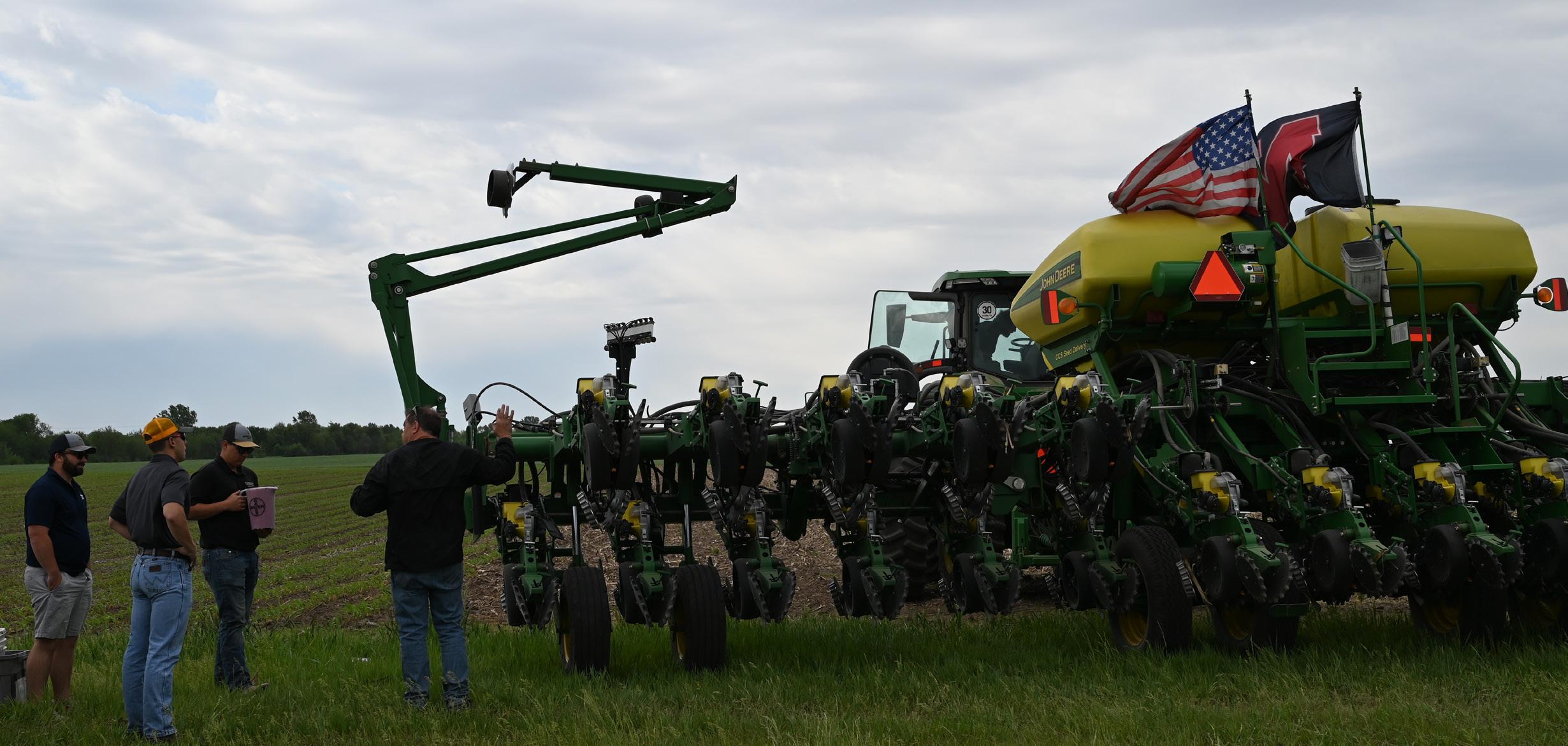
Planting is rarely perfect. Frontier Cooperative’s “Think Spring” series of meetings the last week of February took a practical approach to planting and considered all the variables it takes to be successful. Frontier partnered with AKRS Equipment and the National Resource Conservation Service (NRCS) to conduct interactive planting discussions on aligning equipment, agronomy and soil conditions for planting season to improve emergence and stand establishment of corn and soybeans.
The NRCS discussed how to identify, manage and alleviate soil compaction. Attendees witnessed what common soil associations look and feel like under wet, dry and ideal conditions. Demonstrations included differences between no-till and tilled soil rainfall absorption rates. Additionally, growers were shown how to determine by touch and feel of the soil of what is too wet, too dry, and what conditions are ideal for planting. Tips were given to increase soil health, increase rainfall infiltration and maintain surface residue.
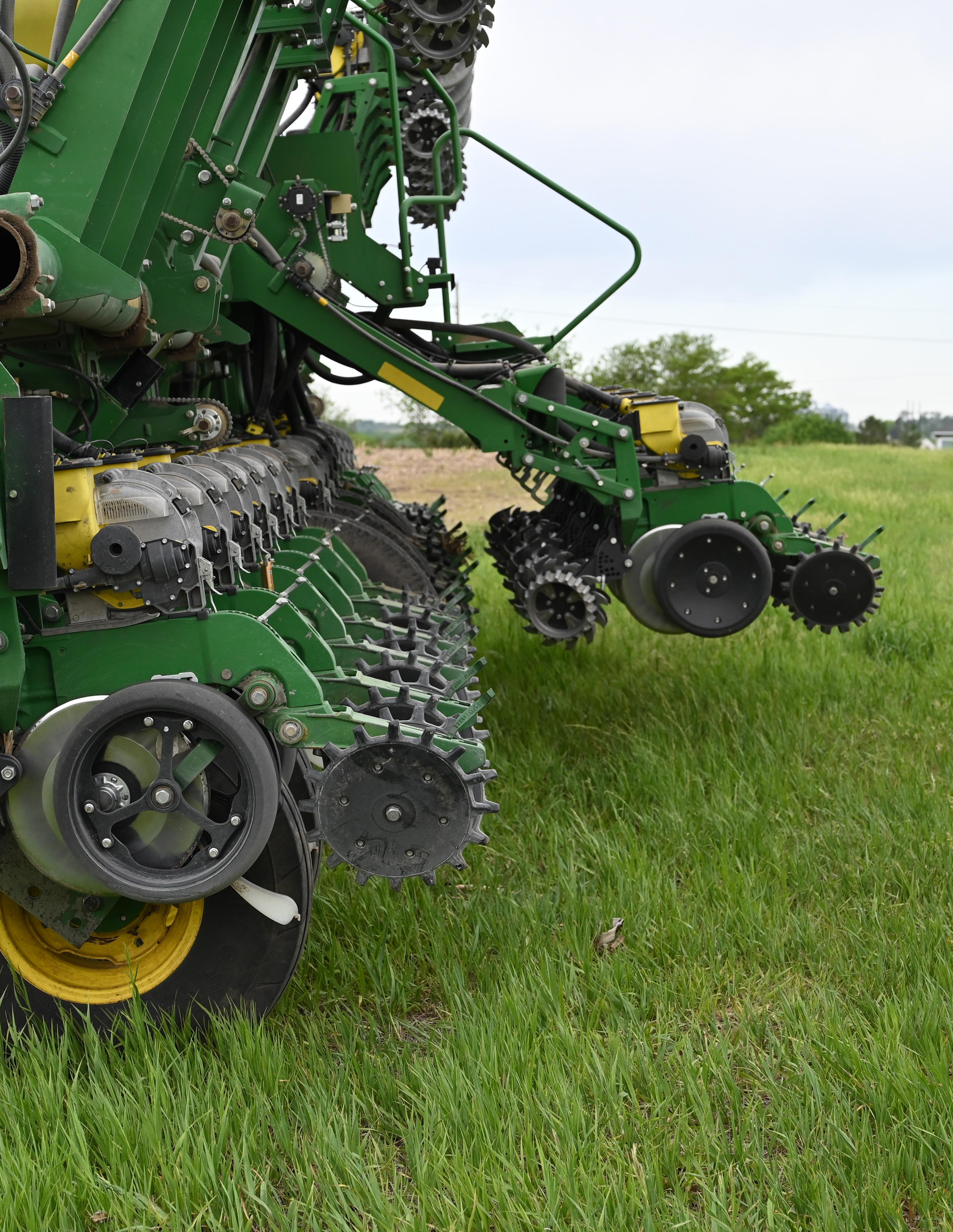
AKRS Equipment detailed planter settings on a variety of planter types and models and how the equipment can be manipulated to adapt to variable soil moisture and residue conditions. We posed multiple scenarios on recognizing soil water differences at planting depth, compaction levels, managing crop residue, and closing wheel options for existing conditions. Discussions included why initial
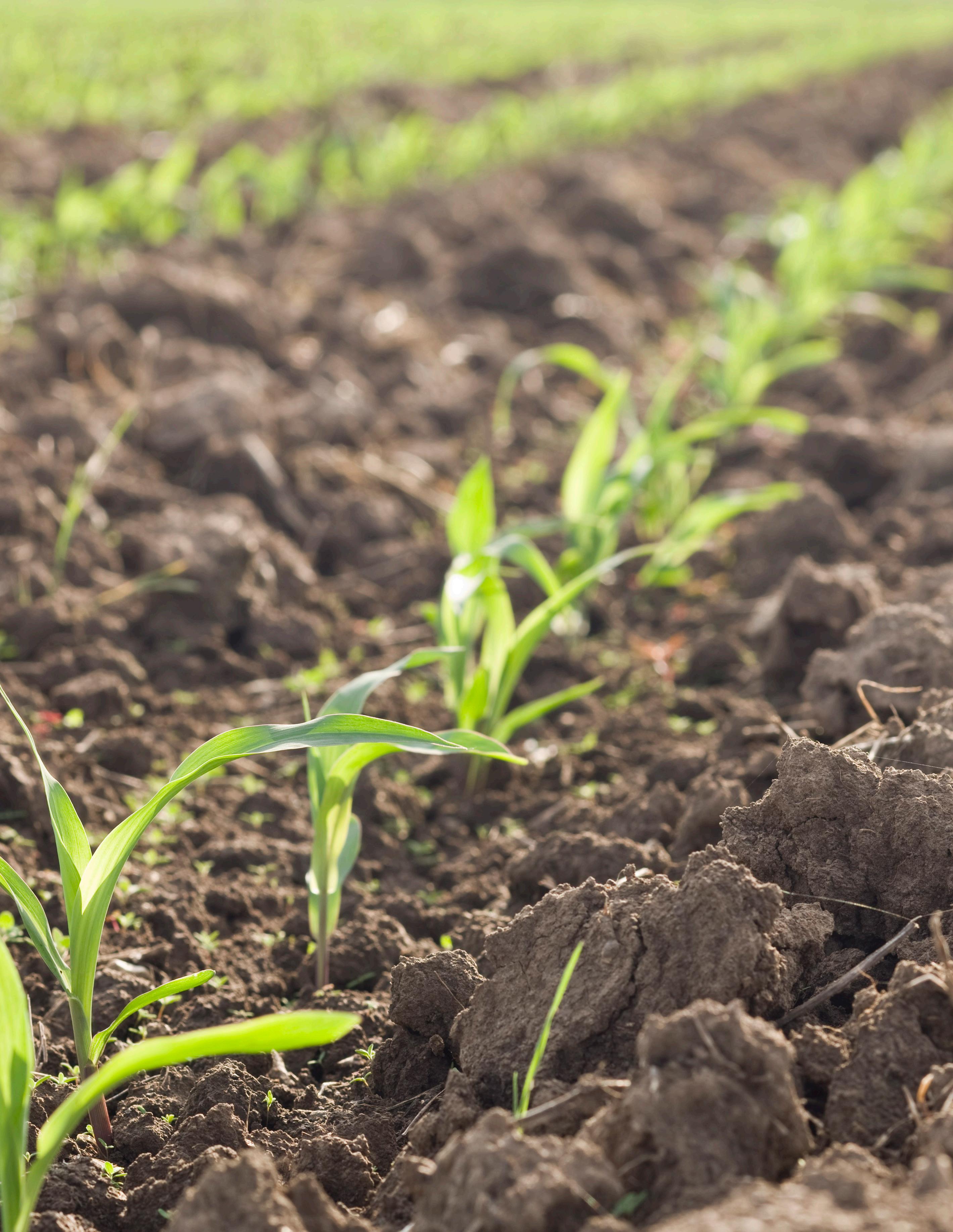
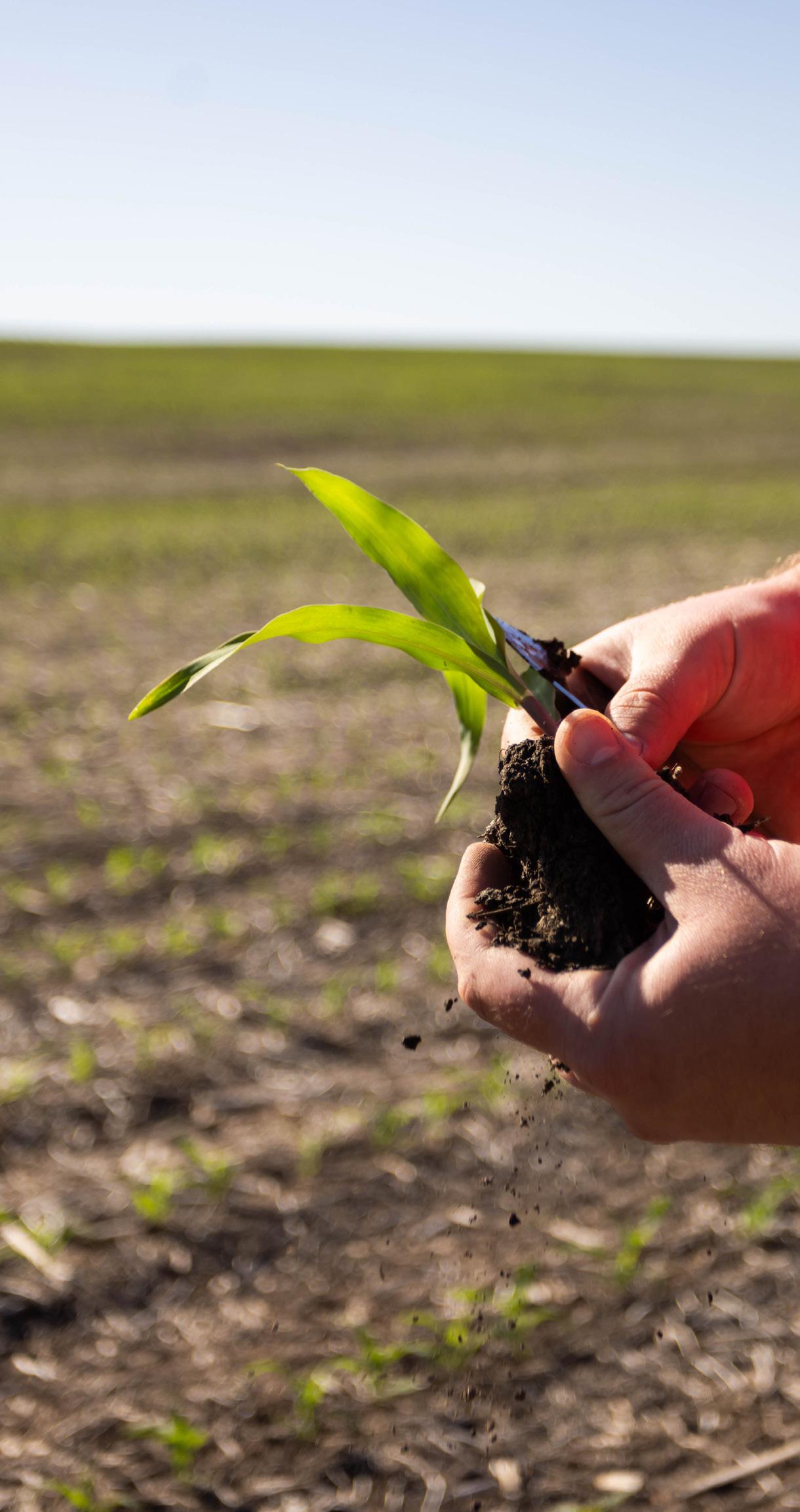
Frontier Ag Advisor, Cole Gocke, checking roots of a corn plant in the spring of 2025.
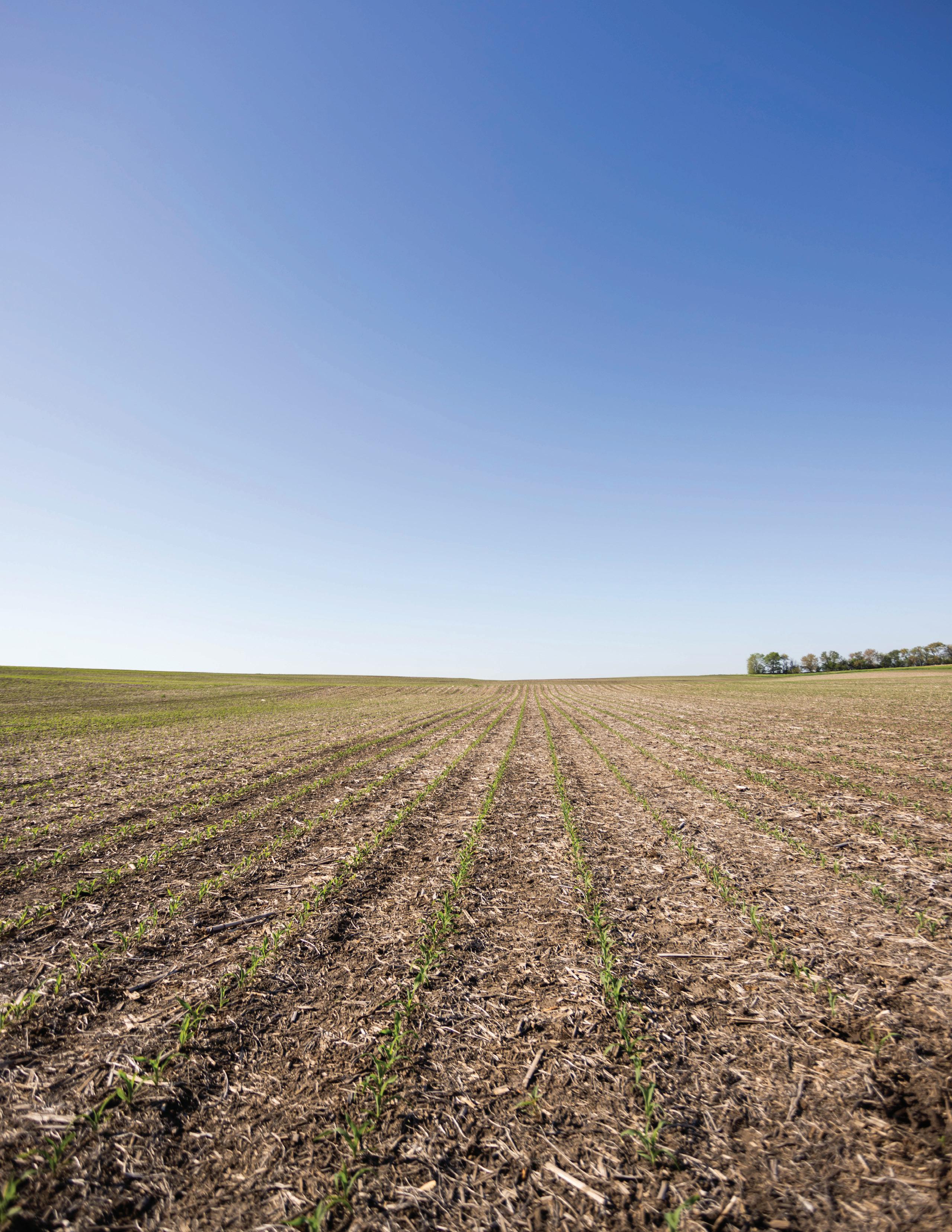
Frontier Cooperative’s test plot at Mynard during planting for the 2025 growing season.
planter set-up at the beginning of the season likely needs to be changed as the planting season continues due to changing soil conditions.
For the summer of 2026, Frontier Cooperative, AKRS Equipment and the NRCS will be managing in-field demonstration plots where these topics of discussion will be implemented and reviewed throughout the season. Be sure to check out one of Frontier’s plots near you.
Almost every spring season offers planting conditions which are too wet or too dry. We intend to document what planting under wet, ideal and dry conditions will produce and have you witness the process with us. This will include plant dates of corn and soybeans with the same protocol with juxtaposed variables such as early planting and late planting, cool conditions and warm conditions, wetter soil and drier soil, with and without down pressure issues, all at one inch, two inch and three-inch planting depths. These three areas of demonstrations (Syracuse, Mynard, and David City) will have live internet feeds to allow you to observe vegetative crop developments on your time. We will also use these locations throughout the growing season to serve as added training and information platforms for our customers. We look forward to connecting with you and sharing this information with you throughout the growing season.
Have a safe and healthy spring!
Frontier is invested here
Grant dollars invest in Local Communities and youth agriculture programs
Jon Brabec, Chief Marketing Officer
At Frontier Cooperative, we believe strong communities are built by investing in the next generation of leaders, innovators and problem-solvers. That belief is at the heart of our Frontier Cooperative Grants program, which provides direct financial support to local communities and youth agriculture programs across our service area.
This year’s grant recipients represented a diverse range of needs and ideas — from critical safety equipment for rural fire departments to youth agricultural projects that strengthen hands-on learning and career exploration. From investing in tools used to rescue people in emergency situations to supporting experiential learning initiatives that introduce students to careers in agriculture, each grant was designed to create an immediate and meaningful impact where it matters most.
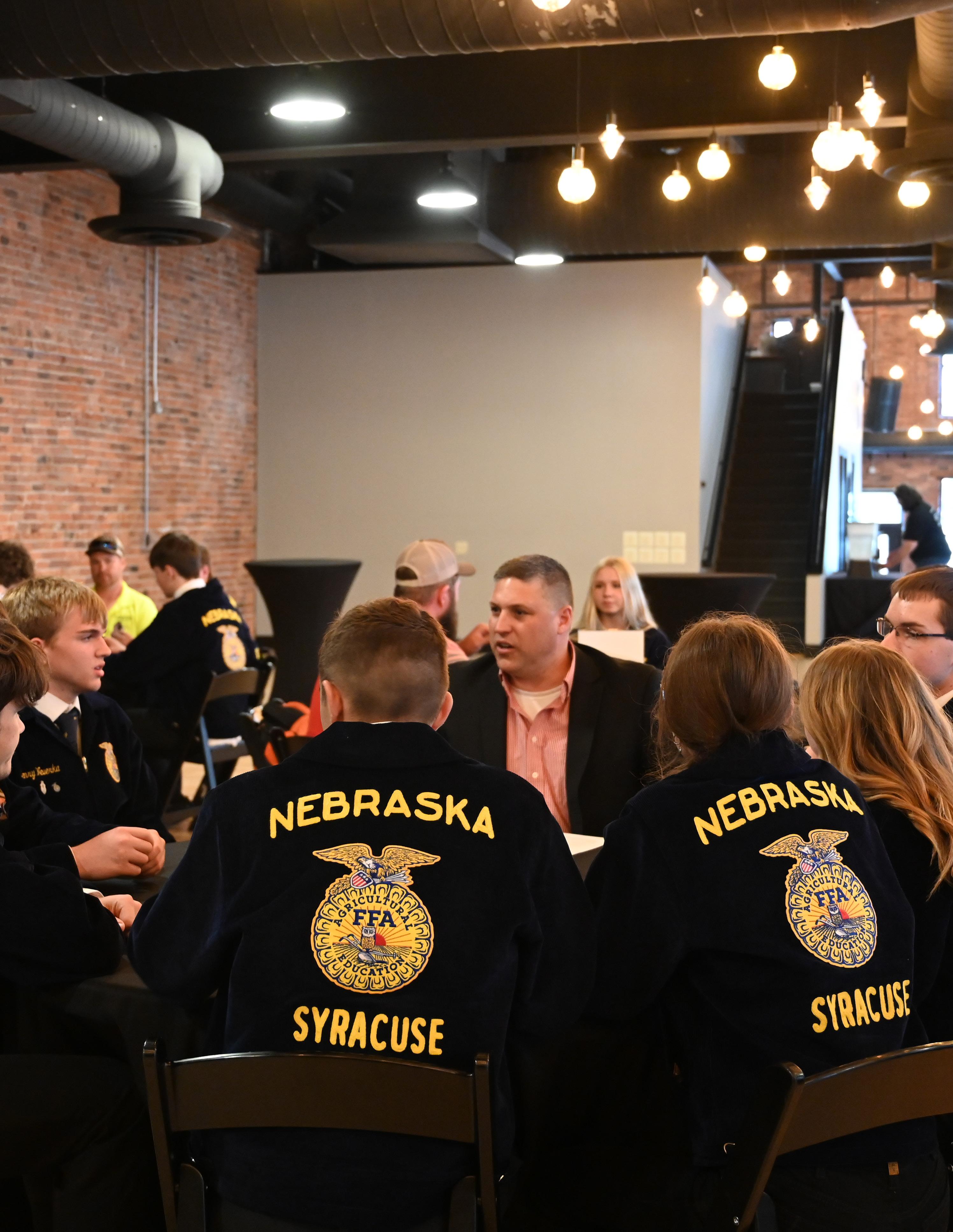
Youth agriculture programs, such as our local FFA chapters, were able to partner with Frontier Cooperative to receive grant dollars to expand projectbased learning opportunities, improve access to modern tools and technology, and strengthen programs that teach leadership skills, and empower youth to engage in real world problem solving scenarios. These experiences go beyond traditional classroom instruction, allowing students to apply their knowledge in practical settings while building confidence and career skills. By supporting a wide range of chapter-driven ideas, Frontier Cooperative is proud to help educators and advisors bring their visions to life, which will help develop our future generations of agricultural leaders.
Supporting youth agriculture programs, such as local FFA chapters, is a natural extension of Frontier Cooperative’s long-standing commitment to rural communities and agriculture. FFA plays a vital role in preparing students not only for careers in agriculture, but also for leadership roles in business, education, and public service. When we invest in FFA, we are investing in the future of our communities — ensuring young people have the resources, encouragement, and experiences they need to succeed.
Stay safe on the farm with these tips
Sowing the Seeds of Safety
Cody Hull, Assistant VP of Safety and Compliance
Gear Up for Spring Fieldwork
Before you hit the fields, ensure your equipment is as ready as you are. A preoperation inspection is your first line of defense.
• Machine Checks: Verify all lights, signals, and Slow-Moving Vehicle (SMV) emblems are clean and functional.
• Shielding: Ensure all PTO guards and shields are securely in place to prevent entanglements.
• Tire Maintenance: Check tire pressure and tighten lug nuts on both tractors and planters to ensure stability on uneven spring terrain.
Safe Chemical Handling
Planting often involves handling fertilizers and pesticides. Protect yourself by following these essential chemical safety guidelines:
• Read the Label: Always follow label instructions for dilution ratios and application methods — it’s the law and your best protection.
• Wear Proper PPE: Use chemicalresistant nitrile gloves, safety goggles, and respirators when mixing or applying.
• Mixing Safety: Always mix chemicals in well-ventilated areas and keep containers below eye level to avoid splashes.
Managing the “Planting Push”
The rush to get seeds in the ground can lead to dangerous fatigue. Stay sharp with these self-care tips:
• Prioritize Sleep: Fatigue impairs judgment as much as intoxication. Aim for adequate rest to stay alert during long shifts.
• Stay Hydrated: Drink plenty of water and eat regular meals to maintain energy levels throughout the day.
• Take Micro-Breaks: Even a 2–3-minute break every 30 minutes can help your body recover from machinery vibrations.
Look Up and Look Out
Spring brings unique hazards to the field landscape.
• Power Line Safety: Maintain at least 10 feet of clearance from all overhead lines. Always lower equipment to its lowest level before transporting.
• Safe Dismounting: Use three points of contact when getting on or off equipment and never jump from the cab.
• Roadway Caution: Avoid transporting large equipment during peak traffic times and never travel left of the centerline in the dark.
energy
Why contracting propane matters
For Your Bottom Line
Guaranteed Supply When You Need It Most
Paul Searle, Vice President of Energy
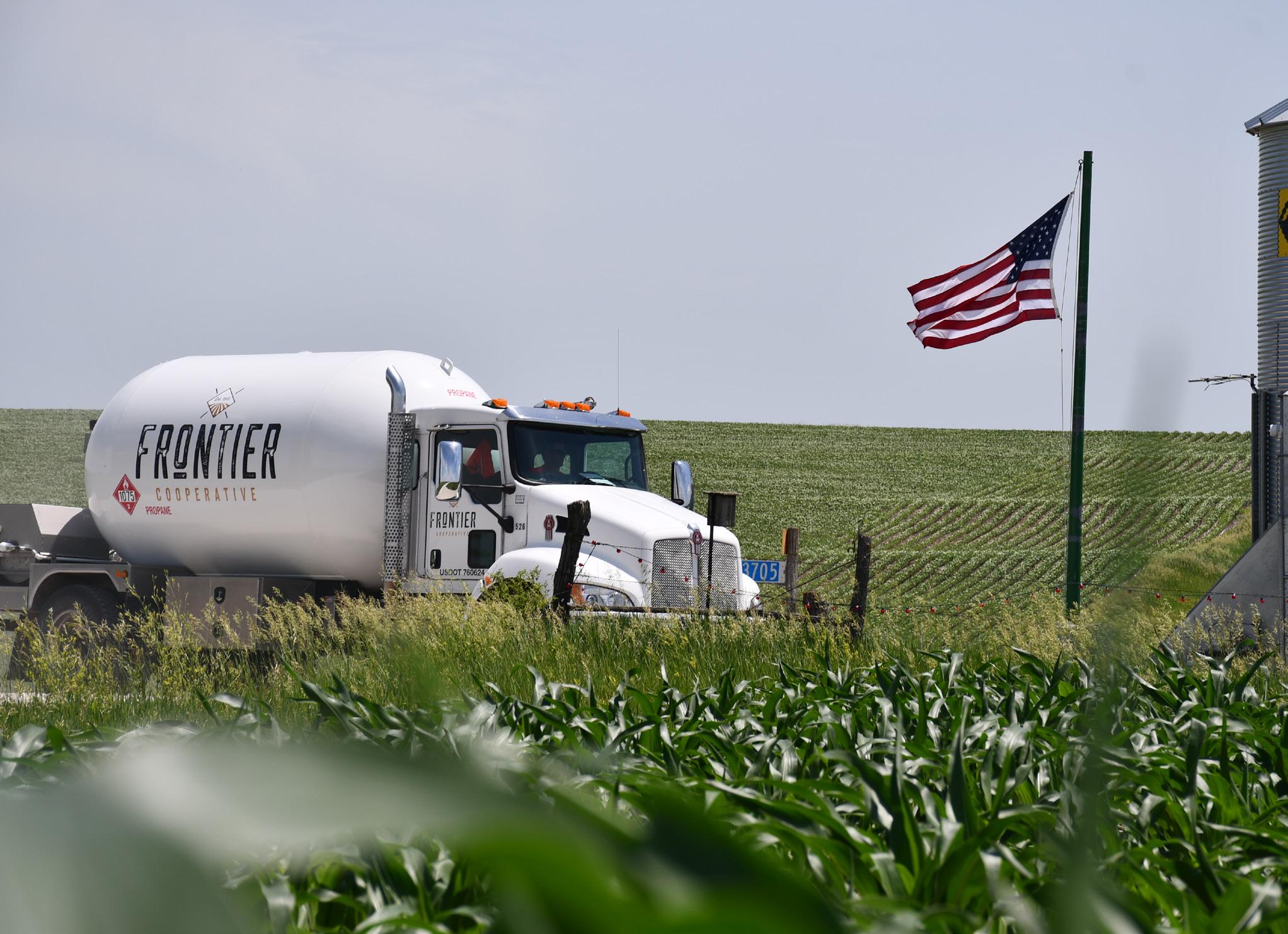
For both residential homeowners relying on propane for heat and farmers depending on it for grain drying, barns, and shop heat, propane is more than a commodity — it’s an operational necessity. One of the most effective ways to safeguard comfort, productivity, and cost control is through propane contracting. Here are key reasons why contracting is especially valuable for home-heat customers and agricultural operations alike.
Protection Against Seasonal Price Spikes
Propane prices fluctuate significantly during winter and harvest seasons when demand surges. Residential customers often feel this most acutely, as cold snaps can cause dramatic price jumps. Farmers face similar volatility during harvest when grain drying demand increases. A propane contract helps smooth these swings by locking in rates or offering predictable pricing structures. This stability gives households certainty in their winter heating budgets and allows farmers to forecast harvest costs more accurately.
Nothing disrupts a home like an empty tank in the middle of January — and few things halt farm operations faster than running out of propane during peak drying, or when poultry/hogs arrive. Contracting helps ensure priority access to product during high-demand periods. Frontier Cooperative allocates guaranteed gallons to contracted customers first, dramatically reducing the risk of runouts. For homeowners, this means reliable heat; for farmers, it prevents animal loss and protects crop quality.
More Efficient and Predictable Delivery Scheduling
Propane contracts often include coordinated delivery schedules that reduce emergency fills and support smooth operations. For both homeowners and farmers, tank monitors play a key role in this efficiency. Frontier Cooperative utilizes tank monitors for contracted customers to provide peace of mind by automatically alerting our team when levels drop, ensuring tanks get filled before they run low. Customers can also conveniently check real-time tank levels through the Frontier Connect app, giving them full visibility and confidence that their home or farm will stay operational without constant manual checking.
Reduced Administrative and Emotional Stress
For busy families and producers, propane contracting eliminates the stress of watching the market, guessing the right time to buy, or calling for urgent deliveries. With terms set upfront — pricing, gallons, and service expectations — customers enjoy peace of mind throughout the season.
Stronger, More Reliable Supplier Partnerships
Contracting strengthens long-term relationships with Frontier Cooperative. In addition, Frontier Cooperative offers two convenient contracting options: monthly budget payments or full contract prepay, giving customers flexibility to choose what best fits their financial needs.
To find out more about contracting options, please call the Elmwood office at 402-430-2313.
Propane is an operational necessity. Contracting propane allows you to more accurately predict operational costs.