Architects of Kindness



What matters to you , matters to Arizona.


Through two decades of extensive survey research, Center for the Future of Arizona has found that Arizonans agree on what matters most — and is turning that shared vision into real progress.





Join us in building Arizona's bright future »


















































EDITOR IN CHIEF
Karen Werner
OWNER & PUBLISHER
Aaron Klusman
CREATIVE DIRECTOR
Neill Fox
ART DIRECTOR
Cheyenne Brumlow
CHIEF OF STAFF
Alicia Chandler
LIFESTYLE EDITOR
Zenobia Mertel
CONTRIBUTORS
Alison Bailin Batz
Julie Coleman
Michelle Jacoby
Shoshana Leon
FRONTDOORS TV HOST & EXECUTIVE PRODUCER
Carey Peña
SENIOR ACCOUNT EXECUTIVE
Lindsay Green
BEAUTY PARTNER
The Sparkle Bar
PHOTOGRAPHY
Scott Foust Studios
FRONTDOORS MEDIA ADVISORY BOARD
Latasha Causey
Russ Dickey
Rusty Foley
Sarah Krahenbuhl
Larry Lytle
Monique Porras Mason
Brad Vynalek
PHILANTHROPIC HONORS ADVISORS
Deborah Bateman
Linda Herold
On the Cover
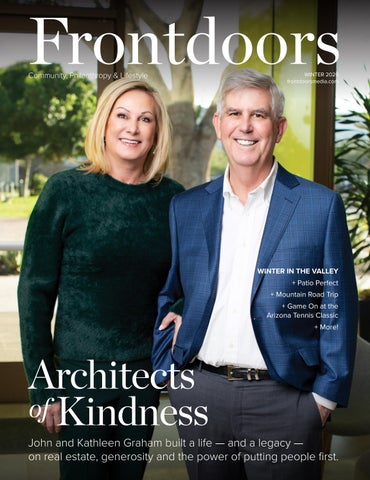
John and Kathleen Graham
Photo by Scott Foust Makeup by The Sparkle Bar

HEALTH AND QUALITY OF LIFE FOR 25 YEARS




BHHS Legacy Foundation has invested more than $150 million in nonprofits and programs across Greater Phoenix and the Tri-State region of northern Arizona.
Help build healthier communities with your donation to Legacy Connection. Visit BHHS legacy.org or call 602.778.1200 to donate now.

ORGANIZATIONS FEATURED IN THIS
+ Desert Botanical Garden
+ Gervonni Cares
+ Hope’s Crossing
+ Japanese Friendship Garden
+ Lodestar Center for Philanthropy and Nonprofit Innovation
+ Phoenix Art Museum
+ Serve the Future
+ Valley of the Sun United Way
6 EDITOR’S NOTE History, Hope and High Style 8
Jonathan Levine, founder of the Arizona Tennis Classic
12
CULTURE A Place to Pause
15 CHEERS TO THE CHAIRS Upcoming philanthropic events 19 STYLE UNLOCKED The Great Reset 27
TO THE GOOD LIFE
Getters 32
STORY Architects of Kindness 41 NEXT DOORS The New Guard 45 A 2ND ACT It Runs in the Family 48 OFFICE DOORS
Kare Hanks, risk officer & general manager of USAA’s Phoenix regional office 63 CHARITY SPOTLIGHT
Dignity in the Gap 65 FROM THE ROAD
Snow, Sips and Red Rock Road Trips 71 KITCHEN DOORS
Let’s Eat! 79 BOOKMARKED
Angie Bond-Simpson, senior director of resource management at SRP
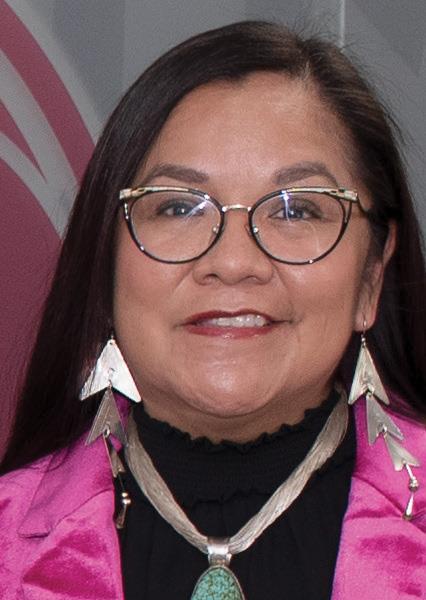
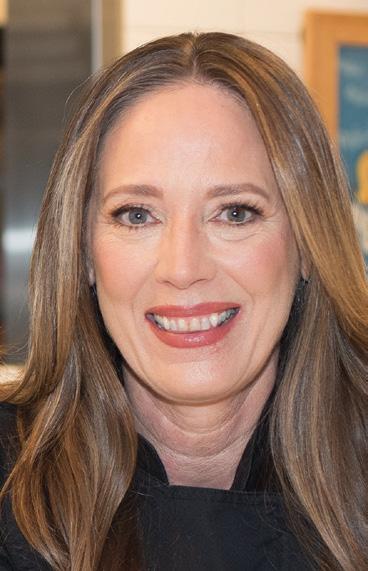
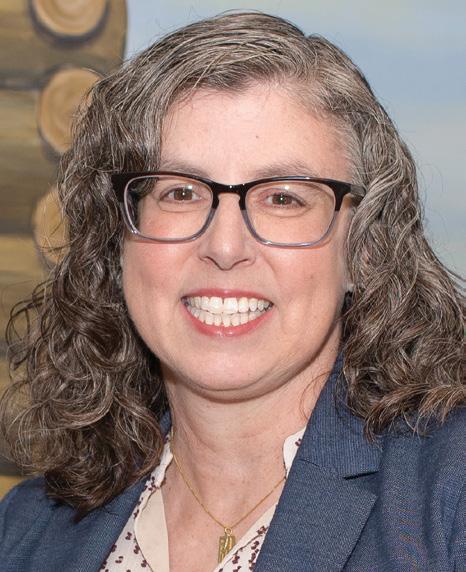
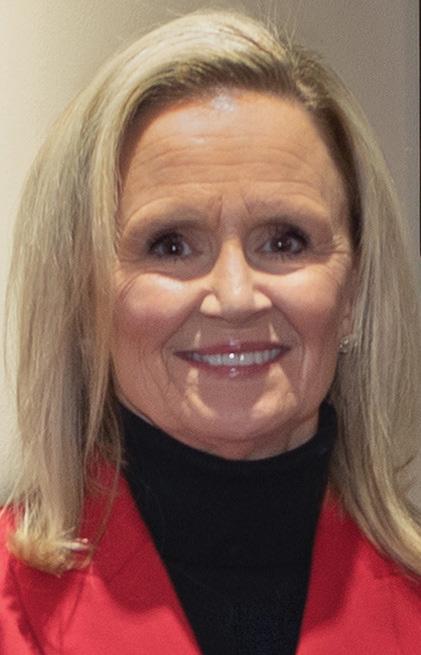

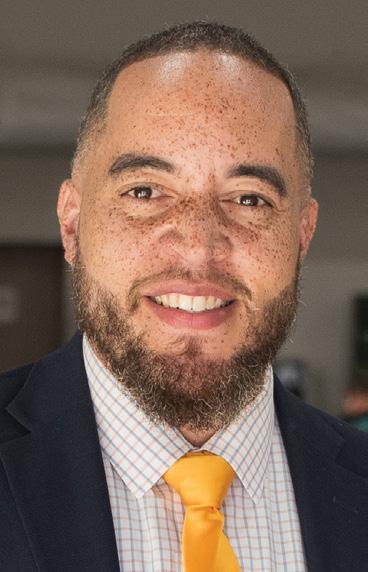
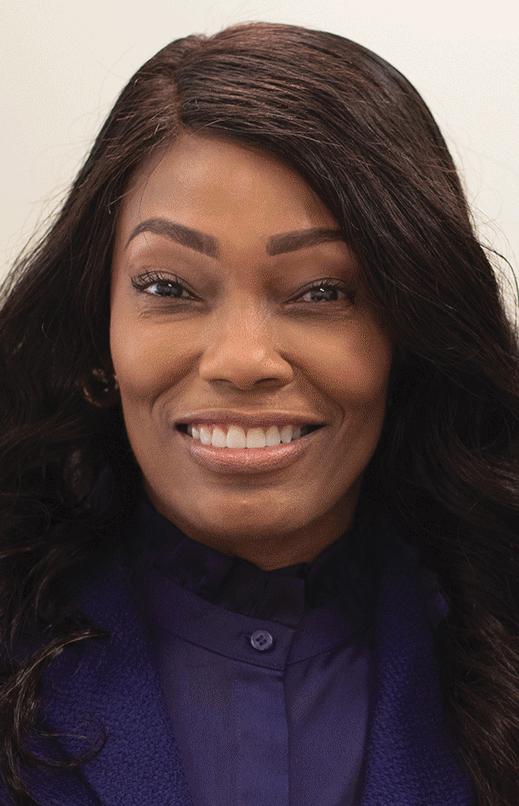

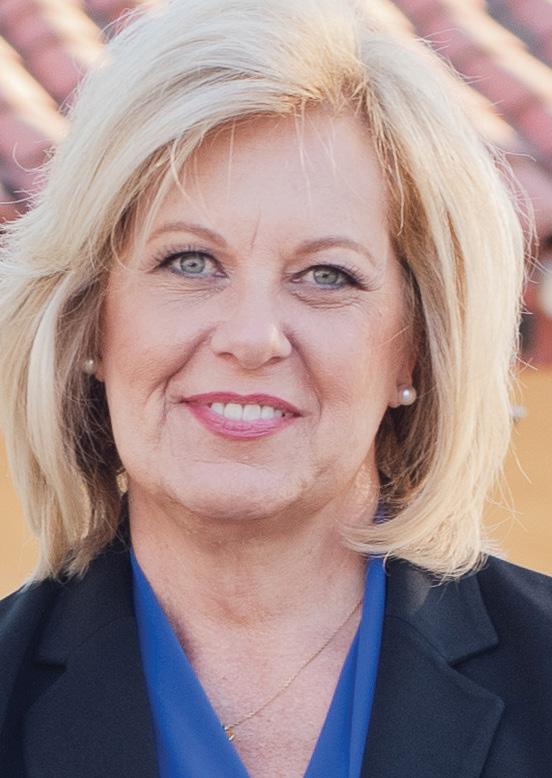



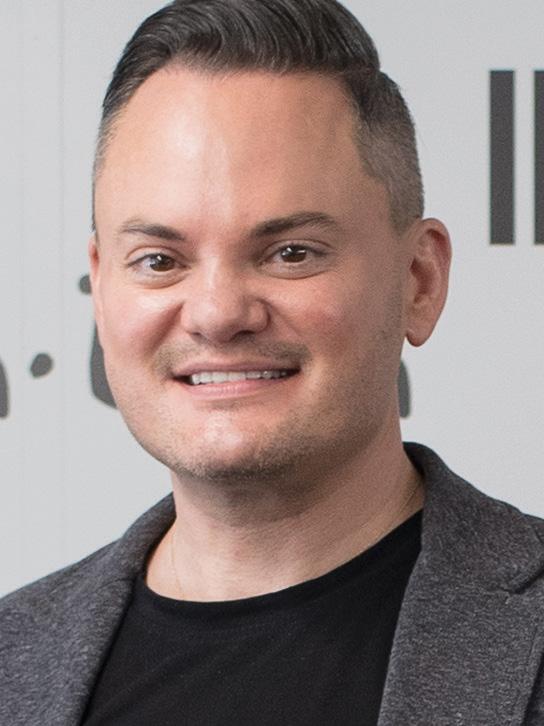








Jolyana Begay-Kroupa Phoenix Indian Center
Lloyd Hopkins Million Dollar Teacher Project
Michael Zirulnik, PhD Creighton University
Jennifer Caraway The Joy Bus
Debbie Castaldo Arizona Diamondbacks Foundation
Jaclyn Pederson Feeding Matters
Eric Spicer Arizona State University Foundation
Latrice Hickman Copa Health, Inc.
Richard Crews Keys to Change
Tracy Leonard-Warner Ryan House
Shonna James Shemer Art Center
Nate Rhoton one∙n∙ten
Valentina Restrepo-Montoya Arizona Legal Women and Youth Services
History, Hope and High Style
There’s nothing quite like the start of a new year. It’s a moment for fresh beginnings, forward momentum and celebrating the community we call home.
That spirit is at the heart of this issue. We are proud to partner with Valley of the Sun United Way as they mark an extraordinary milestone: their 100th anniversary. Over the past century, VSUW has invested more than $1.4 billion to improve lives across the Valley. Through the challenges of the Great Depression to the resilience required during the COVID pandemic, they have brought people together — collaborating with corporate, government and nonprofit leaders to shape a shared vision for our future.
Today, VSUW continues to serve as a thought leader, identifying key challenges and advocating for meaningful policy change. Whether responding to urgent issues like the recent SNAP disruptions or strengthening emergency safety nets, VSUW remains focused on where action is needed most. Now, they are stepping into their next era with a move to a new collaborative space in the historic Graham Building at Park Central.
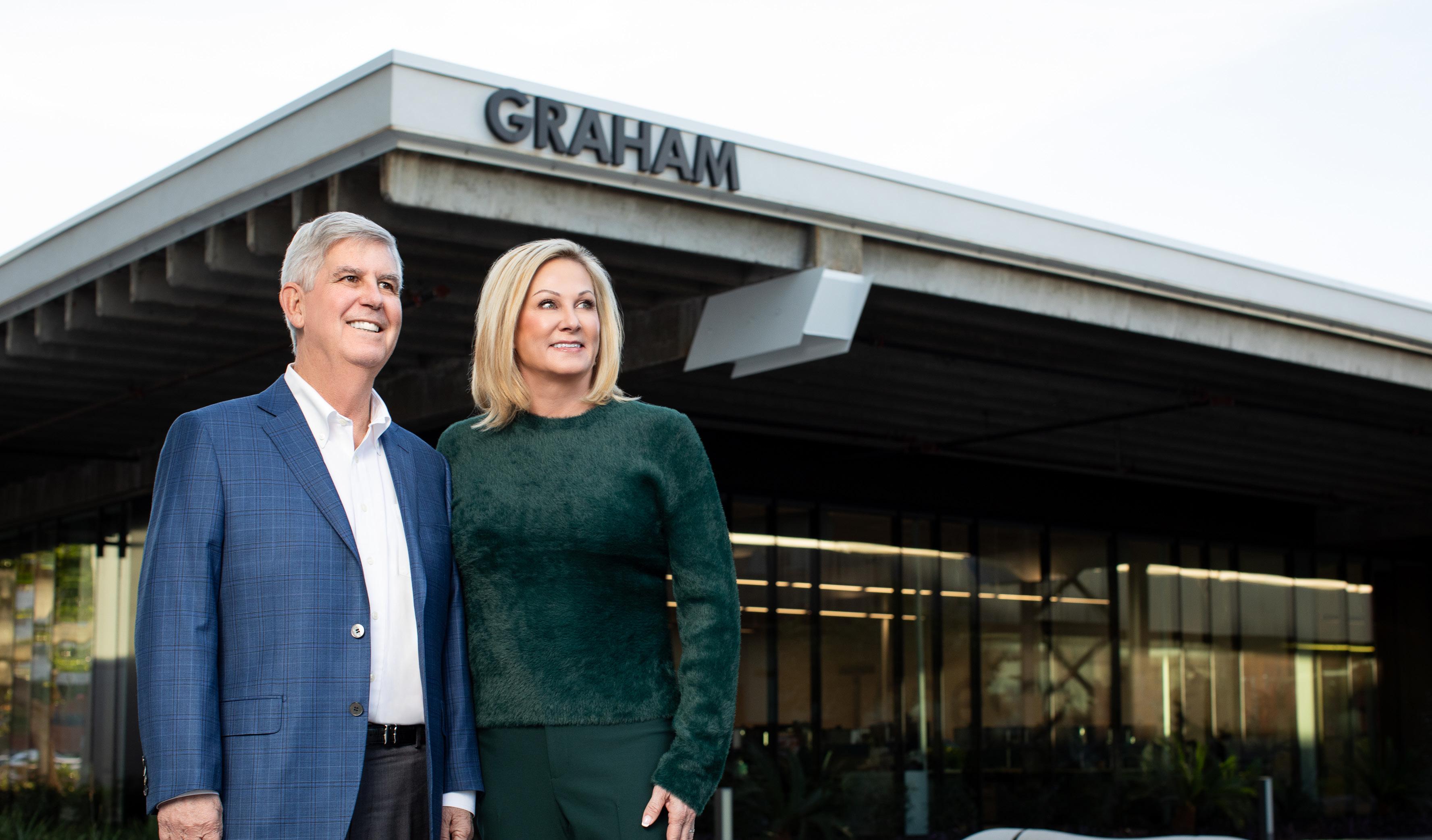
Fittingly, our cover story spotlights John and Kathleen Graham, a family whose philanthropy has shaped Arizona in profound and lasting ways. As synonymous with the history of Park Central as they are with the spirit of giving, the Grahams exemplify what true stewardship looks like in a growing region.
Their story speaks to a larger truth: Philanthropy is most powerful when it is multi-dimensional — when financial generosity is paired with time, expertise, relationships and a willingness to engage in the hard work of systems change.
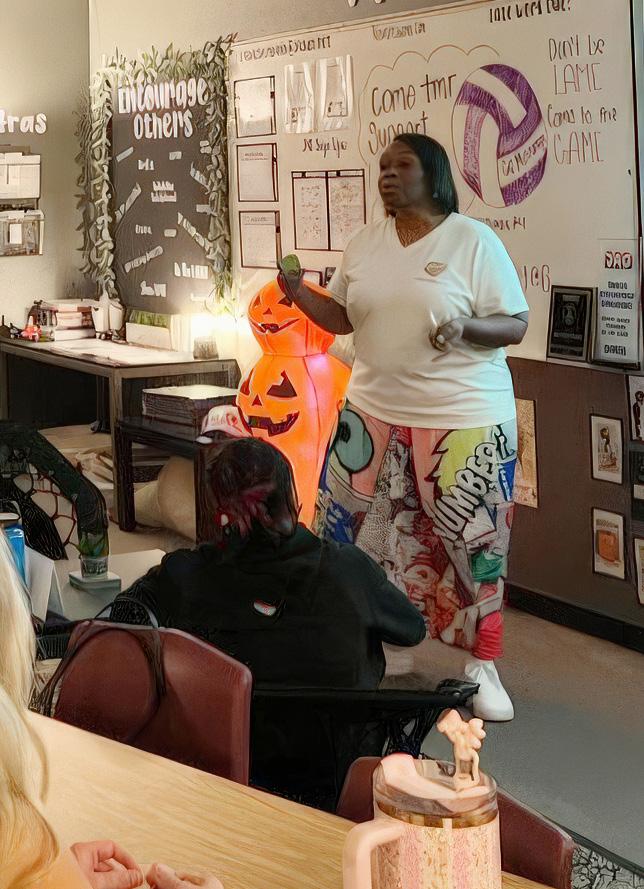
Inside, you’ll also meet community champions Latasha Causey, Regina Edwards, Kare Hanks and Gervonni Sherrod Leggett, whose stories reflect the evolving nature of engagement in the Valley today: strategic, rooted in community and focused on long-term impact.
But this issue isn’t just about honoring a century of service; it’s about living your best life right now.
We’ve curated a lineup of stories to help you make the most of the season: a wintry road trip to Northern Arizona, a look at the latest in non-invasive beauty, and — because the weather is unbeatable right now — showcase the Japanese Friendship Garden, the homegrown Arizona Tennis Classic and standout spots for al fresco dining. We’ll also keep you looking sharp with the season’s most stylish winter fashion.
Whether you’re here for the inspiration, the style or your next favorite patio, we’re so glad you’re with us.
Now, turn the page — and let’s start the year right.
KAREN WERNER EDITOR IN CHIEF

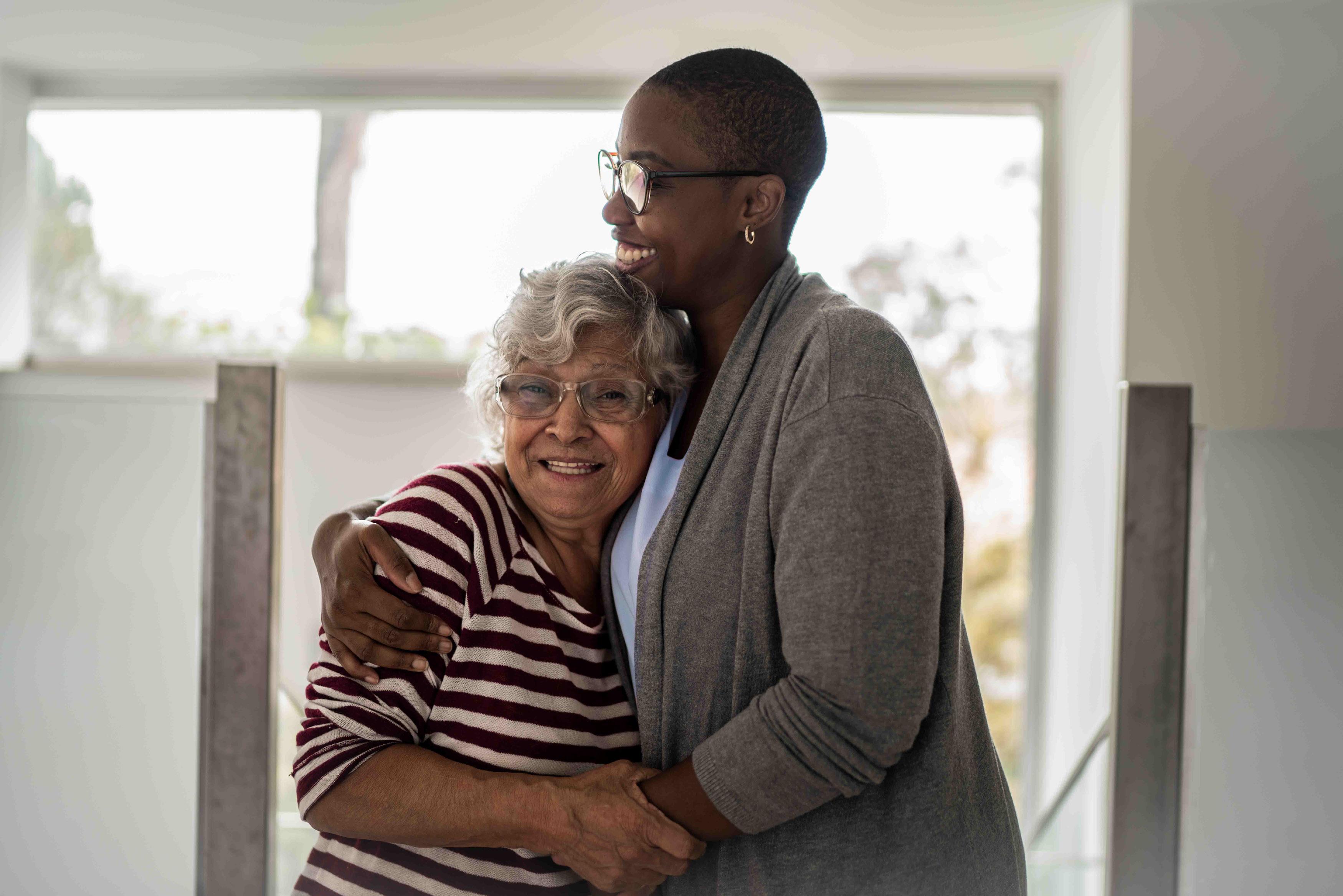

Jonathan
LEVINE
The founder of the Arizona Tennis Classic discusses his journey from a worldranked player to the creator of a premier tournament with a philanthropic heart

You were born and raised here in the Valley, and you grew up dominating the local junior circuits before going pro. Do you consider Phoenix a “tennis town?” I absolutely do. Growing up here, the tennis community always felt tight-knit but incredibly competitive. We have the weather, the facilities and a long history of producing great talent. But for a while, we didn’t have a marquee professional event to call our own. That was the void we wanted to fill with the Arizona Tennis Classic — to give this “tennis town” a world-class event that matches the passion of the local players and fans.
Your father, Bill Levine, is a legend in philanthropy in our community. How did his approach to business and giving back influence the way you run the Arizona Tennis Classic today?
When we started this tournament, the goal wasn’t just to host great matches; it was to create a sustainable engine for local charities. His influence is why giving back isn’t a side note for us — it’s the foundation of the entire event.
Speaking of history, you have a unique claim to fame: You were the first player to beat Andre Agassi in a professional tournament. Did you have any idea at the time that you were playing a future legend? It was in the mid-80s, and Andre was this teenager with a massive forehand. Even then, you could feel his charisma and see that his ball-striking was on another level. It’s a fun piece of trivia now, but back then, I was just trying to figure out how to handle that return of serve!
You also reached the quarterfinals in doubles at both the French Open and the U.S. Open in 1988. Looking back at your time on the tour, is there a moment that still gives you chills?
Walking onto court at Roland Garros or playing under the lights at Flushing Meadows — those moments never leave you. But the real chills come from the camaraderie. Playing doubles with Eric Korita and making those deep runs together was special. There’s a specific energy at a Grand Slam quarterfinal where the air just feels different. I try to bring a taste of that intensity to our Center Court here in Phoenix.
Transitioning from playing professionally to running a major tournament is a big leap. What is the biggest lesson you learned as a player that you use as a tournament director today?
The importance of the player experience. On tour, you remember the tournaments that treated you well — the ones where the logistics were seamless and the atmosphere was welcoming. We’re obsessed with the details: the practice courts, the food, the transport. If the players are happy and relaxed, they play better tennis, and the fans get a much better show.
The Arizona Tennis Classic takes place during the second week of Indian Wells. How does that timing benefit the fans here in Phoenix regarding the caliber of players you attract?
It’s our secret sauce. Because we are a premium Challenger 175 event, players who might have had an early exit at Indian Wells can travel a few hours east and keep their momentum going. It allows us to feature Top 50 talent that you wouldn’t normally see in a Challenger draw. Our fans essentially get Grand Slamlevel talent in a boutique, intimate setting.
Phoenix Country Club is a historic venue. How does the setting contribute to the “up-close and personal” vibe of the tournament compared to the huge stadiums at Grand Slams?
There’s a soul to Phoenix Country Club that you can’t manufacture. At a Grand Slam, you’re often hundreds of feet away in a concrete stadium. Here, you’re so close you can hear the players breathing and see the spin on the ball. It’s “boutique” tennis. You can grab a drink, sit a few feet from a current or future star and really feel the speed of the pro game.
Since 2019, your event has donated more than $500,000 to local charities. One of your beneficiaries is Serve the Future, which helps underserved youth. How do you see tennis as a tool for opening doors for kids?
Tennis teaches you self-reliance and resilience; it’s just you out there. For kids who face challenges at home or in school, the court is a place where hard work leads to direct results. Through Serve the Future, they’re not just teaching a sport; they’re providing a safe environment to learn life skills they might not have access to otherwise.
You also support Phoenix Children’s. Is there a story from your work with the hospital that drove home the impact of these donations?
It’s less about one story and more about the faces of the families. When we visit the hospital or have patients at the tournament, you realize that for these

10
kids, the tournament represents a day of joy away from treatments. Knowing our “Super Challenger” helps fund life-saving equipment or patient programs makes every long hour we spend planning the event worth it.
You’ve traveled the world for tennis, but you’ve made Phoenix your home base. Is there anything you’d like our readers to know, about you or the Arizona Tennis Classic?
This is a community-driven event. We have over 200 volunteers who make this happen. When you buy a ticket, you aren’t just watching a match; you’re supporting Phoenix Children’s and the next generation of local athletes. I hope everyone comes out to experience how special professional tennis can be in their own backyard.
As for me, I’m a Valley guy through and through. After the final trophy is handed out, I usually just want to spend time with my family and enjoy a quiet dinner. There’s no better place to decompress than with an Arizona sunset in March.
For information and tickets, visit arizonatennisclassic.com

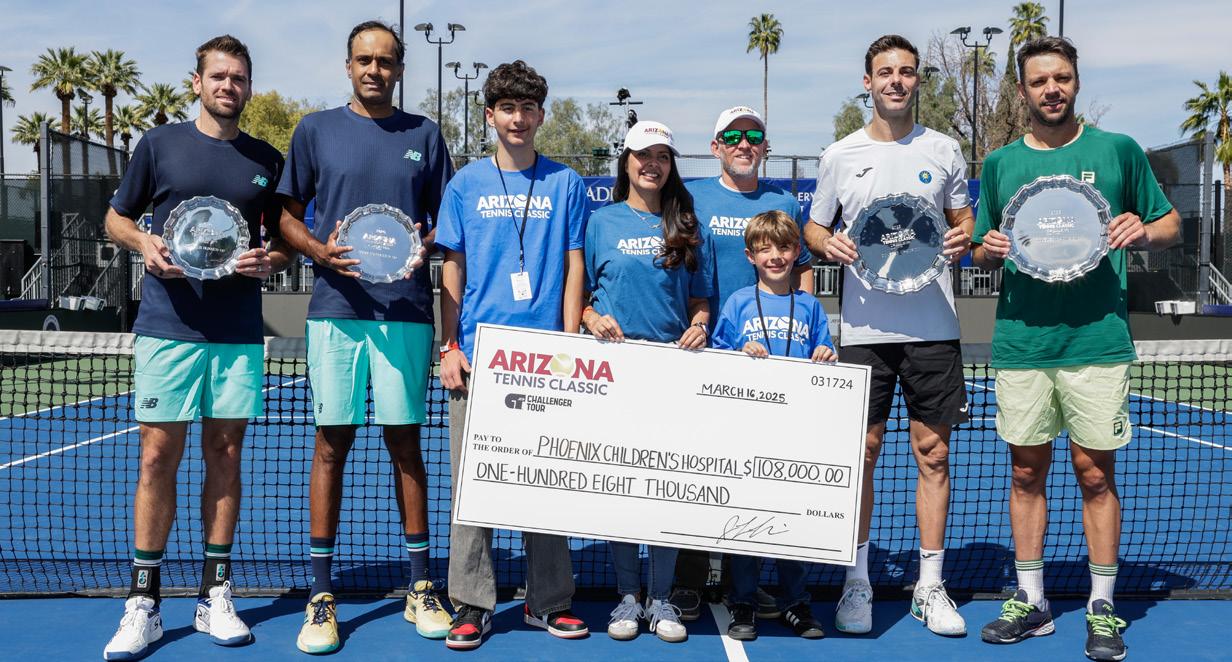

Levine (left), with 2025 Champion Joao Fonseca (middle), and seven-time Grand Slam Champion Mats Wilander (right).
Ballet Arizona dancers Cheyenne You, Isabella Seo, Luis Corrales and Serafin Castro.
Photos by Ed Flores, photo composite by Angie Slade. Design.
A Place to Pause
The Japanese Friendship Garden offers a quiet place to wander, reflect and take part in centuries-old traditions
BY MICHELLE JACOBY
Photos courtesy of the Japanese Friendship Garden
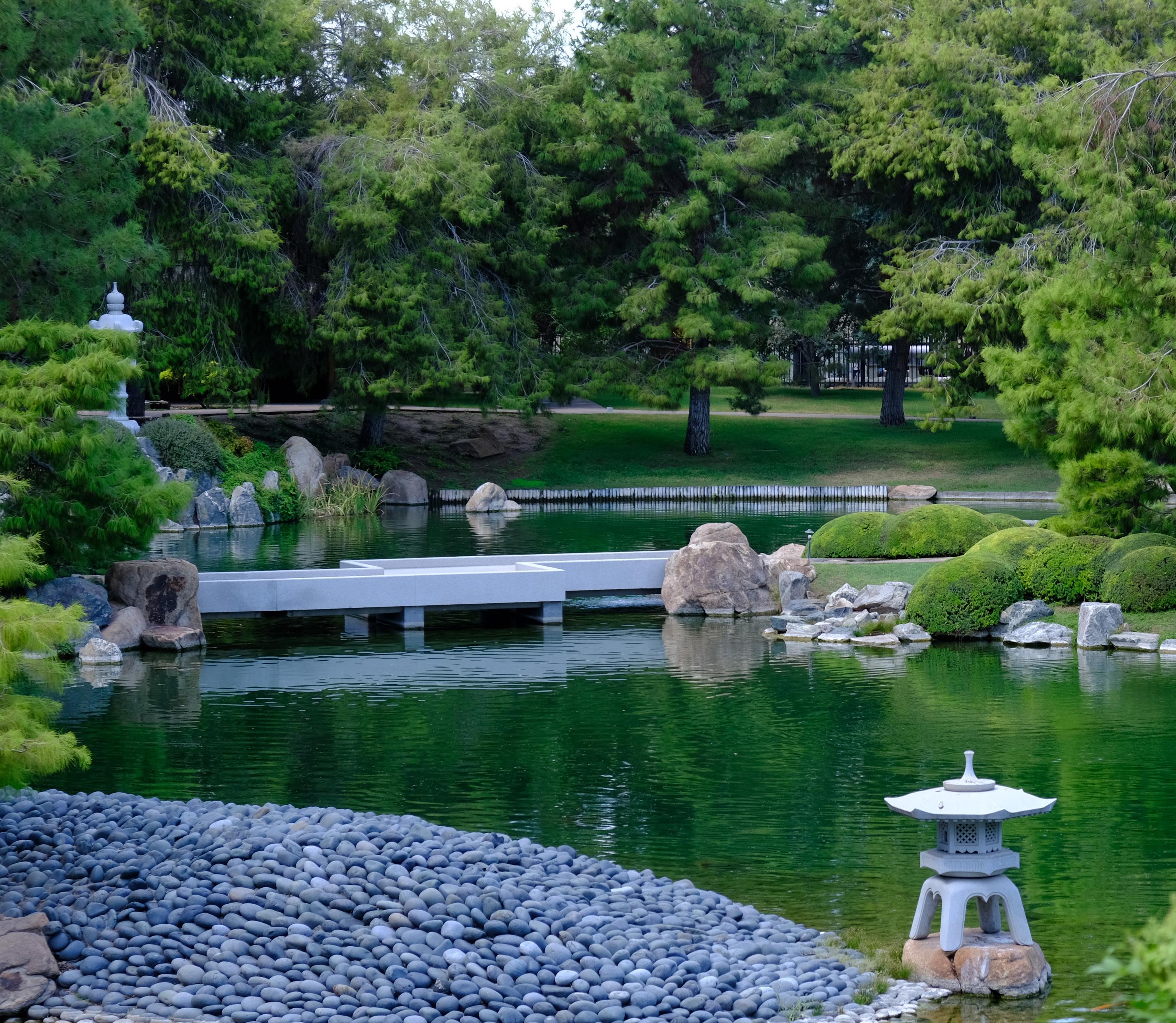
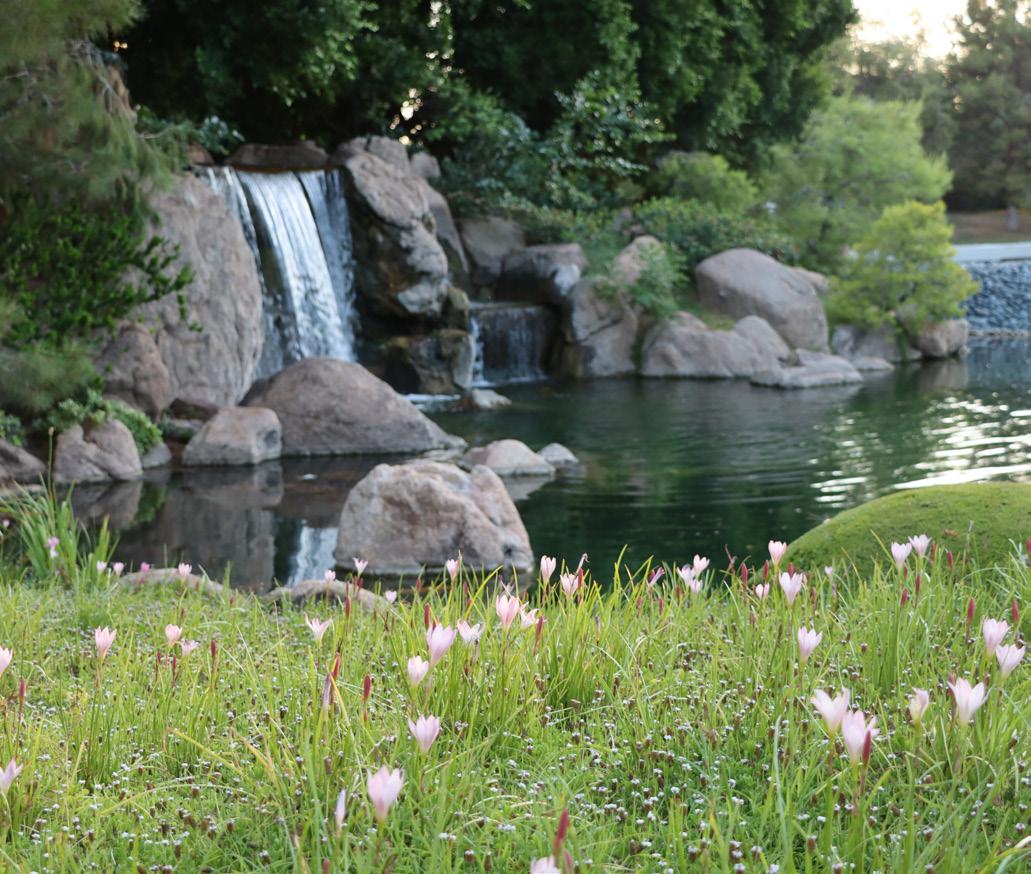
Phoenix isn’t known for stillness. But step inside the Japanese Friendship Garden and the city seems to vanish.
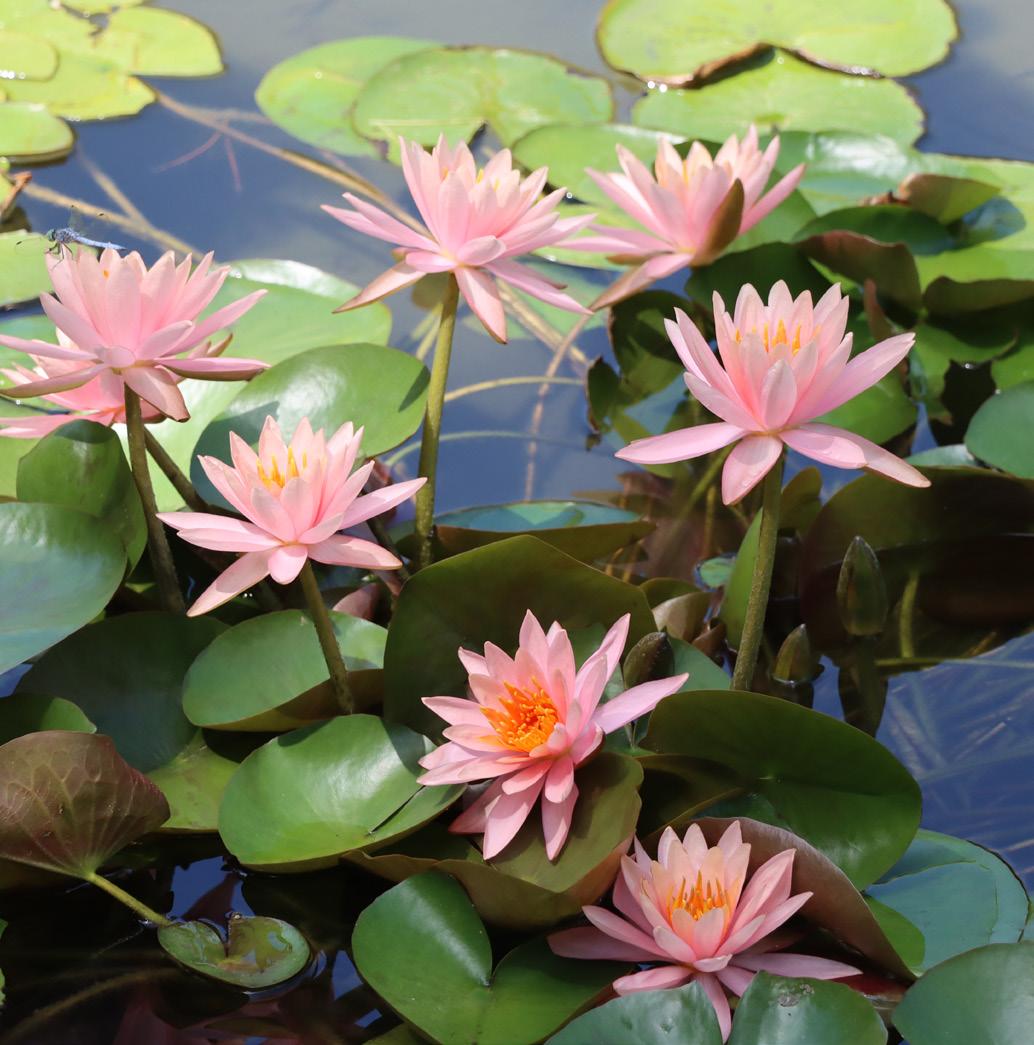
Known as RoHoEn, this 3.5-acre oasis feels worlds away from the desert, inviting visitors to slow down, breathe deeply and experience a centuries-old philosophy rooted in harmony, respect and serenity.
“We want people to leave their stresses at the gate,” said Ben Schrepf, the garden’s curator and head niwashi (Japanese gardener). “Everything in the garden — from the way the stones are placed to how the trees are pruned — is intentional. It guides you to be present.”
This peaceful place was born nearly three decades ago out of a big idea: to build an authentic Japanese garden in the middle of the Sonoran Desert. With help from Phoenix city leaders, a crew of designers, and artisans from its sister city, Himeji, Japan, they brought the vision to life. Every boulder was hand-picked from the mountains of Congress, Arizona. The pathways? Carefully planned. The plants? Chosen to blend Japanese tradition with desert survival.
Today, RoHoEn stands as a living work of art and a growing cultural institution. Visitor numbers have surged from 30,000 annually to over 125,000 in recent years, thanks in part to an expanded calendar of immersive experiences and educational programs.
“Japanese gardens are living art spaces,” Schrepf said. “But they’re also platforms for cultural exchange.”
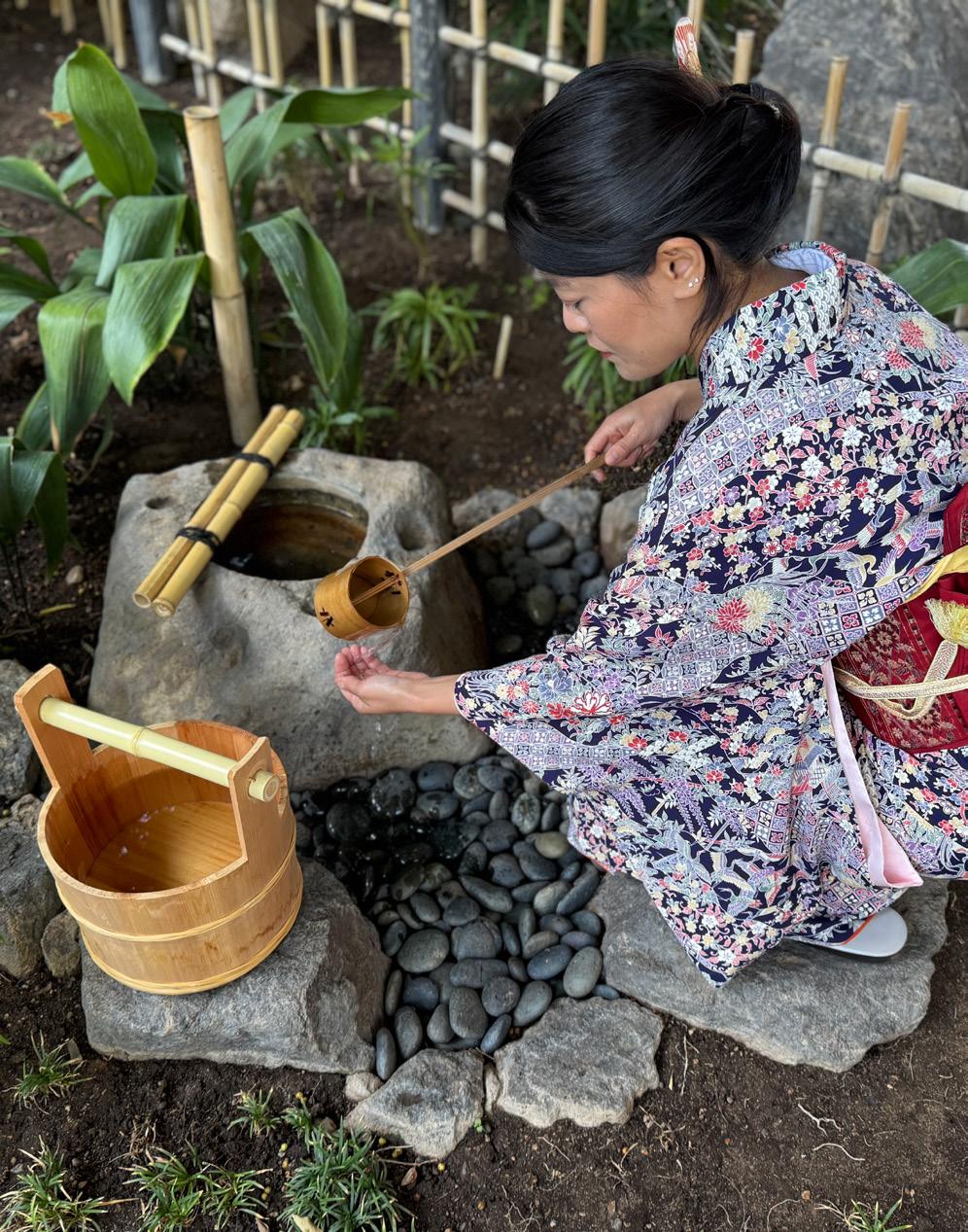
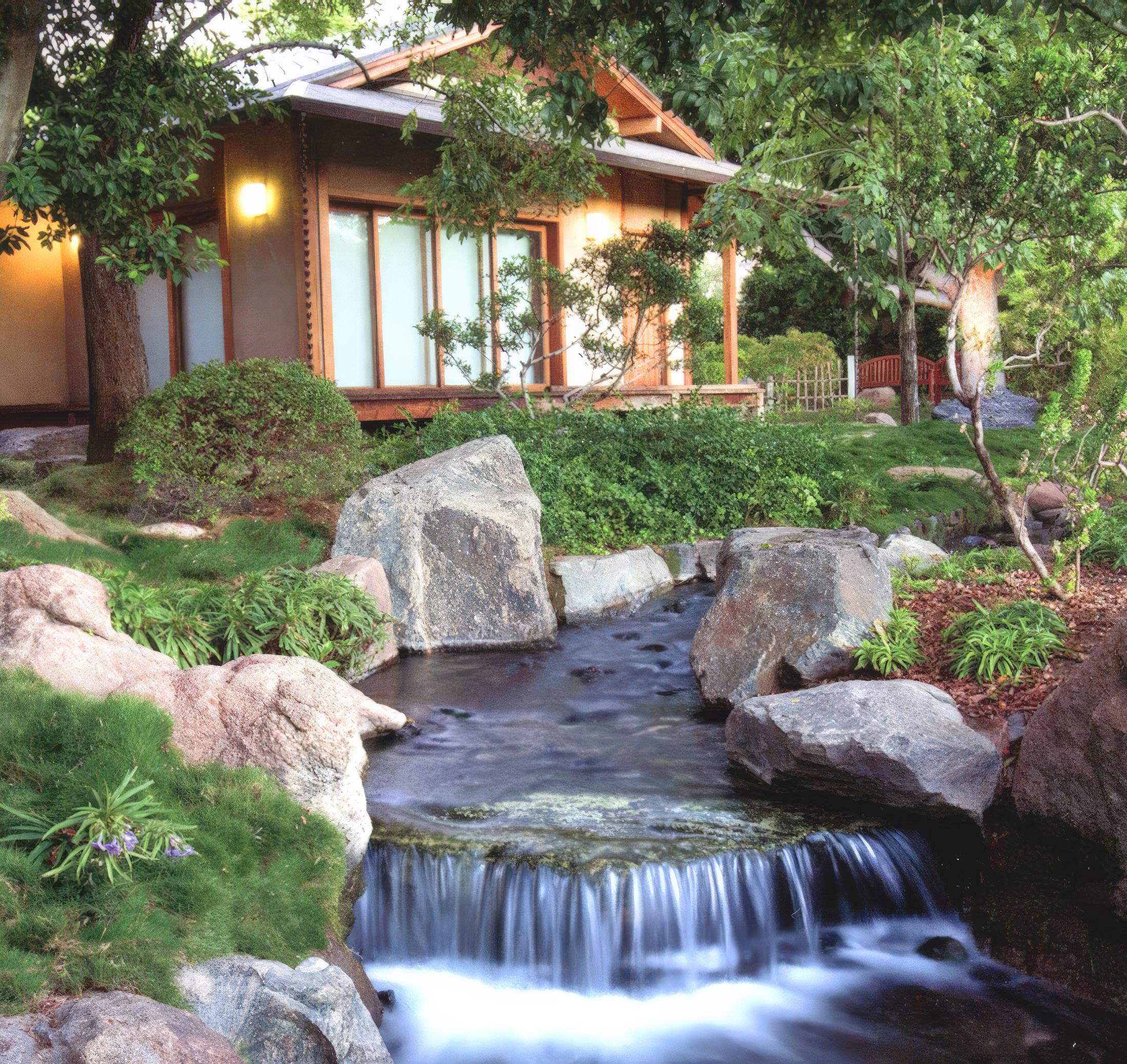
Chief among these experiences is the traditional tea ceremony. Held in the garden’s intimate tea house, this ritual invites guests to partake in a timeless act of hospitality that embodies harmony, purity and tranquility.
“It’s not about the tea,” Schrepf said. “It’s about shedding distractions, being in the moment and connecting with others.”
For those seeking even deeper immersion, the garden offers moon-viewing nights (tsukimi), forest bathing (shinrinyoku), tai chi, Japanese cooking classes, and a fun JFG Kids Club for families. The garden also sends cultural outreach teams into local schools (especially Title I campuses) to introduce children to origami, ikebana (flower arranging) and Japanese customs.
What ties it all together is intention. Zigzagging paths make you shift your view. Stepping stones match your natural stride, guiding your pace. Even the placement of stones (called temba) ensures you always see their most balanced, “harmonious” face. It all leads to a single goal: helping guests feel at peace.
The plants reflect that same balance. Instead of trying to grow traditional Japanese flora that can’t handle the Arizona heat, the team works with desert-adapted species that mimic the look and feel.
“We use dwarf yaupon holly and compact myrtle instead of azalea, because they thrive in our soil and still evoke the same shapes,” Schrepf said.
What’s most inspiring is how the garden keeps growing — not just in size or popularity, but in purpose. A new generation of gardeners, trained under Schrepf and inspired by Japan’s deep gardening traditions, is taking the reins. Their mission? To give every visitor more than a pretty walk. They want to offer something meaningful — a way to feel grounded, restored, connected.
“This garden is a gift,” Schrepf said. “Whether you’ve been to Japan or not, we want you to feel like you’ve experienced something truly meaningful.”
For Phoenix locals and newcomers alike, the Japanese Friendship Garden is a quiet counterbalance to the city’s energy — a gentle reminder that beauty, when mindfully designed, can settle the soul.
To learn more, visit japanesefriendshipgarden.org.
CHEERS to the Chairs!

A preview of the Valley’s premier philanthropic events and who’s leading these important efforts
Brighter
Tomorrow Luncheon
DATE: January 23, 2026
BENEFITTING: Jewish Family & Children Services
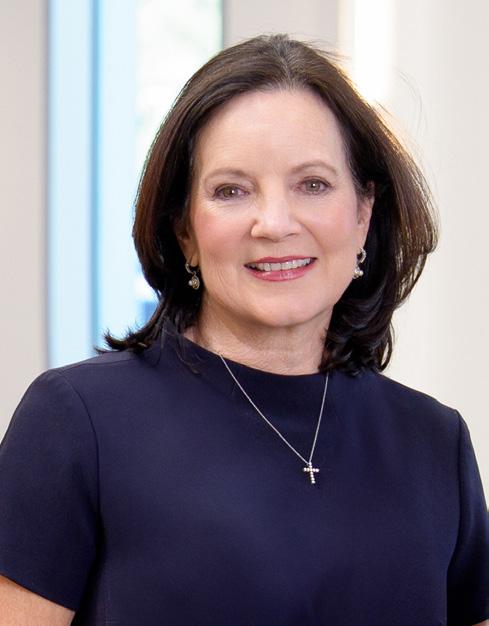
CO-CHAIRS: Jennifer Kirshner & Susan Hirshman
LOCATION: Arizona Biltmore jfcsaz.org

Barrow Grand Ball
DATE: January 24, 2026
BENEFITTING: Women’s Board of Barrow Neurological Institute
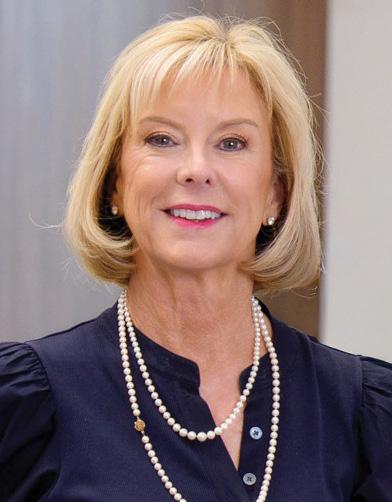
CO-CHAIRS: Sydney Fox & Betsy Moore
LOCATION: Arizona Biltmore supportbarrow.org

Arizona Italian American Gala
DATE: January 31, 2026
BENEFITTING: AZ Italian American Chamber of Commerce
CHAIR: Pete Melucci
LOCATION: Scottsdale Hangar One azitalianchamber.org/gala


Oh, the Places We’ll Go
DATE: January 31, 2026
BENEFITTING: GiGi’s Playhouse
CO-CHAIRS: Annie DenBoer & Nina Johnson
LOCATION: Omni Montelucia gigisplayhouse.org
Drive the Dream
DATE: February 14, 2026
BENEFITTING: Childhelp
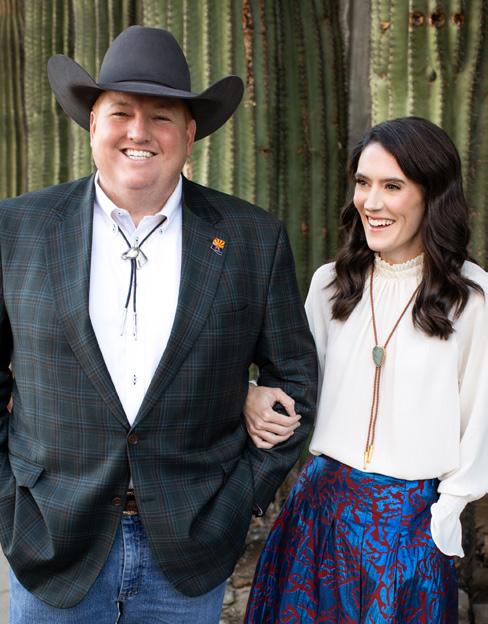
CO-CHAIRS: Debbie & Ty Jenkins and Krystal & Chris Grogan
LOCATION: The Phoenician childhelp.org



Savor the Symphony: Disco Divas
DATE: February 19, 2026
BENEFITTING: The Phoenix Symphony
CHAIRS: Cathy Stein and Meghan Cox
LOCATION: The Phoenix Symphony phoenixsymphony.org
Galaxy Gala
DATE: February 21, 2026
BENEFITTING: Arizona Science Center
CHAIR: Miesha Stoute
LOCATION: Arizona Science Center azscience.org

49th Annual Honor Ball
DATE: February 28, 2026
BENEFITTING: HonorHealth Innovation Clinical Care Endowment
CO-CHAIRS: Andrea Robertson & Justine Hurry
LOCATION: Arizona Biltmore honorhealthfoundation.org

Today’s Kids, Tomorrow’s Stars
DATE: March 7, 2026
BENEFITTING: Boys & Girls Clubs of the Valley
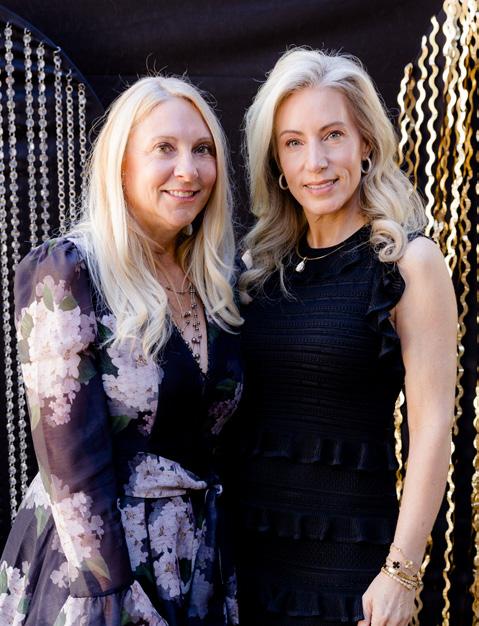
CO-CHAIRS: Linda Little & Basil Zaidi
LOCATION: Westin Kierland bgcaz.org
Midnight Masquerade
DATE: March 7, 2026
BENEFITTING: Arizona Opera
CHAIR: Jenny Holsman Tetreault
LOCATION: Arizona Opera Center azopera.org





BY ZENOBIA MERTEL


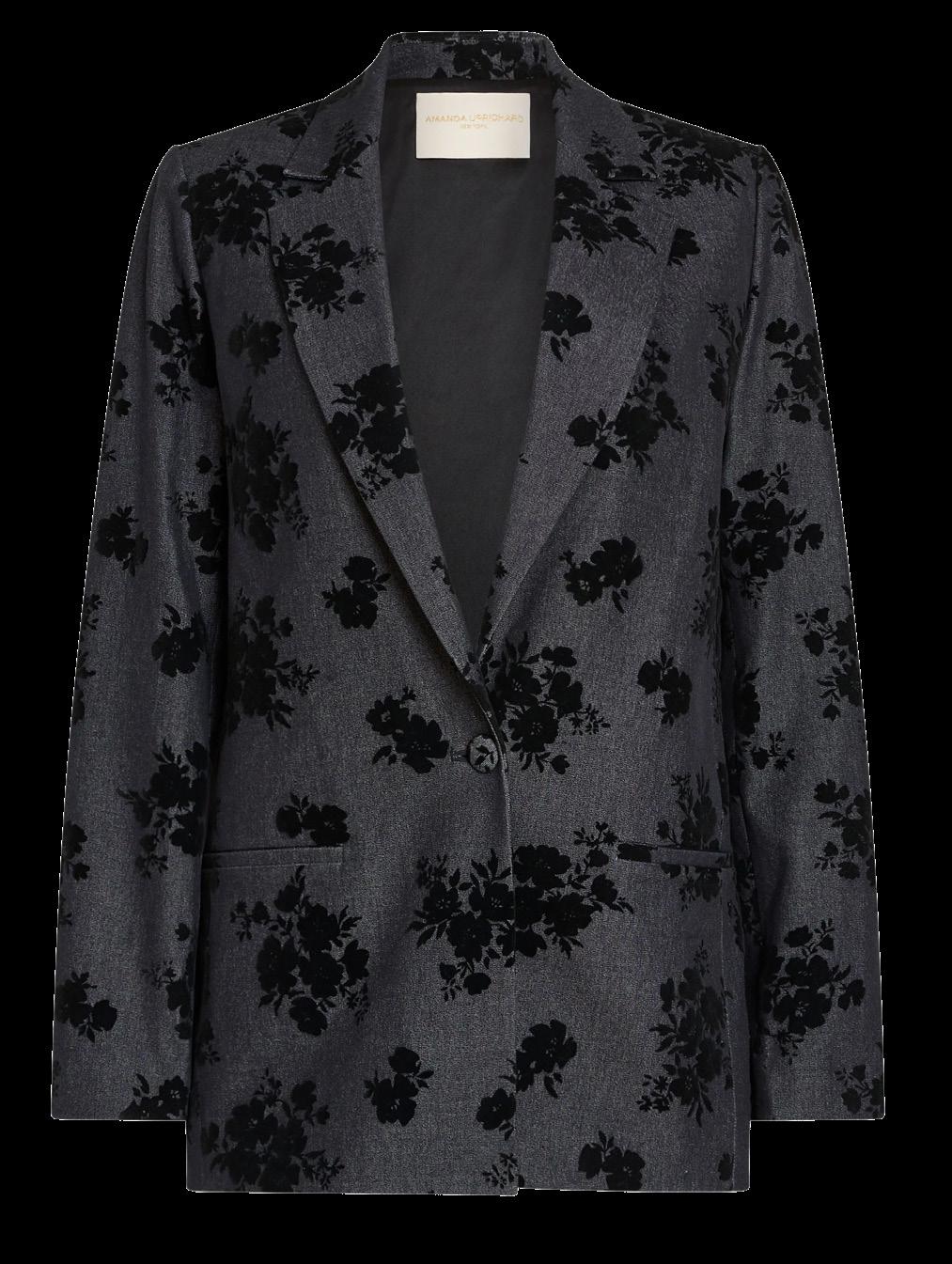
Wool and Cashmere
Blouson
Tweed Shorts
Lambskin and Grosgrain
High Boots | $3,425
Chanel, Scottsdale chanel.com






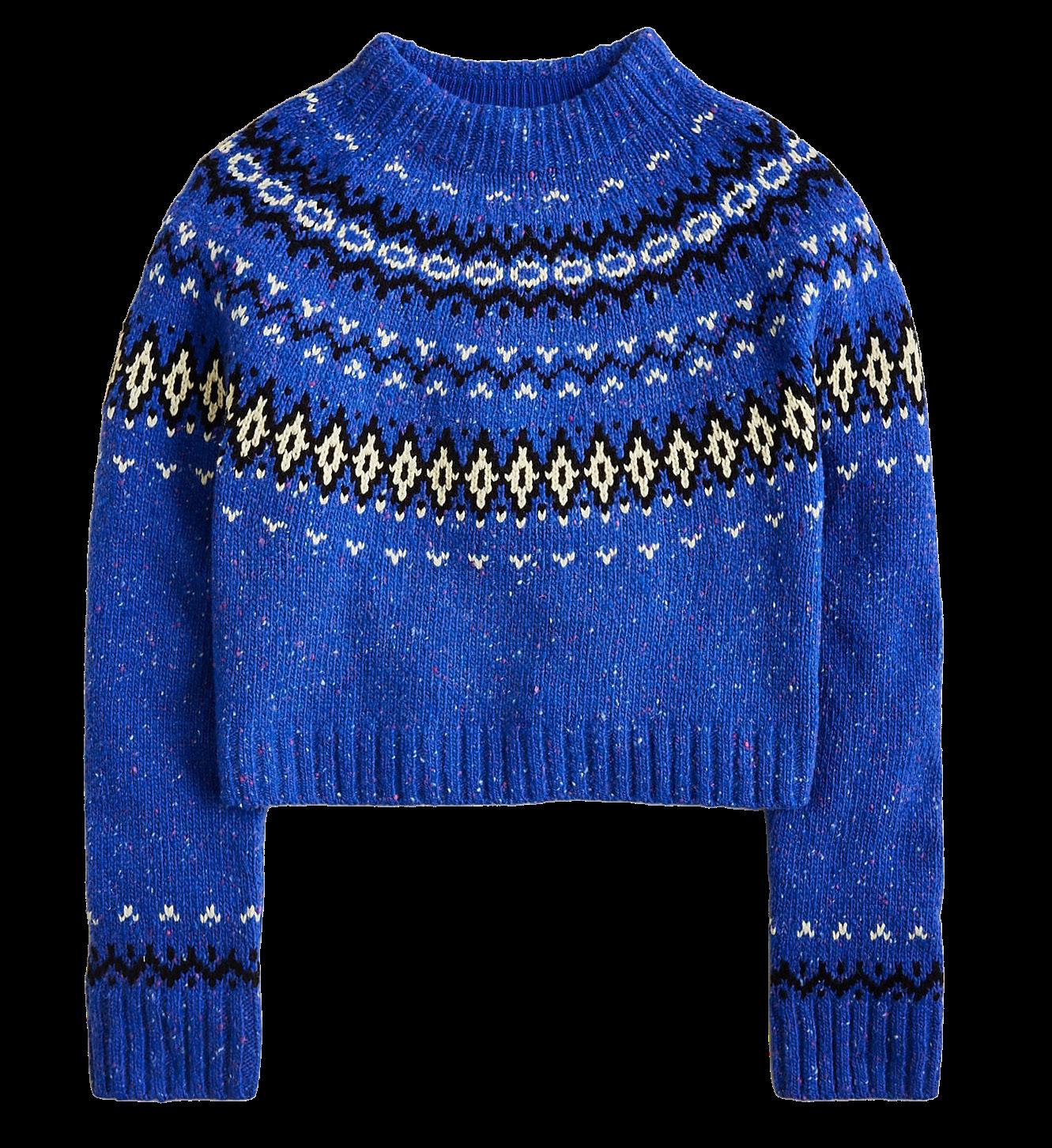
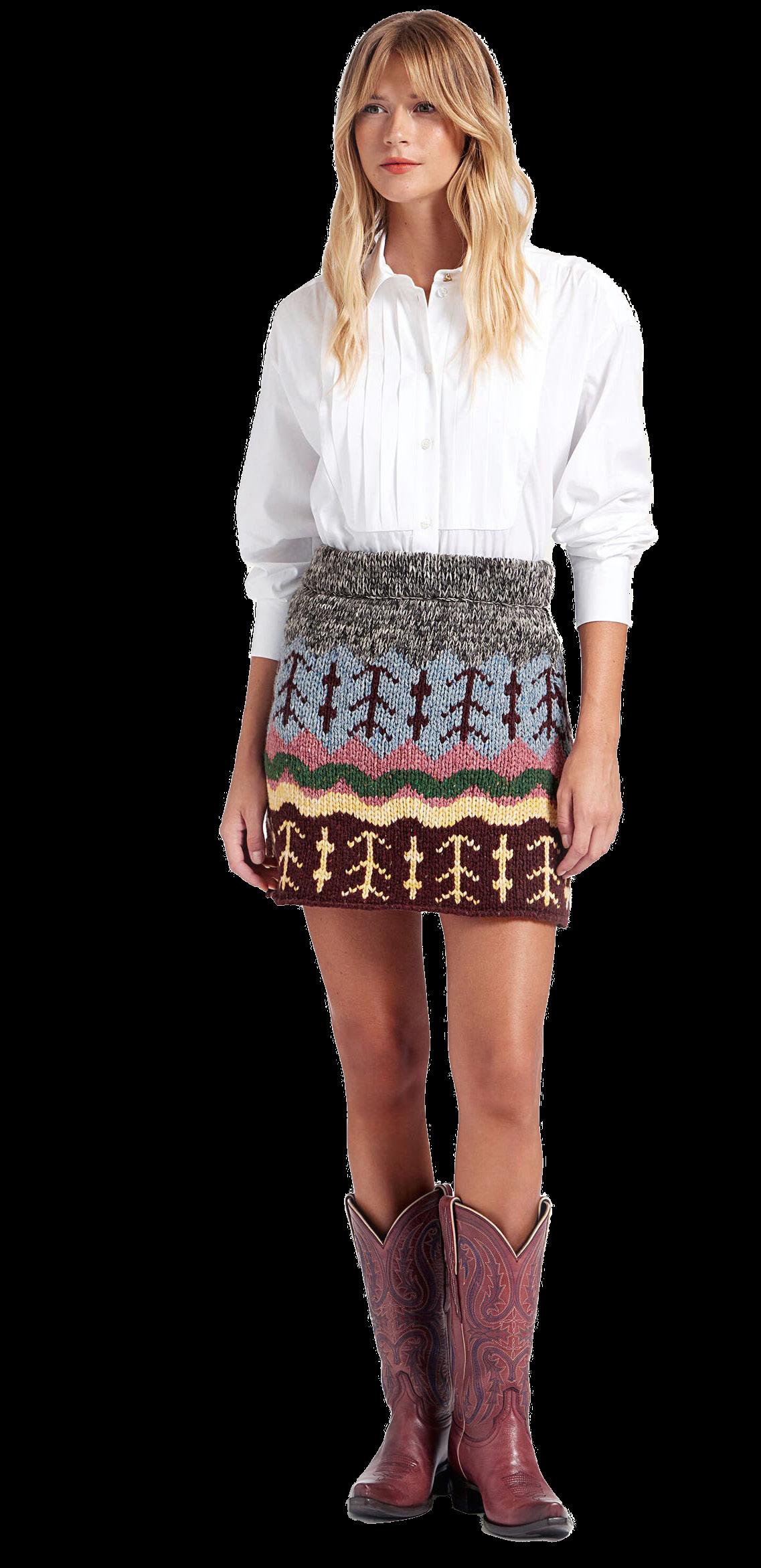
Chalet Skirt | $490 Nordstrom, Scottsdale nordstrom.com
Fair Isle Sweater | $128
J.Crew, Phoenix jcrew.com







MAKEUP STUDIO









Sleeveless

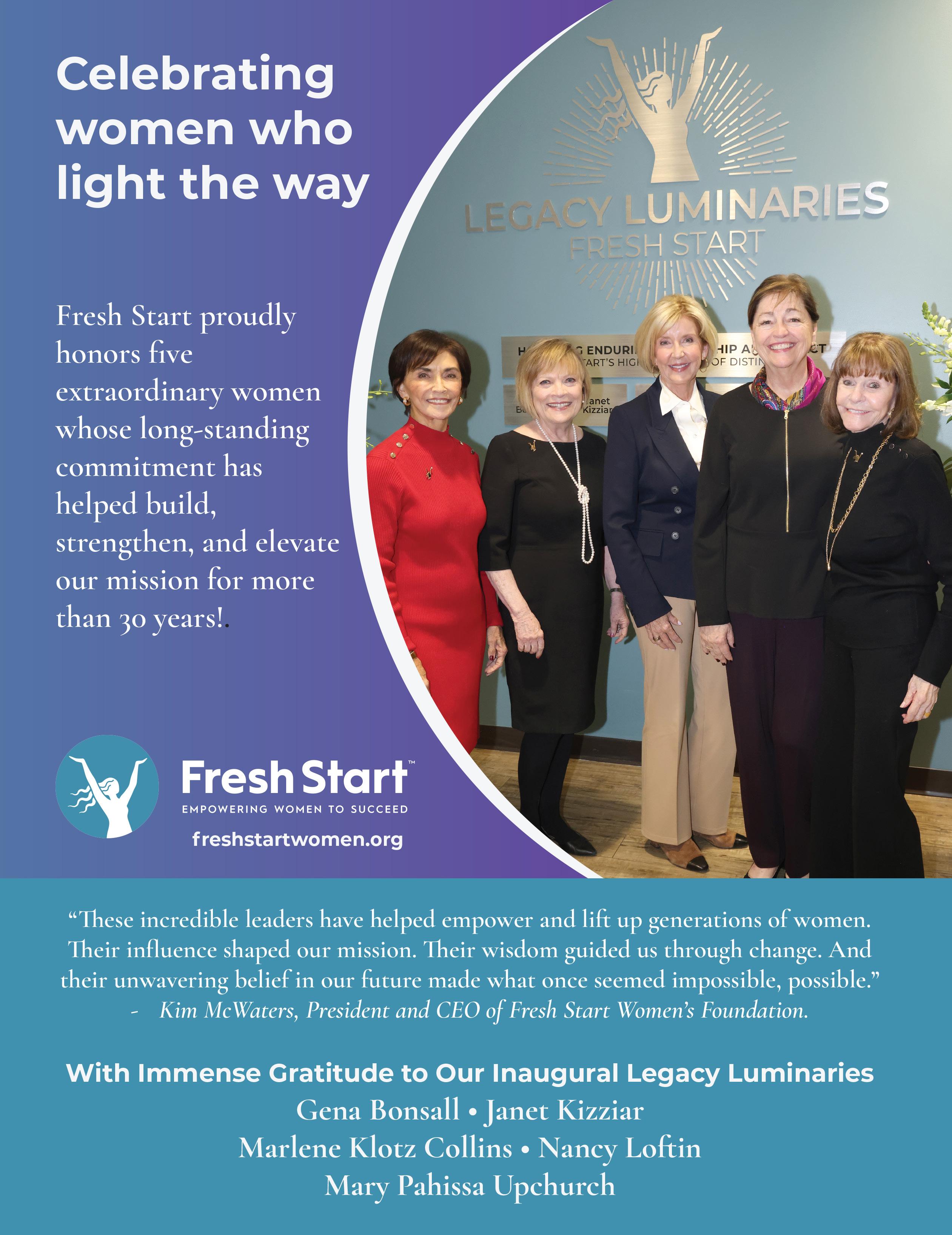
Join a dynamic community of women leaders committed to shaping the future of early childhood development in Arizona. The Women’s Giving Collective (WGC) supports Southwest Human Development by funding impactful projects, fostering leadership, and providing valuable networking opportunities. Your membership makes a difference. Join today! www.swhd.org/wgc
Glow GETTERS

The turn of the calendar symbolizes a fresh start — a clean slate. While we often apply this logic to our habits, it applies to our complexions as well.
The “New Year, New You” adage isn’t lost on the multi-billion-dollar beauty industry, which floods us with procedures that claim to de-puff, lift and tighten. The options are as appealing as they are overwhelming.
In the spirit of not regressing to last year’s cold cream, I tested an array of simple, noninvasive treatments to find out what actually works. The result is a compilation of my top experiences and local experts in the skincare long-game.

Four noninvasive treatments to de-puff, lift and tighten
BY ZENOBIA MERTEL




The De-Puffer: Lymphatic Drainage
SCULP
Releasing what doesn’t serve you is the core of lymphatic drainage. Apropos for a new year, SCULP wellness spa specializes in the ultimate “tox” — a full-body detox. Through rhythmic, hands-on movements, licensed therapists stimulate the lymphatic system to flush retained fluid, reduce inflammation and support circulation. This gentle approach can help contour, lift and de-puff, but the results go deeper. Owner Jaini Doffing said that clients often report enhanced energy, hormone balance and reduced tension along with aesthetic benefits.
Since opening her Old Town Scottsdale spa nearly three years ago, Doffing’s mission has remained clear. “I wanted to bring a truly holistic approach to wellness while giving clients a noninvasive, no-downtime option,” she said.

“Consistent lymphatic massage can make a big difference, with outcomes similar to more aggressive treatments.”
Intrigued, I visited SCULP for some detox magic. During my 45-minute lymphatic facial, the therapist alternated between manual pressure and a gua sha tool. The continuous, fluid motion across my head, face and neck was hypnotic, lulling me into a near-slumber within minutes. Posttreatment, the results were visible: My face glowed, and my skin looked firmer. While Doffing recommends at least one treatment per month, she notes that increased frequency yields the best long-lasting results. Pricing depends on body part and allotted time, with a club membership available for clients focused on regular care.
The Hydrator: HydraFacial
bluSONIL
Still waters run deep, which is precisely why the HydraFacial remains a top-tier, noninvasive treatment that delivers. A favorite among aestheticians and clients alike, it requires zero prep or downtime. Painless and relaxing, the hour-long session uses a specialized wand to deep clean, exfoliate and hydrate simultaneously.
I’ve been a fan for years, aiming for six treatments annually because I’m addicted to the plump. Medical aesthetician Raeah Grant is my go-to professional, because she customizes my services based on my skin needs. “The treatment uses a patented vortex-fusion technology that

exfoliates and removes impurities while simultaneously infusing the skin with antioxidants, peptides and hydrating serums,” Grant said. “It’s the perfect balance of effective and gentle, making it safe for all skin types.”
Because there is no trauma to the skin, this is an ideal starting point for tweens or those looking for an easy entry into the skincare universe. According to Grant, most clients notice refined pores, smoother texture and a brighter complexion after a single visit, though she recommends treatments every four to six weeks to maintain results.





The Sculptor: Electrical Muscular Stimulation
Beauty Agenda
It sounds too good to be true, but pulsing your way to tighter skin via Electrical Muscular Stimulation (EMS) is a thing. EMS has been used therapeutically for decades, but with 20 main muscles responsible for facial expression, the concept of a “fit face” sparked (pun intended) my interest.
I visited Beauty Agenda in Scottsdale to put my muscles to the test. While the studio offers EMS, combined with radiofrequency (RF) for the entire body, I was there for facial sculpting. Studio owner Tiffany Walvick explained that EMS coupled with the warmth of RF mimics an intense workout, improving blood circulation
while toning and tightening.
To prep, Walvick placed small, flexible applicators on various sections of my face. As the machine whirred and the intensity increased, I felt involuntary movements as my muscles contracted repeatedly. There was no pain — more of an awkward pulsing sensation — as Walvick targeted my forehead, cheeks, jawline and neck. While I didn’t see a dramatic shift immediately, consistency is the name of the game. (Think of this as a gym session for your face.) Walvick recommends a series of 20-minute treatments, three to five times a week, to achieve a lasting lift.

The Illuminator: Light Emitting Diode Therapy
At Home with Omnilux
Finally, I’d be remiss not to include the in-home hero I’ve used for years. Light Emitting Diode (LED) therapy — often used as red light therapy — is my daily go-to for sheer convenience. It works by exposing the skin to specific wavelengths that penetrate deep into the dermis, stimulating repair and supporting collagen production. The result? Clearer, firmer, younger-looking skin. However, not all devices are created equal; precise
omniluxled.com
wavelengths are required to trigger the necessary biochemical reaction at a cellular level. I’m a fan of Omnilux products for their solid reputation and price point. While 10 minutes a day is recommended, consistency is nonnegotiable. I view it less as a dramatic overhaul and more as essential maintenance (and a dash of self-care). Bonus: The Stormtrooper-esque mask generates award-winning eye rolls from my teens.
Overall, slow-and-steady, noninvasive treatments are the way to go this season. Cheers to putting your best face forward in 2026!


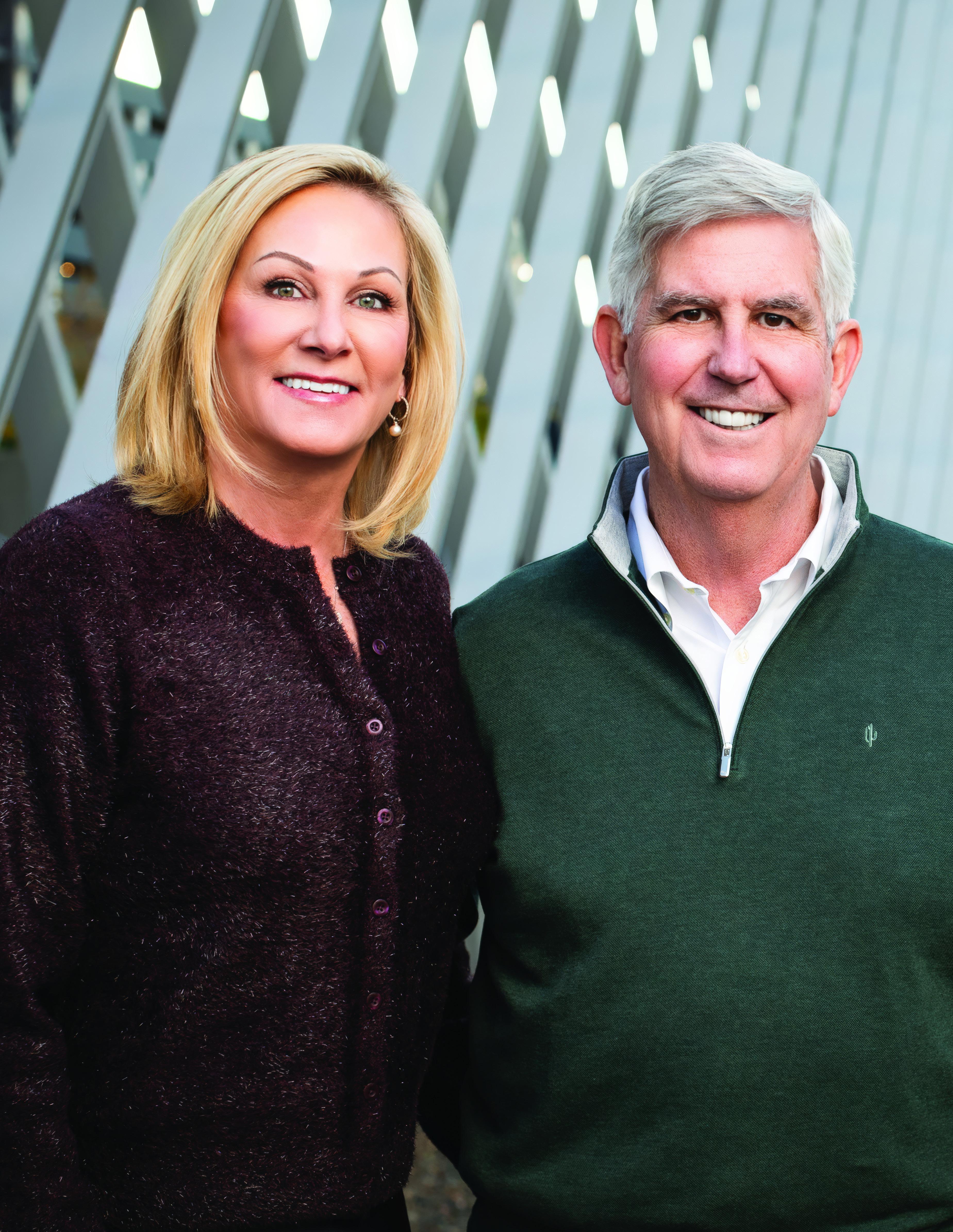
Photo by Scott Foust
Architects of Kindness
John and Kathleen Graham built a life — and a legacy — on real estate, generosity and the power of putting people first.
BY KAREN WERNER
The measure of a man is rarely found in his trophy case. Sometimes, it is found in a lap full of iced tea. It was 1995, and John Graham was on a lunch date at the Cork ’N Cleaver on Camelback Road. He was there to meet Kathleen, a woman a mutual friend had set him up with. The stakes were high, but the atmosphere was casual — until the waiter tripped on an uneven Saltillo tile. A pitcher of iced tea cascaded onto John’s lap.
In the high-stakes world of Phoenix real estate, where John was already a rising titan, one might expect a flash of temper, a demand for a manager, or at least a ruined afternoon. Instead, Kathleen watched as John remained perfectly calm. He looked at the mortified waiter, smiled, and said, “We’ll finish here, and I’ll tip you well.” He then walked to Carter’s Men’s Clothing, bought a new pair of pants, and went on to finish the date.
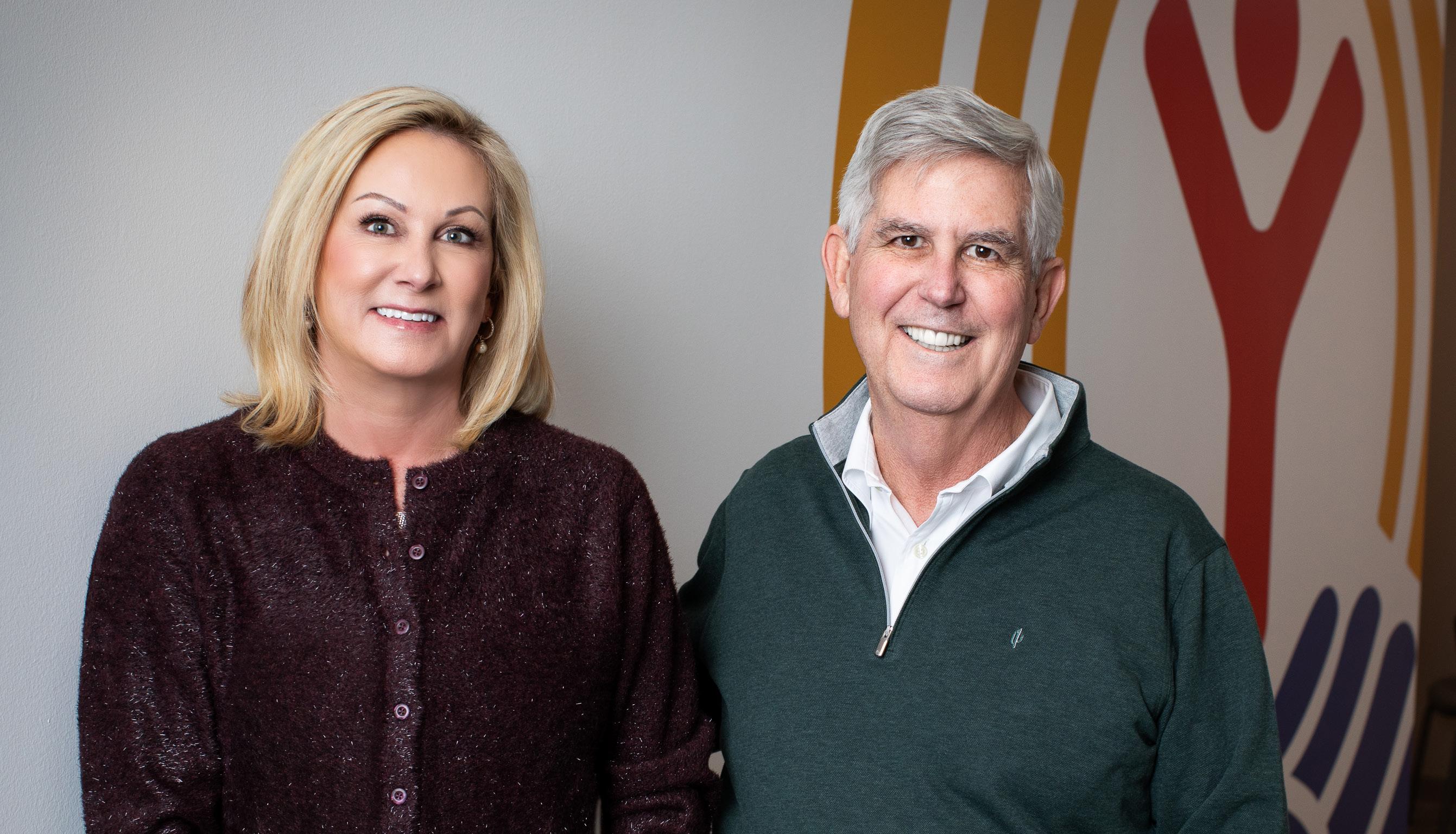
“A lot of guys are hot-headed,” Kathleen said, sitting beside her husband of nearly 30 years. “John just said, ‘It’s fine.’ That is how we met. You pick up on everything when you are on a date.”
Three decades later, that damp, unflappable composure has become the foundation of one of Arizona’s most influential families. John maintains close ties with his former wife and older children, ensuring the whole family stays connected. And as the chairman and CEO of Sunbelt Holdings, his fingerprints are all over the physical evolution of the Valley landscape, from the master-planned community of McDowell Mountain Ranch to the glimmering towers of Marina Heights in Tempe.

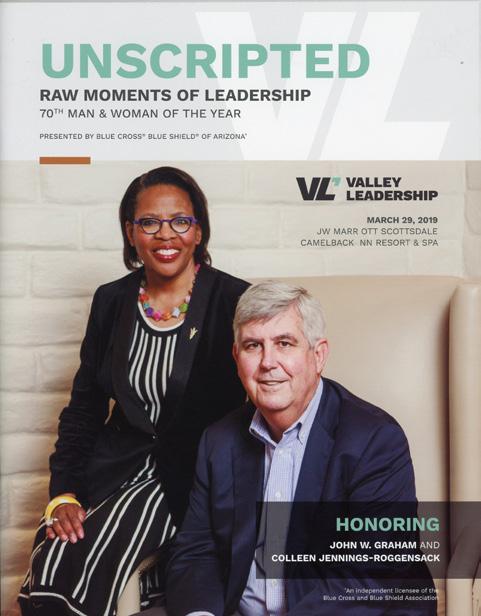

His professional impact is undeniable, earning him Phoenix Business Journal’s Landmark Leader Lifetime Award. Together, John and Kathleen also form a philanthropic force that has reshaped the region’s nonprofit landscape, a commitment to community that led to John being named 2018 Man of the Year by Valley Leadership. Yet, if you ask them to define themselves, you certainly won’t hear words like “tycoon” or “socialite.”
“I’m like the most average human being on the face of the earth,” John said. “I really believe that.”
Kathleen nods in agreement. “We are homebodies.”
It’s a charming contradiction: The couple who has served on over 65 combined boards, raised millions for charity, and steered the strategic future of the fifth-largest city in the country, would honestly prefer to just stay home.
The Grahams are famously down-to-earth.
Photo by Scott Foust
Marina Heights in Tempe features 2 million square feet of office spaces and around 50,000 square feet of retail.

The ‘Brophy Mafia’ and the Servant Leader
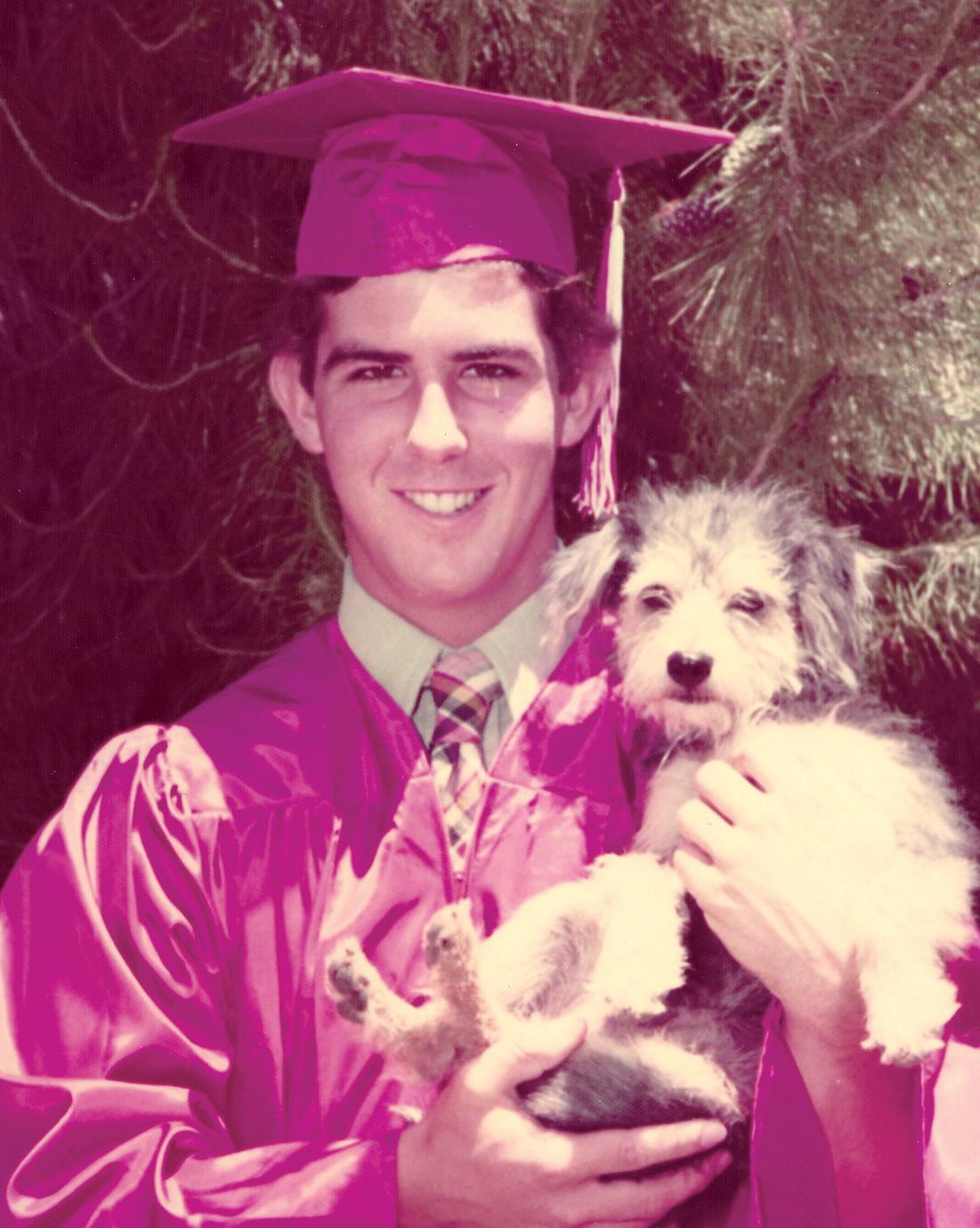
To understand John Graham, you have to understand the Jesuits. Specifically, the ethos of Brophy College Preparatory. John, his two late brothers, his two sons, and his nephew all walked the halls of the Phoenix institution.
“I regularly say that kind of what makes me, me, is Brophy,” John said. “It’s the ‘Men for Others’ mantra. I kiddingly call it the Brophy Mafia. No matter what age you are, you always have a big group of people who are supporters.”
That education instilled a concept that has become a buzzword in modern business but remains a spiritual practice for the Grahams: servant leadership. It is the idea that power is a tool to be given away, not hoarded.
This philosophy, combined with the stamina of a highlevel competitor, explains why John was capable of running a company at 24. Long before he was a boardroom tactician, John was a standout athlete, excelling in baseball, football and rugby at the high school and collegiate levels. He brought that same discipline — the understanding that endurance and teamwork matter more than ego — into his career.
His Norwegian business partner, Tor Andenaes, 14 years his senior, saw something in the athletic, young Stanford graduate — a willingness to listen and a lack of
ego. “He definitely let me do stuff that no person in their right mind probably should have,” John said.
Today, that leadership style manifests in a staggering breadth of community service. The Grahams keep an open mind about where they serve, provided the mission is pure. They champion healthcare (serving on boards for Banner Health, Dignity Health and Valleywise Health), the arts (the Heard Museum, Phoenix Art Museum and The Phoenix Symphony) and social services (St. Vincent de Paul and Valley of the Sun United Way).
“We want good healthcare for everybody,” John said. “We’re agnostic about where you get it, but access to it is important to us.”
Their most poignant work often happens quietly, away from the marble floors of fundraising galas. They are deeply passionate about Camp Catanese, a grassroots initiative started by a Maryvale educator to help underprivileged, first-generation students realize college is an option.
“These kids didn’t have dreams because nobody planted the seed,” Kathleen said, her voice animated. “They didn’t know what a FAFSA form was. They didn’t know what the ACT was.”
The Grahams don’t just write a check; they get involved. Their son, Will, serves on Camp Catanese’s medical staff. They attend graduations and hear how students who once saw no future beyond poverty get accepted to schools like Notre Dame, Harvard and Barrett, The Honors College at ASU.
“We go to graduation every year, and you just bawl for two hours,” John said.
John at his 1975 graduation from Brophy College Preparatory.
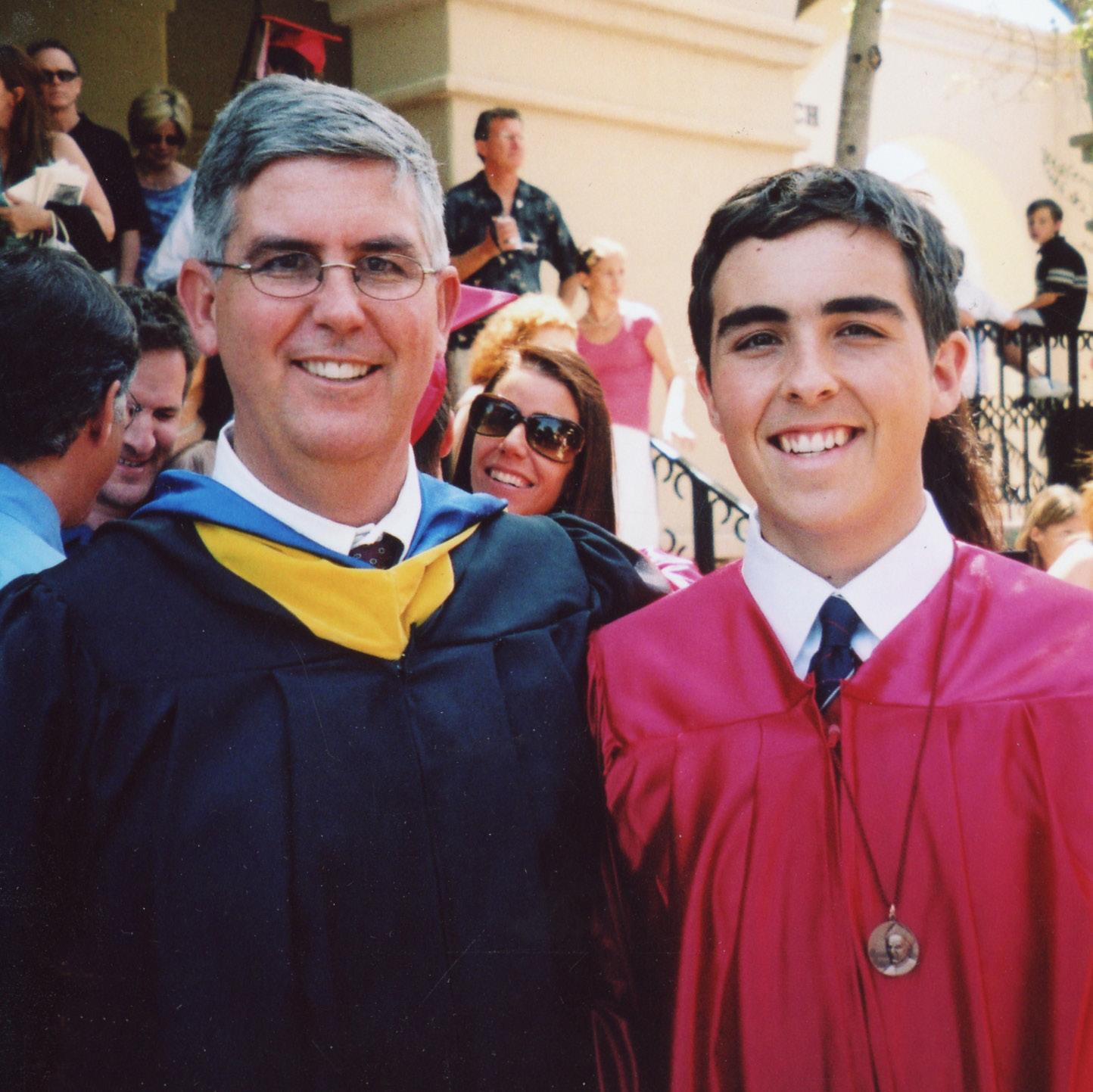
John, chair of Brophy College Preparatory board of trustees, with son Justin at his Brophy graduation in 2007.
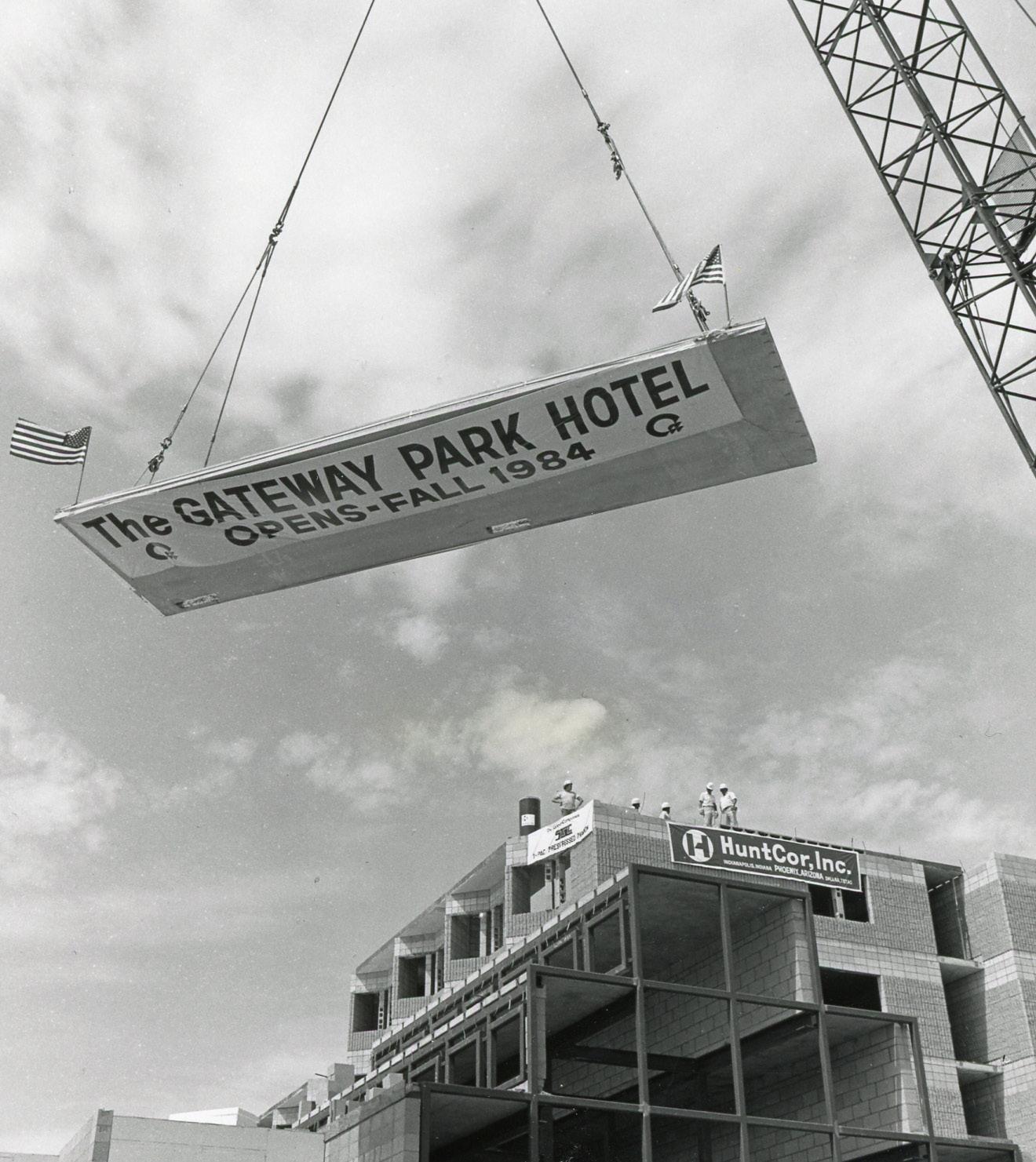
An office building and hotel at 44th and McDowell were the first Sunbelt Holdings project at One Gateway.
Substance Over Spectacle
There is a sign in John Graham’s office that reads: JUST SAY NO.
“It came from my mother,” he said, adding with a laugh that he has trouble with that.
Despite the sign, the Grahams are ubiquitous in the philanthropic scene. John has been involved with Valley of the Sun United Way for roughly 20 years, serving as board chair and Tocqueville chair with Kathleen multiple times.
“I’m really passionate about it, and love the organization,” he said. “I think the world of what they do.”
Yet, while they value the community spirit and fundraising power of the Valley’s philanthropy scene, their personal style of giving is more low-key.
“We are really homebodies,” Kathleen said. “I have no desire to be the front person. I prefer to support versus go out. I love being

with my family and my small circle of friends.”
This grounded nature stems from their deep desert roots. Kathleen’s father, an ophthalmologist, moved the family to Phoenix in 1971 — a move he had been ‘dead set’ on making after serving as a flight surgeon at Davis-Monthan Air Force Base in 1967. John’s history in Phoenix goes back even further; he arrived in 1958, when Maricopa County was home to fewer than 400,000 people.
They remember an Arizona that feels almost mythical now. John recalls a city of two-lane roads flanked by canals. Kathleen remembers growing up in Arcadia when 48th Street felt like the edge of civilization.
If you went to Scottsdale and Shea, you were out there hunting,” Kathleen said. “We lived adjacent to Amanda Blake — Miss Kitty from ‘Gunsmoke’ — who was on Exeter Boulevard. She had lions. We would sit on our screened patio and hear the lions roar.”
John and Kathleen have watched the city grow from a dusty outpost to a metropolis of 5 million, but they insist the spirit hasn’t changed.
“It is the most friendly place I’ve ever been in my life,” John said. “Whether you came here 50 years ago or 10 days ago, somebody is there to lift you up.”

Phoenix Gateway Center groundbreaking in 1983 with (left to right) Mayor Margaret Hance, Tor Andenaes, John Graham, Bob Hunt, Bill Turner and Richard Mallery.
Building on History
That deep history is now physically cemented in the city’s core.
For decades, Park Central was the retail heart of Phoenix. As shopping malls faded, most developers would have razed the site to build gleaming glass towers. But Sharon Harper, the CEO of Plaza Companies, had a different vision, one of revitalization and history. When she repurposed the property for a new era of medical and educational tenants (including Creighton University, where John sits on the board of trustees), she decided to name the buildings not with letters or numbers, but after the people who built Phoenix.
She called John with a question: “Would you be OK if I named one of those buildings after your dad?”
John’s father, Bill Graham, was a pioneer in Phoenix commercial real estate. He joined Coldwell Banker in 1958 — just years after the firm opened its first office outside California — and spent nearly two decades helping shape the city’s skyline, including the leasing of the original Park Central.
“I was practically in tears,” John said. “I said, ‘I would love nothing more than that.’”
It is a fitting tribute, particularly as John himself has now been recognized as a 2025 Arizona Historymaker, ensuring that the Graham name remains synonymous with the state’s evolution.

And, in a twist of fate that defies probability, Valley of the Sun United Way found itself needing office space just as the “Graham Building” became available due to another tenant’s vacancy. Soon, John will attend board meetings in a building that bears his father’s name — a physical manifestation of a legacy that spans three generations.
The legacy continues with the next generation. John has two children from his first marriage, Justin and Annie, and together with Kathleen, welcomed their youngest, Will. Justin works alongside his father at Sunbelt Holdings (“The father-son thing seems to work out well,” John said with relief), Annie works in Los Angeles, and Will is pursuing his fourth degree to become a nurse practitioner.
Despite the blended-family dynamics, all three children are deeply involved in the family’s philanthropic efforts. But their involvement goes beyond their résumés. For the past 10 years, the Grahams have treated philanthropy as a family roundtable.
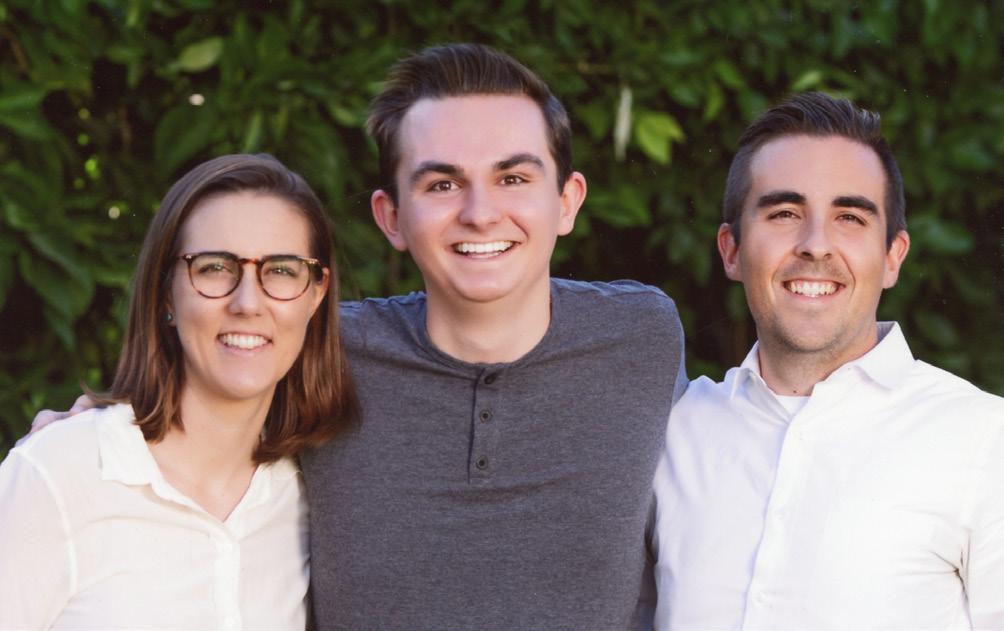
Annie, Will and Justin now carry on the Graham legacy of community involvement.
The Graham Building at Park Central recently became the headquarters of Valley of the Sun United Way.
Photo by Scott Foust
John, Kathleen, Annie, Justin and Will are a tight-knit blended family. “Everybody gets along gloriously, including my ex-wife, which is nice,” John said.
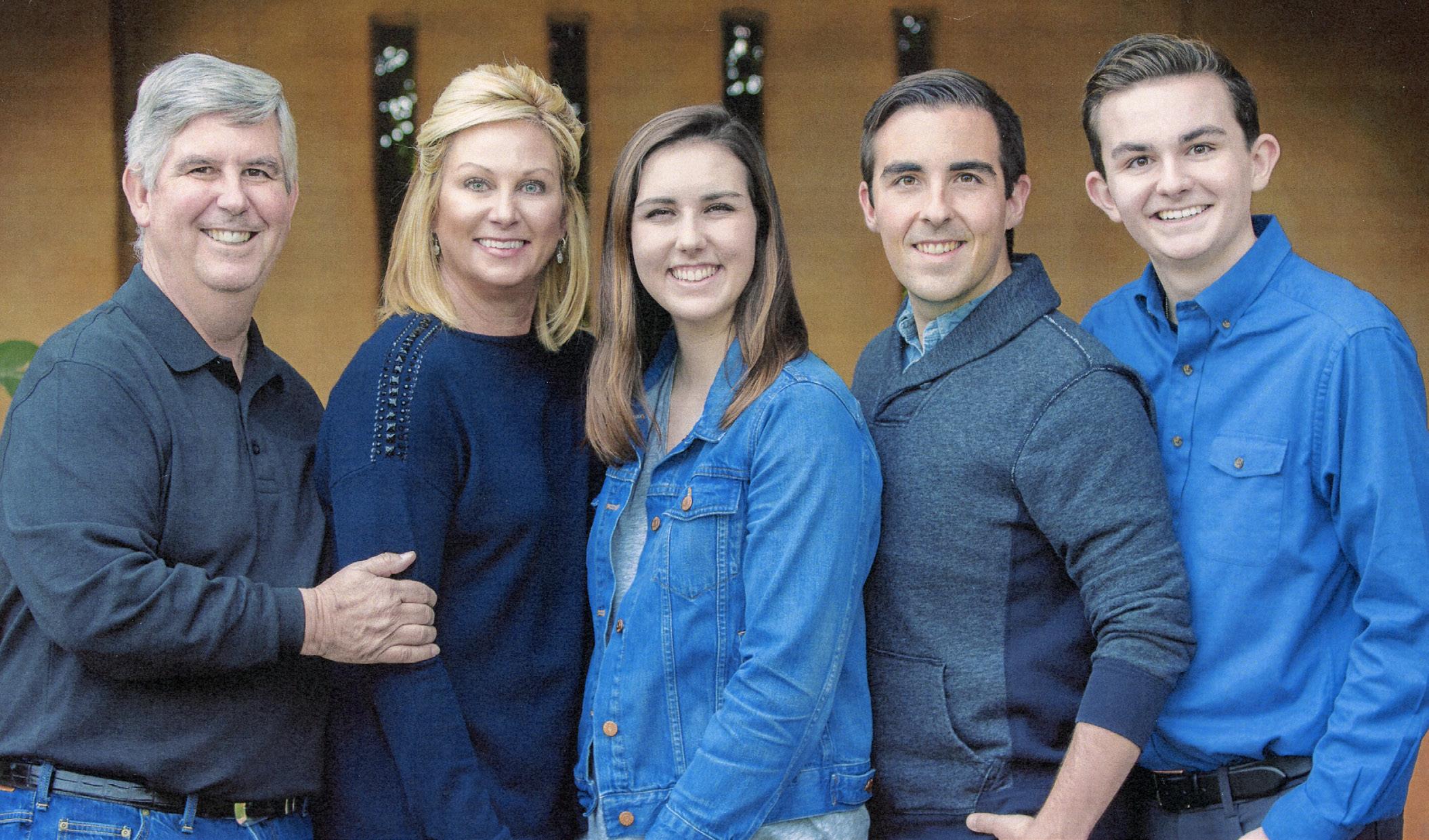
“All my kids desire to be part of this,” John said. “Their lives are totally self-driven.”
Twice a year — sometimes over email, often in person — the family convenes to review their impact. They ask the hard questions: Should we do more? Should we add a new cause? It is a space where the children’s voices carry weight.
The logistics of the philanthropy now fall to the youngest, Will. “Will physically does all the giving, mostly because I don’t want to, and it’s a lot of paperwork,” John said with a smile.
“He tracks it way better,” Kathleen said.
And then there are the grandkids, Eleanor, 5, and Archie, 3, who have introduced a new hierarchy to the Graham household.
“I leaned in to kiss Eleanor goodbye recently,” John said, “and she goes, ‘Jaja, let it be.’”
Strength in Vulnerability
Perhaps the most striking aspect of John Graham’s profile is not his success, but his willingness to discuss his struggles. In a business culture that prizes stoicism, John is openly vocal about his own mental health journey.
“I’ve seen a lot of people struggle, including friends that have committed suicide,” he said. “If you’re on top of it, the chance of that happening is low. If you’re not, it’s a random outcome.”
He speaks to high school students at Brophy, expecting
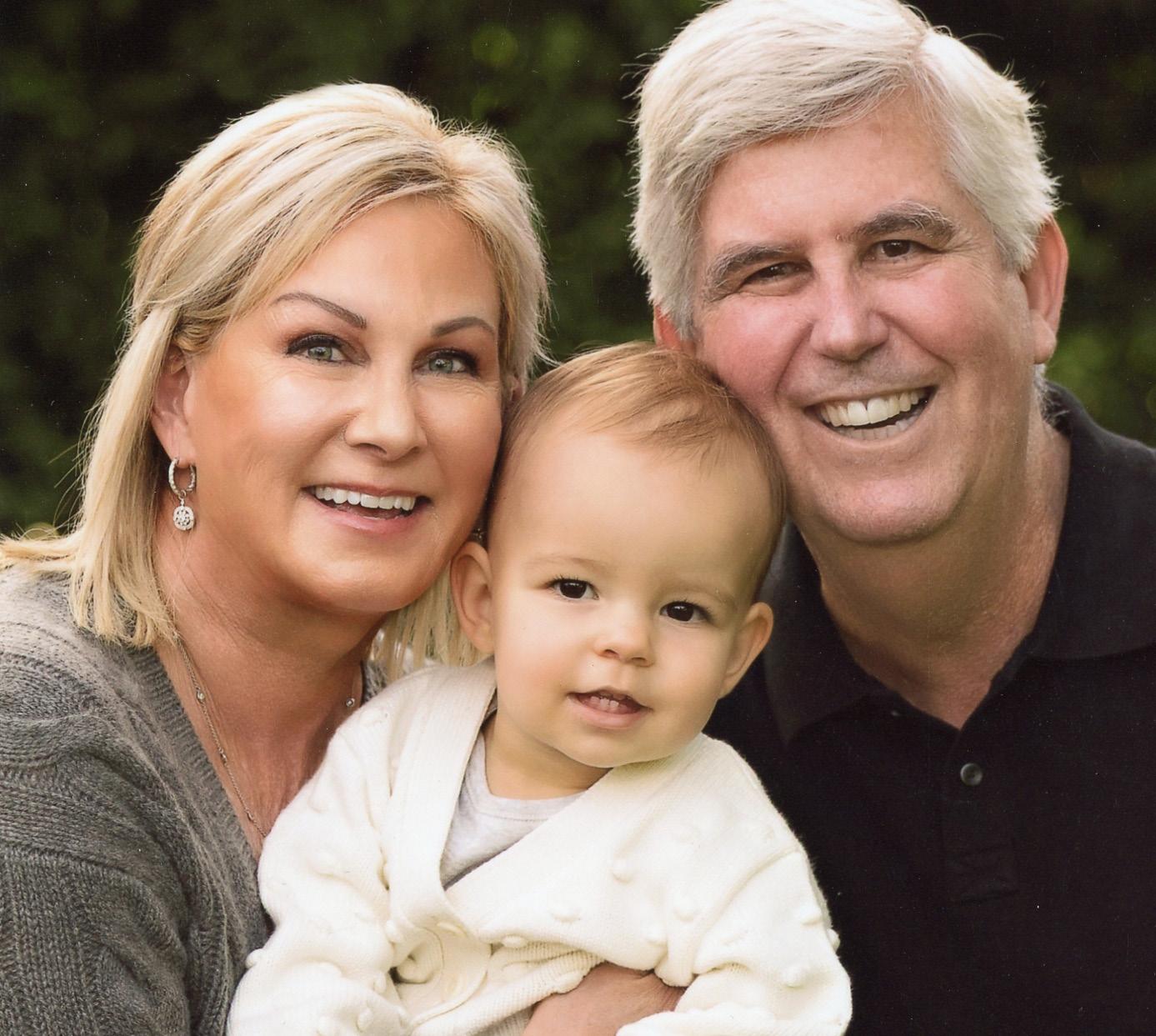

John and Kathleen, with granddaughter Ellie in 2021.
In 2022, Brophy rededicated the Brophy Sports Campus as the Graham Family Sports Campus in the family’s honor.
“It is better to be kind than it is to be right.”
them to ask about real estate deals or profit margins. Instead, when they write him thank-you letters, the most common theme is gratitude for his vulnerability.
“They write, ‘Thank you for talking to me about mental health. I have a sister that has a problem, or a friend, or I have a problem,’” John said. “It’s amazing that they would respond to it.”
It is a rare quality in a CEO: the understanding that true strength isn’t about being impenetrable, but about being accessible.
A Broker of Peace
This lack of ego makes John the ideal mediator. When a recent big-stakes deal was imploding, the sparring factions needed a broker they all trusted. They all agreed
on one name: John Graham.
Kathleen attributes this to his ability to listen without an agenda. “John looks at the problem with no ego,” she said.
It brings the story back to a simple philosophy that governs their lives, from the boardroom to the living room. It is a quote from John’s father, the man whose name is on the building where Valley of the Sun United Way sits today.
“It is better to be kind than it is to be right.”
“I’ll put it on my tombstone,” John said. “It’s one of those deals where I heard it growing up, but one day, I just got it.”
In a world obsessed with being right — on social media, in politics, in business — John and Kathleen Graham have chosen the other path. They have chosen to be kind. They have chosen to serve. And they have chosen, whenever possible, to be home by dinner.
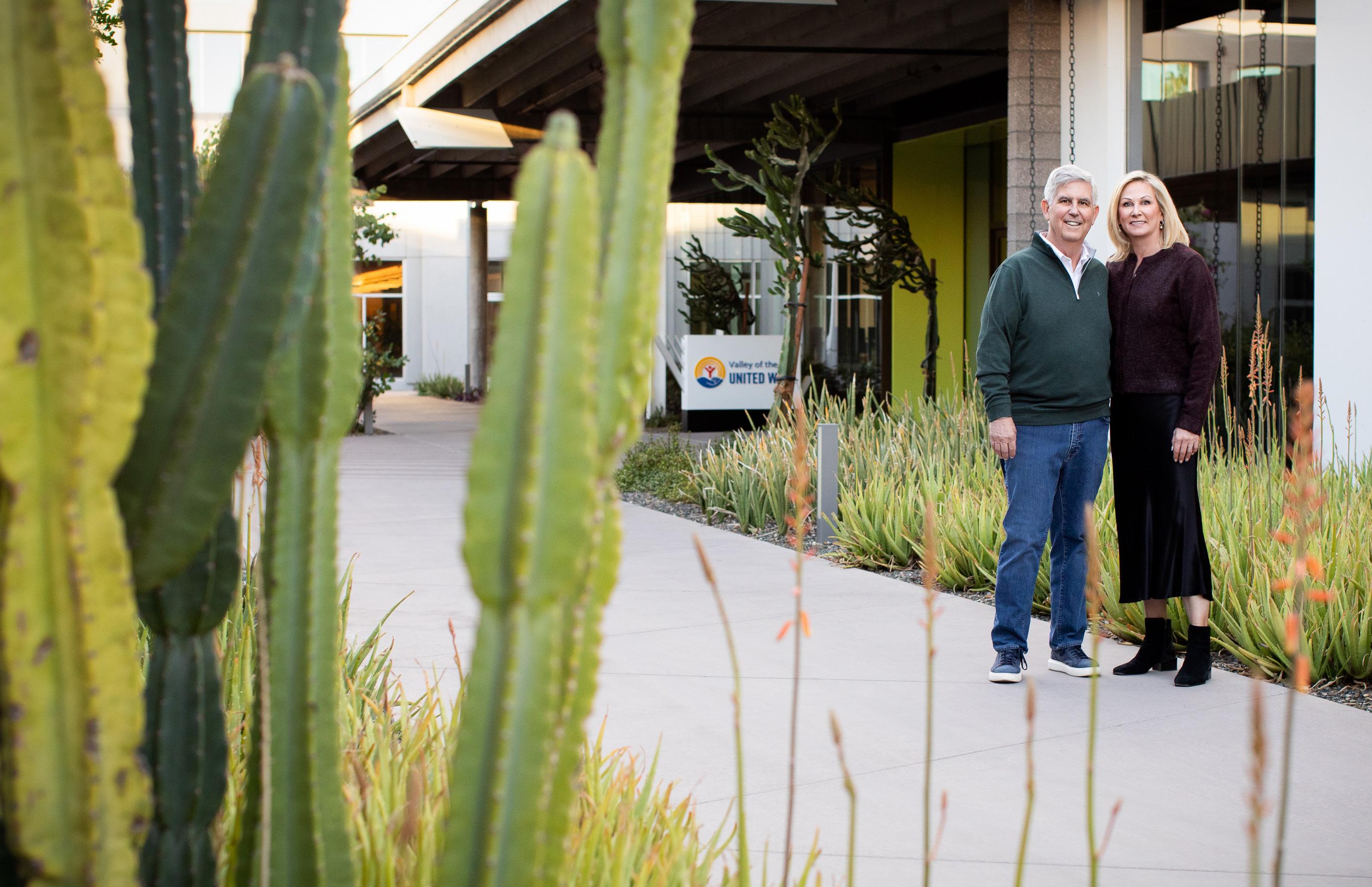
Photo by Scott Foust
The New Guard
A diverse generation of highly trained leaders is stepping up to redefine Arizona’s philanthropic future
BY TOM EVANS
It can be tough to spot a sea change. Sometimes the world shifts subtly; other times, with force. But it always shifts.
The Valley’s nonprofit community is no different, particularly during times of uncertainty. And given the region’s relative youth as a major metro area, many of those who were at the forefront of shaping our community’s growth are now transitioning into other phases of life.
But the civic sector adapts — and, most importantly, learns.
Over the past few years, Arizona’s nonprofit and philanthropic landscape has experienced a period of leadership changes. Several of the state’s most influential foundations — including the Arizona Community Foundation, Maricopa Community Colleges Foundation, Virginia G. Piper Charitable Trust and others — have installed new CEOs or
presidents, as have numerous Arizona nonprofits. These transitions often mark more than routine personnel changes — they reflect a broader shift in leadership across the state’s civic sector.
What’s emerging is not just turnover, but a generational handoff — one defined by formal training, broader representation and a more intentional approach to civic leadership.
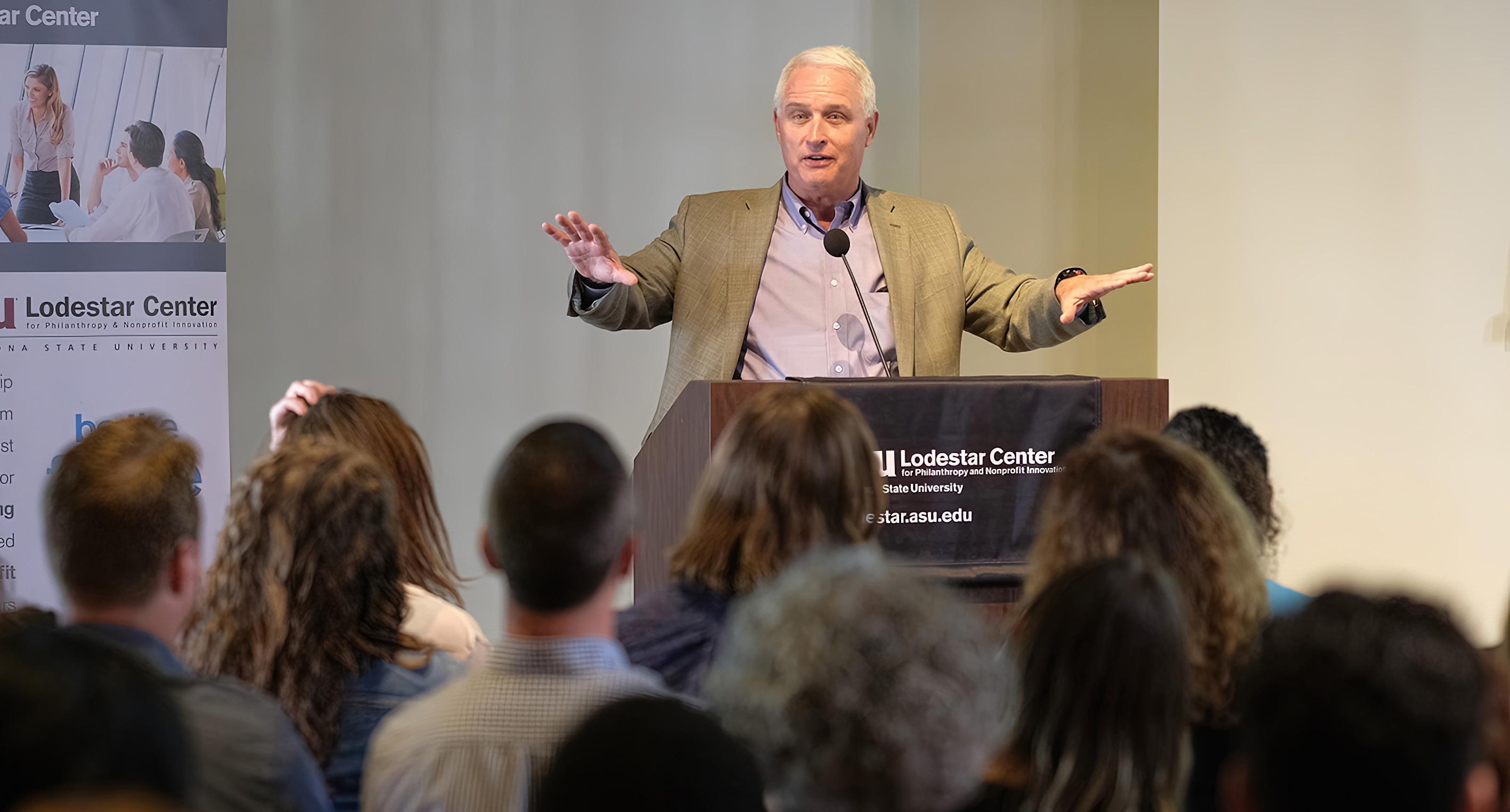
Robert Ashcraft, the executive director of the Lodestar Center for Philanthropy and Nonprofit Innovation at Arizona State University, has seen a lot in his time working with Valley nonprofits. He said there’s a wave of leadership change underway, but it’s not unlike what he’s seen in the past.
“I’ve been at this a while,” he said. “There have been
various waves over the years, if you think about it, relative to people going into retirement or otherwise leaving the nonprofit sector. That’s not unusual. That’s happening across every industry.”
But what is happening now is that younger nonprofit leaders are ascending to these roles with more training and expertise than ever before.
Across Arizona, leadership-development and civic-engagement programs are helping channel new talent into nonprofit and community leadership roles. The Flinn–Brown Fellowship, the Piper Academies and Piper Fellows program, Valley Leadership and several other programs are working to position the next generation of community leaders for success.
Together, these programs create a statewide leadership pipeline, from early-career civic engagement to executive governance, equipping younger and more diverse professionals with experience, networks and skills, and steadily rejuvenating Arizona’s nonprofit sector with new perspectives and energy.
“We’re quite the envy of many other regions,” Ashcraft said. “We have leadership development from entry level all the way to advanced executive leadership.”
Valley of the Sun United Way, for example, has a list of past board members and presidents that is a who’s who of the Valley business community — leaders like
John Graham (featured in this issue), Don Smith, Phil Francis, Jerry Colangelo and many others. But the past and current board chairs of United Way — Jenny Holsman Tetreault and Latasha Causey, respectively — are under 50 years old.
“I do feel like I am seeing a much younger demographic of leaders getting involved in leadership roles on nonprofits, either as part of the executive leadership team, a committee leader or even a board chair,” Causey said. “This is a very positive thing as younger leaders are not only learning from those who came before us, as they are also still on the board and just a wealth of knowledge.”

For Latasha Causey, serving as the current board chair of Valley of the Sun United Way is about more than just governance; it’s about strategic evolution.
Robert Ashcraft, executive director of the ASU Lodestar Center, has a front-row seat to the Valley’s generational handoff.
And the leadership is getting more diverse. According to a 2023 survey by the ASU Lodestar Center, 20 percent of responding nonprofits now have a CEO of color, up from 12 percent just two years earlier — while women lead 65 percent of organizations. These shifts indicate that long-standing leadership patterns are evolving, with newer, more diverse leaders assuming top roles and bringing fresh perspectives.
These leaders are benefiting from the learned experience of those who came before them, who have helped create a curriculum of best practices for nonprofit leaders to follow.
“There are core principles and competencies that matter
across the board — board governance, resource development, measuring social impact, developing and implementing programs. There are now processes and protocols that simply weren’t taught 40 years ago,” Ashcraft said.
Despite uncertain economic times, Ashcraft thinks the philanthropic landscape is stronger than ever, thanks to the quality of leadership in place.
“It’s a very difficult time,” he said. “Leaders are under enormous pressure — mentally and physically. And yet, when you pull the lens back, this sector has been incredibly resilient.”
That resilience, increasingly, is being carried forward by a new generation — trained, diverse and ready to lead.









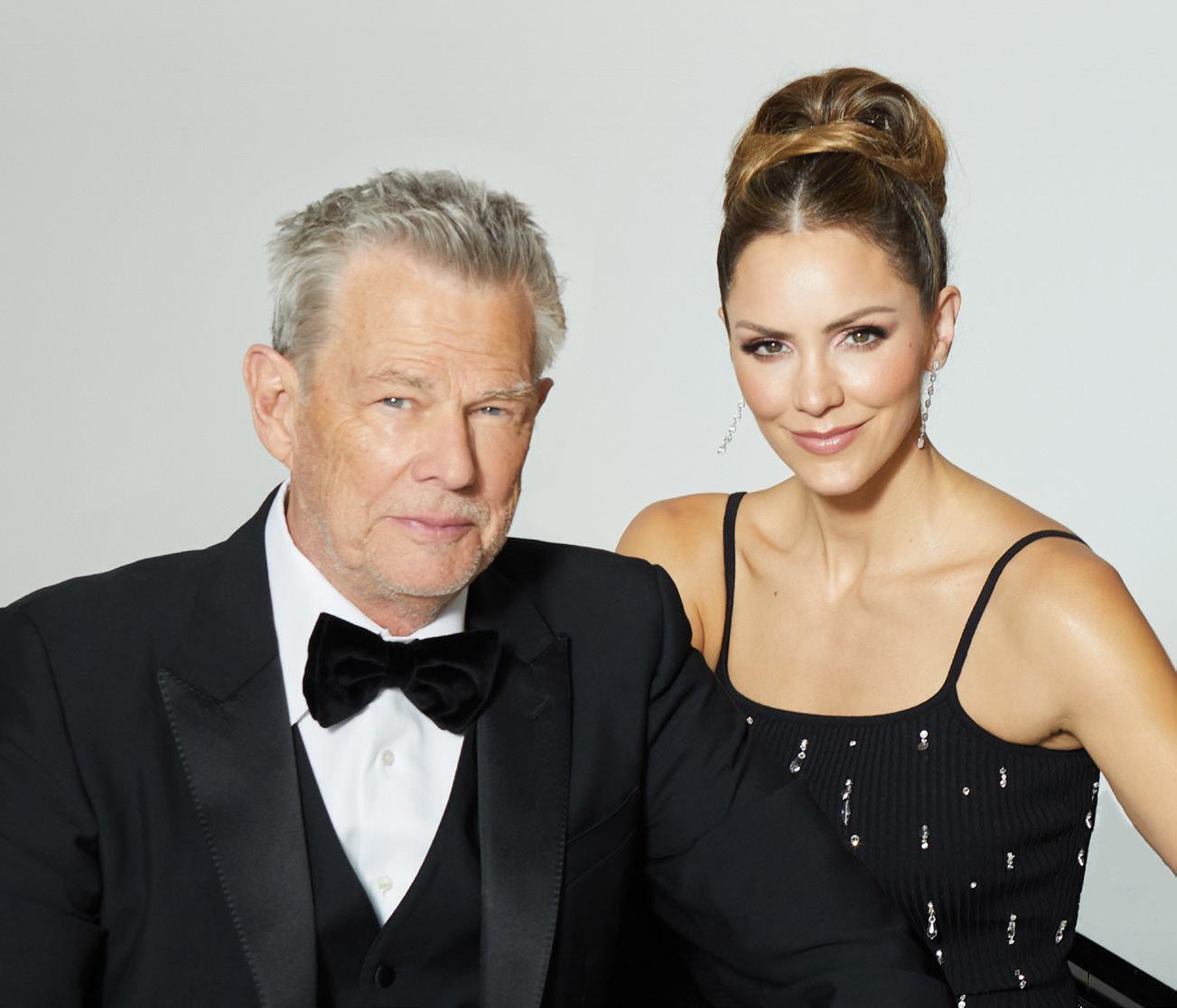



Patti LuPone | 2/16
Ragtime: The Musical | 4/24-4/26
Mozart
Festival Orchestra: The Planets & Tchaikovsky |
Jazz at Lincoln Center Presents: The Great American Crooners | 2/9

It Runs in the Family
For
Regina Edwards, retirement didn’t mean slowing down — it meant stepping up for Arizona nonprofits
BY JULIE COLEMAN
Growing up as the fifth of six children — all with names starting with ‘R’ — service wasn’t just a hobby for Regina Edwards. It was a way of life.
“Volunteering was something we grew up with,” she said. “My mom was always volunteering, and my dad was a state senator and county supervisor in Nebraska. Volunteering was part of the fiber of their being, and they instilled that in all of us.”
Her parents expected their children to step in whenever they saw a need, big or small. That “do-something” philosophy carried Edwards into college, where she became deeply involved in student government and served as the University of Nebraska–Lincoln student body vice president.
Edwards’ educational pursuits later took her to Hawaii and, ultimately, to Arizona as she worked toward her doctoral degree. She then transformed her passion for learning into a 25-year career
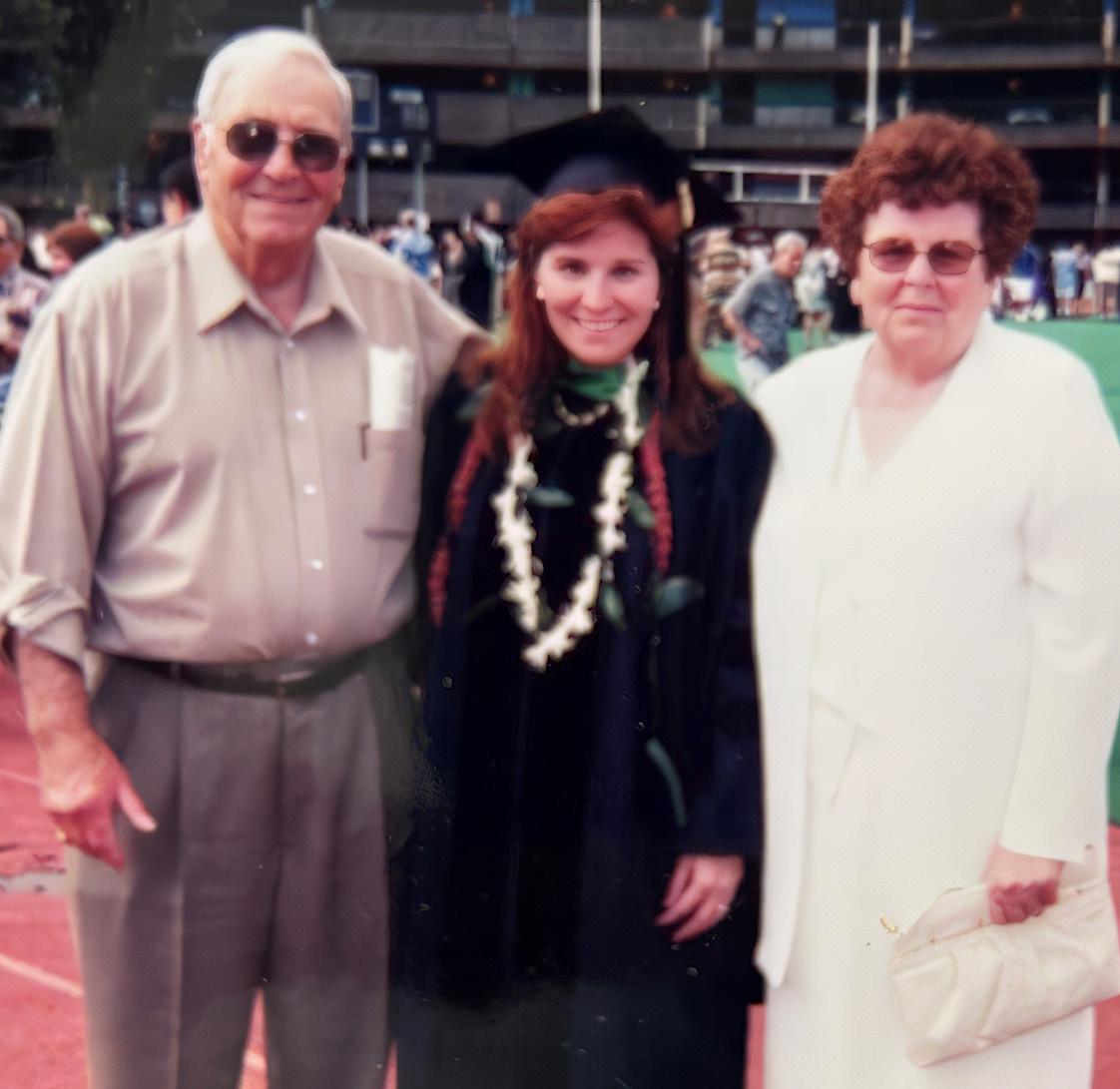
Edwards celebrates her doctoral graduation from the University of Hawaii alongside her parents, Carson and Alice Rogers.
The Rogers family (Regina, front left) grew up with an expectation to step in whenever they saw a community need.
in both public and private higher education, culminating in her role as CEO of YWCA Metropolitan Phoenix.
Throughout her career, Edwards remained committed to giving back. She served on the boards of YWCA Metropolitan Phoenix and the PV Community Food Bank, and contributed her time to organizations including the Girl Scouts–Arizona Cactus-Pine Council, local community colleges and her children’s schools. “One of the things that’s the same about education and nonprofit work is the ripples it creates. It’s such a joy to see,” she said.
Retirement didn’t slow Edwards down — it accelerated her efforts. Along with maintaining her two-decade relationship with the volunteer-run PV Community Food Bank, she now holds several leadership roles: member of the University of Phoenix Industry Advisory Council, Pastoral Council Chair at St. Joseph Church, board member of Crosier Village of Phoenix, vice chair of the Phoenix Public
Library Foundation and board chair of Hope’s Crossing.
“You have to pick and choose what tugs at you and where you feel there’s a bit of a return,” she said.
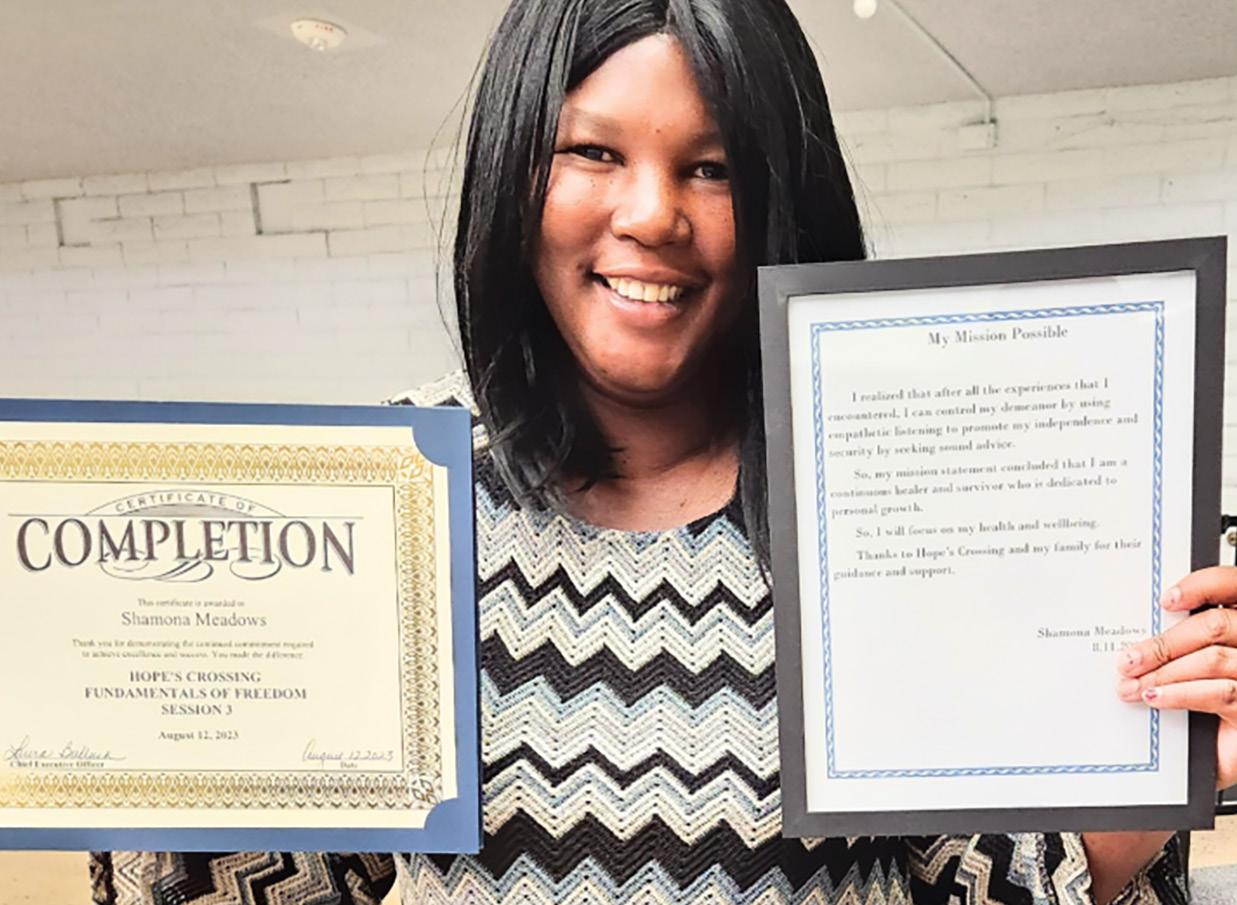
That tug toward Hope’s Crossing began during her time at the YWCA, when the two nonprofits partnered on financial education programs. Hope’s Crossing supports women affected by trauma or instability, guiding them through a holistic recovery and rehabilitation process. Its 21-week life-skills training program, “Fundamentals of Freedom,” boasts a 92-percent graduation rate.
“Hope’s Crossing’s unique programming is what drew me to it. There are many nonprofits, and every one has a unique space,” Edwards said. “Hope’s Crossing is the puzzle piece of what individuals need to move forward based on where they’ve been in their own life story.”
In her volunteer work, Edwards often draws on her leadership and educational background. She takes a broad,
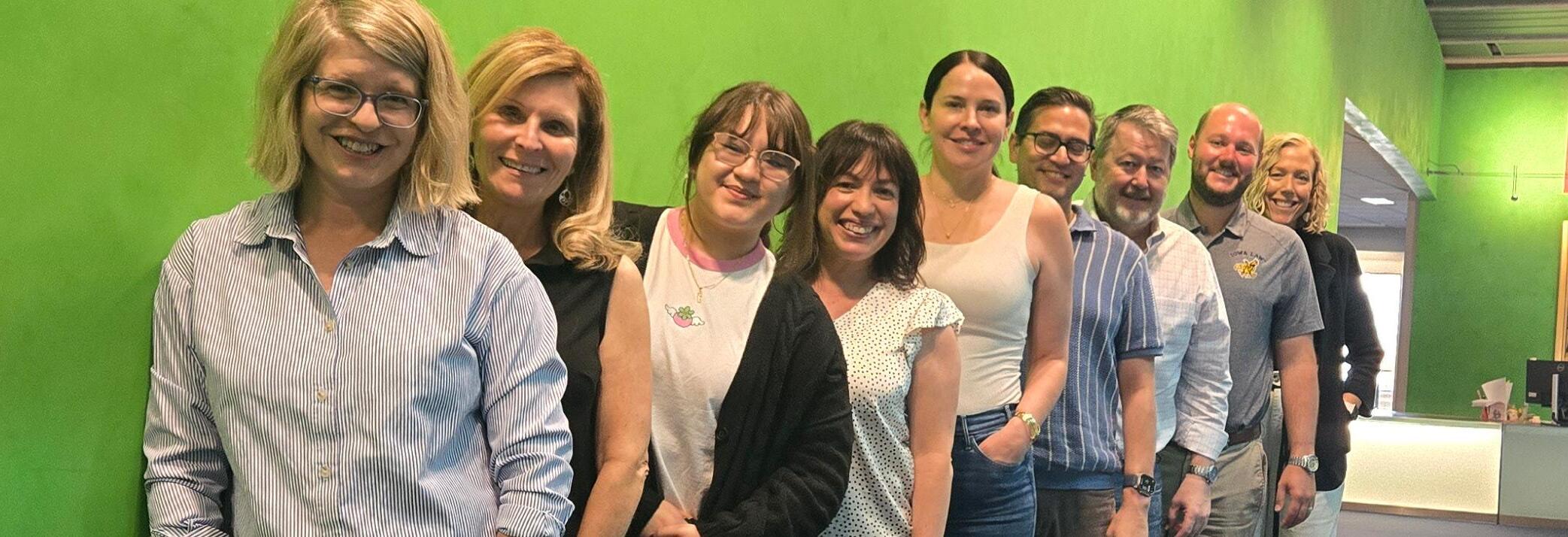
Regina (second from left) is vice chair of the Phoenix Public Library Foundation board.
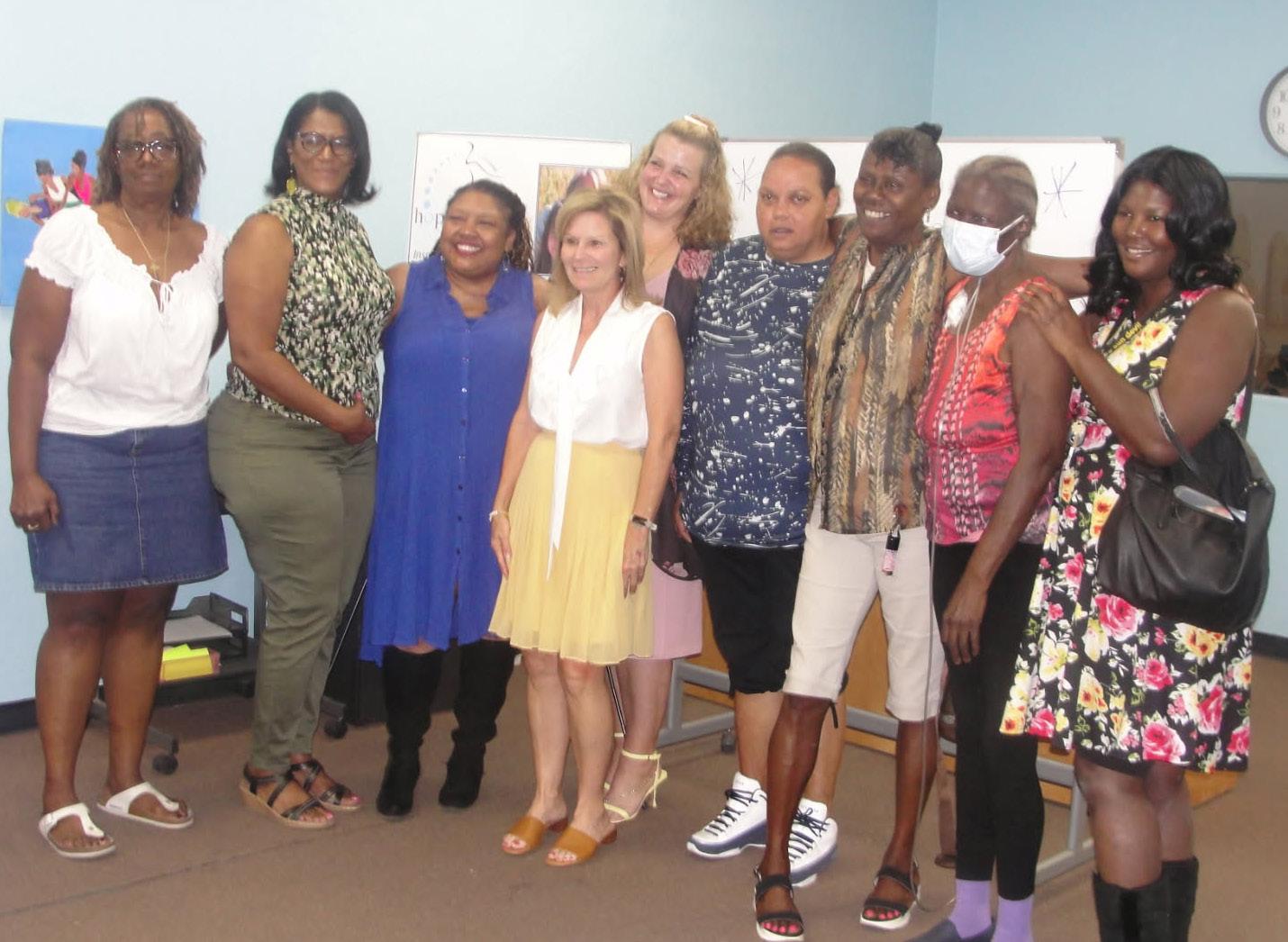
Left: Edwards joins Hope’s Crossing graduates and families to celebrate new beginnings. Right: Shamana Meadows, a graduate of the Fundamentals of Freedom program, now looks toward a future of sustained health and resilience.
strategic view: understanding what’s happening in the community, meeting people where they are and planning for the future with an abundance mindset. “We may not have all the resources we want today, but how do we think about collaborations and partnerships?” she said. “How do we think about the future in a bigger way so we can make the impact we were meant to make?”
Edwards’ dedication extends to the next generation. Her children grew up volunteering alongside her at the PV Community Food Bank and now serve in their own ways. Her daughter, Emmi, is a board member of the Girl Scouts–Arizona Cactus-Pine Council, while her son, William, volunteers through his employer and with local organizations.
And a new generation is already on the horizon: Edwards’ 7-month-old granddaughter. If the family’s past is any indication, it won’t be long before she is part of the all-hands-on-deck tradition.
“People who work in the nonprofit and social sector are the ones every day who are doing all the hard work,” Edwards said. “It’s an honor to be able to give what we can and work alongside them.”
To learn more, visit hopescrossing.org
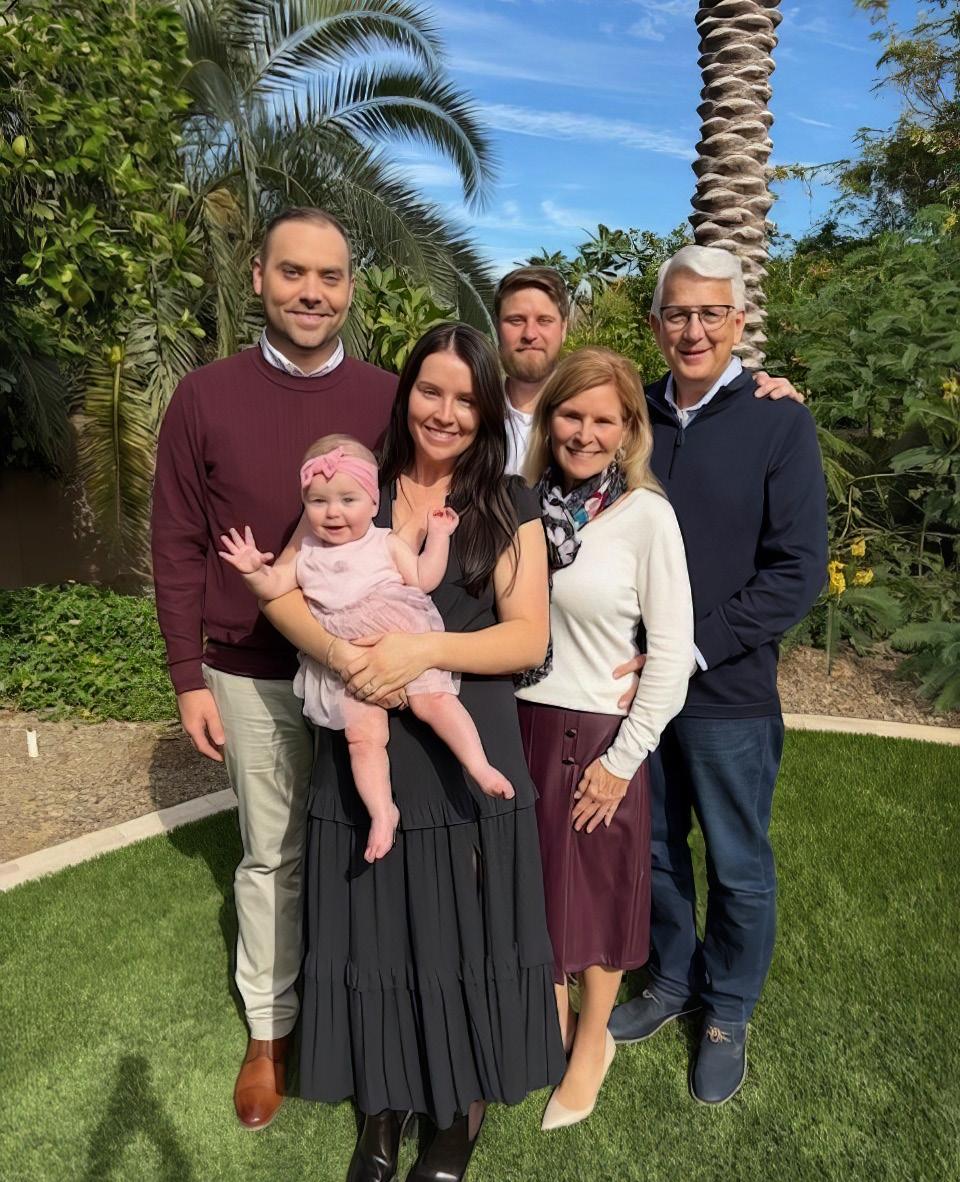

Regina with her husband, son, daughter, son-in-law and granddaughter.

A Day With KARE HANKS
AS TOLD TO JULIE COLEMAN
5 A.M. >> SYMBIOSIS & SERENITY
I am a Desert Storm Army combat veteran and met my husband during my service. We’ve been married for 33 years, and it was the best thing to come out of a conflict. My husband and I have a symbiotic relationship in the morning. Because he works from home and I go into the office, he manages the logistics of getting ready for the day. He makes coffee, packs my lunch, gives me a shot of espresso and a piece of toast on my way out the door, and takes care of our three rescue basset hounds.
My commute is 45 minutes, and this is my mental health prep time. It feels like a sanctuary to me. I will not answer my phone or take meetings. It’s a sacred time for me to enjoy the sunrise and watch hot air balloons coming up over the mountains. I’m in a very calm mental state as I drive onto our campus.
7:30 A.M. >> WEARING TWO HATS
I have two roles at USAA. I oversee the 70-person risk team and, as GM, I am also responsible for the 4,000 employees assigned to the Phoenix campus. This is not a direct reporting relationship, but I am accountable for ensuring that all of our independent businesses are running smoothly, that our community relationships are strong, and that we are staying on top of what’s happening in government at the state level.
I get energy through human interaction and dedicate up to 45 minutes every day to making the rounds throughout campus. This leads to various efforts and relationships by virtue of being in the right place at the right time.
I sit on a number of risk committees where I present technical risk management data and prepare for committee input. There are geopolitical and natural disaster impacts when you’re talking about insurance catastrophes. It’s my job to assess predictive models, report out, and help the committees understand where our risk lies and where we should focus our attention on mitigating that risk.
10
A.M. >> IN THE NOW
I am very much a “be here now” person. In one-on-one meetings, I will not get interrupted. Everything is about what a person is saying. Part of my success is an intentional discipline centered on giving 100 percent of my attention for a specified period of time.
When I meet individually with my team, I want to know what’s happening in their world, what I can do for them and how I can make their job better. If we’re business partners,

Phoenix



FULL SERVICE PARTY & TENT RENTALS
Our extensive product offerings include a full complement of tents, dance floors, staging, tables, chairs, tableware, basic and specialty cloths, as well as a large range of kitchen equipment.
We continually remain on the cutting edge of new product offerings to set your event apart. Whether you need tents or event rentals for a variety of reasons, Event Rents is the Best in Arizona.





















































you will know that I put every effort and energy into the moments we meet.
1:15 P.M. >> RECIPROCAL LEARNING
As GM, a lot of my time is spent outward-facing. I serve on the Fighter Country Foundation board of directors and participate in the Valley of the Sun United Way’s CEO Circle.
Prior to my service on the Fighter Country Foundation board, I was accepted and served as an honorary commander at Luke Air Force Base. USAA serves the financial needs of the military and is therefore very engaged in deepening our military acumen. This involves partnering with various military branches and bases so that the business and military sectors can learn from each other by identifying practices that can be adopted. We’ve given each other some very good ideas through this program.
We adapted the practice of Battle Buddy Walks from the military. Instead of sitting in the office across from each other, I walk with employees and have a business conversation in an environment where everybody’s on the same level.
3 P.M. >> BUILDING A GIVING LEGACY
I grew up loving animals and am unusually enthusiastic about exotic animal rescue. My interest stemmed from a dear friend who helped me understand the intelligence of savanna animals and how the ecosystem works. She died in a plane crash a few years ago, and I was inspired to carry on her passion. We have adopted a baby black rhino in Africa and a baby elephant that was orphaned due to human conflict.
We support all kinds of animals — both local and international — through financial contributions, raising awareness and educating my social circle and groups I participate in, and by volunteering. My husband and I take
three volunteer trips a year. My free time is consumed with understanding and taking a deep dive into different animal causes. My professional background has taught me how to go about doing this, and I am thankful I can take what I’ve learned and transition it into my personal life.

I am working toward establishing a charitable trust so we can help these kinds of causes when I retire. It’s something I am passionate about.
5 P.M. >> HOLISTIC HEALTH
I am committed to maintaining my physical health and regularly attend Pilates class. I think it’s a valid excuse to shut off my computer and leave for the day.
After arriving home and checking for any urgent messages, I change my clothes. This strategy signals a psychological disconnect where I’ve decided I’m now home and spending time with my family, recovering from the day, including no work talk. This clearly defines where I should be mentally — in a space dedicated to my family and home life.
To learn more, go to usaa.com
Hanks signals the ground crew before launching for a two-hour “dog fight” training exercise organized by Luke AFB.
Hanks and USAA executives Brian Kloss and Jess Fadel provide essential services to veterans in need at one of the nation’s largest “Stand Down” events.
One of Hanks’ favorite rescue species, photographed during her visit to South Africa in July 2025.
MAKE ARIZONA STRONGER while getting a break on state income taxes! Consider donating to one of the Arizona Tax Credit Giving Guide participants on the following pages.

















MARICOPA COUNTY EDITION Your





























DON’T FORGET TO BRING THIS TO YOUR TAX ADVISER!






STARTS WITH YOU THE NEXT MATCH
Each donation lights a spark.
Your gift to Big Brothers Big Sisters of Central AZ qualifies for the Arizona Tax Credit up to $495 single or $987 joint.


Deadline to give for 2025: April 15, 2026

Midwest Food Bank Arizona distributed nearly $58 million worth of food to 280+ nonprofit partners in 2024. We place a strong focus on nutrition.

www.midwestfoodbank.org/arizona
Questions? Contact Merilee Baptiste at 480.892.0134 or mbaptiste@midwestfoodbank.org




Every $1 invested in Boys & Girls Clubs of the Valley generates $14.79 in positive economic benefits to your community.

Here is the proven impact of investment in Club kids:
• 95% of Club teens graduate high school—6.46 percentage points higher than the average across the twelve school districts we serve.
• $14.9 million in increased lifetime earnings for BGCAZ members who are now more likely to graduate high school.
• $22.4 million in lifetime healthcare savings generated by BGCAZ physical activities programs for youth members in 2025 alone.
• Our programs are centered on Academic Success, Health & WellBeing, Character & Leadership, and Life & Workforce Readiness
Scan the QR Code above, or visit: bgcaz.org/donate/give/
Data Source: Arizona State University’s L. William Seidman Research Institute, 2025 Study

HER PATH TO SUCCESS
Begins Herffl
Dress for Success Arizona empowers women to achieve economic mobility by providing a network of support, workplace attire, and the development tools needed to help women thrive in work and in life.
We provide each client with workplace attire to secure employment, but we are about much more than simply a new outfit. Besides physically equipping the client with apparel and accessories, our extensive job training programs furnish her with a confidence that she carries forever and the knowledge that she can actively define her life, the direction she takes and what success means to her.
Serving more than 35,000 women throughout Arizona since 2009, Dress for Success Arizona is an independent 501(c)(3) nonprofit organization and an affiliate of Dress for Success Worldwide. Funds are raised locally and have a direct impact on our local communities. Scan to learn more or visit

ATHENAs demonstrate inspiring leadership within their industry, mentor women throughout their career, and dedicate themselves to the community
Thank you to all ATHENA nominees, finalists, and to our recipients for your dedication to the Valley!
Congratulations to the 2025 ATHENA Awards Recipients!
Grenee Martacho 2025 ATHENA Private Sector Award Recipient


Elvy Barton 2025 ATHENA Public Sector Award Recipient

Brandie Reiner 2025 ATHENA Young Professional Award Recipient
Leadership
in the Gap

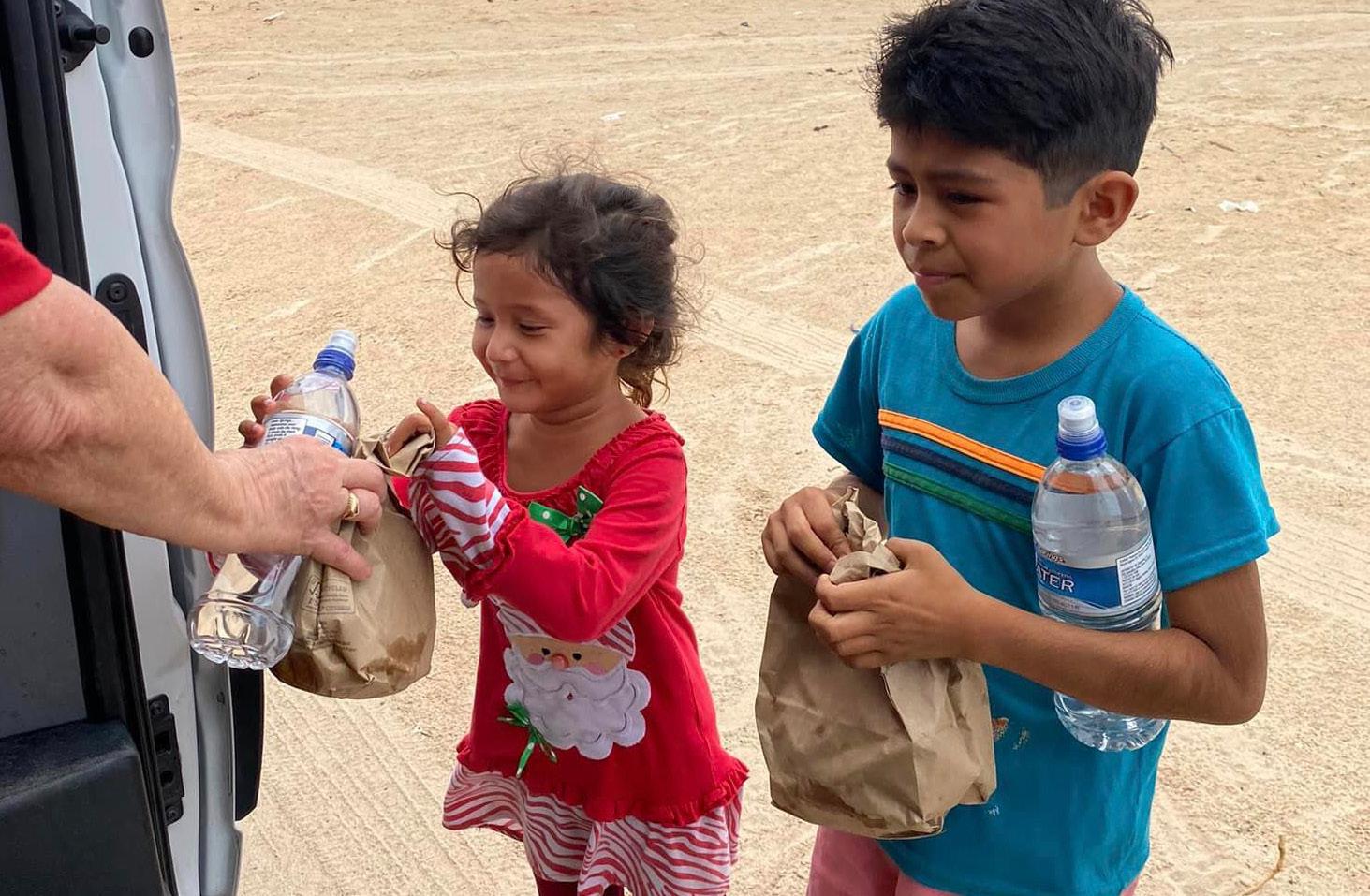
Every impactful mission is born from a deep, undeniable truth. For Gervonni Sherrodd Leggett, that truth came from her own struggle as a working mother earning just enough to be denied assistance, yet not enough to provide her family with security. This experience of falling into the often invisible “gap” — being too rich for help, but too poor for stability — became the impetus for her life’s work.
Origin
The seeds of Gervonni Cares were rooted in personal hardship. Leggett knew the pain of working multiple jobs, of being denied essential aid for food and childcare, and the indignity of having to “lower myself just to access services that should have met me where I was.”
The pain turned to purpose in 2015, after Leggett’s son, Vonnae, was killed in Milwaukee. When she relocated to Arizona and saw the same broken systems leaving hardworking families vulnerable, Leggett made a vow. She committed to building a nonprofit that operates
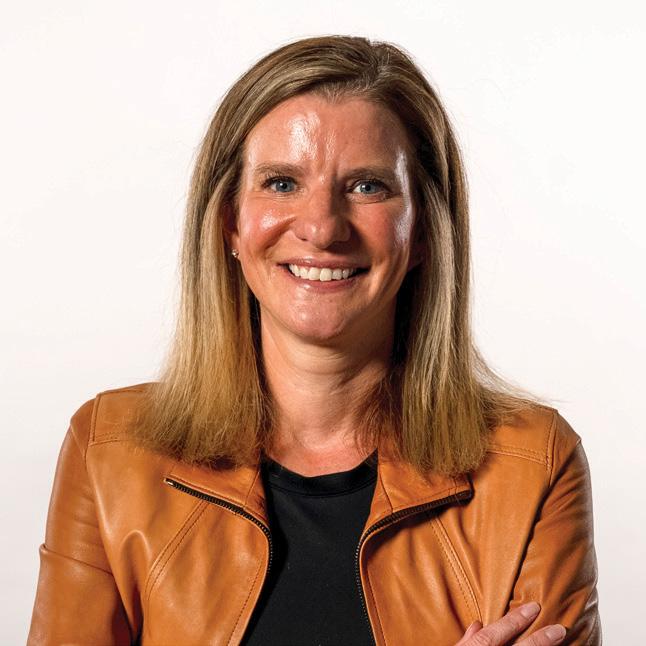
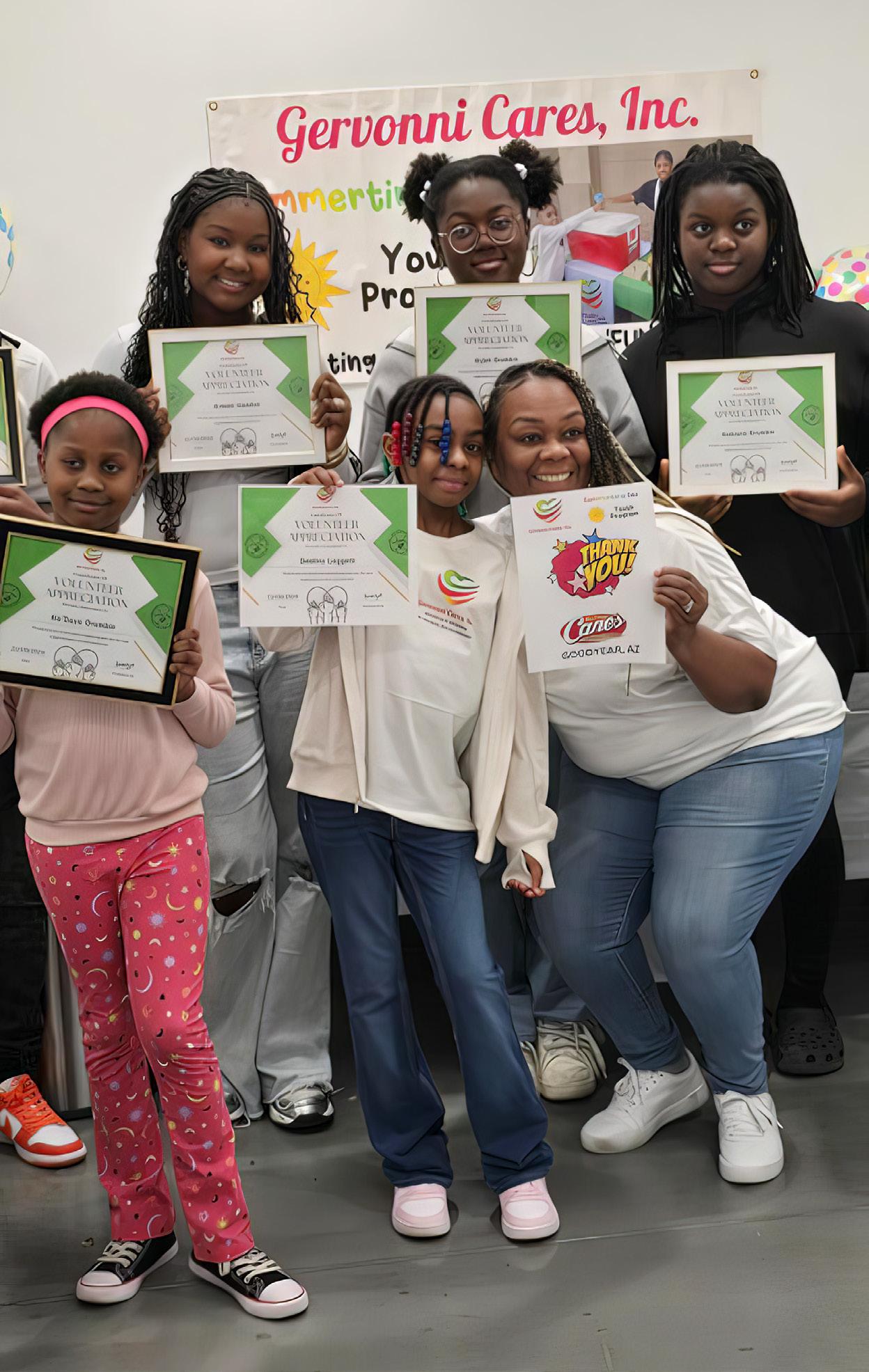
After witnessing the struggles of the “working poor” firsthand, Gervonni Sherrodd Leggett (right) founded Gervonni Cares to provide a safety net for those caught in the middle.
differently — one that meets families with dignity and helps them build stability on their own terms.
“What began as a small food pantry in my garage in Tolleson has grown into a multi-service organization rooted in resilience, empowerment and sustainable community impact,” Leggett said.
A Wraparound Approach to Stability
Gervonni Cares has distinguished itself through a comprehensive, judgment-free approach, best known as its wraparound support model. The organization focuses on keeping working families stable by addressing the full picture of their needs: housing stability, employment support and financial literacy.
Its core strength lies in its ability to meet people exactly where they are — whether that is “facing eviction, financial crisis or homelessness,” Leggett said. This flexible, no-judgment approach has been crucial in strengthening trust within the communities they serve in both Arizona and Wisconsin.
Most Surprising Thing About the Organization
Many people are surprised by the scale the organization has reached from its humble origins. What started in a garage now operates out of five office suites in Goodyear, supported by a dedicated team of four staff, two interns and five consistent volunteers.
But the most surprising aspect is the depth of their commitment to empowerment. The organization holds certifications as financial educator instructors and certified community legal advocates through the Arizona Supreme Court. “Our ability to scale impact through collaboration, training and community partnerships is a testament to our belief that sustainable change requires collective effort,” Leggett said.
Program Highlights
The nonprofit’s most meaningful work focuses on the oftenoverlooked “working poor.”
The “Stuck in the Middle” program is the flagship initiative, designed specifically for individuals who earn just above the poverty line and are therefore locked out of traditional assistance. These are the people “doing everything right” but are still one crisis away from financial devastation. The program offers financial literacy, employment support, on-site food pantry services and
housing stability services to prevent families from spiraling into long-term hardship.
Leggett also takes pride in the Summertime Sno Youth Program, which empowers the next generation by providing young people a space to build math skills, confidence, customer service experience and volunteer hours in positive community environments.
Recent Challenges
The mission is not without difficulties. The organization continues to serve families battling the dual pressures of rising eviction rates and extreme heat, which place vulnerable residents at high risk of homelessness. The demand has outpaced available resources, forcing Leggett and her team to innovate.
“The need for our services has grown faster than the available resources, pushing us to strengthen partnerships, expand legal empowerment work and develop sustainable systems that address the gaps left by traditional social support programs,” Leggett said.
Despite these challenges, “our commitment to keeping families stable and informed has never wavered,” she said.
Future
Looking ahead, Gervonni Cares plans to expand its alliances across Arizona and Wisconsin with partners who share a vision of financial empowerment and stability for all. The focus will be on deepening their legal advocacy, growing youth programming and developing more innovative sustainability models.
Most of all, the work continues to be a tribute to a beloved son. As Leggett said, “We look forward to honoring Vonnae’s legacy by empowering more families to rise, rebuild and remain ready for whatever life brings.”
To learn more, visit gervonnicares.com
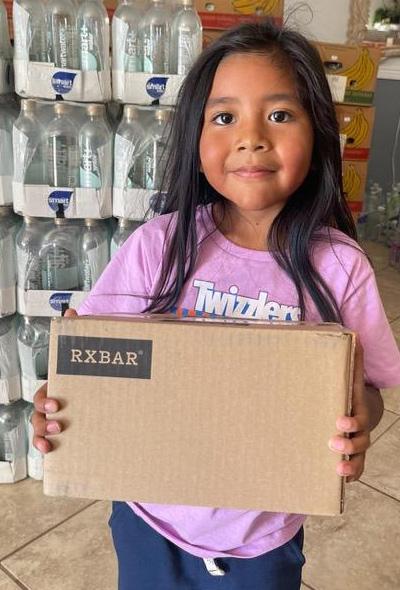
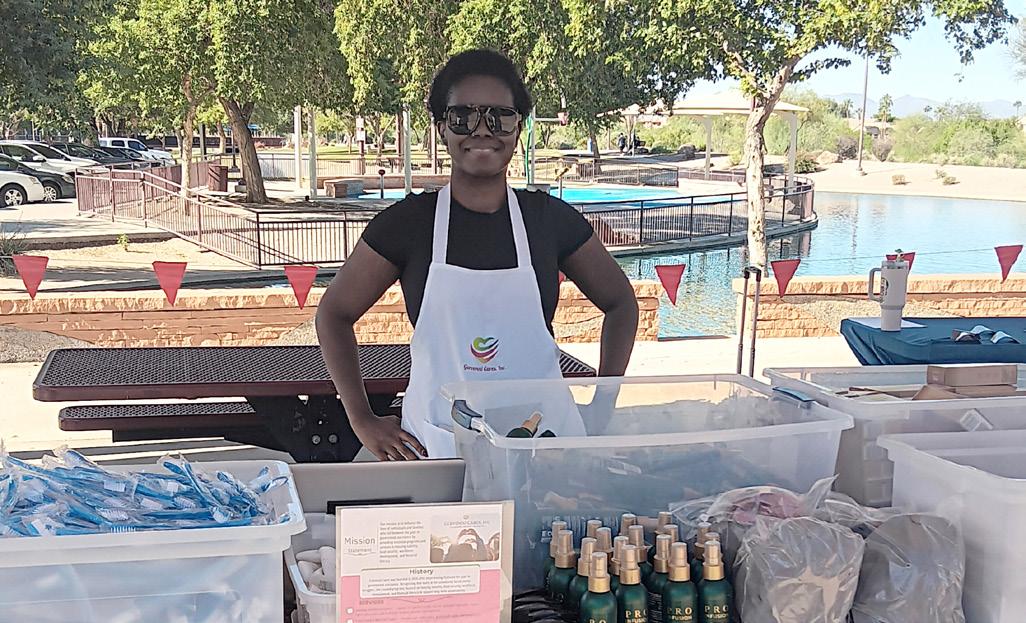
Staff member Eraina hands out hygiene supplies to both housed and unhoused individuals in Peoria.
Pine, Powder and Pinot
Exploring the best of Northern Arizona this winter
BY ALISON BAILIN BATZ
From frosted pines and shimmering red rock vistas to historic hillside towns and cozy culinary hideaways, Northern Arizona sparkles in winter. For travelers seeking food, drink and adventure without boarding a plane, four destinations especially stand out — Flagstaff, Sedona, Jerome and Cottonwood — each offering its own brand of seasonal magic.
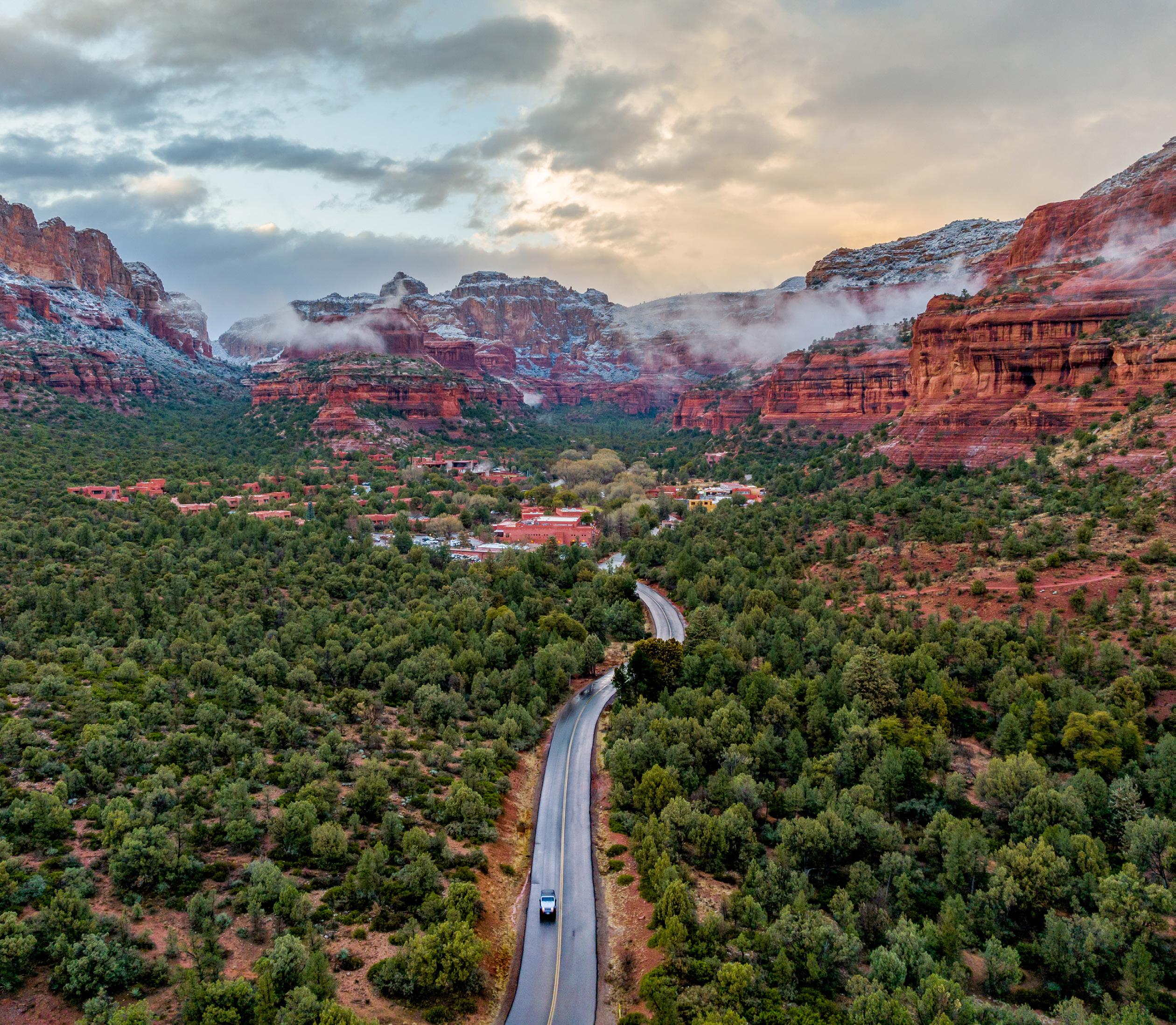
The winding road in Sedona’s Boynton Canyon
Courtesy of Enchantment Resort



Flagstaff
Alpine Adventure and Elevated Eats
Set within the world’s largest ponderosa pine forest, snow-kissed Flagstaff delivers crisp mountain air, fresh powder and a surprisingly rich culinary scene.
Arizona Snowbowl, just 15 miles from downtown, welcomes both seasoned skiers and first-timers with a broad mix of runs and clearday views of the Grand Canyon. For families looking for thrills off the slopes, Flagstaff Snow Park offers snow tubing lanes, fire pits and wide-open fields to play. Lowell Observatory adds another dimension to a winter day with its Marley Foundation Astronomy Discovery Center — home to a rooftop open-sky planetarium, a two-story LED theater and interactive exhibits.
Those who prefer sipping to swooshing will find plenty to explore downtown, where Flagstaff’s craft breweries thrive. A relaxed stroll reveals Mother Road Brewing, Lumberyard Brewing, Dark Sky Brewing, Beaver Street Brewery, and Historic Barrel House — all within easy walking distance.
Flagstaff’s dining scene has evolved into one of the Southwest’s best. Atria, a James Beard Award nominee, leads the way with seasonal menus in a refined space. Chef Rochelle Daniel plans to expand her local footprint with two new downtown concepts set to debut in 2026. Shift Kitchen & Bar and Forêt FLG — both James Beard–recognized — celebrate contemporary cooking with an intimate feel, while Tinderbox Kitchen and Teatro round out the lineup with polished menus and meticulous presentation.
After a day of snowy adventures or culinary discoveries, Little America offers an ideal retreat. Nestled on forested acres just a mile from downtown, the hotel blends mountain-lodge charm with modernized interiors following a recent renovation.
Learn more at discoverflagstaff.com

Arizona Snowbowl at sunset
A seasonal dish from Atria
Kids center at Lowell Observatory
Winter enthusiasts at Arizona Snowbowl

Sedona
Red Rock Warmth and Luxe Comfort
Sedona takes on a dreamlike quality in winter. Cooler temperatures — and the occasional dusting of snow — invite long hikes among glowing red cliffs, while fireside lounges and elevated dining call at dusk.
L’Auberge de Sedona recently unveiled a major expansion anchored by The Cliffs, a new room category showcasing panoramic red rock views through sliding glass doors that open onto private balconies or patios. Refined textures, spa-inspired bathrooms and calming natural tones create a retreat that feels both upscale and deeply connected to the landscape. Creekside cottages, fine dining at Cress on Oak Creek, and wellness experiences at L’Apothecary Spa round out an unforgettable winter escape.
Enchantment Resort remains another signature Sedona stay. Tucked within Boynton Canyon, the property blends striking scenery with tranquility. Guests can begin the day on trails leading to famed vortex sites, unwind at the award-winning Mii amo spa and savor modern American cuisine against dramatic canyon views at Che Ah Chi
Winter days in Sedona invite exploration. Visit the Chapel of the Holy Cross for its dramatic perch on red sandstone; browse galleries at Tlaquepaque Arts & Shopping Village; or book a Jeep tour to reach high-desert vistas, hidden creeks and ancient rock formations.
The culinary scene continues to shine thanks in part to Jeff Smedstad and Lisa Dahl. James Beard–nominated Smedstad leads Elote Café, a Southwestern favorite known for locally sourced ingredients. Best Chefs of America Hall of Fame inductee Dahl helms Cucina Rustica, Dahl & DiLuca, Pisa Lisa, Mariposa and couture burger destination Butterfly Burger
For more information, go to visitsedona.com
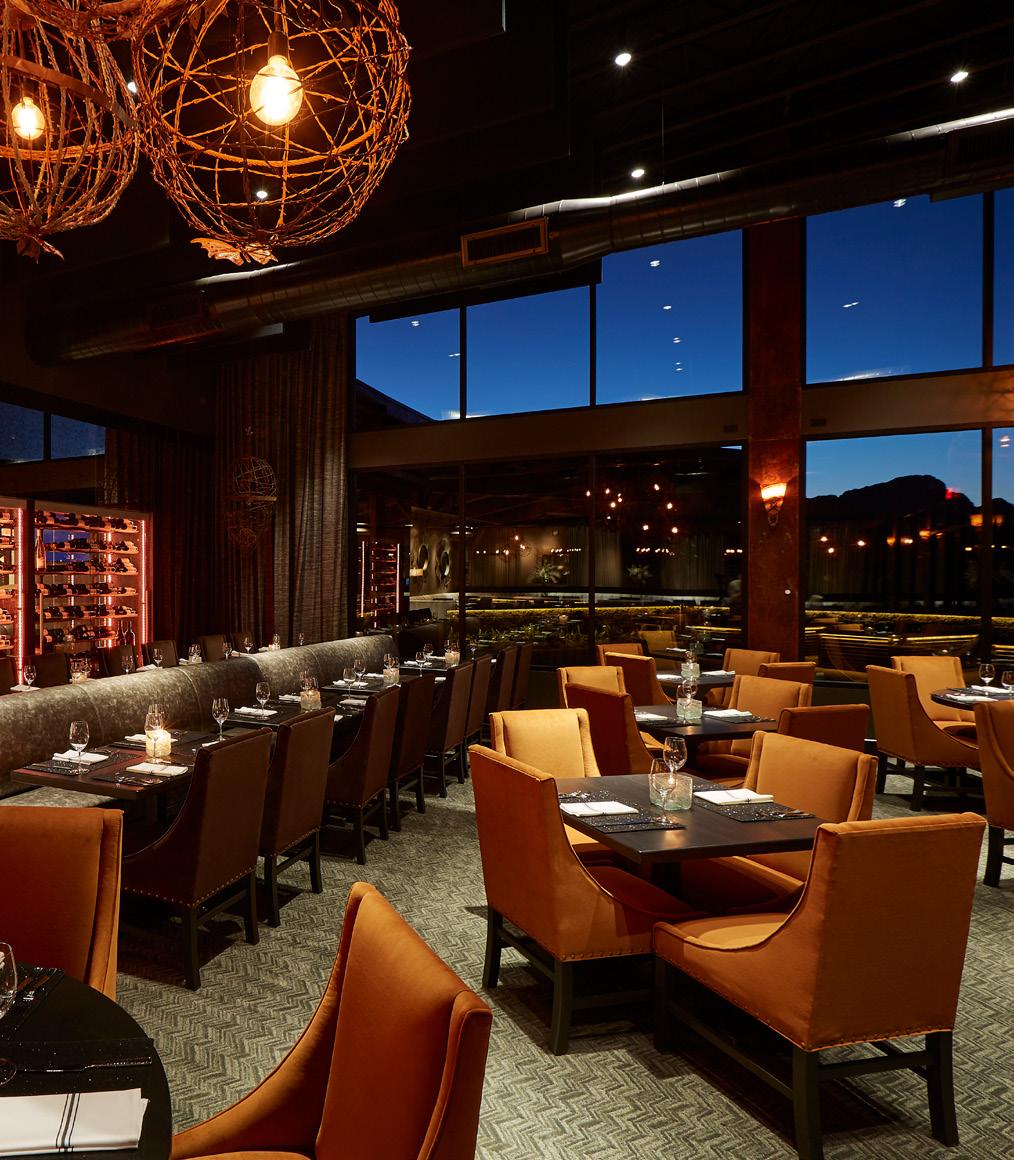
The dining room at Mariposa
The Cliffs Ambassador Suite at L’Auberge de Sedona
Cottonwood
Wine Country Relaxation
Cottonwood anchors the Verde Valley wine region and brings a European-style strolling culture to Arizona. Main Street has blossomed into a walkable corridor filled with tasting rooms, patios and approachable fine dining.
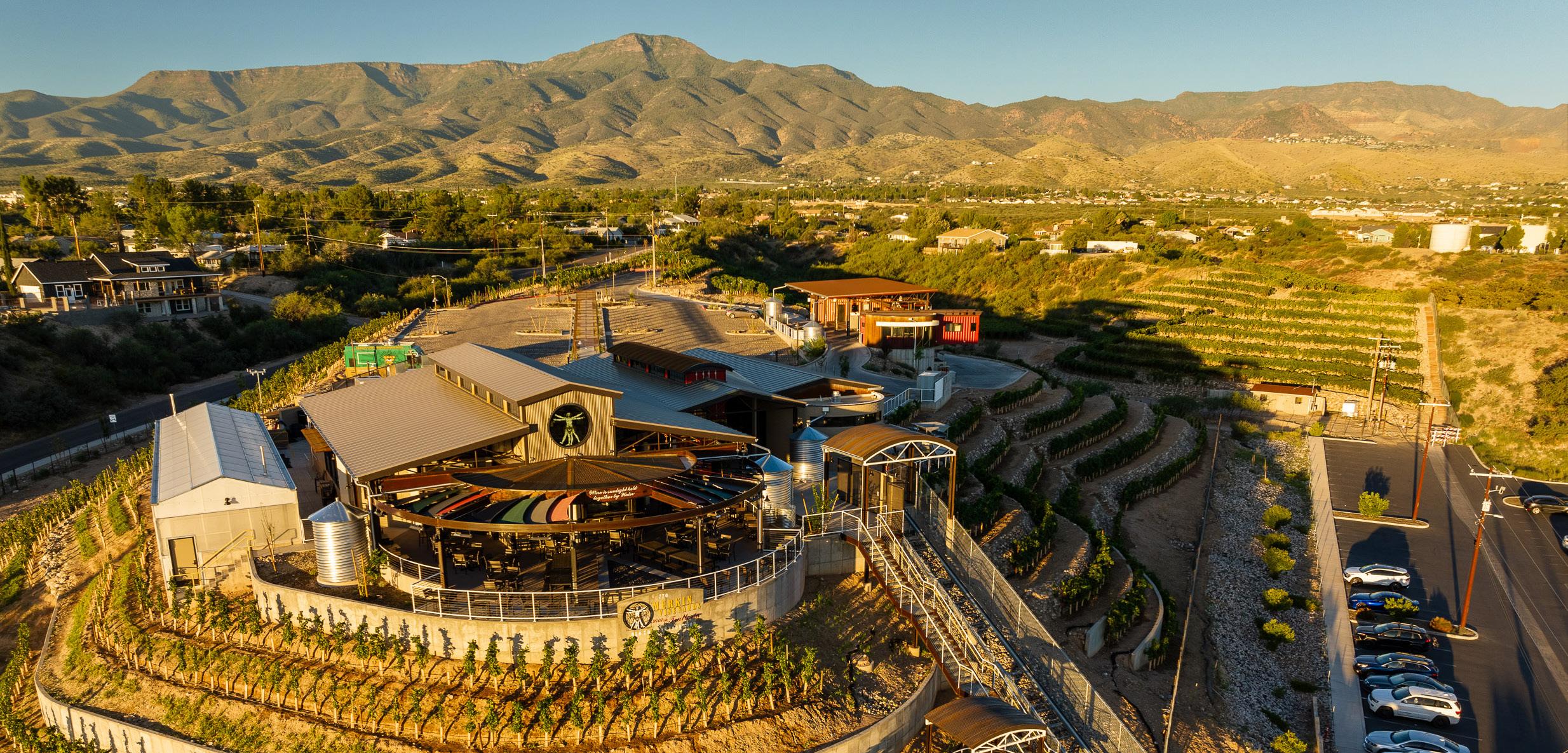
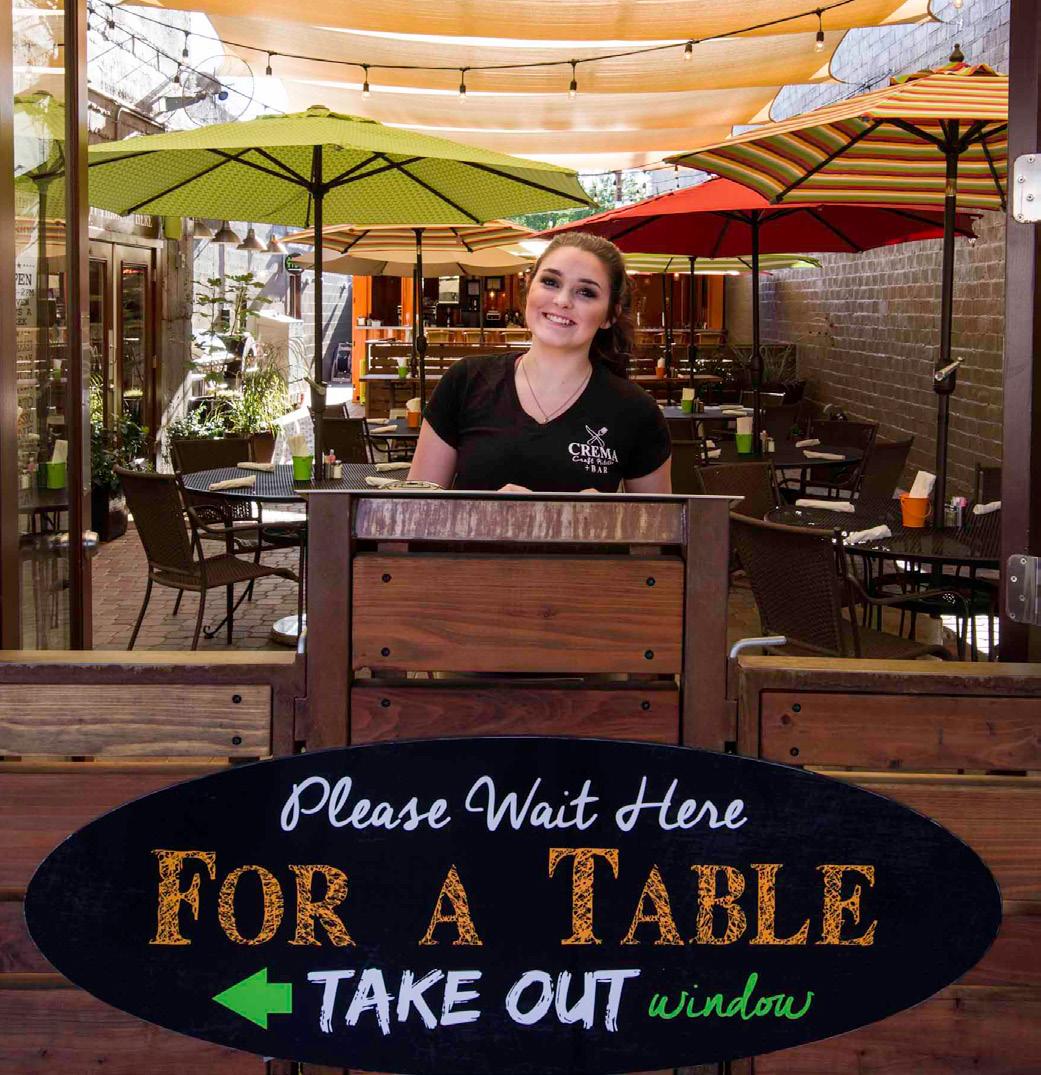
Start your day at Crema Café, where colorful umbrellas, Southwest-inspired breakfasts and bright flavors set a cheerful tone. For lunch or a leisurely afternoon, Pizzeria Bocce offers wood-fired pies and inviting outdoor tables. Nearby, Merkin Vineyards’ hillside headquarters highlights Arizona-grown wines paired with pasta, pizza and produce sourced from local farms and greenhouses.
Wine lovers will find countless ways to sip and explore. Pillsbury Wine Company focuses on sustainable, highelevation varietals with distinctive character, while Provisioner Wines offers playful blends perfect for casual tasting. Along Main Street, visitors can also stop at Arizona Stronghold, Cellar 433, Rubrix Wines, Tantrum Wines, DA Vines Vineyard Wines & Bistro, and Four Eight Wineworks
For overnight stays, The Tavern Hotel stands out as Main Street’s boutique gem. Guests enjoy access to a pool complex and fitness center, along with plush, contemporary rooms. The property also features standalone cottages with private entrances and a three-bedroom penthouse equipped with a full kitchen — ideal for groups or extended visits.
To learn more, go to oldtown.org
Jerome
Elevated History and Taste
A short drive from Cottonwood, Jerome clings to Cleopatra Hill with sweeping views of the Verde Valley and Sedona’s red rocks. Once a booming mining camp — and famously dubbed the “wickedest town in the West” — today it blends historic character with modern comfort.
The Little Daisy stands as one of Arizona’s most remarkable private estates. Built in 1918 to house miners, the property has since been transformed into a luxurious retreat with light-filled rooms, curated art spaces and dramatic common areas.
The hillside headquarters of Merkin Osteria
The eclectic Crema Cafe
Photo by Eli Werner
In the heart of town, The Clinkscale pairs a boutique hotel with a refined restaurant inside a restored mercantile building. Exposed brick, original wood floors and stylish décor evoke Jerome’s past while contemporary details elevate the experience.
Downstairs, the restaurant serves polished New American dishes and a lively brunch.
Jerome rewards wandering: browse galleries featuring local artists, search for treasures in antique shops and sample Arizona-grown wines at tasting rooms such as Caduceus Cellars and Passion Cellars. To dive deeper into the town’s past, visit Jerome State Historic Park or the Mine Museum to discover how gold, copper and silver shaped life on the mountain.
For more information, visit jeromechamber.com
From powdery peaks to cozy spas, vineyard strolls and cliffside sunsets, Northern Arizona turns winter into an adventure. Mix and match the four towns or make a road trip of them all — you’ll find fresh flavors,
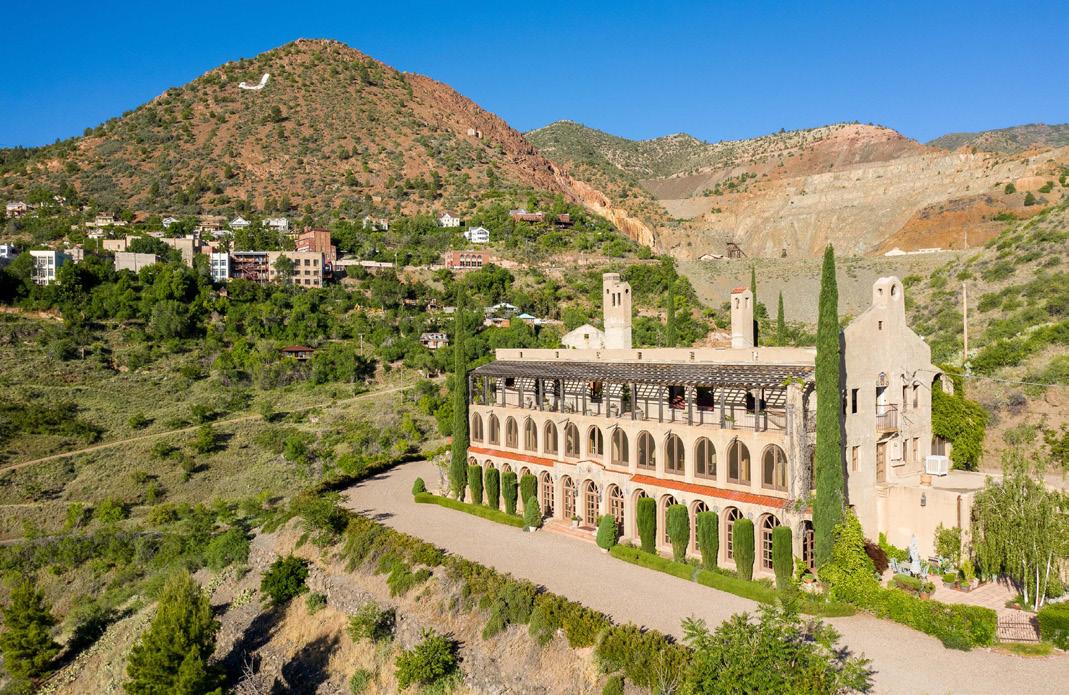





The Little Daisy
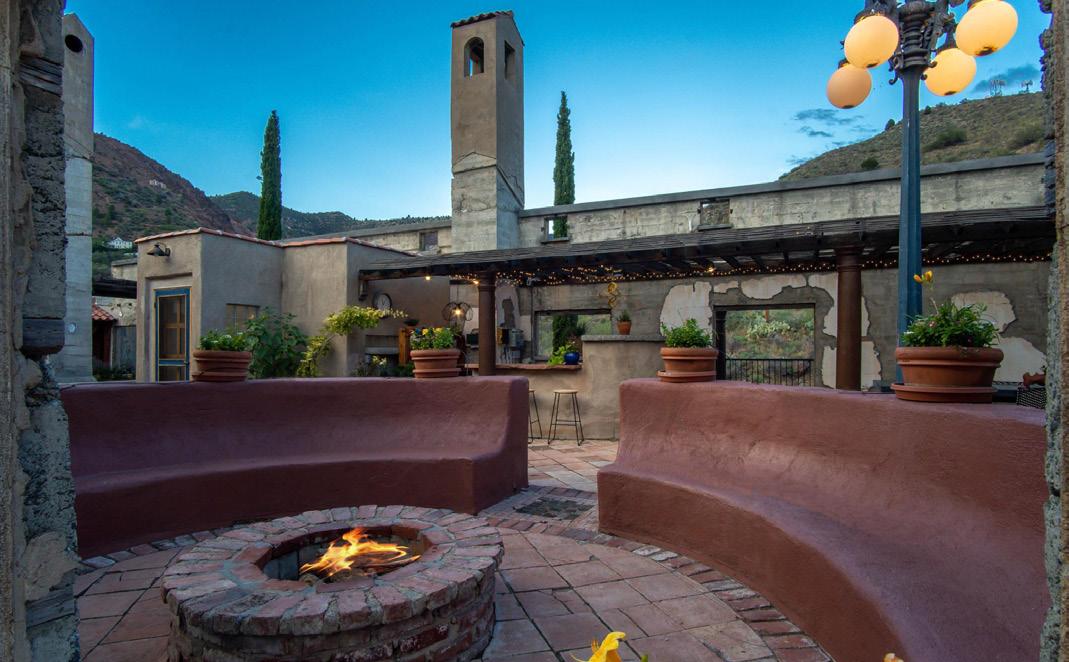
The rooftop at Little Daisy

Modern Design, Global Taste
BY SHOSHANA LEON
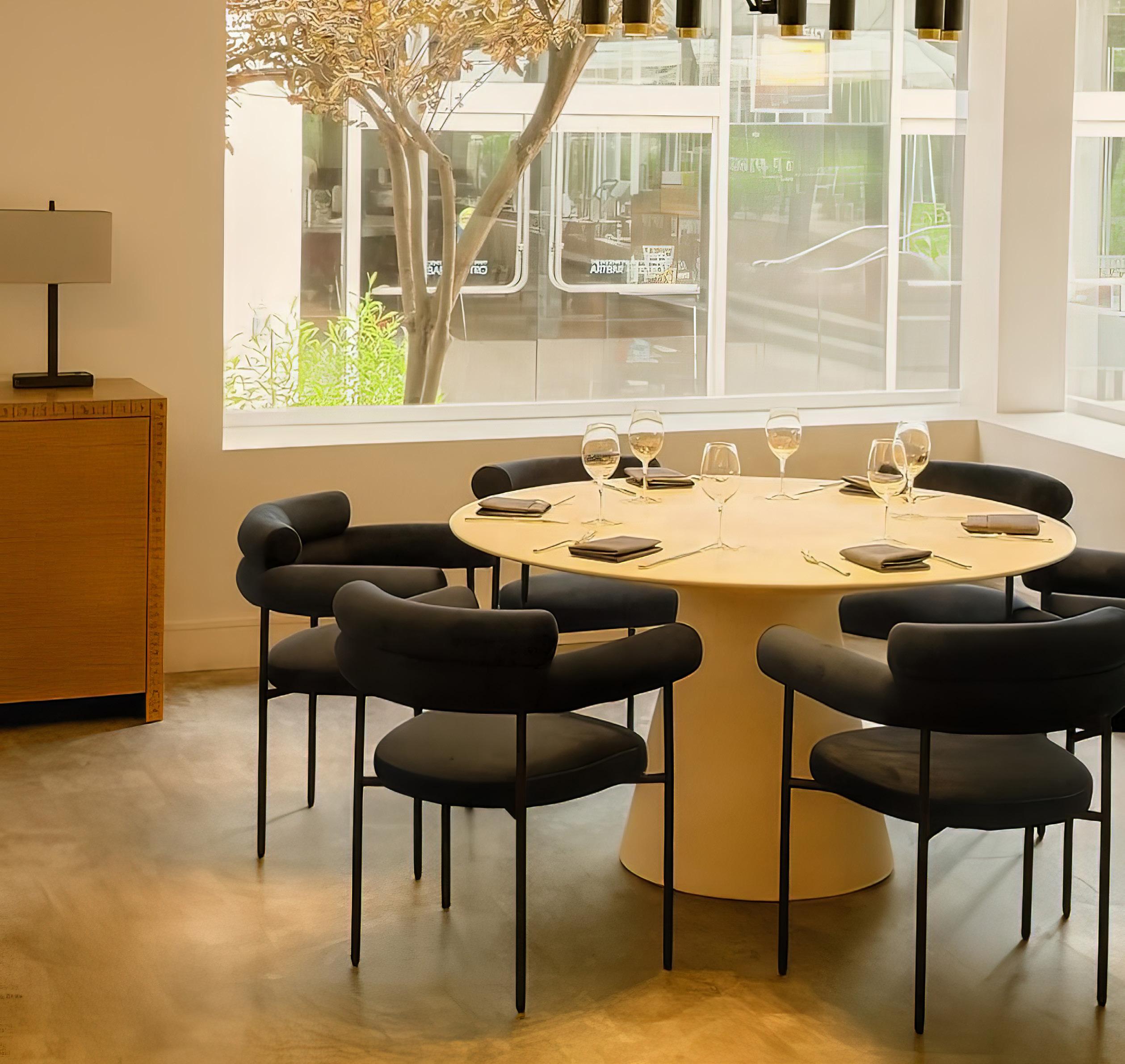
IN OCTOBER 2025, ALDEN OPENED at the Phoenix Art Museum, serving modern American cuisine with global influences and seasonal ingredients. The restaurant honors its namesake, Alden B. Dow — the visionary architect and Frank Lloyd Wright protégé
behind the museum’s original 1959 building.
“The museum wanted to elevate and modernize the restaurant experience, while honoring its history and architecture with a modern twist,” said Monica X. Castillo of CS Hospitality, the group operating Alden.
Alden debuts at Phoenix Art Museum
Photos courtesy of Phoenix Art Museum
Alden is open to the public five days a week for lunch and dinner, offering a full-service dining experience and a patio overlooking the Dorrance Sculpture Garden. “It’s perfect for dinner before the theater or downtown events,” Castillo said.
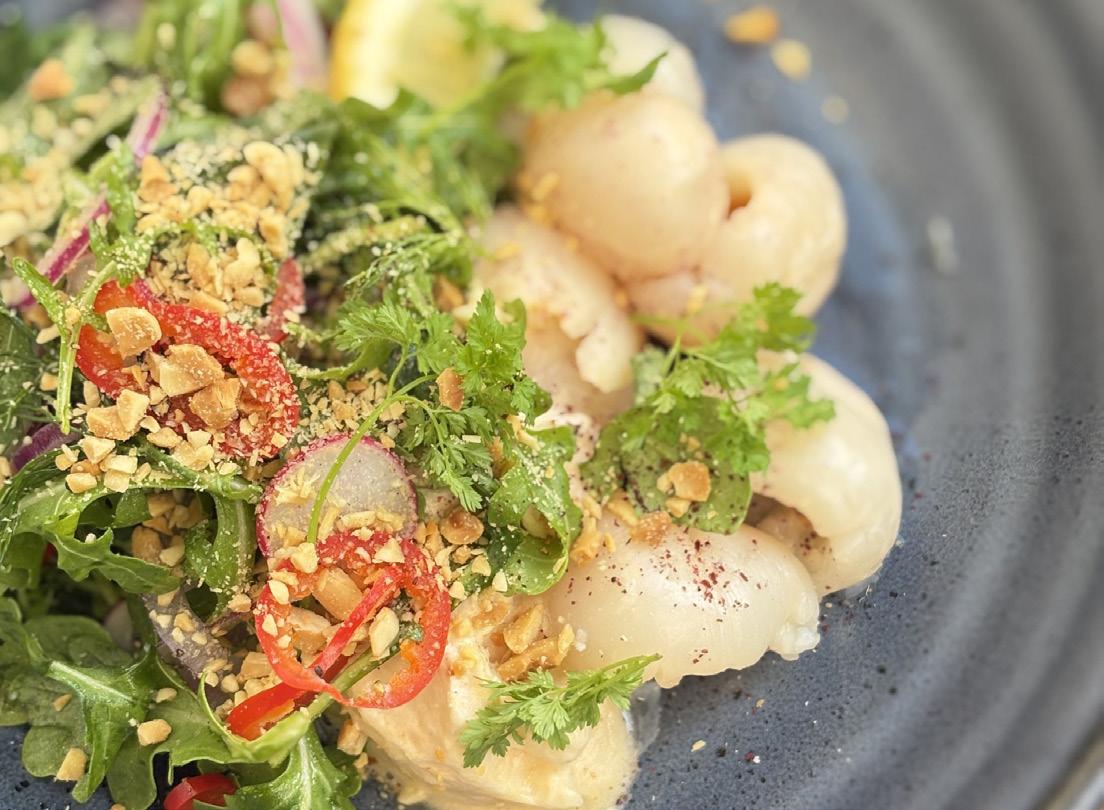
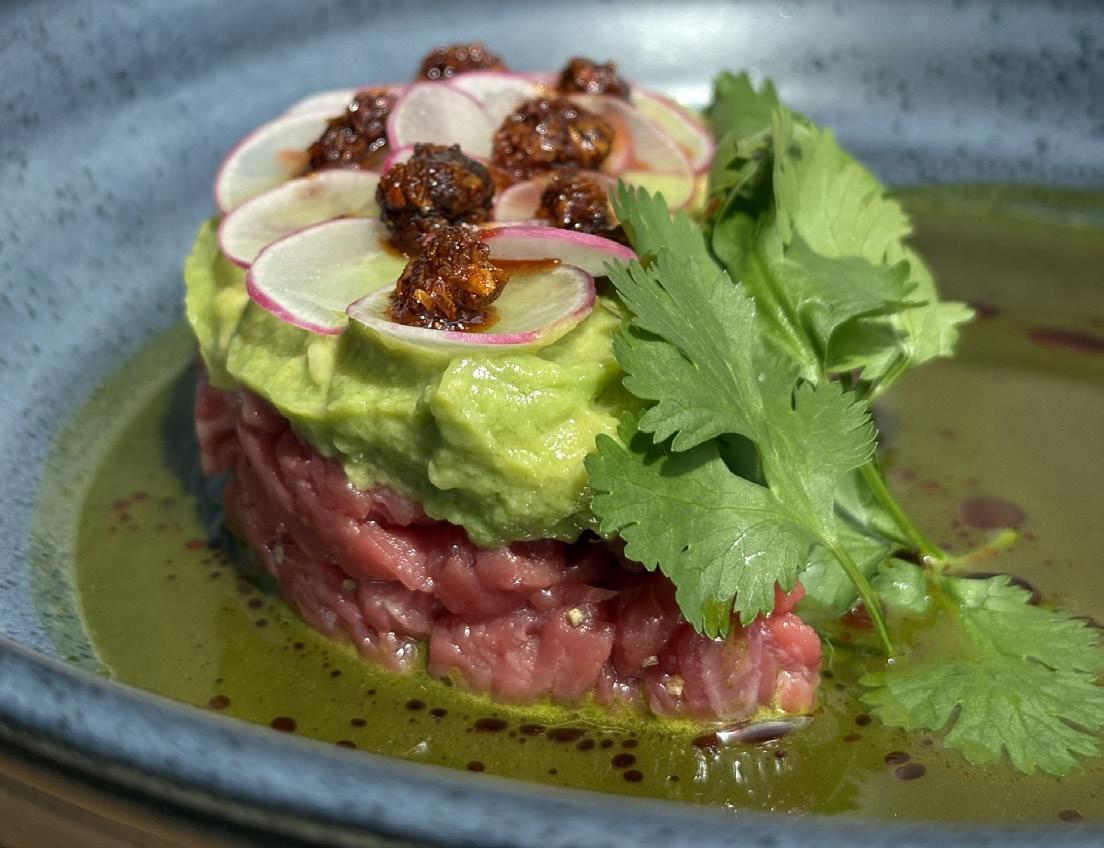
The opening menu highlights the kitchen’s range and creativity. Starters include hamachi crudo and steak tartare, while salads feature a lychee-coconut blend and a fattoush with roasted squash and grapes. Sandwiches range from a grilled cheese with tomato bisque to a burrata sandwich with heirloom tomato and pesto.
Entrees showcase the kitchen’s range: Beef Wellington, squash risotto with roasted Japanese eggplant, kielbasa and pierogies with sauerkraut and cauliflower purée, and red Thai curry with tiger prawns. For dessert, a strawberry trifle offers a playful nod to one of Dow’s favorite treats.
“The menu is modern American with global and diverse dishes to reflect our community,” Castillo said. “People enjoy the interesting items on the menu and appreciate our ability to accommodate dietary restrictions.”
The beverage program is equally thoughtful. Cocktails feature architecture-inspired names, such as the Skyline (rye, sweet vermouth and spiced honey) and the Pacific Modern (rum, cashew cream, citrus

and amaretto). Nonalcoholic options include the Sculptural Garden, with strawberry and lavender, and the High Desert, with prickly pear and orange blossom. “We put a lot of thought into the cocktail program, as well as providing distinctive nonalcoholic options,” Castillo said.
For casual dining, Alden offers a children’s menu and grab-and-go sandwiches and pastries — ideal for a quick bite with a view of the sculpture garden.
Looking ahead, the restaurant plans to introduce brunch service as well as special events such as wine tastings, cocktail classes and collaborations in the art and culture space to offer unique experiences for guests.
For more information, visit AldenPhx.com
Patio Perfect
From garden oases to desert vistas, here are the Valley’s alfresco all-stars

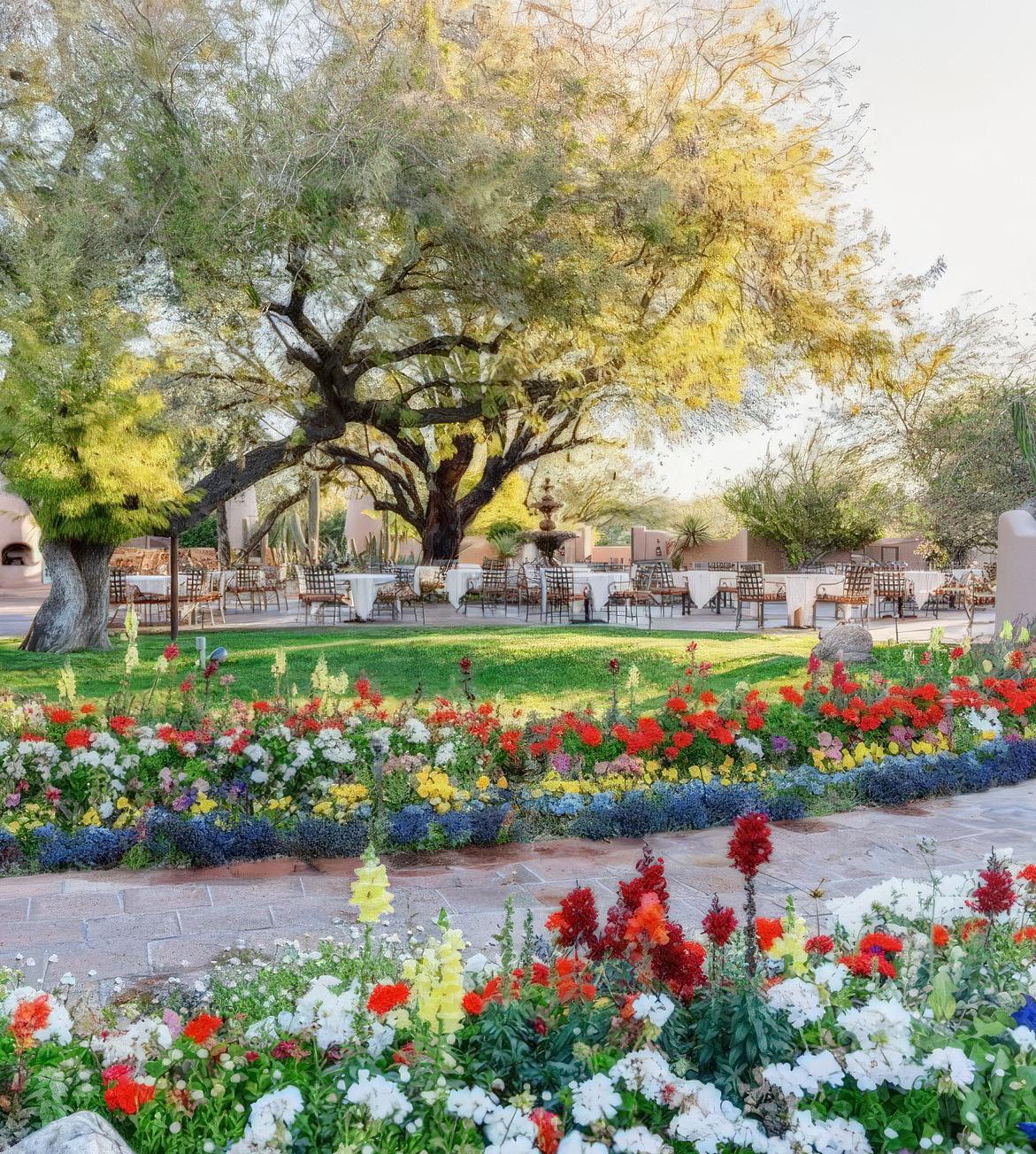
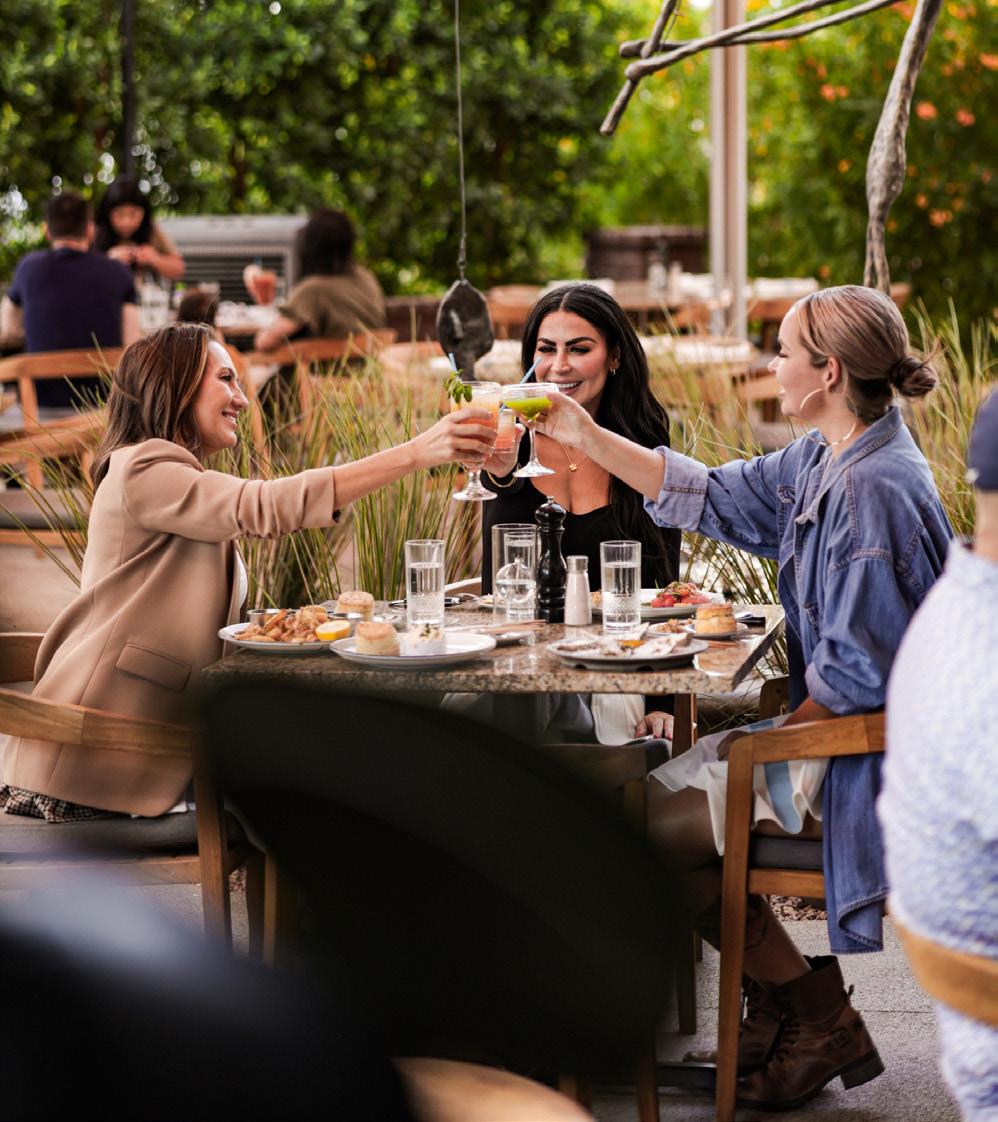
ONE OF THE BEST THINGS about Arizona is our lengthy patio season. Restaurants across the Valley offer beautiful, relaxing outdoor dining spaces, often equipped with misters, fireplaces and heaters, so guests can enjoy open skies, stunning views and fresh air in any season.
Heritage Kitchen + Cocktails
LON’s at The Hermosa Inn
Carcara
Buck & Rider
Gertrude’s by Tarbell’s
DESERT BOTANICAL GARDEN, PHOENIX
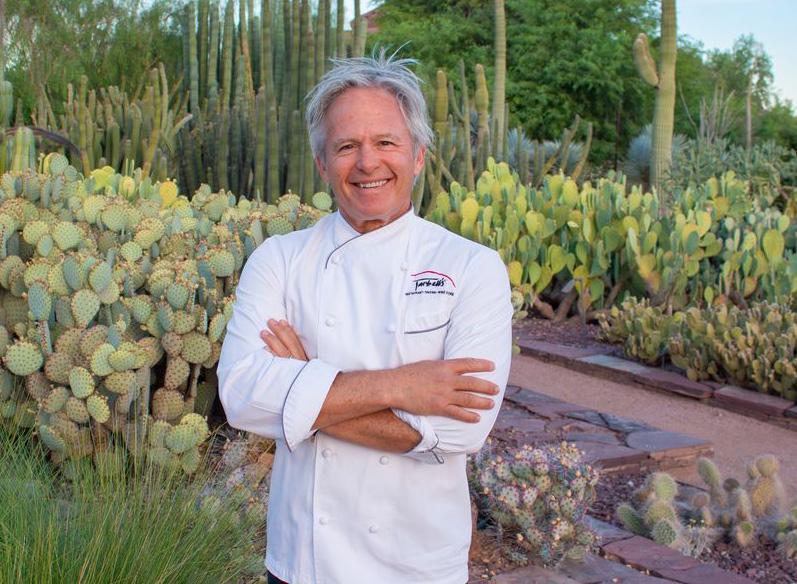
Late last year, Phoenix culinary icon Mark Tarbell took the reins at Gertrude’s restaurant and the Patio Café at the Desert Botanical Garden.
“Our patio is more than just an outdoor dining space. It’s a front row seat to the desert,” said Tarbell. “Nestled inside the Desert Botanical Garden, we’ve created a setting where native blooms surround you as you dine. The vibe brings together the natural beauty of the Sonoran Desert and a seasonally driven culinary experience that’s truly one-of-a-kind.”
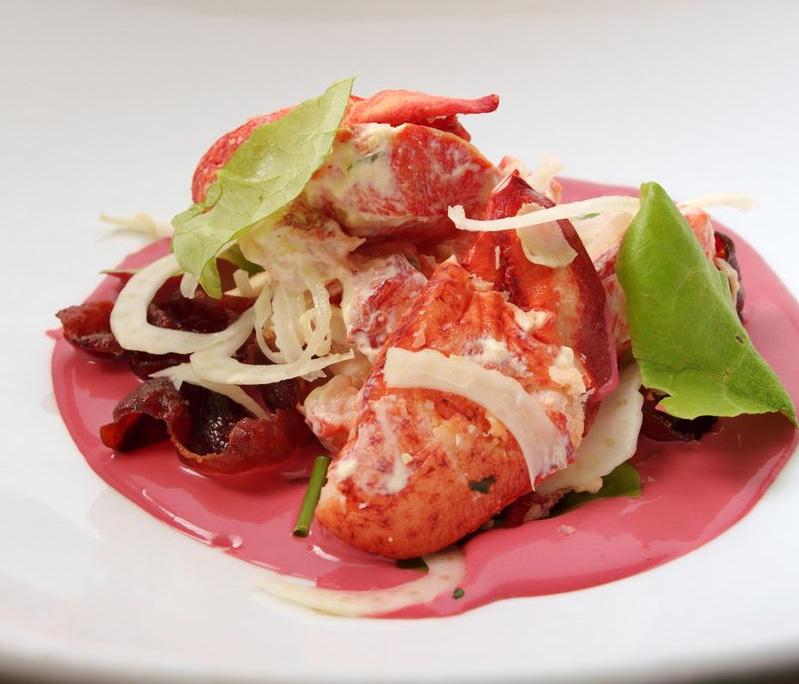
Dishes include 12-hour short rib and avocado risotto, crisp duck confit rillette and crispy nopales with mole. Gertrude’s gin and tonic features a choice of three gins crafted to honor Gertrude, the visionary behind the Desert Botanical Garden. dbg.org/visit/dining
The Hermosa Inn
PARADISE VALLEY
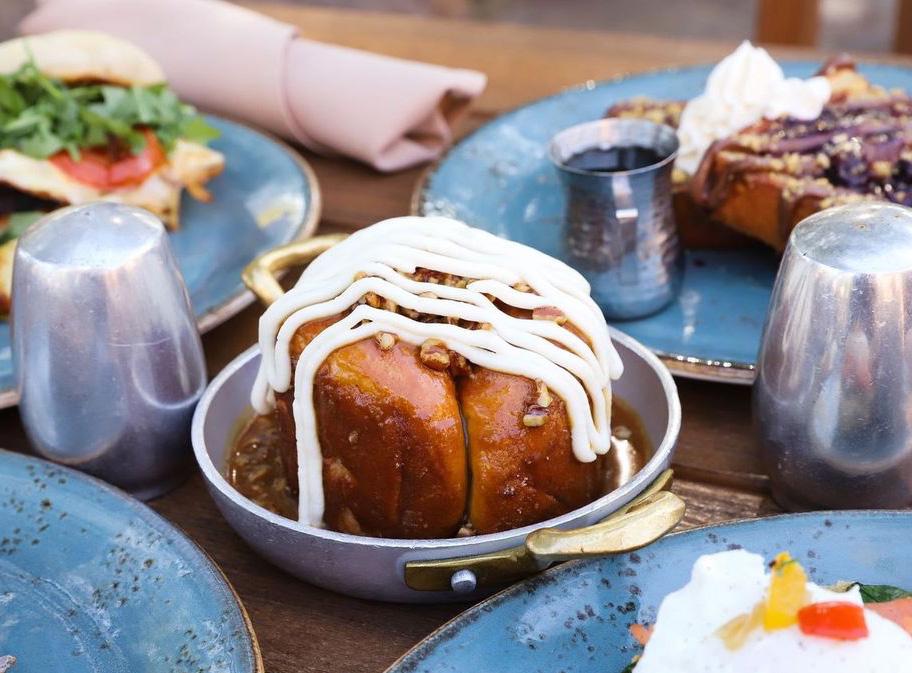
LON’s at The Hermosa Inn boasts one of the most beloved patios in the Valley, featuring towering trees, colorful flowers and multiple fireplaces.
“The patio at LON’s has long been revered for its unique and authentically Arizona setting in a quiet residential Paradise Valley neighborhood at the foot of Camelback Mountain,” said John Dils, director of Food and Beverage. “Our patio is a perfect backdrop to enjoy LON’s globally inspired Arizona fare.”
Signature menu items include monkey bread, croissant Benedict and huevos rancheros for brunch, and the Hermosa salad, Chilean seabass and braised short rib for dinner. Cocktail favorites include the Oink Fashioned, Lavender Haze and Last Drop.
azhideawaycollection.com/hermosa-inn
Carcara
DOWNTOWN PHOENIX
Located at the Sheraton Phoenix Downtown, Carcara’s patio is lined with Cara Cara orange trees, the restaurant’s inspiration and namesake.
“Our patio offers expansive seating that wraps around the restaurant,” said Arthur Pottenger, director of Food and Beverage for the hotel. “It is framed by a glass wall, seamlessly blending the outdoor charm with the interior ambiance.”
The menu showcases indigenous and seasonal ingredients inspired by Native American and Sonoran traditions. Signature dishes include Buffalo cauliflower and the Chicken and Three Sisters Succotash. Beverage options range from the nonalcoholic Coyote, made with ginger beer and house-made lavender honey, to Purple Rain, featuring reposado tequila, Violette liqueur and egg white. carcararestaurant.com

Heritage Kitchen + Cocktails
NORTH SCOTTSDALE
Opened in October 2025, Heritage Kitchen + Cocktails offers Mediterranean cuisine and a spacious patio.
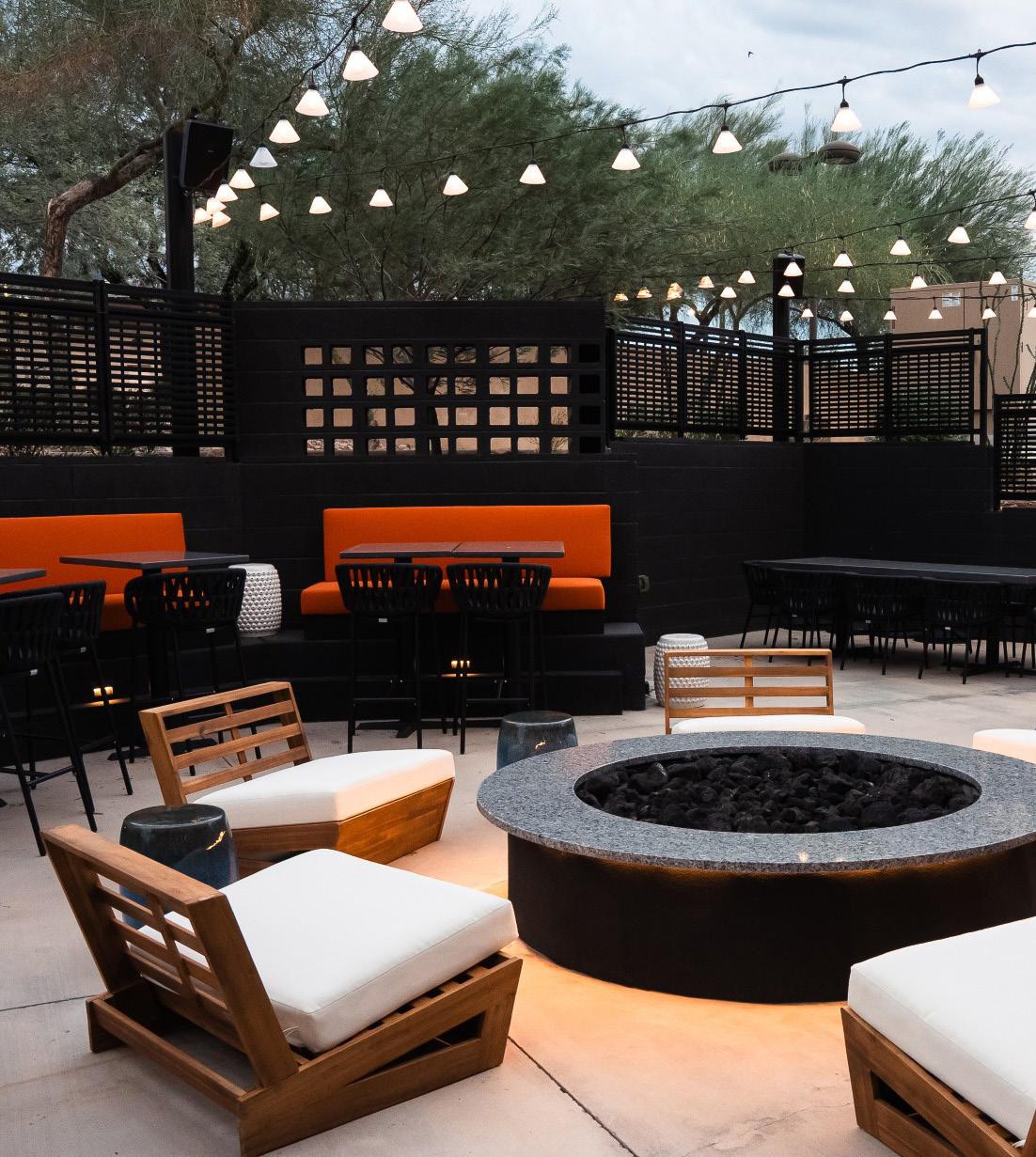
“Our patio is designed as an outdoor living room, centered around a large firepit that draws people together. With comfortable lounge seating against the backdrop of the McDowell Mountains, guests often stay longer than they planned,” said co-owner Eric Greenwald. “The space opens seamlessly to the bar, creating a natural indoor-outdoor flow that keeps the energy connected throughout the restaurant.”
Signature dishes include the Mezze Platter with marinated olives, jamón, cheese and grilled bread, and Piatta di Pane with charred scallion butter and harissa yogurt, which pair perfectly with the restaurant’s cocktail and wine offerings.
heritagescottsdale.com
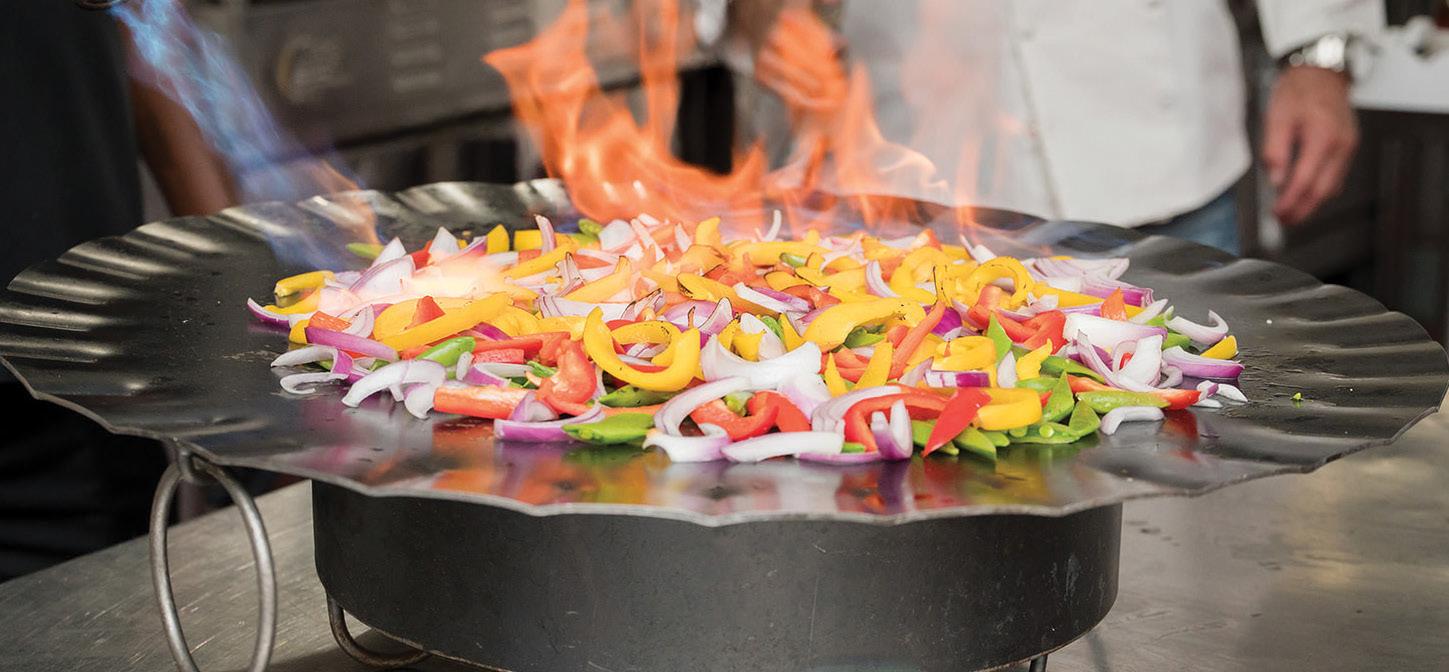
Creating Culinary Experiences, Not Just Menus




Pinyon Coastal Mediterranean
OLD TOWN SCOTTSDALE
Pinyon opened in Old Town Scottsdale in October 2025.
“Pinyon is located right on the Civic Center Park, which gives it such a great feeling,” said general manager Jessica Rotner. “It’s the kind of place where you just want to enjoy the moment, listening to the birds chirping with our fountain flowing in the background. Our guests tell us it reminds them of traveling, like finding a great café while wandering through a coastal town.”
The menu features Mediterranean flavors, including pita, hummus and dips, crudo, saffron risotto, and grilled steak and seafood, alongside craft cocktails and a selection of spritzes. pinyonrestaurant.com
Glenrosa
TEMPE
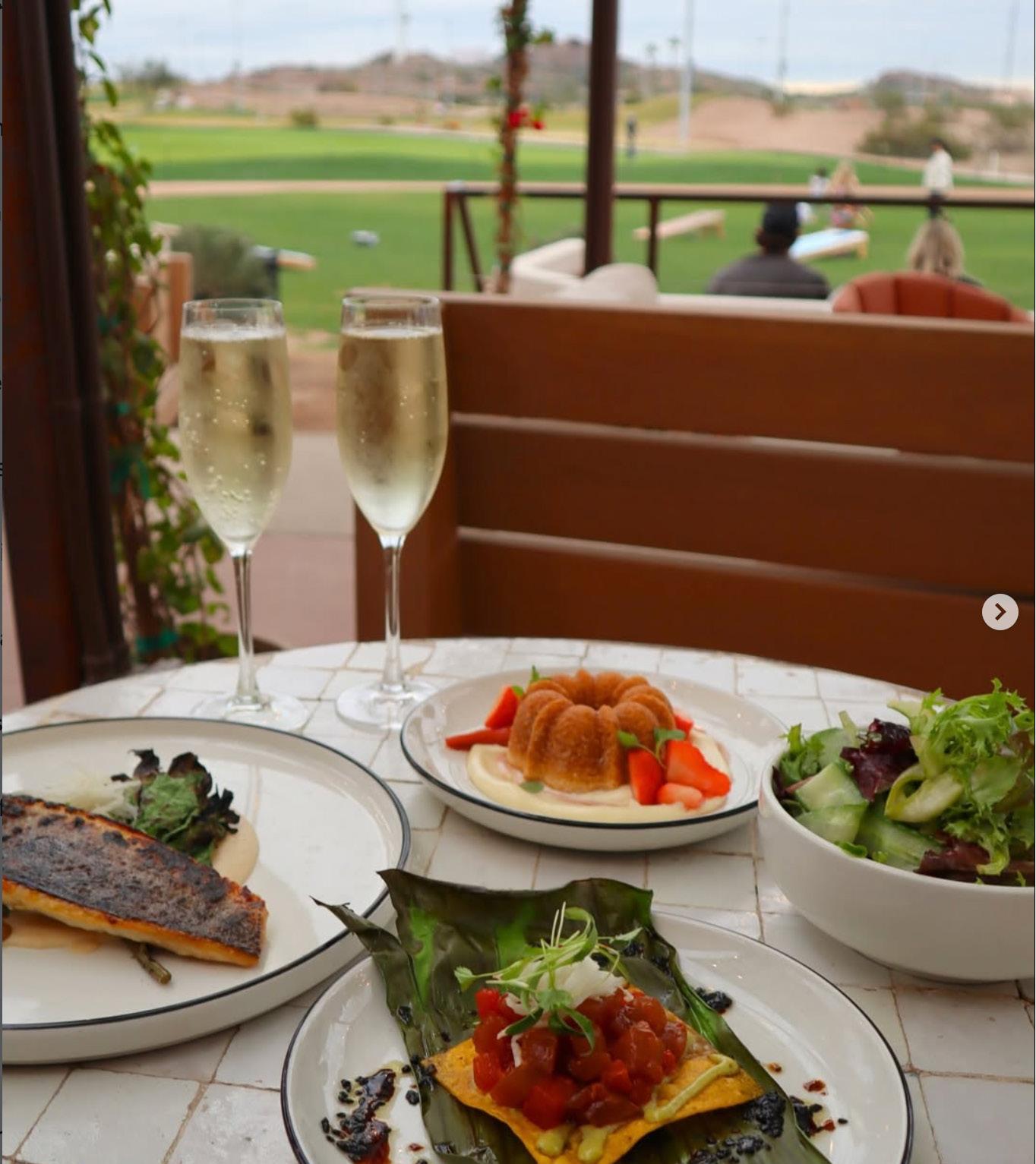
Opened in spring 2025 at Grass Clippings Rolling Hills in Tempe, Glenrosa offers Sonoran live-fire cooking and extensive outdoor space.
“Our patio was designed to feel like the heart of the Glenrosa experience,” said Jake Hoselton, co-founder of Grass Clippings. “It blends indoor and outdoor dining with firepits, group seating and uninterrupted views of the Papago Buttes. The architecture and design draw from Sonoran and Southwestern influences, creating a space that feels relaxed, warm and connected to the landscape.”
Glenrosa’s signature live-fire menu includes tacos dorados with Chile Colorado beef, Tijuana caesar salad with chorizo breadcrumbs and Manchego cheese, and wood-fired steak and seafood, as well as family-style platters. Cocktails feature fresh-squeezed juices, with a curated selection of tequila, mezcal, wine and beer.
glenrosarestaurant.com
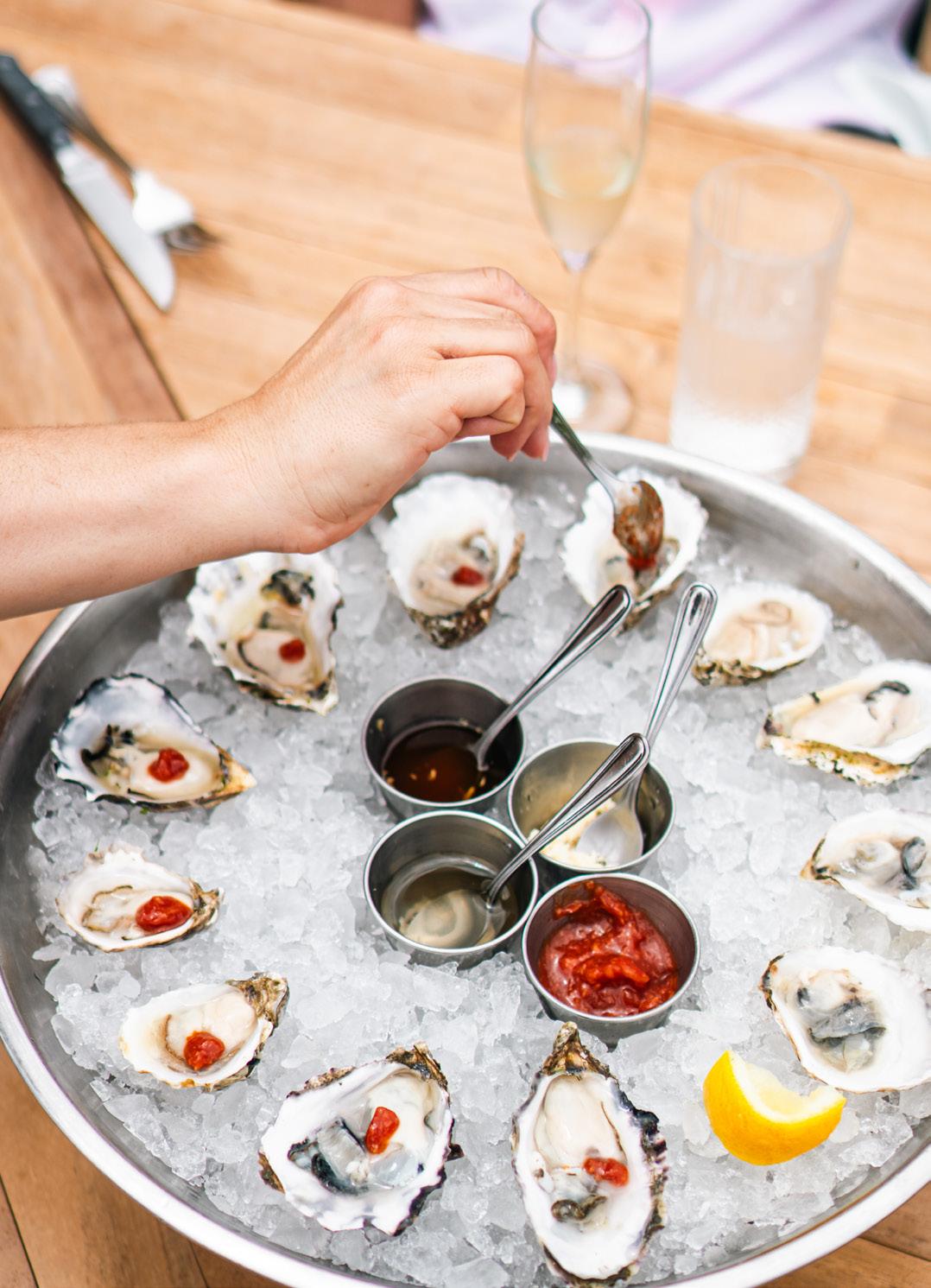
Buck & Rider
GILBERT
With three Valley locations, Buck & Rider is known for its fresh seafood and lively ambiance. The Gilbert restaurant is at Agritopia.
“We have our own bar outside so it has its own vibe — cozy in the winter with the fireplace and heaters, and cool in the summer with misters,” said Nikki West, director of operations for Hi Noon Hospitality, which operates Buck & Rider. “People love being outside without giving up the energy from inside. The patio is where people want to be, a fun spot to grab oysters and a cocktail and settle in with friends.”
Menu highlights include a raw bar, seafood towers, Dungeness crab wedge salad, shrimp scampi risotto, brunch offerings and a selection of cocktails. buckandrider.com
Postino
PEORIA
A Valley favorite with several locations, Postino opened in Peoria in early 2025, with a patio overlooking the Peoria Sports Complex spring training facility.
“Like any Postino, the Peoria patio blends the indoor and outdoor ambiance,” said Lauren Bailey, CEO and co-founder of Postino. “Our patio offers an open-air escape wrapped in vibrant greenery and that unmistakable laid-back energy. It’s shaded from the sun, cozy and intentionally designed, giving you room to settle in and make it yours while still staying connected to the buzz, warmth and effortless charm people expect from Postino.”
Postino classics include mimosas and avocado toast for brunch, signature bruschetta boards and a curated selection of wine and cocktails. “The espresso martini is a guest favorite at our Peoria location,” Bailey said. postinowinecafe.com
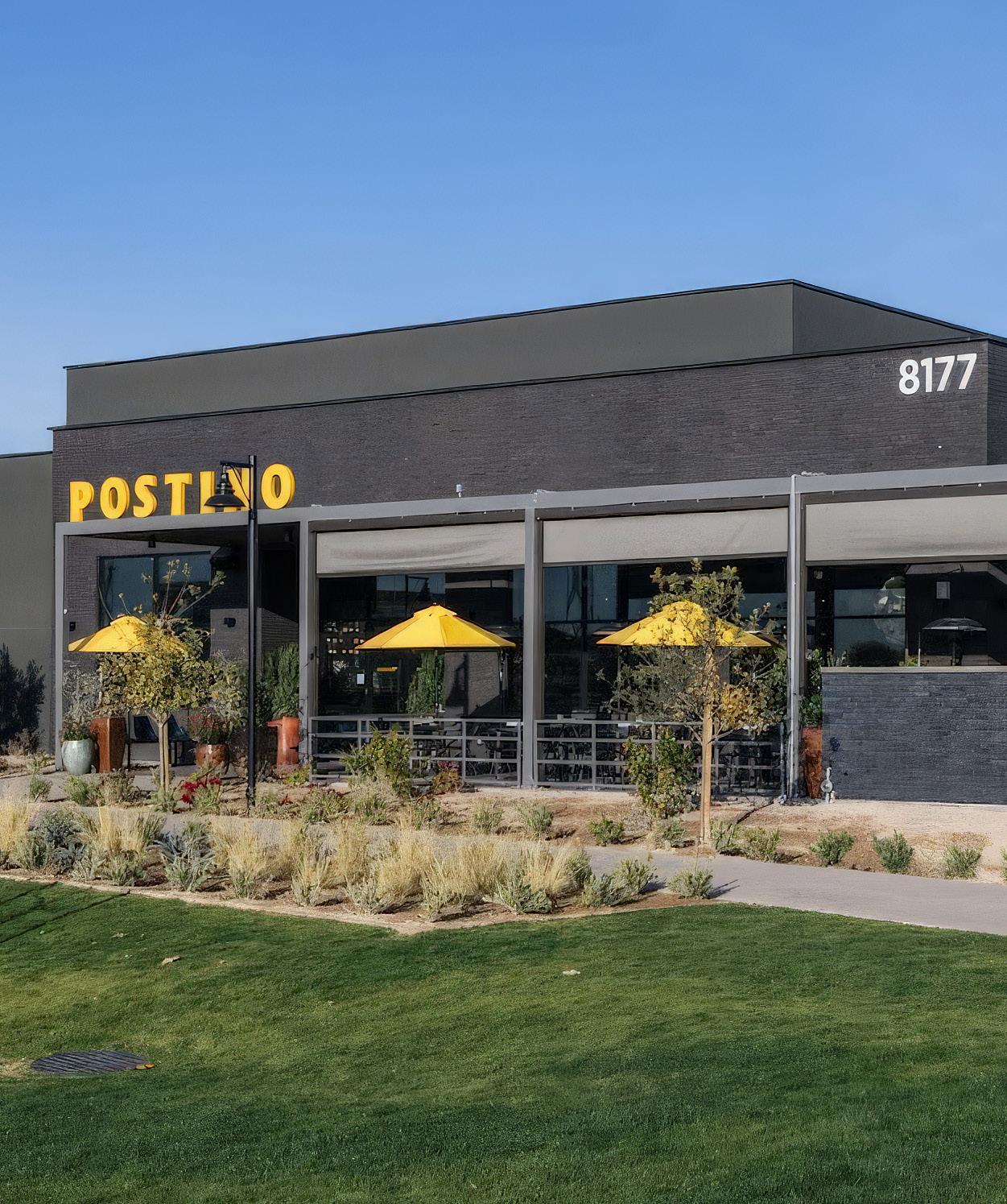

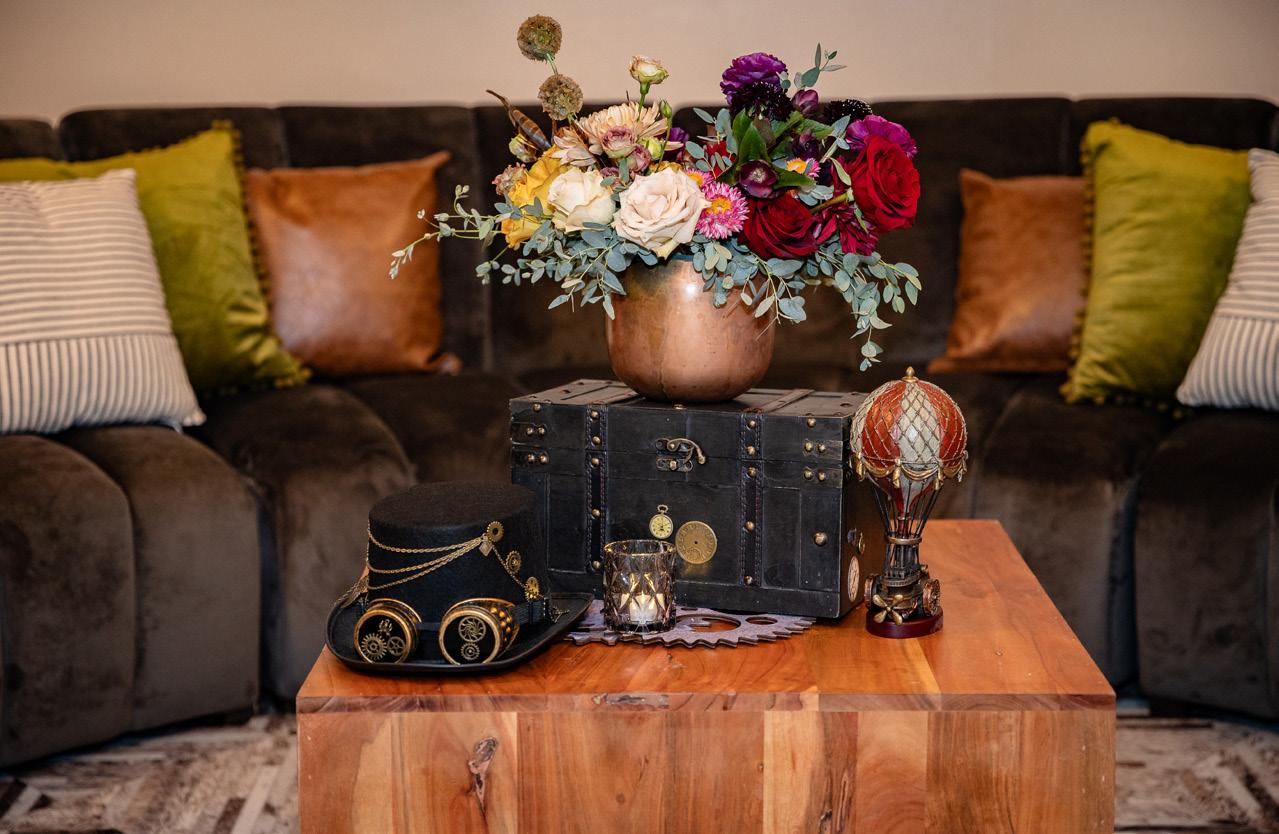
•






ANGIE BOND-SIMPSON
Senior director of resource management at SRP


RECOMMENDS
“The
Witches of El Paso”
by Luis Jaramillo
HER TAKE
I discovered this book while visiting family in El Paso — a place tied to childhood memories of cross-country drives to see my grandparents, extended family gatherings and trips across the border. Seeing the book featured in a local bookstore felt like an invitation.
At the time, life was a constant rhythm of professional demands. This novel offered a welcome pause to disconnect from reality and reconnect with the power of story. Jaramillo’s writing quickly drew me in, triggering the senses with vivid descriptions of the character Nena and the desert landscape.
I found myself devouring the pages, eager to see where the magic of La Vista would take the strong female protagonists next. Ultimately, the story captures how families cultivate and carry unique gifts, even when they aren’t fully understood. It reminded me that our roots shape us, and that slowing down to listen — to stories, to place and to one another — is a powerful act. Connection and community are essential; the narratives we share help build a stronger, more meaningful future.

RUNNING TOWARD TOMORROW
This snapshot from the early 1980s captures a sea of runners flooding Central Avenue during the Phoenix Marathon. While the mid-century skyline and vintage athletic gear anchor the photo in time, a subtle detail on the left edge tells a deeper story: the United Way fundraising thermometer, a visual marker of the community’s collective generosity.
Decades later, the story has come full circle. Valley of the Sun United Way (followed soon by its iconic thermometer) now claims the revitalized Park Central as its permanent home. What was once a literal milestone along a race route will become a permanent cornerstone of the neighborhood. As United Way embarks on its second century of service, it remains a fixture in the Valley’s landscape, still moving Phoenix forward, step by step, right where the race once passed.
Visit vsuw.org to learn more.