


There is a particular species of creative alchemy that occurs when worlds collide in the most exquisite confluence. It was in his first London home that Harris Reed, the British-American designer redefining contemporary couture, began considering not hemlines but walls, alongside Tim Butcher and Lizzie Deshayes, co-founders of Fromental.
“I saw the power and creative impact of wallpaper,” he recalls, “bold expression doesn’t demand a sprawling property — it can live in an accent wall, or a powder room you never want to leave.” It is, as Butcher observes with the thoughtful precision that characterises his approach, about allowing “your imagination to be the world you inhabit. Interior decoration is the scaffolding of self-expression.”
What began with three bespoke designs for Reed’s own home has evolved into something more ambitious still: a collection of wallcoverings and accessories that oscillates between fashion and interior couture.
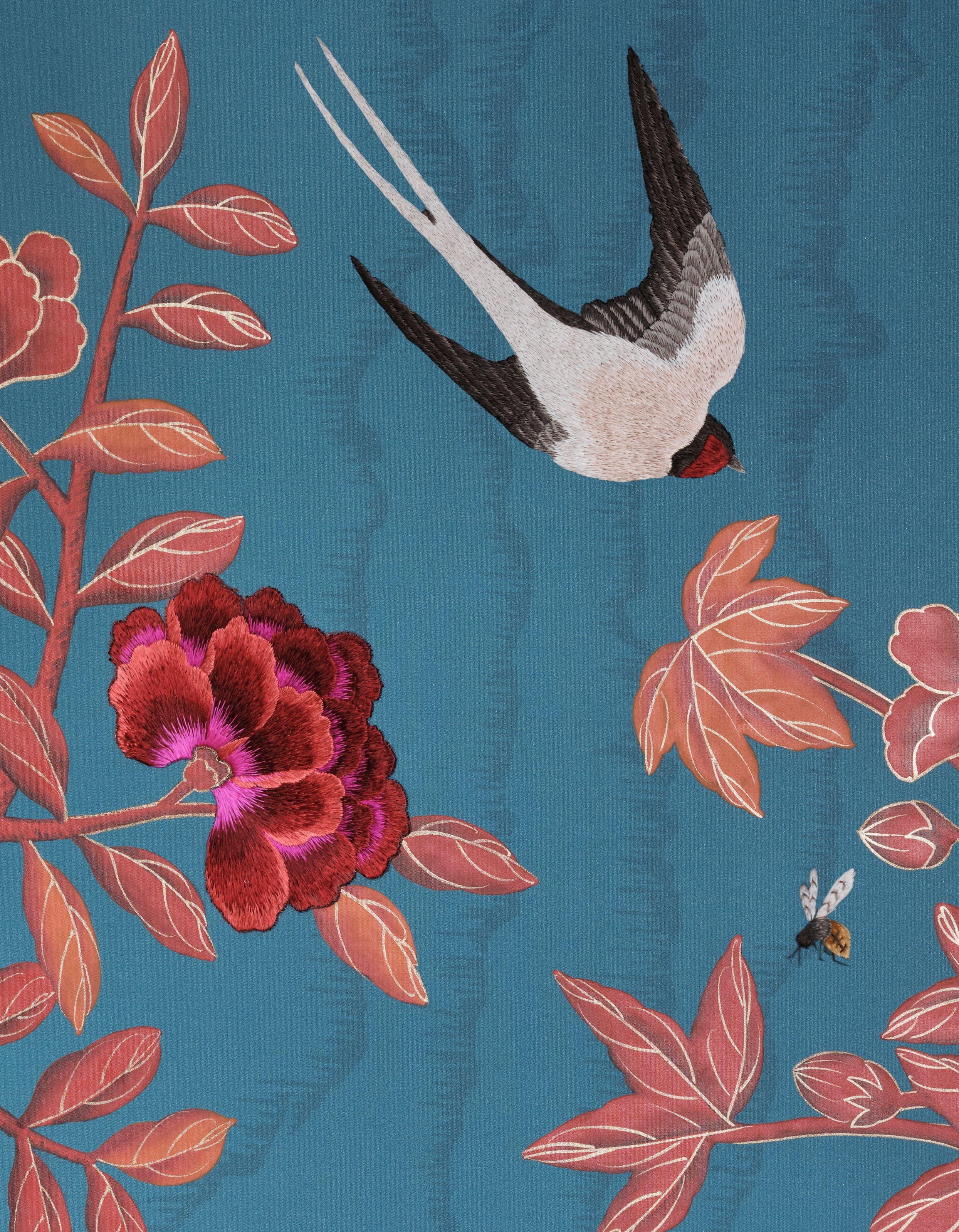
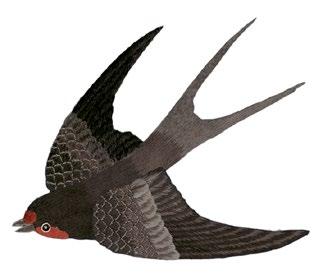
Originally conceived for the designer’s bedroom, Wilde Dreams crossed into fashion on his September 2025 runway, with trailing botanicals, swallows and bumble bees reimagined on silk organza. The design has since graced Parisian balls and now returns, gloriously, to wallpaper form for this collection.
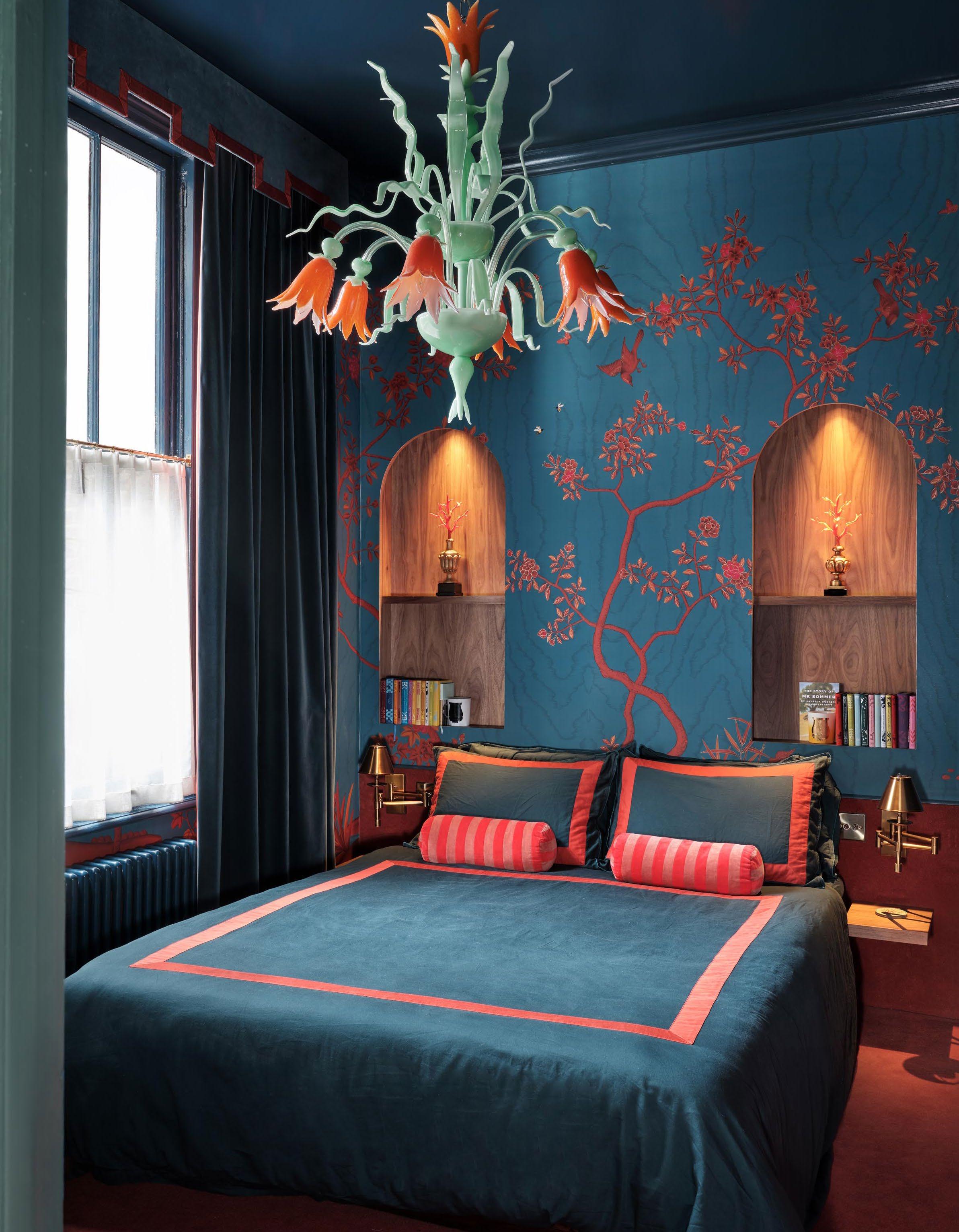
“It’s such a personal motif for me because it’s what I sleep in,” Reed reflects, his voice softening at the thought. “Literally, mine and my husband’s safe cocoon. Being able to project that onto a runway seen by millions of people — it was wonderful to share a bit of my intimacy with the world.”
This fluidity between public and private, between fashion and interiors, is not mere happenstance. Deshayes, whose knowledge of decorative arts history is as encyclopaedic as it is impassioned, places the collaboration within a continuum. “We had moments in the 1920s, in the 1960s, where there was this deeply entwined relationship between interiors and fashion,” she notes, citing the illus-
OPPOSITE
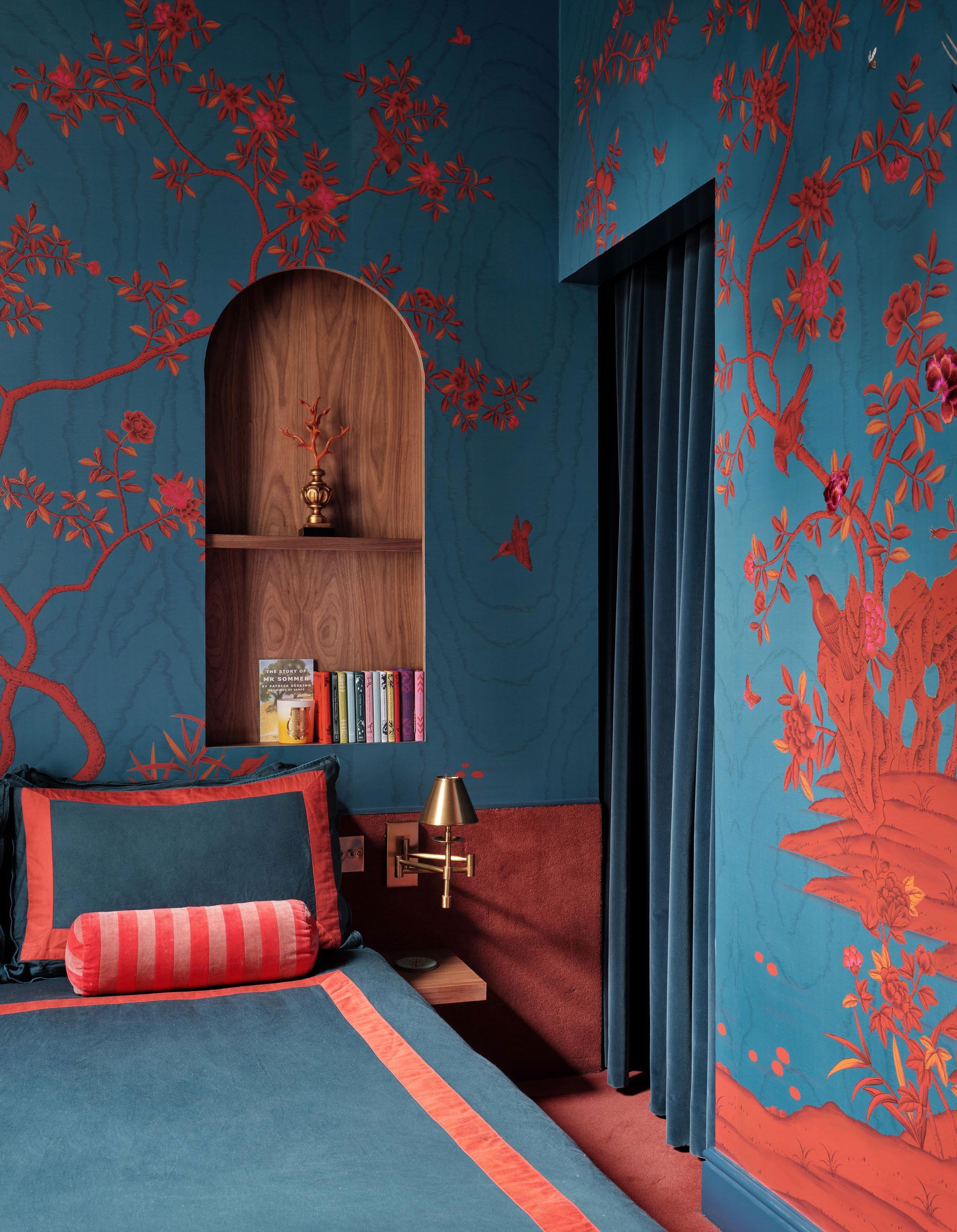
Harris Reed’s bedroom, featuring Wilde Dreams in Harris’ Whimsy.
trations for Paul Poiret and Jeanne Lanvin, the way Yves Saint Laurent treated embroidery and pattern as a shared language across disciplines. “This is a dream come true because it is something that I wholly believe — interiors and fashion celebrated equally and working together.”
This triumvirate is united by a conviction that beauty is not frivolous but foundational. It is less an escape than a point of arrival. “I’m obsessed with the intimacy of the domestic interior and the sensual, emotional response interiors can evoke — in much the same way as clothing”, Deshayes concludes.
The magic of their collaboration lies in the distinct yet complementary roles each brings. Reed describes himself as “a kite that needs holding on to” — “but not so tight that I can’t catch wind”, he quips. Butcher, meanwhile, returns to the origins of his own practice as a weaver, bringing disparate ideas into material reality. Deshayes, self-appointed as both library and paintbrush, grounds the work in visual history and material intelligence, ensur-
ing that imagination is given form without losing coherence or soul. “Lizzie is a double Virgo,” Reed interjects with delighted emphasis. “That’s all we need to say!”
Spanning hand-painted naturescapes, iridescent tiger print, stylised plumage, and hand-embroidered botanicals, the five designs cohere with the same multifaceted unity seen in a fashion couture collection. “When you experience a really good a runway, it’s not one idea, one technique, but it is a whole,” Butcher explains. “Within a whole collection, there are layers and ideas that are seemingly different, but have the same DNA.”
That DNA is, perhaps, best articulated as character — a word that surfaces repeatedly in this conversation. Character in the sense of integrity, of a distinctive way of being in the world. “Some [designs] are printed and glazed, and some are gilded with faux goldleaf. I love that they sit beautifully together. I have them both in the same room in my home — the juxtaposition heightens the sense of fabulousness,” says Reed.
OPPOSITE
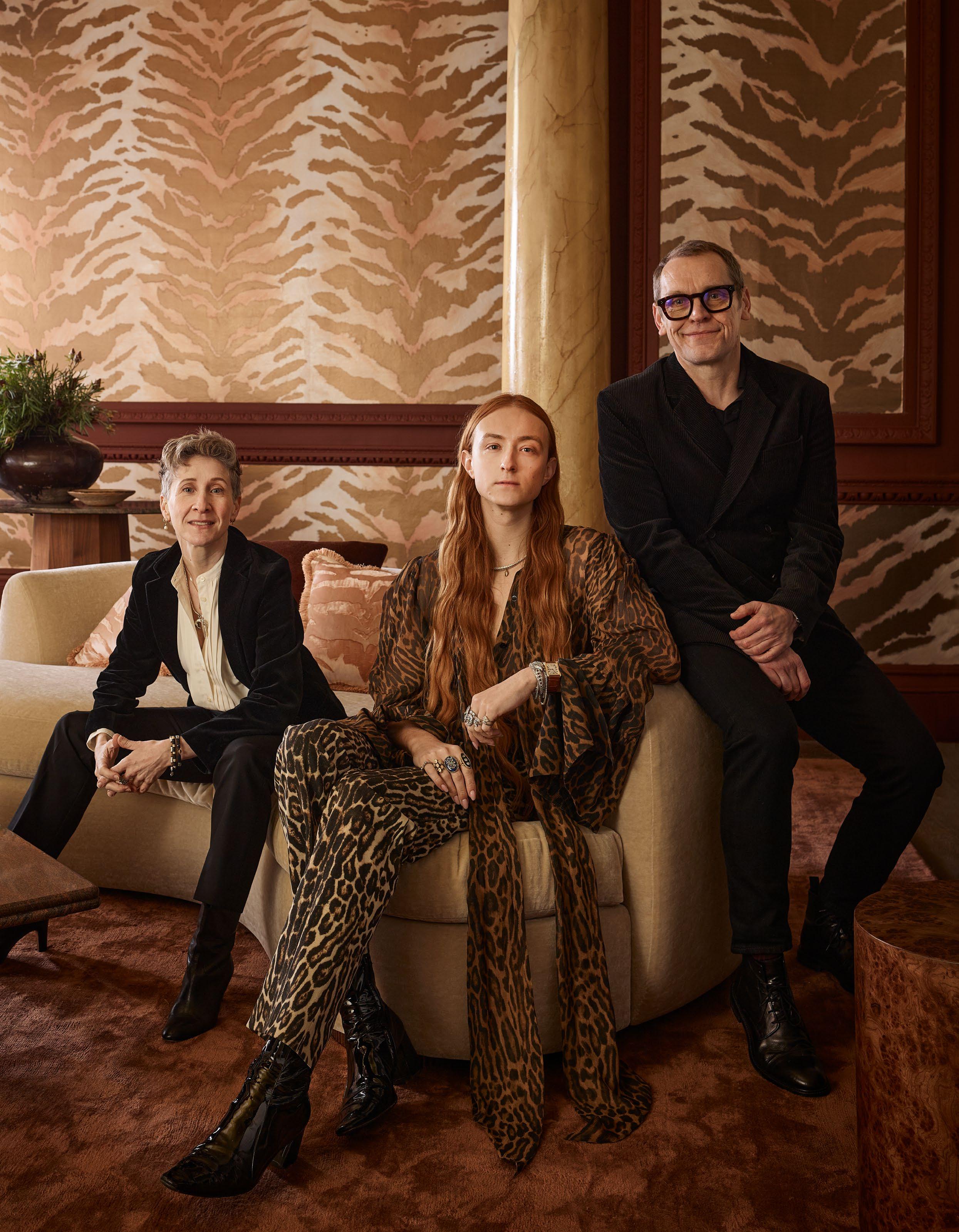
Harris Reed and Fromental Co-Founders
Tim Butcher and Lizzie Deshayes, seated in a drawing room enveloped by Ambiguous Tiger in Nuanced Copper.
This is the ultimate mélange — Reed’s favourite French word, deployed with increasing frequency and affection — a mixing and layering that creates not cacophony but symphony. “It is the mélange that gives you the whole vision,” he insists.
The collection extends beyond wallcoverings to encompass cushions and throws in sumptuous velvets. “We have a velvet problem,” Butcher confesses with mock gravity. “With almost every new idea, we ask, ‘But what can we do with velvet?” In this collection, the accessories allow for that layering and embellishment of space that Reed finds essential. That both a maximalist tiger-print wallcovering and its sumptuous velvet counterpart sit side by side is certainly no accident.
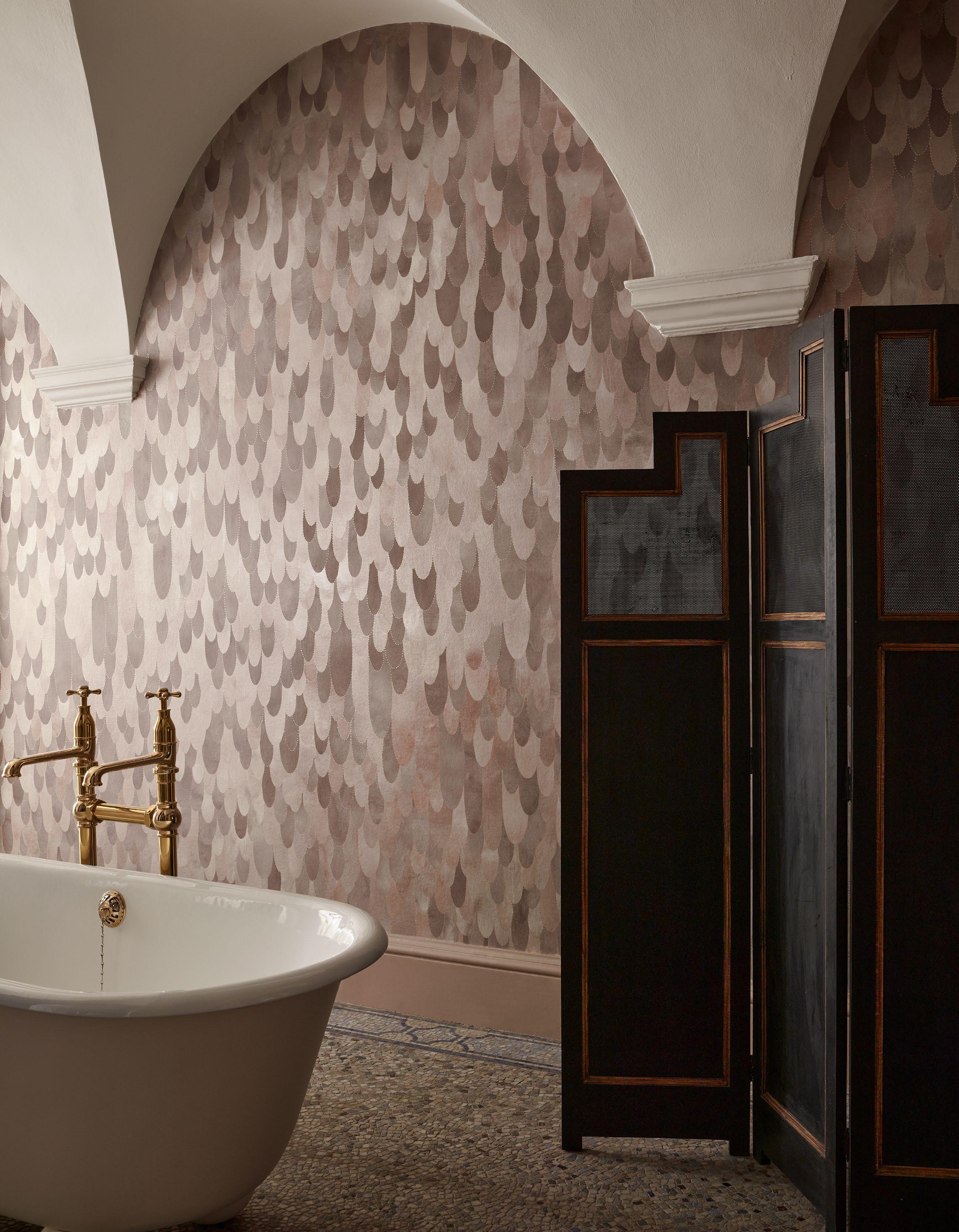
Among the designs, Rays of Plumeria — an exuberant celebration of feathered forms — warrants particular attention. Birds and feathers have been a recurring theme throughout the brands’ respective
OPPOSITE
Rays of Plumeria in Blushing Hope unfolds across an expansive bathroom wall.
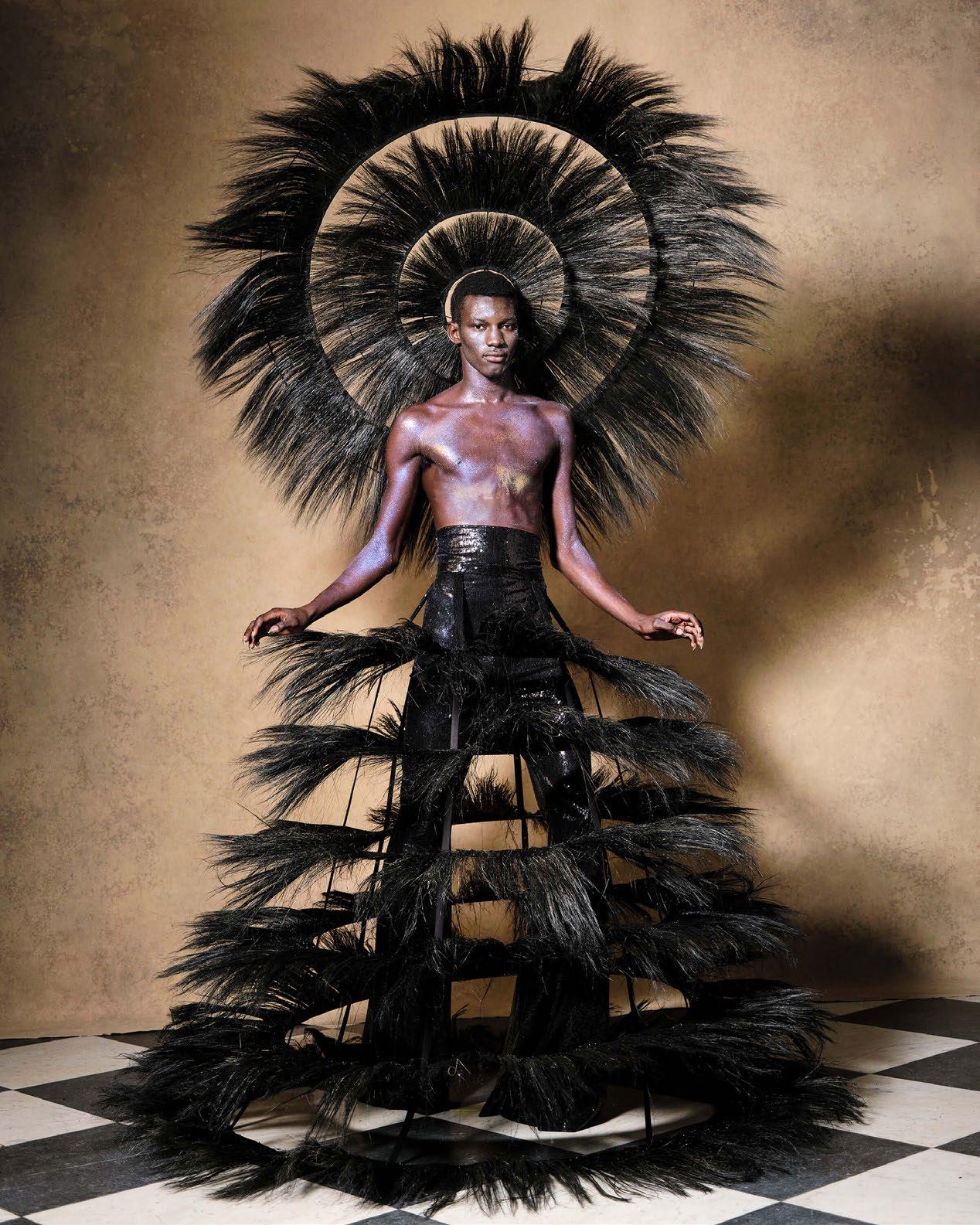
Harris Reed Sixty Years a Queen Autumn Winter 2022.
collections over the years — as emblems of movement, transformation, and aspiration. For Reed, they speak to a lifelong affinity with “taking flight”, both literally and figuratively, from one state of being to another. “There’s nothing more beautiful or majestic than a bird,” he reflects, noting how their very existence is defined by motion, migration, and freedom.
Whether installed across a ceiling or behind a bed, these motifs act as quiet prompts: reminders, as he puts it, that “you can take that extra leap in life… that extra journey you might not have thought you could take.”
Deshayes approaches the subject with her characteristic blend of aesthetic conviction and philosophical inquiry. “Feathers and fur — they’re nature’s own ornaments. They are the most perfect expression of that animal.”
This is the language of people for whom design
is not simply a profession but a vocation, a calling towards something ineffable. “We need delight. We need awe!” pronounces Deshayes, considering the collection’s range of colourways, finishes and designs. “When the sun hits in a different way or when light reflects off the water running down your window onto the gold leaf on your walls — I mean, it’s delightful.”
Butcher articulates what might well be their manifesto: “Nothing less than all is enough.”
This collection is an argument for abundance. The meaningful abundance of layered expression, of surfaces that repay sustained attention, of rooms that become, in Reed’s words, places “you never want to leave.”
It is also — and this cannot be overstated — deeply personal. From Reed’s first tentative steps as a homeowner to his evolving vision for interior couture, from his partnership with Fromental across multiple runway collections to this inaugural
wallcoverings collaboration, the through-line is intimacy. The genuine intimacy of vulnerability, of inviting the world into one’s dreams.
“Defining yourself through your space is something I find really interesting,” Reed muses. “As a fashion designer, if I’m building a world for the Met Gala or for the red carpet, it’s about embodying someone’s personality or facet of their personality in that moment. What I find beautiful about wallpaper is the way it changes with light, with furniture; a space is dressed much as a body is.”
In the end — or rather, in the beginning, for this is really the opening chapter — the Fromental x Harris Reed collaboration offers something increasingly rare in our algorithmically-optimised world: permission. Permission to dream extravagantly. Permission to layer and mix and juxtapose. Permission to see beauty as necessity.
What Reed and Fromental offer, ultimately, is the chance to inhabit the fantasy itself.
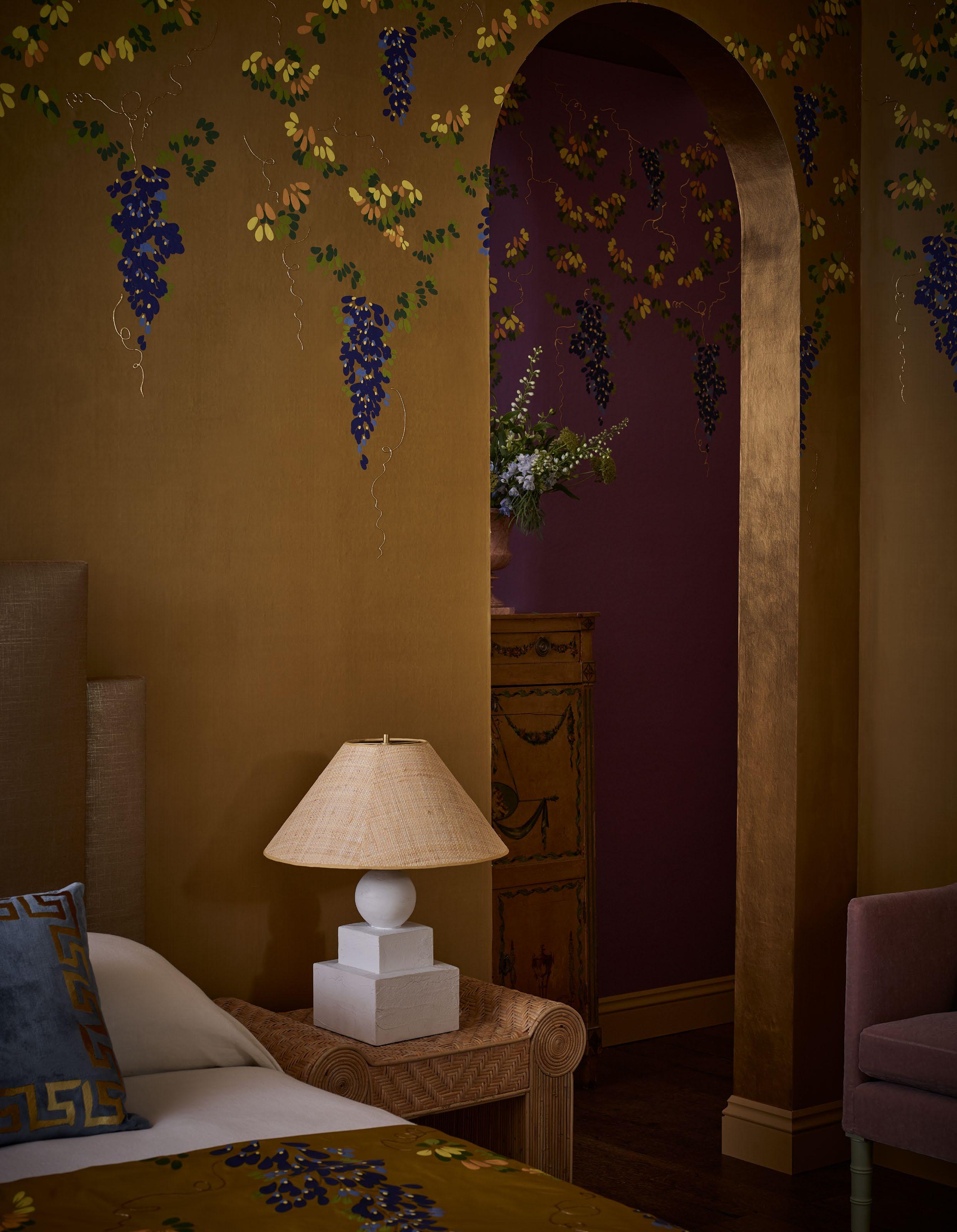
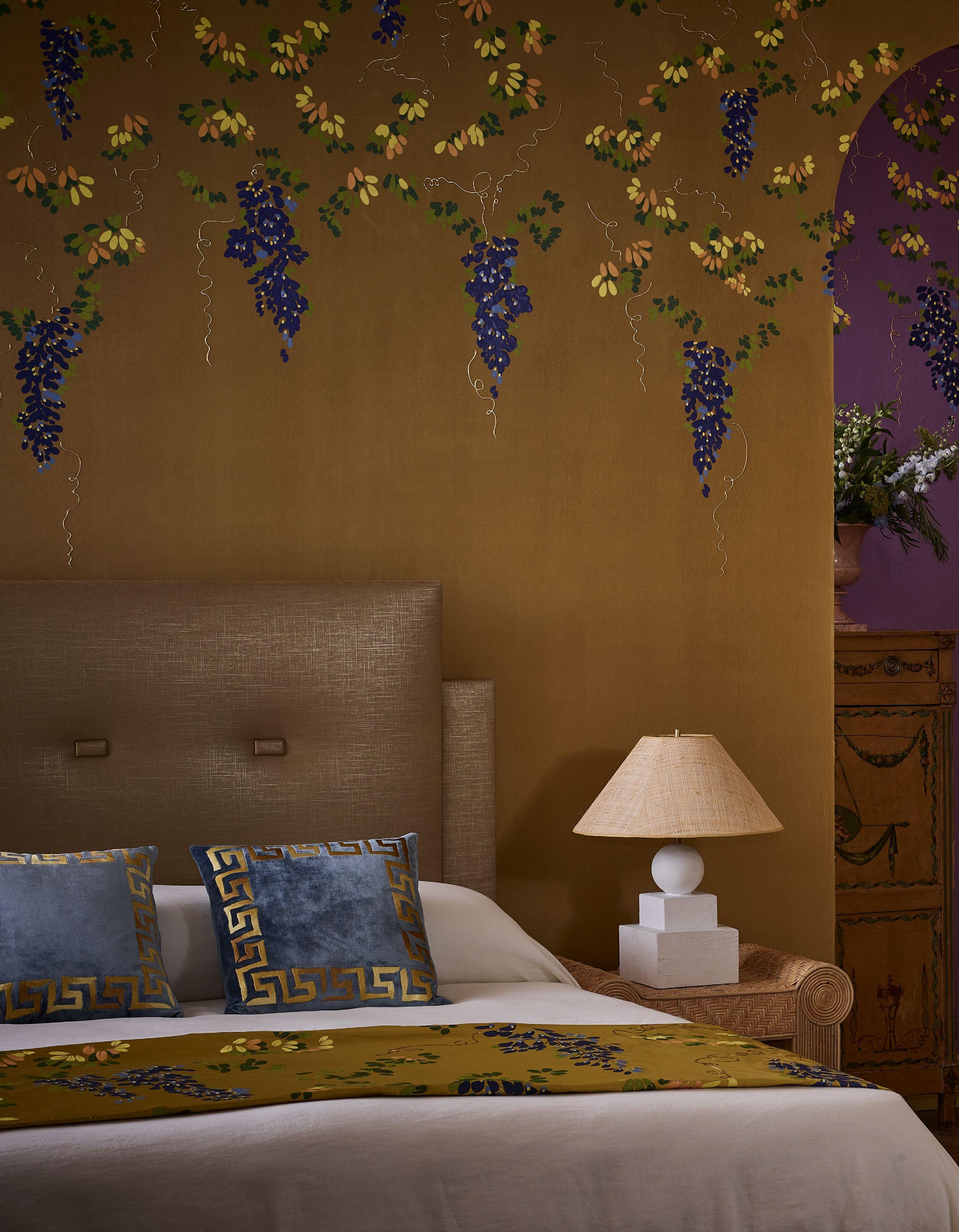
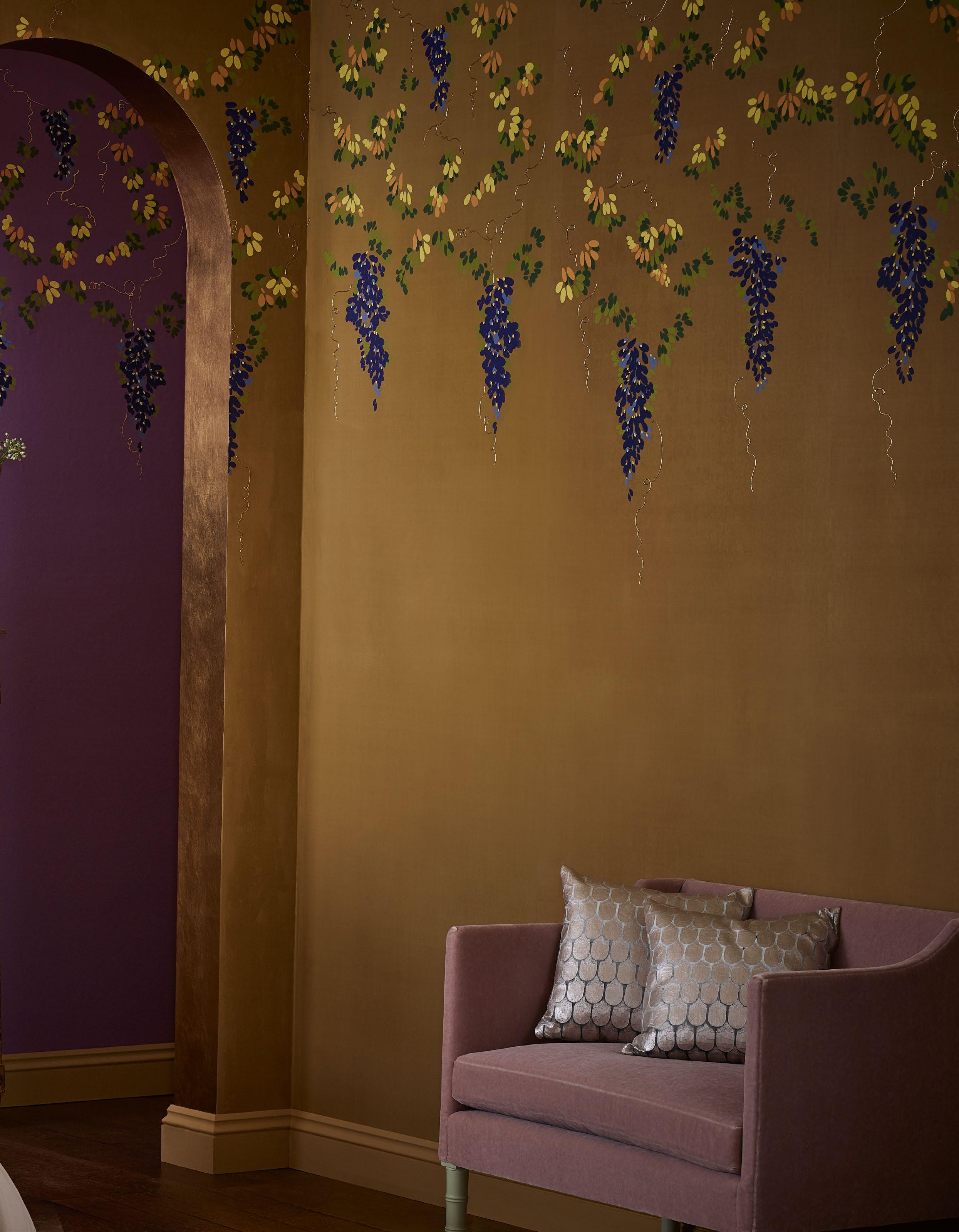
OPPOSITE Whispering Wisteria in Gilded Chartreuse wraps the entirety of a master bedroom, the same design in Parma Violet deepening the adjoining space.
RIGHT
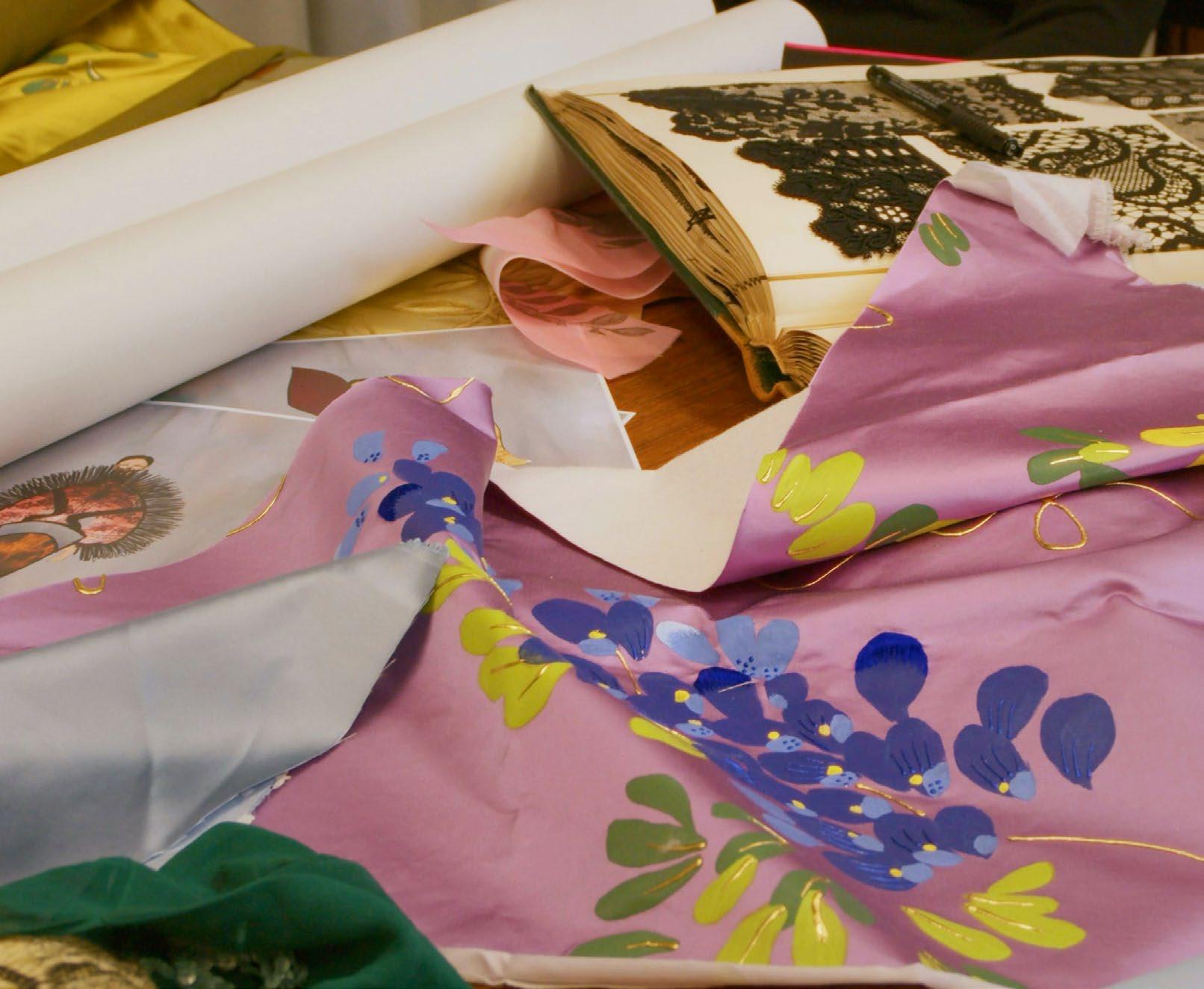
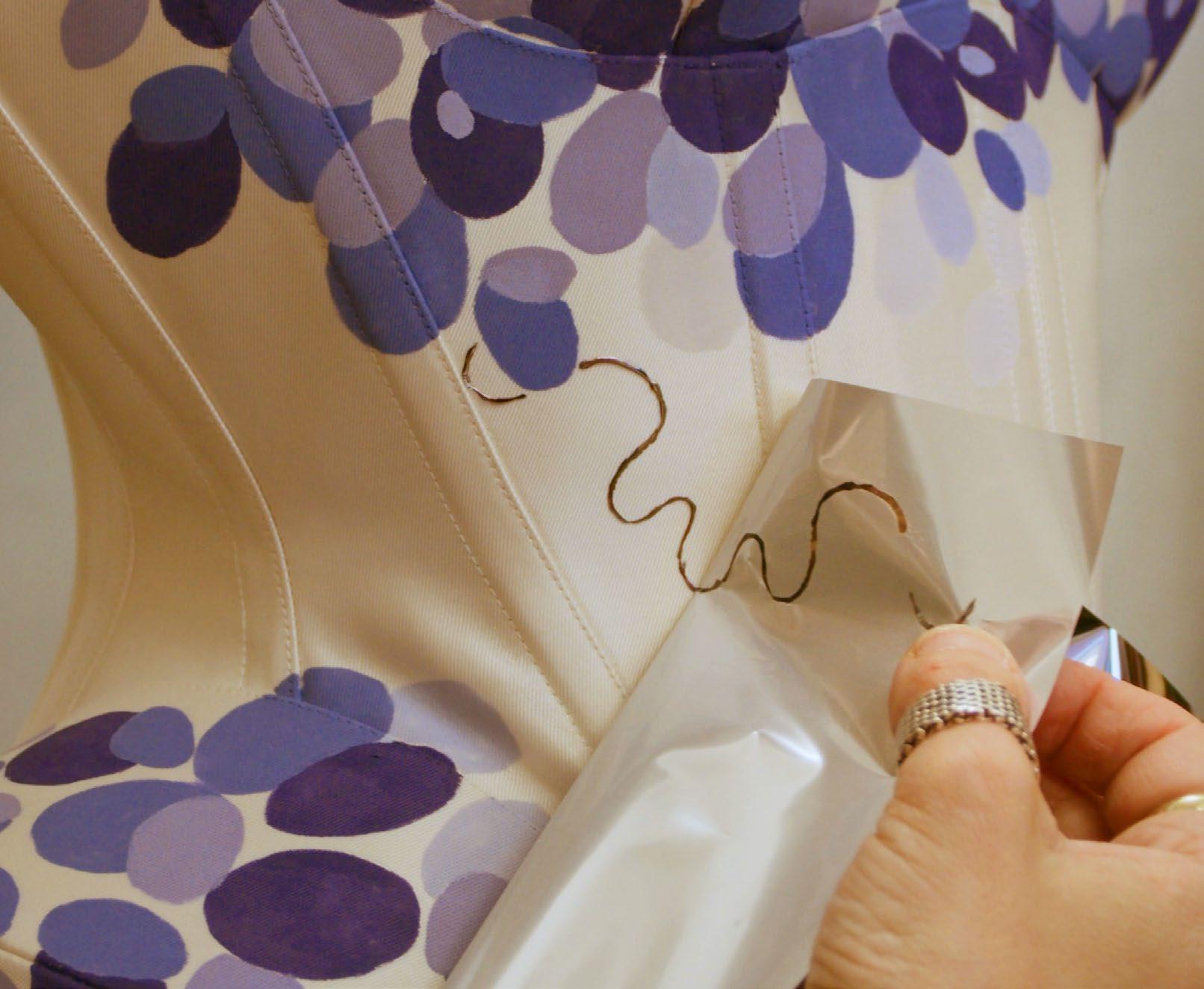
The final, handfoiled detail applied to a bodice painted in Whispering Wisteria’s signature ellipses. Harris Reed Spring Summer 2026, The Aviary
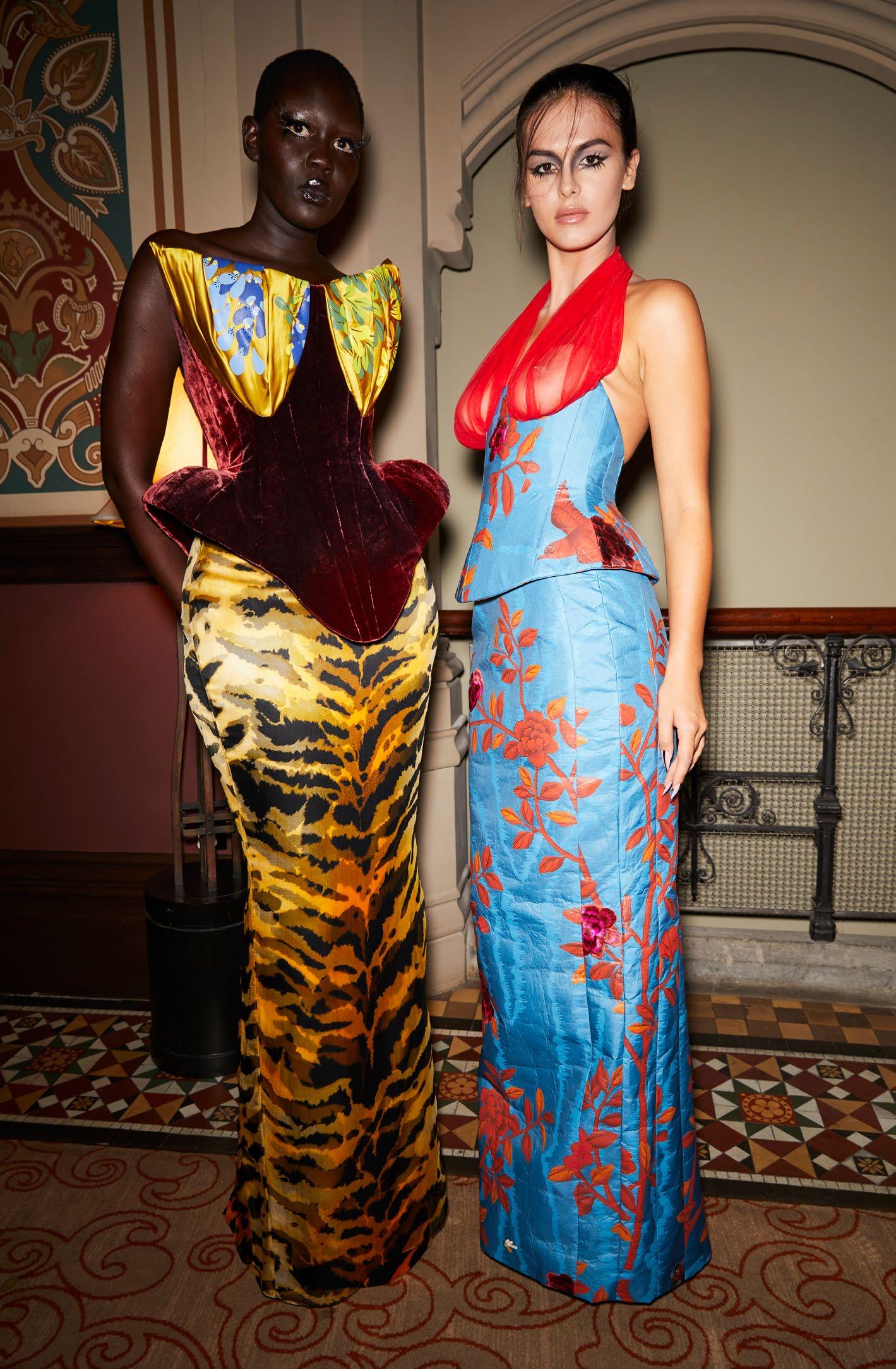
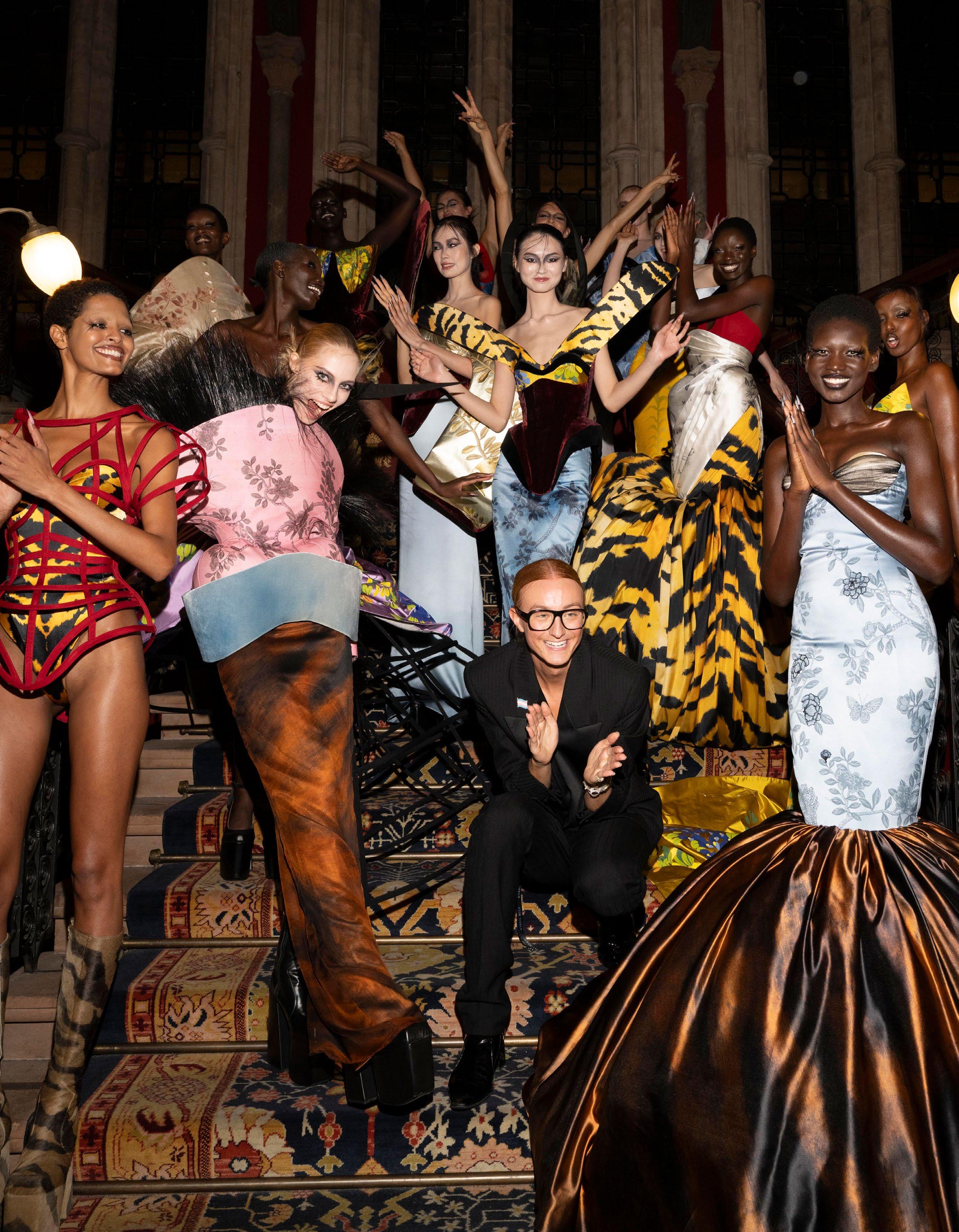
Models post-show, dressed in an array of hand-painted Fromental fabrics.
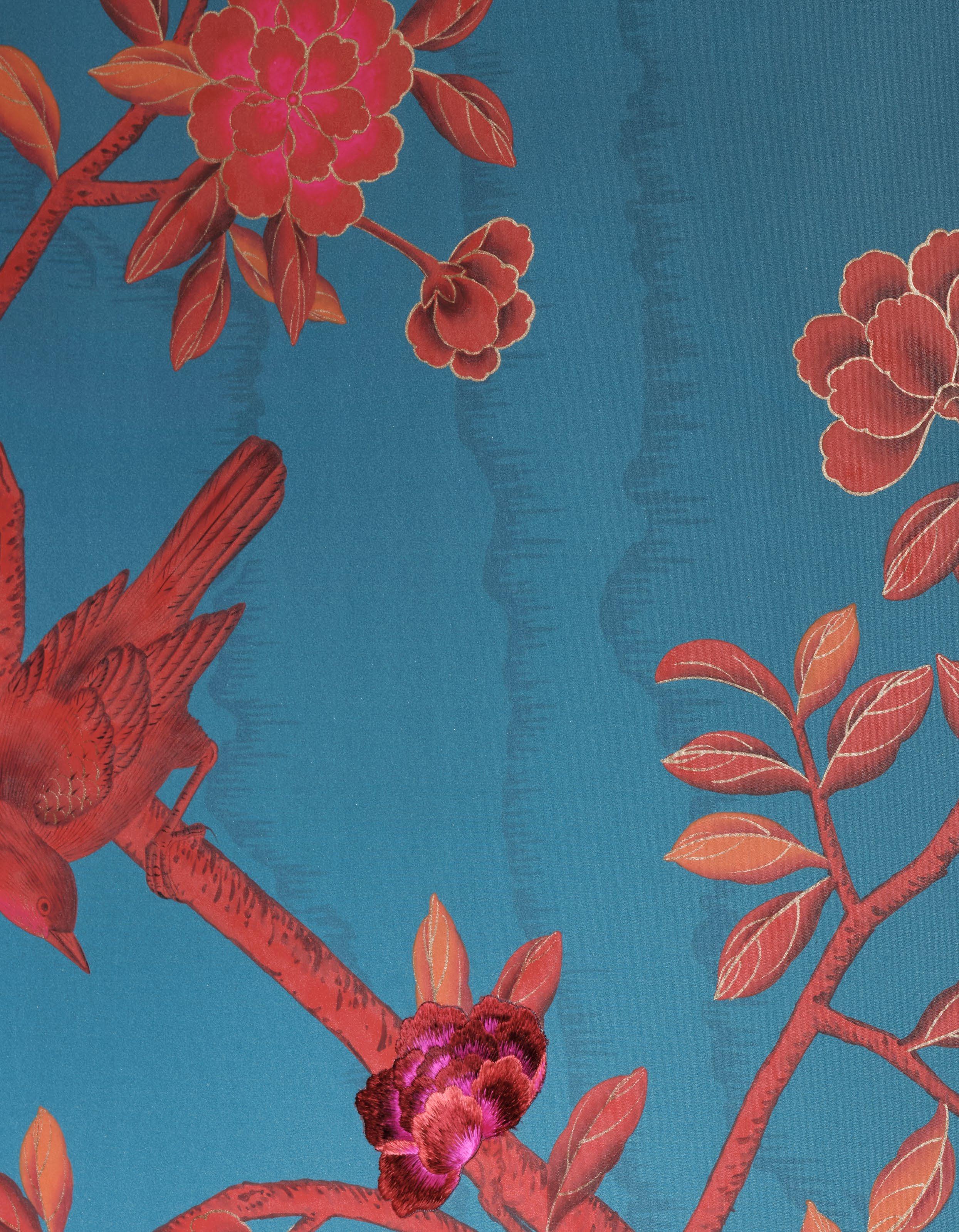
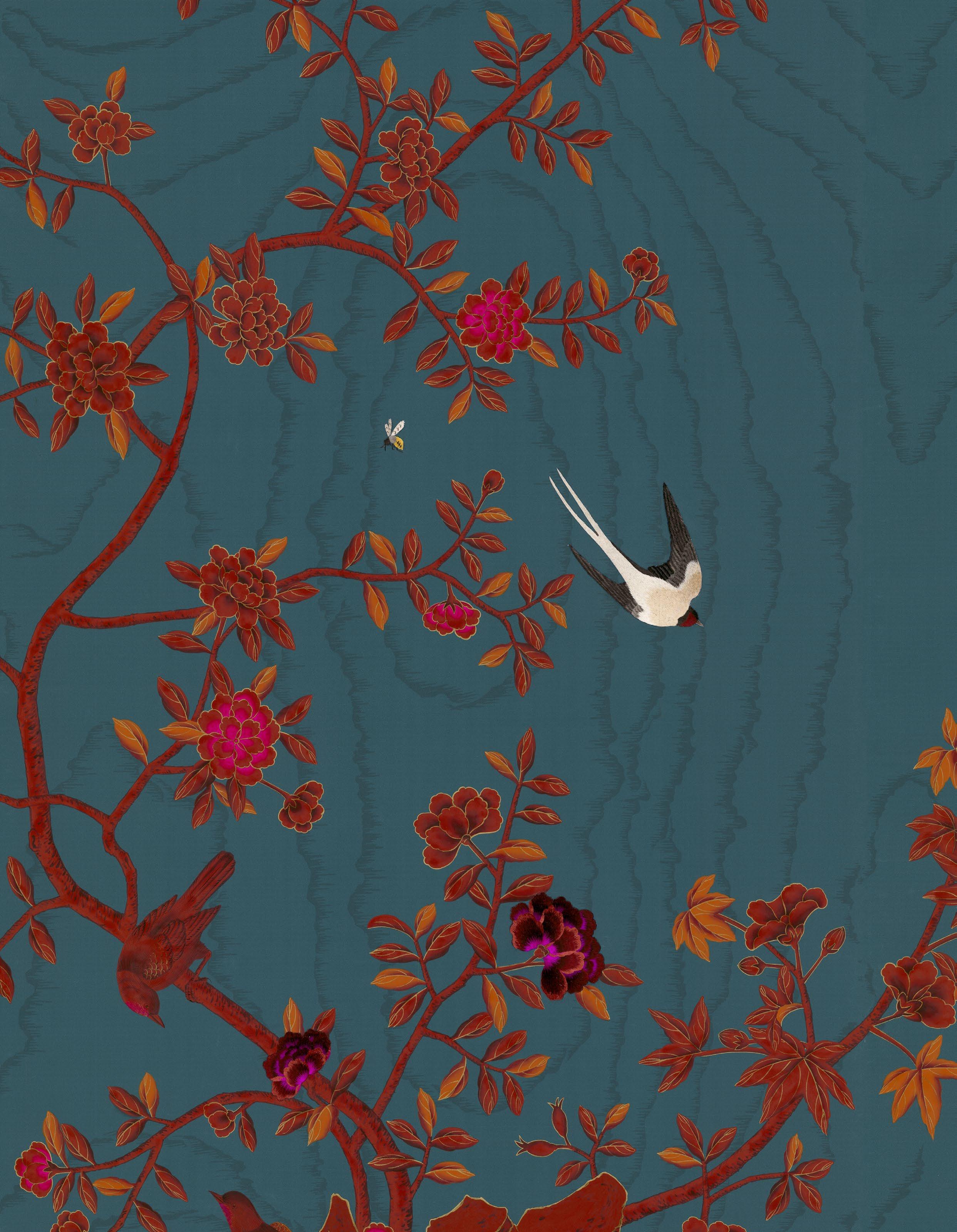
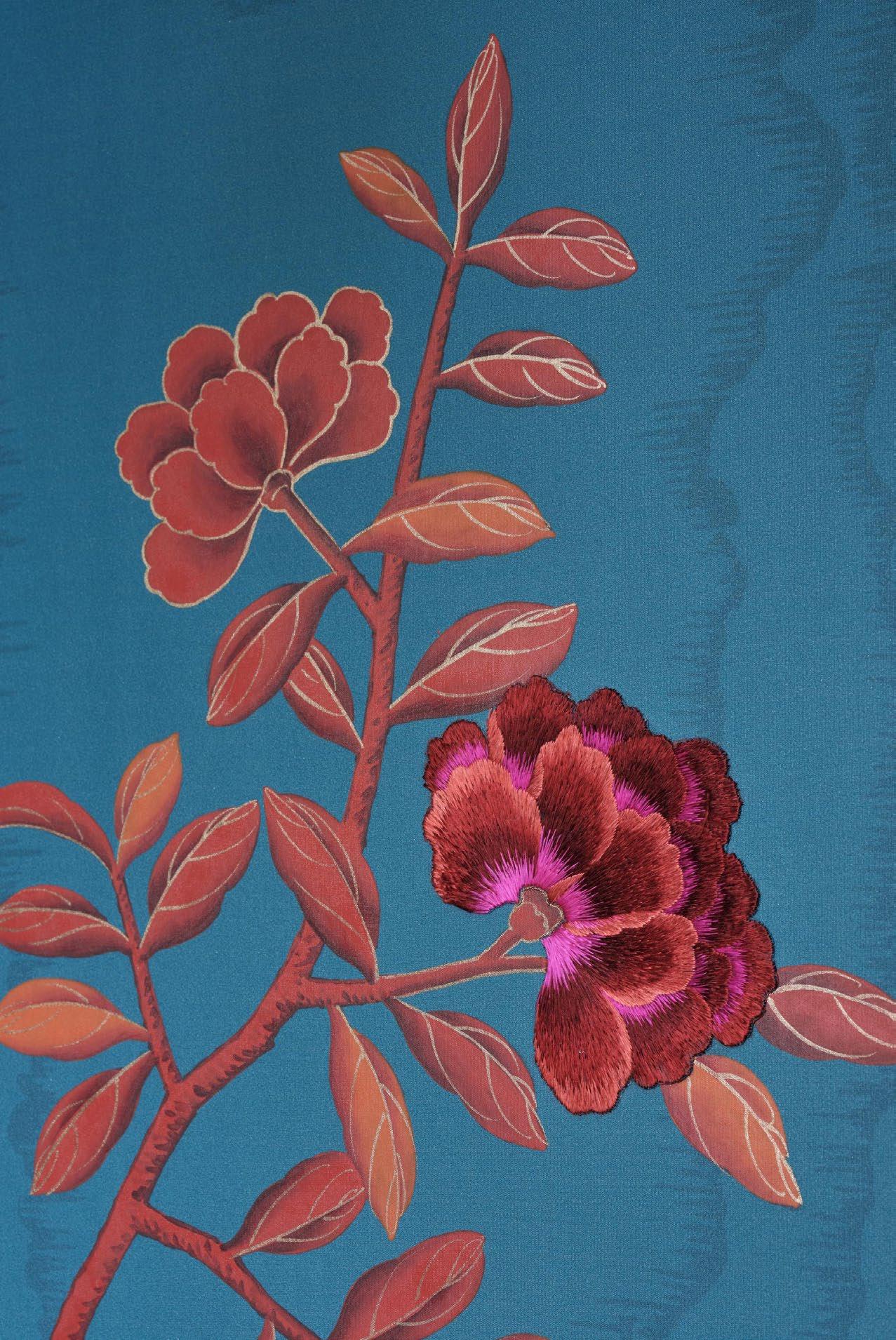
Twisting groves of hand-painted, flowering trees climb skywards against a moiré silk ground. Branches are crowned with peonies in varying stages of bloom, their most mature forms, if so desired, embellished with exquisite silk embroidery. Swallows, bees, and butterflies skim across lily-strewn ponds before weaving through the foliage.
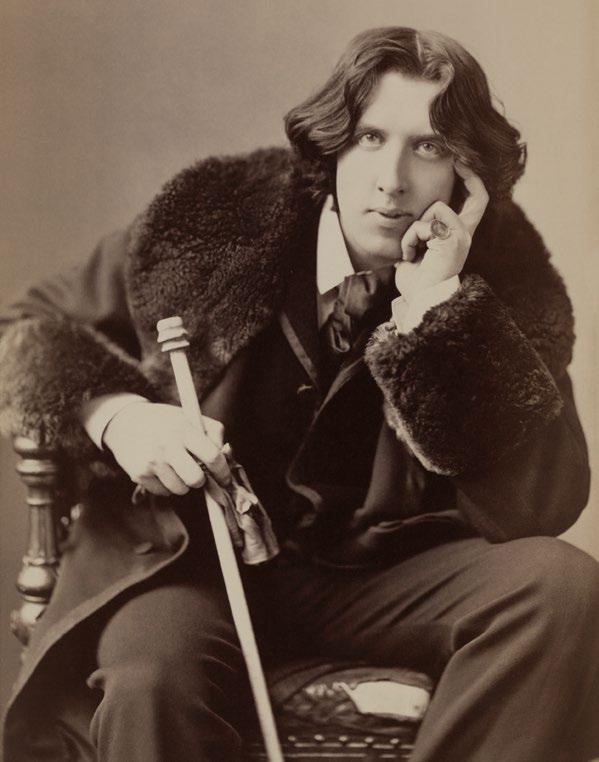
Affectionately named after Oscar Wilde, this design captures the spirit of bohemian decadence and aesthetic rebellion embodied by the leading light of the late nineteenth-century Aesthetic Movement. Championing “art for art’s sake,” Wilde and his contemporaries celebrated beauty, sensuality, and self-expression as essential to everyday life.
In dialogue with Harris Reed’s unapologetic glamour, this naturescape-in-excess becomes a stage for romance, drama, and reinvention. Each colourway is composed in bold, bichromatic pairings, inviting interiors to embrace individuality and the art of living beautifully.
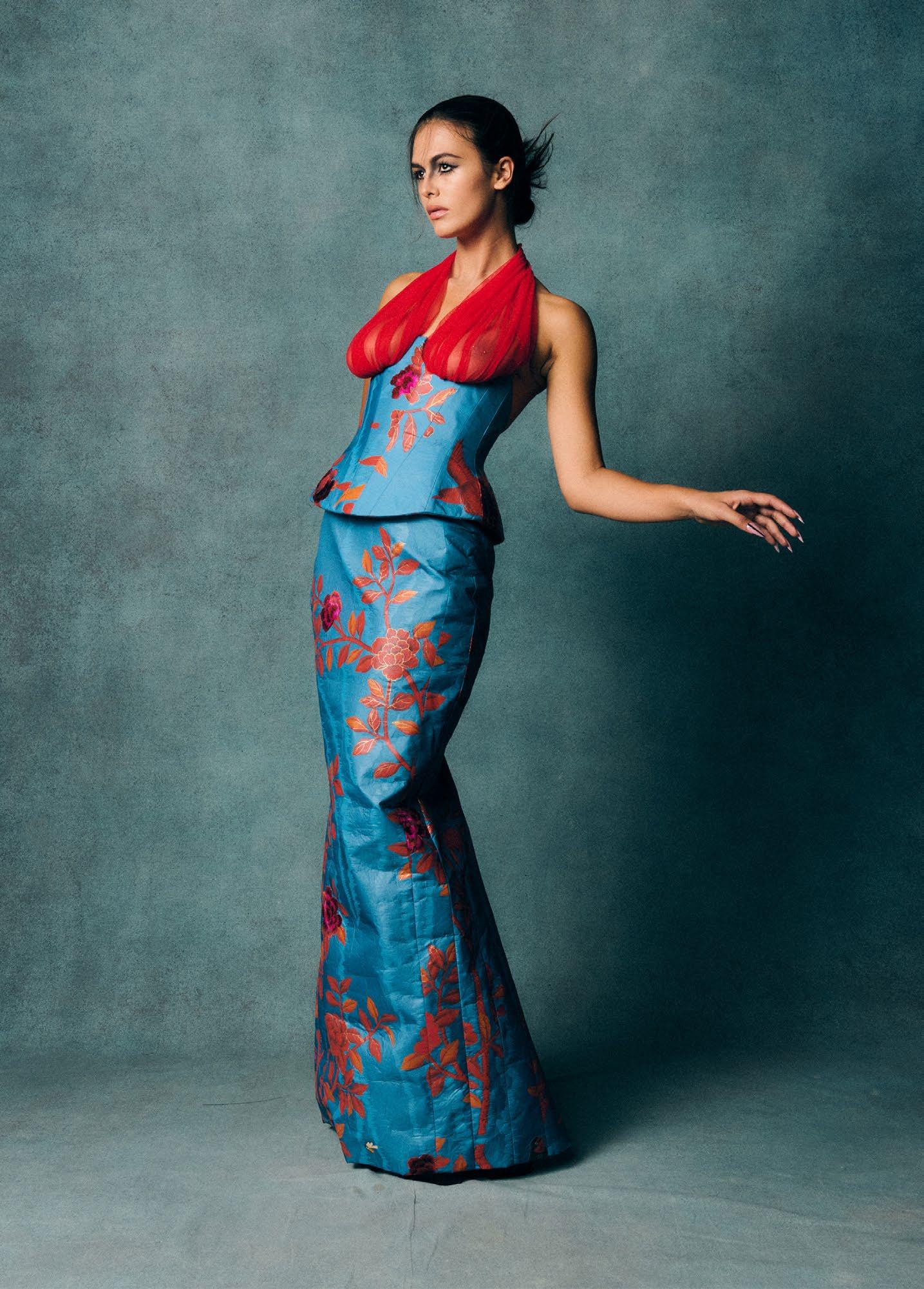
HARRIS REED THE AVIARY SPRING SUMMER 2026
Moiré’s signature fluidity was given new meaning when tranformed into skirt and bodice and placed upon the body. In motion, pattern becomes performance, and naturescape becomes a vehicle for self-expression, elegance and spectacle.
INSPIRED BY AN AESTHETE
“Either the wallpaper goes, or I do.”
Famously, the last words attributed to Oscar Wilde, spoken in reference to the interior of his room at the Hôtel d’Alsace in Paris. Alongside fellow luminaries of the Aesthetic Movement, including Dante Gabriel Rossetti and William Morris, Wilde became an enduring icon both for his fearless challenge of conservative values and razor-sharp wit — even in his final moments. We’re confident he’d feel more favourably towards our creation.
HARRIS’ WHIMSY
Adorning Harris Reed’s own bedroom walls, crimson flowers and meandering branches, with pops of pink, sing out against a backdrop of kingfisher blue moiré silk. Affectionately known by his husband Eitan as “Little Bumblebee,” Reed insisted on the inclusion of bees within the composition — symbolic of the couple’s connection, even when apart.

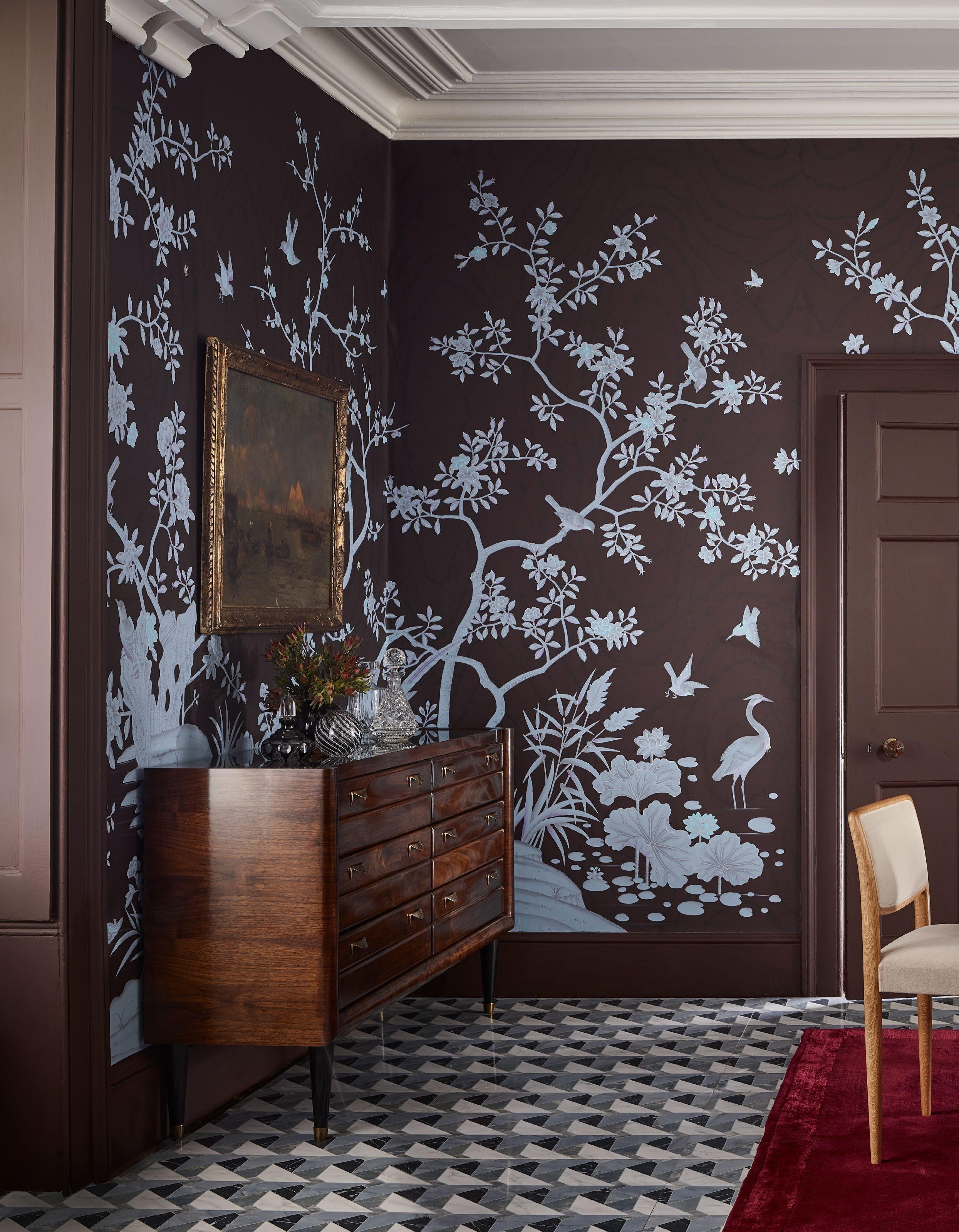
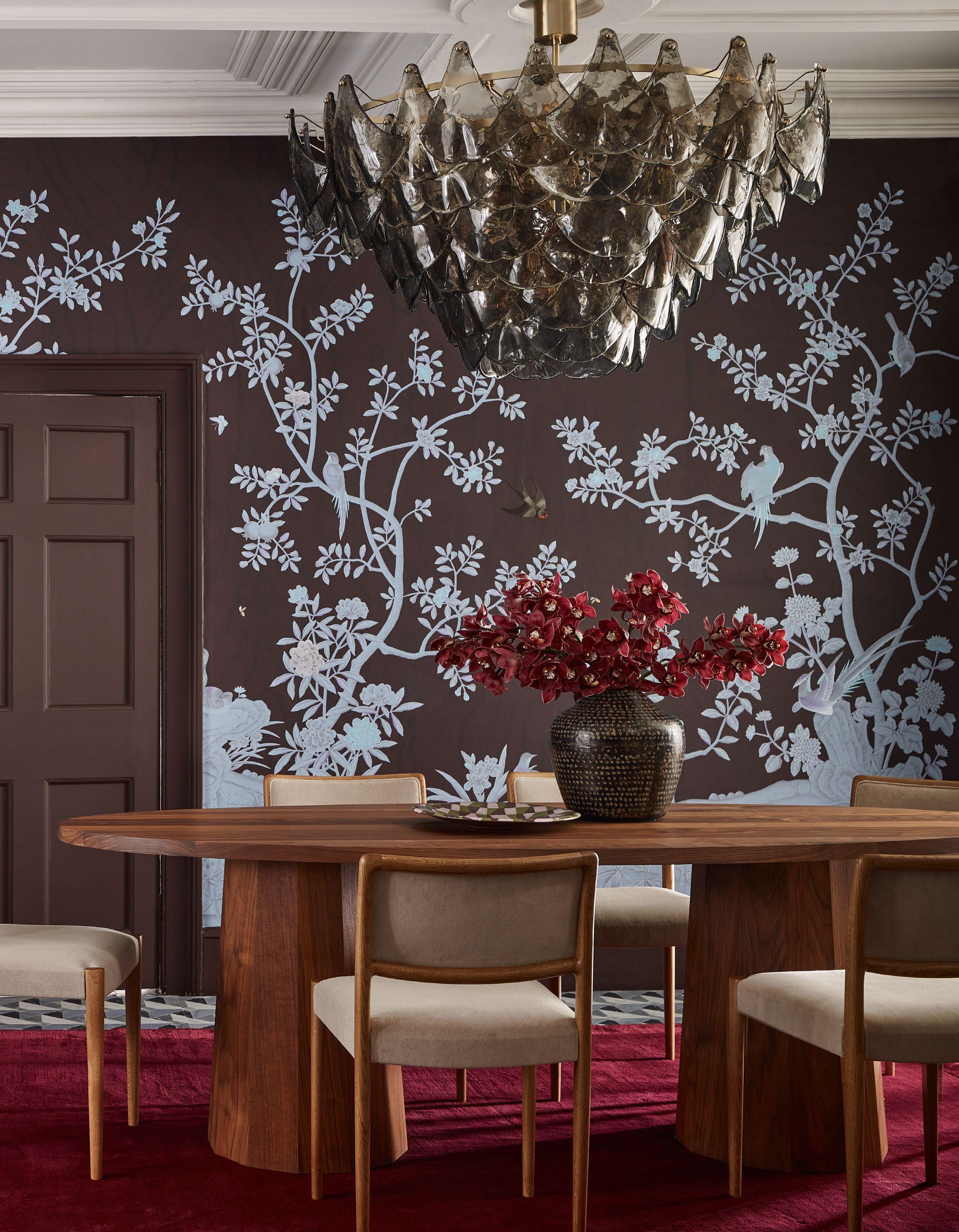
The design’s signature moiré silk is realised in a rich cacao. Overlaid, a naturescape motif rendered in blue-purple evokes the monochromatic silhouettes of cyanotype photography.
How does one elevate a naturescape to new heights of glamour?
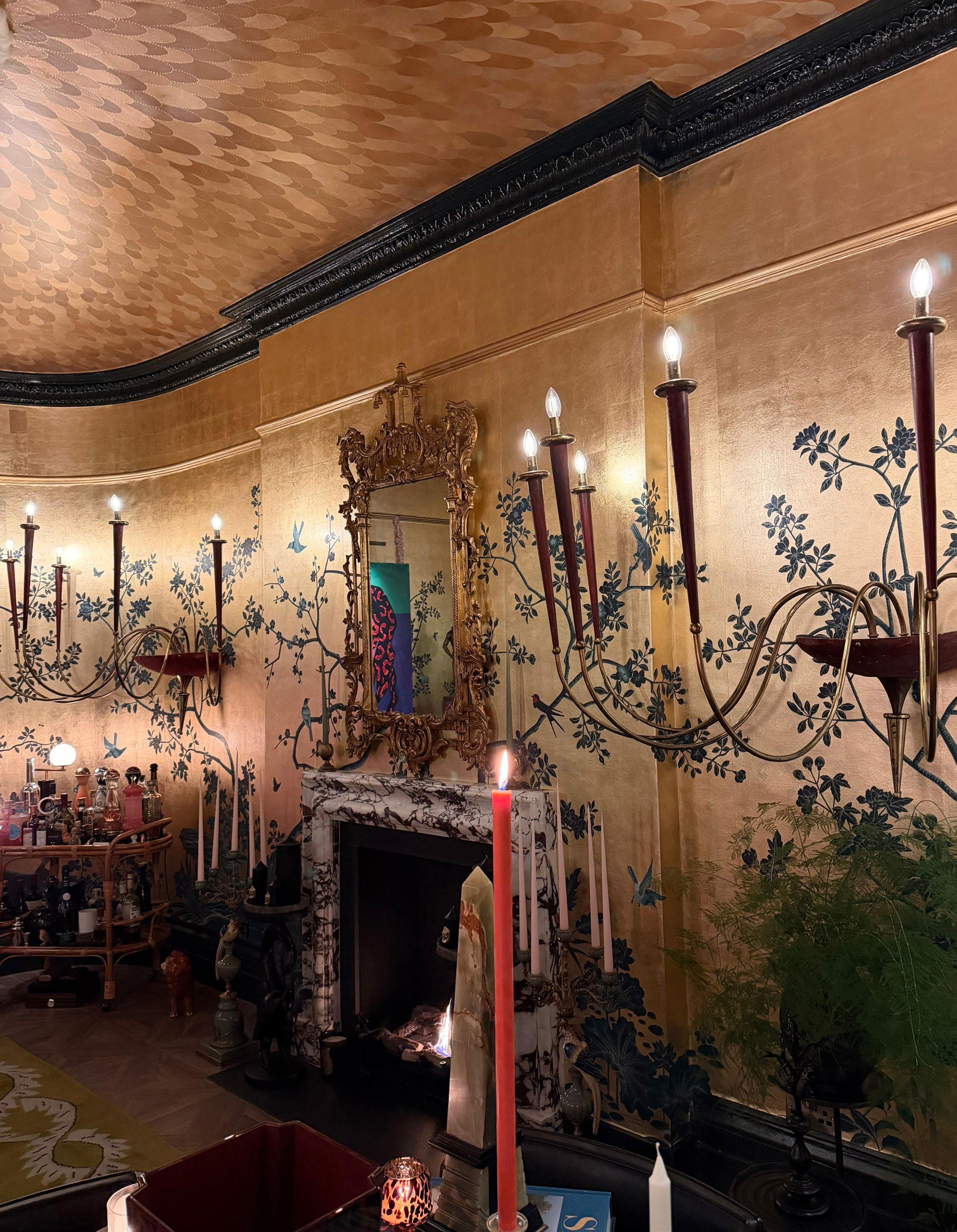
Quite naturally, we turned to golden gilding. Installed here across the walls of Harris Reed’s living room, the surface captures and reflects light, lending the space an unexpected serenity, particularly in the afternoon, when sunlight pours through the bay windows and bathes the room in its warmth.
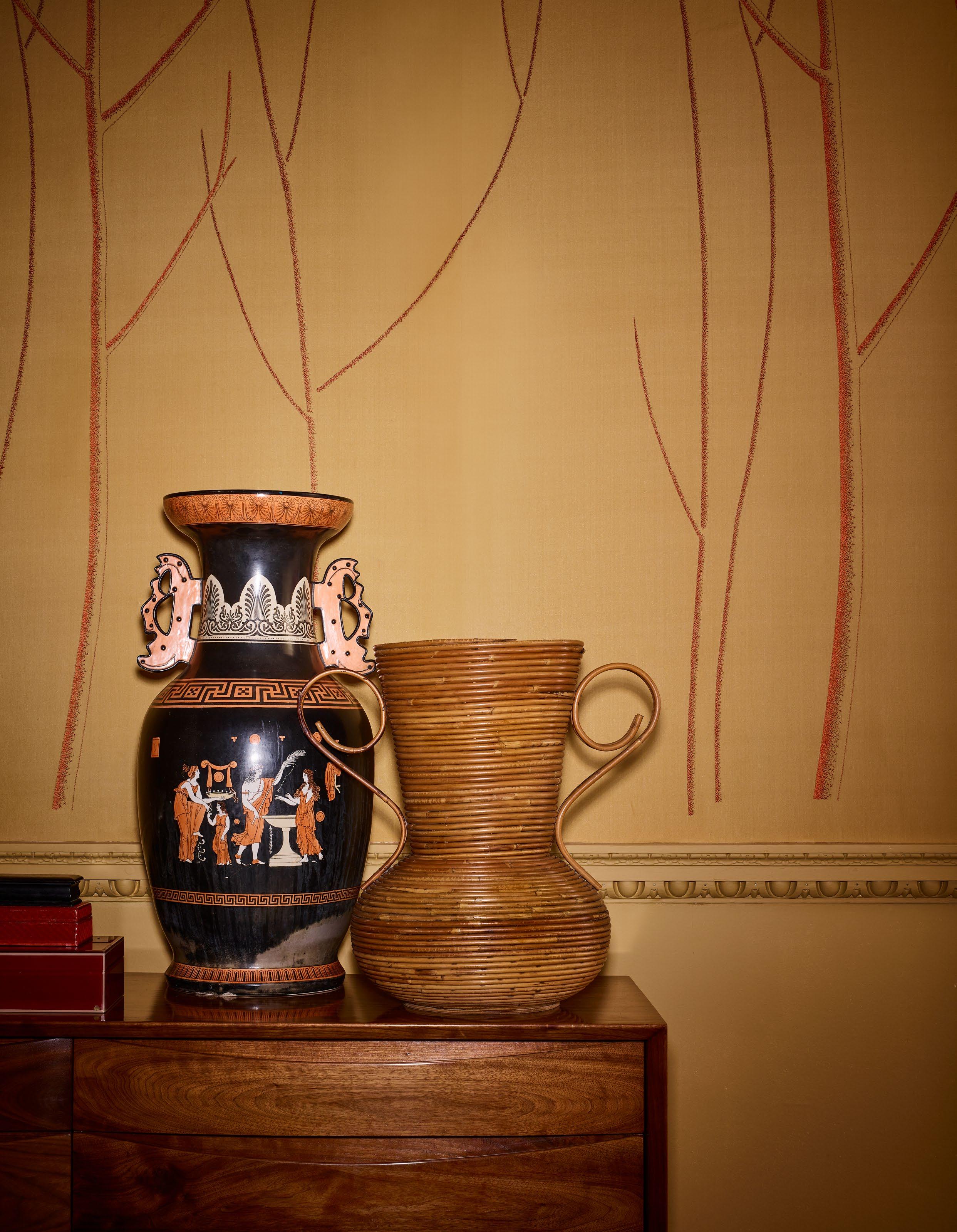
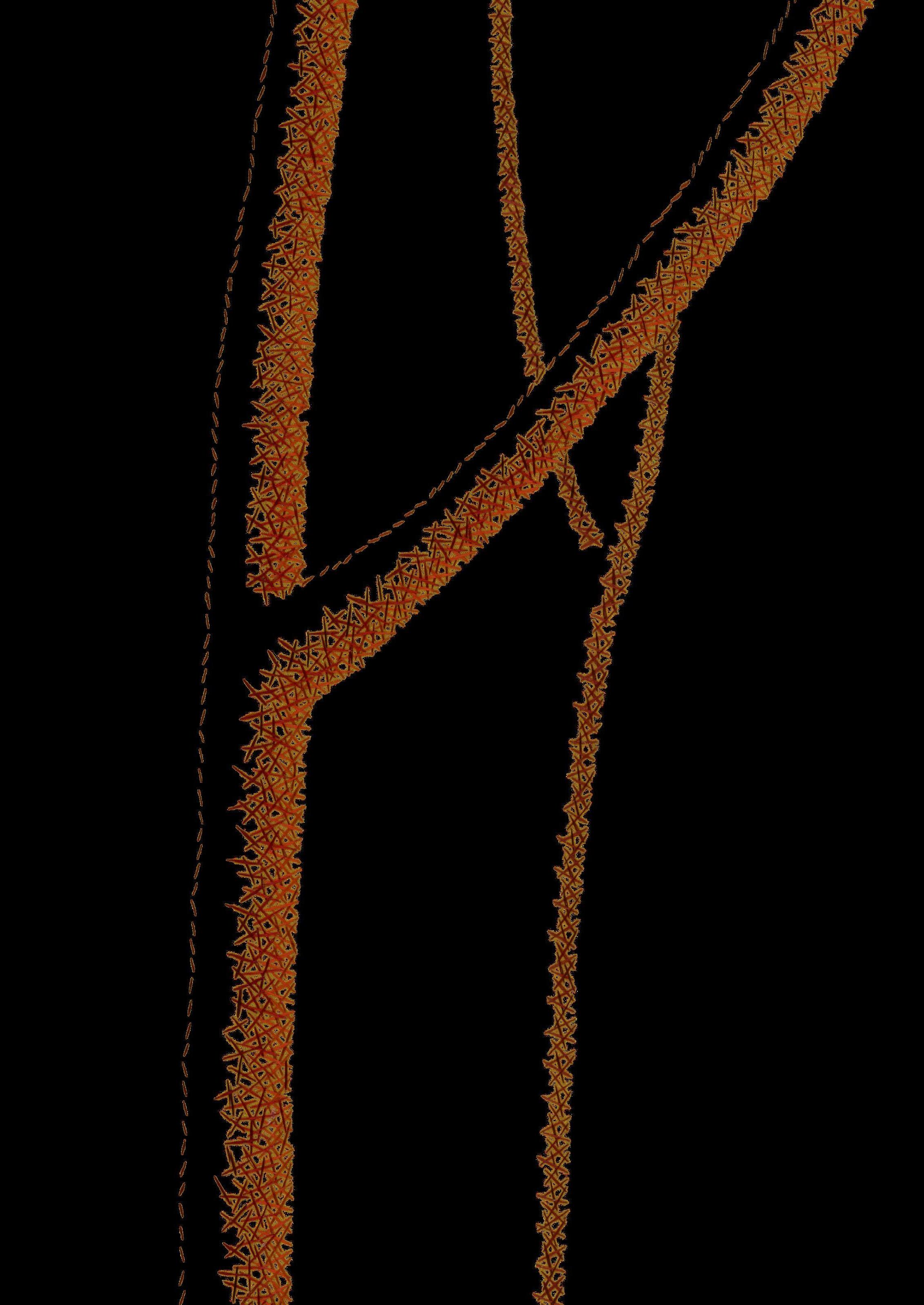
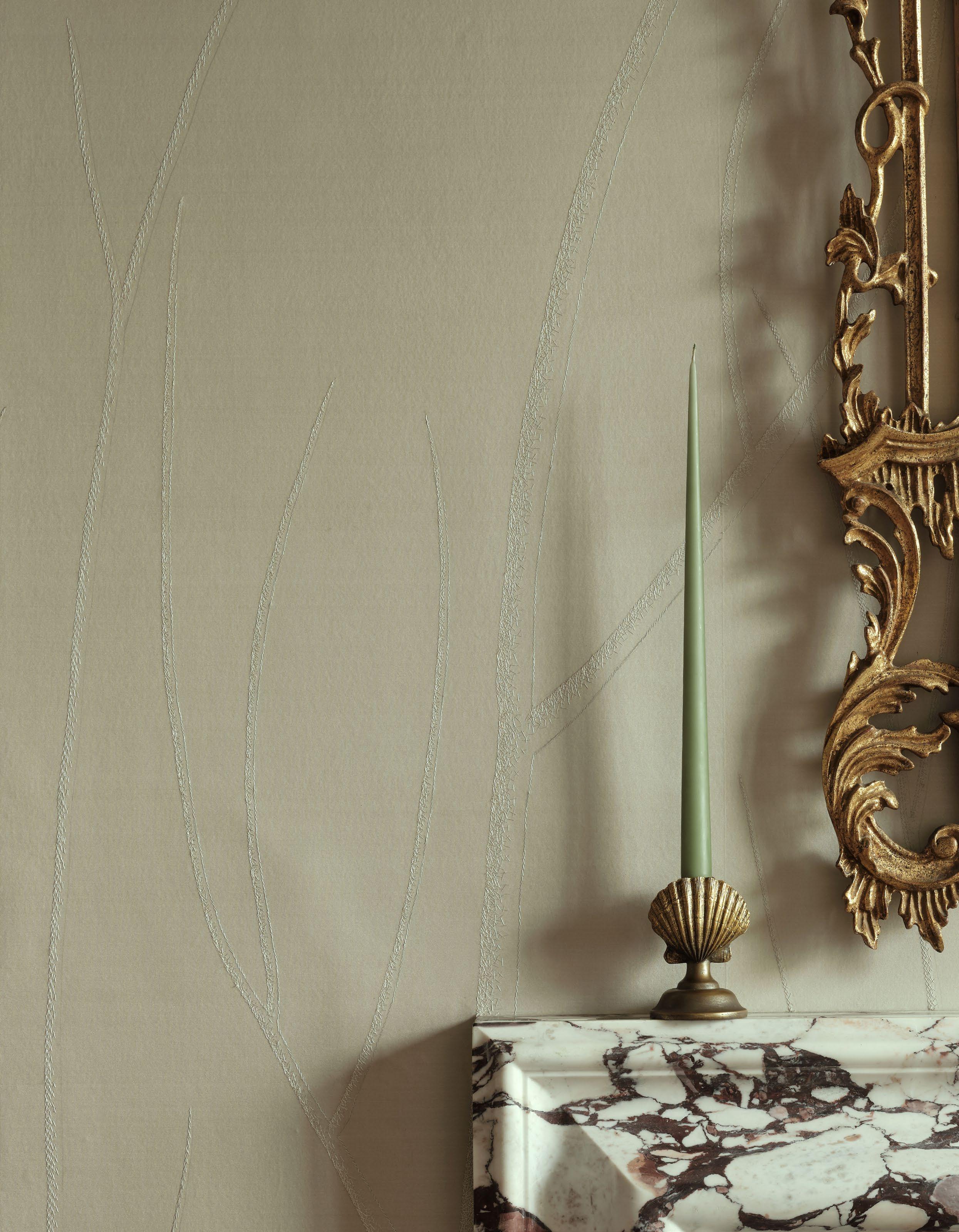
Amid the exuberance and theatricality of the collection, Harris Reed envisioned Fluid Meadow as a design wherein full beauty reveals itself only through close attention. Capturing the serene elegance of birch trees in softly silhouetted forms, it becomes a meditation on subtlety, and the elegance of forms shaped by human touch and intuition.
To realise this vision, artisans employ a “random stitch” technique, lightly tracing birch forms on the silk’s reverse. From the front, they follow these ghost lines with stitches that shift in direction and density, each branch emerging through spontaneous embroidery.
The result is a surface that reads as a textural shadow, echoing the organic movement of a living forest growing in real time.
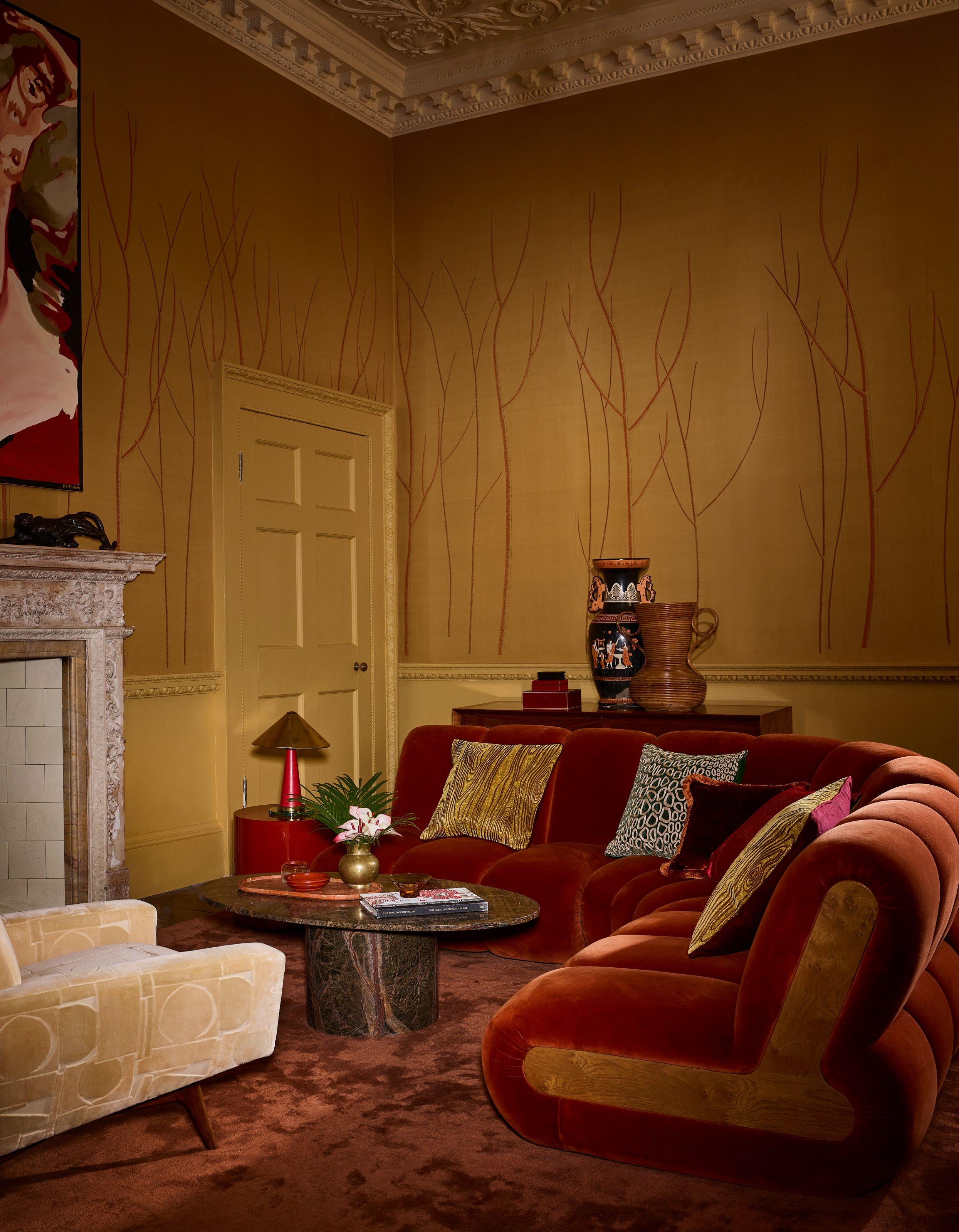
In earthy amber tones, this colourway harmonises with the velvet textured surfaces and mid-century silhouettes of the space, enveloping the room in warmth and intimacy. Its flowing, organic lines soften the formality of the architecture, creating an atmosphere that feels both richly nuanced and deeply inviting.
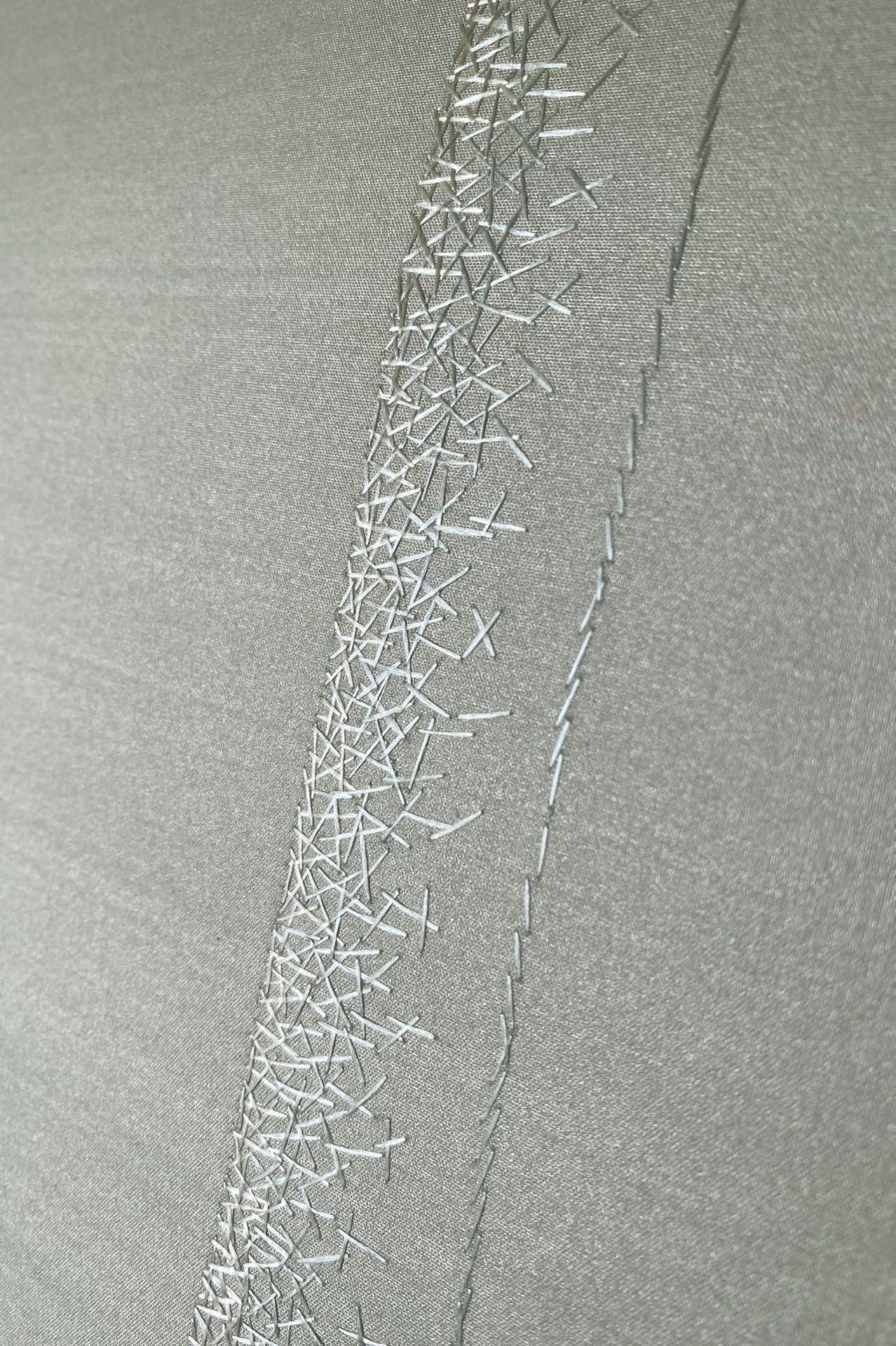
Photographed in Harris Reed’s apartment, a pale jade-grey silk catches the light in soft, shifting glints. Across its surface, layers of delicate stitches — varied in density, direction and tone — gather and disperse, allowing each branch to surface as if grown rather than drawn, alive with a sense of organic movement.
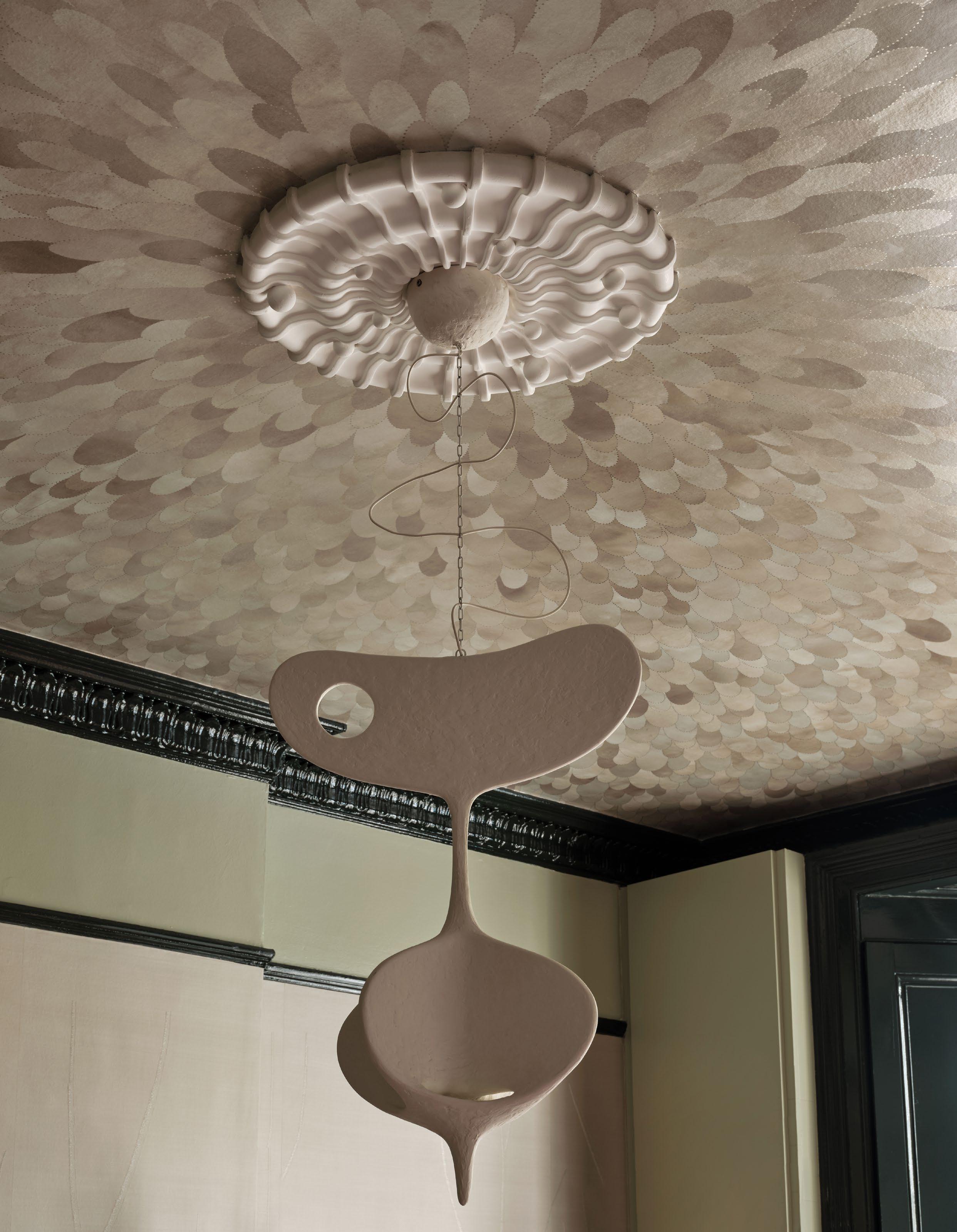
Far more than a flamboyant flourish, feathers — and their prominence throughout Harris Reed’s fashion collections — carry deep significance. To Harris, they are often-overlooked, majestic forms, symbolic of flight, dreaming, and personal transformation.
So meaningful is this motif that it radiates in a starburst across his ceiling — a constant reminder of these qualities, visible whenever one happens to recline on the sofa and look up.
Printed and hand-finished on gilded paper, Rays of Plumeria explores the tension between order and fluidity. Subtle shifts of light and tone create a shimmering canopy of movement, as compelling on ceilings as it is striking on walls.

THE FIFTH WALL
Transcending walls, a radial composition of the design unfurls energetically from the ceiling rose of Harris’ living room.
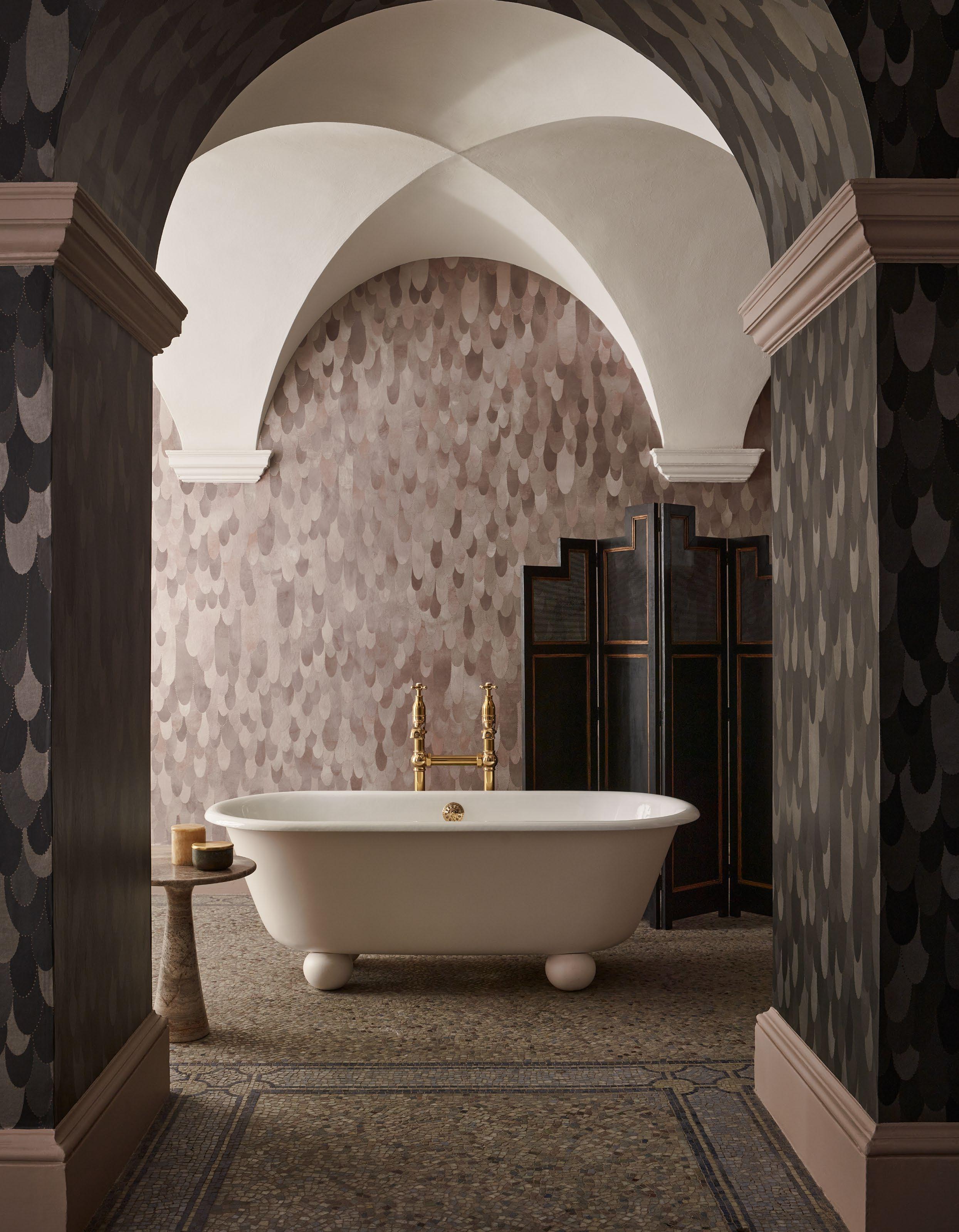
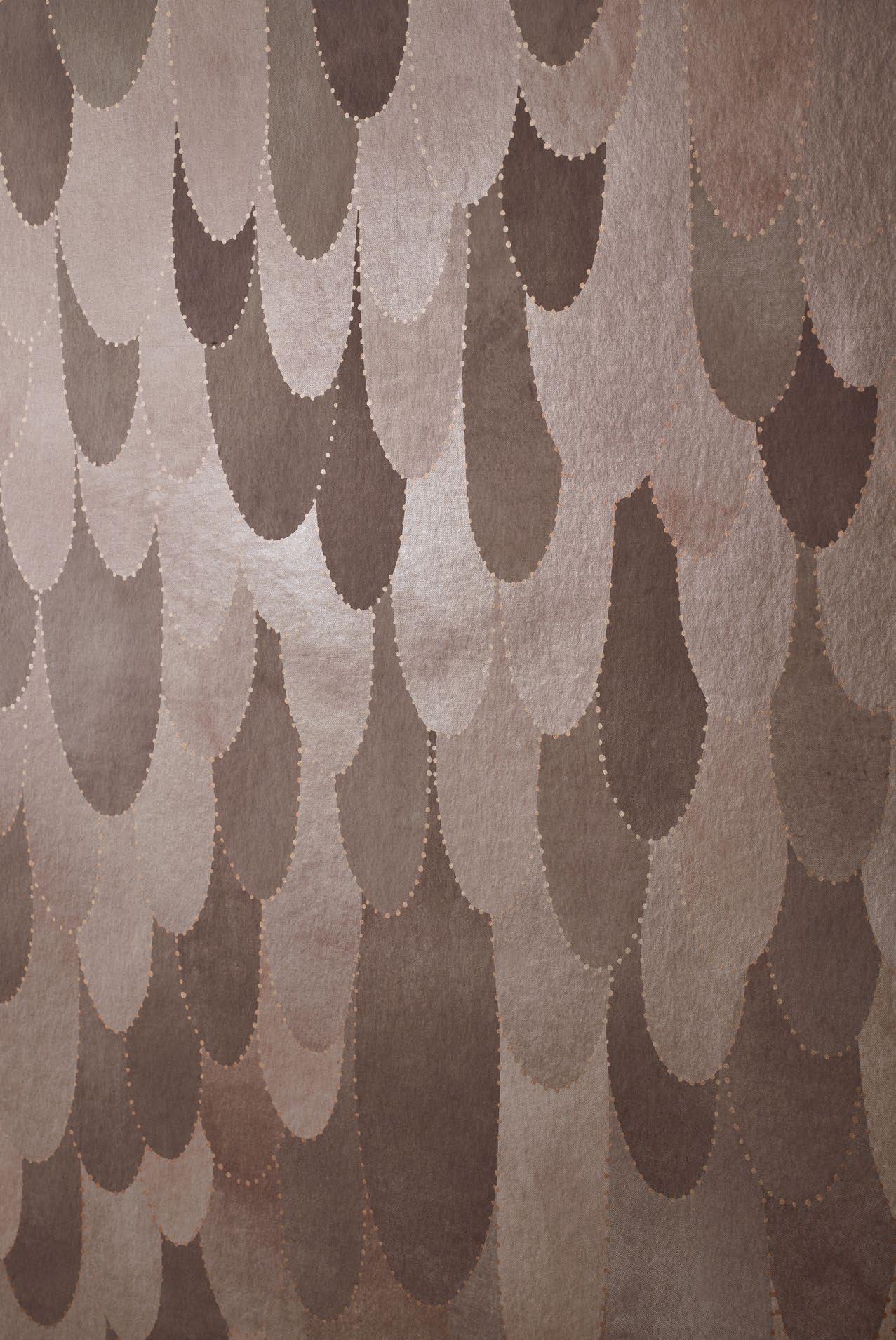
Harris envisioned the collection as a harmonious mélange, where each design and colourway could exist alone or sit effortlessly alongside the others. The latter is elegantly demonstrated in this bathroom scene, where paired colourways converse in tone and texture in a layered composition that feels at once exuberant and cohesive.
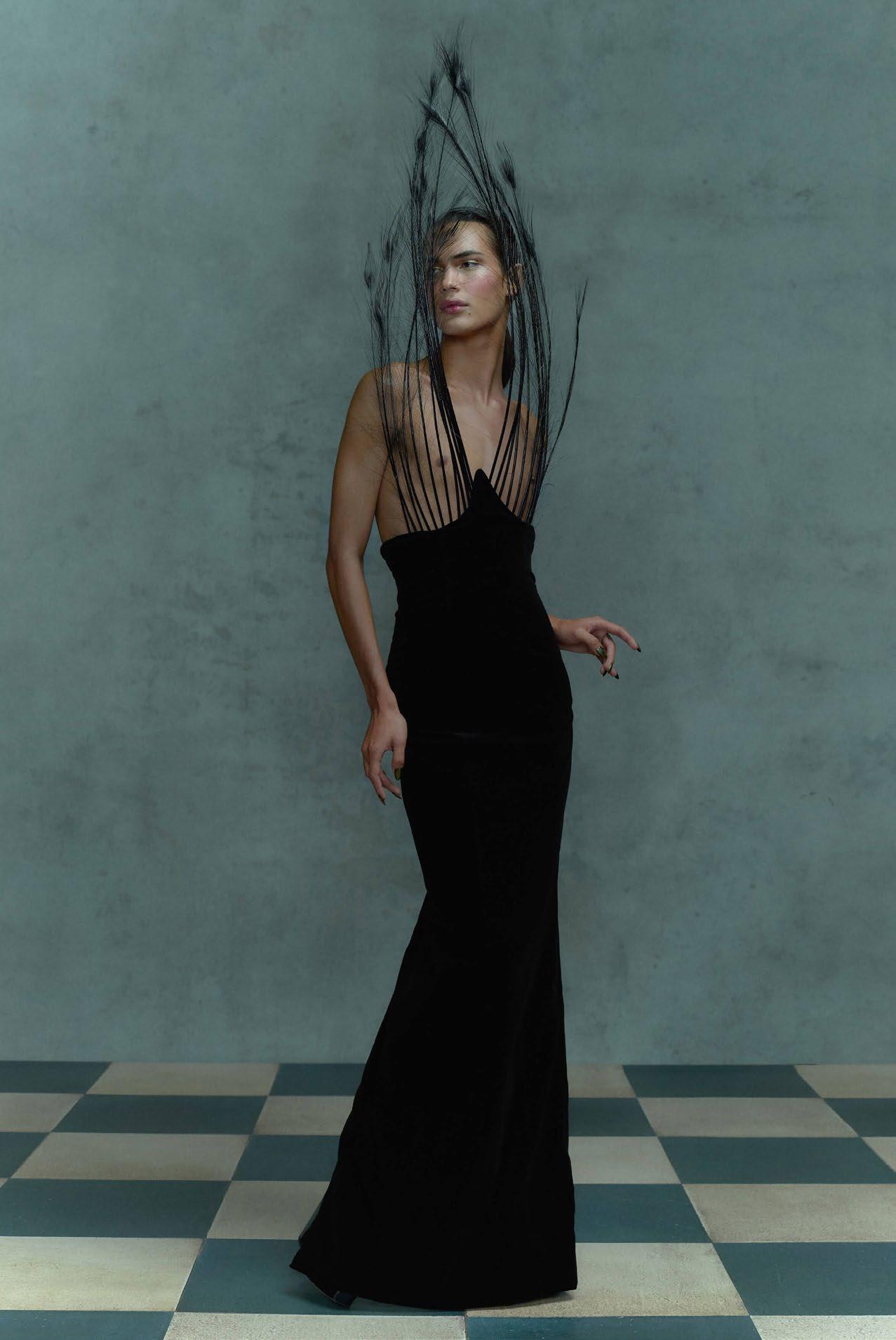
Feathers, in their many forms, recur throughout Harris Reed’s fashion collections, chosen as much for their dreamlike quality as for their symbolism — an enduring reminder that flight and transformation are always within reach.
“He who binds to himself a joy Does the winged life destroy He who kisses the joy as it flies Lives in eternity’s sunrise.”
William Blake
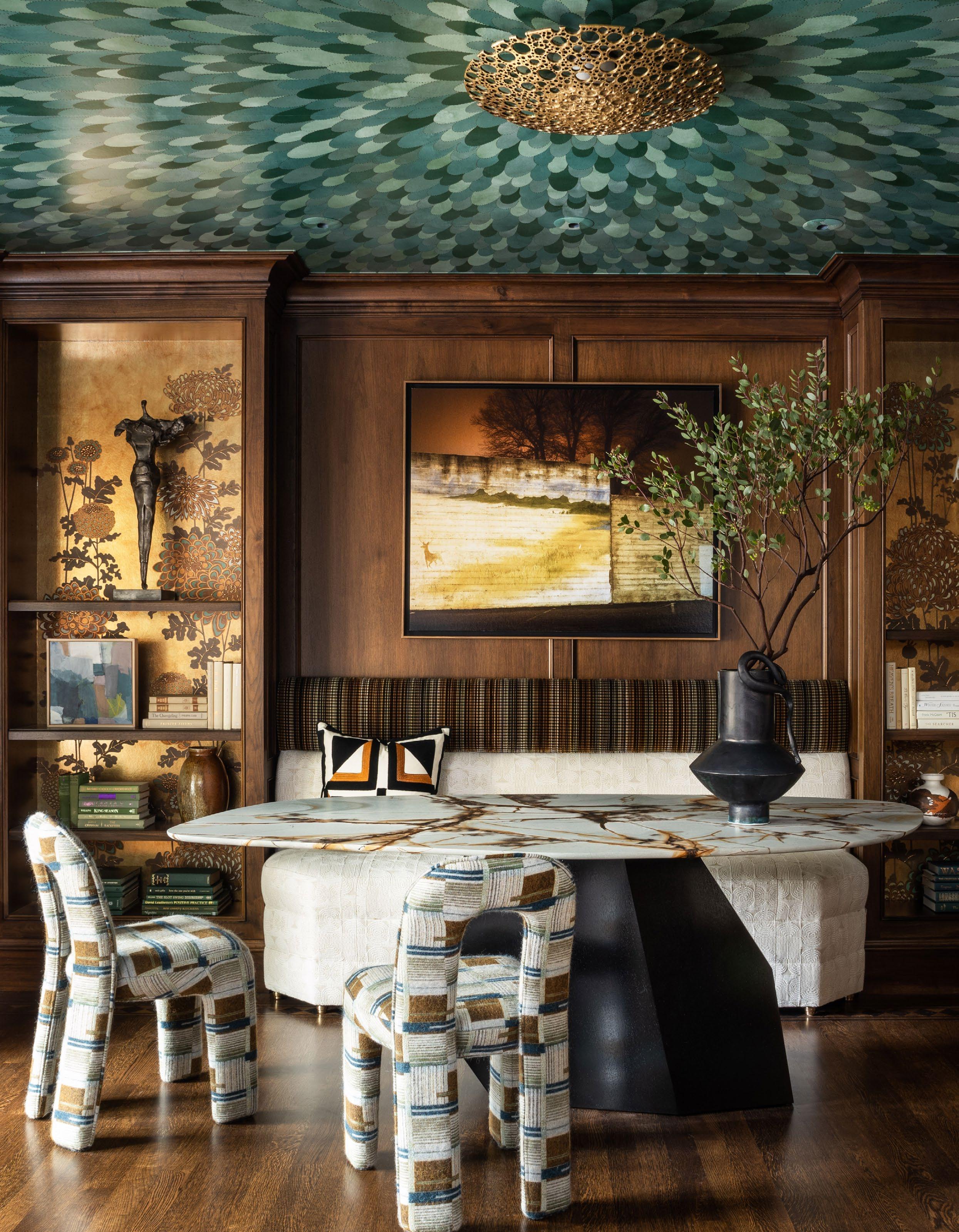
Radiating across this dining room ceiling, emerald deepens to forest, forest lifts to sage, and everywhere copper dots string the design together like light through a canopy.
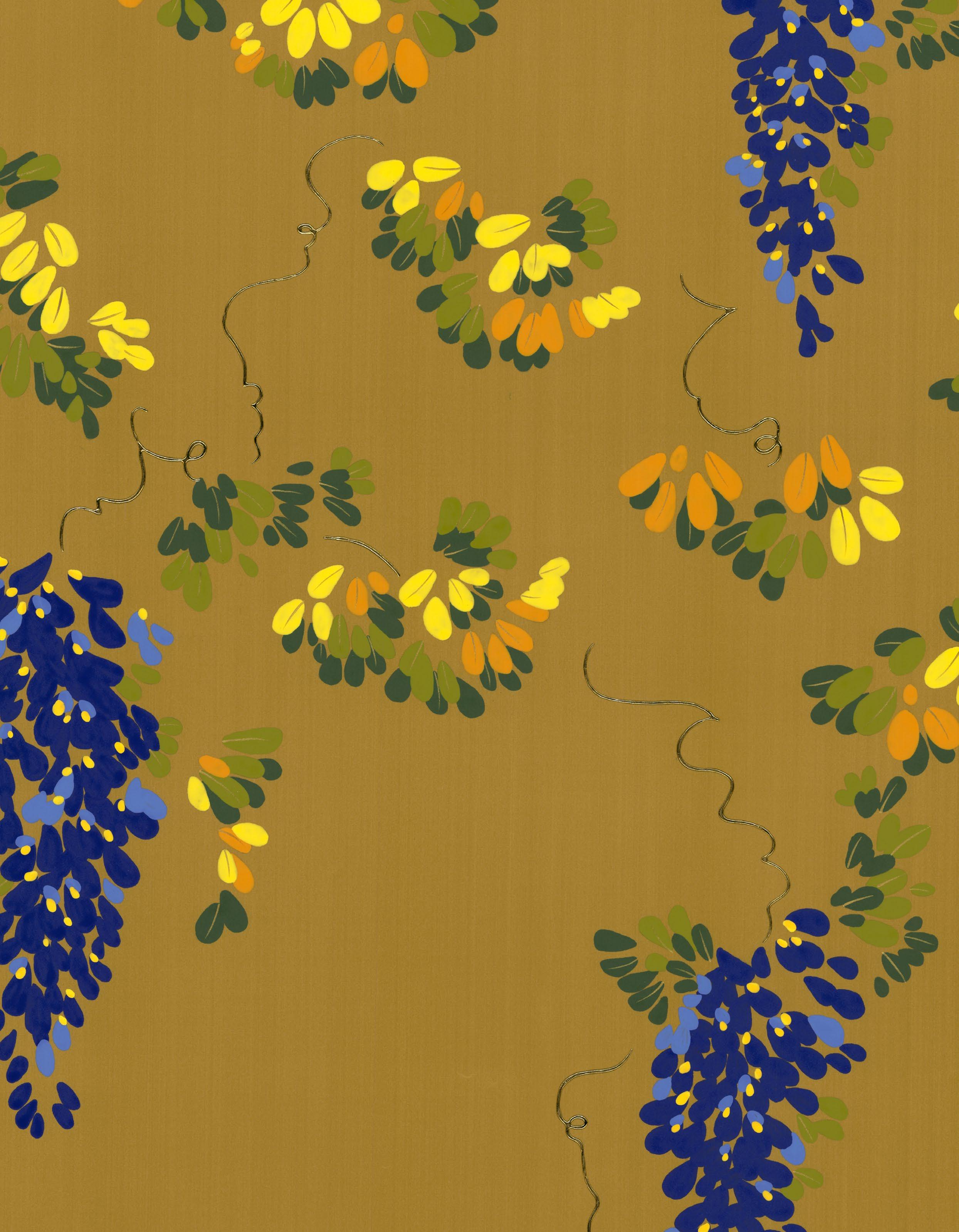
Perhaps more than any other, this design embodies the dialogue Harris and Fromental have cultivated between fashion and interiors. Drawing on the rich heritage of traditional Japanese dress, Lizzie turned to wisteria (藤, fuji) — a motif cherished in Meiji and Taishō period kimonos (1868–1926) for its elegance and fleeting beauty. Harris reinterpreted these wild blooms for his SS26 collection, where pattern, rhythm, and texture came alive, before the design was transformed once more, flourising across the wall as a signature Fromental creation.
Evocative of its namesake’s cascading lilac blossoms, clusters of petals are hand-painted on silk with expressive, intuitive brushwork and accented with touches of gold foil. Drifting gracefully from above, the composition captures the vine in full summer bloom, alive with movement and vitality.
HARRIS REED THE AVIARY SPRING SUMMER 2026
Whispering Wisteria drapes one of the fashion designer’s signature cage-like designs — in this case, a dress.
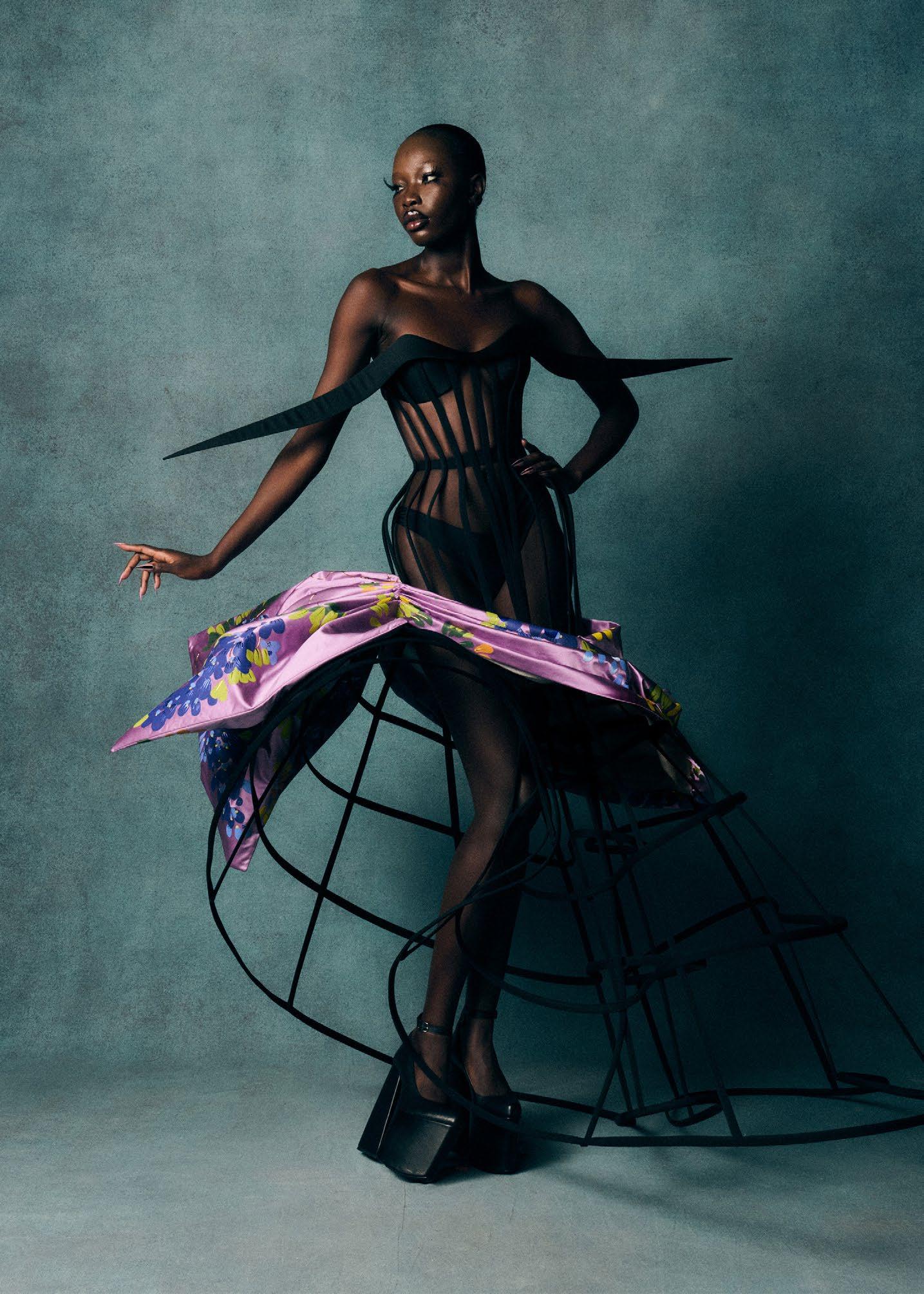
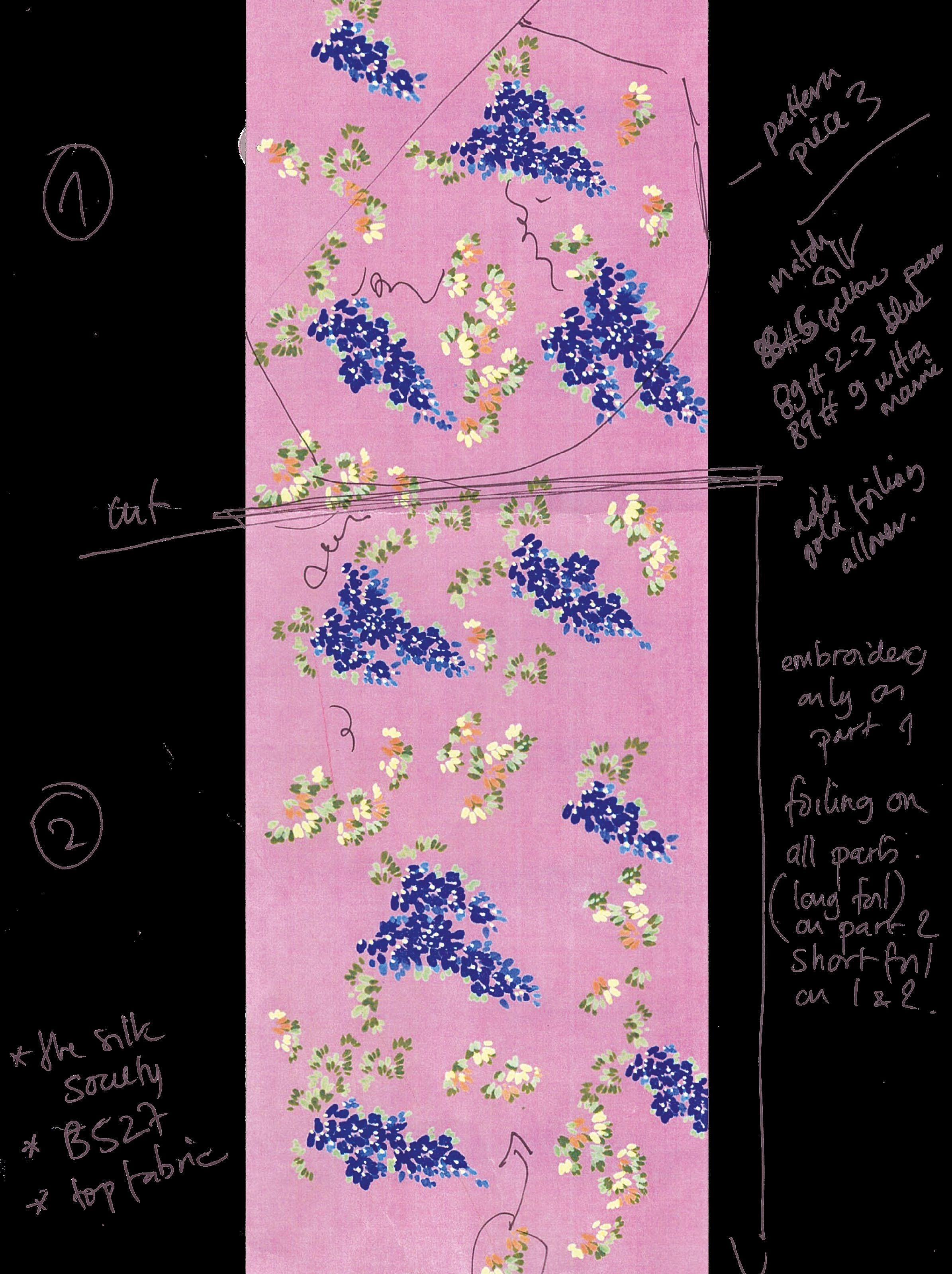
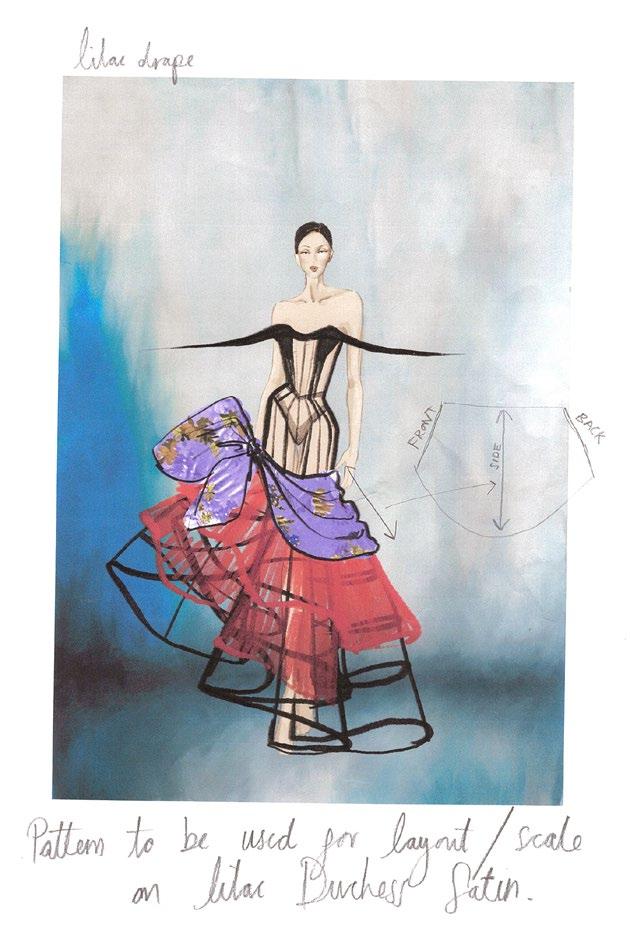
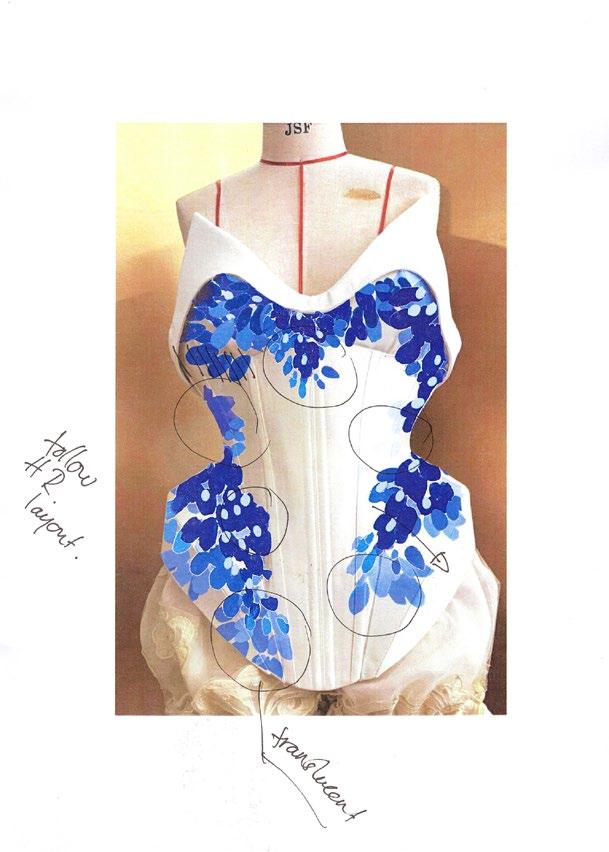
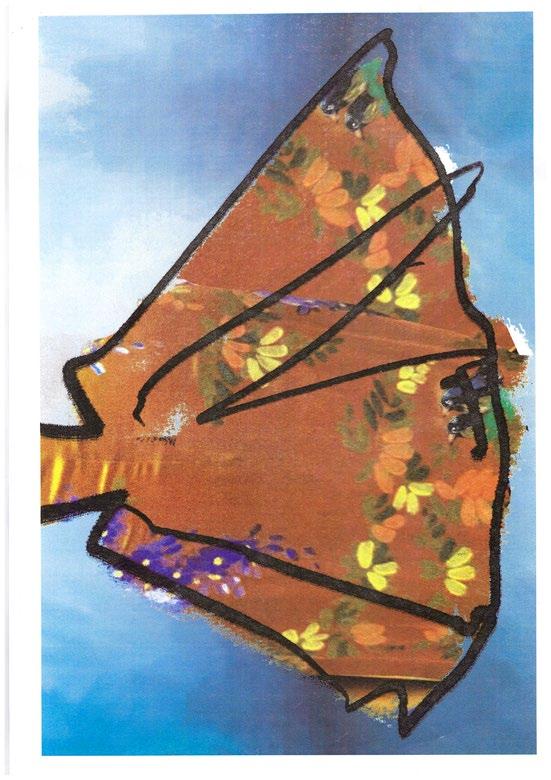

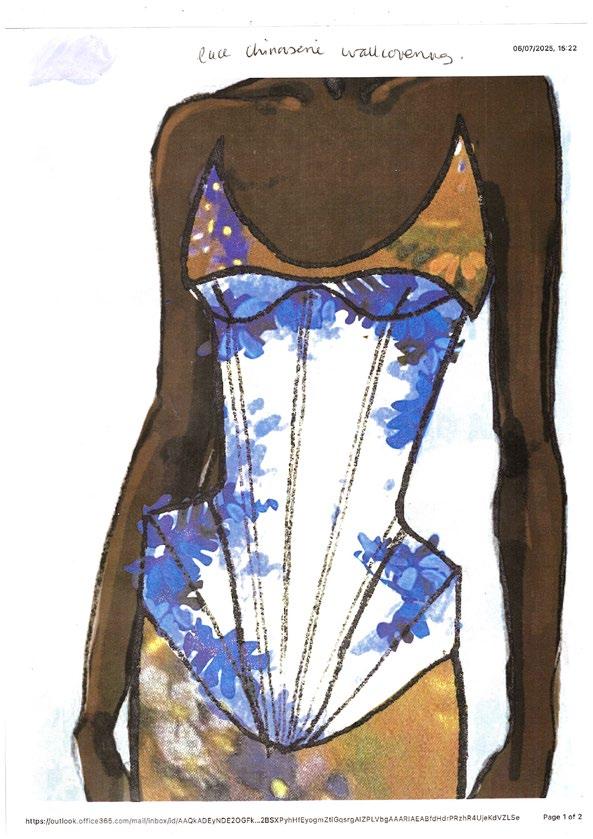
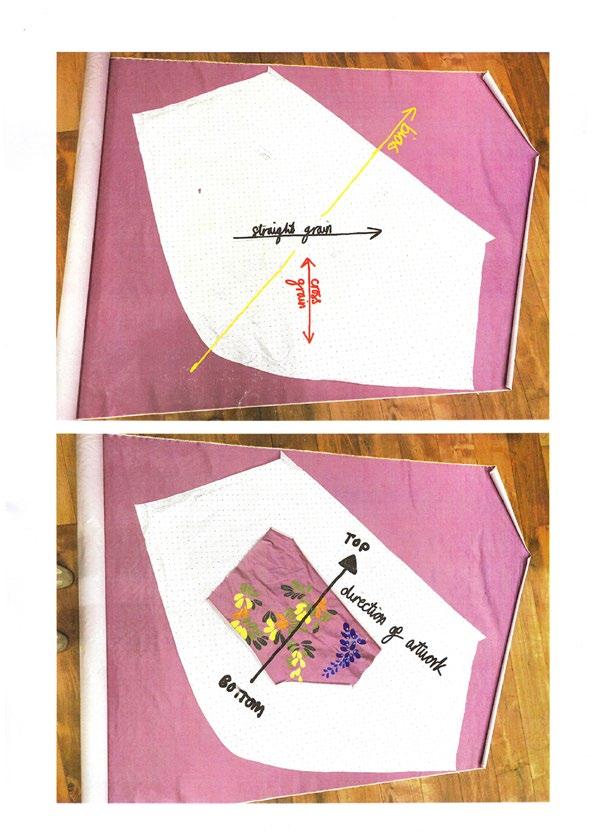
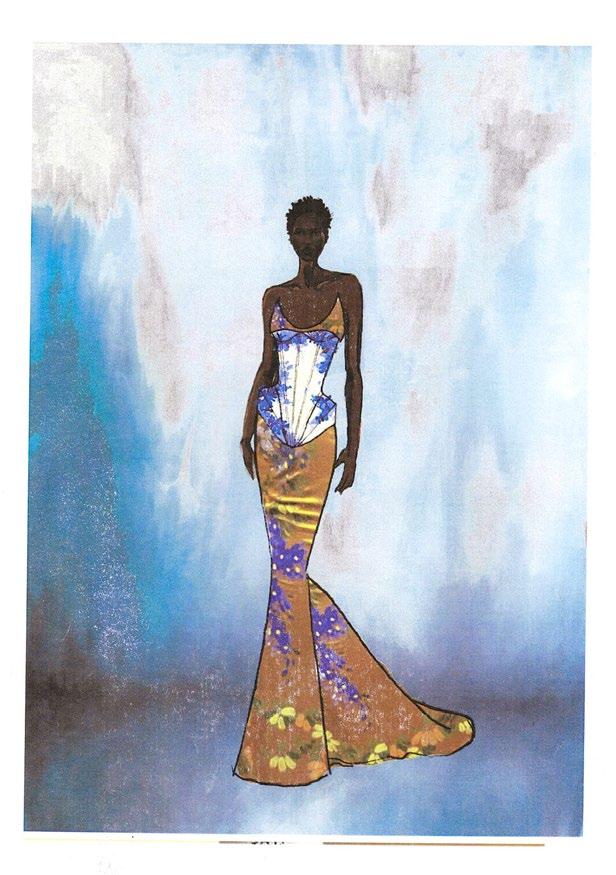
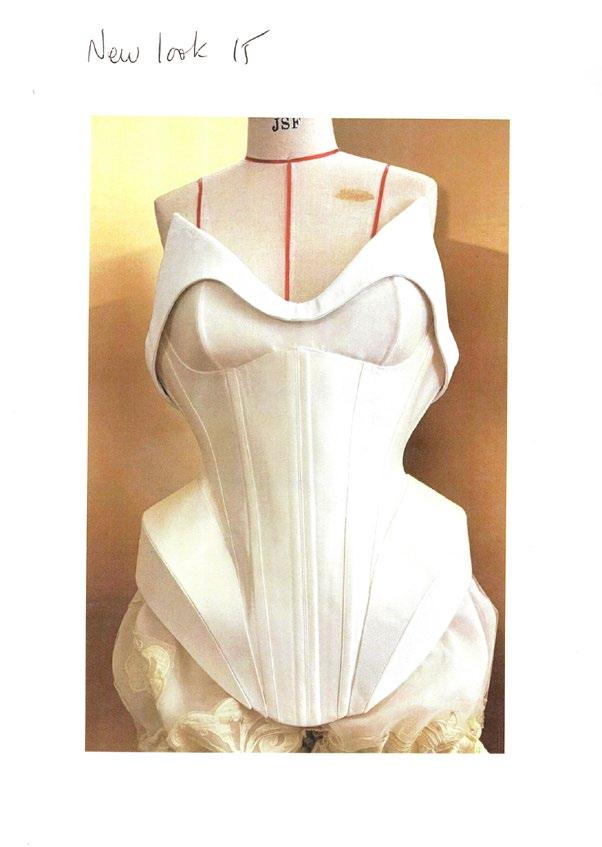
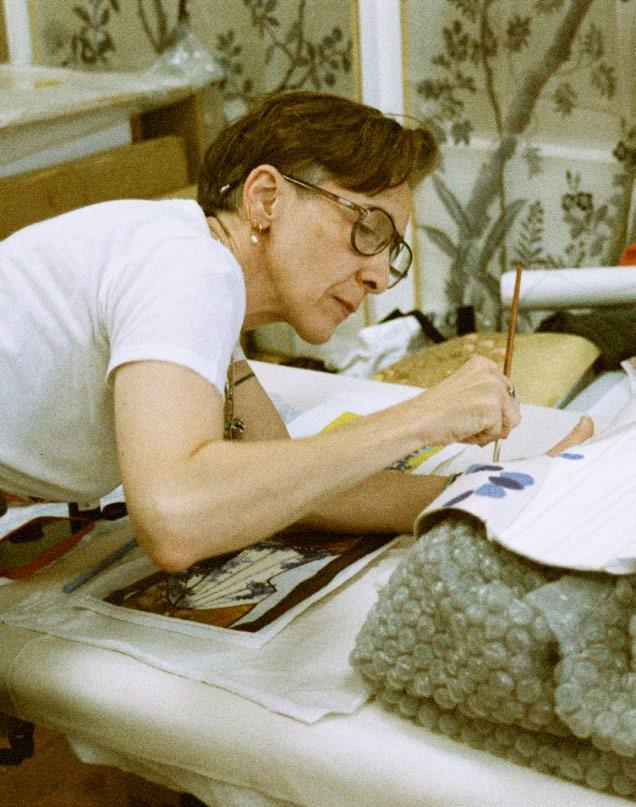
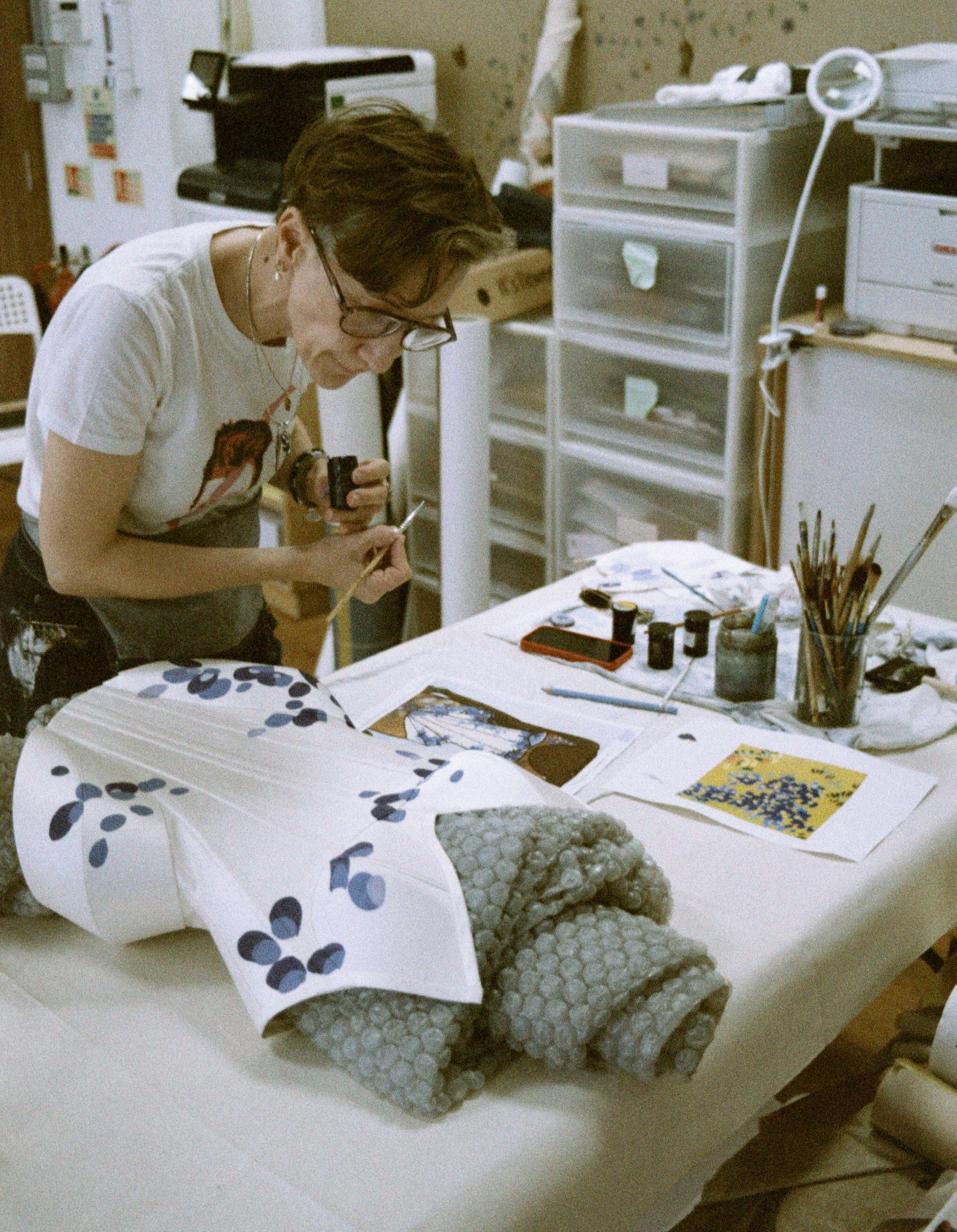

Regal associations of wisteria in traditional Japanese culture were complemented by the design’s translation onto satin for Harris Reed’s SS26 collection. Heavier and more structured than silk, the fabric lends the cascading blooms a sculptural presence and deliberate drape, falling with measured elegance across the body.
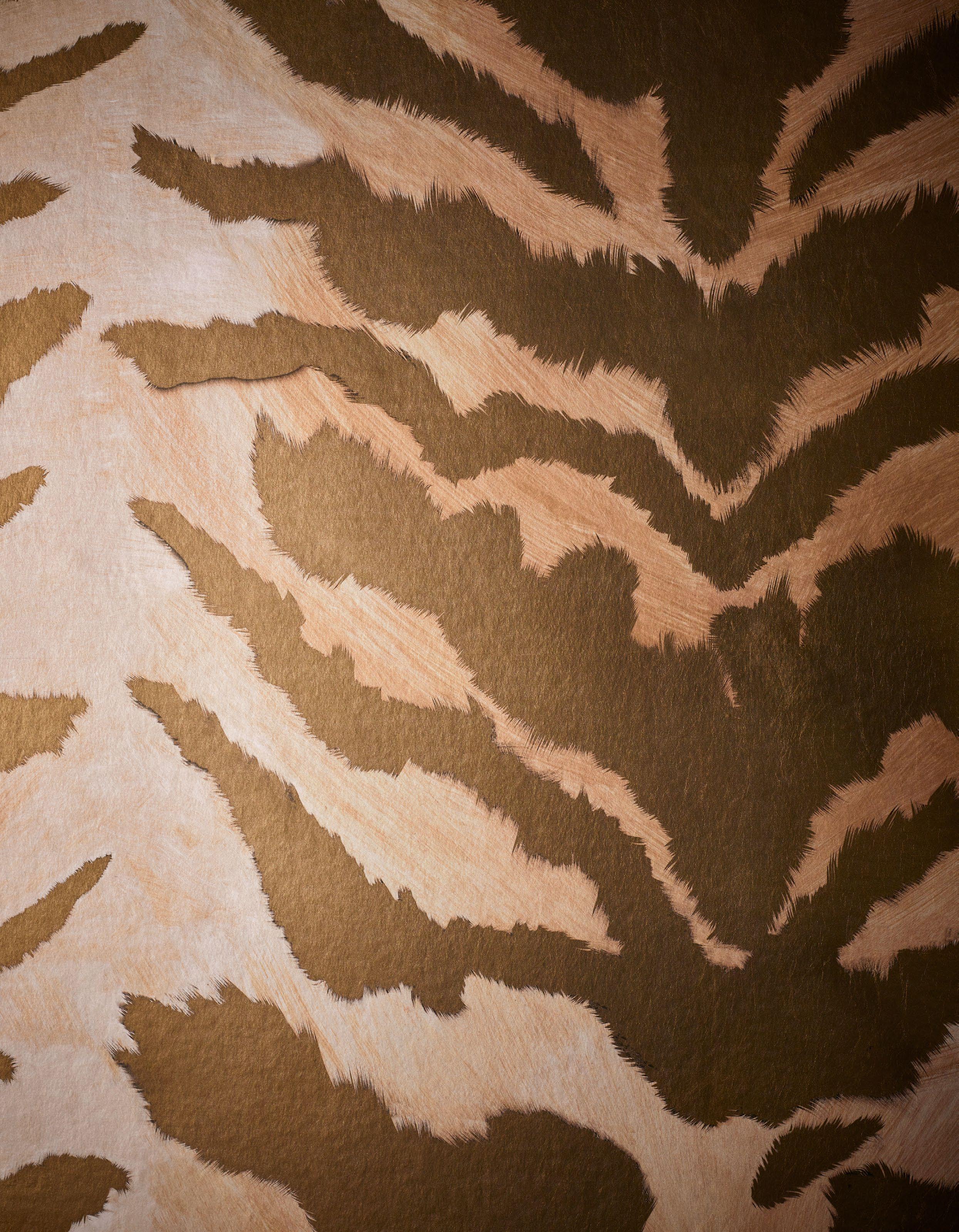
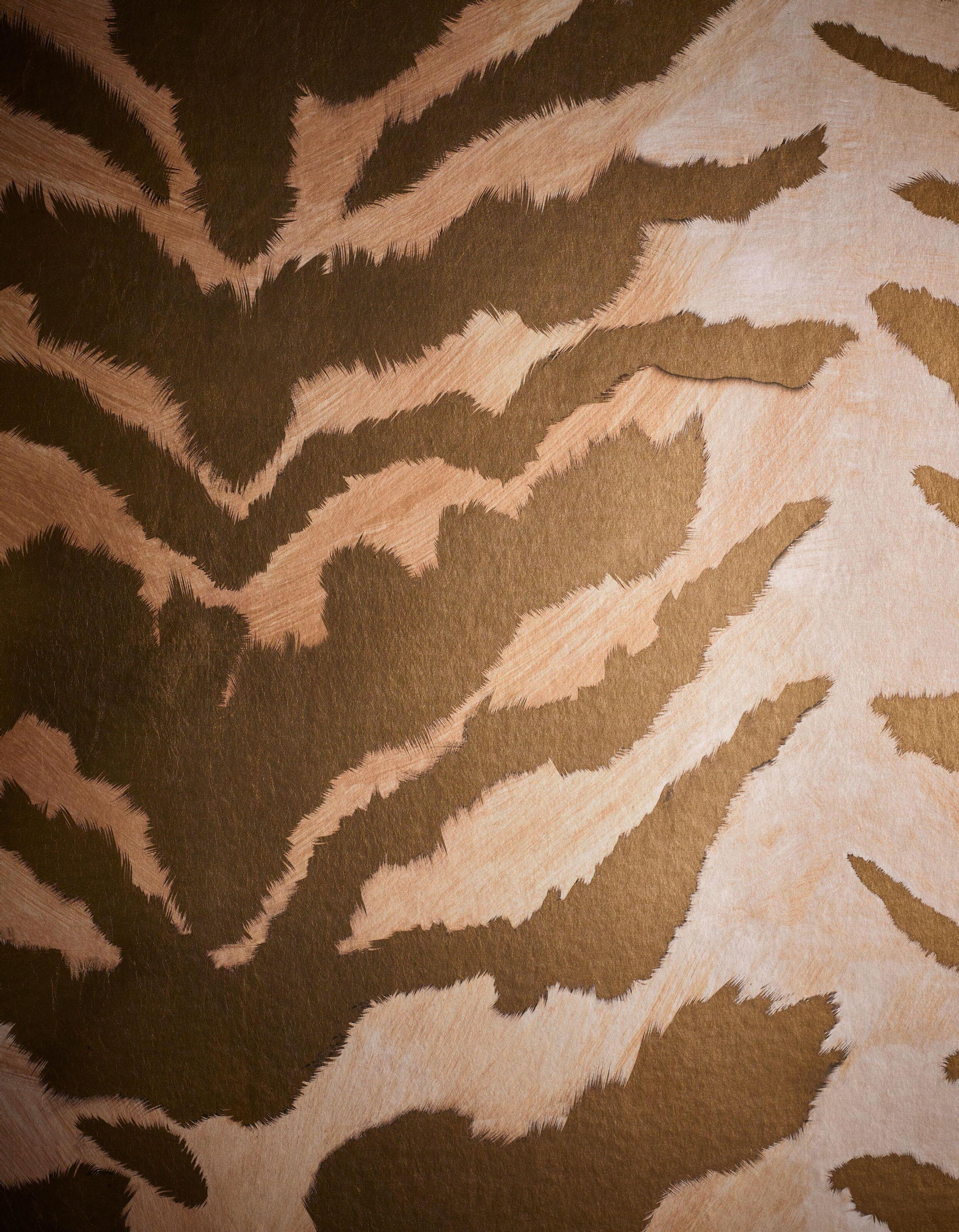
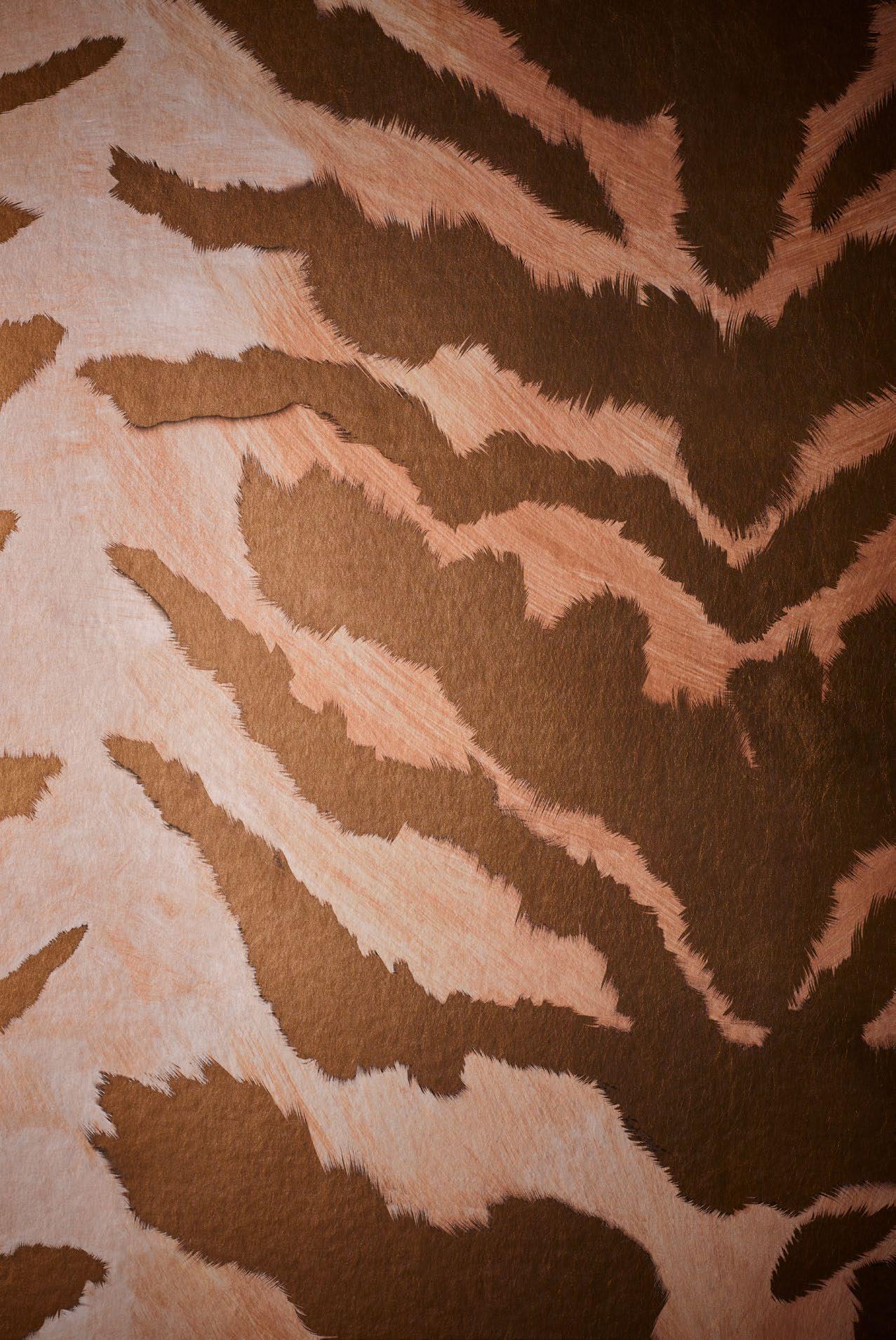
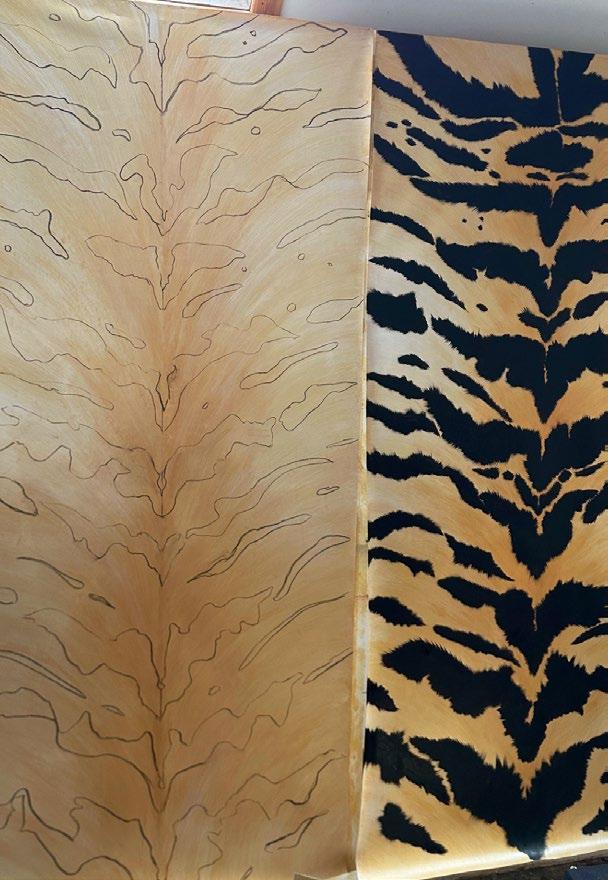
As with all Fromental designs, this striking tiger motif originates from full-scale, hand-painted panels, built up through layers of wet and dry brushwork to achieve its bold, fluid texture. Originally developed for Harris Reed’s SS26 runway collection, the artwork embodies the spirit of experimentation at the heart of the collaboration. This is not surface decoration, but a rigorous exploration of technique. The hand-painted tiger is translated onto a metallic ground, preserving the depth and movement of the original brushwork in print. The resulting design retains the same fearless energy and expressive power as the painting itself — uncompromising, dynamic, and unapologetically bold.


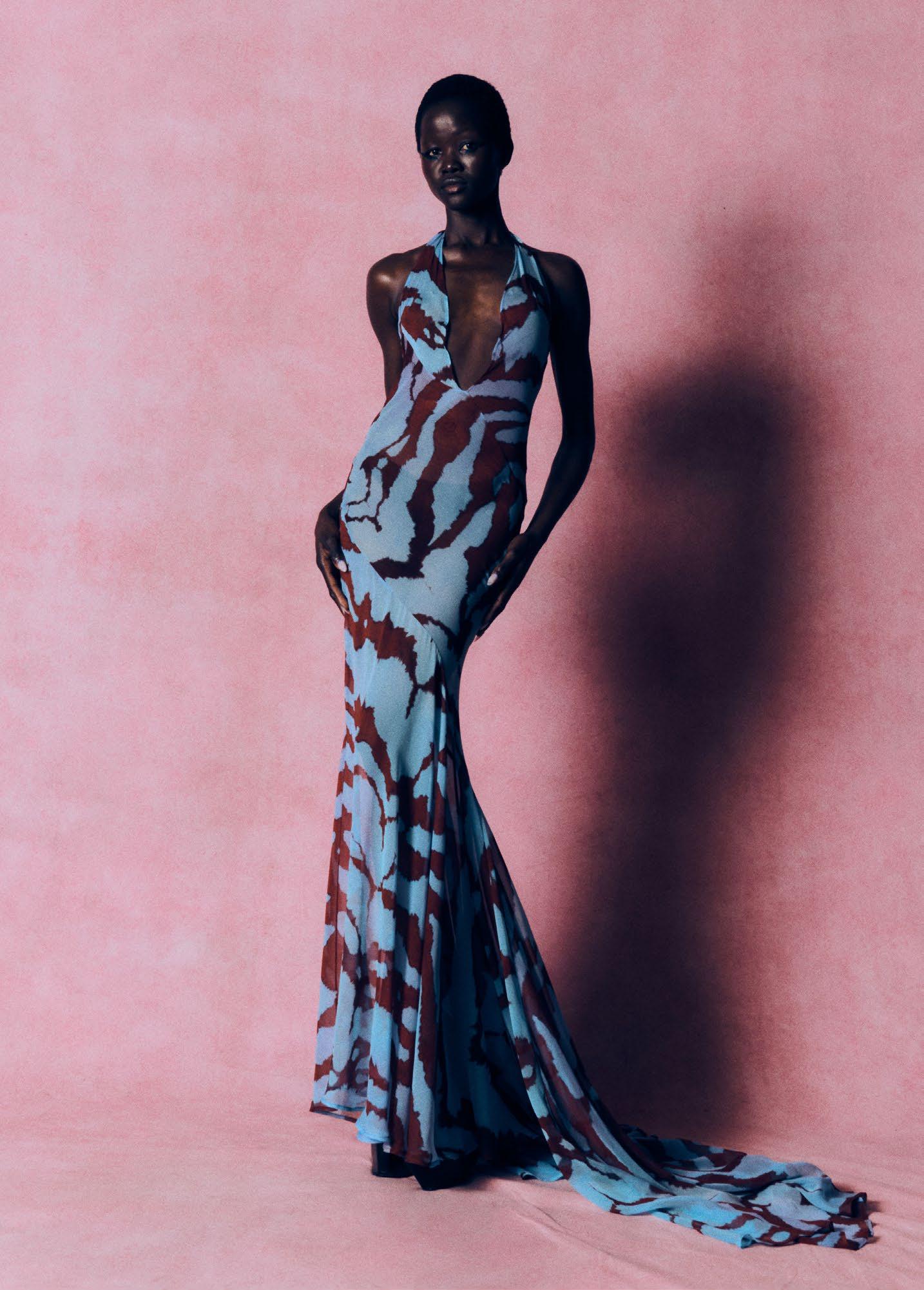
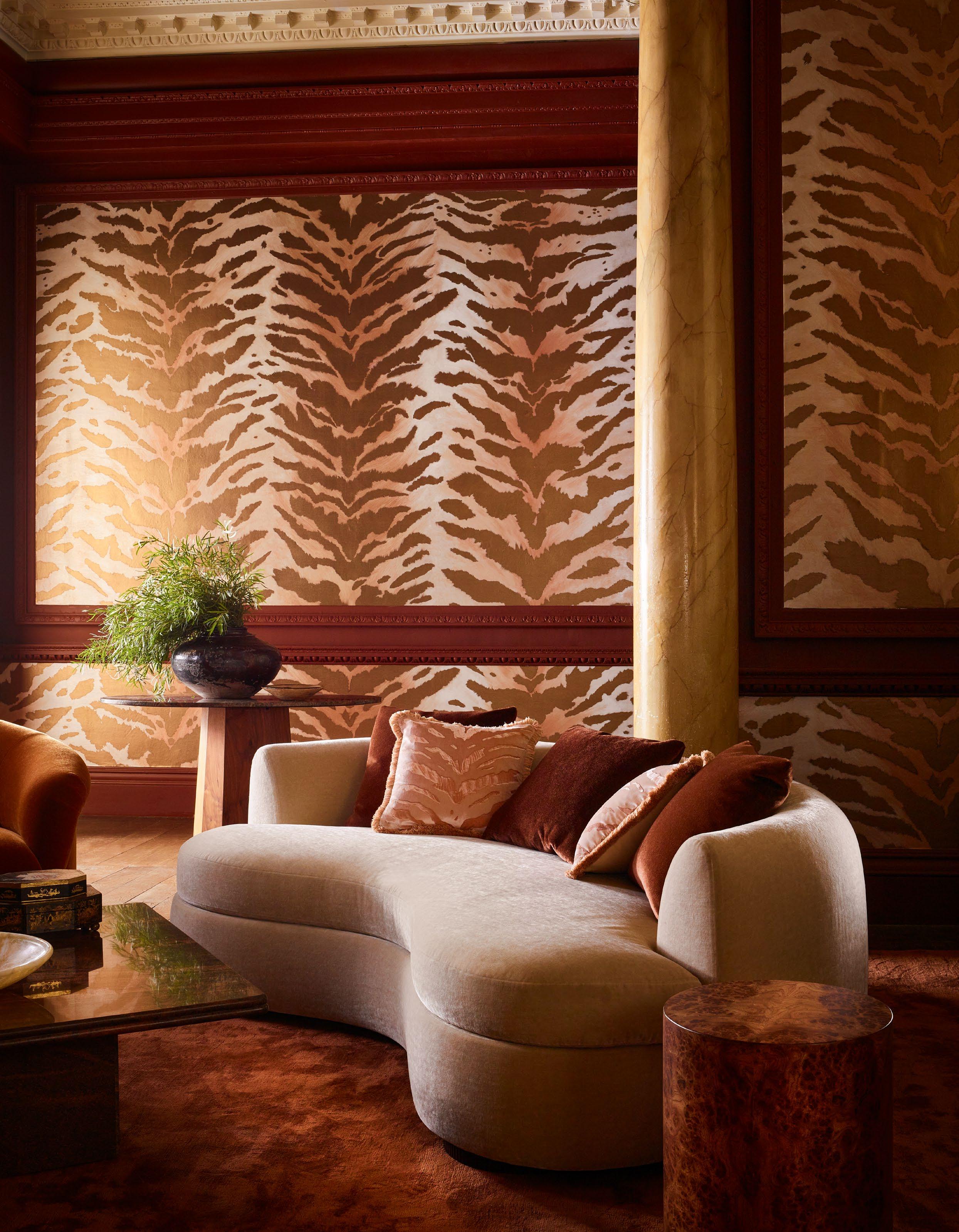
Framed by ornate mouldings and classical columns, the design plays on the tension between untamed beauty and refined taste in this opulent drawing room. Here, evenings unfold by candlelight — conversations linger over rare spirits and laughter echoes across coffered ceilings, as metallic tiger stripes catch the glow and flicker with every movement.
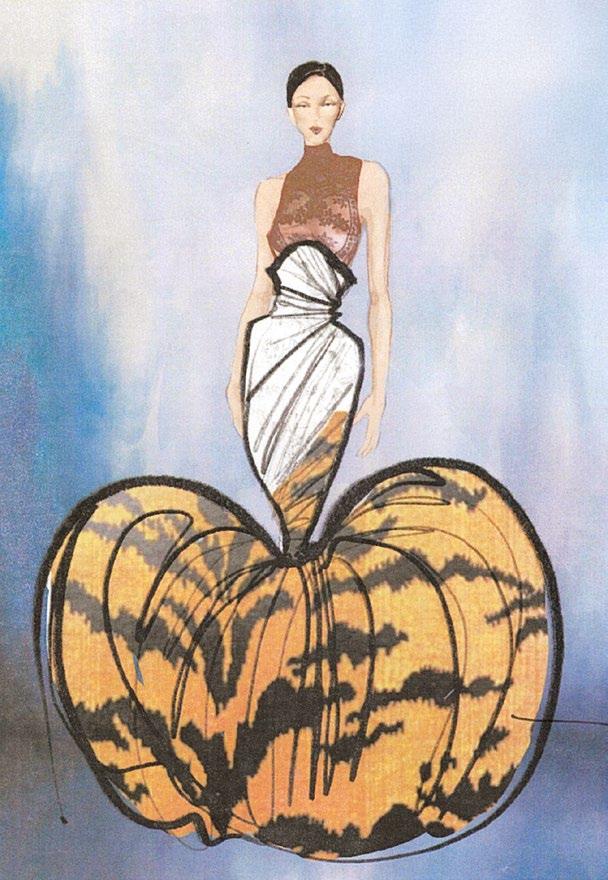
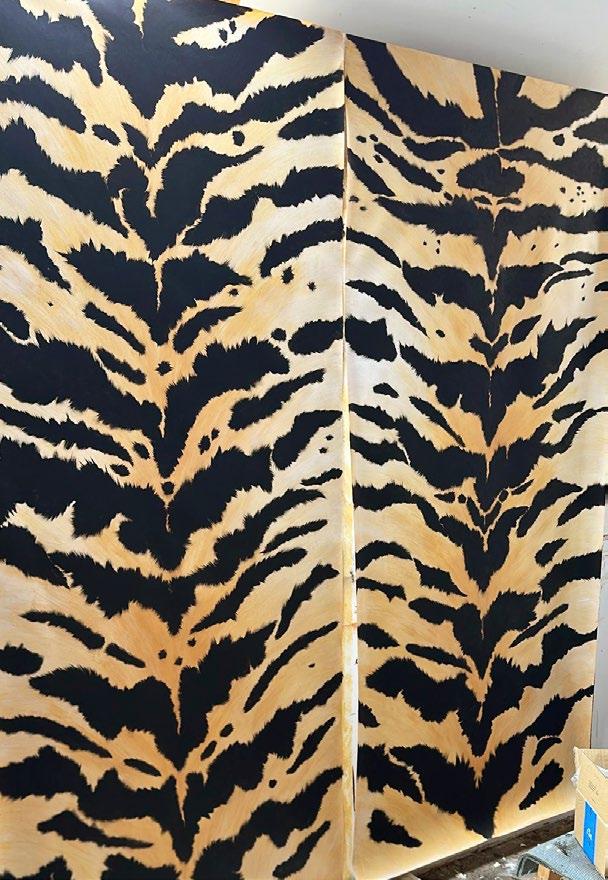
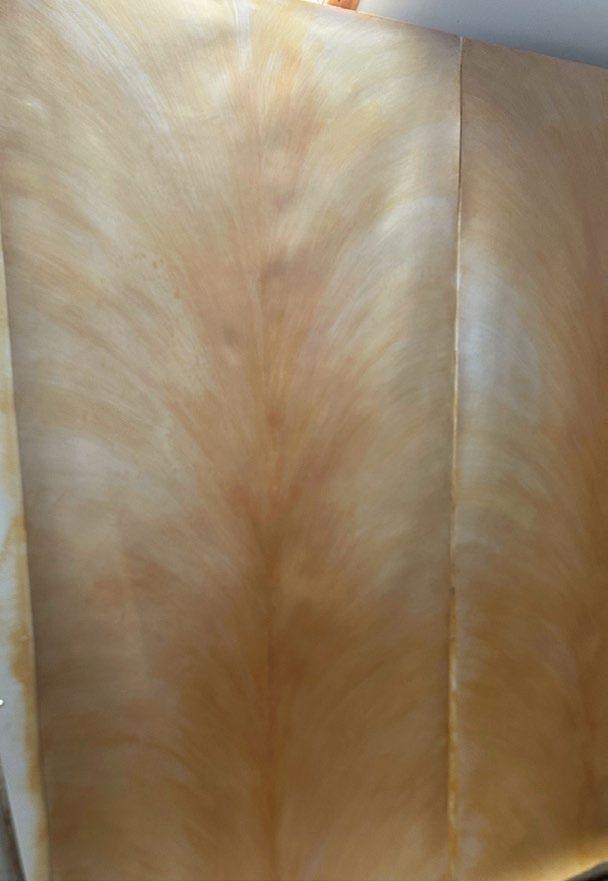
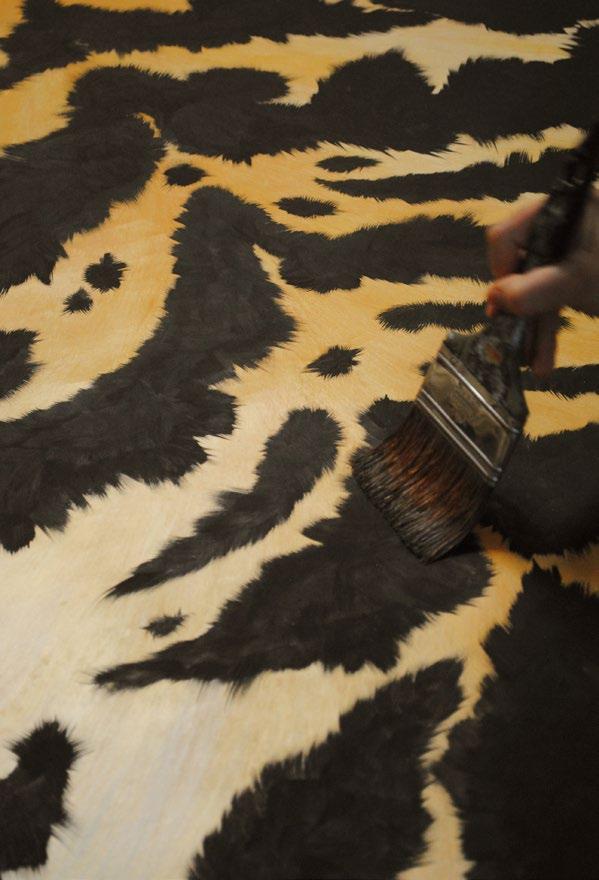
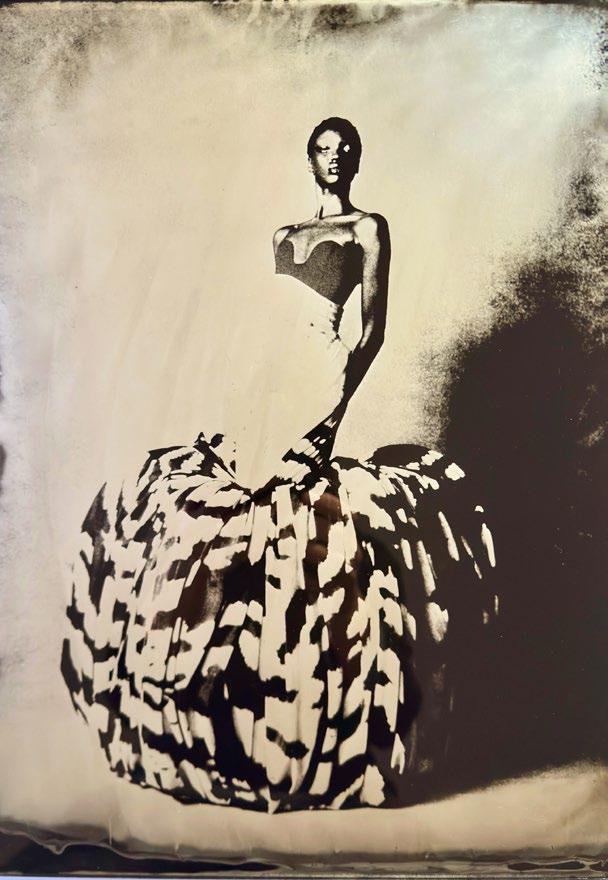
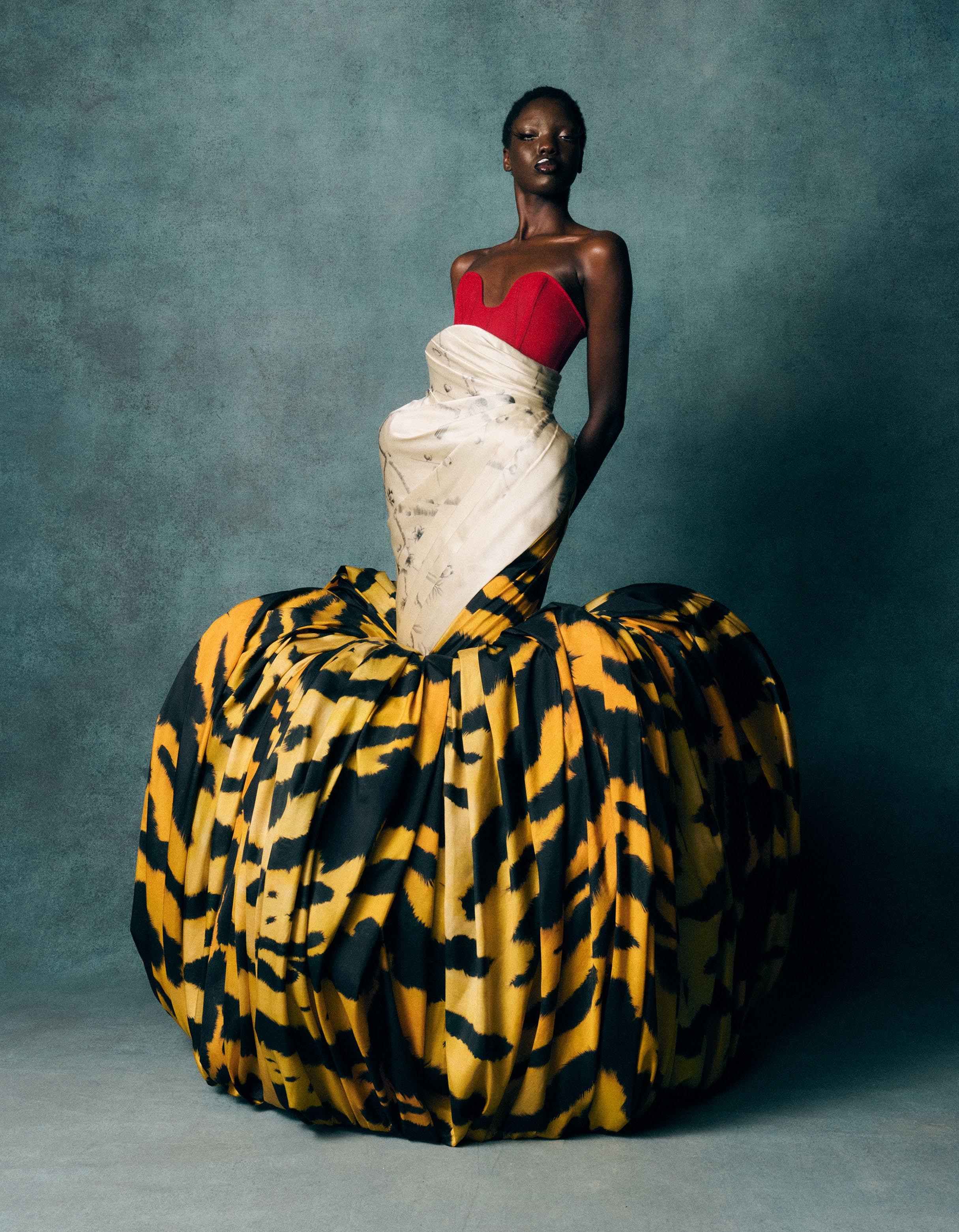
For SS26, Harris Reed set out to redefine the boundaries of tiger print. Long ubiquitous within fashion, the motif was reimagined through bold, experimental applications that challenged convention and celebrated craft. It appeared on corsets encased within Reed’s signature caging, swept across, voluminous silk skirts, and was even hand-painted onto platform fur boots by Lizzie herself.
Rather than recycling a familiar animal print, the design was conceived as an exercise in reinvention. Multiple iterations were hand-painted at full scale, each exploring new expressions of movement and texture, before being translated into print for garments and walls alike.
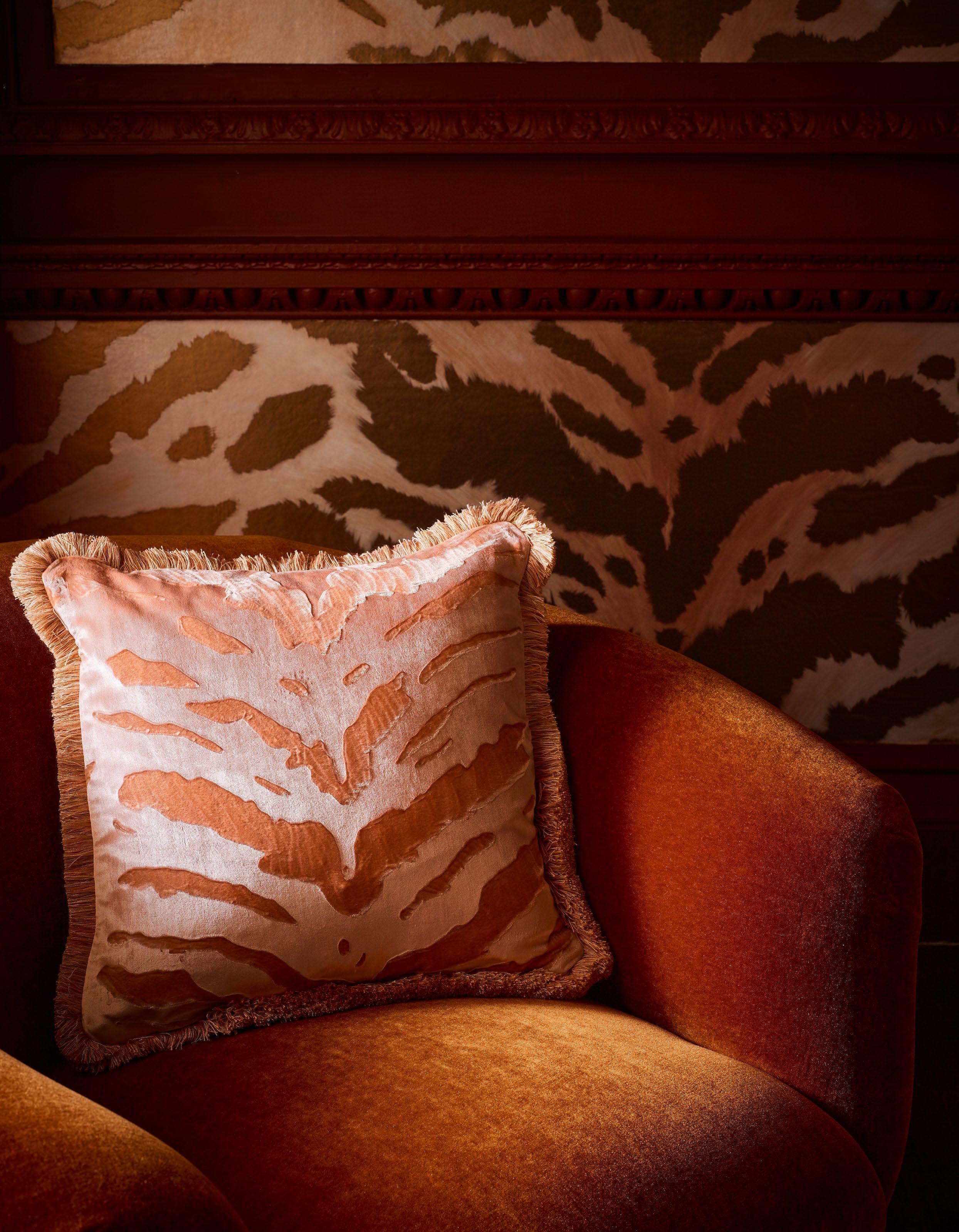
The tiger pattern is used as a maquette for Fromental’s distinctive cut velvet technique. A hand-brushed ombré is applied to a rich velvet pile before our tiger motif is precisely cut into the surface. For added depth and drama, elements of the pattern are then gilded into the pile. Complementing the wallcoverings, these soft furnishings carry the collaboration into three dimensions, translating Reed’s expressive vision into tactile form — immersive, intimate, and unmistakably Harris.
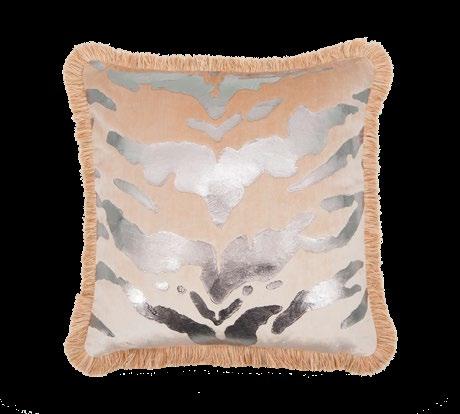
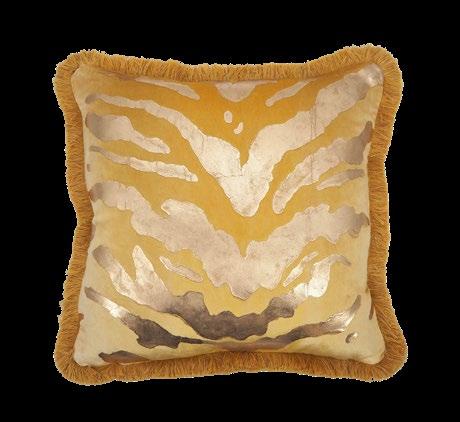
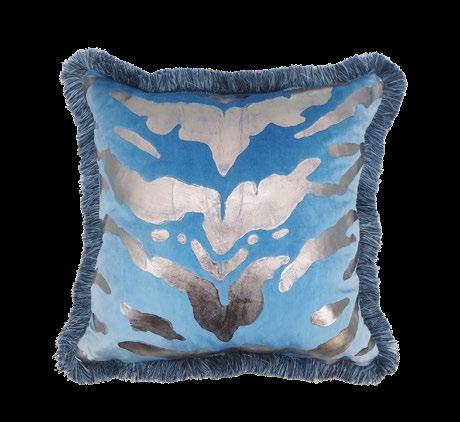
Hand-gilded on a rich velvet pile, tiger stripes stretch across three vivid colourways, finished with a fringed trim.
All Imagery by Fromental unless otherwise noted
Page 3, 14-15, 25, 27
Astrid Templier, Studio Clementine
Page 4, 7, 8, 16, 18-19, 21, 22, 28-29, 34-35, 44-45, 46
Chris Everard, Alyce Taylor
Page 5, 9
Tiny Studios
Page 6, 30
Courtesy of Harris Reed
Page 30, 41
Suleika Mueller
Page 10-11
Jason Lloyd Evans
Page 13, 33, 39, 42
Vogue Runway
Page 31
Kurt Manley, Navarra Design
Art Direction by Milly Marsden, Daisy Cooper and Helena Payne
Words by Milly Marsden and Daisy Cooper
Design by Robert Bandy
fromental.com | @fromentaldesign