Fairer Housing, Stronger Communities
A campaign to manage the impacts of holiday accommodation in the Lake District
Friends of the Lake District, March 2026
A campaign to manage the impacts of holiday accommodation in the Lake District
Friends of the Lake District, March 2026
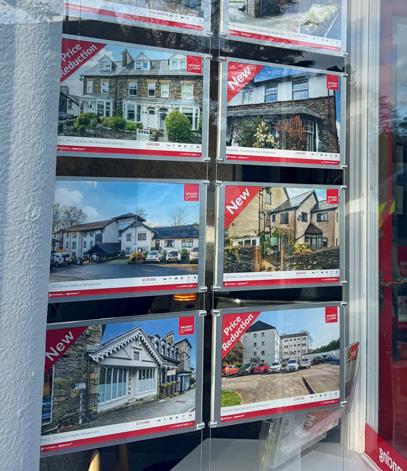
The growth in short-term holiday lets and second homes in and around the Lake District National Park is a key contributor to an affordable housing crisis. Those who work in and want to live in or near the Lake District are finding it difficult to buy or rent a home in the Park due to the impact on the housing market – the number and price of houses available for sale or long-term rent – of spiralling demand for holiday accommodation. The increase in the number of properties that are empty or underused leads to a phenomenon of ‘hollowed out communities’, a loss of community vibrancy and the decline of local services and infrastructure. For local
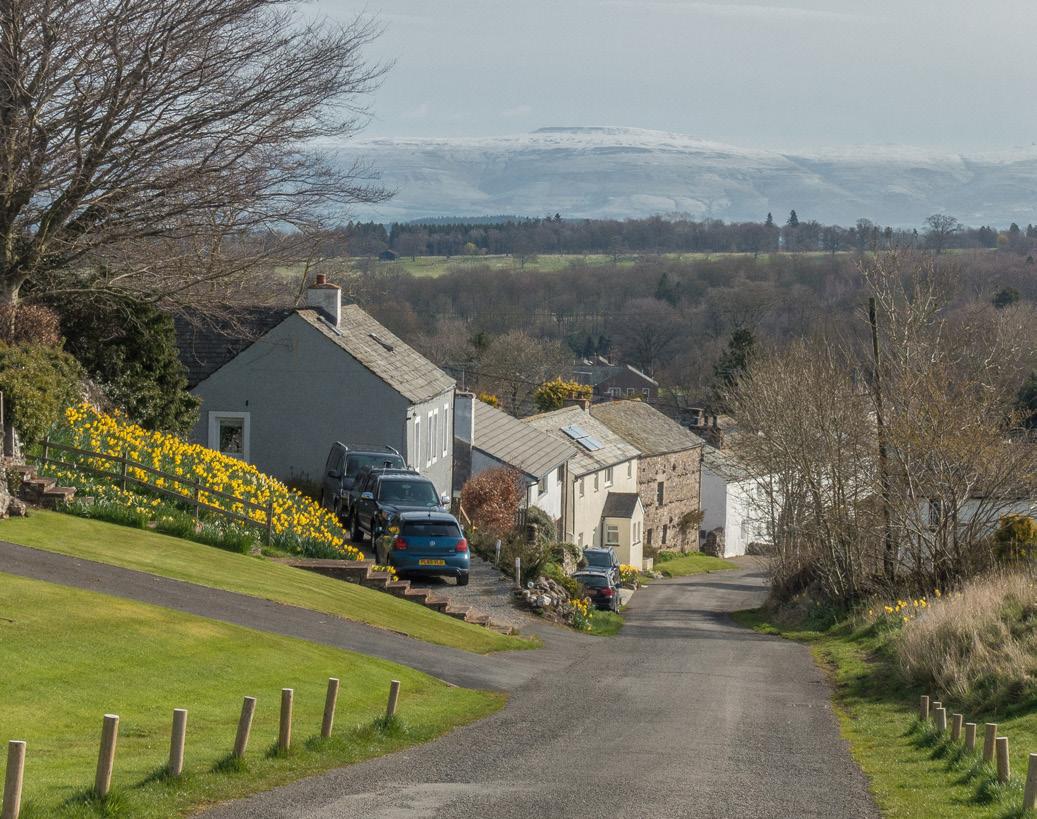
“My family have lived here for generations but I’m the only one left because we have been priced out. My children couldn’t stay despite wanting to because there are no homes they can afford despite being in professional occupations.” 1
Friends of the Lake District campaigns for landscapes that are tranquil, rich in cultural heritage, and environmentally healthy. Our concept of landscape is holistic: it comprises people and communities as well as nature. Where communities are in decline and the balance between community, economy and nature is being upset, the landscape’s character changes for the worse.
To revive communities, housing needs to become more affordable to support a younger working-age population in the Lake District. The Government’s solution is to build more houses, a strategy which takes longer, costs more, and can harm the landscape, even if an appropriate proportion is reserved as affordable / social housing. A more efficient route to increasing access to affordable housing is to tighten the rules on short-term letting, (further) disincentivise second homes, and bring underused properties back onto the housing market. This does not mean that no new build housing will be needed: people are living longer, more people are living on their own, and housing needs are changing. But bringing underused properties back into permanent residential use reduces the amount of new builds needed and so eases the pressure to put new homes in less sustainable locations.
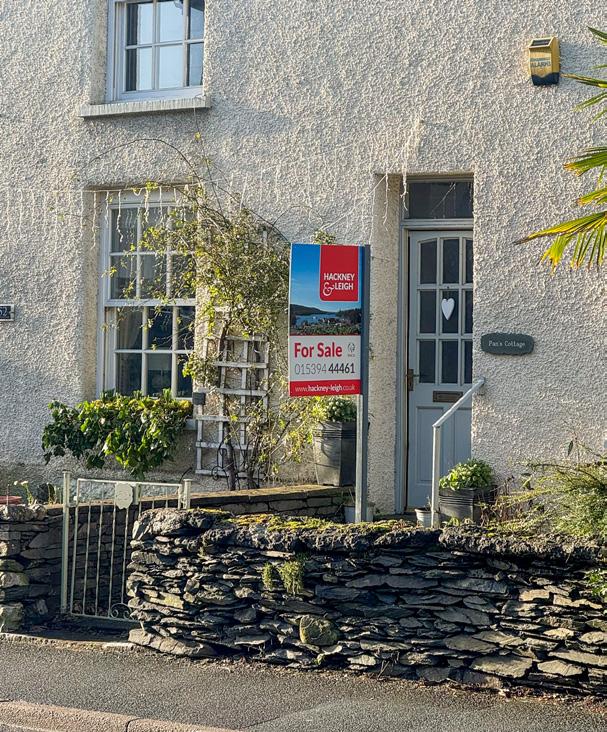
This report makes the case for Fairer Housing, Stronger Communities. Building on our analysis of the impacts of tourism on the Lake District 2 and earlier national surveys of the impact of holiday letting on long-term renting,3 it details the scale of the transfer of properties from permanent residential use to short-term holiday accommodation and the social impacts arising. It proposes a series of measures that would enable changes in use to holiday lets and second homes to be monitored and controlled where they have detrimental effects on communities. We want to level the playing field between hotels and traditional B&Bs on the one hand and short-term lets booked through platforms such as Airbnb on the other. By doing so, we want to bring about a better balance between the value that tourism brings to the local economy, the needs of those wanting to stay in, and enjoy, the Park, and the needs of permanent residents.
In 2025, we commissioned independent consultants Understanding Data Ltd and Chilmark Consulting to research trends in visitor accommodation provision in, and on the edge of, the Lake District National Park and to analyse the impacts of the growth in holiday accommodation on local communities in the Park. Their research paints a stark picture: the uncontrolled expansion of holiday accommodation is changing the social profile and damaging the collective well-being of Lake District communities.
2.1 The scale of holiday accommodation in the Lake District
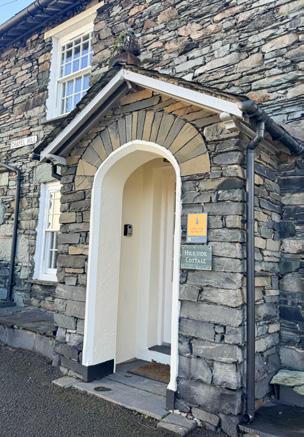
Holiday accommodation is replacing properties used for permanent residence: as of August 2025, 92% of holiday lets in the Lake District National Park – 4,546 units out of a total of 4,935 – were in permanent buildings (as opposed to huts and lodges etc.) which are suitable for use as homes.
In some parts of the National Park, previous Friends of the Lake District research shows that there are more properties given over to self-catering visitor accommodation than there are lived in dwellings. This is true of Borrowdale, Matterdale and Patterdale, for example, while in Martindale 77% of the housing stock has no permanent residents, meaning that there are more than three times as many properties given over to holiday lets or used as second hours as there are permanently lived in dwellings 4
Overall, census data reveals that the proportion of unoccupied properties in the National Park stands at 28% compared with a Cumbrian average of 10.3%.
4WhoPaysfortheLakeDistrict?,December 2024, p20-21.
5 Office of National Statistics census data.
Figure 1. Percentage of total dwellings that are unoccupied, 2001-20215
Key
Former District Councils
Allerdale
Barrow-in-Furness
Carlisle
Copeland
Eden
South Lakeland
Unitary Authorities
Cumberland
Westmorland & Furness County
Cumbria
The Park
Lake District National Park
Figure 2. Share of total dwellings that are unoccupied in tourist hotspots, 2021
Middle-layer Super Output Area
With many smaller cottages and family homes changing use from year-round, permanent residences to holiday lets, the effect is to remove from the market the type of housing provision that is in the greatest demand and which is most suitable for meeting the needs of local workers and residents.
Where the percentage of holiday lets and second homes is below a certain proportion of the housing stock –generally 20% – there is usually a harmonious balance between local communities and visitors.6 Above this figure, however, the negative impacts on communities start to outweigh the economic benefits of tourism.
At full capacity, the self-catering visitor accommodation population is as much as 60% of the total permanent residential population. This puts huge pressure on local services and infrastructure.7
6 Who Pays for the Lake District?, December 2024, p20.
At the same time, the transience of the people staying in many of the properties in the Lake District means that local services are being lost as there are fewer permanent residents to support them. Local skills, knowledge, dialects and community connections are also at risk.
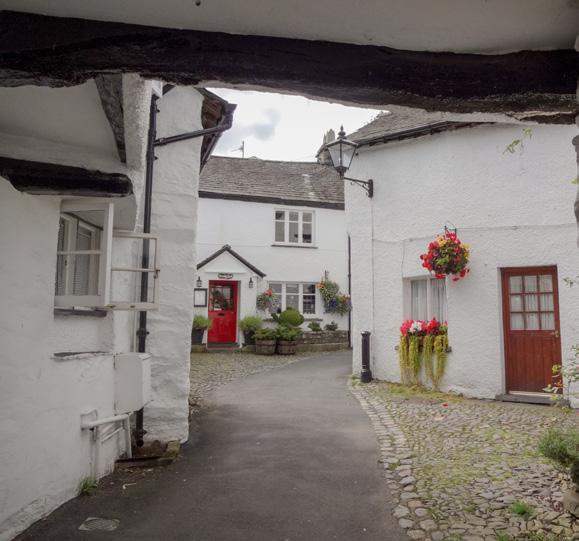
7 Our previous research identified seven categories of ‘burden’: (1) energy and greenhouse gas emissions e.g. cost of infrastructure upgrades, cost of managing peak demand, increased reliance on non-renewables; (2) water e.g. cost of infrastructure upgrades, overexploitation; (3) solid waste e.g. cost of infrastructure upgrades, uncollected waste, unsanitary waste dumps and pollution; (4) sewage e.g. cost of infrastructure upgrades, untreated sewage; (5) natural capital e.g. cost of climate change adaptation and mitigation, costs to maintain protected areas, loss of biodiversity and ecosystem services; (6) social capital e.g. higher cost of living, amenities for residents displaced by visitors, undermined community values; (7) transport e.g. cost of road maintenance, congestion, provision of public transport. Who Pays for the Lake District?, December 2024, p8.
Between 2019 and 2023, house prices in the National Park increased at a much greater rate than the national average. Within the Park, prices increased by 50% or more in Coniston, Broughton & Kirkby and in Hawkshead & Cartmel Fell, compared with an average national increase of 26%.8 It is estimated that there is a 25% price premium for properties inside the Park’s borders.
It is more economically beneficial to a property owner to make their property available for short-term rather than long-term (residential) let. At the same time, the conditions that they have to adhere to and the rights accrued by long-term tenants mean that short-term letting is less onerous for a landlord.
The result is that the long-term rental market is shrinking: as of the end of January 2026, available data showed that there were only 33 properties within the Lake District National Park on offer to rent to live in. The average rental value of these 33 properties was £1,224.9 Reduced supply is making residential renting in the National Park expensive and out of reach for most local people, an important proportion of whom are employed in low-paid sectors.
Taken together, the surge in house prices and the fall in the number of properties available for long-term rent translate into affordability ratios – the ratio of average incomes to average monthly rents and mortgage payments – that are significantly worse than the national average. Local people are being priced out of the areas that they grew up in
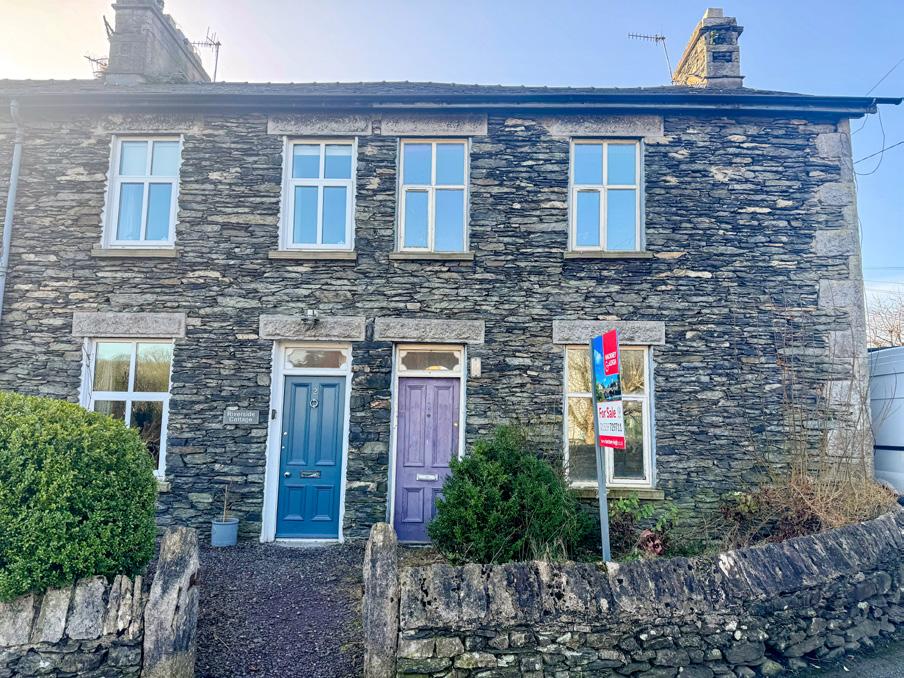
This lack of available, affordable housing is one of the reasons behind a decline in the permanent population of the Lake District National Park.
The reduction in the number of permanent residents means that there is less funding from central Government for local authorities to deliver services and maintain infrastructure: the allocation of funding is based on the permanent population and does not take into account the number of visitors. In effect, the more visitors there are to the Lake District, fuelling the shift to holiday letting and contributing to the decline in the permanent population, the less resources there are available to manage the impacts that high visitor numbers have.
The population has fallen in the four parts of the Park with the highest number of holiday lets: Keswick & Derwent Valley; Windermere North, Ambleside & Langdales; Windermere South & Staveley; and Hawkshead & Cartmel Fell.
These areas have also seen a sharp decline in the working age population. A model of tourism centred on the boundless expansion of short-term holiday accommodation is becoming actively selfdefeating: the parts of the Park with key settlements and a need for employees to support local businesses are also the areas with the highest number of holiday lets. The pressures on the local housing market are the greatest in precisely the areas where there is the highest need for affordable housing that is suitable for people working in the tourism sector.
“In the Lakes and the dales of Cumbria we have 63% of our employers operating below capacity because there aren’t enough workers in the area. The big problem for us is the collapse of the long-term private rented sector into Airbnb.” – Tim Farron 11
The reduction in the permanent resident population has led to a decrease in the number of children registered on school rolls. As one example, St Joseph’s Catholic Primary School in Cockermouth – not itself in the National Park but drawing on families living in the Park for most of its pupils – closed in 2022 because the number of children had dwindled and it became impossible to recruit staff. Across the Park there was, between 2019 and 2024, a decline of around 300 students, with the greatest drops in Keswick and Windermere – the same correlation with the areas in which second homes and short-term holiday accommodation are most prevalent.12
There has also been a fall in the overall number of people registered with GPs within the National Park, with a large decrease of around 500 people in Windermere (across two GP practices) and a similar decrease for a GP practice in Ambleside. This renders these services less viable.
Fewer people are now employed in traditional retail sectors which serve the community, with more working in pubs, cafés and bakeries. This suggests a change in the pattern of service provision from a convenience offer serving local people to a “gentrified” offer geared towards visitors.
Faced with an uncertain farm payment regime and downward pressure on the prices paid by supermarkets, many farmers supplement their incomes by letting out a cottage or other property on their land. In some aspects, the impacts of them doing so are less than in towns and villages where a high proportion of properties are made over from permanent residential use to short-term letting. At the same time, Friends of the Lake District does not support unlimited holiday letting on farms or a level of holiday letting that distorts the housing market and prevents locals finding a suitable home.13
12 In its submission to a consultation on the draft Levelling up and Regeneration Bill in 2022, the Lake District National Park Authority itself noted that “the percentage of homes not used for permanent residence in Above Derwent Parish is 42.78%. The parish school – Braithwaite Church of England School currently has 41 – compared to 99 pupils in 2014. This decline in pupil numbers is mirrored in most parishes where there is a high percentage of second homes and holiday lets.”
13 There are already, in the Lake District National Park Authority’s Supplementary Planning Document on housing, restrictions on new build around farms and on the conversion of existing buildings from an agricultural use to a residential use.
At present there is nothing to stop an existing home being turned into a holiday let or second home. There is also no requirement to declare such a change which makes it difficult to gauge the true scale of the problem. In the absence of a single, comprehensive national data set, data must be drawn from different sources, each of which uses different metrics.
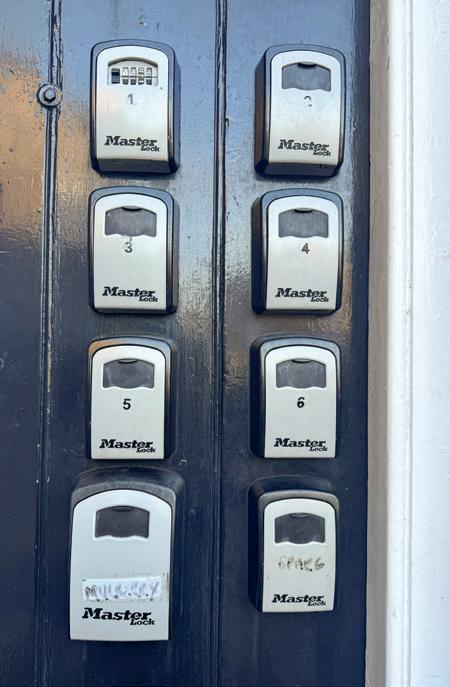
Informal short-term lets promoted through Airbnb and other platforms are not subject to the same conditions as traditional B&Bs, for example in relation to fire and gas safety, business insurance, and disability access.
2.6
Holiday lets tend to pay business rates which are generally lower than council tax, particularly in areas where there is a council tax premium.14 If a property’s rateable value is less than £15,000 and if the owner lets only one property in England, small business rate relief applies to the point where a property with a rateable value of £12,000 or less pays no business rates and does not pay council tax either.15
Since business rates are paid to the Treasury while council tax goes to local authorities, the transfer of properties from permanent residences to holiday lets means cash-strapped local authorities lose out on important revenue. This means that there is less funding for vital local services such as adult and social care, education, and transport.
The decline in the population living in the Lake District National Park has happened in parallel to an increase in the number of new homes.
of dwellings,
Building new homes is not solving the housing crisis, it is masking it. In effect, it is mitigating the effects of – or indeed enabling – the transfer of properties to short-term accommodation and second homes by partially offsetting the reduction in housing available for conventional residence or long-term renting.
A 2023 study from Generation Rent revealed that in the Copeland district of Cumbria, 426 new homes were created in the previous three years. Over the same period, 407 existing homes were converted to commercial holiday lets or second homes.17
14 A holiday let qualifies for business rates if it is available for let for at least 140 days per year and actually let for at least 70 days; Business rates, Self-catering and holiday let accommodation
15 For properties with a rateable value of £12,001 to £15,000, the rate of relief goes down gradually from 100% to 0%. As examples, a property with a rateable value of £13,500 is subject to 50% small business rate relief while one with a rateable value of £14,000 qualifies for a 33% reduction.
16 Total dwellings in the National Park, Lake District National Park Local Plan Annual Monitoring Report 2024-25, November 2025, p36. The true figures may be somewhat lower as no account is taken of some dwellings lost through demolition or conversion out of any form of residential or rental use.
17 Cited in Who Pays for the Lake District?, December 2024, p22.
The Government has made a priority of building new houses, setting itself a target of 1.5 million new homes by 2029 and weakening planning rules and nature protections that it believes are slowing the delivery of new builds. The experience of the Lake District suggests that the Government’s key assumption that the primary cause of the housing crisis is a lack of houses is wrong. It is as much an issue of empty and underused houses – and, in the Lake District, this is likely the principal cause. At the same time, the National Park does not have the capacity to meet both the housing needs of local people and the current demand for second homes and holiday lets.
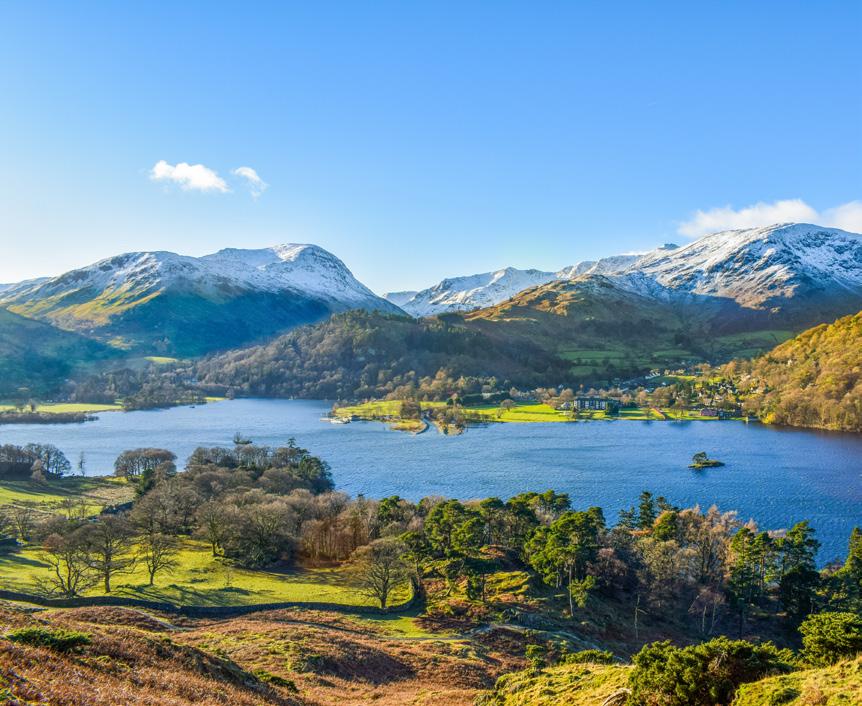
“The popularity of the Lake District means there is high demand for housing [which] drives prices up because there is a limited supply. Whilst new houses are being built all the time, demand outstrips supply and the Lake District’s environment simply cannot accommodate a level of growth that would be necessary to meet the demand that exists. Currently there are no national planning controls preventing existing unfettered properties from being sold as a second home or used as a holiday let.” 18
The availability and affordability of homes in the National Park is regularly cited as a major concern of local residents.19 In our own ongoing work to engage with local communities and parish councils, the signal has been strong and consistent that the proliferation of holiday accommodation is having a negative impact on communities.
These concerns have been acknowledged at the highest level. The United Nations Educational, Scientific and Cultural Organisation (UNESCO) noted in its most recent review of the Lake District’s World Heritage Site status that “new housing should prioritise local residents and avoid further increases in short-term lets.” 20
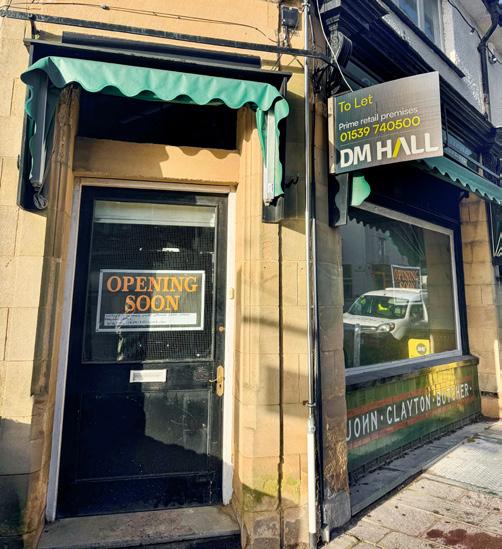
The Lake District National Park Authority itself recognises the challenges posed by short-term holiday accommodation and second homes, and has prioritised affordable housing in its Local Plan: “One of the greatest single challenges to sustaining vibrant communities in the Lake District is the availability of housing that a full cross-section of a balanced community should ordinarily be able to afford.” 21
From the perspective of business, Cumbria Tourism’s Destination Management Plan cites “[the g]rowth of second/holiday homes and Airbnb plus property prices driving lack of affordable housing for staff” as a threat and poses an objective to “[a]ddress access to affordable housing and the housing mix for staff.” 22
Cumbria’s two unitary authorities, Westmorland and Furness Council and Cumberland Council, have responded to the rise in second homes by introducing a 100% council tax premium on second homes, effective from 1 April 2025, meaning owners are obliged to pay double the standard council tax rate.
These policies are necessary but not sufficient. To ensure a deep and lasting change to the housing market such that negative community impacts are reduced, we are calling for a package of measures to address the uncontrolled expansion of holiday accommodation. No single measure would deliver the change required, however, and so it is essential that progress is made with all of them.
19 In a survey conducted by ACTion with Communities in Cumbria, 82% of respondents cited rural affordable housing as a problem; Rural Survey Summary, February 2025, slides 5, 11-14. Qualitative input to the survey reiterates the message of this report, with comments including ‘Youngsters have no chance of accessing the market’; ‘[there’s] Not enough affordable housing for the people who work in the valley’; ‘Holiday homes are necessary but need controlling and curtailing’; ‘As a local employer, it’s difficult to employ staff that live locally’; and ‘More rural housing should be protected by local occupation rules and properties bought to let should be offered on a long-term let basis’.
20 Conservation issues presented to the World Heritage Committee in 2025, The English Lake District, UNESCO.
21 Lake District National Park Authority, Local Plan 2020-35, Section 3.15.05.
22 A Destination Management Plan for Cumbria, 2024-2030; Cumbria Tourism, p29. para16.
1. Changes to the Use Class Order so that planning permission is required before a house can be turned into a holiday let or second home.23
This would increase the control options open to local authorities and create a barrier to converting a property to a holiday let. It would enable local planning authorities to consider the impact of changes in use through the planning process and limit the number of holiday lets in settlements where the 20% threshold was reached.24 It would, however, have no effect on existing holiday lets.
2. National legislation to create a mandatory holiday let register so that numbers can be effectively tracked.
A register would help with identifying how many holiday lets there are and with monitoring the trend in the change in property use to and from holiday letting. This measure would require an enforcement mechanism for reporting and taking action against those operating without being registered.
3. National legislation to require holiday lets to obtain a licence from a local authority which ensures that a property is safe and provides a mechanism for neighbours to raise concerns where there are impacts such as noise.
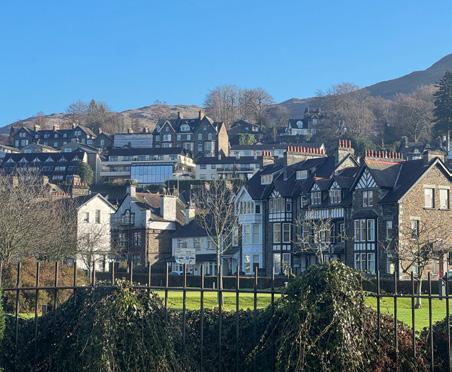
A local authority would be able to withdraw a licence if a condition is breached. This would help protect the amenity of neighbouring residents and ensure properties are safe to occupy. Alongside a register, a licencing scheme would render transparent the number of short-term lets and allow local authorities to withhold licences where 20% or more of properties are already holiday lets.
4. Changes to national legislation so that holiday lets pay council tax (along with any premium) rather than business rates.
This measure would remove the loophole that makes it more cost-effective for owners to make their properties available for holiday letting rather than long-term residential letting. It would encourage more owners to rent their homes out to people who want to live in, rather than just visit, the Park. In turn, more efficient use would be made of properties.
This measure would bring holiday lets into line with the rules that traditional B&Bs have to follow. The licence requirements could be similar to what is required for Houses of Multiple Occupancy, meaning that this is not something that requires major policy development or consultation.
By ensuring that owners of short-term lets make a fair contribution to the costs of maintaining local services and infrastructure, this measure would mean that local authorities receive more funding to deliver the services that both residents and visitors depend on. Importantly, it would apply to both existing and new holiday lets.
23 The Town and Country Planning (Use Classes) Order 1987 defines the uses of land and buildings in terms of categories known as ‘Use Classes’. There is currently no separate use class for second homes or holiday lets and, since they are not defined as such, there are no particular rules applying to them, nor is it straightforward to know how many there are.
24 Local authorities’ decisions can either reference Local Plan policies which define the threshold above which new holiday lets would not be approved or draw on an Article 4 Direction, a mechanism for restricting developments within designated conservation areas or controlling the use of properties in a specific area; What is an Article 4 Direction? A Homeowner’s Guide, January 2024.
“Without planning controls requiring change of use applications which could limit further conversion of existing properties from main to second homes or holiday lets, there is no way of stopping the already challenging situation for residents worsening and ensuring an adequate supply of homes for local people in high tourism areas.” 25
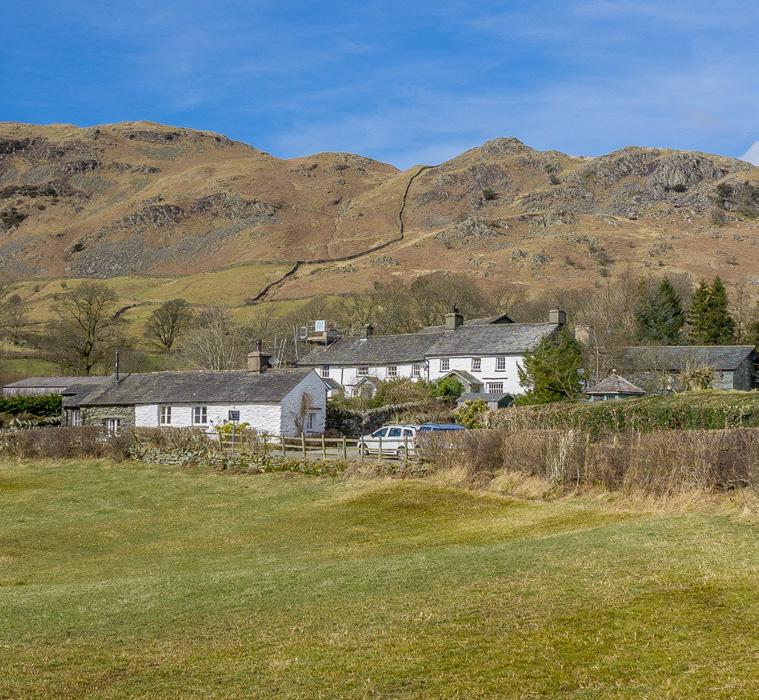
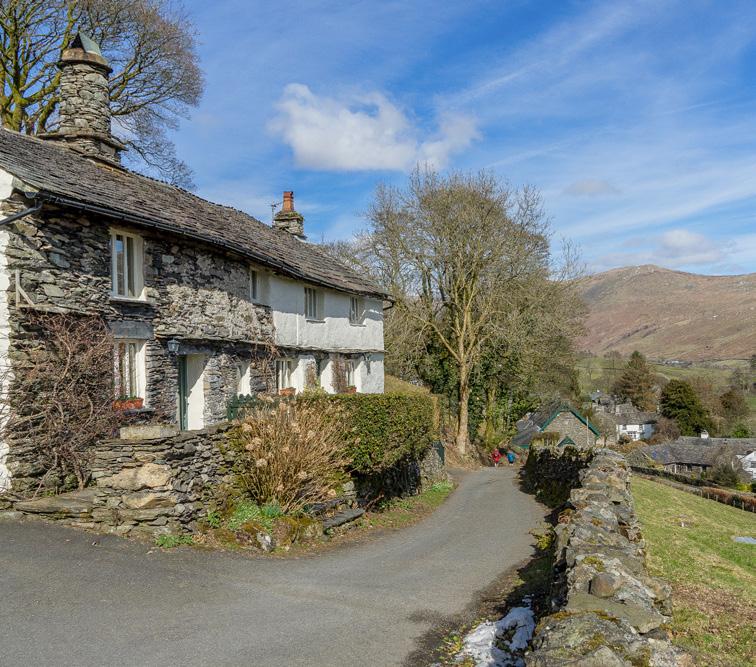
Each of these measures already has support from national and local policy-makers. Both the current and the previous Government recognise the need for some form of regulation.26 A register of short-term lets is expected to be introduced in 2026, albeit potentially as a voluntary scheme initially.
National Government has been more guarded on the issue of a change in tax regime, but the Lake District National Park Authority is clear that this step is needed. In its response to the consultation on the Levelling up and Regeneration Act 2023 –the legislation which allows for the introduction of a short-term let register – the Park Authority argued that “the small business rate relief should be removed from all furnished self-catering properties with a rateable value of less than £15,000, by moving all furnished self-catering properties to the council tax regime” and for the council tax premium to apply to such properties. It also “believe[d] that a change to the national planning framework should be introduced to make permanent residences, second homes and holiday lets separate use categories for planning purposes.” 27
The problem of the expansion of holiday accommodation in the Lake District –and in other heavily visited parts of the country – is acknowledged across the political spectrum and at the national as well as the local level. The crux is to implement solutions that have a real effect on the viability and vibrancy of communities impacted by the rise in the number of short-term holiday lets and second homes. To this end,
• the Department for Housing, Communities and Local Government should move quickly to roll out a registration scheme for short-term holiday lets, allow local authorities to deploy licencing conditions to control the expansion of holiday letting and legislate to make short-term lets and second homes new use classes.
• The Treasury should change the
• Cumbrian MPs should join forces with MPs from other parts of the country with high tourism impacts and act as champions in Parliament for measures to monitor and control short-term holiday accommodation and second homes.
• Local authorities should join calls for and, in due course, deploy the power to better monitor and control the proliferation of second homes and short-term holiday lets through the use of Article 4 Directions, Local Plan policies and licencing conditions.
• The tourism industry should support our call for a licencing scheme to level the playing field between hotels, traditional B&Bs, and informal holiday lets.
• Those letting out their properties or using them as second homes should recognise the impact that this has on local communities and consider making their properties available for long-term rent instead.
Visitors to Cumbria should be sensitive to the impacts that short-term holiday lets have on communities in the Lake District in deciding where to stay.
26 The previous Government published a consultation paper on