


Mangoes are famous for their sweet juiciness and deep color. Mangoes are eaten across the globe, particularly during warm weather when they are available. So what do you do if you slice a mango and find dark or black lines within the flesh? It's a fairly common problem that tends to make people wonder about the safety of the fruit.
Let's have a closer look at what exactly those black lines mean and if the mango is still safe to consume.

The black or dark lines that occasionally show up in mangoes are a result of multiple natural and environmental conditions. They usually follow the natural fibers or veins of the fruit. Although they may be unsightly. they do not indicate that the mango is bad.
Below are some reasons why black lines can occur:
Natural ripening: Mangoes, when they ripen. can have some internal fibers darken up particularly if the fruit is a little overripe
Bruising or handling: Mangoes are fragile. When dropped or bruised hard while being harvested or shipped. internal bruising will develop and look like black lines
Overripenness: A left-out mango can begin to deteriorate on the inside. causing darker spots around the fibers.
Fungal infection or rot: Black lines in very few instances are a symptom of internal rot due to a fungal infection. This is normally accompanied by other symptoms. such as a stench or mold.
Most thin black-lined mangoes are safe to consume.
Here's how to determine if they are safe:
The fruit smells good, sweet, and fruity.
The skin is hard, with no mold or huge soft spots.
The flesh is primarily golden or orange in hue. The lines are thin and dry. not sticky or putrid.
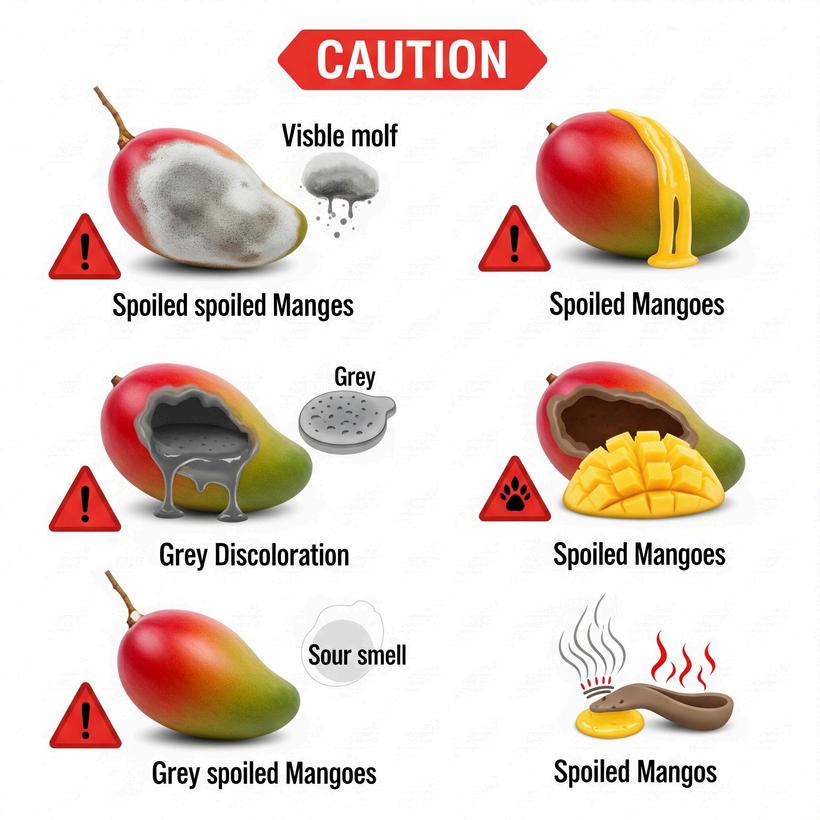
If these requirements are fulfilled, you may consume the mango. Some individuals prefer to remove the darkened portions for texture purposes. but the rest of the fruit will likely be okay.
There are instances when a mango with black lines must not be consumed:
The mango has a sour, fermented or off-smell. The lines are dark, moist, or black around grey or brown flesh.
Mold appears on the outside or inside. The texture is slimy or excessively mushy.
If any of the above describe the mango, it's better not to eat it.
If the mango is still fresh, black lines don’t typically affect the taste. They might slightly alter the texture. especially if the lines are part of fibrous tissue However, if you’re using the mango in a smoothie, dessert or cooked dish, the difference is usually unnoticeable.

A mango with a few black lines can still be useful. Here are a few ways to enjoy it:
Mix it in smoothies
Make mango chutney
Combine it in fruit salad
Use it in baked goods
Add it to oatmeal or yogurt
You can just cut the darker bits off if they annoy you, and use the rest.

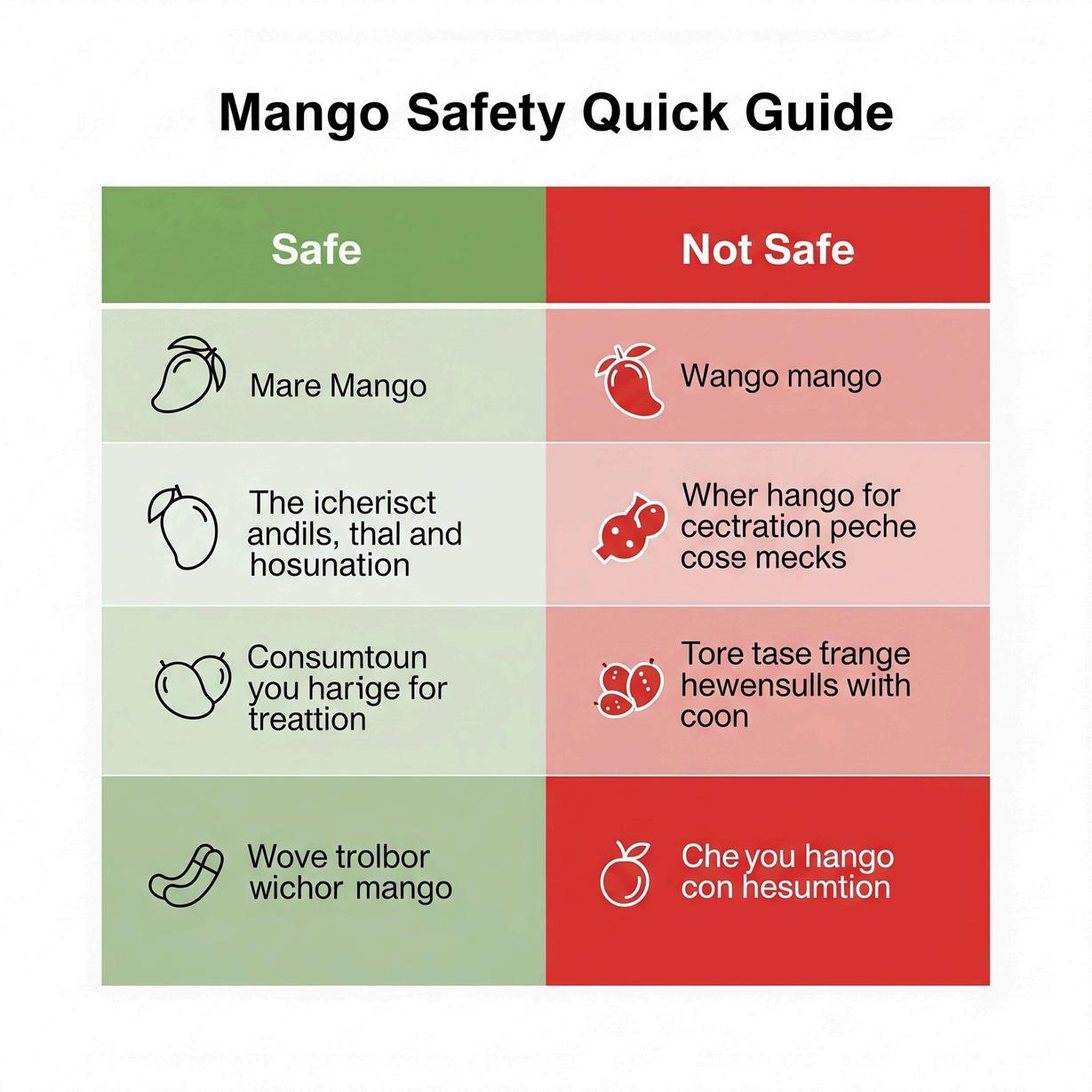

Seeing black lines inside a mango can be surprising. but they’re not always a sign of spoilage. Most of the time, it’s just a result of natural ripening or minor bruising. Always trust your senses smell the fruit. examine the texture, and look at the color
If everything else seems normal, you’re probably safe to eat it. But when in doubt. it’s better to be cautious.
To find out more about mango freshness and safety. read this in-depth guide:
is it safe to eat mango with black lines