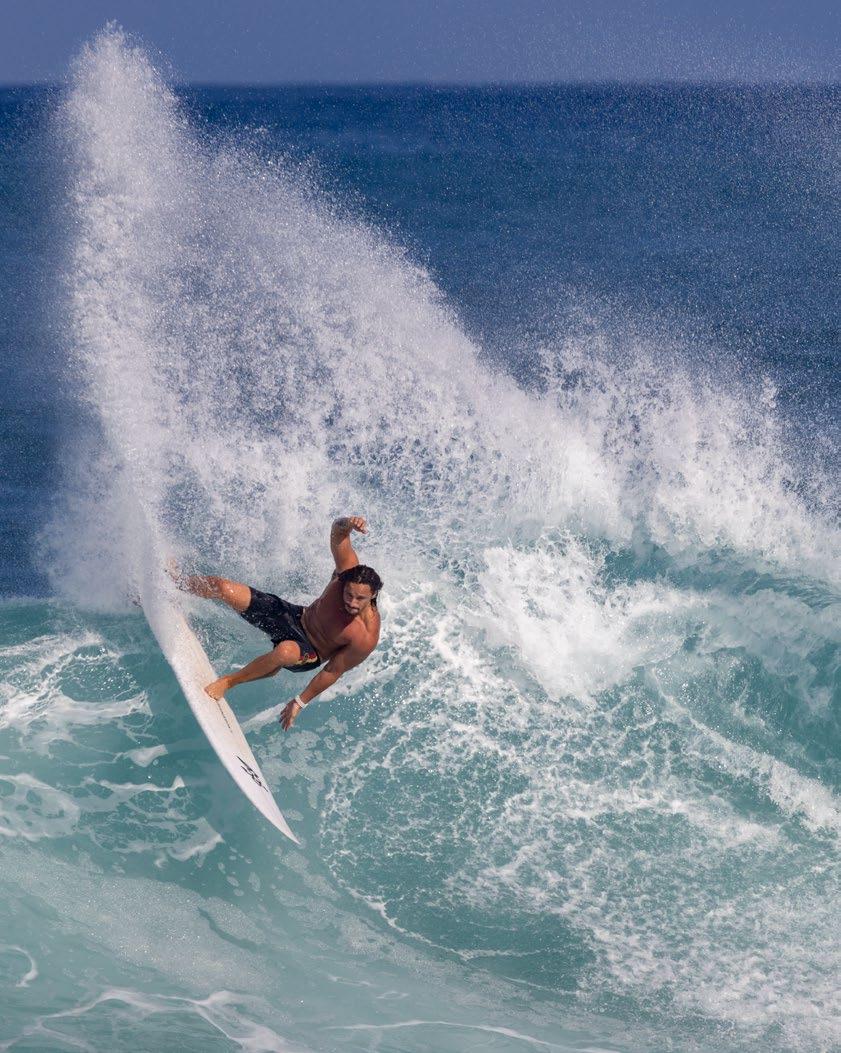
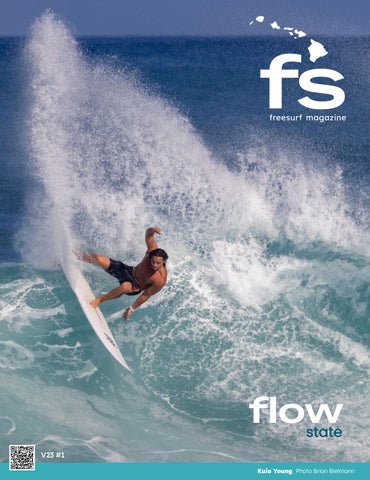
Kuio Young
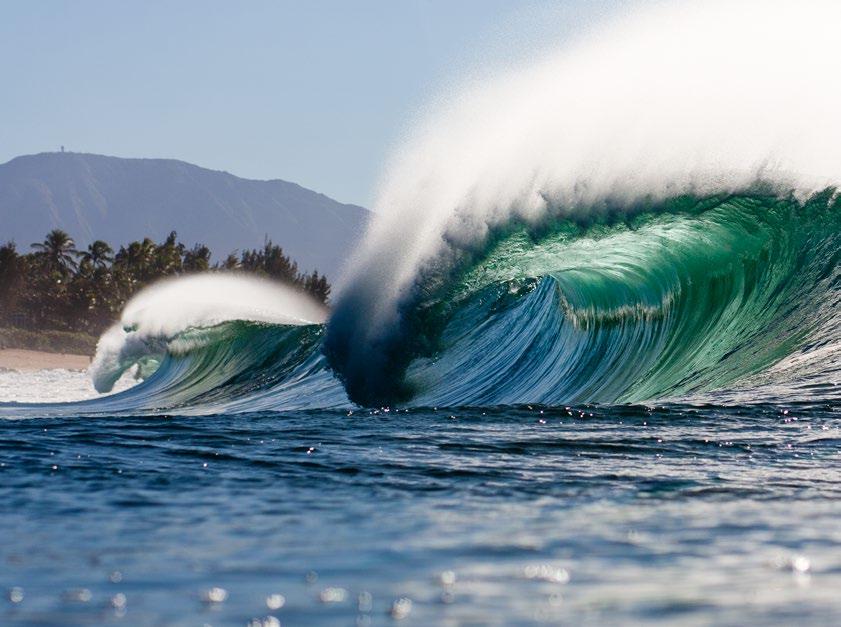
Photo Brian Bielmann flow state
or The fish are biting.
WHEN the surf is pumping.
and nothing else matters...
or The fish are biting.
WHEN the surf is pumping.
and nothing else matters...

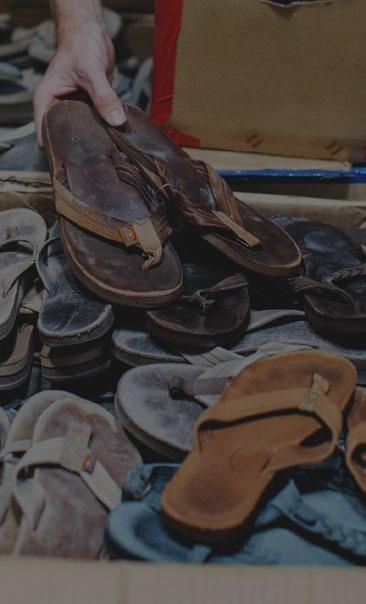

In 1974, after finding yet another broken sandal on the sand, I decided to create something better—comfortable, durable, and built to last. Rainbow® Sandals was born with a mission to make quality products that don’t end up in landfills. Our commitment extends beyond the sale: if your sandals are beyond warranty but still wearable, please return them. We’ll repair and donate them to those in need, from the unhoused to disaster victims. Our philosophy is simple: Repair • Reuse • Recycle and we hope you’ll join us in it.”
Founder / CEO

EZEQUIEL
Remax Hawaii North Shore, now with an International network






Editor / Publisher
Mike Latronic
Photo Director
Brian Bielmann
Art Director
John Weaver
Staff Shooters
Brent Bielmann, Mike Latronic, Keale Lemos, John Weaver
Staff Writer
Kaea Latronic
Contributing Writers
Tor Johnson, Alexandra Kahn, Daniel Ikaika Ito, Nicole Nason, Amanda Blackwell
Contributing Photographers
Christa Funk, Ryan “Chachi” Craig, Dooma Photos, Dayanidhi Das, Erik Aeder, Mark Rodrigues, Aaron Lynton, Kurt Steinmetz, Mike Ito, Tommy Pierucki, Sean Evans, Stu Soley, Tai Vandyke, Mitch McEwen, Sivar Films, Humanocine, Feistan Rivera, Samuel Rivera
Distribution & Advertising Inquiries
Mike Latronic mlatronic808@gmail.com
Sales & Marketing
Randall Paulson
Business Administration
Cora Sanchez corabooks@freesurfmagazine.com
Hawai'i Distribution & Sales
Keola Latronic keolalatronic808@gmail.com
West Coast Distribution & Sales
Chuck Hendsch (619) 227-9128
FREESURF MAGAZINE is distributed at most fine surf shops and select specialty stores throughout Hawai‘i and Southern California.
We do not accept unsolicited editorial submissions without first establishing contact with the editor. FreeSurf, Manulele Inc. and its associates are not responsible for lost, stolen or damaged submissions or their return.
One-way correspondence can be sent to P.O. Box 1161, Hale‘iwa, HI 96712 E-mail editorial inquiries to info@freesurfmagazine.com A product of Manulele, Inc. 2026






By Mike Latronic
This year marked the first time ever that I missed the month of October in Hawaiʻi.
Work took me south to Surf City, El Salvador and then even farther, traveling with the Hawaiʻi Junior Team in Peru. By the time I landed back home, it was November. The FOMO was real. A few solid swells had already come and gone. It’s a stretch of coastline where performance, consequence and credibility converge and the world’s best surfers are evolving and recalibrating what’s possible on a wave.
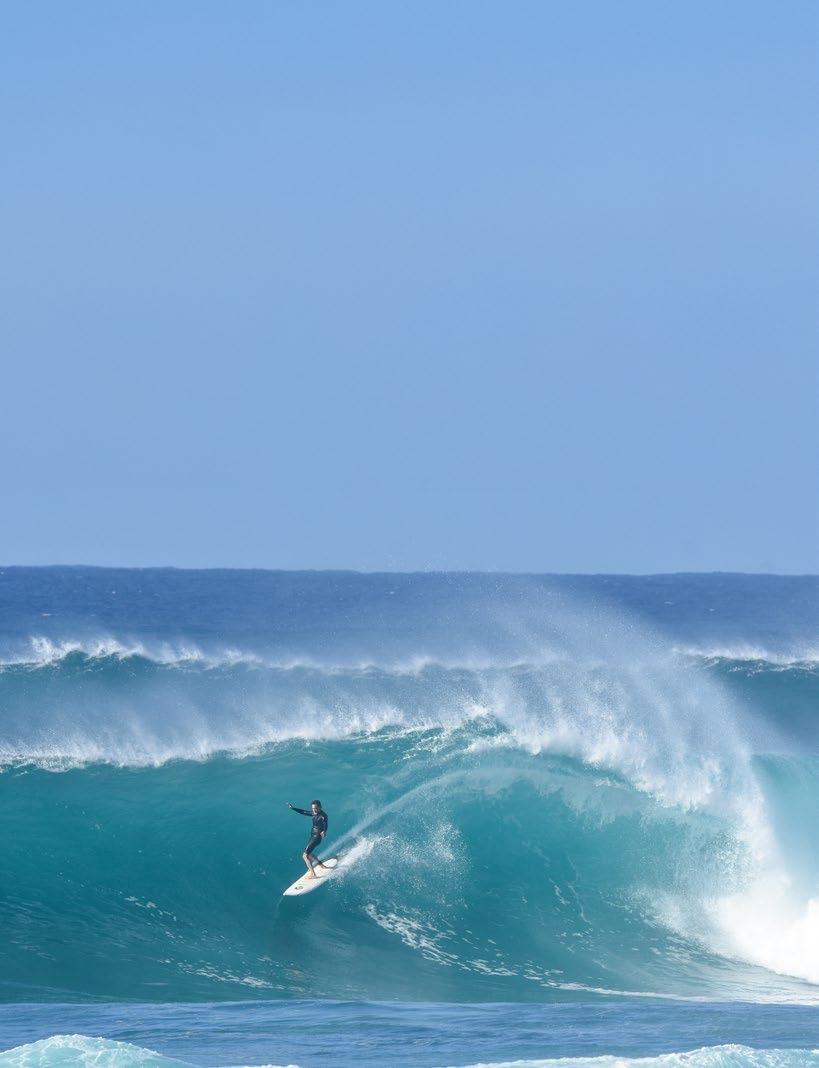
The North Shores of all Hawai'ian Islands have become a measuring stick and that sentiment runs quietly through this issue.
Freesurf also ventured to Peru for the ISA World Junior Surfing Championships. Visually, it couldn’t be more different from Hawaiʻi. Peru’s southern coastline is stark and barren, short on much greenery, yet endlessly rich in waves. Representing your country at that age is a once-ina-lifetime experience. Even after nearly twenty ISA events, the buzz never fades. The Hawaiʻi team brought home trophies, and the next generation absolutely ripped.
We also note the return of surfing’s “Fab Four” to the Championship Tour—a moment that feels less like a headline grab and more like a natural correction. With the return of Stephanie Gilmore, John John Florence, Carissa Moore, and Gabriel Medina, longtime fans get to reconnect with the surfers who helped define modern performance at its highest level.
Freesurf then shines a light on the Green family and their stewardship of Surf N Sea—an Old Haleʻiwa Town institution. More than retail space, it's a cultural hub where surf stories are debated and history lives on the walls. The Green family’s commitment reflects the backbone of surf culture that often goes unseen.
Alongside it all, you’ll find our regular mix of crazy good surf photography, surf news, industry notes, and Stuff We Like—snapshots of what’s happening right now, both in and out of the water.
And now that I’m home, I’ll see you out there.
MAHALO MARGARITA is a give-back cocktail program where on premise accounts donate a portion of sales from their MAHALO MARGARITA, made with Tradicional 100% agave tequila, to AccesSurf. Jose Cuervo® will match the proceeds up to $25k. Together, this joint donation of $50k would go to support surf experiences and more for a full year.
OAHU
Kuhio Avenue Food Hall / Waikiki
Kelly O’Neil's / Waikiki
Jorge's / Haleiwa
El Ranchero / Kapolei
El Ranchero / Wahiawa
Mekiko Cantina / Ko’olina
Restaurant 604 / Arizona Memorial
The Beachouse by 604 / Waianae
60 Fore Bar & Grill / Barber’s Point
604 Clubhouse / Leilehua
604 Ale House / Schofield
Mangiamo’s / Navy Marine Golf
OAHU HOTELS
Sheraton Waikiki Hotel
Royal Hawaiian Hotel
Moana Surfrider Hotel
Princess Kaiulani Hotel
Marriott Waikiki Hotel

BIG ISLAND
Huggo's
Lava Lava
Kai Eats
MAUI
Sergio's Cantina
Sheraton Maui
KAUA'I HOTELS
Friendly Waves
Lava Lava Beach Club

By Mike Latronic
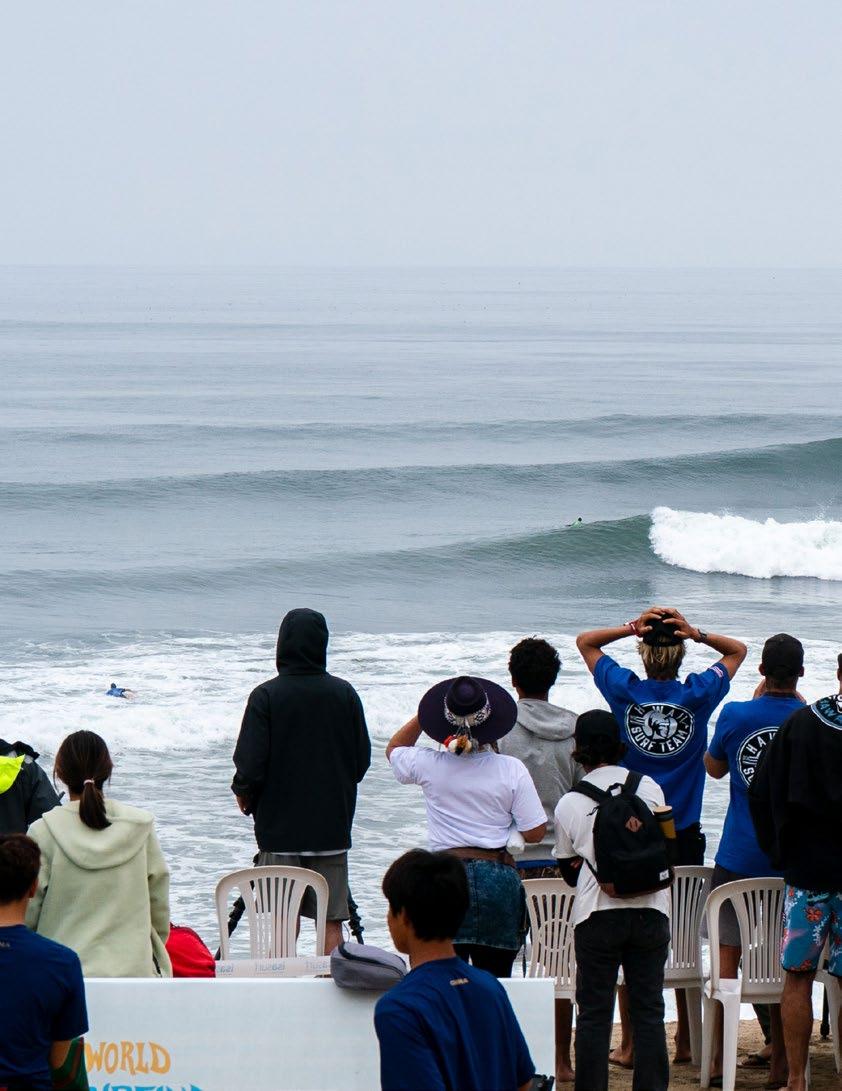
A cool current flows through the morning air and it’s still relatively dark, with just a glint of light and color barely visible. Visually it’s another somber morning in Punta Negra, Peru. I say that without malice the landscape is just flat and barren compared to most places you’d expect elite surfing. Small hills and dusty cliffs back the ocean, and here the Pacific is always active. The waves are rarely under three feet, but grey skies and low-lying clouds are almost constant perhaps why the world rarely sees an abundance of surf photography from Peru. The wind lies calm though, and there’s promise in that stillness.
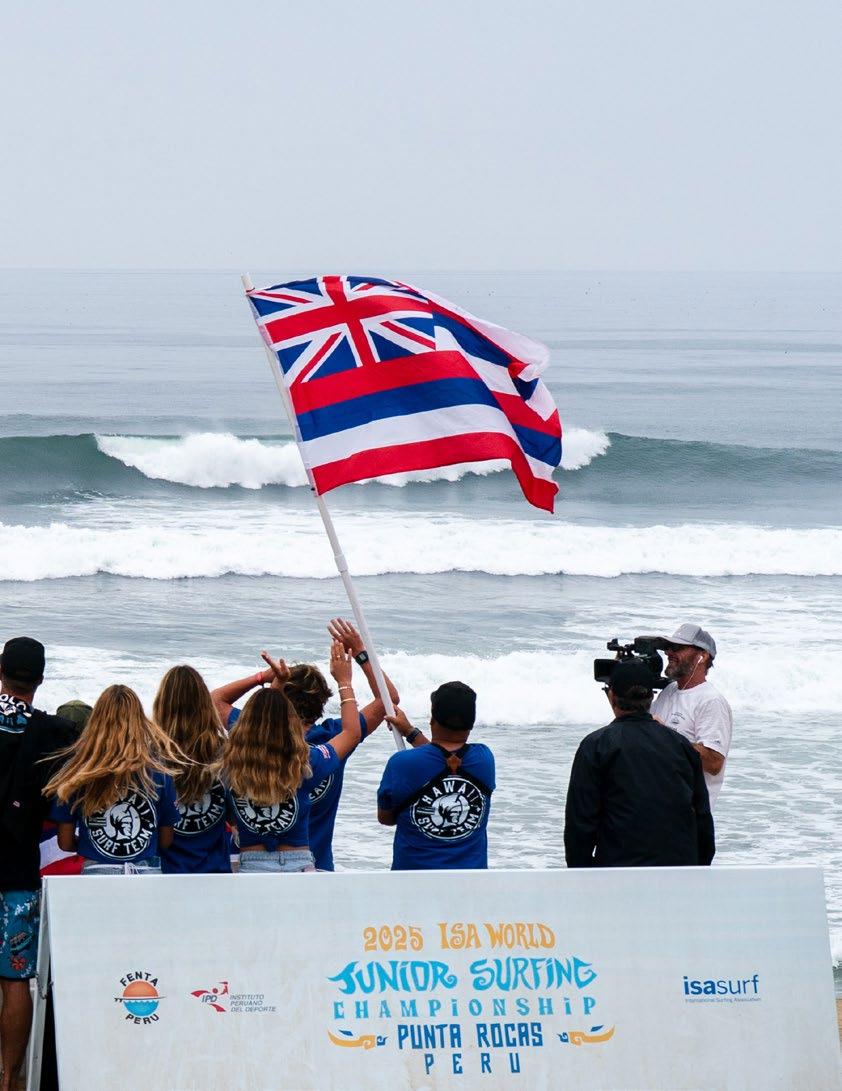
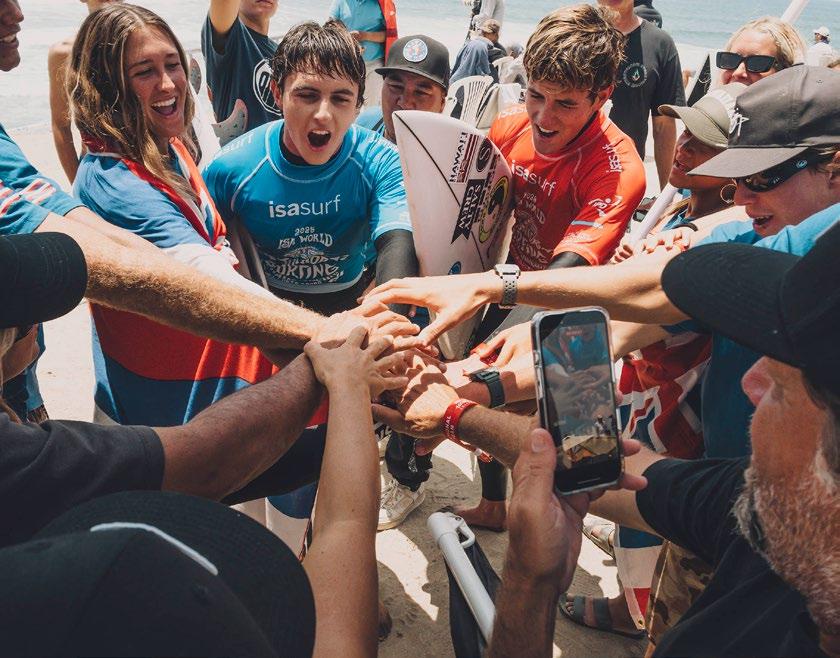
On this particular morning our house is already buzzing. Polarizing the grey skyscape are bright sounds, laughter, and the hustle of the Hawai'i Junior Surf Team preparing for their first day of competition at the ISA World Junior Championships. It would be romantic to say that ukulele sounds and Hawai'ian music filled the air, but in a house full of a dozen teenagers you more often heard modern rock, rap, and pop. Youth is king, and tech is the temple.
Nearly 450 of the world’s top junior surfers gathered to vie for gold medals and team dominance at one of Peru’s premier reef breaks — Punta Rocas — where long rights and sculpted lefts frame one of South America’s oldest competitive surf stages. The ISA World Junior Surfing Championship is a launching pad for future stars, first held in 1980 as part of the ISA World Surfing Games and spun off as its own event in 2003.
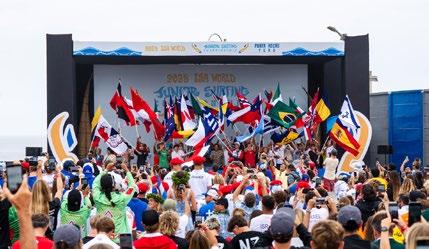
The opening ceremonies seemed like a traveling United Nations, with flags from every corner of the surf world and smiles radiant across all cultures. The actual competition zone was incredible: several peaks around a central lineup that offered variety — long walls on the rights and the left. Even when the swell went smallest, the venue kept providing ample surf.
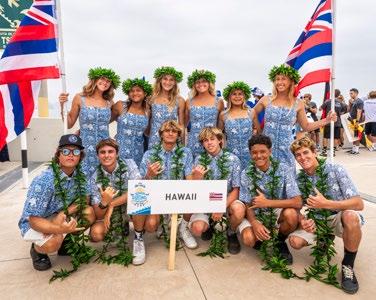
Head coach Jason Shibata, with team coach and seasoned former World Tour competitor (and classic fun-lover) Sebastian Zeitz, corralled and guided the twelve kids from Hawai'i with fierce dedication. It was telling that Zeitz, a Kauai resident, was on the program — and that a majority of this year’s team list was also from the Garden Isle: Jacob
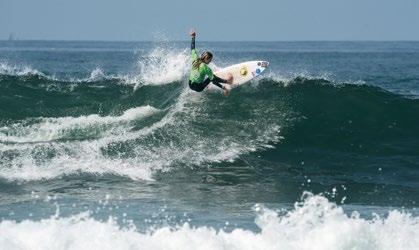
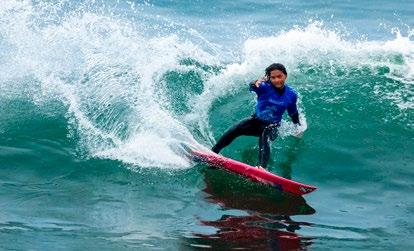
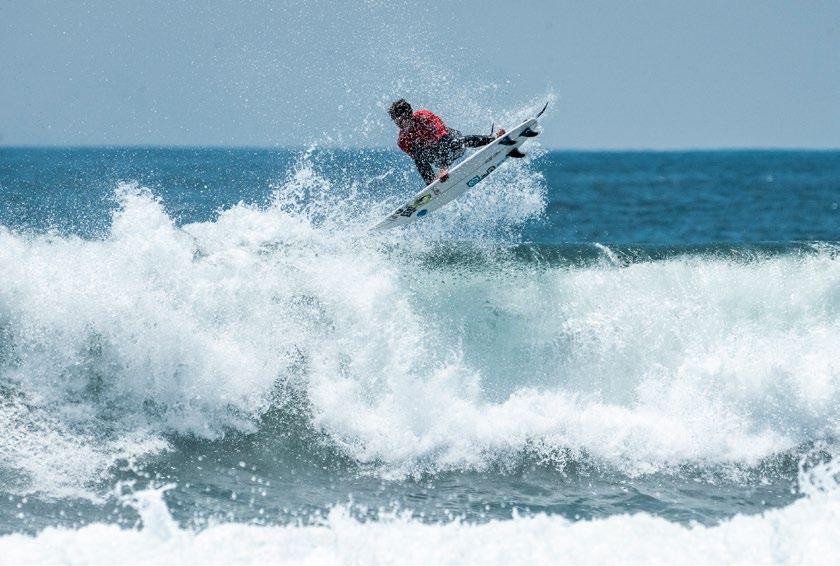
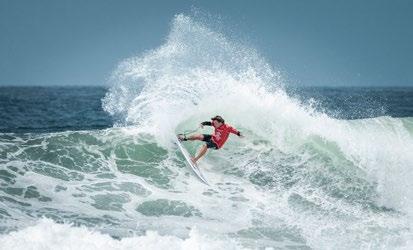
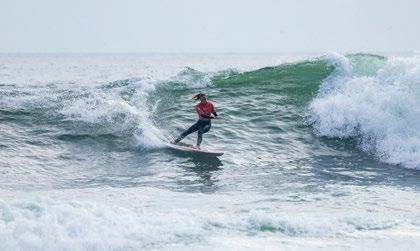

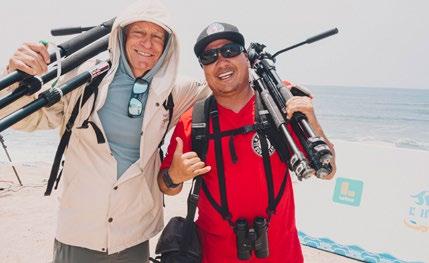
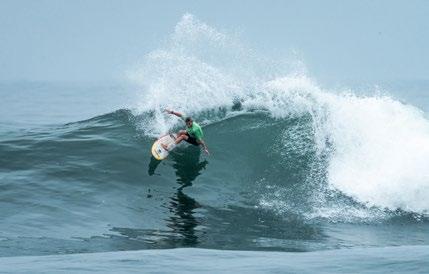
Turner, Legend Chandler, Tiger Abubo, Kahanu Rangel, Leah Turner, Ione Laturner, and Elliamna Grubbs. Mana Cazimero, Sunny Giles, and Zoey Kaina came from Oʻahu, and Kalei Rivas was what they call “FBI,” aka from the Big Island. Gotta give gratitude to official team parent Buck Giles and the other parents who traveled south to help! It was a fun-filled, feisty 12-day adventure with plenty of great surfing, a world of aloha, and of course a little intensity to keep things interesting.
When the finals day came, the global nature of junior surfing was on full display. Two Spaniards would rise to claim the elite U18 titles — a major moment for Spanish surf development. Dylan Donegan (ESP) took gold in the Under 18 Boys, surfing with precision and heart to score 17.50 in the final and hold off Hawai'i favorites Jacob Turner and Tiger Abubo for the title. On the girls’ side, Sol Borelli (ESP) claimed gold in the Under 18 Girls, finishing with a 15.33 total over a stacked field. These results marked a historic double for Spain and underscored how European surfers are rapidly rising in junior rankings.
In the Under 16 divisions, Ocean Lancaster (AUS) displayed powerful, committed surfing to earn gold for Australia, posting one of the highest heat totals of the whole event. Bailey Turner (USA) took gold in the Under 16 Girls, while Thiago Passeri (ARG) and Caden Francis (AUS) earned silver and bronze respectively in the Under 16 Boys. In the girls' U16, Catalina Zariquiey (PER) thrilled the home crowd with a silver medal, a historic result for Peru — their first junior ISA podium in many years.
Australia’s incredible depth across divisions helped them once again secure team gold at the ISA World Juniors, defending their title and showing how strong their developmental pipeline continues to be. The USA took silver, Brazil bronze, and Peru — buoyed by Zariquiey’s breakthrough — finished comfortably in fourth.
For Hawai'i, while the team didn’t reach the podium, individual performances were nothing short of impressive: Jacob Turner scored silver, Tiger Abubo hauled bronze, and Zoey Kaina earned a copper in the girls’ U16. The way these young athletes battled in the surf says a lot about their grit and future potential.
The ISA World Junior Championships have long been recognized as a cradle for future elite surfers. Champions from past ISA events went on to success in the World Surf League and in global professional surfing — names like Gabriel Medina, Filipe Toledo, Tatiana Weston-Webb, Stephanie Gilmore, and more cut their teeth in ISA junior competitions.
Looking back on those 12 days in Peru, what stands out most isn’t just the medals or podiums, it’s the collective energy of young surfers from every corner of the planet, all riding the same swell, all chasing their dreams and mixing it up to forge lifelong friendships and rivalries.
Congrats again to all the competitors and to Team Australia for taking home gold and to every kid who paddled out, surfed with heart, and represented their home with pride. You truly are the future of surfing.
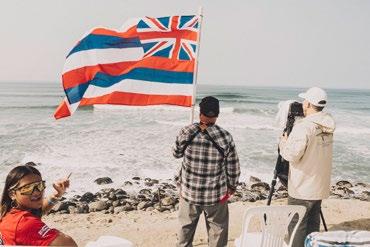


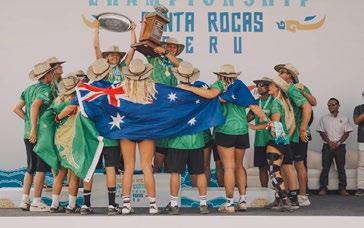
Australia defend its title to claim back-to-back Team Gold medals. The "Irukandjis" secured their ninth overall team title, followed by the USA (Silver) and Brazil (Bronze).
Spain made history with two individual golds: Dylan Donegan (U/18 Boys) became a repeat champion, while Sol Borelli (U/18 Girls) won Spain’s first-ever junior world title. In the U/16 divisions, Australia's Ocean Lancaster and the USA's Bailey Turner triumphed in a highly competitive field featuring a record 424 surfers from 57 nations.
Teams
Gold - Australia
Silver - USA
Bronze - Brazil
Copper - Peru
Gold - Ocean Lancaster (AUS)
Silver - Thiago Passeri (ARG)
Bronze - Caden Francis (AUS)
Copper - Pablo Gabriel (BRA)
U/16
Gold - Bailey Turner (USA)
Silver - Catalina Zariquiey (PER)
Bronze - Lucy Darragh (AUS)
Copper - Zoey Kaina (HAW)
U/18
Gold - Dylan Donegan (ESP)
Silver - Jacob Turner (HAW)
Bronze - Tiger Abubo (HAW)
Copper - Lukas Skinner (ENG)
Gold - Sol Borelli (ESP)
Silver - Milla Coco Brown (AUS)
Bronze - Clémence Schorsch (FRA)
Copper - Siqi Yang (CHN)
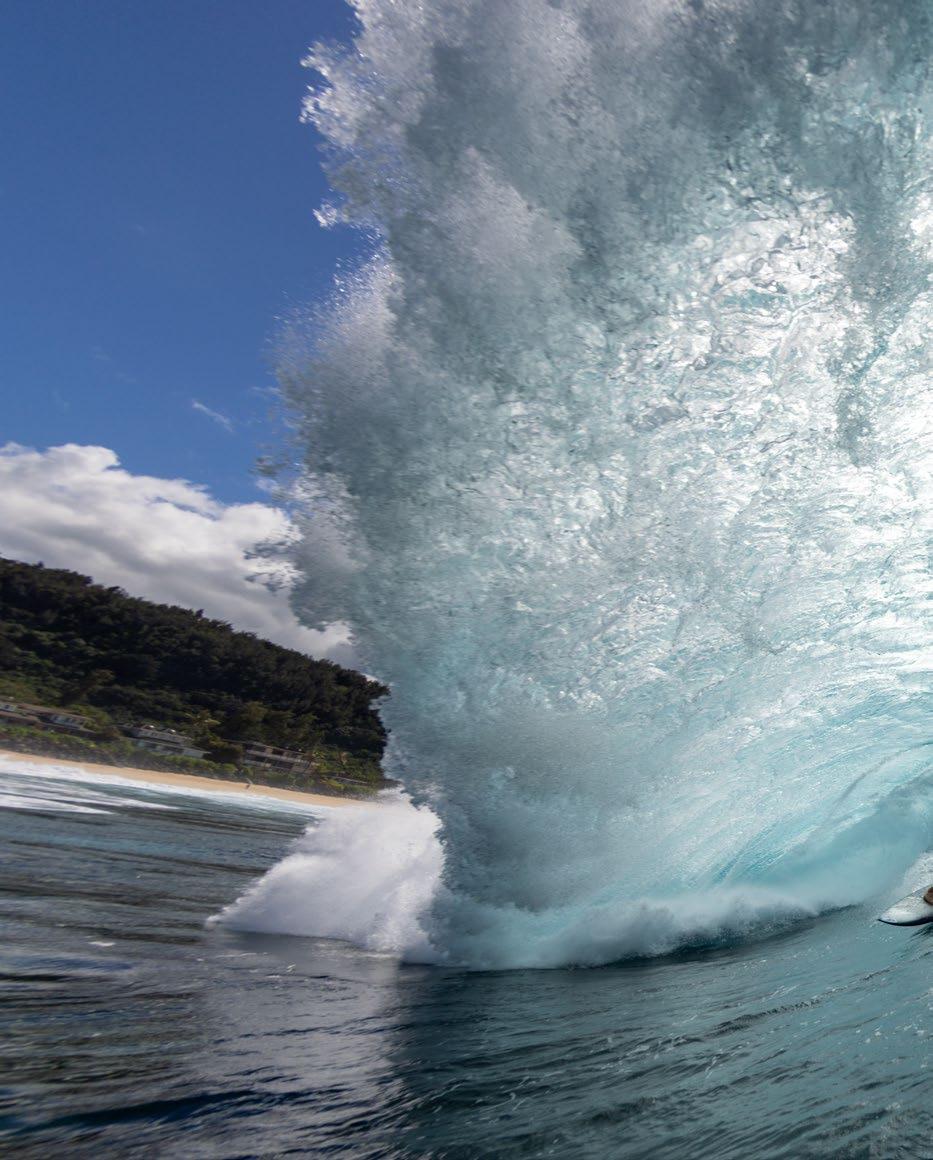
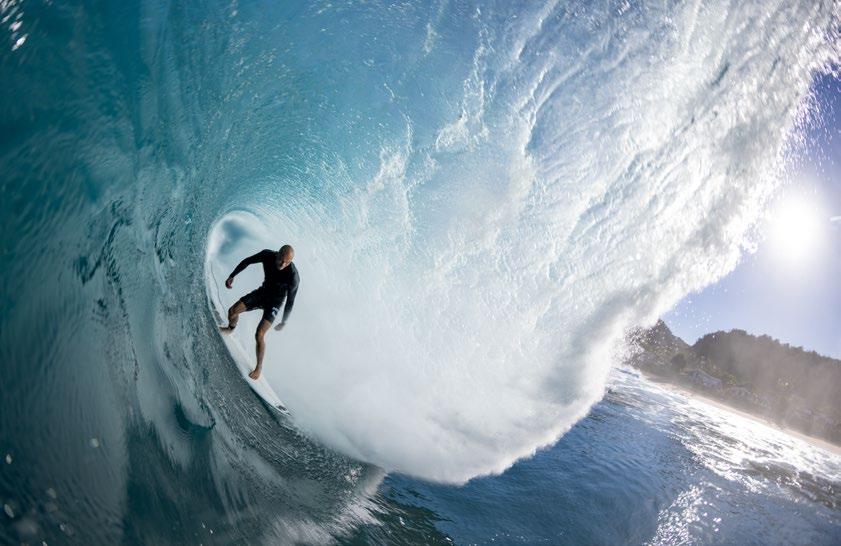
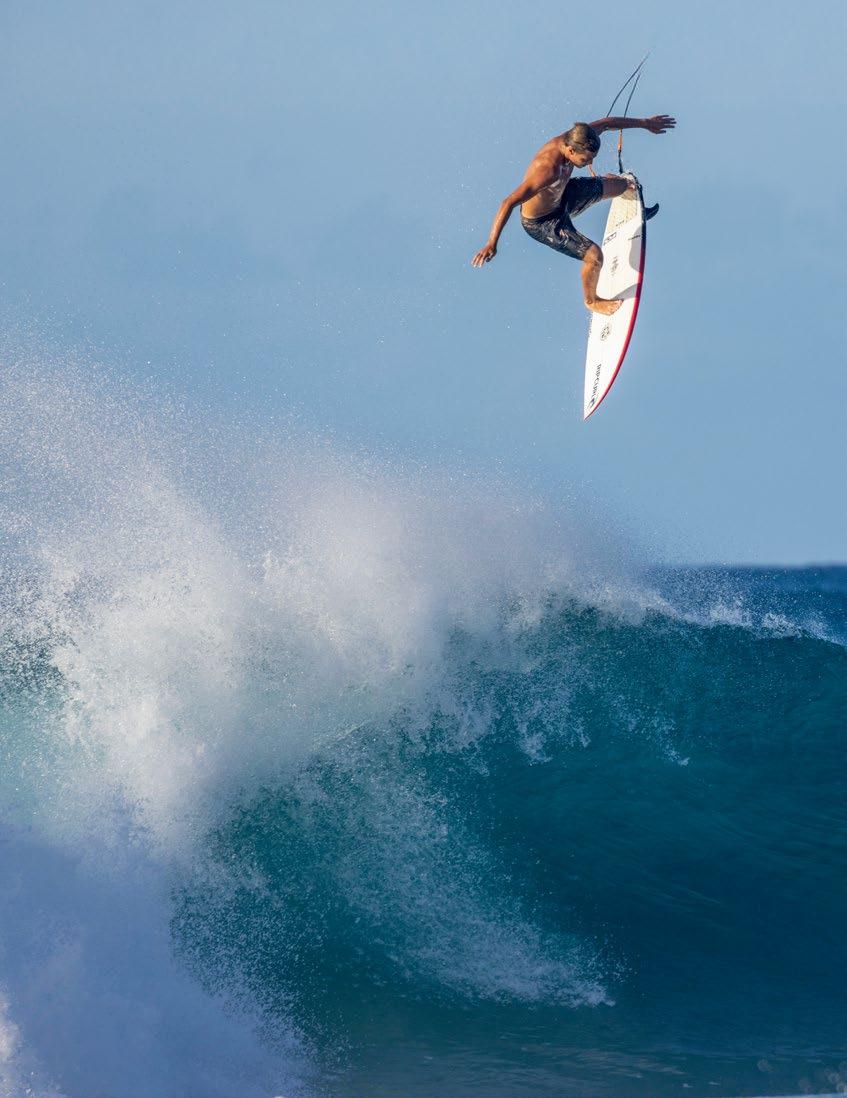
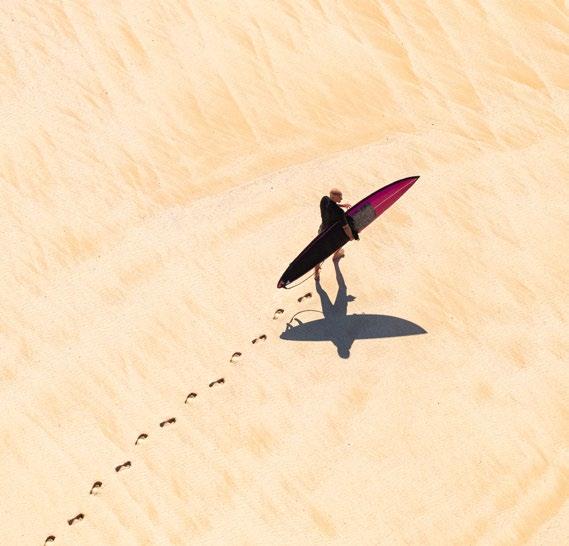

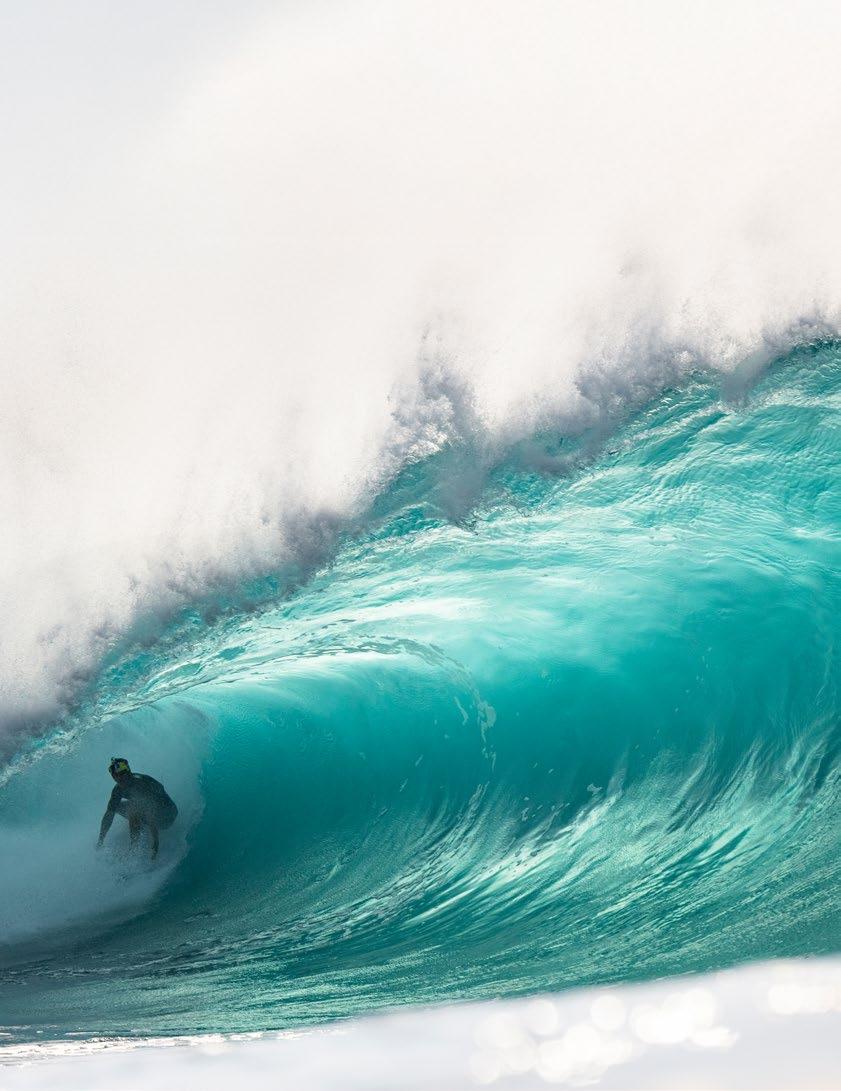
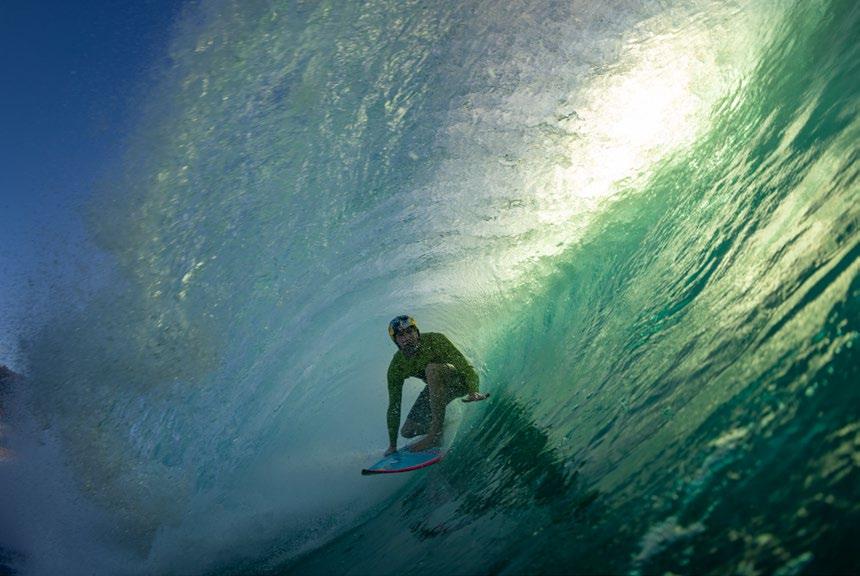
One year after his horrific injury, João Chianca was back in Hawai’i charging harder than ever.
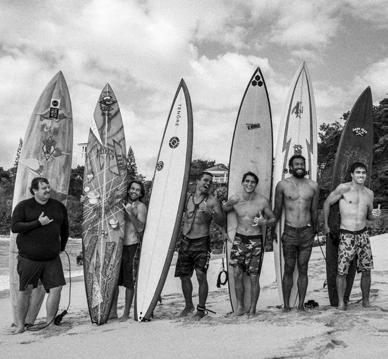
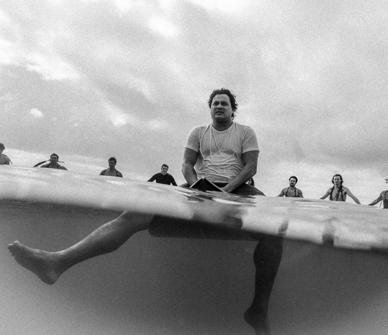
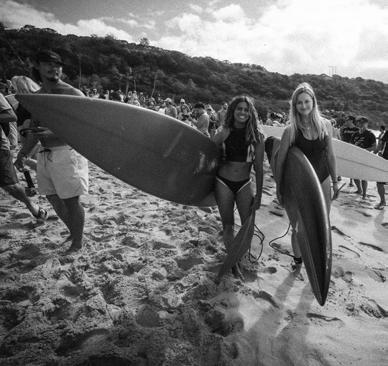
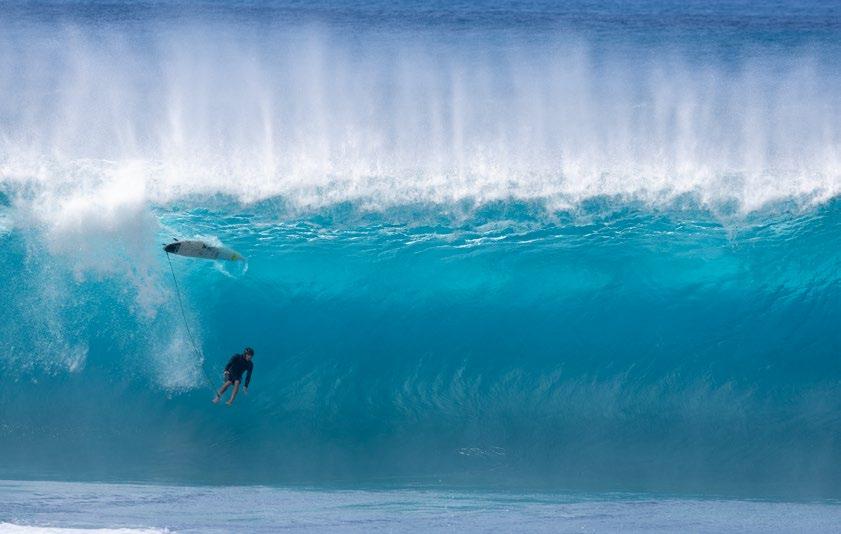
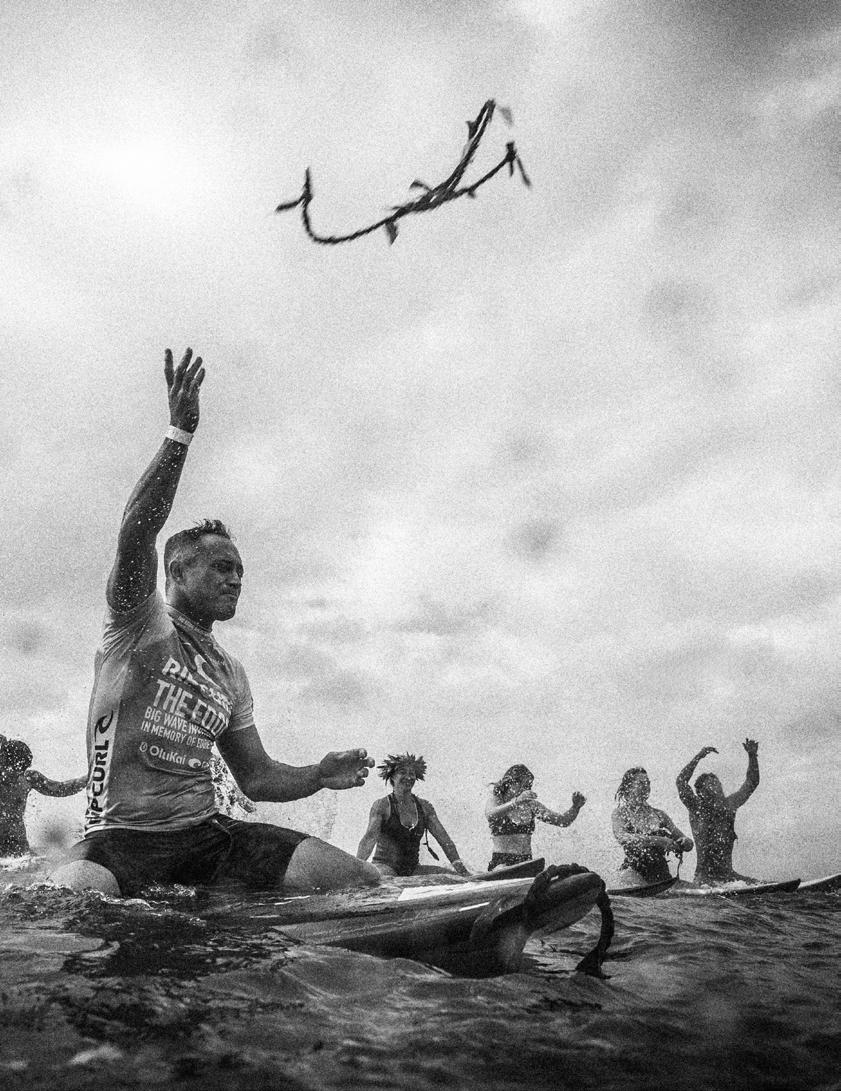
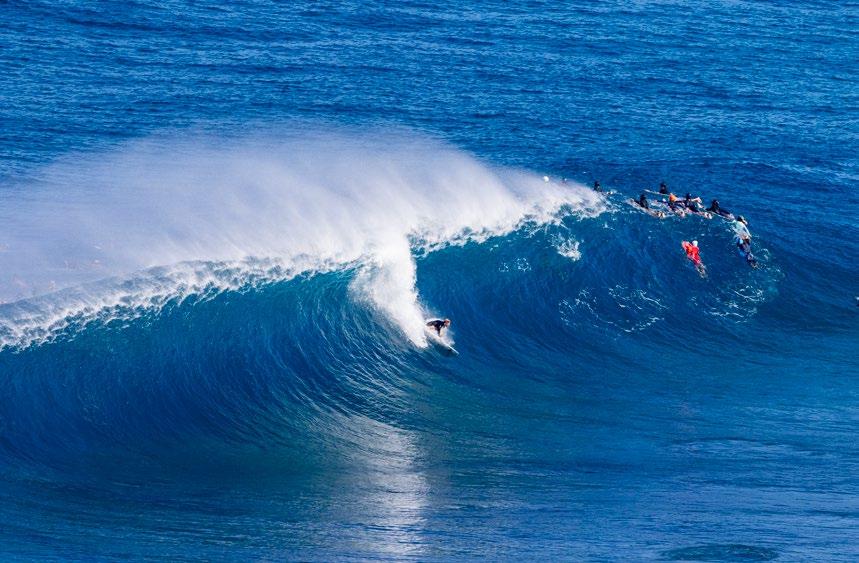
"The Eddie Aikau Big Wave Invitational opening ceremony, sponsored by Rip Curl, is the crown jewel event of the year. The best big-wave surfers from around the globe gather to celebrate the life of Eddie and now, with his passing, the life and accomplishments of Clyde Aikau. It is humbling, even for the best of the best, to be invited."
-Brian Bielmann
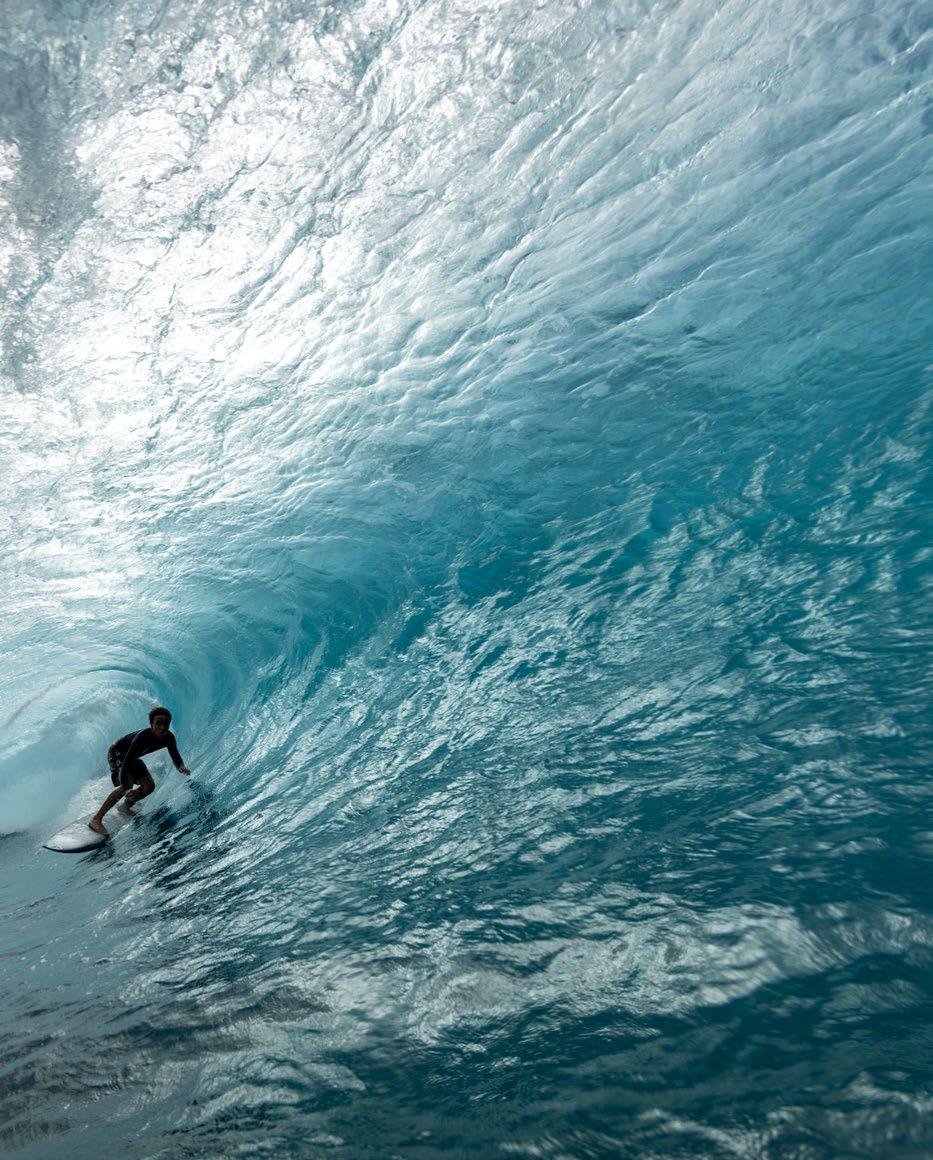
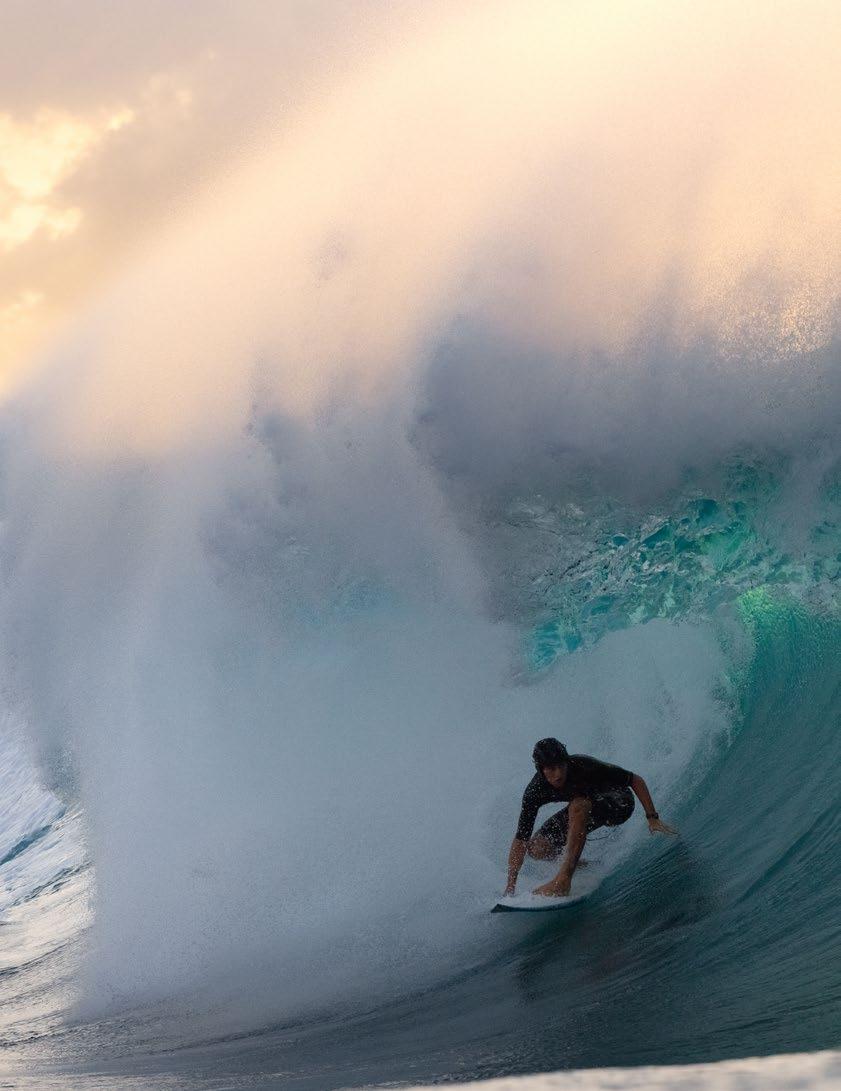
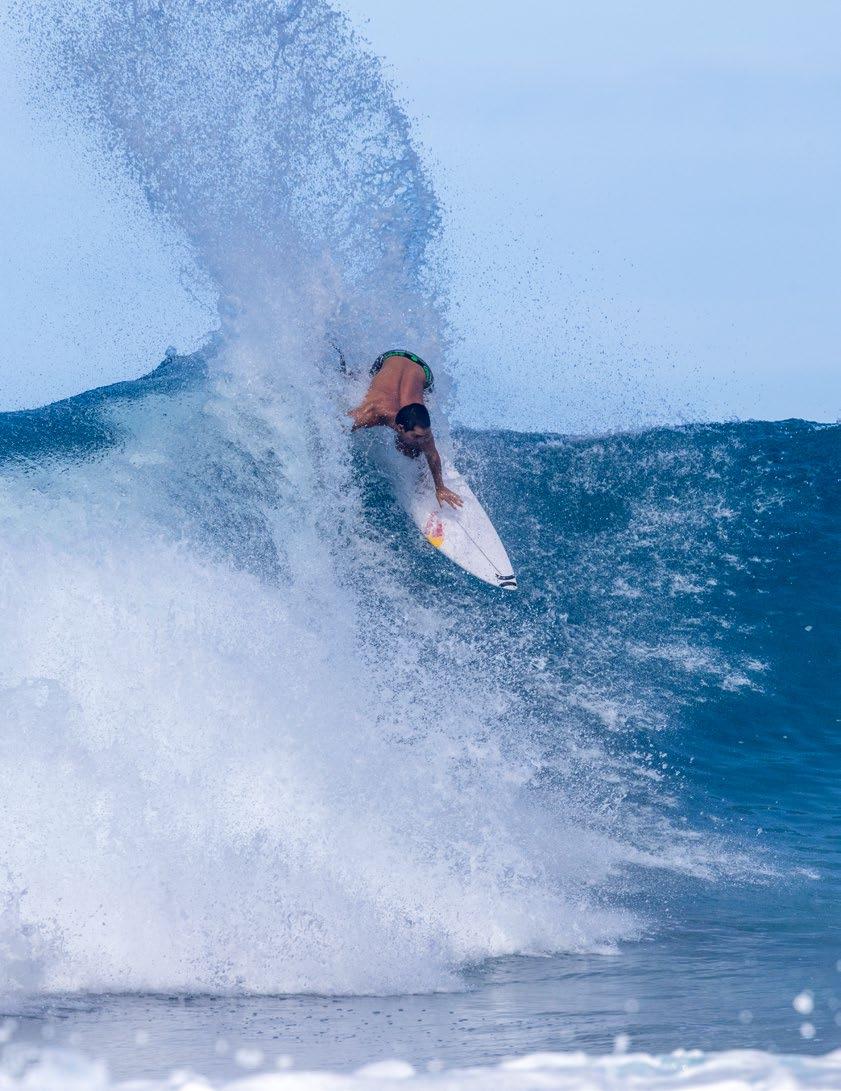
Year after year Luke Tema continues to impress out at Pipeline. His commitment and hours spent in the lineup makes him one of the more recognizable kids these days.
Photo Ryan "Chachi" Craig
By Mike Latronic
For five controversial seasons, the World Surf League experimented with the “Final 5” format—a one-day, winner-takeall showdown to decide world titles. On paper it was made for content: a tight TV window, simple math, big drama. In practice, it felt more like a high-stakes exhibition than the climax of a yearlong world tour.
Critics hammered the format as gimmicky and unfair. Athletes could dominate all season and still lose a world title in a couple of heats in shifty, shoulder-high surf. Fans grumbled that the sport’s biggest prize was being handed out at a venue that rarely showed the full range of high-performance, consequential surfing.
Behind the scenes, there was another slow burn: some of the sport’s most decorated champions simply didn’t love the direction things were headed—whether it was the Finals Day concept, the mid-season cut, or the push into wave pools and politically awkward destinations like Abu Dhabi.
In May 2025, new WSL CEO Ryan Crosby pulled the handbrake. The league announced that, starting in 2026, the Championship Tour would revert to a traditional points-based world title race. No more one-day Final 5. No more “everything you did all year might not matter.” Instead, the surfer with the most points at season’s end is world champion—again.
The other big move: the Pipe Masters is back where it belongs— as the final stop of the year, not the opener. The 2026 CT has 12 events, running from Bells Beach in April through Margaret River, Snapper, Punta Roca, Saquarema, J-Bay, Teahupo’o, and more, before finishing at Pipeline in December.
To put extra weight on real, critical surfing, Pipe will carry a 1.5x points multiplier: 15,000 points to the winner instead of the standard 10,000. It means world titles will almost certainly be decided in serious waves, on one of the heaviest, most respected playing fields on Earth—the ultimate nod back to “core” surfing.
That combination—season-long points race, heavier schedule, Pipeline finale—is the “why” behind the new format. It’s a deliberate attempt to restore competitive integrity and reconnect the show with the waves and storylines that built pro surfing in the first place.
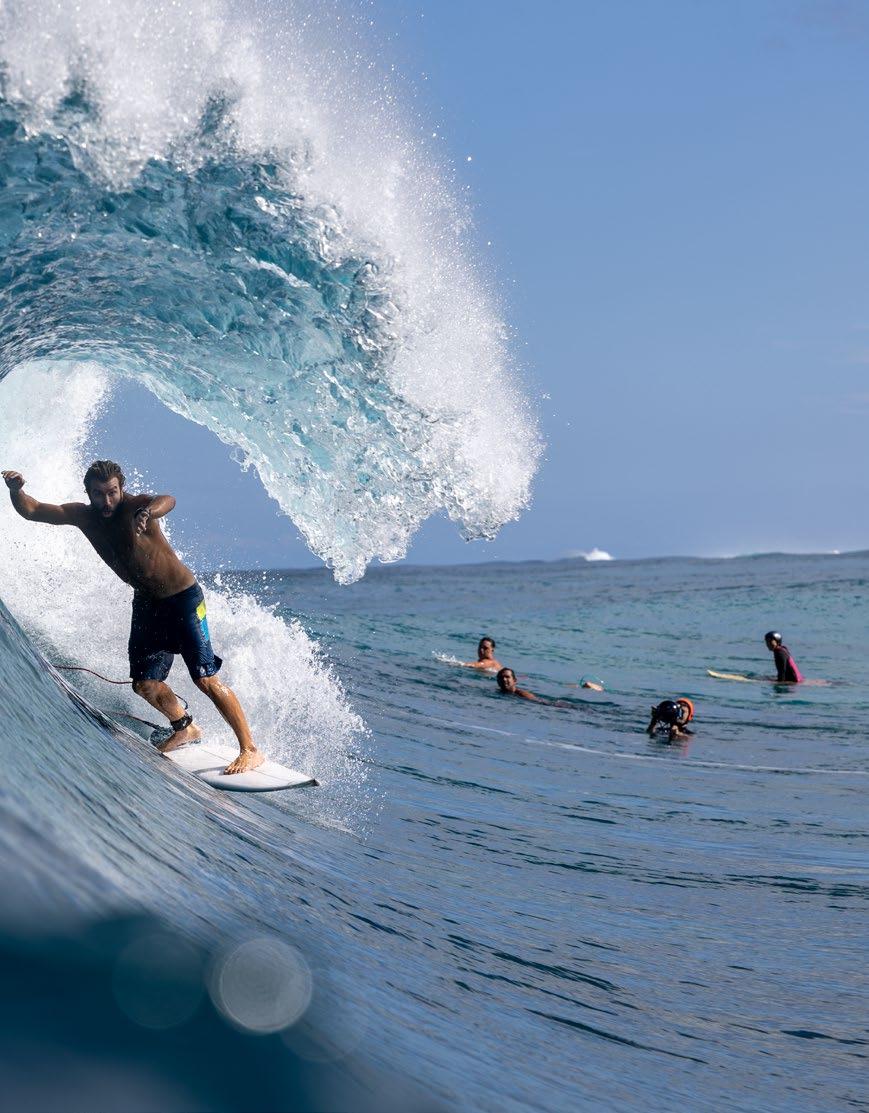
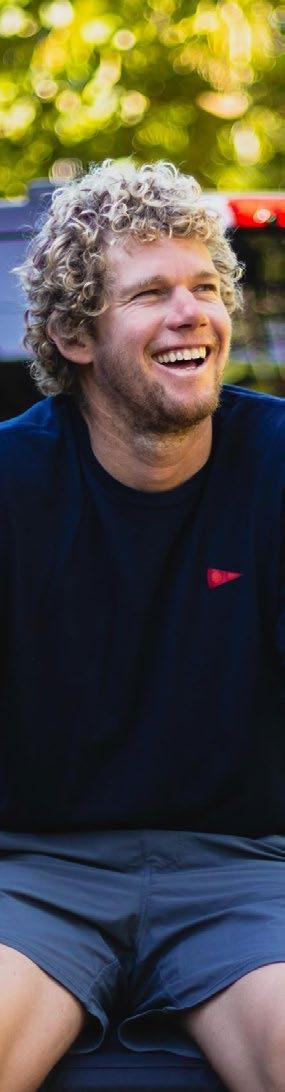
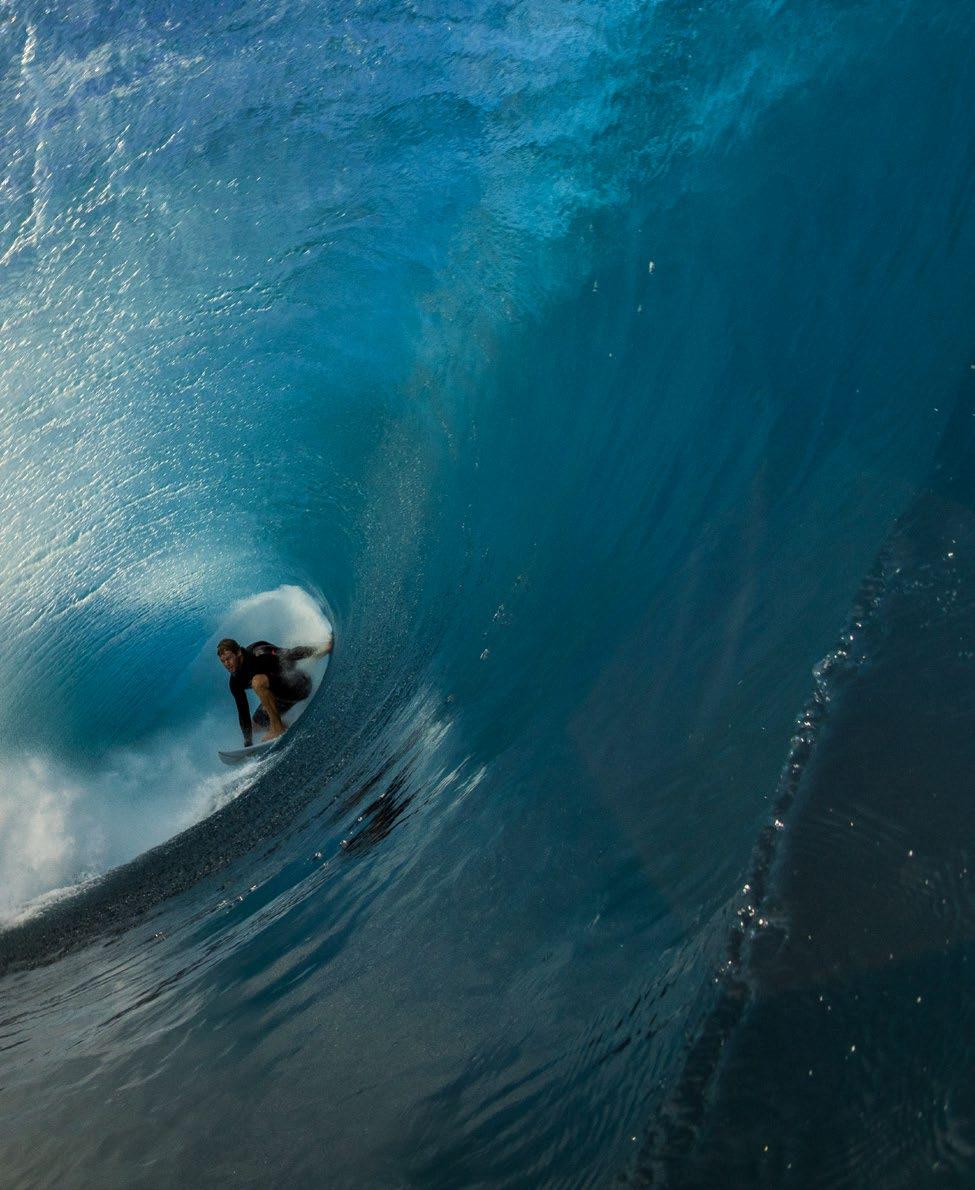
John John Florence stepped away after clinching his third world title in 2024, taking 2025 to sail the Pacific with his young family, chase swells on his own terms and heal up from years of injuries. Now he’s accepted a 2026 season wildcard. Reuters’ write-up of his return notes that the revamped tour begins at Bells and ends at Pipeline, with the WSL “dropping its previously criticized one-day titledeciding finale”—the exact type of format shift Florence has long advocated for, preferring a season that finishes at a consequential wave.
Photo Brent Bielmann
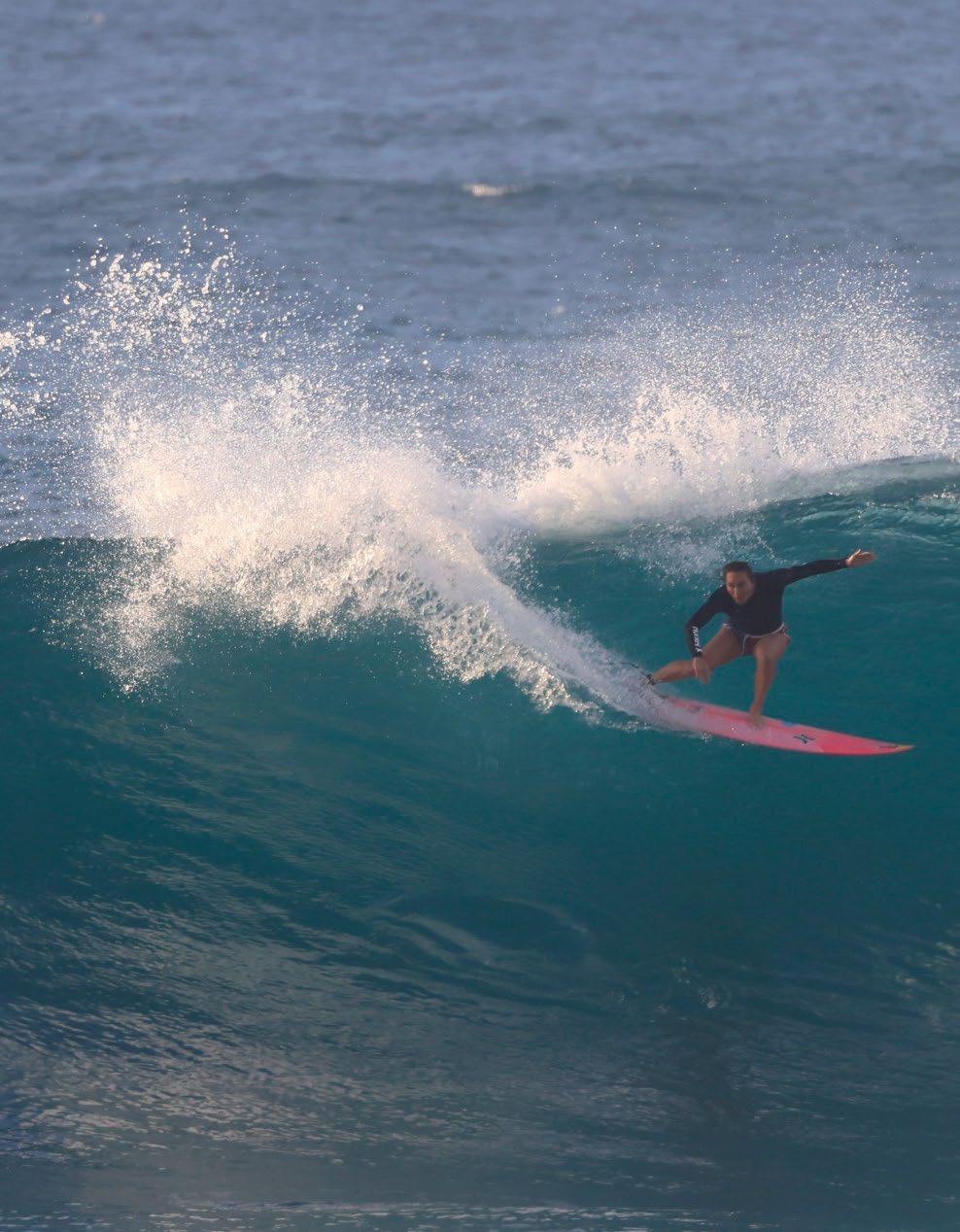
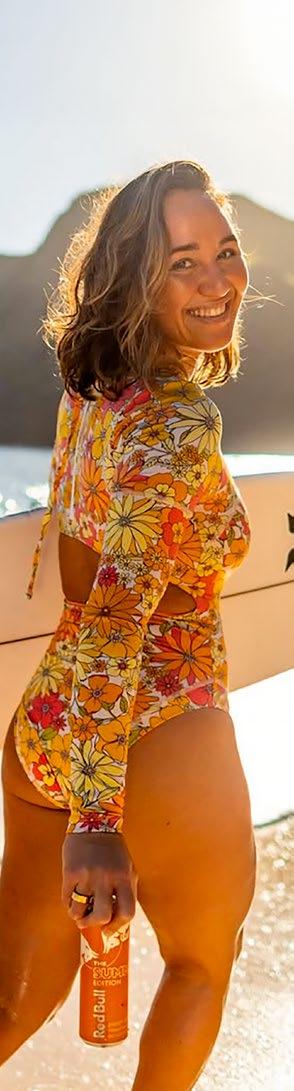
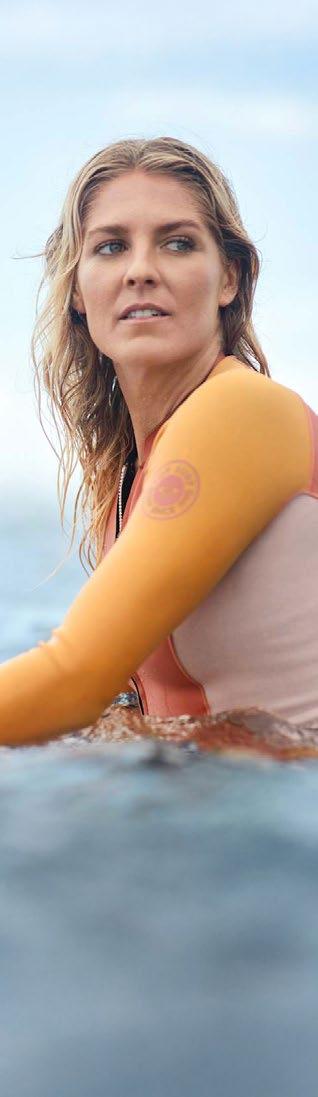
Carissa Moore took a break to start a family after years of domination that included multiple seasons where she finished No. 1 on the rankings only to lose the title at Finals Day. She never outright blamed the format, but has spoken openly about how devastating those losses were. In November 2025 she confirmed she’ll rejoin the CT in 2026 on a season wildcard, fresh off welcoming her daughter and with the tour once again rewarding a full body of work across the year, capped by a Pipeline finale.
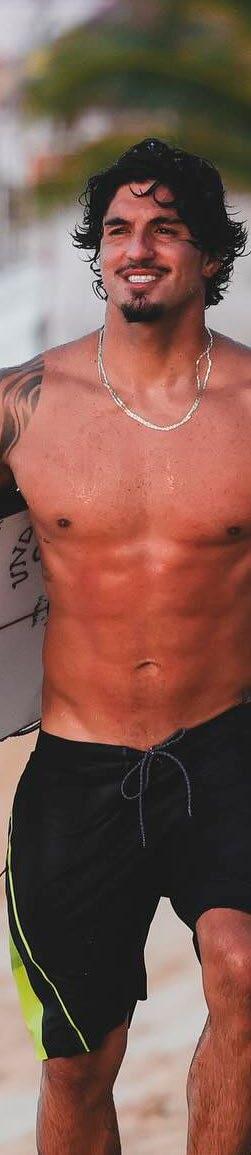
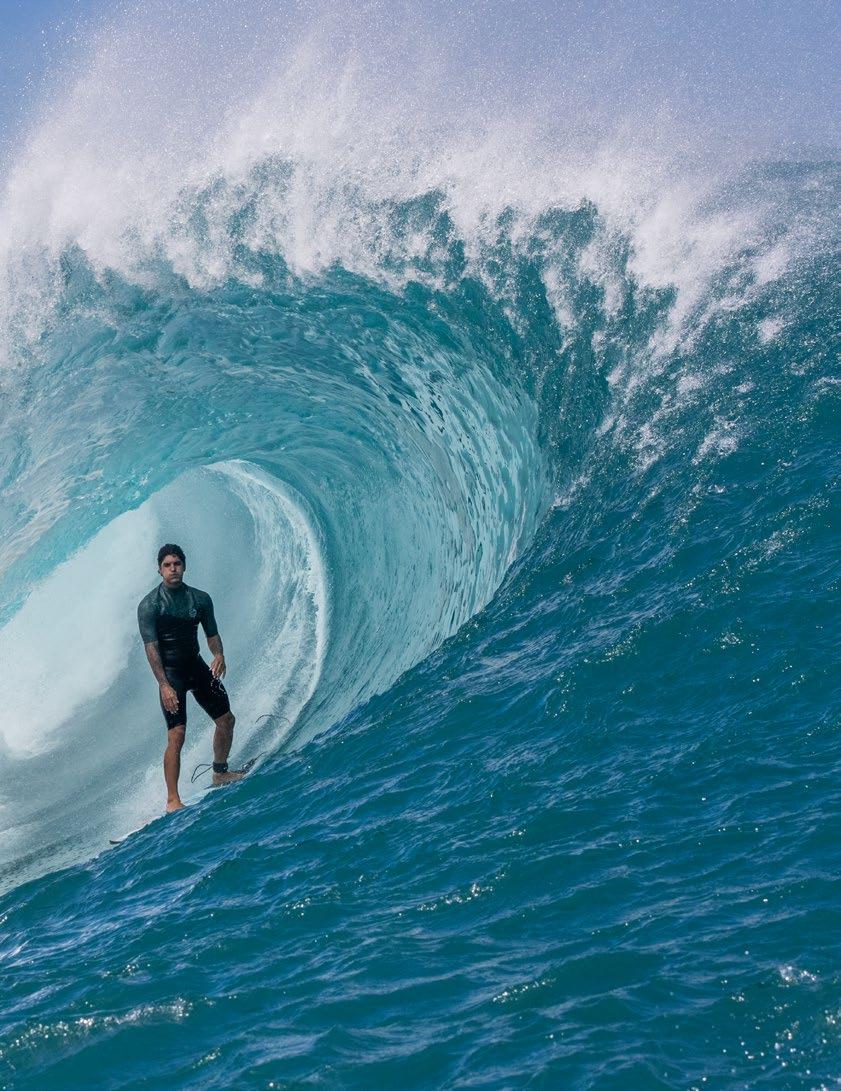
Gabriel Medina, three-time world champ and the spearhead of the Brazilian Storm, also returns in 2026 on a full-season wildcard after injury and time off to reset mentally and physically. You just know this powerful and talented goofy foot is frothing because the 2026 tour will hit a string of powerful, high-performance venues like Teahupo’o, Saquarema, and Pipeline that perfectly suit his surfing and competitive instincts.
Photo Brent Bielmann

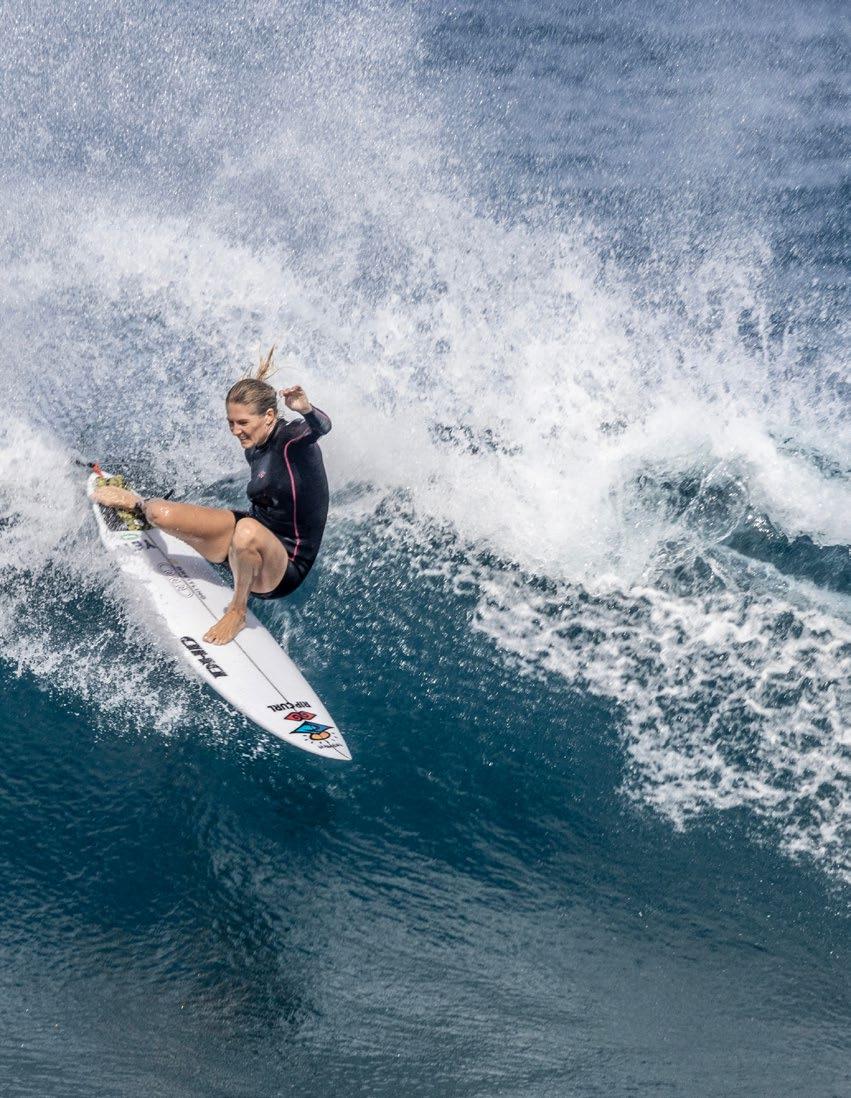
Stephanie Gilmore, the eight-time world champion, has been one of the clearest voices saying that world titles should be decided over the course of a season, not a single day. She benefitted from the Final 5 with her 2022 miracle run at Trestles—but even so, she’s been vocal that the sport’s ultimate prize should reflect an entire year of surfing. Her full-time return for 2026, announced alongside the format change, feels like a homecoming: an all-time stylist reengaging with a tour that once again looks built for pure surfing.
By Kaea Latronic
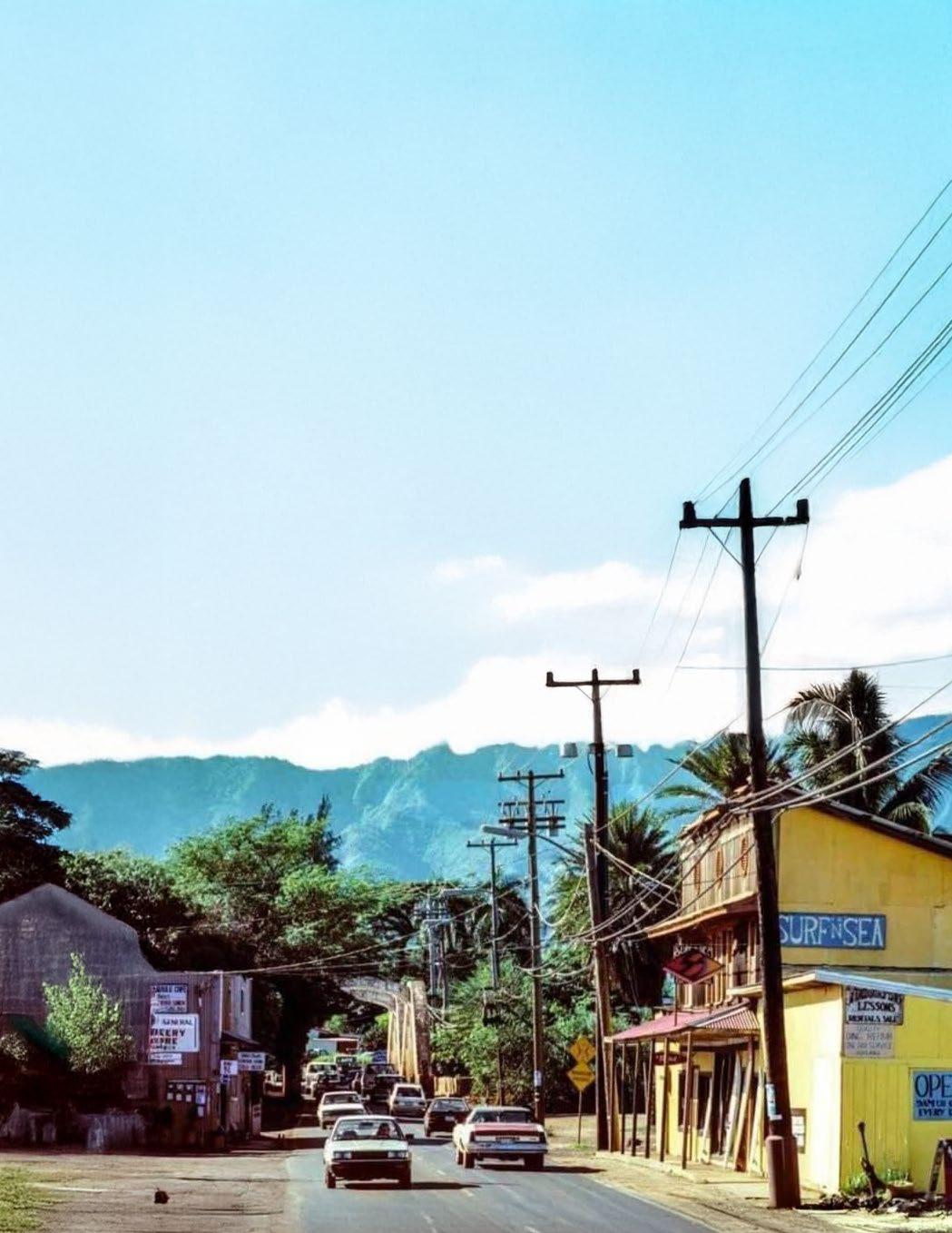
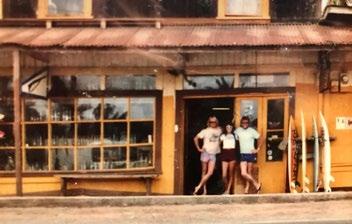
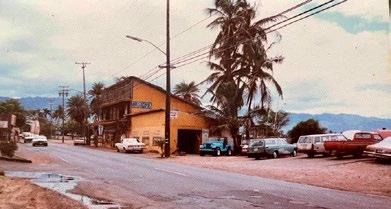
Just after five in the morning, Haleʻiwa still belongs to the ocean. Moored boats rolling gently, gulls cawing, the air is cool enough that steam curls off the river, but the sand is still cold. The beach is dotted with early-rising fishermen, paddlers of scattered ilk: canoe, board, outriggers. Sitting beside the old triple-arched bridge, there’s a building that has watched as Haleʻiwa changed in tidal shifts: sugar fields giving way to surf culture, plantation storefronts became boutiques. Catching the first wash of gold light across its sun-worn siding lies a yellow house, Surf N’ Sea, like a beacon.
There are landmarks you recognize by sight, and then there are the ones you know by feeling, part of the town’s muscle memory. The structure itself predates the surf era, built around 1921 it served every purpose a community could need. When surfing surged through O‘ahu in the 1960s, tourism cracked open the North Shore. The building officially opened as Surf N Sea in 1965. The shop moved through a few owners, but its iconic modern era took shape in 1982 when Joe Green, a Florida transplant with a nose for business and saltwater culture, bought into Surf N Sea and eventually took over. Part retail hub, part surf museum, part waystation for every type of waterman, waterwoman, wanderer. Walk inside, and it hits you. Boards stacked like history books, hints of decades-old stories lining the walls. The merchandise updates, but the energy hasn’t changed: nostalgia and momentum.
The Green family has kept Surf N Sea’s footing in a graceful balance. It fits perfectly into the North Shore’s cultural ecosystem: businesses built on relationships, families at the helm, a deep understanding that ocean lifestyle is not a marketing angle but a living reality.
The shop’s legacy isn’t just in being Hawaiʻi’s oldest surf-and-dive shop. The yellow house grew up with Haleʻiwa, held the line as surf culture found its voice. We got a chance to ask the Greens who have run the business with a mix of grit, instinct, and aloha, “how did you get there?”

FSM: When you first stepped into Surf N Sea, what made you believe it could become something legendary?
Joe: I walked in around 1982, and the building was in really bad shape. It had even been condemned years earlier. The floors sagged when you walked across them. But the location was great, the building was big, and the rent was cheap. I knew it was worth saving.
Naoko: Even back then, the building felt historic.
FSM: What were the biggest challenges running the shop?
Joe: Storms and the ocean. Hurricanes, flooding, and big winter surf were constant worries, especially before the breakwalls were built.
Naoko: Another challenge was staffing. Hawaiʻi is expensive, and housing is hard. A lot of people moved here with good intentions but couldn’t afford to stay.
FSM: Was there a singular moment when you realized Surf N Sea was more than a business? They often become unofficial community centers. When did that happen here?
The Christmas Giveaway started over 30 years ago. People grab a free Surf N Sea sticker and put it on their car. During the 12 days before Christmas, if I spot the sticker around town, they win prizes. We call it “the sticker that keeps on giving.” Locals needed to feel taken care of, and visitors needed to understand how things work out here— especially surf etiquette and ocean safety.
Naoko: We value every customer. In the water, the right gear can save your life, so giving good advice really matters. We take care of locals and welcome visitors too.
FSM: Raising your kids around the shop, did you imagine they would step into roles? What did you want them to understand about maintaining it? And, finally, what makes you most proud?
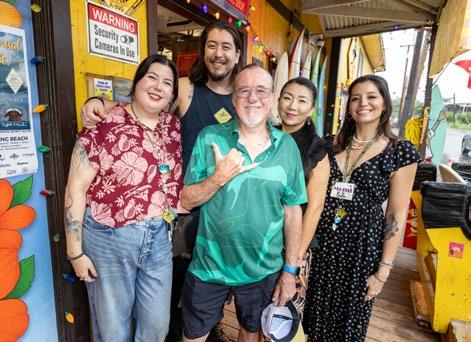
Naoko: Back then we were focused on day-to-day life. Seeing all three of [our kids] working here now means a lot to me. So many historic buildings in Haleʻiwa are gone. Keeping Surf N Sea standing means protecting the town’s history, not just running a store.
Joe: As old buildings around Haleʻiwa were torn down, people started to see Surf N Sea as something worth protecting. Over time, it became a local landmark. We sold gear, filled tanks, and rented equipment. Surfers, divers, fishermen—everyone came through here. It became a gathering place naturally.
FSM: What values guide you in running the shop? Tell us about balancing tension between tourism and respecting local surf culture.
Joe: Giving back to the community, even in small ways.
Joe: The building is the business. That historic building by the bridge is a big part of why Surf N Sea exists. It needs constant care, a million into repairs. Preserving it isn’t optional—it’s essential. When they were little, no—I didn’t think that far ahead. Now all three of my kids are working here, and I’m super proud. The building is still standing, the fact that it’s still a family-run shop. Seeing my kids carry it forward means everything to me.
FSM: What are your earliest memories of Surf N Sea?
Mari: Some of my earliest memories are being a kid playing hide-and-seek in the racks of the shop, listening to the staff talk story, and playing pretend on the beach out back. The shop wasn’t just our family business—it was our second home, our safe space, and a major part of our


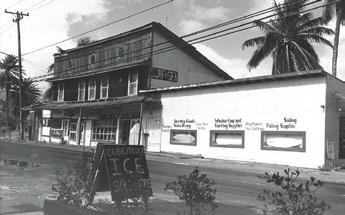
The historic Surf N Sea building in Haleiwa has been a fixture of the North Shore for over a century, transitioning from a transportation hub to the oldest surf and dive shop in Hawai'i.
Originally constructed in 1921, the iconic yellowand-brown wooden structure is one of the oldest commercial buildings on the North Shore and is recognized by the Hawai'i Register of Historic Places.
Railroad Origins: In its earliest years, the building served as a train station for the Oʻahu Railway and Land Company. Visitors from Honolulu would arrive here to reach the nearby Haleiwa Hotel, which was Hawai'i's first destination resort.
Upstairs Lodging: Reflecting its roots as a transit stop, the building originally featured rooms for rent on the upper floor and a restaurant downstairs for weary travelers.
The Ochiai General Store: After the railway era ended, the building became a general store owned by the Ochiai family. During this period, it served the local community by selling dry goods, fishing supplies, and even guns and ammo.
Transformation into Surf N Sea: The business officially became Surf N Sea in 1965 at the dawn of the modern big-wave surfing era. It shifted its focus entirely to ocean sports, later being acquired in 1983 by Joe Green, who has carefully maintained its vintage charm and rustic architecture.
Surf Museum Character: Today, the building houses a massive collection of over 150 vintage surfboards, including the final fiberglass board ridden by the legendary Duke Kahanamoku in 1968.
childhood.
FSM: When did you realize your family’s shop was iconic in Hawaiʻi surf culture?
Mari: When I saw how internationally known we were. On family trips to Japan, we’d see people wearing Surf N Sea shirts. Families would return year after year, and local customers would tell me they’d been coming here longer than I’ve been alive. It’s a strange feeling when something so personal—so deeply tied to your identity—is also shared by people all over the world. There’s pride in that, but also weight.
FSM: What roles are each of you playing today? How did you choose your lane?
Mari: I focus on operations, hiring, and stepping in wherever the shop needs me most. Momi, our little sister, has been back at the shop this past year, and it’s
been really special having her home and back on Team Green. We naturally fell into our lanes by leaning into our strengths. I studied psychology, so I gravitated toward the people-focused parts of the business. Momi has always had a strong eye for merchandising, and she’s recently stepped into the women’s buyer role. Joey thrives in customer service—he makes people feel instantly welcome.
FSM: What have you learned from stepping into leadership while your father is still present?
Mari: My dad’s experience is irreplaceable, and the transition has been gradual—him slowly handing more responsibility over to us. Eddie, our longtime GM, has also been an incredible guide. Our long-term staff plays a huge role as well. Their support means everything to us.
FSM: When you look ahead, what do you want to preserve? What do you want to evolve or modernize?


Mari: The heart of Surf N Sea—the warmth, authenticity, and sense of belonging. I want people to walk through the doors and feel the same familiarity and connection that generations before them felt. Evolving doesn’t mean replacing what’s special—it means strengthening it.
FSM: What does surf culture mean to you today? Surf N Sea is deeply woven into Haleʻiwa’s identity. How do you maintain that relationship?
Mari: It means history, respect, and what bridges together our community. I’ve learned you don’t have to be in the water every day to love surfing. You can be a spectator, an admirer, and still feel deeply connected to the culture. Haleʻiwa has given so much to our family, and we carry a responsibility to give back. I’d love to expand youth water-safety programs, mentorship opportunities, and cultural initiatives led by local practitioners. Helping our keiki build confidence, connection and kōkua feels deeply important.
that existed long before me and will continue long after.
FSM: What does success look like for Surf N Sea in the next 10 to 20 years?

Mari: Success means staying rooted and relevant. A strong, happy team. A connected community. A modern operation that still feels authentically North Shore Haleʻiwa. And a legacy our keiki can one day carry forward with the same pride we feel now. Joe and Naoko’s stewardship is marked by responsiveness, wrapping their arms around a building others had written off, a sand castle of sorts. Keeping standards high and trusting the shop helps people find the best gear, it truly earned its place over time.


FSM: Was there a moment when the shop began to feel like yours? What part of your family legacy feels light, and what part feels heavy?
Mari: In many ways, it will always feel like my parents’ shop. I’m simply grateful to be part of the legacy they built—something strong, meaningful, and worth protecting. The light part is the pride—knowing how much this place means to so many people. The heavy part is the kuleana: the responsibility of protecting and continuing something
For Mari and Momi, the work carries a different texture. No longer a question of whether Surf N Sea can last, but how it endures and evolves without losing its center of gravity. In them is a generation who thinks in terms of care rather than control, evolution rather than overhaul, never severing its roots.
Through it all, the yellow house remains a point of orientation. And tomorrow, just after five, Haleʻiwa will still belong to the ocean. Surf N Sea will open its doors— steady, familiar, doing what it has always done. In that sense, you really can find the ocean there.
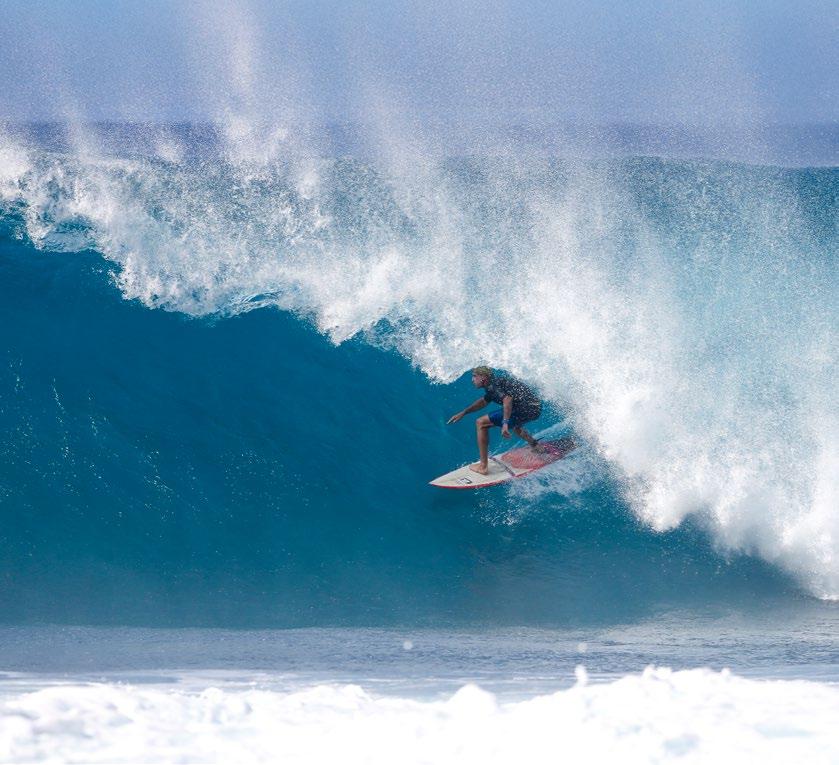
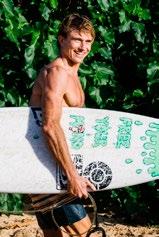

- Lucas Godfrey
Mesiwala,



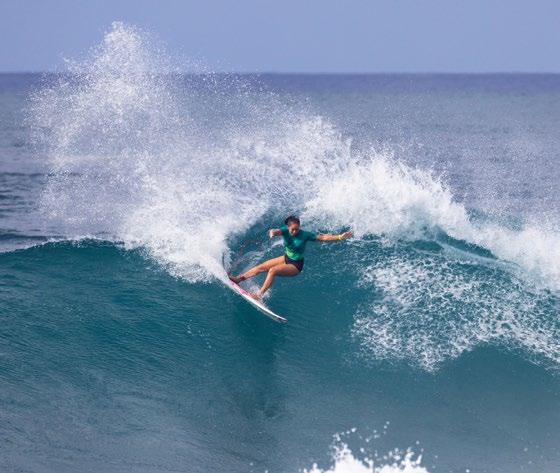
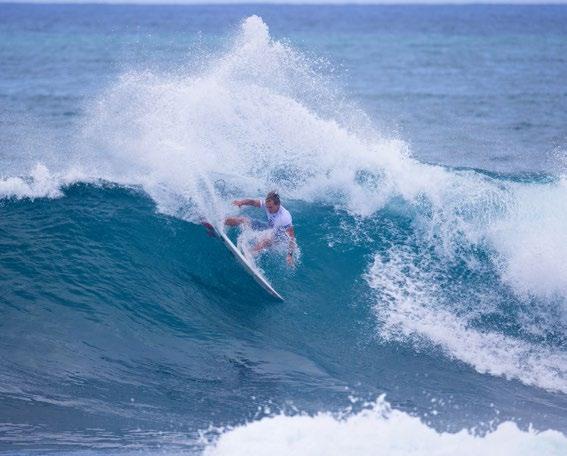
The North Shore’s premier talent shone at the HTA HIC Haleʻiwa Pro, as Bettylou Sakura Johnson (HAW) and Finn McGill (HAW) claimed dominant victories in powerful six-to-twelve-foot surf. The event, a WSL Qualifying Series (QS) 2,000, followed longboard wins by Sive Jarrard and Nelson Ahina III earlier in the week.
Haleʻiwa local Bettylou Sakura Johnson reaffirmed her status as one of the world's elite surfers. Facing a world-class Final featuring five-time World Champion Carissa Moore, 2025 Rookie of the Year Erin Brooks, and Pipe specialist Moana Jones Wong, Johnson delivered a masterclass in forehand power.
After Brooks broke her board early, Johnson capitalized with an 8.00 before dropping a near-perfect 9.47. Despite a late charge from Moore, Johnson’s 18.30 total secured the win.
“I’m super grateful to be able to compete at home when the waves were really good,” Johnson said. “A win is amazing... I’m really excited to carry that into the next season and out at Pipe soon.”
On the men’s side, Finn McGill extended his lead as the region’s No. 1 after securing his second consecutive victory of the 2025 season. The Final was a high-scoring battle against Championship Tour (CT) standouts Barron Mamiya and Ian Gentil, alongside Shion Crawford.












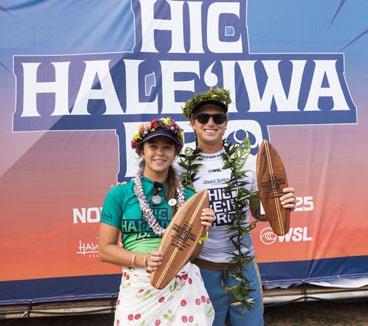
Gentil set the early pace with an 8.77, but McGill responded with a jaw-dropping 9.73 for a series of precise, powerful maneuvers. Mamiya fought back with a 9.00 in the final minutes, but fell just short of the 9.56 requirement.
“It’s literally everything a surfer can ask for,” McGill said of the pumping conditions. “The last time I won out here, I think I was 10 years old... Let’s go do Pipe now.” Moore and Mamiya Secure Runner-Up Finishes
The event marked a sentimental return for Carissa Moore, competing in her first WSL jersey since the Olympics and becoming a mother. Moore showed no signs of rust, posting a massive 17.03 heat total in the Semifinals before finishing second to Johnson.
“It’s seriously a dream come true having my husband and my daughter on the beach,” Moore noted. “To make the Final gives me some confidence moving forward.”
1st Finn McGill
2nd Barron Mamiya
3rd Ian Gentil
4th Shion Crawford
1st Bettylou Sakura Johnson
2nd Carissa Moore
3rd Erin Brooks
4th Moana Jones Wong
Men’s Longboard: Nelson Ahina III
Women’s Longboard: Sive Jarrard
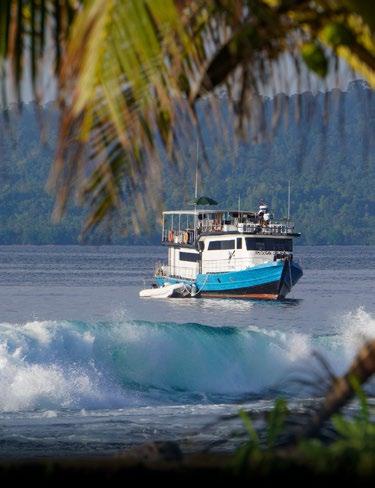






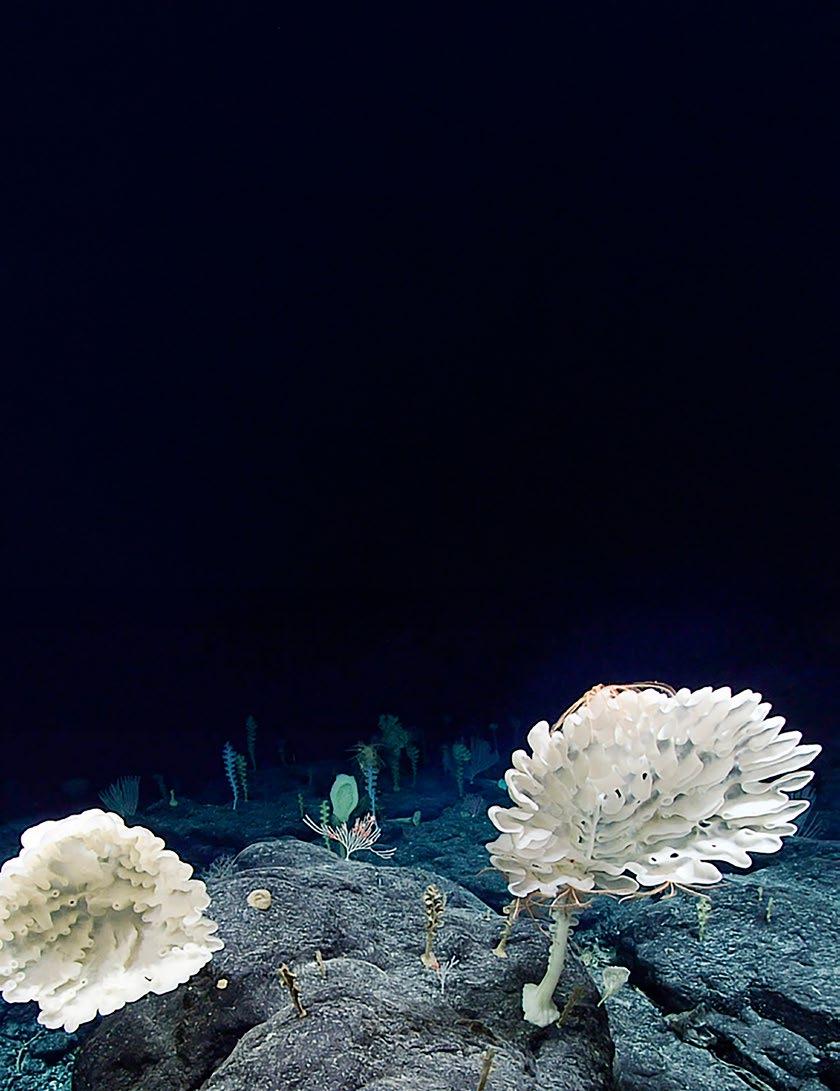
Explore some of the most pristine coral reef ecosystems in the Pacific Ocean and learn about the Monument protection that ensure these special areas are conserved.
Beyond the shipping lanes and fishing grounds, removed from the daily weather maps and the tourists’ imagination, there is an ocean that still remembers itself. The Pacific Islands Heritage Marine National Monument—nearly half a million square miles of water surrounding some of the more remote atolls like Johnston, Jarvis, and Palmyra. About 1.5k nautical miles west-southwest from Hawai’il, the monument has long functioned as a kind of natural archive. A place where coral still grows without interruption, where fish populations aren’t managed, they’re permitted to exist.
In April 2025, that quiet was disrupted.
With the stroke of an executive order, the current administration moved to reopen much of the monument to U.S. commercial fishing, reframing one of the world’s largest fully protected marine areas as an underutilized economic asset. The language was tired and familiar: American fleets disadvantaged, seafood imports too high, fish migratory anyway. Protection, the argument held, has gone too far.
Marine scientists were quick to respond. Migratory species don’t just pass through empty space; they depend on intact ecosystems for spawning, feeding, and recovery. If the sanctuary is removed, the migration collapses. What looks like open ocean on a map is, ecologically speaking, a dense web of symbiotic relationships: coral, plankton, seabirds, sharks and turtles, many animals slow to recover, some already on the brink.
Environmental groups and Hawaiʻi-based organizations challenged the move almost immediately, arguing that the president lacked authority to dismantle monument protections without congressional approval or environmental review. By August, a federal judge in Hawaiʻi agreed, blocking commercial fishing in the monument and reaffirming that the waters remain legally protected, at least for now.


However, the damage isn’t only legal or hypothetical.
For Pacific Island nations, the backwards motion sent a clear signal. The monument has long stood as a global example. Standing proof that large-scale ocean protection is not just possible, it is effective. Weakening protections risks unraveling years of regional cooperation at a time when Pacific communities are already absorbing the harshest impacts of climate change, rising seas, and industrial fishing fleets we did not invite.
For Native Hawai’ian scholars, activists, individuals, collectives and programs such as Native Ecosystems Protection and Management, or the Department of Forestry and Wildlife, this issue cuts deeper still. These
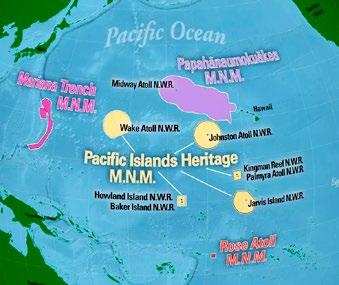
waters are not empty, and they are not abstract. They are part of a genealogical organism, a spirit, an expression of mālama kai— on a planetary scale. Decisions made without Indigenous consultation repeat a familiar pattern: distance used as justification, remoteness mistaken for absence.
What happens next remains uncertain… courts have intervened, but executive orders have a way of bloating and resurfacing like a decomposing animal carcass. What is clear is that the monument represents more than a regulatory boundary. It is a test of whether stewardship can outlast politics. In an era of relentless extraction, mining, drilling, trawling, and overfishing, it is a test of whether restraint still has a place in our global care toolkit.
Out there, far far from shore break and the surf, past the furthest buoy, the ocean is still doing its work. The question is whether we will let it.
Ride the Wave to
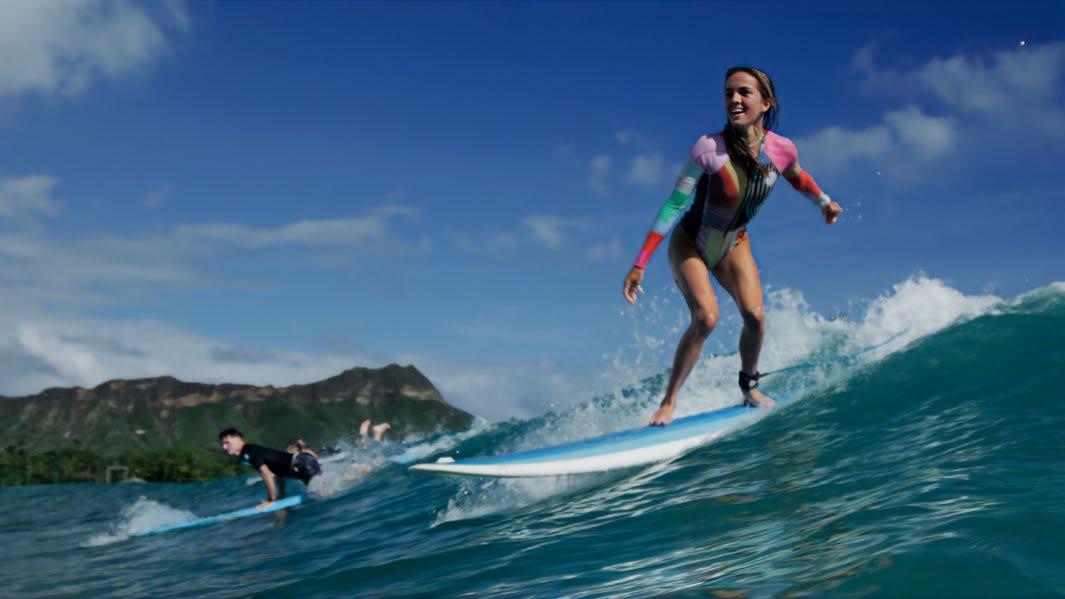

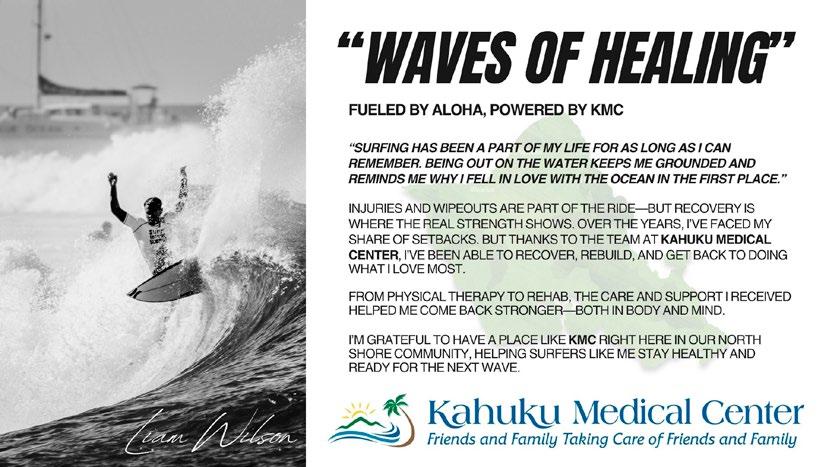

Jay “Sparky” Longley, has always had a compassionate spirit and a deep commitment to giving back to the community. In 2014, he founded the Rainbow Sandals Foundation (RSF) to help support and uplift those in need. Before ringing in the new year, RSF was proud to continue its support of The Boys & Girls Club of San Clemente, which provides programs that promote academic success for more than 1,500 local children each year. We are honored to help them continue creating brighter futures for San Clemente youth. @bgcsanclemente
RSF is also proud to announce that our Charity Golf Tournament raised $40,000 for the Fallen Firefighter Relief Fund. The donation was presented with heartfelt gratitude at OC Fire Station 59 in San Clemente and will help support families of fallen firefighters, honoring their bravery and sacrifice. @ocfirefighters
In 2025, RSF supported over 130 non-profit organizations! To learn more, please visit and follow: @rainbowsandalsfoundation

The industry’s leading trade event, Surf Expo, kicked off its 50th-anniversary show on January 7, 2026, in Orlando, Florida. This milestone event saw a major expansion of the "Shoreline Outdoor" category, reflecting a shift in the market toward broader "water-inspired" lifestyles rather than just core surfing. Despite a turbulent 2025 for many brands, the show reported high attendance, with retailers focusing on "scarcity and quality" over mass-market volume to navigate ongoing economic uncertainty and shifting consumer habits.
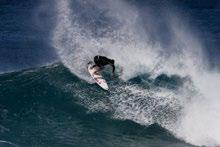
In one of the biggest endorsement shakeups in decades, three-time World Champion Gabriel Medina officially ended his 17-year partnership with Rip Curl. The split follows a trend of top-tier surfers moving away from legacy "big three" brands to start their own ventures. Industry insiders speculate Medina may follow the "Florence model"—referring to John John Florence’s successful independent brand—leveraging his massive Brazilian fan base to launch a signature apparel and equipment line ahead of the 2026 season.

Marjorie Mariano was a vibrant, passionate Brazilian bodyboarding pioneer and friend to many in the local surfing community. While frequenting the lineups at Vland and Rockies for several decades she inspired many as a spirited, friendly and resilient soul. After miraculously surviving a 13-foot tiger shark attack eight years ago, she faced her trauma with immense gratitude and courage. Recently, Mariano battled an aggressive form of brain cancer with her signature dignity. Marjorie passed away on January 8th. She leaves behind a legacy of bravery, grace, and an enduring love for the ocean. RIP

The World Surf League’s 2026 schedule celebrates 50 years by returning to tradition. Replacing the one-day "Final Five" format, the 12-event season will now culminate at Banzai Pipeline in December. This "back to basics" approach includes a mid-season cut, ensuring the World Title is decided in Hawai'i's iconic barrels rather than at Lower Trestles.
THANK YOU FOR YOUR CONTINUOUS SUPPORT AND FOR CREATING TIMELESS MEMORIES WITH US! MAHALO 33 YEARS for
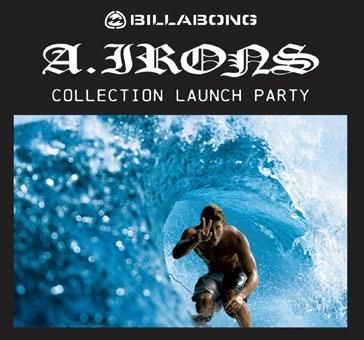

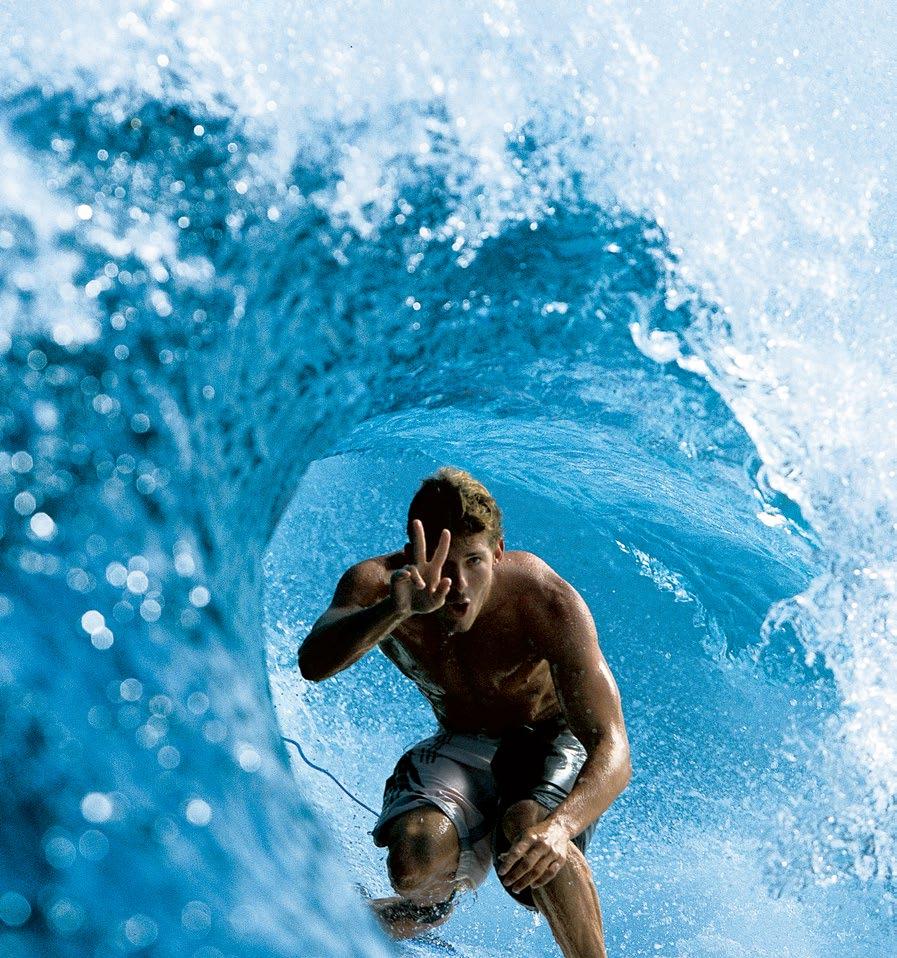
Come celebrate Andy Irons’ immeasurable legacy through his forever influential video parts, famous photos, iconic boards, and of course, his instantly recognizable signature boardshorts.
LOCAL MOTION BILLABONG
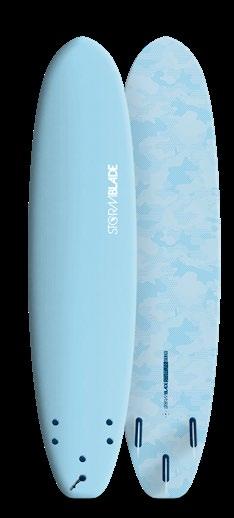
ASL Technology: Durable, Green, High-Performance
Built to Last Overlapping skins create a waterproof seal, while natural, flexible materials provide superior impact resistance and long-term durability.
No Compromises ASL combines fiberglass-level performance with a low carbon footprint. Its "soft" construction ensures surfer safety without sacrificing the speed or feel of a traditional board.
shop.agit-global.com
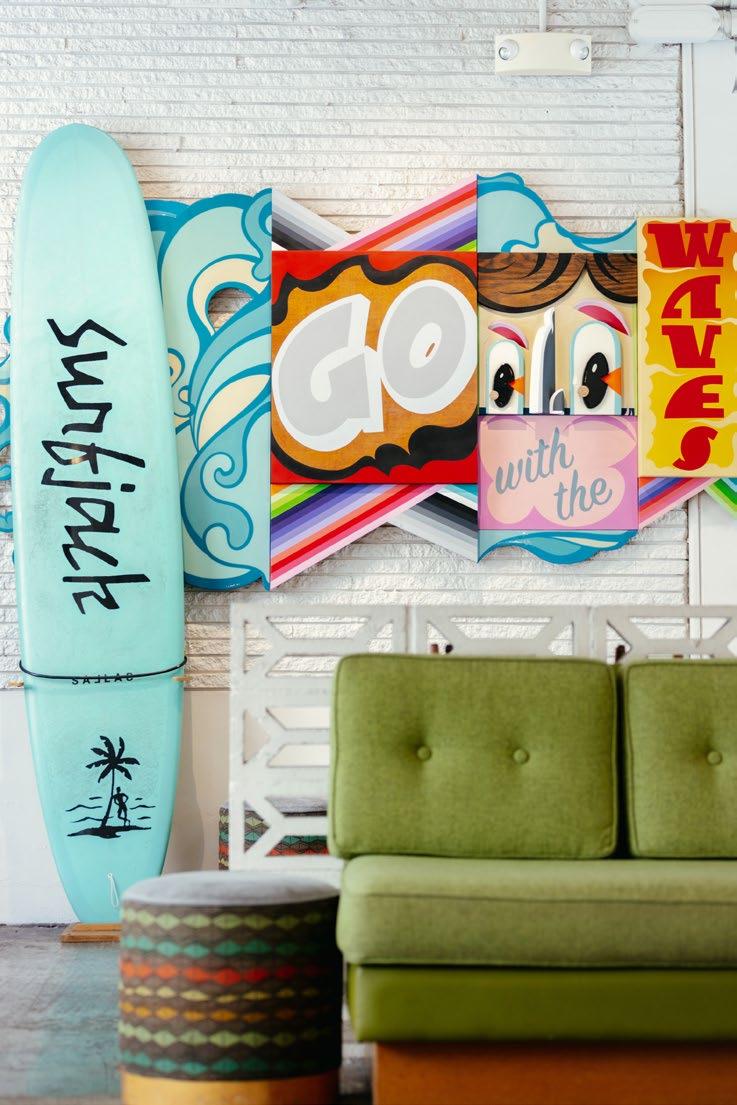
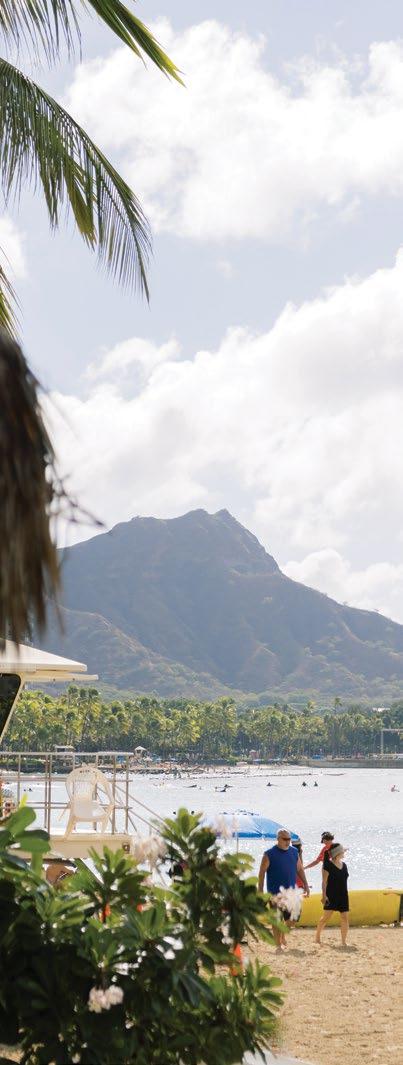
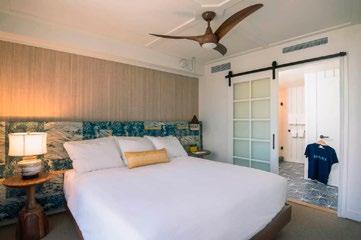
Experience the soul of vintage Hawai'i at The Surfjack Hotel & Swim Club. Nestled in the heart of Waikiki, our boutique oasis blends mid-century cool with modern island vibes.
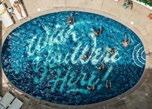
Catch world-class Waikiki surf just steps away, then retreat to our iconic "Wish You Were Here" pool. Best of all? We are a pet-friendly sanctuary, so your four-legged friends can enjoy the aloha spirit too. From award-winning dining to local art, experience an authentic, laid-back escape.
Book your stay and live like a local.
hsurfjack.com

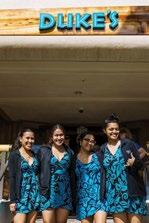
Baby tees are always a good idea. Shop their new line of baby tees in their Spring 2026 collection.
localmotionhawaii.com








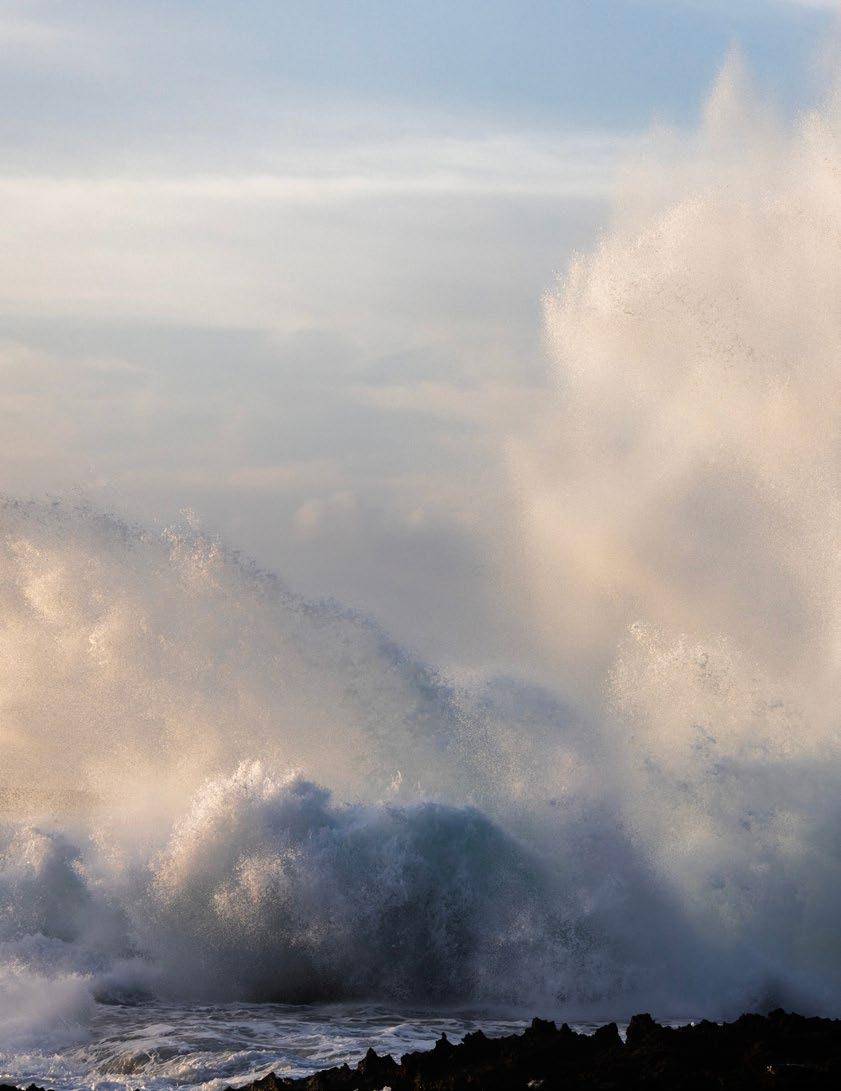
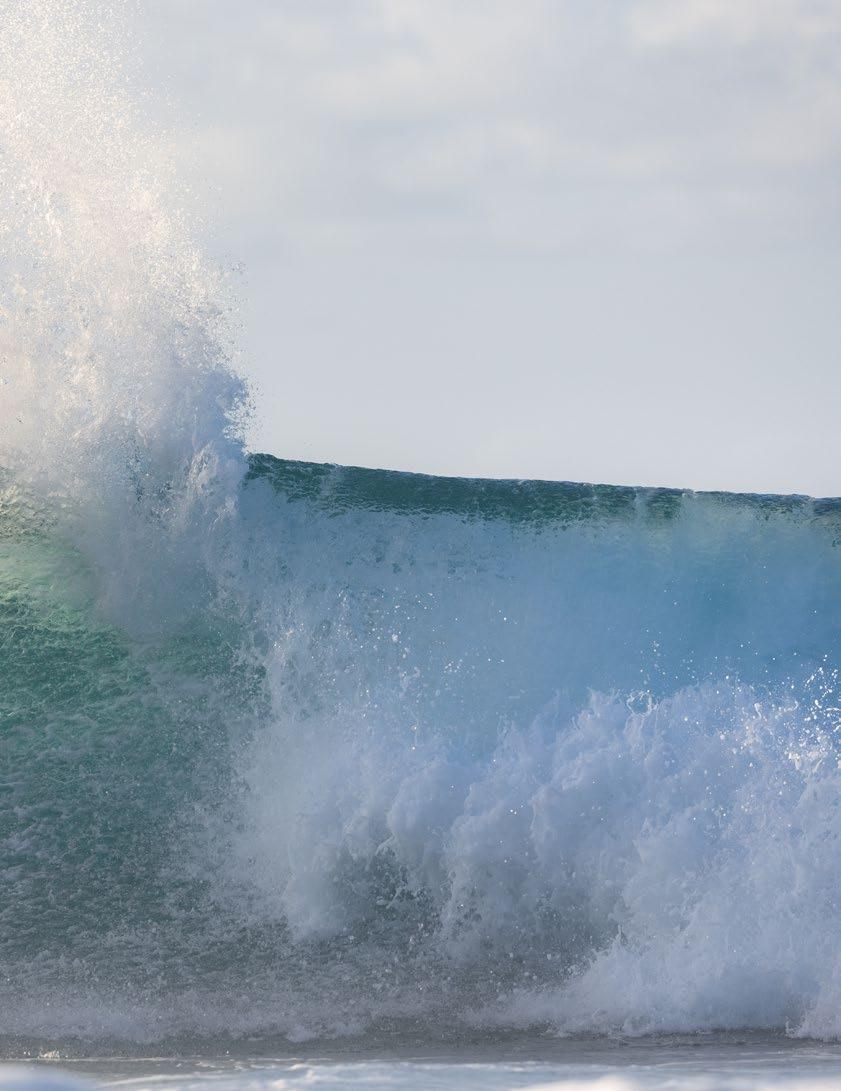
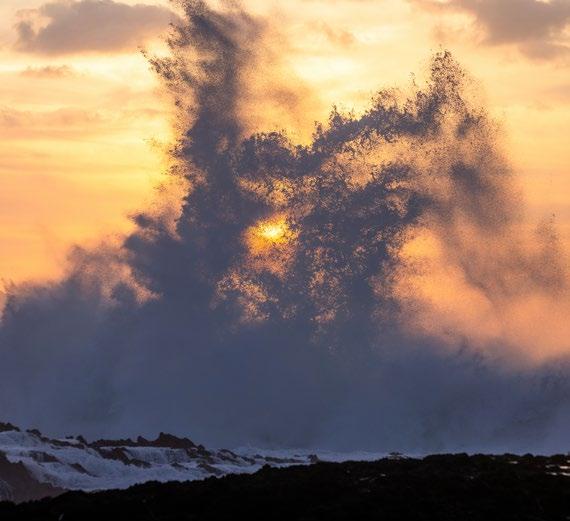
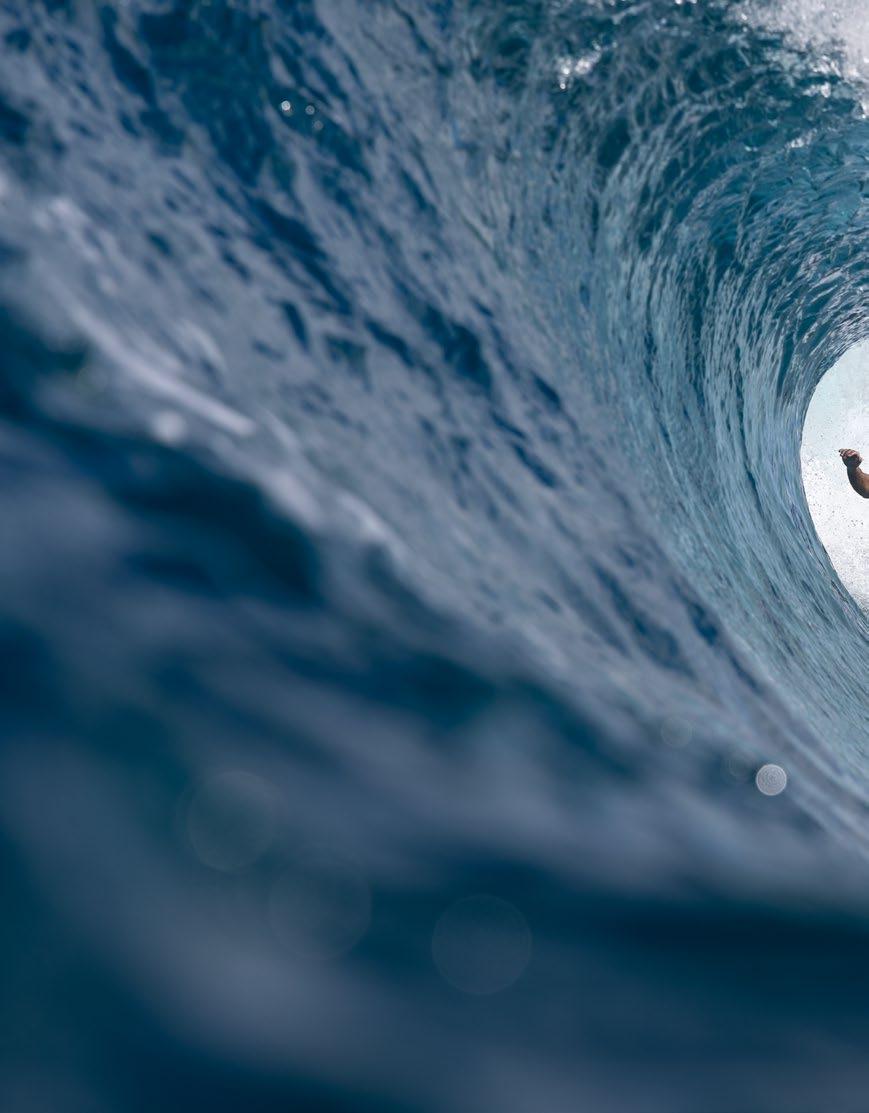
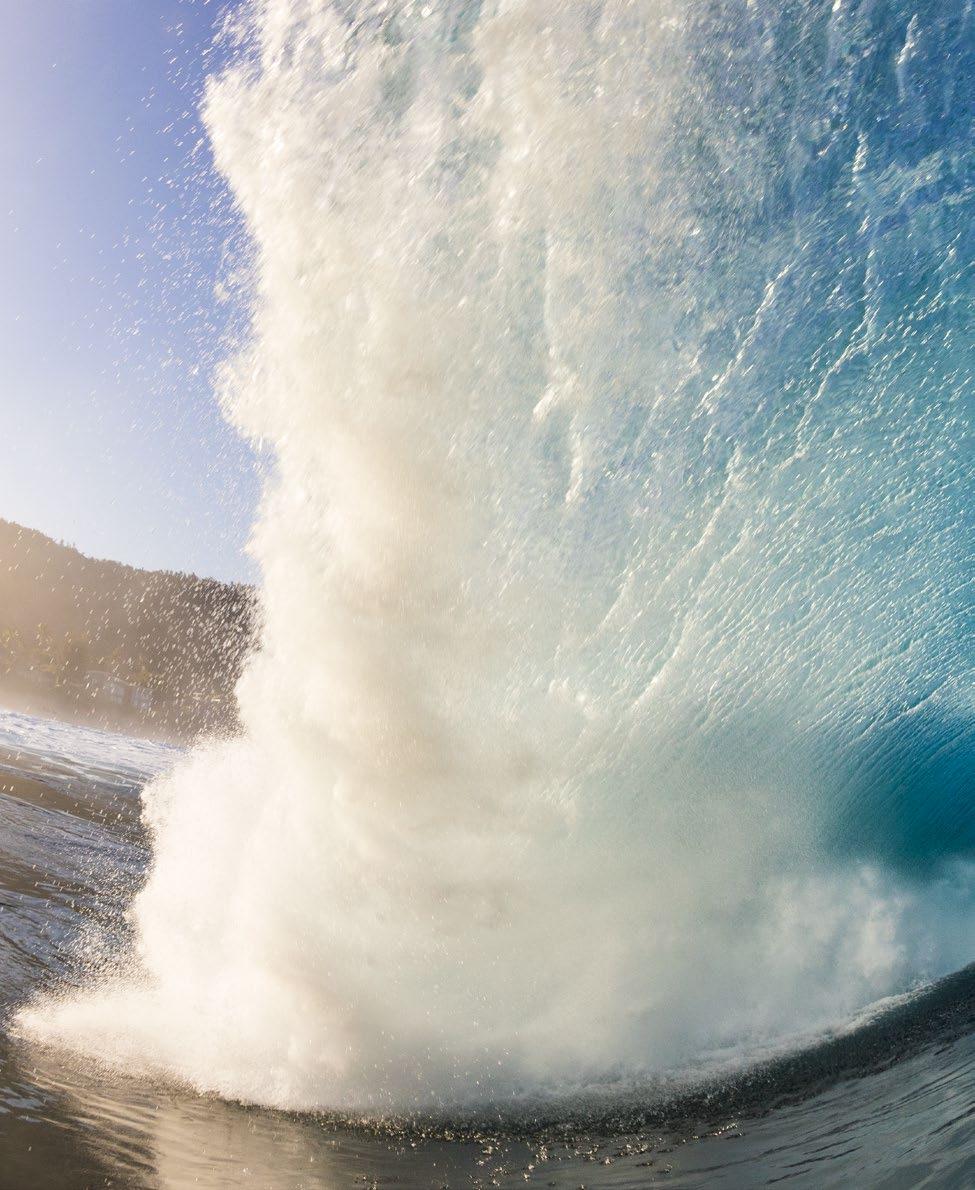
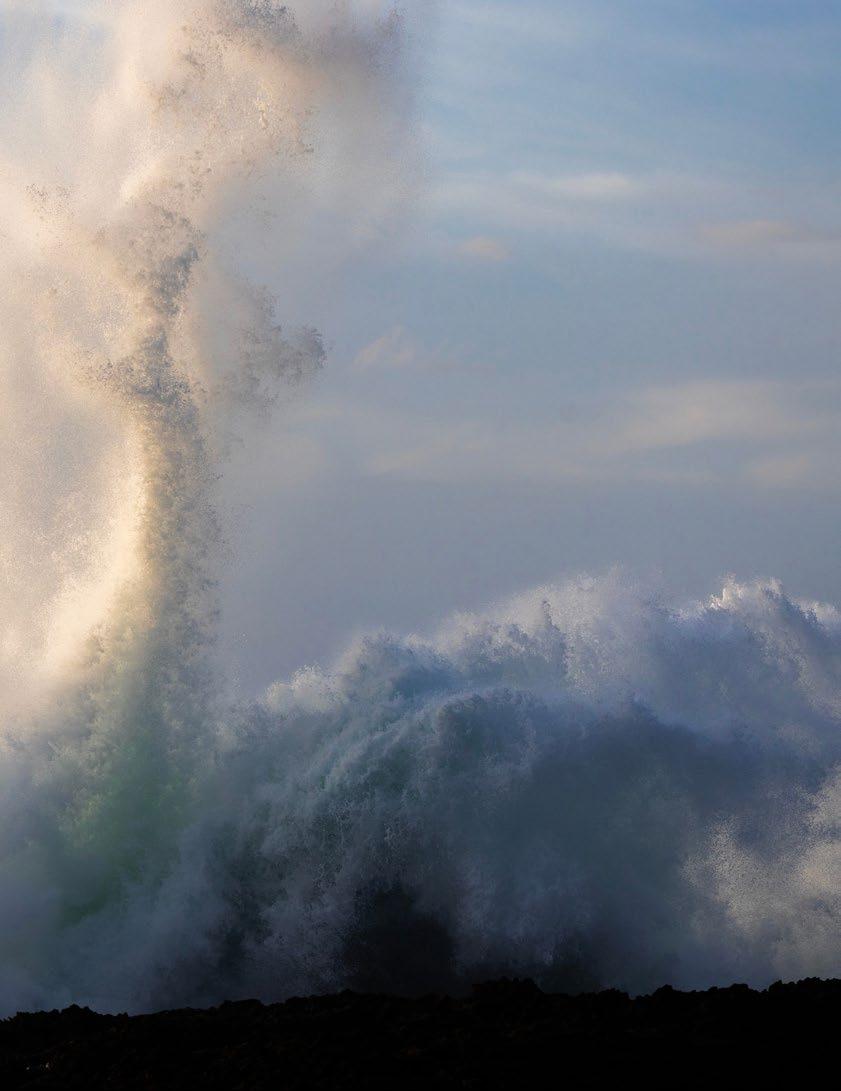
With all the excitement when the waves get big, people are constantly checking Waimea: Is it big enough? Has the swell dropped enough for Pipeline to be good, or is Sunset working?
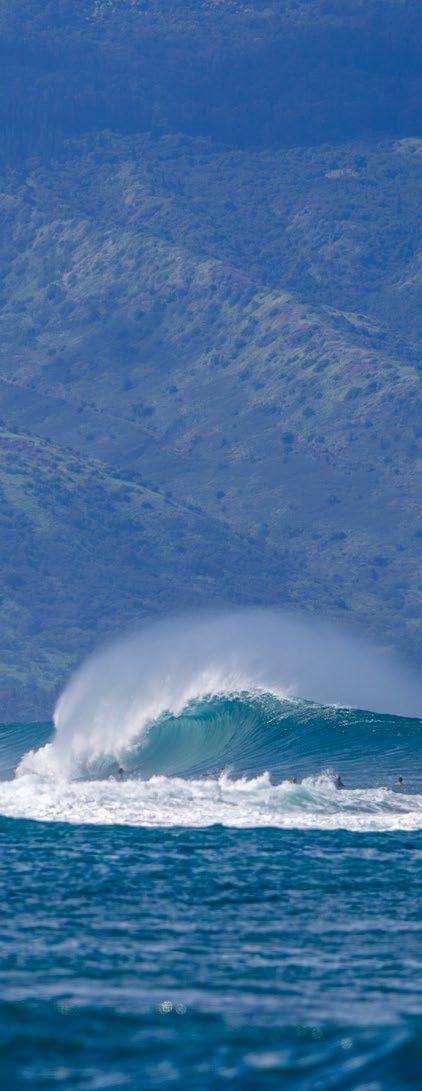
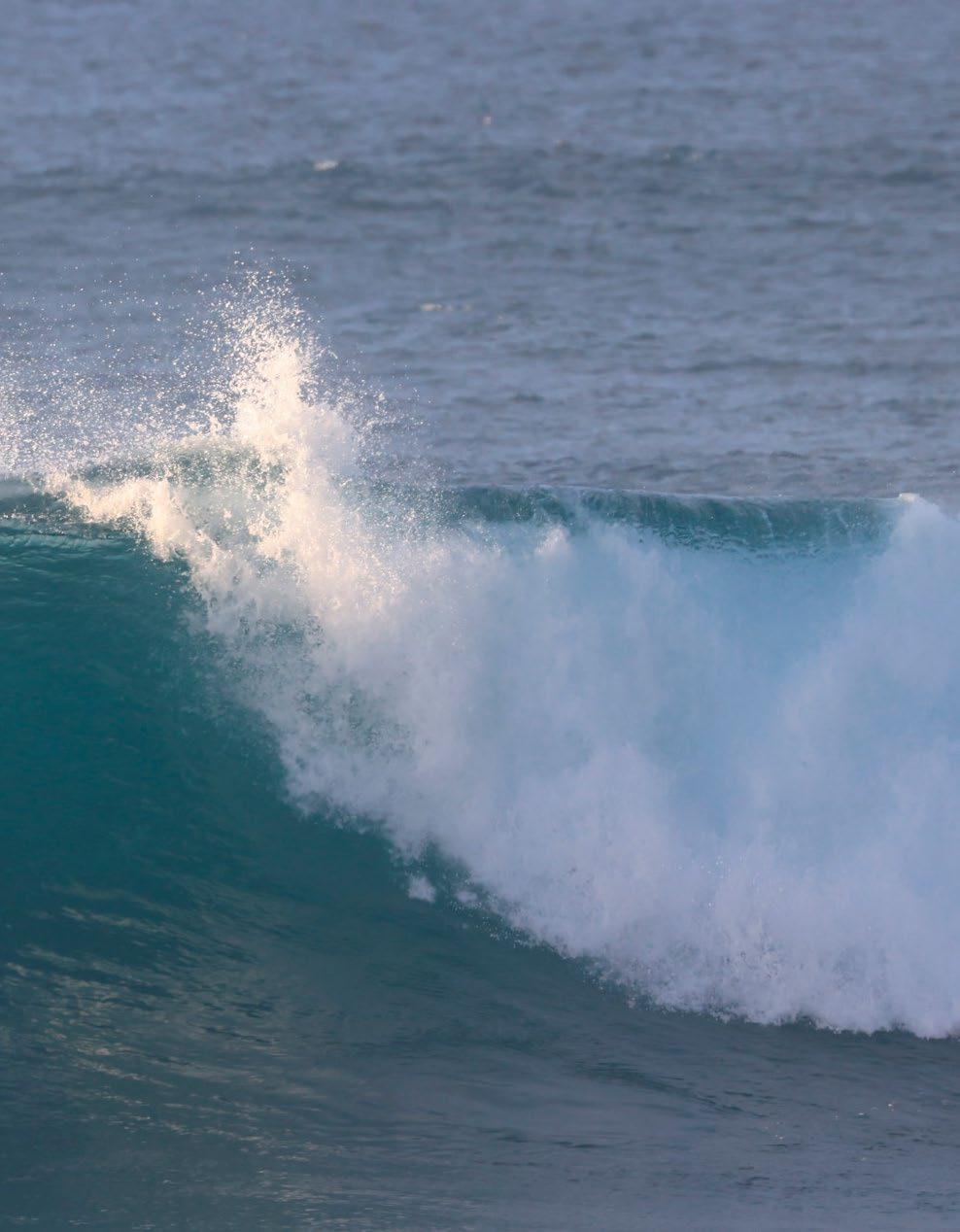
On those big days, I love putting all that aside in the late afternoon and heading to my special little spot for the last 30 minutes of light. I go to see what strange wave explosions or patterns appear as the swells crash against the steadfast rocks. This one came in about five minutes before the sun dipped behind Kaena Point.
-Brian Bielmann
2026 SIGNATURE COLLECTION IN PARTNERSHIP WITH ANDY IRONS FOUNDATION NOW IN STORES AND ONLINE