Get in Touch
Dear Avocados,
I have defended you for years—your price tag, your temperament, and your wildly unpredictable ripening schedule. But we’ve reached a point where we need to have an honest chat.
To be perfectly blunt: you’re exhausting.
No other ingredient in my kitchen demands this much emotional energy. Bananas are predictable. Apples sit tight for weeks. Citrus comes in its own sturdy packaging. But you?
You arrive on my counter full of promise. Glossy, firm, and brimming with potential. But for the first few days, you might as well be decorative rocks. You sit in the fruit bowl while I check on you obsessively, morning and night.
And then, inevitably—usually when there isn’t a single slice of good sourdough left in my house—you decide to hit absolute, buttery perfection. It’s a window of opportunity that lasts for approximately eleven minutes before you begin your rapid descent into decay.
Then there is the deception of your outer appearance. There is zero correlation between a flawless skin and the potential horrors waiting inside. Cutting into you is less like preparing a meal and more like high-stakes gambling. Will it be a vibrant, creamy dream or an alarming brown patch?
Buying you doesn't even feel like grocery shopping anymore; it feels like speculative investing. We hand over a small fortune just for the privilege of seeing whether nature decides to be kind to us today.
And yet, despite the heartbreak, I keep coming back. Because when an avocado is good, it’s really good. Nothing else quite compares.
So thank you, avocados. For keeping me humble, entirely alert, and permanently anxious in the veggie aisle.
Warm regards,
Your ever-hopeful cook
Despite all their unpredictability my love for avos is unwavering. They’re a true nutritional powerhouse, packed with heart-healthy fats, fibre and essential vitamins that make you feel genuinely good from the inside out. Beyond their health benefits, it’s their sheer versatility in the kitchen that makes them indispensable. They’re the ultimate culinary chameleon – beautifully smashed onto morning toast, tossed through salad, blended into a silky dressing, or even whizzed into a healthy chocolate mousse.
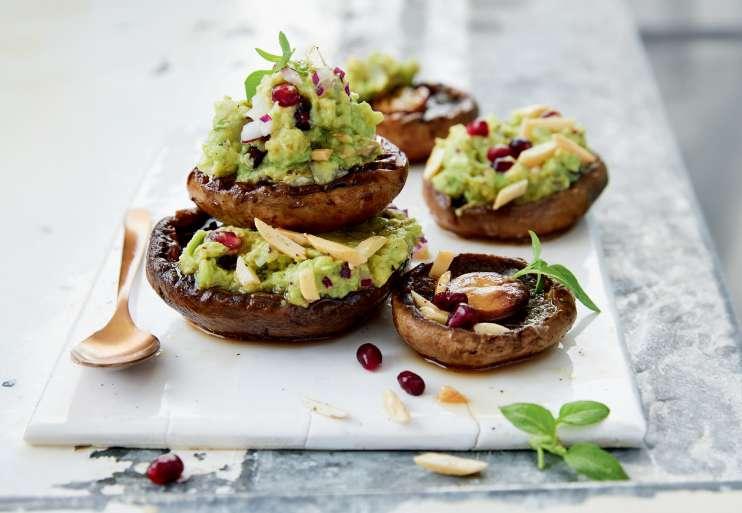
To put them to good use, here’s a delicious recipe for garlicky grilled mushrooms with the ultimate guacamole, from my book All Sorts of One Dish Wonders.
Garlicky Grilled Mushrooms with Guacamole
4 – 6 large mushrooms, stalks removed
3 tsp butter
2 tsp minced garlic
Salt and pepper to taste
2 Tbsp roasted slivered almonds Fresh parsley or other herbs for garnishing
Guacamole
3 avocados
2 Tbsp pomegranate arils
2 Tbsp finely chopped onion
2 Tbsp lemon juice
Place the mushrooms on a greased baking sheet, add approximately half a teaspoon of the butter along with a quarter teaspoon of garlic in th centre of each mushroom and season with salt and pepper. Place under the grill for 3 – 5 minutes. Remove and set aside.
To prepare the guacamole, mash the avocados in a bowl. Add the pomegranates, onion and lemon juice and stir together. Season generously with salt and pepper.
Fill the cavities of each mushroom with the guacamole, scatter over the almonds and garnish with a touch of parsley.
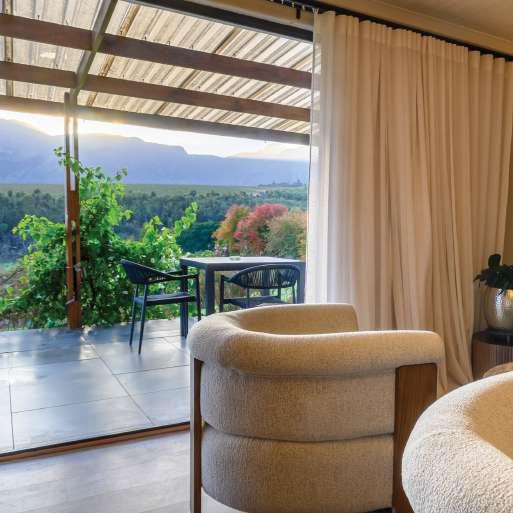
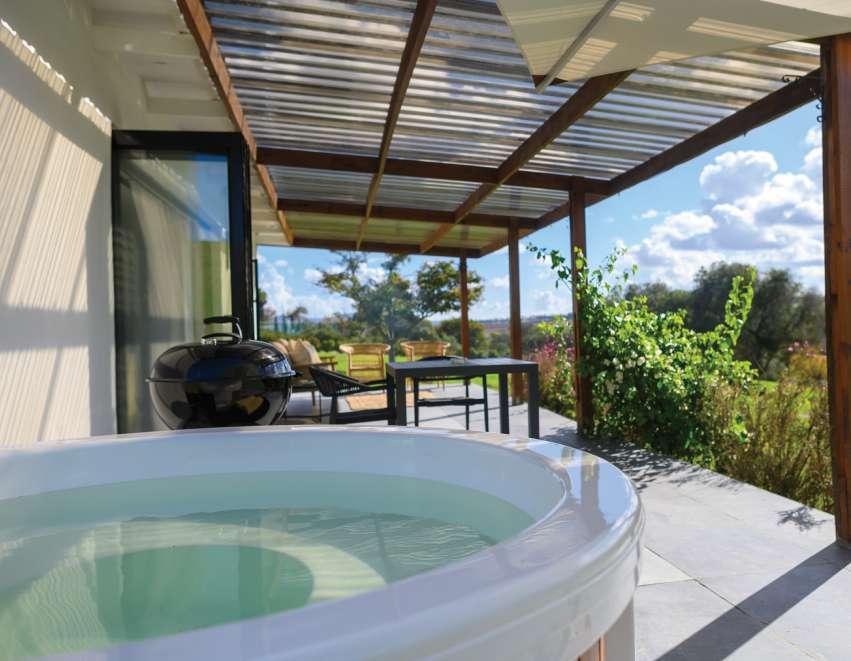
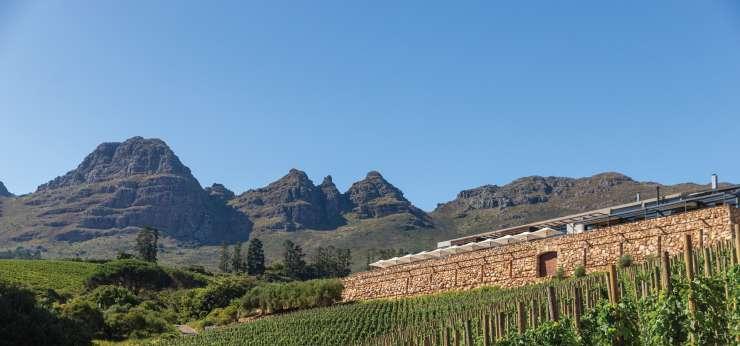
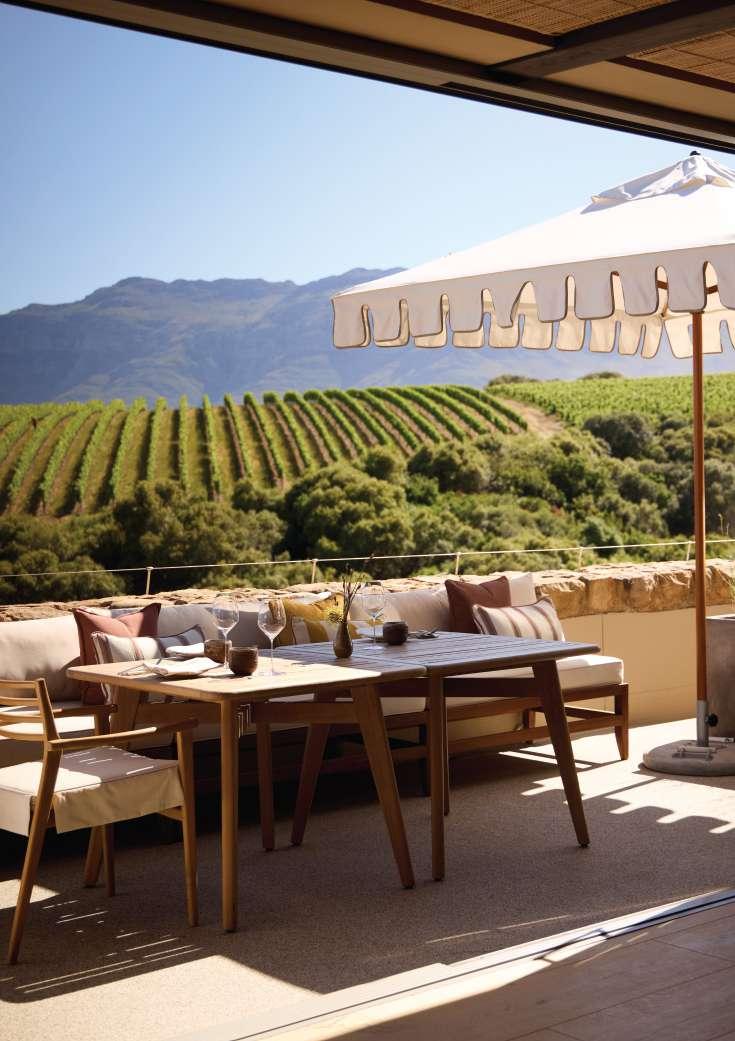
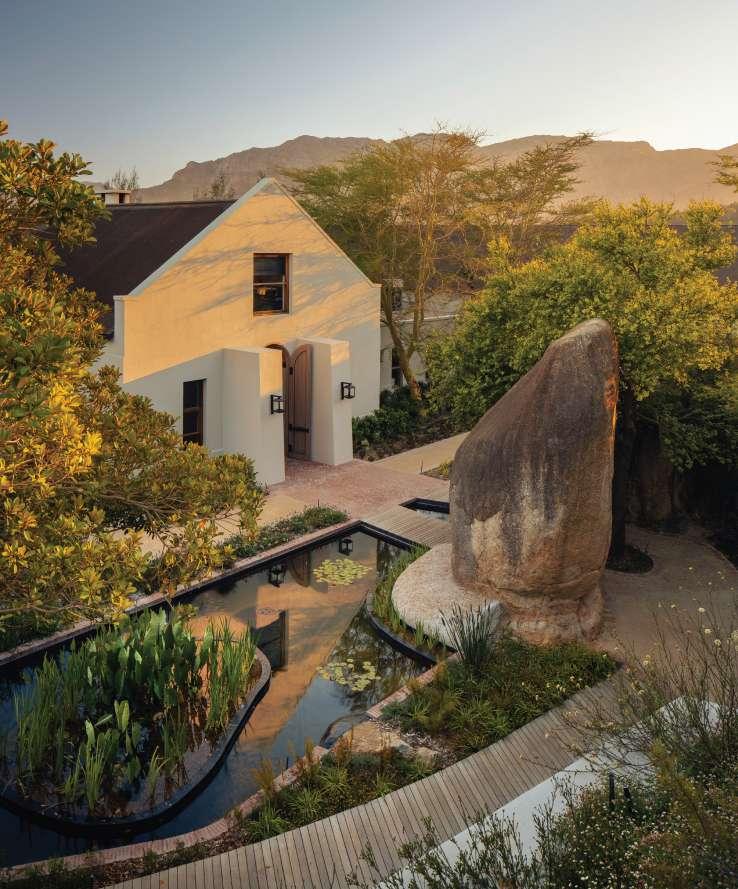
Nestled on the slopes of the Helderberg, the famed Golden Triangle of Stellenbosch, Precious Hidden Valley is a destination where exceptional wine, innovative cuisine, and breathtaking natural beauty converge. Renowned for its decomposed granite and shale soils, cooled by ocean breezes drifting in from False Bay, the Helderberg produces wines of remarkable elegance and depth. At Precious Hidden Valley, these natural elements are transformed into soulful vintages that reflect both the character of the land and the artistry of winemaking.
The estate offers a collection of refined culinary experiences rooted in African innovation, sustainability, and warm hospitality. The Tasting Room invites guests to indulge in a relaxed yet sophisticated dining experience with sweeping vineyard views. Its curated two-course menu, paired with a complimentary glass of estate wine, is complemented by wine tastings and the estate’s signature chocolate and wine pairing.
At the heart of the estate, Precious Hidden Valley Restaurant is redefining New African gastronomy through hyper-local sourcing, low-waste cooking, and in-house fermentation. Ancient African preservation techniques meet modern culinary precision in dishes layered with bold, distinctly African flavours.
For a more casual experience, The Deck at Precious Hidden Valley offers gourmet burgers and wood-fired pizzas served on a floating deck surrounded by panoramic vineyard views.
Precious Hidden Valley is a celebration of craftsmanship, storytelling, and African culinary excellence in the heart of the Winelands. From elegant, terroir-driven wines to immersive culinary experiences, every detail reflects the estate’s commitment to authenticity, creativity, and the enduring beauty of the Helderberg.
www.hiddenvalleywines.co.za 021 007 3477 reservations@hiddenvalleywines.co.za
Text: Editorial Desk | Images: Supplied Lees die Afrikaanse weergawe van die berig op ons webwerf
Text: Chantal Lascaris I Images: Chantal Lascaris Lees die Afrikaanse weergawe van die berig op ons webwerf
Five minutes from the Stellenbosch CBD, Vredenheim turns the season's quieter mood into a full day of warmth, wine and wonder.
There is a particular kind of beauty the Cape Winelands reserve for the turning of autumn into winter — when the vineyards exchange their golden autumn hues for bare vines and the quiet stillness of the colder season. The Helderberg and Stellenbosch mountains are shrouded in low clouds. Rain, when it comes, drums on old stinkwood beams and is forgotten the moment a fire is lit. And on Vredenheim — one of Stellenbosch's oldest farms, settled in 1691 and just a few minutes' drive from Dorp Street — the season is not something to wait out. It is something to be enjoyed, slowly, beside a glass of something red.
For the locals who have come to know Vredenheim as a summer favourite, winter offers an unexpected gift: the same family-owned farm, with all its many pleasures, but worn in like a favourite jersey. Quieter. Slower. More intimate. And, crucially, almost all of it under cover when the weather decides otherwise. Begin with the cats
Take the chill off in the Proelokaal
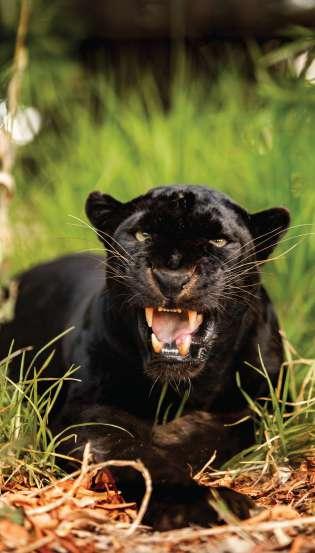
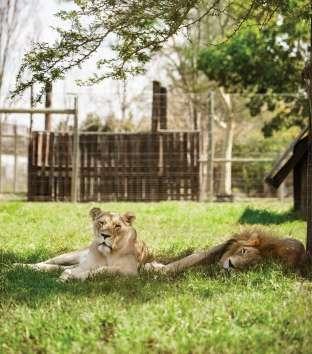
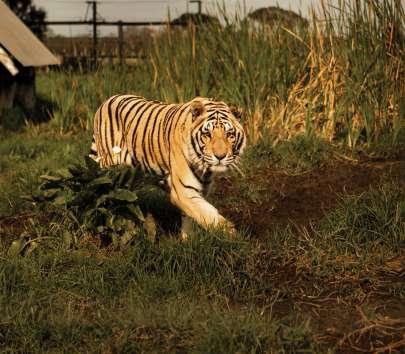
The day at Vredenheim is best built around the Roofdierpark — the farm’s well-known Big Cat Park, and an experience genuinely unique on the Stellenbosch wine route. Daily guided feeding tours run at 11:00 and 15:00, during which lions, tigers and leopards can be observed, photographed and learned about; the guides offer thoughtful insights into each animal's history, behaviour and conservation. Even on a grey morning, there is something arresting about watching a Bengal tiger in the soft Cape light. Children are spellbound. Adults, quietly, too.
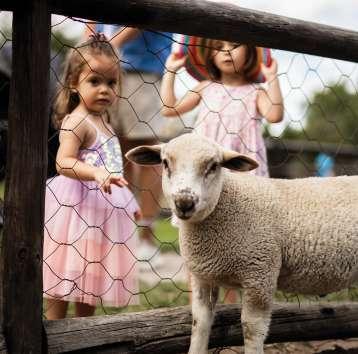
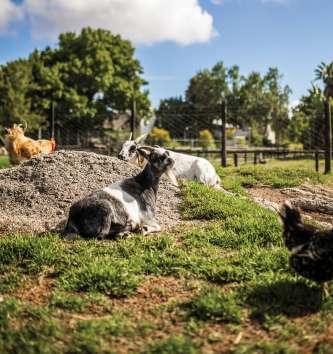
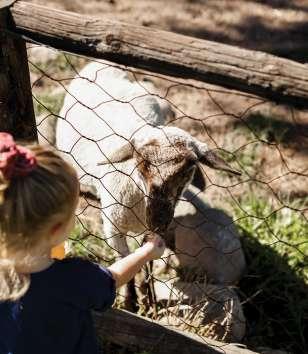
For the youngest visitors, Dierewerf – the Animal Farm – is its own small kingdom. Alpacas, rabbits, goats, sheep, pigs and a resident pony, while the play area's jungle gym, bike track and sandpit absorb the kind of energy that no amount of farm walking quite tires out. Parents can watch from a shaded bench with coffee in hand. It is, in the truest sense, an outing where everyone is busy doing what is right for them.
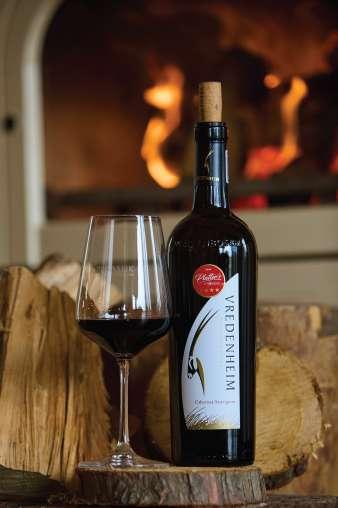
By late morning, the Proelokaal – Vredenheim’s tasting room – is calling. Built alongside Plaaslik Restaurant and warm in any weather, it is the natural setting for discovering why winter and red wine are old friends. The farm’s range is generous: the sparkling Chardonnay, a crisp Sauvignon Blanc and Chardonnay, a graceful Rosé, and then the reds for which a winter afternoon was made –Pinotage, Merlot, Shiraz, Cabernet Sauvignon, and the elegant Gracious Lady, a blend of Cabernet Sauvignon, Merlot and Shiraz that has earned a quiet but loyal following among Tatler readers. Knowledgeable hosts will guide you through them, paired, on request, with a curated cheese board.
For something a little different, walk a few steps to the world of Boerderywinkel, a shop offering coffee, eats, and gifts, set amidst the tranquil beauty of our farm. Immerse yourself in the port experience as you discover the rich flavours and craftsmanship of our carefully curated port selection.
Lunch at Plaaslik
When hunger arrives, Plaaslik Restaurant is the answer. Open Wednesday to Sunday from 09:00 (kitchen until 16:00), Plaaslik is the kind of place winter was invented for: indoor seating with vineyard mountain views, a menu drawn from the farm’s own kitchen garden, and the unhurried hospitality of a family-run farm restaurant that has nothing to prove. Order something slow-cooked. Linger. The afternoon is yours.
A venue for every season
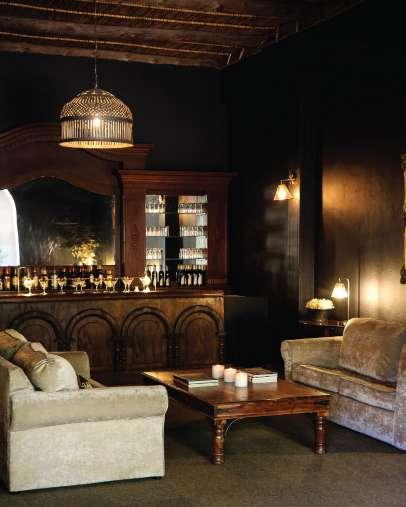
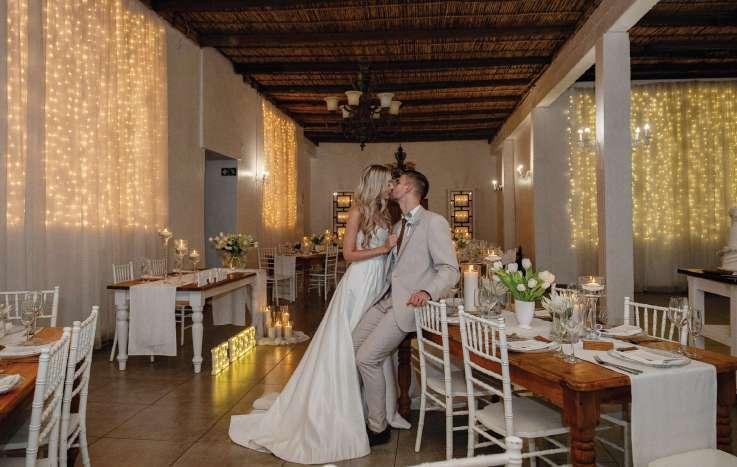
For couples, planners and corporates, Vredenheim's winter calendar deserves a closer look. The estate's covered venues – the Banketsaal, the more intimate Feestafel, the cosy Gentleman's Bar and the chapel – are designed to carry weddings, conferences, milestone birthdays and year-end functions through any weather. Winter weddings at Vredenheim have a magic of their own: candle-lit interiors, the vineyards bare and dramatic outside, photographs that no summer afternoon can quite replicate.
Everything in one place
What sets Vredenheim apart, particularly in winter, is the simple fact that a visit to one farm delivers an entire day. Wine, wildlife, food, coffee, shopping, a spa (the Juniper Spa, for those wanting to extend the indulgence), play areas for children and elegant venues for adults – all on a single, beautifully kept farm, five minutes from the Stellenbosch CBD on the R310. There is no rushing between farms in the rain. No decision fatigue. Just a long, easy, unfolding day.
A quiet invitation
The Cape Winelands in winter belong to those who know where to find them. Vredenheim is one of those places. So is Stellenbosch itself in this season –softer, less crowded, more itself. Tatler readers will know we have always championed the slower, more intimate way of enjoying the town and its surrounds. Vredenheim is our standing recommendation this winter.
Pack a coat. Bring the family, or don't. Book the cat tour, the tasting, and the table at Plaaslik. And come and rediscover what the Winelands feel like when the crowds have gone home.
Vredenheim Wine Estate, R310, Stellenbosch
Tasting Room (Proelokaal): Daily 09:00 – 16:30
Plaaslik: Wed – Sun 09:00 – 17:00 (kitchen to 16:00)
Roofdierpark: Daily 09:00 – 16:30 (feeding hours: 11:00 & 15:00)
Animal Farm: Daily 09:00 – 16:30
Text: Editorial Desk | Images: Supplied
Lees die Afrikaanse weergawe van die berig op ons webwerf
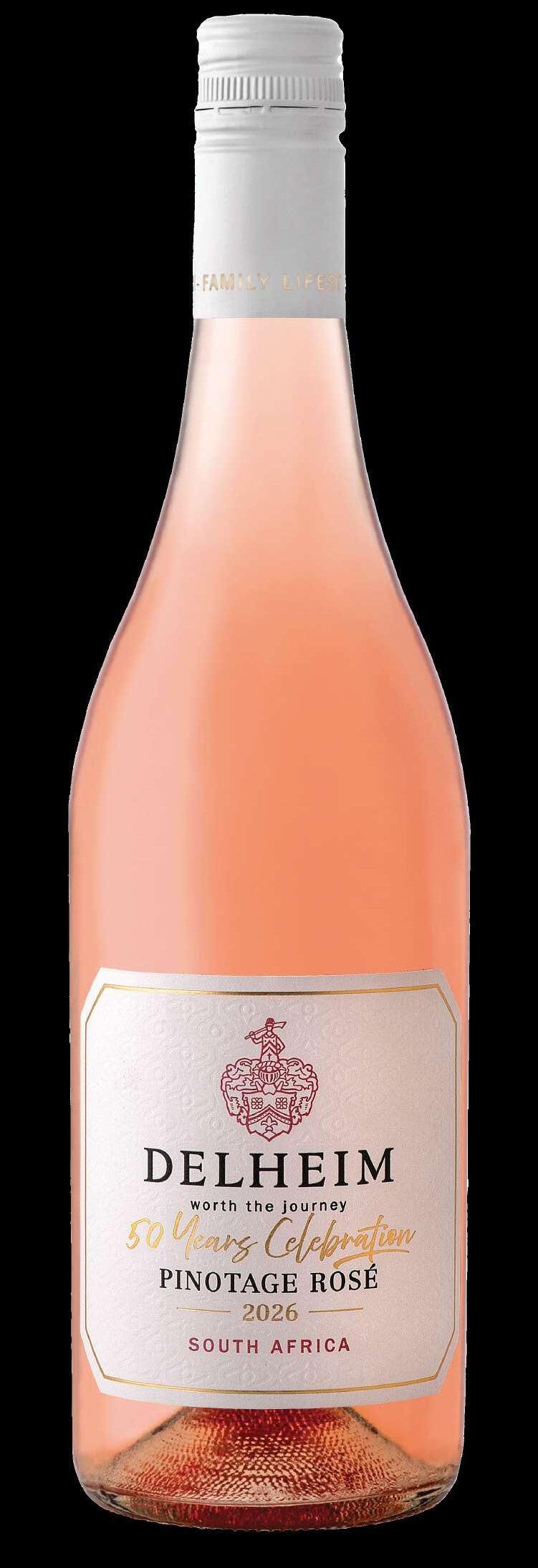
Pioneering Stellenbosch wine estate Delheim marks another milestone in its illustrious history this year with the 50th anniversary of its Pinotage Rosé, South Africa’s first rosé wine made from Pinotage which was made under the Delheim label in 1976.
From that maiden vintage, made under the auspices of pater familia Spatz Sperling, Delheim Pinotage Rosé has for five decades been one of South Africa’s most popular rosé wines.
“For my father, his wines were like his children in that he would never express to having a favourite,” says Nora Thiel, director at Delheim. “But he definitely had a special fondness for Pinotage, planting the variety in the 1950s and in 1960 bottling an estate-made Pinotage – one year after the release of South Africa’s first commercial Pinotage wine.“
The famed Delheim Pinotage Rosé was, in fact, born out of adversity. In the middle-1970’s a substantial red wine lake had formed in South Africa, with more red wine – including Pinotage – being produced than what the market could absorb. Restrictions on international exports from South Africa due to the economic climate, did not help either.
However, cometh the hour, cometh the man…or in Delheim’s case, the men. Otto Hellmer, a German winemaker who was at the time working with Spatz Sperling at Delheim, proposed using a portion of the estate’s Pinotage grapes for creating a revolutionary rosé. This wine was also inspired by the light-red German Trollinger wines from Württemberg, leading to a win-win situation: using excess red grapes to craft a wine – rosé –with a totally different flavour profile than the standard red Pinotages flooding the market.
“However, in 1976 when the first Delheim Pinotage Rosé saw the light, the rosé market was different to what it is today, in that consumers wanted a sweetish, fruity rosé,” says Nora. “The Pinotage component was thus blended with 20% Muscat wine, offering a tantalising semi sweet wine that consumers enjoyed from the very beginning, placing Delheim at the forefront of the relatively new South African rosé market.”
As rosé styles and tastes changed over the decades , Delheim remained at the forefront of the rosé offering, adapting its style towards the lighter, onion skin colour reminiscent of the great rosés of Provence in France, as well as reducing the Muscat and thus allowing the dry, vibrant and refreshing character of Delheim Pinotage grapes to shine through.
Delheim also played a role in the image of rosé shifting from that of a “ladies’” wine meant for summer sipping, to that of a wine enjoyed by all, and at any time of the year.
“Looking back in history, it can be said that Delheim helped benchmark rosé as a formidable part of South Africa’s wine offering, leading many other producers to begin making rosé for this growing market,” says Nora.
In the early years of Delheim Pinotage Rosé it was also important for Sperling to get the rosé onto the market early in the year of harvest – end of March or beginning of April.
He believed Delheim Pinotage Rosé had to be enjoyed in a fresh, invigorating and life-affirming state, Sperling being a firm proponent of wine being made for food, hospitality and
Adding to this spirit of wine irreverence and fun, was Sperling’s annual “competition” with his friend Frans Malan of Simonsig as to who would get the season’s first wine onto the South African market. This was an annual jostle between Delheim Pinotage Rosé and Simonsig’s Chenin Blanc Nouveau, a good-natured wager between two icons of South African wine who were also founder-members of the Stellenbosch Wine Route in 1971. Later the “competition” cooled off as Sperling – forever the eyer of the marketing gap – timed the release of his Pinotage Rosé to coincide with Mother’s Day.
“The annual launch of our Pinotage Rosé was taken very seriously, albeit in a mood of festivity,” says Victor Sperling. “My father would travel around the country with freshly bottled cases of Delheim Pinotage Rosé, hosting lunches to celebrate the introduction of this wine to hoteliers, restaurateurs, the wine trade and members of the media. He’d don a pink shirt and pink bow-tie, ensure the respective launch-venues sported vases brim-full of pink roses and also invite guests to wear pink. It was a true happening and a show and a highlight of the South African wine calendar hosted by Delheim’s walking, talking and joking marketing phenomenon.”
Besides the festivities and fun, Delheim Rosé has from the outset gained a reputation as a quality wine, and was the first South African rosé to be given the wine industry’s Superior Seal of exceptional quality.
“Rosé’s image as a brisk, approachable and fresh wine is what makes it such a popular wine, even in today’s market where general wine consumption is shrinking globally,” says Roelof Lotriet, cellarmaster at Delheim. “But this does not mean quality and attention to detail during vinification are not vital components in the process. For our Pinotage Rosé we use grapes grown especially for the making of rosé, as fruit quality and meticulous vinification are vital in obtaining the desired colour, flavour-profile and freshness.”
The rosé fruit originates from trellised vineyards with a cooler microclimate that ensures freshness.
Grapes are harvested at between 21° and 22° balling. The fruit is immediately pressed allowing a brief kiss of colour from the purple pinotage skins to shade the juice, which is then fermented for 14 days at 17.5°C. After a month on the lees, the wine is blended with a hint of Muscat to add the secret touch to the famous Pinotage Rosé flavour profile.
A slight blush onion skin colour, a bracing aroma of blossom and citrus, followed by the taste of berries, minerality and a bracing maritime energy has made Delheim Pinotage Rosé an institution. And with 50 vintages on the scoreboard, the wine has also made history for one of the Cape’s revered and authentic family wine estates.
Text: Emile Joubert Image: Delheim
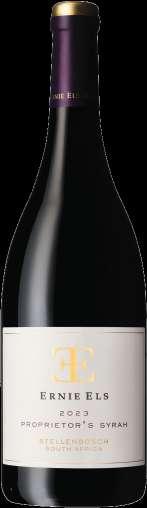
From the world-renowned Helderberg region of Stellenbosch comes an award-winning range of wines named after South African golf legend, Ernie Els, and skilfully crafted by winemaking legend, Louis Strydom.
Confidently New World, their single-minded focus is on producing premium Cabernet Sauvignon wines and Cabernet Sauvignon-based blends across four collections, that epitomises the beloved character and celebrated prestige of their namesake: Signature, Major Series, Big Easy and Proprietor’s.
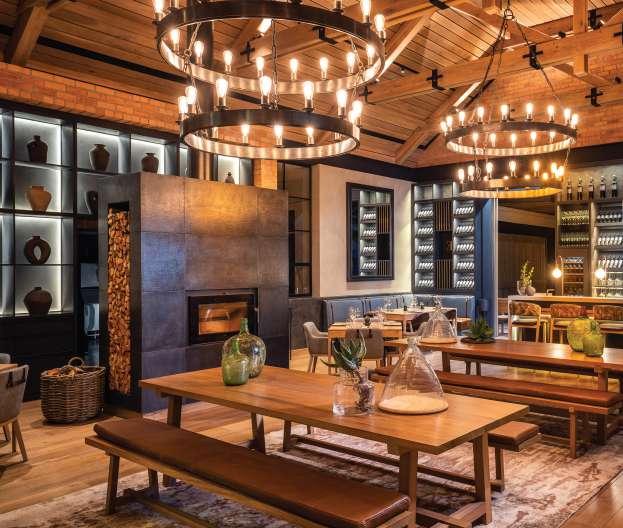
As purveyors of the good life, they have curated a number of experiences for you to enjoy at the Winery. Wander into the warm and welcoming tasting room this winter and settle in beside the fireplace for a leisurely wine tasting or find a cozy spot in the wine library and watch the winter mist roll across panoramic views of Table Mountain to the west and Stellenbosch and the Helderberg Mountains to the east through expansive glass windows. Stay for lunch and enjoy hearty farmhouse cuisine, exquisitely presented, and made with fresh, locally sourced ingredients.
Adding to the season’s offering, the Ernie Els Restaurant introduces a refined new culinary experience with the launch of the Chef’s Signature Lunch Experience, a five-course tasting menu curated by Head Chef Eric Bulpitt. Drawing on more than two decades of local and international experience, Chef Eric’s seasonal approach celebrates carefully sourced ingredients at their peak, with elegant, comfort-driven dishes ranging from hand-rolled pastas and rich broths to premium meats finished over the coals. Thoughtfully paired with wines from across the Ernie Els portfolio, the menu offers a seasonal expression of the winery’s signature style and sense of occasion. Situated within the Golden Triangle of Stellenbosch, a region globally recognised for exceptional red wines, the vineyard’s north and north-east facing blocks absorb optimal sunlight, creating the depth, structure and richness that have become synonymous with the Ernie Els name.
The five-course Signature Tasting Menu is available this winter at R650 per person, or R1000 per person with wine pairing. Bookings are essential and can be made online through Dineplan.
Visit the Ernie Els Restaurant this winter for an elevated seasonal dining experience.
Signature Tasting Menu: www.ernieelswines.com/pages/signature-tasting-menu
Book Online: www.ernieelswines.com
Dineplan: https://account.dineplan.com/widgetframe/lKjtsZGy
Email: bookings@ernieelswines.com
Phone: +27 (0) 21 881 3588
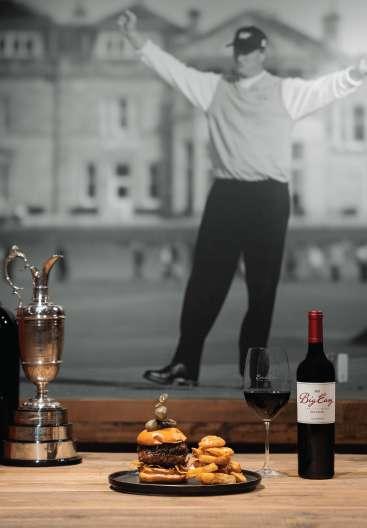
A longstanding favourite among returning guests, The Big Easy Burger has become synonymous with winter at the winery. Inspired by the easy-going charm and bold personality behind the Big Easy name, the dish captures the same sense of generosity, warmth and effortless enjoyment that defines the wine range itself.
This year, the much-loved winter special returns under the direction of Head Chef Eric Bulpitt, pairing hearty farmhouse comfort with refined flavour and thoughtful wine pairing.
At the heart of the dish is a 250g free-range dry-aged beef patty served on toasted brioche with bacon jam, caramelised onion, biltong mayonnaise and rich sauce au poivre. Triple-cooked chips complete the experience, alongside any glass of wine from the Big Easy Range: Big Easy Red Blend, Big Easy Cabernet Sauvignon, Big Easy Chenin Blanc or Big Easy Cabernet Sauvignon Rosé.
Created with wine first in mind, every element of The Big Easy Burger has been carefully considered to complement the bold, approachable character of the Big Easy wines. The result is a rich and comforting winter indulgence that has earned its place as a signature seasonal tradition at Ernie Els Wines.
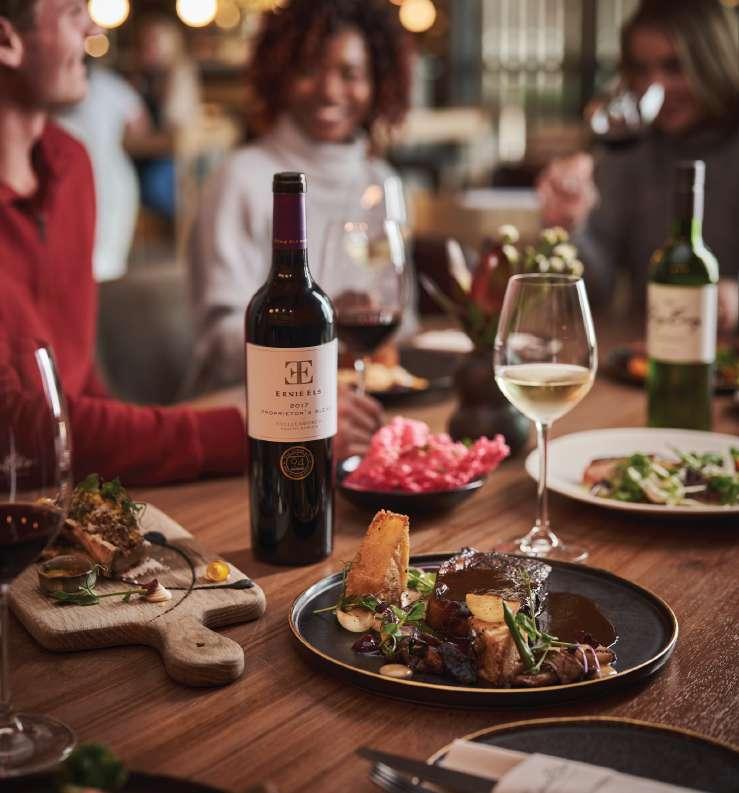
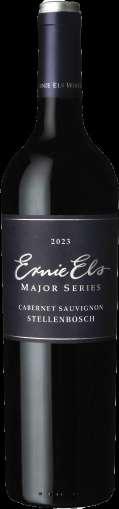
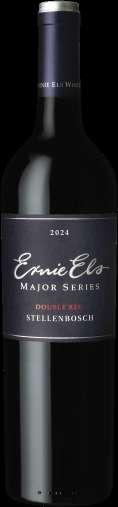
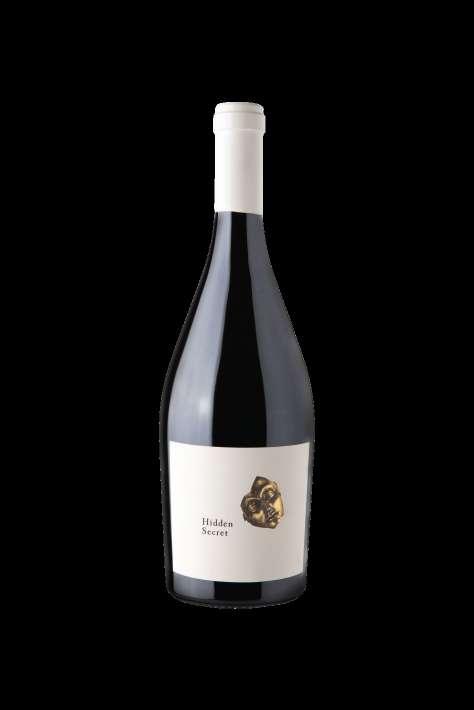
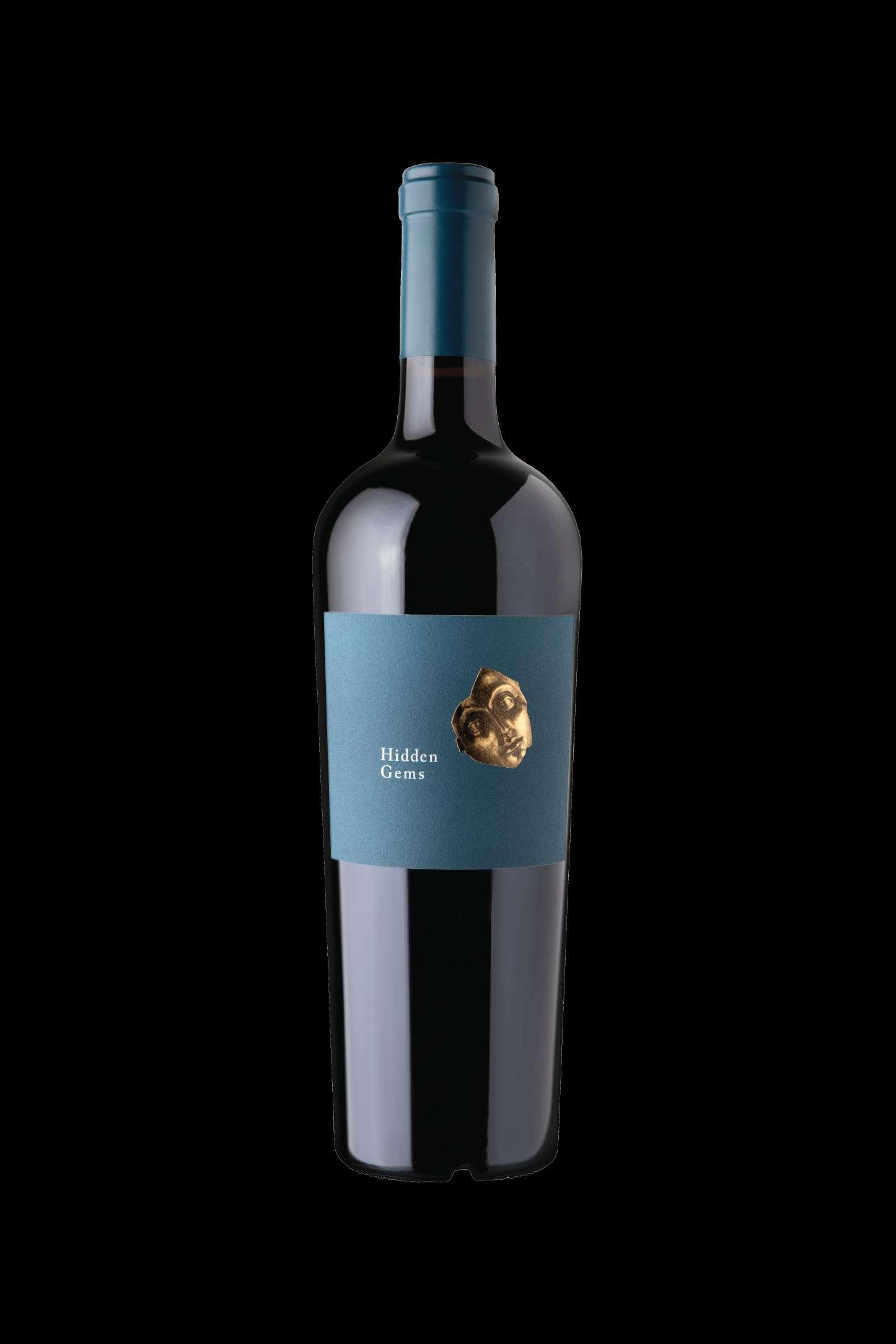
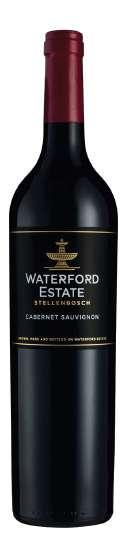
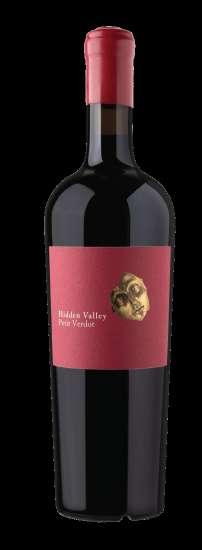
From the granite slopes of the Helderberg to the celebrated vineyards of Stellenbosch’s Golden Triangle, this month’s wine selection is a showcase of bold reds shaped by place, patience and craftsmanship. Cabernet Sauvignon takes centre stage in several compelling expressions, joined by richly layered blends, elegant Syrah and a striking Petit Verdot, each reflecting the depth, structure and savoury complexity for which Stellenbosch is internationally renowned. Whether refined and mineral-driven, smoky and spice-laden, or plush with dark fruit and polished tannins, these wines capture the character of a region entering winter in confident style — perfect companions for slow meals, roaring fires and the season’s richer fare.
“Europe is now at war with everyone…and itself.”’ Federica Dall’Arche, Vienna Centre for Disarmament and Non-Proliferation
The Old Continent is at a profound crossroads. The US National Security Strategy published last November confronted Europe with a global evolution it’s been trying to ignore for over a decade. But it’s the internal pressures that upped the ante in 2026. The recent results in local and provincial elections across the continent are described by some analysts as tantamount to a pre-revolutionary moment.
The entire Occident is at a political pivot. But the European old guard – for centuries the custodians of the West’s cultural, political and economic heart –appears to be staunchly resisting the geo-political drift and an internal shift that are weakening their pre-millennial grip and pushing them off the centre stage. But the plummeting polls they’re all facing can no longer be dismissed. To put it in perspective: every single European state in the G7 not already under conservative rule, is experiencing a dramatic shift toward traditionalist parties.
• In the United Kingdom, the ruling Labour Party was crushed in the recent local elections and the Tories were set back significantly. Nigel Farage’s Reform Party is now on track to win the next national elections.
• Germany’s Alternative für Deutschland is currently polling at 29%, out-performing decades old stalwarts. If the AfD starts pulling over 30%, it will take the majority of seats in the Bundestag in the January 2027 federal ballot.
Marine le Penn’s conservative National Assembly is now the majority party in France. She’s appealing a court verdict which barred her from running for political office for five years, but her young and attractive stand-in, Jordan Bardella, is hugely popular and currently the Presidential front-runner in the 2027 election polls.
•The embattled Spanish Socialist Party has just suffered its worst defeat ever in local elections, as the right-wing Vox and Conservative People’s Party soared to victory on the back of a “national priority” promise to favour Spaniards over foreigners. The 2027 national elections are likely to cause another upset.
Smaller European countries are following the trend. Victor Orban’s loss in the Hungarian elections was celebrated prematurely, it turns out PM Peter Magyar is Orban on steroids. In March, Denmark’s left-wing block suffered the worst election results in a century, with the right-wing Nationalist Danish Party surging.
The Atlas Institute for International Affairs, in an in-depth study on the rise of the Conservative Right, concedes: “Since being confined to the political periphery following the aftermath of World War Two, this political movement has re-gained within Western Europe and more generally worldwide.”
The new leaders are of a different breed: they’re mostly from outside the elite, not shaped by the standard preppy educational institutions, they weren’t hand-picked to attend WEF youth programmes, and they don’t conform to the liberal ideologies that’s been dictating Europe’s destiny for centuries. They’re rising from a new zeitgeist and are moving on the new waves that is creating.
The pertinent question is: what has pushed Europe to this internal juncture? While it’s probably a question best answered in hindsight by academic analyses, a few things are already in focus:
Uncontrolled immigration and anti-citizen policies have given rise to deep discontent among Europeans everywhere.
The fallout of the Ukraine War quadrupled energy costs, wiped out entire industries, created unemployment and produced soaring household expenses.
The October 7 attacks on Israel ignited a conflict culminating in the Iran War, increasing stresses on energy supplies and shaking up the financial systems Britian and the EU relied on for hundreds of years.
The new political wind in the USA not only inspired European populism, the establishment’s anti-American push-back is endangering European security, investments, and the US military presence that sustains many local economies.
Post-liberalism has become a growing political movement, advocating cultural cohesion, traditional values, economic protection and a fairer deal for those carrying the tax burden.
The current leadership in many of the major EU countries attract approval numbers in the low teens. They’re reacting by openly setting limitations on free speech and assembly, deploying the intelligence apparatus against opposition parties, using the courts to bar popular leaders from elections, trying to introduce measures to ban their main rivals, and entering into unstable coalitions to deny the majority conservative parties a place in government. All that is doing nothing to stem the tide, on the contrary.
Exactly how this will play out remains to be seen. But the danger an unstable Europe poses for the rest of the world, is a vindictive temptation to scupper any internal political revolution by provoking another great war. That fear is not far-fetched, the continent has been ground zero for two world wars, and Russia is there to be triggered.
A recent article published by the Italian think tank ‘Formiche’ concludes that the continent is indeed facing a moment of truth: “Europe may not be ‘at war’, but it is certainly at the centre of a conflict over its role in the world. Continuing to be surprised or pretending that nothing is happening is a luxury it can no longer afford.”
It feels like autumn in the Winelands got stage fright this year. That time when light, temperature, and weather line up perfectly for a few hours. But instead, we have been hijacked: gale-force winds auditioning for a hurricane role, and rain pouring down like it’s trying to refill every wine barrel at once...
If there is one consolation though, it’s red wine time. So, let’s forget about the weather, the world and its woes and focus with some irreverence on what we are best known for.
If you strip away the marketing, social media (please), the obscure tasting notes, wine really comes down to three things: grape variety, place, and national habit — the latter being the most interesting and meaning how a country tends to shape what ends up in the glass. European regions like Bordeaux or Burgundy have centuries of rigid tradition. Rules govern everything: grape varieties, yields, even how the vineyard faces the sun. You’re drinking history as much as wine. South Africa, South America and Australia by contrast — are comparatively young and far less constrained. There’s tradition, yes, but also experimentation. Winemakers can take risks without a committee of ancestors glaring at them from the oak panelled tasting room.
But wherever you are there are some truisms. Drink what you like (Scandalous!). Price sometimes matters (but sometimes doesn’t). Cellar door prices? (Basically, tourist tax.) But the real constant? The absolute nonsense spewed by the self-anointed prophets of the grape. You know the type. They start every sentence with “Interestingly…” and never ‘drink’ wine — they ‘evaluate’ it. Publicly. At length. Ideally within earshot of someone who just wanted a quiet glass or three.
A wine is never simply opened. It is “decanted, “given air”, “allowed to express itself”. If it tastes good immediately, this is suspicious. If it requires two hours and a minor ceremony, it is clearly superior. A typical expert will swirl a glass at the speed of a tumble dryer, peer into it as if answers might appear, sniff with purpose, pause before speaking and then announce: “Hmm. I’m getting stone fruit, restrained oak… and a hint of coastal tension”. Coastal tension from grapes grown in Paarl! Then the best part, under no circumstances should you drink immediately. That would suggest a thirst, which is vulgar.
If it’s good, it’s “layered, structured, with a persistent finish. “If it’s bad, it’s “closed. Needing time.” Nothing is ever just appallingly unpleasant. It is merely ‘not ready for you’, which is clearly your fault.
Wine, it seems should contain aromas that are not wine. If you can smell “red fruit,” you’re a beginner. If you can smell “sun-warmed slate after light rainfall,” you’re insufferable with a very vivid imagination — and therefore correct.
Cheap wine? “Surprisingly good,” said with the same tone you’d use for a dog that learned to sit. Expensive wine? “Complex,” meaning “I don’t know what’s happening, but it cost a fortune, so I’ll pretend to like it.”
Enjoyment is the enemy of authority. Finish a glass quickly? Amateur. Leave half and drone on about minerality? Expert. The perfect wine must always be just out of reach. “Excellent but lacking a serious finish.” No one knows what that means. Including you.
They will tell you South African wine is “finally world-class now,” which is a fascinating claim given it’s been exported globally for decades. Apparently, the wine improved the moment they noticed it. Pinotage is their favourite performance piece. If it’s good: “A bold expression of local identity.” If it’s bad: “Challenging. But that’s the point.” There is, crucially, no scenario in which it is simply… not very nice.
And then, at the end of the table, the true heretic – probably you and me… Someone pours a glass, drinks it, likes it, pours another and another. No notes. No references. No mention of minerality or whether it pairs with peppered mackerel. Just uncomplicated enjoyment — an act regarded with deep suspicion. But in the depths of winter that’s just fine! Cheers!
Text: Mark Wainright
Mark graduated with a political history degree from Cambridge University and has worked in South Africa, South America, the UK and Russia before returning to the Winelands.
The South African Reserve Bank’s latest interest-rate decision arrives at a moment of continued uncertainty.
Rising oil prices, geopolitical tensions, persistent inflationary pressures, and subdued economic growth continue to shape the economic environment both globally and locally. Holding the rates steady reflects a cautious approach, less a sign of confidence than a deliberate pause amid ongoing volatility.
For many South African households, the pressure remains tangible. Higher borrowing costs, rising fuel prices, and elevated cost of living continue to erode disposable income, and influence day-to-day financial decisions. Businesses, too, are navigating weaker confidence and rising input costs.
The Reserve Bank therefore faces a familiar, but delicate, balancing act: supporting economic stability, while ensuring inflation expectations remain contained near its 4% target.
In uncertain environments like these, financial concerns tend to move quickly from economic headlines into everyday conversation.
At the school gate: Making sense of it all
Beyond the macroeconomic picture, these issues play out in a much more practical, human way. It’s like those mornings at the school gate, after dropping off the kids: someone mentions fuel prices, another interest rates, while everyone is trying to make sense of what might happen next.
It is not necessarily panic, more a recognition that things feel uncertain: “What should we be doing right now?”
Headlines are uncomfortable, markets feel less predictable and clarity becomes harder to find. There is a growing sense of caution. The instinct, quite naturally, is often to react quickly or make changes before fully assessing the situation. But in my experience, the right response is usually quieter and more deliberate.
The first step: Know where you stand
Before any plan can be made, there is a more fundamental requirement: clarity. Many households move through their financial lives with a general sense of things being “fine”, but without complete visibility. Income, expenses, debt, savings are understood loosely, but not fully.
This is often where uncertainty begins. That lingering sense of unease, the one that sits quietly in the background, is often not driven by external events alone
The first step is simple: Understand your finances in detail. Not approximately. Not loosely. But clearly.
Why a family conversation matters
Once that clarity exists, the next step is an often overlooked, but critically important: o bring the family into the conversation. Financial plans rarely succeed in isolation. A well-structured plan requires alignment: shared understanding, shared expectations, and shared responsibility. This doesn’t need to be complicated or formal. But it does need to be intentional.
A family meeting creates space for honesty. It allows everyone to understand the environment, the challenges, and the plan going forward. It replaces assumption with clarity.
More importantly, it builds commitment. Because a plan that everyone understands is far more likely to be followed.
Planning before panic
One of the most common patterns in personal finance is that planning begins only once a crisis is already unfolding. But it is not ideal.
Financial well-being is built on preparation, not reaction. A proper plan considers long-term goals, risk exposure, and the ability to absorb shocks before those shocks arrive. It provides a framework that holds steady when conditions become uncertain.
Oncce that framework is in place, something important changes. You no longer need to respond to every headline.
The discipline of staying still
Global events will continue to unfold. Markets will move. Currencies will shift. There will always be reasons to feel concerned.
But a well-constructed financial plan is designed with this in mind. It already assumes that volatility will occur.
Which means that when it does, the right response is often not to act, but to remain disciplined: To sit still.
This is not inaction. It is intentional restraint. Because constantly changing direction in response to short-term conditions is often what undermines long-term outcomes.
The role of good advice
Of course, structure does not happen by accident.
Sound financial advice plays a critical role in building, and maintaining, a plan that is aligned, realistic, and resilient. Not advice driven by short-term movements, but guidance grounded in long-term objectives and consistency. The goal is not to predict every outcome perfectly. It is to ensure that, regardless of what happens, the plan remains intact.
The real question
So, is it time to call a family meeting?
For many households, the answer is yes. Not because a crisis is imminent. But because uncertainty reminds us of something important: financial security is not accidental. It is constructed. It comes from knowing where you stand, having a clear plan, aligning the people around you, and maintaining discipline when conditions become difficult.
Financial well-being is not about reacting to the world around you, but being prepared for it.
Text: Dawie Roodt | Image: Supplied e: askdawie@efgroup.co.za www.efgroup.co.za
The US and Iran are to extend their ceasefire by 60 days, to allow further talks on Iran’s nuclear programme. Details include the gradual opening of the Strait of Hormuz, sanction relief and gradual unfreezing of Iranian assets. President Trump would, however, like to see a deal on handing over Iran’s enriched uranium soon. His position is: “No Dust, no Dollars.” He’s cautioned his negotiators not to rush into an agreement: “I don’t make bad deals.”
The first cabinet level resignation in the current Trump administration came from National Security Advisor Tulsi Gabbard. Her surprise resignation followed the rare and aggressive bone cancer diagnosis of her husband, Abraham Williams. Gabbard referred to him as “my rock” in her resignation letter. Williams, a filmmaker, has indeed been a constant presence around her since she was sworn in. The military veteran said after everything her husband had sacrificed for her career in their 11-year marriage, she could not possibly expect him to go through his cancer battle alone. Gabbard was the first Samoan American to have run for president in the 2020 Democratic race, before she joined the Trump train in 2024. 30 June will be her last day in office.

The World Health Organization has declared the Ebola outbreak in Uganda and Congo a public health emergency of international concern. Cases quickly mounted to 250 after the first ones were reported, and fatalities approached 100 by the third week of May, which included three Red Cross Workers. The WHO admits that it is difficult to keep track of the true numbers in the Central African countries. But it warned that 10 more states are now at risk, including the Southern African states of Angola and Zambia.


The estimated fortune of South African born tech billionaire Elon Musk has jumped to $722 billion, following SpaceX’s Initial Public Offering, the process by which a private company starts selling shares to the general public. Musk only holds 11% of the Tesla electric car company he founded, but he’s keeping 50% in SpaceX. He’s indicated that he intends to focus on his rocket and satellite company in the years to come. His wealth now exceeds the market value of the largest international companies like Exxon Mobil and Visa.
The newest Indian Political Party, the Cockroach People’s Party, originally founded for satirical purposes by a student, went on to become a symbol of defiance among the youth, and quickly garnered more online members than all the other parties in the country combined. It was recently launched by a public relations graduate following a remark by India’s Chief Justice in which he referred to the country’s jobless youth as cockroaches and parasites, especially those who become social media activists “attacking everyone”. However, the political establishment is not amused by the disenchanted Cockroaches, as Gen Z protests in South Asia have already toppled governments in Sri Lanka, Nepal and Bangledesh. The Indian government has now shut down its website.
Images: Wikipedia, WHO, Wikimedia, Cockroach Janta Party
Dawie Roodt, Chief Economist, Efficient Group
It’s been a while since we last tested a Mercedes-Benz, but even if it’s a pretty standard base model, this slick, smart C200 AMG Line more than adequately demonstrated the difference between the real thing and the pretenders. See we’ve been inundated with new world cars out of China and India, among others of late. So we have kinda become used to their standard.
Not that there’s very much wrong with that, but the way the world is singing their praises, you’d swear that those cars have the market by the balls. In price, perhaps. But it only took this bottom end Mercedes to shatter any crazy preconceptions that seem to have smoked and mirrored their way into the modern South African car market.
Clearly a chip off the old S-Class block, this C200 gives entry Benz buyers more than their fair share to ponder. With sharp E looks, S tech, comfort and style it backs it up impressive mild-hybrid efficiency and performance.
Clearly a chip off the S-Class block
Minimalist design makes no mistake that this is a Benz face. The sharp, if a touch Korean tail and bold shoulder bring a subtly aggressive tone to the adequate 4,751 mm long, 1,820 mm wide sled riding on a 25 mm longer 2,865 mm wheelbase. The stretch over the previous car benefits rear passenger room most.
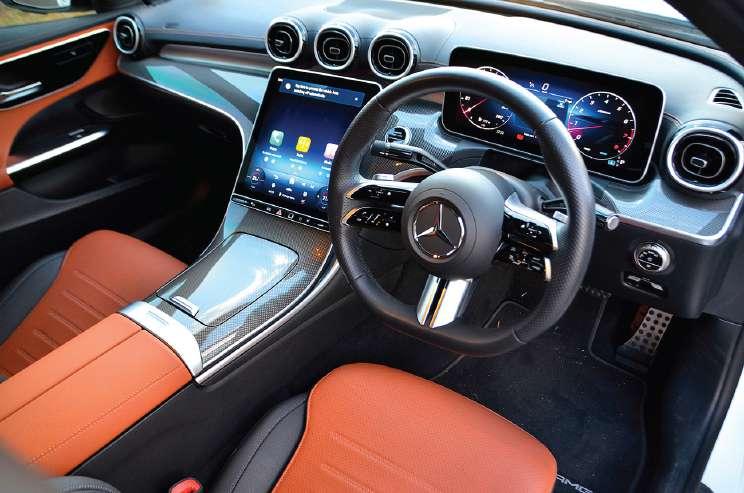
You should however first step aboard, if you want to discover why C200 makes a mockery of any Oriental wannabe trying to pose as something similar. Plush materials cobbled together in a business class finish deliver a truly premium class cabin. Splendid finishes, fine leather and real stitching around seemingly floating screens take C’s Mercedes style next level.
The large high-resolution LCD infotainment screen hovers off the clean carbon wing style dash. It splits opinion. Some enjoy big screen. Others question if it’s all necessary. More senior drivers may even be overawed. The screen sits low in the car and the system logic can baffle even the most computer literate of drivers. But of most concern, these horrid touch things that replace them here, just cannot do what buttons do.
One can also control it by ‘Hey Mercedes’ MBUX voice, via the touchscreen, or use the left stalk of the steering wheel. It’s disappointing touch sensitive surfaces are just as big a step backward versus the brilliant old buttons we once so raved about. All that said, most of the even more faux Chinese ‘rival’ cabin systems are beyond baffling.
Discreet, Sporty and Classic display styles and three Navigation, Assistance and Service modes help make the C-Class your own. Driver and passenger space is good front and rear. Four adults can travel at ease. A fifth man in the middle will survive a shorter drive. The adequate 455 litre boot is practical enough for most needs.
Speaking of spec, there remain a few aspects common to too many far more base-model (read Chinese) cars that are conspicuous by their absence in this million buck sled. Manual fore and aft adjustment on the otherwise power front seats, for instance. And then there’s access, being a sedan its more challenging that say getting in or out of a SUV.
150 kW turbo defies 1500 capacity
C200’s 150 kW 350 Nm turbo-petrol burbles to life courtesy of its 15 kW 200 Nm mild hybrid electric motor mounted in the nose of its 9G-Tronic ‘box that turns the rear axle. The sophisticated transmission swaps cogs invisibly as you drive. Never mind, the power unit defies its fifteen-hundred capacity.
Snick it to drive, pull away and you’re rewarded with a splendid smooth drive. Torquey and effortless, quiet and composed even under hard acceleration, it is magic carpet like. Our test beat Merc’s 7.3 to 100 km/h claims by half a second and we readily drove within the promised 6.8 litres per 100 kilometres.
Five Comfort, Eco, Sport, Sport+ and Individual modes bring more choice. We fiddled a bit, but preferred softer Comfort for everyday driving. It’s a tad taut and a bit noisy on these low profile tyres, but that’s a trade-off for the ego. But it’s an awesome car to just cruise in.
C200 stars on quietness, comfort
Sport and Sport+ modes sharpen steering and throttle response and bring firmer suspension settings to noticeably improve dynamic performance. Not that it will trouble a 3 Series. The brakes lack a little feel and seem when you first tramp on them. That made us pump them for confidence. The steering could also be more communicative.
That said, the C200 stars on quietness and comfort and it’s still more than amply agile and fun to drive. A continuously adjustably damping sport suspension is an option if a more flamboyant driving is that important to you. Benz’ latest Driving Assistance Package can become a little overbearing, but you can override the lot easily enough.
Made right here in East London, this ‘Baby S’ Mercedes-Benz C200 punches well beyond its pay grade to deliver a massive South African success story. Better in many ways, yet maybe not quite as dynamic as a 320i, it has the A4, Giulia and the rest covered. And comparing a Chinese car to it makes C200 seem more like a Maybach. Yip, this entry Mercedes has that undeniable Benz touch of class. –Michele Lupini
Franschhoek-based Michele Lupini is an internationally recognised motoring writer, artist, publisher and author with a broad car, motorsport and aeronautical background. Catch all Michele (and his son Giordano’s) motoring adventures on https://theauto.page
ROAD TESTED: Mercedes-Benz C200 AMG Line
Engine: Drive:
TESTED: 0-60 km/h
0-100 km/h: 0-120 km/h: 0-160 km/h: 400m: 80-120 km/h: 120-160 km/h: CLAIMED: VMax: Fuel: CO2: Range: Warranty/Service: 5y 100K/2y unl.
LIST PRICE:
150 kW 300 Nm 1.5-litre turbo petrol I4 9-speed automatic RWD 3.05 sec 6.84 sec 9.21 sec 16.59 sec 14.8 sec @ 152 km/h 4.49 sec 7.38 sec
246 km/h 6.8 l/100 km 152 g/km 970 km
R1,011M
Text: Michle Lupini | Photos & Testing: Giordano Lupin Lees die Afrikaanse weergawe van die berig op ons webwerf
Step aboard to relish greatest C200 gains
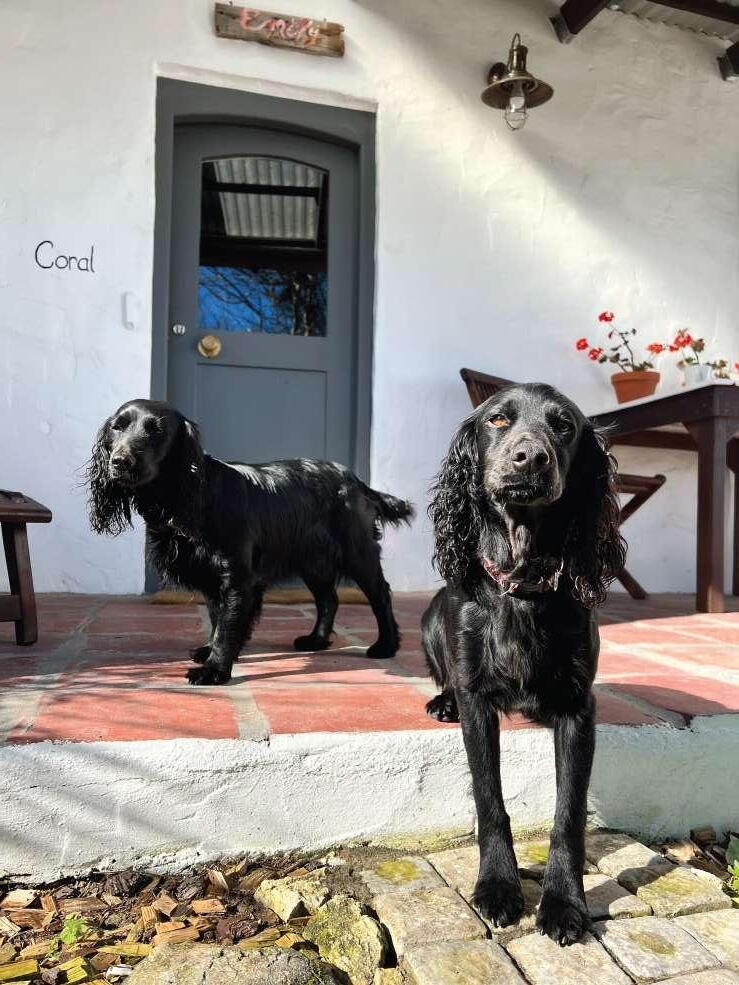
Many South Africans pet owners are unwilling to leave their four-legged ‘children’ at home when they go on holiday and online searches for ‘dog-friendly’ holiday accommodation have soared. Some establishments of the Cape Country Routes collection of privately owned/managed hotels, lodges and guest houses, besides offering a range of family accommodation, dining options and leisure activities, also welcome the four-legged members of your family.
Located in Paternoster, one of the oldest fishing villages along the Cape West Coast, you’ll find the sustainable, eco-conscious Gonana Collection. With a great location right on Bekbaai Beach, and its luxurious, contemporary accommodation, it’s the perfect getaway destination for families with pooches. The Collection’s self-catering properties - the Coral Villa, on the quieter Bekbaai side of Paternoster; three separate Studios – the Oyster, Scallop and Mussel Studios and ‘twin’ Houses – the Acacia and Aloe (winners of the 2022 Afristay Pet-Friendly Destination Award) are all pet-friendly and welcome small to medium breeds of socialised and well-behaved dogs. It’s flagship property, The Guesthouse is however, not pet-friendly.
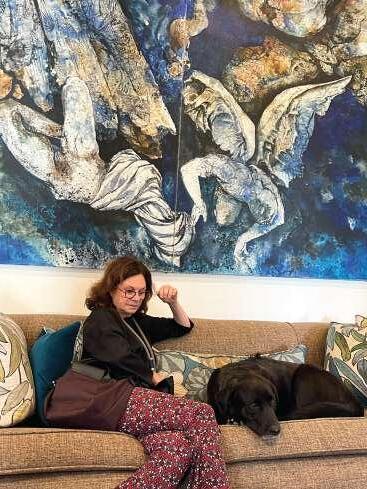
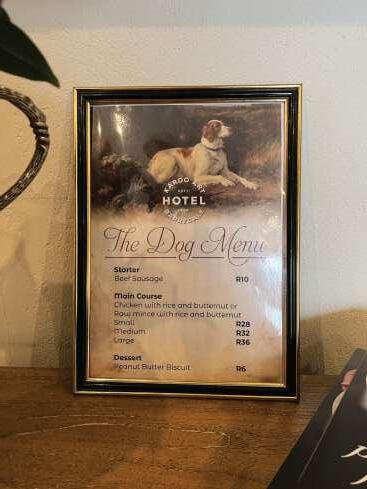
The 4-star Karoo Art Hotel in Barrydale (just off Route 62 and close to the Tradouw Pass) has its premier room, The Garden Suite that is pet-friendly, also the aptly named Dog Box - a beautifully decorated garden room which has its own kitchenette for self-catering and a secluded patio that is separated from the hotel’s back gardens by a low wooden fence. “Coming from a family of dog lovers we think it’s fitting that two of the finest rooms on the property is also the dog friendly ones,” says owner Sue Melvill.
In Montagu the charming 4-star Montagu Country Hotel is another great destination for a family-with-pet-in-tow getaway. Pets stay for free with their owners in specific rooms with laminated flooring and access to the gardens. Small/medium breeds of socialised and well-behaved dogs are welcome and pet owners are requested to bring their own dog food, bowls and bedding and to ‘clean up’ after their furry friend. “We are friendly to friendly dogs” explains owner PJ Basson, “and although we know that dog owners who travel with their best friends will know how their pet should behave, we do insist that all dogs must be on leads in public areas and they’re not allowed in the dining room.”
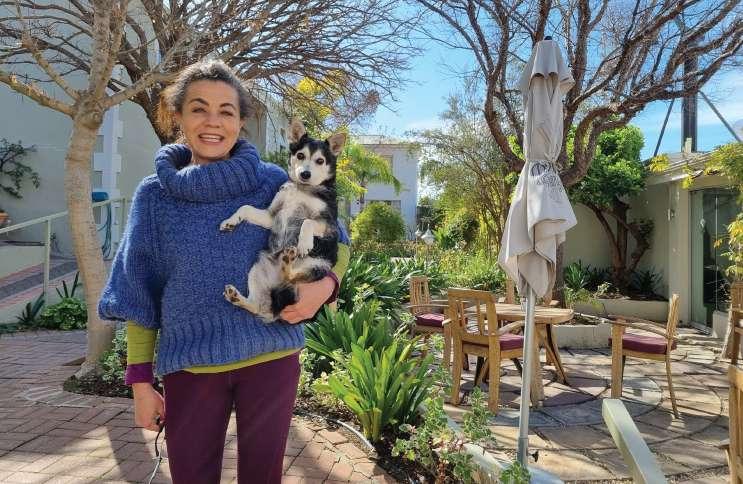
Supertubes Guest House, just 30 metres from the world-famous surfing beach of Jeffreys Bay in the Eastern Cape offers accommodation comprising standard and luxury rooms in the Guest House, and its self-catering apartments - 11 Pepper (Supertubes Apartment) with three en suite rooms, and 16 Pepper (‘Khaya Zinza’) with five en suite rooms, three with magnificent sea views; both apartments are dog-friendly. Small to medium dogs - house-trained, well behaved and socialised of course, are welcome. The properties are not enclosed and there is a limit of one dog per apartment.
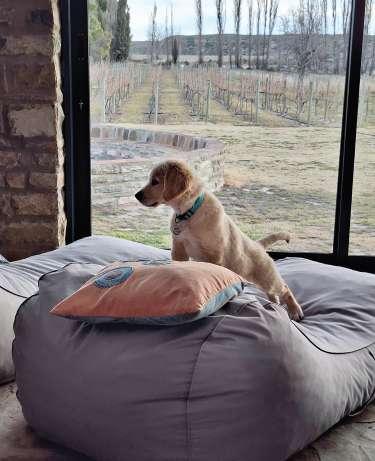
If you’re road-tripping through the Northern Cape, heading to Sutherland to take in the wonders of the vast Karoo starry skies and you have your fur baby on the back seat, you’ll naturally be wanting somewhere to stay where you are all welcome. Just 15 kms from Sutherland, the eco-conscious Rogge Cloof Private Nature Reserve, offers a range of accommodation at its eco-village. Its self-catering cottages and houses welcome well-behaved and socialised dogs that can accompany you (on leads of course) on game walks and exploring experiences but are not allowed in the restaurant. (Ts & Cs apply.) bookings@capecountryroutes.com | www.capecountryroutes.com
Text: Editorial Desk | Images: Supplied Lees die Afrikaanse weergawe van die berig op ons webwerf
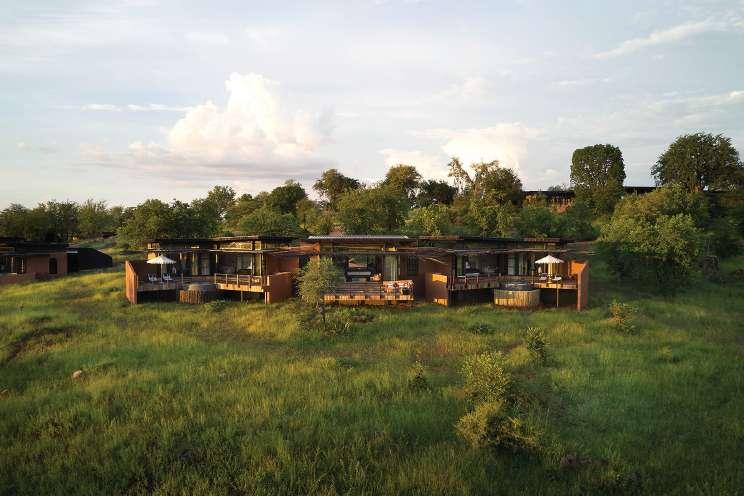
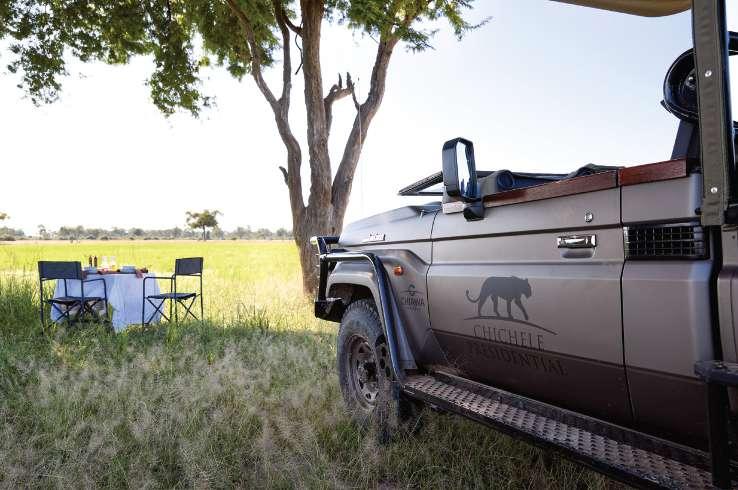
As luxury safari travel increasingly prioritises meaningful, educational, and multi-generational experiences, Chichele Presidential in Zambia’s South Luangwa National Park stands out as a shining example of where the modern African safari is heading.
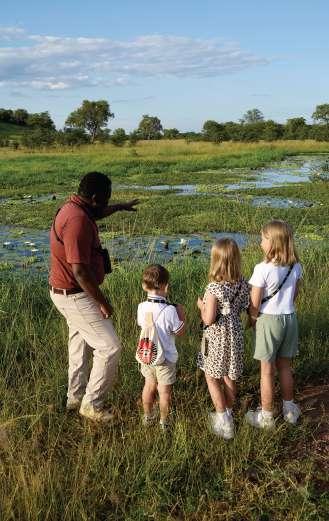
At the heart of the family experience is Chichele Cubs, the lodge’s immersive children’s programme designed for travellers aged 4-11. Launched with the property’s 2025 reopening and far from a traditional kids’ club, Chichele Cubs incites young travellers to discover the African bush through all five senses –Taste, Touch, Smell, Hear, and See – fostering curiosity, environmental awareness, creativity, and genuine connection to nature.
Through the Chichele Cubs program, children enjoy a rich variety of hands-on activities, including:
Blindfolded taste tests and hands-on safari-inspired baking (cookies, pizza, cupcakes)
• Barefoot texture trails and “What’s in the Box?” sensory discovery games
Scent hunts featuring wild jasmine and bush elements
Wildlife sound identification and storytelling bush walks
“Eagle Eyes” birdwatching, animal tracking, and nature-inspired arts and crafts using local flora
Each child will also receive a Chichele Cubs Passport, collecting stamps and stickers throughout their stay, and on the final night’s turndown, families are presented with a beautifully framed photograph from their safari - a heartfelt keepsake of their time in Zambia.
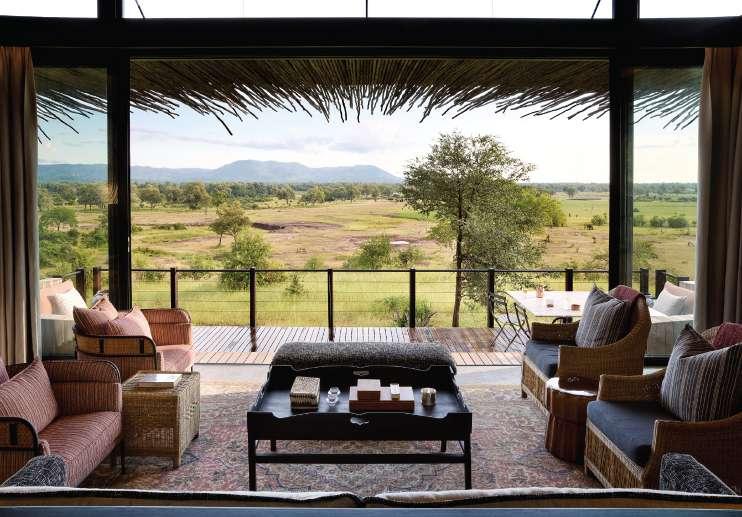
This thoughtful programming reflects a wilder shift in luxury family travel, as parents move away from purely entertainment-focussed activities toward more immersive, enriching experiences. Chichele Cubs encourages children to disconnect from screens and engage directly with Zambia’s wilderness, while parents enjoy uninterrupted time for twice-daily game drives, guided walking safaris (in the birthplace of the walking safari), the rim-flow pool, spa, and hilltop serenity.
Originally built in 1972 as a private retreat for Zambia’s first president, Kenneth Kaunda, Chichele Presidential officially reopened in 2025 following a meticulous redesign, recently earning a coveted spot on the Travel + Leisure 2026 It List of the world’s best new and reborn hotels - one of only eight properties recognised across Africa.
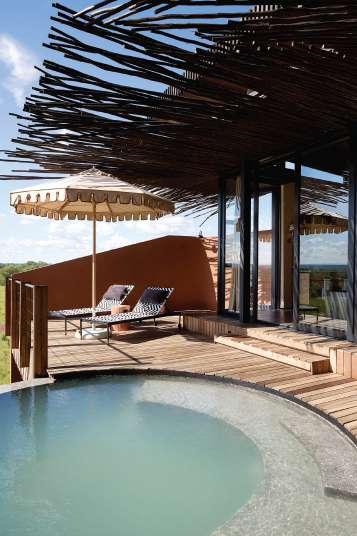
Perched on a hilltop with far-reaching views over the park, this intimate ten-suite lodge blends historic significance with a contemporary, design-forward safari aesthetic, refined Zambian craftsmanship, and immersive wilderness access.
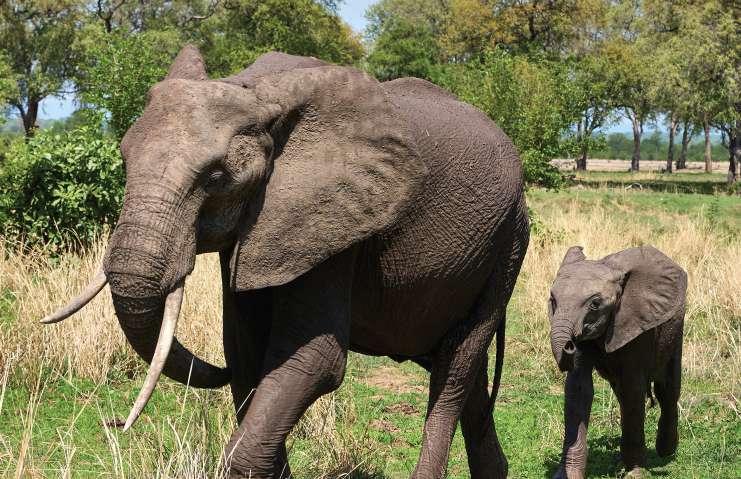
With the 2026 dry season now delivering prime wildlife viewing across South Luangwa, this is a perfect time to showcase how Chichele Presidential is successfully blending historic legacy, refined luxury, and purposeful family programming.
Desk
Die Stellenbosch Internasionale Kamermusiekfees (SICMF) is Afrika se voorste klassieke musiekfees wat hedendaagse musiek kombineer met ikoniese werke van die verlede. Die jaarlikse byeenkoms van die wêreld se beste musikante in Stellenbosch is ‘n geleentheid vir die SICMF Artistieke Direkteur, Nina Schumann, om sonder beperking te programmeer.
Vir diegene wat die geleentheid geniet om nuwe musiek op 'n internasionale standaard te hoor, is die vooruitsigte om Widmann, Philip Glass en Oli Mustonen weer te hoor, asemrowend. Widmann, Glass en Mustonen is almal komponiste wie se werke reeds by Europa se top musiekfeeste uitgevoer is, en wie se musiek die afgelope paar jaar deur die SICMF na Suid-Afrika gebring is.
Vanjaar bied die SICMF nie minder nie as 11 Suid-Afrikaanse premières aan deur komponiste soos Pavel Karmanov, Ante Grgin en Fasil Say, wie se trio, Jump , 'n wonderlike voorbeeld van kontemporêre impressionisme deur een van die mees eksentrieke konsertpianiskomponiste wat nog leef, uitgevoer sal word deur Daniel Rowland (viool), Maja Bogdanovic (tjello), Nina Schumann (klavier). Vanjaar se opdrag is deur die jong bekroonde Suid-Afrikaanse komponis, Owen Dalton. Die wêreldpremière van Dalton se A Tough Tale sal gespeel word deur 'n groot ensemble wat bestaan uit byna al die SICMF-fakulteitskunstenaars, ondersteun deur 'n aantal top SICMF-studentedeelnemers. Xandi van Dijk sal die groep dirigeer terwyl Tereska Muishond haar poësie sowel as poësie deur Antjie Krog en Mongane Wally Serote wat in die komposisie geïntegreer is, voorlees.
Die fees word afgesluit met 'n naweek van orkeskonserte deur die studentedeelnemers saam met die konsertsoliste David Cohen (tjello), Miclen LaiPang (viool), Emanuil Ivanov (klavier) en Siwoo Kim (viool). Die Fees-Simfonieorkes – die hoofwerk op hul program is Mahler se eerste simfonie – sal deur Michael Repper gedirigeer word. Die Fees-Konsertorkes, wat werke van Tsjaikofski, Bruch en Bizet speel, sal deur Karin Hendrickson gedirigeer word. En die nuutgestigte Fees-Simfoniese Blaasorkes onder leiding van Liam Burden sal werke van Phillip Sparke, Eric Whitacre, Paul Heart, Lize Briel en Martin Elerby speel .
Kaartjies is nou beskikbaar by Webtickets: https://www.webtickets.co.za/v2/event.aspx?itemid=1594623695
Besoek gerus www.sicmf.co.za vir die volledige program en meer inligting.
Teks: Redaksionele Kantoor | Foto: SICMF
Read the English version of this report on our website