NEWS & VIEWS
PEOPLE & PL ACES

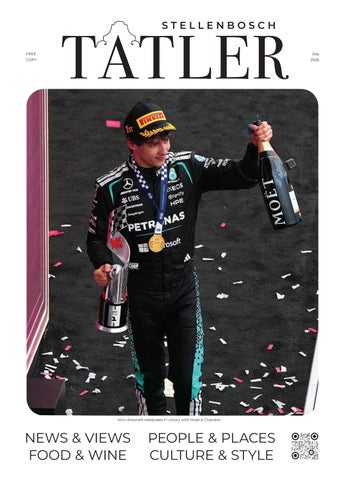
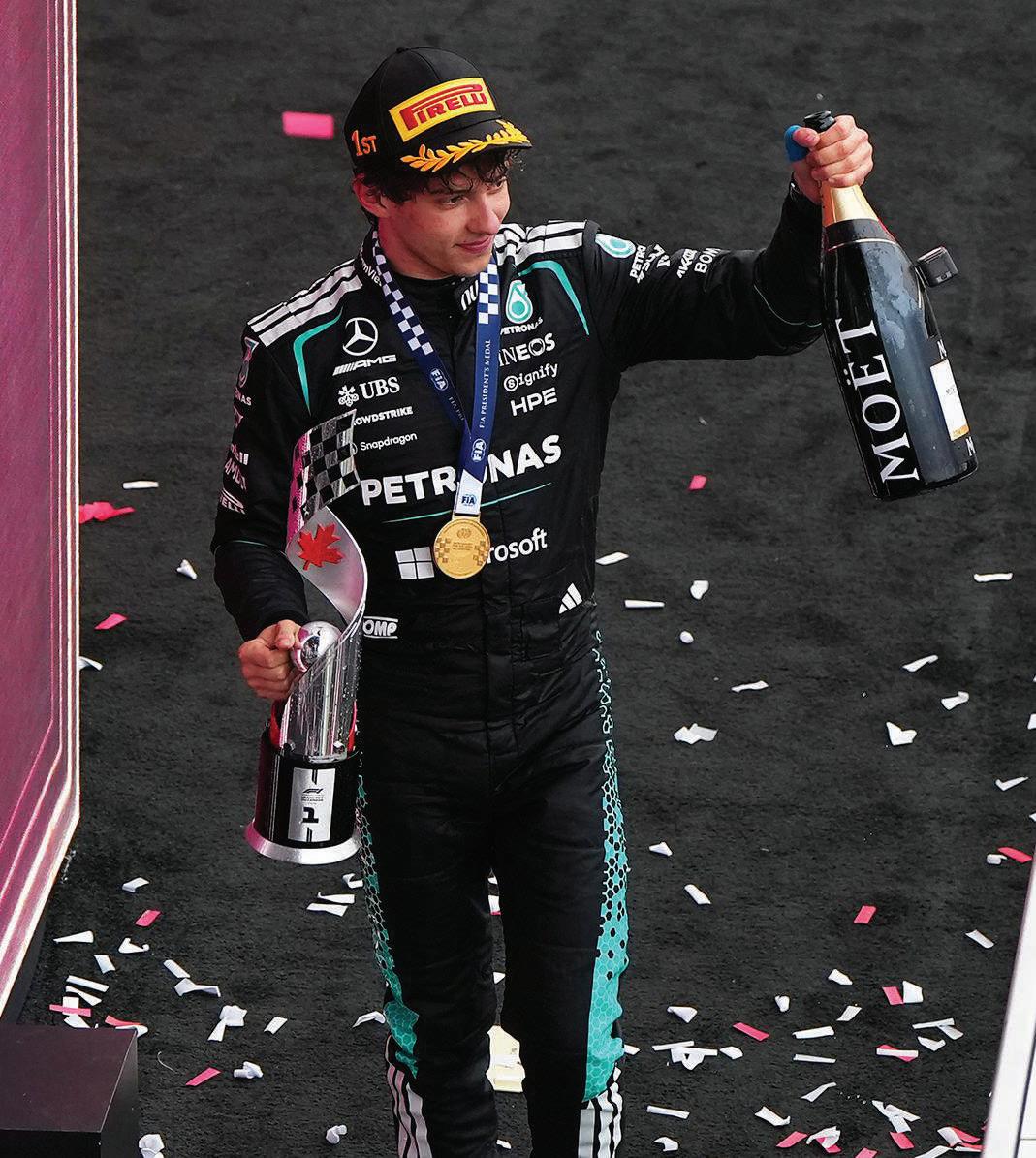
Kimi Antonelli celebrates F! victory with Moët & Chandon
Nothing puts a town on the world map like a royal visit, even in modern times. And back in the day, Stellenbosch was a pretty popular destination whenever British royals landed on South African shores.
The first royal presence to grace the humble hamlet of Stellenbosch, yet already a noted oak-lined beauty with great food and wine, came over 150 years ago in the 1860s. The second son of Queen Victoria and her German consort, Prince Albert, did the honours. His Royal Highness Prince Alfred the Duke of Saxe-Coburg and Gothe – then still the Duke of Edinburgh - was at the Cape for the official start of the construction of the main building in the Cape Town Harbour, an important port on the Empire’s map. It is now part of Victoria and Alfred Waterfront, named after him and his long-reigning mother. While in the region, his party decided to visit Stellenbosch. Sadly, there is no record of his thoughts on the town, but we could presume the royal visit did not take place just because the prince needed to fill his diary.
A few decades later, in the period between 1924 and 1931, Prince Alfred’s sister, HRH Princess Alice and her husband Alexander Cambridge, the first Earl of Athlone, frequented Stellenbosch. At the time the Earl was Governor of the Cape Colony. They seemed to have been rather enamoured with Stellenbosch, since they visited quite often, especially during the harvest festival and the market held on the banks of the Eerste River. They wrote fondly of the quality of the produce they received from friends who were well-to-do farmers outside of town. Princess Alice would go on to enjoy such longevity that she appears on the christening photographs of Queen Elizabeth’s first grandchild, Peter Phillips, in 1977.

The most illustrious royal visit, however, came shortly after the Second World War in 1947 when Alice’s crowned nephew came to town. That year, His Majesty King George VI and his family undertook an extended tour of Southern Africa. It’s now a famous anecdote of history that their daughter Elizabeth – later Queen Elizabeth II – was whisked along on the marathon trip in the vain hope that she might get over her infatuation with the dashing Philip Mountbatten, a naval lieutenant ‘of no fixed address’ (by his own admission). He was snubbed by the British royals for descending from the lost Greek Crown, even though his royal blood was thicker than any of the Windsors’ and he stemmed from so many royal lines that his DNA would be the only to one day definitively identify the remains of Russian Tzar Nicholas II and his murdered family.
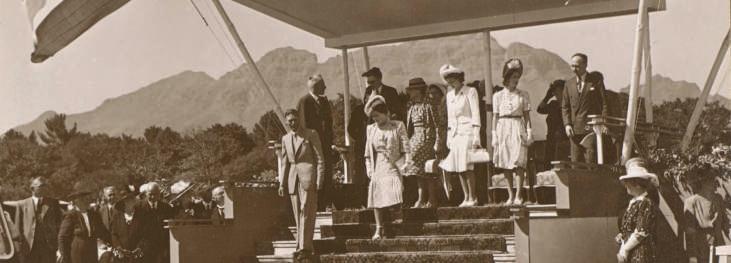
The British royal entourage toured the Southern African landscape in the iconic White Train, described as a palace on wheels, that can today be seen at the transport museum in George. On the 20th of February, the King, his Queen –later known as “the Queen Mom” – and princesses Elizabeth and Margaret arrived at Du Toit train station in Stellenbosch. They were driven to Coetzenburg where an adoring crowd of people from all over awaited them. The royals were greeted by officials of the town and the university. A lovely photo of the occasion is kept in the Royal Archives, featuring the royal family on a specially built platform and, in the background, Simon Van Der Stel majestically on his back in the form of Simon’s Mountain.
We’d never know how much Princess Elizabeth was thinking of her beau back in England that day, but she certainly wasn’t planning on letting him go. Shortly after visiting Stellenbosch, she celebrated her 21st birthday in Cape Town and not long after the family arrived back in England, Buckingham Palace announced – on 9 July 1947 - the engagement of the future queen to the man she was so determined to marry. The pair would only get to visit South Africa together almost 50 years later, in 1995, on the official invitation of President Nelson Mandela. After the royal yacht Britannia docked in Simon’s Town, Her Majesty Queen Elizabeth II and her beloved consort, HRH Prince Philip the Duke of Edinburgh, spent six days in and around Cape Town. Very regrettably, they did not afford Stellenbosch another royal visit.

van die berig op ons webwerf


Text: Eduan AJ Naudé | Image: King Charles III 2022 Lees die Afrikaanse weergawe
The Royal family descending the podium at Coetzenburg. In the suit at the front King George VI, followed by Queen Elizabeth. Still on the podium in white, on the left is Princess Elizabeth, and to her right Princess Margaret.
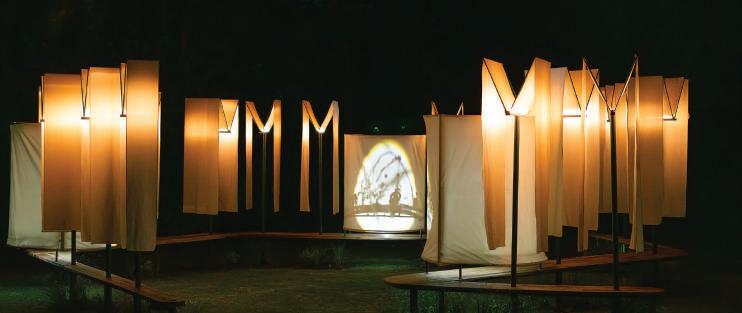
Spier Light Art has opened its call for artists ahead of its 2027 edition, running from 26 February to 21 March 2027 across the historic Spier Wine Farm.
Now in its ninth year, Spier Light Art is South Africa's leading platform for light-based contemporary art and Africa's longest-running exhibition of its kind. Curated by Vaughn Sadie, the exhibition commissions new works in which light functions as concept, medium, and subject matter.
There is no fixed theme for 2027. Artists are free to explore ideas relevant to their practice, including technology, resilience, enchantment, and the context of a working wine farm and its landscape. Eligible work includes site-specific installations, sculpture, interactive art, digital works, video art, and sound and light integration.
Art, like food and wine, is best shared, which is why Spier is such an enthusiastic supporter of African artists and houses one of the country’s largest contemporary art collections. With a thriving local artistic community and rich cultural heritage, Spier is excited about the future of African art.
Expressions of interest are due by 21 July 2026 and must be submitted to spierlightart@lightplace.org. Shortlisted artists will be invited to develop a more detailed proposal, with final selections confirmed in early October 2026.
For full submission requirements and to RSVP for briefings on 20 and June and 4 July, visit www.spierlightart.co.za or contact spierlightart@lightplace.org.

Text: Editorial Desk | Images: Spier Light Art Lees die Afrikaanse weergawe van die berig op ons webwerf
This winter, slow down and get cosy with a visit to the Rupert Museum on Stellentia Road, Stellenbosch. From rotating exhibitions and activities for children, to a quiet library space and a welcoming café, there's something for everyone to enjoy.
The works exhibited in the museum were collected by the late Dr and Mrs Rupert between 1940 and the early 2000s and include both South African and international artists represented in the permanent collections managed by the museum. The collections comprise of more than 400 artists. The Artist Spotlight Series, currently on display in the museum's third gallery, highlights South African artist Cecil Skotnes with a selection of the Amadlozi Group –which includes Sydney Kumalo, Edoardo Villa and Cecily Sash.
Also on exhibition is The Story of the Johannesburg Station Panels by JH Pierneef. The famed commission completed by Pierneef in the 1930s features twenty-eight landscape scenes and four tree studies – this is a collaboration between the TRANSNET Foundation and the Rupert Art Foundation.
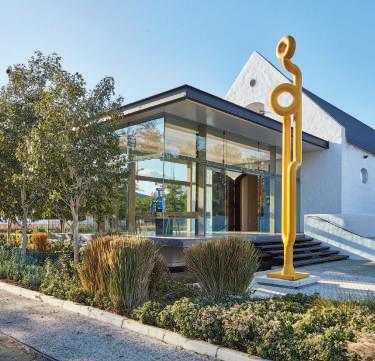
The museum offers complimentary guided tours on Wednesdays and Fridays from 11am to 12pm and 1pm to 2pm. Youngsters on school holiday can look forward to activities inspired by the exhibitions.
After exploring the exhibitions, be sure to visit the on-site café, which has recently launched its new winter menu. Enjoy hearty dishes such as the Butter Chicken Bowl or Slow-Braised Lamb with Herb-Crushed Potatoes, while the much-loved Still Life Scone remains a crowd favourite.
Entrance: Free Tuesday – Friday: 10am – 5pm | Saturday & Sunday: 10am – 4pm rupertmuseum.org | info@rupertmuseum.org | 021 888 3344

Editorial Desk | Images: Rupert Museum

Text:
Lees die Afrikaanse weergawe van die berig op ons webwerf
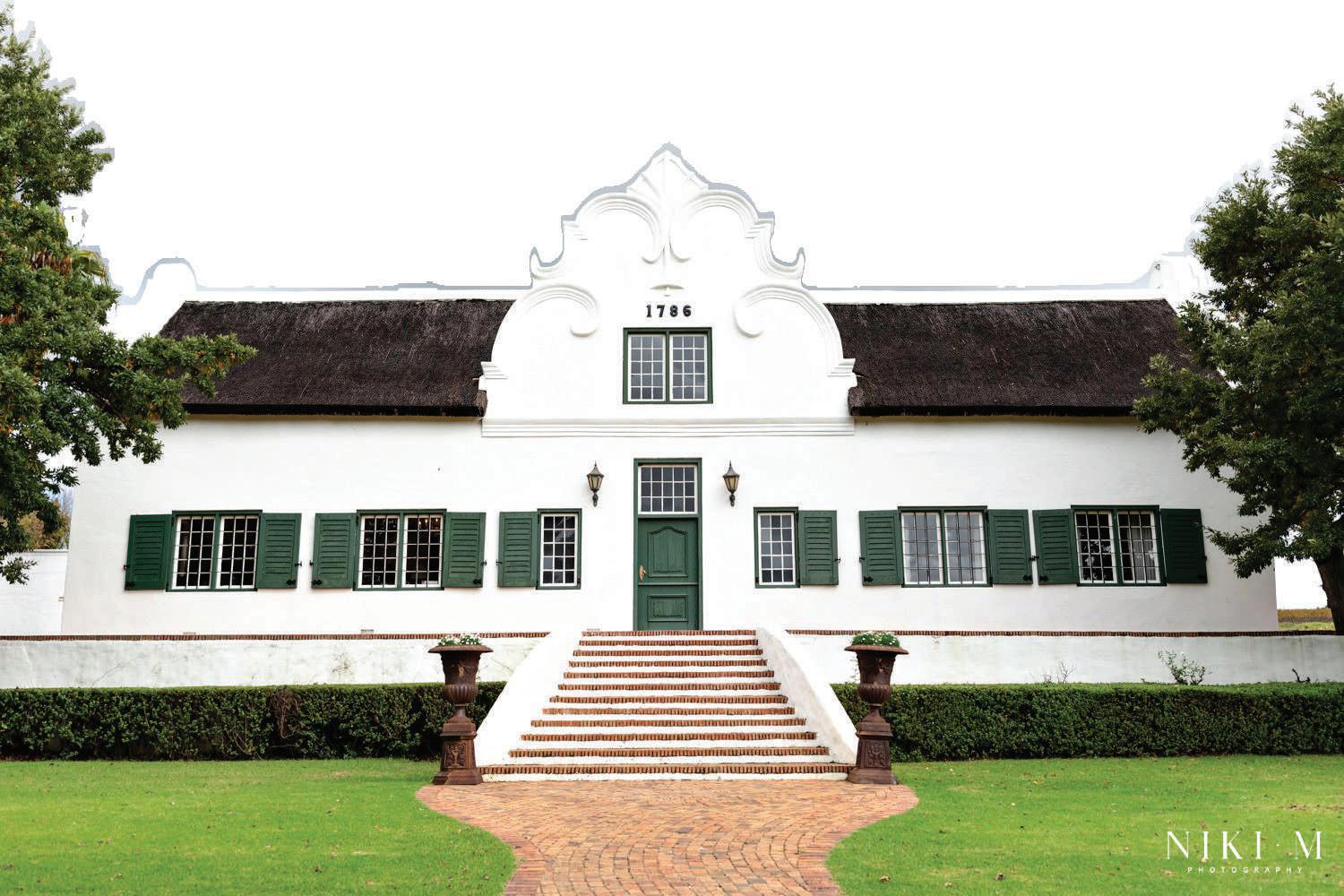
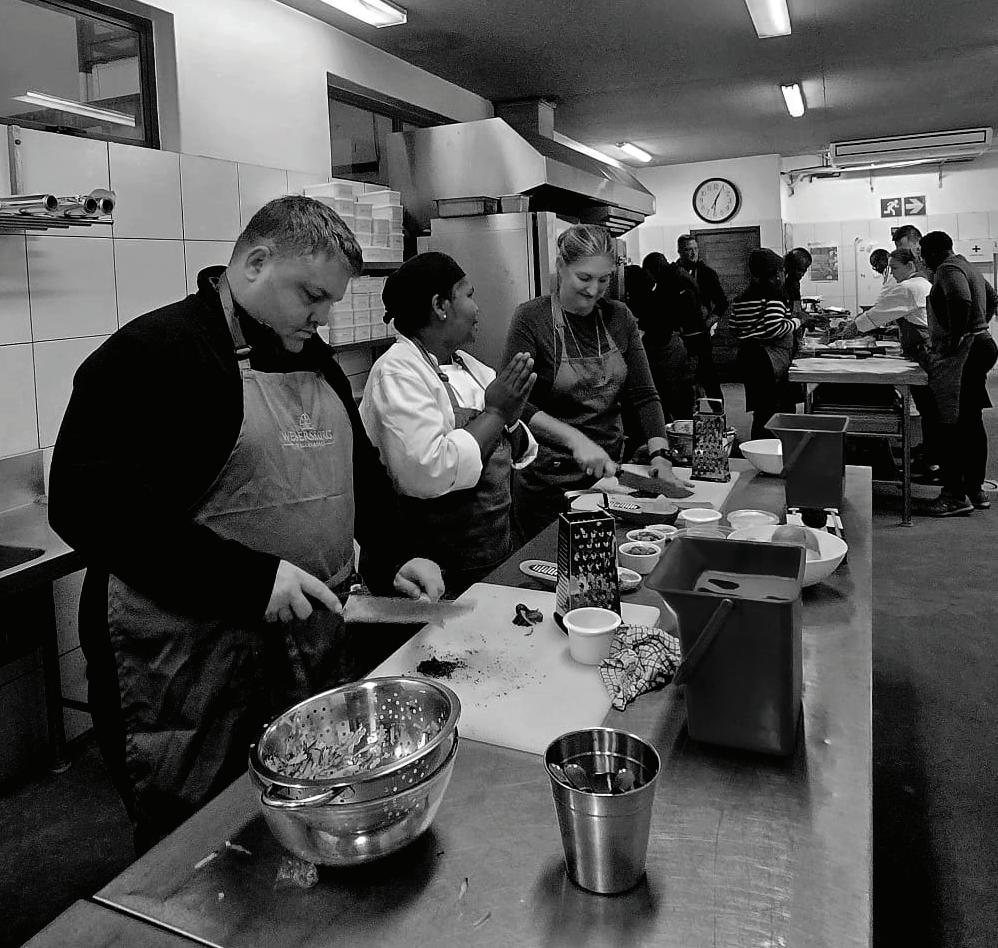
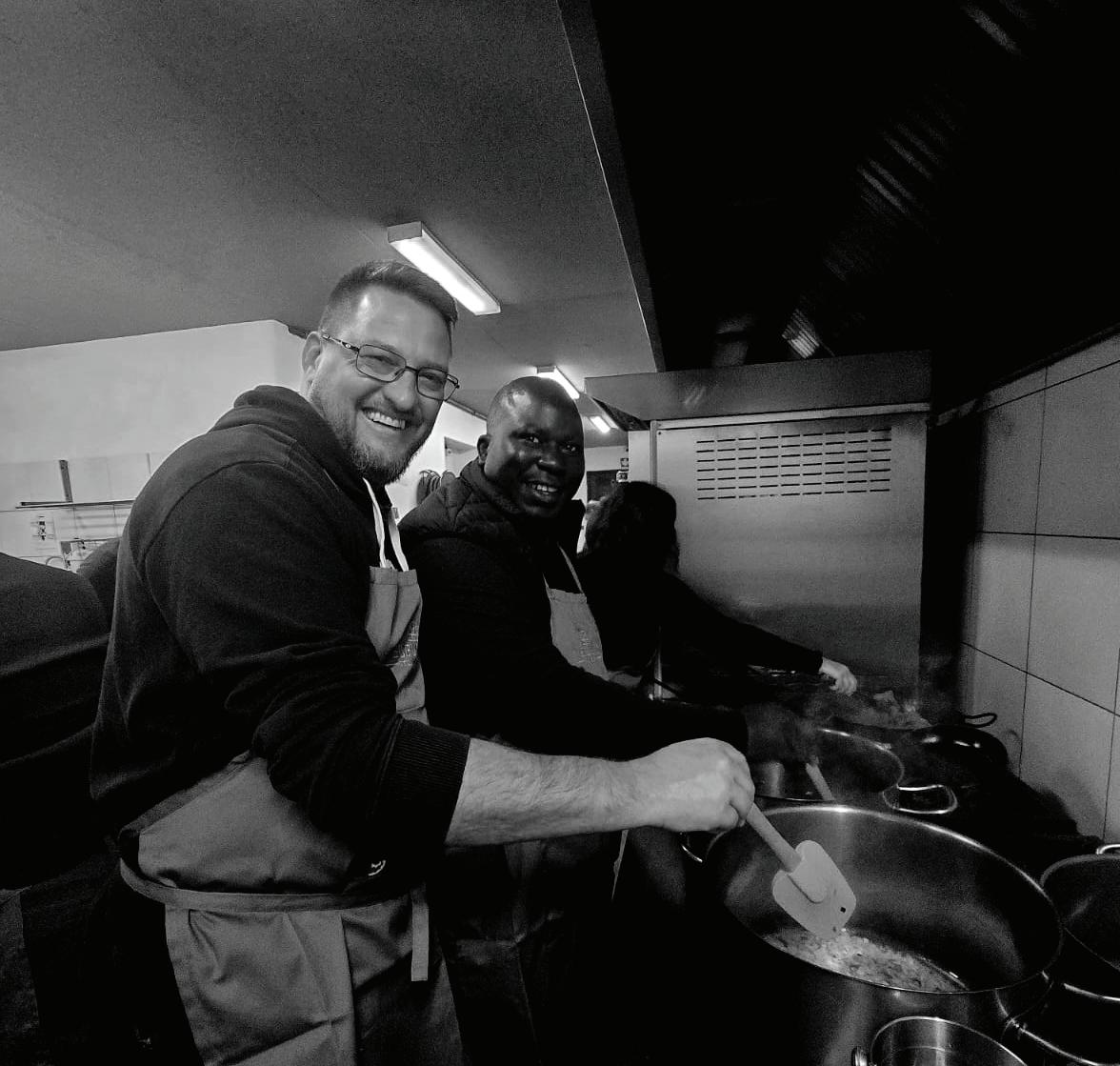
Nestled against the majestic Helderberg Mountain, Webersburg Wine Estate is serving up something far more memorable than a gourmet meal—it’s offering an experience that sparks connection, creativity, and pure, unadulterated joy. Their interactive chef-led cooking classes are the perfect recipe for togetherness, whether you're planning a family day out, a social club gathering, or a corporate team-building event with a difference.
Step into the kitchen and you’re instantly enveloped by an electric buzz—clinking glasses, sizzling pans, and genuine, belly-deep laughter. Under the warm guidance of an expert local chef, guests of all skill levels knead, chop, and season their way through approachable techniques using fresh, seasonal estate produce. Novice anxiety melts into triumphant pride as sauces emulsify and dough rises, sparking spontaneous cheers. For corporate teams, rigid hierarchies dissolve over a shared flour fight; for families, the magic is in children’s flour-dusted grins as they proudly present their homemade pizzas.
The journey is as rewarding as the destination—a shared meal paired with Webersburg’s renowned wines, enjoyed against the backdrop of rolling vineyards and Cape Dutch elegance. It’s less about perfection and entirely about presence: the aroma of roasting garlic, the Helderberg sun streaming through the windows, and the warm afterglow of a meal made with love and shared with new friends.
For the little ones, "Build-Your-Own-Pizza" sessions let junior chefs create their own masterpieces, complete with a chef’s apron and personal dough. And for companies seeking meaningful engagement, tailored group experiences blend collaboration with the sheer delight of cooking.
It’s a multi-sensory journey from kitchen to table—and an invitation to savour life’s richest ingredients: good food, great wine, and even better company.
How did one unexpected pop change the way victory is celebrated? In 2026, Moët & Chandon and Formula 1 celebrate 60 years of the champagne spray, one of motorsport’s most iconic and joyful rituals.
It all began at the 1966 24 Hours of Le Mans, a race that changed victory celebrations forever. As three Ford cars led the race in its closing hour, Henry Ford II broke tradition. Rather than the customary bottle, he requested a Moët & Chandon Jeroboam, declaring that when America wins, it celebrates with three liters of champagne. Bruce McLaren and Chris Amon were the first to lift the oversized bottle on the podium.
Then came the moment no one had planned. During the awards ceremony, the Jeroboam presented to Jo Siffert and Colin Davis, the winners of the 2-liter category, had been shaken too vigorously. Its cork burst open, unleashing a shower of champagne over the podium. A spontaneous accident became an unforgettable gesture.
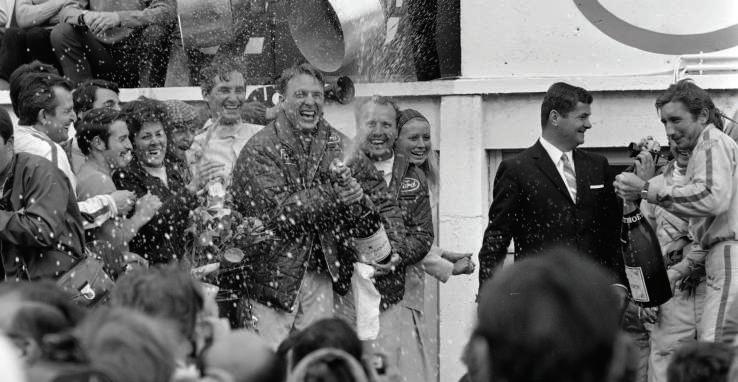
One year later, at the 1967 24 Hours of Le Mans, Dan Gurney turned that accident into a ritual. After his victory alongside A.J. Foyt, he deliberately shook his Jeroboam before popping the cork and spraying the crowd, giving the gesture its legendary form and creating one of motorsport's most enduring traditions: the champagne spray.
The gesture reached the world of Formula 1® with Sir Jackie Stewart at the 1969 French Grand Prix, where it found its natural stage: the podium. Since then, the champagne spray has become part of Formula 1®’s emotional language, a moment every fan knows by heart. After the final lap, after the precision, pressure and performance, comes the release: a champagne-drenched celebration shared by drivers, teams and fans. For one unforgettable instant, the podium belongs to everyone, and the memory lives on long after the race.
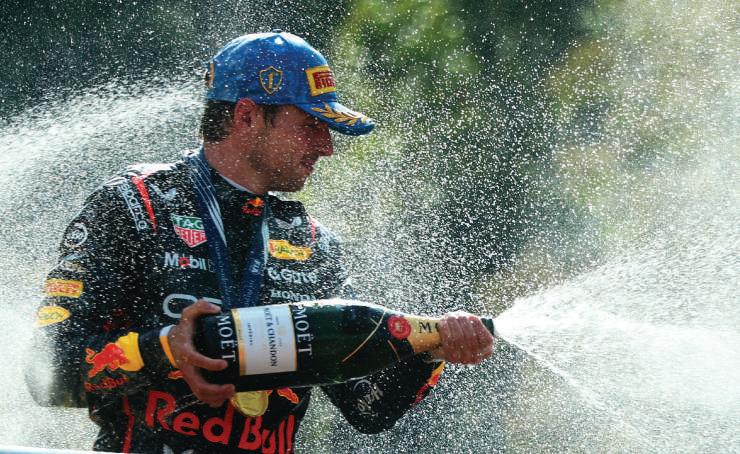
Max Verstappen celebrates at Monza.
Across generations, Formula 1® icons and legends have each made the gesture their own. From Niki Lauda and James Hunt to Ayrton Senna, Alain Prost, Michael Schumacher, Lewis Hamilton, Max Verstappen, Charles Leclerc, Lando Norris and many more every champion has brought their personality to the spray. Today, the champagne spray remains one of the most recognizable images in Formula 1®, capturing excellence, emotion and unforgettable moments. Sixty years later, the champagne spray still says it all: victory is better when shared.

Text: Editorial Desk | Images: Supplied Lees die Afrikaanse weergawe van die berig op ons webwerf
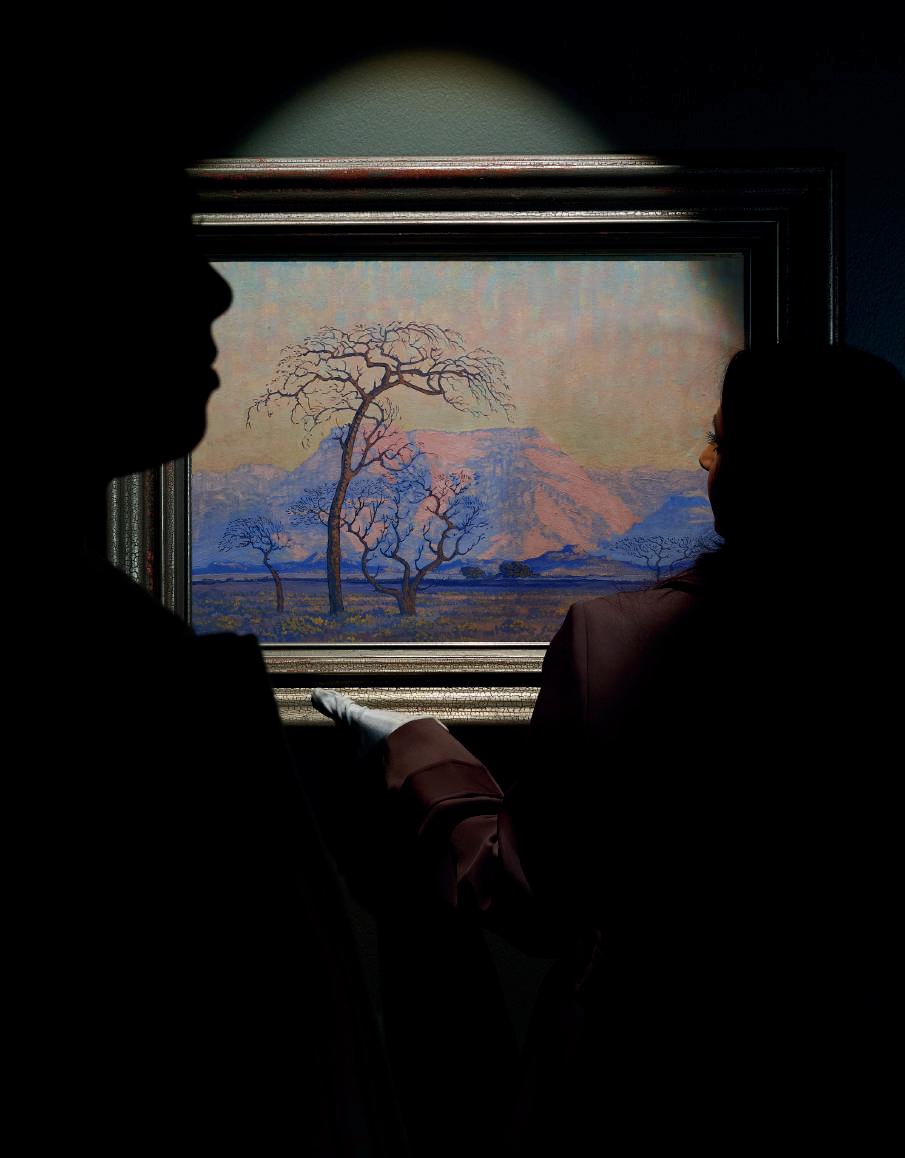

Dan Gurney celebrating his victory at the 1967 24 Hours of Le Mans, where he famously inaugurated the tradition of spraying champagne on the podium, after a bottle accidentally popped the previous year.
There is something about winter that turns all of us into sentimental fools. In summer, I am perfectly practical. I eat salads, spend as much time outdoors as possible and linger over late dinners on the patio. Then July arrives and suddenly I abandon all summer logic; fluffy slippers become formal footwear and I start eying dinner at around 5pm, as though my appetite has decided it prefers winter operating hours.
Winter also has a curious way of unearthing memories we didn’t even know we’d packed away. The smell of baking rusks and I am instantly six years old again, sitting at my grandmother’s kitchen table with my feet nowhere near touching the floor. The scent of cinnamon reminds me of baking with my Mom, while wood smoke carries memories of old jerseys and family gatherings.
Perhaps our memories are stored not in our minds but in our senses. And isn’t it curious that the foods we long for in winter are almost never sophisticated? Nobody has ever looked out at a rainy sky and said, “You know what I need right now? A small portion of ceviche.”
No. We want macaroni & cheese, cottage pie, baked puddings and things with crispy tops and soft centres. Food that arrives at the table in a dish so hot it requires a tea towel and a warning. Food that encourages second helpings and then convinces us to sit a little longer because it’s far too cold to go anywhere anyway.
Comfort food isn’t really about the food at all. It is about the feeling. Perhaps that is why winter makes us nostalgic. The foods we love become edible memories. We recreate recipes, not because we are hungry, but because we are homesick for moments.
As someone who spends a fair amount of time in the kitchen, I have come to realise that comfort food is one of life’s greatest gifts. It feeds our bodies, certainly, but it also feeds our memories, our sense of belonging and our need to be looked after.
The lovely thing is that comfort food doesn’t have to leave us feeling weighed down. In my cookbook, All Sorts of Junk Food Made Healthy, I wanted to keep all the nostalgia and joy of our favourite comfort foods while making them a little kinder to our bodies. Because surely the best recipes are the ones that nourish us in every sense of the word.
So, this month, I’ve included a recipe from my book.
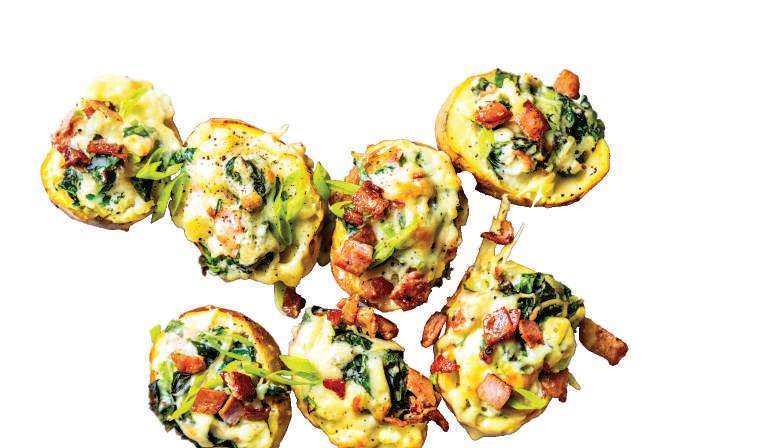
Loaded Baked Potatoes
4 large potatoes scrubbed and dried
2/3 cup cooked back bacon, chopped
2/3 cup Greek yoghurt
4 cups spinach leaves, shredded
2 spring onions, thinly sliced
2 tsp sage, finely chopped
2/3 cup white cheddar cheese, grated
1 Tbsp olive oil
Salt and pepper to taste
Preheat oven to 200 degrees.
Prick potatoes all over with a fork, rub with 1/2 Tbsp olive oil and sprinkle with ½ tsp salt.
Bake on a lined sheet for approx. 60 minutes until tender, then let cool slightly.
Meanwhile, sauté the spinach in a pan with a touch of olive oil until wilted; set aside.
Cut potatoes in half lengthways. Scoop out the flesh (leave a rim around the edges) into a bowl and mash lightly.
Mix in the yoghurt, wilted spinach, spring onion, sage, bacon, salt, pepper and half the cheese.
Divide the filling back into the potato shells and top with the remaining cheese.

At Vriesenhof in Stellenbosch’s Paradyskloof Valley, the spirit of legendary winemaker and Springbok rugby player Jan “Boland” Coetzee lives on in Die Stoep, a country restaurant that celebrates great wine, honest food and warm hospitality.
Coetzee was renowned for many achievements: helping establish Kanonkop as a leading wine estate, founding Vriesenhof, introducing Chardonnay vines that helped reshape South African wine, and representing South Africa on the rugby field. Less well known was his reputation as an exceptional host who welcomed visitors with a braai, a glass of wine and generous conversation.
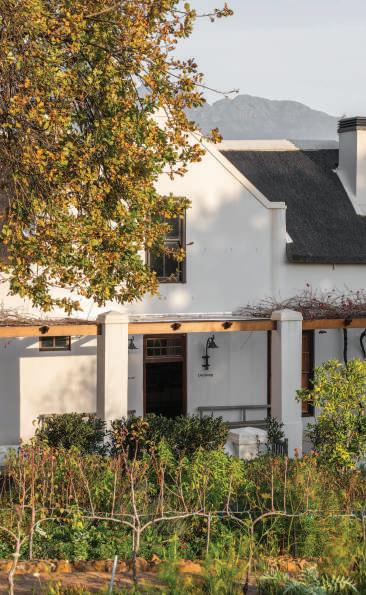
Today, Die Stoep occupies the heart of the home where Coetzee lived for more than 40 years. Renovated in 2024, the restaurant retains much of its original character while offering a relaxed dining experience centred on seasonal ingredients, wood-fired cooking and the estate’s wines.
The project is the collaboration of proprietor Marc Botes, an experienced restaurateur and sommelier, chef Keane Munro, and Vriesenhof CEO Eddie Smit. Together they have created a destination that honours Coetzee’s legacy while embracing contemporary country dining.
Visitors arrive through the estate’s tasting room, overseen by sommelier Ollie Conradie, whose passion for Vriesenhof’s wines extends to an extraordinary cellar housing rare vintages from the estate and other South African producers. The cellar is open for guided visits and occasionally hosts intimate dining experiences.
Above the cellar, the JBC Room chronicles Coetzee’s remarkable life through photographs, memorabilia and stories from his dual careers as rugby player and pioneering winemaker. It is a fitting tribute to a man whose influence on South African wine remains profound.
“At Die Stoep, we want guests to feel as though they are visiting someone’s home,” says Botes. The restaurant’s atmosphere reflects that philosophy, with comfortable indoor spaces complemented by a large stoep featuring a wood-fired braai and pizza oven. During winter, an indoor Spanish grill takes centre stage.
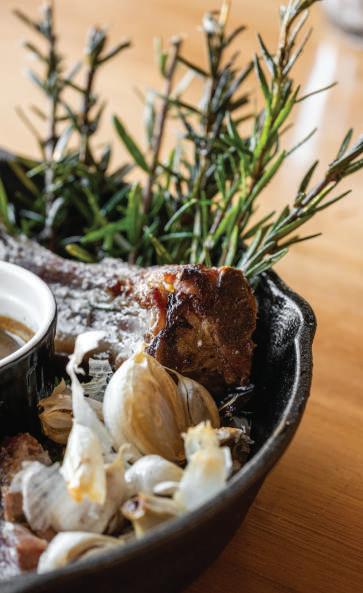
The menu is intentionally concise and designed for sharing. Influenced by Mediterranean flavours but rooted in South African ingredients, it ranges from small plates and handmade sourdough wood-fired pizzas, grilled meats and fresh seafood. Signature dishes include lamb riblets, steak tartare, fire-roasted yellowtail and a generous côte de boeuf for sharing. Desserts include traditional malva pudding and a coal-roasted chocolate and orange fondant served in a miniature ‘potjie’ pot.
Chef Munro, whose experience includes Michelin-starred kitchens and several leading South African restaurants, describes the food as “authentic, honest and delicious”. His aim is not to create a formal dining experience, but rather the feeling of a memorable family meal shared among friends.
This winter, Die Stoep will also host a series of intimate cellar dinners exploring classic wine regions including Bordeaux, Burgundy and the Rhône, paired with older vintages from the estate’s collection.
With sweeping vineyard and mountain views, historic charm and a strong connection to one of South Africa’s wine legends, Die Stoep offers a simple but compelling invitation: good food, good wine and good company.
www.vriesenhof.co.za | 021 007 5591

Text: Chantal Lascaris I Images: Chantal Lascaris Lees die Afrikaanse weergawe van die berig op ons webwerf
Text: Editorial Desk | Images: Die Stoep (Dale Herbst) Lees die Afrikaanse weergawe van die berig op ons webwerf
10 Junie 2026 was ‘n perfekte dag vir ‘n wynbekendstelling op 'n heuweltop met 360-grade blootstelling aan die elemente. Dit het egter nie so begin nie… Daarom het die du Bois-familie van Sonop-plaas – in ware 'Boer maak 'n plan'-styl – 'n Plan B en waarskynlik 'n Plan C vir die geleentheid in gedagte gehad. Die geleentheid was die bekendstelling van die Du Bois Vineyards Sonop Chenin Blanc 2025; slegs die tweede oesjaar van hul eerste wyn.
Die du Bois kan hul plaaslike geskiedenis terugvoer na François Gustave du Bois se aankoms aan die Kaapse Weskus. Gepas vir 'n man wie se naam "van die bos" beteken, is hy aan wal gestuur om hout te versamel. Hy het gehou van wat hy gesien het en besluit om aan te bly. 'n Klompie generasies vorentoe, in 1931, het Nicolaas du Bois, nadat hy as 'n wingerdboukundige by Uitkyk gewerk het, 'n plaas in die Koelenhof-omgewing gekoop. Hy het begin om uitstekende wyndruiwe te verbou; iets wat sy afstammelinge steeds doen.
Nicolaas het oorweeg om die plaas Windheuwel te noem – wat deels die angs oor die wynbekendstelling op die heuweltop verklaar – maar het eerder Sonop gekies ter erkenning van hoe die oggendson teen die heuwel se hange opkruip.
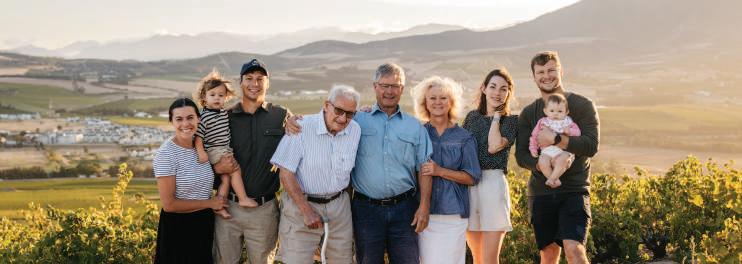
Dit is ook waar genooides na die bekendstelling bymekaargekom het – in die oggendson voor die plaashuis – met vier generasies van die du Bois-familie teenwoordig. Na 'n kort verwelkoming en 'n glasie MCC, het plaasbakkies die vervoer teen die heuwel op verskaf – verby blok na blok noukeurig versorgde wingerdstokke. (Dis geen verrassing dat verskeie top wynprodusente druiwe van Sonop-plaas verkry nie.)
Op die kruin is 'n lang tafel vroeër daardie oggend opgestel – nadat dit duidelik was dat Plan A lewensvatbaar was! Versier met uitgedroogde knoesterige wingerdstokke en gebreekte klippe uit die nabygeleë wingerd, en teen die rand van die heuweltop-reservoir met helder winterhemel bo ons, sal dit onthou word as een van die meer onvergeetlike liggings vir ‘n tafel wat ons tot dusver teëgekom het. Neffensaan het die kulinêre span van Hygge Restaurant hul braaitrollies opgestel en was middagete besig om geurige vorm aan te neem.
Met die 2024 Sonop Chenin Blanc in almal se glase, het wynmaker Gabriël du Bois (Jnr) en sy wingerdboukundige broer, Jacques, die nodige agtergrond verskaf. Hul pa, Gabriël (Gawie) du Bois Snr, verkies om uit die kollig te bly en die resultate van hul werk vir hulself te laat spreek.
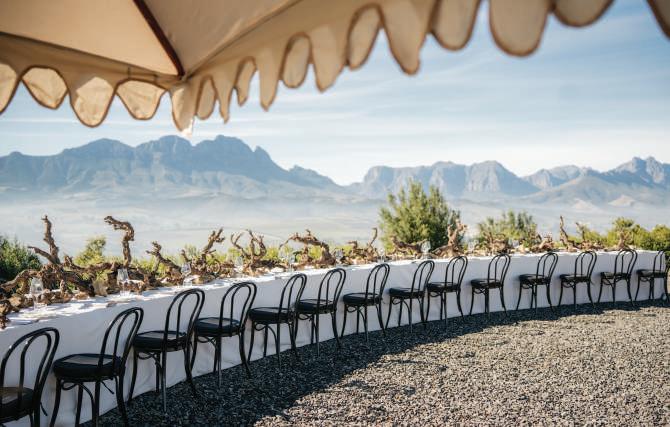
Searching for the perfect Winelands outing on a winter weekend? Babylonstoren's Greenhouse Brunch belongs at the top of your list.
For the first time, the Greenhouse Restaurant opens its doors for a bookable brunch experience. On Saturday and Sunday mornings, the glasshouse becomes a welcoming retreat, with fireplaces lit, coffee poured and the abundance of the farm brought to the table. It is a slower way to experience one of Babylonstoren's most beloved spaces, available by reservation for a limited season.
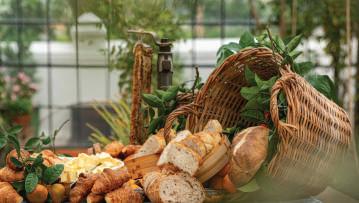
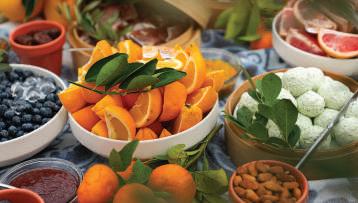
Brunch at the Greenhouse celebrates the comforts of the colder months and the generosity of the harvest. Guests can enjoy a generous spread of freshly baked breads, farm butter, homemade preserves, buffalo yoghurt, granola, seasonal fruit and other farm favourites, followed by a choice of one of two warm breakfast dishes prepared by our chefs, served with tea or coffee of your choice.
Available every Saturday and Sunday from 20 June to 31 August, between 09h00 and 11h00. At R280 per person, with children under eight dining free, a brunch reservation includes complimentary access to the gardens for the day. Afterwards, wander the pathways, explore the seasonal displays and discover the Byzantium, Babylonstoren's fascinating tribute to bees – a delight for curious minds of all ages.
Seating is limited and reservations are essential. enquiries@babylonstoren.com | www.babylonstoren.com

Text & Images: Supplied Lees die Afrikaanse weergawe van die berig op ons webwerf
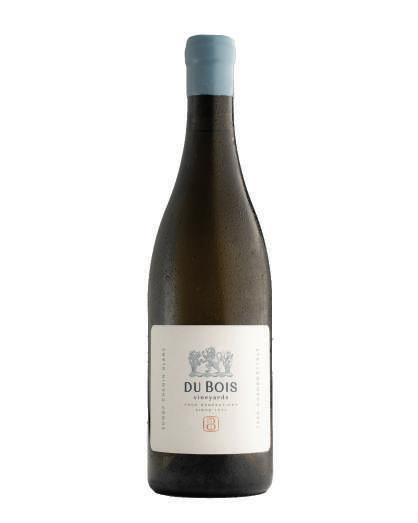
Nadat almal gesete was, is die langverwagte 2025-oesjaar geskink. Heel gepas het die druiwe van twee enkel blokke gekom, reg langs die reservoir, wat in 1982 en 1986 geplant is. Hulle wissel van 240-280m in hoogte bo seevlak en is geposisioneer om vroeë oggendlig en konsekwente lugvloei dwarsdeur die groeiseisoen te ontvang. Geplant in rooi en blou skalie oor gebarste klei, bied hulle druiwe van uitstekende balans en helderheid.
Die kelderbehandeling, insluitend veroudering in 500 liter ou vate, is lig gehou met die klem op die behoud van die vrug se terrein-uitdrukking. Die resultaat is 'n ligte goue wyn met 'n delikate blom- en perske-aroma met sweempies speserye. Op die verhemelte bied dit appel en peer, pomelo en perske met 'n souterige mineraliteit en 'n vol, ou wingerdtekstuur. Reeds pragtig, sal hierdie wyn selfs helderder skyn na 'n paar jaar se kelderveroudering.
Vir nou is Sonop-plaas nie oop vir proeë nie en die du Bois verkies om te fokus op wat hulle die beste doen, wat in hul woorde is om "die stem van die aarde te vertaal in iets wat jy kan skink."

Teks: Redaksie Kantoor | Foto’s: Redaksie Kantoor & Verskaf
Read the English article on our website

DID YOU KNOW?
For the price of her ‘favourite’ perfume and a bunch of flowers… …you could have given her a real, certified diamond.
Flowers fade. Perfume evaporates. A diamond lasts forever.
Discover just how surprisingly affordable luxury has become. Scan the QR code or visit Diamonds Direct today.

Portchie: 1963 - 2026
Stellenbosch’s Colourful Ambassador
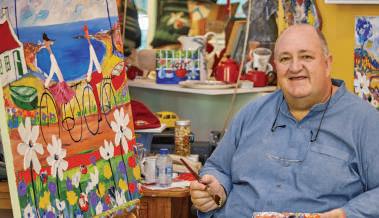
Few South African artists have achieved what Portchie did during his lifetime. Beloved by ordinary families, respected by serious collectors and recognised internationally, he built a remarkable career on optimism, colour and accessibility. His passing marks the end of an extraordinary chapter in South African art and the loss of one of Stellenbosch’s most recognisable cultural ambassadors.
Born Jan Hendrik Viljoen in the Free State, Portchie’s story became closely intertwined with Stellenbosch. He attended Paul Roos Gymnasium, studied at Stellenbosch University and later established the Portchie Gallery in the historic town centre. Over time, the gallery became a destination in its own right, attracting visitors from across South Africa and around the world.
For many tourists, a visit to Stellenbosch was not complete without stepping into Portchie’s vibrant world. His cheerful village scenes, colourful cottages, joyful figures and signature blue trees became instantly recognisable. At a time when much contemporary art sought to provoke or challenge, Portchie chose a different path. He painted beauty, hope and happiness – and audiences responded enthusiastically.
What made Portchie particularly remarkable was not only his artistic talent but also his commercial success. Conventional wisdom in the art world suggests that scarcity creates value. Artists who produce relatively few works often command the highest prices because demand exceeds supply. Portchie turned that assumption on its head.
Over a career spanning more than three decades, he produced thousands of original works. Yet rather than diluting demand, this extraordinary productivity helped build one of South Africa’s most recognisable artistic brands.
As his reputation grew nationally and internationally, demand consistently remained strong. Collectors were drawn to the warmth and consistency of his work, while many buyers who acquired paintings simply because they loved them later discovered they had also made sound investments.
Early works purchased for a few thousand rand often appreciated substantially over time, supported by a resilient secondary market and enduring collector interest.
Portchie’s success extended beyond the canvas. Unlike many artists who rely on a small circle of wealthy patrons, he cultivated a broad and loyal collector base. Families displayed his paintings in their homes, businesses hung them in boardrooms, and visitors carried them to destinations across Europe, North America, Asia and Australia.
His gallery became more than a commercial space; it became part of the Stellenbosch experience. Through his work he projected an image of warmth, colour, community and optimism that reflected many of the qualities for which the town itself is celebrated.
Few artists leave behind a legacy that is simultaneously beloved, commercially successful and financially rewarding. Portchie achieved all three. His paintings continue to brighten homes and collections around the world, ensuring that his influence will endure for generations to come.
In the end, Portchie’s greatest achievement may have been his ability to make art accessible without diminishing its value. He painted happiness, and in doing so created a legacy that transcends both canvas and commerce.
A celebration of Portchie’s life will be held at the Moederkerk, Stellenbosch, on 31 July 2026 at 10h30. The service will be led by Ds Johann Els and organist Zorada Temmingh.
Family, friends, and all whose lives were touched by Portchie are warmly invited to join in celebrating his remarkable life, his art, and the joy he brought to so many.
RSVP at www.portchie.com

Text: Editorial Desk | Image: Crouse Art Gallery Lees die Afrikaanse weergawe van die berig op ons webwerf
South Africa’s wine industry has taken a significant step forward with the launch of the country’s first Eco-Flat Wine Bottle, pioneered by Stellenbosch Vineyards in collaboration with Polyoak Packaging, global innovator Packamama and polymer producer Safripol. The new format offers a sustainable, lightweight alternative to traditional glass bottles while creating fresh opportunities for the local wine sector.
Stellenbosch Vineyards is the first local producer to introduce the Eco-Flat Wine Bottle, setting a benchmark for innovative and responsible packaging. Manufactured in Cape Town by Polypet, part of Polyoak Packaging, the bottle incorporates Packamama’s patented flat design. Weighing just 63 grams—up to 80% lighter than glass—it significantly reduces transport emissions while maintaining wine quality and shelf life.
The 750ml bottle features a screw-top closure and distinctive flat shape, providing greater shelf visibility and improving retail efficiency. Its design allows twice as many bottles per shelf and is 40% more space-efficient per pallet than conventional glass bottles. Made using 25% recycled PET (rPET) supplied by Safripol, it offers a lower carbon footprint while remaining lightweight, shatterproof and fully recyclable.
Available in dead leaf green and colourless options, the bottle incorporates an oxygen barrier and offers a shelf life of around two years, making it well suited to everyday still wines. Its flat-pack design improves storage and transport efficiency, with twelve bottles fitting into the space traditionally occupied by six glass bottles.
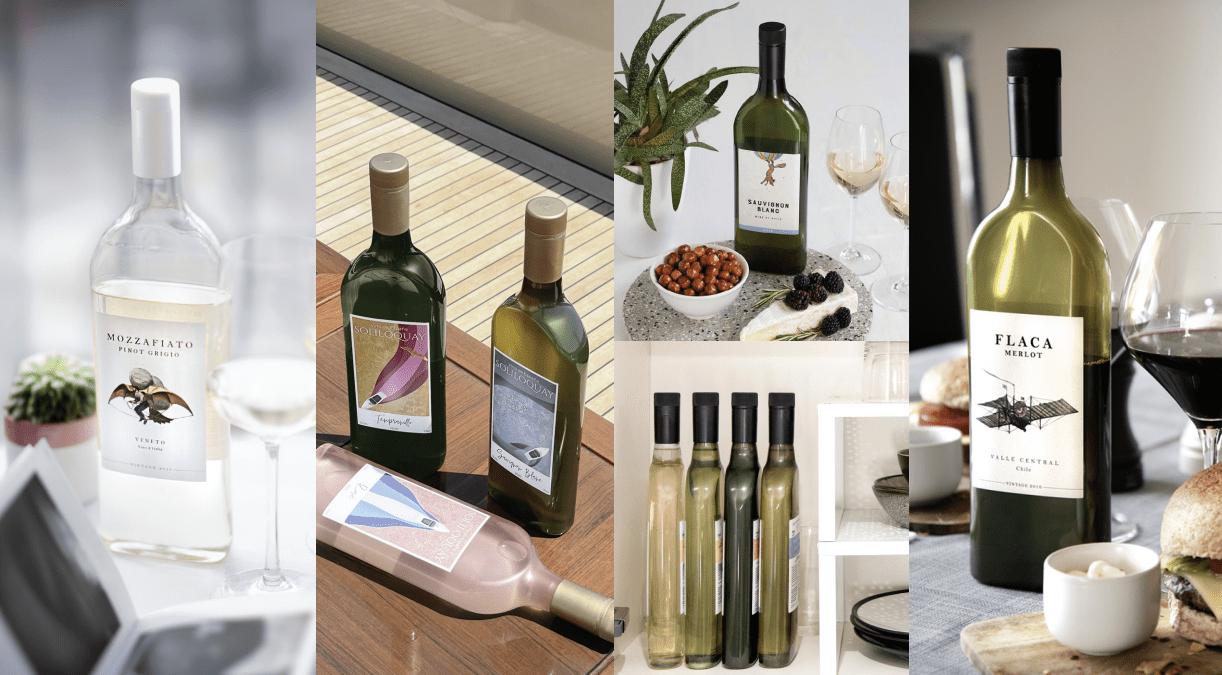
The innovation also opens new export opportunities, particularly in markets that favour lightweight packaging. It is ideally suited to airlines, e-commerce and outdoor events where glass restrictions apply. With sustainability increasingly shaping consumer choices, the Eco-Flat Wine Bottle provides a practical and scalable solution for reducing environmental impact while expanding distribution potential.

Visit Stellenbosch has received international recognition after winning Silver at the International Tourism Film Festival Africa (ITFFA) for its official destination film, placing Stellenbosch among Africa's leading tourism brands and storytellers.
The award recognises excellence in tourism communication and destination marketing, celebrating films that successfully inspire travel while showcasing the unique character of destinations to global audiences.
Developed in partnership with creative agency Xpotential, the award-winning film presents a compelling portrait of Stellenbosch as a destination where heritage and innovation coexist, where world-class wine experiences meet contemporary culture, and where every encounter is shaped by authenticity and a strong sense of place.
“This recognition is a proud moment not only for Visit Stellenbosch, but for our entire destination,” said Annemie Liebenberg, Chief Executive Officer of Visit Stellenbosch.
“It affirms our belief that the future of destination marketing lies in authentic and emotionally resonant storytelling. Stellenbosch cannot be defined by a single experience. It is a destination of remarkable depth, where culture, creativity, gastronomy, wine, nature and community come together to create something truly distinctive and globally relevant.”
The sentiment is echoed by Lizanne Vos, CEO of Xpotential, whose team led the creative development of the film: "Our goal was to capture not only the beauty of Stellenbosch, but also its character, warmth and sense of place. This award is a testament to the value of creative excellence in destination marketing and to the collaborative partnership that made the film possible."
The accolade further reinforces Stellenbosch's position as one of South Africa's premier tourism destinations and reflects Visit Stellenbosch's ongoing commitment to innovative, world-class destination marketing that drives awareness, inspires travel and strengthens the destination's global competitiveness.
Visit Stellenbosch extends its sincere appreciation to Xpotential and all creative partners whose talent, passion and commitment helped bring the story of Stellenbosch to life.
As Stellenbosch continues to evolve as a leading wine, lifestyle and cultural destination, this award serves as further affirmation that authentic stories, told with purpose and creativity, have the power to connect people to places in meaningful and lasting ways.
For Visit Stellenbosch, this recognition is not only a celebration of a film, but of a destination that continues to inspire discovery, challenge expectations and create unforgettable moments for visitors from around the world.

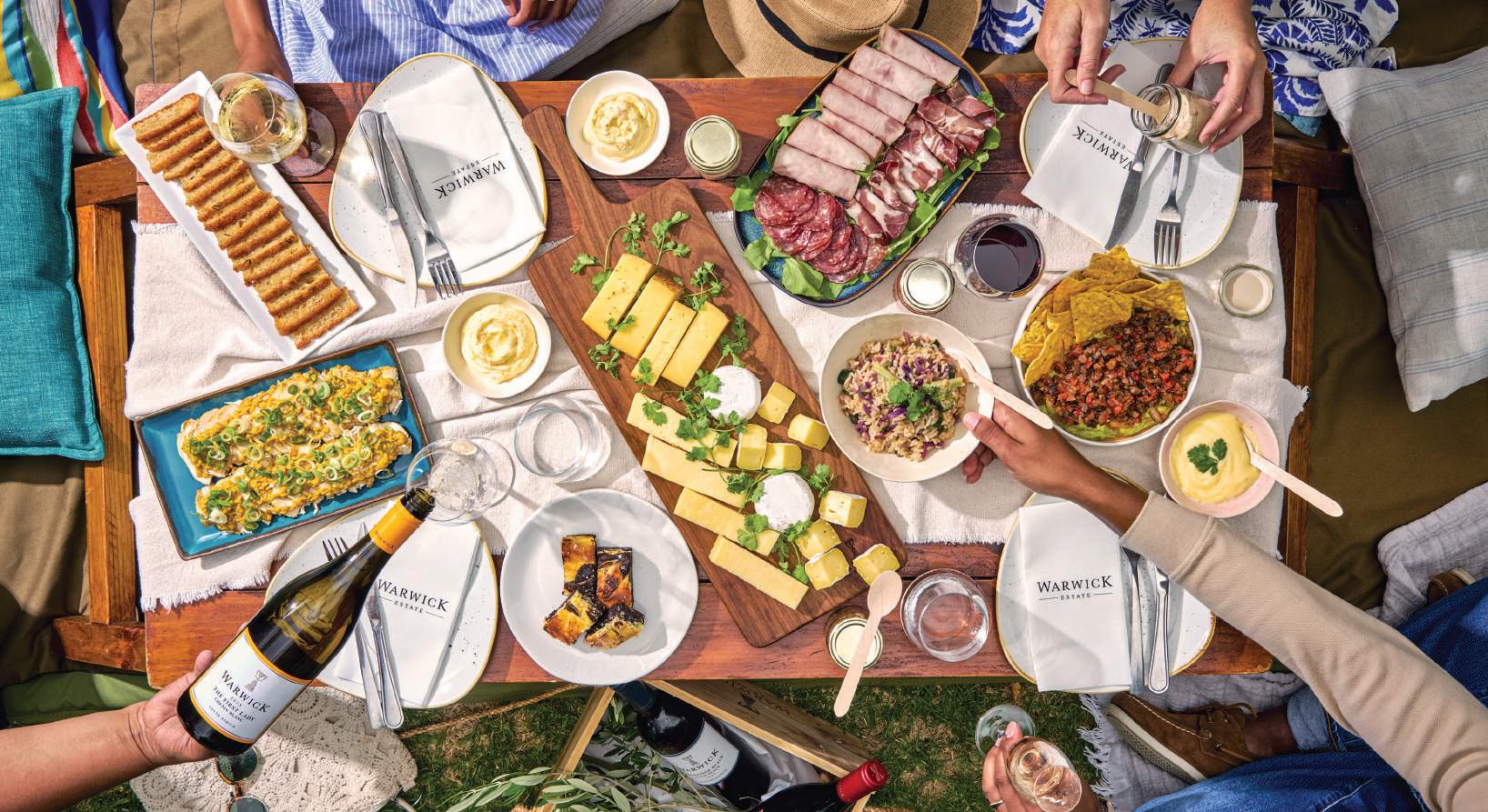
July is a celebration of Stellenbosch at its finest, with this month's selection showcasing three of the region's most respected names: Warwick, Ernie Els and Alto. From elegant whites that capture the freshness and vibrancy of the Cape to powerful reds built for both immediate enjoyment and careful cellaring, these wines reflect the remarkable diversity and enduring quality of Stellenbosch's vineyards. Whether you're seeking refined sophistication or bold, characterful classics, this collection offers something for every palate—and a timely reminder of why the region continues to set the benchmark for South African wine. Warwick Wine Estate, Ernie Els Wines and Alto Wine Estate each bring their own distinctive expression of Stellenbosch terroir to this month's line-up.
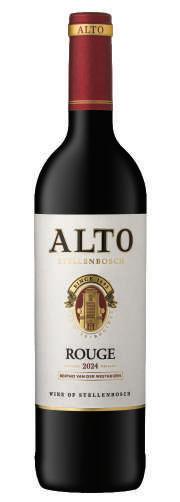

Alto Rouge 2024
This South African classic is an exquisite blend of 5 varietals –Cabernet Sauvignon, Cabernet Franc, Shiraz, Merlot and Petite Verdot. Dark ruby in colour, the bouquet presents evocative aromas of cherry, sumac and charcuterie. The bright palate is soaked in cherries and ripe raspberries with an umami undertone. The tannins are structured and firm. Composed, elegant yet powerful. Beautiful on its own or paired with roast beef or sirloin, mushroom risotto and the perfect accompaniment to your braai.
Cellar price per bottle: R140
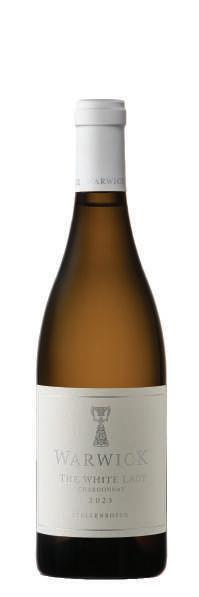

Warwick The White Lady Chardonnay 2023
The wine has an engaging nose of citrus, green apples, white peach, roasted nuts, and spices. The palate is concentrated around fruit weight, baked apple, almonds, lime, green apples. Fresh acidity brings balance and length to the finish. Fruit from four specifically selected vineyards was whole bunch pressed and aged for 11 months in Burgundian French oak barrels – 25% new.

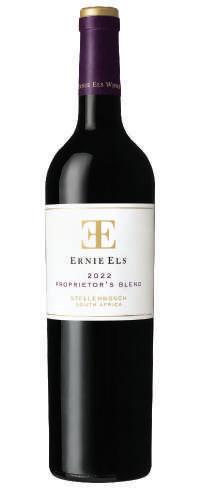
Ernie Els Proprietor's Blend 2022
A cellar-worthy blend of Cabernet Sauvignon, Shiraz, and Merlot layered with notes of charred meat, black cedar, cassis, balsamic, crushed juniper, and ruby-bright pomegranate. Packed with ambition and promise: blackcurrant, prune, herb and violet aromas nestle into the richly toasted structure with gravelly tannins and a delicious mocha length. Awarded 96 Points (Gold) at the Decanter World Wine Awards 2025.
Cabernet Sauvignon 39%, Cabernet Franc 24%, Cinsault 14%, Merlot 10%, Malbec 7%, Petit Verdot 6%. Beautiful savory nose, lavender, sage, and blackcurrants. The palate is light and structured with hints of cassis, dried herbs, and warm spice. The finish is soft and long, well supported by finely packed tannins.


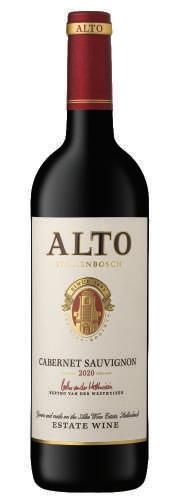
Alto Cabernet Sauvignon 2020
The impressive Alto Cabernet Sauvignon blends Old World elegance with the full-bodied, fruit-driven character typical of wines from Stellenbosch’s Golden Triangle. Polished crimson in colour, the bouquet offers pure cassis, dark plum and layered smoky minerality with crushed black rock, Helderberg fynbos and hints of cinnamon spice. The palate presents silky smooth red and black cherries with a graphite edge. A firm tannin structure with complexity, poise and depth to age beautifully. Best served with red meat dishes like ostrich, beef fillet or lamb chops. It is also a great accompaniment to game fish like yellowtail or tuna.
Cellar price per bottle: R300

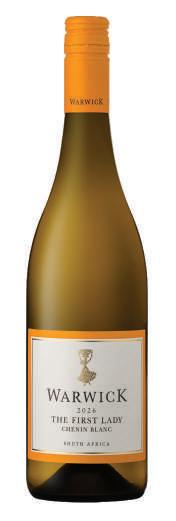
Warwick The First Lady Chenin Blanc 2026
This fruit forward Chenin Blanc presents tropical fruit and citrus on the nose. The palate is light and refreshing, with notes of green apple and white pear that fill out the mid-palate followed by ripe passionfruit. The wine finishes light and super fresh, with a crisp acidity. Best served chilled.

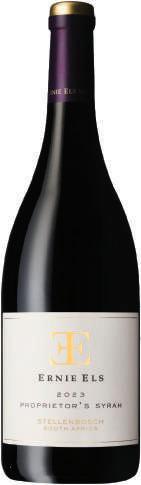
Ernie Els Proprietor's Syrah 2023
From the warm, north-facing slopes of the Helderberg in Stellenbosch, where extended ripening brings depth and phenolic richness to Syrah. Notes of pencil lead, espresso, smoked meat, black pepper, violets, and dark forest berries lead into a savoury, polished finish. Partially whole bunch fermented before maturation in French and American oak barrels, with a small portion aged in terracotta amphorae, bringing depth, spice, and layered complexity. Awarded 5 Stars in the 2026 Platter’s Wine Guide.
Cellar price per bottle: R350
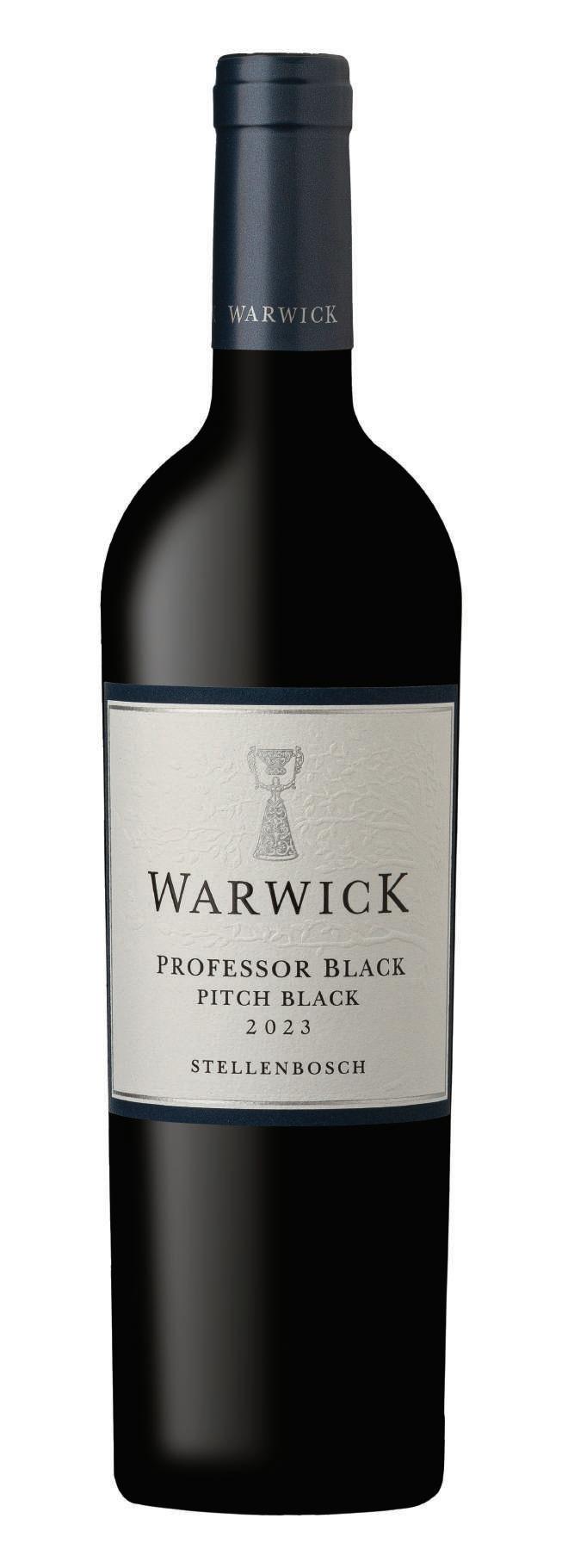
Warwick Professor Black Pitch Black 2023
Cellar price per bottle: R225
Cellar price per bottle: R550
Cellar price per bottle: R350
Cellar price per bottle: R120
Not long ago, while waiting for a flight, I found myself overhearing a conversation between two colleagues. It was a familiar exchange; one that, in different forms, seems to be happening everywhere at the moment.
“It's remarkable how quickly things change,” one remarked. “A few weeks ago, everyone feared that the conflict in the Middle East would escalate. Oil prices surged, markets became nervous, and people began preparing for the worst. Yet now the Americans and Iranians are talking, tensions have eased, and optimism seems to be returning.”
His colleague smiled: “I'm not too worried, I've moved a fair amount into crypto.”
The search for certainty
It struck me that uncertainty has a curious effect on us: when the world feels unstable, we instinctively search for certainty. Sometimes we look offshore. Sometimes we question our financial institutions. And sometimes, we place our faith in something entirely new.
But perhaps the more important question is this: Are we asking the right questions?
When the sentiment shifts
Global events have once again reminded us how quickly sentiment can shift. Markets that were fearful just weeks ago are beginning to regain their footing. Energy prices have stabilised, and investors are refocusing on growth, inflation, and interest rates rather than conflict.
Closer to home, attention has once again turned to the South African Reserve Bank. In May, the Monetary Policy Committee increased interest rates by 25 basis points. In my view, this was the correct decision. The objective was not to slow the economy further, but to manage inflation expectations and, importantly, preserve the credibility of monetary policy.
Because once that credibility is lost, restoring it becomes far more costly.
Encouragingly, financial markets have responded positively. Investors understand that credibility remains one of South Africa’s most valuable economic assets. The benefits to the broader economy may take time to filter through, but maintaining confidence in the value of money is essential for sustainable growth.
The questions investors are asking
At the same time, many South Africans are asking broader, more personal questions:
• Should I move more money offshore? Is it still safe to leave money in South African banks?
Has crypto become the new safe haven?
These are all reasonable questions. But uncertainty has a way of leading us to search for certainty in the wrong places.
Trust, diversification and perspective
South Africa's banking sector remains among the strongest and best regulated in the world. Banks perform a simple but essential role: safeguarding savings, allocating capital, and supporting economic activity. Confidence in such institutions is built over decades, not dictated by the latest headline.
The same principle applies to offshore investing. Global exposure is important, not because South Africa is failing, but because diversification is a sensible strategy. Investing abroad is not about abandoning your home country; it is about spreading risk across different economies, currencies, and opportunities. As for crypto, the underlying technology is undeniably fascinating and may play an important role in the future financial system. But speculation should not be confused with sustainable wealth creation. Productive assets, strong institutions, and sound judgement remain the foundations upon which long-term prosperity is built.
Resisting the extremes
As I reflected on that brief exchange in the airport lounge, it became clear that the real challenge in uncertain times is not finding certainty; it is resisting the temptation to chase it.
Because in economics, as in life, the answers are rarely found at the extremes. Diversify. Remain disciplined. Trust credible institutions. And remember that long-term prosperity is built not by reacting to every headline, but by staying focused on what truly matters.
What really matters
In the end, wealth is only a means to an end. The real objective is financial well-being: having the confidence, resilience, and freedom to navigate uncertainty without losing sight of what matters most. And that is something worth building.

Dawie Roodt Chief Economist, Efficient Group askdawie@efgroup.co.za www.efgroup.co.za
You might want to delete your banking app right now. 60% of digital bank theft, now roaring toward R2 billion, happens courtesy of your phone app. Those are the stats from the SA Banking Association.
Sadly, there’s no real effort to warn the public how vulnerable banking apps have become, and how it threatens our livelihood and even physical safety. According to the National Financial Ombud Scheme, app fraud cases have surged almost 75% year-on-year between January and May this year to nearly 2 500 cases. What’s even more alarming, the Institute for Security Studies records a sharp increase in hijackings and kidnapping that has nothing to do with your car, your purse or your gold chain. They’re after your banking app, from which you’ll transfer every penny with a gun at your head. Quick and easy.
Have the cartels infiltrated the banks? We won’t be told if they did. Some digital forensic experts believe it’s not likely the fraud operations can be this excellent without some manner of inside knowledge. If the person on the other side of the phone immediately tells you what accounts you hold, what the balances are and what transactions you posted in the past week, and the virtual cards they warn you have been activated already appear on your app, you’ll have no reason to doubt it’s a bank official on the line. Something is seriously rotten. Either the bank’s systems are falling seriously short, or someone somewhere is helping the crooks. The letters victims receive from the bank will almost always state it has investigated itself and found clean hands everywhere. So bad, so sad, your life savings are gone. Not our problem.
A victim has limited options. The Bank Ombudsman is a waste of time in 80% of cases. Literally. You may try to log a dispute with the bank, but chances are you’ll get a politely worded digital middle finger. Another thing most banks won’t tell you: lay a charge at the police station as soon as possible.
These illegal invaders of bank accounts aren’t the only vultures. There is what’s starting to feels like a legal cartel, parliament having paved the way: our very own Uncle Sam. Ordinary people all round us, even pretty impoverished pensioners, get the shock of their lives to find a painful hole in their accounts. We all know someone. They take what they believe you owe. Some people win the dispute – often after many years – but it comes with stress, extra cost, loss of interest and often having to scramble for bridging finance. SARS now also make use of third parties on a large scale to phone individuals, demanding moneys they’ll inform you are owed. That means, if you’re a taxpayer, you automatically lose any right to privacy. Which makes one wonder about all the info digital bank fraudsters now appear to have on us. There does seem to be a strange overlap in activities and timelines.

But, lately, the most lucrative sweep from bank accounts happens at the hands of that illustrious privately owned entity that operates without any oversight, Parliamentary or otherwise: the South African Reserve Bank. In a span of 9 days in May this year it grabbed over R35 million from private accounts, with the cooperation of the banks. And it’s being done with actual impunity, using the obscure 1933 Currency and Exchanges Act, to take whatever it wants on the mere suspicion that the law might have been contravened. No proof required, no explanation provided, no reasons given, no court order. Just gone.
Earlier, when financial advisor Magnus Heysteck took SARB to court over moneys grabbed from his accounts, he won round one. The bank appealed… having appointed 19 advocates to the case! They can outspend and beat even affluent victims any day of the week. Beautiful system, isn’t it?! And where does that money go? Into the state coffers. Ah!
So, what are the people’s elected authority next to the Company Gardens or our great State doing to step in and protect us against all this? As of right now, NOTHING. On the contrary. Cui bono? It’s all starting to smells like one big integrated scheme, doesn’t it?
South Africa’s already been stolen empty, it seems. All that’s left now are private bank accounts. The cold, hard statistics prove that they’re coming for it with a vengeance. Whether you have millions in the bank or a little savings account with only a few thousand measly rands you need to feed yourself and the cat, bank accounts are looted at random every single day now.
So, here’s the million-dollar question: is it still safe to keep your cash in South African banks? Many, many South Africans dearly wish they hadn’t… and that club grows bigger by the day. If you think it only happens to other people, think again. The way things stand now, if you have money in a bank account, you have a target on your back. Finish en klaar.
And what does it say about where we are as a country? Erstwhile Prime Minister of Canada, William Lyon Mackanzie King, once said that if a state cannot control and soundly manage the country’s financial systems “and recognize it as its most sacred responsibility, all talk of sovereignty, of parliament and of democracy, is idle and futile.”
Image: 3D Animation Production Company from Pixabay
Last month we tried to unpack, in a hopefully jocular fashion, the pretensions around our staple in this part of the world – wine. Agree or beg to differ, be offended or hopefully smile, that’s up to you. This month we carry on in the same vein, kind of.
For those of us who have been in the corporate world too long or worse still, management consulting, business jargon is an occupational hazard. So, let’s move on and knock the proverbial ball out of the vineyard on the subject of business jargon. Alternatively, let’s “reach out”, “in the direction of travel”, until we hit a “hard stop” at 2000 words. In other words, let’s begin.
According to a recent survey in the UK, over 90 percent of workers are left confused by “meeting speak,” and over 30% feel that not knowing the appropriate company “psycho-babble” hinders their chances of promotion. Worse still, they feel that lack of attendance at the apparent 26 days’ worth of meetings per annum would show them in a bad light. That is, forgive my maths, around 213 hours per annum, over half a day a week. So “touching base” to reach a “win-win” situation (translated as a meeting outcome) is a pretty demanding part of the work schedule. And the analysis of the productive time per meeting? Not so great. The vast majority of attendees found that 30% of the meeting time was wasted waiting for others, setting up technology, and talking over each other. Put another way, for every hour the meeting only had 40 minutes actually to reach a conclusion. Sorry, “to think out of the box” and “identify low-hanging fruit.”
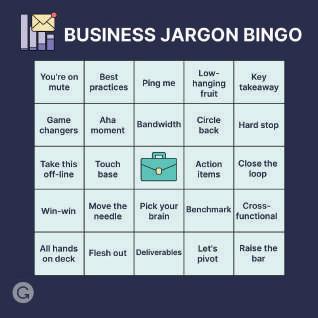
On the flip side, the 70% who claim to understand what’s going down with “meeting speak” described their leaders as visionary and charismatic. Thus, one could perpetuate the dysfunctional leadership that finds itself reduced to these platitudes. The 70% also felt promotion was more attainable and described their work experience in a positive light. Who am I to disagree? Except I will.
For the cynics amongst us, who have filled in supposedly anonymous staff satisfaction surveys; we know that there are more than a few employees who follow Rule One of getting on: Tell the bosses what they want to hear by carefully doctoring your answers. Just saying!
Those of you who have been on long video calls with our friends in the US of A will know the statistics quoted above are probably conservative. As a colleague of mine once said: No noun can’t be “verbed” in the US version of the King’s English. This rather neatly happened as we were about to “deplane”, after “spitballing” a few ideas. Huh? The excellence of the US psyche lies in its marketability, its positivity, and its inventiveness, but unfortunately not its brevity, so beware.
What are the origins of all of this fluff, and what can we do about this abuse of language, time and effort?
Let’s “take a deep dive” and promise not to “boil the ocean” to get to a quality “deliverable”.
Perhaps in the desire to “get on”, placing form over substance becomes critical. How you say it is as important as what you say, and if no one else understands you, then guess what, you must be clever. Appearance becomes a proxy for actual achievement. Climbing the corporate ladder through aping one’s superior is seen as a proven tactic. Most ingenious of all, it seems wasting what could be productive time by spouting overly long, overly complex words to confuse and seemingly impress the rest of the poor attendees is a worthwhile pastime. Except it may not be!
A study in the Journal of Psychology and Individual Differences (there’s a title) found that people keen to use management jargon aren’t, after all, the sharpest tools in the shed, particularly around analytical thinking and problem solving.
Now that makes sense! Why address an issue when you can take it “offline”; meaning, of course, doing nothing. So maybe next time you are subjected to the incoherent ramblings of a corporate climber, know that you’re not alone and you’re more likely than them to go out and produce value, however that’s defined.
So, there it is, we’ve started “to open the kimono” (if you hear this phrase, please conduct a citizen’s arrest) of business speak. But guess what, most of us just carry on working productively, enjoying our daily grind, and tolerating/ignoring our colleagues who feel the need to talk in riddles. For the sake of plain speaking, correct English though, do have a quiet word with the perpetrators. Over to you; run it up the flagpole, no one will salute, I promise.
The UK bookies are taking bets on the 7th Prime Minister in a decade. The formal contest will begin on the 9th of July and a new occupant is expected to move into No 10 Downing Street by the end of the summer parliamentary recess. Most of the country uttered a sigh of relief at the resignation of Keir Starmer. His approval ratings were down to a single digit, but it still took a hard nudge from his Labour Party to convince Sir Keir to fall on his sword. Opposition parties, however, demand immediate general elections, in which case polls indicate Reform’s Nigel Farage is most likely to become the new housemate of the longest running resident behind the black door, Larry the Chief Mouser.

What helped to seal Starmer’s fate was the sickening audit report on the so-called ‘grooming gangs’. It revealed that at least a quarter million minor children were routinely & horribly abused by Muslim-Pakistani rape gangs over at least 10 years, and that the Police, Social Services and Education Departments were fully aware of what was going on for much of that time. During Keir Starmer’s terms as Director of Public Prosecutions and head of Crown Prosecution Services it was consistently declined to prosecute major rings. The argument was that the young victims’ testimonies were ‘unreliable’ and that they were willing participants, but the investigation divulged a epidemic of political correctness in the face of unspeakable abuses. Calls are rising for Starmer to be held personally accountable.
The father of four is also passionate about protecting Colombia’s children against the industrial scale trafficking rings that peddle in sexual, labour, military and on-line exploitation of minors. De la Espriella also holds US and Italian citizenship.
Peace with Iran continues to hang by a thin thread as talks in Switzerland failed to produce a conclusive deal. The problem seems to be around interpretation of issues, each side’s understanding of its future role in the strait, and differences on nuclear monitoring. The parties did agree to a timeline to work toward an agreement that will end the war within 60 days, and to establish communication lines to ensure the safe passage of ships through the Strait of Hormuz. Reports indicate that traffic through the strait is slowly increasing, but until normality returns the energy uncertainty will keep prices high. Hormuz is the most vital energy chokepoint on earth, with one fifth of the world’s daily oil and gas supply passing through it.

The controversial economist and 18-years long former US Federal Reserve Chairman Alan Greenspan has died at age 100 from complication of Parkinsons. A budding jazz musician in his youth, he later enrolled in economics at New York University. Hailed a financial genius in his zealous free-market heydays, he came under increasing criticism for much of the later woes his policies had set off. He was credited for his cool handling of the massive 1987 stock crash, but he’s also blamed for the future boom-and-bust trends that culminated in the 2008 Global Economic Crisis. His famous refrain as Fed Chair that ‘the buck starts here’ probably makes the criticism legitimate. It must also be remembered that under his reign the US GDP only contracted one single time.
Images: Museum of the Prime Minister; US Bureau
Printing
Image: Grammarly
of Engraving and
Colombians took to the streets to celebrate the election of their own brand of Trump. Right-wing lawyer Abelardo de la Espriella – nicknamed “El Tigre” (The Tiger) – came from the outside to narrowly win the run-off ballot. He promised to fix the economy, revive the energy sector and deal with the criminal drug lords.
Alan Greenspan
Prime Minister Keir Starmer
Thailand se grootste eiland is lank reeds 'n gunsteling onder Suid-Afrikaanse reisigers wat tropiese strande, warm gasvryheid en wêreldklas-kos soek. Tog, selfs in 'n bestemming wat bekend is vir luukse oorde, onderskei 'n handjievol eiendomme hulself steeds van die kompetisie.
Een so 'n oord is InterContinental Phuket Resort op Kamala-strand, wat weereens erken is as een van Thailand se voorste strandbestemmings. Die oord het onlangs die vierde plek behaal in die Travel + Leisure Luxury Awards Southeast Asia 2026-ranglys van Thailand se beste strand- en eilandoorde, wat die vierde agtereenvolgende jaar is dat dit onder die land se top presteerders verskyn.
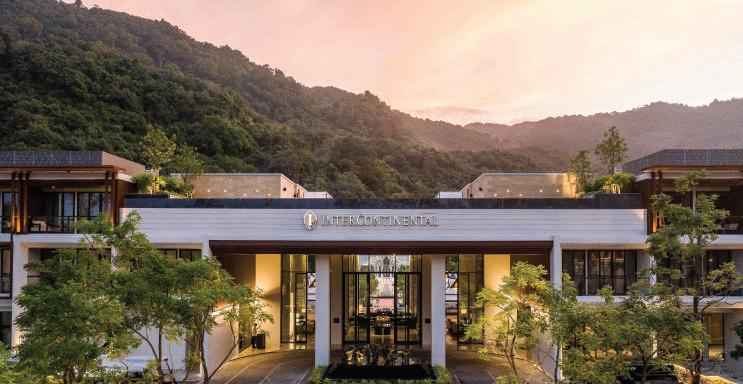
Geleë aan Phuket se stiller weskus, bied die oord 'n treffende mengsel van kontemporêre luuksheid en tradisionele Thaise kultuur. Anders as baie internasionale strandoorde wat amper enige plek in die wêreld geleë kan wees, steun InterContinental Phuket swaar op plaaslike mitologie en ontwerptradisies. Die argitektuur is geïnspireer deur die antieke Thaise epiese ‘Traibhumikatha’, wat die onderling gekoppelde ryke van die see, die mensdom en die hemele verken.
Die resultaat is 'n eiendom wat diep gewortel voel in sy omgewing. Tropiese tuine, fonteine en elegante paviljoene skep 'n atmosfeer wat beide rustig en kenmerkend Thais is.
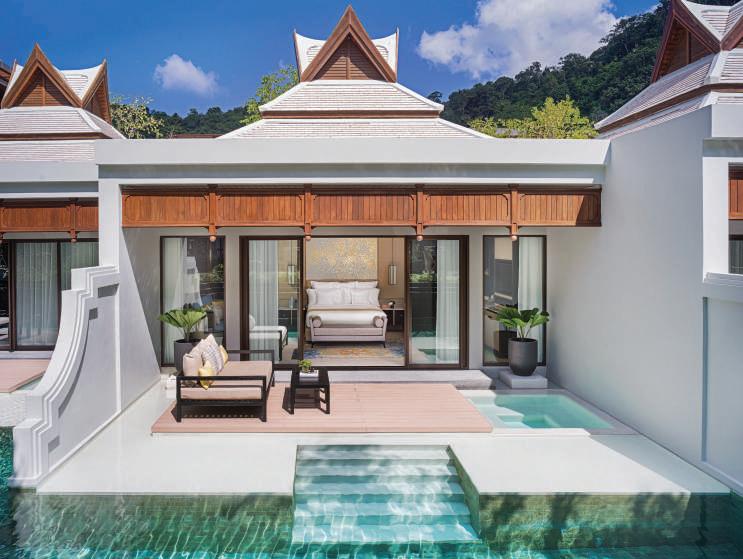
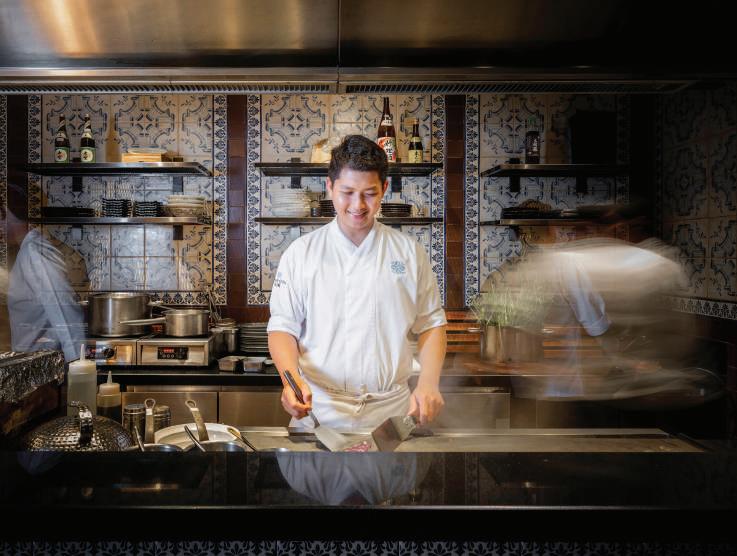
Verblyf wissel van stylvolle gastekamers en ruim suites tot afgesonderde privaat swembadvilla's wat tussen welige plantegroei geleë is. Die oord se 221 kamers is versprei oor beide strandfront- en heuwelomgewings en bied gaste 'n keuse tussen direkte toegang tot die see en verhewe uitsigte oor die Andaman See. Benewens die verblyf, het die oord 'n reputasie ontwikkel as een van Phuket se voorste kulinêre bestemmings. Kos het 'n groot trekpleister geword vir reisigers na Thailand, en InterContinental Phuket het die tendens aangeneem met 'n indrukwekkende versameling restaurante en kroeë.
Onder die hoogtepunte is Jaras, wat deur die Michelin-gids erken word vir sy verfynde interpretasie van Suid-Thaise kookkuns. Die restaurant fokus op plaaslik verkrygde bestanddele en volhoubare kulinêre praktyke terwyl dit die ryk geure en tradisies van Thailand se suidelike provinsies ten toon stel.
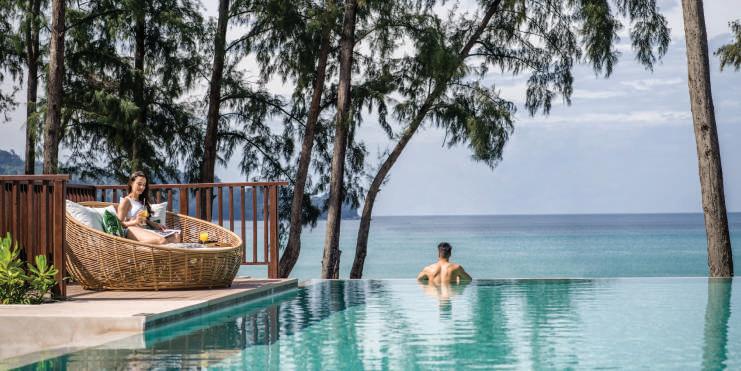
Nog 'n uitblinker is ‘hom’, 'n progressiewe fynproewersrestaurant wat erkenning verwerf het van beide die Michelin-gids en The World's 50 Best Discovery. Hier speel fermentasie 'n sentrale rol in die skep van innoverende geregte wat tradisionele Thaise geure deur moderne tegnieke herinterpreteer.
Vir skemerkelkies, is gaste mal oor Sipping Tiger, 'n intieme kroeg geïnspireer deur die idee van 'n versteekte tierskuilplek. Die kroeg kombineer seldsame spiritualieë, vindingryke botaniese skemerkelkies en 'n sterk verbintenis tot volhoubaarheid deur middel van geen-afval praktyke.
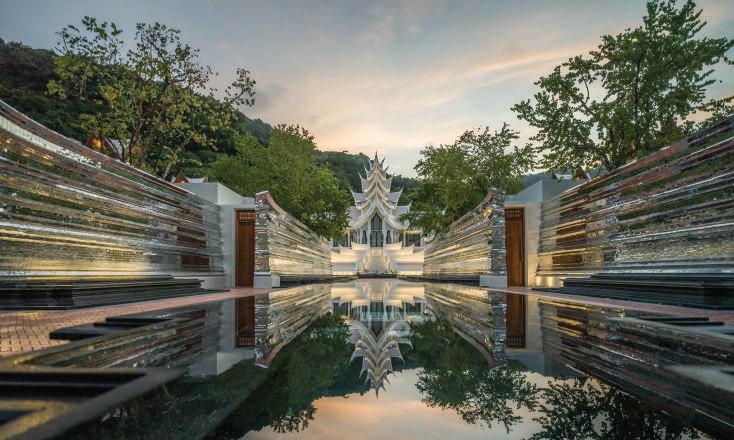
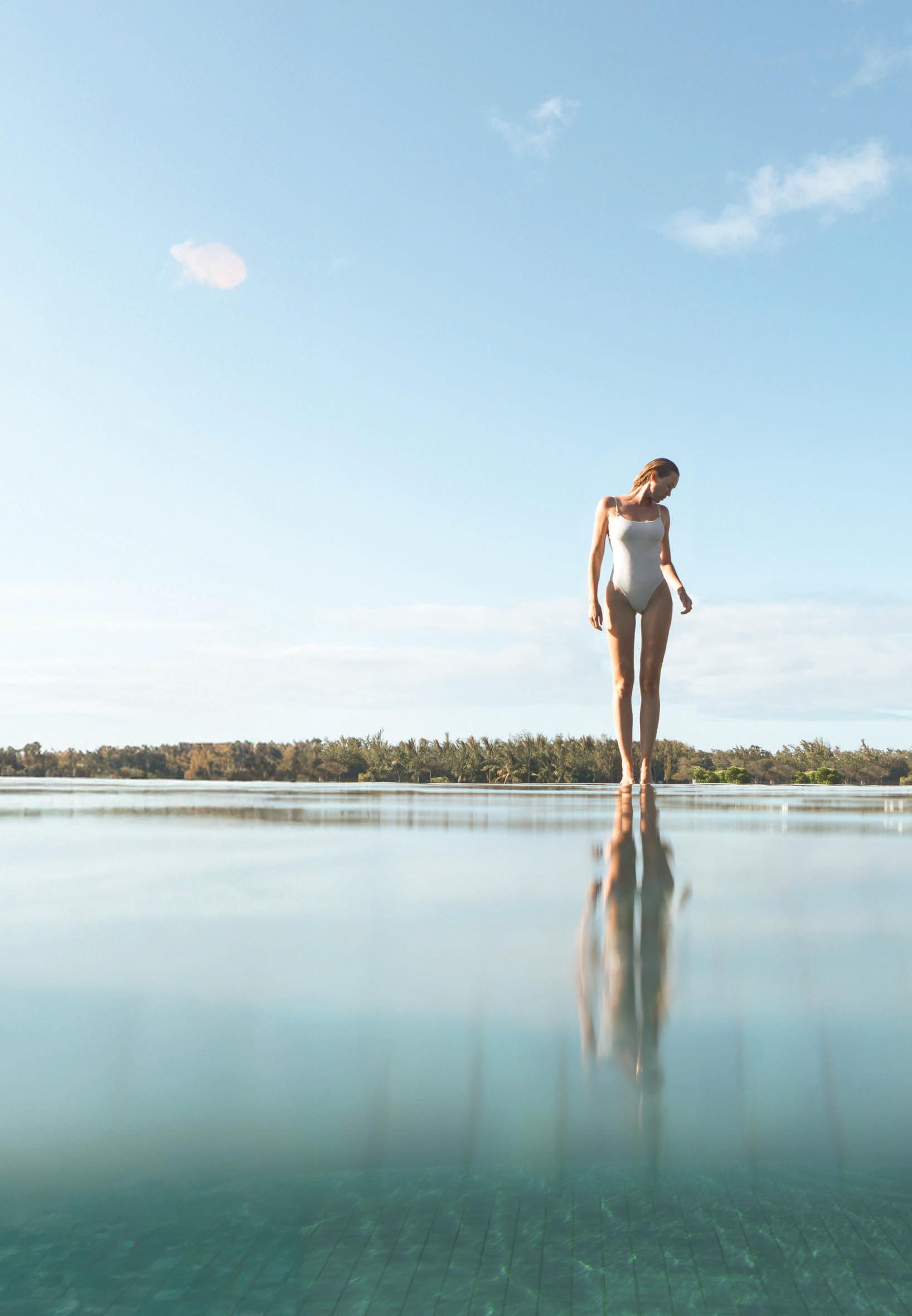
Welstand vorm ook 'n belangrike deel van die oord-ervaring. Geriewe sluit in die Sati Spa & Wellness Centre, vyf swembaddens, 'n fiksheidsentrum, tennisbane en 'n reeks mariene ervarings wat die omliggende Andaman-kuslyn verken.
Die oord rus nie op sy louere nie. Later vanjaar sal dit 'n beduidende uitbreiding onthul, geïnspireer deur die konsep van "Beyond the Heaven", wat die eiendom se mitologiese verhaal na 'n nuwe luukse gebied uitbrei. Die ontwikkeling sal 43 suite-akkommodasie met privaat swembaddens, bykomende eetplekke en 'n uitgestrekte sentrale swembad omring deur aangelegde tuine bekendstel.
Terwyl Phuket steeds reisigers lok wat ervarings soek wat luuksheid met egtheid kombineer, demonstreer eiendomme soos InterContinental Phuket Resort waarom Thailand een van die wêreld se mees aanloklike eilandbestemmings bly.
Vir besoekers wat verder as die bekende poskaartstrande kyk, lê die aantrekkingskrag nie net in die natuurskoon nie, maar ook in die geleentheid om die Thaise kultuur, kookkuns en gasvryheid op hul beste te ervaar.

Teks: Redaksie | Foto’s: InterContinental Phuket Oord Read the English article on our website






















Jy mag dalk glo jy het dit alles al voorheen gesien. Maar nie heeltemal nie. Sien, Toyota Gazoo het stilweg ook sy nuwe agtgang-outomatiese ratkas in die GR Corolla ingesit, wat voorheen slegs met 'n sesgang-ratkas gekom het. Ons sê ook, want die GR Yaris het 'n rukkie terug by dieselfde multifunksionele voordeel getrek . Maar ons het dit nog nie getoets nie. Nog nie.
Waarom, mag jy vra, 'n handratkas in so 'n grommende, harde en vinnige straatslee vervang? Dis sekerlik teen die stroom? GR vertel ons dat die outomatiese ratkas ontwikkel is verkoeling en daaglikse bestuurbaarheid te verbeter en om die aantrekkingskrag te verbreed terwyl daardie skerp driepot-turbo en GR- vierwielaandrywing-dinamika behoue bly.
Hulle wys verder daarop dat die outomatiese ratkas ontwerp is om in volgehoue harde bestuur te floreer. Daarom kry dit 'n lugverkoelde ATF-transmissievloeistofkoeler en 'n bykomende verkoeler agter die voorste ventilasieopeninge. Voeg 'n koellugkanaal by, verwyder die misligte vir minder sleur en turbulensie, en ons kry verbeterde termiese doeltreffendheid.
Nie veel anders het verander nie
Behalwe vir nuwe privaatheidsglas agtervensters, is die res so te sê soos dit in die motor met die koppelaar was. Dus dieselfde 1.6-liter turbo van die GR Yaris wat 221 kW lewer en nou 'n selfs meer robuuste 400 Nm. Die Toyota-drieling het 'n dunwand silinderkop met eksentrieke geperste inlaatklepsitplekke en 'n ekstra uitlaatnoklaers.
Spesifieke inspuiter spuite, inlaatpoort en verbrandingskamervorms bevorder tuimel en vloei vir geoptimaliseerde verbranding. En sferiese suiers en verbrandingskamers verminder klop. Ongelooflike goed. Dit koppel nou via die nuwe 8AT-kas aan GR Corolla se gesofistikeerde vierwielaandrywingstelsel wat aanpas by wat jy wil doen.
Spoormodus bring 'n 50:50-verdeling voor en agter. Sport verhoog dit na 'n 30:70-agterse vooroordeel. GR Corolla het ook Eco-, Normal- en Sport-enjinmodusse, terwyl VSC Off voertuigstabiliteit en vastrapbeheerparameters herstel. Toyota Safety Sense-bestuurdershulp sluit alles in wat jy nodig het, indien nodig. En daar is ook sewe SRS-lugsakke.
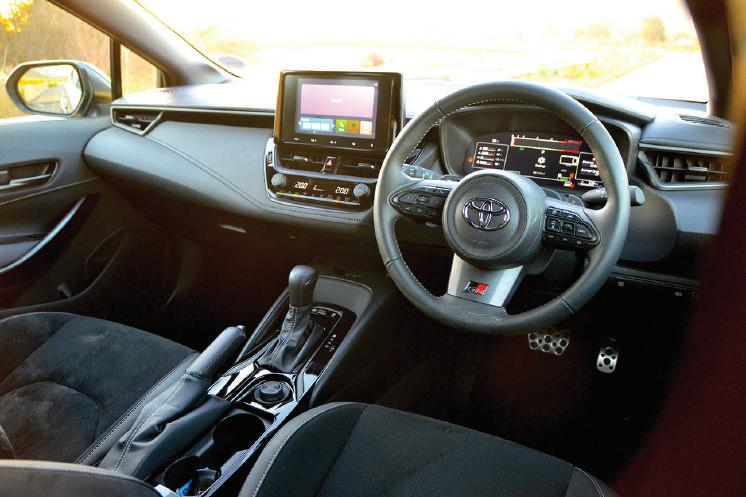
GR Corolla is ligter. Maar is die outomatiese ene vinniger?
Die GR-behandeling voeg 349 puntsweislasse en 'n ekstra 2.75 meter strukturele kleefmiddel by Corolla se reeds ligte, stewige en gesofistikeerde TNGA-C-argitektuur. Die bakwerk is ook dertien kilogram ligter. MacPherson-stutte voor en gewysigde agtervering met dubbele wensbene het torsiestawe met verminderde styfheid.
Voeg prestasiedempers en -spoele, spasieerders en knokkels, verhoogde wielvorming, en geoptimaliseerde aggressiewe ‘track and stage’-geometrie by. Die vinniger, spoedwaarnemende ECU-geïntegreerde borsellose-motor elektriese kragstuur het 'n versterkte rat om laespoed-inspanning te verlig, maar hoëspoed-gevoel te verhoog.
Die remvermoë word verkry deur 356 mm geventileerde gesplete skywe in rooi vierpot-GR monoblok aluminium remkloue voor en tweepot-remkloue en 297 mm geventileerde skywe agter. Dit lyk alles ook redelik dieselfde. Totdat jy die misligte mis. Maar die DRL-LED's, gespierde afwerking, driedubbele uitlaatpype en 18-duim 15-speek ENKEI gegote-aluminiumwiele in Yokohama Advans is alles soos jy sou verwag.
'n Bestuurder-gefokusde GR Corolla-kajuit
Die bestuurder-gefokusde GR-suede en leer-tweekleur-kajuit kry ook die GR Yaris se stewige driespeek-leerstuurwiel voor die baan-gefokusde 12.3-duim instrumentepaneel, allooipedale en voorste kuipstoele. Voeg 7-duim CarPlay Auto multimedia-aanraakskerm-inligting- en vermaaklikheidstelsel met 'n laaibak, USB-C en 12V-poorte by. Dis nie Toyota se beste nie. Maar dit werk.
Die rathefboom is weg. Die nuwe GR D-AT-ratkas het temperatuurwaarskuwing en 'n slim parkeerondersteuningsrem wat die motor selfs na 'n impak rem. Dit is gebou met renbaandae in gedagte en bring vinnige, presiese ratwisselings. Voeg bestuurderinset-voorspelling, stuurspane vir opeenvolgende ratwisseling en rathefboom-slot by sodat jy op stuur en versneller kan fokus.
Op die pad is daar 'n bietjie vertraging wanneer jy druk, maar dit spoel vinnig op en skarrel na die 7000 rpm rooi lyn. So daar is meer as genoeg kreun, selfs in 6de rat. Maar lanseer dit en die klein driedubbele vuurpyle vlieg weg. Druk hard en die GR Corolla 8AT is steeds 'n juweel. Dis rats, en die remme vervaag nie. Vir diegene wat net 'n outomatiese een wil hê Fyn vering en ewenaarverstellings maak GR Corolla pragtig gebalanseerd, so onderstuur lig net sy kop naby die perk en dis ook maklik om die motor met die agterkant te draai. Daar is nadele. Dis te raserig vir baie landgoedere. En sterkte om daardie 9.5 liter per 100 km te haal. Dit, en brandstofreikwydte is swakker as die handratkas, wat reeds hiermee gesukkel het.
Brandstofverbruik is nie die enigste prestasiefaktor wat afneem nie. As in ag geneem word dat die handrat 0-100 km/h in 5.1 sekondes, 0-160 km/h in elf sekondes gedoen het en die 400 meter in 13.2 sekondes teen 169 km/h gehardloop het teenoor die syfers hieronder. Die enigste plek waar hierdie een so effens vinniger is, is teenoor die handrat se 5 sekondes 120-160 km/h trekkrag.
Al hierdie dinge sal die handrat-puris bestuurder kompromiteer. Die goeie nuus vir hulle is dat die res van die outomatiese weergawe se verbeterings nou ook op die handratkas van toepassing is. So jy kan jou koek hê. En dit eet. Dan is daar natuurlik diegene wat eenvoudig 'n outomatiese ratkas wil hê. Vir hulle sal die 25 duisend Rand premie wat hierdie 8AT vereis en die kompromieë wat dit meebring, beslis die moeite werd wees. Harde rit, slegte uitlaat en al.
Toetsdata: Giordano Lupini *Vang al Michele & Giordano Lupini se motoravonture op https://theauto.page
PADGETOETS: Toyota GR Corolla GR-Vierkring 8AT
GETOETS: 0-60 km/h: 0-100 km/h: 0-120 km/h: 0-160 km/h: 400m: 80-120 km/h: 120-160 km/h:
BEWEER: Maks : Brandstof: CO2: Reikwydte: Waarborg/Diens:
LYSPRYS:
2.69 sek 5.73 sek 7.50 sek 12.42 sek
13.7 sek @ 167 km/h 3.43 sek 4.93 sek
230 km/h 9.5 l/100 km
215 g/km
525 km
3 jaar 100 000 km/9 diens 90 000 km
R1.2M



Michele
| Foto’s:
Read the English article on our website
Teks:
Lupini
Giordano Lupini
Discover Franschhoek’s Pristine Mountainland
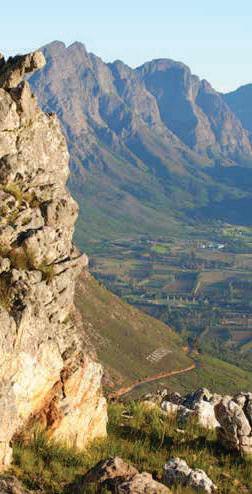
Situated high above the Franschhoek Valley the Mont
Rochelle Nature Reserve (established 1983) is part of a UNESCO Natural World Heritage Site - the Cape Floral Region Protected Areas (2004) and linked to the UNESCO-designated Cape Winelands Biosphere Reserve.
Ever since 1823 mountain springs in the reser ve have
provided Franschhoek with high quality drinking water The reserve is known for its spectacular views of the valley diverse plant and small animal life and well-maintained network of hiking trails. It is also a popular jumping-off point for paragliders and is becoming a favoured destination for trail runners.
The Franschhoek mountainland consists of Table Mountain sandstone that was raised as a mountain range more than 265 million years ago The present mountain and valley landscape is the result of erosion over the past 140 million years.
Three large peaks dominate the reserve: Perdekop (1575 m), DuToitskop (1418m) and Middagkrans (1029 m). In summer south-easterly winds can form impressive 'cloudfalls over Middagkrans. Both summer and winter weather conditions in the reserve can be challenging to the uninitiated - the former being hot and dry and the later wet and cold with occasional snow on the higher ground.
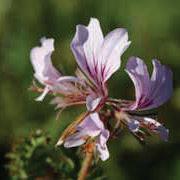
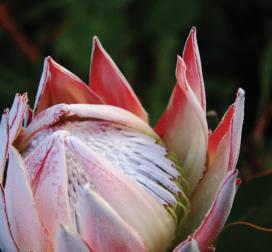
The reserve's flora consists of montane fynbos established on leached acidic sandy soils. Fynbos (the world's smallest and most diverse plant kingdom) is primarily characterised by four ty
resembling grass) and geophytes (bulbs)..
Hiking permits and maps available at:
Tourist Information Centre, Reserve Entrance or www webtickets.co.za (permits only)
Day Hiking Permit: R70 p. p. | Year Permit: R350 p. p
Hiking Trail Map: R30
Keep the permit with you. | Hike at own risk
Do not hike alone. | Always put safety first www.montrochellehiking.co.za