PEOPLE & PL ACES

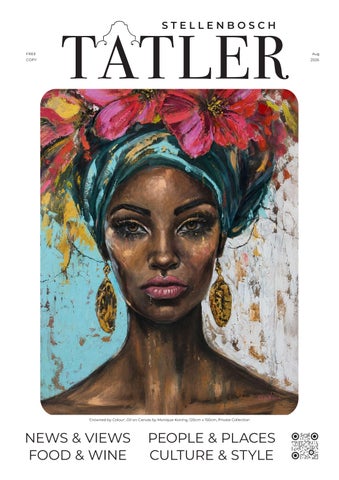
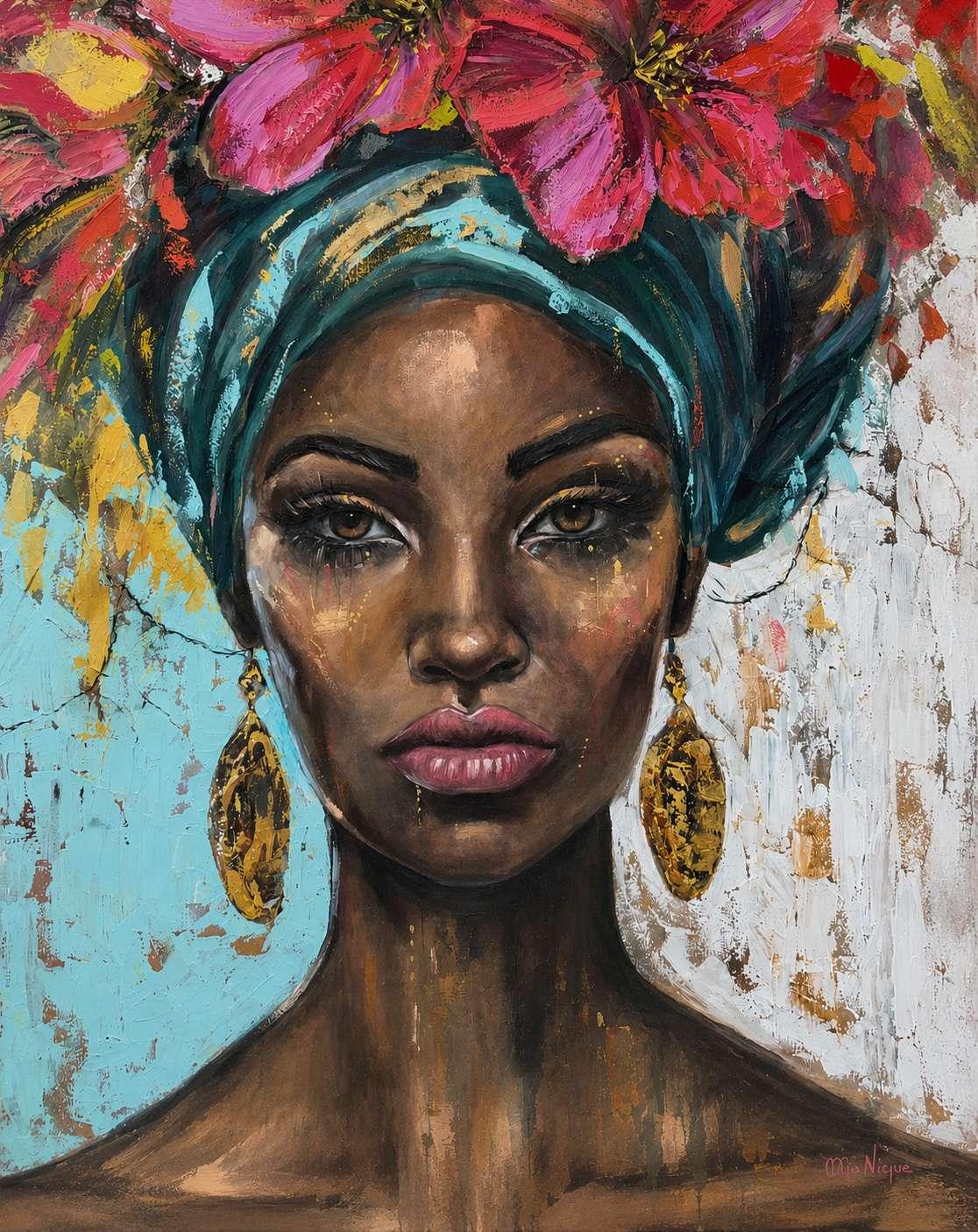
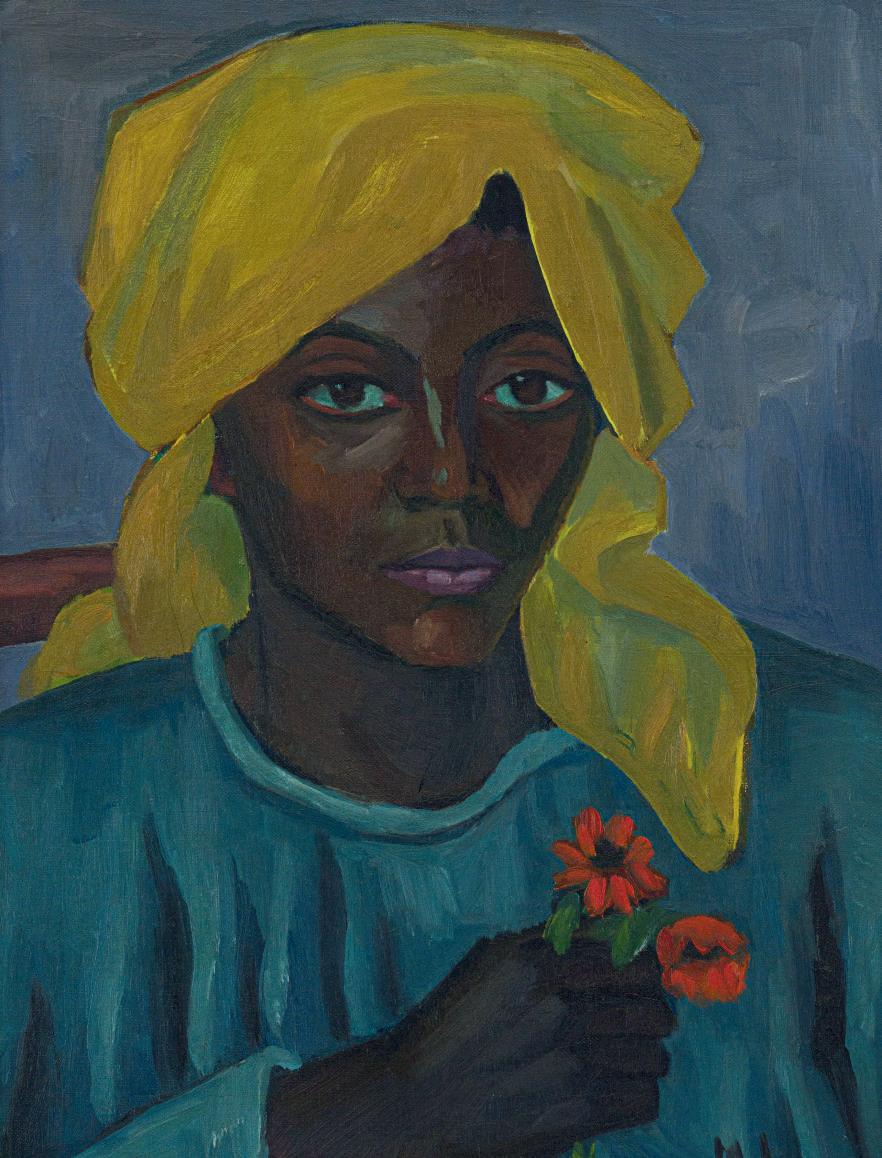
'Crowned by Colour', Oil on Canvas by Monique Koning, 120cm x 150cm, Private Collection
The All Seeing Eye Keeping Watch In Stellenbosch
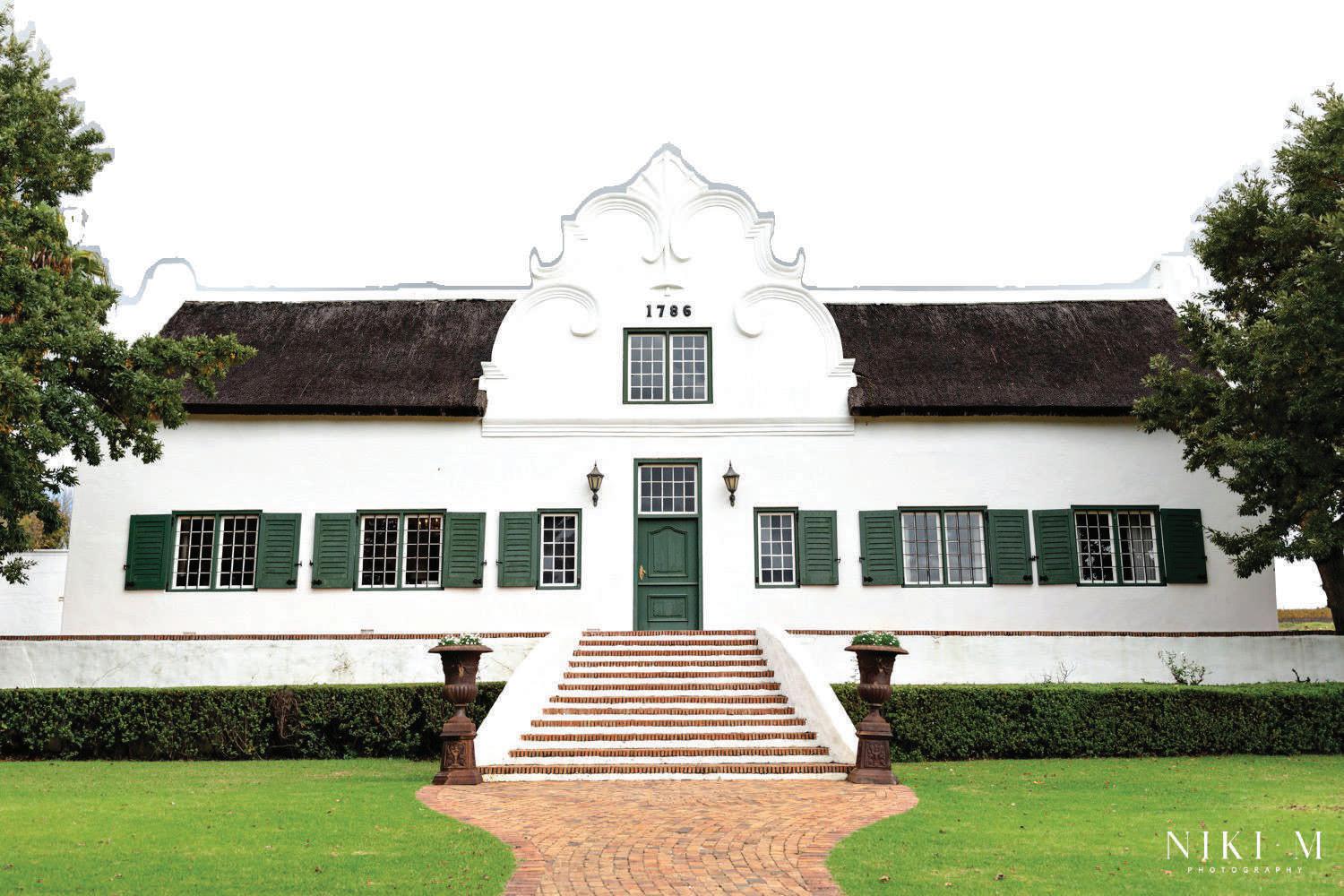
It’s been following individuals and events in the famed City of Oaks for almost as long as the USA is old. We’ll all pass under its gaze at some point and, chances are, most won’t notice its stoic presence. As you walk down Dorp Street, or upward from the bottom, you will at some point come into the view of the All Seeing Eye, settled above an ages old gable window.
By the time you reach the vicinity of the BP fuel station, the sensitives will notice that the air feels different. Close by, you’ll see a historic Cape Dutch building in the idyllic Cape Baroque style of its era: La Gratitude. Lift your head toward the thatch roof and the impressive gable. There, situated slightly just under the gable peak, your eyes will meet. Only really interesting and eccentric people could possibly be the creators of such an exceptional piece of architecture. And they were!
The first owner and original builder of la Gratitude was the local minister from 1785 to 1830, Dominee Meent Borcherds. He was a highly educated man from Dutch Friesland, steeped in the strict theological dogmas of the day. Driven to impress it upon Stellenbosch, he soon improved and enlarged the church building. Borcherds was also determined that the House of the Lord shall not go without a decent organ. When the elders protested a lack of funds, he simply ordered one from Cape Town, had it delivered and presented the hefty invoice to the stunned church leaders. A musical genius of sorts too, he went on to compose nine minuettes. And he was an avid poet, many a prose were scribbled by the same pen from which his sermons flowed.

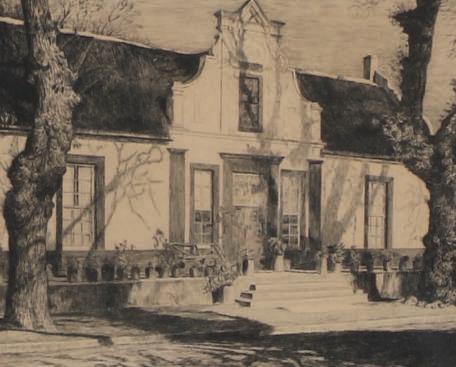
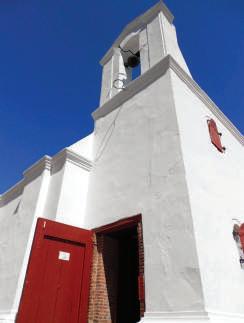
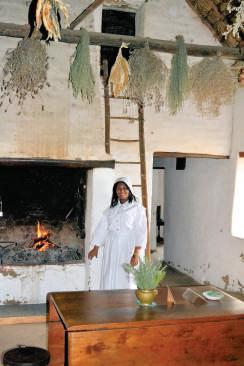
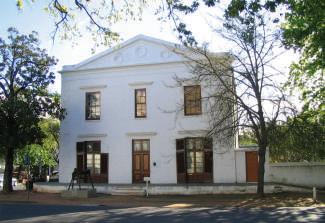
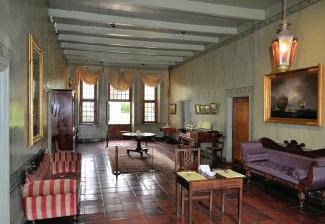
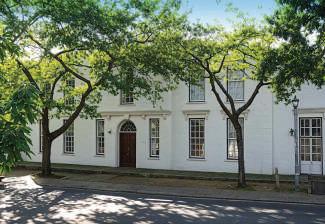
At some point, the enigmatic preacher managed to convince the church to give him a salary increase, because he insisted that he needed a smallholding on which to provide for his growing family. He aquired a large erf toward the lower part of Dorp Street that stretched to the Eerste River, and in 1798 he erected a sizable home which came to be known as La Gratitude.
Such an exceptional man could not have his remains go into the ground, of course, and under his tenure a number of mausoleums were built around the church yard. One of the most noticable to this day is his own final resting place. It’s prominently visible from the street, the second on the left at the back, with a large greystone in front inscribed with his name and dates.
Back to La Gratitude... If you stand at the front door, the first windows on either side were part of the Borcherds family’s original home. The extensions to the sides were erected by an equally intriguing character: the American William Charles Winshaw.
Winshaw ran away from his family home in Kentucky at the young age of 12. The boy managed to find a job on a Mississippi steam boat, and by 1900 he found his way on a ship to the Cape with 4000 mules for the British army in the Anglo-Boer War. He fell in love with Stellenbosch and decided to stay, eventually acquiring La Gratitude as his home. Winshaw enlarged the property, and later also became co-owner of Oude Libertas. Like Borchards, he left an indelible imprint on the town. Realizing the potential of the local wines, he founded the Stellenbosch Farmers’ Winery in the 1920s. The company would join Distillers Corporation in 2000 to form Distell, and Heineken took over in 2023.
And that is how the All Seeing Eye watched over two amazing and influential characters going in and out of La Gratitude to permanently shape Stellenbosch: a multi-talented holy man from the Netherlands with sensibilites for the arts and the divine, and a swashbuckling American businessman with a love of money and good wine. One wonders what the Eye makes of the building’s current inhabitants.


Text: Editorial Desk | Images: Wikimedia Lees die Afrikaanse weergawe van die berig op ons webwerf
US in Kaapse Wynland Lughawe Vennootskap
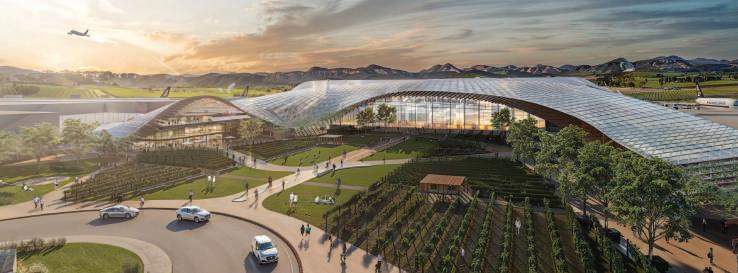
Kaapse Wynland-lughawe en die Universiteit Stellenbosch (US) het 'n vennootskapsooreenkoms aangegaan wat daarop gemik is om innovasie te bevorder deur gedeelde "Slim" en "Groen" ontwikkelingsinisiatiewe. Die vennootskap weerspieël 'n gesamentlike verbintenis tot die bevordering van volhoubare groei deur akademiese navorsing, bedryfskundigheid en infrastruktuurontwikkeling saam te bring. Samewerkingsgebiede sluit in landbou en voedselverwerking, ruimtelike beplanning, vervoer en logistiek, lugvaartnavorsing, en die integrasie van lughawebedrywighede met stedelike ontwikkeling.
Die ooreenkoms sluit nou aan by die beplande R8 miljard uitbreiding van die Kaapse Wynlande-lughawe, 'n projek wat na verwagting die fasiliteit in 'n belangrike ekonomiese spilpunt vir die Wes-Kaap sal omskep. Die langtermynontwikkeling bied 'n platform vir praktiese leer, toegepaste navorsing en innovasie oor verskeie dissiplines. Ingenieursamewerking sal na verwagting 'n besonder belangrike rol speel, met geleenthede in infrastruktuurontwerp, operasionele doeltreffendheid en toekomsgerigte lugvaarttegnologieë.
Die Rektor en Visekanselier van die Universiteit Stellenbosch, prof. Deresh Ramjugernath, het gesê die inisiatief weerspieël die tipe vennootskapsgedrewe ontwikkeling wat nodig is om infrastruktuur, innovasie en vaardighede te kombineer om 'n blywende ekonomiese impak te skep. Hy het gesê die lughaweprojek het die potensiaal om streeksgroei te ontsluit, opkomende nywerhede te ondersteun en die Kaapse Wynlande as 'n sentrum vir innovasie te versterk.
Die besturende direkteur van die Kaapse Wynland-lughawe, Deon Cloete, het die ooreenkoms as 'n belangrike mylpaal beskryf en gesê dat die lughawe-uitbreiding 'n seldsame geleentheid bied om akademia en nywerheid te verbind op maniere wat betekenisvolle opvoedkundige en ekonomiese voordele skep. Deur nou saam te werk met die Universiteit Stellenbosch, hoop die lughawe om praktiese, toekomsgerigte oplossings te ontwikkel wat studente, die lugvaartsektor en die breër streeksekonomie bevoordeel.
Aanvanklike projekte sal fokus op die bou van studentekapasiteit deur toegepaste navorsing wat direk gekoppel is aan die lughawe se ontwikkeling en bedrywighede. Dit sluit geleenthede in vir meestersgraadstudente in die US se Ingenieursbestuursprogram om navorsing te doen in gebiede van strategiese belang vir die lughawe. Die vennote sal ook die vestiging van fasiliteite ondersoek wat toetsing, prototipering, innovasie en toekomstige produksieaktiwiteite in lugvaart, logistiek, infrastruktuur en slimtegnologieë ondersteun.
Die vennootskap het ook ten doel om Suid-Afrika se toekomstige lugvaartvaardigheidspyplyn te versterk. Gebiede wat oorweeg word, sluit in vlieënieropleiding, lughawebedrywighede , ingenieursdissiplines en vervoeren logistieke vermoëns. Die doel is om 'n langtermynvaardigheidsekosisteem te skep wat ekonomiese groei ondersteun terwyl hoogsgeskoolde professionele persone vir die lugvaartsektor ontwikkel word.
Prof Sibusiso Moyo, US Adjunk-visekanselier vir Navorsing, Innovasie en Internasionalisering, het gesê die samewerking sal interdissiplinêre betrokkenheid oor ingenieurswese, landbou en ander velde aanmoedig, terwyl vennootskappe tussen akademie en die industrie versterk word. Hy het gesê die inisiatief sal kennisuitruiling en innoverende oplossings bevorder met voordele wat verder as die streek strek.
Benewens sy rol in die lugvaartbedryf, word verwag dat die lughawe-uitbreiding 'n belangrike dryfveer vir ekonomiese ontwikkeling en werkskepping sal word. Huidige projeksies dui daarop dat die projek ongeveer 35 000 direkte en indirekte werksgeleenthede tydens konstruksie en uitbreiding kan ondersteun, met meer as 100 000 direkte en indirekte werksgeleenthede wat gedurende die eerste 20 jaar van bedryf behoue sal bly. Cloete het gesê die ontwikkeling sal 'n uitsonderlike omgewing bied waar navorsers, studente, bedryfspesialiste en die regering kan saamwerk aan uitdagings wat verband hou met lugvaart, ingenieurswese, volhoubaarheid, logistiek, vervoerstelsels en streeksontwikkeling.

Teks: Redaksie | Foto: Boogertman & Vennote
Read the English article on our website







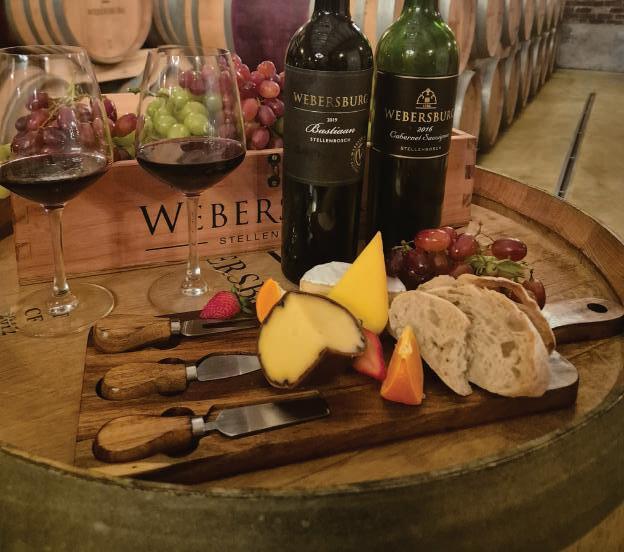
Webersburg Reimagined
“Some destinations are worth visiting. Others are worth returning to. Webersburg has become both.”
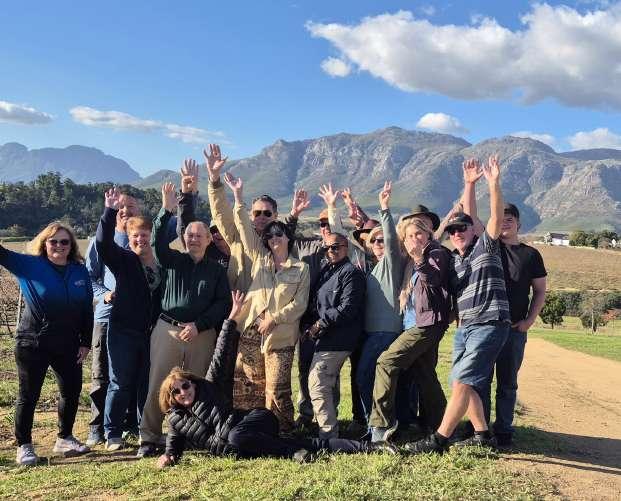
From award-winning safari hospitality in Mpumalanga to one of Stellenbosch’s most historic wine estates, Webersburg has been transformed into a destination where heritage, luxury and unforgettable experiences meet.
Few places in the Stellenbosch Winelands possess the timeless elegance of Webersburg Wine Estate. Established in 1693 and framed by the majestic Helderberg Mountains, the estate has long been admired for its Cape Dutch heritage, celebrated wines and picturesque wedding venues. Today, however, Webersburg is experiencing something far more exciting than a restoration—it is undergoing a complete reinvention.
The driving force behind this remarkable metamorphosis is a family of hospitality entrepreneurs whose reputation was forged in South Africa's Lowveld. As owners of five of Mpumalanga's most acclaimed safari lodges, they built their name on one simple philosophy: every visitor should leave with memories that last a lifetime.
That philosophy has now found a new home in Stellenbosch.
Rather than merely preserving Webersburg's rich heritage, the new custodians have infused the estate with fresh energy, meticulous attention to detail and an unwavering commitment to exceptional guest experiences. Every corner of the property reflects thoughtful refinement—not to change its character, but to reveal its full potential.
While Webersburg continues to rank among the Cape's most desirable wedding and function destinations, the estate has evolved into so much more. The restaurant has become a destination in its own right, inviting guests to linger over beautifully prepared cuisine while enjoying panoramic vineyard views.
The wine-tasting experience has been elevated to showcase the estate's boutique wines in a relaxed, welcoming atmosphere, while luxurious accommodation encourages visitors to slow down and savour the tranquillity of the Winelands.
Nature lovers, too, have new reasons to explore. Walking trails through the vineyards now invite guests to discover the estate at an unhurried pace, with every turn revealing spectacular mountain vistas and peaceful landscapes. Soon, an elegant spa will complete the offering, transforming Webersburg into a destination where wellness, fine wine, exceptional cuisine and luxury accommodation blend seamlessly into one unforgettable escape.
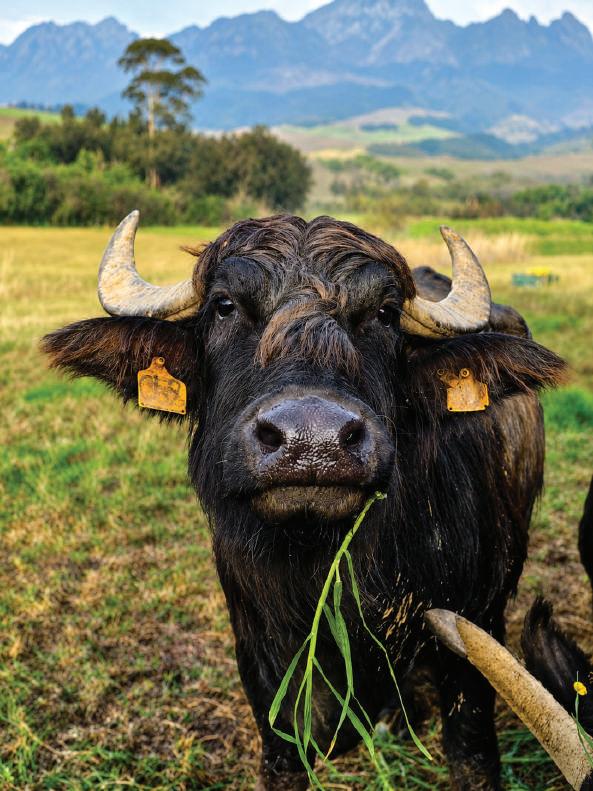
Perhaps the estate's most unexpected addition is also its most captivating. Buffalo and majestic red hartebeest now roam parts of the property, introducing a touch of safari magic to the Stellenbosch Winelands. It is a delightful surprise—one that brings together the owners' celebrated safari heritage with the refined beauty of the Cape, creating an experience unlike any other in the region.
Webersburg is no longer simply a beautiful wine estate. It has become a destination where history meets innovation, where every detail matters, and where visitors are encouraged to linger a little longer.
Whether you are planning a leisurely lunch, a memorable wine tasting, a romantic weekend away or simply searching for somewhere extraordinary to spend an afternoon, Webersburg deserves a place at the very top of your Stellenbosch itinerary.
Some destinations are worth visiting. Others are worth returning to. Webersburg has become both.
Text: Editorial Desk | Images: Webersburg
Get in Touch
THE ELECTRIC ALFA ROMEO. SACRILEGE ?
Dyed in the wool Alfisti struggle to comprehend Elettrica
I’d like to believe that I’m an Alfista. Before I was even a thing, my grandfather had one of the first Alfas in South Africa, a 1948 6C 2500 Cabriolet. He also entered all the Alfa Giuliettas and Sprint Veloces in the ’58 9 Hour, in essence the genesis of South African saloon car racing. My old man raced Alfa Romeos and I came back from the nursing home in dad’s Giulietta ti. And my first car was a Giulia ti… etcetera.
To me, an Alfa Romeo is always a very special car. History demands that. From the glorious days of the 1750s and 2300C Monzas winning the Millia Miglia and the rest in the 1920s and ‘30s, to the glorious 158 that Farina won the first ever Formula 1 Grand Prix, and World Championship with. Then after the war, Alfa Romeo led the world with the incredible little Giulietta and Giulia. Cars feared and revered even by V8 owners.
All along, all those and many more recent, great Alfa Romeos have had one thing in common. The led the world in developing the internal combustion engine and auto engineering in general. So when Stellantis lost its marbles and decided to take Alfa all-electric four or five years ago, I was not alone in being alarmed. Disgusted. Sure, build an EV. But for the Cross and Biscione to be limited to glorified milk floats? No, that was just not acceptable. We must still test the Elettrica
Thank goodness that’s all changed. Former Stellantis CEO and electric architect Tavares has been exiled to some faraway planet and even the glorious Quadrifoglio biturbo V6 has now earned a stay of execution. Which means this car is the genesis of an ungodly but happily failed conspiracy to blemish this glorious brand forever. But here it is and test it we must.
First, however, a little extra info for you to digest on Junior. Initially launched as the Alfa Romeo Milano, it’s based on Stellantis’ Common Modular Platform shared with the Fiat 600 and Jeep Avenger. That the Milano was built in Poland did not go down too well. The Milanese basically rioted until the poor car was re-christened Junior. Not a very good start!
Available only as the Elettrica in a more basic 115 kW model and this full cream 207 kW Veloce get-up in South Africa, there’s also a third-less expensive 105 kW Ibrida mild hybrid overseas. Which 1.2 turbo petrol component is allegedly not compatible with our local fuel. Most interestingly, in markets where both are available, the hybrid outsells the electric car by ten to one. In Italy and Germany its beyond twenty to one. Hold that thought for a minute…
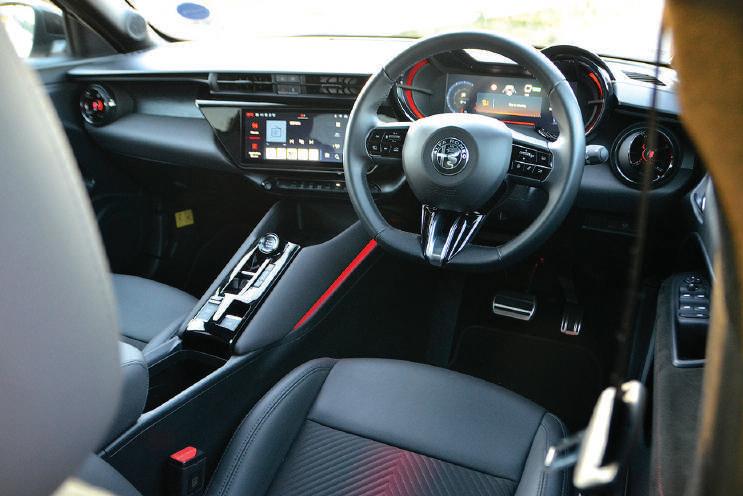
Launched in South Africa late last year at a rand less than a million, the remarkably short release tucks more into Junior’s Italian Alfa Romeo’s style than it does the brand’s sorry evolution toward electrification. Now we cannot argue about that style. It certainly looks the part, even in this farm bakkie white hue. Those cartoon wheels and big red front callipers add to the effect. But the spindly rear discs look lost in those holes. The driver-focused cockpit is super cool too. Although perhaps a bit too plasticky versus its million rand tag. And it’s quite busy too. Versus the simplicity of say the Giulia.
Then the release tries to tell us that this car embodies a century of Alfa Romeo engineering excellence. Really? Pull the other one, guys! This Elettrica Veloce Junior has a 207 kW 345 Nm single electric motor driving the front axle via a Torsen mechanical limited-slip differential for best traction, while its sports suspension is lowered 25 mm.
Sounds like a paying card in bicycle spokes
On the road, Veloce tries its best to pretend it’s a petrol. It makes a muted noise that’s neither a four nor a V6. Sounds more like when we were kids and used to peg a playing card or three to our bicycle forks to make a racket in the spokes. So we could pretended that it had an engine. Like that old Chopper, this Junior does not have the real thing.
That said, we did beat Alfa’s pretty quick acceleration claim by two tenths. Interestingly Veloce delivered the identical zero to 100 that the GR Corolla 8AT did in the same week. But to achieve that performance just slaughters one of this car’s already glaring electric motoring weak points.
While any EV is a challenge, Junior Elettrica Veloce’s inexcusably short driving range compounds the issue even further. They claim you can drive it just over 400 km, while. The WTLP says around 340 km, which is already way too short. But if you want to listen to that piped card on spokes noise, you’ll likely not make 250 kays. That’s useless. Especially considering the Ibrida will probably go beyond 800 km on a tank.
The Italians and Germans seem to agree
Packing a 54 kWh lithium-ion battery, the 400-volt 18.6 kWh/100 km system supports up to 100 kW DC charging to reach 80% capacity in under half an hour. But try find a vacant public charger that will do anything near 100 kW in South Africa. 11 kW AC on-board charging takes under six hours, so easy at home overnight. Just don’t travel too far, or too fast without studying the EV charger map in great detail first.
Getting back to that thought I asked you to hold, it seems that the Italians and Germans appear to agree for once. That only one in twenty of them want to buy this car versus its combustion assisted sister in countries fully geared towards electric motoring, tells a story on its own. Like the World Rally Championship so successfully binned electrification, and Formula 1 now seems certain to kick its batteries firmly into touch, is there any reason for an Electric Alfa Romeo?
We think certainly not. If anything, this albeit beautiful Junior Elettrica Veloce will probably stand as testament that no matter how clever your marketing team is, you simply cannot force anything on a market that does not care for it. Like believing the world wants an electric Alfa Romeo. Would that make this car more valuable in the long run? Nope, we seriously doubt that too.
ROAD
Images & test data: Giordano Lupini
*Catch all Michele & Giordano Lupini’s motoring adventures on https://theauto.page
Direct FWD 207 kW 345 Nm
Motor: Drive: Battery: 500V 54 kWh lithium-ion
TESTED: 0-60 km/h: 0-100 km/h: 0-120 km/h: 0-160 km/h: 400m: 80-120 km/h: 120-160 km/h:
CLAIMED: VMax: Energy: CO2:
3.03 sec 5.73 sec 7.61 sec 12.92sec 13.9 sec @ 166 km/h 3.37 sec 5.31 sec
200 km/h 18.6 kWh/100 km 0g/km tailpipe


Text: Michele Lupini | Images: Giordano Lupini Lees die Afrikaanse weergawe van die berig op ons webwerf
A driver centred Elettrica cockpit
TESTED: Alfa Romeo Junior Elettrica Veloce
Vergenoegd Löw Opens Its Historic Homestead
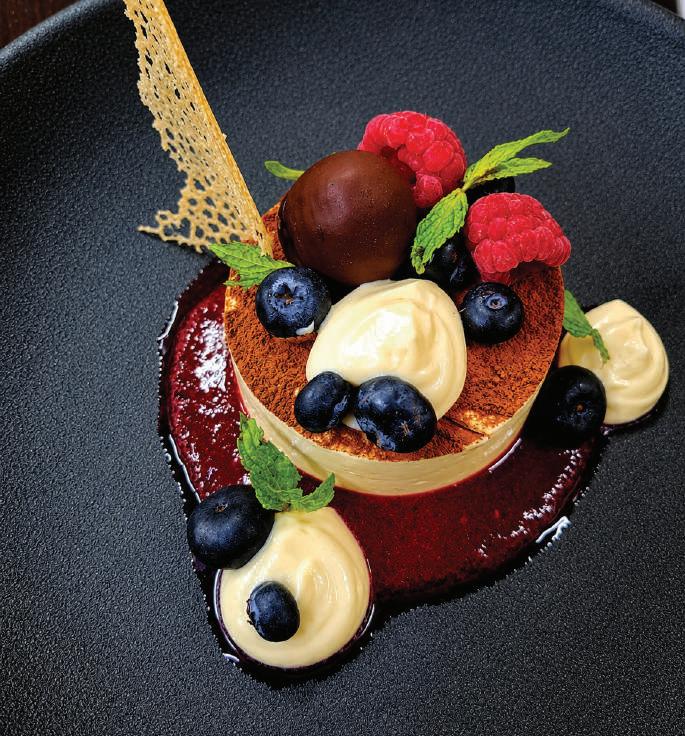
Following a meticulous and sensitively executed renovation, the historic 1773 Homestead at Vergenoegd Löw Wine Estate has emerged as one of the Cape Winelands' most elegant destinations for guests seeking tranquillity, heritage and exceptional hospitality.
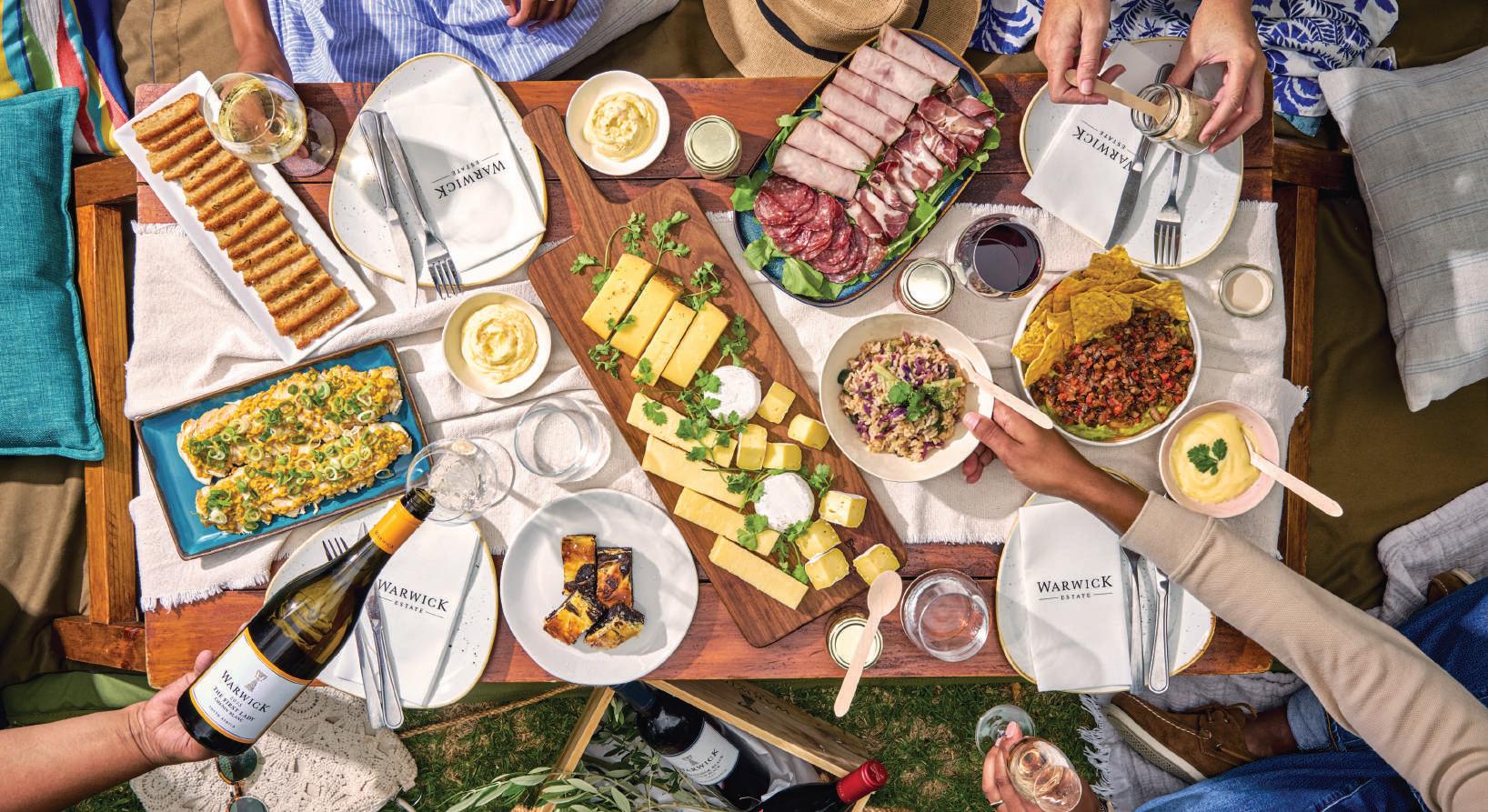
Previously reserved almost exclusively for hotel guests, the beautifully restored Cape Dutch homestead now welcomes a limited number of pre-booked day visitors. At its heart are two signature culinary experiences – the Farm Tea Experience and the Merroir Experience – each celebrating craftsmanship, flavour and a deep sense of place.
Original architectural features blend seamlessly with natural textures, bespoke finishes and a restrained contemporary palette, creating an atmosphere where time slows and every visit invites reflection and indulgence.
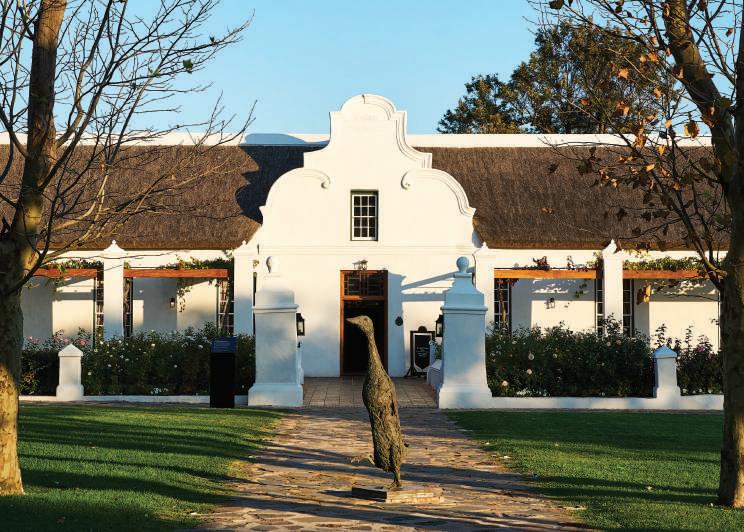
The Farm Tea Experience explores the Cape's rich culinary heritage through indigenous ingredients and traditions shaped by Cape Malay, Khoisan, Dutch, German and British influences. Beautifully presented courses celebrate local produce and the stories behind it, offering a refined interpretation of afternoon tea.
A Winter Morning at Babylonstoren
Brunch at the Greenhouse Restaurant
Searching for the perfect Winelands outing on a winter weekend? Babylonstoren's Greenhouse Brunch belongs at the top of your list.
For the first time, the Greenhouse Restaurant opens its doors for a bookable brunch experience. On Saturday and Sunday mornings, the glasshouse becomes a welcoming retreat, with fireplaces lit, coffee poured and the abundance of the farm brought to the table. It is a slower way to experience one of Babylonstoren's most beloved spaces, available by reservation for a limited season.
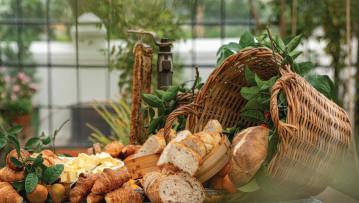
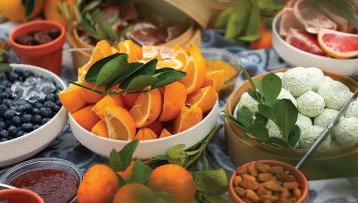
Brunch at the Greenhouse celebrates the comforts of the colder months and the generosity of the harvest. Guests can enjoy a generous spread of freshly baked breads, farm butter, homemade preserves, buffalo yoghurt, granola, seasonal fruit and other farm favourites, followed by a choice of one of two warm breakfast dishes prepared by our chefs, served with tea or coffee of your choice.
Available every Saturday and Sunday from 20 June to 31 August, between 09h00 and 11h00. At R280 per person, with children under eight dining free, a brunch reservation includes complimentary access to the gardens for the day. Afterwards, wander the pathways, explore the seasonal displays and discover the Byzantium, Babylonstoren's fascinating tribute to bees – a delight for curious minds of all ages.
Seating is limited and reservations are essential. enquiries@babylonstoren.com | www.babylonstoren.com

Text & Images: Supplied Lees die Afrikaanse weergawe van die berig op ons webwerf
For a more indulgent experience, the Merroir Experience pairs sustainably produced Imperial Heritage Caviar with oysters, West Coast prawns and imaginative land-and-sea dishes. Vergenoegd Löw's maritime-influenced Cap Classique accompanies each course, with French Champagne available for those seeking an added touch of luxury.
The Homestead also serves farm-to-table breakfasts built around seasonal produce grown on the estate and sourced from like-minded local farmers. During winter, specially curated two- and three-course menus showcase the finest seasonal ingredients in an elegant setting of historic architecture, crackling fireplaces and warm hospitality.
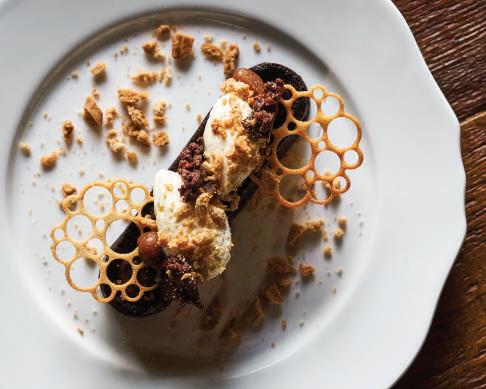
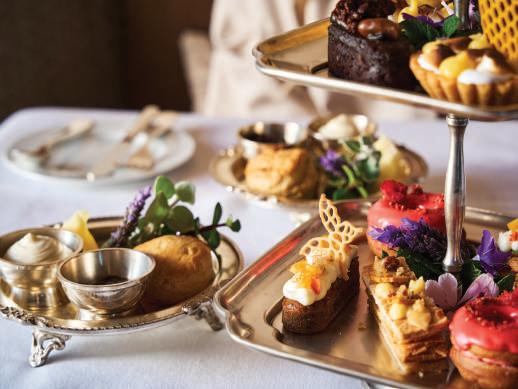
The reopening of the 1773 Homestead marks an important new chapter for Vergenoegd Löw, reinforcing its commitment to heritage preservation, regenerative farming and world-class hospitality. Whether visiting for tea, breakfast, a caviar pairing or a seasonal dinner, guests are invited to experience a destination where history and contemporary luxury exist in effortless harmony.
Experiences are available by advance reservation via Dineplan or reservations@vergenoegd.co.za.


van die berig op ons webwerf

DID YOU KNOW?
For the price of her ‘favourite’ perfume and a bunch of flowers… …you could have given her a real, certified diamond.
Flowers fade. Perfume evaporates. A diamond lasts forever.
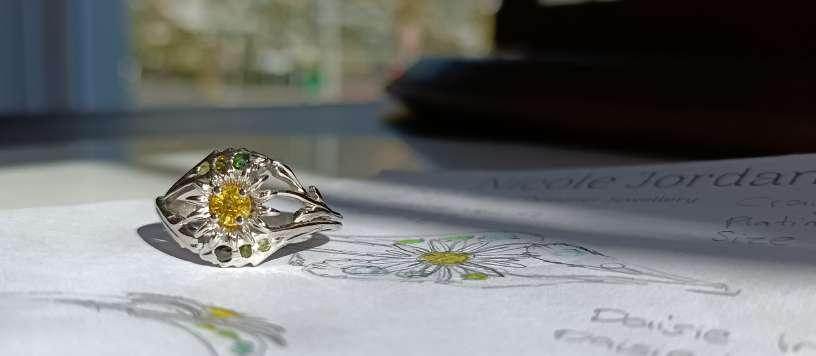
Discover just how surprisingly affordable luxury has become. Scan the QR code or visit Stellenbosch Diamonds Direct today.

Text: Editorial Desk | Images: Sean Gibson Lees die Afrikaanse weergawe
Wyne met Stories
Lank voor proelokale en Insta-waardige wingerde, was daar mense. Karakters. Romanses. Epiese reise. En, ja, wyn. Dit blyk dat wat in die bottel is, dikwels begin met wat op die bladsy is. Want die waarheid is, hoe meer jy weet oor 'n wyn se agtergrond, hoe meer verbind voel jy met die inhoud van die glas in jou hand.
Neem Laurens Campher, byvoorbeeld. ’n Jong Duitse soldaat wat in die laat 1600’s aan die ongetemde Kaap geland het, het verlief geraak op Ansela van de Caab, ’n vrou wat as slaaf in die Kasteel van Goeie Hoop gewerk het. Elke paar weke het Laurens die 50 kilometer lange reis van Stellenbosch na Kaapstad gestap – ja, gestap – net om haar te sien. Drie dae te voet, geen perd nie, net hart.
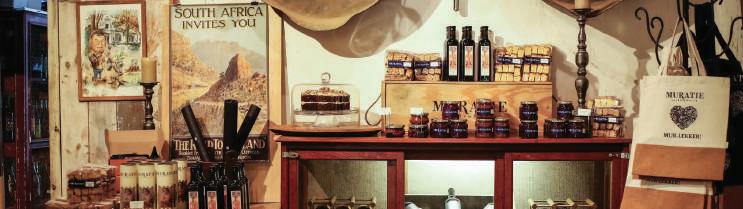
Goeie stories is nie net vir vermaak nie. Hulle is handelsmerk-DNS. Muratie (gestig deur die afstammelinge van Laurens en Ansela ) weet dat hul oorsprongverhaal saak maak. In 'n wêreld wat toenemend sinies is oor 'premium'-etikette, is stories die groot vereniger. Dit ontwapen ons. Dit nooi ons in. Soos die Kaapse Wynmeester Ginette de Fleuriot dit stel: “Narratief is 'n verbinding; dit is kleurvol en betekenisvol en bring 'n emosionele reaksie na die tafel.”
Vroeër vanjaar het Ginette 'n Wyne met Stories-meesterklas vir Vinimark aangebied, waar sy die hoof van wynopvoeding is. Haar insig? Wynliefhebbers soek nie net proenotas nie, hulle soek betekenis. En die storie gee betekenis. Want kom ons wees eerlik: as Laurens en Ansela nie die kanse trotseer en 'n gesin begin het nie, sou Muratie enigsins bestaan het?
Dan is daar Lanzerac, geleë in Jonkershoek, wat spog met 'n ryk en legendariese geskiedenis wat terugdateer na 1692. Oor die eeue het die landgoed verskeie kere van eienaar verwissel, met die naam wat uiteindelik in 1920 van Schoongezicht na Lanzerac verander is onder die eienaarskap van mev. Elizabeth Katherina English. Sy het die eiendom ontwikkel in 'n gevierde wynlandgoed, wat gehelp het om die grondslag te lê vir sy latere roem. Lanzerac is veral bekend vir die produksie van die eerste kommersieel gebottelde Pinotage in 1959.

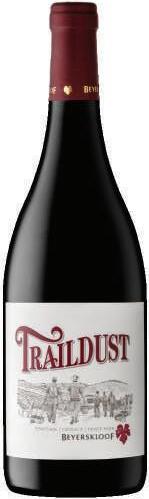
Beyerskloof se Pinotage-versnit, Traildust, skimp na Pinotage se oorsprong as kruising van Pinot Noir en Cinsault. Geïnspireer deur 'n Louis L'Amour-aanhaling, 'Traildust is thicker than blood', bring die etiket hulde aan al die hande wat die nalatenskap gebou het. Dis persoonlik. Dis trots.
Nie elke groot wynstorie begin eeue gelede nie. Neil Ellis het nie 'n 300 jaar oue herehuis nie, maar hy het wel sewe agtereenvolgende Veritas-dubbelgoudmedaljes en 'n baanbrekersnalatenskap. Hy was die eerste wat die kollig van die kelder na die wingerd verskuif het, en wyn van oorsprong voorgestaan het. Hy het die eerste wyne van Elgin (Whitehall Elgin Chardonnay) en Jonkershoek (Groenekloof Sauvignon Blanc) gemaak. En hy het dit alles met stille uitnemendheid gedoen.
En laastens: Ernie Els. Hierdie internasionale sportikoon het deur liefde vir wyn geval – sy vrou se Stellenbosch-wortels. Ernie het in 2000 saam met wynmaker Louis Strydom gewerk om die eerste oesjaar van sy kenmerkende Kaapse Bordeaux-styl versnit te produseer. Soos Louis sê: “Ernie sê nie vir my hoe om wyn te maak nie, en ek sê nie vir hom hoe om te put nie.”
So, wat is die gevolgtrekking?
Kleinhandelrakke mag dalk propvol mooi verpakkings en goue toekenningsplakkers wees, maar niks daarvan kan 'n goeie storie vervang wat goed vertel word nie. Daarom is stories meer belangrik as ooit – vir wynkelders, vir wynliefhebbers en vir almal wat glo dat wyn ons moet ontroer, nie net beïndruk nie.
So, verander jou roetine hierdie naweek. Besoek 'n plaas. Gaan proe. Kyk, snuif, teug – en geniet die storie.
Want wyn is meer as net geur. Dis 'n gevoel.

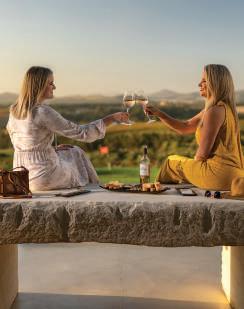
Text: Editorial Desk | Image: Crouse Art Gallery Lees die Afrikaanse weergawe van die berig op ons webwerf




The Landmarks in Your Glass
Few wine regions can match Stellenbosch for the depth and diversity of their winemaking, and this month's selection from Stellenbosch Reserve is a fitting tribute to that heritage. Inspired by the town's iconic landmarks, these wines capture the character of one of South Africa's most celebrated wine regions, from elegant whites to richly expressive reds. Whether you're discovering a new favourite or revisiting a familiar classic, there's something here to suit every palate. Readers in Namibia can also enjoy the range, which is available through Namibia Wine Merchants.
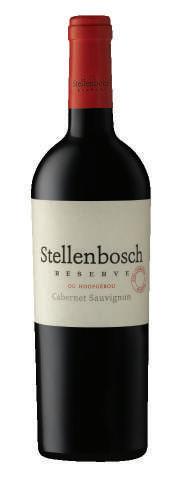



Stellenbosch Reserve Ou Hoofgebou Cabernet Sauvignon 2024
Rich and expressive, this Cabernet opens with layers of cassis, black cherry, and dark chocolate, framed by subtle notes of cedar, nutmeg, and liquorice. The palate is full and finely structured, with ripe, elegant tannins and a fresh thread of acidity. Dark fruit flavours unfold with hints of thyme and cigar box, leading to a long, poised finish. A classic expression of Stellenbosch Cabernet with the depth and balance to age gracefully.
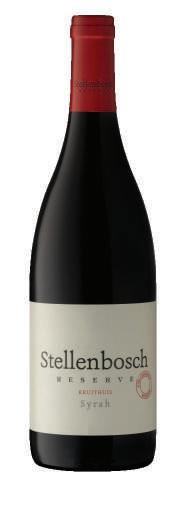

Stellenbosch Reserve Kruithuis Syrah 2023
Bold and expressive, the Syrah opens with aromas of black cherry, mulberry, and blueberry wrapped in sweet/savoury spice –think black pepper, nutmeg, and a hint of vanilla. The palate is rich and smooth, with dark fruit flavours, ripe, smooth tannins, and a touch of chocolate. A lively acidity keeps it bright, carrying the wine through to a long, fruity finish.
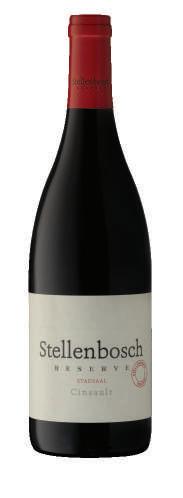


Stellenbosch Reserve Stadsaal Cinsault 2025
Radiant pale ruby. Cranberry and pomegranate on the nose with some perfumed notes of rose, red cherries, and green pepper spice. Dry with zesty acidity, low tannins with a little spicy grip, and bright red fruit that follows from the nose. Sherbert, sour cherry, cranberry juiciness. Light bodied and refreshing with a touch of green peppercorn spice on the finish.

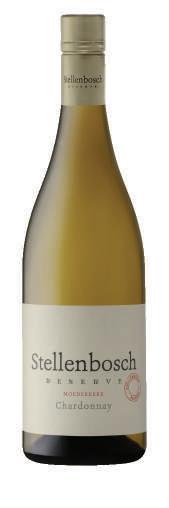
Stellenbosch Reserve Moederkerk Chardonnay 2025
Gentle aromas of lemon meringue, quince, and white blossoms, with a hint of wet stone adding a fresh, mineral edge. Medium-bodied and beautifully balanced, with a creamy texture that carries bright flavours of lemon curd and crisp golden apple. Subtle touches of ginger and butterscotch bring warmth and depth, rounding off a smooth, elegant wine.

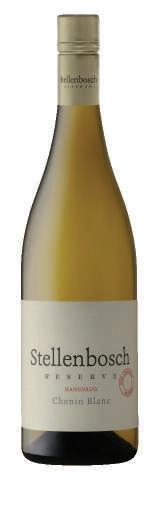
Stellenbosch Reserve Hangbrug Chenin Blanc 2025
Bright aromas of pineapple, peach, and melon combine with elegant notes of honeysuckle and chamomile. On the palate, zesty acidity balances the juicy layers of lemon, lime, winter melon, and pear. Well balanced with a touch of creaminess and vanilla leading to a long, refreshing finish with hints of pear and lemon.

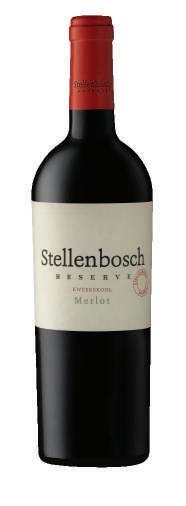
Stellenbosch Reserve Kweekskool Merlot 2023
Attractive aromas of plums, blackberry, and mulberries with savoury notes of rhubarb and rosemary. Juicy fruit on the palate with polished, round tannins and balanced acidity make this medium bodied wine infinitely drinkable. The combination of red and black fruit follows on the palate, along with flavours of bay leaf and liquorice adding complexity.

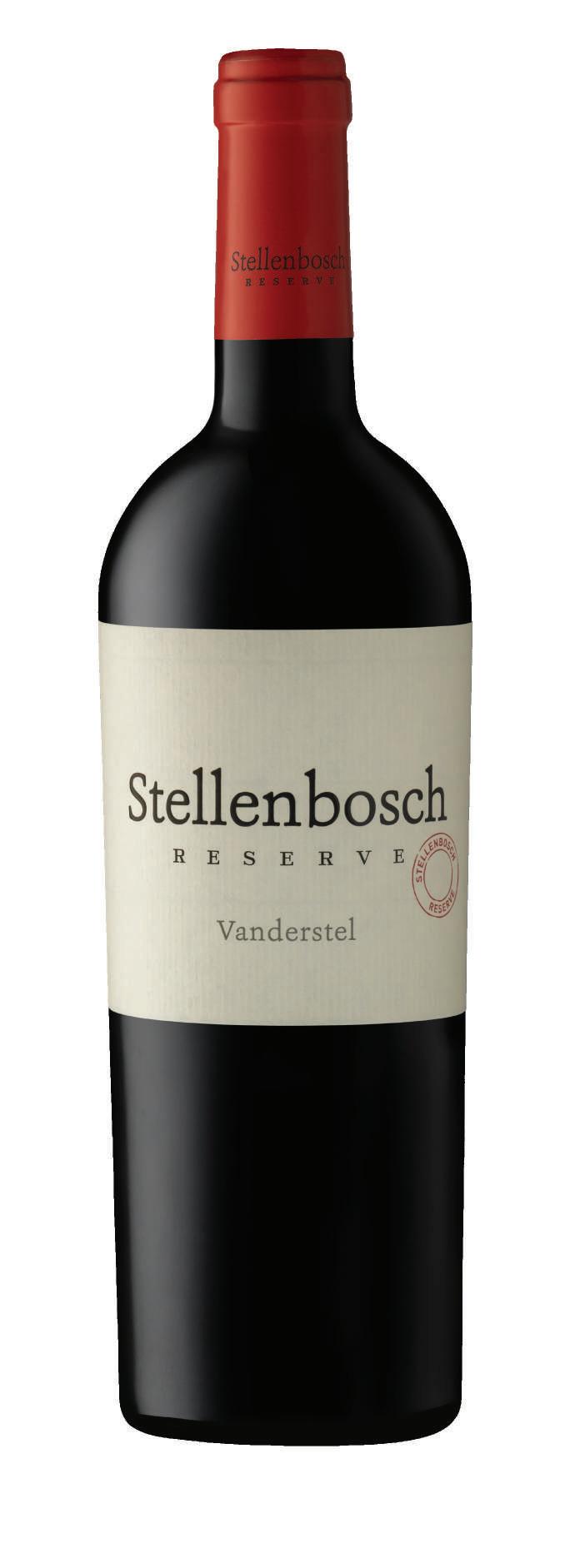
Stellenbosch Reserve Vanderstel 2023
This wine opens with bold, inviting aromas of blackcurrant, red cherry, kirsch, blackberry and a delicate note of jasmine. As the wine opens in the glass, layers of sweet baking spices, ginger and red liquorice emerge, adding complexity. The palate is framed by fine, ripe tannins and bright acidity, offering a vibrant combination of red and black fruit. Flavours of cherry, blackcurrant and milk chocolate are complemented by subtle hints of sandalwood and cinnamon, leading to a long finish with lingering notes of cherry and sweet spice.
Economis Commentary
The Current is Not a Plan
Over the past few months, I’ve spent a great deal of time travelling across South Africa and beyond.
Because I fly myself, it allows me to experience the journey differently. Travelling at a slower pace, with the freedom to land in places commercial airlines seldom reach, offers a unique perspective. You notice things that others miss.
Recently, I found myself reflecting on one particular aspect of these journeys: water.
Lessons from the water
Whether viewed from the air as a river winding through a valley, from the ground beside a flowing stream, or while watching waves rolling steadily towards the shore, water has an extraordinary ability to capture our attention.
There is something calming about it. Its movement appears effortless. It is always changing, yet somehow timeless. You can tarry much longer than you intended simply watching it.
On one such occasion, I noticed a small stick drifting downstream. At first glance, it seemed to be making excellent progress. It moved quickly, carried effortlessly by the current. But the reality was quite different. The stick had no destination of its own. It went wherever the river took it.
That simple observation reminded me of something I encounter regularly in economics, business, and personal finance: we often confuse movement with progress.
When momentum feels like progress
There are certainly encouraging signs in the South African economy. Inflation has moderated, interest rates appear to be stabilising, and confidence has improved. Challenges remain, but there is greater optimism than we have seen for some time.
That is good news.
But improving conditions can create their own trap. When things begin to move in the right direction, it becomes easy to assume they will continue to do so. We mistake momentum for direction.
History tells us that this is not always the case. Many economies have enjoyed periods of favourable conditions that created a false sense of security. Growth does not automatically create prosperity. Stability does not automatically create progress. The important question is whether today's momentum is taking us where we ultimately want to arrive.
The personal finance parallel
The same is true in our personal finances.
A higher salary can make us feel more secure. Strong investment returns can make us feel wealthier. A successful business can create confidence. But none of these, on their own, guarantee financial well-being.
Just Saying Climate
Change: Does It Really Exist?
(Spoiler: Yes, it does and it’s tired of waiting for us to stop arguing.)
Let’s be honest: even reading this title has already caused several people to spontaneously combust — ironically proving the planet is getting hotter. Mention it in passing and you’ll instantly discover who reads scientific journals and who gets their meteorological insights from TikTok; claiming the weather has been “exactly the same since 1974.”
And, of course, as Boomers, we believe climate change is a conspiracy cooked up by sandal wearing tofu-loving students.
But that’s fine. Let’s attempt calm analysis — or at least the closest thing to calm you can get when discussing a subject that makes half the world furious and block the traffic - whatever that achieves - and the other half terrified but paralysed, i.e. you and me.
Multiple independent datasets show a clear warming trend. Not the strange Cape obsession with the South Easter and weather, but actual measurements.
NASA GISS and NOAA (sorry for the acronyms) report an increase of roughly 1.2°C in global average surface temperatures since the late 19th century. Not much you might say; except it is. Half a degree more may mean the difference between a world with coral reefs and Arctic summer sea ice and a world without them.
The WMO confirms the last decade contained eight of the ten hottest years ever recorded, and at this rate the next two will be so blisteringly hot, we’ll be able to fry an egg, toast the bread, melt the butter, and sear a medium rare steak on the bonnet of a bakkie — all before the engine’s even started. If you live somewhere flat, congratulations – you’re about to own beachfront property. If you already live on the beach, congratulations – you’re about to live in the sea.
Now, to be fair, sceptics do raise arguments. “Climate has always changed”–correct. “Earth has had ice ages”– yes. “Entire continents have broken away” – for sure. Recall Pangaea, a supercontinent that formed around 335 million years but broke up, creating the continents we recognize today. Changes may be natural and probably are!
True financial well-being comes from knowing where you are going. Too often, people are earning, saving, spending, and investing without ever asking themselves what they are trying to achieve. They are moving, but without a destination. In many respects, they are simply drifting with the current.
The danger of drifting
The problem with drifting is that it rarely feels like a problem in the beginning. In fact, it often feels comfortable. The current carries you. Decisions can wait. Planning can wait. Difficult conversations can wait.
Until one day they cannot. By then, correcting course is often far more difficult and far more costly than it needed to be.
That is why financial well-being is not about accumulating more money. It is about having direction. Direction gives purpose to every financial decision. It helps us evaluate opportunities more clearly, navigate uncertainty with greater confidence, and remain disciplined when emotions tempt us to react.
Most importantly, it reminds us that progress is measured not by how fast we are moving, but by whether we are moving towards the right destination.
Choosing your destination
Momentum matters. Growth matters.
Stability matters.
But none of them can replace purpose.
Markets will rise and fall. Economies will expand and contract. Life will continue moving forward whether we are ready or not.
The question is not whether the current is flowing.
The question is whether you have chosen your destination. Because if you do not decide where you want to go, the current will decide for you.
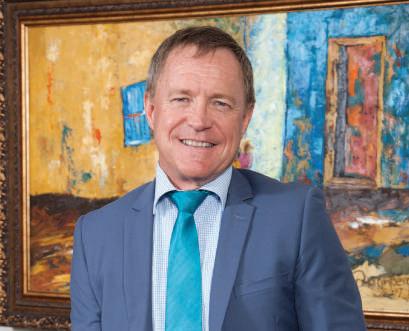
Dawie Roodt Chief Economist, Efficient Group askdawie@efgroup.co.za www.efgroup.co.za
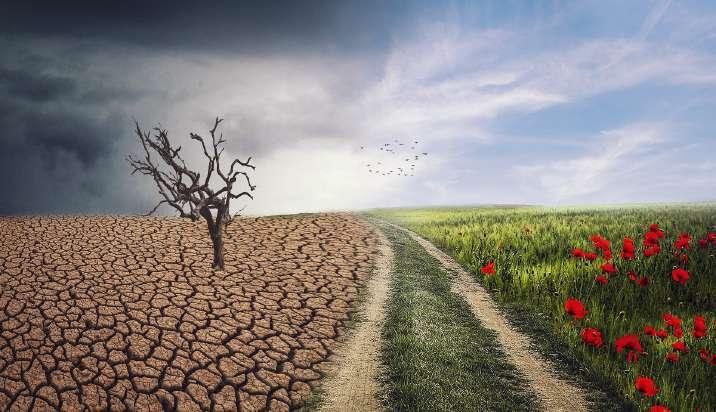
What both sides should, but don’t agree on, climate change has become seriously politicised and requires serious intervention. Necessary energy policy change will have serious financial consequences, national sovereignty will have to give way to global cooperation, social values will need to inconveniently change, and long-term planning will be key. In today’s short term, self-indulgent, nationalistic world that seems a bit of a stretch.
One reality stands out: the scientific evidence for human driven climate change is overwhelming, consistent, and reinforced across every field that measures anything more complicated than “it feels warm today.”
So yes: Climate change is real. It’s significant. It’s already happening – ask the first climate refugees in Tuvalu.
The real question isn’t whether it exists – it’s whether we’re going to do something sensible about it, or whether we’ll continue arguing online until the rising sea level reaches our Wi Fi routers and ends the debate for us.
Up to you and me as usual!
Enrique from Pixabay
Is AI a Scam Bubble Ready to Explode?
$7.6 trillion… That’s the cost to bring AI infrastructure up to scratch by 2031. We’re talking the combined GDPs of several of the top global economies. Goldman Sachs just released a chilling report: Tracking Trillions – The Assumptions shaping the Scale of AI Build-Out.
Spending by the five hyperscaler tech companies – Oracle, Meta, Amazon, Microsoft & Alphabet/Google (OMAMA) – will have to surpass the combined GDPs of Japan, the UK, India and France to deliver.
UN University researchers warn that the public’s understanding and discourse on AI is parked around software and personal devices: “AI is also physical infrastructure – data centres, electricity generation, cooling systems, transmission networks, chips, minerals, land and water. Annual power consumption is projected to equal the output of the whole of Japan. Water consumption is expected to reach 9.3 trillion litres, while carbon dioxide emissions will rise to almost 400 million tons, not to mention the mountains of electronic waste generated. The land footprint demand by 2030 will be at least 14 500 square kilometres. This overshadows the very basic principles of sustainable growth.”
What made anyone believe this could be sustainable, and that financing it all will be possible? Tech journalist Ed Zitron says the whole roller coaster ride started with Open AI managing to convince everyone that AI is set to be the next great tech moment: “But the only reason those two companies existed is because they got to act like rich kids, running up credit on mommy and daddy’s cards. In the early days, 2024, they were allowed to spend as much as they wanted by hyperscale bankrolls and subsidies.” Ergo, they were allowed unlimited games with other people’s money to create the delusion of demand for a beast that can never be fed enough. And yet, big tech followed. This tune is starting to eerily sound like the dot-com bubble. The Bank of International Settlements concurs. In fact, the BIS recently warned it looks like every bubble since the 1830s Canal Mania, with one difference: its scale dwarfs all of them together.
OMAMA have spent a trillion dollars on AI related capital expenditure since 2025. That’s equal to the total capex of all the non-tech companies on the S&P 500. So how do they finance this bottomless pit? They’ve burnt through their cash, Amazon reported a 95% drop and Oracle is in the negative by $25 billion. These companies are now selling shares by the fists full ($80 billion dollars in the case of Alphabet), OMAMA issued $120 billion in bonds in 2025 alone, and they accumulated $1.65 trillion in of-balance-sheet loans. The techs are desperately sucking all available money out of the system. So, expect more tech IPOs to hit the markets.
The freaky thing is that – together with Nvidia, Apple and Tesla – they have a disproportionate US market share of over 35%.
(Another titbit: Nvidia chip manufacturer is currently the world’s largest company, but two thirds of its revenue comes from only 3 of the OMAMA.
Crazy.) About 16 AI entities together are now the main drivers of US economic performance.
If this small cluster of dominoes topples – and its already acting weird –everything goes down. And with America holding over 50% of the global stock market capitalization, dominoes will fly everywhere.
Curiously, many employers across the spectrum – under the weight of AI costs and its failure to meet expectations – are re-hiring and 55% admit lay-offs were a mistake, no less in customer satisfaction. Turns out a salary roll may be more cost effective than AI. And hey, humans actually display lateral thinking skills, they can anticipate and solve problems.
That’s another issue. What’s being promised by AI and what it can actually deliver are not necessarily the same thing. South African data analyst and Pandata founder Nick Hudson is an international speaker on, among other topics, the complexity of intelligence.
“What stands out for me is to what extent the elites believe their own stories. There is no sign at all, no theoretical possibility even, of these AI models reaching the so-called singularity where they surpass the intelligence of human beings. In fact, I think it stops well short of that. They have no potential to become creative problem-solving engines, and in this regard, they will never come close to human general intelligence.”
But go online, and you’re inundated with ads predicting your professional doom unless you buy bags full of AI courses. Really? Editors and writers worth their salt recognize the bad AI scripts within the first paragraph, and the sloppy AI videos are so irritating that real content producers now offer voluntary disclaimers. Asian clothing manufacturers that tried AI designs and production concede the quality is terrible. Even AI searches deliver a level of hallucinations that compels it to encourage further research. Etcetera. Here’s the wall it runs into: besides not being quite as independently and universally intelligent as they’ll make you believe, AI is not creative.
“We simply don’t know what the algorithms are for creativity,” says Hudson. “We’ve never been able to describe how people exercise the uniquely human performance of creative problem-solving. There’s not even a basic theory…it’s an unsolved problem of epistemology. I can’t believe that these AI bosses of the world are not appraised of that reality. I suspect that they know it. They know that their technologies are not going to produce an iota or a smidgeon of the progress and utility that they have been promising markets and the public.”
Meanwhile, the tech companies persist in promising an AI nirvana and continue to try and spend their way out of the infrastructure conundrum. But the money’s running out, gargantuan debt is mounting, the narrative is wearing thin, and the markets are not so quietly getting jittery. Something’s bound to give.
US Secretary of State Marco Rubio warned that hard-left political terrorism is on the rise again, at a 60-country conference hosted by his department in Washington. A series of groups like the Baader Meinhof gang, 17 November, the Palestinian Liberation Movement, the Irish Republican Army, the Red Brigade and others operated with impunity in the second half of the 1900s, executing assassinations and bombings, hijacking planes and kidnapping prominent individuals. Global counter-terrorism strategies were successful to curb these. But Rubio warned that today’s ideologies - hiding behind a victimology and righteous slogans –inspire the destruction of entire neighbourhoods, mass murder and assassination of those with different views, and attacks on infrastructure serving large regions and communities, all in the name of equality and justice. Rubio called this new type of terrorism ‘a unique and distinct evil’ perpetrated by those who cannot build, create or achieve anything themselves, but are driven through hatred to kill and destroy. This is also no longer committed by isolated groups, but by transnational organizations funded by states or super rich individuals and groups. It therefor demands transnational efforts and co-operation to combat.
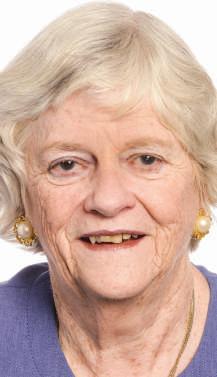

As details emerged on the murder of UK politician Ann Widdecombe, it’s become clear that it was no random event. The 28-year-old man arrested for the criem drove nearly three hours from South Yorkshire to her home in a small village in Devon, killed the 78-years old with 21 hammer blows to the head, and left her house within two minutes to drive straight back home. The feisty Widdecombe served in Prime Minister John Major’s cabinet and later came out of retirement to take a seat in the EU Parliament for the Brexit Party. Westminster has taken swift steps to provide tighter security for political officials of the Reform Party, of which Widdecombe was the spokesperson for Immigration and Justice at the time of her death. She was also an active member of the local Catholic parish that has expressed their horror and sorrow over losing her vibrant presence.
Oil has passed $100 dollars a barrel for the first time since May, following attacks on Saudi vessels in the Bab el Mandeb Strait to the Red Sea by Iran’s Houthi proxies. If the Red Sea route to Suez is blocked, oil tankers will be forced to travel all the way from the Strait of Hormuz around Southern Africa. This adds an extra 6500 km to the journey that will significantly escalate the overall cost of oil. There was hope that the peace signed on 17 June would last, but with Saudi Arabia provoked and swiftly expelling Iranian diplomats, the Iran War has gained a new dimension.
The International Criminal Court in Belgium has received an application to launch preliminary investigations into xenophobic violence in South Africa. Two Ghanaian citizens petitioned the ICC, saying the recent attacks against migrants by South African citizens could constitute a crime against humanity. Repeated episodes of xenophobia have drawn negative reaction from across the African Continent.
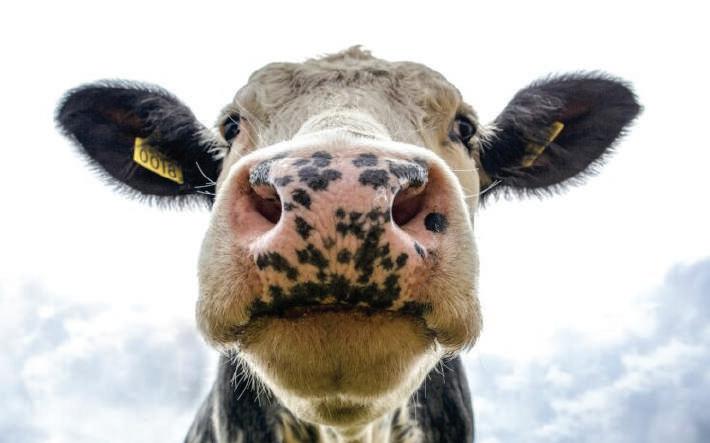
Denmark has become the first country to introduce a fart tax. On livestock, that is. As from 2030, Danish farmers will pay for the farts and burps of their animals, including cows and pigs. After cost deduction, the tax will be anything from 14 to 19 Euros per tonne of methane produced on a farm, all supposed to help curb what’s called the climate emergency. For now, humans will remain exempt from paying up for their flatulence.
Images: Wikimedia & BC SPCA
Quiet West Coast Luxury at De Wildeveldt
There is an ethereal quality to the light of the West Coast, where the vineyards of the Swartland meet the empty beaches of the Atlantic. Just an hour from Cape Town, De Wildeveldt is a 2,000-hectare conservation sanctuary of rolling hills, indigenous flora and expansive skies that offers a rare sense of escape.
Created by uniting previously separate farms, the property reflects a long-term commitment to restoring endangered renosterveld and sandveld habitats. Ongoing conservation focuses on removing invasive species, protecting indigenous vegetation and encouraging biodiversity. The result is a landscape where conservation, tranquillity and refined hospitality exist in harmony.
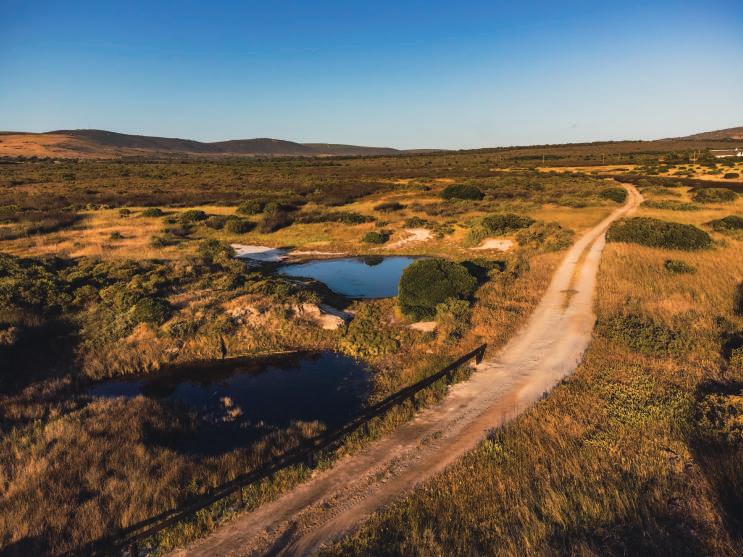
Guests can explore the reserve on walking trails, cycling routes and farm roads, or simply enjoy the stillness that defines this remarkable setting. Hidden in a secluded valley yet close to both the West Coast and the Swartland winelands, De Wildeveldt combines accessibility with complete immersion in nature.
The recently launched Veldt Haus Collection introduces a new level of understated luxury. With only a handful of one-bedroom villas spread across the estate, privacy and space are integral to the experience. Each villa is carefully positioned above a bird-rich wetland, offering sweeping views across indigenous vegetation towards the Atlantic Ocean.
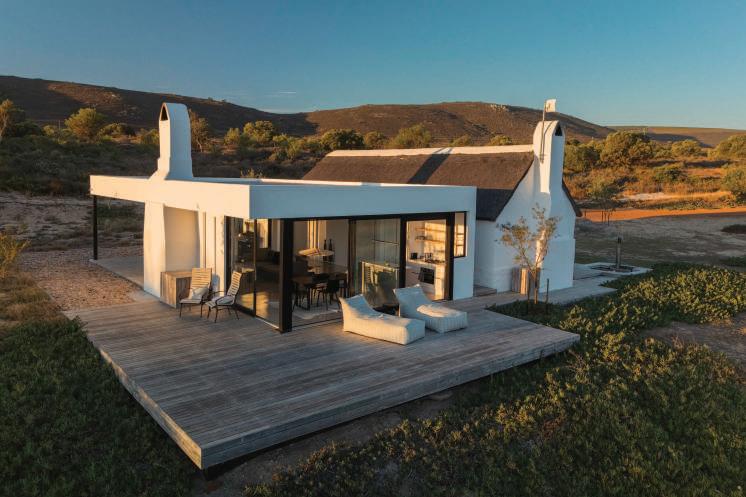
Designed by local artisans, the interiors embrace natural materials, generous proportions and contemporary South African art. Open-plan living spaces feature wood-burning fireplaces, while spacious bedrooms, luxurious bathrooms and outdoor showers reinforce the connection with the surrounding landscape.
Expansive decks encourage guests to spend most of their time outdoors. Private pools, wood-fired hot tubs, sunken fire pits and rooftop sky decks provide ideal spaces for relaxing, entertaining or stargazing beneath some of the Cape's darkest skies. Self-catering facilities are complemented by optional private chefs, in-room spa treatments, curated breakfast baskets, wine tastings and West Coast produce hampers.
Two restored farmhouses, opening for the 2026/27 summer season, will expand the accommodation offering for families and larger groups.
De Wildeveldt is as much about the landscape as the accommodation. A seven-kilometre hiking and running trail follows the northern boundary, while farm roads and single-track routes provide excellent opportunities for mountain biking. During spring, the reserve comes alive with an extraordinary diversity of indigenous flowers, and guided flower walks reveal the richness of the area's bulb-filled veld.
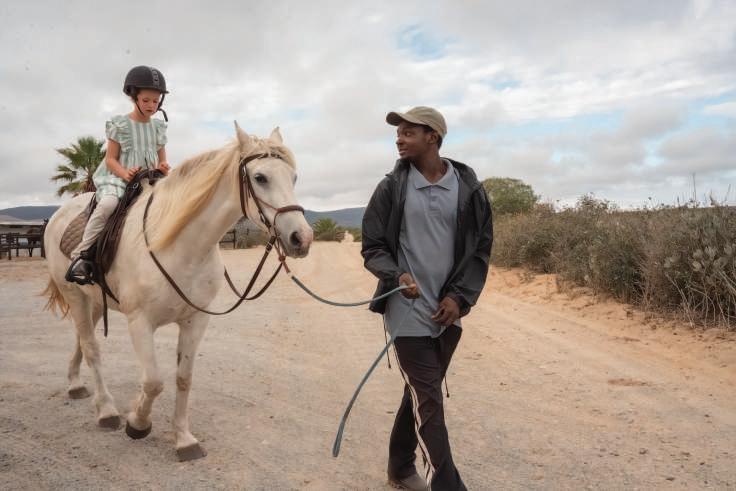
Wildlife encounters are another highlight. Springbok, steenbok and scrub hares are regular sightings, while caracal and African wildcat inhabit the reserve. Cape leopards are known to move through the surrounding landscape, although sightings remain rare.
Birdlife is exceptional. Endangered Black Harriers, Secretary Birds, Herons, Egrets, Barn Owls, Cape Eagle-Owls and numerous raptors thrive in this protected environment, making the reserve a rewarding destination for birdwatchers throughout the year.
Beyond the reserve, guests are perfectly placed to explore the wider West Coast. Yzerfontein is only 20 minutes away, offering beaches, restaurants and ocean activities. Darling combines acclaimed wine estates with olive farms and the famous Evita se Perron theatre, while Paternoster, Riebeek-Kasteel and Langebaan are all easy day trips. The nearby West Coast National Park delivers spectacular spring flower displays and year-round birdwatching around the Langebaan Lagoon.
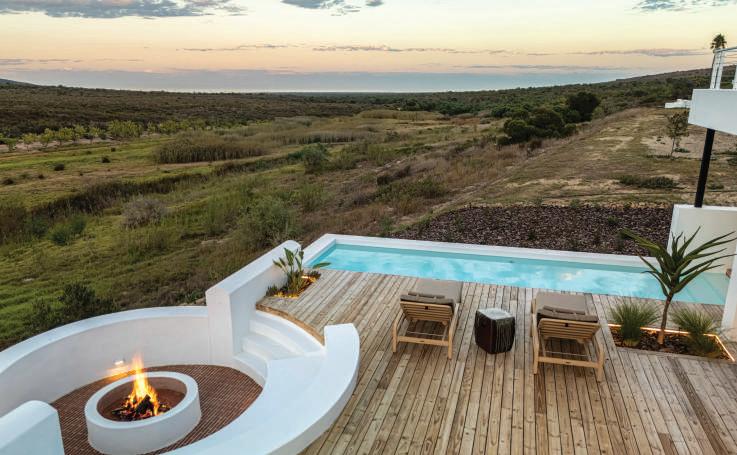
De Wildeveldt offers a rare combination of ecological restoration, thoughtful design and authentic West Coast hospitality. It is a destination where guests can slow down, reconnect with nature and experience the quiet luxury of one of the Cape's most remarkable landscapes.
www.dewildeveldt.com

Text: Editorial Desk | Images: Supplied Lees die Afrikaanse weergawe van die berig op ons webwerf


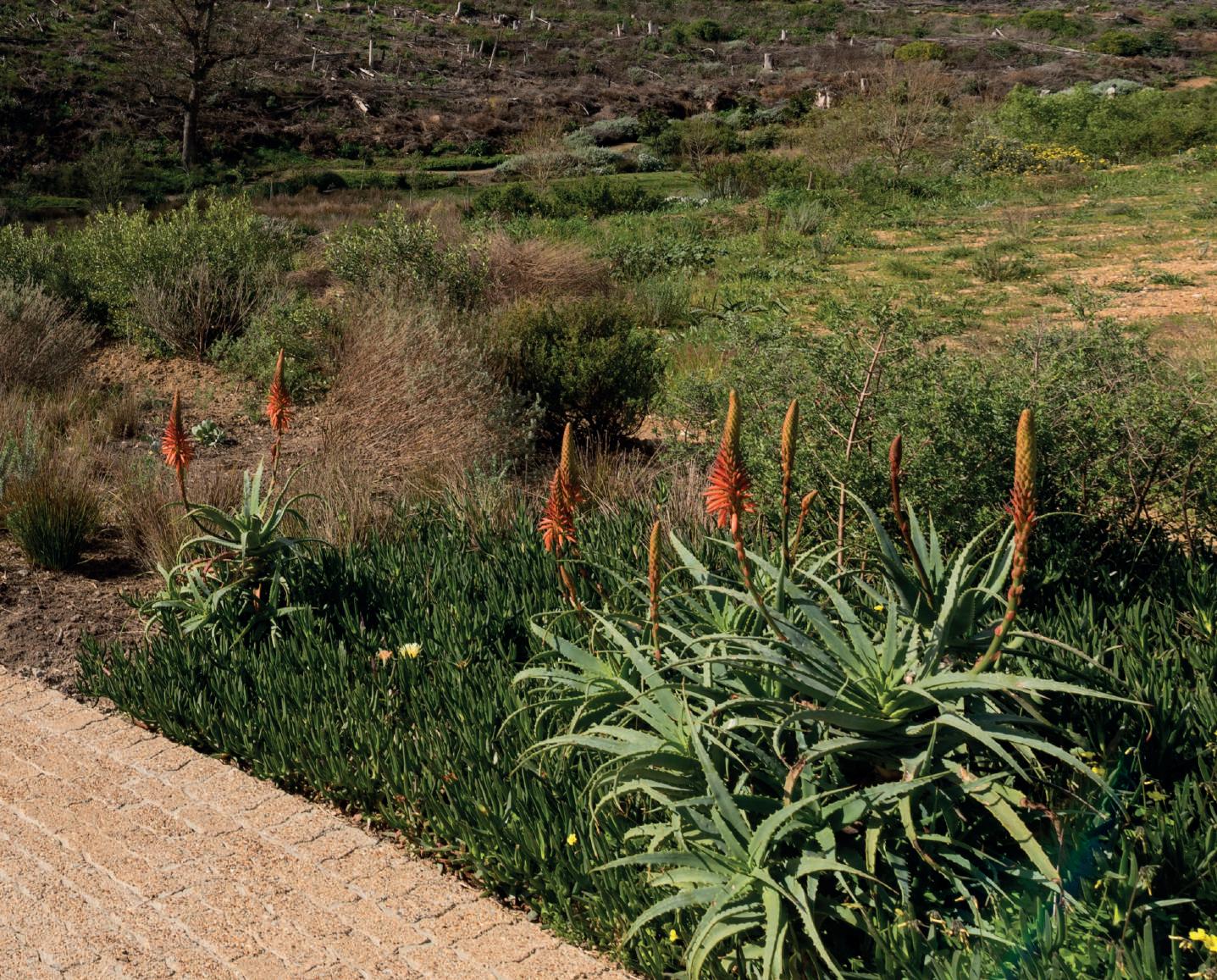


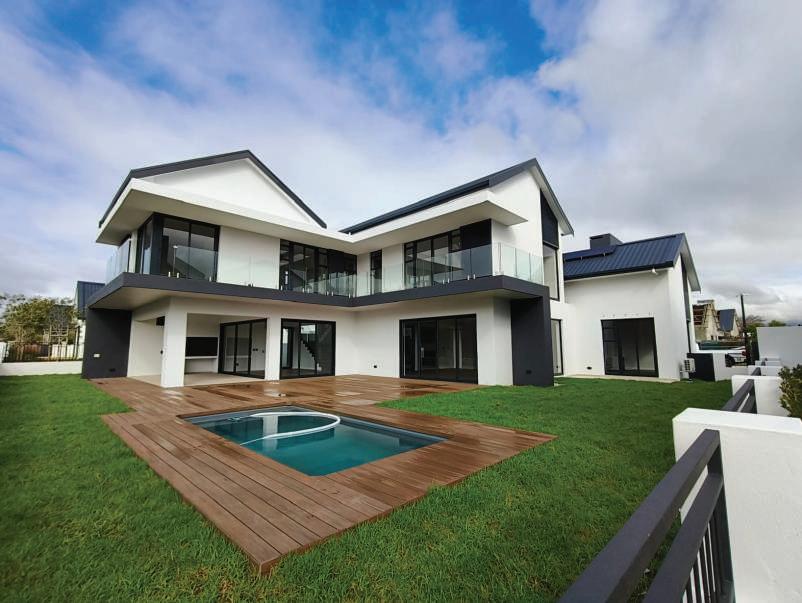
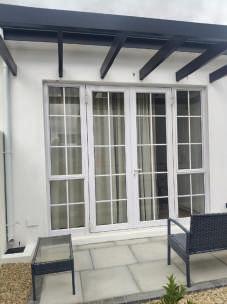
Enframed Aluminium manufactures & installs premium frameless & framed aluminium products for residential & commercial projects.

From door & window frames to fixed panels, aluminium gates, & custom-made solutions, we combine quality materials with expert craftsmanship to deliver products that are durable, secure, and visually striking.
Our experienced team works closely with every client to ensure precision, reliability, & a seamless installation experience.
Refresh Your Home without a Full Renovation Less Disruption. More Style. Better Results
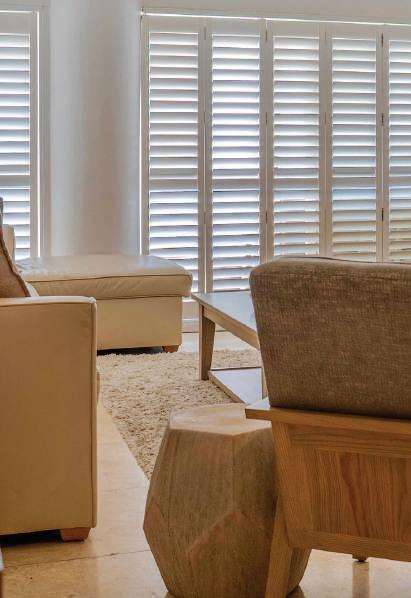
You don't need to break down walls, deal with construction dust, or commit to a substantial budget to completely transform your home. With thoughtful paint choices, creative decor layering, and a few strategic updates, you can revive your space in ways that feel meaningful and lasting. Every surface in your home presents an opportunity; you just need to know where to look.
"Your home doesn't need to be completely rebuilt to feel completely renewed. Small, intentional decisions – the right paint shade, layered lighting, meaningful accessories can shift how a room feels and functions. The beauty is in the simplicity of it.", says Palesa Ramaisa, Dulux Colour Expert.
Reimagine Your Décor
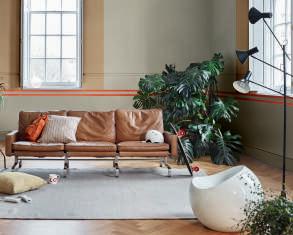

Thoughtful decor layering adds depth and personality to a space without requiring major purchases. Natural textures like wood, leather, and woven baskets create visual interest, while soft textiles like throws, cushions and plush rugs invite comfort. Metallic accents in copper or brass bring subtle elegance, and indoor plants soften spaces while bringing them to life.
The key is working with what you already have. Rearrange cushions between rooms, restyle shelves with a mix of greenery and treasured objects or simply reposition furniture to highlight a feature wall. These small changes often make the biggest difference. Sometimes all you need is a fresh perspective on your existing pieces.
Let Colour Transform Your Space
Colour is one of the most effective and economical ways to transform the feel or mood of a room. Soft blues and greens create calm, warm neutrals bring balance, while earthy tones like terracotta and ochre add comfort
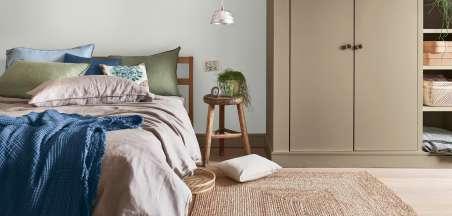
You don't need a full repaint – refreshing an accent wall or repainting furniture in a complementary shade can completely change a space. Quality paint like Dulux Luxurious Silk delivers colour consistency plus practical benefits such as moisture resistance and washability, making it perfect for kitchens and bathrooms.
Lighting Sets The Mood
Good lighting amplifies the impact of your colour choices and brings your entire scheme together. Warm LED bulbs create an inviting atmosphere, while dimmable options let you adjust the mood from morning to evening. Layered lighting through floor and table lamps adds dimension, and improved mirror or vanity lighting can transform bathrooms into spa-like retreats.
Balance Aesthetics With Everyday Living
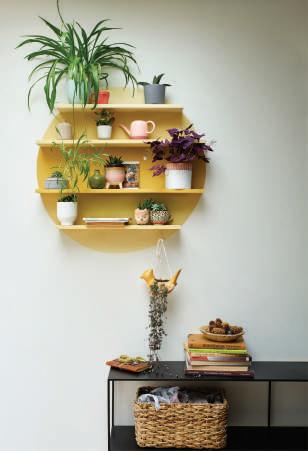

A truly refreshed home balances aesthetics with function. Practical additions like baskets and floating shelves maintain order while adding style. Patterned textiles add visual interest, and carefully styled surfaces –from bedside tables to kitchen counters help the space feel both polished and livable. These touches create an environment that feels expressive, intentional and functional. The home you've envisioned doesn't require a construction crew or a renovation budgetit requires creativity and intention. With colour as your foundation, thoughtful styling as your framework, and lighting as your finishing touch, you can craft a space that feels distinctly yours. Every room holds untapped potential; the question isn't whether your home can change, but which room will you transform first.

Text: Editorial Desk | Images: Dulux Lees die Afrikaanse weergawe van die berig op ons webwerf