











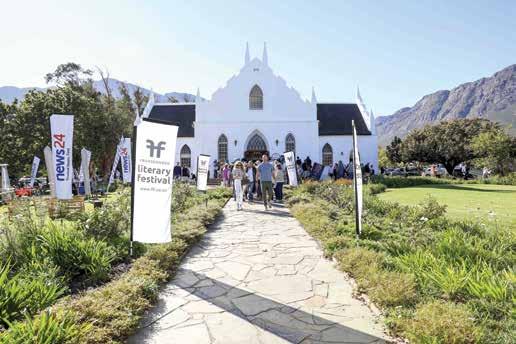
The Franschhoek Literary Festival (FLF) is delighted to announce that the 2026 festival will take place from 15-17 May 2026, once again transforming the valley into South Africa’s literary capital for a weekend of bold conversations, global perspectives and unforgettable storyt
The 2026 edition will powerful line-up of int pan-African and South authors alongside curated Family Day inspire readers of all ages.
Says Jennifer Blane, Programme Direct Franschhoek Litera is a space where imagination. In 2026 proud to present that reflects global African storytelling Africa’s literary exc meaningful spaces for to experience the joy of International headliners winning internationall
Frankopan, artist, illustrator and best-selling author Charlie Mackesy, Booker-shortlisted novelist Tan Twan Eng, Alka Joshi - bestselling author of The Henna Artist, and Rémy Ngamije whose debut novel The Eternal Audience of One received international recognition, including a Special Mention at the Grand Prix Panafricain de Littérature and the inaugural African Literary Award from the Museum of the African Diaspora.
Local headliners in 2026 include South Africa’s most celebrated crime writer Deon Meyer, South Africa’s first
Michelin-starred chef Jan Hendrik van der Westhuizen, Thebe Ikalafeng, the author of Rooted and Rising - an African branding authority, ‘Tannie Maria’ author Sally Andrew and award-winning political analyst, author and broadcaster Justice Malala.
A major highlight of the 2026 programme will be the introduction of Family Day on Saturday, 16 May, featuring a dynamic line-up of events created especially for children, parents and multigenerational audiences.
The Family Day line-up includes:
• Real Parenting in 2026: What’s changed – and what still matters
The Family Day is grounded in the festival’s objective of nurturing a love of reading from a young age, while creating space for meaningful conversations about modern parenting, creativity and courage.
Through the ongoing work of the FLF School Reading Programme, the festival continues to support and encourage literacy development and access to books for learners in the valley.
Over three inspiring days, Franschhoek becomes a vibrant meeting place for readers, writers and thinkers from across the globe, a space where history meets imagination, politics meets poetry, and families gather to share in the magic of stories.
Whether you are a devoted bibliophile or attending for the first time, the 2026 Franschhoek
Literary Festival promises a weekend of insight, inspiration and connection.
For more information on the Festival along with additional information on the authors, the discussions planned, and updates on ticket sales, please head to www.flf.co.za.
Text: Editorial Desk | Image: FLF







The Stellenbosch Municipal Council approved the implementation of Level 2 water restrictions for the municipal area at its meeting on 25 February 2026. The restrictions took effect on 1 March 2026 and will remain in effect until further notice.
The decision was made against the backdrop of low dam levels throughout the province and the National Disaster Management Centre’s declaration of the drought in the Western, Northern and Eastern Cape as a national disaster in early February.
A record-breaking fire season and heatwaves have placed further strain on water resources during the Cape’s busy tourist season.
Stellenbosch Municipality was at pains to point out that the measures are precautionary and that similar measures have been implemented in surrounding municipalities. “There is no immediate risk of taps running dry, nor is there an impending crisis. The implementation of Level 2 restrictions is a responsible and measured intervention to manage demand early and avoid more severe measures later,” the municipality said.
The water restrictions also brought into effect punitive water tariffs, which will escalate in line with possible future increases in the level of restrictions.
The Level 2 Water Restrictions will take effect from 1 March 2026 and remain in place until further notice. Tariffs applicable to a 20% water restriction period will apply to accounts issued at the end of March 2026.
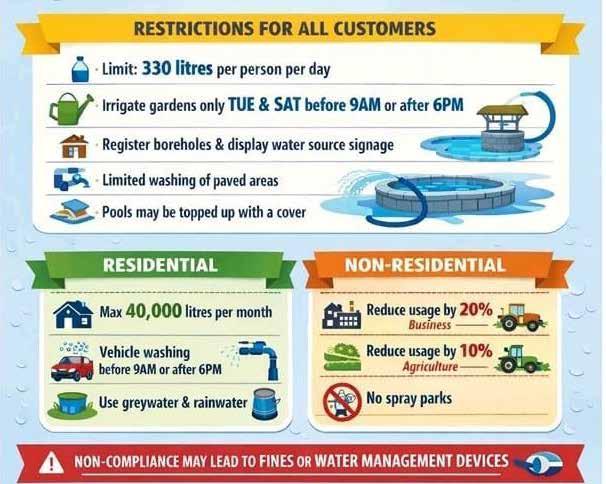
All consumers of water are required to reduce their water usage by 20% and use water responsibly. Key measures include: a limit of 330 litres per person per day, a household restriction of 40kl per month (Fines are applicable for exceeding the limit.), watering with hosepipes may only be done before 09h00 and after 18h00 daily, watering with irrigation systems or sprinklers is only allowed for 1 hour before 09h00 or after 18h00 on Tuesday and Saturdays, a 20% reduction in consumption is required for commercial properties – including guest houses and hotels – compared to the same period in 2025, and a 10% reduction for agricultural users.
Responsible use of alternative water sources such
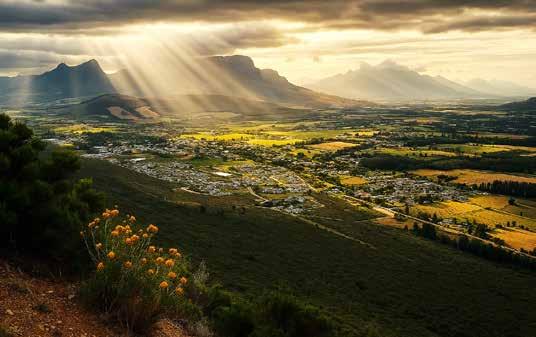
Franschhoek may be small(-ish) but that doesn’t mean it’s thinking has to be. In what insiders are calling a “geographically transformative moment,” the valley is exploring the acquisition of Middagkrans peak from the local municipality and provincial government in an effort to stymie the proposed Franschhoek Cableway development.
Leaked minutes of an exploratory meeting reveal that stakeholders agreed that while owning the mountain may not be strictly necessary, it is “deeply on brand.”
According to the minutes a variety of funding options are on the table.
Altitude Futures™
Foremost is a lofty financial instrument to be known as Altitude Futures™. Residents and visitors can purchase square metres by elevation band:
200–300m: Village View Tier
300–500m: Terroir Reserve Tier
Summit Level: Grand Cru Altitude
Each investor will receive a numbered certificate indicating the precise vertical band in which they
now financially reside. Summit-tier backers qualify for an annual “High-Altitude Picnic Window,” weather and wind permitting.
The Huguenot Heritage Bond In a nod to the valley’s French roots, organisers are proposing to issue limited-edition Huguenot Heritage Bonds, complete with engraved plaques bearing the motto ‘Liberté, Égalité, Élévation.’
Bondholders will enjoy early booking rights to summit events and the quiet satisfaction of knowing they helped move the valley several hundred metres upward.
The Summit Society For those seeking a more exclusive ascent, the newly formed Summit Society will cap membership at 300 individuals. The club’s
Wish to Establish a Safe Haven for GenderBased Violence Survivors
Gender-Based Violence (GBV) remains a serious and ongoing challenge affecting women, girls, men and boys across communities. Although awareness has increased in recent years, access to safe, local and survivor-centred support services remains limited.
La Refuge, a community-based organisation working in GBV prevention, awareness and response, has issued an urgent call for suitable premises to operate from a dedicated office and establish a safe haven for survivors.
The organisation runs inclusive programmes focused on education, early intervention, survivor support and referrals. Its work empowers communities, challenges harmful gender norms and strengthens local response mechanisms to ensure survivors are supported with dignity and care.
However, La Refuge currently operates without a permanent office. This lack of infrastructure limits its ability to deliver confidential, traumainformed services. Survivors need a secure and private space to disclose abuse, receive emotional support and access referrals. Without such a


singular benefit is an annual sunrise hike with a local winemaker, including a private tasting conducted “above the inversion layer”, and a discreet brass lapel pin shaped like the mountain.
Founding members will be known as “Peak Patrons” and addressed accordingly at dinner parties.
Rocks. But Make Them Digital
In a move described as “lithospherically innovative,” the acquisition team also proposed to mint a limited series of digital collectibles — officially termed Non-Fungible Terroirs.
Each NFT corresponds to a photographed boulder and comes with tasting notes such as: Structured shale backbone, hints of crushed granite, long tectonic finish.
Passports Pending
Should the acquisition succeed, the organisers may declare the upper slopes a special scenic jurisdiction under the “Republic of Terroir.” Ceremonial passport stamps are rumoured to be in the offing, but a sales location with suitable
space, timely and effective intervention is difficult.
At present, the nearest referral point is the Thuthuzela Care Centre in Stellenbosch, which provides trauma counselling, medical examinations and assistance with J88 forms. While essential, distance, transport costs and the urgency of many cases place additional strain on vulnerable survivors.
La Refuge works with key stakeholders, including SAPS Franschhoek, the Department of Social Development and the Thuthuzela Care Centre. These partnerships enable coordinated referrals and access to justice and psychosocial support. Yet the absence of a local operational base limits the continuity and effectiveness of care.
A dedicated office would provide a confidential environment for survivors of all genders, offer crisis






gravitas, parking capacity and proximity to good coffee is still elusive.
Local wineries are expected to support the initiative, with some suggesting the discreet sponsorship of hiking benches, contour lines or “micro-appellations” along the slope. Organisers insist no single entity will be allowed to brand the entire mountain. “We are ambitious,” a spokesperson clarified, “but not unreasonable.” While governmental approval, topographical surveys and Financial Services Commission clearance still stand between Franschhoek and full mountain ownership, optimism is high.
“As a valley,” said one founding Peak Patron, adjusting his linen jacket and Panama hat, “we’ve mastered the art of elevating experiences. It was only a matter of time before we elevated the land itself.” Residents wishing to invest are advised to secure their altitude promptly.
Text: Editorial Desk
support, host support groups and strengthen coordination with partners. Most importantly, it would help rebuild trust and encourage reporting. Securing suitable premises is not merely an operational need but a foundational requirement for effective GBV prevention, response and longterm recovery within the community.
Community members, institutions and stakeholders able to assist are encouraged to come forward. As La Refuge notes, safer communities begin by ensuring survivors have a place where they are heard, protected and supported.
If you can assist please contact: Christine Loff | 069 390 5465 | choffmanm@gmail.com
Text: Christine Loff


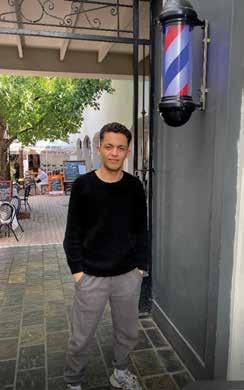
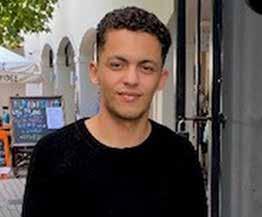
with Mohamed Hesham, owner of Petra Barber
Where were you born and where did you go to school?
I was born in September 1999 in Egypt, in a city called Tanta between Cairo and Alexandria. I went to school and to university in Tanta. Tell us about your family.
My father and mother still live in Tanta. My father is retired and my mother has always been a housewife. I have a younger sister who is a makeup artist.
What did you study after school and how did it happen that you became a barber?
I studied Geography and graduated after four years but it was difficult to find a job in Egypt. I was always interested in the work of barbers, and my uncle had a barber shop where I worked weekends and during holidays.
The art and craft of cutting, styling and grooming the face and hair has a fascinating history, dating back thousands of years, and to this modern day it is still a skillful practice. How long does it take to be trained?
Yes, I have been lucky for my uncle has been a barber for a long time in Egypt and he trained me from a young age. My cousin Begad is also a barber who works in the shop. It takes years of practice before you can call yourself a professional barber.
When did you come to Franschhoek and why? I came to Franschhoek in 2025. It is too busy and crowded in Egypt and it is hard to get a job. My uncle who is a barber moved to South Africa a few years ago, and he helped me to set up a barber shop in Franschhoek.
Through ancient Egypt, barbers held highly esteemed positions and were respected individuals who were responsible for grooming the Pharaohs and high-ranking officials. Who are your customers in Franschhoek?
I have walk-in tourists from all over the world who are visiting Franschhoek. They enjoy the experience, but also the interaction and the conversation. The local people of Franschhoek have been friendly and supportive of my business. I also have female clients who come for eyebrow threading.
Despite the challenges of a changing world, like fashion trends and the modernization of tools like electric razors, there seems to be a revival of the barber profession?
I enjoy my job as a barber very much and like to be a friend for those who come in. I think the customers enjoy the traditional techniques and to be part of an old-fashioned respected personal experience.
Outside your shop you also have the iconic barber’s flagpole of red, white and blue stripes. Does it have a specific meaning or symbolism? Yes, I have the modern electric flagpole and when it is rotating it means we are open. During the previous centuries, barbers also did minor surgical procedures, and the red indicated blood, the blue, the veins and the white, the bandages of healing.
Besides being a barber what other interests do you have?
I studied Geography and like to design and draw maps. I also love soccer.


















There is a particular morning in the Winelands when summer doesn’t fade gracefully—it simply taps you on the shoulder and says, “We’re done here.”
For me, it always begins with the tiles.
One unsuspecting step into the kitchen, barefoot and optimistic, and suddenly the floor feels like it belongs in a refrigerated wine cellar. It’s a sharp, unmistakable chill that travels straight up your spine and delivers the news more effectively than any weather app ever could.
Autumn has arrived. Whether you’re ready or not.
This is what I’ve come to think of as The Great Slipper Transition—that slightly chaotic, mildly dramatic shift from long, lazy rosé afternoons to something altogether more comforting. Naturally, the first task is locating the slippers.

These are never where you left them at the end of last winter. Instead, they’ve migrated. Under beds, behind doors, occasionally in places so illogical you question your own memory. The search becomes a seasonal ritual—part treasure hunt, part acceptance. Once found and firmly on your feet, something else begins to shift—and this is where the kitchen comes in.
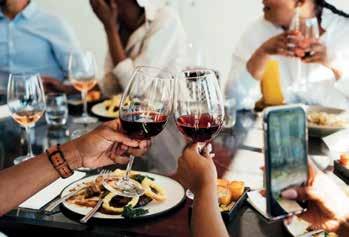
Because as much as we may resist packing away the linen dresses and outdoor lunches, our appetites have already made the decision for us. Where once there were platters of tomatoes, peaches and burrata, suddenly the idea of a steaming bowl of something—anything— becomes irresistible. It’s as if the body instinctively leans toward warmth, toward comfort, toward dishes that ask you to slow down.
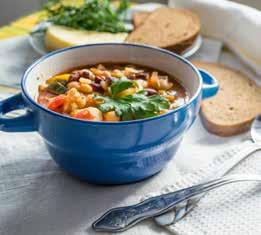
It begins innocently enough. A butternut that’s been sitting patiently on the counter. A few carrots, a slightly tired leek, perhaps a handful of herbs that have seen better days. And before you know it, you’re chopping with purpose.
Soup, at this time of year, feels less like a recipe and more like a reflex.
forgiving. It welcomes the slightly bruised, the overlooked, the last of what remains in the fridge. It invites improvisation.
And yes, there may still be the occasional glass of chilled rosé on the stoep, stubbornly clinging to summer. But more often now, it’s replaced by a mug of tea held between both hands, or a bowl cradled just as carefully.
And just like that, the kitchen has gently, deliciously ushered us into a new season. Here’s a basic soup base where you can add any number of vegetables to it.
Basic soup base:
3 Tbsp butter
1 large onion chopped
1 large potato chopped
750ml chicken or vegetable stock
Vegetables of your choice
10ml cornflour
250ml milk
125ml yoghurt
Salt and pepper


Everything goes into the pot—olive oil, onions softening gently, garlic releasing its warmth. The vegetables follow, then stock, then time. The kitchen fills with that unmistakable aroma: earthy, sweet, deeply reassuring.
There’s something deeply satisfying about transforming a collection of odds and ends into something silky and cohesive. A swirl of cream, a drizzle of good olive oil, maybe a scattering of toasted seeds or croutons. Suddenly, you have a meal that feels like a small act of care.
What I love most about this seasonal shift is that it doesn’t ask for perfection. Autumn cooking is
Melt the butter in a pot. add the onion and fry until the onion has softened. Add the potato and stock and cook until the potato has softened. Add the vegetables you’ll be using.
Simmer until the vegetables are cooked. Blend or puree the mixture, mix the cornflour with a touch of milk to create a slurry and add to the mixture. Pour in the balance of the milk, stir well and continue to cook for a few minutes.
Season with salt and pepper.
Just before serving, add the yoghurt and garnish with herbs.
Leopard’s Leap welcomed both a new winemaker for the acclaimed brand’s portfolio of wines for the global market as well as a new chef for the popular restaurant.
James Ochse started as the new Leopard’s Leap Winemaker on 1 March 2026.
Joining the team from his position as Senior Winemaker of KWV Red Wines, James comes with a wealth of knowledge and experience obtained from his Stellenbosch education and work experience at some of South Africa’s leading wine cellars in Stellenbosch as well as harvests working in New Zealand’s Marlborough region and the Napa Valley in California.
He loves the outdoors, is inspired by the diversity of South African terroir and respects winemaking traditions as well as the charm of this unique heritage. James is excited about the dynamic world of Leopard’s Leap Wines. He looks forward to his role in reflecting the variety and quality of local vineyards and having people all over the world pour a glass of Leopard’s Leap wine when they relax with friends or sit down with family at a table.
Talking about tables.
Chef William Cornelissen recently joined the team to lead the popular restaurant kitchen and continue the Leopard’s Leap legacy of deliciousness on the table.
With more than 25 years of experience both as chef and consultant in kitchens across the Winelands and especially in Franschhoek, William’s love for classic French cooking is all about using seasonal ingredients, ensuring everyday quality and attention to detail - something that can be enjoyed with every plate on the delectable new menu that has just been announced. Expect a selection of light and bright small

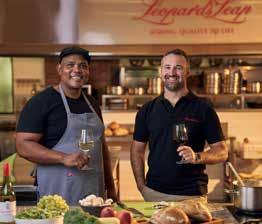
plates, beautiful burgers, delicious pizzas and of course, the famous Leopard’s Leap braaibroodjie! The popular Rotisserie lunches are all about families and friends getting together and are now exclusive to Saturdays and Sundays while he has given weekday lunches a fresh interpretationwith the new winemaker’s wine suggestions! Other than being masters at their individual crafts, this formidable duo is all about ensuring pleased palates and they are working on some exciting food and wine ideas to be announced soon.
www.leopardsleap.co.za | 021 876 8002
Text: Editorial Desk | Image: Supplied


Gx550 Overtrail: The Closet Car to a Dakar Hilux
Superb Overtrail exploits extreme Lexus GX550 off-road ability
When we tested the new Toyota Land Cruiser Prado-based flagship Lexus GX 550 a few months back, we were thrilled by its a powerful and torquey 260 kW 650 Nm biturbo 3.5-litre V6. Mated to a 10-speed Direct Shift automatic transmission, the GX accelerates fast and smooth and the robust towing performance that top end SUV owners expect. And then some.
Packed with pretty well unstoppable off-road tech from its advanced four-wheel drive to optimized suspension geometry and electric power steering for precise handling and responsive, be it in the most rugged conditions or billiard table smooth freeways, the GX is also ready for it all, at home no matter where you drive. The only drawback was the street-oriented SE was, well, just another wannabe SUV that’s forgotten what it is.
Which is where this Overtrail version comes in.
More of that anon. Based on Toyota’s robust GA-F platform, new Lexus GX retains a traditional body-onframe chassis. Bold, sculpted Tonka Toy looks make a powerful statement to deliver a commanding presence rounded off by this one’s purposeful offroar wheel and tyre. A thick bonnet, Lexus spindle
grille and sleek LED headlamps bring a sophisticated, dynamic look. Step aboard to refined and versatile driver centric Lexus luxury and craftsmanship.
Overtrail makes Lexus GX into a real SUV
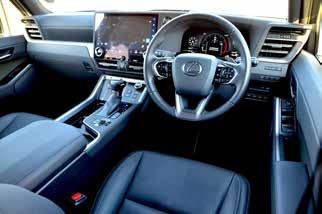
The advanced, fully digital instrument cluster and 14-inch central multimedia touchscreen dominate the dash. GX has lost many of its former buttons for a smarter solution with the main controls still run by the necessary knobs and the rest where it should be on screen. All finished in sublime, high-quality materials.
Luxurious semi-aniline leather, massaging front seats and Mark Levinson 21-speaker premium sound set the tone as GX also delivers an open, comfortable and calming space. A panoramic view monitor, kick sensor power tailgate, autoretractable side-steps and a solid roof rail add versatility and convenience. Rest assured, safety, while pleasantly inobtrusive, is next Lexus level too.
New GX gets an intelligent suite with everything from pre-collision to lane departure and adaptive cruise control.
On the road, the GX is powerful and versatile as expected. Performance is beyond impressive with zero to hundred in the low six seconds and a quarter mile to scare most sporty hatches and sedans. That’s however compromised by the sort of thirst we’d expect from a powerful engine and a surprisingly short tank range for a socalled adventure SUV. We’d expect closer to 800 kilometres of range from an adventure car. We managed half of that. A bigger, or a twin-tank option, perhaps, Lexus?
We couldn’t wait to get our hands on Overtrail We concluded out test of the otherwise identical SA saying that we could not wait to get our hands on an Overland. Well, it certainly was worth that wait! Reading up on the Overtrail, it’s clear that Lexus is pretty proud of the car. “This is the essence of Lexus off-roading,” Chief Engineer Koji Tsukasaki explains. “We engineered it to deliver epic off-road performance in the refined Lexus comfort.” Off-Road guru Kazuyuki Ueno adds. On-Road engineer Shuichi Ozaki concludes, “GX’s refining dynamics excel both on trail and street to deliver luxury and capability.”
With summer coming to a close, FMM’s opening hours have reverted to the April to November schedule. For further details, refer to the Visiting FMM panel.
In recent years, FMM has supported the annual Simola Hillclimb with displays and demonstrations runs with appropriate machinery. This year the museum is going one step further by actually taking part with the legendary ex-Hennie Mostert Renault Gordini hillclimber, which will be driven by workshop manager Lorenzo Farella. The car will also perform demonstration runs during the Saturday and Sunday King of the Hill competition. The Simola Hillclimb takes place in Knysna from April 30-May 3.
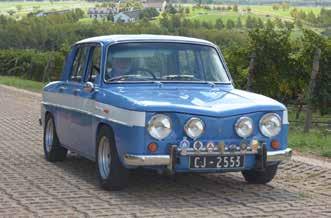
The first of a couple of routine display changes is taking place that will be completed by the beginning of April. Anniversary cars is the theme of the exhibits, either the model’s introduction date or the actual year of the vehicle. Cars dating
back as far as 1910 – a Ford Model T Speedster – will be on view in Hall B along with models from the 1920s, ’30s, ’40s, ’50s, ’60s and ’70s together with a uniquely South African 1990s Caracal roadster and a 2016 Chevrolet Brut pick-up.
Built to deliver ultimate off-road performance, the GX550 Overtrail throws away those city slicker low profiles for a proper set of 18-inch off-road wheels in wrapped in no nonsense high performance allterrain tyres. Add a 20mm wider track and under protector, and its ready for the trail. Unique interior tweaks include durable yet refined materials, distinctive trim accents and state-ofthe-art tech. But wait, that’s not all. Electronic-Kinetic Suspension unlocks the incredible GX’s Advanced E-KDSS ElectronicKinetic Dynamic Suspension System automatically unlocks its front and rear antiroll bars to release extreme wheel articulation. This also allows the independent movement of the stabilizer bars, to releases ultimate on-road performance. Aided by six-mode auto, dirt, sand, mud, deep snow, and rock MTS Multi-Terrain Select, and those proper off road wheels and tyres, GX Overtrail is pretty well ready for anything you throw it at.
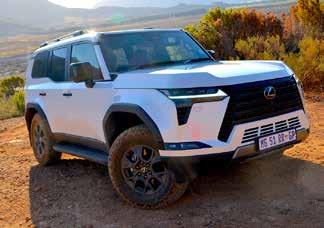
luxury suit packing everything you’d ever need to pamper yourself on, or off the road.
FMM’s opening times are Monday to Friday 10h00 to 17h00 (last admittance 16h00), Saturday and Sunday 10h00 to 16h00 (last admittance 15h00). Entry fees: R90 adults, R70 pensioners and motor club members (with membership ID), R50 children (ages 3-12). Visitors are encouraged to pay via debit/credit card/SnapScan to avoid handling cash. Guided tours are available upon request at no charge. The famed FMM Pitstop Deli is open throughout the visiting hours, offering refreshments, sandwiches, snacks and light meals. There are also counters offering exciting estate products and souvenirs. A selection of wines produced by Anthonij Rupert Wyne is also available. For booking tickets and any other information as well as signing on for a free monthly newsletter, logon to www.fmm.co.za or phone 021 874 9000 or e-mail fmm@fmm.co.za
We were not quite prepared for what followed and had to go back twice to fully exploit it. Simply put, we did not want to hurt the car in our first two runs over our rough and rutted section of eroded test track. The kind of stuff Dakar Hiluxes are subjected to. The third run was pretty well flat out. Overtrail loved it! There’s only one other series production car in this market that can do that.
The Ford Ranger Raptor.
That’s a car we won’t hesitate to rave about when it comes to crossing the roughest terrain as fast as possible. It’s also the closest thing we’ve driven to a Dakar race truck. Until now, that is. This Lexus GX550 Overtrail is Raptor-level off-road. Yet its sweet as candy on the road. Subtly compromised by a little extra road noise, those fatter, higher profile off road wheels make it even plusher and more pliant on the road.
Overtrail shares a Dakar Hilux heart
Moving on, GX550 Overland just happens to be propelled by the same turbo V6 engine that motivates the Dakar Hilux. And with Raptor level off road performance, that makes this car the closest thing money can buy to a real live Dakar Hilux. Only difference is that its wrapped in a wonderful Lexus
Another most salient point is that the Overland is what a SUV is supposed to be. A stunningly capable 4x4 wrapped in a svelte and luxurious suit. This one’s not pretending to be a car, either. It still does what it does best, first and foremost as a true life 4x4. Best of all, this Lexus is, somewhat surprisingly, a bargain, too. We still rate the Raptor as the best vehicle R1.3 million can buy. One step up, we now have this. Pretty much the best darn vehicle R1.8 million will buy.
Images & testing: Giordano Lupini
*Catch all Michele & Giordano Lupini’s motoring adventuresonhttps://theauto.page
In the mid-1930s, the Chrysler Corporation’s design path went into a streamlining phase with models boasting smooth and flowing contours rather than the more formal, boxy, upright shapes that preceded them. Art Deco was also in its prime at that time and Chrysler saw fit to combine the two design influences to produce a new style of car for a population still recovering from the effects of the Great Depression. It was called the Airflow.
Chrysler built a wind tunnel at its Highlands Park facility and by April 1930 it was reported that at least 50 scale model concepts had been tested with the cooperation of flight pioneer Orville Wright. Results found that the then current two-box shape was aerodynamically inefficient and that it was actually more efficient turned around backwards. Lessons learned from the experimentation led to a whole new wind-cheating design utilising smooth, curved bodywork. The car that emerged in 1934 was like no other American production car to date. But it was not solely about aerodynamic efficiency. Applying what they had learned about shape, the engineers also began looking into ways that a car could be built, resulting in a unitary construction being adopted. This not only strengthened the structure but reduced weight, thus increasing the car’s power-to-weight ratio. The engine was positioned more over the front axle line and passengers were seated within the car’s wheelbase to the benefit of weight distribution and handling.
Airflows continued through 1935 and into the following year. FMM’s ’36 Airflow Coupé is an example from that period is essentially the base model and the body number suggests it was the eleventh-last unit to be built in that model year. In fact, being a coupé makes it quite rare as only 110 were manufactured during the 1936 model year.
From the tall waterfall grille to the tapering tail, there is fluidity to the shape that only the modestly raked split windscreen disrupts. Even

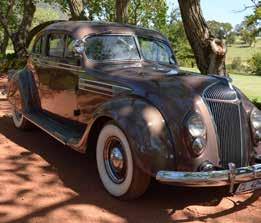
the fenders are semi-integrated into the body –running boards are the only styling feature carried over from established practice of the time. The Art Deco influence can be seen in many styling details. Everywhere you look there is something to be admired – elegance AND function. Oh, and the ‘hooter’ is an attention-grabbing wolf whistle!
The 5,3-litre motor pumps out 86 kW at 3 400 r/ min and a healthy 325 N.m of torque at a low 1 200. Select first, release the pistol-grip handbrake and the Airflow calmly moves away. Transmission is a three-speed manual and a free-wheel was standard. Hydraulic drum brakes all round are well up to the task.
But Chrysler’s styling concept was doomed not to succeed: only 6 275 cars were built. In 1937 the Airflow was discontinued, having failed to capture the imagination – and cheque books – of the people. The design was considered too advanced, too different at a time when Americans sought stability rather than innovation. Chrysler’s bold move was short-lived and proved to be a step too far ahead of its time.
FMM’s 1936 Chrysler Airflow Coupé is on view in Hall B.

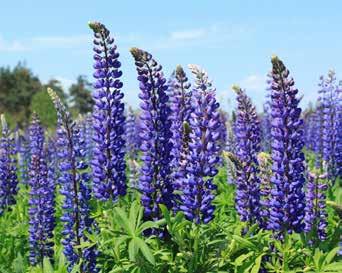
As I am writing this article, it is difficult to believe that we are truly in autumn, no matter whether you use the astronomical, meteorological or solar calendar. This should be the season bringing us cooler, wet weather after the relentless dry heat of summer, yet my thermometer and empty rain gauge defy all calendars. Seasonal climatological data points to a drier winter, but we also know that the Cape weather has a personality of its own and only time will tell where our dam levels end up by the end of the season.
Whether water restrictions will add to our woes or not, now is the time to rethink resilience, self-sufficiency and preparedness for times of disruption. With unrest and wars already blasting energy and essential goods supply chains apart, we might need to look inward for the supply of our most basic human needs. Shortening the supply chain for fuel, shelter, food, clothing and medicine should be a priority of governments and responsible citizens alike. Nowhere else can the responsible citizen make a bigger difference than in their own gardens, extending this through participation in food garden support programmes, beautifying parks and pavements and buying local first. It is only through strong resilient communities where people are willing to share their resources, that we will be able to withstand the threats of climate change, global unrest and economic hardships. Let’s start building our cities of the future from within, starting with the home garden. Growing your own food and medicine makes for popular conversation on social media, as can be seen by the myriads of groups and pages dedicated to this essential skill. Reading through those pages one cannot help but notice how extremely difficult it is for the average person to master this skill. Even the green-fingered struggle to take food growing from a feelgood hobby to any level of selfsustenance. My best advice it to get off the internet and get some seeds in the ground. There is no better teacher than the soil itself. There is still time to get cabbage seedlings going in seedbeds or trays for a spring harvest, and most root crops can be directly
sown now. It is also broad bean and pea season, one of the true delights of early spring. Autumn is also the right season to establish fruit trees in our climate. The garden centres offer such a variety of grafted trees that the gardener will be spoiled for choice to find something that suits their taste, climate and space. While you are there, find some culinary and medicinal herbs, not ignoring the indigenous section. Also visit the seed section and stock up on some flowers for the vase and indigenous annuals for a late winter carpet of colour. We need to focus on functional plants when landscaping our gardens and garden centres are a source of knowledge and inspiration. Your garden might seem like a mess as we are going through this change of seasons. Create some order by getting rid of the last summer crops, sort out the compost area, create some seedling beds and prepare the garden for planting. All underutilised areas can be sown with a mix of grain and legume seeds for a cover crop. Add some of your flower seed to add diversity and brighten up a dull winter’s day. Your garden will need plenty of pruning. Cut back summer flowering shrubs and take note of trees and hedges that might need professional care. Arboriculturists are notoriously busy in winter, and it is best to book them early. The kitchen garden keeps on producing and the chef will be busy preserving he abundance of harvest season. Nowhere can the homesteader show off her resilience more than in the pantry. Strive to go into the winter months with shelves stocked with preserves, pickles, jams, canned vegetables, dried herbs and dehydrated fruit to grant you the satisfaction of self sufficiency that goes beyond mere bragging rights.
Happy gardening
In February, Franschhoek gathered — not just as a community, but as a family — to honour the extraordinary courage of the valley’s firefighters and helicopter pilots.
In the aftermath of this year’s devastating fires, when so much stood at risk, the village band, Uncorked, felt a deep need to say ‘thank you’. These were the men and women who stood between the flames and everything we hold dear — our homes, our livelihoods, our land and our wildlife. From that gratitude, a tribute event was born, selling out within days.
On the night, 300 people came together in a powerful show of unity. With the rhythm of the Uncorked Academy’s marimba band and the energy of a joyful, dancing crowd, the evening became a celebration of resilience, community and hope. There was laughter, there were tears, and there were moments none will forget — from the firefighters’ tug-of-war to a spirited hose conga, as around 80 firefighters and their partners allowed themselves, briefly, to step out of crisis and into celebration.
The generosity of the valley’s wine and beer producers, who donated so freely, made the evening possible, along with the many sponsors who contributed auction items. Each gesture was a reminder of the strength and kindness that define this community.
Proceeds were donated to the Franschhoek Conservancy, whose work ensures that the valley’s natural beauty and biodiversity — is protected and mitigating the impact of future fires and floods in a sustainable manner in accordance with environmental legislation so our beautiful environment will endure for generations to come.
Heartfelt thanks go to Bridge House School for opening its doors, to Ashley Bauer for his unwavering dedication both on the fire line and behind the scenes, and to Chantal Lascaris and
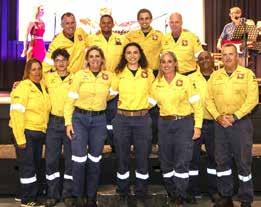
Members of the Volunteer Wildfire Service with the Uncorked band in the background.
her team, whose care and precision brought the event to life. Gratitude also to Martine Bauer, Janice Atkinson, and the support acts, whose contributions helped create such a meaningful and memorable evening.
Above all, this night was about gratitude.


To those who fought tirelessly, who faced the flames so others would not have to — we thank you. Words will never be enough, but this was, in some small way, a reflection of the immense appreciation held by an entire valley. For further information about the conservancy, its projects and more information of the nature around us please visit: www. thefranschhoekconservancy.org.za or join their WhatsApp channel by scanning the QR code.
Text & Photo: Supplied






Edgar Beza

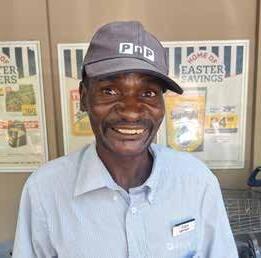
Every town has people who quietly become part of its daily rhythm. People who may not stand in the spotlight; yet whose presence brings warmth and familiarity to those around them. For me, one of those people is Edgar Beza.
When I first moved to Franschhoek, I did not know anyone. Everything felt unfamiliar and, at times, a little lonely. Like many newcomers, I had to find my place and learn the rhythm of the town. One of the first friendly faces that became part of my routine was Edgar.
If you have visited PicknPay, chances are you have seen him. Edgar is usually outside, moving trolleys into neat rows, helping customers carry groceries, or simply greeting people as they walk past. What stands out immediately is his smile. It

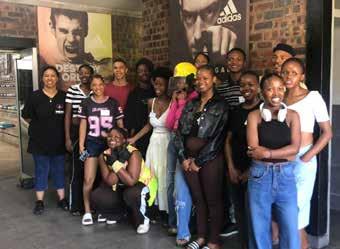
‘Give a man a fish and you feed him for a day. Teach him how to fish and you feed him for a lifetime’: Chinese philosopher Lao Tzu FRANCO fully sponsored and organised a course to provide basic training in Crowd and Event Management for a selected group of 15 local young people aged between 18 and 30. The timing was strategically planned ahead of the first ever Montreux Jazz Festival to be held here on 27 to 29 March, with FRANCO being one of the few local nonprofit organizations partnering with the Festival. Our trainees will end their 4-week course with a practical job shadowing experience and will receive further training by the Festival organizers in specific areas they will be needed, such as crowd management and manning the information centre. Some will benefit too, from job shadowing more experienced personnel at the Festival.
The Skills course is a 4-week programme encompassing: first aid level 1 and 2, health and safety, firefighting, event and hospitality management, customer service and personal presentation and grooming. The Course is SA Institute of Occupational Safety and Health accredited and facilitated by the Heldercare
is constant and genuine, and it has a way of lifting the mood of those around him.
On some days, when life felt busy and my todo list seemed endless, Edgar’s familiar greeting would stop me in my tracks. “Hi friend, how are you today?” he would ask. In that moment, everything slowed down. We would talk for a few minutes, and suddenly, the rush of the day did not feel so important anymore. Sometimes it is the simplest interactions that remind us to pause.
Edgar was born in Mzimba, Malawi, where he grew up in a village surrounded by family and community. He completed school there and, like many others in the area, became a farmer. They grew maize, which is used to make pap, a staple food in many households.
In 2009, Edgar left Malawi and travelled to South Africa to find work. His journey first took him to Johannesburg, where he worked on the Sandton side. Later, a cousin encouraged him to move to Franschhoek.
Arriving in a new town without certainty about the future is never easy. Edgar knew he could not simply wait for work to come to him. One day, he walked into PicknPay and approached the manager, offering to help keep the area tidy
Training Centre with many local guest lecturers adding value to specific modules, such as Ashley Bauer for the Health & Safety part, Jamie Stewart for the First Aid Modules, Tzilka Watson [our FRANCO Manager] for the Hospitality session, and Ciska Augustin Greef from the Chrysalis Spa in the Yard Franschhoek on grooming and personal presentation.
This and subsequent similar courses will prove of financial benefit not only to the young people graduating from this nationally accredited course, but also to the organizers of the many popular annual events held in the town, such as the Literary, Champagne, Music and other festivals for which now there will be a readily available pool of trained locals to employ casually.
For those interested in helping us to help others in the community, please contact our Manager, Tzilka Watson on 0603740353 or via email on info@ francosa.co.za More information about FRANCO will be found on our website: www.francosa.co.za and social media: Instagram #npofranco and Facebook: Franco Franschhoek.

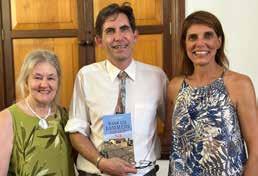
‘Waar die Lammers nie Suip nie’ deur Daniël Lötter.
By ons laaste vergadering lewer Daniël ‘n bogemiddelde bespreking van hierdie fenominale boek. Die lede is opreg dankbaar vir Ingrid Maritz wat alles moontlik gemaak het. Die Leeskring bedank ook graag vir Roleane, Glenda en Luba van die NGK bedank vir die reëlings en moeite. Op die foto vlnr: Hester, Daniël Lötter en Liesl van den Ende, ons tesourier. Ander bestuurslede is Kathy Slazus en Liz Senior. Liz en Liesl neem ons fotos. Hou gerus What’s On in Franschhoek dop vir plasings deur Liz, wat ons Sosiale Media en bemarking behartig. Oppad na ‘n Klooster in die Sneeu deur
by collecting trolleys and assisting customers. Over time, his willingness to work and serve others became clear. Today, he proudly wears his PicknPay hat and badge.
Edgar says he enjoys helping people and being part of the community. Carrying groceries, greeting customers, and making sure the trolley area is neat may seem like small tasks, but to him, it is an opportunity to make someone’s day a little better.
Not every experience has been easy. Edgar speaks honestly about moments when people were not welcoming, and about difficult times during periods of xenophobia, when he and some of his friends had to hide for safety. Even so, he remains grateful for those who have shown him kindness and made him feel part of the community.
Most of Edgar’s family still lives in Malawi, although his wife and one of his sons are nearby. Malawi, he says, will always be home. He remembers it as a peaceful place where communities looked after one another.
That memory shapes his hope for Franschhoek as well. Edgar wishes that the same sense of care and unity he experienced growing up could continue to grow here — a place where people

#Local is Lekker – Community Builds the Community
“Coming together is a beginning, keeping together is progress, working together is success””- Henry Ford.
It’s difficult to find the right words to express our appreciation to our under-16 netball team’s parents and our sponsors. 10 March 2026 was a day full of joy, smiles and excitement for our under-16 netball team as they unveiled their beautiful new kit. This would never have been possible without the relationship that the coach built with the parents. We want to say “Well done!” to coach Sibrina Ouanga for not only focusing on the court with her players but by making sure that the parents are fully involved and sharing in the team’s journey.
Dedicated parents always go the extra mile when supporting the team. Jacqueline and David van der Berg were recognised as the most dedicated parents in 2025 for what they have done in getting sponsors on board to sponsor beautiful new kit for the under-16 netball team.
greet one another, help where they can, and remember that small acts of kindness matter. For many of us, Edgar may simply be the friendly face outside PicknPay. But for those who take a moment to stop and talk, he is a reminder that sometimes the people who do the quietest work can have the greatest impact on a community.
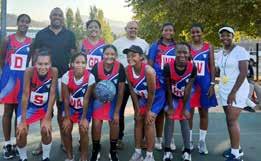
Thank you Van der Berg family for your love and support for this team.
We’re not forgetting our sponsors – which is the reason we feel local is lekker! Being supported in your community by your community is way more beautiful than you can imagine. Thank you very much Huguenot Fine Chocolates; we are very grateful for your generous support. The new kit will boost our young girls’ confidence and energy, foster a sense of belonging and increase focus on the task at hand.
Community builds a community. We are really thankful for all the support given to the Franschhoek Valley Community Sport Centre.
Thank You, Baie Dankie, Enkosi Kakhulu to our sponsors and supporters.
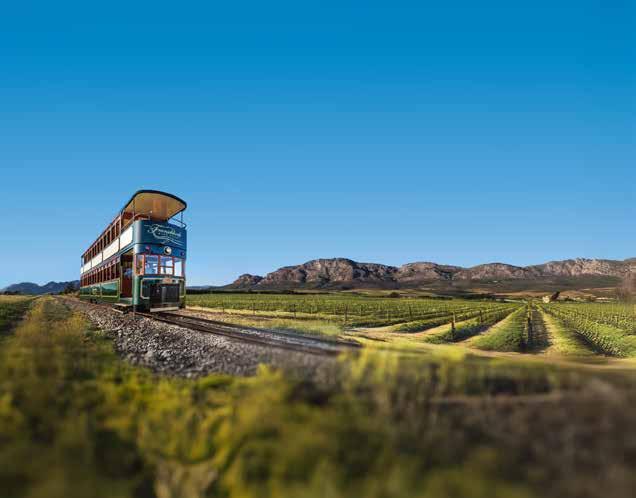
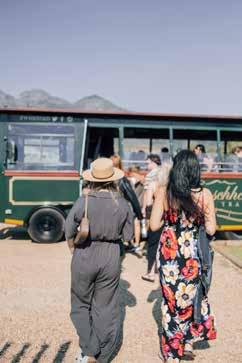
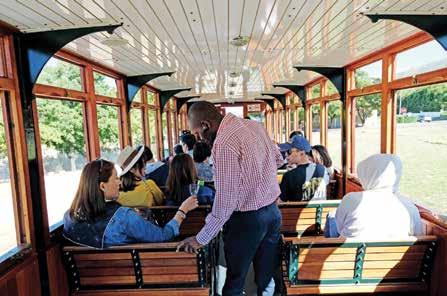
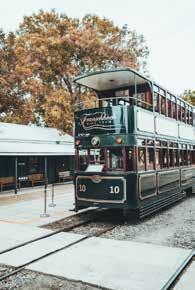
The Franschhoek Wine Tram held its annual charity handover on 25 February 2026, continuing a cherished tradition of giving back to the local community. As part of the initiative, visitors are invited to place their ticket stubs into the selected charity’s collection box upon returning to the terminal, thereby showing their support for the cause of their choice.
This year, a total of R300 000 was shared equally among five charities. The beneficiary organisations reflect Franschhoek Wine Tram owners David and Debbie Blyth’s longstanding commitment to supporting causes that care for children and animals.
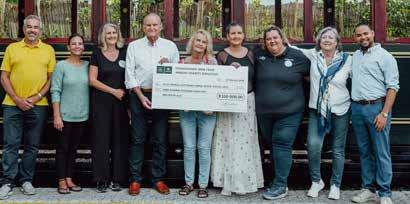
The recipients were FRANCO, Safe Hands Animal Rescue Franschhoek, the SPCA, ACVV and The Kusasa Project.
In the accompanying photograph, from left to right, are Doug Gurr (Kusasa), Tzilka Watson (FRANCO), Juani Beukes (Safe Hands Animal
Rescue), David Blyth (Franschhoek Wine Tram), Debbie Blyth (Franschhoek Wine Tram), Bianca Blyth (Franschhoek Wine Tram), Lilly Konstabel (SPCA), Polly Meyer (SPCA) and Heinchal de Jongh (ACVV Franschhoek).
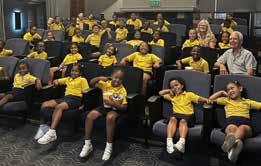
Learners from The Kusasa Academy recently enjoyed a special screening of Khumba at the Franschhoek Theatre. For many of the learners, it was their very first cinema experience. The excitement was clear from the moment they arrived. The Academy’s youngest learners climbed into oversized theatre seats with popcorn in hand, eyes wide with anticipation. Laughter filled the room as they experienced the magic of a movie on the big screen.
Khumba tells the story of a zebra born with only half his stripes who must learn that being different is something to embrace. One Grade 4 learner summed it up beautifully: “You don’t have to be the same as everyone to fit in.”
The message of courage, perseverance and self-
belief was incredibly powerful for children growing up in challenging circumstances. The learners experienced more than just a joyful outing. It created a moment of inspiration, reminding them that they are unique, capable, and free to dream big.
This memorable outing was made possible by the generosity of Joanna and David Ulph and the Franschhoek Theatre – thank you so much!
Text & Image: The Kusasa Project
Siegfried Schäfer
Dear Readers

I’m sure many of us have asked “Why can’t Franschhoek be its own municipality?” I don’t intend to answer that question here, but will say that much as I would like that too I can’t see how it makes financial sense. It’s going to remain one of those things that are technically possible, but will not happen unless things go really pear-shaped or higher levels of government decide that it is in their interest to allow it. I hope the former doesn’t happen and am not holding my breath for the latter to happen!
Despite our limited prospects at more local control, I am quite fascinated by how new forms of governance are emerging, often as result as of the decay of official institutions or changes in the macro-environment.
Prof Koos Malan wrote a most insightful piece on Politicsweb in 2023 on ‘The emergence of substitute governments in our dissolving order.’ In it he unpacked several ways in which communities have organised themselves to provide the services that would usually be expected from a properly functional governmental system. While these often provide hope and services where they would otherwise not exist, they do leave taxpayers having to pay twice for their services. Once to a dysfunctional official state institution and again to the alternative, often commercially-driven entity, that is actually providing the service. Private education, healthcare and security can all be seen in this light.
As with many things in life, technology is often the driver of changes in other spheres. Governance is no different. Bloomberg recently reported on a cutting edge ‘cyber city’ development in Zanzibar that “is part of a broader tech-fuelled effort to create alternative governments.” What makes Dunia Cyber City different is that it aims to have ‘virtual residents’.
The actual city will be developed on a 71 hectare property on the Fumba Peninsula and is intended to house 5000 –7000 residents. This excludes what the developers hope will be thousands more ‘virtual residents’.
To make sense of the proposal though one has to look at its intellectual origins. The proposed Dunia Cyber City falls into the category of what is called a ‘network state’. The network state can in relatively simple terms seen as “a reaction to a growing sense that traditional governments are no longer functional, filtered through an internet-native worldview.”
Network states are an evolution of the idea of a special economic zone. However, instead of only attracting businesses and industrial facilities network states also aim to attract permanent residents who form part of ‘ideologically aligned online communities’. These can be anything from pescatarians to cat lovers or Bitcoin aficionados. Cryptocurrency and cutting edge technology infrastructure are the other pillars of network states and cyber cities.
Let’s circle back to the idea of virtual residents. This is particularly aimed at digital nomads who live, travel and work all over the world. For them Dunia
Cyber City is supposed to provide an e-residence. A place where “people navigating multiple tax regimes would find a place to claim residence, and to find alignment in their embrace of ‘technological sovereignty,’ favouring open-source platforms over Big Tech-run ones.”
There are several other attempts in various places to establish such network states, and they all seem to have their own problems. As one observer pointed out, “The problem is that many people involved in the network state movement do not have any background in politics. This could be an advantage because they won’t make the same mistakes that have been made for centuries – but it could be a disadvantage because they may unwittingly repeat those mistakes.”
Could Franschhoek become a cyber city or network state? Who knows, but it would be nice to collect taxes from people who don’t live here and use them to improve local lives, wouldn’t it? Until next month!
Cableway Open Letter
Dear Pieter Graaff,
Your recent actions in your endeavours to establish the Skytram, have mobilised me to declare my thoughts on paper in this open letter. I will also share this letter with my community, hence the reason for me writing in English.
A letter written out of respect for my father’s legacy and all of those who have served our Franschhoek community over the decades. And a thank you to those, still serving our small community with altruistic norms.
A brief historic background: My father served as mayor for three terms between 1979 and 1990. As mayor he told his council members that no payment will be taken during his term as mayor, which they all accepted. Work was done to serve a community he cared for.
My father was a founding member of The Franschhoek Trust in 1986, whilst acting mayor. A founder member of the Franschhoek Aesthetic Committee. With Shirley Parkfelt they planted and watered all the beautiful matured trees you now see next to the main road
Open Letter Response
Dear Eddie,
I am writing to you in response to your recent communication concerning the proposed cableway development in Franschhoek. I wish to begin by acknowledging your longstanding contributions, along with those of your father, to the natural environment, tourism, and overall advancement of the Franschhoek community. We deeply respect the work you have undertaken and recognize its significance in shaping the region. Our aspiration in proposing the cableway is to build upon the foundation you have laid for a thriving tourism sector in Franschhoek.
I also wish to address the impression conveyed in your letter that my shareholders’ substantial investment in expanding Franschhoek’s tourist offerings is driven solely by a profit motive. This is, unequivocally, not the case. A nearly half-billion Rand investment in a project with a protracted timeframe for achieving reasonable
Because I give a Dam.
As a concerned villager I would like to set out my concerns about the current situation around the Berg River Dam lease since the leaseholder started to restrict access and charge for entry. I feel that - as a villagewe should all care and think more about what has been happening since December 2025 to this valuable resource for everyone in the Franschhoek Valley. My objection is not to being made to pay to use the amenity which the dam and its surrounding area provides. There has long been a charge that allowed access and provided for trail maintenance, although perhaps this honesty system may not always have worked perfectly. I can certainly say that had the leaseholder introduced a reasonable charge in line with that at Mont Rochelle Nature Reserve the current level of controversy would not exist. My issue is the way this situation has developed and the way the campaign around it has been presented. The narrative presented has suggested that this space - one many of us have enjoyed without incident for years - is a problem area, full of danger and criminals. This description is not the Berg River Dam I know and love and it makes me angry to hear it described as a place of fear.
During this process there has been no clear public consultation on the lease and no transparency around what areas the lease covers or under what authority charges can be levied and access restricted. The pricing for access has been set at a high level which does not reflect the limited facilities provided. The effect of such high entry prices is to make it unaffordable to many in the local community. It is easy to see why this has led to upset and outrage. I am saddened that there has not been more
entering Franschhoek, all the way down past La Motte. All done out of their own pockets to make Franschhoek beautiful, after they managed to get Sappi to donated the trees. There are plenty more of these type of stories. He also served as a lifetime member of The Huguenot Society of South Africa. It is not widely known, but he was also a founder member of tourism in this valley. In the middle 80’s he had the vision to bring regular steam trains from Cape Town to Franschhoek. Negotiated with the then Minister Hendrik Schoeman, who also later attended the official opening of the new restaurant. As chairman of Franschhoek Vineyards he secured 6 vintage train coaches, that were restored and turned into a restaurant. One of only a few restaurants in Franschhoek in those days. For years after being mayor he continued to serve on various other committees, all in the interest of Franschhoek and its surrounds.
Your tourism proposal smacks of “self-capture” appearing self-serving, in contrast to my father and my beliefs. The tourism claims in your proposal so uninformed.
profitability would be a fiscally imprudent decision if profit maximization were the sole objective. Investing in equities or bonds would offer far more immediate and reliable returns.
Furthermore, it has never been the intention of the developers to disregard the Franschhoek community in the planning and implementation of this project. From the outset, our overarching priority has been to develop a project that meaningfully contributes to the Government of National Unity’s objectives of job creation and economic development. We are committed to ensuring that the primary beneficiaries are the historically disadvantaged communities surrounding Franschhoek, while simultaneously bolstering the region’s tourism industry in a responsible and sustainable manner-– an industry that you and your father have been instrumental in establishing. Regarding your inquiry about my family’s contributions to the welfare of Franschhoek, I would like to bring to your attention my sustained involvement in
concern about this. And frustrated that the apathy seems to come from those who feel the pricing is good value, equivalent to giving up a weekly coffee. That is fine for those of us who can afford this luxury. But what about the people in our community who cannot afford to feed their children by the end of the month, let alone forego a cappuccino. Does their right to access this area just not count? Do we want to live in a village where division due to financial means is normalised? Or do we want to live in a village where we care for each other - and find a way to allow access to this precious area to all?
I am aware that I am in a position of privilege when I write this letter. My children have access to a safe garden and space to run around. I have a car and can drive them and my dog elsewhere for recreation. We can visit wine farms, playgrounds, the seaside and SANParks. For others who are less fortunate this is their garden.
As a point of reference a Wild Card family pass for access to over 80 SANParks (and the plethora of facilities they provide) costs R1870. The equivalent annual pass to the Berg River Dam costs R3000. This grants access to a basic carpark, 2 portaloos and 2 dog stick libraries. It does not seem a comparable offering. For some in the community, the dam is the only accessible area for recreation and nature and space. And now they are priced out. In this era of screen time, we are all aware of how important it is for children to have time and space to explore naturefor their physical and mental health and emotional development. But now access to this precious resource is effectively out of their reach.
Perhaps if the community had been approached, perhaps if a business plan had been provided,
Pieter Eduard Haumann was a visionary conservationist and a SANParks Honorary Ranger to the end of his life. His vision for conservation went beyond Franschhoek, he founded Postberg Nature Reserve in 1968, now incorporated into the West Coast National Park. For years he served as board member on the Mont Rochelle Nature Reserve committee, established in 1982. He was a founder member of the Theewaterkloof Nature Reserve. A vision shared to create a bigger more sustainable wilderness area which today is part of the Cape Winelands Biosphere Reserve, declared a UNESCO World Heritage Site - now targeted by you! Do you know that you are also targeting critically endangered Kogelberg sandstone fynbos?
A love and respect for nature was part of my inheritance. Developments like yours, targeting wilderness areas for own personal enrichment is shameful. Wilderness and protected areas, which includes National Parks, nature reserves and heritage sites comprise about an alarming 9.5% of South African land today. The cabling of Mont Rochelle Nature Reserve is a NO for my community. To exploit nature, legacy and community, and turn it into a cheap commodity, is abhorrent!
Your pro-Cableway taxis in our valley do not go unnoticed. Buying support and targeting the
supporting community projects and making a difference in the lives of others.
Your concern that the proposed cableway would irresponsibly damage the UNESCO-designated Winelands Biosphere, the Kogelberg sandstone fynbos, and the Mont Rochelle Nature Reserve is demonstrably unfounded. Our research, including numerous UNESCO documents pertaining to cableways in UNESCO World Heritage Sites, indicates the contrary. These findings underscore our commitment to environmentally responsible practices and highlight the fact that cableways are often the most sustainable means of ensuring access to sensitive heritage sites. We believe that this project can be developed in a way that complements and enhances the existing natural beauty and ecological integrity of the region.
It should be noted that the cableway project remains far from certain, as it is subject to a rigorous Environmental Impact Assessment (EIA) process being
perhaps if pricing had been published ahead of time there would not be so much upset and division over this development. We all would like the dam to be a safe environment to enjoy. Maybe with consultation prior to building gates, fences and putting up CCTV and “No Access” signs a more inclusive and profitable business model could have been developed instead. Perhaps my ideas are unrealistic or pointless to list. But for what it is worth, here is what I would like to see at the dam, and, contrary to suggestions, it is not to strip people of their jobs or to tear down the gates.
The biggest danger at the dam is drowning and even since the gates have been manned there has sadly been one reported drowning. Charging for access has not provided for any monitoring or any provisions to improve the safety of the water here. If public safety is one of the biggest concerns - as the leaseholder assures me - implementing surveillance of the water would have been preferable to CCTV monitoring of potential access points and of the car park. Safety boards with information about the natural hazards at the dam with emergency contact numbers should be provided. Although it is difficult, due to the variable water levels, some kind of supervision of the water could be provided at “safe swim spots”.
The dam should be accessible at a reasonable charge in line with facilities provided, which realistically would be similar to charges to access Mont Rochelle Nature Reserve. Reduced fees should be charged for lower-income residents, and to subsidise these increased fees could be charged for international visitors. To encourage international visitors to use local companies or tour guides, and to prevent prohibitive and unattractive charges for local bike rental companies or walking guides,
vulnerable in our community displays desperate tactics. The fact that neither you, your partners or your professor turned up for the meeting, that you scheduled for the 11th of February 2026, in Groendal is a clear proof of your disrespect for our community. Sad to think it’s fine to steal our time. Has the Graaff family made any contribution to Franschhoek yet? Is this merely a transactional relationship whereby you only contribute expecting a financial reward in return?
My father, a Honorary Town Member of Franschhoek, would have objected to your development, so do I and many others in my community. I thus write to you as an appeal to do what is right, surely something that your father would have regarded as important. My roots run deep and my concern is huge. This is an invitation to come and meet me, and my community in person. In our valley to debate what is best for this community, this environment, for generations to come.
It is difficult to understand how a family that publicly claims a “shared responsibility” to the environment and the community, now wants to develop in a UNESCO World Heritage Site – shame to the Graaff’s and their legacy.
Regards Eduard Haumann, La Provence, Franschhoek.
conducted by reputable, independent specialists to ensure that all identified impacts are either avoided or appropriately mitigated. Should the project ultimately receive approval, it is anticipated to yield considerable catalytic benefits — including upgrades to road and parking infrastructure — alongside substantive socioeconomic upliftment for the Franschhoek community through direct and indirect employment opportunities, as well as meaningful financial contributions toward conservation initiatives, wildfire management, and local community development projects.
Given our prior interactions and recognizing your deep understanding of the Franschhoek community and environment, I would welcome the opportunity to sit down with you for a constructive discussion about this project and to address any further concerns you may have.
Sincerely, Pieter Graaff
access via these local services could be charged at reduced rates, since they are purchased through a Franschhoek business.
Self-guided, informative nature walks could be provided for visitors, with maps available to purchase at the gate. Guided walks could be prebooked at an additional charge for locals and tourists to learn about the area’s history and its flora and fauna. School trips or orienteering days, scavenger hunts or activity mornings for children could be organised. Guided sunset hikes or full moon hikes would provide additional revenue and job opportunities. Over time, as the charges actually translate into improved facilities, then entry charges could properly rise.
I understand that to some increasing the number of people using the space may itself be unattractive. But there is enough space over the many kilometres of trails to ensure all could enjoy this special place. If the leaseholder had engaged with the community before development began, and taken time to understand both the importance of this area to local families and its complex history, this conflict might have been avoided.
With open communication and co-operation, rather than division, the remaining eight years of the lease could be spent to the benefit of both the leaseholder and the community - not in an ongoing dispute over a place that should unite us.
We should work together as a community to manage the dam - this cherished area of water, recreation and incredible biodiversity. Its beauty should be accessible to all. We owe it to the village and to the valley to preserve it for the benefit of everyone.
Vicky da Silva
“Wouldn’t it be nice to get on with my neighbours?” (from “Lazy Sunday” by Small Faces)
Maintaining friendly relations with the neighbours, has probably been a primary aim of homeowners since the dawn of history.
A recent High Court fight over parking rights is unfortunately pretty much par for the course when it comes to neighbourly relations deteriorating into open conflict, both inside and out of the courtroom.
“You can’t park here!” “Yes, we can!”
The setting for this fight: Higgovale, a small and affluent suburb on the slopes of Table Mountain in Cape Town. In one corner: a couple with the right to access their garage using a servitude road. In the other corner: the neighbours, alleged to have

impeded the couple’s garage access by parking in the road.
At the heart of the dispute: the road servitude. Servitudes involve a balancing act between the right of the “dominant owner” to exercise the servitude and the right of the “servient owner” to have the servitude exercised in such a way as to impose the “lightest burden” on their property.
The garage-owning couple’s initial stance was to ask the Court for a blanket interdict against all parking by the neighbours in the road, but they later softened that to ask only for an order against their garage access being obstructed.
The Court had no hesitation in ordering that the neighbours “are interdicted and restrained from parking vehicles on the servitude area at … Higgovale, in such a manner as to unreasonably obstruct the applicants from entering and exiting their property and exercising their right of way.”
It is always a joyful experience when a neglected historical place has been restored to its former glory and purpose. It is even better to experience the rejuvenation, vitality and energetic buzz of a games club as it is meant to be.
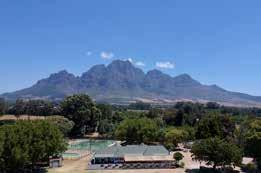
The Groot Drakenstein Games Club (GDGC), with its rich and proud history, was not too long ago in a state of neglect and despair due to a lack of finance, but earlier this year there were jubilant celebrations when the club was re-opened after it was rejuvenated and restored.
Behind the scenes of this project sits a formidable powerhouse couple, Rob and Kate Walker.
The Walkers have combined their distinct backgrounds to lead a thoughtful and professional turnaround for this historical landmark. Rob, a Mail and Guardian Top 200 honouree, is a specialist in large-scale organisational change and director of Africa’s premier solar car endurance competition. Partnering with him is Kate, a programme management leader, who previously headed customer success operations in the tech sector. Kate, who has an appreciation for architecture, design and history, played a key role in the execution of the renovation. As this club was founded in 1895, it was very important to preserve the club’s rich history and legacy. The traditional English cricket club ambience and style is still present, but with a touch of contemporary sophistication. Within a record time of less than three months, just before the new cricket season opened, she and her team managed to renovate the interior of the clubhouse.
The authentic bar counter was revived, along with a sports shop, a library nook, a spacious conference area, lockers and restrooms. To her surprise, Kate discovered boxes in the attic with precious old photographs, newspaper clippings and cricket memorabilia which were cleaned, mounted and displayed on the walls, honouring
the history of the club and providing a pleasant sense of nostalgia.
The goal of the GDGC is to provide an inclusive space for all the communities of the valley – a place to spontaneously meet and connect. The primary focus will remain on cricket and to host touring cricket teams, however the club has already expanded its activities beyond cricket and boasts newly constructed Padel courts. It also introduced several societies and exciting classes for fitness, arts, dance, acting and wellness programmes for children and the community at large.
It then comes as no surprise that the GDGC membership has subsequently shown rapid growth from 26 paid members in 2025 to 135 paid members now. Set against its beautiful landscape backdrop and with its rich sporting history, may the legacy of the GDGC continue to flourish and grow under the passionate new management team.
The GDGC is open from Wednesday to Sundays.
Text: Ingrid Maritz | Images: Supplied

In doing so, the Court took the parties to task for failing to settle their dispute out of court, and urged them to settle based on good neighbourliness, and to consider demarcating parking bays in the road as a short-term solution.
The parties now have to pay their own costs (except for the costs of one interim application), and they’re effectively back to square one: having to engage with each other to try to find a fair solution.

What’s a “reasonable neighbour”?
Per the Court (emphasis supplied): “While the common law requires that neighbours act reasonably, the Constitution shows what a reasonable neighbour looks like. She is not only concerned with advancing her own private interests but cares also for the needs of her neighbours. She seeks mutually beneficial solutions. The mindset of the reasonable neighbour is one of collaboration,
not competition. She sees herself not as an isolated individual, but a partner in an interdependent community of persons, all of whom are to be respected and valued.”
First prize: Settle!
Courts want us to settle these sorts of disputes in that collaborative spirit, without recourse to law. But if a friendly discussion over a cup of coffee doesn’t resolve the situation, more robust action might be unavoidable – we’re here to help if you need us.
First published in LawDotNews.
Luggage storage now available in Franschhoek

Check out at your AirBnB is at 10am but stil have lots to do? Drop your bags with us to baby s t
R50 / hand uggage
R100 / large suitcase
R150 / large tem (bicycle golf clubs etc)
R50 / nd viddua safe for valuables
Per day or part thereof
Overnight available
Open 8am to 6pm
Collection available within Franschhoek
Whatsapp Robyn @ 083 383 1614 for more info and to book your space










I know it will have come and gone by the time you read this, but April Fools’ Day – the first of the month – makes me think of foolishness in general. And perhaps there are two very different types of foolishness: the obvious lunatic idiocy of a warlike world ruled by despots, and a gentler ‘foolishness’ of simplicity that is often a kind of hidden wisdom like that of Lear’s fool offered kindly to the demented king.
It is the first of these definitions that concerns UK poet w.Terry Fox. His poem’s rhyming lightness belies a powerful message for our times, implying not only our subservience to malign political influences but also our possible complicity in them as we sway along to the Dance of Fools.
Dance of Fools
We’re blocking out the sunshine
With bricks and steel and mortar
Betraying all the animals
And creatures of the water
Custodians of this earthly realm
The ark with the madmen at its helm
Riding on the music’s swell
In the Dance of Fools
We’re kneeling to religions
Setting sister against brother
Geography has become a crime
Black and white is colour
Cathedrals with their tolling bells
Ring praise to streets of grand hotels
Prophets preach all is well
In the Dance of Fools
We’ve squandered our integrity
On the fish-eyed politician
Whose micro-chip mentality
Predetermines each decision
Nations with their war machines
Insist on elitist philosophy
In the choreographed insanity
Of the Dance of Fools
When the last notes die and silence rules
As you know it must
All that’s left of the Dance of Fools
Will be footprints in the dust
So take your partners by the hand
Follow the leader of the band
Sing along and clap your hands
In the Dance of Fools
w. Terry Fox
(from For Rhino in a Shrinking World; Poets Printery, 2013)
In his wonderfully simple poem ‘Do not ask your children to strive’, William Martin juxtaposes adherence to society’s demands for strict conformity, which he calls “the way of foolishness”, with the ordinary yet “infinite pleasure/ of the touch of a hand”.
Do not ask your children to strive
Do not ask your children to strive for extraordinary lives. Such striving may seem admirable, but it is the way of foolishness.
Help them instead to find the wonder and the marvel of an ordinary life.
Show them the joy of tasting tomatoes, apples and pears.
Show them how to cry when pets and people die.
Show them the infinite pleasure in the touch of a hand.
And make the ordinary come alive for them. The extraordinary will take care of itself.
William Martin
(from The Parent’s Tao Te Ching; Balance, 1999)
What kind of glorious ‘foolishness’ is this? Easily the best kind, I would argue.
Finally, American poet e.e. cummings acclaims a similar ‘foolishness’ when he proudly announces “wholly to be a fool/ while Spring is in the world// my blood approves” – and for him, of course, April was the very epitome of springtime.
since feeling is first who pays any attention to the syntax of things will never wholly kiss you;
wholly to be a fool while Spring is in the world
my blood approves, and kisses are a better fate than wisdom
lady i swear by all flowers. Don’t cry –the best gesture of my brain is less than your eyelids’ flutter which says
we are for each other: then laugh, leaning back in my arms for life’s not a paragraph
And death i think is no parenthesis e e cummings
(from 50 Poems; Mass Market Paperback, 1940)

Mother Mary Comes To Me, by Arundhati Roy
Publ. Hamilton. 373 pages.
There are three strands to the latest, ambitious, book by Arundhati Roy. It is a memoir of her tumultuous life with her tyrannical mother, it is a record of the origins and growth of her political involvement and it is an evocation of the development of her capabilities as a novelist. In all these roles: as an independent-minded daughter, as a free-thinking activist, and as a creative writer, she asserts her independence, and develops her voice as a spectacular writer.
For me one of the unexpected delights of this book was the fact that it drove me back to find my copy of the 1997 Booker Prize-winning “The God of Small Things” and then to reread it with even greater pleasure. I had forgotten Roy’s infectious delight in words. And I could now clearly see how the real people in her life re-appear as unforgettable characters in the original novel.
Dominating this memoir is her mother, the “Mother Mary” of the title, who was an overbearing, authoritarian, unconventional mother who offered her daughter no support or love or even praised her openly.
Yet, professionally, she was a remarkable woman, a minority Christian from Kerala, (a Southern Indian State on the Malabar Coast), who married a Bengali and left him when he became an alcoholic. She was an eccentric, shrewd educationist who, against all odds, created one of the first schools in Kerala. This school, still in existence, ultimately became a nationally renowned college.
In due course, she began to occupy a niche in society and was recognised as a formidable intellectual force. She became a women’s rights activist and fought against discriminatory inheritance laws.
She remained a pivot in in Roy’s life, a bright flame around which she circles, often getting her wings scorched, barely surviving the malignant lack of appreciation.
Yet, Roy the daughter is profoundly ambivalent
about her relationship with Mother Mary. On the one hand she needs this peculiarly powerful influence to power her imagination; on the other she resents the total absence of any praise, or acknowledgment of her success as a novelist. Roy’s detailed description of her childhood and youth, her single-minded struggle to simply survive is fascinating. One understands how these graphic autobiographic details became the building blocks of her later success as a novelist. Her spell as a student of architecture and her subsequent bursary to study in Italy opens her mind to art and history beyond the confines of India. After that, her accidental falling into acting and movie-making leads to a career as a screenwriter. All of these phases of her life, complete with love affairs and heartbreak, are vividly described and make for engrossing reading.
Her powers of recall are immense and we travel with her on expeditions to remote parts of India during her filmmaking career. We also share her despair and hunger when the jobs in this notoriously fickle occupation dry up, and she literally lives a hand-to-mouth existence.
The defining moment in her life comes when she and her partner (later husband) are settled in the movie-making business and she decides to start writing “The God of Small Things.” This gift of writing sets her aside from the other young, ambitious, clever Indian artists.
The financial success of the book when it wins the Booker Prize is revelatory. Roy throws herself into politics, famously opposing the building of dams. She also becomes a vociferous opponent of Hindu nationalism, and of the new Indian elite that arose from rapid globalisation. Of course, globalisation is part of her success and, ironically, the many translations of her prize-winning book enable her to carry on with her political activities. This remarkable memoir was born from the flood of memories and feelings that were provoked by Roy’s mother’s death. She was a confounding person, and Roy wanted to share her with the rest of the world.
Her relationship with her mother is abandoned for long stretches of the book, yet Mary never really departs the scene. This sharp, restless, ironfisted and charismatic woman ultimately shapes the life of her daughter – the wonderful author of this utterly mesmerizing book.







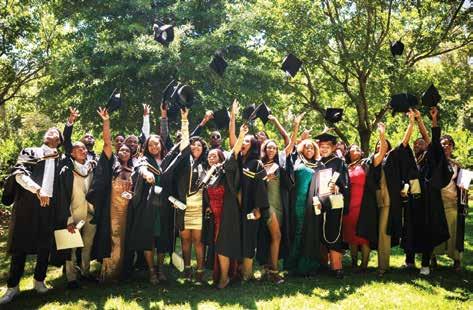
Courses include: Front of House, Food & Beverage Service, Housekeeping, Cooking, Wine Service, Introduction to Wine, Barista and the Art of Coffee making, ILO Partnered Entrepreneurship Course: Generate Your Business Idea (GYB), Start Your Business (SYB), Life Skills, Lobster Ink e-learning, How to Ace An Interview. 4 months compulsory internship, International Pathway for 2 students on a fully funded bursary to study at the ITM (International Institute of Tourism & Management) in Austria. Evening courses available for industry professionals or those who wish to upskill.
9 YEARS SINCE THE PROGRAM STARTED. 96% OF OUR STUDENTS ARE FULLY EMPLOYED WITHIN THE HOSPITALITY INDUSTRY IN SOUTH AFRICA AND ABROAD.
C ontact : shaneill@fhalc.co.za www.fhalc.co.za
Monday, 22 June 2026, 18h00 for 18h30 Franschhoek Theatre, 15 Akademie St
p.p.
BUT
No matter how well-meaning, direct support keeps our children on the street: Giving money or support of any kind directly to children on the street might seem harmless, or helpful, to members of the public, tourists, and businesses. The truth is that it means keeping them out of school, on the streets, and locked in the hands of those exploiting them.
Unfortunately, once a child settles onto the street and allows the street to become their survival paradigm, they become locked into street life and resistant to change
The money they get from begging: No program, organization, centre, or school can compete for the child's attention when they can earn over R50 a day in our smaller provincial towns, never mind the odd foreign currency equivalent of R200. This money is not used for food or schooling needs but goes directly into substance abuse, or is handed over to support their guardians' substance abuse.
Food from restaurants and locals: Many restaurants, small businesses, and individuals feel sorry for the children, so give them food and even small jobs for money. This helps sustain the children on the street, validating their impression that life on the streets is better and
keeping them out of school and out of the programs set up to look after them.
Public support: Many well-meaning members of the public give the children shoes, clothes, and food items. Most of this is sold or traded and is used not only to sustain them on the street, and pay for drugs but also to encourage them to remain on the street. Many people want to help but often don’t know how to give responsibly. By donating to the FRANCO StreetKids Centre, you can make a significant impact on our children’s future. We offer daily hot meals, tutoring, mentoring, hygiene facilities, trauma counseling, sports, karate, yoga, and skills programs. Most importantly, we provide LOVE and RESPECT for their innocence.

Executive Summary
The debate over infrastructure development near UNESCO World Heritage Sites is rarely simple. Buffer zones — the protective rings surrounding nominated properties — exist to shield the Outstanding Universal Value (OUV) of a site from harmful external pressures. Yet this protective mandate need not preclude all development.
Cableways (aerial tramways, gondolas, and funicular systems) represent a unique category of transport infrastructure that, when thoughtfully designed and rigorously regulated, can serve the very conservation goals that buffer zones are meant to uphold. This document presents a comprehensive, multi-dimensional argument for permitting cableways in UNESCO buffer zones under appropriate conditions.
1. Understanding the Buffer Zone: Purpose and Flexibility
UNESCO’s Operational Guidelines for the Implementation of the World Heritage Convention define buffer zones as areas surrounding a nominated property with “complementary legal and/or customary restrictions placed on its use and development to give an added layer of protection.” Critically, these guidelines do not mandate that buffer zones be entirely free of infrastructure. They require that any development not adversely affect the OUV of the core site. This distinction is fundamental. Buffer zones are not sacred exclusion areas — they are managed transition zones. Many existing World Heritage buffer zones already contain roads, hotels, visitor centres, agricultural land, and even residential communities. The question is not whether infrastructure belongs in buffer zones at all, but whether a specific infrastructure type serves or undermines the site’s protection. Cableways, assessed on their actual impacts, frequently land on the side of protection.
2. Cableways Reduce Ground-Level Environmental Damage
Perhaps the strongest conservation argument for cableways is the one most overlooked: compared to road construction, cableways cause dramatically less ecological and landscape damage.
Roads built to access mountainous or ecologically sensitive heritage areas require: Mass clearing of vegetation along wide corridors; Permanent alteration of hydrology and drainage patterns; Ongoing erosion, dust, and chemical runoff from vehicle traffic; Constant maintenance interventions that disturb wildlife habitats; and Fragmentation of ecosystems that impedes species movement.
A cableway, by contrast, has a minimal ground footprint. Tower foundations occupy small, discrete areas. The corridor beneath the cables can retain its natural vegetation, continuing to function as habitat and wildlife corridor. Construction disturbance is concentrated at terminal points and tower bases, and once operational, the infrastructure generates no road noise, no exhaust pollution, and no ongoing surface disturbance along its route.
In this sense, a cableway may be the least damaging viable access solution to a heritage landscape. Refusing cableways often forces planners toward road expansion — a choice that is objectively worse for the environment the buffer zone is meant to protect.
3. Visitor Management and the Carrying Capacity Imperative
Mass tourism is among the most acute threats facing World Heritage Sites today. Unconstrained vehicular access enables unlimited visitor numbers, resulting in:
Soil compaction and trail degradation; Disturbance of sensitive flora and fauna; Pollution of waterways; Overcrowding that diminishes the visitor experience itself; and Security and emergency management challenges.
Cableways offer a powerful tool for visitor flow regulation. Because gondola systems have fixed
capacities per cabin and per hour, they naturally cap the number of visitors arriving at any given time. This built-in constraint transforms the cableway from a mere transport tool into a carrying capacity management instrument — one of the most valuable assets a site manager can possess.
Several mountain and coastal World Heritage Sites struggle with peak-season crowding that threatens both ecological integrity and cultural authenticity. A cableway system, by replacing unbounded road access, can reduce total visitor numbers to sustainable levels while simultaneously improving the quality of the visit — a rare win-win in heritage management.
4. Accessibility, Equity, and the Democratic Argument
World Heritage Sites belong to all of humanity.
UNESCO’s own founding philosophy emphasises that these sites represent the “common heritage of mankind.” Yet many heritage sites — particularly those in mountainous, coastal cliff, or otherwise rugged terrain — are effectively inaccessible to large segments of the population: the elderly, people with physical disabilities, families with young children, and those who cannot undertake strenuous hiking.
Cableways democratise access. They allow a grandmother to experience the same panorama as a trained mountaineer. They permit a wheelchair user to reach a viewpoint that would otherwise require a multi-day trek. This is not a trivial consideration. The exclusion of vulnerable and differently-abled populations from the world’s most significant natural and cultural landscapes is a form of inequality that cableways can directly address.
UNESCO’s Sustainable Development Goals integration into heritage policy (adopted in the 2015 Policy for the Integration of a Sustainable Development Perspective into the Processes of the World Heritage Convention) explicitly calls for inclusive access. Cableways are one of the very few infrastructure types that simultaneously advance conservation and inclusion goals.
5. Economic Sustainability of Heritage Site Management
Heritage site management is expensive. Conservation, monitoring, research, community programmes, and visitor infrastructure all require sustained funding. Many sites in developing nations struggle chronically with inadequate resources, leaving them vulnerable to deterioration and encroachment.
Cableway systems in buffer zones can generate significant, sustained revenue — through ticket sales, associated hospitality, and the tourism multiplier effect in surrounding communities. This revenue can be:
Reinvested directly into site conservation; Used to fund scientific monitoring programmes; and
Directed toward community benefit projects that give local populations a stake in the site’s preservation.
When local communities derive tangible economic benefit from a heritage site, they become its most effective protectors. The cableway, in this framing, is not an intrusion on heritage values — it is part of the economic ecosystem that makes long-term conservation viable.
6. Technological Advancement and Design Sensitivity
Objections to cableways are often grounded in images of heavy industrial infrastructure inappropriate to sensitive landscapes. This perception is increasingly outdated. Modern cableway engineering has advanced considerably, offering:
Minimal visual intrusion: Contemporary gondola systems can use slender, low-profile towers designed to blend with landscape character. Tower heights and spacings can be optimised to reduce visual mass.
Underground terminal buildings: Terminal infrastructure can be partially or fully embedded in terrain, dramatically reducing above-ground visibility.
Transparent or coloured cabins: Gondola cabins can be designed to minimise visual
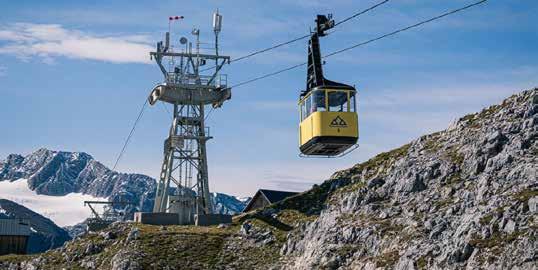
contrast against sky and landscape.
• Night lighting controls: Operational hours can be restricted to daylight, eliminating light pollution concerns.
Reversible infrastructure: Unlike roads, cableways can be decommissioned and removed if they prove incompatible with heritage values — a critical advantage when dealing with experimental or provisional approvals.
UNESCO’s own evaluation processes are equipped to assess these design variables through Heritage Impact Assessments (HIAs). A rigorous HIA process, applied to a thoughtfully designed cableway proposal, provides the evidence base to approve or reject a project on the merits of its actual impact — not on categorical assumptions.
7. Precedent: Cableways Already Exist at or Near World Heritage Sites
The argument that cableways are categorically incompatible with World Heritage values is empirically undermined by the many successful examples around the world where such systems operate near or adjacent to inscribed sites, including in their buffer zones.
Notable examples include:
• Table Mountain National Park, South Africa — a UNESCO World Heritage Site where an aerial cableway has operated since 1929, carrying millions of visitors while the site’s conservation status has only improved.
• Amalfi Coast, Italy — a cultural landscape World Heritage Site where historic funiculars serve coastal communities and supplement pedestrian access.
• Hallstatt-Dachstein / Salzkammergut, Austria
— a World Heritage Site where cableways provide essential access to alpine terrain. Mount Huangshan, China — a dual natural and cultural World Heritage Site where cable cars provide access to summit areas, with the site retaining its inscription. These precedents do not argue for uncritical approval of all cableway proposals. But they do establish that cableways and World Heritage inscription are not mutually exclusive, and that the appropriate framework is case-by-case assessment, not blanket prohibition.
8. Climate Resilience and Low-Carbon Transport
As climate considerations become increasingly central to all development decisions, cableways present a compelling profile. Electric gondola systems produce zero direct emissions during operation. Their carbon footprint per passengerkilometre is among the lowest of any mechanised transport mode — significantly less than road transport by private vehicle or even bus.
In heritage contexts where reducing human impact is a primary goal, the cableway’s lowcarbon credentials are directly relevant. Replacing car-dependent access with an electric cableway reduces the overall environmental burden of heritage tourism — which is itself a growing contributor to carbon emissions and climate change, the single greatest long-term threat to many natural and mixed World Heritage Sites.
Buffer zones that facilitate active, low-carbon access to heritage sites are better aligned with 21st-century conservation priorities than buffer zones that passively allow unconstrained road traffic because no alternative infrastructure is permitted.
9. Safeguards and Governance Framework Permitting cableways in buffer zones does not mean permitting them unconditionally. A robust governance framework should accompany any such policy, including:
1. Mandatory Heritage Impact Assessment prior to any approval, conducted in accordance with the ICOMOS Guidance on Heritage Impact Assessments for Cultural World Heritage
Properties.
2. State Party notification to the World Heritage Committee for any significant development in a buffer zone, in accordance with the Operational Guidelines.
3. Binding design standards for visual impact, tower dimensions, terminal architecture, and operational hours.
4. Carrying capacity caps built into operating permits, enforceable by site management authorities.
5. Revenue sharing agreements ensuring a defined percentage of cableway revenues is directed to conservation and community benefit funds.
6. Sunset review clauses requiring periodic reassessment of the cableway’s impact and continued justification for its presence.
7. Decommissioning bonds held by regulators to ensure funds are available for infrastructure removal if approval is withdrawn.
With this framework in place, cableway development in buffer zones is a managed, accountable, and reversible process — fully compatible with the precautionary principles that underpin World Heritage governance.
10. The Cost of Inaction
Finally, any honest assessment of this question must grapple with the costs of refusing cableways. These costs are real and significant: Continued road expansion into buffer zones to meet access demand — a far more damaging alternative.
Exclusion of vulnerable populations from the common heritage of humanity.
Under-resourcing of conservation due to lost revenue opportunities.
Visitor pressure concentrated on accessible nodes, causing localised degradation at popular trailheads and viewpoints.
Loss of community support when local populations see heritage designation as an obstacle rather than an opportunity.
In complex policy environments, the choice is rarely between development and no development. It is between different kinds of development. The case for permitting well-designed, rigorously assessed cableways in UNESCO buffer zones rests ultimately on the judgement that, in many circumstances, this form of infrastructure serves heritage conservation better than the alternatives that fill the void in its absence.
Conclusion
The buffer zone of a UNESCO World Heritage Site is not a no-go zone for all infrastructure — it is a carefully managed transition space where the protection of Outstanding Universal Value is the paramount, but not the only, consideration. Cableways, when designed with sensitivity, assessed rigorously, governed transparently, and operated responsibly, can simultaneously reduce ecological damage, manage visitor carrying capacity, democratise access, generate conservation funding, and support low-carbon tourism.
A categorical ban on cableways in buffer zones would sacrifice these benefits in pursuit of a purity that the Operational Guidelines themselves do not require. The more defensible policy position — and the one most consistent with UNESCO’s evolving, sustainability-integrated approach to heritage management — is to permit cableways in buffer zones subject to demonstrated compatibility with Outstanding Universal Value, assessed case by case, governed by robust safeguards, and open to revision in the light of evidence.
The heritage of humanity deserves protection. It also deserves to be experienced, shared, and sustained for generations to come. Cableways, done right, serve all three of these purposes.
Text: Prof David Venter | Images:
FRANSCHHOEKTENNISCLUB:Socialtennisisplayed at the club on Fridays, Sunda, and Public Holidays from 08h30. For more information contact Nicky. 082 455 6411
METHODIST CHURCH: Sunday service 10h00. Rev Russell Norman. 021 872 3580 or 082 662 4509. NG KERK Sondagdienste 09h30. Geen aanddiens. Dr. Ryno Els 083 610 1641. Besoekers welkom.New Apostolic Church: Le Roux Street, Groendal. Sunda, 09h00, Wednesdays 19h30. Rector: Charles Leibrandt.
ST GEORGE’S ANGLICAN CHURCH: Groot Drakenstein. Sunday Services: Holy Communion @ 10H00. Our Church is also a wedding venue. Contact Parish Warden Florence Phillips on 081 428 7064 or secretaryatstgeorge@gmail.com.
SHOFAR CHRISTIAN CHURCH: Services - 09h00 & 18h00 English services at 7 Lambrechts Street. Pastor Richard Wade. 083 225 8529. All welcome! UNITING REFORMED CHURCH: Sunday service 09h30. Dr Shaun Burrow. 021 876 2632. Visitors welcome.
Alcoholics Anonymous: WED evenings 19:00, Groendal Community Centre, Contact David +27 83 305 5159
ACCOUNTANTS
Tax Shop 021 876 2676
ATTORNEYS
Susan Charlesworth 021 876 2592/072 402 9469

AUDIOLOGISTS
Heidi Allan 021 876 4622
BURGLAR ALARMS
Pepler Alarms 021 876 3308
CLUBS & ASSOCIATIONS
Boland Bridge Club 021 876 3031
Franschhoek Tennis Club 078 278 4843
FHK Heritage & Ratepayers Ass. 083 441 8280
Groot Drakenstein Games Club 021 874 1906
- Craig Mc Naught: Captain 080 845 1014
- Lejean Pieterse, Hiring 082 490 0405
Lions 021 876 3775
Stb Masonic Lodge (Chris) 072 211 9991
Franschhoek Rotary Club 082 891 4613
Franschhoek Probus Club 021 876 3179
Wemmershoek Community 074 367 6469
ELECTRICAL
Franschhoek Electric 074 313 7829/021 876 3640
Rensburg Electrical 021 876 2120/083 309 2923
HEALTH & BEAUTY
Franschhoek Pharmacy 021 876 2261
Franschhoek Health Club 021 876 3310
Karen Protheroe (Dietician) 082 925 0931
HOUSE & GARDEN
Clock Repairs 028 840 1716
Lighting & Accessories 021 876 3640
Ria Pools (Franschhoek)021 876 2612/072 347 5355
Sue’s Gardens 083 321 3442
Valley Garden Service 071 591 0342
OPTOMETRIST
Marelise Bester 021 872 3530
PHYSIOTHERAPY
Fhk Physiotherapy Assoc. 021 876 4234 (office) 074 325 5555 (Bronwen) 076 842 6052 (Maans)
PLUMBERS
Franschhoek Plumbing 021 876 3759
PSYCHOLOGIST
Danielle Smith 082 812 1476
PUBLIC SERVICES Hospice 021 876 3085
Library 021 808 8406
Post Office 021 876 2342
Welfare (ACVV) 021 876 2670
SPCA 083 745 5344
SHARF 076 327 4939
SCHOOLS
Bridge House School 021 874 8100
Franschhoek High School 021 876 2079
Groendal Primary School 021 876 2448
Groendal Secondary School 021 876 2211
Wes-Eind Primary School 021 876 2360
Dalubuhle Primary School 021 876 3957
STORAGE
Franschhoek Storage 021 876 2174
TOURIST INFORMATION & SERVICES
Info Office 066 224 6360 / 073 688 9894
Huguenot Memorial Museum 021 876 2532
VETERINARY
Fhk Animal Clinic (plus surgery) 021 876 2504
Emergencies / Weekends 021 863 3187 / 082 8089
100
EMERGENCY NUMBERS
Stb Fire Dept. (Buildings) 021 808 8888
District Municipality(Bush & veld) 021 887 4446 021 886 9244
Police 10111/021 876 8061
Eskom 086 003 7566
Omnipage Farm Watch 021 852 3318
Plaaswag 021 876 2346
N1. N2 & R300 Emergency number: 021 946 1646
DENTISTS
Dr Schalk du Plessis 021 876 3070
DOCTORS
Dr Karin Eksteen 021 876 4622
Dr Alexander Heywood 021 876 2474
Dr Hannes Van der Merwe 066 100 6429
Dr Nicolas Els 021 876 2561
Dr Bernard Fisher 021 876 4622
AUDIOLOGIST
Audiologist Tracy-Ann Morris 084 264 0000
EMERCENCY MEDICAL RESPONSE
Medicare EMR 074 363 7744/021 876 4316
MUNICIPALITY
(Ward 1) Clr Pfeiffer (DA) 079 597 2765
(Ward 2) Clr Petersen (DA) 082 404 5055
(Ward 3) Clr Manuel (DA) 074 686 2364
(Ward 4) Clr Adams (DA) 073 446 5411
Municipality (Office Hours) 021 808 8700
Municipality (After Hours) 021 808 8890
Municipality 24hr Service 021 808 8700





























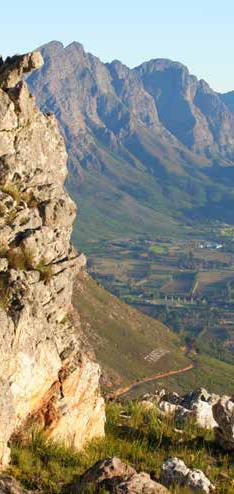
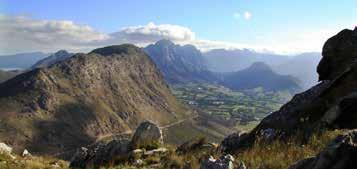


Hiking
Day Hiking Permit: R70 p. p | Year Permit: R350 p. p Hiking Trail Map: R30
Keep the permit with you. | Hike at own risk Do not hike alone. | Always put safety first. www.montrochellehiking.co.za
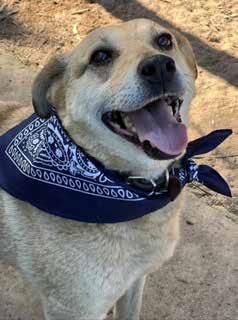
Every season brings a new wave of trends in home design, DIY, and renovation — shaped by shifting lifestyles, changing climates, and rising living costs. And for the season ahead, one theme stands out above all others: resilience.
From energy instability to water scarcity and unpredictable weather patterns, South Africans are facing new pressures at home. This is driving a fundamental shift in the way people renovate, maintain, and upgrade their properties. What was once considered niche — energy efficiency, water-saving systems, smart automation — is now becoming mainstream.
According to Orlando Luis, CEO of Brights Hardware, resilient renovations are no longer a “nice-to-have” but an essential part of responsible homeownership. “People are renovating not just to refresh a space, but to prepare for the future. They want homes that cost less to run, can handle extreme weather, and offer greater independence from rising energy and water costs.”
Brights share some of the top resilientrenovation trends set to shape 2026, along with accessible ways South Africans can future-proof their homes — one upgrade at a time.
1. Solar and Backup Power for Daily Use, Not Just Emergencies
With electricity prices continuing to rise, more South Africans are shifting from reactive loadshedding solutions to long-term, strategic energy upgrades. The focus is moving from “coping in a crisis” to reducing monthly bills and stabilising household energy use.
“Solar adoption continues to grow as households install systems to reduce reliance on municipal supply and generate their own clean energy during the day. Smaller rooftop setups and entrylevel solar options remain popular because they quickly cut monthly electricity costs,” says Luis.
Backup power remains a key renovation priority, from rechargeable bulbs and portable power stations to inverter-and-battery setups and hybrid solar systems. These systems aren’t about prepping for outages anymore — they’re about cost control, continuity and comfort.
“Whether someone starts small or invests in a full system, the goal is predictable, reliable energy
— not just surviving load shedding. To keep pace with this shift, new-to-market innovations are emerging — such as compact modular backuppower stations that can be expanded over time, smart plugs that track real-time energy use, and micro-inverter solar kits designed for smaller spaces or balconies. These innovations make energy resilience more accessible, even for households taking their first steps into solar.”
2. Water-Wise Living: Harvesting, Recycling & Reducing
Water scarcity and unpredictable rainfall are no longer a seasonal challenge — it’s a long-term reality shaping how South Africans renovate. And, according to Luis, in 2026, homeowners will continue to adopt systems that reduce pressure on municipal supply and improve household water security.
“Rainwater harvesting remains one of the most effective ways to reduce reliance on municipal water. A water tank connected to a gutter downpipe can supply water for irrigation, laundry, toilet flushing, pool top-ups and more, with systems scaled to suit any home, from small slimline tanks to larger capacity installations that can be interconnected.”
“With a few small adaptations, you can turn the roof of your home into a water catchment facility that will supply many litres of this precious resource for free.”
Another trend that will continue is greywater recycling. Greywater systems divert water from baths, showers and washing machines into the garden, saving up to 200–300 litres per day. “Many modern greywater solutions are now compact, easy to install and ideal for suburban homes and are an ideal way to re-use water that would otherwise end up flushed into the water treatment facilities.”
Water-use reduction will also continue to remain top of mind, with low-flow showerheads, tap restrictors and dual-flush conversions ranking among the highest-impact DIY upgrades, delivering savings without compromising comfort.

80C Village Artisan,
“To support the growing demand for water security, innovative new products are entering the market,” advises Luis, “including clip-on low-flow shower modules, compact greywater diverter pods for smaller homes, touchless tap-sensor adapters that prevent wastage, and micro inline water filters for safe use of harvested rainwater.
3. Climate-Adaptive Building: Weatherproofing, Protection & Durability
With hotter summers, heavier storms and stronger winds becoming part of South Africa’s climate reality, homeowners will continue taking bolder steps to protect their properties.
“Waterproof coatings, roof maintenance, gutter repairs and sealing external cracks are fast becoming non-negotiables. Added to this are improved insulation, reflective paints and passive ventilation strategies which help stabilise indoor temperatures and reduce heavy reliance on fans and air conditioners during heatwaves.”
According to Luis, in high-risk areas, fire-resistant roofing, cladding and coatings are gaining traction among homeowners wanting long-term protection and will continue to grow in popularity. To manage the increased risk of flooding that we are seeing in many places, non-return valves, improved drainage, strategic landscaping and raised electrical points help protect homes during severe rain events.
“People are renovating with climate adaptation front of mind. They want homes that can cope with heat, storms or strong winds — and that means building with durability as a priority. To keep pace with rising climate volatility, manufacturers are developing clever home-protection solutions such as smart leak-detection sensors, weatherresponsive roof vents that adjust based on heat and humidity, and heat-activated fire-resistant coatings that expand to protect exterior surfaces – all of which strengthen the overall resilience of the home.
4. Smart Homes as the New Standard
What began as a tech trend is becoming an expectation. Smart home adoption will accelerate as homeowners embrace devices that save energy, enhance security and streamline daily life.
“Motion-sensor lights, programmable switches, smart plugs and Wi-Fi-enabled bulbs are becoming everyday staples — offering
convenience, savings and improved safety,” says Luis. “Homeowners will also increasingly adopt monitoring devices to track water and electricity consumption patterns and identify waste. Affordable plug-and-play wireless security sensors and app-based cameras will also continue to grow as part of a broader shift toward accessible, DIY-friendly protection.”
“Smart homes are no longer reserved for tech lovers. They’re becoming one of the easiest ways to save energy, increase comfort, and modernise a home — and the entry-level options are very easy to use. In line with this trend, new innovations include multi-device automation hubs, AI-driven routines that learn household behaviour and wireless sensors that track everything from door activity to water usage. These tools make smart, efficient living accessible across a wide range of budgets.”
5. Outdoor & Garden Resilience
Outdoor spaces remain central to South African living, and will see a growth in upgrades that make these areas more climate-ready and lowmaintenance.
“Weather-ready entertainment areas using durable materials, shade structures and outdoor cooking zones will grow in popularity as homeowners create versatile spaces that can handle heat, wind and rain. Water-wise gardens will also continue to dominate, with indigenous planting, mulching, vertical gardening and efficient irrigation systems remaining top trends as people shift toward low-water landscaping. New innovations to meet this trend include brightness-calibrating solar pathway lights, smart soil-moisture sensors that prevent overwatering, and modular vertical garden systems with builtin drip irrigation — ideal for water-wise, lowmaintenance gardens.”
Across all these trends, one thing is clear: homeowners are prioritising renovations that deliver long-term resilience, reduce monthly costs, and increase quality of life.
“Homeowners are making intentional, sensible choices that pay off over time — upgrades that create homes which are efficient, comfortable and ready for whatever lies ahead,” concludes Luis. www.brights.co.za

021 876 2082
franschhoek@paintsmiths.co.za
We stock a full range of Midas, environmentally friendly paints (water and oil based) and Earthcote specialised, textured trowel-on and brushon products for wall and floor surfaces (300 colours to choose from) and a full range of Paint Brushes, Rollers and Accessories
We also stock waterproofing products, Weatherprufe, Elastocryl and Weatherklad, Rolls of torch-on (3mm & 4mm) and various sizes of waterproofing membrane. Plascon water and oil-based paints. We also stock a full range of Woodoc ‘food for wood’ in various colours and a full range of Duram products, including Duram Roof paints in various colours and Duram Showfloor Polyurethane floor paint, also in assorted colours. We can also supply twin pack epoxy paints for specialised applications.
All textures and colours are on show in our showroom. Pop in and have a coffee with us, whilst leisurely selecting your paints and colours. For FREE technical advice, paint specifications and quotations contact Paul 082 567 6162 Franschhoek’s

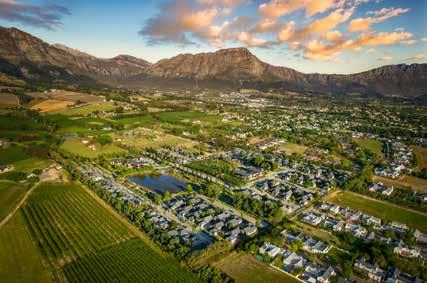
A boutique retirement estate underway within walking distance of the village in Franschhoek.
91 full title homes with sweeping mountain views and architecture designed to maximise the Northern sun. Civil contractors are currently on site clearing orchards.
2 & 3 bedroom homes now selling off plan - secure your stand Premium finishes • Clubhouse • On-site frail care

Sales Office: 64 Dirkie Uys Street, Franschhoek Nelis Bezuidenhout 082 455 9766
Experience a new level of comfort and style with a Li a Home Li — where luxury meets independence
Designed to complement your home, its compact and elegant form fits beautifully into any space, while e ortless installation means no sha , pit, or heavy construction. Enjoy the sophistication of quiet luxury, with smooth and whisper-quiet travel between floors. Engineered with precision and safe by design, every Li a Home Li ensures complete peace of mind. Elevate the way you live — gracefully, safely and beautifully.
Contact Li a on 080 73 73 73 7 or visit www.li a.co.za to discover more.

WE KNOW YOU CARE, WE KNOW YOU WANT TO HELP
TO CHILDREN WHO BEG ON FRANSCHHOEK STREETS DO NOT GIVE MONEY OR DIRECT SUPPORT BUT PLEASE...
No
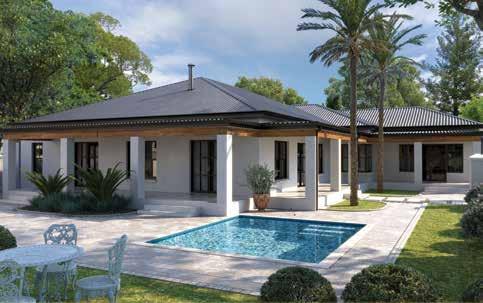
used
or
will
Food from restaurants and locals: Many restaurants, small businesses, and individuals feel sorry for the children, so give them food and even small jobs for money. This helps sustain the children on the street, validating their impression that life on the streets is better and
keeping them out of school and out of the programs set up to look after them.
Public support: Many well-meaning members of the public give the children shoes, clothes, and food items. Most of this is sold or traded and is used not only to sustain them on the street, and pay for drugs but also to encourage them to remain on the street. Many people want to help but often don’t know how to give responsibly. By donating to the FRANCO StreetKids Centre, you can make a significant impact on our children’s future. We offer daily hot meals, tutoring, mentoring, hygiene facilities, trauma counseling, sports, karate, yoga, and skills programs. Most importantly, we provide LOVE and RESPECT for their innocence.


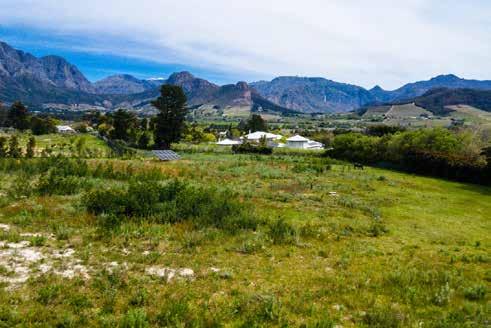
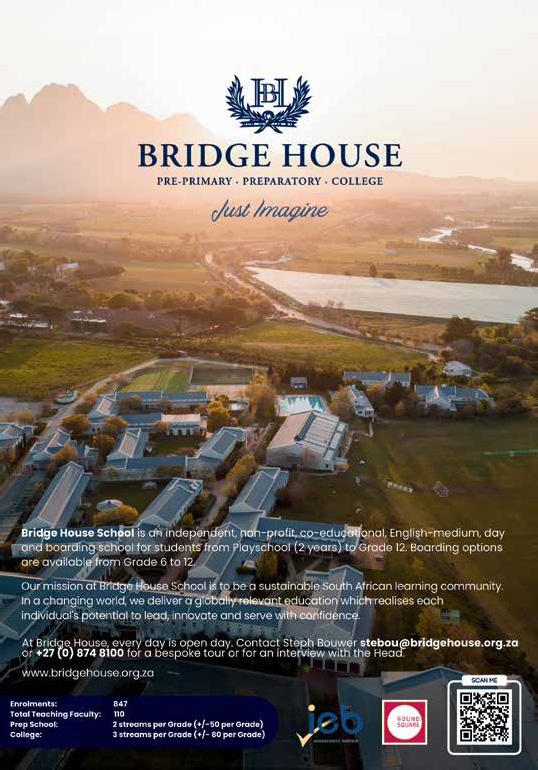

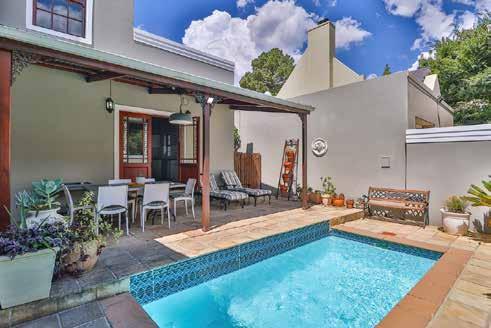

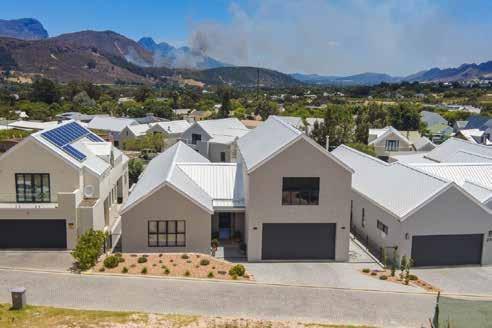

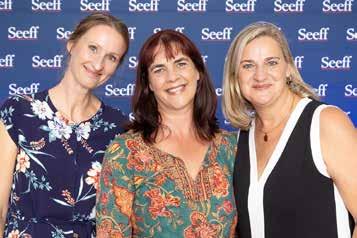
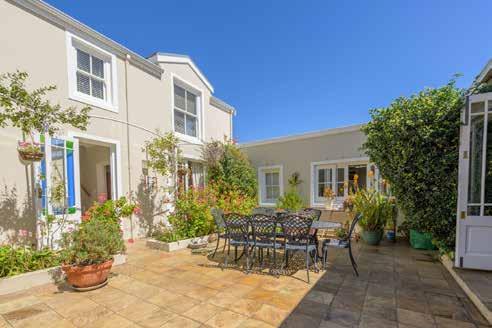
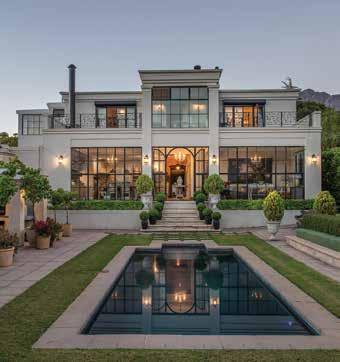
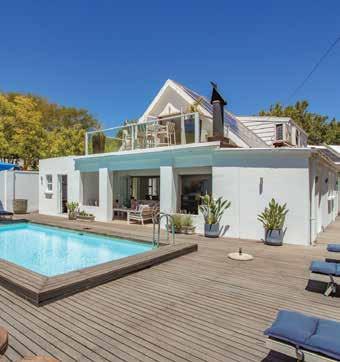
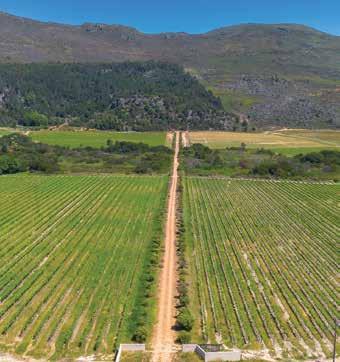
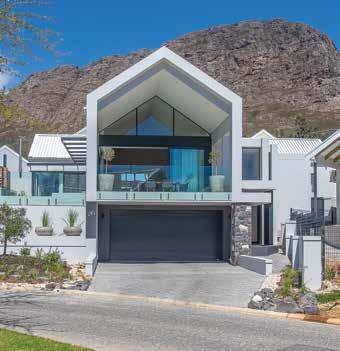
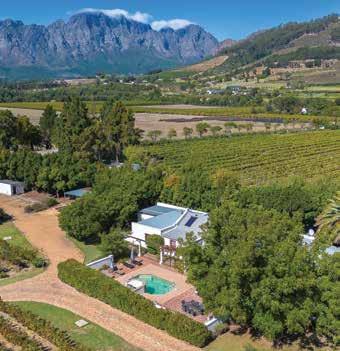
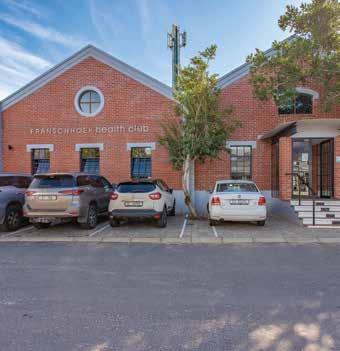

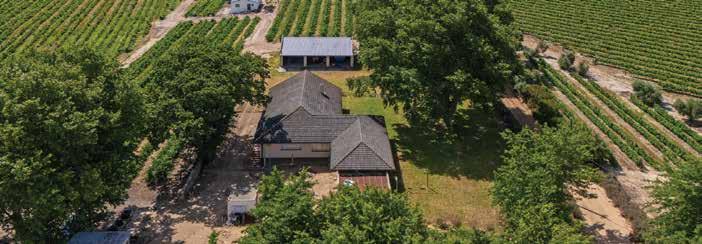
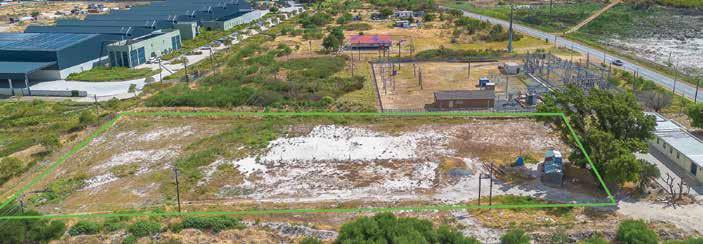
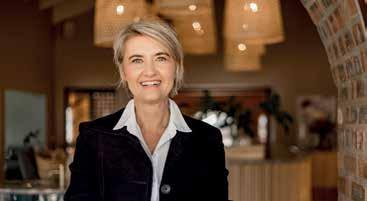
corner of R45 and R310 (Wemmershoek Road), near Bridge House School. Offering excellent visibility, this site is ideal for storage or light industrial use.
A rare opportunity on the R45 entering Franschhoek Valley. Approximately +-2.78 hectares of agricultural land planted to Pinotage vines, enjoying some of the most spectacular views in the valley towards Simonsberg and Hutchinson’s Peak towering in the distance. With its prime visibility and position, this property is ideal for those looking to extend their current agricultural or lifestyle activities in a highly sought-after location.

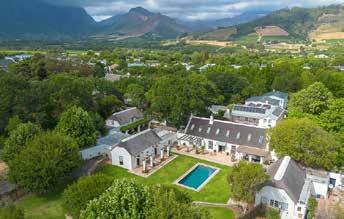
Exceptional homestead nestled in over 7,000m2 of mature, parklike gardens creating a private escape. The Manor house presents original features and gracious proportions with 3 en-suite bedrooms, beamed reception room, farmhouse kitchen, and private upstairs family lounge. A separate guest annexe with 2 en-suite rooms and a self-contained apartment above the garages provides private and versatile accommodation. An exceptional opportunity for those who value heritage, space and effortless village living.
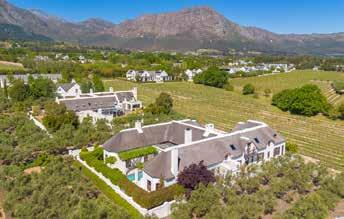
Cape Dutch-style residence on a prestigious Franschhoek estate, moments from the high street. Features open-plan kitchen, two lounges with fireplaces, dining room with vineyard views, study, wine cellar, and family TV room. North-facing pool courtyard, landscaped garden, double garage, staff room, and private upstairs guest suite with balcony. Price excludes VAT.
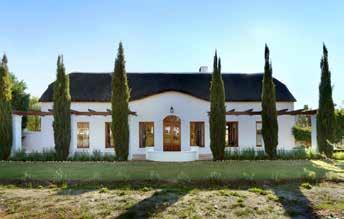
Exclusive Sole Mandate. Elegant home, on a sought after gated equestrian estate close to Franschhoek, offers country-style living with exposed thatch and timber ceilings and gracious double volume living areas. The large, open-plan lounge and dining room offers an enclosed fireplace and plenty of natural light with doors out to two terraces on either side. The kitchen features at the heart of the family living area. Accommodation in four separate bedroom areas makes this an ideal home for a family with older children and/or extended family living.
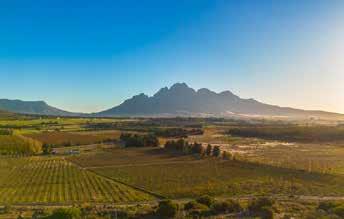
Exclusive Sole Mandate. This ±34-hectare vacant land lies within the prestigious Two Rivers Farm Estate in Franschhoek. It’s one of the last undeveloped properties in this sought-after location. Perfect for a bespoke lifestyle farm or country retreat. Surrounded by indigenous fynbos and 360-degree mountain views, including Simonsberg.Enjoy total privacy within a secure estate of just 15 farms. Combine natural beauty with estate living.
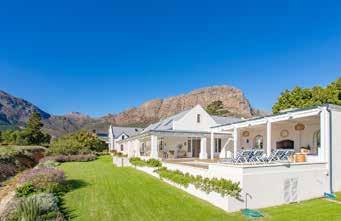
Luxurious 4–5 bedroom home offers elegant winelands living with sweeping vineyard views. The light-filled home features high ceilings, herringbone wood floors, a sophisticated open-plan lounge/dining area, a bespoke kitchen with marble-top island, separate family TV lounge and multiple fireplaces. A home office, wine cellar and triple garaging complete this perfect picture. Set on a 2,200 sqm plot, the home also includes a large pool deck with outdoor lounge and fireplace.



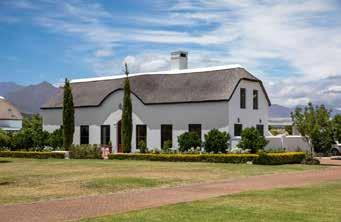
4-bedroom home offering contemporary style in a beautiful rural setting. Double-volume open-plan living area with formal lounge, dining room and light-filled chef’s kitchen with island and scullery, flowing seamlessly outdoors. Two ground floor
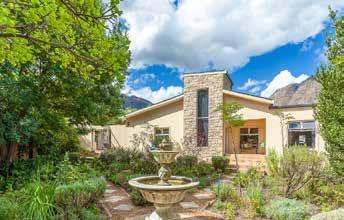
Exclusive Sole Mandate: Charming single-level home within walking distance of Franschhoek’s high street. Features a spacious kitchen with island, open-plan dining and lounge leading to a pool, garden, and covered patio with pizza oven and braai. Includes three en-suite bedrooms, solar power, double garage, and a self-contained poolside cottage with lounge, kitchen, and private courtyard.
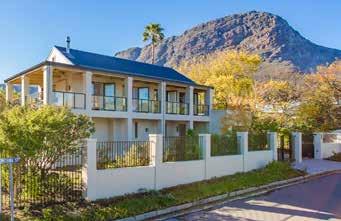
Exclusive Sole Mandate: Immaculate double-storey 2-bedroom home in a quiet Franschhoek street with stunning valley views. Light-filled living/dining area, chef’s kitchen, and wraparound verandah. Two ensuite bedrooms, pool, garden, garage, and inverter. Perfect permanent home or lock-up-and-go, combining elegance, comfort, and style. Contents available separately.