Acknowledgement of Country
Frankston City Council acknowledges the Bunurong people of the Kulin Nation as the Traditional Custodiansof thelandsandwaters in andaroundFrankston City, and valueandrecogniselocal Aboriginal andTorres Strait Islander cultures,heritage and connection to land as a proud part of a shared identity for Frankston City.
Council pays respect to Elders past and present and recognises their importance in maintaining knowledge, traditions and culture in our community.
Council also respectfully acknowledges the Bunurong Land Council as the Registered Aboriginal Partyresponsiblefor managingtheAboriginal cultural heritage of the land and waters where Frankston City Council is situated.
Executive Summary
Frankston City Council’s City Circularity Roadmap charts a five-year pathway to turn the Council’s circular ambitions into practical actions. These actions are specifically designed to support the delivery of the Council and Wellbeing Plan 2025–2029.
Council is committed to a future where waste is minimised and resources are kept in use for as long as possible. Through innovative and holistic approaches, the Roadmap aims to drive long-term environmental,social,andeconomicsustainability.
The Roadmap is founded on three core principles of the circular economy: eliminating waste and pollution; keeping products and materials at their highest value; and regenerating natural systems. These principles directly address rising cost-of-living pressures and climate challenges, aligning Frankston’s efforts with state and federal circular economy frameworks and legislation.
Three strategic objectives guide this transformation:
1. Foster a circular economy culture: Empower residents through education, engagement,andcommunityhubsto buildknowledge,encouragesustainable behaviours, and support collaborative solutions.
2. Position Frankston as a circular economy hub: Support local innovation and job creation by enabling circular business models, supply chains, and skill development, leveraging Frankston’s industrial and business strengths.
3. Lead by example: Embed circular practices across all Council operations, procurement, and service delivery to demonstrate leadership and inspire broader community and industry uptake.
The strategy targets three domains where Council can make the greatest difference with this Roadmap: the built environment, clothing and consumer goods, and food systems.
After assessing Frankston’s current commitments, as well as its economic, demographic, infrastructure, social, and environmental context, 21 high-impact actions have been identified across these domains.
Success depends on strong collaboration, uniting councils, businesses, community groups, andindividualstoshare knowledge, align efforts, and create lasting change.
Our Circularity Roadmap
Principles
• eliminating waste and pollution
• keeping products and materials at their highest value
• regenerating natural systems
Focus
areas
• the built environment
• clothing and consumer goods
• food systems
Stakeholders and partners
Federal and state government, local business and industry associations, community sector, institutions and neighbouring councils.
1 Foster a circular economy culture
5 actions focused on knowledge, capability building and services
Objectives
2 Position Frankston as a circular economy hub
Actions
6 actions focused on support, innovation and partnerships
3 Lead by example
10 actions focused on knowledge, capability building, policy and using data and examples to drive change
1. Purpose and Intent
Frankston is embracing a future where circular values are woven into the fabric of our city. In this vision, every part of Frankston, from our public spaces and infrastructure to local businesses and community services, forms part of an interconnected system designed to reduce waste, cut down on pollution, keep materials in use, and restore nature. This means that everything we build and use is planned to last, be repurposed, or recycled, keeping our resources working for us longer.
Australiahascommitted to a national circulareconomytransition. Australia’sCircular Economy Framework provides an overarching guide for Australia’s transition with compelling reasons to ‘go circular’. The framework contains an ambitious goal for Australia to double its circularity by 2035 which, according to CSIRO, would have a potential economic payoff of $26 billion, reduce greenhouse gas emissions by 14%, and allow diversion of 26 million tonnes of materials from landfill each year.
Importantly, a circulareconomy also lowersthe cost of livingbyencouraging the use of durable, resilient products designed for repair, reducing the need for continual replacements.
Transitioning to a more circular economy requires coordinated change across all sectors, with government, business, and the community playing a role. Local councils play a vital role because they are agile enough to act quickly, yet large enough to implement impactful new circular services and systems. With responsibility for key infrastructure and service delivery, councils are well placed to embed circular practices and bring diverse stakeholders together around shared goals.
Frankston City Council is committed to play its part in the transition, and aspires to become a zero-waste, circular city. We are developingthis 5-year plan to provide the pathwayto transform Council’scircularambitionsintotangible actions for Frankston.
It will serve as a strategic document for driving long-term environmental, economic, andsocial sustainabilityin Frankston,using circular approaches designed to support delivery of the Council and Wellbeing Plan 2025–2029.
2. Strategic Planning Principles
2.1 Vision
The community vision for Frankston City has been, renewed by the community for the community, and guides Council’s strategic outlook until 2040.
‘Frankston City is a safe, inclusive, and caring community in which to live, work and play. Our vibrant coastal City is clean, leafy, environmentally responsible, well planned, accessible and innovative for a changing future. We are proud, engaged and connected.’
The Circularity Roadmap provides a way to fulfil Council’s vision for Frankston City. This Roadmap outlines how Council will do this by embedding a culture of circular economyacross the community,wherecircularvaluesare promoted and sustainable lifestylesare enabled,shapingafuturewhereresourceefficiencyand environmental responsibility are part of everyday life
Council plays a pivotal role in driving the circular economy at a local level. As major service providers and asset managers, Frankston City Council influences how resources are used, reused, and recovered across buildings, infrastructure, and public spaces. Through procurement, we can prioritise sustainable products and suppliers, setting standards that ripple through local markets.
In Frankston, we will promote ways to use our resources so that nothing is wasted such as, by designingbuildingsandinfrastructure to be easily adapted or taken apart for reuse, creating spaces that last longer and reduce unnecessary demolition.
Our approach extends beyond physical structures. By harnessing a local bioeconomy, organic waste will be transformed into valuable resources that support urban farming and soil enrichment, ensuring that food production and green spaces flourish right here in our community. This change will be driven by strong partnerships among residents, Council, research institutions, businesses and our broader region.
Digital tools andcommunityhubs,such asrepair shopsandsharingcentres,will play a vital role in tracking resources and supporting innovative practices. This integrated
system not onlymakes reuse and waste recovery more efficientbutalsostrengthens local business bonds through shared resources and collaborative efforts. Ultimately, these initiatives will help create a resilient, safe, and vibrant Frankston; an environment where economic growth and a healthy natural setting support an inclusive and caring community for all.
2.2 Policy alignment
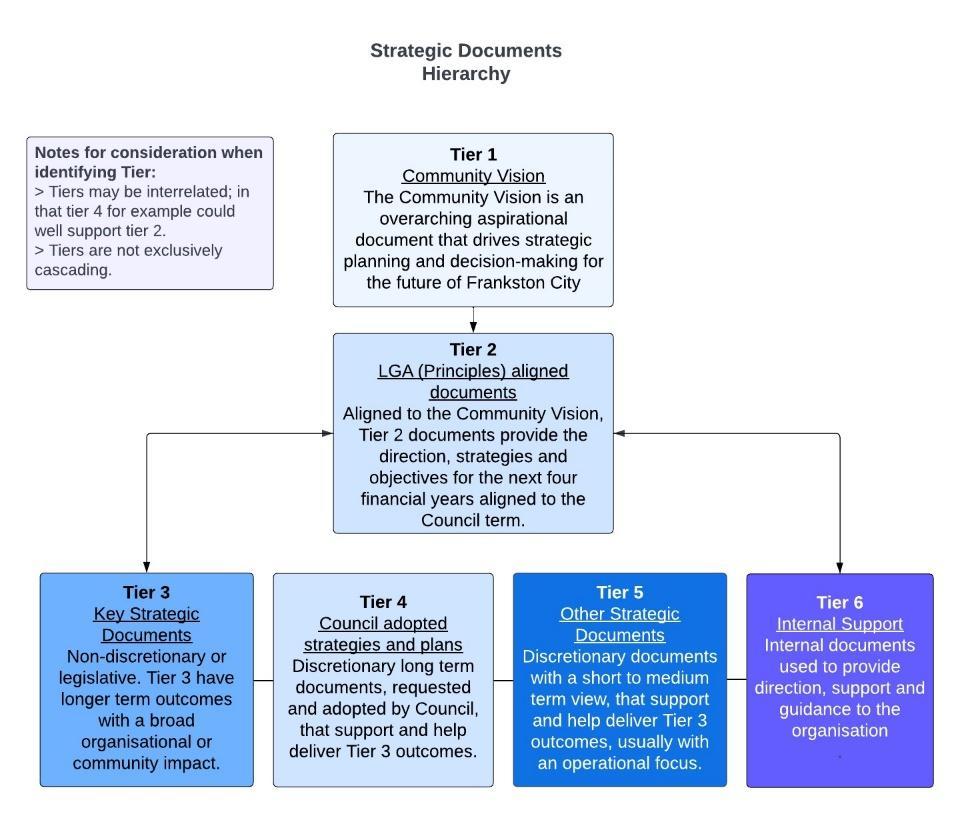
This City Circularity Roadmap sits within the context of Council’s other policies and strategies. The Strategic Document Hierarchy is shown in Figure 1, and this Roadmap sits at level 4 in the operational tier.
The Council and Wellbeing Plan commits Council to ‘support the local circular economy through waste and resource efficiency programs, education and services.’ This Roadmap primarily aligns with the strategic outcome of Natural Environment, with secondary alignment to the Connected Places and Economy.
Figure 1 Strategic Documents Hierarchy
The Roadmap sets ourdirection and draws together Council’s key circular initiatives and ambitions, aligning with other key strategies and Council plans. These include:
• Frankston City EconomicDevelopment and Skilled Community Strategy 2024
• Frankston City Industrial Strategy 2025
• Long Term Infrastructure Plan 2023–2033
• Climate Change Strategy 2023–2030
• Frankston Integrated Transport Strategy 2022–2042 ConnectingCommunities
• Environmentally Sustainable Design (ESD) Standard for Council Buildings Policy (2020)
• Procurement Policy 2021–2025
• Waste Circularity Plan 2023–2030
• Healthy, Secure and Sustainable Food Action Plan 2023–2026
• Biodiversity Action Plan 2021–2036.
2.3 Strategic context
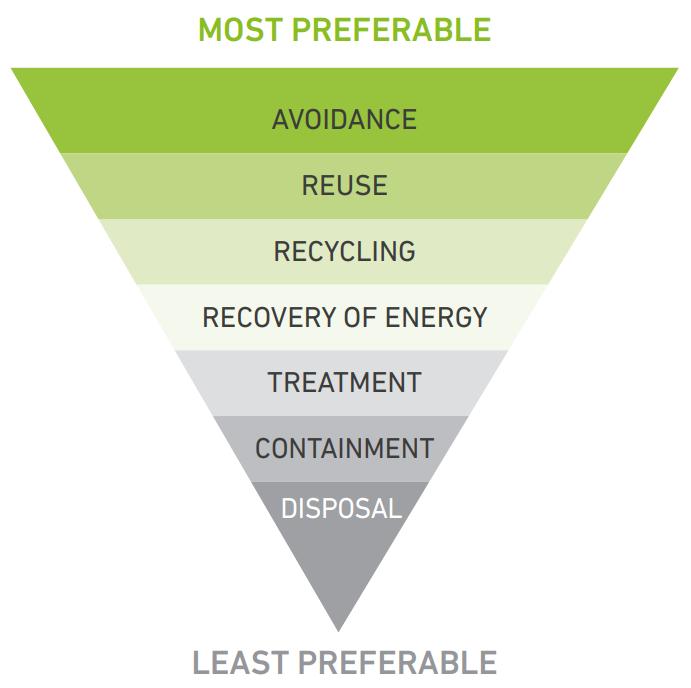
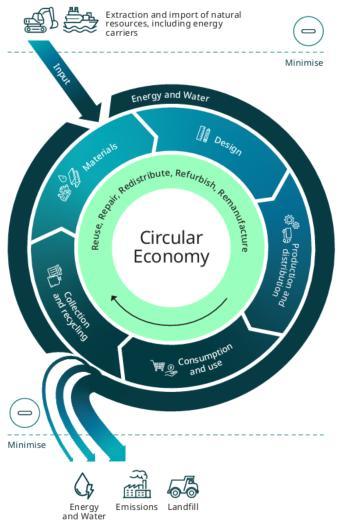
The Circularity Roadmap has been developed using the guiding principles of a circular economy (depicted in Figure 2), which is based on three principles1, driven by design to:
1. Eliminate waste and pollution
2. Circulate products and materials (at their highest value)
3. Regenerate nature.
These principles,popularised bythe Ellen MacarthurFoundation,draw on a range of ideas, from the cradle-to-cradle design philosophy to age-old practices shaped by material scarcity and necessity They promote a shift away from the post-industrial ‘take-make-dispose’ model of consumption, offering a practical response to the challenges of climate change, resource depletion, and growing waste.
Over the past decade, Australian and Victorian legislation have progressively incorporated the circular economy concept, building on the well understood waste management hierarchy.
At the federal level, Australia’s Circular Economy Framework aims to double the circularity rate by 2035, up from 4.6% in 2019. This shows how much of the materials we use come from recycling instead of being taken from nature. The framework encourages reducing material use, boosting resource recovery rates, and
1 Ellen Macarthur Foundation (n.d ) Circular economy introduction, EMF website
promoting better product and system design to keep materials in circulation for longer and minimise waste throughout the economy.
It builds on the principles of the National Waste Policy 2018, which outlines a coordinated approach across government, business, and communities. The policy sets national targets to 2030 and is operationalised through the National Waste Policy Action Plan 2024
In Victoria, this direction is reinforced through the Circular Economy (Waste Reduction and Recycling) Act 2021, which embeds the circular economy hierarchy into law and establishes Recycling Victoria as the lead agency for implementation. This complements the Environment Protection Act 2017, which enshrines the waste managementhierarchyas a guidingprincipleunderthe ‘general environmental duty’
Together, these frameworks shape council responsibilities and support local action to reduce waste, recover resources, and engage communities in the transition to a circular economy.
Figure 2 Waste management hierarchy: adapted from Australian environmental policy frameworks. Resource flows in a circular economy, source: DCCEEW
3. The Roadmap
Circularity reshapes our economy, replacing the take-make-waste model with systems designedto restore andregenerate value. Council will continue to advocate for stronger legislation, funding, and the support needed from state and federal governments to drive circularity.
In recent years Frankston City Council has been exploring ways to redesign local systems and spark innovation at the community level through delivery of Council’s valued services to our customers and community.
We have been building the foundations to become more circular by integrating circular economy principles into our policies and plans, and demonstrating circular approaches.
Circular economy and its principles have been recognised and integrated in many Council strategies, such as Council’s Waste Circularity Plan; Climate Change Strategy; City Industrial Strategy; Healthy, Secure and Sustainable Food Action Plan; and Economy Development and Skilled Community Strategy.
We have also been working on circular initiatives, including:
• Supporting local businesses to reduce waste through initiatives such as the Trim Your Bin program
• Exploring ways to keep materials in circulation in Council’s own operations, like using recycled materials in road and footpath projects
• Running food waste avoidance education programs for our community.
• Offering training and skill-building programs for our staff on circular economy topics
• Investing to encourage the community to choose circular products or try them for the first time with rebate programs like the Reusable Sanitary, Nappy and Incontinence Rebate Program
Council recognisesmanycircularinitiatives are already happening organically in the region. This Roadmap sets out how we will go beyond small improvements and create a unified plan that impacts the key areas influenced by Council.
3.1 Scope
Council’s Circularity Roadmap builds on findings of both global and local research into best practice approaches to circular economy implementation A foundational study commissioned by Council in 2023 identified initial direction and pathways, which have since been expanded to reflect emerging trends and local opportunities in resource recovery, sustainabledesign,wasteminimisation, energy efficiency, and sustainable procurement
These interconnected domains present multiple opportunities to incorporate circularity and reflect its potential to deliver long-term environmental, economic and social benefits.
Council already has a suite of strategies that support elements of a circular economy, such as in biodiversity protection, climate change mitigation, and sustainabletransport and mobility. These areas are well established and continue to be guided by existing plans and frameworks.
Accordingly, the Circularity Roadmap focuses on areas where additional strategic direction will help accelerate progress towards a circular economy. These focus areas are the built environment, food systems, clothing and consumer goods.
Council aims to foster innovation, reduce waste, and support a resilient, low-impact future for the community. We will do this, as described in this Roadmap, through:
Actions: arranged over short-, medium- and long-term timeframes, the actions drive environmental, economic, and social sustainabilityin Frankston, usingcircular approaches designed to support delivery of the Council and Wellbeing Plan 2025
2029.
Vision : which is the 2040 CommunityVision for environmentallyresponsible economic development.
Guiding principles: which are based on the circular economyprinciples to design out waste and pollution, keep products and materialsin use, and regenerate natural systems to create a restorative and sustainable economy.
Goals/Objectives: aligned with best practice circular economyapproaches and the current and future opportunitiesin Frankston City.
Focus Areas: which are, the built environment, clothing and consumer goods, and food.
–
3.2 Goals and objectives
Frankston City Council is committed to advancing circularity across our municipality by fostering a circular economy culture, driving innovative and holistic approaches and, leading by example through our actions.
Frankston is well placed to lead circular economicdevelopment, with a strong mix of businesses, growing residential areas, and urban agriculture. Its location offers excellent access by rail, road and sea, connecting metro Melbourne with the Mornington Peninsula. As manufacturing and innovation grow, Frankston can become a hub for circular solutions across the region.
Drawing on global and national best practices, adapted to suit our local context, we have identified three strategic objectives to guide our transition towards a circular economy.
Objective 1: Foster a circular economy culture
We will promote circular values and support circular lifestyles throughout the community. This includes embedding principles such as reuse, repair, and resource stewardship, into everyday life through education, community programs, and civic engagement. Council infrastructure and services will be designed to help residents adopt and maintain circular practices.
Objective 2: Position the region as a hub for circular economic development
We will grow circular industries and create local jobs by driving innovation in key sectors and strengthening workforce capability through targeted investment, training, and partnerships Council will support job creation in areas such as repair, reuse, recycling, andsustainablemanufacturing.We aim to empower local businesses to lead in sustainable innovation by encouraging circular design, service models, and resource loops, particularly in sectors like construction and manufacturing.
Objective 3: Lead by example across all council activities
Frankston City Council will apply circular economy principles, in a fiscally responsible manner, across all areas of our operations We are committed to modelling best practice for the wider community by embedding circularity into procurement, asset management, waste handling, and community leadership.
3.3 Focus areas
Based on Frankston’s existing commitments, economic, demographic, infrastructure, social and environmental characteristics, we have identified three areas that will help us achieve our goals. These address opportunities to influence key sectors, which are, the built environment, clothing and consumer goods, and food systems.
Where actions intersect multiple focus areas they are grouped as cross-cutting.
Our decision-making frameworks shape long-term planning, waste management, and community engagement, making them uniquely positioned to embed circular principles into everyday operations.
The actions focus on areas where Council can have the greatest impact, making full use of the tools available to local government, including:
• policy and regulation
• Council procurement
• support for residents and business
• knowledge and capability building in the broader community
• research, development, partnerships, and pilot projects
• using data and metrics to drive ambition and track progress.
We have prioritised actions that support fiscally responsible circular approaches to infrastructure and asset management, alongside opportunities to demonstrate the circular economy in practice.
Built environment
The built environment includes the physical spaces we live, work and play in, such as homes, buildings, roads, parks and other infrastructure.
The built environment accounts for a third of resource consumption globally.2 In 2022–23, construction and demolition activities generated 29 million tonnes of waste in Australia.3
Source: www.freepik.com
2 World Green Building Council (WGBC) (n.d) Circular Economy in the built environment waste hierarchy: Why recycling is the last resort, WGBC website
3 Blue Environment (2025) National Waste Report and resource recovery report 2024, published for DCCEEW
Why? Council is charged with planning for and managing over $2.8 billion worth of assets (including land) on behalf of the community of Frankston City Council.
Substantial growth isplannedfortheFrankston region, which also has a sizable construction sector.
What? Council can influence land-use, construction and infrastructure development in Frankson, as well as manage Council’s own assets and procure to achieve circular outcomes
How? Incorporating circular design principles extends asset lifespans, reduces demand for new construction materials, and decreases the volume and frequency of building material disposal. This helps avoid the environmental impact associated with producing new materials, especially those with high embodied carbon*
Materials like concrete, steel, and aluminium often have high embodied carbon because they require a lot of energy to produce and transport. By reusingexistingmaterials and designing buildings to last longer,councilsanddevelopers can significantly reduce these hidden emissions and contribute to more sustainable construction practices. Actions in the Roadmap relating to the built environment may involve local businesses, tenants and the local construction sector
*Embodied carbon refers to the total greenhouse gas emissions released during the entire life cycle of a building material. That includes everything from extracting raw materials, manufacturing and transporting them, to installation, maintenance, and eventual disposal. Unlike emissions from heating or lighting a building (known as operational carbon), embodied carbon is ‘locked in’ before the building is even used.
Clothing and consumer goods
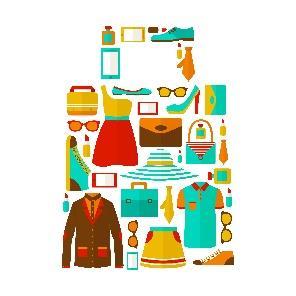
Clothingandconsumer goods like textiles, packaging, electronic devices, toys andequipmentare where people engage at a practical level with the circular economy.
Changing cultural values towards sustainable consumption and production is key to building a more circular economy 4
Source: www.freepik.com
Why? This sector generates significant volumes of waste from packaging and discarded products and offers a key opportunity to use recycled materials and extend the life of products.
When circular goods and services are convenient, accessible, and highly visible, they deliver wide-ranging benefits:
• support innovation and growth among circular businesses, organisations, and not-for-profits
• help ease cost-of-living pressures for residents
• help lower business operational costs
• strengthen community connections and empower people to reduce their environmental footprint
• lower demand for virgin materials, cut carbon emissions, and reduce waste to landfill.
What?
How?
Council can make a direct impact in this area by procuring sustainable products and providing services and spaces to support community-led circular approaches. This includes promoting reuse, sharing, and repair activities that help keep goods in use and reduce unnecessary waste, contributing to long-term cost-of-living relief.
Circular economy hubs can be transformative for cities and regions, offering dedicated spaces that enable more sustainable lifestyles.
Actions in the Circularity Roadmap about clothing and consumer goods may involve households, local businesses and social enterprises.
4 DCCEEW (2024) Australia’s Circular Economy Framework, DCCEEW website
Food systems
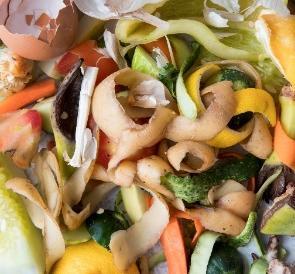
Food systems include all theprocesses involvedin getting food from farms to our plates. This includes growing, harvesting, processing, packaging, transporting, and selling food, as well as how we store, prepare, and dispose of it. Food and other organics that are lost to landfill are a significant emitter of harmful greenhouse gases.
Australians create more than 7.6 million tonnes of food waste each year which costs the Australian economy around $36.6 billion each year 5
Source: www.freepik.com
Why?
5
What?
Council can play a big role in improving local food systems, and the benefits are wide-reaching. Working on food systems helps us tackle climate change, support local jobs, and build stronger, healthier communities. It is a smart, practical way to make a real difference
The food manufacturing sector, particularly baking, has a strong presence in the Frankston industrial precincts. Nationally, more than 319,400 tonnes per year of food are wasted across the bread and bakery value chain 6 Food waste represents an avoidable cost for both business and residents.
We make decisions about land use, waste collection, and public health so we are in a strong position to reduce food waste, improve nutrition, and make sure food is fairly available to everyone.
How?
Council can play a key role by supporting manufacturers to streamline production, fostering links with farms and businesses that can repurpose leftovers or manufacturing by-products, and advocating for improved commercial organics recycling services in the area.
Additionally,Council can helpunlockopportunitiesforfoodbusinessesand community gardens, influence urban planning, enhance sustainable procurement practices for both Council and local businesses, educate the community on food waste prevention, and support food rescue initiatives.
Actions in the Circularity Roadmap about food systems may involve retailers and food services, food manufacturers, charities and households.
4. Engagement
We recognise that meaningful engagement is essential to shaping a well-informed Roadmap that reflects the needs of Frankston’s residents, workers and businesses.
Community engagement
The Local Government Act 2020 requires that councils develop or review the CommunityVision,Council Plan, Financial Plan and Asset Plan in accordance with its deliberative engagement practices.
Community Engagement Policy
Council adopted a revised version of their Community Engagement Policy in February 2025, which setsout how we will engageourcommunitywhen planning for matters that may impact and interest them. The policy establishes our commitment to engaging and collaborating with our diverse local communities to better understand and incorporate their different views, experiences and expertise into our decision-making.
We have conducted our engagement in line with the policy, including targeted, internal and external consultation.
Engaging our community
Council has considered the feedback received during community consultation conducted in November and December 2025. A summary of that feedback and Council’s response, is published the Engagement Report: Draft City Circularity Roadmap (February 2026)
5. Stakeholders/ Partners
Circularity is underpinned by collaboration and networks. Keeping materials in use and sharing resources can require an entire supply chain to work together, and is often scaled by cooperating regionally or locally with partners.
Our partners:
• federal and state government
• local business and industry associations
• community sector
• institutions
• neighbouring councils
6. Resource Allocation
This strategy will be delivered using existing staffing and organisational structures, with no need for additional positions or new resources.
While some financial investment is required to support key initiatives, these costs havebeen incorporated intoCouncil’s budget planning for the initial implementation period.
Any further funding needs beyond these allocations will be assessed through Council’s standard annual budget process, ensuring alignment with organisational priorities and available resources.
7. Evaluation - Measuring Success
Victoria leads nationally as the first jurisdiction to report against new circular economy indicators under Australia’s Circular Economy Framework. The latest Circular Economy Market Report from Recycling Victoria highlights that Victoria’s performance is strong compared to the national average.
However, measuringcircularityat the local governmentlevel remainschallenging, as data on material use, product life cycles, and recycling flows are not consistently available or standardised across councils. Most datasets are collected at state or national levels.
The complexity of supply chains and recycling markets also means local outcomes are influenced by factors beyond council control. To address this, targeted metrics have been developed to measure progress towards becoming a circular city, enabling tracking, identifying areas for improvement, and demonstrating the impact of circular actions over time.
They provide a consistent and transparent way to assess progress on implementation of the Circularity Roadmap, support data-driven decision-making, and help align efforts across teams and stakeholders toward shared goals
These metrics help answer two questions:
1. How is Council enabling the circular economy through services, infrastructure, policies, and other initiatives?
2. How circular is the city overall includingactivityacross businesses, industries, organisations, and households?
These metrics track progress against the objectives and focus on the key areas of built environment, food systems, clothing, and consumer goods.
Inverse metrics, show how much waste or unused material is generated, with lower values indicating better outcomes. For example, textile waste per household is an inverse metric, higher values suggest more disposal, while lower values reflect reduced consumption, greater reuse, and repair. As the economy becomes more circular, this number will decline.
7.1 Monitoring and Reporting
The followingmetrics can be measured now,and for which a baseline will be established in year 1; alignment with national metrics is not yet possible due to gaps in state and local data. Identifier Goal/ Priority
Lead by example (Council’s contributions)
Lead by example (Council’s contributions)
Foster a circular economy culture (City wide transition)
Foster a circular economy culture (City wide transition)
Position the region as a hub for circular economic development (City wide transition)
Proportion of aggregate for civil works sourced from recycled materials (%by weight)
Use of recycled mulch and compost in parks and gardens (m³ per year)
Household food waste generation (kg per household per year –inverse metric)
Clothing waste disposal (kg per household per year – inverse metric)
Local employment in circular economy sectors (# of FTE jobs and revenue in second-hand retail, repair, sharing platforms, and resource recovery services)
The following are aspirational metrics for Frankston. Council has an intent to measure them but will need more time to develop data sets.
Tracking Council’s contributions
• Spend on new furniture, ICT equipment, and staff uniforms per staff member ($/FTE/year - inverse metric)
- Lower spend on new items is a proxy for reuse, refurbishment, and sustainable procurement.
- Tracked via finance/procurement systems.
- Linked to actions 3.1, 3.6, 3.9 and 3.10.
Aspirational metrics are goals we aim to measure in the future but cannot track at the baseline stage due to a lack of data, difficulty in data collection, or because the related initiative has not yet begun
• Proportion of Council procurement contracts with circular provisions (% of total procurement spend)
- Shows how circularity is embedded into Council’s purchasing decisions.
- Tracked via finance/procurement systems.
- Linked to action 3.9 and supported by actions 3.1, 3.6 and 3.10.
• Share of Council workforce, leadership, and Councillors participating in circular economy training/workshops (% of total staff; % of leadership positions; % of Councillors)
- Signals organisation-wide culture change and political commitment.
- This would be tracked via training participation by staff, leadership team and Councillors.
- Linked to action 3.10 and supported by actions 3.1 and 3.6.
Tracking the city-wide transition to a circular economy
• Number of residential dwellings demolished per 1,000 households (inverse metric)
- Proxy for prioritisation of renovation/adaptive reuse over demolition.
- This would be tracked in planning and permits data.
- Linked to actions 1.1 and 1.4 (educating/informing public) and actions 2.2, 2.5 and 2.6 (upskilling/providing platforms to deliver these services)
• Community knowledge and behaviours related to circular economy (score for residents and score for businesses)
- Indicator of circular knowledge and behaviours.
- needs periodic resident and business surveys.
- Linked to all actions in this Roadmap. As they will together increase community knowledge and behaviours on circular economy.
7.2 Action Plan
This documentoutlinesawhole-of-Council Roadmap to guide actions and decisions over the next five years, supporting our transition towards a more circular city by 2030 The following table presents the Roadmap actions aligned to each strategic objective.
Objective 1 – Foster a circular economy culture
Objective 2 – Position the region as a hub for circular economic development
Objective 3 – Lead by example across all Council activities.
The actions are organised by the key focus areas introduced in Section 3.3: the built environment, clothing and consumer goods and food systems. Where actions intersect multiple focus areas they are grouped as ‘cross-cutting’
Each action builds on Council’s existing plans and strategies, has been shaped through collaboration with staff and regional partnersworking to advance the circular economy.
Progress will bereported annually by Frankston City Council ensuring transparency and accountability as we work towards becoming a circular city.
Objective 1 – Foster a circular economy culture
# Action
Built environment
1.1
Develop and deliver a better practice guide to educate renovators about circular decision-making in renovation and building.
Clothing and consumer goods
Reduce waste and promote resource efficiency by supporting community-led reuse, sharing, and repair activities.
2
Circularity Economic Development Building Infrastructure
1.2
This may include activities such as clothing swap events, Libraries of Things, repair cafés, upcycling workshops and links to reuse networks and local repair businesses.
Food systems
1.3
Expand circular and food literacy education and workshops for all ages to build skills in growing, buying, cooking, and storing food while reducing waste. Activities may include showcasing community gardens and sustainable food businesses as local examples of food waste avoidance and resource recovery.
Cross-cutting
1.4
Investigate the need for a community circular hub as a one stop shop to promote and connect residents with existing circular activities and new opportunities, such as repair cafes, library of things, second hand markets, and circular economy education and events.
1–2
Circularity Community Strengthening
1.5
Explore opportunities to expand existing community grants to support sustainable renovation practices alongside other sustainable living practices Year 2–3
Circularity Economic Development
Objective 2 – Position the region as a hub for circular economic development
Built environment
2.1 Continue to pilot platforms for buying and/or sharing used/surplus materials and products, including Frankston regional recycling and recovery centre, and assess their suitability for Frankston business and Council
Clothing and consumer goods
2.2 Explore options for a business circular hub to support circular startups, businesses, and circular business innovation and further engage with the business community to assess appetite
The hub could be digital or physical and may involve partnerships with the Frankston Social Enterprise and Innovation Hub. It could support businesses to engage/deliver repair services, product reuse, and other circular business models. It may also be co-located with a community circular hub (see action 1.4).
Food systems
2.3 Expand Circular Business Programs and Education. Continue and expand programs and education initiatives (e.g., Trim Your Bin), including circular business services, to support SMEs in adopting circular practices across key sectors, including:
• Food: redistributing surplus and reducing food waste
• Waste and Recycling: FOGO, treatment technologies, composting, and recovery options
• Consumer Goods: reuse repair and product stewardship
Cross-cutting
2.4 Undertake mapping of industry supply chains and material flows to identify opportunities to promote co-location of industries and to facilitate circular economy activities.
Year 1–2
Year 4–5
Year 1–3
Year 1–2
Circularity Economic Development
2.5 Targeted Support for Innovation and Circular Practices. Deliver a targeted program to support business adoption of circular practices, focusing on:
• Education: deconstruction over demolition, resourceefficient manufacturing, and sustainable supply chains
• Pilot Projects: partnering with food manufacturers, SMEs, and industry leaders to showcase circular business models.
• Infrastructure: facilitating local facilities to support circular practices (e.g., refill/wash stations)
• Collaboration: fostering cross-council, sector, and academic partnerships to scale solutions, align infrastructure, and embed circularity into local economic development
• Financial Support: seeking external funding, particularly from the Victorian Government.
2.6 Investigate opportunities to work with Chisholm TAFE, Monash University, and other tertiary providers to include circular skills and knowledge courses (e.g. micro credentials) that support businesses and the wider education sector in adopting circular practices.
2
Objective 3 – Lead by example across all Council activities
3.1 Develop tools, standards, and guidance to embed circular principles into Council buildings, assets, and operations. This includes:
• Early-stage guidance and support for project sponsors or responsible departments to consider circular principles prior to design and construction
• Continual improvements to the project framework
• Lifecycle standards for design, construction, and maintenance.
• Guidance for assets and infrastructure not covered by existing policy
• Decision-making tools to support consistent and informed application of circular principles
3.2 Identify priority works that can be used as pilots or flagships to demonstrate circular economy in action within the Long Term Infrastructure Plan 2025
3.3 Identify and pursue opportunities to support sustainable local end markets for recyclable materials through partnerships, contract specifications, trials, demonstrations, and other opportunities.
3.4 Embed climate, environmental, and circular economy provisions into tenancy agreements during renewal where appropriate.
3.5 Promote and expand the use of recycled compost (from FOGO) and recycled mulch (from green waste) by integrating it into Council operations, such as parks, gardens, and landscaping excluding natural reserves, and encouraging uptake by residents and businesses
1–5
Cross-cutting
3.6 Continue to integrate circular economy principles into Council strategies and policies and consider policy positions on key issues such as reusables where practical.
3.7 Collect data on upstream material use (procurement of goods, services and capital items) and downstream material flows (waste management and product end-oflife) to support future Scope 3 reporting by Council.
3.8 Embed circular economy metrics and monitoring into Councils measurement framework. Establish a baseline for measures and periodically review efficacy of each measure.
3.9 Implement environmentally sustainable procurement provisions in Council’s procurement policy. This will consider state and federal policy (e.g. Federal Government’s Environmentally Sustainable Procurement Policy) where it is appropriate for a council.
3.10 Develop and deliver structured training on circular economy principles through induction, procurement, and specific areas like green building. Cascade knowledge across all departments and roles.
Ongoing Waste Circularity supported by functional areas.
Ongoing Waste Circularity supported by functional areas.
Year 1 for baseline then ongoing Waste Circularity
Year 1 Waste Circularity Procurement
Ongoing Waste Circularity People and Culture
8. Glossary / Definitions
Term
Circular economy
Circular values
General environmental duty
Resource loops
Scope 3 emissions
Explanation
A circular economy is an economic system aimed at eliminating waste and the continual use of resources. Unlike the traditional linear model of ‘take, make, dispose,’ a circular economy keeps products, materials, and resources in use for as long as possible by recovering, reusing, repairing, refurbishing, remanufacturing, and recycling them. This approach reduces environmental impact, supports sustainability, and promotes innovation by designing out waste and pollution, keeping products and materials in circulation, and regenerating natural systems.
Circular values prioritise closed-loop systems, regeneration, and ethical resource use for a sustainable and equitable world. They represent a move from disposable consumption to mindful creation and regeneration, inspired by nature’s continuous cycles. Core principles include rethinking needs, reducing waste, reusing and repairing items, and recycling as a last resort, all while considering well-being, social equity, and environmental responsibility.
A general duty means that anyone conducting an activity, whether it is managing waste, running a business, or maintaining public infrastructure, must take reasonable steps to identify and understand the risks of harm their activities may cause and minimise those risks as far as reasonably practicable.
A resource loop refers to a system or process in which materials, products, or resources are continuously cycled through various stages of use, recovery, and regeneration, rather than being discarded as waste. In resource loops, outputs from one process become valuable inputs for another, mimicking natural cycles where nothing is wasted.
Scope 3 emissions for local government are the indirect greenhouse gas emissions that result from activities both upstream and downstream of council operations, but that the council does not directly own or control. These include emissions associated with things like:
• The production and delivery of goods and services the council procures (e.g. office supplies, construction materials, contractor services)
Trim Your Bin program
• Transportation of waste and recycling managed by the council, but processed by third parties
• Employee commuting and business travel
• Construction and maintenance of infrastructure, such as roads and public buildings
The Trim Your Bin Program by Frankston City Council is an initiative for local businesses aimed at reducing waste, saving costs, and protecting the environment. The program empowers businesses to review their waste practices, minimise landfill disposal, and adopt more sustainable operations, contributing to the broader circular economy goals of the region.
9. Version Control