Did you know that when a franchisor partners with Paychex, their entire franchise network benefits?
You’ll have access to trusted workforce solutions that can simplify operations and support growth. Breathe easier knowing you don’t have to handle it all alone. Trust us to help you with:
• Recruiting, onboarding, and retention
• Integrated payroll and HR
• HR administrative and regulatory compliance support
• Employee benefits management
• Business insurance solutions
• Retirement planning
Are your franchisees compliant with the latest employment laws?
The legal landscape changes constantly, but our new employment law resource, powered by SixFifty®, helps them navigate it with confidence.
Email IFA@paychex.com to learn more about partnering with Paychex. Ask about our 7-day free trial of SixFifty® to support your network!
A Franchise System Built for Long-Term Performance
The growth is there. The infrastructure is there. The opportunity is real.
The only question is — do you want to own a piece of it?
Grossed by the Top 10% of Franchise Owners** $5.9M Grossed Revenue from Top Franchise in 2025*
of Franchise Owners are Multi-Unit Operators
of Franchise Owners Enjoy Operating their Business New Unit Growth Came From Existing Franchise Owners in 2025
EDITORIAL
Publisher
Matt Haller
Associate
Jennifer Brandeen
Editor-in-Chief
Courtney Pettinella
MARKETING & PRODUCTION:
Creative Director
Heather Bartlow
Graphic Designer
Catherine Marinoff
ADVERTISING & CIRCULATION:
Advertising
Carly Wooley
Technology
Sara Williamson
Manager, Advertising
From the Desk of IFA President and CEO Matt Haller
Franchising's Moment
Iwant to tell you why I'm genuinely excited right now, not just doing my job as a champion for franchising. Franchising is having a moment — and it all starts with the businesses and brands that make up this powerful business model.
Every time I visit franchise locations around the country, I see some version of the same story: a veteran a few years out of service who wanted something that was finally his own. A first-generation entrepreneur building something to hand down to their kids. A local owner hiring people from their own neighborhood. None of that happened by accident — it's people taking a real risk because they believed it would pay off, and it did. That's the part of this business model I never get tired of.
Brands have tied their affinity into nostalgia, major national media is focusing on our business model and giving attention to the opportunities our business model creates, and we have seen franchises as some of the first places our international visitors from around the world want to experience when they are here.
But I'd be lying if I said I wasn't worried about it too.
Too many people in Washington still don't really understand how franchising works — what makes it different from just "big corporate business" — and that misunderstanding keeps showing up in policy that puts real people's livelihoods at risk.
That’s why we set out to pursue the American Franchise Act last year — to provide much-needed long-term certainty on the joint employer issue that has plagued franchising for over a decade. The bill would protect franchise owners' independence and give brands the certainty they need to keep growing their businesses without wondering if the rules are about to shift under them. It's not abstract policy — it's protecting the thing that's let hundreds of thousands of people build something of their own.
The encouraging part is that we're not shouting into the void. Thanks to our work and the voices of our members, more lawmakers get it every month with over 130 bipartisan lawmakers backing the bill. That support has happened because people show up and tell their own stories. Hearing it from an actual franchise owner lands differently than hearing it from someone like me.
Which brings me to my ask for you: come to Washington with us, September 14–16, for the IFA26 Advocacy Summit. Bring your story. Sit across from your representative and tell them what franchising actually means to you and your community and why they need to protect it. I promise it matters more than you think.
With all of the challenges facing businesses every day, this is our one shot to make a lasting change.
I'd love to see you there this September and hear your voice to get this bill signed into law. Register today at franchise.org/2026-ifa-advocacy-summit/
Matt Haller President & CEO International Franchise Association
IFA’S MISSION
The International Franchise Association protects, enhances and promotes franchising.
IFA’S VISION
The preeminent voice and acknowledged leader for franchising worldwide.
EXECUTIVE COMMITTEE
Sam Ballas, CFE
East Coast Wings +Grill/ Sammy’s Sliders
Chair
Gary Robins
The G & C Robins
Company Vice Chair
Dave Mortensen
Purpose Brands, LLC
Second Vice Chair
Mary Kennedy Thompson, CFE BNI Immediate Past Chair
Bill Hall, CFE Treats Investment, LLC
Treasurer
Catherine Monson Propelled Brands Chair, IFA Foundation Board of Trustees
Meg Roberts Head to Toe Brands Vice Chair, IFA Foundation Board of Trustees
John Lancaster Choice Hotels International 2026 Chair, Diversity Institute Board
Rolf Lundberg
Choice Hotels International
Ned Lyerly, CFE Starheel Ventures, LLC
Daniel Mormino
InfinitiHR 2026 Vice Chair, Supplier Forum Advisory Board
Shelly O'Callaghan International
Dairy Queen
David Ostrowe
O&M Restaurant Group
Todd Recknagel PCRK Group, National Envy Development
Al Rodriguez Sport Clips
Jesse Keyser, CFE Keyser Enterprises Chair, Franchisee Forum
Emma Dickison, CFE Home Helpers
Home Care Chair, Franchisor Forum
Abby Schmidt Paychex Chair, Supplier Forum Advisory Board
Paul Russell 7-Eleven
Nadia Sarangi
IHG Hotels & Resorts
Jyoti Sarolia Ellis Hospitality Group
Karen Satterlee, CFE Hilton Worldwide Holdings, Inc.
Heidi Schauer
The Wendy's Company
Michael Seid, CFE MSA Worldwide
Stephen Shields
Express Employment 2026 Vice Chair, Franchisee Forum
Joe Sieve
Omar Simmons Exaltare Capital Partners
Christine Son
Dine Brands Global
Jeffrey Sopp
Kensington Hill Partners
Cheryl Stanton BrightStar Care
Brad Stevenson
Neighborly
Sam Tatevosyan McDonald's Corporation
John Teza
Carolyn Thurston
Wisdom Senior Care
Clement Troutman
Tropical Smoothie Café
Larisa Walega, CFE Ziebart
Charles Watson
Richard Weissman
The Learning Experience
Steve White, CFE
PuroClean
Gabby Wong
FranConnect
Tom Wood
Floor Coverings
International 2026 Vice Chair, Franchisor Forum
Tony Zaccario Stretch Zone
PEOPLE & NEWS
Top 5
People ON THE MOVE
Christy Johnson
Tint World has appointed Christy Johnson as chief marketing officer.
James Franks
James Franks has been named chief franchise officer at Unleashed Brands
Nick Evans
Home Helpers Home Care has appointed Nick Evans as chief financial officer.
Michael Abramson
EverSmith Brands has appointed Michael Abramson to chief operating officer.
Brands Expanding
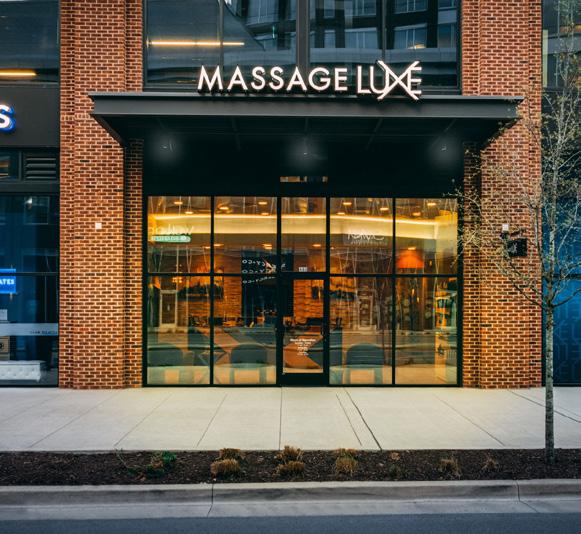
MassageLuXe is prioritizing Nashville for multi-unit franchise growth as part of its broader national expansion strategy. Nashville has emerged as a high-potential market for
MassageLuXe due to its strong population growth, thriving local economy and increasing consumer demand for accessible, membership-based wellness services. As more consumers prioritize self-care and recurring wellness routines, the brand sees significant opportunity to scale its footprint across the greater Nashville area with experienced multi-unit operators. MassageLuXe has already established a presence in Tennessee, where its spa locations have demonstrated the strength of the brand’s recurring revenue model and ability to drive consistent guest engagement.
Paul Eulette
Code Ninjas recently named Paul Eulette as vice president of partnerships.
The Joint Corp. has officially entered Rhode Island, marking the brand’s expansion to its 44th state with the grand opening of a new clinic in Warwick. The new clinic, at 300 Quaker Lane c10, is owned and operated by power couple Sarah and Yosef Perfido. Sarah serves as the CEO and driving force of the day-to-day operations and Yosef supports her as a seasoned entrepreneur; graduate of the Citadel, the military college of South Carolina; graduate of the U.S. Naval War College; and member of the U.S. Navy. The Rhode Island clinic represents the couple’s second location within The Joint Chiropractic network, joining an existing clinic in Groton, CT, alongside plans to continue expanding.
Bumble Roofing plans to launch their business into their 17th state: Oklahoma.
Expansion into The Sooner State gives the company access to a skilled and growing workforce with their established, successful franchise model.
Bumble Roofing is targeting a market that demands quality roofing solutions. The historic homes of Tulsa and surrounding areas in West Oklahoma are exposed to the dangers of mature trees and complex rooflines, making them susceptible to roof damage and in need of reliable roofing. New residential areas in Oklahoma City such as Edmond, Yukon, Moore, and Norman, set the company up for long-term success and franchise growth as the areas face shorter roof lifespans due to the threat of tornadoes, hail, and extreme winds.
PEOPLE & NEWS
Brands Expanding
JETSET Pilates is officially expanding into Nevada. Entrepreneurs and husband-and-wife duo Melinda Swan and David Milheim have signed an agreement to bring three new studios to the Las Vegas area, marking the brand’s first-ever entry into the state, with the first targeted to open in spring 2027. The couple bring diverse professional experiences to the elevated reformer business.
Kidcreate Studio is seeking franchise partners throughout Texas as families increasingly prioritize hands-on, screen-free activities. Kidcreate currently operates six studios across Texas in Houston, Cypress, Austin, San Antonio, Mansfield and Brownsville, providing a strong proof of concept for continued statewide expansion. Texas is home to over 3 million families with children under 18. With that in mind, there is a clear need for accessible child programming that provides families with meaningful enrichment opportunities. Kidcreate believes this demand creates significant opportunities for entrepreneurs interested in bringing artsbased education to their local markets.
Franchising Gives Back
Celebree School honors those who have served the United States with its Veteran Incentive Program designed to support veterans pursuing franchise ownership within the growing education sector. As part of the program, qualified veteran franchise owners will receive $20,000 off the Initial Franchise Fee for their first Celebree School location. This incentive reflects the company’s continued commitment to supporting service members transitioning into business ownership and expanding access to franchise opportunities built around purpose-driven leadership and local impact.
Awards & Honors
Kilwins has been named the No. 1 Best Dessert/Treat Chain in the United States in USA TODAY’s prestigious 10Best Readers’ Choice Awards. The “10 Best” awards by USA Today are an annual highlight in the culinary world, showcasing the most beloved establishments across various categories as voted by readers. Kilwins earned the top spot among nationally recognized dessert brands, reflecting the loyalty of its guests and the enduring appeal of its timehonored sweets and immersive in-store experience.
PuroClean recognized two top-tier franchise locations during its Annual International Convention. These businesses represent dramatically different, but equally impressive, growth stories. In Fort Payne, Alabama, Jerral & Chrystal Ingle of PuroClean Restoration Services grew their rural-market business from approximately $200,000 in annual revenue to a projected $5.3 million operation, earning the prestigious Franchise of the Year award. In Ankeny, Iowa, John Alessio and Shawn Kelly of PuroClean of Des Moines – Central, generated more than $775,000 in first-year sales volume and are already building momentum toward the $1 million mark, earning Rookie of the Year recognition.
Franchisees from Evive Brands’ Assisted Living Locators and Executive Home Care networks came together during Alzheimer’s & Brain Awareness Month to recognize caregivers across the country, demonstrating how locally owned businesses can create meaningful community impact through a coordinated national initiative.
In partnership with Loved01 Cares, selected franchisees presented “Live Like a Legend” caregiver gift sets to family and professional caregivers who have made extraordinary contributions to individuals living with Alzheimer’s disease, dementia and other aging-related challenges.
Rather than simply recognizing caregivers, franchisees shared personal stories from their communities, highlighting the compassion, resilience and sacrifice demonstrated by those caring for aging loved ones and clients every day.
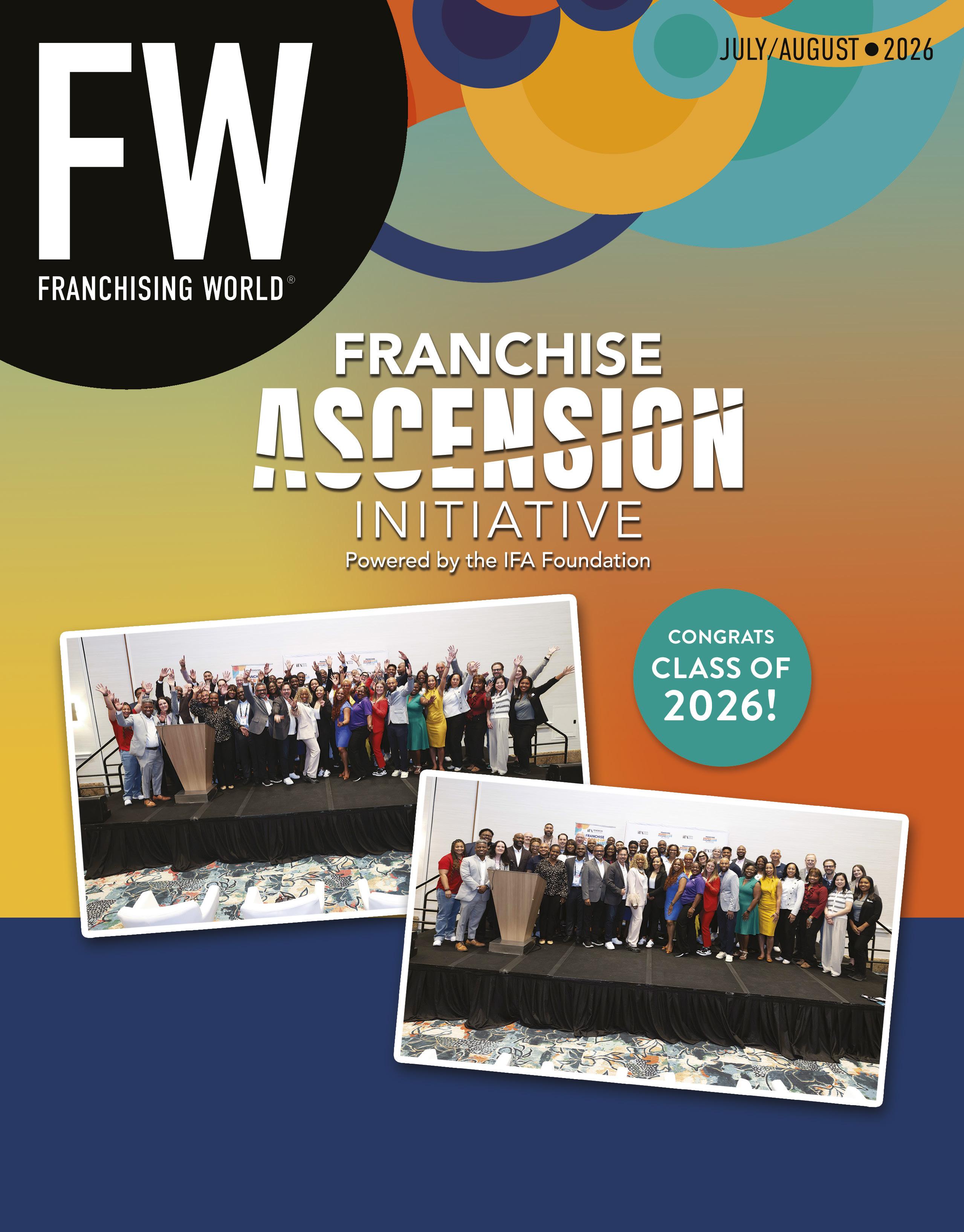
TURNING OPPORTUNITY INTO OWNERSHIP: HOW THE FRANCHISE ASCENSION INITIATIVE IS BUILDING THE NEXT GENERATION OF FRANCHISEES
By the IFA Foundation
Franchising has long been one of America’s most powerful engines of entrepreneurship — a proven model for building wealth, creating jobs, and strengthening communities.
But for many talented, motivated individuals from underrepresented backgrounds, the path from aspiration to ownership has remained out of reach. Too often, the barriers aren’t a lack of ambition or capability — they’re a lack of access: access to capital, to networks, to the knowledge and mentorship that can make all the difference.
The IFA Foundation launched the Franchise Ascension Initiative (FAI) to change that.
A Program Built for Real Readiness
FAI is a six-month accelerator program designed to equip qualified individuals from underrepresented groups with
the education, mentorship, resources, and support needed to successfully launch a career in franchise ownership. The program is built on the belief that franchising is a viable path to wealth creation for all — and that the first and most important step on that path is education.
FAI is built around three interconnected components designed to prepare participants for long-term success in franchising. The first is Education, delivered through structured online courses that cover franchise fundamentals, business management, leadership, and other essential topics, while fostering engagement with instructors and fellow participants. The second is Mentorship, where each participant is paired with an experienced franchise professional with at least 10 years of industry experience, providing personalized guidance,
“
The program is built on the belief that franchising is a viable path to wealth creation for all — and that the first and most important step on that path is education.”
practical insights, and ongoing support throughout the program. The third component is Access to Networks, achieved through participation in two IFA conferences, where participants connect with franchise executives, entrepreneurs, and industry leaders, expanding their professional network and gaining firsthand exposure to
the broader franchise community. The program is fully funded for participants, with no cost to apply or participate. That design is intentional. By removing financial barriers to the program itself, the FAI helps remove barriers to entering and succeeding in the franchise industry.
Cohort 2: By the Numbers
The 2025–2026 cohort, the program’s second class, has delivered results that speak for themselves.
Every single graduate increased their understanding of franchise sourcing, evaluating, and funding. That’s a 100 percent improvement in knowledge across the three domains most critical to making an informed ownership decision. Ninety-six percent of participants said they would recommend the program to others. And 86 percent reported that they intend to pursue franchise ownership immediately following graduation.
Perhaps most strikingly, participants’ professional networks grew by 400 percent over the course of the program. In an industry where relationships are currency, that kind of network expansion isn’t just meaningful, it’s transformative. These graduates aren’t entering the franchise landscape alone. They’re entering it connected.
The cohort also reflected the diversity the program was designed to cultivate, with women, U.S. Veterans, and military-connected families represented among the graduates, drawn from 16 states across the country.
What Participants Said
The numbers tell a compelling story, but the voices of graduates bring it to life.
“Before FAI, I had a more limited understanding of what financial success looked like,” said Alaa El-Bashir, a member of the 2025–2026 cohort. “The financial sessions forced me to think like an owner and helped me build confidence in evaluating opportunities, asking smarter questions, and recognizing that financial literacy is empowerment.”
For Brooke McGilvery, the program opened doors she hadn’t imagined. “This opportunity has been beyond anything I could have imagined,” she reflected. “Having access to so many resources, mentors, and lived experiences has been remarkable. I am an inner-city girl from Dallas, Texas, with a vision that once only existed in my mind, and now I have the opportunity to bring that vision to life.”
These aren’t just success stories, they’re proof of concept. When opportunity, mentorship, and determination intersect, lasting impact follows.
What This Means for the Industry
FAI isn’t just good for participants. It’s good for franchising.
The franchise industry grows stronger when more people have access to it, specifically when the next generation of owners reflects the full breadth of American entrepreneurial talent. Every FAI graduate who goes on to open a location, hire employees, and serve their community is adding to the economic vitality that franchising creates nationwide. Every mentor who invests their time in a cohort member is helping build the bench strength that will define franchising’s future.
“
The program is fully funded for participants, with no cost to apply or participate.”
The program is made possible by a committed group of founding sponsors and partners — companies and individuals who understand that investing in diverse ownership is investing in the long-term health of the franchise model itself.
The Path Forward
The 2026–2027 cohort begins in August 2026. The program welcomes candidates from a wide range of backgrounds: college graduates and students, experienced business managers, existing business owners exploring conversion franchising, professionals navigating career transitions, and high-performing franchisees ready to scale.
FAI is rooted in a simple belief: the American Dream of business ownership should be accessible through franchising to anyone with the drive to succeed. Cohort 2 proved that when aspiring entrepreneurs are equipped with the right knowledge, mentorship, and support, opportunity follows. As the program continues to grow, so does its potential to open doors for more individuals, strengthen communities, and make the promise of franchise ownership more accessible than ever before.
To learn more or join the program’s interest list, visit franchise.org/franchiseascension-initiative
5 TIPS FOR WOMEN IN FRANCHISING
By Marla Mock, Poolwerx
Throughout my career, I’ve learned that leadership is rarely defined by one big moment.
More often, it’s shaped by the choices you make every day, the people you surround yourself with and your willingness to keep growing.
Growing up on a farm in Texas taught me the value of hard work from an early age. Those lessons carried with me through college leadership roles, into my professional career and now into my role as Chief Operating Officer at Poolwerx USA. Along the way, I’ve had the privilege of working with talented franchise owners and mentors who have influenced the way I lead.
For women considering a career in franchising or looking to take the next step in their leadership journey, I’ve found that a few principles continue to serve me well.
Have Clear Goals
Every career benefits from direction.
When you know what you’re working toward, your decisions become more intentional, and opportunities become easier to evaluate.
I’ve also learned that goals should evolve. As your career grows, your priorities often grow with it. Revisiting those goals regularly allows you to stay aligned with what matters most while remaining flexible enough to embrace new opportunities. 1
Having a destination in mind doesn’t mean you’ll get there overnight - it simply gives each step greater purpose and something to aim for.
2Know Your Strengths (and Your Weaknesses)
Self-awareness is one of the most valuable qualities a leader can develop.
Understanding your strengths helps you recognize where you create the most value. Equally important is recognizing the areas where someone else may bring expertise that complements your own. Every successful organization depends on people with different experiences, perspectives and skill sets.
Throughout my career, I’ve found that the strongest teams are built by people who appreciate what each individual brings to the table. That starts with understanding yourself first.
Knowing your strengths also gives you confidence when new opportunities arise. Knowing your weaknesses encourages curiosity, continuous learning and collaboration. Those qualities create stronger leaders and stronger organizations.
Never Settle
Growth requires a willingness to keep moving forward.
I have always chosen to pursue opportunities that challenged me, expanded my perspective and helped me develop new skills. Every experience contributed to the leader I am today.
Professional growth happens over time through consistent effort and a mindset that welcomes new experiences. Use the knowledge, the skills, the lessons and grow on it. I encourage women to continue raising their hand for opportunities that align with their goals. Trust the experience you’ve built, stay committed to learning and give yourself permission to continue growing throughout your career.
“ Throughout my career, I’ve found that the strongest teams are built by people who appreciate what each individual brings to the table. That starts with understanding yourself first.”
Be Open
I have navigated leadership roles across various home service brands which are sectors traditionally viewed as “male-dominated.” But my success didn’t come from staying within those selfimposed boundaries; it came from refusing to limit my potential based on outdated industry stereotypes.
and businesses continue finding better ways to serve their communities. Leaders who remain curious are better positioned to recognize new opportunities and help others succeed along the way.
Every conversation offers the chance to learn something new. Approaching those conversations with openness has made a meaningful difference throughout my career.
“
I have
5
always chosen to pursue opportunities that challenged me, expanded my perspective and helped me develop new skills. Every experience contributed to the leader I am today.” 3 4
Build Strong Relationships
Every meaningful opportunity in my career has been connected to people.
Strong relationships create trust, encourage collaboration and provide support during every stage of your professional journey.
Building relationships takes time. It starts with showing genuine interest in others, following through on commitments and creating an environment where people feel respected and valued. Those small actions establish credibility and strengthen teams over time.
I’ve been fortunate to learn from mentors who generously shared their knowledge and from colleagues who challenged me to think differently. Those relationships have shaped my leadership style in lasting ways, and I continue to value every opportunity to learn from the people around me.
Franchising is built on collaboration, and the trades, in particular, are starving for the unique operational insights and leadership perspectives that women bring to the table. Be open to try new things and open to breaking the status quo. Some of the most valuable ideas I’ve encountered have come from listening closely to people whose experiences differed from my own. An open mindset also creates room for innovation. Industries evolve, customer expectations change
Ultimately, these tips are useful for anyone — CEO or entry level, franchisee or franchisor, man or woman. For women in franchising, I believe it’s especially important to embrace your unique perspective and trust the value you bring. Set meaningful goals, invest in your own growth and build relationships that encourage others to succeed alongside you. Leadership is a journey, and every experience along the way helps prepare you for what’s next.
Marla Mock is the COO of Poolwerx. For more information about IFA franchisor member Poolwerx, please visit franchise. org/franchise-opportunities/poolwerx/
PAVING THE WAY: LESSONS IN LEADERSHIP FROM A WOMAN IN FRANCHISING
By Danielle Scott, Alliance Franchise Brands
In franchising, growth is often measured in units, territories, revenue, and expansions.
But as Chief Development Officer, the most meaningful growth can’t be found on a spreadsheet. It is reflected in the leaders we develop, the teams we trust, the culture we cultivate, and the people who become more capable because we chose to invest in them.
My own path was non-linear; it was shaped by drive, failure, humility, and understanding that leadership doesn’t always mean being the smartest person in the room. It is about building a room full of smart, prepared, empowered people — and then having the wisdom to listen to them.
Fail, Then Grow and Change Accordingly
I took a significant fall early in my career. At the time, I was young, confident, and convinced that success meant having all the answers myself. I was smart enough to move quickly, but not yet wise enough to understand that speed without constraint could lead to my downfall. That failure became one of the most important professional lessons of my life. It forced me to stop confusing control with strength. It taught me that listening is the heart and soul of leadership
and success. Once I began approaching people with more humility, I could relate more deeply to the realities that business owners, franchisees, employees, and emerging leaders face every day. I became more patient, more curious, and more committed to building success with others rather than simply driving toward it on my own.
Invest in Your Successor
One of the most distinctive signs of a strong leader is the ability to prepare someone else to step into your role. Early in my career, I thought advancement was about proving I was indispensable. Over time, I learned the opposite is true. Without someone to succeed you, the path forward narrows.
As a Chief Development Officer, I see development as more than external growth. Yes, we develop markets, partnerships, and opportunities. But internally, we must also teach people with the same focus. The only sustainable way to move up is to lift someone else into the space you are currently in. That requires mentorship, transparency, patience, and a willingness to share both the work and the wisdom behind it.
For women in franchising, this responsibility carries even greater weight. We know what it means to enter rooms where representation is still evolving. Investing in successors is both a business strategy and a commitment to widening the path for the next generation of leaders. We should be actively seeking out new talent, inviting women into bigger conversations, and making professional development a cultural expectation rather than an occasional benefit.
Trust Your People Enough to Let Them Lead
The strongest leaders don’t hire talented people and then shrink their capacity through micromanagement. They hire experts, give them context, clarify the end goal, and then trust them to do the work they were brought in to do. When people understand where the organization is headed and how their contributions matter, they become more than employees executing tasks. They become partners in overall progress. Trust does not mean distance. It means giving people ownership while keeping them connected to the broader vision. Leaders should pull teams into what they’re working on, what challenges the organization is navigating, and where new opportunities are emerging. That openness creates alignment, but it also creates invitation. It tells people: your perspective matters here, your ideas are welcome here, and your voice can help shape what comes next.
Take the Temperature Before You Move
While momentum can be powerful, it can also be distracting. Before moving forward with a new initiative, strategy, or major decision, I have learned the value of taking the temperature of my team. The people closest to the work often see opportunities, risks, and cultural signals long before they reach the executive level.
Collaborative leadership is informed by the people who understand the daily realities of the business best. If a problem is rising, I shouldn’t be the last to know. If a process is slowing people down, I want the team to
feel comfortable enough to tell me. If someone has a better idea, I want them to have the confidence to put it on the table. Those temperature checks also promote and protect cultural alignment. They help ensure that people aren’t simply working within the same company but moving in the same direction. A healthy culture requires more than mission statements, slogans, and mantras. It takes repeated moments of listening, shifting gears, and demonstrating that feedback does not derail progress; it guides us forward.
KEEP BUILDING THE LEGACY
Stay Connected to What Grounds You
Our work can consume as much of our personal lives as we allow it to. That is why it is important to stay connected to the passions, causes, and communities that remind us who we are outside of our titles. For me, that includes community involvement, affordable housing, philanthropy, and helping people better understand business as a vehicle for opportunity. Those commitments make me a more rounded leader because they keep me rooted in purpose, rather than profit.
The most rewarding part of leadership extends far beyond reaching a higher position. It is using the influence of that position to create access, confidence, and possibility for others. In franchising, where entrepreneurship and local ownership can change the lives of families and communities, that responsibility is especially profound.
When I look back on my career so far, the lessons that matter most are not the ones that made me appear stronger. They are the ones that made me more open, more empathetic, and more committed to others. Progress is never just about what we build. It is about who we lift up along the way.
Danielle Scott is the chief development officer of Alliance Franchise Brands.
control your future Business Built to Last
Home improvement isn’t about creating demand — it’s about meeting it. Homeowners are already investing in upgrades, repairs, and renovations that protect and enhance their properties - our franchisees are there to serve them.
Strong foundations & Proven
A Roofing Business Built for Growth
Bumble Roofing brings quality, professional and affordable roofing solutions to homeowners through a simple process offering high ROI potential.
The First Irrigation Franchise
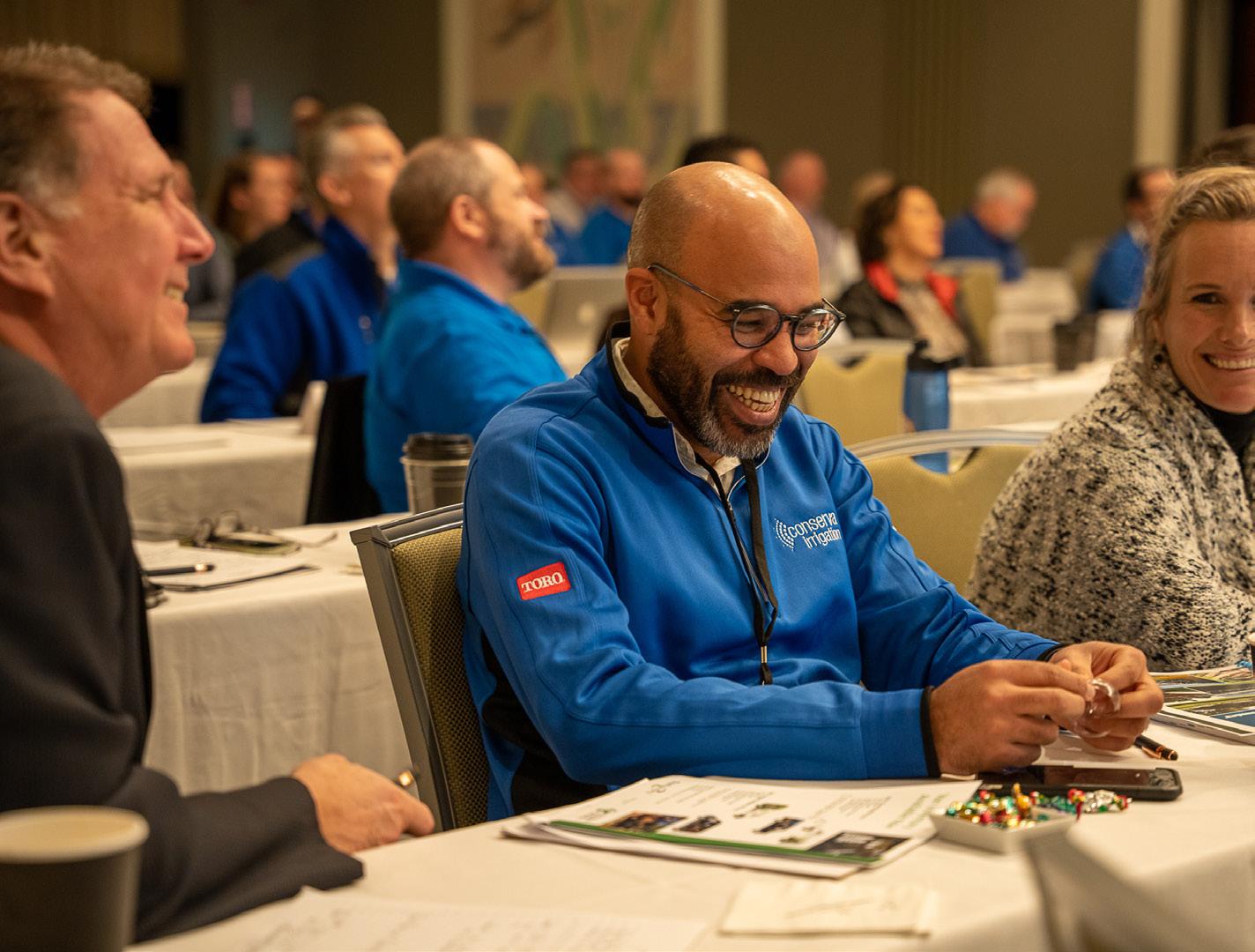
Founded on the principles of water conservation, Conserva is an eco-friendly franchise opportunity with recurring revenue streams serving both residential and commercial properties.
Smart Investment. Real Impact. Koala Insulation is a rewarding business in a booming $50 billion industry, all while making a real difference for homeowners and the environment.
The Leader in Landscape Lighting
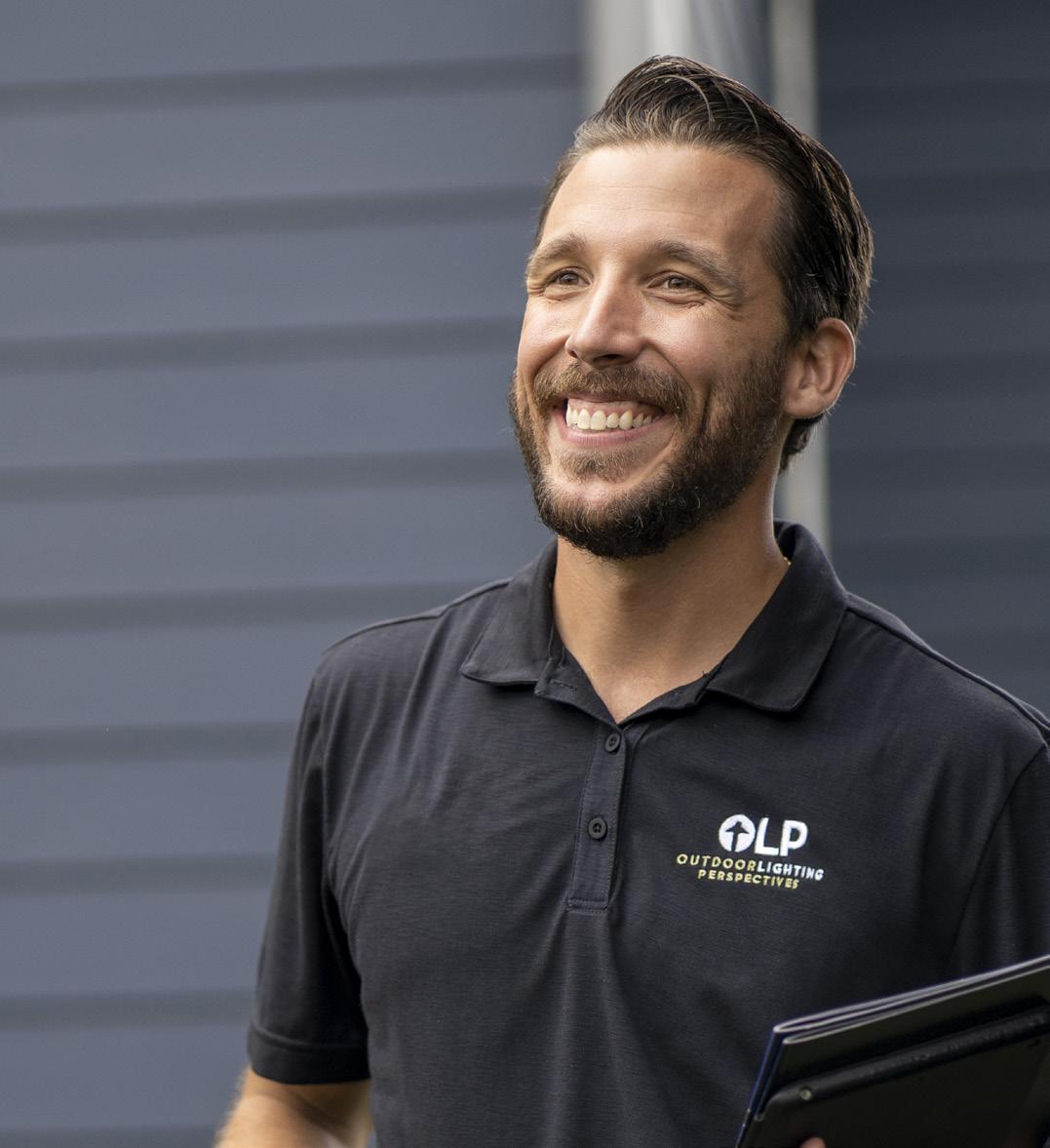
A full-service outdoor lighting company transforming homes and businesses after dark, OLP is a low-investment opportunity with multiple recurring revenue streams.
Bumble Roofing
Koala Insulation
A SEAT AT THE TABLE: ONE WOMAN’S REFLECTIONS AS A FIRST-TIME FAC PRESIDENT
By Jennifer Collins, Kidcreate Studio
Nobody hands you a voice in franchising; you earn it by working hard and providing an incredible service to your community, and then you spend it on the owners coming up behind you.
When Kidcreate Studio established its first Franchise Advisory Council (FAC), I was asked to serve as its inaugural president. I’ll admit, I walked in with a tidy idea of what that meant: that the title came with an authority that would let me speak and be heard. But I had it backward… The seat didn’t give me a voice; the voice is what got me the seat.
As I’m sure franchisees across all systems can attest, nobody hands you authority in this business. You earn it, working day in and day out, providing great service to your customers. I have been one of the top-performing studios in our system since
we opened our doors in early 2022, and that track record, not the title, is what lets me sit across from corporate leadership, say the hard things, and have it connect.
I think this sentiment is especially important for women in franchising. Plenty of us know the feeling of having to prove something before we’re really listened to; of needing the numbers in hand before the room pays attention. That can be a huge frustration, but there’s a silver lining: once the proof exists, it’s unarguable; the results don’t care who delivered them. I built a business that performs and made an argument no one in the room can talk over.
Being the first to hold the role meant there was no template and, frankly, that someone was always watching how I’d handle it. I decided early that the most valuable thing I could model wasn’t deference; it was candor done well. We did the messy work in private, hashed out what wouldn’t survive the high expectations our customers have come to know and love, and brought things forward only once they were ready. That kind of honesty only works if you’ve earned the right to it. People give weight to hard feedback when it clearly comes from someone who’s delivering. So, what do you do with a seat once you’ve earned it? You use it. When leadership brought plans to the council, my job wasn’t to nod along or to ferry complaints up the chain. It was to pressure-test the thinking before it reached the field; to show where a plan would hold up, where it wouldn’t, and what it would cost the owners whose livelihood depended on it. That isn’t negativity; it’s the most useful thing an experienced operator can offer: telling you where the plan falls apart while there’s still time to fix it.
I learned to separate authority from volume, too. Being credible is not the same as being the loudest person on the call. The owners who move a system forward
aren’t the ones who complain most colorfully; they’re the ones whose feedback you can take to the bank because it’s grounded in what happens when the doors open. I’d rather be useful than heard, and the funny thing is that being useful is exactly what gets you heard.
If I’m being honest, the hardest part isn’t holding the seat; it’s the fear of not living up to it. There was no path laid out for me and no one who had done the job before, and I hold myself to a high standard. My competitive streak doesn’t leave much room for anything short of excellence, so stepping into that much of the unknown was daunting. What kept me steady was that the results came first and stood on their own; the title was never the source of my standing, my studio was. That let me speak freely because I wasn’t protecting a position; I was worried about growing a business. As FAC president, my single focus is what will work for all of us to grow, both financially and in the number of families we serve.
And here’s the part I care about most: earned authority is meant to be spent, not hoarded. Once I had a voice in the room, the point wasn’t to guard it; it was to use it for the owners who didn’t yet have one and to carry the perspective of my fellow franchisees who would never be in that meeting, and to advocate for the newer owner still building her numbers. That same intentionality matters closer to home, with my own team and the people I care about most. Much of what I do is deliberate: I pass on what I’ve learned to my employees and help them grow, personally and professionally, within our business. Whether it’s a fellow franchisee or someone on my staff, the aim is the same: to make the path a little clearer for whoever’s coming up.
Being the first to hold a chair teaches you that the chair was never the point; the work was. If I could tell the next woman one thing, it would be this: don’t wait to be handed a voice. Go build something that performs, let the results make your case, and then spend the standing you’ve earned on the people coming up behind you. That’s how a seat at the table becomes a table with more seats.
Jennifer Collins is a Kidcreate Studio franchise owner in Houston and the first president of the brand’s Franchise Advisory Council. For more information about IFA franchisor member Kidcreate Studio, please visit franchise.org/franchiseopportunities/kidcreate-studio/
Own a business at the center of the AI revolution*
Businesses are investing in AI, but they need experienced advisors to help them do it the right way. CMIT Solutions equips franchise owners with proven services, training, and support to help clients adopt AI securely while strengthening their technology foundation.
Continue leading. This time as a business owner.
Veterans bring leadership, discipline, and the ability to solve complex challenges. Those same qualities make exceptional franchise owners. Build a technology business backed by recurring revenue, national support, and one of North America’s leading IT franchise brands.
Using my most recent sales report create an email to go out to all managers detailing which products sold the most.
Become part of an established brand with a proven business model, recurring revenue, and the resources to help you grow in one of the
industries.
• Recurring revenue
• AI opportunities
• Low investment cost
• Proven model
• National support
• Vendor discounts
• Business coaching
• Expert training
VETERANS IN FRANCHISING SPOTLIGHT
YOUR MISSION BEGINS WITH CMIT SOLUTIONS
You have led with purpose. Now take command of your future. CMIT Solutions empowers veterans to turn their service into successful business ownership through IT support franchising. With a proven business model, in-depth training, and a strong support network, you will have everything you need to serve small businesses in your community. This is more than a job. It is your next mission. If you are ready to lead again and build something that matters for you and your family, CMIT Solutions is the opportunity you have been looking for.
”After flying missions in the Navy and navigating years in corporate America, I wanted something with real purpose. CMIT gave me the chance to lead again, serve my community, and build a business I truly believe in.”
—Steve Gray, CMIT Franchisee
VETERAN DISCOUNT
20%
86 x 86 px
We proudly honor those who have served by offering a 20% discount toward franchise ownership. Your leadership, discipline, and commitment to service align perfectly with our mission — empowering small and mid-size businesses across the country. Let’s build something meaningful, together.
VETFRAN: OPENING DOORS TO BUSINESS OWNERSHIP FOR AMERICA’S VETERANS
By Wendy Kunz, IFA
For more than three decades, VetFran has stood as one of franchising’s most impactful initiatives, helping military veterans transition from service to successful business ownership.
What began as a commitment by a handful of franchise leaders has evolved into a nationwide movement that continues to create economic opportunity for those who have served our country.
Founded in 1991 by Don Dwyer, Sr and the International Franchise Association (IFA), VetFran was established with a simple but powerful mission: provide veterans and military spouses with access to franchise ownership opportunities, education, and support. Today, the program includes more than 600 franchise brands that offer financial incentives, training, and resources designed to help veterans enter the franchise community.
The connection between military service and franchising is a natural one. Veterans often possess the leadership, discipline, adaptability, and operational expertise that are critical to business success. Franchising, meanwhile, offers a proven business model, established systems, and ongoing support that can ease the transition from military life to entrepreneurship.
Thousands of veterans have become franchise owners, operators, and employees through the program.”
“Veterans bring exceptional skills and experience to franchising,” says Matt Haller, president and CEO of the International Franchise Association. “Through VetFran, we’re helping service members translate those strengths into successful businesses that create jobs and strengthen communities across the country.”
The impact of VetFran can be seen in communities nationwide. Thousands of veterans have become franchise owners, operators, and employees through the program. Many have leveraged their military experience to build
thriving businesses in sectors ranging from home services and automotive care to foodservice, health care, and professional services.
For veterans considering entrepreneurship, one of the greatest barriers can be access to information and capital. VetFran addresses both challenges. Participating franchise brands offer discounts on franchise fees and other financial incentives, while educational programs help prospective owners understand the franchise business model and evaluate opportunities that align with their goals and experience.
The program’s commitment extends beyond initial ownership opportunities. Through partnerships with franchise brands, lenders, and veteran support organizations, VetFran helps connect aspiring entrepreneurs with mentorship, networking opportunities, and business resources that support long-term success.
“
Veteran-owned franchise businesses contribute to local economies, create employment opportunities, and foster community engagement.”
Military spouses have also become an increasingly important focus of VetFran’s efforts. Frequent relocations and career disruptions can create professional challenges for military families. Franchising offers a flexible pathway to business ownership and career growth that can move with military families from assignment to assignment. Many participating brands now extend incentives
and support specifically to military spouses, recognizing their entrepreneurial potential and resilience.
As the franchise industry continues to grow, VetFran remains committed to expanding access and opportunity. Recent efforts have focused on increasing awareness among transitioning service members, strengthening partnerships with military support organizations, and promoting success stories that inspire the next generation of veteran entrepreneurs.
VetFran’s success is proven not just by the pathways it creates to individual business ownership. Veteran-owned franchise businesses contribute to local economies, create employment opportunities, and foster community engagement. Many veteran franchisees continue their commitment to service by hiring fellow veterans, supporting military causes, and mentoring other aspiring business owners.
Looking ahead, VetFran is well positioned to build on its legacy. As new generations of service members transition into civilian careers, the need for entrepreneurial pathways remains strong. Franchising offers a compelling option for veterans seeking independence while benefiting from the support and structure of an established brand.
More than 30 years after its founding, VetFran continues to embody the franchise community’s commitment to those who have served. By connecting veterans and military spouses with opportunities, resources, and a supportive network, the program helps transform military experience into business success.
For veterans seeking their next mission, VetFran provides more than a pathway to business ownership — it offers the opportunity to continue leading, serving, and making a difference in communities across America.
Wendy Kunz is the director of veteran programs for the International Franchise Association.
VETERANS IN FRANCHISING SPOTLIGHT
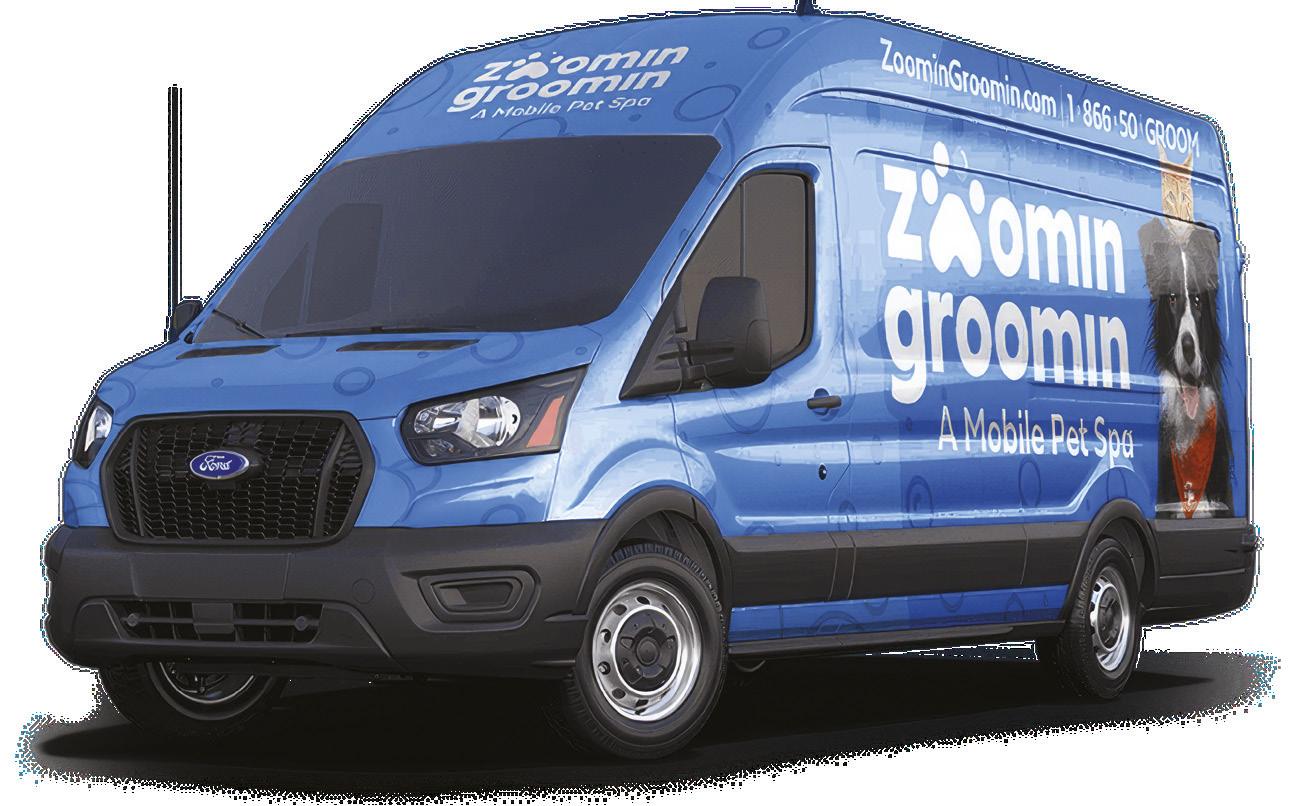
Zoomin Groomin is a full-service mobile pet spa that brings comfort and convenience to pets and pet parents everywhere. Our environmentally friendly pet grooming systems are 100% safe for pets, the planet, and a community-first franchise that engages one-on-one with pet families. Our franchise opportunities and models provide marketing, business platforms, and support through Loyalty Brands, led by entrepreneurial leader and franchise innovator, John T. Hewitt. Franchise growth is Zooming, with over 1,613% growth over the past three years. As a Zoomin Groomin owner, you’ll receive comprehensive training, enjoy the freedom of a homebased business, and create new opportunities to expand your scalable, fast-growing business.
Learn more at franchise.zoomingroomin.com.
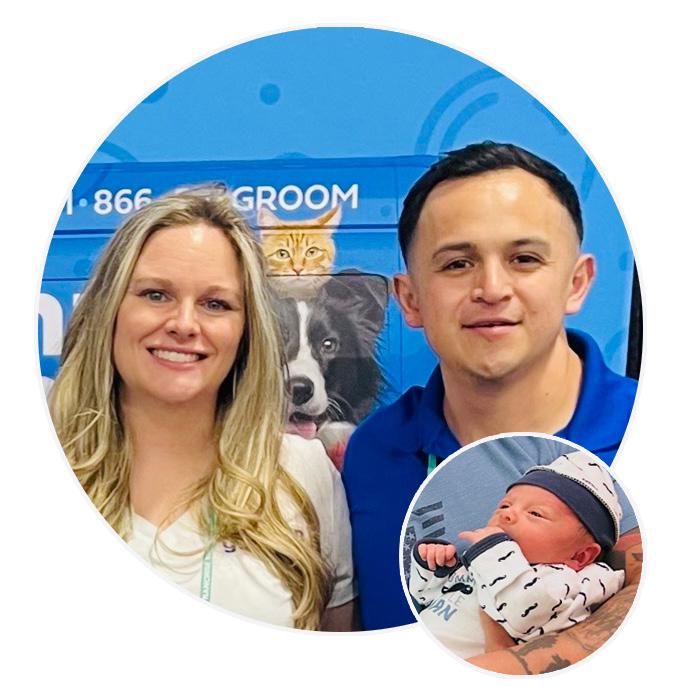
Marine Veteran Danny Calderon and wife Kimmie have expanded their Zoomin Groomin franchise and are set to have their first million-dollar year in 2026, not even four years after starting their journey. Proving that the franchise is a lucrative and affordable option for veterans and others, Danny has excelled at reaching the goals and meeting the playbook.
“If you follow the playbook, follow the steps and use the massive network Zoomin Groomin provides, there’s no reason you can’t succeed.”
VETERAN DISCOUNT
ZoominGroomin proudly offers a 10% discount on your franchise fee today to honor your service to our country.
FROM SERVICE TO SUCCESS: FINDING A NEW MISSION THROUGH FRANCHISING
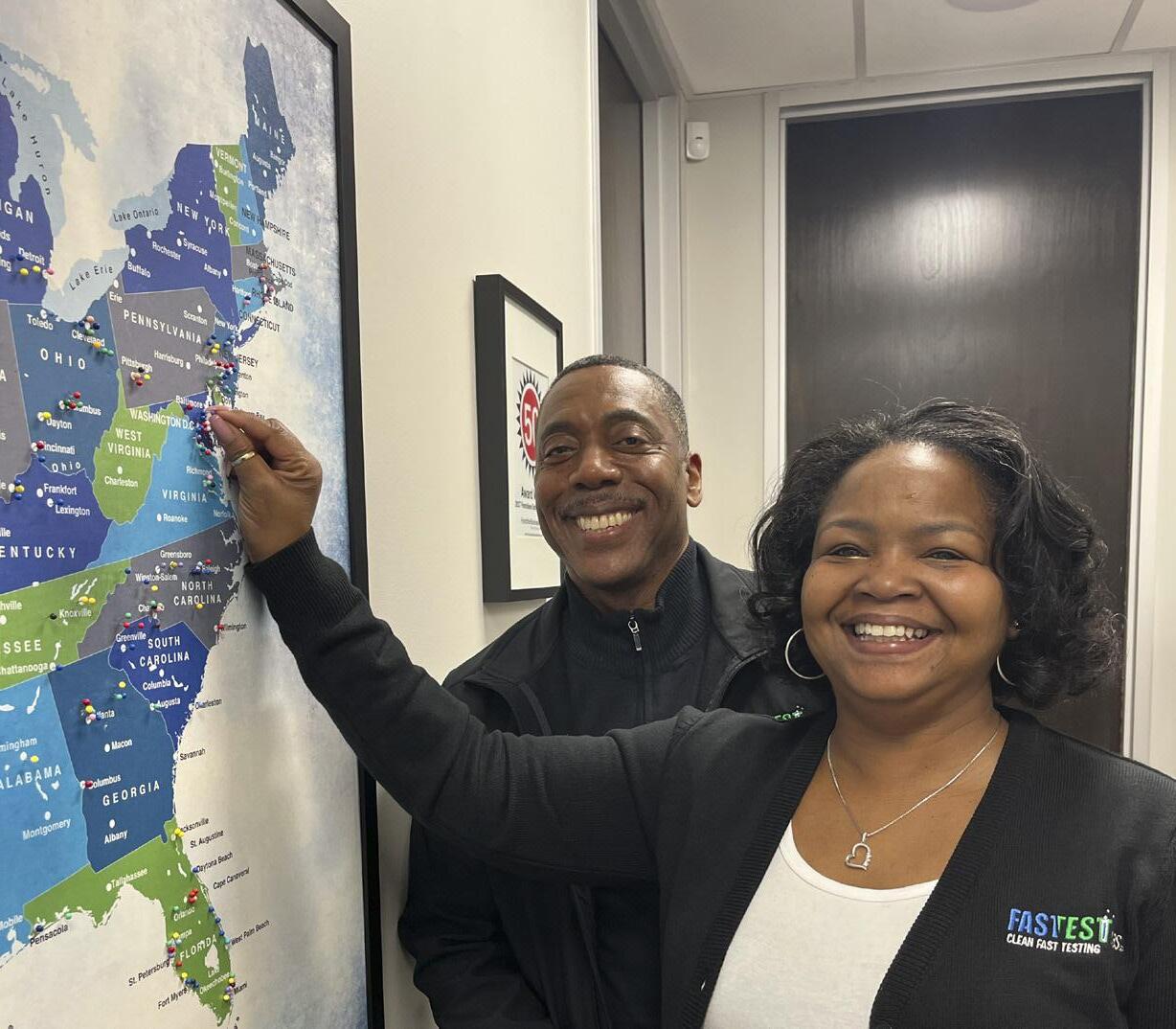
By Kevin Moon, Fastest Labs
After serving 30 years in the United States Air Force, I learned that leadership isn’t just about accomplishing the mission — it’s about building teams, solving problems, and others to succeed.
Those lessons carried me through a career in military service, into government work, and ultimately into entrepreneurship. Looking back, I realize every chapter prepared me for the next.
Following my retirement from the Air Force, I joined the Defense Information Systems Agency (DISA), where I continued supporting our nation’s mission in a civilian capacity. While I enjoyed the work, my wife, Lisa, and I always dreamed of building something we could call our own — a business that reflected our values of integrity, service, and excellence.
That opportunity came when we launched Perfected Logistics, an Amazon Delivery Service Partner (DSP). Operating a logistics company was challenging, rewarding, and fast-paced. Like every DSP, maintaining a safe, drug-free workforce was essential, which introduced us to Fastest Labs.
At the time, we were using traditional laboratory drug testing that often took three to four days
to return results. Every delayed result meant another delay in getting qualified drivers behind the wheel. Then we discovered Fastest Labs.
The difference was remarkable. Instead of waiting days, we had reliable screening results in under five minutes. That level of efficiency transformed our hiring process and gave us firsthand experience with the value Fastest Labs delivered to employers.
Although our Amazon contract concluded in October 2023, it unexpectedly opened the door to our next chapter. Rather than viewing the end of our logistics business as a setback, Lisa and I saw it as an opportunity to pivot into an industry we had already come to respect.
FastestLabs.com/Franchise
A Special Thank You to Our Veterans
We knew there was tremendous value in helping businesses hire faster while maintaining safe workplaces.
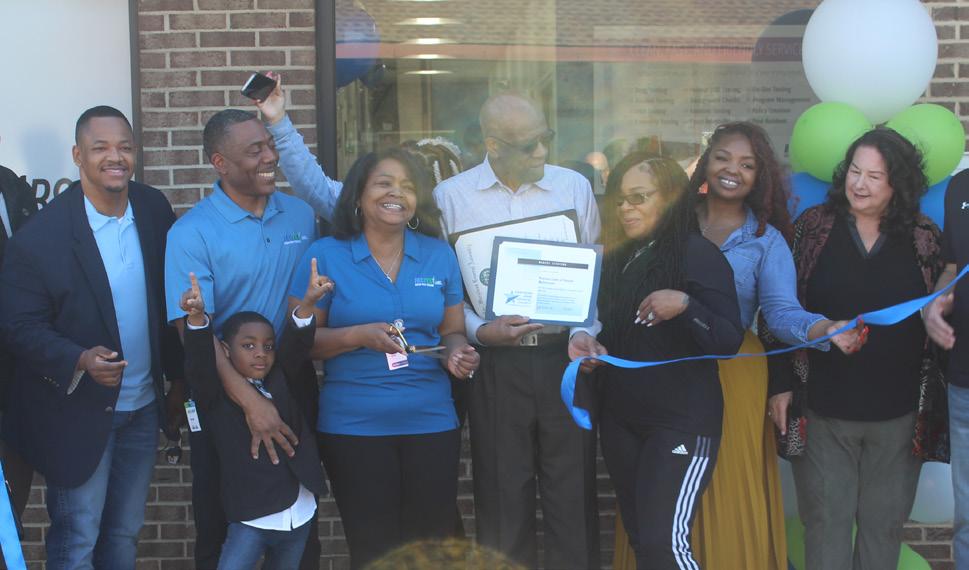
In September 2023, we formed KLM Solutions LLC and began preparing to open Fastest Labs of South Baltimore. After months of planning and training, we celebrated our soft opening in January 2024, followed by our Grand Opening in March with the support of the North Anne Arundel County Chamber of Commerce.
One of the proudest moments of that day was receiving recognition from our local councilman, Pete Smith, in front of our family, friends, and community partners. It wasn’t simply the opening of another business — it represented the beginning of a new mission centered on serving our community.
Like many entrepreneurs, I initially viewed our services primarily through a business lens. Drug testing, occupational health, and DNA testing were valuable services employers needed. Then one experience permanently changed my perspective.
One of our first legal paternity tests resulted in the alleged father being excluded as the biological parent.
Delivering those life-changing results was emotionally difficult. Behind every specimen and every report are real people, real families, and real lives. It became impossible to think of our work as simply processing tests. We were helping people navigate some of the most important moments of their lives with professionalism, compassion, and accuracy.
That experience reinforced something I had learned throughout my military career: meaningful work isn’t measured by the task itself but by its impact on people.
Since opening our doors, we’ve continued expanding our services to meet the needs of employers and government agencies alike. In addition to drug and alcohol testing, we’ve added DOT physical examinations and fingerprinting services, allowing us to become a more comprehensive workforce compliance partner.
We’ve also been honored to grow into federal drug testing by serving as a subcontractor supporting agencies
including the Federal Aviation Administration (FAA), Transportation Security Administration (TSA), Federal Railroad Administration (FRA), Federal Motor Carrier Safety Administration (FMCSA), Offices of Inspector General (OIG), and other federal organizations. For someone who spent decades serving the federal government, it’s especially rewarding to continue supporting critical public safety missions in a new capacity.
Throughout this journey, one constant has been the strength of the Fastest Labs franchise system.
From the beginning, the corporate team has been committed to our success — not only through initial training but through ongoing coaching, operational guidance, and a genuine willingness to help franchisees overcome challenges. Just as valuable has been the franchise community itself.
One of the greatest strengths of Fastest Labs is the culture of collaboration among franchise owners. Rather than competing with one another, owners openly share ideas, best practices, operational improvements, and lessons learned. That spirit of continual improvement creates an environment where everyone grows stronger together.
As a veteran, that sense of teamwork feels familiar. Success isn’t achieved individually; it’s built through shared knowledge, trust, and a common commitment to excellence.
If there’s one lesson my journey has taught me, it’s that careers don’t always follow a straight line. A military career led to government service. Government service led to logistics. Logistics introduced us to Fastest Labs. And today, we’re privileged to serve employers, families, and federal agencies throughout our community.
Franchising gave us more than a business opportunity — it gave us a proven system, a supportive network, and a new mission. For Lisa and me, opening Fastest Labs of South Baltimore wasn’t simply about becoming business owners. It was about continuing a lifetime of service, just in a different uniform.
Kevin Moon is the co-owner/operator of Fastest Labs of South Baltimore. For more information about IFA franchisor member Fastest Labs, please visit franchise.org/franchise-opportunities/ fastestlabs-the-drug-testing-franchise/
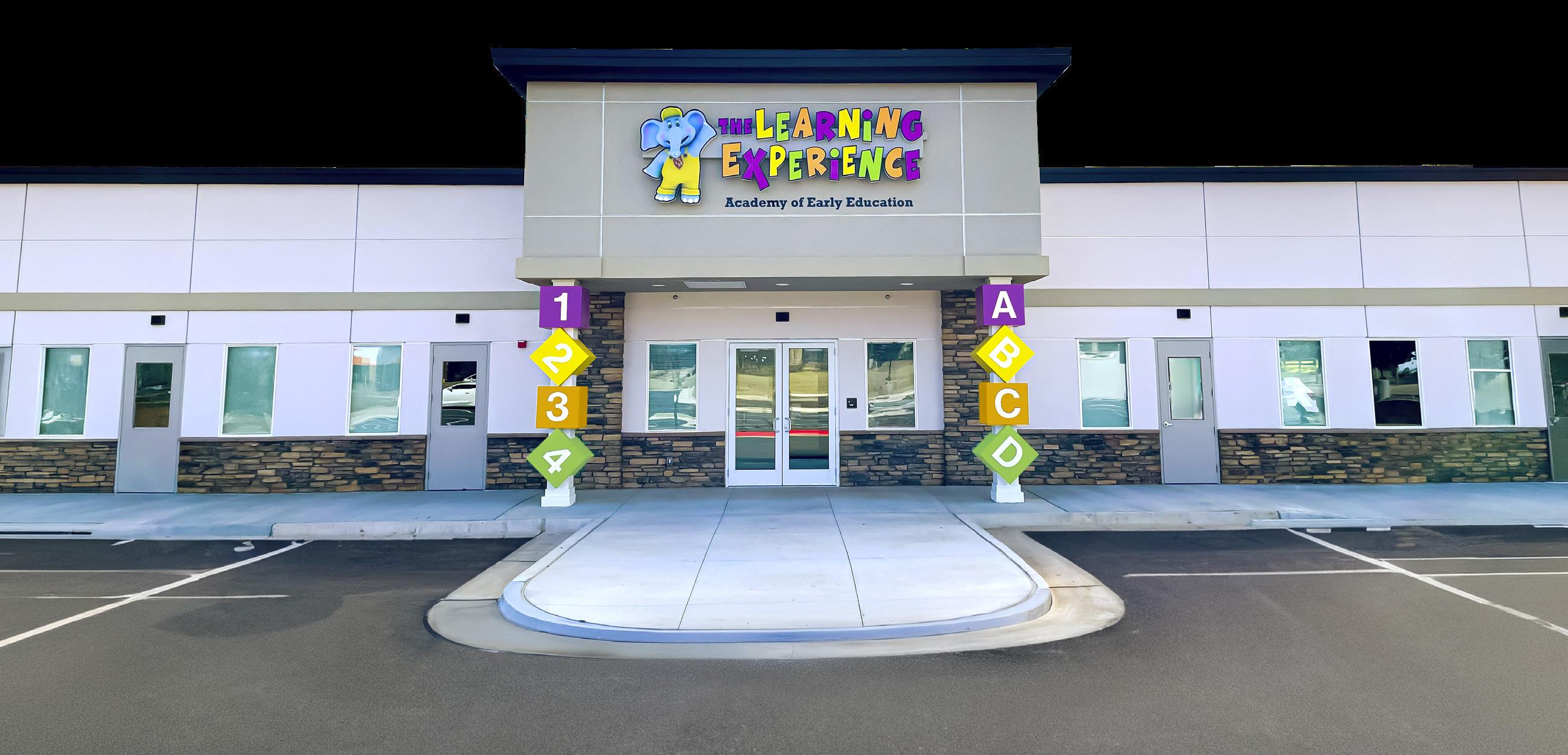
THE LEARNING EXPERIENCE is a top-ranked, familyfounded early education franchise with over 430 centers open and 240 in development across the U.S. and U.K. Serving 52,000+ children, its proprietary curriculum promotes cognitive, social, and emotional growth. The brand extends learning through Bubbles and Friends, an award-winning edutainment platform. Recognized for innovation and franchise success, it was named the No. 1 childcare franchise by Entrepreneur and the No. 1 education franchise by Franchise Business Review in 2025. With a mission to positively impact children, families, and communities, The Learning Experience offers a purpose-driven, scalable opportunity for franchisees.
Learn more at www.TheLearningExperience.com
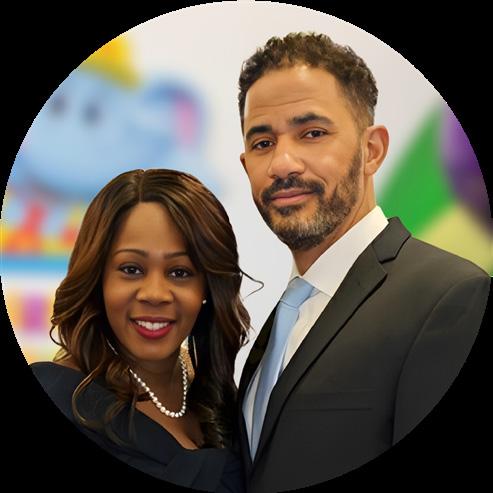
“After retiring from the Army, we wanted a purpose driven business. The Learning Experience stood out. They aligned to our values. Their exceptional curriculum, the way it’s brought to life, and their strong culture gave us an opportunity to impact young lives at multiple locations.”
- Arnold and Lasandra Talleyrand, The Learning Experience Franchisees
The Learning Experience proudly offers a 20% discount on our franchise fee to franchisees who have served in our country’s military.
VETERANS IN FRANCHISING SPOTLIGHT
Since 1920, SNAP-ON TOOLS has led the professional tool industry with premium products, a proven franchise model, and a legacy of excellence. Headquartered in Kenosha, Wisconsin, Snap-on Tools operates globally with more than 4,600 franchisees and 55,000 items across its product line.
Veterans bring discipline, leadership, and a missiondriven mindset — qualities that align naturally with Snap-on’s franchise opportunity. Snap-on participates in the IFA-affiliated VetFran committee and supports veterans’ transition into business ownership. For qualified honorably discharged veterans, Snap-on offers a $25,000 discount on their initial tool inventory. Recognized as the #1 Franchise for Veterans by Entrepreneur Magazine for four consecutive years, Snap-on continues to be a standout opportunity for those who served and are ready for their next mission in franchising.
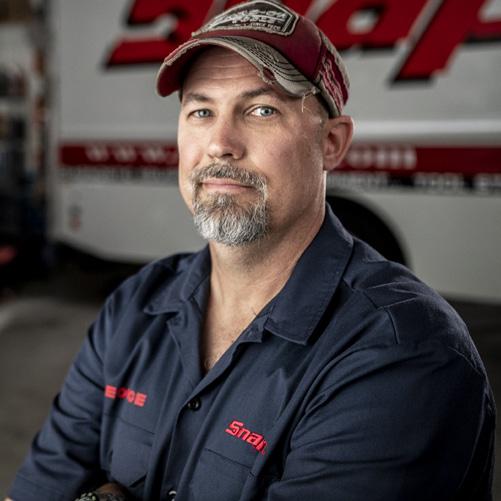
“One of the best reasons I wanted to go with Snap-on Tools is because we’re an Americanmade company. This was the best opportunity I could have done after retiring from the military. When you own a Snap-on franchise, what you put in is what you get out. To any other vet thinking about this opportunity, it’s a lot of hard work but worth every bit of it.”
— George Hamilton, Snap-on Tools Franchise Owner
VETERAN DISCOUNT
$25k
86 x 86 px
Snap-on offers qualified honorably discharged veterans a $25,000 discount on their initial tool inventory.
INDUSTRY SPOTLIGHT: CHILD SERVICES
By Khadija Cochinwala, FRANdata
The child services industry is forecast to experience the highest output increase among all sectors in franchising at a year-over-year growth of 3.2 percent reaching $22.7 billion, according to the 2026 IFA Economic Outlook Report.
Between 2023 and 2025, FRANdata recorded more than 250 active child services franchise brands operating more than 15,500 units, representing a 3-year location expansion of 5.1 percent, demonstrating solid parental demand for specialized child-focused programs.
In terms of number of brands, enrichment centers focused on youth extra-curriculars (sports/athletics and arts/music/drama instruction) comprised the largest sub-sector at 31.2 percent, followed by children’s educational programs offering academic tutoring and support at 26.4 percent. Preschool/childcare was the third-largest segment at 20.0 percent. In 2025, general child services brands (offering grooming, apparel, toys, and accessories) averaged the most franchised units (94), while recreational services facilities (offering children’s entertainment and party avenues e.g., game arcades/inflatable playgrounds) averaged the fewest (20).
Growth Drivers and Trends
Demand for child services is supported by higher female workforce participation, rising household incomes,
Brand Distribution by Sector— Child Services
Source: FRANdata
after-school needs, and growing interest in early learning, STEM, and supplemental education for holistic child development. In the current pressured macroeconomic environment, families are placing more value on program quality, curriculum transparency, low teacher-to-child ratios, accreditation, technology-light programs, and measurable developmental outcomes in addition to proximity, price and safety protocols. Many also prefer niche models such as Montessori, Reggio, faith-based and STEM-focused programs over generic care. With extended workplace hours, families are moving towards flexible/full-day operating schedules, including early mornings, evenings, and weekends.
Industry Pressures
The industry faces persistent labor shortages due to low compensation, high turnover, policy enforcements, and strict background check requirements. Franchise business operators continue to balance affordability, service quality, and system expansion while navigating rising operating costs, evolving
Average System Size by Sector— Child Services
Source: FRANdata
funding dynamics, high upfront investment requirements, limited availability of suitable real estate, complex licensing and compliance standards while meeting expectations from an increasingly demanding and better-informed parental population. In addition, publicly funded Universal Pre-K (UPK) may further impact enrollment for operators reliant on the 3–5 age child cohort. Geographic inequality/ “childcare deserts” also persist where demand exceeds supply capacity.
Outlook
The franchised childcare services industry benefits from resilient long-term demand as parents increasingly prioritize quality early education, structured developmental support, and reliable childcare solutions. Franchised brands often maintain competitive advantages over independent operators through standardized curriculum, established operating systems, training infrastructure, and stronger brand recognition.
While the expansion of Universal Pre-Kindergarten (UPK) programs may create additional competitive
pressure for operators heavily concentrated in pre-K education, private franchised systems can differentiate themselves through expanded infant and toddler care offerings, extended operating hours, lower student to teacher ratios, and year-round programming designed to support working families to strengthen customer retention.
In addition, geographic imbalances in childcare supply create expansion opportunities in underserved markets with unmet demand. Overall, the franchised childcare sector demonstrates attractive recurring revenue characteristics, with long term performance heavily influenced by operational execution, service quality, customer satisfaction, and brand reputation.
Khadija Cochinwala is a research analyst at FRANdata. She is part of a team of analysts who measure, track, and analyze franchisor performance. She graduated with a degree in Communications and enjoys gardening and visiting exotic destinations around the world whenever she isn’t researching data. For more information about IFA supplier member FRANdata, please visit www.franchise.org/suppliers/frandata
INDUSTRY SPOTLIGHT: AUTOMOTIVE
By Khadija Cochinwala, FRANdata
The franchised automobile industry largely encompasses sectors focused on the automotive aftermarket segment including general repair and maintenance of vehicles, auto detailing & car washes, auto parts retailing, appearance & restoration services, used/new auto rentals and leasing, tire stores and gas stations.
The majority of the brands in the industry belong to the general auto repair services sector (40.3 percent) offering services such as transmission, auto body repair, brake services, oil-changes etc. In 2025, the gas stations sector had the highest average franchised unit count exceeding 700 units. Between 2023 and 2025, FRANdata recorded more than 130 active franchised brands with a 3-year unit growth of 1.8 percent and operating more than 19,100 units.
Number of Franchised Establishments—
3-YearCAGR=1.9%
Source: FRANdata
Growth Drivers and Trends
The 2026 IFA Outlook projects stable growth for the automobile industry with output reaching $41.3 billion, up 0.5 percent from 2025. With higher new-car prices (averaging $45,000), consumers are keeping their existing vehicles, with an average age of 13 years, sustaining the demand for repair services. Rising EV/hybrid adoption and implementation of Advanced Driver Assistance Systems (ADAS) in vehicles is accelerating the need for techintensive diagnostics,
Brand Distribution by Sector— Automotive Industry
Average System Size by Sector— Automotive Industry
Tire Stores and Retreading
New/Used Auto Rental/Leasing
General Auto Repair Services
Auto-General
Auto Appearance Services
Car Washes
Auto Parts
Gas Station
Source: FRANdata
General Auto Repair Services
New/Used Auto Rental/Leasing
Tire Stores and Retreading
Source: FRANdata
favoring expertise of franchised networks over independent operators. Supplychain disruptions have driven franchisees to diversify and onshore while carrying higher inventories. Franchises are actively incorporating AI in customer service, inventory, and product development while technology-enabled scheduling, digital inspections, and membership-style offerings are improving customer retention and operational efficiency.
Industry Pressures
Current industry challenges include technician shortages and retention while keeping up with evolving vehicle technology, especially EVs and advanced diagnostics. Franchisors
are also facing margin pressures with rising real estate, equipment, and compliance/insurance related costs. Inflationary pressures are driving value-seeking customers towards lowercost parts and services without compromising on quality expectations, thereby forcing franchisees to offer adaptive pricing while simultaneously increasing market competition.
Outlook
The demand for automotive services remains steady due to an aging vehicle fleet and consumer need for essential maintenance. Customers prefer trusted national franchised brands over independent shops because of standardization, pricing
transparency, and warranties. While labor shortages persist, operators are attracting talent by upgrading compensation and boosting training opportunities. In 2026, with disposable-income growth slowing, franchises that emphasize value, reliability, and distinctive services will be better positioned to succeed.
Khadija Cochinwala is a research analyst at FRANdata. She is part of a team of analysts who measure, track, and analyze franchisor performance. She graduated with a degree in Communications and enjoys gardening and visiting exotic destinations around the world whenever she isn’t researching data. For more information about IFA supplier member FRANdata, please visit www.franchise.org/suppliers/frandata
THE TRENDS FUELING AUTOMOTIVE RESTYLING GROWTH
By Andrew Titus, United Franchise Group
The automotive restyling industry continues to experience significant growth as consumers increasingly invest in vehicle customization, protection, and appearance.
Today, the industry has grown into a $10.5 billion market, driven by rising demand for services that help vehicle owners personalize and preserve their investments. From window tint and paint protection film to ceramic coatings and color change car wraps, consumers are seeking solutions that enhance style, comfort, privacy, and long-term value.
One of the biggest factors fueling this growth is that Americans are keeping their vehicles longer than ever before. According to a recent Wall Street Journal article, the average vehicle on U.S. roads is now approximately 13 years old, a 10 percent increase from a decade ago. This trend accelerated as supply chain disruptions and vehicle shortages drove prices higher and made replacing a vehicle more expensive. Kelley Blue Book reports that elevated vehicle prices continue to encourage consumers to hold onto their cars longer and invest in maintenance and upgrades rather than purchasing a new vehicle.
As vehicle ownership cycles lengthen, consumers are becoming
more intentional about protecting their vehicle investments. Brands like Black Optix Tint have watched protection go from a nice-to-have to something customers treat as essential, especially those planning to keep a vehicle for eight or ten years instead of three. Services such as window tinting, paint protection film (PPF), and ceramic coatings help protect vehicles from everyday wear and tear, UV damage, and excessive heat, while improving energy efficiency, privacy, and security. These services not only help maintain a vehicle's appearance but can also contribute to preserving resale value over time.
At the same time, personalization remains a major driver of industry growth. According to the 2025 SEMA Market Report, U.S. consumers spent approximately $52.65 billion on vehicle accessories and modifications in 2024. Today's consumers view their vehicles as an extension of their lifestyle, creating demand for custom color change car wraps, specialty films, and window tint. Increasingly, those worlds overlap: color change paint protection film now lets owners restyle a vehicle and protect the paint
underneath in a single product, often lasting a decade where traditional vinyl wraps lasted only a few years.
Technology has also transformed the automotive industry. As modern films and coatings have advanced, they've helped shift consumer perception of automotive protection from luxury upgrades to practical investments that improve comfort, aesthetics, and vehicle longevity.
As demand for vehicle protection and customization continues to grow, franchise opportunities within the automotive restyling sector are becoming increasingly attractive. Black Optix Tint is capitalizing on these trends. The company offers a range of services, including automotive, commercial & residential window tinting, paint protection film, ceramic coatings, and color change car wraps. With 30 locations across the United States, Black Optix Tint is backed by United Franchise Group, a global leader in franchising with 40 years of experience helping entrepreneurs build successful businesses.
With consumers investing more in the vehicles they already own and prioritizing both protection and personalization, the automotive restyling industry is well-positioned for continued growth in the years ahead.
Andrew Titus is the president of United Franchise Group.
PROTECT, DON’T REPLACE: HOW PREVENTATIVE CARE IS SHAPING THE FUTURE OF AUTOMOTIVE FRANCHISING
By Thomas A. Wolfe, Ziebart
Franchising in the automotive space has always centered around a simple consumer need: people depend on their vehicles and need trusted experts who can help keep them on the road.
In today’s economy, there’s a new urgency behind that need. With new cars growing more expensive every year, combined with other budgeting pressures like record gas prices, high financing rates, and costly repairs, consumers are holding onto their vehicles longer. According to the S&P Global Mobility, vehicles on U.S. roads in 2025 averaged 12.8 years old. That’s a two-month increase from the previous report, and the second increase in two years. The first thing this tells us is that drivers are delaying new car purchases as they navigate budget constraints. But it’s also a clear indicator that vehicles are being built, maintained, and cared for in ways that are making them last longer.
only spending money on repairs when something broke or a warning light popped up on the dash. But today’s mindset is becoming much more future-focused. Drivers are asking a smarter question: How can I protect this investment before small issues become larger, more expensive problems?
That “protect, don’t replace” consumer mindset is a shift we’re seeing across the industry, and especially in our stores. It’s creating a meaningful opportunity for automotive franchise brands as consumers look for partners who can educate them and help them make smarter ownership decisions. As economic pressures intensify, the answer can’t be as simple as trading in a vehicle or taking on a larger monthly payment. Often, the better answer is to extend its life, protect its appearance, preserve resale value, and reduce avoidable repair costs.
The Cost of Waiting Too Long
Failing to stay on top of routine maintenance and inspections can compromise the vehicle’s performance and value. A prime example of this is rust and corrosion. For vehicles exposed to elements related to seasonable weather changes like rain and road salt, deterioration can accelerate quickly. If left untreated, rust can lead to irreversible damage by destroying the vehicle’s structural integrity and ultimately reducing its resale value.
As drivers hold onto their vehicles for longer, they are also exposing them to more years of wear, weather, and road conditions. That makes protection against rust and corrosion increasingly important, fueling a constant need that’s strengthening the automotive franchise industry. Preventative services like rust protection, undercoating, paint protection, and detailing are no longer viewed as cosmetic add-ons, but rather a part of a larger strategy to help consumers preserve their vehicles and protect what they already own.
Thomas A. Wolfe is the president & CEO of Ziebart. For more information about IFA franchisor member Ziebart, please visit franchise.org/franchiseopportunities/ziebart/
NAVIGATING FRAGMENTED FRANCHISE MARKETING
By Steve Buors, Reshift Media
As franchise systems grow, marketing is supposed to become easier.
More locations should create more efficiency. More data should improve decision-making. Larger systems should benefit from stronger brand recognition, better buying power, and more operational consistency.
But for many franchise organizations, the opposite occurs.
As brands expand, marketing often becomes more fragmented, more difficult to manage, and increasingly operationally complex. Corporate teams lose visibility into local execution. Franchisee participation becomes inconsistent. Reporting becomes disconnected. And despite larger investments in technology, agencies, and marketing support, systems struggle to scale efficiently.
This challenge is becoming one of the defining operational issues facing franchise brands today.
Typically, the problem is not a lack of effort or expertise. In many cases, franchise organizations have talented teams, experienced vendors, strong creative, and healthy marketing budgets. The real issue is that traditional franchise marketing models were not designed to operate in a digital environment at the scale modern systems require.
How Complexity Quietly Builds Over Time
Franchise systems do not intentionally create fragmented marketing environments. Complexity develops gradually over time.
A new social media platform is added to solve one challenge. A reporting tool is introduced to address another. Franchisees begin working with local vendors. Additional dashboards, approval processes, workflows, and communication channels slowly accumulate.
Over time, systems become operationally disconnected.
At 20 or 30 locations, manual coordination can often compensate for operational inefficiencies. However, at 200, 500, or 1,000 locations, fragmentation becomes a scaling problem.
The Local Execution Gap
One of the biggest challenges in franchise marketing is the disconnect between corporate strategy and local execution.
Corporate teams may create excellent campaigns with strong creative, clear messaging, and
well-defined brand standards. But execution still depends on multiple layers of operational coordination and often ultimately relies on local franchisees for implementation.
This creates a common frustration within franchise systems: corporate teams feel they are delivering a strong marketing strategy, while franchisees often feel overwhelmed by operational complexity and fragmented processes.
As systems grow, maintaining consistency across hundreds of independently operated businesses becomes increasingly difficult without scalable infrastructure supporting the process.
Why Franchisee Adoption Matters More Than Ever
When marketing systems become fragmented and overly complicated, adoption naturally declines. If franchisees are required to manage multiple tools, coordinate with different vendors, navigate manual approvals, or launch campaigns themselves, participation often becomes inconsistent across the network.
This creates significant performance gaps between locations.
Some franchisees fully engage with corporate initiatives. Others participate selectively. Some avoid the systems entirely because the operational burden outweighs the perceived value.
This is why simplifying franchisee workflows has become such an
important priority for leading franchise brands. The easier systems are to use, the more likely franchisees are to participate consistently.
Franchise Marketing Has Become an Infrastructure Challenge
Franchise marketing is often viewed as a campaign challenge.
• How do we create better ads?
• Better promotions?
• Better creative?
• Better media buying?
However, the larger challenge is operational infrastructure.
• Can the marketing system scale efficiently as the brand grows?
• Can execution happen consistently across hundreds of locations?
• Can franchisees participate easily without increasing operational burden?
• Can corporate maintain visibility across the entire system?
The future of franchise marketing is increasingly shifting toward centralized systems designed to reduce operational friction while improving scalability.
What Modern
Franchise Marketing Looks Like
Rather than relying on manual coordination, disconnected vendors, and fragmented workflows, modern systems are prioritizing:
• Centralized infrastructure
• Automated execution
• Integrated reporting
• Programmatic localization
• Simplified franchisee participation
• Real-time visibility
In this model, corporate teams maintain strategic oversight and brand governance while technology simplifies and automates execution across local markets.
Campaigns can be distributed centrally while still allowing for local customization. Reporting becomes unified. Operational visibility improves. Franchisees gain easier access to marketing participation without becoming overwhelmed by complexity. The operational burden shifts away from humans and toward scalable systems.
Automation Is Becoming Essential
As franchise systems continue to grow, manual coordination becomes increasingly unsustainable. Many corporate marketing teams spend enormous amounts of time on:
• Approvals
• Local customization
• Campaign setup
• Reporting consolidation
• Franchisee support
“ The easier systems are to use, the more likely franchisees are to participate consistently.”
Every manual process creates operational friction.
Automation is now becoming one of the most important drivers of scalability in franchise marketing. Modern systems can automate:
• Campaign deployment
• Audience targeting
• Reporting aggregation
• Brand compliance
• Localized content adaptation
• Workflow approvals
This allows marketing teams to spend less time managing operations and more time focusing on strategy, optimization, and growth.
The Importance of Managed Localization
One of the biggest misconceptions in franchise marketing is that brands must choose between local flexibility and brand consistency. In reality, the most effective systems create managed localization. Corporate teams define:
• Brand standards
• Campaign frameworks
• Creative direction
Franchisees retain flexibility around:
• Local messaging
• Offers
• Budget allocation
• Market-specific adjustments
This balance improves both participation and consistency. Franchisees feel empowered to market locally while corporate teams maintain operational governance across the system.
The Future of Franchise Marketing
Over the next several years, franchise marketing will continue evolving toward:
• AI-assisted execution
• Programmatic localization
• Real-time optimization
• Unified reporting
The organizations that simplify execution, centralize visibility, and modernize operational infrastructure will be positioned to scale more efficiently than those relying on antiquated and fragmented marketing models.
Steve Buors is the CEO and co-founder of Reshift Media, an award-winning franchise marketing agency recognized globally for its innovative approach to digital marketing and franchise technology solutions. Reshift Media is also the creator of Franify, a leading franchise marketing platform designed to simplify and scale digital marketing specifically for franchise systems. For more information about IFA supplier member Reshift Media, please visit franchise.org/suppliers/reshift-media/
“MARKETING AS A SERVICE”: ARMING THE LOCAL ENTREPRENEUR FOR MARKET DOMINANCE
By Ben Cohen, French Florist
The lights come on early. The doors unlock.
There is inventory to count, payroll to meet, and a customer waiting at the counter. This is the reality of the franchise owner. It is a physical, immediate world, bound by the four walls of the shop and the immediate demands of the day. The franchisor sits a thousand miles away, discussing brand equity and omnichannel acquisition.
There is a fracture here. A disconnect between the idea of the brand and the reality of the floor. To bridge it, marketing cannot merely be a directive handed down from Headquarters. It must be a utility. It must be a structure that holds. In a successful franchise, the brand is a ubiquitous feeling or ether sustained by rigorous, obsessive detail, and the franchisor is the architect of that detail.
We call the first mechanism “Marketing as a Service.” The phrase is corporate, but the mechanics are blood and bone. The franchisee did not buy a business to become
a digital media buyer. They did not sign the agreement to decipher search algorithms, build landing pages, or manage the daily warfare of online reputation management. They signed to operate. To deliver the product. To run a profitable business. Therefore, the franchisor must hold the center. At French Florist, we centralize the complex, the technical, and the brand-critical. We build the infrastructure. We run the paid search. We protect the margins. We do the heavy, invisible digital lifting so the operator can do the one thing we cannot do from headquarters: look the customer in the eye.
But survival requires more than digital traffic. Growth requires partnerships. It often requires business-to-business revenue. Yet, asking a new, overwhelmed owner to cold-call luxury hotels or corporate accounts while simultaneously learning to run their operation is a recipe for failure. It dilutes the focus. Instead, we rely on a model
of “Centralized Sourcing, Local Execution.” Headquarters plays the scout. We look at the map. We identify the targets. We qualify the leads. More importantly, we rolemodel exactly what an on-brand, on-strategy local partner looks like. We source the opportunity and hand it down the line. But the execution, the physical handshake, the bespoke delivery, the relationship, that must be fiercely local. The center sources. The edge executes.
“ In a successful franchise, the brand is a ubiquitous feeling or ether sustained by rigorous, obsessive detail, and the franchisor is the architect of that detail.”
As the network expands, a new tension emerges. It is the tension between the monolith and the neighborhood. A brand is a promise of consistency, but geography is a reality. What resonates on a Tuesday in Los Angeles may ring entirely hollow on a Thursday in Chicago. Rigidity, at scale, becomes a liability. The solution is “Glocalization.” It is the strategic allowance of freedom within a framework. We build the guardrails high and thick to protect the core identity: the aesthetic, the standard, the voice. But within those lines, there must be room to breathe. The local operator must be allowed to adapt, to speak the local dialect, to sponsor the specific community event, to be of their exact place. We dictate the standard. We let them dictate the neighborhood.
To maintain that standard, the franchisor must act as the laboratory. You do not guess with other people’s money. It is a simple rule, yet frequently forgotten in franchising. Marketing ideas are cheap; execution is expensive. Therefore, we “Test, Prove, and Scale.” Hypotheses are dangerous things when tested on the floor. We take the risk at the corporate level. We test the new advertising channel, the new product line, the new retention software. We spend our own capital to find the flaws, to locate the friction. Only when the math works, only when the return on investment is undeniable and the operational mechanics are smoothed, do we roll it out to the system. We scale what works. We bury what fails. We protect the network from our own untested theories. In the end, it all comes down to the floor. Retail is detail. A brand is not built in a boardroom. It is built, and it is broken, in a thousand tiny, daily interactions. Because the franchisee is simultaneously running a complex business and acting as the local face of the brand in their
“
Rigidity, at scale, becomes a liability.”
community, the franchisor must be obsessive about simplicity. We must offer plug-and-play strategies. Tactics that make sense. Activations that do not require a laborious instruction manual to execute.
The execution must be seamless, because the operator has no time for friction. The details matter. The rhythm matters. When the franchisor provides the exact right tools, and the franchisee provides the exact right execution, the fracture heals. The noise fades. The center holds. And the brand, its promise, and its potential become real.
Ben Cohen is the chief marketing officer for French Florist. For more information about IFA franchisor member French Florist, please visit franchise.org/franchiseopportunities/french-florist
PREFERRED VENDORS
IFA's preferred vendors o er franchisors and franchisees products and services to advance their brands.
www.franchise.org/ifa-preferred-vendors
As the authority in franchise funding, Benetrends has been funding America’s most popular brands for 40 years. Benetrends' innovative and comprehensive suite of funding solutions not only helps franchisees successfully launch their dreams, but also helps catapult growth of franchise systems.
www.benetrends.com
Morrow Hill is a technology-driven commercial real estate firm that exclusively represents tenants with an unbiased, market-true lens. Through our Build + Design + Manage Services, we provide expert site selection, space planning, and project management supported by a dedicated client team.
www.morrowhill.com
AnswerConnect is an industry leader in live reception services, o ering complete support for your entire franchise system—whether it’s franchise development or individual franchisees. Available 24/7/365, AnswerConnect expertly handles calls, sets appointments, qualifies leads, transfers calls, integrates with CRMs, and much more. answerconnect.com/franchise
Constant Contact simplifies digital marketing for franchisors with an all-in-one platform for email, social, landing pages, and more. Whether you’re an emerging franchise or an established system, our platform empowers franchisors to decide how much control to maintain at the top while giving franchisees the flexibility they need for local marketing success. www.constantcontact.com/partners/ franchise
Consumer Fusion helps franchise systems maintain brand consistency, safeguard their reputation, and accelerate digital growth. From AI-powered reputation management and sentiment analysis to streamlining social media and local SEO, Consumer Fusion delivers franchise-specific technology and strategic support. www.consumerfusion.com
Paychex is a leading provider of integrated human capital management solutions for payroll, benefits, human resources, and insurance services. We’re a digitally driven HR leader on a mission to help franchise businesses succeed by making complex challenges brilliantly simple. www.paychex.com/franchise
Scorpion is the leader in helping franchises succeed by focusing on what truly matters—driving revenue. Our digital marketing solutions support your network every step of the way, helping tell your story online, attract more of the right customers, and turn those opportunities into measurable results. www.scorpion.co/ifa
THE MULTI-CONCEPT ADVANTAGE: WHY & WHEN PAIRING CONCEPTS IS A SMART FRANCHISEE STRATEGY
By Mark Neuman, Purpose Brands
How thoughtful portfolio design can drive stability, efficiency, and long-term growth
Franchisees today want to build a smart portfolio that can withstand every economic turn. They want to grow, but not just for the sake of growth. Increasingly, operators are turning to multi-concept strategies, pairing complementary brands or diversifying across categories to create resilience, maximize resources, and better serve evolving consumer habits. At its core, the multi-concept advantage creates balance. With a variety of concepts, risk can be balanced and managed, revenue streams can flow, and operational efficiencies shine.
Strength in Complementary Concepts
One of the most compelling reasons to invest in multiple concepts is the ability to create natural synergies with existing similar concepts. Pairing businesses within adjacent industries, such as
“
One of the most compelling reasons to invest in multiple concepts is the ability to create natural synergies with existing similar concepts.”
fitness and recovery or personal care, can amplify customer value while streamlining operations.
For example, a boutique fitness studio franchisee can benefit
from proximity to recovery or wellness services, offering members easy access to a holistic lifestyle experience. From an operational standpoint, complementary concepts often allow for shared staffing models, cross-training employees, and more efficient scheduling. Pairing similar concepts creates alignment around similar consumers and often builds around their regular routines.
Our concepts at Purpose Brands, Orangetheory Fitness, Anytime Fitness, The Bar Method, and Waxing the City, illustrate how recurring, selfcare-driven services can exist within a broader lifestyle ecosystem without competing for the same exact occasion.
The Role of Habit in Portfolio Design
Centering a multi-concept operation around habit formation can be a strong strategy. Research from the Habit Lab at the University of Southern California suggests that habits drive nearly 45 percent of daily decisions. Businesses rooted in routine — fitness, grooming, and wellness among them — benefit from this behavioral consistency. These “habitual businesses,” or businesses that become part of people’s routines, can bring in steady, repeat income with returning customers. Once it becomes a habit, there’s lower customer acquisition friction. When franchisees build portfolios around daily or weekly routines, they tap into dependable demand cycles that are more resistant to economic volatility.
“ Operational complexity increases with each brand and location added, requiring strong systems and leadership.”
To use an example from the fitness world, pairing a 24/7 access model with a more structured concept within the same vertical can strengthen habit-based engagement by supporting both flexible and routinedriven customer behaviors. We can still share the same consumer base, but appeal to overlapping needs.
Diversification Still Has Its Place
While complementary concepts offer efficiencies, diversification across unrelated industries can also be a smart strategy. How often do you hear about diversification in stock portfolios? The same concept applies to business portfolios.
Pairing sectors like fitness and food service, for example, can offset differences in demand cycles and economic sensitivity. Similarly, combining quick-service restaurants with home services can help balance seasonal trends or consumer spending shifts. Another approach is pairing concepts that serve different demographics, such as childcare or early education alongside senior care, allowing offerings to span distinct life stages, stabilize revenue streams, and even unlock cross-selling opportunities
This approach reduces reliance on a single revenue stream and helps insulate franchisees from economic changes.
Another way to expand a portfolio is by adding new or adjacent services to your existing concept. If you’re a seasonal operator, perhaps there is an adjacent concept, service, or offering you can provide in the typical off-season. The same consumers may apply, but the portfolio grows to year-round revenue.
The Equation for the Multi-Concept Advantage
Despite the benefits, multi-concept ownership isn’t without challenges, and it’s not for everyone. Operational complexity increases with each brand and location added, requiring strong systems and leadership. A word to the wise — consider expansion only when:
• There is already a stable, wellperforming core business
• Strong operational processes exist
• A franchisee has the capacity to manage or delegate effectively
• There is a clear, strategic plan for multi-concept growth and implementation
Before taking the next step, it’s helpful to pause and assess whether the fundamentals are truly in place. Here’s a simple way to think about it: Multi-Concept Advantage = F + O + L + S (Foundation, Operations, Leadership, Strategy)
If any one of these elements is lacking, growth can quickly become strained rather than strategic. The goal is not to build a collection of brands, but instead to create a cohesive, high-performing portfolio designed for long-term success.
A More Intentional Growth Path
Ultimately, the most successful franchisees approach multi-concept ownership with intention. Whether choosing complementary brands that reinforce consumer habits or diversifying across industries to mitigate risk, the strategy should align with both market demand and operational capabilities.
Mark Neuman is the senior director of Global B2B franchise development marketing at Purpose Brands, a portfolio of leading fitness and wellness brands, including Orangetheory Fitness, Anytime Fitness, The Bar Method, and Waxing the City.
MEET 5000+ FUTURE FRANCHISE OWNERS
EVERY INVESTOR LEVEL FROM ACROSS ALL INDUSTRIES
COMPREHENSIVE SEMINAR SCHEDULE
HUNDREDS OF LEADING FRANCHISES, ALL IN ONE PLACE
SAFEST WAY TO START A BUSINESS
If you’re serious about growing your franchise network, there’s no better place to be.
WHAT PROSPECTIVE FRANCHISEES SHOULD KNOW BEFORE TAKING THE LEAP
By Sam McCrady, Express Employment Professionals
When people think about franchise ownership, they often focus on the end result: owning a business that builds wealth and creates independence.
What receives less attention is the journey that gets you there and the lessons learned along the way.
My path to franchise ownership was not linear. I entered the staffing industry shortly after graduating from college in 2009, worked my way through various roles, experiencing numerous setbacks. After a decade of hard work and perseverance, I achieved my goal of becoming the owner of an Express Employment Professionals office in Centralia, Washington.
Looking back, there are several lessons I wish I had fully understood earlier in my journey.
For anyone considering franchise ownership, these lessons may help provide a more realistic picture of what success looks like.
Know Why You Want to Own a Business
The most important question a prospective franchisee should ask themselves is the most straightforward one: Why do I want to own a business? Many people pursue entrepreneurship seeking flexibility and more control over their schedule. Others are focused on the financial independence or the opportunity to create generational wealth.
For me, the answer was never simply to own a business. It was about creating security and having greater control over my future. I wanted the opportunity to build something for myself and my family while creating opportunities for others.
As a mother of two teenagers involved in sports, I understand firsthand the challenge of balancing family responsibilities with business ownership. There have been periods when work demanded more attention and others when family took priority. Perfect balance doesn’t exist.
When challenges arise, your reason for pursuing ownership becomes incredibly important. A strong sense of purpose can help you navigate uncertainty, make difficult decisions and stay focused on long-term goals.
Before investing in any franchise opportunity, prospective owners should determine what success means to them. Financial goals matter, but so do lifestyle goals, community impact and personal fulfillment.
For me, ownership has allowed me the ability to be present for many of the moments that matter most. In fact, my daughter spent time in the office
with me as an infant, and each of my children have grown up watching the realities of entrepreneurship firsthand.
When considering franchise ownership, think beyond revenue projections and consider how the business fits into the life you want to build. The right opportunity should support both professional and personal goals.
“ As a mother of two teenagers involved in sports, I understand firsthand the challenge of balancing family responsibilities with business ownership.”
Take Advantage of the Franchise Network
One of the biggest misconceptions about entrepreneurship is that owners must figure everything out on their own.
While ownership comes with significant responsibility, one of the greatest advantages of franchising is access to a network of people who have faced similar challenges and opportunities.
Throughout my career with Express, fellow franchise owners have consistently shared advice, best practices and encouragement. Whether I needed guidance on operations, growth strategies or difficult decisions, or simply a word of encouragement, there was always someone willing to help.
That collaborative environment has been one of the most valuable parts of my ownership journey.
When evaluating franchise opportunities, prospective owners should look beyond the brand itself and pay close attention to the strength of the franchise community. The relationships you build within the system can become an important resource throughout your career.
As owners, we are responsible for making decisions that impact employees, clients and the future of the business. While advice and support are valuable, there are times when leaders must move forward with confidence, even when the path isn’t universally supported.
The ability to make thoughtful decisions and stand behind them is an important skill for any franchise owner.
Allow Setbacks to Fuel Your Impact
After several years working in staffing, I was laid off following the loss of a major client. At the time, it felt like a significant setback. I transitioned into human resources and continued building my skills, but I never lost interest in the staffing industry. Eventually, I found my way back and ultimately into ownership with Express.
That experience changed how I think about career setbacks. What once felt like a detour turned out to be a period of growth. The skills I gained outside the staffing industry gave me broader perspective, which I still rely on today as a business owner. It also reinforced to me that career paths are rarely linear, but that doesn’t make them any less valuable.
For prospective franchisees, it’s important not to view setbacks or career changes as disqualifiers. In many cases, those experiences build the resilience, adaptability and decision-making skills needed to run a business.
That perspective becomes especially important in franchising, where success is ultimately tied to impact. While financial performance is part of ownership, some of the most meaningful outcomes come from helping others move forward in their careers.
In staffing, every placement represents more than a job. It can restore confidence, create stability and give someone a renewed sense of purpose. That impact is what makes the work sustainable over the long term, especially through the inevitable challenges of ownership.
“
For prospective franchisees, it’s important not to view setbacks or career changes as disqualifiers.”
My journey to franchise ownership is something I’m proud of, but the day-to-day work is what gives it meaning. Helping businesses grow and helping individuals find opportunity reinforces why I chose this path in the first place.
Success rarely happens overnight or on a straight timeline, but with persistence and the right mindset, ownership can create opportunities you may not have anticipated at the start.
Sam McCrady is a franchise owner at Express Employment Professionals in Centralia, Washington. For more information about IFA franchisor member Express Employment Professionals, please visit franchise.org/franchise-opportunities/expressemployment-international/
WHERE IS YOUR NEXT FRANCHISEE COMING FROM?
By Tony Padulo, Arthur Murray Dance Studios
Most franchise systems have a candidate profile that works for them.
The challenge is that over time, “what works” quietly becomes the only thing the development process is built to see. Messaging, qualification criteria and the candidate experience are all shaped by whoever the primary channel delivers. Eventually, the funnel gets so dialed into one profile that strong franchise candidates coming from a different direction don’t get recognized. That’s not because they aren’t qualified — it’s because the system was never built to find them.
After more than 45 years in franchise development, I’d argue this is one of the most common and least discussed franchise growth challenges. It’s not a lead volume problem, but a sourcing problem.
The brands that fix it don’t do it by generating more leads — they rethink where their franchisees come from.
The Hidden Cost of One Channel
Portal-based lead generation still works. For many systems it’s the right primary channel. The issue is treating it as the only one.
The risk of single-source dependency is that it doesn’t show up until something changes. For example, an algorithm shifts, or a category gets more competitive. The way candidates research franchise opportunities is evolving, and AI is already influencing decision-making more than most development teams realize. None of
that is within a franchisor’s control, but the exposure is. A development strategy built around one source will always be more fragile than it looks.
When most of your deals come from one place over time, your sense of what a good candidate looks like gets shaped by a narrow sample. You’re not making bad calls, but you’re working from an incomplete picture. That’s a hard thing to notice, and a harder thing to fix.
Don’t Overlook What’s Already Working Inside Your System
Before looking outside, the best development opportunity for most franchisors is already inside their system with existing franchisees. Multi-unit growth from proven owners has advantages. These operators know the brand, they’ve already worked through the learning curve and onboarding moves faster. When it works, it’s the most efficient deal in franchise development.
The challenge is that being a strong operator and being ready to expand aren’t the same thing. A franchisee can run a great location and not be right for a second one, and that’s usually because their results depend on them being there every day rather than on the team and systems in place.
Look at your top performers and ask whether their business would hold up if they stepped away for a month. That question tells you more about expansion readiness than unit economics will.
“ When most of your deals come from one place over time, your sense of what a good candidate looks like gets shaped by a narrow sample.”
The Candidate Many Systems Haven’t Considered
In many categories, the best franchise candidates are already running businesses — just not franchise businesses. In fitness, personal services, education, home services and experiential concepts, there’s a large pool of independent operators who have done something hard. They built a customer base, delivered a service people keep coming back for, and stayed in business long enough to prove it. What they typically don’t have is what a franchise system offers — including group purchasing power, proven operational systems, marketing support and a network of operators
who’ve already worked through the problems they’re solving alone.
The conversation with a successful independent isn’t a sales pitch about why franchising is better. That framing doesn’t work because these owners don’t see themselves as people who need rescuing, and they’re right. The right conversation is about what gets easier with the backing of a system. That means brand recognition, lower costs through group buying and support when they hit the challenges every growing business faces.
At Arthur Murray, a brand with 114 years of history, we recently made a significant shift, opening franchise opportunities to qualified candidates from outside the system for the first time in a long time — including independents. It was a deliberate decision rooted in exactly this thinking. Limiting our candidate pool to one profile meant leaving capable, motivated operators without a path to join the brand.
Culture Is the Standard, Not the Barrier
When I talk to franchisors about broadening their development approach, the concern I hear most is about culture. They worry that bringing in new types of franchisees will change brand standards. It’s a fair concern, but it tends to get applied incorrectly.
I’ve seen brands hold on so tight to how they’ve always grown that they pass on great candidates. I’ve also watched brands open things up without a screening framework and award to franchisees who weren’t a good fit. Both outcomes are costly. The brands that do this well don’t lower their standards. They get clearer about what their standards
are, whether that’s operationally, culturally or financially. Then, they hold every candidate from every channel to that same bar. When you have that clarity, the channel matters a lot less. Fit is the filter.
“
Before looking outside, the best development opportunity for most franchisors is already inside their system with existing franchisees.”
Start With the Right Question
The most useful shift a development team can make isn’t about tactics. It’s about the question they’re asking. Asking how to find more candidates is the starting point. The better question is which candidates you’re not finding, and why.
That question points you at the ceiling in your current channel, the existing franchisees who are ready to grow and the operators in your category who have never been approached the right way.
The growth most systems are chasing isn’t out of reach. It’s in channels they’ve been looking past.
Tony Padulo is the chief development officer for Arthur Murray Dance Studios. For more information about IFA franchisor member Arthur Murray Dance Studios, please visit franchise.org/franchiseopportunities/arthur-murray-dance-studios/
FRANCHISING IN 2026: GROWTH OPPORTUNITIES REMAIN, BUT THE REGULATORY AND ECONOMIC LANDSCAPE IS RESHAPING THE EXPANSION MODEL
By Paul Woody, UB Greensfelder
Franchising continues to expand in 2026, but franchisee expectations and regulatory oversight are changing what is required for franchised brands to succeed.
Growth remains available, but it increasingly depends on disciplined disclosures, proven and replicable unit economics, more sophisticated operator selection, and the diligence to meet evolving compliance obligations. Legal developments around fee disclosure, franchise broker regulation, joint-employer risk, noncompetes, and governing-law requirements will likely affect how franchise systems structure and execute growth.1
Industry Growth Continues, but the Expansion Model Is Tightening
The 2026 franchise outlook remains favorable in macro terms. The International Franchise Association and FRANdata project that U.S. franchising will reach approximately 845,000 establishments with more than 12,000 new franchised businesses, generate more than $921 billion in output, and support nearly 8.9 million jobs in 2026, reflecting continued resilience despite tighter credit, uneven consumer demand, and persistent margin pressure at the unit level.2 The strongest regional growth is expected in the Southeast and Southwest, and the fastest-growing sectors include child services and commercial and residential services. However, FRANdata also notes that growth is occurring
1 FTC, “FTC Takes Action to Ensure Franchisees’ Complaints Are Heard, Protect Against Illegal Fees” (July 12, 2024). ftc.gov; NASAA Franchise Project Group, “Impact of Shifting Market and Economic Factors on Franchise Disclosures” (August 6, 2025). nasaa.org; Virginia HB 69 / SB 240, effective July 1, 2026. lis.virginia.gov; California DFPI, Franchise Investment Law updates. dfpi.ca.gov.
2 International Franchise Association / FRANdata, Franchising Economic Outlook 2026. franchise. org; frandata.com.
against a backdrop of constrained discretionary spending, tighter lending standards, and continuing pressure on unit margins.3
As a result, franchisors are increasingly expected to justify expansion not merely through white-space availability, but through demonstrable unit-level economics, operational scalability, and realistic opening assumptions. Growth capital, franchise candidates, and multi-unit operators increasingly favor brands that show operational resilience over novelty or sales momentum.4
Technology, Fees, and FDD
Accuracy Are Now Front-and-Center Risk Areas
Many systems are leaning harder on technology, automation, and AI to improve processes such as ordering and inventory management. IFA has expressly identified AI investment as one of the factors supporting the model’s 2026 growth outlook.5
However, modernization raises disclosure compliance challenges. Recent staff guidance from the FTC stated that franchisors cannot lawfully impose and collect fees that were not previously disclosed, including fees added or increased through unilateral changes to operations manuals, such as technology fees, payment processing fees, marketing expenses, and other
3 International Franchise Association / FRANdata, Franchising Economic Outlook 2026. franchise.org; frandata.com.
4 International Franchise Association / FRANdata, Franchising Economic Outlook 2026. franchise.org; frandata.com.
5 International Franchise Association / FRANdata, Franchising Economic Outlook 2026. franchise.org; frandata.com.
Customized Coverage for Franchise Success
With deep franchise expertise, our team delivers tailored insurance and risk strategies that protect and empower growth, helping franchisors and franchisees confidently navigate risk and build resilient, successful businesses. Our relationship-driven guidance and innovative program design are based on our 3P Commitment:
Gallagher Ad
Protect Your Business. Care for Your People Grow Your Profit
required charges.6 We advise clients to either set a fee formula tied to the franchisor’s actual costs, or cap such fees for the term of the agreement.
In addition, on August 6, 2025, NASAA’s Franchise Project Group issued guidance on the impact of shifting market and economic factors on franchise disclosures, emphasizing that changing economic conditions do not excuse inaccurate, incomplete, or stale FDD disclosures — making clear that generalized “market uncertainty” disclaimers are not a substitute for updated disclosure.7
Multi-Unit Ownership and Operator Sophistication
Continue to Rise
Franchising is becoming more institutional. FRANdata’s 2026 ownership landscape reports that 57 percent of franchised units were operated by multi-unit owners, following growth across all major multi-unit ownership categories from 2010 to 2025.8
This trend informs successful franchisors’ priorities. The buyer profile in many systems is shifting from the traditional owneroperator to an operator with more capital, more leverage, and greater expectations around deal structure and transparency.9 Multiunit and multi-brand operators typically focus on issues such as transfer rights, development schedules, default remedies,
6 FTC, “FTC Takes Action to Ensure Franchisees’ Complaints Are Heard, Protect Against Illegal Fees” (July 12, 2024). ftc.gov.
7 NASAA Franchise Project Group, “Impact of Shifting Market and Economic Factors on Franchise Disclosures” (August 6, 2025). nasaa.org.
8 FRANdata, New Multi-Unit Franchising Landscape 2026. franchise.org.
9 FRANdata, New Multi-Unit Franchising Landscape 2026. franchise.org.
territory density, labor flexibility, and portfolio-level economics.
Federal Enforcement Risk Is
More Than Theoretical
In March, the FTC announced a settlement with Xponential Fitness, imposing $17 million in franchisee redress, citing it as the largest amount ever returned to consumers in a franchise case. According to the FTC, the alleged violations included misrepresentations about opening timelines and failures to disclose required information regarding executives, litigation, and other material matters.10
Although every case relies on its facts, the Xponential matter is a notable reminder that regulators remain willing to scrutinize franchise sales practices and FDD disclosures where they believe prospective franchisees were deprived of material information.11
In parallel, Congress continues to consider legislation that could increase franchisor exposure if enacted. The Franchisee Freedom Act (H.R. 4614) seeks to create a private right of action for violations of the FTC Franchise Rule and would prohibit franchisors from restricting franchisees’ association with one another. The bill was introduced in July 2025 but has not been enacted.12
Labor Standards Are
Narrower at the Federal Level— for Now
In February, the NLRB formally withdrew the vacated 2023 jointemployer standard, leaving the narrower 2020 joint-employer rule in effect. Under that framework, joint-employer status turns on whether an entity possesses and exercises substantial direct and immediate control over essential terms and conditions of employment.13
Also in February, the U.S. Department of Labor published a proposed rule that would rescind the 2024 independent-contractor framework and replace it with a more streamlined analysis giving greater emphasis to control and opportunity for profit or loss. Implementation of this proposed rule is still pending.14
At the legislative level, the IFA-supported American Franchise Act (H.R. 5267) would codify a narrower federal joint-employer standard for franchising. It, too, remains proposed legislation.15
6
State Law
Divergence May
Be the Most Important Long-Term Growth Constraint
Virginia and California have led the charge on new state franchise sales regulations in 2026.
10 FTC, “FTC Secures Settlement Against Xponential Fitness for Franchise Rule Violations” (March 18, 2026). ftc.gov.
11 FTC, “FTC Secures Settlement Against Xponential Fitness for Franchise Rule Violations” (March 18, 2026). ftc.gov.
13 Federal Register, “Withdrawal of 2023 Standard for Determining Joint-Employer Status” (February 27, 2026). federalregister. gov.
14 U.S. Department of Labor, proposed rule on independent-contractor status (February 27, 2026). federalregister.gov.
15 American Franchise Act, H.R. 5267, introduced September 10, 2025. congress.gov.
Virginia
As of July, Virginia law now requires covered franchise agreements to be governed by Virginia law and prohibits post-term competition restrictions in many retail franchise agreements, subject to a limited carveout tied to a voluntary sale of a franchise.16
California
California’s SB 919, which includes franchise broker registration, will go into effect on July 1, 2027, now that the legislature has appropriated funding for its implementation.17
16 Virginia HB 69 / SB 240, effective July 1, 2026. lis.virginia.gov; California Department of Financial Protection and Innovation, Franchise Investment Law updates. dfpi. ca.gov.
17 Virginia HB 69 / SB 240, effective July 1, 2026. lis.virginia.gov; California Department of Financial Protection and Innovation, Franchise Investment Law updates. dfpi. ca.gov.
These developments reflect a broader issue: multi-state expansion now requires more awareness as well as state-specific contract planning, broker channel review, and sensitivity to relationship-law divergence.18
Conclusion
Franchising in 2026 remains a growth story, but the growth is increasingly disciplined. The systems best positioned to expand are likely to be those that combine strong unit economics with effective disclosure controls, thoughtful labor-risk management, and a realistic appreciation for state-law
fragmentation.19 Brands can improve their odds by getting performance and process right before they franchise, working closely with counsel, and ensuring they have the resources to support franchisees from day one.
Paul Woody is partner in UB Greensfelder’s Franchising group. For more information about IFA supplier member UB Greensfelder, please visit franchise.org/suppliers/ ub-greensfelder/
18 Virginia HB 69 / SB 240. lis.virginia.gov; California DFPI, Franchise Investment Law updates. dfpi.ca.gov.
19 International Franchise Association / FRANdata, Franchising Economic Outlook 2026. franchise.org; Virginia HB 69 / SB 240. lis.virginia.gov; FTC, “FTC Takes Action to Ensure Franchisees’ Complaints Are Heard, Protect Against Illegal Fees” (July 12, 2024). ftc.gov.
Application. Applications may be completed online at franchise.org/cfe
Acceptance.
Applicants will receive email notification regarding acceptance of CFE candidacy and next steps to launch your CFE journey.
Acquire credits.
You will be provided with a CFE Getting Started Guide that explains the program requirements and details for selecting the education courses that best fit your schedule and goals.
Program completion.
Program requirements can be satisfied through a combination of professional franchise experience, approved event participation, and authorized education courses.
Congratulations!
You’re a Certified Franchise Executive! You now join the ranks of thousands of franchise leaders worldwide who have earned the esteemed CFE designation!
FEATURED FRANCHISEES
The International Franchise Association is proud to celebrate our franchisee members. See below to learn more about some of our Featured Franchisees — why they got into franchising, their unique backgrounds and how they contribute to their local communities.
Nicole Pierce, British Swim School Franchisee, South Florida
Everyone’s franchise journey is unique. For Nicole Pierce, who just opened her 5th British Swim School location in South Florida, it started when she got an unexpected call from the the brand’s founder, Rita Goldberg, inviting her to interview for an instructor role.
“I went in for that interview, and I never left,” Pierce said. Nicole went on to become the longest serving aquatics director in the system, holding the role for nearly nine years before transitioning into ownership.
It’s easy to see why she was drawn to British Swim School. She began swimming at age eight and went on to compete at high levels, including Junior Olympics and Empire State Games. Her passion for the water led to a collegiate swimming career and as an ocean rescue lifeguard, before later serving as the National Aquatics Director for British Swim School.
Her nearly two decades of aquatic expertise have been the catalyst to develop deep community roots with a mission driven business committed to drowning prevention and advocacy. She forms close relationships with parents who lost children to drowning and supports scholarship initiatives and special needs programming.
When she had the opportunity this year to buy the historic Pembroke Pines, Florida, location — one of founder Rita Goldberg’s original schools — she felt compelled to preserve her mentor’s legacy. Today, she leads with a clear vision for water survival education for people at every age and every stage of life.
NICOLE PIERCE
Thano and Nicole Emerick, Exit Factor Franchisees, Western Chicagoland, Illinois
Thano and Nicole Emerick are on a mission to reduce the number of failed, disappointing, and unplanned business exits. The husband-and wife team grew up working in their families’ businesses, where they developed an appreciation for the grit and sacrifice required to build a successful small business.
After graduating from the University of Michigan, Thano built a career helping solve complex business challenges and later joined an early-stage consulting firm that grew through acquisitions, private equity investment, global expansion, and successful exits.
Nicole began her career in commercial banking, founded and sold a media company serving young professional women, and went on to lead marketing and communications teams at a global ad agency. She later became a certified executive coach and continues to assist owners with business transitions; she has a special passion for working with women to build, buy, and eventually exit their businesses.
The two entrepreneurs discovered that most owners were not prepared to exit on their terms. “We knew we wanted to help solve this problem because too many owners have their wealth, identity, and future tied up in a business that isn't truly transferable,” Theo said.
Added Nicole, “So many business owners are struggling because they’re trying to do everything alone. We chose franchising because we believed Exit Factor and United Franchise Group had already built the playbook, processes, and support system that would allow us to make a bigger impact for business owners, faster.”
FEATURED FRANCHISEES
Nick Marco, Hand & Stone Multi-Unit Franchisee, New Jersey and Ohio
Nick Marco never planned to become a franchisee. He was training as a nurse anesthetist in Philadelphia when a phone call from his father changed the course of everything.
Growing up as the son of Hand & Stone founder John Marco, Nick was never far from the brand. He worked at the original Toms River location in high school, and at just 14, suggested the name “Hand & Stone” to his father after listening to him talk about hot stone massage as a signature differentiator. John was so excited he registered it in the middle of the night.
When a nearby Hand & Stone franchise opportunity fell through for another candidate, Nick and his sister stepped in and never looked back. He was still picking up ICU shifts at the time, but franchising claimed him. Growing largely through strategic acquisitions, Nick now owns 12 spas and supports 25 more across New Jersey and Ohio as Regional Developer, building a portfolio that generates more than $25 million in annual revenue and employs approximately 600 people.
What drives him is simple — when people feel cared for, everything else follows. Nick hires for connection over credentials, invests in his managers and measures success as much by retention as revenue. He is also an outspoken advocate for inclusive franchise ownership, believing diverse franchisees make brands stronger and communities better.
Now serving as Chairman of the 2026 Multi-Unit Franchising Conference, Nick Marco is proof that the best franchise businesses are built on people first.
THANO AND NICOLE EMERICK NICK MARCO
FEATURED FRANCHISEES
Charles Waterman, Closets by Design Franchisee, SE Pennsylvania
After becoming an industrial engineer for Texas Instruments and working in that space for several years, Charles Waterman decided to make a transition into the world of franchising. He believed in the franchise model and wanted to do something where he could make a bigger impact on people, both customers and employees.
Ultimately, he became a franchisee of Closets by Design, attracted to the breadth of the business and profitability potential. This opportunity allowed him to be more hands-on and get involved in numerous areas of the business, from marketing to installation to customer experience.
Twenty years later, he has been able to serve hundreds of homeowners across Southeast Pennsylvania and Northern Delaware, as well as community members with employment opportunities or outreach programs. Charles doesn’t just live in the community, he actively looks for ways to build it up.
As he reflects on the past two decades, what he is most proud of is the culture he has created within his business and the impact he’s been able to make on so many individuals and families. Charles has watched the kids of his employees grow up or some even buy a car for the first time, two things he never thought he’d witness as a business owner but were made possible by the franchise model and support of the Closets by Design franchising team.
He took a chance to become a franchisee of Closets by Design and through many lessons learned along the way, has built a business rooted in care, commitment and authenticity.
Rudy Moreno has spent his lifetime serving others. Long before he became a PJ's Coffee franchise owner, he learned the value of hard work in the fields alongside his family as a migrant worker from Mexico. As a child, he picked cotton, tomatoes, cantaloupes and watermelons, and even sold mangos on street corners to earn spending money. Those early lessons in perseverance and the leadership opportunities he embraced as president of his high school rodeo club shaped the foundation for everything that followed.
Motivated to serve his country, Rudy enlisted in the U.S. Army during the Gulf War era, where he was named “Soldier of the Quarter” and took pride in leading by example. After his military service, he built a career protecting communities as both a police officer and U.S. Border Patrol agent before retiring to pursue a new mission alongside his wife, Melanie.
That mission led them to PJ's Coffee.
After researching opportunities in the growing coffee industry, Rudy was drawn to PJ’s Coffee because of its regional flavors and high-quality product. Today, at their Laredo café, he still believes the best leaders never ask others to do work they're unwilling to do themselves. Whether he's working alongside employees, mentoring young team members or greeting guests by name, Rudy is committed to creating the kind of neighborhood coffee shop where everyone feels like family.
CHARLES WATERMAN
RUDY MORENO
UPCOMING IFA EVENTS
IFA ADVOCACY SUMMIT
Sept. 14-16, 2026 | Washington, DC
THE IFA WORLD FRANCHISE SHOW
Sept. 25-26, 2026 | Ft. Lauderdale, FL Partnership event with Business Show Media
FRANCHISE LEADERSHIP AND DEVELOPMENT CONFERENCE
October 6-8, 2026 | Atlanta, GA
EMERGING FRANCHISOR CONFERENCE
November 16-18, 2026 | Nashville, TN
IFA26 SCALE
November 18-19, 2026 | Nashville, TN
IFA27 ANNUAL CONVENTION
February 22-24, 2027 | Las Vegas, NV
INTERNATIONAL FRANCHISE SHOW LONDON
April 16-17, 2027 | London, England Partnership event with Business Show Media
MULTI-UNIT FRANCHISING CONFERENCE
April 27-30, 2027 | Las Vegas, NV
Scan here to learn more about these events and plan your year with IFA! franchise.org/events
AS OF JULY 17, 2026.
REPORT CARD
IFA’s political action committee, FranPAC, supports pro-franchise, pro-business candidates for U.S. Congress.
2025-2026 Cycle Expenditures: $408,750
(62.3%)
$147,750 (35.8%)
U.S. House of Representatives
Rep. Adam Gray CA Democratic $1,250
Rep. Ami Bera CA Democratic $5,000
Rep. Donald Norcross NJ Democratic $2,500
Rep. Ed Case HI Democratic $1,500
Rep. Eugene Vindman VA Democratic $1,000
Rep. Gilbert R. Cisneros Jr. CA Democratic $1,000
Rep. Greg Landsman OH Democratic $1,000
Rep. Greg Stanton AZ Democratic $2,500
Rep. Hakeem Jeffries NY Democratic $10,000
Rep. Henry Cuellar TX Democratic $5,000
Rep. Hillary Scholten MI Democratic $5,000
Rep. Jake Auchincloss MA Democratic $1,000
Rep. Janelle Bynum OR Democratic $1,000
Rep. Jim Costa CA Democratic $8,000
Rep. Jimmy Gomez CA Democratic $2,000
Rep. Jimmy Panetta CA Democratic $3,000
Rep. Johnny Olszewski Jr. MD Democratic $4,000
Rep. Josh Gottheimer NJ Democratic $4,000
Rep. Josh Harder CA Democratic $2,500
Rep. Kristen McDonald Rivet MI Democratic $1,000
Rep. Lou Correa CA Democratic $5,000
Rep. Madeleine Dean PA Democratic $2,500
Rep. Mary Gay Scanlon PA Democratic $2,500
Rep. Morgan McGarvey KY Democratic $1,000
Rep. Pete Aguilar CA Democratic $2,500
Rep. Rob Menendez NJ Democratic $1,000
Rep. Scott Peters CA Democratic $6,500
Rep. Shomari C. Figures AL Democratic $500
Rep. Troy Carter LA Democratic $7,500
Rep. Kevin Kiley CA Independent $3,000
Rep. Aaron Bean FL Republican $1,500
Rep. Addison McDowell NC Republican $1,000
Rep. Andrew Garbarino NY Republican $6,000
Rep. Andy Harris MD Republican $1,000
Rep. Ashley Hinson IA Republican $2,000
Rep. Barry Moore AL Republican $1,000
Rep. Beth Van Duyne TX Republican $5,000
Rep. Brett Guthrie KY Republican $1,000
Rep. Brian T. Jack GA Republican $1,000
Rep. Bryan Steil WI Republican $1,000
Rep. Carlos A. Gimenez FL Republican $1,000
Rep. Carol Miller WV Republican $1,000
Rep. Dan Meuser PA Republican $2,500
Rep. David Kustoff TN Republican $2,500
Rep. David Valadao CA Republican $1,000
Rep. Gabe Evans CO Republican $1,000
Rep. Gary Palmer AL Republican $1,000
Rep. Jack Bergman MI Republican $2,500
Rep. Jake Ellzey TX Republican $1,000
Rep. James Comer Jr. KY Republican $1,000
Rep. Jason Smith MO Republican $1,000
Rep. Jason Smith MO Republican $1,000
Rep. Jeff Crank CO Republican $1,000
Rep. Jen Kiggans VA Republican $1,000
Rep. Jim Banks IN Republican $1,500
Rep. Joe Wilson SC Republican $1,000
Rep. John Joyce PA Republican $1,000
Rep. Juan Ciscomani AZ Republican $2,000
Rep. Julie Fedorchak ND Republican $1,000
Rep. Kevin Hern OK Republican $10,000
Rep. Lance Gooden TX Republican $2,500
Rep. Laurel Lee FL Republican $1,000
Rep. Mariannette Miller-Meeks IA Republican $2,000
Rep. Mark Alford MO Republican $1,000
Rep. Mark Harris NC Republican $500
Rep. Mark Messmer IN Republican $1,000
Rep. Matt Van Epps GA Republican $1,000
Rep. Max Miller OH Republican $1,000
Rep. Michael Baumgartner WA Republican $3,000
Rep. Michael Rulli OH Republican $1,000
Rep. Michelle Fischbach MN Republican $2,500
Rep. Mike Carey OH Republican $1,000
Rep. Mike Johnson LA Republican $15,000
Rep. Mike Lawler NY Republican $4,000
Rep. Nathaniel Moran TX Republican $1,000
Rep. Nick LaLota NY Republican $5,000
Rep. Nick Langworthy NY Republican $5,000
Rep. Pat Fallon TX Republican $1,000
Rep. Pete Stauber MN Republican $1,000
Rep. Richard Hudson NC Republican $2,000
Rep. Riley M. Moore WV Republican $7,500
Rep. Rob Bresnahan Jr. PA Republican $3,000
Rep. Roger Williams TX Republican $2,500
Rep. Rudy Yakym III IN Republican $1,000
Rep. Russell Fry SC Republican $2,000
Rep. Stephanie Bice OK Republican $1,000
Rep. Steve Scalise LA Republican $5,000
Rep. Tim Walberg MI Republican $5,000
Rep. Tom Cole OK Republican $1,000
Rep. Tom Emmer Jr. MN Republican $5,000
Rep. Virginia Foxx NC Republican $10,000
Rep. William Timmons IV SC Republican $1,000
Rep. Zach Nunn IA Republican $1,500
Rep. Ryan Edward Mackenzie PA Republican $1,000
U.S. Senate
Sen. Angela D. Alsobrooks MD Democratic $5,000
Sen. Ben Ray Luján Jr. NM Democratic $1,000
Sen. Chris Coons DE Democratic $5,000
Sen. John Hickenlooper CO Democratic $1,000
Sen. Maggie Hassan NH Democratic $1,000
Sen. Mark R. Warner VA Democratic $1,000
Sen. Angus King Jr. ME Independent $5,000
Sen. Ashley Moody FL Republican $5,000
Sen. Bill Cassidy LA Republican $8,000
Sen. James Lankford OK Republican $3,000
Sen. John A. Barrasso WY Republican $1,500
Sen. John Thune SD Republican $5,000
Sen. Jon A. Husted OH Republican $3,000
Sen. Josh Hawley MO Republican $5,000
Sen. Kurt Alme MT Republican $1,000
Sen. Mike Rounds SD Republican $4,000
Sen. Rand Paul KY Republican $1,000
Sen. Roger Marshall KS Republican $5,000
Sen. Shelley Moore Capito WV Republican $7,500
Sen. Susan Collins ME Republican $3,500
Sen. Tim Sheehy MT Republican $1,500
Sen. Tom Cotton AR Republican $7,500
Party Committees & Leadership PACs
WELCOME
Franchisors
Barberitos Franchising, Inc.
St. Petersburg, Florida
Contact: Mark Boohaker www.barberitos.com/contact
barre3
Portland, Oregon
Contact: Ms. Emerald Lopez, Ph.D. www.barre3.com
BeLocal
Irving, Texas
Contact: Domenique Schmitt www.belocalpub.com
Doodle Bugs! Children’s Learning Academy
Cheektowaga, New York
Contact: Ms. Bridget Wolff www.doodlebugs.com
Frutta Bowls
Freehold, New Jersey
Contact: Ms. Brooke Gagliano www.fruttabowls.com
Galardi Group
Tustin, California
Contact: Mrs. Amy Elder
Garbanzo Mediterranean Grill, LLC
Centennial, Colorado
Contact: Mr. James Park www.eatgarbanzo.com
HomeVestors of America, Inc.
Dallas, Texas
Contact: Mr. Michael Oberholtzer www.homevestors.com