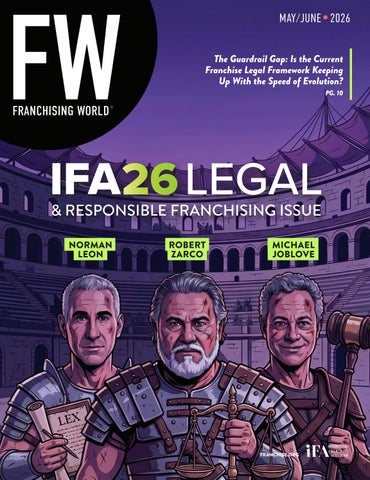
The Guardrail Gap: Is the Current Franchise Legal Framework Keeping Up With the Speed of Evolution?
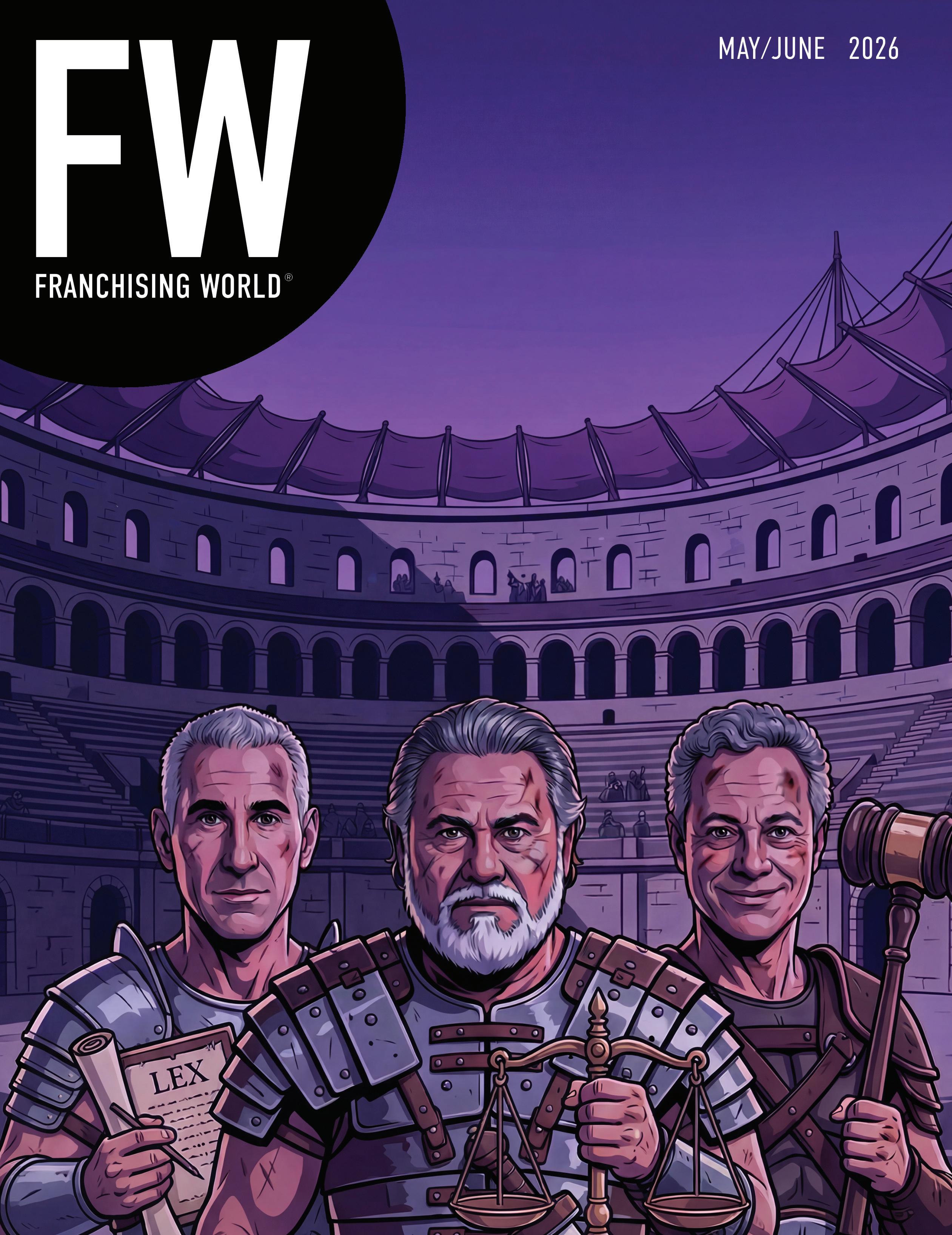
& RESPONSIBLE FRANCHISING ISSUE
NORMAN LEON
MICHAEL JOBLOVE
ROBERT ZARCO


The Guardrail Gap: Is the Current Franchise Legal Framework Keeping Up With the Speed of Evolution?

Keeping up with payroll, HR administration, multi-state regulations, and more is both time-consuming and hard.
As a preferred vendor of the IFA, Paychex is dedicated to seeing your franchise business succeed.
From hire to retire, our trusted solutions and support can help:
• Grow your team
• Find workforce efficiencies
• Reduce compliance risks and free up cash flow
• Guide your HR and benefits strategy
Learn how our scalable solutions can help your franchise thrive.








Khadija Cochinwala,
EDITORIAL


Associate
Editor-in-Chief
MARKETING
Creative
Heather Bartlow
Graphic Designer Catherine Marinoff

ADVERTISING & CIRCULATION:
Advertising Senior Director Carly Wooley
Technology & Operations Director Sara Williamson
Manager, Advertising Lauren Anderson
Franchising World (ISSN 1041-7311) “Volume 58, Number 3,” is published by the International Franchise Association, 1201 New York Ave., NW, Suite 300A, Washington, DC 20005.
For advertising information, call: IFA Advertising Department (202) 628-8000.
Franchising World welcomes views and comments from its readers. Correspondence should be addressed to Editor, c/o Franchising World at 1201 New York Ave., NW, Suite 300A, Washington, DC 20005. Franchising World reserves the right to edit letters for publication and also reserves the right to refuse advertising. With the publication of Franchising World, IFA is not offering legal, financial or any other professional advice or endorsements. Readers are encouraged to seek advice from professionals in specialized fields before acting on any information published herein. The views and opinions expressed in Franchising World are those of the author(s) and do not necessarily reflect the views and opinions of IFA members or staff.
Copyright © 2026 International Franchise Association.
As we move deeper into 2026, franchising continues to demonstrate the resilience and adaptability that have defined our business model for decades. Following a successful IFA
Annual Convention and Multi-Unit Franchising Conference, there is strong momentum across the franchise community — but also a clear understanding that this is a pivotal moment. That makes this year’s IFA Legal Symposium, taking place May 17–19 at the Grand Hyatt Washington, D.C., especially timely as franchise leaders gather to address the legal and operational issues shaping the future of franchising.
This year’s Legal Symposium program will cover franchise disclosure and registration requirements, intellectual property protection, financing and agreement provisions, and evolving franchise relationship laws. Attendees will also explore emerging operational risks — including crisis management, supply chain resilience, and the legal implications of new technologies — alongside broader developments such as private equity investment trends, succession planning, and international franchise expansion.

The International Franchise Association protects, enhances and promotes franchising.
The preeminent voice and acknowledged leader for franchising worldwide.
Sam Ballas, CFE
East Coast Wings +Grill/
Sammy’s Sliders
Chair
Gary Robins
The G & C Robins
Company Vice Chair
Dave Mortensen
Purpose Brands, LLC
Second Vice Chair
Mary Kennedy Thompson, CFE BNI
Immediate Past Chair
Bill Hall, CFE Treats Investment, LLC
Treasurer
Catherine Monson Propelled Brands Chair, IFA Foundation Board of Trustees
Meg Roberts
Head to Toe Brands Vice Chair, IFA Foundation B oard of Trustees
Tushaar Agrawal
Marriott International
Jerry Akers
Great Clips & The Joint
Tiffany Atwell Ecolab
Tom Baber
IHOP/Money Mailer
Marcus Banks Wyndham Hotels and Resorts, Inc.
Bill Bode
Planet Fitness
Rob Branca
Branded Management Group, Inc.
Robin Gagnon
We Sell Restaurants
Nate Garn
Sizzling Platter
Matt Haller
IFA
Daniel Halpern
Jackmont Hospitality
Dustin Hansen, CFE
InXpress
Jon Hixson
Yum! Brands
Harvey Homsey, CFE Express Employment
International
Earsa Jackson, CFE
Clark Hill Strasburger
Jesse Keyser, CFE Keyser Enterprises Chair, Franchisee Forum
Emma Dickison, CFE Home Helpers
Home Care Chair, Franchisor Forum
Abby Schmidt
Paychex Chair, Supplier Forum Advisory Board
Encouragingly, we are beginning to see progress in restoring clarity around the constantly changing joint employer standard. IFA is hard at work pushing for the American Franchise Act with bipartisan support growing steadily in Congress. At the state level, IFA is also working with lawmakers to advance policies that reinforce a clear joint employer standard. While these efforts represent only one part of the broader legal landscape discussed at the Symposium, they reflect growing recognition that predictable legal frameworks are essential to supporting franchise investment and growing local business ownership.
Still, the work ahead remains significant. The legal and regulatory decisions being made today will shape the trajectory of franchising for years to come. That is why gatherings like the Legal Symposium matter — not only as opportunities to stay informed, but as moments to share expertise, prepare for emerging challenges, and strengthen the franchise business model’s collective understanding of the legal environment ahead.

Matt Haller President & CEO
Mitch Cohen
Jersey Mike's Subs; Sola Salon Suites
Ashley Coneff, CFE Inspire Brands
Adam Contos Area 15 Ventures
John Crawford
Jani-King
International, Inc.
Randy Cross Fish Window Cleaning
Kimberly Crowell Kalo Companies
Steve Danon
Restaurant Brands
International
Lynette Eaddy Smith
Chick-fil-A, Inc.
Clint Ehlers
FASTSIGNS of Willow Grove, PA and Cherry Hill, NJ
Tim Evankovich
Oasis Senior Advisors Franchise System, LLC
Shane Evans, CFE
Heights Wellness
Retreats (Massage Heights Franchising)
Sean Falk, CFE
Just For Your Paws, LLC
Rocco Fiorentino, CFE Benetrends Financial
Lane Fisher Fisher Zucker
Greg Flynn Flynn Group
Tam Kennedy
Twin City TJs
Charles Keyser Neonwax, LP
Aslam Khan
Falcon Holdings
Kevin King
Donatos Pizza
Ali Kraus
Benetrends Financial 2026 Chair, Women's Franchise Committee
John Lancaster Choice Hotels International 2026 Chair, Diversity Institute Board
Rolf Lundberg
Choice Hotels International
Ned Lyerly, CFE Starheel Ventures, LLC
Daniel Mormino
InfinitiHR 2026 Vice Chair, Supplier Forum Advisory Board
Shelly O'Callaghan International
Dairy Queen
David Ostrowe
O&M Restaurant Group
Todd Recknagel PCRK Group, National Envy Development
Al Rodriguez Sport Clips
Paul Russell 7-Eleven
Nadia Sarangi
IHG Hotels & Resorts
Jyoti Sarolia Ellis Hospitality Group
Karen Satterlee, CFE Hilton Worldwide Holdings, Inc.
Heidi Schauer
The Wendy's Company
Michael Seid, CFE MSA Worldwide
Stephen Shields
Express Employment 2026 Vice Chair, Franchisee Forum
Joe Sieve
Omar Simmons Exaltare Capital Partners
Christine Son
Dine Brands Global
Jeffrey Sopp
Kensington Hill Partners
Cheryl Stanton BrightStar Care
Brad Stevenson
Neighborly
Sam Tatevosyan McDonald's Corporation
John Teza
Carolyn Thurston
Wisdom Senior Care
Clement Troutman
Tropical Smoothie Café
Larisa Walega, CFE Ziebart
Charles Watson
Richard Weissman
The Learning Experience
Steve White, CFE
PuroClean
Gabby Wong
FranConnect
Tom Wood
Floor Coverings
International 2026 Vice Chair, Franchisor Forum
Tony Zaccario
Stretch Zone
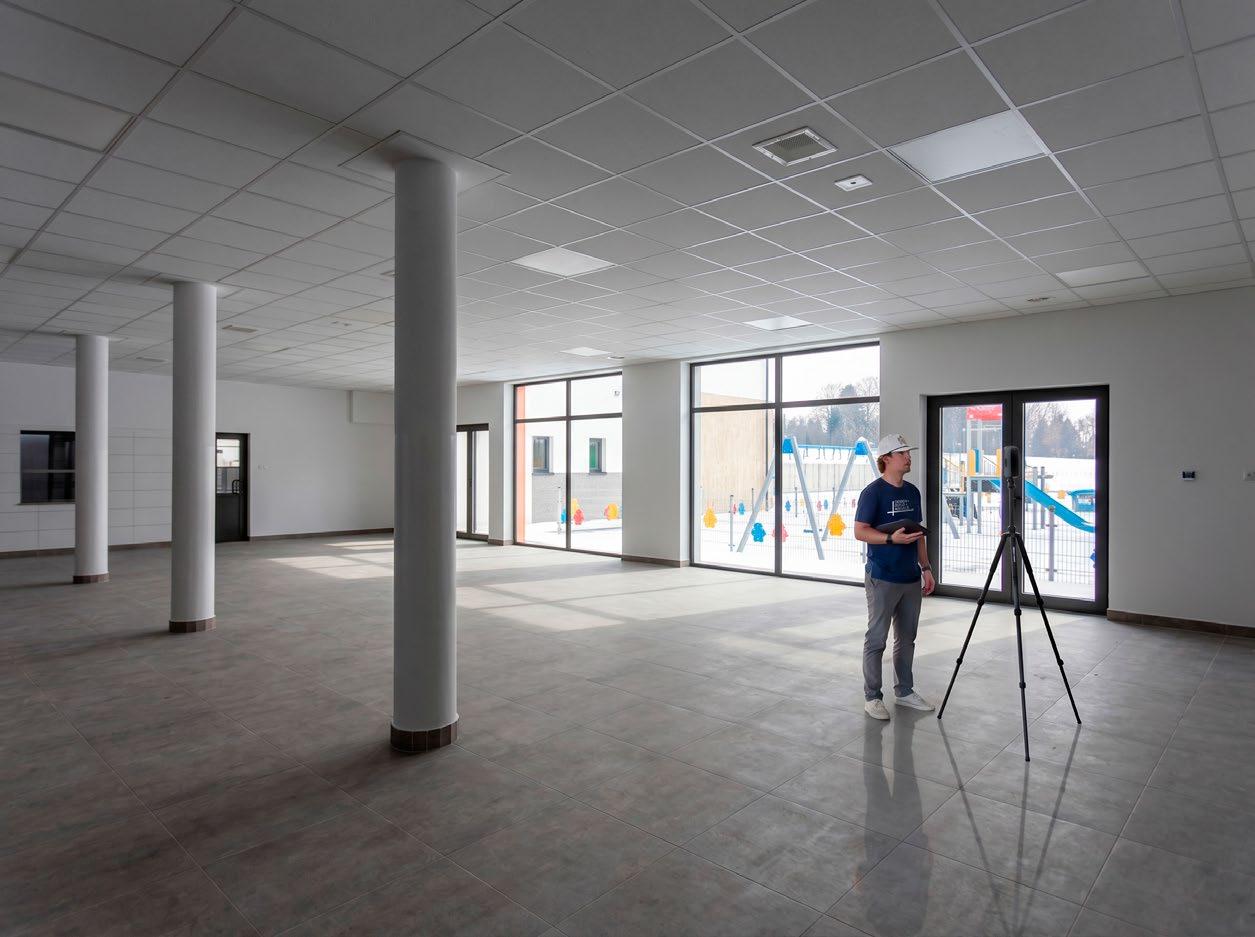
For many businesses, signing a lease marks a major milestone. It represents commitment, momentum, and the start of something new. But between that agreement and opening day lies a phase that is often less visible, and far more complex.
Through its work across markets and brands, Morrow Hill has long helped tenants gain clarity well before lease execution - providing insights into site conditions, trade areas, and deal structure that many wouldn’t otherwise have access to.
When speaking with Jonathan Hill, Co-founder of Morrow Hill, he pointed to a consistent pattern that extended beyond the real estate process itself.
“Even with a strong foundation coming out of lease negotiations, the phase that followed could become fragmented. Site conditions, space planning, and execution were often handled across multiple groups. Communication between architects, contractors, sign vendors, and stakeholders could become disjointed, leading to delays, added costs, and limited visibility at a critical stage.”
It wasn’t a lack of expertise. Each party involved brought experience to the
It’s one continuous process, with timelines, communication, and accountability aligned from lease signing through opening day.
table. The challenge was maintaining alignment as projects transitioned from real estate into design and construction. In response, Morrow Hill expanded its approach with Design + Build + Manage - built to extend the same level of clarity and coordination beyond lease signing.
The process begins with site evaluation, taking a deeper look at each location to further validate feasibility, confirm square footage, and identify potential risks early. This creates a stronger foundation for both planning and execution. From there, space planning ensures the business aligns with the physical environment. Layout, flow, and functionality are considered together, helping avoid adjustments later and creating a clearer path into construction.
As projects move forward, Morrow Hill’s centralized project management software, Vision Track®, ties everything together. Customers who have already worked with Morrow Hill’s real estate team continue in the same systemcreating a seamless transition into Design + Build + Manage. Nothing changes. It’s one continuous process, with timelines, communication, and accountability aligned from lease signing through opening day.
By connecting evaluation, planning, and execution, Design + Build + Manage reflects a natural extension of Morrow Hill’s existing approachbringing added structure, transparency, and continuity to a phase that has traditionally been managed across multiple, disconnected workflows.

WellBiz Brands has named Michelle DeVore chief marketing officer.

Chicken Salad Chick has announced the appointment of Brian Lindley as its new chief development officer.

Code Ninjas has appointed Tyler Semerdjian as chief marketing officer.

AtWork has named Nancy Halverson as vice president of professional services.

Fully Promoted has appointed Walter Miska as brand president.
Following the successful openings of its first two North Carolina locations in Raleigh and Durham, Timber Pizza Co. sees significant opportunity to grow its footprint in the Carolinas, with a focused push into key markets including Greenville and Columbia in South Carolina, as well as Wilmington and Charlotte in North Carolina. With a strong blend of vibrant urban centers, fast-growing suburban communities, and a thriving food culture, the region presents an ideal landscape for the brand’s next phase of development.
Batteries Plus is charging into 2026 with strong first-quarter franchise development, industry recognition, and brand momentum across multiple fronts. In Q1 alone, Batteries Plus sold
14 new units to seven new franchise owners, expanding its footprint across Texas, Florida, Minnesota, California, Georgia, and Illinois, a signal of continued confidence in the brand’s scalable model and essential service offerings.
BNI (Business Network International) completed the first quarter of 2026 with 13 new franchise agreements signed to new and existing franchisees across the system internationally. Over the past 12 months, BNI Members generated a record-breaking 17.5 million referrals — the highest number in the organization’s history. The brand continued to build on this momentum in Q1, adding 1,996 new Members globally and generating 4,172,307 referrals to kick off 2026.
Empower Brands has been named a 2026 Top Workplaces Culture Excellence winner for Employee Appreciation by Energage, a purpose-driven organization that develops solutions to build and brand Top Workplaces. The Top Workplaces program has a 19-year history of surveying and celebrating people-first organizations nationally and across 60 regional markets. The Top Workplaces Culture Excellence awards recognize organizations that excel in specific areas of workplace culture, with the Employee Appreciation award honoring companies that demonstrate genuine gratitude for employee contributions. Recipients are distinguished by cultures where employees feel valued and are motivated to consistently perform at their best.
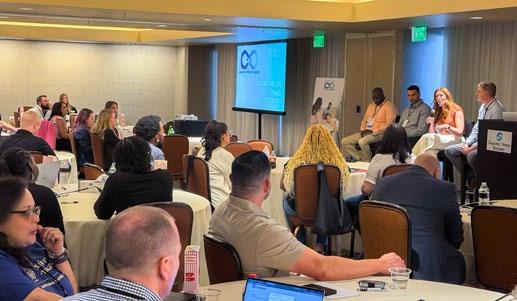
Executive Home Care hosted its 2026 National Conference March 30-April 1 at Talking Stick Resort Hotel in Scottsdale, Arizona. Themed “Caring Without Limits: Driven by Excellence,” the annual event brought together franchise owners from across the country for education, collaboration and recognition of outstanding achievements across the system. The event concluded with the Executive Home Care Awards Ceremony, recognizing franchise owners and teams for outstanding business performance and leadership.
Honorees included Executive Home Care locations in Newtown, Pennsylvania; Fort Worth, Texas; South East Tampa, Florida; Coral Springs, Florida; and Somerset, New Jersey, which received Silver Club Awards for generating revenues between $100,000 and $500,000.
Gold Club Awards were presented to Executive Home Care locations in Fort Myers, Florida; Bergen County, New Jersey; and Palm Beach County, Florida, recognizing revenues between $500,000 and $1 million.
The Platinum Club Awards were presented to Executive Home Care locations in Morristown, New Jersey; Freehold, New Jersey; Toms River, New Jersey; and Richmond, Virginia for surpassing $1 million to $2.5 million in annual revenue.
The highest honor, the Diamond Club Award, recognizing $2.5 million plus revenues, was presented to Executive Home Care locations in Southern Ocean, New Jersey and Stratford, Connecticut, recognizing exceptional growth and system leadership.
Andre Gorgenyi and Chris Slack were recognized with Rising Star Awards for demonstrating exceptional leadership and business growth. Al Criscuolo and Nate and Jess Burgess were honored with Brand Ambassador Awards for their contributions strengthening the Executive Home Care franchise system. Danika Thorpe received the Mentor of the Year Award for her commitment to supporting and developing fellow franchise owners.
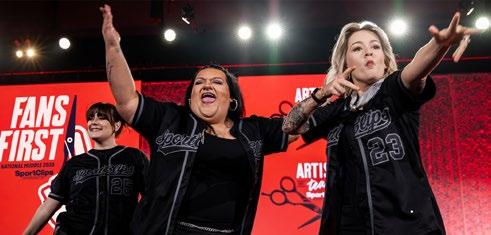
At the Sport Clips Haircuts 2026 National Huddle, the brand unveiled its “Fans First” commitment, an energized focus on making every visit more engaging, personalized, and relaxing. Gathering thousands of team members in Louisville, the nation’s leading haircare provider for men and boys laid out a clear plan to elevate its in-store experience, invest in its people, and strengthen partnerships, cementing its position as more than just a place for a haircut. Sport Clips continues to invest in its people and communities, including another million-dollar-plus donation to the VFW’s “Sport Clips Help A Hero Scholarship” program, ongoing support for St. Baldrick’s Foundation and sponsorship of Dream Flights for senior veterans. During the conference, top awards went to team members representing franchise locations across the country:
• A rea Developer of the Year – Duke & Michaelyn Sorensen of Highland, UT; Duke and Michaelyn operate three stores in Utah and two in Alaska, and cover Utah and Idaho as Area Developers.
• Team Leader of the Year – Fred Shearer, Louisville, KY
• A rea Manager of the Year – Kylee Ingram, Hammond, LA
• Coach of the Year – Kristen Bush, Houston, TX
• M anager of the Year – Samantha Becker, Ballwin, MO
• T he Logan Trophy – Sport Clips’ Highest Honor - Cheston Syma & Setul Patel; Cheston owns 58 locations, including 28 in Texas & Oklahoma with Setul. The winning store is in Prosper, TX.
FASTSIGNS has been recognized by the Canadian Franchise Association (CFA) with two prestigious honors at the 2026 CFA National Convention in Ottawa, Ontario, earning the Franchisees’ Choice Designation for the 14th consecutive year and its seventh Silver Award of Excellence in the Traditional Franchises (30–99 locations) category.




By Nina Greene, Venable LLP
The franchise model is undergoing a fundamental evolution. Emerging technologies, shifting consumer expectations, new capital structures, and unconventional business formats are challenging traditional assumptions — and with them, the legal and business frameworks that have historically governed the franchise relationship. If you want to keep pace, attend the 58th Annual IFA Legal Symposium and evolve.
The IFA Legal Symposium, May 17-19, 2026, at the Grand Hyatt in Washington, D.C., is where franchise legal and business minds meet and collaborate. Attend this year’s Legal Symposium to learn and explore what lies ahead for legal, regulatory, and business issues in franchising in 2026 and beyond.
The 2026 Legal Symposium discovers the increasingly complex environment in which franchisors and franchisees
DC | MAY 17-19
operate. Sessions like “Technology, Pricing, and the Consumer Experience: Navigating New Risks and Expectations” and “Crisis Management 2.0: Legal and Business Strategies, Deepfakes, and Real-Time Reputation Defense” will provide you with the information that you need to tackle issues franchise businesses face with the advent of new technologies and crises that unfold in real time. You will also learn about franchise investing and financing for the future. And at the 2026 Judicial Update, you will learn about cybersecurity strategies to protect franchise brands, the use of AI in the employment process, and notable franchise cases from the past year. Across each of these areas, a common theme emerges: evolution brings opportunity, but also risk. Come to the 2026 Legal Symposium to learn how to address the legal issues and shape the frameworks that will govern the next generation of franchising.
WASHINGTON, DC | MAY 17-19
Although change may seem difficult, the IFA Legal Symposium has simplicity woven into every session. Attend the general sessions to hear CEO updates and keynote speakers as they share ideas and views on the outlook of franchising in 2026, how to manage difficult situations to strengthen franchise systems, and strategies to gain competitive advantages. The Basics Track, with sessions that include Trademarks and Intellectual Property, and Registration and Disclosure will assist those who want to build a solid educational foundation or simply need a refresher in franchise law.
This year’s IFA Legal Symposium includes a candid discussion amongst prominent franchise attorneys about the franchise terms that often fuel relationship tension and stress in franchise systems. Attend the Legal Symposium Thunderdome where attorneys will examine the provisions that test the franchisor-franchisee relationship. Continuing with the focus on franchise relationships, there are also breakout sessions addressing advanced strategies in conflict resolution through mediation and ombuds programs, as well as succession planning as a strategy for franchise system stability. You can further delve into the franchise relationship by joining candid, practical discussions on evolving norms, compliance, and a wide range of business and legal
issues at the always popular luncheon roundtables. The roundtable discussions are led by business professionals and franchise attorneys who facilitate thought-provoking conversations on legal and business topics important to the franchise model.
Attending the 2026 IFA Legal Symposium not only enhances professional development, but attendees are also eligible to earn Continuing Legal Education (CLE) credits, including ethics credits, as well as Certified Franchise Executive (CFE) credits. The high-value content at the IFA Legal Symposium is recognized across the legal and franchising sectors.
One of my favorite and most valuable aspects of the IFA’s Legal Symposium is the opportunity to connect with and grow your franchise legal community. At the IFA Legal Symposium, you will have numerous opportunities to interact with attorneys, in-house counsel, and business leaders from across the franchise industry. Whether it is your first time attending or you are a Legal Symposium veteran, there are structured and informal opportunities to network, share ideas, and collaborate. Networking highlights include a welcome reception, the roundtable luncheon, which features both legal and non-legal facilitators, an evening networking reception, and multiple refreshment breaks. Use these networking opportunities to strengthen your connections and build your franchise community. For a fresh and innovative program with speakers representing all key stakeholders in franchising, plan to be in Washington, D.C., May 17-19, 2026. The IFA Legal Symposium is the most critical legal education event in franchising. Whether you are an experienced legal strategist or a rising voice in franchise law, the IFA Legal Symposium delivers programs on the evolving franchise landscape and community for 2026 and beyond.

Nina Greene is a partner at Venable LLP, the chair of the International Franchise Association Legal Symposium Task Force, a former member of the IFA Supplier Forum Advisory Board, and a former member of the IFA Women’s Franchise Committee.
By Michael Joblove, Venable LLP, Norman Leon, DLA Piper LLP, and Robert Zarco, Zarco Einhorn Salkowski, P.A.
At one end of the tightrope, franchisors need to protect brand quality and system standards to remain competitive; at the other, franchisees need their investment to be predictable and to remain viable.
For decades, the legal framework surrounding the franchise relationship — disclosure requirements, good faith obligations, relationship statutes, and reasonableness standards — has served as the guardrails attempting to keep that balance intact. But in a world where consumer preferences shift by the quarter, technology that was cutting-edge 24 months ago is already obsolete, and AI is rewriting the competitive landscape in real time, the pressure on those guardrails has never been greater.
The imperative for franchise brands to modernize and remain relevant is real and relentless. A national brand that stands still while its competitors evolve is not protecting its franchisees — it is slowly suffocating them. But that urgency, legitimate as it is, does not make its costs of implementation any less real for the franchisee writing the check. And when those costs compound across capital improvement mandates, system standard overhauls,

and an ever-expanding stack of fees, the cumulative burden can fundamentally alter the economics of an investment that was made on very different assumptions.
As professor Gillian Hadfield identified over 30 years ago, franchise agreements are, by design, “incomplete contracts” — deliberately silent on future specifics because neither party can anticipate the full arc of a multi-decade relationship. A franchisee who signed a deal in 2010 did so in a world without mobile ordering, without AI-driven inventory management, and without the consumer expectation of seamless digital loyalty integration. From the franchisor’s perspective, this reality requires the franchise agreement to provide it the broad flexible authority to compel the change that the future demands. From the franchisees’ point of view, often times the same structural incompleteness that franchisors invoke to justify system changes is also the mechanism by which the deal a franchisee thought they were buying is quietly replaced with a different one.
Everyone agrees that progress is necessary. The friction lies in what it looks like, how fast it must happen, and who is bearing the costs compared to who reaping the benefits. These tensions surface most acutely in three recurring areas: capital improvement mandates, technology adoption and the source of fees that fund it, and system standard changes. Each raises distinct challenges for both sides — and each illustrates why accurate pre-sale disclosure, responsible implementation, and genuine collaboration between the franchisor and franchisee matter more now than ever.
Capital improvement mandates are among the most contentious pressure points in mature franchise systems. In mature systems, this tension may arise as franchisors undertake efforts to give the brand a fresh and competitive look, or to implement changes relating to digital technology. It is, of course, franchisees who generally must pay for the upgrades.
The core conflict is that a system-wide image refresh can be strategically important for the brand, but the cost lands unevenly on individual operators especially those who may face thin margins, rising labor costs, and inflationary pressure.
Franchisors generally believe that modernizing stores is necessary to protect long-term brand equity, and that the investment is a value to both franchisors and franchisees.
Typically, franchisors build a business case, with projected ROI, respecting the investments that have already been made. Older units can weaken the brand’s ability to compete with newer concepts that have more appealing designs, better technology, and more efficient layouts. From the franchisor’s perspective, delaying remodels risks a decline in sales, lower system relevance, and greater difficulty attracting customers and future franchisees.
“
A national brand that stands still while its competitors evolve is not protecting its franchisees — it is slowly suffocating them.”

Franchisees, however, often see these capital demands differently. A mandated remodel can feel like an imposed expense that may not generate enough return on investment at the unit level. If sales lift is uncertain, owners may view the franchisor as shifting brand-maintenance costs downward while preserving corporate benefits such as royalties, expansion opportunities, and a more marketable brand image. That mismatch can be especially sharp in mature systems where many locations are older, the original investment has already been amortized, and operators may be reluctant to reinvest heavily in assets they believe should already be profitable.
The dispute is usually less about whether updates matter and more about who should pay, when the updates should happen, and how much proof should be required that the spend will pay off. Franchisees want clearer evidence, phased requirements, and flexibility for weaker stores; franchisors want uniformity, speed, and stronger brand control.
To help alleviate the burden, often franchisors offer financial inducements to franchisees in return for the capital spend. These can include royalty reduction for a limited time, early renewals of franchise agreements or direct capital contributions by the franchisor. In practice, successful systems tend to manage the inherent tension through collaborative planning, realistic remodel standards, and a shared understanding that capital spending must support both brand competitiveness and unit-level economics.
Similar tensions often arise when franchise systems attempt to adopt new and improved technologies. Just as they need to modernize their stores, franchise systems also need to modernize the technologies that are used in those stores and made available to consumers. Consumers expect to have mobile ordering options, they expect to have easy, contactless payment methods, and they expect digital loyalty programs (among many other technologies). Businesses that fail to adapt to these expectations risk decreased sales, consumer dissatisfaction, and brand damage.

“
A franchise system is not a collection of independent operators who happen to share a logo. It is a coordinated network in which the whole is worth substantially more than the sum of its parts — and that premium depends on consistency.”

These innovations entail a host of legal risks, particularly as they relate to the use and collection of personal data. But they also create a host of practical problems. From the franchisor’s perspective, it wants to be sure that it stays on top of technological advances, that its disclosure document properly discloses the franchisees’ obligations as it concern technology innovation, funding and implementation, that its franchise agreement and manual give it the ability to modify and upgrade technologies as new ones become available, and that it has enough resources to properly research, develop and implement these new technologies as they come along. Failing to do so could be viewed by some as a breach of the implied covenant of good faith, and doing so carelessly or without conducting the proper diligence could be grounds for a negligence claim. From the franchisee’s perspective, they want to be involved in the development and testing of new ideas and to have a say in how their technology fees are being spent. Regular and transparent communications within the system and the use of franchisee advisory councils and franchisee associations are effective ways of addressing
these concerns. But franchisees also want to know that the new technology has been tested before its rolled-out, and how responsibility will be allocated if the new technology does not work or, even worse, creates potential significant liability to third parties. While a well-drafted franchise agreement and a robust disclosure document are a big part of this process, franchise systems that do not collaborate on the responsible development, roll-out and use of new technologies risk not only system disruption and litigation, but brand damaging publicity and potentially system-threatening exposure to third-party claims.
System standards are the specifications, guidelines, and operating procedures set by a franchisor to ensure quality, brand consistency and reputation. Changes to those standards can touch nearly every aspect of a franchisee’s operation: equipment, procedures, pricing programs, marketing initiatives, vendor relationships, and the products and services offered to consumers. And unlike capital improvements, which are less frequent and more likely to be discussed, timed, and negotiated, system standard changes often arrive continuously, through unilateral updates to the operations manual, without negotiation or even advance warning.
The franchisor’s case for broad system standard authority is grounded in the logic of the franchise model itself. A franchise system is not a collection of independent operators who happen to share a logo. It is a coordinated network in which the whole is worth substantially more than the sum of its parts — and that premium depends on consistency. When one unit operates with outdated equipment, a tired store design, or inferior technology, it does not just hurt that franchisee — it dilutes the brand that every other franchisee paid to be part of. Uniformity is the franchise model’s core value proposition. Strong system standards are the principal method by which that value is delivered and protected.
The franchisee’s resistance to system standard changes is not, at its core, a resistance to evolution. Instead, usually it is resistance to absorbing costs without context, complying with changes that they consider arbitrary, or adapting to mandates that may be perceived as designed to serve the franchisor’s interests at the expense of the individual unit. While each mandate may (or may not) seem reasonable in isolation, franchisees generally experience their impacts
cumulatively. Each change may bring operational disruption, increased expenses, and workflow rebuilding. Sometimes the next mandate comes before the long-term benefits of the last change have been realized. Ultimately, both parties share the same interests, improving performance, increasing earnings, a healthy franchise system and remaining competitive. Franchisors’ royalty streams depend on strong franchisee revenues, which means they are financially incentivized to ensure that system changes actually improve performance. But royalties are tied to aggregate system-wide revenue, while franchisee viability depends on unit-level profitability — and that divergence can produce genuine conflicts.
“ The tension around system wide standard changes is real, but it is not irreconcilable.”

The tension around system wide standard changes is real, but it is not irreconcilable. Franchisors can avoid unnecessary conflict by testing across diverse market types rather than just average ones, acknowledging the cumulative weight of changing compliance standards on individual operators, providing empirical evidence supporting the benefits of mandatory changes, and offering meaningful incentives to alleviate the burden on the outliers. Franchisees can likewise avoid conflict by recognizing the important need to modernize the system and keep it competitive.
The legal guardrails — disclosure requirements, good faith obligations, relationship statutes, common law, and reasonableness standards — exist to protect both sides from the extremes of these tensions. But thriving franchise systems are not built on guardrails alone. The most successful franchise systems are not the ones with the most carefully drafted agreements. They are the ones that treat disclosure as a foundation for trust rather than a compliance checkbox, that design system changes with genuine attention to unit-level impacts, and that build
meaningful franchisee participation into the innovation process rather than presenting it as a fait accompli. Franchisors who meaningfully and timely communicate the business rationale for change, phase implementation thoughtfully, provide robust support, and consider cost-sharing arrangements face far less resistance — and far less litigation. Franchisees who engage constructively, participate in advisory processes, and hold their franchisors accountable through established channels rather than reflexive dispute alternatives find better outcomes on the other side of change. The goal, after all, is the same on both sides of the podium: a system worth being part of, for everyone in it.

Providing legal services in the franchise field for over 40 years.

Rosen Karol Salis, PLLC, has provided the highest-quality legal services in the franchise field for over 40 years. Our firm has represented franchisors, franchisees, and franchisee organizations in all areas of franchise law. Located in New York City, we provide legal services to clients nationwide.
Our firm has represented clients in all areas of franchise law, from setting up franchising systems and programs, forming all entities, drafting, and negotiating (on all sides) franchise and multi-unit development agreements, disclosure, and other ancillary documents, as well as mediating, arbitrating, and litigating in both state and federal courts. We negotiate lease agreements and financing documents for the sale or acquisition of franchise related real estate, and handle all matters applicable to franchise transactions. Rosen Karol Salis represents franchisors and franchisees in nearly all industry fields, including restaurants, real estate brokerage, healthcare, fast food, fitness, energy, hospitality, education, health and beauty, telecommunications, senior care, courier services, apparel and many more.
Rosen Karol Salis are authors of the section on Franchise Law in the United States which appears in the Third, Fourth and Fifth Editions of the (International) Franchise Law Review. Since 2017 our law firm has written the review of franchise law in the U.S. which appears in the International Comparative Guide to Franchise Law. Rosen Karol Salis, PLLC is highest rated by Martindale Hubbell amongst franchise law firms in the U.S. Our Firm, Richard L. Rosen, John Karol, and Len Salis, have won numerous awards and honors in the field of Franchise Law.
ROSEN KAROL SALIS, PLLC
110 East 59th Street, 23rd Floor | New York, NY 10022
Tel: 212-644-6644 | Fax: 212-644-3344
Richard L. Rosen Professionalism Experience Integrity
Email: rlr@rosenlawpllc.com

By Maral Kilejian, Haynes and Boone, LLP


In many organizations, “legal” — whether the in-house legal department, outside counsel, or compliance personnel — is often viewed as a force that stifles creativity.
As a result, marketing teams are not always eager to run their big, bold, and innovative ideas past legal. Legal teams, however, with a mandate to protect not only the franchisor but also the reputation and integrity of the franchise system as a whole, generally share a different perspective. Rather than curbing creativity, legal typically seeks to collaborate with marketing to preserve creative vision to the greatest extent possible while identifying and minimizing risk before potential issues arise. Although it may not always feel that way in practice, both teams ultimately have aligned interests — and when they work together, they play a critical role in helping a franchise system thrive.
Licensing deals, influencer programs, sponsorships, giveaways and contests, commercial co-ventures, loyalty rewards programs, and other advertising and promotional tools can be quite powerful. If you’re a brand with an incredible value proposition for consumers, and you want to get the message out, marketing may want to craft and use advertising claims that highlight, for example, lower priced offerings. In a franchise system, though, where franchisees have more flexibility over pricing than a wholly corporate-owned system, the legal hurdles to crafting and using those types of advertising claims come with unique challenges. Challenges that legal can help with.

“ At their core, legal and marketing teams are working toward the same goal: strengthening the franchise brand while enabling sustainable growth.”
commercial co-venture promotions (e.g., “buy this product and we’ll donate $1 to a named charity”), may, depending on their structure, geographic scope, or other factors, trigger state registration and, in some cases, surety bond requirements. These filings are subject to deadlines and, in certain circumstances, also require that information and data be gathered throughout the promotion for post-filing requirements. Legal, however, can help the marketing department structure promotions to meet applicable filing deadlines and requirements, and, in some cases, avoid them altogether. This is significantly more effective when legal is consulted earlier rather than later in the planning and implementation process.
High- c ost, comparative, disruptive, and aggressive campaigns are particularly susceptible to legal guardrails, and the earlier legal can help guide marketing through the higher-risk areas of these types of promotions, the more efficiently creative objectives can be achieved without exposing the brand or system to unnecessary liability.
This article explores practical ways in which marketing and legal teams can work together more effectively to support shared business objectives, enabling creative, impactful marketing initiatives while maintaining appropriate legal and brand protections across the franchise system.
One of the most effective ways to minimize both marketing-side panic and legal risk is to get legal involved early in the planning of a marketing initiative. By ensuring that legal has a chance to review the promotion at the concept stage, and each stage throughout, large structural issues and high and medium risk areas can be identified and addressed early on in the process. Also consider that different types of marketing initiatives, such as sweepstakes and contests and
There may be certain areas where legal can help prepare standardized processes and documents for the implementation and administration of promotions or marketing initiatives. Developing standard promotion playbooks can help reduce inconsistencies, streamline implementation timelines, and provide marketing teams with clear, repeatable guidance.
One area that is easily standardized, for example, is giveaways conducted strictly through social media, with specific entry methods, for low-value prizes. Legal can help provide a standard set of official rules, short form rules, disclosure and pricing guidelines, and other guidance related to the type of promotion the brand would like to run. Coupons and discounts and loyalty program initiatives, if somewhat repetitive in nature, may also benefit from a standardized playbook. Finally, certain standardized influencer contracts and content templates can enable marketing teams to begin with pre-approved, compliant frameworks that reduce drafting time and legal review cycles. Over time, this approach allows marketing teams to move more quickly and confidently while ensuring promotions remain consistent, scalable, and aligned with applicable legal and brand standards across the franchise system.
Legal can also help by clearly outlining what is generally permitted, what requires prior legal approval, which types of promotions may warrant longer or shorter review timelines, and what activities may be prohibited system-w ide. With this framework in place, marketing teams can more effectively self-screen concepts before escalating them to legal, improving efficiency while maintaining appropriate risk controls.
Most marketing professionals do not receive formal legal training as part of their education and instead develop their understanding of legal considerations organically through experience and daytoday collaboration with legal teams. Moreover, the advertising and promotional legal landscape is an incredibly fast-moving and highly dynamic area of law. As a result, targeted training for

marketing and operations teams can play a critical role in transforming compliance from a purely legal function into a shared organizational discipline.
Legal teams can support this effort by conducting plain-English training sessions that focus on the types of advertising and marketing initiatives and campaigns most relevant to their system. These training sessions can arm both marketing and operational personnel for how to discuss marketing initiatives with franchises, can provide personnel with a better understanding of the risks and why it’s so important to work collaboratively with legal, to provide a base of knowledge on which they can draw on every day.
Training programs can be even more effective when provided on a recurring basis. This can help ensure that new hires are receiving the same important information, that changing laws or regulatory focus are highlighted, and new marketing initiatives and channels are addressed.


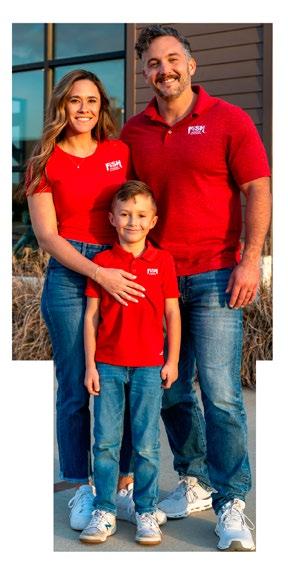
At their core, legal and marketing teams are working toward the same goal: strengthening the franchise brand while enabling sustainable growth. While their perspectives and day-to -d ay responsibilities may differ, both functions play a critical role in protecting the value of the system, supporting franchisees, and building consumer trust. When legal is viewed not as a roadblock, but as a strategic partner early in the creative process, marketing gains the ability to pursue bold, effective campaigns with greater confidence and fewer last-m inute disruptions.
By involving legal early, developing standardized promotion playbooks, and investing in ongoing, practical training for marketing and operations teams, franchise systems can move away from a reactive compliance model and toward a collaborative, proactive approach. This alignment allows creative ideas to be refined rather than rejected, risks to be addressed before they escalate, and promotions to be deployed more efficiently across the system. Ultimately, when legal and marketing work in concert — each respecting the expertise of the other — the result is not only better compliance, but stronger campaigns, clearer communication with franchisees, and a more resilient and trusted brand.





By Ronald K. Gardner, Partner, Dady & Gardner, P.A.


In 2026, it is not news to point out that private equity has become an active and regular player in franchising.
Over the last fifteen years, private equity investors have acquired both controlling and beneficial interests in a tremendous number of franchisors, with some PE firms simultaneously owning literally dozens of franchise brand in multiple industries.
Much has been written and spoken about this evolution. Early on, there was great concern by everyone that this would hurt franchising. But the money was too great for many franchisors to resist. And to be sure, the results have been, by and large, and not unexpectedly, mixed. Like any other type of owner, some PE firms have turned out to be great for the health of the brands that they own, while others, who may not understand
franchising or may not be particularly good at management or operations, have hurt the growth and stability of the brands that they acquire. There is no magic bullet here.
What has been interesting in the last few years, however, is how these same franchisors (many of whom are owned or controlled by PE firms) have reacted to the idea of PE as owners of franchisees. As a franchisee lawyer, I have watched with amusement and interest as franchisors that are owned by private equity have struggled to determine whether or not they would accept PE ownership amongst their franchisees.
Indeed, I have seen provisions in franchise agreements that were inserted to expressly prohibit private equity ownership, provisions indicating that private equity ownership requires security far and above that required of far less capitalized mom-and-pop operations, and provisions that restrict PE franchisees from growing more aggressively than franchisees that are not owned by private equity.
These more robust restrictions often show up in non-disclosed “Relationship Agreements.” I have often wondered how franchisors get away with some very fundamental changes to the agreement that is in their FDD in “offering” (read: requiring) PE buyers to agree to terms that limit or restrict what the “general public” is being told about the franchise offering.
This has me thinking about both the irony and contradiction of it all.
Fundamentally, franchising has always been about franchisors using other people’s money to expand their brands. You could think, on its face, that would mean franchisors would love the idea of well-capitalized groups coming into their system, particularly those looking to grow the system to obtain a larger and quicker return on their investments.
“
existing franchisee units — sometimes in a roll up — and that they are much less frequently “new franchisees” buying into a system and building from scratch.)
If my crystal ball is right, it also raises interesting issues about how disclosure might change. Currently, both the FTC and many states have “sophisticated franchisee exemptions,” removing many of the disclosures that franchisors are required to make to sophisticated buyers — with a “sophisticated buyer” being defined by their financial wherewithal rather than by their experience or understanding of franchising. One wonders if the initial purchaser is a PE firm, with no understanding of the amount of control or the franchisor’s operation, who buys without proper disclosure might be a recipe for looming disaster. That is something to consider in this era of modifying and simplifying disclosure requirements on franchisors that remain helpful for franchisees.
My crystal ball, which is often foggy and cracked, suggests that, just as it took a while for PE on the franchisor side to take hold, we are moving toward a day where PE on the franchisee side will become much more common.” “
However, this drive by private equity franchisee owners often conflicts with franchisors’ other desires — for example, a desire to keep often iron-fisted control over not only the operations of their units, but their franchisees. Far too frequently, franchisees operate in what has been colloquially called the “North Korean model,” with franchisors that are convinced they know what’s best in every situation and in every market. These unenlightened franchisors, I believe, are fearful of new ideas that are well funded and that, typically, come from highly educated operators.
So, the trade-off is a real one. But I think this is just a transitionary phase.
My crystal ball, which is often foggy and cracked, suggests that, just as it took a while for PE on the franchisor side to take hold, we are moving toward a day where PE on the franchisee side will become much more common. This will create a more sophisticated marketplace than has historically existed in franchising, but will also create its own challenges. For instance, franchise sales have long relied on small entrepreneurs, chasing their American dream, who are ready to walk away from corporate America and invest their savings into opening one, two, or three units. As private equity-backed franchisees become more common, one wonders how the sales process will shift when it comes to bringing new franchisees into a system. (My anecdotal view is that currently most PE on the franchisee side comes in through acquisition of
Currently, both the FTC and many states have ‘sophisticated franchisee exemptions,’ removing many of the disclosures that franchisors are required to make to sophisticated buyers — with a ‘sophisticated buyer’ being defined by their financial wherewithal rather than by their experience or understanding of franchising.”
To be sure, I understand and advocate for franchisors’ control of their systems and their brands. But I am also a big champion of making sure that franchisees aren’t seen just as owners (and funders) of a branch office type of operation. There needs to be some autonomy, and if that franchisee happens to be well capitalized, we should all be working toward an understanding of how that best works for everyone.
The opportunity here is real, and as the evolution continues, and those of us who can help shape it think about these concepts, there is certainly room for debate, variation, and, perhaps most importantly, improvement.

Ron
Gardner is a partner at Dady & Gardner.
By Kerry Pipes, Franchise Update Media
new Franchise
& Insights Center aims to turn the industry’s fragmented data into clear benchmarks and actionable intelligence for franchisors and franchisees
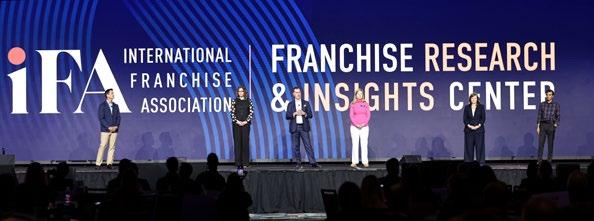
The International Franchise Association has launched a new initiative aimed at bringing greater clarity to the franchise industry’s growing pool of data. Announced during the 2026 IFA Convention, the IFA Franchise Research & Insights Center will serve as a central hub for research, benchmarks, and best practices designed to help franchisors and franchisees make better decisions.
“Our commitment is simple: to make IFA the information beacon for franchising and to give our members the clarity, confidence, and evidence you need to build stronger, more profitable, and more resilient systems,” said IFA President & CEO Matt Haller.
Franchising generates enormous amounts of information, but much of it remains fragmented across FDDs, vendor systems, and internal reports. The new center aims to connect those data points and turn them into practical insights franchise leaders can use to evaluate performance, compare against peers, and identify emerging opportunities or risks.
The initiative builds on research IFA already produces, including the “Economic Impact Report,” “Value of Franchising” research, and industry economic outlook reports, bringing them together in one accessible location.
IFA also announced three founding partners helping power the new platform: ProfitKeeper, FranConnect, and Franchise Business Review. Each contributes a different layer of intelligence—from financial performance and unit-level economics to operational engagement data and franchisee sentiment.
The combined data will support recurring research focused on key drivers of franchise success. Early
insights show that systems with structured franchisee engagement can experience up to 48% lower termination rates. Additional analysis highlights a growing challenge across many systems: While sales remain strong, margin compression continues to pressure operators.
The research also underscores the importance of trust within franchise systems. According to Franchise Business Review data, brands with high franchisee satisfaction are more than twice as likely to have strong trust between franchisees and franchisors and nearly three times as likely to have franchisees recommend the brand to others.
“This is where we start,” said Haller. “But we will continue to evaluate trends and work with our founding partners to utilize existing data and release updates to address some of the most pressing areas in franchising.”
Over time, the center is expected to evolve into an always-on benchmarking platform integrated into franchise.org and IFA’s member resource hub, with AI-powered search and analysis tools to help members quickly find relevant insights.
IFA leaders say the goal is to provide franchise brands with the clarity and confidence they need to build stronger, more profitable systems.
By bringing together research, operational data, and industry benchmarks in one place, the new Franchise Research & Insights Center aims to give franchising something it has long lacked: a unified view of how the industry performs today and where it’s headed next.

Franchising rooted in transparency, driven by community, and built to love your neighbor.
At Christian Brothers Automotive, we believe the strongest businesses are built on trust. That’s why our model is anchored in a simple but powerful principle: Love Your Neighbor. It’s more than a mission; it’s how we operate, how we support our franchisees, and how we serve every guest.
Over 40 Years of Honest and Transparent Automotive Care
Franchise Customer Experience Certified Brand
Systems and Support That Drive Franchisee Success
Exceptional Guest Experience
If you’re ready to invest in a business that values transparency as much as performance, and people as much as profit, discover how you can grow with Christian Brothers Automotive.
We have a number of immediately available opportunities.
Own your future.
The Franchising Economic Outlook is IFA’s annual forecast for franchise growth, conducted by FRANdata, detailing the franchise sector’s performance for the past year, a projected economic outlook for the year ahead, and an analysis of the economic trends impacting franchised businesses. The report provides the number of U.S. franchise establishments, employees, and economic output, along with an in-depth analysis by industry and for all 50 states.
In 2026, IFA and FRANdata predict franchising will add:
+12,479 new units +150,000 new jobs + $14.1 Billion in economic output
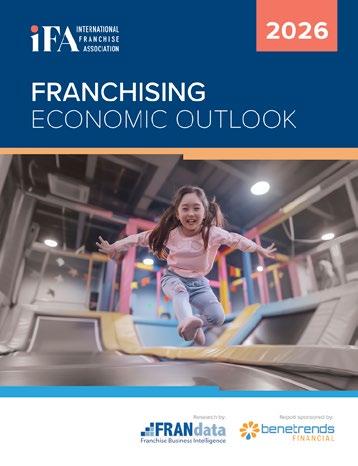
Ð The number of franchise establishments will grow from 832,521 to 845,000 units – an increase of 1.5%.
Ð Franchise employment is anticipated to increase by more than 150,000 jobs (1.8%) to nearly 8.9 million jobs.
Ð Franchise output is expected to rise from $907.3 billion to $921.4 billion – an increase of 1.6%.
Ð Total franchise GDP is estimated to grow by 1.8% from $549.9 to $558.4 billion
Ð The Southeast region accounts for the largest share (nearly 30%) of all U.S. franchised businesses.
Ð Fueled by business-friendly policies, lower cost of living, and population growth, the Southeast and Southwest regions are expected to maintain their positions as the top regions for franchised business expansion in the United States, growing at rates of 1.7% and 2.5%, respectively.
Ð Michigan, Ohio, and Utah have emerged as new entrants among the top 10 states due to their comparative affordability, expansion potential, and meaningful opportunities for market leadership.
Ð Child services and commercial and residential services are expected to be the fastest growing industries.
Ð Since the pandemic, rising awareness of preventive healthcare has propelled the sector to become the third-largest franchised industry.
Ð Full-service restaurants are expected to outpace quick-service restaurants in output growth –as consumer preferences are shifting toward “experiential dining” rather than purely valuedriven offerings.
Ð In the lodging industry, high-income consumers are continuing to spend on personalized and “experiential luxury travel,” while value consumers are expected to scale back their spending.


The growth is there. The infrastructure is there. The opportunity is real.

Years of Franchising Experience in Property Restoration $19M 25+
Grossed Revenue from Top Franchise in 2024*
The only question is — do you want to own a piece of it? of Franchise Owners are Multi-Unit Operators 44%
Franchise Locations Across North America of Franchise Owners Enjoy Operating Their Business


New Unit Growth Came From Existing Franchise Owners in 2025






By Brandon Mangual, PuroClean

Responsible franchising is a phrase that gets used a lot in our industry.
And like most phrases that get repeated often enough, it’s fair to ask, has it become a buzzword, or does it still mean something?
The answer likely depends on how each franchise system defines it.
A s an idea, responsible franchising is easy to agree with. Ethical growth, strong franchisor-to-franchisee relationships, and system health are concepts everyone can get behind. But those ideas only carry weight if they show up in how decisions are made day to day, from the earliest stages of discovery through long-term operation.
At PuroClean, that philosophy is grounded in clear priorities. First and foremost, our number one commitment is to the growth and profitability of the Franchise Owners already in our system. Our second area of focus is their satisfaction operating within PuroClean, and only then, our mindset shifts to adding new units, responsibly.
That has meant focusing less on how quickly we, as the franchisor, can scale, and more on how well our Franchise Owners are performing as they scale their own operations. It is a subtle distinction, but an important one. Growth is not treated as the objective; it is treated as the result of a system that is working as it should, with aligned expectations between the franchisor and Franchise Owner.
Within the PuroClean system, the top-performing franchise has reached annual revenues as high as $19 million. This is an outcome that helps define responsible franchising at PuroClean — Home Office support and national infrastructure built to scale alongside highperforming businesses. This reinforces the International Franchise Association’s (IFA) guiding principles that focus on strong unit economics and long-term viability.
“
Growth is not treated as the objective; it is treated as the result of a system that is working as it should, with aligned expectations between the franchisor and Franchise Owner.”
Today, 44 percent of PuroClean Franchise Owners have expanded into multi-unit ownership. That number is not driven by territory availability, but by Franchise Owners making the conscious decision to reinvest in a model they believe in because they have seen it work firsthand.
There is a difference between opening a new location and choosing to grow within a system. One is expansion. The other is conviction.
That distinction matters because it changes how growth is approached. At PuroClean, expansion is not assumed to be the next step. It is tied to operational benchmarks, consistency in performance, and a clear understanding of what it means to take on additional responsibility.
Viewed this way, growth becomes less about adding and more about building sustainable unit-level performance.
“Since we started this program, we’ve tripled the size of our business in three years,” PuroClean multi-unit Franchise Owner Craig Hawkins said.
The same lens applies to satisfaction. In many cases, franchisee satisfaction is not measured from day one, but only after unit-level growth has been achieved. At PuroClean, we pride ourselves on surveying our Franchise Owners at every stage, from signing day through initial training and every year after.
“As a Franchise Owner, it’s reassuring to know that our feedback is heard and valued at every level of the organization,” said PuroClean multiunit Franchise Owner Jennifer Restrepo.
“
One
of the core components of responsible franchising, as outlined by the IFA and strictly upheld by PuroClean, is ‘Connecting prospective franchisees with the right opportunity through due diligence and validation of all parties in the franchise sales process.’”
If Franchise Owners are engaged, supported, and confident in the direction of the brand, it tends to show up in how they operate and in their ability to meet the commitments required to protect both the brand and their individual businesses.
According to an independent survey by Franchise Business Review (FBR), 82 percent of PuroClean Franchise Owners say they enjoy operating their business, 85 percent say they respect the franchisor, and 83 percent say their fellow Franchise Owners are supportive.
FBR’s scores indicate how our Franchise Owners feel about being part of the PuroClean system — fulfilled, proud, and connected. Our Franchise Owners would make the life-changing decision to join our brand again, knowing what they know now.
One of the core components of responsible franchising, as outlined by the IFA and strictly upheld by PuroClean, is “Connecting prospective franchisees with the right opportunity through due diligence and validation of all parties in the franchise sales process.”

The Franchise Development Team at PuroClean hosts Brand Ambassador calls, one of the earlystage validation tools used to determine if the candidates fit our culture and business model.
“The PuroClean Franchise Owners I contacted were willing to talk and tell me the good, bad, and ugly about the business. Those calls were incredibly helpful to me, and the willingness of those Franchise Owners to help me on my journey eventually drove me to become a Brand Ambassador,” multi-unit PuroClean Franchise Owner Brian Towne said.
Connecting the right person to the right opportunity is a great responsibility, especially in the high-stakes, service-driven restoration industry where the ability to respond urgently to someone’s greatest time of need is critical to our success.
“My goal from the start was to build a team that responds quickly, treats every customer with empathy, and earns trust in the community,” said PuroClean Franchise Owner Gianni Cortes.
Responsible franchising does not guarantee results. It shapes the environment in which results are produced. Over time, that approach creates a system that is not just expanding but strengthening.
The broader conversation around responsible franchising will likely continue. Whether the phrase itself is seen as a buzzword or the bare minimum may vary.
For some, it may simply describe an intention. For others, it becomes a filter for decision-making. For our team at PuroClean, responsible franchising is not a buzzword; it is the bare minimum.

Brandon Mangual is the vice president of franchise development for PuroClean. For more information about IFA franchisor member PuroClean, please visit franchise.org/franchiseopportunities/puroclean/
By Chris Walls, Go Mini’s

Franchising has long been one of the most powerful pathways to business ownership and brand expansion.
At its best, it creates opportunity, drives local economic growth, and builds lasting partnerships between franchisors and franchisees. But like any business model, its success ultimately depends on how it is executed. That’s where the concept of Responsible Franchising comes in.
At Go Mini’s, we believe Responsible Franchising isn’t just an industry phrase, it’s a standard we hold ourselves to every day. It’s about doing business the right way, with transparency, alignment, and long-term sustainability at the core of every decision. As we’ve grown our brand, one thing has remained consistent: our success is directly tied to the success of our franchisees. When they win, we win.
The International Franchise Association (IFA) defines Responsible Franchising as a set of principles designed to strengthen relationships, protect the integrity of the franchise model, and ensure success for all stakeholders. Those stakeholders include franchisors, franchisees, and suppliers, each playing a critical role in building a system that works not just today, but for the long term.
Responsible Franchising starts well before a franchise agreement is signed. The pre-sale process is one of the most important phases of the entire relationship. This is where expectations are set, trust is built, and alignment is either established or missed.
Clear communication during this stage is essential. Prospective franchisees need to fully understand what they are committing to, including the operational requirements, financial expectations, and long-term responsibilities of running a business. At the same time, franchisors must be transparent about what support, systems, and brand value they bring to the table.
“
As we’ve grown our brand, one thing has remained consistent: our success is directly tied to the success of our franchisees. When they win, we win.”
At Go Mini’s, we put a strong emphasis on getting this right. We are intentional about who we bring into our system because we know that the wrong fit creates challenges for everyone. Responsible Franchising means being upfront, honest, and realistic from the beginning so both sides can move forward with confidence.
Not every franchise opportunity is the right fit for every individual, and that’s exactly how it should be. Responsible Franchising requires both sides to do their homework.
For prospective franchisees, that means asking questions, validating the opportunity, and speaking directly with existing owners to understand the real

day-to-day experience. It’s not just about what’s in a brochure, it’s about understanding the work, the expectations, and the commitment required to succeed.
For franchisors, it means being selective. Growth for the sake of growth can be damaging if it comes at the expense of quality. We look for partners who align with our values, who are committed to delivering a strong customer experience, and who are willing to follow a proven system.
At Go Mini’s, we’re not just awarding franchises, we’re building partnerships. The right franchisee isn’t just someone who can invest, it’s someone who can execute, adapt, and grow with the brand over time.
Once a franchise is operating, Responsible Franchising becomes about execution and accountability. Both franchisors and franchisees have clearly defined roles, and long-term success depends on both sides meeting those obligations.
Franchisors are responsible for maintaining brand standards, improving systems, and providing ongoing support. Franchisees are responsible for operating their businesses according to those standards and delivering a consistent, high-quality experience in their local markets.
This balance is critical. Protecting the brand protects every franchisee in the system. Consistency builds trust with customers, and that trust translates into stronger performance at the unit level.
At Go Mini’s, we stay closely connected with our franchisees. We provide tools, training, and operational support, but we also listen. Understanding what’s happening in the field allows us to continuously refine our model and help franchisees perform at a higher level.
One of the most important principles of Responsible Franchising is a shared focus on unit economics
and profitability. Sustainable growth is not about adding as many locations as possible, it’s about ensuring that each location is successful.
We’ve taken a disciplined approach to growth. It’s not about how fast we expand, it’s about how well our franchisees perform. Strong operators in the right markets create a foundation for long-term success.
Franchisors need to build systems that drive efficiency, support revenue growth, and improve margins. Franchisees need to execute those systems and stay engaged in their business performance.
When both sides are aligned around profitability, it creates a healthier system overall. Franchisees are more satisfied, retention improves, and growth becomes more organic and sustainable.
No franchise system stands still. Markets evolve, customer expectations shift, and new challenges

emerge. Responsible Franchising requires a collaborative approach to navigating those changes.
Open communication between franchisors and franchisees is essential. Whether through advisory councils, regular check-ins, or ongoing feedback loops, successful systems create space for dialogue.
“
Responsible Franchising means being upfront, honest, and realistic from the beginning so both sides can move forward with confidence.”
At Go Mini’s, we view our franchisees as partners. Their insights from the field are incredibly valuable, and t hey play an important role in helping shape the future of our brand. When franchisees feel heard and supported, the entire system benefits.
We also believe that franchisees are more than operators, they are leaders in their communities. Many of our owners are deeply involved at the local level, and that connection strengthens both their businesses and our brand.
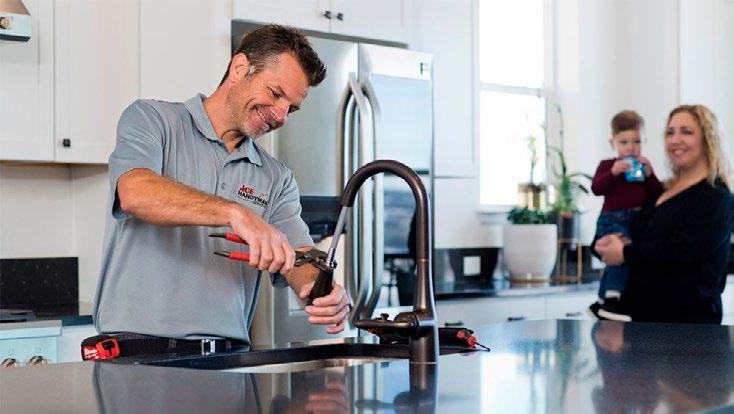
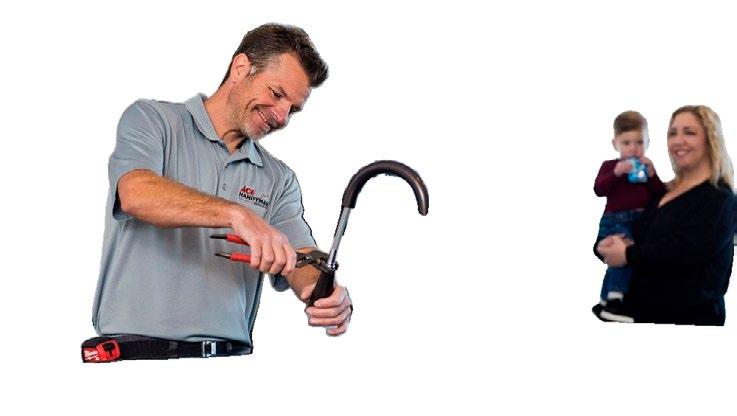
Skilled craftsmanship meets consumer demandpowered by a trusted brand.
LEARN HOW WE DRIVE FRANCHISEE SUCCESS.

At its core, Responsible Franchising is about protecting the integrity of the model. When done right, franchising creates opportunity for entrepreneurs, delivers value to customers, and contributes to local economies. But that only happens when all parties operate with discipline, transparency, and accountability. At Go Mini’s, we are committed to these principles. We believe that Responsible Franchising isn’t just good for business, it’s essential to building a system that lasts.
As our industry continues to evolve, one thing remains clear: success in franchising isn’t just about expansion. It’s about building the right partnerships, supporting them with the right systems, and staying focused on long-term success for everyone involved.
That’s what Responsible Franchising looks like in practice, and it’s what will continue to drive the future of our brand.



IFA's preferred vendors o er franchisors and franchisees products and services to advance their brands.
www.franchise.org/ifa-preferred-vendors

As the authority in franchise funding, Benetrends has been funding America’s most popular brands for 40 years. Benetrends' innovative and comprehensive suite of funding solutions not only helps franchisees successfully launch their dreams, but also helps catapult growth of franchise systems.
www.benetrends.com
Morrow Hill is a technology-driven commercial real estate firm that exclusively represents tenants with an unbiased, market-true lens. Through our Build + Design + Manage Services, we provide expert site selection, space planning, and project management supported by a dedicated client team.
www.morrowhill.com
AnswerConnect is an industry leader in live reception services, o ering complete support for your entire franchise system—whether it’s franchise development or individual franchisees. Available 24/7/365, AnswerConnect expertly handles calls, sets appointments, qualifies leads, transfers calls, integrates with CRMs, and much more. answerconnect.com/franchise
Constant Contact simplifies digital marketing for franchisors with an all-in-one platform for email, social, landing pages, and more. Whether you’re an emerging franchise or an established system, our platform empowers franchisors to decide how much control to maintain at the top while giving franchisees the flexibility they need for local marketing success. www.constantcontact.com/partners/ franchise
Consumer Fusion helps franchise systems maintain brand consistency, safeguard their reputation, and accelerate digital growth. From AI-powered reputation management and sentiment analysis to streamlining social media and local SEO, Consumer Fusion delivers franchise-specific technology and strategic support. www.consumerfusion.com

Paychex is a leading provider of integrated human capital management solutions for payroll, benefits, human resources, and insurance services. We’re a digitally driven HR leader on a mission to help franchise businesses succeed by making complex challenges brilliantly simple. www.paychex.com/franchise
Scorpion is the leader in helping franchises succeed by focusing on what truly matters—driving revenue. Our digital marketing solutions support your network every step of the way, helping tell your story online, attract more of the right customers, and turn those opportunities into measurable results. www.scorpion.co/ifa

By Gage Hagedorn, Pearle Vision
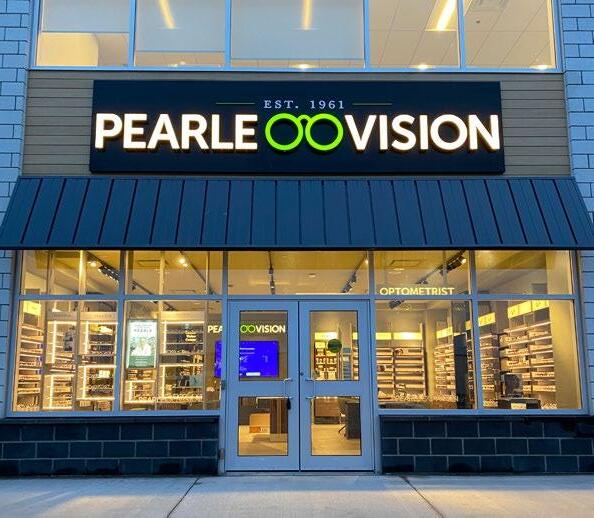
Responsible franchising involves habits that start early, long before any agreement is signed, and continue throughout the life of the relationship.
It includes setting clear expectations throughout the sales process, promoting thorough due diligence, adhering to shared operational standards, closely monitoring unit economics, and fostering authentic collaboration between franchisors and franchisees.
At Pearle Vision, we work in a service-oriented, regulated sector, which increases complexity. However, the core principles of responsible franchising apply across all industries. Whether you’re in food, fitness, home services, or healthcare-related fields, the “right way” to franchise begins with alignment and remains strong through accountability and communication.
One of the biggest misconceptions I see in franchising is the idea that a well-known brand automatically guarantees success. It doesn’t. A brand can open doors, but ownership still needs leadership, operational discipline, local market effort, and a willingness to learn.
We try to be direct about that from the start. Candidates need to understand what role they want to play, what they’re responsible for, and what it looks like to show up every day. You can’t rely on a brand name to do the work for you.
That’s especially important when a candidate enters a complex category. Responsible franchising involves being honest about what the business requires, including compliance expectations where applicable, and ensuring the candidate is prepared for the realities of leading a team, building a local reputation, and operating consistently.
IFA’s Responsible Franchising principles emphasize due diligence for a reason. A franchise relationship is long-term, and people need access to real information, not just a brochure.
One thing we actively promote is franchisee validation. Two to four conversations with current franchisees typically give candidates a range of perspectives without overwhelming busy operators running their businesses. Some candidates want to learn about profitability factors or staffing issues. Others focus on how owners stand out locally. The right questions vary depending on the candidate.
What matters most is that those conversations are candid. We don’t sit in on validation calls. Franchisees should be able to share what surprised them, what was harder than expected, and what support looks like after opening. The goal isn’t to close the sale. The goal is to help the candidate understand whether there’s a real fit.
Komal Kumar, a Pearle Vision franchisee in Orange County, California, went through the conversion process with concerns around maintaining clinical integrity, understanding the full financial picture, and day-to-day flexibility. As Komal put it, “What helped address those concerns was the level of transparency during the process. I had access to open conversations, real data, and most importantly, other franchisees who shared their experiences candidly.”

When I think about operational standards, I focus on protection from two fronts: brand integrity and franchisee equity. If one location allows standards to slip, it affects everyone in the system. This is not just an abstract concern. It’s the practical reality of operating within a shared brand. In our system, that means disciplined inventory management, consistent reporting, and ongoing training and development. It also means setting expectations that protect the customer experience and ensure consistency, regardless of location. Standards should be paired with support, not just enforcement.
I’m careful with the phrase “non-negotiable,” because there’s always room for franchisees to bring local nuance. But some fundamentals protect the integrity of the model.
Komal put it simply: “The structured support during the transition and early days was critical. Clear operational guidance, training resources, and access to the right people helped us stay focused and execute with confidence.”
Standards create consistency, and consistency builds the kind of franchise equity worth protecting.
Responsible franchising also emphasizes long-term financial sustainability. If the model doesn’t work at the unit level, everything else is window dressing.
We coach franchisees using a simple framework: sales equals volume times average transaction value times conversion. Behind those numbers are practical levers that require real leadership and discipline. This includes customer retention, staffing efficiency, product or service mix that reflects local demographics, local marketing to drive demand, and so on.
A critical part of responsible franchising is catching underperformance early and addressing it through coaching, not pressure. At Pearle Vision, each location
is partnered with a field support leader, essentially a business partner on the ground. They maintain regular contact and consistently review performance. If a location is trending off plan, they build a coaching plan, revisit the business plan, increase in-store support, and work hands-on to help the franchisee get back on track.
Komal pointed to her field support leader as one of the most meaningful forms of support during her transition. That kind of relationship keeps performance visible and makes early intervention possible before small problems become larger ones.
Markets change. Technology changes. Consumer expectations change. Responsible franchising requires a system that stays close to franchisees and can adapt without losing what makes the brand worth protecting.
IFA’s principles put real emphasis on franchise advisory councils and open communication channels, and I think that emphasis is warranted. No franchisor has perfect visibility into every local market. And no franchisee should feel like they’re operating without a voice.
A concrete example from the Pearle Vision system is how franchisee feedback through an advisory council helped drive meaningful improvements to our point-of-sale platform. Operators surfaced friction around disconnected tools and workflows, and that feedback led to the development of a more integrated approach designed for the franchise community. That’s not a small undertaking, and it reflects a genuine commitment to acting on franchisee concerns.
Komal has seen that collaboration from both sides and summed it up this way: “Responsible franchising comes down to balance, listening, adapting, and continuing to evolve in a way that supports both the brand and the people operating within it.”
Responsible franchising is an ongoing process. It’s about getting the relationship right from the start and maintaining it with clarity, accountability, and mutual respect. The sales process should set realistic expectations. Due diligence should be encouraged and kept candid. Standards should protect brand integrity and franchisee equity. Unit economics should drive decisions. And collaboration should be built into how the system evolves.
When those pieces are in place, the model stays strong, and franchising remains worthy of the trust entrepreneurs place in it.

Gage Hagedorn is the director of business development at Pearle Vision. For more information about IFA franchisor member Pearle Vision, please visit franchise.org/franchiseopportunities/pearle-vision/

Businesses want to grow in 2026, with almost twothirds — 63% — across all business sizes listing it as a top priority. Our seventh annual Business Leaders Priorities survey, conducted online in partnership with independent research firm Bredin, found this response nearly unanimous from 750 Business Development Managers and HR Development Managers at companies across the United States with five to 1,000 employees. All business segments placed it either first or second on the priority list, with four naming it a clear-cut No. 1.
The survey highlights strategic priorities in 2026 and challenges including:
• Finances: 58% had rising costs/inflation as a top issue — 18% more than the second significant challenge.
• HR: 29% said the administration of health and non-traditional benefits topped this category.
• Compliance: 30% listed data privacy/protection as a No. 1 challenge.
• Technology: Data security/ employee data privacy was most-pressing at 34%
While leaders outsource HR administration tasks using
technology, HR tools, and expert advice to help with business priorities, challenges persist. Paychex delves deeper into this. Explore comparable data with the Paychex 2026 Business Leaders Priorities Report.
Visit paychex.com/worx to download the full report
Current economic obstacles relate largely to money. Rising Costs/Inflation – the top business challenge at 58% across segments. Tariffs are the second-most significant challenge. Supreme Court cases on tariff legality could impact finances, including productspecific tariffs on various goods.
Leaders cite growth priorities as one of their most significant challenges. Alison Stevens, Senior Director of HR Solutions at Paychex, observed plans to expand thwarted by sourcing qualified candidates for specialized or parttime roles. Challenges in recruiting and onboarding create high-cost outputs yet yield no gain. These operational challenges pose strategic risks to scale effectively.
Surveyed businesses spend one to five hours weekly on HR administration — 34% of businesses, another 24% spend six to 10 hours. Tasks include 17% on payroll processing and 13% on people management. AIpowered automation can benefit any size business. Most businesses rank payroll processing and people management in top three tasks consuming significant time. Technology selection, AI usage, and cybersecurity stand as hurdles. The estimated HR spend is $175,684 annually, led by payroll ($29,768) and people management ($22,382). Stevens noted growing interest in leveraging AI to enhance efficiency. Clients explore AI for operations, decisions, and employee experiences, now recognized as a strategic enabler.
Growth necessitates investment, yet interest rates and customer acquisition pose challenges. Interest rates impact funding, despite recent federal rate drops. A Government shutdown hindered loan access; SBA’s 7(a) and 504 loans restricted granting $170 million daily funds. Paychex advocates informed decisions to save time and money through tech integration.
Adopting AI incurs costs. Paychex’s data lakes show businesses are concerned that job posting platforms and hiring tools aren’t yielding results and suffer from technical issues. This signals a need for better training on platform usage. Training/Skill Improvement sees AI for workforce optimization; 39% prioritize this, demanding programs to understand/adopt AI.
Upskilling might risk employee turnover from burnout and perception of replacement by AI. Respondent data shows 27% cite
burnout as voluntary separation, 37% note involuntary separation tied to attendance/performance. High turnover costs deter growth as processes require significant investments. Large misfires could be financially prohibiting, smaller ones determine biz viability.
Paychex HR reports increased strategic hiring support inquiries, highlighting recruitment, onboarding, and retention challenges. Businesses cite impacts on team dynamics/ morale among top five concerns.
Businesses must invest in employee experience strategies to avoid turnover and competition setbacks. Features include structured growth, work-life balance, open dialogue with leadership. Trends show a knowledgeable, elective workforce posing challenges/ opportunities.
Investing in and adopting AI for every-day processes? Consider Paychex Recruiting Copilot, in partnership with Findem, an AI-assisted tool that streamlines the hiring process, as well as a Paychex HR solution that fits your business needs.
Go.paychex.com/fwm-now

By A.J. Titus, United Franchise Group

A
good franchisee understands the responsibility that comes with the brand they represent and is committed to taking care of their customers
— treating them fairly and making sure they get solid value for the price they pay for products
or services.

Have you thought lately about whether you, the franchisee, are being taken care of by your franchisor? If you’re the franchisor, are you prioritizing the success of the entrepreneurs who represent your brand?
Th is is the essence of responsible franchising, which our industry has been practicing for years, but which has become a more audible voice in the conversation. It’s the intentional creation, with real emphasis on “intentional,” of a system that gives franchisees a real opportunity to succeed, because the model is transparent, the support is consistent, and the relationship is built on trust.
The best franchisors have always cared about these principles, but with increased competition and greater expectations from our franchisees’ customers, we’ve had to become more deliberate about them. Lately, the conversation has become more practical and more urgent.
It is not enough to talk about growth. You have to think about long-term success and show how you are helping owners operate better, communicate more clearly, and adapt to a changing business environment so they can succeed in the long term. At Signarama, that shows up in how we invest in tools, training, and ongoing support that help franchisees make better decisions and serve their local markets more effectively.
And it starts with mindset: realizing your customers are your franchisees, not the people who buy products or services from them. That’s the approach we’ve learned from United Franchise Group, the company of affiliated brands that includes Signarama.
Take care of your customers and they’ll take care of theirs.

Raising the standard starts with doing the fundamentals exceptionally well. That means being transparent in the sales process, providing strong onboarding, staying close to franchisees after opening, and keeping communication honest and consistent. As the industry matures, several principles have emerged as non-negotiable for responsible franchising systems:
• Transparency: Clear, honest communication about costs, performance, and risk.
• C onsistency: Delivering the same level of support and standards across the system.
• C ommunication: Maintaining open, ongoing dialogue and not just periodic updates.
• Support: Providing practical, usable tools, and guidance that drive real outcomes.
Support is an ongoing need. Today’s franchisees want to know they are being heard. Engagement must be a two-way relationship where franchisees can share challenges, ideas, and opportunities from the field. I believe the strongest systems are the ones that stay close to their owners and remain present as the market changes. When support is consistent and communication is open, franchisees are in a much better position to grow, and that strengthens the entire network.
Raising the standard starts with doing the fundamentals exceptionally well.”
Awareness and intention are growing, but there are gaps: between what is promised and what is consistently delivered; between what the franchisee says and what the franchisor hears; between delivery needs and the actual speed. Markets are changing quickly, and some systems are not adapting fast enough in training, technology, or operational support. Franchising should be both responsible and responsive, and that only happens when franchisors are close enough to the business to understand what owners are actually experiencing in the field.
A few trends are shaping this in a big way. Economically, franchisees are operating in a more demanding environment, so efficiency and margin awareness matter more than ever. Technologically, better
data, automation, and AI tools are giving franchisors new ways to support owners with smarter decision-making and more efficient operations. On the regulatory side, there is continued focus on disclosure, fairness, and accountability, which is pushing the industry to be more disciplined.
These trends are moving franchising toward greater clarity and stronger systems. The brands that lead will be the ones that combine innovation with real support and responsible execution.
“
The
brands that lead will be the ones that combine innovation with real support and responsible execution.”
Leading franchisors are embracing this heightened awareness, being more direct and more disciplined in how they communicate the realities of the business. Transparency starts early, with clear conversations about the investment, operational expectations, and the fact that success takes work. It continues through onboarding and into the daily life of the franchise relationship.
Just as important, they talk honestly about risk. No business is risk-free, and pretending otherwise does not help anyone. Responsible franchising means giving people the information and support they need to make sound decisions with confidence.
As franchising has grown more complex, expectations have changed. Franchisees want more visibility, more communication, and more meaningful support, and they should. Making responsible franchising an explicit value is really about holding ourselves accountable. It means being clear about what we promise, what we provide, and how we help owners grow. When you make these values clear, you create a stronger foundation for trust and better outcomes for everyone.

A.J. Titus is the executive director of United Franchise Group and president of Signarama. Signarama is the largest brand at United Franchise Group. For more information about IFA franchisor member Signarama, please visit franchise.org/ franchise-opportunities/signarama/

By Karen Garrett, Tierra Encantada
The International Franchise Association noted in the
that Child Services is one of the top-performing and fastest-growing sectors in franchising.
In a booming industry like childcare, many franchise brands measure growth by how many new locations they sell each year. For some companies, rapid expansion is the primary objective, with development teams focused on signing as many franchise agreements as possible.
At Tierra Encantada, however, the philosophy is different. The company does not sell franchises in the traditional sense. Instead, it awards them carefully, selectively, and ethically to individuals aligned with its mission, values, and culture. Ethical growth requires discipline and sometimes the willingness to say no.
This intentional approach to franchising is rooted in the company’s long-term vision. Leadership believes that sustainable growth comes from strong partnerships, not just signed agreements. Rather than focusing solely on unit count, Tierra Encantada prioritizes the quality of its franchise partners and the long-term success of each location.
Tierra Encantada was founded on a simple but intentional idea. Childcare should offer children more than just supervision and educators should be treated as professionals.
When founder and CEO Kristen Denzer was searching for care for her own children, she encountered an industry built around a largely standardized approach to early learning, where most programs teach to the same core standards, often in the same way. Too often, that was paired with limited investment in educators and little meaningful differentiation for families. Rather than accept the status quo, she built the early education experience she wished existed, one that meets rigorous standards while immersing children in a second language during the most critical years of brain development.
Since opening its first center in 2013, Tierra Encantada has grown into a multi-state early education platform through consistent year-over-year double-digit growth. The brand delivers full Spanish immersion beginning in infancy, an elevated culinary program with fresh-cooked global meals prepared onsite, and a play-based STEAM curriculum designed to support whole child development.
What truly differentiates Tierra Encantada is its belief that quality outcomes begin with investing in people. In an industry challenged by turnover and burnout, the company has built a culture that prioritizes career pathways, comprehensive benefits, and long-term retention, recognizing educators as the foundation of a sustainable system.
The Tierra Encantada franchise process begins well before a candidate attends Discovery Day. Before prospective franchise partners are invited to move forward,

Kristen Denzer has an executive call with them to share her vision and answer their questions. She also asks them questions to ensure alignment. Ethical growth requires discipline and sometimes the willingness to say no.
At Discovery Day, candidates meet every member of the executive team so that they get all of their questions answered prior to signing a franchise agreement.
Equally important is the company’s commitment to due diligence, not just on behalf of the franchisee, but also on its side. Responsible franchising is a two-way evaluation process. The company takes great care in connecting prospective franchisees with the right opportunity, not simply an available one. Tierra Encantada uses data when assisting owners in determining where the center should be located, including population growth, household income, school districts, and childcare demand. The company also listens to owners since they often know their market best regarding where they want to place their center.
“
Rather than focusing solely on unit count, Tierra Encantada prioritizes the quality of its franchise partners and the long-term success of each location.”
Opening a childcare and education center is complex, which is why Tierra Encantada has built a structured training program designed to prepare franchise partners step by step. Training occurs in phases to ensure new owners are not overwhelmed with all of the information at once. The corporate team also visits each location before opening to assist with setup and further training.
The company is deeply committed to ensuring that each location has a strong foundation for financial performance. This includes thoughtful site selection, disciplined operational models, and ongoing performance monitoring. Each franchise partner has a coach who works with them on business planning and is available to answer questions as their business grows.
Support and onboarding continue every step of the way from franchise agreement signing
to site selection, construction, hiring, training, opening day, and ongoing operations.
Awarding franchises instead of selling them allows Tierra Encantada to stay true to its values. It ensures that growth is intentional, relationships are prioritized, and every new location strengthens the brand.
The company focuses on disciplined franchise expansion by partnering with qualified operators who align with its standards, long-term vision, core values, and commitment to diversity and culture. This intentional growth strategy allows the company to maintain educational quality, operational consistency, and brand reputation as it expands into new markets.
Tierra Encantada also invests ahead of growth, building the systems, leadership, and infrastructure required before they are needed, not after. That allows the company to scale quickly without compromising quality. This approach is rooted in creating value for educators, families, franchise partners, and the communities they serve.
Transparency is another key part of the company’s franchise model. Tierra Encantada sets clear expectations around investment, timelines, and operational requirements from day one. This transparency helps franchise partners make informed decisions and reduces surprises later in the development process.
Ultimately, Tierra Encantada views franchising not as a sales process, but as a partnership built on shared values, long-term goals, and mutual accountability. By focusing on intentional growth, disciplined expansion, strong support systems, and mission aligned franchise partners, the company continues to grow while maintaining the quality, culture, and educational experience that defines its brand.
As the childcare and franchise industries continue to evolve, Tierra Encantada’s approach highlights a different way to scale, one that prioritizes people, partnerships, and long-term brand strength over rapid expansion. For the company, success is not measured simply by the number of locations open, but by the strength of each center, the success of each franchise partner, and the impact each location has on the families and communities it serves.

By Khadija Cochinwala, FRANdata

Against the backdrop of a pressured economy, the health and wellness industry, which is the third largest in terms of franchise establishments, is expected to increase at a measured year-overyear growth rate of 2.1 percent to exceed 99,000 units.
Driven by rising medical costs and subsequent consumer prioritization of preventive health care, the industry continues to be one of the fastest growing segments in franchising with output reaching $66.4 billion, according to the 2026 IFA Economic Outlook Report. Despite a decline in discretionary spending, consumer demand remains resilient with greater focus on result-oriented health outcomes and value-based services over indulgent and aesthetic wellness. Brands in the sector are also moving towards adopting smaller format spaces with lower fixed costs and multiple revenue levers over large, capex-heavy facilities.
Based on FRANdata research, average unit revenues in the industry surpassed $1.0 million in 2024, reflecting significant post-pandemic revenue growth of 7.9 percent, as more Millennials and Gen Zers, that together contribute over 41 percent of the annual wellness spend, moved away from traditional social environments (e.g., bars) to seek healthier and more meaningful ways to de-stress and connect at fitness and wellness studios. In 2026, consumer preferences are expected to Source: FRANdata
















as 10,000 Americans turn 65 every day, older and wealthier baby boomers continue to spend on home healthcare franchises (which generate strong unit economics and high retention rates with average client relationships lasting 2-3 years) along with franchises in the beauty segment offering anti-aging treatments.

increasingly bifurcate between price sensitive members and higher spend clients. Younger budget-conscious Gen Zers will continue to favor HVLP (high value, low price) gyms with discounted memberships and increasingly popular Pilate classes along with emerging e-sport and recreation concepts offering indoor simulators for padel, golf and pickleball. Dual-income millennials, in contrast, remain willing to pay premium prices for recovery-focused wellness concepts with a clear niche positioning targeting specific conditions (e.g., pre/post natal, pain management, metabolic health) over generic ‘spa’ or ‘traditional gym’ offerings. To capture this segment, recovery studios are repositioning from ‘luxury’ experiences towards
Source: FRANdata Research
result oriented, evidence backed centers offering personalized care. The health and wellness industry is increasingly diversifying with the emergence of differentiated and specialized concepts. Consumers are seeking expertise, and franchises offering focused services with measurable health outcomes, such as athletic performance, spiritual wellness, women’s health, body composition tracking, and weight loss, are expected to command improved customer retention and pricing power. Innovative hybrid medspa-fitness models, that integrate workouts with IV drips, saunas, and hormone optimization under one roof, are anticipated to be a promising format in 2026 as they tap both discretionary wellness and quasi medical spend. Additionally,
With increasing awareness around mental well-being and stressmanagement at workplaces, franchises are leveraging holistic health coaching with corporate wellness programs (on-site recovery, screenings, meditation and spiritual well-being) to strengthen B2B incomes along with diversifying revenue streams across retail products, packages, and higher margin add on services to buffer against slowdown in household spending. Meanwhile, some of the franchises in the industry work on membership models generating predictable recurring revenues that attract potential franchisees while simultaneously underscoring the industry’s high historical success rates above 95.0 percent. The industry ranks as the second most attractive investment opportunity in franchising with over 20 percent of the new concepts launched in 2025. With tier-one urban markets seeing saturation, franchises are moving towards suburban and secondary markets with solid median incomes and lower competition.
AI adoption is reshaping franchise operations across industries, and health and wellness brands are also integrating smart technology into their business functions. Franchisors are increasingly using AI and digital tools to manage customer data, analyze member behavior, and deliver more personalized experiences and targeted promotions. Beauty salons are using Augmented Reality
(AR) and virtual try on tools to enhance the customer journey, while massage studios are automating staff scheduling to address labor challenges. With more Gen Z and Gen Alpha consumers, grooming brands are leaning into social media, influencers, and other digital channels, and fitness concepts are blending in person services with virtual coaching. Across segments, AI powered workouts, wearables, and app based platforms are helping drive higher retention, foot traffic, and new member sign ups.
With declining financing costs in 2026 coupled with the diversification of the industry segments, the health and wellness sector will likely continue to attract investor attention at both the franchisor and
franchisee levels. Multi-brand wellness holding companies are selectively focusing on franchises with strong unit economics as well as retiring franchisees with high visit frequency to add to their portfolios. Franchisors are also increasingly recruiting larger, well capitalized, private-equity owned franchisees to run multiunit operations. In 2025, notable franchisor-related acquisitions included SYNERGY HomeCare, which was purchased by LLCP from NexPhase Capital and CycleBar and Rumble which were acquired from Xponential Fitness by Extraordinary Brands.
In summary, the franchised health and wellness sector is positioned for steady, resilient growth in 2026 as consumers shift from aesthetic to
preventive, value driven, and resultoriented wellness. The industry is responding through technology enabled, multi revenue hybrid models, specialized formats with measurable outcomes, and lower priced, high visit, membership driven smaller format concepts that appeal to both budget conscious and premium spending consumer segments.

Application.
Khadija Cochinwala is a research analyst at FRANdata. She is part of a team of analysts who measure, track, and analyze franchisor performance. She graduated with a degree in Communications and enjoys gardening and visiting exotic destinations around the world whenever she isn’t researching data. For more information about IFA supplier member FRANdata, please visit franchise.org/suppliers/ frandata/
Applications may be completed online at franchise.org/cfe
Acceptance.
Applicants will receive email notification regarding acceptance of CFE candidacy and next steps to launch your CFE journey.
You will be provided with a CFE Getting Started Guide that explains the program requirements and details for selecting the education courses that best fit your schedule and goals.
Program completion.
Program requirements can be satisfied through a combination of professional franchise experience, approved event participation, and authorized education courses.
Congratulations!
You’re a Certified Franchise Executive! You now join the ranks of thousands of franchise leaders worldwide who have earned the esteemed CFE designation!
By Ashley Gundlach, British Swim School
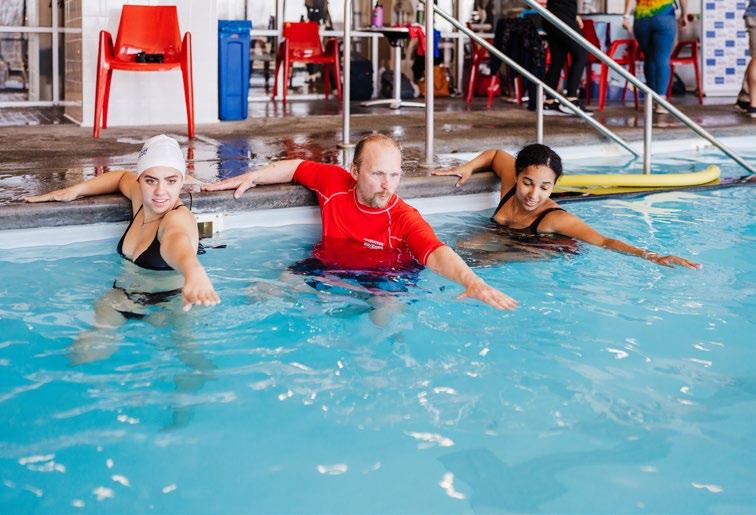
Now valued at more than $5 trillion globally, the industry is evolving from reactive care to proactive, preventative solutions that improve quality of life over time. As consumers prioritize longevity, safety, and quality of life, the definition of wellness is shifting to include foundational, life-saving skills that have long been overlooked.
Swim education is one of them. Today, nearly 40 million adults in the United States report they have never learned to swim. At the same time, drowning remains the leading cause of death for children ages 1–4 and the third leading cause for children and teens aged 5–19 years old. These statistics point to a critical and often under-recognized gap in our nation’s wellness landscape, which has significant implications for both public health and the health and wellness franchise sector.
Over the past 45 years, British Swim School has adapted to meet the evolving safety and wellness needs of the communities we serve. Today, our guiding philosophy is “Every Age. Every Stage.” This tagline reflects a deliberate shift from viewing swim lessons as a childhood milestone to recognizing water survival and swim education as a lifelong wellness solution. We serve individuals from three months to 100+ years old, including those with special abilities, across a growing national footprint. This evolution aligns closely with key trends shaping the industry today.

We are seeing a measurable shift toward preventative, life-saving health measures. According to studies, only about 50 percent of adults can perform the five basic water safety skills, and we know that formal swim lessons can reduce the risk of drowning by up to 88 percent. As consumers increasingly invest in services that reduce risk and improve long-term outcomes, swim education stands out as one of the most direct and impactful interventions available.
Accessibility and inclusion are becoming central to the future of wellness, and that is core to who we are. Research shows that more than half of U.S. adults either cannot swim or lack basic swimming skills, with even higher rates among historically underserved communities. Demand is also growing for adaptive programming that serves individuals with physical, developmental, or sensory needs. Expanding access to swim education is not only a social imperative, it represents a significant growth opportunity within the wellness economy.
Community-based franchise models, especially those serving multi-generational audiences, are reshaping how wellness services are delivered. Consumers are increasingly seeking experiences that serve entire households and foster local connection. Swim schools are uniquely positioned to meet this demand, with parents, children, and older adults all participating within the same ecosystem. This drives both stronger community impact and higher lifetime customer value.
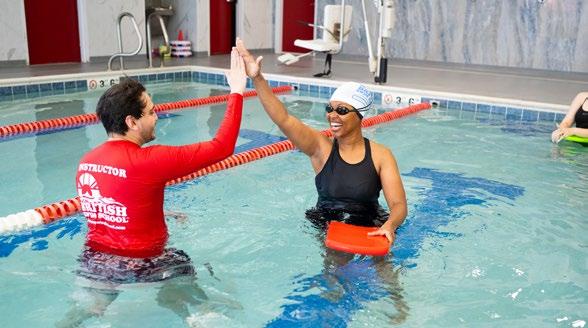
Franchising through a brand like British Swim School is a powerful vehicle for scaling these outcomes. By enabling local owners to deliver consistent, high-quality programming in their communities, the model supports rapid expansion and meaningful, localized impact. It transforms swim education from a fragmented offering into a cohesive, mission-driven network that can reach more families than ever before.
As the wellness industry continues to grow, it is becoming clear that the most valuable services are not just
those that enhance how we look or feel but those that fundamentally improve how safely we live. As the definition of wellness continues to expand, swim education should no longer be viewed as optional enrichment. It is a foundational life skill that directly supports safety, confidence, and quality of life.

Ashley Gundlach is the president of British Swim School. For more information about IFA franchisor member British Swim School, please visit franchise.org/franchiseopportunities/british-swim-school/


By Mike Nuzzo, Xponential Fitness

A recent article in The New York Times detailed the disappearance of the “third place,” a public space where people can linger or gather informally.
With remote work becoming more common and the rise of delivery apps, consumers aren’t hanging out in cafes, coffee shops, or bars as they did in decades past. Streaming is taking its toll on movie theaters. Concert tickets are too expensive. And the list goes on. If people are losing their traditional “third places,” entrepreneurs that create community have a real competitive edge.
Boutique fitness franchises, such as Club Pilates and YogaSix, are naturally positioned to fill this gap as consumers today are more health-conscious than ever, and franchising makes premium boutique workouts accessible to millions. Beyond these factors, programming design, member appreciation events, and franchisees who are in tune with their local communities can facilitate boutique fitness becoming the modern-day “third place.”
Boutique fitness is predisposed to being a “third place” since the workouts are done in a group setting. People aren’t moseying around a weight room with their earbuds in, tuning out the rest of the world. They are actively engaged with their instructor and the members around them for 30 minutes or more, especially if they are participating in a station-based workout like Body Fit Training, in which you are divided into groups of two or three.
Many boutique fitness studios typically only have one large room to offer workouts. When classes are backto-back on the schedule, members may have five to 10 minutes to wait in the lobby with other members before class starts – an optimal time to catch up with other members about their day or what they’ve been up to since their last workout together. They came for the fitness but stayed for the friendship and now see the studio as part of their weekly social routine as much as their health routine.
Studios can also encourage camaraderie and friendly competition among their members with fitness trackers and leaderboards. When you notice that Susan won your

studio’s 8-week transformation challenge, you might be inclined to ask her how she did it and strike up a conversation. Boutique fitness is designed around repetition, shared challenge and ritual, which are the same ingredients that made classic third places stick in the first place.
Outside of your studio’s regular programming, member appreciation events can be a positive way to enhance the “third place” feeling. This could be anything from a seasonal member challenge to a recurring “Wine Down Wednesday” to “Bring a Friend for Free” week. These types of events encourage repeat visits and post-class socialization, growing and strengthening your community.
For example, Pure Barre’s Barre Stronger Challenge drew over 28,615 members to participate in March 2025, with 15,059 of them successfully completing 20 classes in 31 days. The more frequently you can get members returning, the stronger a “third place” you can build.
While any fitness brand can tap into the ideas above to solidify their status as a “third place,” franchises in particular can take it to another level entirely through community ties and involvement. Being in the franchise space, Xponential Fitness brands are fortunate to have local owners and operators who know their local communities inside and out.
Every boutique fitness studio owner should partner with nearby businesses to expand their “third space.” They can also offer themed classes tied to local happenings such as a concert or parade, something that corporate-owned stores might not be as attuned to.
At Xponential, our franchisees are that quintessential piece in making boutique fitness the new “third place.”




By Lisa Plonka, CPA, CFE, Plante Moran

As with all business ventures, the lifecycle for franchisors is unlikely to be a continuous ascent.
Instead, it’s a series of climbs punctuated by an often-perplexing but common juncture: the performance plateau.
There may seem to be an abundance of resources aimed at helping a franchisor create start-up and exit strategies, but less so about how to anticipate and respond to periods of slowed growth or stagnation. Far fewer resources show you how to reignite development and foster sustained vitality in the face of challenges such as declining unit economics, market saturation, demographic shifts and waning franchisee engagement.
Navigating this critical-yetoverlooked inflection point requires thoughtful root-cause analysis. The key to success is to take a disciplined, proactive approach that leverages data, encourages careful assessment, and responds to change strategically.
No question about it: Entrepreneurial “gut feelings” are an integral part of the franchising model. However, sustainable growth builds on this intuition by grounding decisions in forwardlooking, data-driven analysis. Market assessments and strategic business planning are good places to start.
Strategic planning, which uses data to model potential business scenarios, is best supported by gathering and monitoring performance data early on. This not only makes it easier to detect when your system might be headed toward a plateau, it also allows you to proactively make informed decisions about how best to re-entrench and strengthen the system.
Several types of data are necessary for truly informed analysis and planning. First, collect internal data
that tells the story of your system’s performance trends over time — such as the key performance indicators (KPIs) of your existing franchisees that can be analyzed by region, tenure as a franchisee, and other characteristics. It’s also important to keep a vigilant eye on the pipeline of franchise agreements signed but not yet open as well as the number of new store openings, closings, and transfers. Then, compare with external data to get a snapshot of both the competitive landscape and relevant consumer trends.
With data in hand, the next step is to distinguish whether a slowing growth trajectory reflects macroeconomic trends — such as general economic conditions or evolving consumer tastes — or issues within your system. Slower progression may be due to macroeconomic factors if you witness: z Declining unit economics across your entire franchisee base
z Competitors with simila r business models that a re a lso struggling to expand
When signs point to softening of the market, it’s often a good time to examine internal cost structures and work with franchisees on their profitability. Be careful, though, not to cut costs too deeply at the expense of future growth — such as by cutting back on internal teams critical to franchisee support and market development.
Signals that you may be hitting a plateau due to more structural issues within your franchise system include:
z A widening disparity between your top-performing and lowest-performing franchisees.
z A reduced pipeline of prospective f ranchisees and/or existing f ranchisees who want to open additional units.
z Wa ning franchisee engagement (evidenced by lack of participation in franchisee events and forums, for example).
The question then becomes, “Should we be placing more emphasis on franchisee support and development, or is there a problem with our foundational business model?” The answer may be the former if competitors with similar business models seem to be doing well.
When slowing growth appears to be caused by shifting consumer trends or economic factors, it may be time to consider modifying your franchise’s offerings, delivery systems, or other foundational attributes of the brand. The same may be true when a plateau appears to stem from structural issues within the franchise system. However, it’s crucial to resist the temptation to try to alter everything at once since making sweeping
“

Strategic planning, which uses data to model potential business scenarios, is best supported by gathering and monitoring performance data early on.”
changes could exacerbate the situation.
A “drastic times demand drastic measures” approach risks disrupting the entire system, frustrating franchisees, and confusing customers. A better option is to step back and let your data assessment and competitive analysis guide more precise, strategic adjustments. For example, what if your data and other insights suggest that growth will continue, but at a different pace? To adjust to new expectations, you may want to:
z Ad apt your processes. You may decide to focus less on opening additional units for a period of t ime, and more on ways to achieve better individual unit economic s a nd adherence to existing brand standards. Other areas of focu s c ould be on the efficacy of initia l a nd ongoing training programs or the return on investment achieved by marketing spend.
z Be more strategic about how and w here you grow. At this point, a t hree to five year strategic growt h plan can provide structure and clear direction for future growth Solid demographic data is key to identify the best areas for market e xpansion before committing to a large development deal Th is is also the time to remain
adherent to high standards to qualify new franchisees.
z Ke ep your franchisees i n
t he loop. Be sure to create a nd maintain clear lines of c ommunication within the s ystem. Indeed, the best ideas for sustainable growth frequently c ome from franchisees “in the t renches”. Also, providing suppor t to franchisees in implementing new systems or initiatives is critical to gaining buy-in
Whether you opt to stay the course with your existing model or initiate changes, navigating a life cycle plateau calls for a thoughtful rootcause analysis before taking action. Review internal and external data. Consider whether challenges appear to be temporary or permanent. Keep a close eye on your strategic plan before making important decisions and keep communication flowing within the system.
It’s essential to use internal and external data to understand why the business environment looks as it does and carefully determine the path forward accordingly. Doing so can transform a plateau into a launchpad for continued future success.

Lisa Plonka, CPA, CFE, is partner at Plante Moran. She leads the franchise and consumer goods and services practice at Plante Moran, one of the nation’s largest accounting, tax, consulting, and wealth management firms. She is a Certified Franchise Executive and a member of the International Franchise Association (IFA), the AICPA, and the MICPA. She continually educates herself on issues impacting the franchise industry, then transfers that expertise along with creative strategies to help power clients’ growth. For more information about IFA supplier member Plante Moran, please visit franchise.org/suppliers/plante-moran/

By Eric Stites, Franchise Business Review
It’s 10:30 am. A key employee just called out sick.
Acustomer is upset and posted about it on Instagram. Labor costs are running 20 percent over target for the month. The new marketing program from corporate has arrived, and the team needs to be fully up to speed in three days. And last week’s numbers just posted — and the franchise owner is texting with questions.
For unit-level managers, it’s not one challenge. It’s one battle after another, every single day.
And here’s what many franchisors and franchisees miss: those daily battles aren’t just operational headaches. They are the moments that determine employee engagement, customer experience, and unit-level financial performance. How a manager shows up in those moments — how they lead, communicate, and support their team — is the single greatest driver of results inside any franchise business.
Franchising is built on systems — proven models, brand standards, and replicable processes designed
to deliver consistency at scale. But systems don’t execute themselves. People do. And the person responsible for translating the brand promise into reality — every shift, every customer, every day — is the unit-level manager.
Gallup’s research finds that managers account for at least 70 percent of the variance in team engagement. At FBR, we see this play out in our data every day. The brands with the highest franchisee satisfaction and strongest unit economics aren’t always the ones with the best products or the biggest marketing budgets. They’re the ones with the best managers.
Yet despite their outsized impact, unit managers are often:
• Undertrained in people management and communication
• Me asured on compliance metrics, not culture or customer experience
• Promoted for tenure, not leadership ability
• Left to navigate increasing complexity with limited support or development
The result? Wide performanc e variation across units within the same brand — despite identical
systems, products, and playbooks. Same brand, same menu, same training manual. Completely different results. The differentiator is almost always the manager.
At the unit level, performance isn’t driven by strategy decks or marketing campaigns. It’s driven by execution — and execution lives with the manager. Every day, unit managers pull three critical levers that determine whether a business thrives or struggles.
Employee Engagement: Managers set the tone for the entire workplace. They hire, onboard, coach, recognize, and retain employees. Data shows the #1 reason employees leave isn’t pay — it’s their manager. In franchise environments, where hourly turnover can run 100–150 percent annually, manager quality isn’t a soft metric. It’s an economic one.
Customer Experience:
Customers don’t experience the brand — they experience the team in front of them. A motivated, well-coached team delivers great experiences. A burned-out, disengaged team delivers something else entirely. And that one bad experience gets 1 2
posted online before the customer even reaches their car.
Financial Performance:
Managers directly impact labor efficiency, scheduling, waste, and productivity. A great manager runs a tight ship without burning people out. The best franchise owners will tell you: find a great manager, and the P&L follows.
Despite their importance, unitlevel managers are often the most underdeveloped role in a franchise system. We’ve spent years at FBR surveying franchise employees, and one pattern comes up over and over again: managers don’t feel equipped. They feel undertrained for the people side of their job. They feel unsupported when things get hard. They feel like their feedback goes nowhere. And when managers feel that way, their teams feel it too. Disengagement is contagious, and it almost always spreads from the top of the unit down. Here’s the uncomfortable truth: most franchise systems don’t have consistency problems. They have manager consistency problems. The operational playbook is often excellent. The gap is in leadership capability — and that gap is costing franchisors and franchisees far more than they realize. The good news: it’s a solvable problem. But it requires treating manager development as a strategic investment, not an afterthought.
The most forward-thinking franchise brands we work with are making four meaningful shifts in how they
think about and invest in their unit managers:
Operational Training: Leadership is a skill, and it must be taught and reinforced. Knowing how to run a shift doesn’t automatically translate into knowing how to lead people, deliver difficult feedback, or re-engage a disengaged team member. The brands that invest in ongoing leadership development — not just onboarding checklists — see measurably better outcomes in retention and unit performance.
Implement Continuous Listening: Relying solely on annual surveys is not enough. By the time results are compiled, the employee who was quietly disengaged months ago has already left. The best franchise systems are moving toward continuous feedback loops: short, frequent pulse checks that give managers real-time visibility into team sentiment and give franchisors early warning before problems escalate. You can’t fix what you can’t see.
Measure What Actually Drives Performance: If you’re only measuring ops scores and mystery shops, you’re only seeing part of the picture. Employee engagement and manager effectiveness are leading indicators — they predict financial performance before it shows up in the P&L. Expanding your measurement framework isn’t a nice-to-have. It’s a competitive advantage.
Build a Manager Pipeline
Great managers aren’t just found — they’re developed. The strongest systems we work with identify high-potential employees early, invest in their growth, and create visible career paths. Building a pipeline also reduces the cycle where someone gets moved into
management because there’s no one else, not because they’re ready.
When franchise systems get this right, the results compound. Better managers create more engaged employees. More engaged employees deliver stronger customer experiences. Stronger experiences drive revenue. And healthy revenue supports better unit economics, happier franchisees, and a stronger brand.
We see this in the FBR data every year. The brands at the top of our satisfaction rankings share a common thread: they’ve figured out that investing in their managers is the highestreturn investment they can make.
The most important person in any franchise system isn’t at headquarters. It’s the manager running the unit every day — navigating one battle after another, often with less support than they deserve.
The question for every franchisor and franchisee right now is a simple one: Are we giving managers the tools to win?
Because if we’re not investing in the people who carry the brand on their shoulders every day, we’re not really investing in the brand at all.

Eric Stites is the founder of Franchise Business Review, a market research firm focused on franchisee, employee, and customer experience. Eric and the FBR team work with franchise brands to better understand their people insights, the drivers of unitlevel performance and engagement, and help brands drive better results. Eric would like to give special thanks to Paul Thomas Anderson and the Oscarwinning film One Battle After Another for lending the perfect theme for this piece. For more information about IFA supplier member Franchise Business Review, please visit franchise.org/suppliers/ franchise-business-review/

By Scott Snyder, Bad Ass Coffee of Hawaii
Today’s consumers are faced with more choices than ever before.
In a landscape filled with empty promises, copycat concepts, and new trends emerging daily, simply offering a quality product is no longer enough to stand out. While value is what sustains repeat purchases, what draws consumers’ attention is brand personality.
In the franchising space, it’s crucial that franchisors are building a strong foundation for their brand personality and embedding those
values into franchisee partnerships and training. Those who lead with a consistent and clear point of view are building stronger loyalty, driving higher engagement, and attracting franchise partners who want more than just unit economics.
At Bad Ass Coffee of Hawaii, our brand DNA translates into every aspect of the business. From our messaging to our café layouts, our goal is to resonate emotionally and

culturally with our guests, creating a distinct identity that allows us to standout in the coffee category. Utilizing brand personality as a core performance lever requires going the extra mile, pushing boundaries, and building lasting connections.
One of the most common missteps is treating brand personality as a marketing accessory. While bold campaigns are a great way to capture attention, they are not sustainable as a single point of brand differentiation. In-store experiences, local marketing, and day-to-day operations need to reinforce that same identity. Today’s consumers are quick to spot these gaps, identifying brands who invest more in high-end advertising but fail to deliver in person. If brands are not equally investing in building a top-down brand DNA that translates their personality into in-store experiences, building character through menu items, store layouts and interior design, and team member interactions, the result is a disconnect that weakens loyalty.

Brands that define their brand personality through every aspect of operations are the ones building consistency at scale. At Bad Ass Coffee, we make sure that our voice shows up in every touchpoint with our brand — every product, every location’s design and standard of quality, and every interaction between our team members and customers represents our personality as a bold, adventurous, community-driven brand.
Clearly defining and embedding personality into the franchise model reduces ambiguity for franchisees too. Every potential partner should have a clear understanding of who the brand is — and how they relate to the brand — before officially joining the system, to ensure that every location delivers a consistent experience. When that personality is authentically modeled by the franchise owners, and then their teams through daily operations, it becomes repeatable, turning the brand into a growth engine.
Many of today’s consumers are largely influenced by social media, the dominant landscape that allows brands to reach consumers at a higher speed and scale. However, with the rise in social media also came the threat of “cancel culture,” viral headlines that can quickly damage reputation, and the need for consistent, polished messaging. This leads many brands to take the “neutral” route to play it safe, but often, neutral can be the fastest route to irrelevance.
Brands that aim to appeal to everyone typically end up resonating with no one, especially in saturated categories like coffee. Embracing a clear and different point of view is crucial, and the brands that
don’t blend in are the ones that lean into their identity, even at the risk of not appealing to everyone. Boldness creates memorability, but it’s equally important that there is intention behind the boldness.
“
Those who lead with a consistent and clear point of view are building stronger loyalty, driving higher engagement, and attracting franchise partners who want more than just unit economics.”
Consumers want to buy into a brand that reflects how they see (or want to see) themselves and how they want to feel. Our mission at Bad Ass Coffee is to “Fuel Your Inner Badass”, and every interaction with our brand aims to instill confidence and a sense of adventure. That niche differentiation is what sets us apart in the coffee space.
On the franchisor end, differentiation and boldness attracts the right f ranchise partners. Prospective franchisees are drawn to brands with d istinct personalities and compelling stories, and they want to align with concepts that have a clear foundation and mission, not just those who promise financial returns.
In today’s environment, the biggest risk is not being bold, it’s being forgettable.
Operational efficiency will always be a key factor in building a
sustainable, scalable brand, but ultimately, it’s not what builds loyalty. Emotional connection is.
One key way to tap into consumer emotion is by meeting them where they are. In building a brand personality and identifying key targets, brands should have a clear understanding of their consumers and how they feel, then recreate those emotions through cohesive experiences. Storefronts should evoke a sense of place, product offerings should tell a story, and team member interactions should reinforce personality.
The coffee category is built on loyalty — coffee is a daily ritual for consumers, and brands that recognize this and design experiences around it are the ones who are able to more deeply resonate and build stronger relationships.
Tapping into emotion is also an effective tool for attracting potential franchisees whose values align with the brand. When a network is emotionally connected, they are more motivated to engage with the brand, uphold standards, and strive for excellence.
The next phase of franchising growth will be driven by brands that understand the power of personality and how to embed that DNA into every level of the business. Brand love is built through consistency, clarity, and a continuous effort to foster emotional connections. Franchisors who can embrace this mindset will build brands with a scalable, sustainable competitive advantage.

Scott Snyder is the Chief Executive Officer of Bad Ass Coffee of Hawaii. He brings over 40 years as an accomplished business owner, executive, award-winning marketing strategist, and business consultant with a consistent track record of transforming early stage brands into category contenders, and re-inventing existing brands to realize new levels of success. For more information about IFA franchisor member Bad Ass Coffee of Hawaii, please visit franchise.org/ franchise-opportunities/bad-ass-coffee-of-hawaii/
IFA LEGAL SYMPOSIUM
May 17-19, 2026 | Washington, DC
IBA/IFA JOINT CONFERENCE
May 19-20, 2026 | Washington, DC
FRANCHISE GROWTH & MARKETING CONFERENCE
June 2-4, 2026 | Atlanta, GA
IFA ADVOCACY SUMMIT
Sept. 14-16, 2026 | Washington, DC
THE IFA WORLD FRANCHISE SHOW
Sept. 25-26, 2026 | Ft. Lauderdale, FL
Partnership event with Business Show Media
FRANCHISE LEADERSHIP AND DEVELOPMENT CONFERENCE
October 6-8, 2026 | Atlanta, GA
EMERGING FRANCHISOR CONFERENCE
November 16-18, 2026 | Nashville, TN
IFA27 ANNUAL CONVENTION
February 22-24, 2027 | Las Vegas, NV
INTERNATIONAL FRANCHISE SHOW LONDON
April 16-17, 2027 | London, England
Partnership event with Business Show Media
MULTI-UNIT FRANCHISING CONFERENCE
April 27-30, 2027 | Las Vegas, NV

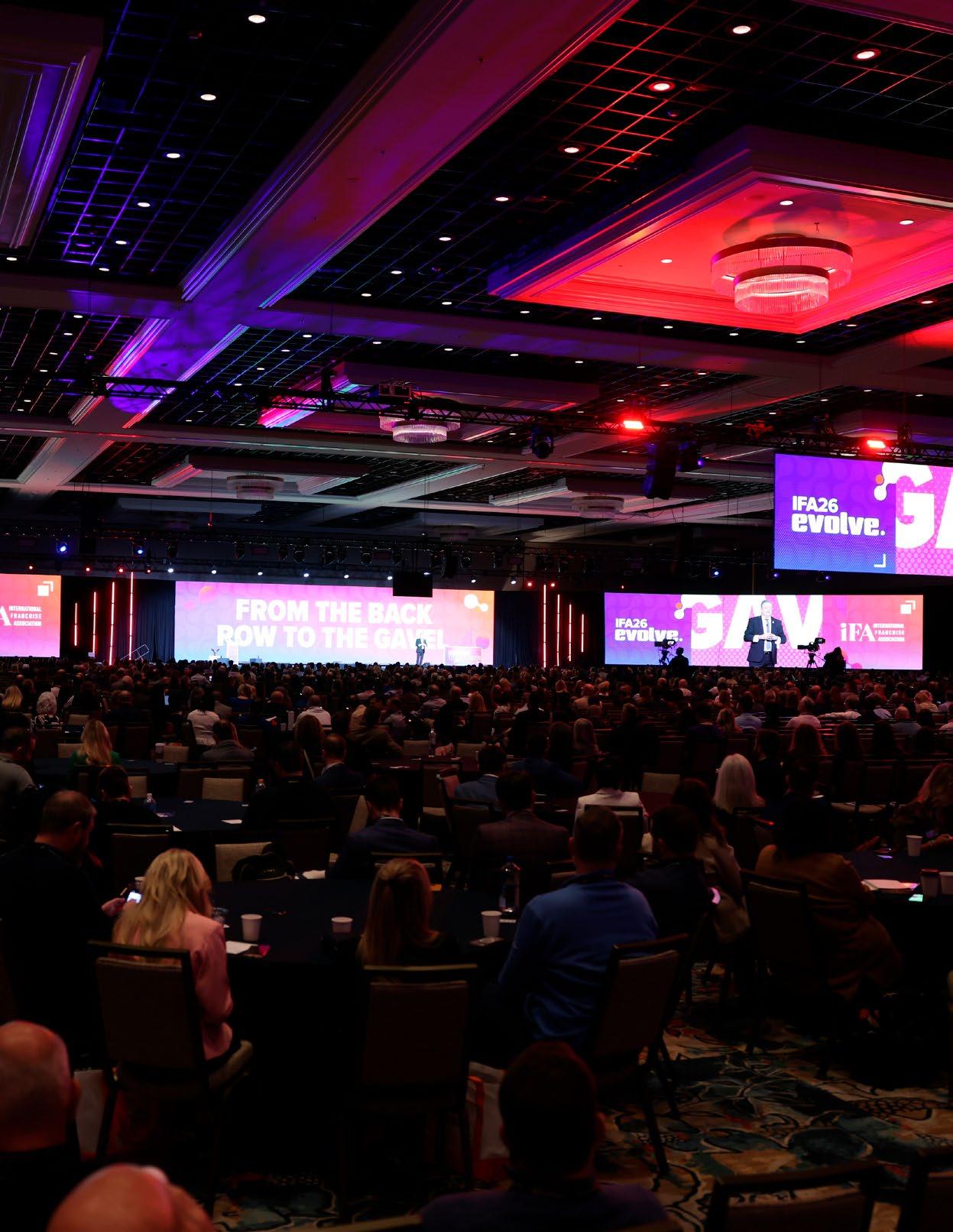
Scan here to learn more about these events and plan your year with IFA! franchise.org/events

By Chris McCuiston, Goldfish Swim School Franchising
When my wife Jenny and I opened the first Goldfish Swim School in 2006, we came from two very different worlds.
She was a competitive swimmer who competed in two Olympic trials, earned a degree in early childhood development and had spent years teaching private swim lessons that had a waiting list every summer. I came from finance with a background in business and team sports. But we both saw one clear void in the market: families needing safe, high-quality swim instruction for their children on a large scale. Our mission was simple: teach children as young as four months old to swim and be safer in and around the water. Our Swim-Smart Curriculum delivers guided, safetyfocused lessons that help children
make accelerated, measured progress in both swimming skills and confidence. This philosophy shaped not just how we taught kids to swim, but how we built our entire franchise brand.
Today, we credit Jenny’s background and our mission with successful opening after successful opening. We had more than 500 students enrolled on day one when we opened our doors in Birmingham in March 2006, and Goldfish Swim School teaches more than 11 million swim lessons every year across 200-plus locations in the US and Canada. Our mission hasn’t changed, but many things about how I think leadership works to build a brand has.
Early on, my leadership mindset was performance-driven. Set the direction, outwork everyone else, get the results and repeat the process. For a single swim school in the Midwest, it worked.
But, as the brand grew, that formula showed its limits. Leadership, I learned, is less about being the person with all the answers and more about creating an environment where the right answers can consistently emerge. It’s about building clarity, developing people, and creating alignment at scale.
My background in team sports gave me an early instinct for culture, accountability and preparation and showed me that you don’t win as an individual. Even an individual sport has coaches, training partners and family to support. You win through trust, preparation and consistency, with everyone knowing their role and executing it well. That instinct showed up immediately.
When we opened our first franchise location in Farmington Hills in 2009, I was no longer just responsible for my own outcomes. I was responsible for someone else’s investment, their livelihood and their trust in the brand. Building a Goldfish Swim School requires a large monetary commitment ranging from $1.7 million to nearly $7.5 million depending on the market, which heightened my sense of responsibility.
“ Leadership, I learned, is less about being the person with all the answers and more about creating an environment where the right answers can consistently emerge.”
When you own and operate a location, you can rely on your own effort to solve problems. When you franchise, your job is to create a system that works for others, including people with different backgrounds, strengths, and operating styles. What felt obvious to me had to become teachable, repeatable, and scalable. From hiring and training team members, to ensuring a consistent curriculum, everything had to be documented and transferable. Documentation, training, and communication moved from nice-to-haves to non-negotiables. As we scaled past 50, then 100, then 200 locations, I had to let go of control and trust the systems and people we had built. What you say and
how consistently you say it matters more as the organization grows. Repetition becomes a key leadership tool. We have delivered 12.2 percent year-over-year sales growth with zero unit closures, which tells me the system is working and franchisees are building sustainable businesses.
One of the most common mistakes growing franchise brands make is treating culture like a poster on the wall. Values only matter if they show up in behaviors. We have operationalized our core values through The Golden Experience, which sets specific expectations around customer service, facility standards and how our staff interact with families. Every element of a Goldfish Swim School is designed with purpose, from the warm water to the welcoming spaces that make children and their families excited to walk through the door.
Leading franchisees requires a fundamentally different approach than leading employees. They are independent business owners with their own teams, financials, and stakes in the outcome. My approach centers on trust built through consistency and results. Our average gross revenue for schools open more than 12 months is just under $2 million per location. That kind of
performance builds trust faster than any speech I could give. We look for franchisees who are coachable, committed, and aligned with our mission. Today, three out of four franchise owners operate multiple locations, which reflects confidence in both the model and the mission.
“
We have delivered 12.2 percent year-over-year sales growth with zero unit closures, which tells me the system is working and franchisees are building sustainable businesses.”
If I could give my 2006 self one piece of advice, it would be this: invest in systems and people earlier. Documentation, training, and leadership development are investments that compound over time. Today, with 350-plus schools open or in development across more than 40 states and Canada, my focus is on clarity, alignment, and long-term vision. The clarity about purpose and about what you will and won’t compromise is what separates brands that scale from brands that simply get bigger. After 20 years, it’s the clearest leadership lesson I have to offer.

Chris McCuiston is the co-founder and CEO of Goldfish Swim School Franchising. For more information about IFA franchisor member Goldfish Swim School Franchising, please visit franchise.org/franchise-opportunities/ goldfish-swim-school/

The International Franchise Association is proud to celebrate our franchisee members. See below to learn more about some of our Featured Franchisees — why they got into franchising, their unique backgrounds and how they contribute to their local communities.
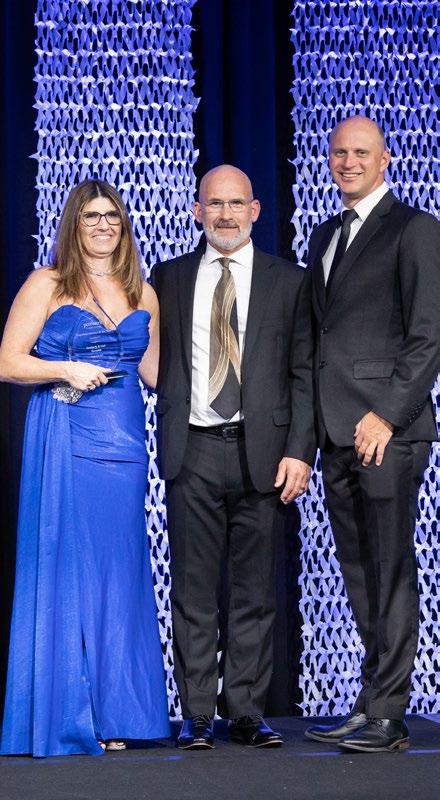
Kimberly and Neil Gwynne of Poolwerx Augusta, Georgia were recently named Franchise Partner of the Year at the Poolwerx Convention in Destin, Florida, recognizing their growth, leadership, and commitment to their team and community.
In the past year alone, the Gwynnes opened a second location and delivered strong performance across key business metrics while continuing to build and invest in their team. Their growth has been intentional and team focused, which played a major role in earning the award.
Neil Gwynne transitioned into franchise ownership after more than two decades in retail and management, including over 10 years managing large teams at Amazon. Looking for a better work life balance and the opportunity to build something of his own, he joined Poolwerx and started with a service only business before expanding into retail with the opening of his first Poolwerx store.
The business has also become a family endeavor, with their son stepping in as store manager. Together, they are focused on building a strong local business that serves the growing number of pool owners in the Augusta area while continuing to expand their footprint.
Their journey reflects steady, scalable growth, strong leadership, and a long term vision for the future, making them a standout example within the Poolwerx network and a deserving recipient of Franchise Partner of the Year.

Meredith Royall is a Westchester-based entrepreneur and owner of LIME Painting, where she combines her creative background with hands-on home improvement. A graduate of the Parsons School of Design, Meredith spent more than a decade running her own graphic design studio before exploring real estate and home renovation. After transforming two of her own homes and collaborating closely with architects, she discovered a deep passion for the intersection of design, craftsmanship, and tangible transformation.
Embracing this vision, Meredith joined LIME Painting, bringing her eye for detail and artistic sensibility to a growing team of professionals serving homeowners throughout Westchester County. Under her leadership, the company specializes in meticulous interior and exterior painting projects, blending high-quality workmanship with thoughtful design. She prioritizes strong collaboration, open communication, and trust with both clients and subcontractors, creating an environment where creativity and precision thrive together.
Meredith’s journey reflects a commitment to innovation, leadership, and continuous growth. She has become part of a rising group of women redefining what it means to lead in traditionally male-dominated industries, and she embraces the challenges and rewards of entrepreneurship as opportunities for both professional and personal development.
Passionate about merging artistry with practical impact, Meredith brings a designer’s perspective to every project, transforming homes into carefully crafted spaces that reflect both her vision and the needs of her clients. Her career is a testament to creativity, resilience, and the power of following one’s instincts into new and unexpected paths.
Nick and Nikki Foundas are redefining early childhood education in Sudbury, MA, blending professional expertise with personal passion. Nikki, an accomplished elementary school principal just minutes from her Celebree location, brings over 20 years of experience in teaching and school administration. Nick transitioned from a 20-year career in human resources to oversee daily operations, applying his expertise in team building, performance management, and organizational culture.
The couple’s journey with Celebree began in January 2022, when they signed on for a ground-up development in Sudbury. They now proudly serve their community – creating a space where operational discipline meets educational leadership.
Their school emphasizes self-discovery, curiosity, and fun, fostering strong, lasting relationships with children, families, and team members. As parents themselves, Nick and Nikki understand the importance of a safe, nurturing environment, and their vision reflects that personal connection.
Their complementary backgrounds, Nikki’s deep roots in education and Nick’s HR expertise, have proven a winning combination. Their hands-on approach, commitment to quality, and focus on community have set the foundation for early success, positioning Celebree School of Sudbury as a trusted early childhood care partner and a hub where every child and parent feels valued and supported.
A serial entrepreneur who has built and sold four companies across his career, Jeremy Vos knows what it takes to create something of real value. He brings that understanding to Exit Factor Des Moines, where he and his wife and business partner, Jodi Vos, work with Central Iowa business owners who are ready to turn what they’ve built into lasting wealth.
Jeremy’s experience taught him that most business owners have no plan to capture the value they’ve spent years creating. He chose the Exit Factor franchise because it offers a proven methodology to help clients strategize a profitable exit.
“This wasn’t a career pivot for me, but the natural next chapter,” he says. “I’ve lived the exit process myself, and I know what our clients are going through. Exit Factor’s approach matched my understanding of business value and exit readiness, and franchising offered me the infrastructure and brand credibility to scale quickly, without starting from scratch.”
Besides working as a consultant, Jeremy is also a lobbyist for an Iowa nonprofit, which keeps him connected to the state’s business and policy environment.
Jeremy considers his family to be his greatest accomplishment. He and Jodi have four children, two of whom still live at home, and one grandchild.
“For me, building a business worth exiting has always been about more than the transaction,” he says. “It’s about honoring what you’ve been given and leaving something lasting for the people who matter most.”

Formerly the Franchise Customer Experience Conference (FCXC), FGMC is the new event for marketing leaders with a clear focus on unit-level-economics, collaborative learning and leveraging technology to drive growth.
Franchise marketers face a new reality. Customer acquisition costs are rising, AI is reshaping expectations, and marketing technology is becoming more expensive and complex. At the same time, franchisees are demanding clearer ROI from brand marketing – and corporate strategy doesn’t always translate into unit-level profit.
To address these changes, we’ve created FGMC.
FGMC brings together marketing leaders responsible for driving demand, growth and profitability across franchise systems, from the C-suite to the team supporting brand development, local execution and customer experience across locations.
FEATURED KEYNOTE SPEAKERS JUNE 2- 4 2026
Jamie Siminoff
Franchise marketing isn’t about campaigns anymore—it’s about building systems that drive revenue, franchisee profitability, and sustainable growth across the network.
Customer acquisition costs are rising. AI is reshaping how brands compete. And franchisees expect marketing to deliver real results – all the way to the unit level P&L.
If you are responsible for delivering profitable franchise growth, the Franchise Growth & Marketing Conference will help you rethink your systems, strengthen your team, and return to your brand with ideas that move the numbers that matter.

AS OF

16, 2026.
IFA’s political action committee, FranPAC, supports pro-franchise, pro-business candidates for U.S. Congress.
Rep. Nick LaLota NY NY001 Republican $1,000
Rep. Nick Langworthy NY NY023 Republican $3,000
Rep. Pat Fallon TX TX004 Republican $1,000
Rep. Richard Hudson NC NC009 Republican $2,000
Rep. Riley M. Moore WV WV002 Republican $2,500
$77,000 (32%)
(68%) Democrats
Rep. Adam Gray CA CA013 Democratic $1,000
Rep. Ed Case HI HI001 Democratic $1,500
Rep. Eugene Vindman VA VA007 Democratic $1,000
Rep. Gilbert R. Cisneros Jr. CA CA039 Democratic $1,000
Rep. Greg Landsman OH OH001 Democratic $1,000
Rep. Henry Cuellar TX TX028 Democratic $5,000
Rep. Jake Auchincloss MA MA004 Democratic $1,000
Rep. Janelle Bynum OR OR005 Democratic $1,000
Rep. Jim Costa CA CA021 Democratic $1,000
Rep. Johnny Olszewski Jr. MD MD002 Democratic $4,000
Rep. Josh Harder CA CA009 Democratic $2,500
Rep. Rob Menendez NJ NJ008 Democratic $1,000
Rep. Troy Carter L A L A002 Democratic $2,500
Rep. Kevin Kiley CA CA003 Independent $1,000
Rep. Aaron Bean FL FL004 Republican $1,000
Rep. Andrew Garbarino NY NY002 Republican $1,000
Rep. Beth Van Duyne TX TX024 Republican $5,000
Rep. Brett Guthrie KY KY002 Republican $1,000
Rep. Bryan Steil WI WI001 Republican $1,000
Rep. Carol Miller WV WV001 Republican $1,000
Rep. Gabe Evans CO CO008 Republican $1,000
Rep. Jason Smith MO MO008 Republican $2,000
Rep. Joe Wilson SC SC002 Republican $1,000
Rep. John Joyce PA PA013 Republican $1,000
Rep. Julie Fedorchak ND ND001 Republican $1,000
Rep. Kevin Hern OK OK001 Republican $5,000
Rep. Lance Gooden TX TX005 Republican $2,500
Rep. Laurel Lee FL FL015 Republican $1,000
Rep. Mariannette Miller-Meeks IA IA002 Republican $2,000
Rep. Mark Messmer IN IN008 Republican $1,000
Rep. Max Miller OH OH007 Republican $1,000
Rep. Michael Rulli OH OH006 Republican $1,000
Rep. Mike Johnson L A L A004 Republican $15,000
Rep. Nathaniel Moran TX TX001 Republican $1,000
Rep. Rob Bresnahan Jr. PA PA008 Republican $2,000
Rep. Roger Williams TX TX025 Republican $2,500
Rep. Russell Fry SC SC007 Republican $2,000
Rep. Tim Walberg MI MI005 Republican $5,000
Rep. Tom Cole OK OK004 Republican $1,000
Rep. Tom Emmer Jr. MN MN006 Republican $5,000
Rep. Virginia Foxx NC NC005 Republican $5,000
Rep. William Timmons IV SC SC004 Republican $1,000
Sen. Angus King Jr. ME ME000 Democratic $5,000
Sen. Ben Ray Luján Jr. NM NM000 Democratic $1,000
Sen. John Hickenlooper CO CO000 Democratic $1,000
Sen. Maggie Hassan NH NH000 Democratic $1,000
Sen. Bill Cassidy L A L A000 Republican $8,000
Sen. James Lankford OK OK000 Republican $3,000
Sen. John Thune SD SD000 Republican $5,000
Sen. Josh Hawley MO MO000 Republican $5,000
Sen. Rand Paul KY KY000 Republican $1,000
Sen. Shelley Moore Capito WV WV000 Republican $3,500
Sen. Susan Collins ME ME000 Republican $2,500
Sen. Tom Cotton AR AR000 Republican $2,500
LASTING INVESTMENTS STRENGTHENING
AMERICA PAC (Rep. Mcclain) Republican $5,000
National Republican Senatorial Committee Republican $15,000
NRCC Republican $25,000
BUILDING A NATIONAL KNOWLEGEABLE
SECURITY PAC (Sen. Banks) Republican $5,000
AMERICAN REVIVAL PAC Republican $5,000
SOCK IT TO 'EM PAC (Sen. Curtis) Republican $1,500
MODERATE DEMOCRATS PAC Democrat $5,000
Democratic Congressional Campaign Committee Democrat $5,000
New Democrat Coalition Action Fund Democrat $5,000
CHC BOLD PAC Democrat $5,000
CBC PAC Democrat $2,500
DSCC Democrat $15,000
Blue Dog PAC Democrat $5,000
As the only association focused on growing and protecting franchising, IFA is the largest member-based community that helps franchisors, franchisees and suppliers learn, lead and succeed across more than 300 industries.
Learn how IFA membership can help you reach your growth goals in franchising, make an appointment to chat with us!
IFA’s mentoring program capitalizes on the depth and breadth of knowledge in the franchise community, pairing early career and emerging novices with experienced franchisee, franchisor, and supplier veterans.
Discover how referring new members can earn you a FREE IFA membership, with a percentage of each referral’s dues credited back to you—and bonus advertising prizes for top winners every year.
Explore our calendar of opportunities designed to bring the franchising community together. ALL EVENTS

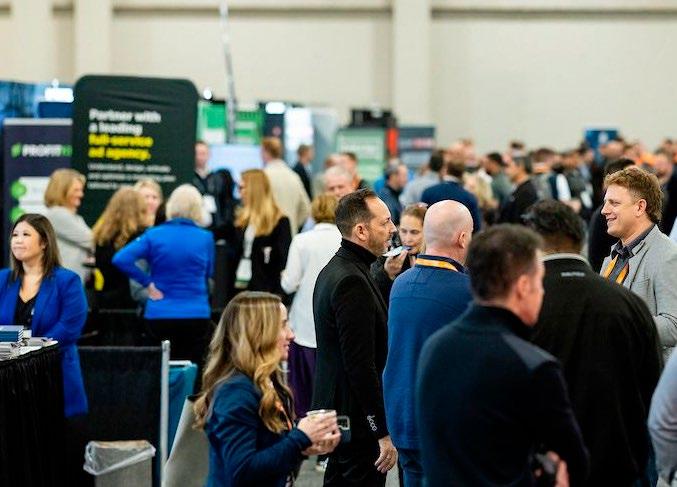
.
All American Pet Resorts
Novi, Michigan
Contact: Mr. Stephan Dimitroff http://www.allamericanpetresorts.com
The Blackstone Group
New York, New York
Contact: Kristan King Nevins https://www.blackstone.com
Blaze Pizza, LLC
Atlanta, Georgia
Contact: Ms. Zima Diaz Bracho http://www.blazepizza.com
Little Caesars Enterprises, Inc.
Detroit, Michigan
Contact: Mr. David Scrivano http://www.franchise.littlecaesars.com
Lviv Croissants
New Orleans, Louisiana
Contact: Brett Larrabee Lvivcroissants.com
Acrobat Branding Group
Boynton Beach, Florida
Contact: Craig Peck https://www.acrobatbranding.com
Birdeye
Palo Alto, California
Contact: Alesia Ramanenka https://birdeye.com
Dady & Gardner, P.A.
Minneapolis, Minnesota
Contact: Amanda Bekric http://www.dadygarner.com
FranHub365
Fort Myers Beach, Florida
Contact: Matt Lucas http://www.franhub365.com
LT.agency
Phoenix, Arizona
Contact: Nick Dan-Bergman www.lt.agency
Zero Company Performance Marketing, Inc.
Dana Point, California
Contact: Stephen Sakach https://www.zerocompany.com