Curating lifestyle, culture, commentary, and community from the river’s edge.
01
Mission & Vision
Editor’s Notes
Fox Valley Review is a regional digital magazine dedicated to curating and elevating the voices, stories, events, and cultural expressions of the towns and communities along the Fox River.
PAGE 4
02 When the River Gasped Open
The thawing Fox River becomes a meditation on renewal, resilience, and the quiet courage of beginning again. As winter loosens its grasp, we are reminded that longing can turn into belonging and that, like flowing rivers, we too remember how to move.
PAGE 8
03
Disparities in Health Care
Miralenis reflects on her own experience navigating gynecological care while examining the persistent racial and gender disparities that shape maternal health outcomes nationwide. With clarity and conviction, she calls for equitable access, dignity, and advocacy. PAGE 10
04 Woven Quilt Series, Pt. VIII
In the eighth installment of the Woven Quilt Series, Granny recalls the glue, glitter, and neighborly devotion that brought South Elgin’s parade floats to life. These handmade creations became more than decorations; they stitched a community together.
PAGE 14
Jackfruit: 0
In this lighthearted family vignette, Jeff recounts a summer experiment in adventurous eating that takes a memorable turn. What begins as a quest to expand his daughter’s palate ends in slimy seeds, stubborn resolve, and a unanimous score: Jackfruit-0.
PAGE 19
Saying No
In this tender and quietly powerful piece, Jeff introduces us to Addison and Ruthy: two lives rendered with warmth, nuance, and the emotional clarity that defines his storytelling. Truly a reflection on connection, dignity, and human meaning.
PAGE 22
Alone Together in the Fox Valley
After moving to Batavia just before the pandemic and losing her son soon after, Cynthia reflects on grief, isolation, and the quiet ache of everyday spaces. In this deeply personal opening essay, she begins exploring what it means to rebuild connection and community. PAGE 26
In this poignant installment of the Grieving Series, Emma challenges the language of “deserve” in the aftermath of loss, exploring how guilt, blame, and meaning-making can complicate mourning and how releasing that word may open space for gentler healing.
PAGE 30
Mission & Vision 01
WHO WE ARE
WHAT WE DO
WHERE WE AIM TO GO
FOX VALLEY REVIEW is a regional digital magazine dedicated to curating and elevating the voices, stories, events, and cultural expressions of the towns and communities along the Fox River. We strive to inform, inspire, and connect residents through thoughtful storytelling, critical reflection, and celebration of the local from neighborhood events to regional art, food, and civic life.
We envision a more connected and culturally vibrant Fox Valley where every town and resident sees themselves reflected in the stories we tell. Through inclusive journalism, creative expression, and civic commentary, Fox Valley Review aims to become the cultural compass of the region, building bridges between communities, generations, and ideas across the river.
March is a hinge.
It is the quiet turning between winter and spring between what we have endured and what we are willing to step back into. This issue of Fox Valley Review reflects that threshold in ways both intimate and communal.
In “Private Grief, Public Spaces,” Cynthia Adamson-Kotlicky invites us into the ordinary spaces where grief lingers—grocery aisles, kitchens, quiet neighborhoods—and asks what it means to begin again after profound loss. Her essay opens our Grieving Series with honesty and courage. Emma’s “Against ‘Deserve’” challenges
FROM THE DESK OF THE CHIEF EDITOR
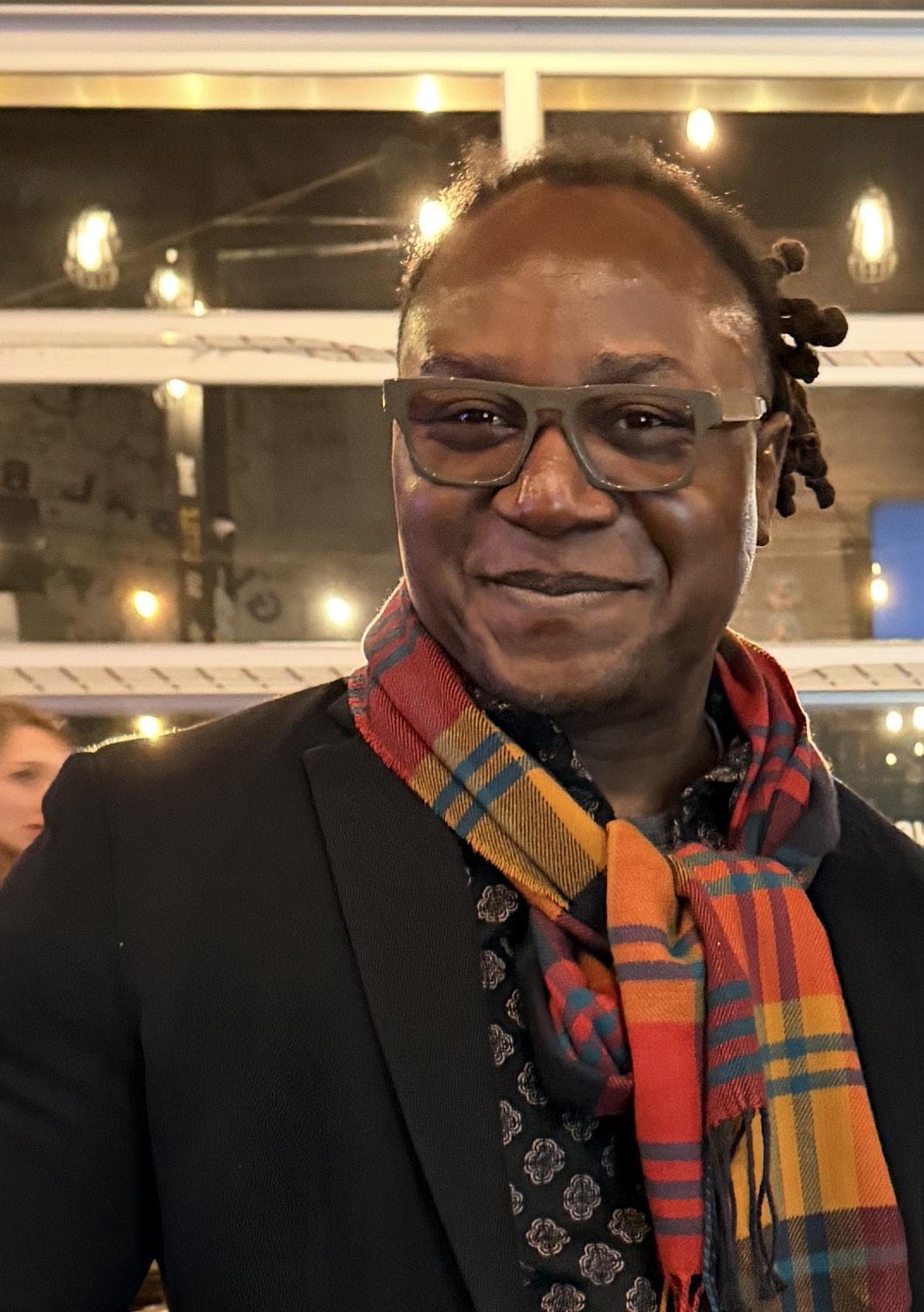
DR. BAUDELAIRE K. ULYSSE
the language we so often reach for in the face of suffering. With intellectual clarity and deep compassion, she reminds us that presence matters more than platitudes and that dignity is not something to be earned.
And in a lighter, laughter-filled turn, Jeff Weisman’s “Saying No” and “Jackfruit: 0” return us to the messy, beautiful work of parenting of guiding, experimenting, and sometimes swallowing something we’d rather spit out. His stories remind us that growth,
like jackfruit, isn’t always pleasant, but it’s often memorable. These pieces and so many others in this issue reflect what we hope Fox Valley Review continues to be: a place where real lives are honored, local voices are amplified, and community is not an abstraction but a practice. We are deeply grateful to Global Brew Tap House and their outstanding staff for once again hosting our release parties. Their generosity and warmth make it possible for our contributors and readers to gather, celebrate, and
“
“ LET THIS BE YOUR WINDOW, YOUR MIRROR, YOUR INVITATION!
connect face to face, something we cherish deeply.
Special thanks as well to our Associate Editor, Diane Kondratowicz, whose steady leadership and tireless organization help bring these events to life month after month. Community does not happen by accident. It happens because people show up and do the work.
And finally, to our readers and contributors, thank you. Thank you for
trusting us with your stories. Thank you for attending our gatherings. Thank you for reading, reflecting, and building something meaningful here in the Fox Valley.
Spring is near. The thaw is coming. And we are grateful to be walking into it together.
With appreciation, Baudelaire [Beau] Ulysse
Editor-in-Chief Fox Valley Review
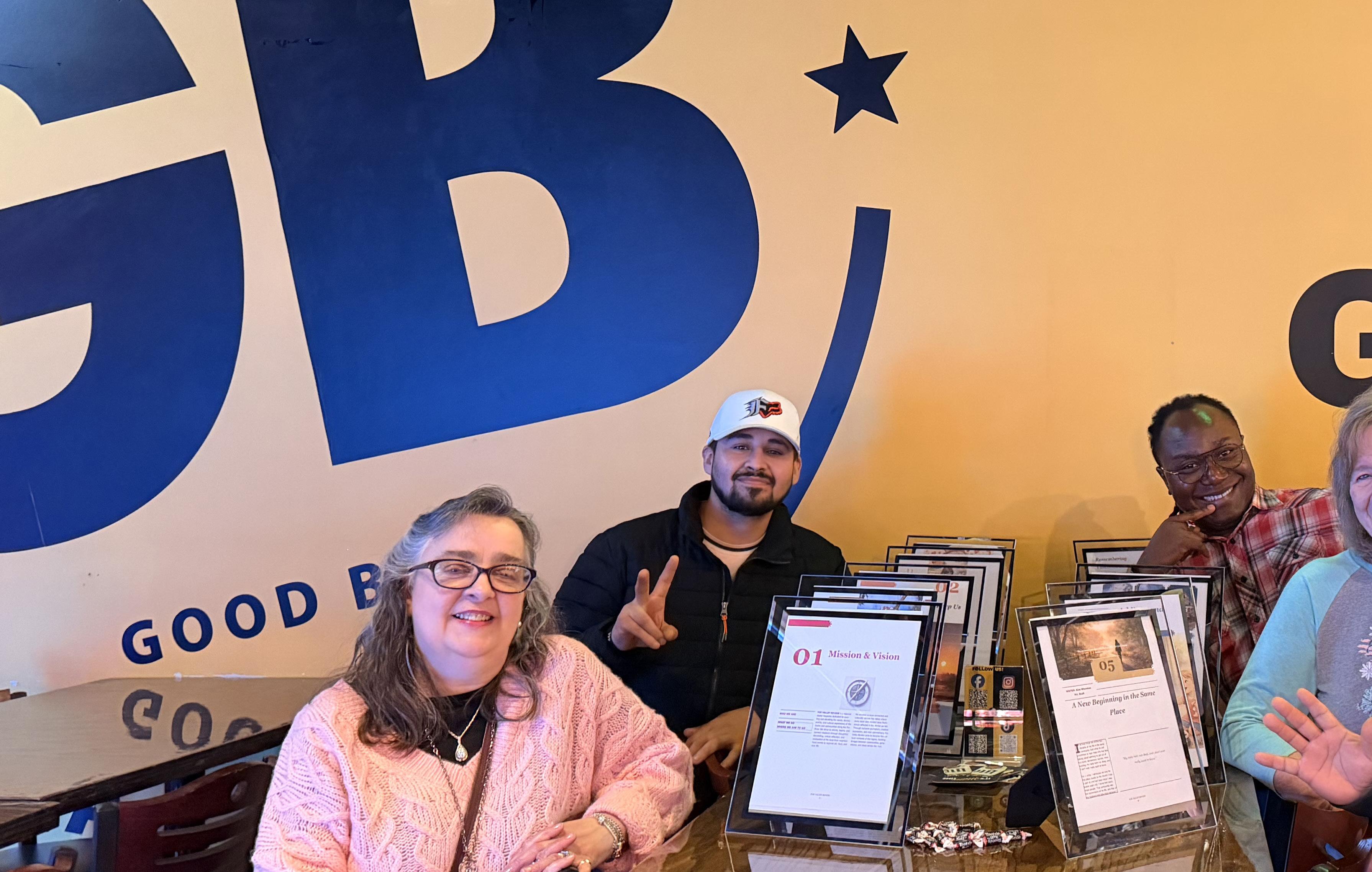
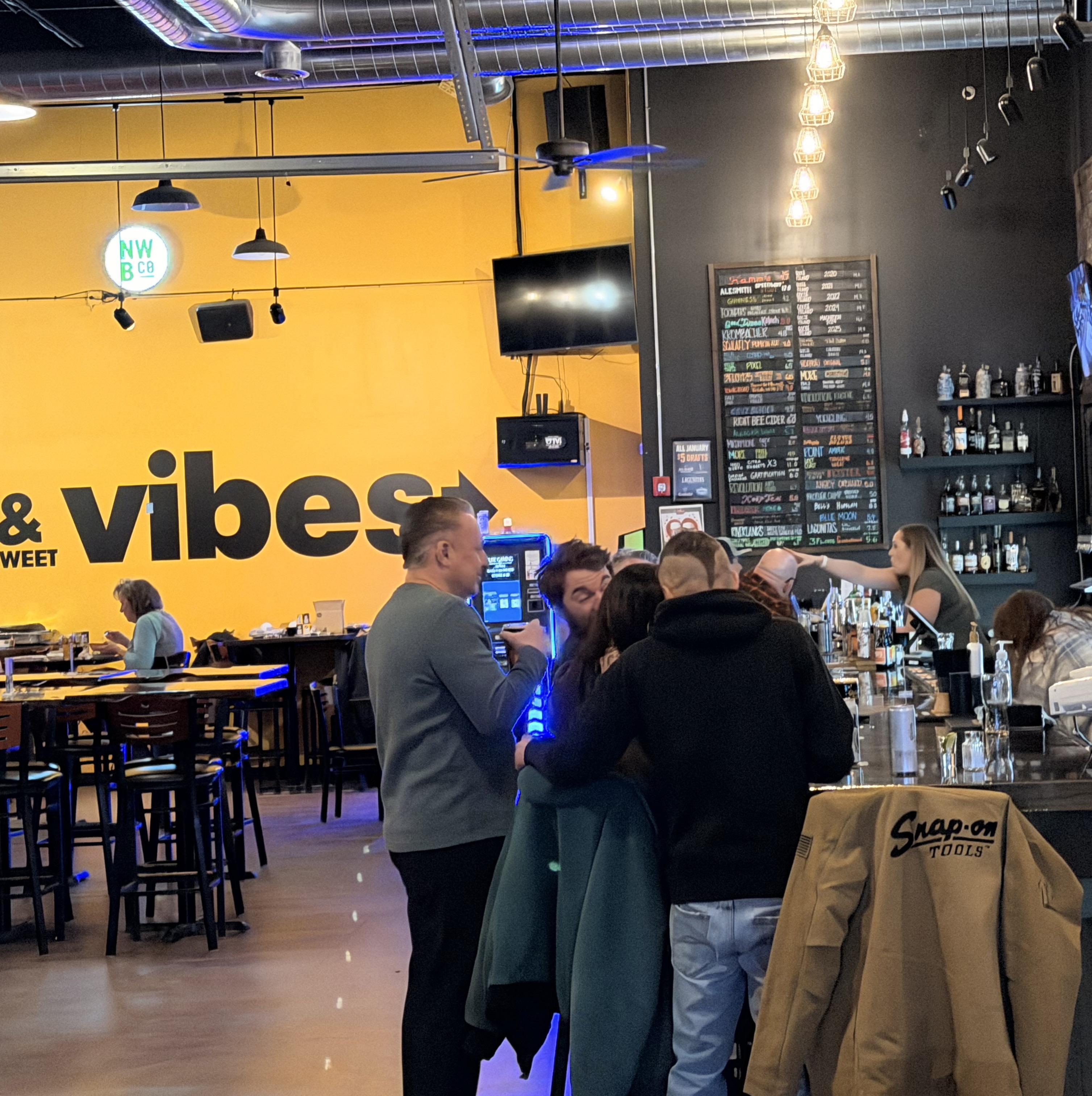
PARTY AT THE TAPHOUSE
We are also deeply grateful for the tremendous community support shown at our February Release Party, which reminded us how vibrant local storytelling can be when shared in person.
FEBRUARY RELEASE PARTY | GLOBAL BREW
When the River Gasped Open
And Water Shall Spring Forth
WRITER: Beau
PH: Staff
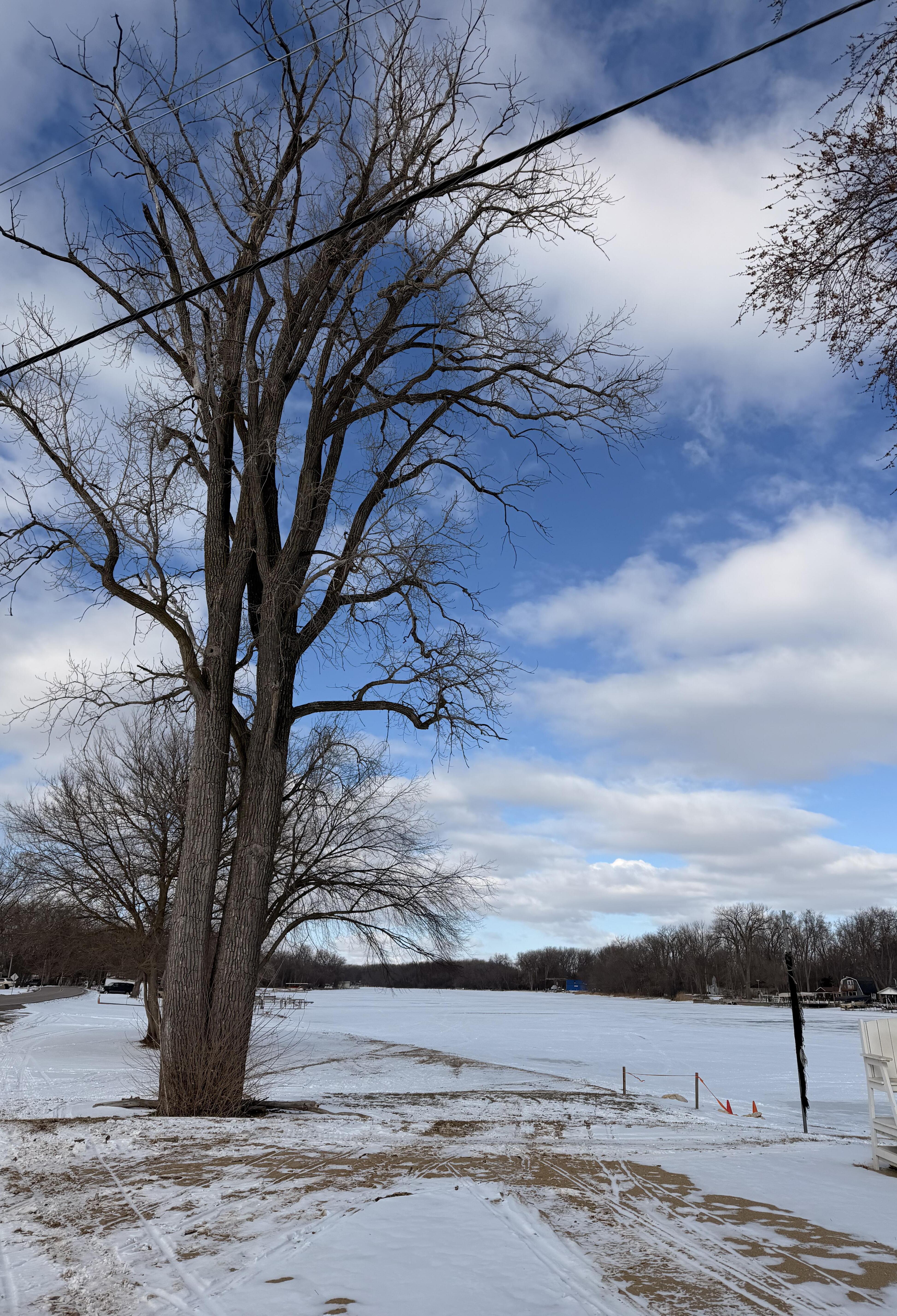
Ihear it first as a gasp: the Fox loosening her frozen grasp, ice splitting in long silver seams, flowing rivers remembering their names.
March stands between breaths, winter still lingering in the bones of trees, spring already quickening beneath prairie grasses, green rehearsing beneath brown. At Fabyan, the windmill turns in patient witness, its arms measuring the widening light. Along the river dams, water presses and spills, no longer content with stillness, no longer willing to be held. We too have known that grasp the long interior winter, the held air,
“Now, we mingle with the widening light. Now, like flowing rivers, we remember how to move.”
“We linger.
We let the air touch our faces without flinch.”
the careful quiet. And then, a gasp.
A thaw in the chest. A warmth faint but insistent. Sunlight laying its hand upon brick and steeple, on Geneva storefront glass, on Elgin’s curve of river, on St. Charles waking to longer evenings.
See how the crocus risks it all, breaking frost with a violet insistence. See how meltwater runs in shining threads, mingling with last year’s husks, enlivening root and seed. Nothing arrives loudly. It seeps. It persuades. It gathers beneath the surface until even the most stubborn branch must soften.
The prairie grasses whisper beneath their ash, the river dams release their silver spill, and the windmill keeps its turning; steady, unastonished, faithful to motion. We step outside again.
“We too have known that grasp the long interior winter...”
We linger. We let the air touch our faces without flinch. Winter did not defeat us. It merely held us. And now, we loosen. Now, we mingle with the widening light. Now, like flowing rivers, we remember how to move. O Fox Valley, in this mingling light and thawing ground, we feel it, the ancient rhythm that gathers us, that bids us rise from hibernation not as strangers to the season but as living things among living things, our longing fulfilled in belonging beside the flowing rivers of home.
~Beau
“Wide hospital corridor with soft natural light, muted tones, no people visible, clinical but calm atmosphere.”
Gender- and Race-Ba-
sed Disparities in Health Care
SOCIAL SENSIBILITY
WRITER: Miralenis
PH: Staff
Irecently underwent surgery for a gynecological condition discovered during a routine visit that led to advanced diagnostic testing. Although no one welcomes surgery, I feel deeply fortunate to have had access to it.
I say this mindful of the many disparities girls and women experience in gynecological and obstetrical health care globally and, as I focus on here, nationally. Among the philosophical traditions I
“
“ Black women in the United States are approximately three times more likely to die frompregnancy-related causes than white women.
teach is Feminism which calls for recognition, critical examination of, and remedy for gender-based inequities. In my courses, I highlight disparities in education, employment, compensation, and health care areas that continue to demand attention.
In reproductive and gynecological care, inequities persist due to structural limitations, policy priorities, implicit bias, and lingering racist attitudes and practices that shape patient experience.
I have faced health insurance challenges that affected my access to care. Yet the color of my skin was not a barrier. I am white. For many Black and brown girls and women, race remains a determining factor in access, diagnosis, and treatment. Within gender-based inequities, racial disparities continue to shape maternal and infant outcomes in the United States. These disparities also compromise the identification and management of
underlying conditions as hypertension, fibroids, diabetes, and cardiac disease.
They contribute to higher rates of preventable complications, including hemorrhage, infection, organ failure, and death.
In our contemporary and ostensibly enlightened society, race should never determine the quality of one’s health care. Regardless of political perspective or philosophical orientation, unequal access and inadequate treatment are unacceptable. Each of us has been born of a woman and shaped by women who serve as mothers, daughters, sisters, teachers, leaders, caregivers, and community anchors.
The medical community has made meaningful efforts to confront disparities. Yet sustained progress requires collective advocacy. As community members, we must use our voices in whatever ways we can to support equitable access to quality
gynecological and reproductive care for all girls and women, particularly women of color.
I feel fortunate to have received diagnostic testing, specialist care, and surgery deemed necessary for my condition.
Yet that sense of gratitude is incomplete. It will feel fuller when the same access, attention, and quality of care are extended to every girl and woman, especially those whose lives and contributions so profoundly shape our communities.
Selected Sources
ACOG (2018). Social determinants & cultural awareness in reproductive health care.
Birthing Justice (2023). PBS documentary & Remembrance Wall. Ellison & Martin (2017). NPR Special Series: Maternal mortality in the U.S. Fleszar et al. (2023). JAMA, State-level maternal mortality trends by race.
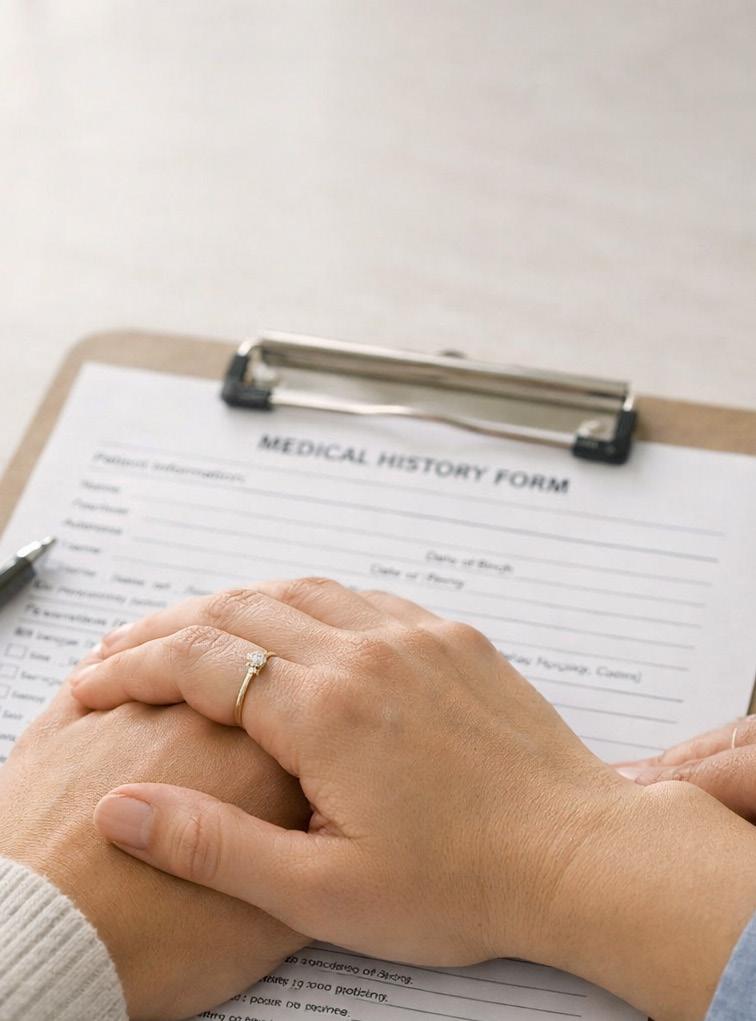
Hands resting on a clipboard with a medical intake form.
Flynn & Free (2025). Institute for Women’s Policy Research. Lewis et al. (2025). American Journal of Obstetrics & Gynecology. Smedley et al. (2003). Unequal Treatment, National Academy Press. Sutton et al. (2021). Obstetrics & Gynecology.
~Miralenis
Two simple chairs in a medical waiting room under soft light.
GRANNY’S
WOVEN QUILT SERIES
WE
BUILT
THE PARADE FLOATS IN SOUTH ELGIN
“
“ THE GLUE WAS MESSY, BUT SO WAS THE FUN!
WRITER: GRANNY
PH: STAFF
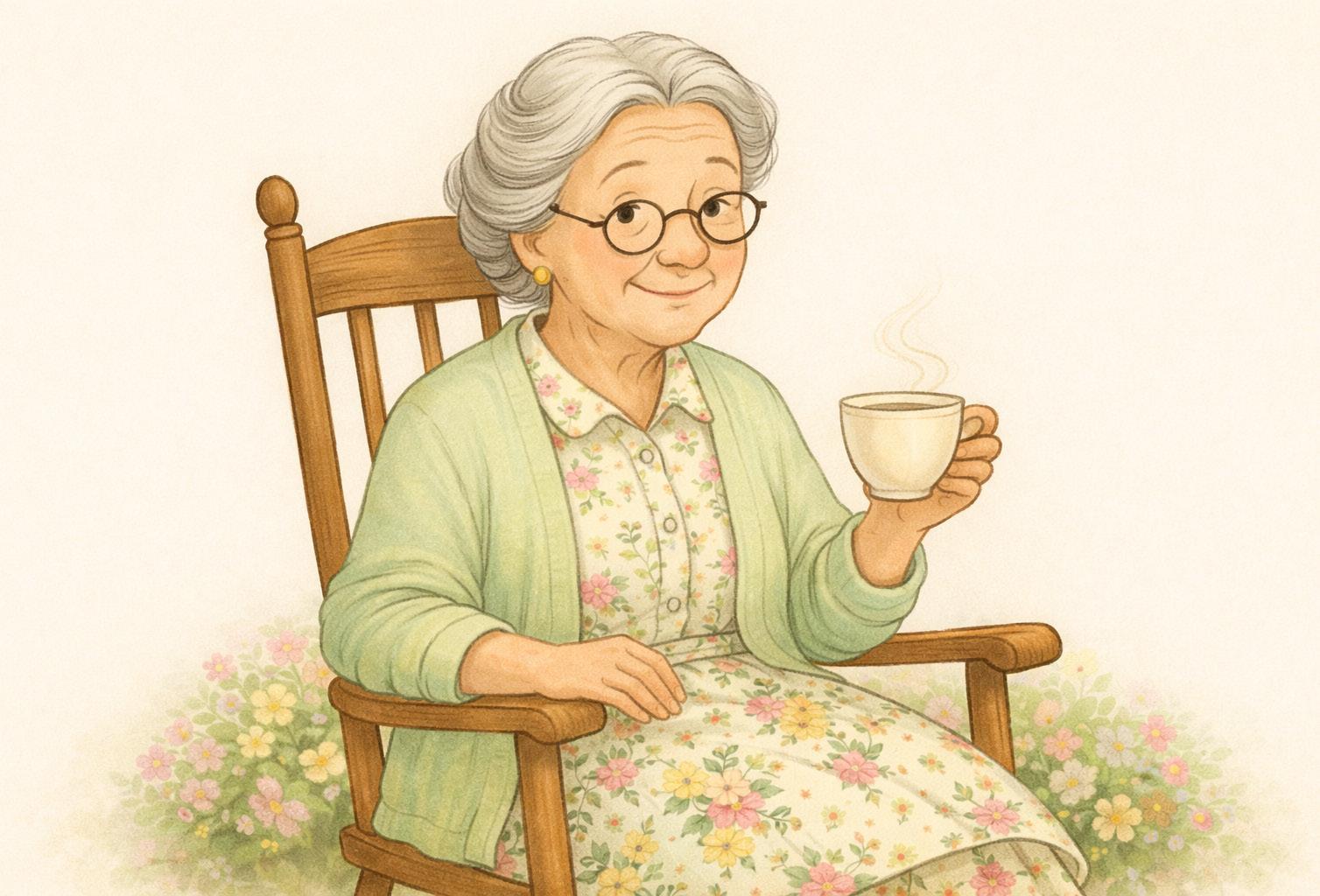
Well now, child, come on in. The lemonade’s tart and the stories are sweet just like the old days when July rolled around and we knew one thing for sure: it was time to build the parade floats.
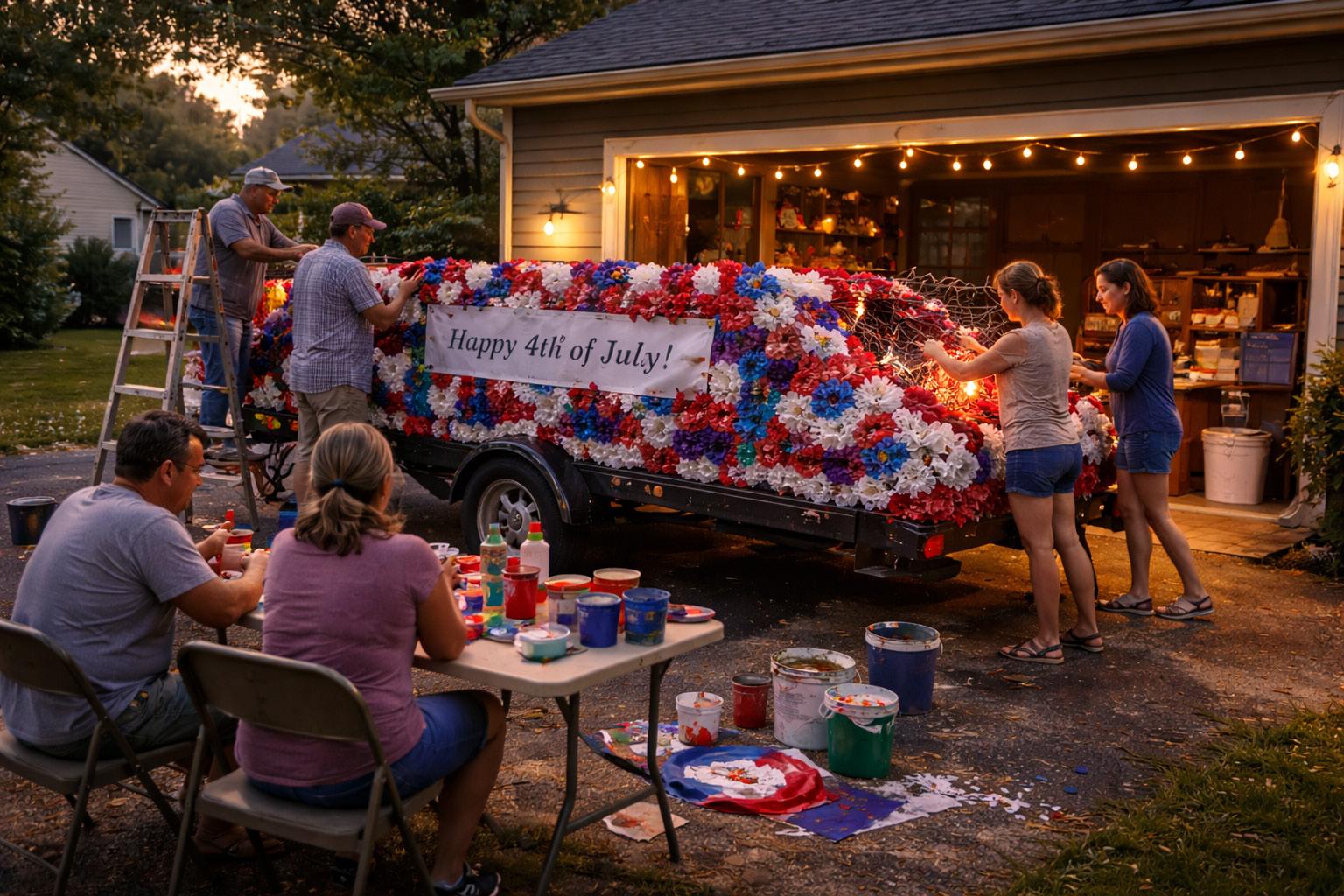
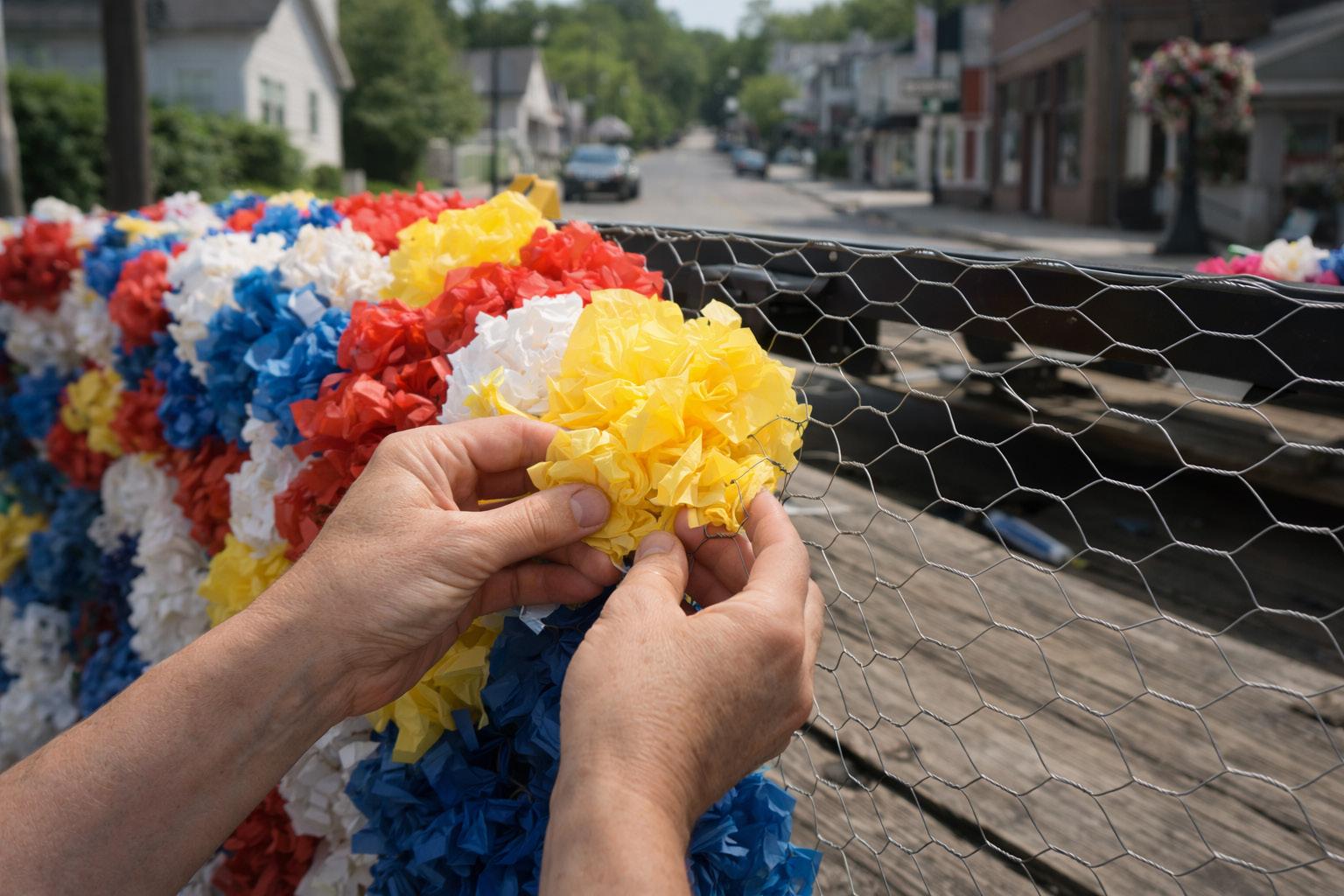
Back in South Elgin, our little village came alive in the weeks before Independence Day or Fall Fest. You could smell sawdust and paint in the air before the first firework ever popped. We didn’t have fancy pre-made floats, no sir. We had flatbed trailers, chicken wire, and tissue paper and most im-
portantly, we had each other. I remember how every group had its theme. The Girl Scouts always went patriotic flags and eagles made of crepe paper. The church youth group leaned toward Bible scenes, sometimes with real animals, Lord help us. One year the Methodist float had a goat that got loose halfway through the parade and ended up on Main Street eating a hot dog bun. We never forgot that.
Our family usually teamed up with our block neighbors pitching in late into the evening. Kids would poke their
fingers through the chicken wire as we stuffed it with tissue, shaping flowers and stars, all while the grownups bickered (lovingly) over where the banner should go or whether the float should play music. Sometimes, someone’s uncle would lend a pickup truck, but other times we had to push the float by hand and we did it proudly.
My favorite memory? The year we recreated the old South Elgin depot. We had a working bell, and Mr. Dawson dressed up as the conductor. It rained that morning, and the crepe paper bled red and blue onto our white shirts, but we danced in the street anyway. That was the thing about parade floats even when they fell apart, we still held together.
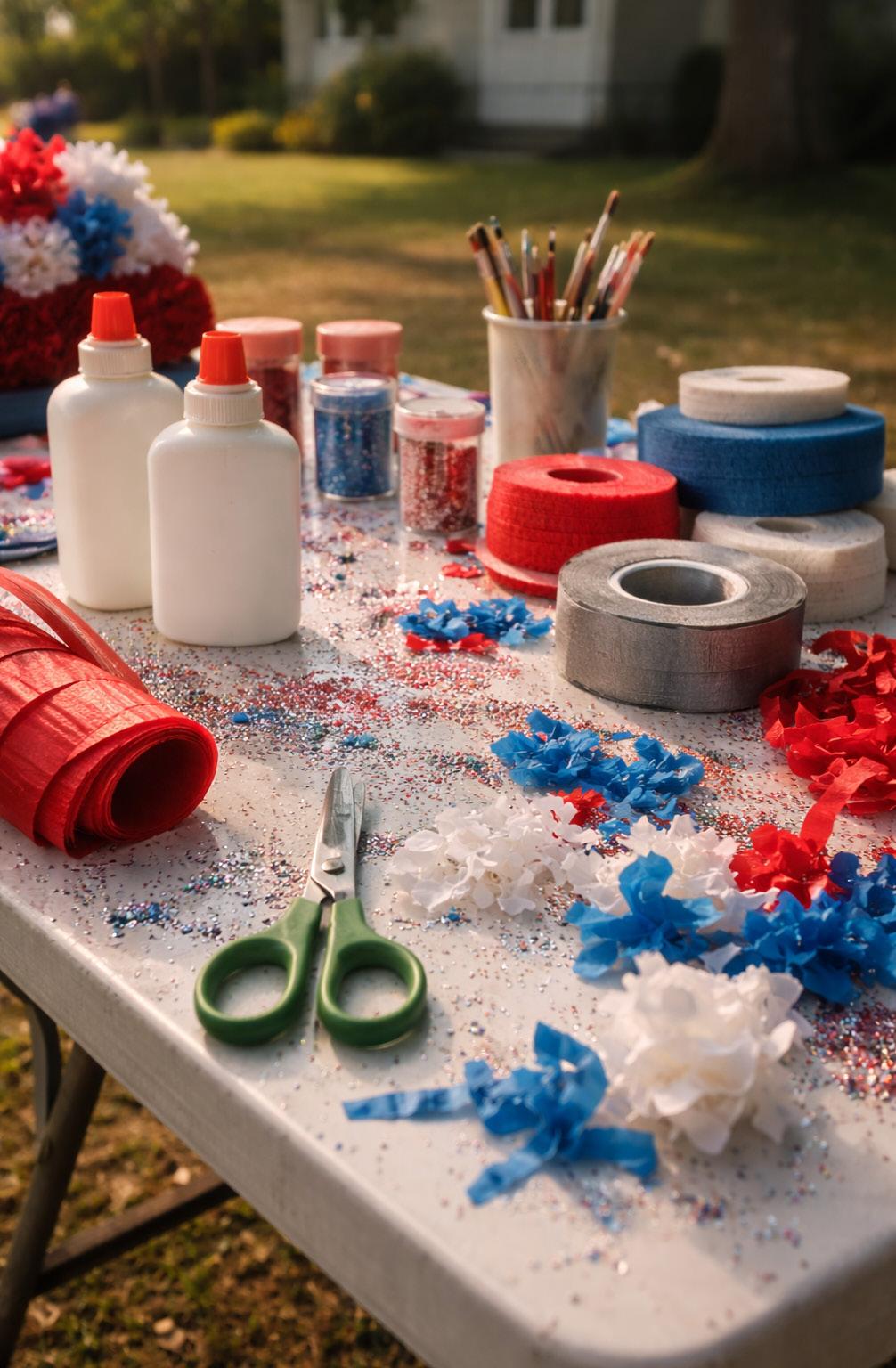
We didn’t just build floats; we built friendships. We built pride. We built joy out of glitter and glue, and I’d trade a thousand fancy pyrotechnics for one more night under the stars with my neighbors and a roll of duct tape.
Chicken Wire & Tissue Paper: Close-up of hands stuffing colorful tissue paper into chicken wire on a flatbed trailer, summer daylight, small-town street background.
So the next time you see a float roll by remember, someone built that with their bare hands and bigger heart. The glue was messy but so was the fun!
~Granny
Messy folding table covered in glitter, glue bottles, duct tape, scissors, and red-white-blue crepe paper, warm summer light.
Stay tuned for the next story from Granny’s Woven Quilt Series. It’s coming up in the April Issue.
Tasty or Slimy?
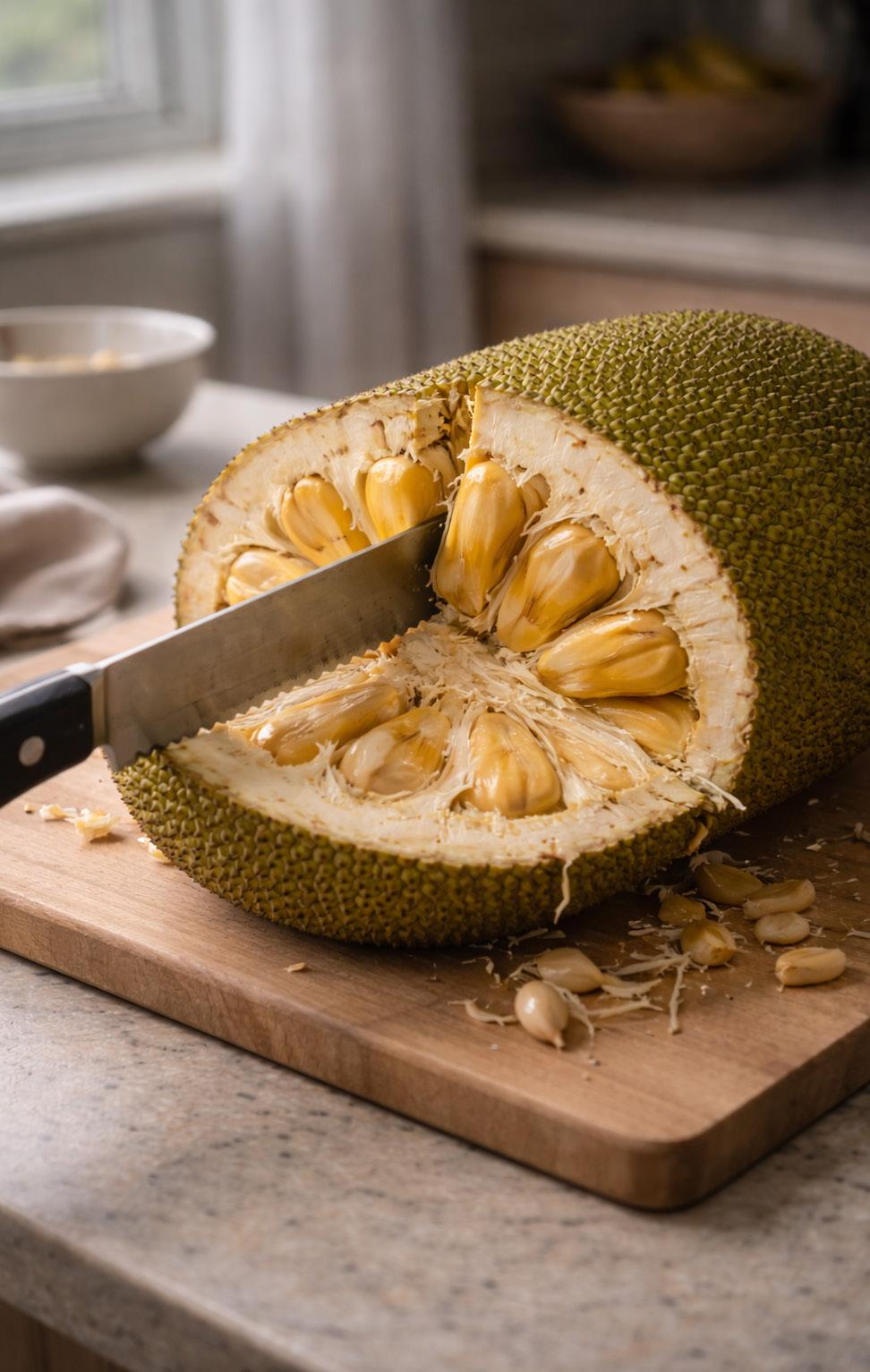
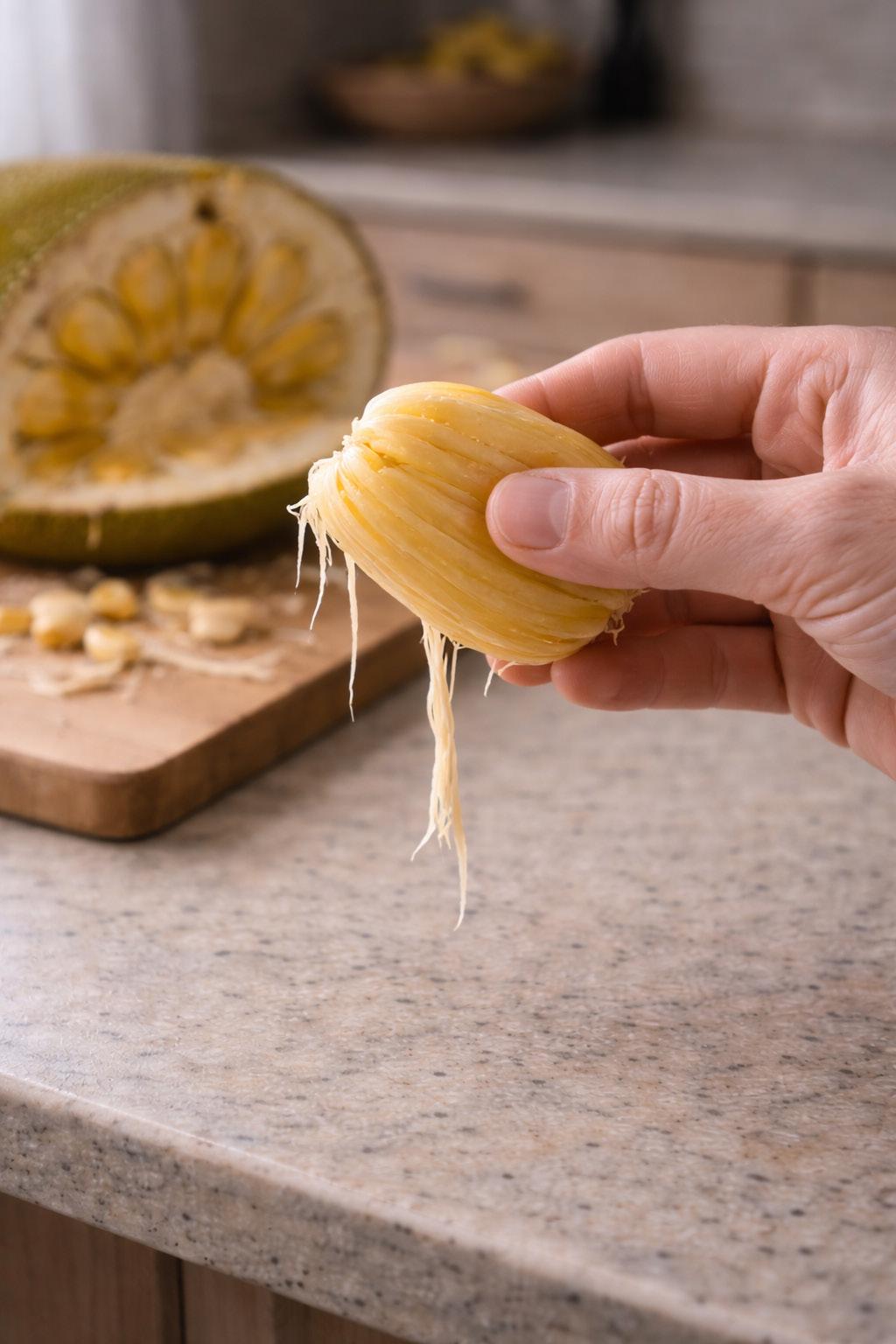
Close-up of a hand holding a fibrous jackfruit pod over a kitchen counter, natural light, neutral background, subtle depth of field.
WRITER: Jeff Weisman PH: Staff
Jackfruit: 0
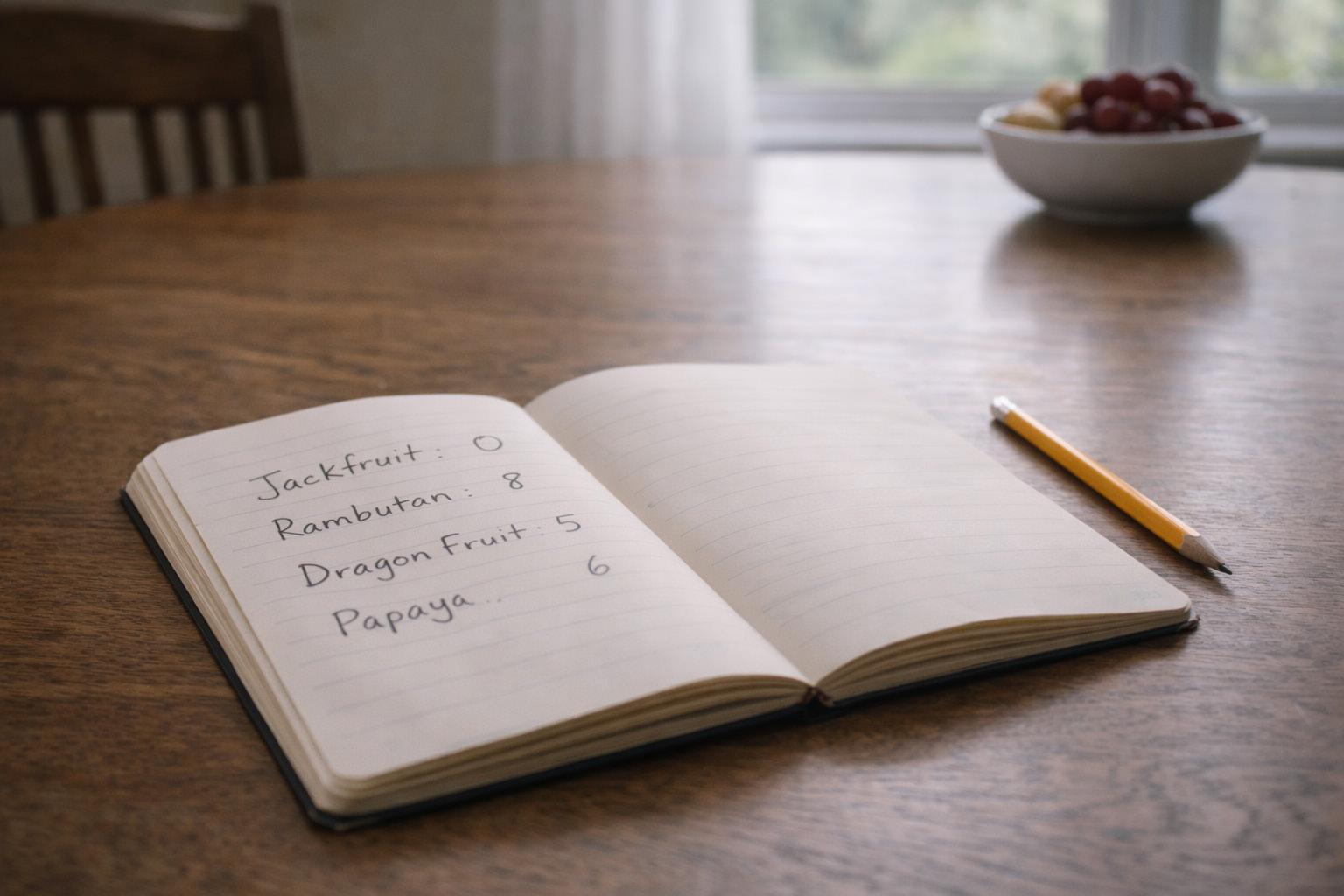
For one whole summer, my daughter and I tried a different fruit every week to expand her palate. We sampled fresh coconut, pineapple, kiwi, passion fruit, just to name a few. Normally, we liked them. We even graded them in a notebook. Pineapple: 8. Coconut: 7. Kiwi: 9.
That sort of thing. It was a lot of fun. That was until we tried jackfruit. In full disclosure, I don’t know much about exotic fruits. I usually buy what’s available at the local grocery store. I grew up in the Chicago suburbs and I don’t venture too far
“That was the deal. We both have to try it twice.”
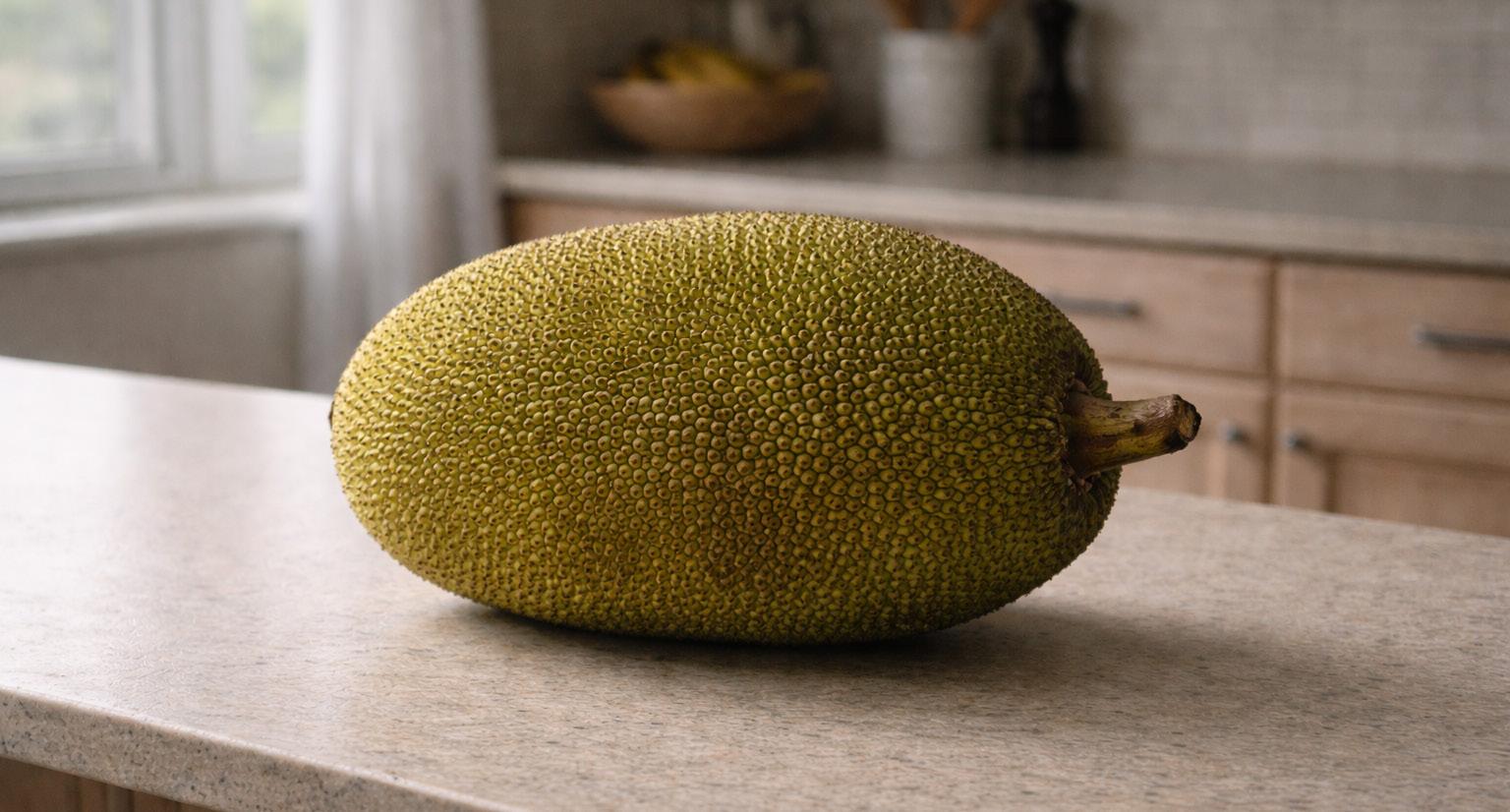
Large green jackfruit sitting on a simple kitchen counter.
“She chewed for about half a second... We have to try it twice.”
from what’s familiar. So I don’t know exactly what makes a great jackfruit. It’s entirely possible I didn’t buy a ripe one. But regardless, it wasn’t good. One Tuesday afternoon, we drove to a grocery store a few towns over, hoping they’d have something different. Most stores near us don’t carry many exotic fruits.
In the produce section, we found jackfruit.
“What’s jackfruit?” my daughter asked, standing among carts and shoppers.
“I don’t know,” I said, looking it up on my phone. “It says it’s the largest tropical tree fruit in the world. It can weigh up to one hundred and twenty pounds. That’s more than you. It comes from Asia.”
“Should we try it?” she asked, studying the large green fruit with its bumpy, spiky skin.
“It says you can eat it raw,” I said,
grabbing one. “What do you think of this one?”
“That one,” she said, pointing to another in the stack.
“Okay.”
Ours was about the size of a small pear-shaped pumpkin. We brought it home and set it on the kitchen counter.
“What part do you eat?” she asked. “Your guess is as good as mine,” I answered, pulling up another video. We watched how to cut it and which part to eat.
“It looks weird, Dad,” she said. “It reminds me of a brain.”
“It does,” I agreed. “We cut it open, remove the seeds, peel the flesh from around them, and eat that.”
“The flesh?”
“That’s what it says.”
I hacked it open with a bread knife. Inside, it looked like a mutant sea
urchin, giant pods packed together. I dug out a slimy seed pod, cracked it open, and handed her the fibrous, stringy flesh.
“You eat this, Dad?” she asked.
“People all throughout Asia do, sweetie,” I said, trying to add a little cultural education. “Let’s be respectful and appreciate their fruit.”
“Sure. But you go first.”
I popped it into my mouth and began chewing. Rubbery. Sour. Horrible.
“You don’t like it,” she said immediately. “I can see it on your face.”
“No, sweetie,” I replied, still chewing.
“It’s just different. Go ahead.”
“You sure? It smells weird too.”
“That was the deal,” I said. “We both try it twice.”
“Swallow,” she demanded. “I want to see you swallow it first.”
Reluctantly, I did. Her turn.
She chewed for about half a second.
“It tastes like slimy weeds.”
“Eww!” she yelled, spitting it into her hand and stomping in place. “That’s gross. It tastes like slimy weeds.”
“It’s not that bad,” I said, though I was beginning to wonder if I’d permanently insulted an entire continent.
“People love it.”
“Not me,” she said. “Eww.”
“We have to try it twice,” I insisted.
“I don’t want to. I know I don’t like it.”
“No. We both have to.”
We counted to three and tried again. Simultaneously, we popped the fruit into our mouths, chewed, and instantly spit it out.
“I can’t do it,” I said, wiping my mouth. “It’s too gross.”
“See?” she screeched. “I told you.”
Now again, I don’t know if I bought a good jackfruit. Probably not. But regardless, the score that day was the same for both of us: Jackfruit: 0.
~Jeff
A TEACHABLE MOMENT
WRITER: Jeff Weisman
PH:
Staff
Saying No
“It’s normal to be curious. But we don’t stare or point. That’s not how we treat each other.”
“It’s never fun to say no to your child, but sometimes it’s the most important thing there is to do.”
It’s never fun to say no to your child, but sometimes it’s the most important thing there is to do. It’s how they learn. It’s how they grow. It’s how they become the responsible and respectable adults we need them to be.
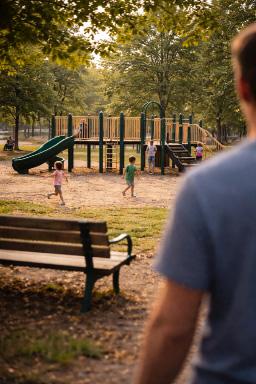
Here’s one of my examples. When my daughter was little, seven or eight years old, I would take her every few weeks to Seba Park along the Fox River in South Elgin. It’s a nice park with several slides, a log tunnel, two suspension bridges, a boulder climbing area, a tree fort, a giant saucer swing just about everything. It was designed with inclusivity in mind, which didn’t directly affect us, but it was nice knowing all the kids could play there.
On this day, we arrived around eleven on a Sunday morning to play before the rain forecast for later that afternoon, at least according to the National Weather Service.
“Let’s go,” my daughter announced, opening the car door as soon as I turned off the engine.
“Watch yourself,” I said, scanning the parking lot. “There’s no one around. But you still have to look.”
“Sorry, Dad.” She checked for cars.
“Can I go now?”
“Yes, go ahead.”
Excited, she ran toward the climbing boulder in front of the main slide area and began scrambling up.
“Good job,” I called, walking over as a few other kids and parents played nearby, the sun muted behind a thin veil of clouds. “You’re getting stronger every day.”
After a few minutes, she grew bored and darted toward the monkey bars on the other side of the playground. “Come on, Dad!” she yelled. “Count how long I can hang.”
“I’m coming,” I said, hurrying after her. “I bet you can make it to ten.” Suddenly, near one of the suspension bridges, she stopped and stared toward the parking lot.
I followed her gaze. A young boy in a wheelchair was being pushed into the park by his father. The boy looked about six years old, the chair reclined steeply, his condition evident.
“What are you doing?” I asked. “Look,” she said, pointing.
Startled, I paused.
“Come here,” I said finally, guiding her to a bench at the side of the playground. I bent down to meet her eyes. “No, sweetie. We don’t stare at people, and we don’t point at them. That’s rude. Would you want someone to do that to you?”
Where kindness meets nature: Fox River towns stitched together by parks, shrines, and familiar steeples.
“I know she was exercising her desire to have more control over her life and her dad than she normally did.”
“No,” she said softly, her pink frog T-shirt twisted at the waist, blue jean shorts dusty from climbing. “But I haven’t seen anyone in a chair like that before.”
“I know. And it’s normal to be curious. But we don’t stare or point. That’s not how we treat each other.”
“Okay,” she said, cheeks flushed from running. “But why’s he in that chair?”
“I don’t know why,” I answered. “He’s handicapped.”
“So he can’t walk?”
“No, I don’t believe so.”
I stood up. “But come on. I bet you can’t beat me to the monkey bars.”
“Yes, I can!” she screeched, racing off again. “I can get there first.”
~Jeff
WRITER: Cynthia Adamson-Kotlicky
PH: Staff
Alone Together in the Fox Valley
“It’s easier to put on slippers than to carpet the world.”-Stuart Smalley
Sometimes I freeze in the frozen foods section. I stare at Buffalo cauliflower bites; my heart seizes, and I look around at all the shoppers accomplishing the simple and mundane tasks of life while I feel so alone. Those are big emotions for a frozen foods aisle, and I didn’t always feel them.
June 22, 1998, is the date my son, Tristan Kotlicky, came into the world. May 4, 2021, is the date no parent should know. He was a mechanical engineering student at the University of Minnesota; he was one week away from coming home for the summer, but because of many choices that night, made personally by Tristan and professionally by others, he did not. Several students called 911 that night to say they were concerned about Tristan because they heard panicked crashing around in his room, and he was shouting disturbing things. The police came and talked to Tristan through his locked door. They determined he might be a threat to himself, but not a threat to others, so an officer called his supervisor to ask what to do. The supervisor said to disengage, so the officers “disengaged,” which means they left. Even college students knew this was wrong. They still feared for their friend, so they called the police again, who responded again, who only talked to him through a door again, who left again, and who didn’t contact anyone else again. A second chance to get things right was lost.
He was found dead the next morning.
We’ve since learned that taking just one hit of LSD when mixed with the medications he was taking can cause serotonin syndrome, a rare but potentially fatal combination. Tristan had a really bad trip that night whose ultimate destination is the one we all
“Until you experience a great loss yourself, you may not realize how isolating and lonely it can be.”
reach; Tristan just got there far too soon.
Thankfully, much has changed in Minneapolis and nationwide since then. I think if the events of that night were to unfold today, emergency services would respond very differently, and I’d still be able to send my son texts, see him on Christmas, and keep making him birthday cakes with increasing numbers of candles.
Until you experience a great loss yourself, you may not realize how isolating and lonely it can be. It’s like the traumatic first loss creates a cascade of other smaller ones that draw you farther and farther away from what used to be your comforting normal.
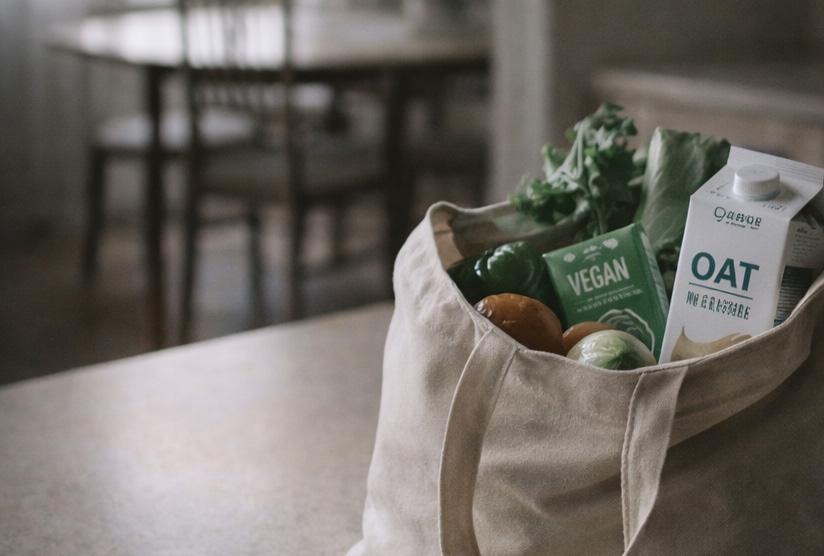
Image 1 : A reusable grocery bag partially open with grocery items.
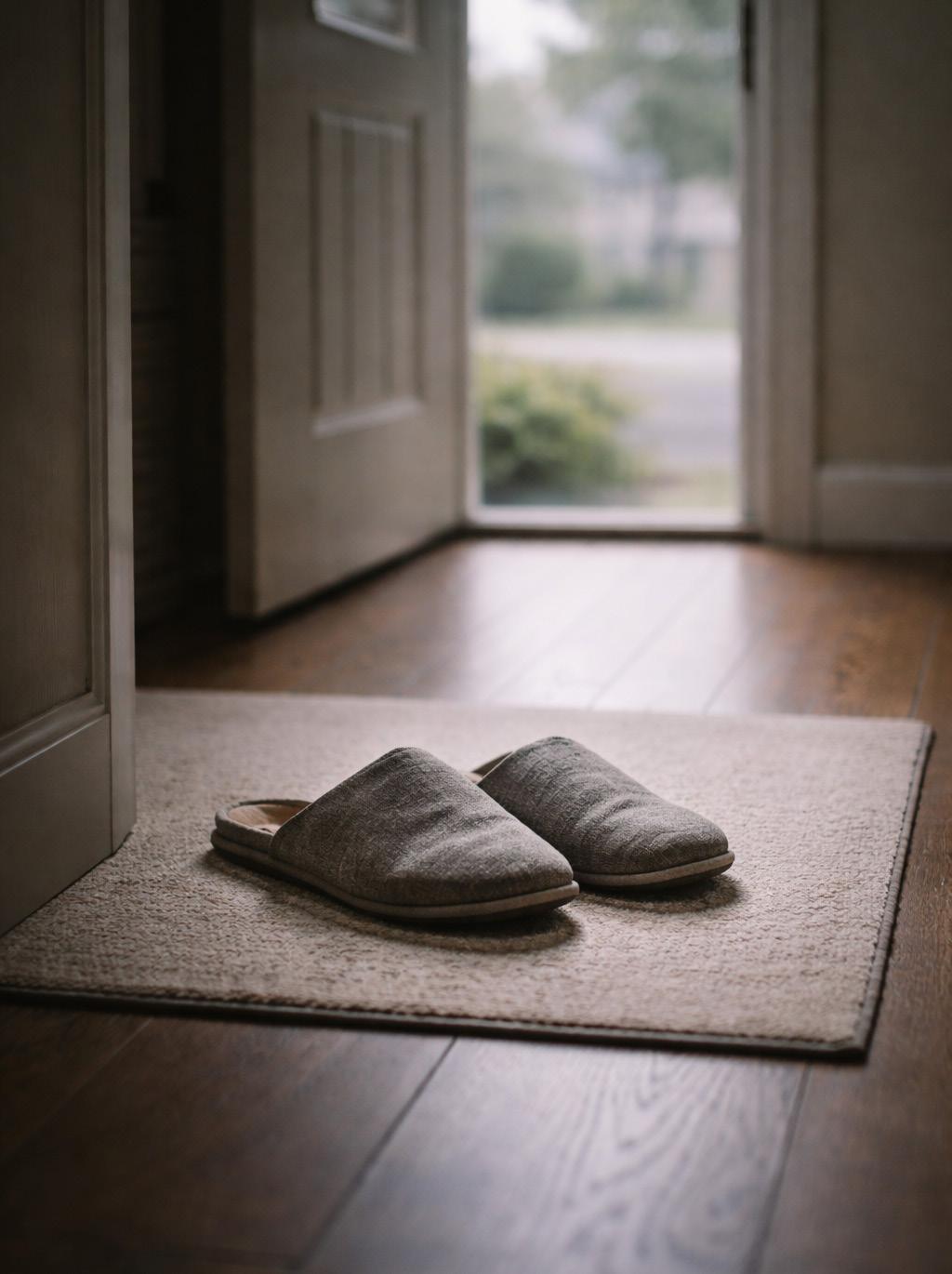
Image 2: Sometimes healing starts by simply putting on slippers and facing the day.
Colleagues who used to make work a little sunnier scatter, seeing you only as a storm cloud, even though you always made it a point never to rain around them. Even simple errands can become minefields.
For instance, have you seen a woman crying by the refrigerated vegan section at the Trader Joe’s on Fabyan Parkway? That’s me. I used to really like grocery shopping; cooking for people is my love language, and quality ingredients are the words that create the dialect. Tristan was vegan, a language I didn’t know how to speak. But I learned, so I could continue telling him I loved him with every meal.
After his death, it took me two years to enter a grocery store; I just couldn’t look at what I used to buy. The pantry was still there waiting to be filled, but the whole family wasn’t. You might not think being in a grocery store is the pinnacle of human fellowship, but it’s something, and all those little somethings add up when they’re gone.
I can go to grocery stores now; it’s not a pleasant experience yet, but I’m in there. And that’s what I’m ready to start doing—get back in there. I’m going to try to make new connections and meet new people who don’t define their understanding of me by my loss.
I think there are many people out there who feel lonely in our world for their own reasons. Like me, maybe they’re ready to find local groups and activities that lessen their sense of isolation, and in even just wanting that, maybe we’re all a little less alone.
~Cynthia
Against
“Deserve”
Part V, Grieving What Does Not Exist Series
There is a word I have come to distrust: deserve. It slips easily into conversations, disguised as comfort, disguised as justice.
“You deserve a child.”
“You deserve a miracle.”
“Maybe this wasn’t meant for you.”
“Maybe God has a plan.”
WRITER: Emma PH: Staff
But deserve is a dirty word. It sounds tender, but it carries an accusation. It smuggles in the idea that life follows a moral ledger, that outcomes are rewards or punishments handed out by a rational universe. That if something doesn’t happen, pregnancy, healing,
reconciliation, it is because you somehow didn’t earn it.
This is a theology dressed up as encouragement. It is the same logic that blames people for their illnesses:
“She beat cancer because she stayed positive.”
“He struggled more because he didn’t fight hard enough.”
“She must have done something wrong.”
Hope becomes meritocracy. Suffering becomes moral failure.
I refuse that framework. Not just because it is cruel, but because it is wrong.
There is no metaphysical scoreboard keeping track of who prayed hardest or who wanted a child most. There is no cosmic accountant balancing good deeds against reproductive outcomes. People who would make extraordinary parents struggle with infertility. People who have little support conceive effortlessly. People with gentle hearts lose pregnancies. People who survive devastating illnesses are not “stronger” or “better” than those who do not.
Faintly visible chalkboard with numbers partially erased.
Teleology, the belief that everything happens for a reason, is comforting only until life becomes unpredictable, or unfair, or unbearable. Then it becomes violence. It forces suffering into a narrative that absolves society, institutions, and randomness of responsibility. It demands that pain be meaningful, when sometimes pain is simply pain.
The idea that everything is orchestrated deprives us of honesty. It makes us moralize biology. It makes us pretend that unfairness is destiny rather than chance, rather than failures of systems or health care or circumstance.
It turns grief into self-interrogation: Why me? What did I do wrong? What lesson am I supposed to learn?
A quiet, expansive sky blue over an open field.
But some things have no lesson. They simply are.
A secular ethic does not erase meaning; it re-anchors it. It says:
Life is fragile.
Bodies fail.
Cells mutate.
Chromosomes misalign.
Hormones misfire.
Viruses do not choose the righteous. Pregnancy is not a reward, and loss is not a punishment.
This clarity is not nihilism. It is compassion. It frees us from the tyranny of explanation. It allows us to meet suffering with presence instead of platitudes.
Compassion that isn’t cruel begins here: Without promising outcomes we cannot guarantee.
Without attributing intent to forces that have none. Without suggesting that grief is a moral deficiency or a spiritual blind spot.
It sounds like:
“I’m so sorry this is happening.”
“I’m here for you.”
“This is unfair.”
“You’re not alone.”
It avoids the brutality of reassurance that disguises itself as faith:
“You’ll get your miracle.”
“Trust God’s timing.”
“This is happening for a reason.”
Because sometimes the only honest thing to say is that there is no reason, at least, not one that makes suffering easier to bear.
Rejecting teleology does not make life empty. It makes us responsible to each other. It means we build meaning through relationships, care, community, and the choices we can control. It means we hold each other through the randomness rather than trying to narrate it into moral order.
“Deserve” has no place in this landscape.
No one deserves illness. No one deserves loss. No one deserves infertility. And no one earns the opposite, either.
What we do deserve, if the word must be used, is dignity, honesty, and support. A community that doesn’t spiritualize pain. A culture that doesn’t assign purpose to tragedy. A compassion that does not wound while trying to soothe.
Grief, in this sense, becomes a teacher not of fate but of responsibility: to show up for others without metaphysical shortcuts. To resist the urge to explain suffering and instead sit with it.
To recognize that the absence of cosmic intention does not diminish the depth of our bonds; it enhances them. Because all we have, all we have ever had, is each other.
Against “deserve” is not against hope. It is hope freed from hierarchy. It is love without conditions. It is empathy without theology. It is a promise to be present in a world where things do not happen for us or against us; they simply happen.