


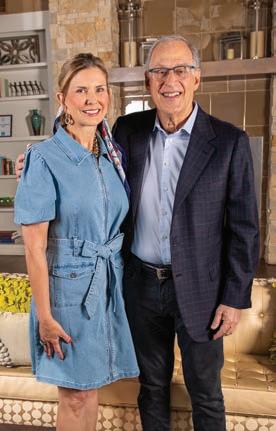
Robin Rogers, Ed.D.
everal of my favorite people walked across a stage last month. From the most precious 5 year-old I know leaving behind a wonderful preschool, to dear friends earning high school diplomas, to another friend finishing nursing school, this graduation season carried a certain kind of magic. It is the turning of a tassel, the closing of one chapter, and the anticipation of what comes next.
For some, graduation means leaving home for dorm rooms and independence. For others, it means stepping into a new career after years of preparation and sacrifice. No matter the age, every graduation represents hope, growth, and the courage to step forward into the future.
Over the years, I have sponsored several employees through Leadership Texarkana, the outstanding yearlong leadership program now led by Dr. Jenny Walker. I love our community and the people who continue investing in it. This year, my coworker Victoria Herman graduated from Leadership Texarkana, and I attended the final luncheon where the keynote speaker was Gary Kusin.
If you are from Texarkana, you probably remember the Kusin family. They owned a furniture store and the bowling alley for many years and were deeply respected in the Texarkana area. Gary Kusin graduated from Texas High School, and on graduation day, he shared the stage with another Texarkana native—Ross Perot.
That day, Perot saw something special in the young graduate and made him an offer: “Come back to Dallas with me. Let me show you around, and we will discuss your future.” Most 18-year-olds would have gone to the lake after graduation, but Gary Kusin climbed in the car with a man who would become one of the most influential businessmen in America—ever. That simple decision changed the trajectory of his life. Years later, after Gary earned his graduate degree from Harvard, Ross Perot invested in Gary’s first company, Babbages (now Gamestop).
There is a lesson in that: opportunity often arrives quietly. Sometimes it simply looks like somebody opening a door and saying, “Come on. Let’s go.” The hard part is having the courage to walk through the door.
I grew up fascinated by Ross Perot. I had the privilege of interviewing him three times during my life, but the first interview remains the most unforgettable. We spent hours discussing leadership, family, Texarkana, and the people we knew in common. Somehow, the conversation turned to his



PUBLISHER
Dr. Robin Rogers
EDITOR
Ellen Orr
GRAPHIC DESIGN & PHOTOGRAPHY
Shane Darby
SALES REPRESENTATIVE
Victoria Herman
EDITORIAL ASSISTANT
Phoebe Warren
Uncle Henry, who used to fly into Shillings Airport near my grandparents’ house. As a little girl, I would run outside after hearing the airplane buzz the house because I knew that Henry kept peppermints in his glovebox, just for me. Mr. Perot laughed at that story, and soon we were talking about family history and the importance of relationships. Then he mentioned the wedding ring his father had given his mother, a ring his father had saved for months to buy. He asked if I would like to see it.
“Well, of course,” I answered. It was so nonchalant that I expected Mr. Perot to open up his desk drawer and pull out the ring.
“Follow me to my house,” he said.
And just like that, much like Gary Kusin years earlier, I found myself saying yes to an unexpected invitation. At the time (2001), Ross Perot was already an international figure: businessman, presidential candidate, founder of major companies, and a man known around the world. Yet what struck me most was not his success but his sentimentality. He loved talking about his parents and grandparents. He loved Texarkana. He never forgot where he came from.
In his home, the treasured wedding ring sat displayed in a glass box on top of the fireplace mantel. He opened the case and let me hold it while he talked about commitment, relationships, and remembering the people who helped shape your life.
I left that evening feeling like I had experienced a masterclass in leadership—not leadership built on ego or power, but leadership rooted in humility, gratitude, and respect.
Gary Kusin has that same spirit. (Gary is also someone I have been fascinated with for most of my adult life.) Both men were raised here. Both became incredibly successful businessmen and visionary leaders. Both understood persistence and the importance of surrounding yourself with good people. Both valued family. And both always came back home when asked.
There is something powerful about people who never forget where they started.
To me, home will always be the place where family, teachers, friends, and neighbors helped shape who I became. In small towns and communities like ours, leadership is often learned long before somebody sits in a boardroom. It is learned from parents who work hard, teachers who encourage us, and mentors who believe in us before we fully believe in ourselves.
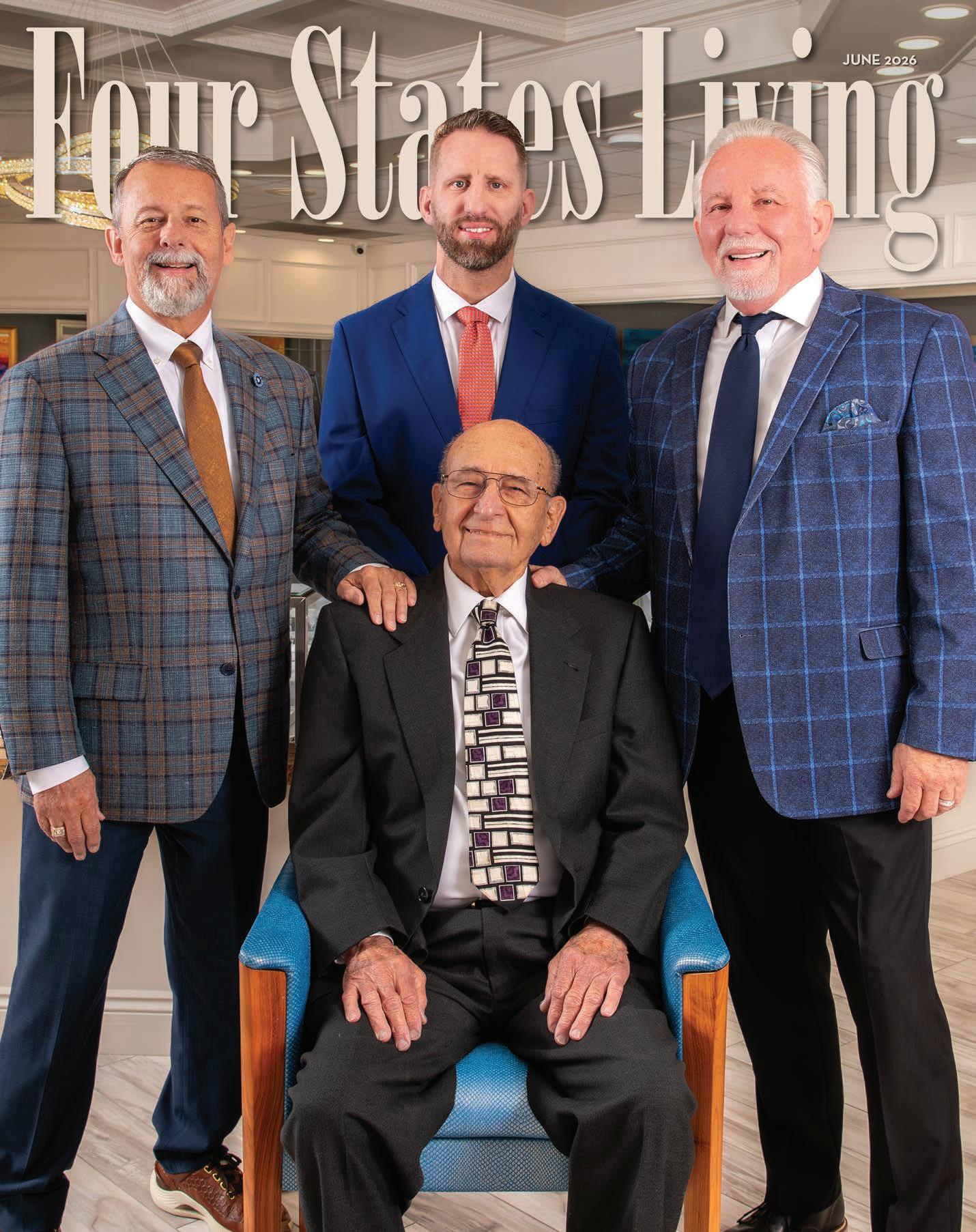
As we celebrate area graduates this month—from preschoolers to high schoolers, from college students to Leadership Texarkana graduates—we are also spotlighting some wonderful men who are leaders and fathers and business giants. The Alexanders (on the cover) have been helping couples find their most precious possessions for many decades now, and at 89, Jerry Alexander, the patriarch, is still leading from the back room.
Graduation season reminds us that the future is always unfolding. Somewhere in this month’s group of graduates is another entrepreneur, teacher, nurse, business owner, or community leader. Somewhere is another young person about to accept an unexpected invitation that may change everything.
Perhaps that is the beauty of it all. We never fully know where one opportunity, one mentor, or one brave decision might lead. I hope you enjoy this special issue celebrating graduates, leadership, family, and community. And, as always, thank you for reading FSLM
CONTRIBUTING
PHOTOGRAPHERS
Dr. Robin Rogers
CONTRIBUTING WRITERS
Madeline Haak
Jaime Knighton
Ellen Orr
Dr. Robin Rogers
Brandon Shoemaker
Brooke Stone
Scarlett Stussy-Chaidez
Phoebe Warren
Four States Living Magazine is published the first business day of every month. © Copyright 2026 by Four States Living Magazine. No part of this publication may be reproduced in any form without written permission of the publisher. Four States Living Magazine is distributed free of charge. Direct mail subscriptions are $40.00 per year. Reader correspondence and editorial submissions are welcome. We reserve the right to edit or reject any material contributed. Do You Have a Story or a Photo?
We welcome information regarding topics of interest for future publications. If you have a story or photos that in some way depicts living or visiting in the Four States area and would be of interest to our readers, we want to hear from you. Call 903-792 -2262 or write: Editorial Department, Four States Living Magazine, 4104 Summerhill Square, Texarkana, Texas 75503. Comments are also welcome at our e-mail address: info@fourstatesliving.com
Want to Advertise?
Advertising rates may be obtained by contacting the Sales Department at 903-792-2262, writing to Four States Living Magazine, 4104 Summerhill Square, Texarkana, Texas 75503, visiting our website www.fourstatesliving.com or emailing our Sales Department at info@fourstatesliving.com

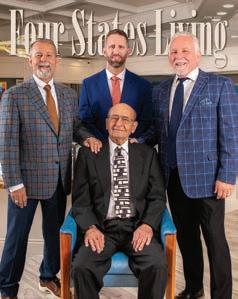
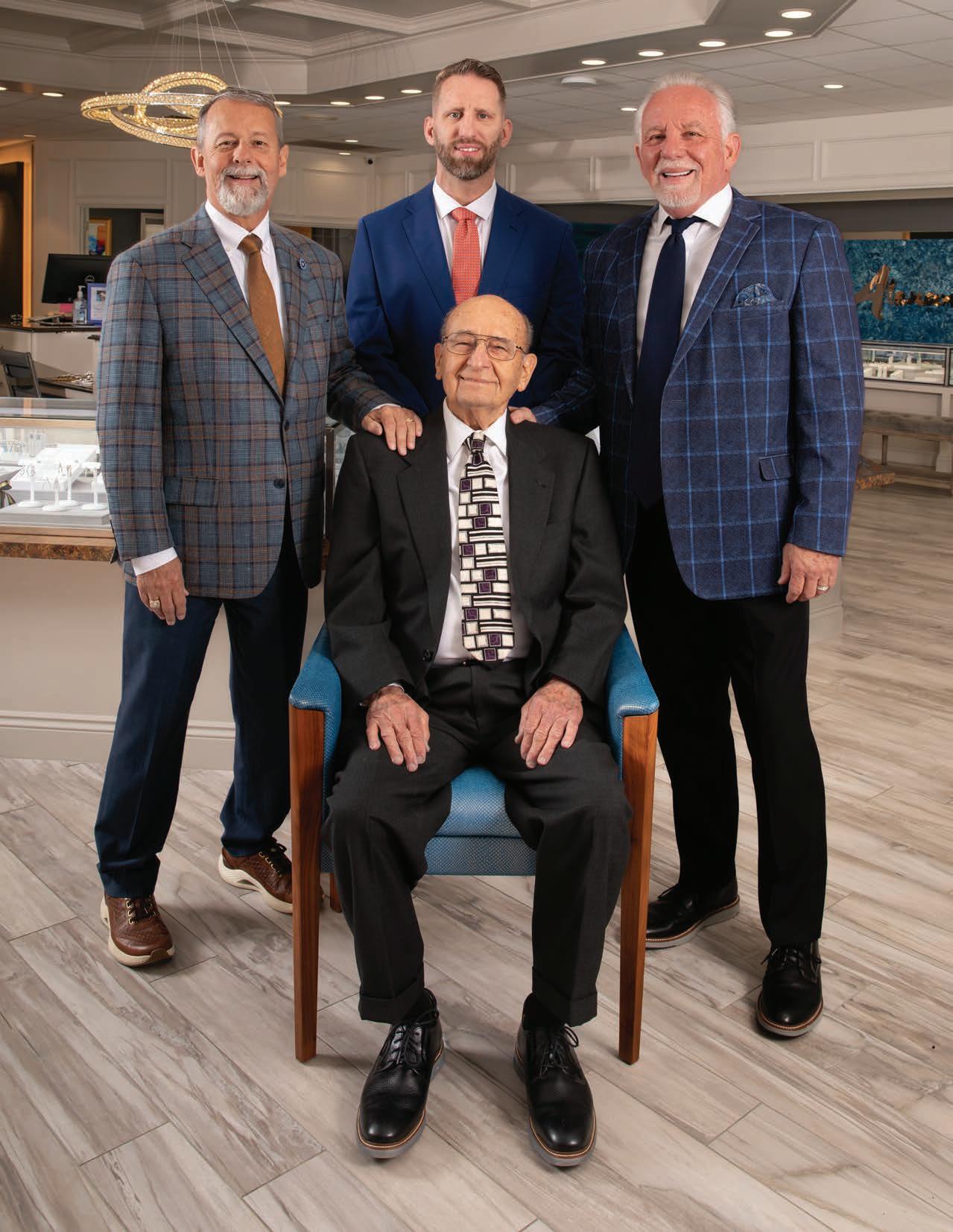
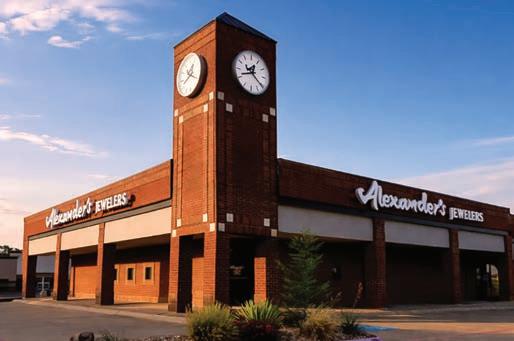
Three generations of Alexander men work together at the eponymous jewelry store on Mall Drive, continuing a tradition of passion, dedication, and customer service that began nearly 70 years ago.
Read about the men of Alexander’s Jewelers on page 12
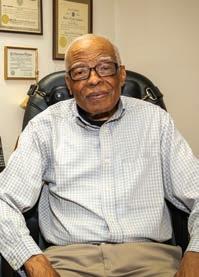
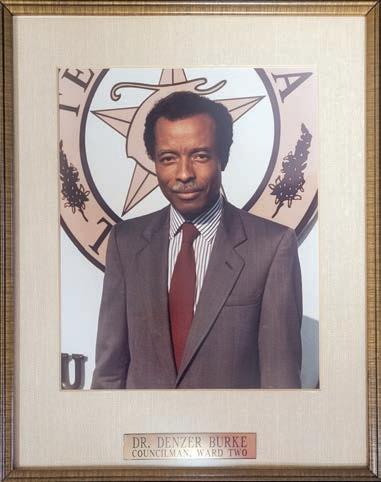
Dr. Denzer Burke is a storied figure. Now 93 and celebrating 64 years as a member of the Texas Dental Association, he began practicing dentistry in Texarkana during racial segregation. Through healthcare, activism, and civic duty, he has improved countless lives.
Read about Dr. Burke on page 24.
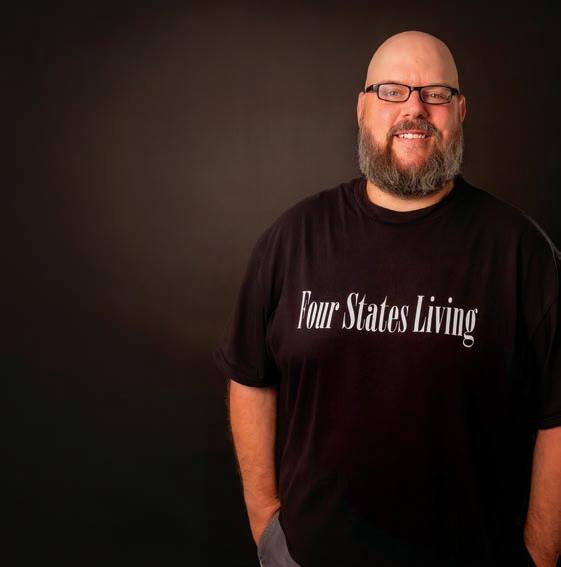
Shane Darby is the graphic designer and photographer for Four States Living Magazine. Originally from Linville, Louisiana, he graduated from Louisiana Tech University in 2000, with a BFA in graphic design. Shane spent 22 years as the art director for Louisiana Gardener and nine of its sister publications. Now when he’s not putting together an issue of FSLM, he can be seen pointing his camera at baseball players and various wildlife in the four states area.



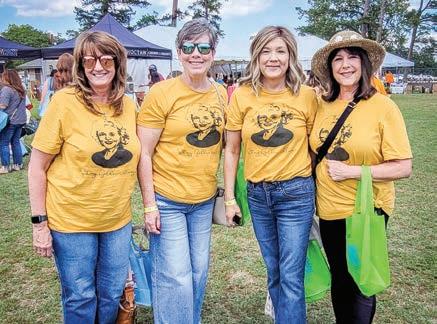
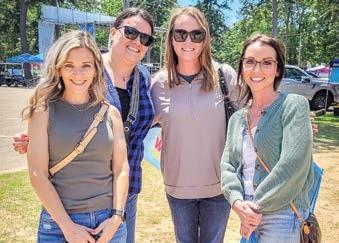
Alzheimer’s Alliance Tri-State Area held its 11th annual Twice as Fine Texarkana Wine Festival at Spring Lake Park on Saturday, May 2nd. The Twice as Fine Texarkana Wine Festival directly supports the Alzheimer’s Alliance and the Our Place Day Respite Center.


















Three generations of men work together at Alexander’s Jewelers
by ELLEN ORR
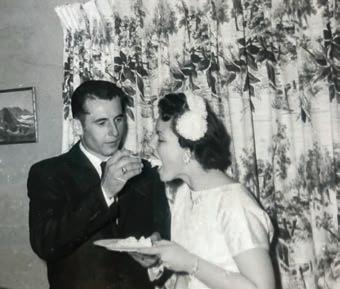
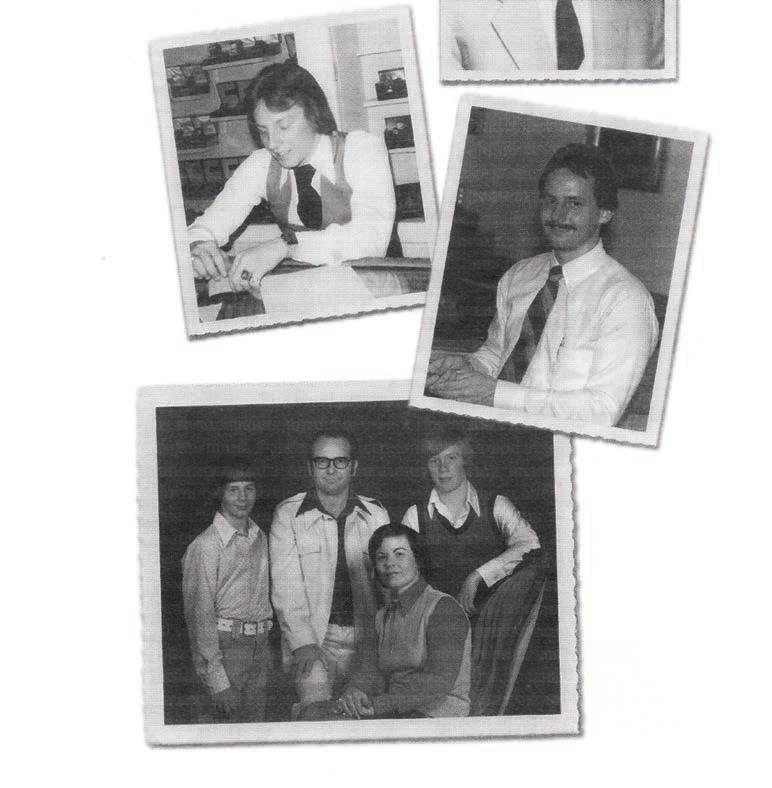
In1955, a Kansas teenager named Marlene Penney walked into a jewelry store and applied for a sales job. That fateful decision was the first in a series of decisions that led to the establishment of Alexander’s Jewelers, a Texarkana legacy brand currently run by three generations of Alexander men. While brothers Van and David now co-own the store, founder Jerry, at 88, continues to work, serving as a mentor to Van’s son, Mitch. The Alexander family’s venture into the jewelry business began almost 70 years ago, when Jerry met Marlene, his bride-to-be.
“As the story goes, my dad’s stepdad went to Kay’s Jewelers and then told my dad, ‘There’s a pretty girl working down there. You need to go see her,’” David relayed. Jerry took his father’s advice, and in 1958, he and Marlene were married. When they learned that they were expecting a child, Jerry took his wife’s place on the Kay’s Jewelers salesfloor—and he was hooked on jewelry. Marlene stayed home while her two children, Van and David, were small. Meanwhile, Jerry climbed the ranks in Kay’s. (Kay’s Jewelers, not to be confused with Kay Jewelers, was a regional chain owned by the SELCO group that closed in the 1980s.)
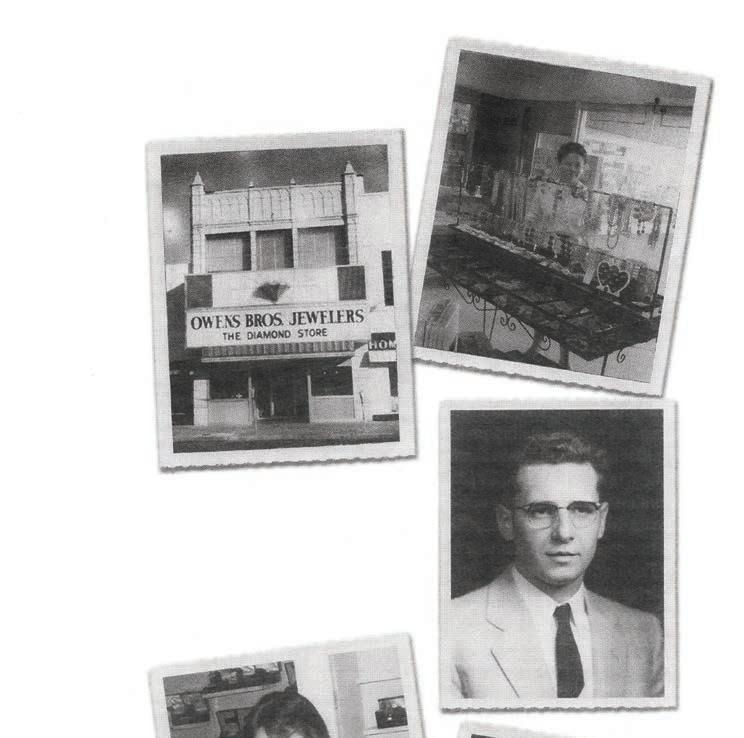
In service of promotions, the young family moved throughout Kansas, Oklahoma, and Nebraska before being relocated to Texarkana, Texas, in 1966. A few years later, they were to be moved to New Orleans, but Jerry and Marlene refused, choosing to stay in Texarkana. Jerry left Kay’s and went to work at a family-owned store, Owens Jewelers, established in the 1910s. Herman Owens, Jerry, and Marlene became close friends—and, by 1973, business partners. They expanded their Broad Street store into six total locations throughout Texarkana and Mount Pleasant.
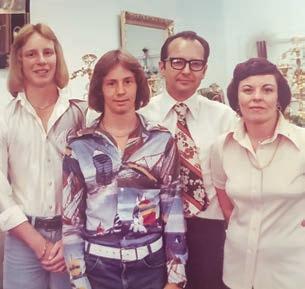
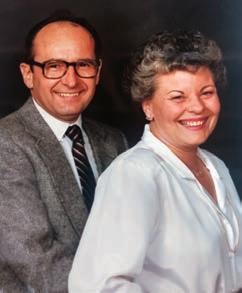

During their childhood and teenage years, Van and David worked alongside their parents, learning the trade.
“On Sunday evenings, when we were young, we would tag merchandise at the kitchen table,” Van recalled. “In high school, during the summers, we did grunt work: running things from store to store, organizing inventory, going to the bank, going to the post office, cleaning toilets. There was an old saying: ‘If you have time to lean, you have time to clean.’”
Van and David each attended college before electing to join the family business. Throughout the ‘80s and ‘90s, their parents instilled key passions and ethos into their sons.
“My mom had a passion for jewelry, and she passed that onto us,” David said. “She wanted everyone to have jewelry. To her, everyone needed jewelry the same way they needed a toothbrush.”
Jerry’s long-established legacy is in how he treats people. “He’s always said, ‘If you want to take care of yourself, you take care of people,’” David said. “The more you do for them, the more they’re going to do for you—and that’s not why you do it, but that’s the result. He’s such a giver, so positive and inspiring. We try to live up to him, but we never will. We call him Saint Jerry.”

On Sunday evenings, when we were young, we would tag merchandise at the kitchen table. “ ”
– Van Alexander

[Our dad is] such a giver, so positive and inspiring. We call him Saint Jerry. “ ” – David Alexander
In 1990, after the death of Herman Owens and an amicable splitting from the second generation of Owenses, Alexander’s Jewelers was officially established. The Alexanders consolidated to one location on Mall Drive, where they remain today.
Van and David purchased the business from their parents in 2001, and Marlene and Jerry retired. However, in the mid-2010s, when a bench jeweler took medical leave, Jerry returned to work “temporarily.” Around that time, Marlene began to develop Alzheimer’s. Working on jewelry for a few hours a day proved a healthy outlet for Jerry, who spent every other minute with his wife. Marlene passed away in 2021, at the age of 84. She and Jerry were married for 62 years.
Jerry has remained working, still coming to the store every day to repair jewelry—but his sons insist that he not stay until closing time. “His production pace is really fast,” Van said. “Sometimes he’ll get everything knocked out in the morning, and we tell him to go home.”
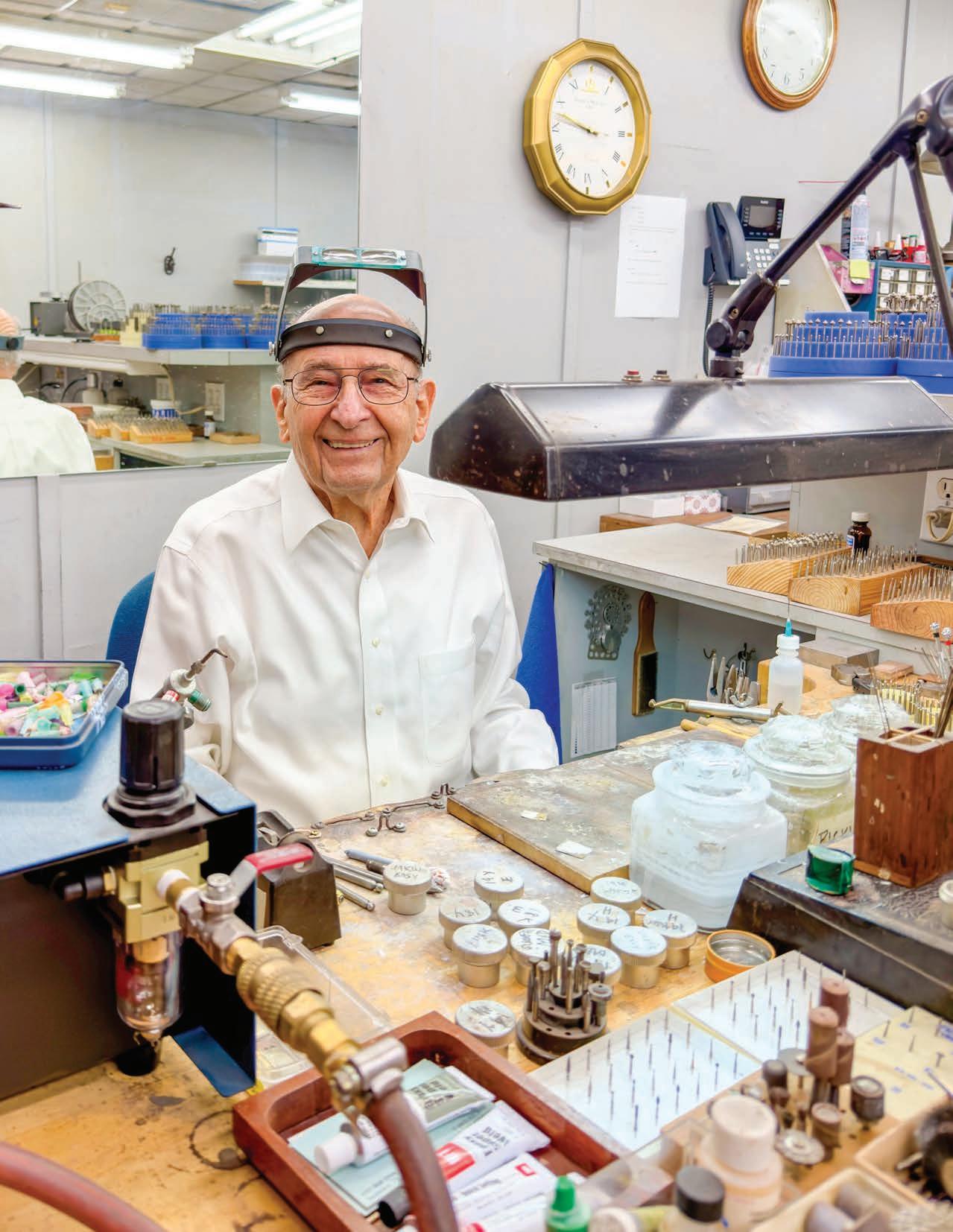
In addition to his hard-earned skill and speed, Jerry brings irreplaceable wisdom to his work. He shares this with his grandson, Mitch, who has inherited his grandfather’s dexterity and mechanical aptitude. “I love that, when [Mitch and Jerry] are in the shop together, Dad’s talking to him,” Van said. Mitch currently spends most of his hours on the salesfloor, but he does hold jeweler certification through The Texas Institute of Jewelry Technology, located in Paris, Texas. One day, he will likely take over Jerry’s responsibilities in the back, having learned the job from the best himself.
Alongside colleagues Lara Court and Amy Havranek, three generations of Alexander men continue to build upon the foundation laid by Marlene and Jerry.
“David and I say all the time—we didn’t build the platform; Dad did,” Van shared. “We work from that platform, and we make it bigger and better—but building the platform was tough, and it took a lot of sacrifice.”


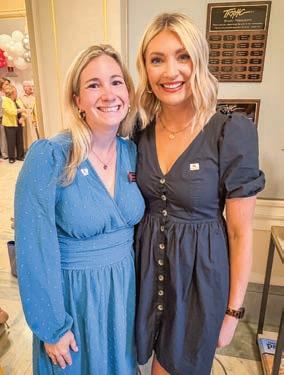
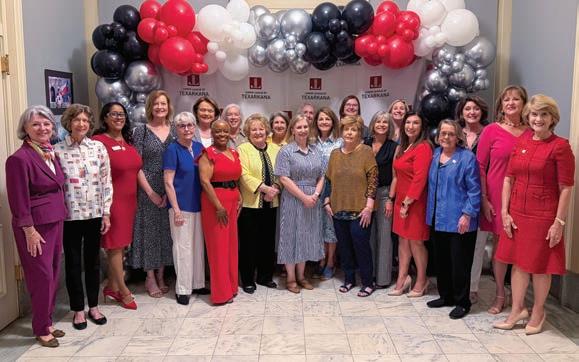
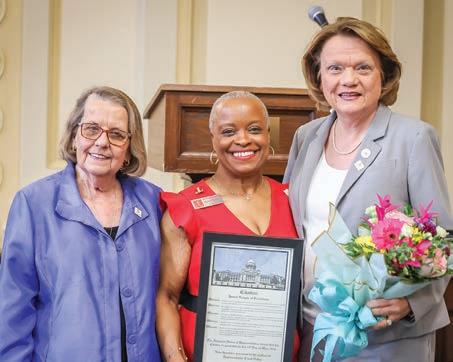
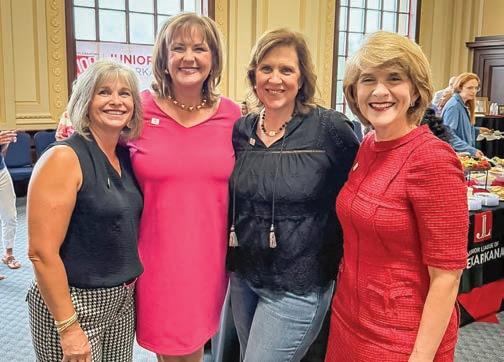
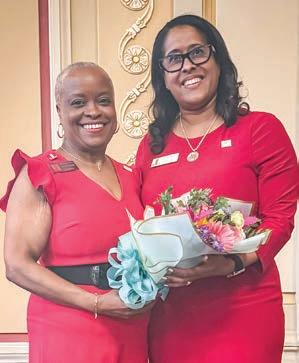
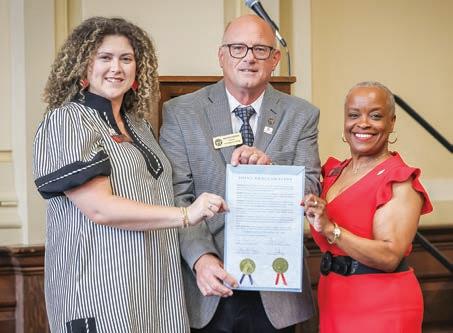
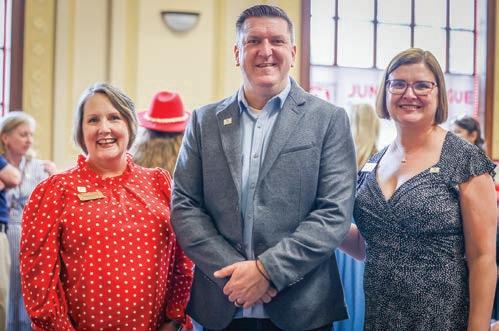
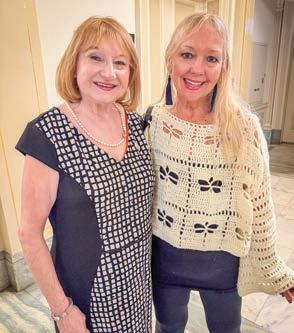
The Junior League of Texarkana celebrated its centennial anniversary on Tuesday, May 19th with a special evening honoring a century of voluntarism, leadership, and community impact.




Dr. Denzer Burke, 93, has served Texarkana as a dentist and civic leader for over 60 years
by JAIME KNIGHTON
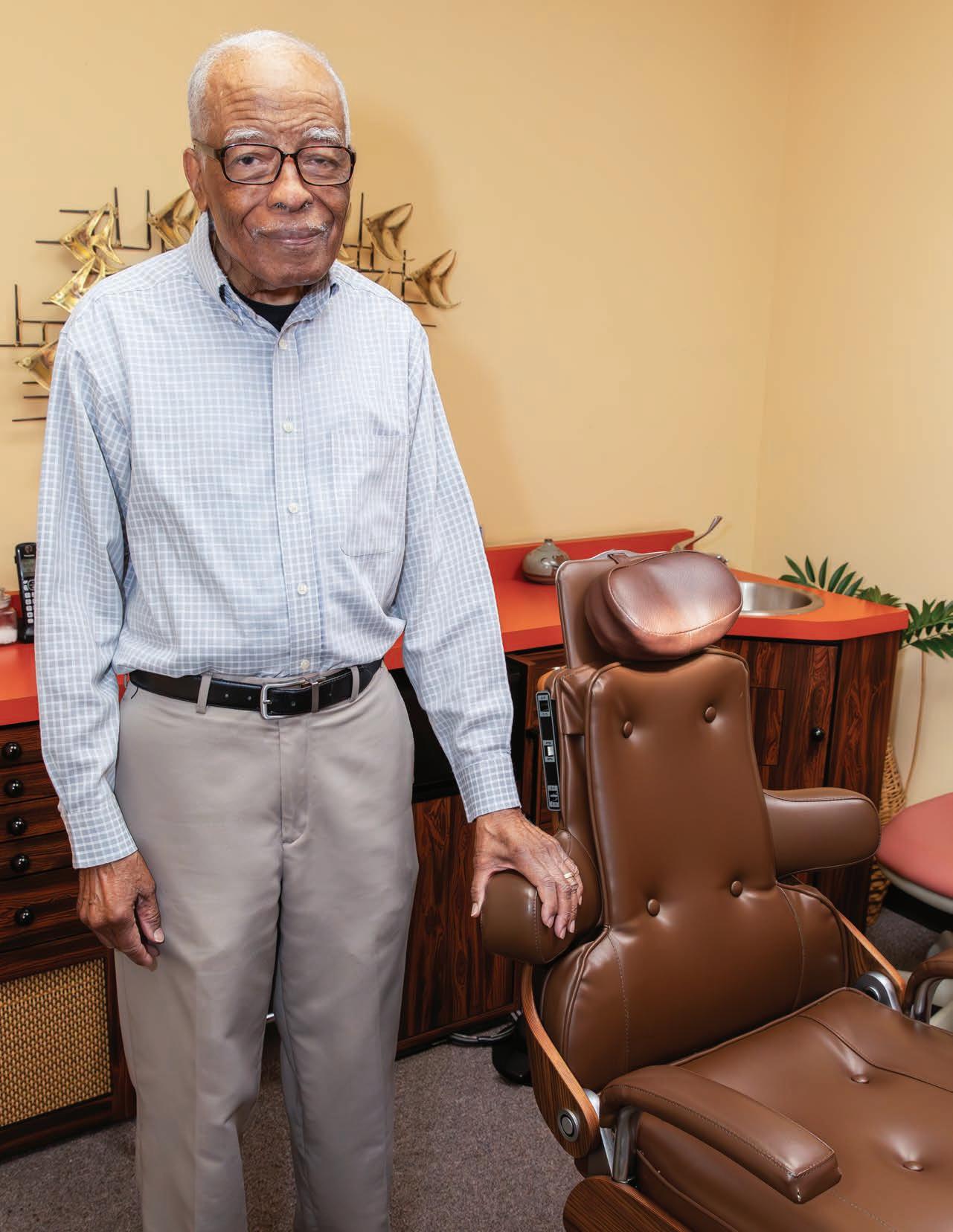
photo by SHANE DARBY
Respected, community-minded, and deeply accomplished are only a few of the words used to describe Dr. Denzer Burke. Over the course of his 93 years, the dentist and civic servant has made countless contributions to the Texarkana community. Recently featured in the Texas Dental Journal for several decades of membership with the Texas Dental Association, Denzer will celebrate 64 years with the organization this August. However, dentistry represents only one chapter in a long life shaped by military service, civic leadership, faith, and advocacy.
Born in Atlanta, Georgia, Denzer and his family moved to Michigan when his father returned from World War II, in which he served as an army cook in both Belgium and France. “When he came back, conditions in the South were difficult, so we moved to Michigan where we had family,” Denzer said.
Growing up, he was heavily involved in school activities. Denzer was a member of the school newspaper staff, sang in the a cappella choir, and participated in academic competitions. “I always wanted my name in the paper for getting good grades,” he laughed. “My classmates and I competed with each other to see who could get the most A’s and receive recognition in the community newspaper.”
After he finished high school, Denzer earned his bachelor’s degree at the University of Michigan before being admitted to the Howard University College of Dentistry. By the end of his second year of dental school, he had become a commissioned dental officer in the U.S. Naval Reserve. “At that time, there were almost no Black officers in the Navy,” he said. “They were recruiting, and I liked the uniform, so I joined.”
Dr. Burke spent three years stationed at a naval dental clinic in Brooklyn, New York. At one point, he received orders to serve aboard an icebreaker headed to the South Pole. However, just before deployment, the orders were reassigned to another officer, much to his relief. Later, while serving aboard the USS Sierra AD-18 in Norfolk, Virginia, his voyage delivered medical supplies to Port-au-Prince, Haiti, and took him to Guantanamo Bay, Cuba. Upon return to the states, Dr. Burke became a witness to preparations surrounding the Cuban Missile Crisis.
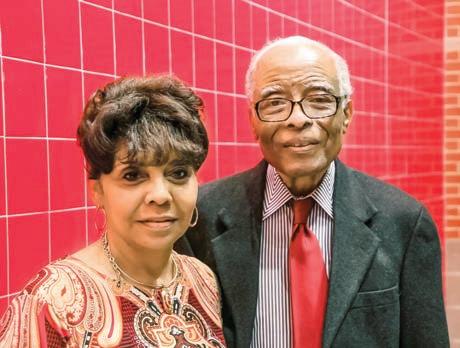

After four years of military service, Dr. Burke retired as a lieutenant commander in the U.S. Navy. He relocated to Texarkana, Texas, in the 1960s, despite having already obtained office space in Houston. He changed his plans when he learned that, in Texarkana, there was a significant unmet need for dental care, especially within the Black community.
Denzer Burke served as a dental officer in the U.S. Naval Reserve. “At that time, there were almost no Black officers in the Navy,” he said. “They were recruiting, and I liked the uniform, so I joined.” submitted photos
“The dentist who had served the Black community here had died,” Dr. Burke said, “so instead of [going to] Houston, I came here.”
Arriving in Texarkana during segregation was a major culture shock after having grown up in integrated communities in Michigan. “Black professionals had difficulty finding housing,” he explained. “Hotels weren’t available to us. Most Black people who came here stayed in temporary housing in Stevens Court until they were able to locate decent living quarters.”
Dr. Burke began his career in Texarkana in the Jamison Building on Third Street. At the time, this building was a center for Blackowned businesses, including medical offices, a restaurant, a beauty shop, a barber shop, and a drug store. He recalled that, on Saturdays, Black people from nearby towns would congregate at the Jamison Building—a place to hangout, visit, take care of errands, and receive medical care.
During segregation, Dr. Burke cared primarily for Black patients, as most white dentists refused to treat them. Despite the divide, he said that he was generally welcomed and accepted into the larger dental community. “One [white] dentist in particular, Dr. James W. Clark, invited me over and gave me advice about practicing dentistry here and how to approach patients,” he said. “I appreciated that very much.”
Eventually, two local dentists invited him to join the local dental society. “I had no conflict at all professionally,” he said.
In the early 1970s, after noticing Black residents were often excluded from local television coverage and public events, Dr. Burke became involved in local civil rights and media advocacy efforts. Working alongside the United Church of Christ, Bethel Presbyterian Church, and local community leaders, he helped challenge the local television station’s practices regarding minority visibility and inclusion. As a result of these efforts, the station agreed to major changes, including hiring Black camera operators, establishing a local telephone number to register complaints, and creating advisory meetings with community representatives.
In light of his advocacy, Dr. Burke was asked to host a local television program called Circumspect. “I tried to encourage

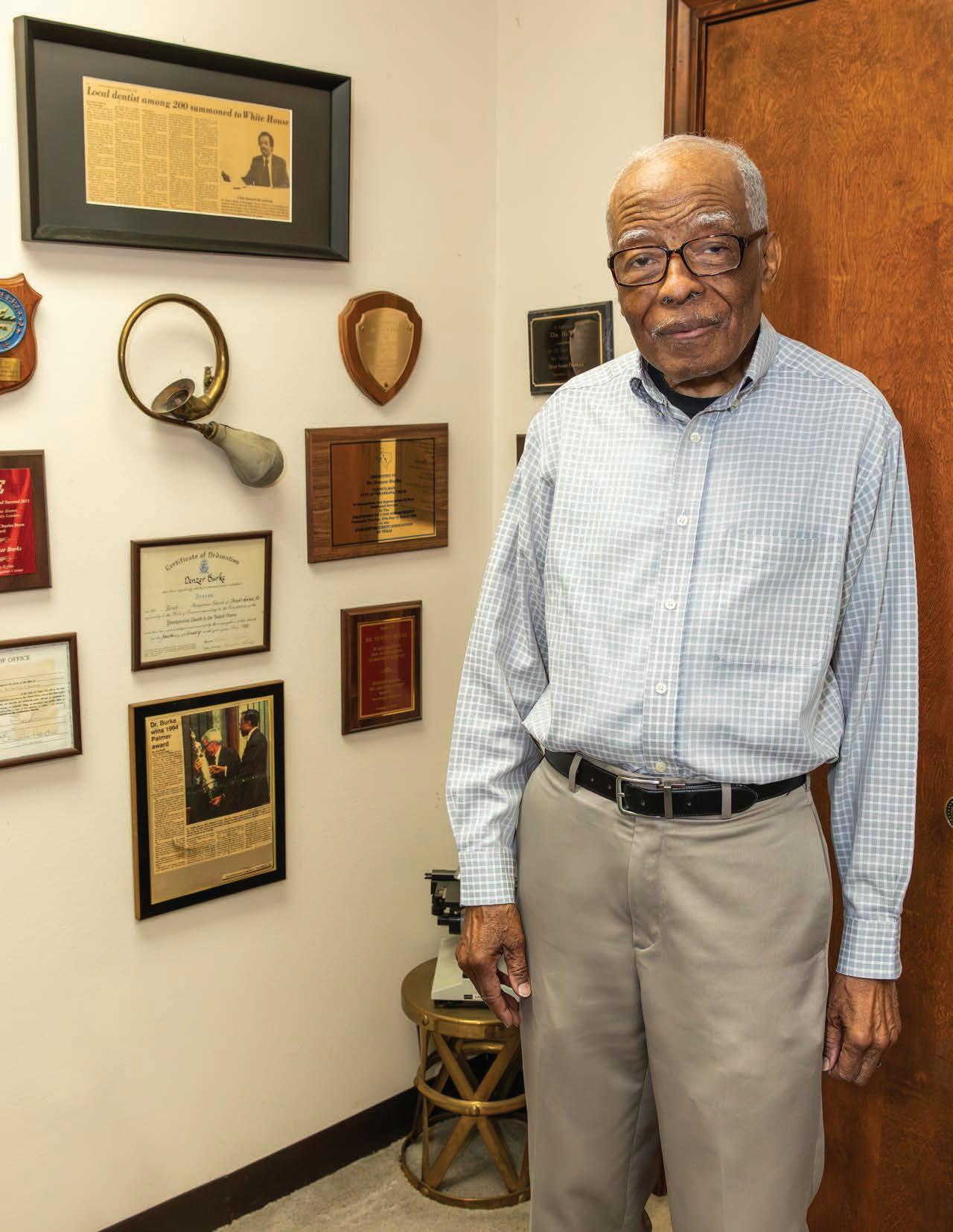
In his 93 years, Dr. Burke has earned numerous accolades for his dental and civic work. At the top of this wall is a newspaper article from 1994, when Dr. Denzer Burke received the prestigious C.E. Palmer Award from the Texarkana Chamber of Commerce in recognition of his extensive public service.
young people to become involved in the community,” he said with a smile. The show featured many local and national figures including Arkansas Governor David Pryor, Senator Dale Bumpers, and Congressman Max Sandlin. The program ran in the early 1970s on local television station KTAL-TV.
Around the same time, Dr. Burke got involved with democratic politics, working first at the grassroots level and eventually becoming a player on the national field. In support of Jimmy Carter’s presidential campaign, he and a local attorney opened a campaign office at the Grim Hotel and once spray-painted peanuts to create necklaces for fundraising events. After Carter’s election, Dr. Burke received an invitation to attend the presidential inauguration in Washington, D.C. Then, in 1980, he was invited to the White House as one of only two representatives from Texas for a national conference focused on inflation and the economy.
His involvement in the Democratic Party gave Dr. Burke opportunities to meet several other nationally-known civic leaders over the years. “One of the people I met was Astronaut John Glenn during a Texarkana presidential-campaign stop,” he recalled. He also met Congressman John Lewis, civil rights leader Julian Bond, and President Bill Clinton.
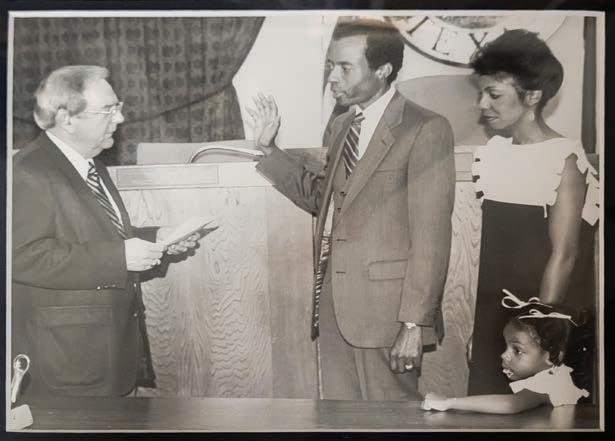
Dr. Burke later became involved in efforts to change the city charter of Texarkana, Texas, so that council members would be elected to represent individual wards rather than being elected at-large. After the change passed, Dr. Burke was elected to represent Ward 2 on the city council, serving from 1985 to 1989.
In 1994, Dr. Burke received the prestigious C.E. Palmer Award from the Texarkana Chamber of Commerce for his extensive public service.
At his core, Dr. Burke’s guiding principles are faith, service, and helping underserved communities. “I believe that, instead of worrying only about the hereafter, you have a responsibility to be Christ here on Earth,” he said. He has remained active and involved at First Presbyterian Church, serving in multiple leadership positions—as elder, deacon, trustee, and moderator for the regional presbytery.
When asked if he has had a legacy in mind throughout his career, Dr. Burke initially said no. However, after careful thought, he said, “I thought there was a need here. I wanted to help people develop a better outlook on life.” It seems he has done just that.


by DR. ROBIN ROGERS
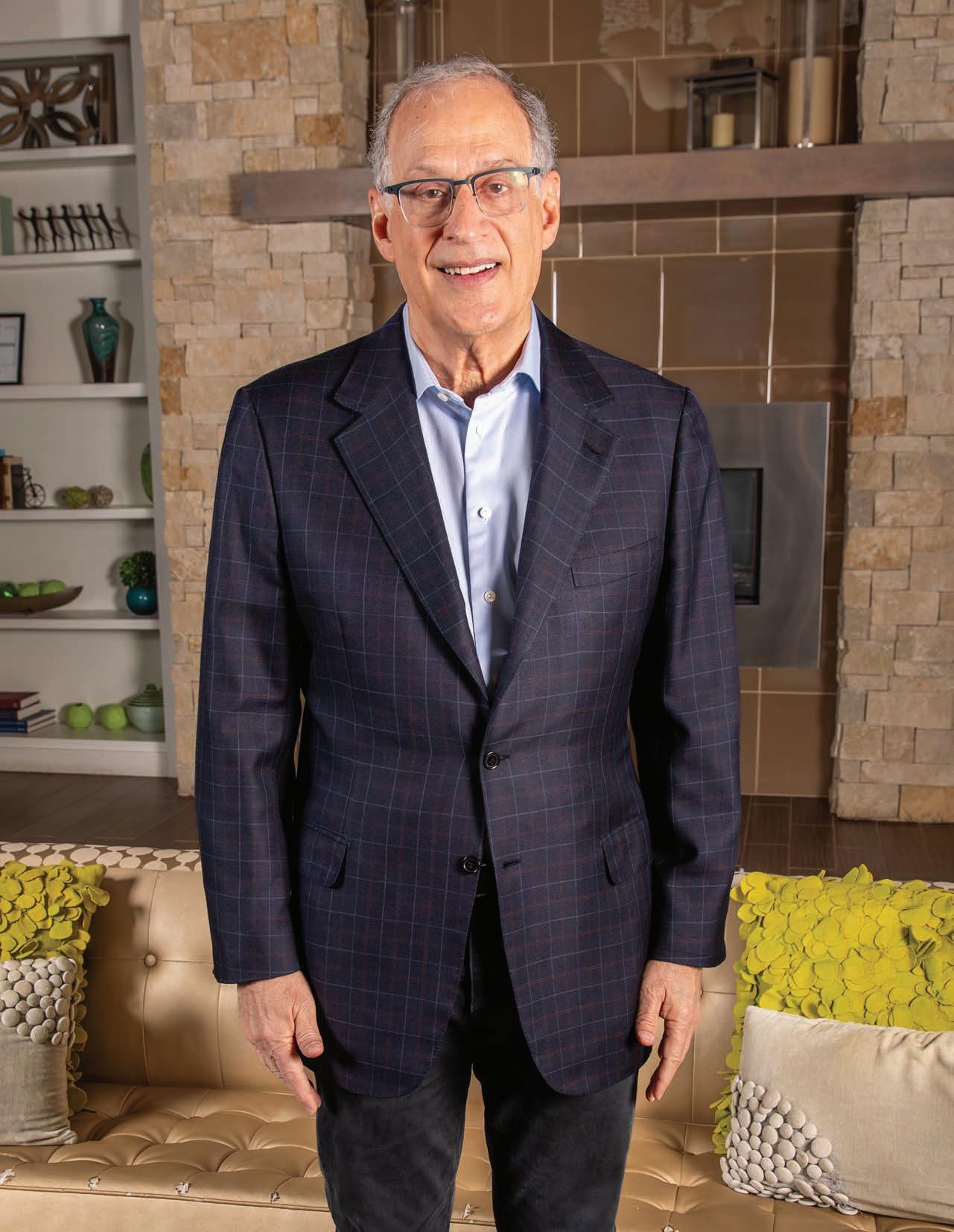
Before this year’s graduates of Leadership Texarkana are recognized, it is fitting to spotlight one of Texarkana’s most accomplished business leaders, Gary Kusin, who served as the keynote speaker for the organization’s 2026 graduation program.
Born in 1951 and raised in Texarkana, Kusin credits much of his success to the strong sense of community that shaped his early years. A 1969 graduate of Texas High School, he remembers a hometown where parents, teachers, churches, and neighbors all worked together to guide young people and encourage them to succeed.
“Texarkana was a fabulous place to grow up,” Kusin said. “It created an environment where kids knew they were being watched and, more importantly, that everyone really did have their best interests at heart.”
As a student, Kusin was heavily involved in school activities at Spring Lake Park Elementary, F. Ben Pierce Junior High, and Texas High School. Outside the classroom, some of his favorite memories came from working at his father’s furniture business in downtown Texarkana, where he helped unload railcars, move furniture, and make deliveries across the four states area. Those experiences, he said, taught him independence, responsibility, and the value of hard work.
After graduating from Texas High, Kusin attended The University of Texas at Austin before earning his MBA from Harvard Business School. While attending college and graduate school, he realized that the educational foundation he received in Texarkana had prepared him well academically and socially.
One of the most significant moments in Kusin’s life happened during his Texas High graduation ceremony, at which the commencement speaker was fellow Texarkana native Ross Perot. Because Kusin served as student body president, he sat beside Perot
during the ceremony. That introduction sparked a lifelong mentorship and friendship that would eventually help launch Kusin’s business career.
Years later, when Kusin decided to start his own company, Perot became one of the earliest investors in Babbage’s, a software and video game retailer cofounded by Kusin in 1984. The company eventually evolved into GameStop, one of the most recognized gaming retailers in the world.
Kusin’s career continued, spanning multiple industries. He cofounded Laura Mercier, helping build the luxury beauty company into a globally recognized brand. From 2001 to 2006, he served as CEO of Kinko’s, leading a remarkable turnaround before the company was acquired by FedEx for $2.4 billion. For 13 years, he served as a senior advisor for TPG and continues mentoring business leaders and entrepreneurs. In 2024, Kusin published a leadership book, Always Learning: Lessons on Leveling Up, from GameStop to Laura Mercier and Beyond.
Reflecting on his success, Kusin often returns to the lessons he learned growing up in Texarkana and the advice shared by Ross Perot—one lesson in particular: “Life has the ceiling you put on it.”
“At first, I didn’t fully understand what Ross meant,” Kusin said. “But as I got older, I realized it simply means you go as far as you think you can go.”
Today, Kusin shares that message with audiences across the country, encouraging young leaders to believe in themselves, remain curious, and stay prepared for opportunity.
As this year’s Leadership Texarkana graduates celebrate their accomplishments and look toward the future, Kusin’s story stands as a powerful reminder of how far determination, preparation, and belief can take a Texarkana leader.

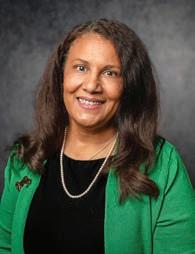
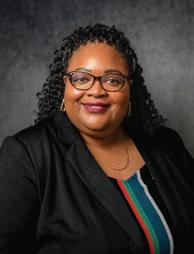





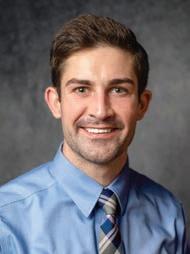

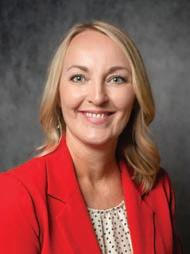
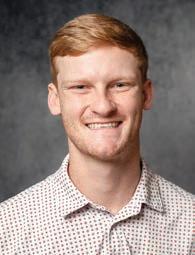
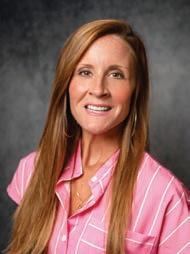
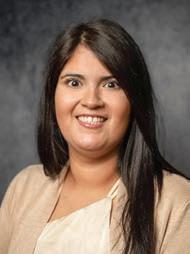
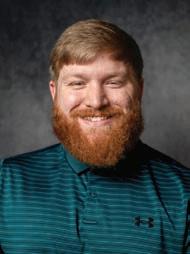
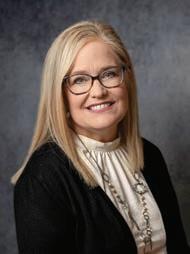
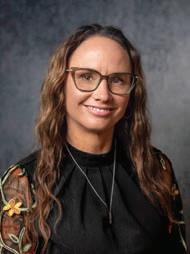

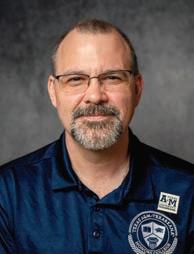
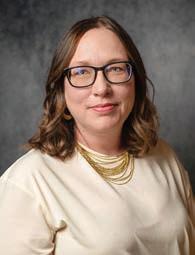

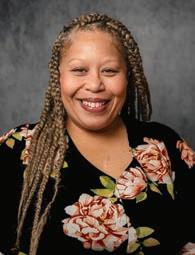
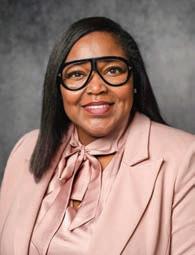

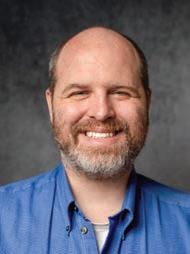

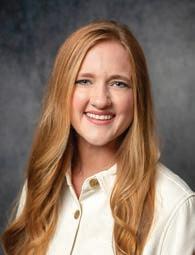

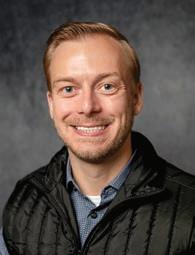
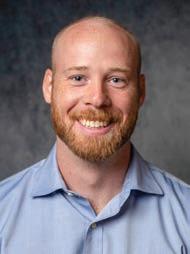

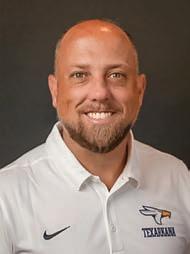
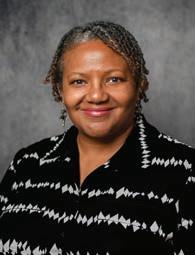
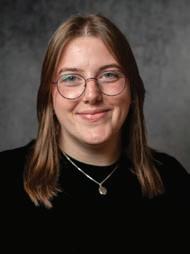
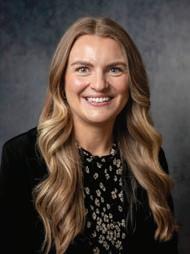
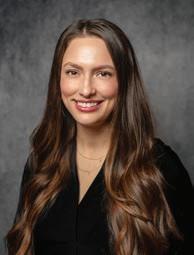


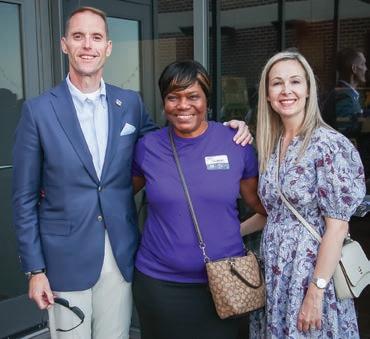
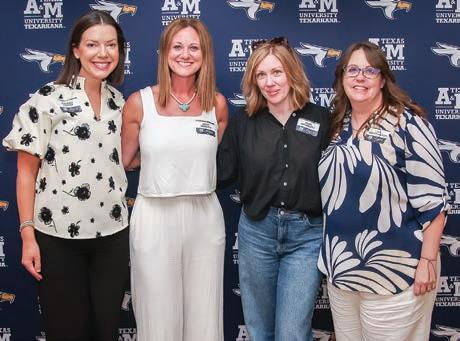
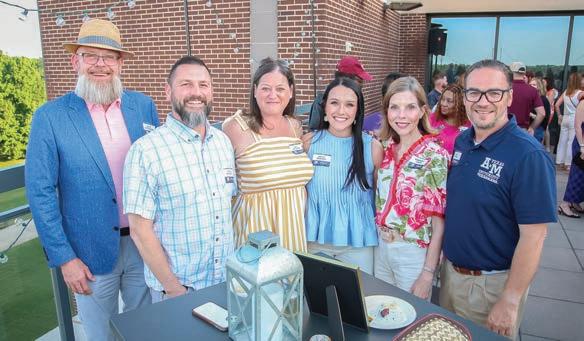
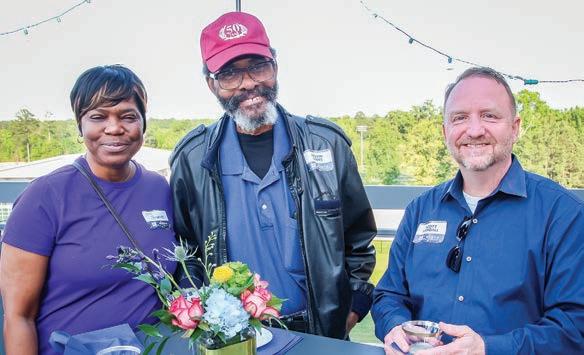
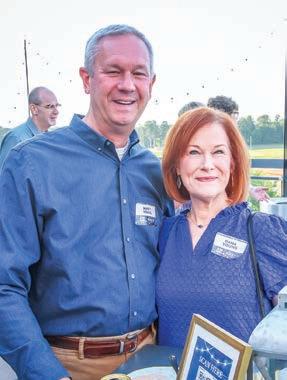
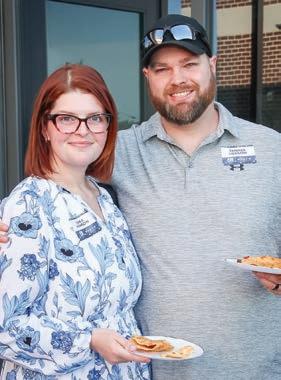
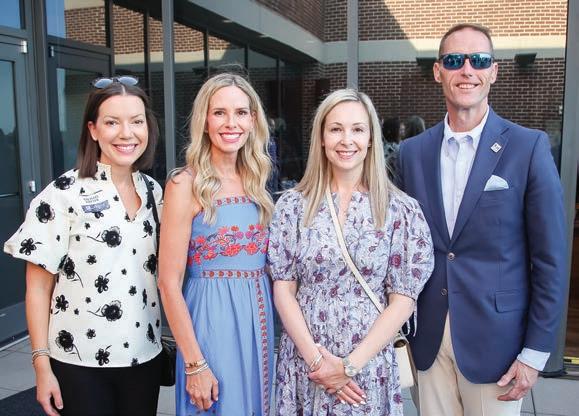
Texas A&M—Texarkana alumni gathered for a rooftop reunion at the Anita and Truman Arnold University Center on Thursday, May 14th.
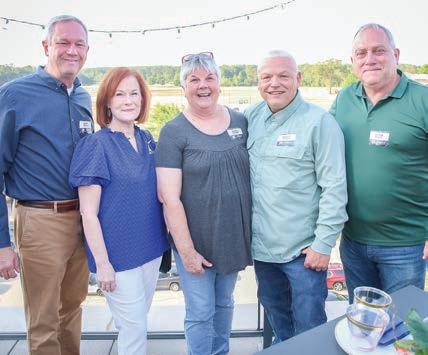








Once a recipient of charitable aid, Mark Bledsoe now serves as CEO of the local United Way organization
by BROOKE STONE
Aproud Texarkana native, Mark Bledsoe has dedicated much of his adult life to strengthening the community that raised him. When Mark was young, his father suffered a serious health scare and was laid off from work. Like many families facing hardship, they leaned on community programs and local support systems to help them get through.
“The community gave to me as a youngster with the services that were offered,” Mark said. “It made me want to give back. My parents always encouraged me to give back when you can, because you never know what life might present you.”
As president and CEO of United Way of Greater Texarkana since 2014, Mark works to help others many of whom are walking the same road his own family once traveled. Mark sees firsthand how charitable giving impact lives every single day. What matters most to him are the personal stories—the individuals who are able to break cycles and build new futures because someone invested in them.
“You’re doing it for the one person you can help pull out of the circle and make a difference for,” he said. “You can change the whole direction of where that family tree goes from there.”
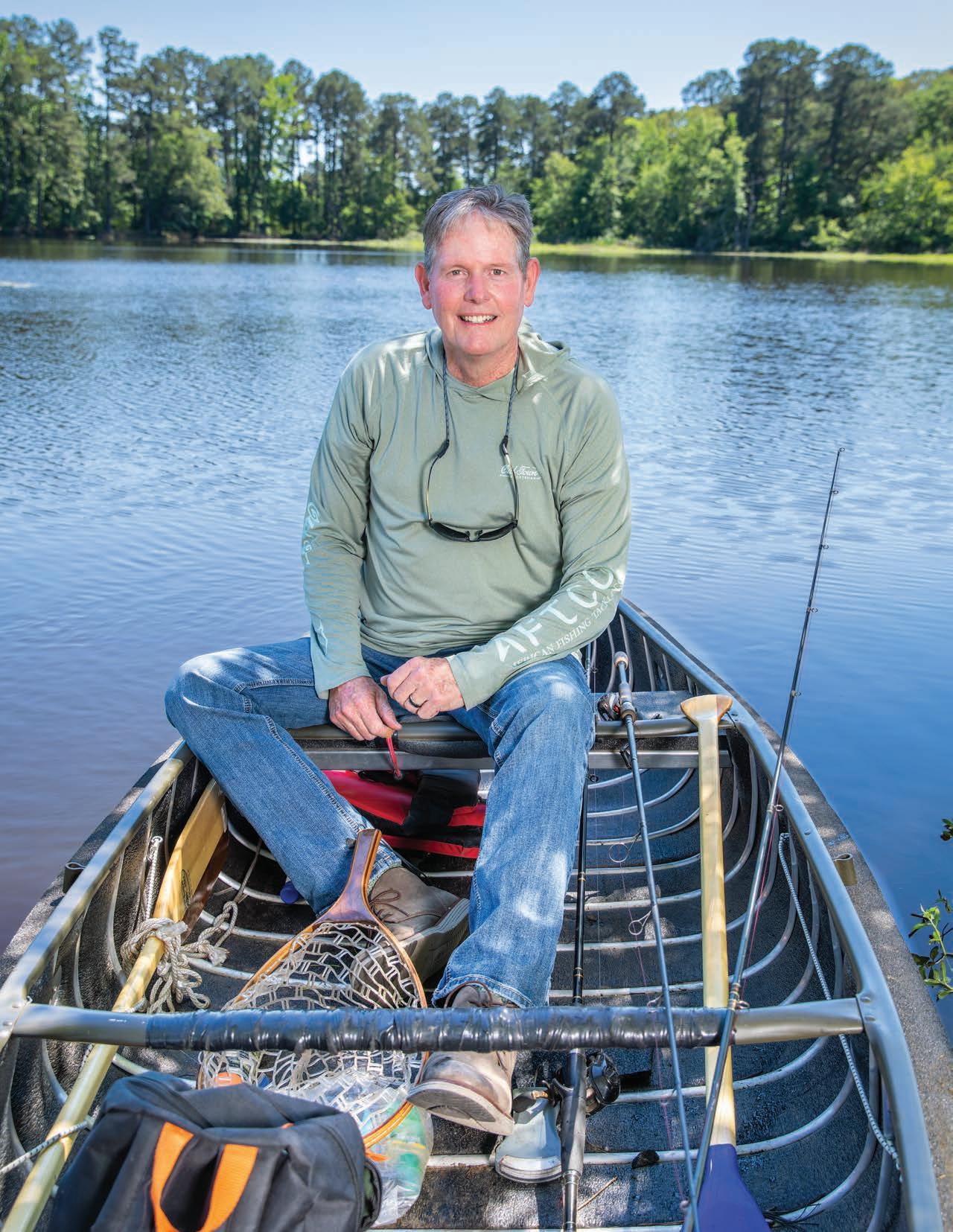
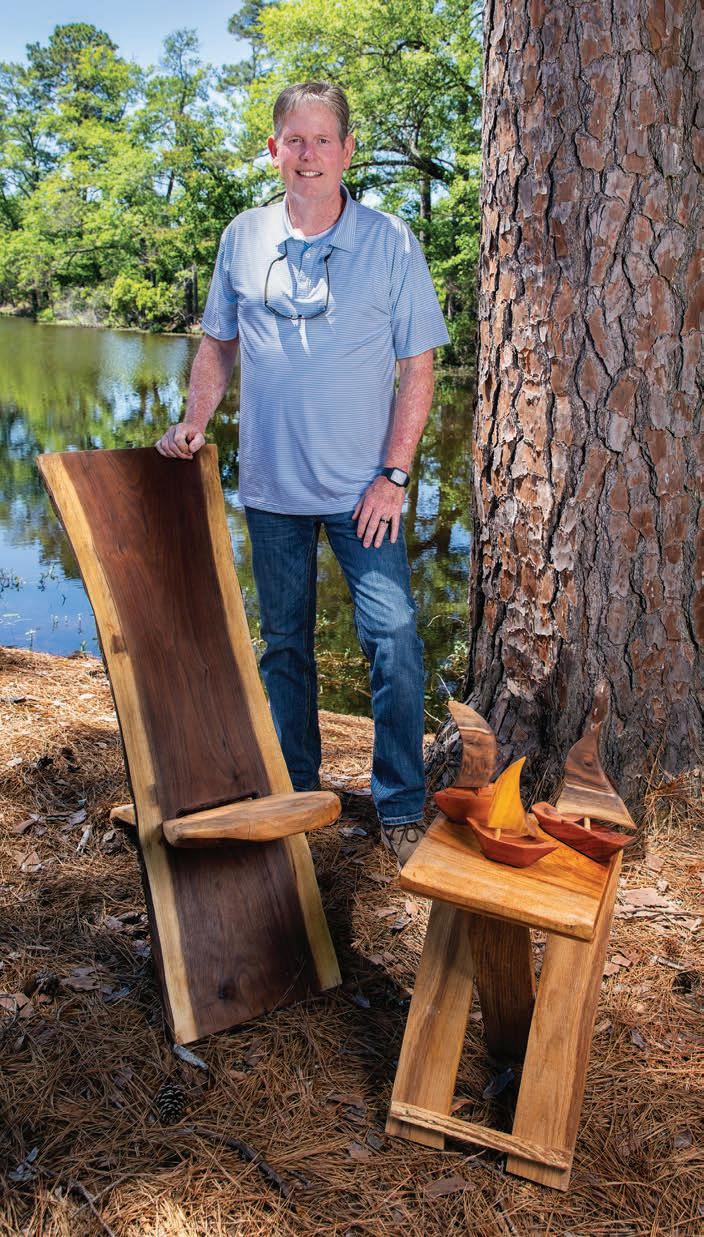
With a high-stakes, public-facing job, Mark retreats in his free time to quieter, less social hobbies. His woodworking journey began unexpectedly, with a cypress tree in his yard that needed to be removed. After receiving a high quote to have it removed, Mark decided that he could probably handle it himself. During his research, he discovered the tree trunk could potentially be transformed into a table. That first project opened the door to an entirely new creative outlet.
He also loves fishing. “Fishing is where I find my quiet space and solitude,” he said. “As I’ve grown older, I’ve developed a greater appreciation for slowing down and noticing life’s finer details.”





Traveling has been an equally valuable outlet—one that has given him a broader perspective on the world and a deeper appreciation for community. Mark has traveled to more than 30 countries on six continents, including China, Russia, Egypt, Slovenia, Croatia, and Peru, with plans to visit France for a third time. He said that the more places he visited, the more he came to appreciate both the differences between cultures and the universal importance of community.
“Traveling has opened my eyes to how well we really do have it here,” Mark said. “And it’s also incredible being able to see places you’ve only seen in pictures.” He said that many of the places he’s visited have challenged the assumptions and ideas he grew up with.
Experiencing different cultures firsthand broadened Mark’s perspective in ways that books and photographs never could. He urges others to apply that lesson to the underserved communities in Texarkana as well. He encourages those wanting to see change to be that change. “Find an area you want to improve, and volunteer,” he said. “And if there’s not an agency out there taking care of that need, create it.”

After decades of serving Texarkana through volunteerism and community development, Mark is optimistic about the city’s future. He speaks highly of the progress already taking shape throughout the city, from downtown revitalization efforts to expanded recreation opportunities, parks, and walking pathways. To him, those improvements reflect a community that is continuing to invest in its future.
While immediate help matters, Mark emphasized that lasting change comes from giving people the tools, support, and opportunities to succeed on their own. “It’s like that proverb,” he explained: “Give a man a fish, and you feed him for a day; teach a man to fish, and you feed him for a lifetime.”


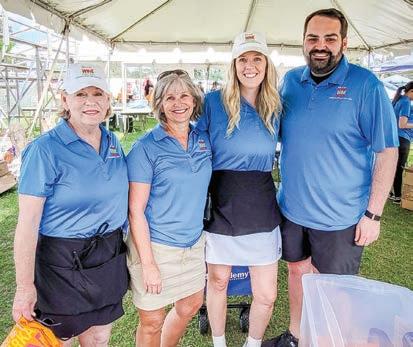
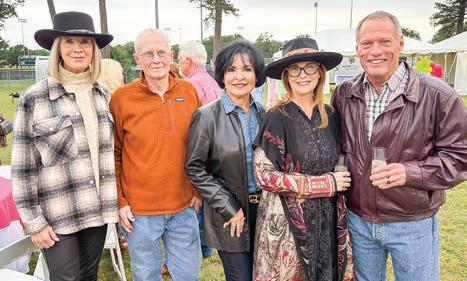
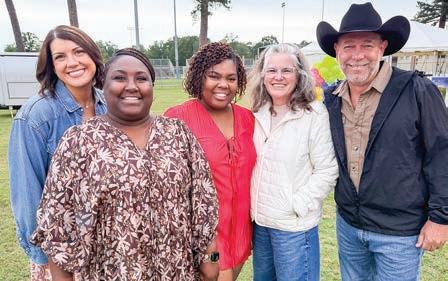
The Twisted and Uncorked Wine Festival VIP Party was held at Spring Lake Park on Friday, May 1st. Sponsors were invited to enjoy live music, delicious catering, and the opportunity to bid on one-of-a-kind art pieces.












by SCARLETT STUSSY CHAIDEZ, MCN, RD, LD
“Iwish I had that much energy” is a phrase we’ve all heard an adult say while watching an energetic child running around in circles. While work routines, aging, and mundane adult tasks can definitely take a toll on our energy levels, we may be taking for granted that lethargy is the norm. This month, let’s dive deeper into how food and other typical American lifestyle habits are not optimizing our energy levels.
The National Sleep Foundation recommends seven to nine hours of sleep per night for adults. If you’re not consistently hitting the target, that should be your first goal.
Last month, I discussed how carbohydrates are our bodies’ and brains’ most efficient and preferred source of energy. Carbohydrates and sugar digest faster than other nutrients, add glucose to our bloodstream, and then give us a noticeable energy boost. That kid running around in circles probably just ate some Skittles. The candy’s sugar is very quickly absorbed into the bloodstream, which provides lots of glucose to his cells, and now he’s driving his mom crazy. However, I doubt we would be surprised if he’s passed out in an hour. So, while carbs and sugar give us a noticeable energy boost, eating them alone or in highly unbalanced ways can actually lead to a later energy crash (think: post–Thanksgiving meal).
In order to maximize energy levels from food, we can pair carbs with foods that slow down their digestion. This means that the glucose from those carbohydrates will last longer in the body, preventing an energy crash down the road.

Speaking of roads: picture a four-lane interstate, and imagine letting sports cars take off and drive with no speed limit. These racecars are carb-dense, sugary foods: they digest quickly when they’re left to their own devices. If we let them take off speeding, they give us a quick energy boost—but they run out of gas fast, and we feel tired afterwards. Now imagine if you add 18-wheelers, minivans, and rusty pickup trucks onto that four-lane interstate. The sports cars are not going to be able to maintain their speed because of all the traffic in their way; they will be forced into a slow-and-steady pace. The 18-wheelers are protein, the minivans are fat, and the pickup trucks are veggies. When we pair any of these food groups with sweets and starches, the carbs will take longer to digest and thus provide us with longerlasting energy.
As I often remind my clients, food is literally energy for our body and cells. Let’s harness that energy in a way that makes us feel good!
Caffeine crashes:
“Why wouldn’t I just use caffeine when I need an energy boost?” Yes, caffeine is a stimulant that can mask low energy levels from other sources—but if what we truly needed was an energy boost from food, once the caffeine wears off, we’re more tired (and hungrier) than before. Plus, stimulants create a vicious cycle, often preventing or interrupting
by SHANE DARBY
much-needed rest. One of my favorite fun facts about caffeine is that its half-life is about five hours. A substance’s half-life is the amount of time it takes for 50% of the substance to decay or be eliminated. That means that, if I have a cup of coffee with 100 mg of caffeine at 3 p.m. to “fix” my midday energy slump, I will still have 50 mg of caffeine in my system at 8 p.m., 25 mg at 1 a.m., and so forth. If you find yourself drinking caffeine throughout most days, you’re likely not sleeping as well as you could be, which is ultimately making you more tired the next day. When I first started working at Doherty Nutrition, I had two totally-unrelated clients who both worked full-time jobs and still somehow managed to take midday naps every day. When we started talking about using food for energy, I suggested having an afternoon snack to see how their energy levels would be affected. They each tried my suggestion and never needed a nap again. Like I said earlier, food is energy. So, unless you had a terrible night’s sleep, an afternoon snack (something like peanut butter crackers, fruit with cheese, or a Greek yogurt cup) might be just as effective as a coffee run (especially if you haven’t eaten in the last 3–4 hours).
Exercising energetically:
Moving your body is the most well-researched and least-debated healthy habit I can think of. It gets blood flowing, creates endorphins that improve our moods, lowers cholesterol and triglyceride levels, helps manage blood sugar trends, increases metabolism, prevents muscle loss with aging, and can even improve cognition and prevent dementia. A lot of people say that if they had more energy, they would increase their activity level, but often, it works the other way around. To paraphrase Isaac Newton, a body in motion stays in motion. Energy creates energy. Starting with tiny movement goals helps us create our movement routines. Then, once movement is in our routine, we realize how much better our body feels, and we want to stay in that routine. Although 150 minutes of moderate activity is generally recommended each week, I recommend starting with much less and working your way up. Also, “exercise” doesn’t have to be at the gym. Let me say it louder for the people in the back: CHOOSE ACTIVITIES YOU ENJOY. Otherwise, you won’t realistically stick with it (and you’ll be miserable!). Swim, dance, rollerblade, play pickleball, walk with a friend, do yardwork—do whatever works for you.
The topics we covered seem pretty obvious, but that’s because they’re so foundationally important for energy. It doesn’t have to be complicated. Instead of searching for “hacks” or supplements to give you more energy, take it back to the basics: sleep, eat, limit caffeine, and move.
Scarlett Stussy Chaidez, MCN, RD, LD, is a senior dietitian at Doherty Nutrition in Fort Worth, Texas. She was raised in Texarkana by parents in the medical field and saw firsthand how science can help people. As a dietitian, Scarlett uses her love of the culinary arts and her knowledge of evidence-based science to inform her care while treating clients who have prediabetes, diabetes, and cardiovascular concerns.

Interested in working with a dietitian like Scarlett? Scan the QR code to see if your insurance will cover a telehealth visit with Doherty Nutrition.



Through martial arts, Craig Campbell rebuilt his life and now guides young men
by MADELINE HAAK
Craig Campbell, professional mixed martial artist and owner of Texarkana Combat Sports, grew up in a family shaped by military service: both of his grandfathers and his father were ranking members in the military (one grandfather even participated in Operation Red Dawn, which led to the capture of Sadam Hussein). In Craig’s family, discipline was a key part of everyday life. He grew up surrounded by structure, resilience, and a drive to excel.
“Values and morals were very strong, and my family expectations were extremely high,” Craig said. “Expectations were always to not only perform at the highest of your abilities but that you should win—and that, if you don’t win at whatever you’re trying to win at, you should work harder and find a way to win.”
As a teenager, Craig earned college scholarships for wrestling, but higher education did not appeal to him. Instead, he intended to follow in his forefathers’ footsteps. “I idealized [military service],” he said. “I saw it as what a man does.”
However, before he could enlist, Craig was diagnosed with a progressive corneal disease called karatoconus.
“My eyes had been slowly degenerating, really without me noticing,” he said. “I was darned near legally blind in my right eye. I was basically just told by my dad and the doctors and everybody around me that [enlisting in the military] was a no-go and that I was just going to figure something else out. And that was fine, because I had plenty of opportunities, right? But I didn’t want to do anything else, and it put me into a pretty deep spiral of depression.”
As a teenager, Craig had been “living the perfect, clean life, living for wrestling, living for my family, living for my friends, being very pure in that sense,” he said, before “having a dream

photo by SHANE DARBY
Don Campbell Sr., Craig’s paternal grandfather, served 25 years in the Army as an armor officer before retiring as a colonel.
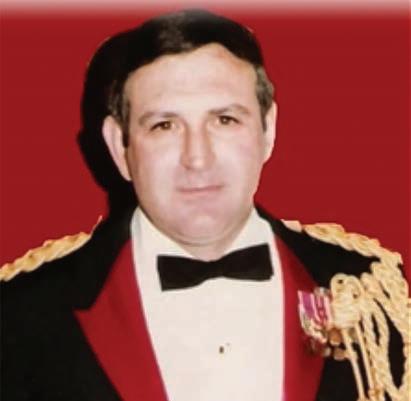


On October 12th, 2010, Craig’s father, Major General Donald M. Campbell Jr., spoke about recruiting efforts during a Pentagon press briefing.

and creating my whole life around that dream—and then having that dream taken away from me. I really wallowed in self-pity. I was not doing well.” A first-year college student, he began using drugs and alcohol heavily, failed his courses, and moved home. He reenrolled in school a year later but “got harder into [substance abuse],” he said.
It was watching an MMA fight with a friend that motivated a 24-year-old Craig to change course and try to make something of himself.
“I remember watching the fight and thinking, ‘I can do that,’” he recalled. “I told my buddy I could do that, and he was like, ‘Dude, you can’t do that’—and if Craig Campbell’s ever needed anything, it’s somebody close to him to doubt him.”
That was February 2009. Over the next ten months, Craig “cleaned up” and trained hard. In December, he competed in his first MMA fight. In 2014, when he moved to Texarkana, he launched a career as a full-time coach and fighter.


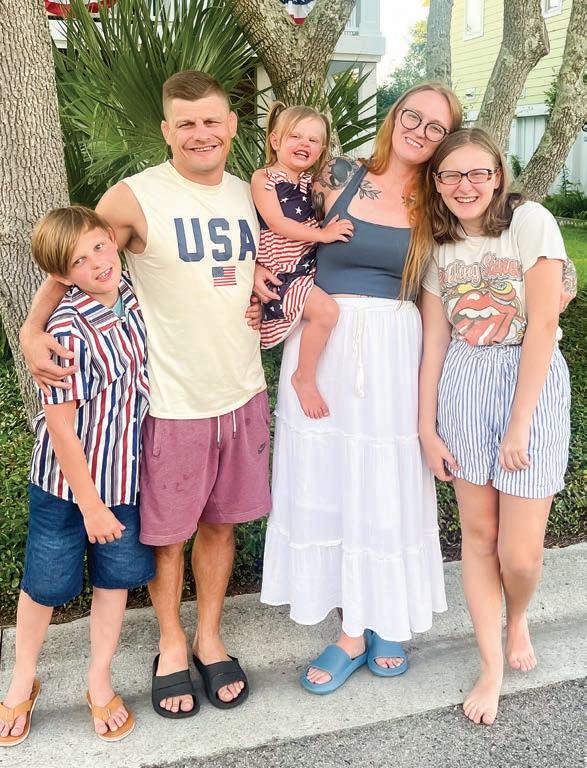
Craig’s wife, Sara, played a major role in his decision to improve his life. “My parents and life had me trying to follow the degree path, and she pushed me to pursue my real dreams, not others’ wishes for me,” he said. “Sarah saved me for sure. She has in many moments of my life. If it was not for her, I would not be the man that I am.”
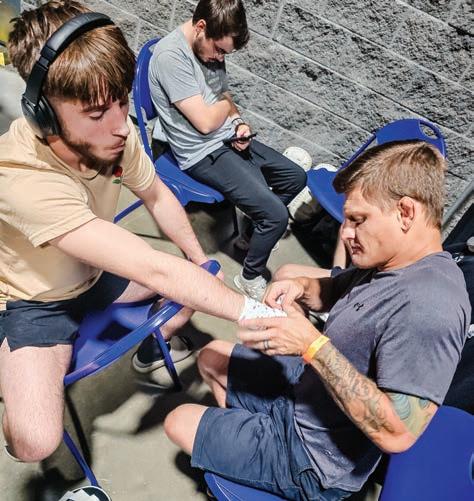
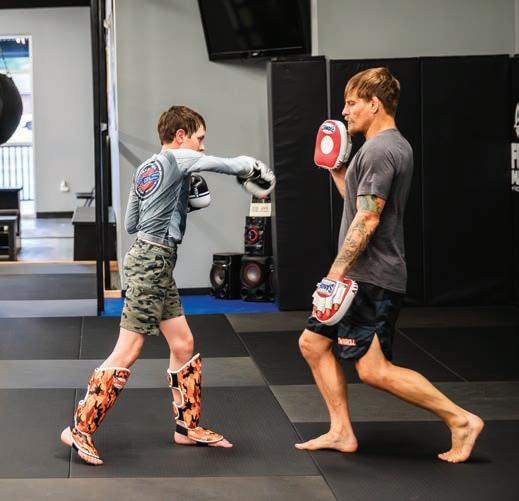
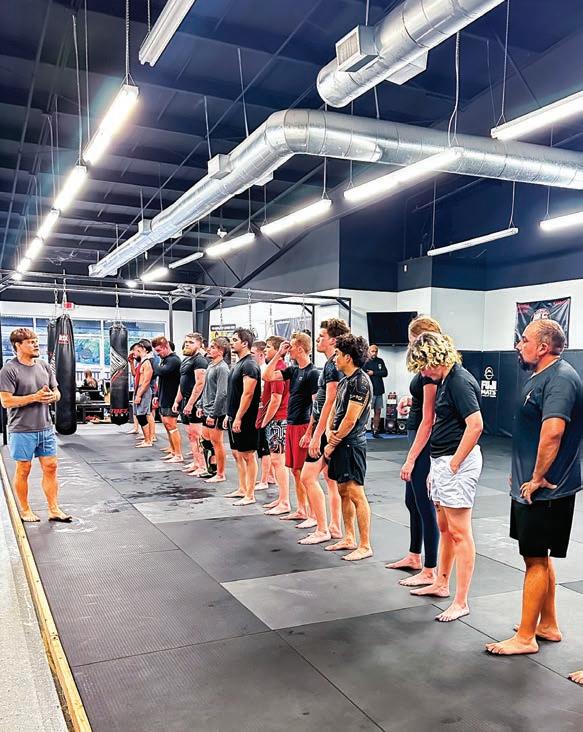
Craig and a business partner founded Texarkana Combat Sports in 2013, but since 2018, Craig has been the sole owner and head coach. TCS offers classes in Brazilian jiu jitsu, boxing, kickboxing, and wrestling for kids and adults alike.
Craig found a sense of purpose through MMA fighting, and he is now on a path to help others do the same. “That’s all MMA is: martial arts are incredible vehicles of self-discovery, building yourself, and rebuilding yourself, and clearly I was able to do that,” he said. “I want to share that with people. I strive to be the coach and mentor that I needed.”
The physical aspect of training is not the most impactful component of MMA, according to Craig. “You obviously have to have that, but mentoring athletes outside of that is about helping them grow as people and trying to make sure that they understand that you will always fall to the lowest level of your life,” he said. “It’s about showing athletes that how they are and how they think and how they feel and how their brains work is not how they have to work. You have the tools to change these things.
“Most people are extremely uncomfortable doing these things, and you have to become comfortable doing them,” he continued. “That’s what I strive to do, and I feel like my journey has given me a lot of wisdom and a lot of comfort in those uncomfortable places, so


that I can help people through all those moments. I try to say the things to the young men that they need to hear—not the things they want to hear and not the things that make me comfortable to say to them.”
Craig’s goal is not only to grow his business at Texarkana Combat Sports but also to be a leader in the lives of others. “Purpose means that I bring love and light and growth to every human being that I come in contact with, just to spread love to help people so that they can help themselves,” he said. “To improve myself mentally, spiritually, and physically—these vehicles of martial arts were the ones that spoke to me the most. Someone else is in a similar place.”
Craig’s endeavors are inspired by one of his parents’ most reiterated teachings, he said: “I remember my mom and dad always saying, ‘It doesn’t matter what you do in life, Craig— just make sure it’s a net good for society. Make sure it’s good for everybody.’”
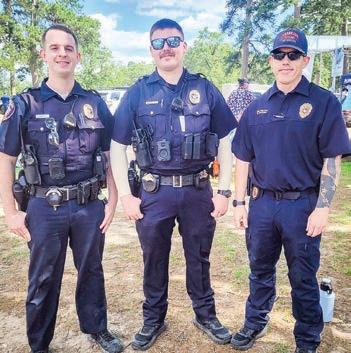
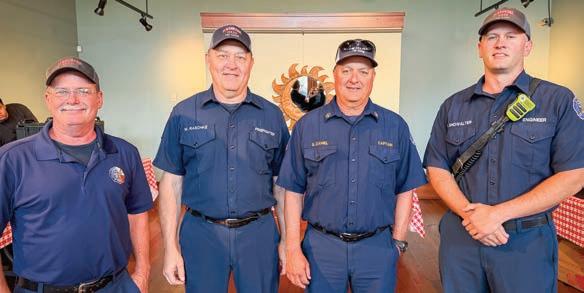
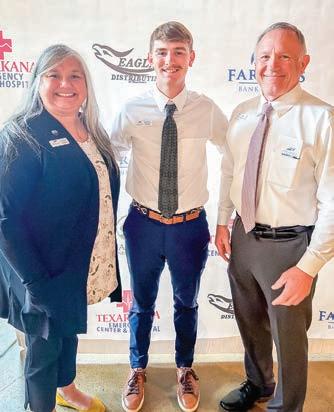
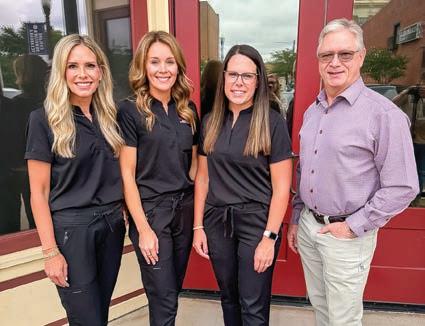
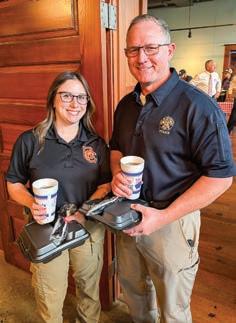
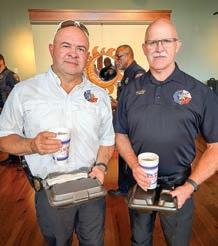
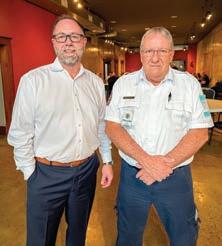
Sponsored by Big Jake’s BBQ, Eagle Distributing, Farmers Bank & Trust, Texarkana Emergency Center, and Texarkana Funeral Home, the 11th annual First Reponders Day event was held on May 11th at Silvermoon on Broad. The lunch honored law enforcement, emergency medical professionals, and fire service members.





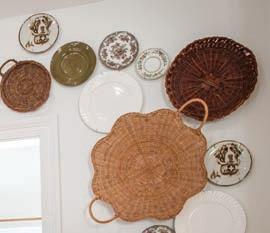

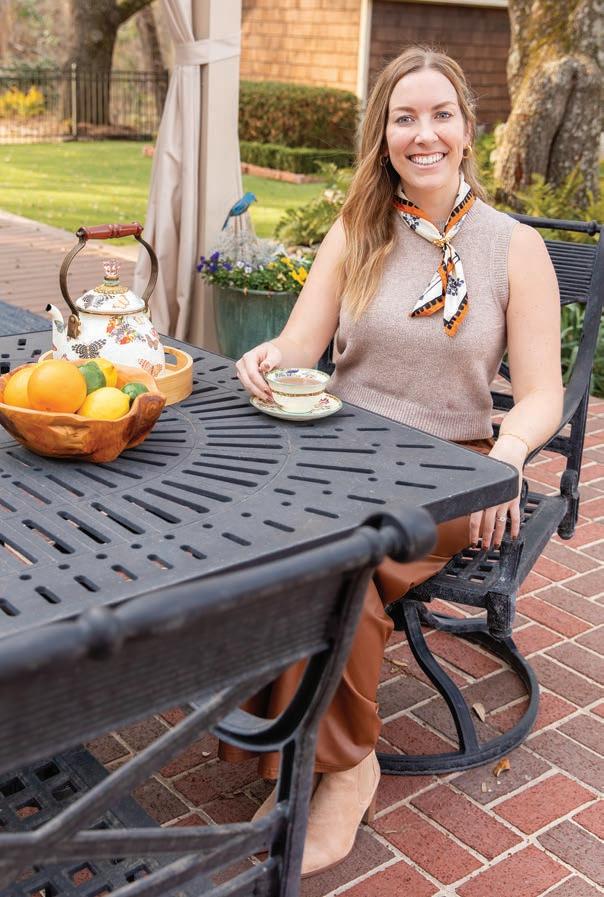
Rattan furniture. Patterned curtains. Fine china on display. An increasing number of folks are moving far, far away from stark minimalism and shifting into a new trend, dubbed “grandmillennial style.” This fresh design term was coined by Emma Bazilian in her 2019 article for House Beautiful. Also known as “granny-chic,” this style reinterprets vintage design trends and merges them with modern aesthetics. Floral prints, ruffles, and antiques are given a modern, fresh styling for an interior design trend that is sure to stay.


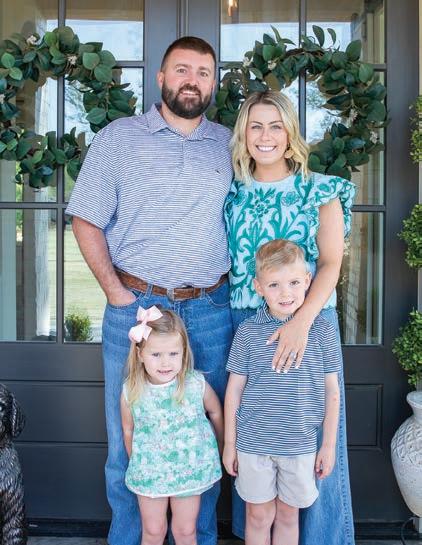
Recently, Pleasant Grove teacher Hilary Stovall and her family settled into their dream home, a 5-bed, 3.5-bath house that checked off all the boxes on their list. Hilary has given the space a gentle grandmillennial treatment. “My goal was to go for a comfortable, Pottery-Barnmeets-grandmillennial style,” she said. The result is an utterly irresistible space that provides plenty of charm without sacrificing modern sensibilities.
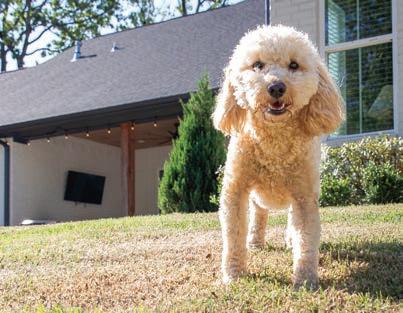
Walking past the entryway into the living room, the color palette leans heavily on warm whites, creams, and light wood tones. Everything feels airy and calm. Floral curtains provide cheer and a splash of color in the living area. Vaulted ceilings, large windows, and an open flow between the living, dining, and kitchen areas give the space a modern foundation. A gorgeous focal point in the living room is a decorative plate wall. This statement piece was designed by Amanda Magness, whose new business is called Collected & Curated: The Plate Wall Co. A few of the plates feature a St. Bernard’s face, a nod to the Stovall family’s dog, Poppy. The other family pet, a mini goldendoodle named Goose, is also artistically represented in the home—by a statue that greets visitors at the front door. “[The dogs] have free range to anywhere their hearts desire in our house,” Hilary said. “I never want our home to be ‘off limits’ to kids or pets.”



The dining room has a clever built-in hutch and buffet for storage and display. Baskets, glassware, and patterned curtains give the area grandmillenial vibes, while a wooden dining table adorned with spindle-back chairs provides anchoring. A curved chandelier with a faux candlestick design is the perfect crown jewel for such a well-blended space.
The kitchen is bright and refined. Creamcolored cabinets and a warm wooden island bring warmth and polish, while woven barstools give texture to the space. Sleek globe pendant lights and brass accents provide a subtle modern finish. Hidden to the left of the kitchen is a pantry to die for—and Hilary’s favorite secret hangout. “My favorite room in the house is the butler’s pantry,” she said. “I love the storage and versatility when we have guests over. I joke and say that I’m going to place a comfy chair in there to needlepoint as the sun comes up amongst my espresso machine and snacks.”
On the other side of the kitchen is an inviting breakfast nook, where natural light streams in through its large windows. A wooden pedestal table and woven-seat chairs bring warmth to the room, and a dark hutch beside the table provides the perfect amount of visual contrast. Just beyond the arched doorway of this room, a tucked-away half bath adds everyday convenience while still maintaining the home’s seamless flow.






Down the hallway lies the primary bedroom. This room is completely decorated in neutral tones of tan, cream, and taupe. Subtle floral patterns in the rug, blanket, pillows, and curtains provide just enough visual interest for this earthy haven intended for relaxation. A primary bathroom is attached, the most modern space in the home in its wholly minimalist sensibilities.
On the other side of the house, there are two bedrooms for 5-yearold Sutton and 2-year-old Hattie. Sutton’s room represents his love of vehicles, with a fun quilt from Crate and Barrel on his bed. “When his room isn’t clean for a photoshoot, you’ll find bins of Legos and superhero costumes galore,” Hilary said. Hattie’s room is fit for a princess. With a whimsical dollhouse quilt, soft pink accents, plushies, and ruffled curtains, it’s the perfect place for her to dream and play.

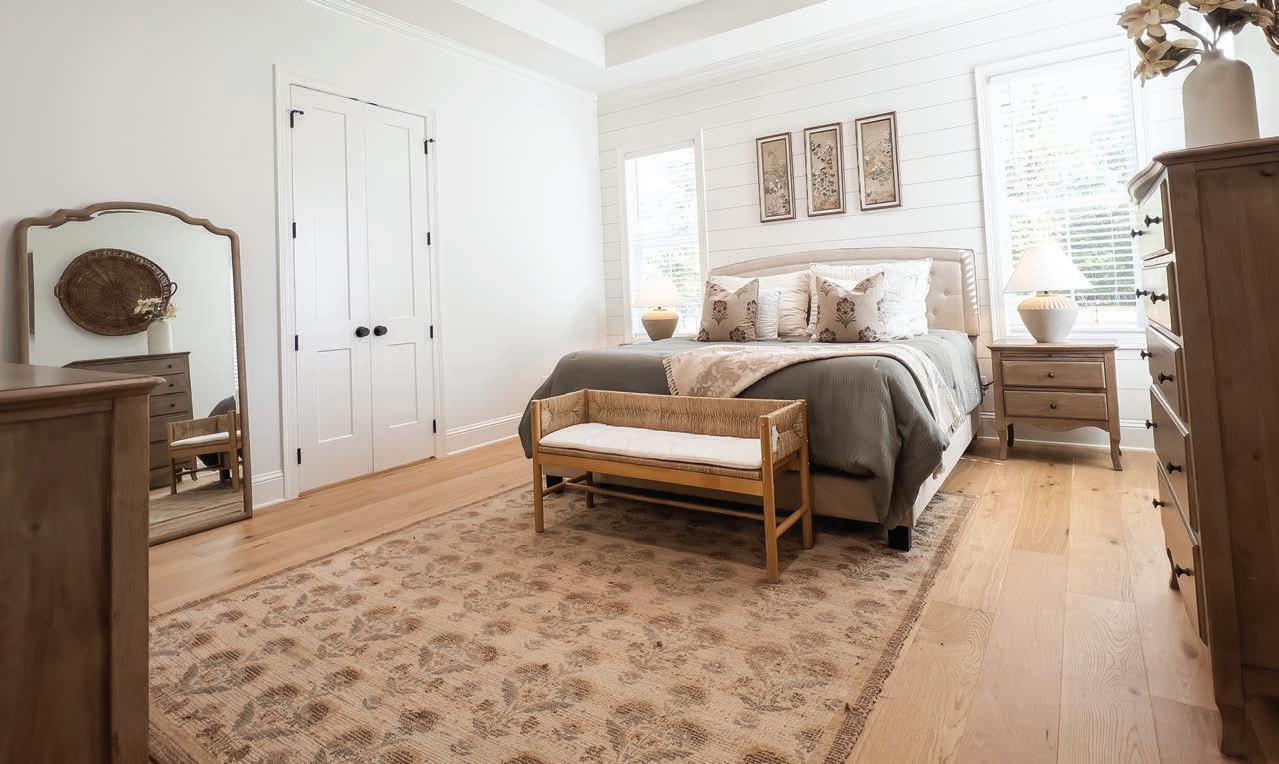




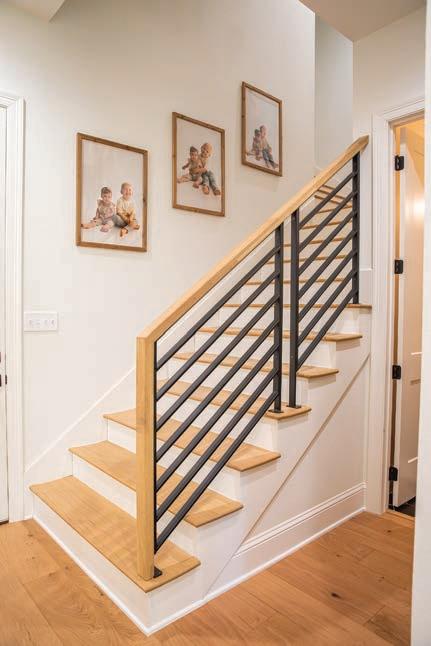



Though the home is carefully designed, the overall effect is ultimately comfort. It feels like a space where friends gather, dogs run, and children play. Perhaps it’s the whimsical charm of the grandmillenial aesthetic that makes this sense of comfort so abundant. “My dream is that my kids and their friends always want our house to be the hangout,” Hilary said. “These are the days for slobbery puppy kisses and muddy rain boots.”


by BRANDON SHOEMAKER

Nothing makes you feel like a museum exhibit faster than teaching teenagers how to use a rotary phone. They were clueless—but not as if they thought it was a fictional piece of steampunk cosplay technology, mind you (well, at least most of them: “I had a toy phone like that when I was a baby,” one of them said. “I had no idea they were real!”).
Let me back up—it’s not like I teach courses in archaeology of the mid–20th century (though, if that were an option, I would jump at the opportunity). The play I was directing at school was set in the 1960s— hence, the rotary phone.
My lead actress walked to the phone in the scene, and, intuitively enough, began to spin the numbers to dial—but with one fundamental flaw. “You have to pick up the receiver,” I said.
“Oh, duh!” she replied, and finished dialing before picking up the receiver.
I explained, “No, dear. You have to pick up the phone, listen for the dial tone, and then you dial the number.”
Later, she had to move the phone so another actress could stand on the table where the phone had been.
“Ugh, it’s so heavy!” she said as she clumsily struggled to pick up the phone, placing her hands flat on both sides of the body and lifting, as if carrying the burden of Western civilization. With forehead in palm, I said, “Bring it here!” She walked it over to the director’s table, her back arched as if she were carrying a stack of encyclopedias (not that she would know what that felt like, either).
I then demonstrated the ease with which one could lift the device by using the handle underneath the receiver bed, perfectly sized for the average middle and ring fingers. An astonished “OH!” came from everyone at this discovery.
I told them that the handle was to allow people to “walk and talk” back in the day—although, with only about three feet of cord, nobody was walking very far from the wall.
My assistant director, who at 24 is only a few years older than our students, looked to me and said, “But you’ve never had to actually make a call on one of those before, right?” I confessed that, in the earliest years of my 44 on this earth, I indeed did place a few calls from a rotary phone.


My grandmother still had one as her primary phone, and my parents had one in their bedroom, while our kitchen phone was a wall-mounted Touch-tone. Now there was a cord you could walk and talk with, not to mention the satisfaction of unraveling the cord after a long and twisting conversation, holding it high as the receiver spun just above the floor like Scott Hamilton on the ice.




To me, the functions of a rotary phone felt intuitive. Today, that’s one of the badges of honor for the iPhone: its intuitive nature. I remember my niece Caroline, during a diaper change at 2 years old, tapping and swiping through YouTube cartoons with the ease of a seasoned businesswoman swiping through a client list while chainsmoking Pall Malls.
But maybe that’s the nature of technology: once we can intuit the new, the old is no longer intuitive? And maybe that’s the same reason older people have such difficulty with newer devices. I’ve always prided myself on staying abreast of new technologies. I bought the first-generation iPad; same with the Apple Watch. Most recently, I even saved and bought Apple’s augmented-reality headset, Apple Vision Pro (don’t judge).
Nevertheless, on occasion, I find myself having to ask my students for help with certain apps.
“How do I get to my saved posts on Instagram?”
“How do I edit videos on TikTok?”
“Does Snapchat have my phone number?!”
I realize this is less about the technology itself and more about the apps and their interfaces, but the software came forth because of the tech, like a Silicon Valley “Field of Dreams,” with the ghost of Steve Jobs whispering, “If you build it, the apps will come!”
Today’s kids don’t have to memorize phone numbers or birthdays; the phone does it all. The apps do it all. The cloud remembers what we forget.
And I don’t say that with judgment. I love my devices. I talk to Siri and Alexa daily (no, I’m not an Apple-exclusive technophile). I ask my phone for directions to places I’ve been driving to for 20 years. I watch movies on my headset while virtually sitting lakeside at Mount Hood but actually still in the comfort of my favorite chair— like I’m living in an episode of Star Trek. I am not above progress.
But sitting in rehearsal, watching a group of intelligent, capable teenagers marvel at the “discovery” of a handle built into a rotary phone, I realized something.
That which is intuitive isn’t universal. It’s generational.
The things that feel effortless to us were practiced thousands of times. Dial tones. Busy signals. The rhythm of waiting. We built our intuition through repetition. And now the next generation is building theirs—through swipes, filters, disappearing messages, and whatever comes next.
Twenty years from now, that same student who didn’t pick up the receiver before dialing will be standing in front of a classroom of her own (she actually wants to be a theatre teacher, God love her), explaining how to navigate a TikTok archive or recover a lost Snapchat streak, and some teenager will look at her with bewilderment as if she had just demonstrated how to churn butter.
And they will say, “You actually had to do it that way?”
Technology doesn’t just change tools; it changes instincts. The rotary phone wasn’t heavy; it just felt instinctively different in our hands—and someday, so will everything we currently think is obvious.

Brandon Shoemaker is the director of theatre at Texas High School, where he spends his days bringing stories to life onstage and his nights overthinking them on paper. He is also the co-host of From Art to Atoms: The Ultimate Curiosity Show, a podcast that explores everything from pop culture to science, with equal parts insight and curiosity. When he’s not directing productions or chasing deadlines, he’s likely tending to a creative project from woodworking to bonsai styling, or falling down a pop culture rabbit hole. With a deep love for humor, nostalgia, and the beautifully absurd parts of everyday life, he blends wit with heart to find meaning in the mundane.