My Journey with Retinitis Pigmentosa and the Foundation Fighting Blindness
By Zach Lovell
My name is Zachary T. Lovell, and I have been asked to share my journey regarding my retinitis pigmentosa (RP) diagnosis, how it led me to get involved with the Foundation Fighting Blindness, and how it crafted my Legacy Gift with the Foundation. My hope is that this will encourage someone to tell their story, get involved, and let them know they are not alone.
I was born 36 years ago in DeKalb, IL, to a loving family with two parents and one older
sister. I was born with an extra digit on each hand that ended up being removed. This was the first sign that I was going to have some medical intervention in my life. I developed a love for tools and woodworking at an early age and could often be seen with my dad on many house projects, which only enhanced my love for construction, a field I work in now.
Everything changed in fourth grade. My elementary school hosted a planetarium exhibit – an inflated dome filled with projected stars. As the lights dimmed, my classmates marveled at the stars, but I couldn’t see a thing. I whispered to my mom that I couldn’t see what everyone else saw. That moment marked the beginning of a new chapter in my life.
Concerned, my parents took me to a local retinal specialist, and after visiting several specialists, I was diagnosed with rod-cone dystrophy, which was later confirmed as RP. From then on, annual eye exams became routine.
In my junior year of high school, I participated in vocational classes. This allowed me time in
Continued on next page
WHAT’S INSIDE
Pg. 3 Planned Giving: Tax Benefits That Help You Leave a Lasting Legacy
Pg. 6 The Latest Research Advancements for the Blind and Low Vision Community
Pg. 7 Connect with the Legacy Team
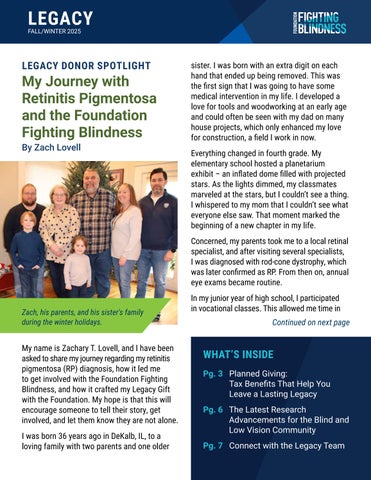
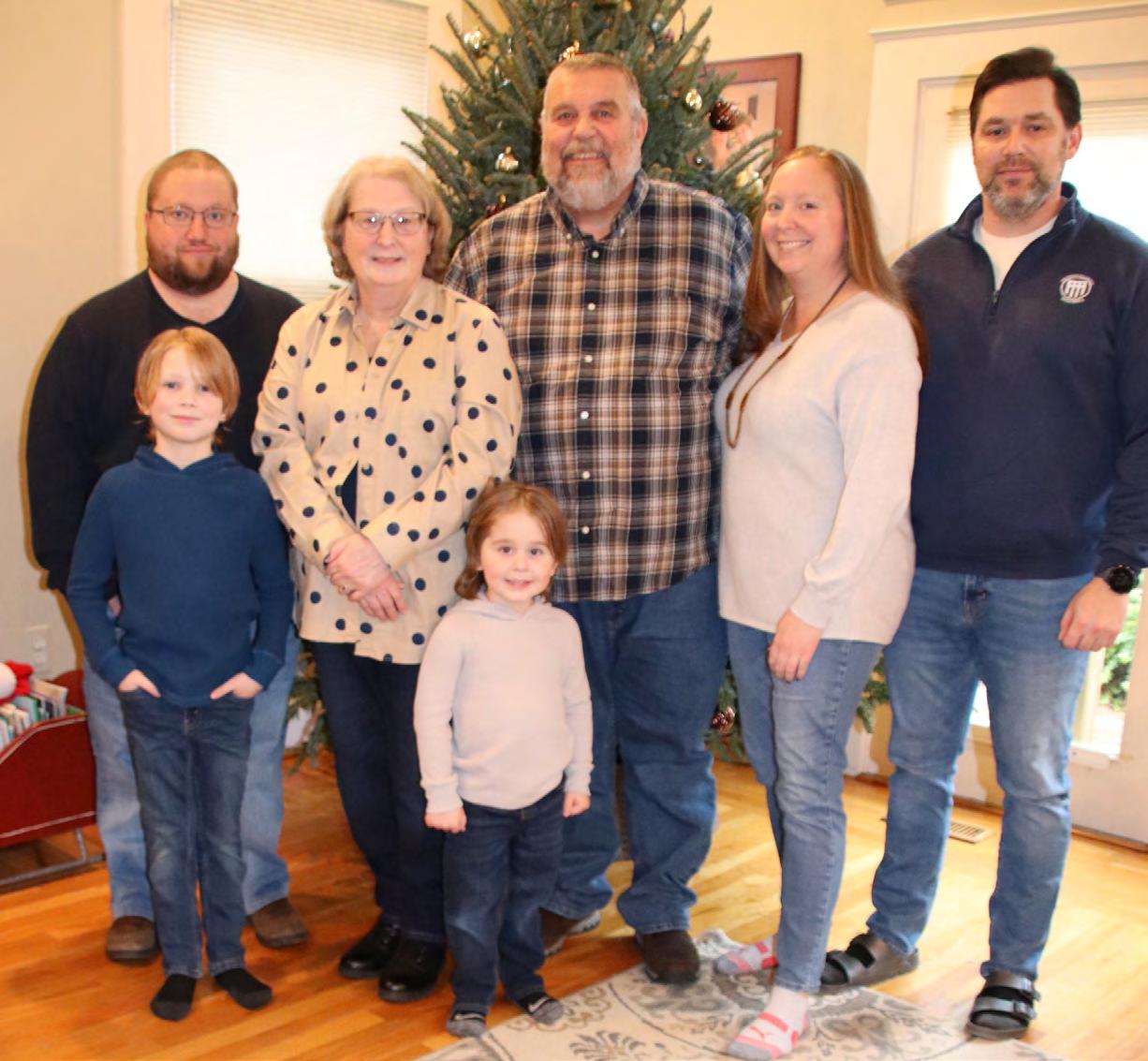
Zach, his parents, and his sister's family during the winter holidays.
COVER STORY
Continued from front cover
the library, and that led me to find an article in our local paper about a man in our community participating in what was known as VisionWalk. When I read the article, it sparked an interest in me. I obviously knew there were other people who had RP, but it took me by surprise that someone in my own community, whose kids I went to school with, would have the same vision impairment as I did. That stuck with me forever. It turns out that one of our Librarians happened to be the wife of the man in the story, and his name was John Corneille, Director of Legacy Giving at the Foundation Fighting Blindness at that time.
I had the opportunity to meet with John and his family, which led to a strong friendship and admiration to this day. VisionWalk 2007 was my first entry into the Foundation Fighting Blindness. Up until then, I had no idea there was such an organization, as I had only heard about places like the Lighthouse for the Blind. I remember having a kickoff lunch, and just the warmth of people was incredible. I never looked back.
A few years later, another challenge emerged. During a routine checkup, my kidney numbers were high. After consulting a nephrologist, I was diagnosed with kidney disease and eventually went for a complete evaluation. One doctor there began connecting the dots between my RP, kidney disease, and other physical traits, suspecting a rare genetic disorder called BardetBiedl syndrome (BBS). At the time, genetic testing wasn’t advanced enough to confirm it. In 2013, my sister donated one of her kidneys to me, something that I will forever be grateful for.
Fast forward to 2024, during one of my regular eye appointments, my doctor recommended genetic
testing to determine which RP gene mutation I had. I submitted my sample through the Foundation’s genetic testing program and anxiously awaited results on the My Retina Tracker® Registry portal. When they arrived, I learned I carried the IFT172 gene mutation linked to BBS. That discovery confirmed what the doctor had suspected years earlier. I returned for additional testing, and my BBS diagnosis was officially confirmed. Understanding the genetic cause behind my RP brought a sense of clarity and empowerment I hadn’t expected. It all came together.
In 2025, I was contacted by Gregory Fabiano, who wanted to get in touch with me due to my involvement at the Foundation, specifically for Legacy Giving.
You might be wondering, what is Legacy Giving? While it might sound heavy at first, it’s really about aligning your goals and gifts with the Foundation so your impact continues for generations to come. Given that earlier this year, my dad (who is my hero) had been having issues seeing things and was later diagnosed with macular degeneration, my view on visual impairment is stronger than before. I am sure all who are reading can agree, it is one thing to have the impairment yourself, but to watch a loved one go through it, it makes the Foundation even more vital now than ever.
One of the best decisions I have made was to invest in something that invests in us as the visually impaired, a community both my father and I belong to.
As you can see, I have had quite the journey in my 36 years on this earth, and I am sure God has much more planned for me. They have not come without some bumps and bruises on the way. However, there are some important people who were there along the way to help and guide me through them. Most importantly, my family and the Foundation Fighting Blindness.
PLANNED GIVING
Tax Benefits That Help You Leave a Lasting Legacy
Incorporating planned giving, also known as legacy giving, into your estate plan is a profound way to support the causes you care about. A lesser-known benefit of planned giving is that it can provide tax benefits that makes for an even stronger incentive.
By thoughtfully designating a portion of your estate to charitable organizations, you can create a lasting impact and potentially reduce the tax burden on your estate. In other words, it can be a win-win for everyone involved.
Understanding Planned Giving Planned giving involves making arrangements to donate assets to charitable organizations as part of your estate plan. This can be achieved through various methods, each offering unique benefits:
Bequests: Including a bequest in your will or trust allows you to specify a particular amount or percentage of your estate to be donated to a nonprofit organization. This method is straightforward and provides flexibility, as you can adjust your bequest if your circumstances or intentions change.
Life Insurance Policies: By naming a nonprofit organization as a beneficiary of your life insurance policy, you can commit a substantial future gift without impacting your current financial situation. This method allows you to leverage life insurance to support causes important to you.
Retirement Plan Assets: Designating a charity as a beneficiary of your retirement accounts, such as a 401(k) or IRA, can be tax-efficient. Since many retirement plan assets are subject
to income taxes when inherited by individuals, directing these assets to a nonprofit can maximize the impact of your gift, as charities are tax-exempt and can utilize the full amount.
Charitable Trusts (CRTs and CLTs): Charitable remainder trusts (CRTs) and charitable lead trusts (CLTs) are effective tools for planned giving. With a CRT, you or designated beneficiaries receive income from the trust for a specified period or for life, with the remaining assets eventually going to a charitable organization. A CLT works in reverse, allocating an income stream to the charity first for a set term, after which the remaining assets pass to your beneficiaries. Both options can provide tax benefits, including income and estate tax savings, while allowing you to support the causes you care about.
Tax Benefits of Planned Giving
Incorporating charitable giving into your estate plan offers several tax advantages:
Estate Tax Deductions: Charitable gifts made through your estate are generally deductible from its value, potentially reducing or eliminating federal estate taxes. This means that the value of your charitable contributions is excluded from your taxable estate, lowering the overall estate tax liability.
Income Tax Deductions: Certain planned giving vehicles, like CRTs and CLTs, may provide immediate income tax deductions based on the present value of the future charitable gift. This can reduce your taxable income in the year the gift is established.
Capital Gains Tax Savings: Donating appreciated assets, such as stocks or real estate, allows you to avoid capital gains taxes that would be incurred if the assets were sold. The charity can sell the assets tax-free, and you receive a charitable deduction for the full fair market value of the asset, enhancing the impact of your contribution.
Integrating Planned Giving into Your Estate Plan
To effectively incorporate planned giving into your estate strategy:
Reflect on Your Charitable Objectives: Consider the causes and organizations that resonate with your values and the legacy you wish to leave.
Consult with Professionals: Engage with estate planning attorneys and financial advisors to explore the most suitable planned

Ready To Get Started?
giving options for your situation. They can provide guidance on structuring your gifts to maximize both philanthropic impact and tax benefits.
Communicate with Beneficiaries:
Discuss your intentions with family members and beneficiaries to ensure they understand and support your philanthropic goals, fostering transparency and shared commitment to your legacy.
By thoughtfully integrating planned giving into your estate plan, you can support the causes that matter most to you while also benefiting from tax advantages that preserve your estate's value for your loved ones. This strategic approach ensures that your legacy of generosity is preserved, making a meaningful difference for future generations.
The Foundation Fighting Blindness has partnered with Trust & Will to provide you with an easy and affordable way to create an estate plan online. Trust & Will is the leader in online estate planning and has helped nearly one million families secure their legacies. Together, we’re on a mission to help families protect the future and gain peace of mind.
We are delighted to offer a 20% discount through our partnership with Trust & Will. Learn more: FoundationFightingBlindness.org/trustandwillpartnership
Trust & Will is an online service providing legal forms and information. They are not a law firm and do not provide legal advice.
JOIN US ON JUNE 12-13, 2026
The United in Vision 2026 conference unites two prestigious events—the Foundation Fighting Blindness VISION conference and the Retina International World Congress—into one extraordinary global gathering. With over 1,000 participants expected from across the globe, the conference provides a unique opportunity to connect with a diverse community, including individuals and families impacted by blinding conditions, alongside leading researchers, clinicians, patient advocates, and industry partners to foster collaboration, innovation, and hope.
LOCATION:
Fort Worth Convention Center 1201 Houston Street, Fort Worth, TX 76102
WHY ATTEND:
• Cutting-edge research and therapy updates
• Global networking opportunities
• Exhibits and assistive technologies
• Expert-led sessions and workshops
• A celebration of resilience and progress
KEYNOTE SPEAKER:
Anastasia Pagonis - Paralympic swimmer, gold and bronze medalist, and fierce advocate for the blind and low vision community. Your Impact Can Extend Beyond a Lifetime. Plan Your Legacy Today! No matter what stage of life you are in, our Estate Planning Guide makes it simple to gather the details you need to formulate a plan. A well-prepared estate plan brings peace of mind— knowing your loved ones are cared for and your wishes will be honored.
Scan to Learn More:

Our free, screen readeraccessible, Estate Planning Guide provides all the information you need to make informed decisions.
GET STARTED BY DOWNLOADING YOUR
LATEST RESEARCH ADVANCEMENTS
Nacuity’s Antioxidative Therapy
NACA Performs Encouraging Phase 1/2 Clinical Trial
Nacuity Pharmaceuticals reported positive results for the SLO-RP Phase 1/2 clinical trial in Australia for NPI-001, an oral small molecule known as N-acetylcysteine amide or NACA, which is designed to mitigate oxidative stress, thereby slowing retinal degeneration and vision loss in people with retinitis pigmentosa (RP) and Usher syndrome. Researchers believe NPI-001 can be effective regardless of the mutated gene causing disease.
The randomized, placebo-controlled clinical trial enrolled 49 people with Usher syndrome and followed them for two years. In the SLO-RP trial, photoreceptor loss for patients receiving NPI-001 was slowed by 50 percent when compared to those receiving placebo. The emerging treatment was safe and well tolerated. The company is planning a confirmatory clinical trial in 2026 in the US and Australia.
NACA is a modified form of N-acetylcysteine (NAC), a powerful antioxidant approved by the US Food & Drug Administration in 1963 for acetaminophen overdose and other uses. NACA was designed by Nacuity to be more potent and bioavailable to the retina than NAC.
Beacon Reports Encouraging Results for Second Eyes
Dosed in Clinical Trial for XLRP Gene Therapy
Beacon Therapeutics, an ophthalmology gene therapy company, has reported vision
improvements for patients receiving laru-zova, the company’s X-linked retinitis pigmentosa (XLRP) gene therapy, in the Phase 2 DAWN clinical trial. In DAWN, 15 male patients, who received AGTC-501 in one eye in a previous trial, had their second eyes dosed.
The average improvement in low luminance visual acuity (LLVA) for the second eyes of patients in the trial was 16 letters or about 3 lines on an eye chart. (LLVA is the ability to read letters on an eye chart in dim light.)
Improvements in microperimetry, which measures light sensitivity at multiple points in the retina, were also observed.
Beacon has completed enrollment in its Phase 2/3 VISTA clinical trial for laru-zova. Approximately 75 male XLRP patients who haven’t received XLRP gene therapy will be enrolled. LLVA is the primary efficacy endpoint for potentially seeking regulatory approval.
Wet AMD Treatment Susvimo Preserves Vision for Five Years in Phase 3 Clinical Trial
Genentech reported that SusvimoTM maintained vision for people with wet age-related macular degeneration (AMD) enrolled in the five-year, Phase 3 Portal clinical trial. Susvimo was approved by the US Food & Drug Administration (FDA) in 2021. Data from the ongoing Portal trial gives investigators additional information about the treatment’s long-term safety and efficacy.
Susvimo uses a Port Delivery System (PDS), a refillable capsule the size of a rice grain, to provide continual release of ranibizumab, a protein that blocks the growth of visionrobbing, leaky blood vessels which are the
Continued from previous page
hallmark of wet AMD. The PDS is implanted at the surface of the eye during a one-time, outpatient, surgical procedure.
In the Portal trial, the PDS was refilled twice a year. Approximately 95 percent of patients did not require supplemental treatment. Susvimo reduces the treatment burden associated with other wet AMD therapies which require regular injections into the vitreous, the soft gel in the middle of the eye.
Share Your Legacy Plans
If you’ve included the Foundation in your estate plans, let us know! Your support helps us plan for the future and continue funding vital research. We’d be honored to recognize your generosity and welcome you to the Foundation’s Legacy Society.
Email us at Legacy@FightingBlindness.org, visit www.FightingBlindness.org/LegacyForm, or scan the QR code.
WANT MORE INFORMATION?
Contact one of our Legacy team members:
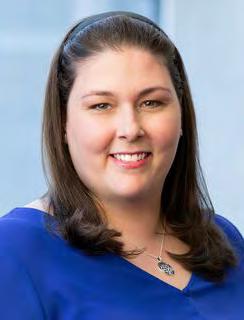
Darcy Meadows
Senior Director, Legacy Giving 443-631-0570 (direct) DMeadows@FightingBlindness.org
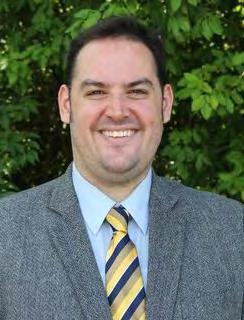
Gregory Fabiano
Legacy Giving Officer
203-429-3337 (direct)
GFabiano@FightingBlindness.org
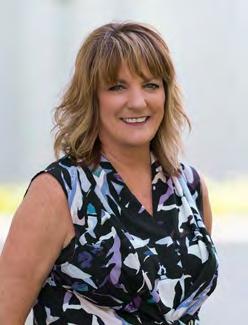
Chris Stetkiewicz
Senior Development Associate Legacy Giving CStetkiewicz@FightingBlindness.org