The Official Literary Folio of FORWARD
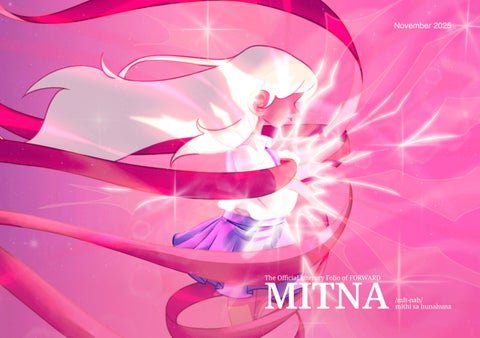
The Official Literary Folio of FORWARD
Editor-in-Chief
Ava Donalie A. Ferolino
Associate Editor
Krisha Faye A. Gascon
Managing Editor-Administration
Kimberly G. Capuyan
Managing Editor-Finance
John Kherwin A. Pansacala
Creative Director
Narvie Klaryzze B. Borja
News Editor
Lylle Antonette A. Flores
Opinion Editor
Ceraley S. Cabiltes Jr.
Co-Opinion Editor
Trixcy D. Clar
Literary Editor
Kristianna Amor M. Tagsip
Features Editor
Ma. Ehla Fatima C. Inanod
Sports Editor
Louise Lambiquit
Online Editor / Photographer
Kimberly O. Tumilap
Co-Online Editor / Writer
Maria Cristina G. Lamug
Broadcast Manager / Videographer
Raghnall P. Cena
IT Administrator / Photographer
Gabrielle Marie R. Paradiang
Property Administrator / Writer
Sharry M. Cuizon
Art Director / Illustrator
Hannah Vanessa O. Mondilla
Writer
Ejay D. Villaver
Illustrators
Khen B. Fernandez
Sienna Rio E. Young
Karina Adel A. Vestil
Heron Augustus S. Flores
Photographer
Ayn E. Nazareno
Layout Artists
Krista Marie B. Yaoyao
Therese Margarette A. Racaza
Publication Adviser
Ms. Cindy R. Limalima
Moderator
Rev. Fr. Vicente L. Ramon
Jr., OAR
Probationary Staff
Yasu M. Al-dawood
Regem Mae V. Rivera
Vince Praxie C. Nuñez
Niña Marie E. Templado
Kristian John V. Wahing
Allyza Nicole I. Marimon
Khara Angelique R. Davis
Rheiz Janae P. Montecillo
El Shammae Mari B. Argawanon

mithi sa hunahuna
MITNA, a compound Cebuano word phrase, “mithi sa hunahuna,” meaning the earnest wish of the mind, is the official literary folio of . It contains a collection of thoughts from the richness of literature.

Savor the beauty of words and the grandeur of thoughts as you dive deeper into the minds of various authors. Indulge in the bittersweet aftertaste of stories that would tickle the mind and touch the heart. Contemplate the beauty of life.
Be entranced, this is MITNA!

Balay Katitikan: Sa Layo Nga Dalan
Journal: Starlit
Personification: if
Dilang Pinoy: Urong-Sulong Balay Katitikan: Sa Makausab
Dilang Pinoy: Sa Pagitan ng

To be puzzled by the echoes of uncertainty means to be haunted by the souls of mystery.
For a brief moment in time, we often pause, wonder, and think to ourselves, “What could be the point of all this?” The voices carefully creep into the depths of our minds as it slowly linger, meandering along the pavements of our buried pasts—our long-dead days. It traipses from pillar to post, coupled by the existence of our present—our living consciousness. And it even ushers the spirits that bring us forth towards our future—our destined fates.
Breaths of fresh air feel like a sentiment of the unknown. Horizons that meet the sight of an unfamiliar dream. Sounds we hear clue peculiar tones. Scents of a novel fragrance whiff a faint memory. And touches of an uncanny caress scream a wild fantasy.
The mystifying bliss of the dichotomy created by the collision of two worlds—both yesterday’s dear history and today’s fine secrecy—chisels the sculptures of our identities. We are defined not just by the actions we have once made but also by the ones we are bound to make. To know where the wind may carry us is to accept the profound truth that one should be carried.
To find out the answer we deeply seek is to acknowledge the fact that sometimes there really is no answer to be sought, and that this is simply it—this is all we are and this is all we get.
Each page of this MITNA issue escorts you to a cosmic matter that shall reside and converse with you as you sit with the discomfort and embrace complexity. The pieces you are about to read unfold stories of bewildering yet dazing eureka moments, written by the great authors of the greats. Every tale illuminates the outburst glow of an unravelled inner awakening, reminding you, gentle readers, that to be lost means to be found, and to be different means to be rare.
May solace find its way to you as you sail across infinity, for the universe always disguises itself beneath magical illusions, even during the times when you feel like you went astray.
No one is ever truly lost in life. You are simply being redirected,
wise.Other
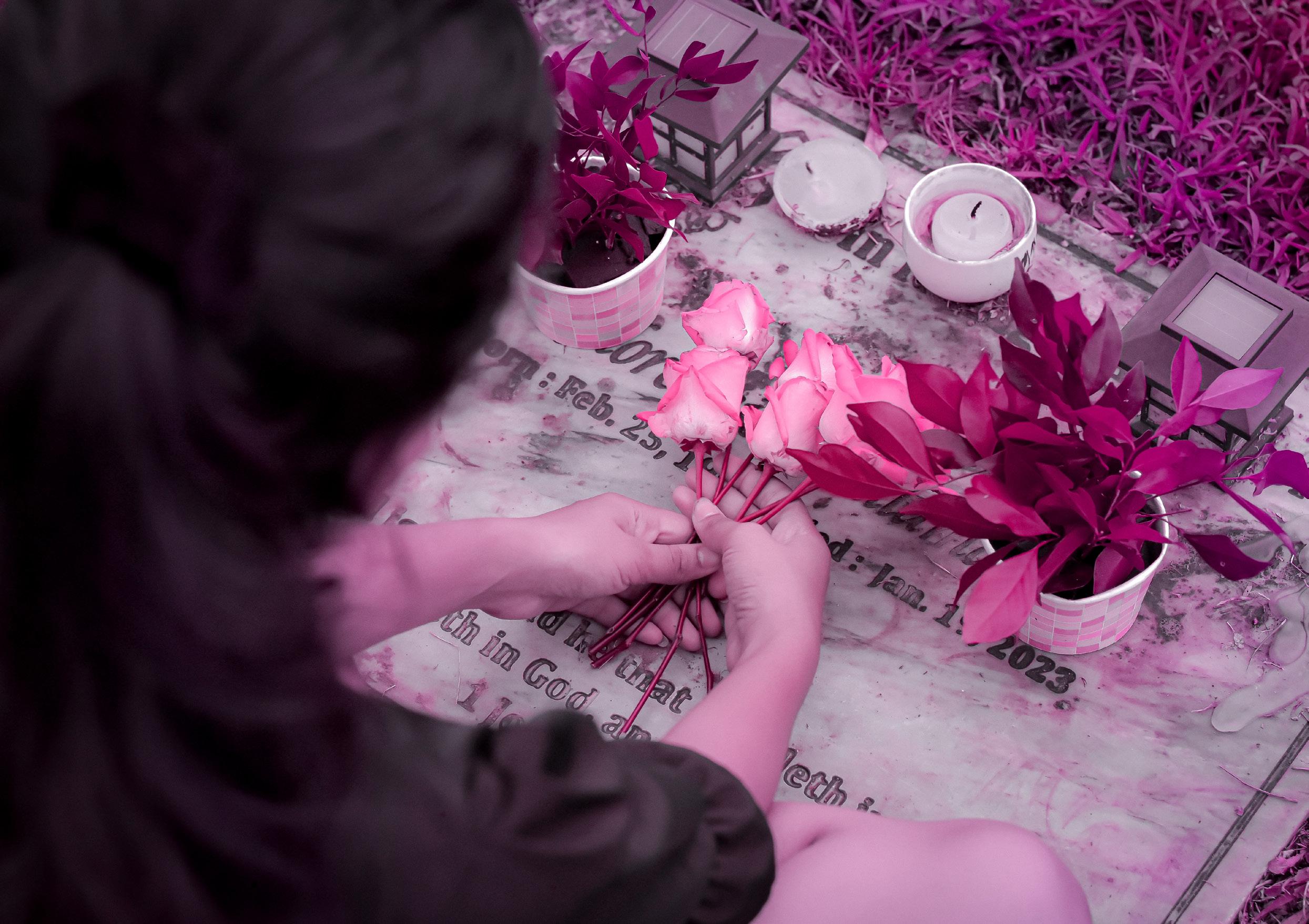
Pasing’s funeral was pretty crowded. Not All-Saints’-Day-crowded, obviously, but crowded in that strange way where both her friends and enemies turned up— one to mourn, the other to make sure she really stayed dead.
People sometimes refer to darkness as something that falls, but in places like Greenhills, it doesn’t just fall, it collapses. A black cloud blankets the sky, pressing stillness over the wake, and in the silence comes the pattering of raindrops on the church’s skylight, with a low crackle of thunder here and there.
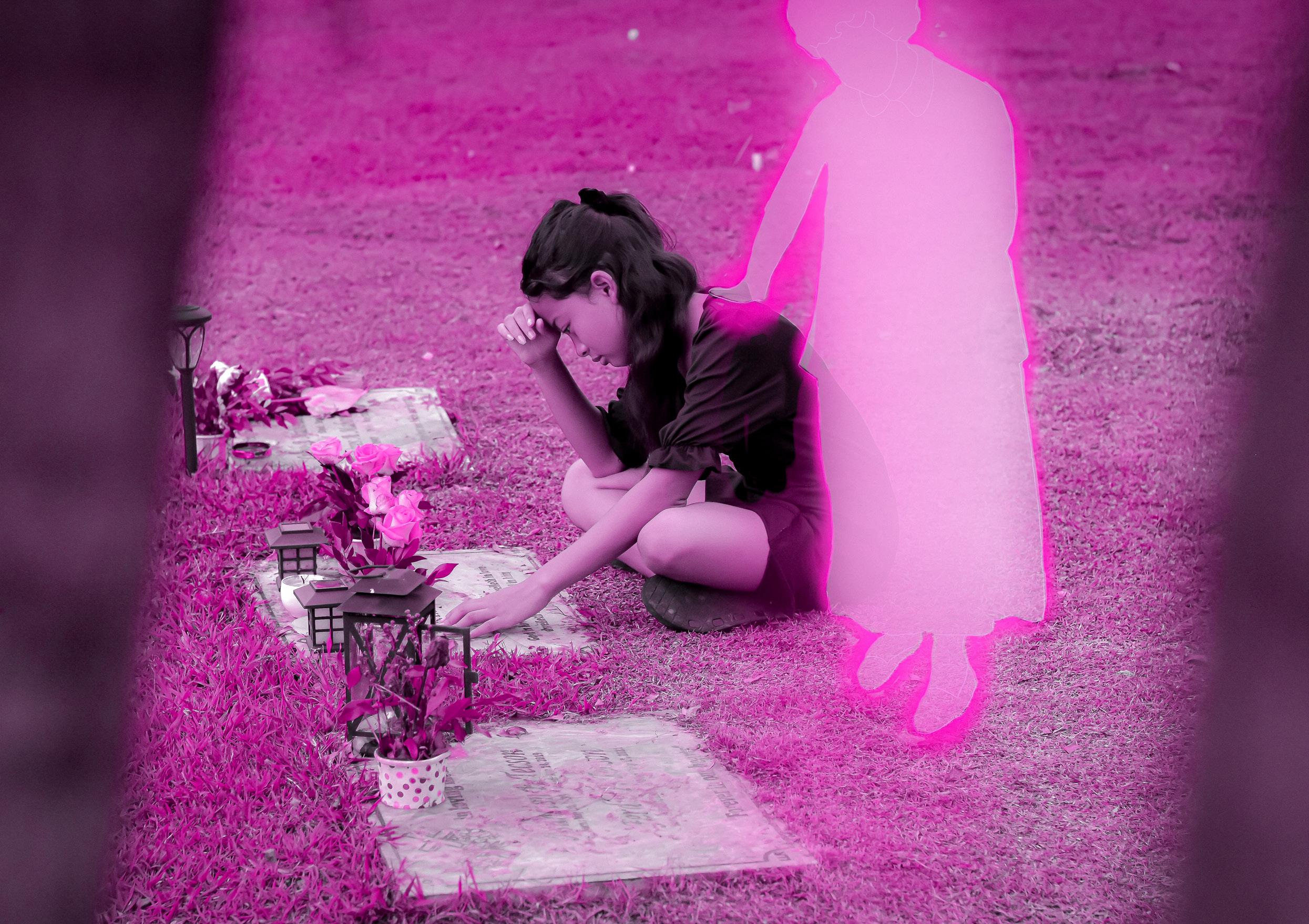
Hannah Kate stood at the altar, dressed in black from head to toe. These clothes gave her a comfort of a kind; the perfect clothes for a hard day.
What made it worse wasn’t the weather, or the coffin, or even the way mud clung to Hannah Kate’s shoes. It was the audience. Not mourners, audiences. All these people dabbing at their eyes as if they’d lost someone they adored, when in reality most of them couldn’t stand her. And fair enough: she was not an easy woman to love.
Everybody in our neighborhood loathes Lola Pasing because 1. She smokes three packs of cigarettes every day 2. She’s very fond of telling “other versions of the truth” or what my mother calls “lies” 3. She refuses help from technology because 4. She thinks she is “always right,” which 5. She usually is.
Despite everything they say, Hannah Kate knew her grandmother was no monster. Far from it. But surely if your neighbor’s rooster crows too is justifiable. And if at a fiesta is too dry, salty, and bland pointing it out is simply
Out of the corner of her eye, she spotted faces she never thought she would see again. Her tita and tito from Leyte had never once visited lola while she was alive. She used to hear her Lola sigh about them at night, wishing they might come home even just once.
There was a time when they still promised Christmas visits. Then they began cancelling with excuses. After a year or two they stopped offering excuses. In the end, they stopped pretending they were coming at all.
Now here they were, heavy with borrowed grief and second-hand sorrows, as if their presence could make up for years of absence. What a cruel thing, Hannah Kate thought, that it took her grandmother’s death to bring them all under one roof.
What gutted her most was not just losing a grandmother, but losing her superhero. Every twelve-year-old needs one because life is heavy, and only superheroes know how to take all that pain and turn it into power.
The day before it happened, they were lying in bed together as her grandmother read aloud from her favorite book. It was hard to fall asleep in the midsummer heat, yet Lola Pasing had been unusually sentimental that day, saying I love you more times than usual, holding her just a little longer, as if memorizing the moment. Maybe that was one of her powers—knowing when to prepare someone for goodbye.
But even superheroes have their weaknesses. Superman had kryptonite. For the old woman, it was cancer. She tried to hide it from her family, believing that unspoken words might undo the truth like magic. But that’s not how this works. And now, Hannah Kate bites back her tears, thinking that if she holds them in, they’ll stay locked away. But that’s not how it works either.
her. Perhaps others only saw the thorns, Hannah Kate was the only one
When it was time to deliver the eulogies, she almost gagged at the thought of sharing her last moments with her grandmother. Why should she? What was the point of laying bare something so sacred? Everyone might pretend to care now, but it was too late. They hadn’t been there when it mattered. They would never understand. How could she feel so out of place at her own best friend’s funeral?
photos by Ayn E. Nazareno
These people had already failed her in life. She cannot let them fail her in death. And so, for a fleeting moment—through Hannah Kate’s words—Lola Pasing lived again.
No matter how many similes or metaphors she reached for, none of them could capture this loss the way it hollowed her. But no one else could tell Lola’s story the way she could, so it fell to her to stand up, cape or no cape.
The second the service ended, darkness collapsed in Greenhills. At home, her scent still lingered—cologne bright with citrus, threaded with stubborn smoke. It clung to the air like proof the room hadn’t let her go.
The walls around her dulled with time, but the room refused to move on, still full of ghosts. Shoes lined in neat pairs, jewelry tucked into its boxes, dresses arranged as though she’d simply stepped out for a while. She had been a woman who would not leave a bed unmade, even while dying—because she was “only dying,” not an animal. What would people say?
Like a rising tide, her guilt returns. One can never understand why God gives a superhero only to take her back the moment she’s needed most. That thought pulled Hannah Kate inward, and inward, until her tears slipped past her lips, warm and salty.
“Show yourself,” she whispered.
“Come back and haunt me. Shake the bed. Slam the door. I’m ready.” For a moment, everything stops. Even the wind held its breath. But unlike horror movies, the reply was just a deafening silence: no creaks, no light flickers, no footsteps, nothing.
Hannah Kate wanted one last moment with her grandmother. A dream, a ghost, anything.
She closed her eyes. Forgetting would be easier, but forgetting would be another kind of death. She would rather ache than erase. One day the tears might dry. One day the ache might soften. But even then, when she reached for her memories, she would still find her there.

Eve never meant for it to unravel all at once.
She and Aly had been friends since high school—an unlikely pairing stitched together by chance. Eve was quiet, bookish, the kind who found refuge in empty classrooms during lunch breaks, finishing assignments in silence. Aly was her mirror’s opposite—loud, impulsive, always pulling people into jokes that skirted the edge of trouble. They never imagined they’d grow close, not with all the ways they diverged. But then one afternoon, they were paired for a project with Mark.
But forever shifted the year Mark passed away.
At first, Aly and Eve clung to each other tightly, meeting often, trying to patch the gap Mark left behind. But grief is uneven; it bends people differently. Without Mark, the dynamic faltered. Their meetups grew less frequent. When they did see each other, the conversations felt thinner.
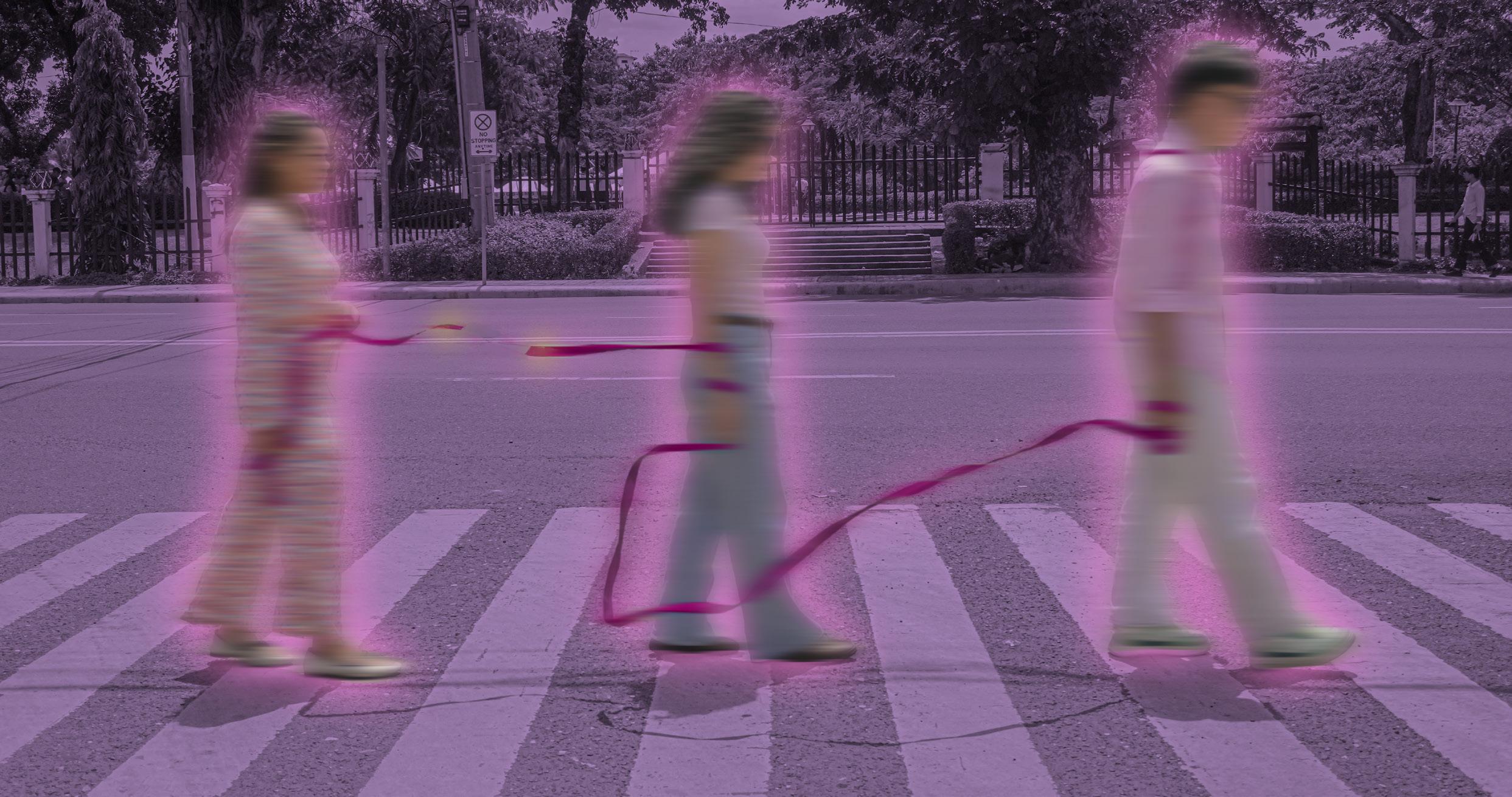
Mark was the hinge between them: steady enough to temper Aly’s fire, gentle enough to coax Eve’s caution into voice. What began as hurried cram sessions turned into midnight conversations that spilled past homework, unraveling heartbreaks, sketching dreams, and releasing secrets neither had dared to name. By the time they graduated, the three of them were inseparable, their bond stitched into every plan for the future.
They promised lifelong friendship then. Aly and Eve would stand in each other’s weddings. Mark would be godfather to their kids. They said they’d still be laughing about the same dumb jokes decades later, the kind of friends who make “forever” sound easy.
They didn’t notice at first, or maybe they didn’t want to. Silences grew longer. Once, they spoke in shorthand, filling hours with the ease of water flowing downhill. Now, pauses stretched out like deserts. The jokes they’d once found hilarious didn’t land anymore. Their differences, once complementary, now felt like distance. They were becoming shells of who they used to be together. What had once been easy now felt strained, like trying to keep alive a language they no longer spoke.
The last time they met, Eve felt the end coiling quietly between them. Aly spoke too quickly, her laughter sharp around the edges as she rattled off stories of old classmates and new acquaintances. Eve nodded, smiled, but felt herself floating above it all.
In her head, a whisper rose: “Was it cruel of me to feel this way? To sit here and wonder if I’ve already left us behind? To question if this still feels like home, or if I’m the one who stopped belonging?”
When she got home that night, she didn’t message to say she was safe. But she also didn’t think it was the last time they’d see each other. It wasn’t a clean break, no slammed door.
For weeks after, they lingered at the edges of each other’s lives— liking photos, sending the occasional meme or funny video, tossing little lifelines that made it seem nothing had truly ended, only softened into quiet.
And then, without either of them naming it, the thread slackened. The likes stopped. The messages stopped. Silence settled in— not final, but heavy, like dust that had been gathering for years.
It wasn’t indifference. It was something slower, gentler, like an untangling that had already begun long before they noticed. But the ache came later.
At a convenience store, Eve’s hand hovered over a bag of chips— the same kind they once devoured during movie marathons with Mark. She reached for it, then stopped, because she didn’t want the taste to bring her back.
On her birthday, her phone lit up with greetings from colleagues and family, but not from Aly. She told herself she didn’t care. She almost believed it.
The harder part was knowing Aly had once carried everything— her fears, her dreams, and the rawest parts of herself she hadn’t known how to name. Eve had pictured Aly at every milestone: moving to a new city, falling in love, and perhaps even one day standing beside her in the aisle.
But growth carries its own cruelty. Becoming who you are can mean losing sight of people you once thought knew you best. It means realizing the person you trusted most doesn’t fit the shape of your life anymore—and maybe you don’t fit theirs.
Sometimes, she scrolled through archived photos: sweaty after concerts, plastic cups in hand, grinning like the future was wide open and the three of them—Eve, Aly, Mark—would face it together.
She’d close the album quickly, but not before feeling the pinch in her chest—the whisper: you had something once, and now you don’t.
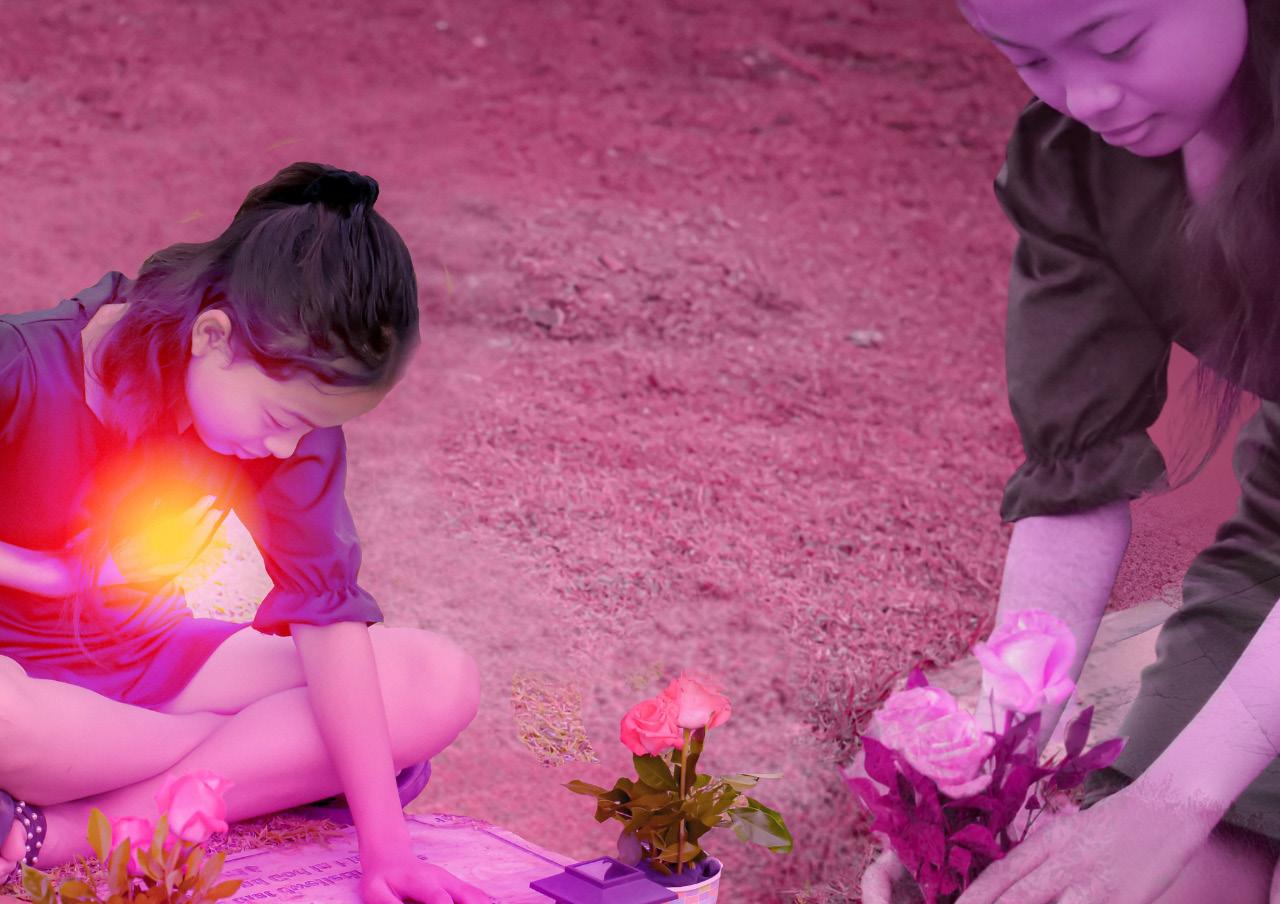
One evening, Aly’s story appeared on Instagram. Mark’s death anniversary. A photo of his grave: flowers laid neatly, candles flickering.
Familiar faces surrounded it, their shoulders brushing, heads bowed. Faces Eve hadn’t seen in years. Aly stood among them, as if nothing had changed at all.
Eve watched until the story disappeared. She didn’t feel jealousy, not exactly. It was something heavier. Like pressing on a bruise you know will never heal. She thought of Mark, of Aly, of how certain she’d once been that they would be tethered for life.
Instead, here she was—alone in her apartment, Aly with others at a cemetery, Mark forever gone.
The truth was, she had friends now—different ones. People she met through volunteer work, through a book club she joined on a whim.
They didn’t know her history. They didn’t remind her of who she used to be. Around them, she could try on the person she was becoming without anyone pointing out the change.
Still, on nights when the streets were hushed and her apartment felt too big, she thought of calling Aly. She never did. She knew the conversation would be polite but hollow, the way you speak to someone you used to love but no longer know.
She didn’t know who she would lose next, or who she would find. But she knew she would keep choosing the people who made her feel most herself, even if it meant leaving behind the ones she once thought would be hers forever.
Now, she sees it clearly. Not everyone is meant to stay. Some arrive only for a chapter, maybe even just a page. And when the story moves forward, you don’t drag them with you.
And she isn’t afraid of the empty spaces anymore.
Because they’re not really empty. They’re room for the people and moments still to come.
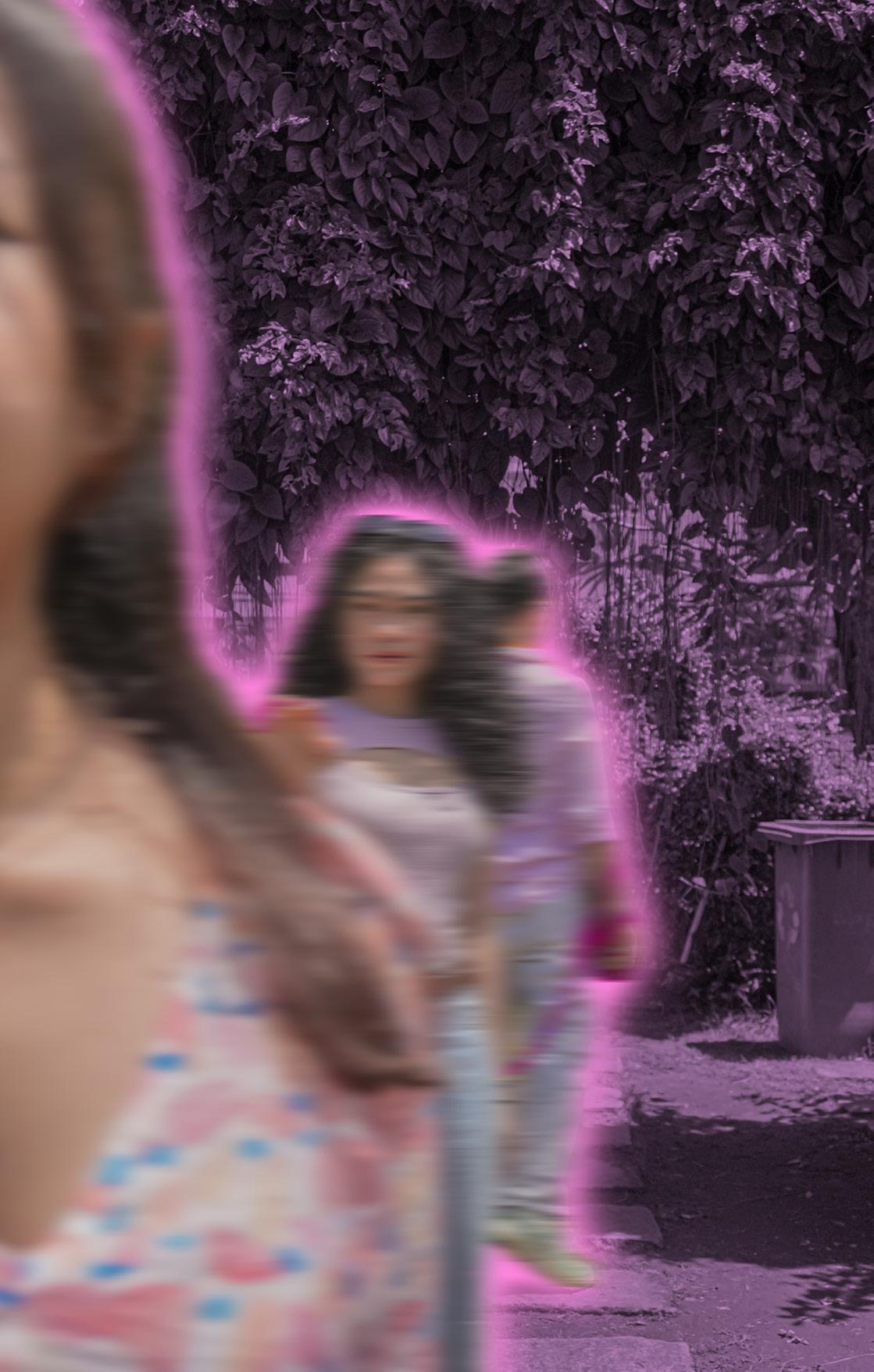
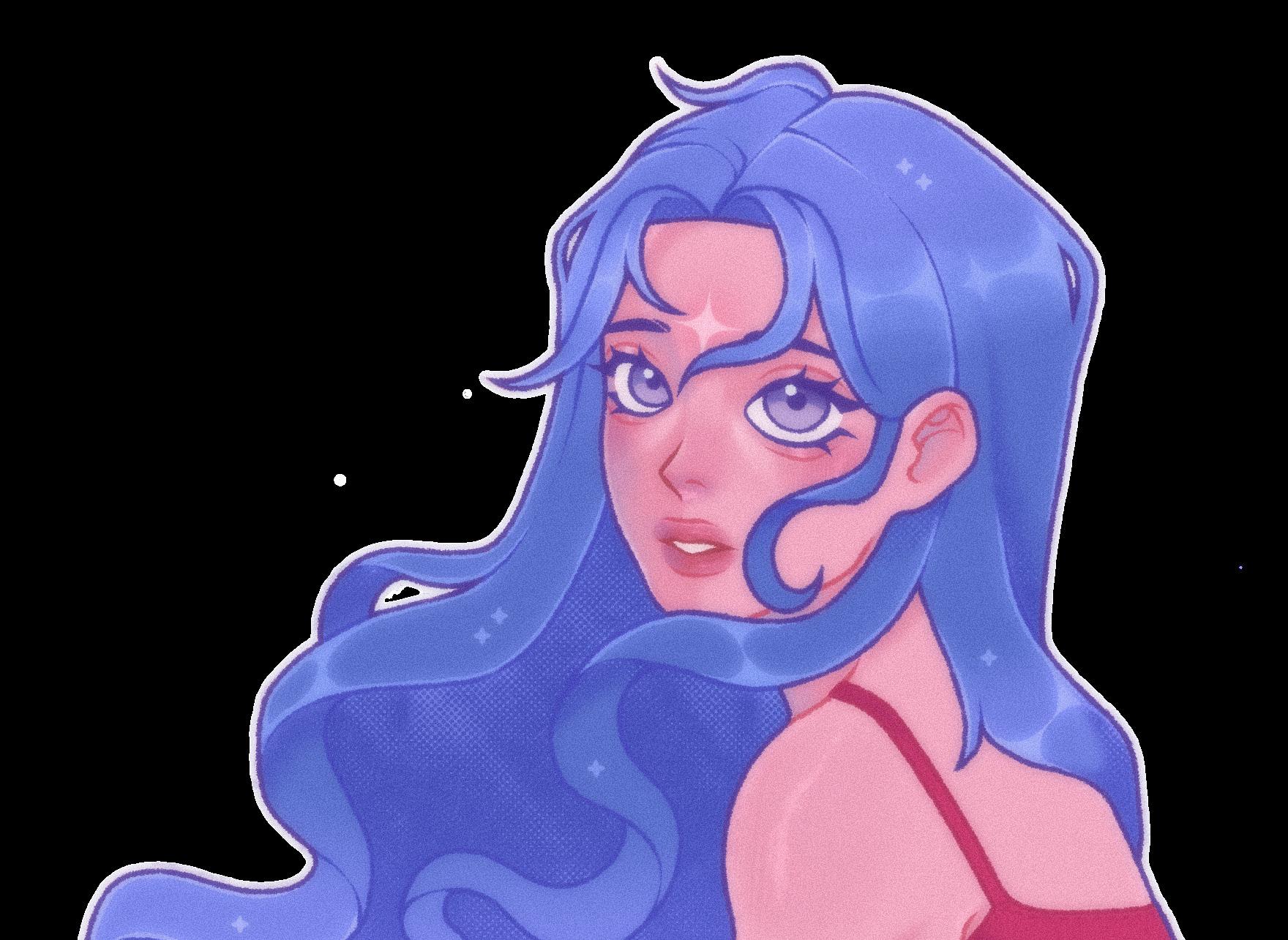
by Crescendo
Yellow was the color I noticed first. But it wasn’t as sharp as I imagined—it glowed with a familiar warmth, almost welcoming.
This was the first time I visited that place. Where the morning sky stretched with stars, and the trees birthed droplets of rain.
Long tables with all the food only my stomach could name, clothing shops that sparkled, and a tapestry of books that never fell.
I don’t remember how I got there, nor understood what was real. Yet I indulged in its wonders all the same.
I twirled and ate and sang, in different forms and locations. No matter how much I changed, I never felt sad or tired.
When I reached the last strides of my blissful waltz, the lights grew dim as I watched the stack of papers in my hands. There was no music anymore.
“Have a nice day,” the lady behind the desk said. I could only force a small smile.
illustration by Karina Adel A. Vestil
I couldn’t be angry. After all, that was only the fifteenth rejection I got that day.
You’d think that graduating with Latin honors and a stellar track record would get companies swooning over you, but it isn’t as easy as they say it is.
Nobody told me that the pain of failure doesn’t really go away. Not even after months of reading a dozen apologies.
My apartment is where all my planners and calendars sit completely filled, yet unfinished. That trip to Bali with friends, the sketches of fashion designs, even that hiking adventure I promised myself.
People used to tell me I could do anything. Now, it feels like I am doing everything and nothing at all.
Amongst the clutter in my room, there are multiple remnants of grief. There’s an ache in my chest where his love used to be.
I still remember that phone call, the tears, the ghost of a ring wrapped around my finger. Who knew seven years could be left behind just like that?
Crying has become easier than breathing nowadays. And I fall, and I drown, but there again, I was found.
In that place of bright colors, of earth as soft as silk. Slow and steady, I picked up a book from a pile.
I read, wrote, and slept as the place embraced me with its light. Without fear, without pain, I gladly basked in it.
Then I thought, what if I stayed for good? What if this was the only place where my failures don’t matter?
It felt like an entire world was waiting just beyond my fingertips, and I could already imagine the joyous days ahead of me. Then a rumble came with dark clouds.
And my thoughts were stopped once again.
I stood in the middle of a playground, where bubbles danced in the air and laughter became a harmonious echo.
The sky was flushed orange, and somehow I knew that I got back. While I watched the kids take turns on swings and monkey bars, that ache in my chest returned.
As a child, I wanted to be a doctor. As a young adult, I chased tails to be successful.
I’ve been many things in my life, but it would have been so much easier if I could just be happy.
The tears flowed faster than I thought they would, but I didn’t fight them. Even when a woman approached to wipe them away.
“Chin up now,” she said. And I noticed the familiarity of the long black gown and cap she was wearing—something I was praised for a few months ago.
The wrinkles in her smile carried an eagerness I did not understand. “You’ve got your whole life ahead of you. Best not to spend those years frowning.”
As she walked away, an enormous weight was somehow lifted, like I was walking around with shackles all my life.
How often does a person have to fall before they realize they can get back up again?
I guess I never saw how things could be messy, hurtful, yet still okay.
That it’s okay for me to live a life that is mine, to let go of old dreams and make room for new ones, to want nothing more than to feel my mother’s warmth.
It was never a question of luck or destiny, but rather the pursuit of my heart’s true wish. Maybe I don’t have to figure it all out right now.
And maybe it’s okay if what I truly long for is to simply go back home.
Not the place that was perfect, but the place that cradled my wounds and flaws. Where I learned the right ways to love and laugh with my siblings till the first light.
The minute my bags hit the floor, I was surrounded with open arms. And I knew I’d never return to that magical place ever again.
I am here and everywhere, and nowhere at all. Yet the world still spins, and at long last, I am alive.
what do you see when you look at me?
by avocado
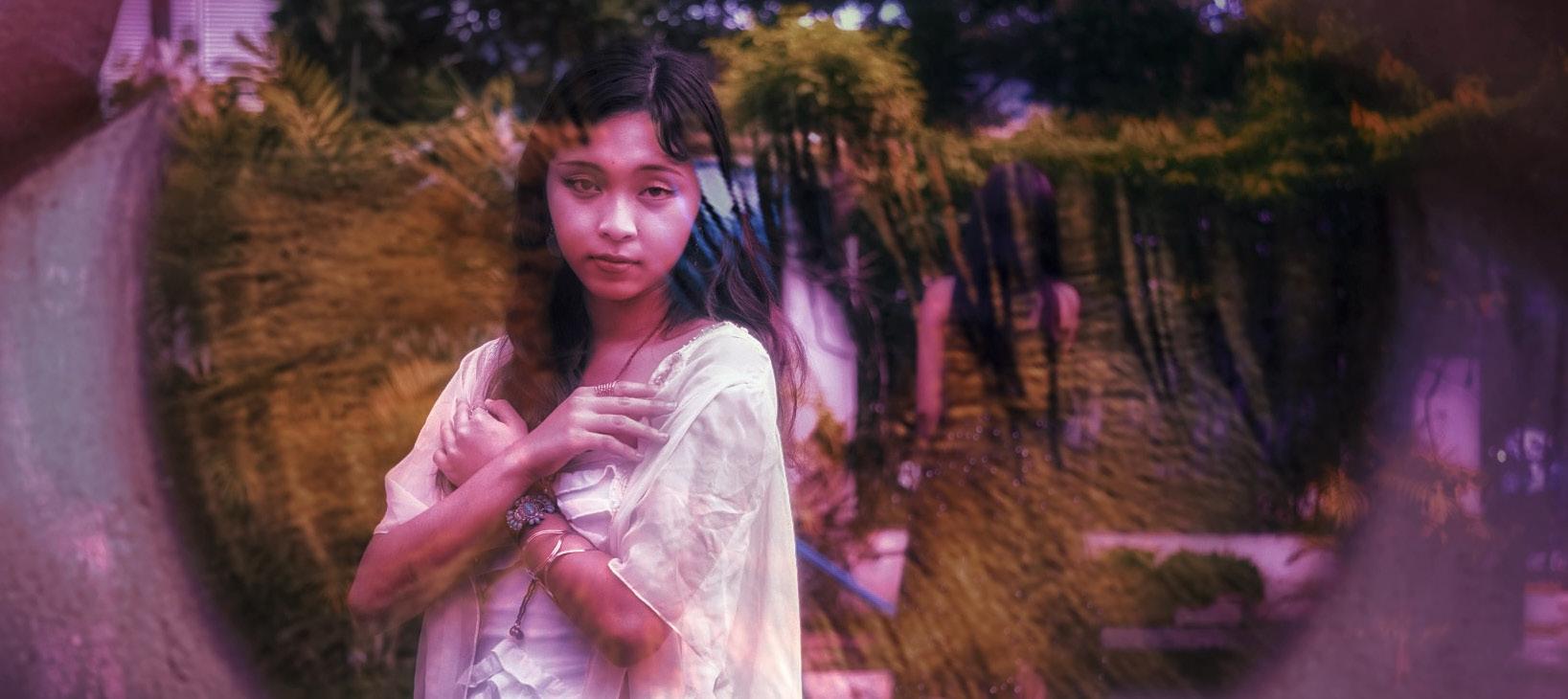
As I am writing this entry today, I would like to at least pretend that I am speaking to our most heavenly Father, for I have plenty of questions for which I am in dire need of answers.
Dearest Father,
I come before Thee to ask You questions about the woman you have handpicked to be my mother—my birthgiver, my backbone, and my lost soul.
I remember thinking to myself how all women before me cautioned me about how no one nor anything could ever prepare any girl for motherhood.
And how this registered to my wits that maybe this is precisely the case for my dear old mama—how she was not ready, and perhaps never would be.
Dearest Father,
I come before Thee to ask You questions about the woman with whom I share the same blood, mind, and air.
For many moons, she carried me in her womb. In that dim abyss hovers the daughter she is yet to caress.
And for what seemed like an eternity, then came into being the daughter she is yet to embrace.
Every sunrise, she lifted me from the four corners of my cradle.
As the daylight beams and leaps across shadows in our cabin, she kisses my round, flushed cheeks, grinning with the joys and laughter of a new beginning.
And every time the sun sank and whispered goodbyes, she then gently placed me back in my crib.
As the constant crescent mounted and howled the afterglow of the evening, she then kissed my round, flushed cheeks once more, grinning another round of joys and laughter but this time, of a hushed ending.
Dearest Father,
I come before Thee to ask You questions about the same woman who once loved me with all her beating heart and who now despises me with all her raging soul.
Sometimes, I look to the sky and wish You had given her more time to prepare for the voyage she was about to take—more breaths to brace for the hollow of despair she would fall into.
Every time she looks into my eyes, I always wonder, “Mother, what do you see when you look at me?”
Do you see the little girl you once were, before your dreams died? Or do you see the man you married, the one who helped kill those dreams?
“You look just like him. You look just like your father.”
She may have carved the sculptures of this cosmic body I now possess, and she may have engraved the words that seeped into the depths of my mind.
Yet, she does not see me as her own—she does not love me like her own.
To be ridiculed by the critical society for being a woman is one thing, but to be hated by another woman—by your own mother—is another wound.
Her wrath burns vastly into the pits of my chest; she is vexed by my entity.
Dearest Father,
I come before Thee to ask You questions about my mother and how she cannot even look at me.
Do I really look like your son?
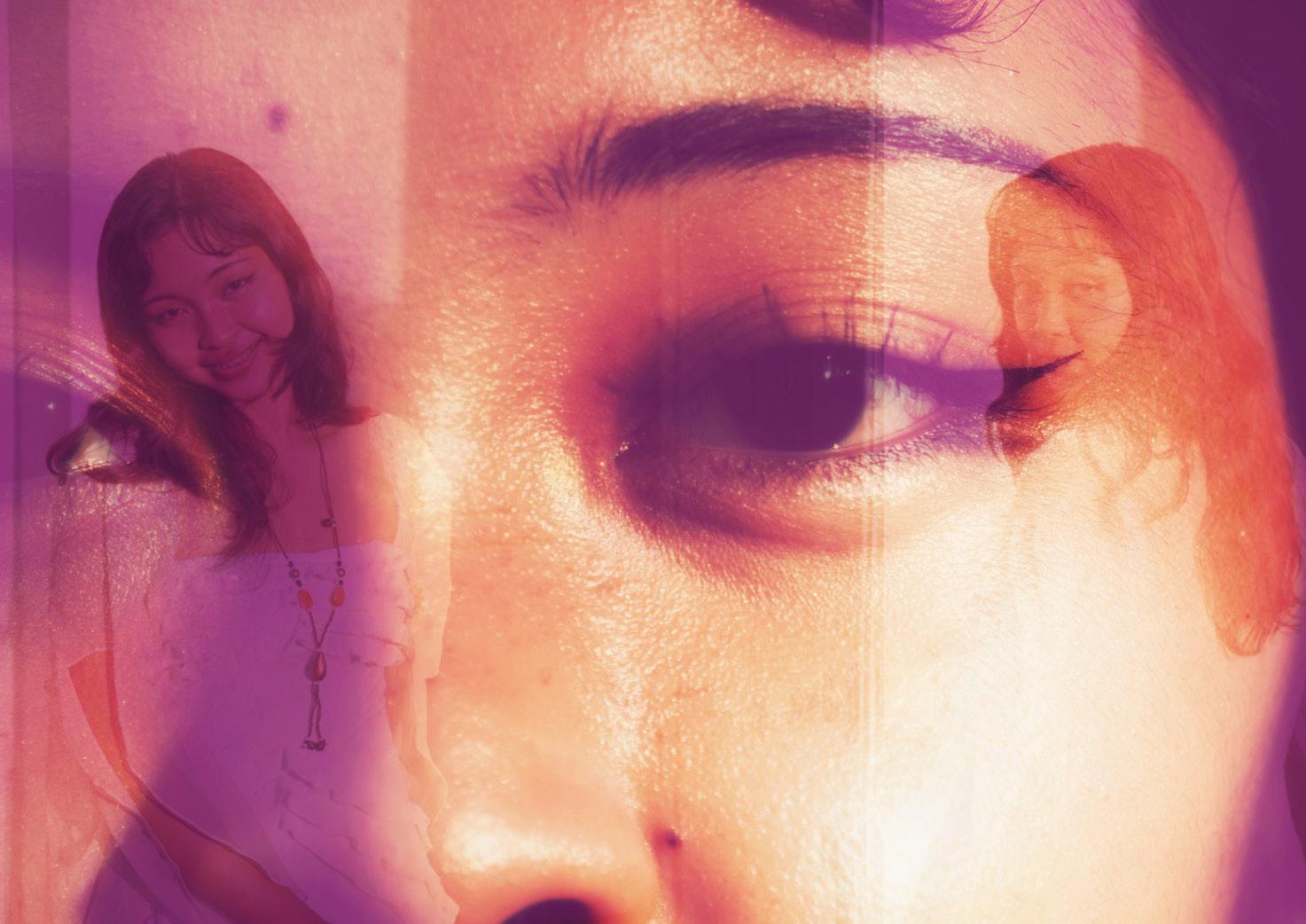
My mother was the first god I worshipped. She was my first walking religion—the woman I bowed to. She was like a goddess that trampled all over me, and I was her faithful devotee.
Dearest Father,
I come before Thee to ask You a favor, and that is to tell your daughter that I am also her daughter.
I am on my knees, telling you please to murmur gospels of chance and hope into her ears as she lies asleep at dawn.
I want to unleash every ire that stemmed down from the roots of my past because it hurts.
It hurts, and I want to scream every agony that was buried in my chamber’s webs.
But I cannot. I do not have it in me to blame my mother because, just like me, she, too, was once a daughter who longed for a loving mother.
Dearest Mother,
I have forgiven you, and I will go on forgiving you. I pray you will forgive me, too. For even if you see my father’s eyes reflected in mine, I am not him; I am a different person.
I am not him, nor will I ever be him.
I am a woman with a voice of my own, and I will venture my way into this universe, sewing the threads of my fate.
I will imprint in my skin the sentences of my own destiny—I will chisel every title that shall mark my name.
And so…
Dearest Father,
I come before Thee to ask You to guide me to become this woman my mother birthed me to be.
They say children should have playmates. Dolls to cradle, kites to chase, cousins to shriek within alleys that echo with running feet.
I once had those things. A ball sewn from scraps of cloth. My brother’s laughter bouncing off the walls as if it could keep them standing.
But the alley is gone now. The cousins exist only as names my mother whispers into the dark, counting the missing as if playing hide-and-seek with no returning.
Yet I have a new friend.
illustration by Hannah Vanessa O. Mondilla

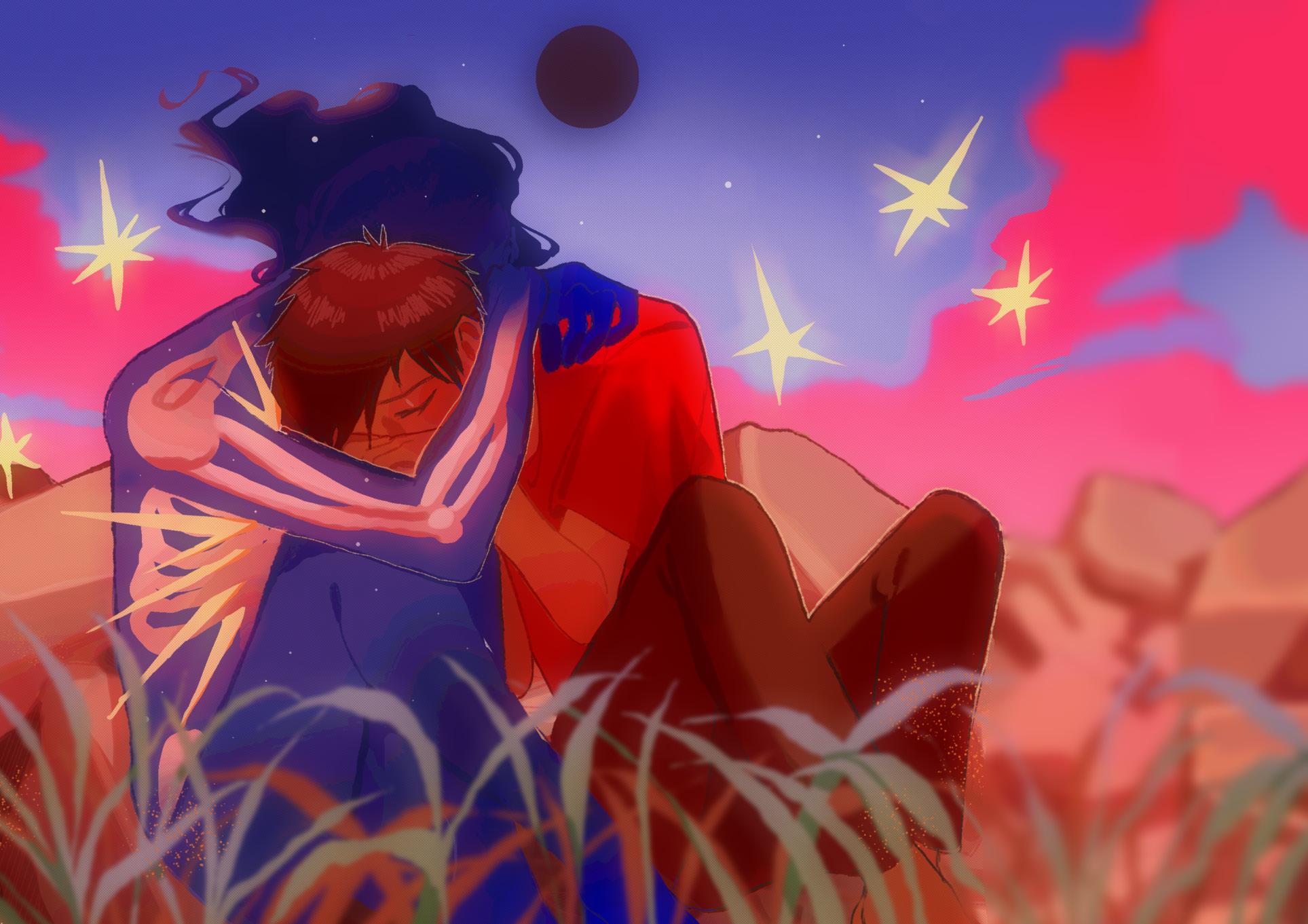

And maybe I should be afraid. Maybe children would have cried simply to know he was nearby. But here, where the earth swallows houses whole, where playgrounds fold into rubble, where lullabies are buried beneath sirens—fear is something too expensive to keep.
But my friend is nothing like the sky that falls without warning, nothing like the thunder of fire that splits sleep in half. He is quiet, gentle, like a shadow that remembers my name and lingers at my side every time.
He sits beside me when the ground shakes. He takes my hand when the sirens scream, whispering, “Everything will be over soon.” I smiled, letting those words wrap around me like a blanket.
And when the world turns red and when smoke stings my eyes, he wipes the ash from my cheeks as if I were only crying from a scraped knee.
He likes stories, so one day I tell him about the sea I have never seen, how I believe the waves must sound like the mothers wailing when names are read on the radio.
I tell him, too, how I long to return to school, eager to sit again within walls painted in bright colors that try to hide their cracks.
Sometimes, I ask him why he is always here. He says because a long night is greedy, and he must walk where it feasts. “I do not choose,” he tells me. “I only arrived. But while I am here, I will not leave you alone.”
Sometimes, I think he must live here, in this place where the air itself forgets how to breathe. He walks through the silence after the planes leave, and he hums to the widows who cannot sleep. He never promises tomorrow, but he makes today just bearable enough to survive.
And so, he has become my lone companion.
Do not think of me as strange. Children cling to what they know, with whom they can trust.
One day, he says, he may take my hand for the last time. He does not threaten it, does not promise it. He says, it’s like how rain will fall, or how dawn will come.
And I believe him.
But even the gentlest hand cannot erase what I have seen.
I did not want to grow up so quickly. But here, the long night teaches faster than any book. Childhood is lost the moment we sleep beneath a roof of stars.
My brother, who once shared his marble with me, is now sleeping under a blanket the wind laid down.
And seeing my mother clawing at the rubble, as if her bare hands could persuade the earth to give back what it swallowed.
The night has worn me thin. I am tired.
Last night, when the sirens began again and the sky flashed red, I pressed my palms over my ears and whispered to him.
I told him I could not carry this anymore, all the gnawing, the running, and the endless waiting, drowns me in a tide I cannot escape.
He did not answer right away. He only held out his hand.
And for the first time, I was the one who reached for him.
So I asked him to hold me close. To lift me away from the ashes, the cries, from the endless pain. To take me somewhere the sky does not fall, where children play without sirens for music.
Perhaps you will think me defeated. Perhaps you will mourn that a child could ask for such an escape.
And if you ask me what it means for a child to grow beside the fire, I will tell you this:
When the world itself becomes unbearable, when every breath feels borrowed, sometimes the only friend left to trust is the one who promises quiet.
And as his hand closed around mine, I knew at last, he hovers when all is lost.
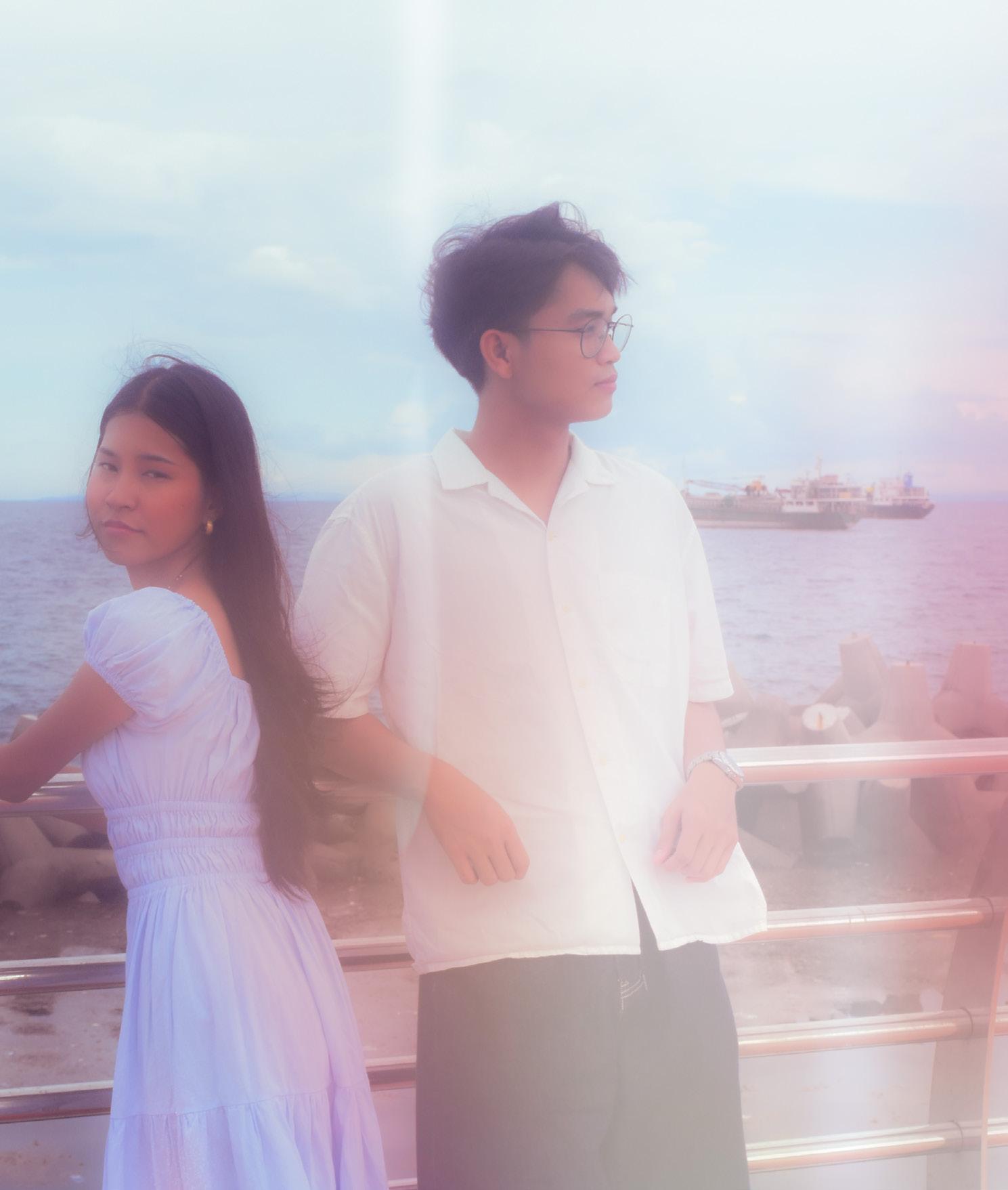

Walang naghanda sa akin na ang pagmamahal sa isang taong may sakit ay parang paglalakad sa gilid ng bangin: isang hakbang patungo sa himala, isang hakbang patungo sa libingan.
Bawat araw ay pagtitimbang kung alin ang mauuna—ang pag-asa na mahahawakan pa kita, o ang paalam na hindi ko kayang bigkasin.
Lumaki akong saksi sa mga babaeng umibig na para bang walang wakas. Sabi ko noon sa sarili ko: “Hindi ako magiging katulad nila.” Ngunit heto ako, sa parehong landas, nakatali sa parehong kapalaran.
Ang ibang magkasintahan, may litrato sa sinehan, may kwento ng mga biyahe, may mga gabing magkahawak-kamay sa ilalim ng mga bituin.
Sa halip na pamamasyal sa labas, ang gabi natin ay binubuo ng tawanan sa online games na para bang paghinga sa gitna ng pagkalunod.
Sa bawat hatinggabing sinalubong natin sa pagitan ng isang screen, natutunan kong tanggapin ang distansya na minsan hindi na sumagi sa aking isipan na ito’y isang hadlang.
Sa minutong pinutol ng mahinang signal ang tinig mo, wari’y huling dasal iyon bago tuluyang maglaho ang kandila ng iyong katawan na araw-araw nakikipagtunggali sa dilim.
Dati, akala ko ang pag-ibig ay tungkol sa marami: maraming oras, maraming alaala, maraming bukas.
Ngunit tinuruan mo akong ang pag-ibig ay minsan tungkol sa kulang: kulang na oras, kulang na pagkakataon—ngunit sa gitna ng lahat na iyon, may saganang pagpipilian.
At sa bawat pagpipilian, ikaw at ikaw pa rin ang landas na tatahakin patungo sa aking tahanan.
Ngunit sa bawat ngiti mo, may aninong bumubulong: “Hanggang kailan?”
Minsan, may bumabalik na tanong na parang multo: “Kapag wala ka na, may papalit ba sa iyo?” At ang tanging sagot na isinisigaw ng diwa ko ay wala. Wala kang kapalit, at wala kailanman.
Alam kong hindi ka madaling maniwala sa mga pangako, ngunit sana panghawakan mo ito: kung darating man ang araw na may sumubok pumalit sa’yo, haharapin nila ang silaw ng iyong presensya.
Sapagkat mananatili kang nakaukit sa puso ko, at sa isipan kong habambuhay na maghahanap sa’yo sa mga lihim na sulok ng aking imahinasyon.
Bakit ikaw, sa lahat ng maaari? Hindi ko rin masagot nang tuwiran.
Siguro dahil sa’yo, natutunan kong ang pag-ibig ay isang krus na mabigat buhatin ngunit siya ring nagpapagaan sa kaluluwa.
Parehong pansamantala at tila walang hanggan, tulad ng gabi na hindi matapos-tapos at umagang dumarating nang hindi namamalayan.
Ikaw ang nagturo sa akin na minsan, may mga sagot na hindi kailanman madadakip ng mga palad, kundi kailangang hayaang dumaloy sa balat hanggang sa maramdaman ko ang lamig at bigat.
At mas lalo akong namangha sa hiwaga: ikaw, na nawalan ng pananampalataya sa Diyos, ay siya mismong naging pintuan kung saan muli ko Siyang nakatagpo.
Hindi sa altar o sermon, kundi sa bawat tibok ng puso tuwing sinasabi kong mahal kita at sa bawat panalangin ko na sana bigyan ka Niya ng himala.
Sa piling mo, natuklasan ko ang sarili kong halaga, kahit alam kong hindi ako madaling mahalin—kaya ko rin pala maging malaya.
Dahil sa iyong pananaw, natutunan kong unawain hindi lang ang mundo at ang mga tao, kundi pati ang sarili kong matagal ko nang ikinukubli.
Sa iyo ko nakita ang mga nagniningning na bahagi ng aking pagkatao— mga bahaging ni ako’y hindi ko lubusang minahal noon.
At sa lahat ng maaaring piliin, lagi’t muli, pipiliin kita.
Pipiliin kita kahit gabi-gabi akong kinakain ng pangamba.
Pipiliin kita kahit ang boses mo’y magiging bulong na lamang ng alaala.
Pipiliin kita kahit hindi natin tiyak kung sisikat pa ang araw para sa ating dalawa.
Kung sakaling dumating man ang sandaling agawin ka ng tadhana pabalik sa kanyang kanlungan, mananatiling totoo: mahal kita nang buo.
At patuloy kitang tatanggapin nang walang pag-aalinlangan.
Mas gugustuhin kong magliyab sa liwanag ng iyong pagkatao kaysa maligaw sa walang katapusang dilim ng mundong wala ka.
Masakit dahil ikaw; mahalaga rin dahil ikaw. At kung hindi rin lang naman ikaw, huwag na lang.
Sa pagitan ng pag-asa at paalam, nananatili ang ating pagmamahalan, binibigyang-buhay ng buong pagtanggap sa iyo, anuman ang kahihinatnan.

mga larawan ni Therese Margarette A. Racaza
by luhwes
Trigger Warning: Mention of abuse
They say no one can remember what happened when they were three years old. Gino refuses to believe that. He remembers everything— especially how he was once his father’s favorite among seven siblings.
Gino adored his father. He always looked forward to his birthdays, most especially the moments when his beloved idol came home from abroad, bringing chewy chocolates—the peppermint ones he loved best.
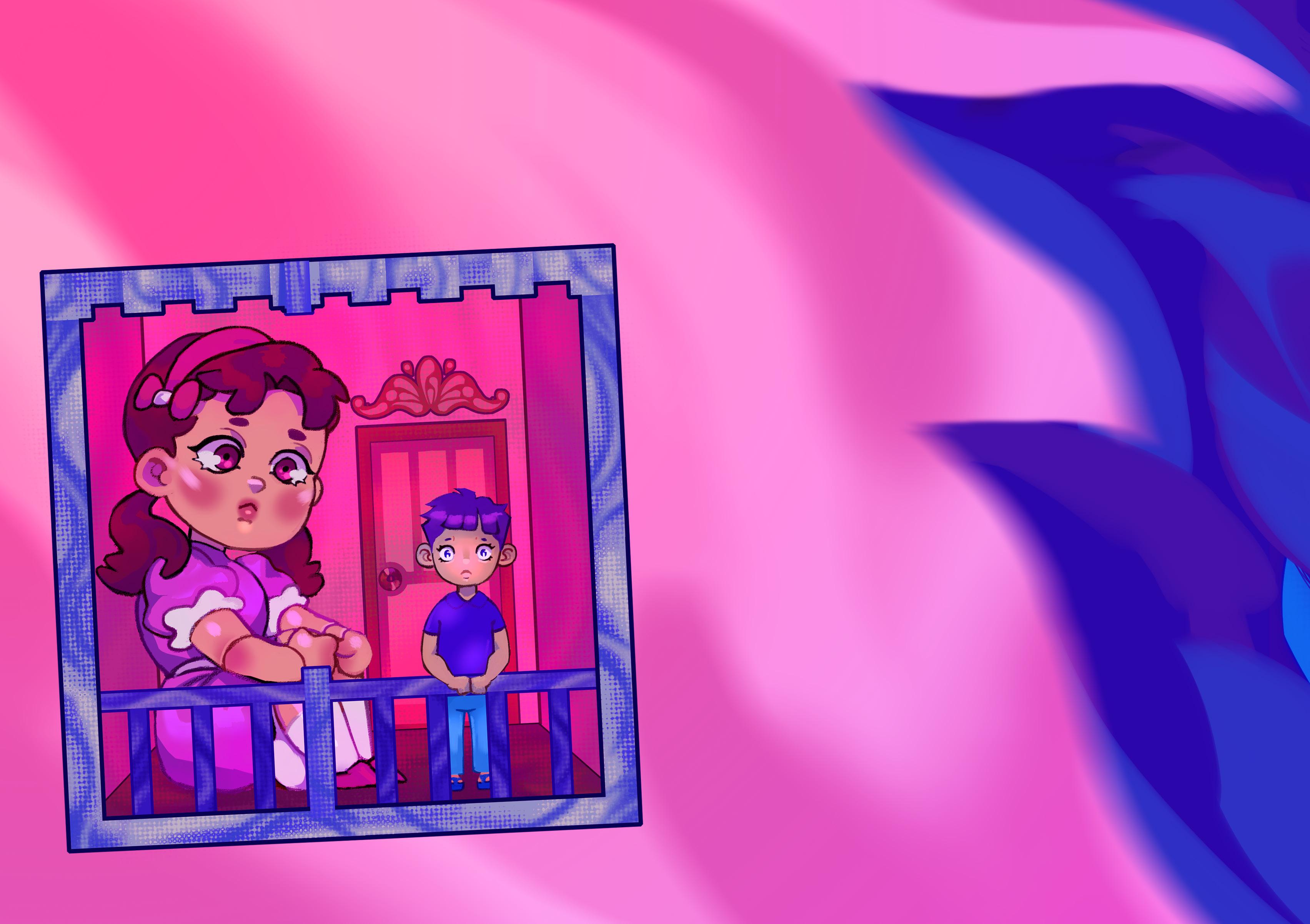
Along with the pasalubong are toys that made Gino’s eyes sparkle: dolls with cascading golden hair and wide, glassy eyes that seemed almost alive, each dressed in gowns stitched with tiny ribbons and lace. They belonged to a grand pink mansion, its walls painted in cheerful shades, its miniature rooms bursting with curtains, carpets, and furniture in colors so vivid they seemed to breathe. To Gino’s young eyes, it was a world of wonder, a realm of hues he had never imagined could hold him captive so completely.
But the dolls were meant for Kate, his only sister. For him awaited an arsenal of clunky treasures—hulking toy trucks with chipped paint, plastic soldiers frozen in battle stances, and a garish toy gun whose sharp, hollow bang rattled his small eardrums. Where her world was satin gowns and pastel mansions, his was dust, noise, and the echo of make-believe wars.
His sister’s toys seemed too grand to belong to her alone; in his young mind, they were meant to be shared, so he’d sometimes sneak the dolls at the back of his toy trucks and pretend they were passengers on some grand adventure.
Father despised the sight of it. Perhaps that was why his slap fell on Kate’s innocent face instead of his. Gino froze, clutching the truck as the doll slipped from his grip, his small chest tightening with a rush of anxiety and unfamiliar fear. It was the first time he had ever seen his father like that.
At a young age, he knew what was forbidden. He couldn’t dare to touch them again—not when his father is around. At night, he would watch his sister play as she dressed them in clothes made up from an empty one-peso chichirya wrapper.
“Ate, apil ko bi,” he requested with a yearning tone.
Kate glanced at her small kitchen set, noticed that the milk for the dolls wasn’t yet prepared, and slightly nodded. They learned to play in silence, to build secret worlds beyond Father’s reach.
The fourth birthday was coming up, and Father’s arrival was fast approaching. Gino was so excited that he fell asleep early, hugging both of his favorite stuffed toys close to him.
They were his protectors whenever his brothers teased him for clinging too much to Kate, the only sibling who truly understood him.
What he hoped would be a day of joy turned into a memory marked not by celebration, but by a fight between his parents. Father’s anger, his words sharp, accusing Mother of letting Gino grow too soft, too unlike the sons he wanted to raise.
What he did not understand then was how her attention often drifted elsewhere, far from the family, but to the “man” she had once introduced to them as “Uncle.”
When Gino tried to imitate a superhero to save the people from aliens, Kate would place a blanket not on his back, for he was not Superman, but tugged on his waist, so he could become Darna instead. He believes that she is way cooler.
They would also wait as the clock ticked toward nine in the morning. Another episode of their favorite show was about to begin. The three little superheroes, manufactured in a laboratory with sugar, spice, and everything nice, now flew across the screen to solve the greatest mystery of the day.
He used to ask for Gino’s presence during a hurried Skype call. Mother would tilt the screen; his short appearance meant extra money. But those never stretched directly to their needs; most of them slipped into her vices and into “Uncle’s” pockets.
Now, Mother was angry because she could not use him anymore to bribe. No—she was furious.
Her friends had known her to be such a caring figure for her seven children and even acted proudly of Gino’s impressive marks at school.
Little did they realize that when the curtains are drawn, she goes back to her usual treatment. Mother always bore the reproach for the bad things the family went through.
“Gidimalas ko’s Ginoo nganong naa koy ing-ani nga anak,” she would mutter.
At times, she would let Gino suck a spoon whenever he became too loud or roll a scotch tape around his head to cover his mouth. All in the efforts of turning him back to normal.
Sitting on the balcony, he watched his toys swallowed by fire, and the truth seared itself into him. Amidst the evident strife from his loved ones, he began to see that difference was not a flaw.
Gino claims he is the green one—the tough, tomboyish fighter. She carried just enough masculinity, he thought, that Father might approve.
His sister’s influence became too undeniably visible, and while Gino grew, his laughter was lighter, his voice soft, and his gestures, unmistakably different from his brothers.
Gino waited for the chocolate mints and new toys; he waited for his idol’s arrival. From morning, he would gaze outside the window, waiting for the shadow of his father, since he knew it so well. Now five, he knew he was no longer the favorite.
Even as his brothers’ teasing lingered, he clung to the truth his sister had once taught: that strength can be soft, that love can take different forms, that embracing who you are is braver than following who you are told to be otherwise.
Yet from then on, he swore to never dress like the dolls so that Father could still see him, feel him, and claim him. Gino accepted what he could not change. It was a bittersweet promise.
They say no one remembers what happened when they were three, four, or five years old. Gino does. Like the self he hides, those years remain vivid.
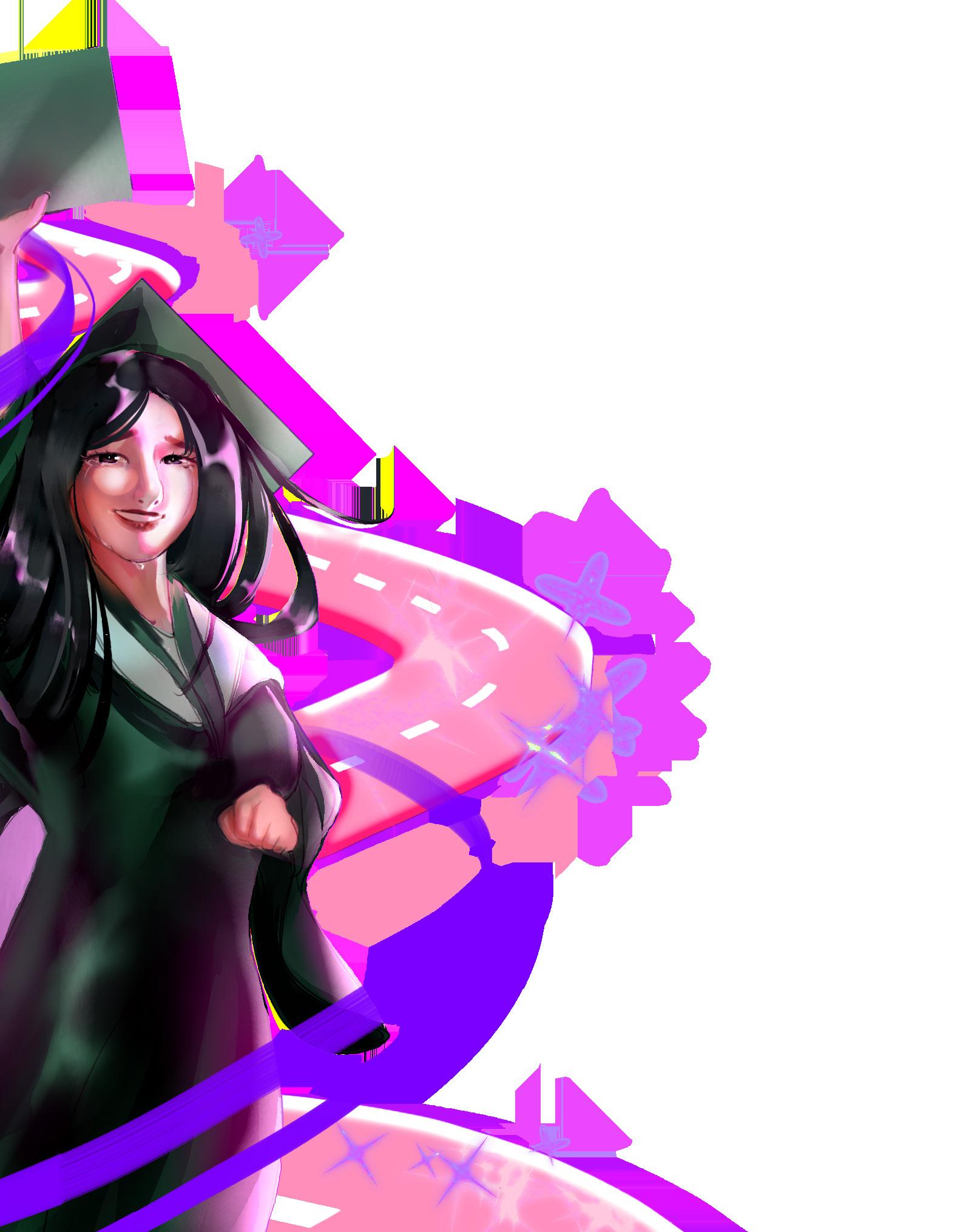
Mura’g kagahapon ra, nagsul-ob ko og puti nga uniporme, nagbitbit sa mga damgo nga dili man gyod akoang kaugalingong gipili sugod pa lang.
Nursing para sa future, ingon ni Mama.
Pirmi niya kini ipadayag samtang gihikap ang akong abaga ug gihupay ang akong mga kabalaka.
“Sigurado ni, anak. Daghan ka’g oportunidad ani, daghan ka’g mahimo.”
Kinsa man ko aron mosupak? Bisan og lahi ang tawag sa akong kasingkasing, misunod ko. Kay mao man kini ang ilang gituohan nga pinakasigurado, mao man ang dalan nga ilang gipangandoy para nako.
Apan kadugayan, nibug-at ang matag adlaw. Ang libro nga akong giablihan kada gabii, wala man moingon nga “para gyod nimo kini.”
Ang mga termino nga akong gipanumdum, mura’g pinulongan nga dili nako masabtan. Matag buntag nga molabay, mas motubo ang pagbati nga mura’g ginalumos ko sa kurso nga dili ko gina hingpit.
Ug ang unlan nga akong ginasandigan matag gabii? Puno na sa luha—mga luha nga gitago nako kay basin malahi og sabot ang uban.
Usa ka tuig nga walay klarong gana, usa ka tuig nga gihurot ang akong kusog kay dili man gyod ni para sa akoa.
Dili kani. Dili kani ang kurso nga akong ganahan.
Nibalhin ko ug nibalik sa sinugdanan.
“Sorry, Ma,” mao ra akong natubag sa akong gahilak nga inahan.
Nasayod ko nga wala nako natuman ang iyang damgo para kanako, apan bisan unsaon…kon magpabilin pa ko didto, dili lang akong kalipay ang mawala, apil na usab ang akong kaugalingon.
Samtang akong mga ka-batch sa hayskul nag-ihap na sa nagkaduol nilang kalampusan, ako duha pa ka tuig nga nagpa bungol-bungol.
“Dugay pa diay ka? Tuo ko’g dungan ka nila?” Gipaagi ko ang tubag sa pahiyom ug ang kasakit akong giluom.
Sa adlaw sa ilang kahumanon, ania ko sa luyo, igo nalang sa pagdayeg. Nagpakpak ko, apan akoang dughan murag giuyog. Sa pagtutok nako sa ilang toga ug medalya, mura’g ilang dalan klaro na kaayo nga gilatag para kanila.
Sakit man handumon nga dili ako madongan kanila, pero mas maayo nalang kaysa mupadayon sa kursong dili para akoa.
Karon, nahibalo na ko. Lisod man sabton sa uban, apan nasabtan nako nga dili sukdanan sa kinabuhi ang paspas nga pag-abot.
Dili importante kinsay una nga nakagradwar, kinsay una nga nakatrabaho, o kinsay una nga nakaadto sa langyaw nga lungsod.
Usahay, ang tinuod nga kadaugan makita lang kon madawat nimo nga kita adunay tagsa-tagsa nga agianan.
Pag-abot sa akong adlaw, baynte-kuwatro na ko. Ang diploma nga akong gikuptan dili lang papel, kondili pruweba sa akong paglahutay, sa akong kusog, ug sa akong pagtoo nga bisan layo, maabot gihapon.
Sa daghang tawo, gipangita nako si Mama. Nakita nako siya taliwala sa kadaghanan, naghilak apan mapagarbohon ang panan-aw.
Ang iyang mga mata misidlak, ug sa dihang nagtagbo among panan-aw, mura’g natunaw usab ang akong kasingkasing.
“Giingnan lagi tika, Ma,” nisulti ko habang gisaka ang diploma, “Maabot ra ko.”
Naulahi man ako sa kadaghanan, nakab-ot gihapon nako ang kalampusan…maskin sa layo nga dalan.

by Lylle Antonette A. Flores
If there is something I want in my life, it is to figure out the entirety of it.

Somehow, I was injected with the idea that warmth doesn’t listen. It has its own peculiar way of giving you discomfort when you try to engulf yourself in its embrace. You couldn’t find yourself settling. But wrath wrapped me like it was a life requirement, drawing me to all the wrong things.
It slid down my throat, marbled in my stomach, and spread to every corner of my veins. It broke my ribs, until it grew nothing but an exacerbating pain that I will never be prepared to face again. But it does numb you. It does something. It just does.
I’ve met destruction in many of its disguises. It has known me more intimately than any living soul. And for the longest time, I thought this was ordinary—that everyone shattered their own world the
Perhaps I’ve met the world in a hazy space with little knowledge of God’s religion and politics. It’s a big, overwhelming paradox—undetermined, unrecognized. Perhaps it’s me.
I never knew what it meant to breathe. I fill my system with caffeine, I stay awake for as long as my eyes can hold, and I feed myself on fantasies and half-truths— I willingly live up to it all. The parts that no one knew, I lived up to them.
Nevertheless, questions gnawed at me: How can I not cut off the strings that are burying me inside? And I’ve known, even if it’s dissolved, that my muscle memory will always have a place to remember: of how I tried to breathe while gasping for air, of how I let the strands of my hair fall onto the bathroom floor, and of how I tried. I really tried.
And I’ve known: I am the wrong thing.
So I will write about myself a lot more. I thought of how I wanted suffocation to stop halfway when recognizing names. I ripped and encountered my past, which intends to diminish the touch that made me want to decompose. I studied the root of my humiliation, which I wished to absquatulate from every person’s memory—including mine. Most especially mine.
And I’ll kiss myself for it.
I’ve grown partially uneven; I am a growing bone of past recollections; I am the embodiment of split cells—one from the other brain.
I was struck with the realization that I wasn’t meant to stay at arm’s length. So, I shall fill the glaziers despite my life crashing with the tectonic plates. I must try to feel something. I must.
And I’ll kiss myself for it.
I’ll kiss myself for it. I’ll kiss the person I write about more. The person I usually carry, who fits in my grief and completes the wrong things, like lies and guilt.
I’ll kiss myself for it. Let me trace my tender cracks, the silhouettes of my past, the footprints of my vulnerability. Let me complete my entirety; the extension of my vision, parting with the weight that is trapped in my chest.
I shall know myself apart, the center of my attraction, the layers carried forward until the tip of my consequences is traced. I must learn to withdraw the approaching current and say the things before I go somewhere down the road. Somewhere.
Perhaps then, I will remember.
And I must remember.
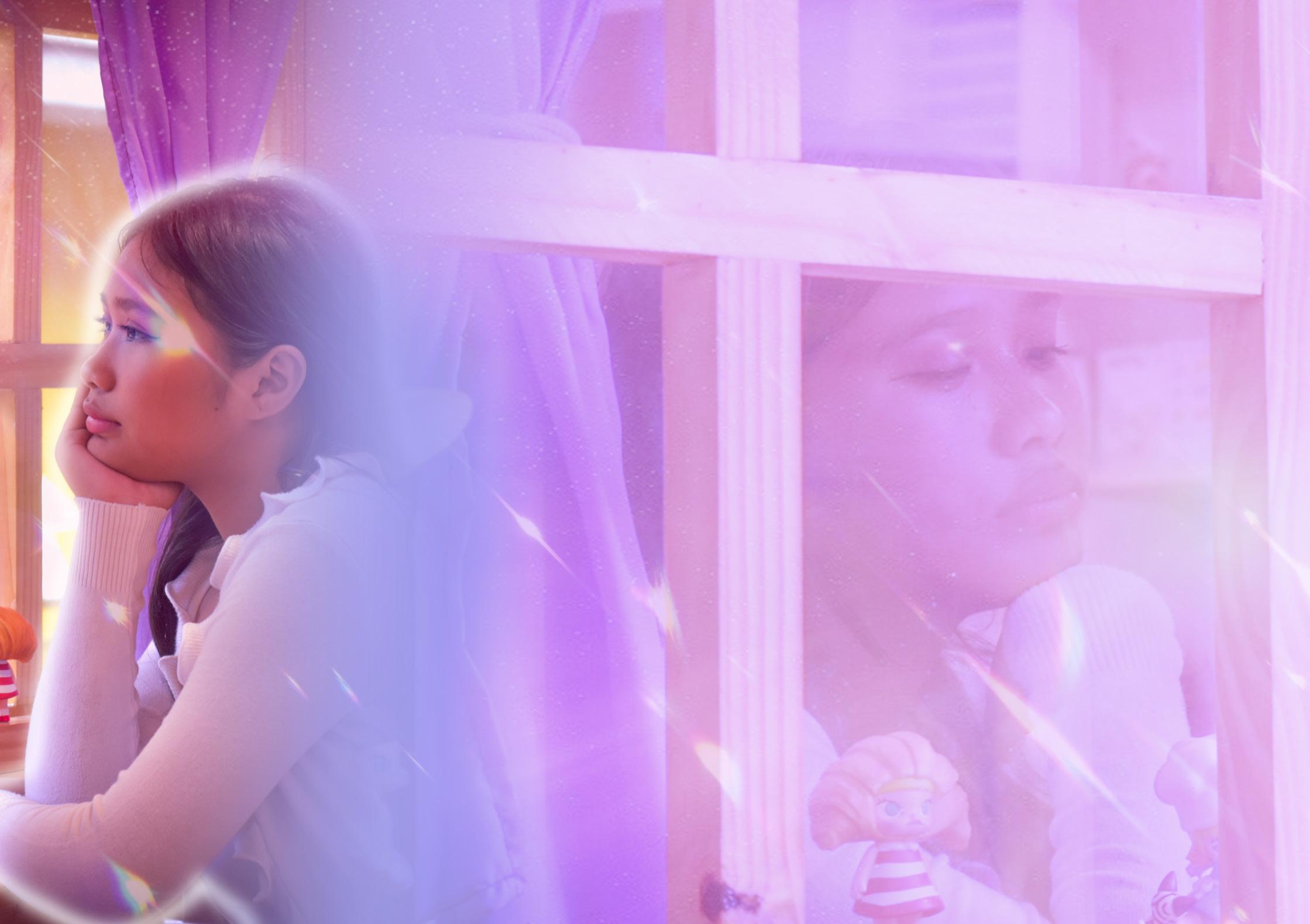
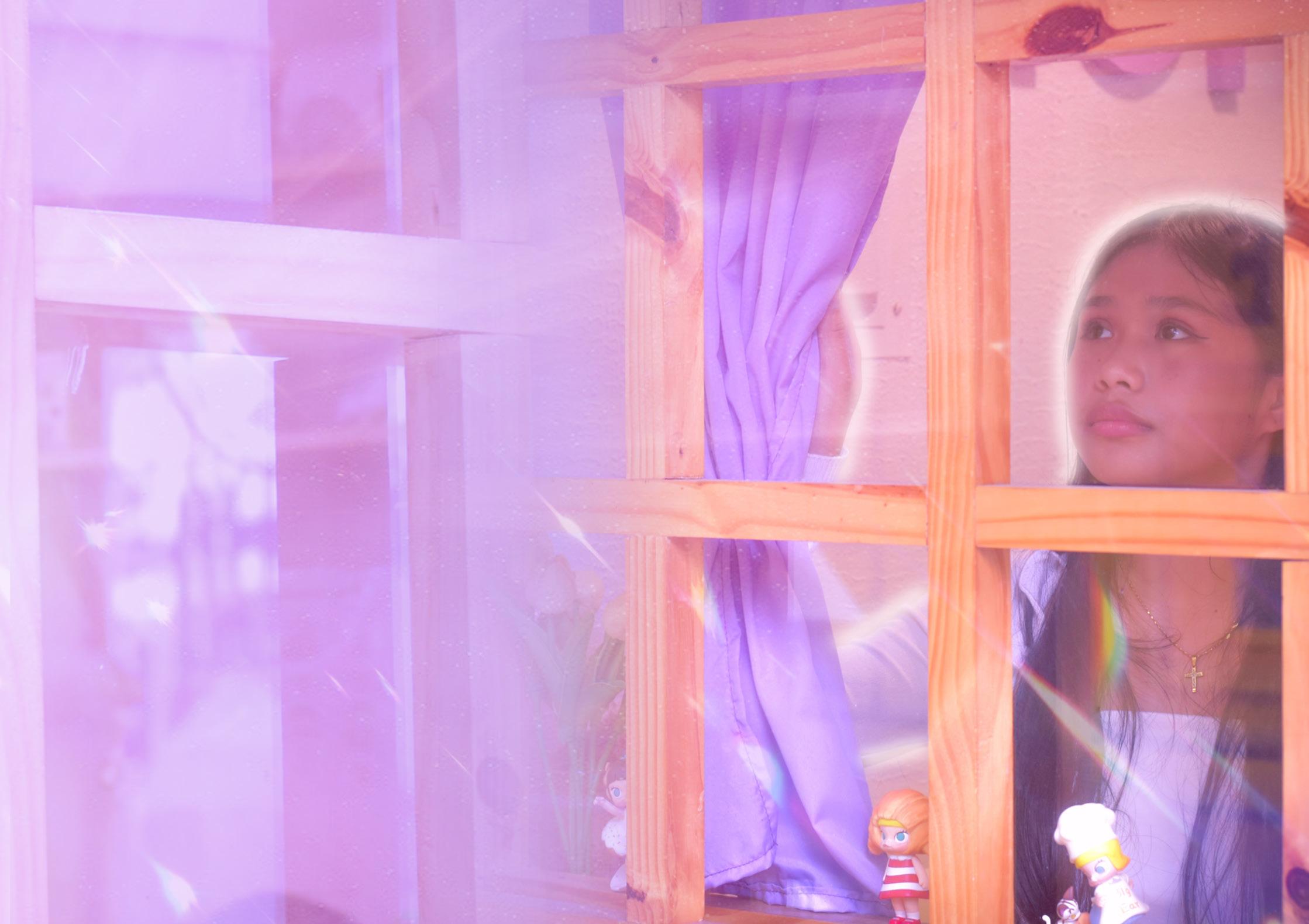
photos by Narvie Klaryzze B. Borja

Somehow, like I always do.
How odd that I have the wrong things inside me? How strange to acknowledge the other exterior in my head? And yet, I will live with it.


by Trixcy D. Clar
If love were to arrive, I thought it would come with thunder: loud, undeniable, and impossible to miss. I was wrong.
Love came to me slowly.
Love did not come rushing in; it walked toward me in the slowest, quietest way, carrying calmness in its hands and draping me in tranquility.
It came the same way your presence gave solace, the way your soul felt like something I had always known, as though I had been waiting for you without realizing it.
And when it settled in, I understood. This is what it feels like when the world pauses, when even time itself steps aside to let love pass through.
But even now, if I were to describe it, words would betray me.
To love you was to experience something beyond what language could reach. No phrase could capture its depth or its pinnacle.
Loving you was like a song that stirred memories I had never lived. Like gazing at the horizon where sea and sky press into each other without speaking. Like sharing a silence that asked for nothing, yet gave everything.
I may never find words beautiful enough to describe what you mean to me, but I am virtually certain that I will spend the rest of my life searching for them.
I have looked at you in a million ways, and I have loved you in each.
And I could not ask for more, because you held me in a way that made troubles bow their heads and retreat. Like a flame rising in the dead of night, you made despair admit defeat.
If this lifetime meant living only like this, rooted in moments that refuse to fade, I would cross every bridge, weather every storm, just to remain with you.
But love does not always stay the way it begins. What once felt certain began to fray at the edges.
The same silences that once held comfort began to grow heavy. The laughter I once knew became thinner, distant.
Love did not end all at once; it slipped away slowly, like water through my hands, leaving dampness where fullness used to be.
They say breakups are the hardest part, but I think it’s the moment before: the knowing. The weight of realizing you must let go before you break each other completely. The quiet decision that tears you apart, even when your heart is begging to stay.
I cried to the heavens that it should be you—that you would be the one I ended with, not the one I ended.
Time with you was full. After you? Time became heavy, filled with questions that left me raw and uncertain.
That was when I knew I had to let go, not because I wanted to, not because I had stopped loving you, but because love cannot always be forced to fit the space we wish it would.
Perhaps we were not ready. Perhaps the versions of ourselves that met were not yet capable of carrying the weight of forever.
Happiness and grief can live in the same heart. And perhaps that is why I am left with both everything and nothing all at once.
Any love I gave you is yours to keep. Because in our silences, we hid the loudest words.
And though it hurts, I still believe it is better to grieve than to have never loved at all.
If love were to leave, I thought it would shatter me in an instant. I was wrong.
Love came to me slowly. And love broke me the same way— not all at once, but until there was nothing left to break.

by Sage
Maambon na naman.
Napabuntong-hininga na lamang ako, yakap-yakap ang aking bag, habang nakatingin sa nagdidilim na mga ulap na tila nagbabadya ng paparating na ulan.
Ngunit bago ko pa man mabawi ang sarili mula sa aking mga iniisip, narinig ko ang marahang pagbagsak ng mga patak ng ulan. Dahan-dahan at banayad…hanggang sa tuluyan itong lumakas at umalingawngaw.
Ang magkaibigang nag-aaral sa ilalim ng mga tolda ay nagsitakbuhan sa lobby upang sumilong, humahalakhak habang nag-uunahan. Napangiti ako sa sarili.
Sabi nga sa paborito kong pelikula, makikita mo ang pagmamahalan ng mga tao kapag umuulan…kapag iisa lamang ang payong, o kahit wala man ni isa.
Ang mga kaibigan, tinutulungan kang buhatin ang mga gamit mo upang agad kang makasilong. Ang mga magulang, kahit maliit lamang ang payong ay sisiguraduhin nilang hindi ka mababasa, kahit hindi na napapayungan ang kanilang balikat.
Ngunit sa atin…isinuot mo sa akin ang iyong jacket at sabay tayong tumakbo sa hintuan ng dyip.
Kahit wala ka mang magarang kotse na nais mo sanang gamitin upang ihatid ako pauwi, naging masaya tayo. Dalawang estudyante sa kolehiyo na malaya at inosente, payak ngunit kontento.
Ang isa’t isa ang ating naging kanlungan…hanggang sa tayo’y nagpakatotoo.
Marahil ganoon talaga, masyado pa tayong bata ngayon.
Higit pa sa hangaring makamtan ang magagandang bagay sa buhay at maisakatuparan ang ating mga pangarap, tayo rin ay mga taong hindi pa lubos na kilala ang mga sarili. Litong-lito at balisa.
Kaya nga ba talaga nating mahalin ang iba nang buo kung ni ang sarili ay hindi natin kayang panindigan?
Sabi mo noon ay posible. Basta’t magkasama tayo ay malalampasan natin ang buhay. Basta’t magkasama tayo ay magkatuwang nating haharapin ang mundo.
Nakakatakot.
Marahil sa iba ay nakagagaan ng loob malaman na may isang taong nasa kaniyang tabi…at totoo naman.
Ngunit bakit para sa akin ay napakabigat sa damdamin?
Ang tanggapin ang pag-ibig ng iba, at akuin ang tila pananagutan na mahalin din sila nang kasing tindi.
Ni hanggang ngayon ay hindi ko pa rin alam kung paano mahalin ang aking sarili. Para bang may tinig na palaging bumubulong: “Paano kung masaktan mo lamang sila? Paano kung aalis lang din sila sa huli?”
Ang pag-ibig ay isang sugal na tila hindi ko kailanmang kayang bayaran. Kaya kapag ito’y malakas na kumakatok sa aking pintuan at sumisingil, pilit ko itong tinataguan… tinatakbuhan.
Napakarami ko nang utang na binabayaran. Napakarami ko nang kulungan.
Kahit sinabi mo man na wala kang hinihintay na kapalit, alam kong ang pag-ibig ay isa ring bagay na walang katumbas at hindi madaling ipagkaloob. Ito ay pagsuko at paglaban, katapangan at kahinaan.
Hindi ko iyan kayang tumbasan at panindigan, kaya mas minabuti kong huwag na lamang tumanggap ng anuman.
Kaya huwag mo sanang masamain. Hindi totoo ang iyong sinabi na wari’y isang laruan ka lamang na aking pinagsawaan. Ang pag-alis ko ay ang aking huling anyo ng pagmamahal. Masakit at makasarili man, hindi ko ito pinagsisisihan.
At sa paglipas ng ilang ulit na pagsuyo at pagkabigo, masaya akong nagkaroon ka na rin sa wakas ng lakas ng loob na talikuran din ako.
Bago ka pa muling mag-alinlangan, sana ay simulan mo nang humakbang papalayo at huwag nang lumingon pabalik. Sana ay magpatuloy ka sa pag-alis. Sana ay aalis ka nang nakangiti.
Kaya kapag tayo’y nagkita nang muli, maaari na tayong ngumiti sa isa’t isa. Maaari ka nang maglakad muli sa aking unahan nang walang takot dahil nakasunod lamang ako sa likod.
Umaasa ako na sa panahong iyon ay marunong na tayong hayaan ang sariling magmahal at mahalin.
Dahil minsan, tayo’y naging magkasintahang nag-aatubili.

ni Sharry M. Cuizon
Ang imong pag-awit mura’g kalinaw sa pag-ginhawa—hilom, kinaiyahan, nga mura ba og walay sama. Nakahinumdom ko sa imong brown nga notebook, puno’g kuriskuris, mga linya sa awit nga wala pa sukad nadungog sa mga entablado. Bisan pa man, maminaw gihapon ko, kay kahibalo ko nga diha nimo gitago ang mga pulong nga lisod nimo ipahayag pinaagi sa tingog.
Naibog ko sa gabon sa kagabhion, sa hangin nga molabay sa bintana, ug sa kahayag sa bulan nga saksi sa kalipay nga imong gidala sa imong mga buhat nga sagol og pag-ampo.
Dili kini masabtan sa kadaghanan, pero unsa man ilang mabuhat?
Sa imong lamesa makita ang mga papel nga nasugdan pero wala nahuman, ug ang imong kamot nga pirmi adunay mantsa sa tinta o pintal. Dili niya kinahanglan ipakita ang nahuman, kay ang tinuod nga kalipay naa sa proseso—sa pagkuha og tingog gikan sa kahilom, sa paghulma og hulagway gikan sa walay porma.
Gidayeg ko ikaw nga nagpabilin nga kalma sa panahon nga ang tanan mura’g naa’y giapas, mura’g naa’y gigukod, naa’y gusto handahon. Ikaw ang bugtong naglahi sa kadaghanan, imong giuyonan ang hinay nga dagan, ang paghulma og hulagway nga walay pagpaspas. Imong giila nga dili tanan kinahanglan tapuson aron mahimong tinood, usahay sakto ra nga igo siya sugdan, hatagan og kinabuhi bisan walay punto o tuldok.
“Love!” tawag gikan sa pamilyar nga tingog, ania ko karon gawas sa likod nga ganghaan sa ilang eskwelahan, gihuwat mahuman iyang klase kay sunduon siya para manihapon.
Nakaamgo siguro siya nga kusog kaayo iyang tingog kay nanglingi ang uban niyang kauban nga mga estudyante, apil na ang mga gwardiya. Mao nga nilakaw-dagan siya padulong nako.
“Kumusta man imong adlaw?” ingon ko pa samtang nagkuha nako sa helmet kay ako siyang taoran, gihimo na nakong gimbuhaton ang pagtaod niini sukad nahimong kami.
mga hulagway ni Raghnall P. Cena
“Hala arang kakapoy,” iyang pagreklamo pero nagpabilin ang iyang ngisi sa nawng, nagkatawa ko samtang siya nagreklamo.
Dali ra kaayo ang biyahe uban sa among panagkatawa ug panag-istorya, mura’g kami ra ang naa sa kalibutan.
Apan pag abot namo sa among padulnganan, akong nabati ang mga mata nga nagtan-aw. Dugay nako nagpalain og lamesa ani nga restawran kay ganahan ko diri mi magsaulog sa among anibersaryo.
“Happy Anniversary, both!” pagsugat sa waitress samtang gihatag nako ang buwak nga akong gidala kaganiha.
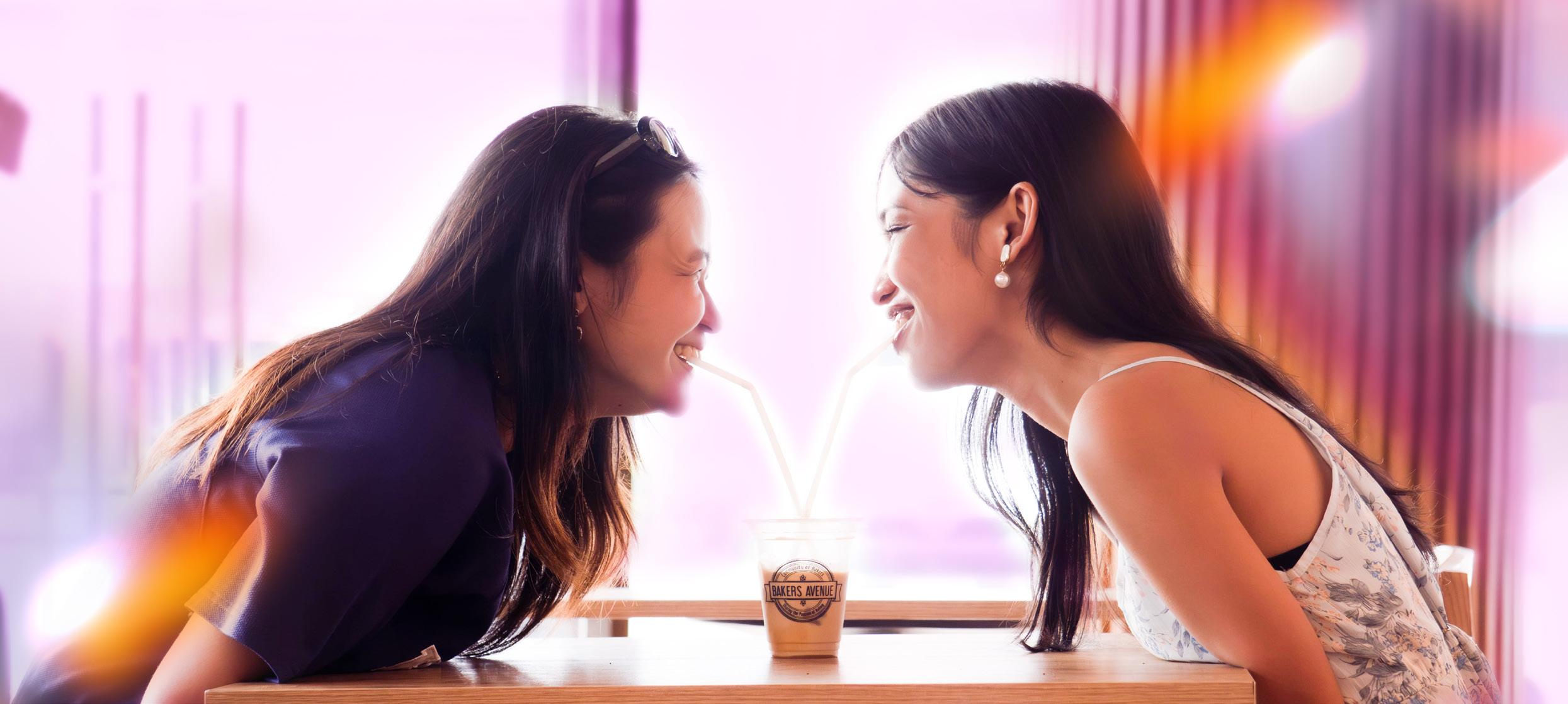
Adunay mga tawo nga mihunong sa ilang panag-istorya, nangunot ang agtang, ug misipat sa amo nga murag nangutana. Apan sa likod nako, naggunit siya og hugot samtang nag-awit ug gamayng linya nga iyang gihimo gikan sa klase, nakapahimo og ngisi usab sa akong nawong.
Ang among kalipay mas kusgan pa kaysa tanang mata nga nagtan-aw.
Tinood, sa mata sa uban kami lahi, kami “dili angay.” Apan sa among mga kasingkasing, kami ang pinakatinuod nga nahitabo. Kay bisan unsa pa ilang buot hunahunaon, dili nila makuha ang among tinuod nga kalipay—ang katawa sa likod sa akong helmet, ang hugot nga pagkupot sa akong hawak, ug ang kahibalo nga sa matag adlaw nga naguban mi, aduna ko’y rason nga motuo nga ang gugma dili kinahanglan ipasabot sa tanan aron mahimong tinood.
by Ceraley S. Cabiltes Jr.
Honestly, the wonders of where my eyes set and my feet step never fail to amaze me.
As I set foot in the bustling city that I had never imagined being in, I felt scared by the outside world—the cars rushing through the very streets I was crossing, the jeepneys that I would have to go to war to catch a ride on, and the realization that I had arrived at the wrong destination.
I was lost.
I remembered the times I strolled through the countryside. There, I could hear the cheerful shouts of children at play, feel the gentle breeze brushing against me, and breathe in the fresh scent of grass.
Those were comforting days.
Now, surrounded by towering skyscrapers, strangers hurrying past, and the noise of chatter and blaring horns, I felt small and uneasy. This was not where I thought I would be. Yet here I was—living in the present.
Normally, I would have panicked—calling people I knew, asking strangers for directions, or frantically checking my phone. But this time, my only lifeline had failed me: my phone had run out of juice.
Somehow, today felt different.
I wanted to walk down unfamiliar streets. I wanted to ride jeepneys whose routes I had never learned. I wanted to dine in a place that I had never even heard of. I wanted to do things—many things—that I had never thought I could.
photo by Niña Marie E. Templado
Frankly, I wanted to be lost, to discover something new in the unfamiliar.
As I wandered, the city began to echo the past. A jeepney I mistakenly boarded, thinking it was bound for the mall, took me instead to a park filled with the sound of children’s laughter. A random food stall by the sidewalk served me a meal that brought unexpected delight.
Every turn, every misstep, felt like a small discovery.
It felt soothing.
Paired with the soft rays of the sunset, the vibrant pink skies, the whistles of the wind, and the freshly cut grass is a feeling—I was lost, yet I found something new.
The truth is, I never once thought I had been lost in my life. My life was set, with all my needs provided for, with friends who comforted me, and with a family that supported whatever endeavors I wanted.
Following that routine was where each part of who I was supposed to be just disappeared, bit by bit.
Eventually, a thought pondered within me.
“Did pieces of me really disappear over the course of time? Or was there really nothing within the very soul that was caressed with the mundane of time?”
But I digressed.
Maybe I wasn’t really lost at any point in my life. Perhaps, I was leading myself to stray off my routine—the very constant that was once my comfort. The only place I really knew, my home.
I chose to be restless.
And in choosing it, I discovered new fragments of myself. Each spontaneous moment became part of my story, filling in the image of who I am and who I want to be.
By the end of this wandering, I realized I was not broken or incomplete. I had rediscovered parts of myself I thought I had discarded and embraced even more than I expected.
As I continue to journey through this world, perhaps I will sometimes wander off the path—“accidentally” finding myself in unknown places. Perhaps those detours are where life slows down and where fulfillment waits.
Maybe it was never about being lost.
Maybe, it was a road to embrace all along.
by lovefool | Josenian Contributor
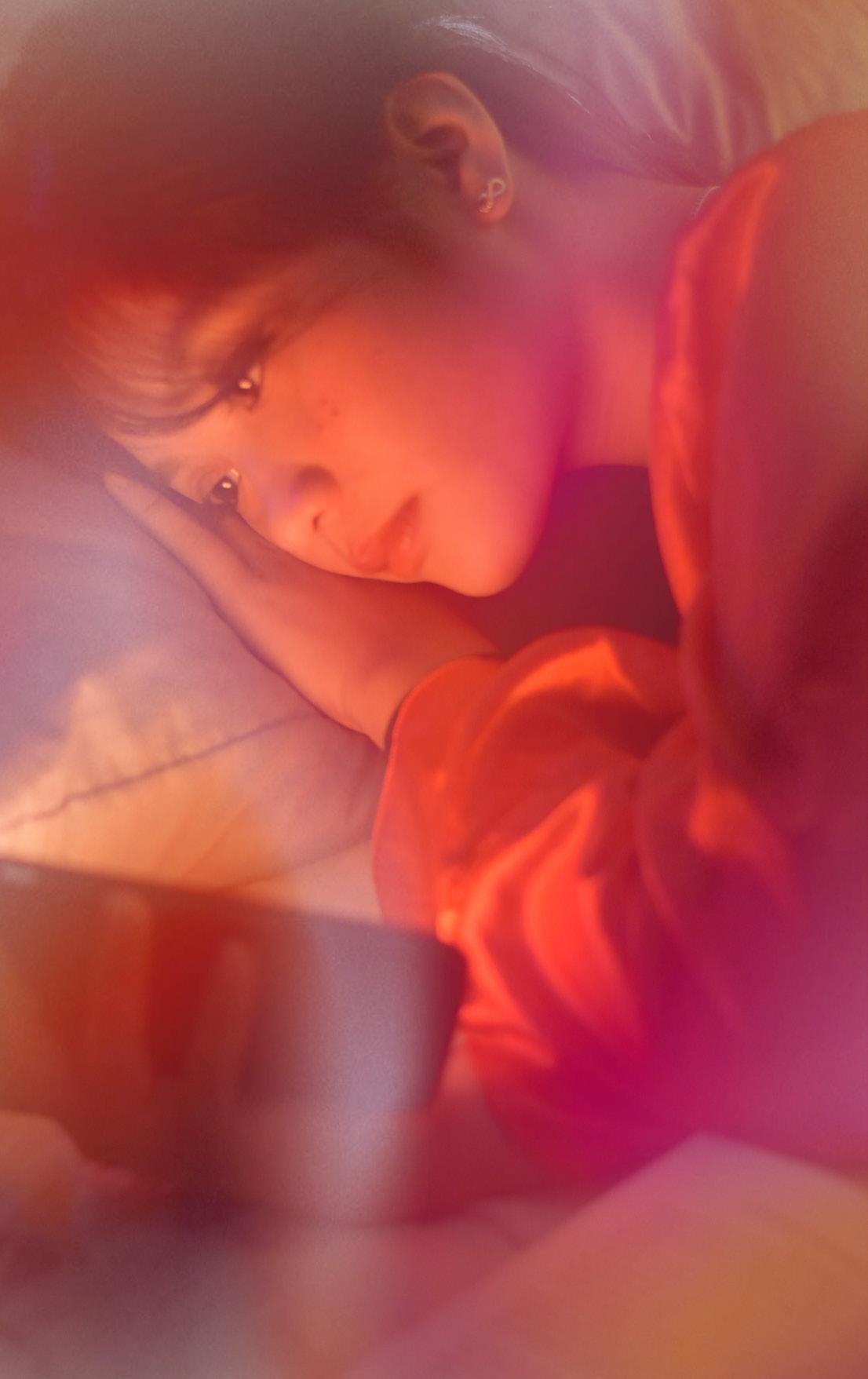
Evening had seeped into the room, quiet and steady, settling over the slow ache stirring inside me. I crouched beside the bed for far too long, darkness clinging to the soles of my feet, brushing up against crinkled pajamas.
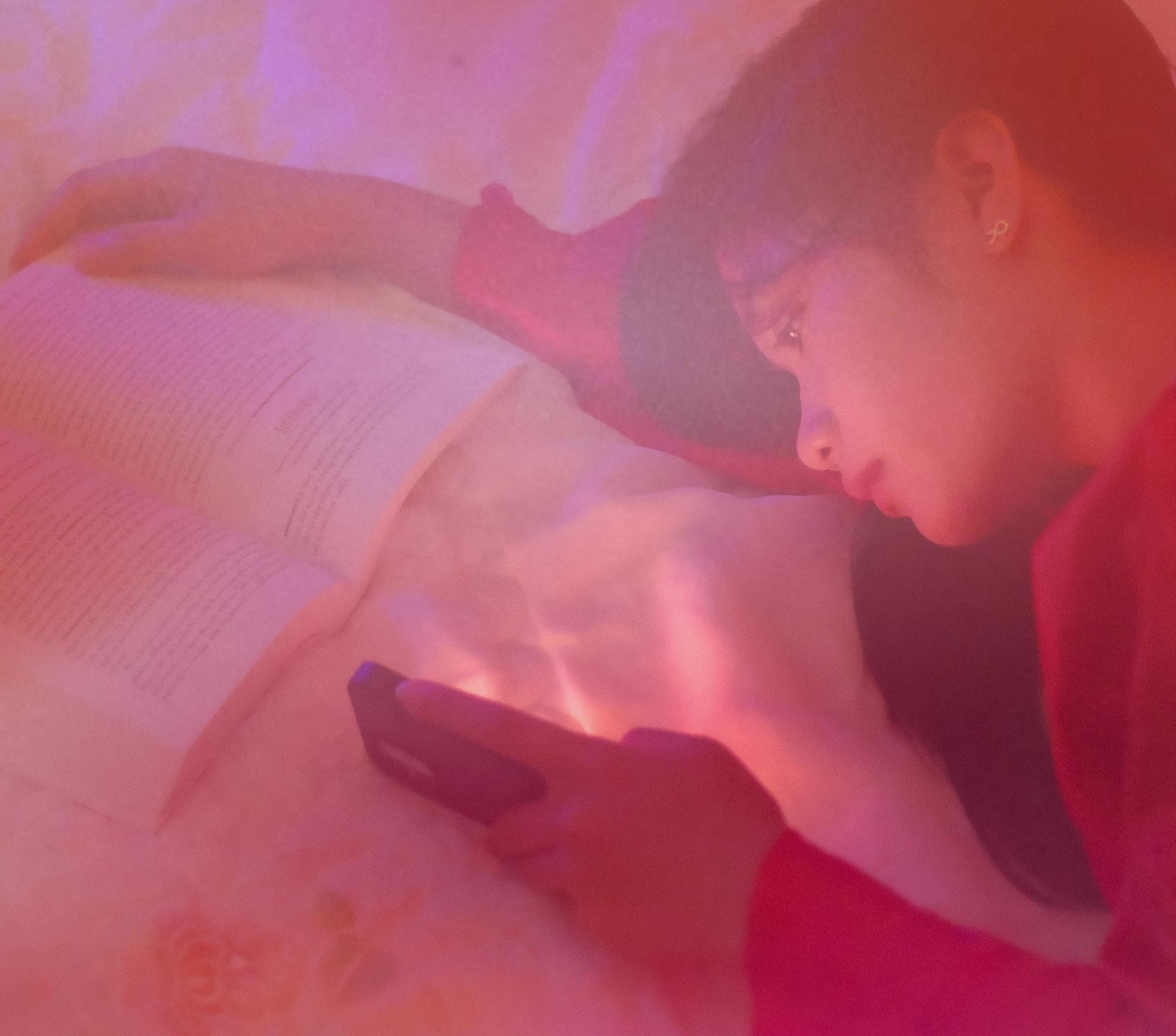
The only light came from the dim glow of a phone screen, casting shadows as I gently scrolled through old photos, ones untouched by the weight of what we had become.
I could feel the frail hands of anxiety over my own, guiding each swipe of my finger. It didn’t speak, but the constant humming reminded me of its presence, of how I’m waiting for something that will never be.
These are snippets—loud laughter, late night takeouts, sweet nothings—that come alive in the corner of my memory, a place I find myself returning to a thousand times over.
You saw me differently then. That, or I just convinced myself you did. Maybe it’s easier to believe your attention was on me than to admit it slipped past.
Those brown irises were restless, even from the start. They caught sight of the nearest way out, ready to move once you felt the slightest inkling of fear. I had denied the unease panging in my chest even in our most intimate moments, mistaking it for the thrills of first love.
Sometimes, I would catch you glancing at me whenever you thought I didn’t notice. During lectures I doze off in, amid strangers in crowded hallways, or when I would be too caught up to immediately realize, I could feel you at the back of my head.
Your gaze was my secret, an honor that I wanted to share with only you. But, when I tried to meet your eyes, it flinched—shying away as if you weren’t ready to be seen, to be known.
A shudder crawled down my spine as anxiety pulled me into a tight embrace then, breath cold against my neck. It hissed, “see? she cares,” in the same breath as, “but she’ll leave you anyway.” I didn’t know which to trust, so I could only keep listening.
But I knew: I would wait, patient and pliant, until you were ready.
And, god, I tried, I really did. I studied your eyes like the scattered notes on my desk, hoping for them to land on me and stay. I clung to the hope that, if I waited around enough, you would finally learn how to settle down. I longed for a mere glimpse—one at me, one at us—but you have always chosen to abandon me in your avoidance.
We were something, weren’t we?
photos by Kimberly O. Tumilap
In years past, would I have to see you walk outside our door, ignoring my exhausted figure clutching a pillow to my chest? Will you even mutter a goodbye, or would you hold your breath in the space we once shared, daring not to recognize that this is home?
The small apartment we would rent out after college, collected knick-knacks that soon rest atop our shelves, and a future bed we would leave in disarray before work calls… will you leave it all without a second thought?
Your bag slung on one shoulder—the same way you carry mine now— would be haphazardly packed after the exhausting fight. Hours will have passed before you decide to say anything, but your unspoken words will hang heavier than the ones said out loud. You always spiral in ideas I’ll never get to truly hear.
And, after all that, will you still not look me in the eye?
My thumb hovers above the pictures we captured, anxiety’s grip no longer frail. It holds the phone reverently, forcing me to keep looking.
Your eyes linger everywhere.
I pause on each one—in blurred selfies, in a mirror’s reflection, in a seat across mine. There you were, your eyes either elsewhere or peering past the camera. Maybe I deluded myself into thinking it endeared me. Now I wonder if you were already looking for a future without me in it.
At least, that’s what I told myself over and over and over. Anxiety stuck around the entire time, fingers jabbing at my skin. It mocked, pitied, cried—but it never left. Even so, I still remained within a fantasy too good to be true, hoping for the present’s flicker of recognition.
But us? We’re just a wreck of a relationship, cracks meld together because we no longer remembered who we were before it.
Each shot I drift through becomes a haze. I keep searching for one frame, just one, where your eyes stay on me. Yet, in even the happiest of pictures, I could see the beginning of the end. I had spent so long convincing myself… and for what? How desperate could I be for someone who couldn’t even look at me?
I press the phone to my chest, heaving a sigh. The screen turns to black, engulfing me in darkness that I was stuck in for the longest time. Silence echoes louder than ever. Anxiety has disappeared. That was a first.
In this solitude, I must finally admit: we weren’t meant to be, were we?
It’s cliché to be told, “Never give up, you’ll reap what you sow.”
But what if the good seeds don’t grow?
Inside every brain lies a dispute— Two halves of our universes locked in pursuit.
One embraces flaws, the other rejects, Clashing when neat expectations intersect. One falls short yet faces ahead, The other resents being second instead.
One sees no race against time or age, The other loses motivation as the hourglass breaks. Why think the mountain impossible, without yet reaching its peak? Why should uncertainty stop us from pushing for what we seek?
If we get there, that’s great, If we stray away—that too is also okay. Nothing lasts, some things are bound to change, But the experience earned won’t ever be a waste.
So let’s run full circle towards the unknown, Even if our world seems to rotate too slow. We may lose breath and fall behind, But we’re never too old to chase what’s ours to find.
For these earths that make up each of our universes, Are the memories that take up “matter” in our spaces. And if our left and right sides learn to cooperate, Then there is simply beauty in this harmonious state.
With both halves of a heart and mind now combined, We accept our dreams as something worth the try. Above the sky, the stars don’t actually decide— It is us who journey, whose own stories we write.