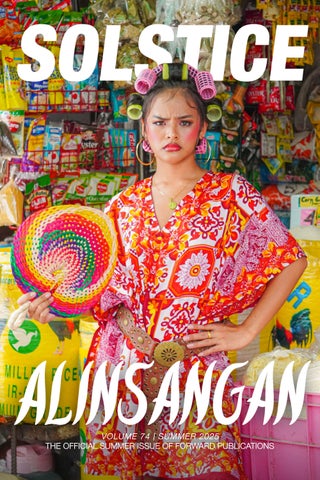
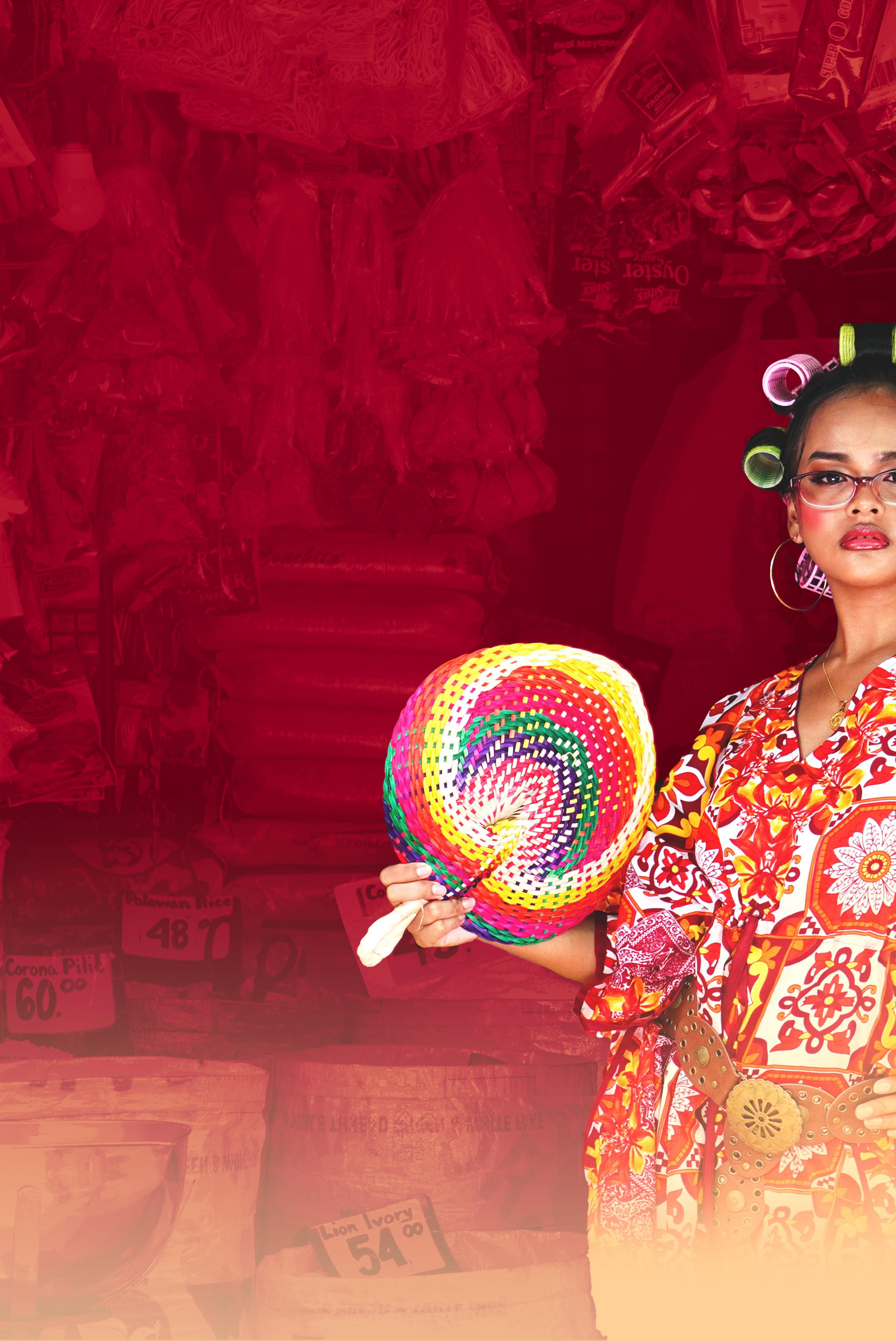
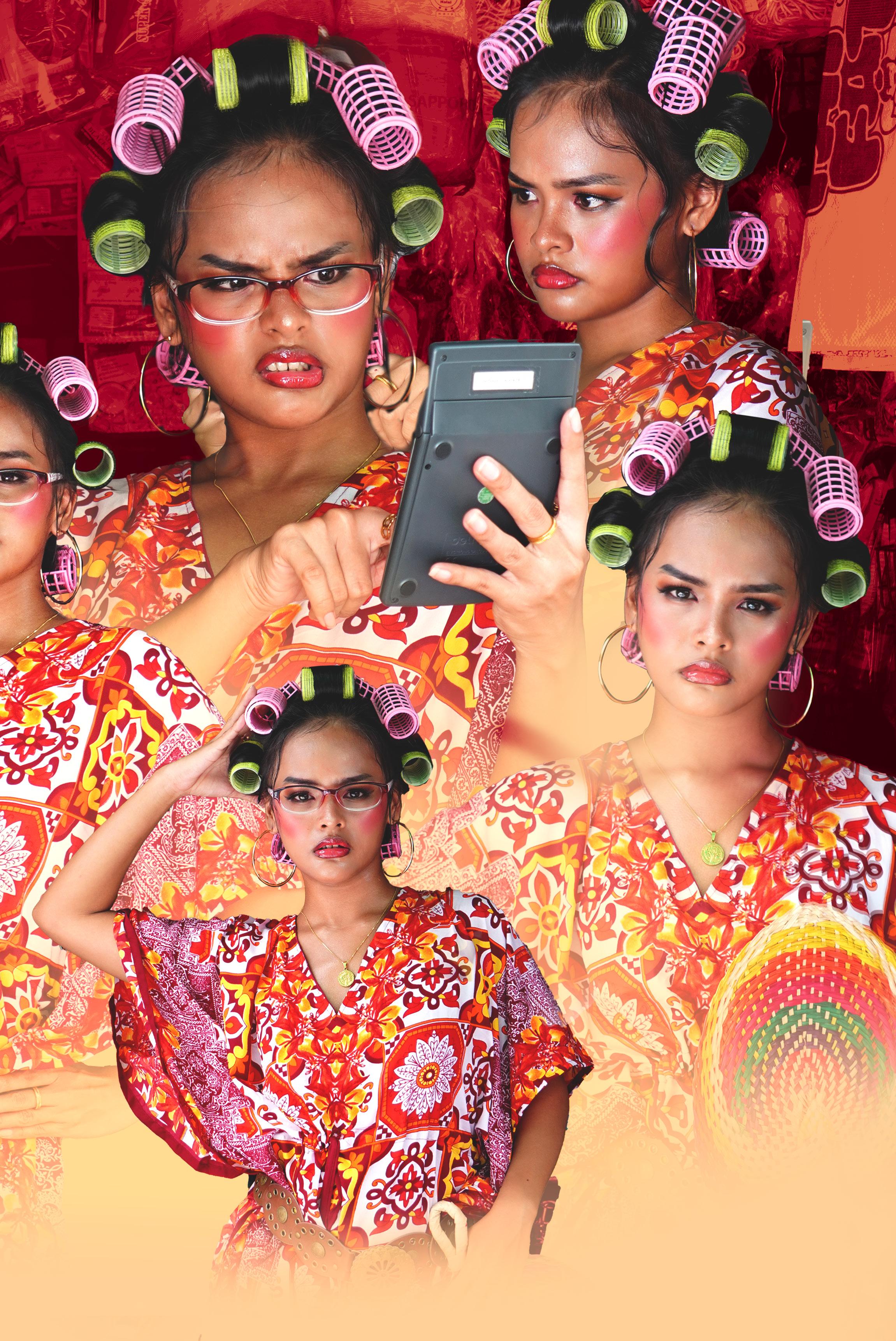
Sometimes, summer is not always about escaping—it’s confronting the uncomfortable heatwaves, sweatdrenched skin, and hidden burdens that mirror the sun’s glare. In this summer edition, sheds light on the heat we dare to bear this
ABOUT US
For comments, reactions, suggestions, and contributions, contact us at:
Read the latest magazines and folios online at www.issuu.com/usjrforward
The Magazine is printed every semester and once every summer under the name SOLSTICE. It is managed and published by Publications, Ground Floor, San Agustin Building, University of San Jose-Recoletos, Magallanes Street, Cebu City. welcomes contributions from Josenians such as formal/informal essays, poems, short stories, artworks, and photographs.
All rights reserved. No part of this magazine shall be used for any purpose except when allowed by the law without prior explicit permission from Publications.
Editor’s Note When The Heat Lingers
Discussions
Too Hot to Touch: Protecting Princess Sara Death Tolls Don’t Tell
Society
VAT’S Up, Pilipinas?
Mainit ang Panahon, Mas Mainit ang Problema
Trends Propagandas Worth Falling For
Culture
Sha-La-La in the Sunshine
Ten Things 10 Ways to Outshine the Sun This Summer
Cover Story
Column
What we don’t talk about, we carry
Music
Simping Under the Sun (VisPop Version)
People
The Weight Under the Heat: Hustlers Who Hustle Harder
Travelogue Out of the Heat, Into the Island
Food Meriendas on Summer’s Sweetest Hour
Bullseye Mx. Disqualified
Column Everyone’s Talking, But Is Anyone Listening? Hit ‘N Run
Acknowledgments
Hiring
When The Heat Lingers
illustration by Hannah Vanessa O. Mondilla
It’s not the heat, it’s what we carry in it.
You have felt it, haven’t you? That weight, not just of sun or sweat, but of something harder to name. A kind of heaviness that clings, even after the weather cools.
It’s the kind of heat that builds up when systems stall and leaders deflect, as prices climb but wages stay still. It’s the pressure of living in a country where the burden always falls on the common people and the promise of relief remains far from reality.
It’s the kind of heat that sticks— not just of the weather, but in the waiting, the enduring, the being told to survive quietly.
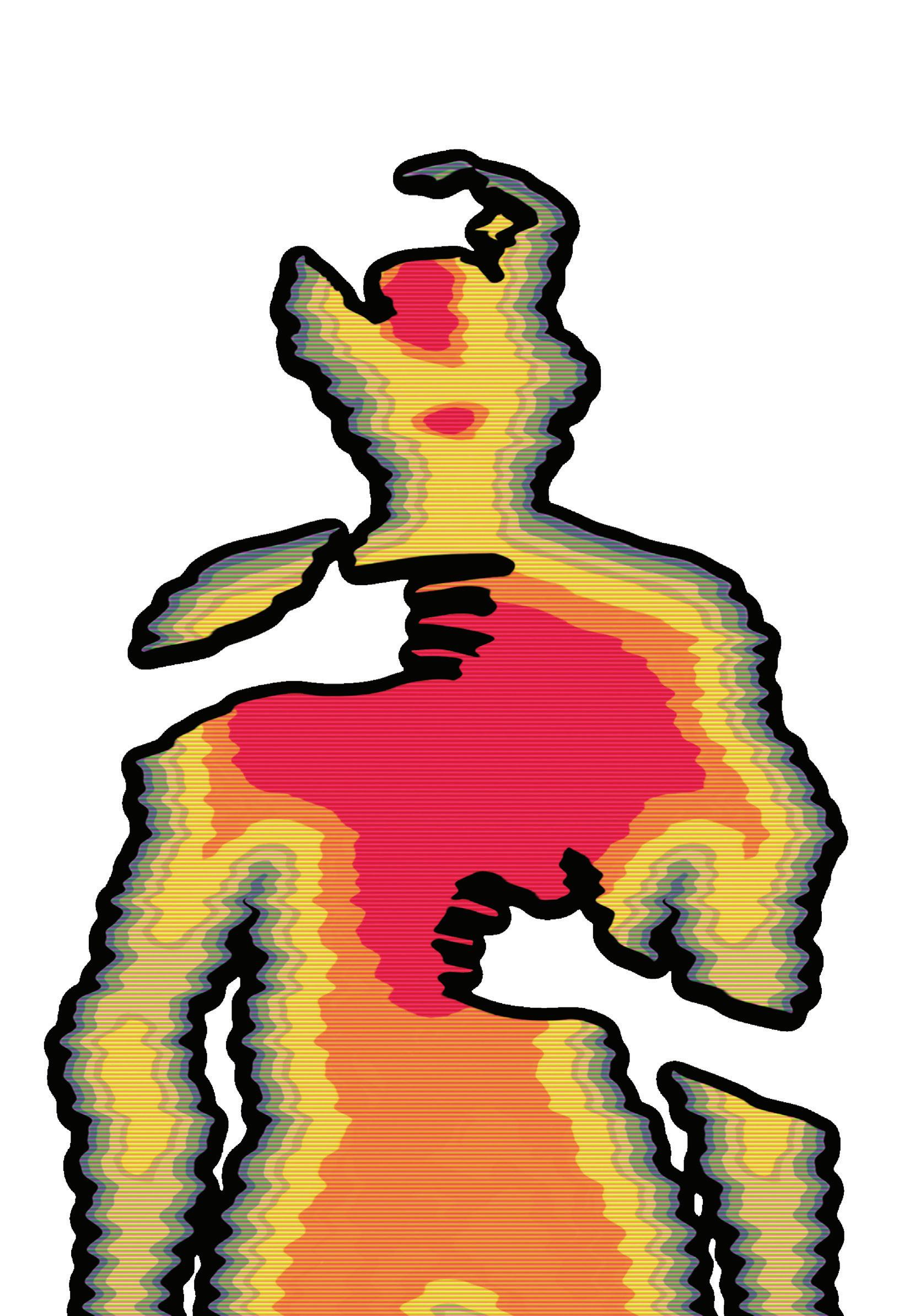
In this year’s SOLSTICE issue, we name that weight: Alinsangan , it’s the heat we cannot shake because it’s not in the air—it’s within us.
This issue is built on the truth that summer is not always light. Sometimes, it’s pressure, fatigue, loneliness, or fear. Sometimes, it’s the joy that feels too fleeting to trust. Sometimes, it’s nothing at all—but even that “nothing” feels thick.
Within these pages, you will find articles on heat heavier than the weather, from societal issues such as the Digital VAT imposition, ongoing impeachment proceedings, and healthcare gaps, to the burden of institutional issues that students carry.
However, this issue is not all fire; it’s also about those who endure it. You will meet hustlers who never catch a break and local changemakers with their heartfelt stories.
We also let music speak for the unsaid and the deeply felt; and we rediscover warmth through food that reminds us that we have made it through longer days. We escape in our Travelogue, if only for a while, and we lean into survival through our Ten Things, one tip at a time.
If you’re tired, if you’re waiting, if you’re hoping—this is for you.
If you’re trying to rest, but guilt keeps tugging at your sleeve—this is for you.
If you’re carrying things no one sees—this is especially for you.
Let this issue be a reminder: you are not alone in the heat. You are allowed to feel. You are allowed to pause. And you are allowed to name the weight, even when others won’t.
These pages won’t vanish what you are carrying; but it is my earnest hope, dear reader, that as you read this under the slow burn of the season, they’ll make the load feel a little more seen. A little more shared.
And in that small, necessary way—may Alinsangan feel less like something you endure, and more like something you have survived.
Too Hot to Touch: Protecting Princess Sara
by Lylle Antonette A. Flores
design by Krista Marie B. Yaoyao
In the test of moral accountability, the impeachment does not regress on personal grievances. Instead, it puts constitutional integrity on trial.
In the long, unchecked streets of discomfort, the Philippines has, once again, put its functioning democracy to the test— demanding accountability and standing firm in the rule of law.
The nation has been down this exhausting road before, from a President to a Chief Justice, and now, a sitting Vice President. If there is a word that screams familiarity to Filipinos, it is the recurring theme of impeachment.
On February 5, 2025, the House of Representatives transmitted Articles of Impeachment against Vice President (VP) Sara Duterte with the backing of 215 lawmakers.
The articles filed by the House are anything but empty—they allege an alarming betrayal of public trust, culpable violations of the Constitution, graft, corruption, and other high crimes.
Yet, as the proceedings unfold, one question arises: Is the Senate making an exception to the Constitution?
The guiding principle of “public office is a public trust” exists. And when that trust is broken, the tension to prove a functioning democracy arises as the scorching demand for accountability increases.
Princess Protection Program
Nearly four months have passed since the House adopted and transmitted the articles of impeachment against VP Sara to the Senate. Yet, the Senate has prolonged the case, risking its constitutional duty.
Under the 1987 Constitution, once the House transmits the Articles of Impeachment, the Senate’s constitutional duty is to try and decide the case—no excuses nor delays, they must “forthwith” proceed.
But what is impeachment if Former President Rodrigo Roa Duterte (FPRRD), who is currently chilling in The Hague, gathers forces of support for Princess Sara? Even better, these forces that call themselves “senator-judges” are the ones sworn to judge her.
The Senate, sitting as the impeachment court, has faced criticism for allegedly delaying the proceedings to avoid political fallout, maneuvering the “Duterte” key figure in the bloc.
What a way to throw rocks at Senator Ronald “Bato” Dela Rosa, a known Duterte ally, who made a motion that sought to kill the impeachment proceedings.
graphic
Then there’s FPRRD’s unrequited ally, Senator Christopher Lawrence “Bong” Go, who seconded Dela Rosa’s motion to dismiss the case, but floated the idea of remanding the case to the House—which has no grounding rules in the Constitution.
Giving off the “Best in Lobbying” award, Senator Alan Peter Cayetano persuaded other Duterte allies to amend the motion to return the Articles of Impeachment instead, resulting, once again, in another set of delaying tactics.
With a vote of 18-5 to remand the impeachment complaint against VP Sara back to the House of Representatives, the Senate seems to undermine the principle of justice. It sets off the consequences of bending constitutional lines, having no precedent for their actions.
The Senate’s actions were framed as a technical procedure. In reality, they read as protectionism—stalling tactics dressed as legal strategy. Critics have called it “arbitrary, despotic, even whimsical.”
When senators act more like defense counsel for the accused than impartial judges, the integrity of the impeachment process collapses under its own weight.
The choice to return left a sense of disappointment to the entire nation, about how the impeachment case could deteriorate if it continues to be left out to dry, serving the various politicians’ self-interest at heart.
And the result? An endless rotten feeling of discomfort, waiting to be wiped off.
Regardless of whom they are standing for, what the Senate is doing is a negligence of their constitutional duty.
Worse, the delay sends a signal: accountability can be negotiated, that consequences are optional when you wield enough power, and that the Constitution is not a rulebook but a suggestion manual.
The Case of the Melting Constitution
The signs of incompetence remain in the halls where their loyalty lies, spilling the chaotic effect of the Senate’s attempt at abandonment.
If not with the current economic condition, maybe people can afford justice. Perhaps then, these politicians can learn comprehension with a touch of empathy.
Overwhelming reasons flood for the impeachment to push through, yet the upper chamber has not walked through the same flaming rage—and this is why they are imprisoned in their habitat: tolerance.
This isn’t just a trial; it is an actualization of putting the principle of checks and balances of the system to the test. But can power be presented if the very people in power think they are above the law?
Justice Delayed Is Justice Denied
The Philippines’ justice system appears to operate in a self-serving manner and work conveniently in the form of idolatry and neglect of the importance of serving the public.
Whether or not the VP will be convicted, we ponder whether acknowledging the cases of truth will be witnessed in the light of day or will end up fading from our memory—and perhaps, history.
While the impeachment trial reveals the fragility of the concept of justice in this country, the hollow truth of service and trust can not be upheld by politicians who are illiterate about the Constitution—the very set of laws they swore to preserve and defend.
As the heat continues to rise, Filipinos may stir a revolutionary idea within them as a result of a greater distrust of the government and a growing tendency to take matters into their own hands. Only time will tell.
From then on, the continuous delay is a slow betrayal that is permanently remembered. The
Death Tolls Don’t Tell
by Ashleah Mae Y. Villono
graphic design by Therese Margarette A. Racaza
Death tolls climb, cases surge—reports rise as high as the temperature we endure this season. In a season already burdened by heat, what’s even heavier is our growing numbness to the lives behind the numbers.
The summer bears down on us—but this time, it carries a different kind of weight.
In the first quarter of 2025, the Department of Health (DOH) reported an average of 57 new Human Immunodeficiency Virus (HIV) cases daily—a 500% surge among Filipinos aged 15 to 25, marking an unchecked youth emergency.
Alongside this is the resurgence of Monkeypox (Mpox) in 2025, with 911 confirmed patients since 2024, triggering concerned citizens into an all too familiar panic.
These outbreaks serve as a reminder—not only of the diseases, but of the environment they are able to thrive; one defined by lagging response and misinformation.
We are in a status quo where we hardly learn from the global health catastrophes we have had to endure. These numbers have been disseminated nationwide, yet we stay careless, letting it rise while preventive measures fall short.
Yet, the unfortunate reality remains—behind each digit is a human life, along with a system that consistently fails to respond to those who need it the most.
And so, the heat thickens.
Misinformation Heatwaves
Education as the Cure
We are told to be concerned, but not always told why. We are warned, but rarely educated.
In the absence of proper guidance, society is engrossed in mishandled information, sustaining a cycle that loses sight of the high cost that matters most: human lives.
It isn’t only focused on those who fall victim to misinformation online, but also on younger people—the group who are most affected by the HIV spike and who are often left in the dark due to the avoidance of sex education.
Schools still shy away from openly discussing sexual health, believing it to be too sensitive, inappropriate, and even taboo. In doing so, they miss its purpose—to inform and to protect our present and posterity.
Thus, the implementation of the proposed Prevention of Adolescent Pregnancy Bill, which includes provisions for Comprehensive Sexuality Education (CSE), is a must for the current state of our country, riddled with high rates of HIV transmissions and teenage pregnancy.
This proposed law has been denounced by claims from various conservatives that CSE is a means to “hypersexualize children at an early age.”
This claim is for naught. The aforementioned bill, in actuality, has no ill intent of that kind whatsoever, which has been clarified by Senator Risa Hontiveros, chairperson of the Senate Committee on Women, Children, Family Relations and Gender Equality.
Each time a public health crisis emerges, the cycle begins: sensational headlines, conflicting reports, unclear guidelines, and made-up exaggerations that lead the public frightened into a spiral of restless unease.
The COVID-19 pandemic has only intensified this sensation and added layers of distrust and hearsay to each disease that comes and goes.
Accurate information is hidden underneath a thick veil of clickbait titles and dramatic claims, making it difficult for many, especially the less tech-savvy, to distinguish facts from deception.
Mpox is no different; “news” of it has been circulating rampantly online. Hoaxes, fabrications, lies—all spread for the sake of engagement, disregarding the consequence of having induced public terror.
However, this fear-mongering is an overstatement: Mpox, while should be taken seriously, is much more preventable, manageable, and far from the gravity of COVID-19 in both transmission and scale.
Yet, some people believe otherwise and share fake news without verifying sources.
Even the DOH has spoken up.
“Tigilan natin ‘yung virus ng fake news kasi ‘yon talaga ‘yung nakakasira sa atin,” DOH spokesperson Albert Domingo stated in response to these social media hyperboles.
Domingo further noted that we must not be baited by headlines, but take the time to read the entirety of the article posted and check where it came from— “Huwag tayong click lang nang click.”
In a time when misinformation is as rampant as an epidemic, accessible education remains our most vital defense.
As a result of our negligence in education, we have become ignorant. We veer away from urgent health matters and back into the shadows of misinformation, misplaced outrage, and rising numbers that have pushed our country to the brink.
Beyond the Numbers
Every digit reported in a government press release hides complexity. Behind the 911 Mpox cases is a network of patients navigating stigma. Behind 57 new HIV cases per day is a generation that is more open to getting tested before it is too late.
We can not afford to treat public health like a seasonal trend. The consequences of ignoring education, delaying legislation, and tolerating misinformation are playing out now in real time.
Ignorance is not a personal failure. It’s a systemic one. And unless we address it at the root, we will remain stuck in a loop of fear, delay, and loss.
The summer air hangs heavy—thick with rising cases, devastating tragedies, and neglected warnings.
If we had only learned from the COVID-19 pandemic, we would have realized: ignorance costs lives. We have to do more than stand by and witness statistics rise day by day.
This begins with ourselves as individuals, to question what we read. Be informed in all matters concerning our health. Do not be ashamed to get tested for any sort of concern.
But the burden does not fall on individuals alone. With our healthcare system deteriorating in a time when we need it most, the government ought to finally hear the pleas of the public.
Let us not wait for those numbers to reach a point of no return.
by Ceraley S. Cabiltes Jr.
VAT’s Up,
graphic design by Gabrielle Marie R. Paradiang
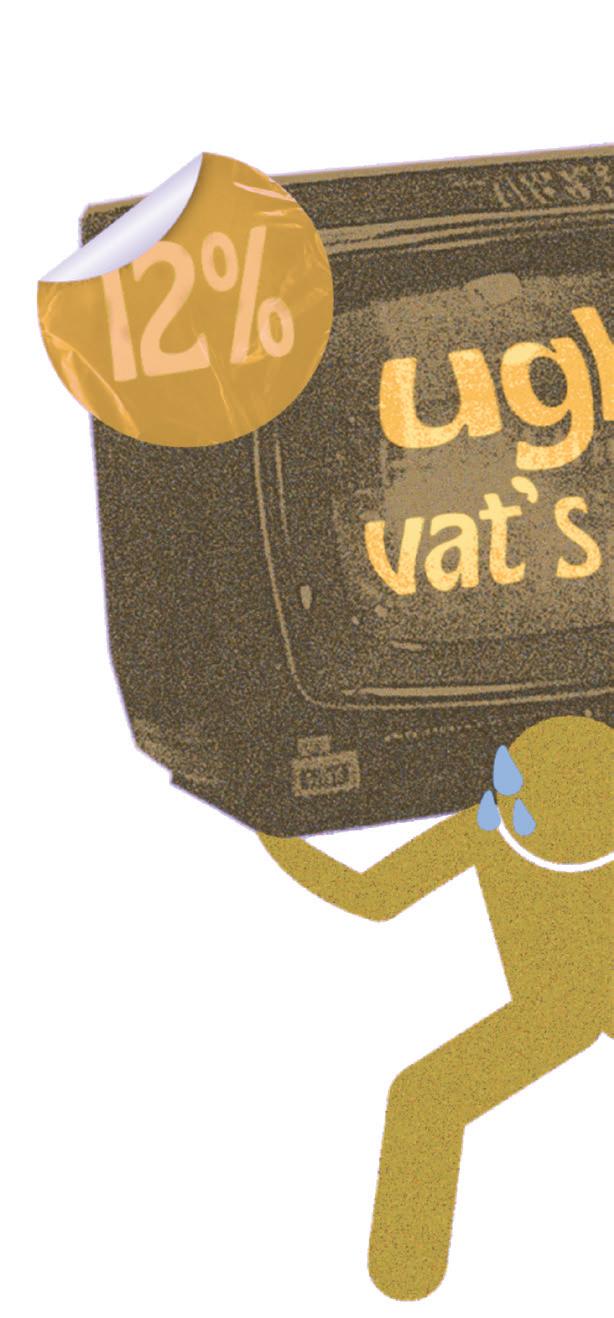
On June 1, 2025, Republic Act (RA) 12023, commonly known as the digital Value-Added Tax (VAT) law, officially took effect, resulting in digital service providers (DSPs) placing a 12% VAT on their services.
These service providers include entertainment platforms like Netflix and Spotify, and productivity tools used in a work or educational setting, from Canva to ChatGPT. Even games and in-game purchases are not safe from the rising costs that the law requires.
Living in a country that works under the heat of the sun each day, we witness the workers who serve as the backbone of this image. Yet, despite the hard work, their efforts remain a mirage—with how little their wage can be.
Even mere scraps of wages in the status quo are dried up through taxes.
Taxes are mandatory contributions of the citizens to the government. The lifeblood doctrine explains how taxes are essential to fulfill the government’s duty of providing basic necessities and improving the overall living conditions of this country—from social services to proper systems of bureaucracy. Though this might sound good in theory, a sticky feeling of unfulfilled promises continues to seep into the backs of the Filipino people.
Promised projects from flood control programs to improved services and getting rid of red tape within government agencies all remain a daydream to most Filipinos, questioning where their hard-earned money went.
To add, per the U.S. International Trade Administration (ITA), the middle class and youth noted an upward trend in their spending on technology, benefiting premium brands—making them the prominent target of the law. So when the digital VAT landed, many were left asking: Is this just another way of drying the middle class out while delivering nothing in return?
And within the middle class are students who are either paying for subscriptions that assist them in striving from the dripping sweat of education through academic tools, or are trying to cool their stress off with purchases for entertainment.
A hot, dense air of digital in. Will it provide a breeze it drench us in pointless
With that, we asked Josenians using different online platforms: As a student, how is the newly implemented 12% digital VAT currently affecting you and your finances?
Sweat Down The Wallet
Imagine all that dense workload being dumped at your fingertips—and wallet. You would need assistance through various tools and their alternatives that the market offers.
“For me, with the addition of the 12% [digital] VAT together with the current subscriptions I’m using already being expensive as it is, I [have] already tried finding alternatives that offer the same [or] maybe even less features. Personally, as of now, it hasn’t fully affected my finances yet, as my subscriptions haven’t adjusted their prices yet. But it does change how I’m going to budget some of my money when the price change does come.”
- Xyron Pitogo, BS Accountancy - 1
Pilipinas?
Melting Costs
Trying to briefly cool down from the academic grind is already a given, and sometimes, it is through relishing the games that we get to touch with our sticky fingers.
“As a student, it’s already [a] given that there are a lot of costs for fare, school events, or projects and such. And for me, it’s much more important to focus on school-related expenses rather than my wants, such as my in-game purchases. So, I think, this will result in me reducing my purchases of in-game items. It’s either I purchase the lesser price option in the game rather than what I usually buy, or just completely avoid it. And it all depends on the situation if my purchase is [still] within my budget to actually buy an in-game item.”
- Vanessa Briones, BA Journalism - 1
Drowning From The Heat
With this crazy weather filled with various responsibilities, we tend to “Netflix and Chill.” Will it turn into a new segment of “Netflix and Swill” as the insane heat of costs piling up?
“Honestly, the 12% digital VAT has been such a hassle for me, especially since I use a lot of digital stuff for fun like Spotify, Netflix, and even mobile games. Before, I could pay for subscriptions or buy in-game items without thinking too much, but now, every peso really counts. The 12% [digital VAT] might not seem like a big deal at first, but when you’re constantly renewing subscriptions, it does accumulate.”
- Kimberly Grace Barino, BS Accountancy - 1
Left To Dry Out
No matter where your income comes from—allowance, minimum wage, freelance gigs—one thing is clear: taxes are always there to take a cut.
digital VAT comes rolling breeze of promises or will pointless sweat?
The question now is, with sweat drying out of the backs of hardworking Filipinos, where are these taxes being channeled? Has it evaporated into bureaucratic oblivion? Or is it vacationing quietly in some politician’s pocket?
The frustration is not about being taxed—it’s about being taxed without visible change. It’s how we continue to endure the heat of paying taxes, yet fail to see real change in our country, resulting in our hard work being drained and dried out for nothing.
From infrastructures to the various government programs that are supposedly there to help us, it remains an illusion as to where our taxes are actually being used.
And yet, here we are again: taxed harder, promised more, delivered less.
Perhaps it’s time for us to demand the cool air that we truly deserve: a better life with better opportunities in our very own country.
And we should do so before another set of costs rain down upon us.
Mainit ang Panahon, Mas Mainit Ang Problema
by Sharry M. Cuizon
It’s exhausting how the same problems keep resurfacing, with the same tired excuse of “figuring things out.” But at this point, it’s nothing short of negligence disguised as delay.
We are not dealing with brand-new, unforeseen issues; these are systemic flaws that played out over again—from one administration to the next, and from one crisis to another.
Filipinos ought to be through with this. You’d think these politicians have learned something by now.
Yet, every time these problems resurface, those in power are always acting surprised, as if it came unexpectedly rather than from neglect, poor planning, or downright disregard for the outcry of citizens that only yearn to be heard.
And while those in charge keep hitting snooze on accountability, the rest of us are left in the scorching heat, bearing the weight to deal with the aftermath.
The Cycle of Inaction
The story does not begin with ignorance—it begins with familiarity. We have seen this before: broken systems patched with hollow promises, misallocated public funds, and auctioned services to the bidder with all the strings attached—kickbacks.
Take the case of PrimeWater, a water utility firm owned by the infamous Villar political dynasty. The firm was handed control over water supply, a basic necessity, only to deliver substandard service, inflated rates, and minimal transparency that affected about 16 million consumers.
graphic design by Narvie Klaryzze B. Borja
It’s not an isolated case; it’s a template across various agencies and sectors. We have let corruption and predatory governance evolve from being an open secret to an accepted reality.
In a brief discussion with , we asked a few Josenians with different views to answer the question: Who bears more responsibility in dealing with the systematic chaos that continues to plague our society?
“It should be the government’s responsibility to provide the people’s needs because that is their purpose, right? But [merely] delivering service with substandard quality does not mean they have fulfilled their duty already. Sometimes, if not always, they even make it as [a] means to take advantage of the resources available,” a fourth-year Mechanical Engineering student said.
“Makaingon sad ko nga naa gyod pod sa tao ang problem kay atoa man ang choice to choose who we want [to] lead the country, daghan kaayo og leaders with potential pero kapila na nga election pirmi nalang masayang tungod kay poor na gani ta, poor pa kaayo ta’g choices,” a secondyear Psychology student replied.
“These issues persist because of how it is deeply rooted in long-standing practices. If people truly care about creating a society that is evolving, just, and compassionate, [they] must be willing to speak up because true change begins not just with the leaders and institutions, but with people— people who refuse [to] stay silent when it matters most,” a third-year International Studies (IS) student reiterated.
“I believe that accountability in dealing with the systemic problems that plague our society [should come from] both actors— the government and the people. It is the responsibility of the people to be critical of the government they elect. And it is the responsibility of the government as elected officials to see through the long-standing problems and to make the necessary laws and policies to address [them],” a fourthyear IS student explained.
As if trapped in a blame loop, this circular discourse has become more than just noise— it has seeped through our skin, polluting the air with distraction and diluted responsibility.
No one is truly listening. What we call “dialogue” has become a smokescreen that quietly reinforces inaction. And while we argue, the cracks grow deeper. It seems to be easier to argue about who’s to blame than to demand systemic change.
The Culture of Excuse-Making
Our society has weathered colonization, civil unrest, deep-rooted poverty, and even a devastating pandemic. Yet, instead of demanding a change from those in power, we are told to simply “rise above” and “endure.”
Dysfunction has been too normalized because Filipinos have seen and heard all the excuses about the cycle we’re stuck in. And the longer this persists, the more the public becomes desensitized to failure, treating injustice as routine and leadership lapses as background static.
The celebration of resilience in the face of systemic failure is an act of normalizing suffering and letting those responsible off the hook.
Can we ever stop glorifying our ability to survive and start demanding a society where we do not have to always be at the edge of survival?
Look how netizens erupted in what seemed like a pity-party for a woman who crawled out from a sewer in Makati City, later identified by the authorities as alias “Rose,” which led her to receive P80,000 worth of livelihood assistance from the Department of Social Welfare and Development (DSWD).
“Our intervention with Rose is that she dreams of owning a store, and according to our social worker’s assessment, she is capable of it,” DSWD Secretary Rex Gatchalian said.
While the government was able to grant the dream to only one who lives in the slum, what about others? They have dreams too, and can realize them—if given the opportunity to do so.
That’s the harsh reality: hardship that is not trending is easier to ignore. When it’s not in the headlines, it’s deprioritized in favor of issues with exposure. Discarded.
Most of the time, it exists quietly—in overpriced basic necessities, in skipped meals, in out-ofschool children, and in minimum wage jobs that workers juggle just to get by. But just because it isn’t loud does not mean it’s not urgent. In fact, the silence is what makes it so insidious.
Poverty does not scream—it endures, until people take action. And that requires more than “ayudas”; it demands systemic change, long-term commitment, and willingness to treat inequality not as noise, but as a concern.
What Filipinos are asking for is presence. For action. For care that doesn’t wait for cameras to show up before it moves.
Until then, the weather won’t be the only thing suffocating us.
Propagandas Worth Falling For
by John Kherwin A. Pansacala illustrations by Sienna Rio E. Young & Karina Adel A. Vestil
There is nothing more powerful in the world than a propaganda that caters exactly what you need and delivers it to you perfectly.
In a world that rarely slows down, it’s easy to feel like everything demands something from you. But once in a while, comfort comes in little things and when they do, fight the urge to resist.
In a bustling society where individuals endure the heat of oppressive conditions they try to ignore, here are the modern propagandas you’ll definitely need to relieve yourself from the uncomfortable and thick sensation.
These modern propagandas don’t demand submission, but offer sanctuary. They understand you, anticipate with you, and speak for you.
And why resist? These are not illusions. These are simply innovations.
Let go of doubt and give in to the algorithm. Since you’re bound to believe in something anyway, why not choose something as delightful as this?
What’sNottoLove?
Feeling a little lonely this summer? What you need is a situationship!
It’s intimacy with no contracts, loyalty with no labels, and passion with no plot.
Gone are the days of declarations, rings, and conversations. Now, love lives in the gray area where it’s murky and thrilling, with a hint of curiosity.
You’ll never be asked “What are we?” because none of you really wanted a commitment for less responsibility and less burden to carry.
You’ll just exist in each other’s soft-launches, vague captions, and message each other every three days. Is it true love? Who cares? It’s better.
If he actually spends time with you, then that’s definitely a green flag! Gives you daily updates? Girl, he’s a keeper! Asks you “Babe, nikaon naka?” Go girl, get that ring!
And believe me, you’re not being led on. You’re aligning with the universe’s timing, because why settle for certainty when you can have the thrill of possibility?
Now that your heart is entertained, it’s time for your soul to heal.
But healing no longer hides in therapy rooms or silent retreats; it’s on your shelf, your cart and on your skin.
There’s no sadness that can’t be fixed with a P1,000 scrunchie from a Filipino brand whose name doesn’t even relate to what they’re selling. And nothing says “national pride” like a P2,000 tote bag with the word “Bayan” screen-printed on it.
You don’t heal by processing your trauma. You heal by burning a scented cultural candle you ordered during a 6.6 flash sale. Why learn history when you can just wear it?
You’re not shopping, you’re obviously recovering. And every checkout is a step closer to enlightenment.
Buy peace. Buy culture. Buy your identity in 3–5 business days. Your cart isn’t full of stuff, it’s full of self-love!
ClickableHope
And once you’re healed (financially drained, spiritually aligned), you deserve a miracle.
Opportunity no longer waits in long lines or job interviews. It pings, vibrates, and flashes across screens.
“YOU’VE WON P10,000! CLICK HERE TO CLAIM!”
These links, riddled with malware and misspellings, aren’t scams. They’re digital optimism.
These messages don’t trick you—they remind you that the universe could surprise you. Sure, they might steal your data. But haven’t worse things taken your peace?
That one lucky break, one golden link, one miraculous notification to change your life; this could be it!
AestheticActivism
And while you’re online anyway, why not save the world one share at a time?
With the current smoldering political climate, you don’t need to protest. You need to repost a status that says “educate yourself.”
Real change now comes with a typeface. Challenge those oppressive systems with a post about political terms you really don’t know but sounds really fancy to mention.
Activism isn’t about action anymore. It’s about awareness and if you’re aware enough to reshare a post, congratulations! You’ve just dismantled capitalism.
Boycotting U.S. brands? Make sure to share that list from your latest iPhone. Supporting workers’ rights? Post about it right after you check out that Shein haul.
Matching tiles, trigger warnings, and performative outrage: All crucial tools for the modern freedom fighter.
You’re not pretending to be woke, you’re just vibing with justice.
EveryExhaustionisaBrand
But of course, all that posting, shopping, loving, and healing are exhausting. Good thing those are trending, too.
The modern achiever doesn’t sleep. They glow, with under-eye bags like battle scars; burnout has never looked more aspirational.
Overworking is no longer a red flag, it’s a soft badge of honor.
Captions like “still standing, barely sleeping, forever building” feed with pride. To be tired is to be committed. To be overwhelmed is to be unstoppable.
Success is now measured in caffeine intake and unread notifications and productivity is no longer just an output, but a lifestyle aesthetic.
And the real luxury? Hustling with elegance.
So, what’s the hold-up? Love is one tap away. Healing is one haul away. Hope is in your spam folder. Revolution is a 5-second swipe. And success? It’s in the perfectly captioned chaos of your daily breakdown.
This is not a trick. This is culture at its most considerate where it meets you where you are, speaks your language, and makes everything just a bit more bearable. And if that’s propaganda?
Then let it be pretty. Let it be pink. Let it come with free shipping and a 10% off code for your next breakdown.
Sha-La-La in the
by Louise Lambiquit
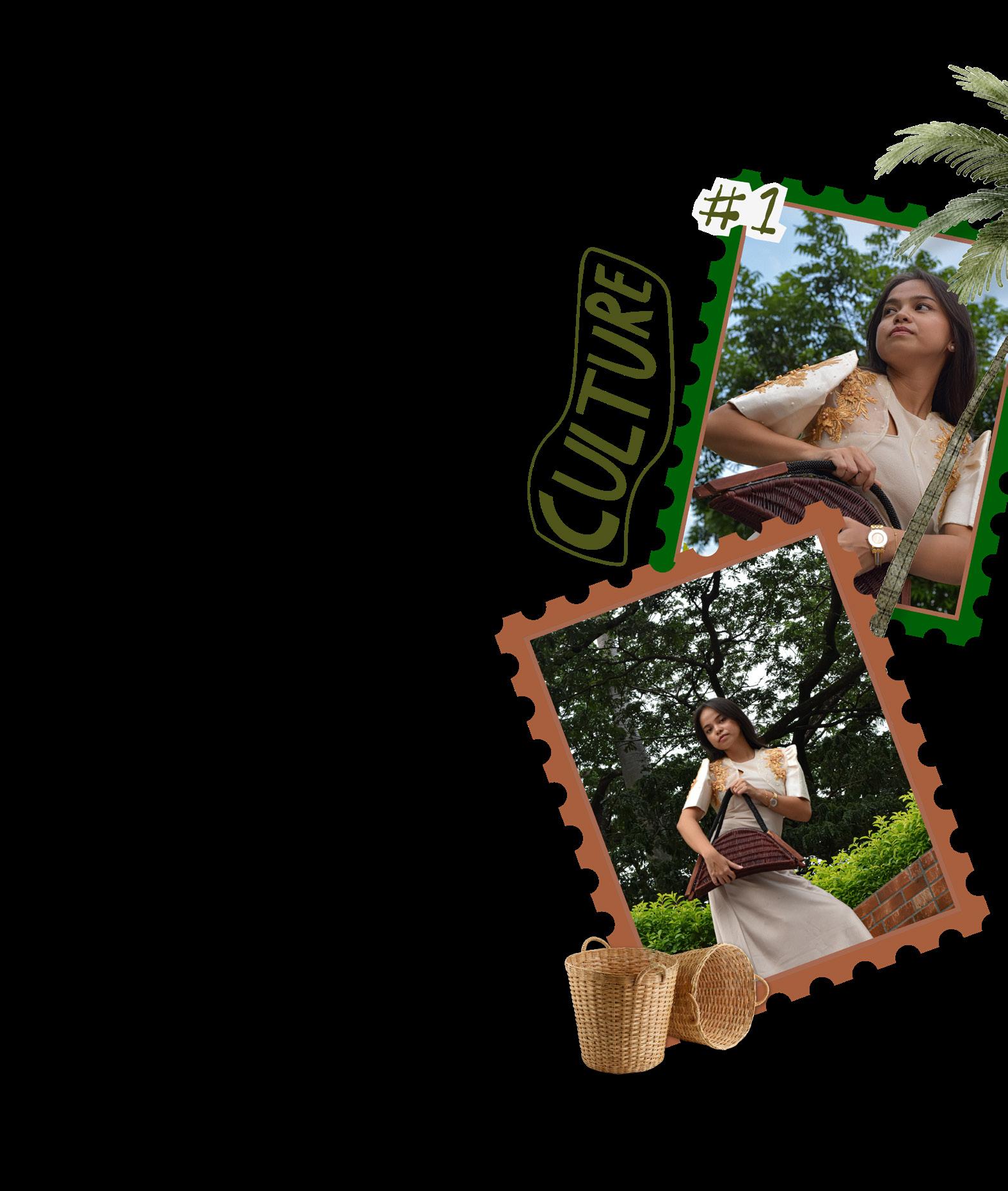
Alongside every modern Filipina, there exists a companion that goes with her spontaneous gimmicks, job applications, rejuvenating vacations, or rendezvous with that special someone.
For decades, handbags have been crafted with their primary purpose of conveniently storing and carrying our everyday items. But recently, they’ve evolved into fashion statements and symbols of glimmering luxury that each woman wears as her travel chaperone.
Brands such as Gucci, Prada, Dior, Balenciaga, and other famous names dominate the glossy spreads. Yet in this race for logos, we often overlook what’s closest to us—the quality and heart of local craftsmanship deserves the same spotlight, if not more.
Ang Katungdanan
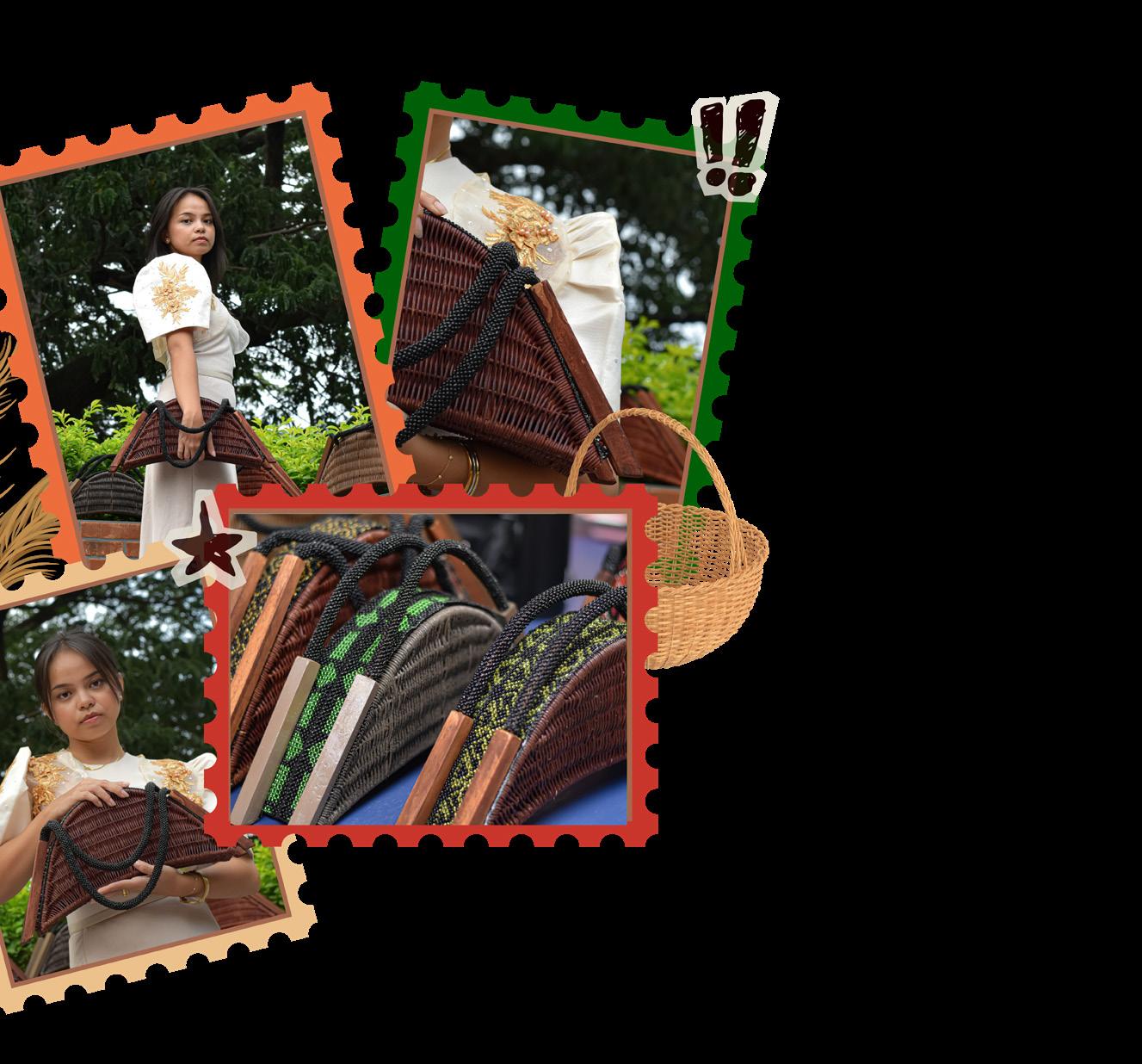
A girl once cradled a Barbie doll and let magic do its thing as she dressed it with colorful pieces of scrap fabrics, unknowingly stitching the first threads of her little dream—one that would later unfurl her path into the world of art.
Growing up in her hometown, Shala Masip was drawn to styling and designing; but her vision extends beyond aesthetics. At an early age, she recognized the systemic challenges affecting her community and sought to harness her passion as a force for cultural representation and identity.
In Northern Mindanao, Subanen, indigenous people who are living near the and deeply culturally embedded communities in the region. The river that shapes their existence across generations allows them to anchor their ancestry.
Here, it is not just a source of livelihood, it is a reflection of their history and pulse of their culture as streams continue to flow day by day.
With this sacred relationship, Subanen people can connect with nature and express their vibrant culture and traditions through tangible artifacts, which exemplify their resilience and artistry.
Over the years in college, Shala has expanded her knowledge in social design, solidifying both her purpose and impact through a dual vision: one rooted in fashion, the other in social responsibility.
“The framework of this study is participatory design, wherein the process of documenting data and designing a product is a collaboration between the designer and the community,” Shala said.
For her, design is not just created by people—it is meant for people who weave stories and heritage. And behind their efforts, they persist in the unforgiving heat, yet never ceasing to dream.
Ang Kabilin
To deepen her understanding, Shala immersed herself and visited Subanen communities in Mindanao, particularly in Misamis Occidental and Zamboanga Del Sur.
There, she saw firsthand what textbooks never quite teach: that culture, when unsupported, begins to fray, as the dwindling number of people who still hold the traditional knowledge, weaving skills, and sustainability of basketry practices.
Whether for elegance or necessity, every
the Sunshine
photos and graphic design
by Kimberly O. Tumilap
every bag carries a story.
At first, her mission was simple: to recognize and support the craft of her beloved roots. But as she dug deeper, she had a new realization—that is to to safeguard the culture that is about to be forgotten and to reinforce its continuity.
The impending loss of the customs practiced by the Subanen group’s forefathers since time immemorial is the aftermath of historical displacement, socio-cultural pressures, and the absence of a market where consumers can appreciate the craft of the artisans themselves and the very narrative behind them.
“To sustain their craft, a market is needed, and to provide economic opportunities for them, it would mean developing a system that benefits the stakeholders more rather than the designer as a facilitator,” she said.
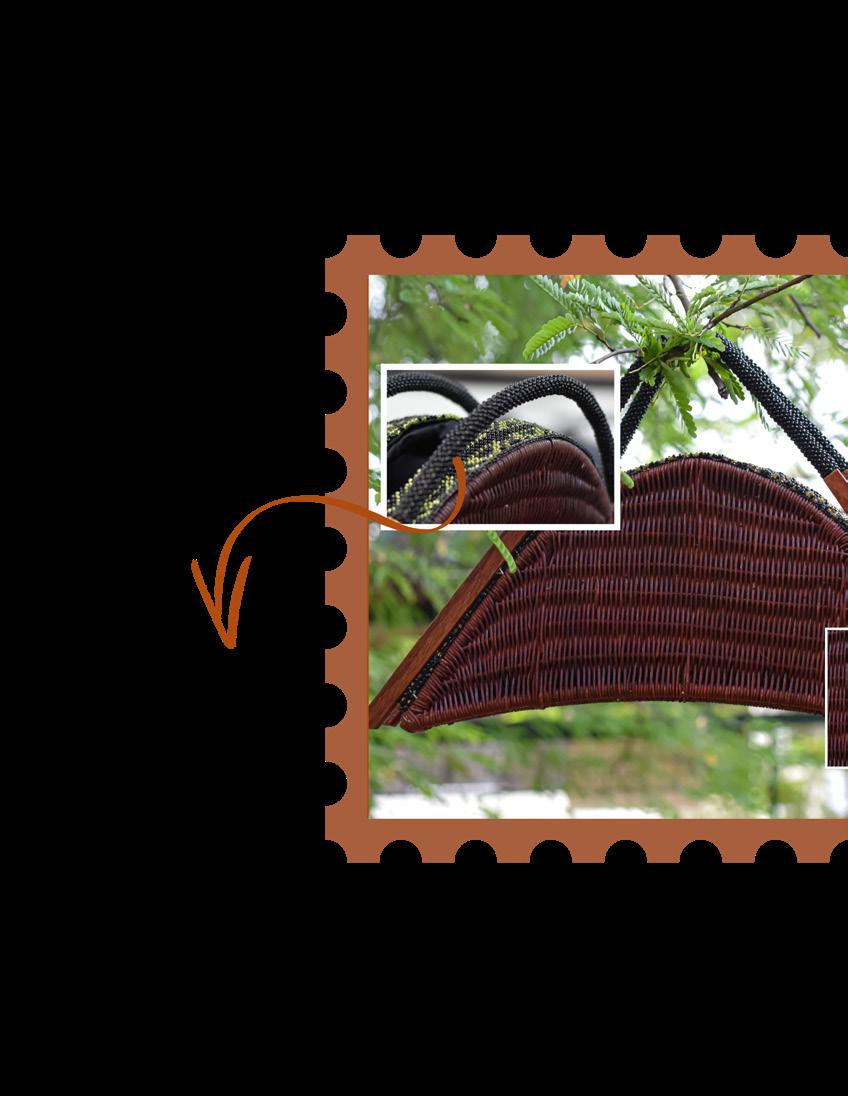
Two of the distinct communities Shala and her team examined are the Mapurog and The former is primarily focused on rattan, or bamboo strips, while the latter is where the intricate bead weavers are located.
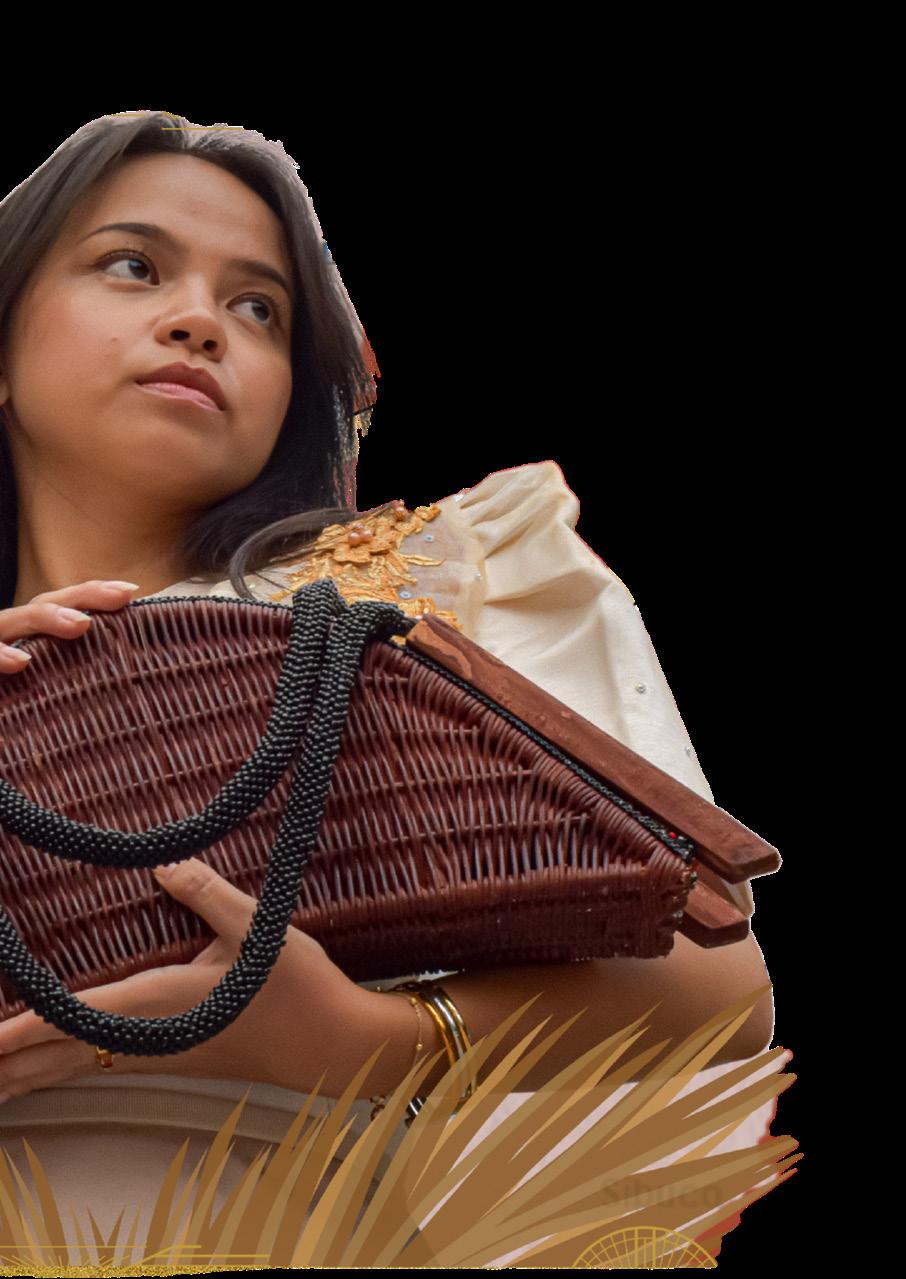
This handbag design is aimed at clearly showcasing the material culture and helping to unify the frayed edges, thereby reassembling the province’s identity through a consultative method.
Her goal may not encompass the whole Subanen community nor represent them, but this step would help them endure, strive, and most importantly, keep their heritage alive.
Ang Tinguha
Lending over 60% of her profit to the chosen community, Shala continues to support local craftsmanship and plans to widen “Lala” bags as part of her brand, the “Loveling” collections.
“The goal really is to expand the brand [and] include different cultures in the Philippines, document, understand, and connect them to contemporary markets,” she mentioned.
And to steer away from cultural appropriation, Shala intended to foster a participatory encounter—one that ensured her approach wouldn’t serve her self-interest, but rather empower people to express their culture and how they would wish to showcase it in the modern market; not for competition, but for a collaboration grounded in confronting the heated struggles of reality, promoting traditions while the world races forward.
Shala graduated as class valedictorian of the Product Design program at the University of the Philippines-Cebu and expects to take her advocacy even further. She also received exceptional recognition from the Mundo Design Awards, bagging the gold medal for the “Designer of the Year.”
Each Lala Bag is a vessel: of story, of skill, of resistance. Each one threads together communities long sidelined by mainstream fashion.
Each one asks us to see the bag not as a brand, but as a bearing— of legacy and labor.
In a country where heat is constant—where alinsangan weighs down both body and history—Shala’s work offers breath. Not escape, but endurance. Not spectacle, but substance.
Shala is a young woman who dreams, perseveres, and witnesses both the pride and pain of Kulturang Pilipino. One of the many reasons why, as consumers, we must #SupportLocal and choose which stories to carry with us—and to finally let the suffocating culture breathe amidst the never-ending heat.
10 Ways to Outshine the
When the sun’s out for blood, you hide where it can’t reach.
We’ve been sold the fantasy: golden hour selfies, halo-halo by the beach, spontaneous road trips, and that one Instagram filter that somehow makes sweat look cinematic. But let’s get real—for most of us, the Philippine summer isn’t a breezy postcard moment. It sunburns after 10 minutes outside, where three showers a day somehow still aren’t enough, and the constant internal monologue of “init ba ‘to o galit ako sa buhay?”
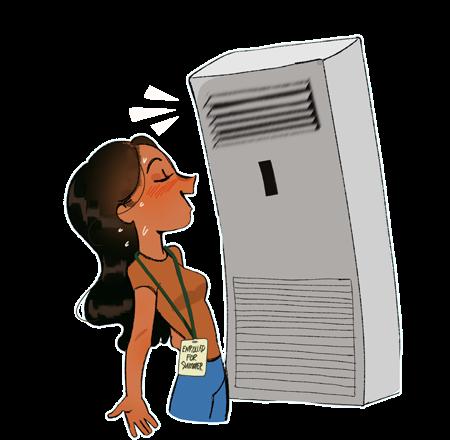
We’re not here to romanticize heatstroke or drop the usual “drink water, stay indoors” as if we all have air conditioning and zero errands. brings you 10 painfully real (and just a little bit unhinged) ways to beat the heat like a true tropical survivor.
2. Check out that Jisulife
1. Crawl into a Cave
Who needs the beach when you can have a natural air-conditioned bunker guarded by stalactites? If you can’t afford a plane ticket to Baguio, don’t worry because Mother Nature got your back! Caves are where the real drama is: cool, shadowy, mysterious. While beach trips come with sunburns and the eternal struggle of sand in weird places, caves offer chill silence, and dramatic acoustics.
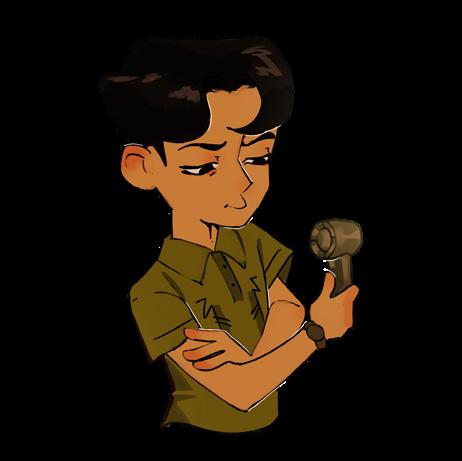
At this point, the Jisulife isn’t just a fan; it’s a lifestyle. You’ll see students, titas, and even tricycle drivers clutching those sleek, rechargeable mini fans like they’re sacred relics. They spin like tiny propellers of hope, battling the 40-degree wrath of the Philippine sun. If it doesn’t fit in your tote, your tote is too small. If you’re not dramatically pointing it at your face like a celebrity doing a Vogue shoot, you’re doing it wrong.
4. Hydrate
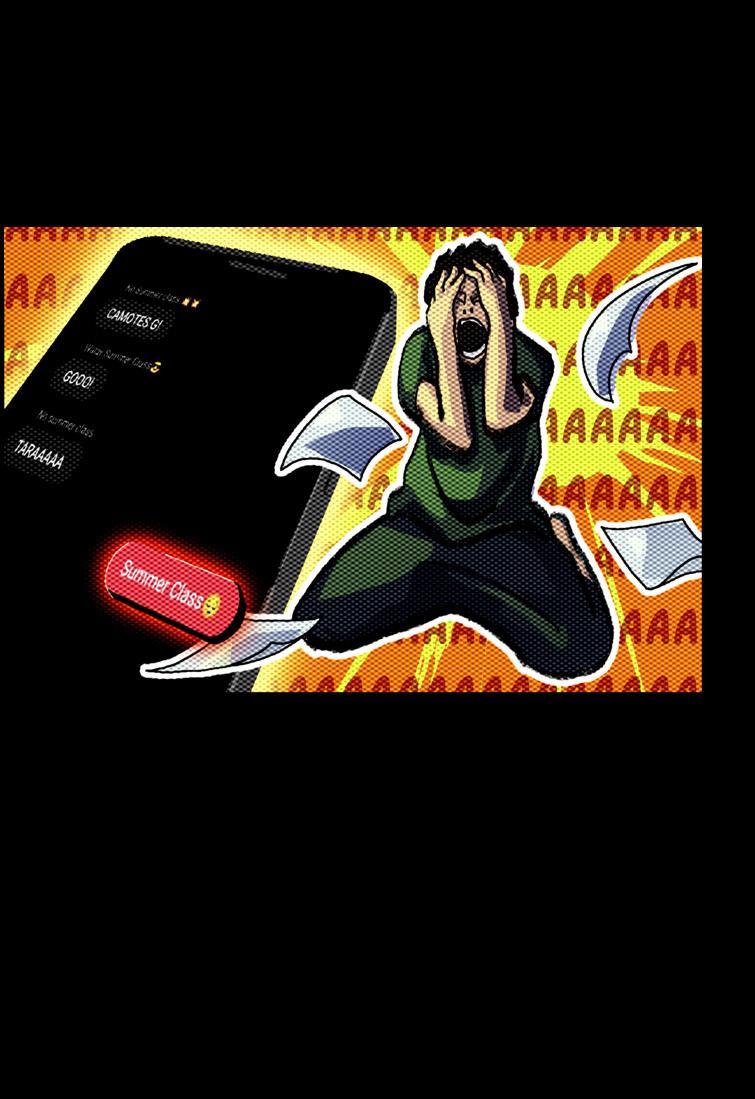
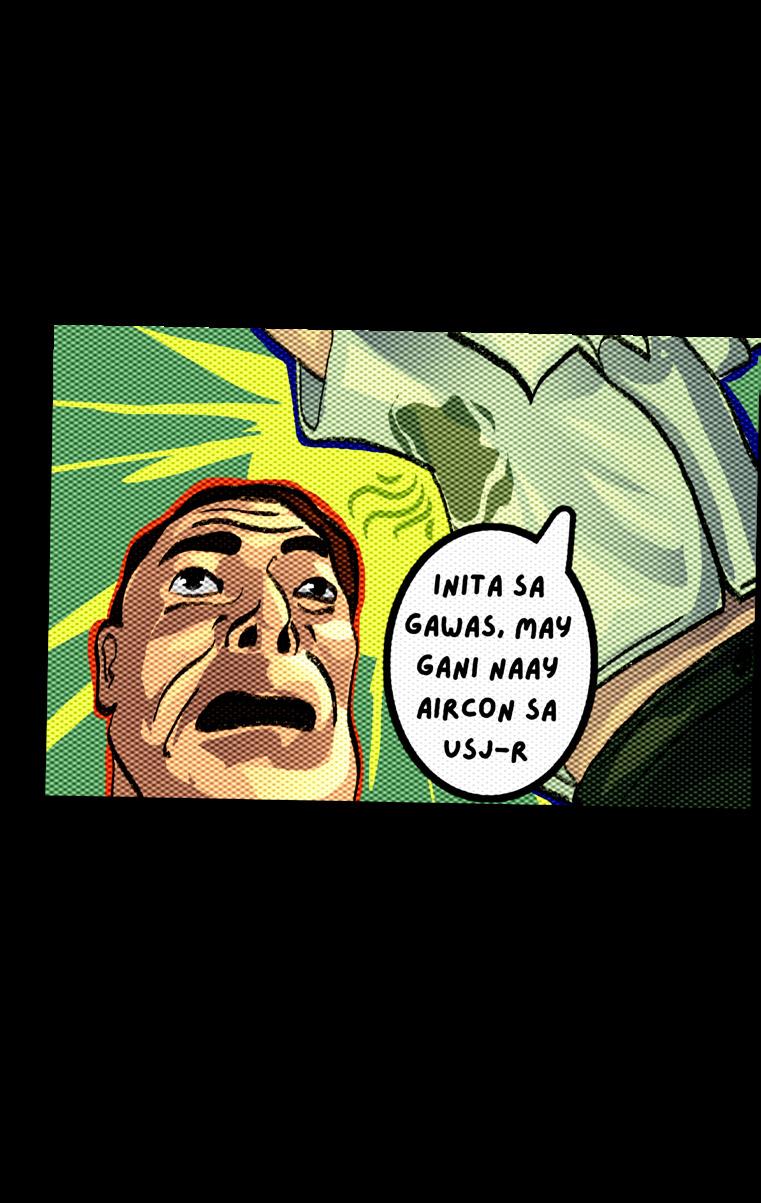
3. Summer Class
Sure, knowledge is power, but let’s be real—you’re here for the AC. Inside the classroom, it’s 16 degrees of bliss, with bonus Wi-Fi and a chair that’s not melting under you. Whether or not you remember the lesson is secondary. What matters is that for three subjects a day, you’re not sweating through your shirt like a lechon in a buffet line. Learning, this summer, is cool (literally).
In this heatwave? Water is the obvious MVP. However, let’s not act like it’s the only player on the team. This is the season of liquid salvation. Iced sago’t gulaman? Holy. Buko juice straight from the shell? Transcendent. That bright-orange juice in a plastic bag with a straw poked through? Glorious. Each sip isn’t just cooling you down, it’s reviving your soul, dunking your overheated body in an ice bath of vibes.
5. Stream Kween Fyangie’s Album
When the heat’s got you melting like taho at noon, let PBB’s rising star Fyangie cool you down. Her debut album Forever Fyang is here to save your hot girl summer. Because in her world, being haggard is strictly “BAWAL TALAGA.” Her vocals? Ice-cold. Her range? Allegedly endless, even when her mic’s off. Stream it now and feel the chills!
the Sun This Summer
by Ejay D. Villaver & Kimberly G. Capuyan illustrations by Heron Augustus S. Flores & Hannah Vanessa O. Mondilla
7. Window Shopping
6. Stay Home and Binge-Watch
Sweltering outside? Perfect excuse to turn the living room into your own private cinema! Summer vacations don’t have to mean endless outings and perfectly curated fits. Sometimes, it can be spending time on simple joys that leave you feeling rested and recharged—like a good old blockbuster binge. Keep your softest pillows close and your loudest chips closer as it will be a long day for Netflix and chill. Now, skip the sunburn and stream your way to summer survival!
When the weather gets too hot, worry not—book that MoveIt ride or hop into the 04L jeepney to Ayala Malls (or wherever your mood swings say so). Now, quit racking your brain for ideas to beat the summer heat below your means because the nearest mall surely is the place to go! Take your time browsing the latest displays, trying on 2,000-peso dresses with the confidence of someone who has P3.45 in her GCash. You can even grab a pick-me-up iced latte after a good window shopping and share it on social media: #summervibes.
8. Chop That Hair
Looking for signs to validate your intrusive thoughts? Here it is, babe: cut that hair! Beyond the obvious YOLO mantra, make the most of this summer to let those thoughts win. It is already hard to manage frizzy hair with the nagging heat, so you might as well get a new haircut that looks effortlessly styled! Whether it’s a short pixie or a curtain bangs-layered look, try something bold and beat the alinsangan feels with freshness!
9. Bathe in Menthol
In this guide to channel cool vibes with no sweat, we are going back to basics: getting some cooling products. It’s time to check out those body wash items or those fruity-scented facial mists sitting in your carts, and shower every day! If the cooling sensation isn’t enough, restock the SnowBear candies in your bag and take them for extra hagod. Not only can it be a feel-good fix, it can also complete your summer class kit with the iconic efficascent oil and Katinko inhalers.
10. Touch Grass
Sometimes, the best way to beat the heat is to leave the city behind and touch some grass—we meant that literally. During your summer vacation off academics (if you’re lucky enough to have one), book the tickets to your provinces or travel to the countryside, and breathe less-polluted air. Take this time off to reconnect with Mother Nature and ease your stress from the fast-paced urban life.
Summer is a state of mind. There’s no rulebook on how to enjoy it. So if the heat has you feeling sluggish, take it as a sign to slow down and do something just for yourself, even if only once in a while.
The dizzying heat of summer afternoons. That humid state after an hour-long siesta. Sweat that clings onto our skin—uncomfortable, stifling, and an unease that sticks with us both physically and mentally.
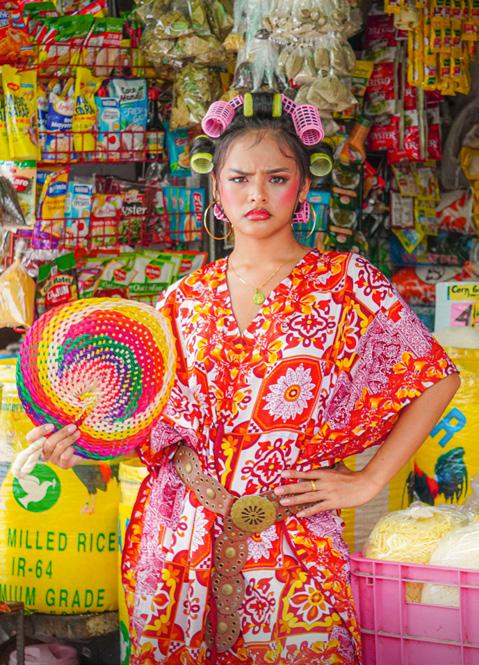
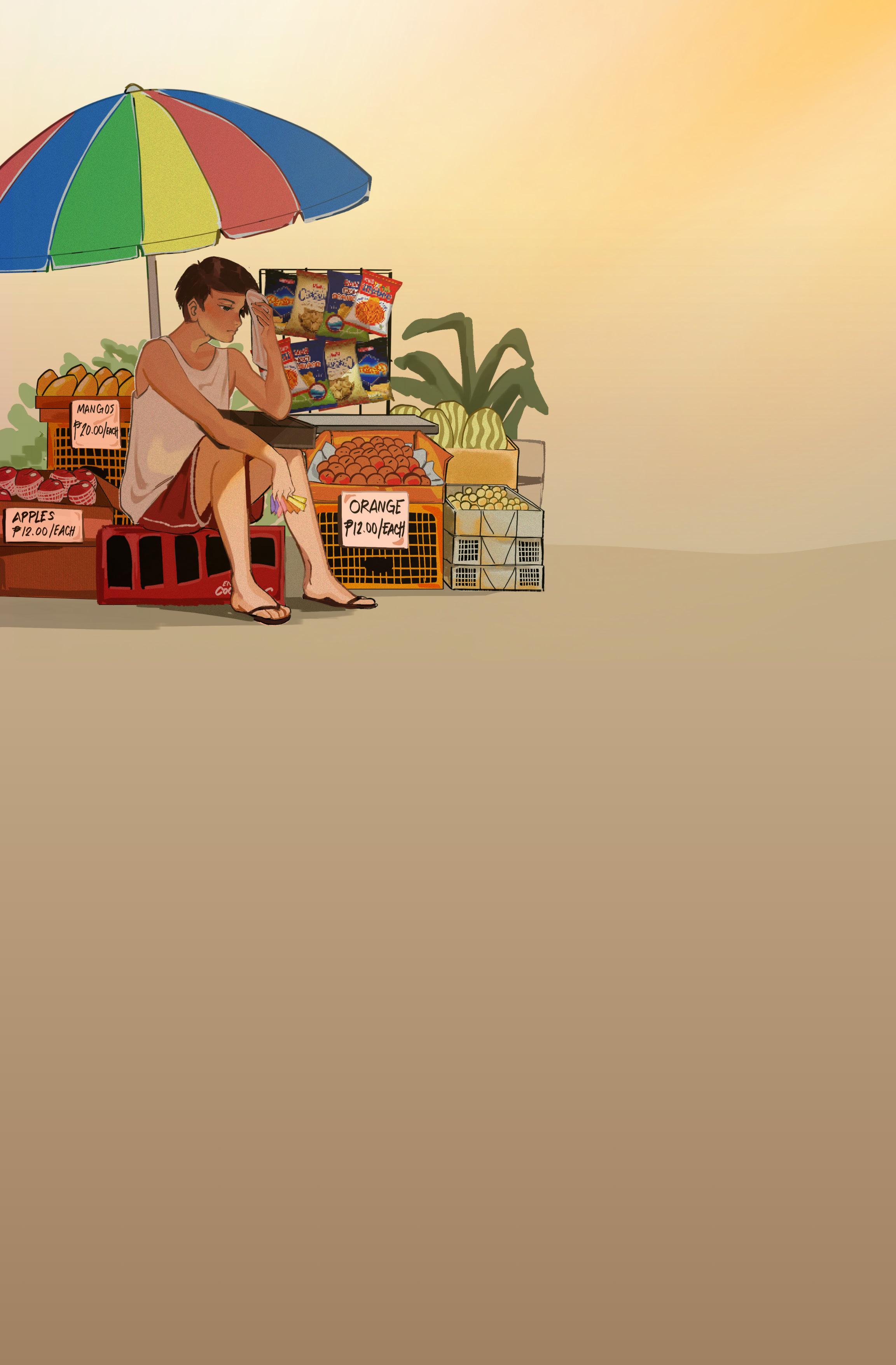
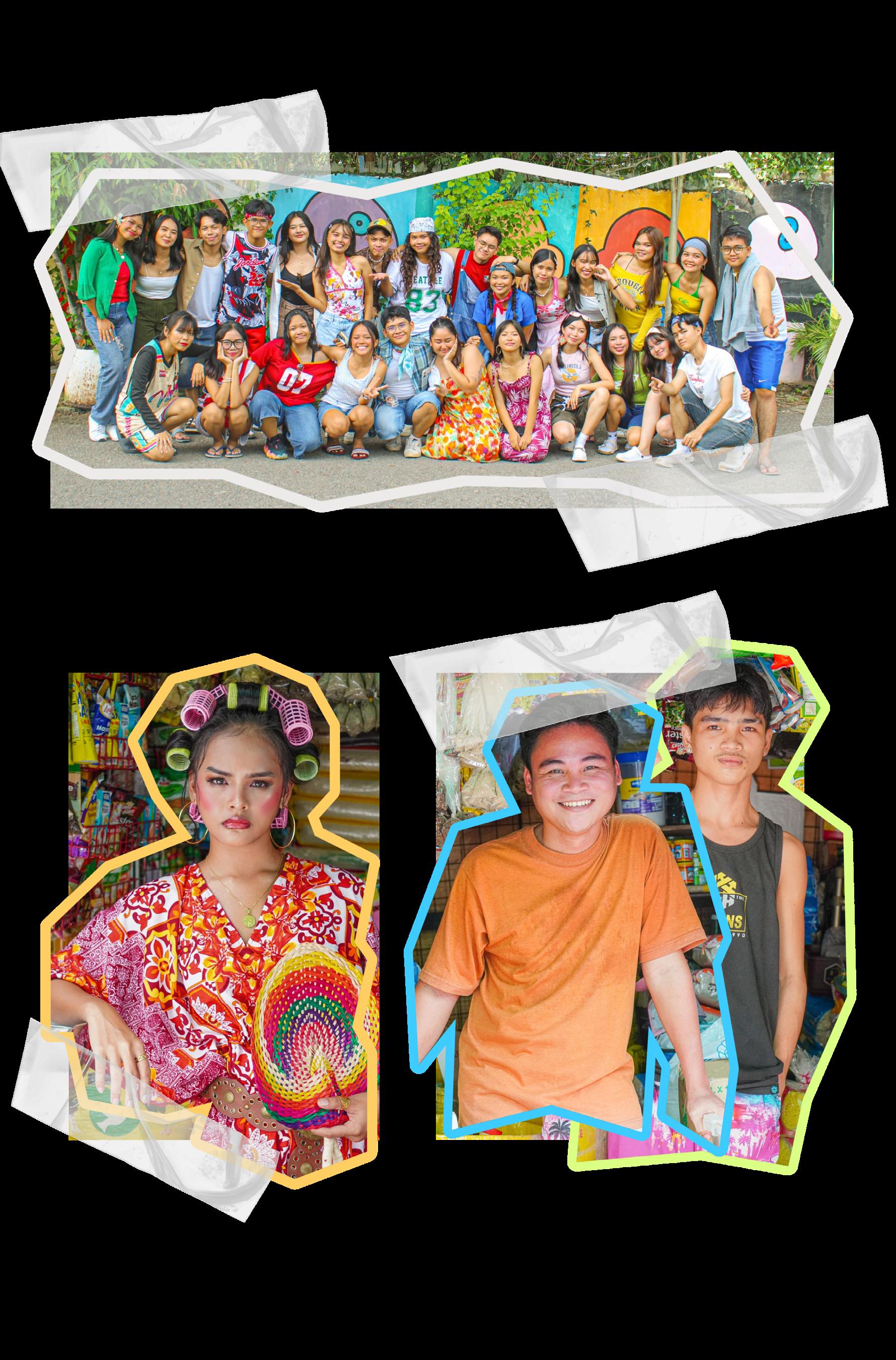
In the height of Alinsangan, we know where to go: that one sari-sari store, just a walk away.
We don’t often realize how much endurance this tiny shop has. Ordinary yet essential, it is filled to the brim with merchandise that help us survive our day-to-days.
From giddy kids running up to buy those 3 for 5 peso candies to exhausted adults getting a drink after coming home from a hard day of work, sari-sari stores have long since been a Filipino safe haven.
Even with the heat digging through our skin, somehow, a cool breeze is always present, making this store a refreshing place for a short rest amid the glare of the sun.
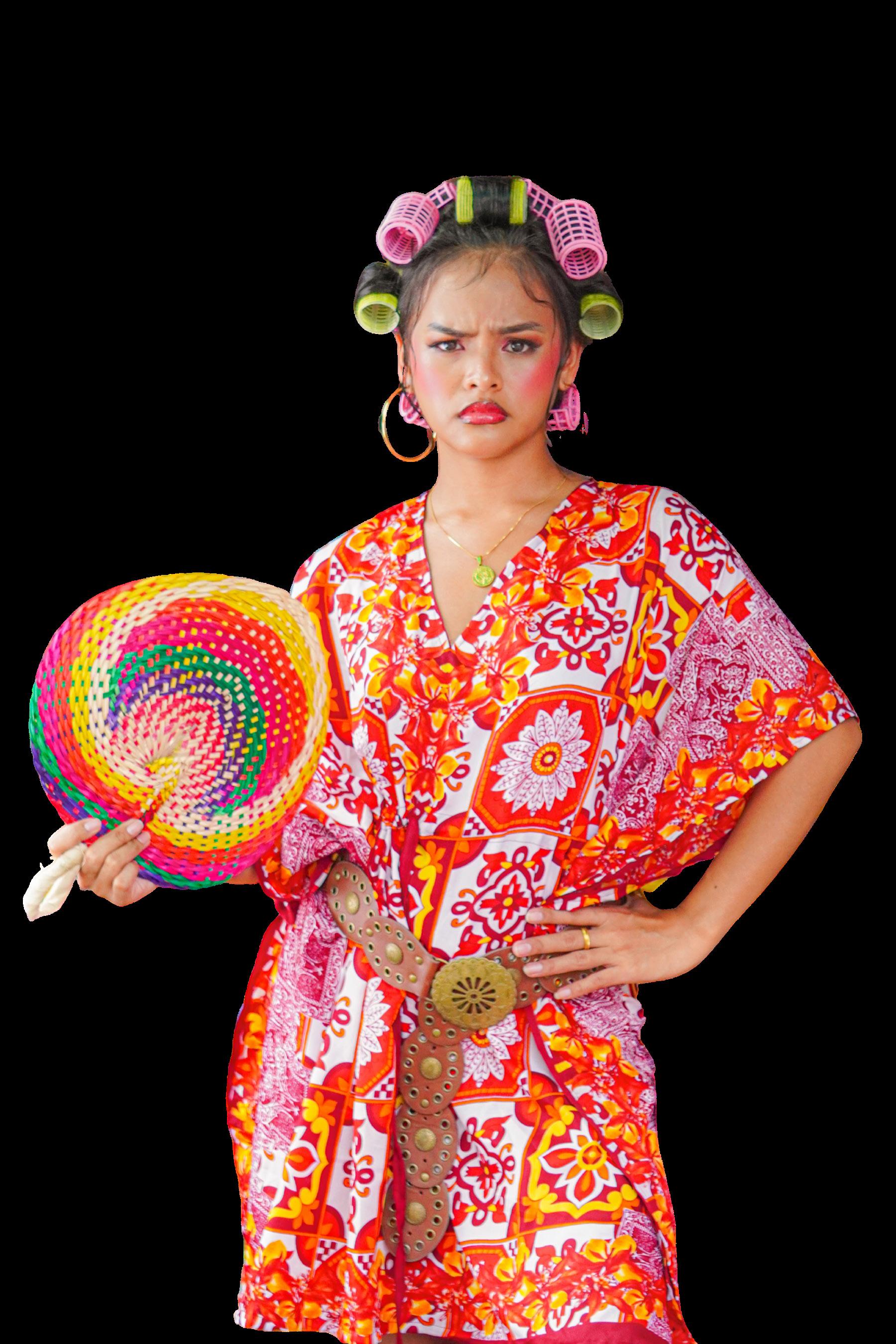
This SOLSTICE’s cover story, “Bukas Pa Ang Tindahan,” is a symbol of our resilience.
Each of us have a struggle we endure despite the carefree facade of summer, versions of us that are waiting for rest, bearing expectations, and making do with what we have. Yet, we withstand—we stay open.
This summer, it’s not the heat, it’s what we carry in it.
Summer is often sold to us as a time of relief—freedom from schedules, a pause from stress, and a space to breathe. We grow up believing it’s the reward after the chaos of school, a time for fun.
I used to look forward to the lull—until I realized the stillness sometimes echoes back things you have tried hard to ignore.
What I was feeling had a name: summer loneliness.
I remember one summer when classes had just ended and, for the first time in months, my calendar was empty. No deadlines, no organizational meetings, and just long days I had once wished for.
But the stillness did not feel restful—it felt sharp. Everyone else seemed to be outside, vacationing, or “living their best life.”
And I—curled up in my room, avoiding messages, and wondering what to do with the sudden silence—felt like I was failing at something I could not comprehend.
But no one talks about the disorientation that follows once the structure disappears. No one prepares you for the stillness that feels less like peace and more like a void. And no one tells you that when life finally quiets down, your thoughts start to get loud.
No
What we don’t talk about, we carry
by Ava Donalie A. Ferolino graphic design by Raghnall P. Cena
In school, we are conditioned to fill our time. We are expected to optimize our breaks. To be idle is to be wasteful. To feel lonely is to be weak. When school pauses, the silence makes everything louder: the financial stress, mental health struggles, and the weight of performing happiness when you feel none—a mere facade.
And then there’s the cultural weight. We are taught to endure. To be quiet about pain. To say “okay lang” even when we are not.
In Filipino households, mental health conversations are often brushed aside in favor of prayers, distractions, or outright denial. We are told to “just go outside” or “wag kang magdrama.”
This is not a personal flaw. It is a reflection of institutional gaps and cultural silencing. And the sooner we stop internalizing these feelings as failure, the sooner we can begin talking about what is real.
one warned us that summer could feel like this—lonely in the loudest way. That in the heat, something heavier settles inside, and a season meant for rest becomes a mirror to isolation.
Let’s be clear, summer loneliness is real. And it deserves to be taken seriously.
It’s not burnout, not exactly depression. It’s that middle space where structure disappears, social anchors loosen, and we are left trying to make meaning out of hours that stretch too long. It is the quiet kind of heavy. And if you have felt it, you know.
Recent studies make the picture undeniable. A 2024 Philstar article reported that nearly 60% of Filipino youth felt lonely. And these feelings intensify during school breaks, where routine vanishes and support structures become hard to reach or nonexistent.
Yet despite this, the myth of a carefree summer persists. Online, we scroll through curated summer dumps—sunsets, road trips, beach shots, and coffee fixes. Behind the screen, many of us feel stuck in our rooms, wondering: If summer is meant to be joyful, then why does it feel so empty?
The answer is in what we do not say.
In our culture, we are still uncomfortable naming loneliness. We downplay emotional exhaustion, treat rest as a luxury rather than a necessity, and equate productivity with self-worth.
We need more than quiet acknowledgments. We need institutions—schools, communities, and local governments to invest in yearround mental health resources.
R.A. 11036, the Mental Health Law, mandates support systems, yet implementation remains uneven and inaccessible to many students, especially outside urban centers.
The fact is, summer can be lonely. Not always. Not for everyone, but often enough that it deserves to be a part of the conversation.
And so, check in with the friend who went offline. Reach out to the orgmate who stopped responding. And if you are the one who’s been quiet, know that you are not the only one. There is no shame in feeling heavy in a season that is supposed to be light.
Because what we don’t talk about, we carry. And if left untouched, it eventually spills; not gently, but loudly and messily. Sometimes, way too late.
So maybe the question isn’t “why does summer feel so heavy?”
Maybe the real question is, “why have we accepted a system that only allows us to breathe when we’re productive, smile when we’re struggling, and rest only when we’ve broken down?”
But we do not owe anyone a performance. Not joy, not energy, not healing on a timeline.
We owe ourselves honesty. We owe our communities the systems that listen, We owe the next generation a version of summer that doesn’t feel like a punishment for slowing down.
Simping Under the Sun (Vispop Version)
by Trixcy D. Clar
graphic design by Therese Margarette A. Racaza
Summer isn’t just about beach trips and cold drinks, it’s also about sweating through your shirt while quietly catching feelings you thought you’d outgrown.
In the middle of all that heat, between soft confessions, playful banter, and unspoken promises no one’s brave enough to say out loud—Visayan Pop (VisPop) becomes more than a background music. It becomes a company. A companion for those who’ve memorized someone’s street, picked up their way of speaking, or held on to a feeling that never fully faded.
Here’s a curated playlist to help you make sense of the stickiness, literal and emotional, of the season: the brief glances, the slow goodbyes, and the quiet ache of “ unsa man gyod ta? ”
My Morena Girl by Hey Joe Show
So you’re there, smiling at your phone, thinking “Is this about me?” because honestly, it could be. This piece captures the lightness of a summer crush.
For the admirers, it’s a dedication song. For the morena girls? It’s a reminder that you’re the kind of beauty that people write songs about.
Have you found that morena girl yet…or are you just realizing you’ve been her all along?
Balay ni Mayang by Kyle Wong & Martina San Diego
ou know it’s real when you’ve memorized not just their faces, but the way to their house. is a heartfelt duet between two lovers who both know the feeling and they’re not guessing, they’re just waiting for the next visit. The longing is shared, the affection is certain, and the neighborhood? Off by heart.
With its soft harmonies and “kita ta puhon” sweetness, it captures the comfort of being missed and the excitement of knowing you’ll be seen again.
Duyog by Jewel Villaflores
Not all confessions need fireworks as some arrive softly, like dusk settling over a quiet street. This ballad is tender in all the right places that offer love not with grand professions, but with steady promises.
It’s for the in-betweens, for when you’re almost theirs but not quite, for when the silence says more than words ever could. Because in a world full of noise, kind of love that chooses to stay—even in silence.
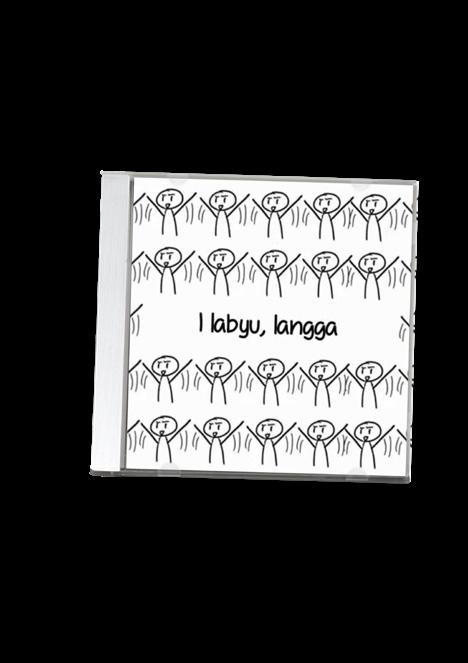
Labyu Langga by Jerika Teodorico
Sometimes, the heart doesn’t beat around the bush. It hands itself over with a smile and a joke. That’s exactly what Labyu Langga does.
Cheesy? Exactly. But it’s the kind of cheese you’ll happily melt for.
“Ako nang gihatag nimo akong kasingkasing. Ikaw na ang bahala sa pag tipig ug pag amping.”
That’s not just a lyric, it’s a legally binding love contract. Ooops! No take-backs.
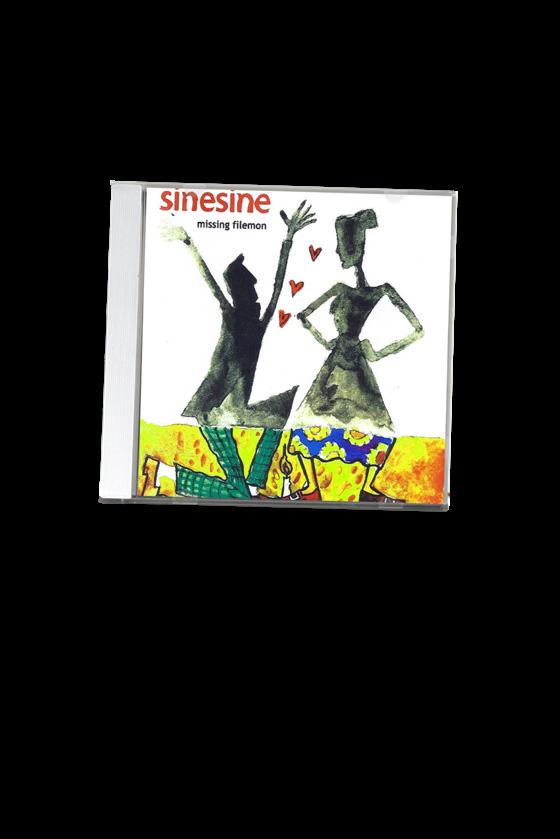
Englisera by Missing Filemon
Like…you know when you’re, like, so in love that, like, you start talking like them? That’s Englisera. One of VisPop’s OG hits, this track nails the moment you catch yourself saying “whatever” instead of “
It’s a fun take on how love makes us adapt, sometimes our habits, sometimes our whole vocabulary. Because when feelings get deep, even your native tongue might catch feelings too.
Maybe you are really becoming an
And just like that, the playlist leaves you where most real things do, somewhere between a smile and a sigh. Because when words are too heavy or too soft to say out loud, music steps in to carry the weight.
Summer has a way of amplifying everything and in a season that brings both sweat and sentiment, this set of songs serves as a unique space where humor and kilig meet. These tracks accompany us through the tangled warmth of much, too soon, under the sun.
Whether you’re in love, in denial, or simply in your room with a fan on full blast, may this playlist keep you company, and remind you that even in the heat of it all, you’re never feeling alone.
The Weight Under the Heat: Hustlers Who Hustle Harder
by Maria Cristina G. Lamug
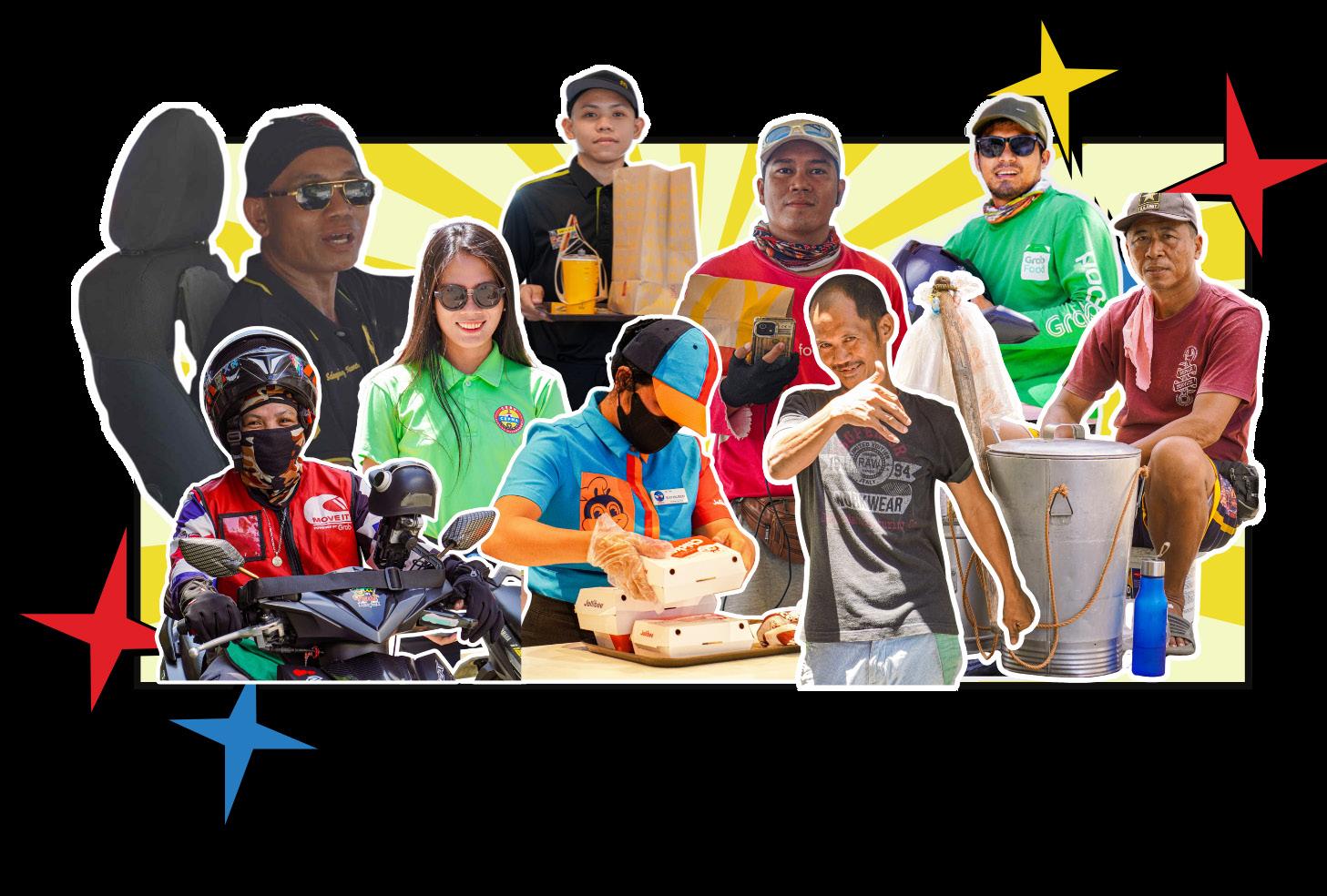
While others escape to beaches and vacations, some stay under the urban blaze—hustling through the heat and exhaustion. This is the silent grind of summer in the Philippines.
Along the sidewalks of Colon, rows of street vendors fry kwek-kweks and fish balls in oil that bubbles under the mid-morning sun. The streets hum with the familiar shouts of dispatchers who are calling out destinations while drivers wipe sweat from their temples.
Alinsangan—that heavy and suffocating heat becomes more than just the atmosphere. It’s the unspoken weight of daily survival, financial strain, family obligations, and the everyday choice to keep moving despite it all.
And here in the Philippines, where rest often feels like a privilege, the hustle doesn’t stop, even during summer. It intensifies. And these silent hustlers—often unseen—remind us that survival doesn’t take any vacation.
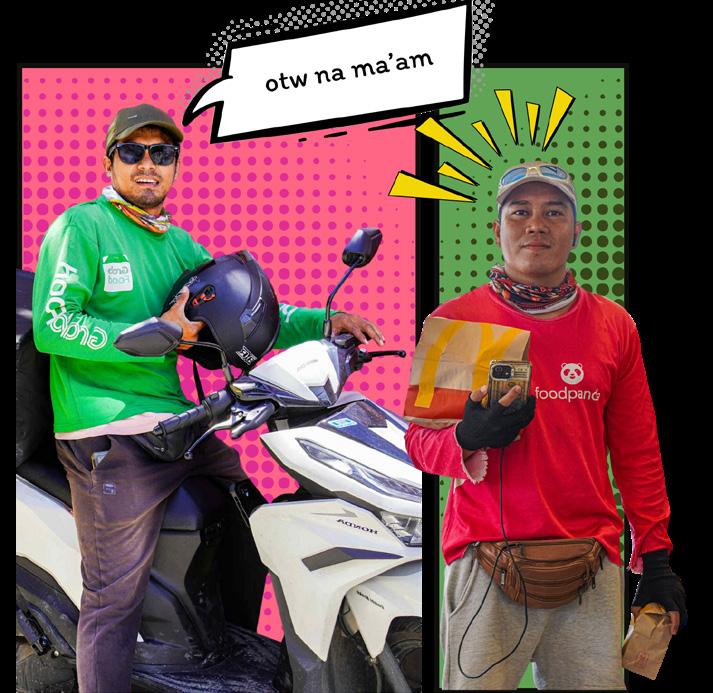
DeliveryRiders
Summer is often romanticized as a season of freedom, of holidays, and escape. But for thousands of workers across the country, the season signals something far less relaxing, like the intensification of everyday labor under harsh conditions.
Kuya RJ, a full-time delivery rider, starts his day before noon when food orders spike and traffic swells. He’s used to the heat by now, but that doesn’t mean it’s gotten easier.
“Wala’y pahulay, unya naa pa gyod ang kagutom, ug ang [ka]-init sa kalsada. Dili pwede nga magpahuway, kay kung mopahuway ko, walay sud-an akong pamilya.”
His insulated bag hangs off his shoulder, heavy with both food and responsibility. Every kilometer he rides is a step closer to a full day’s earnings—even if it means riding under the heat of the sun and battling traffic.
photos and graphic design by Ayn E. Nazareno
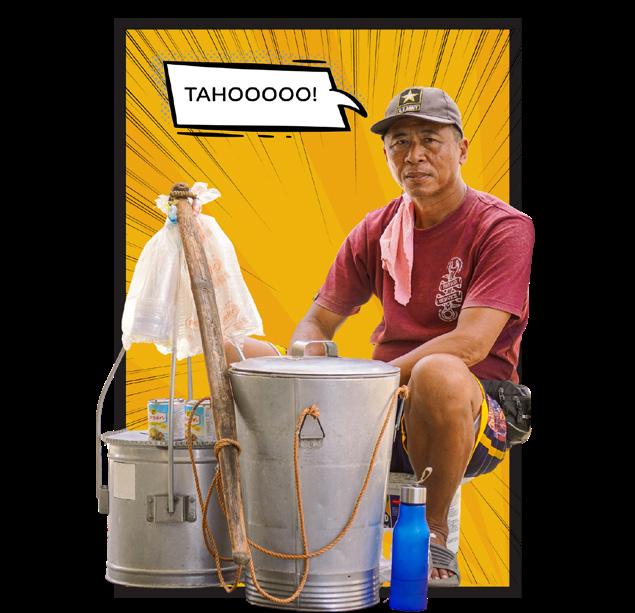
Vendors
At every corner, the familiar stalls of street food vendors continue to thrive. Taho vendors carry their heavy silver containers through neighborhoods, while oth- ers stand behind boiling oil that radiates even more heat, challenging the sun itself. Customers come and go, but the vendors remain suffering under waves that prickle their skin and drench their foreheads, anchored by their will to sell.
In front of The Barracks in Carbon, Kuya Jeremy has been frying chicken for years. Summer means fewer students, which means fewer sales, but more sweat and sunburn.
“Init na ang kalan, init pa gyod ang panahon. Usahay mura’g masuko ang adlaw ba. Pero mao gyod ni among kinabuhi, kinahanglan mosugakod.”
PublicTransportWorkers
Jeepney drivers endure long hours behind the wheel that burn to the touch, and their vehicles turn into metal ovens as the day wears on. Konduktors maneuver through aisles that are packed with passengers, collecting fares and balancing themselves as the vehicles move with intense heat getting trapped inside, making every stop-andgo a sweat-drenched effort.
Kuya Dodong has been a 44A-jeepney driver since the early 2000s. He says it’s harder now as gas is more expensive, commuters are fewer, and the heat? It’s worse than ever.
“Traffic, init, gamay pa gyod ang pasahero. Balik na pod ugma. Pero okay ra, basta makadala ko og bugas sa balay, mokayod gyod ta,” he said.
WorkingStudents
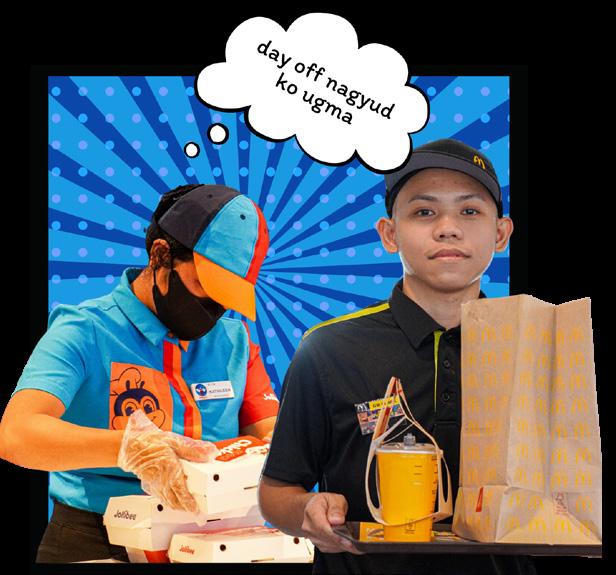
ServiceCrew
Inside a fast food branch near downtown Cebu, a service crew, Joy, flips burgers and rings up orders while juggling her shift and home duties. She’s grateful for the air conditioning—but laughs when people assume it’s an easy job.
“Naa’y aircon, pero ‘di gyod nimo ma-feel kung daghan kaayo og tawo. Buntag hangtod gabii, sige’g kuha og order. Dili lalim,” she said.
Her smile doesn’t falter even when her arms are numb and her feet ache.
“Pahuway? Kung makalingkod lang ko pila ka minutos, lipay na ko,” she added.
And then there are the students who don’t get a break— even when school does.
For Carl, rest is a luxury. He spends mornings in his classes and in the afternoon, he spends it running errands and doing service hours. He wishes he had time to breathe—to do nothing; but this is his duty, and tuition isn’t cheap.
“Summer class ko, unya trabaho until gabii. Gusto ko mograduate, pero gusto pod ko makatulog og tarong,” he said.
He had a bittersweet laugh when asked what he’d do if given a week off.
“Matulog nga wala’y alarm, wala’y assignment, wala’y deadline. Ganahan ko ana.”
In a season that promises rest and leisure, many don’t get the privilege to pause.
While the rest of the world dreams of island breezes and slow mornings, these workers brave heat, noise, and exhaustion—not out of choice, but necessity.
They don’t post about it. They don’t romanticize it. They just show up.
Whether it’s flipping chicken meat by the roadside, navigating rush hour in a jeepney, or slipping into a shift after class, these hustlers carry the weight of long days with quiet persistence.
Their stories aren’t always heard, but they move through each one with dignity—and that, too, deserves recognition. Because not all summers are soft.
Out of the Heat, Into the Island
by Ava Donalie A. Ferolino & Ma. Ehla Fatima C. Inanod
photos by Raghnall P. Cena & Ayn E. Nazareno
graphic design by Narvie
Klaryzze B. Borja
When it gets too hot—the air feels thicker, the days stretch too long, and the weight of it all begins to cling— Filipinos have always turned to the sea.
We run to the beaches not just to cool off, but to feel lighter and to forget about what we carry, if only for a little while. Because when everything else feels too much, the ocean still feels like a permission to breathe.
So when the academic year ended, my friends and I knew exactly where we needed to be. We packed our bags, boarded a crowded bus to Danao Port, and hopped on a ferry to Camotes Island with our friends— leaving the noise of the city behind and everything else that had been weighing us down.
Camotes, nestled east of mainland Cebu, promised exactly that. More than white-sand beaches, the island offers hidden caves, tranquil lakes, and cliffside thrills which are all wrapped in the calm that only island time can give.
For months, we had been carrying so much: academic responsibilities, org workload, long commutes, and even more pressure within ourselves. This wasn’t just stress—it was a kind of heat that couldn’t be cured by fans or sleep alone—it deserved to be treated with a getaway.
And when we finally stepped foot on the island, our cheeks were already sore rom nonstop smiling and excitement since we knew we’d made the right call.
And as wannabe travel bloggers, we couldn’t help but rate each place we visited—so if you’re thinking of taking a break (as you should), you’ll know exactly where to start!
As soon as we docked at the port, locals approached us with motorcycle service for as low as P350 per day, so it was a no-brainer for us to rent the next day. After a big breakfast to fuel our sun-soaked adventure ahead, we revved up our motorcycles and started our escapade.
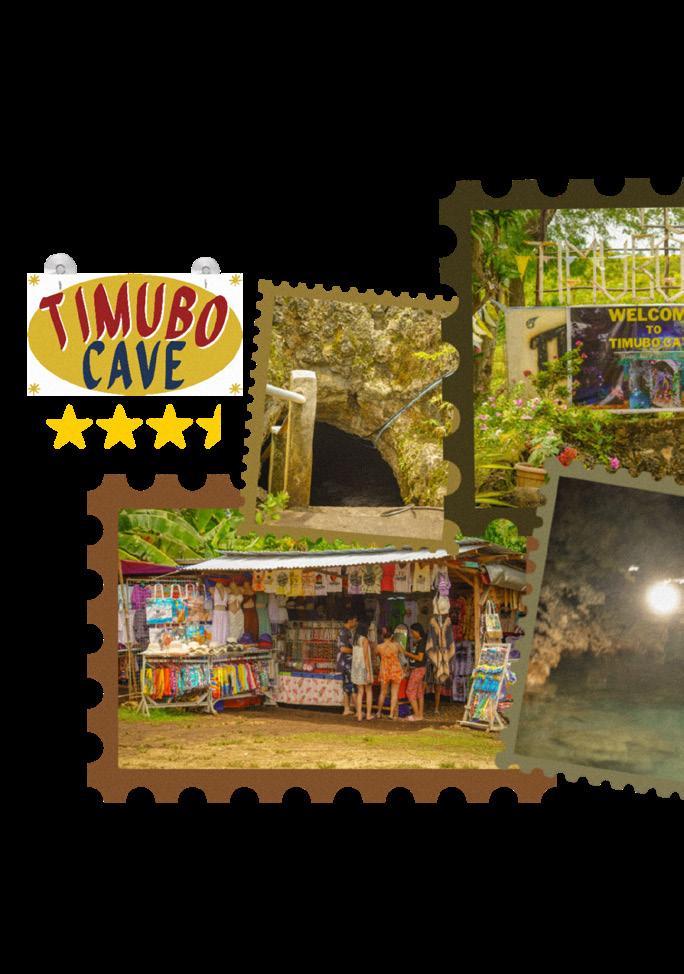
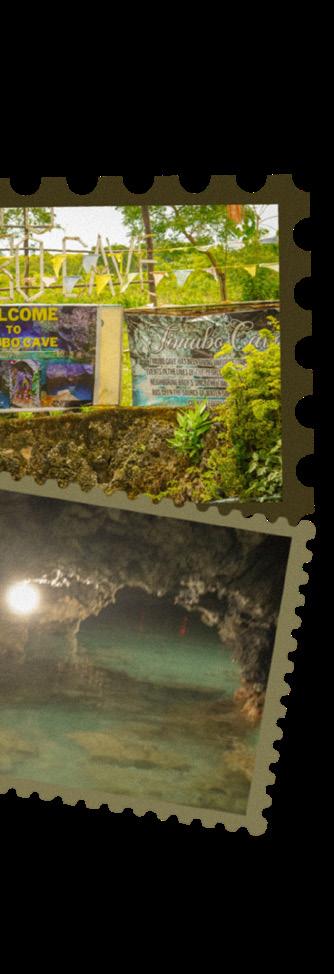
They say the best time to conquer your fears is while on vacation—and Timubo cave hands you that chance with a flashlight and a slippery path. Hidden beneath Camotes’ rocky terrain, Timubo Cave, entrance priced at P70, is not your typical touristy cave. It offers a cool atmosphere perfect after travelling under the scorching heat. You descend through a narrow staircase carved right into the earth, greeted by the musky scent of minerals and the low hum of water echoing in the dark.
And if your knees are a little sore on the way out (it’s a climb, trust us), the rows of stalls near the entrance will greet you with crocheted bikinis for tan line season, seashell jewelry, and souvenir keychains perfect for pasalubong.
If your idea of a vacation includes a sudden spike in heart rate and the kind of thrill that leaves you breathless (in the best way), then Buho Rock is your next stop.
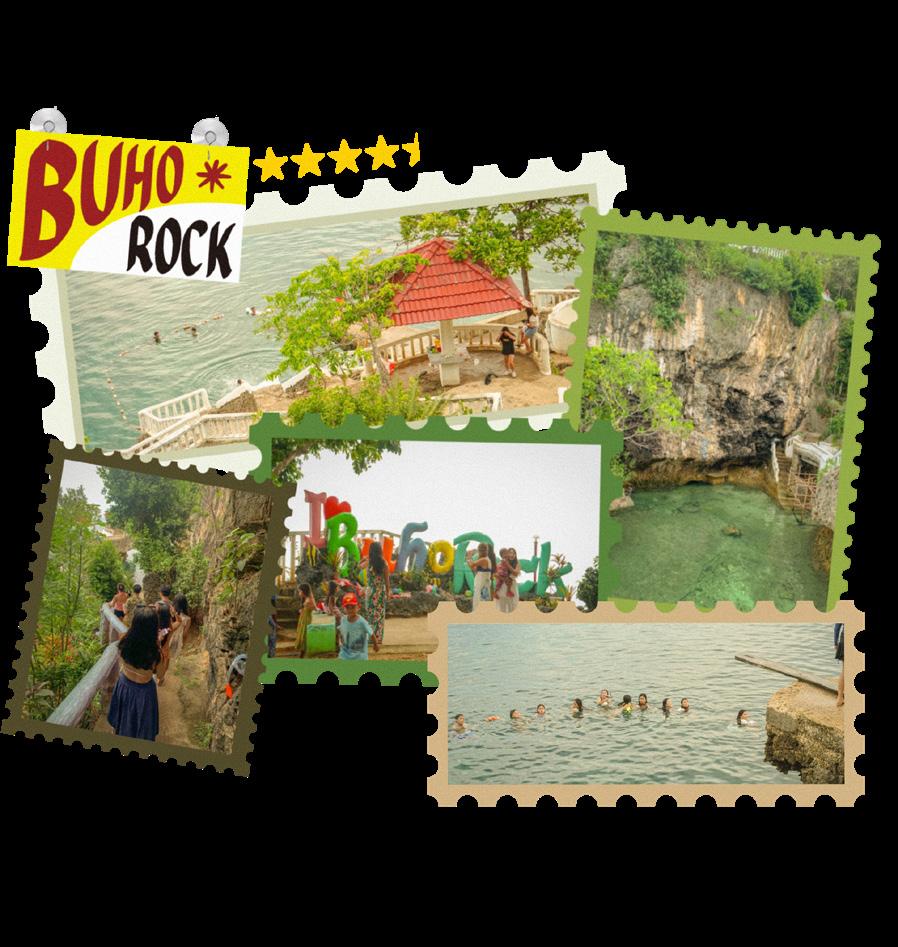
Perched on the edge of Poro Island, Buho Rock, with entrance as low as P20, is a well-known cliff-diving site with raw, rugged charm. The moment you walk through its coral-stone arch entrance and make your way down the steps carved into the cliffside, you’re greeted by one thing: a sweeping and unobstructed view of the ocean.
There are two main diving platforms—one modest enough to coax be ginners, the other high enough to make even seasoned daredevils hesitate. And yet, that’s part of the magic. Whether you jump with a battle cry or internal scream, the feeling of flying, however brief, is unforgettable. And if you’re not quite ready to take the leap, no worries, the photos you’ll take are worth the trip. With its magnificent rock formation and clear blue waters, Buho Rock turns even your mid-air panic face into something Instagram-worthy.
Taking time off to slow down and unwind is what Lake Danao stands for! Located at the heart of Pacijan Island, it is known for its unique 8-shape and abundance in tilapia fish, among other sources of native products. Its open area greets you with tunes of songbirds and arched trees with a restaurant that sits in the center—almost one with it all. The lakefront beckons with a view of its still waters, reflecting silhouettes of nearby islands.
Taking peaceful walks as you soak in the scenery is nice, but getting to tie your hair up and saddle for a P50 horseback ride is definitely worth a try!
If you’re looking for something less rowdy and more romantic, there’s also boat peddling, priced at P60, cruise for two, perfect for couples!
And if that’s not enough, why not try seeing it all from above? With a phone, P250 in your pocket and a dream, ziplining in Lake Danao will truly become the cherry on top of an unforgettable getaway.
If Camotes had a main character moment, it would be at Santiago White Beach. It’s one of the most popular beaches in Camotes, and for good reason. The beach is wide and welcoming, the water shallow and safe enough for families and friend groups to wade far into. You’ll see kids chasing each other barefoot, titas belting out karaoke classics from open cottages, and vendors calling out their menu like it’s a performance.
We arrived in the late afternoon, and the vibe was unmatched. There’s something magical about the golden hour settling over beach-goers with sticky fingers from barbecue skewers and wet hair from last-minute dips.
An open-access beach, you won’t find fancy resorts or high-end cafés here. What you will find are locally owned eateries with big servings and even bigger smiles and sari-sari stores for affordable snacks.
Even in the thickest heat—even in the alinsangan—we all deserve a pause. A moment to step away from deadlines, burnout, and the constant pressure to keep going.That’s why getaways like this matter.
Camotes reminded us that the best place to be is nowhere but barefoot on the sand. You don’t need a five-star resort or a lavish itinerary to feel at ease. Sometimes, all it takes is a budget without breaking the bank and a few hours away to feel human again.
Camotes offers quiet mornings, long swims, loud dinners, and sky-colored afternoons where everything feels a little less heavy. It offers you back to yourself.
So if you’ve been waiting for a sign to take a break, this is it. Pause. Go where the water is clear, the food is cheap, and the rest feels real.
And maybe, just maybe, you’ll return with a little less weight—and a lot more room to carry what truly matters.
Meriendas on Summer’s Sweetest Hour
by Kristianna Amor M. Tagsip
illustrations by Karina Adel A. Vestil
You don’t need a weather report to know it’s 3 p.m. in the Philippines. Somewhere, when the sun hits peak drama and your skin feels like it’s in a toaster, Filipinos know it’s time for the ultimate cool-down ritual: merienda
So whether you’re melting in a classroom, napping under an electric fan, or dramatically fanning yourself with presents: the top Filipino meriendas that make alinsangan just a little more bearable—
1.Starpan+Royal
Remember how, when we were kids, our mothers would come chasing us every afternoon with their “Pauli na diri kay init na kaayo, pahuway sa kadiyot,” and we would immediately come running home? Those were the times when, despite the blazing heat of the sun, we would always remain upbeat because we simply could not wait to get a bite of that “pangmalakasang” snack combo: the Star pan and Royal.
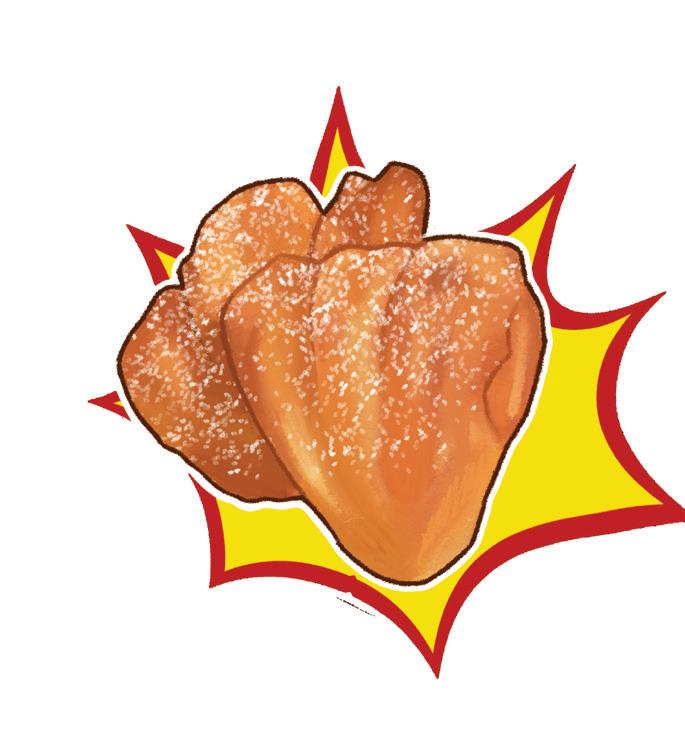
At first glance, it might look like the typical sugary-glazed bread. But this pastry boasts a simple crown—five firm creases that blossom a beautiful opening on its top, like rays of
Paired with Royal—the electric orange soda which hue beams the vibrant atmosphere
For years, this duo has been the go-to snack of every Filipino, providing the kind of sugar high that powered countless
The lingering scent of bananas, and burning charcoal is sure to make any hungry
dusted delight with its fan-like shape giving its dipped in batter and fried until the edges curl— crackle on the outside, velvet on the inside is what awaits our every bite.
From sweaty children running barefoot from playing Chinese garter and , to tired construction workers on break, to lolos and lolas is a timeless treat.
3.TambisandBayabas
Before foil-wrapped candies and neon-colored treats filled our pockets, kids turned to the trees (literally) for their treats. Tambis (watery rose apples) and Bayabas (guavas) were the snacks of a generation raised under the sun.
Whether freshly picked from the neighbor’s backyard or gathered during playful afternoons with friends, these fruits are undeniably juicy, tart, and sweet. Not bought, rather earned with scraped knees, bruised from climbing fences to reach ripe Bayabas or shaking the Tambis tree until its red, bell-shaped fruits fall like rain.
These were collected through shared laughter and are considered the golden treasures during the springtime of our childhood. They remind us of a time when life was less complicated and joy was found in the thrill of the trees we once climbed, the giggles we exchanged, and the taste of what is real.
Both Bayabas and Tambis are what make the Filipino soul whole, the best kind of merienda that didn’t come from a store, but from the tree next door.
As the sun sleeps, these meriendas hold more significance than just a mere remembrance of the Filipino culture and tradition. They are the ties that link us together and the bridges that connect communities into one whole. Though seemingly plain and simple, these treasured pick-me-ups carry within them the warmth of an embrace, the comfort of a smile, and the gush of cool air that lets you breathe.
Disclaimer: Bullseye is an issue-based open letter containing sentiments that may express sarcasm and irony. This is a work of fiction, except for the parts that aren’t.
Dear students, parents, colleagues, admin, and haters,
I have been made aware of several circulating statements regarding my conduct and my qualifications. But let me be clear, if anyone felt overlooked, overwhelmed, or outshined—my deepest condolences to your ego.
That’s a you problem, not a me problem. The hurt you’re experiencing now is a reflection of your own emotional processing, not my actions. Remember, between stimulus and response, there is space—and in that space is the power to choose the response. I always choose peace, and I hope you do, too.
I know na merong mga students ang hindi naka-avail sa scholarship dahil sa late submission ng grades, but have you tried being me? I’m always booked. Isang linggo, I’m in Australia. Then next, I’m in Bacolod. I’m everything, everywhere, all at once... just never in your class. So sorry, babes.
All of these—yes, all of these—as I maintain my slow-burn relationship with someone who flat-out refuses to hold my hand beyond social media. But that’s okay, because I like to keep it low-key.
Tungkol naman sa sinasabi n’yong unqualified ako ta’s nagsisinungaling sa credentials, guilty ba ‘ko for stepping up? No! I simply exercised my right to manifest. Sabi nga ni Oprah, “If you believe it, you can be it.” Kaya, I believed. And then… I became.
Dahil, if not me, then sino? Si Ma’am Judith na laging nagpapareport kahit nasa integ class na? O si Sir Heart na very qualified pero may tattoo? Please.
As for the passive-aggressive remarks about LGBTQIA+ and divorce? Class, can I be honest? I’m conservative, and that makes me automatically oppressed. But I’m just living my truth: happily married, never been divorced, and highly confused about gender identities. I don’t hate anyone, ha? I just pray for them—LOUDLY—during class. Is that a crime now? akala ko ba na in this Juicynian community ay nagtutulungan tayong lahat? Eh, bakit parang galit kayo kapag pinapapareport ko kayo at parati pa ring maliliit ang mga final grades ninyo? Para kayong walang pakiramdam, itinuro pa naman sa inyo ‘yan noong high school.
Yes, I gave an exam without lecturing. But you’re in college already, and that’s called independent learning. If you can binge 12 episodes of K-drama in a day, surely you can pass a quiz without a lecture.
Let me add: I wasn’t ghosting you when I was absent for a month. I was building character—yours. Resilience. Patience. Grit. These are not taught in lectures. These are learned and lived, painfully, through me.
In essence, I am not the issue—I am the curriculum.
To those judging me for requiring matcha lattes for panelists during thesis defense, do you WANT my vocal cords to dry up? Paano ko kakantahin ang “Enchanted” ni Taylor Swift habang nagche-check ng thesis without hydration? Do you think I’m a machine?
And no, 3-in-1 coffee doesn’t count—that’s for amateurs. Mind you, I am doing a world tour; I am an artist. Hindi lang knowledge and skills ang ma-o-offer ko sa inyo, kundi buong Era’s Tour na. Kaya ko rin maging si Nicki Minaj if you really want. I may not remember your names and faces, but kabisadong-kabisado ko ang lyrics ng Super Bass!
Bakit niyo rin ba sinisisi sa akin ang internal conflicts sa faculty? Am I genuinely the problem? Possibly. But am I the only one? Absolutely not. It’s just that I stand out because I’m well-dressed.
Class, truthfully speaking—it’s not easy being the only visionary in a sea of mediocrity. I’m not toxic; they just don’t understand the nuance of my tone. It’s called passion; look it up.
In conclusion, this profession is not a job. This is a calling—na naka-mute And if that makes me disqualified in your eyes, then so be it.
I dare you to kick me out of my office. But just so you know, the higher-ups adore me!
illustration by Sienna Rio E. Young
Everyone’s Talking, But Is Anyone Listening?
by Krisha Faye A. Gascon
I’ve had moments in class when I was told to speak— share a reflection, deliver a report, or express a thought.
So I do. Hands sweating, voice shaking. Nevertheless, I speak.
P. Cena
The world burns silently while we learn to “care” in clicks.
And I get it—it’s heavy. Carrying grief that isn’t yours takes its toll. Caring deeply drains you. Grief is inconvenient. And just getting through the day, in a world like this, can already feel like a war.
And while I do, I see it—the half-glances at phone screens, the dead stares that look through me, not at me. And the occasional nods that feel more like reflex than attention.
Sometimes, I finish speaking, and it’s as if nothing was said at all.
And I wonder—was I unclear? Irrelevant? Or have we just forgotten how to listen to what doesn’t directly affect us?
But this isn’t about speaking in class.
But maybe this is exactly the moment when we have to choose: do we keep numbing ourselves? Or do we finally care to show up?
When everyone talks but no one listens, all we’re left with is noise.
And when we ignore each other in the spaces we share, what hope is there to care about lives across oceans?
The heaviest truths are the ones we bypass.
This is about the silence that follows when the subject becomes uncomfortable— when the names change from lectures to casualties, especially about Gaza, Iran, Iraq, Syria, or Qatar.
Since October 2023, the Palestinian Ministry of Health reports over 56,000 deaths in Gaza—many of them children. Entire communities reduced to rubble, yet casualties continue.
In Syria, the United States Institute of Peace reports over 500,000 deaths and 13 million displaced after nearly 14 years of war. The gunfire may seem to subside, but the trauma echoes on.
On June 22, 2025, the United States (U.S.) joined Israel’s bombings in Iran that began on June 13. In retaliation, Iran fired missiles at U.S. bases in Qatar on June 23. And yet, U.S. President Donald Trump freely expressed: “Now is the time for peace!”
A sentence like that—after dropping bombs—isn’t just tone-deaf. It’s terrifying.
As if bombs and peace can coexist in the same sentence. As if destruction is diplomacy. As if peace is a slogan, not a responsibility.
We know how this plays out—we’ve seen documentaries, memorized history; but do we ever listen?
War has become a thing to analyze, not to absorb. And when the disaster becomes too vivid—when we see dust-covered children, broken families, entire futures erased—we flinch, then continue to scroll, like it was nothing.
The air is getting thicker by the minute. As nuclear threats rise and whispers of World War III spread, we need to ask: are we prepared for what happens when war is no longer a headline, but our reality?
War doesn’t just redraw borders. It collapses economies. It displaces lives. It deepens suffering for those who already have the very least.
And in all ways—it is always the poor who suffer first, and the longest.
We do not have the right to ensue a war in this borrowed land. Earth is not ours to burn for power. Lives are not disposable. Power is not permission.
More than ever, we need leaders who won’t chase short-term wins but commit to the long-term dividends of peace.
But that won’t happen if we stay passive or detached.
We need to be the kind of society that doesn’t just endure the heaviness in the air, but learns to name it.
To sit with it. To move through it together.
And perhaps that starts small—with how we choose to listen.
Because sometimes, the most radical thing we can do isn’t to speak louder, but to really hear.
To hold space for someone’s truth. To carry their words the way heat sticks to the skin—unavoidable and undeniable.
We’re not meant to look away. We’re not meant to just sit in the shade.
Because they matter.
graphic design by Raghnall
The issues presented are solely from the Josenians. It does not reflect the views and opinions of the publication.
illustrations by Khen B. Fernandez
Tan Lines and Deadlines
Tuo ba nako’g summer is for healing? For catching up on sleep? For beach trips ug “sana all” IG stories? Naunsa naman ni?! Kay wa pa gani ta kakita sa atong grades, gi-require na dayon og pa- enroll sa summer class. Karon, gikan og sea breeze, dayon nakalitan lang og SEAtwork sa maestra. Gikan sa linya sa pearl necklaces, karon exam permit naman ang gilinyahan. Okay pa ta ani? Wala pa gani ta naayo sa sunburn, gi academic burnout naman dayon, mao ba ni ang “hitting two birds with one stone?” Wa pa gani ka- absorb og electrolytes ug vitamin D, pa- absorbon na dayon kag lesson objectives. Tuo ba nakog summer break? Murag summer breakdown naman ni.
Let It Marinate
Useful gyod kaayo ang aircon sa USJ-R labaw na sa kainit sa panahon karon, pero bisa’g unsa pa kabugnaw ang room, kung ang imong classmate nakalimot na sad og pangtawas manginit gihapon imong ulo. Kay maskin gi- close na ang bintana ug pultahan para mas dali mobugnaw, hala gi-spread man sad hinuon ang arms. Kay kung ang hangin dali mocirculate sa room, labaw na gyod ang unwanted odors. Hoy juicecolored! Keep your friends close and your ilok closer gyod diay. Palihog lang ko sa mga mosulod sa next subject ha, unta immune namo sa natural toxins kay ambot humana naman unta ang pandemic pero mura’g kinahanglan gihapon ninyo’g face mask. Palihog intawn ko ayaw na mo paduol kaayo sa aircon kay dili intawon mi BBQ para inyong i- marinate
Mic Drop…
Ambot lang gyod, pero among speaker nagka-existential crisis sad. Dili na siya sure kung announcer ba siya or beatboxer. Kay kung mag- national anthem na, ang tono murag ni-glitch sa matrix. Ikaw nga gabarog gyod tawn unya face sa flag para patriotic and nationalistic student na unta, pero ang speaker dili gyod mo-cooperate. Naa pay 3 p.m. reminders nga mura’g robot ang ga-storya, “Josenians—” ra gyod imong masabtan, the rest? Aw, kamo nala’y bahala’g sumpay. Nindot sad unta’g klaro ang pagka-deliver, pero mao sad lagi, karat-karat: “Jo-se-[scratch]-nians Ple-[cut]ase.” Apil pa gyod tawn ang prayer aning kalakiha—wala gyod naluwas. Kinsay dili ma-bless ani? Murag ang speaker gusto sad og divine intervention para sa iyang wiring. Kung faith comes from hearing, aw, good luck na lang sa amoa.