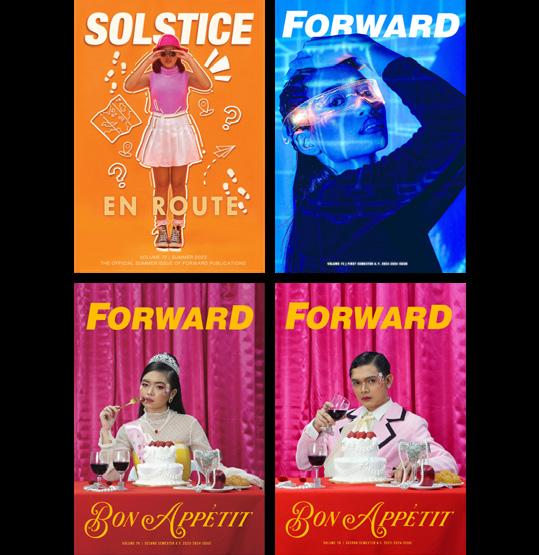
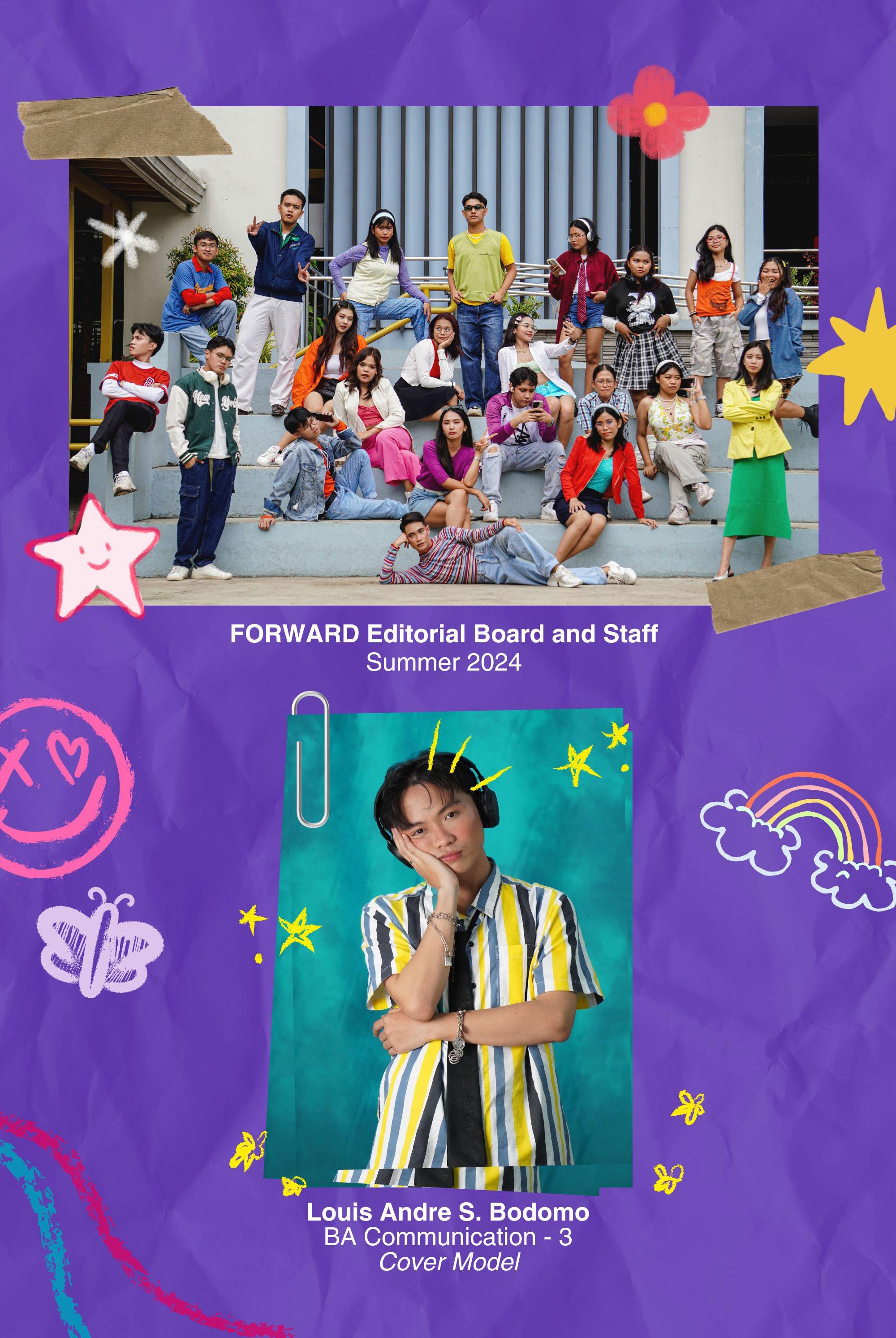
The 20s is a period in our lives where we get to embrace the intricate journey of self-discovery and growth. In this summer edition, FORWARD shares exciting and heartwrenching stories—both extremely relatable and eye-opening to everyone who is still exploring this new chapter.
BEHIND THE COVER
Producers
Heron Augustus S. Flores
Samantha Mae A. Murillo
Maria Cristina G. Lamug
Photographer
Christian A. Mananguite
Assistant Photographer
Astrid Niña T. Vidal
Hair
Gabrielle Marie R. Paradiang
Heron Augustus S. Flores
Make up
Christian A. Mananguite
Model
Louis Andre S. Bodomo
REACH US
For comments, reactions, suggestions, and contributions, contact us at:
Read the latest FORWARD magazines and folios online at www.issuu.com/usjrforward
ABOUT US
The FORWARD Magazine is printed every semester and once every summer under the name SOLSTICE. It is managed and published by FORWARD Publications, Ground Floor, San Agustin Building, University of San Jose-Recoletos, Magallanes Street, Cebu City. FORWARD welcomes contributions from Josenians such as formal/ informal essays, poems, short stories, artworks, and photographs.
All rights reserved. No part of this magazine shall be used for any purpose except when allowed by the law without prior explicit permission from FORWARD Publications.
illustration by Hannah Vanessa O. Mondilla & Khen B. Fernandez
graphic design by Khen B. Fernandez
The Splendor in the Blur
Khen B. Fernandez
Hey 20-something,
Our 20s can feel like a flurry of “what ifs” in the back of our minds, as it is the decade where we are smacked with the dreading “adulting package.” The way ahead is unclear, doubts swirl around us, and every direction seems to offer both promise and peril.
The dreams we wished five years ago appear to go sideways now. Most of the time, we fear because what we have now could not be the life we wanted.
“My batchmates have graduated, while I am just starting my college journey.”
“My high school friends are now happily married, have stable jobs, and own their houses, while I am just in the same old spot where I commenced.”
It seems like we are racing against the clock. We frequently yearn for a five-year plan firmly carved in stone.
You are not alone. We also feel that.
But, here is the deal: Despite the amazing jumble of uncertainties, there is beauty to be found in our 20s. It is a moment to discover what makes our hearts sing, to try on many fits (even if they look strange on us), and to explore.
In this SOLSTICE issue, FORWARD Publications dives into the ongoing predicaments on the Philippine politics and environment that the 20s of today witness and give full hope for, as well as the expectations in our age that we aim to slash down.
We also showcase the music of rising P-Pop artists, unique coming out stories, books we can relate to in our 20s, and modern ways of dating.
As you flip through every page of this magazine, remember that it is alright to not find yet the answers to our piling questions about our track.
Let us not be afraid to take chances, even if they appear unsettling.
Let us learn from our detours, celebrate our unanticipated victories, and most importantly, enjoy our incredible adventure that is our 20s.
age of wonderful nonsense
by Ava Donalie A. Ferolino & Jonalyn V. Omania illustrations by Jane Frances B. Latorza
True to tale, no one told the young adults that the twenties was going to be this way— a whirlwind of wonderful nonsense.
The 20s, in the grand play of existence, is a time of self-discovery. It can be a challenging decade filled with self-doubt, uncertainty, and one might even say, it is the age of wonderful nonsense filled with endless possibilities that can be sad, maddening, or messy; pick your poison.
Life before 20s was straightforward—stressing over school, indulging in extracurriculars (if one is into that), hanging out with friends, making the family proud, and finally, getting a high school diploma. The path was clear and the expectations
Afterwards, the options become limitless, where some might pursue higher education, others might opt for a nine-to-five shift (willingly or not), and some might even start a family, or for the lucky ones, go for greener pastures outside of the
But suddenly, you wake up and nothing seems to go your way.
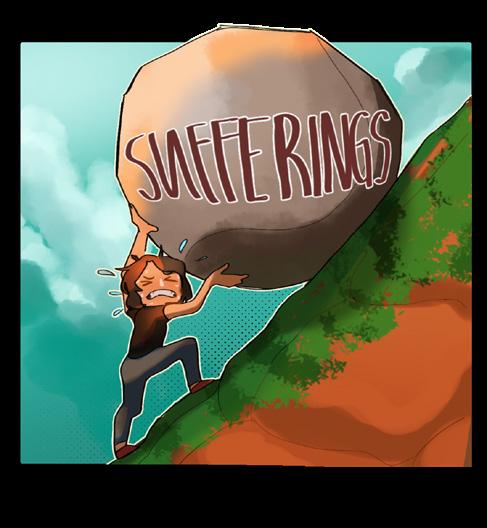
You spend sleepless nights earning that degree you did not even choose to pursue in the first place. You toil at a minimum-wage job for a company that could replace you in a snap. You bed-rot all night wondering how life became this way when you were a dreamer with sparkles in your eyes just yesterday.
Sound vaguely familiar?
Needless to say, young adults often grapple with the dual pressures of newfound freedoms and lingering dependencies. This balance can lead to feelings of instability and stress, as they attempt to establish their own identities and make independent life decisions.
And what makes it worse is the emerging economic challenges that young adults face today than the previous generations.
According to the World Economic Forum, an international advocacy non-governmental organization and think-tank, a significant majority of Generation Z believe young adults today have a harder time achieving financial independence, buying a home, and paying for college fees compared to their parents’ generation.
The apparent disparity is enough reason to debunk the claim that the generation today has it “way too easy.”
With this, we asked Josenians: How did you imagine your 20s to be like based on the existing expectations of the status quo?
The Conventional Path To Success
Picture it: You are a college graduate with a fulfilling career and a loving family of your own. Is this the 20s that you were promised?
“Growing up, I always felt pressured to fit into the mold of what society deemed a successful 20-something should look like. The expectations were high—go to college, get a job, start a career, find a partner, settle down. But, as an introvert, I struggled to see myself thriving in that traditional path. I was constantly told to come out of my shell, be more social, and network my way to success.
But, as I entered my 20s, I realized that I didn’t have to conform to those norms. I started to embrace my introverted tendencies and focus on my personal growth and development instead. I began to prioritize my own happiness and well-being, tak what truly mattered to me and what I wanted out of life.”
- Jenelyn R. Flores, BSBA-Financial Management - 3
Young, Responsible, and Free
With the addition of Senior High School to the Philippine Basic Education curriculum, many of us thought that the 20s would be a lot different than being in university still.
“I imagine my 20s to be a lot more different from what my life used to be. More opportunities, more responsibilities, and more freedom. But no, it’s still the same stale life I am living. I come from a good family, most of my siblings are working [in] their 20s and my parents are earning well. So what’s wrong with me? I really thought once I turned [20], everything would be different.”
With social media at its peak and the rest of us (those who have the budget, anyway) traveling the world, exploring possibilities, or simply living life to the fullest, it is inevitable to feel confused between what your life is and what your life should be compared to others.
“To be honest, 20s was something I never prepared myself for. I see people my age get married, have kids, get the degree they’ve wanted, travel the world, and ‘live their life to the fullest’. It’s honestly a pressure. How am I supposed to squeeze in marriage, having a kid, getting a degree, and travel the [world] in such a short span of 10 years?”
- Geleigh Robie Virtudazo, BS Psychology - 3
Evidently, there are different slices of life that one could live in their 20s, and the path that might fit others might not be for you.
This should be the best time of our lives. The 20s should be an era of exploration, of making mistakes, and of second-guessing without fear of scrutiny from society.
So, what if you do not have it all figured out?
Get that bag. Sleep in. Embrace that heartbreak.
After all, there is no blanket approach to living in this era. FWD
To Earth, In 20 Years
by Diane Rose G. Baynos & Maria Cristina G. Lamug
illustrations by Khen B. Fernandez
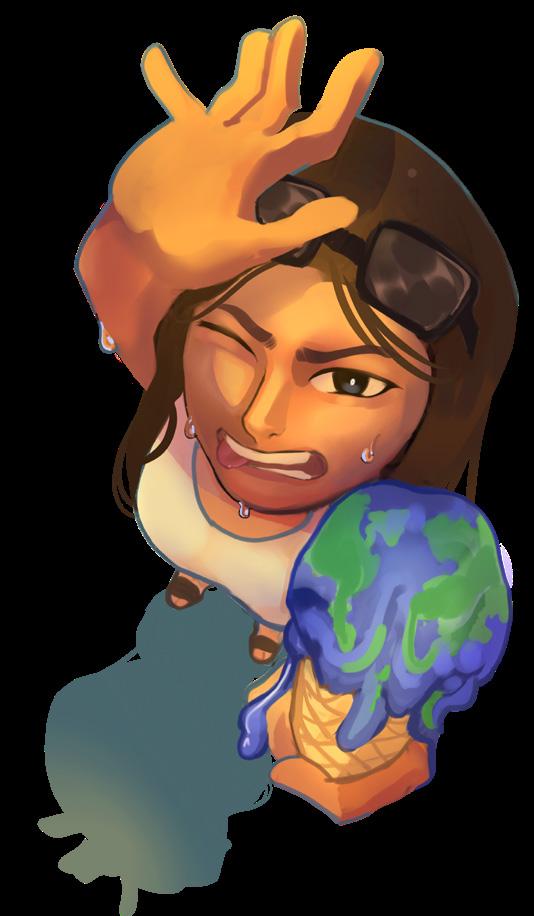
Is it hot in here... or is it just the deteriorating climate condition?
Can you remember what summer was like many years ago?
In a tropical archipelago like the Philippines, summers were vivid and refreshing. The scent of blooming flowers filled the air, the breeze of the gentle wind carried the laughter of children playing outside, and the heat of the sun was enough to give us warmth.
It was the perfect season for beach activities, fiestas, and endless enjoyment. Yes, the sun was hot, but it was bearable.
But today, gone is the fun-filled, tan-skinned summer heat. The heat index has soared to practically excruciating levels, as high as over 40ºC to 50ºC, making it impossible for anyone to walk and enjoy activities under the brutal sun.
The air is thick and heavy with pollution, and most of the time, it gets very difficult to breathe.
Between the years 2000 to 2019, approximately 489,000 heat-related deaths occurred, as per the World Health Organization (WHO).
In the Philippines, the Department of Health (DOH) reported 34 cases of heat-related illness from January 1 to April 18, 2024, with six of them leading to deaths.
Even thousands of schools in South and Southeast Asian countries were forced to temporarily cease operations due to the severe heat. Further, basic tasks like commuting or shopping require regular breaks, and many people now find it difficult to focus on their work.
What was once the most beloved of seasons, a time of joy and enthusiasm, has now become the season of caution, fear, and worry.
With the associated health risks and worsening living conditions brought about by the extreme temperature, we start to question: When did the problem go downhill?
Sunny Days in a Haze
Beyond the surface-level causes and implications of the ever-increasing heat index, the problem stems from coal mining and its use in power plants.
According to the United States Agency for International Development (USAID) Greenhouse Gas (GHG) Emissions
Factsheet: Philippines (2016), the energy sector was responsible for 54% of GHG emissions, with agriculture, forestry, land-use change, and industrial activities trailing closely behind.
Protection Agency (EPA). The leading one among the many detrimental human activities that affect our planet is burning fossil fuels, which alters the climate for the worse.
Since the Industrial Revolution, the earth’s atmosphere has been filled with larger amounts of carbon dioxide, methane, and nitrous oxide concentrations than it has in the previous 800,000 years. These GHG emissions have exacerbated the greenhouse effect and raised the earth’s surface temperature.
While natural factors and causes have affected the earth’s climate, human activities are gravely responsible for the warming over the past centuries, according to the United States Global Change Research Program.
This raises the question: Who really is to blame for climate change, and who is responsible for mitigating such?
Perhaps, we already know the answer; it is just hard to acknowledge our faults when we are guilty.
Dearest, Earth
The devastating heatwaves that we are experiencing now will not end anytime soon—and the far more devastating truth is that the future will be the one to suffer its disruptive effects.
In the Philippines, children born in 2020 would experience 4.9 times more intense heatwaves, 2.3 times more river floods, 1.2 times more droughts, and 1.5 times more crop failures than their grandparents or those born 60 years earlier, according to a non-governmental organization, Save the Children.
However, there is still hope.
Several organizations in the country have been nothing short of committed to fighting ecological degradation. While the efforts may seem small, and improvements may hardly be seen for now, the collective action and solidarity of these initiatives cannot be ignored.
This gas holds heat in the atmosphere, leading to the widespread global warming that causes high temperatures during the summer seasons. Likewise, the continued reliance on coal also drives climate change, resulting in more frequent and severe weather changes.
Now, this points us toward the fact that the earth’s climate has been influenced largely by human activities, which is supported by the Environmental
What’s even more fascinating is that young people are at the forefront of fighting climate change, willingly taking matters into their own hands through meaningful causes.
During the World Children’s Day event in 2023, the Quezon City Government and United Nations International Children’s Emergency Fund (UNICEF) Philippines acknowledged the voice, agency, and leadership of children and youth in dedication to combat climate change.
Other youth-led organizations and programs are also leading in promoting climate justice, such as the Youth Advocates for Climate Action Philippines (YACAP), Youth Strike 4 Climate Philippines (YS4CP), and Youth for Climate Hope (YCH).
There is still hope, and we just have to keep the fire burning—not the heatwaves, but the drive within our hearts to create a healthier, safer, and better earth for future generations.
In 20 years and beyond, the only heat that matters will be the burning passion of the youth, and it is the only heat that will not have a penetrating effect on our skin. For now, the fight continues for our dearest earth. FWD
Beyond ‘Til Death Do Us Part
by Samantha Mae A. Murillo & Krisha Faye A. Gascon graphic design by Astrid Niña T. Vidal
The Philippines cherishes marriage and family unity. But, what about those whose happily-ever-after turns into a nightmare?
In most countries, couples can always resort to divorce when circumstances go south, but for the Philippines, alongside the Vatican City, divorce is not an option.
On May 22, 2024, the House of Representatives approved the bill in the final reading of the Absolute Divorce Act, a long-awaited step towards modernizing the nation’s family law framework which died in the Senate six years ago. However, the current act carries the hopes of countless Filipinos trapped in loveless marriages. As the bill awaits consideration in the upper house, the question remains: Will this time be demonstrably different?
Divorce is not just a personal issue but a societal one. Broken marriages breed resentment, dysfunction, and ultimately, a fractured relationship.
Those against divorce often paint a picture of resilient marriages, but the reality is that divorce emerges from the ashes of failed unions fueled by domestic violence, infidelity, and a complete breakdown of love and respect.
The Child Protection Network Foundation (CPNF) documented over 646 child abuse cases, just two months into 2024. Children, the collateral damage in these battlegrounds, are forced to stomach a toxic environment brought on by their parents’ fractured union.
Further, a 2009 report from the National Commission on the Role of Filipino Women (NCRFW) revealed a concerning 36% rate of men admitting to infidelity. In promises of holding on through thick and thin, abuse and infidelity should not be part of a relationship’s struggles.
Love, Law, and Letting Go
The country desperately clings to a legal system that suffocates the basic human right to dissolve a broken marriage. Some claim that divorce contradicts the essence of “being a Filipino.” But, this narrative crumbles under the weight of history. Filipino historian Heidi Gloria revealed that divorce was not a Western import but an accepted practice among indigenous communities.
Eventually, the Philippines benefited from divorce law under American rule in 1917, but this glimmer of progress was repealed and expanded during the Japanese occupation in 1943, replaced by a system that feels more aligned with medieval social codes than a modern nation.
Proponents of the current system, such as Senate President Francis “Chiz” Escudero, point to annulment as a viable alternative, with a not-so-inclusive price range of P150,000 to P380,000.
Moreover, an annulment requires proving the marriage was never legally valid in the first place— a convoluted legal maze that can drag on for years, demanding mountains of paperwork and emotional turmoil with no guarantee of being approved.
The wealthy can seek divorce abroad, only if one is a foreign citizen—a luxury reserved for a select few. The cases of Filipino public figures like that of actress Jodi Sta. Maria and politician Panfilo Lacson Jr., among others, highlight the agonizing 13-year battle even those with resources had to face.
What about average Filipinos who cannot afford high-caliber lawyers and lengthy court battles?
When Love Fades: The Church’s View
Amid the separation of church and state that the 1987 Constitution provides, the Catholic Church still undoubtedly holds power in influencing policies in Congress. This naturally leads to a strong stance against divorce, echoed by figures, like former Senate President Juan Miguel “Migz” Zubiri.
The Catholic Bishops’ Conference of the Philippines (CBCP) raised concerns about the potential impact on the family unit, the welfare of the children, the sanctity of marriage, and the potential cycle of abusive patterns even after having a divorce. Marriage is a sacrament, but when it is no longer aboveboard and honest, where do the broken ones go?
As the Katholieke Universiteit Leuven-Ateneo de Manila University (KUL-ADMU) Center for Catholic Theology and Social Justice (CCTSJ) emphasized, divorce “is a public policy issue, not a religious one.”
Although divorce may not be ideal just as one hopes to never perform “duck, cover, and hold,” would not its mere existence and practice offer invaluable peace of mind when calamities arise?
Love should not be synonymous with confinement; it should inspire a desire to freely stay, not because there is a lack of an escapeway.
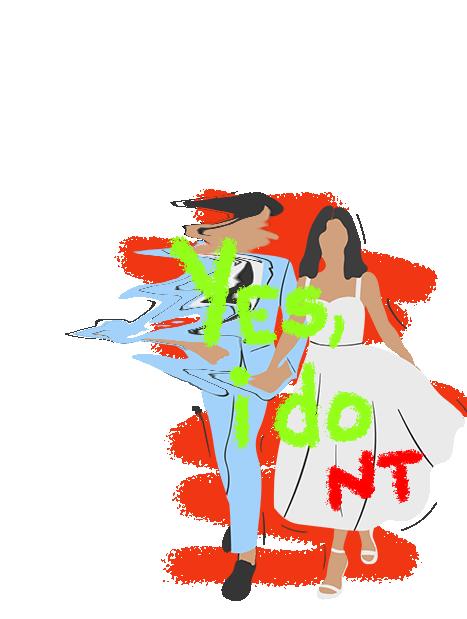
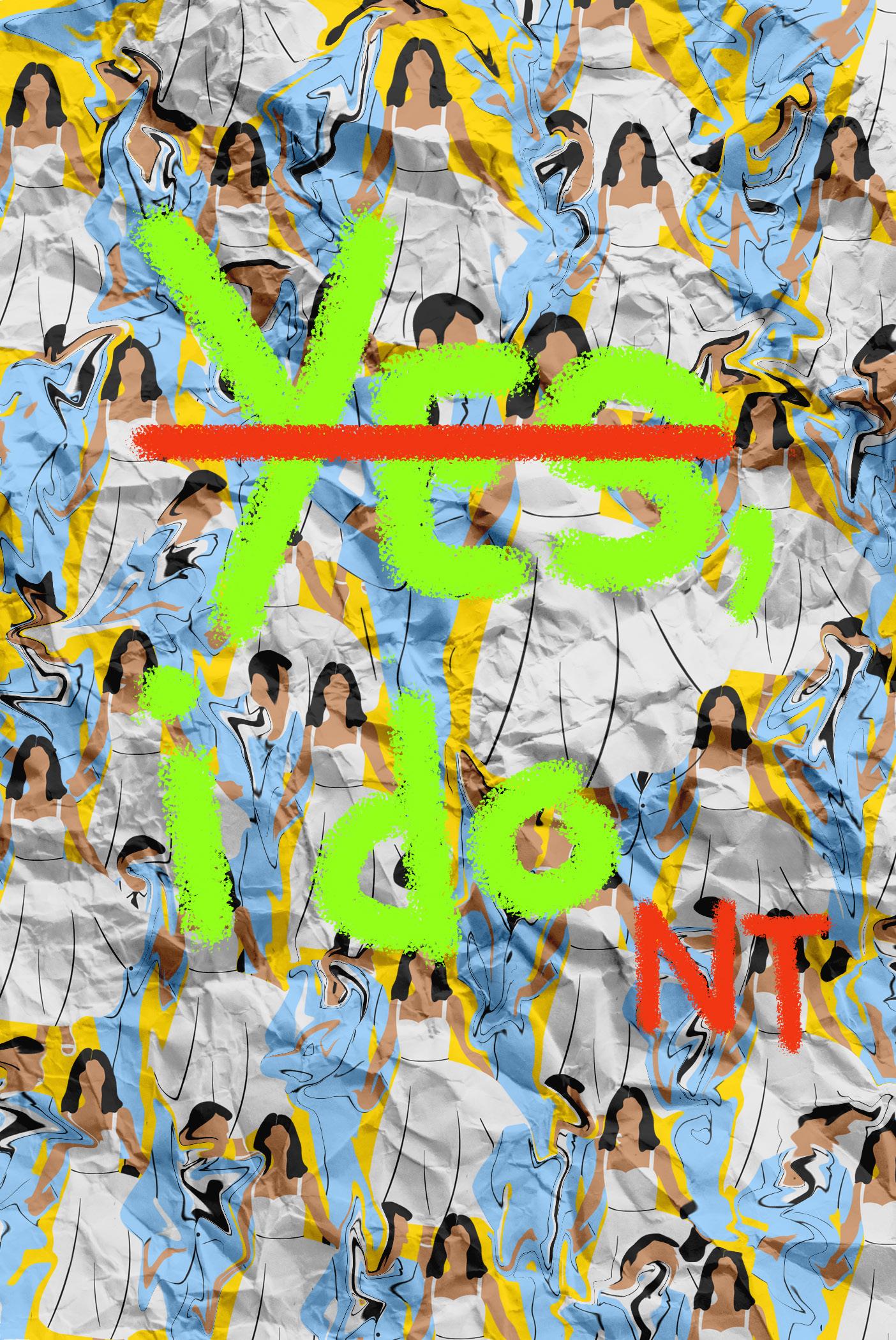
Finally, I don’t
Fairy Tales happily end with marriage, mirroring the narratives in youth, but a stark realization occurs when we are older. Love evolves, sometimes withers, and irreconcilable differences can leave a marriage a shell of its former self.
Saying “I do” to divorce means taking the brave step towards healing; towards a future that empowers its young generation to pursue genuine fulfillment, even if it means saying “Finally, I don’t” to a bygone era.
May Part Divorce Do Us Part.
Maharlika: Republika ng Tsina?
by Louise Lambiquit & Sharry M. Cuizon graphic design by Astrid Niña T. Vidal
Maybe the “Bagong Pilipinas” needs no waiting because, with the series of infiltrations, invasions, and incursions, it occurs swifter than a blink of an eye.
Filipinos, having a history of long-time colonization, are apparent in showing signs of immunity due to the coercive oppressions duly instigated by superpower countries in the numerous wars the country had fought.
It is no wonder that the Philippines has always steered towards resilience since time immemorial.
From liberating dictatorship in 1986 to the never-ending dispute in the West Philippine Sea (WPS) in recent years, the marginalized continue to grapple for help leaving them feeling powerless and adrift from the power-tripping People’s Republic of China (PRC) just ought to insinuate.
As 31 million Filipinos proudly partied to Uniteam’s campaign song way back in the 2022 elections, the facade of “Bagong Pilipinas” is not simply a black propaganda of those in the executive.
The reality is quite unsettling, gritty, and unflinching.
Rather than a “hope for a better tomorrow,” where poverty, corruption, and more are curtailed, it is maneuvering to a different route.
Jet Skiing to the WPS
The Philippines finds itself entangled in a 12-year territorial belligerence over the WPS. This situation has far-reaching implications for national sovereignty, regional stability, and economic resources.
Even after the Permanent Court of Arbitration (PCA) Ruling in 2016, the PRC remained adamant about their unsubstantiated contention of the historical “nine-dash line” or what they revised as the controversial “ten-dash line” which doubles their illegal claims in these waters, according to Boston Political Review (BPR).
Amid the geopolitical tension, evident intimidation from the PRC, such as harassing fisherfolks, continuously jeopardized our liberty to freely capitalize on and assert our country’s economic and sovereign rights in the EEZ.
On April 30, 2024, the PRC expelled Philippine vessels for the intrusion into “their waters.” While ordinary Filipinos just want to survive for a day by doing their mere livelihood that barely provides their families an income, they see this as a threat to their national security—as if they are in the right position to call it a menace.
Just how many water cannon incidents or other barbaric assertions of ownership do we have to experience to conclude that we are bullied in our maritime entitlements?
Moreover, the Philippines has no choice but to pressure the PRC diplomatically and propound the decisions of the international court rulings, rather than inciting war because of the major contrast when it comes to forces and resources between a country in the Global South in threatening tension with one of the most powerful territories in the world.
That is all that the citizens can do even if they are taunted, trampled upon, and harassed.
Hence, the WPS debate is more than a territorial conflict; it calls for the utmost attention of the Filipinos to be vocal about the struggle for sovereignty and desire to defend our territory— not based on a one-sided history but in adherence to international laws.
That Time I Got Reincarnated as a Filipino
Navigating another topic using the 16 vehicles and a private chopper owned by the recently suspended Bamban, Tarlac’s Mayor Alice Guo, not her real name, is the issue of her true identity.
Everyone found it difficult to comprehend her true origin as her childhood memories about growing up on a farm seemed to be inconsistent.
Her eloquence in the Filipino language rivals that of a native speaker, making it safe to conclude that she was trained for espionage as she successfully penetrated local politics despite her questionable background and documents.
What is even more perplexing is how she bypassed the Commission on Elections (COMELEC) scrutiny in the vetting process. Was it intentional? No one knows how she infiltrated our soil.
In a Senate hearing, it was exposed that Guo: applied to become an active voter around her 30s; does not remember important details about her origin; lately registered her birth certificate when she was 17 years old; and is allegedly involved in the Philippine Offshore Gaming Operators (POGOs)
hubs which operate cyber scams, online gambling, and other illegal activities.
At this point, the Trojan Horse’s secrets have been laid bare.
Recently, Senator Win Gatchalian probed her real name as Guo Hua Ping, which was confirmed by the National Bureau of Investigation (NBI) thereafter as the fingerprint of both personas matched. The documents presented were provided by the Board of Investments from the Guo family’s application for a Special Investors Resident Visa (SIRV) and the Bureau of Immigration (BI).
This clearly shows how rumpled the procedural processes are. They are ironed on the surface with rubber bands holding together their wrinkles at the back to mask an “orderly process” and they are easily manipulated to serve whoever pulls the strings.
Sa Manlulupig Di Ka Pasisiil
Suppose that this administration has run out of gas to properly address and provide a concrete future to uphold the country’s self-determination and security. In that case, the youth stands at a critical juncture.
This is more than reciting the “Bagong Pilipinas” hymn mandated by the Malacañang in every flag ceremony to government agencies. One would feel spasms in their limbs while standing for three to five minutes more just to sing their hearts out to a self-serving song of the Marcos Administration.
Living up to its ideals when the nation is paradoxically in an infinite cycle of regression toward its mindset leaning toward societal affairs and shelving actions that do not necessarily solve burdening loads of poor communities, the path for “Bagong Pilipinas” is clear but in an opposite direction.
Singer Andrew E hinted this “Bagong Pilipinas, bagong mukha,” a potential warning for the nightmare we are living.
Filipinos are so thrilled to interact with foreigners when they mention the Philippines and get to feel overproud when we get attention from several fields we excel at on the world stage. This boosts our pride and makes us want to shout that we are Filipinos.
Pero, bakit sa mga araw ng karimlan, marami sa atin ang nananahimik?
Nawa’y ating patunayan na pinipili natin ang Pilipinas. FWD
Let Me Take You Out
by Juan Enrique D. Reboquio & Ava Donalie A. Ferolino
photos by Christian A. Mananguite graphic design by Narvie Klaryzze B. Borja
Your 20s are a time to explore! And what better way to explore and discover places than do it with someone special by your side, right?
Blessed with the energy to venture out and live in the now, the 20s is a time to take up a new hobby, plan trips, or enjoy a weekend getaway, whatever fits your mood. What if we tell you that we’ve planned the perfect weekend to encapsulate all that were mentioned above? Will you take on the challenge and embrace your adventurous side?
Well, buckle up as FORWARD takes you out on the ultimate Cebu date experience.
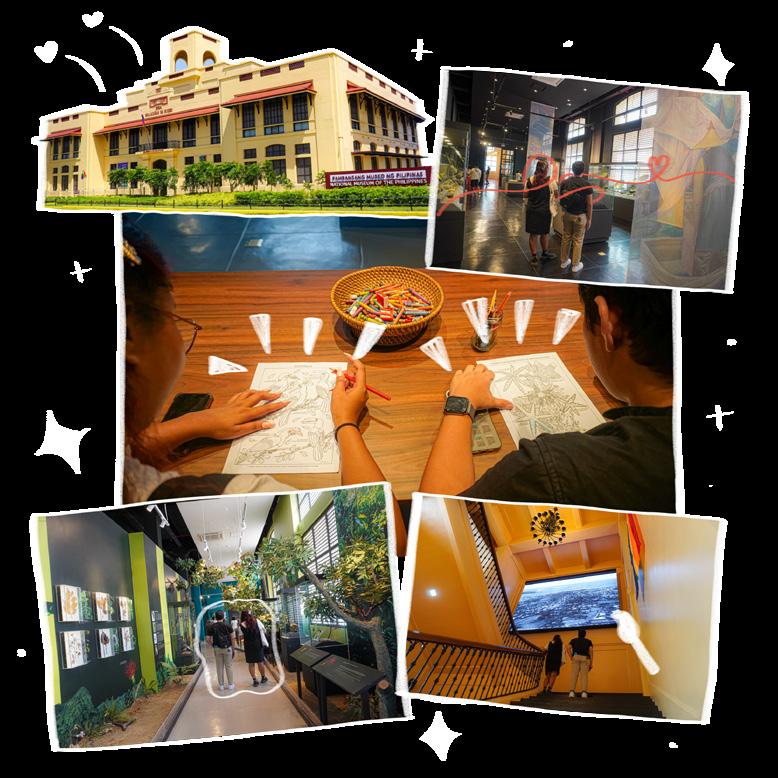
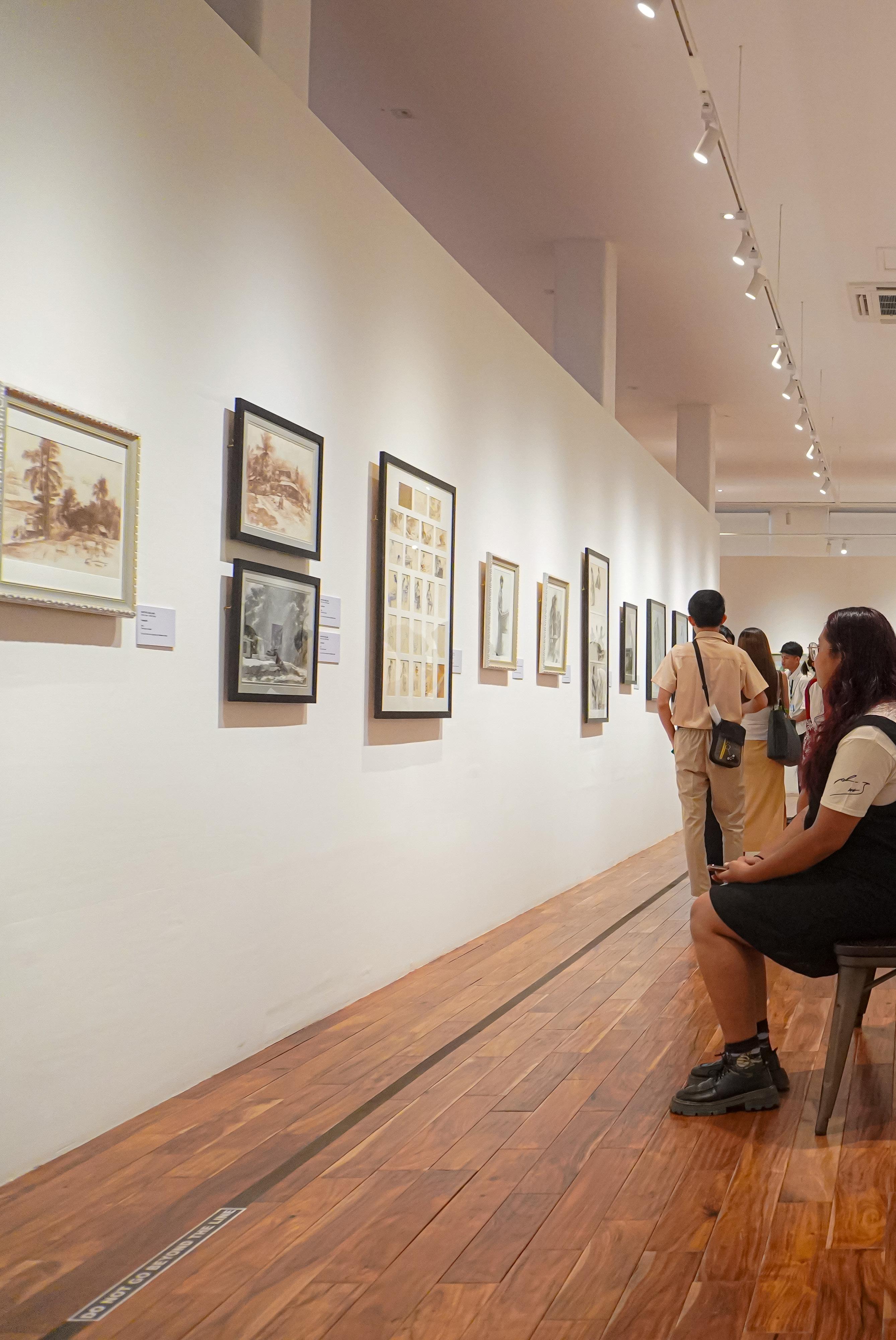
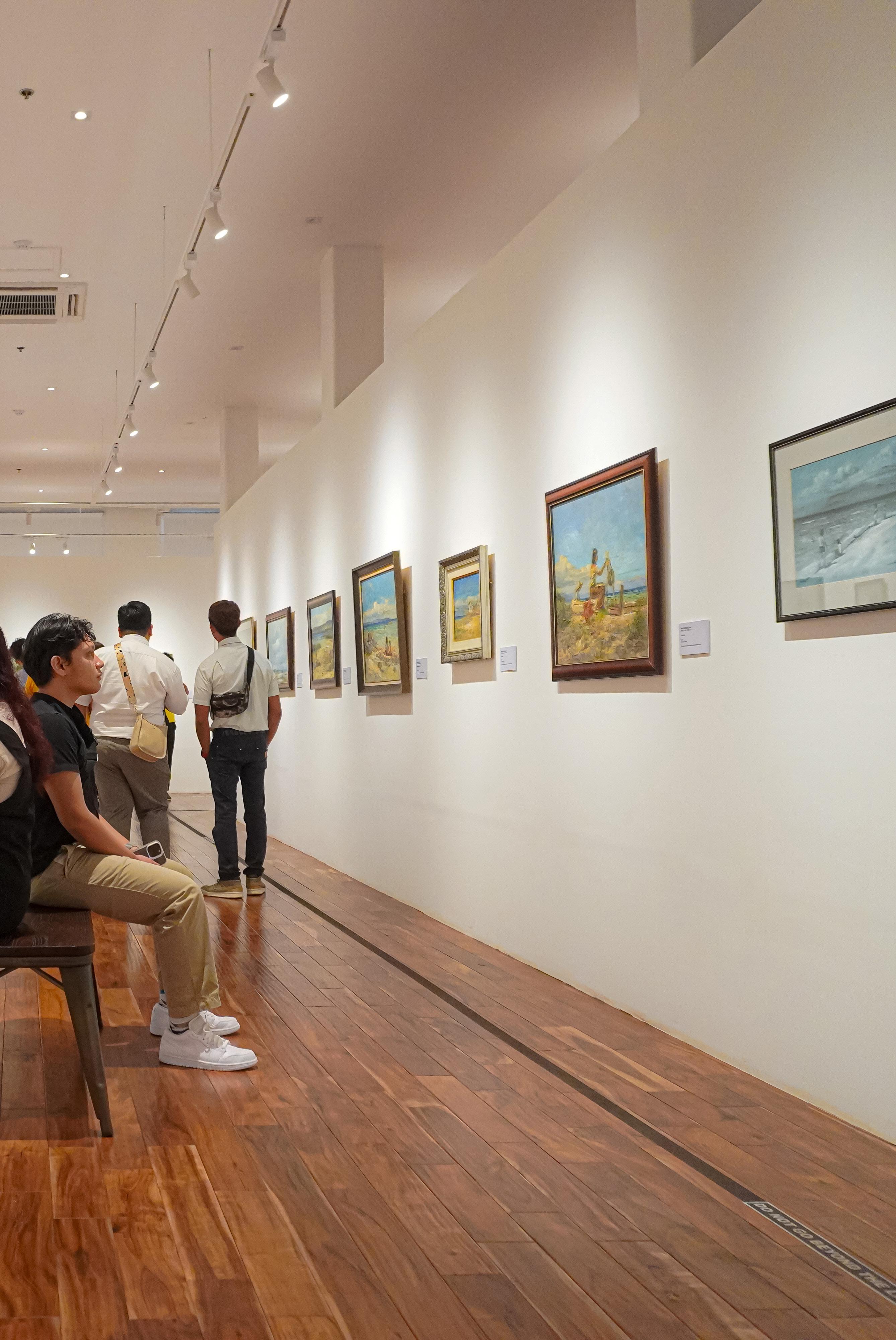
First Stop: The National Museum of the Philippines-Cebu Location: Pigafetta Street, Cebu City 1:00 - 2:30 PM
Let’s start with a chill afternoon of appreciating art. Boasting vast galleries containing historical artifacts and stunning artwork, the National Museum of the Philippines (NMP) Cebu is a sought-after tourist attraction for historical aficionados and art enthusiasts across the country.
Whether you’re discussing the intricate details of a painting or marveling at the craftsmanship of historical vestige, this stop sets a thoughtful and engaging tone for your day.
With a lot of Instagrammable corners, snap a photo of the person you consider art (in the midst of other arts) or simply, immerse yourselves in the magnum opus of local artists and everything beautiful the museum has to offer.
And the best thing about it? No entrance fee! That way, you can splurge on the next activities we have lined up for you! Or if you want, you can also get matching keychains or matching mugs from their souvenir shop to remember the day by.
How to get there:
Just across the USJ-R Main Campus, you can ride the 12G jeepney and drop off right in front of the Museum. (Or better yet, walk hand-in-hand while you share an umbrella to beat the heat! Don’t forget to bring a water bottle with you for additional kilig-moments.)
Next up: Kartzone Cebu
Location: Panagdait, Mabolo 2:30 - 4:00 PM
After a calm and cultured start to your date, it’s time to rev up the excitement! Head to Kartzone Cebu to test your driving skills and add a dash of adrenaline to your date. Kartzone Cebu will satisfy your need for speed (but remember to take it slow with the person you’re with).
You can choose the twin seater for P500 for 8 laps, which is perfect if you want to team up and navigate the twists and turns together. Alternatively, compete with your date in a friendly race with individual laps priced at P475 each for 8 laps. Feel the rush as you speed around the track, challenging each other for the fastest lap time.
The thrill of go-karting is sure to get your hearts racing and provide plenty of laughs and memories. Whether you’re a seasoned driver or a first-timer, Kartzone Cebu offers an exciting and affordable adventure that’s sure to be a highlight of your day. But remember, drive safely and wear the necessary gears!
How to get there:
From the last stop (NMP-Cebu), you can go back to the Main Campus and wait for the 03B jeepney from there, then drop off at Burger King Panagdait; it should be a short walk from there.
Up next: Bakespace PH
Location: Paseo Arcenas, Banawa 4:00 - 6:30 PM
What’s sweeter than baking delicious treats with your sweetheart?
At Bakespace PH, the first experiential baking studio in Cebu, you can bond over baking and sweet remembrances together. For as low as P649, you and your date can participate in a baking workshop, learn new recipes, and relish the joy of tasting your creations together.
As you mix, bake, and taste, you’ll share not just scrumptious delights but also lasting connection. The joy of working together in the kitchen, combined with the sugary reward of your efforts, makes this activity a delectable addition to your date.
Now, you have your very own desserts for our next stop!
How to get there:
From Kartzone Cebu, ride the 03B jeepney, drop off at the bus stop across Kara’s Fried Chicken, and ride the 07B going to Banawa, then finally, drop off at Paseo Arcenas.
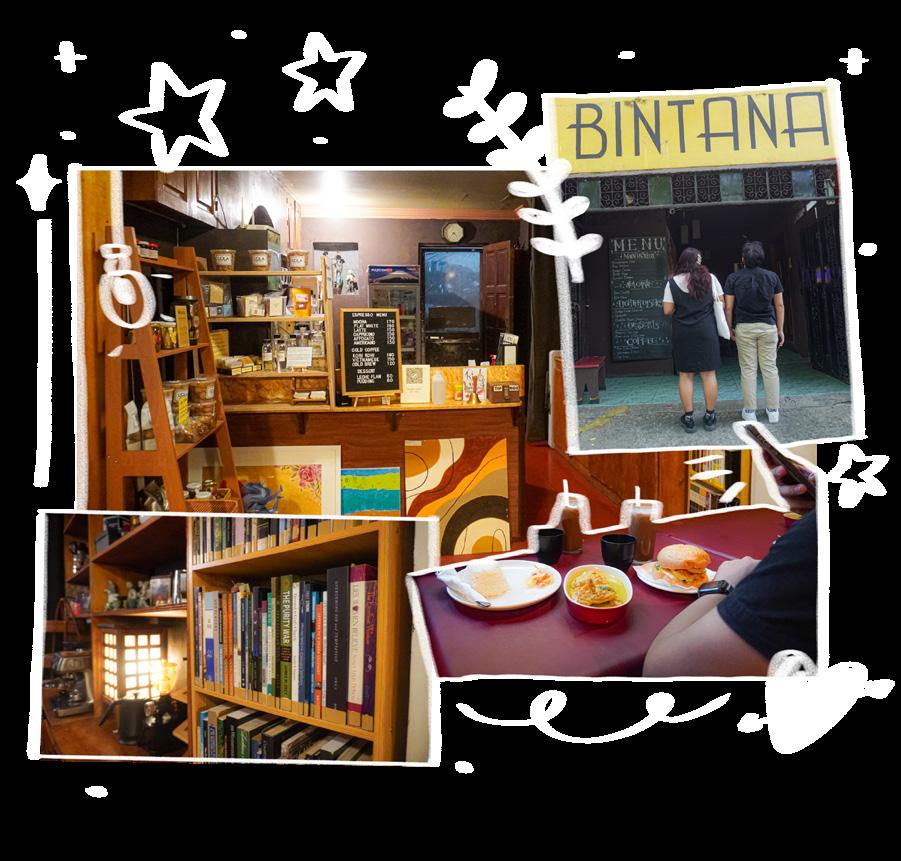
Last stop: Dine at Bintana Coffee House
Location: 181 K Elizabeth Pond Street, Camputhaw 6:30 - 8:00 PM
End your perfect date with a cozy dinner at Bintana Coffee House. With its low ceiling and romantic lighting, this charming spot is ideal for winding down and enjoying a delicious meal.
The menu offers a wide variety of drinks and meals, all reasonably priced from P100 to P300. This makes it easy to enjoy a delightful dinner without breaking the bank.
Bintana Coffee House provides a serene and intimate setting, perfect for reflecting on the day’s adventures. The ambiance is relaxed and welcoming, with a touch of rustic charm that adds to the overall experience. As you dine, you can also take a snap of the place filled with flowers and plants for decoration, which you can also purchase.
How to get there:
From Paseo Arcenas, ride the 07B jeepney and drop off at Fuente Osmena Circle, walk a bit to Robinson’s and ride the 04C jeepney then drop off at Jollibee-General Maxilom; it should be a quick walk from there.
This curated itinerary offers a blend of culture, excitement, and romance—everything you need for an unforgettable date in Cebu. Embrace your adventurous side, enjoy new experiences, and create lasting moments with someone special.
You can also opt to set the mentioned activities on different dates if you’re the type of couple who’d love to take it one at a time. But for the spunky duos, this one is definitely made for you!
Your 20s are a time to explore and create stories you’ll cherish for years to come. Enjoy the art, thrill, and flavors of the world, and make the most of this exciting stage of your life. FWD
Odyssey of Smiles
by Trixcy D. Clar photos and graphic design by Narvie Klaryzze B. Borja
Expanding social circles, exploring new interests, and achieving financial independence—these are among the goals many strive for, especially in their 20s.
If there is one item I want to tick off my bucket list during my 20s, it has to be traveling! Exploring new destinations throughout our lives fosters personal growth and allows us to cultivate a repertoire of enriching experiences that continue to resonate long after the journey ends.
Thus, when time and circumstances allowed me to travel, without a moment’s hesitation, I eagerly agreed to visit Bacolod.
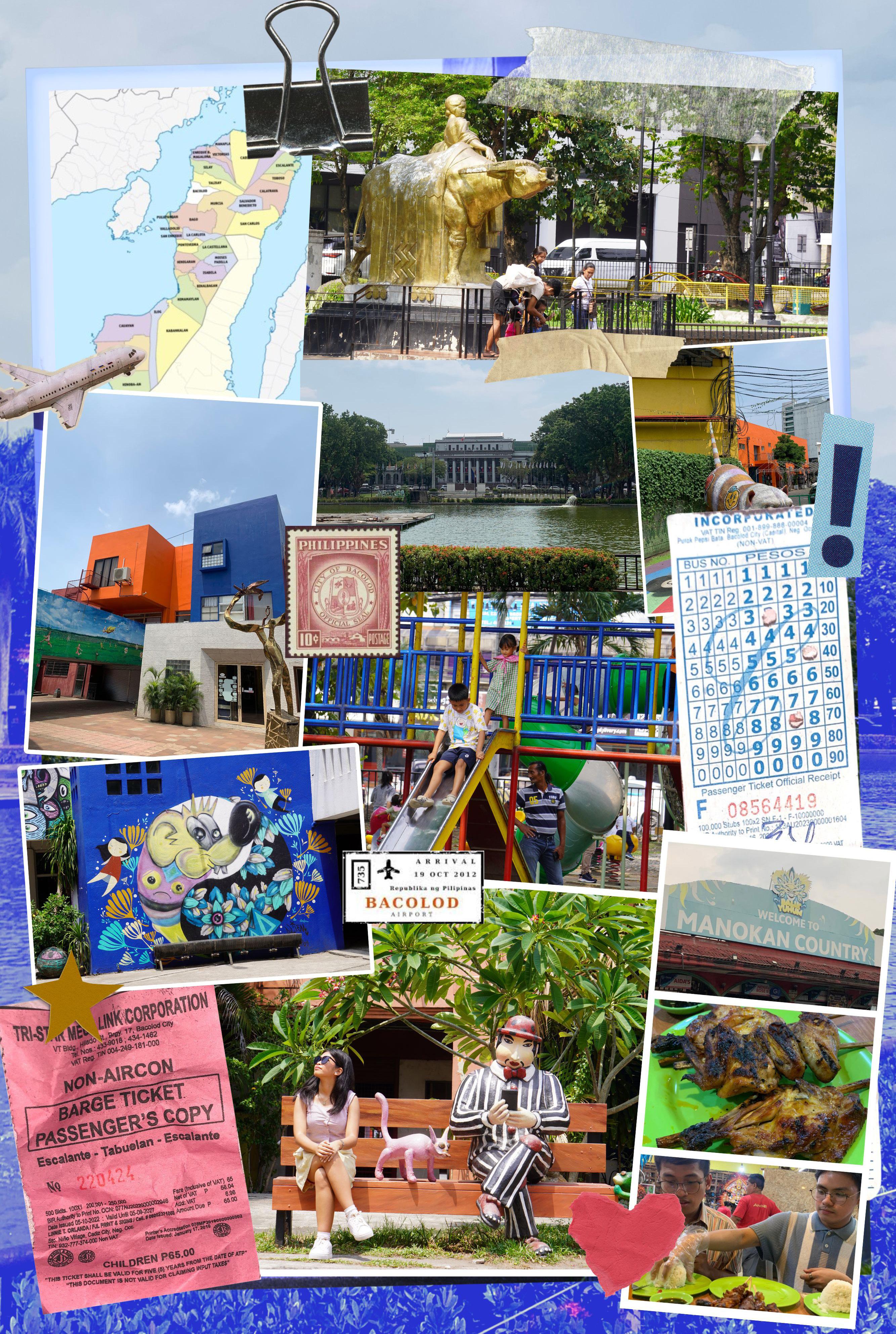
Nestled in the western part of the Visayas region, the capital of Negros Occidental beckons with its warm and hospitable charm. This place boasts a vibrant cultural heritage enriched by Spanish influences, as reflected in its architecture, culinary delights, and festive traditions.
Together with my friends, my Bacolod adventure began with a scenic journey by land and sea. We opted for the RORO (roll-on/roll-off) ferry route, a popular choice for travelers and locals alike.
Departing from SM Cebu’s North Bus Terminal, we boarded a comfortable bus bound for Tabuelan port. The trip took approximately seven hours and 30 minutes, which offered a chance to relax and enjoy the coastal views.
For this marathon bus ride, make sure to load up a playlist that’ll keep you entertained! If you suffer from motion sickness like I do, don’t forget to pack menthol candies, vapor rub, Bonamine (you’ll thank me), and a plastic bag (just in case, but trust me!)
Art District
Yearning for an escape into a world where colors burst from brick and stories unfold on every corner? Our first stop: Bacolod’s enthralling Art District, a haven for creativity and local artistry.
Located at the corner of Lacson Street and Santa Clara Avenue in Barangay Mandalagan, Bacolod City, this half-block space is a dynamic enclave of galleries, cafes, and eclectic street art.
Art District is the biggest space dedicated to art by local artists living on the island of Negros Occidental. From intricate murals to contemporary art, the blend of traditional Filipino art with modern styles was just mesmerizing.
For anyone visiting Bacolod, the Art District is an unmissable gem. The exhibits tell stories that reflect the diverse artistic expressions thriving in Bacolod, offering a slice of the city’s visual feast of art.
Capitol Lagoon Park
Discover tranquility in the heart of Bacolod at Capitol Lagoon Park. Situated conveniently along Lacson Street, this free public park offers a serene retreat from the city’s overflowing energy, ideal for families and friends.
Across the park, a picturesque view of the Negros Capitol Building awaits. Inside, various charming structures dot the landscape. At the park’s center lies the lagoon, a spacious pond teeming with live tilapia fish.
Encircling the lagoon is a pathway perfect for leisurely strolls and invigorating jogs. On the park’s eastern side, a small playground beckons children and families alike, bustling with activity especially on weekends.
Whether you’re seeking a peaceful interlude or quality time with loved ones, Capitol Lagoon Park promises a cozy oasis in Bacolod.
Manokan Country
Bacolod is famous for its mouthwatering savory dishes, and no food trip is complete without trying the city’s most famous dish—chicken inasal. The best place to savor this delight is Manokan Country, a lively complex of stalls offering Bacolod’s most beloved culinary treasure.
Eating chicken inasal is a hands-on affair; tear the chicken apart with your fingers and dip it in a sauce you mix yourself with sili (bird’s eye chili), calamansi, vinegar, and soy sauce.
Pair the chicken with rice, pinched from a steaming mound topped with garlic and drenched in chicken oil found on the table. The chicken is tender, with a smoky, buttery flavor that delights the senses.
Beyond chicken inasal, you’ll find tantalizing options like wings, liver, gizzard, and breast parts, as well as crispy chicken skin.
Located at the reclamation area in front of the North Wing of SM City Bacolod, Manokan Country is a must-visit for any food lover in Bacolod.
Our Bacolod adventure was more than just a feast for the eyes, a peaceful park retreat, or a chicken inasal indulgence—it was a trip for the ages. Bacolod’s marvels are waiting to be discovered. Whether you’re a history buff, a foodie, or a nature lover, Bacolod has something special for every traveler.
Let Bacolod be the delightful punctuation mark to your 2024 travel itinerary, and experience the irresistible warmth and charm of the “City of Smiles.” FWD
In our 20s, life overwhelms us with uncertainties.
Our lazy Sunday mornings transform into mundane weekend jobs; trivial choices become critical life-changing decisions; and candy coins turn into paper bills.
Oftentimes, we find ourselves getting drowned by the intense pressure and bone-crushing currents of expectations. This age is both an eagerly anticipated and a feared journey for those bound to reach this point of existence.
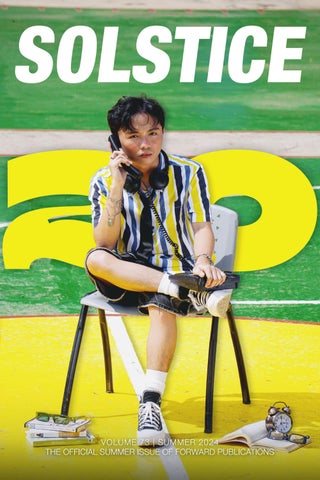
’s summer magazine issue, aptly titled, 20, is here to capture the essence of this transformative period that celebrates the unique confluence of challenges and triumphs in this defining decade.
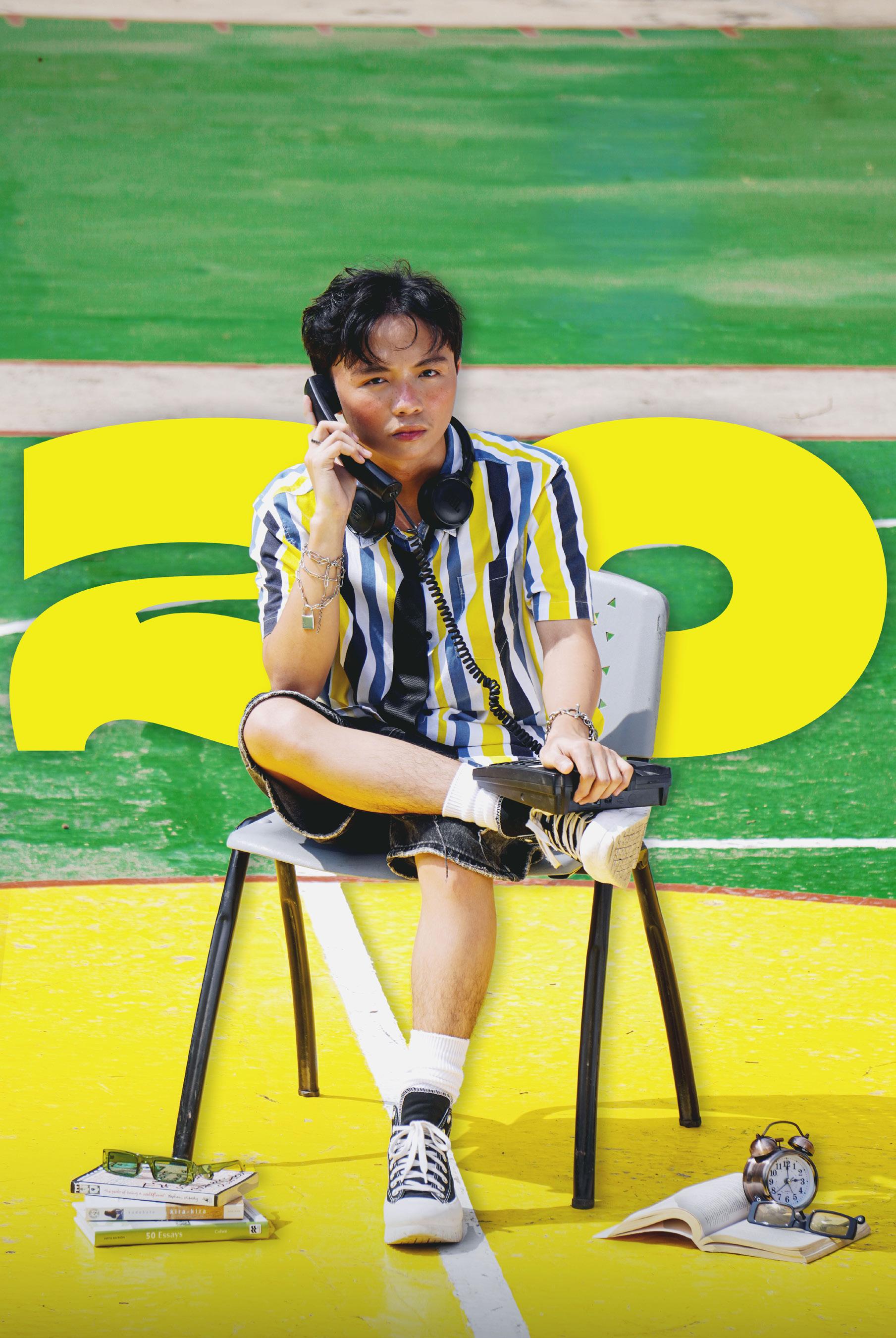
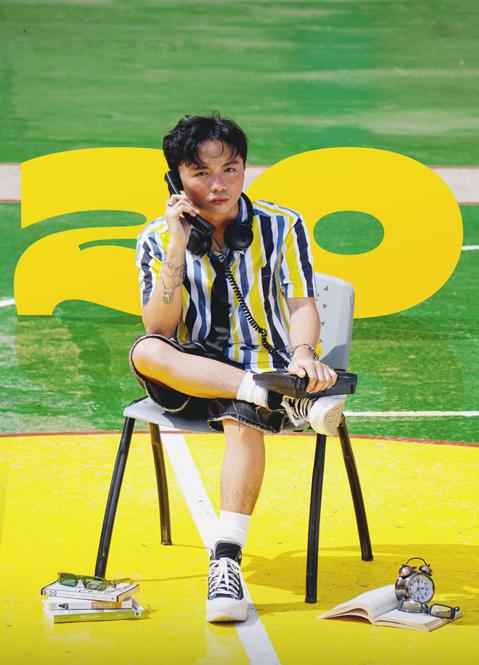
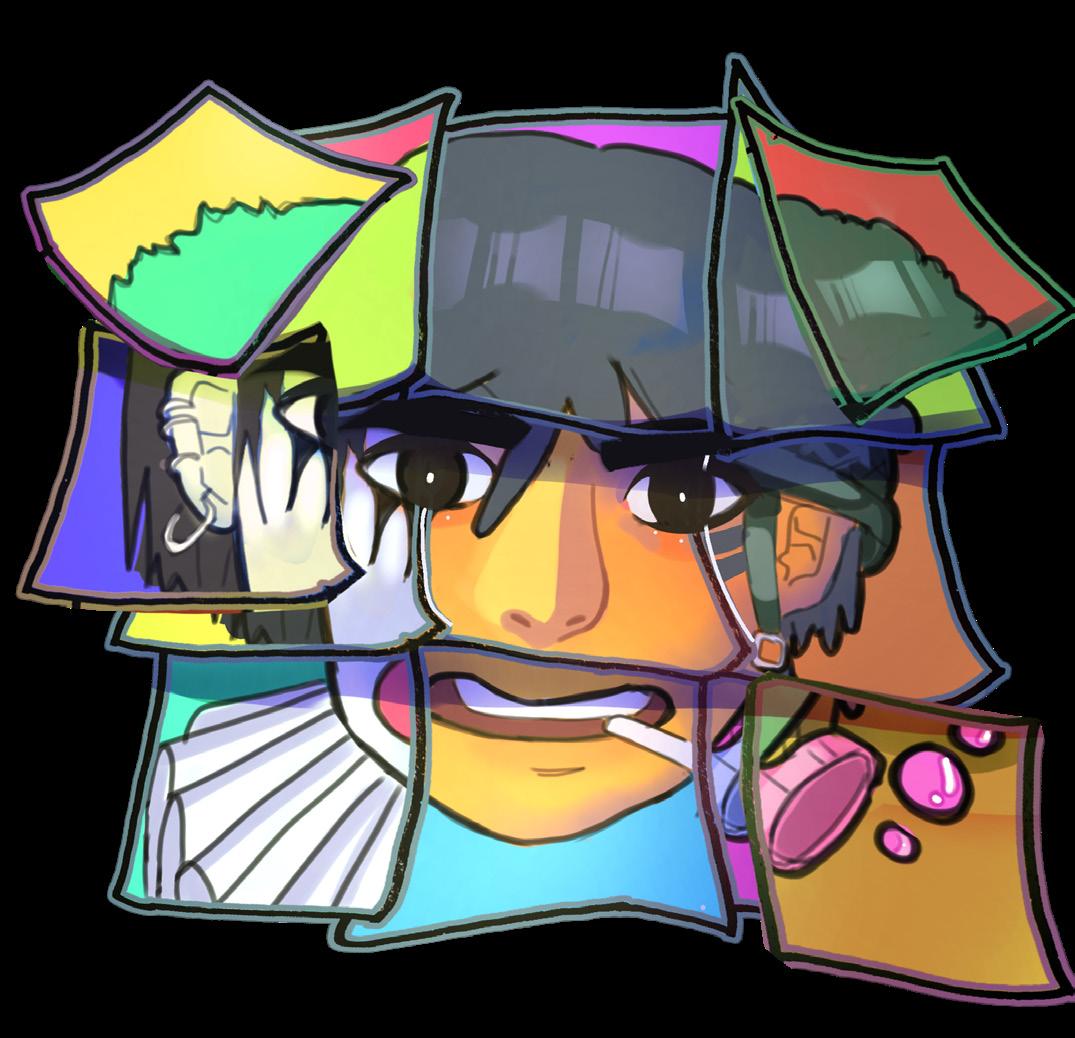
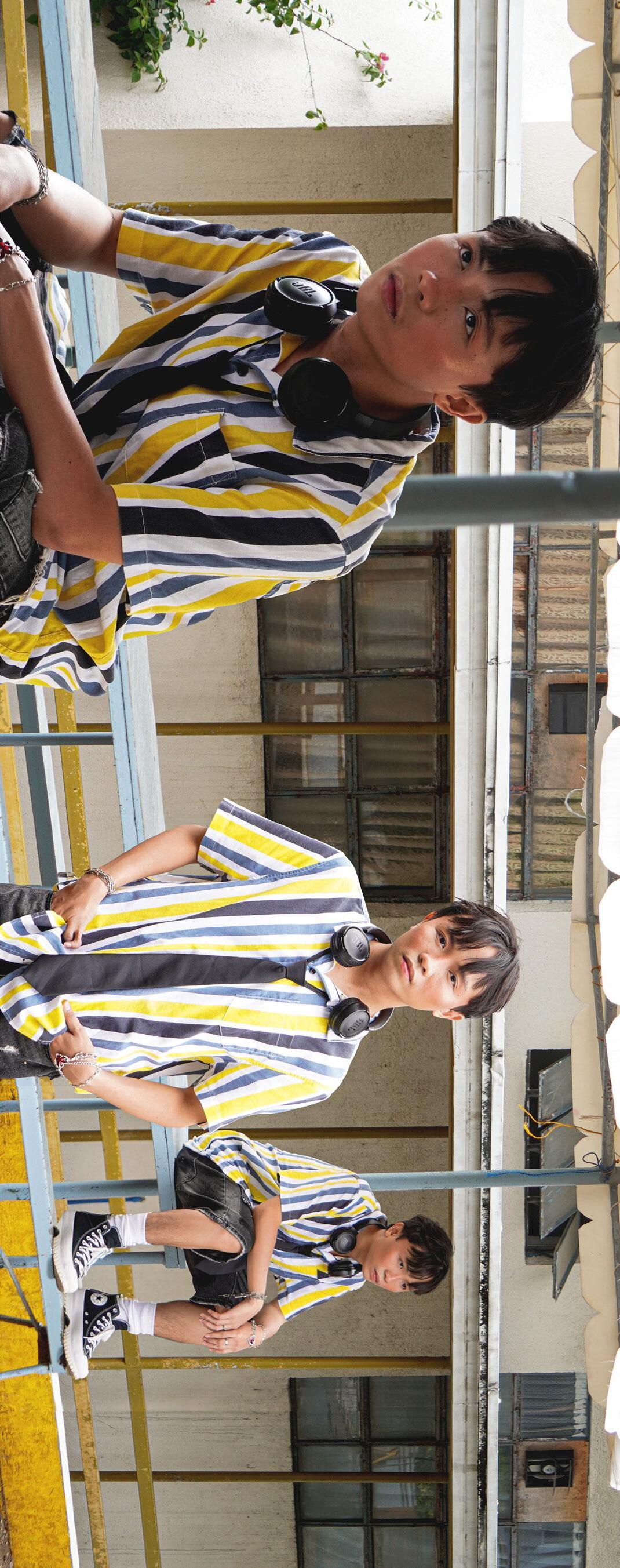
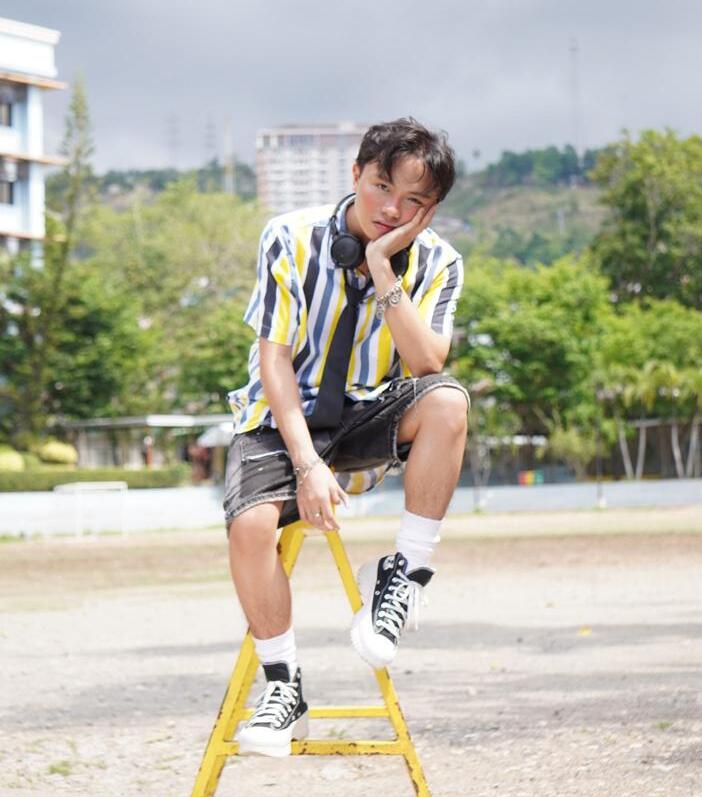
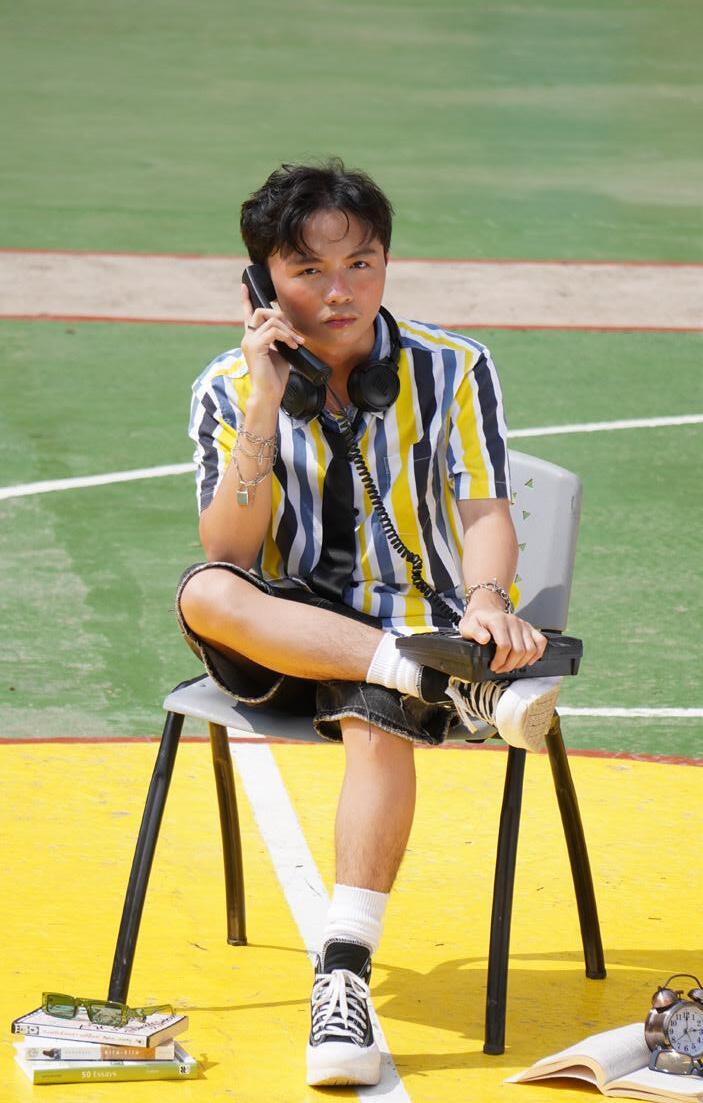
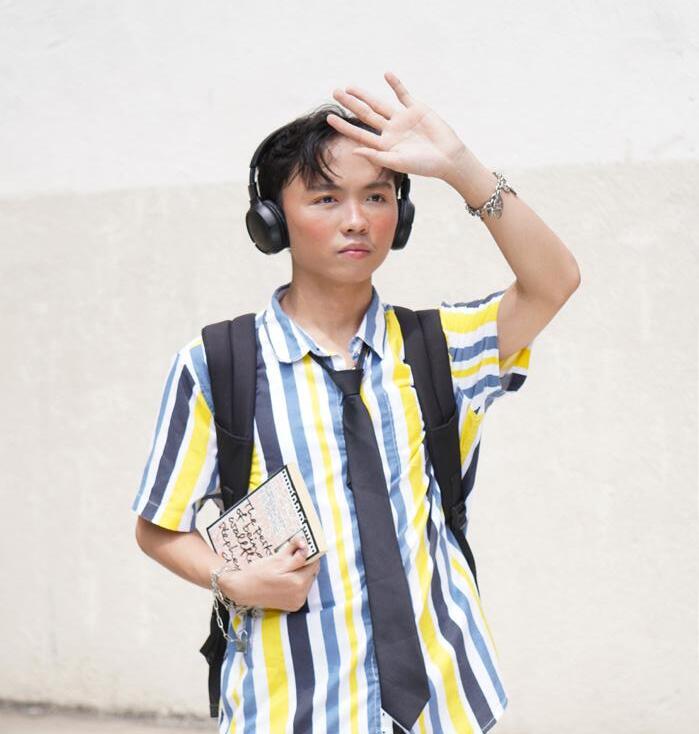
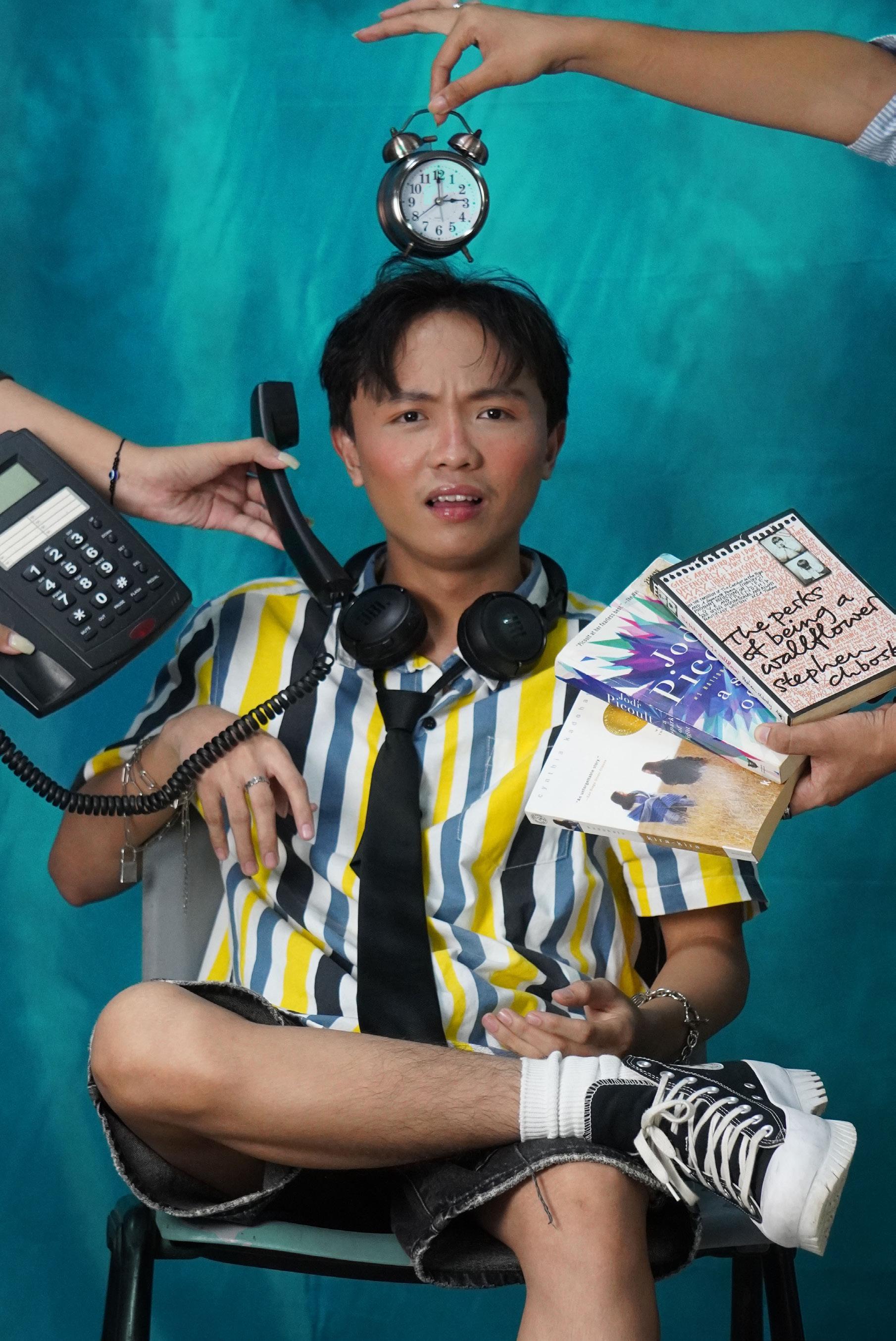
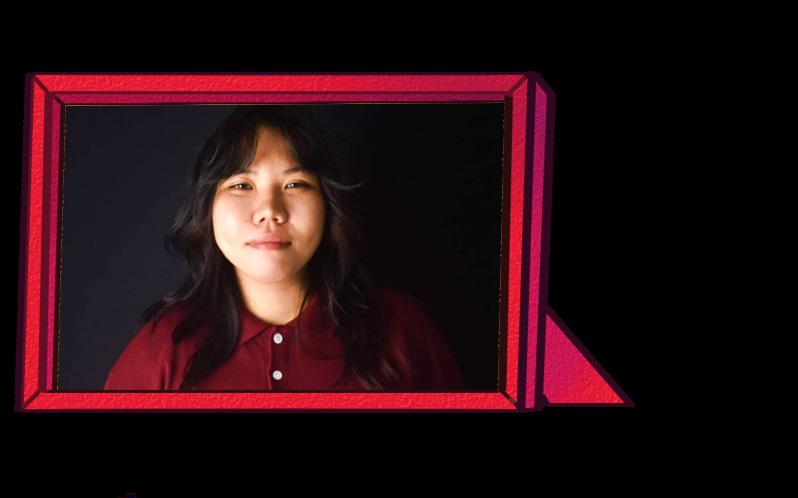
Opting for a numerical title this time around, the magazine brings forth the spirit of seeking individuality, exploring life, and experimenting with boundaries. Gracing its cover is a 21-year-old Josenian, standing poised at the threshold of transformation.
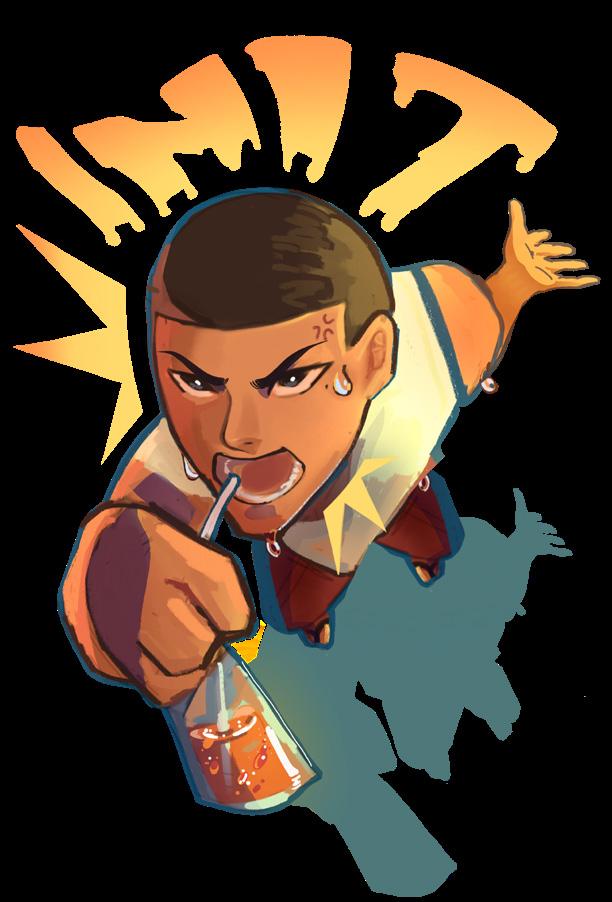
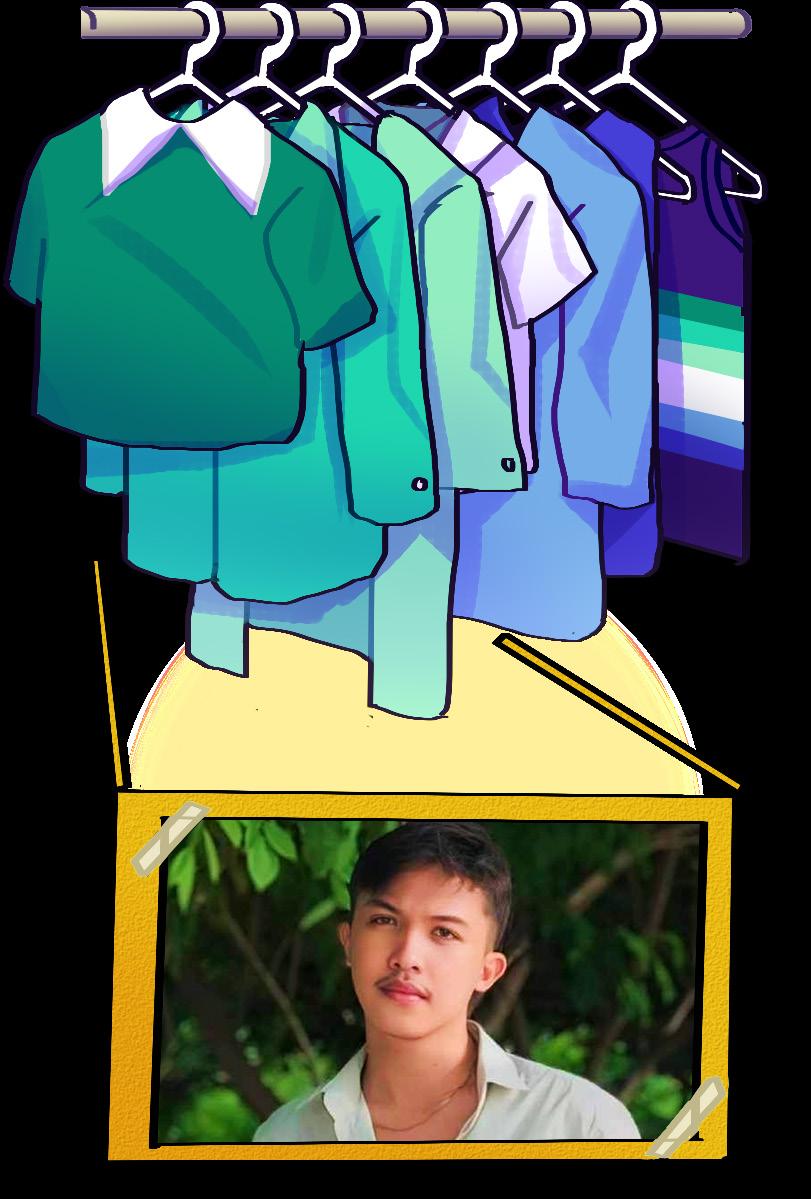
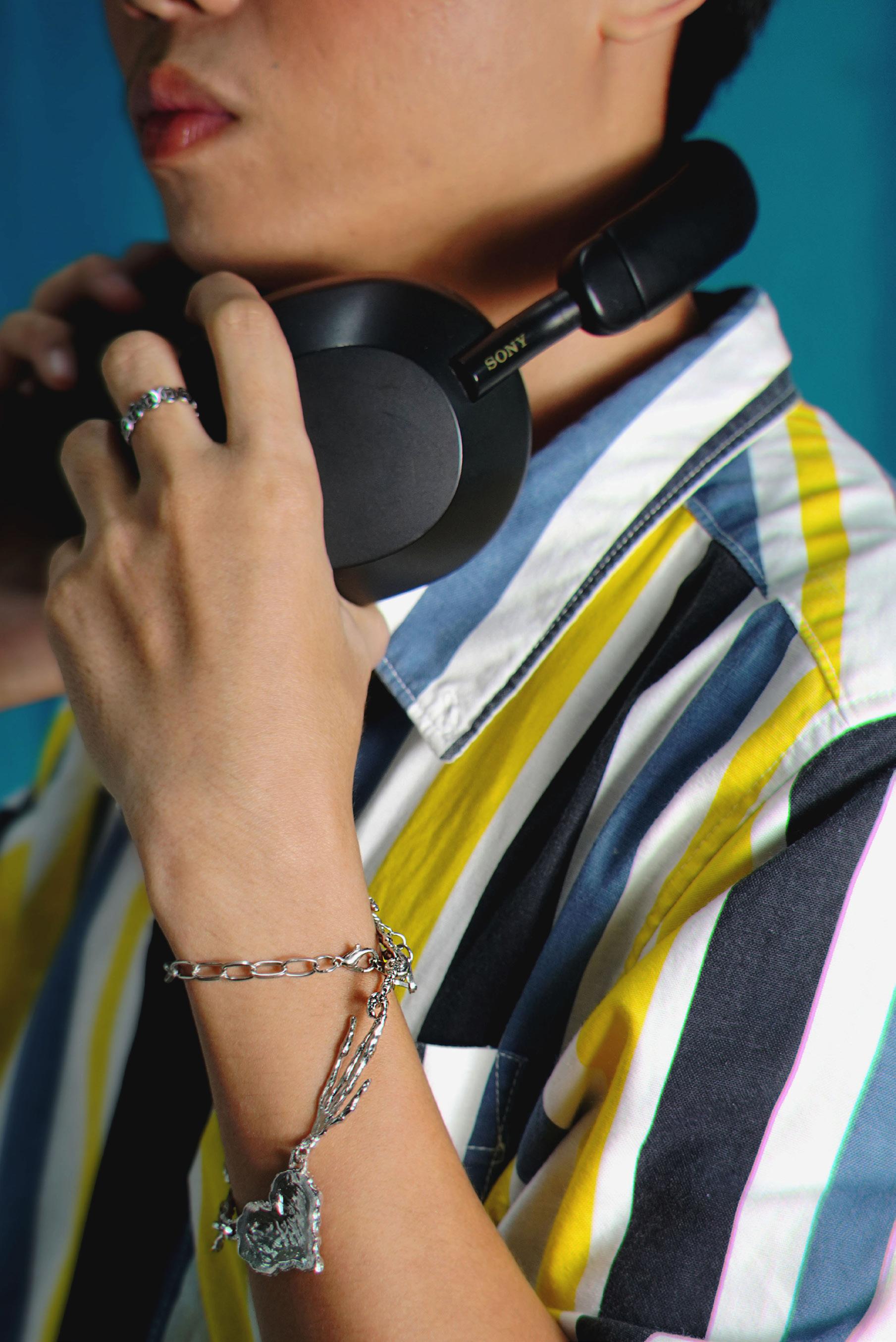
Brimming with radiant energy in a bright striped polo, along with various paraphernalia that symbolize the inevitable fun and freeing mayhem of one’s twenties, the model represents the twenty-somethings navigating the tenuous middle ground between carefree youth and adult responsibilities.
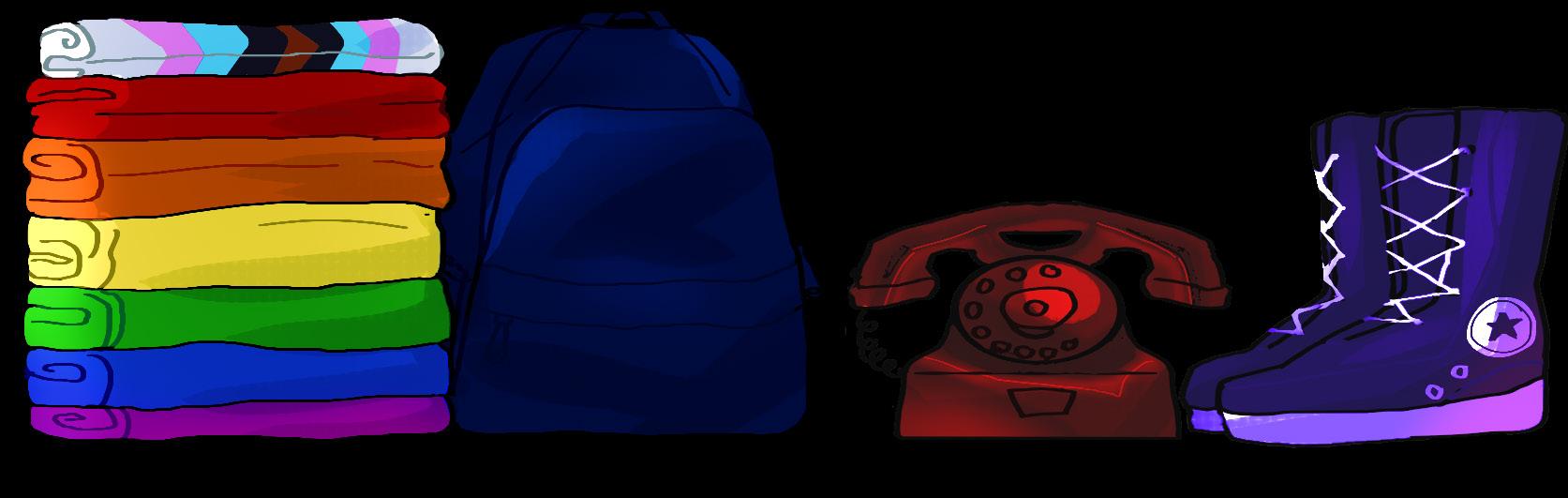
The cover of this issue showcases significant highlights that embrace us upon turning 20. There comes the telephone that constantly rings of countless duties as we answer the call of adulthood; the alarm clock that serves as a reminder of the endless ticking of time and its seeming finiteness; and the headphones that act as a soothing music companion whenever we want to escape the world’s deafening chaos.
With this edition at hand, it invites every Josenian to embrace the liberating joys and inevitable growth that characterize this noteworthy phase of our lives—amid the complexities of academics, passions, relationships, and personal pursuits—aiming to keep moving toward an endless venture beyond the age of 20.
Explore your 20s with ’s . FWD
Modern-Day Rizzlationships
by Rey Martin B. Rio & Louise Lambiquit
graphic design by Krista Marie B. Yaoyao & Ayn E. Nazareno
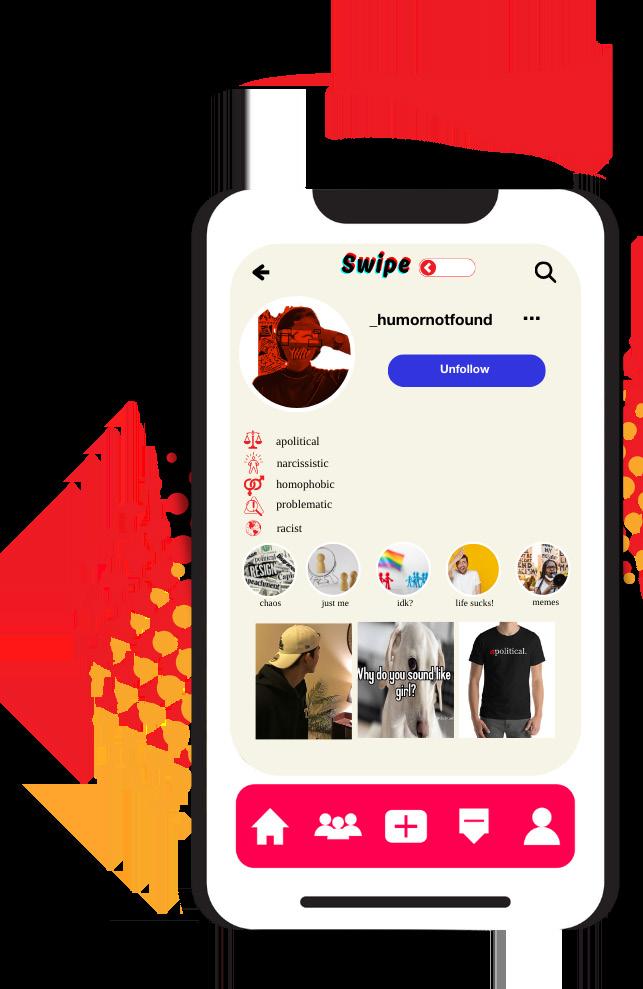
As you explore dating apps, before getting too enticed, take a closer look at their profiles—the rizz might be fire, but lasting connections come from shared interests.
Just as social media has dramatically transitioned our society to go digital, so has our relationship with our family, friends, or lovers. And speaking of love, courtship has undergone a 180-degree shift with the notorious emergence of online dating applications, which has changed our lives for the better or worse.
Here, we explore the murky waters of modern-day relationships characterized by users who go the extra mile to impress others, not only with their looks and talent but also with their digital finesse or otherwise known as rizz (a slang for charisma).
This is neither an exhaustive nor a definitive list of what to seek or avoid from a potential partner. Take everything with a hint of skepticism and keep these green and red flags you can find on dating apps at the back of your mind—or maybe in your heart!
Swipe right: Green flags
Don’t you find it amusing when you find someone who enjoys the same things you do? Whether sharing a love for reading, binge-watching TV series, cooking go-to meals, or taking extra care of their health—if you ever see them in apps, hurry and swipe right to see if that potential match turns into something more. Who knows where the casual slip through the DMs could lead, right?
Here’s a whopping swipe right to someone who cares about what’s happening in the world and isn’t afraid to speak out against injustices. Finding someone who’s vocal about their opinions can lead to meaningful discussions and bonding over shared values, something hard to find when with someone who’s apathetic. This is the greenest flag of the bunch one can ever find! A little bit rizz-ky, don’t you think?
Having pets or being kind towards our animal companions is an instant green flag. Who wouldn’t be able to resist the angelic charm of our pawed friends, often better than human beings? Someone who shows their love for animals is a sign of compassion and responsibility as pets require utmost commitment— in short, the finest catch! But just like pets, personalities vary—playful golden retriever-like persons can be aloof sometimes, while a seemingly cold black cat might be a cuddle monster!
Similar tastes in music bring people in the most magical sense, perhaps your soulmate (if such a thing does exist). Imagine, someone knows the good stuff and can create a perfect playlist for your road trip. It’s like stumbling upon a hidden gem capable of making your heart beat faster than light’s speed. There’s something special with someone who gets your vibe. So, let’s share our earbuds for those who can impart with us their secret language, a shared understanding that can spark chemistry.
The perfect match?
In reality, one cannot easily determine the destined someone just by looking at their profiles at a speed-run pace. However, these could serve as barriers to sift through those a tad better for you. After all, respect is still the utmost virtue that should be embodied online.
Dating is a time to push boundaries and put yourself out there to find the person fit for you, but tread with caution and always prioritize your safety above anything else—no matter how sheesh-able the rizz is. FWD
The 20s P-Pop Playlist
by Maria Cristina G. Lamug graphic design by Karina Adel A. Vestil
Are you prepared to set off on a self-discovery journey? Let your introspection and personal growth have these P-Pop tunes as the background music!
As the sun gets brighter and the days get longer, there’s no better time to immerse yourself in the lively sounds of P-Pop, also known as Philippine pop or Filipino pop.
P-Pop music has gone viral on the national scene since it is a unique combination of Asian and Western music styles together with lyrics that create its own power and find response among locals as well as global audiences.
So, whether you are planning a road trip and a beach outing or merely reflecting life within the comforts of your home, here’s the ultimate P-Pop playlist to accompany your path to self-exploration!
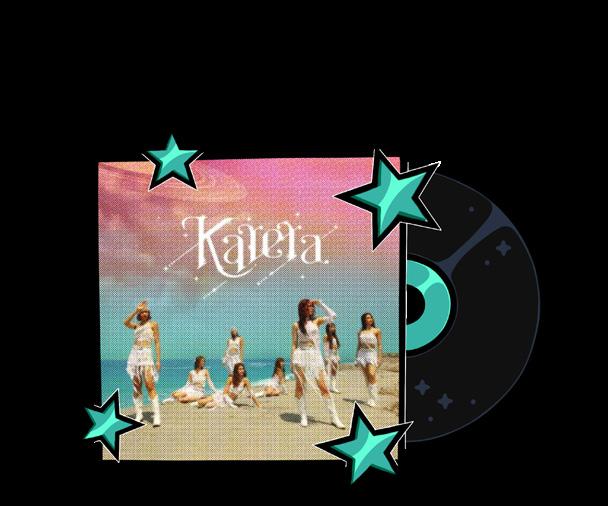
Karera by BINI
BINI, an eight-member Filipino girl group, took the TikTok community by storm with their hit song, Karera. Although initially intended as a love song, its final version encourages acceptance and personal growth.
At times when you are reflective and thinking about your journey through life and celebrating your uniqueness, this song strikes deep within oneself. This is a track that tells you not to forget yourself even while young adulthood can be quite overwhelming at times.
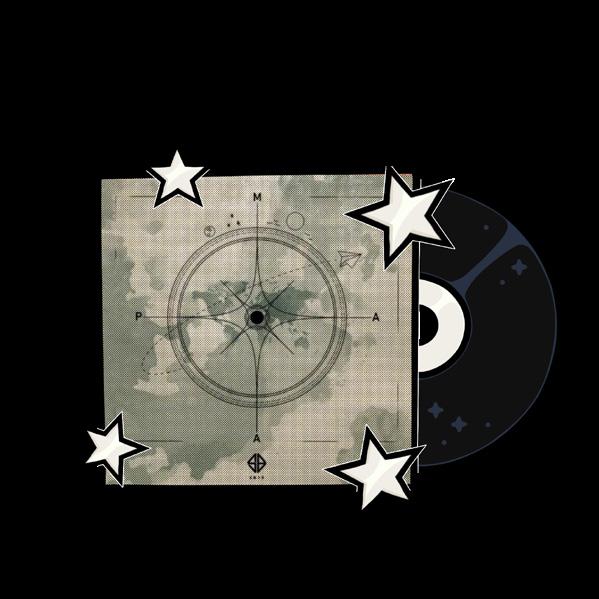
MAPA by SB19
MAPA is a heartfelt tribute to parents by the leading SB19, a P-Pop boy band formed in 2018. The song got its name from blending “mama” and “papa.” The lovely lyrics advise us not to ignore our parents’ sacrifices.
An introspective track like MAPA, can be so calming as you transition into your 20s because it reminds you to appreciate those who raised and nurtured you. It is that kind of song that hits differently on those quiet nights when you think about where you have been and where you want to go next.
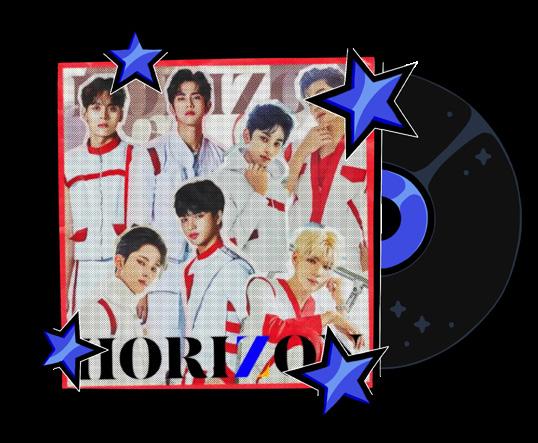
Dash by Hori7on
A seven-member worldwide dynamic group, Hori7on, offers Dash, an energetic song for perseverance and ambition. This is the final task’s choice by Dream Makers contestants; it perfectly suits up the adventurous mood of summer. With its robust vocals and lively beats, it will push you towards realizing your dreams even in adversity, thus making it a must-add item in your playlist for this season.
People engaged in marathon training or struggling with tough situations at work could also get hyped from listening to Dash. It’s a staple music for dancing, running, and even working!
Ligaya by mrld
Finally, Ligaya by rising Filipina singer and songwriter, mrld, speaks to finding joy and contentment in life’s journey. Its uplifting message and soothing melody are perfect for anyone in their 20s seeking purpose and happiness. This song is a gentle reminder to find joy in every step of your path, making it a meaningful part of your soundtrack. It’s ideal for those serene moments of introspection when you’re contemplating life’s wonders and your place within it.
Make your playlist better by adding these four tracks containing deep messages that can be a source of motivation and inspiration for you in your 20s.
The songs are perfect background music that can be used for those unforgettable moments you’ll have during this period. It will inspire you and make you happy while creating memories and pursuing your dream.
Dive into the P-Pop world with this playlist and watch it become your all-time guide through your adventure-filled 20s! FWD
Turning The Page On Your 20s
by Krisha Faye A. Gascon & Juan Enrique D. Reboquio graphic design by Gabrielle Marie R. Paradiang
Bidding adieu to your teens isn’t just about ticking off a decade; it’s about stepping into the confusing yet fulfilling era of your 20s.
Twenty. A whirlwind chapter. Passion and ambition blaze in one’s heart, yet uncertainty and stumbles lurk around every corner. Defining moments unfold, but indecision can leave you paralyzed or shutting the book on your story altogether.
Yet, you’re not alone. FORWARD presents literary companions where wisdom is etched in ink to illuminate your path as you turn your page in your 20s.
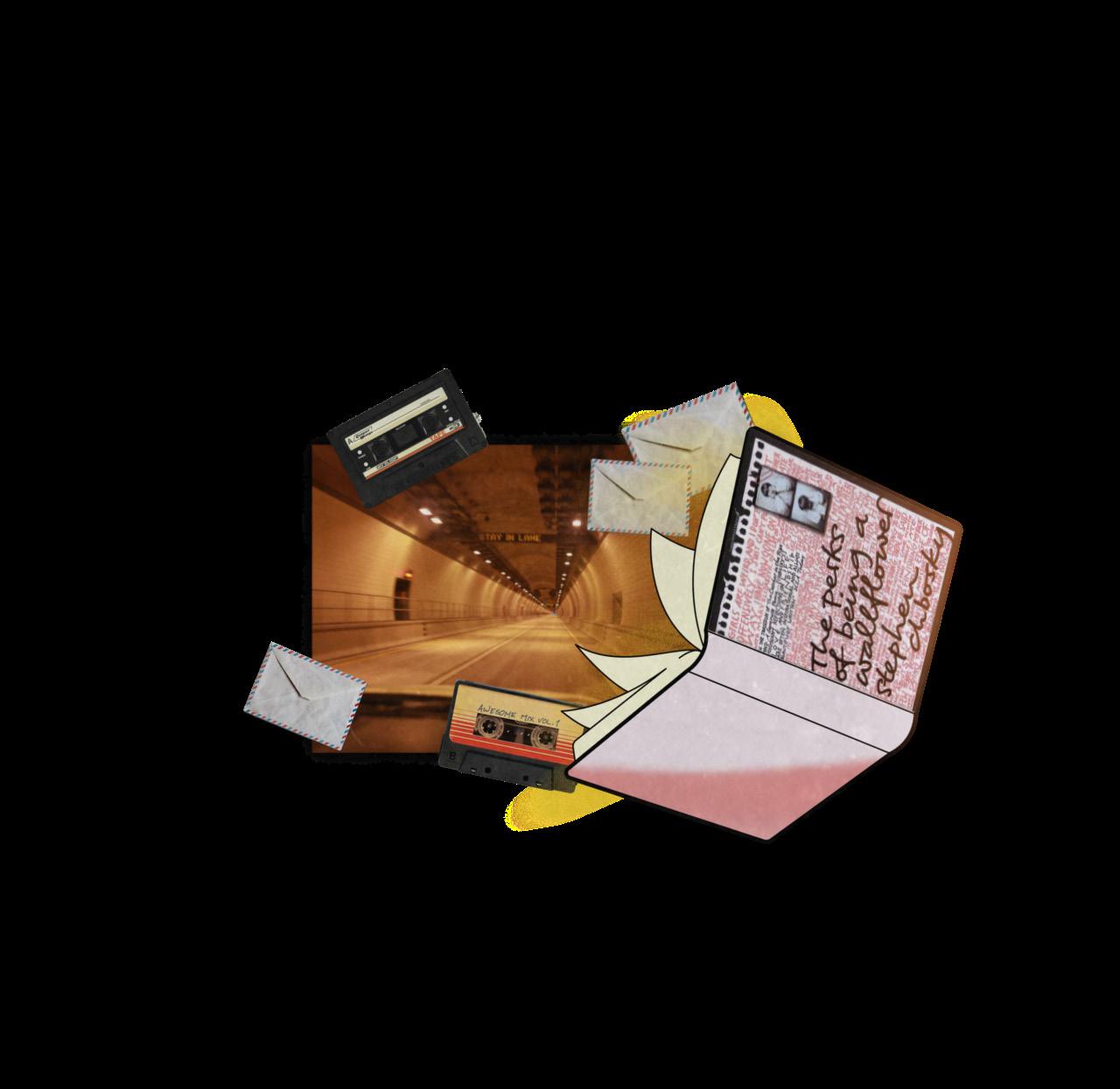
1. The Perks of Being A Wallflower by
Stephen Chbosky (2012)
Sure, from the title itself, this book will bring back those awkward crushes, new friend thrills, and all the angst you might have buried. But, this epistolary novel hits even deeper in your 20s. Beyond the nostalgia, also tackles mental health, self-discovery, and the beauty of finding your
So, grab a cup of coffee (because adulting is hard), revisit this classic, and prepare for a heartwarming embrace in the form of a reminder that “Even if we don’t have the power to choose where we come from, we can still choose where we go from there.”
2. The Courage to be Disliked by Fumitake Koga and Ichiro Kishimi (2013)
Feeling stuck in a rut? In contrast to typical self-help books, The Courage to be Disliked offers a fresh perspective on the way we perceive our existence. Through a captivating conversation between a curious young librarian and a bold philosopher, the book challenges your assumptions about happiness. Forget about dwelling on the past or fearing the future—your happiness lies within your control.
Imagine waking up each day driven by your own purpose, not external validation. This book cuts through the noise and empowers you to take charge of your present, build fulfilling relationships, and finally live the life you deserve. Ditch the drama, embrace authenticity, and discover the liberating power of being disliked.
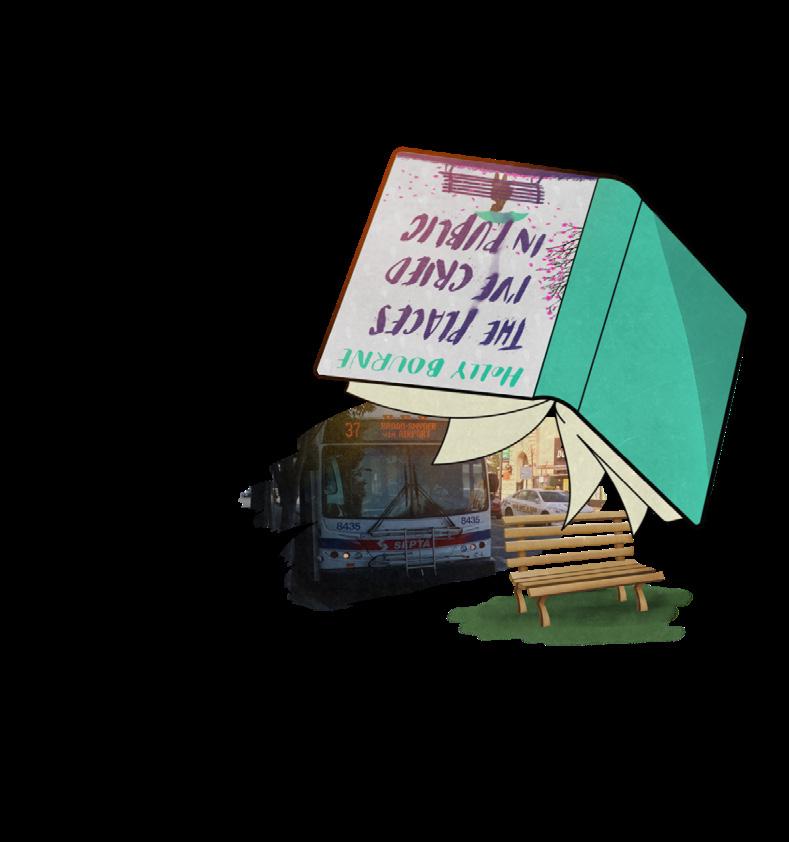
3. The Places I’ve Cried in Public by Holly Bourne (2019)
Forget rom-coms! This book dives headfirst into the messy reality of love in your 20s. Brace yourself for heartbreak, frustration, and the painful truth—sometimes, love falls apart. But, isn’t that what defines this decade?
Bourne doesn’t sugarcoat the confusing stage of falling for someone, but somewhere along the line, things get difficult. Like, way too difficult.
“I just need space,” sounds familiar? Definitely prepare a box of tissues because there will be plenty of crying (in public, maybe?) but eventually, you’ll also see a mirror of your own mistakes and how they’ve always compelled you to move forward.
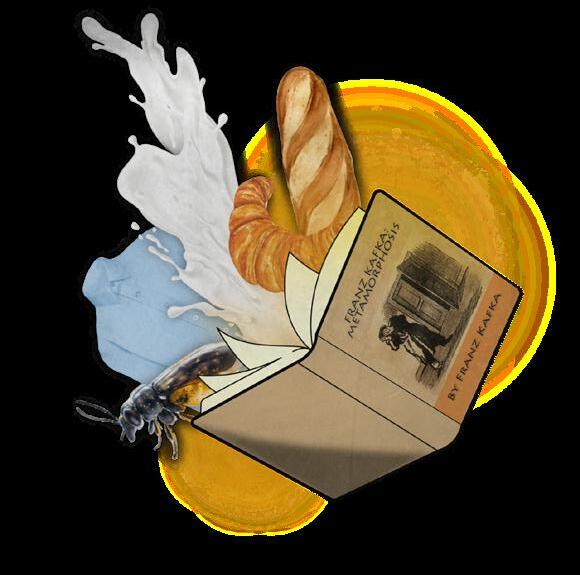
4. The Metamorphosis by Franz Kafka (1915)
Franz Kafka’s chilling novella, throws Gregor Samsa, a traveling salesman, into a horrifying situation—he wakes up transformed into a giant insect. The physical change is grotesque, but it becomes a powerful metaphor for the alienation and dehumanization experienced in modern society. Gregor, once a valued provider, becomes ostracized by his family as he struggles with basic tasks.
This story isn’t just about Gregor’s physical transformation, but also the transformation of his relationships. Kafka exposes the dehumanizing aspects of modern life, where value is measured by productivity. The Metamorphosis becomes a scathing reminder of the fragility of human connection in a world obsessed with conformity.
When you’re feeling lost in the wilderness of your 20s, pick up a book (or four) as your compass. You never know, these reads might just consist of the perfect cheat code to maneuver this glorious, messy chapter of life, and rediscover yourself between the lines. FWD
Life Outside The Closet
by Ejay D. Villaver & Trixcy D. Clar illustrations by Heron Augustus S. Flores
While the classic coming-of-age narrative often confined spaces of adolescence, the reality for LGBTQIA+ individuals is far more diverse.
For some, the journey to embracing their LGBTQIA+ identity is straightforward; for others, the realization dawns only after finding community among fellow queer individuals, while some may never explicitly come out at all. Each person’s path is uniquely their own.
The 20s, a period flushed with personal growth, self-exploration, and adulthood transitions, can be a pivotal time for claiming one’s authentic identity.
In honor of Pride, FORWARD reached out to these brave individuals who chose this decade to share their coming out stories.
“Since childhood, I’ve struggled to see any distinction between loving someone of the same gender and loving someone of the other gender—it’s always been natural to love freely. However, I became confused early on when I wondered why same-sex couples couldn’t marry in church like everyone else. I was eight when I innocently questioned my mother, a catechist, about it, and her response was, ‘It’s a sin.’ I carried this belief for years, fueling a subconscious bias I concealed with hatred towards [the LGBTQIA+ community], but even as I silently cursed their happiness, deep down, I admired their authenticity, yearning to understand them better than those who fit ‘the norm.’
College changed everything; meeting her (my girlfriend) made me brave enough to confess to my parents. My mother was the most difficult; her silence during my weeping confession was piercing until she quietly handed me a lipstick and murmured, “Give this to her”—a gesture of unexpected acceptance that made me happy. When I came out to my father, I remembered it was the day he returned home from abroad. I was a little nervous, but not overly anxious, and when I revealed I had a girlfriend, I hugged him like a little girl. He welcomed me quickly with the condition, ‘Basta pagtarong lang mo og eskwela, mao ra jud na akong hangyo’ and hugged me while my mother listened to our conversation inside the restroom.
In conclusion, she continued to embrace my girlfriend with an open heart, forming relationships of enormous closeness and understanding.”
- Glaze Ceniza, BA Journalism - 3
“It’s not an understatement to experience being labeled ‘tomboy,’ but I embrace my androgyny.
Coming out wasn’t as exciting as I thought it would be—it was terrifying. I didn’t make a big announcement; I just let my parents know. Their reaction wasn’t what I hoped for. It felt more so that they tolerated me rather than accepting me. But I wouldn’t hold it against them; they didn’t shut me out completely. Despite the initial coldness, I still love them and believe that time and understanding will bridge the gap.
To those who have come out, know that your courage is inspiring. For those still in the closet, remember that your worth is not defined by others’ acceptance. Embrace your truth at your own pace; your journey is valid, and you are not alone.”
- Maria Lesley “Lee” Fernandez, BS Psychology - 1
“Being a member of the LGBTQIA+ community has been a bittersweet experience for me. Growing up, I always felt different and confused, acutely aware of how people perceived me. As a teenager, I was exposed to pop culture, which influenced me to live in a way that differed from the norms for straight men.
When I’m with my circle of friends, I feel a sense of freedom and comfort that was previously unfamiliar to me. My friends play a crucial role in my life; they are the ones who pushed me to be comfortable with who I am. With them, I feel like a different person, someone who is free. That was the moment I realized I am gay.
However, I choose to wear men’s clothing and present myself as a straight man—not out of fear, but simply because it’s my choice. I’m the type of gay man who chooses not to cross-dress. I believe that is what makes LGBTQIA+ members unique: We express our gender in different ways.
I have not officially come out as gay to my parents or to anyone else. I want people to see me as an extraordinary and talented individual. I’ve always told myself that if I’m taking this path, I’m going to make sure I’m not just ordinary; I will exceed people’s expectations. Now, I am an achiever and have fought for my place in this world to be respected and accepted. Coming out isn’t just about revealing my identity to others; it’s about accepting and embracing my authentic self.”
- Jose Leonardo Genodiala, BSBA Marketing Management - 3
The prospect of facing rejection and violence rooted in homophobia and transphobia can be overwhelmingly daunting during the decision-making process of coming out. Some even hesitate to label it as an act of bravery because, ideally, in a safe and supportive world for the community, it would be a natural expression rather than a courageous act.
Nevertheless, as we educate ourselves on the diversity of sexuality, we can help everyone feel welcomed, supported, and safe, no matter what labels they use. Embracing this understanding paves the way for a society where every individual can boldly and proudly live their truth outside the closet.
To those who came out, to those who haven’t, to those who can’t, and those who are still trying to figure things out, happy Pride! FWD
10 Pills That Are Hard To Swallow
by Rufino Rico L. Jamisola & Samantha Mae A. Murillo illustrations by Hannah Vanessa O. Mondilla
We were once so eager to grow up so we could do “adult things.” And now that we’re here, everything
Gone are the days where the only hard pills to swallow were the Biogesic tablets for the fever we caught from fiddling around the afterclass rains. Now, we guzzle the pride, pain, and politics that come with adulthood (and apparently, the Biogesics are as essential in your 20s). We grew up too fast, didn’t we? We went from 13 to 20 years old in a span of 10 minutes.
Twenties is a period in our traverse where we get to face harsh realities. One by one and slowly but surely, let’s get slammed with 10 hard truths quarter-lifers struggle to accept.
1. Friends = Forever
POV: You spent your childhood playing Tekken at your grandma’s abode together, you survived research with your team (thanks to deadly coffees at 24/7 cafes), and you traveled every summer with your dearest orgmates. Suddenly, living feels worthwhile again. The moments spent were timeless—but oftentimes, the people aren’t. Here’s an unwanted spoiler: They’ll get tired of playing games, they’ll forget you after graduation, and they’ll find new bezzies to take beach pics with. The people we grow up with, sadly, are not always the people we’ll grow old with. R.I.P. to the good old friendships; the rollicking affairs will be missed.
2. Adulting has no instruction.
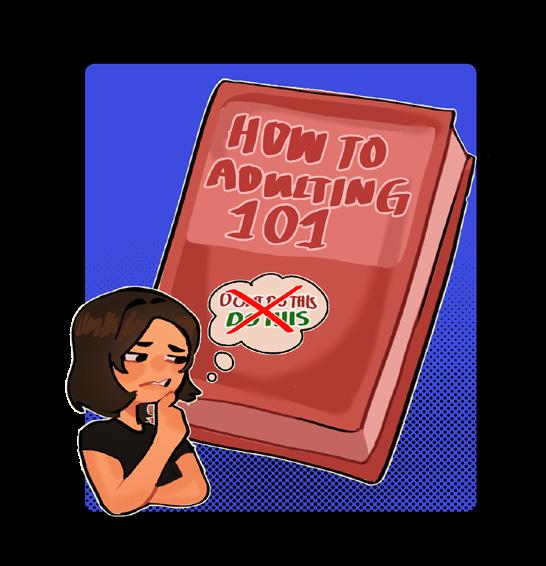
If only there existed a step-by-step manual on how to assemble a life in your 20s, the Clueless & Crisis Aisle of the Adulting 101 Store would’ve sold out! And when they said that men used to go to war, did they mean paying taxes, saving for insurances, and processing valid IDs? Can’t believe grown-ups survive this battlefield without a concussion. How do we move forward? Are we supposed to just go with the flow? Where does the flow even start? At this age, life only gets more confusing. A fixer to the next decade would be nice!
3. Good grades don’t guarantee a job.
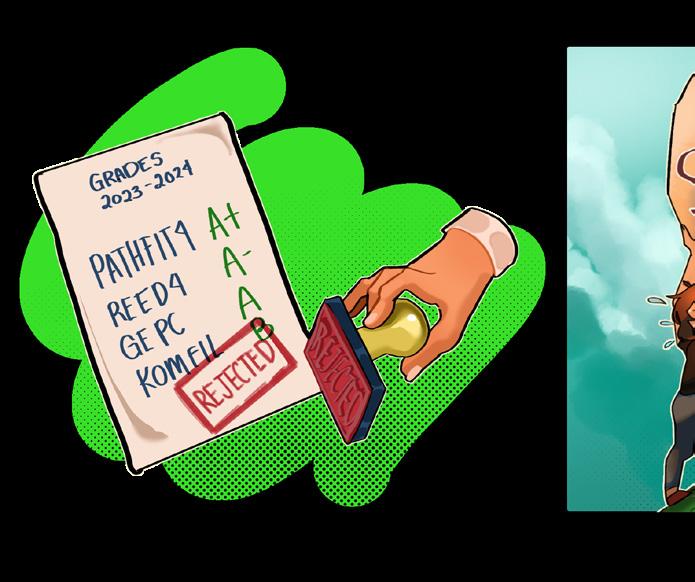
The academic achiever in you isn’t always the most phenomenal resume entry that corporate employers seek. “18 years old with 20 years of experience,” their hiring ad reads. This must be a joke! But unfortunately, the career you aim for doesn’t always have slots for you—it can still be very difficult to find a job that needs and wants you. You may have been an outstanding student, but occasionally, you’d get labeled as “average” in the real world.
4. Some dreams can’t be reached (yet).
You’re hoping that someone out there picks up your call because unluckily, some dreams are out of reach and out of line. These could include landing at your dream company, getting your dream title, or visiting a dream country. For practical reasons, you’re forced to pursue something else—either you can’t afford it, you have no time for it, or simply, you’re not meant for it. Your dreams turn into delusions. As much as the Facebook motivational quotes work you up, your situation can’t be helped. But who knows, someone might finally answer your call when you’re way older!
5. You were born a Filipino.
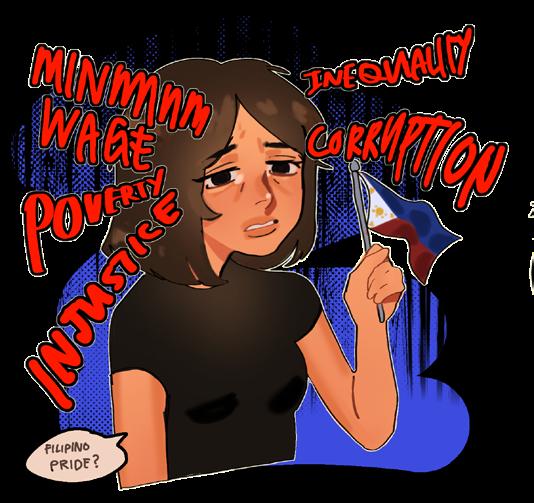
Whether you’re in college experiencing real-time injustices or working a bare-minimum-paying job, you’ve learned to pray for good governance. Now that you’ve seen your loved ones having to leave for an overseas caregiving career, and have witnessed public market vendors never recovering from displacement, you’ve understood that being a Filipino under a corrupt and merciless administration is painful—and you’d have to live with it for eternity.
One would rather get reincarnated as a maple leaf in Canada, rather than as an average Pinoy in the “more fun” Philippines.
6. Your parents won’t live forever.
Once upon a time, your parents taught you that the world is huge, so dreaming is limitless. Fast forward to your 20s: You work for eight hours and beyond, aiming for the house and car you dreamed of having when you were young. You grind even when you’re supposed to rest, sometimes to the point of forgetting that your parents long for you to visit your home in the West. Their hairs are turning whiter; their time is descending faster. You’ll learn to miss the “Get home now!” calls, the homecooked tosilogs, and the warmest hugs in the world. Do check up on them and make sure they feel loved everyday.
7. There isn’t an old you for you to go back to.
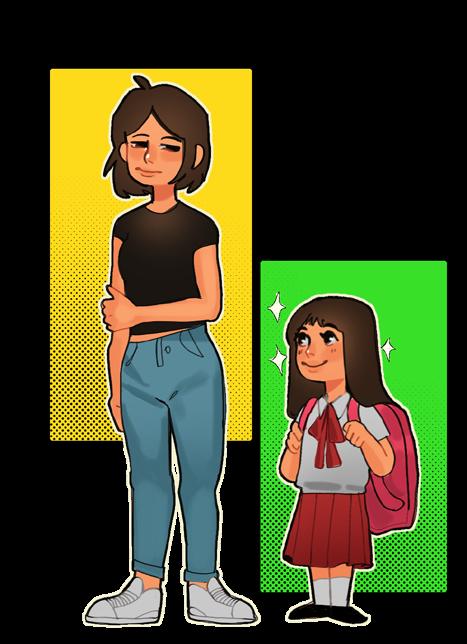
How you wish you were a kid again, only strategizing a way to escape your bedroom to play outside because your mom put you to an afternoon nap. You also wish to be your competent high school self again; when you were so passionate about everything you do. Why do you even want the arrows to turn counterclockwise? The reality is, you have to live the life you have at present. Whatever is served on that table, grab and make use of it. The old you was there to teach you lessons, and not there as your comfort whenever things get heavy.
9.
8. Save yourself because no one else will.
Stress at work, anxieties during exams, and continuous proving that you’ve done enough—your problems become piled up over time. But, no matter how downcast you are, who can you share your feelings with? Your loved ones or your friends? They can’t always pick you up from your downfalls. You’re a grown-up who’s expected to act strong and alright. You perceive that whenever you talk about how bombarded you are with everything you go through, you burden other people—and you don’t want that. So, who saves you? Just you.
There’s no easy way to success.
You used to be spoiled by your parents with your kiddie wants. You didn’t understand the value of those things because you mostly acquired them without any sweat. Ha! Thought you could get everything in a blink of an eye? Sorry, but no, especially success. It actually takes a good amount of sleepless and financial sacrifices—unless you’re a nepo baby. This is a fact: Many people will undermine your capabilities, and at many points, you’ll feel low. You’ll continuously try from scratch but will end up unsatisfied with what you have. At one point, you’ll question, “Success, what is it again?”
10.
The world is fast-paced.
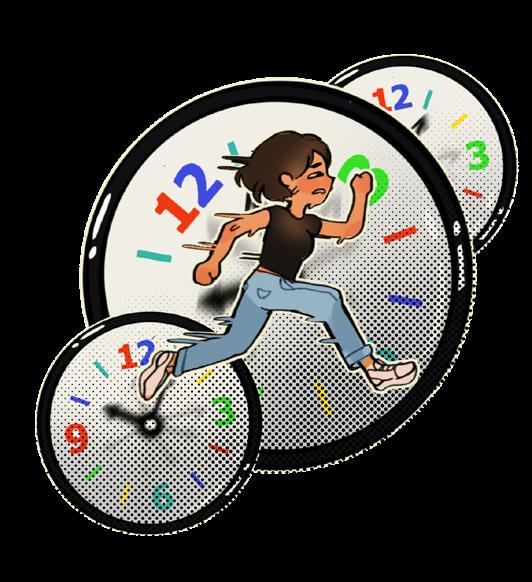
Time never stops for anyone—not even for the tired commuters stuck in heavy traffic or the late office robots powerwalking as if monstrous clocks are running after them. You then realize that you don’t have the luxury of time to be pathetic; you become so afraid of failures because you feel like every time you do something, you have to do it perfectly. You have to be holistically stable at the earliest possible time because you no longer work for yourself alone, but for your family too. It would be a sad thing if you weren’t able to give them the life they deserve. At this point, you learn that their happiness could be yours, too.
Feeling like there’s a lump in your throat, it’s hard to gulp these heavy-milligram capsules. But, as much as this article could horrify you, it’s not meant to demotivate you or crush every hint of determination you have left. Rather, this aims to awaken, prepare, and push you to defy the toughest of times in your 20s. You’ve got this, little fighter! FORWARD believes in you. FWD
To Be Aware Of The Aware
by Rufino Rico L. Jamisola graphic design by Narvie Klaryzze B. Borja
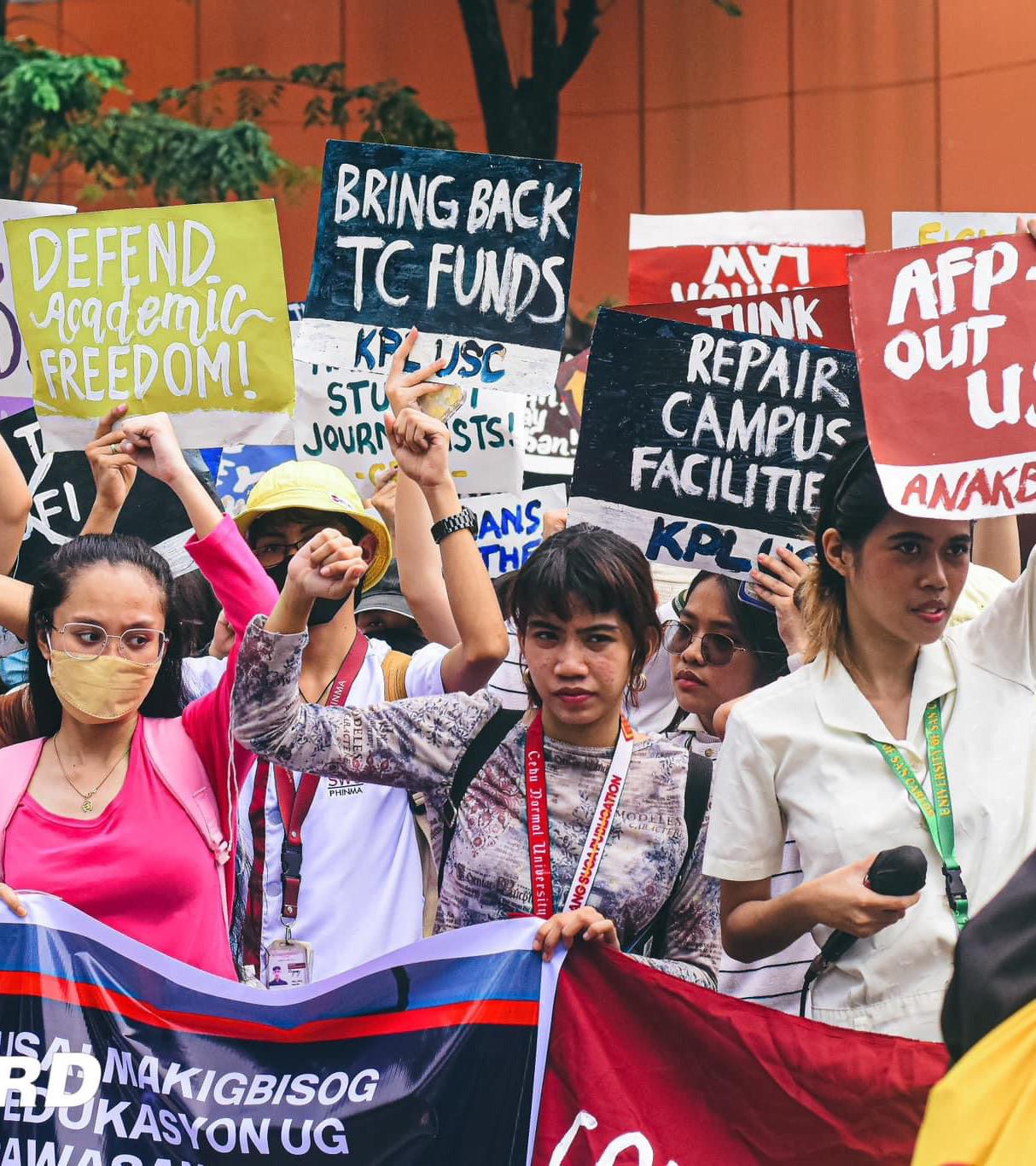
This was the reference that came to one student’s mind when she was asked what activism is, in a documentary film produced by a group of Communication students from the University of San Jose-Recoletos (USJ-R) in 2024, which was titled, “Pagduso.”
In the film, all five students who were interviewed about their understanding of activism expressed red-tagging remarks: that students doing such are opposition and members of the communist group, New People’s Army (NPA).
These descriptions may be what the environment they grew up with taught them—or could be because of their digital algorithm, as most information can now be accessed online.
It is a dreary reality that while there are students who have long fought for a progressive Philippines, there are also some who do not even know what fueled the former to perform this deed. Worse, they tend to perceive wrong assumptions about their certain movement and causes.
For sure, the latter have also undergone several history classes since their primary school and might have heard that it was the revolution, which is relative to activism, that freed the country from the 333-year Spanish colonization in 1898, as well as resisted the 21-year dictatorship of the late Ferdinand Marcos Sr. in 1986.
It is also worth noting that in the 1898 Revolution, it was led by a youth, Emilio Aguinaldo, who was then 29 years old as he fervently showed bravery and leadership.
Meanwhile, the EDSA People Power Revolution, which was a peaceful form of activism, was dominated by college students, involving themselves in unity to show how the force of the people can overpower those people in power.
These are testaments of the youth’s drive to deracinate perennial cycles of societal predicaments—and yet, these student activists’ passion for reforms and equality is being antagonized by many.
Aside from that, it is also more downcast knowing that the student activists are not given enough liberation for screaming for a change in the country, considering that the number of murdered activists has increased throughout the years.
The United Nations (UN) revealed that threats, vilification, and violence against human rights defenders, alongside journalists, in the country were particularly high during the administration of former
President Rodrigo Duterte, but intimidation of critical voices has continued under the current government.
Vilification has frequently been followed by threats, illegal monitoring, assaults, or even murders without grounds. Legitimate activism is suppressed, and freedom of expression is intimidated and curtailed.
In 2023, two Filipina university students active in environmental protests against China-backed reclamation projects in Manila Bay were abducted by unidentified men.
Human rights advocates claimed that their case represents the most recent kidnapping in the Philippines, where environmental or grassroots activists are recurrently the targets of kidnappings or red-tagged as communist sympathizers.
Imagine that even just two voices that advocate for the environment, out of the millions of Filipinos, were being silenced by the government. Clearly, this state suppression presents that the government is afraid of the people’s power, as they are unstoppable when they stand united against the ever-unjust system.
If not being killed, student activists’ calls are not heard, for those in the position call them “too idealistic.”
This is how the change-makers’ voices are belittled. Just because they do not have the experiences and possessions that the higher-ups have, they are then thought of as having no idea of how reality actually works.
They are young, but they are aware.
Despite the threats, the youths are still hungry for change. They are not satisfied with how politics works in the country. Hence, they continue to lobby societal concerns, not for their own benefits, but for the common good.
This generation of tech-savvy youth persists in being the hope of the nation, and this time, with digital activism which constitutes the utilization of modern technologies. One can contribute to the voices by posting societal pleas online, and be part of the process of change.
By then, it can be more efficient for the politically knowledgeable to rightfully teach the unaware.
To the ones who have little to no hints about student activism: Student activists are not the enemies of the nation; the red-taggers are.
Truth is, advocacy and change—this is the essence of activism. FWD
Disclaimer: Bullseye is an issue-based open letter containing sentiments that may express sarcasm and irony.
To All The Profs Whose Standards I Can’t Reach
illustration by Karina Adel A. Vestil
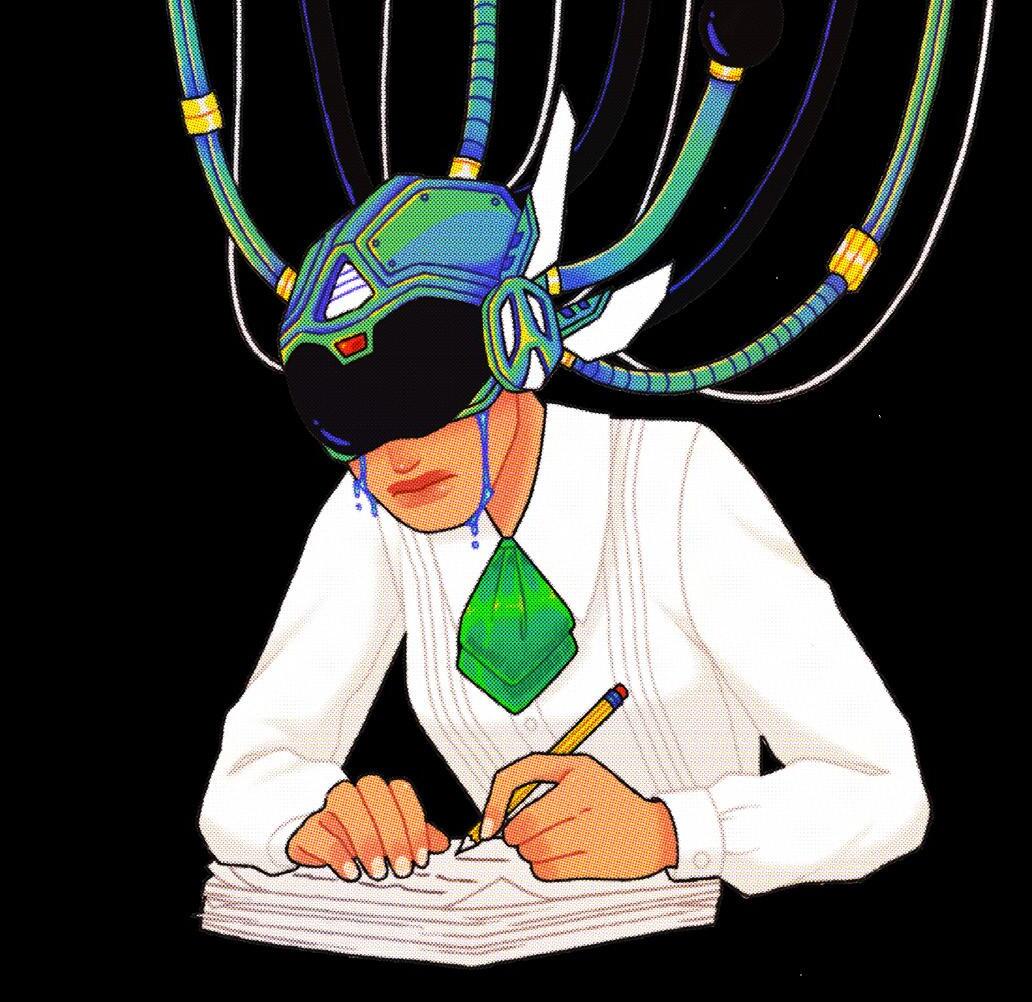
Students were once teens—living wild, young, and stress-free. But, that was before they were cornered by a system that achieved what science fiction writers could only imagine: transforming students into academic robots.
As you start reading, forget about creativity, individuality, or even basic human needs because we are about to unpack the worst-case scenario of students in the University when dealing with a teachers’ system that specifically demands unrealistic precision and standards beyond a student’s reach.
“Mo-give siya og presentation unya mag-expect og bongga with only little time,” a Josenian complained.
University life is where the metamorphosis of education reaches its peak—when the day-to-night classes make us spend most of the time inside the academia, taking endless standardized tests, and completing performance tasks that exceed human capabilities, claiming that these are meticulously arranged to prove that they are the best by projecting their limitless expectations in the academic arena.
But, at what cost?
Gone are the days when students could laugh and cry over mundane things as they no longer eat, sleep, or breathe just to prepare for their examination. Instead, they are programmed to meet the unattainable standards set by the so-called “educators,” notorious for being “feared” and “avoided” by students in the academe.
“Dili mohatag og flat 1 kay genius na daw ka ana, maski i-perfect nimo ang quiz ug tests unya moparticipate [kay] 1.5 na gyud pinakadako ana,” a Josenian under his class complained.
Instead of liberating the students’ young minds through his mechanism, it only tightens the screws with algorithms that dictate their every move, forcing them to march in unison towards the ultimate goal of a general weighted average (GWA) that gleams brighter than the North Star.
Yet, this system is relentless. Everything has a consequence when you show tiny bits of rebellion against the system—grades dock, GWAs plummet, and the looming specter of a less-than-perfect future rears its ugly head.
Extracurricular activities are no longer hobbies but are strategies in case they couldn’t make the cut. Besides, who needs friends when you are a droid? Sleep is a luxury, and mental health is a myth—both sacrificed at the altar of academic excellence.
But wait, there’s more! Just when you think the educational overlords couldn’t demand more, their empathy is nowhere to be found.
To deal with the reincarnation of Miss Minchin is not how the Josenians would want to end their semester, especially for the achievers, the scholars, and the graduating students.
For someone who preaches for productivity and healthy learning experience, her habitual final requirements with little to no time to prepare and demanding grandeur output breaks the heart and soul of a well-rounded education.
“Taas ra kaayo siya’g expectations namo Wala’y consideration, labi na sa [expenses] sa iyang gusto.”
“Wala jo’y ganahan ma-under kay naa baya mi cut-off unya lisod kaayo i-please; ma-compare pa mi sa lain block,” they added.
Imagine how these aspiring students hustle to become professionals despite the financial hurdle only to be under a crisis that they’re not responsible for—and now they have to struggle to justify their existence in a world that values quantifiable success.
Her infamous trait of “comparing students to other blocks” only reminds the students of their internalized mantra, “Anything less than perfection is a failure.” It’s no wonder that anxiety, depression, and burnout have become the hallmarks of modern student life.
In the quest to mold the perfect student, they have created a generation that excels at everything but living. And so, we find ourselves at a crossroads. Do we continue down this path, perfecting the art of turning students into robots to satisfy these academic pundit’s cutthroat standards?
Or do we dare to imagine a different future—one where students are allowed to be curious, to fail, to dream, and to grow into well-rounded adults?
Dear professors, as you wield your red pens like scepters, decreeing the fate of every students’ GWA with a flick of your learned wrists as your way to instill precision and productivity, may you be reminded that education should not be about creating perfect machines but about producing competitive individuals capable of making mistakes and learning from them.
In the spirit of academic goodwill, students propose a compromise: Lower your bar just enough for us to limbo under without spraining our brains to give room in valuing creativity as much as conformity and understanding that true learning also happens in the messy, unstructured moments of life.
Let’s turn the pursuit of knowledge into a less extreme sport. After all, a little mercy goes a long way in preserving our mental faculties. FWD
Share. Repost. Restory.
by Ejay D. Villaver
graphic design by Narvie Klaryzze B. Borja photo by Handout / Armed Forces of the Philippines
In times of crisis, we should welcome movements becoming “trendy” because digital activism has power.
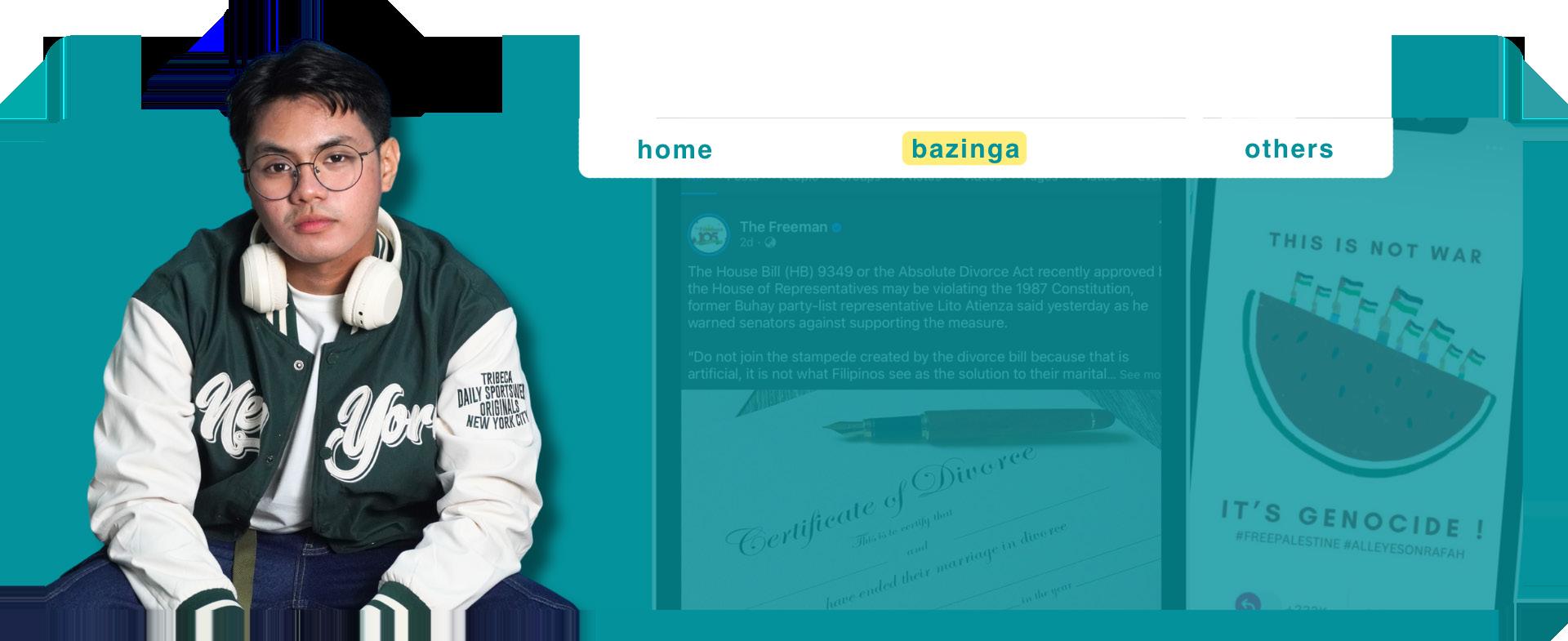
Allow me to paint a scene: have you ever scrolled through Facebook and been abruptly bombarded with distressing images and clips of children dying in Palestine? Or come across posts from staunch conservatives strongly opposing the passage of the Divorce Bill? Perhaps, you witnessed the brutality of Chinese coast guards ramming and towing the Philippine Navy, resulting in one of the sailors having his thumb severed.
Honestly, with the overwhelming global and local issues we face, I could go on.
In an age where social media connects millions of users worldwide, it has proven useful when it comes to raising awareness, gathering collective support for issues and movements, and even expressing our dissent.
Three years ago, I believed that ranting on social media can blind you into feeling like you’re making a great step towards making a difference when in reality, you’ve done very little to no impact. Posting hashtags, retweeting that controversial news article, or debating with someone who holds an opposing viewpoint often fails to bring about “real change.”
However, my perspective has changed dramatically over the years.
During the 2022 National Elections, I have seen netizens actively debunking fake news as our country has experienced a huge surge of disinformation online. We shared a lot of warnings to verify information, advocating for fact-checking.
Meanwhile, in the midst of increasing Israeli violence and mainstream media’s neglect of the Palestinian narrative, it falls upon us to amplify content from Palestine to drive change.
Digital activism helped build collective networks of solidarity and resistance in social movements. Under the Marcos administration, we continued to speak up and call out the bad, the joke, and the good (if there’s any) lurking around their politics to ensure that the Filipinos meet the governance they deserve.
For these reasons, I do see the point of engaging in social media. We’re able to headline undocumented issues and shake the status quo, giving hope to the oppressed minorities that had withstood long-simmering, systemic inequities.
So, if you believe that your free speech and expression are going unnoticed online, think again.
With its opportunities, however, digital activism is a knife that cuts both ways. Despite the rise of supporters in advocacies, we cannot disregard that some still consider this a nuisance since some are cynical, hypocritical, and practicing “slacktivism” that puts activism in a bad light.
Do I believe that performative activism is better than nothing? No. But does it rally a wide coalition of people, including those who aren’t engaged in politics and don’t follow the news? A million times, yes.
If creating a generation of socially aware people is the goal, then give them the freedom to discuss, research, discover the truth, and be open-minded. This generation’s online presence allows them to be informed of what’s happening beyond their bubble.
Hence, share that “Atin ang West Philippine Sea” article, repost that #YesToDivorce tweet, and restory that “All Eyes on Rafah” template on Instagram.
After all, a successful movement requires all participants to be well-informed. FWD
DISCLAIMER: The issues presented are solely from the Josenians. It does not reflect the views and opinions of the publication. illustrations by
Heron Augustus S. Flores
Past is past, never
discuss
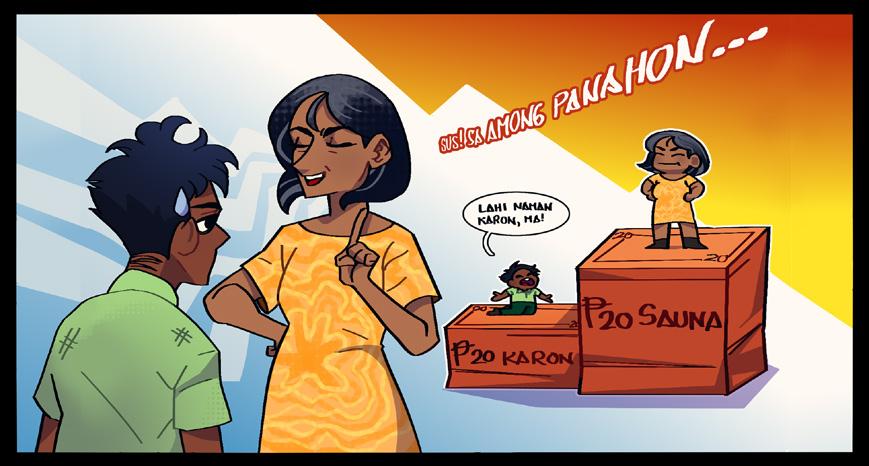
Kapoyan jod ko maminaw sa akong Mama basta mangayo ko og kwarta para konsumo. Sauna daw baynte ra ilang bawn ‘nya daghan na kuno sila’g mapalit ana. Saon man intawon nato na ang baynte ron uy nga halos di naman gani na maigo pang-plete pa-back-and-forth sa jeep! Gatuo guro sila nga Golden Era japon ay. Kay lagi, lakawon ra daw nila ang pila ka-bungtod makaabot lang sa ilang eskwelahan. Naa na pod ta aning mga estoryang lisod katuohan. Masabtan ra man na nagkalisod ta, pero unta makasabot pod si Mama na naglisod pod ta’g budget diring dapita. Sinabtanay ba. Hays, paeta!
YouTube University
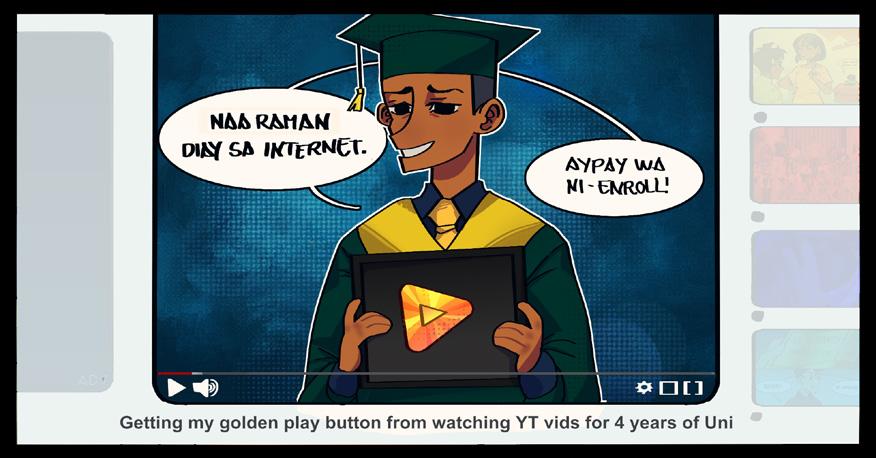
Mura man mi’g gabayad og subscription sa YouTube sa sige og patan-aw sa among professor og video tutorials. Maypa mag-online class nalang og balik mo-ari ra man diay mi’g skwelahan para magtan-aw lang og videos Gets man nako na masabtan ra, pero grabe panagsa ra gani mosulod sa klase, unya ing-ani ra, magpa-quiz pa’g 20 items! Ngilngiga ah. Mamser! Na-memorize na nako ang intro spiel ni titser vlogger. Kun mo-subscribe ba mi ani ‘matic flat uno na? Magtarong lang ta kay we are not paying for this ra ba, hehe.
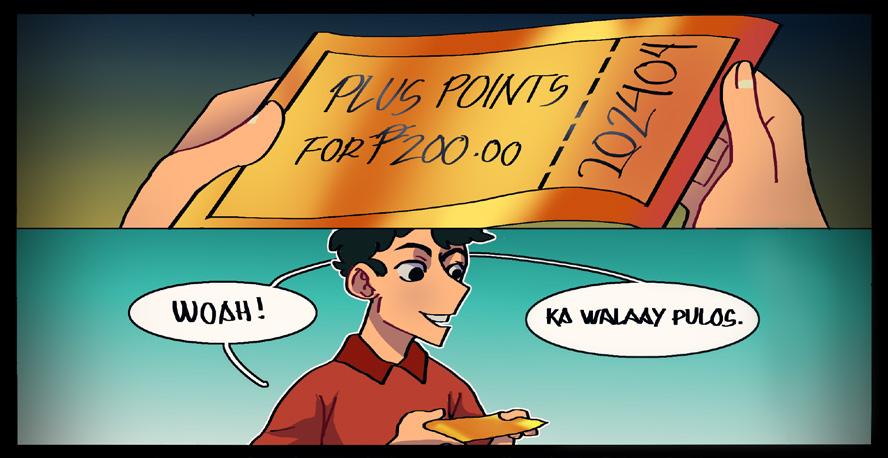
Pay to Pass: Bayad = Plus Points
Naa jo’y ubang mga professor na mapugos nalang ta og palit og tickets sa mga event maskin dili sa atoang department kay “plus 20 points” kuno. So, kita pod nga hagbongonon, mokagat pod ta aron mobitay lang ta sa tres ba; maayo nalang gud makatabang para makapasar sa semester. Ang ending, engk! Scam diay to! Walay plus 20 points nahitabo; kinahanglan ra diay nila og audience. Iyak lang sa ko sa gedli, basin diay my grade moves in mysterious ways. Kaloy-an unta atong mga kalag ani ron.