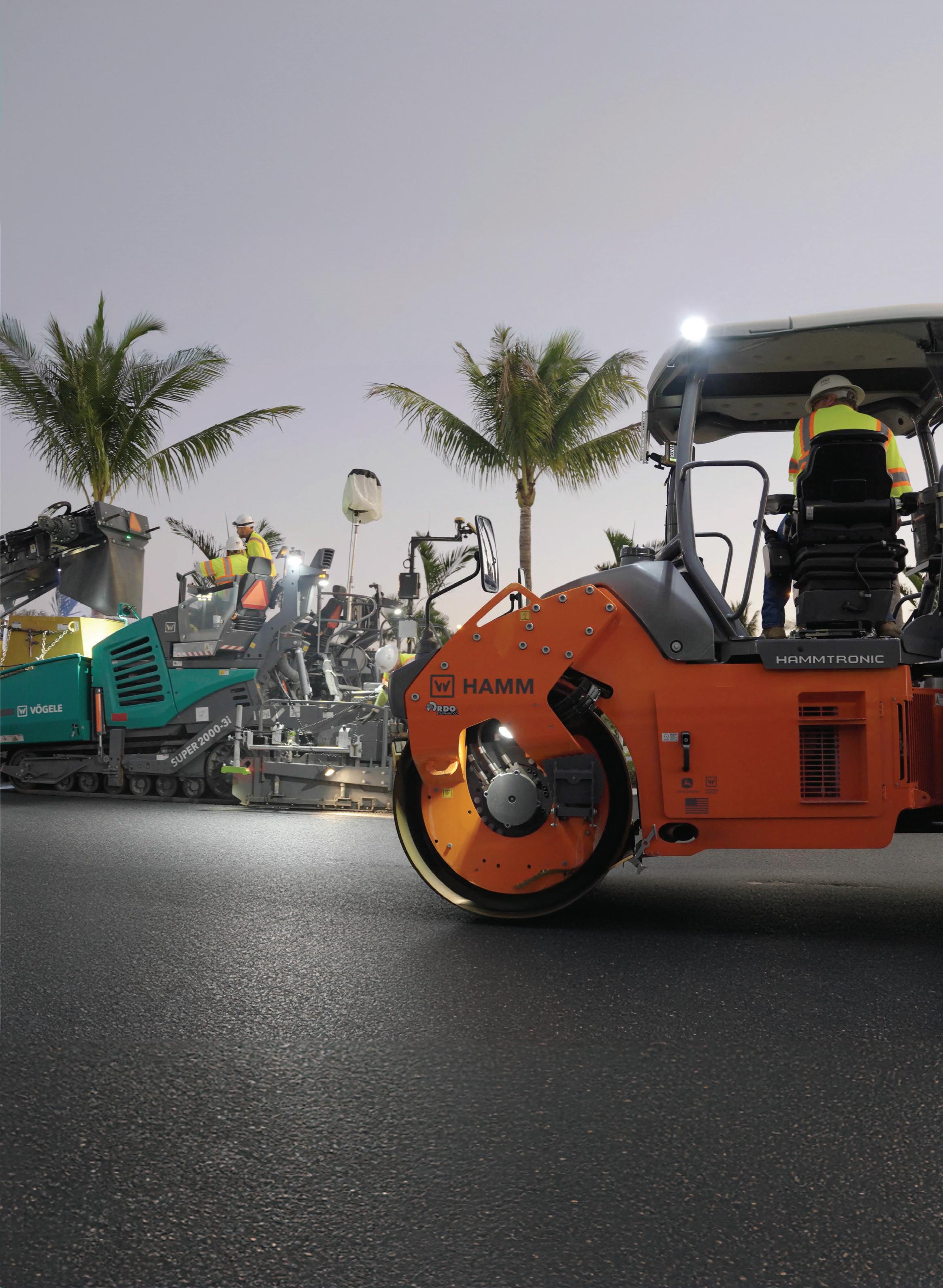
Asphalt Industry: Highlights And Trends From CONEXPO 2026
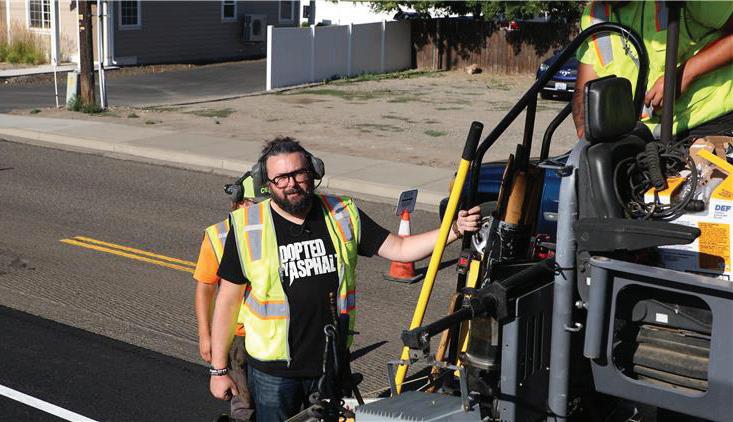
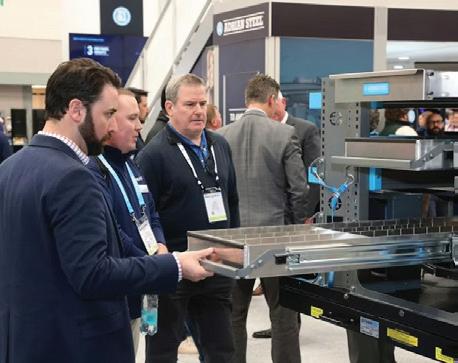
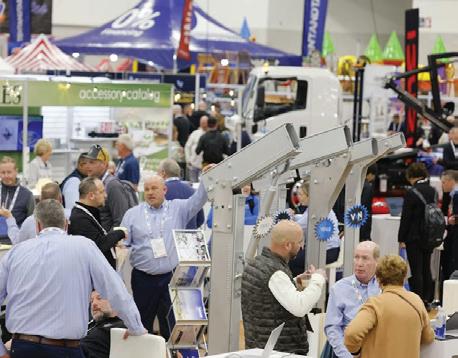
The biggest construction trade show in North America returns, and with it comes no shortage of new products, equipment, and technology. | 20
TECHNOLOGY MATTERS
12 Wearable Tech New Frontline In Protecting Labor Rights
Heat stress is one of the most dangerous hazards on construction and energy jobsites, yet it often builds silently over long shifts.
PRODUCTION GAINS
14 Big Upgrades At Johnston Community College
How S.T. Wooten executed a large-scale campus paving project under tight timelines and an evolving scope.
FACE OF THE INDUSTRY
26 Nearly 40 Years on the Roller
One operator reflects on craft pride, career growth and encouraging more women into the industry.
PRESERVATION & SUSTAINABILITY
28 BioAsphalt That Enhances Performance, Longevity
Biochar, cold recycling, and the question of permanence. How Verde Resources is making asphalt stronger and greener at the same time.
JOBSITE INNOVATION
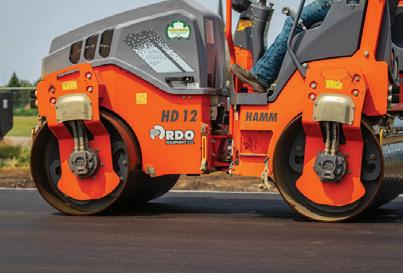
30 The Fundamentals of Compaction
Exploring the fundamentals of compaction and one key machine that makes the final pass.
Published and copyrighted 2026 by IRONMARKETS. All rights reserved. No part of this publication may be reproduced or transmitted in any form or by any means, electronic or mechanical, including photocopy, recording or any information storage or retrieval system, without written permission from the publisher. Asphalt Contractor (ISSN 1055-9205, USPS 0020-688): is published ten times per year: January, February/March, April, May, June/July, August, September, October, November, December by IRONMARKETS, 201 N. Main St. Ste 350, Fort Atkinson, Wisconsin 53538. Periodicals postage paid at Fort Atkinson, Wisconsin and additional entry offices.
POSTMASTER: Please send change of address to ASPHALT CONTRACTOR, 201 N. Main St. Ste. 350, Fort Atkinson, WI 53538. Printed in the U.S.A.
SUBSCRIPTION POLICY: Individual subscriptions are available without charge only in the USA. The Publisher reserves the right to reject nonqualifying subscribers. One-year subscription to nonqualifying individuals: U.S. $45.00, Canada & Mexico $65.00, and $95.00 all other countries (payable in U.S.
drawn on U.S.
ON TRACK PERFORMANCE
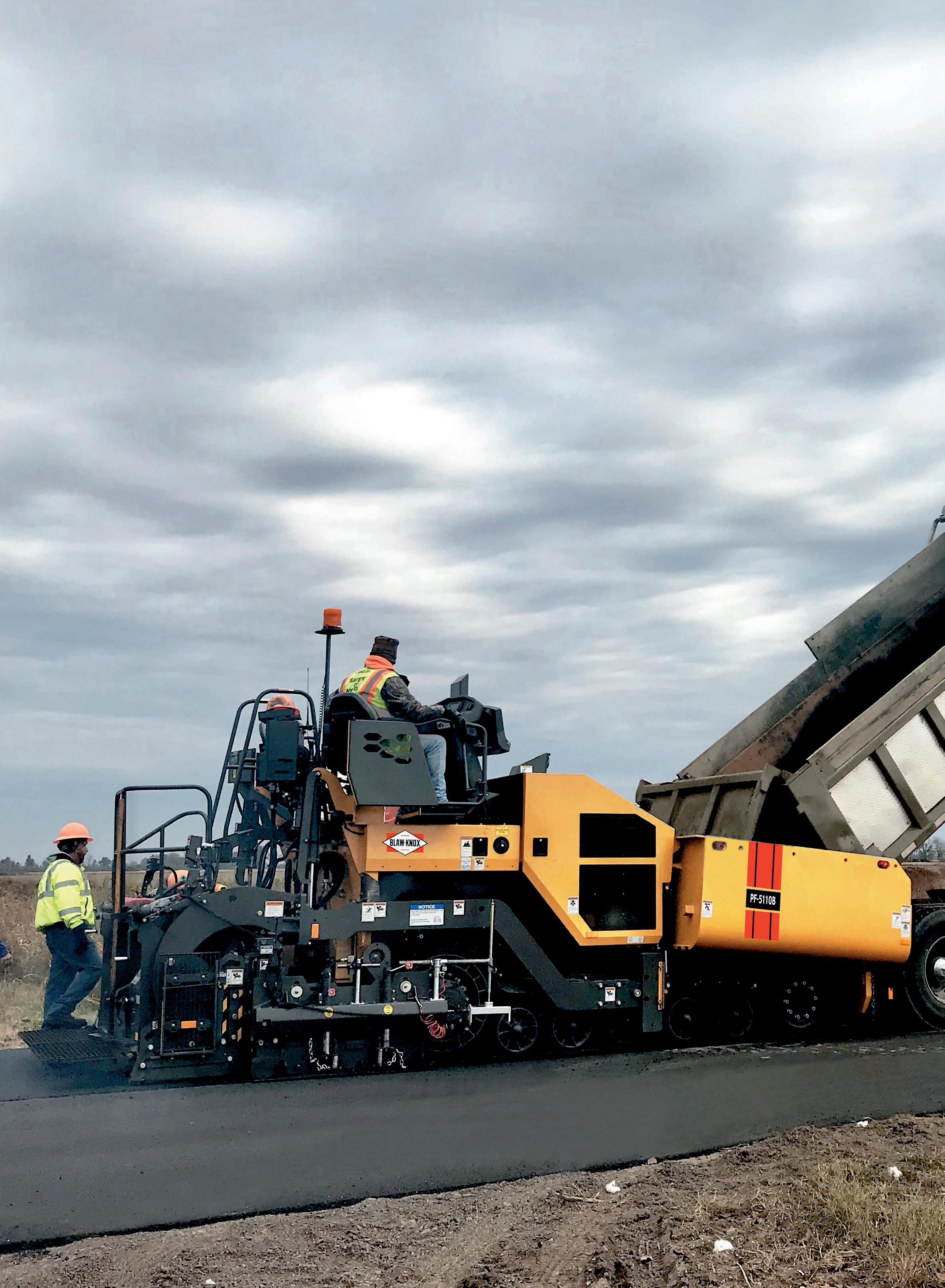
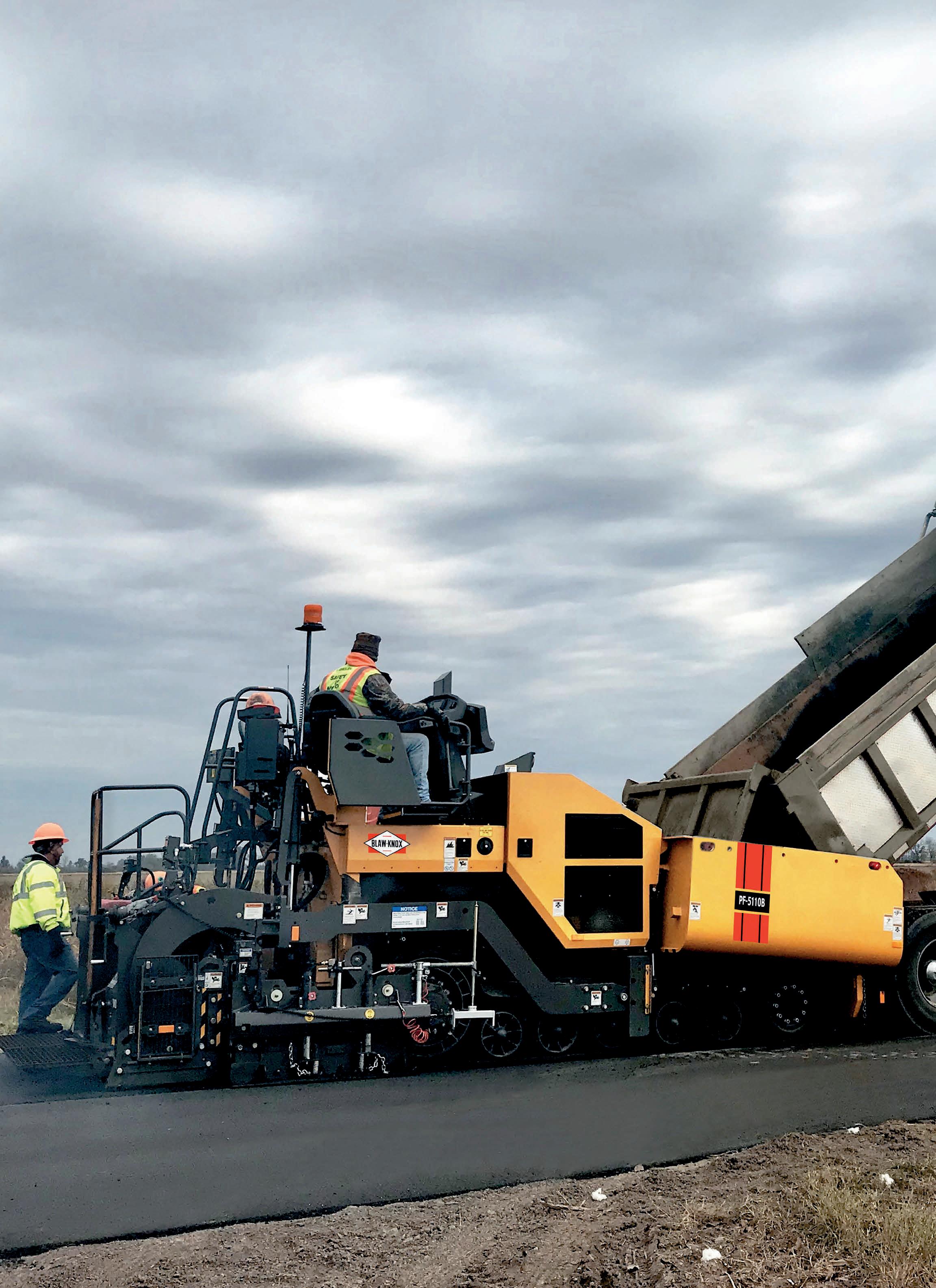
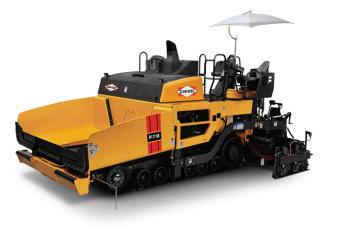
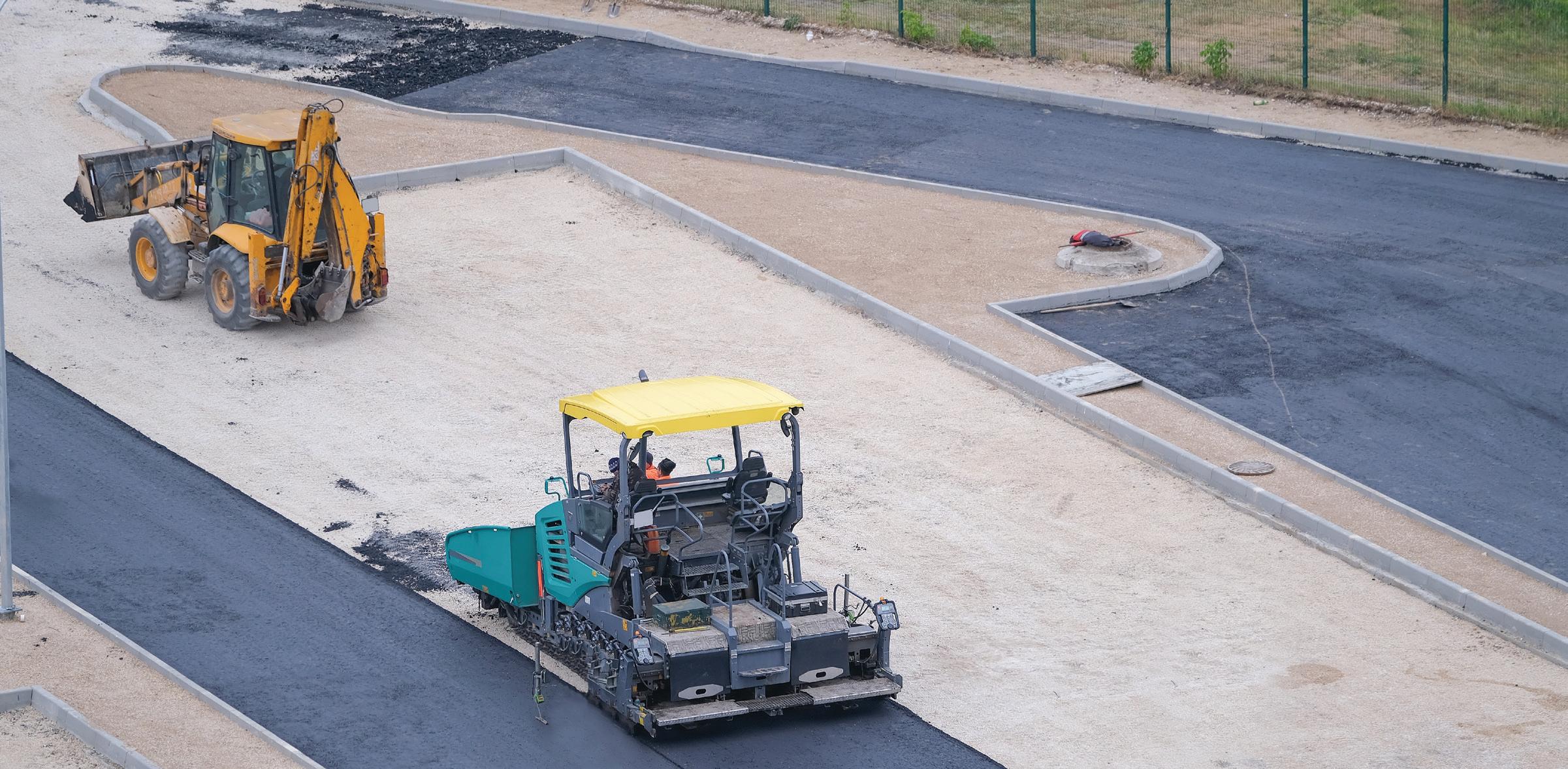
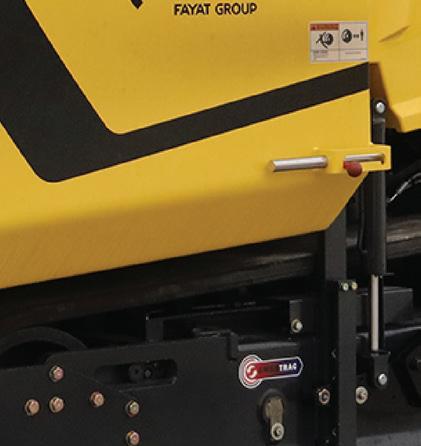
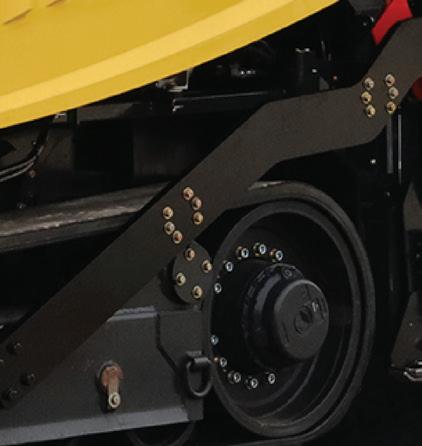
With over a century of innovation to its credit, Blaw-Knox® pavers have earned a reputation for quality, durability, and performance unmatched in the industry. Our continued focus on innovation is what drives our product engineering with designs that improve performance while maintaining user-friendly, ergonomic comfort and reliability for the operator.
BLAW-KNOX, THE LEGACY LIVES ON.
For more information contact your Blaw-Knox dealer or visit www.blawknox.com
Running An Asphalt Crew | No Edge Lines Season 3 Episode 3
Editor-in-Chief, Brandon Noel, heads to Washington state to learn first-hand the challenges you face when trying to run an asphalt crew on a day-to-day basis.
Watch the video at: https://asph.link/NELS3E3
5 Key Trends From CONEXPO-CON/AGG 2026:
Electrification, AI, Autonomous Equipment
Work Truck Week 2026 Drives Vehicle Innovation
and More
From electric machines to AI-powered operator assistance, here are five major construction equipment trends that stood out at CONEXPO-CON/AGG 2026.
Read more at: https://asph.link/ zlrlw5to
The event, hosted by NTEA –The Work Truck Association, is set to showcase offerings and innovations from more than 500 exhibitors, along with updates from original equipment manufacturer (OEM) and new vehicle technology trends.
Read more at: https://asph. link/6ubbcp07
Mi-T-M Featured Floor Care, Cleaning and Power Solutions at The ARA Show 2026
Known for their cleaning equipment, Mi-T-M brought their latest launches to The ARA Show.
Read more at: https://asph. link/24tj37yx
New Mental Health and Safety Program Targets Construction Workforce
The Strong Minds, Safe Sites program is focused on mental health support, trauma services and psychological safety training for construction workers.
Read more at: https://asph. link/9cnezdut
Signup for the Roadbuilding Update, a free bi-monthly newsletter for the most up-to-date DOT, FHWA, asphalt, and other industry news
NEW IntelliPac ™ Moisture System
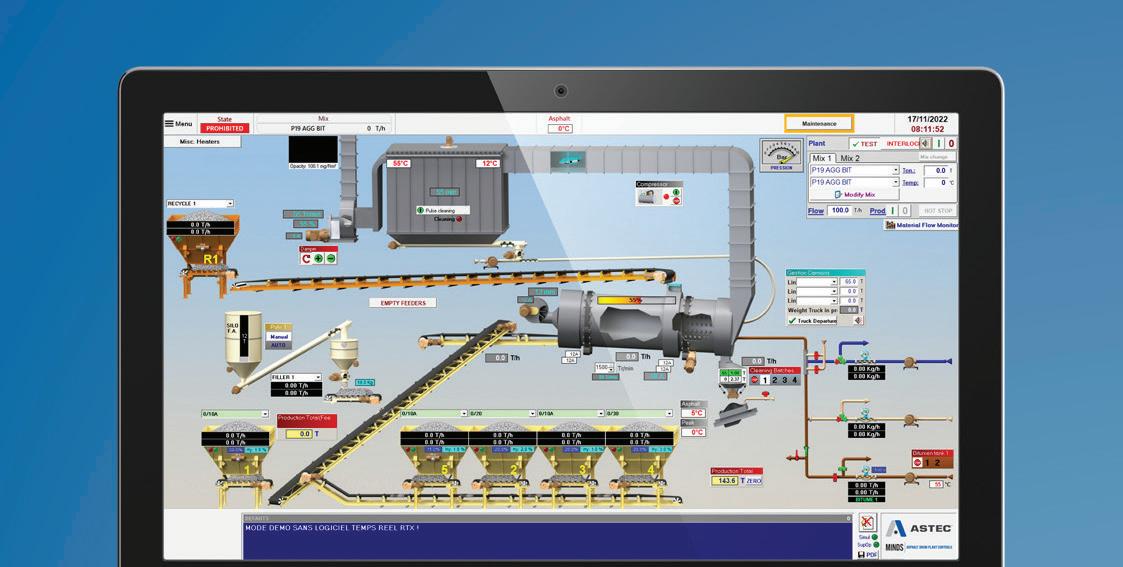
Astec paves the way for sustainable, innovative asphalt plants. The new IntelliPac Moisture System is a revolutionary solution that integrates seamlessly with Astec control systems. This provides unparalleled, real-time visibility into virgin aggregate moisture content. IntelliPac empowers operators to optimize mix design, minimize energy consumption, and reduce environmental impact. With Astec, you get superior asphalt production – better for the environment, better for your business.
BUILT TO CONNECT
Brandon Noel, Editor-in-Chief
bNoel@iron.markets
234-600-8983
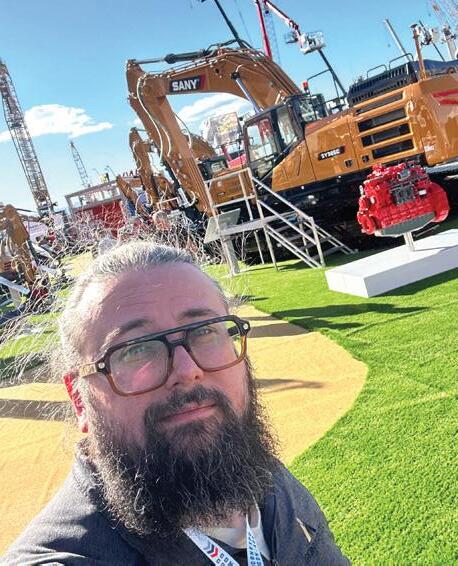
CONEXPO 2026: Coming Full-Circle In Las Vegas
It was the same show, but I felt like a different editor.
Three year’s ago I didn’t just attend my first CONEXPO, it was my first construction trade show ever. As much as my colleagues tried to communicate what it would be like, no matter how carefully I thought I’d prepared, it was a complete trial-byfire experience. I won’t sugarcoat it. After I got home from that eight day stint, I felt exhausted and like a total failure. If you’ve ever heard of “imposter syndrome” then I was feeling like the living embodiment of the idea. Privately, I told my family that I wasn’t sure that I wanted to be around by the time CONEXPO returned.
Thankfully, I didn’t let those feelings of failure win, because shortly after leaving Las Vegas behind, I started to figure out how I was going to make this role my own. If I’d come back and decided this wasn’t for me, and walked away, I can confidently say that I would have deeply regretted it -- a sentiment only confirmed to me by my return this month to Sin City itself and the trade show that almost beat me.
It’s Too Late To Turn Back Now
Three years is just long enough a time period to feel distant, and at the same time, it feels too close to justify claims of major changes or growth. However, as I walked through the massive halls of the Las Vegas Convention Center’s sprawling campus, things felt different.
It’s still too big of a show to see EVERYTHING there is to see, or even all that you want to see, because of its sheer size. But the biggest difference maker this time wasn’t just knowing more about the industry or having more trade show experience, even while both of those are true. The real difference maker is the same thing it always has been in our industry: relationships.
As each year goes by and I’m in this role as your editor-in-chief, that only grows in relevance and affirmation. That isn’t just true on the manufacturing and media side of the industry, no, it’s also true of the long-standing contractors who’ve survived many decades, economic seasons, and innumerable difficulties. The relationships they forged, both in business and in their personal support structures, those are what made the real difference.
Three years ago, the construction world met and was licking its wounds from the sting of a global pandemic. In 2023, everyone celebrated even the slightest indicator of normality. We looked ahead. In 2026, I would argue that things feel less normal than they did then. In videos and interviews and offthe-record moments I had, people rephrased or out-right avoided words like “uncertain” or “challenging” though it was clearly what they wanted to express. What has me concerned is that there are times when it’s the careful things no one is saying that loom largest.
Published and copyrighted 2026 by IRONMARKETS. All rights reserved. No part of this publication may be reproduced or transmitted in any form or by any means, electronic or mechanical, including photocopy, recording, or any information storage or retrieval system, without written permission from the publisher.
@ASPHALTCONTRACTOR
@ASPHALTCONTRCTR
@ASPHALTCONTRACTOR
@ASPHALT-CONTRACTOR-MAGAZINE
by
NEW PRODUCTS
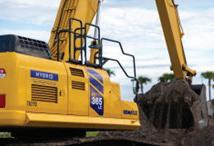
Komatsu Introduces New Excavator
The PC365LC-11 excavator features an electric swing system, updated cab design, and expanded technology and attachment capabilities.
The PC365LC-11 uses a dedicated electric swing motor with a “boom-up” power assist to improve swing speed and reduce cycle times. An onboard ultracapacitor stores energy generated during normal operation and provides additional power when needed, helping reduce fuel consumption and noise while improving overall efficiency.
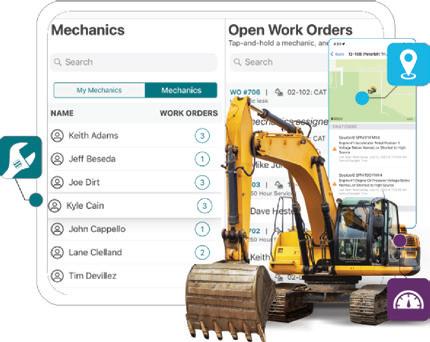
HCSS Enhances Fleet Software
HCSS has made updates to Equipment360, Telematics and FuelerPlus to help contractors manage maintenance, equipment data and fuel use. Its fleet management software now gives construction companies more visibility into equipment performance, maintenance and fuel tracking.
The platform combines Equipment360 maintenance software, HCSS Telematics and FuelerPlus fuel management into an integrated system. Equipment360 automates preventive maintenance and work orders, while telematics tools deliver real-time machine location and operating data. FuelerPlus tracks fuel consumption and reporting.
The updates focus on tighter integration between systems.
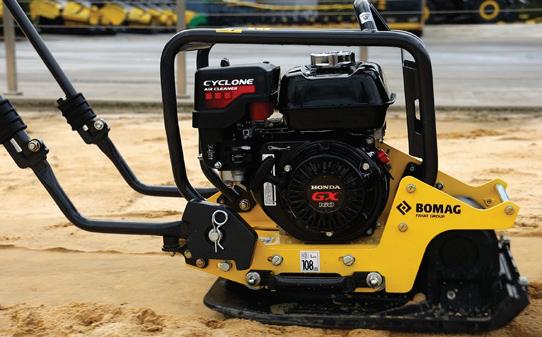
BOMAG Introduces BP Series Vibratory Plate Compactors for Asphalt and Paving
BOMAG introduced its BP Series of single-direction vibratory plate compactors, designed for soil, asphalt and paving applications. The lineup includes six gaspowered models offering compaction widths from 12.6 inches to 19.7 inches.
The compactors feature an exciter housing cast into the base plate to reduce vibration wear and eliminate loose fasteners. Select models include a cyclone prefilter to help extend engine life. The machines also incorporate enclosed V-belt guards, protective bar frames and accessible service points.
Designed for operator comfort, the BP Series includes vibration-dampening handles and foldable guide handles for easier transport.
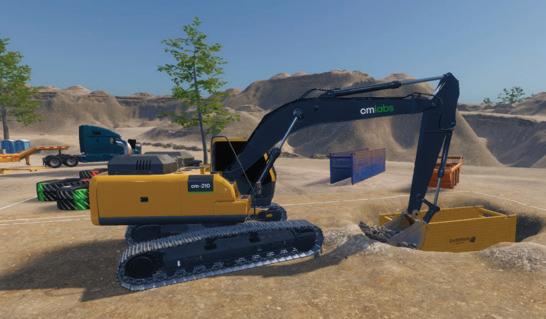
CM Labs Expands Excavator Simulator Training
CM Labs Simulations expanded the Tracked Excavator curriculum within its Intellia Workforce Training System to include demolition and advanced trenching scenarios.
The update adds training modules using hydraulic hammer and shear jaw attachments, along with existing grapple exercises. Operators practice tool changes with a quick coupler, breaking concrete and cutting steel components in simulated jobsite conditions designed to reflect real material response.
New trenching exercises introduce trench box installation and unstable soil conditions that simulate loose ground behavior.
Blaw-Knox Updated Paver Lineup And Telematics
The PF-5000C and PF-7000C series pavers, available in tracked and wheeled configurations, now include Cummins Tier 4 Finalcompliant engines, updated seating configurations and automatic grade and slope control options. The models also feature improved automatic grade systems and expanded screed choices.
Blaw-Knox also introduced its Blaw-Konnect telematics system, which provides GPS location tracking, machine monitoring and paver performance data.
Milwaukee Tool Adds Cooling PPE
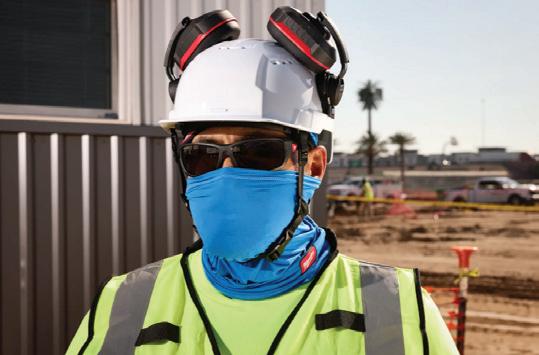
Milwaukee Tool expanded its cooling solutions lineup with new personal protective equipment designed for hot jobsite conditions. The products use water-activated cooling technology. Users soak the material in water for about 30 seconds, wring out excess moisture and wear. Each item provides up to two hours of cooling and can be reactivated as needed. Both products also offer UPF 50+ sun protection. The Cooling Neck Gaiter features four-way stretch fabric and is designed to wick moisture while providing cooling relief.
Materials
• Pavement Sealers
• Crack Fillers (Hot & Cold)
• Traffic Paints
• Tennis & Pickleball Coatings
Equipment
• and much more!
• Sealcoating Equipment & Tools
• Heated Crack Sealing Equipment
• Bulk Storage Tank Programs
• Heated Asphalt Distributors Service
• Job Site Sealer Tankers
• Equipment Rental & Repair
• Highly-Trained Customer Service
• Product & Equipment Training
Maintenance Products
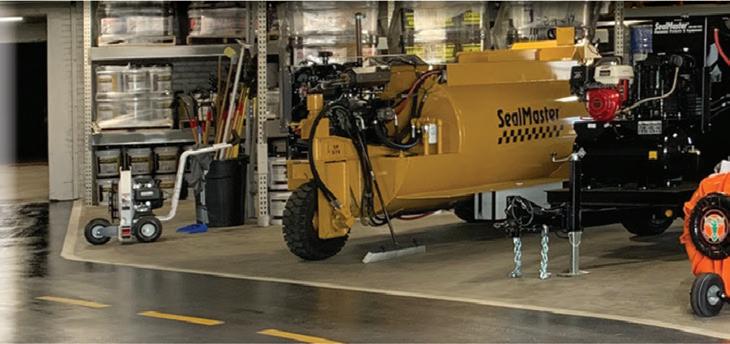
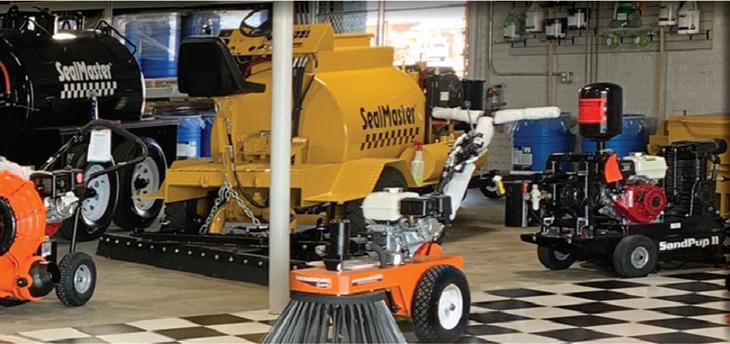
Fully stocked with everything you need for your pavement maintenance job including crack fillers, pothole patch, traffic paints, and more.
Pavement Sealers
The global leader in pavement sealer technologies including asphalt-based, acrylic-based, liquid petroleum-based and coal tar.
Professional-grade sealcoating and crack-filling equipment designed for performance, durability and ease of use with a nationwide sales and service network.
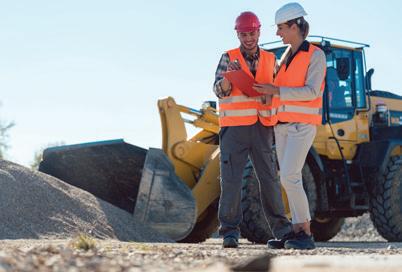
The construction industry has long grappled with a fundamental challenge: protecting workers from hazards that often remain invisible until it’s too late. Heat stress, dehydration, and fatigue don’t come with clear warning signs. Instead, they accumulate silently over eight-to-ten-hour shifts, gradually compromising judgment, slowing reaction times, and increasing the risk of serious injury or death.
Across construction sites workers are routinely exposed to extreme heat, heavy protective equipment, physically demanding labor, and variable environmental conditions. For decades, we’ve have relied primarily on lagging indicators (incident reports, injury claims, and after-the-fact audits) to understand when something has gone wrong. But by the time these signals appear, the damage has already been done.
Today, a technological shift is emerging that promises to change this dynamic. Biowearable sensors are transforming how energy and construction companies monitor, protect, and empower their workforce, moving from reactive compliance to proactive care. Far more sophisticated than consumer fitness trackers, these sensors deliver real-time physiological data that makes invisible risks visible, measurable, and actionable.
Wearable Tech New Frontline In Protecting Labor Rights
Heat stress is one of the most dangerous hazards on construction and energy jobsites, yet it often builds silently over long shifts.
FROM REACTIVE REPORTS TO REAL-TIME PROTECTION
Occupational Safety and Health Administration (OSHA) regulations, safety audits, and incident investigations all look backward, aiming to prevent future harm by studying past failures. While essential, these approaches share a critical limitation: they cannot prevent the first injury.
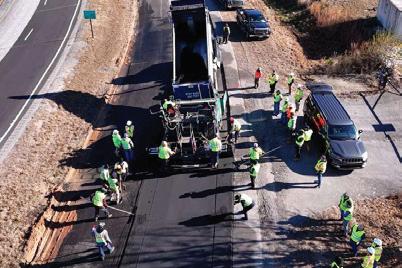
Biowearables fundamentally change this equation. By continuously monitoring metrics such as fluid loss, electrolyte balance, skin temperature, and physiological strain, they provide early warning signals before workers reach dangerous thresholds. When a paving crew experiences rising heat stress or dehydration, supervisors can intervene immediately, adjusting workloads and enforcing rehydration measures before a medical emergency occurs.
This shift redefines workplace protection, creating a personalized safety net that responds in real time rather than documenting failure after the fact.
When individuals can access their own physiological data, they gain agency over their hydration, health, and safety in ways previously unavailable.
Unions, safety committees, wellness advocates, and workforce representatives benefit as well. Aggregated, anonymized data reveal systemic patterns such as
afternoon shifts during peak summer heat consistently pushing crews beyond safe limits, specific job sites lacking adequate hydration access, or extended overtime shifts elevating fatigue risk. These insights elevate safety discussions from generalized recommendations to evidence-based operational changes, strengthening negotiations and policy decisions.
RESHAPING WORKPLACE POLICIES AND COMPLIANCE
How do companies prove that adequate breaks were taken, hydration was accessible, or workloads were adjusted appropriately under extreme conditions? Biowearables provide definitive answers. Beyond just protecting workers, continuous monitoring creates objective documentation of safety measures in practice. Regulators and auditors can move beyond written policies and self-reported logs to examine real-world data showing environmental conditions, work-rest cycles, and physiological responses aligned with safety thresholds. Adjacent industries have already demonstrated this value. In agriculture, wearable hydration monitoring has supported enforcement of mandatory rest and rehydration schedules. Mining, manufacturing, and utility operations have used exertion and fatigue data to
Kzenon_AdobeStock
validate safe shift lengths and redesign schedules when risks spiked during extended work periods.
Given their exposure to outdoor environments asphalt contractors stand to benefit even more. As extreme heat becomes more frequent, objective physiological monitoring shifts from a competitive advantage to an operational necessity. Extreme heat waves are no longer anomalies, increasing globally. Heat-related workplace fatalities have risen significantly over the past two decades, with construction workers disproportionately affected.
This requires a fundamental rethink of how organizations protect people working in extreme conditions. Biowearables offer the technological foundation for that transformation, enabling operations to adapt dynamically as conditions change.
When temperature, humidity, and equipment combine to create dangerous heat loads, as is common for asphalt
crews, wearable data allows supervisors to make informed decisions about work intensity, break frequency, and shift duration. Rather than relying on generic guidelines, companies can now respond to the actual physiological impact on their workforce.
This personalized approach recognizes that individuals respond differently to heat stress based on acclimatization, fitness, age, and health status. One-size-fits-all policies may protect some while leaving others vulnerable.
BUILDING A CULTURE OF PREVENTION
The true promise of biowearable technology extends beyond any single metric. It lies in fostering a culture where prevention outweighs reaction, worker health informs operational decisions, and safety becomes a core value.
Achieving this shift requires trust. Workers must be confident the data is used to protect them, not surveil them.
Clear privacy safeguards, transparent governance, and worker involvement in program design are essential.
As construction companies face mounting pressure from climate change, labor shortages, and regulatory scrutiny, those that prioritize worker health through advanced monitoring will build more resilient operations. They will reduce injuries, improve retention, and demonstrate leadership to regulators, insurers, and future employees alike.
Biowearable technology won’t solve every challenge these industries face. But it represents a powerful tool for making invisible risks visible, shifting from reactive response to proactive protection, and empowering workers with the data they need to stay safe.
In industries built by people, and dependent on their expertise, these technologies finally offer the precision and attention their safety deserves.
by Dr. Roozbeh Ghaffari, co-founder and CEO of Epicore Biosystems
Your Complete Flow Control Solution
Dependable, Economical ... the Right Choice
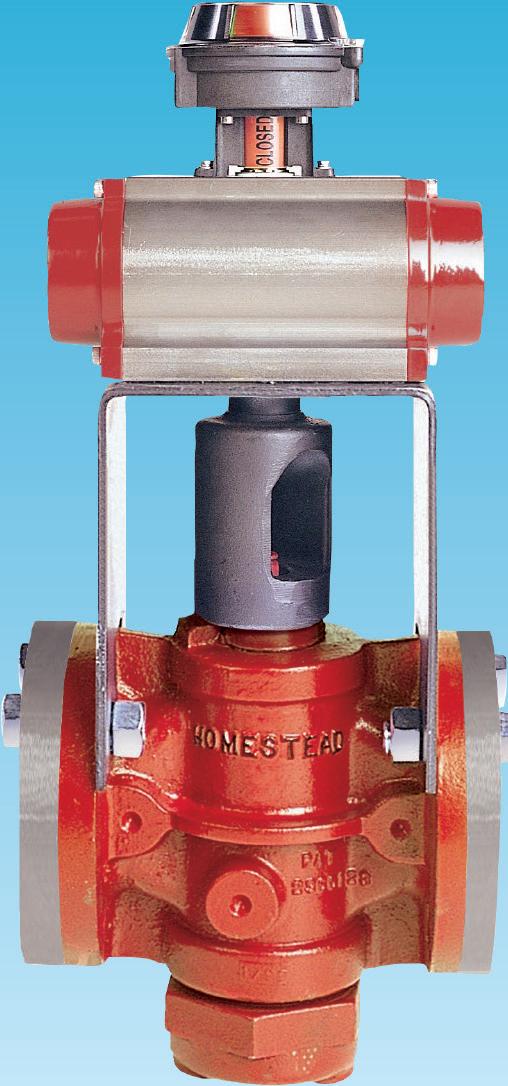
Since 1892, Homestead continues to be the most reliable manufacturer of asphalt valves. With cast iron and ductile iron material options, we offer a complete source of valves for any liquid asphalt application.
Our full line of hot-jacketed 2-way shutoff & 3-way diverter valves provide a ready solution to meet your flow requirements.
Homestead’s cutting-edge actuation design allows you to easily add actuators to your existing Homestead valves, in-line, without modification
Our fully stocked warehouse of valves and actuators offers you security in knowing that the valve you need is only a phone call away.
HIGH-IMPACT PARKING LOT Upgrades At Johnston Community College
How S.T. Wooten executed a large-scale campus paving project under tight timelines and an evolving scope.
Situated in Smithfield, North Carolina, Johnston Community College serves approximately 14,000 students each year and has experienced steady growth across its academic and workforce development programs. To help manage increasing traffic demands, improve drainage and support student safety, the college launched a comprehensive initiative to upgrade nearly all of its parking lots and key roadway areas.
S.T. Wooten was initially called on to reconstruct the college’s two primary parking lots, including the heavily trafficked main entrance lot, as part of the broader campus improvement efforts. As construction progressed, the project scope expanded to include additional paving and road work across multiple areas of the campus network. By the end of the project,
approximately 95% of Johnston Community College’s parking lots and roadways had been rehabilitated or fully replaced – helping the campus achieve a much more durable, efficient and future-ready infrastructure.
ACCELERATED APPROACH FOR AN ACTIVE CAMPUS
S.T. Wooten kicked off construction following the Memorial Day holiday in late May 2025, which left a compressed schedule for the bulk of construction to occur before most students would return in mid-August. With accessibility at the forefront of objectives, crews move forward with an accelerated project that required close coordination with college leadership and engineering partners, including The Timmons Group.
To meet the aggressive timeline while minimizing disruption, S.T.
Wooten got started with work on both lots at the same time – which turned out to have many advantages. Crews were able to turn over the smaller parking lot in only 50 calendar days so students taking summer classes were able to use it. With that area back in service, the focus shifted to the larger and more complex front lot, where phasing and sectional turnover helped sustain campus traffic flow.
PAVING AND DRAINAGE IMPROVEMENTS
Work on Johnston Community College’s primary front parking lot included comprehensive demolition, along with rebuilding of the pavement and supporting infrastructure. Key tasks included removal of existing pavement, curb and gutter, sidewalk and storm drainage systems. This was followed by installation
Tatonka_AdobeStock
The new 8-foot CR series 2 paver features our new 7,400 pound 8-foot Versa 16 front-mount screed. Designed to reduce chances of material trapping, our new screed excels in industrial and commercial applications that call for frequent width changes.
NEW! CR 820 T-2 with FRONT MOUNT SCREED
of updated drainage and structural pavement sections.
To help complete the project on a condensed schedule, S.T. Wooten brought in two full-time crews. Major quantities for the work included:
• Approximately 8,000 tons of aggregate base course (ABC stone)
• 325 tons of base course asphalt
• 600 tons of intermediate course asphalt
• 5,400 tons of surface course asphalt
• 16,000 linear feet of curb and gutter
• 3,500 square yards of sidewalk
• 30 new catch basins and more than 2,000 linear feet of storm drain
In addition to paving and concrete work, crews installed underground conduit infrastructure to support future lighting upgrades.
OVERCOMING THE OBSTACLES
As it goes with any major construction job, crews faced unforeseen challenges in the field. While installing the new storm drain, the team found approximately 45 buried tree stumps beneath the existing pavement structure – which required additional clearing and subgrade preparation. Schedules were also complicated by an intense storm season that brough more than 20 inches of rain.
work included milling and paving secondary roadways, as well as sealcoating and striping four additional parking lots. Jaguar Drive, which was initially slated for sealcoating, was ultimately upgraded to full reconstruction following further condition assessment and lifecycle considerations.
Another significant addition was the renovation and expansion of the college’s Truck Driver Training (TDT) parking lot which is used to help students obtain their Commercial Driver’s License. Added in October, this portion of the work also carried a compressed timeline of less than five weeks before scheduled training activities would resume.
To address weather-related delays, the project team worked closely with the school to come up with contingency plans. A revised approach was implemented so the front could be turned over in two sections – allowing a partial reopening with the start of fall classes while final work continued in the remaining areas.
Crews still managed to complete the main front lot in the allotted 90 days. The first section underwent its final walkthrough the morning fall classes began, with the remaining section turned over just two weeks later.
SCOPE EXPANSION AND ADDITIONS
For the TDT project, crews applied a five-inch asphalt section, approximately 2,600 tons of intermediate course asphalt, 2,000 tons of surface course asphalt, and roughly 6,000 tons of ABC stone to establish a crowned profile designed to improve drainage and load distribution for heavy vehicle use.
A BLENDED APPROACH
To help improve efficiency and reduce costs, Full Depth Reclamation (FDR) was utilized in select areas as a strategic alternative to full undercut and replacement. This process involved pulverizing the existing asphalt and blending it with underlying subgrade materials, followed by stabilization with cement and water to create a durable, structurally sound base.
As construction progressed, S.T. Wooten’s project scope saw significant expansion to help the school address additional needs on campus. Additional
By incorporating reclaimed asphalt into the stabilized layer, the need for material hauling and import of new aggregate base was significantly reduced. Crews also used GPS modeling to optimize cut-and-fill operations within the parking lot limits, enhancing grading precision and overall construction efficiency. Once mixed and compacted, the reclaimed base was allowed to cure for approximately seven days to achieve the required strength prior to paving.
Proactive engineering coordination played a key role in helping to address potential problems as part of S.T. Wooten’s expanded work. During installation of a new connector roadway between front and rear campus areas,
crews identified potential ponding outside the original construction limits. The project team worked with the college and contractor to update the plans and add more storm drainage systems to the area to prevent future flooding.
DELIVERING RESULTS ON TIGHT TIMELINES
Throughout the project, maintaining operational continuity for an active campus remained a primary priority.
Across the full duration of the project, major production totals included:
• Approximately 10,000 tons of asphalt placed
• 42,000 square yards of full-depth reclamation
• 16,000 linear feet of curb and gutter installed
• 3,000 square yards of sidewalk constructed
Crews worked extended schedules, including six-day workweeks during peak phases, to meet milestone deadlines and ensure timely turnover of critical parking areas.
ACING THE TEST
For crews on the Johnston Community College project, success can be attributed to their hard work, strong communications and ability to apply innovative techniques like FDR to ensure quality and efficiency on the project. Through proactive oversight and careful management of an expanding scope, the team maintained steady progress while minimizing disruption to daily campus operations.
Beyond the immediate improvements, these upgrades position Johnston Community College to better support continued growth and evolving campus needs. The upgraded pavement and enhanced drainage systems will not only create a smoother experience for students, staff and visitors, but also extend service life and drive a more durable transportation network capable of accommodating increasing traffic volumes for years to come.Top of Form by Blake Jones, project manager, S.T. Wooten
Not All Steel Is Made Equal
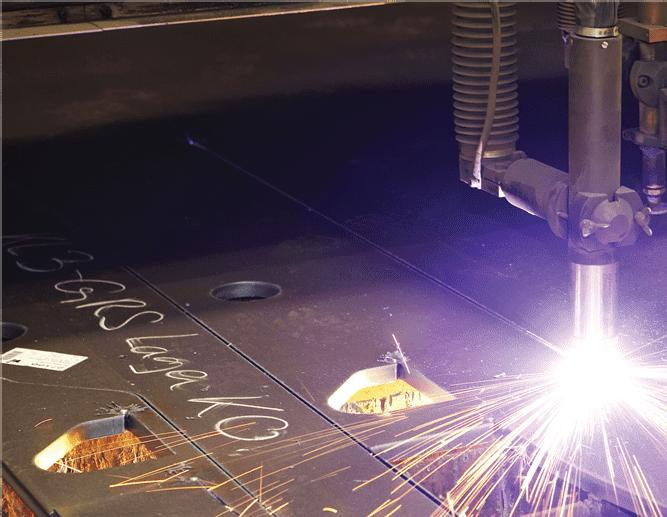
When EccoFab President, Gerry Bauer realizied that his clients were experiencing shortened wear life on specific parts, we began experimenting with Hardox® steel in 1988. Through 40 years of experience with Hardox® products, EccoFab has developed industry-leading techniques in collaboration with end-users that produce wear parts that meet most OEM standards for wear life and durability, and often exceed those standards using Hardox® 500.
x High abrasion resistance
x Up to 2X the service life of mild steel components
x High reliability and consistency
x Excellent material strength and structural integrity
x Fabrication versatility and machinability
x Suitability for priming and painting
Wear Plates And Liners
As expendable elements, Wear Plates and Liners play a vital role in preventing excessive wear or damage to costly machinery. With Hardox® steel wear parts, you can count on increased operational longevity and improved productivity, reducing both downtime and maintenance costs.
Blow Bars
While standard OEM parts often fall short, EccoFab’s Blow Bars redefine durability. The wear-resistant material, combined with our expert engineering, ensures that our Blow Bars consistently deliver reliable performance over an extended period. This reduction in the frequency of replacements not only saves you on operational costs but also keeps your aggregate production running smoothly.
Blow Bar Wedges
At the heart of our blow bar wedges lies the resilience of Hardox® steel. Recognized for its unrivaled hardness and toughness, Hardox® steel ensures that our blow bar wedges are more than capable of withstanding the most abrasive and high-friction environments.
Every part is custom-made according to client specifications in our production facility. These products are of higher quality, they last longer which means less replacement and less downtime. Beyond just taking orders, EccoFab works directly with the customer in reviewing the designs or giving our expert advice and know-how for maximum efficiency.
If your business is in the asphalt industry you need to talk to Gerry.
Thanks for a great ConExpo 2026 It was a pleasure talking to all of you!
Industry Expertise
Strongest Wear Parts
Constant Innovation
MIX STARTS WITH ADM
ASPHALT INDUSTRY: Highlights And Trends From CONEXPO 2026
The biggest construction trade show in North America returns!
Across dozens of booth conversations with manufacturers, contractors, and product managers, a few consistent themes emerged.
Equipment is becoming smarter, more connected, and increasingly tailored to specialized contractor needs.
At the same time, companies are focused on solving some of the industry’s most pressing challenges: labor shortages, quality assurance requirements, and the need to produce more work in less time and, often, with less available labor.
PAVING: UPGRADES ALL AROUND
One of the clearest developments in modern paving equipment is the growing integration of automation and machine intelligence.
Manufacturers are increasingly equipping pavers with systems designed to assist operators in maintaining consistent paving quality while reducing the learning curve for newer workers.
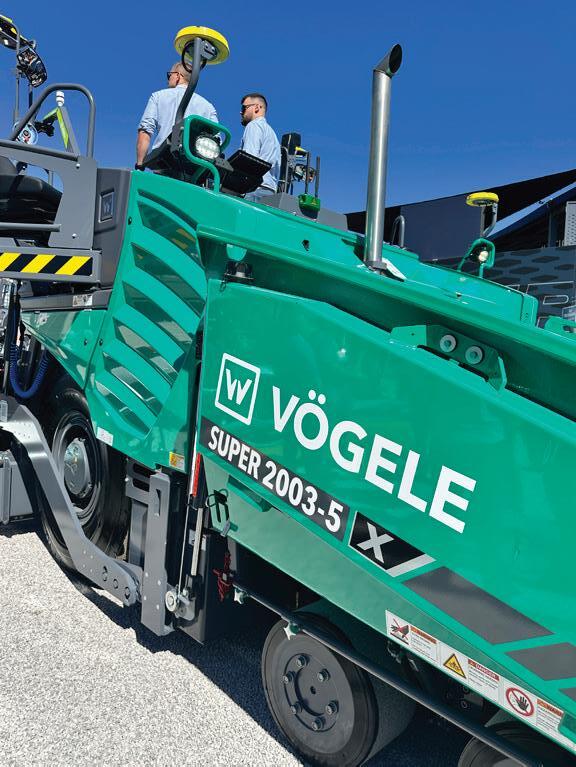
That ethos was on prominent display at the Vögele booth, where their entire flagship “Dash-5 X” line of pavers were showing off a wide variety of included, automation and automation-ready features. The new “X” series is comprised of four models:
• Super 2000-5 X
• Super 2003-5 X
• Super 2100-5 X
One really interesting feature that stood out to me was the Road Scan technology, which takes real-time measurements of the asphalt mat right off the screed.
“It takes a reading every four inches,” said Brodie Hutchins, VP at Wirtgen Group. “As mixes get less hot, get drier and stiffer, with more RAP in them, you can see the actual
temperature map behind you for QC purposes. You know exactly how hot it is. All of that data is on the machine, so you download it, and you can go back to the customers for the road, and show the temperature, number of passes, and now, with the smart Compact Pro on the rollers, we can show exactly what density we had at each pass. So it’s like there’s no guesswork.”
Some of the newest highway-class pavers now include integrated systems capable of managing steering, width detection, and grade control. These systems allow the machine to monitor elevation, slope, and paving width through built-in sensors and control interfaces.
For contractors dealing with increasingly complex specifications and tighter tolerances, the ability to automate parts of the paving process offers real advantages.
Additionally, BOMAG’s newly reimagined CR 1030 T-2 highway class paver was sporting a brand new screed
All Photos by Brandon Noel
called the Versa 16. The development and deployment of this new ultra-heavy screed came out of the newly integrated partnership of LeeBoy within the FAYAT Group of companies.
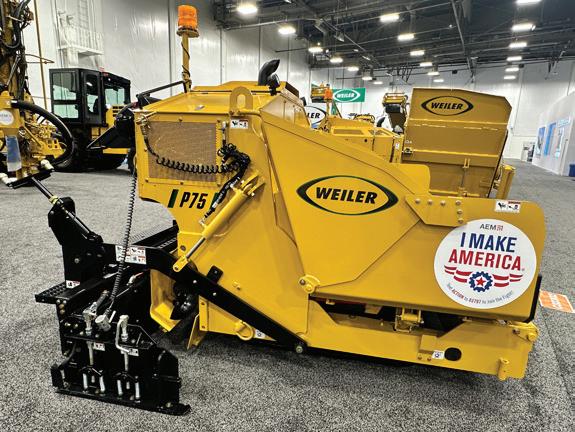
New, smaller paving machines were also drawing attention on the show floor. Weiler’s new P75 gravity-fed paver, for example, is designed to target contractors working in residential and light commercial markets. It sits alongside the full lineup for Weiler, now with six total options for contractors to choose from, whatever their jobsite requires.
The P75 incorporates a walking floor system that moves material toward the screed without requiring trucks to dump and pull away repeatedly. The result is smoother material flow and fewer interruptions during paving operations. That kind of design focus reflects a broader industry shift toward machines that solve very specific contractor problems rather than trying to serve every market segment.
As Weiler Sales Manager Nigel McKay explained, the goal was to build a machine that fits into the company’s lineup while serving contractors who need productivity without stepping into a much larger paving platform.
“The P75 is our newest addition into the gravity fed lineup,” McKay said. “It really complements the lineup for the contractor that wants to go out and knock out a bunch of driveways.”
One of the more interesting design choices involves a walking floor system inside the hopper. Instead of relying entirely on truck dumping to move material through the machine, the walking floor moves asphalt toward the screed in a controlled motion.
“The floor will actually walk back and forth,” McKay said. “So for receiving trucks, we don’t have to receive the truck, pull the truck away, and then
dump the hopper. We can actually be moving asphalt to the rear similar to a conveyor system.”
One of the other pleasant surprises was stopping by the Blaw-Knox booth to speak with Jim Head, district sales manager for the company. He shared that their paving line-up was now running Cummins engines.
The company is also preparing for the next wave of machine technology.
“The next major road that we see in front of us is what we’re calling electrical architecture,” Head said. “It will give us the ability to put a little bit more technology on the pavers.”
According to Head, that development has been years in the making.
“This has taken us two and a half, three years… you’ve got to field test it and make sure it holds up.”
Among the paver manufacturers, there was a renewed focus on practical usability. Many companies are paying closer attention to the small details that affect how crews actually operate machines in the field. This makes sense in an economy that continues to be risk adverse. Fewer completely new models coming to market, and more focus on refining existent, known products.
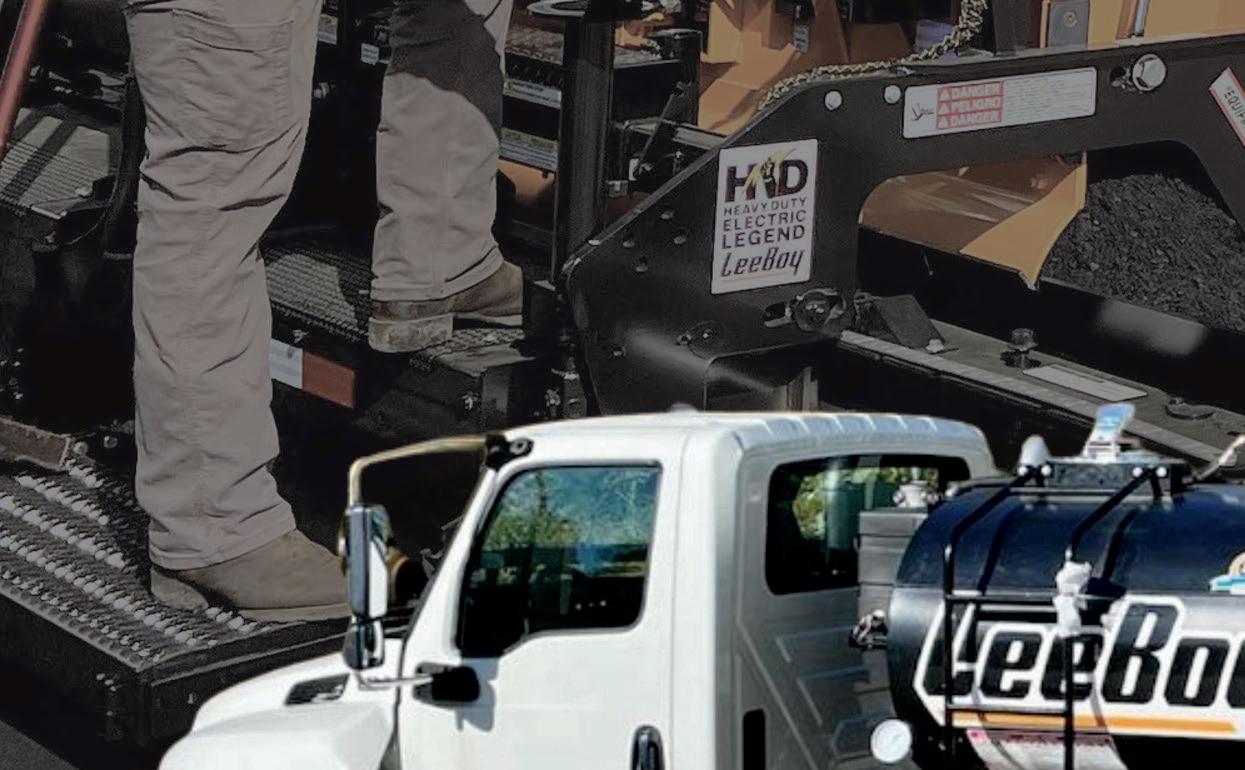
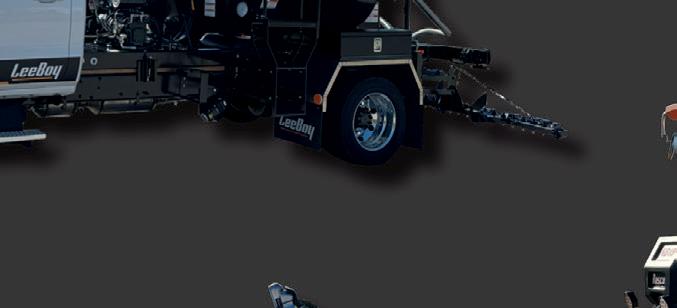
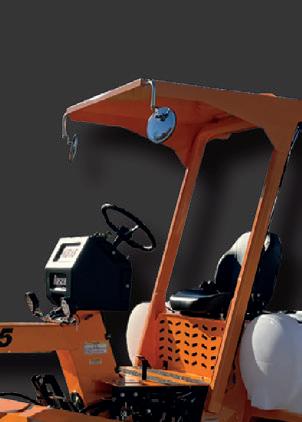
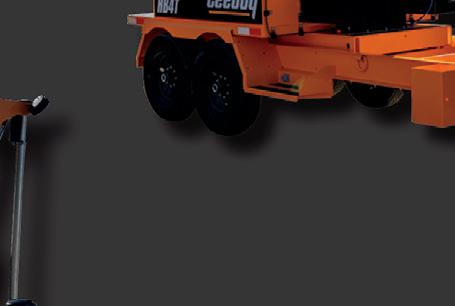
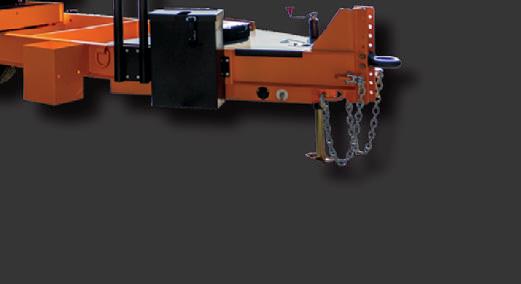
This was no more evident than at the LeeBoy booth. Since the acquisition by the FAYAT Group, the team has done anything except rest on their laurels. Having just launched their own version of a four-ton asphalt hot box in the HB4T two years ago, VP of Product Development and Suppor, Chris Broome, walked me through the numerous changes and quality of life improvements. He emphasized that many of these design decisions came directly from contractor feedback.
“You’ve got to go out and use it,” Broome told me. “The contractors are the best people at showing you how you designed it wrong.”
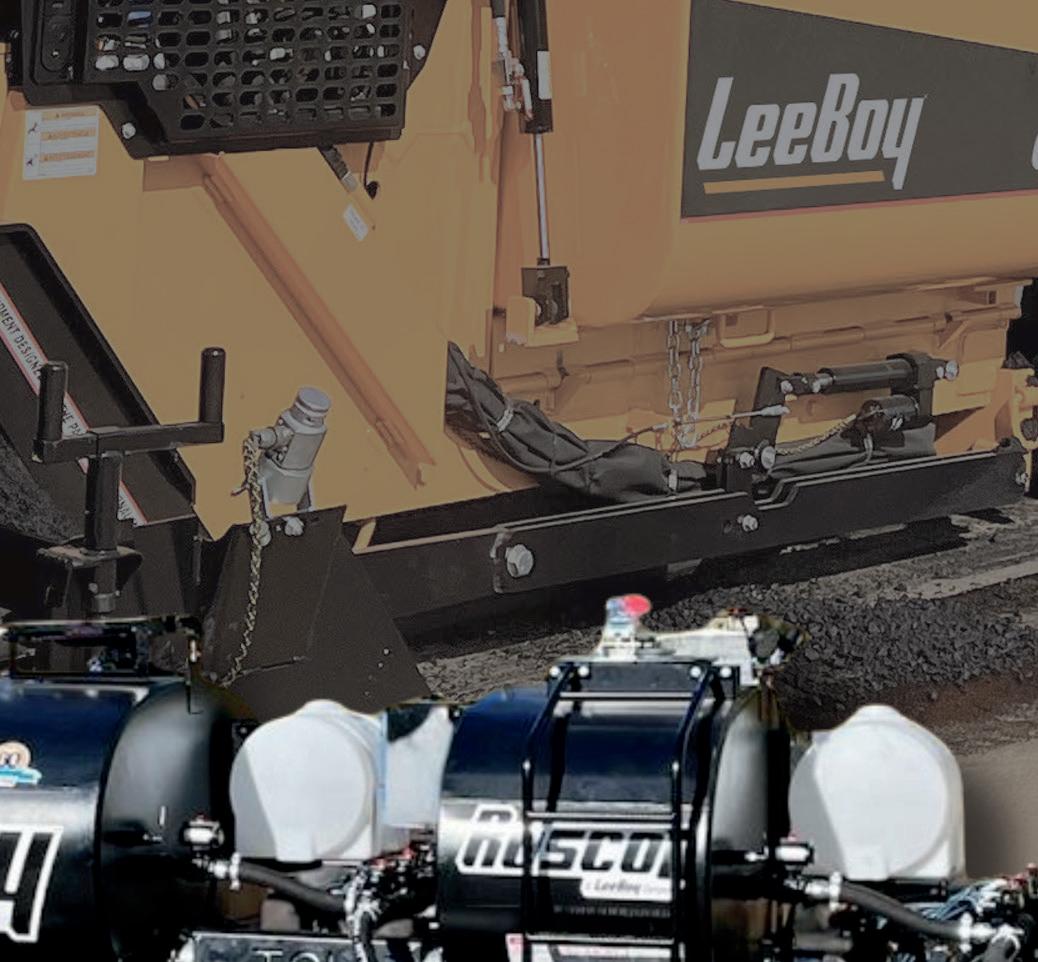
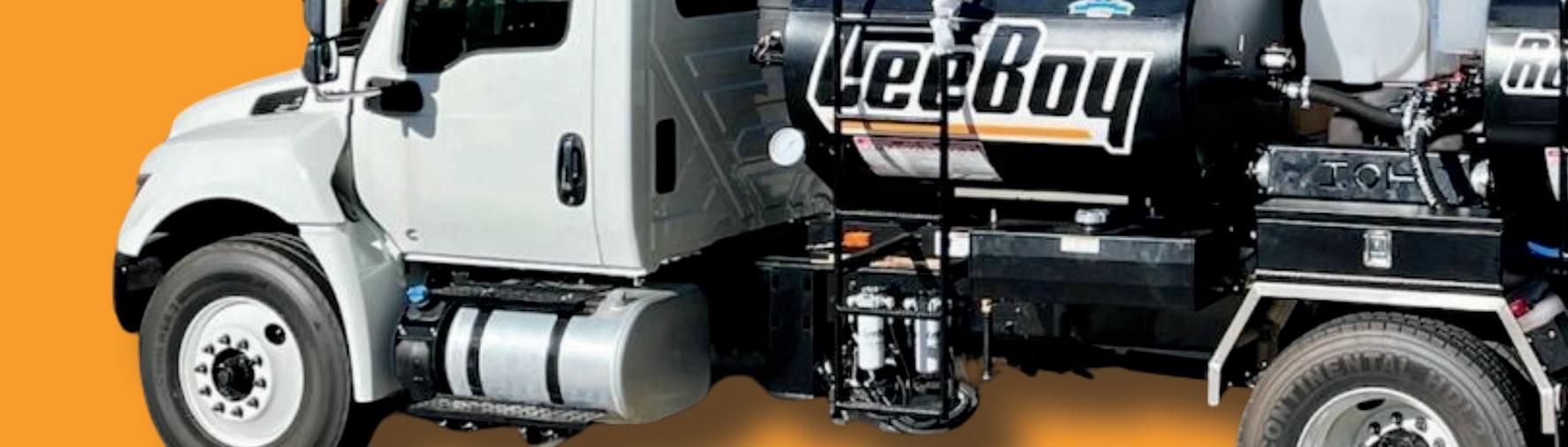
But the really exciting piece of innovation they were showing was the new PR900 dual-tank distributor truck. It was primarily designed to solve a problem a lot of people might consider niche -- it is anything but that. One of the major limitations of open graded, porous asphalt mix designs, is that it cannot be
treated with anything that might impact its porousness. This includes sealcoats or, in this case, rejuvenators.
The solutions comes in the PR900’s fully stainless steel (non-reactive) dualtank, dual-spray design.
“In the front, you put a rejuvenator, and the back holds a polymer,” said Broome. “My rejuvenator comes out of the front bar which is straight, and the polymer comes from an angled nozzle about 18 inches later. That’s going to lay a fine mist of this polymer over top of the rejuvenator. The polymer mist drives the rejuvenator into the asphalt, and helps it break.”
Effectively, there is no other way to accomplish this application correctly. Not even if you ran two separate trucks, as the drive distance between them would not result in the same application results.
In terms of other paving support vehicles, Astec made a lot of contractors happy when they brought back the much beloved Roadtec SR-2500 Shuttle Buggy MTV. While the model had been previously retired with the release of the SR-3000, there was a lot of feedback from customers that the previous model had unique qualities contractors wanted. So, now both machines are available!
COMPACTION: MORE INTELLIGENT SYSTEMS
Compaction technology saw, perhaps, the most dramatic leap forward in recent years, both in-terms of device type and product availability and usability. Manufacturers and technology
companies continue to refine intelligent compaction systems that guide operators through the rolling process while collecting performance and other applicable jobsite data along the way.
Here’s a non-total list of the “intelligent compaction” products I saw:
• BOMAP Connect + Asphalt Manager (BOMAG)
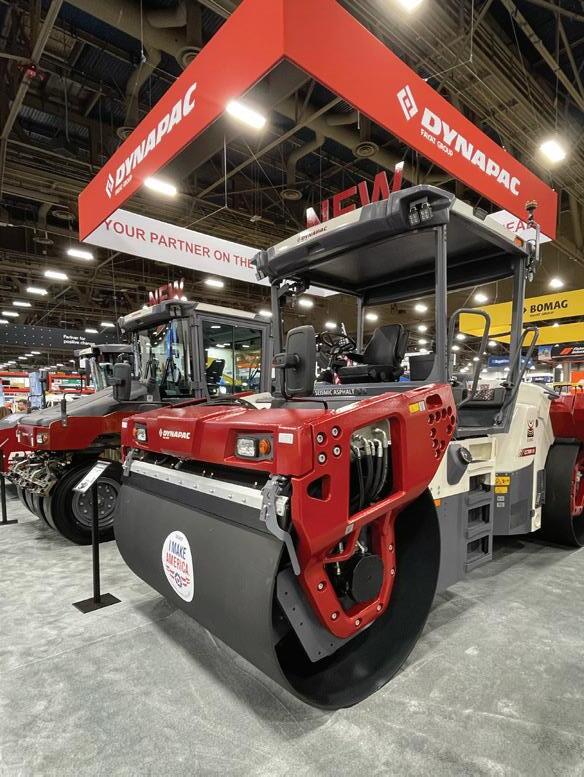
• SEISMIC on asphalt (Dynapac)
• Smart Compact Pro + Track Assist (HAMM)
• GPR Sensor integration for Roadworks (Trimble)
• Compact Assit (Volvo CE)
One of the biggest benefits of these systems is efficiency, while achieving that efficiency through, mostly, different means and approaches to the technology.
While there is some overlap, they all share the basic notion that roller operators should have more information about, not only their roller patterns, but the condition of the mat itself. Intelligent compaction systems can dramatically reduce unnecessary overlap, wasted time and fuel, and improve the final result in the process.
In some field demonstrations, manufacturers have seen efficiency improvements approaching thirty percent when operators use realtime compaction guidance instead of relying solely on visual or physical cues. For contractors, that translates directly into reduced fuel consumption, faster job completion, and improved mat consistency.
At the same time, manufacturers are also introducing machines designed for specific segments of the compaction market.
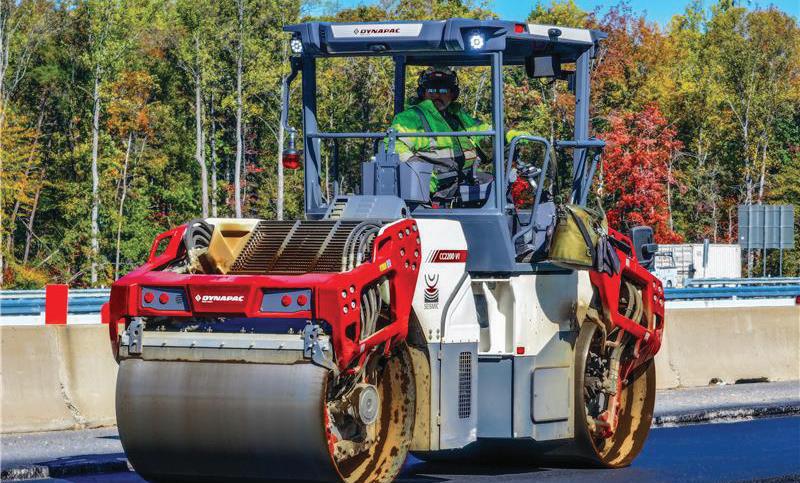
Dynapac launched what is currently the largest tandem break-down roller, by weight, currently available on the new equipment market in the CC7000 VI. This machine is an utter beast, and paired with the SEISMIC technology, it’s like a scalpel and a jackhammer in one.
New options for those looking for rubber tire, pneumatic rollers or soil compactors were also common sights this year, gaining traction among commercial paving contractors looking for tools that improve finish quality on parking lots and industrial work, or enable them to tackle their own dirt work.
This included the single drum SD70 from Volvo CE, the static-tire non articulating TS160-4 from Sakai, and a pneumatic tire roller from BOMAG the BW18.
“We had a demand from customers that they wanted a more cost effective solution,” said Foster Ladlee, product marketing manager for BOMAG. “They didn’t need to ballast the 62,000 pounds [BW28]. They didn’t need all that horsepower [of the BW28]. So, now we have the 18 available that’s maxed at a 74 horse, no def bucket, Max ballast is now 39,000.”
PRODUCTION: TWO FUTURES
Production technologies were another major focus across the show floor, particularly systems designed to reduce hauling distances and maximize material utilization. There appeared to be two distinct pathways that asphalt production innovation is headed long-term.
The first was that stationary, permanent plants are becoming technological hot-zones. The future for plants is centered on a producers data, capturing it, and having the technology to utilize that data effectively.
The second future is that of mobility and flexibility. More types of mobile/ batch plants with an increased focus on meeting producer demand when and where it’s needed.
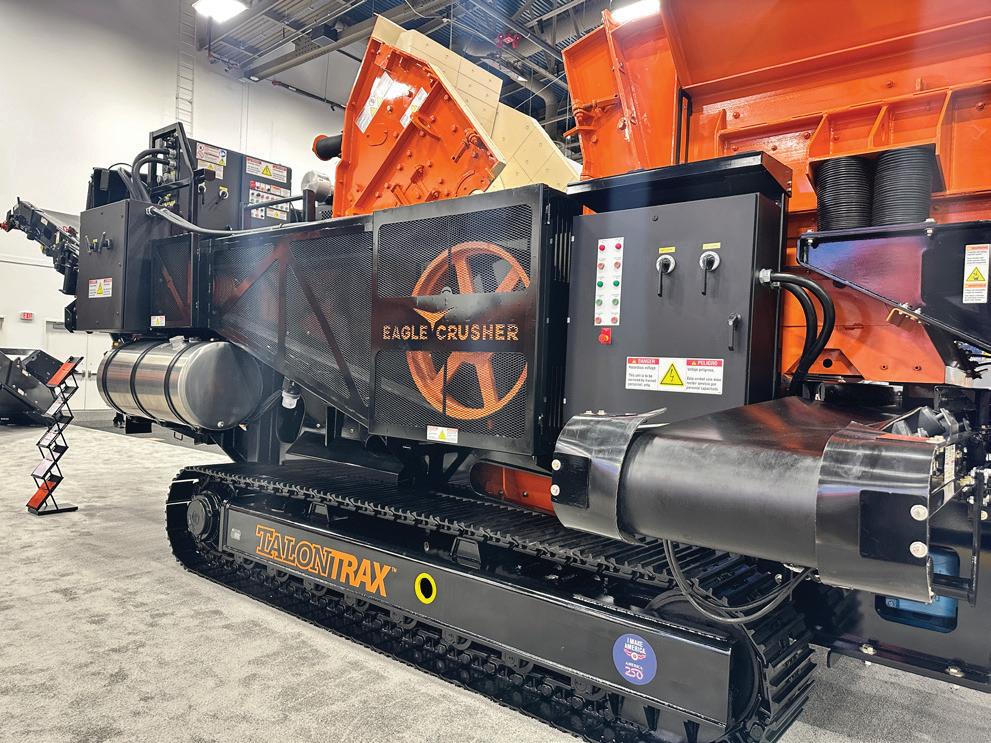
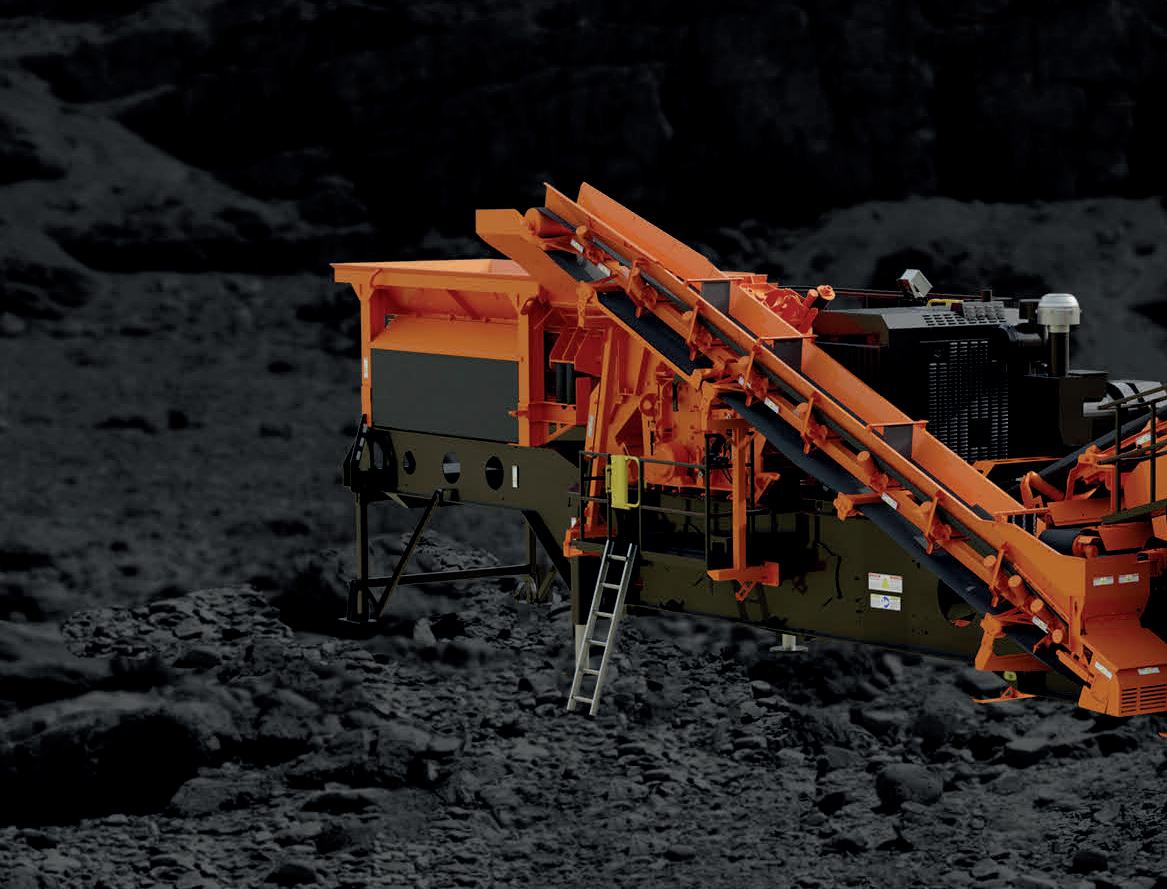
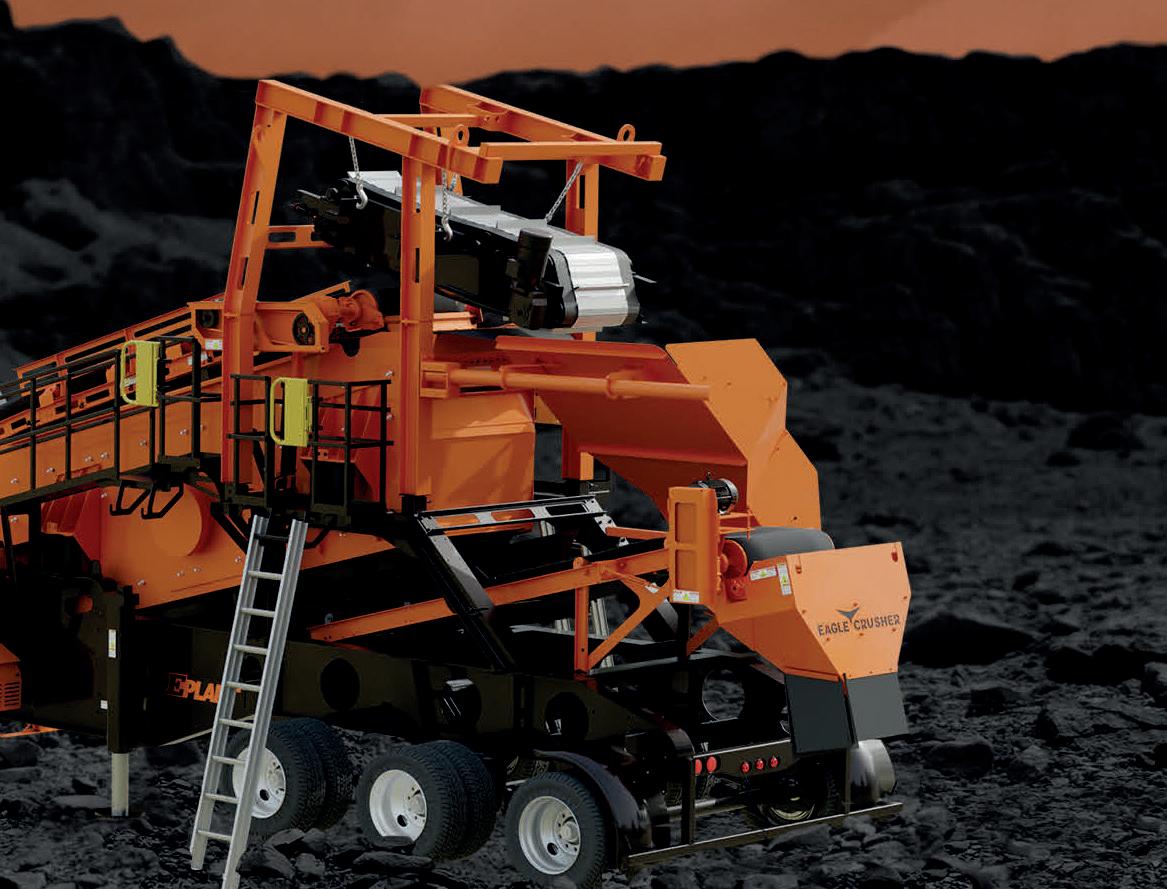
On the crushing and aggregate side of the quarry was a new, highly portable, dual-power ready crushing plant on display from Eagle Crusher called the TalonTrax. And they indicated that this is just the first in a whole new line of forthcoming products.
“The TalonTrax also features our new TalonMax impactor, which is an sort of open rotor design,” said Daniel Friedman, VP of marketing for Eagle Crusher. “It is lighter weight, but still as high performance as our UltraMax impactors, which are on every other crushing plant that we currently manufacture.”
One of the most interesting concepts came from Bergkamp, which showcased a mobile recycling plant known as the Journeyman Mobile Mix Plant. The system is designed to allow contractors to produce structural asphalt pavement directly at remote project sites using RAP and locally sourced aggregates.
By bringing the production capability to the project rather than hauling mix long distances from a central plant, contractors can build roads in locations where traditional hot-mix logistics might not be feasible.
“There’s lots of roads out there that are outside the radius of a hot mix plant,” said Scott Bergkamp, president at Bergkamp. “You take the journeyman to the project site, or wherever you need, to build structural pavement. It allows you to build a road where there otherwise might not be a good option because it’s outside the reach of a hot mix plant.”
This type of portable production approach could become increasingly valuable as agencies continue pushing for higher RAP utilization and more sustainable construction practices.
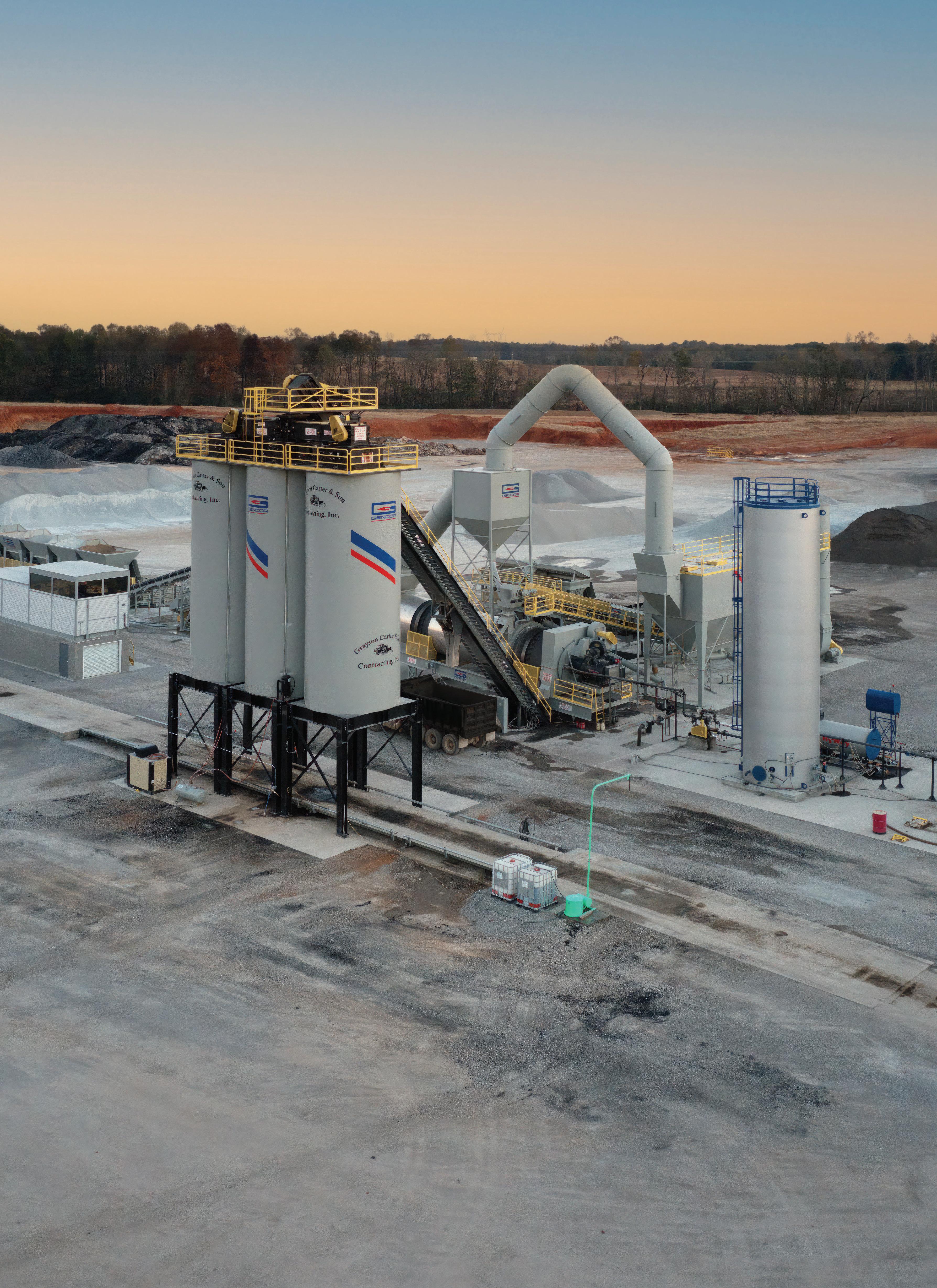
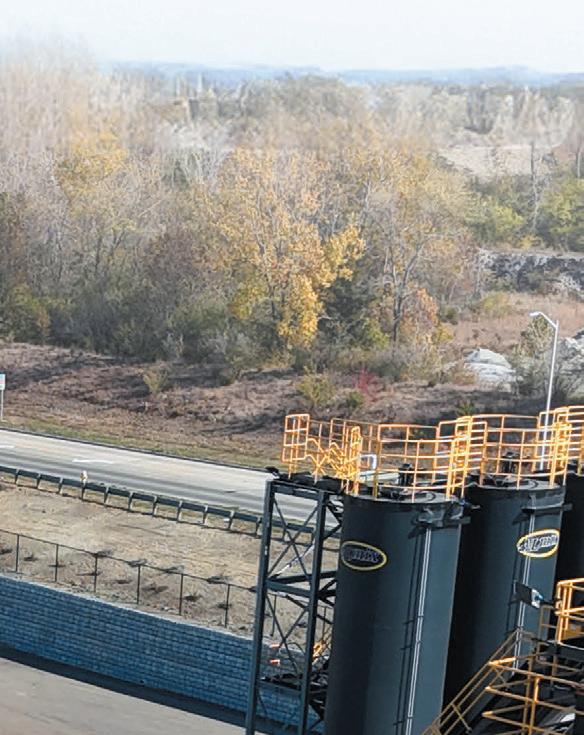
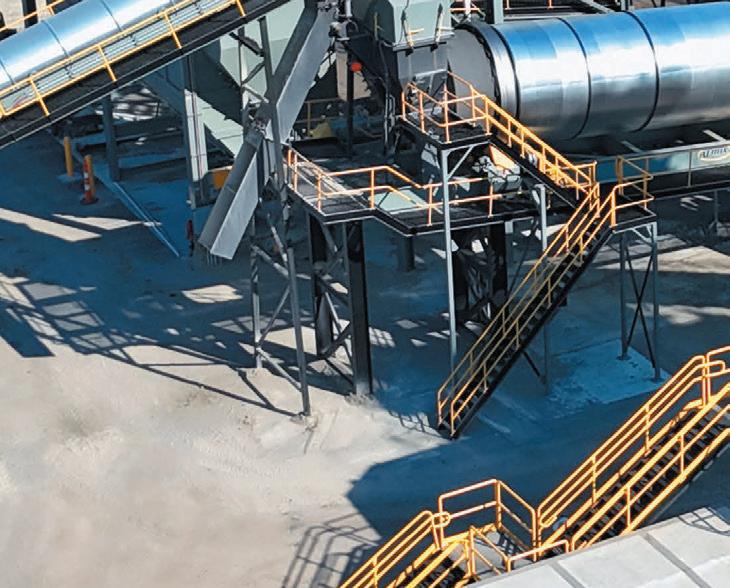
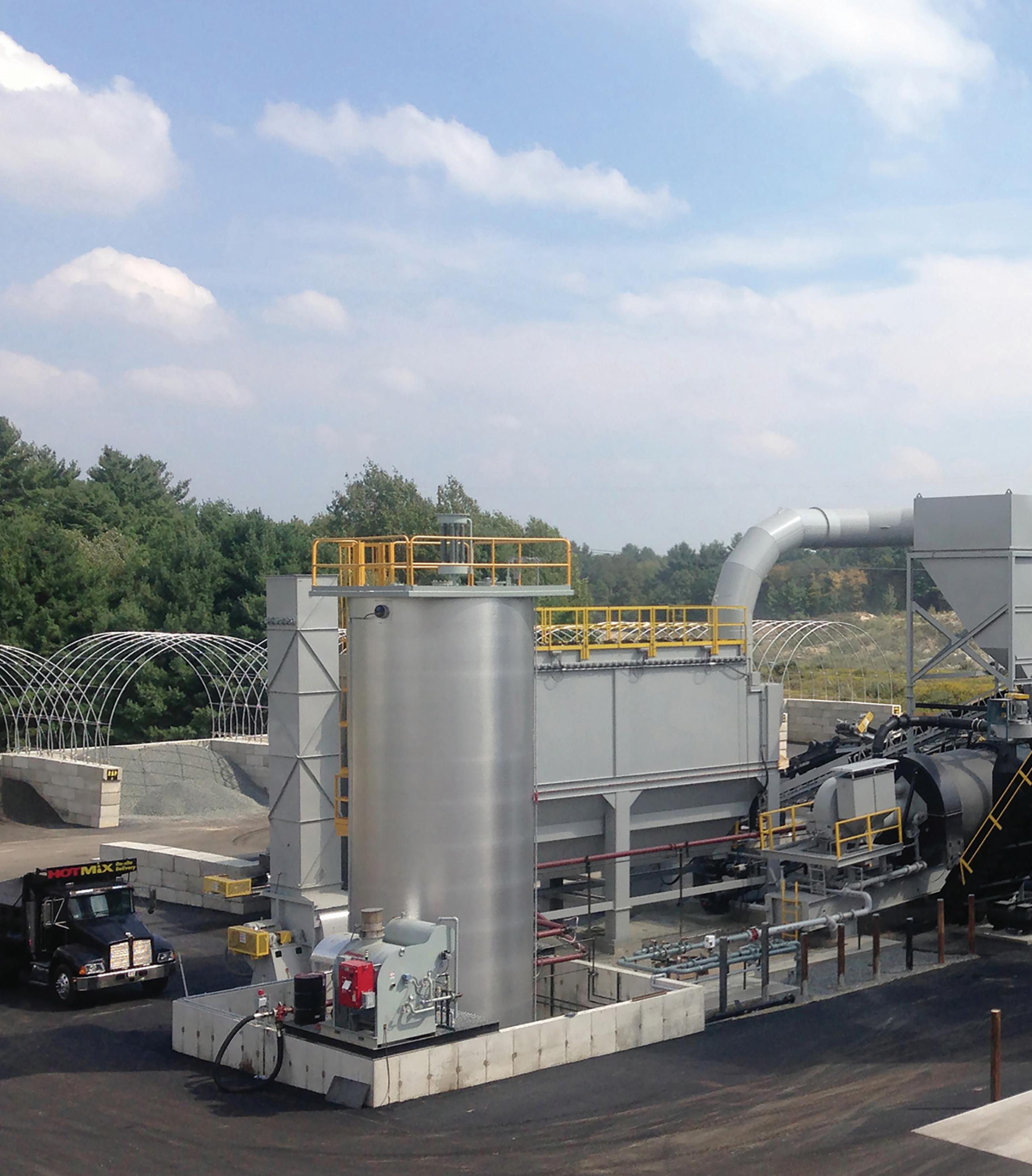
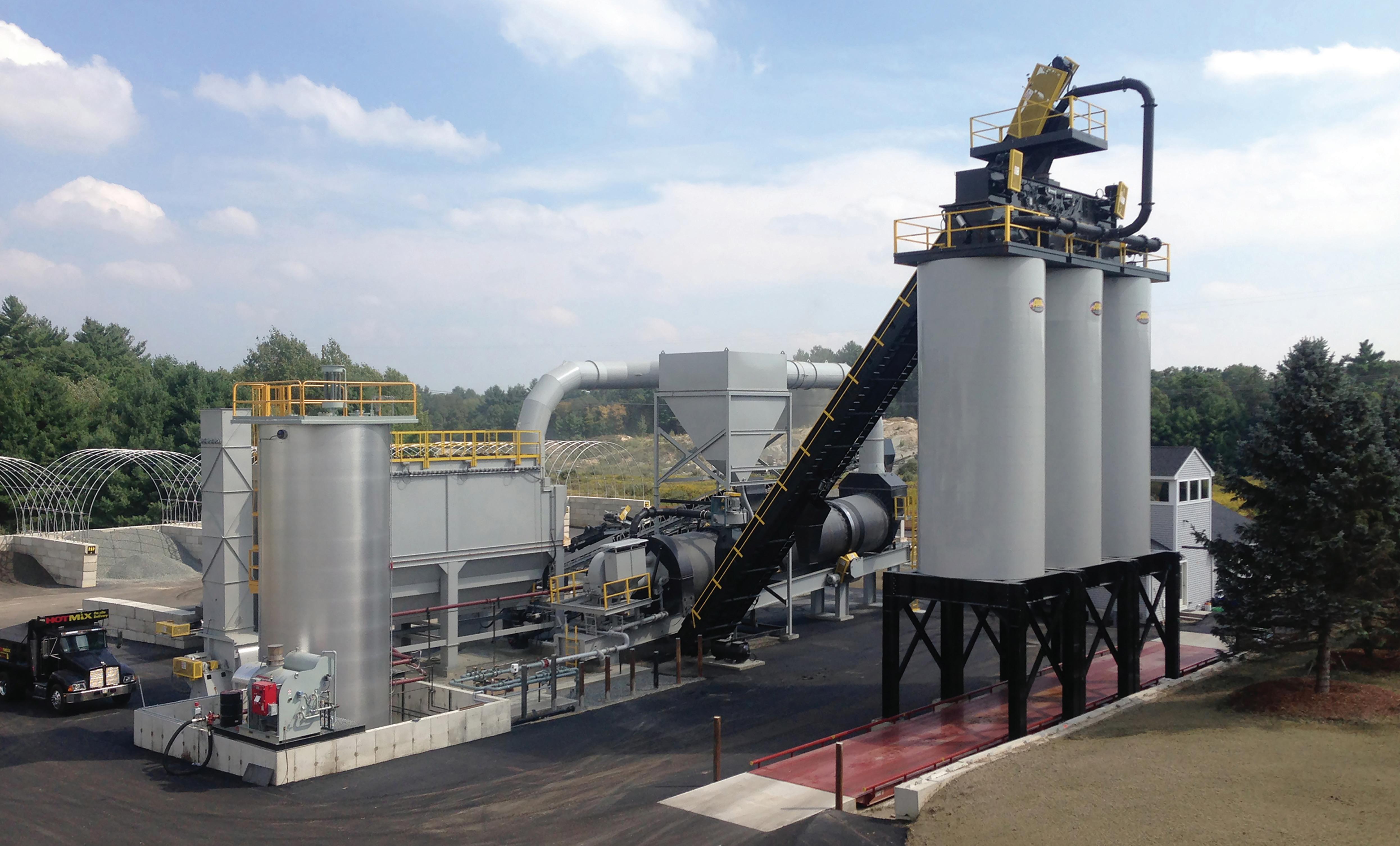
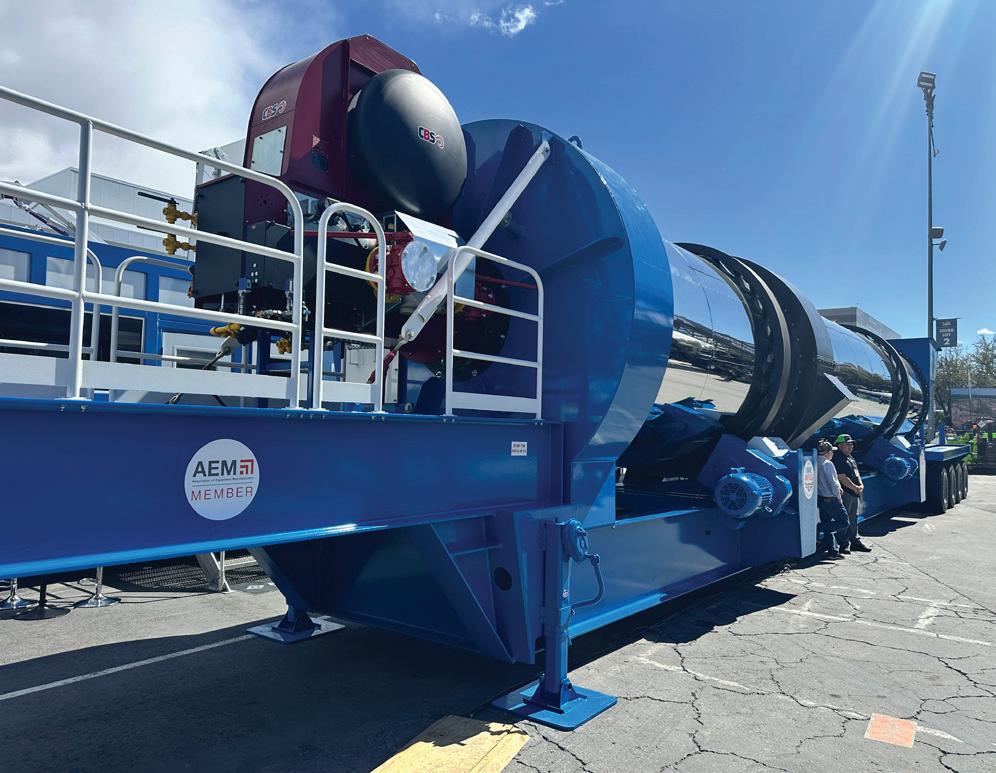
When it comes to your more traditional asphalt plants, things don’t often change in leaps or bounds, but there was plenty to take in this year. For strarters, Asphalt Drum Mixers (ADM) which became apart of the FAYAT Group between CONEXPOs.
Their legacy EX Series was getting a lot of attention, sporting upgrades and new design elements from their international partnership, including: Improved
drum insulation, “air blade” technology, as well as new control software elements.
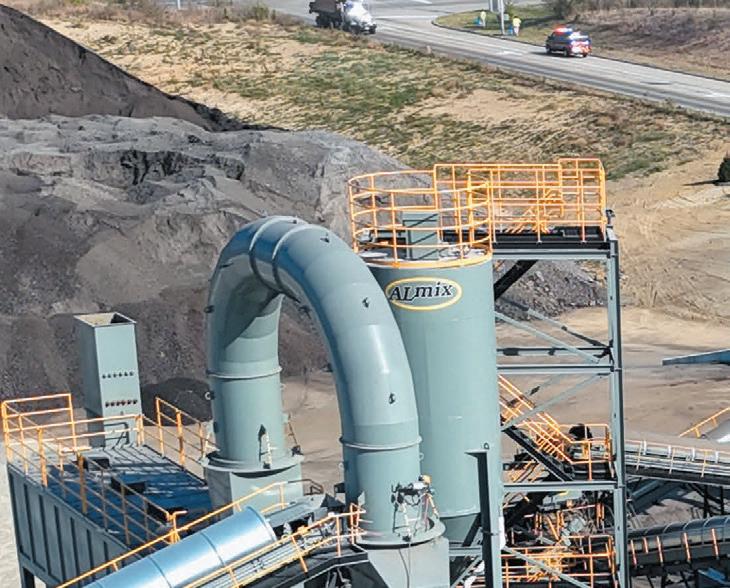
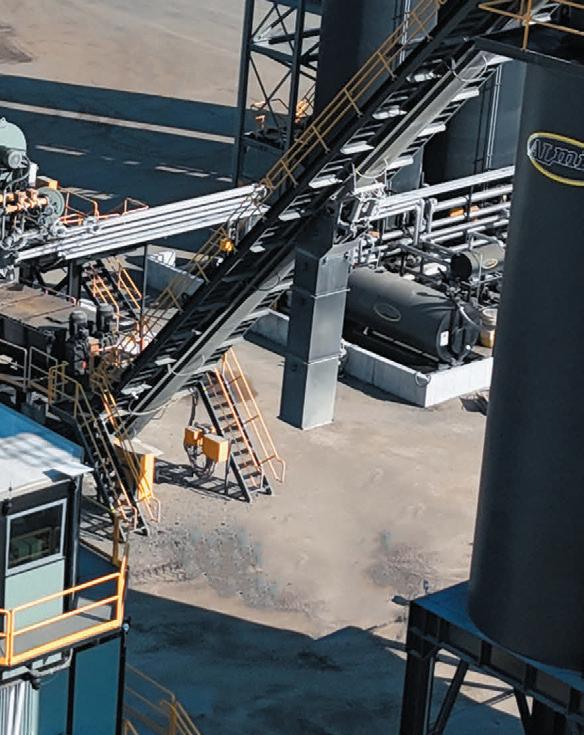
Along those same lines, ALmix demoed some new features for their INSIGNIA control platform. Most prominently was the Loadout and Silo Sentinel, which can control plant operations from any computer anywhere. The cloud based platform allows for ultra flexibility. The system is fully customizable for almost any workflow.
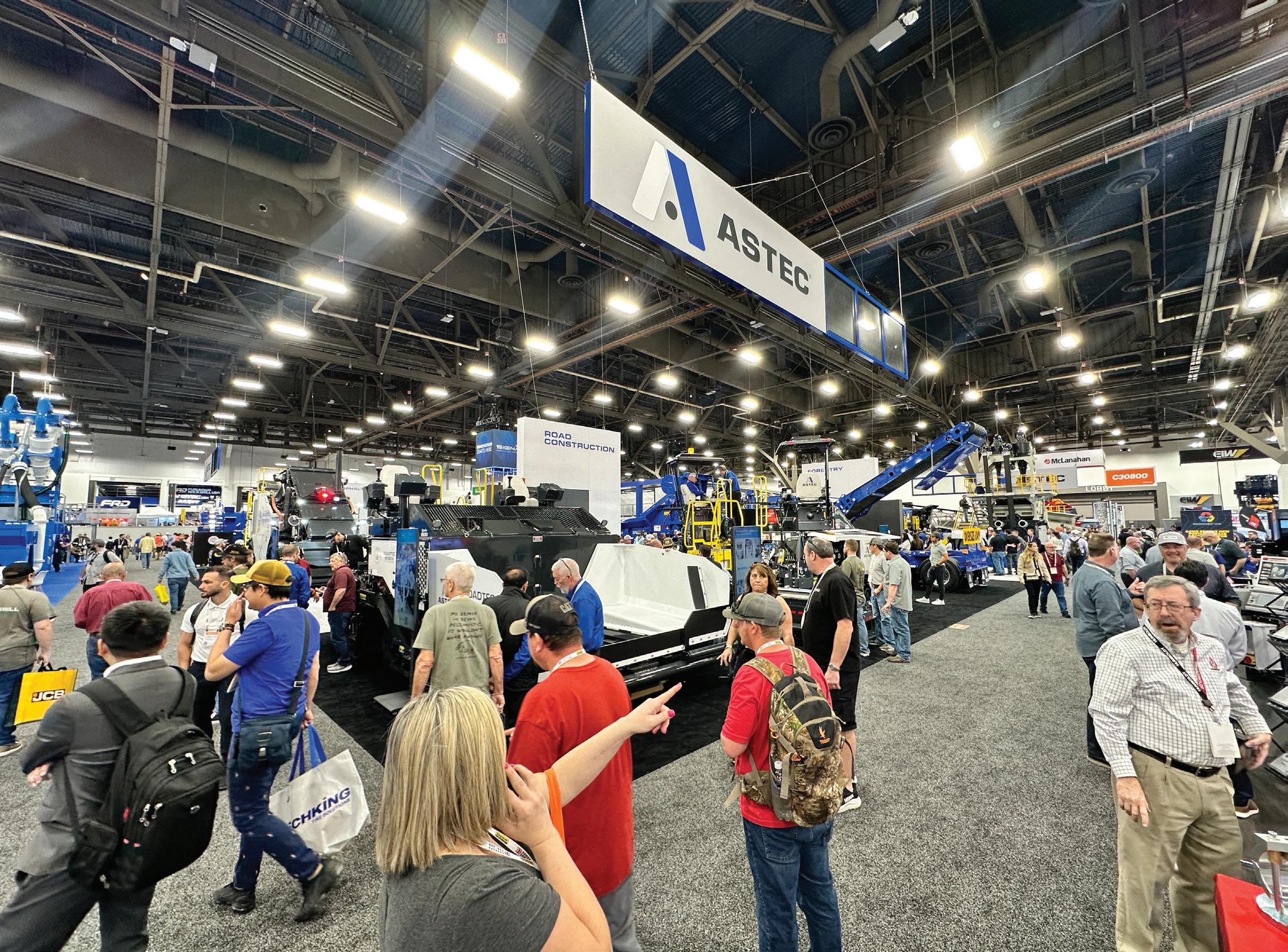
When it comes to technology, Astec came with every barrel loaded. Trevor Wagoner, Astec’s product director of asphalt and sustainability, walked me through the company’s flagship plant configuration.
“This is called the DBX HR,” Wagoner explained. “It’s a variation on the Double Barrel, which is our bread-and-butter.”
One of the most impressive aspects of the system is its increased RAP capability.
“This plant is good for up to about sixty-five percent RAP up to six hundred tons per hour,” Wagoner said. “At up to six hundred tons per hour. This plant will chew through RAP if you’ve got the supply.”
But there’s one really important reason why this plant and it’s RAP capabilities that are not equal to previous iterations produced by Astec. And it’s this detail that makes all the difference.
“The reason it’s able to do that is because the drum is a little bit longer than a standard drum,” explained Wagoner. “It lets you get better heat transfer
into the aggregates. This is slower, more gentle heating, which then gives you better heat transfer into your RAP. It’s important that you’re not aggressively or overheating the RAP, because that damages the residual AC.”
Astec was also demonstrating its Signal connectivity platform.
“Signal is Astec’s connectivity suite,” Wagoner said. “It takes telematics from our entire rock-to-road portfolio and ties it together.”
The system allows plant operators to monitor equipment remotely.
“People can see the data coming back from the equipment and make operational decisions,” Wagoner explained.
They also had a really interesting burner on display which exclusive burns hydrogen fuel. Now, this is not a product yet on the market, since hydrogen is still not as readily available as it needs to be before going fully mainstream. However, it was a good indication that Astec is staying out ahead of the curve, as to be ready for any curves the industry my throw at it.
TECHNOLOGY: THE CONNECTED JOBSITE
Perhaps, the most transformative trend on display at CONEXPO was the rapid expansion of connected jobsite technologies. This wasn’t exclusively about AI or AI related products, though those were in abundance.
Across multiple booths, manufacturers demonstrated systems that collect machine data, jobsite measurements, and quality control metrics and transmit them directly to the cloud.
One example was the PQI 380+ Non-nuclear density guage from Transtech Systems. The platform allows field technicians to upload compaction measurements in real time using a simple hot spot, like a smart phone connection.
This allows project supervisors to detect compaction issues immediately and make adjustments before the problem spreads across the jobsite.
“We had one customer doing an FAA job. The ambient temperature outside was cooler than they expected
when they were paving,” said Jacob Szwarcberg, principal product manager at Tanstech. “The QC manager caught it in real-time, a dip in compaction. He called to the site and had them adjust the rolling pattern in real time, and it saved them a day or two in joint penalties. That’s that’s real world results.”
These platforms are also becoming more sophisticated. Some systems now analyze laboratory core data and automatically calculate offsets between field measurements and lab results, reducing the manual spreadsheet work traditionally required to calibrate testing equipment.
The result is a quality control process that is faster, more accurate, and easier to manage across large projects.
Topcon was also demonstrating improvements to its 3D paving and other machine control systems.
“We’ve upgraded our IMU and our sensors are faster,” Evan Spencer, Topcon’s 3D Paving Specialst, explained. “We also have a full constellation head so we get more satellites.”
That expanded satellite access improves performance in denser city environments. Anyone who has tried to use these types of systems knows that in crowded settings, the technology can sometimes be finicky. Topcon has worked hard to reduce that scenario, which is especially good for road builders who often work in such settings.
“We’re getting tighter to buildings and tighter in urban areas, and our stacks are modular,” Spencer said.
“Contractors can move between GPS jobs and total station setups [much more easily].”
For more of my CONEXPO coverage not seen here visit https://asph.link/15sbak7c
LEADING THE WAY
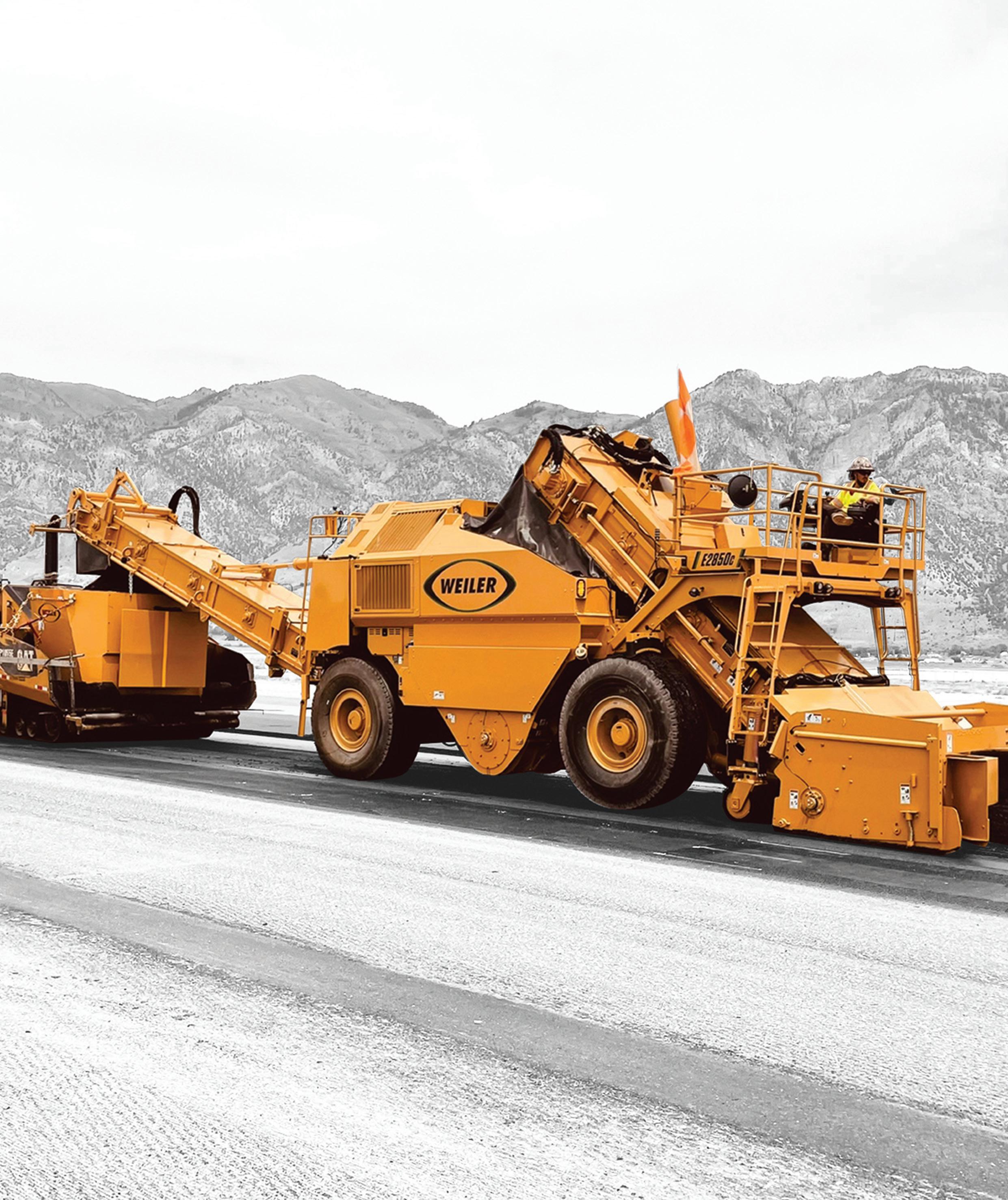
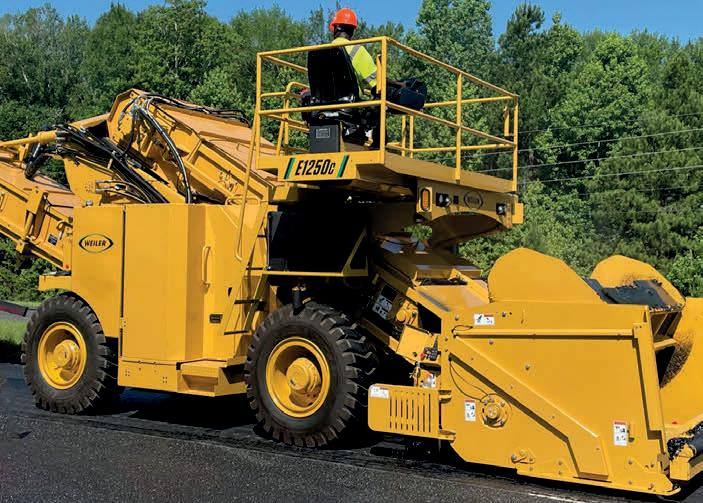
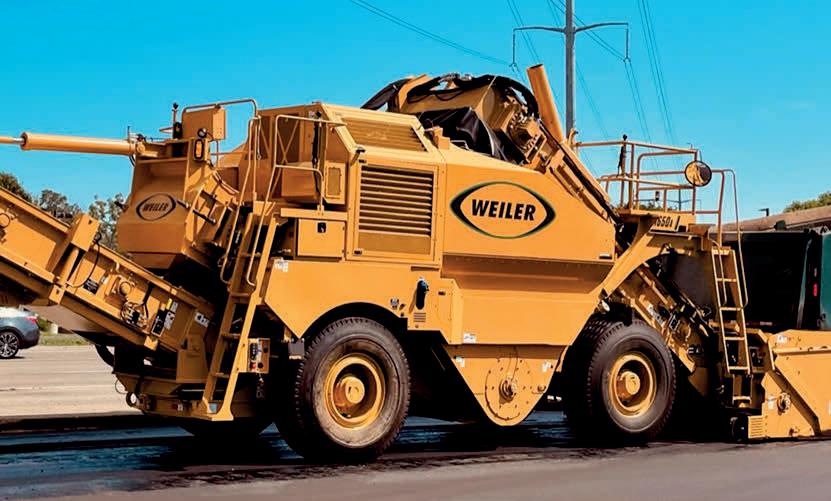
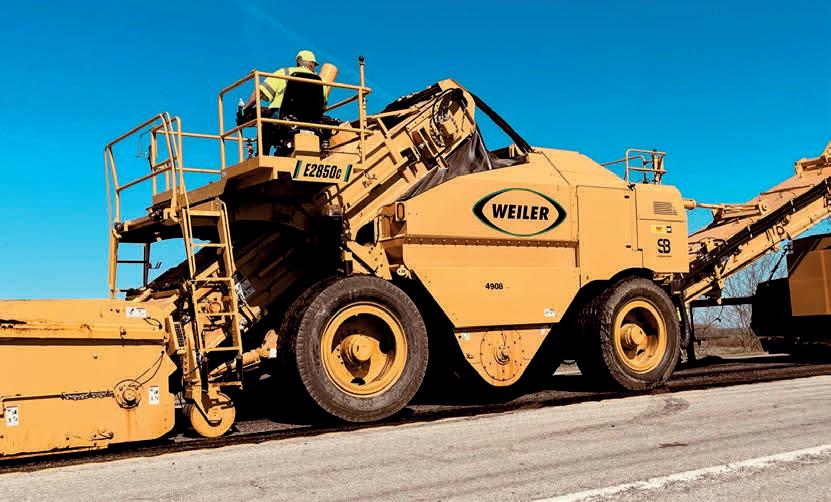
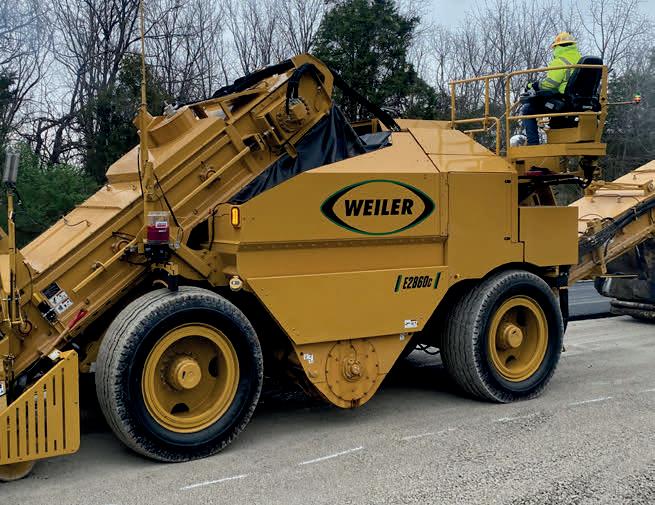
Weiler Material Transfer Vehicles lead the way with proven innovations to provide the lowest cost per ton of operation.
Innovative and reliable operator friendly features such as paver hopper management system with distance to paver, storage hopper management and auto chain tensioning.
Clam shell doors and full width drop down floors provide unmatched access for cleanout and maintenance.
Variable speed elevator and conveyors meet production requirements while minimizing wear.
The multiple, incremental improvements to the 4th generation of chains, sprockets and augers are retrofittable to all machines and provide increased wear life.
By Allyson Sherrier, Managing Editor
NEARLY 40 YEARS ON THE ROLLER: A Career Built on Asphalt, Precision and Pride
With decades of experience as a woman in asphalt construction, one roller operator reflects on craft pride, career growth and encouraging more women into the industry.
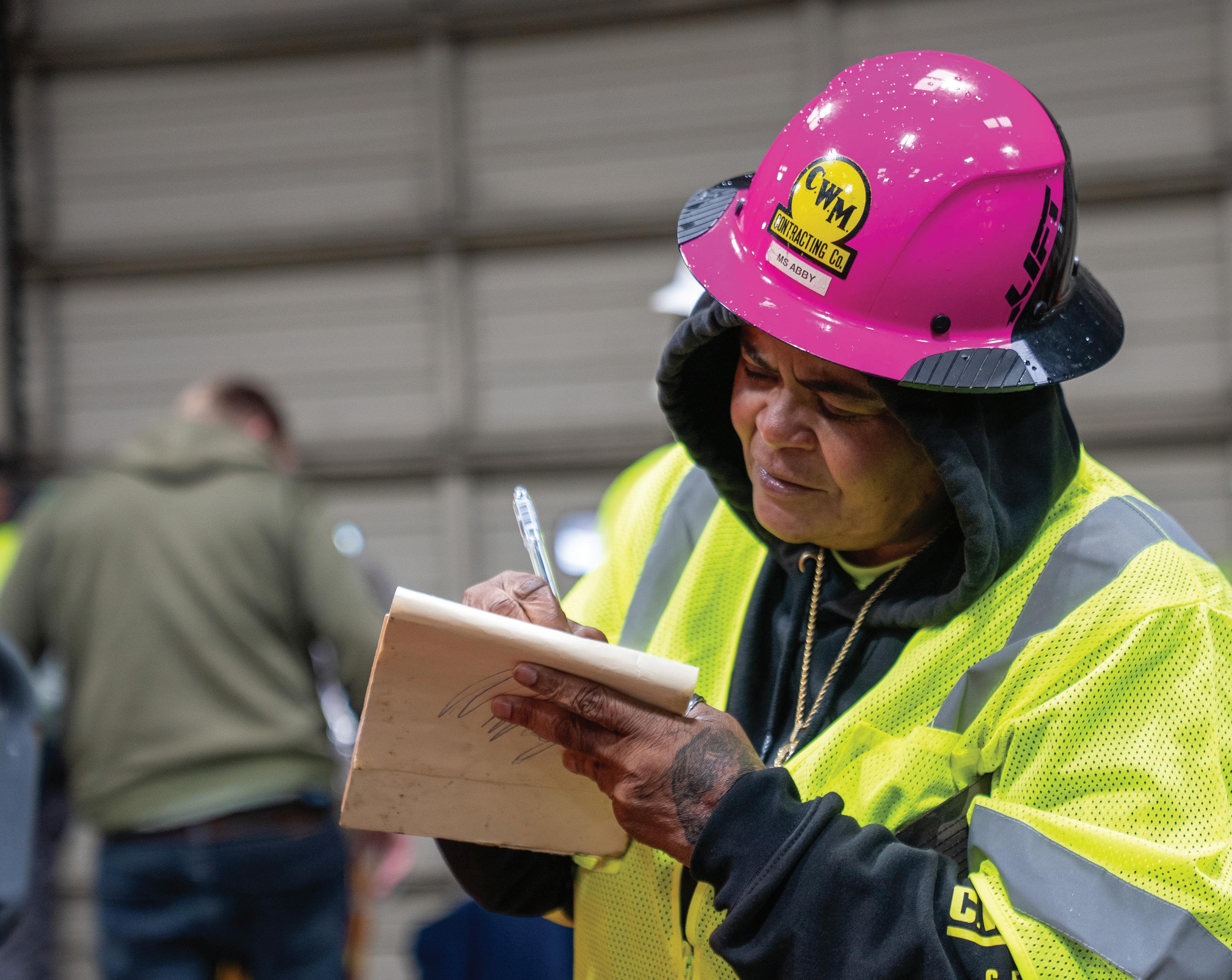
On long, hot paving days in Georgia, when tempers can flare as quickly as the asphalt cools, Abbigail Kenner, affectionately known as “Ms. Abby”, is smiling.
“I don’t let any job, or anybody, stress me out. Period,” she says. “I don’t let anyone steal my joy.”
That mindset, rooted in discipline and faith, has carried her through nearly four decades in asphalt. Today, Ms. Abby is an asphalt roller operator for C.W. Matthews Contracting
Co., a company she once pursued with unwavering determination. For her, it is more than an employer. It’s home.
A NATURAL ON THE ROLLER
Kenner has been operating rollers since high school. Construction was familiar territory as her father worked in the industry, but he hoped his daughter would choose something “easier”.
“My dad always told me he wanted me to go to college to be a vet,” she says.
But Kenner quickly realized she didn’t want to be stuck inside. She tried landscaping and other jobs, but she still found herself drawn to the crews she saw building and repairing highways. One day, she pulled off to the side of
the road and asked a dirt crew if they were hiring.
“Next thing I knew, I was out on a highway dirt crew,” she says.
Not long after, she encountered an asphalt roller and climbed on.
“My boss noticed I immediately knew how to operate and put me on an asphalt crew. I taught myself everything I needed to know about rollin’. The rest is history.”
She’s tried other roles in highway construction, but she always returned to asphalt. “Nothing is better than asphalt,” she says. “I’ve just been rollin’, rollin’, rollin’ every day and I wouldn’t change a thing.”
A NEW START IN GEORGIA
About a year after her mother’s death in 2010, Ms. Abby moved from Alabama to Georgia. She was determined to start fresh and determined to land at C.W. Matthews.
She met Clay Garland, a division manager, at a career fair the company was hosting, where she told him she had been trying to get hired since moving to Georgia. That’s where she was given her chance.
“He gave me a job and the rest is history,” she says.
Ms. Abby calls her crew an extended family. She relies on their support and unwavering friendship. She credits her foreman, Jonathan Lozano, and the people around her for helping her stay grounded and motivated. She pays them back with a positive outlook every day.
“Everyone always asks me why I’m smiling on the long, hot days on the job,” she says. “Life is too short. I’ll choose to be happy always. Praying every morning gets me out of bed and into the right mindset to tackle every day with a joyful heart.”
PRIDE IN THE DETAILS
Ask Kenner what makes her most proud, and her answer reflects the mindset of a true craft professional. She sees each success as a reward for her constant focus.
“When I roll and don’t leave a joint, oh my goodness. No better feeling.”
She doesn’t point to one standout
project or milestone as the defining moment of her career. Instead, she measures success day by day.
“Every day I try to get better and better,” she says. “I try to make every day something to be proud of.”
That consistency has shaped her reputation on the crew. And her positive attitude, she believes, is as critical as her technical ability. “Being joyful every day helps boost the energy on my crew and keeps us going.”
OPENING THE DOOR WIDER
As an African American woman operating heavy equipment in the asphalt industry, Kenner represents a small but growing segment of the construction workforce. She believes the industry can do more to make women feel welcome and supported.
“I wish the industry as a whole did a better job of welcoming women in with open arms, letting them know they’re valued as much as the next guy, they’re safe here and they can make a true impact,” she says.
Her message to young women, especially women of color, is direct and practical.
“If this is something you really want to do, come in and give it your all and give it your best,” she says. “It’s not easy work but give it everything you’ve got. Ask questions, work hard and show them you’re here to work. Keep going and always keep striving to be better.”
LOOKING AHEAD
Nearly 40 years into her career, Kenner is not finished growing. She would like to become a foreman one day or perhaps move into the office, though she laughs at the idea of leaving the roller behind entirely.
“I’d still be out rolling every now and then,” she says.
After decades on the mat, her impact extends beyond the smoothness of a finished roadway. Through her skill, resilience and unwavering joy, Ms. Abby leaves a mark on every crew she joins. In asphalt, as in life, the details matter, and attitude can shape the road ahead.
C.W. Matthews Contracting Co.
By Brandon Noel, Editor-In-Chief
BioAsphalt That Enhances Performance, Longevity
Biochar, cold recycling, and the question of permanence. How Verde Resources is making asphalt stronger and greener at the same time.
Carbon sequestration in pavement is not a new idea. Over the past decade, road building has increasingly been treated as a potential sink for waste streams and avoided emissions, from crumb rubber to recycled plastics to carbon-mineralized concrete. What has remained unresolved is not whether carbon can be placed into roads, but whether it stays there in any meaningful, durable way.
That question is central to the work Verde Resources is now doing with biochar in asphalt. Founded in 2011 as a mining company, Verde Resources began a strategic shift around 2021 toward sustainability-driven materials, a pivot that ultimately led the company away from extractive industries and into carbon-based building products.
“Around 2021 Jack was tasked to be the CEO of the organization, to turn the company from mining to green,”
said Eric Bava, COO of Verde Resources. “And hence the name Verde.”
That transition led the company first into agricultural applications of biochar, and then, after limited adoption in farming, into construction materials.
“We started with biochar on the agricultural side of the industry,” Bava said. “Unfortunately, farmers just weren’t catching on as quickly as we wanted them to. So we attended a conference and started doing some digging on where biochar can be used. And that’s when we realized that biochar can be used in building materials… specifically asphalt.”
Biochar itself is often misunderstood, even within sustainability circles.
Carl Strahl, director of biochar at Verde Resources and COO of Oregon Biochar Solutions, described it as a category rather than a single material. “Biochar is a class of materials. It’s a carbon material, and the bio before the char just indicates that it’s coming from a plant material, an organic base material,” Strahl said.
In Verde’s case, the biochar is produced primarily from residual wood waste with no marketable value as lumber.
Unlike traditional charcoal, Strahl emphasized, biochar is not designed as a fuel. “Biochars are typically optimized for adsorption or other kinds of similar markets,” he said. “It could be water holding capacity. It could be
All Photos: Verde Resources
contaminant holding capacity. So they’re generally not designed to have a high fuel content.”
That distinction becomes important in asphalt, where permanence matters. Verde’s flagship product, a cold-recycled bioasphalt surface mix, is designed around 100 percent RAP, biochar, and a proprietary emulsifier. The goal is not to bury carbon in a base layer, but to integrate it into a working surface material. “A lot of the cold mix designs that are currently in the market are used at the base layer,” Bava said. “But we are specifically designing this to go as a surface material.”
At first glance, placing a carbon-bearing material in a surface that will eventually be milled might seem counterintuitive. But according to Verde CEO Jack Wong, lifecycle analysis was addressed early in the process. “When you’re dealing with biochar and sequestration, you’re dealing with life cycle analysis,” Wong said. “They also asked us extensively about the end of life. We told them that if you design the product well, there is no end of life. It’s all about the design life.”
Because biochar is not combusted during recycling, the carbon remains stable even as the pavement is milled and reused. “So long as we do not incinerate or burn the char, the carbon is still stable,” Wong said. “The carbon still stays intact.”
Performance was another gating factor. According to Verde, biochar functions as a performance additive as much as a carbon carrier. “Biochar helps with extending the lifespan of the pavement,” Bava said. “Biochar acts as a sponge. So if water gets through the voids, biochar will kind of suck it up.” He added that the mix has demonstrated freeze-thaw durability and year-round constructability, including placement at temperatures between 35 and 40 degrees Fahrenheit.
The product was mixed and placed at NCAT with plant burners turned off, stockpiled overnight, and placed the following day. “We don’t need any heats or solvents, and there’s no odor,” Bava said. “It’s definitely better for frontline workers as well.”
Carbon accounting is where Verde’s approach diverges most sharply from prior pavement-based sustainability claims. The company worked with carbon registries to validate removal credits tied to biochar permanence rather than avoidance. “These are carbon removal credits,” Wong said. “Biochar permanence in asphalt is 200 years under the Pure Earth methodology.”
In a proof-of-concept project, five tons of biochar yielded eight tons of verified carbon removal credits after lifecycle adjustments. Those credits were sold on the voluntary market, with revenue shared between Verde and its biochar production partner.
Verde is now in the process of developing environmental product declarations, beginning with biochar itself and moving toward full mix EPDs. “We actually just triggered our EPD efforts,” Bava said. “The next step will be getting the EPD for the entire mix design.”
For producers, the appeal may be less about sustainability messaging and more about operational flexibility. Year-round production, reduced burner use, and extended paving windows represent tangible economic levers. Whether biochar-based asphalt becomes a mainstream tool will depend less on climate rhetoric and more on how it performs in plants, on roads, and in specifications.
As with many sustainability technologies in asphalt, the industry will ultimately decide whether the numbers and the pavement align.
in
It
The Fundamentals of Compaction — and the Compactor’s ‘Roll’
Exploring the fundamentals of compaction: From versatility to power and smart features.
Often, one of the last and most critical steps in building roads is when compactors roll down that last mile. Accurate compaction can be overlooked in the rush to finish that last pass before the holidays, but it will be noticed by construction crews and commuters in upcoming seasons.
“Compaction isn’t just a final step, but the foundation for structural integrity, moisture resistance and long-term durability,” said Cody Wagner, paving technology product manager at RDO Equipment Co.
When crews don’t achieve accurate compaction, the base layer under the pavement can be more susceptible to premature failure, requiring costly repairs and increased maintenance over time for the crew.
“It is so important for crews to achieve accurate compaction so rework isn’t required, and they can achieve the density required by the Department of Transportation (DOT),” Wagner said.
Wagner explains that, at its core, compaction is the process of reducing air voids in the material mix to achieve a specified density based on the environmental stressors the road will endure, such as freezing temperatures or snow plows clearing the roads.
Many compactor machines now come equipped with sensors to deliver real-time density readings, so operators can proactively respond to potential issues and adjust force during subsequent passes. Project managers partner with the job site crew and equipment providers to select the right roller machine for the specific phase in the compaction process.
COMPACTION’S STARRING ‘ROLL’ IN THE INDUSTRY
Accurately compacted material makes strong and smooth roads built for
stability. When the asphalt or other road building materials are accurately compacted, it reduces soil settlement or the road’s permeability.
“While soil compaction focuses on load bearing and moisture control, asphalt compaction is all about achieving density and smoothness for performance and longevity,” Wagner said.
Environmental factors or road building material can affect a roller’s compaction force.
• Material type like soil, gravel, asphalt
• Moisture content of the material
• Layer thickness of the roadbuilding
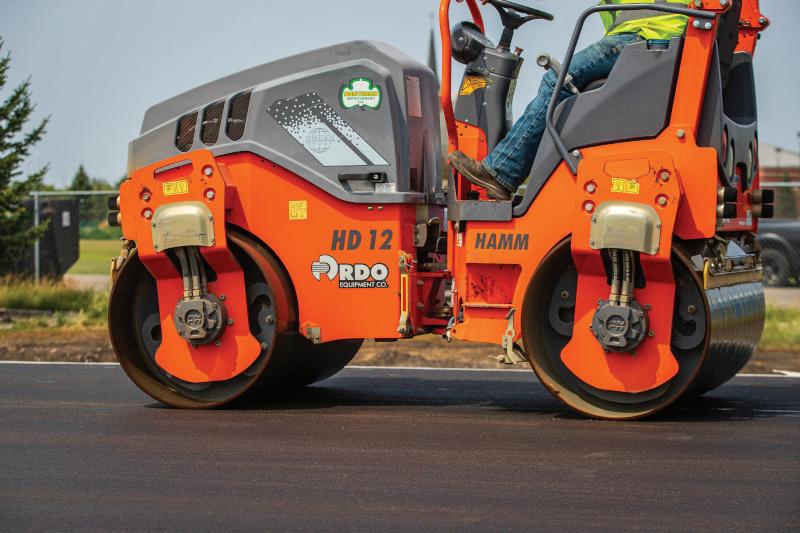
Some rollers, like HAMM’s VIO-2, give operators flexibility to choose vibration, oscillation or a combination of both without sacrificing speed, Wagner explains. This ability can help the fleet manager reduce the number of rollers on the job site or change the compaction force when conditions require it. Fleet managers and operators rely on five primary compaction forces.
• Impact : Sudden force for deeper penetration
RDO Equipment Co.
ROLL OUT
Watch this review of the HAMM VIO-2 roller to see how its drums work in tandem or independently from each other.
• Kneading : Pneumatic tires manipulate the mix
• Oscillation: Horizontal shifting for gentle compaction
• Static pressure : Weight of the roller compresses material
• Vibration: Vertical pounding to rearrange particles
“HAMM’s VIO-2 technology combines vibration and oscillation in one drum, giving operators flexibility to adapt to changing conditions without swapping machines,” Wagner said.
CLASSIFIEDS
SENSORS DETECT REALTIME DENSITY
To meet the generally accepted industry standard of 92% compaction, crews rely on a compaction train, such as a sequence of rollers, each with a specific role:
• Breakdown roller : Typically using a dual steel drum, this machine uses vibration (vertical pounding) or oscillation (horizontal shifting) to begin densifying the mix.
• Intermediate roller: Often a pneumatic tire roller, it kneads the mix and boosts density by 2-3%. Tire temperature must be carefully managed to avoid surface damage.
• Finish roller : A second steel drum roller, usually in static mode, smooths out imperfections. It may add 1–2% density, but its main job is to compact on a final pass and create a clean, uniform surface.
“When the mat is laid by a paver, timing and temperature matter,” Wagner said. “Usually, the material being laid cools quickly, so it’s important that a roller is ready to go with the right drum setting shortly after the paver.”
Asphalt is laid hot, between 260 to 320 degrees Fahrenheit, and cools quickly. According to Newton’s law of cooling, the hotter the material, the faster it can cool. Crews must compact while the binder is still workable to avoid the “tender mix zone,” where asphalt becomes fragile and prone to damage.
Dynapac NA
“Operators have to apply pressure to the road while the mix temperature allows it to still be mailable,” Wagner said. “Miss this window and the road is at risk for structural failure later.”
After the rollers complete several passes and the mat cools, crews or DOT officials check density by coring or gauging the mat.
Proper compaction extends pavement life, reduces water infiltration and improves resistance to rutting and cracking. Rollers with intelligent compaction (IC) technology provide real-time density measurements through
to adjust the roller’s drums. Many manufacturers offer intelligent compaction tools, either through after-market upgrades, which are usually brand agnostic like those from companies like Topcon or Trimble Inc., or fully integrated systems like those from HAMM, Dynapac, BOMAG, and Volvo CE.
“These sensors allow operators to actively practice intelligent compaction methods with DOT officials, quality control inspectors and fleet managers,” Wagner said.
Intelligent compaction is a construction process that uses GPS and integrated sensors on a roller to provide real-time data on a material’s stiffness as it is being compacted.
“With [technology like] HAMM’s Smart Compact Pro, operators have actionable insights from its ground penetrating radar to map density in
insights based on temperature, stiffness and density,” Wagner said.
Smart Compact Pro helps crews:
• Reduce the number of passes
• Improve job site safety
• Minimize core sampling
“Smart Compact Pro has been a game changer for large-scale projects like resurfacing airport runway,” Wagner said. “Operators on that job site said their rollers’ in-cab displays helped them to see vital density information without getting out of the cab.”
From highways to housing developments, rollers equipped with intelligent compaction systems can adapt and be useful in a wide range of applications.
Whether you’re stabilizing soil or laying down asphalt, there is a roller for every application.
Celebrating Women in Construction: Tradeswomen Are Driving Change in Construction Workwear
As more women enter the skilled trades, their jobsite feedback is influencing construction workwear design, improving durability, mobility, safety and overall performance.
As more women enter the skilled trades, their presence is reshaping long-standing assumptions about who construction workwear is designed for and how it should perform. Over the past decade, women’s participation in construction and skilled trades has steadily increased, signaling meaningful progress toward a more diverse workforce. This growth also brings new visibility to challenges that have existed for years, particularly around access to workwear that supports the physical demands of the job.
Historically, jobsite apparel has been designed primarily around male body proportions and movement patterns. For many tradeswomen, this has meant working in clothing that restricts mobility, lacks durability in high-wear areas or fails to provide consistent coverage during common tasks. As women take on a broader range of field roles, their feedback is prompting a shift in how workwear is researched, designed and evaluated.
Rather than attempting to adapt women to existing designs, portions of the industry are beginning to rethink workwear from the ground up.
WHERE WORKWEAR FAILS
For tradeswomen, the shortcomings of traditional workwear become apparent quickly on the jobsite. Tasks such as climbing ladders, kneeling on concrete, operating equipment, lifting materials, and working overhead require apparel that stays in place, stretches where needed and resists abrasion.
Common issues frequently surface in field discussions:
• Pants that sit too low or shift under tool belts
• Stiff fabrics that restrict bending, squatting or stepping
• Knees and seams that wear through prematurely
• Pockets that are too shallow, poorly placed or unable to support tools
• Tops that ride up during overhead work or leave gaps in coverage For many years, the prevailing approach to women’s workwear involved sizing down men’s garments. While this method may adjust overall dimensions, it does not account for differences in body shape, center of gravity or movement patterns. The result is apparel that may technically “fit” but does not perform as required in real jobsite conditions.
DRIVING BETTER DESIGN
Understanding how workwear performs in practice requires more than lab testing or size charts. Field research, such as jobsite visits, observational studies, and direct conversations with tradeswomen, has become an essential component of meaningful design improvement. By spending time on active jobsites, product managers can observe how garments behave during repetitive tasks, movement and prolonged wear. Several consistent themes tend to emerge:
• Mobility is a top priority. Apparel must stretch, articulate and move with the wearer without binding or pulling.
• Durability must align with real wear zones. Knees, thighs, seat, cuffs and
pocket edges are common failure points.
• Coverage matters. Garments should stay in position during bending, reaching and climbing.
• Features must be jobsite focused. Storage, reinforcement and construction details should enhance and elevate the wearer’s experience. Field-based feedback shifts design conversations away from aesthetics and toward performance. This research-first mindset represents a departure from past practices. Rather than starting with an existing pattern and modifying it, manufacturers can begin with observed needs and build outward.
One of the most significant evolutions in women’s workwear design centers on movement. Construction work involves dynamic, multi-directional motion and apparel must accommodate that reality. When movement is properly supported, workers expend less energy fighting their clothing. This can reduce fatigue and help maintain consistent productivity across long shifts.
From a productivity standpoint, welldesigned apparel minimizes the need for adjustments and reduces physical strain associated with restrictive garments. Over the course of a work day, these small advantages accumulate.
For contractors, investing in workwear that fits and functions properly can contribute to worker satisfaction and retention. These can be factors that matter in a laborconstrained environment.
by Nadia Sinner, PM at Milwaukee Tool
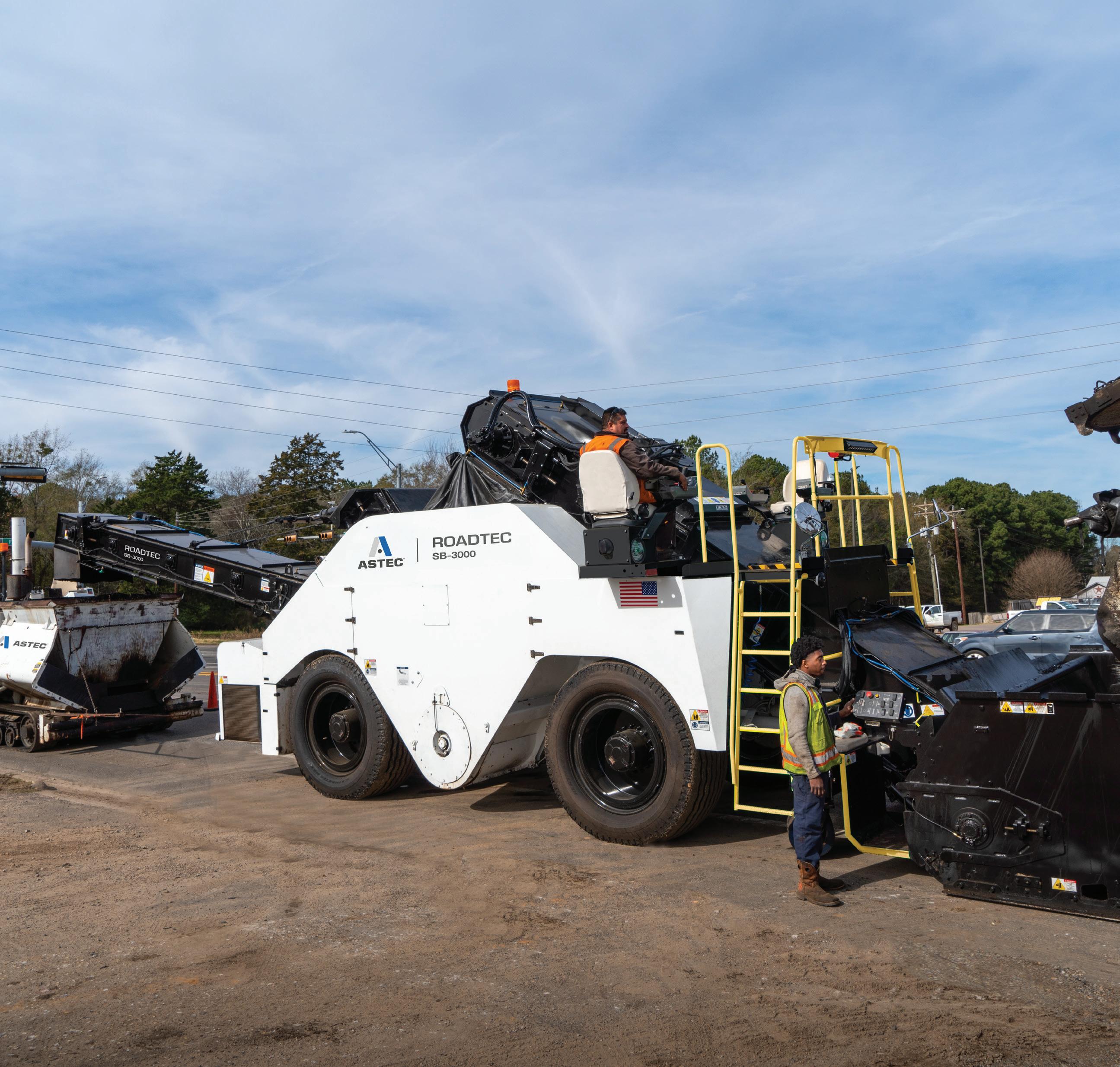
SHUTTLE BUGGY ® SB-3000
Roadtec Shuttle Buggy ® SB-3000
Astec revolutionized the paving industry with the introduction of the Shuttle Buggy, and now the SB-3000 sets a new standard in material transfer vehicles. Effortless maintenance, unmatched performance, and four steering modes for ultimate agility keep paving seamless. Experience groundbreaking innovation with the patented Ground Crew Control Station for the ultimate user experience and protection. The SB-3000 isn’t a machine, it’s a revolution in material transfer, built on Astec’s legacy of industry firsts.