FOOTBALL FOUNDATION HUBS PROGRAMME WEBINAR


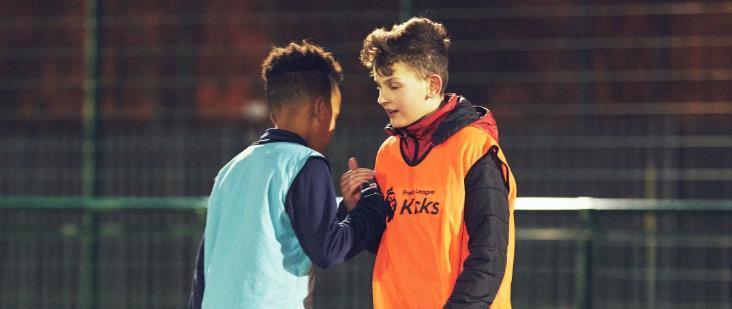
• The Football Foundation is the Premier League, The FA and the Government’s charity.
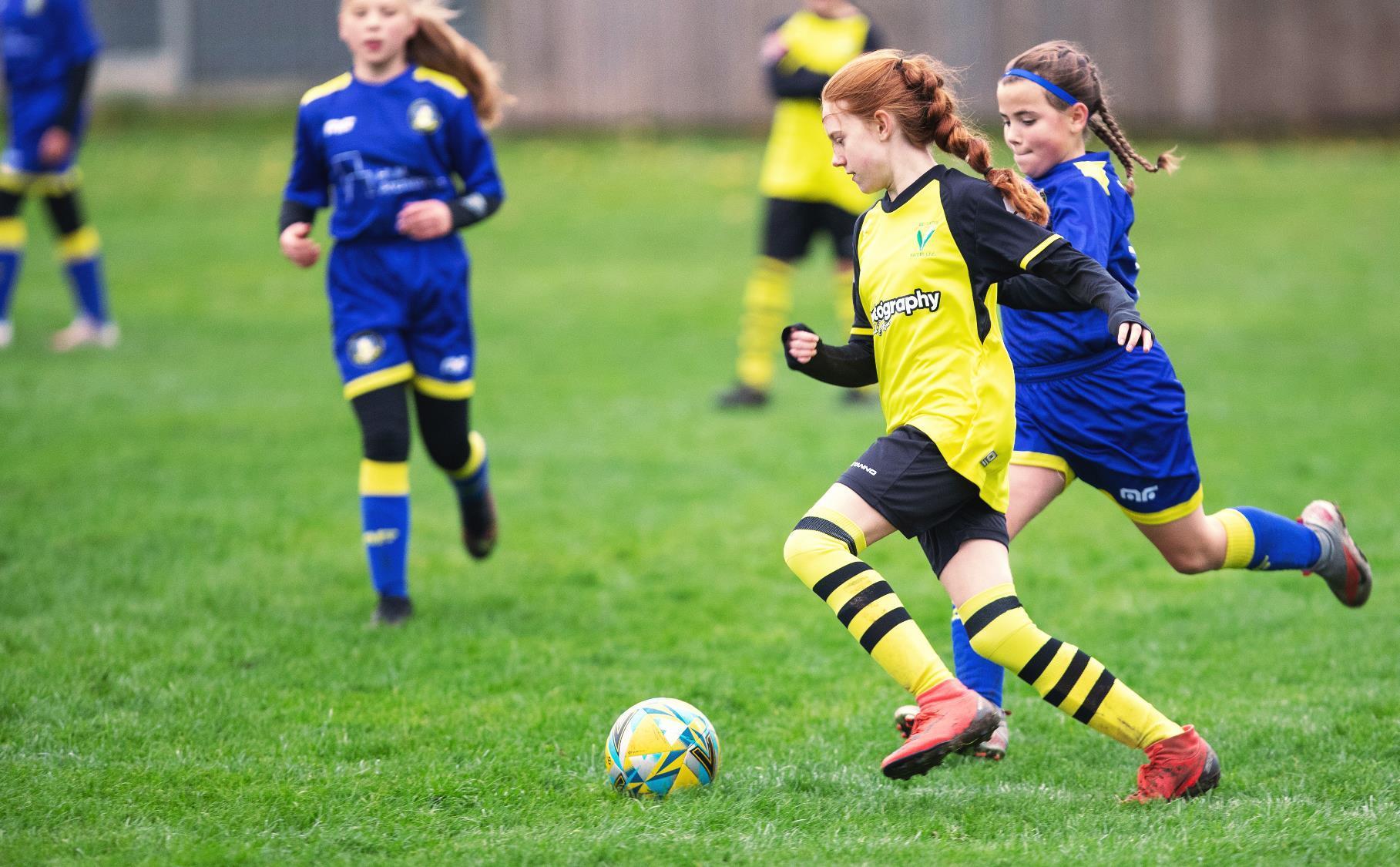
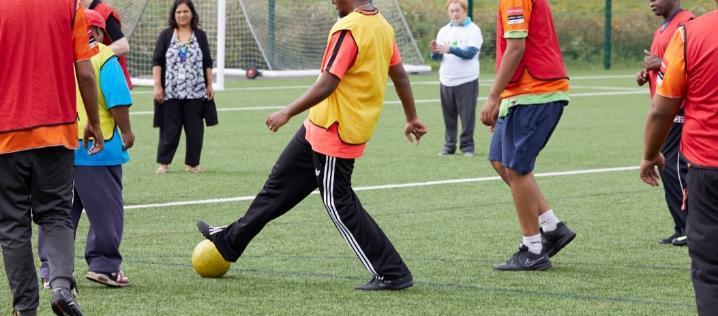
• Our goal is to unlock the power of pitches to transform lives and strengthen communities, ensuring everyone has a great place to play regardless of gender, race, disability or place.
• We deliver outstanding grassroots sports facilities, more opportunities to play and better experiences, which support not only physical health, but mental wellbeing, community cohesion and the local economy too.
• We’re investing half of our funding into the 40% most deprived and inactive communities in England –targeting our investment where it is needed the most.
• By 2025, 40% of our investment will go into projects that support both football and at least one additional sport, such as rugby, cricket, netball or basketball.

The Football Foundation has awarded more than 74,000 grants to improve facilities worth more than £1.2 billion –including:
1,200 3G PITCHES
1,000 ARTIFICIAL GRASS PITCHES

14,000 GRASS PITCHES
11,000 NATURAL GRASS PITCHES

1,300 CHANGING FACILITIES
1,500 CHANGING FACILITIES
This has attracted an additional £1.4bn of partnership funding – totalling over £2.6bn investment in grassroots football so far.

Introduction Investment priorities HubsProgramme Principles
TheNationalFootball TrustastheSPV TheFourStage ApplicationProcess 5 SPVFootball TrustModel 2 Thestorysofar 8 NextSteps

• Originally an FA-led response to a rapidly deteriorating public sector owned/managed infrastructure.
• Recognising the hard truth that the public sector is unable to continue to subsidise football to the same level leading to poorer quality stock and higher prices.
• FA Chairman’s Commission – facilities drive, but also recognition that Parklife Project could front wider development ambitions and links to pro-clubs.
• One part of strategic objective to rapidly increase number of AGPs alongside single pitch projects delivered by the Football Foundation.
• Secondary objective to create a new revenue reinvestment model for grassroots football pitches to aid long term sustainability.
The overall facility mix for each Hub will be site specific and in response to local need, but alongside full-size 3G’s, could include:
• Grass pitches – including rugby, cricket etc
• Small-sided 3G FTP
• PlayZones – supporting other sports
• Indoor meeting space – for delivering education and supporting wider community activities
• Other sports provision - rugby, cricket, hockey
• Physical activity facilities – walking and cycling, health and fitness, outdoor play
• Other community services – health and social care e.g. co-location with a GP Surgery
Our investments are football-led but we want other sports and the wider community to benefit from our facilities.
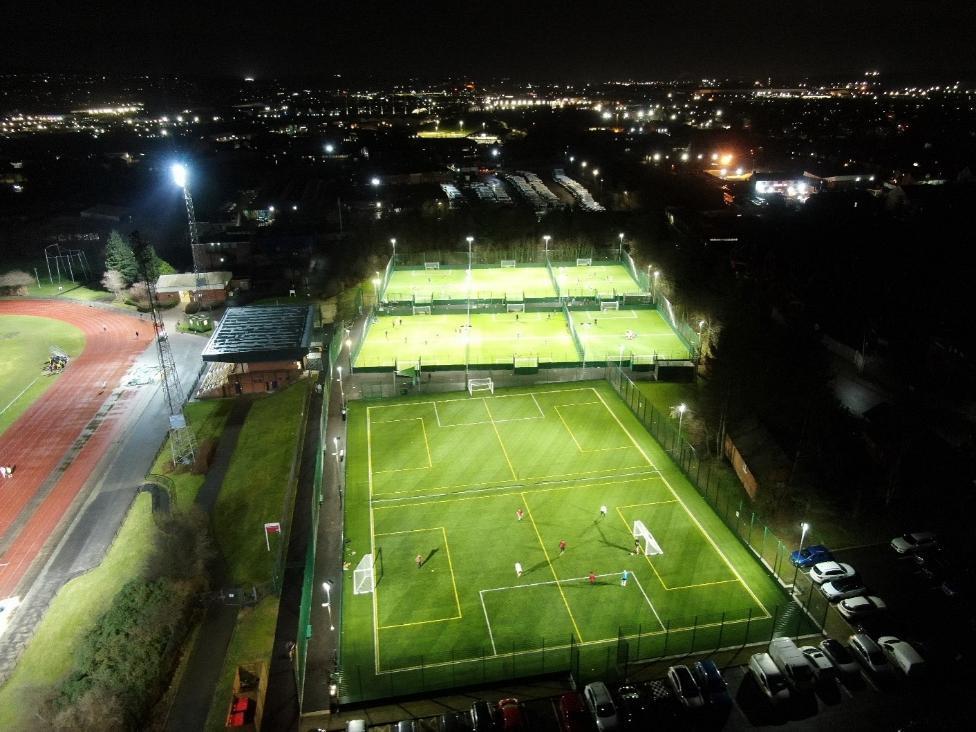

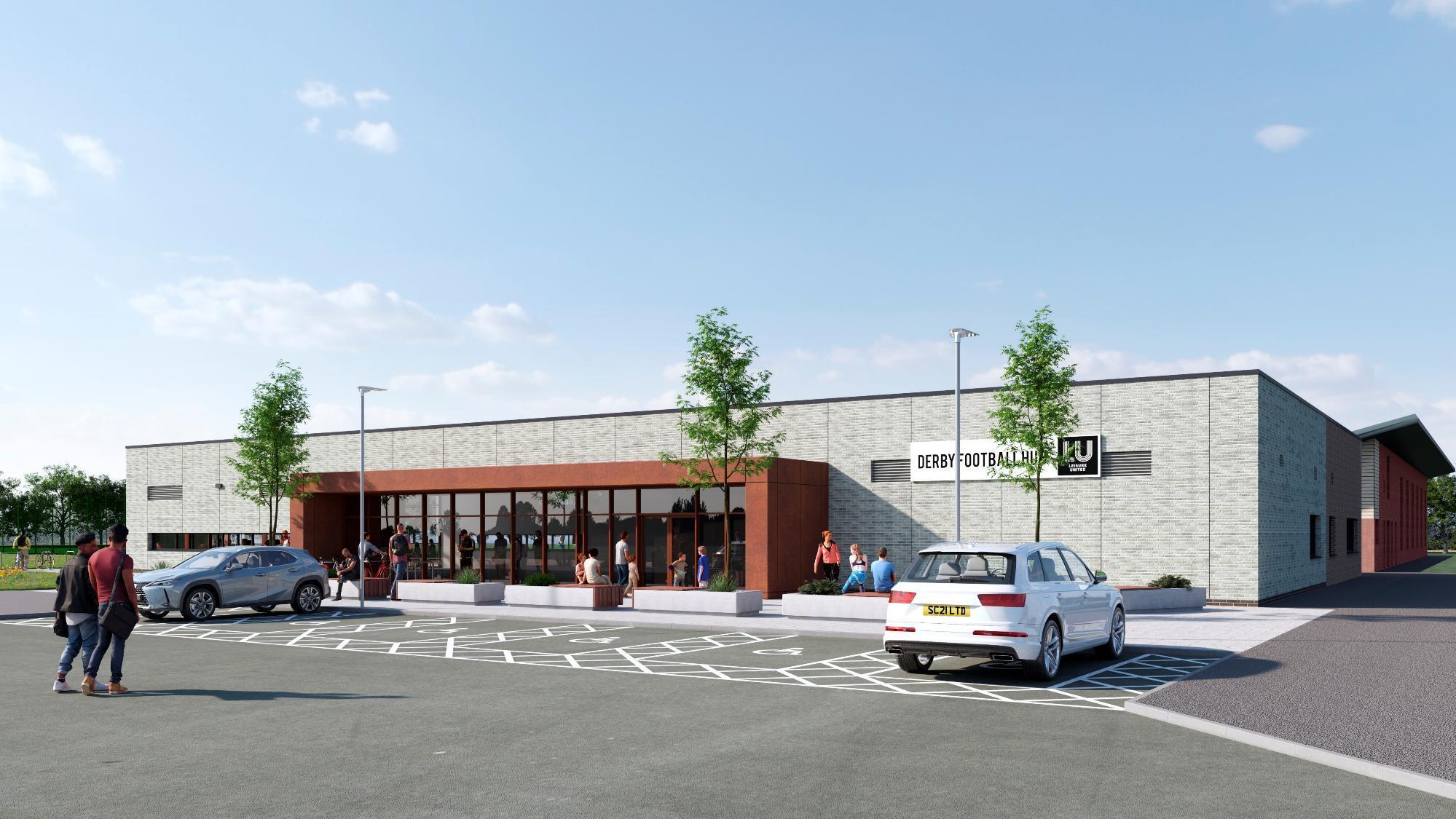
Opened: February 2024
Total Project Cost: £12 million
Football Foundation grant: £6 million


• Four full-size 3G pitches
• 18 grass pitches
• Pavilion featuring:
• Reception and café
• Three community rooms
• Changing and toilets
• Children’s play area
• Basketball court
• Outdoor gym




• Areas with the greatest demand
• Clear alignment with Local Football Facilities Plans and Playing Pitch Strategies
• Latent demand – local junior club and league landscape.
• Projects that have the greatest potential to deliver against our Strategic priorities:
• Women & Girls
• Tackling inequalities
• Multi-Sport
• Sustainability and local re-investment.
• Community engagement - ensuring local groups are involved in project development, helping to tackle inequalities locally and inform the range of sports and activities at facilities.
• Readiness to deliver – joined up local system partners. Capable of bringing forward full funding applications in FY27 – FY30.


• Ensure equal access and support the continued growth in the game
• Learn from the high standards set by our Lionesses Futures Fund project and try to make ‘gold-standard’ principles the norm
• Programmed usage for Women & Girls, training & match play, social & competitive
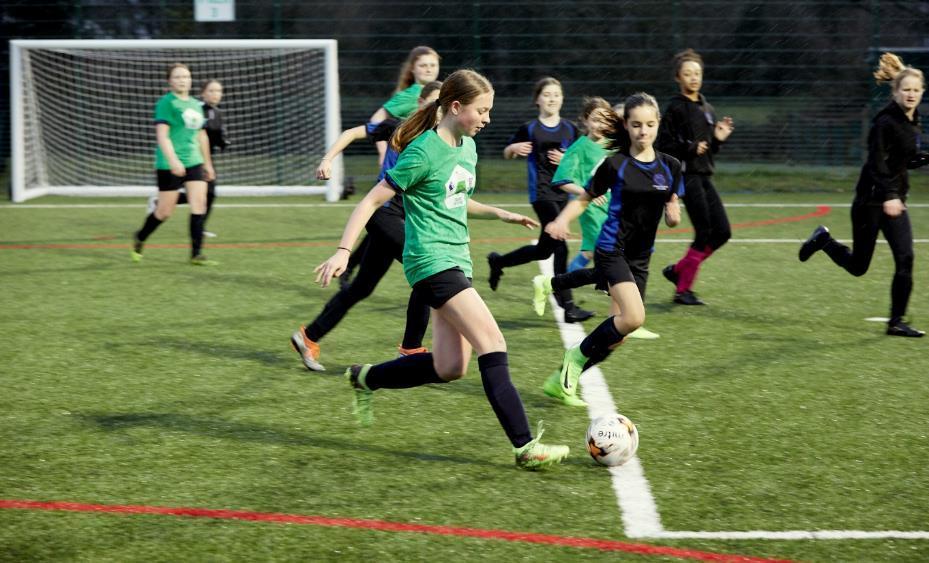
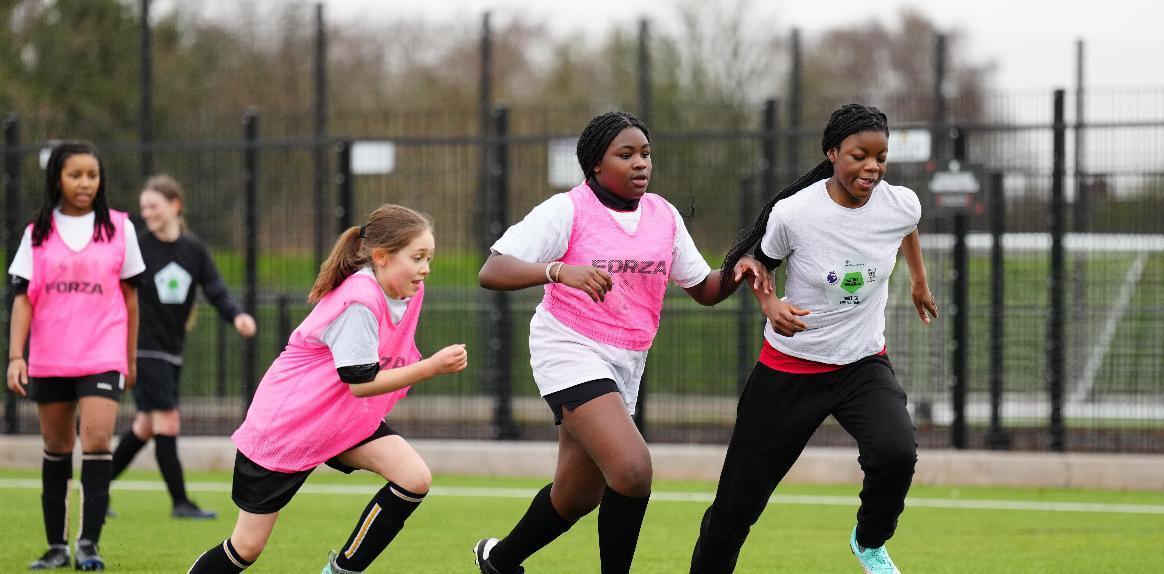
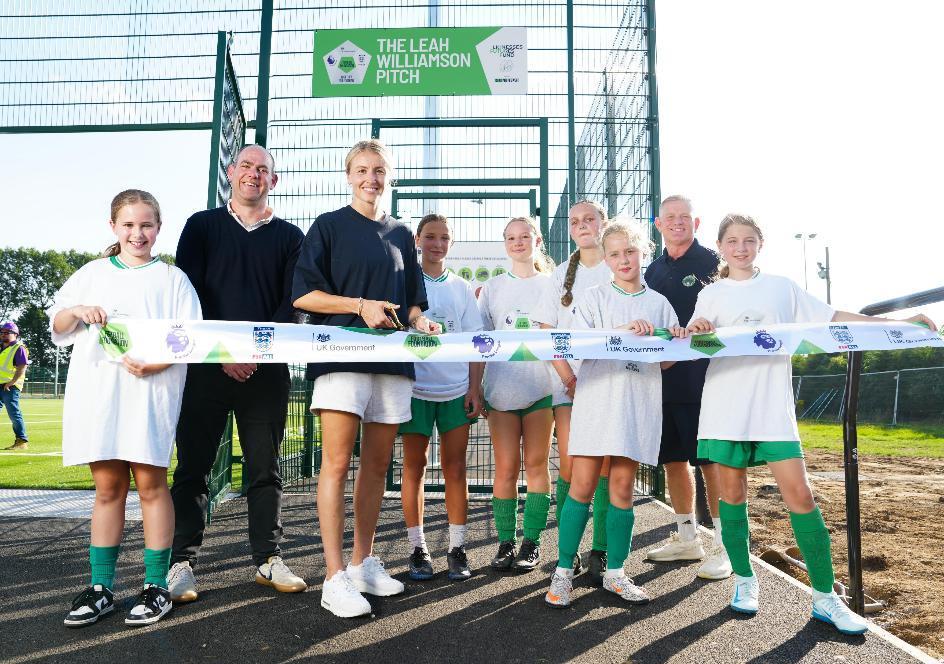
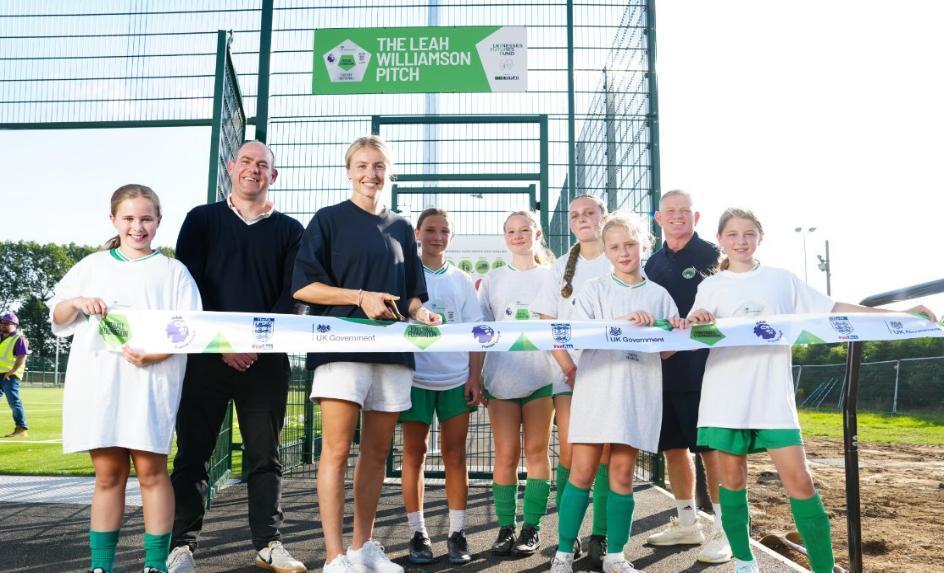
There are groups who we know face the greatest inequalities when it comes to accessing high quality facilities and being physically active:
• Lower socio-economic groups
• Disabled people and people with long-term health conditions
• Ethnically diverse communities
Strong and robust Community Engagement is key to ensuring a project is developed and designed with these audiences in mind.
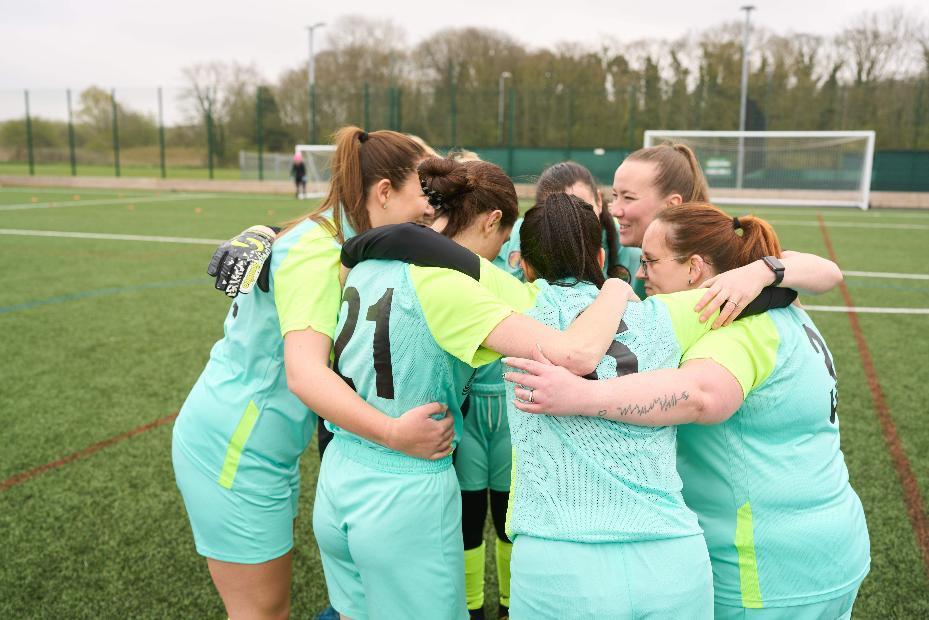

As well providing excellent training and match play facilities for clubs and leagues we want a balanced programme of use that supports the Foundation’s objective of tackling inequalities through our investment.
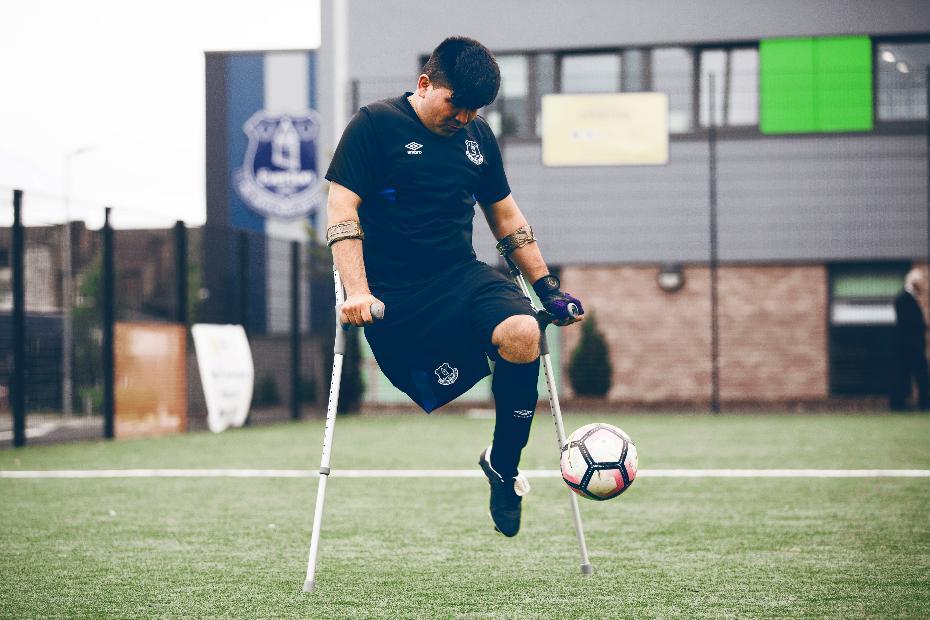
Examples of shared provision
• Changing rooms meeting the needs of other sports e.g. rugby
• Multi functional spaces for sport and physical activity
• Shock pads on 3G pitches for rugby
• PlayZones
• Appropriate maintenance machinery
Examples of dedicated provision (case-by-case)
• Hockey AGP
• BMX track
• Padel courts
• Athletics tracks
• Health and Fitness

Although our investments are football-led, we want other sports and activities to have meaningful benefit from our facilities and hub projects have huge potential for multi-sport outcomes.

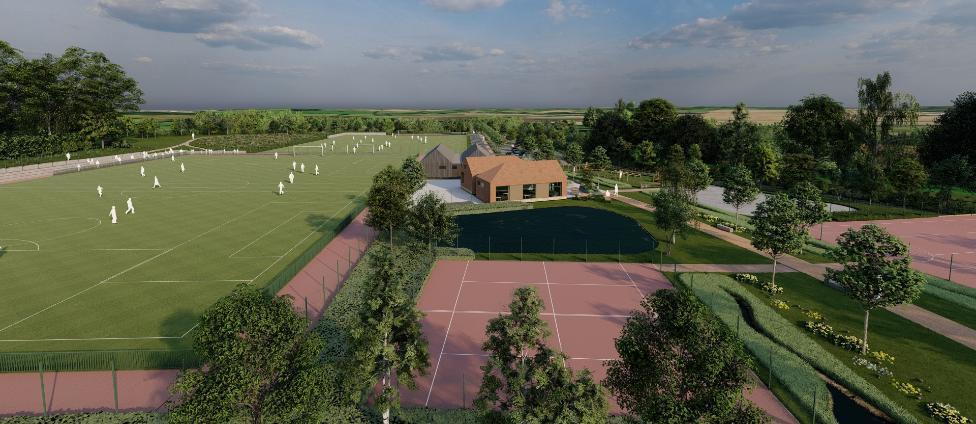
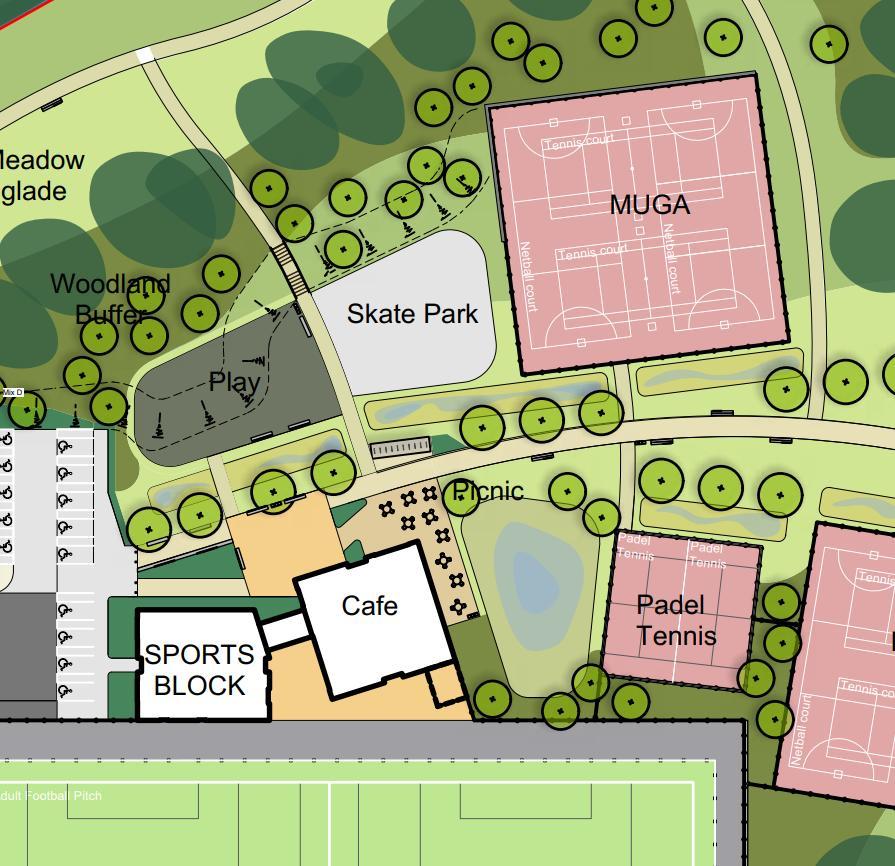
• Under construction – due to open Summer 2026
• Pavilion with café, community room, changing and toilets
• Two 3G pitches
• Two MUGA’s for tennis, netball, and basketball
• Two Padel tennis courts
• Play area
• Skatepark
• Perimeter trail for walking and running
• Green space for informal recreation
To achieve our re-investment aims we’re looking for local authorities willing to commit to a management arrangement whereby their site is vested into a Special Purpose Vehicle football trust.
This model would retain all surplus revenue for local reinvestment back into facility priorities identified in your Local Football Facility Plan (LFFP) – particularly grass pitches. We’ll cover the SPV model in more detail later.
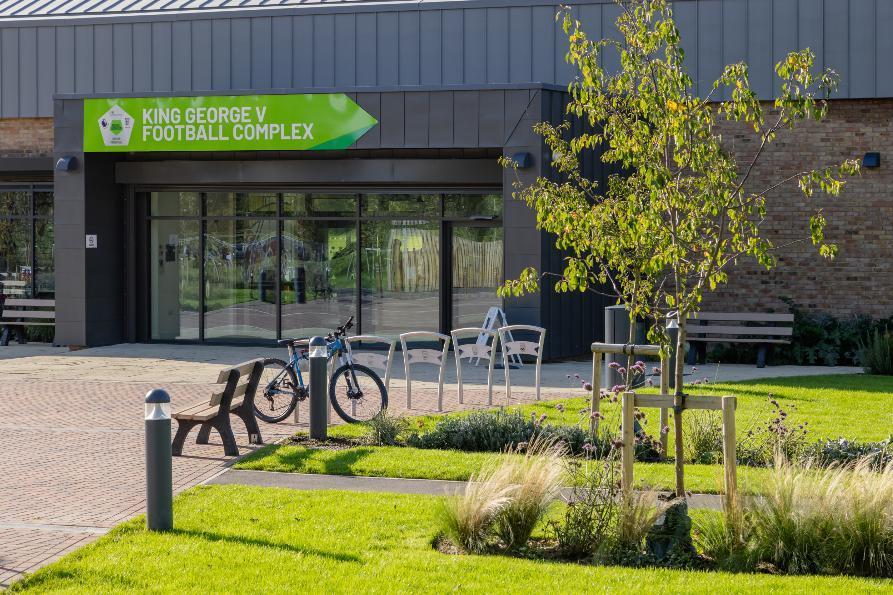

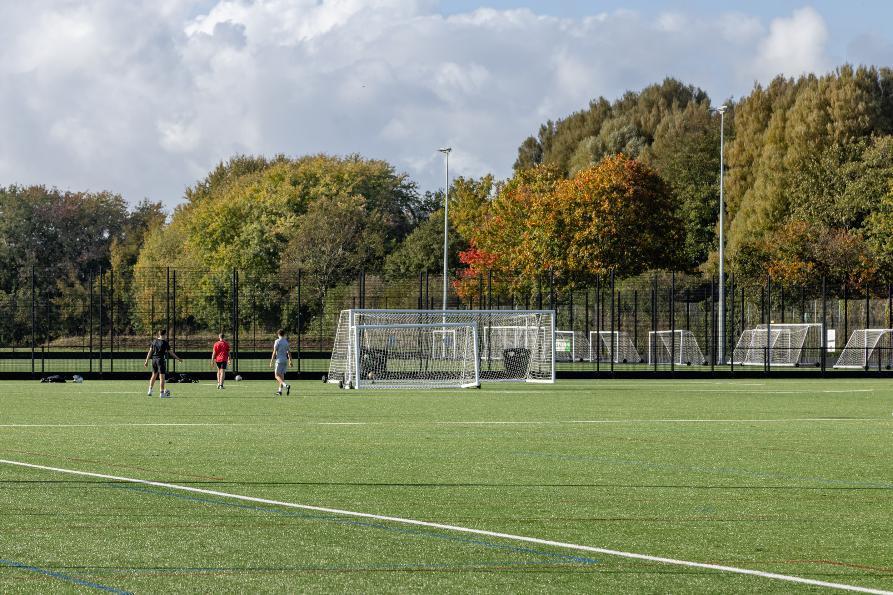
The Hubs Programme aims to create sustainable facilities with multiple artificial grass pitches capable of generating surpluses for local reinvestment and less reliant on the public sector.
At EOI Stage, applicants are required to demonstrate commitment to 7 Programme Principles
The projects that best demonstrate commitment to the programme principles will proceed to Stage 2 of the application process.
Evidence of strong local relationships capable of driving positive change in football participation and achieving wider social outcomes:
• County FA
• Pro Club Community Trust
• NGB's
• Active Partnerships
• Health
• Third Sector
• Locally Trusted Organisations
Willingness to develop a local stakeholder group or consortium to oversee community engagement to ensure the project meets local need:
• Affiliated and recreational football
• Other sports and physical activity
• Local community organisations that can help reach the target audiences
Demonstrating high level political support for the project:
• Leader/ CEO level
• Identified resources to support delivery – senior responsible officer
4
A delivery model that ringfences all surplus revenue for local reinvestment into grassroots football to:
• Improve and maintain the quality of grass pitches (good standard)
• Reduce reliance on public subsidy
5
6
7
Ability and willingness to vest the completed facility into a Special Purpose Vehicle (SPV) for football:
• To manage and maintain the facilities on a longterm peppercorn lease
• The National Football Trust has proven to be a successful vehicle to-date
Commitment to raise 40% partnership funding of capital costs:
• To support operational sustainability and maximise reinvestment potential the Programme cannot service any prudential borrowing
Willingness to use the Football Foundation’s Framework for the design and construction of 3G pitches:
• Agree a delivery route with the Football Foundation for the pavilion and wider site works that demonstrates quality and value for money


Establish an appropriate corporate vehicle for the Hubs programme Ring-fence investments and stakeholders from operating risk

Charitable status –transparent, limited liability, tax efficient (e.g. rate relief), public perception

Allows football to have more responsibility and involvement in the management of its grassroots facilities

Mitigate the level of irrecoverable VAT to the Football Trust and aim to avoid passing on input tax (VAT) charge to end users

A way of ensuring an affordable, consistent and high-quality customer experience
Maximise local reinvestment potential
A new charity was created in each local area
• Resource intensive to create and service
• Operationally inefficient
• Trustees often lacked the time and/or expertise to properly manage or support the operator with attention focussed on governance, rather than participation outcomes.
An operator was procured for each local area
• Limited knowledge of football operations in the core leisure market
• Little market appetite - limited cash flow and limited profit (risk and reward balance)
• A high cost of bidding for each opportunity
• Limited economies of scale
• Operator missing from the process
• Revenue leakage through overheads and profit, management fees, surplus share, cross-subsidy
The National Football Trust
• Simplified and stronger governance
• Commitment to local re-investment
• Maintains local involvement (Local Advisory Groups)
• The FA, Premier League and Sport England have direct oversight
• The NFT can either:
i. Procure an operator for each opportunity
ii. Engage Leisure United (Teckal exemption)
• Fully charitable model that keeps all funding within football and the local area it is generated
• Covid-19 response / due diligence: no evidence of a credible alternative that provided the required certainty and stability
• More efficient facility development process
• Economies of scale and efficiencies from single operator
• Established charity with strong reputation – a single national brand to drive participation, revenue and awareness
• The FA – representing grassroots football
• Premier League – representing the pro-club community trust network
• Sport England – an arm’s length body of government responsible for growing and developing grassroots sport and getting more people active across England
• Local Authority representative
• Leisure United – the NFT’s wholly-owned operator subsidiary
• Independents – up to four individuals with specialist knowledge, skills and experience




Local Advisory Groups
• Charity
• Programme lead
• Grant funder
• Landowner
• Funding Applicant
• Co-funder
• ‘Builder’
• Landlord
• Local Advisory Group member
• Charity
• Special Purpose Vehicle
• Custodian of the site (leaseholder)
• ‘Adheres’ to the funding terms
• Charity • ‘Child’ of NFT
• Operator
• Local Advisory Group member
The application process will be broken down as follows: Expression of Interest
Eligible organisations complete and submit an EOI form with supporting evidence (where required) outlining their commitment to the key principles of the fund by 5pm on Monday 5 May.
The Football Foundation will assess each EOI against its investment priorities and the 7 Hubs Programme Principles. Readiness to deliver will also be a key factor.
Successful applicants will be invited to Stage 2 (from June 2025).
The Hubs Programme offers the potential to consolidate individual 3G projects into a single or fewer strategic sites – this may not have been fully considered in your LFFP.
Ownership – you’ll need to own the freehold or possess a lease with a term of at least 25 years at the point a funding decision is made.
Location - is the site able to meet local known demand and supply factors.
Size – each full-size 3G pitch requires approximately 8,500m2 land and 80 parking spaces. A ‘double pitch’ Hub will need at least 2.5 hectares of land (25,000m²)
Duration:
Topography - a sloping site can add significant costs but isn’t always a showstopper.
2 months (Jun – Jul 22)
Before you submit your EOI:
• What information do you hold about the site(s) ?
• Does the site have a ‘clean’ title
- are there any restrictions, covenants or other issues?
• Are there suitable access arrangements
• Understand likely suitability with the local planning authority
• Site history:
• Flood risk?
• Contamination?
• Planning history
Community engagement & Feasibility
This stage consists of two elements:
Community engagement –
Led by the local authority with support from key stakeholders.
Initial feasibility –
Led by an independent consultant commissioned by the Football Foundation.
The consultant will bring the two elements together into a summary report.
The Football Foundation will use this information to assess whether a project can progress to the next application stage based on the outcomes it could deliver.
Expected Duration:
3 months (Jun – Sep 25)
We expect the council to lead the community engagement, bringing together a consortium that can identify local priorities and build on existing knowledge:

• Who are the priority audiences that you’ve identified to engage?
• How and why have these been selected, what informed this decision and what engagement has already taken place and what has this told you?
Duration:
• What gaps do you need to fill though community engagement?
2 months (Jun – Jul 22)
The consultant will help you to identify opportunities, define requirements and develop an initial programme of use. The consultant’s report will include:
• 10-year business plan — to indicate if the project is sustainable and the re-investment potential based on its requirements.
• A site plan showing the potential AGP, building and parking layout.
• An outline floor plan that is capital efficient, maximises income potential and minimises running costs.
• An analysis of operating options and recommendations.
• A high-level capital estimate of the options to inform the funding envelope required.
The Foundation its AGP Framework to lead the design and delivery of that aspect of the project.

The Local Authority (applicant) is responsible for the design and delivery of the pavilion works.
Expected Duration: 6 months (Oct 25 – Mar 26)
This stage aligns to RIBA Work Stages 1 & 2 and associated costs will be shared between the Local Authority (40%) and Football Foundation (60%).
Further refinement of the business plan driven by ongoing community engagement and programme of use development.
This stage aligns to RIBA Work Stages
3 – 4, during which the planning application for the project is submitted and the detailed design is completed to provide cost certainty via competitive tender. Development costs for this stage are again shared on a 60:40 basis
Expected Duration: 12 months (Apr 26 – Mar 27)
Each funding application is submitted when:
• Cost certainty is reached
• Full planning permission secured
• Programme of use, site development plan and business and operational plan finalised.
• Engage the community –understand the programming needs that help tackle inequalities and deliver against the affiliated football demand locally to build the business plan bottom up.
• The programme doesn’t support the repayment of capital borrowing from revenue so financial planning is key.
• Resourcing the project team is key
• Senior Responsible Officer
• Project Manager
• Specialists – e.g. planning
Engage the community to understand programming needs that help tackle inequalities
Appointing an internal project manager to coordinate the project
Get early internal sign off on the SPV governance arrangements
Involve specialist colleagues early e.g. property, planning, legal, procurement, tax, etc
Identifying multi-sport and opportunities for co-location of local services
Financial planning for expected level of partnership funding
Ensuring community engagement is ongoing and remains central to the approach
Continued senior level sponsorship to drive the project forwards
Review
Reviewlocal demandand sitesthat mighthavethe potentialto becomeaHub
keyproject partnersthat couldhelp deliverthe project
Foundation andyour CountyFAfor guidanceand support
Find out more: footballfoundation.org.uk/hubs-programme
Get in touch: hubs@footballfoundation.org.uk