Balancing Cereal Recovery with Structural Import Dependence Chair of the Bakery Subsector - Kenya Association of Manufacturers
Perfecting Your Flour Quality Through Innovation
and Expertise
With over 50 years of experience, Pakmaya stands by your side from diagnosis to solution. We offer practical and expert approaches tailored to your needs.
The Focus of Our Business
Flour Improvers Flour Fortification (vitamin and mineral premixes)
Year 4 | Issue No.18 | Jan - Mar 2026
FOUNDER & PUBLISHER
Francis Juma
SENIOR EDITOR
Martha Kuria
EDITOR
Stephen Kibe
Caroline Maina
EXTERNAL CONTRIBUTORS
Luca E. Mattei
William Gatama
DR.Fatima Maira
BUSINESS DEVELOPMENT
DIRECTOR
Virginia Nyoro
BUSINESS DEVELOPMENT ASSOCIATE
Johna Sambai
Wangari Kamau
HEAD OF DESIGN
Clare Ngode
DESIGN
Emmaculate Ouma
ACCOUNTS
Anita Kinyua
Published By: FW BRANDS MEA P.O. Box 1874-00621, Nairobi Kenya Tel: +254725 343932
Email: info@fwbrandsmea.com
Company Website: www.fwbrandsmea.com
We publish some of the most influential magazines and websites in Africa & the Middle East regions. Please visit the websites below for more information about our publications.
Milling & Feed Middle East & Africa is published 4 times a year by FW Brands MEA. Reproduction of the whole or any part of the contents without written permission from the editor is prohibited. All information is published in good faith. While care is taken to prevent inaccuracies, the publishers accept no liability for any errors or omissions or for the consequences of any action taken on the basis of information published.
www.foodbusinessmea.com
www.millingmea.com
www.horecamea.com
www.dairybusinessmea.com
FEE BUSINESS
www.feedbusinessmea.com
www.healthcaremea.com
www.sustainabilitymea.com
www.hpcmagmea.com
Flour in Focus
Issue 18 of Milling & Feed Middle East & Africa arrives at a pivotal moment in March 2026, coinciding with World Flour Month. Flour is the backbone of food security not only across Africa and the Middle East, but globally. March 20 was chosen for World Flour Day because it is the beginning of spring in the northern hemisphere and the start of harvest season in the southern hemisphere. The day stands for beginnings, change and abundance. In 2026, as World Food Day is commemorated for the seventh time, we launch this edition and pause to reflect on how the production of this staple commodity involves an interplay of agriculture, trade, technology, and policy.
Flour does not begin on the shelf. It begins in the field, moves through global trade corridors, and passes through silos, cleaning lines, conditioning systems, roller mills, sifters, and laboratories. Each stage is shaped by procurement decisions, extraction targets, and energy benchmarks. Behind every metric ton stands a network of professionals whose daily choices determine availability, affordability, and performance.
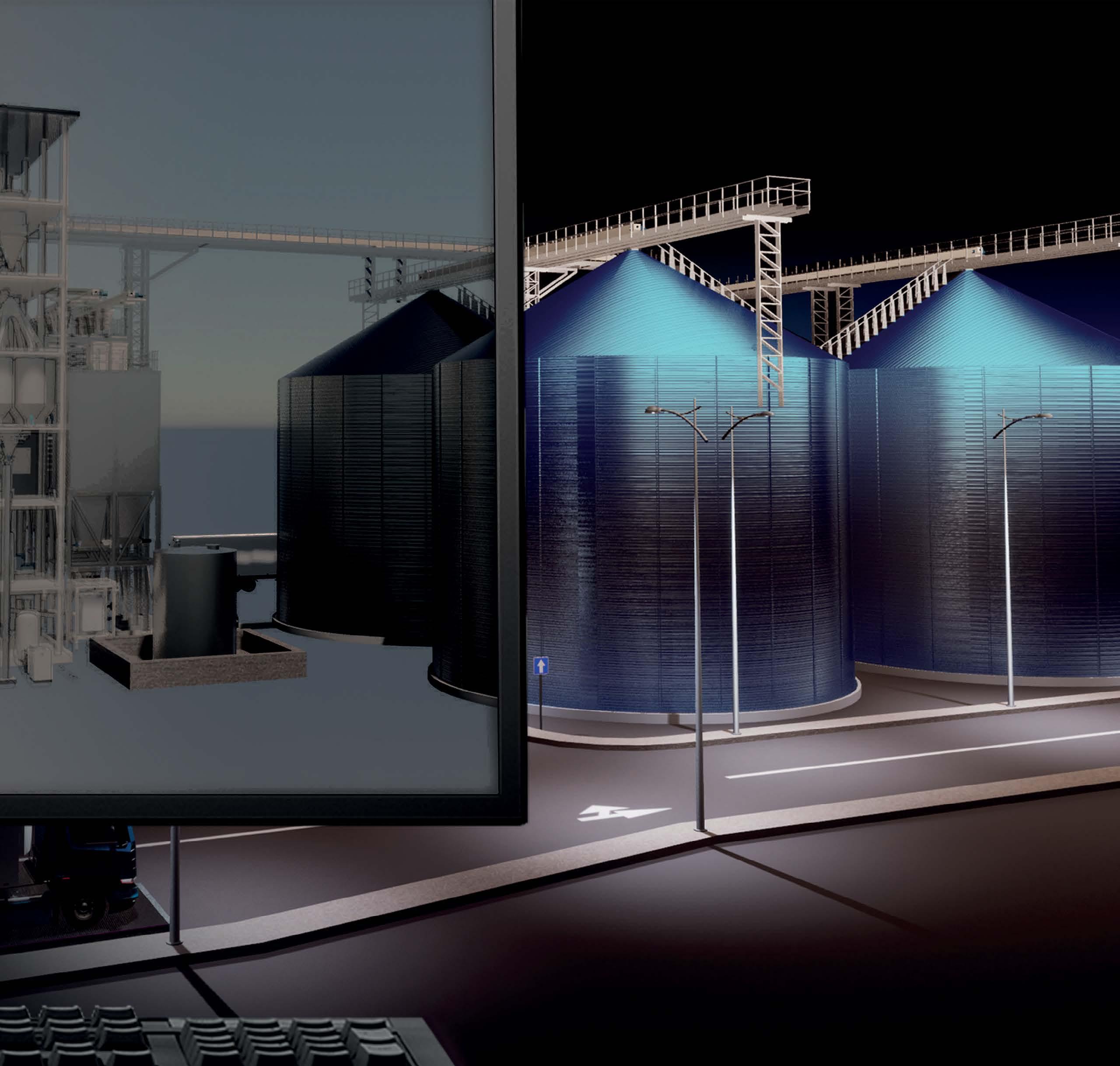
This issue deliberately focuses on data-driven mills. The operating environment has become more volatile, with weather variability, freight fluctuations, and currency pressures reshaping procurement strategies. Mills that embrace digitization, through predictive maintenance, ERP integration, and real-time analytics, are achieving higher extraction consistency, reduced downtime, and stronger audit readiness.
We also spotlight Tunisia, a net importer of wheat. Its dependence on global markets illustrates the vulnerability of economies where any disruption reverberates directly through the milling sector.To bring the industry home, this edition features key voices that the industry resonates with. Michael Ndukwe from Niger Mills provides technical insights from the plant floor, reflecting the realities of daily operations and the challenges of maintaining efficiency under pressure.
Abdallah Juma, Chair of the Bakery Subsector at the Kenya Association of Manufacturers, offers a broader perspective on regional dynamics, policy frameworks, and the role of bakeries in sustaining demand. Their contributions, alongside other experts, reinforce our commitment to making this platform inclusive and industry-driven.
A NEW PHASE FOR MILLING MEA
Since its inception in 2022, Milling Middle East & Africa has published six editions annually. Beginning this year, we transition to four issues per year. This strategic shift allows us to deliver deeper analysis, stronger market intelligence, and broader technical contributions. “Rather than increasing volume, we are increasing value. Each issue will carry greater analytical rigor and structured visibility for the practical knowledge held by key stakeholders across the sector, thereby offering value to the industry we passionately serve,” said Francis Juma, CEO and Publisher MMEA.
As flour continues to anchor daily diets, the systems behind it must become more resilient, more data-informed, and more collaborative. Issue 18 is not only the beginning of a new publishing cycle, it is a call to collective thinking about procurement strategy, operational efficiency, and long-term sustainability. We encourage all industry players to continue investing in systems that drive sustainable growth in the grains, milling, and baking sectors.
Finally, this issue provides a comprehensive roundup of the latest developments in the baking, milling, grains, and cereals sectors, featuring expert insights and the latest news updates.
Enjoy your read!
Martha Kuria, Senior Editor, FW Brands MEA Publications.
EVENTS CALENDAR
Africa Dairy Innovations Summit
APRIL 16-17, 2026
Nairobi, Kenya www.africadairysummit.com
VIV Select India 2026
April 22-24, 2026
New Delhi, India www.india.viv.net/
IAOM MEA
May 4– 5, 2026
Amman, Jordan www.iaom-mea.com/
Africa MILLING & FEEDTECH Expo
May 13-15, 2026
Lusaka, Zambia www.graintech.afmass.com/south/
AFRICA BAKERY EXPO
May 13-15, 2026
Lusaka, Zambia www.bakery.afmass.com/south/
IDMA
June 25-27, 2026
Istabul Expo Center www.idma.com.tr/
Africa MILLING & FEEDTECH Expo
July 15 -17, 2026
Nairobi, Kenya www.graintech.afmass.com/east/
Africa Food Awards
July 16, 2026
Nairobi, Kenya www.manawards.fwafrica.net/food
Africa MILLING & FEEDTECH Expo
September 15-17, 2026
Lagos, Nigeria www.graintech.afmass.com/west/
IBATECH
Oct 14 – 17, 2026
Turkey www.ibaktech.com/en/startseite/
CONSITUENT EVENTS
SIGN UP TO ATTEND, SPONSOR & EXHIBIT
EXPO MEAT & P ULTRY
AFRICA
NEWS UPDATES
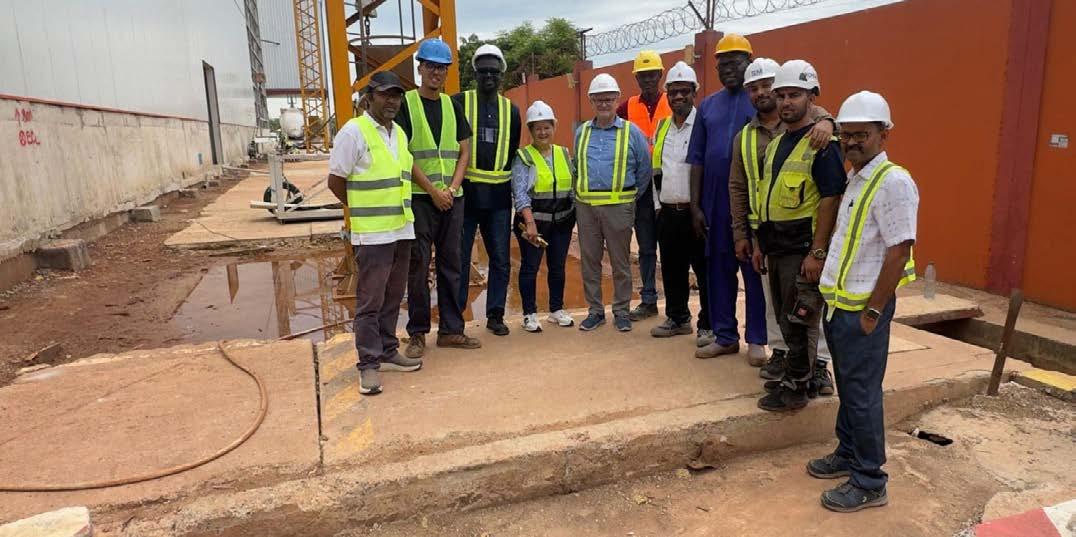
REMORA completes 500 TPD flour mill installation in Senegal
SENEGAL – Industrial engineering firm REMORA recently completed key structural and electromechanical works for a new 500 tonnes-per-day (TPD) wheat flour mill project in Senegal, adding modern milling capacity to the country’s expanding grain processing sector.
The project was delivered in collaboration with Bühler Group and SCE Silo Construction & Engineering, combining expertise in milling technology, steel construction and industrial process installation.
According to Remora, the flour mill was completed in just four months, highlighting the efficiency of the engineering and installation teams involved.
As part of the project scope, REMORA carried out the structural assembly of the SCE building and completed the full electromechanical installation of the 500 TPD milling process line.
Founded in 1994 and headquartered in Casablanca, REMORA has developed into a specialized engineering contractor, with technical expertise covering flour mills, semolina mills, pasta production plants and animal feed factories.
Over the past three decades, REMORA has carried out industrial installations across Africa and the Middle East, supporting large-scale agro-processing projects for international technology suppliers and regional food manufacturers.
The new flour mill comes as Senegal’s wheat processing sector continues to expand alongside growing demand for wheat-based foods.
Although the country produces traditional cereals such as millet and sorghum, wheat is largely imported and processed domestically through industrial milling facilities.
According to the Food and Agriculture Organization Senegal imports more than 1.18 million tonnes of wheat annually to supply domestic flour mills and meet the demand for bakery products.
Bread remains a staple food across the country, particularly in urban centers such as Dakar, where thousands of bakeries depend on locally milled wheat flour.
Industry estimates place national flour demand at roughly 1,400 tonnes per day, driven by population growth, urbanization and the expansion of food processing industries.
Oman Flour Mills acquires majority stake in Arabian Food Production
OMAN - Oman Flour Mills Company SAOG (OFM), a cornerstone of the Sultanate’s food sector, has signed a share purchase agreement to increase its stake in Arabian Food Production Company SAOC from 33.33% to 66.67%, thereby securing majority control through its wholly owned subsidiary, Atyab Investments LLC. The deal acquires the remaining 33.34% stake from Gulf Japan Poultry Farm, subject to regulatory approvals and conditions.
Upon completion of the transaction and subject to the fulfilment of agreed conditions, its stake will rise to 66.67 per cent, giving the OFM group a controlling interest in the company.This vertical integration play enhances OFM’s dominance in Oman’s integrated food chain, from milling to finished products like breads, pastries, and poultry feeds produced by Arabian Food.
INVESTMENTS
Soufflet Malt breaks ground on US$118M malting facility in SA
SOUTH AFRICA - Global maltster Soufflet Malt has broken ground on a R2 billion (US$117.92M) malting facility in Midvaal, Gauteng, marking one of the most significant recent investments in South Africa’s brewing and agricultural value chain. Soufflet Malt, which operates 40 malting plants across 20 countries and produces about 3.7 million tonnes of malt annually, said the new malthouse will strengthen local supply chains and reduce reliance on imported malt.
The project follows the signing of a commercial partnership in March 2025 between Soufflet Malt and HEINEKEN Beverages to supply malt for HEINEKEN’s South African brewing operations. Strategically located next to HEINEKEN Beverages’ Sedibeng Brewery near Johannesburg, the Midvaal facility will have an annual production capacity of approximately 100,000 tonnes of malt. Once fully operational, it is expected to source 100% of its barley from South African farmers.
Olam Agri expands pasta manufacturing in Ghana, secures US$100M rice trade facility
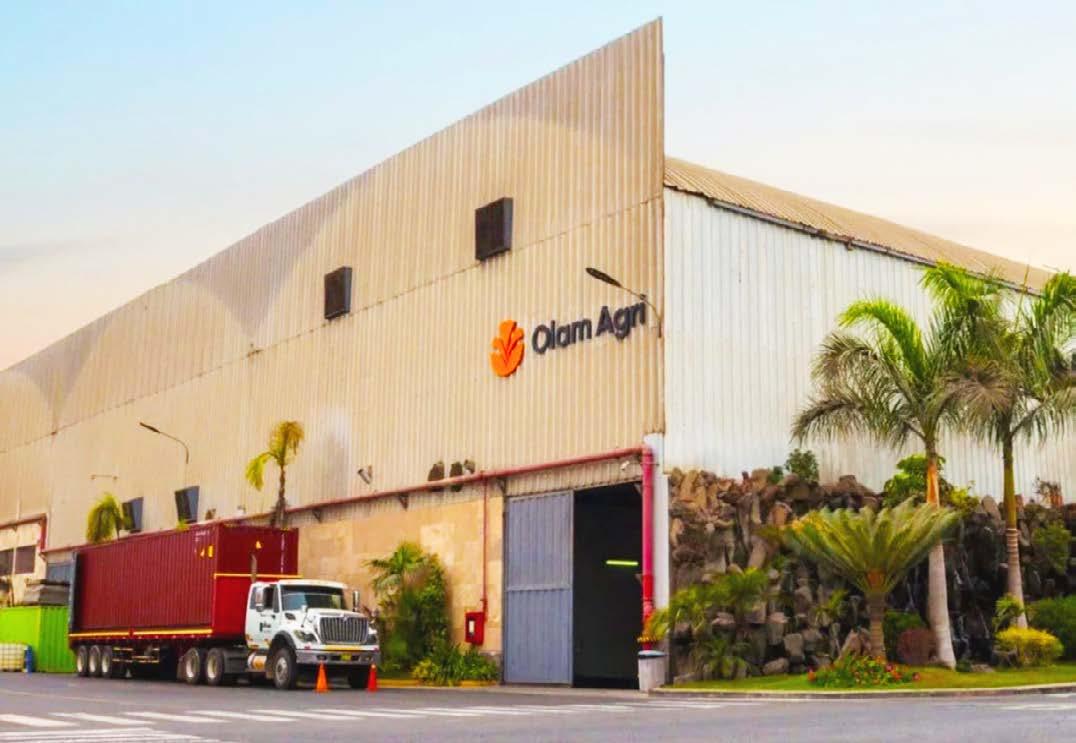
GHANA - Olam Agri, a leader in food, feed and fibre, is set to commission a US$40 million pasta production plant in Tema, marking a major expansion of its wheat value chain and reinforcing its long-term commitment to local agro-processing.
The new facility, scheduled for inauguration soon, marks the next phase of integration at the Tema complex, extending value addition from milling into finished consumer products and reducing reliance on imported pasta.The investment builds on the US$55 million wheat milling plant launched in 2012 under former President John Evans Atta Mills. That facility, which employs 300 people and holds FSSC food safety certification, integrates grain storage, milling and packaging, and operates an in-house bakery and technical support services for customers. A 2017 expansion doubled annual capacity to 275,000 metric tons, positioning Ghana as an exporter of flour to Togo, Benin, Niger and Burkina Faso.
According to the agri-food giant, the new pasta plant will create 200 additional jobs, bringing total direct employment at the Tema complex to 500. “With this facility, we will be able to bring high-quality, highly nutritious, and affordable pasta products closer to our Ghanaian consumers than ever before,” said Baibhav Biswas, Country Head of Olam Agri in Ghana.
Alongside manufacturing expansion, Olam Agri has secured a seven-year US$100 million financing facility from FMO to support rice trade flows from India, Thailand and Vietnam into African markets. The facility, initially guaranteed by Olam Group, will later transition as part of the proposed sale of a 44.58% stake in Olam Agri to Saudi Agricultural and Livestock Investment Company. With Africa accounting for about 40% of global rice imports, the financing strengthens procurement cycles and working capital management in volatile grain markets, reinforcing Olam Agri’s role across origination, processing and distribution in key staple segments.
Africa’s wheat market projected to reach 84 MT by 2035
AFRICA – Africa’s wheat market is expected to return to a growth trajectory over the next decade, with total market volume forecast to expand at a compound annual growth rate (CAGR) of 3.3% to reach 84 million tons by 2035, according to a new report by IndexBox Market Intelligence. Wheat consumption declined for the fourth consecutive year, falling by 14.8% to 59 million tons. Market value dropped more sharply, down 25.1% year on year to US$18.1 billion, compared with a peak of US$26 billion recorded earlier in the decade.
Egypt remains the central pillar of Africa’s wheat market. In value terms, Egypt also led the continent, with a wheat market valued at US$7.1 billion. Nigeria, Algeria, Morocco and South Africa together accounted for a further 42%. Egypt also paid the highest average import price on the continent, at US$436 per ton, compared with an African average of US$317 per ton.
FINANCIALS
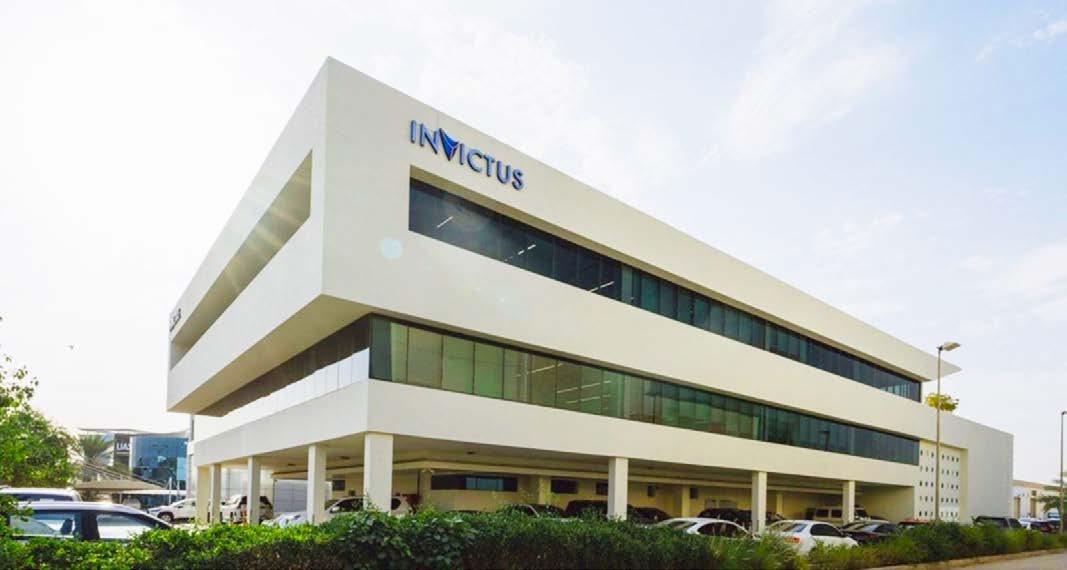
Invictus posts 184% EBITDA growth year-on-year in 2025
UAE - Invictus Investment Company PLC has reported its strongest financial performance since listing on the Abu Dhabi Securities Exchange in 2022, with EBITDA rising 184% year-on-year in 2025, supported by acquisitions, geographic expansion and product diversification across Africa and the Middle East. For the 12 months ended December 31, 2025, EBITDA reached AED 458.5 million (US$ 125 million), up from AED 161.4 million (US$ 44 million) in 2024.
Revenue increased 49% to AED 13.3 billion (US$ 3.62 billion), compared with AED 8.9 billion (US$ 2.42 billion) the previous year. Net profit rose 37% to AED 227.6 million (US$ 62 million), while return on equity reached 18%. Commodity transaction volumes expanded 73% year-on-year to 14.2 million metric tonnes, up from 8.2 million metric tonnes in 2024, reflecting stronger trade flows and the integration of newly acquired assets.
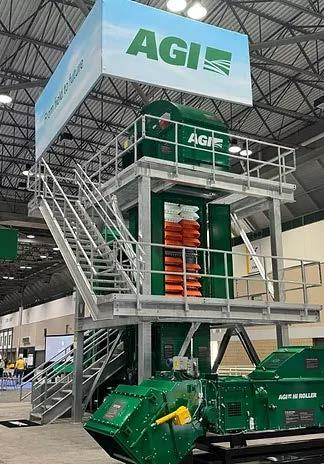
AGI unveils customer-driven bucket elevator
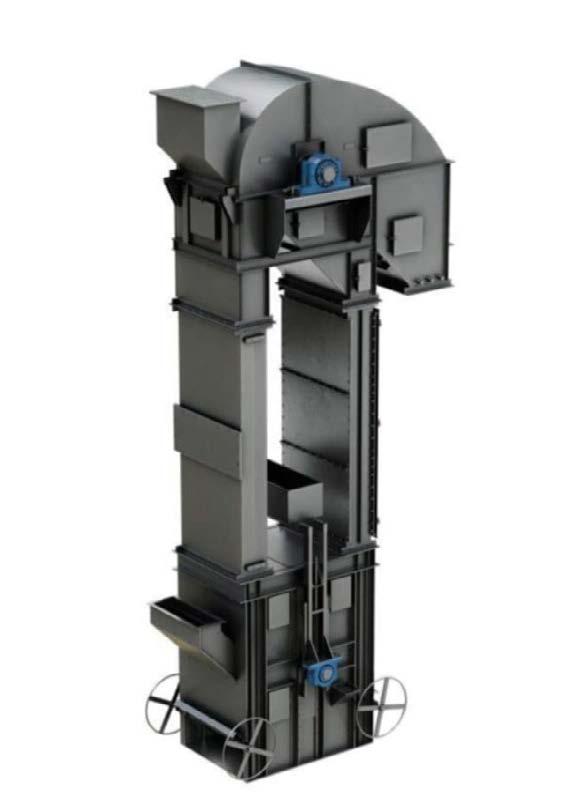
USA - Ag Growth International (AGI) has introduced a new bucket elevator engineered around operator and maintenance feedback, underscoring a shift toward serviceability and uptime in heavy-duty grain handling. The equipment was officially unveiled at the Grain Elevator and Processing Society (GEAPS) Exchange held at the Kansas City Convention Center, reported by the Word Grain.
The newly launched AGI Bucket Elevator delivers capacities ranging from 10,000 to 120,000 bushels per hour (bph), positioning it for use across commercial elevators, port terminals, ethanol plants and oilseed crush facilities.However, company executives emphasized that scale was not the only focus. Nearly a year of structured discussions with operators, maintenance teams, and engineering specialists shaped the final design. “For me, that was the most exciting, which was going to the customers, and instead of bringing them something we think they want, we ask them what they want,” said Ashley Gierok, enterprise sales manager at AGI.
The debut comes after the agricultural equipment and Technology Company, recently appointed Brad Wall and George Armoyan to its Board of Directors. AGI confirmed the appointment of the Honourable Brad Wall and George Armoyan to its Board of Directors further stating that Mary Shafer Malicki resigned from the board, while Rohit Bhardwaj and Mike Frank will not stand for reelection at the 2026 annual shareholder meeting.
AGI thanked Shafer Malicki, Bhardwaj and Frank for their work during a difficult period for the sector and for their continued support as the company adjusts its priorities. Wall brings public sector and agriculture policy experience shaped during his time as Premier of Saskatchewan from 2007 to 2018.Armoyan adds private sector and investment experience built over more than four decades. He serves as Executive Chairman of G2S2 Capital Inc., President of Armco Capital Inc., and Chief Executive Officer of Clarke Inc.
APPOINTMENTS
Bühler Group confirms
Samuel Schär as CEO
SWITZERLAND - Swiss technology and processing equipment leader Bühler Group has confirmed the appointment of Samuel Schär as Chief Executive Officer, effective January 1, 2026, concluding a succession plan first announced in April 2025. Samuel Schär assumed the role of Chief Executive Officer on January 1, 2026, succeeding Stefan Scheiber, who was elected Chairman of the Board in February 2026. The transition concludes a succession process first announced in April 2025 and maintains continuity in strategy and operations for the family-owned group headquartered in Uzwil, Switzerland.
“I am excited to lead the company into its next stage of development. Our focus will remain on creating value for our customers, driving meaningful innovation, and growing our business sustainably. Together with our global teams, we will continue to build strong partnerships and deliver solutions that enable our customers’ success,” said Samuel Schär. Scheiber’s move to the Board follows a 35-year career with the company, including 10 years as CEO.
The leadership change comes as Africa emerged in 2025 as Bühler’s largest regional market for its food and feed businesses. The shift reflects rising investment in grain milling capacity, value-added food production, and supply chain modernization across the continent. At Group level, order intake declined 0.5% in local currencies, totaling CHF 2.7 billion (USD 3.0 billion). Turnover decreased 7.8% to CHF 2.8 billion (USD 3.1 billion), mainly due to lower prior-year orders and project execution timing. Despite softer volumes, EBIT margin improved to 8.0%, up from 7.6%, supported by strict cost control and productivity gains. Within Grains & Food, orders declined 1.1% to CHF 2.15 billion (USD 2.36 billion), though segments such as Chocolate & Coffee and Value Nutrition posted growth. Bühler expects continued market volatility in 2026 but aims to reinforce its positions across grain processing, food, feed, and advanced materials through innovation and expanded services.
INVESTMENTS
SCE expands Africa footprint with new regional office in Côte d’Ivoire
CÔTE D’IVOIRE – SCE Silo Construction & Engineering, a global player in designing, developing and building silo solutions has opened a new regional office in Abidjan, Côte d’Ivoire, marking a further step in its expansion strategy across West Africa.Announcing the development, the company stated that the new office in Abidjan serves as a commercial hub for Francophone West Africa, offering strong logistics links, access to regional markets, and proximity to key customers across Côte d’Ivoire, Ghana, Burkina Faso, Mali, and Senegal.“We’re proud to announce the opening of our new regional office in Abidjan, strengthening our presence and long-term commitment to the region.”
SCE said the decision to establish a physical presence in the region is intended to improve customer engagement and technical responsiveness.According to the company, for sectors such as grains handling, storage, milling, and food processing, local technical support is increasingly critical as operators invest in modern facilities to reduce post-harvest
INVESTMENTS
losses, improve food safety, and meet stricter quality standards. West Africa remains one of the world’s most dynamic agricultural regions, with cereals such as maize, rice, sorghum, and wheat playing a central role in food security. According to FAO data, post-harvest losses for grains in parts of subSaharan Africa can reach 15–20%, largely due to inadequate storage and handling infrastructure. This has driven growing interest in engineered storage buildings, processing facilities, and integrated solutions that can operate reliably in tropical climates.
Alongside the office opening, SCE announced a key leadership appointment, naming Nahoua Soro as Area Sales Manager for West Africa.With over 10 years of experience in the region and a strong technical and commercial background, Nahoua will deliver excellent insight and support to our customers in the region. The appointment is expected to strengthen SCE’s market intelligence and project execution capabilities, particularly for customers planning new builds or expansions.
AGRIMAC, Sudan’s Rotana Flour Mill partner to boost milling capacity
SUDAN – AGRIMAC Makina Limited (AGRIMAC), a Turkish grain processing and milling technology provider, and Sudan’s Rotana Flour Mills have formalised a contract for a turnkey flour milling project that will increase Rotana Group’s total milling capacity from 2,800 tonnes per day (TPD) to 4,800 TPD. According to the contract, the deal also includes the construction of 90,000 tonnes of steel silo storage, supporting integrated grain handling and long-term operational continuity for one of Sudan’s key flour producers. The enhanced capacity will not only support domestic demand but also strengthen Sudan’s milling industry’s ability to respond to regional flour demand.
The signing ceremony, held on January 3, reinforces the strategic relationship between AGRIMAC and Sudan’s private milling sector. Under the agreement, AGRIMAC will engineer, procure, and install two new 1,000 TPD milling lines with associated storage and handling systems. Rotana Flour Mills, established in April 2014, plays a pivotal role in Sudan’s wheat milling sector and broader food supply infrastructure. Once commissioned, these additions will raise Rotana Group’s installed capacity by more than 70 percent, significantly enhancing its ability to meet domestic demand and strengthen supply chain resilience.
AGRIMAC has expanded its global grain-processing footprint beyond this project. The deal reflects a trend in the Middle East and Africa toward modernising milling operations
with technology-driven, high-capacity plants.Recently, the company commissioned a 600 TPD semolina production facility in Mardin, Türkiye, supporting downstream wheat processing sectors such as pasta and couscous production. AGRIMAC’s portfolio includes engineering services for flour, semolina, feed mills, silo systems, and port handling equipment, signalling its capability to deliver complex and large-scale agribusiness infrastructure projects.
PRE-EVENT REVIEW
Lusaka prepares to host Southern Africa’s leading agri-food, logistics, hospitality and agriculture industries
On May 13-15, 2026, all roads lead to Lusaka, Zambia
For three days, Zambia’s capital will be a meeting point for the region’s most influential players in the grain, milling, and feed industries, alongside the wider agri-food ecosystem. AFMASS Trade Expo Zambia & Southern Africa 2026, powered by Andritz Feed & Biofuel, will take centre stage at the Radisson Blu Hotel, bringing together innovation, insight, and opportunity under one roof.
Buhler Group, one of the leaders in the grain milling and processing industries in Africa, will also feature prominently as Technical Session Sponsor.
Now in its third edition in Zambia, the event has rapidly evolved into one of the most important trade platforms in Southern Africa. For millers,
feed manufacturers, hospitality and agribusiness professionals, it offers something increasingly rare in today’s fast-moving industry: direct access to the technologies, partnerships, and ideas shaping the future of food and related industries across the region.
A TIMELY PLATFORM FOR A GROWING INDUSTRY
Southern Africa’s agrifood and related industries are expanding steadily, driven by rising demand for processed foods and animal protein, as well as for efficient storage, processing and packaging systems. As businesses scale and competition intensifies, the need for smarter, more efficient, and more sustainable operations has never been greater.
The AFMASS Trade Expo arrives at this critical moment, providing a platform not just to
observe change but to engage with it actively.
Across the exhibition floor, visitors will encounter a comprehensive showcase of solutions spanning the entire Agri-food and related value chain.
From advanced grain storage systems and silos to modern milling equipment and feed processing technologies, to ingredients, packaging and other supply chain solutions, the expo is designed to address the everyday operational challenges faced by processors of all sizes.
Bulk material handling systems, food formulation, packaging, logistics, quality control technologies, and digital tools for plant optimisation will further highlight the industry’s shift toward automation and precision.
Leading global and regional players, including Andritz Feed & Biofuel and a wide range of equipment manufacturers, ingredient suppliers, and service providers, will be present, offering practical solutions and technical expertise tailored to the realities of African markets.
Some of the household names that will grace the exhibition
floor include Altinbilek Nilpeter, IFF, Pakmaya, Sefar, and Cift Kartal, among others.
Over the three days, Lusaka will host a diverse and influential audience, including business owners, plant managers, technical experts, procurement specialists, and policymakers.
Delegations are expected from across the SADC region, Zimbabwe, Botswana, South Africa, Namibia, Angola, the Democratic Republic of Congo, Malawi, Mozambique, and beyond, making the expo a true regional hub for business exchange.
INSIGHTS, INNOVATION AND STRATEGIC CONNECTIONS
Complementing the exhibition is a carefully curated twoday conference programme, supported by Andritz Feed and Biofuel and Bühler. The sessions are designed to reflect the industry's most pressing priorities, balancing strategic vision with practical application.
The programme opens with a high-level CEO and industry leadership roundtable, setting the tone with discussions on investment trends and market dynamics across the food, milling, and feed sectors. From there, technical sessions dive into key areas such as grain storage and milling innovations, advancements in animal feed processing, and emerging trends in food and beverage manufacturing.
On the second day, the conversation broadens to address the region’s protein gap, evolving regulatory frameworks, and the growing importance of food safety and quality standards. It will end with a high-level cocktail, bringing industry leaders together to network and connect further, away from the expo and the conference
Logistics and cold chain infrastructure, critical enablers of regional and international trade, will also take centre stage, alongside entrepreneurship-focused sessions offering realworld insights from industry players.
On the final day, the momentum continues with a dedicated Customer Day hosted by Andritz Feed & Biofuel, offering invited participants deeper engagement through focused sessions and discussions.
The Expo Hall will remain open on the last day and will continue welcoming attendees who shall engage directly with exhibitors or have one-to-one meetings to close deals and discuss future opportunities.
The day will conclude with the exclusive Andritz Networking Cocktail, bringing together selected industry executives for high-level interactions and relationship-building, even as the wider expo floor remains open for continued meetings and business exchanges.
As Zambia continues to strengthen its position as a regional hub for commerce and industry, the AFMASS Trade Expo stands out as a must-attend event for those looking to stay competitive, build partnerships, and unlock new avenues for growth.
In a region full of potential, Lusaka is where the next chapter begins. MMEA
Flour Mills Data Driven
Redefining Efficiency and Competitive Performance
NBY MARTHA KURIA
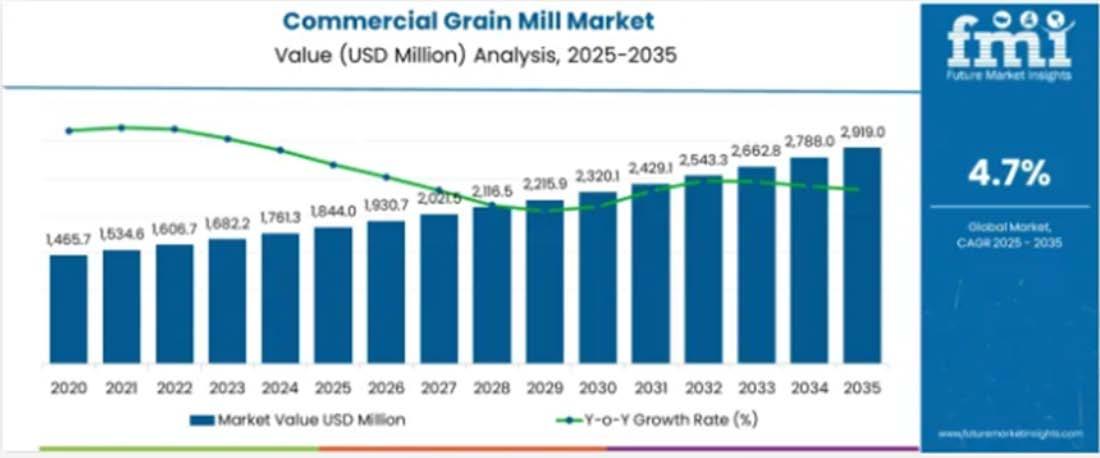
ot long ago, the performance of a flour mill depended largely on mechanical reliability and the experience of its head miller. Adjustments to roll gaps, feed rates and tempering moisture were guided by skill, observation and laboratory results that often arrived hours later. Today, that operating model is steadily giving way to something more interconnected. The flour milling industry is entering a phase where performance is no longer defined solely by mechanical precision. Instead, it is increasingly determined by how effectively mills capture, interpret and act upon operational data. Globally, millers are investing in digital integration not as a luxury but as a structural requirement to maintain extraction rates, reduce energy intensity, and meet tighter food safety regulations. According to Future Market Insights, the commercial grain mill market is projected
to reach USD 2919.0 million by 2035,driven by increasing demand for flour production, feed processing, and specialty grain products that require precise particle size control and contamination-free processing environments. The ability of flour mills to support bulk processing with efficiency and cost effectiveness has further reinforced their adoption. According to industry data, modern milling technologies can increase flour extraction rates from wheat while reducing energy consumption by 25-30%.
CENTRALIZED DATA PLATFORMS: MOVING BEYOND CONVENTIONAL AUTOMATION
For many milling operations, automation once meant installing PLCs and linking them to a SCADA (Supervisory Control and Data Acquisition) screen in the control room. Operators could see alarms, start and stop machines, and monitor throughput. It was a major step forward at the time. But today’s competitive flour, feed and grain markets require more than visibility. They require intelligence. The shift is now clearly toward centralised data platforms that bring together every signal from the plant floor, from intake to packaging, and convert it into actionable insight. Leading technology suppliers are embedding this capability directly into their equipment and digital ecosystems.
At Bühler Group, the transition is visible through its Mercury MES and Bühler Insights platforms. These systems aggregate data from roller mills, purifiers, sifters and sensors into
unified dashboards that track yield, energy use, downtime and quality deviations in real time. Combined with its SmartMill concept, temperature, vibration and energy data are continuously analysed to enable predictive maintenance and autonomous process adjustments. A similar integration approach is seen at Andritz AG through Metris Plant Insights. By building digital twins of processing lines, Andritz enables millers to simulate process changes before implementation. Machine learning tools detect anomalies early, reducing unplanned shutdowns and stabilizing production.
Turkish supplier Alapala combines its roller mills and plansifters with plant-wide automation systems that link cleaning, milling and packaging under a single control architecture. This ensures recipe management, traceability and KPI tracking operate seamlessly across departments.The same technology has been reported from Omas and IMAS, which have high-efficiency grinding systems equipped with real-time control sensors that optimise energy and extraction rates. Meanwhile, Henry Simon Milling integrates advanced sensor packages within its roller mills to capture grinding temperature, roll gap and load data, feeding centralized monitoring systems focused on consistent flour quality.
Asian manufacturers such as Pingle Group and Haiyun Grain Machinery are also embedding PLC-based controls with digital interfaces in roller mills, purifiers and cleaning systems, allowing easier integration into centralized dashboards. Such systems also calculate Overall Equipment SOURCE: FUTURE MARKET INSIGHTS
AS MILLS CONNECT MACHINERY TO CLOUD DASHBOARDS AND REMOTE DIAGNOSTICS, OPERATIONAL TECHNOLOGY BECOMES VULNERABLE TO DIGITAL INTRUSION
Effectiveness (OEE), combining availability, performance and quality metrics into a single measurable indicator. For mills operating at 400 to 600 tonnes per day, even a one percent improvement in OEE can translate into significant annual production gains.
INTELLIGENT GRINDING SYSTEMS: PRECISION AT THE CORE
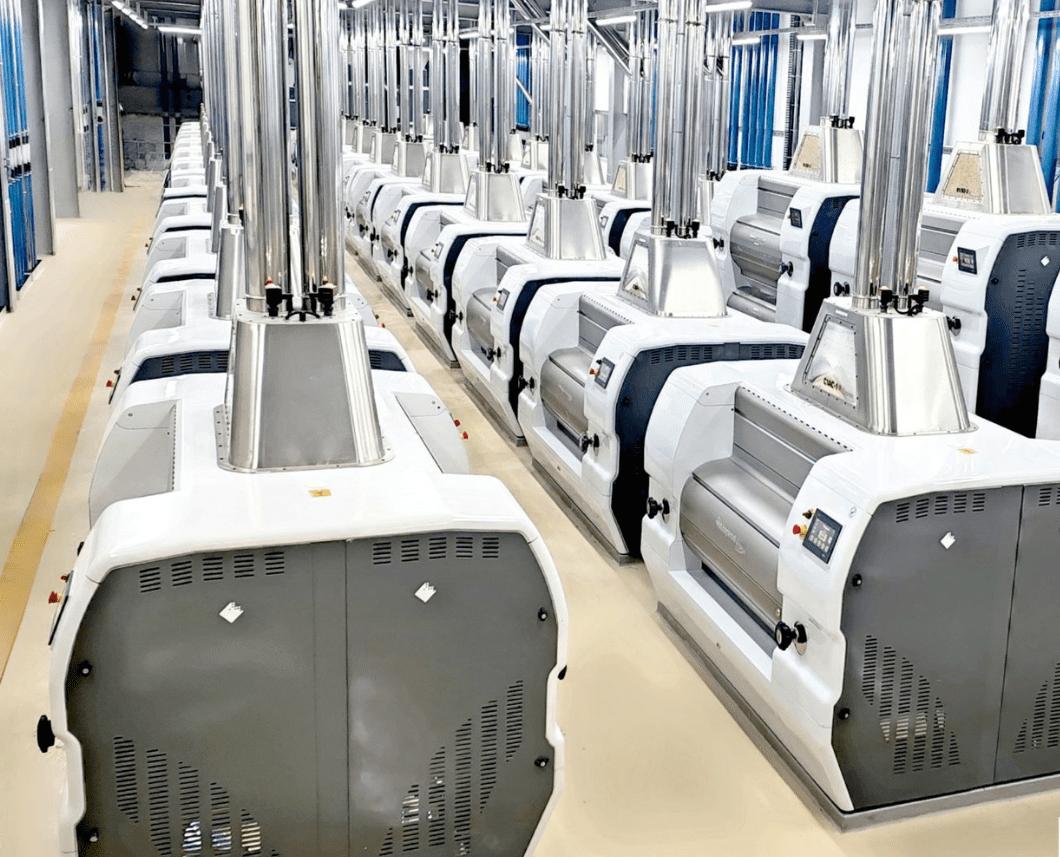
Grinding remains the heart of flour milling, and digital integration is redefining how roller mills operate. Modern systems incorporate sensors that monitor roller surface temperature, vibration amplitude and bearing conditions. Automatic roll gap adjustment ensures stable grinding pressure even when wheat hardness varies.
Omas Industries has advanced this approach with its Leonardo roller mill, featuring direct-drive motors that eliminate traditional belt systems. Operating speeds are electronically controlled, reducing energy losses and enabling precise differential adjustments. The absence of belts reduces maintenance intervals and improves energy efficiency. Installed in several European and African mills, Leonardo systems report lower power consumption per tonne compared to conventional belt-driven mills.
Meanwhile, Satake Corporation integrates sensor-based monitoring within its grinding and sorting lines. Although widely recognized for rice technology, Satake’s flour milling installations incorporate real-time moisture measurement and impurity detection systems that feed data back into plant control software.
OPTICAL SORTING AND AI-BASED GRAIN CLEANING
Downtime in the grain industry is costly. Improving reliability and enhancing safety with predictive maintenance supports operations and profitability. Accurate measurement of material flow and weights optimizes processes, reduces waste and promotes productivity. Before wheat reaches the roller mill, digital intelligence is already shaping quality control. Optical sorters now use multi-spectral cameras and artificial intelligence to detect foreign material and defective kernels.
Bühler’s SORTEX H SpectraVision system captures high-
resolution imagery across multiple wavelengths, enabling precise rejection of ergot, fusarium-damaged kernels and foreign grains. These machines operate at high throughput while logging rejection rates and defect categories into centralized dashboards. The data can be analyzed to identify supplier trends or seasonal quality fluctuations. Satake’s optical sorting systems employ infrared and color imaging to detect impurities invisible to the human eye. In export-focused mills, such precision enhances compliance with international maximum residue limits and food safety standards.
In grain handling and storage, Ag Growth International integrates temperature cables, aeration controls and drying systems into digital monitoring networks that protect grain quality throughout storage cycles. Similarly, Cimbria connects its SEA.IQ optical sorters and silo monitoring systems to automation platforms that continuously track raw material condition and cleaning efficiency. Operationally, these systems process several tonnes per hour depending on configuration, with rapid data refresh rates that allow continuous adjustment without halting production.
“The grain storage industry is on the cusp of an intelligent revolution,” said Martino Celeghini, chief executive officer of CESCO. “Artificial intelligence is rapidly transforming how facilities operate, optimizing processes, maximizing efficiency and safeguarding grain quality. From predictive maintenance to automated quality assessment, AI is poised to significantly enhance every step of the grain storage cycle.”
NEAR-INFRARED (NIR) ANALYSIS: REAL-TIME QUALITY CONTROL
Laboratory analysis traditionally delayed corrective action. In modern milling operations, manufacturers are investing in energy-efficient designs, digital control systems, and hygienic milling solutions to align with food safety regulations and sustainable production practices.
With embedded NIR sensors, mills now measure moisture, protein and ash content directly in the production line. Data feeds automatically into blending and tempering control systems. For example, automated tempering adjusts water addition based on live moisture readings, ensuring consistent conditioning before grinding. If protein levels fluctuate, blending strategies can be modified instantly to maintain flour specification.
While MES platforms provide analytics, the foundation remains robust PLC and SCADA infrastructure. Modern SCADA systems allow centralized visualization of thousands of data points, including motor currents, bearing temperatures and pneumatic pressures. Deviations trigger alerts before mechanical failure occurs. An example is Alapala supplied Pioneer Foods in Durban, South Africa, with an automated system combining SCADA control, NIR quality analysis and traceability modules. The digital architecture generates detailed batch records, supporting food safety compliance and export requirements. For mills serving multinational bakery clients, traceability is increasingly a contractual necessity.
Beyond in-process detection during flour milling, rheological devices such as farinographs and alveographs have been designed to generate performance data that can be uploaded into MES platforms. Such integration reduces reliance on postproduction corrections and minimizes out-of-spec batches. In large-scale operations, this translates into lower rework volumes and reduced quality-related waste.
NAVIGATING STRUCTURAL CHALLENGES IN DIGITAL MILLING
As digital technologies become embedded across flour milling operations, the industry faces a pivotal transition. While the operational benefits are increasingly measurable, improved extraction stability, reduced downtime, optimized energy use and enhanced traceability, the pathway to full digital maturity remains complex. The sector must now balance capital investment, workforce capability and cybersecurity risks against the promise of higher productivity and stronger margins.
One of the primary challenges is capital intensity. Advanced MES platforms, AI-enabled optical sorters, sensorrich roller mills and integrated SCADA architectures require significant upfront investment. For mid-sized millers operating in cost-sensitive markets, return on investment must be clearly quantified. Energy savings of 10–15%, extraction improvements of 0.5–1.5%, and reductions in unplanned stoppages are compelling, but they demand disciplined data utilization to
convert technical capability into financial performance.
Integration complexity presents another barrier. Many mills in Africa and emerging markets operate hybrid environments where legacy mechanical equipment coexists with modern digital systems. Retrofitting older lines to communicate with new platforms is not always straightforward. Compatibility between PLC brands, data protocols and cloud systems requires structured planning and skilled engineering support. Suppliers such as Bühler Group, Alapala, Omas Industries and İmaş Makina Sanayi A.Ş. increasingly emphasize modular upgrades to address this reality, yet execution remains site-specific.
Cybersecurity is emerging as a strategic concern. As mills connect machinery to cloud dashboards and remote diagnostics, operational technology becomes vulnerable to digital intrusion. A disruption in plant control systems could halt production or compromise quality assurance data. Consequently, secure network architecture and controlled remote access protocols are becoming as critical as mechanical reliability.
Workforce readiness also defines the pace of adoption. Digital dashboards and predictive maintenance alerts are only effective when operators and plant managers can interpret and act upon them. The transition from mechanical troubleshooting to data-based decision-making requires continuous training. Without this capability, digital tools risk being underutilized. Despite these challenges, the trajectory of the digital milling industry is clear. Over the next decade, several structural shifts are likely to shape its evolution.
DON’T RUSH THE PROCESS
Why Discipline Still Defines Great Milling Technologists
BY MARTHA KURIA
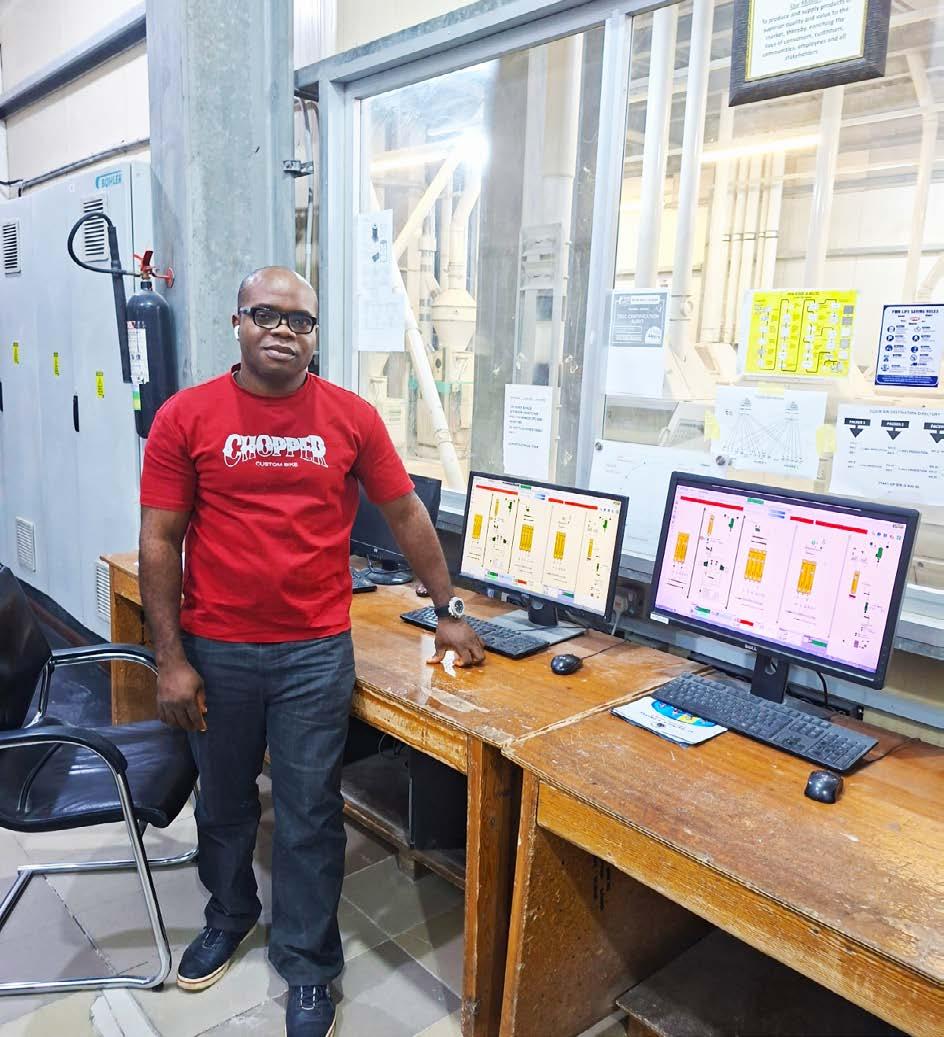
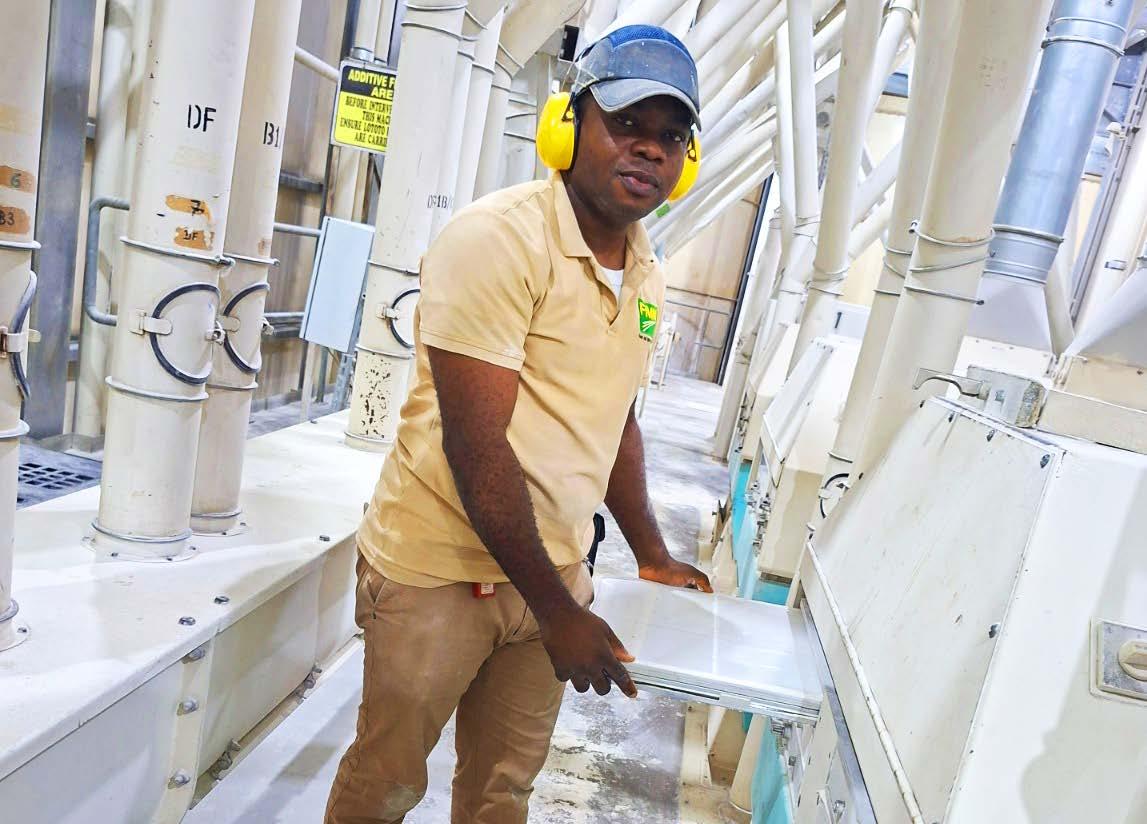
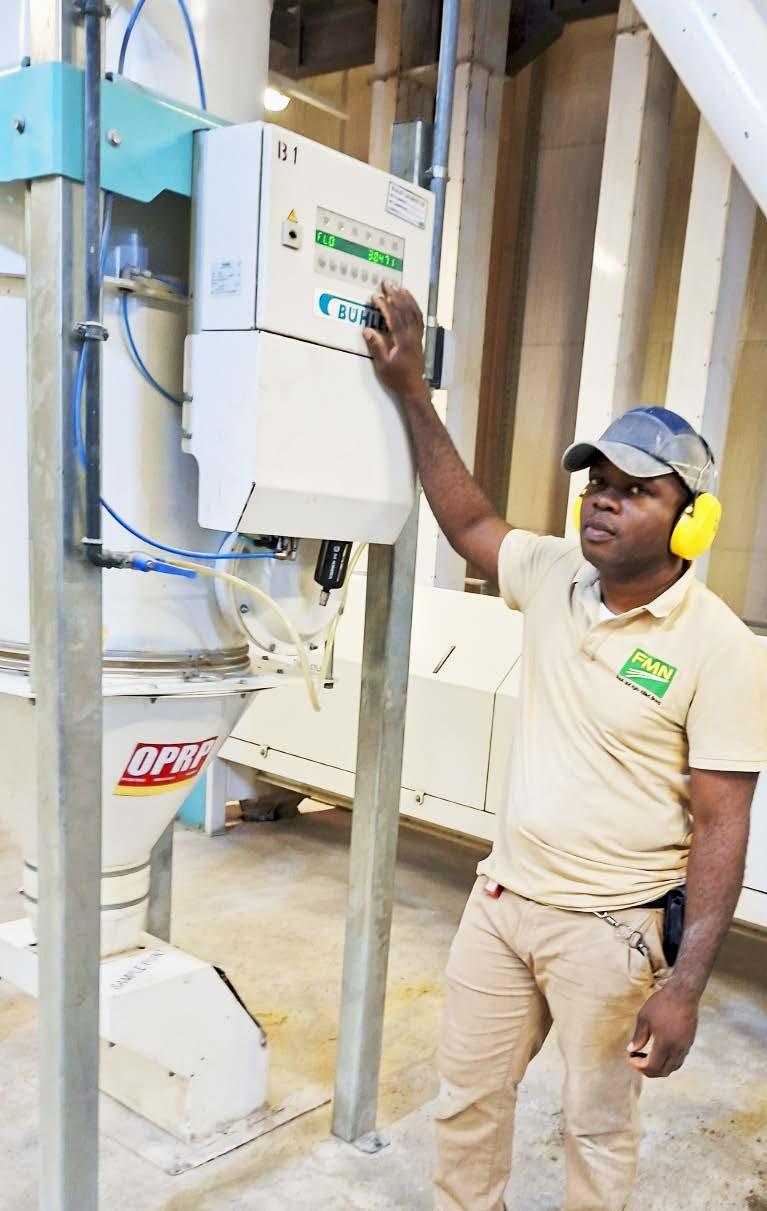
Across Africa, flour millers are navigating a complex operating environment shaped by high energy costs, volatile wheat import prices, infrastructure constraints, and growing regulatory and consumer expectations around food safety and sustainability. In this executive interview, Milling Middle East & Africa Magazine speaks with Michael Ndukwe, Shift Head Miller at Niger Mills Company, a division of Flour Mills of Nigeria, who shares a comprehensive perspective on the flour milling industry across Africa. With more than 12 years of professional experience, Ndukwe gives a grounded, operations-driven account of the realities of modern milling, offering insights into plant efficiency, food safety systems, workforce development, and the technological and sustainability shifts reshaping the sector.
MMEA: Can you briefly introduce yourself and provide an overview of your experience in the flour milling industry?
I am Ndukwe Michael Scott, a Shift Head Miller at Niger Mills Company, a division of Flour Mills of Nigeria. I am a seasoned professional miller with over 12 years of experience in
the industry, and I have developed the skills and expertise necessary to contribute meaningfully to team and organizational success. Throughout my career, I have gained extensive experience across all aspects of the flour milling industry, including automation, food safety systems, hygiene practices, and process control. My responsibilities have covered staff supervision, inventory management, cost analysis, and customer service. I am a strong communicator and leader with a proven ability to motivate teams to achieve both departmental and organizational goals. I also have a solid track record of improving profitability through effective cost management and reduced downtime, while remaining committed to delivering high professional milling standards.
MMEA: What initially drew you to the field of flour milling, and how did you develop your expertise?
I started my career in Engineering Department, initially I never intended nor imagined to be a Flour Miller, nor do I know what it takes to be a Miller, but I was involved in the Erection and Installation of Our C-Mill year 2007 – 2008.
Michael Ndukwe - Shift Head Miller, Niger Mills Company.
(500 metric tons per 24 hours Mill) from the installation of Steel Silos and Cat-Walks to installation of Building Structures, Steel Columns, Concrete of the floors and finally the installation of All Buhler Milling machines. In the Technical Department as a Mechanical Fitter, during the installation work, I wanted to know more how those machines works, I later developed passion and interest to be a professional miller, oppourtunity now presented itself while i was still in the technical department, an opening to be trained as a qualified personnel in the art-offlour-milling, the trade. (the magic of processing raw wheat into good consumable flour used for various purposes such as Bread, Biscuit, Noodles etc.) Examination and interviews was set, I passed internal prerequisite examinations that qualified me to work as a Mill Assistant. From there, I pursued further professional studies and advanced training, including programmes such as NABIM, which enabled me to progress to Assistant Miller and subsequently to Shift Miller.
MMEA:What would you consider the most significant achievement of your career in flour milling?
My most significant achievement is the daily responsibility of ensuring the production of safe wheat flour, semolina, and whole wheat meal that consistently meet statutory, regulatory, and mutually agreed customer food safety requirements. This includes implementing and continuously improving an effective quality and food safety management system that supports a long-term food safety culture across operations.
MMEA: In your current role, how do you ensure smooth and efficient milling operations?
Efficient operations begin with disciplined execution across the entire production chain, including wheat intake operations, correct storage practices, raw material cleaning, gristing, tempering and conditioning, milling, finished product storage, and product blending to meet customer specifications. I also validate the effectiveness of the food safety management system through internal and external audits and inspections. Any deficiencies identified are addressed promptly, with lessons applied to improve processes and strengthen food safety competencies. Risk-based controls aligned with our operating context are applied to achieve food safety objectives and drive continuous improvement.
MMEA: How do you motivate and equip your production team to achieve operational excellence?
I prioritize regular communication with every team member to effectively manage food safety risks associated with changes in products, processes, and technologies. This approach promotes continuous improvement, accountability, and alignment with operational objectives.
MMEA: You recently graduated from the African Milling School. What does that training mean for your career?
The programme provided hands-on exposure within milling facilities alongside structured classroom discussions, helping me develop a deeper conceptual understanding of the milling process. The training focused on mill balance, identification of critical control points, and the milling of different wheat classes. It enhanced my understanding of how raw materials and milling systems influence cleaning, conditioning, milling, and finished product quality, while reinforcing the critical role employees play in controlling and optimizing the process.
MMEA: What is the biggest challenge facing the flour milling industry in Nigeria and Africa today, and how is it being addressed?
One of the most significant challenges is the high cost of energy and operations. Consistent energy supply is essential for continuous milling operations, yet high electricity costs place heavy pressure on manufacturers, particularly in the milling and baking sectors. Currency fluctuations and foreign exchange scarcity also significantly impact the cost of importing wheat, which remains the primary raw material for most African millers. In addition, infrastructure and logistics challenges, especially poor road networks around major ports such as Apapa in Nigeria, increase transportation costs and disrupt supply chains.
To address these challenges, companies are pursuing mergers and acquisitions to streamline operations and improve efficiency, such as Flour Mills of Nigeria’s acquisition of Honeywell. Others are diversifying wheat import origins to more cost-effective markets and investing in local wheat value chain development. Increased private-sector investment in logistics and vertical integration into farming is also gaining momentum. A notable example is the Grain
Processing and Innovation Center launched in Kano in July 2024 through collaboration between Bühler and Flour Mills of Nigeria.
MMEA:What emerging trends or innovations are shaping the flour milling industry?
Key innovations include the integration of artificial intelligence and the Internet of Things for predictive maintenance, which plays a critical role in reducing operational costs. There is also a strong focus on energy efficiency to support net-zero goals, alongside product diversification into alternative grains, specialty flours, and fortified flour products.
MMEA: How does Africa compare with the rest of the world in terms of industry advancement?
In contrast to developed markets such as Europe and North America, which focus on incremental efficiency gains, Africa is expanding production capacity rapidly to meet growing demand for staple foods. The continent is also experiencing accelerated modernization, with increased investment in industrial milling and the adoption of modern, high-capacity machinery supplied by international manufacturers.
MMEA: How do you envision the future of flour milling amid technological and consumer changes?
Food safety and sustainability will become core competencies for the industry. Mills are increasingly adopting renewable energy solutions such as solar power and investing in compact, high-efficiency machinery capable of reducing energy consumption by up to 30%. Circular economy practices will expand, with by-products such as bran repurposed for bioenergy or high-value food ingredients. Traceability will also become more critical, as consumers demand transparency regarding food origins, supported by blockchain technology and advanced data management systems. The future belongs to producers who combine high-capacity automated production with flexibility to meet niche and health-focused consumer demands.
MMEA: How can the industry contribute to addressing climate change?
The industry can significantly reduce its environmental impact by transitioning to renewable energy sources, adopting electric vehicle fleets, and implementing closed-loop systems to minimize waste. Increased use of recyclable and biodegradable
materials and extended product life cycles will further reduce environmental pressure and emissions.
MMEA:Have you experienced setbacks that provided valuable lessons?
Yes, as a professional, I have encountered situations where flour did not meet customer specifications, such as incorrect ash content, poor granulation, or unacceptable color, resulting in rejected loads. These experiences highlighted the importance of strict raw material intake controls, proper wheat tempering, and frequent monitoring of roller mills. Addressing such challenges reinforces the value of robust quality control systems and often leads to stronger, more automated quality assurance processes.
MMEA: How do you envision the future of your career, and what challenges do you foresee?
As the industry evolves, several structural and operational challenges are likely to shape both my career path and the broader flour milling landscape. One of the most pressing issues is the skilled labour gap. There is a growing shortage of qualified professionals capable of operating, maintaining, and troubleshooting advanced, automated milling machinery. As mills increasingly adopt digital and high-capacity systems, the demand for technically competent personnel continues to outpace supply.
Another major challenge is energy and raw material volatility. Rising energy costs, where milling activities account
for approximately 75% of a mill’s total energy consumption, combined with volatile wheat prices driven by climate change, place sustained pressure on operational profitability and cost management.
Cybersecurity risks are also emerging as a critical concern. As mills become more connected and increasingly reliant on remote monitoring, automation, and data-driven decisionmaking, they face heightened exposure to cyberattacks. This shift requires not only technological investment but also knowledge and awareness of industrial data security and system protection.
Finally, there remains resistance to technological change in many regions. A significant portion of the industry still operates with traditional, aging machinery. Transitioning to digital and automated systems demands substantial capital investment, as well as a shift in mindset, particularly among long-serving workers accustomed to conventional milling methods.
MMEA: What advice would you give aspiring flour milling professionals?
My advice is to have role models. You will always learn something valuable from people who have walked the path before you. In my own journey, I have been influenced by professionals such as Engr. Chris Leicester, Mr. Edgar Stewart, my General Manager Mr. Gregory Ehimen, Mr. Samuel Olisa, Mr. Sudhakar Padmaraju, and Dr. Osy Michael. These individuals have helped shape my focus, resilience, dedication, and professional principles. In many ways, their guidance serves as a reference guide, though it is important to remember that no one is perfect, as we all have individual strengths and weaknesses.
Milling, much like the transformation of raw wheat into quality flour, happens in stages. Do not rush the process, and do not take shortcuts, shortcuts will always show, somewhere and somehow. Respect the process. Follow established protocols, continuously improve your knowledge and skills, and remain adaptable. Ask questions and ensure you receive satisfactory answers. If you do not, ask someone else. Growth in milling is built on patience, discipline, and continuous learning.
MMEA: Do you have any final insights on animal feed milling?
Animal feed milling places strong emphasis on safety and quality control, with digital traceability and rapid mycotoxin testing increasingly replacing long laboratory turnaround times. Operational challenges include steam and moisture management, pellet quality control, and raw material volatility, particularly in markets such as Nigeria. Energy consumption remains a major concern, with pellet mills accounting for about 50% of total feed mill energy use, driving demand for energy-efficient equipment. There is also growing interest in alternative protein sources, including insect protein, microbial proteins, and upcycled food waste, as the industry seeks sustainable solutions. MMEA
TUNISIA
Balancing Cereal Recovery with Structural Import Dependence
BY MARTHA KURIA
Tunisia, situated along the Mediterranean coast with Algeria to the west and Libya to the southeast, is home to nearly 13 million people. Agriculture plays a central role in the country’s economy, contributing approximately 10–14% of GDP and employing 13–16% of the workforce. Predominantly composed of smallholder farms, 62% of which occupy less than 10 hectares, the agricultural sector focuses on olive oil, dates, and cereal production. While Tunisia is globally recognized as a top olive oil producer, its wheat and barley production remains crucial to the domestic milling sector.
CEREAL PRODUCTION RECOVERS AFTER FAVORABLE RAINS
Cereal production in Tunisia is dominated by durum wheat, soft wheat, and barley, and is highly sensitive to annual climate fluctuations. The sector, however, faces significant constraints due to drought conditions that affect crop yields, water availability, and food security. The country experienced three consecutive years of drought, causing reservoir levels to fall to 25% of capacity and requiring water rationing by authorities. Grain harvests decreased by 60%, with domestic production falling to 250,000 metric tons. However, improved winter rainfall has significantly influenced production prospects. For marketing year (MY) 2025/26, Tunisian authorities forecast wheat output at 1.35 million metric tons (MMT) and barley at 500,000 metric tons (MT), reflecting increases of approximately 14% and 80%, respectively, over the previous year.
Durum wheat, essential for semolina and pasta production, is cultivated extensively in central and southern regions, while soft wheat is primarily used for bread. Despite ongoing government programs, Tunisia continues to rely on imports to meet domestic demand.
Wheat remains Tunisia’s most strategic grain commodity. Production for MY 2025/26 is projected at 1.35 MMT, covering only about 45% of domestic needs. National consumption is expected to reach 2.99 MMT, up from 2.885 MMT in MY 2024/25, reflecting annual population growth of approximately 2%. Per capita wheat consumption stands at an estimated 236 kg, among the highest in North Africa. To close the supply gap, Tunisia is forecast to import approximately 1.7–2.0 MMT of wheat in MY 2025/26, equivalent to nearly
55% of total demand.
In 2023, the government introduced a strategy aimed at achieving greater wheat selfsufficiency by expanding durum wheat acreage to 800,000 hectares and strengthening extension services. The program targeted 1.05 MMT of grain output, including 945,000 metric tons of durum wheat. However, structural constraints and climatic volatility have limited progress toward full independence.
The Office des Céréales (ODC), Tunisia’s state grain agency, plays a pivotal role in securing wheat imports. By the end of 2025, ODC awarded tenders for 125,000 MT of soft wheat to companies including Soufflet (France), Finagrit (Italy), Buildcom (Bulgaria), and Louis Dreyfus (Netherlands), at an average price of US$256.84 per ton. Durum wheat tenders totaling 100,000 MT were awarded to Casillo, a leading Italian processor, and UAE-based Amber Grains, at an average price of US$319.69 per ton.
A tender held on January 28, 2026, by ODC sought 100,000 MT each of soft and durum wheat for early 2026 delivery, reflecting continued import activity. USDA projections indicate domestic wheat consumption for MY 2025/26 will reach 2.99 MMT, up from 2.885 MMT the previous year, driven by population growth of approximately 2% and per capita consumption of 236 kg. With domestic production meeting only 45% of demand, Tunisia remains reliant on imports for roughly 55% of its wheat needs.
The wheat subsidy program ensures the affordability of flour, semolina, and bread, with the government covering price differentials. While the program strains the national budget, it remains a cornerstone of Tunisia’s food security policy. According to USDA data, the Cereal Board maintains exclusive control over wheat importation and distribution, including all domestic tenders.
BARLEY: EXPANDING ROLE IN FEED AND BREWING
Barley, while a secondary cereal crop, plays a vital role in Tunisia’s livestock feed sector and brewing industry. Marketing Year 2025–26 forecasts indicate barley consumption will reach 940,000 MT, reflecting steady annual growth of about 2%. Barley production increased to 412,000 hectares from 395,000 hectares in MY 2024–25. The crop primarily supports feedlots and supplemental feeding for livestock in regions with stressed rangelands.
The brewing industry has further driven
demand, with imports rising sharply to 1.43 MMT in 2023, nearly doubling the 0.71 MMT imported in 2022. Tunisia has liberalized barley imports, moving from a state-controlled monopoly under ODC to private sector participation. This aligns with recommendations from international institutions, reduces government expenditure, and encourages market efficiency.
STORAGE AND LOGISTICS: STRUCTURAL BOTTLENECKS PERSIST
Tunisia’s cereal supply chain faces critical infrastructure constraints. Storage capacity is insufficient, with the silo network accommodating only 508,000 MT—short by approximately 300,000 MT, forcing reliance on open-air storage, which increases aflatoxin contamination risks. Post-harvest losses range from 10–15%, reducing farmer income and heightening import dependence. Farmers in interior regions often transport grain over 150 km on poor-quality roads to reach certified storage facilities, adding significant costs.
To address these gaps, the government plans to invest US$66 million (205 million dinars) in new silo construction by 2027, increasing storage capacity by 24% to 628,000 MT. New facilities will be strategically located in Rades (40,000 MT), Sousse (58,000 MT), and Sfax (38,000 MT). Additionally, US$45 million (143 million dinars) will renovate existing silos, modernizing 206,000 MT of capacity. A further US$1.9 million
THE MILLING INDUSTRY IS HIGHLY REGULATED, PRIVATE MILLS OPERATES UNDER GOV'T
OVERSIGHT
(6 million dinars) investment will digitize grain collection processes, enhancing efficiency and transparency across 200 collection centers.
Resolving these storage and logistics constraints could reduce wheat import volumes by 7–10%, according to World Bank analysis, improving overall sector resilience. Despite these investments, Tunisia imported 4.1 MMT of cereals in 2024, with soft wheat accounting for 36.5% of those imports, highlighting its ongoing dependence on foreign supplies.
THE MILLING SECTOR
IN NUMBERS 24%
PERCENTILE BOOST OF STORAGE CAPACITY BY 2027
The milling industry covers 2 main activities particularly, flour milling and semolina production. The country’s milling industry is highly regulated, with private mills operating under government oversight. Wheat and barley account for 87–88% of grain processed. Production targets the local market, supplying subsidized flour for bread and semolina for couscous and pasta. While the state controls imports and distribution via the Cereal Board, over 50% of wheat flows through private industrial mills that process it under organized channels.
According to the ODC website, mills are concentrated near coastal urban centres like Tunis, Sousse, and Sfax, where infrastructure supports large-scale production and distribution, representing nearly 80% of the national crushing capacity. Leading players include Les Grands Moulins du Cap Bon (GMC SARL), part of the La Rose Blanche Group, GMC ranks third in durum wheat milling and eighth in bread wheat milling. It produces flour and semolina under the "EL KHOMSA" brand. M.C.S.R (Central and Sahel United Mills): Also part of the Rose Blanche Group, M.C.S.R operates modern facilities capable of milling 900 tons/day of durum wheat and 450 tons/day of soft wheat, dominating domestic markets. Other notable mills include Les Grands Moulins de Tunis, Mezzouna Mills, and Société Tunisienne des Grands Moulins, which focus on flour for industrial bakeries, couscous, and pasta production. Milling operations leverage modern roller and stone milling technologies, though integration with digital inventory and quality control systems remains limited.
In Tunisia, livestock feed units (LFUs) fall under the private sector. According to ODC, any natural or legal person is authorised to operate in this field according to the conditions of the technical specifications for the manufacture of livestock feed. The majority of livestock feed units are located around large urban areas as well as in governorates known for the importance of animal husbandry activity such as the northwest and the central west.
POLICY AND MARKET DYNAMICS
Tunisia faces a complex set of challenges and opportunities in its cereal and milling sectors. Climatic variability, insufficient storage, and transportation bottlenecks are key constraints that heighten import dependency. Government policy heavily influences the grain and milling sectors. Subsidy programs for wheat and flour ensure food affordability but impose fiscal pressure. International institutions, including the World Bank and FAO, have advised gradual liberalization, infrastructure investment, and digitalization to improve efficiency and reduce dependence on imports.
Tunisia’s cereal market is transitioning toward private sector participation, particularly in barley imports, while the state maintains oversight of wheat to guarantee strategic food security. Price fluctuations, climatic variability, and reliance on imports continue to create market volatility, affecting both producers and consumers. MMEA
JULY 15-17, 2026
SARIT EXPO CENTRE, NAIROBI, KENYA
SEPTEMBER 15-17, 2026
LAGOS, NIGERIA
How will African Mills Meet Rising Demand & Rising Standards?
Africa’s Milling: Smarter, Efficient, Digital, Ready For The Next Industrial Era.
BY OMAS INDUSTRIES
In 2026, Africa’s milling industry is entering a decisive phase. For years, growth was measured primarily in installed capacity. New plants, expanded lines and increased throughput defined progress. Today, the conversation has shifted. Capacity alone is no longer enough. Across West, East and Southern Africa, millers are asking a different question: how do we convert growth into long-term competitiveness?
With urban populations expanding rapidly and wheat-based consumption steadily rising, the sector stands at the intersection of food security, industrial policy and private investment. The opportunity is significant. So is the responsibility.
Discover how tailored engineering solutions can make this transition smoother: explore Omas’ approach today.
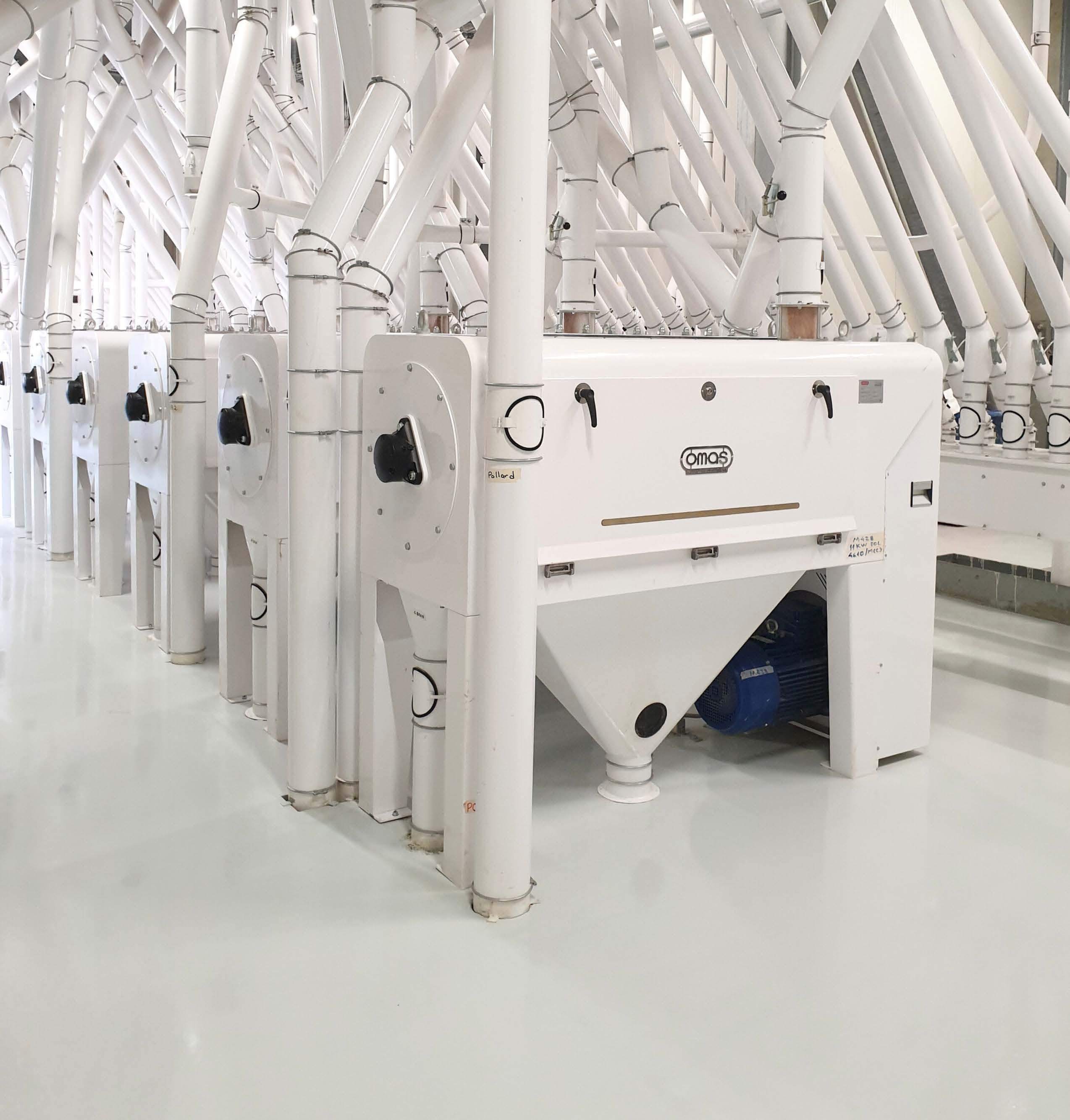
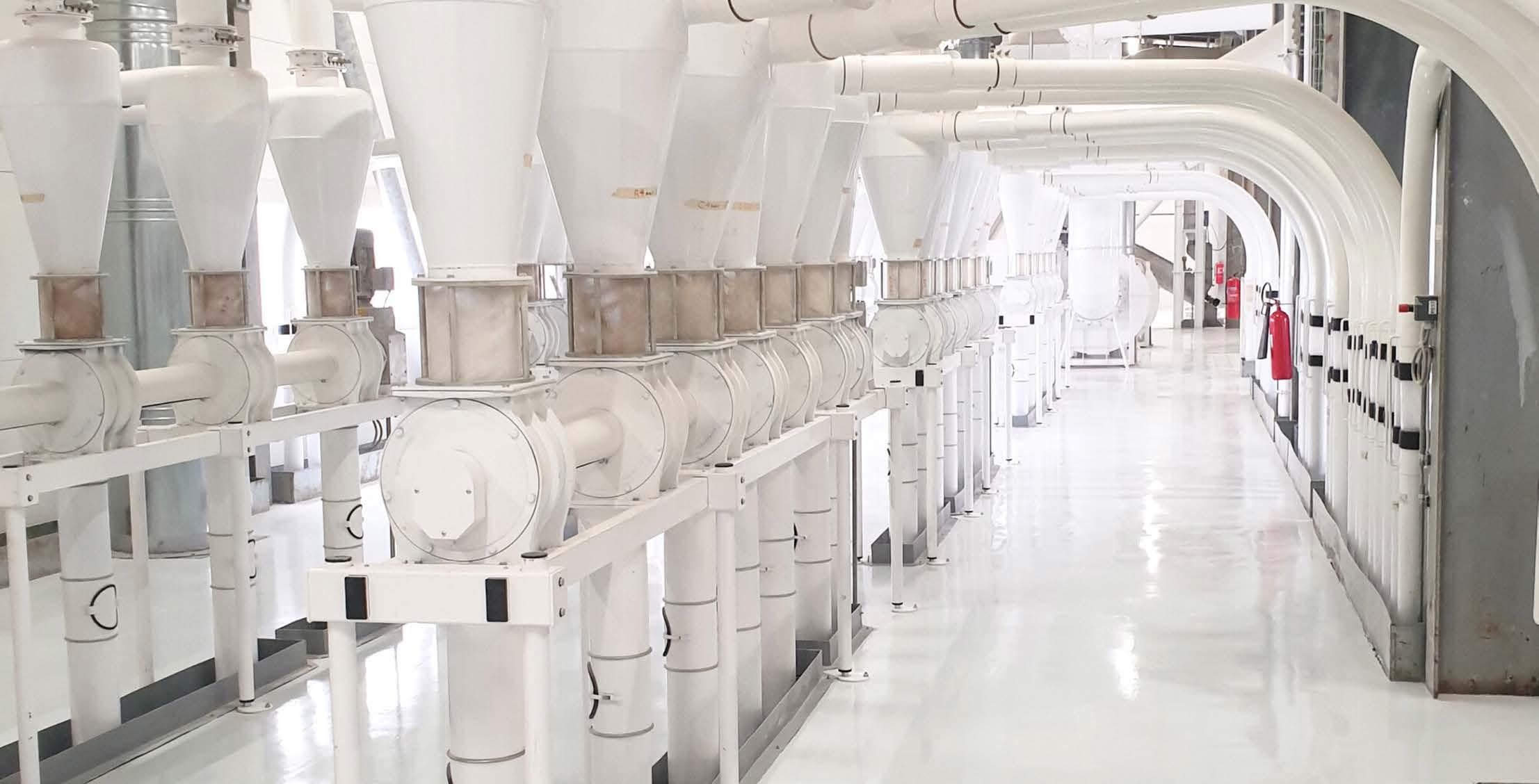
Omas Machinery equipment at Foodtec / Naval Group, a milling plant in Luanda, Angola, dedicated to the production of bakery flour and semolina for pasta.
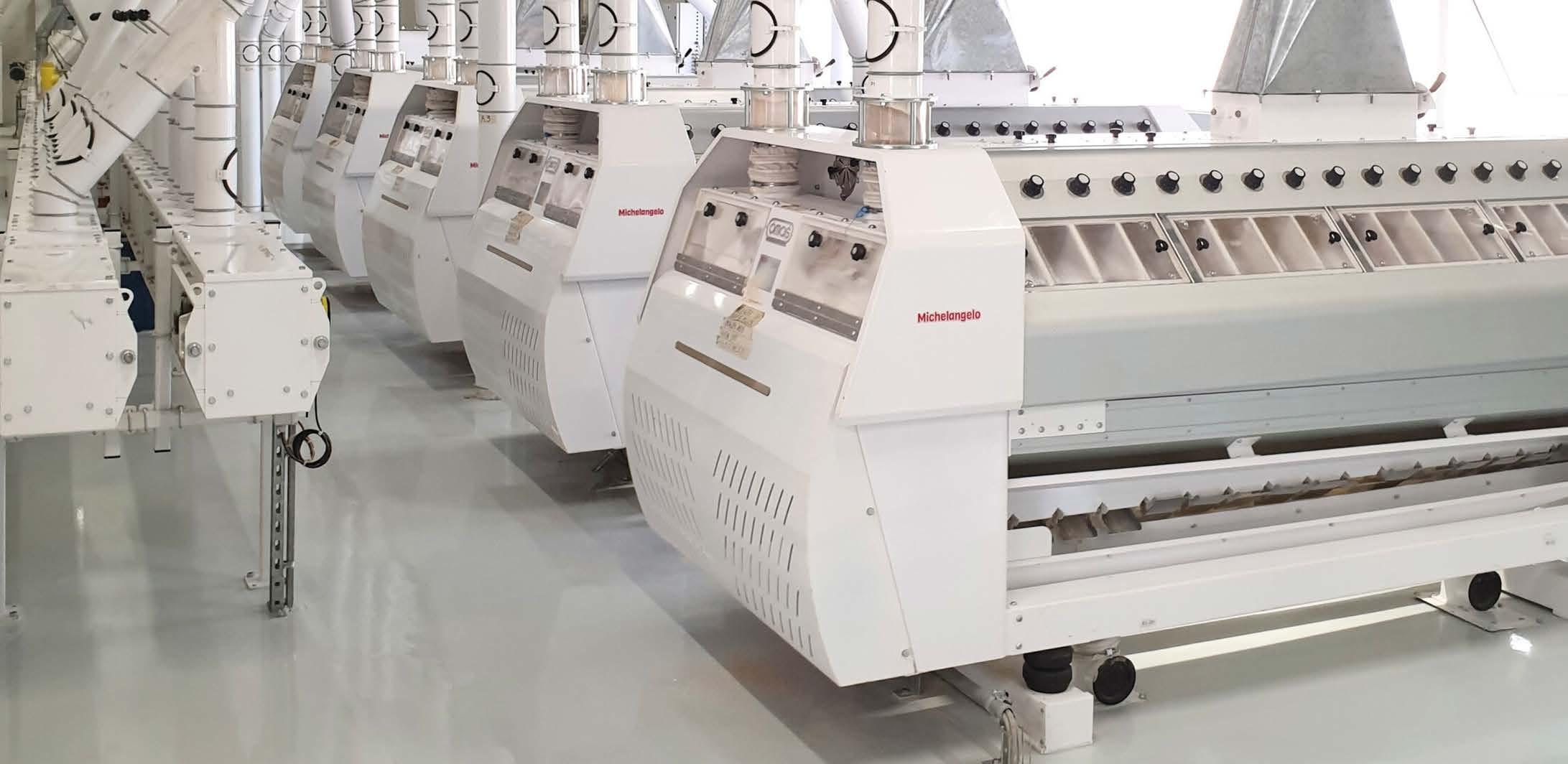
Omas rollermills in operation at Foodtec, ensuring high-efficiency grinding and consistent flour quality.
A STRATEGIC INDUSTRY IN A CHANGING GLOBAL CONTEXT
Several African nations remain among the world’s leading wheat importers, linking local food systems directly to global grain markets. Price volatility in recent years has highlighted how exposed margins can be to international dynamics. At the same time, governments across the continent are reinforcing policies that support local value addition and agro-industrial development. Milling sits at the center of this strategy: it connects global raw material flows to domestic food supply and industrial employment. In this environment, performance is not just a private concern, it is a structural priority. Learn how Omas supports mills in navigating global market challenges: contact experts for insights.
WHERE MARGINS ARE WON, AND LOST
In today’s market conditions, small technical differences produce significant financial consequences. A marginal increase in extraction rate can translate into thousands of additional tons of sellable flour over the course of a year. A reduction in energy consumption per ton processed directly
improves cost structure resilience. Improved process stability reduces downtime and protects customer relationships. Competitiveness is increasingly built inside the mill, in mechanical efficiency, in digital precision, in process control. This is where technology makes the difference.
See how African mills are achieving measurable gains with Omas technology: request a consultation.
ENGINEERING FOR MEASURABLE IMPACT
At Oma Industries, an Italian company with over 40 years of experience designing and manufacturing milling machinery, development has focused on the variables that matter most to millers operating in dynamic markets:
• Maximizing yield through precise grinding control
• Reducing energy dispersion via direct-drive systems
• Improving reliability with simplified mechanical design
• Integrating intelligent automation for real-time supervision
Omas rollermill technology eliminates unnecessary transmission losses, while the automation platforms transform operational data into actionable insights. Omas plant designs are conceived to balance performance, scalability and long-
Omas Flour Extraction Booster at Foodtec, designed to maximize yield and improve efficiency while maintaining consistent flour quality.
term efficiency. The objective is simple: measurable industrial performance. Not theoretical innovation, but tangible economic results.
Explore Omas solutions: find the system that fits your plant’s specific needs.
AFRICA’S MILLS: GROWTH, INNOVATION AND THE NEED FOR PARTNERSHIP
While expansion continues, African mills face a unique set of challenges: fluctuating wheat quality, energy variability and operational pressure to meet both consumer expectations and industrial standards. In this environment, having a trusted technological partner is crucial. Omas works with African mills not just to supply machinery, but to engineer solutions tailored to local conditions. From upgrading aging plants to designing entirely new lines, Omas integrates advanced rollermills, precision sifters and digital control systems that give operators real-time insight into production parameters: turning data into actionable decisions. For example, in several recent projects across West and East Africa, Omas solutions allowed mills to increase extraction efficiency by 2–3%, reduce energy consumption per ton by over 10%, and cut unplanned downtime through predictive maintenance programs. These improvements directly translate into higher margins, consistent quality and competitive advantage, without requiring radical operational changes.
Learn how your mill can gain a competitive edge: contact Omas today.
THE DIGITAL MILL IN AFRICA
Digitalization is no longer a trend: it’s a requirement for competitiveness. African mills now have access to supervisory systems that monitor every stage of the milling process, from
raw wheat intake to final flour output. Omas’ automation platforms integrate seamlessly with existing plants, enabling operators to:
• Track performance and yield in real time
• Adjust grinding parameters based on wheat variability
• Predict maintenance needs before issues cause downtime
• Ensure consistent flour quality across batches
The combination of robust mechanical engineering and digital oversight empowers local teams, allowing them to respond quickly to challenges and maximize both efficiency and product quality.
Discover the benefits of a digitally integrated mill with Omas.
SHAPING THE FUTURE: AFRICA’S MILLING TRANSFORMATION
The African milling sector is moving beyond raw capacity. The new competitive edge comes from engineering, process optimization, and digital intelligence. By partnering with Omas, millers gain more than equipment: they gain industrial know-how, long-term technical support, and scalable solutions that adapt to changing markets and supply conditions. This approach ensures that each investment is not only operationally successful but positioned for long-term growth and resilience. For African millers, the message is clear: strategic partnerships and advanced technology are the foundations for future competitiveness. MMEA
Ready to take your mill to the next level? Reach out to Omas Industries and explore tailored solutions for your plant.
Omas Purifiers in operation at Foodtec, ensuring precise bran separation and consistently high-quality flour output
Breakfast Cereals Industry in Africa
A Growing but Uneven Market
HBY STEPHEN KIBE
istorically viewed as a niche market catering to the post-colonial elite, the breakfast cereal industry in Africa has evolved into a multibillion-dollar commodity ecosystem driven by rapid urbanization, a burgeoning middle class, and a profound shift in dietary habits among the youth. As of 2024, the African breakfast cereal market reached an estimated volume of 3.9 million tons, with a market value of approximately US$9.1 billion.
The consumption market is characterized by high regional concentration and a significant shift toward ready-to-eat (RTE) formats. While the global breakfast cereal market is expected to grow from US$63.08 billion in 2024 to US$78.82 billion by 2029, the African segment is particularly dynamic due to its unique demographic profile. Projections for the next decade suggest a continued, albeit slightly decelerating, growth trajectory, with the market expected to reach 4.6 million tons and a value
of US$11.5 billion by 2035. Key drivers include rising middleclass demand for convenient, fortified products, but challenges such as supply chain issues and traditional diets hinder the full potential.
PRODUCTION VS CONSUMPTION
As of 2023, Sagaci Research reported that the commodity penetration rate led in the five anglophone countries, led by South Africa (69%), Botswana (60%), Zimbabwe (57%), Ghana (43%), and Nigeria (41%). On the other hand, the countries with some of the lowest breakfast cereal consumption tend to be francophone: Algeria (12%), Guinea (13%), Burkina Faso (15%), and Mali (17%).
According to the study, the penetration rate of breakfast cereals is generally higher in Southern Africa. Conversely, it tends to be lower in North Africa in countries like Algeria,
THE CONSUMPTION
MARKET IS CHARACTERIZED BY HIGH REGIONAL CONCENTRATION AND A SIGNIFICANT SHIFT
TOWARD READY-TO-EAT FORMATS
Egypt and Morocco, countries all under 20% penetration and where traditional breakfast food is still very popular.
In 2024, approx. 3.9M tons of breakfast cereals were consumed in Africa according to Index Box. The countries with the highest volumes of consumption in 2024 were Nigeria (548K tons), Ethiopia (357K tons) and Democratic Republic of the Congo (264K tons), together comprising 30% of total consumption. Egypt, Tanzania, South Africa, Uganda, Kenya, Algeria and Sudan lagged somewhat behind, together comprising a further 29%. Three nations, Nigeria, Ethiopia, and the Democratic Republic of Congo, accounted for 30% of the total volume of breakfast cereal consumed on the continent.
On the production front, Africa produced 3.9 million tons of breakfast cereals in 2024, up 3.3% annually since 2013, led by Nigeria (523K tons), Ethiopia (345K tons), and Egypt (265K tons), accounting for 29% of output. Several factors, including the availability of raw grains. The South Africa breakfast cereal market is projected to lead the regional market in terms of revenue in 2030.
Manufacturing capacity and Import substitution, influence production volumes. The production of breakfast cereals in Africa is anchored by a few industrial powerhouses that serve as regional supply centers. South Africa, Nigeria, and Egypt are the primary engines of manufacturing, although each faces distinct operational challenges.
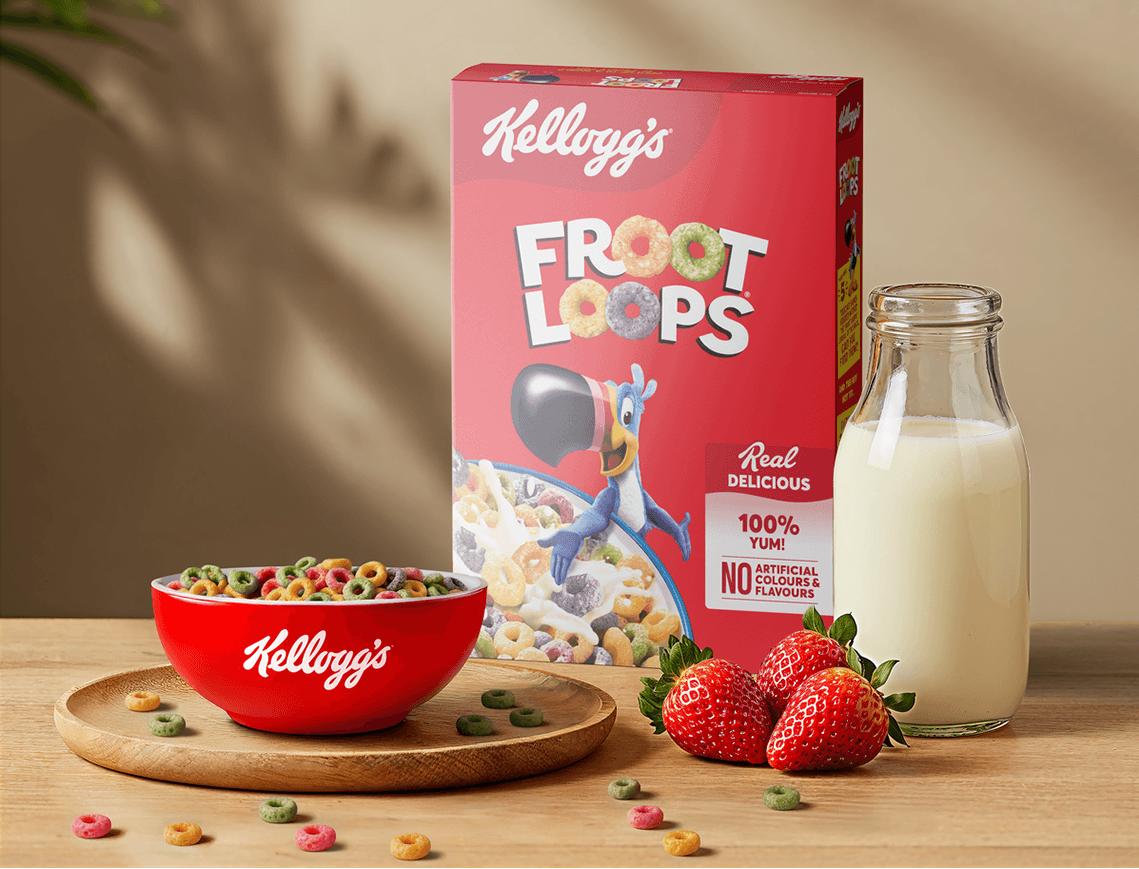
Major players such as PepsiCo's Bokomo, Kellogg's, General Mills, and Nestlé dominate, investing in fortified, ready-toeat (RTE) lines amid urbanization. When viewed through the lens of market value, the rankings shift slightly, reflecting the premiumization of products in certain regions. Ethiopia maintains the highest market value at US$1.2 billion, followed by Nigeria at US$972 million and Egypt at US$891 million. A critical driver of the industry's expansion is the shifting behaviour of the youth population.
In East Africa, research indicates that nearly 44% of the "Gen Z" population frequently choose breakfast cereal as a snack rather than a traditional morning meal. This trend is fueled by a demand for portability and convenience; four out of ten respondents in regional surveys highlighted a preference
SOUTH AFRICA ACCOUNTS
52% OF TOTAL AFRICAN SHIPMENTS IN 2024
for food that can be eaten on the go. This shift signals a move away from traditional fried snacks and toward grain-based ready-to-eat products, which are perceived as offering more health benefits beyond basic satiety. Manufacturers are responding by expanding variety and convenience, moving into cereal bar and singleserve pouch production to capture this "anytime" consumption market.
Additionally, increasing health and nutrition awareness is driving the consumption of fortified, whole-grain, and health-oriented breakfast cereals. Fortified cereals and instant porridges are increasingly positioned as solutions to micronutrient deficiencies, especially for children. Public-private partnerships and school feeding initiatives have created demand for fortified cereal products, which can be both a public-health tool and a commercial opportunity.
South Africa is the most mature breakfast cereal market on the continent and dominates exports, accounting for approximately 52% of total African shipments in 2024. The industry is characterized by a sophisticated mix of multinational subsidiaries and large-scale domestic corporations. Major players include Tiger Brands Ltd, Pioneer Voedsel (Pty) Ltd, and the local operations of global giants such as Kellogg’s (Kellanova), Mondelez, and Nestlé. The South African market is currently shaped by a strong health and wellness trend. Consumers are increasingly seeking cereals fortified with protein, fiber, and micronutrients.
For instance, brands like FUTURELIFE have expanded their "Smart Foods" range to include cereals scientifically formulated for athletes, containing probiotics and high-protein ingredients for sustained energy release.
Similarly, Bokomo introduced an improved Corn Flakes recipe in late 2024, focusing on an "extra toasty" flavour and fortification with nine B vitamins, iron, and zinc. Despite its strength, the South African production sector is currently navigating significant hurdles. Extreme weather conditions have impacted the yields of key cereal crops, and the industry is facing stricter government regulations targeting sugar content and artificial dyes. Furthermore, production value has fluctuated, reaching a historical peak in 2022 before declining in the following years.
MARKET GAPS AND STRUCTURAL CHALLENGES
Production nearly equals consumption, but gaps emerge in quality and variety: local output favours basic maize and sorghum flakes, while demand skews to imported wheatbased, fortified RTE cereals. Despite growth momentum, the breakfast cereals sector faces significant obstacles, including supply chain disruptions such as droughts and logistics costs, which cause shortages and price hikes, hitting affordability in low-income markets. Health concerns over sugar content, marketing bans to children, and recalls erode trust; competition from traditional foods like sadza or injera persists in rural areas.
High production costs, regulatory hurdles related to food labelling and food safety, and economic volatility limit scalability. SSA's cereal self-sufficiency rose to 92% (20102020), but breakfast-specific gaps remain due to processing tech deficits. Import Dependency for Ingredients: Many manufacturers still rely on imported grains like oats or barley,
increasing production costs and supply risks. Imports of breakfast cereals into Africa have generally been small relative to production, around 170,000 to 175,000 tons in 2024, and have even declined in recent years. Major importer markets include Nigeria (26K tons) and Botswana (15K), driven by demand outstripping local production or specific product preferences. However, reliance on imports exposes markets to foreign-exchange pressures and supply-chain volatility. However, exports are modest but growing, with countries such as South Africa, Egypt and Zambia emerging as key exporters.
Export value has increased, indicating the rising competitiveness of African cereal producers in select markets. This trade trend suggests intra-African supply chain integration is gradually strengthening, particularly as regional trade agreements like the African Continental Free Trade Area (AfCFTA) reduce tariffs and logistical barriers. Manufacturing and Logistics Gaps, such as the Lack of milling and extrusion capacity in many countries, limit local cereal manufacturing, and Poor logistics and high packaging costs hamper shelfstable cereal distribution and affordability. Cereal products in Africa are often priced above affordable thresholds for lowerincome consumers, a key barrier in markets where many households allocate limited budgets to food.
OUTLOOK: GROWTH AND STRATEGIC IMPERATIVES
The African breakfast cereal market is projected to reach 4.6 million tons in volume and US$11.5 billion in market value by 2035, up from US$9.1 billion in 2024. Although the pace of growth is expected to moderate slightly, with an anticipated volume CAGR of over 1.4% and a value CAGR of over 2.2%, market performance will remain resilient due to rising household and industrial usage.
Geographically, Nigeria, Ethiopia, and the Democratic Republic of the Congo are forecast to maintain their dominance, currently accounting for 30% of total continental consumption. However, high-growth markets like Uganda (CAGR of over 6.2% in market size) and Sudan are emerging as significant regional players. The UAE is expected to lead the broader Middle East and Africa (MEA) region in terms of adding market value, contributing more than US$510 million in growth between 2025 and 2030.
The African Continental Free Trade Area (AfCFTA) is a critical pillar of the industry's future. The removal of tariffs is expected to boost intra-African trade in processed food products by 20% to 30%. This regional integration will allow manufacturing hubs like South Africa (which currently accounts for 52% of total African cereal exports) to more efficiently supply import-reliant neighbours like Botswana, Namibia, and Mozambique. However, supply chain efficiency will remain sensitive to external shocks. Cereal prices are expected to rise in some regions as global trade tensions and local currency devaluations increase the cost of imported inputs. In response, manufacturers are adopting robotics and automation to optimize production efficiency and protect profit margins. MMEA
TOP TEN BREAKFAST
CEREAL CONSUMERS IN AFRICA - BY COUNTRY
2
1 NIGERIA ETHIOPIA EGYPT
3 5 4
Nigeria consumed 556,000 tons of breakfast cereals in 2025, the highest in Africa, driven by urbanization, a growing middle class, and local production. Major players like Nestlé and local mills are fueling demand for fortified ready-to-eat (RTE) products amid shifts among youth away from traditional meals.
Ethiopia ranks second, with 362,000 tons consumed in 2025, and boasts the highest market value at US$1.2 billion, driven by premium fortified cereals. Rapid Gen Z adoption for convenient snacking drives growth, though imports supplement varieties.
Egypt follows with substantial consumption, supported by 295,000 tons of production in 2024, focusing on wheat-based RTE cereals for urban consumers. Market value hits US$891 million, driven by multinationals like Kellogg's amid health trends for fiber-rich options. Penetration remains lower at 16%, but middle-class expansion boosts volumes.
DEMOCRATIC REPUBLIC OF CONGO
The DRC consumed 268,000 tons in 2024, with strong growth driven by urbanization and school feeding programs that demand fortified products. It accounts for 30% of total African cereal consumption.
SOUTH AFRICA
South Africa follows the top 5 in consumption volume and remains the most mature market on the continent, accounting for 52% of total African shipments. Despite a lower consumption rate, the South Africa breakfast cereal market is projected to lead the regional market in terms of revenue in 2030.
6 7 8 9 10
SOURCE: RESEARCH AND MARKETS (INDEXBOX)
TANZANIA
Tanzania's consumption stands at 182,000 tons, with a market value of US$410 million, contributing to the top tier amid a continental total of 3.9 million tons. Local mills process maize and sorghum into affordable porridges, gaining traction through supermarkets and the youth's preference for portability.
ALGERIA
Algeria enters the top 10 with 168,000 tons in volumes with a market value of US$580 million. Urban imports and wheat-based products drive consumption, but traditional breads face competition amid economic shifts.
UGANDA
Uganda is identified as a high-growth market, with a projected CAGR of over 6.2%. Uganda consumed 158,000 tons, valued at US$360 million. Demand is driven by a need for portable, fortified products that cater to busy, urban lifestyles. Fortified cereals target micronutrient needs via public programs, boosted by 44% Gen Z snacking shift in East Africa.
KENYA
Kenya follows Uganda in consumption, with 148,000 tons in volume and a market value of US$425 million, serving as a strategic hub for cereal distribution throughout the East African Community (EAC).The market is heavily influenced by "Gen Z" trends; nearly 44% of youth in East Africa now choose breakfast cereals as anytime snacks rather than traditional morning meals.
SUDAN
In 2025, Sudan consumed 135,000 tons, valued at US$240 million. It represents a key area for future continental expansion as urbanization continues. Part of 29% share with peers; potential rises with stability, focusing on affordable porridges for youth nutrition.
Geopolitics Is Reshaping Grain Trade Flows
What It Means for Millers in the Middle East & Africa
BY LUCA E. MATTEI
Commodities and energy markets analyst and founder of LM Trading & Development and the EcoModities™ research initiative.
For many years, the main uncertainty facing millers was the price of grain. Today, that is no longer the only, or even the main, source of risk. Increasingly, the real challenge lies in how, when, and from where grain can be sourced and delivered.
A series of overlapping disruptions, from conflict in the Black Sea region to security risks in the Red Sea and constraints in major maritime chokepoints, has changed the way global trade moves. The result is not simply higher volatility in commodity markets, but a structural shift in global shipping patterns. For millers across the Middle East and Africa, this shift is translating into longer delivery routes, higher logistics costs, and greater uncertainty in supply chains. The world grain trade is still functioning. But it is functioning differently and often less efficiently than before.
SHIPPING ROUTES ARE NO LONGER STABLE
The Black Sea has long been a cornerstone of global wheat and maize exports. Disruptions linked to the war in Ukraine have periodically constrained exports and created uncertainty around volumes, timing, and shipping conditions. Even when flows resume, they often come with higher insurance premiums and additional operational risk.
At the same time, security tensions affecting the Red Sea have altered traffic through the Suez Canal, one of the most important arteries for trade between Asia, Europe, and parts of Africa. When shipping companies reroute vessels around the Cape of Good Hope instead of using Suez, voyages between Asia and the Mediterranean, and onward into North and West Africa, become significantly longer.
For grain importers in the Middle East and Africa, this means that cargoes which once
Ship traffic through the Suez Canal has declined sharply amid regional tensions, forcing more vessels onto longer alternative routes.
the financial strain of slower inventory turnover can erode profitability. In this environment, logistics disruptions become not just a supply issue, but a balance sheet issue.
These are not just geopolitical headlines. They are operational realities that directly affect how mills plan procurement and manage inventories.
FROM PRICE RISK TO SUPPLY CHAIN RISK
Traditionally, millers managed risk primarily through price strategies: timing purchases, diversifying suppliers, and in some cases using hedging instruments. While price risk remains important, logistics and availability risk have become equally critical.
Longer and less predictable routes mean that supply chains are exposed to new vulnerabilities:
• Delays caused by rerouting or port congestion
• Sudden freight rate spikes
followed relatively predictable routes are now subject to detours, delays, and shifting freight dynamics. A shipment that previously took a few weeks to arrive can now take significantly longer, with important financial implications.
Longer voyages do not only affect scheduling. They directly impact working capital. When grain remains on the water for additional days or weeks, cash is tied up for longer periods before the product can be processed and sold. This extends the procurement to sales cycle and increases the amount of capital required to sustain normal operations.
For many mills, this translates into higher financing needs, greater exposure to interest rate costs, and tighter liquidity management. Even if margins on flour or feed remain stable,
• Changes in insurance costs on certain corridors
• Greater exposure to weather and operational disruptions along longer routes
In addition, longer and less predictable delivery times complicate cash flow planning. Mills may need to pay for cargoes earlier, wait longer for arrival, and hold larger safety stocks once the grain is received. This stretches the working capital cycle at both ends, before arrival and after discharge, increasing the financial sensitivity of operations to logistical shocks.
In this environment, the risk is no longer just “Will prices go up?” but also “Will the cargo arrive on time, and at what total landed cost?”
This shift forces mills to think beyond spot prices and focus more on resilience: supplier diversification, flexible contracts, and more strategic stock management.
Global maritime trade distances (ton-miles) have grown faster than cargo volumes, reflecting longer and less efficient shipping routes.
SOURCE: UN TRADE AND DEVELOPMENT (UNCTAD), BASED ON CLARKSONS RESEARCH, SHIPPING INTELLIGENCE NETWORK (JUNE 2025).
SOURCE: UN TRADE AND DEVELOPMENT (UNCTAD), BASED ON CLARKSONS RESEARCH, SHIPPING INTELLIGENCE NETWORK (JUNE 2025).
Figure 3. Wheat prices (US HRW, World Bank Pink Sheet) versus Baltic Dry Index (monthly average). The two series increasingly move independently, making logistics a separate source of cost risk for millers.
LONGER DISTANCES ARE RAISING STRUCTURAL TRANSPORT COSTS
One of the most important but often overlooked changes in global trade is that ships are traveling longer distances to move the same goods. When vessels avoid certain routes or suppliers shift sourcing patterns, the number of “ton-miles”, a measure of cargo volume multiplied by distance traveled, increases even if total volumes do not rise proportionally.
This matters because shipping costs are closely linked to distance. Longer routes mean higher fuel consumption, more days at sea, and tighter vessel availability. Even if global grain production is sufficient, the system that moves it has become less efficient.
For millers, this represents a structural change. Freight is no longer a secondary and relatively stable cost component. It has become a major and more volatile part of the final landed price of grain.
In practical terms, two cargoes of wheat priced similarly at origin may arrive with very different total costs depending on route, timing, and shipping conditions.
FREIGHT NO LONGER MOVES IN LINE WITH GRAIN PRICES
Another emerging challenge is that transport costs are increasingly moving independently from grain prices. In the past, freight and commodity prices often followed similar cycles, driven by global demand conditions. Today, geopolitical risks and logistical bottlenecks can push freight rates higher even when grain prices are softening.
For millers, this creates a more complex budgeting environment. A period of lower wheat prices does not automatically mean lower overall input costs if freight remains elevated or volatile. This disconnect makes procurement planning more difficult and increases the importance of closely monitoring logistics markets, not just commodity exchanges.
The implication is clear: managing grain costs now requires attention to both market fundamentals and shipping dynamics
PRACTICAL IMPLICATIONS FOR MILLERS IN MEA
These changes are already influencing procurement strategies across the region.
Diversification of origins is becoming more important. Relying heavily on one or two supply corridors increases vulnerability to sudden disruptions. Expanding the range of suppliers can help spread risk, even if it adds complexity to quality management and logistics.
Higher strategic stocks are also gaining relevance. While holding larger inventories raises storage costs, it can provide a buffer against delivery delays and freight spikes. In a less predictable environment, inventory can act as a form of insurance.
More flexible contracts with suppliers and logistics providers are increasingly valuable. Options related to shipment windows, origins, or volumes can help mills adapt when routes are disrupted or freight conditions change rapidly.
Finally, greater attention to logistics intelligence is becoming a competitive advantage. Monitoring route conditions, freight trends, and regional risk developments allows procurement teams to anticipate problems rather than react to them.
ADAPTING TO A MORE COMPLEX TRADE ENVIRONMENT
The global grain trade is not breaking down. But it is becoming more exposed to geopolitical and logistical shocks that were previously less central to day to day operations. For millers in the Middle East and Africa, the key challenge is no longer only to manage price volatility, but to operate within a more complex and less predictable supply chain environment.
Mills that adapt by diversifying supply, strengthening logistics awareness, and building more resilient procurement strategies will be better positioned to cope with future disruptions.
In this new environment, competitive advantage in milling is no longer defined only by who buys grain at the best price, but by who can secure, move, and manage grain flows more reliably than others. MMEA
FEE BUSINESS
MIDDLE EAST & AFRICA
ANIMAL NUTRITION
SUBCLINICAL DEFICIENCIES
POULTRY PRODUCTION
HEAT STRESS
TUNGA NUTRITION
Cargill advances postbiotic solutions for livestock
USA – Cargill Animal Nutrition & Health (ANH) is strengthening its postbiotic production capabilities in the United States with a US$3.5 million investment at its Cedar Rapids, Iowa, facility, responding to growing global demand for advanced animal health solutions.
The investment completed in February 2026 will expand the facility’s postbiotic fermentation capacity, supporting a range of products within Cargill’s Micronutrition & Health Solutions (MHS) portfolio.
According to the company, the investment ensures consistent product quality and reliable supply, enabling producers worldwide to access science-based solutions that support animal health, performance, and efficiency.
Nutrition solutions produced at Cedar Rapids are shipped domestically and internationally to meet increasing global demand.
“This investment allows us to continue delivering innovative postbiotic solutions that improve animal health and production outcomes,” said a spokesperson for Cargill ANH.
The facility upgrades follow Cargill’s expansion of its Engerwitzdorf manufacturing site in Austria in late 2025, underscoring the company’s continued focus on micronutrition and functional feed solutions.
Burkina Faso commissions two US$2.6M fish feed plants
BURKINA FASO - The Ministry of Agriculture has inaugurated two fish feed manufacturing plants in Bobo-Dioulasso and Bagré, fully financed by the government at a combined cost of US$2.6 million.
The facilities, officially opened on March 13, are expected to boost local feed supply, lower production costs, and support the expansion of the country’s growing aquaculture sector.
The facilities have a production capacity of between 1.5 and 2 metric tons per hour, positioning them to make a meaningful contribution to domestic feed availability.
Research shows that feed accounts for the largest share of production costs in fish farming, making local manufacturing a critical lever for improving sector competitiveness.
According to the World Economic Forum, aquaculture production costs in Africa are 10% to 20% higher than the global average, largely due to limited local feed production.
Moreover, many African countries depend on imported feed made from soybean meal, also in demand for human consumption, and fishmeal from wild-caught fish.
INVESTMENT
De Heus deepens Kenya footprint with US$23 million feed facility
KENYA – De Heus recently inaugurated a US$23.2 million animal feed manufacturing plant in Athi River, Machakos County, reinforcing Kenya’s push to strengthen domestic feed production and reduce reliance on imports.
Constructed over nearly two years since April 2024, the facility has an initial annual production capacity of 240,000 tonnes, with plans to expand by a further 20,000 tonnes in a later phase.
The investment marks De Heus’ second feed plant in East Africa and third on the continent, highlighting its strategy to grow through localised production and regional partnerships.
The development comes as Kenya faces a significant feed deficit, with demand estimated at 55 million tonnes annually while local production supplies less than half.
By producing locally, De Heus aims to improve feed availability, stabilise quality, and support productivity across key livestock segments, particularly poultry.
Central to the company’s approach is sourcing raw materials such as maize and soybeans from Kenyan farmers,
creating a reliable market for local producers while aligning with government efforts to boost feed security through expanded crop production.
The facility is also expected to generate around 280 direct jobs and support skills transfer within the local workforce.
According to General Manager Wiehan Visagie, the plant is designed to build a more reliable and locally rooted feed system. Chairman Co de Heus added that the investment reflects the company’s commitment to combining global expertise with local knowledge to improve farm productivity.
Cabinet Secretary for Agriculture and Livestock Development Mutahi Kagwe linked the investment to plans to double annual milk production from 5.2 billion litres to 10 billion litres, with a focus on productivity per animal.
Kenya’s livestock sector contributes about 42% to agricultural GDP, and government officials view investments such as this as critical to increasing output and positioning the country as a competitive regional supplier of livestock products.
Montego’s Monic Group acquires Marltons Pet Care in South Africa
SOUTH AFRICA - Monic Group, the holding company of Montego Pet Nutrition, has finalised its acquisition of Marltons Pet Care, merging two of the country’s most established pet care businesses.
The acquisition pairs Montego’s deep knowledge in pet nutrition with Marltons’ extensive experience in everyday pet care.
The two companies already share a history of collaboration. Montego has been a key supplier to Marltons since 2018, establishing a strong commercial foundation that will now be enhanced by the acquisition.
Gavin Miller, Managing Director of Marltons Pet Care, noted that the partnership provides the operational infrastructure and distribution network needed to reach more retailers and customers efficiently.
Currently, South Africa’s pet care market is valued at approximately US$480 million and projected to reach US$756 million by 2032.
Montego attributes this sustained demand to the ongoing trend of pet humanisation, with 97% of owners viewing their animals as family members.
Guinea-Bissau bans fishmeal production
GUINEA-BISSAU - Guinea-Bissau has imposed an immediate ban on fishmeal and fish oil production, prioritising food security and the protection of fish stocks amid rising concerns over industrial overfishing.
The directive suspends all land- and sea-based processing operations and halts licensing for industrial purse seine vessels supplying the sector.
The move targets the depletion of small pelagic species such as sardinella and bonga, which are vital to marine ecosystems and provide a key source of affordable protein for local communities.
Authorities argue that diverting these fish into export-oriented fishmeal production has undermined domestic food availability.
In recent years, Guinea-Bissau has attracted foreign operators as tighter regulations in neighbouring countries pushed vessels into less-regulated waters.
However, despite growing activity, the sector contributes less than 4% to GDP, with much of the value captured abroad.
By curbing fishmeal production, the government aims to safeguard livelihoods and ensure that fish resources remain accessible to its population.
AQUAFEED
Higher omega-3 in rainbow trout does not improve fish health, Nofima reports
NORWAY – New research from Nofima, a leading fisheries and aquaculture research institute, indicates that feeding rainbow trout higher levels of omega-3 increases the fatty acid content in their fillets but does not improve fish health, survival, or production performance.
According to Marta Bou, a scientist at Nofima, the study highlights key differences between salmon and trout, showing that insights from salmon research is not always applicable to other salmonid species.
While studies in salmon have demonstrated that elevated levels of EPA and DHA fatty acids can enhance robustness, growth, and fillet quality, the effects in rainbow trout under commercial sea-cage farming conditions have been less clear.
To investigate this, Nofima partnered in research on Cargill’s licence-operated facilities run by Hofseth Aqua, examining how omega-3 affects cellular mechanisms and fillet composition.
Rainbow trout were fed either standard or elevated omega-3 levels, and scientists monitored growth, welfare, survival, and fillet quality.
Complementary indoor trials at Nofima’s Sunndalsøra research station compared rainbow trout and Atlantic salmon, focusing on differences in omega-3 uptake and metabolism.
The findings revealed that rainbow trout accumulate more omega-3 in their fillets than salmon when fed identical diets. However, unlike salmon, increasing omega-3 intake in trout did not translate to better health, survival rates, or growth performance.
The study measured fillet EPA and DHA content, showing that trout on standard feed contained around 20 mg per gram, while those on elevated omega-3 diets had approximately 26 mg per gram.
By comparison, salmon on the same high omega-3 diet had just over 16 mg per gram.
According to the European Food Safety Authority (EFSA), an average adult requires 250 mg of EPA and DHA daily.
“Eating 125 grams of rainbow trout fillet produced with standard feed fulfils an adult’s daily requirement,” Bou notes. “Although high omega-3 feed raises the fillet content further, it doesn’t necessarily justify the extra resource use.”
FEEDING
FUTURE THE
How Tunga is Scaling Kenya’s Aquaculture Industry
BY CAROLINE MAINA
The world’s population is projected to approach 10 billion by 2050, requiring about 60% more food to meet rising demand. More than half of that population growth will occur in Africa, meaning one in four people globally will live on the continent by mid-century. Today, global aquaculture production is nearing 100 million tonnes annually and is projected to double by 2050, positioning fish farming as one of the fastest-growing sources of animal protein for this growing population.
In Kenya, the blue economy is currently valued at approximately KES 40 billion (US$309 million), with the potential to reach KES 320 billion (US$2.48 billion) if infrastructure, market access and cost barriers are addressed. Yet the sector’s expansion has long been constrained by limited access to affordable, high-quality feed, a challenge that has slowed the development of fish farming nationwide.
It is within this context that companies such as Tunga Nutrition (K) Limited are working to strengthen the aquaculture value chain and improve feed availability for farmers.
“Building capacities, building communities” was the theme of Tunga Nutrition’s latest milestone celebration, marked by the launch of a new production line, which increased overall annual capacity to over 45000mt/year.
FROM FEED GAPS TO LOCAL PRODUCTION
Giving us insight into the company’s roots, Tunga’s General Manager, Harrison Juma, explained that the business began in 2017 under Unga Farm Care East Africa Ltd, producing fish
feed under the Fugo brand.
When Fugo entered the market, fish farming was expanding, yet key constraints limited its potential. Kenya’s per capita fish consumption stood at 4.3 kg per person per year, significantly below Africa’s average of 9.7 kg. Demand was rising, and both cage culture and pond systems were growing, yet the country faced an estimated 50,000 metric tons supply gap.
Reflecting on the early market conditions, Mr.Harrison Juma explained that farmers had few reliable local options for floating feed.
“At the time, farmers relied heavily on imported floating feeds, which were expensive and often inconsistently available,” Juma said. Most local mills were producing mash and sinking pellets, and there was very limited large-scale extrusion capacity to deliver durable, nutritionally precise floating feed.
At the time, Unga Farm Care was producing aquaculture feeds under its Fugo brand while also benefiting from technical expertise from Skretting, Nutreco’s aquafeed business.
In 2022, Unga Farm Care and Nutreco formalised a 50:50 joint venture, establishing Tunga Nutrition Kenya to consolidate production and expand capacity.
CLOSING THE SKILLS GAP, STRENGTHENING COMMUNITIES
Speaking during the launch, Rob Binnenkamp, Managing Director for Nutreco Middle East and Africa, said, “This partnership is not about money; it is about developing aquaculture in Africa and delivering more value to farmers.” The goal was clear: build scale, improve coordination and work alongside farmers as they invest in
long-term industry growth.
Producing feed locally while leveraging Skretting’s global Research and development formulation expertise enabled the company to position itself as a manufacturer capable of supplying high-quality floating feed at affordable prices, while improving technical standards and supply reliability to fish farmers.
By 2023, the progress was visible. The company celebrated the opening of a state-of-the-art factory in Nairobi, tripling its production capacity to 23,000 tonnes per year, a major leap from its early beginnings.
SUPPORTING FISH ACROSS ALL GROWTH STAGES
As skills improved and processes became more refined, the company steadily expanded both capacity and its product offering. Tunga currently produces a range of floating tilapia and catfish feeds across multiple pellet sizes and nutritional stages, supporting farmers from early fry development through grow-out phases.
In 2025, the company further expanded its portfolio with two new tilapia feeds developed in partnership with Skretting: NutriPond and Optiline, powered by AmiNova, adding to its existing portfolio.
NutriPond is formulated for extensive pond systems, supporting natural pond productivity while promoting steady fish growth. For farms operating under semi-intensive and intensive conditions, Optiline offers a more advanced solution, using a digestible amino acid formulation to improve feed efficiency and enhance growth performance.
IN 2022, UNGA FARM CARE AND NUTRECO FORMALISED A 50:50 JOINT VENTURE, ESTABLISHING TUNGA NUTRITION KENYA
At the early stages of production, Nutra serves as a specialised feed designed to meet the complete nutritional requirements of tilapia fry and fingerlings. Its micropellet technology ensures uniform, floating particle sizes that are easy for young fish to capture, supporting high survival rates and consistent growth.
For broodstock, Vitalis is positioned as a premium diet for both tilapia and catfish, with a floating formulation specifically tailored for tilapia breeders. It delivers the essential nutrients required for gonadal development in females, proper embryonic development, and the overall performance of fry and fingerlings.
Meanwhile, Perla provides a complete nutritional solution for catfish fry and fingerlings. The PERLA range has been specifically developed to support the critical weaning and postweaning stages, promoting early-stage growth and resilience.
These feeds are available in multiple pellet sizes and protein levels aligned with different tilapia and Catfish growth stages, reinforcing the company’s technical positioning in a rapidly evolving market.
CUSTOMER INTIMACY
Even before the merger, both Unga and Nutreco shared the same philosophy: placing customers at the heart of everything they do.
One of Tunga’s three guiding pillars is customer intimacy, actively listening to farmers and incorporating their feedback into product development.
The feeds they produce are shaped not only by nutritional science, but also by performance, affordability and practical outcomes on the farm.
“Our product development, technical support and service models are built on continuous engagement with farmers and communities. You cannot pioneer anything if you are not together with your customers,” Rob said.
During the recent launch event, Juma participated in a live Q&A session with farmers in attendance, focusing squarely on their challenges and experiences.
CHALLENGES AND POLICY CONTEXT
While the commissioning of the new line extruder marked
Harrison Juma - General Manager Tunga Nutrition Kenya
a major production milestone, discussions during the event quickly shifted beyond machinery to the sector's structural realities.
In a panel session, the Cabinet Secretary for Mining, Blue Economy and Maritime Affairs, Ali Hassan Joho, directly engaged industry leaders on sector bottlenecks. He invited Mr. Juma to outline the key challenges facing producers and highlight areas where government intervention could make a meaningful difference.
“The high cost of raw materials remains a central concern,” Juma said. Key protein inputs such as soybean meal are sourced from neighbouring countries and Eastern Europe, while yellow maize used in feed formulations is also largely imported. Freight costs, duties and foreign exchange exposure add pressure before production even begins.
“We import most of our ingredients from neighbouring countries and Eastern Europe,” said James Nyutu, Group Managing Director of Unga Group PLC, noting that a 10% duty applies to imports from outside COMESA. He added that if even 50% of ingredients were sourced locally, feed prices could be significantly lower. Additionally, while animal feed is currently VAT-exempt, making it zero-rated would go a long way toward reducing feed costs.
Dr Paul Orina, Director General of the Kenya Marine and Fisheries Research Institute, noted that national aquaculture production stands at around 20,000 tonnes, against a target of 450,000 tonnes by 2030. As demand for animal protein rises across Africa, expanding feed manufacturing capacity will be critical to meeting these ambitions.
Energy costs were also highlighted. Feed extrusion is
power-intensive, and high electricity tariffs directly affect final feed prices. For manufacturers seeking to compete with imports, energy reform is not optional; it is essential.
Officials added that the Ministry of Agriculture has completed a mapping exercise across all 47 counties to identify areas suitable for soybean, maize and other raw materials. The aim is to reduce import dependence and strengthen domestic supply chains. However, progress will require coordinated action on VAT, duties, infrastructure and farmers' organisations.
The consensus was clear: scaling aquaculture depends not only on feed production but also on aligning policy, energy, agriculture, and research systems.
SCALING FOR A GROWING CONTINENT
Beyond immediate constraints, the discussion turned to longterm demand and sustainability. Despite its rapid expansion, aquaculture accounts for only about 0.5% of global greenhouse gas emissions, compared with roughly one-third of total food system emissions.
For Tunga, however, sustainability must reflect local realities. “Sustainability means something different in different parts of the world. In Africa, it means livelihood,” Rob said. Rather than applying a uniform global model, the company intends to co-create sustainable solutions with farmers.
As the sector grows, the challenge will be ensuring that innovation, investment, and skills development keep pace, building not only production capacity but also stronger communities around aquaculture across Kenya and the wider region.
Tunga Nutrition (K) Launching a new line
Hidden Mineral Deficiencies Limiting African Cattle Productivity
BY CAROLINE MAINA
According to the Food and Agriculture Organization (FAO), more than 70% of livestock production in Africa occurs in smallholder systems, where animals depend primarily on grazing and locally available feed resources. These feeds account for an estimated 72–93% of total ruminant diets, highlighting the dominance of forage-based systems.
While such systems supply much of the energy and fibre animals need, mineral composition can vary widely depending on soil type, plant species, and seasonal conditions. As a result, cattle often experience subclinical or “hidden” mineral deficiencies, which are frequently overlooked because symptoms appear gradually and can be mistaken for poor genetics, disease, or inadequate nutrition.
These deficiencies manifest in low fertility, bone abnormalities, nutritional muscular dystrophy, stunted growth, delayed maturity, hair disorders, and reduced milk and meat production. Among the minerals most commonly limiting performance in grazing systems are phosphorus, copper, and selenium, each playing a critical role in metabolism, reproduction, and overall herd health.
PHOSPHOROUS
Phosphorus deficiency is one of the most widespread mineral constraints in grazing cattle systems across Africa. More than 90% of soils in South and East Africa are naturally low in phosphorus, and many tropical pastures contain less than 0.3% phosphorus in dry matter (DM), well below the requirements of growing and reproducing cattle. Phosphorus is essential for rumen microbes to break down fibre, and shortages reduce fibre digestibility and the energy available to the animal.
This deficiency is closely linked to soil conditions in many tropical regions, where highly weathered parent material and long-term leaching leave soils inherently low in phosphorus. As a result, forages grown on these soils often fail to supply sufficient phosphorus, and residues such as maize stover or sorghum stalks typically contain even lower levels.
In cattle, this often results in “hidden hunger,” where animals appear outwardly healthy but underperform significantly. According to an article by Mashece et al., titled “Impact of phosphorus on forage yield and plant functional group densities in the Eastern Cape, South
Africa” (2025), phosphorus deficiency can reduce pasture biomass by up to 31%, lower feed intake by 10–30%, and decrease annual weight gains by 20–60 kg. Reproductive performance is also impaired, with pregnancy rates falling from 57% to as low as 20% under severe deficiency.
To address these challenges, producers commonly provide phosphorus supplements such as calcium phosphates, often delivered through mineral licks or fortified feeds. In the seasonally dry tropics, supplementation is most effective during the rainy season, when pasture energy and protein levels are highest, allowing cattle to make the greatest productive gains.
COPPER AND SELENIUM
Copper and selenium are essential trace minerals that play a key role in immune function, antioxidant defence and reproductive performance in grazing cattle. Copper supports antibody production and immune cell activity, while selenium helps protect cells from oxidative damage and contributes to proper muscle and immune system function. Adequate levels are particularly critical for calf health, as deficiencies in pregnant cows can lead to weak newborns, higher calf mortality, and conditions such as nutritional muscular dystrophy (white muscle disease).
Deficiencies are widespread in African grazing systems because forage mineral concentrations depend largely on soil composition. According to FAO feed manuals, tropical soils are often naturally low in trace minerals, making selenium and copper among the most limiting nutrients in pasture-based diets. Studies by the International Livestock Research Institute (ILRI) in Ethiopia confirm that forage selenium concentrations frequently fall below 0.05 mg/kg DM, well below the recommended 0.1–0.3 mg/kg DM. Similarly, copper availability is reduced not only by low soil levels but also by antagonistic elements such as molybdenum and sulfur, leading to fertility problems and reduced milk yields.
Because cattle can temporarily draw on liver reserves, deficiencies often remain subclinical, with producers noticing only gradual declines in fertility, calf vitality, and overall productivity. Mineral licks, fortified feeds, and targeted supplementation are recommended during breeding and calving seasons to offset these systemic deficiencies.
THE PRICE OF HIDDEN DEFICIENCIES
Even subtle deficiencies, if uncorrected, can
translate into measurable economic losses, affecting herd growth, reproduction, and profitability. In phosphorusdeficient regions, supplementation can significantly improve performance. A 2023 report from the Meat & Livestock Australia found that correcting phosphorus deficiencies can increase growth in young cattle by up to 90 kg per animal, while breeding cows receiving adequate phosphorus may maintain as much as 100 kg greater body weight than unsupplemented animals. Animals affected by mineral imbalances often take longer to reach market weight, reducing production efficiency and delaying producers' returns.
Reproductive performance is similarly affected. Improved mineral nutrition has been shown to increase weaning rates by 10–30%, demonstrating how deficiencies can limit herd fertility and calf output. These losses are particularly relevant in African grazing systems, where essential minerals such as phosphorus and copper are frequently limited by soil and pasture conditions. According to FAO, surveys in East Africa have found that around 35% of pastures contain copper levels below deficiency thresholds, contributing to reduced productivity in grazing cattle.
Addressing these gaps through balanced mineral supplementation and nutritionally formulated feeds can help producers close nutrient deficiencies that pasture alone cannot meet. Commercial feed products, mineral premixes and fortified supplements provide a more consistent supply of essential nutrients, improving growth, fertility and overall herd productivity while supporting the continued development of the livestock feed industry.
SUBCLINICAL DEFICIENCIES MANIFEST IN LOW FERTILITY, BONE ABNORMALITIES, NUTRITIONAL MUSCULAR DYSTROPHY, STUNTED GROWTH AND DELAYED MATURITY
FEED AND SUPPLEMENTATION STRATEGIES
Correcting mineral deficiencies in grazing systems typically requires targeted supplementation strategies that complement pasture-based diets. Common approaches include mineral blocks, fortified concentrates and premixes, which provide a consistent supply of essential nutrients that may be lacking in natural forage. Mineral lick blocks, for example, are widely used in grazing systems and are typically consumed at 50–100 g per animal per day, helping improve mineral intake without requiring major changes to feeding systems.
ILRI studies in East Africa show that regular mineral supplementation can significantly improve cattle performance. Access to mineral blocks and premixes can increase average daily weight gain by 10–30%, improve body condition scores by up to one point, and enhance fertility rates by 10–15%. Improved micronutrient status can raise calf survival and reduce deficiency-related diseases, while young stock can achieve body weights 40–90 kg higher within 6 months.
Yet adoption in Africa is uneven. ILRI notes that mineral licks are more common in peri-urban dairy systems than in extensive pastoral areas, where affordability and distribution remain barriers. Effective supplementation depends on extension services and awareness campaigns to ensure producers recognise the benefits. Growing investment in feed manufacturing, such as De Heus Animal Nutrition’s KES 3 billion feed mill in Athi River, Kenya, reflects rising demand for nutritionally balanced feeds and signals the sector’s role in closing these gaps.
CLOSING THE MINERAL GAP
Mineral deficiencies remain one of the most overlooked constraints on cattle productivity in many African grazing systems. However, awareness among producers and policymakers is growing on the role balanced mineral nutrition plays in improving herd performance. Expanding access to fortified feeds, mineral premixes, and supplementation technologies will therefore be critical to closing nutrient gaps in pasture-based systems and unlocking the full productive potential of Africa’s cattle sector.
COMPLETE PLANT SOLUTION PARTNER
As leaders in our industry, we understand the intricacies and challenges involved in running an efficient feed and biofuel plant.
That’s why we have dedicated ourselves to being your go-to-partner, offering complete plant solutions, tailored to your exact specifications and needs.
Leveraging our extensive processing expertise and experience, we ensure the lowest possible total cost of ownership. But we don‘t stop there. With meticulous attention to detail and unwavering dedication, we guide you through every phase – from delivery to commissioning and tackle any challenge, ensuring the success of your project.
Choose ANDRITZ Complete Plant
Solutions for a secure, consistent, and end-to-end experience that takes you from PLAN to PLANT, whether it‘s a green or brown field. Trust in our expertise, reliability, and commitment to delivering excellence.
Find out how our complete plant solutions can serve your business at andritz.com/ft. ANDRITZ FEED & BIOFUEL A/S T: +971 (04) 214 6546 / Email: andritz-fb.uae@andritz.com Andritz.com/ft
Nutritional Strategies to Manage Heat Stress in Poultry
BY DR.FATIMA MAIRA
Heat stress is one of the most significant environmental challenges in commercial poultry production worldwide, particularly in regions with high temperatures and humidity. In tropical and subtropical poultryproducing areas such as South Asia and the Middle East, recurring heat waves negatively affect growth performance, feed conversion efficiency, egg production, fertility, and immune function. These challenges translate into substantial economic losses, including higher mortality, poorer feed conversion, downgraded carcass quality, and increased susceptibility to disease.
PHYSIOLOGICAL AND METABOLIC EFFECTS OF HEAT STRESS
Poultry are especially vulnerable to heat stress because they lack sweat glands and rely on respiratory evaporative cooling. When ambient temperatures rise above the thermo-neutral zone, birds increase panting, reduce feed intake, and adjust their metabolism to dissipate excess heat. While these responses help regulate body temperature, they also reduce nutrient utilization and productivity. As feed intake declines and maintenance energy requirements rise due to increased respiratory activity and metabolic adjustments, the gap between nutrient intake and
requirements widens, negatively affecting broiler body weight gain and layer egg mass.
Excessive panting disrupts acid–base balance as birds lose more carbon dioxide, leading to respiratory alkalosis that alters blood pH and reduces bicarbonate levels. This shift affects calcium metabolism, impairing shell formation in layers and mineral homeostasis throughout the body. Heat stress also damages intestinal barrier function, increasing gut permeability and promoting systemic inflammation. In addition, oxidative stress rises as reactive oxygen species increase while antioxidant defenses decline. As a result, nutritional interventions must target energy density, amino acid balance, electrolyte status, antioxidant defense, and gut health.
One common strategy is increasing dietary energy density while reducing the heat increment from feeding. Dietary fat is particularly beneficial because it generates less metabolic heat during digestion and metabolism compared with carbohydrates and proteins. Gradually increasing high-quality fats or oils can partially offset reduced feed intake and help maintain growth performance.
However, excessive fat inclusion without adequate antioxidant protection may increase feed oxidation in hot environments.
Fat sources therefore require stabilization, and adequate levels of vitamin E and other antioxidants should be maintained.
Protein nutrition also requires careful adjustment. Diets with high crude protein increase metabolic heat production due to deamination and uric acid synthesis. Modern feed formulation therefore reduces crude protein levels while using synthetic amino acids to meet essential amino acid requirements. This approach lowers heat increment and nitrogen waste while maintaining performance, which becomes especially important when feed intake declines during heat stress..
ELECTROLYTE BALANCE AND ACID-BASE REGULATION
Maintaining proper dietary electrolyte balance, which combines sodium and potassium and subtracts chloride, is essential for optimal physiological function during hot weather. Birds lose excessive carbon dioxide through panting, creating a risk of respiratory alkalosis during heat stress. Adjustments in sodium and potassium levels help stabilize blood pH while also encouraging water consumption.
Sodium bicarbonate along with potassium chloride and potassium carbonate serves as the standard supplement used to boost
WHILE POULTRY CAN SYNTHESIZE VITAMIN
C, SUPPLEMENTATION IS OFTEN BENEFICIAL DURING PERIODS OF STRESS
electrolyte balance. Research shows that when electrolyte levels are properly adjusted, birds show improved feed intake, better eggshell quality, and higher survival rates during hot weather. Over-correction of electrolyte levels leads to worse wet litter problems which means that electrolyte strategies must match environmental management needs.
Water quality and availability hold equal importance. The water requirements of heat-stressed birds can double their normal drinking volume because they need more water. The dietary benefits from dietary shifts get canceled out when there is an inadequate water supply or when the water quality is subpar.
Additionally, the method of water supplementation offers a quick way to deliver electrolytes and vitamins and anti-stress compounds to animals during severe heat situations. The body uses water as an effective way to deliver electrolytes because people drink more water during hot weather. Temporary supplementation of vitamin C and electrolytes through drinking water helps birds cope with short periods of extreme heat.
ANTIOXIDANT SUPPORT AND INTESTINAL INTEGRITY
Cellular damage caused by heat stress leads to increased oxidative stress. When antioxidant defense systems are overwhelmed, reactive oxygen species accumulate, resulting in tissue damage and reduced immune protection. Antioxidant supplementation; including vitamin E, vitamin C, selenium, and natural plant-based compounds, can help improve resilience under these conditions.
Vitamin E plays a key protective role by preventing lipid peroxidation in cell membranes. Although poultry can synthesize vitamin C, additional supplementation is often beneficial during periods of stress. Organic selenium sources have also shown improved bioavailability and stronger effects on antioxidant enzyme activity compared to inorganic forms.
Research further indicates that plant-derived antioxidants may help mitigate oxidative stress while supporting antiinflammatory responses and gut development. However, their
effectiveness can vary depending on formulation, dosage, and environmental conditions, making field validation important.
Heat stress also damages the intestinal barrier, increasing gut permeability and allowing pathogens to enter. Birds exposed to thermal stress often show reduced villus height and alterations in gut microbial populations, both of which can impair nutrient absorption and performance.
Functional feed additives such as probiotics, prebiotics, organic acids, and yeast derivatives can help maintain microbial balance and strengthen local immune responses. Yeast cell wall components, including beta-glucans and mannan oligosaccharides, support gut structure and help prevent pathogen attachment to intestinal walls, while organic acids reduce gut pH and inhibit harmful bacterial growth.
Maintaining digestibility is particularly important when feed intake declines. The use of highly digestible raw materials and appropriate enzyme supplementation can improve nutrient absorption and reduce undigested substrates in the hind-gut, helping prevent microbial dysbiosis.
LONG-TERM STRATEGIES AND GENETIC CONSIDERATIONS
The combination of nutritional formulation and feeding management proves essential for effective results. The practice of feeding animals during cooler times, which occur between early morning and late evening, leads to better feed consumption. The implementation of split feeding programs in broiler production helps deliver optimal nutrient supply during periods of changing daytime temperatures.
Moreover, nutritional strategies must be combined with genetic selection and proper housing management. Modern poultry strains have high metabolic rates and rapid growth potential, which can increase their sensitivity to heat stress. Precision nutrition therefore requires clear differentiation between breeding, age, and production stage requirements.
Additionally, phase feeding programs that match nutrient delivery to the current production stage can help reduce unnecessary metabolic heat generation. Data-driven feed formulation, supported by performance tracking and environmental monitoring, can further support more effective responses to seasonal challenges.
At the same time, the commercial value of nutritional interventions must be evaluated in terms of cost-effectiveness and return on investment. Increasing dietary energy density or incorporating specialized supplements often raises feed cost per ton. However, these adjustments can improve farm profitability when they lead to better feed conversion and overall production performance.
Finally, field validation under real climatic conditions remains essential. Results obtained under controlled experimental conditions do not always reflect commercial farm environments, where birds face multiple stress factors simultaneously. Developing effective heat stress mitigation programs therefore requires close collaboration among nutritionists, veterinarians, and farm managers. MMEA
BAKING SNACKS &
MIDDLE EAST & AFRICA
EXECUTIVE INTERVIEW
JUMA ABDALLAH
BAKING TECH STALING
Every Loaf Tells a Story
Insights from Kenya’s Bakery Industry Leader, Juma Abdallah
BY MARTHA KURIA
Kenya’s bakery sector has long been a cornerstone of the country’s food manufacturing landscape.
Bread remains a staple, consumed daily by millions of Kenyans, and demand for fortified, speciality, and convenience-oriented bakery products is driven by an evolving middle class and urban population. Despite its resilience, the industry faces mounting pressures, including rising input costs, fragmented regulations, evolving consumer expectations, and intense competition.
Milling Middle East & Africa Magazine speaks to Juma Abdallah, Chair of the Bakery Subsector at the Kenya Association of Manufacturers (KAM), who sheds light on what’s next for the industry.
MMEA: Can you briefly introduce yourself and provide an overview of your experience in the bakery industry?
I am Juma Abdallah, with nearly 15 years of experience in Kenya’s bakery
industry. I hold a Diploma from the Chartered Institute of Marketing, along with certifications in Sales Management and Debt Collection from Manpower Kenya. I have also undertaken training in Data Analytics Management and I am currently pursuing a Degree in Business Administration at Mount Kenya University to strengthen my strategic, analytical, and leadership capabilities.
I began my career at Equator Bottlers as a Sales Merchandiser, where I developed a strong foundation in sales execution, product visibility, and customer engagement. I later transitioned into the bakery sector at Mini Bakeries Ltd, where I built my ground-level selling skills, route management expertise, and customer relationship management. My role as Regional Sales Manager for the Western Circuit at Mayfair Holdings Ltd expanded my experience into HORECA and institutional sales, distributor management, and structured market expansion.
I then joined Fayaz Bakers Ltd in Mombasa, Uzuri Foods Ltd in Nairobi and later transitioned into consultancy, advising bakeries on sales strategy, route-to-market structuring, and commercial growth, including a regional engagement with Royal Bakers TZ Ltd in Tanzania. Currently, I head the Bakery Sales Department at Mayfair Holdings Ltd and serve as Chair of the Bakery Subsector at the Kenya Association of Manufacturers, where I advocate for industry competitiveness, sustainability, and value chain growth.
MMEA: Which stages of your career were most formative for you?
Throughout my professional journey, my growth has been strongly supported by frequent coaching and mentorship. I firmly believe that continuous learning, guidance from experienced leaders, and openness to feedback have played a critical role in shaping my leadership style and commercial success.
To attest to this I was nominated as an interim Chair for the Bread and Bakery products Sub-sector within the Kenya Association of Manufacturers a positive I believe am up to the task considering being at the helm and at the fire front in ensuring we lobby issues affecting the industry at large. The most formative stages were those where I worked at the intersection of production, distribution, and retail execution. Being on the ground with bakeries, I tackled real-time challenges, like route-to-market inefficiencies, rising input costs, and margin pressures. These experiences helped me see firsthand how decisions in the factory, from production scheduling to ingredient sourcing, directly affect profitability and brand reputation. For example, working with small-scale bakeries taught me how even minor operational inefficiencies could cascade into lost revenue, while experience in industrial settings highlighted the importance of scale and process automation. Together, these experiences gave me a comprehensive view of the sector, blending technical understanding with commercial strategy.
MMEA: What personal qualities have helped you stay relevant in such a competitive sector?
Adaptability, discipline, and a commitment to data-driven decision-making have been crucial. The Kenyan bakery sector is highly dynamic, with volatility in wheat and energy prices, new regulations, and changing consumer expectations. Remaining curious and commercially astute allows me to identify emerging trends, like the growing preference for fortified bread or health-conscious alternatives, and adapt strategies accordingly. Being solutions-oriented helps me guide bakeries to implement practical innovations while preserving profitability, even under pressure.
MMEA: How has your close engagement with bakeries shaped your understanding of operations?
Daily engagement has shown me that every loaf on the shelf reflects layers of operational complexity. Energy management, labour allocation, compliance, logistics, and waste control all play a role. I’ve observed that success isn’t about optimising one area in isolation, it’s about ensuring that all systems function in harmony. For instance, reducing energy costs in production is only effective if it doesn’t disrupt delivery schedules or compromise quality. This perspective has strengthened my appreciation for holistic operational planning and crossfunctional collaboration.
MMEA: How would you describe the current state of Kenya’s bakery industry?
The sector is resilient but under significant pressure. Bread remains a core staple, yet profitability is being squeezed by rising input costs, regulatory burdens, and intense competition. Small and medium bakeries, in particular, struggle with fluctuating wheat prices and compliance costs. At the same time, large industrial bakeries face pressure to maintain affordability as they scale operations.
Kenya’s bakery industry is at a transitional point where operational excellence, innovation, and strategic collaboration will determine long-term
sustainability.
MMEA: What shifts are you seeing in demand and routeto-market strategies?
Consumers are increasingly value-conscious, prioritising affordability while still expecting good quality. There’s also growing demand for differentiated products, brown bread, fortified bread, gluten-reduced options, and even artisanal or specialty items. On the distribution front, bakeries are reassessing their models. Some are moving away from purely direct-to-retail approaches, blending direct distribution with third-party partnerships to maintain shelf presence while controlling costs. This shift reflects a more nuanced understanding of balancing efficiency with service quality in Kenya’s diverse retail landscape.
MMEA: Which input costs are causing the most disruption, and how are bakeries coping?
Energy, wheat flour, packaging, and distribution remain the most volatile and impactful costs. Bakeries respond by optimising pack sizes, reducing waste, investing in automation, and renegotiating contracts with suppliers. Many absorb some cost increases to maintain affordable prices for consumers, which requires careful financial planning. For example, some bakeries have introduced energy-saving ovens and improved inventory planning to minimise losses, while others are experimenting with blended wheat flours to manage price volatility without compromising quality.
MMEA: How are bakeries managing rising health and nutrition expectations?
Transparency and responsible innovation are key. Consumers want to know what’s in their bread and expect healthier alternatives without a significant price hike. Bakeries need to ensure claims comply with regulations, reformulate products where feasible, and communicate benefits clearly. Managing reputational risk is now as critical as protecting margins. For example, fortified bread has become a way to meet nutritional demands, but it must be produced consistently and marketed accurately to build consumer trust.
MMEA: How important is technology adoption for bakeries?
Technology adoption is no longer optional. Even modest automation—like automated mixing, portioning, or packaging, can dramatically improve consistency, productivity, and cost control. The bakeries that succeed in Kenya are those that implement scalable, size-appropriate technologies suited to their operations. Technology also enables better data tracking, allowing bakeries to monitor waste, production efficiency, and sales trends in real time.
MMEA: What gaps do you see in skills development?
Significant gaps persist in technical baking skills, middlemanagement expertise, and data-driven operations. To address this, we need stronger collaboration between industry players, training institutions, and equipment suppliers. Building a workforce ready for the future is critical, particularly as demand grows for fortified and specialty products, and as automation becomes more prevalent.
MMEA: What regulatory interventions do you consider most urgent?
We urgently need harmonised regulations across national and county levels, fewer overlapping licensing requirements, and more predictable enforcement. The sector needs policies that protect consumers without creating unnecessary barriers to growth and innovation. Streamlining compliance processes could free up resources for bakeries to invest in product innovation and efficiency improvements.
MMEA: How do you see Kenya’s bakery subsector positioning itself regionally?
Kenya has strong potential to be a regional baking hub, thanks to its manufacturing base, skilled workforce, and market scale. With the right policy and infrastructure support, local bakeries can compete effectively across East Africa and beyond. Exporting to neighbouring markets could become a key growth area, provided bakeries can scale efficiently and maintain consistent quality.
MMEA: Where do you see the strongest growth opportunities over the next five years? Opportunities exist in scale-driven efficiency, affordable
nutrition-focused products, expansion into underserved periurban and regional markets, and export-oriented initiatives. Innovative product lines that meet emerging health and lifestyle trends, combined with operational efficiency, will drive growth and market differentiation.
MMEA: How do you view your responsibility as Chair of the Bakery Subsector at KAM during this challenging period?
I see the role as one of strategic stewardship and policy advocacy at a time when the bakery industry is facing sustained cost pressures and an increasingly complex regulatory environment. As Chair of the Bakery Subsector at the Kenya Association of Manufacturers, my priority is to move the industry away from reactive engagement and toward coherent, evidence-based policy positioning. This means ensuring that regulatory and industrial frameworks actively support competitiveness, investment, and long-term sustainability across the entire bakery value chain, rather than unintentionally constraining growth.
MMEA: What motivated you to take on this leadership role beyond your professional work?
Through years of working closely with bakeries of different sizes, I have seen how otherwise well-run businesses are often constrained by policy fragmentation, overlapping regulations, and high compliance costs. That experience motivated me to contribute at a sector level by helping translate day-to-day operational realities into constructive, informed policy dialogue. The objective is to support the development of a more enabling environment, one that encourages growth, formalisation, and regional competitiveness rather than penalising ambition or
scale.
Our focus as a subsector is centred on several key priorities. These include regulatory rationalisation, particularly around licensing requirements, distribution frameworks, and countylevel compliance, which currently add unnecessary cost and complexity. We are also advocating for policy frameworks that support formalisation and scalability, allowing small and medium-sized bakeries to grow sustainably without facing punitive cost escalation as they expand.
At the same time, we are prioritising industry standards and productivity-enhancing investments that enable larger manufacturers to remain regionally competitive while strengthening local value chains. By aligning the operational realities of SMEs with the strategic priorities of larger players, we can present a unified sector agenda, one that supports industrial growth, job creation, food security, and Kenya’s positioning as a competitive baking hub within East Africa.
MMEA: How do you ensure the perspectives of both large and small bakeries are represented at KAM?
My responsibility as Chair is to help shape a cohesive, futurefocused policy voice for the bakery subsector, one that recognises the diversity of operators while advancing shared long-term interests. Large and small bakeries may differ in scale, but they face common structural challenges, regulatory complexity, rising compliance costs, skills gaps, and pressure on margins.
Representation, therefore, must move beyond anecdotal engagement to structured, evidence-based advocacy. This means systematically capturing input from bakeries across all scales and translating those realities into clear policy positions that government and regulators can act on.
Staling A Technical Perspective for Freshness Retention
in Modern Bakeries
BY WILLIAM GATAMA, BAKING TECHNOLOGIST
Fresh bread quality is not accidental; it is engineered through precise formulation, controlled processing, and scientific understanding of cereal chemistry. In industrial baking environments, keeping crumb softness, elasticity, and overall sensory appeal over the full shelf life is a technical challenge with direct implications for product consistency, costs, and brand reputation. Within hours after baking, bread undergoes structural and molecular transformations that significantly influence texture and consumer acceptability. This change, known as staling, remains one of the most persistent and complex shelf-life issues in commercial baking.
THE MOLECULAR BASIS OF STALING: STARCH RETROGRADATION
Bread staling results from starch retrogradation, a molecular reorganization that takes place after the loaf cools. During baking, starch granules within the dough absorb water and gelatinize once they reach approximately 60–65°C, shifting from an ordered crystalline to a disordered, amorphous state. This gelatinized starch, together with a well-developed gluten network, gives fresh bread its soft texture. After cooling, however, the starch components, particularly amylose and amylopectin, begin to reassociate and recrystallize, driving progressive crumb firming. This recrystallization traps water within crystalline regions and shifts water
distribution within the bread matrix, changing the texture over time.
Amylose retrogradation occurs relatively quickly during cooling and contributes immediately to crumb firmness. Amylopectin retrogradation, in contrast, is a slower process that governs long-term staling and firming over days of storage. The recrystallization of amylopectin effectively pulls water out of the gluten matrix and redistributes it into more ordered starch structures, reducing crumb resilience and flexibility.
Water migration from crumb to crust further compounds textural deterioration, particularly in unwrapped products, as moisture gradients form and accelerate firming. Bread staling is thus not merely moisture loss; it is the molecular reorganization of starch polymers and associated water redistribution, a distinction that is essential for industrial shelf-life control strategies.
QUANTIFYING STALING
Staling is quantifiable, and research has developed models to predict firmness increases over time. For example, studies on whole wheat bread have established equations relating firmness to the concentration of formulation components such as bran, allowing bakers to estimate staling rates and optimize additive use and process parameters accordingly. In these models, the staling rate constant (K) increased with higher bran content, demonstrating that compositional variables
significantly influence firming kinetics during storage.
Kinetic modelling often employs approaches such as the Avrami equation to describe amylopectin recrystallization and correlate it with measurable texture changes, providing analytical leverage in product development and quality control
STORAGE CONDITIONS: TEMPERATURE EFFECTS ON RETROGRADATION
Storage temperature has a decisive effect on the rate of starch retrogradation and thus on shelf life. A widespread misconception, particularly in consumer contexts, is that refrigeration preserves bread freshness. In industrial settings, refrigeration (0–10°C) actually accelerates amylopectin recrystallization and crumb firming, increasing staling rates compared with room temperature storage. Freezing, on the other hand, significantly slows molecular mobility, delaying retrogradation and extending shelf life, but requires careful control of thawing conditions to avoid moisture migration artifacts. Reheating can temporarily soften the crumb by disrupting crystalline structures but does not restore the original molecular organization established at bake.
Understanding these temperature-dependent effects is critical for distribution planning, cold chain management, and retail display strategies.
INDUSTRIAL STRATEGIES TO DELAY STALING
Commercial bakeries deploy multi-faceted approaches to mitigate staling and extend product usability. These include:
• Emulsifiers such as diacetyl tartaric acid esters of mono- and diglycerides (DATEM) and sodium stearoyl lactylate (SSL), which strengthen dough structure and interact with starch to inhibit retrogradation.
• Enzyme systems, particularly maltogenic and other specialized α-amylases, which modify starch breakdown and reduce amylopectin recrystallization and firming. Studies show that anti-staling enzymes can significantly alter spatial staling kinetics and improve softness retention over time.
• Hydration optimization to balance gelatinization and water mobility without compromising dough handling or crumb structure.
• Controlled cooling to ensure uniform starch gelatinization and reduce moisture
gradients that can predispose crumb to uneven firming.
• Water activity management through packaging technologies that regulate moisture exchange between the product and the environment, stabilizing textural properties without increasing microbial risk.
Beyond processing aids, alternative formulations such as sourdough systems with specific lactic acid bacterial strains have shown promise in slowing staling rates by inhibiting amylopectin recrystallization and modifying gluten network properties, thereby offering potential for clean-label freshness enhancement.
SHELF LIFE, QUALITY, AND PROFITABILITY
In industrial bakery operations, effective staling control is closely tied to key performance indicators such as product consistency, return rates, customer satisfaction, operational costs, and brand reputation. A product that retains desirable sensory attributes for longer on store shelves reduces waste, improves sales velocity, and enhances profitability—particularly in fastmoving consumer goods (FMCG) markets where retail partners demand predictable quality and shelf performance.
Understanding the science of staling enables bakers and food technologists to move beyond traditional empirical methods to predictive quality engineering. It allows production teams to optimize formulations, refine process controls, select appropriate functional ingredients, and design storage & distribution systems that align with expected shelf life goals.
Bread staling follows well-characterized scientific principles. When these principles are correctly applied through formulation design, processing engineering, and storage logistics, freshness becomes a managed variable rather than a random outcome. Investing in technical knowledge and analytical tools for staling control is crucial for modern commercial bakeries aiming to deliver high-quality products with reliable and extended shelf life. MMEA
INVESTMENTS
Mondelēz appoints Ziad Abla as MD for Saudi Arabia
SAUDI ARABIA – Mondelēz International, the global snacking powerhouse behind Oreo, Cadbury, and Milka, has appointed Ziad Abla as Managing Director of its operations in Saudi Arabia, effective immediately, to spearhead growth in one of its key Middle East markets. A 25-year company veteran with deep expertise across the Middle East, Africa, Turkey, and emerging markets, Abla steps up from his prior role as Managing Director for Gulf & Developing Markets (GDM), where he drove double-digit growth, market share gains, and accelerated digital commerce. In his new position, Abla will craft a clear vision for Mondelēz Arabia, expanding categories like biscuits, chocolates, and snacks while deepening retailer partnerships and elevating supply chain agility to meet surging consumer demand.
Aligning with Saudi Vision 2030, he prioritizes developing local talent, enhancing governance, implementing sustainability initiatives, including renewable energy, and driving operational excellence to build a future-ready organization. He will also oversee supply chain performance to ensure agility, reliability, and excellence across the value chain, supporting market demand, customer and consumer expectations, and the company’s long-term growth ambition.
His focus remains on unlocking new growth opportunities, enhancing commercial excellence, and shaping a more locally empowered and future-ready organization.“Saudi Arabia is a market of immense opportunity, and I am honored to lead Mondelēz Arabia at such a pivotal time,” Abla stated.
The appointment underscores Mondelēz’s long-term bet on Saudi Arabia as a growth engine, leveraging localized strategies amid regional F&B investments topping US$5 billion annually.This leadership shift reinforces Mondelēz’s agility in a competitive landscape, blending global scale with local empowerment. The move signals bolder category leadership, promising richer snacking experiences for Saudi consumers while advancing economic diversification goals.
General Mills India inaugurates new manufacturing plant
INDIA – General Mills India, a key player in the nation’s bakery sector under the global Fortune 500 giant, has inaugurated its second state-of-the-art manufacturing facility in Nashik, Maharashtra, with an investment of INR 100 crore (US$11.02 million).Built with cutting-edge technology and global standards, the facility prioritizes food safety, quality, and sustainable resource use, aligning with India’s booming US$10 billion organized bakery market, which is growing at a 12% CAGR.
AWARDS
The company indicated that the facility will work closely with existing Nashik operations to optimize production planning and distribution, while continuing to serve bakery partners, foodservice operators and retail channels across India.
Broadways Group honored Superbrand East Africa’s choice
KENYA – Broadways Group of Companies, a leading player in East Africa’s baking and milling sector, has been named a Superbrand East Africa’s Choice for 2024 to 2026, recognizing its steadfast commitment to quality, reliability, and excellence in food production. Mr. Devan Bimal Shah of Broadways Bakery Ltd and Mr. Rohin Hiten Shah of Bakex Millers Ltd proudly received the honor on behalf of the group, which spans baking, milling, and distribution of staples like bread, flour, and confectionery essentials.
Superbrands East Africa, in its 9th edition, partnered with Mastercard, evaluated winners through rigorous consumer surveys, spotlighting 61 firms and 75 brand custodians for sustained impact. With milling capacities supporting fortified flour and bakery lines catering to diverse tastes, the group has built a reputation for reliability, crucial in a market where food inflation hovers above 10% and consumers prioritize trusted staples.
MAY 13-15, 2026
LUSAKA, ZAMBIA
JULY 15-17, 2026
NAIROBI, KENYA
SEPT 15-17, 2026
LAGOS, NIGERIA
opens modern application center in Kenya
KENYA – dsm-firmenich has officially opened its new office and state of the art application center in Nairobi, marking a key milestone in the company’s long-term commitment to innovation, flavour and ingredient excellence, and customer partnership across East Africa. The new facility, located at The Cube on Nairobi’s Riverside Drive, was unveiled during an opening event held on 29 January 2026.
The facility is set to strengthen dsm-firmenich’s service delivery in Kenya, Tanzania, Uganda, Rwanda and the wider East African region. The site is designed to enable closer collaboration between customers and the company’s technical and commercial teams, helping to accelerate product development cycles, improve localization, and support innovation tailored to regional preferences. Imaan Gaffore, VP Sales Taste for Africa Middle East and Turkey (AMET) says: “This milestone represents more than geographic expansion. It reflects a strategic choice and a long-term commitment to this region, to its people, and also to the future. This office enables us to combine global expertise with local capability in a way that creates real and long-lasting value. This office is not an endpoint, but it is a platform for growth, for innovation and for long-term impact across the whole of East Africa.”
REXUS Int. launches Middle East office
EGYPT – REXUS International GmbH, a Germany-based supplier of enzyme technologies and flour treatment solutions for the milling and baking industries, has opened a new regional headquarters in the Middle East, marking a further expansion of its international footprint. The new office, operating under the name REXUS Middle East, is located in Egypt and is intended to enhance customer proximity, technical service delivery, and market responsiveness across North Africa and the wider Middle East.
Alongside the opening of the new regional office, REXUS International has appointed its Founder and Chief Executive Officer, Daniel Wiebe, to an additional role as Founder & CEO of REXUS Middle East. Wiebe has built REXUS International around his background in enzyme technologies and flour treatment, with a focus on practical, market-driven solutions for millers and bakers.
MERGER & ACQUISITION
Adam Foods expands with acquisition of Biscoland in Morocco
MOROCCO – Adam Foods, a Spanish food group, has completed the acquisition of Moroccan biscuit manufacturer Biscoland, a former division of Holmarcom, in a deal that brings with it a newly built US$6.5M factory in Bouskoura, just south of Casablanca.
Biscoland’s Bouskoura facility, completed in 2023, occupies 13,000 square meters on a 36,000-square-meter plot with advanced lines for laminated, rotary, sandwich biscuits, wafers, and chocolate-coated products under the IT and T’Choco brands. Pending Moroccan competition approval, the facility, built in 2023 is expected to resume operations in 2026, producing market-specific items to complement Adam’s portfolio of brands like Artiach, Birba, Panrico, Cuétara, and Krit. dsm-firmenich
Commenting on the location, Marco Monteiro Regional VP TTH India Middle East and Africa (IMA), added that East Africa today stands as one of the most exciting growth regions in the world driven by a young population, urbanization, and rising consumer expectations for nutrition. Kenya is becoming a hub for regional manufacturing, agricultural transformation, and scientific talent making a home for our expanded innovation capabilities. During the opening event, visitors were taken on a guided tour of the Application Center, where teams demonstrated capabilities across beverages, bakery, confectionery, dairy, and savoury, showcasing category expertise and formulation support.
EXPANSION
Arrakis.
A reassuring, familiar face – but with a host of new features and improvements. Same footprint. Same trustworthiness. State-of-the-art hardware and software for smoother production and enhanced operational efficiency. This is the all new Arrakis.