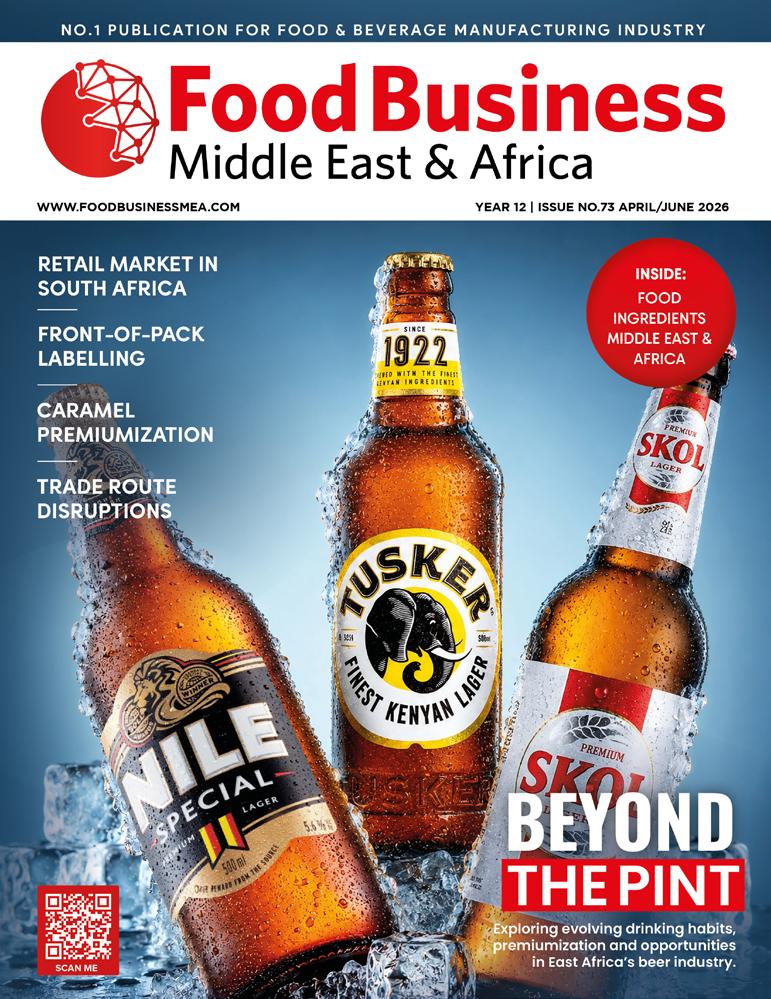
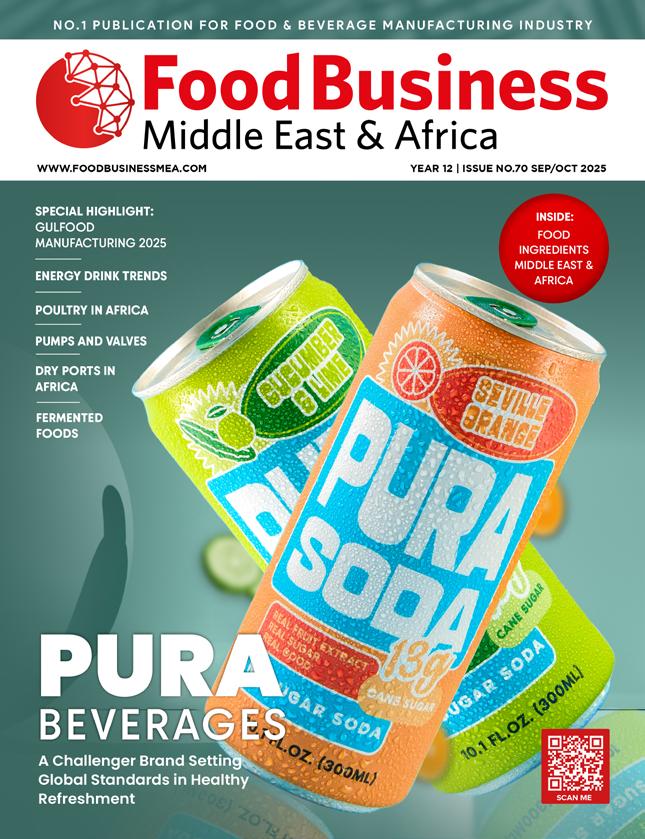
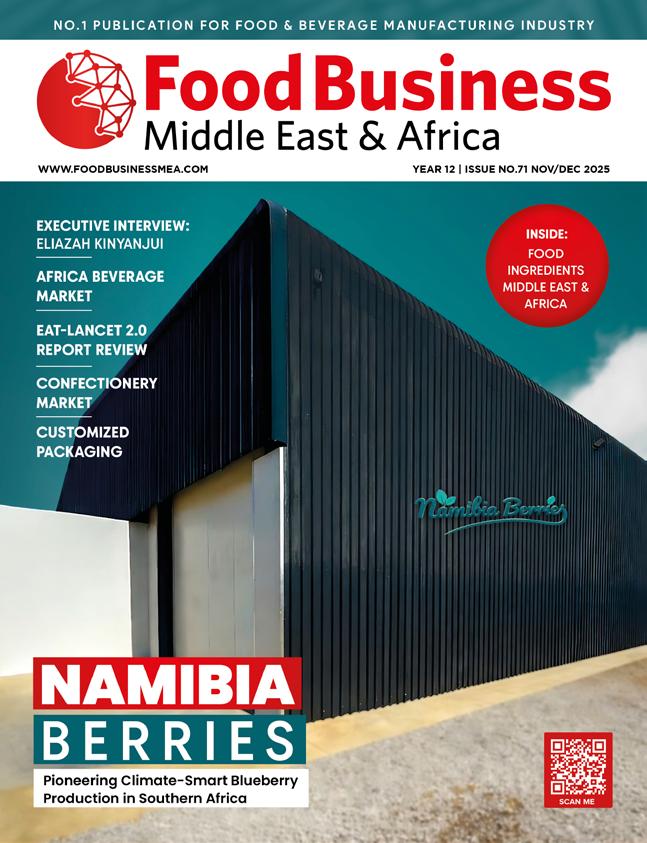
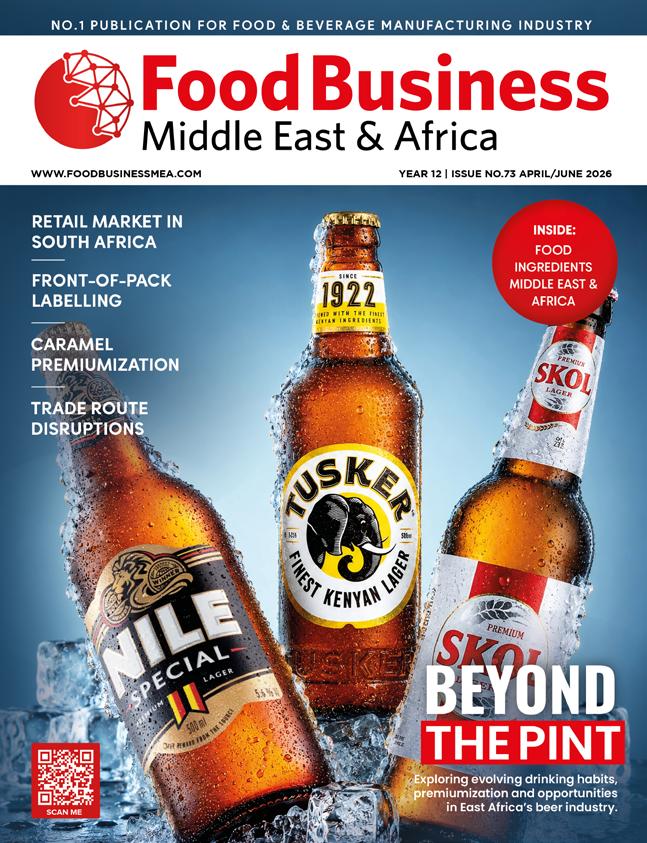
FOOD BUSINESS MIDDLE EAST &AFRICA MAGAZINE ISSUE 73
Middle East & Africa
Year 12 | Issue No.73 | April - June 2026
FOUNDER & PUBLISHER
Francis Juma
SENIOR EDITOR
Francis Watari
Alphonse Okoth
EDITORS
Caroline Makena
Nicholas Ng'ang'a
Victor Atsali
BUSINESS DEVELOPMENT
DIRECTOR
Virginia Nyoro
BUSINESS DEVELOPMENT
EXECUTIVES
Wangari Kamau
Jonah Sambai
HEAD OF DESIGN
Clare Ngode
DESIGN
Emmaculate Ouma
ACCOUNTS
Anita Kinyua
Published By: FW Brands MEA
P.O. Box 1874-00621, Nairobi Kenya
Tel: +254725 343932
Email: info@fwbrandsmea.com
Website: www.fwbrandsmea.com
We publish some of the most influential magazines and websites in Africa & the Middle East regions. Please visit the websites below for more information about our publications.
Food Business Middle East & Africa (ISSN 2307-3535) is published 4 times a year by FW Brands MEA. Reproduction of the whole or any part of the contents without written permission from the editor is prohibited. All information is published in good faith. While care is taken to prevent inaccuracies, the publishers accept no liability for any errors or omissions or for the consequences of any action taken on the basis of information published.
www.foodbusinessmea.com
www.millingmea.com
www.horecamea.com
www.dairybusinessmea.com
FEE BUSINESS
www.feedbusinessmea.com
www.sustainabilitymea.com
www.healthcaremea.com
www.hpcmagmea.com
October 1-3, 2026 - Impala Grounds, Ngong’ Road, Nairobi, Kenya
AFMASS Food & Drink Festival www.festival.afmass.com
Africa Hotels & Travel Expo www.kttaexpo.com
Africa Beauty & Wellness Show www.theafricabeautyshow.com
February 3-4, 2027 – Nairobi, Kenya
CEO Summit Middle East & Africa www.ceosummitmea.com
March 2027 – Dar es Salaam, Tanzania
AFMASS Food Expo www.afmass.com/tz
Africa Logistics Expo www.africalogisticsexpo.com/tz
AFRIPACK Expo www.afripackexpo.com/tz
Africa Poultry & Livestock Expo www.afripolexpo.com/tz
Africa Farmtech Expo www.africafarmtechexpo.com/tz
April 2027 – Nairobi, Kenya
AFMASS Food Expo www.afmass.com
Africa Logistics Expo www.africalogisticsexpo.com
AFRIPACK Expo www.afripackexpo.com
Africa Poultry & Livestock Expo www.afripolexpo.com
Africa Farmtech Expo www.africafarmtechexpo.com/ OUR EVENTS LINE-UP
May 2027 – Lagos, Nigeria
AFMASS Food Expo www.afmass.com/west
Africa Logistics Expo www.africalogisticsexpo.com/west
AFRIPACK Expo www.afripackexpo.com/west
Africa Poultry & Livestock Expo www.afripolexpo.com/west
Africa Farmtech Expo www.africafarmtechexpo.com/west
AFRICHEM Expo www.africachemicalsexpo.com/west
Africa HPC Manufacturing Expo www.hpcafricaexpo.com/west
Africa Coatings Expo www.africacoatingsexpo.com/west
Africa Pharma Manufacturing Expo www.pharma.afmass.com/west
June 2027 – Mombasa, Kenya
Africa Dairy Innovation Summit www.africadairysummit.com
Africa Food Safety Summit www.africafoodsafetysummit.com
October 2027 – Lusaka Zambia
AFMASS Food Expo www.afmass.com/south
Africa Logistics Expo www.africalogisticsexpo.com/south
AFRIPACK Expo www.afripackexpo.com/south
Africa Poultry & Livestock Expo www.afripolexpo.com/south
Africa Farmtech Expo www.africafarmtechexpo.com/south
A Call Begs! The Closure of the Strait of Hormuz
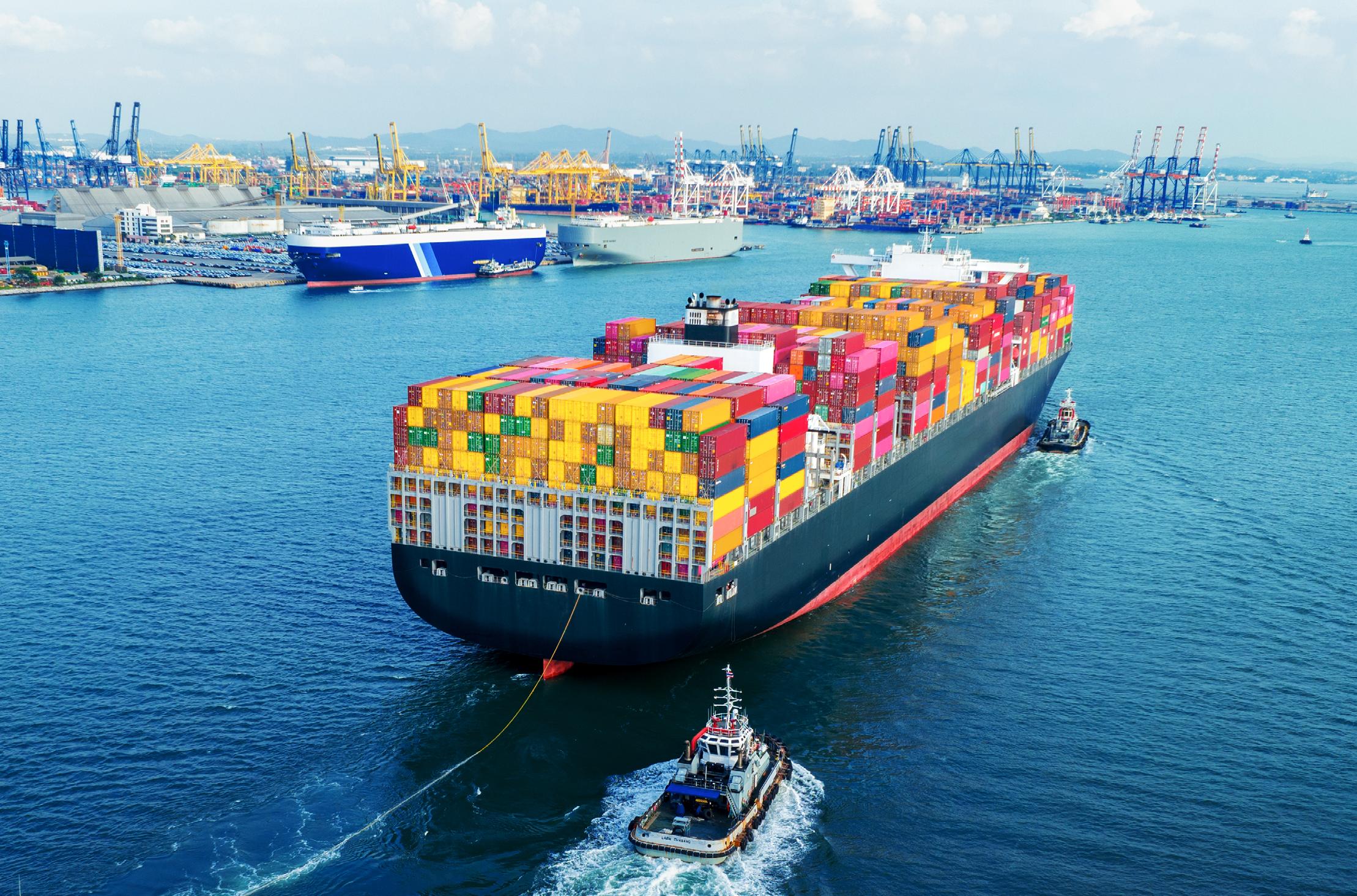
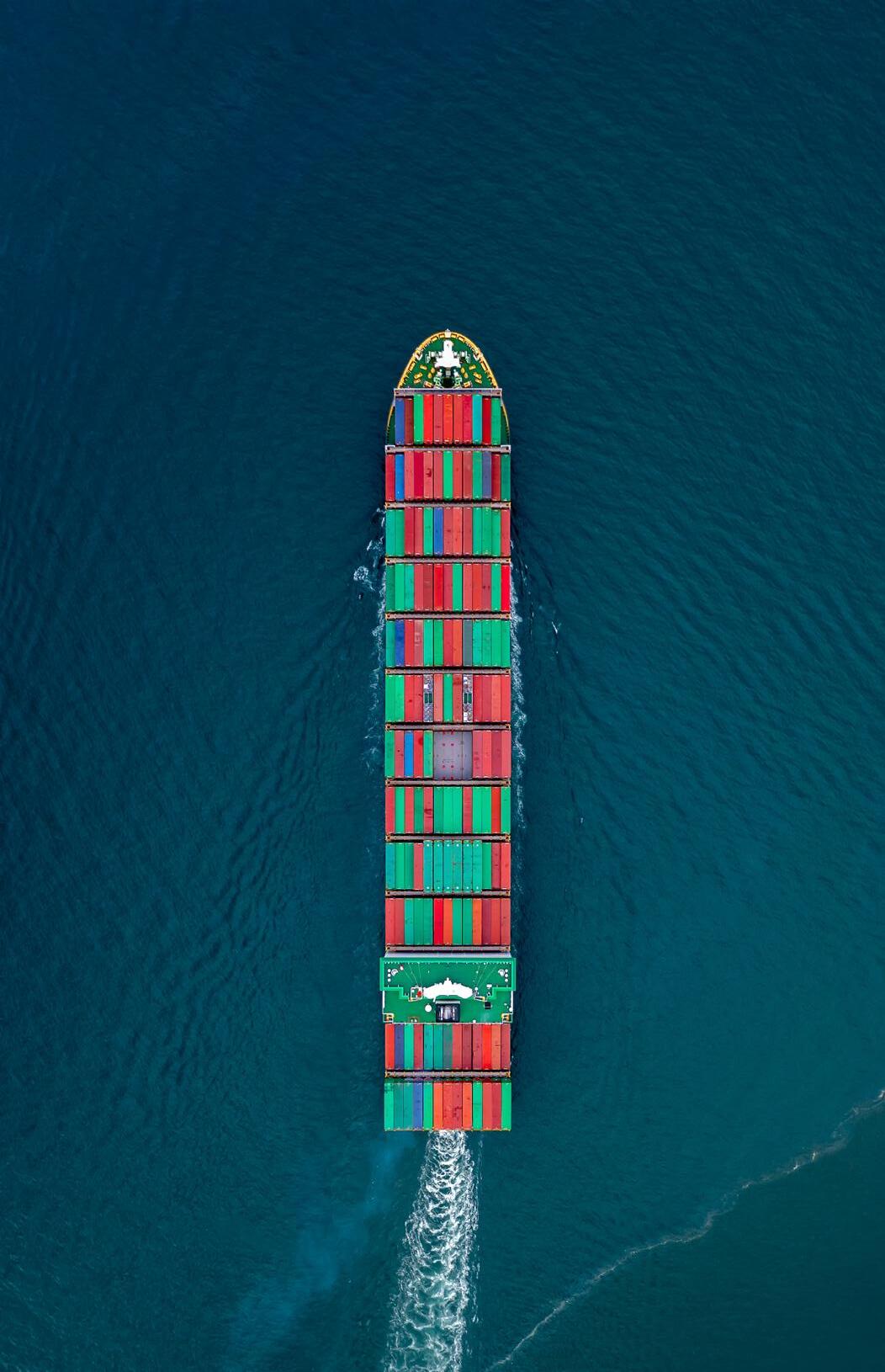
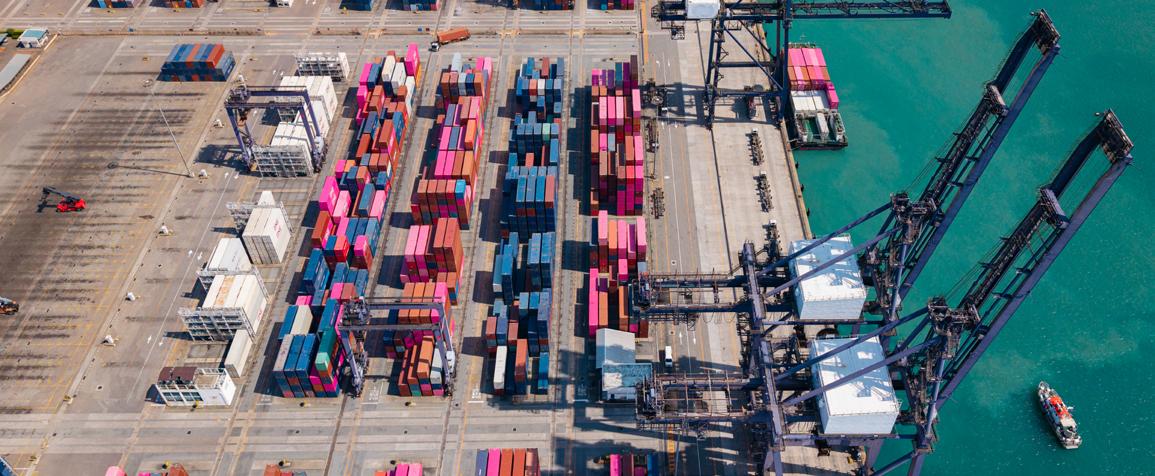
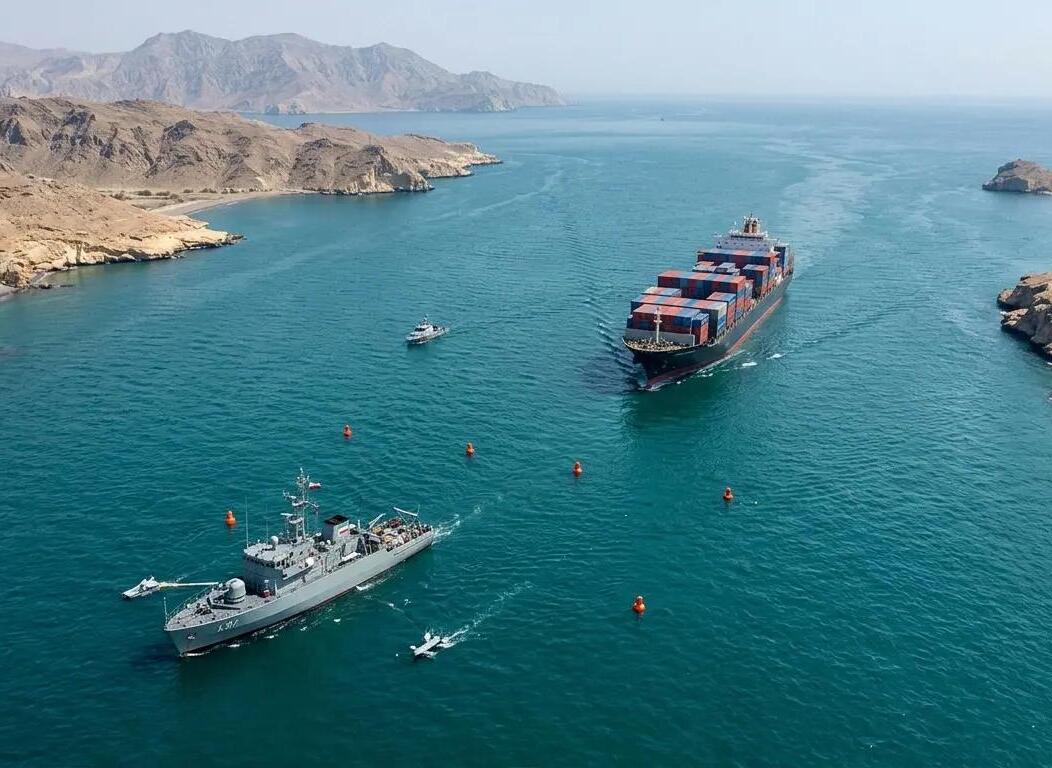
On February 28, 2026, Iran announced the unprecedented modern blockage of the Strait of Hormuz, a vital global energy-transit route, in retaliation for coordinated military strikes launched by the United States and Israel.
Following the attacks, Iran’s Islamic Revolutionary Guard Corps (IRGC) issued warnings forbidding passage, boarded and attacked merchant ships, and effectively halted normal shipping operations.
The closure has left the global food industry bleeding for the past four months, with FAO stating that the disruption could trigger a severe global food price crisis within six to 12 months.
Africa’s food industry has felt a major blow with more than 1,200 cargo vessels carrying goods worth about US$125 billion remaining stranded while others being forced to pay hefty fees to secure passage. The effects, skyrocketing prices for food imports while local produce piles up in warehouses.
The Strait is a major passage of fuel out of the producer countries to most regions in the world. Higher fuel prices ripple through every sector of the economy. Transport becomes more expensive and fertiliser costs rise. Manufacturers pay more for energy and imported inputs, farmers spend more moving produce to markets, while food prices eventually increase, squeezing household incomes and complicating governments’ efforts to contain inflation.
With the increased cost of production, consumer goods have seen a surge in prices. Consumers in the African landscape are feeling the hit despite squeezed income. The cost
of living is becoming unbearable for many, with most living hand-to-mouth.
For now, households remain exposed. Higher fuel prices increase transport fares, more expensive freight raises food prices, and manufacturers pass rising production costs on to consumers. Governments spend more on fuel imports while collecting less revenue from slowing economic activity.
The Gulf conflict has therefore become more than a Middle Eastern security crisis. It is another reminder that Africa’s economic fortunes remain deeply tied to geopolitical events far beyond its shores.
With the crisis at hand, negotiation between African nations is begging. Leaders need to come together to find a solution for African trade. Is this the time for trade restrictions and unnecessary duties against fellow African nations? Your guess is as better as mine.
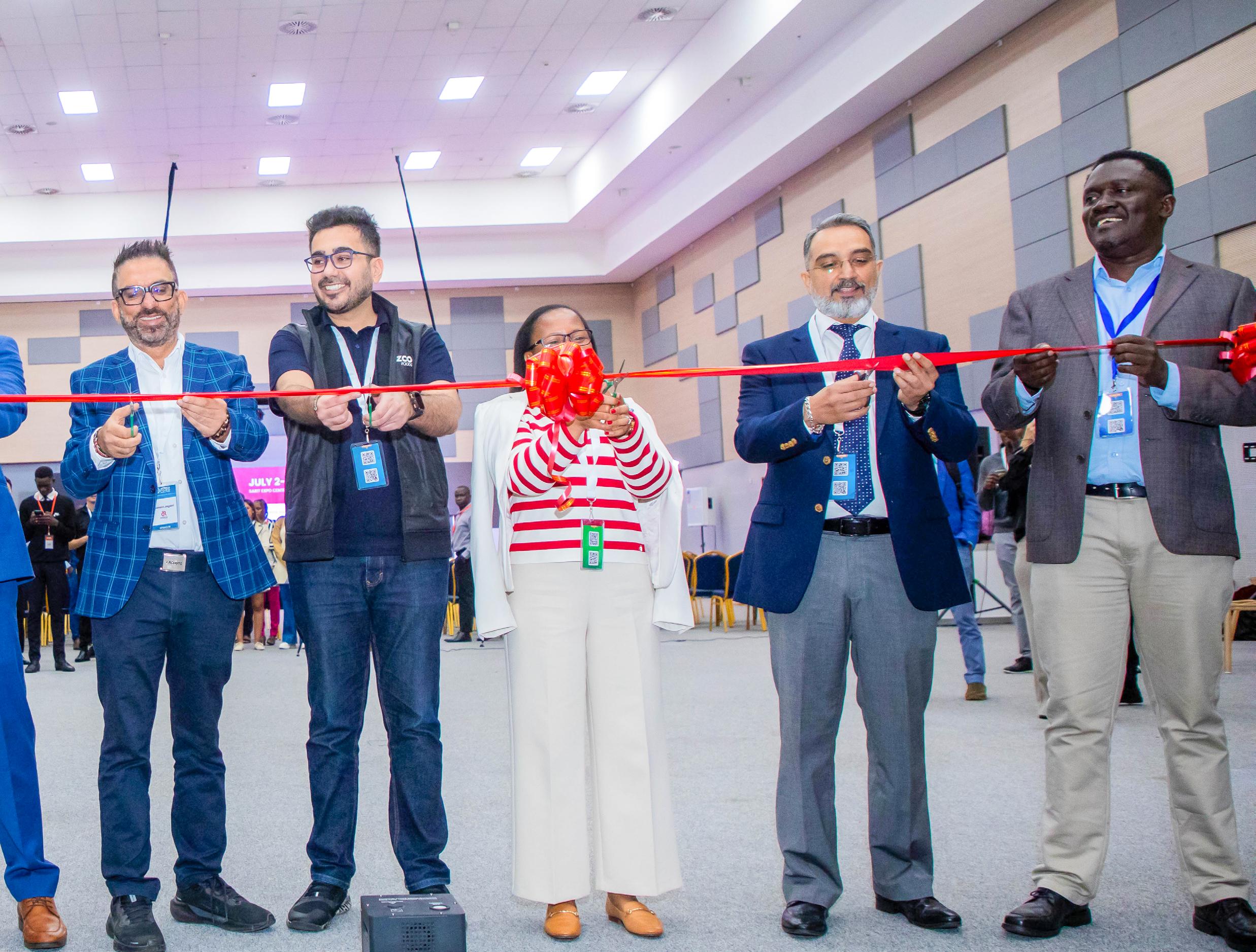
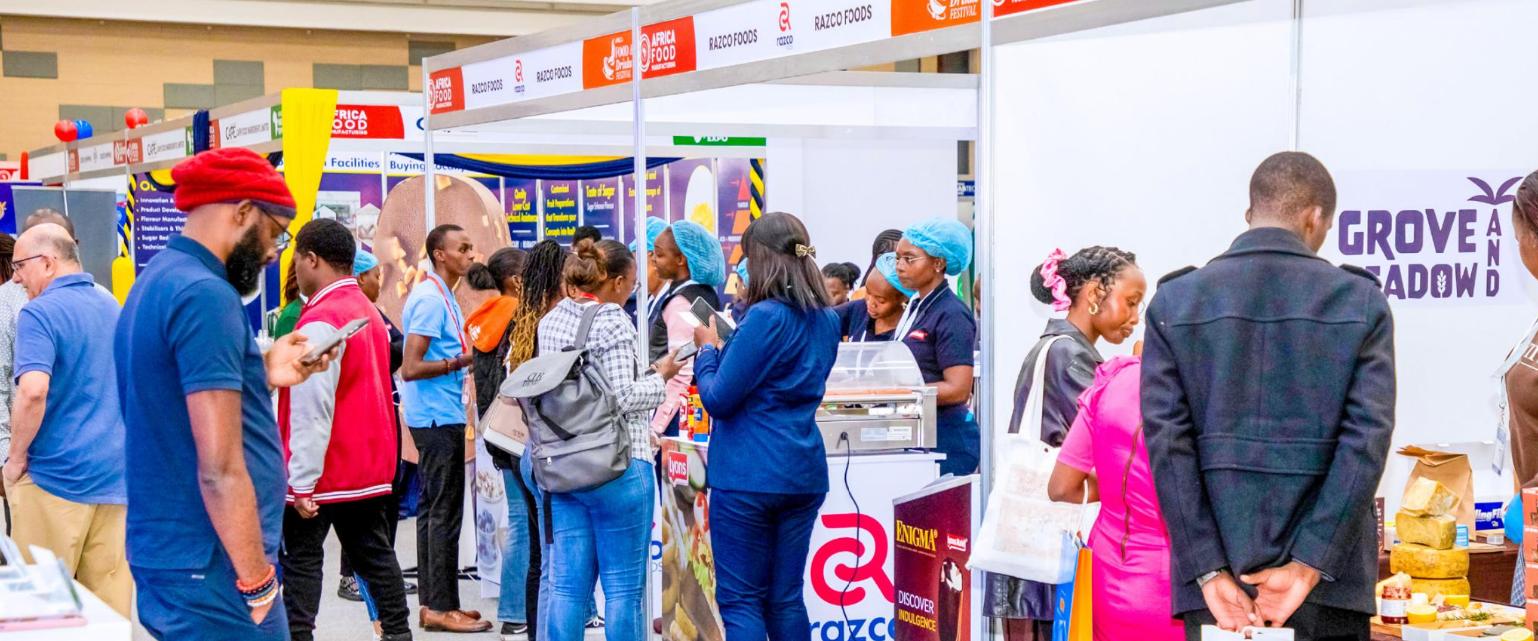
In this issue 73 of Food Business MEA magazine, we highlight how the Iran conflict has affected global trade with a specific focus on movement of goods in and out of Africa. We also invite our readers to AFMASS Food Expo Kenya & Eastern Africa 11th Edition happening on July 15-17th in Nairobi Kenya, where global and regional industry experts and players meet in what has become the biggest trade show in the region.
Enjoy your read!!
Francis Watari, Editorial Lead Food Business MEA
EVENTS CALENDAR
Food Show South Africa
22 - 24 Jul 2026
Gallagher Convention Centre, Johannesburg, South Africa
www.foodshowafrica.com
Food & Beverages Africa 2026
Aug 20-22, 2026
Sarit Expo Centre, Nairobi, Kenya www.mxmexhibitions.com/foodbevKenya
ASIA FRUIT LOGISTICA
September 2 -4, 2026
AsiaWorld-Expo (AWE), Hong Kong, China www.asiafruitlogistica.com
FoodPro East Africa
October 6-8, 2026
Sarit Expo Centre, Nairobi, Kenya www.foodpro.kam.co.ke
SIAL Paris
October 17-21, 2026
Paris Norde Villepinte, Paris, France www.sialparis.com/en
IBATECH
Oct 14 – 17, 2026 – Turkey www.ibaktech.com/en/startseite
Cibus Tec
October 27-30, 2026 Parma, Italy www.cibustec.it
Interpack China 2026 16 -18 November 2026
Shanghai New International Expo Centre (SNlEC), China www.interpack-cn.com/en
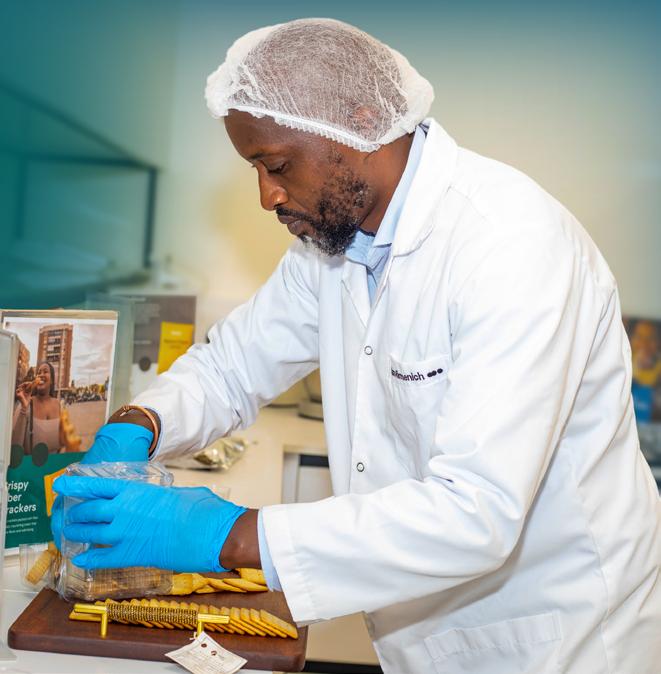
Less Sugar. Same Great Taste. Smarter Solutions from dsm-firmenich.
Consumers across East Africa are increasingly looking for healthier food and beverage options — but taste still drives choice. Whether it’s a refreshing soft drink, an energy drink, a juice drink, a flavoured milk or yoghurt, or a delicious sauce, people expect the same sweetness, flavour impact, and mouthfeel they know and enjoy. That’s why reducing sugar is one of the biggest challenges manufacturers face today. dsm-firmenich makes sugar reduction possible without compromising taste.
WHY SUGAR REDUCTION IS SO CHALLENGING
Sugar does far more than add sweetness. It enhances flavour, balances acidity, builds body, and creates a satisfying mouthfeel. When sugar is reduced, products can quickly become flat, bitter, thin, or less enjoyable.
Simply replacing sugar with alternative sweeteners is rarely enough. With 14 years of innovation within the sugar reduction category, dsm-firmenich takes a holistic, science-led approach, addressing everything sugar contributes to taste and texture, not just sweetness alone.
A SMARTER WAY TO REDUCE SUGAR
dsm-firmenich combines sweetening solutions, flavour modulation, and sensory optimisation to help manufacturers achieve meaningful sugar reduction while maintaining consumer appeal.
Instead of a single ingredient, the focus is on rebuilding sugar’s full sensory experience.
PROVEN TECHNOLOGIES THAT DELIVER RESULTS
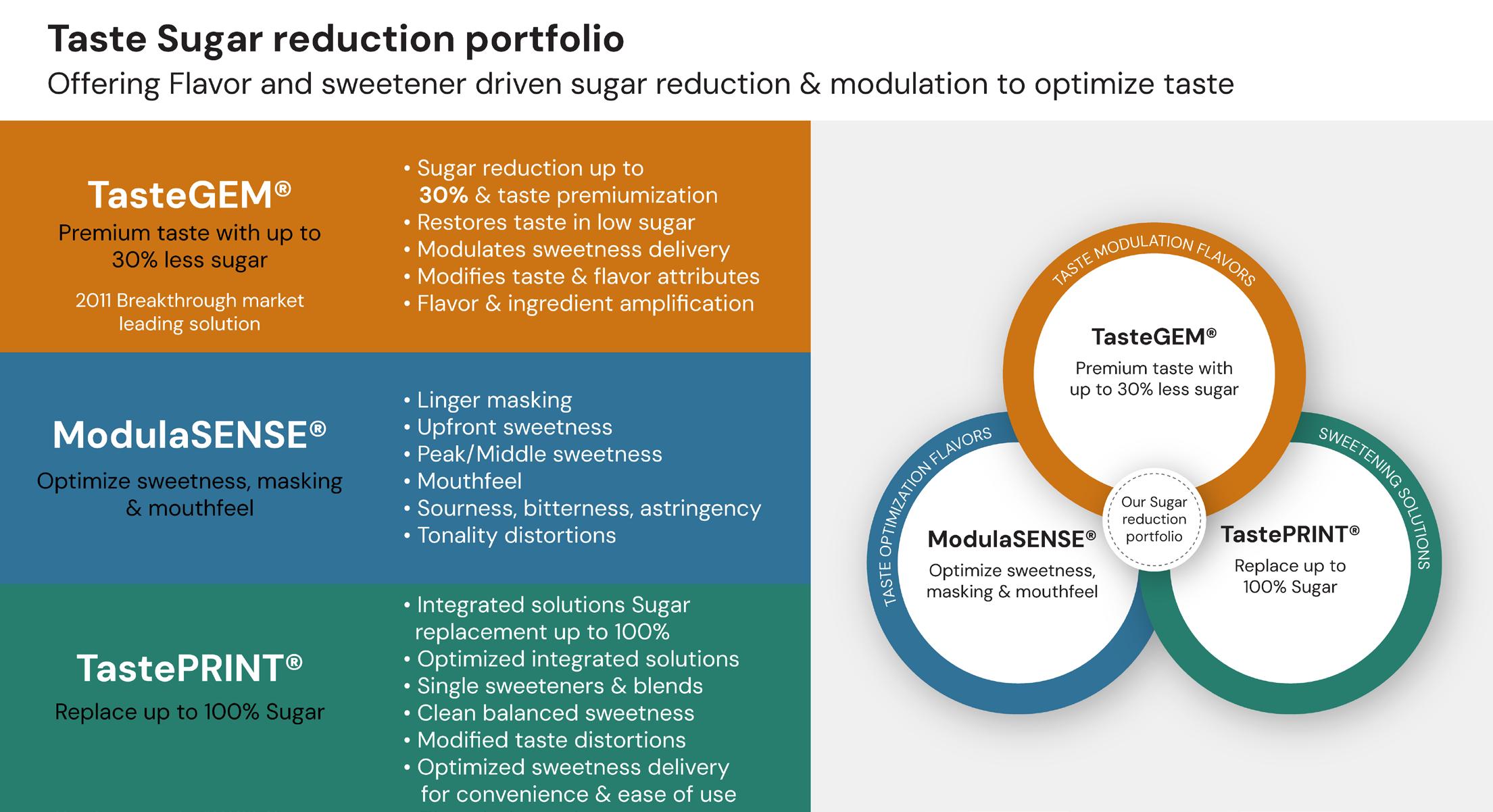
✔TasteGEM® – Elevate taste in low sugar products
(Restoring Taste in Reduced Sugar Recipes)
TasteGEM® flavours restore flavour impact in reduced sugar recipes. (TasteGEM® flavours restore taste and flavour impact that can be lost when sugar is reduced, helping maintain a satisfying and balanced sensory experience.) This helps products taste more indulgent, even with significantly less sugar— ideal for beverages where every gram counts.
✔TastePRINT® – Integrated Sweetening Systems
TastePRINT® solutions combine sweeteners and taste modulators into tailored solutions that address bitterness, slow sweetness onset, and lingering aftertastes. The result is a cleaner, more familiar sweetness consumers enjoy, while also delivering a cost-effective solution for brands.
✔ModulaSENSE® – FineTuning Taste & Mouthfeel
ModulaSENSE® taste optimisation solutions allow manufacturers to adjust sweetness timing, balance flavours, masks off-notes and improve mouthfeel — critical in lowsugar and zero sugar beverages.
DESIGNED FOR EAST AFRICAN MARKETS
East African manufacturers face unique challenges, including value sensitivity, local ingredient availability, and diverse taste preferences. dsm-firmenich solutions are flexible and application-led, supporting categories such as:
Carbonated soft drinks and flavoured beverages
Juice drinks and nectars
Flavoured milks and yoghurt drinks
Functional and fortified beverages
Condiments
Bakery products
These solutions help brands reduce sugar while maintaining cost efficiency, taste consistency, and product appeal, even in challenging formulations.
SUPPORTING HEALTHIER CHOICES — WITHOUT SACRIFICING ENJOYMENT
Reducing sugar isn’t about taking pleasure away — it’s about offering better choices that people still love. dsm-firmenich helps manufacturers reduce ingredients of concern like sugar, while protecting and often enhancing the eating and drinking experience.
SHAPE THE FUTURE OF FOOD TODAY
The demand for healthier, low-sugar products in East Africa continues to grow. There is a unique opportunity to lead this transformation and improve the health of millions.
dsm-firmenich’s sugar reduction technology gives you the tools you need to innovate without compromise. You can protect the cultural flavours your customers love, support the fight against diabetes, and build a more resilient business
model.
PARTNER WITH dsm-firmenich
with deep expertise in taste science, sensory design, and local application support, dsm-firmenich is a trusted partner for brands looking to future-proof their portfolios.
Let’s create low-sugar products that deliver on taste, value, and consumer satisfaction.
Please scan here for more information on dsm-firmenich’s comprehensive sugar reduction solutions.
Nestlé USA completes removal of artificial colours from its food and beverage portfolio
USA - Nestlé USA has completed the removal of all certified artificial colours from its food and beverage products in the United States, fulfilling its target of eliminating synthetic dyes across its portfolio by mid 2025.
The company said that more than 90% of its U.S. product range was already free of artificial colours by June 2025, with the remaining products now reformulated using natural colouring ingredients while maintaining the same taste, quality, and overall consumer experience.
Nestlé USA CEO Marty Thompson said the milestone followed several years of recipe development across the business, adding that the company focused on preserving the characteristics consumers expect from its products while updating ingredients.
Thompson said the Nesquik team replaced artificial colours in its strawberry-flavoured products with natural alternatives, while the company’s foodservice division converted more than 20 Nestlé Vitality beverages to natural colours within five months.
The company said products made with the updated formulations are already reaching retailers across the country as part of its ongoing efforts to refresh its product portfolio.
NEWS UPDATES
By www.foodbusinessmea.com
INVESTMENTS
Ethiopia signs US$10 million deal to build automated poultry hatchery
ETHIOPIA – Ethiopia’s Ministry of Agriculture has signed a US$10 million agreement with China’s Agrifam Co., Ltd. to construct a fully automated poultry hatchery that will expand the country’s breeding capacity and support growth across the poultry industry.
The project, announced on June 15, will be financed through the Ethiopia Poultry Value Chain Development Programme, which receives funding from the African Development Bank.
Once operational, the hatchery will incubate eggs from chickens, turkeys, ducks and other poultry species to produce day-old chicks for distribution to poultry breeders throughout the country.
Officials said the facility will have the capacity to incubate 63 million eggs annually, improving access to quality breeding stock and supporting higher levels of domestic poultry production.
The contract covers the supply and installation of hatchery equipment, technical testing, commissioning of the facility, construction of supporting infrastructure and the provision of spare parts for five years after completion.
Construction is expected to begin within one week after the agreement comes into effect, with the project scheduled for completion within 12 months.
The investment forms part of Ethiopia’s National Poultry Development Strategy 2022 to 2031, which seeks to expand domestic poultry production and strengthen the country’s selfsufficiency in poultry products over the coming years.
Under the strategy, the government aims to increase annual chicken meat production to 106,000 tonnes in the long term to meet rising domestic demand.
National chicken meat output has already increased from 48,846 tonnes in 2022 to an estimated 61,261 tonnes in 2024, representing a growth of 25% over the two-year period.
Despite increased production, Ethiopia continues to import part of its poultry breeding requirements, including day-old chicks, with imports estimated at US$3.4 million in 2025.
Authorities said the new hatchery is expected to reduce dependence on imported chicks, improve efficiency across the poultry value chain, and expand farmers’ access to quality breeding inputs.
Ethiopia’s poultry population is estimated at between 56 million and 60 million birds, with indigenous breeds accounting for 78% to 88% of the national flock, hybrid breeds about 6% to 7%, and exotic breeds approximately 5% to 6%.
Tiger Brands to sell Beacon chocolate brand in portfolio review
SOUTH AFRICA - Tiger Brands has agreed to sell its Beacon confectionery brand together with manufacturing equipment used to produce chocolate slabs, Easter eggs and assorted chocolate products as part of its ongoing portfolio restructuring strategy.
The company said it will retain key brands within its snacking business, including Nosh, TV Bar, Wonder Bar, Black Cat chocolate products and Jungle
energy bars, which it considers central to future growth.
The planned sale follows a series of asset disposals under Tiger Brands’ portfolio review programme, including the recent sale of its Randfontein maize and wheat milling operations for US$15.8 million (R282 million), while additional businesses and assets remain under assessment for possible divestment.
The restructuring comes as the
company reported operating income of US$117.7 million (R2.1 billion) on revenue of US$1 billion (R17.9 billion) during the latest reporting period.
Beacon has been part of Tiger Brands for decades, after the company acquired a 50% stake in 1990 and completed full ownership in 1998, with the business growing to include confectionery brands such as Maynards, mmmMallows, Liquorice Allsorts and Sparkles.
?
Hard to picture ?
Come and experience it at SIAL Paris 2026
Visit the world’s largest food innovation exhibition from 17 to 21 October at Paris Nord Villepinte
Court of Appeal rules Del Monte’s
forex losses are tax deductible
KENYA - The Court of Appeal has upheld a High Court judgment allowing Del Monte Kenya to deduct foreign-exchange losses arising from the conversion of shareholder loans into equity, thereby ending a tax dispute with the Kenya Revenue Authority over an additional assessment of US$2.09 million (KES 270 million).
The dispute arose from Del Monte Kenya’s use of unsecured, interest-free offshore loans from related companies to finance its operations in Thika, with borrowings totalling more than US$28.2 million and £1.4 million.
As the Kenyan shilling weakened against the US dollar and the pound sterling, the company recorded foreign exchange losses when translating the loans into local currency in its financial statements before later converting the outstanding debt into ordinary shares.
Following an audit covering the 2009 to 2011 tax years, the Kenya Revenue Authority rejected the claimed deduction and issued an additional tax assessment of US$2.09 million (KES 270 million).
MHP reports US$1.02B in first quarter of 2026
UKRAINE - Ukraine-based agri-food company
MHP SE reported revenue of more than US$1.02 billion for the first quarter of 2026, marking a 31% increase compared with the corresponding period in 2025.
Despite higher sales, the company’s operating profit fell 68% to US$19 million, while its operating margin declined to 2% from 8% recorded during the same quarter last year.
Adjusted earnings before interest, taxes, depreciation and amortisation (EBITDA) decreased by 29% to US$79 million, with the EBITDA margin narrowing to 8% from 14% a year earlier.
MHP also reported a net loss of US$85 million for the quarter, compared with a net profit of US$32 million in the first quarter of 2025, attributing the change mainly to a non cash foreign exchange loss.
The company said its operations remained stable despite the continued impact of the conflict in Ukraine and broader geopolitical challenges affecting global trade.
COMMODITY
Kenya’s tea exports earn farmers US$424 million in first half of 2026
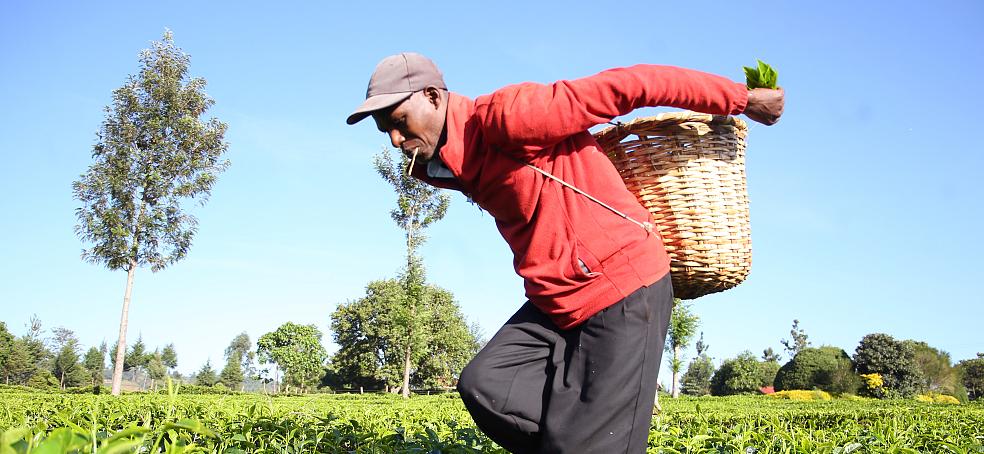
KENYA – Kenya’s tea farmers earned approximately US$424.02 million from tea exports during the first six months of 2026, with the country maintaining its position as the largest supplier at the Mombasa Tea Auction even as discussions continue over the impact of the recently introduced tea export levy.
Data published by The Star showed that Kenya offered around 186.2 million kilogrammes of tea at the auction between January and June, a volume that remained significantly higher than supplies from other countries trading through the regional market.
Uganda supplied about 22.6 million kilogrammes during the same period, while Rwanda offered 13.3 million kilogrammes and Tanzania delivered just over 300,000 kilogrammes to the auction.
The figures maintained Kenya’s lead at the Mombasa Tea Auction, the main trading platform for tea produced across East and Central Africa and recognised as the world’s largest auction for crush, tear, and curl tea.
Auction data for the first 24 sales of 2026 showed that Kenyan tea achieved an average selling price of US$2.28 per kilogram, with the equivalent local price of about US$2.27 per kilogram.
Tea Board of Kenya Chief Executive Officer Willy Mutai said tea quality, together with supply and demand, continues to determine market prices and sales performance, adding that the recently introduced export levy has had little influence on auction prices.
“What determines the value of tea offered by a factory is the quality. The effect of the tea levy on the price is negligible,” Mutai said.
He added that international demand changes throughout the year, with consumption generally increasing during winter in key importing markets and slowing during summer, while geopolitical developments can also affect purchasing activity.
Mutai also said favourable long rains recorded between March and April led to increased tea production, resulting in larger quantities being presented at the auction and influencing the rate at which buyers absorbed tea.
Meanwhile, debate continues within the industry over the 0.8% tea levy that came into effect on May 1 under the Tea (Levy) Regulations, 2026, with the charge applied to the customs or auction value of exported tea to finance marketing, research, value addition, and infrastructure development across the sector.
Delivering Flavour Innovation for Every Application
Discover how we can support your next flavour innovation project.
Taste Flavourings is an independent UK-based flavour manufacturer delivering innovative sweet and savoury flavour solutions and emulsions to the global food and beverage industry.
Established in Cambridge in 2012, our highly experienced team combines expertise in flavour creation, innovation and quality control to support customers across confectionery, bakery, dairy, ice cream, beverages, sports nutrition, soups, sauces, snacks and meat applications.
Whether developing a new product, improving an existing recipe, creating a bespoke emulsion or scaling up production, we work closely with customers to develop tailored solutions that meet both commercial and consumer demands.
With flexible batch sizes, short lead times and a commitment to service, quality and competitiveness, Taste Flavourings helps manufacturers bring successful products to market faster.
IDC agreement keeps Tongaat Hulett under business rescue
SOUTH AFRICA - Tongaat Hulett Limited will remain under business rescue after the Industrial Development Corporation (IDC) of South Africa and the Vision Consortium reached a binding agreement, leading to the withdrawal of planned liquidation proceedings against the sugar producer.
The agreement removes the immediate threat of liquidation, which was due to begin on 17 June, following disagreements between the IDC and the Vision Consortium over the company’s proposed acquisition.
Tongaat Hulett entered business rescue earlier in the decade after experiencing financial failure linked to governance and management issues, with the appointed business rescue practitioners later applying to the High Court for liquidation as negotiations between the parties stalled.
According to a joint statement, the agreement establishes a framework to continue the business rescue process, support the implementation of the approved restructuring plan, and allow the company to continue trading.
Zambeef’s first-half profit more than doubles on stronger operating performance
ZAMBIA - Zambia-based agribusiness and food producer Zambeef Products reported a 108.3% increase in first-half profit in Zambian kwacha terms, supported by improved operating margins, lower inflation, a stronger local currency and more reliable electricity supply.
Revenue for the six months ended March 31 increased 2.3% to ZMW3.93 billion (US$152.9 million), while gross profit rose 7.2% to ZMW1.51 billion (US$58.8 million).
Operating profit grew 30.2% to ZMW322.7 million (US$12.6 million), while profit before tax climbed 58.0% to ZMW82.8 million (US$3.2 million).
Chief Executive Officer Faith Mukutu said the company’s performance demonstrated its ability to manage changing economic conditions and provided a foundation for further growth in the second half of the financial year following the completion of British International Investment’s preference share conversion.
INVESTMENTS
Chocolat Rouge begins cocoa processing in Cameroon as first chocolate bars near launch
CAMEROON – Chocolat Rouge has started production at its cocoa processing factory in Cameroon, with its first batch of chocolate bars expected to be released within the next three weeks as the country continues efforts to process more of its cocoa harvest domestically.
The development was announced during a meeting between Trade Minister Luc Magloire Mbarga Atangana and French investor Olivier Bordais, president of SAS MANTA and promoter of the FCFA 40 billion ( US$68.9 million) investment, who provided an update on the project’s progress toward full-scale commercial operations.
Bordais attended the meeting alongside Aristide Tchemtchoua, president of the Cacao-Scoops. ca producers’ cooperative in Nkoaekogo, where they discussed the factory’s operational status and its role in supporting the country’s cocoa value chain.
Located in the Lékié Division of Cameroon’s Centre Region, the processing facility was officially launched in June 2024 to convert locally grown cocoa beans into premium chocolate products intended for both domestic consumers and export markets.
The investment forms part of the government’s broader objective of reducing exports of unprocessed cocoa beans while increasing shipments of higher-value finished cocoa products.
The meeting also examined export prospects following China’s introduction of zero-tariff access for products originating from Cameroon, a policy that took effect on May 1, 2026, creating new opportunities for the country’s food manufacturers.
Bordais said the Chinese
market presents strong potential for premium chocolate, adding that consumer preferences there are well-suited to the factory’s product positioning.
He noted that expanding into Asia could help the company diversify its export destinations as European food markets introduce stricter regulatory and certification requirements for imported products.
The factory is expected to purchase cocoa directly from farmers in the Lékié area, strengthening connections between local producers and industrial processing and supporting regional agricultural activity.
According to Bordais, the project has also benefited from the technical capability of the Cameroonian workforce employed at the facility, with employees demonstrating strong expertise during equipment installation and production testing.
He said that an unreliable electricity supply remains one of the main operational challenges, explaining that frequent power interruptions disrupt production schedules, reduce equipment efficiency, and increase manufacturing costs.
The Obala-based factory is also expected to benefit from opportunities created under the African Continental Free Trade Area, which seeks to encourage trade in manufactured products across African markets.
MARCH 2027
APRIL 28-30, 2027
MAY 2027
OCTOBER 2027
LuLu Group to invest US$137M in three new Qatar hypermarkets
QATAR - LuLu Group International will invest US$137 million (QR500 million) to develop three new hypermarkets in Qatar, with the outlets set to open within the next eight to ten months as part of the company’s ongoing retail expansion plans.
The new stores are being built in Baraha Town in Abu Hamour, Al Waab, and Qetaifan Island, where construction and interior fit-out are currently in progress.
Meanwhile, LuLu Group Chairman Yusuff Ali M.A. said the retailer is in advanced negotiations for three more retail developments, indicating that the company intends to further increase its presence in the country.
The group currently operates 24 stores across Qatar, and the expansion announcement coincides with its Happiness Loyalty Programme reaching one million registered members who receive reward points, discounts and personalised offers.
Davangere Sugar secures approval for US$100 million FCCB issuance
INDIA - Davangere Sugar Company Limited has obtained in-principle approval from BSE Limited and the National Stock Exchange of India to proceed with a Foreign Currency Convertible Bonds issuance of up to US$100 million to support its expansion plans in the sugar and ethanol businesses.
The approvals were granted under Regulation 28(1) of the Securities and Exchange Board of India (Listing Obligations and Disclosure Requirements) Regulations, 2015, thereby allowing the company to proceed with the proposed fundraising.
According to the company, the proceeds will finance strategic initiatives, including the acquisition of an integrated sugar mill, an ethanol distillery, or a strategic stake or joint venture in an existing sugar manufacturing company.
The funds may also be allocated to capital equipment purchases, technology investments, strategic partnerships, refinery and port storage projects, toll processing operations, and land leasing or project development activities.
INVESTMENTS
SalMar raises US$271.8 million through green bond issuance
NORWAY - Norwegian seafood producer SalMar has raised NOK 2.75 billion (US$271.8 million) through a senior unsecured green bond issuance to finance sustainability-focused investments and strengthen its financial position as it expands its aquaculture business.
The bond offering was completed in two tranches, comprising NOK 1.75 billion (US$172.9 million) with a three-year maturity and a floatingrate coupon, alongside a second tranche that brought the total value of the issuance to NOK 2.75 billion (US$271.8 million).
Settlement of the bonds was completed in mid June 2026, with the securities expected to be listed on the Oslo Stock Exchange shortly afterwards under arrangements managed by Arctic Securities and other participating financial institutions.
SalMar said the proceeds from the green bond issuance will be used to finance sustainabilitylinked projects, including measures to improve fish welfare, reduce greenhouse gas emissions, and introduce more efficient aquaculture technologies.
The financing supports the company’s continued investment in its vertically integrated salmon production model, which covers the full production chain from broodstock and smolt production to harvesting, processing and international distribution.
Established in 1991 and
headquartered in Frøya, Norway, SalMar operates production sites across several regions of Norway and maintains salmon farming operations in Scotland and Iceland.
The company is the world’s second-largest producer of farmed Atlantic salmon and supplies seafood products to customers in more than 50 countries through its international export network.
SalMar said the green bond programme is intended to support its long-term growth strategy while meeting increasing expectations from investors and the seafood industry for environmentally responsible financing.
The company is operating in the aquaculture sector, where environmental performance has become an increasingly important consideration for both financial institutions and seafood buyers.
The latest fundraising is expected to provide additional financial flexibility as SalMar continues to invest in business expansion while strengthening its ability to manage production risks associated with biological challenges and changing climate conditions in a market that also includes major salmon producer Mowi.
In recent years, the group has set new operational records.
Its current production strategy focuses on optimising biological performance, leveraging high-tech offshore fish farms, and increasing global harvest volumes.
EVENT PREVIEW
AFMASS Food Expo Kenya & Eastern Africa Edition, Here We Go!
As it is the norm, AFMASS season is here already knocking on the door.
The AFMASS Food Expo Kenya & Eastern Africa, returning for its 11th edition, is scheduled for July 15–17, 2026, at the Sarit Expo Centre in Nairobi, Kenya. This edition is poised to be the most comprehensive yet, gathering business owners, managers and professionals across 10+ industry sectors for learning and trade linkages, personal connections and business transformation of
Eastern Africa’s most important industries.
A HUB FOR INNOVATION, TRADE, AND NETWORKING
SINCE
2015
Since its inception in 2015, AFMASS Food Expo has grown into Eastern Africa’s largest platform connecting global and regional manufacturers, distributors, and industry professionals. The expo showcases a wide array of solutions, including:
• Ingredients and commodities
• Storage, milling, and feed technologies
• Food & beverage processing and packaging equipment
• Packaging materials
• Labtech and supply chain solutions
Attendees will gain opportunities for learning, trade linkages, personal connections, and business transformation in one of Africa’s fastest-growing economic regions.
Nairobi, as Eastern Africa’s commercial hub, draws participants from Kenya, Uganda, Tanzania, Ethiopia, Rwanda, Somalia, DRC, and beyond—including visitors from Southern, Western, and Northern Africa. The event serves as a key meeting point for business owners, CEOs, technical managers, procurement professionals, traders, government officials, and innovators.
SPECIALIZED INDUSTRY ZONES
AFMASS Food Expos are uniquely positioned in terms of the wide variety and diversity of new technologies, products and services that facilitate sustainable businesses growth across the manufacturing, hospitality, agriculture, retail and other sectors of the economy.
This edition showcases several zones including, Africa Food Ingredients Expo will present innovations that power modern
food development. With increasing consumer awareness about health and transparency, this section will offer a sneak peek into the next generation of food products.
The Africa Bevtech Expo is a high-impact meeting point for the entire beverage value chain, connecting beverage manufacturers (breweries, distilleries, wineries, soft drink producers); ingredient and raw material suppliers; processing and packaging technology providers; distributors, retailers and hospitality operators; investors, policymakers and industry associations.
At the Africa Milling & Feedtech Expo, visitors and exhibitors experience a comprehensive showcase of technologies, equipment, products and services tailored to the entire value chain of grain-based industries.
The Africa Bakery Expo will serve as a marketplace for sourcing new products, discovering emerging trends, and building strategic partnerships across Africa’s rapidly expanding baked goods, snacks and wider food & beverage manufacturing sector.
The Africa Pet Industry Expo brings the perfect opportunities to facilitate the growth of the petfood, petcare and adoption of new technologies and practices across Africa’s
pet ecosystem.
PREMIUM NETWORKING SESSIONS
The 2026 edition of AFMASS Food Expo Kenya & Southern Africa will provide some of the most interactive personal and business connection platforms in the industry, opening vast opportunties for you and your team.
AFRICA WOMEN LEADERSHIP FORUM
This new addition in the AFMASS Food Expo brings together women business leaders, managers and professionals congregate to celebrate the progress of women-led businesses and women leadership across the industry, government and other spheres, while mentoring and inspiring the next wave of transformers in Africa.
AFMASS OPERATIONS EXECUTIVES COCKTAIL
Held as a premium side event during the AFMASS Food Expo, this elegant evening gathering brings together decisionmakers responsible for plant operations / production, supply chain, R&D, engineering, quality assurance / food safety and related roles.
OFFICIAL NETWORKING GALA DINNER
The Gala dinner will provide sponsors, exhibitors, and invited investors managers and professionals with more opportunities for business networking and growth - with an African theme to match.
CO-LOCATED EVENTS
Several specialized exhibitions will be held alongside AFMASS Food Expo, creating one of the region’s most comprehensive industrial trade platforms.
Africa Packaging Expo (AFRIPACK Expo)
AFRIPACK Expo showcases the latest packaging materials, processing and packaging technologies, automation systems and sustainable packaging solutions serving Africa’s manufacturing sector.
Africa Logistics Expo
Recognizing the critical role of supply chains in industrial
growth, the Africa Logistics Expo brings together providers of freight, shipping, ports, warehousing, mobility, cold chain, digital logistics and supply chain technologies to support regional trade and manufacturing competitiveness.
AFRIPOL
Expo
The Africa Poultry & Livestock Expo highlights innovations in poultry, livestock, aquaculture and animal health, connecting producers, processors, equipment suppliers and service providers while promoting investment and modernization across Africa’s animal agriculture sector.
AFRICHEM Expo
Positioning Kenya as a growing manufacturing and chemical industry hub for Eastern and Central Africa, AFRICHEM Expo brings together manufacturers and suppliers serving industries such as food and beverage, pharmaceuticals, cosmetics, home and personal care, mining, automotive, oil and gas, and construction.
The exhibition incorporates three specialized events:
Africa Coatings Expo Kenya & Eastern Africa
Africa Pharma Manufacturing Expo Kenya & Eastern Africa
Africa Home & Personal Care Manufacturing Expo Kenya & Eastern Africa
Secure Your Place
With exhibitor registrations and sponsorship opportunities attracting strong interest, companies are encouraged to secure their participation early.
Whether your objective is to launch new products, strengthen brand visibility, identify distributors, enter new markets or build strategic partnerships, AFMASS Food Expo Kenya & Eastern Africa provides direct access to key decisionmakers shaping the future of manufacturing, food processing and industrial development across Africa.
Join thousands of industry professionals in Nairobi this July and be part of one of Africa’s premier platforms for innovation, trade and business growth.
See you Soon!
UAC Foods appoints Temitope Omodele as Managing Director and CEO
NIGERIA – UAC Foods Limited has appointed Temitope Omodele as its new Managing Director and Chief Executive Officer.
Omodele succeeds to the top leadership role after serving as Chief Financial Officer of UAC Foods, where she was responsible for overseeing the company’s finance function and supporting key strategic initiatives.
Omodele brings more than 16 years of experience spanning audit and assurance, technical accounting, corporate finance, budgeting, business planning, finance operations and group reporting.
The company said Omodele’s appointment signals a new phase in its development as it continues to focus on sustainable growth, enhanced operational performance and long-term value creation across its food business.
Before joining UAC of Nigeria Plc in September 2020, Omodele began her professional career at KPMG, where she built expertise in audit, assurance and financial reporting.
During her tenure, she was seconded to the Department of Professional Practice at KPMG South Africa, gaining international exposure to accounting standards and professional methodologies.
ZIM Shipping appoints Dr. Chen Lichtenstein as new CEO
ISRAEL – ZIM Integrated Shipping Services has announced the appointment of Dr. Chen Lichtenstein as its new President and CEO, effective 1 July 2026.
Zim succeeds Eli Glickman, who resigned on 15 April 2026. Lichtenstein served as Chief Financial Officer of Syngenta Group from 2020 to 2023, overseeing strategy, integration, and productivity across Syngenta Seeds, Syngenta Crop Protection, ADAMA, and the group’s China operations.
Before joining Syngenta Group, he was President and CEO of ADAMA Ltd. from 2014 to 2020, overseeing integration with ChemChina and the listing on the Shenzhen Stock Exchange. Prior to that, he worked in investment banking at Goldman Sachs in New York and London from 1999 to 2006, focusing on acquisition and financing transactions.
Lichtenstein’s experience in supply chain management, global operations, and agricultural chemical logistics at Syngenta and ADAMA brings relevant expertise to ZIM’s refrigerated cargo business, which serves perishable horticultural markets.
Board Chairman Yair Seroussi said Dr. Lichtenstein’s management, financial, and international business experience aligned with the company’s current needs. He also thanked outgoing CEO Eli Glickman for his contribution to the company.
IMCD appoints Behnosh Yaghobi as Managing Director Middle East
MEA – IMCD Group has announced the appointment of Behnosh Yaghobi as Managing Director Middle East, effective June 1, 2026.
Yaghobi brings extensive regional, operational and commercial experience to the role, having been part of IMCD’s Middle East operations since joining the business in 2020.
Yaghobi initially joined IMCD as Regional Finance Manager Middle East before taking on broader leadership responsibilities, most recently serving as Finance & Operations Director Middle East and Egypt.
Before joining IMCD, Yaghobi held senior finance and leadership roles at several international organisations, including Vitol Group’s upstream business in Dubai, Air Sweden Aviation and Deloitte in Stockholm. She began her career at Deloitte as an auditor before moving into senior analysis in mergers and acquisitions.
IMCD says she played a key role in establishing IMCD Middle East and helped build the regional business from the ground up.
Andreas Igerl, Chief Commercial Officer and President EMEA, says: “Behnosh’s appointment is a reflection of the talent and leadership she has consistently shown at IMCD. She knows our Middle East business inside out, its people, its customers, our suppliers’ partnerships, and its further potential. I have every confidence that she will take it to the next level.”
Cadbury Nigeria appoints Ayman Gaafar as Managing Director
NIGERIA – Cadbury Nigeria PLC has appointed Ayman Hussein F. Gaafar as its new Managing Director effective May 15, 2026.
Cadbury Nigeria described Gaafar as “a highly accomplished and driven business and organizational leader” with extensive experience across the fastmoving consumer goods sector.
Gaafar has held senior leadership positions at multinational companies including Procter & Gamble, Reckitt Benckiser, Danone and Shan Foods.
His career spans markets across Africa, the Middle East, Saudi Arabia, the UAE, the Levant region and Canada, where he built expertise in commercial leadership, business transformation, market expansion and general management.
The company said the appointment aligns with its strategy to strengthen execution capacity and accelerate growth in Nigeria’s increasingly competitive consumer goods market.
Cadbury Nigeria noted that Gaafar has extensive experience in developing goto-market strategies, building strategic partnerships, driving operational efficiency and leading large cross-functional teams across multiple regions.
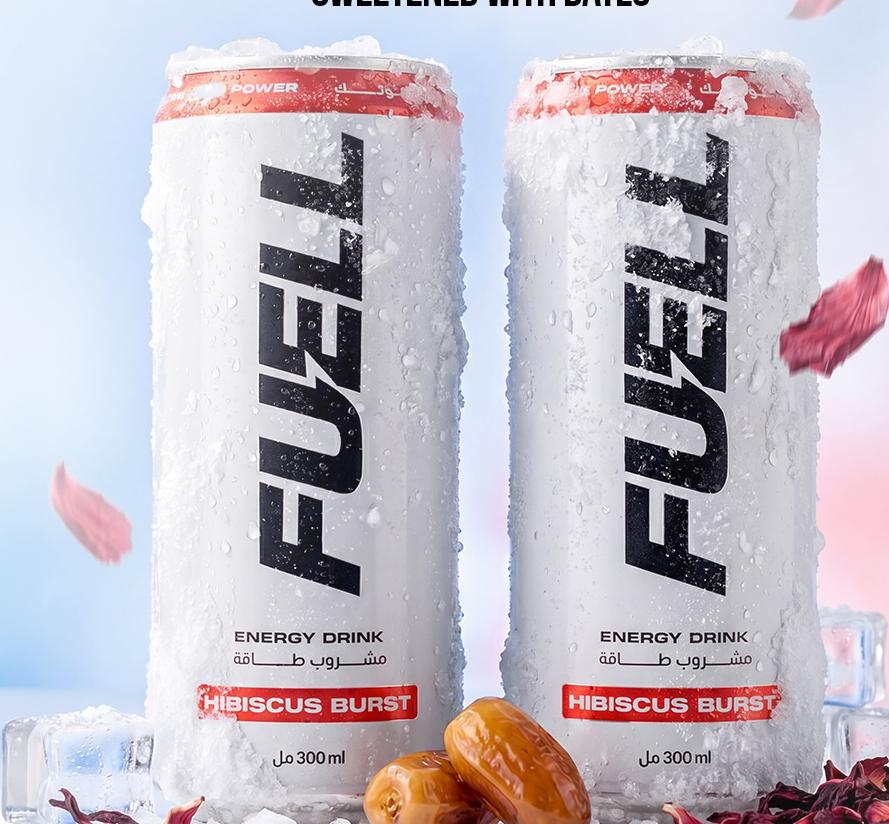
UAE - Agthia Group has launched the “worlds” first energy drink sweetened with dates, Fuell.
The new beverage combines date-based sweetness with ingredients including guarana and Korean red ginseng. According to the company, Fuell will initially be available through selected sales channels in the United Arab Emirates before being rolled out more widely.
Salmeen Alameri, Managing Director and Chief Executive Officer of Agthia Group, said: “Fuell represents innovation, differentiated and proudly rooted in the region. Dates are part of the UAE’s history. With Fuell, we are taking that heritage forward into a modern consumer product that speaks to today’s lifestyles and expectations.”
www.agthia.com
HINDUSTAN
UNILEVER
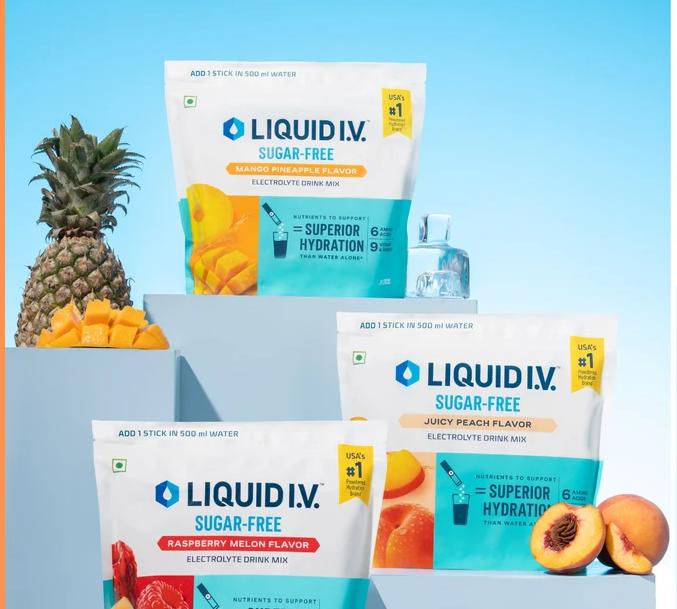
Liquid I.V. sugar-free
INDIA - Hindustan Unilever Limited (HUL) has expanded its functional wellness portfolio in India with the launch of Liquid I.V. Sugar-Free. Liquid I.V., recognized as the leading powdered hydration brand in the United States, said the new product has been developed for consumers seeking effective hydration without added sugar while maintaining taste and performance.
The company noted that changing consumer lifestyles and increasing interest in wellness are driving demand for products that offer both convenience and functional benefits. Guntas Randhawa, Head of Liquid I.V., India, said: “The wellness and hydration category in India is evolving rapidly, driven by consumers who are increasingly prioritizing informed choices, functional benefits, and cleaner formulations.
www.hul.co.in
SIR FRUIT
De-Flame wellness shot
SOUTH AFRICA - Sir Fruit has expanded its functional beverage portfolio with the launch of its new De-Flame Shot.
The new wellness shot combines cold-pressed mango, cucumber and mint with Devil’s claw and moringa leaf extract, ingredients commonly associated with anti-inflammatory properties and pain relief. The formulation also contains zinc and vitamins C and D, nutrients often linked to immune support and overall wellbeing.
De-Flame forms part of Sir Fruit’s wider ‘READY SHOT GO!’ winter range. The new product joins the brand’s Defence Shot, Fiery Ginger Shot, Immunity Shot and Spicy Turmeric Shot.
www.sirfruit.com
PEPSICO
Adrenaline Rush
INDIA - PepsiCo has launched its premium energy drink brand, Adrenaline Rush, in India. Positioned within the rapidly growing masspremium segment, Adrenaline Rush is priced at INR 60 and is designed to offer a globally inspired energy drink experience tailored to the needs of Indian consumers.
The new brand is available in two variants—Passion Rush and Classic Rush—packaged in sleek premium cans. PepsiCo said the products combine bold flavors, functional ingredients and modern design to deliver a differentiated offering in the competitive energy drinks market. The company said the products are intended for consumers seeking enhanced concentration and sustained energy in their daily activities..
www.pepsicoindia.co.in
MERU DAIRY CO-OPERATIVE UNION
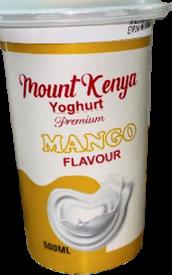
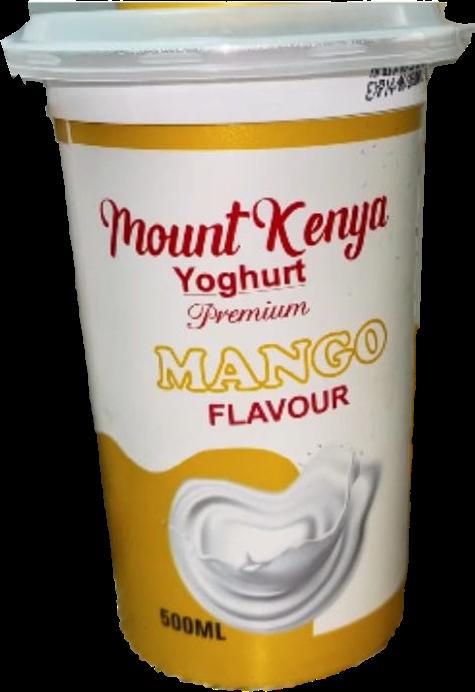
Mount Kenya Yoghurt
KENYA – Meru Dairy Co-operative Union has expanded its product portfolio with the introduction of Mango and Pineapple yoghurt flavours. The launch of the new flavors aims to appeal to younger consumers and health-conscious households seeking nutritious yet indulgent options.
The new products are designed to deliver both nutritional value and market competitiveness. Mango and pineapple were chosen for their popularity among Kenyan consumers and their alignment with the cooperative’s vision of promoting locally inspired flavours. Beyond consumer appeal, the launch is expected to benefit farmers by expanding demand for raw milk and creating new opportunities in processing and distribution.
www.merudairy.co.ke
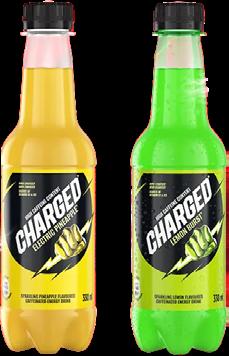
COCA-COLA BEVERAGES AFRICA - KENYA Charged
KENYA - The Coca-Cola Company has expanded its beverage portfolio with the launch of Charged, a new sparkling caffeinated drink in Kenya. Charged combines lemon and pineapple flavours with caffeine and is designed to offer consumers a refreshing way to stay energised throughout the day.
We are excited to introduce Charged to Kenya, offering consumers the fuel they need to maximize each day,” said Monique Katana, Director of Frontline Marketing, Coca-Cola Kenya. Charged enters the Kenyan market in two variants: Lemon Burst and Electric Pineapple. According to the company, the drink delivers a combination of refreshing taste and caffeine to help consumers stay invigorated.
www.ccbagroup.com
PACKAGING
As a
Strategic Asset
Rethinking Food Manufacturing for a Changing World
By Vaishali Malde
The food and beverage industry is entering a new era. Across Africa and the Middle East, manufacturers are navigating changing consumer expectations, increasingly sophisticated supply chains, evolving regulations, and growing pressure to operate more sustainably. At the same time, regional integration, expanding export opportunities, and rapid urbanisation are creating unprecedented potential for growth.
Success in this environment depends on far more than developing great products. Manufacturers must ensure those products reach consumers safely, efficiently, and consistently while maintaining quality throughout increasingly complex supply chains. This is where packaging has fundamentally changed.
Once viewed primarily as a means of containing and transporting products, packaging is now recognised as a strategic business asset. It influences product quality, shelf life, manufacturing efficiency, logistics, sustainability, regulatory compliance, and
consumer perception. More importantly, it can determine whether a product succeeds, or fails in the marketplace.
As food systems continue to evolve, packaging should no longer be viewed simply as a production input or procurement decision. It should be considered an integral part of product development and business strategy.
PROTECTING PRODUCT QUALITY
Every food product begins to change from the moment it is manufactured. Exposure to oxygen, moisture, light, temperature fluctuations, microbial contamination, and physical handling all contribute to product deterioration during storage and distribution.
According to the Food and Agriculture Organization (FAO), approximately one-third of all food produced globally is lost or wasted each year. In many developing markets, a considerable proportion of these losses occurs before products ever reach consumers, emphasising the critical role packaging plays in protecting food quality throughout the supply
Effective packaging extends far beyond presentation. It preserves freshness, protects nutritional value, maintains flavour and aroma, safeguards food safety, and reduces
Whether protecting roasted coffee from oxygen exposure, preventing freezer burn in frozen foods, maintaining the integrity of dairy products, or preserving dry foods and spices in humid environments, packaging performance directly
Protecting food is therefore not simply about selecting a package, it is about engineering the right solution for the
Packaging influences production efficiency, downtime, product losses, transport performance, shelf life, consumer satisfaction, and product returns. A lower-cost material that results in inconsistent sealing, damaged packs, or reduced product protection may ultimately cost significantly more than a higher-performing structure.
Leading manufacturers are therefore moving away from evaluating packaging as a commodity and towards assessing its total contribution to business performance.
The true value of packaging lies not only in its purchase cost, but in its ability to protect products, improve manufacturing efficiency, minimise waste, maintain product quality, and strengthen customer confidence.
SUSTAINABILITY THROUGH BETTER ENGINEERING
A package designed for frozen vegetables performs very differently from one developed for edible oils, dairy products, coffee, fresh produce, or powdered ingredients. Each product presents unique challenges relating to barrier performance, seal integrity, puncture resistance, filling conditions,
For this reason, packaging should never be selected solely on film thickness or purchase price.
Instead, manufacturers should begin by asking a different question:
WHAT PERFORMANCE DOES THIS PRODUCT REQUIRE THROUGHOUT ITS LIFECYCLE?
Modern flexible packaging answers this question through engineered multilayer structures, where each material contributes a specific function. Barrier materials such as EVOH minimise oxygen transmission, specialised polyethylene layers provide reliable sealing performance, while additional layers contribute strength, printability, puncture resistance, or stiffness depending on the application.
The objective is not to use more material, but to use materials more intelligently.
In many cases, reviewing an existing packaging structure can reveal opportunities to optimise performance while reducing material usage or improving manufacturing efficiency. The goal is not simply to reduce thickness, but to design packaging that delivers the required performance with maximum efficiency.
This engineering-led approach enables manufacturers to extend shelf life, improve operational reliability, reduce waste, and achieve greater consistency throughout production and distribution.
LOOKING BEYOND PURCHASE PRICE
Packaging decisions are frequently driven by cost comparisons. While purchase price will always remain an important consideration, evaluating packaging solely on its price per kilogram can overlook much larger costs elsewhere in the value chain.
Sustainability has become one of the defining priorities for the global food and packaging industries. Governments are introducing Extended Producer Responsibility (EPR) frameworks, multinational brands are setting ambitious environmental targets, and consumers increasingly expect businesses to demonstrate responsible packaging practices.
However, meaningful sustainability cannot be achieved through material substitution alone.
The starting point must always be the product itself.
Food production requires significant investments in land, water, energy, labour, and transportation. When food is lost because packaging fails to provide adequate protection, the environmental impact extends far beyond the packaging material itself.
For this reason, the most sustainable package is not necessarily the one made from the least material or from an alternative substrate, it is the one that delivers the required product protection while using materials as efficiently as possible.
Today’s packaging innovations focus on intelligent material selection, downgauging where appropriate, improving recycling compatibility, enhancing barrier performance, and designing structures that align with existing waste management systems without compromising food safety or product quality.
The future of sustainable packaging will not be determined by who uses the least material, it will be determined by who uses materials most intelligently.
BUILDING STRONGER BRANDS
Packaging is often the first physical interaction consumers have with a product.
Before a purchase is made, packaging communicates quality, safety, freshness, reliability, and brand values. Consumers increasingly associate the appearance and functionality of packaging with the quality of the food inside.
At the same time, retailers and distributors expect packaging that performs consistently throughout transportation, storage, merchandising, and handling. Structural integrity, print quality, convenience features, and shelf appeal all contribute to
purchasing decisions and long-term brand loyalty.
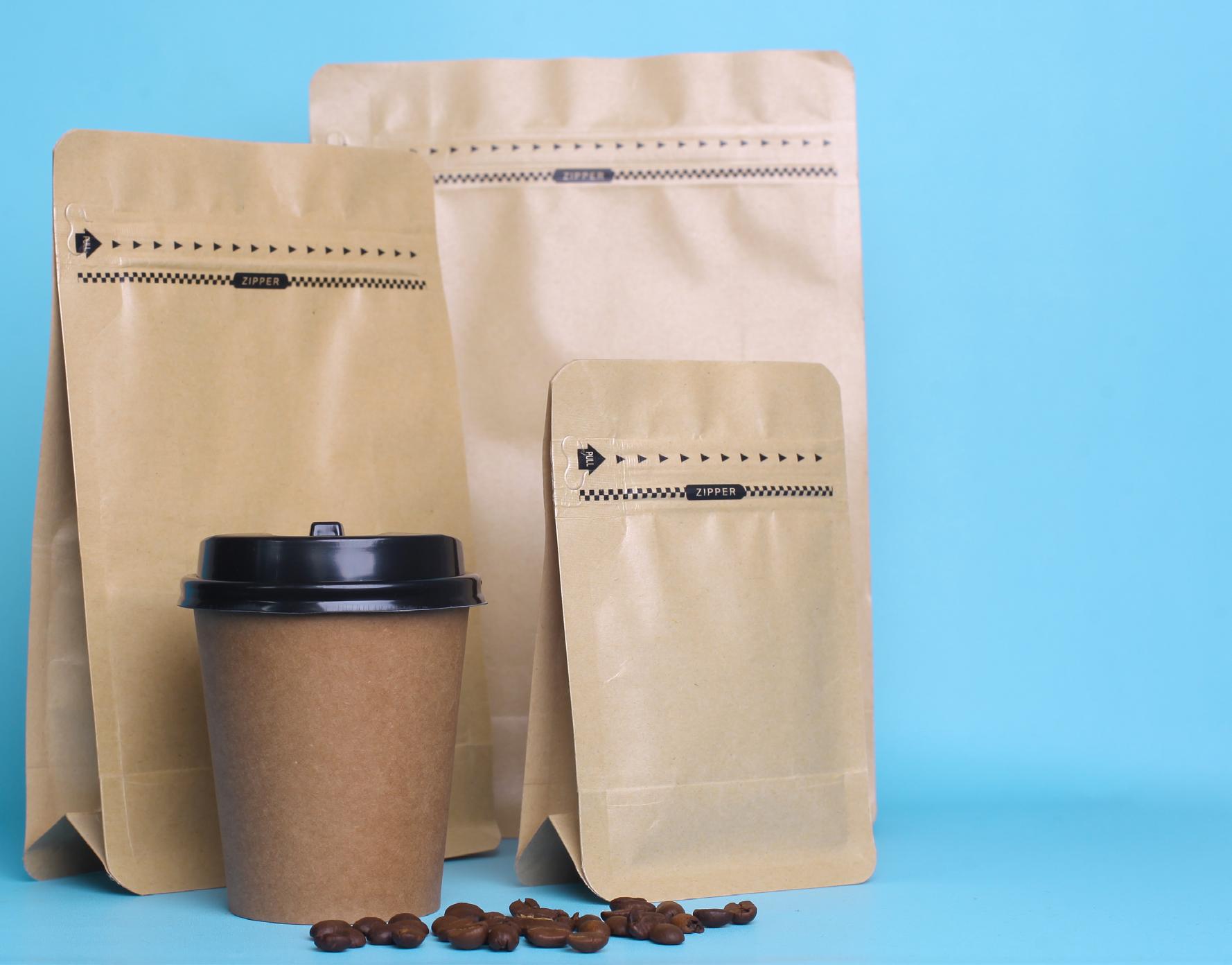
As competition continues to increase across food categories, packaging has become one of the most effective tools for product differentiation. Resealable closures, stand-up pouches, premium graphics, ergonomic designs, and application-specific formats all contribute to improving consumer experience while strengthening brand perception.
Ultimately, great packaging does more than protect products, it builds trust.
PREPARING FOR TOMORROW’S REGULATIONS
The regulatory landscape surrounding food packaging is evolving rapidly, requiring manufacturers to think beyond today’s compliance requirements and prepare for the future.
Across Africa, Extended Producer Responsibility (EPR) frameworks are encouraging greater accountability for packaging throughout its lifecycle. At the same time, export markets are introducing increasingly stringent requirements covering food-contact compliance, packaging waste, traceability, recycled content, and circular economy objectives.
The European Union’s Packaging and Packaging Waste Regulation (PPWR) is a notable example. While the legislation applies directly to products placed on the European market, its influence extends far beyond Europe. Global brands and multinational food companies are increasingly expecting suppliers throughout their value chains to align with its principles, making regulatory preparedness an important consideration even for manufacturers outside the EU.
For businesses with regional or international ambitions, compliance should no longer be viewed simply as a legal obligation. It is becoming a business enabler—opening access to new markets, strengthening customer confidence, and
reducing future commercial risk.
Preparing today through sound packaging design, robust quality systems, technical documentation, and close collaboration with packaging partners will position manufacturers to respond confidently as regulations continue to evolve.
INNOVATION BEGINS WITH COLLABORATION
The most successful packaging projects rarely begin with a request for a quotation—they begin with a conversation.
Increasingly, manufacturers are recognising the value of involving packaging specialists during the earliest stages of product development rather than after a product has already been formulated. Early collaboration allows packaging structures to be developed alongside the product itself, ensuring that processing conditions, shelf-life objectives, filling equipment, distribution channels, regulatory requirements, and commercial considerations are all taken into account.
This integrated approach frequently identifies opportunities to optimise material selection, improve production efficiency, reduce waste, simplify manufacturing processes, and enhance overall product performance before commercial production begins.
The role of packaging suppliers is therefore evolving. Beyond manufacturing films and pouches, they are becoming technical partners who contribute expertise in material science, packaging design, print development, product testing, structure optimisation, and regulatory guidance.
For manufacturers, this collaborative model accelerates innovation while reducing technical risk and delivering greater long-term value.
LOOKING AHEAD
Africa’s food manufacturing sector stands at an exciting point in its development. Population growth, urbanisation, expanding modern retail, investment in local food processing, and the African Continental Free Trade Area (AfCFTA) are creating significant opportunities for manufacturers to grow both regionally and internationally.
Meeting these opportunities will require packaging solutions that combine technical excellence with commercial practicality. Product protection, operational efficiency, sustainability, regulatory readiness, and consumer expectations can no longer be considered independently, they must be addressed together.
The future of packaging will not be defined by a single material or technology. It will be shaped by engineering, scientific innovation, collaboration, and a commitment to continuous improvement.
Manufacturers that view packaging as a strategic investment, rather than simply a production input, will be better positioned to reduce waste, improve efficiency, strengthen their brands, access new markets, and build more resilient businesses.
Ultimately, packaging is no longer just about protecting what is inside the pack. It is about protecting the future of food.
HOW PACKAGING INDUSTRIES LIMITED SUPPORTS FOOD MANUFACTURERS
As the packaging landscape becomes more technically demanding, manufacturers increasingly require partners who can contribute expertise beyond production alone.
At Packaging Industries Limited (PIL), our approach is built on technical collaboration. We work alongside customers to understand their products, processing conditions, distribution environments, shelf-life objectives, and commercial priorities before recommending the most appropriate packaging solution.
With over four decades of manufacturing experience, PIL has developed expertise across a broad range of flexible packaging applications, including high-barrier multilayer films, technical and sustainable packaging, vacuum packaging, thermoforming and lidding films, stand-up and specialty pouches, and application-specific packaging structures designed for demanding food applications.
Our support extends throughout the packaging development journey, from material selection and structure optimisation to print development, production trials, quality assurance, and continuous improvement. Whether introducing a new product, reviewing an existing packaging structure, or preparing for evolving sustainability and regulatory requirements, our objective is to help manufacturers achieve reliable packaging performance while supporting long-term business growth.
We believe that the strongest packaging solutions are created through partnership, combining technical knowledge, manufacturing capability, and a shared commitment to innovation.
ABOUT THE AUTHOR
Vaishali Malde is the Technical Sales & Application Development Manager at Packaging Industries Limited (PIL), where she advises food and beverage manufacturers across Africa on flexible packaging design, barrier technologies, and sustainable packaging solutions.
With over ten years of experience in flexible packaging, she has worked across diverse food sectors including dairy, coffee, edible oils, frozen foods, fresh produce, cereals, and fast-moving consumer goods. Her expertise spans packaging design, material selection, barrier optimisation, product development, and regulatory compliance, helping manufacturers improve shelf life, optimise packaging performance, and enhance production efficiency.
Vaishali is passionate about advancing the role of packaging as a driver of food safety, sustainability, and manufacturing excellence. Through close collaboration with manufacturers and industry stakeholders, she advocates for practical, sciencebased packaging solutions that strengthen businesses while contributing to more resilient and sustainable food systems.
Flexible Packaging Solutions
Built for Africa
Protecting products, Building brands.
F
I
p
p m e n t t o c o m m e r c i a l
p r o d u c t i o n , w e p r o v i d e c o m p l e t e p a c k a g i n g
s o l u t i o n s d e s i g n e d t o p e r f o r m t h r o u g h o u t y o u r
View our capabilities ✔ Request packaging samples ✔ Speak with our technical team
From CULTURE to POLICY
Championing Responsible and Moderate Alcohol Consumption in the Workplace
By Francis Watari
The conversation around alcohol consumption across Africa is gaining momentum. The issue once considered a personal matter, is now increasingly viewed as a critical workplace issue; one that directly impacts safety, productivity, and overall business performance. For companies operating in high-risk and fast-paced sectors such as manufacturing and FMCG, alcohol misuse is no longer a secondary concern but a central element of workplace strategy.
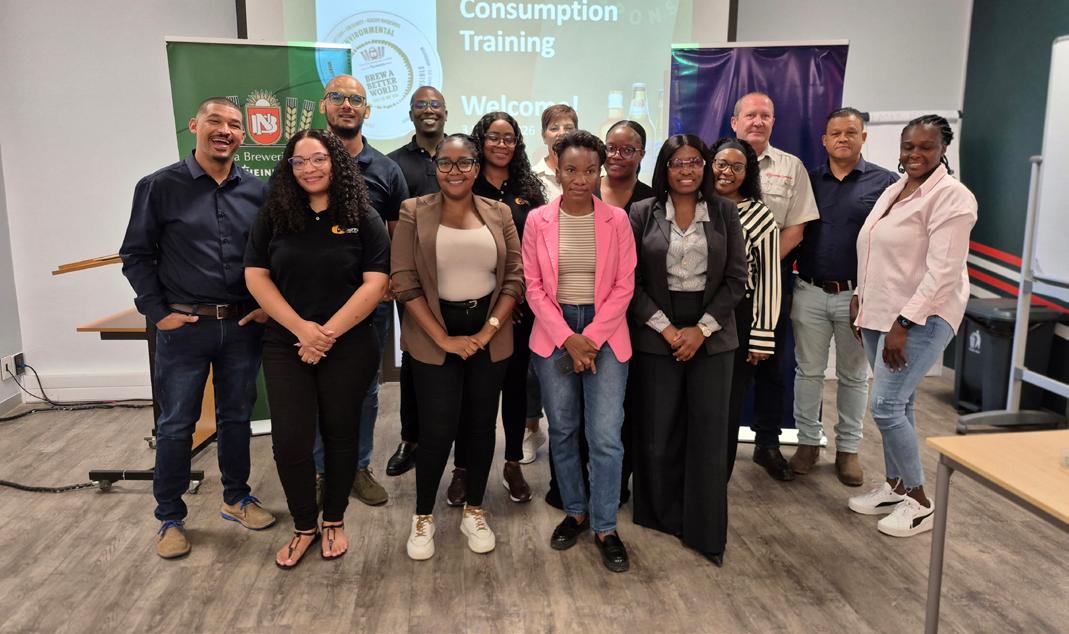
At the forefront of this shift is Namibia Breweries Limited (NBL), a subsidiary of the global Heineken Group. The company is embedding responsible and moderate alcohol consumption into its sustainability agenda, reflecting a broader industry movement toward more holistic and proactive approaches.
As Franklin Angermund, Public Affairs and Sustainability Manager, explains, “It’s not just a wellness issue—it’s a safety and operational issue.” With this in mind, alcohol misuse is not only about individual choices but about its ripple effects on performance, safety, and long-term business continuity.
FROM COMPLIANCE TO CULTURE
Historically, workplace alcohol policies have relied heavily on enforcement: rules, restrictions, and disciplinary actions. According to Franklin, while these remain important, they are no longer sufficient on their own. The emerging focus is on cultivating a culture of responsibility, where employees are not only aware of the rules but understand the reasoning behind them.
This approach aligns with the Brew a Better World sustainability strategy of the Heineken Group, which emphasizes creating value for both people and communities.
According to Franklin, education plays a central role in NBL’s transformation. Employees are trained to understand how alcohol affects the body, how long it remains in the system, and how it can impair judgment and performance. “Knowledge empowers people to understand how they show up at work— and that directly links to safety,” Angermund notes. By prioritizing awareness, the company is encouraging informed decision-making rather than enforcing compliance alone.
WORKPLACE BEHAVIOR MIRRORS SOCIETY
One of the most important insights from NBL’s initiatives is that workplace behavior often reflects broader societal patterns. Employees do not leave their personal lives at the door; instead, they bring with them habits shaped by their communities, financial pressures, and personal experiences.
“The way people drink in their communities is how they show up at work,” Angermund observes. This realization has led to a more comprehensive approach that views alcohol misuse as a shared reality requiring a shared response. It
underscores the need for organizations to look beyond internal policies and consider the wider social context influencing employee behavior.
THE BUSINESS CASE FOR ACTION
The implications of alcohol misuse in the workplace are far-reaching. It can increase the risk of accidents, reduce productivity, and disrupt operations. For organizations, addressing this issue is not just about compliance but about safeguarding both employees and performance.
“We want to make sure that everyone who walks into our workplace can go home safely at the end of the day,” Angermund emphasizes. This focus on safety highlights the human dimension behind corporate strategies, reinforcing
the idea that responsible consumption is integral to both employee well-being and organizational success.
RETHINKING WORKPLACE POLICY: A STRUCTURED, DATA-DRIVEN APPROACH
To effectively address the issue, NBL has adopted a structured and datadriven strategy. The introduction of breathalyzer testing at entry and exit points provides valuable insights into the scale of alcohol use among employees. This baseline allows the company to design targeted interventions, including awareness campaigns, training programs, and internal advocacy initiatives.
However, the company recognizes that enforcement alone cannot lead to
DRINKING PRINCIPLE: KEEP IT LOW, KEEP IT SLOW, AND KNOW WHEN TO SAY NO.
sustainable change in an individual’s consumption behavior. “It’s not about enforcement—it’s about support,” Angermund explains. This shift in perspective requires organizations to ensure the integration of wellness partnerships, enabling tailored support for employees dealing with challenges such as addiction, financial stress, or personal difficulties.
For HR leaders, the evolving landscape presents both challenges and opportunities. Effective policies must go beyond written guidelines to become lived experiences within the organization. This requires clarity, fairness, and consistency, as well as active collaboration between leadership and employees.
“A policy is just a document. What makes it effective is how people bring it to life,” Angermund says. Leadership support is particularly crucial, as it signals organizational commitment and drives accountability at all levels. Without it, even the most well-designed programs are unlikely to succeed.
A key component of NBL’s strategy is early intervention. Encouraging employees to seek help before issues escalate has proven to be both effective and compassionate. The company promotes a culture where asking for help is viewed as a sign of strength rather than weakness.
“We call that bravery,” Angermund notes. “When someone asks for help, we support them immediately.” This proactive approach has not only reduced workplace risks but also
fostered trust and openness, creating an environment where employees feel supported rather than judged.
BEYOND THE WORKPLACE: CHANGING SOCIAL NORMS
Beyond the workplace, broader cultural shifts are influencing how alcohol consumption is perceived. The rise of low- and no-alcohol beverages reflects a growing demand for healthier and more inclusive options, particularly among younger consumers. At the same time, there is a need to challenge social norms that associate alcohol consumption with acceptance or status.
“We need to change the narrative that not drinking is uncool,” Angermund says. Creating inclusive environments means respecting individual choices and ensuring that social participation does not depend on alcohol consumption.
Moderation is not a fixed concept; it varies from person to person and depends on context. However, Angermund offers a practical framework that captures the essence of responsible consumption: drinking the right quantity, at the right time, in the right place, for the right reasons, and with the right people. This definition emphasizes awareness and personal responsibility, rather than rigid limits.
A SHARED RESPONSIBILITY
As workplaces across Africa continue to evolve, one message stands out clearly: addressing alcohol misuse requires collective action. Governments, businesses, employees, and communities all have a role to play in creating safer and healthier environments.
“If we all want safer workplaces, safer roads, and healthier communities, we need to work together,” Angermund concludes. The shift from policy to culture represents a significant step forward, highlighting the importance of collaboration, education, and support.
Ultimately, the journey toward responsible and moderate alcohol consumption is about more than rules: it is about reshaping mindsets and building systems that enable individuals to make better choices. And in that journey, Angermund gives a simple guiding principle: keep it low, keep it slow, and know when to say no. FBMEA
Franklin Angermund, Public Affairs and Sustainability Manager, Namibia Breweries
GOLDEN OPPORTUNITY
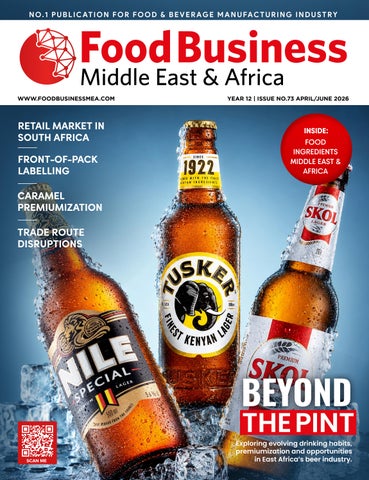
The East Africa’s Rapidly Evolving Beer Market
By Alphonse Okoth
East Africa’s beer market is entering a defining growth phase, underpinned by a young population, rapid urbanization and rising investor confidence. Once dominated by informal homebrews, the region is steadily transitioning toward commercial beer, attracting billions in investments from global beverage giants seeking growth beyond saturated Western markets.
Today, beer accounts for an estimated 65–75% of formal alcohol sales in East Africa, cementing its position as the region’s dominant alcoholic beverage category, according to Stears Research. Yet, this dominance is being reshaped by evolving consumer preferences, economic pressures and intensifying competition across beverage categories.
East Africa’s beer consumption is substantial, though still relatively low on a per capita basis, highlighting significant room for expansion.
Kenya leads the region with approximately 12 litres per capita annually, followed by Tanzania at 8 litres and Uganda at 6 litres. In total volume terms, Tanzania consumes over 470 million litres annually, Kenya exceeds 400 million litres, and Uganda accounts for roughly 350 million litres.
Despite these figures, the region remains underpenetrated compared to global averages. A key reason is the continued dominance of informal alcohol. Historically, homebrews made from sorghum, millet and bananas accounted for the majority of consumption, with estimates suggesting the informal market was once four times larger than the formal sector by volume.
Even today, informal alcohol still represents up to 50% of consumption in markets such as Uganda and Tanzania, underscoring both a challenge and a major opportunity for formal brewers.
At a continental level, Africa’s beer market was valued at US$46.75 billion in 2025 and is projected to reach US$79.11 billion by 2034, growing at a CAGR of just over 6%, reports Market Data Forecast. East Africa is a key engine of this growth, supported by a population exceeding 300 million.
LAGER DOMINANCE AND THE RISE OF A TWO-TIER MARKET
Lager continues to dominate East Africa’s formal beer market, driven by affordability, familiarity, and the extensive distribution networks of multinational brewers. However, the market is increasingly defined by a dual structure:
1. Value and Mainstream Beers
To compete with cheap homebrew, manufacturers have introduced beers using locally sourced sorghum and cassava. SABMiller’s Eagle Lager (Uganda) and Impala (Mozambique) are prime examples. These “hybrid” beers cost significantly less than traditional premium lager but offer consistency and safety, reports The Economist. In Kenya, Senator Keg serves a similar purpose, utilizing local sorghum to keep prices low and accessible.
2. Premium and Craft Segments
At the other end of the spectrum, premiumization is gaining momentum, particularly in urban centres such as Nairobi, Dar es Salaam and Kampala. Premium beer volumes are growing at double-digit rates (10–13% annually), driven by middle-class consumers seeking aspirational brands and enhanced drinking experiences.
The craft beer segment is also emerging. A report by Market Data Forecast ‘Africa Beer Market Size, Share & Trends, 2034’ projects the growth of craft beer to over 9% CAGR, reflecting demand among millennials and Gen Z for variety, flavour innovation and authenticity.
KENYA LEADS THE REGION WITH APPROXIMATELY 12 LITRES PER CAPITA ANNUALLY, FOLLOWED BY TANZANIA AT 8 LITRES AND UGANDA AT 6 LITRES.
CONSUMPTION PATTERNS: TIMING, CHANNELS AND OCCASIONS
Beer consumption in East Africa is closely tied to social behaviour and economic cycles. Drinking typically peaks in the evenings and over weekends, with the highest volumes recorded between Friday and Sunday. Monthly income cycles also exert a strong influence, with consumption surging at month-end when disposable income is most readily available.
The on-trade channel, comprising bars, pubs and clubs, remains the dominant consumption environment, particularly in urban areas where social drinking is deeply ingrained. However, off-trade channels such as supermarkets and retail outlets are steadily gaining ground, driven by convenience and cost considerations.
Another emerging shift is the move toward occasionbased consumption. A report from Uganda Breweries Limited highlights a “fickle” drinker base where consumers choose drinks based on the day and activity. A drinker might select a Tusker Lite (low alcohol) on a busy Monday, switch to Johnnie Walker (premium spirit) on a Friday night with friends, and drink Baileys on a Saturday evening. This shift from “brand loyalty” to “portfolio flexibility” is forcing brewers to diversify their offerings.
A YOUTH-DRIVEN MARKET
Age is the single biggest driver of change. According to recent data, more than half of Uganda’s population (estimated at 45.9 million) is under the age of 35. Similarly, over 60% of Africans were under 25 in 2023. This young demographic is less loyal to specific brands than previous generations and views alcohol through a lifestyle lens.
Young adults between 18 and 35 years represent the core beer-drinking demographic, particularly in urban settings. This group is more experimental, less brand-loyal and more influenced by lifestyle trends compared to previous generations. They are also more open to exploring alternative beverages, including ciders, RTDs and spirits, which is gradually diversifying the alcohol market.
Although beer consumption remains largely maledominated, participation among women is steadily increasing. This shift is being supported by the introduction of lighter, flavoured and more accessible alcoholic beverages that appeal to a broader audience.
South Africa’s Retail Powerhouses
Thrive In A Fierce And Sophisticated Arena
By Nicholas Ng’ang’a
South Africa’s retail sector has long been a cornerstone of the economy, contributing significantly to employment, GDP, and consumer confidence in one of the continent’s most sophisticated consumer markets. The vibrant yet unpredictable and volatile retail sector has grown into Africa’s most sophisticated consumer arena and a brutal proving ground for global giants and local stalwarts alike.
Far from a sleepy corner of emerging markets, South Africa’s retail sector is a R1.5-trillion-plus (US$90.6B) engine driving jobs, shaping urban life, and signalling the health of the broader economy. According to Statistics South Africa (Stats SA), retail trade sales grew by 3.7% in real terms in 2025 compared to 2024. However, monthly figures reveal uneven momentum: a
strong 4.2% year-on-year surge in January 2026 gave way to a softer 1.6% in February. Retail trade sales increased by 2.6% year-on-year in March, exceeding analysts’ expectations of a 2.5% rise.
KEY PLAYERS IN SOUTH AFRICA’S RETAIL INDUSTRY
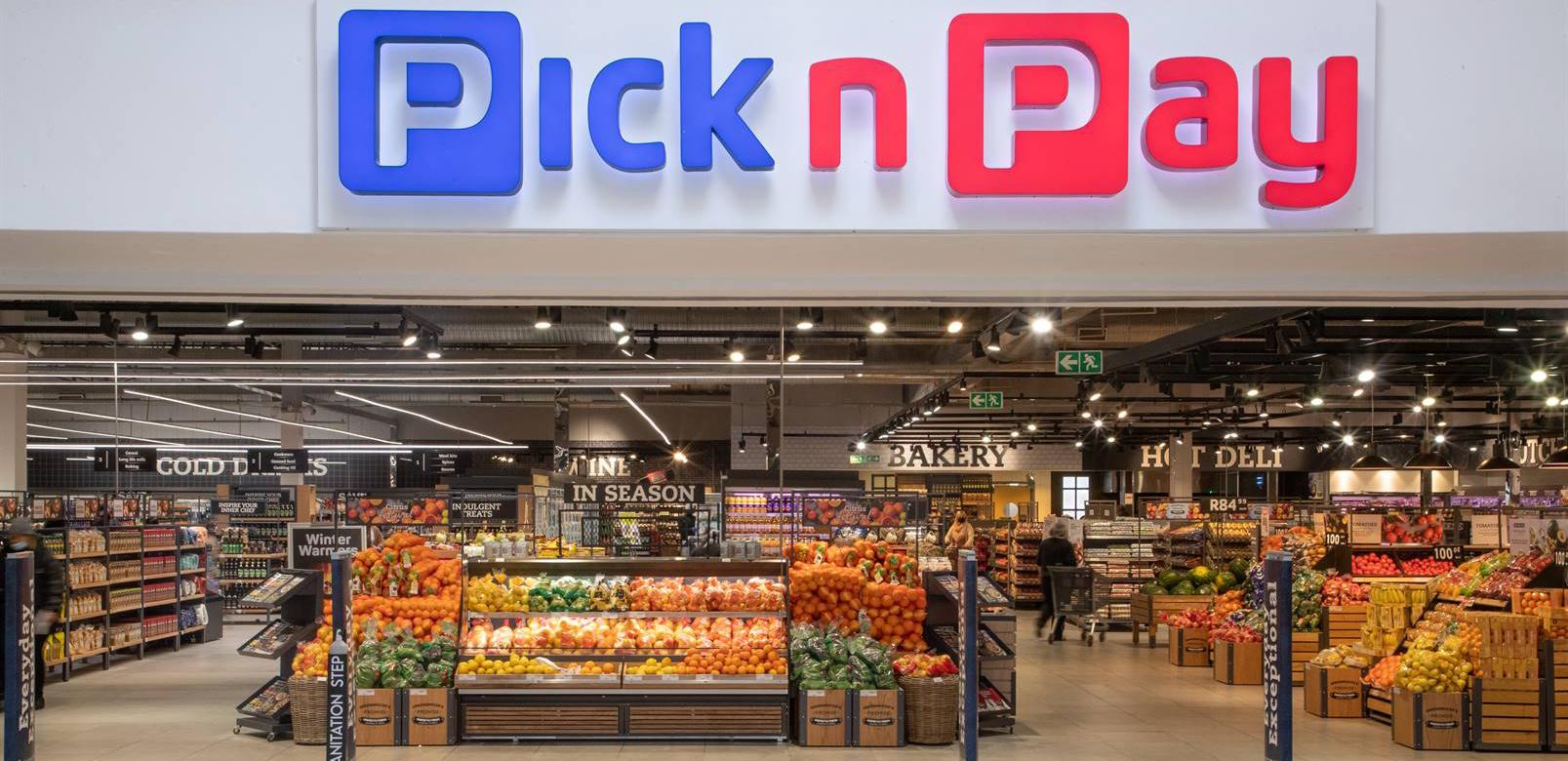
South Africa is known for a very competitive retail industry, especially in food and drinks. stands unchallenged as the undisputed leader, followed by a competitive pack of Pick n Pay (including its Boxer discount arm), SPAR, and Woolworths. Together with Massmart, these groups account for well over 60% of organised food retail.
The dominant, Shoprite Holdings, controls an estimated 25% to 30% of the formal sector. The group continues to grow through its multi-brand
strategy, which includes Shoprite, Checkers, Usave, and the fast-growing Sixty60 delivery platform. In the 2025 financial year, the retailer reported sales of R252.7 billion (US$13.8B), representing annual growth of 8.9%. Trading profit climbed 16.6% to R15 billion (US$820M), while EBITDA rose 18.8% to R23.8 billion (US$1.3B). Retail trade sales showed resilient growth in early 2026, increasing by 2.8% year-on-year for the March-ending period.
At the same time, Pick n Pay remains one of South Africa’s largest retailers. However, as the second-largest retailer in the country, the group has faced mounting pressure on profitability in recent years. In response, the company has accelerated restructuring efforts while increasing investment in its discount chain, Boxer. During the first half of its 2026 financial year, group turnover rose 4.9% to R58.8 billion (US$3.2 billion). Boxer delivered particularly strong growth of 13.9%, helping to stabilise the broader group’s performance. However, Pick n Pay made R4.7 billion ($282 million) in May
IN 2025 FINANCIAL YEAR, SHOPRITE HOLDINGS REPORTED SALES OF
R252.7 BILLION (US$13.8B), REPRESENTING ANNUAL GROWTH OF 8.9%.
2026 by selling 57.3 million shares (roughly a 12.5% stake) from Boxer.
Another market-dominant retailer is SPAR Group. It continues to hold a strong position in South Africa’s grocery sector through its wholesaler-franchise model. The retailer has built a solid presence in neighbourhood stores and smaller towns, particularly within the convenience and fresh produce segments. In its 2025 financial year, the group reported turnover of R132.4 billion (US$7.2 billion), while its Southern African business contributed R97.7 billion (US$5.3 billion).
Last but not least, Woolworths Holdings. The retailer continues to dominate South Africa’s premium grocery segment by focusing on product quality, convenience, health, and innovation rather than scale alone. Although its overall market share remains smaller than rivals such as Shoprite, the retailer retains a strong influence among affluent consumers. To add to that, its food division delivered steady growth through 2025 and into 2026, with South African food sales increasing by about 7% during the first half of FY2026. The retailer also continued gaining market share while recording positive volume growth. Also, Its on-demand delivery platform, Woolies Dash, expanded by 23% and now contributes 7.2% of South African food sales.
WHY ARE LOCAL AND GLOBAL PLAYERS BETTING BIG ON SOUTH AFRICA?
South Africa’s retail industry remains one of the most attractive markets on the continent for both domestic and international players. Below are some of the main reasons why this is no ordinary retail market.
Financial maturity in an urbanising population
The South African retail market’s attractiveness stems from its scale, relative maturity compared to much of sub-Saharan Africa, and potential for high-volume, value-driven sales. A large urbanising population, established supply chains, and a sophisticated financial services ecosystem make it a natural hub. Despite muted growth, real retail sales have shown positive momentum, supported by easing inflation, interest
rate cuts, and a stabilised energy supply.
This has paved the way for international players. For instance, in a landmark move, Walmart opened its first branded store in Africa in Roodepoort, Johannesburg, in November 2025, following years of operating through its Massmart subsidiary. The expansion did not stop there. The retail giant later opened two additional stores, including its newest branch at East Point Shopping Centre in Boksburg, Ekurhuleni, in February 2026. The Boksburg outlet forms part of Walmart’s wider rollout strategy, with plans underway to establish 21 more stores across Gauteng, KwaZulu-Natal and the Western Cape.
turnover surpassed R130 billion (US$$7.9 million) and is on track to exceed R150 billion (US$$8.8M) by the end of 2026 . This will have captured as much as 12% of the national retail industry. While overall retail grew modestly (around 2–3.7% in real terms), online channels delivered explosive growth of 35–38% in 2025, making digital the primary growth engine in an otherwise cautious market.
Some key players in the country have benefited from this. For instance, Shoprite Holdings’ Checkers Sixty60 on-demand delivery service stands as one of the most compelling case studies of digital disruption in South African retail. In the first half of 2025 alone, Sixty60 delivered 47% year-on-year growth, generating nearly R19 billion (US$1.2M) in sales.
Consumer behaviour changes
US$90.6B
S.A’s Retail Market Value in 2025 IN NUMBERS
Locally, Shoprite Holdings, Africa’s largest food retailer, has aggressively refocused on its home market. In 2025, it exited operations in Ghana and Malawi, following previous withdrawals from Nigeria, Kenya, Uganda, Madagascar, and the Democratic Republic of Congo. These moves, driven by financial losses, currency volatility, supply chain complexities, and inconsistent returns in other African markets, allow Shoprite to consolidate resources and capitalise on its dominant position in South Africa’s more stable and profitable environment. Its remaining African operations now centre on SADC countries.
The rise of digital transformation
According to Daily Maverick, the South African industry has also been experiencing rapid digital transformation. By the end of 2025, online retail
South African consumers have become markedly more value-conscious in the face of persistent economic pressures, high unemployment, and elevated household debt. Shoppers are not cutting back on overall purchases but are shopping more strategically. This means favouring smaller, more frequent trips, hunting for deals, trading down to private labels, and demanding clear justification for every rand spent.
Big players in the industry have decided to tap into this. For instance, Walmart entered the market with an “Every Day Low Prices” model. At the same time, local leaders like Shoprite continue to gain market share through aggressive value
positioning. In fact, in 2025, promotions reached record levels, with one in every four FMCG items on promotion by year-end, up significantly from previous years.
To top it off, a growing segment of consumers, particularly younger and urban shoppers, is layering ethical and sustainable considerations onto their value-driven decisions. While affordability remains king (only 44% say they will pay more for environmentally friendly food), demand for traceable, locally sourced, and responsibly packaged products is rising.
Retailers have responded visibly: Shoprite expanded its premium private-label range with healthier, more sustainably produced options, while Woolworths continues to leverage its strong credentials in ethical sourcing and reduced packaging.
WHAT THE FUTURE HOLDS FOR SOUTH AFRICA’S RETAIL INDUSTRY
South Africa’s retail sector is expected to remain on a slow but steady growth path between 2026 and 2027. Growth is likely to be uneven across categories, though improving consumer conditions could support spending. For instance, the Bureau of Market Research projects that the online retail will expand further, with sales projected to surpass R150 billion (US$8.2 billion) and account for nearly 12% of total retail turnover by 2027.
Also, retailers will increasingly compete on convenience, pricing, and digital experience. Companies that strengthen their omnichannel operations, invest in AI-powered personalisation, and improve supply chain efficiency are likely to gain an advantage. Faster deliveries, smoother return systems, and stronger consumer trust are also becoming critical differentiators.
Bridging Africa’s Food Value Chain Funding Gap
The Missing Middle Between Potential and Scale
By Christine Kairu, Senior Associate, Phatisa
he SME “missing middle” funding gap ( the void in which growing businesses outgrow microfinance and early-stage venture capital, but are deemed too small or risky for traditional commercial banks, or private equity market investors) has been discussed for decades by multiple stakeholders across developing markets. In agricultural food systems, the gap is even more pronounced. Despite its importance to economic development and food security, only a small fraction of investment capital flowing into Africa finds its way into agriculture and the broader food value chain. The funding gap undoubtedly exists. But what really sits behind it? Is it simply a lack of capital? Or is it a mismatch between how disciplined capital behaves and how many businesses still present themselves? The answer, I believe, is the latter.
In SubSaharan Africa, the opportunity itself is not in question. Population growth, rising incomes and rapid urbanisation are reshaping consumption patterns, and the continent’s food and agriculture market is expected to exceed US$1 trillion by 2030. The businesses that process, package, distribute and retail food should, in theory, be well positioned to capture that growth. Yet many of these companies struggle to
Part of the reason is structural. Smaller transactions often produce unattractive risk-adjusted returns for lenders and investors. As a result, capital naturally migrates towards larger deals where deployment is easier and returns more predictable.
The Gulf region presents almost the opposite picture, but arrives at a surprisingly similar outcome.
Capital in the Gulf Cooperation Council region is plentiful. Food security has become a strategic priority, sovereign wealth funds are active investors, and governments are committing significant resources to building domestic processing capacity. Yet many mid-sized operating businesses still struggle to attract funding. Capital tends to gravitate towards headline transactions, large strategic projects or venture-backed technologies, leaving traditional processors, distributors and manufacturers competing for attention.
SCARCITY IN ONE REGION, CONCENTRATION IN ANOTHER.
In both cases, money itself is not necessarily the constraint. The real bottleneck is the supply of businesses that present themselves such that investors can underwrite them with confidence.
Sitting on the investment side of the table, I’ve noticed that the companies that consistently attract capital, whether in Nairobi, Riyadh or Lagos, share a handful of common characteristics.
The first is simple: Their unit economics work. Investors understand that no business is immune to currency volatility, rising input costs, supply chain disruptions or unpredictable weather patterns. What matters is whether the underlying economics remain resilient when conditions become difficult. A business model that only works in perfect circumstances is difficult to finance at any valuation.
The second is understanding that not all capital is created equal.
Many founders instinctively pursue equity because it feels synonymous with growth. But not every company should raise equity. Mature, cash-generative processors and distributors may be far better served by debt or mezzanine financing. Founders who understand which type of capital fits their stage of development and cash flow profile send a powerful signal to investors: they understand not just their business, but the capital supporting it and they protect the value they have created. Further, founders who want to raise capital but at the same time want to cash in materially, often send the wrong signal to potential investors.
The third characteristic is legibility: Capital cannot invest in what it cannot understand.
Reliable financial information, proper governance structures and a clear separation between the founder (especially their personal life style) and the business, are not wasteful administrative exercises. They are signals of institutional maturity. They help investors assess risk and move with
conviction.
Fourth, successful businesses occupy a defensible position within the value chain.
Demand is not, by itself, a competitive advantage. Investors want to know what prevents the economics from collapsing when competition arrives. Secured supply relationships, established distribution channels, trusted brands and strong customer relationships matter far more than headline market size. Demand creates opportunity; defensibility creates value.
Perhaps the most overlooked characteristic is an appreciation for exit.
Equity capital is not permanent capital. Investors ultimately need a path to realise returns, whether through a strategic sale, a secondary transaction or refinancing. Founders who have thought about who might one day acquire the business, and what attributes would make it attractive to that buyer, are often easier to back than those who view exits as problems for another day.
The businesses that consistently attract capital are the ones that focus on building resilient operations, strong governance and sustainable economics.
Across Africa and the Middle East, capital is increasingly available. Development finance institutions, sovereign wealth funds, private equity firms and regional managers are all actively looking for opportunities. The shortage today is less about money and more about investable businesses.
For entrepreneurs, this should be encouraging. Investability is not a fixed characteristic; it is something that can be built and that can be presented to attract investments.
And for those of us investing in food value chains across Sub-Saharan Africa, perhaps a broader question deserves more attention.
Have we been trying to force businesses into funding models that do not fit?
Traditional private equity seeks scale and clear exit pathways. Venture capital is designed for businesses capable of exponential growth. Donor capital often focuses on developmental outcomes. Yet many agribusinesses sit somewhere in between. They require patient capital, flexible structures and investors willing to accept that building enduring food businesses in Africa rarely follows a Silicon Valley timeline.
Perhaps the conversation should no longer be about whether a funding gap exists. We know it does. The more important question is whether we are matching the right capital to the right businesses.
Because if the next generation of African food champions is to emerge, closing the gap will require more than just more money. It will require a different kind of capital, and perhaps an equally different mindset from both founders and investors.
How Front-ofPack Labelling Is Changing What We Eat
By Victor Atsali
Let us be honest. When was the last time you actually read the back of a food packet? This is not a failure of willpower. It is a failure of design. For decades, the food industry has hidden vital information on the back in tiny font. It is like putting the price tag on the bottom of a shoe. Technically, the information is there. Practically, no one sees it.
But a quiet revolution is spreading across African supermarket shelves: front-of-pack labelling (FOPL) . It drags nutritional information into the light, under the shopper’s nose, in plain language, at the decision moment. If the old label is a legal contract, FOPL is a friendly warning. It is simple. Visual. It works.
Here is why this matters. The World Health Organization states poor diet causes nearly 8 million deaths annually worldwide. In Africa, the numbers are more alarming. According to WHO’s Africa Office, non-communicable diseases like diabetes, heart disease, and hypertension are rising faster in Africa than anywhere else. By 2030, these lifestyle diseases will likely kill more Africans than malaria, HIV, and tuberculosis combined.
The cause? A continent-wide shift toward ultra-processed foods loaded with salt, sugar, and unhealthy fats. The solution? Giving shoppers a tool to see, at a single glance, what is really inside that colourful box.
A NUMBER WORTH STICKING ON THE FRIDGE DOOR
Let us talk about what actually happens when you put a simple label on the front of a packet. The evidence is not just hopeful. It is overwhelming.
Chile did something remarkable in 2016. The country passed a law requiring black octagonal warning labels on any product high in sugar, salt, saturated fat, or calories. A box of sugary cereal suddenly had a black stop sign on it saying “High in Sugar.” A bottle of soda had a black warning. There was nowhere to hide.
The results, published in the International Journal of Behavioural Nutrition and Physical Activity, were staggering. Purchases of sugary drinks fell by nearly 25%. Reformulation followed. Faced with the choice between slapping a black warning label on a product or changing the recipe, manufacturers chose to change the recipe. Salt content dropped. Sugar content dropped. The food supply got healthier, not because of government mandates on ingredients, but because of government mandates on transparency.
Mexico followed Chile’s lead. A study in The BMJ found that purchases of products with warning labels fell by 7% on average, with sugary cereals and salty snacks seeing even steeper declines. Peru, Uruguay, and Colombia have since joined the warning label club.
So what does this mean for Africa? South Africa has already taken the first steps. As reported by the South African Department of Health, the country’s Regulations Relating to the Labelling and Advertising of Foodstuffs (R146) includes provisions pushing manufacturers toward clearer front-of-pack information. Tiger Brands and Pioneer Foods, two of the country’s largest food manufacturers, have already reformulated dozens of products to reduce salt and sugar content.
THE MENU OF LABELS: CHOOSE YOUR WEAPON
Not all front-of-pack labels are equal. Some are hammers. Some are scalpels.
The warning label is the hammer. Used in Chile, Mexico, Peru, and Uruguay, it is a simple
black octagon appearing when products exceed limits for sugar, salt, saturated fat, or calories. A sugary cereal might warn “High in Sugar.” You see the stop sign and know: put this back. For African countries with low-literacy populations, this is most effective.
The traffic light label (UK, Ireland) uses red, yellow, and green. Advantage: more information. Disadvantage: a mix of colours confuses shoppers. Do greens cancel reds? They do not. A product might show a red light for sugar, a yellow light for fat, and a green light for protein. The advantage is more information. The disadvantage is that a product with three red lights is clearly bad, but a product with a mix of red, yellow, and green leaves shoppers confused. Do the greens cancel out the reds? They do not.
The Nutri-Score (France, Germany, Belgium, Netherlands) assigns a single letter from A (dark green, healthiest) to E (orange, least healthy). Advantage: one letter, one decision. Disadvantage: the algorithm is complex, and different products can share the same grade. Still, the European Commission proposes making it mandatory across the EU.
The health star rating (Australia, New Zealand) gives 0.5 to 5 stars. Consumers understand stars from movies and online shopping. The challenge: the algorithm can give a surprisingly high rating to an unhealthy product.
So which system for Africa? The evidence points to the warning label—simple, visual, effective across literacy levels, and already proven in countries with challenges similar to many African nations.
Front-of-Pack Labelling Worldwide
SOURCE: KHNI
SOURCE: ESCO
THE AFRICAN AISLE: WHO IS ALREADY MAKING THE MOVE
The old story that front-of-pack labelling is just for Europe? Crumbling faster than a stale biscuit! Across Africa, governments and food businesses are already moving.
In Kenya, the Ministry of Health is consulting on a warning triangle system. Brookside Dairy Kenya and Bidco Africa are already putting clearer info on milk, yoghurt, and oils. Smart move, the trend isn’t coming. It’s here!
Over in Ghana, the Food and Drugs Authority is running public education campaigns. Unilever Ghana and Nestlé Ghana are piloting labels on beloved brands like Royco and Blue Band. Fun, right?
Hello Nigeria! NAFDAC has issued new guidelines. Flour Mills of Nigeria (Golden Penny), Promasidor (Cowbell milk powder), and Dangote Sugar are all jumping on board with clearer labelling.
And South Africa? Tiger Brands, Pioneer Foods, and RCL Foods have reformulated products and rolled out clearer front-of-pack info across baking, poultry, and frozen foods.
The future of food labelling is bright, African, and deliciously transparent.
THE STICKY WICKETS: BARRIERS THAT ARE FALLING ANYWAY
No honest conversation ignores the obstacles. There are several. None are
permanent.
Low literacy is the first. In countries where a significant portion of the population cannot read, written labels are useless. This is exactly why warning
BROOKSIDE DAIRY KENYA AND BIDCO AFRICA ARE ALREADY PUTTING CLEARER INFO ON MILK, YOGHURT, AND OILSGIVING THE CONSUMERS MORE INFORMATION.
labels with simple shapes and colours are superior.
Fragmented regulations are the second. Unlike the European Union, Africa has 54 separate countries, each with its own food safety authority. A manufacturer selling in Kenya, Nigeria, and South Africa might need three different labels.
Industry resistance is the third. Food manufacturers have historically fought
front-of-pack labelling in every country where it has been proposed. In Chile, they sued. They lost. In Mexico, they lobbied. They lost. In South Africa, they resisted.
Cost is the fourth. Redesigning packaging costs money. Reformulating products costs money. But the cost of a black octagon on a label is negligible. And the cost of reformulation can be spread over time.
THE LAST SCOOP: WHAT COMES NEXT
The direction is unmistakable! Over 40 countries now have mandatory frontof-pack labelling. WHO calls it a “best buy,” highly effective and cost-effective.
For African food businesses, the question isn’t *if* FOPL will arrive. It’s *when* you’ll be ready. Smart companies are already reformulating, redesigning, and educating consumers. Building trust. Building loyalty.
So here’s the message: the age of hiding truth on the back of the pack is over. The age of the small, clear, honest box on the front has arrived.
Shoppers are ready. The evidence is overwhelming. So what are you waiting for? Let’s do this! FBMEA
FOOD INGREDIENTS
MIDDLE EAST & AFRICA
THE PREMIUMIZATION OF CARAMEL IN THE CONFECTIONERY INDUSTRY
A Classic Flavor Reimagined for Modern Consumers
By Francis Watari
Caramel has long held a cherished place in the global confectionery landscape, valued for its rich, buttery sweetness and deep-rooted association with comfort and nostalgia. However, what was once considered a simple, traditional flavor is now undergoing a remarkable transformation. Caramel is being redefined as a premium ingredient across the confectionery industry that delivers not just taste, but a layered sensory and emotional experience. This shift is closely tied to evolving
consumer expectations. Today’s consumers are not abandoning familiar flavors; instead, they are seeking upgraded versions of them. Driven by this shift, Caramel comes out as a perfect fit to this narrative. Its familiarity provides comfort, while its adaptability allows manufacturers to elevate it into more refined, contemporary formats. According to Barry Callebaut, caramel continues to rank among the most popular flavors globally, making it an ideal base for premium innovation.
Celleste Bio launches world’s first cell-cultured cocoa butter chocolate bars
ISRAEL – Celleste Bio has launched what it describes as the world’s first milk chocolate bars made using real cocoa butter produced through cell suspension culture technology, marking a milestone in alternative cocoa production.
Mondelēz International, Celleste’s strategic partner, used the cell-cultured cocoa butter to produce nearly a dozen chocolate bars that met its internal quality standards. The company said the ingredient delivered the same texture, melt profile and sensory experience as conventionally sourced cocoa butter.
Celleste expects to scale production to market-ready volumes within two years, with a long-term goal of producing 50,000 tonnes annually by 2035, about 5% of global demand. The company has raised US$5.6 million to date from investors including Mondelēz, Supply Change Capital and Trendlines.
CEO Michal Beressi Golomb said the company has validated its ingredients as dropin replacements. Celleste is also applying AI to customize cocoa butter properties.
Cargill invests US$64M to expand Belgian food production
BELGIUM – Cargill has invested €56 million across three Belgian facilities to expand production of edible oils and gourmet chocolate and to boost innovation capabilities for the EMEA region.
At Izegem, a €21 million upgrade nearly doubled edible oil bottling capacity and added two foodservice lines with advanced automation. In Mouscron, a €30 million expansion added 10,500 square metres and nearly doubled production of Veliche couverture chocolate for foodservices and chocolatiers.
Additionally, Cargill invested €5.4 million in a new extrusion pilot plant at its Vilvoorde Innovation Centre to support product development and customer trials.
The company, which has operated in Belgium since 1953 and employs more than 1,500 people, said the upgrades strengthen supply reliability and enable faster responses to seasonal demand.
Geert Maesmans, VP of R&D, highlighted Belgium’s strategic role, given its strong food industry and logistics infrastructure.
ACQUISITIONS
Döhler acquires Nukoko to strengthen cocoafree portfolio
GERMANY – Döhler has announced the full acquisition of UK-based technology company Nukoko.
The acquisition strengthens its capabilities in cocoa-free chocolate alternatives as the food ingredients company seeks to address cocoa supply volatility, rising costs, and increasing demand for sustainable ingredients.
The acquisition brings together Döhler’s global expertise in ingredients and Nukoko’s biotechnology platform, which uses fava beans as a resilient, scalable alternative to cocoa.
The technology combines advanced biotechnology with traditional cocoa processing to deliver a strong sensory experience without cocoa. Döhler said the integration will help manufacturers develop cocoa-free concepts while maintaining taste, texture, and processing performance.
“We are addressing one of the category’s biggest challenges: delivering great-tasting, scalable cocoa-free alternatives that help reduce exposure to volatile cocoa markets,” said Kerstin BerganderKleinert, Head of BU CNP at Döhler.
Nukoko founders Kit Tomlinson and Ross Newton welcomed the move, saying their technology now has the platform to be delivered worldwide. From August 2026, samples are scheduled to become available for applications including confectionery, bakery products, cereals, ice cream, coatings, and fillings.
The acquisition follows a strategic partnership announced in October 2024 to scale up production of the cocoa-free alternative, which uses a fermentation process that reduces carbon emissions by up to 90% compared with traditional chocolate.
In parallel with this acquisition,
Döhler has expanded its US production capabilities. In early 2024, Döhler North America began a major expansion at its Cartersville, Georgia, facility to double capacity, adding advanced production lines and R&D labs.
In June 2026, the company further expanded flavour production capabilities at the site, upgrading hydroethanolic extraction for botanicals, and expanding its reaction chemistry platform to deliver more complex, clean-label flavour profiles
Additionally, in February 2026, Döhler Ventures made a strategic investment in Superbrewed Food and began commercialscale production of its postbiotic protein, SB1, at a European facility, expanding Döhler’s fermentationenabled protein portfolio.
These combined moves, the Nukoko acquisition and the Cartersville expansion, solidify Döhler’s dual strategy of acquiring cutting-edge technology and of investing in its own production infrastructure.
As the cocoa-free alternatives market shifts from niche to mainstream, Döhler’s integrated approach provides customers with a compelling path to develop innovative, sustainable, and scalable products.
AD Ports Group reports 41% profit surge in Q1 2026
UAE – AD Ports Group has reported a 41% year-on-year increase in Q1 2026 net profit to AED653 million (US$178 million), with revenue up 25% to AED5.75 billion (US$1.57 billion).
The performance was driven by the Maritime & Shipping and Economic Cities & Free Zones clusters, as well as by increased container feeder shipping volumes and new industrial land leases.
The profit surge comes amid a flurry of activity across the group’s operations. In Egypt, AD Ports commenced commercial trial operations at its US$200 million Noatum Ports Safaga Terminal, a multipurpose facility spanning 810,000 square metres and the first internationally operated port terminal for Upper Egypt.
It also awarded AED735 million (US$200 million) in contracts for the Noatum Ports Pointe-Noire Terminal in the Republic of Congo, advancing its Africa expansion strategy in partnership with CMA CGM Group.
In Europe, the group signed an agreement to acquire MBS Logistics, a Germany-based company, for an enterprise value of AED300 million (US$79.4 million), securing 100% ownership of the
company’s core business.
The acquisition expands AD Ports Group’s presence in Central Europe and its freight forwarding network across Europe-Asia, Trans-Pacific, and Trans-Atlantic trade routes.
In the UAE, AD Ports formed the nation’s first national shipbuilding consortium, bringing together companies across shipbuilding, vessel repair, fabrication, and marine engineering to strengthen the country’s maritime industrial ecosystem.
The group also signed an MoU with CMA Terminals Khalifa Port and CMA CGM Group to develop intermodal solutions and extend its inland reach across the UAE through its consolidated inland intermodal network.
Lastly, in Jordan, AD Ports and Aqaba Development Corporation launched Noatum Ports, Maqta Ayla Digital Solutions, a joint venture to develop a Port Community System and a truck management platform powered by AI and smart analytics to improve supply chain efficiency at Aqaba Port.
These developments position AD Ports Group for sustained growth across its maritime, logistics, and digital services portfolio.
CMA CGM invests US$756 million to modernize Mombasa Port terminals
KENYA – French shipping giant CMA CGM has announced a €700 million (US$756 million) investment to modernize and expand terminals at the Port of Mombasa, following an agreement signed with the Kenyan government at the Africa Forward Summit in Nairobi on 11 May, which was attended by Presidents Ruto and Macron.
The project will renovate two terminals, expand cargo-handling capacity, modernize freight management systems, and improve inland logistics networks linking Kenya to East and Central Africa. The upgrades aim to position Mombasa as a stronger regional trade hub and to enhance connectivity with global shipping markets.
The investment aligns with Kenya’s broader port modernization strategy, which includes plans for publicprivate partnerships and infrastructure bonds to upgrade the Mombasa and Lamu ports.
For fresh produce exporters, the project promises reduced waiting times, improved cold chain integrity, and greater supply chain predictability for perishable cargo destined for landlocked markets.
Africa Global Logistics plans US$1.16B investment to boost intra-African trade
TOGO – Africa Global Logistics (AGL) has announced plans to invest nearly €1 billion (US$1.16 billion) in 2026 to strengthen logistics infrastructure and support intraAfrican trade, according to Deputy CEO Mohamed Diop at Biashara Afrika 2026 in Lomé.
The investment targets critical gaps, including underdeveloped inland corridors, a lack of multimodal infrastructure near production areas, and limited digital tracking tools for perishable cargo. AGL said that improved corridors will reduce transit times and preserve cold chain integrity for fresh produce moving between landlocked countries and ports.
AGL, which operates with 24,000 employees across 47 countries (over 98% of whom are African), also signed a memorandum of understanding with the AfCFTA Secretary-General, Wamkele Mene, to advance joint initiatives to promote smoother, more competitive trade aligned with regional integration goals.
Diop emphasized the importance of African talent in transforming the sector through training and skills development. The investment aims to operationalize the AfCFTA by building integrated value chains and achieving economies of scale.
THE RISE OF “AFFORDABLE LUXURY” IN CONFECTIONERY
One of the defining characteristics of caramel’s premiumization is its role in creating affordable luxury. In an increasingly valueconscious market, consumers are willing to pay slightly more for products that deliver indulgence, quality, and a sense of treat-worthy sophistication. Caramel has enabled brands such as Ferrero Group and Lindt & Sprüngli achieve this without drastically altering product formulations or price structures. Its rich flavor profile, ranging from sweet and creamy to deep and toasted, adds perceived value to confectionery products. Whether used as a filling in chocolates, a drizzle over desserts, or a layered inclusion in bars, caramel enhances both taste and visual appeal. This allows manufacturers to position products as premium offerings while maintaining accessibility, a balance that is crucial in today’s competitive confectionery market.
A key driver behind caramel’s premium evolution is the diversification of its flavor profiles. Today, caramel is longer limited to traditional sweet notes; it is now being explored in more complex and adventurous forms. Variants such as salted caramel, burnt caramel, and even smoky or spiced caramel are gaining traction, appealing to consumers’ growing appetite for bold and nuanced flavors.
The popularity of salted caramel, in particular, illustrates how a simple twist can elevate a familiar ingredient into a gourmet experience. By combining sweetness with a hint of salt, manufacturers are now able to create a balanced flavor profile that feels both indulgent and refined. Beyond this, caramel is increasingly being paired with coffee, chocolate, nuts, and even botanical or alcoholic notes, further expanding its premium appeal.
This level of innovation aligns with a broader trend in confectionery: the desire for multi-dimensional taste experiences. Consumers are no longer satisfied with onenote sweetness; they want depth, contrast, and complexity. Caramel’s versatility makes it uniquely suited to meet these expectations.
THE POWER OF TEXTURE AND SENSORY EXPERIENCE
Modern premium confectionery is no longer defined by flavor alone; it is also about texture, mouthfeel, and overall sensory engagement. Caramel excels in this area, offering a wide range of textural possibilities. It can be smooth and flowing, soft and chewy, or crisp and brittle, depending on how it is processed and applied.
This versatility has allowed manufacturers to create multitextured products that enhance the eating experience. For example, a chocolate bar might combine a soft caramel center with crunchy inclusions and a smooth outer shell, delivering a dynamic interplay of textures in every bite. Such complexity is a hallmark of premium confectionery, where the goal is to engage multiple senses simultaneously.
Moreover, caramel contributes to visual appeal. Its glossy finish, golden-brown hue, and ability to create layered designs
make it an attractive component in high-end confectionery products. These visual cues play a significant role in shaping consumer perceptions of quality and indulgence.
CLEAN LABEL AND INGREDIENT TRANSPARENCY
Another important factor driving the premiumization of caramel is the growing demand for clean-label products. Modern consumers are increasingly scrutinizing ingredient lists, favoring products that are natural, simple, and free from artificial additives. This trend has prompted manufacturers to rethink how caramel is formulated and presented.
According to insights from Torg, there is a clear shift toward premium clean-label caramel made with recognizable ingredients and minimal processing. This includes the use of natural sugars, real dairy, and traditional cooking methods that enhance authenticity.
Clean-label caramel is not just about health; it is also about trust and transparency. Products that feature simple, highquality ingredients are often being perceived as more premium, even if their nutritional profiles are similar to conventional alternatives. This perception is particularly important in confectionery, where indulgence is expected, but consumers still want reassurance about what they are consuming.
HEALTH-CONSCIOUS INDULGENCE AND REFORMULATION
While confectionery remains an indulgent category, health considerations are increasingly influencing product development. Caramel is being reformulated to align with these changing priorities, with innovations focused on reducing sugar content, incorporating plant-based ingredients, and catering to specific dietary needs.
For example, manufacturers such as Barry Callebaut are exploring vegan caramel options made without dairy, as well as low-sugar or sugar-free variants that maintain the characteristic
flavor and texture of traditional caramel. These innovations allow brands to appeal to a broader audience, including healthconscious consumers and those with dietary restrictions.
Importantly, this shift does not compromise the indulgent nature of caramel. Instead, it redefines indulgence as something that can coexist with better-for-you attributes. This balance is central to the concept of premiumization, where quality and thoughtfulness take precedence over excess.
EXPANDING APPLICATIONS ACROSS CATEGORIES
Caramel’s premiumization is also evident in its growing presence across multiple product categories. While it remains a staple in confectionery, its use has expanded into bakery, dairy, beverages, and even savory applications. This crosscategory versatility reinforces its status as a high-value ingredient.
In confectionery, caramel is being used in increasingly creative ways, from layered chocolate bars to gourmet candies. Beyond this, caramel-flavored beverages, desserts, and snacks are gaining popularity, allowing brands to create cohesive product lines centered around a premium caramel experience.
This expansion has not only driven market growth but also strengthened brand identity. By consistently delivering
high-quality caramel products across different categories, companies can build a strong association between their brand and premium indulgence.
MARKET GROWTH AND STRATEGIC IMPORTANCE
The premiumization of caramel is not just a trend; it is a crucial driver of market growth. The global caramel market continues to expand, supported by increasing demand for high-quality,
PRODUCTS THAT FEATURE SIMPLE, HIGHQUALITY INGREDIENTS ARE OFTEN BEING PERCEIVED AS MORE PREMIUM, EVEN IF THEIR NUTRITIONAL PROFILES ARE SIMILAR TO CONVENTIONAL ALTERNATIVES.
differentiated products. According to Grand View Research, the global caramel ingredients market size was valued at USD 3.19 billion in 2024 and is expected to expand at a CAGR of 7.1% from 2025 to 2030. Premium offerings, in particular, are contributing a substantial share of
this growth, reflecting their importance in the overall market landscape. Manufacturers are responding by investing in innovation, improving production processes, and strengthening supply chains to ensure consistent quality. This includes sourcing better raw materials, adopting advanced technologies, and collaborating with specialized ingredient suppliers. As competition intensifies, the ability to deliver premium caramel products will become a key differentiator for confectionery brands. Those that succeed will be the ones that combine technical expertise with a deep understanding of consumer preferences.
THE FUTURE OF PREMIUM CARAMEL
Looking ahead, the premiumization of caramel is set to continue, driven by ongoing innovation and evolving consumer demands. Trends such as plant-based formulations, reduced sugar content, and functional ingredients are likely to shape the next phase of development. At the same time, the desire for indulgent, multi-sensory experiences will remain a constant.
Caramel’s unique ability to balance tradition and innovation ensures its continued relevance. It is both familiar and adaptable, simple yet capable of great complexity. This duality makes it an ideal ingredient for premium confectionery, where the goal is to deliver products that are both comforting and exciting.
Strategic INTELLIGENCE
African Fresh Produce & Logistics in a Disrupted Trading Environment
By Caroline Makena
The closure of the Strait of Hormuz in early 2026 is forcing global food trade routes to realign. This event has severed the primary maritime artery linking Gulf markets to traditional fresh-produce suppliers in Iran and parts of Asia.
For business owners, logistics operators, and investors in African fresh produce, the difference between profit and loss now hinges on how quickly they can interpret market signals and deploy capital.
This article provides a strategic overview of how the closure, together with policy shifts and infrastructure gaps, is reshaping export opportunities for five of Africa’s top cash crops: tea, avocados, citrus, oranges, and tomatoes.
In this article, you will learn which markets are opening, which supply-chain leaks to plug first, and exactly where a single dollar investment can return threefold in EBITDA.
1. MARKET REALITY: TRADE DATA, PRICE SIGNALS, AND THE COLD CHAIN DEFICIT
First, the figures are unambiguous. With Iranian tomatoes and other Gulf-sourced produce effectively off the market, FOB prices for Kenyan avocados and Moroccan tomatoes have risen by 12–15% in Mombasa and Johannesburg, according to industry trade data from Q1 2026. Regarding tea, the situation is more complex. While some reports suggested a price uplift, the actual market reality, as reported by the East Africa Tea Trade Association (EATTA), shows that tea shipping has been heavily affected by transit delays rather than price spikes.
According to EATTA auction data published by The Star (Kenya), the cumulative average price for the first six auctions of 2026 was US$2.18 per kg, compared with US$2.14 per kg in the same period of 2025.
The most consequential policy move, however, comes from Beijing, and its origin is essential to understand. China implemented a zero-tariff regime for 53 African nations in direct response to escalating tariff wars with the United States. As Washington raised barriers to Chinese goods, Beijing sought alternative trade partners and supply chains, aggressively turning to Africa.
Yet opportunity without infrastructure is a wasted margin. According to the African Development Bank, only 5% of African fresh produce moves via refrigerated systems, resulting in spoilage rates as high as 40%.
However, at roughly US$50,000 each, this investment reduces spoilage losses by
US$200,000 per season, delivering a 4x return based on average industry spoilage and pricing data from the Kenya Plant Health Inspectorate Service (KEPHIS).
2. STRATEGIC PRESSURES AND COMMERCIAL OPENINGS: FIVE EXPORT CASE STUDIES
The logistics turmoil has not affected all crops equally. Below is a crop-by-crop breakdown of the specific challenge and the targeted commercial response.
Kenyan Tea: The Cost of the Long Way Round
According to the International Monetary Fund’s PortWatch data, 70% of freight that previously transited the Red Sea is now rerouting via the Cape of Good Hope. As a result, transit times from Mombasa to major European and Middle Eastern markets have lengthened by 10–14 days. This matters significantly because the Middle East and Europe together absorb over 60% of Kenyan tea exports, with key buyers in the UAE, Saudi Arabia, and the UK.
The remedy is not to avoid the Strait, but rather to consolidate shipments into larger, less frequent loads and partner with a logistics provider offering bonded warehousing, for instance, in Dubai.
Although this does not solve the rerouting issue, it mitigates its cost by allowing exporters to hold inventory closer to the buyer, releasing smaller, just-in-time shipments from a regional hub. According to logistics cost models from the Kenya Shippers Council, this reduces perkilogram logistics costs by 12% and establishes a regional consolidation hub.
Kenyan Avocados: From First to Second
According to the FAO’s Tropical Fruits Market Review (published February 2026), Kenya slipped to second place among African avocado exporters in 2025, behind Morocco. Kenyan volumes fell 19% to 105,164 tonnes, while Moroccan exports soared 90% to 141,000 tonnes.
The FAO explicitly attributes this to Red Sea logistics bottlenecks. With the Cape route adding nearly two weeks at sea, Kenyan fruit faces rising rejection rates due to delayed delivery, not spoilage alone.
South African Citrus: Port Congestion as a Cost Driver
South Africa exports roughly 2.6 million tonnes
of citrus annually, according to the Citrus Growers’ Association. Therefore, the closure at Hormuz triggered a cascade where shipping lines rerouted Asia-Middle East-Europe cargo around the Cape, clogging Durban and Cape Town with transhipment containers that would normally have used the Suez Canal.
As a result, port turnaround times rose from 3 to 7 days, according to Transnet port data from Q1 2026, and reefer plug availability fell by 30% due to a sudden surge in reefer containers awaiting transhipment.
Egyptian Oranges: Transhipment Arbitrage
Despite losing US$7 billion in Suez Canal revenue in 2024, according to Suez Canal Authority data, Egypt has strategically pivoted towards China, capitalizing on zero-tariff access.
Additionally, Egypt is now positioning Port Said and Alexandria as transhipment hubs for other African produce, offering reduced port fees for reefer cargo.
Moroccan Tomatoes: Shelf-Life as a Competitive Weapon
Tomatoes are the most time-sensitive crop. With Iranian and Turkish supplies unavailable due to the Hormuz closure, Moroccan growers have a first-mover advantage in Gulf markets.
Standard sea freight from Casablanca to Jebel Ali takes 12 days; a 5-day rerouting delay renders the product unsellable. The solution, validated by the Morocco Foodex trade promotion agency, is to reroute via Salalah (Oman), which has excess reefer capacity, and to introduce controlledatmosphere
70% OF FREIGHT THAT PREVIOUSLY TRANSITED THE RED SEA IS NOW REROUTING VIA THE CAPE OF GOOD HOPE.
packaging that extends shelf life by 7 days
3. POLICY LEVERS AND GOVERNMENT ACTIONS: WHERE TO ALLOCATE CAPITAL
Governments across Africa and the Middle East are actively reshaping trade flows. As a result, policy arbitrage offers a direct route to higher margins.
To begin with, Egypt is offering reduced port fees at Alexandria for reefer cargo transhipped to Europe, under a January 2026 decree from the Ministry of Transport. This lowers your cost of entry when using Egypt as a regional hub.
Secondly, the UAE is expanding the ports of Fujairah and Khorfakkan as land-sea hubs, shifting policy to favour “truck-to-ship” transhipment from Saudi Arabia’s Jeddah, as announced by Abu Dhabi Ports in Q1 2026.
Thirdly, according to the AfCFTA Secretariat, the African Continental Free Trade Area (AfCFTA) is dismantling tariff barriers to boost intra-African trade by over 50% by 2030. In addition, twelve major trade corridors are emerging, supported by an estimated US$150 billion in infrastructure investment from the African Development Bank and other development finance institutions.
Lastly, compliance with strict EU pesticide standards is a barrier to entry, particularly the new Maximum Residue Levels (MRLs) introduced in 2024.
4. A NOTE TO THE AFRICAN FARMER: NAVIGATING THE LOGISTICAL BARRIER
Amid all the strategic advice for exporters and investors, the African farmer faces the most immediate and personal challenge. If you are a smallholder growing avocados in Murang’a or tea in Kericho, what can you do?
First, join a cooperative or a farmerowned aggregation centre. Individual farmers cannot afford cold storage, but a cooperative can pool resources to lease shared mobile pre-cooling units.
Second, prioritize quality compliance. The 20% rejection rate at borders is often due to immature or poorly handled fruit.
Third, diversify buyer exposure. Cooperatives should actively seek partnerships with Gulf importers rather than relying solely on European agents. For instance, the Jeddah land bridge is shorter and now more reliable.
Fourth, explore climate-insured logistics finance. New programmes from TradeMark Africa and the African Development Bank offer microinsurance for smallholder consignments against spoilage during transit.
Lastly, farmers cannot control the Strait of Hormuz, but they can control the quality and coordination of their harvest.
THE INVESTOR’S BOTTOM LINE
The closure of the Strait of Hormuz has created a first-mover window of about 90 days. During this window, Middle Eastern buyers are less price-sensitive and more sensitive to availability.
Therefore, for the African exporter, this is the moment to shift from European commodity contracts to premium spot pricing in the Gulf. As for the logistics investor, the asset class of 2026 is not the ship; it is the mobile, solar-powered cold hub at the African inland port.
Lastly, Africa is no longer just a source of raw crops. It is the strategic solution to the world’s most urgent logistics puzzle for fresh produce. So, act now or watch the opportunity sail past.