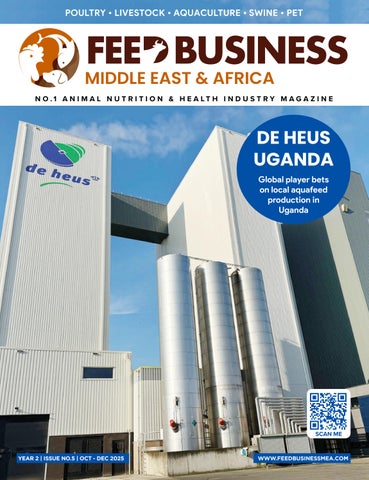
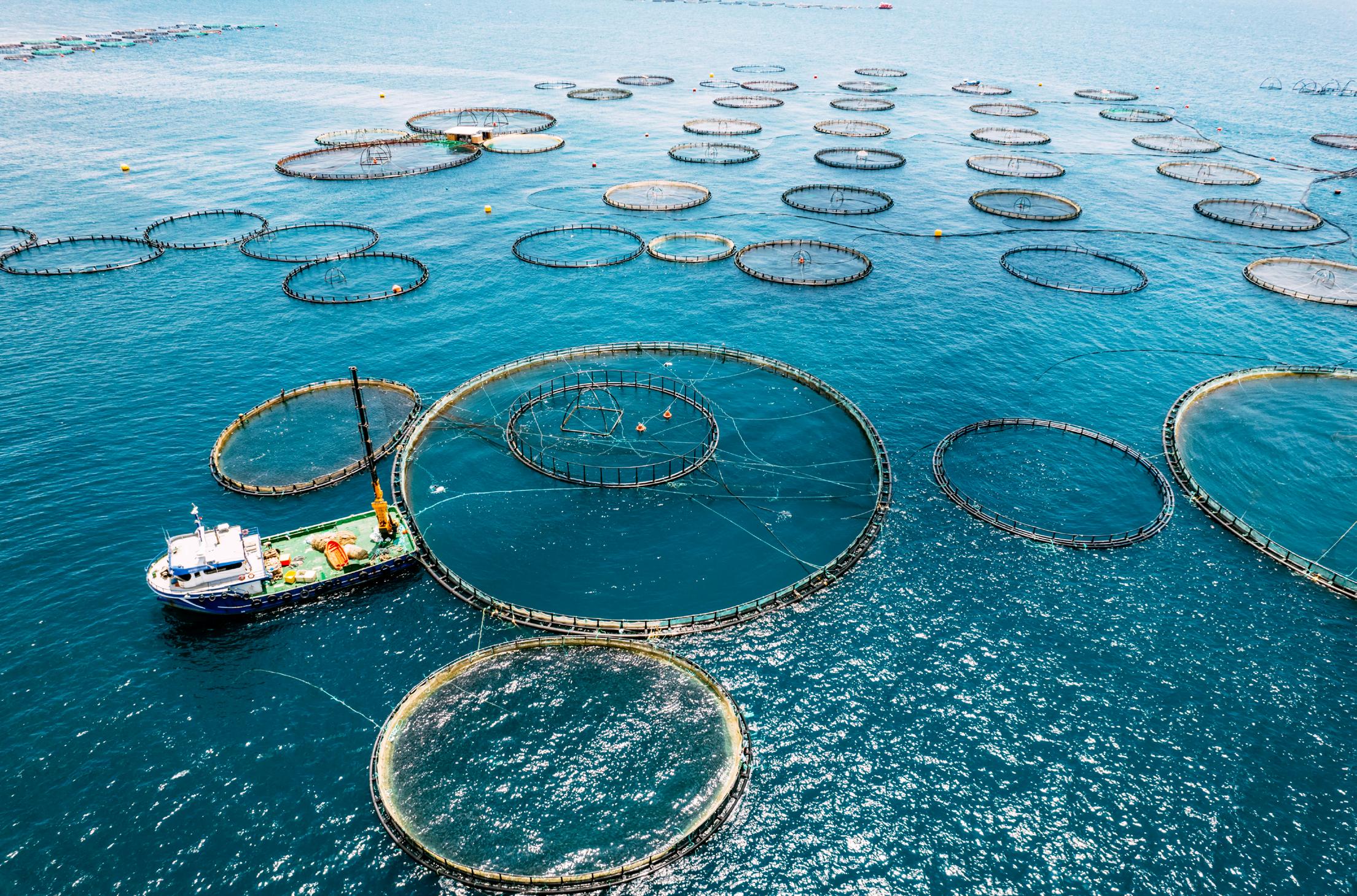
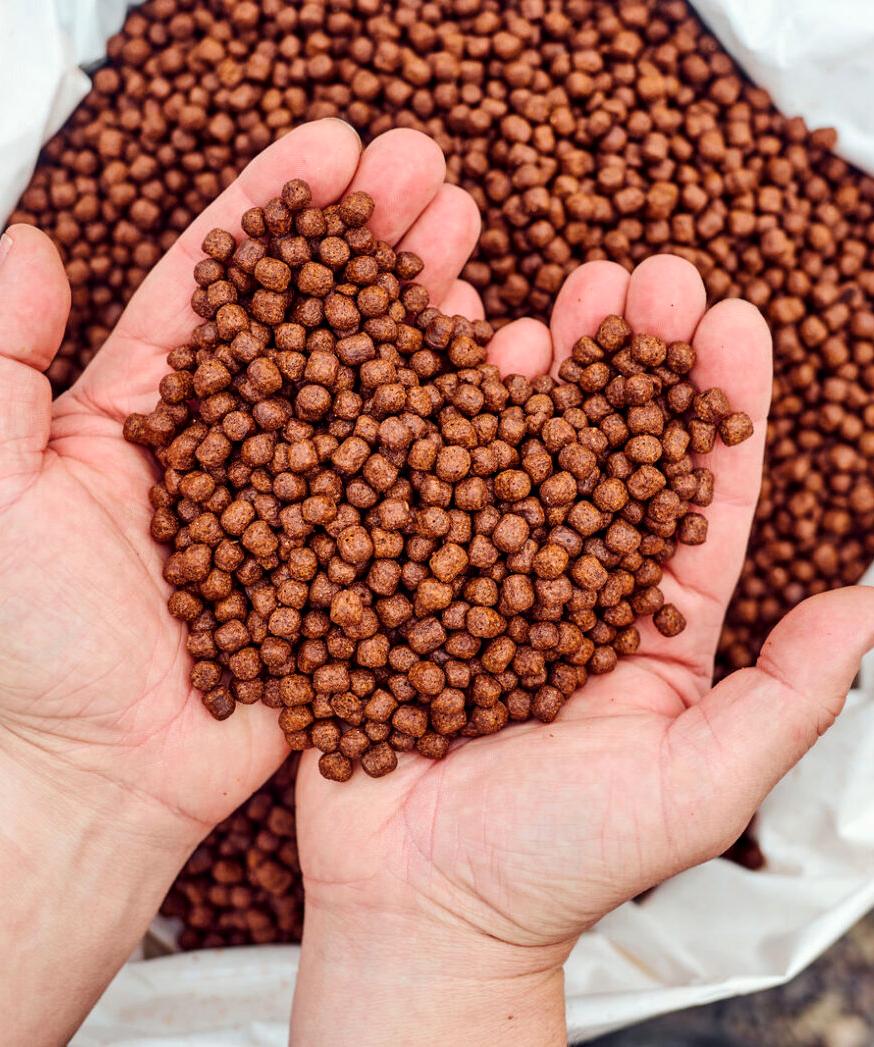
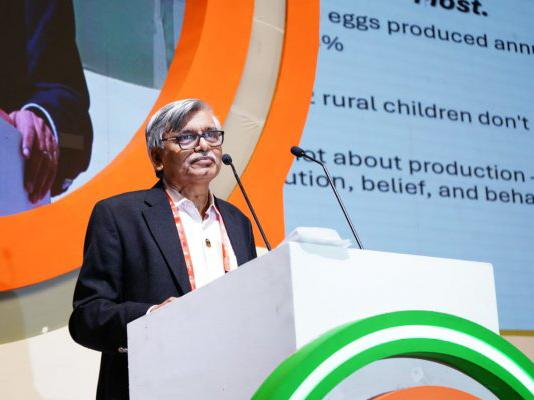
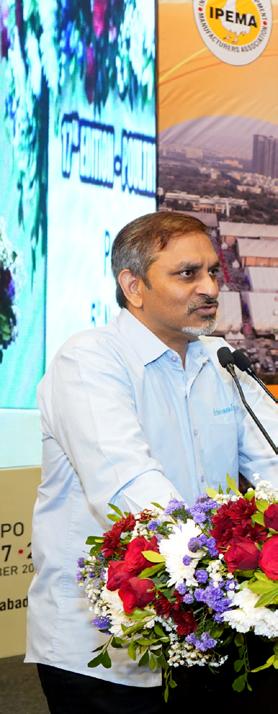
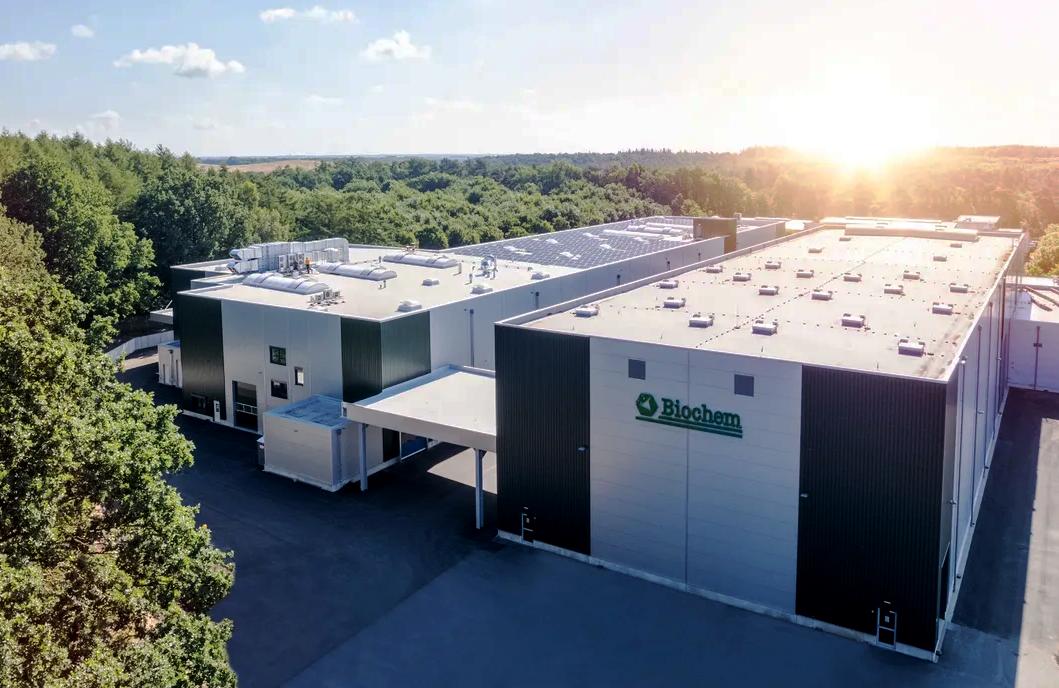
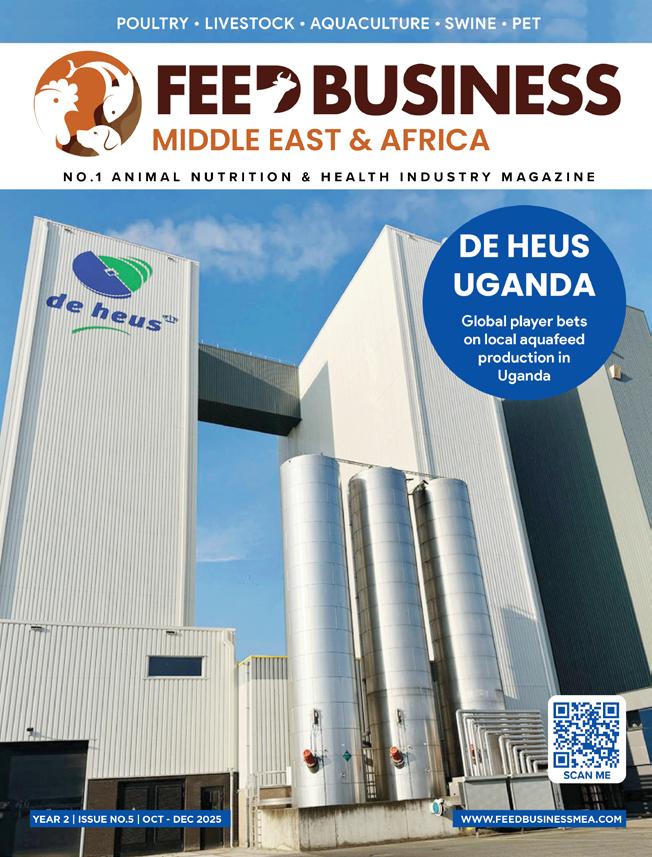
Global player bets on local aquafeed production in Uganda
SCAN
MAIN FEATURE: DE HEUS UGANDA
Closing the Feed Gap: De Heus Uganda’s Bet on Local Aquafeed Production
FEED PROCESSING: NANOTECHNOLOGY
Revolutionising Animal Nutrition: The Role of Nanotechnology in the Feed Industry
AQUACULTURE: FEED HOLDS BACK KENYA'S AQUACULTURE
Fixing the Feed Link to Unlock Kenya’s Aquaculture Potential
FEE BUSINESS
MIDDLE EAST & AFRICA
Year 2 | Issue No. 5 |Oct-Dec 2025
FOUNDER & PUBLISHER
Francis Juma
SENIOR EDITOR
Martha Kuria
EDITORS
Wangari Kamau
Alphonse Okoth
EXTERNAL CONTRIBUTORS
Carolyne Kakwu
Lydia Khasoa
Divya Narain
BUSINESS DEVELOPMENT
DIRECTOR
Virginia Nyoro
BUSINESS DEVELOPMENT
ASSOCIATE
Johna Sambai
HEAD OF DESIGN
Clare Ngode
DESIGNER
Monica Wachio
ACCOUNTS
Anita Kinyua
PUBLISHED BY: FW Africa
P.O. Box 1874-00621, Nairobi Kenya
Tel: +254 725 34 39 32
Email: info@fwafrica.net
Company Website: www.fwafrica.net
Feed Business Middle East & Africa (ISSN 2307-3535) is published 4 times a year by FW Africa. Reproduction of the whole or any part of the contents without written permission from the editor is prohibited. All information is published in good faith. While care is taken to prevent inaccuracies, the publishers accept no liability for any errors or omissions or for the consequences of any action taken on the basis of information published.
We publish some of the most influential magazines and websites in Africa & the Middle East regions. Please visit the websites below for more information about our publications
www.foodbusinessmea.com
HORECA
www.horecamea.com
HealthCare
MIDDLE EAST & AFRICA
www.healthcaremea.com
www.feedbusinessmea.com
www.millingmea.com
www.dairybusinessmea.com
www.hpcmagmea.com
www.sustainabilitymea.com
www.agritechmea.com
Superior performance compared to other phytases in the market: delivering greater cost savings to poultry and swine feed industries.
Improves sustainability: driving the science towards inorganic phosphate free diets
LEADING THE WAY IN ANIMAL NUTRITION
IFF’s Scientific Excellence Across Poultry and Swine Feed Solutions.
Market leading thermostability, even under harsh pelleting conditions.
Dearest Reader...
As we bring you the final issue of Feed Business MEA for 2025, I want to express my heartfelt gratitude for journeying with us from the very beginning. This marks our fifth issue overall, and the fourth published this year, and it feels fitting to close this chapter in a spirit of thankfulness.
Looking back, I am deeply appreciative of how far we have come, not merely because of our ambitions but because of what you, our community, have enabled us to achieve. As the industry begins to wind down for the festive break, allow me to wish you a beautiful Christmas season and a gentle, renewed start to 2026.
Over the past year, we have covered countless news stories on our website, sent newsletters that sparked conversations across email and LinkedIn, and published magazine editions that have captured the ambitions of this evolving sector. We’ve told the stories of companies finding new growth pathways, given guest contributors the space to share insights shaped by years of expertise, and tried our best to reflect the dynamism of the animal nutrition and health industries.
We have also been privileged to collaborate with organisations that trust us to amplify their work. Many companies chose to advertise with us, and event organisers from around the world partnered with us to extend the reach and visibility of their gatherings into a region that is often overlooked but incredibly influential. These partnerships have strengthened our platform, and we hope they continue
to deepen in 2026.
IN THIS ISSUE
This final issue of the year is a celebration of that collective effort. We are honoured to spotlight De Heus Uganda and their new plant, a milestone not just for the company but for the broader region. We bring you a thoughtful executive interview on quality assurance in feed processing, technical articles, and a rich range of news items that capture the sector's current pulse. Internally and externally, this issue benefited from many contributors whose expertise and generosity shaped its depth.
As the animal nutrition market continues to grow steadily and consistently, with no signs of slowing, we remain committed to being here with you and for you. Our goal is simple: to keep providing a platform that elevates more voices, tells more stories, and keeps this industry informed and connected. There is space for all of us at this table, and we are honoured every time you choose to sit with us.
Thank you for reading, partnering, contributing, and journeying with us this year. May your festive season be restful and joyful, and may 2026 bring fresh opportunities, renewed collaborations, and a continued sense of purpose for us all.
Warmly,
Wangari Kamau Editor – Feed Business MEA
Africa Dairy Innovations Summit
February 25 - 27, 2026
Nairobi, Kenya www.africadairysummit.com
VICTAM Asia and Health and Nutrition Asia
March 10 - 12, 2026
BITEC Exhibition Center, Bangkok, Thailand. www.victamasia.com
Aquaculture Vietnam 2026
March 11 - 13, 2026
Saigon Exhibition & Convention Center, Ho Chi Minh City, Vietnam www.aquafisheriesexpo.com
VIV Select India 2026
April 22 - 24, 2026
Yashobhoomi Convention Centre, New Delhi, India www.india.viv.net
World Aquaculture Singapore 2026
June 2 - 5, 2026
Singapore EXPO Convention & Exhibition Centre, Singapore www.was.org/Meeting/Code/WA2026
Middle East Poultry Expo
June 28 - 30, 2026
Riyadh International Convention and Exhibition Center, Saudi Arabia www.mep-expo.com
IDMA 2026
June 25 - 27, 2026
Istanbul Expo Center, Turkey www.idma.com.tr
Africa FARMTECH Expo Kenya & Eastern Africa Edition
July 15 - 17, 2026
Sarit Expo Centre, Nairobi, Kenya www.africafarmtechexpo.com/east
Africa Feed Exhibition and Conference (AFEC)
July 15 - 16, 2026
Safari Park Hotel in Nairobi, Kenya www.vietstock.org
VIV Africa
October 6 - 8, 2026
Kigali Convention Centre (KCC), Kigali, Rwanda www.vivafrica.nl
Researchers warn that feed shortage may limit global aquaculture growth
GLOBAL – A new study by researchers affiliated with the F3 – Future of Fish Feed initiative has warned that a looming shortage of feed ingredients could curtail aquaculture’s future growth, unless the industry rapidly scales up alternative proteins and novel feed sources.
The study, conducted by scientists from Xiamen University, the University of Massachusetts Boston, the University of Arizona, and the University of Tasmania, highlights how aquaculture’s expansion remains tied to the very ocean resources it aims to conserve.
They found that despite improved efficiency in using fishmeal and fish oil, aquaculture will still require an additional 1.8 million metric tons of alternative feed ingredients each year to meet the rising global demand for high-value farmed seafood such as salmon and shrimp.
“Treating fishmeal and fish oil as strategic, finite resources, while accelerating alternative innovations, can help sustain aquaculture growth and reduce exposure to supply variability,” said lead author Professor Ling Cao of Xiamen University and
a judge of the F3 Challenge.
The researchers developed a novel shortfall impact model to examine how changes in forage fish supply, driven by climate change and fishery management restrictions, might affect global fed aquaculture.
Their model predicts that a 20% reduction in forage fish catches could trigger a 35% drop in global aquaculture output, with declines of over 70% for certain high-value species if alternative feed ingredients are not expanded.
To mitigate these risks, the researchers urge investment in alternative ingredients such as microbial, algal, insect-based, and next-generation plant proteins, alongside improvements in breeding, feed formulation, and waste circularity.
Recent disruptions illustrate the stakes. The 2023 closure of Peru’s anchoveta fishery, one of the world’s largest, caused significant turmoil in fish oil markets, constraining aquaculture production.
Though algae-based oils helped fill part of the supply gap, the incident highlighted how vulnerable global feed systems remain to fluctuations in marine resources.
New rabies vaccine breakthrough could transform global access
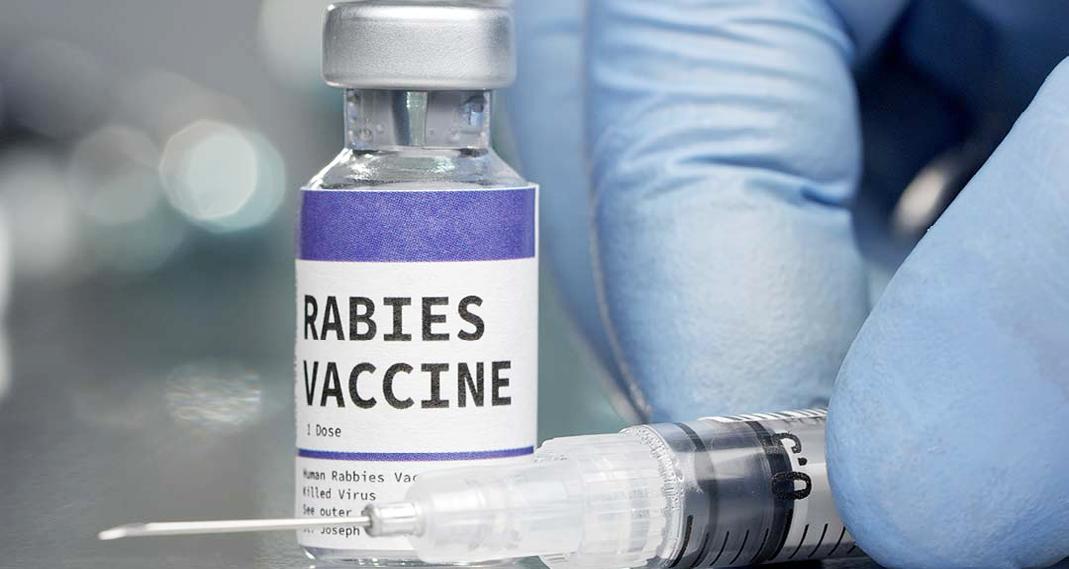
USA – University of Colorado Boulder scientists have developed a temperature-stable, single-shot rabies vaccine that could expand lifesaving access in underserved regions.
Unlike traditional rabies vaccines, which must be kept at cold or even freezing temperatures and require three to five separate doses, the CU Boulder innovation can withstand heat and simplify treatment to a one-time visit.
“We think the implications of this are huge,” said Ted Randolph, lead author of the study.
Rabies is rare in developed countries thanks to pet vaccination programs and accessible post-exposure treatment.
But in rural parts of Africa and Asia, limited healthcare
access and a lack of cold-storage infrastructure mean vaccines often fail to reach those most at risk.
The CU Boulder team’s approach overcomes this problem by stabilising the vaccine in a unique sugar-based powder that resists heat. Patients would no longer need to travel multiple times for separate doses, a significant barrier in regions where clinics are far apart.
The process works by spray-drying solutions of inactivated rabies viruses into microparticles with a hard-candy-like texture. These are then coated with a nanoscopic layer of sapphire using atomic layer deposition, a method pioneered at CU Boulder.
The sapphire coating dissolves gradually in the body, releasing the vaccine at controlled intervals, essentially turning one shot into several timed doses.
In early animal trials, a single injection of the powder-based vaccine produced stronger immune responses in mice than multiple doses of the traditional liquid vaccine. Remarkably, the immune response held steady even after the vaccines were stored at 104 degrees Fahrenheit for three months.
If successful, the vaccine could remove one of the biggest barriers to rabies prevention in the developing world and drastically cut the number of lives lost to the disease every year.
INVESTMENT
Tanmiah expands poultry and feed operations in Saudi Arabia
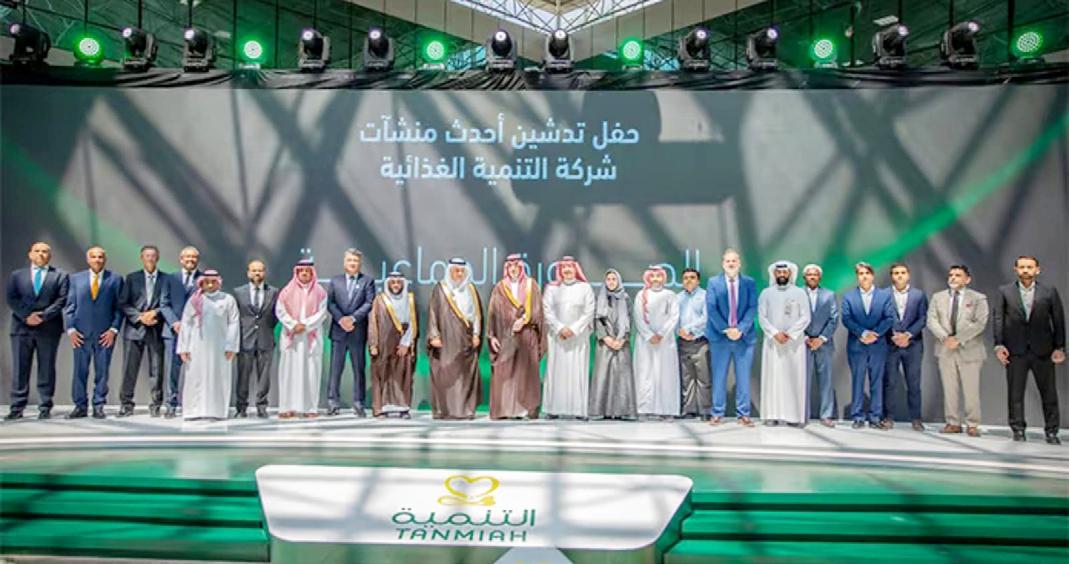
SAUDI ARABIA – Tanmiah Food Company recently inaugurated two major facilities in Saudi Arabia’s central region, a state-of-the-art poultry processing plant in Al Majmaa and a cutting-edge feed mill in Dahna.
Over the past two years, Tanmiah has invested more than US$400 million to expand its domestic operations, while facilitating more than US$107 million in foreign direct investment to attract greater private-sector participation.
These developments come at a time when Saudi Arabia’s poultry market is projected to grow from US$5.13 billion in 2025 to nearly US$6.91 billion by 2030.
The new poultry processing plant, known as Majmaa 2, is one of Tanmiah’s most advanced facilities to date.
Built to international standards, it features cutting-edge technology capable of processing large birds, an industry first in the Kingdom.
It also integrates a biological wastewater treatment system with a capacity exceeding 6,000 cubic meters per day, with treated water reused for tree irrigation.
The facility will also be surrounded by 150,000 newly planted trees, contributing to Tanmiah’s “One Million Trees” initiative, which aims to eliminate 243,000 metric tons of carbon dioxide emissions annually.
Strengthening feed production and integration
Complementing the poultry expansion, Tanmiah’s new Dahna Feed Mill further reinforces its vertically integrated operations.
The facility has a capacity of 40 metric tons per hour and is strategically located near the company’s main farming zones to enhance logistics and reduce costs.
The mill operates on a fully automated production line, with advanced biosecurity protocols and quality control systems in place. Solar integration is also under evaluation, in line with Tanmiah’s sustainability agenda.
By producing premium-quality feed close to its poultry operations, the company expects to optimise supply chain efficiency and improve feed quality, directly supporting product consistency and animal health.
Australia, ILRI partner on capacity building to create climate-resilient livestock systems
AFRICA & ASIA – Australia has partnered with the International Livestock Research Institute (ILRI) to train researchers from Africa and Asia, advance sustainable livestock production, and tackle the effects of climate change on agriculture.
The AUD1 million (US$660,000) Partnership Arrangement, unveiled at the TropAg Conference in Brisbane, aims to equip scientists from Vietnam, Lao PDR, Cambodia, Ethiopia, Tanzania, and Kenya with the skills to strengthen climateresilient livestock systems.
The initiative targets countries where livestock plays a vital role in livelihoods and food security but remains constrained by inefficiency and growing climate pressures.
The program will be overseen by the Australian Centre for International Agricultural Research (ACIAR) on behalf of the Australian government.
ACIAR will collaborate with ILRI and the Biosciences Eastern and Central Africa (BecA-ILRI) Hub to establish the Africa-Asia Biosciences Challenge Funds (AABCF) fellowship and graduate certificate program.
This initiative will support early- and mid-career researchers and technical staff through fellowships, short training visits, and mentoring, enabling them to apply practical knowledge in local research and education institutions.
A new PhD program focusing on climate solutions for tropical, subtropical, and intensive livestock systems will also be developed in collaboration with Australian universities, including the University of Melbourne and the University of Queensland (UQ).
PROJECT KICKS OFF IN HIGH GEAR
The fellowship program has already selected over a dozen fellows through a competitive process.
These researchers will attend workshops beginning in Nairobi, Kenya, in January 2026, followed by additional sessions in Hanoi, Vietnam, designed to foster cross-regional collaboration.
ILRI Director General Prof. Appolinaire Djikeng praised Australia’s leadership in supporting sustainable development, noting the broader economic importance of agriculture in the Global South.
Prof. Tim Mahony of The University of Queensland noted that fellows whose projects show strong potential could progress to PhD programs at UQ or the University of Melbourne, ensuring the long-term sustainability of the partnership’s impact.
Cairo 3A and IVI Holding to invest US$160M in Iraqi poultry project
IRAQ – Cairo 3A Holding has signed a Memorandum of Understanding with IVI Holding Limited in Baghdad, setting the stage for a joint project designed to build a full-scale poultry operation in Iraq.
The partnership brings together Cairo 3A’s experience in feed production, broiler operations, and food processing, and IVI Holding's strong presence in the Iraqi market, supported by existing infrastructure and investment resources.
Through this collaboration, both sides aim to support Iraq’s efforts to increase its supply of locally produced poultry, expand employment opportunities, and strengthen the availability of higher-quality products for consumers.
The MoU outlines the steps required to shift from the initial framework to the planning phase, which will later lead to the signing of full agreements and an approved implementation roadmap.
Ayman El Gamil, chairman of Cairo 3A Group, noted that the first phase of the investment is valued at US$160
million over five years, adding that the company expects the partnership to help build a project capable of raising output levels and increasing sector capacity.
El Gamil also described Iraq as a market with strong potential and said the agreement could pave the way for broader cooperation in fields linked to food supply systems.
He added that Cairo 3A intends to work with partners who have clear strategic goals and proven operational strength, arguing that such cooperation can support the broader Iraqi economy.
IVI Holding is one of Iraq’s major private investment groups with operations across energy, infrastructure, construction, real estate, and industrial development, and it has played a central role in several large national projects over the past three decades.
The group maintains activity both inside and outside Iraq and focuses on long-term investments that contribute to economic activity and support operational efficiency.
Nigeria warns of escalating livestock feed shortages, calls to collective action
NIGERIA – The Minister of Livestock Development, Idi Mukhtar Maiha, recently announced that Nigeria is grappling with a severe livestock feed crisis, with more than 50 million cattle inadequately nourished.
This announcement came during the opening of a two-day Policy Dialogue Workshop convened by the Regional Agency for Agriculture and Food under ECOWAS to assess PRISMA (Research and Innovation for Productive, Resilient, and Healthy Agro-Pastoral Systems in West Africa) project outcomes in relation to agricultural priorities across West Africa and the Sahel.
Maiha’s intervention made clear that securing adequate livestock feed must become a top policy priority, backed by
coordinated national planning and strengthened regional collaboration.
Represented by the Director, Technical Office of the Permanent Secretary, Dr Peter Alike, the minister said the livestock sector could contribute over US$94 billion in 10 years if properly developed.
He stated that, even amid feeding crises and other challenges, the sector’s current contribution to the Gross Domestic Product was over US$32 billion.
According to the minister, the collaboration among Nigeria, ECOWAS, and other stakeholders across the region and the Sahel to achieve food security could not be overemphasised.
The workshop, part of PRISMA’s efforts to link research and innovation to regional needs, is focused on improving feed quality, enhancing productivity, and building resilience in agro-pastoral systems.
Acting Executive Director, Regional Agency for Agriculture and Food (ARAA), Mr. Konlani Kanfitin, reiterated ECOWAS’ commitment to advancing livestock development and research collaborations in the region.
Commending the European Union (EU) and the Spanish Cooperation Agency (AECID) for co-financing the PRISMA project, he noted that it aligned with ECOWAS’ regional agricultural policy (ECOWAP), which seeks to transform farming and food systems across the region.
Boehringer
Ingelheim’s new avian flu vaccines gain EU
backing
GERMANY – The European Medicines Agency’s Committee for Veterinary Medicinal Products recently adopted positive opinions for two Boehringer Ingelheim vaccines targeting the highly pathogenic H5 strain of avian influenza.
The recommendations support granting marketing authorisations under exceptional circumstances for VAXXITEK® HVT+IBD+H5 and VAXXINACT® H5, both designed to immunise poultry against a virus that continues to fuel outbreaks across the continent.
The newly endorsed vaccines feature DIVA (Differentiate Infected from Vaccinated Animals) technology, enabling authorities to distinguish between infected and vaccinated birds through a biomarker embedded in the vaccines.
“By continuously monitoring the efficacy of our vaccines and advancing our technologies, we ensure the right protection against the evolving avian influenza virus,” said Taoufik Rawi, Head of Franchise, Poultry, Boehringer Ingelheim.
“The DIVA feature allows our customers to implement their surveillance programs and support safe trade while vaccinating.”
Boehringer Ingelheim noted that the H5 strain remains one of the most prevalent and economically damaging variants circulating in Europe.
As the virus evolves, vaccination is increasingly seen as a key component of control strategies. Global bodies such as the World Organisation for Animal Health recommend integrating vaccination into national response plans.
“Transboundary Animal Diseases like avian influenza will continue to be a threat, so new approaches to control these infectious diseases in animals, especially livestock, are increasingly important,” said Armin Wiesler, Head of the Animal Health Business Unit at Boehringer Ingelheim.
Boehringer Ingelheim says the positive opinions for VAXXITEK® HVT+IBD+H5 and VAXXINACT® H5 represent a significant step toward strengthening European preparedness for future outbreaks.
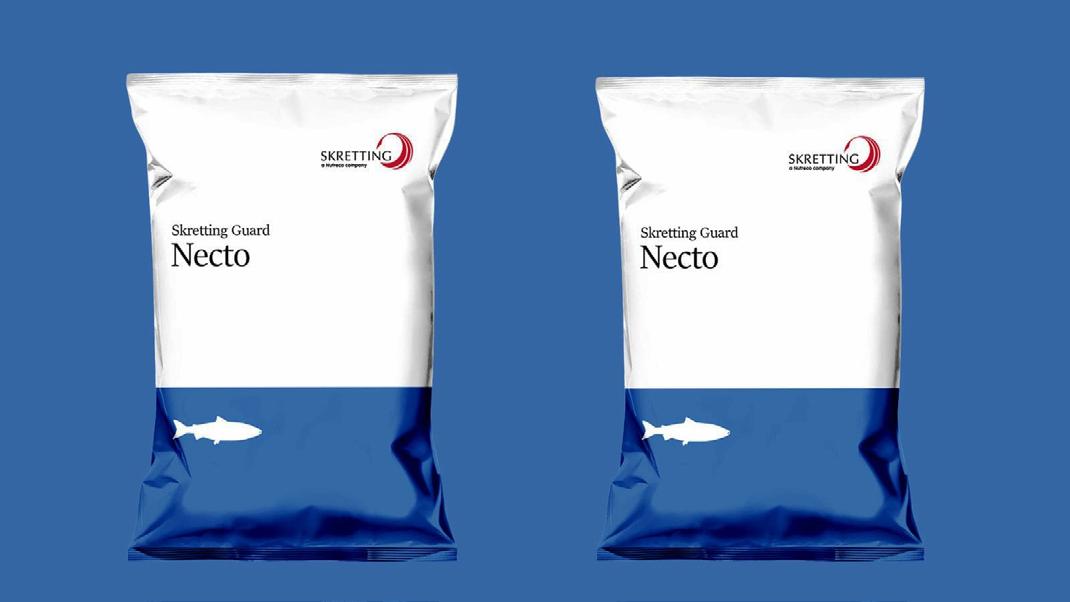
Skretting launches groundbreaking functional feed for fish
NORWAY – Skretting has unveiled Necto, a next-generation functional diet for fish that integrates proprietary EDGEOS PhytoComplexes, a unique blend of plant-based extracts designed to enhance fish health, welfare, and resilience.
The product, available in selected markets, marks the first time Skretting has incorporated PhytoComplexes into a commercial feed.
Developed in collaboration with Nutreco Exploration, the plant research division of Skretting’s parent company Nutreco, the innovation underscores a decisive shift in aquaculture towards holistic animal welfare.
“With Necto, we are harnessing the complexity of plants and combining this with years of experience in health research to create a truly innovative diet,” said Dr Linda Jensen, Skretting’s Team Lead for Health.
The feed combines PhytoComplexes with other advanced functional ingredients to form what the company calls “a complex, innovative and effective solution” that helps fish resist stressors, adapt to challenges, and recover quickly.
Skretting’s focus with Necto is not merely on disease prevention but on enabling fish to thrive under variable and often stressful aquaculture conditions.
This approach reflects an industry-wide shift from disease resistance to resilience, the ability of fish to withstand and recover from environmental, nutritional, and physiological challenges.
The PhytoComplexes in Necto are derived from carefully selected plants and formulated to interact with multiple biological pathways in fish.
This allows the feed to support immune function and maintain normal physiological processes even in the face of inflammation or environmental stress.
“Functional feeds have been used effectively in our industry for several decades, but Necto is completely unique. It is a powerhouse combination of solid nutrition, well-established functional ingredients,” said Dr Gordon Ritchie, Skretting’s Global Product Manager for Salmon Health.
ANIMAL HEALTH
Vietnam tightens controls on antibiotic use in livestock farming
VIETNAM – Vietnam is increasing penalties for the misuse of veterinary drugs and banning antibiotics in a sweeping effort to improve food safety and protect public health, according to the Ministry of Health.
The move responds to persistent violations across the livestock and feed sectors and growing concern over antimicrobial resistance (AMR).
Authorities say the focus will be strongest on farms and feed mills that use prohibited veterinary medications.
Under the new measures, fines for detecting banned antibiotics will rise to VND80 million (US$3,000).
Penalties for chemicals or drugs used above permitted limits will be increased by 50% to VND 60 million (about US$2,250).
The announcement comes as global demand for animalderived products intensifies. According to FACT MR, the global animal antibiotics market is projected to grow from US$6.61 billion in 2024 to US$20.46 billion by 2034, driven by highdensity livestock systems that rely heavily on antibiotics to maintain animal health.
A recent report from the Centre for Tropical Medicine and Global Health at the University of Oxford found that onethird of antibiotics used for human health in the country were “inappropriate,” often taken at high doses or without medical necessity.
FAO initiative shows antibiotic-free success
Despite these challenges, promising progress has emerged from a Food and Agriculture Organisation (FAO) project on poultry farming.
Through the agency’s Farmer School Community initiative, almost all 30 participating poultry flocks reported excellent feed conversion, mortality below 1% and healthier birds, while cutting antibiotic use by 34%. Two of the three farmer schools eliminated antibiotics entirely.
The programme, supported by the U.K. Fleming Fund, involved three farmer field schools with 10 poultry units each, raising 1,000–5,000 coloured-feather chickens.
FAO concluded that the project not only reduced reliance on antibiotics but also strengthened community resilience to AMR.
Insect protein pioneer NextProtein secures US$19M to expand Tunisian operations
TUNISIA – NextProtein recently secured €18 million (about US$19.6 million) in Series B financing to accelerate industrialscale production of insect-based ingredients in Tunisia, marking one of the most significant recent investments in Europe’s alternative protein sector.
The funding round is co-led by Swen Capital’s Blue Ocean Fund and British International Investment (BII), alongside continued backing from existing investors Mirova and RAISE Impact.
It also includes €4 million (US$4.4 million) in senior debt from Société Générale, CIC Paris Innovation, and Banque des Start-up by LCL.
The company, headquartered in Paris with operations in Lyon and Tunisia, plans to use the capital to expand production and drive profitability through its second Tunisian facility.
The company currently manufactures protein powder (nextMeal), insect oil (nextOil), and fertiliser (nextGrow), serving the aquaculture, livestock, pet food, and agriculture
sectors.
“With this funding, we are taking a decisive step toward producing insect protein at true industrial scale,” said Mohamed Gastli, co-founder and CEO of nextProtein.
Syrine Chaalala, co-founder and General Manager, said the industry has moved beyond proving the viability of insect protein.
“The challenge is no longer whether insect protein works, but whether it can compete on cost and availability with existing commodities. That’s where nextProtein is leading the way.”
NextProtein’s model supports circularity by converting agricultural and food waste into low-carbon animal feed ingredients.
“As our first direct investment in Tunisia, nextProtein not only helps to protect the ocean and reduce emissions, but it also paves the way to attract more investments in novel climate startups in support of Africa’s climate innovation,” said Sherine Shohdy, North Africa Regional Director.
ANIMAL HEALTH
African states advance efforts to strengthen veterinary product regulation
KENYA – African regulatory authorities, livestock experts, and industry stakeholders gathered in Nairobi from 17 to 19 November 2025 to chart a unified path for veterinary product regulation across the continent.
The consultative meeting, convened by AU-IBAR, AUPANVAC, GALVmed, the Veterinary Medicines Directorate, and partners, aims to tackle long-standing challenges in access to quality veterinary medicines and vaccines.
In her opening address, Dr. Huyam Salih, Director of AUIBAR, highlighted the urgency of the initiative.
“Africa continues to lose over US$4 billion (approx. KES 688 billion) annually due to preventable animal diseases, with weak access to quality veterinary products being a major contributor,” she said.
Dr. Salih noted that fragmented regulatory systems, slow approval processes, limited enforcement, counterfeit medicines, and inadequate cold-chain infrastructure hinder effective animal health interventions.
A key focus of the meeting was the presentation and review of the draft Terms of Reference (TORs) for the PanAfrican Regulatory Authorities Network on Veterinary Products (PARAN-VPs), jointly developed by AU-IBAR and AU-PANVAC.
The proposed network seeks to harmonise regulatory standards, enhance information sharing through interoperable systems, build national and regional capacity, and support emergency authorisation mechanisms.
According to the TORs, PARAN-VPs will operate via a Steering Committee, a Secretariat hosted at AU-IBAR, and a continent-wide membership of national regulatory authorities.
Breakout sessions during the meeting addressed practical measures to speed up registration timelines, enforce regulations against counterfeit products, align veterinary oversight with One Health and antimicrobial resistance priorities, and strengthen public-private collaboration.
Beyond regulatory harmonisation, the Nairobi consultative meeting also tackled broader issues, including vaccine production standards, regional mutual recognition processes, and improved coordination among AU institutions, regional economic communities (RECs), national authorities, and industry.
The effort supports the implementation of the existing MoU with GAVNET, promoting preventative animal health measures and ensuring that veterinary product regulation becomes more efficient, collaborative, and responsive to the continent’s livestock health challenges.
DSM-Firmenich urges vigilance in vitamin D3 sourcing after China’s new safety standard
NETHERLANDS – DSM-Firmenich recently called on global feed manufacturers and ingredient buyers to be extra cautious when sourcing 25-hydroxyvitamin D3 (25OHD3) feed ingredients following a major regulatory shift in China that could affect international supply chains.
25-hydroxyvitamin D3 is a biologically active form of vitamin D3 commonly used as a feed additive across poultry, swine, and aquaculture sectors to promote bone development, growth, and immunity.
Unlike standard vitamin D3, which requires conversion in the liver, 25OHD3 is already in a form that animals can use directly, improving its efficiency in feed formulations.
The China Feed Industry Association (CFIA) has introduced a new national feed group standard that prohibits the sale and use of any 25OHD3 feed additive containing detectable levels of 1α,25-dihydroxycholecalciferol (calcitriol) within China.
DSM-Firmenich warned that products failing to meet the new Chinese requirements could be redirected to export markets with less stringent controls, potentially introducing safety risks into international feed supply chains.
“China’s new feed standard highlights the importance of knowing exactly what’s in your vitamin supply and choosing sources you can trust…buyers everywhere should prioritise reliable, high-quality, and globally registered 25OHD3 sources,” said José María Hernández, Global Special Nutrients ANH, DSM-Firmenich.
The CFIA’s move effectively tightens domestic controls on feed-grade vitamin D metabolites by setting a “not detectable” threshold for calcitriol in 25OHD3 products.
Feed industry experts have cautioned that if impure 25OHD3 products enter circulation elsewhere, the resulting inconsistencies in feed formulations could affect animal performance, health, and even consumer confidence in feed safety standards.
Hernández emphasised that DSM-Firmenich’s Hy-D®, a patented and globally registered 25OHD3 source, “has been used safely in billions of tons of feed worldwide for more than 25 years.”
GMP+ International hits 20,000-company certification milestone
NETHERLANDS - More than 20,000 companies in 92 countries are now certified under GMP+ International’s Feed Certification scheme, marking a significant step for one of the world’s largest frameworks for safe and sustainable feed.
The milestone was reached with the certification of Biomix Poland, underscoring GMP+ International’s continued position as a global market leader in feed assurance.
GMP+ International confirmed that it now actively certifies over 20,000 companies across the entire feed chain, from raw material suppliers to transporters and compound feed manufacturers. Managing Director Martine Boon said the achievement reflects the industry’s enduring commitment to safety and trust.
She noted that it is also the product of “three decades of collaboration, passion, and determination from feed professionals around the world,” adding that it demonstrates the sector’s growing focus on sustainability alongside safety.
Established in 1992 in response to feed contamination concerns, GMP+ International has evolved into the world’s most widely adopted feed safety scheme and has continued
expanding its scope to support companies seeking sustainability certification.
The latest milestone highlights the scheme’s relevance as global feed supply chains become more complex and scrutiny on safety and environmental performance increases.
Biomix Poland, the 20,000th certified company, produces supplementary feed mixes for cattle farmers.
Board Member Renata Szwarc and Customer Service and Quality Specialist Sandra Hemerling said the team was “enormously proud” to join the global GMP+ community, emphasising the importance of safety and trust in the feed sector and their commitment to upholding those standards.
All companies certified under the GMP+ Feed Certification scheme undergo audits by independent Certification Bodies.
Biomix was authorised by Global Quality, whose Certification Manager, Julia Konstanty-Szewczak, described the occasion as a “great honour”, noting that contributing to such a milestone was especially meaningful given the Certification Body’s relatively recent entry into the GMP+ system.
SIGN UP FOR FEED BUSINESS MIDDLE EAST & AFRICA EMAIL NEWSLETTERS!
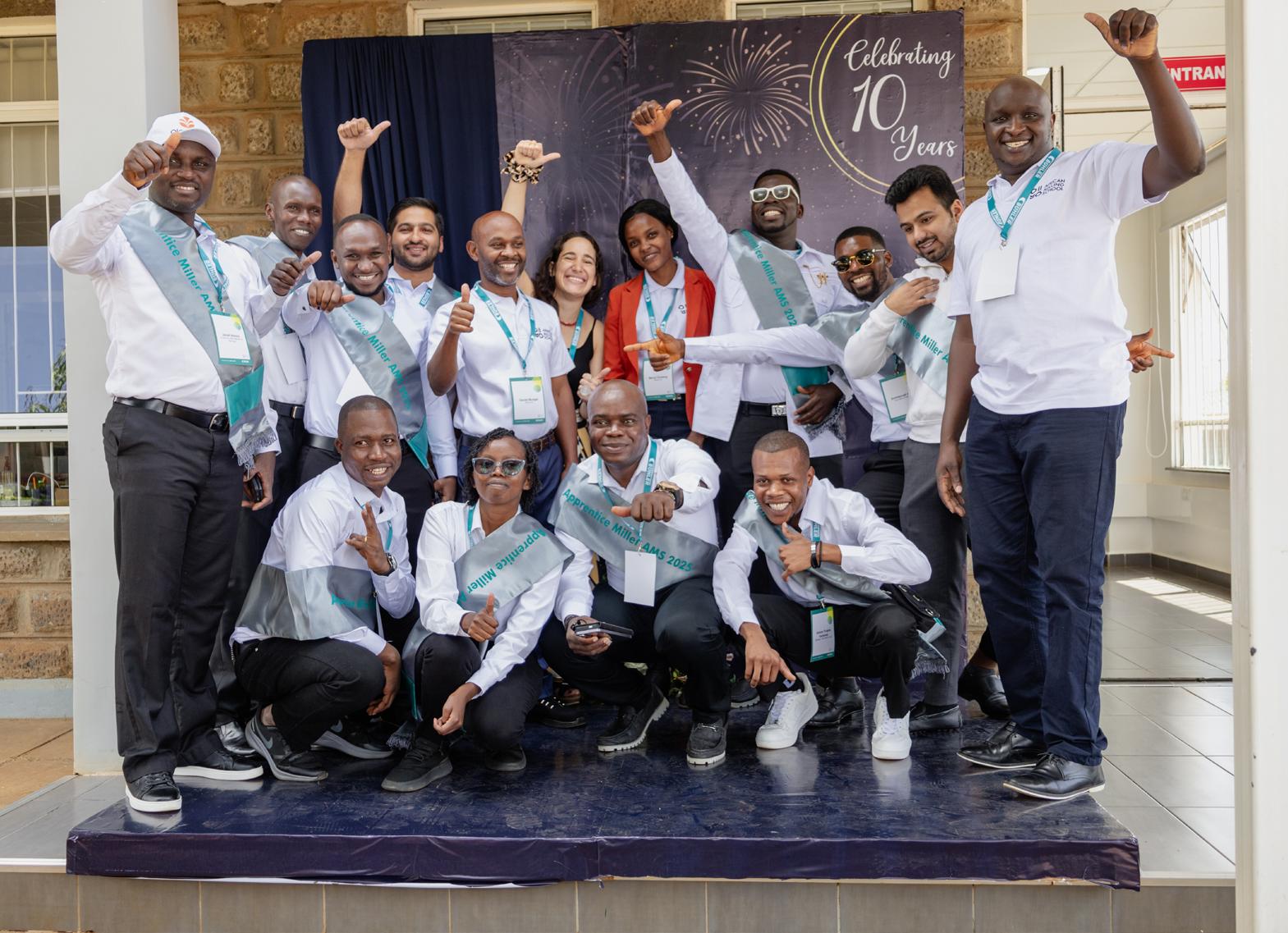
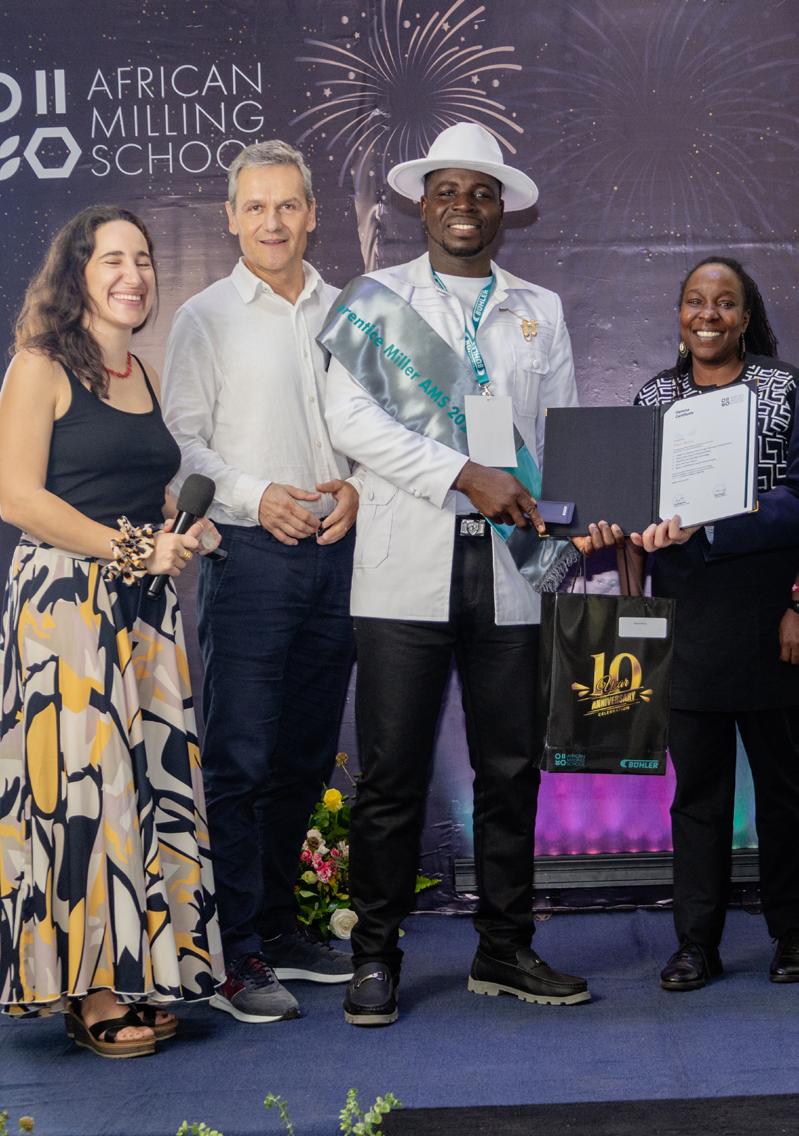
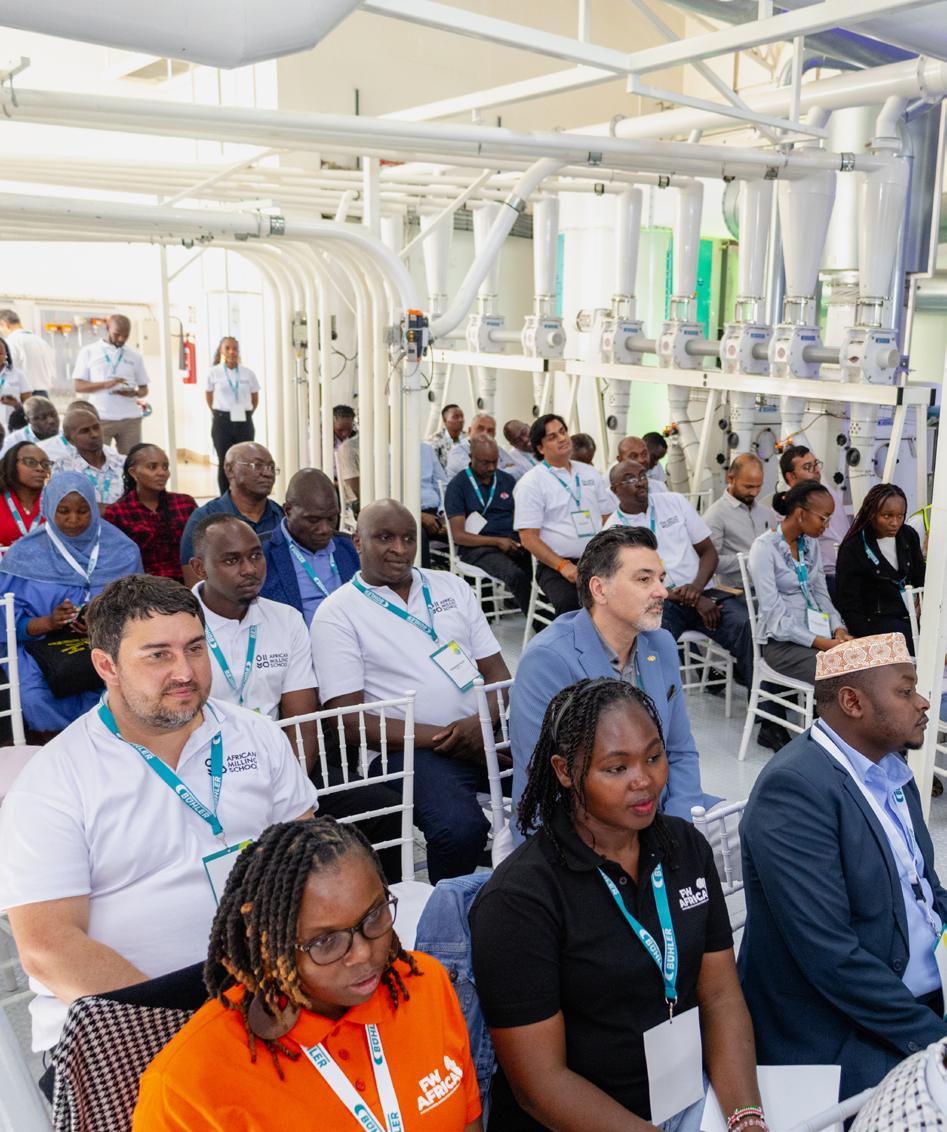
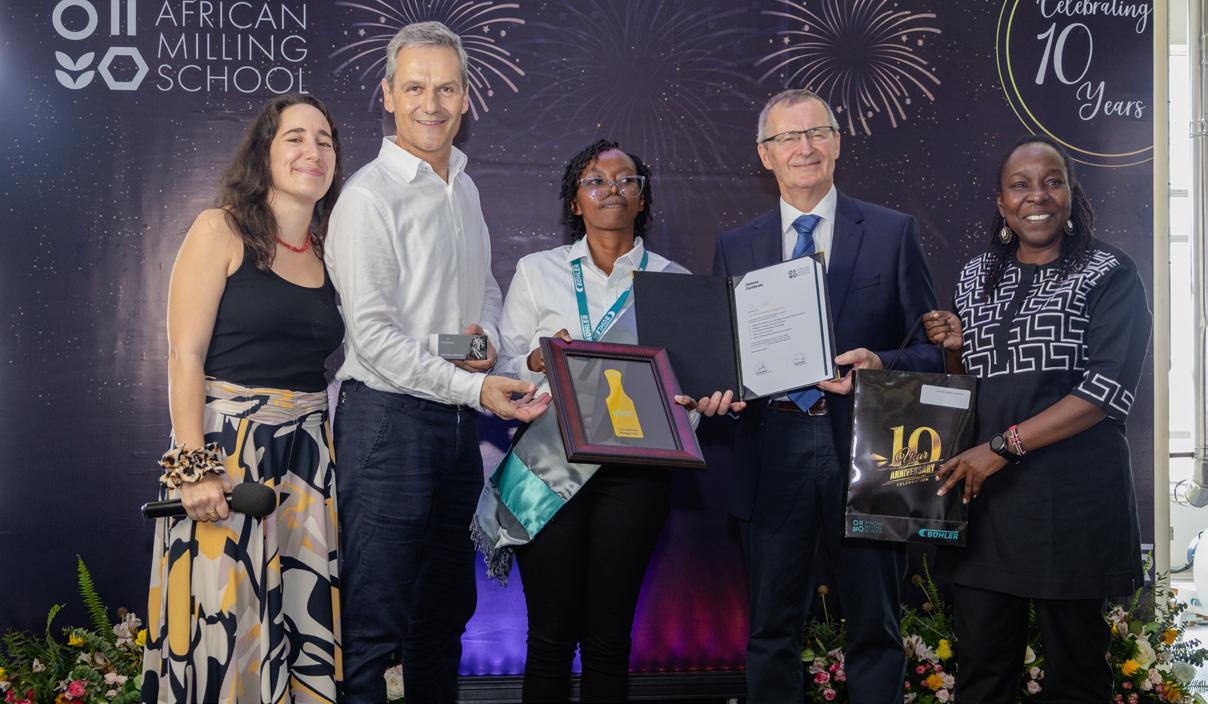
Africa Milling School celebrates a decade of empowering millers
The Africa Milling School (AMS) marked its tenth anniversary this year, a milestone highlighting how far the institution has come in shaping technical capacity in the region’s milling and grainprocessing sectors. From its base in Nairobi, the school has trained more than 1,600 professionals drawn from over 30 countries. During the Anniversary celebrations, the school was also graduating its 2025 Apprentice Miller cohort, comprising 15 students from around the world.
This first decade established AMS as a dependable talent pipeline for the flour and grain milling industry. The next decade will see an even broader horizon. As livestock, poultry, and aquaculture production rise across Africa, the demand for skilled feed millers has grown sharply, prompting AMS to expand its feed milling curriculum.
According to AMS, margins in feed milling are tight, and mistakes can compromise both economic performance and food safety. The curriculum seeks to ensure that even animals have a healthy life, and operations are economically and operationally efficient.
Looking ahead, feed milling is poised to become one of AMS’s strongest anchors. In 2025 alone, the school delivered an inaugural regional Food Extrusion Workshop designed to advance skills in a pivotal food processing method and to provide a comprehensive overview of extrusion technology as an essential technique in the manufacture of modern food and feed products.
In addition, the school hosted an aquaculture feed technical
November 14, 2025 | Nairobi, Kenya
roundtable to equip aquafeed processors with the essential knowledge to optimise production, enhance feed quality, and improve profitability.
According to AMS, the events lay a perfect foundation to introduce more advanced modules on extrusion, pet food technologies, and precision automation, reflecting the rapid transformation of feed manufacturing.
A MODERNIZED IDENTITY: THE NEW AMS LOGO
As part of the anniversary celebrations, AMS unveiled a new logo that visually expresses the school’s evolving identity. The emblem incorporates a circular shape reminiscent of a roller mill, a design that references the centrality of milling technology to the school’s mission.
Another element represents the Zephyr or hook, symbolizing the brain of the mill, its PLC, and intelligent mechanical systems. A glucose molecule sits at the center, illustrating the chemical foundation of starch and food transformation, while surrounding illustrations of grains and pulses reflect the diversity of raw materials that AMS professionals work with daily.
Unveiling the new logo, Bakalian noted that the team worked very hard to find something that really “represents the school,” and the result serves as both a tribute to AMS’s heritage and a symbol of its forward-looking ambition. FBMEA
Closing the Feed Gap: De Heus Uganda’s Bet on Local Aquafeed Production
CLOSING THE FEED GAP
De Heus Uganda bets on local aquafeed production
BY ALPHONSE OKOTH
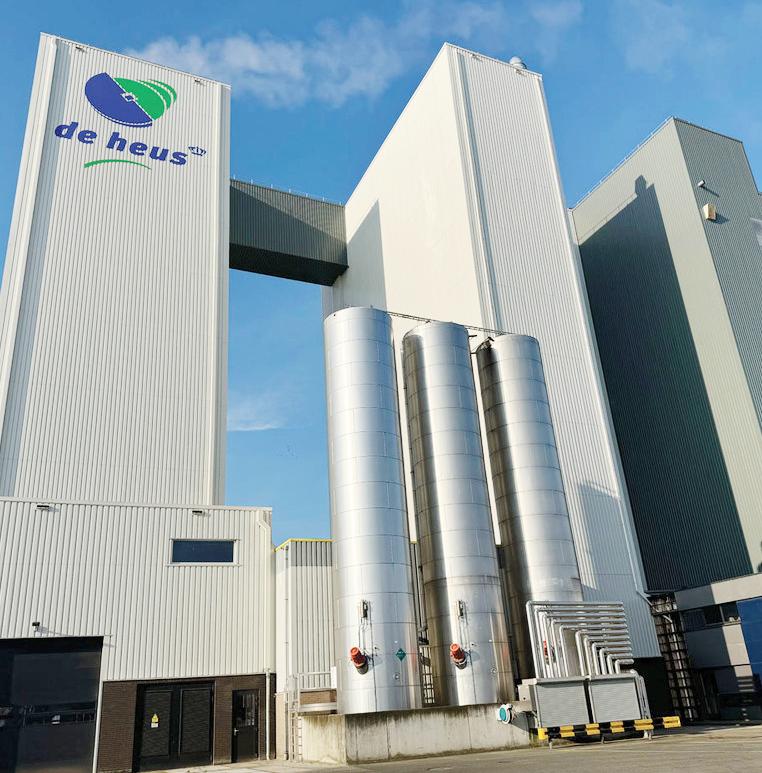
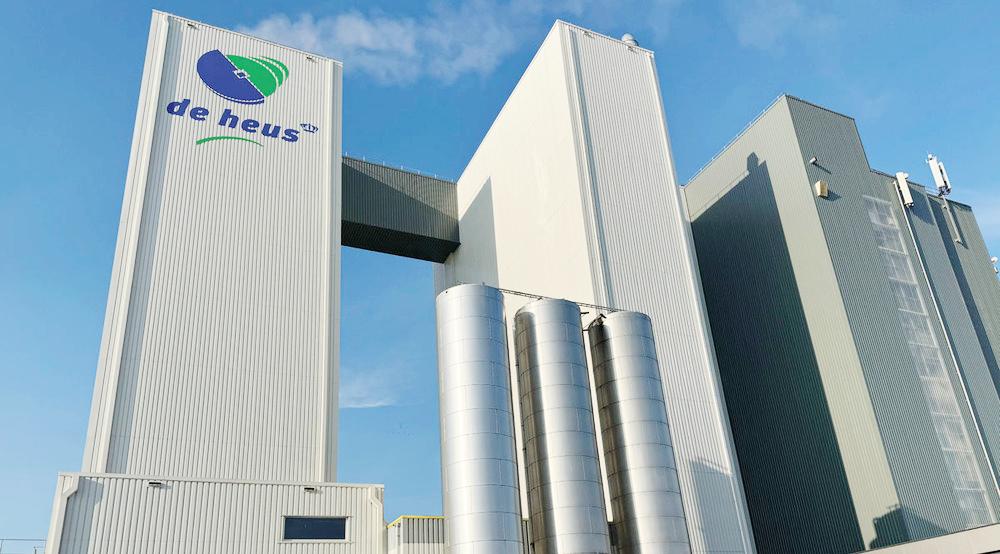
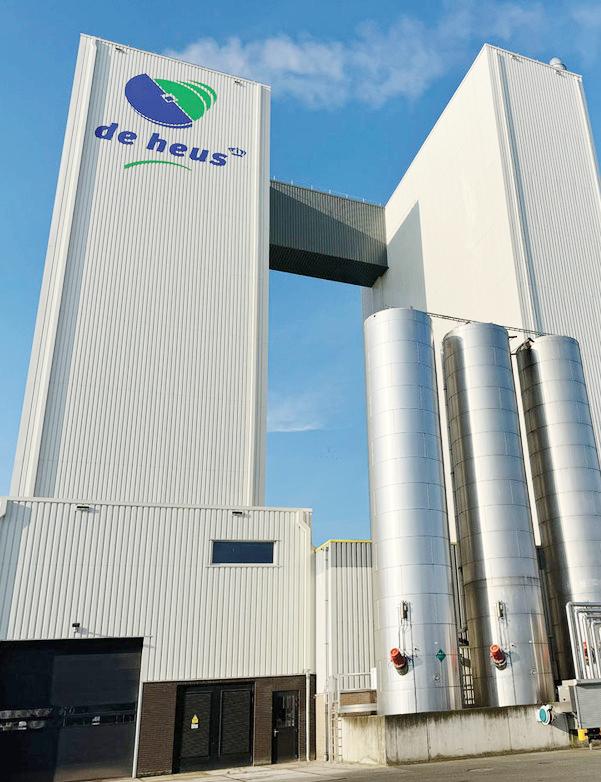
The shores of Lake Victoria have long sustained Uganda's fishing communities, but a new chapter in the country's aquaculture story is being written just miles from the lake's edge. In Jinja, where the Nile begins its ancient journey northward, De Heus Uganda recently unveiled a world-class aqua feed production facility capable of producing 100,000 tonnes of complete tilapia feed annually.
For Uganda’s fish farmers, this development, backed by an investment of US$25 million, promises the end of an era defined by long waits, costly logistics, and dependency on imported feed. For years, farmers relied on consignments from as far as Vietnam, enduring three-month shipping delays that drove up production expenses and slowed their growth. Those days, it now seems, are behind them.
“Uganda is the furthest out of all the East African countries in terms of aquaculture development,” says Bon Tjeenk Willink, Managing Director of De Heus Uganda, to George Adiga of Feed Business Middle East and Africa Magazine. “It’s not been easy for farmers. Their main challenge has always been feed, which takes up 70 to 80% of their costs.”
As a result, farm performance was shaped not just by biology or management, but by logistics. Production cycles were extended, feeding regimes disrupted, and costs inflated by shipping delays unrelated to on-farm efficiency.
FROM IMPORTING TO INNOVATING
De Heus’s presence in Uganda began in 2014 through its Koudjis brand, a premium imported feed that gradually built the company’s reputation for quality. Working through their local distributor Kaffika, the company quickly became a market leader in poultry feeds. But aquaculture, with its distinct nutritional requirements and rapidly expanding customer base, presented a different opportunity.
“We saw strong growth in aquaculture, and we believe that with population growth and limited wild catch, this market will expand significantly,” Tjeenk Willink explains. “The biggest hurdle was feed, not just availability, but reliability. Fish feed has to be complete and ready to use immediately. That’s why it made sense to produce it locally.”
According to Tjeenk Willink, De Heus deliberately resisted the urge to rush into local production. The company first wanted to understand how Ugandan farmers worked, how they fed their fish, and where inefficiencies arose.
IN NUMBERS
100K T
“We didn’t want to build a factory and then look for a market,” he says. “We wanted to understand the market first.”
What became clear, he adds, was that demand was not the issue. Farmers were willing to invest, ponds and cages were expanding, and technical curiosity was growing. The limiting factor was consistent access to high-quality feed that could support predictable growth and harvest cycles.
The decision to build in Uganda, and specifically in Jinja, was far from accidental. Uganda’s agricultural landscape provides a strong foundation for feed manufacturing. “Uganda produces a lot of the raw materials,” Bon says. Today, the factory sources maize, cassava, soybean meal, rice bran, and wheat middlings domestically, importing only specialised animal proteins that aren’t yet available locally.
Crucially, aquafeed was prioritised ahead of poultry feed for structural reasons. While Uganda is essentially a concentrate market for livestock feeds, aquaculture depends on complete diets that cannot be blended or improvised at the farm level.
“In poultry, you can still work with concentrates,” Tjeenk Willink explains. “In fish, you can’t. If the feed isn’t there, production stops.”
Localising aquafeed production, therefore, became a strategic necessity that reduced lead times, improved supply reliability, and allowed formulations to be adapted to local production
systems, from ponds to cages, and from smallholders to commercial farms.
Jinja, he adds, offered logistical advantages, proximity to raw materials, and access to the heart of Uganda’s aquaculture belt.
TECHNOLOGY MEETS THE TROPICS
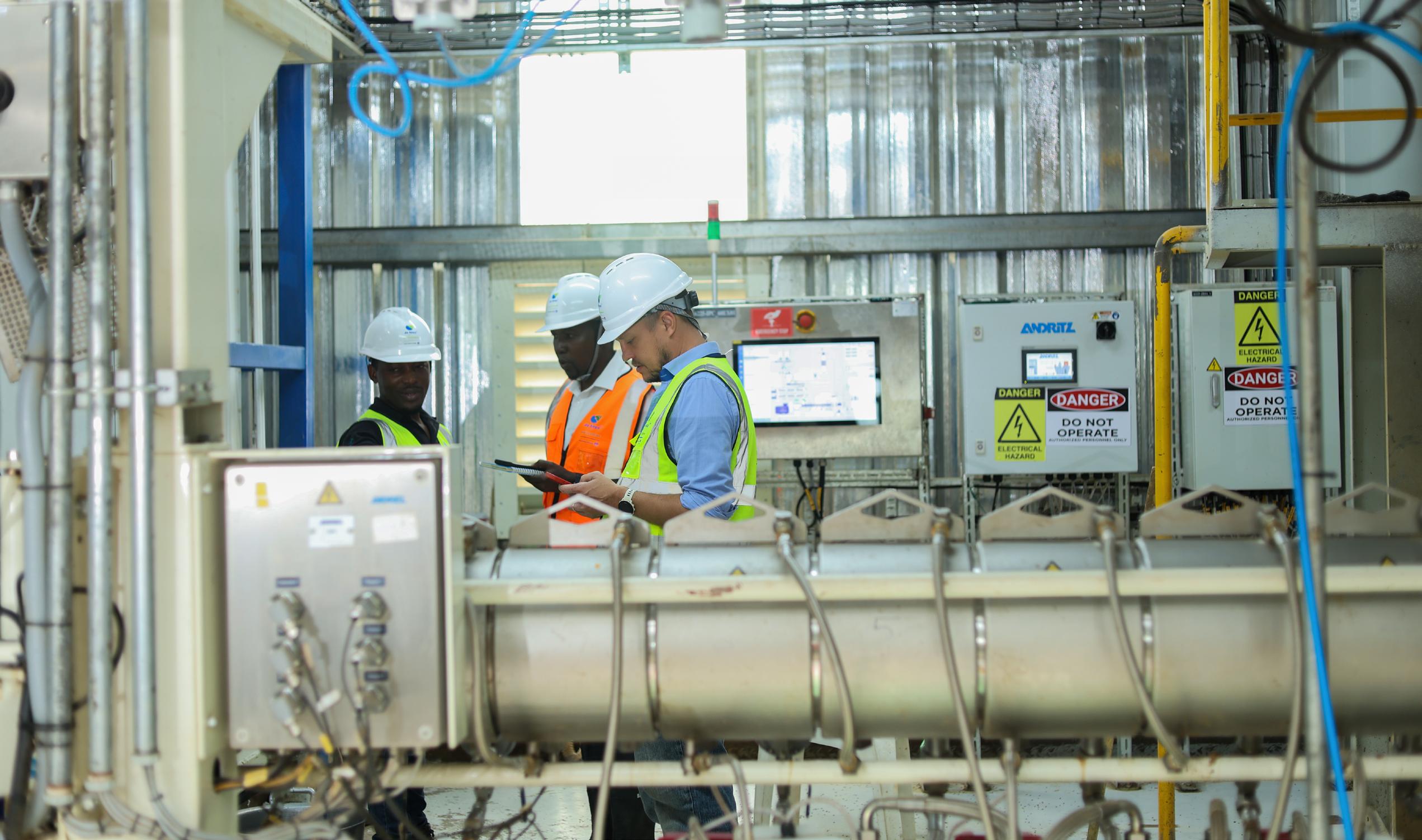
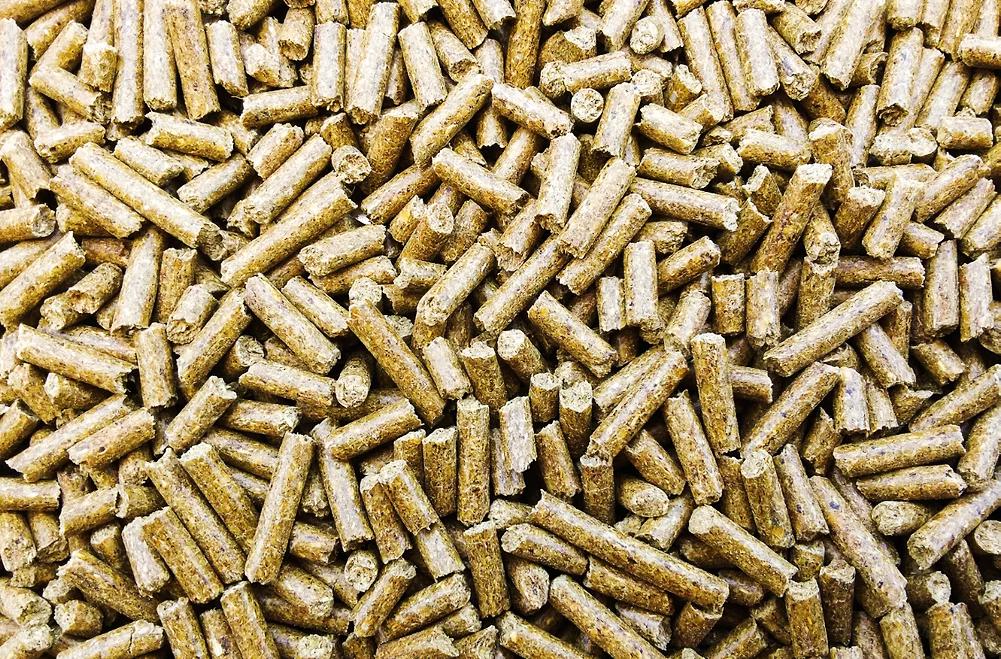
A walk through the new facility reveals a level of technology and precision rarely seen in African aquafeed production. The centrepiece is the extruder, a sophisticated machine that produces the floating, highly digestible pellets preferred for tilapia, Uganda’s dominant farmed fish species.
“This machine doesn’t exist anywhere else in Uganda,” says Plant Manager Robert Kanyembo. To ensure mastery, De Heus sent operators for intensive training in Vietnam. “They’ve received specialised support from our global partners to make sure we produce feed that meets the highest standards.”
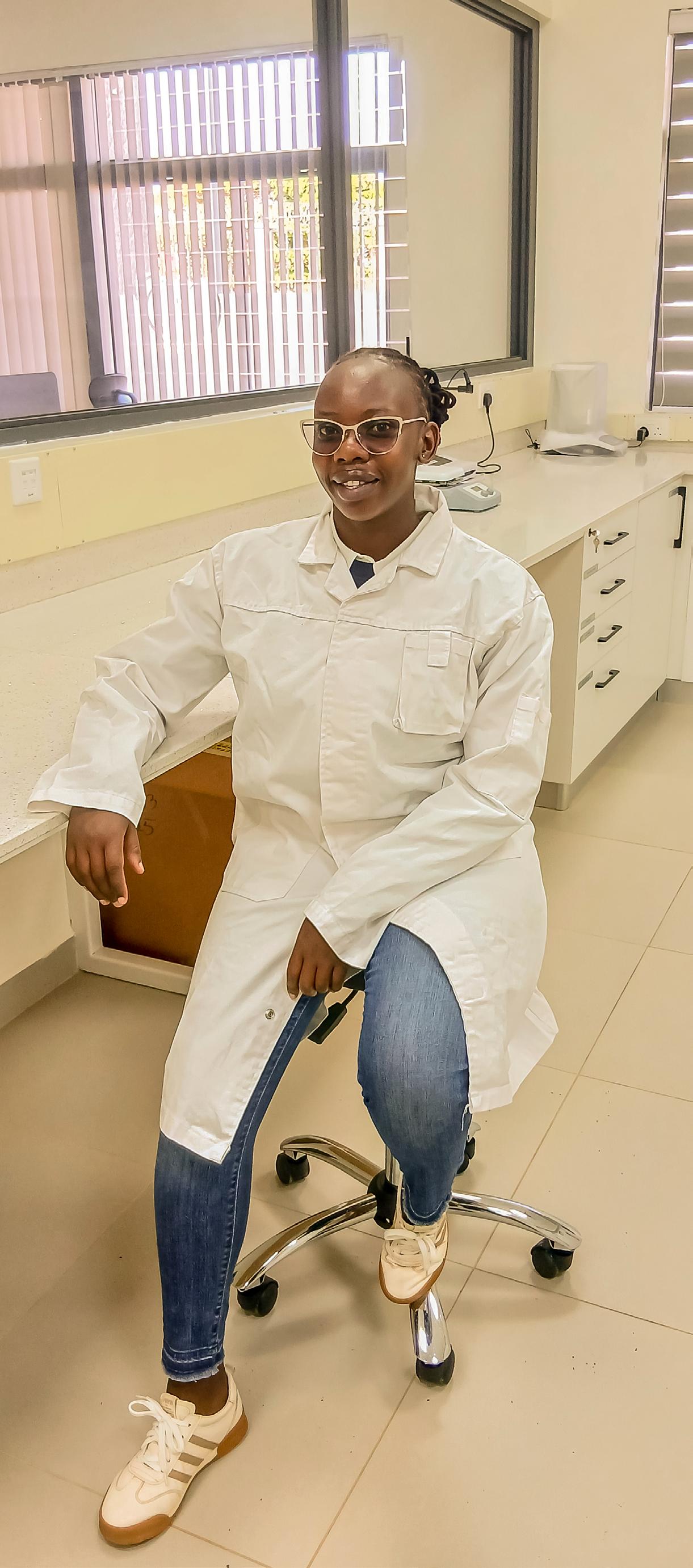
Moreover, behind every batch of feed is a laboratory system built to international best practices. Every truck delivering raw materials is tested before being allowed through the gate. “We check the material right at the entrance,” explains the Quality Manager. “If it meets the right quality, we allow it in. If not, we reject it.”
The company adheres strictly to ISO standards for quality management and food safety, as well as to De Heus’s global protocols. “Quality is our core promise,” Bon emphasises. “We test
President Yoweri Museveni commissioning the new plant
everything, and we don’t compromise.”
Beyond testing, meticulous attention is given to storage conditions and pest control, small details that make a big difference in feed quality. “Pests contaminate raw materials, so we have to be absolutely vigilant,” the Quality Manager explains.
This layered approach reflects the company’s global experience in aquafeed markets, where minor deviations in ingredient quality can have disproportionate effects on fish health, growth rates, and farm profitability.
ADAPTING TO LOCAL REALITIES
Despite the world-class technology, operating a high-spec plant in Uganda brings unique challenges. Chief among them: power instability. “We can be in full production and get hit by a power cut,” Robert explains. “We have to restart the whole process from scratch.”
To reduce reliance on the grid, the plant incorporates a biomass boiler that uses wood shavings and rice husks, sustainable fuel sources readily available in Uganda. “It’s a good way of creating energy,” Tjeenk-Willink notes. “About 80 to 90% of Uganda’s electricity is already from hydro, so solar wouldn’t add much for us.”
Raw material quality is another persistent challenge. Soybean meal, which is critical for aquaculture feed, remains inconsistent because many local processors do not de-hull their beans, resulting in lower protein content. “You need cooperation along the entire chain,” Tjeenk Willink says. “The farmer, the processor, all have to work together.”
As a result, some raw materials do not meet De Heus’s standards and must be rejected. “But when you’re producing and also rejecting, you sometimes find yourself short,” Robert
admits. “The raw material is there, but not the quality we need.”
BEYOND FEED: BUILDING AN ENTIRE AQUACULTURE ECOSYSTEM
De Heus understands that high-quality feed alone cannot transform Uganda’s aquaculture sector. Farmers also need support, training, and new ways of thinking about farm management. That realisation led to the creation of the Fish Farming Mentorship Program.
“One major gap in the value chain is farm management,” Tjeenk Willink explains. “Not just basic skills, but data management, water treatment, feeding protocols, things that directly influence efficiency and profitability.”
The year-long programme is designed for farmers who demonstrate both the willingness and capacity to scale. Participants receive regular on-site training and tailored technical support. “Our salespeople are on the ground all the time,” Bon adds. “We actually know the farmers, and that allows us to choose participants who will truly benefit.”
For De Heus, success is measured not by selling the cheapest feed, but by helping farmers reduce their overall production costs. “It doesn’t mean we’re the cheapest,” Tjeenk Willink notes. “It means we deliver the lowest cost per kilogram of fish at harvest, when the farmer uses the feed correctly.”
This approach reflects a broader insight drawn from years of engagement with farmers: even the best-formulated feed cannot compensate for weak farm management. Poor feeding practices, inconsistent record-keeping, and inadequate water quality management often prevent farmers from realising the full performance potential of their feed.
To address this gap, De Heus has embedded technical support within its existing sales relationships. Rather than
Tjeenk Willink explains to Adiga the intricacies of aqua feed production
FOR DE HEUS, SUCCESS IS MEASURED NOT BY SELLING THE CHEAPEST FEED, BUT BY HELPING FARMERS REDUCE THEIR OVERALL PRODUCTION COSTS.
TJEENK WILLINK,
HEUS UGANDA MANAGING DIRECTOR
creating parallel advisory structures, the company builds on the fact that its teams are already present on farms, observing challenges and responding in real time. The result is a practical model that links feed performance directly to management discipline.
The impact of the aquafeed facility extends beyond onfarm performance. The plant currently employs 55 permanent staff and 30 casual workers, but its wider economic footprint is significantly larger. Bon estimates that at full capacity, the facility will support up to 10,000 jobs at fish farms across East Africa, while sourcing raw materials from approximately 15,000 smallholder farmers.
“These 100 people are in the middle of 25,000 people who get a job because of this,” Tjeenk Willink says. “That’s what this facility means for Uganda.”
As farmers gain access to reliable, locally produced feed, production cycles become more predictable, enabling farms to scale operations, invest in infrastructure, and hire additional labour with greater confidence. On the supply side, demand for maize, cassava, and other feed ingredients strengthens market opportunities for smallholder farmers. While quality requirements remain stringent, the plant sends a clear signal to upstream suppliers about the standards they must meet to participate in a growing aquaculture value chain.
DRIVING REGIONAL IMPACT
De Heus’s ambitions extend well beyond Uganda’s borders. The company already operates warehouses in Kenya and Tanzania and sees the Jinja facility as a regional supply hub for East Africa. “This is a regional business,” Bon emphasises. “Uganda can supply Kenya, Tanzania, Rwanda, and if Congo wants to buy, they’re welcome, although it's currently difficult.”
However, regional expansion has been slowed by delays in obtaining the Uganda National Bureau of Standards (UNBS) quality mark. “We passed the on-site audit,” the Quality Manager explains. “But we are still waiting for the final lab results.” For Managing Director Bon Tjeenk Willink, the delay is more than an administrative setback. “We were ready in October, and we still don’t have the certification. It’s not good for Uganda’s competitiveness.”
While the plant is fully operational and serving domestic customers, regional trade depends on regulatory alignment
DE
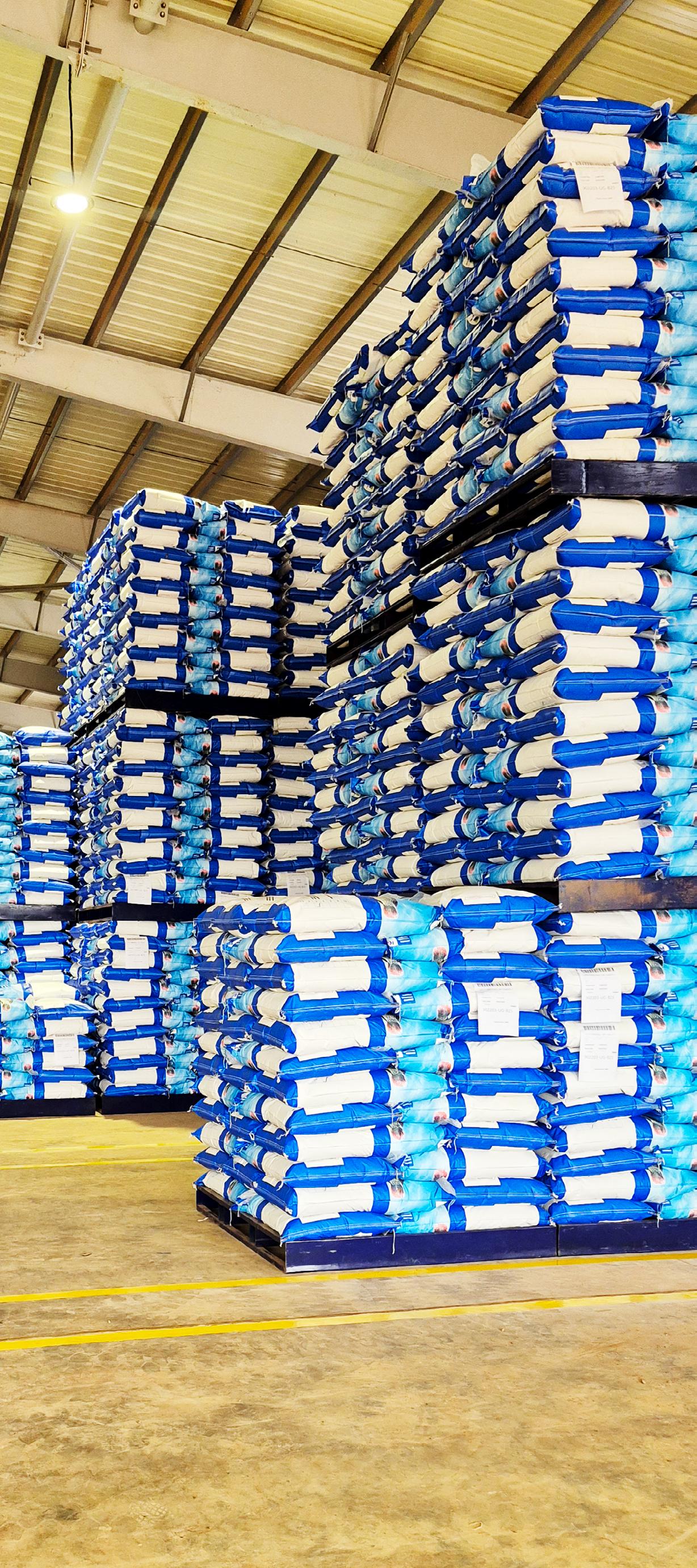
Premium tilapia feed ready for dispatch
and certification timelines. In aquafeed production, where consistency, traceability, and documented quality systems are critical, prolonged approval processes can create uncertainty for cross-border customers and slow the realisation of regional value-addition ambitions.
SCALING UP AND LOOKING AHEAD
Current production at the Jinja facility focuses on grower and finisher feeds for tilapia, which account for the largest share of market demand. Starter feeds, which are more technically demanding and produced in smaller volumes, will continue to be imported in the short term as local demand builds. The plant currently operates a single extruder line, with expansion planned in line with market growth.
“In the beginning, we’ll be close to 20,000 or 30,000 tonnes per year,” Tjeenk Willink says. “But with full investment, we can produce 100,000 tonnes, and once we reach that level, we can supply the entire region.”
Beyond aquafeed, De Heus is already laying the groundwork for its next major investment phase: a large poultry feed facility, alongside a hatchery and parent stock operation. Management insists that this investment will be significantly larger than the current aquafeed plant.
The phased expansion reflects a deliberate strategy to align capacity growth with market maturity. By prioritising high-volume grower and finisher feeds, the company is able to establish operational stability before introducing more complex product lines that require tighter particle size control and greater production flexibility.
GLOBAL EXPERTISE, LOCAL EXECUTION
De Heus’s approach in Uganda is shaped by its Dutch agricultural heritage and long experience in advanced aquaculture markets.
BEYOND AQUAFEED, DE
HEUS IS ALREADY LAYING THE GROUNDWORK FOR ITS NEXT MAJOR INVESTMENT PHASE: A LARGE POULTRY FEED FACILITY, ALONGSIDE A HATCHERY AND PARENT STOCK OPERATION
“We have R&D centres worldwide, especially in Asia,” Tjeenk Willink explains. “We understand nutrition, we understand raw materials, we understand how fish grow.”
That expertise is shared continuously with the local team. “Our team talks weekly with our Dutch nutrition and formulation experts,” he says. “It’s a constant exchange.” At the same time, the company places strong emphasis on decentralisation, giving local teams the authority to adapt global knowledge to Ugandan operating realities.
Training underpins this model. Plant operators have received instruction in Vietnam, quality personnel in South Africa and the Netherlands, and managers in Indonesia. The result has been zero staff turnover in the first year of operation. “We want our employees to grow,” Bon says. “Learning and development is one of our core values.”
By combining global technical depth with local decisionmaking, De Heus aims to build long-term operational capability rather than short-term output. In an industry where feed performance depends as much on execution as formulation, investing in people becomes as critical as investing in technology.
THE ROAD AHEAD
With production underway and farmers gradually transitioning from imported to locally produced feed, the early signals are encouraging. Reliable access to aquafeed is restoring predictability to production cycles, allowing farmers to plan stocking, feeding, and harvests with far greater confidence than before. More importantly, local manufacturing creates room for formulations to evolve alongside Uganda’s aquaculture sector, adapting to ponds and cages, smallholders and commercial farms, and shifting performance expectations over time.
For De Heus, the Jinja facility represents a long-term commitment rather than a quick market play. By anchoring production in local raw materials while drawing on global nutritional expertise, the company is positioning Uganda not just as a consumer of aquafeed, but as an active contributor to the region’s aquaculture value chain.
“This region is ideal for year-round fish production,” says Tjeenk Willink. “East Africa can be a powerhouse in aquaculture.” FBMEA
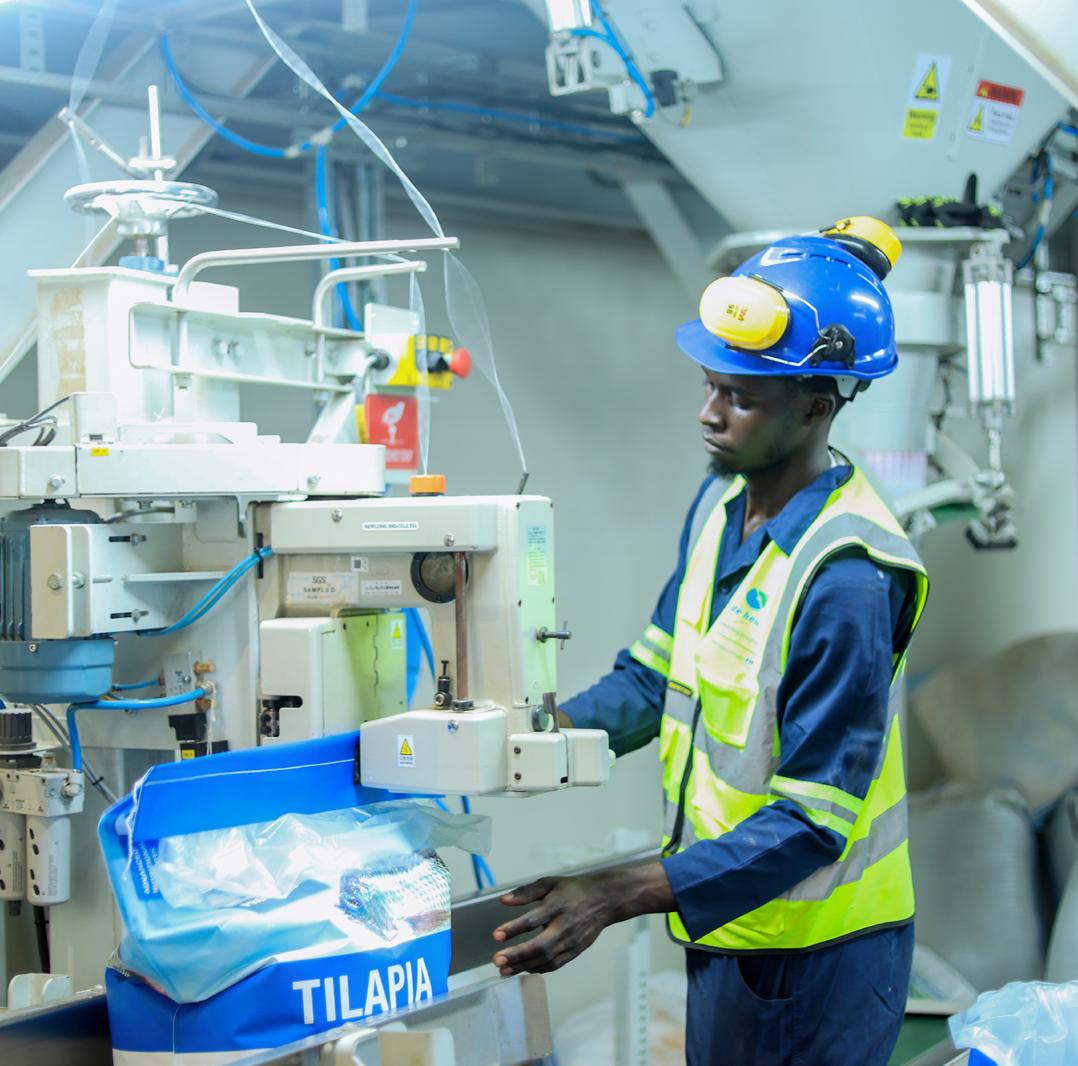
A staff member bagging tilapia feed
Troubleshooting feed quality variations: a quality assurance expert’s approach to feed quality variations
Federis Wanjohi - Quality Assurance expert, De Heus Kenya
BY WANGARI KAMAU
Thank you for honouring our invitation to feature in our magazine. Please briefly introduce yourself and what you do?
My name is Federis Wanjohi. I am a Quality Assurance expert with eight years of specialised experience, primarily within the laboratory and quality control functions of the feed milling industry. Currently, I work in the Quality Assurance team at De Heus Kenya, where I oversee raw material intake analysis, finished feed testing, process control, and troubleshooting quality deviations across all production lines. My core focus is translating precise laboratory data into actionable insights for feed production.
Tell us a bit about your background and what piqued your interest in feed milling?
I hold a degree in Food Science and Technology. My career started right in the feed mill laboratory. What initially drew me was the direct impact of analysis. Seeing how a change in a lab result for moisture or protein could immediately affect the final product performance and, ultimately, livestock health. Feed milling is a critical link in the food chain, and the precision required in QC to ensure safe, effective feed is what has kept me fascinated and driven for the past eight years.
Over the years, what changes have you observed in how feed mills and the feed industry in general approach quality assurance?
The most significant change has been the shift from reactive testing to proactive, data-driven Quality Control. Eight years ago, testing was often done after production, primarily for compliance. Today, there's a much greater emphasis on inprocess control, rapid analytical tools (like NIR technology), and real-time monitoring. We've moved from simply reporting a deviation to using the lab as a strategic tool for risk prediction and process optimisation. There is also a stronger focus on mycotoxin management and ingredient traceability, which are significant lab-driven efforts.
In your experience, what are the most common feed quality variations encountered in feed mills today?
From a lab perspective, the common variations fall into a few key categories:
• Nutrient Variations: This is the primary issue.
Inconsistent protein, fat, or fibre levels, often stemming from variable raw material quality (e.g., maize, soybean meal) that wasn't adequately compensated for in the formulation.
• Homogeneity/Micro-Ingredient Distribution:
Uneven distribution of vital micro-ingredients like vitamins, minerals, and medications, which we monitor closely through tracer elements.
Which variations tend to cause the biggest challenges for production teams, and why?
Micro-Ingredient Homogeneity Variation, or poor mixing, causes the biggest headaches and challenges for our production teams. This is because the issue is invisible to the operators, only being confirmed hours later when the lab reports a high Coefficient of Variation (CV) from the tracer tests.
The stakes are incredibly high: poor mixing creates a massive safety and compliance risk due to the potential for crosscontamination, for example, carry-over of a medicament into an unmedicated feed. When this is flagged, production is forced into an immediate, unplanned shutdown to perform a complete mixer cleanout and extensive maintenance. This disruption to the schedule, coupled with the difficulty of isolating the complex root cause, like particle segregation or dosing sequence issues, makes it a profoundly difficult operational challenge.
What tools or methods have proven most effective for you in your general approach to root cause analysis when a quality deviation occurs?
My approach to root cause analysis is always data-driven. The most effective methods for me are to immediately analyse the deviation using Statistical Process Control (SPC) Charts and Trend Analysis to quickly distinguish between normal process drift and a true equipment failure. This directs our troubleshooting efforts, which we then formalise using Ishikawa (Fishbone) Diagrams to categorise all potential causes (Man, Machine, Material, Method). Finally, we relentlessly apply the 5 Whys technique to drill down past the surface symptom to the systemic, fundamental reason, ensuring we implement a corrective action that is verified by subsequent lab data.
Are there process parameters that mills tend to
overlook but that have a big impact on final quality?
In my experience in the lab, when mills are focused on throughput, they often overlook three critical process parameters that have a massive impact on final quality:
First, Grinding Particle Size Distribution (PSD): They focus on the average size but ignore the variance. If the particles are too varied, it causes segregation in the mixer, leading to poor homogeneity of microingredients. This is an issue we detect immediately in the lab.
Second, the quality and stability of the Steam Pressure used in conditioning. Inconsistent or 'wet' steam prevents optimal starch gelatinisation, which is the 'glue' for pellets, resulting in a weak structure and a low Pellet Durability Index (PDI), regardless of die settings.
Third, the final Cooler Management, particularly the residence time and airflow. Insufficient cooling can cause moisture migration and structural weakness, leading to brittle pellets and excessive fines that negate all the quality effort upstream.
How do you ensure alignment between quality assurance and production teams, especially when troubleshooting?
Ensuring alignment during troubleshooting is paramount, and my philosophy is built on two core pillars: Shared Data and Joint Accountability.
First, we use data as the neutral referee. We immediately share all lab results and process control data via digital systems. We also use Visual Management Boards on the production floor to display real-time moisture or PDI trends. This empowers the Production team to adjust parameters proactively based on data before the lab even confirms an outof-spec batch.
Second, we enforce joint accountability through a mandatory daily huddle between QA, Production, and Maintenance. This isn't a blame session; it's a 15-minute review of the previous day's quality data and a plan for the high-risk batches ahead. By committing to action together, and by using structured RCA methods like the Ishikawa Diagram, we replace defensive finger-pointing with systematic, collaborative problem-solving, making QA a strategic partner, not just a policeman.
What does a strong “quality culture” look like in a feed mill from your perspective?
A strong quality culture means every employee owns the product, making quality a non-negotiable priority rather than just a final QA checkpoint. It is defined by proactive behaviour, where operators feel safe to
report potential process deviations immediately, long before the lab confirms a failure. Ultimately, it means all troubleshooting focuses on fixing the systemic process based on data, not on assigning personal blame, which drives continuous, trustbased improvement.
Can you share a memorable case where a quality deviation seemed simple but had a surprising root cause?
This is a really good question. The most memorable case I recall involved a severe enzyme degradation in a final feed, which seemed like a simple heat issue. We quickly confirmed the peak process temperature was correct. The surprising root cause was not the heat, but the time at temperature: a process change resulted in hot pellets sitting in the unvented surge bin for an extended 30-minute 'dead time' while waiting for a packaging changeover. This prolonged 'heat soak' effectively degraded the sensitive enzyme. The solution was purely a scheduling and process flow correction, reinforcing that time itself is a significant quality factor.
What role does data (e.g., lab results) play in your decision-making?
Data, from a QA perspective, is the unbiased foundation for all decision-making. We rely on analytical results from NIR and wet chemistry to drive three things: Inbound Supply Decisions, InProcess Control, for example, minute-by-minute adjustments to mixing and pelleting, and Continuous Improvement using long-term trend analysis for strategic investment and supplier management.
Have you or your company introduced any systems or practices that significantly improved consistency or response time?
The two most impactful systems we introduced were NearInfrared (NIR) Spectroscopy at Raw Material Intake and the full integration of our Laboratory Information Management System (LIMS). Placing NIR directly at the intake station allowed us to analyse key nutrients and moisture in raw materials within seconds, rather than hours, making real-time, data-driven decisions on acceptance or formulation adjustments. Simultaneously, linking our LIMS directly to the formulation and production control systems created a seamless, connected data loop. This drastically cut down on response time by eliminating manual data transfer and ensured that every production decision, from material batching to steam flow, was immediately based on the most current, accurate lab assay, leading to superior consistency across all finished feed lines.
In your view, what skills will the next generation of quality managers need most?
The core requirement will always be deep technical and analytical competence, but the next generation of Quality Managers must expand their focus to become true Data Strategists. They must be fluent in Statistical Process Control
(SPC) and trend analysis, moving beyond simply reporting lab results to using data to predict risk and measure the financial impact of quality. This includes mastering the digital landscape, understanding the connectivity between the LIMS, ERP systems, and in-line sensors like NIR to drive automated, real-time quality control.
Crucially, they must also master Communication and CrossFunctional Influence. The modern QA manager needs the soft skill to translate complex analytical results into understandable, actionable instructions for the operations team, fostering a truly connected and shared quality culture. This strategic blend of deep analytical capability with advanced digital and interpersonal skills will be essential to lead continuous improvement and justify strategic investment.
What advice would you give to mills trying to reduce variability and improve their troubleshooting processes?
My primary advice is to establish strict process control and invest in sampling integrity. Mills must move beyond just setting final product specifications; they need to establish and monitor in-process control limits at key points, like moisture after the mixer or temperature before the cooler. By rigorously using Standardised Operating Procedures (SOPs) and Statistical Process Control (SPC) charts at these critical points, production can proactively correct deviations immediately,
significantly reducing overall batch variability. Furthermore, troubleshooting must become a disciplined, continuous process, not a reactive event. This means institutionalising knowledge by implementing a robust Corrective and Preventive Action (CAPA) process. Every deviation must be formally investigated, documented, and stored in a searchable library. This ensures that time spent on Root Cause Analysis (RCA) is never wasted, allowing us to cross-reference solutions and quickly drive lasting, databacked systemic improvement.
Any final insights?
My final insight, after eight years in the lab, is this: Quality Assurance must transition from being a cost centre to a profit driver.
The most successful feed mills view the QA lab not as a final gatekeeper, but as their most strategic tool for process efficiency. By investing in real-time data analysis (like NIR and SPC), we move from merely confirming a problem to predicting and preventing it.
Ultimately, consistent, premium-quality feed is the best guarantee of customer loyalty and reduced cost of failure (rework, complaints, and recalls). The QA team's mission is to be the objective, data-backed partner that drives the entire mill toward achieving that consistent excellence. FBMEA
Revolutionising Animal Nutrition: The Role of Nanotechnology in the Feed Industry
BY MARTHA KURIA
Feed remains the most significant cost item in commercial livestock operations because it is the primary input required for animal growth, health, and production, typically accounting for 60-70% of total production expenses. With the animal feed market valued at US$519.5 billion in 2024 and projected to reach US$673.57 billion by 2032, the pressure to produce more efficient, high-performance feed solutions has intensified. The increasing demand for meat, milk, eggs, and aquaculture products continues to stimulate growth, as countries intensify livestock production to meet rising nutrition needs in expanding populations.
The transition from smallholder systems to industrialscale farming is another pivotal factor. In many countries, small and medium enterprises (SMEs) are scaling operations or collaborating with integrated agribusinesses to meet market requirements. This shift results in greater reliance on formulated feeds, premixes, and additives that support growth performance, digestibility, and disease resistance. Feed suppliers are responding with more specialised formulations tailored to specific species and growth stages. As a result, the additives segment within the broader feed market is expanding quickly, reflecting the growing role of micro-ingredients, enzymes, vitamins, amino acids, probiotics, functional compounds, and trace minerals. Feed manufacturers and livestock sectors are thus under pressure to improve feed efficiency, nutrient availability, and animal health outcomes.
Despite the expanding market, any inefficiency in digestion or nutrient uptake directly affects performance and profitability. Traditional nutrition strategies often rely on overformulating diets to compensate for nutrient losses that occur during digestion or feed processing. Against this backdrop, the search for solutions that improve nutrient utilisation, lower waste, and enhance feed efficiency has intensified, setting the stage for the introduction of advanced technologies such as nanotechnology.
THE EMERGENCE OF NANOTECHNOLOGY IN ANIMAL NUTRITION
Nanotechnology is increasingly viewed as a promising innovation in animal nutrition, driven by its ability to improve
nutrient delivery and functional performance at a molecular scale. Nanotechnology in feed processing uses nanoscale materials to enhance nutrient delivery and improve animal health & growth through improved bioavailability, controlled release, antimicrobial action, and smart packaging. The agricultural nanotechnology market, which intersects with animal feed innovations, is anticipated to grow at a CAGR of 11.9% from 2025 to 2032, underscoring the transformative potential of nanoscale technologies. The technology employs techniques like nanoencapsulation, using carriers such as liposomes or chitosan to protect nutrients from degradation, ensuring sustained release in the digestive tract.
By reducing minerals and other feed components to nanosized particles, typically between 1 and 100 nanometers, manufacturers can exploit the increased surface-area-tovolume ratio, which enhances absorption and bioavailability in the digestive tract. This means that animals can utilise nutrients more efficiently, allowing producers to reduce dosage levels while maintaining or improving performance outcomes.
ENHANCING NUTRIENT STABILITY
Nano-encapsulation techniques protect sensitive feed components such as vitamins, probiotics, enzymes, and fatty acids from oxidation or degradation during storage and digestion. These encapsulated nutrients can be delivered more precisely in the gastrointestinal tract, ensuring that they remain stable and effective when animals need them most. This benefit is particularly important in high-temperature pelleting systems often used in commercial feed manufacturing, where unprotected additives may be damaged during processing.
REDUCING FEED WASTE AND ENVIRONMENTAL IMPACT
Another promising advantage of nanotechnology is the
potential to reduce environmental pollution. Improved nutrient absorption leads to decreased excretion of minerals such as phosphorus, zinc, and copper. Conventional mineral supplements are often poorly absorbed, leading to excessive accumulation in manure and, consequently, land and water systems. Nano-minerals, including zinc, selenium, copper, and chromium, exhibit enhanced solubility and absorption, lowering environmental load and supporting the broader sustainability goals of the animal agriculture sector. For example, in ruminant nutrition, nano-additives modulate rumen microbial populations, thereby reducing methane production, a potent greenhouse gas.
ENHANCING ANIMAL IMMUNITY AND HEALTH
Nanotechnology significantly advances nanomedicine in the veterinary sector by enabling innovative drug delivery systems. These systems encapsulate therapeutic agents within biodegradable nanoparticles, ensuring uniform absorption across the gastrointestinal tract while minimising local irritation and degradation from digestive fluids. This targeted approach enhances bioavailability, allowing for lower dosages and more precise treatment outcomes. For instance, nanoparticles such as nano-silver and nano-curcumin exhibit potent antimicrobial and anti-inflammatory properties, providing effective alternatives to traditional antibiotics.
Carbon nanotubes offer unique structural strength for drug transport, while antimicrobial variants inhibit pathogens at concentrations as low as 1–5 mg/L. Overall, these specifications facilitate anti-inflammatory, antitumor, and immunomodulatory effects, with bioavailability improvements of 200–300% for minerals such as zinc and selenium. By reducing reliance on broad-spectrum antimicrobials, these nanomaterials help combat the growing challenge of antimicrobial resistance, which poses a substantial threat to animal health and global food security.
APPLICATIONS ACROSS ANIMAL SPECIES
Research in poultry nutrition has shown that nano-zinc oxide can improve growth performance, feed conversion ratio, antioxidant status, and immunity at lower inclusion rates than traditional zinc supplements. Haben Fesseha, in a study on nanotechnology and its application in animal Production, reports that zinc oxide nanoparticles at 30–60 mg/kg have been linked with enhanced weight gain, feed efficiency, and antioxidant activity in quail, countering cellular stress. Selenium nanoparticles at 0.2 mg/kg improve broiler performance, lower lipid profiles, and inhibit bacterial growth. Chromium variants similarly augment carcass quality and immune markers. Trials involving nano-calcium phosphate have produced strong evidence of improved bone mineralisation, better utilisation of dietary minerals, and significantly reduced excretion of phosphorus and calcium, easing environmental impact. In ruminant systems, nano-minerals have shown potential in improving rumen fermentation patterns. According to a study by Kholif et al., selenium nanoparticles at 0.3 mg/kg
NANO-ENCAPSULATION TECHNIQUES PROTECT SENSITIVE FEED COMPONENTS SUCH AS VITAMINS, PROBIOTICS, ENZYMES, AND FATTY ACIDS FROM OXIDATION DURING STORAGE AND DIGESTION.
optimise the digestibility of key nutrients in dairy herds. Nanozinc has been associated with increased microbial protein synthesis and enhanced volatile fatty acid production, both of which are essential for energy supply in cattle and sheep. Dairy cows receiving nano-selenium have demonstrated improved immune status and lower somatic cell counts in milk. Studies also suggest that functional nanoparticles can help suppress methane-producing microbes in the rumen, offering a potential tool for reducing greenhouse gas emissions from livestock. Swine benefit from zinc oxide nanoparticles at 800–1200 mg/kg, which alleviate weaning-related diarrhoea and support gut integrity. Chromium and selenium forms enhance meat composition and stress resilience in pigs and rabbits.
In the aquaculture industry, Selenium nanoparticles at 1–2 mg/kg in tilapia and seabream promote growth, nutrient retention, and toxin resistance. Zinc oxide at 30–40 mg/kg upregulates growth factors and blood parameters in catfish. Because of their enhanced bioavailability, nano-additives can be included at lower levels while achieving equal or greater benefits compared to conventional mineral salts. In addition, improved gut health and immune function can help reduce dependence on antibiotic growth promoters, supporting global efforts to control antimicrobial resistance.
NAVIGATING LIMITATIONS, ENSURING SAFE INTEGRATION
Despite promising results, nanotechnology raises concerns about safety, toxicity, and regulatory acceptance. Some metalbased nanoparticles may cause oxidative stress or accumulate in tissues when used at excessive levels. Research on longterm exposure, potential residues in animal-derived foods, and environmental impacts remains limited, prompting regulators to be cautious. Countries differ widely in how they classify and evaluate nano-ingredients in feed, which may slow commercialisation.
High production costs also remain a barrier, especially where sophisticated encapsulation methods or advanced milling technologies are required. Adoption may therefore be more feasible in intensive commercial systems before diffusing to small-scale producers. Clear guidelines, risk assessments, and harmonised regulatory frameworks will be needed before nanotechnology can be widely integrated into mainstream feed production. FBMEA
Fixing the feed link to unlock Kenya’s aquaculture potential
BY WANGARI KAMAU
Research by various parties indicates that fish is rapidly becoming one of the most essential proteins in the global diet, with consumption growing faster than the world’s population due to rising awareness of its health benefits, higher incomes, and expanding urban lifestyles. In Kenya, these dynamics are translating into stronger demand for aquaculture products, with annual per capita fish consumption reaching approximately 4.6 kg and a national supply gap exceeding 400,000 tonnes, as outlined in the Kenya National Bureau of Statistics’ 2024 Economic Survey.
Demand is increasingly concentrated in urban centres, while growing awareness of fish’s nutritional value is also shaping consumption in rural and peri-urban households. With Africa’s population projected to approach 2.5 billion by 2050, as stipulated by United Nations projections, fish is set to play an even more critical role in food and nutrition security, underscoring the urgency for Kenya to expand domestic aquaculture production.
Over the past decade, the Kenyan government has made significant investments to promote domestic aquaculture projects. Programmes such as the Aquaculture Business Development Programme (ABDP), supported through an investment of US$143.3 million, have boosted smallholder production, strengthened aquaculture value chains, and created employment opportunities, particularly for youth and women. Yet, despite these efforts, feed remains a critical bottleneck for the sector’s growth.
FEED AS THE SECTOR’S WEAKEST LINK
Research has shown that feed accounts for more than 60% of the total cost of fish production in Kenya, placing a significant financial burden on small-scale farmers, according to Magondu et al (2025). The average cost of commercial feed ranges from US$1.00 to US$1.24 per kilogram, fluctuating with global market trends and currency exchange rates. This instability leaves local farmers vulnerable, especially those with limited resources and small ponds. Even small price hikes can drastically affect production levels and profitability.
In response to rising feed costs, many farmers have turned to cheaper alternatives such as rice bran or maize bran. While these ingredients are more affordable, they lack the nutritional value needed for optimal fish growth, leading to slower growth rates, increased mortality, and ultimately lower production yields.
The issue of feed in Kenya is not solely about price. Several structural and policy-related challenges plague the country’s feed industry. Local feed manufacturers often lack modern equipment, skilled technicians, and quality control systems, resulting in inconsistent feed quality. This lack of standardisation makes it difficult for farmers to rely on locally
KENYA HAVE SUPPORTED HATCHERIES, FEED SUBSIDIES, EXTENSION SERVICES, AND TRAINING PROGRAMS TO INCREASE PRODUCTION AND REDUCE THE COUNTRY’S DEPENDENCE ON FISH IMPORTS.
produced feed, as the quality can vary significantly from batch to batch.
Additionally, regulatory hurdles, inefficient policy enforcement, and the competition for resources like fishmeal further exacerbate the issue. The combined impact of these factors creates a volatile feed supply, undermining farmers' confidence and threatening the stability of the entire value chain.
FEED AS A CRITICAL SOLUTION FOR GROWTH
Despite these challenges, the research points to feed as not only the weakest link but also the most promising solution to unlocking the full potential of Kenya’s aquaculture sector. Strengthening the local feed system could have a transformative effect on the industry, improving fish production, boosting farmer incomes, and fostering rural employment.
One key opportunity identified is the use of alternative
protein sources such as black soldier fly larvae. This locally available, sustainable ingredient could reduce Kenya’s reliance on imported feed ingredients, cutting costs and improving the overall sustainability of the feed supply. In addition, empowering cooperatives and farmer groups to produce their own feed could further reduce dependence on commercial feed producers and provide greater control over feed quality and cost.
POLICY ADJUSTMENTS AND A COORDINATED APPROACH
To enable these improvements, the research emphasises the need for policy adjustments. Reducing taxes on feed ingredients, improving access to financing, and enhancing training programs for both farmers and feed manufacturers are essential steps, as illustrated by Michael Awuor in a 2023 research paper. A coordinated approach between government agencies, researchers, private companies, and farmer organisations is crucial to ensure that feed production aligns with the needs of the aquaculture industry and the broader blue economy goals.
By creating a more stable and affordable feed system, Kenya can help farmers improve productivity, reduce costs, and enhance the sector's overall competitiveness. This, in turn, will enable the country to meet the growing domestic demand for fish, while supporting job creation and contributing to food
and nutrition security.
TRANSFORMING FEED SYSTEMS FOR A SUSTAINABLE FUTURE
The future of Kenya’s aquaculture industry depends on solving the feed problem. With demand for fish steadily rising and government initiatives already in place, Kenya is in a prime position to unlock the full potential of its aquaculture sector. Improving feed systems is the key to ensuring that the country’s aquaculture can meet domestic demand, create economic opportunities, and help sustain a thriving, resilient industry for years to come. FBMEA
References
Owuor, M. (2023). Improving Kenya’s food security through aquaculture development. ResearchGate. https://www. researchgate.net/publication/370003054_Improving_ Kenya%27s_food_security_through_aquaculture_ development (ResearchGate)
Magondu, E., Njogu, L., Ouko, K., Mboya, J. B., Muthoka, M., Yossa, R., Munguti, J., Opiyo, M. A., Meenakshisundaram, M., Tanga, C. M., & Obiero, K. (2025). Structural and policy factors affecting Kenya’s aquaculture feeds sector: an integrated PESTEL and SWOT analysis. Reviews in Aquaculture. https://digitalarchive. worldfishcenter.org/server/api/core/bitstreams/98e6ed42f51f-4419-b8db-8c93107ceb17/content
ASC delays feed standard rollout, announces urgent revision to V1.2
BY WANGARI KAMAU
The Aquaculture Stewardship Council (ASC) has delayed the implementation of its long-anticipated Feed Standard V1.1 and will instead introduce an Urgent Revision, releasing a new version, ASC Feed Standard V1.2, on 19 December 2025. The update, which becomes effective and mandatory on 2 February 2026, marks a significant shift in ASC’s roadmap for responsible aquafeed certification and has implications for feed mills, seafood farmers, and ingredient suppliers worldwide. The decision reflects months of targeted stakeholder engagement and a recognition that additional substantive changes were needed before the standard could take effect.
ASC had initially been scheduled V1.1 to take effect on 1 November 2025. That version was meant to help feed mills report greenhouse gas emissions in line with the new ASC Farm Standard and meet EU rules on deforestation. However, ASC decided that more changes were needed to make the
rules easier to apply across complex global ingredient supply chains. As a result, V1.1 will never be used, and the new V1.2 will replace it entirely.
The update to V1.2 includes two main changes. First, there is a temporary allowance for certain “medium-risk” ingredients to be used in non-ASC feed and in mass balance production models. This exception will last three years, after which only low-risk ingredients can be used. ASC says this flexibility helps feed mills transition without supply problems, especially when low-risk ingredients are hard to source.
Second, the way eligible volumes of plant ingredients are calculated under the mass balance system has been updated. Mills must now meet a minimum sourcing requirement for key plant materials, ensuring they use responsible ingredients and do not rely too heavily on non-certified sources. Together, these changes are designed to make feed production more traceable, sustainable, and practical for mills as they adjust to
the new rules.
ASC has also consolidated technical feed mill requirements into the standard itself. Previously, these were held in the Feed Certification Requirements for the Unit of Certification, but V1.2 integrates them directly so that mills see everything in one document. Assurance requirements previously contained in the Feed RUoC now sit within the ASC Farm and Feed Certification and Accreditation Requirements (CAR) v1.0, which will accompany the new standard. Once V1.2 becomes effective, the old Feed RUoC will no longer be used, marking a structural change in how ASC administers its certification system.
PIONEERING AQUAFEED STANDARDISATION
According to ASC, the Feed Standard remains the world’s first aquaculture standard to evaluate every feed ingredient with an inclusion above 1% and assess the environmental and social risks embedded in its production. More than 70 percent of farmed seafood requires formulated feed, and feed accounts for up to 90 percent of a farm’s environmental footprint. By risk-assessing all ingredients and requiring due diligence across supply chains, ASC aims to accelerate the shift toward traceable, low-risk, deforestation-free, and socially responsible aquafeed systems. The organisation also sees the feed standard as central to its broader mission to transform aquaculture through credible third-party certification and market-driven change.
Under the new timeline, ASC Feed Standard V1.2 and its accompanying Interpretation Manual will be released on 19
ASC AIMS TO ACCELERATE THE SHIFT TOWARD TRACEABLE, LOW-RISK, DEFORESTATIONFREE, AND SOCIALLY RESPONSIBLE AQUAFEED SYSTEMS BY RISK-ASSESSING ALL INGREDIENTS
December 2025. From that date, the implementation phase begins, but audits will continue to use ASC Feed Standard V1.0.1 until 2 February 2026. Any feed mill audit announced on or after 2 February must use V1.2 and will be conducted in conjunction with the ASC Farm and Feed CAR v1.0. By 2 February 2027, V1.2 will be the only version in circulation.
INFLUENCING CHANGE IN VARIOUS LEVELS OF THE VALUE CHAIN
Feed mills pursuing ASC certification do so not only for market access but also to influence change upstream and downstream. Certified mills reduce environmental and carbon impacts by tracking energy use and greenhouse gas emissions, setting efficiency targets, and improving water management. They also address social risks by implementing supplier codes of conduct covering labour rights, working conditions, and community impacts. ASC stresses that fisheries increasingly improve their practices when supplying ingredients into certified feed chains, with MarinTrust and the Marine Stewardship Council playing key roles in verifying responsible fishmeal and fish oil sources. The transition to deforestation- and conversion-free plant ingredients further supports global biodiversity goals.
For seafood farming regions such as Africa, the implications of the updated standard are equally relevant. The continent’s aquaculture sector is expanding, and several operations already participate in ASC programmes, including Aqualma in Madagascar and Kenya’s Victory Farms. As premium export markets in Europe and North America demand verified sustainable seafood, access to ASC-certified feed becomes increasingly crucial for African producers. International feed manufacturers active on the continent, such as BioMar, with its certified facilities in Spain and France, already supply ASCconforming feeds to North Africa and the Mediterranean, helping bridge the gap as local capacity develops.
ASC argues that understanding the link between feed and farming is fundamental for the future of sustainable aquaculture. Pellets may contain up to 50 ingredients sourced from across the globe, each carrying unique environmental and social risks. By introducing clearer expectations, strengthening due diligence frameworks, and improving alignment with global regulations, V1.2 aims to provide a more stable, transparent, and coherent basis for industry-wide improvement. FBMEA
Strong turnout marks 17th Poultry India Expo in Hyderabad
India’s poultry sector gathered in full force for the 17th edition of Poultry India Expo 2025, held from November 26 to 28 at the HITEX Exhibition Centre in Hitech City, Hyderabad. The annual event, regarded as South Asia’s largest platform for the poultry value chain, drew more than 45,000 participants and 500 exhibitors from across 35 to 50 countries, underscoring its role as a key marketplace for innovation, technology exchange and industry networking.
Organised by the Indian Poultry Equipment Manufacturers Association (IPEMA), this year’s edition showcased the latest advancements in poultry management, breeding, health, nutrition, feed manufacturing and production systems. Exhibitors displayed cutting-edge equipment, health solutions, smart farming technologies and new feed strategies designed to help producers navigate rising production costs, environmental pressures and shifting disease dynamics. For many attendees, including farmers, integrators, nutritionists and breeders, the expo provided a valuable opportunity to benchmark global best practices and assess the applicability of emerging tools within India’s fast-growing poultry landscape.
LEVERAGING KNOWLEDGE
Poultry Knowledge Day, held on November 25 at HICC Novotel, set the tone for the expo with a full-day technical programme featuring leading regional and international experts. Former Secretary of DAHD and Director General of ICFA, Mr Tarun Shridhar, delivered the thematic address, while Godrej Agrovet Managing Director Mr Sunil Kataria presented the keynote.
The technical sessions covered a wide range of topics shaping the industry’s future, including the role of vaccines in controlling highly pathogenic avian influenza, advances in early poultry nutrition, ventilation and environmental control, the outlook for genetically modified feed ingredients in India, and strategies for unlocking rural market potential for both eggs and broiler chicken.
The programme concluded with a motivational session by Lieutenant General K. J. S. Dhillon and a networking dinner that brought participants together in an informal setting.
WHAT THE FUTURE HOLDS
Looking ahead, organisers have confirmed that the 18th edition of Poultry India Expo will take place from November 25 to 27, 2026, at the HITEX Exhibition Centre, with Knowledge Day scheduled for November 24 at HICC Novotel.
Expectations are high for an even larger international turnout, expanded exhibition space and a stronger focus on emerging technologies, sustainability and global collaboration. The event is set to continue its role as a critical platform for shaping the future of India’s poultry industry. FBMEA
November 26-28, 2025 |
Centre in Hitech City, Hyderabad, India
The rise of probiotics in poultry production
BY LYDIA KHASOA
Antibiotics have historically been used in poultry production both to treat infections and to promote growth. Sub-therapeutic doses became standard practice because they improved feed conversion and reduced mortality by suppressing pathogenic gut bacteria. Over time, however, the drawbacks of this approach became evident. Antibiotics disrupt the balance of gut microorganisms, which are essential for digestion and immunity, and continuous low-dose exposure accelerates the emergence of antibiotic-resistant pathogens.
Recent analyses, including a review of poultry systems in South Africa dubbed “Prospects for antibiotic-free poultry production in South Africa“, show that decades of routine antibiotic use have become deeply entrenched in production models, creating challenges for producers seeking to transition to antibiotic-free systems. These findings illustrate the widespread reliance on antibiotics and the mounting scientific evidence that has intensified scrutiny of these practices. Moreover, United Nations projections show that, if left unchecked, global cattle and poultry production could decline by up to 2% by 2050 due to antimicrobial resistance.
THE TURN TOWARD ANTIBIOTIC ALTERNATIVES
Growing awareness of antimicrobial resistance (AMR) and concerns about antibiotic residues in poultry products have reshaped consumer expectations and food-safety priorities. These pressures have driven the industry to reduce routine antibiotic use and explore effective alternatives that maintain flock health and production efficiency. Pathogenic bacteria can acquire resistance genes, which may spread through the food chain, farm environments, or direct contact. Residues
from improperly withdrawn antibiotics may persist in meat and eggs, posing additional risks for consumers. Research shows that while regulations and proper withdrawal periods (7-14 days before slaughter) aim to keep antibiotic levels safe, misuse leads to contamination, with common residues including tetracyclines, fluoroquinolones, and sulfonamides. Proper cooking reduces some, but not all, residues, making adequate farm management and consumer awareness crucial.
These concerns have prompted regulatory authorities to take action. The European Union, for example, banned antibiotic growth promoters (AGPs) in 2006, and the U.S. Veterinary Feed Directive, implemented in 2015, restricted the use of medically necessary antibiotics for non-therapeutic purposes. However, while African countries have taken some steps to discourage the use of AGPs, they are still widely used, and there is no universal ban on these substances. Nevertheless, as more countries awake to the gravity of the AMR predicament, the need for effective, science-based alternatives has become urgent to ensure production efficiency while reducing publichealth risks.
WHAT ARE PROBIOTICS, AND HOW DO THEY WORK IN POULTRY SYSTEMS?
Probiotics, which are live beneficial microorganisms delivered through feed or water, have emerged as a leading option. In poultry, commonly used probiotic genera include Lactobacillus, Bifidobacterium, Enterococcus, Bacillus, and Saccharomyces. Their functionality is based on several complementary mechanisms that collectively enhance gut health and overall performance.
Probiotics promote competitive exclusion by adhering
to intestinal epithelial surfaces, occupying receptor sites, and depriving pathogens such as Salmonella and E. coli of space and nutrients. Many strains also produce antimicrobial compounds, including bacteriocins, organic acids, hydrogen peroxide, and short-chain fatty acids, which inhibit pathogenic growth by lowering gut pH, destabilizing bacterial membranes, and suppressing virulence factors.
They further contribute to gut integrity by upregulating tight-junction proteins, such as occludin, stimulating mucin production, and reinforcing the intestinal barrier. This is accompanied by improvements in intestinal morphology, including a higher villus-to-crypt ratio, which enhances nutrient absorption and digestive efficiency. Some Bacillus strains also secrete extracellular enzymes such as amylases, proteases, and lipases, thereby improving feed utilization.
Probiotics also modulate both innate and adaptive immune responses. They enhance macrophage, dendritic cell, and heterophil activity, stimulate the production of secretory IgA, and help regulate cytokine profiles by reducing proinflammatory markers and promoting anti-inflammatory pathways. Through their interactions with the existing microbiota, probiotics help stabilize the gut microbial community, limit opportunistic overgrowth, and restore balance following stressors or antibiotic use. Certain strains also display antioxidant activity by increasing the expression of enzymes such as superoxide dismutase and glutathione peroxidase, thereby reducing oxidative stress within the gut.
EVIDENCE OF BENEFITS IN GROWTH PERFORMANCE, IMMUNITY, AND GUT HEALTH
Research on probiotic supplementation in poultry has expanded significantly, with various studies demonstrating meaningful benefits. A 2022 review by Yaqoob et al., concluded that there is “convincing evidence that probiotics could replace in-feed antibiotics in poultry production,” citing improvements in growth performance, bone strength, eggshell quality, immune function, and gut morphology. In broilers, strains such as Bacillus subtilis and combinations of Enterococcus faecium with B. subtilis have repeatedly shown improvements in weight gain and feed conversion ratio (FCR).
More recent reviews further highlight that probiotics enhance nutrient digestibility, stabilise gut microflora, and improve the quality traits of both meat and eggs. They are also associated with reduced colonisation by major pathogens, such as Salmonella, thereby contributing to lower zoonotic risk. Taken together, research supports the role of probiotics as a key part of antibiotic-reduction strategies, particularly when integrated into well-managed production systems.
PRACTICAL CONSIDERATIONS, LIMITATIONS, AND CHALLENGES
Despite strong promise, the adoption of probiotics comes with practical challenges. Their effectiveness depends heavily on selecting the right strains, ensuring appropriate dosages, choosing effective delivery methods (feed or water), and
INTEGRATING PROBIOTICS REQUIRES COORDINATED PLANNING ACROSS FEED FORMULATION, MICROBIOME ASSESSMENT, PERFORMANCE MONITORING, AND PATHOGEN SURVEILLANCE.
maintaining viability during storage and feed processing. Outcomes can vary widely because probiotic performance is influenced by factors such as bird health, diet formulation, environmental stressors, and farm management practices.
Importantly, probiotics function through physiological support and gut modulation, not through the direct pathogenkilling mechanisms of antibiotics. As a result, they may not fully replace therapeutic antibiotics during severe disease outbreaks. Additional challenges involve product consistency, regulatory approval, and cost considerations, although growing restrictions on antibiotics are shifting the economic landscape. Successful probiotic use also depends on strong biosecurity, vaccination practices, good nutrition, and proper hygiene. Large-scale commercial validation remains less comprehensive than laboratory findings, highlighting the need for more fieldbased research.
IMPLICATIONS FOR POULTRY PRODUCERS, FOOD SAFETY, AND PUBLIC HEALTH
For poultry producers, probiotics offer a practical and increasingly necessary tool for reducing antibiotic dependence while maintaining productivity. They align with evolving regulations and meet consumer demand for poultry raised with fewer antimicrobials. From a food-safety standpoint, reduced antibiotic use lowers the entry of resistant bacteria and drug residues into the food chain, supporting broader public-health goals.
For quality assurance and production specialists, integrating probiotics requires coordinated planning across feed formulation, microbiome assessment, performance monitoring, and pathogen surveillance. The shift also supports global sustainability goals by promoting healthier flocks, improving resource efficiency, and helping mitigate the spread of AMR. However, probiotics should be viewed as part of an integrated management system and not a standalone solution. Enhanced regulation, product standardisation, viability guarantee, and rigorous evidence-based claims will be essential for broader industry trust and adoption. Moreover, continued research and broader commercial-scale validation will deepen understanding of how best to deploy probiotics, either alone or in combination with other feed additives, to support productivity, food safety, and responsible antibiotic stewardship. FBMEA
How amino acids shape feeding behavior in newly hatched chicks
BY WANGARI KAMAU
Newly hatched chicks demonstrate a remarkably well-developed ability to feed independently, making them a valuable model for studying appetite regulation in early life. As precocial animals, chicks begin searching for food immediately after hatching, and their feeding pattern in the neonatal period is characterized by brief feeding bouts interspersed with long periods of rest and sleep. Studies have shown that chicks spend roughly 10 percent of their time eating, 17 percent sleeping, and over 70 percent resting in the first days of life. This rapid alternation between feeding and sleep distinguishes them from many mammalian models and creates a unique physiological context for evaluating how appetite and satiety are controlled in the earliest developmental window.
While numerous studies have identified both orexigenic neuropeptides, which stimulate appetite, and anorexigenic neuropeptides, which suppress it, in the neonatal chick, the short interval between meals suggests that neuropeptides alone may not fully explain such frequent feeding cycles. Because neuropeptides require time for synthesis, release, and action, they may not operate quickly enough to match the rapid feeding–resting rhythm seen in early life. This has led researchers to examine the role of free amino acids and their metabolites in the chick brain, where they may serve as immediate signals that influence transitions among feeding, resting, and sleep.
Early work cited in the review by Tran (2025), referenced at the end of this article, showed that fasting alters free amino acid concentrations in several regions of the chick brain, while
short-term refeeding, sometimes as brief as 10 to 30 minutes, induces rapid increases in multiple amino acids centrally. These rapid shifts provide evidence that amino acids may function as fast-acting satiety cues during the neonatal period. The close relationship between plasma amino acids and brain amino acid content, demonstrated in additional studies, further supports their proposed role as innate metabolic indicators of feeding status.
AMINO ACIDS AS RAPID REGULATORS OF INTAKE
Among the amino acids examined in neonatal chicks, L-arginine and its metabolite L-ornithine stand out for their distinct roles in early feeding behavior. In birds, L-arginine must be supplied through the diet because they cannot produce it themselves, and once absorbed, it is converted into several compounds, including L-ornithine and L-proline, that have measurable effects in the brain. Studies reviewed by Tran (2025) show that both L-arginine and L-ornithine rise quickly in chick brain regions after refeeding, but they influence behavior in different ways. L-arginine can promote calmness and sleeplike states, especially under stress, yet it does not consistently reduce feed intake under normal conditions. L-ornithine, however, reliably suppresses intake when administered centrally, without triggering stress pathways. This makes it a strong candidate for a natural satiety signal during the rapid feeding–rest cycles that define the neonatal period. The sedative qualities of L-ornithine have been linked to
FASTING ALTERS FREE AMINO ACID CONCENTRATIONS IN SEVERAL REGIONS OF THE CHICK BRAIN, WHILE SHORT-TERM REFEEDING INDUCES RAPID INCREASES IN MULTIPLE AMINO ACIDS CENTRALLY.
GABA-related pathways in some contexts, but its appetitesuppressing effect appears to operate through a different route. This distinction helps explain why chicks may show increased resting behavior after feeding while also regulating intake through separate mechanisms.
L-proline, another metabolite derived from L-arginine, also contributes to the feeding–sleep rhythm, but in a more context-dependent way. When chicks are already eating freely, central L-proline stimulates intake; when they are fasted, it suppresses intake. It is also associated with reduced activity and increased sleep-like postures, consistent with the strong behavioural link between feeding and rest in early life. Findings from a review by Alabi and Adedokun (2025) and published in the Animals journal, reinforce these posture
Decoding How Amino Acids and Neuropeptides Regulate Appetite in Neonatal Chicks
and activity changes, supporting its role in early behavioral regulation.
Other amino acids fit into this rapid-response system as well. L-lysine, for example, is metabolized into L-pipecolic acid, which decreases intake during fasting but increases intake when feed is freely available. These opposing effects involve different GABA receptors and further illustrate how feeding status shapes the chick’s response to amino acids. L-tryptophan reduces food intake through serotonergic pathways, although its metabolites, such as kynurenic acid, have clearer roles in sedation than in appetite regulation. In contrast, L-leucine stimulates feed intake, while L-isoleucine and L-valine show little direct effect on feeding.
Together, these amino acids and their metabolites form a fast-acting network that immediately reflects changes in nutritional status. Their ability to respond within minutes aligns with the chick’s naturally short feeding cycles and helps explain patterns that slower-acting neuropeptides alone cannot account for.
INTERACTIONS BETWEEN AMINO ACIDS AND NEUROPEPTIDES
This amino acid system also interacts with established neuropeptide pathways. Neuropeptide Y (NPY) remains one of the strongest appetite-stimulating signals in chicks, but its effect is moderated by amino acids such as L-ornithine. When both are administered together, L-ornithine significantly reduces the feeding response typically triggered by NPY, while
simultaneously altering the concentrations of other amino acids in the brain. This suggests that L-ornithine can dampen NPY’s effect through several metabolic routes, including pathways linked to glutathione and tryptophan metabolism.
NPY also reduces plasma free amino acids by increasing their incorporation into body proteins, and this decrease becomes even more pronounced when NPY and L-ornithine are combined. These interactions show how central appetite signals and peripheral amino acid metabolism influence each other during the neonatal period. Additional links with catecholamine pathways, such as changes in dopamine metabolites in response to NPY, indicate that feeding status shapes a broader neurochemical network than previously appreciated.
For feed processors and additive developers, these findings reinforce a practical point highlighted in the Tran (2025) review: adjusting the balance of specific amino acids in early diets may help support optimal performance in the critical window immediately after hatch. Although the studies focus on central regulatory mechanisms rather than on diet formulation directly, they demonstrate that amino acids function as behavioural signals as well as nutrients. This central sensitivity adds weight to ongoing efforts in poultry nutrition to more precisely match amino acid supply to the chick’s developmental stage.
Insights from Alabi & Adedokun (2025) further underline why this matters for the wider feed industry. As the sector explores alternative protein sources, from plant-based ingredients to insect meals, understanding the amino acid profiles and digestibility of these materials becomes essential, particularly given the sensitivity of early-life behaviour to amino acid balance. The review also points to the growing importance of gut microbiome research, as microbial communities influence amino acid absorption and metabolism. Tools such as probiotics, prebiotics, and targeted feed additives may therefore play a role in supporting early amino acid utilisation.
Alabi & Adedokun (2025) also note that advances in precision nutrition, including AI-assisted monitoring of feed intake and health, could allow producers to fine-tune amino acid supplementation in real time, reducing oversupply and helping manage nitrogen and phosphorus excretion. Together, these directions situate the mechanistic findings of Tran (2025) within a broader shift toward more efficient, sustainable, and data-driven poultry nutrition systems, where early-life amino acid balance is likely to become an increasingly important consideration. FBMEA
References
Alabi, T., & Adedokun, S. (2025). Amino acid nutrition in poultry: A review. Animals, 15(23), 3323. https://doi. org/10.3390/ani15223323
Tran, P. V., (2025). Function of amino acids and neuropeptides in feeding behavior in chicks. Journal of Poultry Science, 60(1),. https://pmc.ncbi.nlm.nih.gov/articles/PMC11903097/
Factory farming in Africa
Development banks see it as a good idea, but it’s bad for the climate
BY DIVYA NARAIN - HONORARY RESEARCH ASSOCIATE, UNIVERSITY OF OXFORD
In sub-Saharan Africa, pastoral livestock farming – where cattle, goats, and sheep roam freely across grasslands, grazing at will – has been the main form of livestock production. It has been a source of livelihoods for centuries, if not millennia.
But now, industrialised, mass livestock farming – factory farming – is being increasingly funded by development banks. This is a problem because factory farming is a highemissions method of producing livestock. Once funds are poured into this, it becomes expensive to move away to climatefriendly farming.
Funding industrial animal agriculture locks African countries into decades of high greenhouse gas emissions (known as carbon lock-in). This is because countries’ regulations, skills, and markets begin to evolve around industrial animal production.
Farmers take on debt to buy the costly machinery and inputs like antibiotics needed for industrial animal farming. Corporations consolidate control over farms, and consumer preferences shift towards more meat and dairy. These are patterns that are difficult to reverse.
I am an interdisciplinary researcher who studies how food systems are financed, how industrial animal agriculture affects the environment, and what this means for countries’ climate futures. In a recent study, I examined 55 livestock projects funded between 2018 and 2024 by three development banks – the World Bank, the African Development Bank and the International Finance Corporation – in low-income countries of sub-Saharan Africa.
My research found that 22 of these projects involved industrialisation of animal agriculture. In total, multilateral development banks invested over US$1 billion in industrialising animal agriculture in sub-Saharan Africa between 2018 and 2024.
This nearly matches the funding for strengthening traditional pastoral systems (US$1.8 billion) during the same period. In other words, multilateral development banks are now promoting industrial livestock in low-income countries by funding it.
My research shows that development banks in sub-Saharan Africa ought to move away from funding industrial livestock expansion. This will help sub-Saharan Africa avoid long-term greenhouse gas lock-ins that make climate change worse. Instead, these funds must be redirected to supporting
pastoral or smallholder farming. These systems emit far fewer greenhouse gases and are better for the environment. They are also critical for food security and food sovereignty (having enough food to not rely on imports) for local populations.
RESHAPING AFRICA’S FOOD SYSTEMS
The World Bank, the African Development Bank and the International Finance Corporation’s billion-dollar push towards industrial animal agriculture is reshaping food systems in the region.
Industrial animal agriculture involves farming large numbers of livestock intensively. It’s based on concentrated animal feeding operations that take place in large-scale, highdensity facilities. It also features modern abattoirs where thousands of animals can be slaughtered every day and robotic milking equipment for cows.
It mirrors the factory farming systems of wealthier nations, instead of focusing on producing food to meet the needs of local people.
Industrial animal agriculture is also one of the causes of climate change, contributing between 12% and 19.6% of global greenhouse gas emissions. These include methane emissions produced when livestock break wind when they digest their food. Carbon dioxide is also released when forests are cut down to plant feed crops. Nitrous oxide is released into the atmosphere when microbes break down nitrogen in animal manure.
Industrial animal agriculture can provide smallholder farmers with processing facilities that they’ve long asked for. But this is mainly done so that the farmers can produce food they can sell on the export markets, rather than food that meets local nutritional needs.
INDUSTRIAL ANIMAL AGRICULTURE CAN PROVIDE SMALLHOLDER FARMERS WITH PROCESSING FACILITIES
FOR, PRODUCING FOOD
THAT THEY’VE LONG ASKED
THEY CAN SELL ON THE EXPORT
MARKETS
Another way development finance reshapes food systems is that it is often catalytic. If development banks continue to promote industrial livestock systems, private investors will quickly follow. This could trigger a chain reaction that ultimately displaces traditional systems entirely.
WHAT NEEDS TO HAPPEN NEXT
The good news is that greenhouse gas lock-ins have not yet taken hold in sub-Saharan Africa. This is because industrialised animal agriculture has just begun. Livestock production is still mainly pastoral and smallholder-based.
Civil society organisations have started campaigns such as Stop Financing Factory Farming. They’re urging multilateral development banks to stop funding high-emission systems.
The G20 Sustainable Finance Working Group also made it clear in its meetings in 2025 that new projects must be designed to reduce greenhouse gas emissions. The G20 said funds must be spent in innovative ways that prevent global warming.
This growing international pressure means that multilateral development banks must reassess their investments in industrial animal agriculture.
There is still time for multilateral development banks to change course. They can redirect funding to climate-smart alternatives like agroecological systems – nature-based farming systems where animals graze freely.
Plant-based foods like beans, grains, nuts, and seeds are examples of low-emission, nutritious foods that could be farmed. New lab-grown meat or fermented meat should also be supported to meet the growing demand for protein.
It’s vital that funds be set aside to strengthen pastoral systems. My research found that the World Bank alone invested US$807 million in pastoral development projects during the study period. These included building droughtresistant water systems for livestock and restoring rangelands and grazing areas. They also created livestock market facilities and provided veterinary services.
Pastoral farming has supported Africa’s dryland communities for generations without harming the environment. Maintaining this is important. Other development banks can learn from the World Bank’s approach. FBMEA
This article was originally published on The Conversation.
New gene-editing success reframes the future of swine health management
BY WANGARI KAMAU
Ascientific breakthrough in Scotland has produced the world’s first pigs fully resistant to classical swine fever (CSF). This development could radically shift how the global livestock sector confronts one of its most persistent viral threats. But the achievement comes at a time when new infections continue to surface across Asia, raising critical questions about how soon gene-edited animals could influence real-world disease control, and whether governments battling active outbreaks are prepared for the regulatory, ethical, and commercial challenges that such technologies bring.
The Roslin Institute at the University of Edinburgh confirmed that researchers had used precision gene editing to modify a single gene in pigs, preventing the CSF virus from replicating. In controlled trials, the edited pigs remained completely free of infection even when exposed to high viral loads. Unedited controls developed fever and significant viral replication, consistent with the severe disease seen in the field. The findings mark the first demonstration of complete genetic
resistance to CSF in a living animal.
Dr. Simon Lillico, a senior scientist at Roslin, described the advance as a significant step forward in livestock biotechnology.
“Our research highlights the growing potential of gene editing in livestock to improve animal health and support sustainable agriculture,” he said, adding that moving from laboratory cells to live animals requires the infrastructure to breed, monitor, and safely test gene-edited livestock.
A HIGH-VALUE SOLUTION FOR A HIGH-IMPACT DISEASE
CSF, or hog cholera, is a highly contagious pestivirus that causes fever, loss of appetite, diarrhea, neurological distress, and often death. Its economic impact has been severe in regions where the virus remains endemic, including Asia, Africa, and parts of Latin America. Although eliminated from countries such as the United States, Australia, and the United Kingdom decades ago, outbreaks continue to necessitate culling, shutdowns, and costly vaccination campaigns elsewhere.
The virus spreads through contact with infected pigs, bodily fluids, contaminated equipment, vehicles, and clothing, and even processed pork products. Wild boar populations have become a particularly stubborn reservoir, especially in Japan and parts of Europe. While effective vaccines exist, they require strict coordination, repeated coverage, and surveillance to differentiate vaccinated animals from infected ones.
Against this backdrop, genetically resistant pigs could entirely change the economics of disease management. Roslin’s work targeted a gene called DNAJC14, which produces a protein essential for pestivirus replication. By altering a single amino acid, researchers disrupted the virus’s ability to reproduce inside the host. Helen Crooke of the UK Animal and Plant Health Agency called the results “striking,” noting that the edited pigs remained “happy and healthy throughout the study.”
Roslin has a track record of moving gene-edited animals toward commercial viability. Its earlier collaboration with Genus produced pigs resistant to porcine reproductive and respiratory syndrome (PRRS), a disease that costs the global industry billions annually. Those animals have already been approved for sale in the United States and Brazil, paving the way for regulatory models that could apply to CSF-resistant pigs.
ASIA’S OUTBREAKS UNDERSCORE THE URGENCY
The breakthrough arrives just as East and Southeast Asia face a new cycle of CSF detections. Japan recently reported a case in a wild boar found dead in Krishima city, marking the first detection in Kagoshima prefecture on Kyushu island. Since CSF re-emerged in Japan in 2018, after a 26-year absence, the virus has spread widely among wild boar and spilled over into at least 100 domestic farms.
Authorities have stepped up oral vaccination of wild boar
GENETICALLY RESISTANT PIGS COULD ENTIRELY CHANGE THE ECONOMICS OF DISEASE MANAGEMENT PREVENTING THE CLASSICAL SWINE FEVER VIRUS FROM REPLICATING
and urged producers to maintain full herd vaccination. But Japan’s experience illustrates the limitations of vaccine-centric strategies: wild reservoirs are hard to control, and gaps in coverage quickly allow the virus to regain ground.
South Korea, meanwhile, has announced an ambitious plan to eradicate CSF by 2030. The strategy includes deploying a marker vaccine that distinguishes vaccinated animals from infected ones, a crucial step toward regaining CSF-free status. The government plans to test at least 25,000 domestic pigs annually to document progress to the World Organisation for Animal Health (WOAH).
Indonesia has also recorded new outbreaks in 2025, with three confirmed incidents affecting domestic herds. While smaller in scale, the detections highlight the virus’s continued circulation and the ongoing risk of spread in regions with widely varying surveillance and vaccination capacity.
A BREAKTHROUGH: NOT AN IMMEDIATE SOLUTION
However, while this breakthrough by the Roslin Institute offers a glimmer of hope, gene-edited pigs are likely years away from commercial deployment for CSF. Regulatory agencies must evaluate the safety, traceability, and ethical implications of modifying livestock genomes. Public acceptance, particularly in export-sensitive markets, will influence how quickly such animals enter the food chain. And even if resistant pigs enter commercial production, many countries battling CSF lack the breeding infrastructure or commercial scale to adopt them rapidly.
There is also the broader challenge of differentiating CSF from African swine fever (ASF), a similarly devastating disease currently entrenched in many of the same regions. While CSF has effective vaccines and possibly resistant pigs, ASF has none. Clinically, the two diseases appear similar, making diagnostics essential for an accurate response. ASF’s persistence in pork products and its transmission through soft ticks further complicate control efforts.
Yet the gene-editing breakthrough offers a glimpse of what long-term disease control might look like. Roslin researchers are already exploring whether similar modifications could confer resistance to related pestiviruses affecting cattle and sheep. If successful, multi-species genetic resistance could reshape global livestock health in a way that vaccination and biosecurity alone have struggled to achieve. FBMEA
Pet Fair South East Asia 2025 strengthens its place as a premier pet industry hub
Pet Fair South East Asia 2025 wrapped up on 31 October in Bangkok with record-breaking attendance and a broadened international footprint, reaffirming its position as a leading partnership platform for the region’s fast-growing pet industry. Held at the Bangkok International Trade & Exhibition Centre (BITEC), the fourth edition attracted 447 exhibitors from 37 countries and welcomed 11,169 professional visitors from 81 markets; an 11% rise from last year.
The show’s strong turnout highlighted its relevance to the ASEAN region and its growing global pull. Thailand accounted for 64% of visitor attendance, followed by notable delegations from China, India, Malaysia, Singapore, Taiwan, and the Philippines. Organizers also reported increased participation from the Middle East and South America, underscoring the exhibition’s expanding reach. In line with its fully B2B concept, the largest visitor groups included importers, distributors, brand owners, retailers, and wholesalers, alongside veterinarians, breeders, ingredient suppliers, and investors.
With 75% of exhibitors coming from outside Thailand, the show floor offered an extensive international showcase. Thailand led in exhibitor numbers, followed by China, South Korea, and Japan. Twelve national and regional pavilions, from Canada and Italy to Korea, Taiwan, the United Kingdom, and the United States, reinforced the event’s role as a strategic sourcing destination. Dedicated zones, such as the Thai Pet Avenue, ASEAN Pet Avenue, and the Super Start-Up Booth,
October
29-31,
2025 | Bangkok International Trade & Exhibition Centre (BITEC) Thailand
further highlighted emerging brands and supported regional entrepreneurship.
This year’s edition also delivered the most comprehensive conference programme in its history, with more than 40 sessions held across two stages and attended by 1,706 participants. Topics ranged from market intelligence and product innovation to supply chain trends shaping the global pet economy. Petfood Forum Asia, organized by WATT Global Media, returned for a second year alongside the exhibition, drawing nearly 100 professionals for technical insights into processing and formulation.
In observance of Thailand’s national mourning period following the passing of Queen Mother Sirikit, the event modified its networking programme, toning down the Day 1 gathering and cancelling the Day 2 evening reception.
Looking ahead, Pet Fair South East Asia will return to BITEC from 28–30 October 2026 for its fifth anniversary edition. Early-bird registration for new companies will run until February 2026. FBMEA
Functional ingredients: The new competitive edge in pet nutrition
BY CAROLYNE KAKWU- PRODUCT DEVELOPMENT SCIENTIST, LOOP PET FOOD
WBY WANGARI KAMAU
hen you walk through the pet food aisle or browse online platforms, you’re bombarded with countless options and attentiongrabbing promises. Some instantly catch your eye: “immune boost,” “high protein,” “low grain”, claims brands use to stand out on crowded shelves. But what truly makes one food superior to another?
Any basic pet food has four main components: protein, fat, carbohydrates, and fibre. These build the foundation of a diet. Beyond this foundation lies the world of functional foods.
A functional ingredient is anything that does more than simply feed the animal. It supports clear health benefits, including gut health, improved immunity, mobility and joint support, cognition, skin and coat health, and even behavioural impacts. Pet nutrition has evolved to offer more to owners who want to enhance the quality and longevity of their pets’ lives. Today, functional pet foods span categories similar to human supplements.
To get the most out of these ingredients, pet owners need
to understand their roles and what their pets truly need. If your pet has a dull coat, how can nutrition help? If your dog is aging, what joint and mobility support should you look for? Below are a few examples of functional benefits and the inputs to watch for on an ingredient list.
CHOOSING THE RIGHT FUNCTIONAL FOOD FOR YOUR PET
It is important to note that, unless your cat is on a 100% meat diet, their food needs to list taurine as an ingredient because cats cannot produce this essential amino acid the way dogs can. When you look at the gut health category, ingredients such as prebiotics, probiotics, chicory root, and similar fibres all work together to support the gut microbiome, leading to better digestion, improved stool quality, and fewer vet visits.
With the growing humanization of pets, many owners are turning to preventive rather than curative solutions. This has driven the rise of functional foods offering immune support, coat health, mobility and joint support, heart health, and even
stress management. Pet owners are willing to spend on the promise of longer, healthier lives for their pets.
So, as a pet owner, the best approach to functional nutrition is to start with the intended result. If a food claims to offer gut support, that should be reflected in the ingredient list, whether the inputs are synthetic or natural. For visible benefits, such as coat health and shine, changes should be noticeable after about two weeks of use. For benefits that are not outwardly visible,
Whole fruits and vegetables, probiotic mixes, chicory root
Black soldier fly larvae (BSFL), fish
Fish and fish oils, Chia seeds, plant oils, animal fats
Animal and fish connective tissue, black soldier fly larvae.
Fish and marine oils.
Animal tissues, fish, and low GI starches, e.g., sweet potato, green peas.
Extracts from tea leaves and some mushrooms.
your vet can help assess whether your pet is truly gaining from the functional claims.
HOW LOOP PET FOOD APPLIES FUNCTIONAL NUTRITION
At Loop Pet Food, functional nutrition is the core of every formulation we develop. Our brand is built on black soldier fly larvae (BSFL) as a primary protein source. This wasn’t by chance. BSFL offers highly digestible proteins, lauric acid with anti-inflammatory properties, and chitin-rich exoskeletons that naturally support gut health. Research has also shown that BSFL provides an allergy-friendly novel protein while delivering a natural omega boost.
As Loop evolves to meet customer needs, we leaned fully into the functional shift with Samaki Crunch, our cat and dog line built on one simple truth: if an ingredient does not serve a health purpose, it has no business in the bowl. We combined East Africa’s underrated gem, fish, with BSFL and a portfolio of functional ingredients, including beetroot, carrots, sweet potato, green peas, brewer’s yeast, and chicory root, to create a daily diet that supports mobility, digestion, and long-term vitality without complicating the ingredient deck. These formulations came from observing real challenges pet owners face, such as itching, loose stools, joint stiffness, UTIs, and poor coat quality, and from creating solutions their pets can feel.
The bottom line is that functional ingredients are no longer optional. So the next time you pick up your favourite pet food, make sure it goes beyond basic nutrition. Choose a product that improves your pet’s quality of life, because that choice lies with you. FBMEA
Cat ownership upends global pet care strategies amid economic pressures
BY WANGARI KAMAU
Global pet care is undergoing a profound structural shift as consumer behaviour, economic pressures, and demographic changes push the industry toward a cat-centric future. For years, dogs have dominated household spending and market value, but new data suggests the balance of power is tilting toward feline companions. Euromonitor International’s World Market for Pet Care 2025 report places this trend into clear focus, projecting the industry to reach US$207 billion in 2025, with cat food as the fastest-advancing segment.
Cat food posted a compound annual growth rate of 6% between 2020 and 2025, far ahead of dog food’s 3.8% CAGR. The momentum is set to continue, with cat food forecast to record a 4% CAGR in value through 2030. For an industry long shaped by the nutritional demands and spending habits of dog owners, the shift is economic and behavioural at its core.
According to Sahiba Puri, global insight manager for pet care at Euromonitor, inflation and cost-of-living pressures are directly influencing what types of pets households bring home. She notes that “economic uncertainties are a growing
headwind,” and with budgets stretched thin, many consumers are recalibrating their expectations. Cats, which are less expensive to feed, house, and medically care for than dogs, are emerging as the more practical choice for millions of households.
Euromonitor data shows the share of large dogs in the global dog population is expected to fall from 32% in 2020 to 27% by 2030, a decline driven by rising food costs, veterinary expenses, and housing restrictions that disproportionately affect big dog breeds. Younger, urban consumers, who often face the steepest living costs, are leading this shift, opting for pets that match smaller living spaces and more mobile lifestyles.
ASIA PACIFIC BECOMES THE ENGINE OF GLOBAL CAT OWNERSHIP
This transition is evident in the Asia Pacific, now the fastestgrowing region for cat ownership. Household growth rates in cat ownership between 2024 and 2025 were 6% in Singapore, 7% in Vietnam, and 9% in the Philippines, compared with much
slower growth in dog ownership. Euromonitor expects Asia Pacific to generate 56% of combined dog and cat food value sales by 2030, with cats driving the bulk of that growth. Urbanisation, stricter regulations around dog ownership, and even religious considerations are amplifying this trend. At the same time, the region is catalysing demand across adjacent categories such as litter, accessories, smart pet devices and dietary supplements, all of which have recorded a 7% CAGR over the past five years. The implications are clear: as Asia Pacific accelerates its shift toward cats, the global market’s centre of gravity is changing with it.
However, a July 2025 poll by Petfoodindustry.com shows that, although cat ownership surged to 49 million households, up 23% in a single year, only 45% of surveyed companies are actively developing new cat food products. Another 18% are considering it, while 36% are not moving at all or are simply watching from the sidelines.
The same study shows that the companies surveyed were quicker to respond to the rise of multi-cat households than to the broader cat boom itself. 42% are developing specialised formulas for different life stages, recognising that multi-cat homes often need tailored solutions. Others are experimenting with variety packs, multi-flavour options, or bulk packaging, though nearly a third have no strategy for this growing demographic.
Another interesting demographic that is receiving some attention is the “Cat Dad” segment among Gen Z and Millennial men. Close to 50% of companies are making changes to cater to this group, from social media trends to lifestyle shifts, as male cat owners are shaping purchasing behaviour. The study showed that 11% of the interviewed companies are shifting advertising creative to feature more male pet parents, while 7% are partnering with male influencers and "Cat Dad" content
creators.
NESTLÉ ILLUSTRATES THE HIGH STAKES OF DELAYED ADAPTATION
While some companies hesitate, others are already contending with the consequences of slower adaptation, with Nestlé offering a clear example. The company’s nine-month and third-quarter results reveal the strain within its Pet Care division, where net sales fell from US$5.73 billion to US$5.47 billion for the quarter and from US$17.62 billion to US$17.07 billion over nine months. The slowdown is partly due to weak performance in dry dog nutrition, while growth came mainly from wet and dry cat food. This mirrors the broader consumer shift Euromonitor describes toward rising cat food demand and softer momentum in dog-related segments. Nestlé has acknowledged that its capacity constraints in wet cat food production have kept it from fully capitalising on demand, but new capacity expected later in the year may help it capture more of the fast-growing segment.
Regionally, Nestlé’s results further validate the market’s cat-driven direction. Europe, where the market has long been skewed toward cats, delivered mid-single-digit growth for the company, supported by strong sales in cat-forward brands such as Felix and Purina ONE. CFO Anna Mantz attributed the region’s performance to both category momentum and successful innovation targeting cat owners.
Taken together, current indicators suggest the next decade of global pet care may be increasingly shaped by feline demand. Economic pressures, urban lifestyles, demographic changes, and regional consumer behaviour are pushing the industry toward a decade in which cats command greater influence over product development, marketing priorities, and strategic investment. FBMEA
DSM-Firmenich opens nextgeneration pet food premix facility in Kansas
pet nutrition across North America.
Known as NextGen Tonganoxie, the site focuses solely on pet food production. The facility blends DSM-Firmenich’s speciality ingredients, including vitamins, carotenoids, and omega-3s, with third-party materials to create high-quality premixes. The plant initially employs 20 staff members, with 30 additional positions expected as production grows.
At the heart of the facility is the innovative Amabox container system, which allows fully automated microingredient additions. This system ensures full traceability, precise formulation, and virtually eliminates human error and cross-contamination. Each batch is handled in its own sealed container to maintain quality and efficiency.
“Just as pet parents go to extraordinary lengths to ensure their companions receive only the best, we’ve gone the extra mile to ensure that every aspect of our new, strategically located facility reflects the mindfulness, protection and uncompromising standards they demand and deserve,” said Rishabh Pande, global vice president of Pet Food at DSMFirmenich.
“With complete dedication to pet food, we’re setting a new standard for safety, quality and the well-being of pets everywhere.”
The US$50 million facility runs entirely on renewable electricity and employs efficient processes to reduce waste. Its automation and advanced blending technology allow precise integration of nutrients, from essential vitamins to fruit powders and microbiome solutions, supporting both basic and premium pet food formulas.
With the Tonganoxie and Haag, Austria, facilities now operational, DSM-Firmenich has established a dual-site network that “sets a new global benchmark for pet food safety, quality, and innovation,” according to the company.
Cargill boosts Austrian facility to meet micronutrition solutions demand
AUSTRIA – Cargill Animal Nutrition & Health (ANH) has completed a major expansion of its Engerwitzdorf facility, increasing production capacity by 50 percent to meet growing global demand for advanced micronutrition solutions.
The upgraded plant can now produce up to 30,000 metric tons per year, enough to fortify up to 200 million metric tons of feed.
“This investment in our facility not only allows us to increase production capacity, but it also allows us to work more safely, operate more efficiently, and produce more sustainably,” said Gilles Houdart, Global Head of Micronutrition & Health Solutions.
Cargill launched its micronutrition business in 2024, combining expertise from three acquisitions: Diamond V (2017), Provimi (2011), and Delacon (2022). The integrated portfolio covers phytogenics, postbiotics, enzymes, and antimycotoxin agents. Over the past three years, the unified business has recorded double-digit growth as livestock producers increasingly adopt science-based nutrition to improve performance and protect animal health.
“Our Micronutrition & Health Solutions business is a culmination of our industry-leading capabilities across phytogenics, postbiotics, anti-mycotoxin agents, enzymes, and other performance-enhancing nutrition solutions,” Houdart added.
The facility now features eight silos, automated systems covering 90% of labour, and a container lifting system moving 42,000 meters per shift each month (about five times the height of Mount Everest). Renewable energy powers the site, with 70% from hydropower and 30% from solar panels, while biomass heating uses locally sourced wood chips.
“This is truly a state-of-the-art facility, with automation transforming how we operate, enhancing worker safety and enabling our teams to deliver more volume with greater precision every day,” said Michael Fischer, Manufacturing & Supply Chain Lead.
The Engerwitzdorf upgrade strengthens Cargill’s European manufacturing footprint and supports its long-term goal of providing precision nutrition to the global market.
USA – DSM-Firmenich has officially opened its new pet food premix facility in Tonganoxie, Kansas, signalling a major step forward in the company’s efforts to improve
Louis Dreyfus opens new feed protein facility in Tianjin
CHINA – Louis Dreyfus Company has opened a new speciality feed protein line in Tianjin, aiming to serve China’s livestock and poultry farmers with more efficient feed ingredients.
The launch marks a clear step in the company’s plan to grow its feed solutions business and serve China’s expanding livestock and poultry industries.
The 11,000 square meter facility sits next to LDC’s oilseeds crushing plant and will start with an annual output of 60,000 metric tons of fermented soybean meal. James Zhou, LDC’s Head of Food and Feed Solutions, said the team sees strong demand in China.
“This development represents LDC’s first investment in a facility to produce speciality feed proteins at a commercial scale, and it shows our commitment to continued growth with China,” he said. He added that the new line will help farmers access consistent, high-quality
proteins that support animal health.
The company designed the production process through its R&D Center in Shanghai. The line uses a fermentation method that applies several probiotic strains to improve protein digestibility and overall feed quality. It also enriches each batch with organic acids that support gut health and strengthen immunity.
LDC equipped the facility with realtime digital monitoring tools that track temperature, humidity and gas levels. AI programs predict changes during fermentation and guide staff to adjust settings quickly. Shengshu Huang, LDC’s Chief Technology Officer for North Asia, said the team built the system with expansion in mind. “This development will allow us to meet growing demand in China’s speciality feed protein market,” he noted.
The new line follows LDC’s
investment in a fully automated lecithin production line at the same site in May 2025. That unit runs entirely on renewable electricity and produces treated lecithin that supports better nutrient absorption and easier feed mixing.
FAMSUN USA appoints Dana Nelson as aquafeed technical director
USA - FAMSUN USA Design & Engineering Inc. has appointed industry veteran Dana Nelson as its new aquafeed technical director, strengthening the company’s technical leadership as it expands support for aquaculture feed producers worldwide.
Nelson brings more than 40 years of experience in aquafeed manufacturing, engineering, and production. His background spans hands-on factory operations, innovation in extrusion technology, and decades of strategic leadership in feed formulation and processing.
In his role at FAMSUN, he will lead aquafeed market development initiatives, provide specialised technical support to key customers, and work closely with the company’s R&D and engineering teams to optimise feed quality, processing efficiency, and
overall cost performance.
“Dana Nelson has been a respected figure in aquaculture feed production for decades,” said Rob Strathman, President of FAMSUN USA. “His deep understanding of feed manufacturing and long-standing commitment to helping customers improve their processes make him a valuable addition to our team.”
Nelson’s career includes co-founding Nelson & Sons, Inc., the company behind Silver Cup Feeds—an aquafeed brand widely known in global markets for its consistency and high-quality performance.
During his tenure, Nelson helped modernise production systems, expand extrusion capacity, and establish new industry benchmarks for efficiency and product reliability.
Reflecting on his new role, Nelson said he is eager to support FAMSUN’s
expanding aquafeed portfolio. “I’m looking forward to contributing to FAMSUN’s continued growth in the aquafeed sector,” he said. “The company’s integrated approach to engineering and commitment to innovation are well aligned with the evolving needs of aquaculture producers.”
FAMSUN said the appointment underscores its commitment to strengthening its global technical capabilities. Operating in more than 54 countries, the company continues to invest heavily in R&D and advanced engineering solutions across grinding, pelleting, extrusion, and drying systems. According to the company, bringing experienced professionals like Nelson into key roles supports its broader mission to improve efficiency, sustainability, and technological innovation throughout the feed and food value chain.
UTRIX launches advanced poultry feed solutions in Lebanon
LEBANON – UTRIX S.A.L. introduced a new poultry performance enhancer, BactiCid®NG, along with six liquid feed solutions during a customer event in Beirut, marking a notable step in its Middle East and Africa expansion.
The launch event featured international poultry expert Dr Maarten De Gussem, who delivered a keynote on gut health and antibiotic-free production.
“In the last 15 years in Europe, an estimated 50–70% of broiler antibiotic use has been linked to bacterial enteritis,” Dr. De Gussem explained. “Antibiotics are not a long-term solution – even narrow-spectrum drugs disturb the beneficial microbiome and problems often relapse after treatment.”
BactiCid®NG combines tributyrin with encapsulated essential oils using UTRIX’s patented UtriCAPS microencapsulation technology. The company says this ensures precise release along the gastrointestinal tract to improve gut integrity, balance microbiota, and enhance overall poultry performance.
Valerie Daher, Product Manager at UTRIX, said, “The future lies in better diagnosis, data-driven management, natural, nontoxic alternatives, and, above all, a clear focus on gut health.”
Alongside BactiCid®NG, UTRIX launched six liquid feed additives, UtriCool, UtriRespi, UtriCalm, UtriShell L, UtriCid®DW, and KleenTox®DW, administered through drinking water at 0.5–1 L per 1,000 L (approx US$0.50–1 per 1,000 L). These products aim to support birds during heat stress, reduced feed intake, or other challenges affecting consumption.
Daher added, “These solutions give producers a practical toolkit for targeted intervention at critical moments in production.”
UTRIX, founded in 2009, operates a GMP+ and ISOcertified facility in Bekaa and remains Lebanon’s only feed additive manufacturer. The company will showcase all seven products at VIV MEA in Abu Dhabi from November 25–27.
Biochem acquires BASF’s global glycinate business to expand animal nutrition reach
GERMANY – Germany-based Biochem has signed a binding agreement to acquire BASF’s global glycinate business, marking a significant step in its expansion of organic trace minerals.
The acquisition gives Biochem access to BASF’s established global distribution network, extending its reach in key animal nutrition markets. Both companies emphasised that customers will experience a smooth transition, with Biochem continuing to work with BASF’s long-standing distribution partners.
“This acquisition is a pivotal moment for Biochem, but more importantly, for feed and animal protein producers around the world,” said Biochem CEO Alexander Grafe. “By integrating BASF’s glycinate business, we are bringing our sustainable and science-driven portfolio to an even larger global audience, empowering farmers to produce food more efficiently and sustainably.”
The deal comes as BASF continues refining its portfolio, following its recent announcement to explore strategic options for its feed enzyme business.
From BASF’s perspective, confidence in the handover remains strong. “We take great pride in the high-quality glycinate business we have built, founded on scientific innovation and strong partnerships,” said Uta Dirring, head of Global Product Management & Marketing Feed Enzymes & Feed PIs at BASF. “Biochem’s long-standing expertise and pioneer status in organic trace minerals make it the ideal new home for this business.”
Biochem plans to integrate BASF’s glycinates into its EcoTrace® and B.I.O.Key® portfolios. The company recently introduced BetaTrace®, a patent-pending innovation combining betaine with enhanced trace mineral bioavailability.
Financial terms were not disclosed. The transaction is expected to close in the first quarter of 2026, consolidating Biochem’s position as a leading provider of sustainable mineral solutions for animal nutrition worldwide.