MIDDLE EAST & AFRICA

MAY
SEPTEMBER







MAY
SEPTEMBER
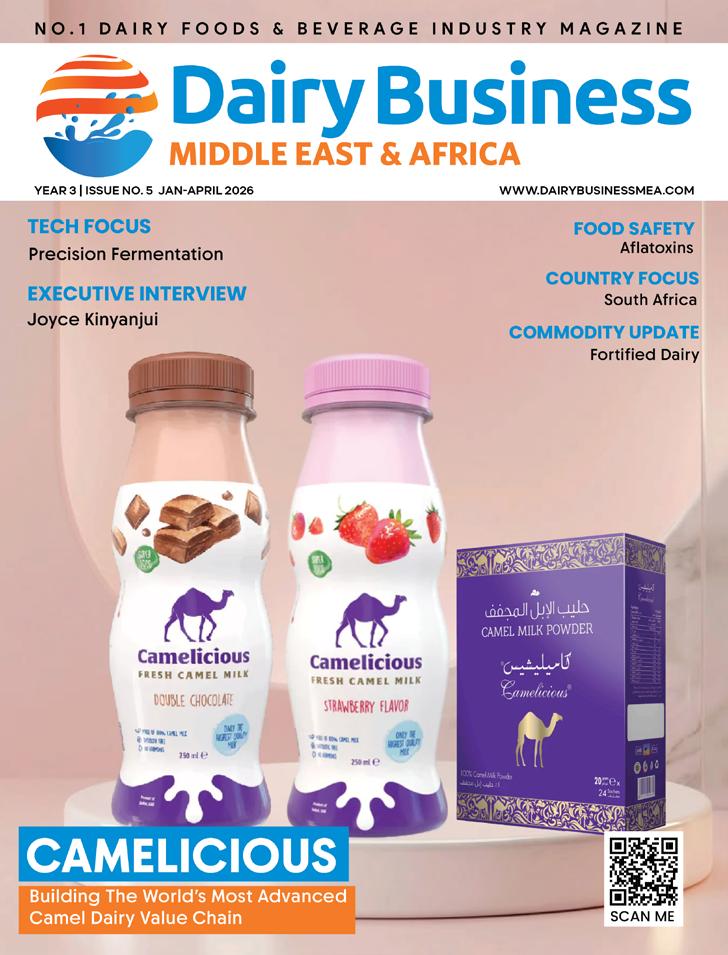
For Decades, Africa’s dairy industry has faced mounting challenges driven by unreliable weather patterns and climate change issues. This has seen the cost of production skyrocket as the cost of essential inputs such as feed continue to soar. For small scale farmers who form majority of the producers, this is more than a challenge and more of a hindrance.
As the cost of production at the farm level increases, dairy products especially milk have become an expensive commodity for most consumers who continue to grapple with decreasing purchasing power due to tough economic times. This has resulted in an increasing number of actors in the informal sector who try to avoid other costs involved in dairy business such as licenses and permits. This continues to pose a huge food safety risk to the consumers who at times end up as culprits of adulterated milk as some unscrupulous traders unethically try to benefit.
However, the tide is changing. Government agencies such as the Kenya Dairy Board have come forth to tighten controls on operators in the dairy industry. Regulations require businesses operating in the dairy acquire licenses and permits to ensure that milk sold is safe and does not pose any health risks to the consumers.
Industry events such as the Africa Dairy Innovation Summit
(AFDIS) are also playing a key role in informing growth in the dairy industry. With key speakers from the dairy industry and government bodies, AFDIS is a leading platform for world-class education, capacity building, and networking in the African dairy industry.
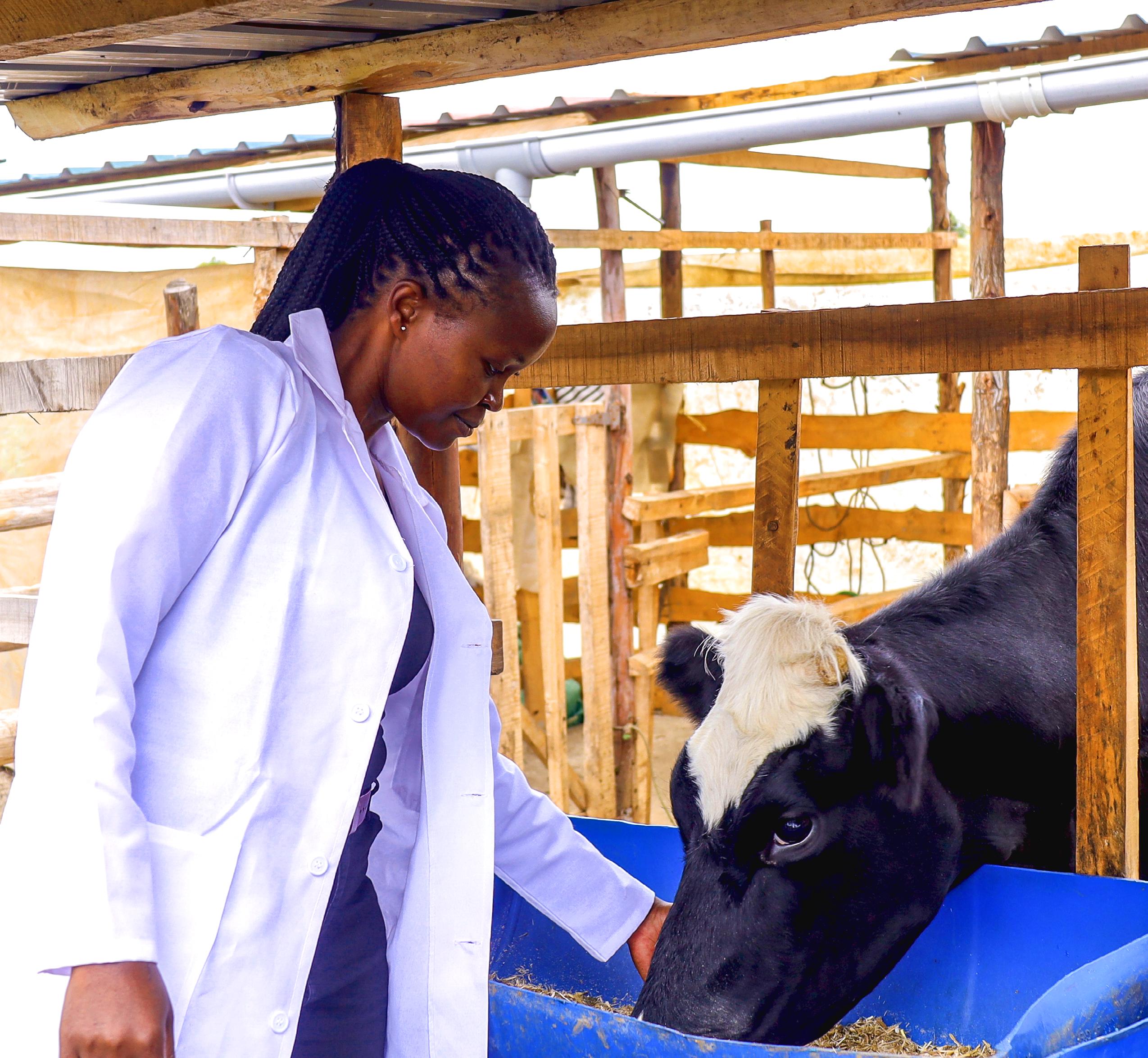
Despite such efforts, high costs of production have made it difficult to eliminate the informal dairy sector. To address this, dairy companies are taking up the mantle to steer resilient dairy farming. In this Issue, we highlight how Happy Cow Ltd through its project manager Joyce Kinyanjui, is championing dairy productivity and quality in a bid to build a resilient dairy ecosystem.
Beyond this, Issue 5 delivers latest industry news, trends, and regulatory updates to keep you informed. From latest technologies and processes to investment opportunities, policy shifts and trade dynamics, we ensure that every player in the dairy industry is equipped with the knowledge needed to thrive.
Enjoy your read!!
Francis Watari Lead Editor, Dairy Business MEA.




Africa Dairy Innovations Summit
Argyle Grand Hotel Nairobi, Kenya
April 16 - 17, 2026 www.africadairysummit.com
Africa Dairy Industry Awards
Nairobi, Kenya
April 17th, 2026 www.africadairysummit.com/awards
9th Global Dairy Congress Asia 2026
Singapore
April 21 - 22, 2026 www.szwgroup.com/global-dairy-innovationcongress-asia
Anuga FoodTec India Dairy
New Delhi, India April 22 - 24, 2026 www.dairy.anugafoodtec-india.com
Global Dairy Congress 2026
Barcelona, Spain
June 17 - 18, 2026 www.foodbevevents.com/event/global-dairycongress-2026
The International Cheese & Dairy EXPO Staffordshire, UK
June 24 - 25, 2026 www.internationalcheesedairyexpo.com
AFMASS Food Expo Kenya & Eastern Africa Edition
Sarit Expo Centre, Nairobi, Kenya
July 15 -17, 2026 www.afmass.com/east
Dairy Tech Africa Nairobi, Kenya
September 9 - 11, 2026 www.dairytechafrica.com
World Dairy Expo
Wisconsin, USA
September 29 - October 2, 2026 www.worlddairyexpo.com


FOUNDER
Francis
SENIOR
Francis
EDITORS
Martha
Mercy
Stephen
Victor
Nicholas
BUSINESS
Virginia
BUSINESS
Jonah


www.dairybusinessmea.com www.foodbusinessmea.com
HEAD
DESIGN
ACCOUNTS
Anita
P.O. Box 1874-00621, Nairobi Kenya Tel: +254725 343932
Email: info@fwbrandsmea.com Company Website: www.fwbrandsmea.com
www.healthcaremea.com
www.hpcmagmea.com






























ACTIVITY TIME
07.30 09.00 09.30 12.00 13.00 14.30
THURSDAY 16 APRIL 2026

Registration and Morning Networking Coffee / Tea / Dairy Break
Expo Hall opens & Walk-about by Delegates
SESSION 1: OFFICIAL OPENING CEREMONY
• Official ribbon cutting ceremony
• Speeches by organisers, sponsors and chief guests
• Acknowledgement of sponsors and partners
• Keynote Speeches by Government official, organisers and sponsors
THE CEOs ROUNDTABLE – The Future of Dairy Industry in Africa: Boosting Milk Production & Food Security, Processing & Packaging and Trade into 2030 and beyond
SESSION 1A
• Mercy Ndoro – Group Chief Executive Officer – Dairibord Holdings, Zimbabwe
• Geoffrey Mulwana – CEO, Jesa Farm Dairy
• Kenneth Gitonga – CEO, Meru Central Dairy Coop Union
• Jackline Peter Ngasa – Managing Director, Asili Dairy
SESSION 1B
• Denis Chitowe – Managing Director, Mzuzu Dairy, Malawi
• Wondirad Abraham – Owner & CEO, Amerti Dairy Farm, Ethiopia
• John van Zuylen – CEO, La Fromagerie, Rwanda
• Hassan Sheikh – Operations Manager, Bakhresa Food Products Ice Cream Division, Tanzania
SESSION 2: WHAT’S NEW IN DAIRY INNOVATION & FORMULATION - Updates on the latest Technologies & Innovations that enhance the nutritional, health and wellness, taste and texture, reduce costs and improve the shelf life of dairy products
PRESENTATIONS
• Brian Lanton – Managing Director, Cape Food Ingredients
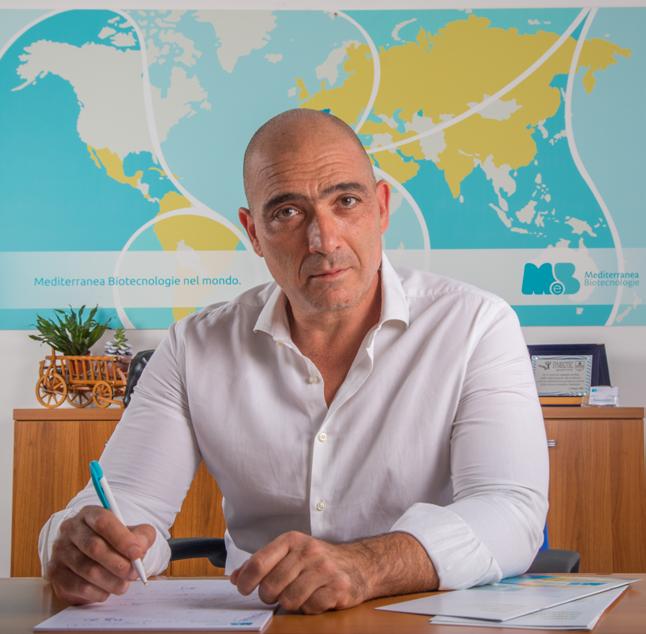
• Enrico Biraschi – Commercial Director, Mediterranea / IGEA
Lunch Break and Networking at the Expo Hall
SESSION 3: WHAT’S NEW IN DAIRY INNOVATION & FORMULATION – Updates on the latest Technologies & Innovations that enhance the nutritional, health and wellness, taste and texture, reduce costs and improve the shelf life of dairy products
08.00 16.00 17.30
09.00 09.30
PRESENTATIONS:
• IFF representative
Dr. Tawanda Mushuku – Frulact Agent, Africa
SESSION 4: WHAT’S NEW IN FOOD SAFETY, QUALITY & COMPLIANCE – Updates on the latest quality testing, food safety protocols and compliance systems for the dairy industry in Africa
PRESENTATION:
• Marco La Femina – Country Manager, Prognosis Biotech Kenya
PANEL DISCUSSION – Emerging food safety, quality and compliance issues in the dairy industry – Tapping into panAfrican partnerships and new technologies towards a safer, more compliant dairy industry in Africa
• Molly Abende – Head of Quality Assurance, Glacier Products
• George Ooko Abong’, PhD – Food Systems & Nutrition Specialist, University of Nairobi, Kenya
• Paul Ndung’u – Technical Director, Regulatory Services, Kenya
Dairy Board
Expo Hall Closes
FRIDAY 17 APRIL 2026
Morning Networking Coffee / Tea / Dairy Break
Expo Hall Opens 11.30
SESSION 5: WHAT’S NEW IN DAIRY TECHNOLOGY: Processing, Packaging & Cold Chain Excellence – Updates on the latest processing, packaging and cold chain technologies transforming the dairy industry in Africa
PRESENTATIONS:
• IFF representative
• Reza Chabokro – Marketing & Innovation Director, Brookside East Africa (Danone) – Case study of the innovation journey at Brookside Dairy
SESSION 6: TRENDS IN SUSTAINABLE DAIRY PRODUCTION & CIRCULAR ECONOMY: Updates on the opportunities that can be tapped into by investors and managers to enhance sustainable dairy production and circular economy across the value chain in Africa

PRESENTATIONS
• Milk Production Economics – How to Double Milk Production in Africa - Brent Wallace, Director, Tropical Resilience Genetics
• Kerry representative
PANEL DISCUSSION: Powering the Future of Milk Production & Processing through Co-operatives: The Opportunities, Challenges & Trends in Africa
PANELISTS
• Mildred Kosgei – Dairy Development Officer, Kenya Dairy Board
• Alex Gitonga - MD, Tanolope Consultancy
SESSION 7: EMERGING ISSUES IN THE DAIRY INDUSTRY IN AFRICA – Updates on the latest research and interventions programs that enable dairy products access towards nutritional, health and wellness in Africa
PRESENTATION:
• Elizabeth Annie Cook – Senior Scientist, ILRI
Lunch Break and Networking at the Expo Hall
SESSION 8: CLOSING SESSION EXECUTIVE FORUMS ON GOVERNANCE, INTEGRITY & TRANSPARENCY IN THE DAIRY INDUSTRY
KEYNOTE SPEAKER
• Roderick Kwabena Daddey-Adjei – Deputy CEO, Food Division, Ghana Food & Drugs Authority
PANEL DISCUSSION: Enhancing Governance, Integrity & Transparency in the Dairy Value Chain in Africa: The Opportunity & Challenges across the value chain
PANELISTS
• Kimutai Maritim – Ag. Managing Director, Kenya Dairy Board
PANEL DISCUSSION: Communicating the Goodness of Dairy in the Age of Social-Media, Fake News & Misinformation
PANELISTS
• Milan Kabata – Marketing Manager, Glacier Products Ltd (Dairyland)
Networking at the Expo Hall

Cape Food Ingredients is a leading manufacturer of food ingredients, with factories in Nairobi, Accra and South Africa. For the dairy sector, CFI offers a full range of functional ingredients including cultures, flavours, stabilisers, colours, preservatives and much more. CFI is producing fruit preps and yoghurt syrups in Nairobi. It is also the first company in Africa to produce cheese coatings locally.


Address: 11 Sasio Road, Industrial Area, Nairobi, Kenya
Contact: +254 (0)726872993
Email Address: info@cfieastafrica.com
Website: www. capefoodingredients.com
With local production we offer many advantages to the dairy sector, including lower costs, smaller MOQs and faster lead time.
In addition, we have Applications and New Product Development Labs in each region of Africa. Let us assist you locally!
ProGnosis Biotech is a leading manufacturer of advanced diagnostic solutions for food safety, clinical and veterinary applications.
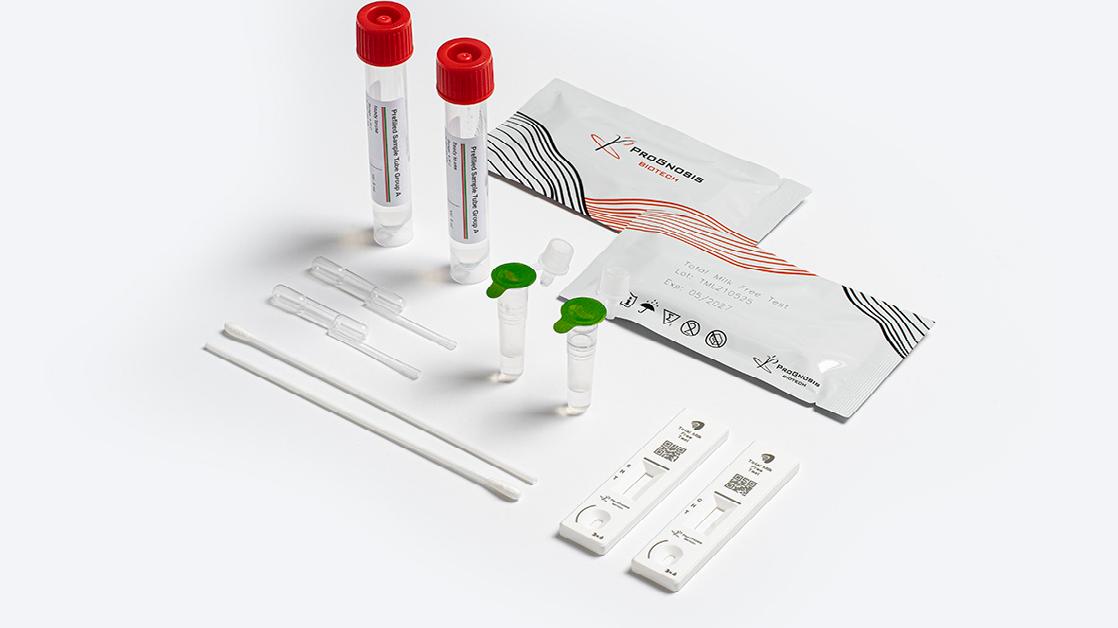
For the dairy sector, the company offers rapid ELISA and Lateral Flow test kits for detecting mycotoxins, antibiotic residues, milk adulteration, allergens, and other contaminants, supported by in-house antibodies, reader devices, and software solutions.
Address: Gemunde – Maia Portugal
Contact: +27797859863
Email Address: info@frulact.com
Website: www.frulact.com
Address: The TRIPPLE 222 Address, Block B 5th floor Eastern
Bypass Ruiru, Kenya
Contact: +254797535785 / 254746435683 / 254710908738
Email Address: sales.ke@prognosis-biotech.com Website: www.prognosis-biotech.com

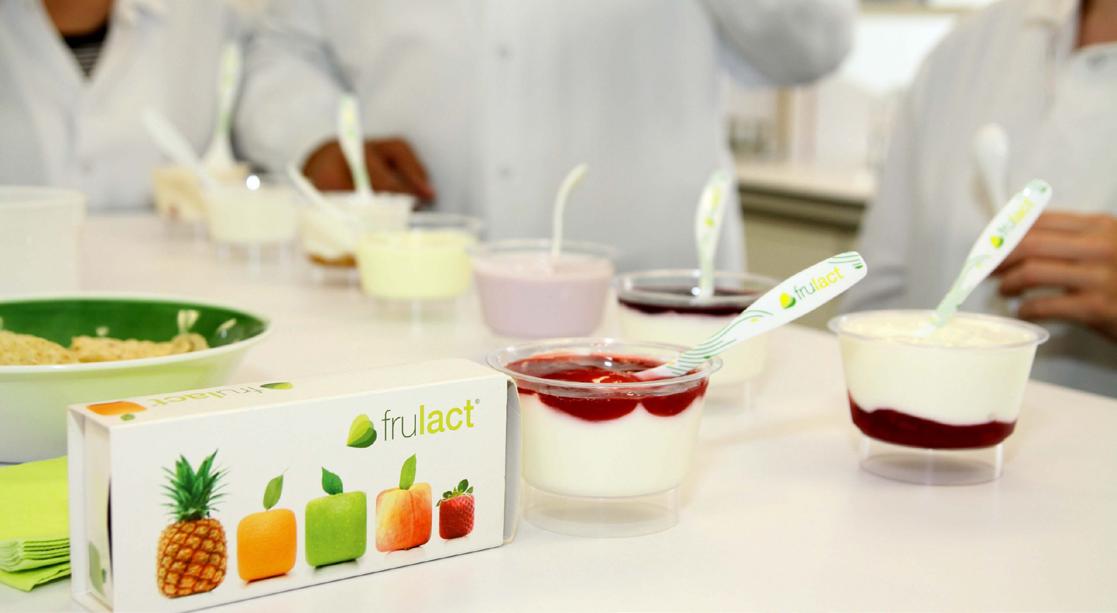
Frulact is a global producer of natural fruit and plant-based ingredient solutions for the food and beverage industry. In the dairy industry, the company develops high-quality fruit preparations, flavors and specialty ingredient systems, partnering with manufacturers to create differentiated products and successfully bring them to market.
At IFF, we’re on a mission to transform everyday dairy experiences into unforgettable memories. Whether you need to tackle production efficiencies, focus on a new consumer need, or comply with new regulatory standards, we understand cheese production can be challenging. Our broad portfolio of end-to-end solutions and state-of-the art capabilities and infrastructure, coupled with our heritage in dairy science and technologies can help you transform challenges into growth opportunities, now and in the future.
Address: 3 Ballantrae Place, Huntington, Hamilton, 3210, New Zealand
Contact: +64 7 8437577
Email Address: info@tropicalgenetics.com
Website: www.tropicalgenetics.com

Jesa Farm Dairy is a family owned dairy founded in 1989 by the late Mr. James Mulwana. From its small beginnings as a local dairy producing only raw milk, JESA has become a home grown, commercial success story and a flagship East African consumer brand.
Address: Olkalou Road, Ndunyu Njeru, North Kinangop
Email Address: info@kinangopdairy.co.ke
Contacts: +254 711 791 548 , +254 733 555 025 Website: www.kinangopdairy.co.ke
Ndumberi Dairy Farmers Co-operative Society Ltd is a member-owned dairy cooperative on the outskirts of Kiambu town in Ndumberi Township. The cooperative’s mission is to empower members by delivering farmer focused services and marketing highly competitive dairy products to customers through prudent management.
Address: Plot No. 49 Kalalu Laikipia East Near Mathagiro Town, Meru, Kenya
Contact: 254799 755690
Email Address: customerservice@sirimon.co.ke
Website :www.sirimon.co.ke
Address: 7th Floor, 9-West. Parklands Road Westlands Nairobi Kenya
Telephone: +254745103655
Email Address: Wilberforce.Thiribi@iff.com
Website: www.iff.com
Tropical Resilience Genetics is an innovative genetics company, totally focused on developing high performing cattle genetics with the SLICK gene for Heat Tolerance in the Tropical zones. Our genetics allow farmers in tropical climates around the world to breed superior dairy cows in one generation, that not only withstand the challenges of heat and humidity but thrive in it.
Address: Plot 210/21/ Busunju, PO Box 5961, Kampala Uganda
Contact: +256 0800 397 397
Email Address: info@jesa.co.ug Website: www.jjesa.co.ug
Kinangop Dairy Limited is a leading Kenyan processor of quality dairy products since 1999. It was established with the aim was buying, processing, packaging and distributing dairy products using milk produced from the milk-rich catchment areas of Kinangop.
Address: Kiambu/Ndumberi Rd, Box 226-00900, Kiambu
Contact: +254704946868
Email Address: Info@Ndumberidairy.com Website: www.ndumberidairy.com
Sirmon Cheese is an independent artisanal cheese studio in the heart of Laikipia County. Our passion lies not just in the art of cheese making but also in the provenance of exceptional ingredients, the starting point for all our distinctly natural cheeses.
USA – Chobani has invested US$567 million in the expansion of its La Colombe plant, which is expected to add over 200,000 square feet of production space and nearly 340 new jobs, while retaining 312 jobs.
The increased production also means that Chobani will buy significantly more milk from local Michigan farmers for the La Colombe plant, increasing supply from approximately 30 million to an expected 615 million pounds annually over the next few years, reinforcing confidence in Michigan’s farmers and the future of the state’s dairy community.
The expansion follows a series of major investments by Chobani in 2025, totalling US$1.7 billion. These include a US$500 million expansion of its Twin Falls, Idaho facility to increase production capacity by 50%, and a US$1.2 billion investment in a new dairy processing plant in upstate New York, the largest in the company’s history.
TANZANIA – The Tanzania Dairy Board (TDB) has unveiled a strategy to boost domestic milk production and improve quality, aiming to reduce reliance on imports. A 10-year project (2025–2035) worth US$200.72 million is being implemented to transform the dairy sector while addressing the impacts of climate change.
The project includes the procurement of 17,200 improved dairy cattle, construction of 150 new milk collection centres, and investment in water infrastructure and pasture production.
To support livestock health, the government has allocated US$83.38 million for a five-year national vaccination campaign (2025–2030) to reduce disease and increase productivity.
Additionally, the government has invested in dairy infrastructure, encouraging the establishment of 188 milk processing plants and increasing the number of milk collection centres from 200 to 269 over the past six years.
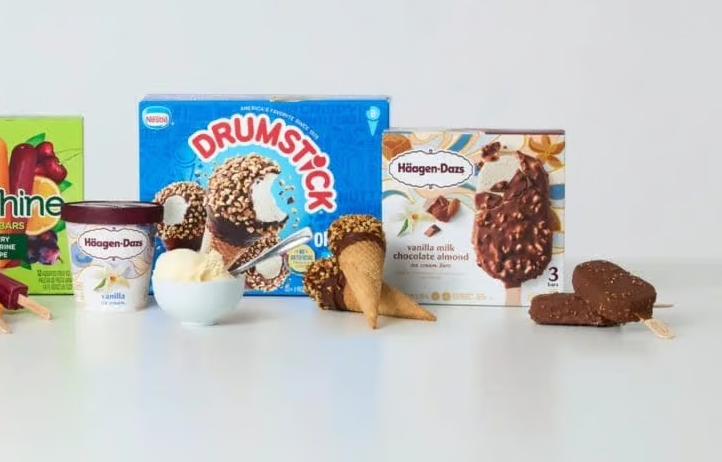
– The Beverage Company Proprietary Limited (Bevco), a subsidiary of Varun Beverages Limited, has signed an agreement to acquire a 100% equity stake in Crickley Dairy Proprietary Limited, a South Africa-based dairy company.
In a regulatory filing, the company confirmed the execution of the agreement on March 17, 2026.
The transaction remains subject to regulatory approvals, including clearance from the Competition Commission of South Africa. Under the terms of the deal, Bevco will acquire the entire equity stake in Crickley for an enterprise value of ZAR 238 million (US$14.3M).
Varun Beverages Limited says the acquisition aligns with its strategy to diversify its product portfolio into new categories such as value-added dairy and juice-based beverages. Traditionally known as a key bottler for global soft drink brands including Pepsi and Mountain Dew, the company is increasingly looking to tap into evolving consumer demand for functional and nutrition-focused products.
The agreement has been executed between Bevco, Clark Holdings
Proprietary Limited, and Crickley Dairy Proprietary Limited.
Varun Beverages clarified that it does not currently hold any stake in Crickley and that neither Clark Holdings nor Crickley is related to its promoter group. “The company added that the transaction does not qualify as a related party transaction,” the filing said.
Founded in 1984 by Ken Clark, Crickley Dairy has established a strong presence in South Africa’s dairy sector, particularly in the Eastern Cape region.
The acquisition follows a series of strategic moves by Varun Beverages to strengthen its footprint in Africa. In December, the company announced plans to fully acquire South Africa-based Twizza through Bevco.
Earlier, in March 2024, Varun Beverages acquired The Beverage Company in South Africa, including its subsidiaries such as Bevco.
The company said the acquisitions have helped consolidate its presence across multiple markets, including South Africa, Lesotho and Eswatini, while expanding distribution rights in Namibia, Botswana, Mozambique and Madagascar.
KENYA – Kenya has launched the Quality-Based Milk Payment System (QBP) as part of ongoing reforms to shift Kenya’s dairy sector from volumedriven production to value-based earnings.
Under QBP, milk will be tested at collection centres for butterfat, protein content and safety parameters, with higher-quality milk attracting premium prices and bonuses.
To support farmers, the government is implementing the AI Subsidy Program, subsidised livestock vaccination, provision of bulk milk coolers and improved feed monitoring.
Livestock PS Jonathan Mueke said the new system will ensure farmers who produce highquality milk earn more. He noted that major dairy processors and many cooperatives have signed onto the system, meaning milk payments will no longer be based solely on kilograms delivered.
RWANDA – The government has considered establishing a dairy board to regulate the milk value chain and address persistent challenges in the sector, including high production costs, low returns to farmers, and weak coordination among stakeholders.
The government has set a goal to increase annual milk production to 1.32 million metric tons by 2029. To achieve this, the board will oversee a massive push for genetic improvement. This includes the recent arrival of elite HolsteinFriesian bulls from Germany, capable of producing offspring that yield over 10,000 liters per lactation.
Jean Claude Ndorimana, Director General for Animal Resources Development at the Ministry of Agriculture and Animal Resources (MINAGRI), said the proposed board would strengthen oversight of the dairy industry by drawing on lessons from countries such as Kenya, Tanzania, Uganda, and India, where similar institutions have proven effective.
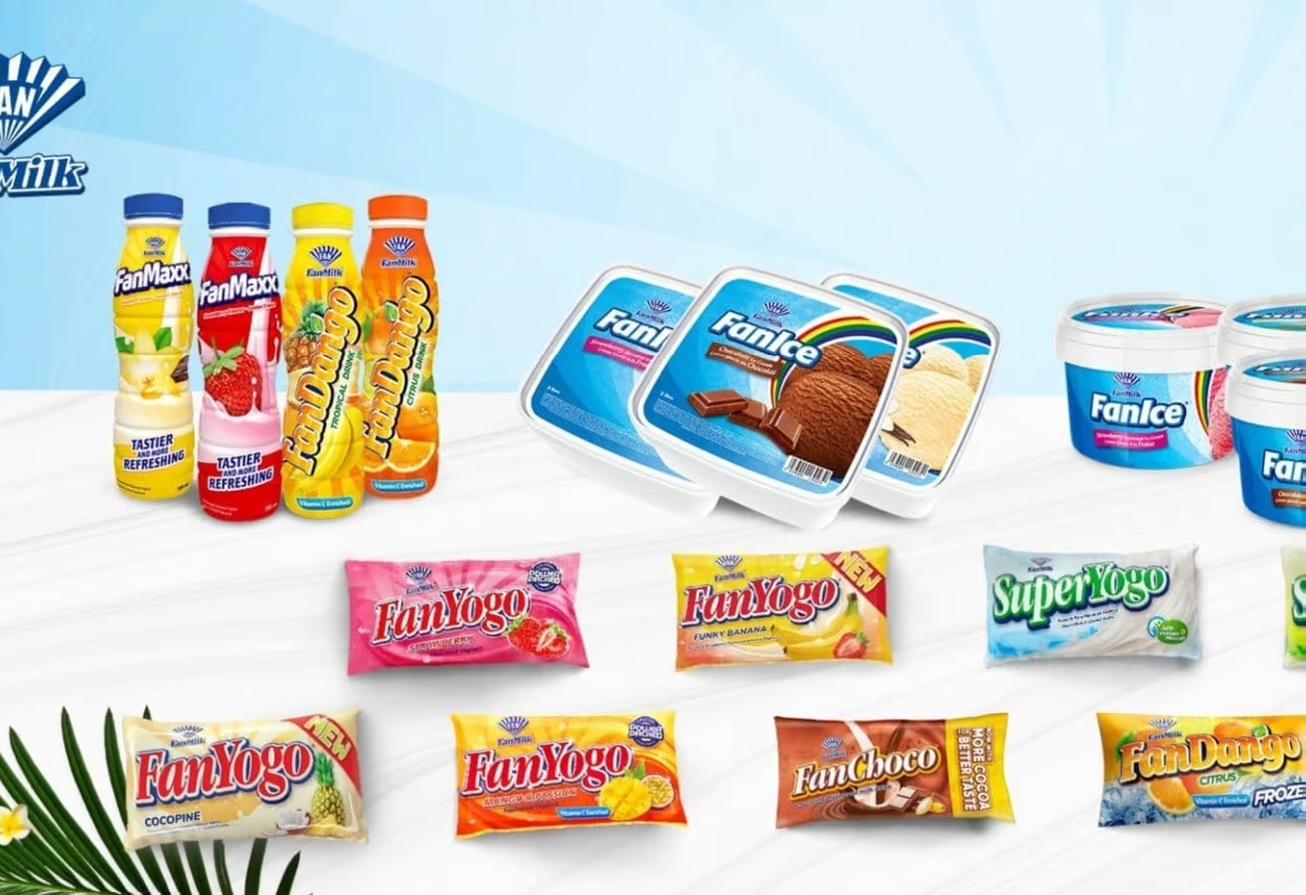
GHANA – Fan Milk PLC has recorded a 46.3 per cent increase in revenue to US$93.83 million for the year ended December 31, 2025, up from US$64.27 million in 2024.
The strong performance was attributed to effective sales strategies, robust distribution networks, and strong brand positioning within the Ghanaian market.
According to unaudited financial statements filed with the Ghana Stock Exchange (GSE), the company’s profit after tax rose 36 per cent to US$6.34 million from US$4.65 million, while earnings per share increased to GHS 0.58 from GHS 0.43.
The company, a subsidiary of Danone and a leading frozen dairy producer in Ghana, invested US$3.38 million in capital expenditure during the year. Gross profit increased to USD 36.12 million from US$26.09 million, though cost of sales rose to US$57.93 million from US$38.19 million, reflecting higher input costs for raw materials.
Operating profit reached US$10.53 million, up from US$7.29
million in 2024, despite increased sales and distribution costs of US$15.44 million compared to US$10.62 million the previous year.
The company strengthened its balance sheet significantly during the year. Total assets grew to US$64.70 million, while total equity increased to US$31.11 million.
Bank and cash balances more than doubled to US$21.77 million, driven by the strong operating cash flow of US$20.16 million. Finance costs declined to US$564,000, reflecting reduced debt servicing obligations after loan repayments.
Fan Milk manufactures and markets dairy products and fruit drinks across Ghana and West Africa, producing frozen yogurts, chocolates, ice cream, snacks, and ice lollies under brand names including FanYogo, FanChoco, FanIce, FanDango, and FanPop.
Recently, Lio Parent, the former Managing Director of FanMilk Ghana, took on an expanded leadership role, serving as Managing Director overseeing FanMilk’s operations in Togo, Côte d’Ivoire, and Benin.











AFRICA WINE & DRINKS
BEER, SPIRITS, Summit Expo


SIGN UP TO ATTEND, SPONSOR & EXHIBIT

AFRICA EXPO MEAT & P ULTRY
AFRICA FOOD EXPO INGREDIENTS
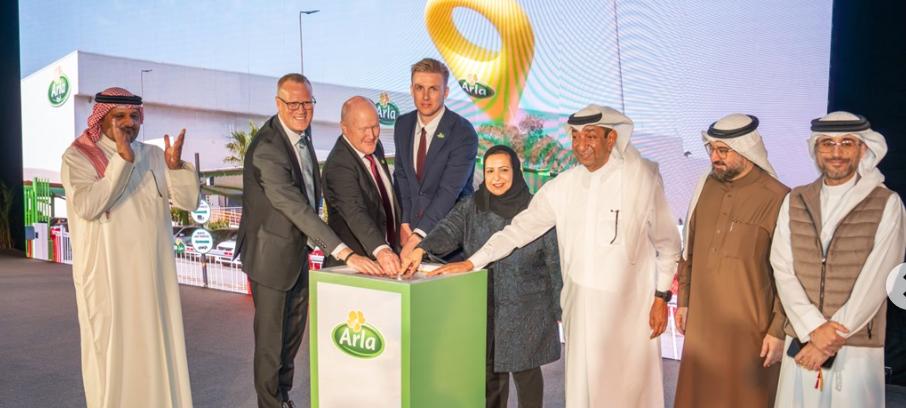
BAHRAIN – Arla Foods has announced the groundbreaking of its facility expansion, valued at over US$60 million, in the Kingdom of Bahrain.
The investment is set to add 8,000 sqm to Arla’s largest production facility outside Europe and will increase its annual production volume by 30%, making Arla one of the largest dairy makers in the region.
The Dairy cooperative’s investment will increase the production capacity of the popular spreadable cheese jars sold under the Puck® brand while enabling Arla to export to new markets beyond its existing presence in more than 20 countries.
Kim Villadsen, Senior Vice President Arla Foods MENA, stated, “By expanding our Bahrain facility, Arla is strengthening its regional leadership, increasing production capacity, and advancing sustainable growth, reaffirming our long-term commitment to the families and communities we serve across the MENA region.”
Since acquiring the Bahrain production site in 2019, Arla Foods has made significant progress in developing local talent, with Bahrainis now accounting for more than half of its workforce.
Eman Ahmed Al-Doseri, Undersecretary of the Ministry of
Industry and Commerce, noted, “Arla’s expansion aligns with the objectives of the Industrial Sector’s strategic goals (2022-2026) and serves as a model for advanced and sustainable manufacturing through the adoption of the Fourth Industrial Revolution technologies and environmentally-friendly energy solutions.”
Arla Foods received a Golden License at the Gateway Gulf Investment Forum 2025, highlighting the company’s continued investment and long-term commitment to the Kingdom.
The Golden License, announced in 2023, provides streamlined services to businesses with largescale investment projects in Bahrain with the aim of supporting investment and boosting job creation.
In Sweden, the company invested US$324 million in a new cheese dairy at its production site in Götene to expand capacity, strengthen supply resilience, and accelerate innovation across the production network. At the same time, the investment will boost Swedish cheese production, jobs, food security and regional growth. By building modern, efficient capacity in Sweden, Arla will scale high-quality, nutritious dairy for consumers, enhance food security across its markets, and accelerate innovation in core cheese categories.
Yili Group appoints Alex Turnbull as CEO of five New Zealand companies
NEW ZEALAND – Yili Group has appointed Alex Turnbull as chief executive officer to lead its five New Zealand companies: Westland Milk Products, Oceania Dairy, Canary, EasiYo and Pure Nutrition.
Turnbull, an experienced New Zealand agribusiness executive, was previously CEO of Manuka Health, where he oversaw a business turnaround that improved profitability, cash flow and operational performance.
His past roles include senior executive and board positions at Fonterra, including managing director for Latin America, as well as leadership positions across global ingredients, nutrition and consumer businesses.
The appointment comes after Westland Milk Products and Oceania Dairy, dairy subsidiaries of the Yili group, reported a 12% profit growth for the first half of 2025.
Amul Dairy opens advanced sexed semen labs in Gujarat
INDIA – Amul Dairy has inaugurated two advanced sexed semen laboratories at its Semen Station in Ode, Gujarat, marking a major milestone in improving bovine genetics and enhancing dairy productivity within the Amul milk shed.
The first facility, the Amul Gausort Sexed Semen Laboratory, has been established in collaboration with the National Dairy Development Board (NDDB).
With an initial capacity of 1 lakh sex-sorted doses annually, scalable to 5 lakh doses, the centre leverages indigenously developed technology.
The second facility, the Amul Ge-Nova Sexed Semen Laboratory, has been developed in partnership with Genus ABS. It is expected to produce approximately 0.7 million sexed semen doses annually, further accelerating dairy market growth and improving access to superior bovine genetics.
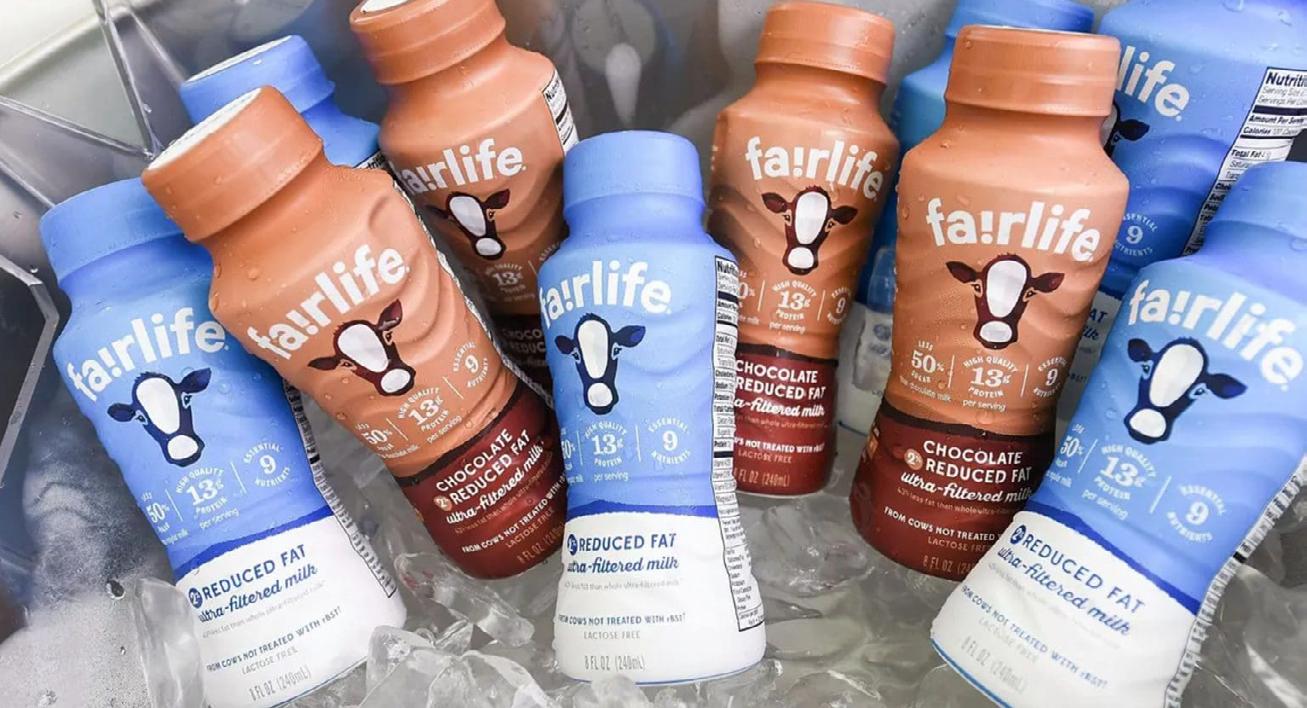
USA – Coca-Cola Company has announced a US$650 million investment to expand production at its Fairlife facility in Michigan.
The investment at its Coopersville manufacturing plant will add 245,000 square feet of production space and create 150 additional jobs, the Michigan Economic Development Corporation said in a statement.
Fairlife, which produces ultrafiltered, lactose-free milk, protein and nutrition shakes, has been located in Coopersville since 2012. It employs more than 400 people. Facility updates will help production keep up with consumer demand as the brand sees significant growth, the press release stated.
Jennifer Owens, the President of Regional Economic Development Agency Lakeshore Advantage, said in a statement that the expansion builds momentum for the Lakeshore’s growing agribusiness and food production industry cluster.
The announcement followed the Michigan Strategic Fund Board’s approval of a US$17 million grant to fund regional water system improvements, as well as a US$3.9 million “Alternative State Essential Services Assessment” abatement for the Fairlife project.
Additionally, the company is
also set to inaugurate its state-ofthe-art Fairlife production facility in Webster, N.Y., this year as part of the brand’s continued expansion in the Northeast market.
The new 100-acre facility is expected to source from local milk co-operatives to produce Fairlife’s high-quality, dairy-based beverages before distributing them to retailers across the region.
Fairlife CEO Tim Doelman noted that consumer demand for Fairlife products is at an all-time high, and a new production facility will allow them to significantly increase capacity and deliver Fairlife to even more households across the country.
Coca-Cola’s expansion beyond soda is gaining momentum through its Fairlife milk, which has become the company’s fastest-growing USA brand.
A report by Bloomberg indicated that the ultra-filtered milk, known for its high protein content and lactosefree formula, has seen retail sales surge from an estimated US$90 million in 2015 to over US$1 billion in 2022.
Fairlife’s journey traces back to Select Milk Producers, a USA dairy cooperative that developed an ultrafiltering process to enhance milk’s nutritional value.
Danone acquires of Huel for US$1.1B
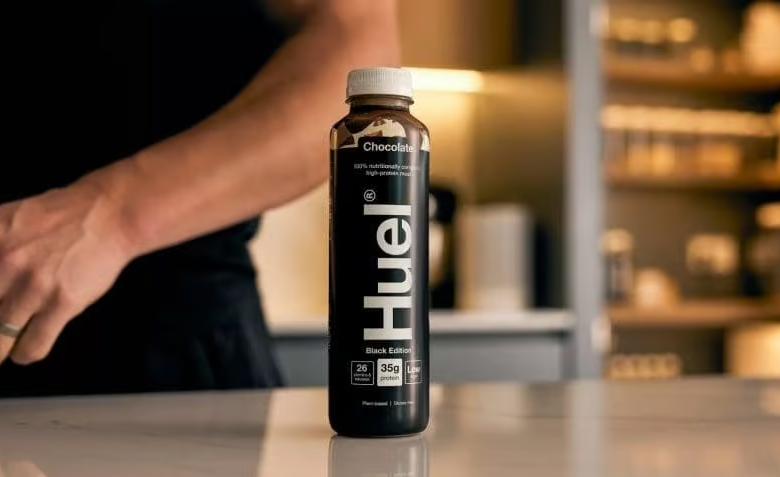
UK – Danone has entered into a definitive agreement to acquire Huel, a leading player in complete, nutritionally balanced meal solutions.
The acquisition forms part of Danone’s Renew Danone strategy, aimed at strengthening its position in functional nutrition while expanding into nutritionally balanced meal solutions. Financial details of the transaction were not disclosed.
Danone plans to combine the brand’s digital capabilities and product innovation with its own global scale, nutritional expertise and international distribution network.
Huel has built its footprint across the UK, Europe and the United States, supported by a digital-first business model and a significant directto-consumer customer base.
Saputo sells majority stake in Argentina dairy division to Gloria Foods
ARGENTINA – Saputo Inc has announced that it has entered into a definitive agreement with Gloria Foods, the dairy and food holding company of Grupo Gloria, to sell an 80% interest in its Dairy Division (Argentina), valuing the business at an enterprise value of US$630 million.
With its retained 20% ownership interest, the Company expects to receive net proceeds, after tax, of approximately US$400 million, subject to certain customary adjustments.
Over the last four quarters, the Dairy Division (Argentina) generated approximately $1.2 billion of revenues, which represented approximately 7% of consolidated revenues.
INDIA – The Magnum Ice Cream Company (TMICC) has announced that it has completed the acquisition of 61.9% of the equity shares of Kwality Wall’s (India) Limited (KWIL) under the terms of the Share Purchase Agreement with Unilever dated June 25, 2025.
A mandatory tender offer, made in accordance with applicable Indian laws, is currently underway and it is expected to conclude within the next 4–6 months.
If, pursuant to the tender offer, TMICC’s shareholding in KWIL exceeds 75%, TMICC will be required to reduce its shareholding to not more than 75% within one year, in order to comply with the minimum public shareholding requirements.
ZEALAND – Fonterra Co-operative Group Ltd has completed the sale of its global consumer and associated businesses, Mainland Group, to Lactalis.
The sale comprises Fonterra’s global Consumer business and Consumer brands (excluding the consumer business in Greater China, where Fonterra will continue to own the Anchor brand), the integrated Foodservice and Ingredients business in Oceania, the integrated Foodservice business in Sri Lanka and the Middle East and Africa Foodservice business.
Chairman Peter McBride noted that the completion of the sale is a significant milestone which sets the Co-op up for the future.
He added that through the company’s high-performing Ingredients and Foodservice businesses, they will sell innovative dairy products to customers globally under NZMP and Anchor Food Professionals brands.
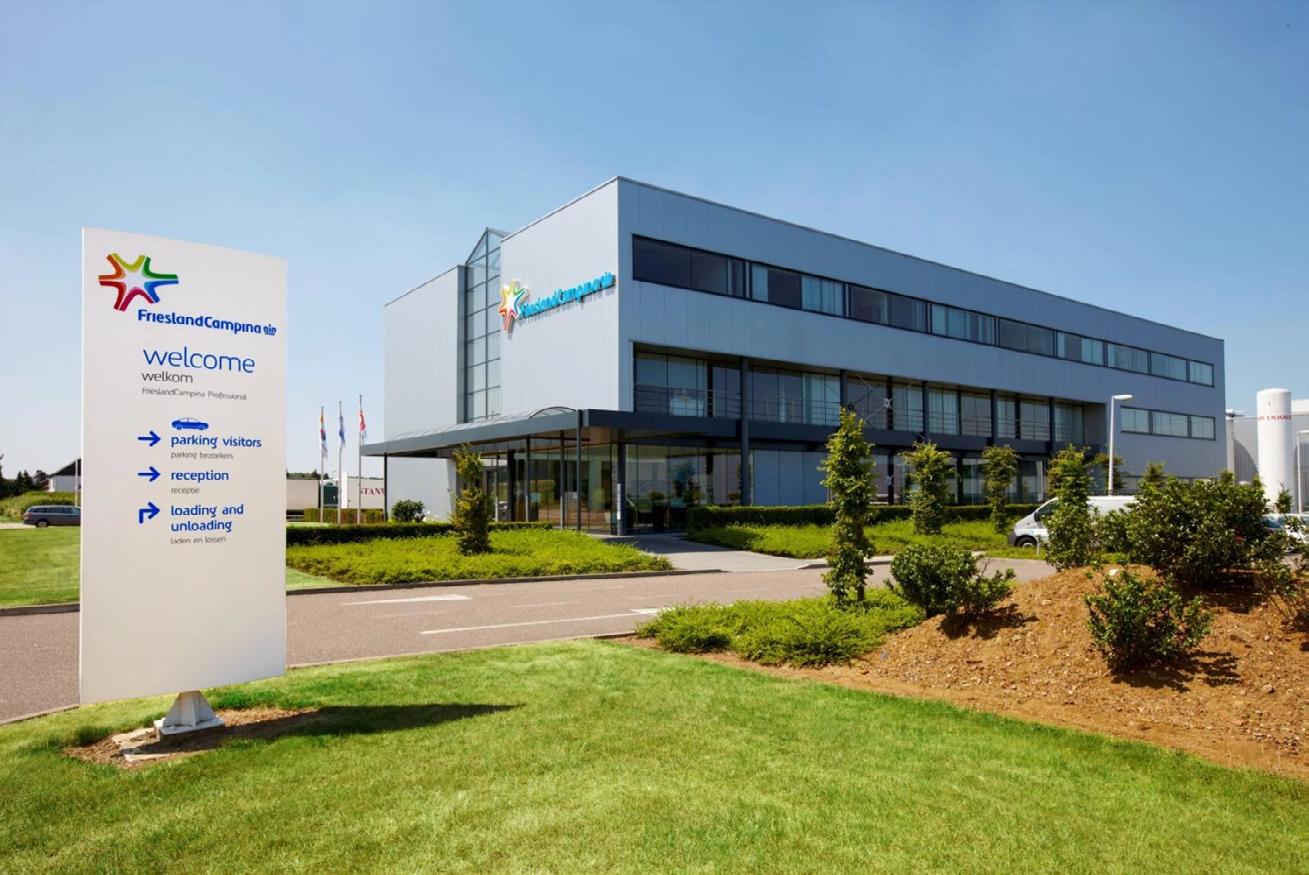
– FrieslandCampina has reported revenue of US$15.85 billion, up from US$15.22 billion in 2024, despite the heavy pressure on commodity dairy prices in the second half of 2025.
The operating profit was US$531 million and a net result of US$338.76 million, despite challenging market conditions in the second half of the year.
The net cash flow from operating activities was US$634.1 million in 2025. This decrease is mainly driven by working capital normalising in 2025 compared to the low level at the end of 2024.
In a declining European dairy market, market share was gained through innovation, cooperation with retailers, and a focus on strategic brands. Partly due to cost savings initiated in 2023 aimed at general costs (SG&A) and Supply Chain costs, the result in 2025 held up well.
The Asia and Middle East, Pakistan & Africa (MEPA) business groups saw pressure on volumes. The Europe and Retail & Americas business groups were stable; both benefited from volume growth and
market share gains, but also faced lower margins due to increased raw material costs.
Professional’s results were under pressure due to low commodity dairy prices and an unfavourable volume mix. Specialised Nutrition and Ingredients achieved growth, mainly due to improved margins.
In 2025, member milk supply increased by 2.4 percent to 9,268 million kilograms, partly due to a strong rise in milk supply in the second half of the year.
In addition, members received US$52.7 million in interest on member bonds and a Foqus planet premium for the sustainability performance of 1.30 euros per 100 kilograms of milk.
In a move to strengthen sustainability, the company commissioned a new, future-proof ice-water installation, valued at US$11.53 million, at its production site in Lummen.
The installation uses up to 50% less electricity and reduces total energy costs by 12%, equivalent to the annual electricity consumption of around 600 households.






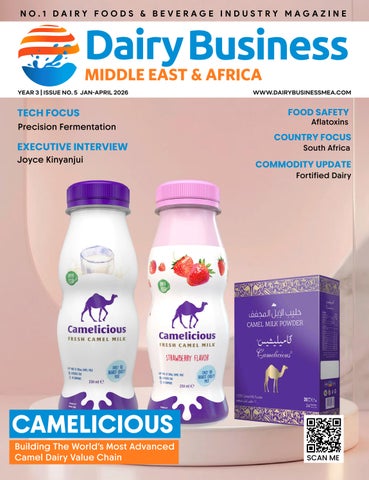
Kenya will serve as the epicentre of the continent’s most anticipated dairy industry events when the Africa Dairy Innovations Summit (AFDIS) 2026 takes place from April 16 to 17, 2026, at the Argyle Grand Hotel in Nairobi.
Under the theme, “Adopting new technologies & practices to boost access to nutritious, safe, affordable & convenient dairy products in Africa”, the summit promises to be a defining moment for Africa’s dairy value chain, bringing together more than 2,000 stakeholders, including farmers,
processors, policymakers, researchers, suppliers, financiers, and development partners.
Organized by FW Brands Middle East and Africa, the summit will run in a hybrid format, offering both in-person and virtual participation. While Nairobi will serve as the hub for the main conference, exhibitions, and networking sessions, the digital platform will extend access to delegates across Africa and beyond.
This premier event is bolstered by a prestigious roster of partners and sponsors, such as Cape Food Ingredients, Kenya Dairy Board, Ethiopia Commercial Milk Producers Association,



A major highlight of the summit is the exclusive CEO & Policy Roundtable. This restricted session serves as a vital bridge between the private sector and government leadership, focusing on high-level strategies such as navigating cross-border trade under the AfCFTA and establishing better financing for smallholders. According to one senior official, the roundtable will be “a unique platform for dialogue between industry leaders and policymakers, with the aim of creating practical pathways that support competitiveness, food security and regional trade.”
Simultaneously, the event features an expansive exhibition showcasing the latest hardware and software solutions, from renewable energy systems to automated milking technology. This includes the Dairy Innovations Hub, a dedicated space where processors can debut new product lines to a global network of investors and distributors.
International Livestock Research Institute, Kenya Bureau of Standards (KEBS), and the Ministry of Agriculture - Ethiopia, among many others.
The two-day itinerary offers a deep dive into the industry's most critical issues shaping Africa’s dairy industry. With more than 20 speakers and over 20 technical masterclasses, sessions will cover sustainable milk production, animal nutrition, processing technologies, automation, packaging, cold-chain management, and digital innovations.
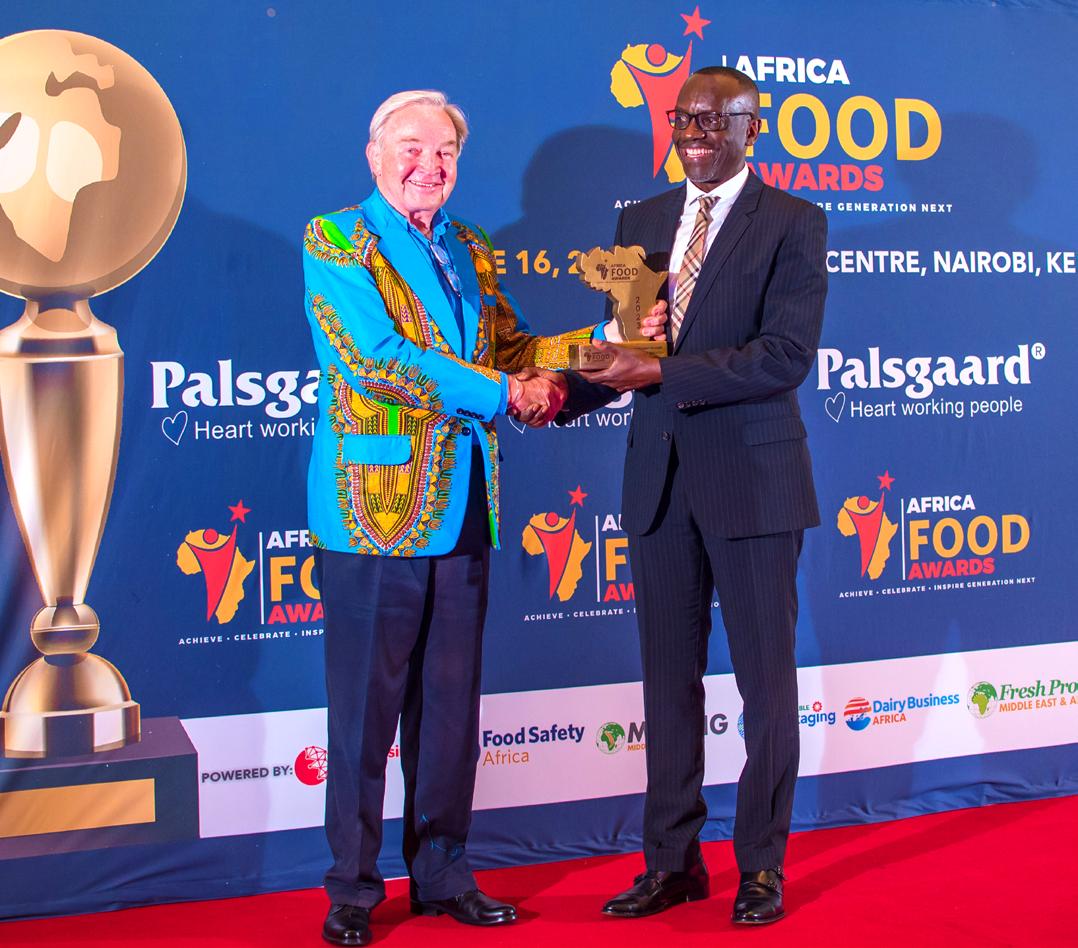
Held alongside the Africa Dairy Innovations Summit, the Awards recognise outstanding organisations, projects, and individuals who are shaping the future of dairy in Africa.
The Awards will shine a spotlight on achievements across milk production, processing, technology, sustainability, animal health, value addition, packaging, logistics, and market development.
Francis Juma, CEO, FW brands MEA stated, “The Africa Dairy Industry Awards are not just a celebration of success— they are a call to inspire continuous innovation, collaboration, and excellence in building a competitive and sustainable dairy industry for Africa’s future.”
Ultimately, the AFDIS 2026 arrives at a critical juncture for the continent’s agricultural landscape. While surging consumer demand, rapid technological breakthroughs, and deeper regional integration offer a clear path toward prosperity, the industry must still navigate significant hurdles such as productivity deficits, post-harvest waste, limited access to capital, and the growing impact of climate change. By weaving together specialized technical knowledge, high-level policy discussions, and expansive networking opportunities, the summit is designed to function as a powerful catalyst. Its mission is to bridge these gaps and ignite the development of a more resilient, competitive, and forward-thinking dairy sector for all of Africa.
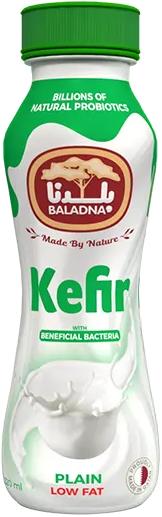
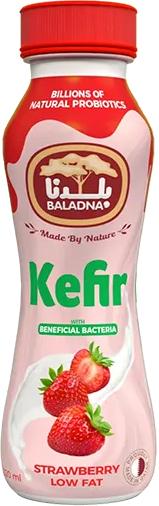
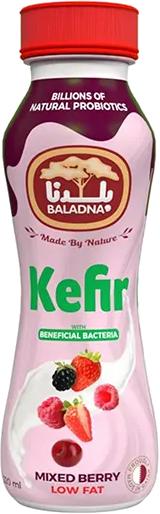
Kefir BaladnaBaladna Food Industries
Baladna Food Industries has unveiled Kefir Baladna, the latest addition to its integrated portfolio of dairy products focused on health and nutritional quality.
Rich in probiotics, Baladna kefir has been specially developed to support digestive health on a daily basis, while maintaining the authentic taste and high quality that customers trust
www.baladna.com/en

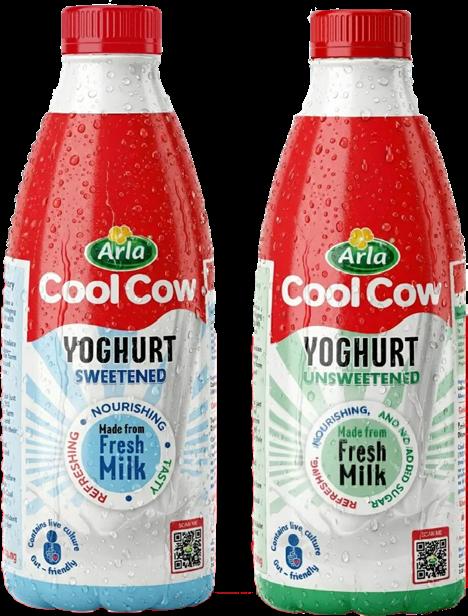
Arla Foods has unveiled its latest innovation in Nigeria: Cool Cow Yoghurt, made from 100% fresh milk.
The product comes in two variants, sweetened and unsweetened, and is available in 300ml and 470ml bottles.
www.arla.com
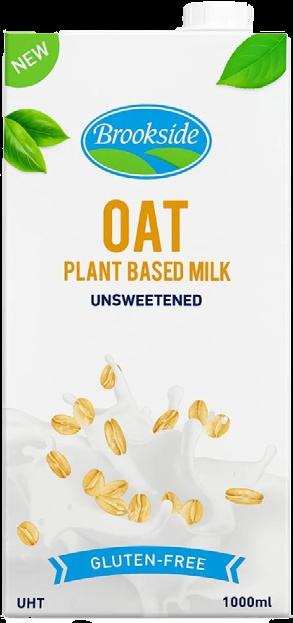
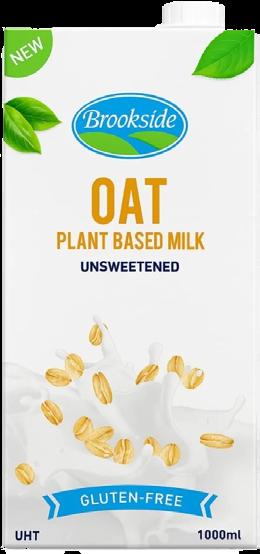
Brookside Dairy Ltd, one of East Africa’s most recognized dairy brands, has launched its oat plant-based unsweetened milk.
The oat-based beverage is crafted to deliver a smooth, creamy texture while remaining entirely free of lactose, dairy, and added sugars.
www.brookside.co.ke

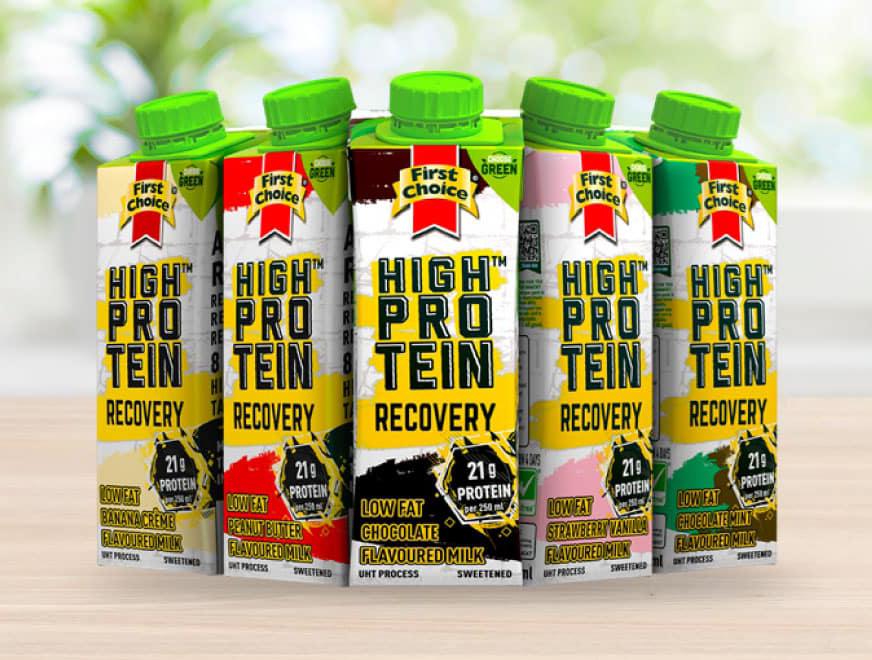
Woodlands Dairy has expanded its beverage range with two new offerings designed to meet a broader spectrum of wellness, active lifestyle and performance needs.
Building on the success of its original High Protein Recovery drink, the brand has introduced a reformulated High Protein Recovery (21g) alongside an all-new High Protein Max (27g).
www.woodlandsdairy.co.za
Clover Krush 100% Fruit SnackClover
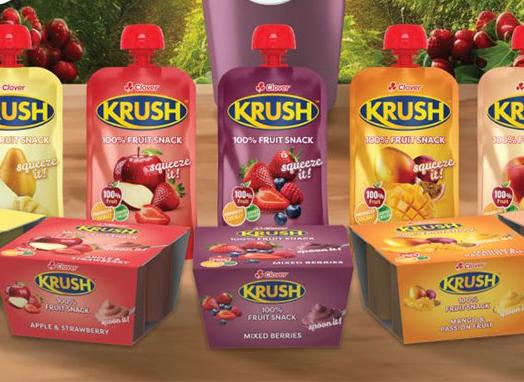
Clover Industries has unveiled a first-of-its-kind innovation under its market-leading Krush brand: the Clover Krush 100% Fruit Snack. This new product marks the company’s entry into a completely fresh category, offering consumers a naturally better snack made entirely from fruit.
www.clover.co.za

Lala - Kinangop Dairy
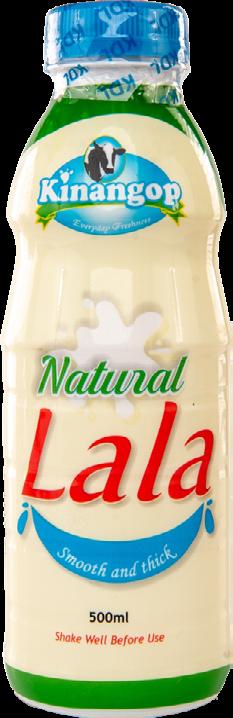
Kinangop Dairy Limited has introduced a new addition to its portfolio: Kinangop Sweetened Lala, available in packs of 500ml, 250g, 500g, and 1-litre.
The new offering is already available in select outlets, including Powerstar and is set to roll out to more retail stores soon.
www.kinangopdairy.co.ke



By Martha Kuria
The Global Camel Dairy Market size was valued at USD 8137.5 Million in 2025 and is projected to reach USD 8666.4 Million in 2026, according to Global Growth Insights. The growth is attributed to rising demand for camel milk-based products, including powders, yoghurts, cheeses, and infant formula, which is steadily increasing in both developed and emerging economies.
Historically known as the “white gold of the desert,” camel milk has played a central nutritional, economic, and cultural role in arid regions, particularly across Africa, the Middle East, and parts of Asia. The UAE produces more than 7,000 tonnes of pasteurised camel milk annually, meeting domestic demand and supplying selected export markets, including the European Union, China and the United States. It contributes to food security and livelihoods in pastoralist communities, provides a natural dairy alternative where conventional cattle farming is constrained by climate, and increasingly attracts scientific and commercial attention for its therapeutic and functional attributes related to metabolism, immunity and lactose tolerance.
Against this backdrop of global diversification,
Dairy Business Middle East & Africa sat down with Hesham Yehia Abdelbaki, the acting CEO of Camelicious, an UAE-based pioneer in industrial camel dairy, to dive deep into how the company is transforming camel milk from an ancestral practice into a global, vertically integrated, science-driven camel milk operation.
Camelicious was established as a UAE initiative inspired by the intersection of Emirati heritage, modern science and sustainability. The company traces its foundations back to 1998, when the Central Veterinary Research Laboratory (CVRL) began pioneering research into camel milking and production techniques. At the time, camel milk was widely consumed in traditional contexts but lacked the scientific validation, processing standards and regulatory frameworks required for commercial dairy markets.
In 2003, this research momentum culminated in the establishment of the Emirates Industry for Camel Milk & Products to produce camel milk for safe human consumption using modern technology
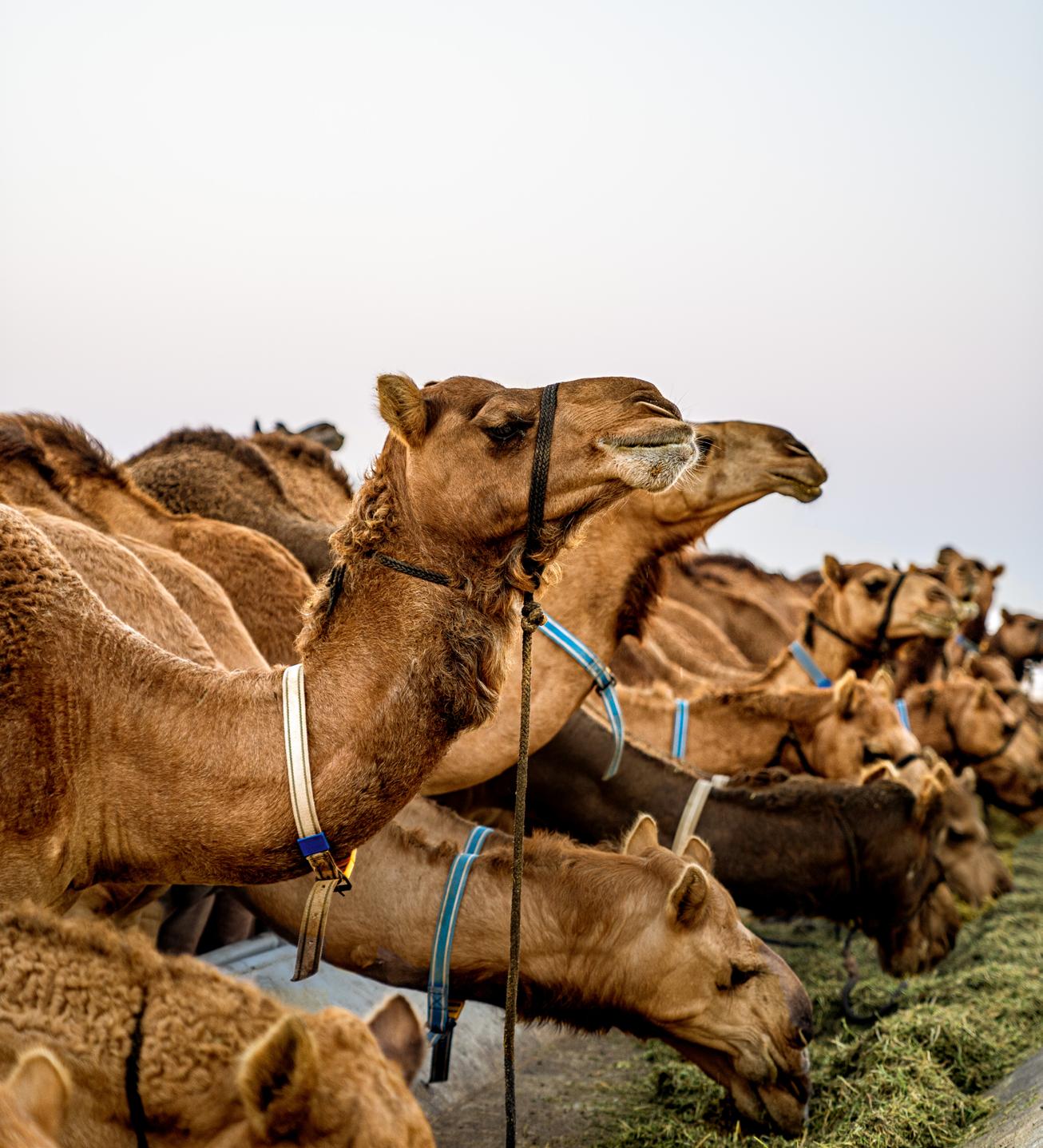
while preserving cultural authenticity. In 2005, this vision materialised with the establishment of the world’s first camel milk production facility designed to meet stringent European Union health standards. A year later, in 2006, the Camelicious brand was officially launched, introducing the first all-natural camel milk products to the market.
Over the past two decades, the company has carved out a distinct niche as the global reference brand for camel milk, bridging tradition and innovation to meet the needs of today’s health-conscious consumers.
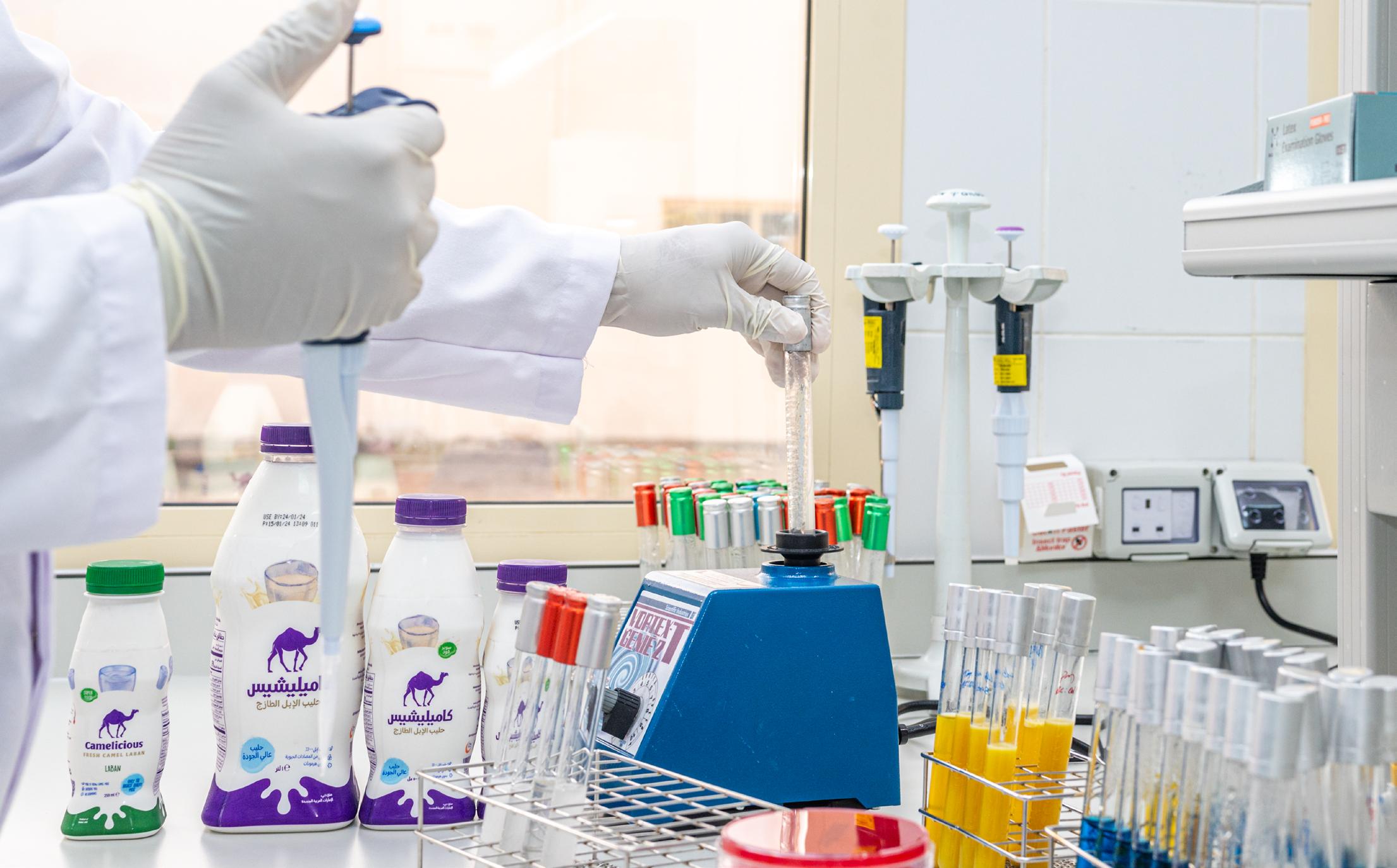
One of Camelicious’ defining strengths is its fully integrated value chain, all located in Dubai. The company operates its own dedicated camel farm, a modern dairy processing and packaging facility purpose-built for camel milk, in-house laboratory and quality assurance systems, as well as warehousing and export operations. This integrated structure allows Camelicious to maintain complete control from animal welfare and milk collection through processing, packaging and international distribution.
The company also prides in a long-standing leadership presence which has ensured that Camelicious remains anchored in scientific integrity, animal welfare and quality excellence. According to the company, several of the original founders and project developers who helped establish it more than 20 years ago remain actively involved in the business, ensuring continuity of leadership. This principle has shaped the company from inception and continues to guide its growth strategy today. More than 400 employees work across the farm, factory, quality, logistics and support functions, ensuring consistency, traceability
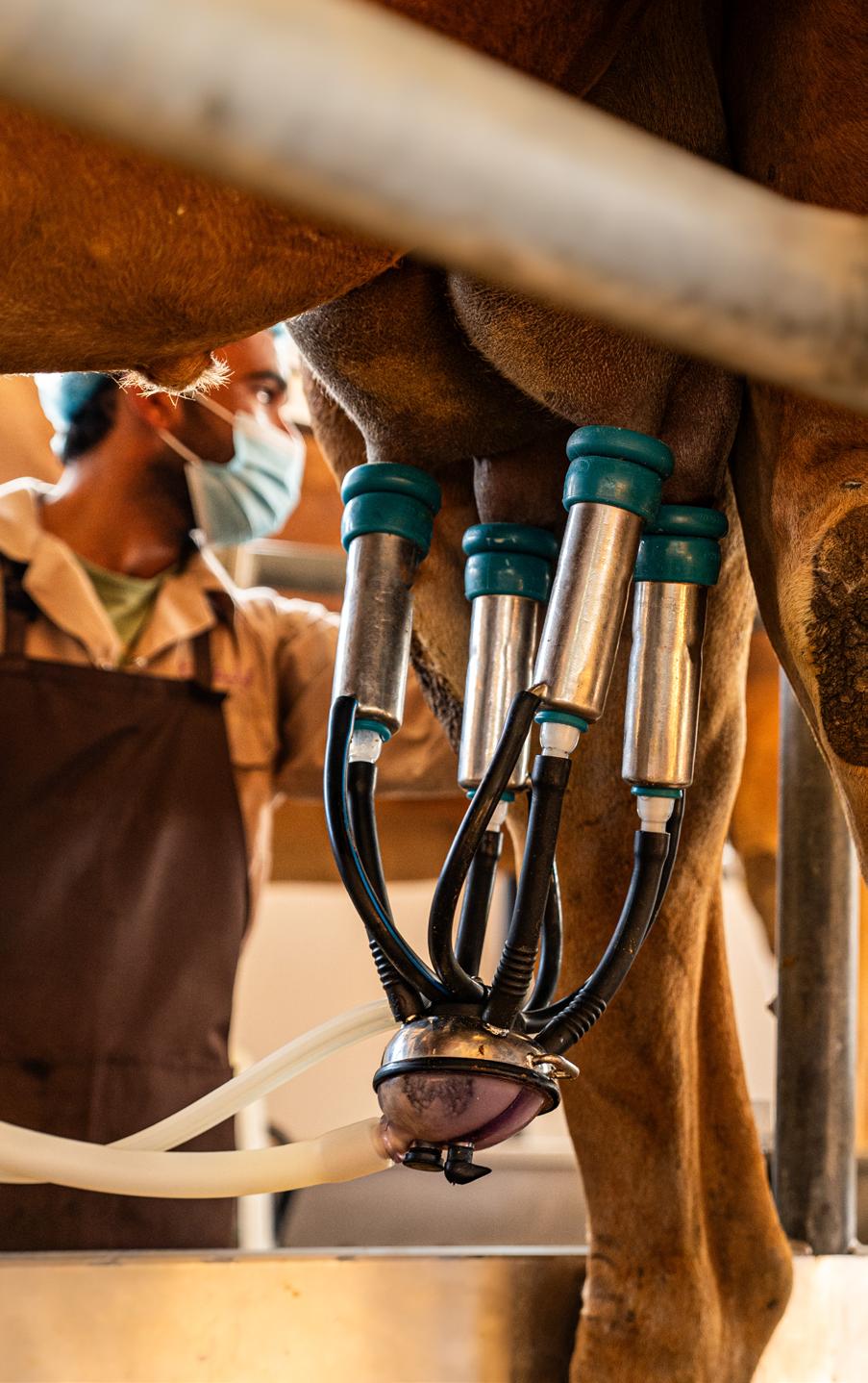
and compliance across both domestic and international markets. With an annual production of approximately 3 million litres, subject to seasonal variation, the Camelicious farm is the largest and most advanced camel milk production facility in the world, housing over 7,000 camels and setting benchmarks for breeding, veterinary care, nutrition and hygiene. Ethical sourcing, strict biosecurity and high animal welfare standards are embedded across daily operations.
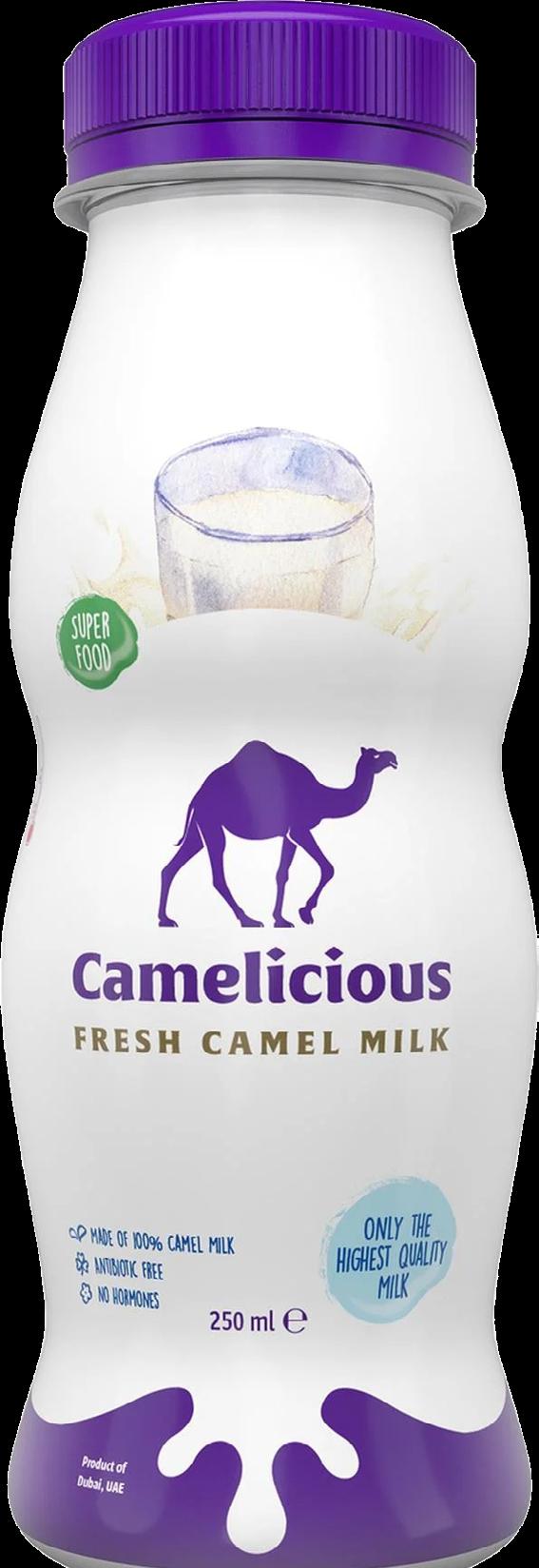
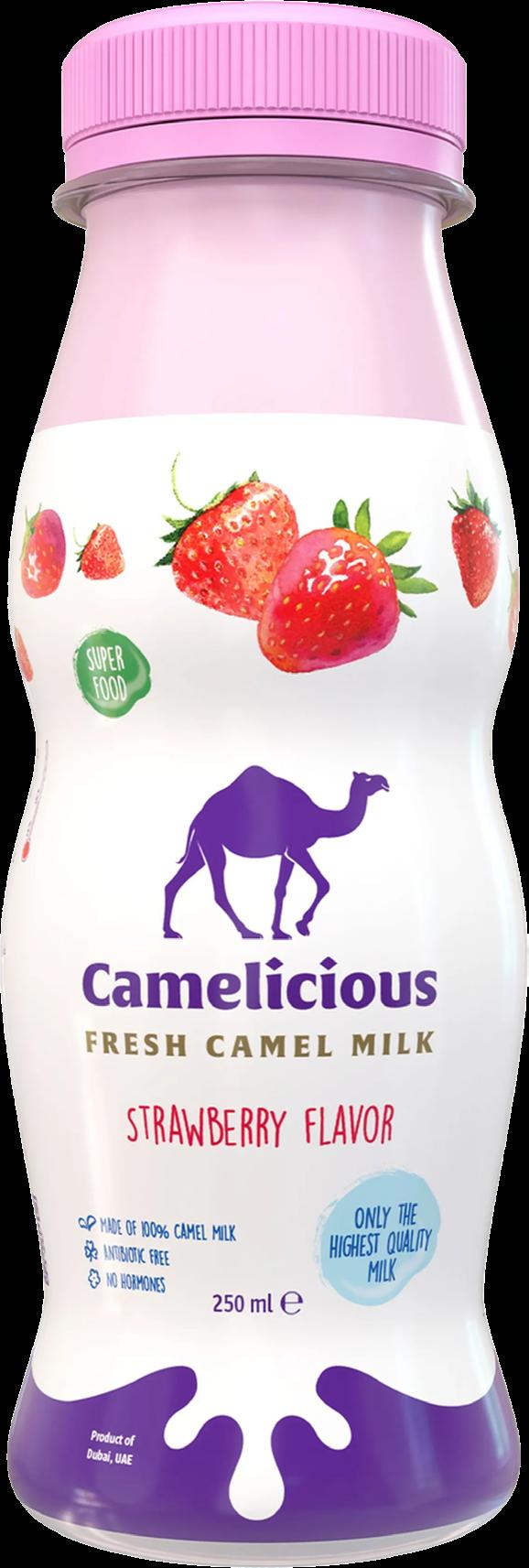
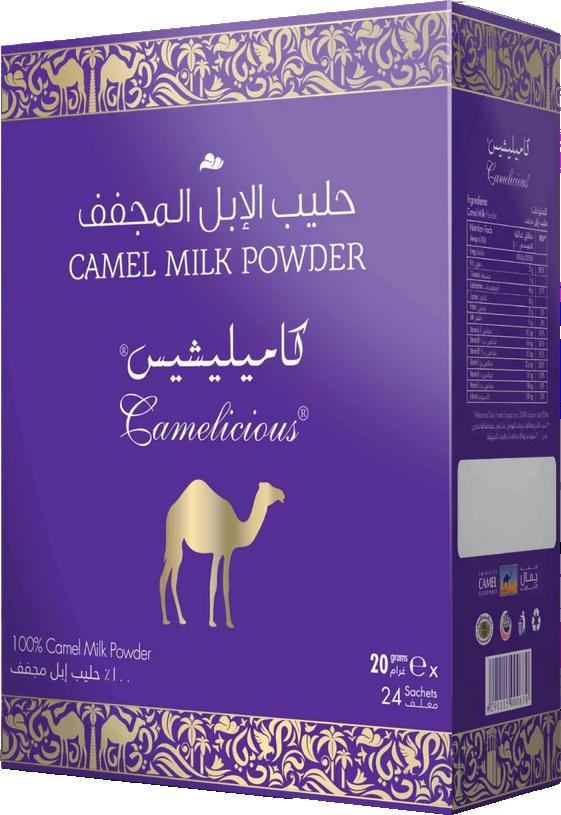
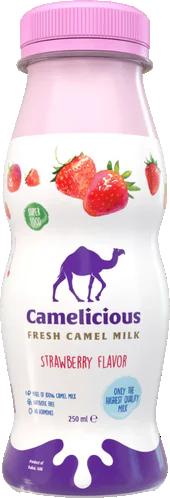
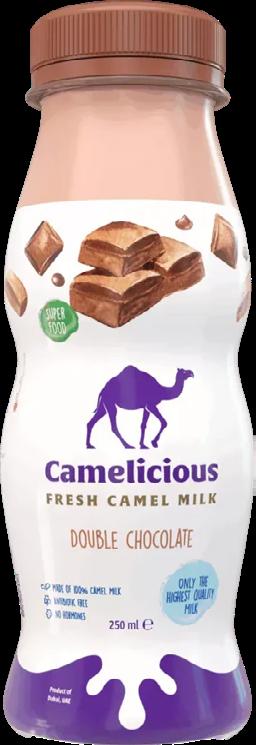
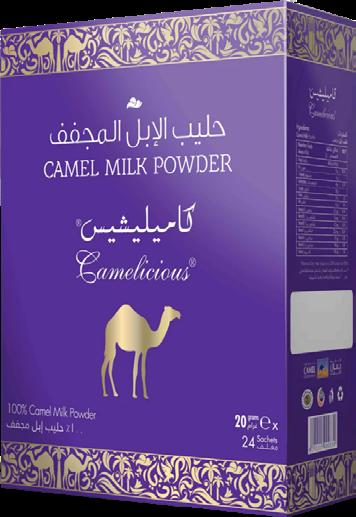
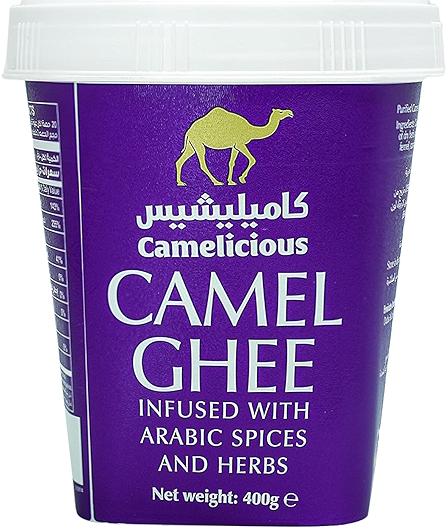
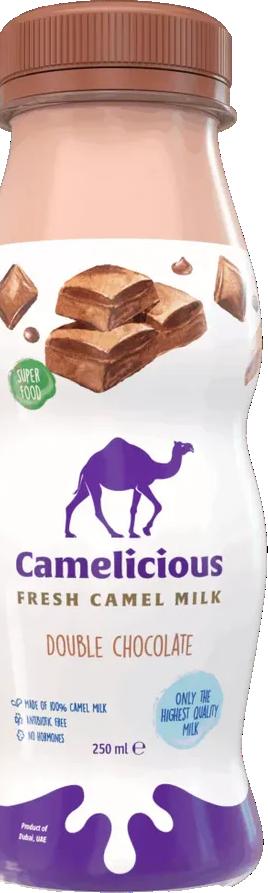
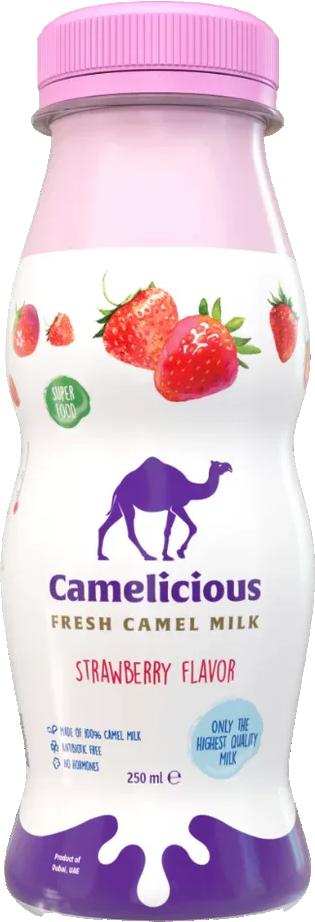
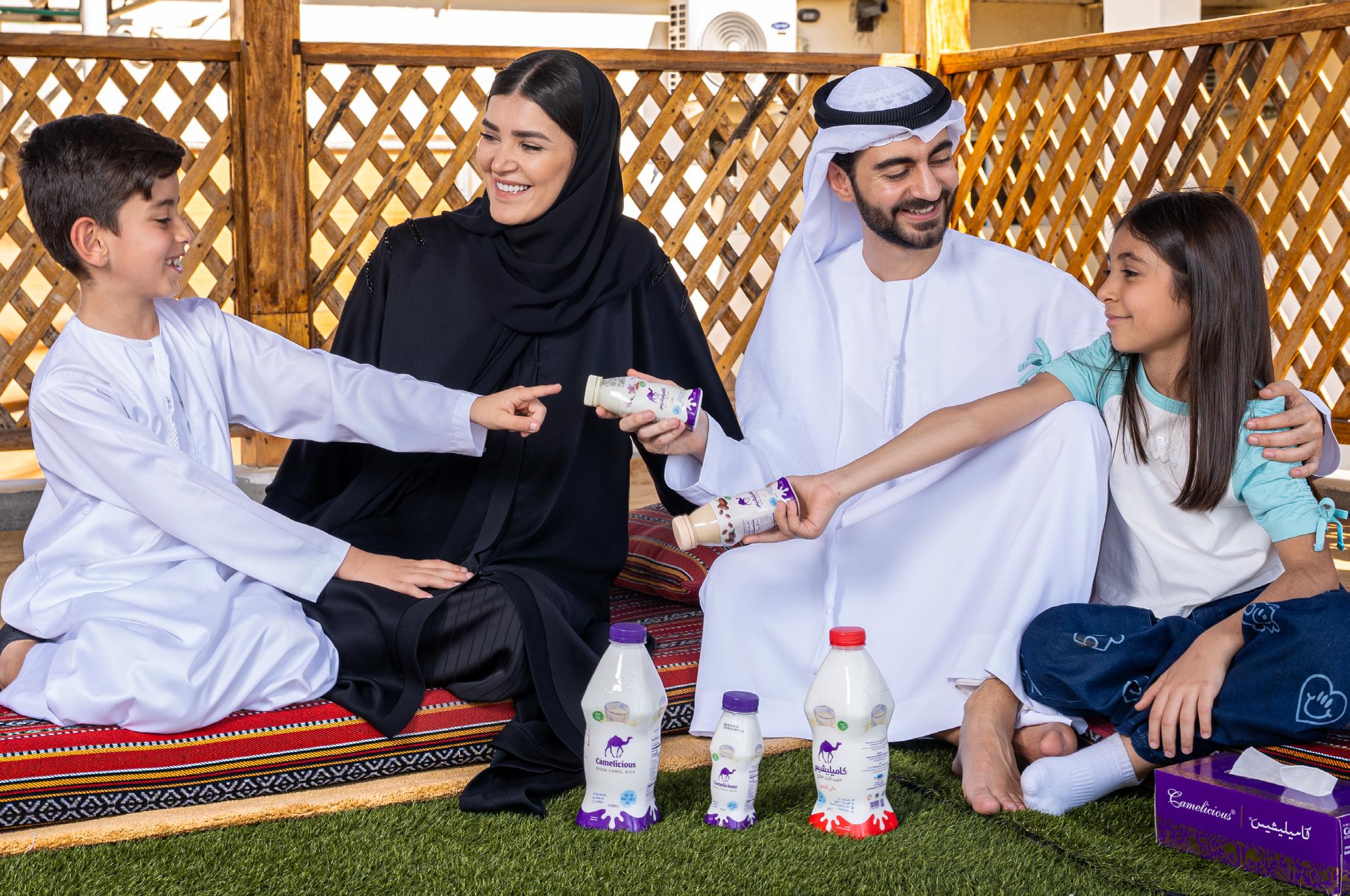
Camelicious’ product portfolio reflects both functional nutrition trends and consumer accessibility. Core offerings include fresh camel milk. This 1-ingredient superfood is easier to digest, it is naturally energizing and hydrating while boosting immunity, leaving consumers feeling light, balanced and energized. Fresh camel milk is versatile to be used across many occasions, coffee/ tea, cooking, baking, smoothies, etc., a product targeted at healthconscious consumers and families seeking natural nutrition. Flavoured camel milk variants, including dates, saffron, chocolate and strawberry, have been developed to broaden appeal, particularly among children and first-time consumers, while preserving the inherent nutritional benefits of camel milk. For international and convenience-driven markets, Camelicious offers shelf-stable long-life camel milk, enabling extended shelf life without reliance on refrigeration. Camel milk powder represents another strategic format, valued for its long shelf life, portability and suitability for both consumer and institutional applications, including foodservice and further food processing. Premium camel milk ice cream rounds out the portfolio, introducing camel milk to new audiences through indulgent experiences while reinforcing brand quality. Date milk is a consumer favorite, due to its “no added sugar” taste profile bringing together two heritage products from the UAE - dates
and camel milk.
Recent product innovations in flavoured and indulgent formats have helped diversify revenue streams, broaden the consumer base and strengthen brand relevance across demographics.
As a pioneer, Camelicious has faced a challenge that goes beyond conventional dairy competition. The company operates within an industry that is still evolving in terms of regulatory frameworks, public awareness, and sector-specific infrastructure. In some cases, camel milk is assessed under frameworks originally designed for cow milk, which do not always reflect the biological and processing differences and nutritional facts of camel milk.
The absence of an international specification for pasteurised camel milk has constrained commercial expansion and created opportunities for fraudulent practices, including blending camel milk powder with cow’s milk, ultimately affecting global market uptake. As a raft of measures, the company collaborates with government authorities, research institutions, and industry partners to support the development of science-based regulations and standards that underpin the sustainable growth of the camel dairy sector. Thankfully, the company now sees a green light as the Codex Alimentarius Commission has approved a proposal submitted by the UAE to develop the world’s first international standard for pasteurised camel milk.
Despite regulation challenges, Camelicious operates under internationally recognised food safety and quality management systems, including FSSC 22000, ISO 22000, GMP, FSMA compliance, and Halal certification with Chinese export permits being the most significant.
According to the company, they do not operate a standalone R&D department. Instead, research and development activities are embedded across production, quality, regulatory and technical functions. This integrated approach reflects the applied nature of camel milk innovation, where product and process development must align closely with regulatory requirements and operational realities. Cross-functional collaboration ensures that innovation remains practical, science-led and market-relevant, supporting continuous improvement without compromising safety or quality.
The company has received recognition through compliance approvals, export accreditations, and quality certifications across multiple international markets, including Asia, Europe, and North America. These milestones are particularly significant given the complexity of camel milk as a category and the stringent requirements applied to dairy.
To address awareness challenges, the company resolved to continue educating consumers about camel milk, its nutritional profile, and its role as a credible alternative to cow's milk. Over the last years, the company has intensified efforts to bring consumers closer to the source through farm and factory visits, tasting programs and experiential initiatives that demystify camel milk production.
Rather than pursuing rapid capacity expansion through new greenfield plants, Camelicious has adopted a disciplined investment strategy centred on optimising and upgrading its existing, purpose-built facilities. This approach reflects the company’s focus on long-term resilience, regulatory readiness and operational excellence in a highly specialised dairy category.
A major recent milestone has been the successful development and introduction of shelf-stable camel milk products, particularly for the United States market. Unlike conventional dairy, camel milk presents unique processing and regulatory challenges, making format adaptation critical for international expansion. The shelf-stable investment was driven by detailed consumer insights and a clear understanding of market-specific distribution realities, enabling Camelicious to reduce dependence on coldchain logistics while significantly improving accessibility, convenience and cost-efficiency for overseas consumers.
This shift has strengthened the company’s export capabilities, allowing Camelicious to scale its international presence while aligning product formats with local retail environments and consumption habits. It has also enhanced supply-chain flexibility, reduced logistical complexity and supported more sustainable
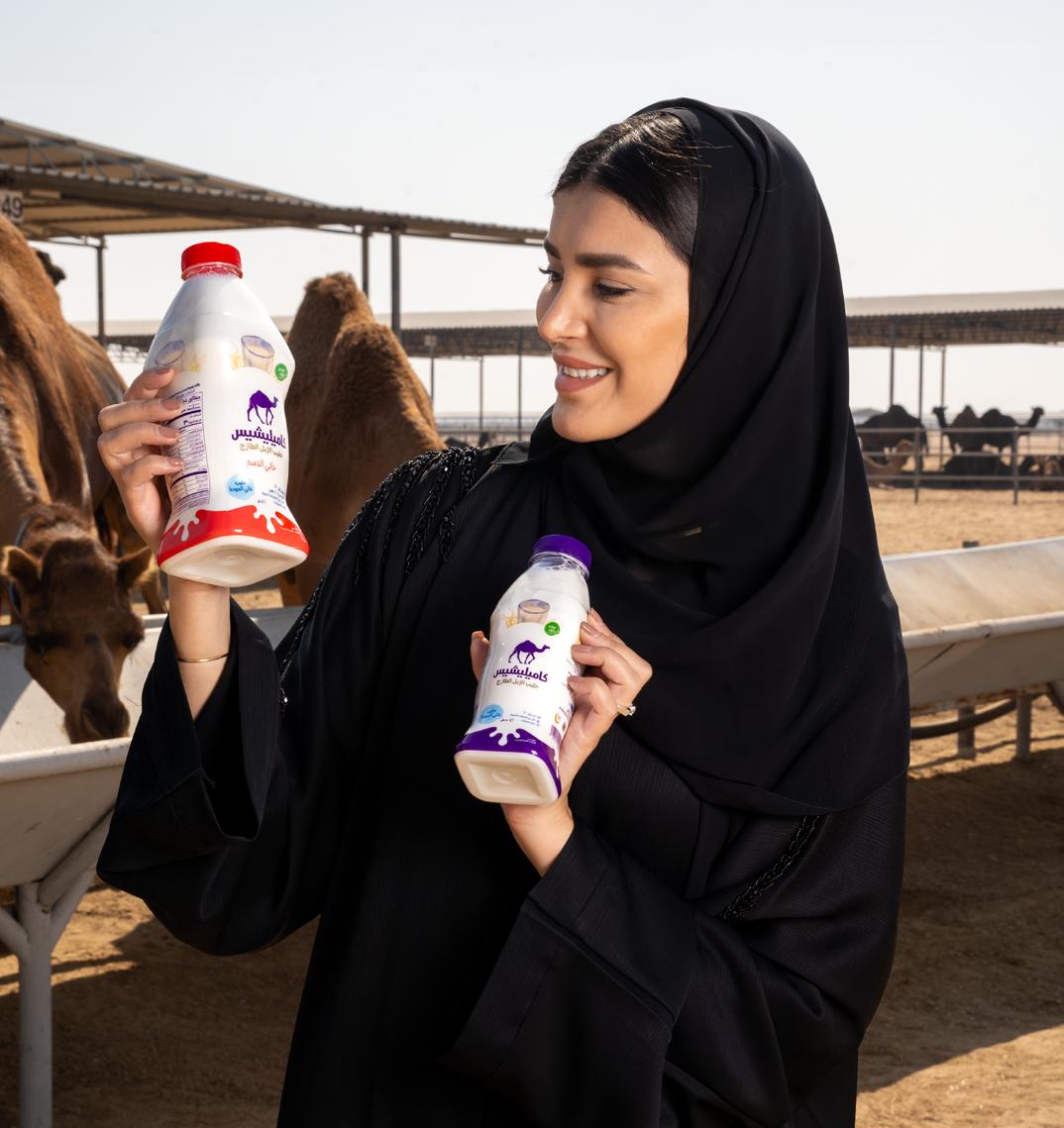
long-distance distribution.
Over the past years, Camelicious has also expanded its footprint in highly regulated markets across Asia, Europe and North America. Successfully securing and maintaining access to these markets has not only diversified Camelicious’ revenue base but has also reinforced its position as a credible, trusted and globally recognised reference brand for camel milk.
Sustainability is embedded throughout Camelicious’ value chain. A major milestone has been the installation of solar energy systems that now supply approximately 90% of the company’s total energy requirements, significantly reducing its carbon footprint and reliance on conventional power sources.
All Camelicious products are made exclusively from milk produced by the company’s own camels, raised and managed within its UAE-based operations. This model ensures full control over quality, animal welfare, traceability, and food safety.
The company’s impact on local camel farming is therefore structural rather than transactional. Camelicious has professionalised camel dairy farming in the region, setting benchmarks for animal welfare, veterinary care, nutrition, breeding programs, and sustainable farm management. These standards have contributed to elevating camel farming from a traditional practice into a modern, regulated agricultural sector aligned with international best practices.
In parallel, Camelicious has implemented a closed-loop waste management system. Manure generated from camel farming is converted into agricultural fertilizer through partnerships with local manufacturers, supporting local agriculture while reducing landfill impact. Water stewardship is managed through controlleduse systems, optimised cleaning processes and continuous monitoring across farm and factory operations. These measures minimise water waste while maintaining stringent hygiene and
animal welfare standards. Collectively, these initiatives align with the UAE’s national sustainability agenda and demonstrate Camelicious’ commitment to measurable environmental responsibility.
As a locally based food producer, Camelicious also contributes to economic and social development primarily through stable employment and skills development. Its CSR initiatives focus on education, inclusion and heritage preservation, with structured farm and factory visits welcoming schools, universities and special-needs institutions.
These programs provide hands-on learning about agriculture, animal welfare, food safety and nutrition, helping bridge the gap between urban communities and food production while reinforcing the cultural significance of camel milk.
Looking ahead, Camelicious sees its future aligned with global trends toward functional nutrition, transparency and ethical production. Rising consumer awareness around nutrition, digestive health and lifestyle-related conditions is driving demand for health-focused, traceable and ethically produced alternatives to conventional dairy. Moreover, camel milk’s distinctive nutritional profile positions it as a premium option within this evolving landscape. Camelicious plans to capitalise on these trends through continued investment in sciencebacked innovation, product development and education-led communication.
With its fully integrated model, strong scientific foundation and sustainability-led operations, Camelicious aims to pursue category leadership rather than volume-driven growth. Through continued investment in innovation, education and regulatory engagement, the company is focused on shaping the global camel milk industry while reinforcing its position as the world’s leading reference brand.
By Francis Watari
Briefly introduce yourself and walk us through your professional journey into the dairy sector.
I am Joyce Kinyanjui, a Dairy Value Chain Specialist with over a decade of experience working across Kenya’s dairy value chain, from cooperative milk aggregation and dairy processing to farmer-focused productivity programs. My work has focused on strengthening the critical link between smallholder farmers and processors by improving milk quality systems, enhancing farm productivity, and introducing practical innovations that increase efficiency across the supply chain. Through these experiences, I have developed a strong commitment to building a more productive, resilient, and competitive dairy sector in Kenya.
My career began at the cooperative level, where I gained firsthand exposure to milk aggregation systems and the operational realities faced by smallholder farmers. I later transitioned into dairy processing as a Quality Assurance Manager, where I strengthened milk quality management systems, ensured compliance with food safety standards, and improved processing efficiency.
For the past five years, I have worked closely with farmers as a Project Manager at Happy Cow Ltd, implementing initiatives that improve dairy productivity, strengthen milk quality, increase farmer incomes, and attract more youth to the dairy value chain. Through this journey, I have developed a holistic understanding of the dairy ecosystem - from farm production to processing and market delivery - and remain committed to building a stronger and more competitive dairy sector.
What attracted you to the dairy industry, and how has your perspective evolved over the years?
What initially attracted me to the dairy industry was its central role in rural livelihoods and food security. Dairy farming is one of the most important agricultural enterprises for smallholder households in Kenya, providing regular income and nutritional security.
Early in my career my focus was primarily technical, centered on milk quality, food safety, and processing systems. However, as I gained more experience across the value chain, particularly through working directly with farmers, my perspective evolved.
I came to appreciate that the sustainability of the dairy sector depends on a more integrated approach that connects farm productivity, feed systems, efficient milk aggregation, and strong
market linkages. Today I view the dairy industry as an ecosystem where improvements across the entire value chain can transform both farmer livelihoods and sector competitiveness.
Which pivotal roles or experiences most shaped your career in the dairy sector?
Three experiences have been particularly formative.
First, my early work at the cooperative level exposed me to the operational realities of smallholder dairy farming, including feed constraints, seasonal milk production, and challenges in milk handling.
Second, my role as a Quality Assurance Manager in dairy processing strengthened my expertise in milk quality management, food safety systems, and processing efficiency.
Finally, my work as a Project Manager supporting smallholder farmers has been especially impactful. Through this role, I have implemented initiatives that improve productivity, strengthen milk quality systems, and introduce clean energy solutions at milk collection centers, reinforcing the importance of integrating improvements across the dairy value chain.
How would you assess the current performance of Kenya’s dairy sector in terms of production, processing capacity utilization, and formal market growth?
Kenya’s dairy sector remains one of the most developed in Africa and plays a critical role in rural livelihoods and national food security. Smallholder farmers dominate production and continue to be the backbone of the industry.
However, structural inefficiencies remain. Processing capacity has expanded considerably, yet many plants operate below optimal utilization due to seasonal milk supply fluctuations and the large share of milk traded through informal channels.
While the formal dairy market continues to grow, the informal sector still handles a substantial portion of marketed milk. Initiatives focused on strengthening farm productivity, improving milk aggregation systems, and enhancing quality assurance mechanisms will be key to unlocking the sector’s full potential.
From a structural standpoint, what reforms or policy interventions are urgently required to enhance competitiveness and attract long-term investment?
Stronger investment in feed systems and fodder development is critical to address one of the biggest constraints affecting dairy farmers, productivity.
Second, strengthening milk quality regulatory frameworks and enforcement will help build consumer confidence and encourage formal market growth.
Third, investment in dairy infrastructure, particularly milk collection centers, cooling systems, and rural logistics networks, would reduce post-harvest losses and improve supply chain efficiency.
Finally, policies that encourage private sector investment and innovation in dairy processing and value addition will be essential for enhancing competitiveness and expanding regional market opportunities.
How do informal markets influence quality standards, processor margins, and sector formalization?
The informal milk market plays a significant role in Kenya’s dairy economy due to its accessibility, flexible pricing structures, and strong consumer demand for raw milk.
However, informal trade often bypasses standardized testing and quality assurance systems, creating risks around food safety and quality consistency. It also places competitive pressure on formal processors who must operate under stricter regulatory requirements.
A sustainable approach lies in gradually formalizing milk trade through improved aggregation systems, stronger quality incentives, and farmer-friendly market structures.
In balancing farmer incomes, processor sustainability, and consumer affordability, what economic principles guide your decision-making?
Balancing these priorities requires improving efficiency across the entire value chain. The most sustainable way to increase farmer incomes is by improving farm productivity. When farmers produce milk more efficiently through better feeding systems, improved genetics, and stronger herd management, their cost of production decreases and profitability improves.
At the same time, processors must focus on operational
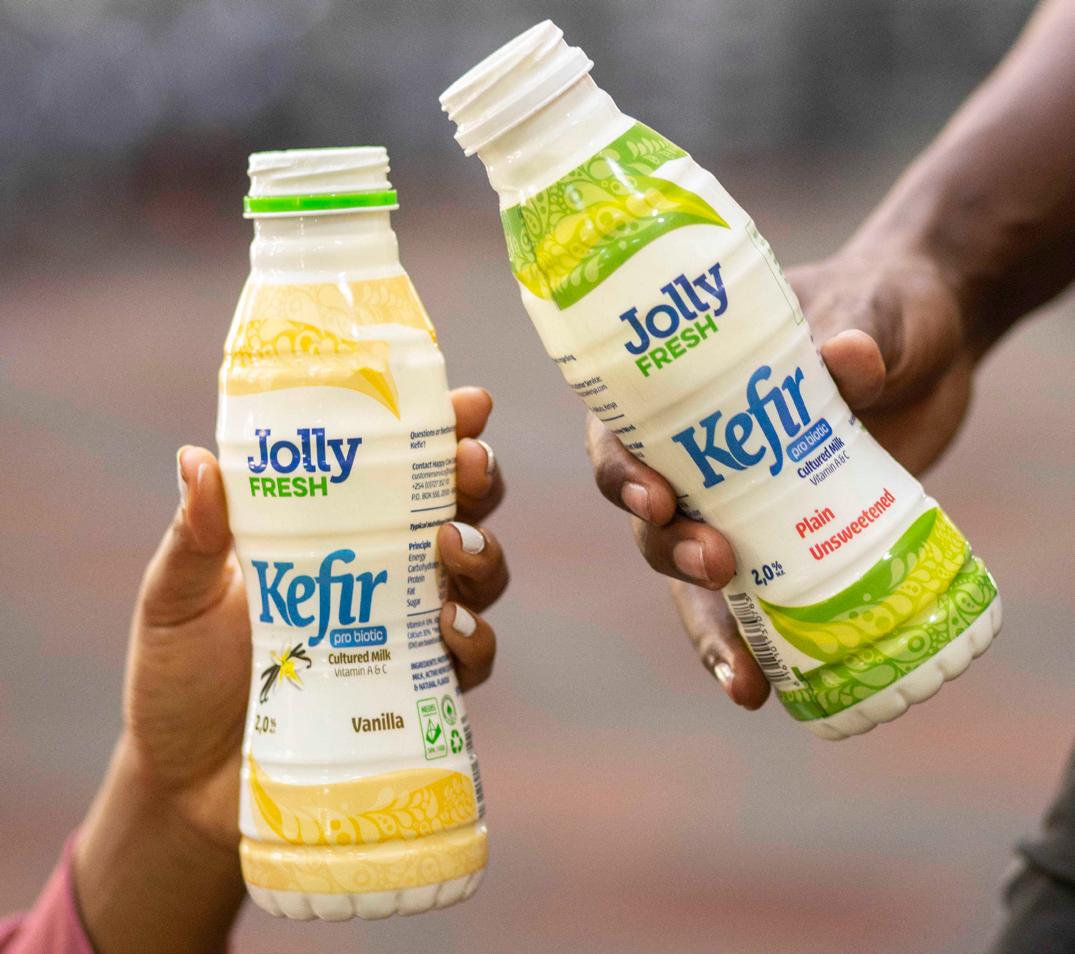
efficiency, cost management, and product diversification to remain competitive while delivering affordable products to consumers.
Feed has been one of the major challenges facing dairy farmers in the country. How is the challenge translating to farm-level production economics and milk supply stability?
Feed represents the largest cost component in dairy production and remains one of the most significant constraints affecting productivity.
During dry seasons, feed shortages reduce milk yields and create fluctuations in milk supply, directly affecting farmer incomes and processor capacity utilization.
Addressing this challenge requires investment in fodder production systems, improved forage conservation such as silage and hay making, and farmer training on balanced feeding strategies.
What opportunities and risks do you see for Kenya within regional dairy trade frameworks across East Africa?
Regional dairy markets present strong growth opportunities for Kenyan processors due to rising demand and expanding urban populations across East Africa.
Kenya’s relatively developed processing sector provides a competitive advantage in supplying value-added products such as UHT milk, yogurt, cheese and milk powder.
However, regional trade also presents challenges including regulatory differences, price competition, and occasional trade restrictions. Maintaining high product quality and efficiency will be essential for competitiveness.
To develop competitively, Kenyan processors must focus on three priorities: maintaining consistent product quality and international food safety standards, improving production efficiency through process optimization and technology adoption, and investing in product innovation and brand development to meet diverse consumer preferences across regional markets.
How is Happy Cow working to improve farmer productivity, milk quality, and income stability?
Happy Cow works closely with farmers and cooperatives to strengthen the entire milk supply system by focusing on productivity improvement, milk quality management, and longterm farmer engagement.
Through farmer training programs and extension support, the company promotes improved feeding practices, better herd management, and proper milk handling techniques that enhance both productivity and milk quality.
Happy Cow Ltd is supporting cooperatives to mechanize farm operations, making fodder production more efficient and increasing land under cultivation.
By strengthening relationships with milk suppliers and supporting capacity development at the cooperative level, the company aims to build a more reliable and high-quality milk
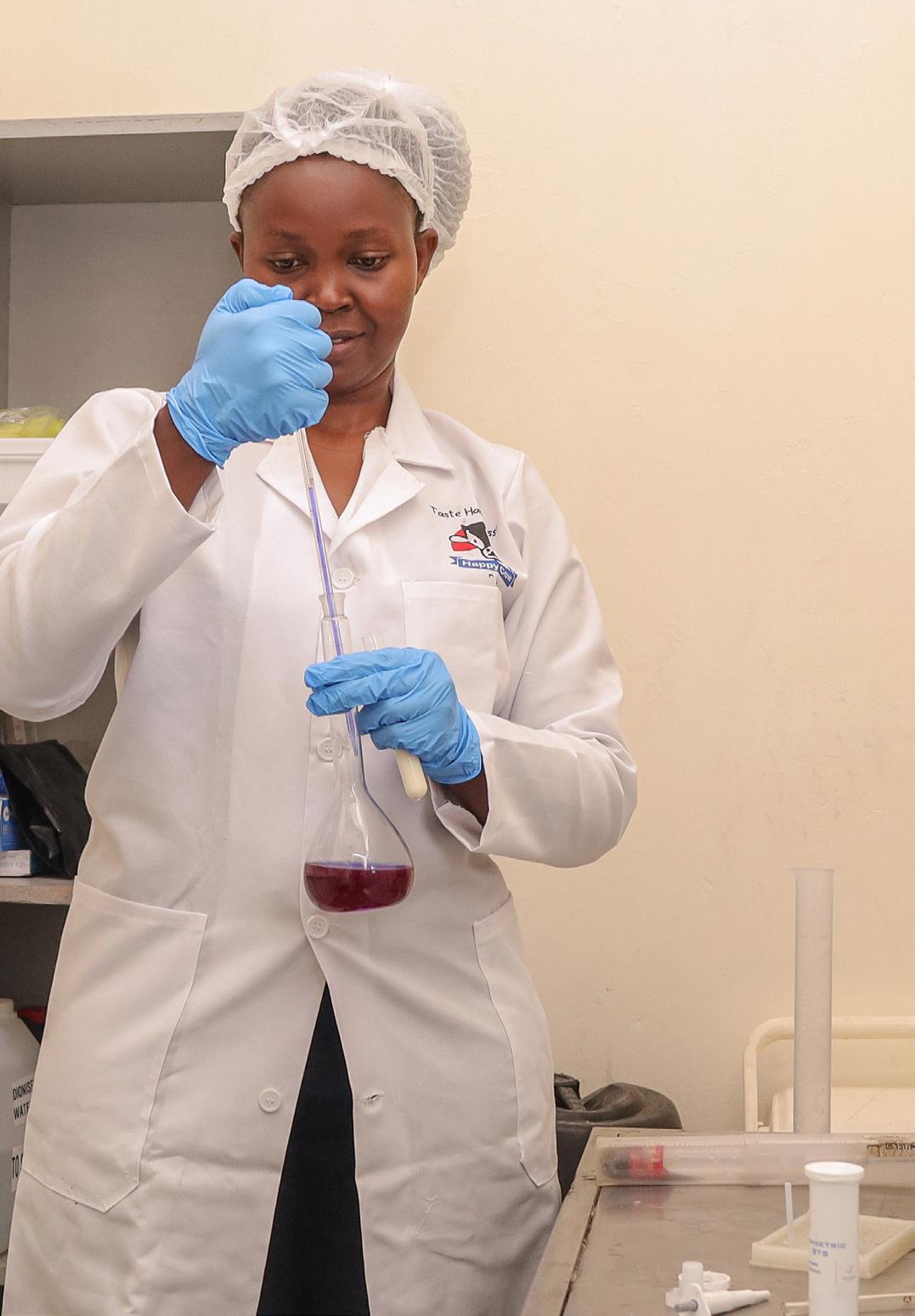
supply base.
Further, Happy Cow Ltd is supporting cooperatives to acquire climate resilient infrastructure - solar-powered instant milk coolers, with milk quality considerations.
What strategies has the company implemented to improve milk aggregation efficiency and minimize quality losses at collection centers?
Happy Cow Ltd works closely with milk collection centers to strengthen milk testing procedures, improve handling practices, and ensure timely transportation of milk from farms to the cooling centers and to the processing facility.
Happy Cow Ltd prides itself in being the pioneer of Quality Based Milk Payment System for the smallholder supply chain in Kenya, between 2015 and 2019.
This is a smart move that will ultimately transform the industry as it motivates farmers to produce more milk and of better quality. Consumers are looking for these premium quality dairy products.
In the recent past, Happy Cow Ltd has supported cooperatives with installation of solar-powered instant milk cooling facilities. This initiative addresses milk quality in a climate friendly way, lowering utility costs at cooperatives hence increasing incomes for farmers and minimizing post-harvest losses.
Seasonal milk fluctuations continue to challenge processor utilization rates. How does the company manage supply variability while maintaining market consistency?
Seasonal fluctuation in milk production is a common challenge across dairy-producing regions.
To mitigate these fluctuations, Happy Cow Ltd supports farm mechanization at cooperatives, and conducts farmers training. This ensures farmers are adopting improved feeding systems such as silage making and forage conservation practices that help stabilize milk production throughout the year.
Additionally, diversified product processing strategies enable Happy Cow Ltd to convert surplus milk during peak seasons into longer shelf-life products, helping maintain consistent market supply.
What strategic mindset shifts are necessary among dairy executives to future-proof Kenya’s dairy industry?
To future-proof Kenya’s dairy sector, industry leaders must adopt a more integrated and long-term strategic perspective.
This means prioritizing investments in farm productivity, strengthening aggregation infrastructure, and leveraging technology to improve efficiency across the value chain.
Executives must embrace innovation and data-driven decision-making while fostering stronger collaboration between farmers, cooperatives, processors, and policymakers.
From your experience in dairy project management, which initiative has delivered the most measurable impact across the value chain?
One of the initiatives I am most proud of has been supporting the introduction of clean energy solutions at milk collection centers while strengthening milk quality management systems.
By integrating energy-efficient cooling technologies with improved milk handling practices, we were able to significantly reduce milk spoilage, preserve milk quality, and improve the reliability of milk deliveries to processors.
This initiative not only improved operational efficiency for cooperatives and processors but also helped increase farmer confidence in organized milk collection systems.
Further, engaging in initiatives that attract more youth to dairy agribusiness has not only addressed the issue of youth unemployment but also ensured long-term industry sustainability.
Looking ahead, what structural changes will define the next phase of growth for Kenya’s dairy sector?
The next phase of growth in Kenya’s dairy sector will likely be driven by increased farm productivity, stronger aggregation systems, and greater investment in value addition.
Technological advancements such as improved dairy genetics, digital extension services, climate-resilient feed systems, expanded cold chain infrastructure and Quality Based Milk Payment Systems will play an important role in improving efficiency across the value chain.
At the same time, deeper regional market integration will create new opportunities for Kenyan processors to expand beyond domestic markets.
By Victor Atsali

For as long as humans have herded animals across the sunbaked landscapes of the Middle East and the sprawling savannas of Africa, fermentation has been the quiet magic working behind the scenes. It is the ancient alchemy that transforms simple, perishable milk into the tangy comfort of laban cooling a Levantine evening, the rich cultured cream of zabady enjoyed across Egypt, or the nourishing depth of amasi shared from a communal calabash in Southern Africa.
At temperatures of approximately 32°C (90°F), lactic-acid bacteria reproduce so rapidly that they can double their population every twenty minutes, efficiently preserving milk for days or even weeks without refrigeration. This biological alchemy is the foundation upon which the modern dairy industry of our region has been built.
But just as we mastered pasteurization, homogenization, and membrane filtration, a fourth revolution is knocking at our processing plant doors. It goes by the name of precision fermentation, and it represents a profound departure from the way our grandmothers cultured milk.
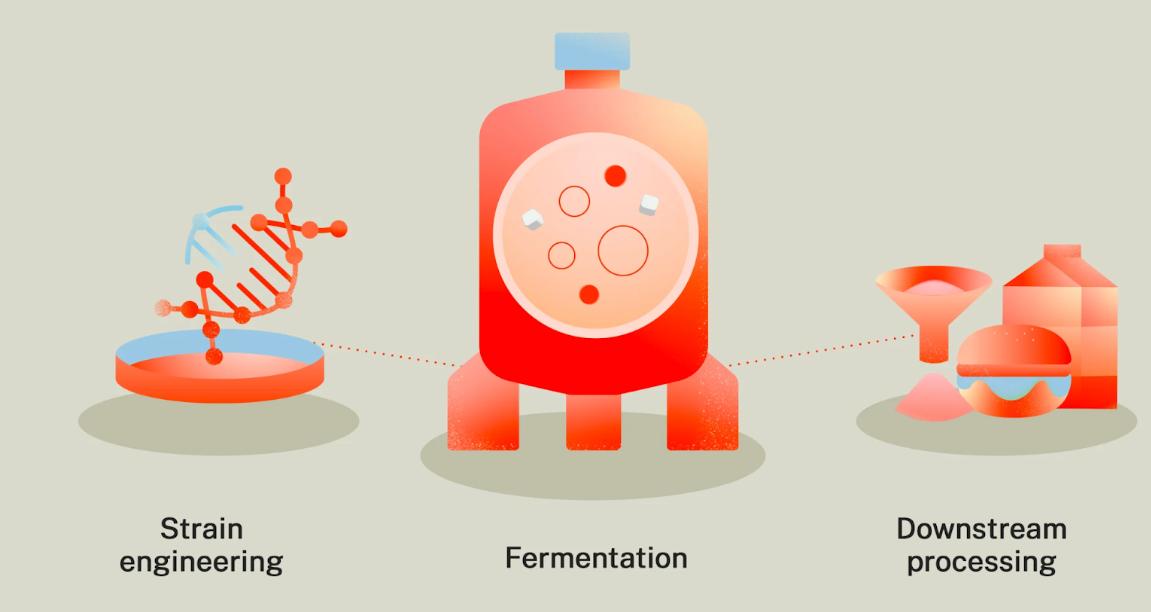
If traditional fermentation is about feeding sugar to bacteria to create acid and texture, precision fermentation is something far more extraordinary. It is about programming tiny microbes to become microscopic dairy factories, working tirelessly in gleaming stainless-steel vessels.
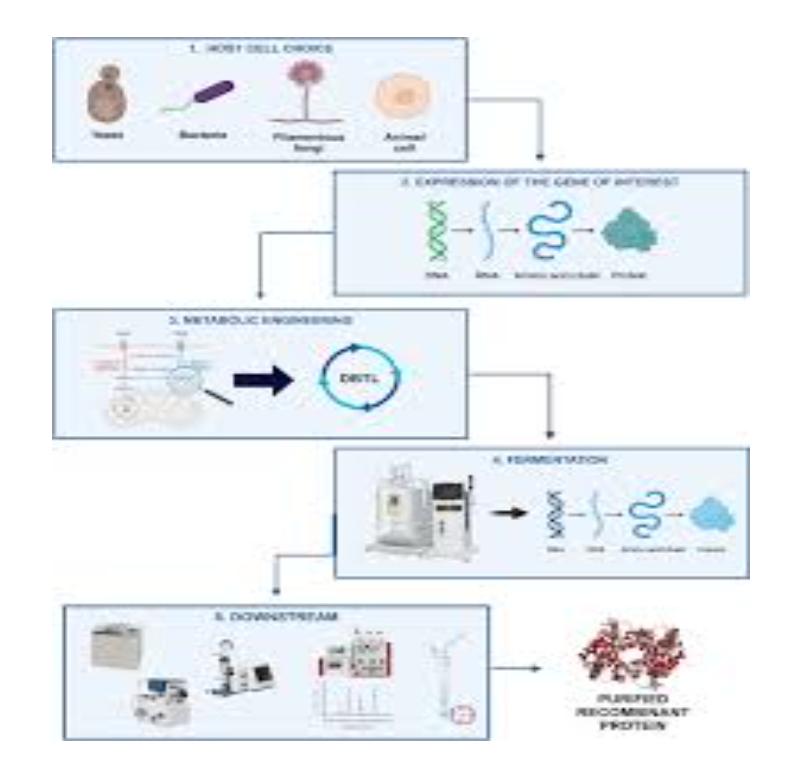
The process begins with a remarkable piece of biological copying. Scientists identify the specific DNA sequence responsible for a key milk protein, perhaps the whey that gives body to your yogurt or the casein that forms the perfect curd in your white cheese. This genetic blueprint is then carefully inserted into a host microorganism, most commonly a hardy strain of yeast or fungi.
The result is not a plant-based substitute that tries and fails to mimic the real thing. It is the genuine article, whey and casein proteins that are functionally and nutritionally identical to those that have been the backbone of our industry for
millennia. The only difference is the factory: a biofactory rather than a barn. This technology has been moving from the pages of scientific journals to the commercial scale with breathtaking speed. The cost of DNA sequencing has plummeted from US$1 billion and thirteen years to map the human genome in 2000, to just US$1,000 and a few days today. For microbial DNA, it is even cheaper and faster. This dramatic reduction in cost has opened the door to applications far beyond the pharmaceutical industry, where precision fermentation has been used safely since the 1980s to produce insulin and rennet for cheesemaking. Global leaders like Perfect Day in the United States, Remilk in Israel, Formo in Germany, and Imagindairy in Israel are now proving that what was once science fiction is now commercial reality.
For our region, the implications of this technology are nothing short of transformative. The Middle East and Africa grapple daily with profound challenges that keep dairy executives awake at night: acute food security concerns, the ever-present pressure of water scarcity that makes traditional cattle farming increasingly difficult, and a vibrant, rapidly growing youthful population that demands sustainable, nutritious food options.
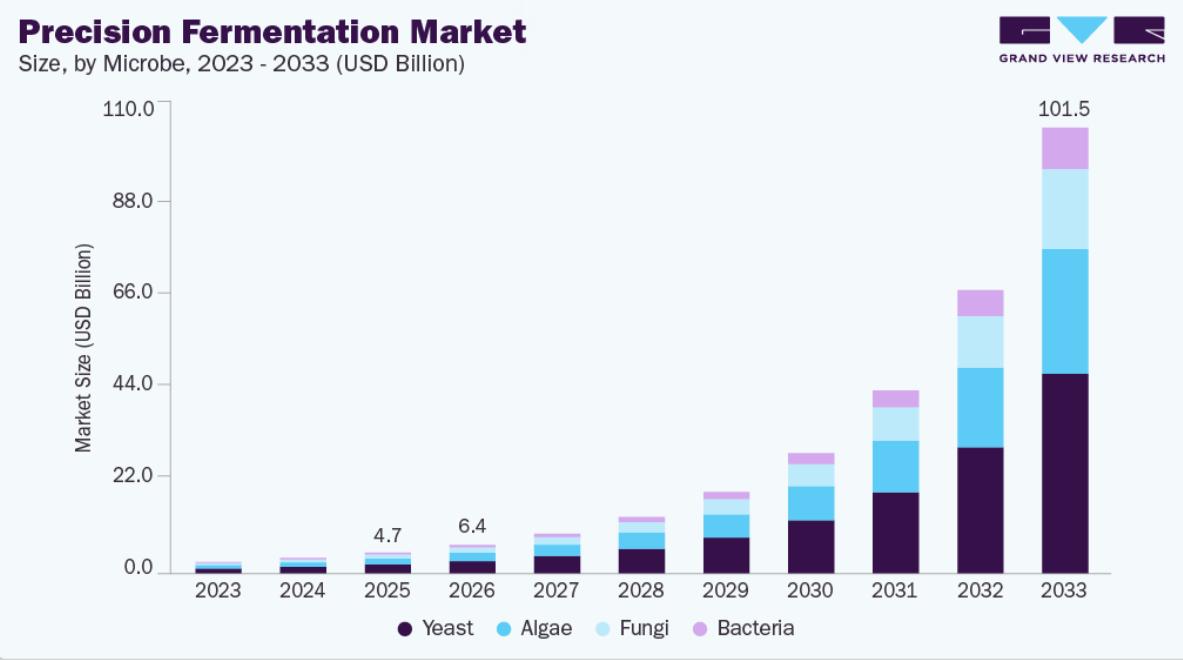
Grand View Research estimates that the global precision fermentation market was valued at US$4.68 billion in 2025 and is projected to reach a staggering US$101.53 billion by 2033, growing at a remarkable compound annual growth rate of 48.3%. For the Middle East and Africa specifically, the precision fermentation market is expected to reach a projected revenue of US$917.5 million by 2030, growing at a CAGR of 34.9% from 2025 to 2030. Saudi Arabia is expected to register the highest growth rate in the region during the forecast period.
The old story, the one that painted this as a technology destined only for Western labs with Silicon Valley price tags, is quickly souring like old milk. The Middle East and Africa are no longer just waiting to receive animal-free proteins from distant shores. We are becoming active participants in this new frontier, hubs of innovation and strategic investment.
Consider a landmark move that recently sent ripples through the industry. UM6P Ventures, the forward-thinking investment arm of Morocco's prestigious Mohammed VI Polytechnic University, made a decisive play by
investing in a South African startup called De Novo Dairy, which specializes in producing animal-free milk proteins using precision fermentation of yeast strains. This is far more than a simple financial transaction. What we are witnessing is a fusion of Moroccan scientific ambition with South African biotech ingenuity. The goal is ambitious but clear: to create products that deliver the identical taste and nutritional profile of traditional dairy, but with a dramatically reduced environmental footprint.
Meanwhile, in Europe, investors are looking toward our region with increasing interest. French foodtech startup Verley, which develops functional dairy proteins using precision fermentation, recently raised US$38 million in a Series A round led by Alven. According to Vestbee, the Lyon-based company has explicit plans to prioritize growth not just in Europe but also in the Middle East following its US entry, aiming to establish itself as a leader in precision-fermented functional proteins for industrial applications.
Even in traditional dairy infrastructure, innovation is flowing. In Libya, Tetra Pak Egypt Area partnered with Zulfa, a subsidiary of the Alushibe Group, to launch a US$16 million greenfield project in Benghazi. As reported by Dairy Business Middle East and Africa Magazine, the state-of-the-art facility spanning 140,000 square meters will feature advanced processing systems including UHT technology and pasteurization units. This shows that while precision fermentation represents the future, the region is simultaneously upgrading its conventional dairy capabilities to meet growing demand.
And in the social enterprise space, the Yoba for Life Foundation partnered with the Global Alliance for Improved Nutrition (GAIN) on a project in Ethiopia's Amhara region. Their Better Dairy For All project supports small-scale
The Precision Fermentation Process: A Step-by-Step Visual Guide
probiotic yoghurt processors using Yoba starter culture technology that extends shelf life from 3 days to 30 days, allowing processors to package their products and expand their businesses. This demonstrates that even low-tech innovations in traditional fermentation are creating significant economic opportunities for local communities.
For the leaders and financial stewards of our regional dairies, the environmental and ethical arguments for sustainability are compelling. But the ultimate decision rests on something far more tangible: the balance sheet. So, where does the return on investment lie in precision fermentation?
standard energy grids.
For processors looking to enhance operational efficiency, the hybrid product approach offers immediate benefits, like expanded margins and enhanced efficiency. By blending precisionfermented proteins with conventional milk, dairies can increase total output without expanding herd size. The energy efficiency of fermentation is remarkable: while animals convert only about 3.6% of feed energy into protein, precision fermentation converts 48% of glucose energy into product, a 13-fold improvement in efficiency. For CFOs, this translates directly to improved margins and reduced exposure to commodity price volatility.
US$101.5 B
PROJECTED GLOBAL PRECISION FERMENTATION MARKET BY 2033 IN NUMBERS
The answer begins with supply chain resilience. Traditional dairy farming is exquisitely sensitive to the whims of nature. Drought, disease outbreaks, and volatile global feed prices are constant threats. The numbers tell a compelling story. Producing 1 kilogram of cow milk protein requires 273 square meters of land; precision fermentation needs only 4.1 to 4.5 square meters, a staggering 98% reduction in land use. Water consumption drops from 303 cubic meters to just 11.5 cubic meters, a 96% reduction. The global warming potential of bovine milk protein is 28.2 kg CO2-equivalent per kilogram, while precision fermentation attains just 1.3 to 2.1 kg CO2-equivalent per kilogram using
As evidenced throughout this article, the Middle East and Africa region is witnessing steady growth, supported by a rising awareness of the benefits of precision fermentation in various industries.
So, for the dairy professional reading this in a bustling Nairobi office, a sleek Dubai headquarters, or a dynamic Lagos processing plant, the message is clear: pay close attention and start planning now. The tools to build the future of our industry are being forged right here, in partnerships between educational institutions and entrepreneurs, in European startups targeting our region for expansion.
ABy Stephen Kibe
s we move deeper into 2026, the South African dairy industry stands as a fascinating study in agricultural evolution. Long regarded as the "dairy powerhouse" of the continent, the sector is currently navigating a complex landscape defined by radical consolidation, technological leaps, and a persistent battle against environmental and infrastructural headwinds. South Africa's dairy sector stands as a powerhouse, ranking fourth in national agriculture,
with a value of R25 billion (US$1.3B) in 2023, according to the Foreign Agricultural Service (FAS) of the United States Department of Agriculture (USDA). Producing 3.35 billion litres of milk in 2024, it is forecast to grow by 2% in 2025 amid consolidation and export gains.
The country accounts for 0.4% of global milk production, with over 984 milk producers employing 60,000 farm workers and providing an additional 40,000 people with indirect jobs within the dairy value chain. The South African commercial

dairy herd is estimated at 1.27 million head, predominantly Holstein and Jersey. Farmers prefer to use artificial insemination to improve genetic traits and meet market and environmental demands. Farmers are moving to Jerseys because Jersey cows have high milk solids, which are rich in butterfat and protein. However, South African processors generally don't pay premiums for solids found in Jersey milk.
The dairy industry is represented by Milk South Africa (Milk SA), a nonprofit organization and a member of the International Dairy Federation. Milk SA was established in 2002 to represent the common interests of all the primary dairy producers and processors in South Africa. These include the Milk Producers Organisation (MPO), which represents primary milk producers, and the South African Milk Processors Organization (SAMPRO), which comprises secondary industry members, including processors and distributors.
A statutory levy administered by Milk SA is imposed on each litre of milk and on each kilogram of other dairy products purchased for processing, sold to retailers, or imported into South Africa. This levy is used primarily for consumer education, transformation projects to empower emerging farmers, and broader skills and knowledge development. In addition to Milk SA, the industry has the Dairy Standards Agency, which monitors dairy products for compliance with legal and food safety standards.
At the heart of the current industry narrative is a striking paradox. Since the turn of the millennium, South Africa has lost over 85% of its primary milk producers. By early 2026, the number of commercial dairy farmers had stabilized at approximately 885, a far cry from the thousands that once dotted the landscape. However, total milk production has not followed this downward curve; instead, it has surged by over 75% in the same period. Due to price pressure and unfavourable feed and climatic trends over the past decade, per cow productivity has fallen, and the dairy industry has undergone significant consolidation: the number of dairy farmers in the country has declined by 60%.
According to USDA (FAS) contacts, producers have been under pressure from low processor prices and competition from ultra-high-temperature (UHT) milk imports. Because small herds lacked the economies of scale necessary to remain profitable, many small operations have sold to larger-scale producers. South Africa is currently experiencing high feed costs that were exacerbated by the 2023/2024 El Nino drought. Feed costs were expected to improve in the second quarter of 2025 when the maize harvest begins.
A foot and mouth disease (FMD) outbreak also affected dairy cattle in 2024. The dairy industry was most affected by the FMD outbreak reported in May 2024 in the Eastern Cape province. The Eastern Cape province accounts for 29% of the national dairy herd. Thirty-four farms in the Eastern Cape were vaccinated after they were confirmed positive for FMD; 36 farms were vaccinated to mitigate the severity of clinical signs in case of infection; and 430 cattle were culled. No new cases have been reported, and no positive results have been received since September 19, 2024. Approximately 634,000 cattle were vaccinated to control FMD between 2021 and 2022, while 96,905 cattle were vaccinated in the Eastern Cape in 2024.
In early 2026, industry bodies such as Saai and Milk SA pushed for national disaster declarations to manage outbreaks. FMD doesn't just reduce milk yields; it shuts down export markets instantly. The South African industry is currently working on a massive research & development push to create more robust "biosecurity zones" and digital tracking systems to reassure international buyers of the safety of South African exports.
South Africa currently produces roughly 3.4 to 3.5 million tonnes of raw milk per year. Milk SA data show 3.458 million tonnes in 2024, a 3.6% increase from 2023. USDA (FAS) projected that fresh milk and UHT milk production will decrease
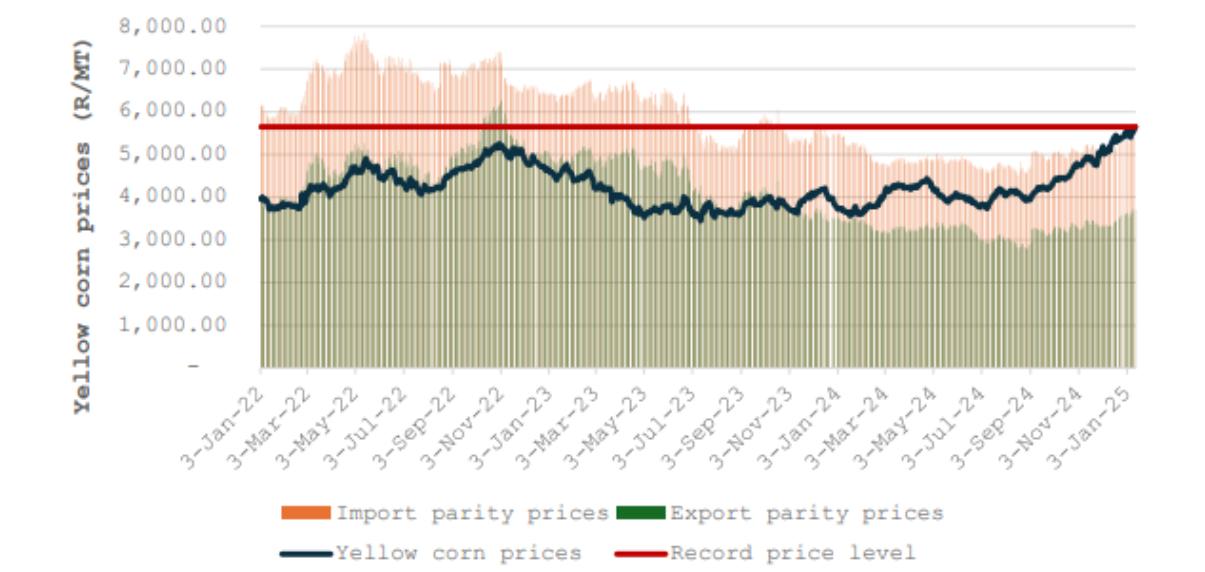
by 2% in 2025 as a result of producer investment in other dairy products that are bringing better returns. Over the past three years, unprocessed milk used to produce UHT milk has decreased by 3%. Unprocessed milk production for 2024 is estimated to increase by 1% due to weak consumer purchasing power, which is affecting demand, and an impact on supply from the FMD outbreak that affected one of the country's biggest dairyproducing regions.
USDA (FAS) forecasted that unprocessed liquid milk production will increase by 2% in 2025, due to declining feed costs and expectations of increasing demand driven by new trade opportunities with China. In 2024, the industry produced approximately 3.46 million tonnes of unprocessed milk, and early data for 2025 and 2026 suggest a modest but steady annual growth rate of roughly 1.2% to 2%. This "growth through attrition" reflects a massive shift toward largerscale, highly efficient operations. The modern South African dairy farm in 2026 is often a hightech enterprise, utilizing total mixed ration (TMR) systems or intensive pasture management to maximize yield per cow.
The South African dairy products market is divided into approximately 60% liquid products and 40%

concentrated products. Pasteurized liquid milk and UHT milk are the major liquid products, with hard cheese being the main concentrated product. UHT milk is driven by South Africa's urban population, which now exceeds 68%, and by a continued need for long shelf-life products in areas with unreliable cold chains. The UHT market is projected to grow at a CAGR of 5.7% through 2033.
Dairy processing trends shift with consumer disposable income and inflation, conditions that are improving in South Africa. Demand is also expected to increase for processed products for export to China following a new trade protocol. Long life and sterilized milk, cheese, and fermented products are the top processed dairy products. Powdered milk, cream cheese, sweetened/flavored/ colored milk, and whey powder demand are expected to increase by 4% in 2025. Domestic consumption of dairy products varies by income group. Between July 2023 and July 2024, retail sales of UHT milk, cream cheese, and butter increased more than those of other dairy products, suggesting increased consumption among both lower- and higher-income groups.
With higher production, imports of UHT milk are forecast to fall precipitously. Most imports from the EU are luxury cheeses, butter, and cream. South Africa exports mainly within the Southern African
region, but is expected to increase exports to China by 10% due to the new dairy protocol. Wholesalers and retailers buy milk from farmers and process it into UHT milk. UHT milk is exported into the South African Development Community (SADC) region by retailers. South Africa exported an average of 87,696 tons/year of UHT liquid milk to the Southern African Customs Union (SACU) region over the past five years. Between January and November 2024, 82,742 tons of liquid milk were exported, which is a 6% increase from the same period in 2023. In 2024, Botswana imported 98% of its total dairy product exports from South Africa, with liquid milk leading with a share of 35%.
In 2023, South Africa exported 814,337 tons of dairy exports valued at US$411M to the world. South Africa's dairy imports are primarily from EU countries. The top seven countries that export dairy products to South Africa are members of the European Union, followed by the United States. The EU dominance in the market is, in part, due to the Southern African Development Community European Union Economic Partnership Agreement (SADCEUEPA), which includes a tariff rate quota for imports of dairy products from the EU. Meanwhile, other trading partners are charged import tariffs on dairy products imported into South Africa. France was the leading exporter in 2024, with a market share of 27%, followed by Germany with 11%. South Africa imported an average of 88,767 tons of dairy products, valued
IN NUMBERS
AMOUNT OF UNPROCESSED MILK IN 2024
South Africa Unprocessed Milk Prices from 2013 to 2025 (March/February MY)
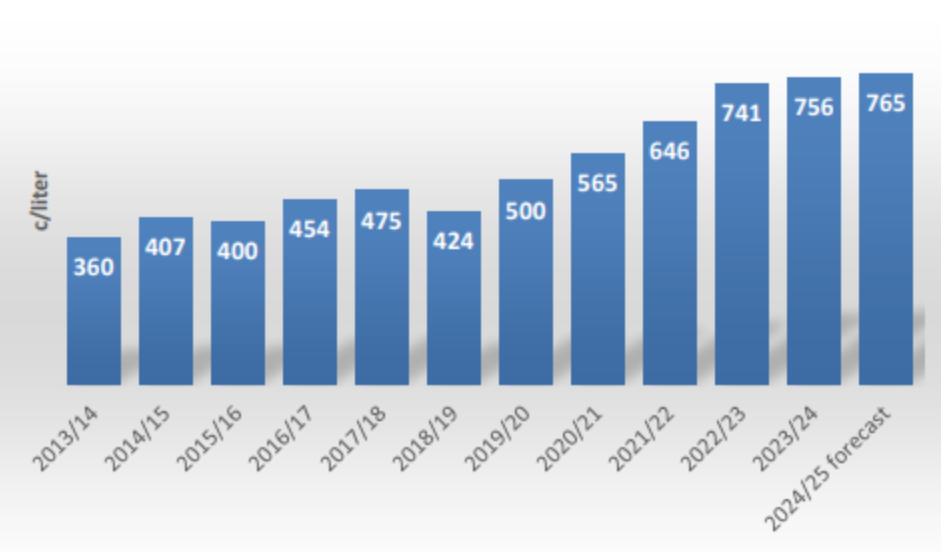
at US$252 million over the past five years. Imports have been increasing moderately over the past five years, but dropped by 17% in 2024.
The outlook for the remainder of 2026 is one of cautious optimism. While global milk prices are expected to stabilize after a period of oversupply in late 2025, South African producers are focusing inward, tightening efficiency and expanding their footprint across
the rest of Africa through the African Continental Free Trade Area (AfCFTA). Precision dairy farming technologies, improved herd genetics and breeding programs, soil carbon sequestration projects, and renewable energy use on dairy farms are receiving increased attention in the South African dairy industry. Sustainability initiatives focusing on carbon sequestration and improved nutrient management are also being implemented to ensure long-term environmental resilience.
Leading processors and institutions are investing in "greener" practices. For example, Nestlé's Western Cape dairy project (Skimmelkrans) implements regenerative agriculture, improving soil health, optimizing animal feed, and recycling water and manure. This program (now on about 96 farms) reports recycling over 14 million liters of water per year and sequestering approximately 6,000 tonnes of CO₂ through improved soil management. Such efforts boost resource efficiency and help reduce the industry's carbon footprint. Other large firms (Danone/ Al Safi) are collaborating on projects like biodigesters and solar power for their outgrower farms.
On-farm innovations are also emerging including precision feeding systems (to reduce feed waste and enteric methane), automated milking parlors (robots), and real-time herd monitoring (activity sensors, automated health alerts). To tackle energy challenges, some farms are installing solar panels and battery backup to power milking machines during outages. Biogas plants are beginning to appear on dairies, converting
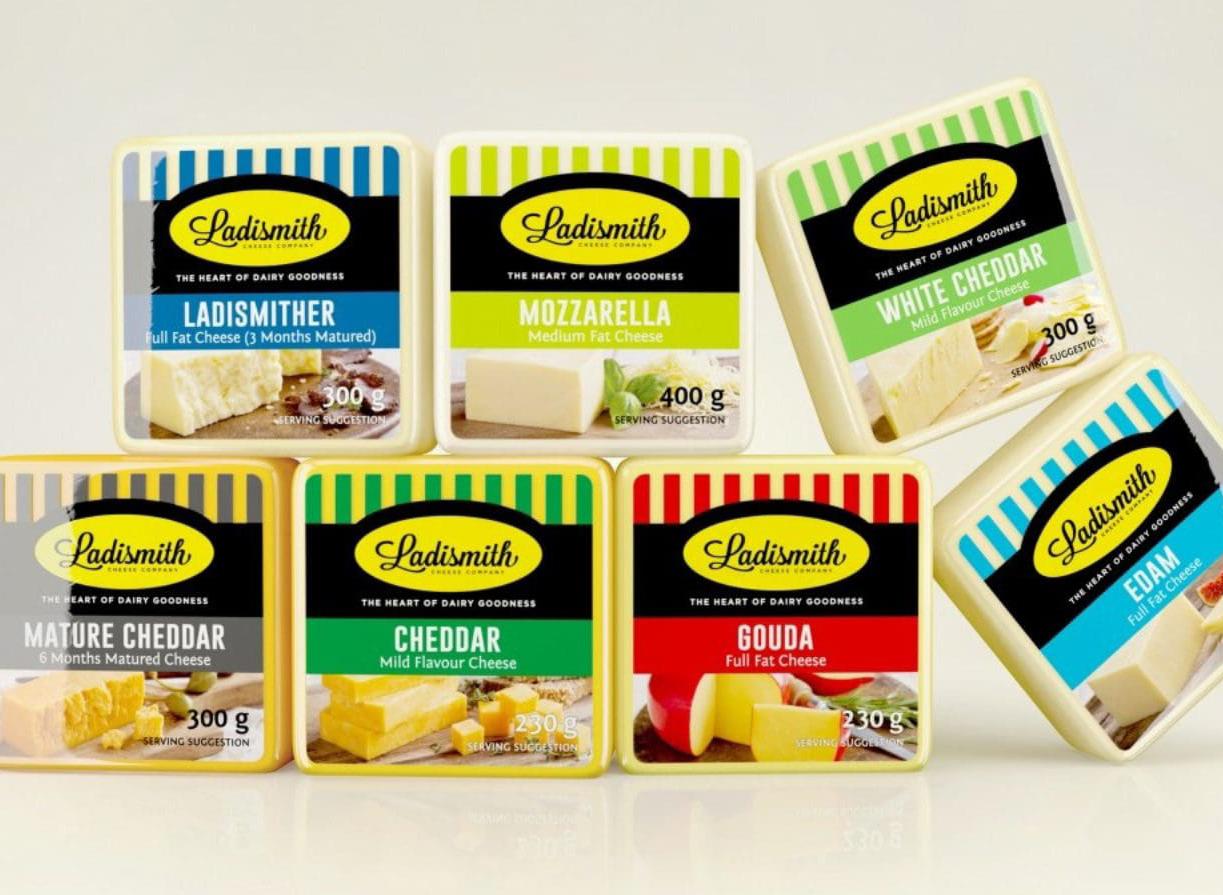
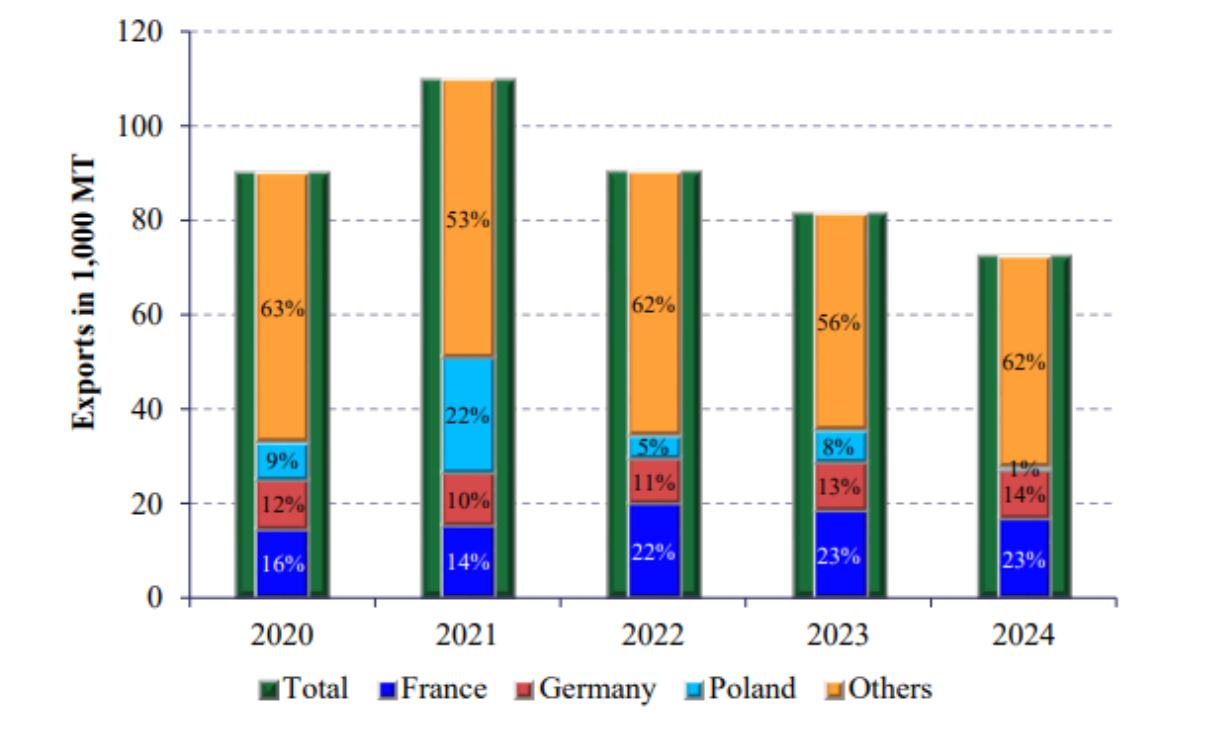
SOURCE: FAS/PRETORIA WITH SARS DATA
manure into electricity and high-quality biofertilizer.
Industry associations and government bodies are also pushing sustainability. Milk SA's transformation program, funded by levies, emphasizes solar electrification and water projects on farms. The dairy sector follows national climate strategies (e.g., South Africa's carbon tax) and closely monitors its greenhouse gas emissions (ruminant livestock are a significant contributor to the country's agricultural emissions). The combination of technology and green practices offers South African dairy producers a way to reduce costs and appeal to environmentally conscious buyers.
South Africa's processing sector is anchored by major players including RFG Foods, Libstar, Ladismith Cheese, Fair Cape Dairies, Woodlands Dairy, Douglasdale Dairy, and Dewfresh. These processors have adapted to consolidation at the farm level by building integrated supply chains and investing in product diversification including lactose-free, plant-based alternatives, and premium fermented products such as kefir and maas.
South Africa’s dairy industry remains a cornerstone of the country’s agricultural economy and a key supplier of dairy products across the African continent. With modern production systems, a sophisticated processing sector and growing export markets, the country is well positioned to meet rising regional demand.
However, addressing structural challenges such as high input costs, infrastructure limitations and climate risks will be essential to ensure long-term sustainability. Through innovation, investment and policy support, South Africa’s dairy sector can continue to play a leading role in shaping the future of the dairy industry in the Middle East and Africa. DBMEA
The African dairy sector is undergoing a profound transformation. As the continent grapples with a double burden of malnutrition characterised by persistent micronutrient deficiencies alongside rising rates of obesity, fortified dairy has emerged as a critical intervention.
Malnutrition remains one of the most significant hurdles to economic development and human potential in Sub-Saharan Africa.
By Mercy Mukiri
According to recent data from the Global Nutrition Report (2024), approximately 30% of children under five in the region are stunted, a condition linked to "hidden hunger" or micronutrient deficiencies.
At the same time, dairy consumption levels in many countries remain well below global recommendations. Tanzania’s per capita consumption, for instance, averages 62 liters per year compared with the FAO’s recommended 200 liters.
Deficiencies in Vitamin A, Iron, and Zinc are prevalent, affecting immune function, cognitive development, and overall productivity.
The World Health Organization (WHO) estimates that iron deficiency affects over 40% of women of reproductive age in Africa, contributing to maternal mortality and low birth weight.
Dairy products, naturally rich in high-quality protein, calcium, and essential vitamins, serve as an ideal and culturally acceptable vehicle for fortification.
Their widespread consumption, particularly among vulnerable groups such as children, pregnant women, and urban populations, allows for a broad-reach nutritional intervention.
AMONG
The Middle East and Africa (MEA) dairy market was valued at USD 21.96 billion in 2024 and is projected to grow at a compound annual growth rate (CAGR) of 5.5%, reaching an estimated USD 37.51 billion by 2034.
This growth is fueled by increasing disposable incomes, rapid urbanization, and heightened consumer awareness of health and wellness, creating fertile ground for fortified dairy innovations.
Nestlé leads with affordable nutrition, especially through Nido FortiGrow and Essentia, fortified with Iron, Zinc, Vitamin C, and B-vitamins. In Nigeria, where anaemia is widespread, Nestlé uses Ferrous Fumarate for stability and bioavailability. Additionally, Danone dominates functional yoghurt with Activia, Actimel, and NutriDay, combining probiotics, Vitamin D, Zinc, and Vitamin A to support gut health and child growth, while advancing regenerative agriculture. Similarly, FrieslandCampina WAMCO’s Peak Milk and Peak 456 are fortified with DHA, Vitamins A and D, and Calcium, targeting brain and eye development.

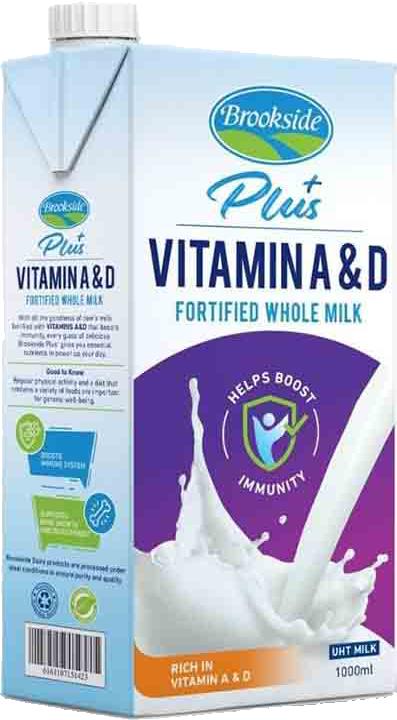
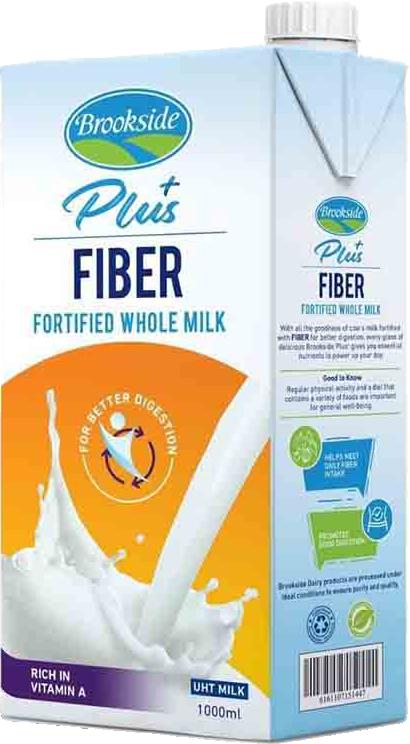
Concurrently, Brookside Dairy, East Africa’s largest processor, innovates with fiber-fortified milk (Soluble Corn Fiber) alongside Vitamins A and D. Promasidor’s Cowbell Milk, enriched with its proprietary “Vitarich” blend (Vitamins A, C, D, E, K), delivers affordable nutrition in sachets.
At the same time, Arla Foods, through Dano, emphasizes Calcium, Protein, and Vitamin B12, positioning fortified milk against non-dairy creamers and partnering locally for fortified yogurt production.The Science of Fortification
For manufacturers and suppliers, understanding the nuances of fortification in the African context is crucial. Effective fortification requires a deep appreciation for ingredient stability, bioavailability, and cost-effectiveness.
Vitamin A is critical for vision, immune function, and cellular
growth. Often added as Vitamin A Palmitate in oil-based dairy products or as a spray-dried, stabilized powder in milk powders to ensure stability during transport and distribution.
Vitamin D3 is essential for calcium absorption and bone health. Despite abundant sunshine, Vitamin D deficiency is widespread in Africa. D3 is a standard and vital addition, typically pre-blended with milk fat or vegetable fat for even dispersion and stability.
B-Vitamins (B12, B6, Folic Acid) are crucial for energy metabolism, neurological health, and red blood cell formation. Folic acid is particularly vital for preventing neural tube defects.
Iron is a cornerstone of fortification efforts, vital for oxygen transport and preventing anaemia.
Sodium Iron EDTA is increasingly favored over traditional iron salts due to its non-reactive nature with milk proteins (avoiding metallic taste) and superior bioavailability, especially in diets high in phytates.
Additionally, zinc is crucial for growth, immune response, and cognitive development. Zinc Sulfate or Zinc Oxide are common choices, with Zinc Oxide often preferred for its costeffectiveness and neutral flavor profile in powdered milk.
Concurrently, while milk is naturally an excellent source of calcium, many "growing up" dairy products are further fortified with Calcium Carbonate to support rapid bone growth.
Calcium-fortified dairy products are increasingly positioned in preventive health, sports nutrition, geriatric nutrition, and prescription nutrition programs.
DHA/Omega-3 Fatty Acids are increasingly incorporated into premium child nutrition products to support brain and eye development. DHA must be carefully microencapsulated to prevent oxidation and off-flavours.
Second are the bioactive peptides. Advanced dairy
fortification involves specific milk-derived peptides that have demonstrated various health benefits, including helping to manage blood pressure or supporting muscle recovery.
Lactobacillus and Bifidobacterium, live microorganisms, are used in fermented dairy products to restore and maintain healthy gut flora.
In Africa, where diarrheal diseases are a leading cause of child mortality, probiotics offer significant public health benefits.
Strains like Bifidobacterium animalis lactis are gaining popularity due to their robust stability and proven benefits.
Leading trends in fortified dairy
The African fortified dairy market is continually evolving in response to consumer needs, technological advancements, and economic realities.
1. The "Sachetization" of premium nutrition
The "sachet economy" is a defining feature of many African markets, enabling affordability and accessibility. This trend, initially prevalent for milk powders, is now expanding to include liquid UHT milk and even fortified yogurts. This "daily dose" approach makes high-quality, fortified nutrition accessible to lowincome households, transforming the consumption landscape.
2. Public-private partnerships and policy support
Governments and NGOs are increasingly integrating fortified dairy into school feeding programs, maternal health initiatives, and hospital nutrition plans. These partnerships create stable institutional demand and encourage private companies to invest in fortification.
3. Digital transparency and traceability
As consumers become more discerning and regulatory frameworks tighten, digital transparency and traceability are becoming non-negotiable.
B2B partners are increasingly required to provide "certificates of fortification" and detailed documentation. Advanced digital technologies, such as blockchain, are being explored and piloted in markets like South Africa and Nigeria to track the entire "fortification journey."
This ensures that the levels of vitamins and minerals promised on the label are consistently present at the point of consumption, building trust with regulators and end-consumers. This trend also creates opportunities for tech providers specializing in supply chain management and data analytics.
4. The rise of indigenous fortification and dairy-plant blends
While the plant-based trend is gaining global momentum, in Africa, it is manifesting in a unique hybrid form. We are witnessing the emergence of innovative dairy-plant blends that combine the high-quality protein and calcium of dairy with the specific nutritional benefits of local African superfoods.
Examples include milk fortified with Baobab powder (naturally rich in Vitamin C, calcium, and fiber) or Moringa (known for its high content of Iron, Vitamin A, and protein).
These "super-fortified" hybrids not only offer unique nutritional profiles but also resonate with the "Buy Africa" sentiment, appealing to consumers seeking locally sourced and culturally relevant health solutions.
While dairy remains the primary vehicle for fortification in Africa, the plant-based milk alternative (PBMA) market is expanding rapidly, driven by rising lactose intolerance (estimated to affect up to 70-90% of some African populations) and a growing urban middle class.
However, fortifying plant-based milks presents unique technical challenges. Protein density must often be boosted with isolates from pea, rice, or soy to match dairy benchmarks.
Stabilisation is another hurdle. Minerals such as calcium carbonate can settle in low-viscosity plant milks, necessitating hydrocolloids such as gellan gum or carrageenan to keep nutrients suspended.
Flavor masking is equally important, as plant proteins can introduce beany or grassy notes that must be balanced to meet consumer expectations.
Fortified dairy is far more than just a product category in Africa; it is a vital tool for public health improvement and a dynamic engine for B2B growth.
By combining advanced food science with localized market strategies, the leading dairy companies are not only combating malnutrition but are also setting the stage for a healthier, more productive continent.
For the dairy industry, the future lies in embracing innovation that meticulously balances affordability with high-impact nutrition. DBMEA
By Nicholas Ng’ang’a
Africa has a vast dairy sector, with smallholder farms dominating the supply chain and milk serving as a cornerstone of nutrition and livelihoods. However, a hidden peril lurks: aflatoxin contamination. Aflatoxins are potent mycotoxins produced by Aspergillus fungi, particularly Aspergillus flavus and A. parasiticus. The fungi thrive in warm, humid climates. These conditions are prevalent across much of sub-Saharan Africa. When dairy animals consume contaminated feed, aflatoxin B1 (AFB1) is metabolized into aflatoxin M1 (AFM1), which is excreted into milk. This stable toxin resists heat treatments like pasteurization, persisting in dairy products such as cheese, yogurt, and powdered milk.
Classified as a Group 1 carcinogen by the International Agency for Research on Cancer (IARC), AFM1 poses severe health risks, including hepatocellular carcinoma (HCC), immune suppression, and stunted growth in children. In Africa, where dairy consumption is integral to diets and economies, addressing this contamination is not just a technical challenge but a public health imperative.
That said, the dairy industry in Africa, valued at billions and supporting millions of smallholder farmers, faces heightened risks due to climate variability, inadequate storage infrastructure, and limited enforcement of regulations. A 2026 integrative review published in Foods journal analyzed global trends, revealing that sub-Saharan Africa bears a disproportionate burden, with non-compliance to regulatory limits rampant. For instance, the European Union sets a stringent limit of 0.05 µg/kg for AFM1 in milk, while the U.S. FDA allows 0.5 µg/kg. Yet, in many African
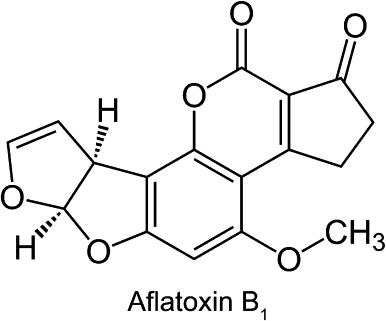
contexts, levels far exceed these, leading to economic losses and health crises.
The informal sector dominates the African dairy industry, handling 70%–80% of milk marketing and consumption in East Africa, particularly in Kenya, Uganda, and Tanzania. This sector provides 70% of dairy jobs and accounts for 86% of the market share in Kenya, offering affordable, raw milk to low-income consumers, though often operating outside regulatory standards.
This raises the risk of contamination along the value chain. In Kenya, one of East Africa’s main dairy producers (about 5.2 billion litres each year), aflatoxin contamination remains a concern. A cross-sectional study conducted in Nairobi’s Kasarani sub-county found AFM1 contamination in almost all tested samples. Out of 84 samples analysed, 83 contained the toxin. The average level stood at 84 ng/kg. About 64% of the samples were above the EU legal limit of 50 ng/kg. Higher concentrations were reported in sub-humid areas such as Kisumu. Here, levels reached 370.7 ng/L, with 50.2% of samples exceeding recommended limits.
Ethiopia mirrors this pattern. Most recently, A 2025 study on raw cow milk in Ethiopia’s Sidama zone found widespread AFM1 contamination. Researchers detected the toxin in 75% of the 240 samples tested. Levels were notably higher during the dry season. Additionally, only 11% of the samples exceeded the EU safety limit, while 2% were above the US regulatory threshold. Even so, the high detection rate raises concerns about potential health risks, especially for children, according to a study in Taylor & Francis Online.
In Ghana's Volta Region, 100% of fresh cow milk samples exceeded EU limits, with levels up to 1,606.8 ng/L, contributing to an estimated HCC risk of 0.023-0.038 cases per 100,000 people annually. Sudan reports 85% positivity in cow milk, often at 100-150 ng/kg, while Nigeria's goat milk shows 55% exceedance, peaking at 3,108 ng/L.
Something clearly has to be done, now that Aflatoxin contamination in dairy products remains a pressing issue across Africa. Fortunately, proven strategies can significantly curb this. These include:
The use of biocontrol agents
Biocontrol uses safe, non-toxic Aspergillus strains to protect crops. Products like Aflasafe are applied before harvest, allowing harmless fungi to outcompete toxin-producing ones. This prevents AFB1 in feed crops like maize and reduces its transfer into milk. The method is eco-friendly, fits into normal farming routines, and costs roughly $10–20 per hectare. It can cut aflatoxin levels by 80–99% over time.
In Tanzania, a 2025 study tested Aflasafe TZ01 on maize at 10 kg/ha during crop growth. Treated fields showed a 62% drop in AFB1 compared with untreated ones, a statistically significant
result (p=0.024). This helped local dairy farmers by lowering AFM1 in milk from cows fed the treated maize.
In Nigeria, widespread use from 2013 to 2023 across nearly 100,000 hectares resulted in over 95% of maize harvests falling below 4 ppb total aflatoxins, well under Codex limits. This improved feed safety, strengthened dairy value chains, and allowed farmers to earn more via premium markets. By 2020, Aflasafe had gained registration in 10 African countries, including Kenya and Malawi, demonstrating its ability to scale even in challenging climates.
Improving post-harvest storage can sharply cut aflatoxin risks. For instance, farmers can choose Purdue Improved Crop Storage (PICS) bags, which are airtight blocking oxygen and moisture that fungi need to grow. These triple-layered bags are reusable, inexpensive, and allow smallholders to store grain for months without chemicals. This can cut losses by up to 80%.
For instance, in Tanzania, a 2024 Africa RISING case study found PICS bags kept maize and cowpeas free from insects and mould over six months. Dairy farmers noted safer feed and lower AFM1 in milk from cows fed the stored grains. Also, the PICS3 project, active since 2023 in Ethiopia, Ghana, and Uganda, has boosted commercial adoption. Over 20% of on-farm storage now uses hermetic bags, helping dairy herds get cleaner silage and concentrates.
Stricter regulations play a pivotal role in curbing aflatoxin contamination in milk by establishing clear, enforceable maximum limits for aflatoxin M1 (AFM1) in dairy products and aflatoxin B1 (AFB1) in animal feeds. This sets up a clear framework that boosts the entire dairy value chain, from feed production and farm practices to milk processing and market oversight.
First, stricter MRLs for AFM1 in milk compel producers, processors, and regulators to adopt proactive controls at the
THE DAIRY INDUSTRY IN AFRICA FACES HEIGHTENED RISKS DUE TO CLIMATE VARIABILITY, INADEQUATE
source. For instance, limits require farmers to implement good agricultural practices (GAPs), such as using biocontrol agents or improving feed storage, to prevent AFB1 buildup in animal feed. This reduces carryover to milk, where AFM1 can persist even after pasteurization.
A notable example comes from China, where dairy safety regulations were changed following the 2008 melamine scandal, which shook public trust. The 2009 Food Safety Law, revised in 2015 and 2021, set stricter oversight and established maximum AFM1 levels under GB 2761-2017 at 0.5 μg/kg in milk, matching Codex standards but enforced more rigorously.
The law prompted tighter feed controls to limit AFB1 and encouraged dairy firms like Mengniu and Yili to adopt vertical integration, including owning farms to secure safer raw milk. By 2025, these steps, along with advanced detection methods, had cut contamination incidents, restored consumer confidence, and improved export quality.
Toxin binders, such as bentonite clays (e.g., NovaSil) or yeastderived products, are added to cattle feed to bind AFB1 in the gut, preventing absorption and excretion as AFM1 in milk. These additives (0.05-1.2% of feed) are simple to incorporate, nontoxic, and can reduce milk contamination by 50-90% without affecting yield or nutrition.
In Kenya, a 2021 intervention trained smallholder farmers in urban and peri-urban areas like Nairobi to use NovaSil binder at 0.5% in feeds. Over the study period, it significantly reduced AFM1 in raw milk, with reductions of up to 71% in contaminated samples, thereby bridging knowledge gaps through education.
Tackling aflatoxin in African dairy requires a comprehensive approach. Stronger regulations, investment in biocontrol and toxin binders, and public-private partnerships like AgResults are key. With climate models predicting hotter, drier conditions that favour Aspergillus, proactive steps, such as farmer training and tech-driven monitoring, are critical. DBMEA






JULY 15-17, 2026 | Nairobi,
SEPT 15-17, 2026 | Lagos,



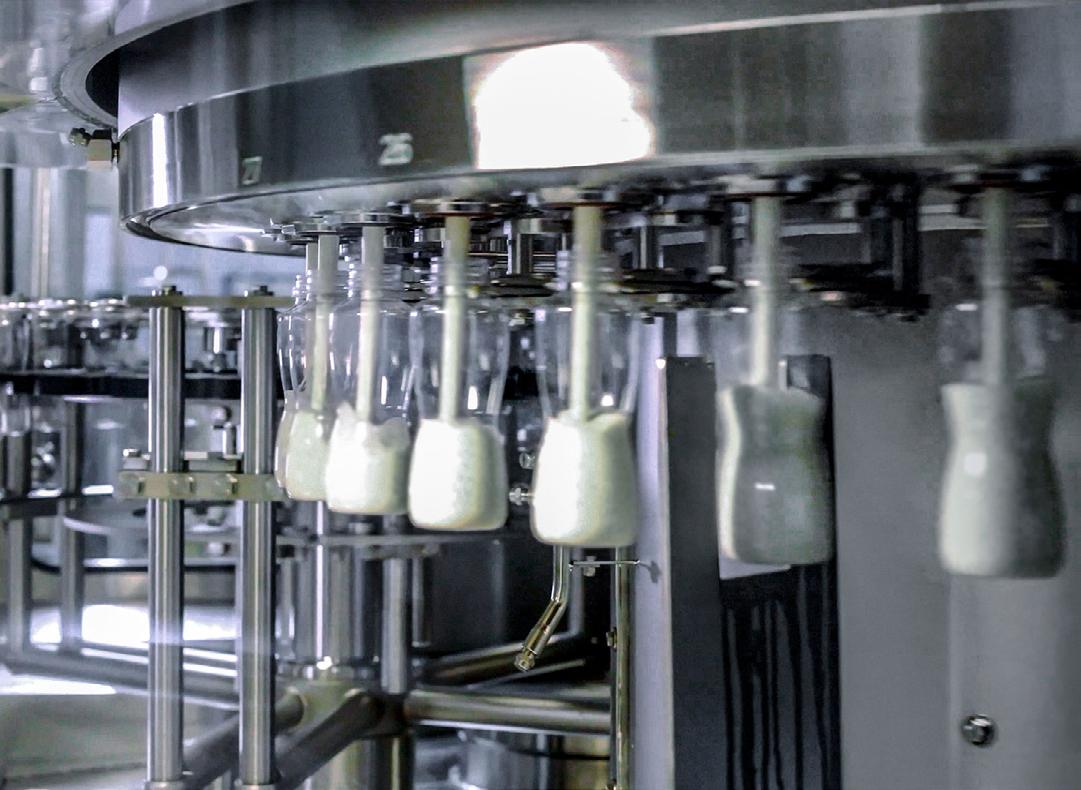
INDIA – Britannia Industries has commissioned its first aseptic PET packaging line for dairy beverages, partnering with Sidel to support expansion of its Winkin’ Cow portfolio.
The new line has been installed at Britannia’s greenfield dairy facility in Ranjangaon, Maharashtra, marking a strategic step in strengthening its position in India’s fast-growing valueadded dairy drinks segment.
Britannia entered the category in 2018 under the Winkin’ Cow label, targeting flavored milk and ready-to-drink dairybased beverages. With demand rising for convenient, shelf-stable formats, the company sought a fully integrated aseptic PET solution capable of ensuring product safety, longer shelf life and packaging flexibility.
Sidel delivered a complete line featuring its Aseptic Combi Predis system, operating at 24,000 bottles per hour. The solution integrates preform sterilization, blow moulding, filling and capping into a single continuous process, reducing contamination risk while optimizing footprint and operational efficiency.
The aseptic PET configuration is designed to maintain product integrity for sensitive dairy formulations without the need for preservatives or refrigeration during distribution, supporting wider market reach across India’s diverse retail landscape.
Harbinder Kathuria, vice president of sales for South Asia at Sidel, said the company provided end-to-end support for the project.
“From bottle and label design to product-packaging validation, the line has empowered Britannia to expand its dairy beverage portfolio and offer safe, high-quality products with enhanced packaging flexibility to Indian consumers since 2023,” he noted.
Aseptic PET formats offer lightweighting benefits compared to traditional cartons or glass, while enabling differentiated bottle designs and branding.
USA – Vivici has launched Vivitein LF in the USA, introducing a precision-fermented version of lactoferrin that aims to address longstanding supply and cost constraints around one of dairy’s most prized functional proteins.
Lactoferrin, a bioactive whey fraction associated with immune modulation, iron absorption and gut barrier support, is typically extracted in small quantities from milk, making it scarce and expensive.
Vivici’s approach uses precision fermentation to produce lactoferrin without animal inputs, enabling higher purity and potentially a more predictable supply.
The ingredient has achieved self-affirmed GRAS status in the USA, clearing a key commercial hurdle and allowing food, beverage and supplement manufacturers to incorporate it into finished products.
The move comes as demand accelerates across the $938 billion global health and wellness foods market, projected to exceed US$2.2 trillion by 2032.
Vivitein LF is the second product under Vivici’s Vivitein platform, following beta-lactoglobulin (BLG), and signals a broader strategy to build a portfolio of high-value dairy proteins via fermentation.
Backed by established dairy and nutrition players, the company is expanding its manufacturing footprint to support global scale-up.
The new product follows the company's acquisition of Raisio’s plant protein business, including the Härkis and Beanit fava bean brands, in a deal valued at US$8.26 million (€7 million).
The acquisition includes production equipment at Raisio’s plant protein factory in Kauhava, Finland, and 16 employees who will transfer to Valio.
A report by Valio stated that the deal strengthens its position in the plant-based protein market as part of its ongoing expansion beyond dairy.
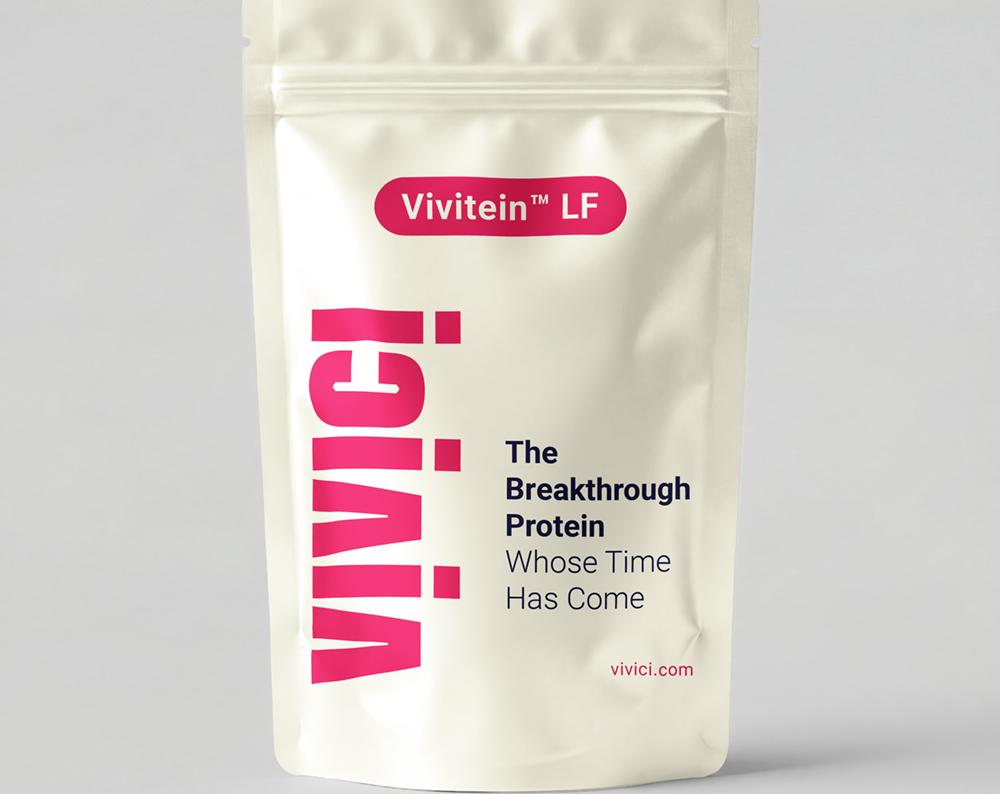
DENMARK – Arla Foods Ingredients has launched a new whey protein product, Lacprodan BLG-100 Acidic, targeting the medical nutrition sector.
This ingredient is designed to address common compliance issues among patients, such as taste and texture preferences, which are significant barriers to consumption.
Arla’s product can be easily integrated into various foods and beverages, offering 10 grams of protein per 100ml serving and dissolving in 30 seconds without gelling or clumping.
The new protein is suitable for manufacturers of foods for special medical purposes (FSMPs) and can be used in settings like hospitals and care homes.
Unlike traditional medical nutrition products, Lacprodan BLG-100 Acidic can be used in both acidic and neutral applications, allowing it to be incorporated into juice-style drinks and milky formats.
Patient adherence to nutrition plans is a persistent challenge,
with studies indicating that approximately 50% of patients do not comply fully with prescribed oral nutrition due to taste issues.
Additionally, the company launched a new concept demonstrating how protein bar manufacturers can improve nutritional profile without compromising on taste or texture.
Created using customized whey protein solution Lacprodan® EasyBar, it delivers up to 40% high-quality protein in a convenient 18g serving. Containing just eight ingredients, it is also high in fiber, with no added sugar or fat, and no maltitol.
All these features meet a growing market need. Ninety per cent of global consumers now consider snacking an essential part of their daily routine, with health increasingly influencing their choices.
The concept avoids the textural deterioration that can affect protein bars, maintaining stable softness over a two-year shelf life without the need for additional fat or water-binding ingredients like collagen.
KENYA – dsm-firmenich has officially opened its new office and state-of-the-art application center in Nairobi, marking a key milestone in the company’s longterm commitment to innovation, flavour and ingredient excellence, and customer partnership across East Africa.
The facility is set to strengthen dsmfirmenich’s service delivery in Kenya, Tanzania, Uganda, Ethiopia, Rwanda and the wider East African region.
The site is designed to enable closer collaboration between customers and the company’s technical and commercial teams, helping to accelerate product development cycles, improve localization, and support innovation tailored to regional preferences.
With East Africa’s population rapidly urbanizing and more than 60% of its people under the age of 25, the region is undergoing a major shift in food and beverage consumption. Young, urban consumers are increasingly seeking convenient, nutritious, and culturally relevant products that fit fast-paced lifestyles.
Recently, the company announced it
had achieved its 2025 goal of sourcing 100% of its purchased electricity from renewable sources, several months ahead of schedule.
The achievement marks a key milestone in the company’s long-term strategy to achieve net-zero greenhouse gas (GHG) emissions across its operations and value chain by 2045, with targets validated by the Science-Based Targets initiative (SBTi).
The company’s climate commitments
include sourcing 100% renewable electricity by 2025 and maintaining that level through 2030. Having now met this goal early, dsm-firmenich reinforces its role as a sustainability leader within the global business community.
To achieve this milestone, dsmfirmenich implemented a sourcing strategy aligned with the technical criteria of RE100, a global initiative uniting influential businesses committed to using 100% renewable electricity.
USA – DuPont has announced the launch of the FilmTec MXP RO-8038-FF element—an advanced mesh-wrapped reverse osmosis solution engineered for dairy processors who rely on mesh-wrapped systems and now seek greater active area and higher productivity.
As dairy producers seek to maximize throughput while maintaining trusted operational practices, FilmTec™ MXP RO-8038-FF element offers a drop-in solution that can deliver approximately 5 percent higher active membrane area and up to 50 percent greater productivity compared to conventional mesh wrapped elements.
FilmTec™ MXP RO-8038-FF element is engineered for the concentration of milk, whey, and lactose streams, supporting higher recovery rates and less wastewater generation. Its dimensions align with competitive 8038-sized elements, ensuring seamless changeovers in dairy facilities.
The introduction of FilmTec MXP RO-8038 element expands DuPont’s FilmTec reverse osmosis element dairy portfolio, giving customers the power of choice: FilmTec MXP elements for improved productivity in current mesh wrapped systems, and FilmTec Hypershell XP elements for improved productivity, maximum energy savings through reduced bypass, and easier handling.
The company also announced the launch of FilmTec Hypershell XP RO-8038 element, an advanced reverse osmosis (RO) solution engineered to meet the evolving needs of the dairy processing industry.
Designed to enhance product quality and yield for milk, whey, and lactose streams, the element supports higher recovery rates in polishing systems, resulting in less wastewater.
Its extended membrane life and reduced replacement frequency contribute to lower overall costs. This boosts both productivity and element flow, while its ability to operate at lower energy demand—without compromising flux—can translate to significant operational cost savings.
Novonesis achieves 100% renewable electricity
DENMARK – Novonesis has achieved its 2025 milestone target of securing that 100% of all the electricity used in global operations is renewable.
The company achieved its renewable electricity target by working with partners to identify and secure supply to all sites globally with a focus on wind and solar projects.
Its diversified renewable energy portfolio includes on-site solar, waste-to-biogas, renewable electricity certificates, and other energy projects across our sites.
Securing renewable electricity across sites is part of the broader climate targets and ambition to achieve Net Zero by 2050, and to reduce GHG emissions from Scopes 1 and 2 by 65% by 2025 and 75% by 2030 compared to our 2018 baseline.
RE100 is a global corporate renewable energy initiative bringing together hundreds of large and ambitious businesses committed to 100% renewable electricity. Over 400 companies have made a commitment to go ‘100% renewable’.
Recently, the company delivered 8% organic sales growth in the first nine months of 2025, with the Full-year outlook narrowed upwards to 7-8%, from 6-8% previously.
Strong broad-based organic sales growth of 8%, including the negative impact of exiting certain countries of 1 percentage point. Price contributed by 1 percentage point. Food & Health at 9% organic sales growth including the negative impact of exiting certain countries of 2 percentage points. Planetary Health at 8% organic sales growth.
Emerging Markets at 12% organic sales growth, Developed Markets at 6% organic sales growth. Adjusted EBITDA margin at 37.3%, up by 130 bps, including significant currency headwinds. Adjusted net profit increased by 22%.

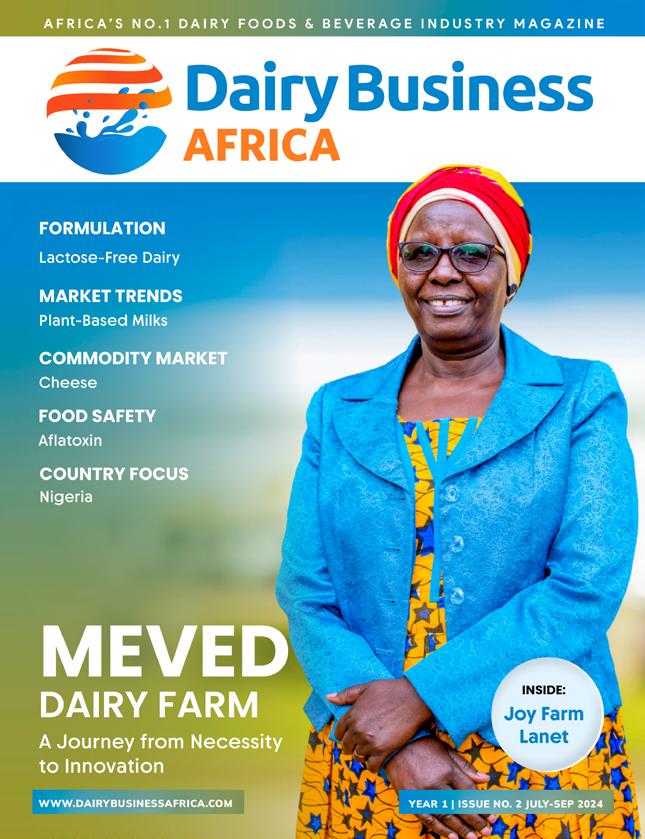
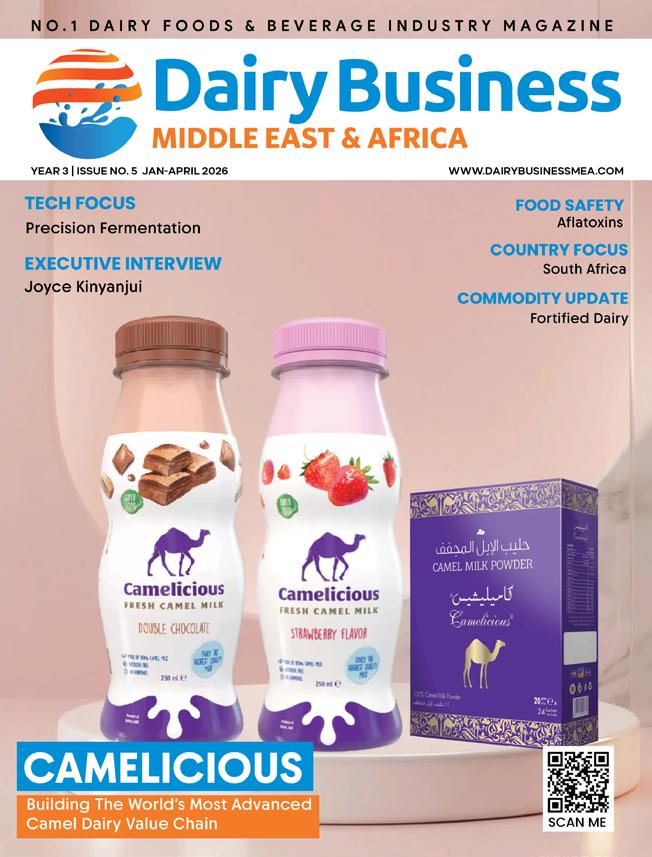
Start-ups and young businesses in sub-Saharan Africa face a myriad of challenges, including lack of access to technology, expertise and networks to grow.
Sales/Marketing
Purchasing/Supply
QA/R&D Process
Others (specify)
Applicant’s
Date:
At The Nest Africa, we are creating a collaborative facility with new product development labs, production and packaging kitchens and office space for use by start-ups and young companies to facilitate their innovations and growth towards becoming the next big thing. AND WE BELIEVE THAT CONNECTING THEM TO BIG CORPORATES AND FUNDERS IS
SUCCESS Visit