

Products and services that offer solutions from room to table while maximizing your savings and rebates.

52359 | 45 g | 1.5 oz Units/case: 160

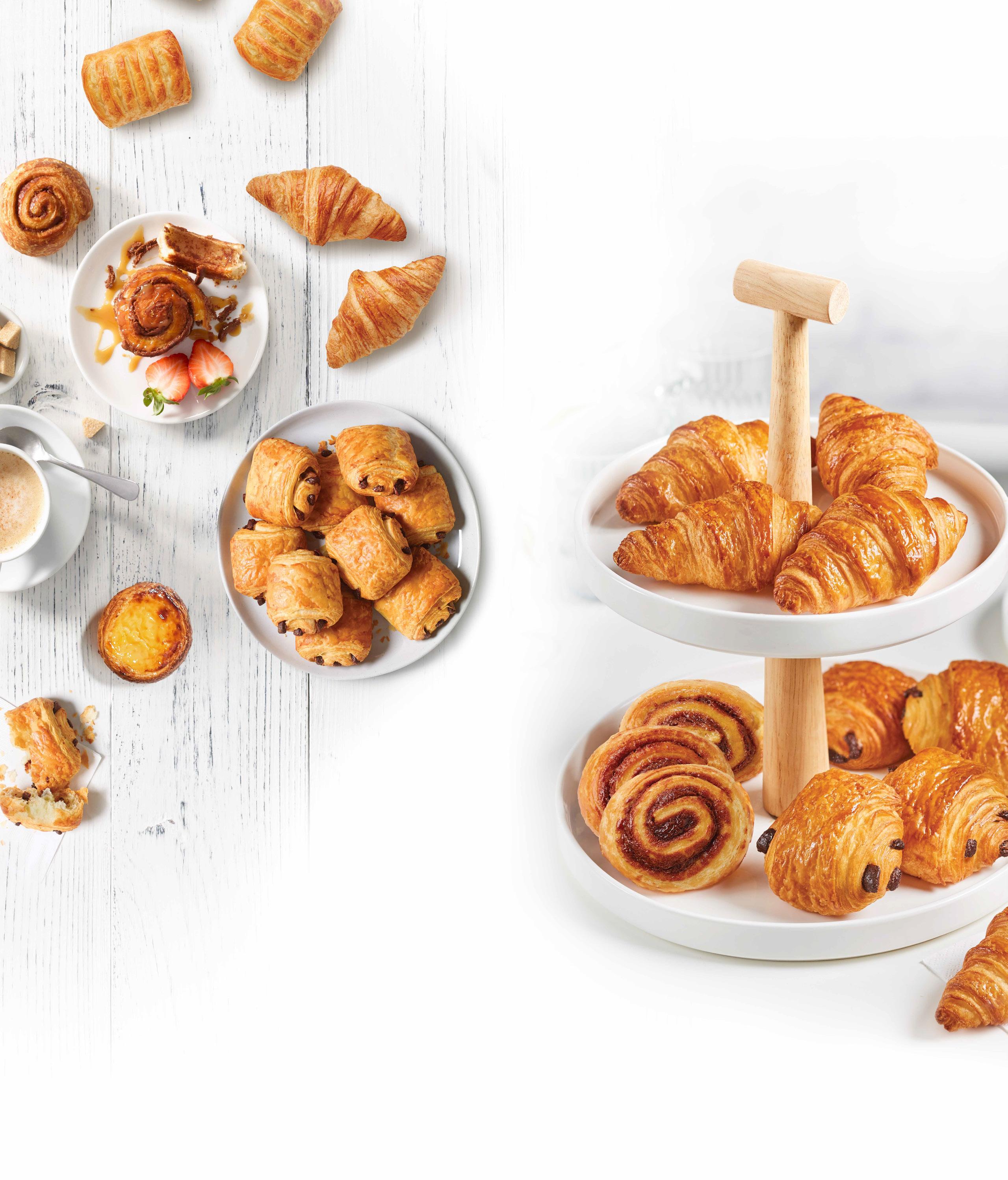
52438 | 45 g | 1.6 oz Units/case: 80

59242 | 45 g | 1.6 oz
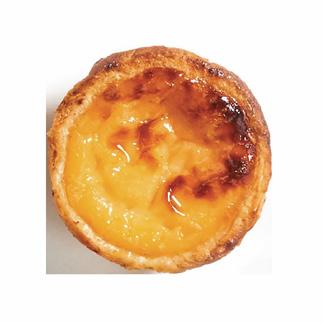
de
52916 | 30 g | 1.1 oz

52436 | 50 g | 1.8 oz
At Foodbuy, we understand that purchasing decisions today must work harder for your business. Designed with curated product and vendor recommendations and industry insights, this Hotel Buyer Guide is designed to help you plan strategically for the year ahead, delivering value to guests while uncovering meaningful savings behind the scenes.
This year’s guide spotlights strategic SKU selections across core hotel categories including breakfast, beverages, graband-go market, and essential non-food solutions, designed to support everyday hotel operations, simplify purchasing, and drive savings through Foodbuy’s negotiated contracts and rebate programs. Beyond the plate, Foodbuy’s portfolio extends across non-food supplies, equipment, services, and professional support, helping reduce total operating costs and streamline procurement.
Beyond products, this guide also brings together expert perspectives on what lies ahead for the hotel industry. Inside, you’ll find insights from Foodbuy specialists, and industry outlooks from Nicole Nguyen, Sr. Vice President CBRE, Tony Elenis, President & CEO ORHMA, and research-driven perspectives from the British Columbia Hotel Association (BCHA) to help you plan with greater confidence in the months ahead.
Backed by the collective buying power of tens of thousands of members and deep category expertise, Foodbuy is committed to helping hotel operators mitigate rising costs, stabilize pricing, deliver guest value and make confident purchasing decisions.
Thank you for your continued partnership. We look forward to supporting your business through whatever operational or purchasing challenges come your way.
Sincerely,
The Foodbuy Team
Our goal at Foodbuy is to help support your procurement activity to maximize profits and streamline your procurement processes.
Foodbuy provides competitive pricing and rebates on food, non food and services.
We offer purchasing flexibility through our extensive vendor partnerships with over 450 leading manufacturers as well as options through all leading distributors.
We can simplify your procurement journey.
• Unmatched savings and rebates from recognized vendors
• Improve business performance with expert culinary and operational consulting services
• One stop reporting systems for all purchases
• Sustainable, local and regional procurement programs
No term contract, no membership fees
Rebates based on purchasing volumes
Additional savings from purchasing optimizations
Channel expertise
Expert account management

24/7 on demand purchasing reports
Monthly promotions and discounts
Monthly newsletter
Monthly product price change report
Channel-specific Buyer Guides
Operational and culinary expertise


Food programs
Smallwares, disposables
Cleaning equipment/supplies
Uniforms, linens, textiles
Appliances, furniture Technology Solutions
sample of our 450+ and growing supplier partners…



























• Amenities collections
• Bath bar
• Body lotion
• Conditioner
• Facial bar
• Shampoo
• Shower & bath gel

• Cleaning chemicals
• Cleaning supplies
• Equipment & gloves
• Housekeeping & utility carts
• Warewash & laundry


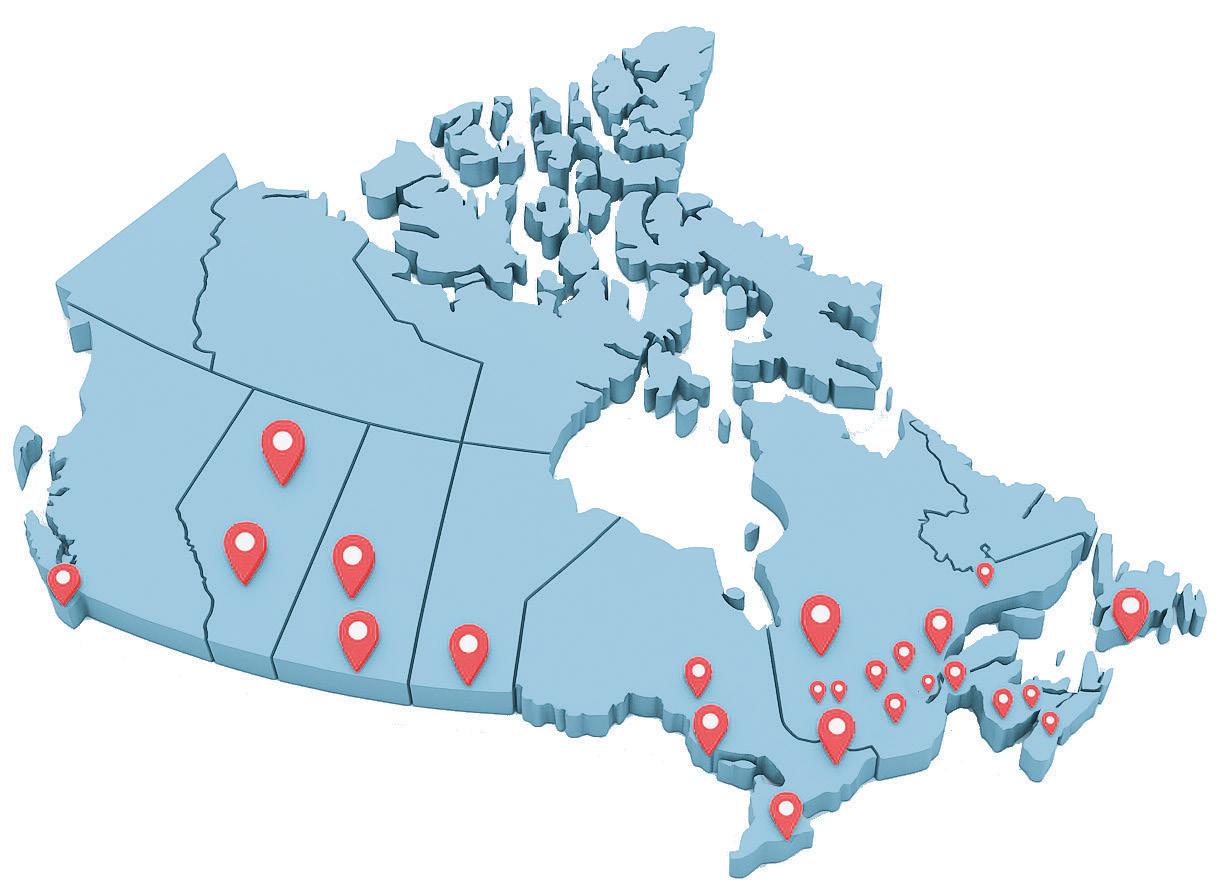
Next-day delivery to 95% of the country
— powered by a national network
• Broad assortment – Housekeeping, janitorial, amenities, more
• Coast-to-coast – Fast, reliable fulfillment
• Cost savings – Consolidated purchasing, competitive pricing
• National consistency – Standardized products, protected brand
• Master distributor – Reliable manufacturer supply
• Hospitality expertise – Tailored hotel solutions
• Bath accessories
• Bed protection
• Beverages
• Electronics
• Hair dryers & irons
• Linens
• Towels & tissue
• Can liners
• Luggage carts
• Matting
• Skincare
• Towel & tissue
• Waste receptacles & liners
• Beverage accessories
• Cups & lids
• Napkins
• Plates, bowls & cutlery
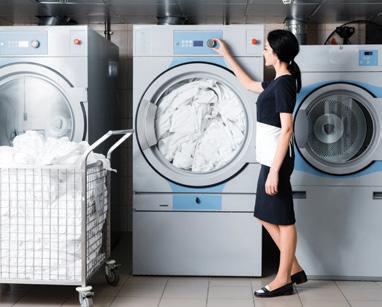
• Laundry daily cleaners
• Foodservice & warewash chemicals
• Floor care
• Skin care

Ashley Hrytzak, Sr. Director Hospitality, Foodbuy Canada
As Canada’s hotel industry moves into the heart of its busiest season, the summer 2026 landscape looks markedly different than even six months ago. What began as a normalization year has evolved into a more complex operating environment shaped by geopolitical instability, rising travel costs, and changing traveler behaviour.
Renewed conflict in the Middle East and continued volatility in oil markets have pushed fuel prices and airfares higher heading into peak travel months. While recent policy measures, such as the temporary suspension of the federal excise gas tax from April 20 to September 7, 2026, may offer some relief, the broader impact is clear. Travel is more expensive and less predictable. At the same time, cross-border travel to the United States continues to soften, with demand rebalancing toward domestic destinations.
For hotel operators, the implication is not simply stronger domestic demand, it is a structural shift in how Canadians are travelling. Trips are shorter, planning is more intentional, and expectations per stay are higher, all arriving precisely as demand peaks. In this environment, operational clarity matters as much as demand forecasting. Many operators are taking a closer look at core cost structures, procurement strategies, and supplier exposure to ensure peakseason demand translates into real profitability.
Domestic travelers are not trading down. They are making deliberate choices about where in Canada to travel. As a result, hotels are competing not just with nearby properties, but with other destinations across the country. This raises the bar for how operators communicate relevance and value to travelers.
In this environment, hotels must clearly articulate why their property and location enables guests to make the most of their time away — a critical part of the value story, not a secondary detail.
Winning properties are:
• Positioning themselves as hubs for dining and activities
• Communicating their proximity to special events, wellness experiences, outdoor recreation, dining, and cultural & sporting activities
• Activating public spaces within the property with programming and social energy
• Building partnerships that extend the experience beyond the property
Delivering this level of experience consistently requires more than creativity. It depends on disciplined purchasing and cost management. Foodbuy members benefit from industry-leading purchasing programs and expert procurement insights to offset cost pressure, allowing operators to reinvest savings into quality, variety, and guest-facing products and experiences that reinforce destination value while protecting margins in an increasingly competitive domestic travel landscape.
Summer demand is no longer a smooth curve. It is a series of spikes.
Major events, including FIFA World Cup matches in Toronto and Vancouver, are already influencing booking behaviour and rate expectations. More broadly, demand is clustering into shorter, high-intensity windows that reward precision and speed.
This shifts the operating focus from seasonal planning to moment-based execution. Booking windows are shorter. Demand signals are sharper. Pricing adjustments must happen faster and in closer alignment with real-time conditions.
Revenue will not be spread evenly across the season, it will be captured in bursts. In these windows, operational friction becomes more costly. Streamlined procurement, reliable supplier programs, and pre-negotiated purchasing agreements help operators stay focused on execution during peak moments rather than reacting to supply or cost disruptions.
Labour constraints are becoming most visible during peak seasons, when demand is highest but staffing capacity is fixed.
Minimum wage increases continue to compress pay structures across roles. Changes to immigration pathways have reduced access to key labour pools, particularly temporary foreign workers and international students. At the same time, turnover in operational roles impacts consistency. Labour is no longer just a cost variable. It is a capacity constraint.
In practical terms, staffing levels now directly determine how much demand a property can convert into revenue. Room turnaround times, service speed, and consistency all hinge on available labour.
As a result, many operators are redesigning operations around reality rather than ideal staffing. Time-saving solutions, from simplified procurement workflows to automation and robot-enabled tasks, are being adopted to free up teams for high-touch, guest-facing interactions
that drive satisfaction and spend. Through its supplier network, Foodbuy is helping operators accelerate this shift by connecting them with practical, labour-saving solutions, from robotics that support cleaning, cooking, and delivery tasks, to highquality, low-labour menu options that reduce back-ofhouse complexity. Service providers for uniform and linen programs further streamline daily operations, allowing teams to stay focused on delivering a consistent guest experience even with leaner staffing models.
Strong demand alone will not guarantee performance this summer. Volatility in fuel prices, event-driven travel, and shifting booking behaviour are making demand less predictable, even within peak periods.
As a result, pricing strategy must evolve from static seasonal models to more dynamic, responsive approaches. Success will depend on:
• Adjusting rates quickly as demand signals shift
• Segmenting demand with greater precision
• Capturing high-value bookings during compressed windows
As pricing becomes more dynamic, cost control plays a parallel role, protecting margins so operators can flex rates confidently without sacrificing profitability.
In today’s peak season, the goal is not just to be busy, it is to be ready.
Foodbuy is proud to help operators turn peak demand into profitability by reducing cost pressure, identify strategic purchasing programs, and create space to reinvest in guest experiences that drive higher-value stays. Connect with Foodbuy to see how smarter procurement can help you.
~Foodbuy
Canada

In today’s peak season, the goal is not just to be busy, it is to be ready.

No matter the batter or the shape, our products deliver big flavour and even bigger possibilities. Unlock more menu options, boost profits, and excite your customers!

All of our products are easy to store,

You can be creative and use










McCain® Battered 1/4" Onion Rings
Consistency is king with these pre-browned classic batter Spanish onion rings.

Pack
SCC: 10055773823094
Sysco: 3083631 GFS: 5495605
McCain® Battered 1/2" Onion Rings
Hearty beefeater-cut onion rings dipped in our classic batter and pre-browned to ensure a consistent look every time.


Brew City® Beer Battered 5/8"
Sweet onion double-dipped in batter made with real premium blond draught beer.

Pack Size: 1 x 4 KG
Pieces/LB: 18 - 24 Net Wt.: 8.8 LB
SCC: 10055773823124
Sysco: 2575462
GFS: 5505405
McCain® Panko-Style Breaded 3/8"
Crispy, crumbly and crunchy onion rings breaded and tossed Panko-style.

Pack Size: 6 × 2.5 LB
Pieces/LB: 16 - 24
Net Wt.: 15 LB
SCC: 00055773002805
Sysco: 261933
GFS: 1321572
Brew City® Beer Battered
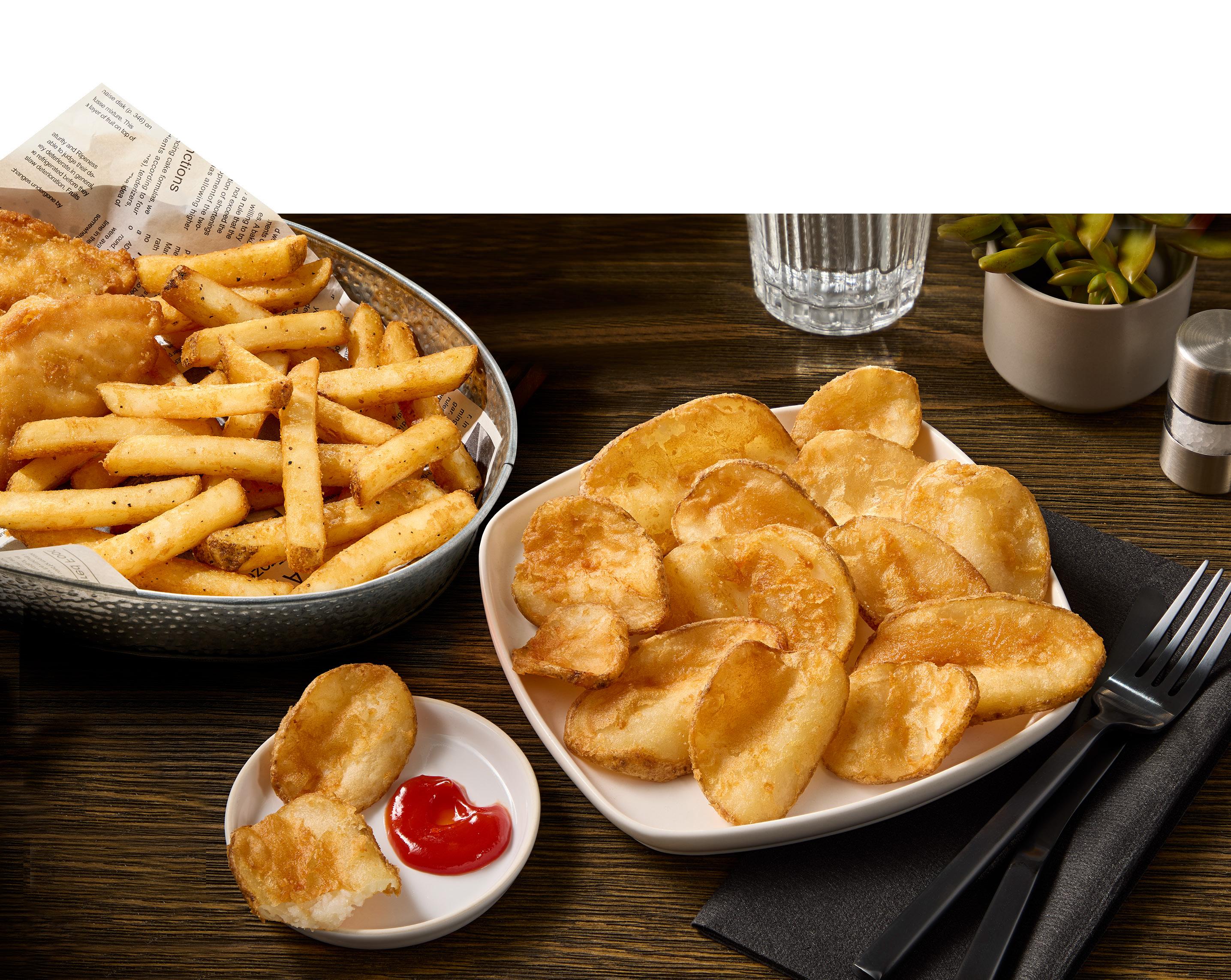
Skin-On Potato Waves
Premium skin-on potato with a unique wavy shape and battered in our Brew City® Craft Beer for a crispy, golden brown outside and light, fluffy bite inside.
Pack Size: 6 x 2 LB
Pieces/LB: 24 - 38 Net Wt: 12 LB
SCC: 10055773004974
Sysco: 7213964
GFS: 1445310

McCain® SureCrisp™ Seaside
Skin-On Fries 1/2''
With a seaside-inspired blend of salt, pepper and garlic seasoning, these lightly battered fries stay crispy up to 30 minutes.


Pack Size: 6 x 4 LB
SCC: 10072714009683
Sysco: 7385796
GFS: 1515091
Pack Size: 6 x 5 LB
SCC: 10072714009850
Sysco: 7410351
GFS: 1515092


Tony Elenis, President & CEO, ORHMA
In conversation with ORHMA’s Tony Elenis on costs, labour realities, and the future of hospitality
Hotel owners and operators are no strangers to volatility, but the pressures facing the industry today feel different in both depth and duration. Costs have risen, labour shortages show little sign of easing, and guest expectations have not softened to match operational realities. Yet despite these headwinds, hotels must continue to operate, adapt, and deliver, describes Tony Elenis, President and CEO of the Ontario Restaurant Hotel & Motel Association (ORHMA). What defines success in this environment is no longer rebound or recovery. It is resilience, discipline, and the ability to make thoughtful choices under constraint.
Few issues weigh more heavily on hotel operators today than cost pressure. Construction and renovation costs have risen dramatically; financing is more expensive, and everyday operating inputs, from energy to insurance to transportation, are volatile.
This reality has shifted how operators think about
Rather than relying on rate growth or volume alone, hotels are becoming sharper about operational efficiency. Purchasing decisions, vendor relationships, and supply chain reliability are increasingly viewed as strategic enablers rather than back-of-house functions.
Industry partnerships matter more than ever in this context. ORHMA’s long-standing partnership with Foodbuy reflects a broader shift toward collaborative procurement models that help operators access scale, transparency, and data-driven insights. For many hotels, this approach offers a way to manage cost volatility while maintaining consistency and quality for guests.
While rising costs challenge margins, labour constraints shape day-to-day operations. “We have baby boomers exiting at a rapid pace,” Elenis said. “We have fewer youth in the workforce.” Labour shortages affect nearly every operating department, from housekeeping and front desk to maintenance and foodservice. Immigration pathways that once helped fill critical roles have tightened, and fewer hospitality-focused education programs are feeding the pipeline.
The impact is tangible: with shortages in labour and increased pressure on existing teams, hotels risk not being able to sell all of their rooms without having the staff to service and clean the rooms. In response, hotels are redesigning workflows, cross-training employees, and finding ways to operate more efficiently with fewer people. Retention has become as important as recruitment, with experienced staff representing continuity and stability in a demanding environment.
One of the most delicate challenges facing hotel leaders is controlling costs without eroding the guest experience. Technology has become an important tool in that effort. Mobile check-in, digital keys, contactless payments, and guest apps help offset labour shortages. But Elenis cautions that technology must be applied selectively.
“Success will come to those that are able to balance personal service with automation,” he said. Automation works best when it supports staff rather than replaces human connections. Guests
may embrace digital convenience, but they still value human interaction at key moments. “Guests still need that face-to-face experience,” Elenis said. “That hospitality smile.”
The strongest operators are intentional. They automate transactional tasks and protect the moments that define hospitality. The same discipline applies to cost control overall. Cutting silently and strategically is very different from cutting visibly and damaging trust.
While hotel operators focus on execution at the property level, ORHMA continues to play an essential supporting role for the broader industry. Through workforce initiatives, education, advocacy, and partnerships, the association works to address challenges that individual operators cannot solve alone. “This is an industry that contributes a great deal to provincial and national GDP,” Elenis said, emphasizing the importance of ensuring hospitality realities are understood in policy and regulatory decisions.
ORHMA’s collaboration with partners like Foodbuy, colleges & universities and industry leaders, reflects an increasingly integrated approach to industry support. Workforce strategy, compliance, and procurement are closely connected, and operators benefit most when those elements work together rather than in silos.
To learn more about ORHMA’s advocacy efforts, industry resources, and workforce strategy initiatives, visit ORHMA.com.
Despite the pressures facing hotels today, Elenis remains optimistic about the industry’s future. “This industry will always survive as long as people travel,” he said. “They will always need a restaurant. They will always need a hotel.”
His advice to operators is rooted in fundamentals. Stay disciplined on costs, but do not strip away the guest experience. Invest in employees, because retention builds stability. Use technology deliberately. Choose partners who understand the realities of hospitality operations, not just the numbers on a spreadsheet.
“Don’t cut back on employee satisfaction,” Elenis said. “That’s what’s going to create success.”
In a high-pressure era, hotels that balance efficiency with empathy and short-term pressures with long-term thinking will be best positioned to move forward. The challenges may persist, but hospitality’s purpose, and its opportunity, remains unchanged.
Foodbuy’s partnership with ORHMA reflects a shared commitment to strengthening the hospitality industry and helping hospitality operators navigate an increasingly complex operating environment. Beyond procurement savings, Foodbuy supports hotels with purchasing intelligence, labour-saving solutions, operational expertise, and access to supplier innovations that help properties improve efficiency, manage costs, and enhance the guest experience. In an industry under pressure, having the right strategic partners matters more than ever.
~Foodbuy Canada














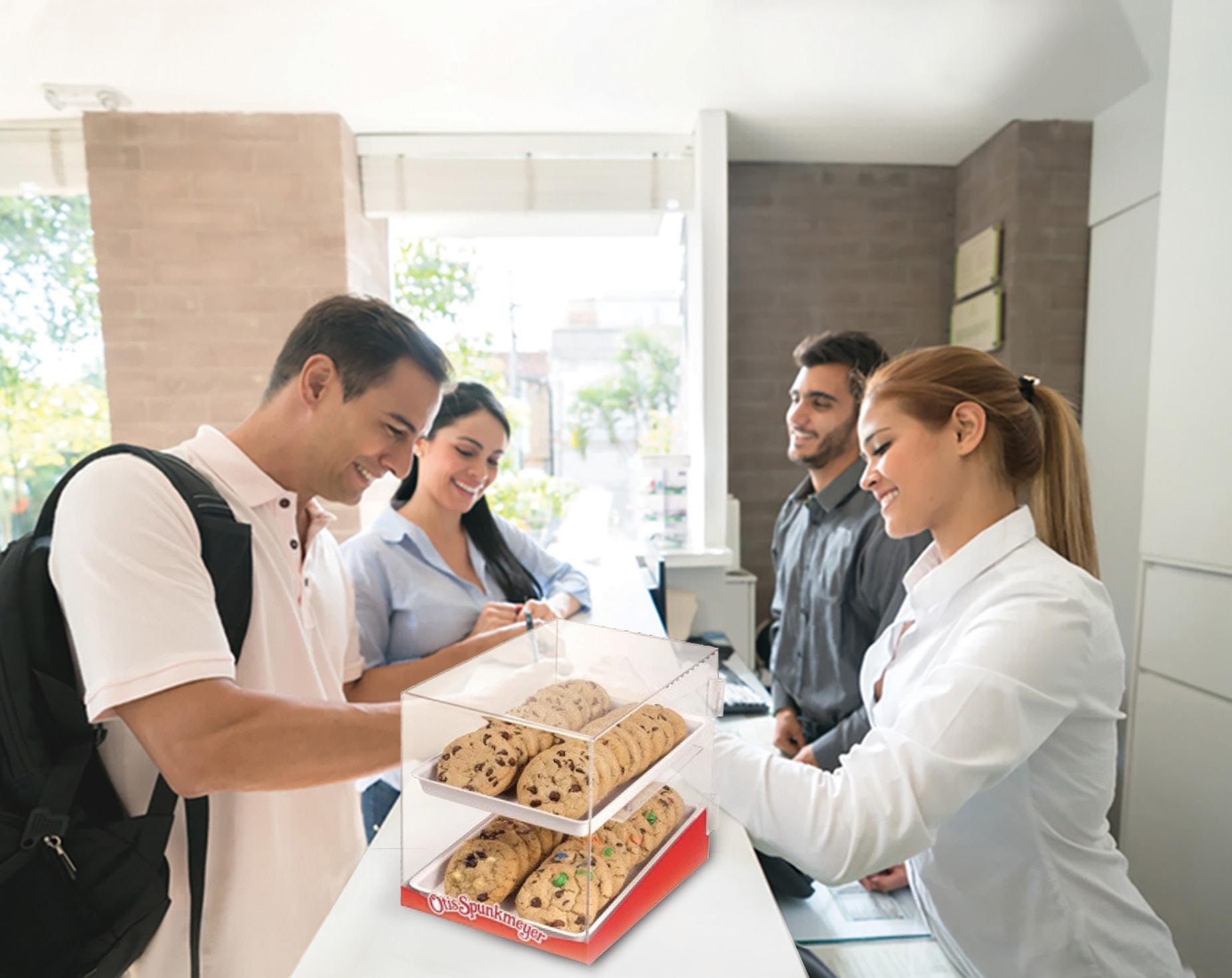



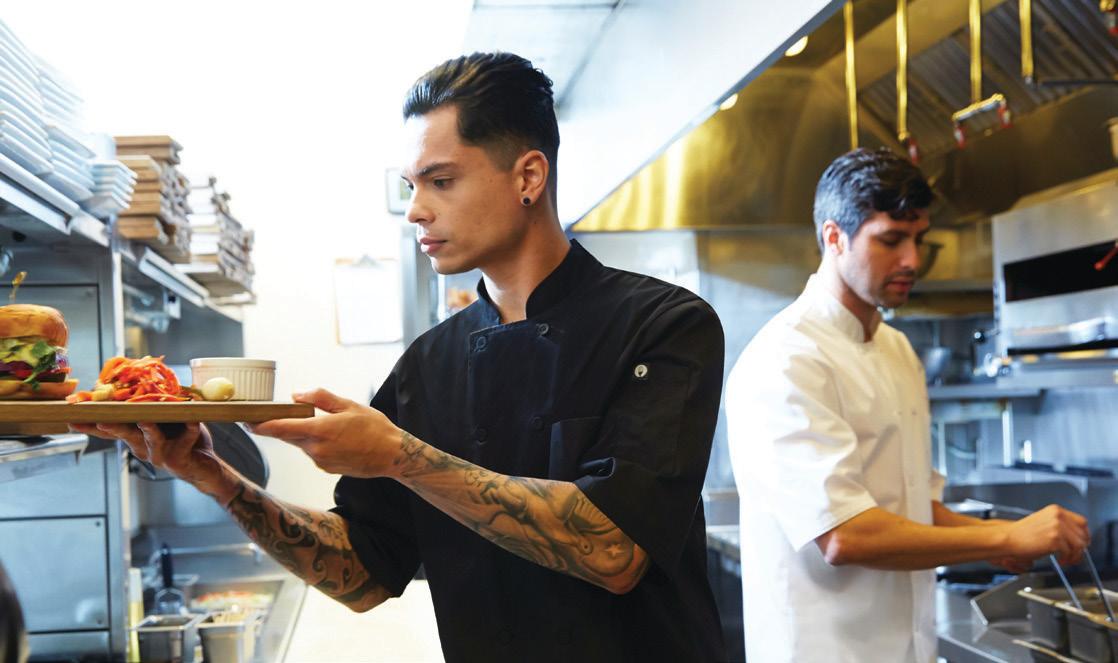
Ensure your team’s appearance reflects the luxury and professionalism your guests expect with an updated uniform program. Chef Works® provides a premium selection of apparel for every role at your property. From front desk to maintenance, and culinary to wait staff. Thoughtfully crafted for both style and performance, our collection embodies the impeccable standards of your brand. Outfitting your entire team with Chef Works® has never been more seamless.


As British Columbia enters another busy tourism season, optimism across the hotel industry remains strong. Visitors continue to view BC as one of the world’s most desirable travel destinations, with year-round tourism experiences ranging from ski resorts and mountain destinations to coastal cities and wine regions. Yet behind that optimism is an industry still navigating the long-term operational realities that emerged after the pandemic.
According to BC Hotel Association President and CEO Paul Hawes, the defining characteristic of the hospitality sector today is resilience.
“We’ve come through so many challenges as an industry,” says Hawes. “Whether it was SARS, 9/11, the pandemic, or geopolitical changes affecting travel, hospitality people continue to adapt and rise above.”
That resilience will once again be tested as operators across BC manage increasing labour pressures, tighter margins, and evolving workforce realities while preparing for peak summer travel demand.
While tourism demand has largely recovered, many hotel businesses have not returned to the same level of profitability they experienced prior to the pandemic. Operators are
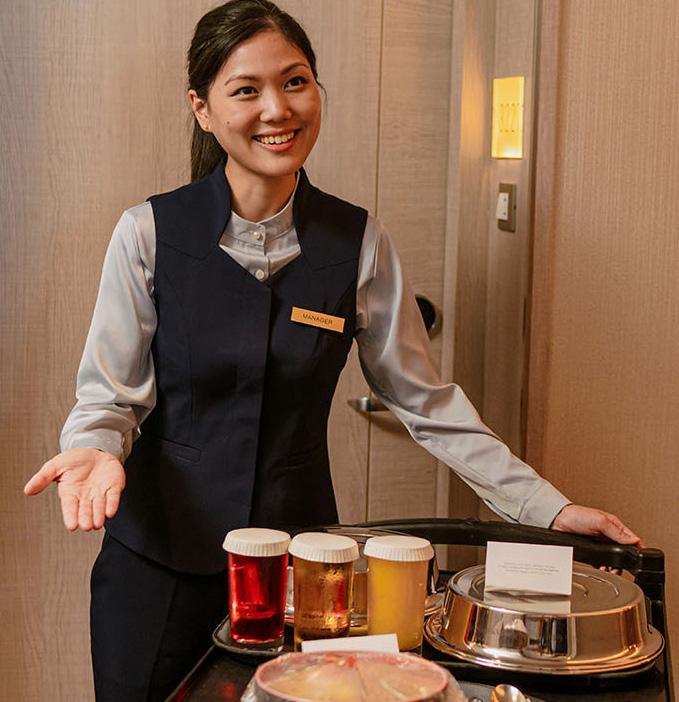
continuing to face rising costs across nearly every aspect of their business, including labour, food, insurance, utilities, financing, and taxation.
“The cost structure of hotels has changed dramatically,” explains Hawes. “Margins continue to tighten, and operators are constantly feeling squeezed.”
For many properties, labour remains the single biggest operational challenge. The hotel industry has historically relied heavily on temporary foreign workers and employees on work permits to support operations, particularly in resort destinations and high-demand tourism markets. However, changes to immigration policies and restrictions on workforce programs are creating additional strain at a time when many operators are already operating lean teams.

Paul Hawes, BC Hotel Association President and CEO
A recent BC Hotel Association workforce survey found that approximately 36 percent of hotel employees across British Columbia are currently working under some form of temporary or medium-term work permit. In some markets, that number approaches 50 percent. As pathways to permanent residency narrow and labour caps tighten, hotels are losing experienced team members while struggling to replace them fast enough.
“It really is becoming a workforce crisis,” says Hawes. “We’re losing skilled hospitality workers who have been part of hotel teams for years, and operators are finding it increasingly difficult to backfill those positions.”
As staffing challenges intensify, operators are increasingly looking for ways to improve efficiency without compromising the guest experience. This is where procurement and operational partnerships are playing a larger role in helping hotels remain competitive.
Through strategic sourcing programs, supplier partnerships, and operational support, Foodbuy Canada helps hotel operators reduce some of the pressure associated with rising costs and labour shortages. Labour-saving products, ready-to-use solutions, simplified procurement systems, and national supplier agreements are becoming increasingly valuable for properties
trying to do more with smaller teams.
In foodservice operations specifically, many hotels are turning toward pre-prepared products, portion-controlled items, and equipment solutions that reduce manual prep and improve consistency. These types of operational efficiencies can help properties maintain service standards while minimizing back-ofhouse strain during peak periods.
Foodbuy’s supplier network also helps operators navigate supply chain volatility and rising food costs while improving purchasing consistency across properties. For independent hotels and regional groups alike, these programs can create efficiencies that directly impact profitability.
“When profitability is under pressure, partnerships like Foodbuy become incredibly important,” says Hawes. “These types of programs help operators create efficiencies, navigate volatility, and remain competitive in a rapidly changing environment.”
Beyond immediate labour shortages, the hospitality industry is also facing a longer-term workforce perception challenge. Many operators are struggling to attract younger domestic workers into hospitality careers, particularly as expectations around work-life balance and scheduling continue to shift.
Hotels operate around the clock, requiring staffing across evenings, weekends, holidays, and peak travel periods. For younger workers unfamiliar with the industry, hospitality is often viewed as temporary work rather than a long-term career path.
“I don’t think we’ve done a good enough job as an industry explaining what a career in hospitality can actually look like,” says Hawes. “There are so many different career paths within hotels that people don’t always think about.”
From operations and finance to engineering, leadership, foodservice, marketing, and guest experience, hotels support a wide range of professional opportunities beyond traditional frontline roles. To help address this perception gap, the BC Hotel Association is currently developing workforce attraction initiatives designed to showcase real career journeys within hospitality.
The organization is also investing heavily in education and

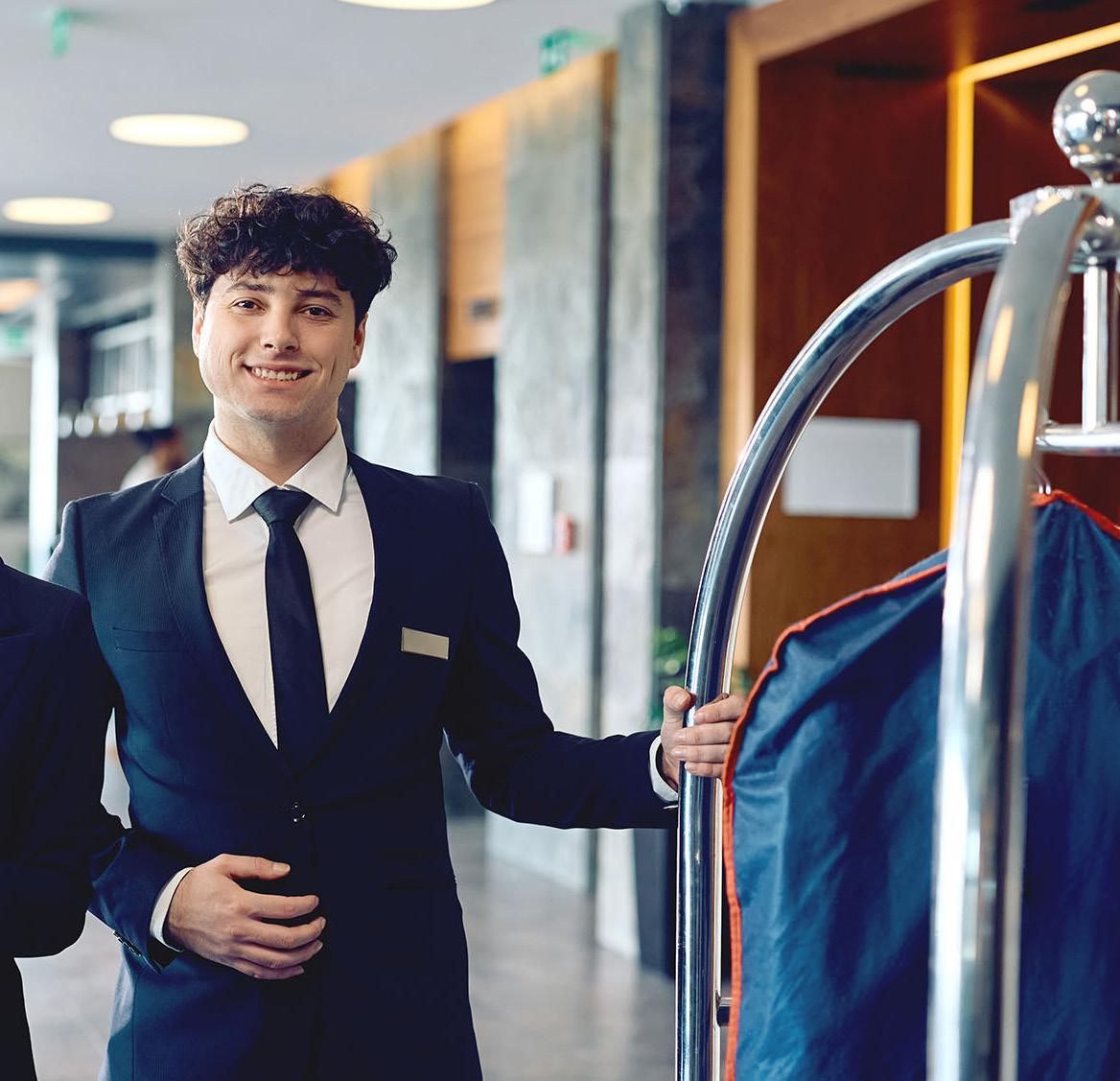
training programs. Through its Fast Track training series, the association delivers online courses focused on leadership development, financial management, foodservice operations, housekeeping, and emerging technologies such as AI. Additional work is also underway with the University of Victoria and Safe Design to develop enhanced hotel safety and security certification programs.
These types of workforce development initiatives are becoming increasingly important as the industry looks to build a more sustainable long-term labour pipeline.
Optimism Remains Strong Heading Into Summer
Despite ongoing operational challenges, the outlook for BC hospitality remains positive. International tourism demand continues to grow, cruise traffic is increasing, and domestic travel within Canada remains strong as more Canadians choose to explore destinations closer to home.
The provincial government’s recently launched “Look West” strategy, which identifies hotels as the backbone of BC’s tourism sector, further reinforces the importance of hospitality to the province’s economic growth.
There are still concerns surrounding operational fatigue, labour shortages, and cost pressures. However, operators continue to adapt with the same problem-solving mindset that has long defined the hospitality industry.
“Hospitality people are resilient by nature,” says Hawes. “BC remains one of the most desirable places in the world to visit, and people will continue to come here.”
For operators moving into another busy season, success will increasingly depend on balancing guest expectations with operational efficiency. Strategic partnerships, workforce development, procurement support, and labour-saving solutions will all play an important role in helping hotels navigate the evolving hospitality landscape while continuing to deliver strong guest experiences
~ Foodbuy Canada
On a cold morning in Banff, a hotel operations manager walks a back-of-house route most guests will never see. She starts in the kitchen. Fewer deliveries this week, larger, consolidated orders. A new produce supplier uses reusable crates. Less packaging sits near the bins. Food waste is down again.
Down the hall, housekeeping carts are being restocked. The team has shifted to concentrated cleaning solutions, with less packaging and fewer shipments. Linen replacement cycles have been extended without compromising the guest experience.
In the mechanical room, upgraded equipment hums steadily. Preventative maintenance schedules have tightened. Water usage is tracked consistently.
None of this is visible to guests, yet it is exactly what they are increasingly choosing.
Sustainability has moved from tagline to mandate
For years, sustainability in hospitality lived in brand messaging, towel reuse cards, bulk amenities, a quiet nod to green initiatives. That era is over. Today, sustainability is operational, financial, measurable.
Sustainability
Across food and beverage, FF&E, linens, amenities, and cleaning supplies, procurement becomes one of the most powerful levers a hotel has. The shift is subtle but critical. Operators are moving from asking what is the cheapest option to what delivers the best total value over time, including durability through fewer replacements, efficiency through lower energy or water use, waste reduction through less hauling and fewer pickups, and labour impact through simpler processes and fewer touchpoints. Sustainability is not an added layer; it is built into how value is defined.
in hospitality
is no longer about doing less harm; it is about running better businesses that are more efficient, more resilient, and more aligned with evolving expectations.
Most sustainability gains do not come from one big move; they come from hundreds of practical shifts. Suppliers optimize delivery routes, concentrated chemicals reduce packaging and freight, SKUs are standardized to reduce complexity and waste, pest control shifts toward prevention, and kitchen and operating equipment becomes more energy efficient. Individually incremental, together these changes reshape cost structures, reduce environmental impact, and improve consistency. This is where procurement teams and partners like Foodbuy connect operators to vetted suppliers, negotiated programs, and scalable alternatives.
Hotel owners and operators face a convergence of pressures including rising costs, tighter brand standards, increasing ESG demands from corporate and group clients, and expectations for visible, credible action.
What has changed is not just expectation, it is economics. Sustainability is no longer a trade-off; it is often one of the clearest paths to cost control and resilience. At the centre sits a function not always in the spotlight: procurement.
Procurement is where sustainability becomes real
It is easy to talk about sustainability broadly. It is harder, and more impactful, to embed it in daily purchasing decisions. Every product carries a footprint: what it is made from, how it is packaged, how far it travels, how often it is replaced, and what happens at end of life all contribute to its footprint.
The supplier ecosystem is evolving
Suppliers are changing too. Leading partners are investing in more efficient logistics, reduced and recyclable packaging, transparent sourcing, carbon reduction practices, and product innovation that lowers energy, water, and waste.
For operators, navigating this landscape is complex. Claims vary, standards differ, and not every green product performs operationally. Trusted procurement partners create value by curating solutions that are operationally
Sustainability is no longer a tradeoff; it is often one of the clearest paths to cost control and resilience.

viable, cost-conscious, scalable, and backed by real-world performance.
Three moves operators are making now
Operators are moving from asking what is the cheapest option to what delivers the best total value over time.
Forward-looking hotel operators are focusing on three practical shifts. First, simplifying the SKU mix by using fewer, more versatile products across menus and properties, reducing complexity, shifting to contracted multi-use items, and aligning with culinary teams on standardized solutions. Foodbuy supports this through contracted assortments, supplier alignment, and data to identify consolidation opportunities.
Second, prioritizing total cost of ownership by looking beyond unit price to true operational cost, evaluating labour, yield, waste, and energy usage, and making decisions that reduce total cost rather than just purchase price. Foodbuy supports this with data insights, supplier expertise, rebates, and alternatives that improve cost in use.
Third, partnering differently with suppliers by moving from transactional buying to strategic collaboration, engaging suppliers for ideas, training, and operational support, and adopting programs that extend beyond food and beverage into supplies, equipment, and services. Foodbuy enables this with access to strategic partners, broad programs, and scaled innovation.
What this means for the industry
Sustainability in hospitality is no longer about doing less harm; it is about running better businesses that are more efficient, more resilient, and more aligned with evolving expectations. While guests may only see a refillable amenity or a note about linen reuse, the real work happens behind the scenes in procurement decisions, supplier partnerships, and the systems that connect them. That is where sustainability stops being a promise and becomes the standard.
Reach out to your Foodbuy account manager to explore procurement solutions that drive savings, improve efficiency, and advance your sustainability goals.
~Foodbuy Canada


Encountering challenges is an inherent part of any business operation. Whether it’s navigating through obstacles or finding information, the need for assistance often arises. However, the quest for help can also test one’s patience.
Your first step in tackling any problem is contacting the right person. To streamline this process we’ve created this handy trouble-shooting list:
• You need purchasing reports
• You have questions about your purchasing
• You want to know how switching products or suppliers will impact your business
• You need something sourced
• You want to know if you’re capturing Foodbuy savings and rebates with Direct Store Delivery (DSD) suppliers
• You want to save more money on non-food items and service purchases
• You want to know if your current purchasing is maximizing your savings and rebates
• You received damaged, expired or otherwise unusable products
• You have questions about your deliveries
• You need to place a special order
• You need an ETC on an item that was shorted



As North America’s leading group purchasing organization for food and foodservice, Foodbuy offers the best portfolio of solutions and savings opportunities with a vast array of contracted partners
Contact your Foodbuy Account Manager for more informationor email info@foodbuy.ca
Abell Pest Control: Provide pest control services
Chase: Payment solutions
Heritage: Kitchen equipment installation & repair
Hood cleaners of America: Hood vent cleaning services
Modern Niagara: Electrical, building automation, and maintenance services with innovative, sustainable solutions for smarter, more efficient buildings.
Moneris: Payment processing
Otis elevator: Elevator maintenance and repair services
Scent Air: Custom scent solutions
Urban life: Snow removal & landscaping services
Vikings Fire Protection: Fire, life and safety services
Waste Solutions Canada Contracting services for trash hauling, recycling
Chef Works: Uniform purchase
Davryl: Linen & textiles, In-room hotel amenities, mattresses, bed coverings, curtains, shampoos, conditioners, dressers, desks, coffee makers, etc.
Diversey: Chemicals provider
Essity: Towel & tissue supplier; preferred napkins provider
Grand & Toy: Office supplies, print services, design services
HD supply: Maintenance, repair and operations vendor
Imperial Dade: Janitorial equipment, cleaning supplies
Kruger: Towel & tissues provider
Russell Hendrix: Foodservice equipment, supplies, smallwares







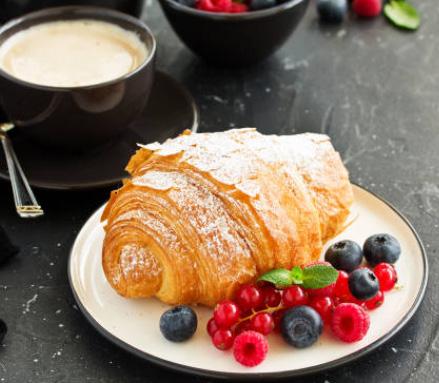
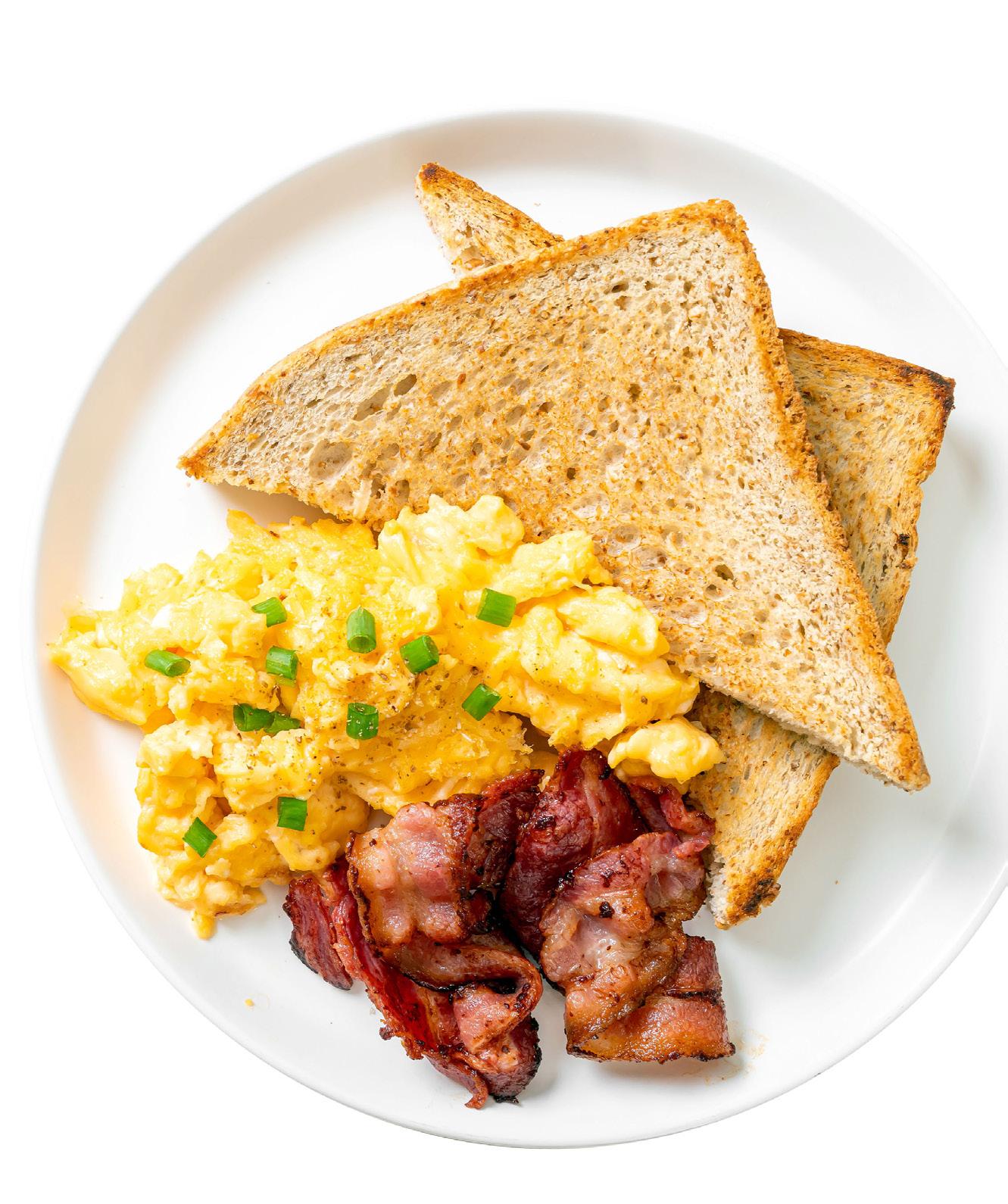
For many hotel operators across Canada, breakfast remains the most visible and frequently offered foodservice offering. Often delivered as a self-service buffet, it plays a key role in guest satisfaction while also needing to operate within tight cost and labour constraints.
The breakfast day part continues to evolve, influenced by changing Canadian demographics, growing domestic travel, strong international visitation, shifting guest expectations, and ongoing operational challenges. The good news is that many of today’s trends align well with simple, efficient hotel breakfast programs when approached thoughtfully.
Canadian travelers are increasingly diverse in both background and expectations, and that diversity is influencing how breakfast is delivered. Guests still expect familiar staples, but they also value flexibility, inclusivity, and foods that feel relevant to their lifestyle. This is especially true as travel patterns continue to include families, remote workers, and multicultural guest mixes. As a result, hotel breakfasts are moving away from “one size fits all” and toward buffets that offer choice without added complexity.
Another major driver of breakfast trends is the continued pressure around labour. With many properties operating with lean teams, breakfast programs need to be simple to set up, easy to maintain, and quick to replenish. This has accelerated the shift toward products and equipment that reduce hands-on prep while still delivering quality experience. Pre-cooked proteins, portion-controlled items, and automated equipment are becoming valuable tools rather than nice to have upgrades.
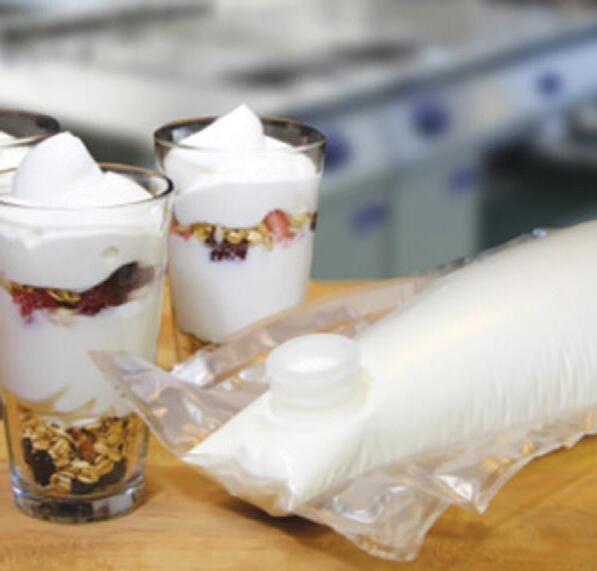
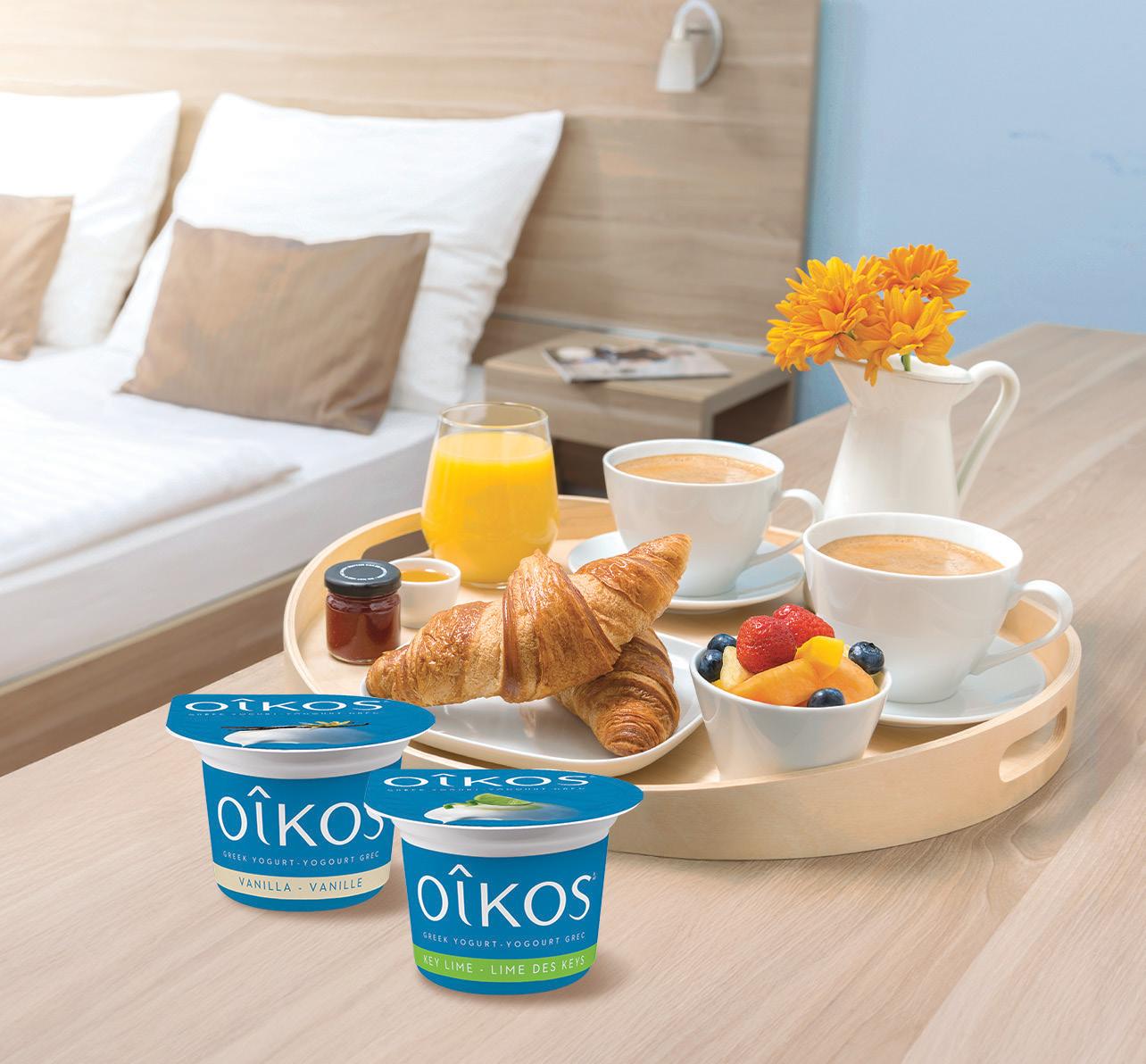
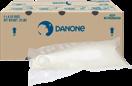
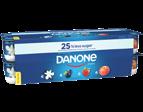
Growing consumer demand for protein-rich foods continues to influence breakfast expectations, with many guests actively seeking options that support satiety, energy, and overall wellness. Protein-forward offerings remain highly relevant, with items such as eggs, yogurt products from Danone Canada, cottage cheese, and breakfast
meats such as Maple Leaf Foods, helping guests feel satisfied and energized for the day ahead. Maple Leaf Foods also offers plant-based breakfast sausages through its Field Roast and Lightlife lines, providing allergen-friendly and plant-forward options that appeal to evolving guest preferences. Danone Canada also supplies fortified yogurt and dairy-free alternatives that are ideal for creating nutrient-packed parfaits or smoothie bases, giving operators flexible options to meet evolving guest preferences.
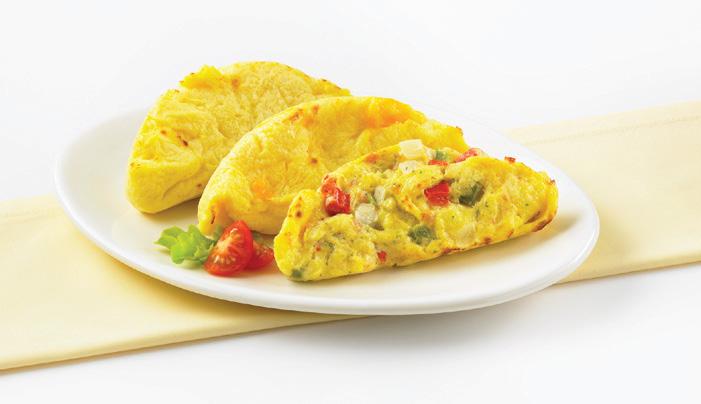
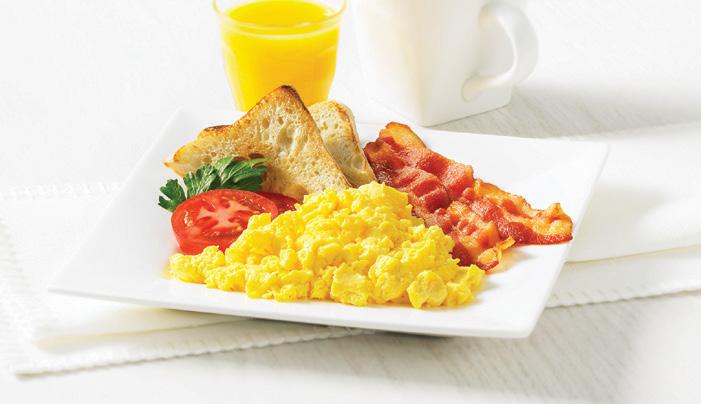
Prepared egg products are also becoming increasingly valuable in hotel breakfast operations. Solutions such as Burnbrae’s pre-cooked scrambled eggs and homestyle cheddar omelets allow operators to deliver consistent quality while significantly reducing labour related to prep time, cooking, and back-of-house complexity. These products support quick buffet replenishment during peak breakfast periods while helping maintain portion consistency and food safety standards.
Plant-forward options are becoming increasingly important within Canadian hotel breakfast buffets, particularly as domestic travel continues to grow and guest demographics evolve. Many guests now expect access to fresh fruit and vegetable-based items as part of a breakfast offering. Incorporating these elements supports inclusivity and wellness trends while remaining cost effective. Items such as bean salads, roasted vegetables, or hummus paired with bread products can supplement traditional offerings and appeal to a wider audience with minimal operational impact. Whole-grain breakfast staples are also helping operators meet growing demand for more balanced morning options, with suppliers such as Ardent Mills delivering whole-grain cereals, oats, and flour for hearty breakfast staples like pancakes and muffins.


Foodbuy’s broad supplier network also allows operators to purchase these evolving menu solutions efficiently while keeping costs in check and procurement consistent.
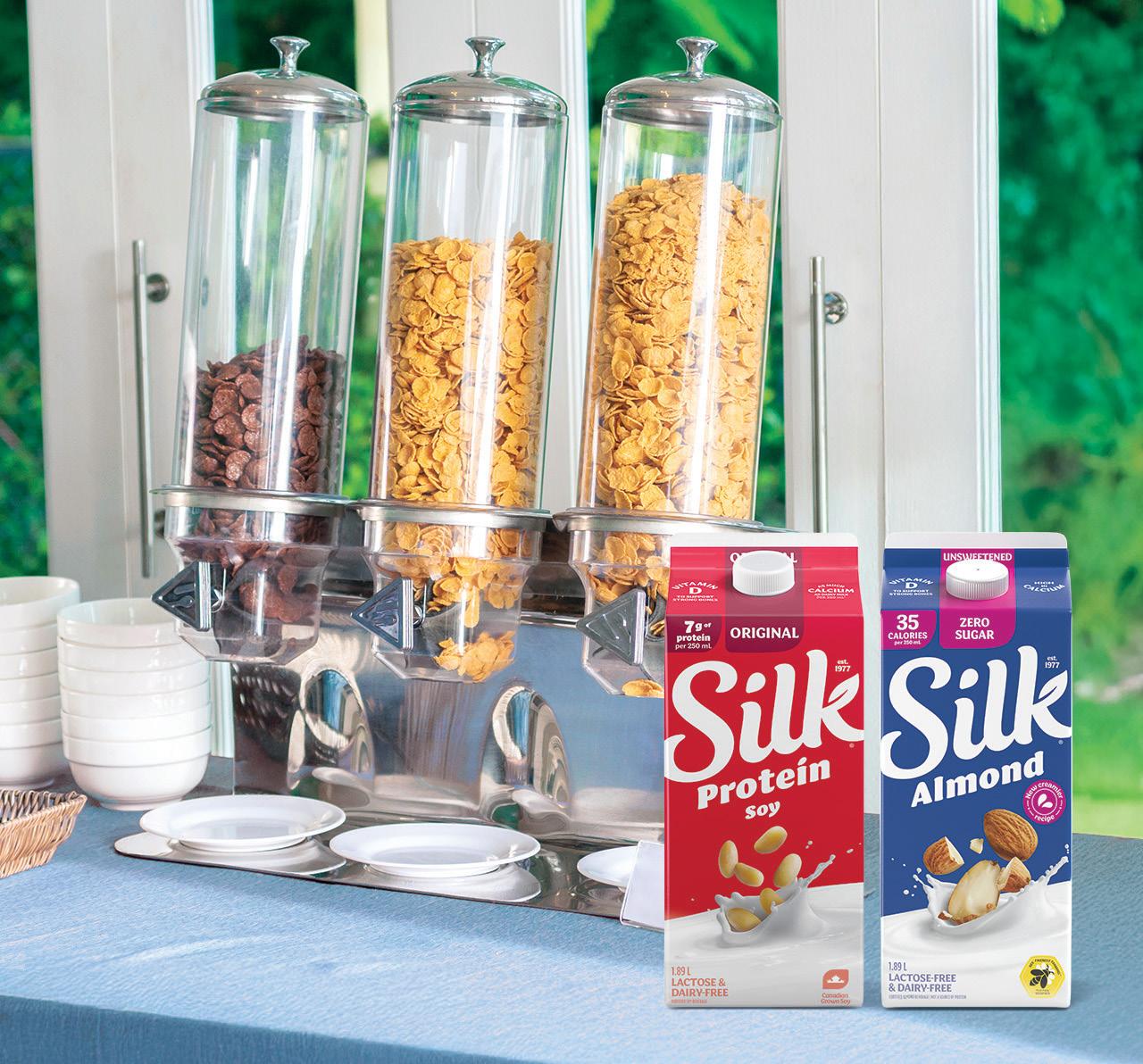
Embracing Multicultural and Inclusive Menus Canada’s multicultural population is also impacting breakfast expectations. Guests increasingly appreciate seeing options that reflect a broader range of tastes and dietary preferences. This does not mean adding complex or unfamiliar dishes but rather offering adaptable items that serve multiple needs. Examples include oatmeal with both sweet and savoury toppings, rice or grain options that can pair with eggs or vegetables, halal or pork free protein options, and dairy-free milk alternatives such as oat or soy. These choices allow guests with dietary restrictions or preferences to build a breakfast that feels comfortable and satisfying without creating entirely separate menu offerings.
As operators work to balance evolving guest expectations with operational realities, procurement has become an increasingly important lever. By leveraging Foodbuy’s scale and category expertise, operators can simplify purchasing decisions while improving operational efficiency, enhancing guest satisfaction, access labour-saving solutions, and ultimately driving meaningful cost savings.
Looking ahead, breakfast will continue to play a critical role in the hotel guest experience, particularly for independent operators where it may be the primary foodservice touchpoint. By aligning breakfast offerings with current Canadian dining behaviours, leveraging labour saving solutions, and making thoughtful use of vendor supported products and equipment, hotels can deliver a breakfast experience that feels modern, inclusive, and reliable without increasing complexity or cost.
With support from Foodbuy Canada, operators can better navigate rising costs, labour pressures, and evolving guest expectations while creating breakfast programs that balance operational efficiency with a high-quality guest experience.
~ Foodbuy Canada


Get fresh, seasonal fruits and vegetables delivered right ot your door with Foodbuy's regional produce program — all backed by our commitment to provide quality, traceable products with local options.
• Direct delivery partners
• All suppliers meet Global Food Safety Initiative (GFSI) certification requirements
• Food traceability from field to fork
• Locally grown options as season permits
• Freshcut value add options, where available
• Get market updates on Foodbuy’s Member Portal








Contact your Foodbuy Account Manager for more information.
info@foodbuy.ca

Foodbuy recently interivewed Nicole Nguyen, Senior Vice President, CBRE Canada, to get her views on the current state of the hotel industry.
After several years defined by disruption, rapid change, and recovery, Canada’s hotel industry has entered a more stable phase. While challenges remain, particularly around costs and staffing, the overall outlook is steady and cautiously optimistic. Nicole Nguyen, Senior Vice President, CBRE, (the global leader in commercial real estate services and investments), describes the current environment as one where strength lies in consistency rather than acceleration.
“We are in a pretty steady state right now,” Nguyen says. “Occupancy is about as good as it gets nationally, so the story going forward really becomes about how we continue to grow rate.”
Across the country, most hotel markets are operating close to practical capacity. While individual regions may still have room for improvement, Canada as a whole has largely capped out on occupancy. That reality reframes how performance is measured. Rather than chasing additional volume, operators are focused on improving average daily rate, refining yield strategies, and protecting margins.
Over the past several years, ADR growth has settled into a three to four percent annual range. Nguyen expects that pace to continue in the near term. “Barring any major disruptions, that’s likely where we’ll sit,” she explains. “It’s not rapid growth, but it is stable, and stability is not a bad thing after what the industry has been through.”
Canada continues to benefit from its appeal as a safe, accessible destination for travelers. The country’s relative value, particularly for international and U.S. based visitors, remains a strong driver of demand. “For U.S. and international travelers, their dollar still goes
farther here,” Nguyen says. “Canada continues to be viewed as a value destination, and that works in our favour.”
At the same time, performance has not been uniform across all markets. Hotels in communities tied closely to specific industries such as manufacturing, logistics, or resource-based sectors have experienced more volatility. Markets with diversified demand and strong leisure appeal have generally performed better. According to Nguyen, this divergence is likely to persist. “There will continue to be markets that feel impacts more acutely than others,” she notes.
“But when you look at the country overall, the picture is still a positive one.”
Traveler behavior has also settled into more predictable patterns. Leisure demand, which surged following pandemic restrictions, has returned to a more traditional calendar. Trips are once again concentrated around holidays, weekends, and summer months.
Business travel has also stabilized, though it looks different than it did several years ago.

“Corporate travel is mostly back,” Nguyen says, “but companies are much more intentional about it.” Rather than flying for a single meeting, travelers are bundling appointments and making sure there is a clear business case for being on the road. Higher airfares and rising travel costs have reinforced this shift.
One lasting change has been the shortening of booking windows. With mobile technology and real-time booking tools, travelers are comfortable making decisions closer to arrival.
“I don’t need to book a room months in advance anymore,” Nguyen explains. “If I’m going to Montreal next week, I’ll just book it on my phone when I need to.”
This behavior is not limited to transient guests. Smaller meetings and events are also booking later, often holding space tentatively before committing. For hotel operators, this requires more agility and constant recalibration of inventory and pricing strategies.
While demand fundamentals are encouraging, cost pressures dominate conversations with owners and operators. Labour remains the most significant challenge. “Without a doubt, labour is the biggest pressure point,” Nguyen says. “We are a very labour intensive industry, and those costs continue to rise.”
Wages, benefits, and staffing shortages are compounded by increases across nearly every other expense category. Food, beverage, utilities, linens, and maintenance have all become more expensive. Insurance has been particularly impactful, with some properties seeing dramatic increases over the past several years. “We’ve seen insurance costs double over a five or six year period for some hotels,” Nguyen notes.
The margin squeeze is exacerbated by the fact that operating costs are rising at roughly the same pace as revenue. “When your top line is growing at three or four percent and your costs
are doing the same, there isn’t a lot of wiggle room,” Nguyen explains. As a result, profitability has plateaued. Hotels are not necessarily less profitable than in recent years but pushing margins higher has become increasingly difficult.
In response, operators are looking for efficiencies wherever possible. Scale can provide advantages, particularly in areas like insurance, procurement, and supplier contracts. Nguyen points to the importance of group purchasing and consolidated buying power. “There can be very real savings found through smarter sourcing and leveraging scale,” she says.
Technology also plays a role, though Nguyen emphasizes a balanced approach. Automation and artificial intelligence can support back-of-house operations and routine guest communication, but hospitality remains fundamentally personal. “We work in a service business,” she says. “There is a point where guests still want to see a human being.”
Guest expectations vary widely by segment. Limited-service hotels have successfully adjusted service models, with reduced housekeeping and fewer amenities becoming more acceptable. In contrast, luxury guests expect the same level of service they did before, if not more. “At the luxury level, the expectation is very clear,” Nguyen says. “This is what I’m paying for, and this is what I expect.”
Purpose of travel also shapes preferences. Business travelers may prioritize speed and efficiency, while leisure travelers, especially families, value interaction and guidance. Successful operators, Nguyen explains, are those who align their service offerings with guest intent and brand promise.
Despite ongoing pressures, Nguyen is confident in the industry’s resilience. “For the moment, the industry is in an okay place,” she says. “There’s no reason to believe there’s an imminent issue. We just need to keep paying attention and working with what we’re being given.”
That steady realism underpins her optimism. Demand is consistent. Canada remains attractive. And while cost pressures are real, operators who stay disciplined, responsive, and strategic are well positioned for the years ahead. For Canadian hoteliers, this is not a period of runaway growth, but it is a moment of stability and opportunity.
~ Foodbuy Canada
CBRE is the world’s largest commercial real estate services and investment firm, supporting occupiers, investors, and owners across every stage of the real estate lifecycle. In Canada, CBRE provides integrated advisory, transaction, valuation, and consulting services grounded in deep market insight and proprietary data. Its Hotels Valuation and Advisory Services team specializes in hospitality, delivering market analysis, financial feasibility studies, valuations, and strategic guidance to hotel owners, operators, lenders, and investors nationwide.


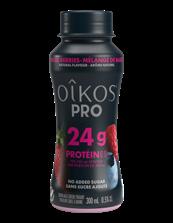
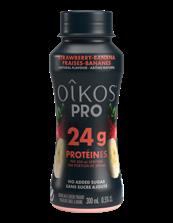
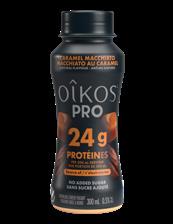
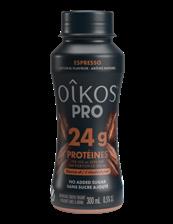













186384
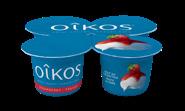
Strawberry On The Bottom (FS)
(24)
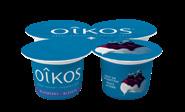
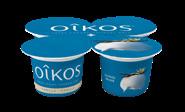
55415 Oikos Blueberry On The Bottom (FS)
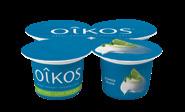
(24) 10056800565079 56507 Oikos Key Lime (FS)
Vanilla (FS)
Creamy Strawberry/Peach/Van./Blueberry
66649
55416
151394
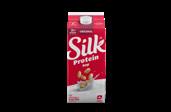
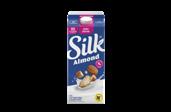
Aseptic Almond Unsweetened
Aseptic Oat Unsweetened
137035
134685
10056800658900 165890 Silk Aseptic Barista Almond
Silk Aseptic Barista Oat
Silk Aseptic Almond Dark Chocolate
Silk Aseptic Almond Vanilla 18 x 236 mL
Oikos Pro Drinkable Mixed Berry 8 x 300
Oikos Pro Drinkable Strawberry Banana 8 x
Oikos Pro Drinkable Caramel macchiato 8 x
Oikos Pro Drinkable Espresso 8 x
20036632076759 167518
20036632076544 165236
134979
10025293003054 134980
10056800510512 205299
10056800510529 205300
10056800511243 207410
210834
161723
10056800617242 161724
& Mango


Foodbuy has numerous partnerships with suppliers that can take care of all your business needs from tee to table. We’ve put together these lists based on top quality ratings and highest rebates. Reach out to your Foodbuy account manager with any questions and to see how much you can save.
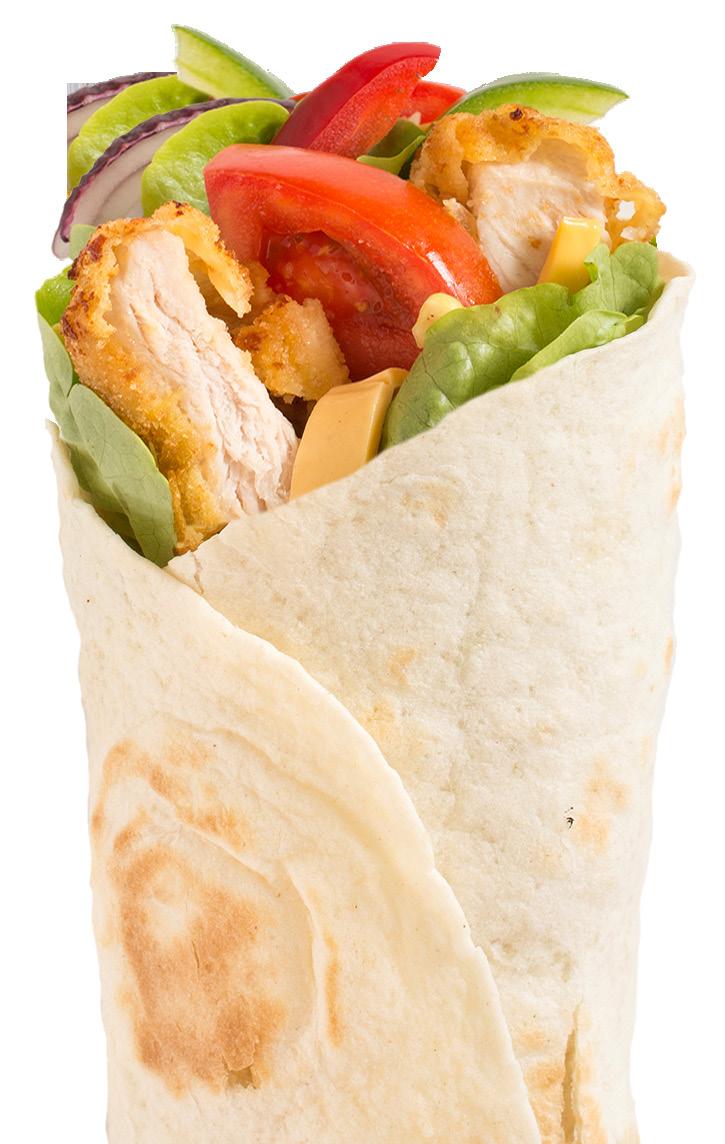


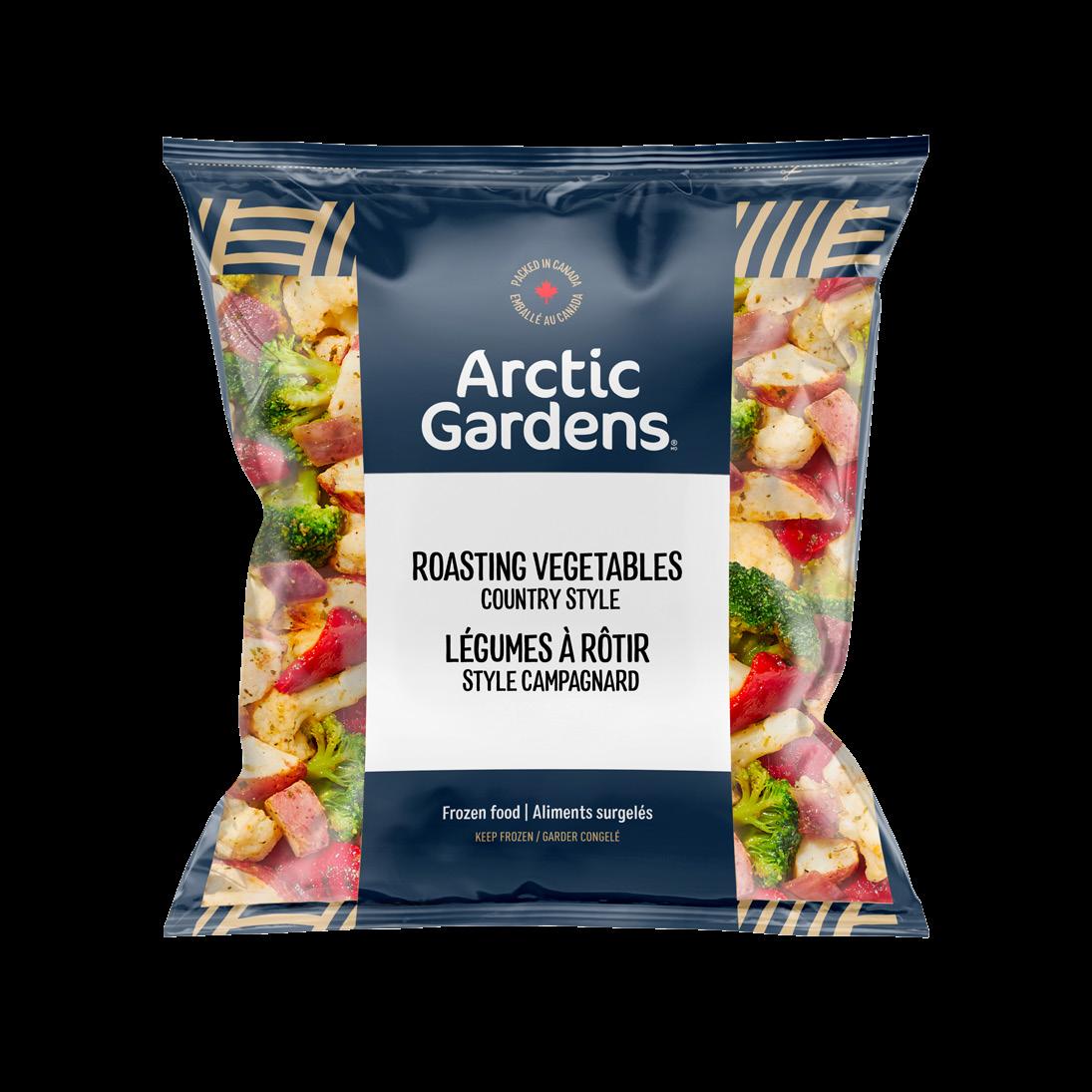

When it comes to serving hungry guests, you need solutions that work just as hard as you do — without sacrificing taste. That’s where Quaker comes in.
Our Frozen Muffin Batter and Frozen Brownie Batter are crafted for simplicity, consistency, and beloved flavour.
With no mixing, no measuring, and no surprises, Quaker delivers warm, fresh-baked classics that your guests know and love — all with the trust of one of Canada’s most iconic food brands. Whether you’re presenting a buffet platter or enhancing your dessert offerings, Quaker fits seamlessly into any culinary setting.
Dependable and Delicious. You’ve got this.

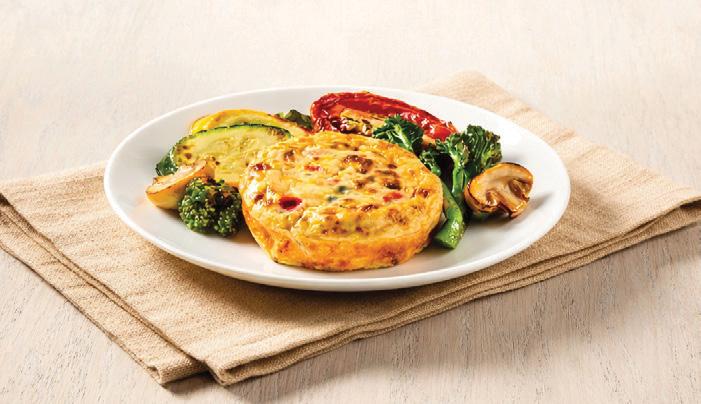
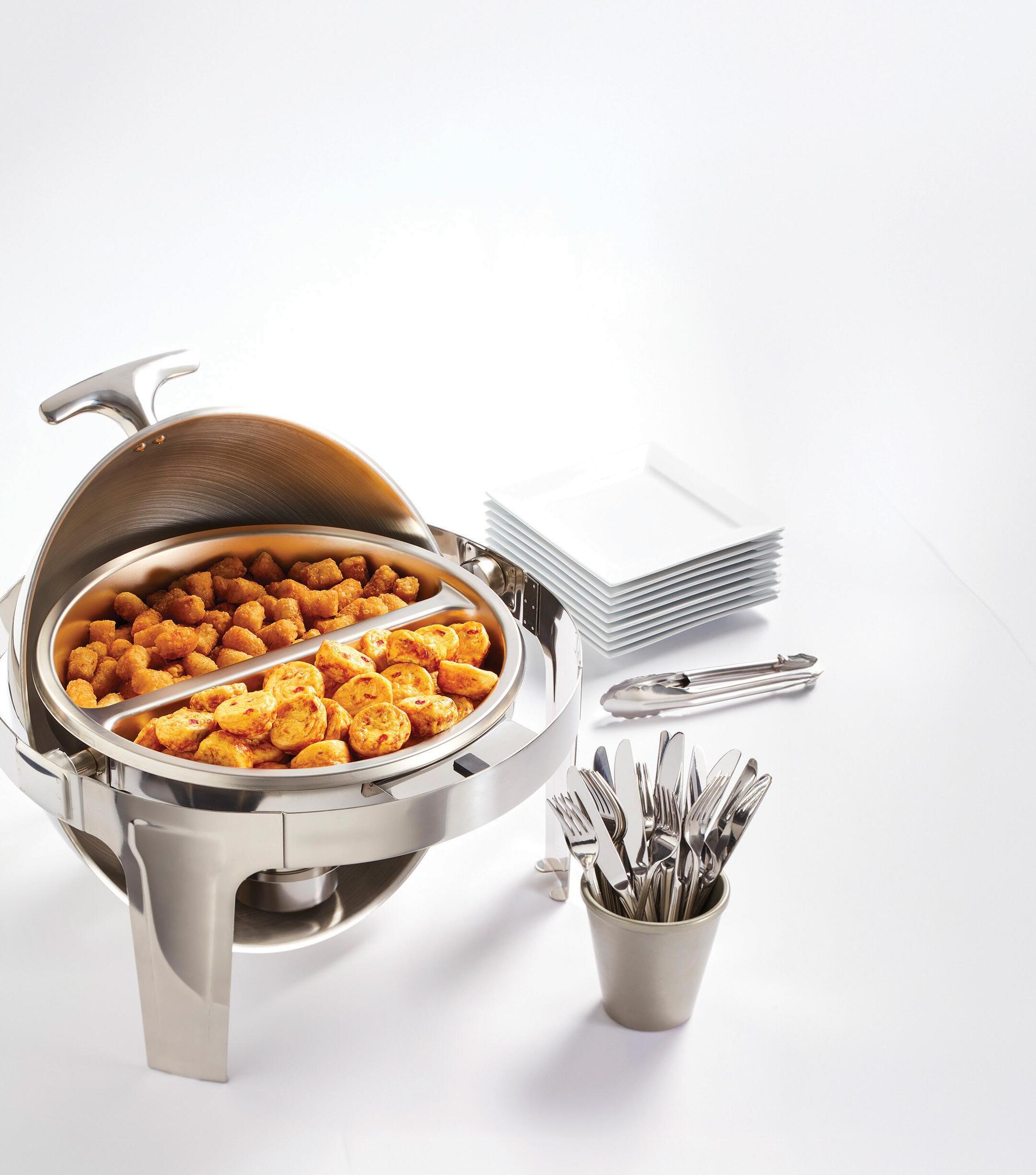
From our EGG Bites to fluffy scrambled eggs and homestyle omelettes, we have your breakfast buffet and banquet needs covered. Our quality egg products are made with only the best ingredients. Save time and labour by simply warming them up. They look as good as they taste on any breakfast spread.
5 Cheese EGG Bites!



• Available nationally
• Will continue - business as is - for regions currently serviced in Canada via Sysco
• Sustainability Required Covered (Cartons from recycled content)


• Can service all of Canada however not cost effective to service Western provinces
• Main product: 24x600mL

•
• ON facility shut down Jan. 2025



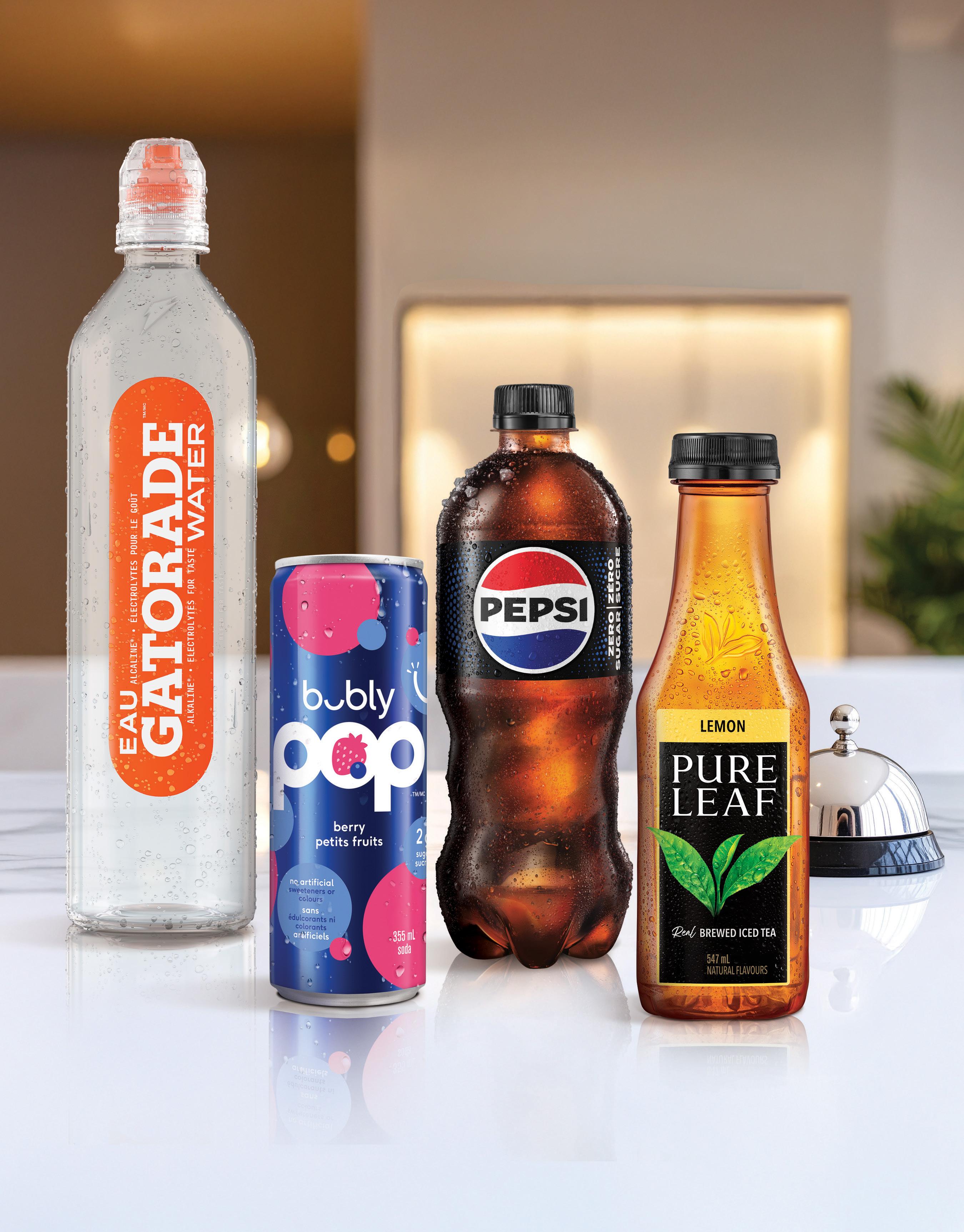
ELECTROLYTE

2g of sugar & made with real fruit juice



CRAFTED,
































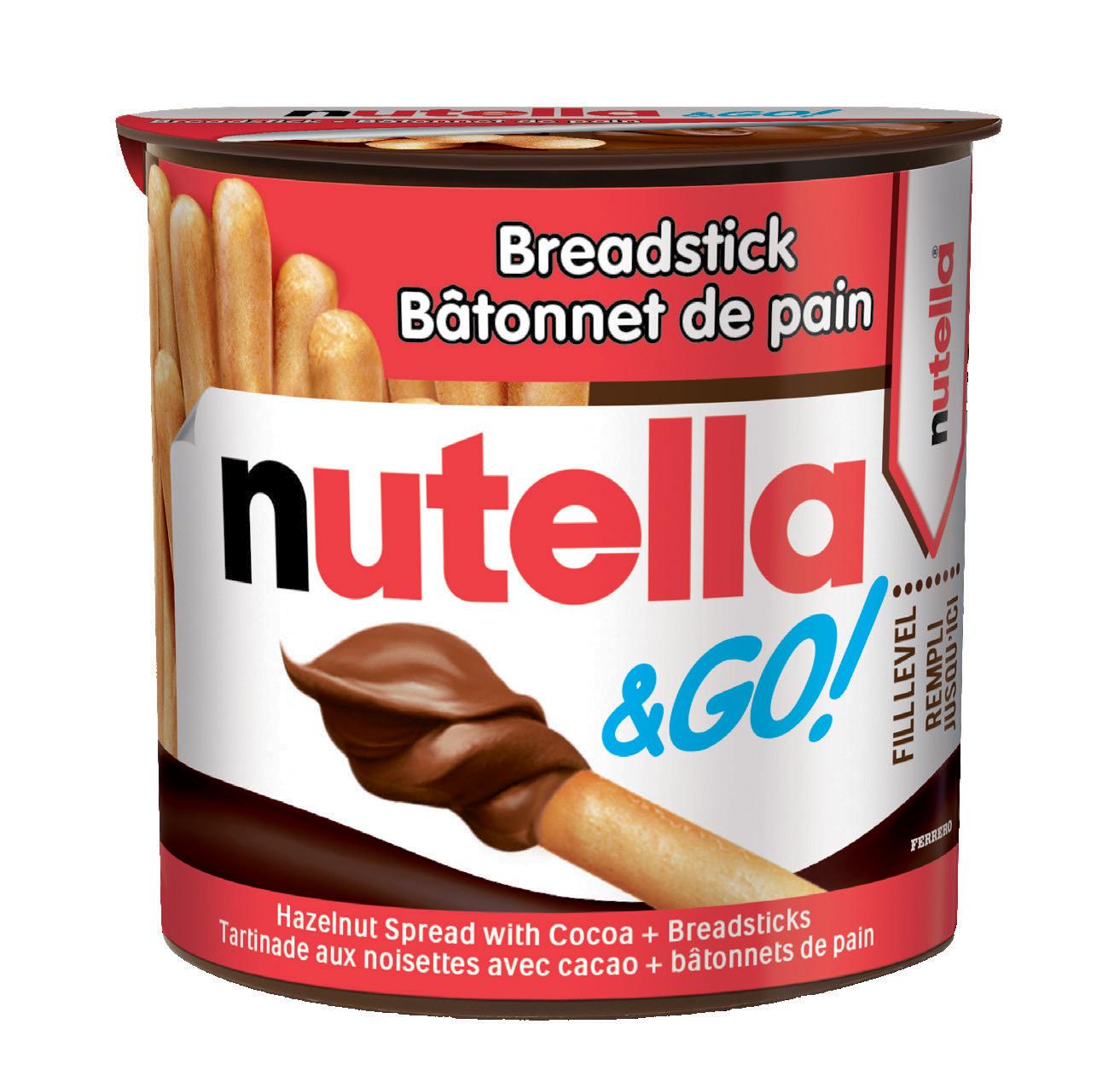
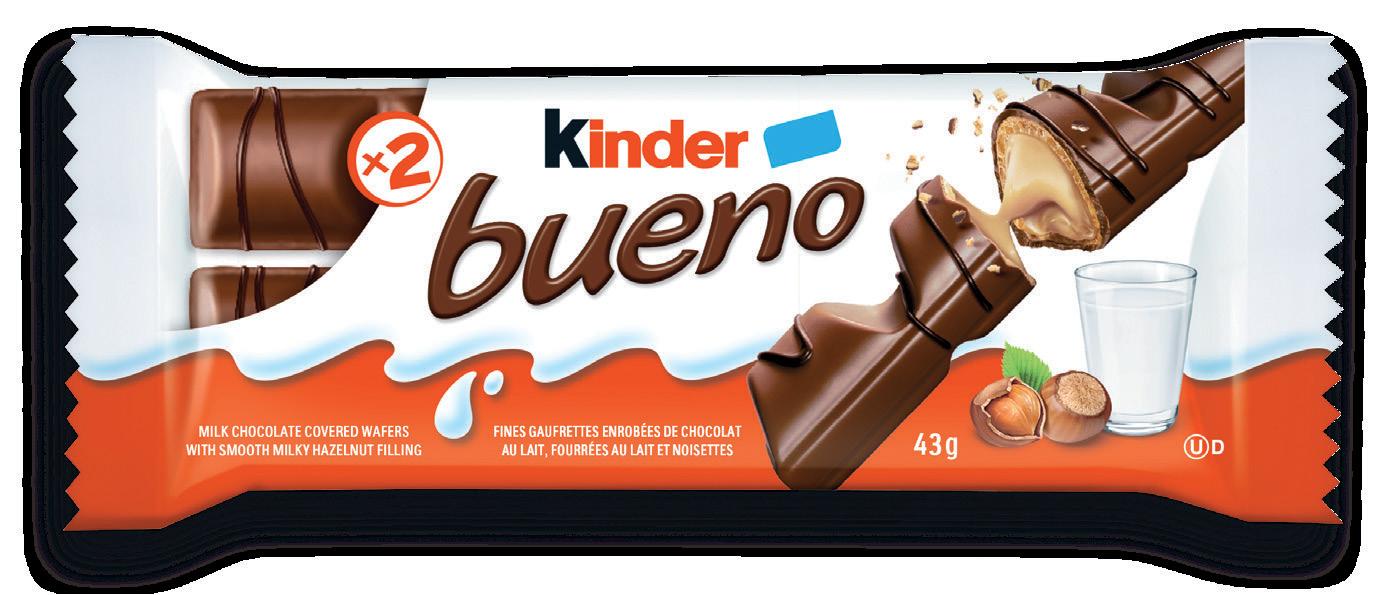


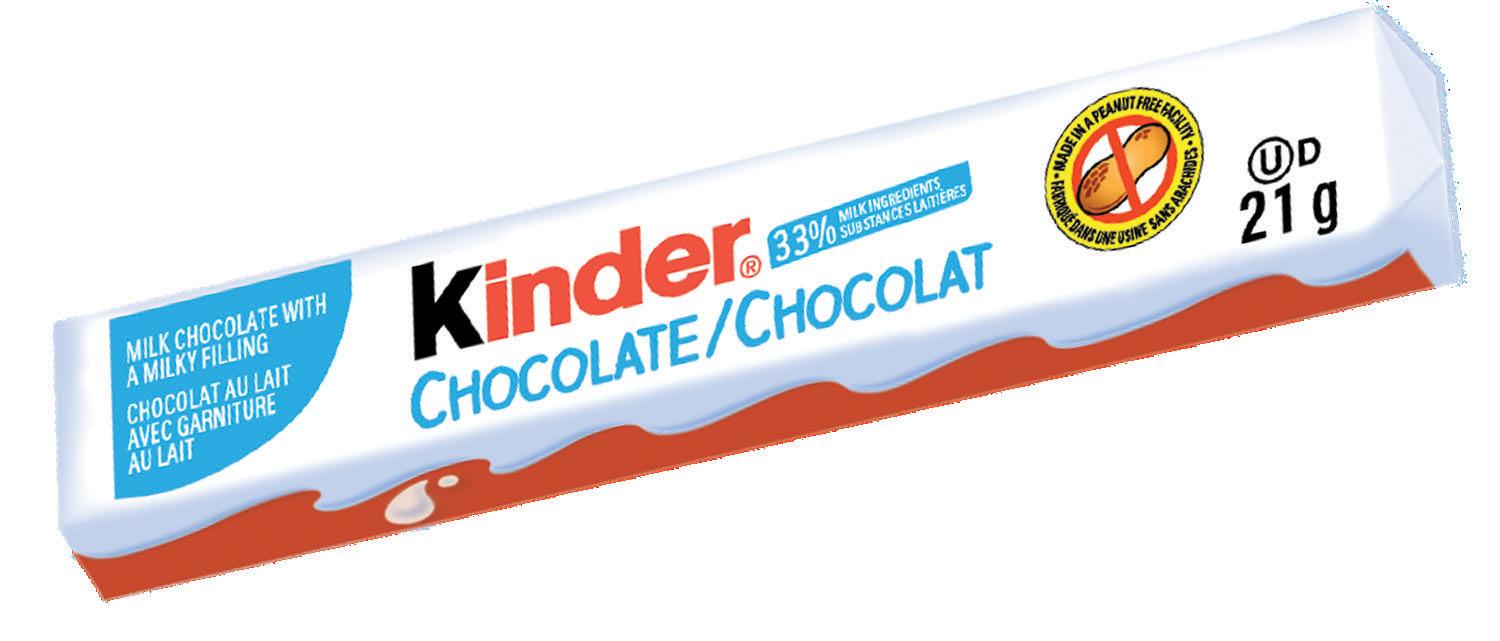





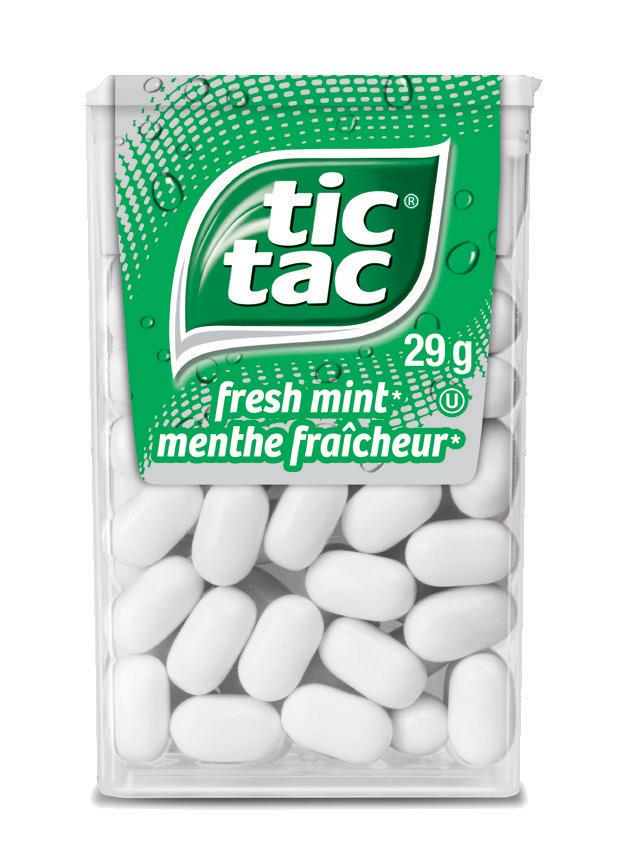






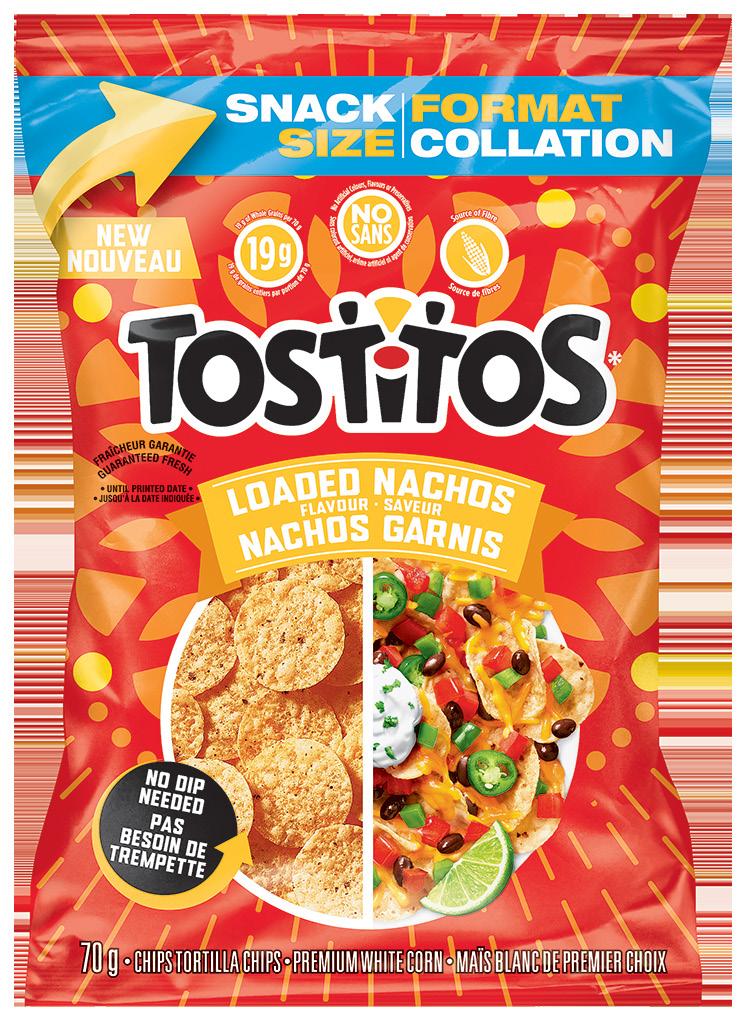
Traveling can be exciting – whether for work or pleasure – and small moments of joy make the journey even better.

With Frito-Lay products, your guests can satisfy their cravings anytime, anywhere.
Our list of hotel-friendly snacks can enhance their stay and create a memorable experience. From Grab and Go Favourites, perfect for mini bars, lobby shops and welcome baskets to Snack Size convenience for easy snacking, there is something for everyone!
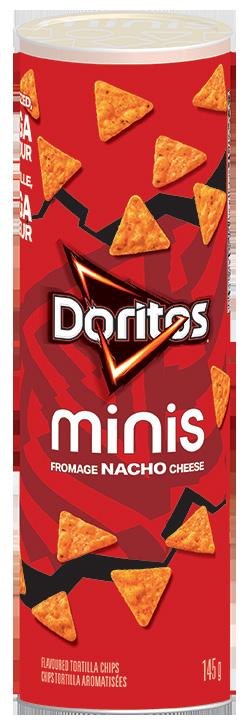
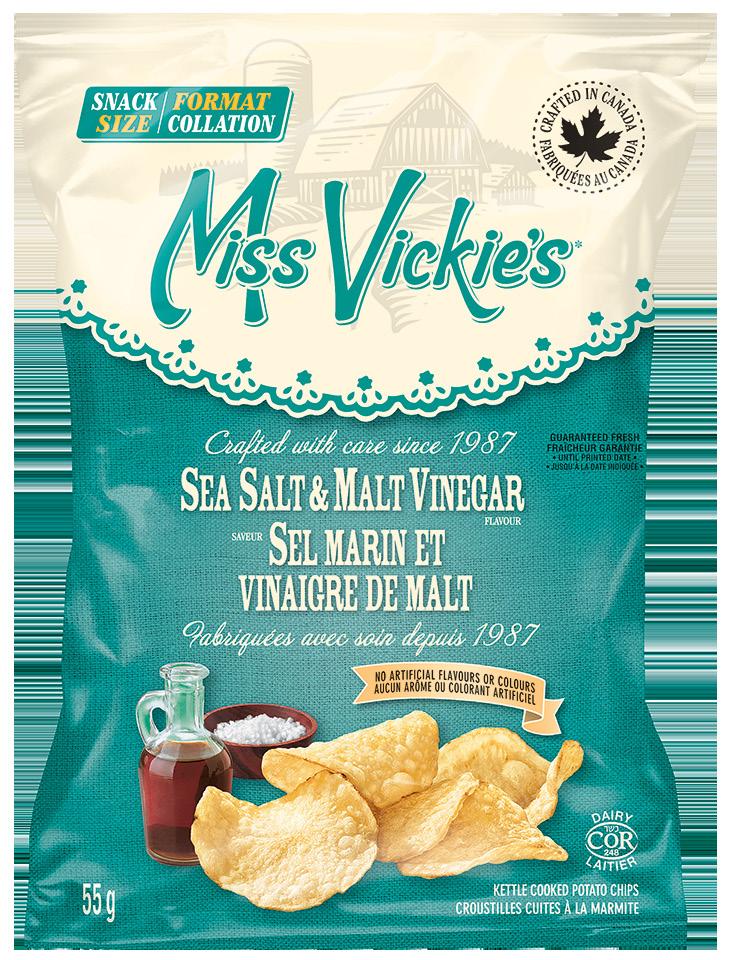

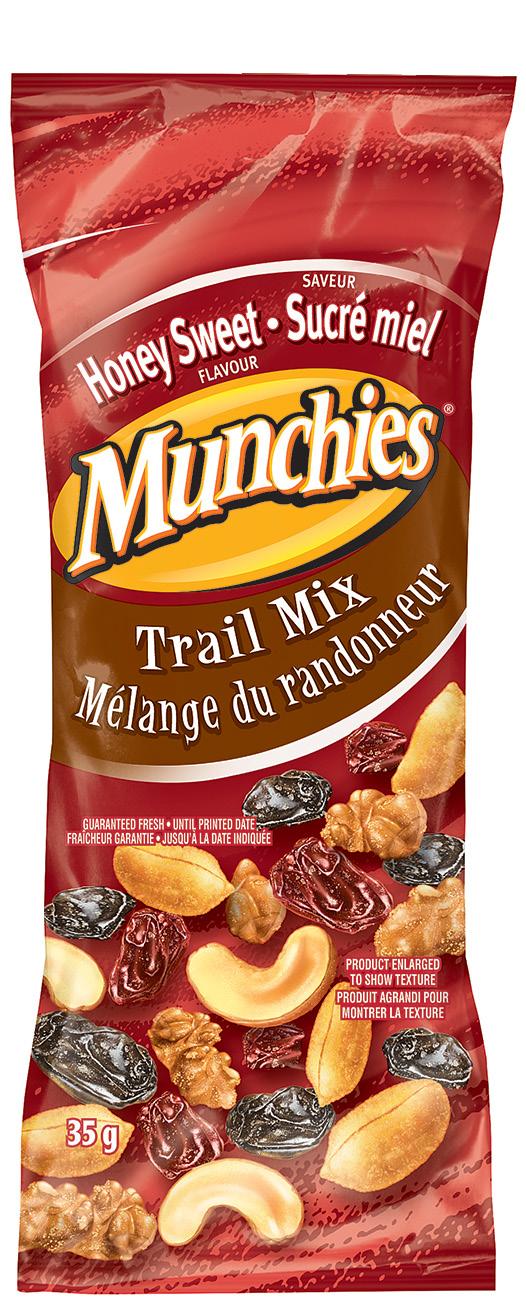


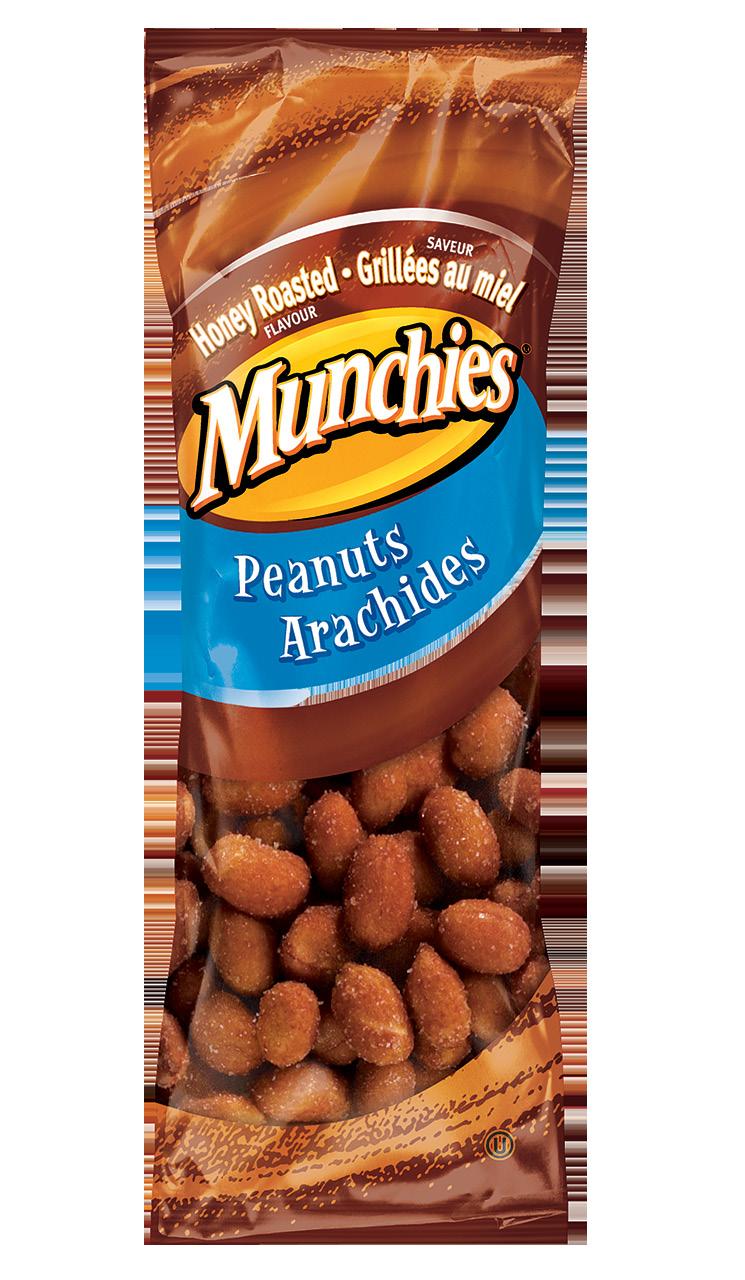
Stock up and give your guests one more reason to love their time away.

Thank you for reading the 2026 Hotel Buyer Guide. Your feedback is important as it helps us continue to improve the quality, relevance, and value of the information we provide. Please take a minute to answer these three questions.
1. How useful was this guide?
Rate from 1-5
2. Which section did you find most valuable?
Industry Articles | Supplier Advertising | Product SKU Listings
3. Do you use the product SKU listings included in this guide? Yes | No
Submit your answers along with any additional comments you have.
For more information, contact:



Thank you for your partnership.
To become a member, email info@foodbuy.ca
Michelle Bernaudo Director of Hotels
647.308.6271
Michelle.Bernaudo@foodbuy.ca
Jason McMillan Senior Account Manager
431.554.1739
Jason.Mcmillan@foodbuy.ca
Patrick Kennedy Senior Account Manager
437.770.7823
Patrick.Kennedy@foodbuy.ca



Mike Peeling Senior Account Manager
647.201.9059
Mike.Peeling@foodbuy.ca
Elizabeth McKechnie Senior Account Manager
647.404.7522
Elizabeth.McKechnie@foodbuy.ca
Kishan Sowamber Account Manager Kishan.Sowamber@foodbuy.ca