WOMEN SPORTS IS GETTING ADORABLE ELEVATION IN GLOBAL SPORTS INDUSTRY
2
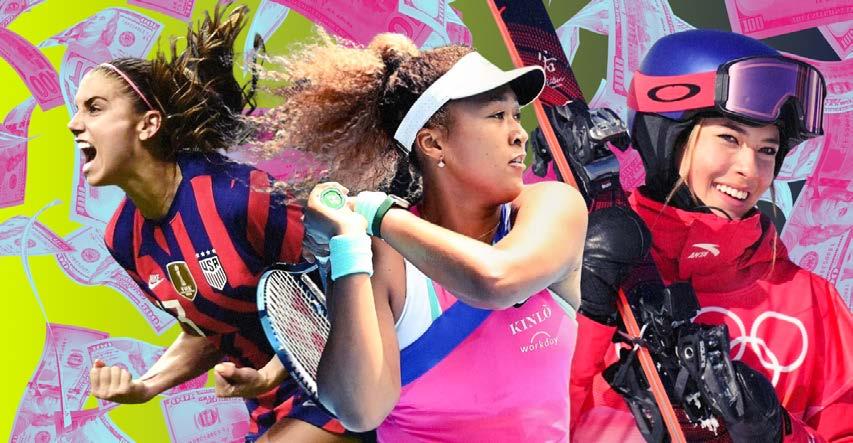
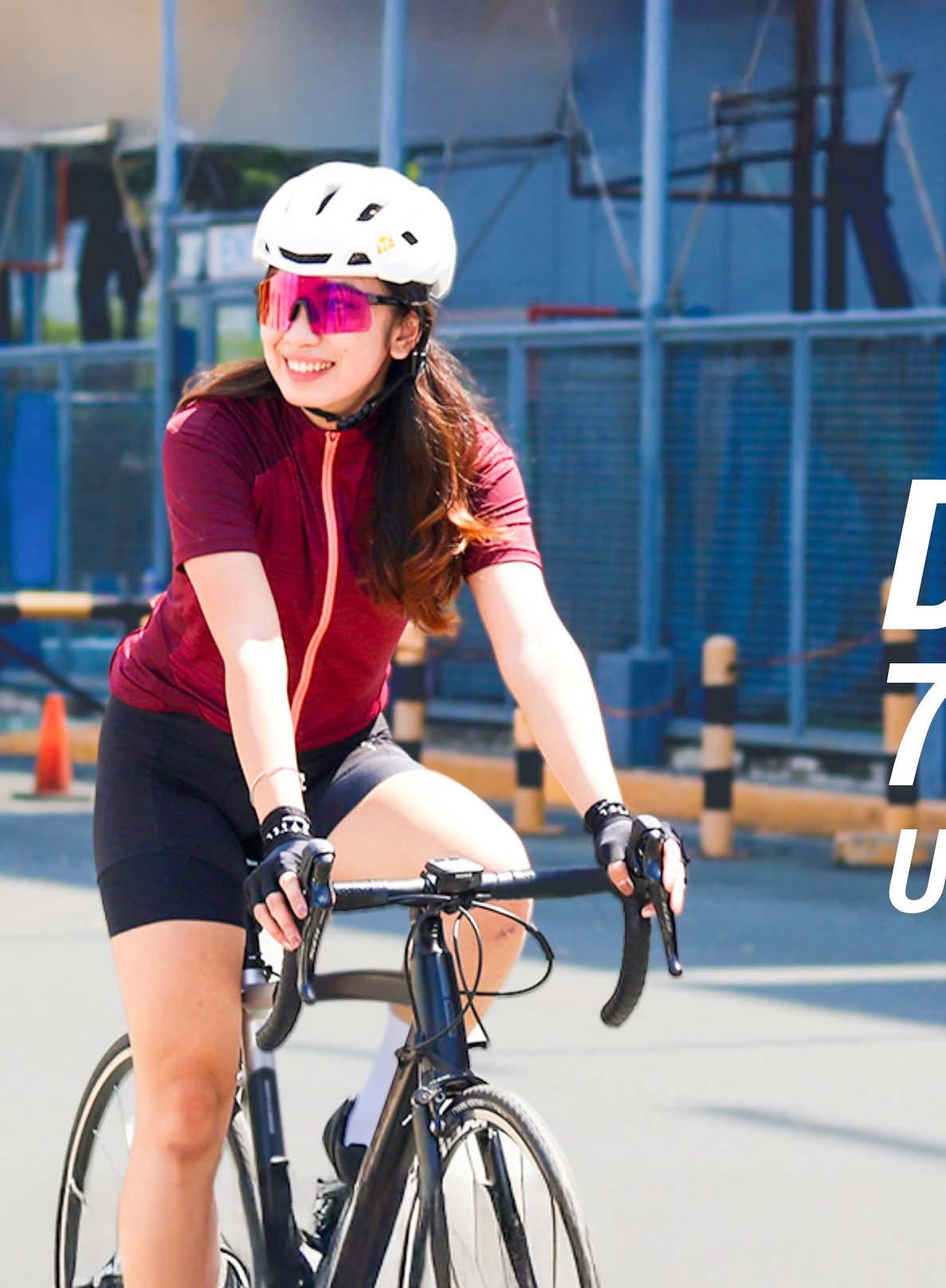
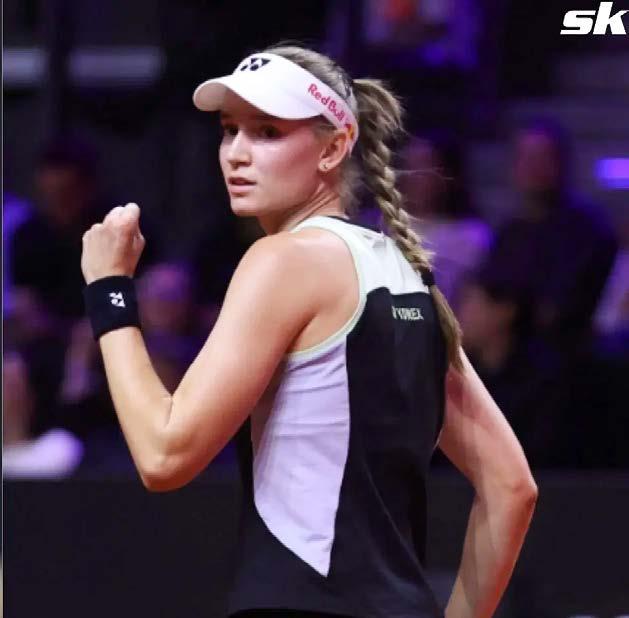
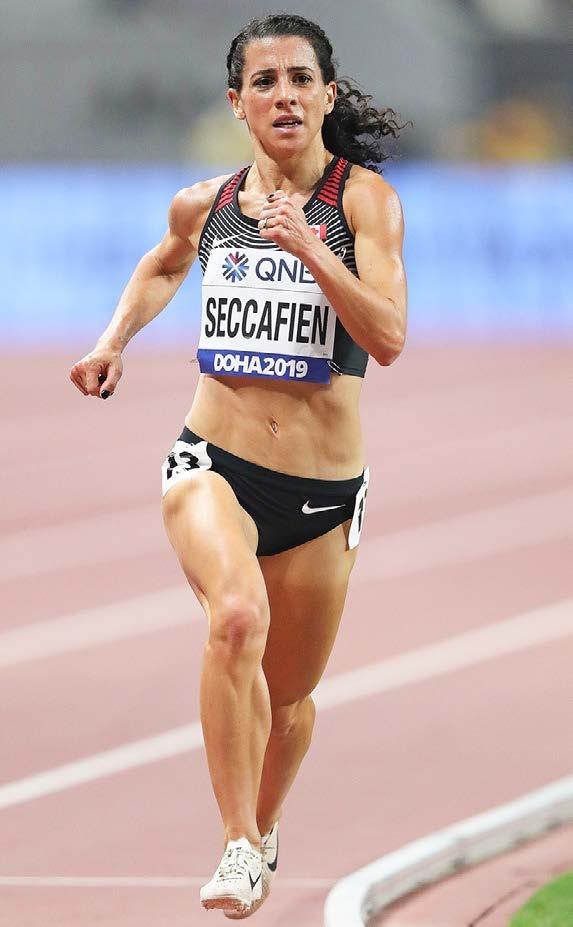
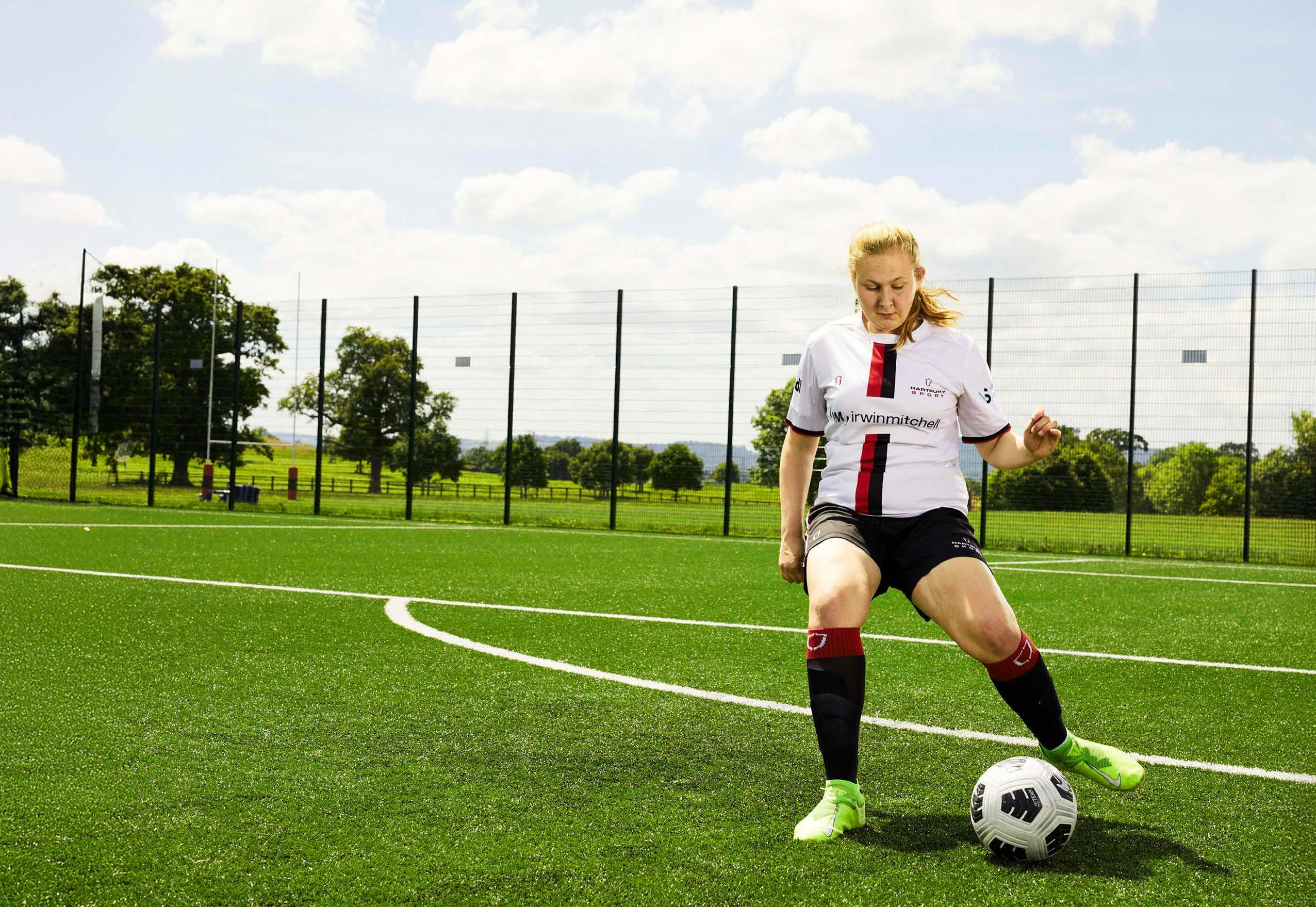
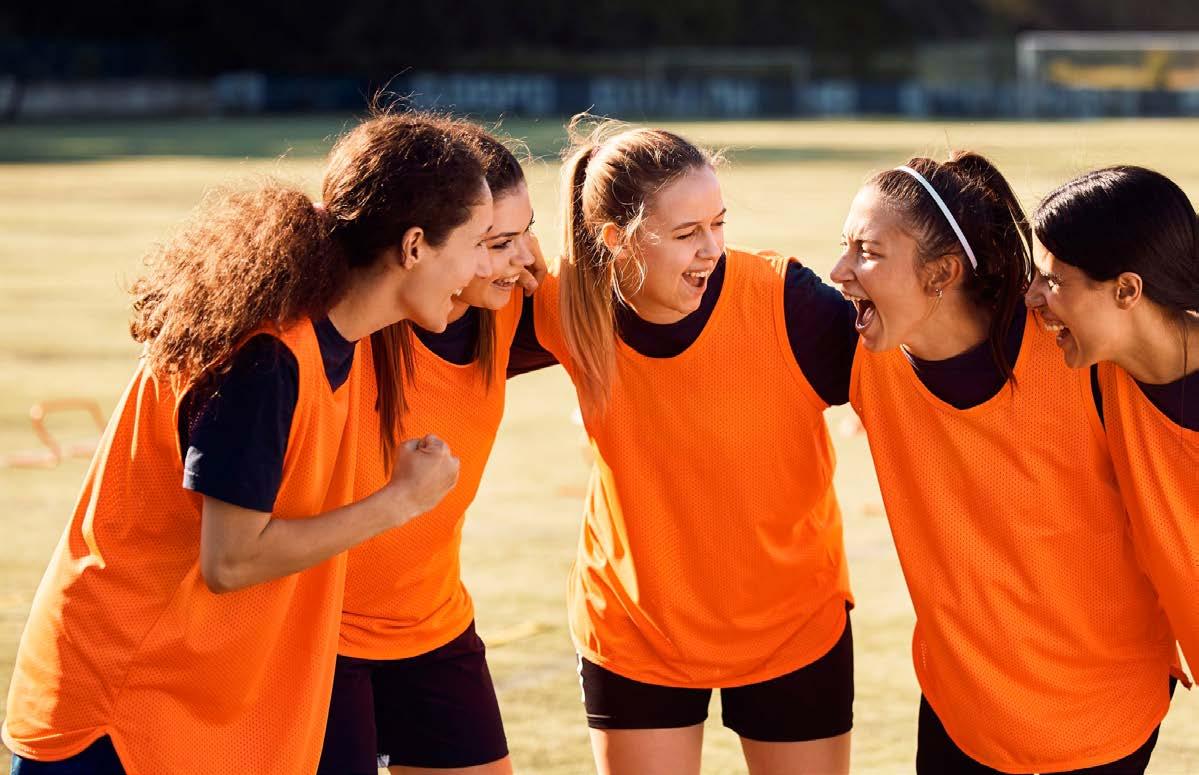
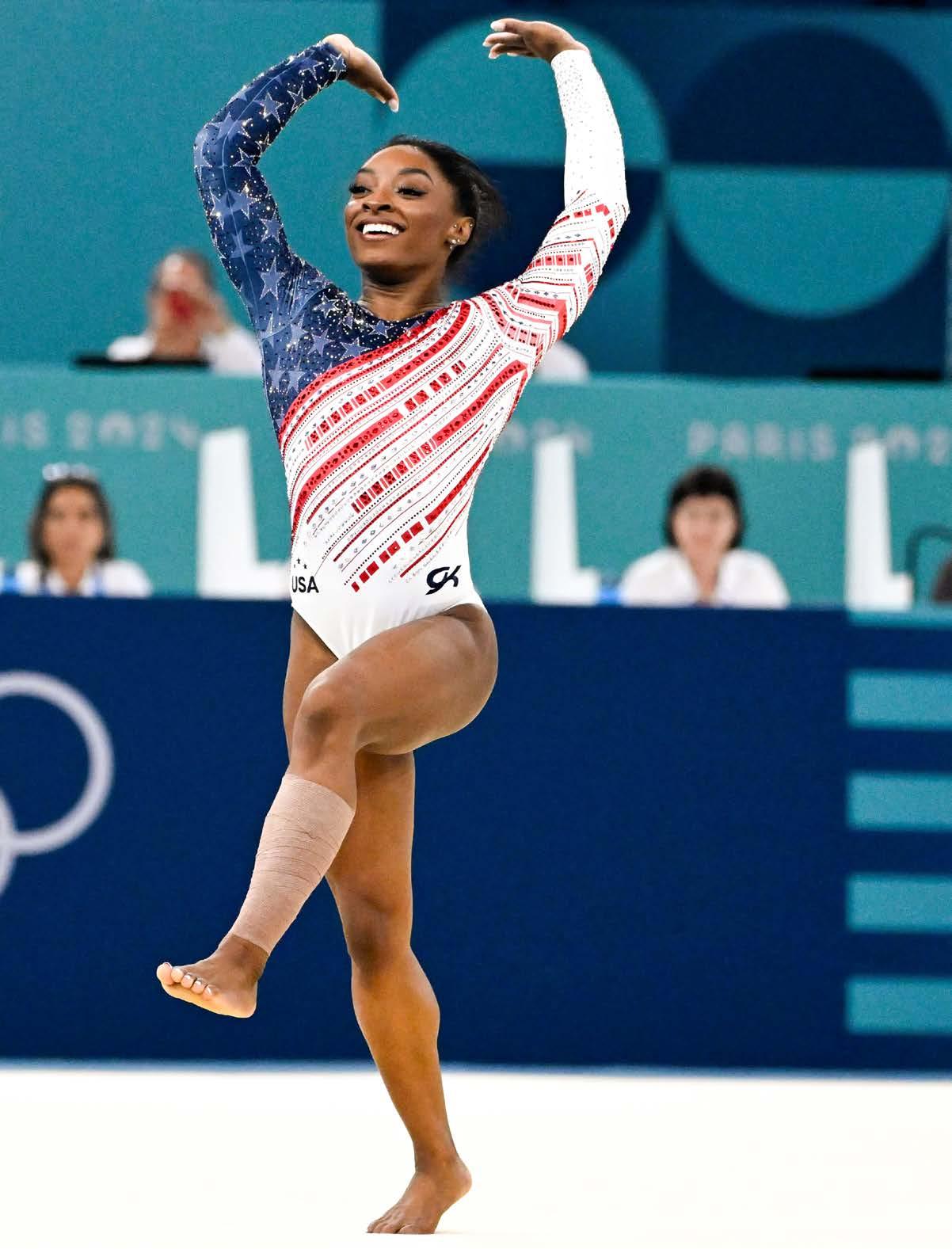
025 is set to be a massive year for Women’s Sports. In May the Women’s Cricket World Cup is happening, followed by UEFA Women’s European Championship and the Women’s Rugby World Cup. Women’s Sports has certainly come a long way over the past decade in terms of popularity, media coverage, sponsorship and participation. Growth opportunities are being unlocked, and much more are in the Pipeline with which, Women Sports Industry is sure to get elevated and reach a respectable position in the global sports industry.
Indeed, Women’s sports are experiencing significant growth in 2025, with projected global revenues reaching $2.35 billion, a 25% increase from the previous year. This growth is fueled by increased viewership, sponsorship, and investment in women’s sports, as well as the rise of new leagues and tournaments. Of course, there are some notable factors, those certainly contribute to this respectable growth of Women’s Sports.
Increased Revenue: Women’s sports are on track to surpass $2.35 billion in global revenue, driven by a surge in commercial appeal and investment.
Record-Breaking Performances: Major sporting events like the Women’s Rugby World Cup 2025 and the UEFA Women’s Euros 2025 are attracting larger audiences and generating more revenue.
Expanding Fanbase: Women’s sports are gaining popularity across diverse demographics, including younger generations, through various platforms like social media and streaming services.
More Professional Leagues: The establishment of new leagues and the professionalization of more teams are creating more opportunities for female athletes and improving the competitive landscape.
Increased Investment: Sponsorships and funding for women’s sports are on the rise, leading to improved facilities, resources, and opportunities for female athletes.
Greater Visibility: More media coverage and broader exposure are playing a vital role in driving the popularity of women’s sports.
Social Impact: The growth of women’s sports is not just a commercial phenomenon; it’s also a social movement that is reshaping perceptions and promoting gender equality.
Global revenues in women’s elite sports will reach at least US$2.35 billion (£1.88 billion) in 2025. This follows revenues in 2024 surpassing original predictions of US$1.28 billion, to hit US$1.88 billion. Overall, revenues in women’s elite sports are predicted to have risen by 240 per cent in four years, with Deloitte valuing the market at US$692 million in 2022. Updated figures and projections were calculated based on three main categories of revenue: matchday, broadcast, and commercial. Commercial revenues, which included sponsorships, partnerships, merchandising sales, and pre-season tour income, surpassed US$1 billion for the first time in 2024, making up 55 per cent of women’s sport revenues.
In 2025, commercial income is predicted to continue representing the largest share of revenue across women’s sports (US$1.26 billion, 54 per cent) as organizations generate greater brand recognition and interest, as well as more lucrative contracts. Deloitte’s projections also show a significant rise in broadcast (US$590 million, 25 per cent) and matchday revenues (US$500 million, 21 per cent).
The two highest revenue-generating sports remain unchanged, with basketball (US$1.03 billion, 44 per cent) and football (US$820 million, 35 per cent) projected to generate the biggest revenues in 2025. Basketball is on track to become the leading revenue-generating women’s sport globally as the sport benefits from new star athletes boosting matchday attendances, merchandising sales, and investment into facilities. While global women’s football revenues are predicted to rise from US$740 million in 2024 to
From The Desk Of
EDITOR -IN - CHIEF
US$820 million in 2025, women’s basketball revenues are expected to jump from US$710 million to US$1.03 billion.According to One of the leading Sports Group “The growth of women’s sport has continued to exceed expectations as various competitions, leagues, clubs, and athletes generate significant returns, despite limited resources. Crucially, the industry is moving beyond short-sighted metrics to focus on evolving structures and legacy programs through enhanced investment and bold action. Industry leaders must strike the right balance between maintaining this growth, establishing strong foundations, and maximizing opportunities for long-term success.
“Women’s sport is rewriting the playbook and challenging traditional norms to redefine the future of the industry. In 2025 and beyond, the challenge will be for the sports’ industry, brand partners and investors to do things differently. This will allow them to better understand the opportunities in the market and to capitalize on the current growth trajectory of women’s sports and create an ecosystem where women’s sports can thrive.”
North America (US$1.39 billion, 59 per cent) and Europe (US$420 million, 18 per cent) are predicted to continue as the biggest revenue generating women’s sport markets, but Deloitte expects to see further growth, investment and professionalization across new and existing markets in the years to come. The analysis highlights that new investment structures could unlock further investment opportunities and dedicated resources for elite women’s sport brands and businesses to further grow commercial returns.
Meanwhile, major events and global competitions are also expected to generate significant revenues, by igniting a long-term passion for women’s sports with new fans. The 2025 Rugby Women’s World Cup, to be held in the UK, has already sold a record number of tickets, while the 2027 FIFA Women’s World Cup will be held in Brazil for the first time, aiming to further unlock an emerging market for women’s football. Indeed, “Major events are increasing visibility and participation across many sports and geographies, but deliberate action needs to be taken after these big moments to drive domestic success for leagues and clubs. It is no longer enough to just host an event –organizers must be bold and think of new ways to engage fans and drive participation even after the champion is crowned.
“The commercial appeal of women’s sports and its athletes has never been higher, as the sector continues to shine on the global stage. Increasing strategic investment is more important than ever to drive a professional global landscape and create an engaging industry for generations to come. To successfully capitalize on this investment, it is crucial for women’s sport organizations to implement the right structures, develop a clear plan for investment, and define a long-term vision for their place within a rapidly evolving global industry.”
In essence, 2025 is proving to be a pivotal year for women’s sports, with a combination of commercial success, increased participation, and a growing fanbase contributing to its unprecedented growth.
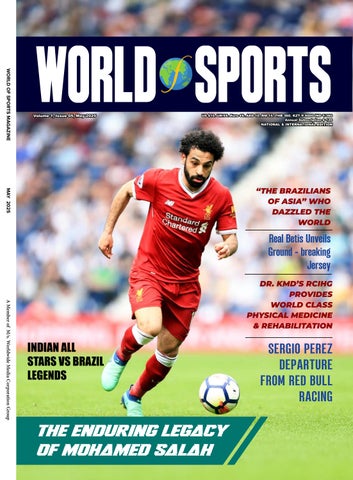
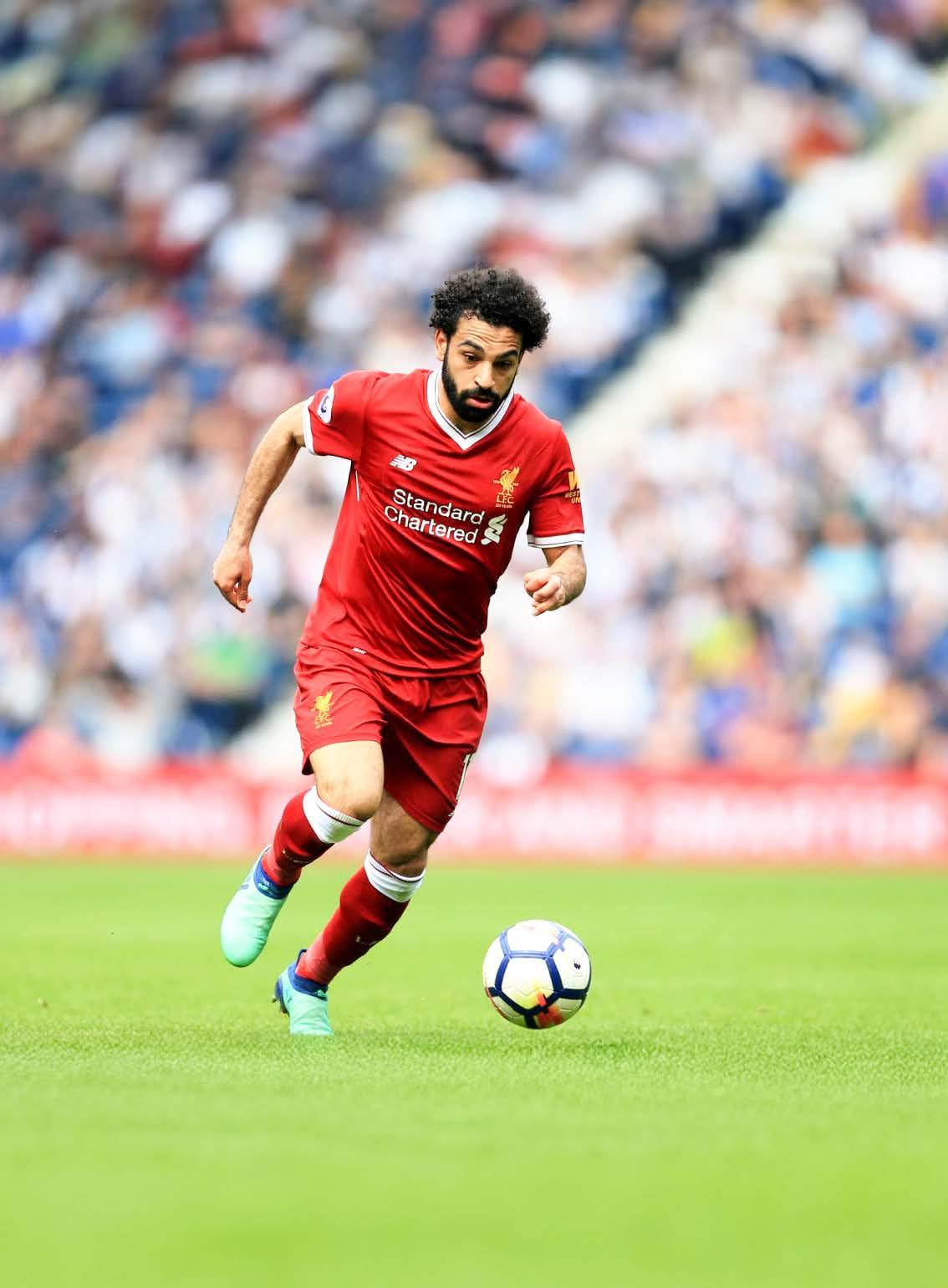
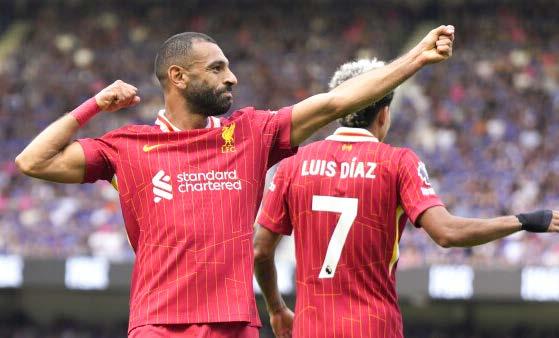
THE ENDURING LEGACY OF MOHAMED SALAH
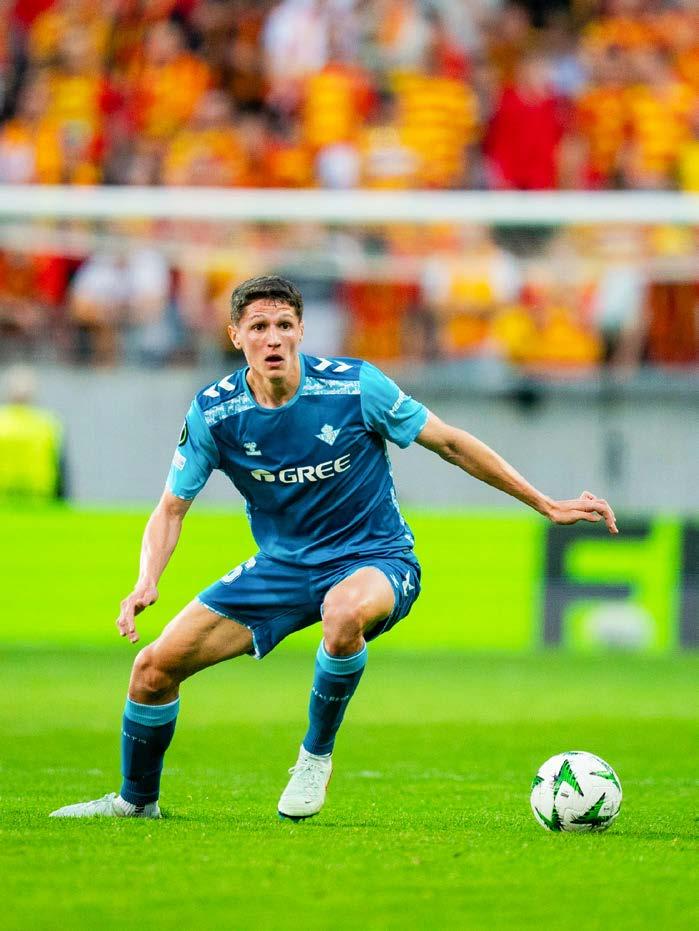
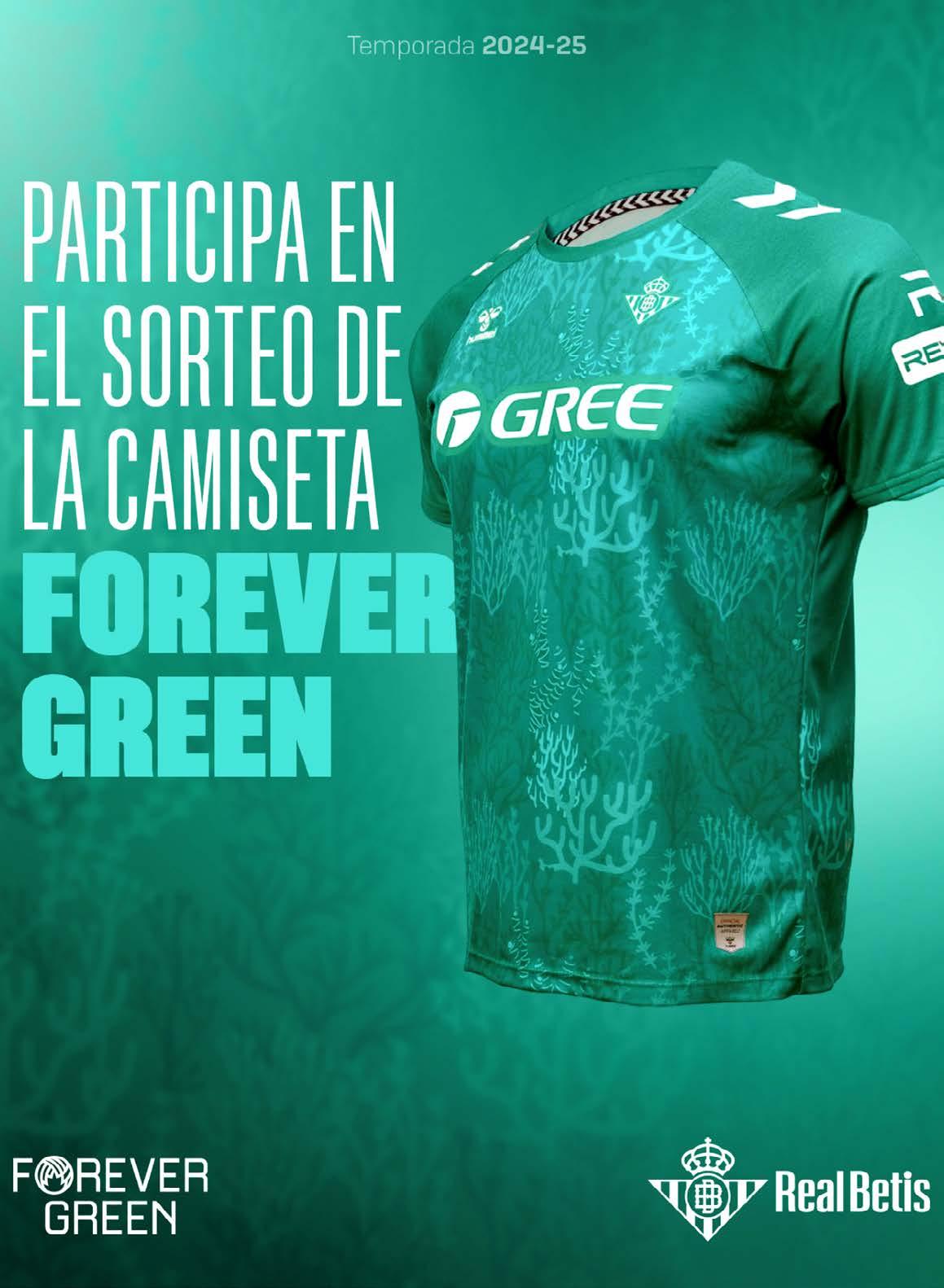
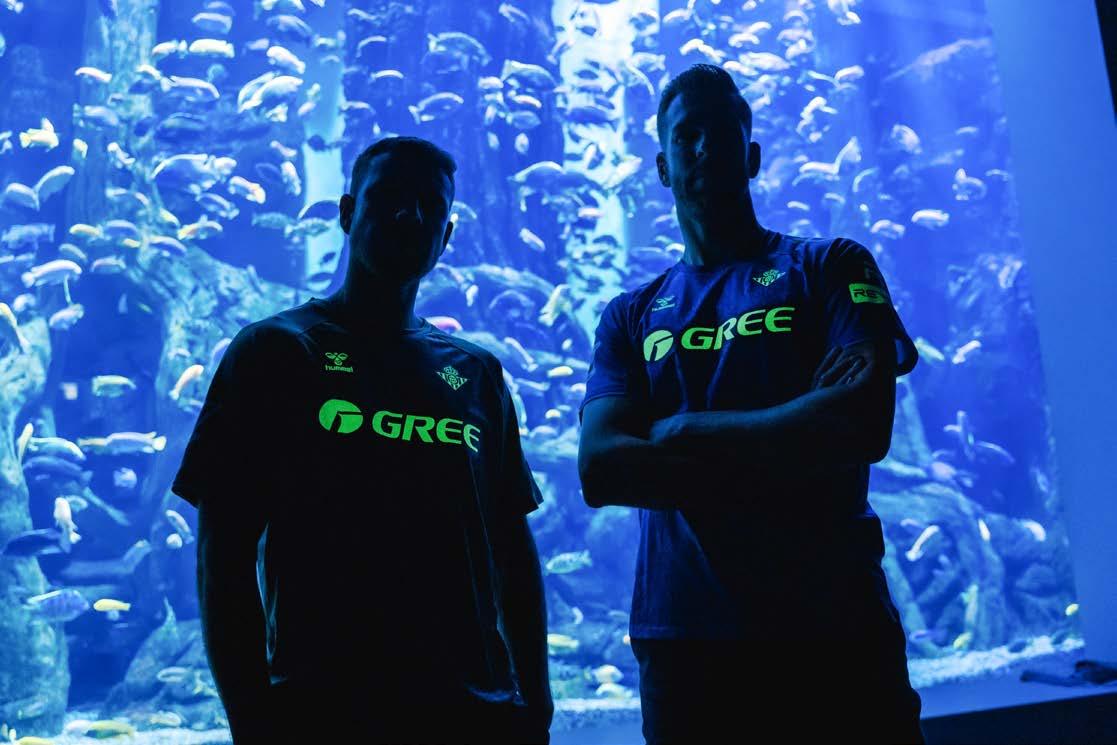
REAL BETIS UNVEILS GROUND-BREAKING JERSEY MADE FROM INVASIVE ALGAE FIBRES
INDIA’S GOLDEN ERA THE “BRAZILIANS OF ASIA” WHO DAZZLED THE WORLD
THE IMPACT OF NIVIA ON INDIA’S SPORTING CULTURE
THE AIFF-FIFA TALENT ACADEMY IN BHUBANESWAR A BEACON OF HOPE FOR INDIAN FOOTBALL
INDIAN ALL STARS VS BRAZIL LEGENDS: A NIGHT OF FOOTBALL NOSTALGIA AND AMBITION
DR. KMD’S RCIHG PROVIDES WORLD CLASS PHYSICAL MEDICINE & REHABILITATION
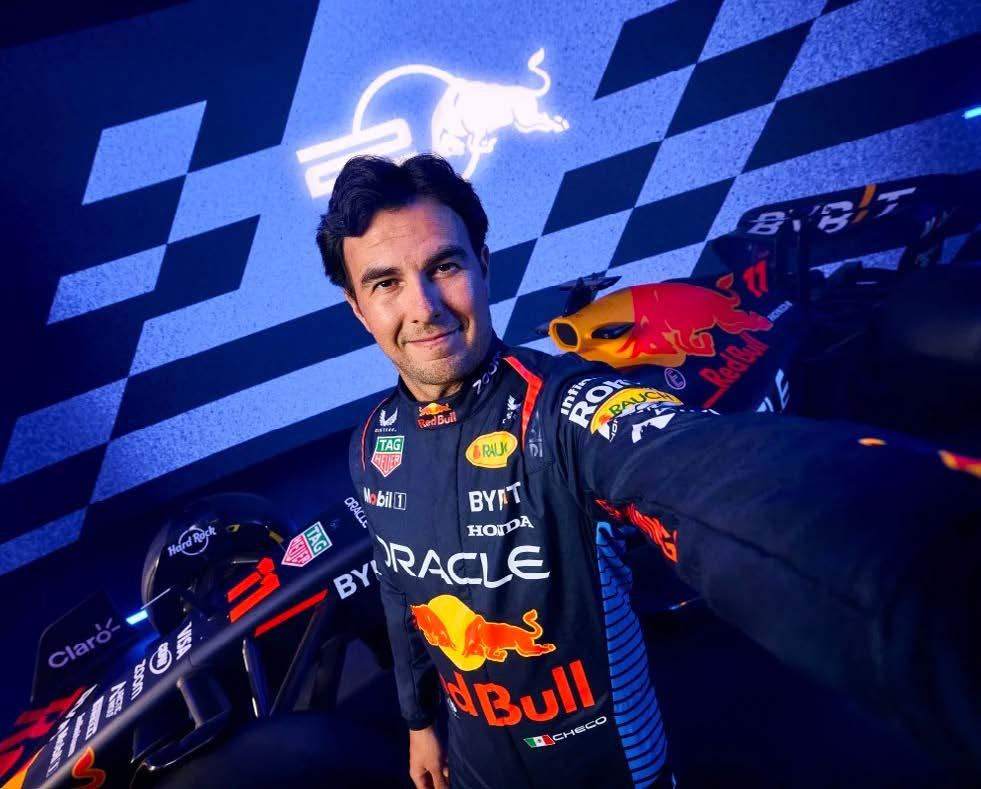
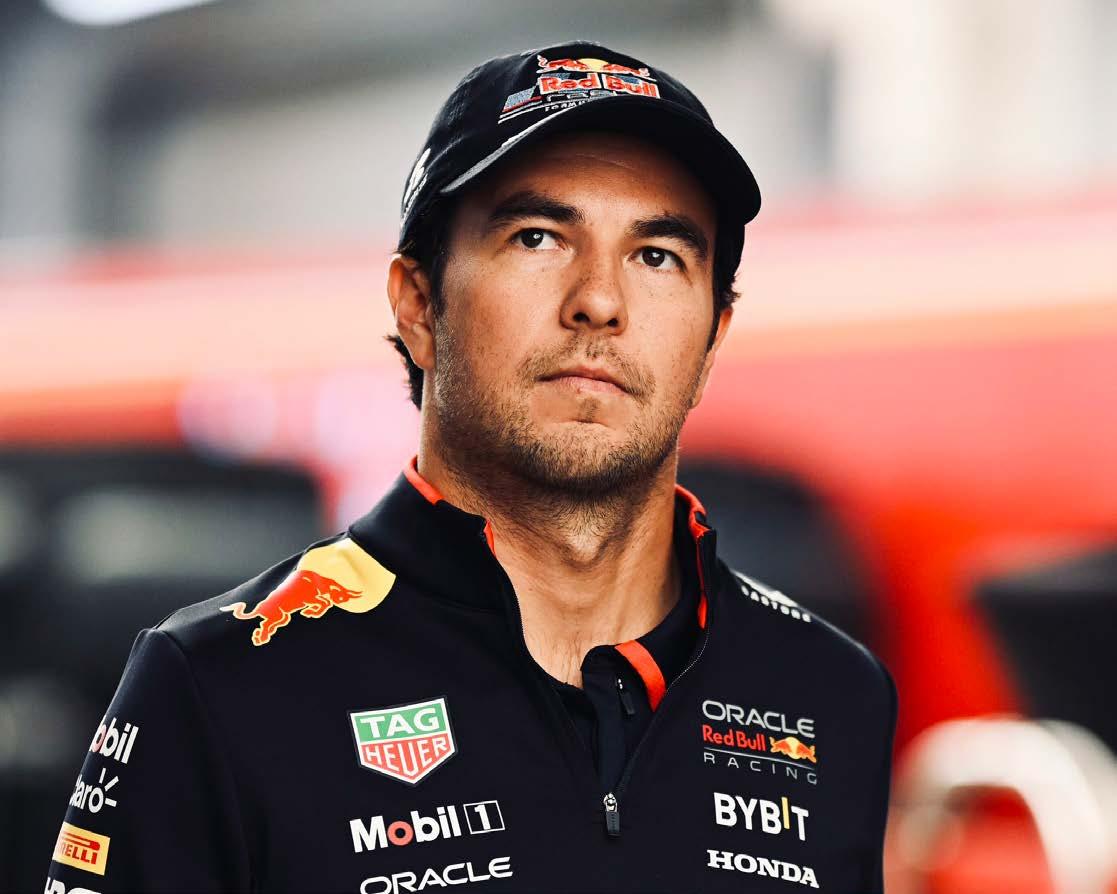
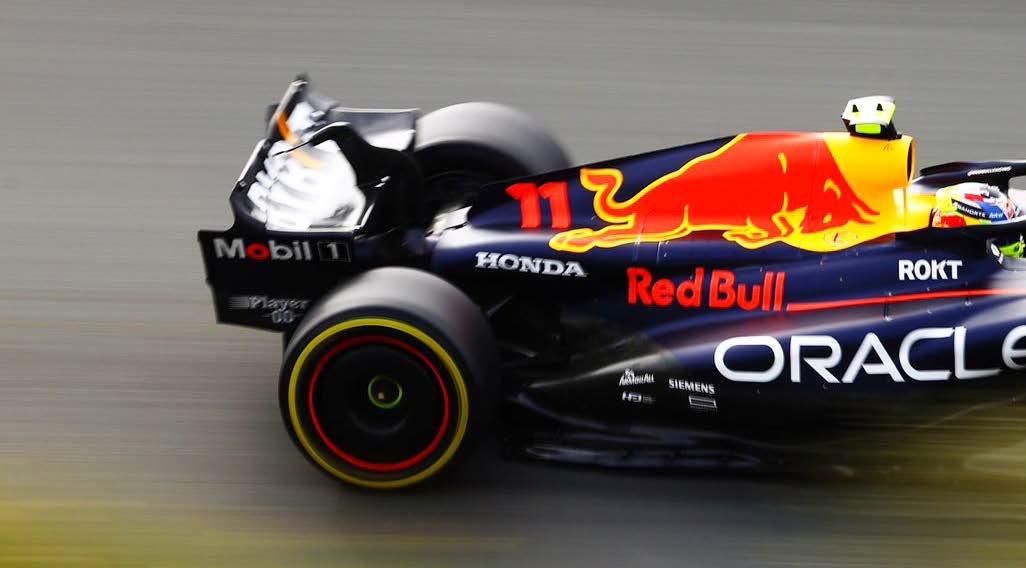
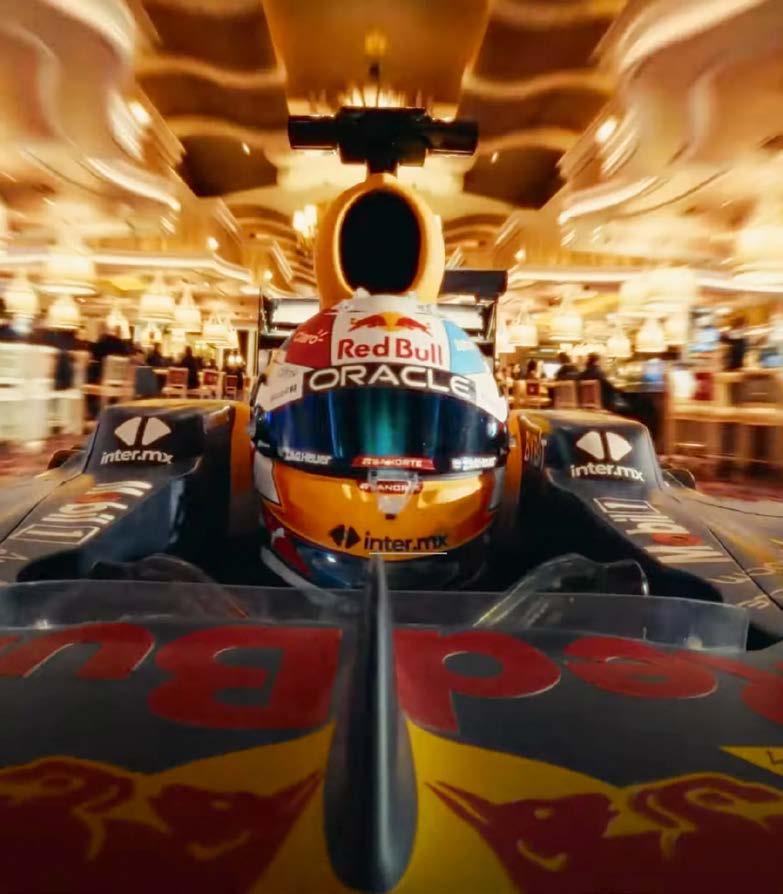
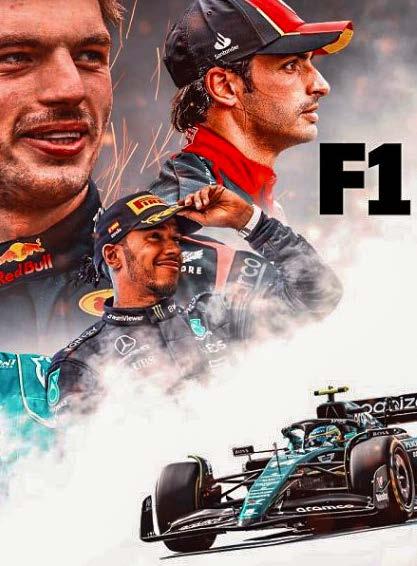
SERGIO PEREZ DEPARTURE FROM RED BULL RACING
VINAI VENKATESHAM’S SHOCK MOVE TO TOTTENHAM: A NEW CHAPTER FOR SPURS
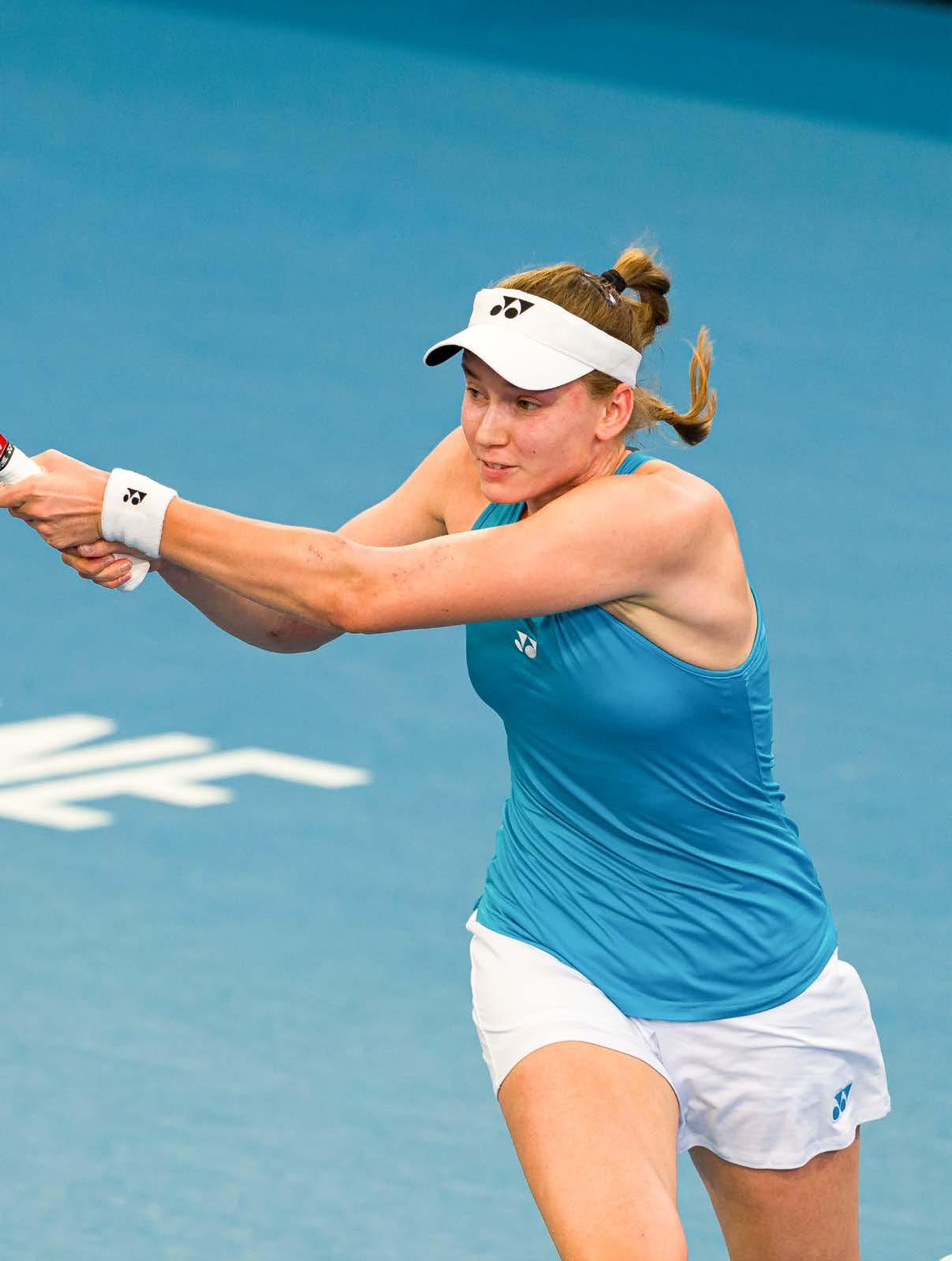
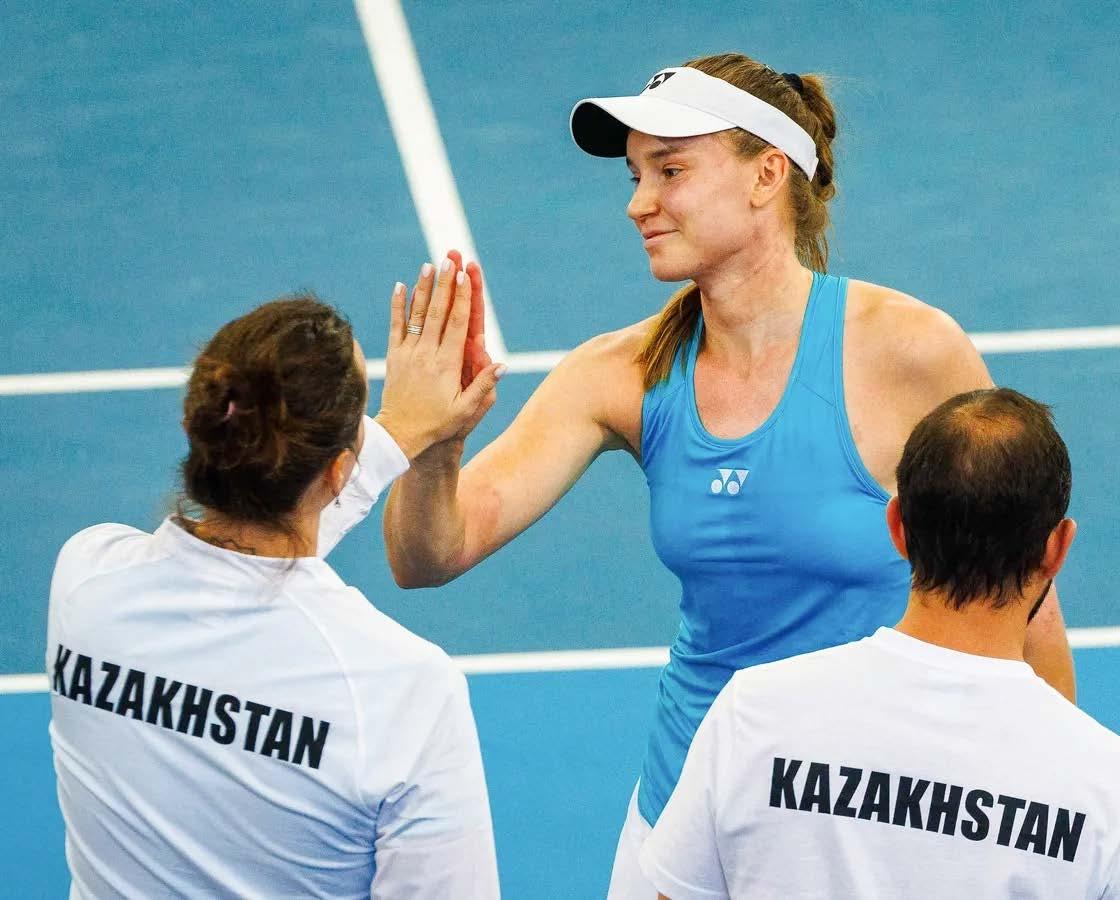
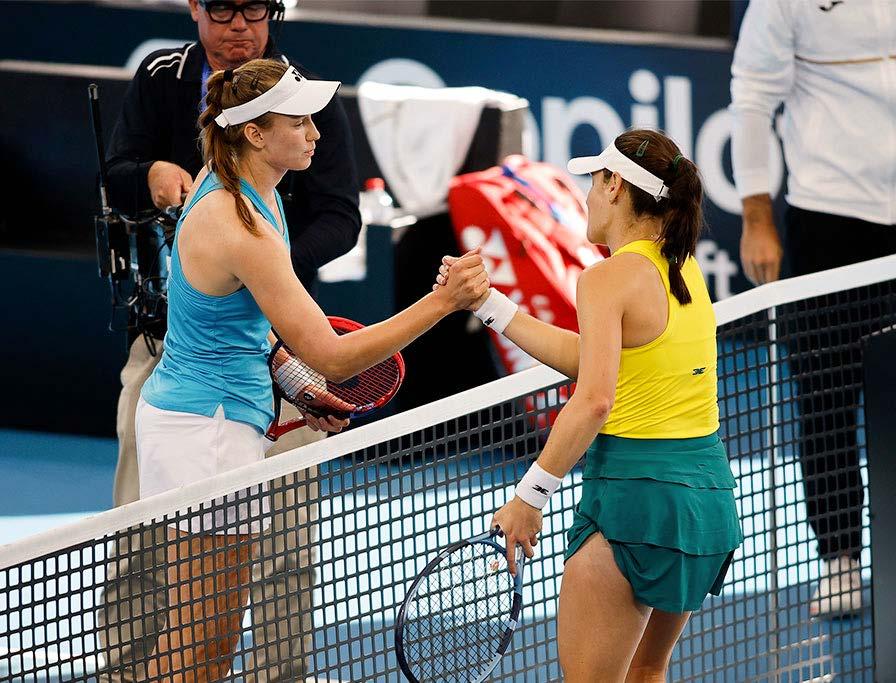
KAZAKHSTAN’S WOMEN’S TENNIS TEAM SOARS TO HISTORIC NO. 6 IN BILLIE JEAN KING CUP RANKINGS
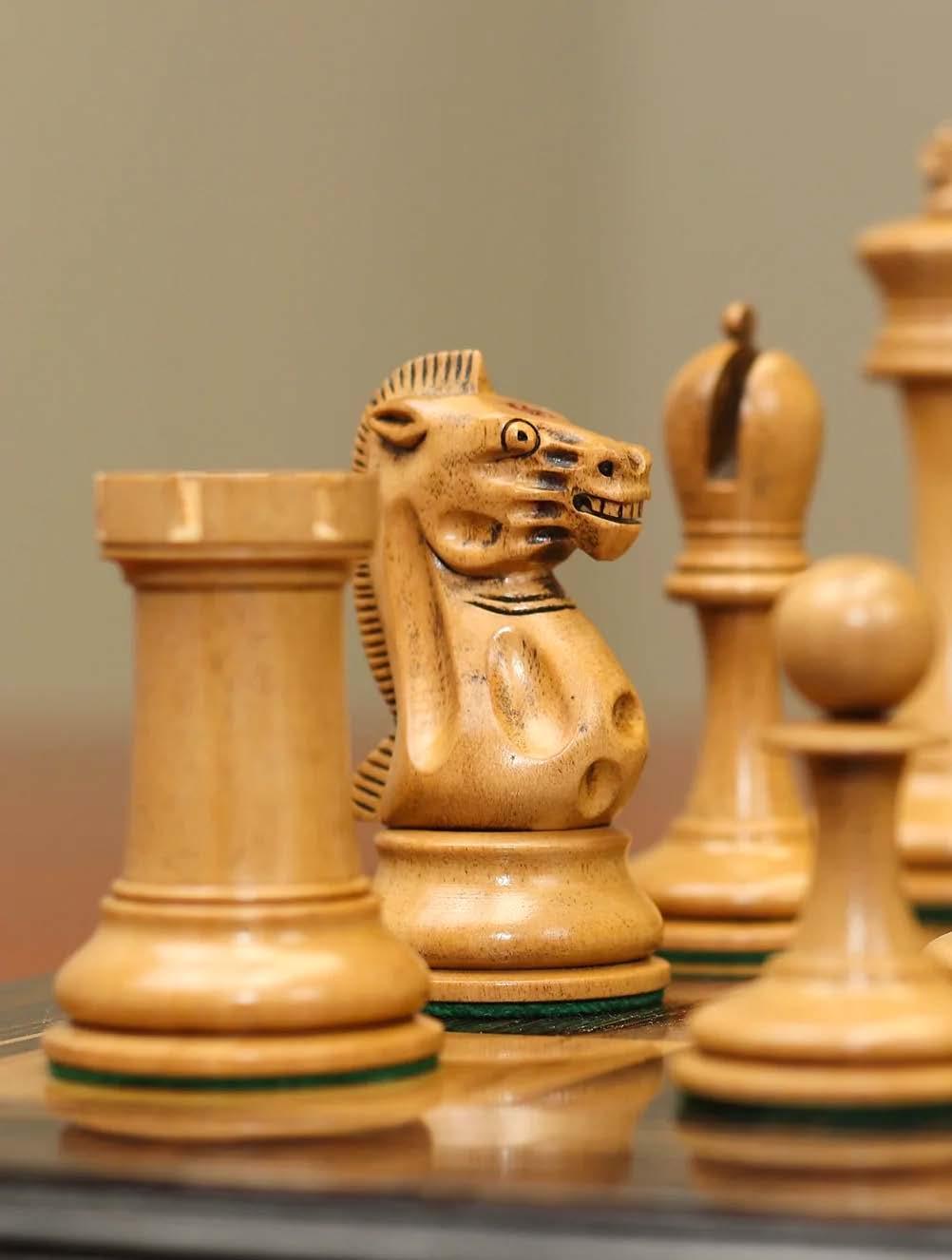
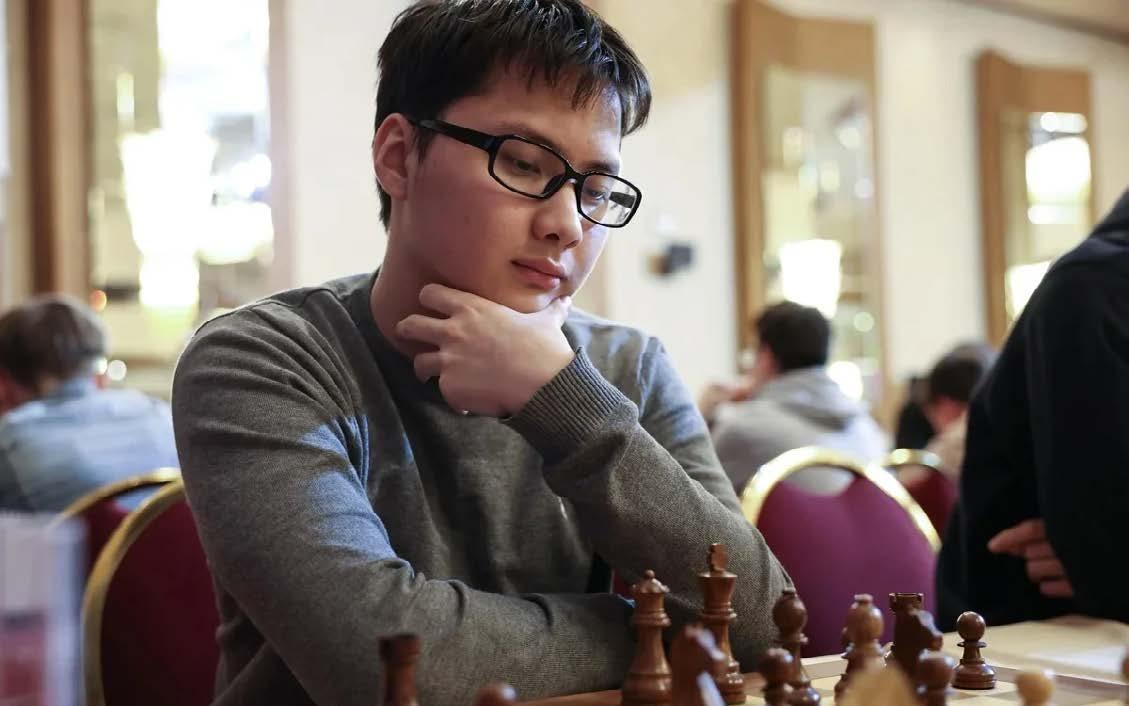
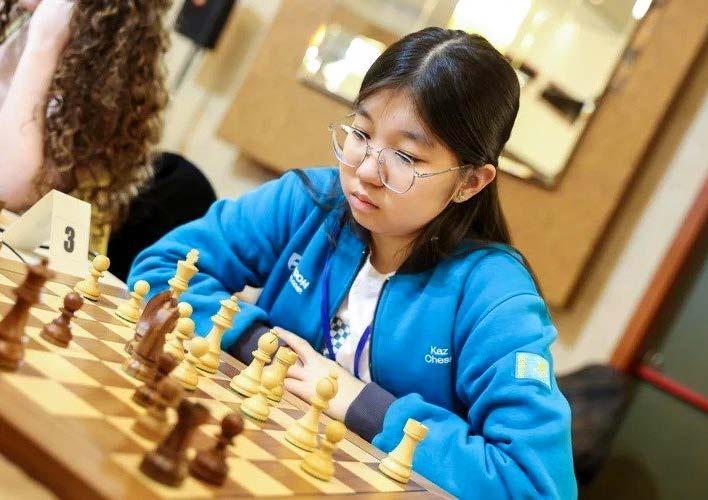
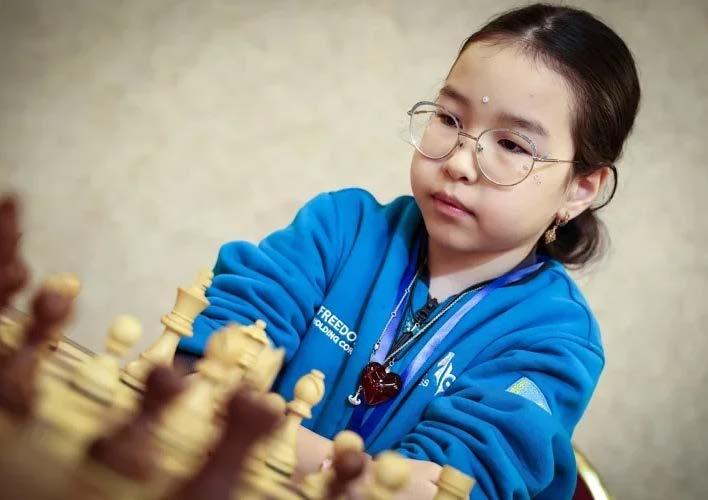
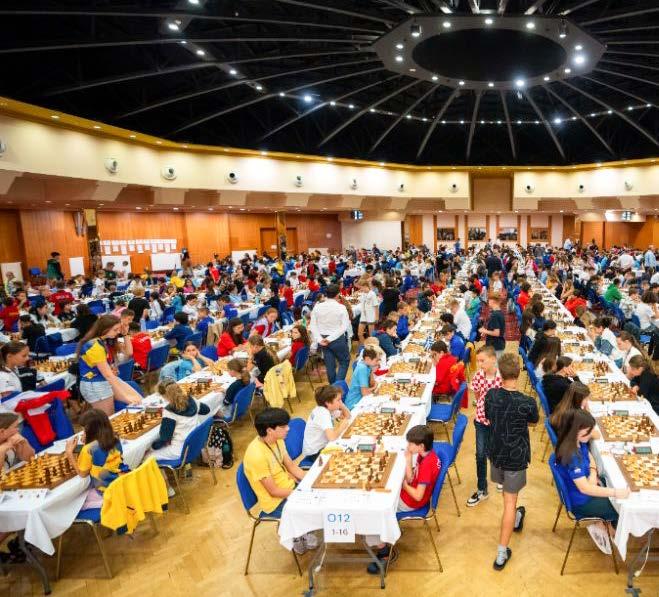
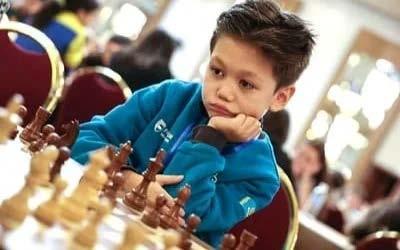
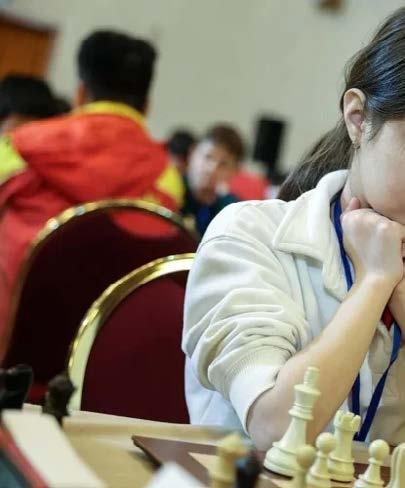
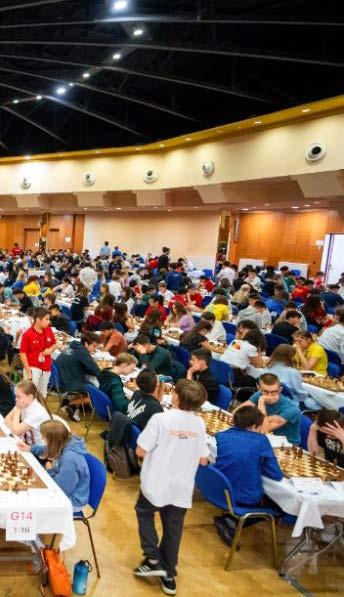
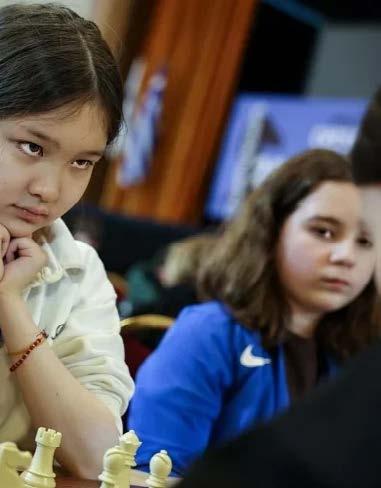
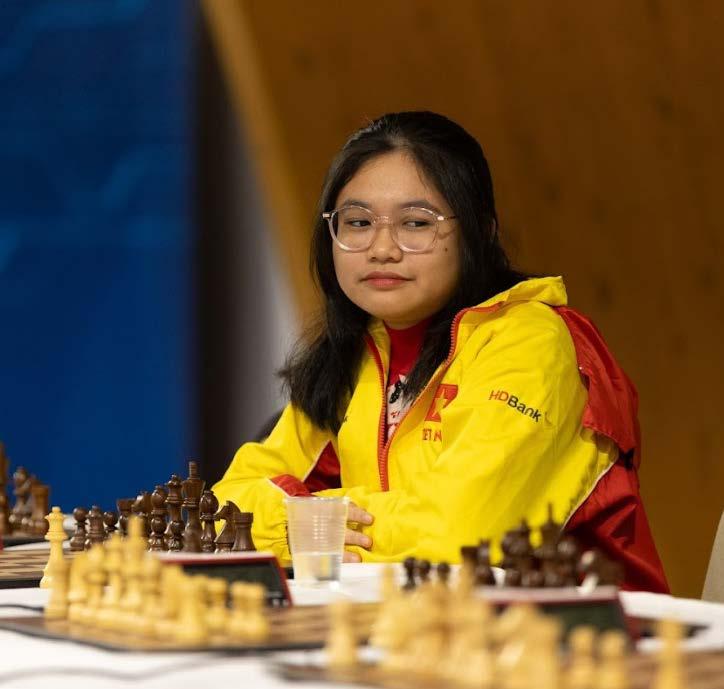
KAZAKHSTAN’S YOUNG CHESS PRODIGIES SHINE AT THE 2025 WORLD YOUTH RAPID CHESS CHAMPIONSHIPS
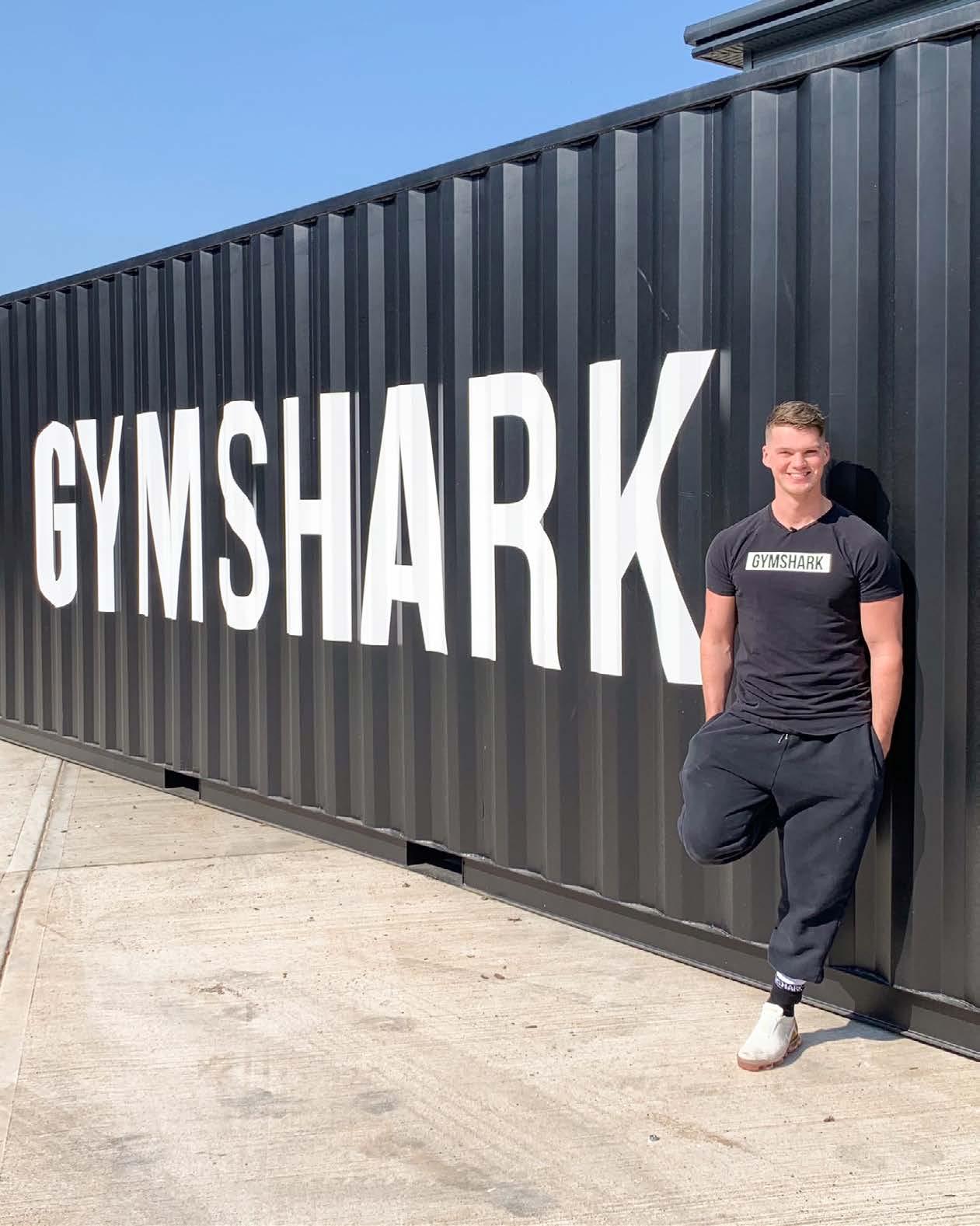
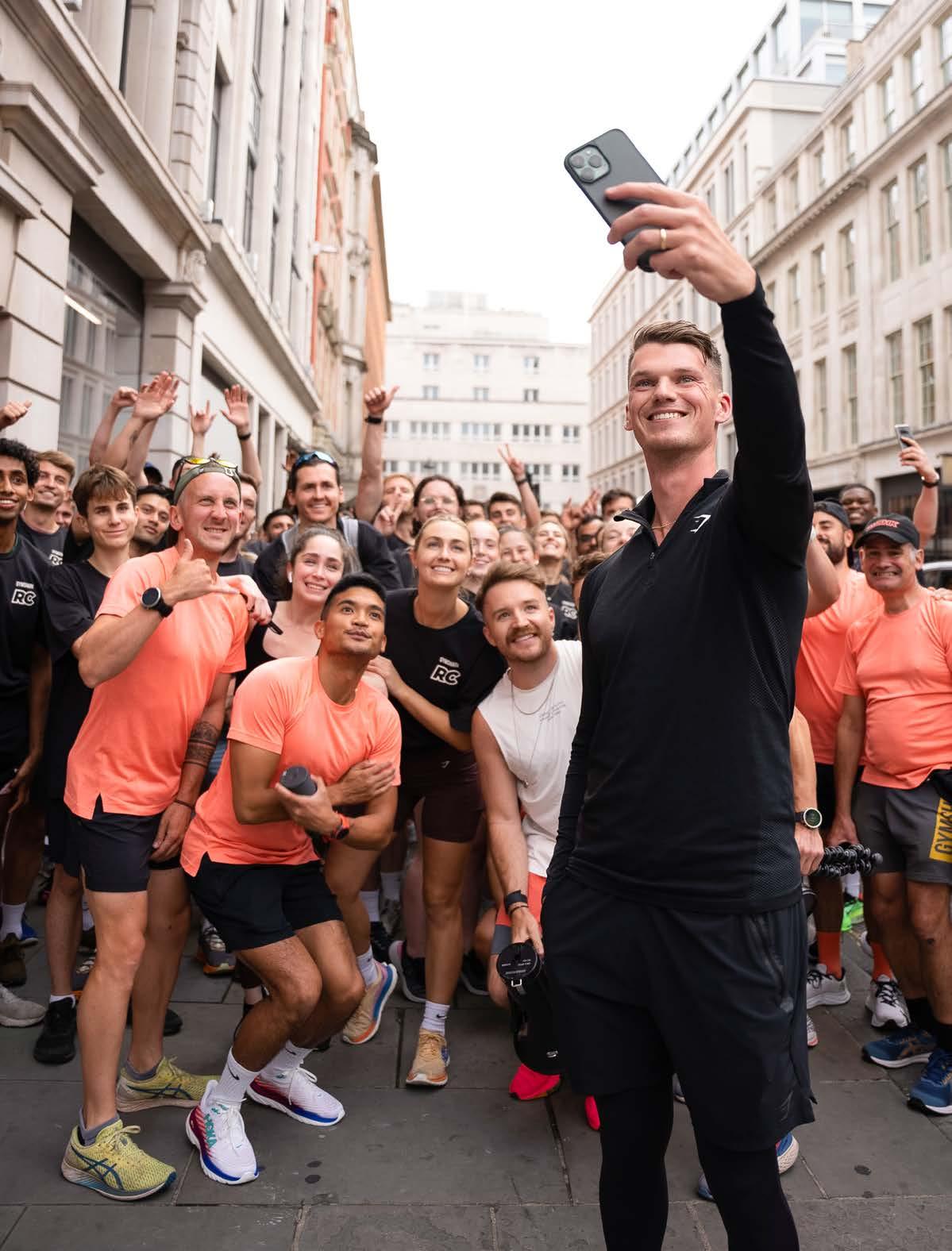
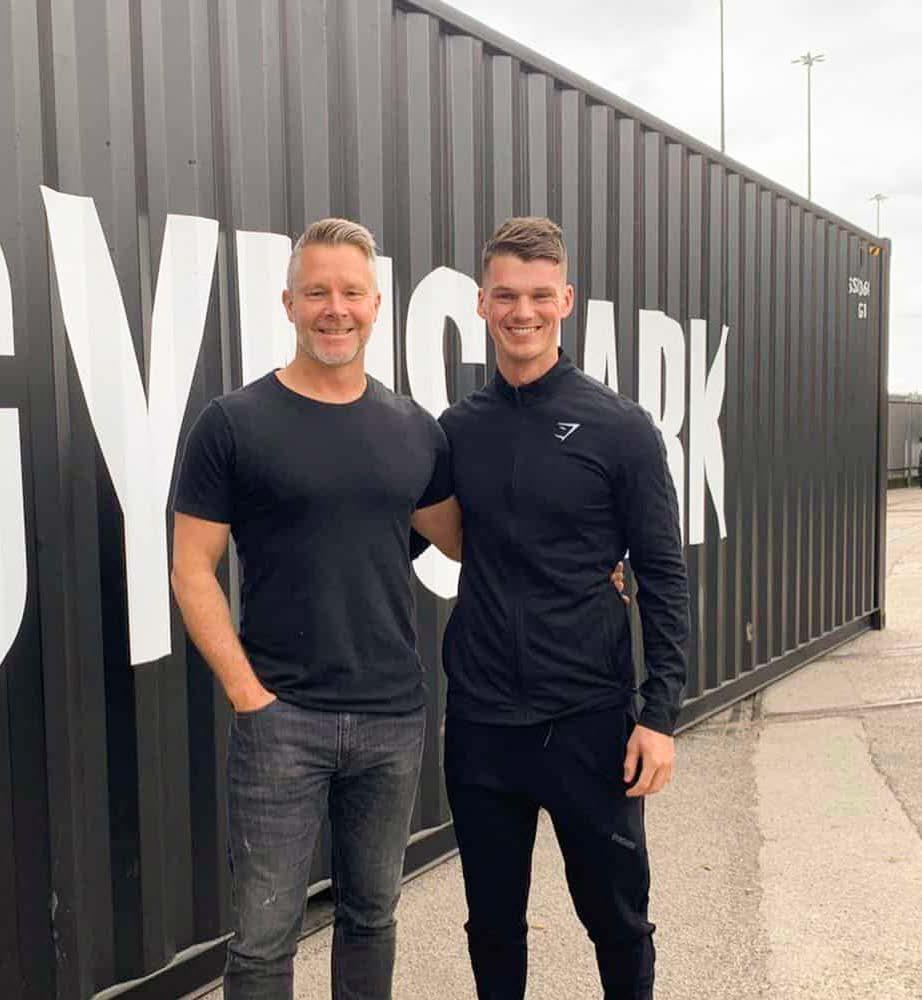
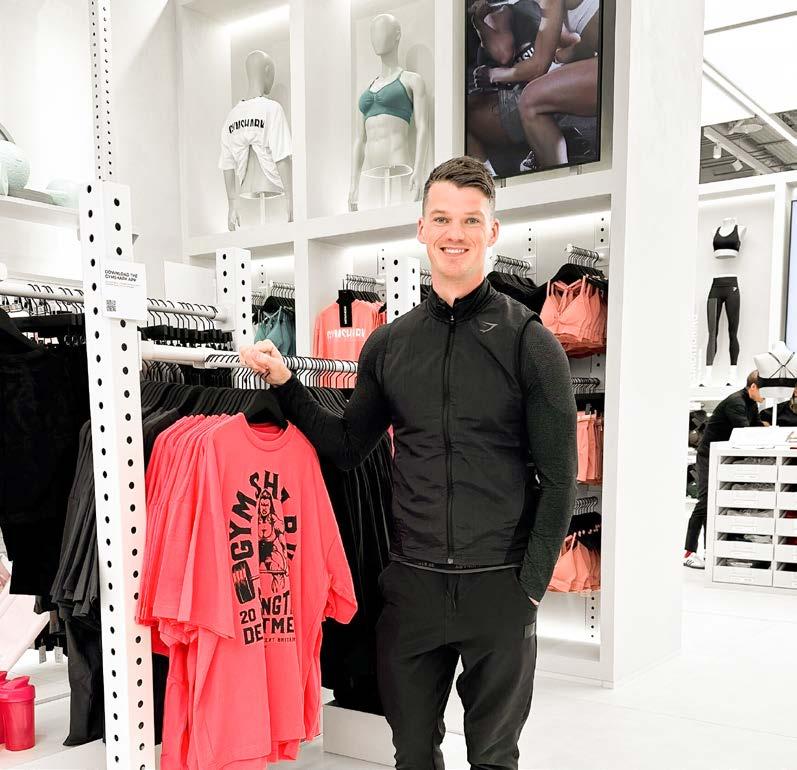
FROM PIZZA DELIVERY TO BILLION-DOLLAR EMPIRE THE RISE OF GYMSHARK’S BEN FRANCIS
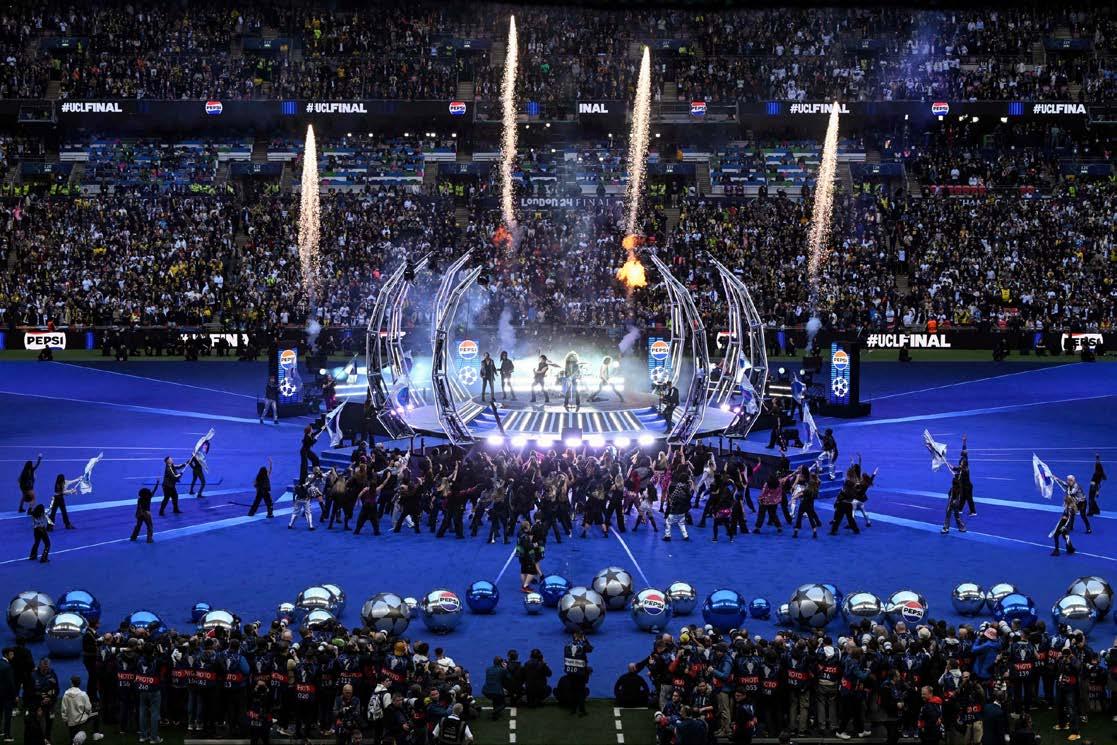
THE GROWING CONNECTION BETWEEN MUSIC & SPORTS
THE ROLE OF SPORTS AGENTS IN MODERN SPORTS
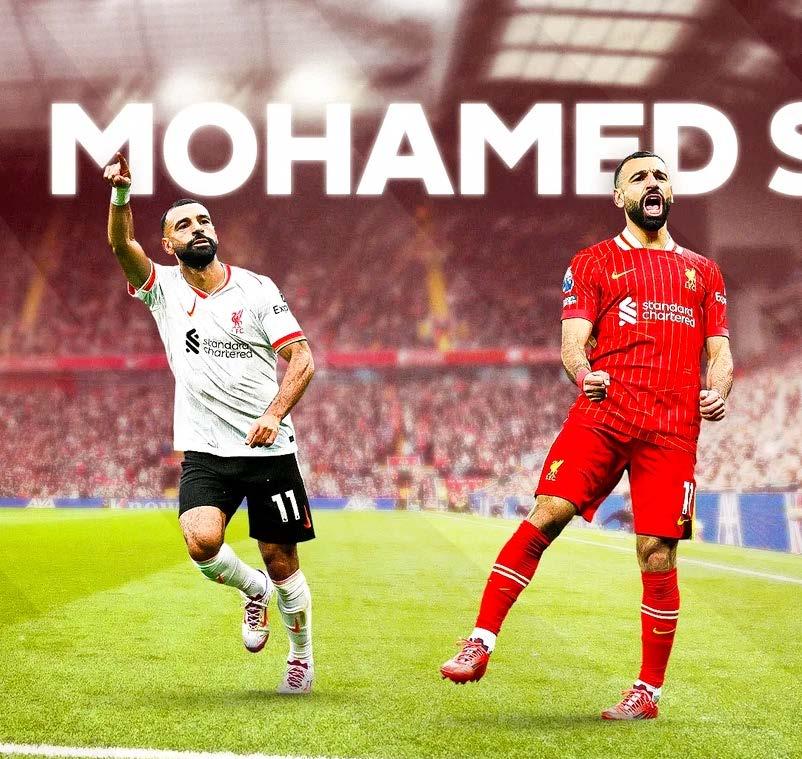
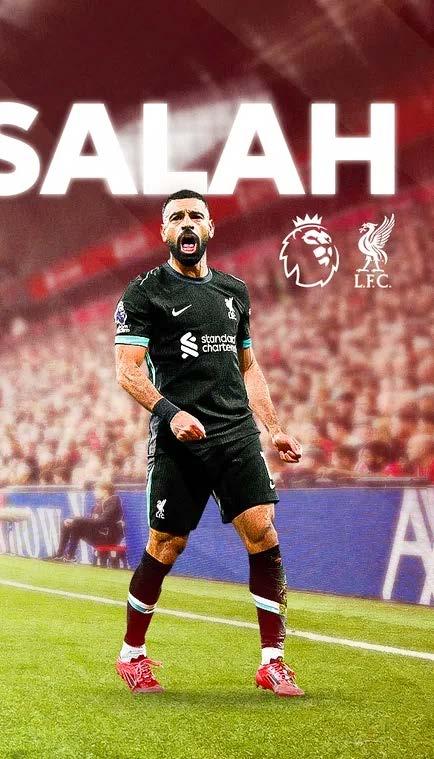
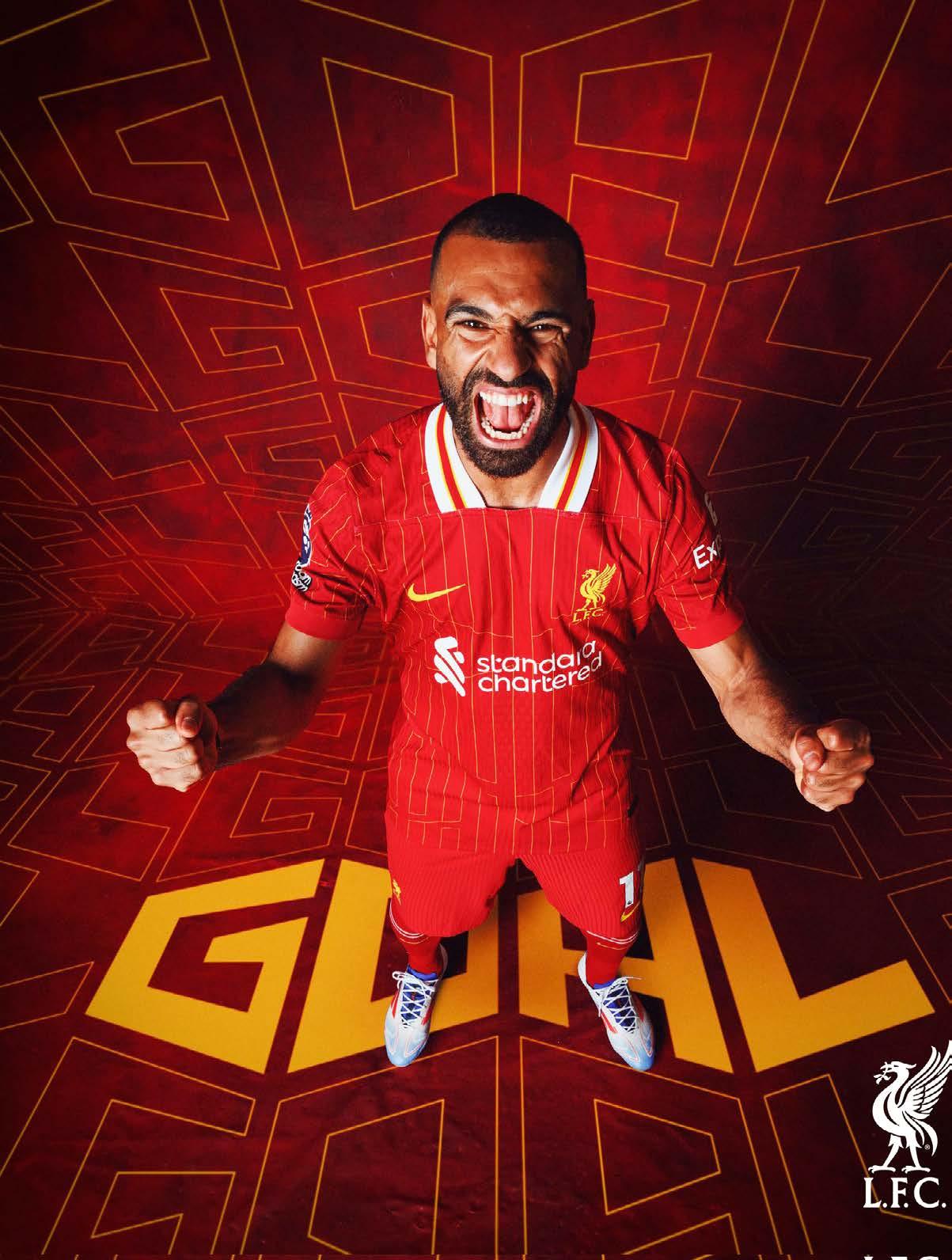
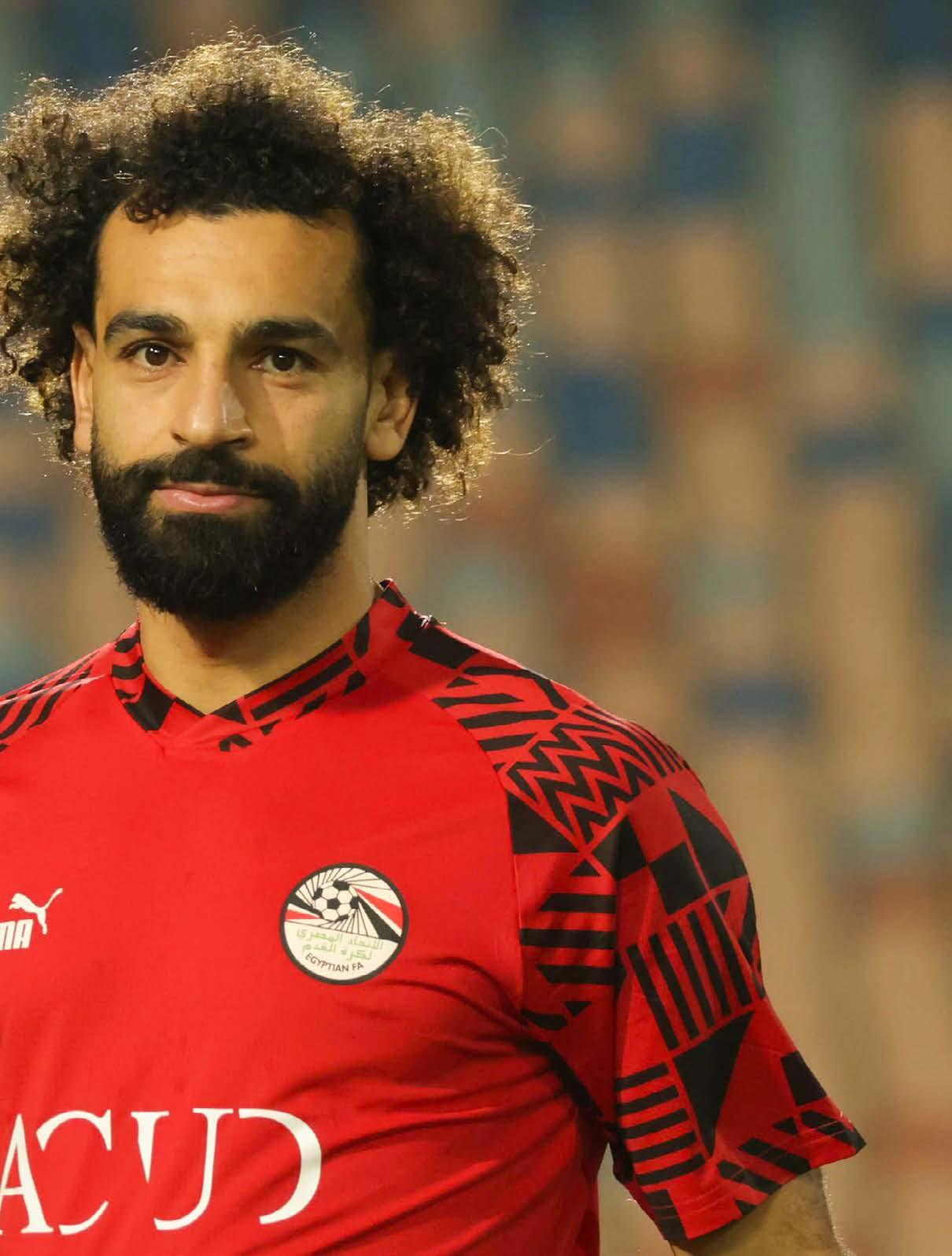
THE ENDURING LEGACY OF MOHAMED SALAH
THE ENDURING LEGACY OF MOHAMED
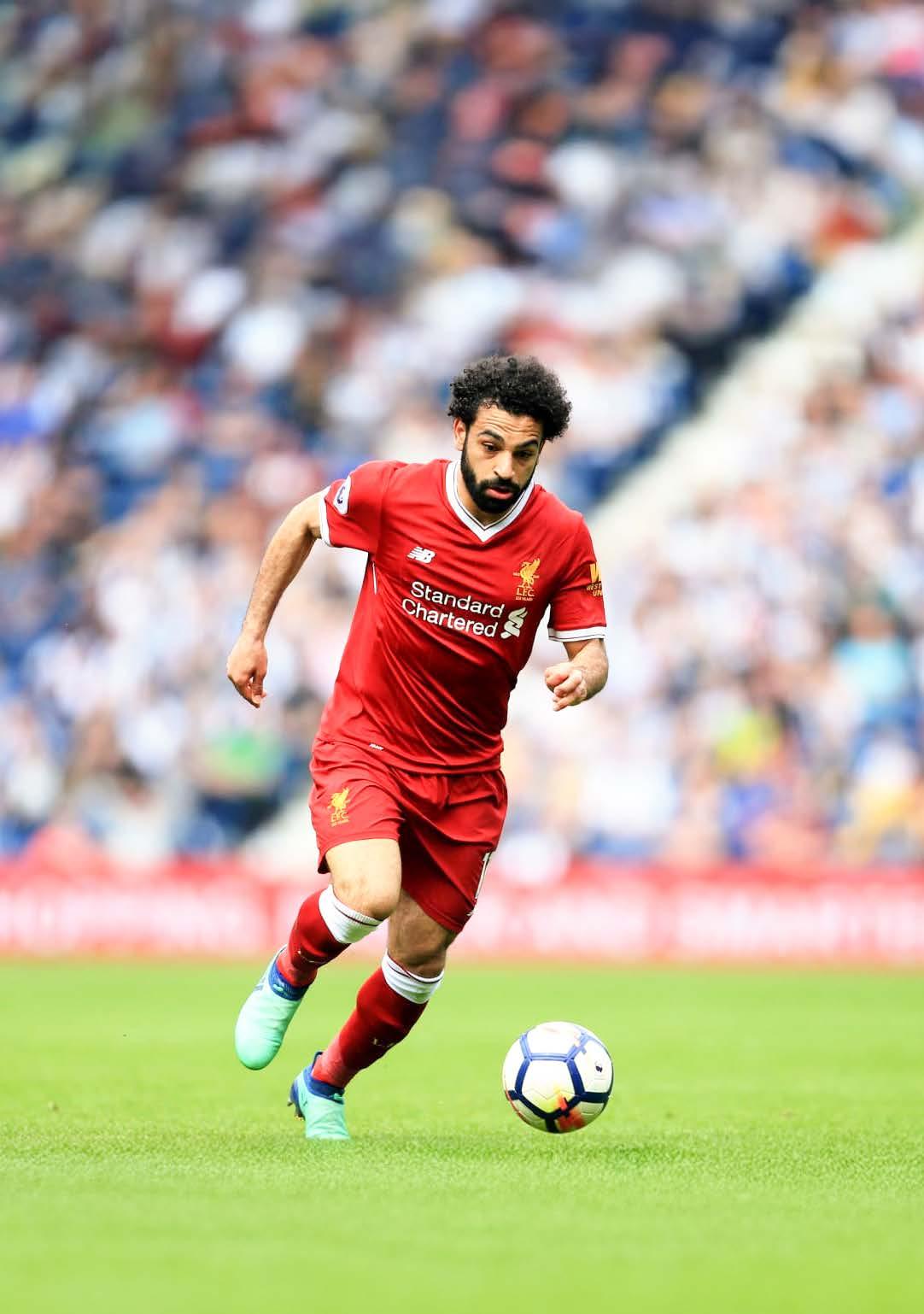
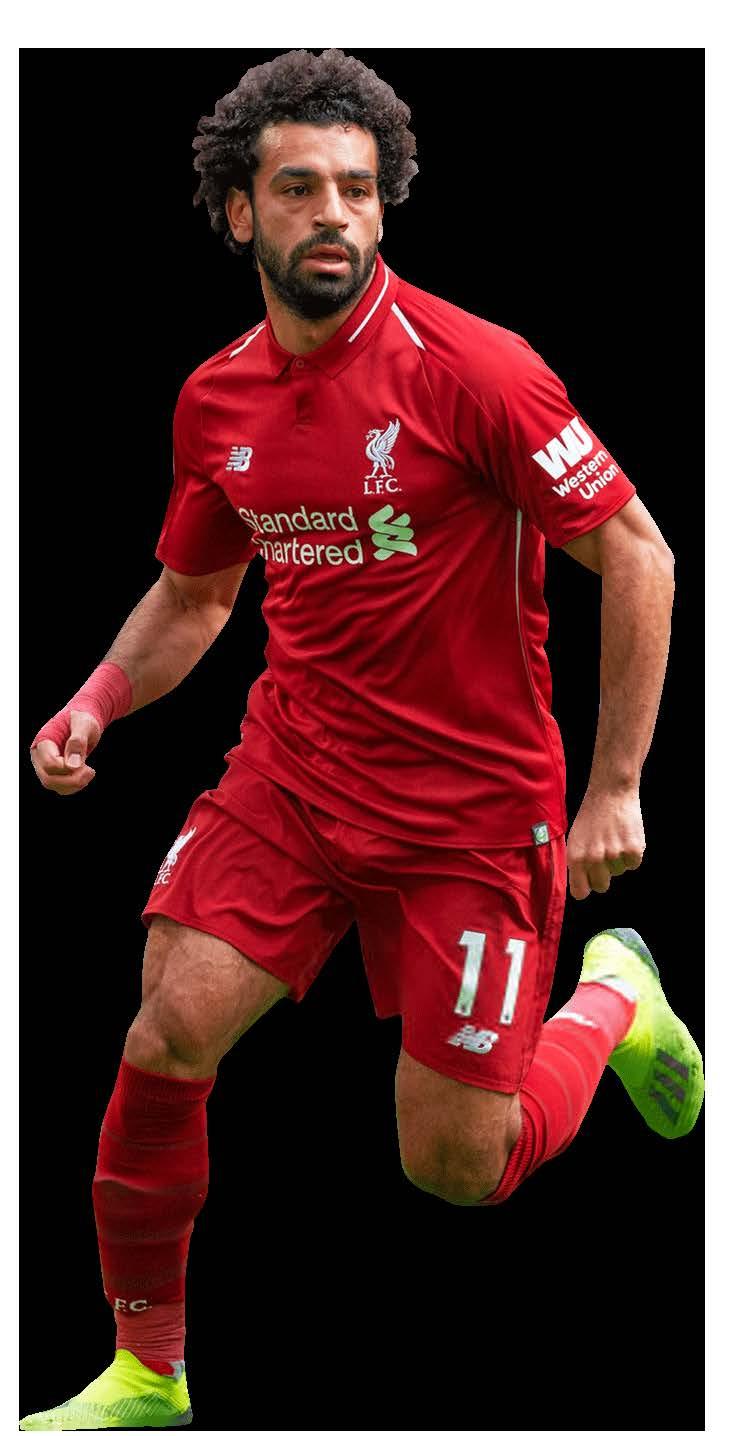
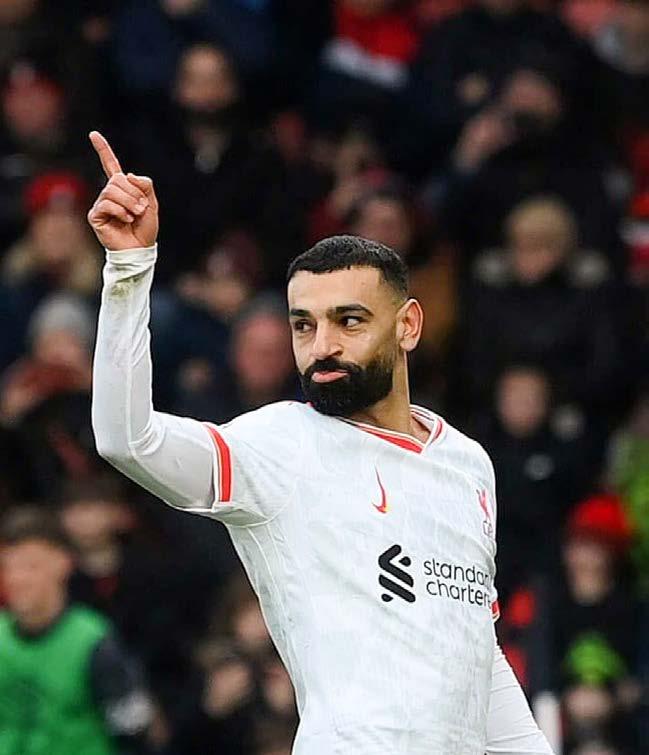
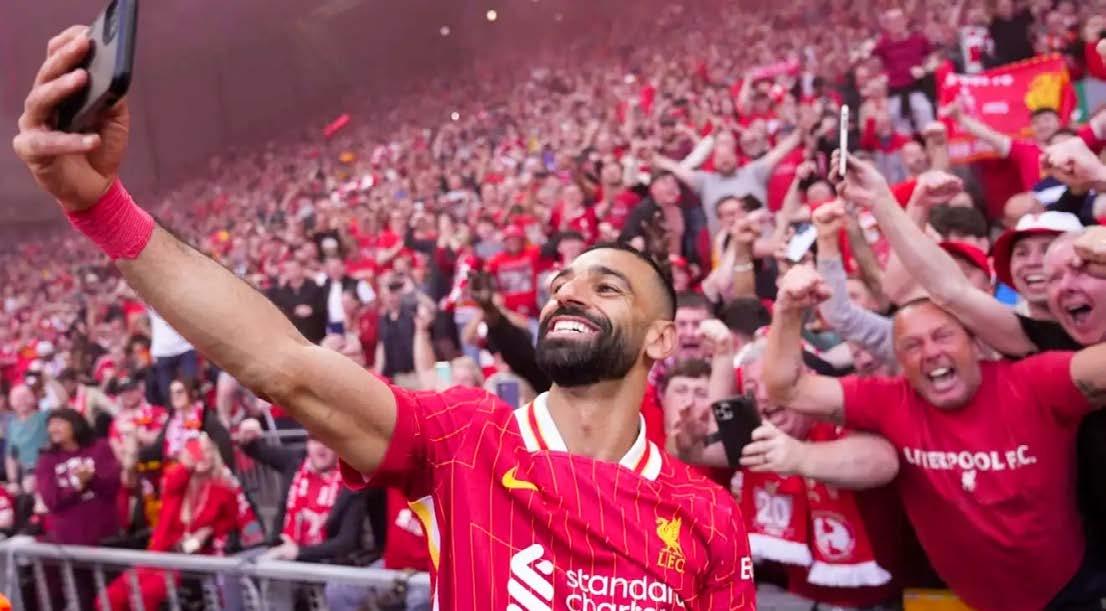
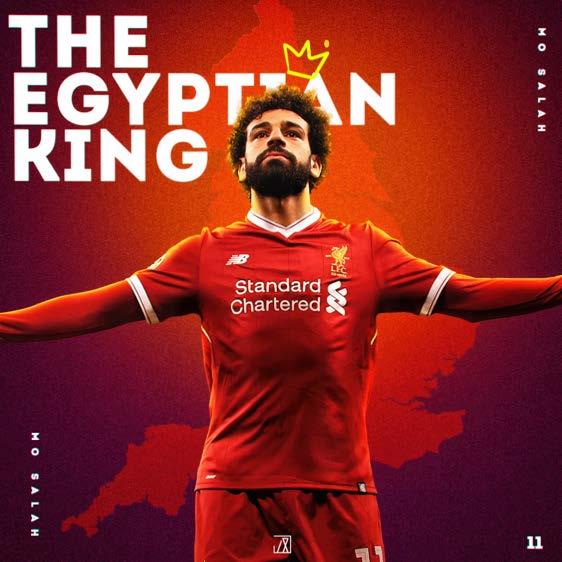
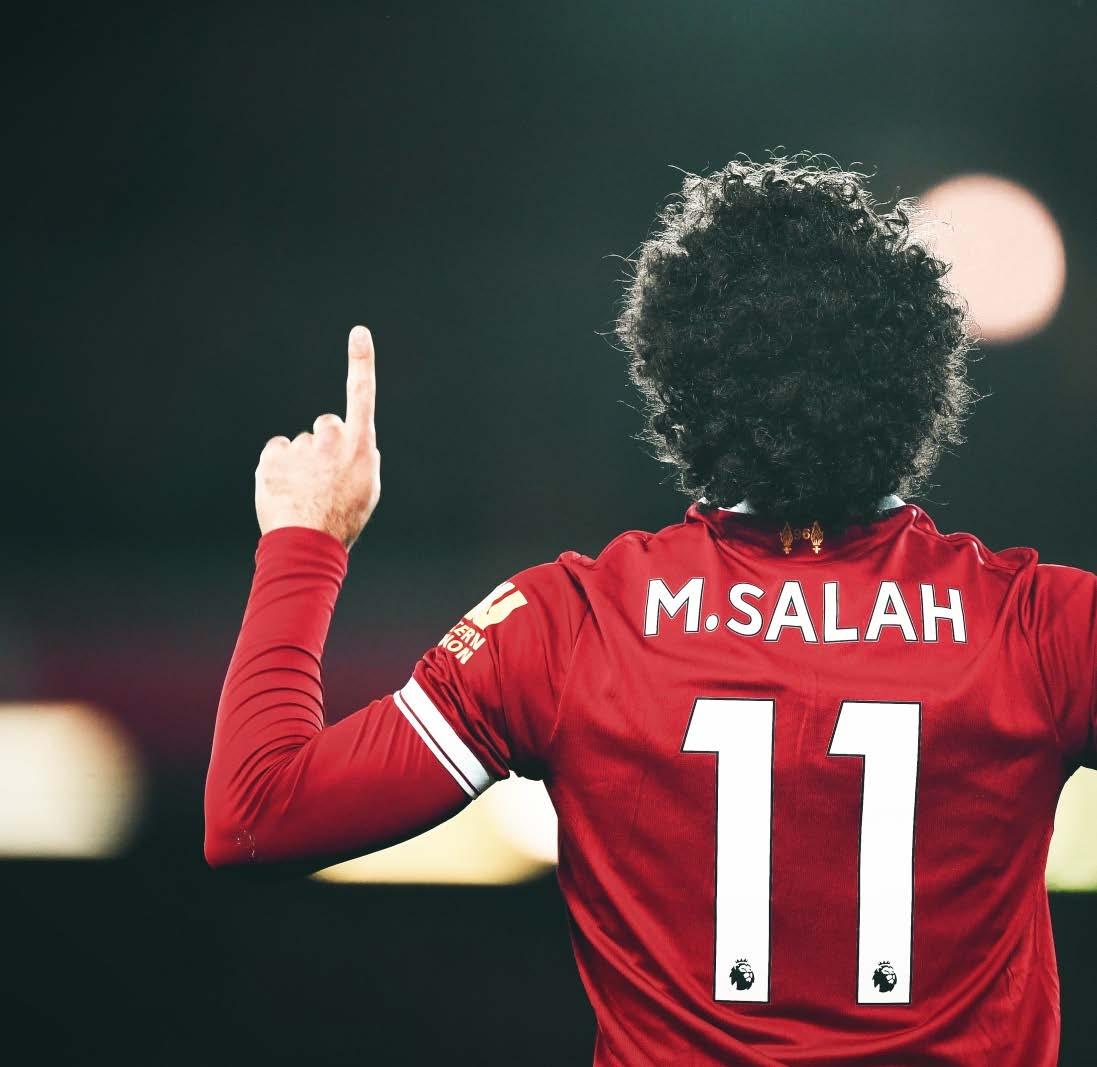
Mohamed Salah, the Egyptian football icon, has carved a legacy that transcends the sport, blending extraordinary athletic achievement with profound cultural and social impact. Known as the "Egyptian King" to Liverpool fans and a hero to millions across the Arab world, Salah’s journey from a small village in Egypt to global stardom is a testament to talent, resilience, and purpose. His legacy is not just measured in goals and trophies but in the inspiration he provides, the barriers he breaks, and the values he embodies.
A Meteoric Rise to Football Stardom
Born on June 15, 1992, in Nagrig, a village in Egypt’s Gharbia Governorate, Salah’s early life was marked by modesty and determination. His talent was evident from a young age, but the path to success was fraught with challenges. Travelling hours daily to train with Cairo’s Al Mokawloon club, Salah honed his craft under financial and logistical strain. His breakthrough came in 2010 when he debuted for Al Mokawloon’s senior team, catching the eye of European scouts.
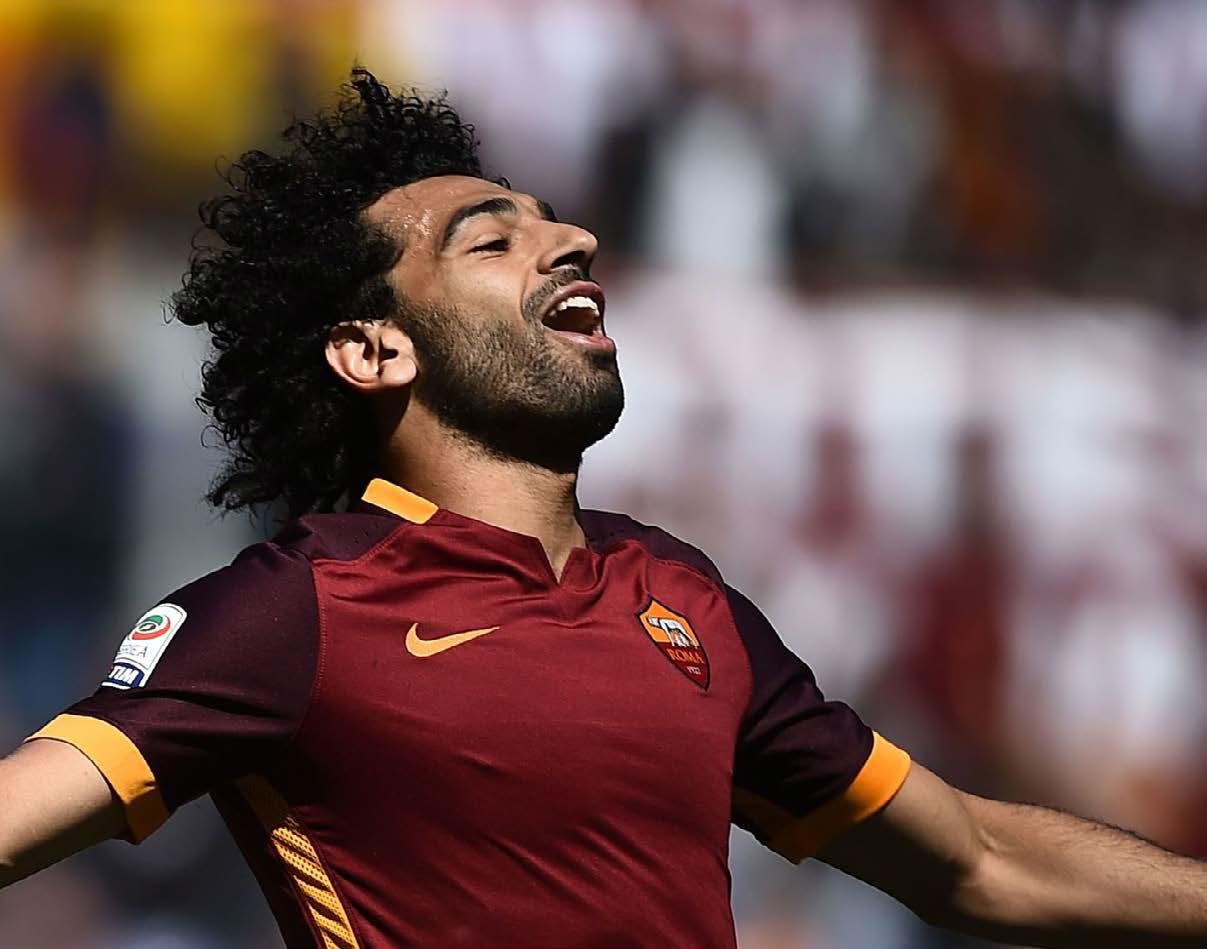
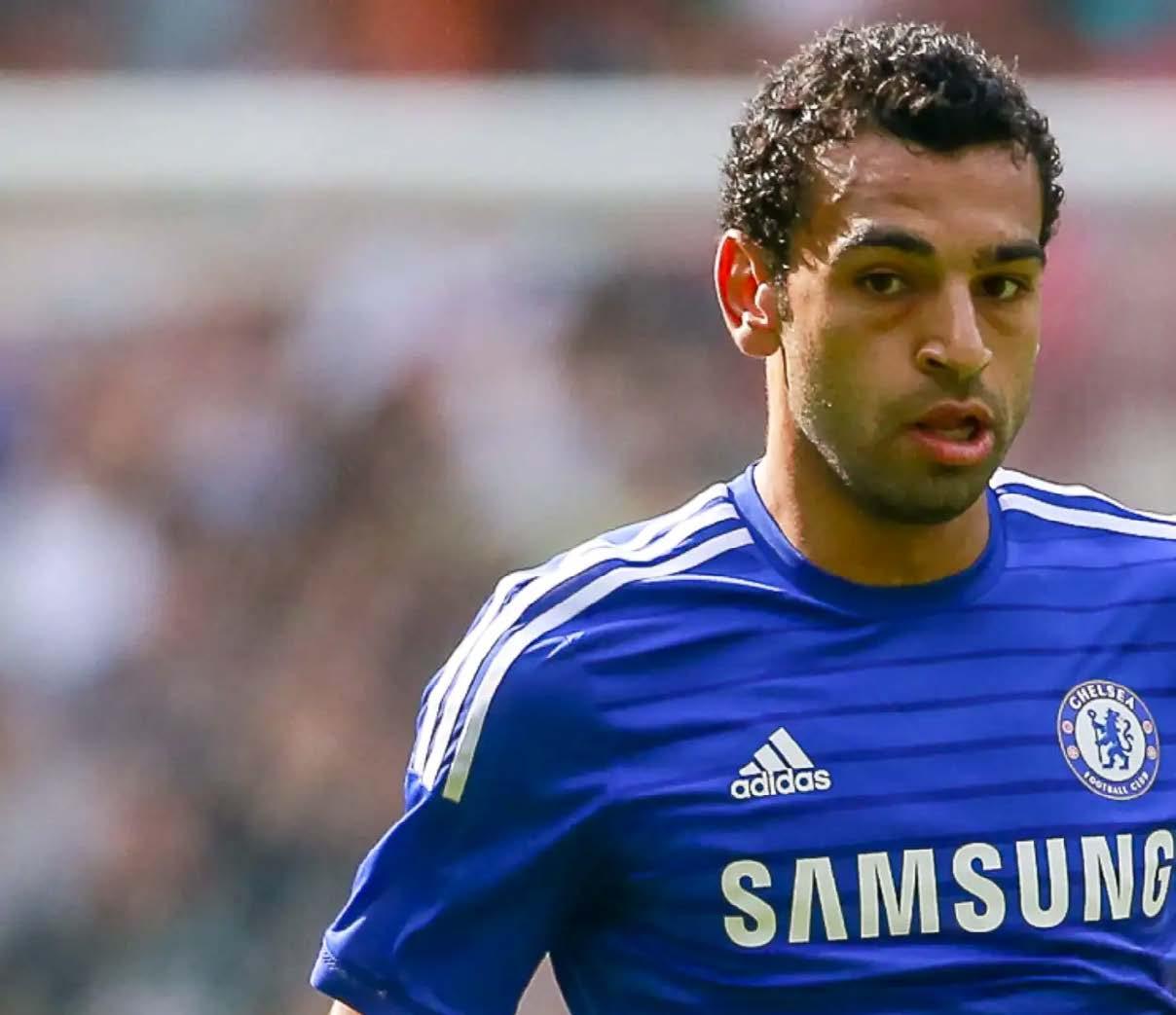
Salah’s move to FC Basel in 2012 marked the start of his European ascent. His electrifying pace and goal-scoring prowess shone in Switzerland, earning him a transfer to Chelsea in 2014. Though his stint in London was underwhelming, it was a formative period. Loan spells at Fiorentina and Roma showcased his potential, and by 2017, when he joined Liverpool for a then-club-record £36.9 million, Salah was ready to redefine his career.
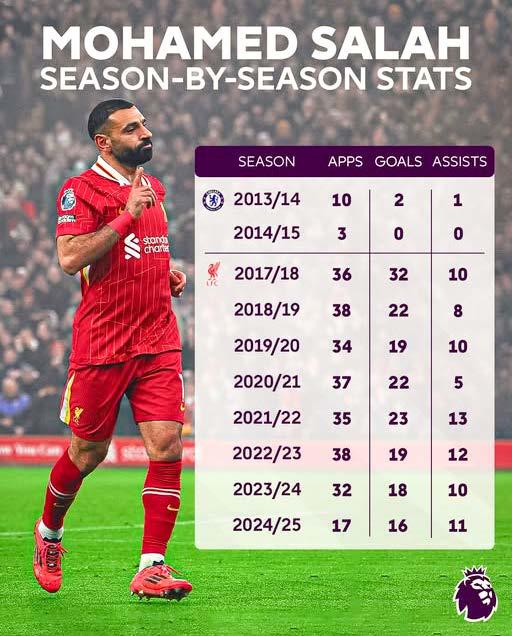
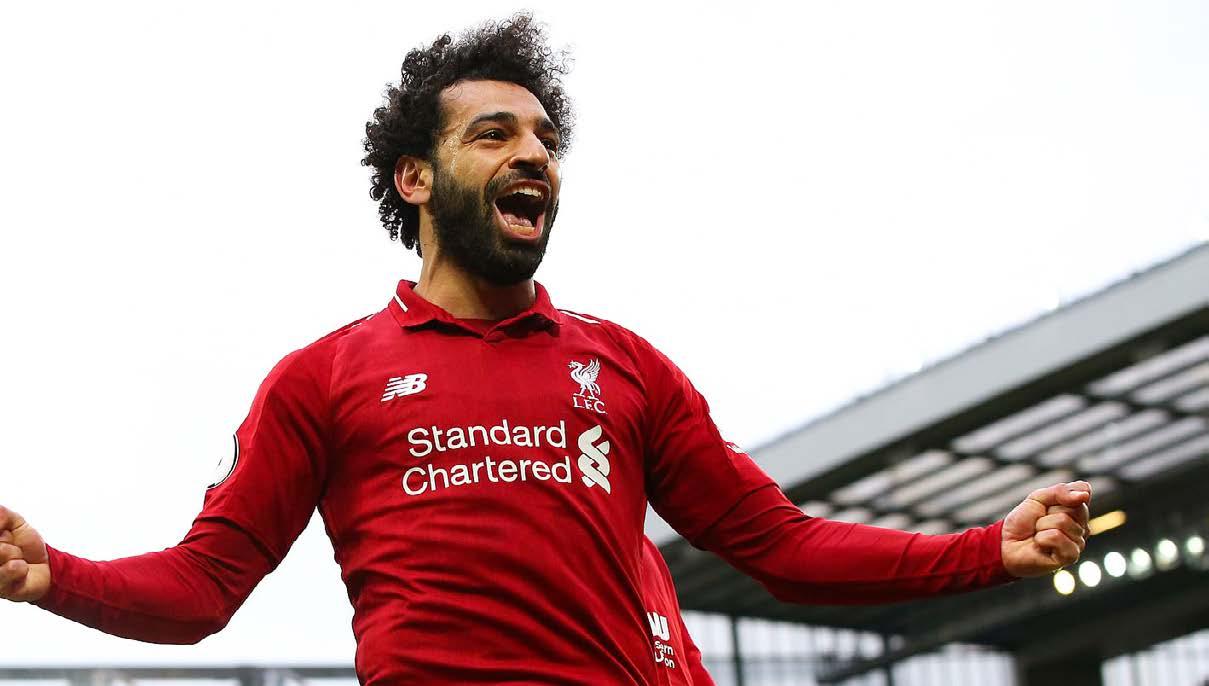
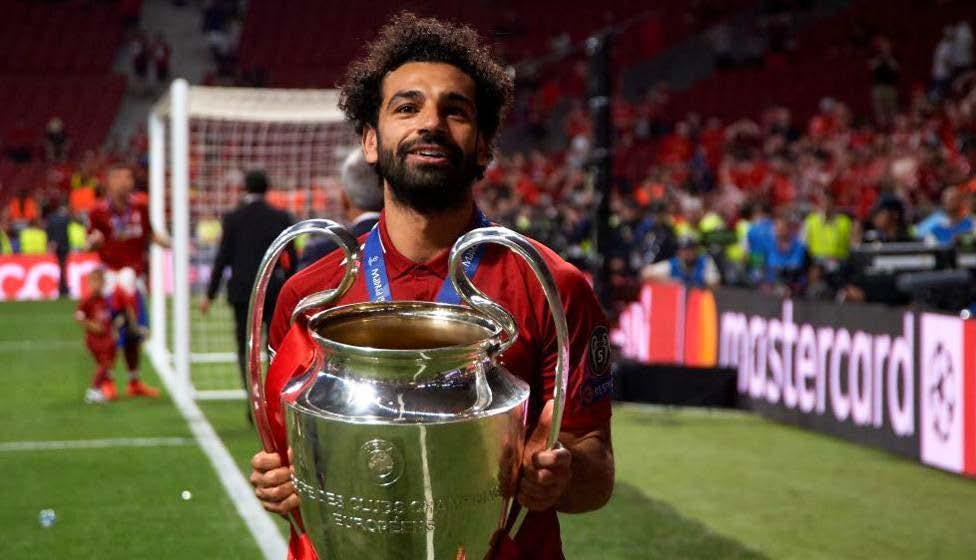
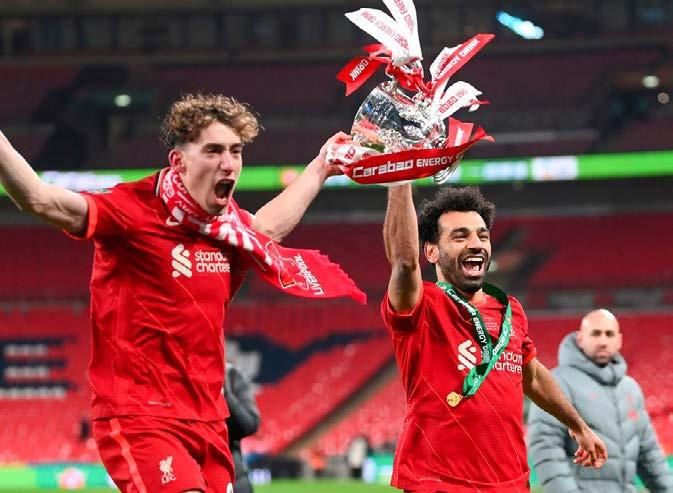
At Liverpool, Salah became a phenomenon. His debut season (2017-18) saw him shatter records, scoring 44 goals across all competitions, including 32 in the Premier League—a record for a 38-game season. He won the Premier League Golden Boot three times (2017-18, 2018-19, 2021-22), led Liverpool to the 2019 UEFA Champions League title, and ended the club’s 30-year wait for a Premier League title in 2020. By 2025, Salah’s tally for Liverpool exceeds 200 goals, placing him among the club’s all-time greats. His consistency, work rate, and clutch performances—such as his penalty in the 2019 Champions League final— cemented his status as a footballing legend.
Breaking Barriers and
Salah’s legacy extends beyond statistics. As one of the most prominent Muslim athletes in the world, he has challenged stereotypes and bridged cultural divides. His unapologetic celebration of his faith—prostrating in gratitude after goals—has made him a role model for young Muslims and a symbol of pride in the Arab world. In a 2018 interview with Time, Salah reflected, “I want to show people that you can be Muslim and still be successful, still be yourself.” In Europe, where
Redefining Perceptions
Islamophobia has often cast a shadow, Salah’s warmth and humility have won hearts. Liverpool fans’ chant, “If he scores another few, then I’ll be Muslim too,” encapsulates his ability to foster unity through sport. His success has also forced a reckoning in football, challenging biases against players from the Middle East and Africa. As the first Egyptian to reach such heights in European football, Salah has paved the way for others, proving that talent knows no borders.
A Cultural and Philanthropic Force
In Egypt, Salah is more than a footballer—he’s a national treasure. His success has sparked a footballing renaissance, inspiring a generation to dream big. The “Salah effect” is evident in the surge of young Egyptians joining football academies and the national team’s improved performances, including their 2018 World Cup qualification. Streets in Cairo and beyond are adorned with murals of Salah, and his image is ubiquitous in cafes and homes.
Off the pitch, Salah’s philanthropy is a cornerstone of his legacy. He has funded schools, hospitals, and clean water initiatives in Nagrig and other underserved areas. In 2018, he donated $3 million to rebuild a cancer treatment centre in Cairo. His charitable foundation
supports education and healthcare, reflecting his belief in giving back. Unlike many celebrities, Salah’s contributions are deeply personal—he often visits his village, connecting with locals and funding projects directly. This authenticity has earned him adoration, with Egyptians voting him the country’s most influential figure in multiple polls.
Salah’s influence also reshapes gender norms. In a region where women’s sports often receive less attention, he has championed female athletes, notably supporting Egypt’s women’s football team. His daughters, Makka and Kayan, have become a symbol of his family-oriented persona, with viral moments like his daughter waving to Anfield crowds endearing him further to fans.
Challenges and Resilience
Salah’s journey hasn’t been without setbacks. His early struggles at Chelsea, where he was deemed “not good enough,” tested his resolve. Injuries, such as the shoulder injury inflicted by Sergio Ramos in the 2018 Champions League final, and Egypt’s disappointing World Cup campaigns, brought scrutiny. Yet, Salah’s mental fortitude shone through. His ability to score important goals—scoring against Manchester United on numerous occasions, leading Liverpool to glory against their rivals—defines his character.
Critics have occasionally pointed to his perceived “selfishness” on the pitch or disputes, like his 2020 contract negotiations with Liverpool, as blemishes. However, these moments pale against his contributions. Salah’s professionalism, evidenced by his relentless fitness regime and low-key lifestyle, counters narratives of ego. His loyalty to Liverpool, signing a contract extension in 2022, quelled doubts about his commitment.
A Global Legacy in the Making
As of 2025, Salah, now in his early 30s, continues to defy age. His performances remain worldclass, and he led Liverpool to a memorable title win under new manager Arne Slot. Salah’s legacy is secure. He is Africa’s most decorated footballer, with multiple African Player of the Year awards, and a global ambassador for the sport.
Salah’s impact is a blend of the tangible and intangible. He has redefined what it means to be an African and Muslim footballer, elevated Liverpool to new heights, and transformed lives through philanthropy. His story resonates because it’s universal—a tale of hard work, faith, and triumph over odds. As he once told The Guardian, “I play to make people happy, to give them hope.” In that, Mohamed Salah has succeeded beyond measure, leaving a legacy that will inspire generations to come.
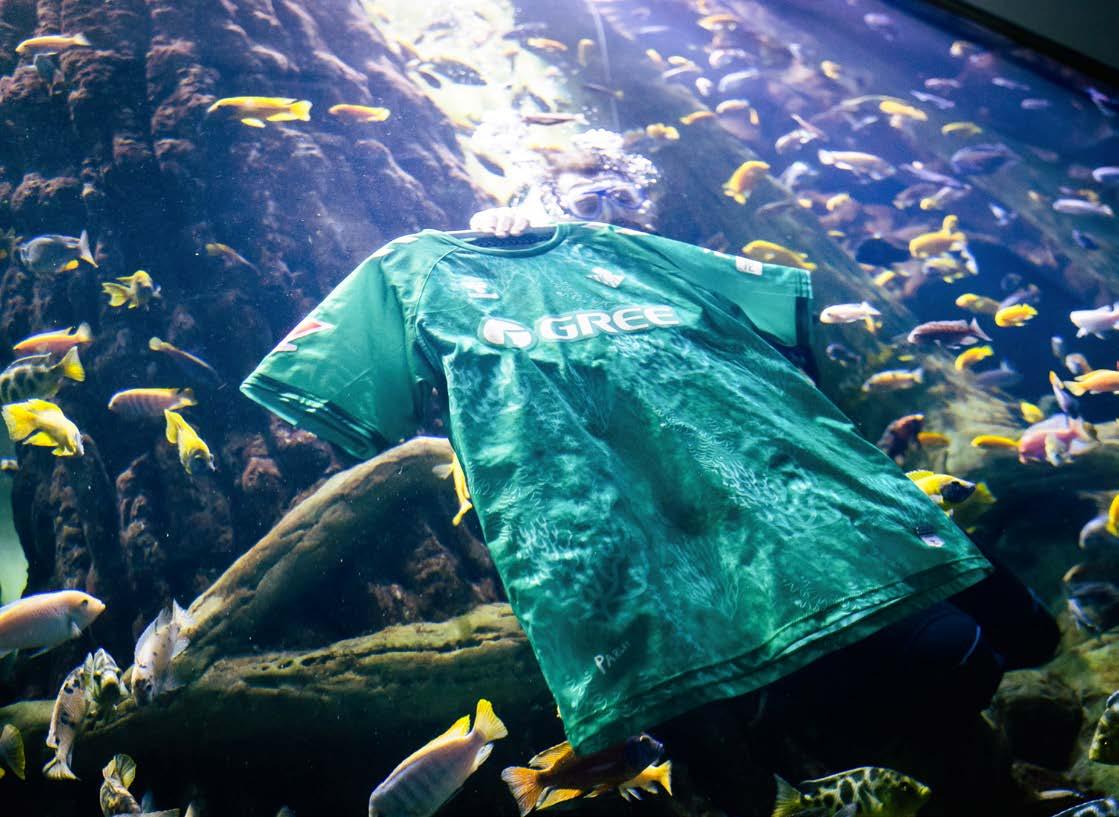
Real Betis Unveils GroUndbreakinG Jersey Made froM invasive alGae fibres
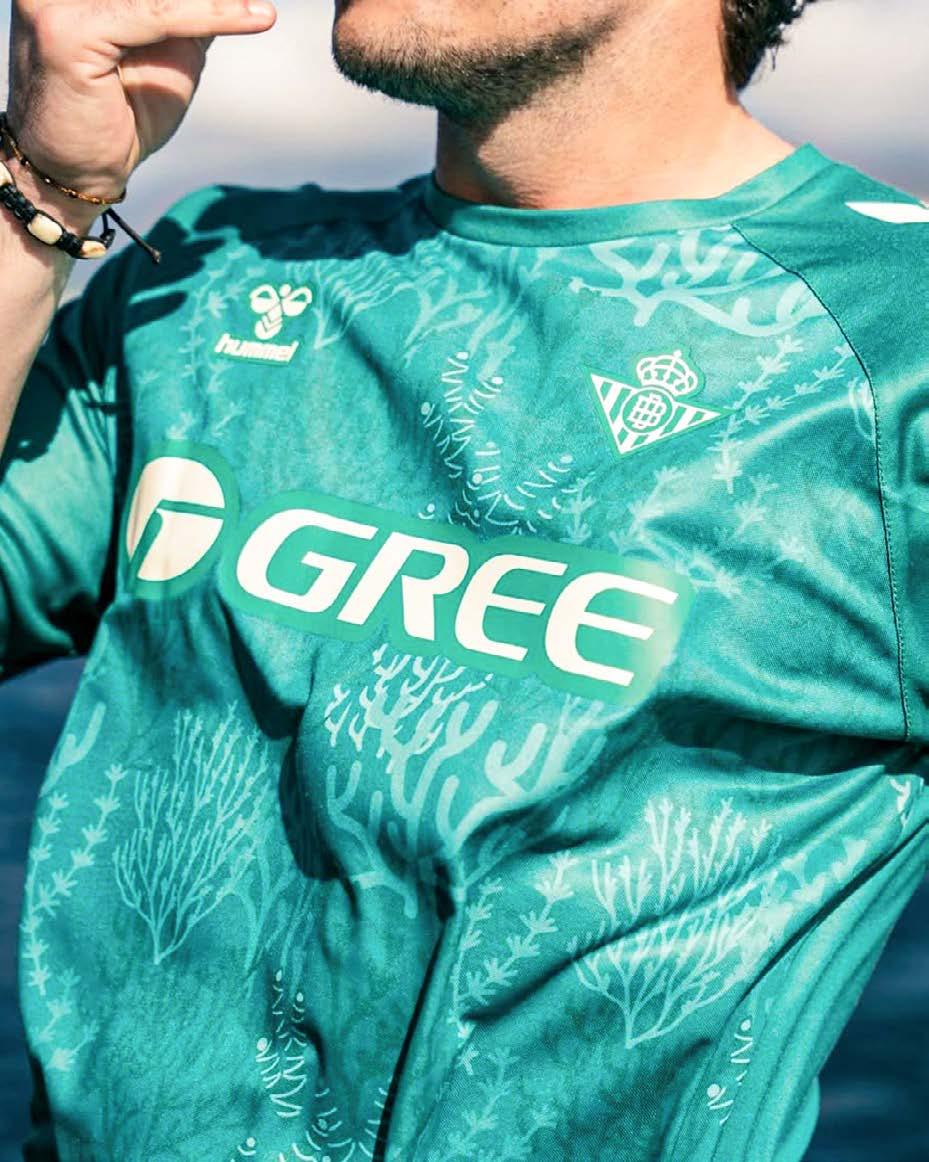
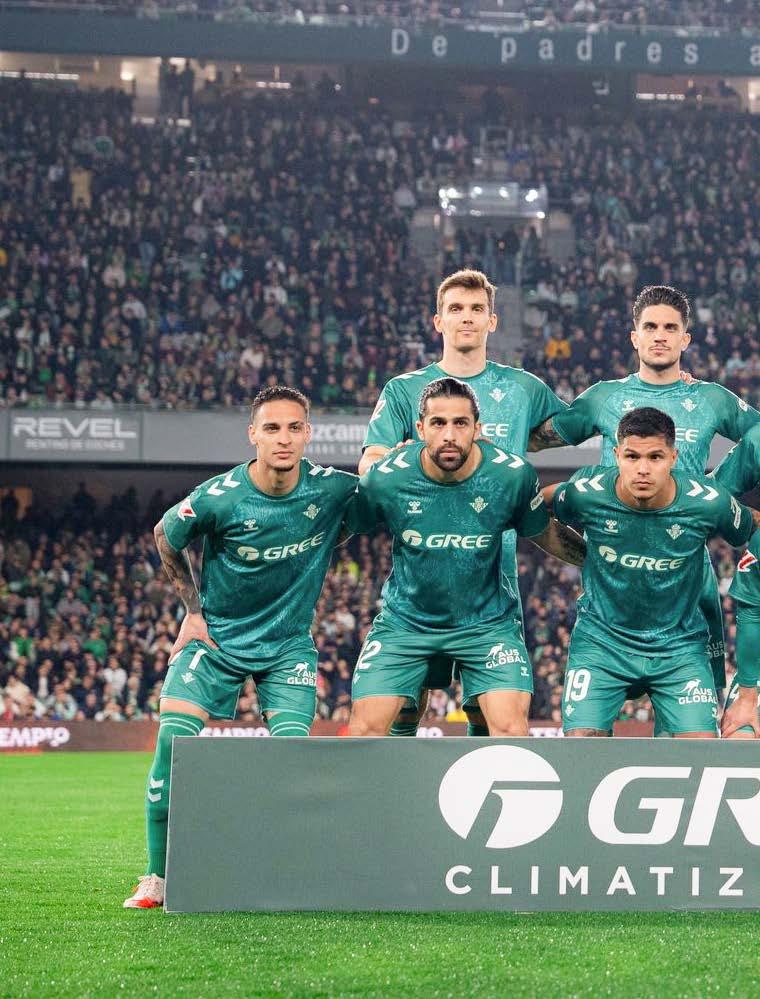
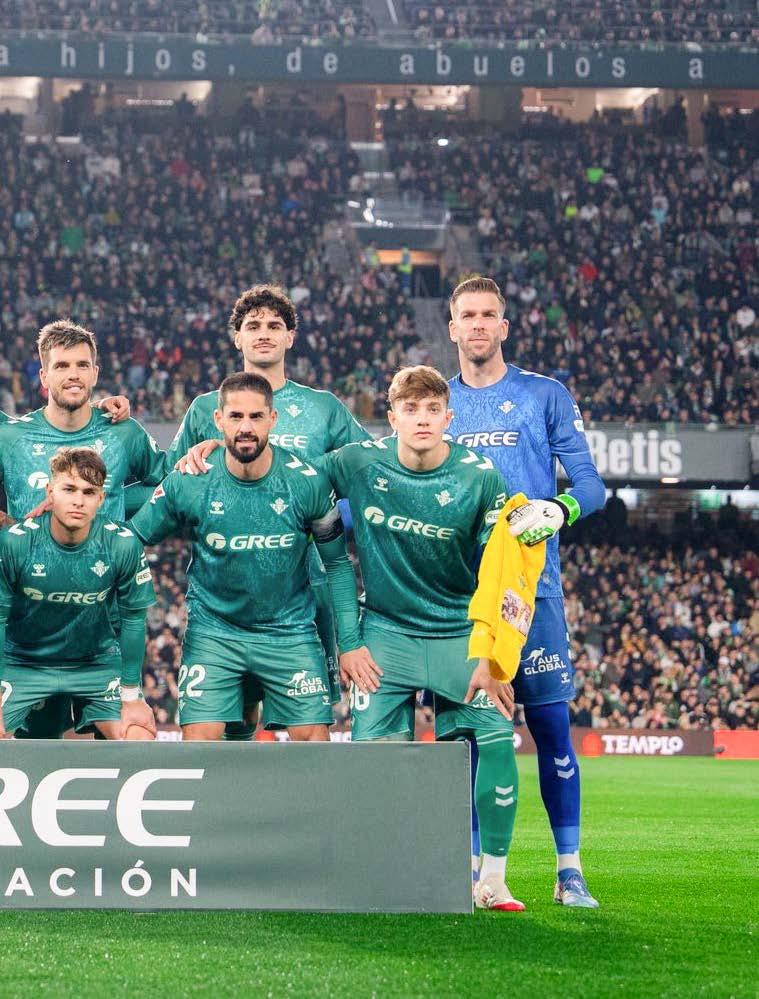
In a bold step toward sustainability and innovation, Real Betis, the beloved Spanish football club based in Seville, has introduced a revolutionary new jersey crafted from fibres derived from invasive algae. Announced in February 2025, this pioneering initiative not only showcases the club’s commitment to environmental responsibility but also sets a new standard for eco-friendly sportswear in the football world.
A Green Solution to an Ecological Problem
The idea behind the jersey stems from a collaboration between Real Betis and a cutting-edge Spanish textile company specializing in sustainable materials. Invasive algae, such as the notorious Rugulopteryx okamurae that has plagued Spain’s southern coastlines in recent years, have long been an ecological nuisance. These fast-growing species choke marine ecosystems, disrupt fishing industries, and wash up in unsightly heaps on beaches, posing a significant challenge for coastal communities.
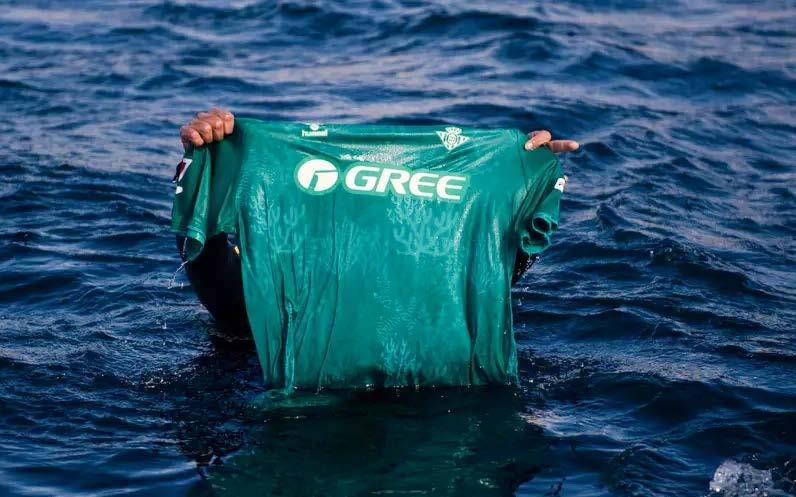
Rather than viewing this algae as a problem, Real Betis and their partners saw an opportunity. By harvesting the invasive species and processing it into biodegradable fibres, they’ve turned an environmental threat into a resource. The resulting fabric is lightweight, breathable, and durable—perfect for the rigors of professional football—while boasting a significantly lower carbon footprint than traditional polyester, which is typically derived from petroleum.
Design and Symbolism
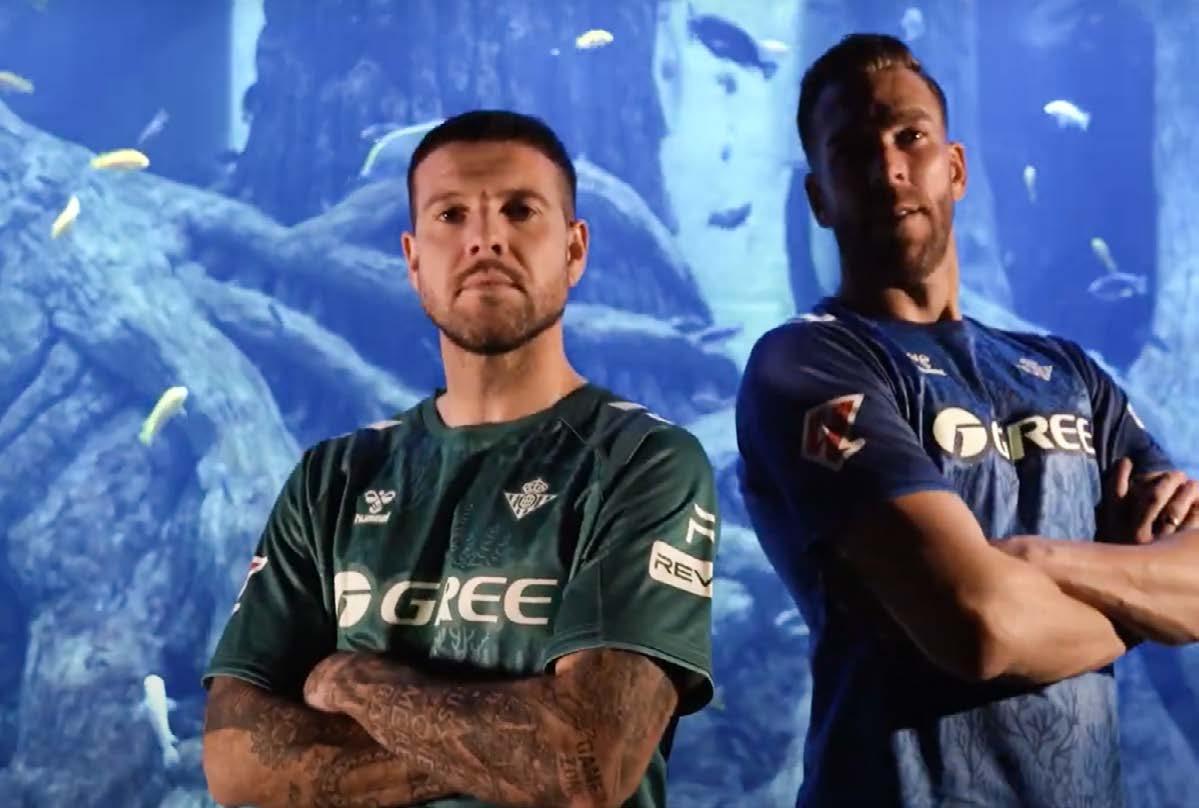
The jersey itself is a striking blend of tradition and innovation. Retaining the club’s iconic green-and-white vertical stripes, the design incorporates subtle wave-like patterns inspired by the algae’s aquatic origins and the Guadalquivir River that flows through Seville. The kit’s tagline, “From the Sea to the Pitch,” encapsulates the journey of the material and underscores the club’s deep ties to its local environment. Real Betis president Ángel Haro described the project as a “natural fit” for the club. “We are a team rooted in our community and its values,” Haro said at the unveiling. “This jersey reflects our pride in Seville and our responsibility to protect the world we live in. It’s more than just a uniform—it’s a statement.”
A Model for Sustainability in Football
The move comes at a time when the sports industry is under increasing pressure to address its environmental impact. Football clubs, with their massive global followings, are uniquely positioned to influence consumer behaviour and promote sustainable practices. Real Betis’ algae-fibre jersey is a tangible step in that direction, offering a scalable model that other teams could adopt.
Experts estimate that producing the jersey emits 40% less CO2 compared to conventional synthetic kits, and because the algae is biodegradable, it reduces the long-term waste associated with discarded sportswear. The club has also pledged to donate a portion of the proceeds from jersey sales to marine conservation efforts along the Andalusian coast, further amplifying the project’s positive impact.
Fan Reception and Beyond
Early reactions from the Betis faithful have been overwhelmingly positive. Supporters have praised the club for blending innovation with its storied identity. “It’s brilliant to see our colours made from something that’s helping the planet,” said a long-time fans “I’ll be proud to wear this at the Benito Villamarín.” The jersey made its on-field debut during Real Betis’ a La Liga home match, with limited-edition versions available for purchase shortly after. While the initial production run is small— reflecting the experimental nature of the material—the club has hinted at plans to expand the use of algae-based fibres across its merchandise lines if the initiative proves successful.
Setting a Precedent
Real Betis’ algae-fibre jersey is more than a one-off gimmick; it’s a proof of concept that could ripple across the football world and beyond. As climate change continues to challenge industries globally, the intersection of sport, science, and sustainability may well become the playbook of the future. For now, Los Verdiblancos are leading the charge, proving that even a football club can turn the tide on environmental issues—one jersey at a time.
INDIA’S GOLDEN ERA THE “BRAZILIANS OF ASIA” WHO DAZZLED THE WORLD
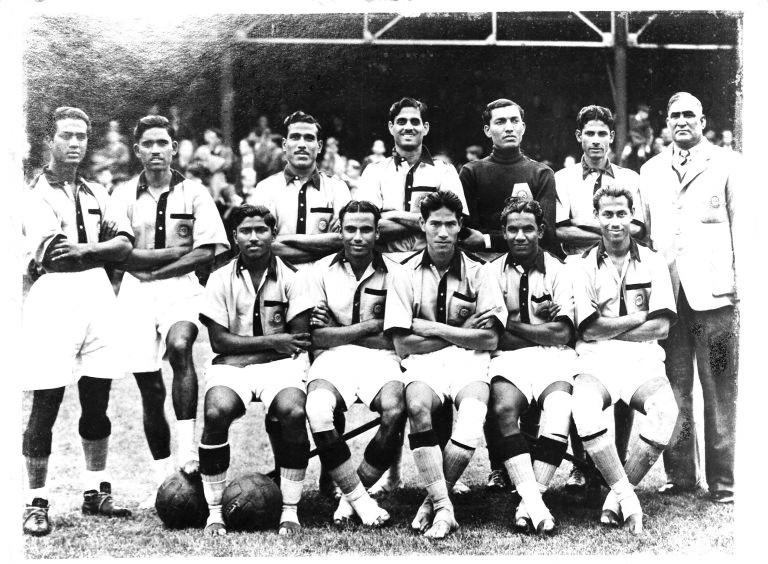
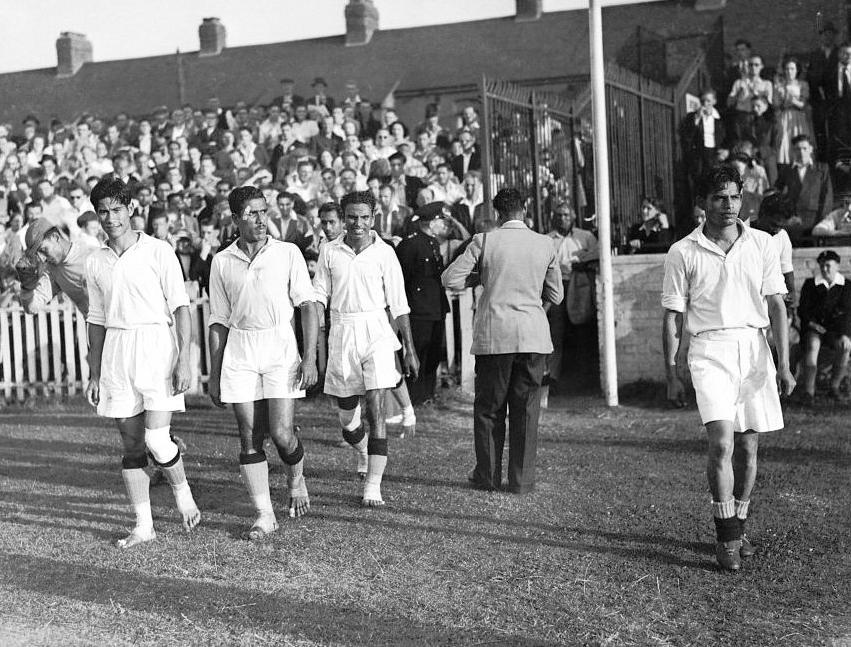
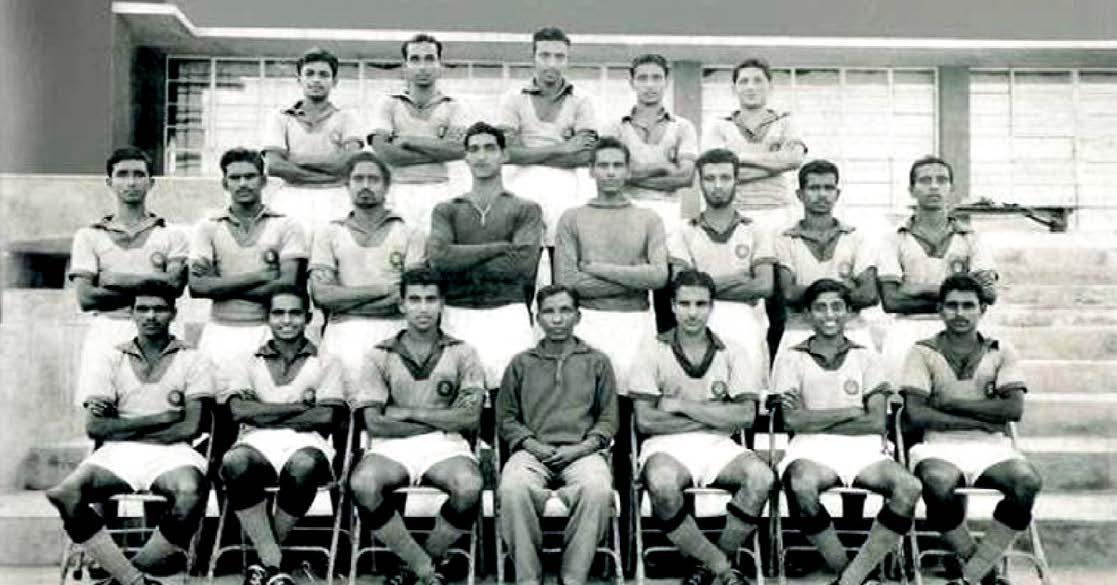
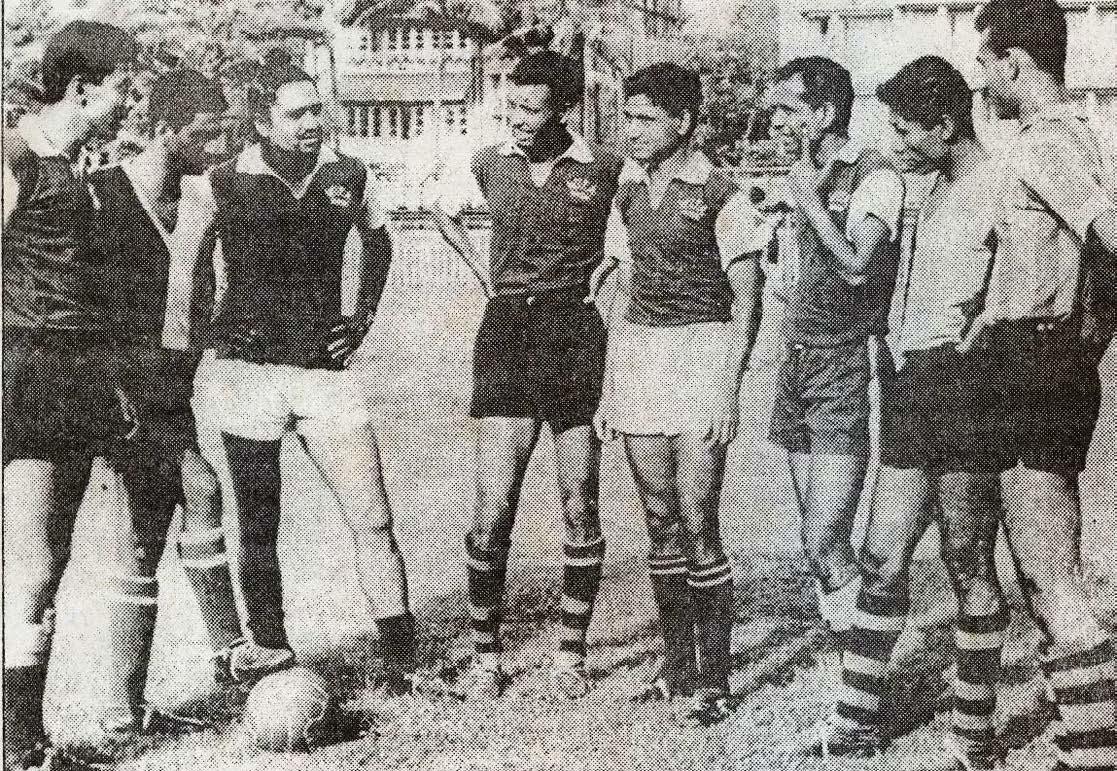
In the 1950s and ‘60s, Indian football carved out a fleeting but dazzling chapter in its history, earning the nickname “Brazilians of Asia” for a style that married flair with finesse. This wasn’t just hype—India backed it up with results, shining on international stages and leaving a legacy that still echoes today. From Olympic heroics to Asian dominance, this golden era was defined by barefoot brilliance, a visionary coach, and a striker who made history.
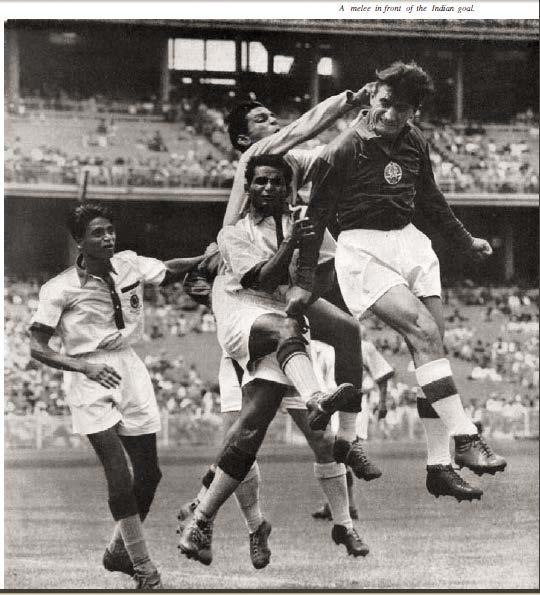
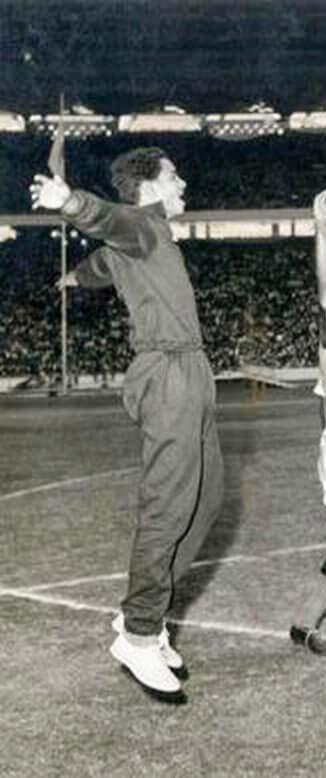
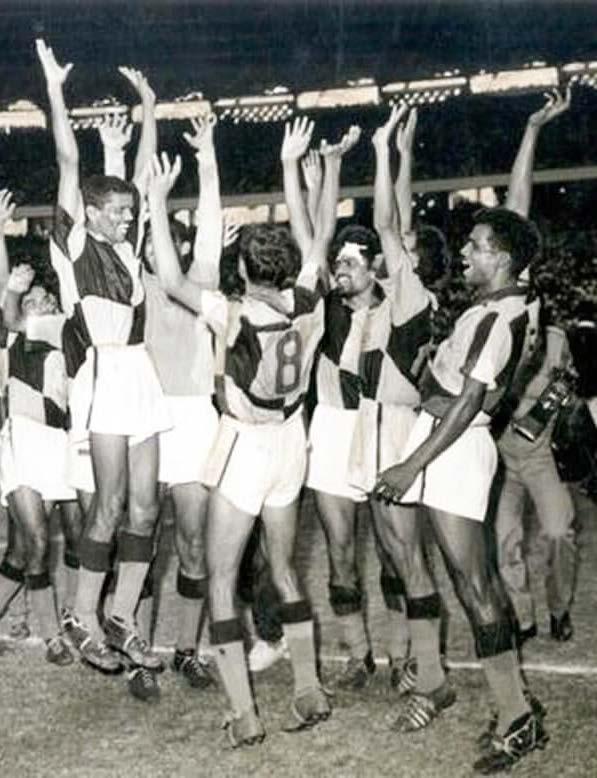
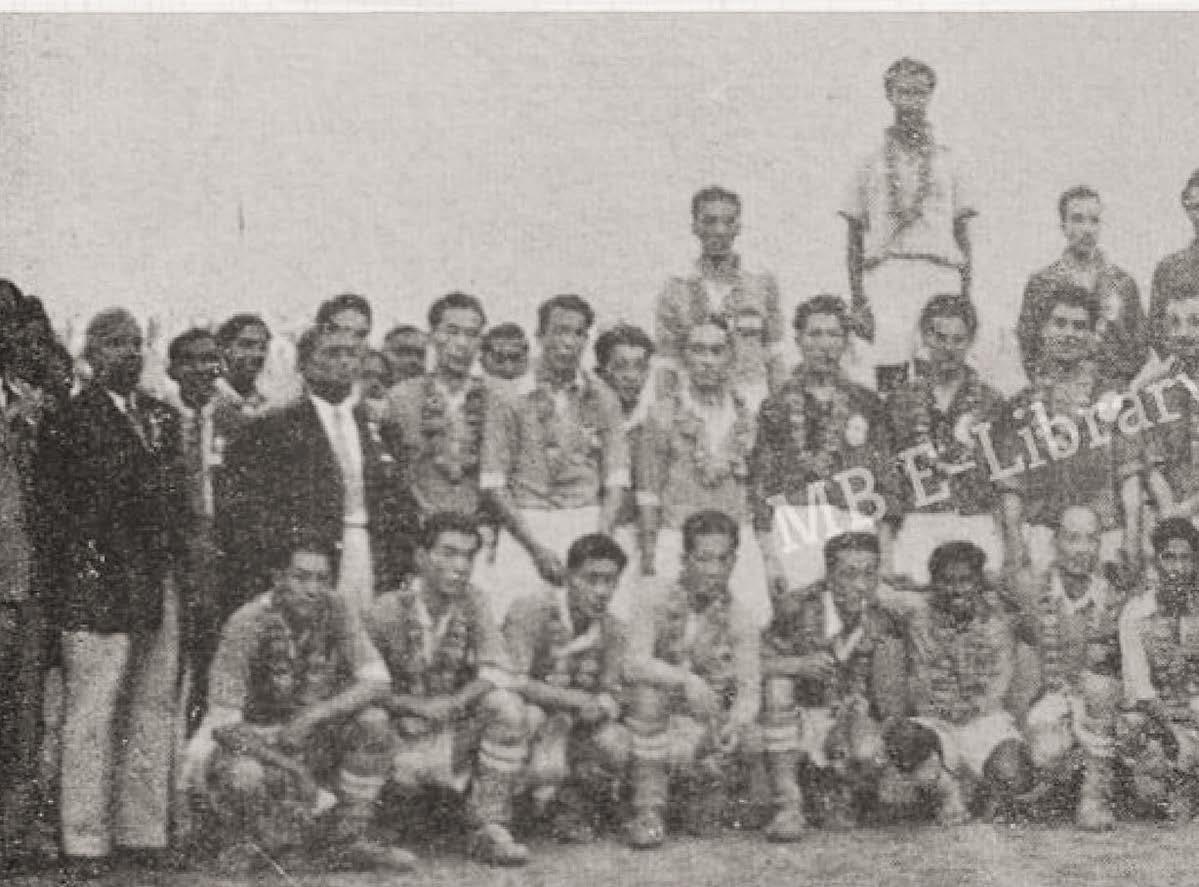
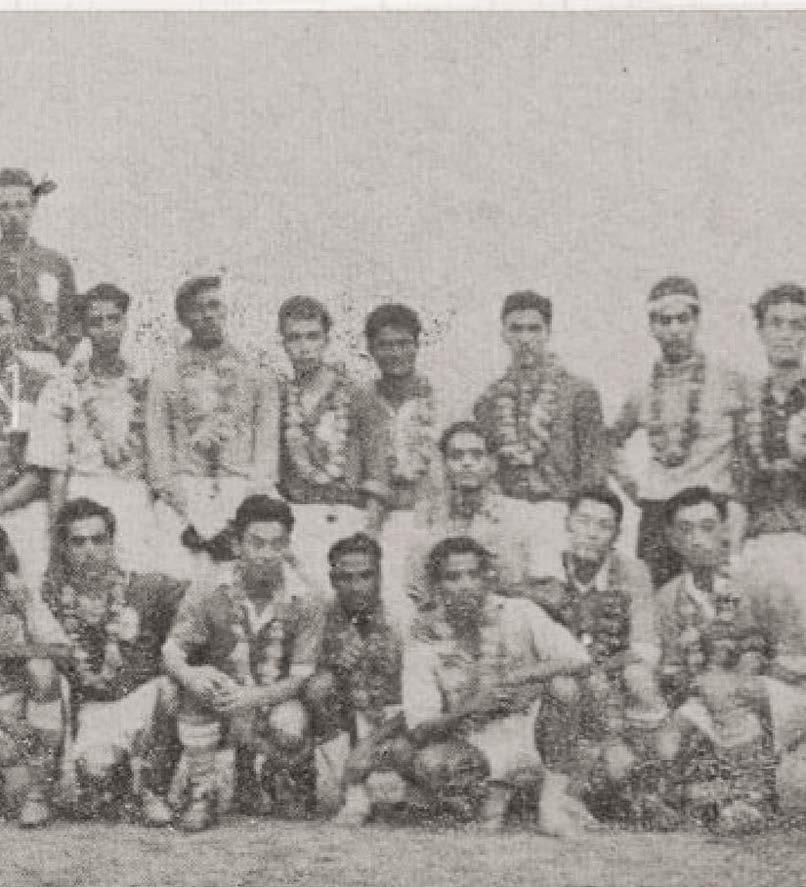
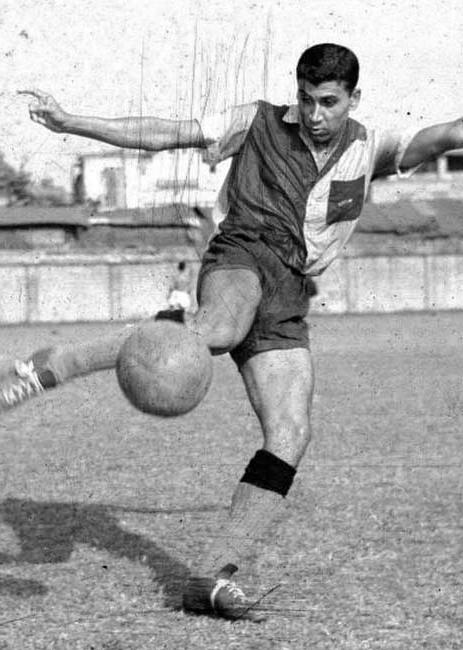
The pinnacle came at the 1956 Melbourne Olympics, where India announced themselves with a 4-2 demolition of Australia. The star of the show was Neville D’Souza, a lanky forward from Bombay who etched his name in the record books. D’Souza scored a hat-trick—the first by an Asian player at the Olympics—blending clinical finishing with raw tenacity. His goals stunned the hosts, and India’s fourth-place finish remains their finest global outing. What made it even wilder? They did it barefoot, weaving past booted opponents with a grace that defied logic. For a nation still finding its feet post-independence, this was a statement: India could play, and they could win.
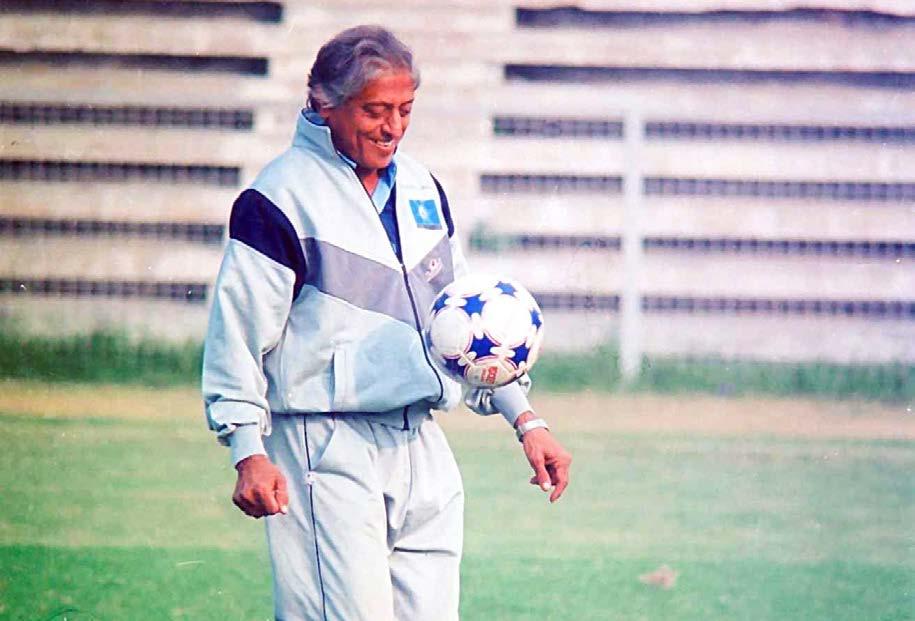
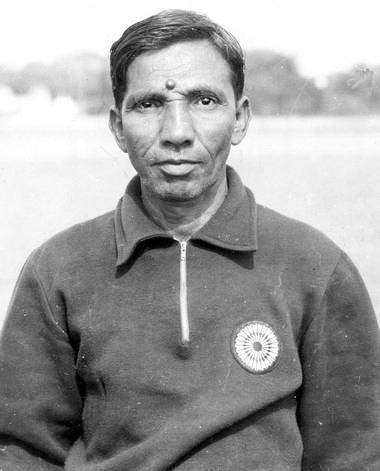
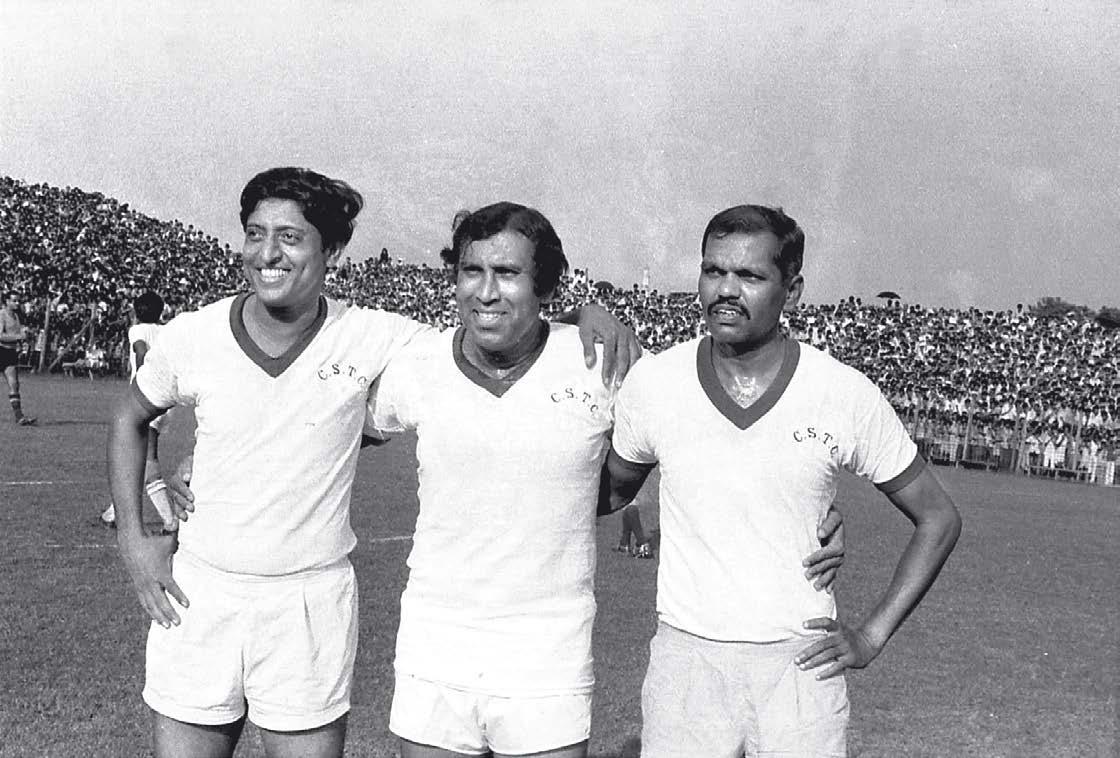
Behind this magic was Syed Abdul Rahim, the architect of India’s rise. A soft-spoken tactician from Hyderabad, Rahim drilled his squad in a slick, short-passing game that baffled bigger teams. His 4-2-4 formation—years ahead of its time—relied on speed and teamwork, not brute force. Players like P.K. Banerjee and Chuni Goswami thrived under him, turning India into a unit that punched above its weight. Rahim’s vision wasn’t just about winning; it was about proving Indian football could match the world’s best.
SYED ABDUL RAHIM’S TACTICAL BLUEPRINT
Rahim, a teacher-turned-coach from Hyderabad, wasn’t your typical side-line screamer. He was a thinker, a pioneer who fused discipline with creativity. His signature was the 4-2-4 formation—a setup Brazil later made famous— tailored to India’s strengths: speed, agility, and technical skill. Unlike the rigid British 2-3-5 still lingering in Asia, Rahim’s system was fluid, emphasizing movement over muscle. It was bold, almost reckless, but it worked.
The back four were a compact wall—two centre-backs and two full-backs who rarely overlapped, focusing on stability. Ahead, two midfielders acted as pivots, linking defence to attack with quick, precise passes. The real magic, though, was up top: four forwards, spread wide and interchanging positions, overwhelming defences with pace and numbers. Rahim drilled his players in short, sharp passing—think tiki-taka’s grandfather— exploiting gaps rather than hoofing long balls. For a barefoot team, this was genius; it minimized physical duels and maximized control.
Take the 1956 Olympic win over Australia. Neville D’Souza’s hat-trick wasn’t luck—he thrived in Rahim’s setup. The forwards stretched Australia’s backline, creating space for D’Souza to dart in and finish. P.K. Banerjee, a winger with a cannon shot, and Chunni Goswami, a versatile playmaker, roamed freely, pulling defenders out of shape. Rahim’s men didn’t just play; they orchestrated chaos, their barefoot agility letting them pivot and pass in tight spaces where boots might’ve stumbled.
Rahim’s training was relentless too. He’d run sessions twice daily, focusing on stamina and ball work. Players recall endless drills—pass, move, pass, move—until it was muscle memory. He scouted talent nationwide, plucking gems like Tulsidas Balaram from obscurity, and moulded them into a unit. His barefoot philosophy wasn’t stubbornness; it was strategy. Lighter and nimbler, his players could outmanoeuvre heavier, booted foes, especially on Asia’s uneven pitches.
WHY IT WORKED THEN
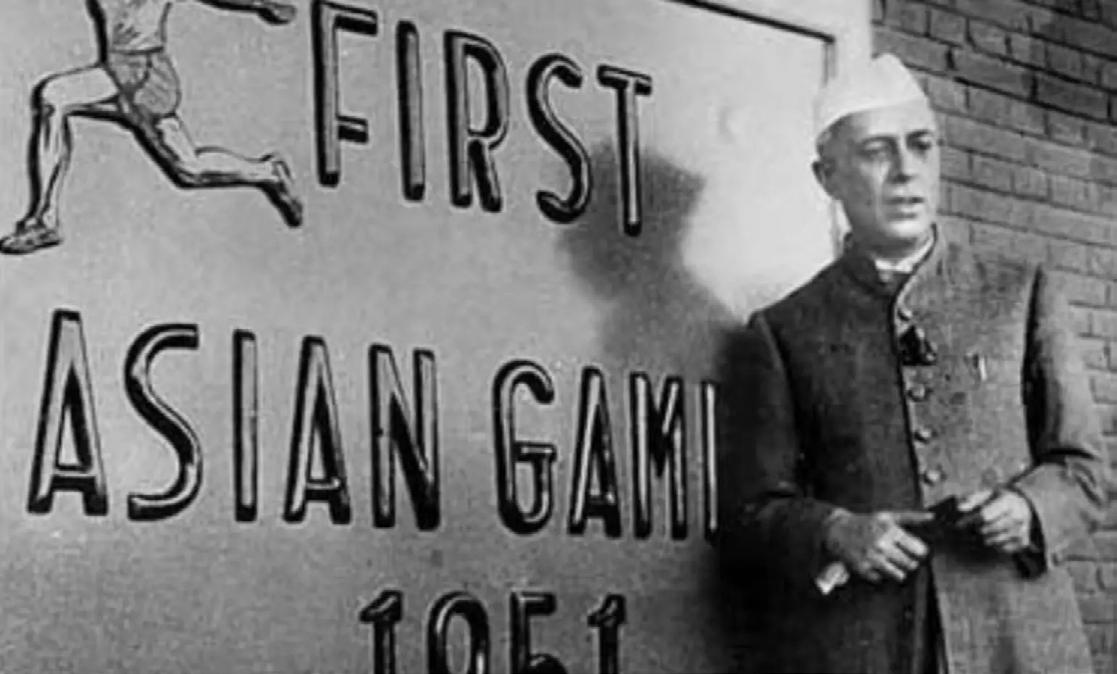
Rahim’s tactics clicked because they fit the moment. Post-independence India had a crop of hungry, fearless players— many from Kolkata and Hyderabad’s football-crazed streets. The barefoot edge gave them an identity, and Rahim’s system amplified their natural flair. Opponents, used to slower, physical games, couldn’t cope with India’s tempo. At the 1951 Asian Games, Iran’s rugged defence crumbled under Rahim’s passing barrage, losing 1-0 as India secured the gold medal in what was a historic moment in Indian football. In 1962 in the final, South Korea fell 2-1 to the same relentless rhythm. He also had time to build. Rahim coached from 1950 to 1963, a rare stretch of continuity in Indian football. His Hyderabad Police team dominated domestically, giving him a lab to perfect his ideas before taking them national. Plus, football had cultural heft then—before cricket’s rise—drawing talent and support.
WHY IT FADED—AND CAN’T BE REPLICATED EASILY
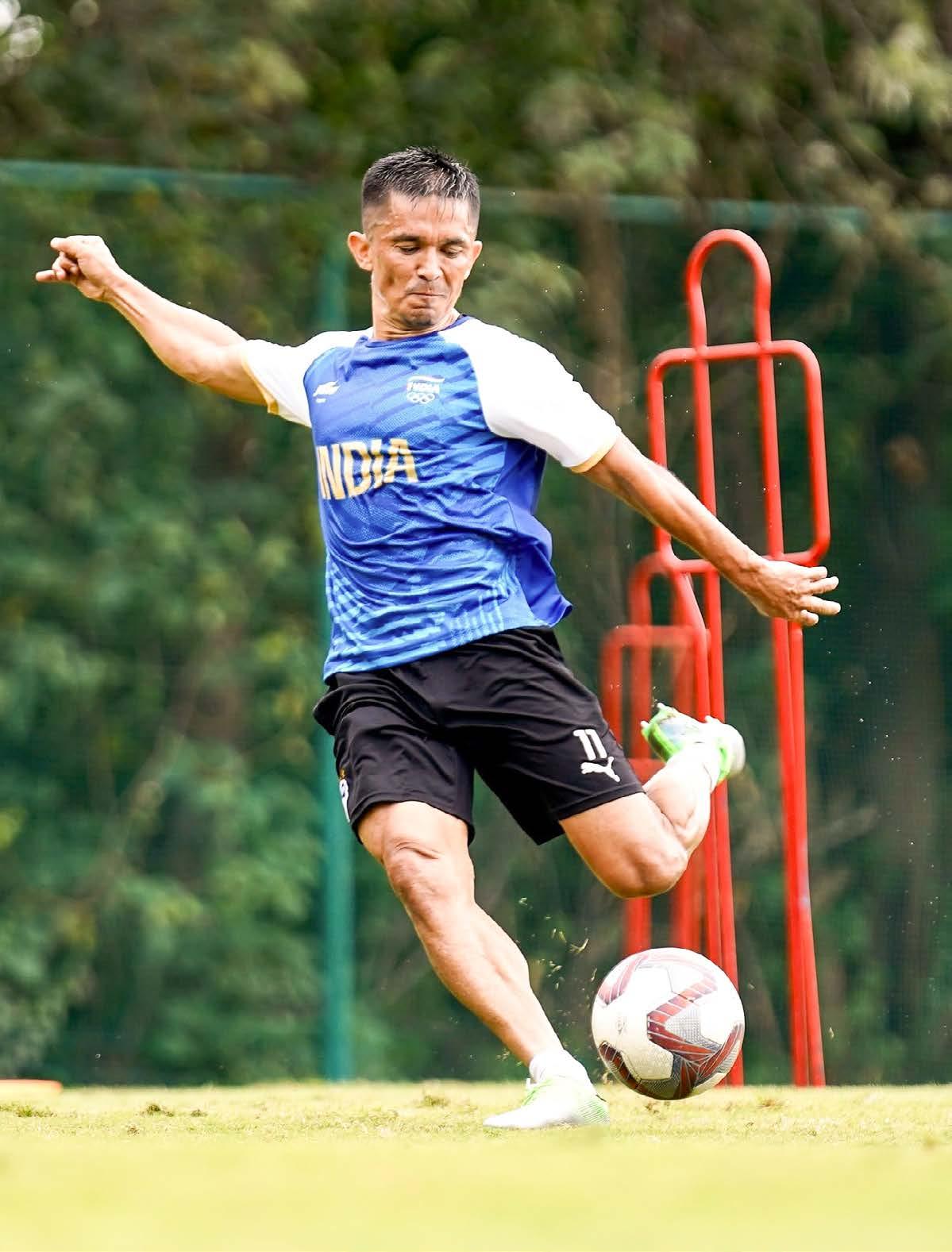
Rahim’s death in 1963 was a gut punch. No one inherited his tactical nous or authority. The AIFF, plagued by infighting and apathy, couldn’t sustain his vision. His 4-2-4 needed discipline and fitness—qualities that eroded as training lapsed and professionalism lagged. While Europe and South America evolved formations (4-4-2, 4-3-3), India stagnated, clinging to a system others had countered. The barefoot advantage vanished too. As pitches standardized and boots improved, India’s edge dulled. Rahim’s successors didn’t adapt—long balls crept in, diluting the short-passing ethos. Infrastructure crumbled; academies never replaced street football’s organic pipeline. Cricket’s dominance after 1983 starved football of funds and focus—India’s sports budget remains a measly 0.1% of GDP, with football getting scraps. Rahim’s holistic approach—scouting, training, tactics—has no parallel today. Coaches lack his tenure or resources, and players like Sunil Chhetri shine despite the setup. The AIFF’s latest roadmap shows promise—grassroots, leagues— but execution is key. Vietnam and Japan, with consistent investment, lap India now. Rahim’s tactics were a perfect storm: right players, right time, right mind. His 4-2-4 turned India into Asia’s showmen, but without his glue, it fell apart. Replicating it means more than copying a formation—it’s about rebuilding a footballing soul. Until India finds another Rahim, and a system to back him, the “Brazilians of Asia” remain a beautiful memory.
THE AIMS AND ASPIRATIONS OF AIFF
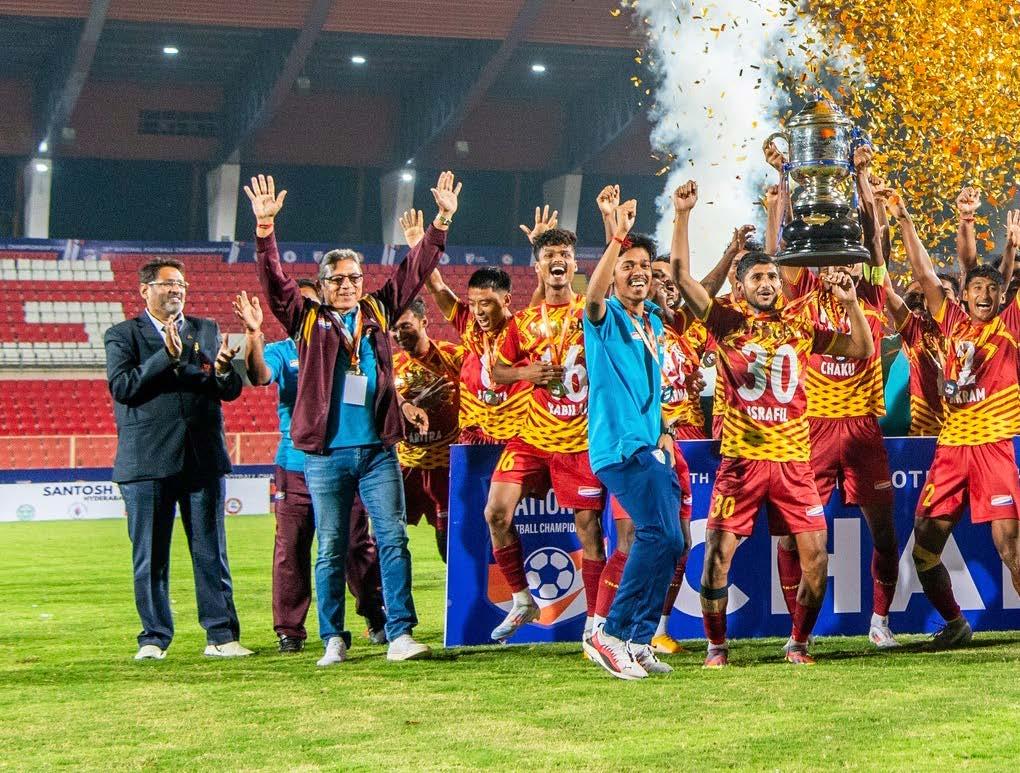
The All India Football Federation (AIFF) has been working on several initiatives to lift Indian football from its current struggles and rebuild the kind of success seen in the 1950s and ‘60s golden era. First, they’re doubling down on grassroots development. The AIFF’s “Vision 2047” roadmap, launched in 2023, aims to reach 35 million kids through village programs and get 25 million into football via schools. They’ve kicked off the Blue Cubs League for ages 4-12, using small-sided games—2v2, 5v5, 7v7—to hook kids early and build skills progressively. They’ve also declared June 23 as National Grassroots Football Day, tied to P.K. Banerjee’s birthday, to push participation nationwide. Recently, they got the green light from the Ministry of Education to integrate the FIFAbacked Football4Schools program, setting up a threestage scouting system to feed talent into their first FIFA-AIFF academy. Coaching’s another big focus. Rahim’s era showed what a sharp coach can do, and the AIFF wants to recreate that edge. They’re
targeting 50,000 active coaches by 2047, with 4,500 holding at least a C-License. They’re boosting coach education, aiming for 200 educators (up from 58) and 25,000 coaches across all levels. This isn’t just talk—posts on social media from 2025 highlight the Technical Committee appointing figures like Subrata Paul as National Team Director and recommending Bibiano Fernandes for the U20 men’s team, showing a push to professionalize leadership. Infrastructure’s a weak spot they’re tackling head-on. Plans include a National Centre of Excellence for both men’s and women’s teams, plus two FIFA-standard stadiums and a “mega football park.” The ISL’s brought some upgrades—better pitches, broadcast quality—but the AIFF knows rural areas need playable fields too. They’re nudging state governments and private investors with policy incentives to build more facilities. The league structure’s getting a shakeup. For youth, they’ve introduced a tiered National Football Championship—Tier 1 for the top 16 teams, Tier 2 for the rest—starting in 2023. For pros, they’re aiming for a three-tier pyramid: ISL and I-League at 14 teams each, I-League 2nd Division at 12.
Women’s football gets a four-level pyramid by 2026, topped by a 10team Indian Women’s League. There’s debate over foreign player quotas— clubs want six, the AIFF’s leaning toward five—but the goal is clear: more homegrown talent in the mix. Refereeing’s been a mess, and they’re fixing it. They’ve signed 50 pro referees since 2023 and are rolling out five Centres of Refereeing Excellence to train young officials, addressing a long-standing gripe about shaky calls in domestic games. Money’s the backbone, and the AIFF’s chasing a 500% revenue jump by 2026. They’re banking on ISL growth, sponsorships, and turning India into a “talent hub” to draw global interest.
Finally, they’re exploring Persons of Indian Origin (PIO) players to boost the national team, though citizenship laws complicate it. A sub-committee’s digging into this, aiming to tap diaspora talent like Japan and Qatar have. Will it work? The AIFF’s got big dreams—top four in Asia by 2047—but execution’s the catch. Rahim had a unified vision; today’s efforts feel ambitious, and cricket’s shadow still looms large. Still, these steps— grassroots, coaching, infrastructure, leagues—are a solid swing at reviving India’s football soul. Time will tell if they can pull it off.
THE IMPACT OF NIVIA ON INDIA’S SPORTING CULTURE
Football in India has come a long way from being a niche sport to one of the most widely played and watched games in the country. As the nation continues to embrace football with passion, one name that has consistently contributed to the growth of the sport is Nivia Sports. A pioneer in the Indian sports industry, Nivia has played an instrumental role in nurturing and advancing football at every level, from grassroots development to professional leagues.
The Founder’s Story
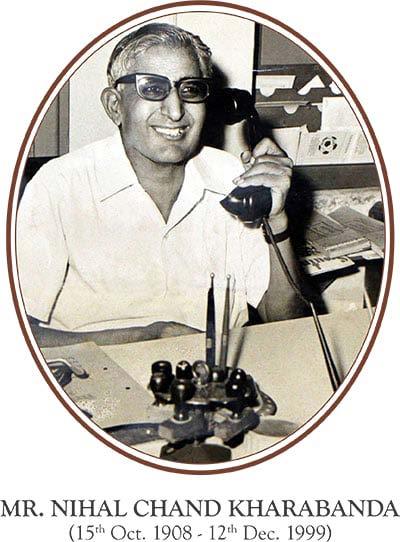
Mr. Nihal Chand Kharabanda (NCK), born 15th October 1908, was the second in line of seven sons of a small grocery store owner, Hari Chand Kharbanda and Veerawali, living in 28 Chak Village near Layalpur, now Faislabad. He achieved the distinction of studying up to the 10th standard in the British Indian school system and set out to explore his world. Fortunate and proud to get a job as an assistant storekeeper in Uberoi and Company started by Mr. Ganda Singh Uberoi, the founder of the sports industry of India and Pakistan, NCK started his career with a salary of mere Rs. 30 per month. That job took him to various branches of Uberoi and Company in Sialkot, Pune and Rangoon, enabling him to gain work experience and learn the sports trade. With a strong belief in his abilities and a burning passion for succeeding, in 1934, at the age of 26, he took a leap of faith to start his own small business to trade raw materials in the now flourishing sports manufacturing trade in Sialkot.
Freewill Story
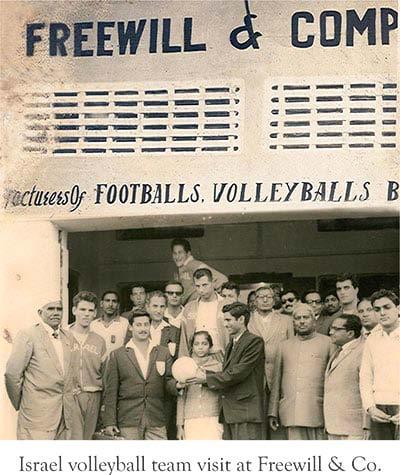
Determined to start his own small business, he had revealed his plans to his immediate boss at Uberoi and Company and his friend Mr. Kartar Singh Bhaizada. On asking Mr. Bhaizada for advice on what to name his new company, Mr. Bhaizada quipped,” as if you would agree to anyone’s suggestion, you are a man of your own Free will, do what you like”. “Freewill…. sounds interesting. That would be the name of my company,” NCK replied. That is how Freewill & Co started in 1934 as a trading firm. In 1947, India got independence from Britain and was divided into two separate countries: India and Pakistan. Leaving Sialkot, which was now in Pakistan, he, his wife Lajwanti and a seven-year-old son Vijay arrived in Mumbai seeking shelter at his younger brother Sant Ram Kharabanda, an officer in the revenue department of the Government of British India.
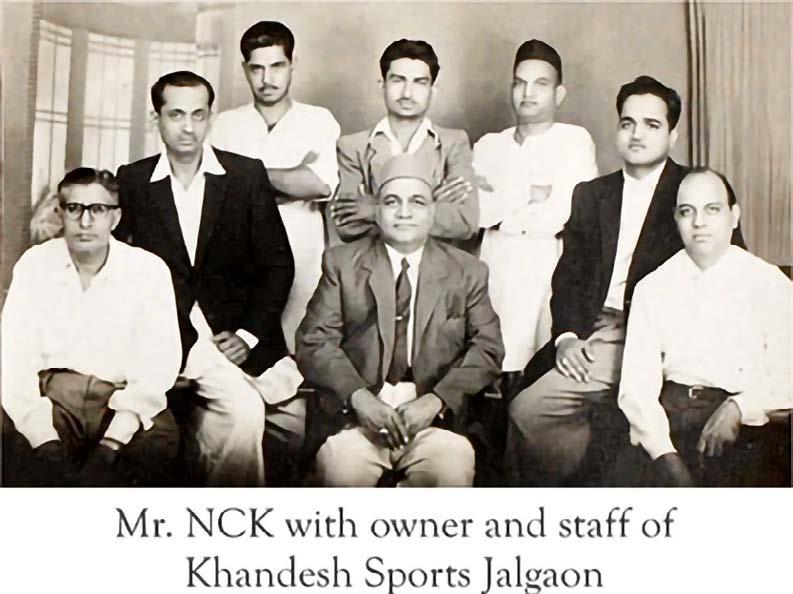
Penniless, but with his spirits and passion still intact, he started a new and began trading in sports strings, bladders and other sports articles needed by sports shops. Khandesh and Company in Jalgaon became Freewill’s first dealer in Independent India. Meerut in Uttar Pradesh and Jalandhar in Punjab soon became the hub of skilled entrepreneurs and craftsmen who had been displaced from the Sialkot sports industry and had come to India as refugees. Following the same footsteps, NCK, with his wife and son, initially shifted to Meerut and then to Jalandhar in 1950, when the Government of Punjab allocated the industrial plots to refugees from Pakistan to start the industry in India.
The plotS-32 Industrial Area, Sports Town, Jalandhar, still serves as the registered office of Freewill. This plot of land is intrinsically and deeply tied with the Freewill and NIVIA stories. It was the first home of Mr. Nihal Chand Kharabanda’s family (until 1986) and also served as the birthplace of the present Chairman and Managing Director, Mr. Rajesh Kharabanda. His journeys across the subcontinent had imbibed NCK with a sense of free spirit and the need to expand his personal and professional boundaries. After settling in Jalandhar, he started manufacturing leather balls in small numbers and supplying sports shops across India alongside the existing trading business.
The Nivia Story
NCK’s son Vijay, twenty years old in 1960, had been actively supporting his father in business for many years while completing his graduate studies and then masters in Political Science. Sports equipment manufacturing in India, by 1960, was established, and “refugees” now flourished as the entrepreneurs of New India. Buyers from Europe, Australia and UK were frequent visitors to Jalandhar and the sports industry of Jalandhar was exporting all over the world. NCK, by now, had made his name in the art of making footballs and volleyballs. Freewill had established itself as a burgeoning sports manufacturer in a resurgent India. However, what was missing was the existence of a stand-alone brand (sports
goods were sold under individual shop names) to finally mark India’s arrival in the sporting world. Recognising the opportunity and the potential, NCK set about to establish an Indian sports brand. The name had to be as ingenious and clever as Freewill. He wrote down the initial two letters of his name, “NI” (Nihal) and then the initial letter of his son’s name “, VI” (Vijay). By adding the fourth common letter “A”, he gave birth to the brand NIVIA. The brand was registered for the first time in 1962. In the meantime, Vijay got married to Sushil who was also from a refugee family of Sialkot, now settled in Meerut. She was the daughter of Mr. Jagdish Chand Verma, of Haveli Ram Verma and sons, raw material traders for the sports industry and later the distributors in India for Gosen strings from Japan.
The Brand Story
The story of NIVIA starts with the visionary son of Nihal Chand Kharabanda, Vijay Kharabanda. At the time when Freewill was a sports equipment manufacturing company, he saw the future in creating innovative products aimed at performing sportsmen. His ambition and passion led him to establish one of the most successful Indian sports brands in the history of Indian sports. In the 1960s, when Kolkata, not Jalandhar, was the capital of football and football manufacturers, Vijay Kharabanda established NIVIA and with it the reputation of Jalandhar as a manufacturing hub of quality football, volleyball and basketball.
Capitalising on the success of hand-stitched balls, NIVIA was the first to launch a plastic sole shoe in the country called NIVIA Low Cut. It revolutionized the Indian Football shoe market and soon Jalandhar became the centre for shoe manufacturing. With less than 1% share in the Indian football shoe market in 1980. Today, Punjab is estimated to produce 90% of all football shoes Made in India. Under his leadership, NIVIA was the first Indian company to get FIFA approval for its footballs. When the entire industry had surrendered to imported material for making footballs, he took up the challenge to upgrade the local rubber material to global standards. At present, NIVIA is probably the only company in the world that has successfully got FIFA PRO marking on a football made of rubber. Innovation was beginning to peep through.
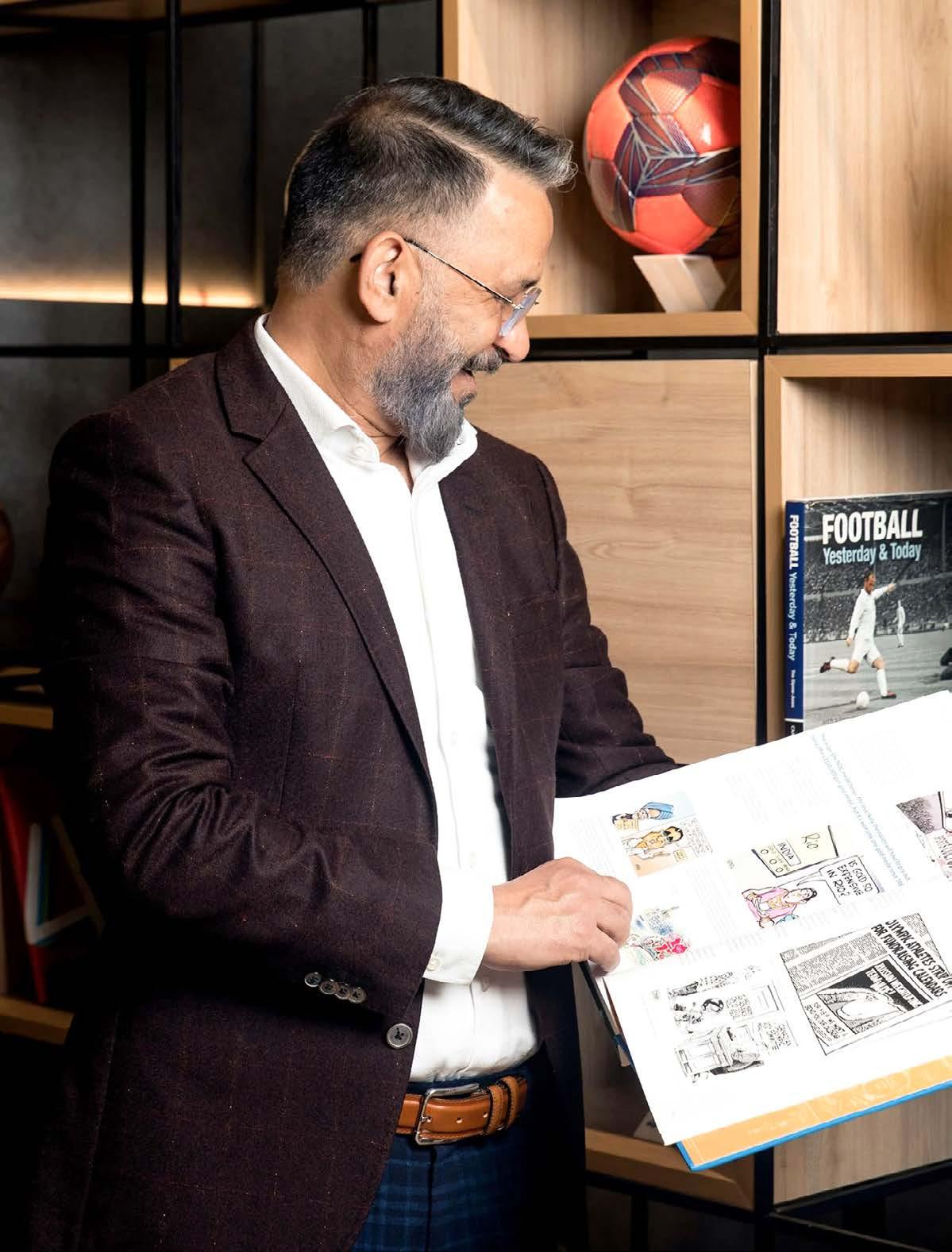
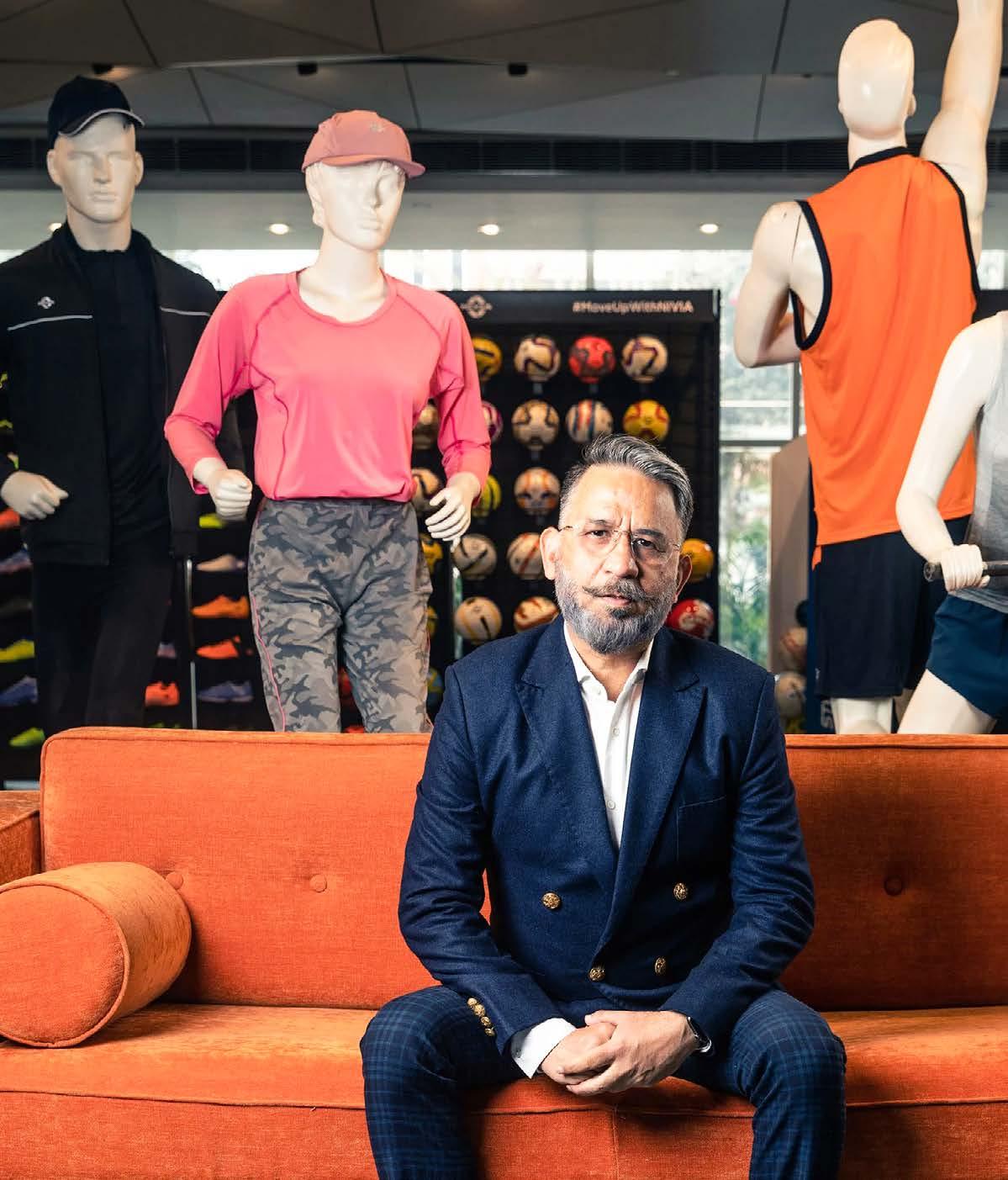
Today, NIVIA is headed by Rajesh Kharabanda, the second of Vijay & Sushil’s four children. Under him, product innovation has been the prime focus. His mission is to create products and opportunities for an average Indian to participate in serious sports. Creating a sports culture and sports environment that help move up aspiring sports people. NIVIA remains the hope for a large group of determined sports people who otherwise could be marginalized.
THE NIVIA PHILOSOPHY & PURPOSE
The brand has lived on a sports premise: Step Out and Play. It has inculcated the belief and continuously pushes the boundaries at every level to create innovations and opportunities for the community. Step Out and Play is the guiding principle for growth and employee engagement. The overall purpose has been to #moveup every aspiring sports person to the next level. The purpose of uplifting sports persons is the key reason why the brand exists, even if it means impact on financial sheets. When Times of India declared NIVIA as the ‘Iconic Sports Brand of India’, it was not about mere financial success. It was about the brand’s commitment to sports and the commitment to innovate to achieve its purpose.
Innovation and Success
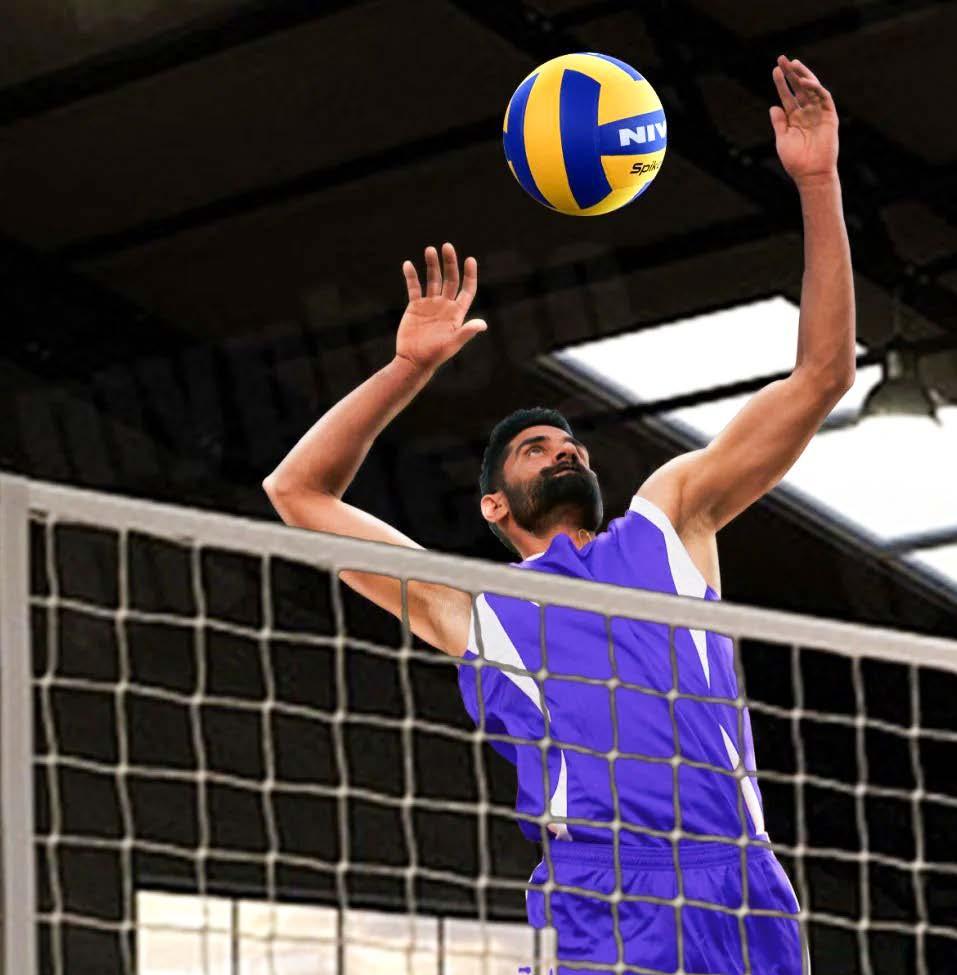
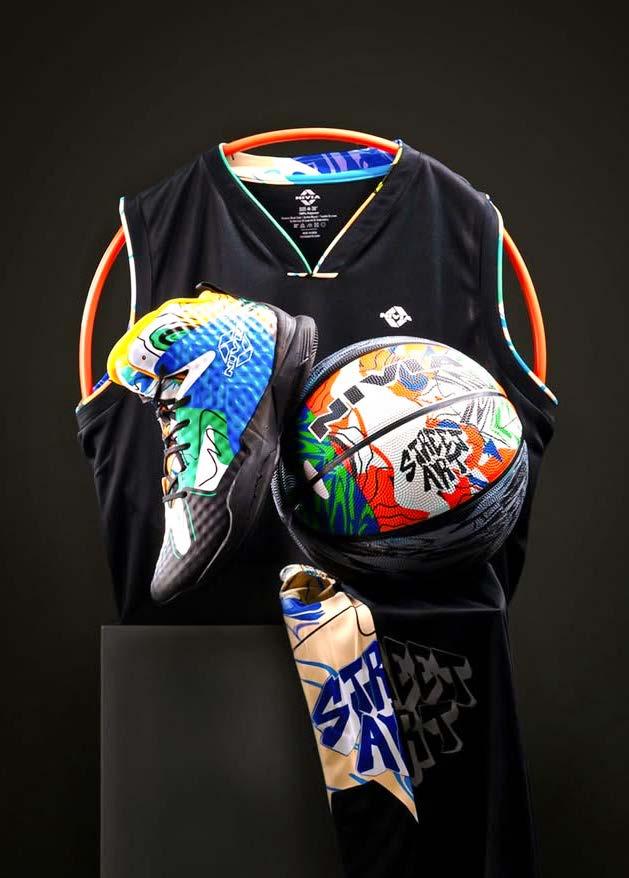
In aa time when leather footballs dominated the market, Nivia made a move towards synthetic materials, improving durability and playability. This move wasn’t just a product upgrade — it revolutionised Indian football. Today, Nivia’s advanced manufacturing processes, from thermal bonding to polyurethane craftsmanship, have set high standards in quality and performance. Nivia’s market leadership spans far beyond football with over 20,000 sports products manufactured daily. The brand’s calculated approach to sports includes partnerships with athletes and organisations, making it a key player in the athletic ecosystem.
The company’s vision is clear: utilise cutting-edge technologies, refresh product lines, and appeal to a new generation of athletes. Whether it’s badminton or football, the aim remains to constantly push boundaries while remaining true to Nivia’s heritage. Nivia’s story is more than a business story — it’s a legacy of impact on and off the field.
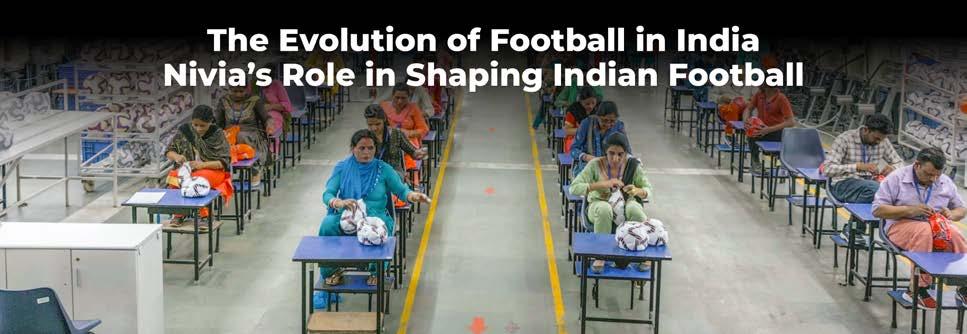
Nivia’s Journey: A Name Synonymous with Indian Football
Nivia Sports has been a cornerstone of this football revolution. It’s commitment to producing high-quality sports gear has earned it a significant place in Indian football history. The brand’s durable, well-designed footballs are widely recognized not just in India but internationally, with FIFA-approved Nivia footballs being used in numerous tournaments.
At the heart of Nivia’s contribution is its focus on innovation. The company has been consistently developing new technologies to ensure the best possible performance on the field. Nivia’s range of footballs, including popular models like the Nivia Dominator and Nivia Shastra, have become staples in both amateur and professional games. The consistent quality of Nivia footballs has given players at all levels, from local leagues to the ISL, the confidence to perform at their best.
Empowering Grassroots Development
One of the major challenges Indian football has faced is the lack of infrastructure and resources at the grassroots level. Nivia has actively worked to address this gap. By supplying affordable, durable footballs and equipment to schools, academies, and local clubs, Nivia has helped ignite the passion for football among young players across the country. Nivia footballs are designed to withstand the diverse and often harsh playing conditions in India, ensuring that players in every region have access to reliable equipment. This investment in grassroots development has borne fruit. Many young talents who have trained using Nivia footballs have gone on to represent India at national and international levels, making the brand an integral part of the sport’s ecosystem in the country.
Nivia in the Indian Super League
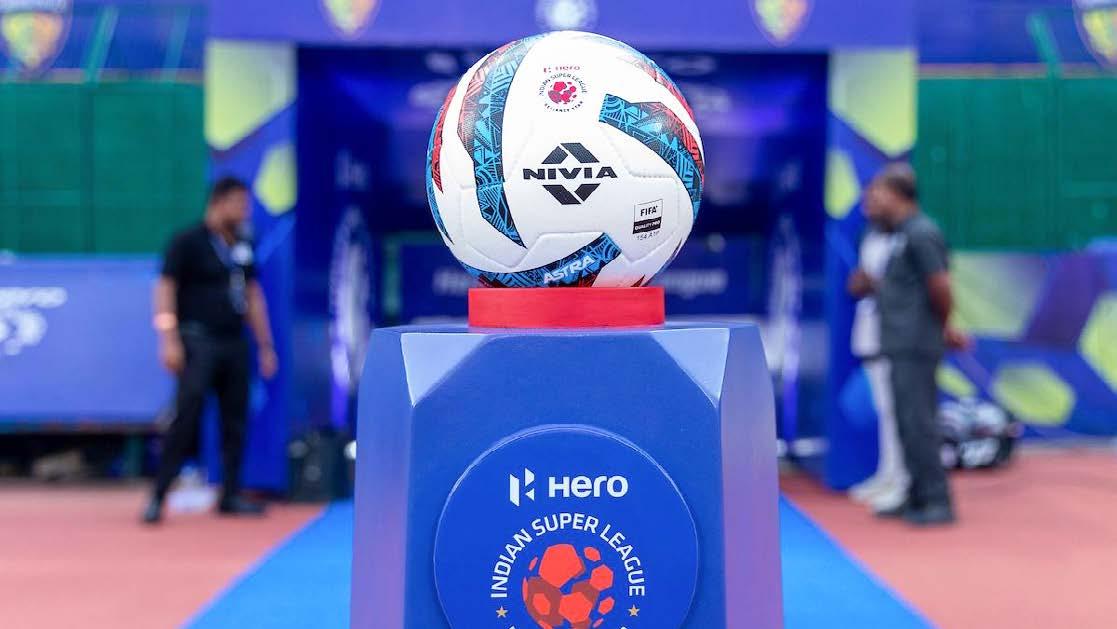
The launch of the Indian Super League in 2014 marked a turning point for Indian football, bringing in professional management, better infrastructure, and international attention. Nivia seized this opportunity to partner with the league, providing match balls and equipment to ISL teams. The quality of Nivia footballs has been crucial in maintaining the fast-paced, competitive nature of the league, helping Indian players showcase their skills on a bigger platform.
Nivia’s Lasting Legacy in Indian Football
Nivia’s role in shaping Indian football is undeniable. From grassroots initiatives to providing equipment for professional leagues, the brand has been a key player in the development of the sport. With a commitment to innovation and quality, Nivia footballs have empowered generations of Indian players to reach new heights. As football continues to grow in India, Nivia’s influence is sure to remain an essential part of this journey. Whether you’re a budding footballer or a professional, Nivia footballs have been and will continue to be a trusted companion on the field, helping to elevate Indian football to international standards.
THE AIFF-FIFA TALENT ACADEMY IN BHUBANESWAR
A Beacon of Hope for Indian Football
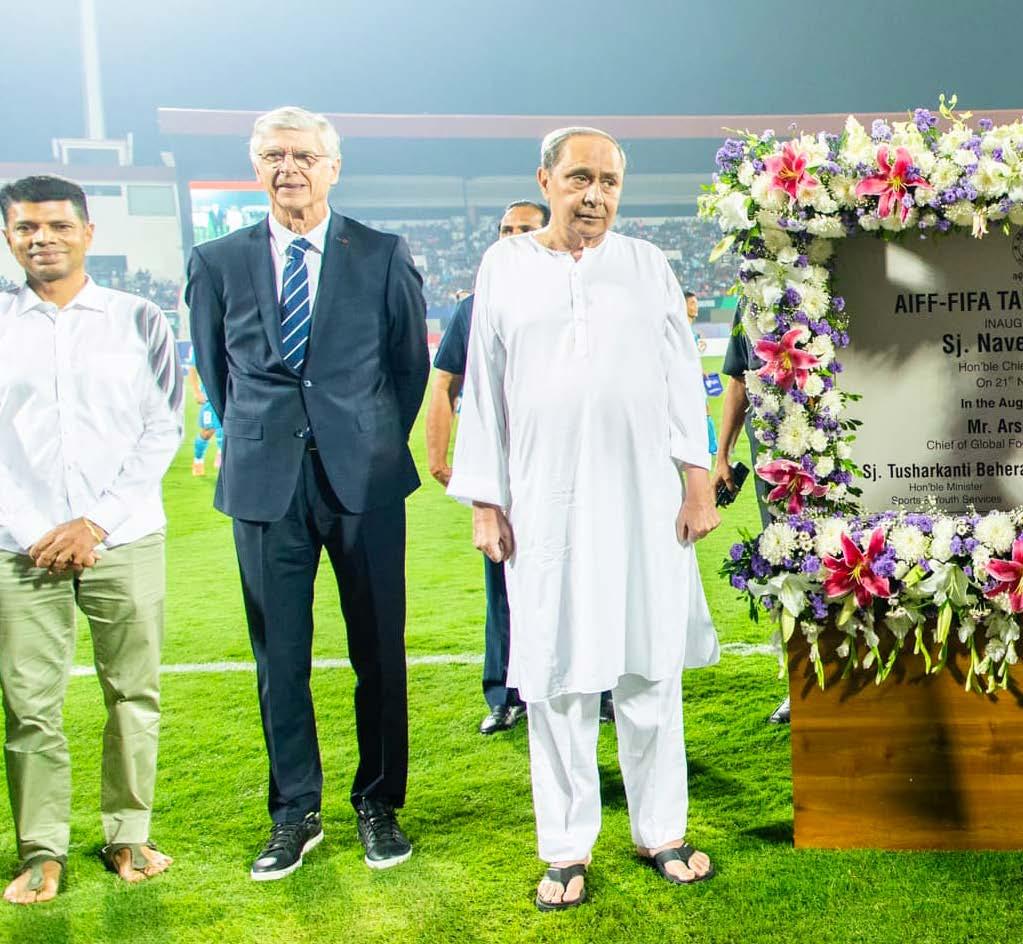
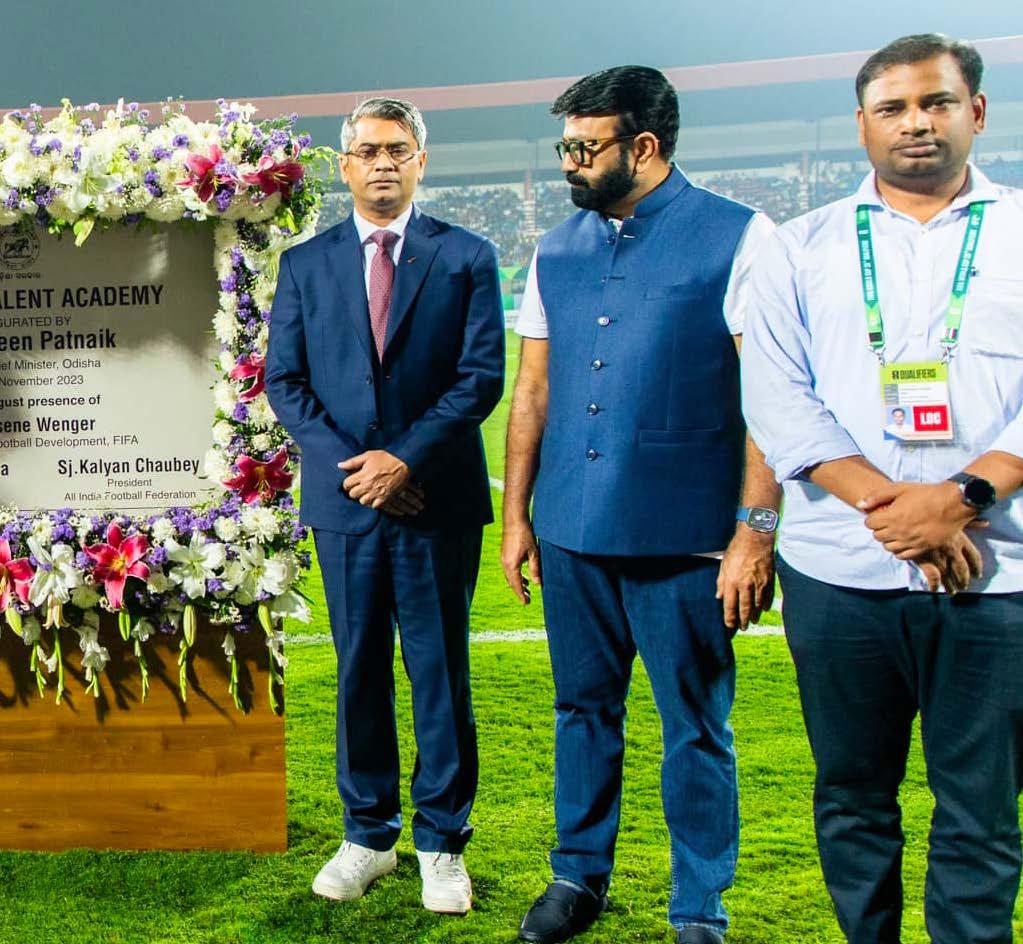
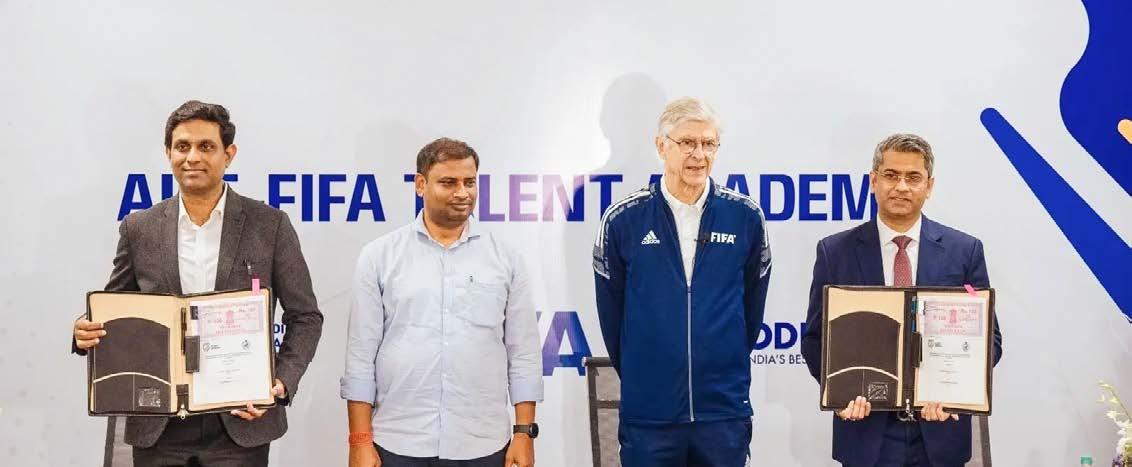
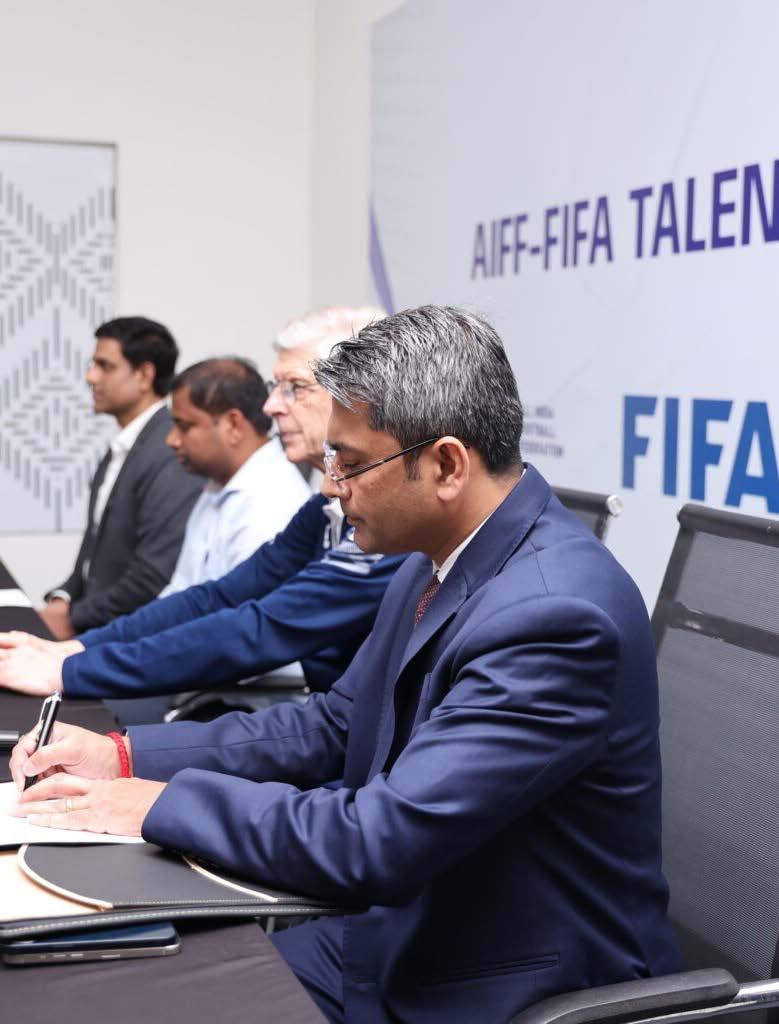
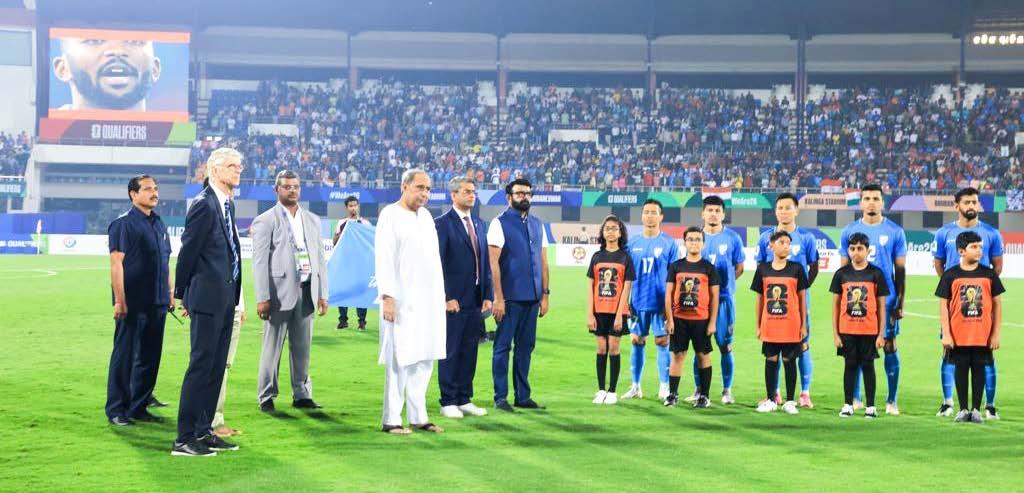
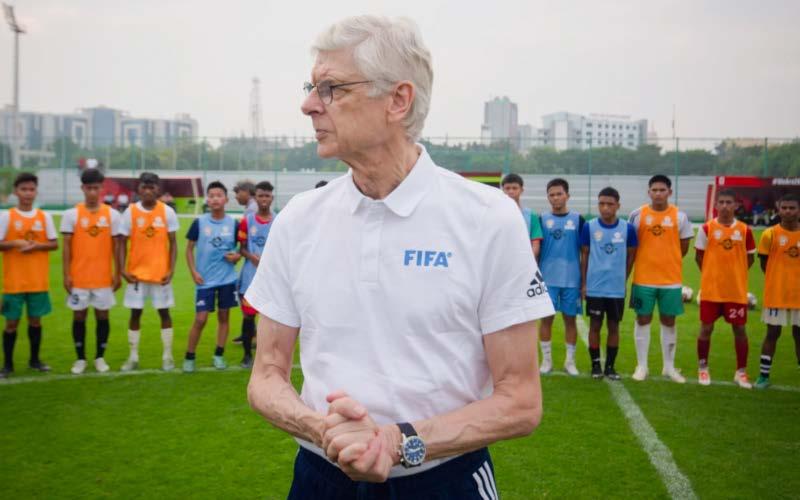
In a landmark move for Indian football, the All India Football Federation (AIFF) and FIFA inaugurated the AIFF-FIFA Talent Academy in Bhubaneswar, Odisha, on November 21, 2023. This initiative, part of FIFA’s Talent Development Scheme (TDS), represents a concerted effort to elevate the standard of football in India, a country with immense potential but historically lacking in structured youth development programs.
Background and Vision
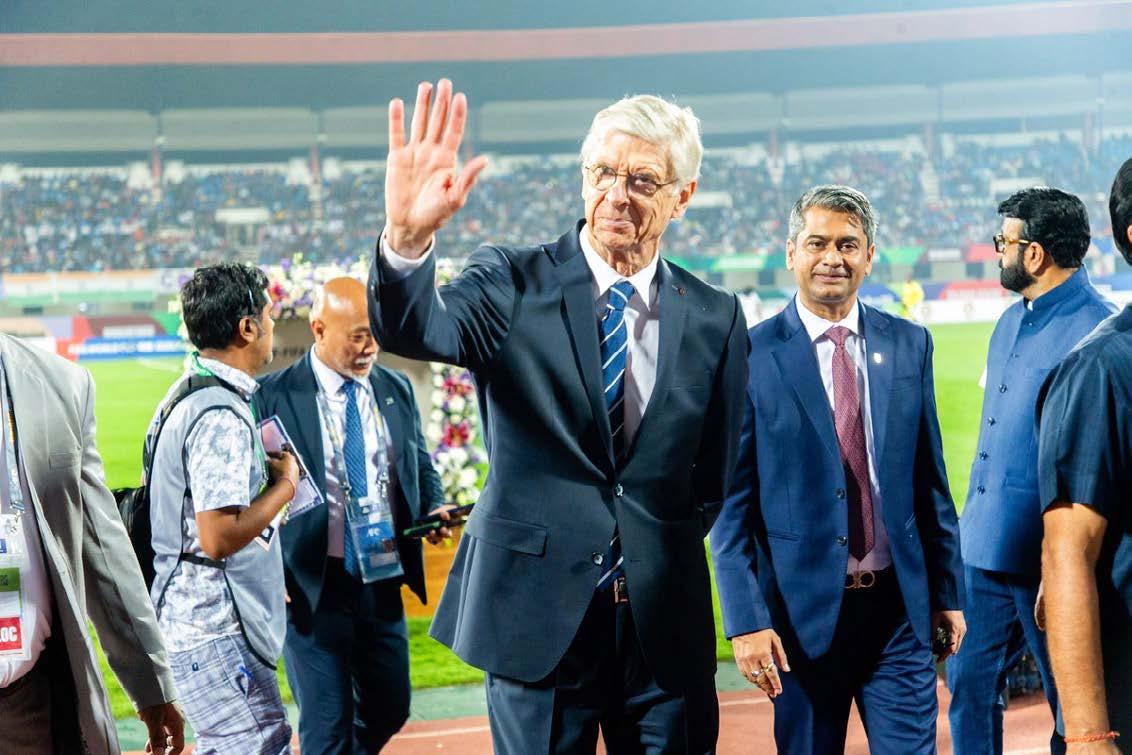
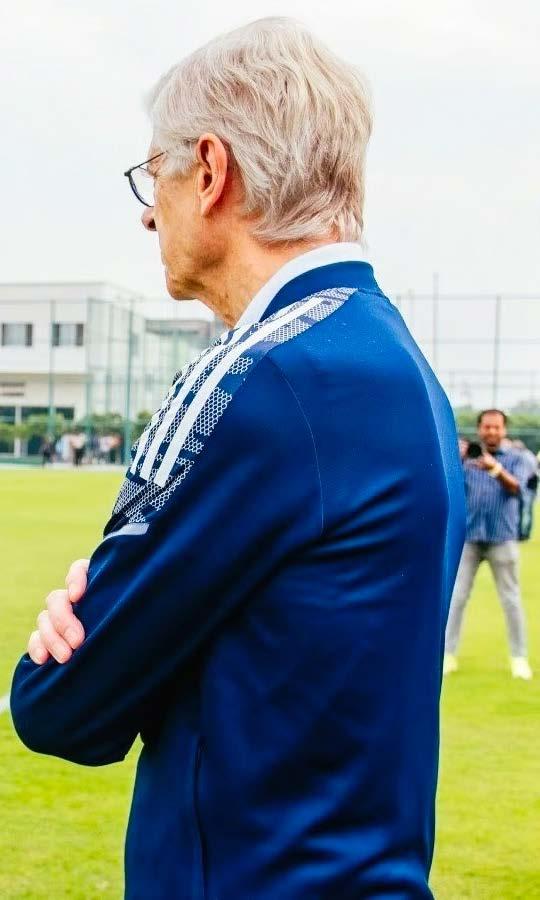
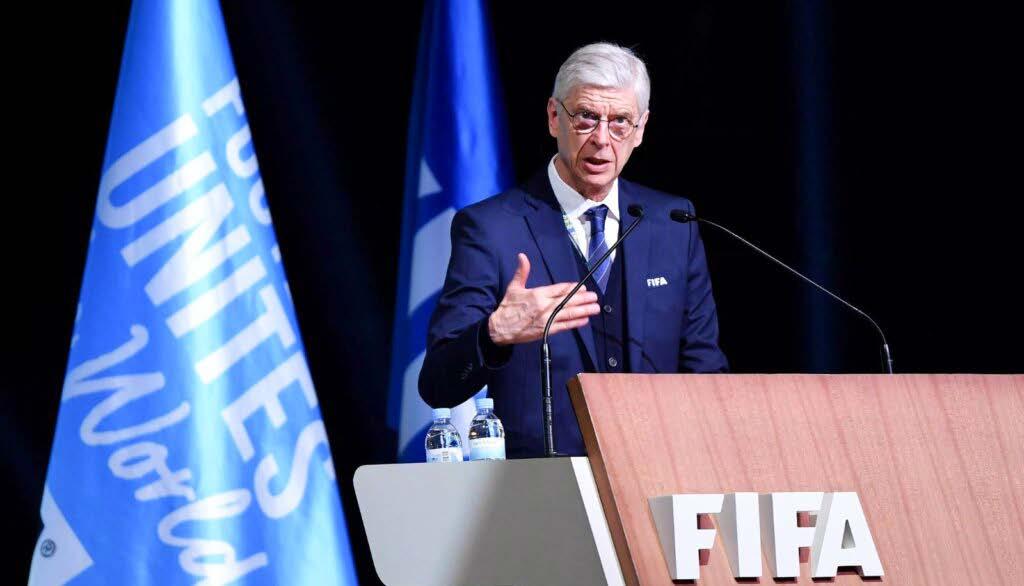
The vision behind the academy is clear: to scout, nurture, and develop football talent from a very young age, thereby ensuring a steady supply of skilled players to the national teams. Arsene Wenger, FIFA’s Chief of Global Football Development, played a pivotal role in its launch, emphasizing the need for long-term
investment in youth football to achieve international success.
Infrastructure and Facilities
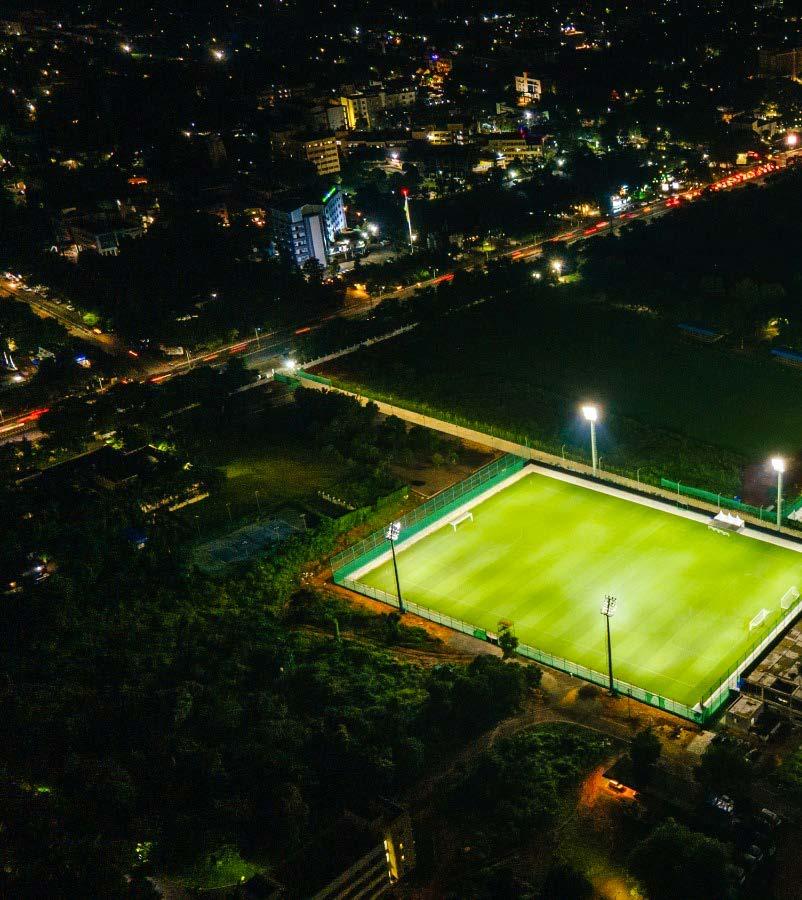
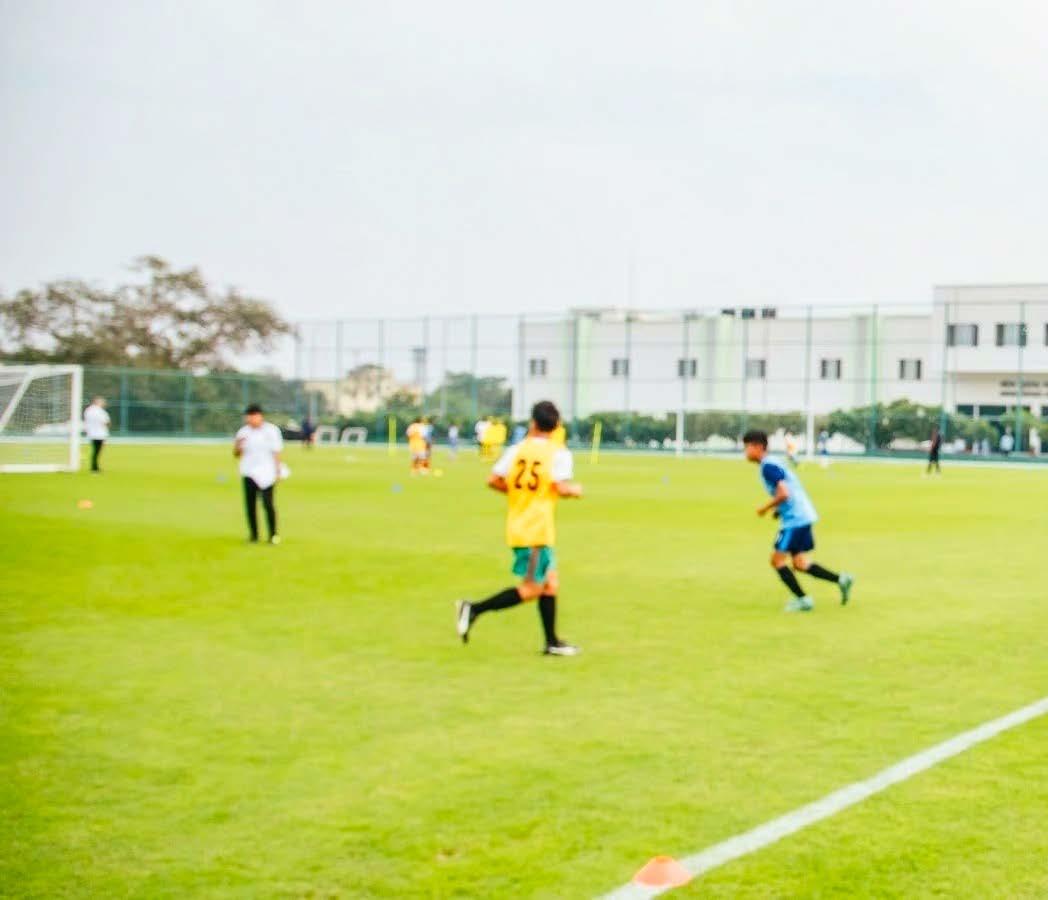
Located in Bhubaneswar, known for its emerging sports infrastructure, the academy boasts modern training facilities. It includes dedicated practice grounds, stateof-the-art equipment, and a residential setup for up to
50 trainees. The choice of Odisha was strategic, given the state’s commitment to sports development, further catalysed by the involvement of the local government.
Talent Scouting and Development
A three-stage scouting plan has been set in motion, starting with the ‘Football 4 Schools’ initiative to tap into the vast pool of young talent across India. This
program is supported by the Ministry of Education to integrate football into school curriculums.
The curriculum is designed around holistic development, blending technical football training with academic education, ensuring that students do not forgo their schooling for sports. Coaches from AIFF and FIFA, including the head coach
Sergi Amezcua Fontrodona, bring a wealth of international experience to this setup. Part of the academy’s strategy involves participation in national and international junior tournaments, providing real-world experience and exposure to different styles of play.
Benefits of the AIFF-FIFA Talent Academy
STRUCTURED DEVELOPMENT
For the first time, Indian football has a structured pathway for young talents, which is crucial for consistent player development. By adopting FIFA’s methodologies, the academy ensures that training is up to international standards, preparing players for global competition.
EDUCATIONAL INTEGRATION
The dual focus on sports and education prevents the common dropout issue among young athletes in India. This could lead to a surge in football’s popularity, encouraging more children to take up the sport.
NATIONAL TEAM IMPROVEMENT
With a constant influx of well-trained players, India’s national teams could see significant performance improvement. This will help the national team perform better at the International level which is something Indian football fans have been waiting to watch.
The Barriers Ahead
CULTURAL AND SOCIETAL BARRIERS: While there’s increased focus on football, the sport still competes for attention with cricket. The academy’s success in tournaments and the involvement of high-profile figures like Arsene Wenger help elevate football’s status in India.
FINANCIAL SUSTAINABILITY: Despite governmental and FIFA support, maintaining the academy’s operations and expanding it will require ongoing financial commitment.
TALENT RETENTION: Keeping talented players from moving abroad too early in their careers remains a challenge, necessitating strong domestic leagues and incentives.
QUALITY OF COACHING: Ensuring a continuous supply of quality coaches who can impart modern, dynamic football techniques is crucial.
INFRASTRUCTURE EXPANSION: There’s mention of plans to establish more such academies across India, which would be a significant step towards decentralizing talent development. However, this comes with the challenge of ensuring each academy maintains the quality and standards set by the Bhubaneswar model.
PLAYER DEVELOPMENT VS. RESULTS:
Balancing the focus between long-term player development and short-term competitive results can be tricky.
INTERNATIONAL EXPOSURE: Efforts are ongoing to provide international exposure to the trainees, which is vital for their development but requires strategic partnerships and funding.
Recent Developments:
The AIFF-FIFA Talent Academy faced Inter Kashi in a U17 Elite match on February 6, 2025. This game was part of a series aimed at providing competitive experience to the young trainees. The match was broadcast live on the Indian Football YouTube Channel, indicating growing visibility for the academy’s activities. On February 10, 2025, the AIFF announced the launch of a state league with eight teams representing eight districts. This initiative not only fosters grassroots football but also integrates the academy’s objectives with broader regional development programs. The league will include 200 home-grown players and 24 Indian AFC-licensed coaches, showing a commitment to both player and coach development.
Public Perception and Social Media:
Posts on X (formerly Twitter) from teams like Inter Kashi and platforms like KhelNow have been actively sharing updates about matches, player line-ups, and upcoming events related to the academy. This helps in keeping the public engaged and informed about the academy’s activities. Trending discussions on X related to football and the AIFF-FIFA Academy often revolve around specific matches, player performances, and the broader implications for Indian football’s growth, indicating a growing interest and investment from the public and sports enthusiasts.
Future Outlook
The AIFF-FIFA Talent Academy in Bhubaneswar is just the beginning. Plans for five more academies signal a broader vision for football in India. However, the success of this venture will depend not only on the infrastructure and coaching but also on community engagement, government support, and the integration of football into the national sports culture. The AIFF-FIFA Talent Academy is a beacon of hope for Indian football, promising a future where India could not only participate but excel in global football tournaments. While the challenges are significant, the structured approach to talent development, if sustained, could lead to a new era for football in India, potentially transforming it from a cricket-dominated sports landscape to one where football has its rightful place. The journey is long, but the first steps have been confidently taken in Bhubaneswar.
NOSTALGIA
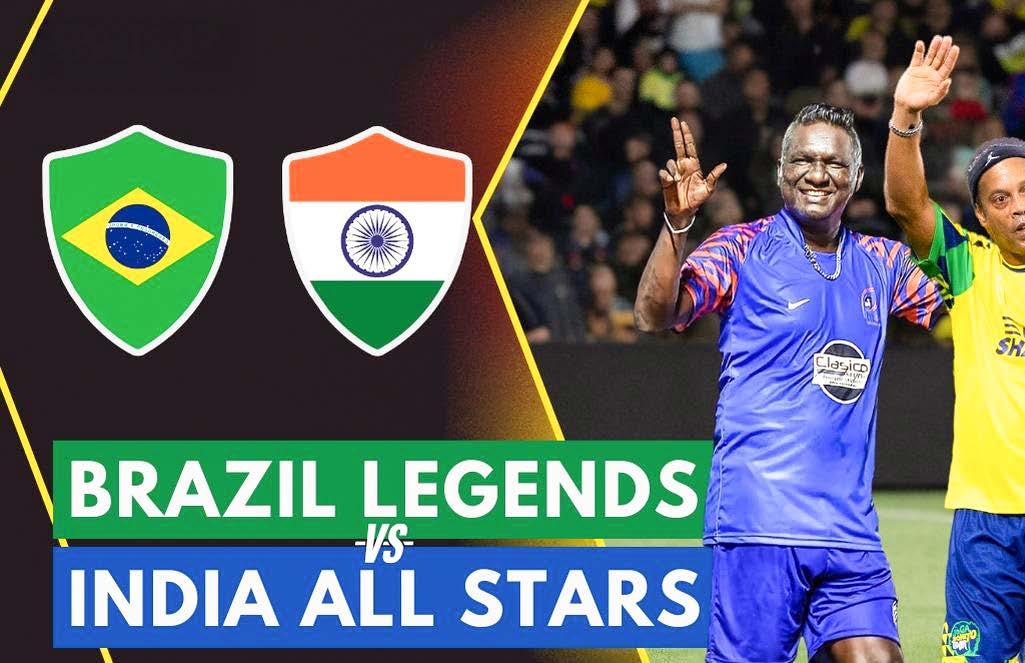
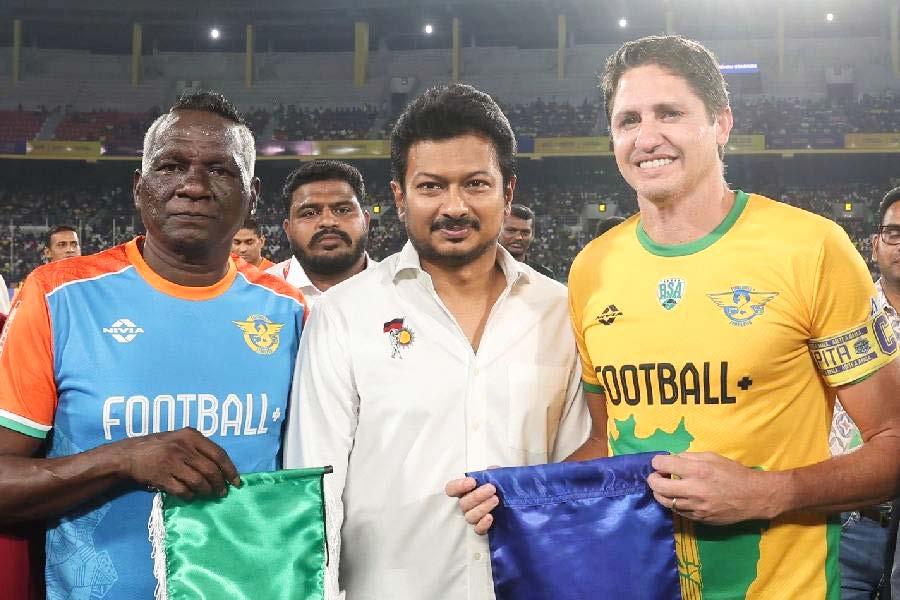
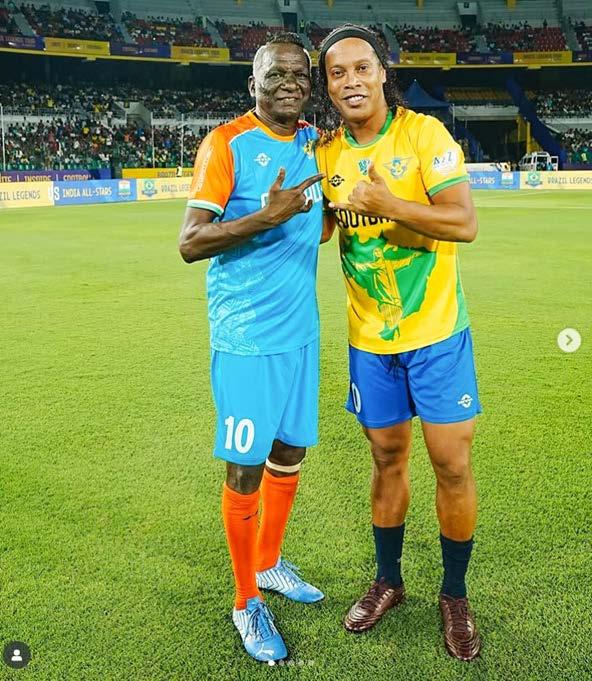
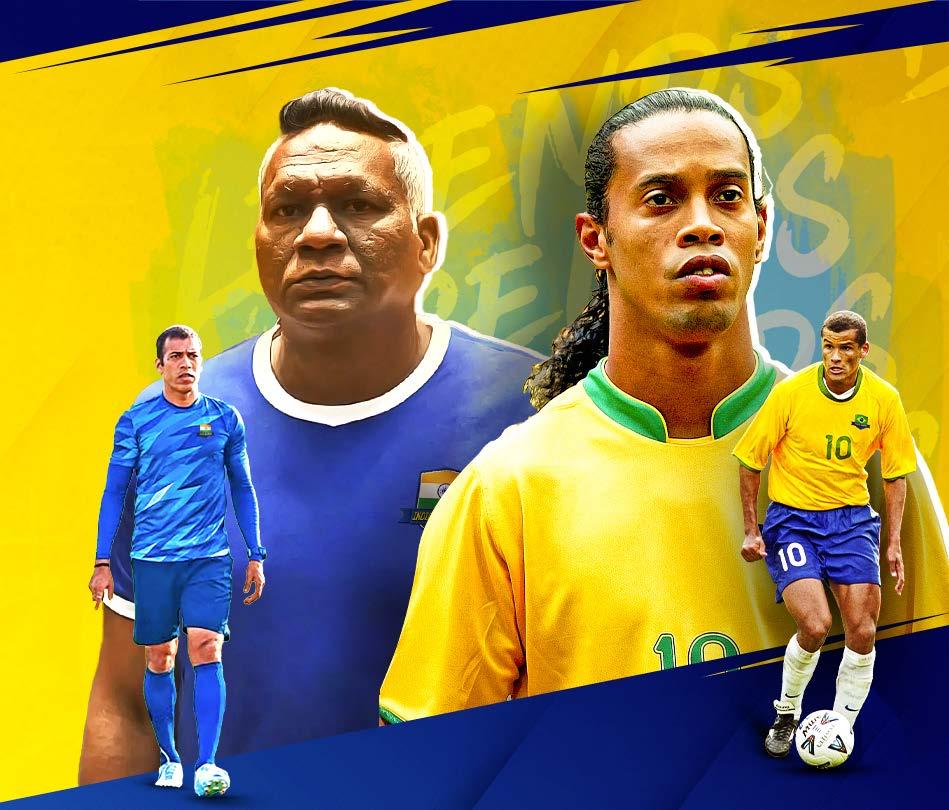
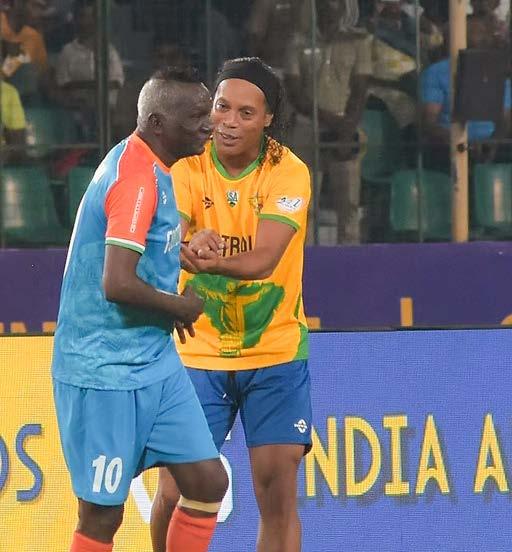
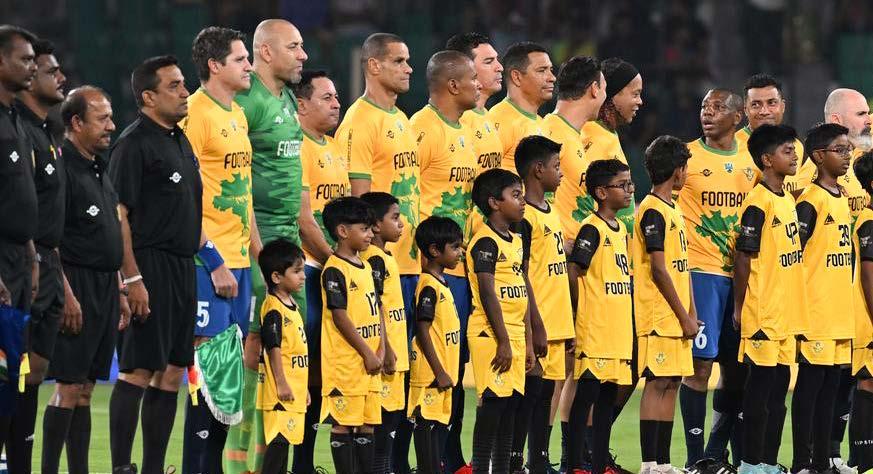
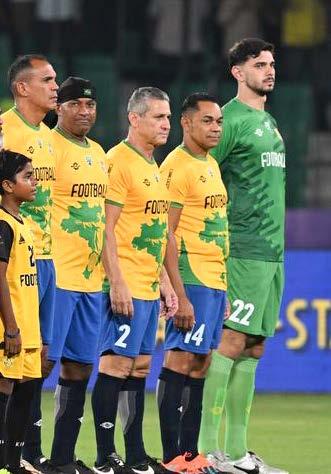
On March 30, 2025, the Jawaharlal Nehru Stadium in Chennai, India, came alive with the roar of over 23,000 fans as the Indian All Stars took on the Brazil Legends in a historic exhibition football match.The final whistle saw Brazil Legends emerge victorious with a 2-1 scoreline, but the night was about far more than just the result—it was a celebration of football’s past, present, and potential future in India. Featuring Brazilian icons like Ronaldinho, Rivaldo, and Ricardo Oliveira against a spirited Indian side led by former national captain IM Vijayan, the match blended nostalgia with a bold statement of intent.
The Match: A Clash of Skill and Spirit
Played in two 35-minute halves, the game showcased moments of brilliance from both sides. Brazil Legends struck first through Viola in the 2nd half, capitalizing on their trademark flair and precision. The Indian All Stars responded within moments of the 1st goal with a stunning equalizer from Bibiano Fernandes, igniting the crowd and briefly shifting momentum. However, Ricardo Oliveira’s clinical finish later on in the 2nd half sealed the win for Brazil, despite valiant efforts from the Indian side, including near-misses and spirited defending.
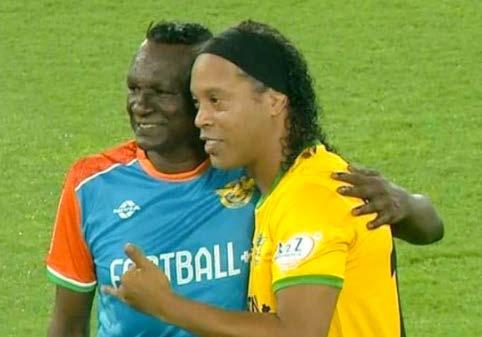
Ronaldinho, at 45, dazzled with his signature tricks— flicks, no-look passes, and a free-kick that nearly found the net—while Rivaldo’s presence added gravitas to the Brazilian attack. For India, players like Vijayan, Bibiano Fernandes, and Climax Lawrence brought experience and heart, proving they could hold their own against global legends. The match, live-streamed on the FanCode app and website, reached fans across India, though the absence of a TV broadcast limited its domestic reach.
Why This Match Took Place
The Indian All Stars vs Brazil Legends match wasn’t just a random exhibition—it was a deliberate step toward elevating football’s profile in a cricket-
dominated nation. Organized by the Football Plus Academy in collaboration with the Brazil Soccer Academy, the event was a highlight of the Football Plus Summit, a platform designed to foster football development in India. The summit aimed to inspire young players, coaches, and fans by bringing global icons to Indian soil, showcasing the sport’s beauty and potential.
India has long struggled to translate its football passion into consistent international success. Despite a rich footballing history—highlighted by a fourth-place finish at the 1956 Olympics and a gold medal at the 1962 Asian Games—the sport has lagged behind cricket in infrastructure, investment, and popularity. Events like this match serve as a bridge between India’s past glories and its aspirations. By pitting local stars against Brazilian legends, organizers sought to ignite interest, demonstrate high-level play, and encourage investment in grassroots programs.
The choice of Brazil Legends was strategic. Brazil, with its five World Cup titles and a legacy of flair, represents football’s pinnacle. Players like Ronaldinho and Rivaldo, household names even in India, brought star power that transcended generations. Their presence wasn’t just about entertainment—it was a nod to the technical excellence and joy that Indian football could aspire to emulate. For the Football Plus Academy, partnering with the Brazil Soccer Academy also hinted at future collaborations, potentially involving coaching exchanges or youth development initiatives.
Beyond the Scoreline
The 2-1 result was secondary to the event’s broader impact. For fans, it was a rare chance to see legends live, with Ronaldinho’s every touch met with deafening cheers. For Indian players, it was an opportunity to play against some of the best players football has ever seen, gaining confidence and much-needed exposure for the sport. The match also sparked conversations about football’s growth in India. Could such events inspire a new generation of players? Might they attract sponsors to bolster the Indian Super League or I-League?
Critics, however, might argue that a one-off exhibition does little without sustained follow-through. India’s football ecosystem needs more than nostalgia—it requires academies, better facilities, and a stronger domestic league. Yet, as a symbolic gesture, the match succeeded. It reminded fans of football’s global allure and gave India a moment to dream big. As the crowd dispersed and the Brazilian stars waved goodbye, the night left a lingering question: could this be a turning point for Indian football? The Indian All Stars vs Brazil Legends match was more than a game—it was a statement of ambition, a fusion of heritage and hope. Whether it sparks lasting change remains to be seen, but for one evening in Chennai, football took centre stage, and the world took notice.
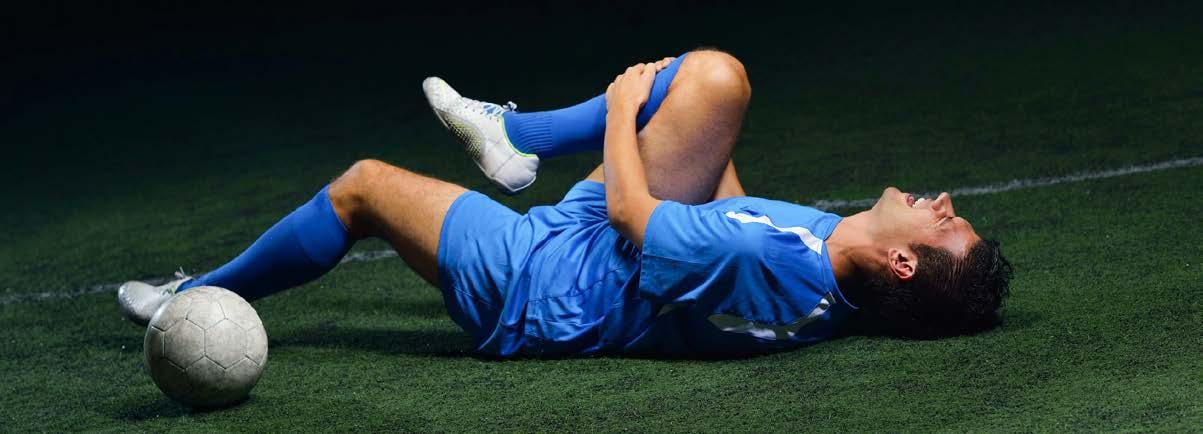
Physical medicine and rehabilitation focus on restoring the health and functional abilities after illness or injury, such as a stroke, spinal cord injury, heart surgery, amputation, joint replacement, sports injuries, spinal disorders and other conditions. RCIHG work with you to develop a custom treatment plan built around your individual needs.
Physical therapists at Dr. KMD’s Royalcare International Hospitals Group work with patients to create and carry out the best course of treatment for conditions that limit the ability to move, play sports or perform daily activities. RCIHG’s skilled team of therapists helps to prevent further injury, reduce pain, and maximize physical functioning.
RCIHG’s Specialized Physical Therapy Programs:
• Aquatic Therapy
• Cardiopulmonary Rehabilitation
• Foot and Ankle Physical Therapy
• Functional Capacity Evaluations
• Gait and Balance Physical Therapy
• Headache Management
• Lymphedema Management
• Orthopaedic Rehabilitation
• Parkinson's Disease Therapy
• Pelvic Floor Physical Therapy
• Physical Therapy for Runners
• Rehabilitation for Golfers
• Rehabilitation for Performing Artists
• Scoliosis Management
• Soccer Injury Rehabilitation
• Vestibular Rehabilitation
• Wound Care
• Other Specialty Areas
• Limb loss rehabilitation
• Back and spine pain rehabilitation
• Cancer rehabilitation
• Geriatric rehabilitation
• Multiple sclerosis rehabilitation
• Neuromuscular rehabilitation
• Non-invasive brain stimulation
• Outpatient intensive post-acute rehabilitation
• Paediatric rehabilitation
• POTS program
• Spinal cord injury rehabilitation &
• Sports rehabilitation
Inpatient Rehabilitation
For patients who need intensive post-acute rehabilitation to regain function and achieve the highest level of independence before leaving the hospital, Dr. KMD’s RCIHG, offers a Comprehensive Inpatient Integrated Rehabilitation Program (CIIRP). The program is staffed by a multi-specialty team of experts and is available in RCIHG’s Main Campus inpatient rehabilitation facilities. RCIHG’s programs provide 7-day-a-week medical and rehabilitation nursing services along with intensive rehabilitation therapy services, 3 hours per day, 5-7 days per week based on your unique treatment needs. RCIH is accredited by the Joint Commission and the Commission on Accreditation of Rehabilitation Facilities (CARF), highlighting our commitment to delivering the highest quality of care.
Facilities & Technologies
Dr. KMD’s RCIHG’s Inpatient Units feature private rooms, state-of-the art rehabilitation equipment and gyms, as well as replicas of real-life settings like kitchens, to help you practice everyday skills.
Full Spectrum of Services
Physical rehabilitation is just one part of recovery. Based on your individual needs, both sites offer onsite access to comprehensive diagnostic imaging, laboratory, pharmacy, psychological, social work/case management, specialty medical service consultative services and many other adjacent services, offered at Royalcare International Hospitals.
World-Renowned Expertise
At RCIHG you are in great hands with our worldrenowned experts, who have praiseworthy knowledge, skill and experience in host of conditions, and specialty intensive and acute care units are located in the Comfortable Space of the Main Block of Royalcare International Hospitals Main Campus at (Neelambur) Greater Coimbatore.
For Patients of RCIHG
If your care team thinks you might benefit from post-acute rehabilitation, they can send referrals to facilities in the area to check for open spots. You have the freedom to choose your inpatient rehabilitation facility. On the other hand; If you would like to come to RCIHG Main Campus on your own, then You may let your specially assigned Healthcare / Case / Personal manager know, so that they can send your information to us. Our admissions team reviews all referrals and determines whether a patient meets the admission criteria. If you do, we will offer you a spot at any of our facilities, based on availability as well as specialized care you may need. We will contact your Healthcare / Personal manager if you have been accepted into the subacute rehabilitation program to initiate the admission process.
Who Can Benefit from Inpatient Rehabilitation
Dr. KMD’s RCIHG’s Inpatient Rehabilitation Units provide occupational therapy, physical therapy, speech-language pathology, physical medicine and related services to help patients recover from a variety of conditions, including:
• Neurologic conditions such as stroke, spinal cord injuries, brain injuries, multiple sclerosis flare-ups, brain bleed and brain tumours
• Limb loss
• Orthopaedic conditions such as fractures and joint replacement
• Cardiovascular conditions such as a heart attack
• Burns
• Traumatic injuries
Dr. KMD’s Royalcare International Hospital Group’s Network offers Remote Therapeutic Monitoring (RTM), a service that allows patients experiencing pain or functional limitations due to a musculoskeletal condition to receive support from their physical or occupational therapist from the comfort of their homes. This Special program, which uses the Specially Designed Mobile App, complements systems that collect and monitor a patient’s self-reported pain and function as well as progress with their home exercise program.
Occupational Therapy
Occupational therapists at Dr. KMD’s Royalcare International Hospitals Group help patients participate in meaningful daily activities and practice habits they may need for work and recreation. RCIHG’s team of occupational therapists works with adults and children recovering from injury and surgery, and those managing chronic illness, to help them care for themselves and be independent.
Why Choose Dr. KMD’s Royalcare International Hospitals Group
RCIHG start with an evaluation that focuses on discussing your personal health goals. This helps us set benchmarks to measure your progress. Next, they develop a customized rehabilitation plan to help you achieve your goals. Occupational therapy treatments are focused on retraining movement and self-care skills, providing adaptive equipment, and training in the use of energy conservation and work simplification to increase independent living. As you move forward with occupational therapy, the Experts set intervals to measure success and make adjustments to the treatment plan as needed.
RCIHG’s work with children is focused on helping them fully participate in school and social situations. For older adults experiencing physical and cognitive changes, RCIHG provide support so they can safely perform activities of daily living. Occupational therapists also perform upper extremity wound care and whirlpools, dynamic and static splinting, and make recommendations for medical equipment, such as bedside commodes, tub seats and grab bars.
Who Can Benefit From Occupational Therapy
Occupational therapy can be effective for people suffering from these and similar impairments:
• Visual impairments and difficulties with perception.
• Trouble with fine motor skills, such as writing or tying a shoe.
• Problems with balance or hand-eye coordination.
• Sensory integration dysfunction: when information from the senses doesn’t get properly interpreted by the brain.
• Decreased upper body and/or extremities strength and/ or range of motion.
• The need to wear splints, orthotics, prosthetics or other devices that impair normal function.
• Impaired performance in self-care and community reintegration.
Our Specialized Occupational Therapy Programs
Hand Therapy
Hand therapy helps patients with a variety of disorders and injuries of the hand, arm, wrist and fingers return to work and a more active lifestyle. Royalcare International Hospital’s hand therapists can help with conditions ranging from simple fingertip injuries, to hand, arm and finger transplants and reattachments.
Occupational Therapy for Mental Health
At Dr. KMD’s Royalcare International Hospitals Group’s Department of Physical Medicine and Rehabilitation, our occupational therapists specialize in helping patients with mental health disorders. Our occupational therapists are experts in performing behavioural health assessments, which offer insight into a patient’s condition. They have strong observation and creative problem-solving skills, and understand human development and function across different diagnoses.
Other Specialty Areas
Someone who is undergoing cancer treatment may need different therapy than someone recovering from a spinal cord injury. RCIHG’s occupational therapists have experience in many areas of rehabilitation and will customize the treatment based on your unique condition and needs. They frequently work with patients who have experienced:
• Traumatic brain injury and stroke
• Cancer
• Lymphedema
• Spinal cord injuries
• Trauma from falling
• Sports injuries
• Amputations
• Multiple sclerosis
• Neuromuscular diseases
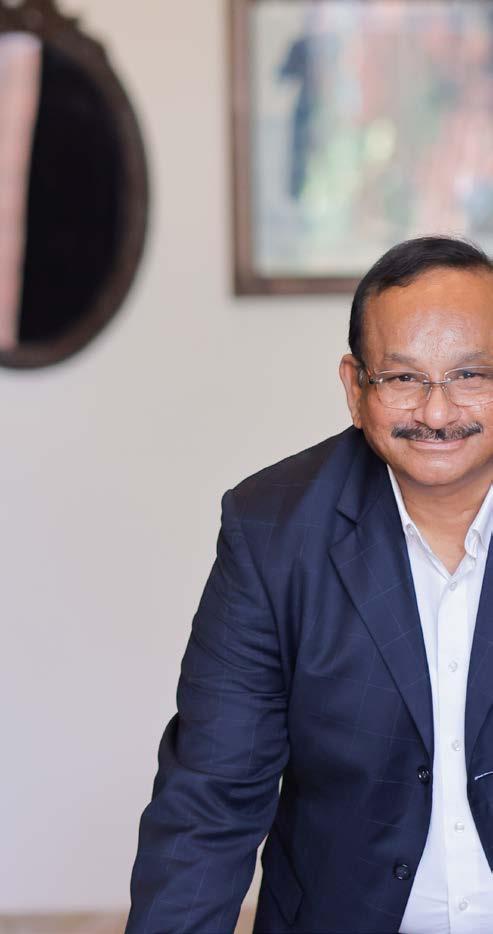
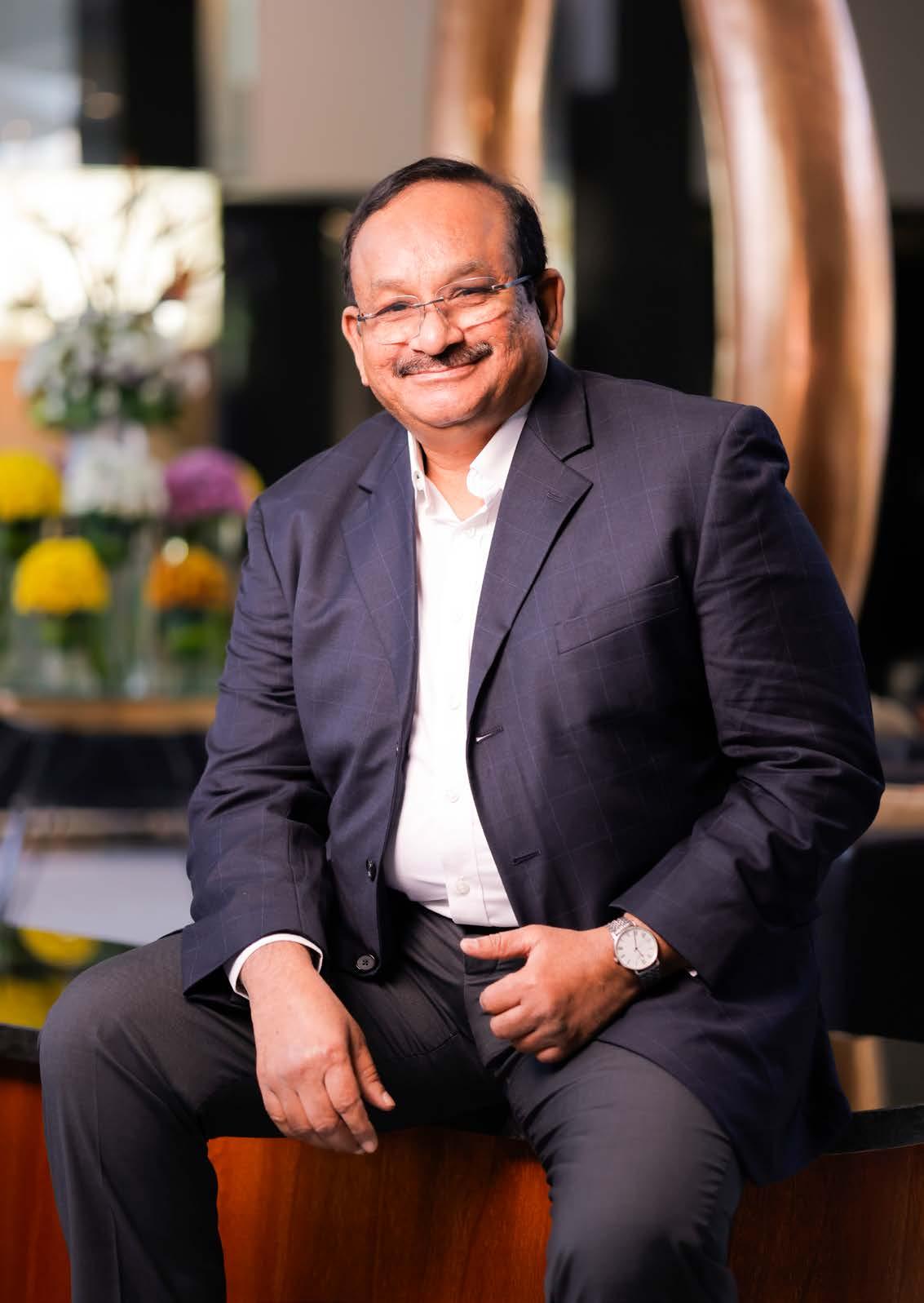
DR. K. MADESWARAN Chairman & Managing Director
M/s. Royalcare International Hospitals Group
DR. K. MADESWARAN A WORLD RENOWNED NEUROSURGEON
& HEALTHPRENEUR
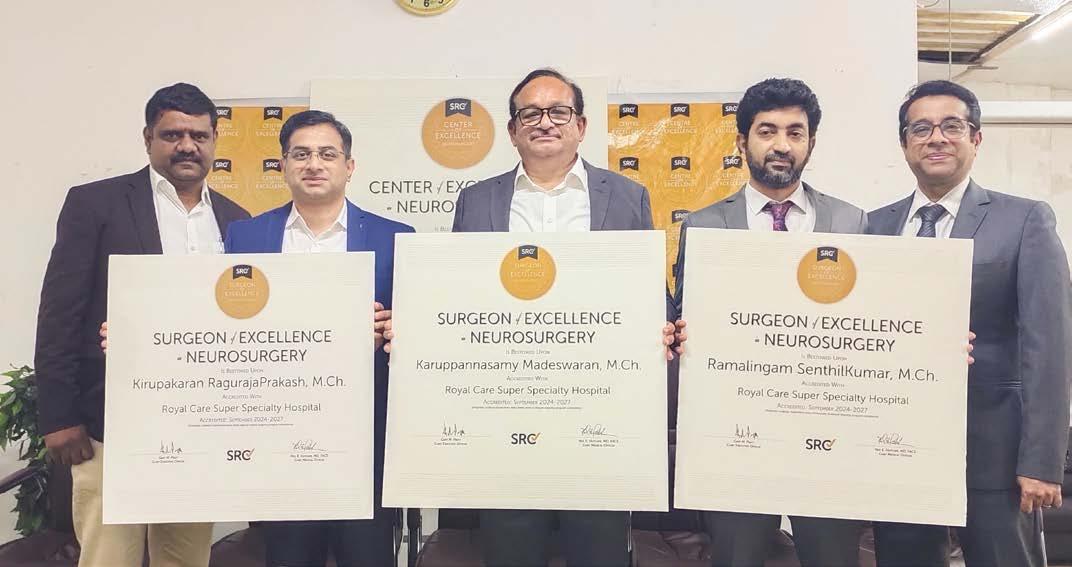
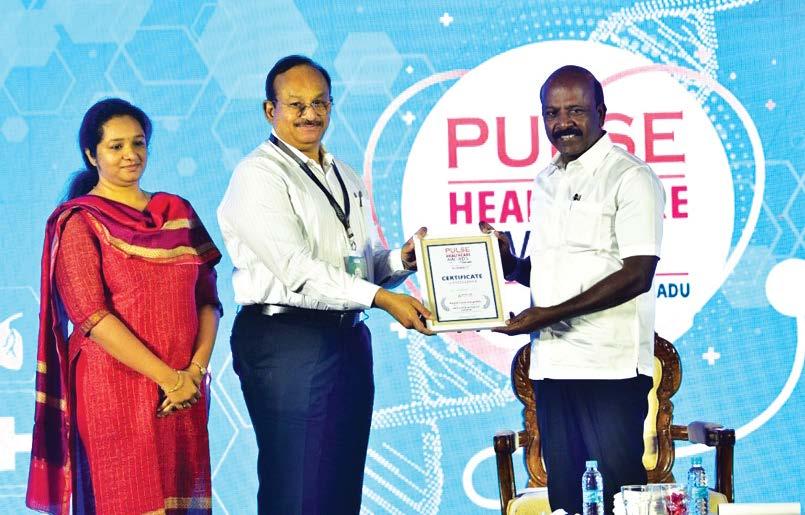
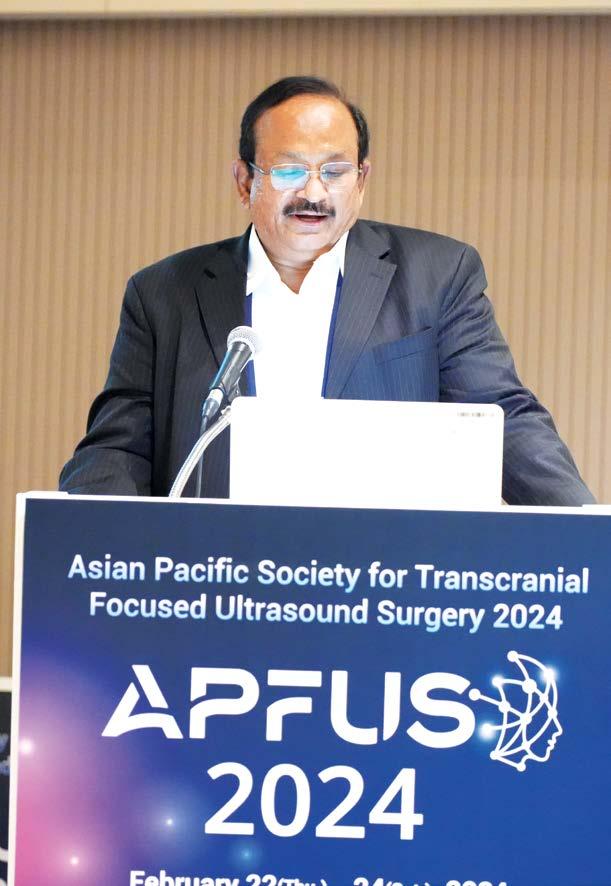
Dr. K. Madeswaran’s strong commitment to the field of Neurology & Neurosurgery is very evident and affirmative with his amazing Records, Statistics and Awards for having performed over 13,500 successful Neurosurgeries as on date. And, that has positioned Not only Positioned Dr. K. Madeswaran as One of the Top Ten Neurosurgeons of the World; But, also brought Him Many Prestigious International & National Awards, Honours, Accreditations, Records and Acknowledgements from Many National / International Institutions.
Throughout his benevolent Professional Career and Entrepreneurship over the last 36 years in Indian Medical, Surgical, Social and healthcare Industry, Dr. K. Madeswaran has been attached with a strong sense of purpose, which is Flawless Health and Joyful Living for All.
In addition, Dr. KMD has always been passionate about adhering to a holistic approach to community development and Preserving Global Environment for a Better Tomorrow; as exemplified by His Brain-Child Namely ‘UYIRIN SWASAM’ – through which He and His Team of Global Volunteers have been Planting Trees as far and as wide they could. As on Date’ Uyirin Swasam Foundation’ have planted over (Ten Million) One Crore Trees and they are vigorously Moving Forward with the clear objective and aim of Planting 100 Million Trees with Dr. K. Madeswaran’s Highly determined Vision and Moto of ‘Growing Trees for Global Peace and Prosperity’.
All the above serves as a testimony to his most adorable and incredible journey of healing, curing, unconditionally caring, as well as inspiring the Next generations of Surgeons, Doctors and Healthcare Professionals.
The fundamental of his legacy is pioneering, developing, innovating, refining and implementing scientific & hi-tech approaches and techniques in the fields of Neuroscience & Neurosurgery. Dr. K. Madeswaran has always been known for his Exemplary and truly remarkable Medical, Surgical, Teaching, Professional and Entrepreneurial career over three to four decades. And majority of the surgeries, those were successfully performed and completed by Dr. K. Madeswaran; were highly Critical and Challenging Cases. And He had taken utmost care, in all those cases; by bringing out best of His skill, knowledge and expertise to ensure that the Patients are cured and sent back to their normal life.
Hence, Dr. K, Madeswaran has been fondly called as ‘The Most Legendry Neurosurgeon, who is blessed with the Brain, Heart & Hands Of God’. Dr. K. Madeswaran, with his inborn Skills, Talents and Remarkable Subject Matter Expertise, Not only cured Tens of Thousands of Patients, who have come to him, with the chronic and serious conditions. And, He gave all those Patients and their families the Enduring Joy and legitimate life; to live and rejoice; with their families; But, also taught 1000s of Junior Doctors and Surgeons, who all have been associated with Him and who have been learning directly by being along with Dr. K. Madeswaran in and through all those exemplary and Critical Surgeries and Procedures.
And they along with all those beneficiaries of His Medical & Surgical Services, carry the highest level of respect and regard; for his highly committed, timely, sincerely and most valuable Medical & Surgical Contributions, that he made to them; especially at the most crucial time of their life. Dr. K. Madeswaran’s Successful Medical & Surgical Practice led him to accumulate Millions of Followers from all around the world. And with the Flawless Service and Goodwill, his incomparable knowledge, extraordinary skill and expertise in successfully performing Most Complex Surgeries and procedures that he built over a period of three to four decades; Dr. KMD had gained a very high reputation and trust among all sections of the society.
ABOUT DR. KMD’S ROYALCARE INTERNATIONAL HOSPITALS GROUP
Founded and Commenced by Dr. K. Madeswaran along with His Most Trusted Team of Leading Surgeons, Doctors, Physicians, Medical Professionals, Subject Matter Experts and Management Professionals in the year 2015 as a 50 bedded multi-specialty hospital in One of the Vibrant Cities of India, Namely Coimbatore in the State of Tamil Nadu. Indeed, Dr. KMD’S Royalcare Super Specialty Hospital, within the first Two years of operations, became One of the Most preferred Multi-Super-Specialty Hospital in western Tamil Nadu for emergency, primary and specialty care in virtually all branches of modern medicine.
The hospital did continue being, the perfect destination for people seeking superior and Patient friendly healthcare. Functioning with those objectives of making cutting edge healthcare to common man, they provide the best medical service with highly qualified doctors and highly equipped technologies. This necessitated an imminent expansion and created the need for a larger and more comprehensive tertiary care unit encompassing all the field of medicine. A 1100-bedded ultramodern Hospital facility Plan was thus conceived at Neelambur, Coimbatore By Dr. K. Madeswaran and His Team.
RCIHG was Built within a record time of 400 days, the first phase comprising 500 beds were dedicated to the society in November 2016. With over 4,00,000 square feet of modern infrastructure, the Centre contained all necessary facilities to deliver comprehensive care under one roof.
With a commitment to make available all facilities on par with the latest advances in the Western World, RoyalCare Super Specialty Hospital became the first Hospital in the country to introduce Bronchial Thermoplasty for the treatment of severe asthma. RoyalCare is also the first hospital in the country to introduce the micro plasma-advanced oxidation for dialysis feed water disinfection to eliminate endotoxins and to prevent pyrogenic reactions in patients undergoing haemodialysis. Royal Care will strive to ensure that the benefits of modern healthcare reach all strata of society. Apparently, A patient centric culture exists at RoyalCare as they are the focus of everything they do. Every patient will receive warm and committed attention with a smile.
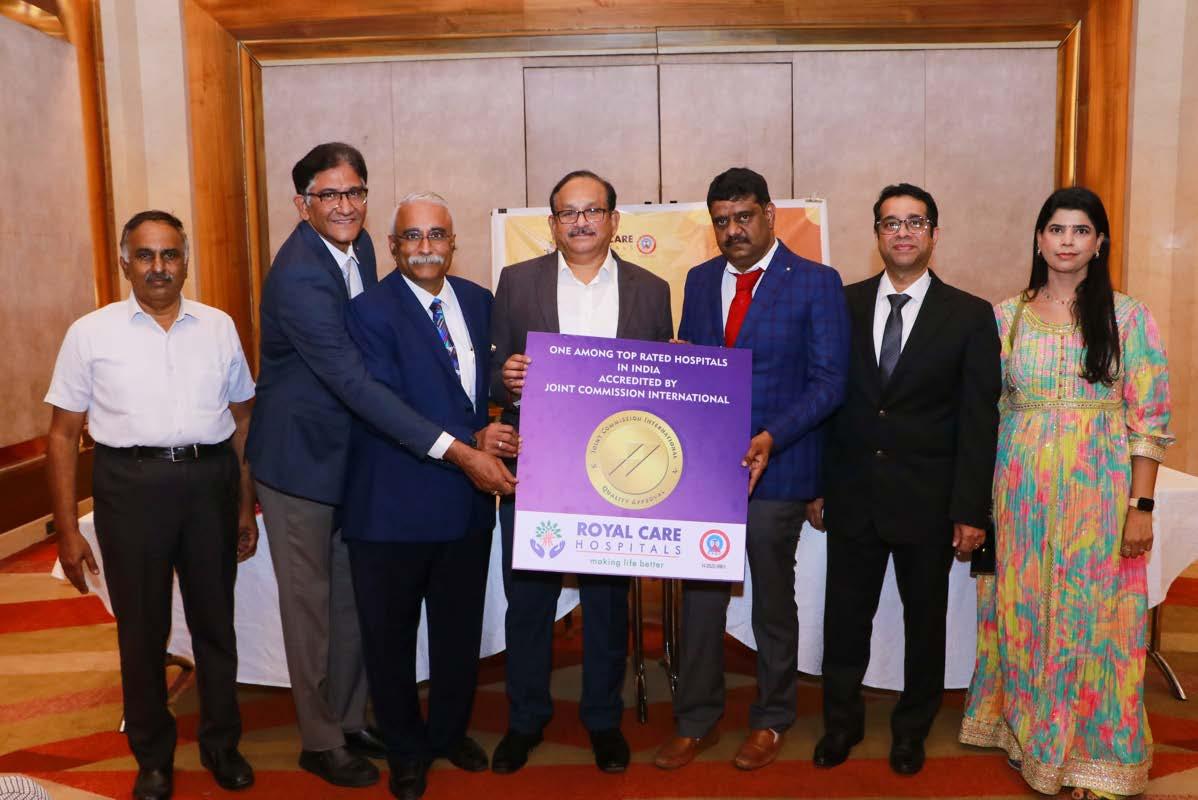
Royal Care Super Specialty Hospital aspires to be Ultimate Choice of Hospital for People and Patients from all around the world; in all aspects of Health & Wellness or for people seeking comprehensive healthcare. And that they have been recognized as One of the Top-Class Hospitals for very High Quality and International Standards Health Services in Asia.
And Dr. KMD’s Royalcare International Hospitals Group is going to achieve its Vision of having over 1000 Bedded Most Advanced International Standard Hospitals in the Same Location very shortly.
This has been mainly possible by the meticulous involvement and incomparable Contributions of Dr. K. Madeswaran, The Founder & CMD of Royalcare International Hospitals Group, whose vision was to bring together highly talented medical professionals from all around the world on board with phenomenal expertise in their respective fields, establishing cutting edge innovative diagnostic, Latest Hi-Tech Equipment, State-Of-The-Art Infrastructure and therapeutic medical technologies combined with the Most friendly medical and paramedical staff to provide courteous and compassionate and Utmost Care to Patients at all times.
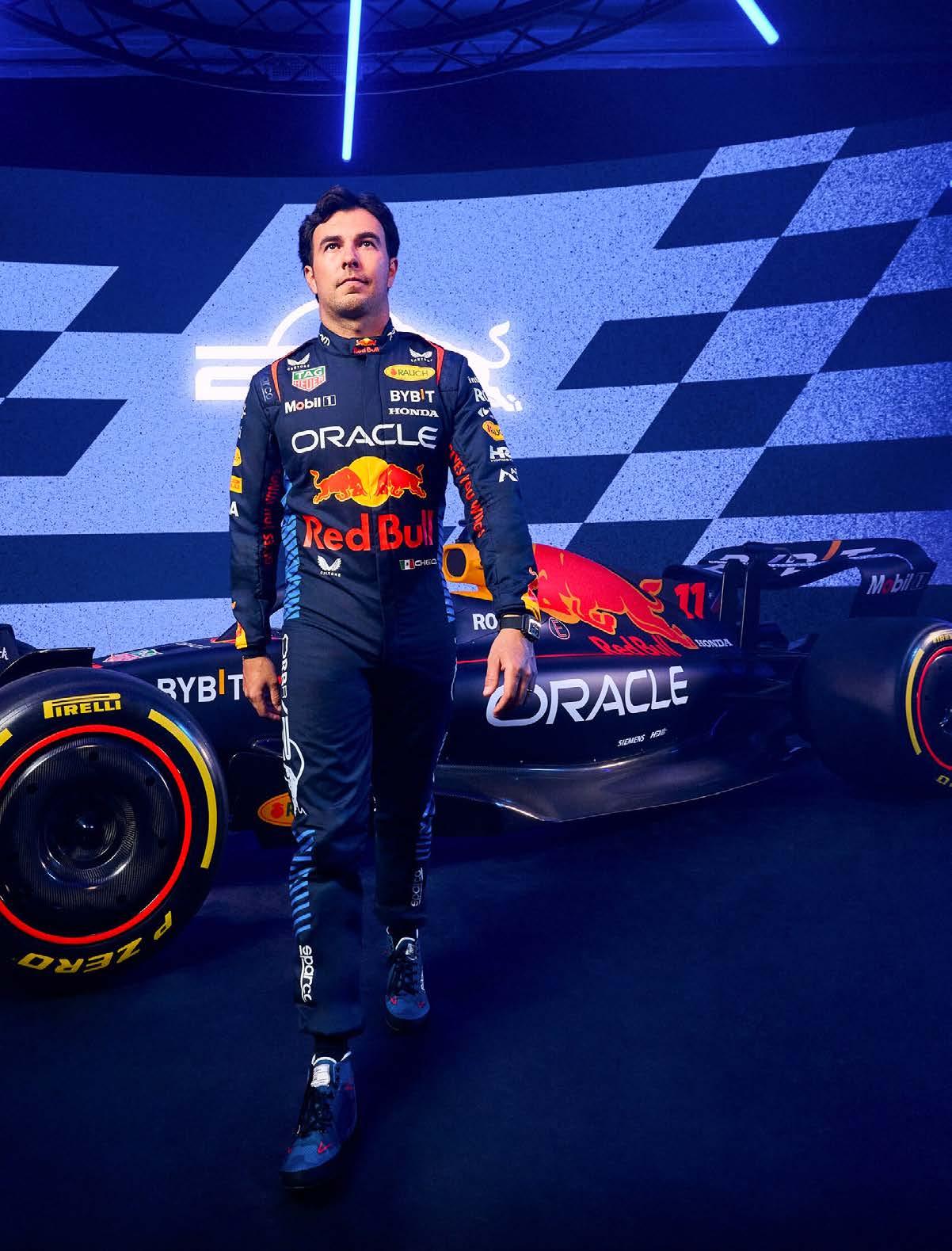
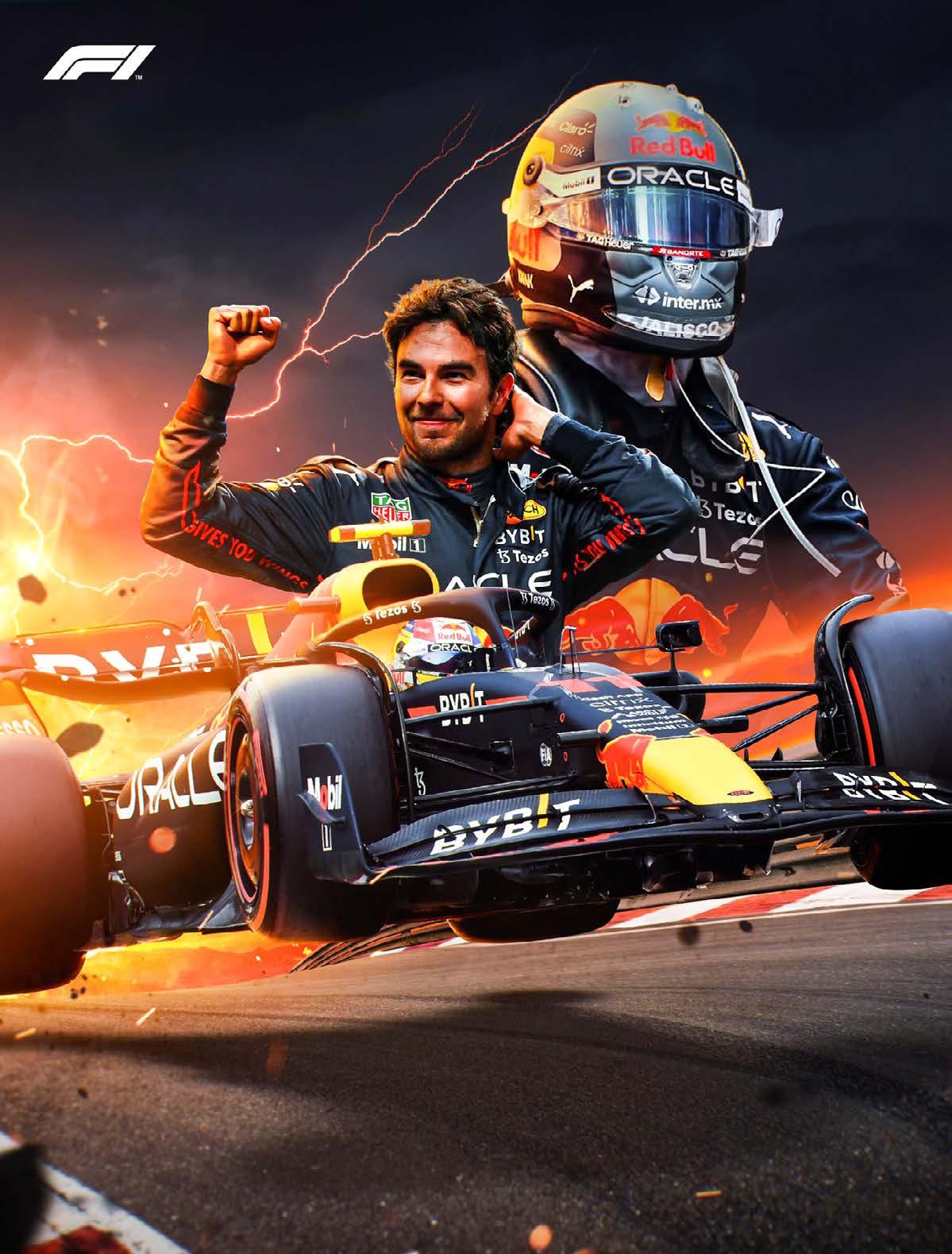
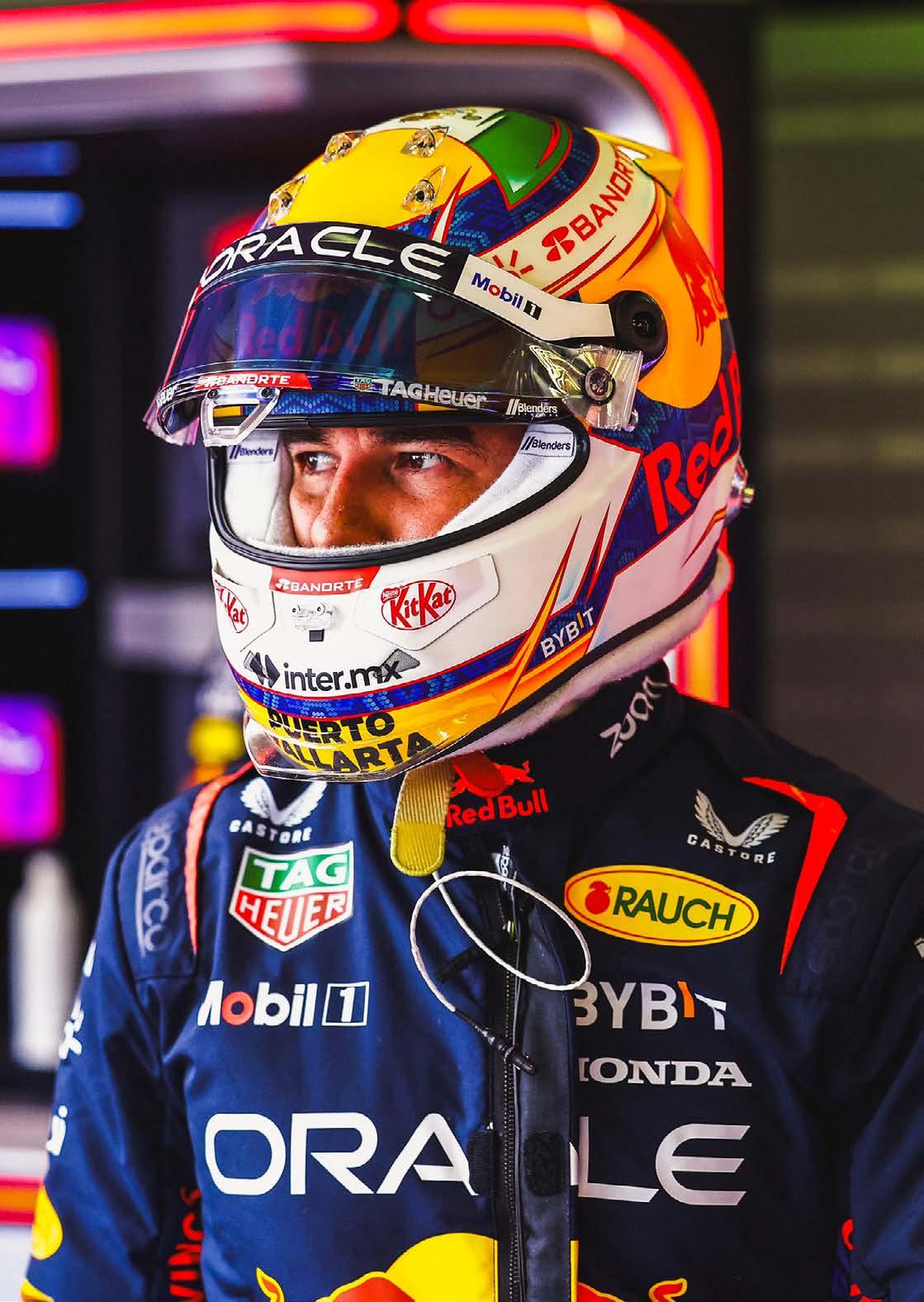
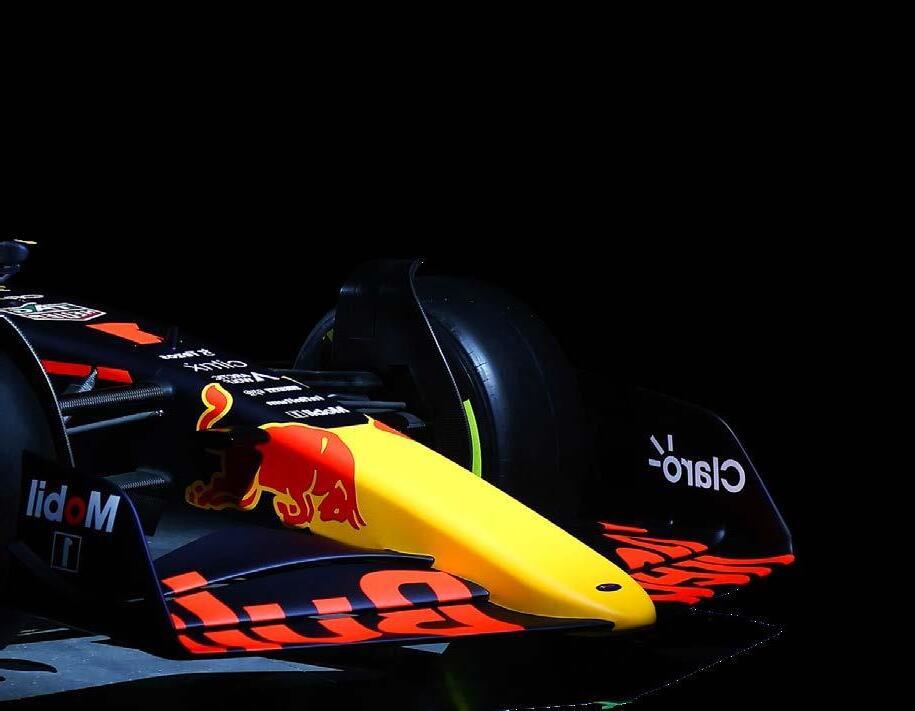
Sergio Perez Departure from Red Bull Racing
A Tale of Performance, Politics, and New Horizons
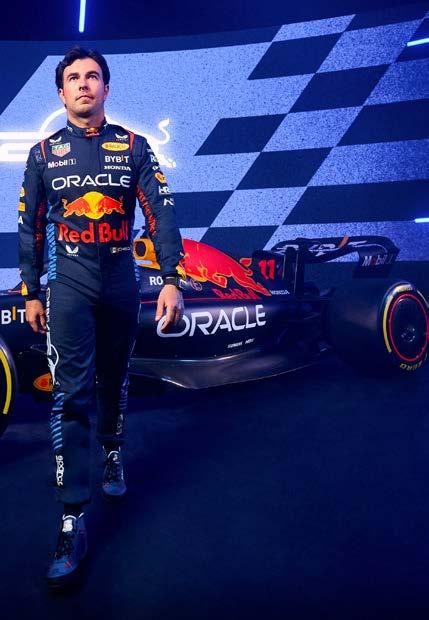
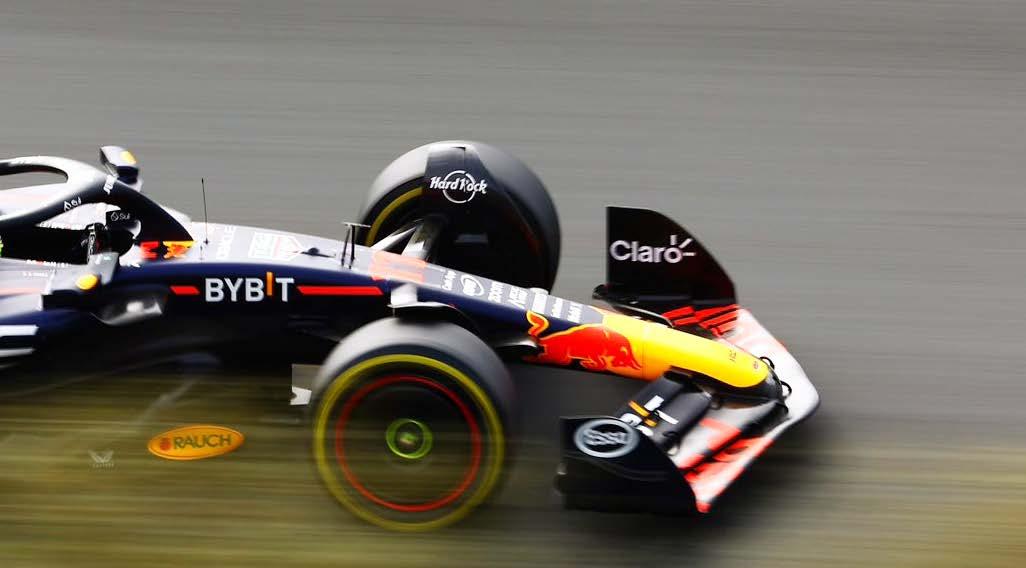
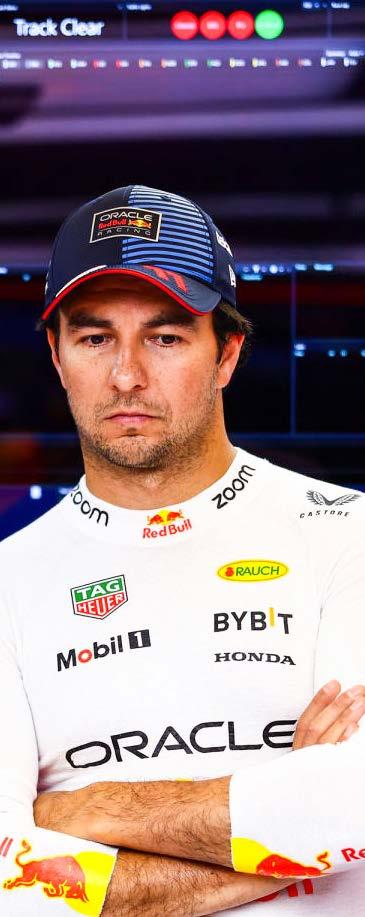
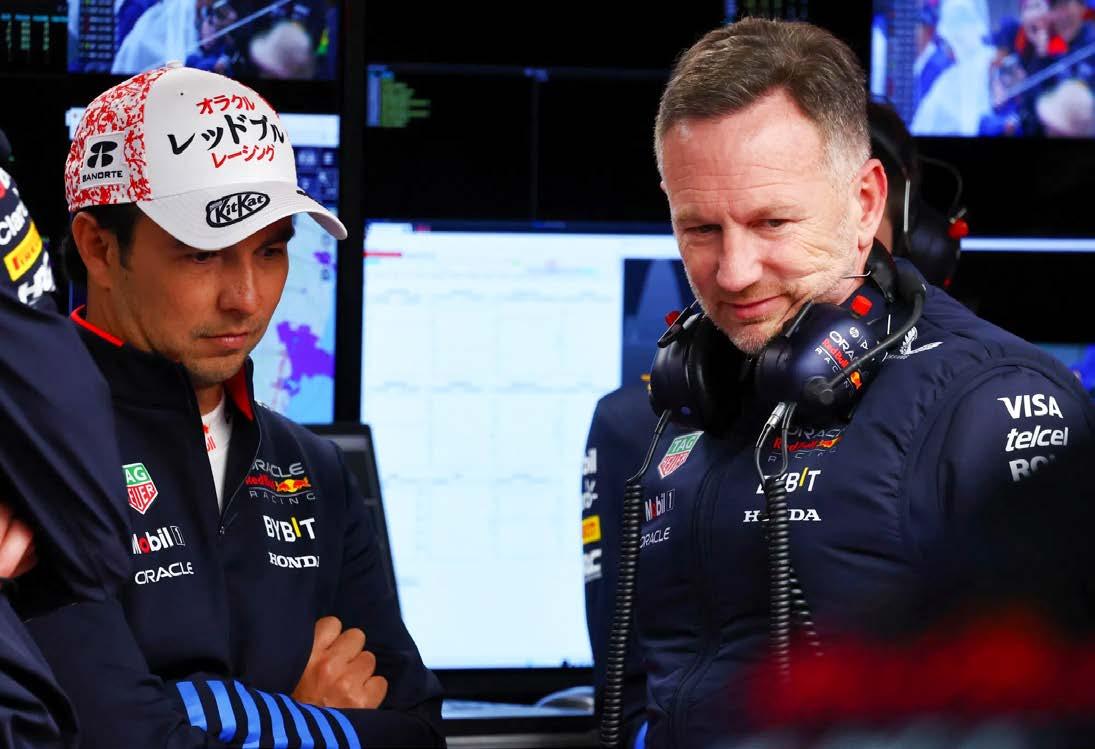
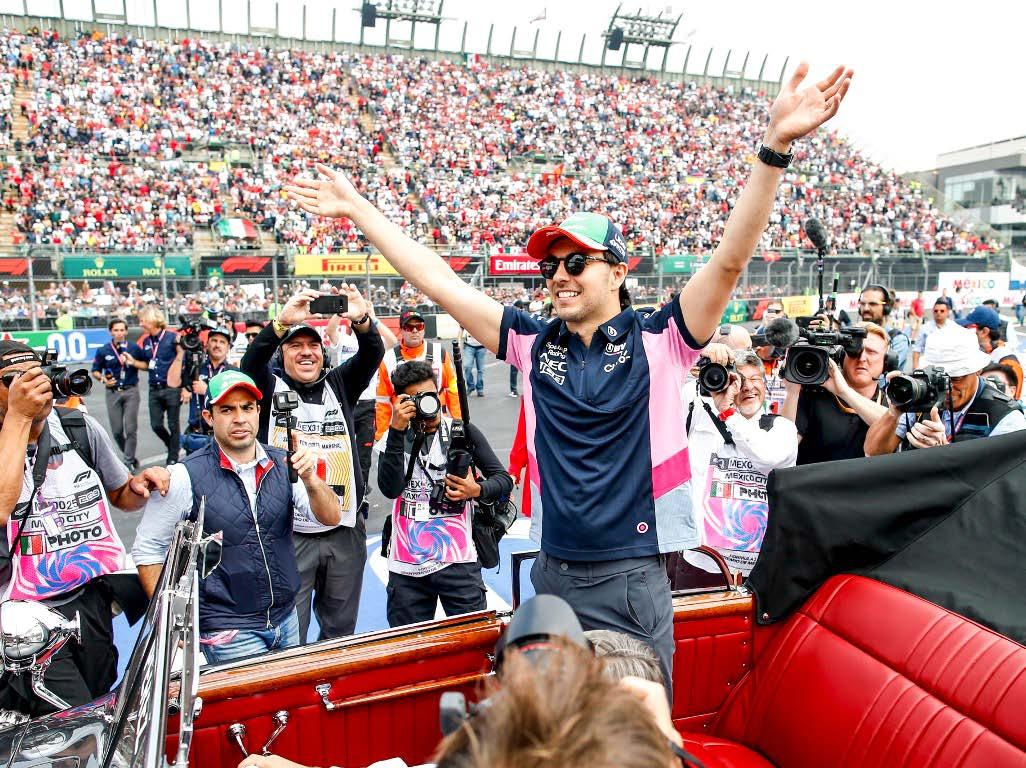
Sergio Perez’s four-year tenure with Red Bull Racing came to an abrupt end, marking the close of a chapter that had seen both remarkable highs and challenging lows. The Mexican driver, affectionately known as “Checo,” parted ways with the Milton Keynes-based team despite having two years remaining on his contract, a move that sent ripples through the Formula 1 paddock. Perez’s exit was not just the story of a driver struggling to match a teammate’s pace—it was a complex narrative shaped by car dynamics, team decisions, and the relentless demands of a championship-winning outfit.
A PROMISING START
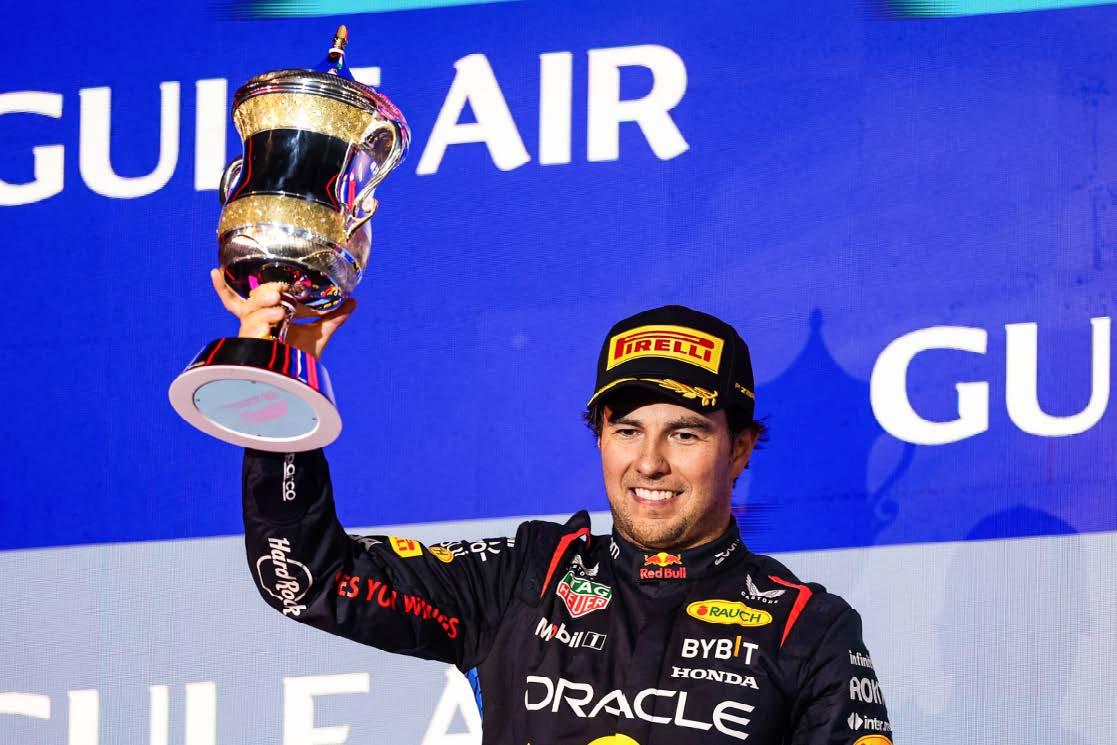
Perez joined Red Bull in 2021 as a seasoned driver, bringing stability after the team cycled through Pierre Gasly and Alex Albon in their quest for a reliable partner for Max Verstappen. His early years delivered results that justified the decision. In 2022, Perez secured two race wins, and in 2023, he finished second in the Drivers’ Championship, contributing significantly to Red Bull’s Constructors’ title victories in both seasons. His ability to perform on street circuits like Monaco and Azerbaijan, where he clinched victories, earned him praise as a dependable points-scorer.
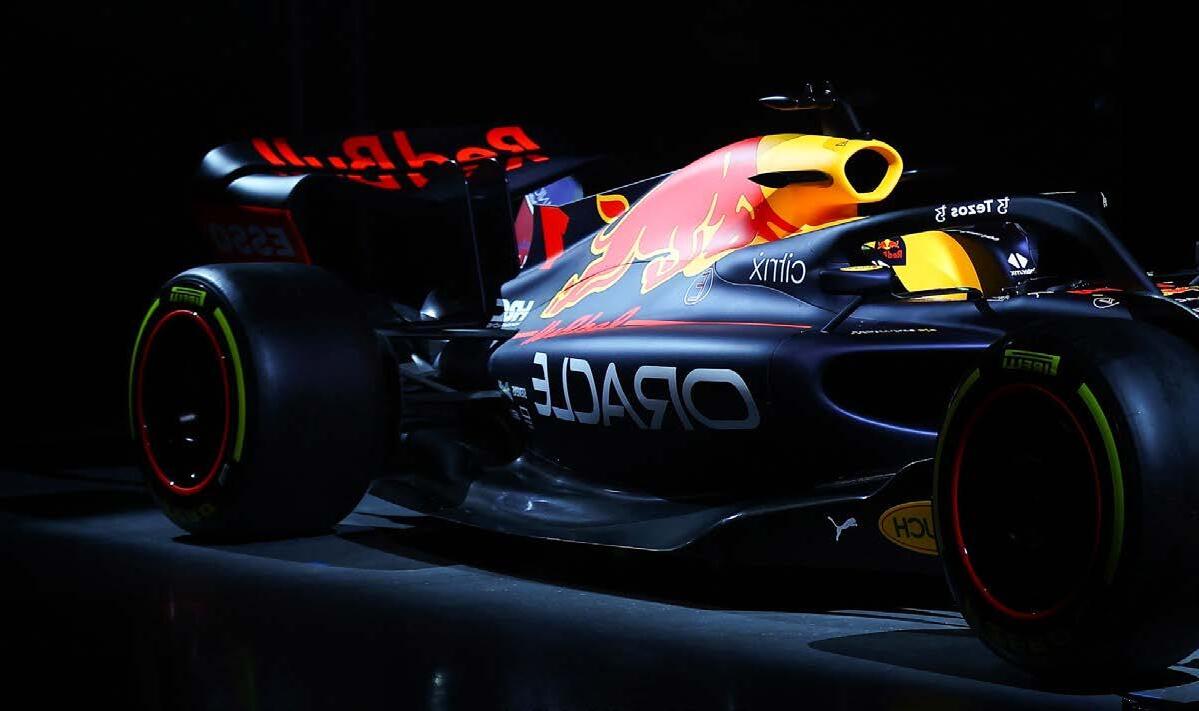
However, Perez’s role was always under scrutiny. Red Bull’s car was designed around Verstappen’s driving style, which prioritized a sharp front end—a setup that often left Perez grappling with an unstable rear. Despite these challenges, he adapted well in his first two seasons, delivering podiums and playing the team game when needed. His contributions were vital in securing Red Bull’s dominance, but the cracks began to show as the team’s expectations evolved.
THE 2024 STRUGGLE
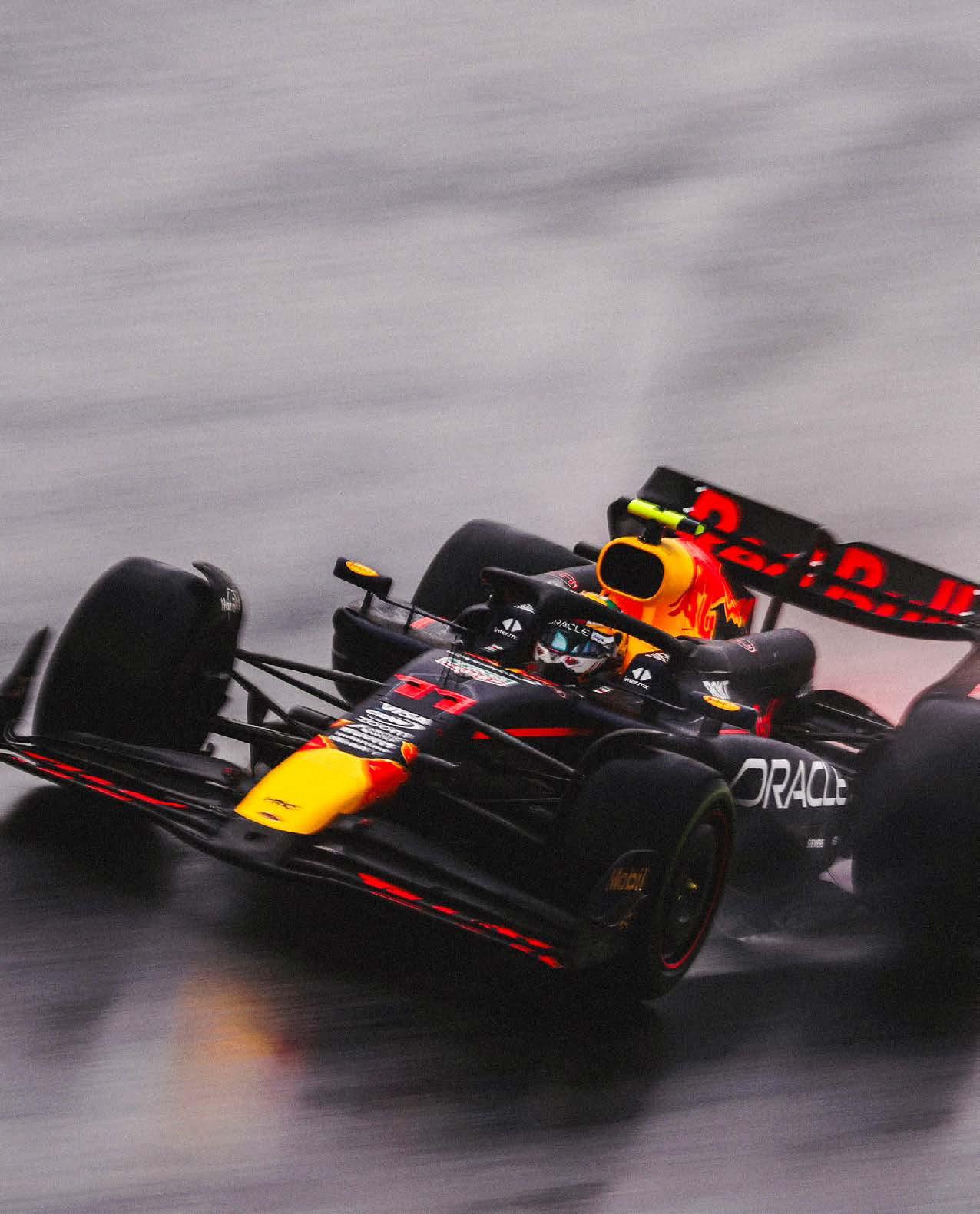
The 2024 season was a turning point—and not the kind Perez had hoped for. While Verstappen clinched his fourth consecutive Drivers’ Championship, Perez endured a campaign that he himself described as “terrible.” Finishing eighth in the Drivers’ standings with only four podiums and no race wins, Perez lagged 285 points behind his teammate. The RB20 car, plagued by balance issues, exacerbated his struggles. Where Verstappen could extract performance through sheer talent, Perez found himself mired in qualifying woes, failing to reach Q3 nine times.
The team’s development path didn’t help. As Red Bull chased performance, the car’s characteristics drifted further from Perez’s preferences. Sources noted that Perez thrived on circuits requiring a stable rear, like Baku, but struggled on tracks demanding front-end precision. The RB20’s disconnect between front and rear axles—causing oversteer on entry and understeer on exit— made consistent pace elusive for anyone not named Verstappen. Perez’s feedback, reportedly less detailed than Verstappen’s, may have contributed to the car’s evolution favouring the Dutchman, but the reality was stark: Red Bull had become a one-car team.
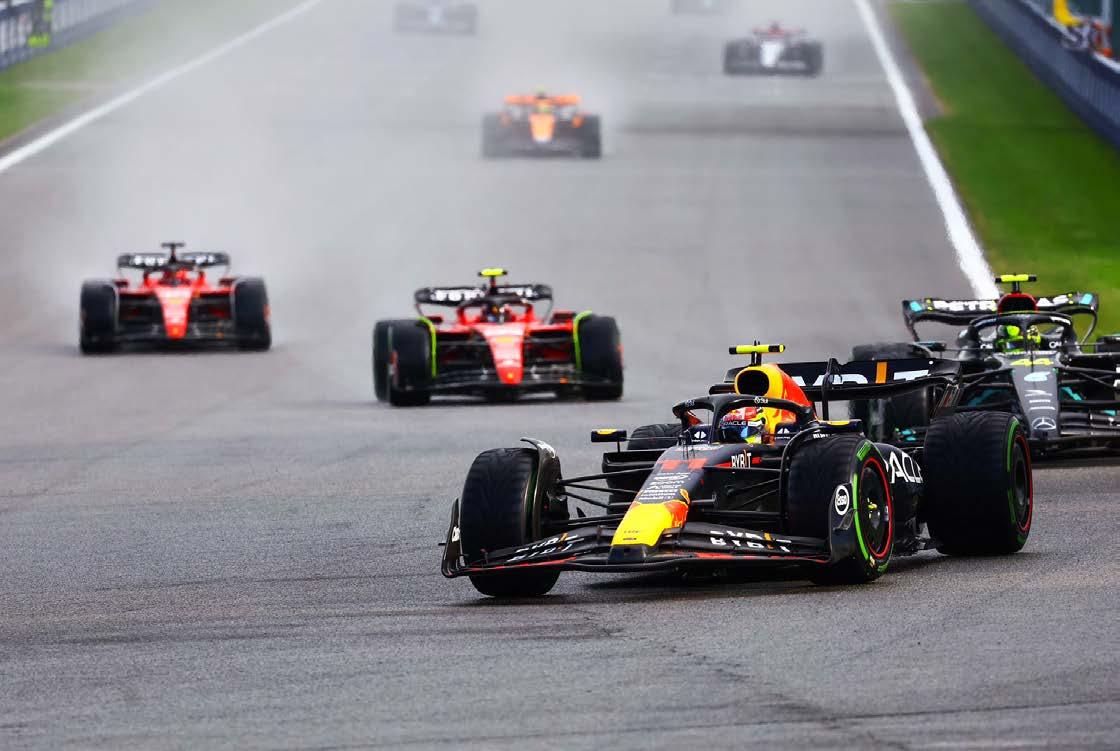
Speculation about Perez’s future swirled throughout 2024. A mid-season meeting after the Belgian Grand Prix reaffirmed his position, but the reprieve was temporary. By the Qatar Grand Prix, Perez sensed the end was near. “Everything happened really late in the season,” he told Formula1.com. “I wasn’t really expecting it to happen. It only became clearer once we were in Qatar, and we started to discuss and negotiate my exit.” The announcement came after the Abu Dhabi season finale, with Red Bull opting to replace him with Liam Lawson for 2025.
BEHIND THE SCENES: POLITICS AND PRESSURE
Perez’s exit wasn’t solely about lap times. Off-track dynamics played a significant role. His father, Antonio Perez Garibay, and sponsor Jimmy Morales hinted at internal politics, with Morales claiming Perez “no longer felt comfortable” at Red Bull. Tensions reportedly flared with senior advisor Helmut Marko, dating back to Perez’s Formula 3 days. Some suggested team principal Christian Horner’s pride was a factor, though Horner himself described the decision as “cruel but kind,” aimed at giving Perez clarity.
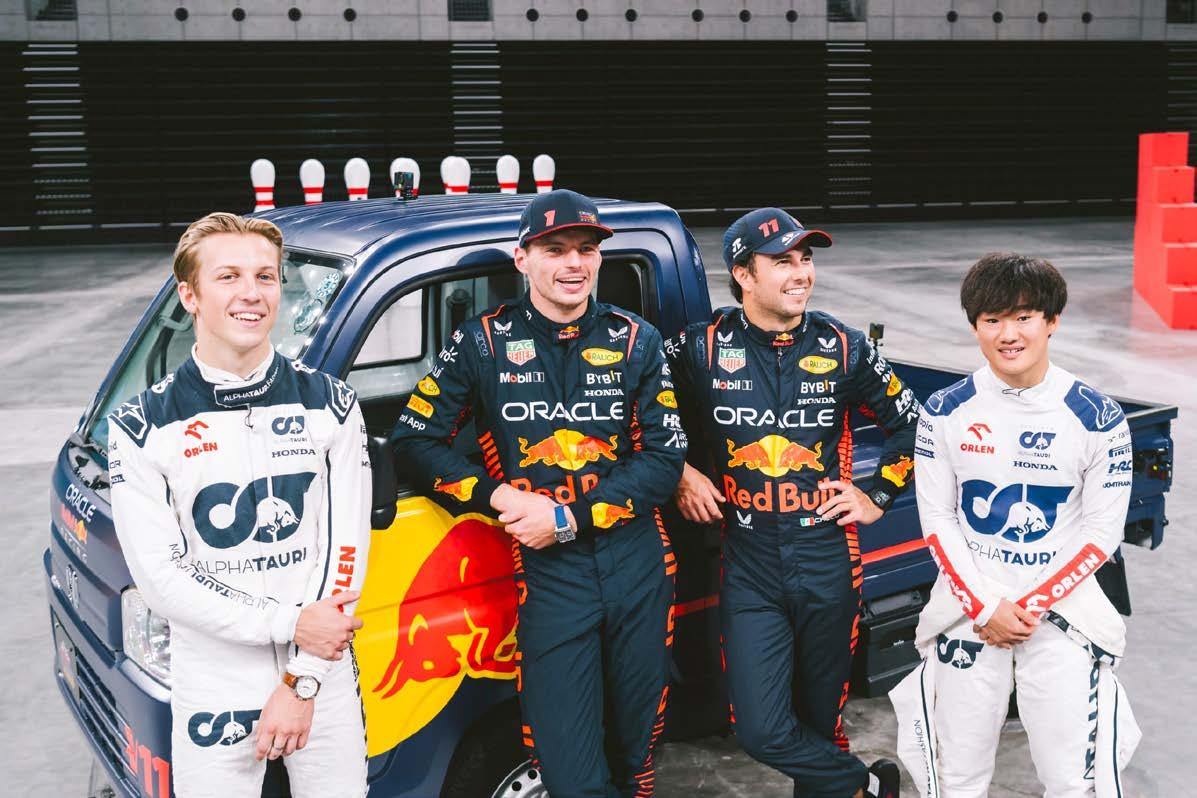
The team’s impatience was evident in their swift handling of Lawson, who lasted just two races before being demoted for Yuki Tsunoda. This rapid churn underscored Red Bull’s desperation to solve their second-seat conundrum—a problem Perez had faced head-on for years. His father even floated a theory that the second Red Bull car was fundamentally different, designed to favour Verstappen, though such claims remain speculative.
PEREZ’S LEGACY AT RED BULL
PEREZ’S LEGACY AT RED BULL
Despite the sour end, Perez’s tenure at Red Bull was far from a failure. With five race wins, 29 podiums, and a key role in two Constructors’ Championships, he leaves a legacy as one of the team’s most successful second drivers. His professionalism shone through, even in 2024, as he supported Red Bull’s efforts and later backed Tsunoda’s promotion, saying, “Yuki has the talent, the speed, and the right mentality to cope with it.”
Perez’s struggles highlighted a broader issue: Red Bull’s car philosophy caters almost exclusively to Verstappen. Former drivers like Gasly and Albon faced similar challenges, and Lawson’s brief stint suggests the problem persists. Perez’s ability to deliver results in 2022 and 2023, despite these constraints, speaks to his resilience and skill.
WHAT’S NEXT FOR CHECO?
At 35, Perez isn’t ready to hang up his helmet. He’s been linked to a 2026 return with Cadillac, the sport’s incoming 11th team, with team principal Graeme Lowdon confirming early talks. Perez has stressed he’ll only return for a project that “makes sense” and allows him to enjoy racing. “It’s good to be in this position knowing that people are keen on you as a driver,” he said, acknowledging F1’s short memory. Other options, like Formula E, have been floated, but Perez’s focus remains on F1, where he believes he has “unfinished business.” His marketability remains strong, bolstered by a loyal fanbase and sponsors like KitKat, who recently featured him in a light-hearted advert. For now, Perez is enjoying family time, regrouping after a gruelling 2024. “If I find a project that motivates me fully, where the team believes in me, it would be very attractive,” he told Sky Sports.
THE BIGGER PICTURE
Perez’s exit underscores the brutal nature of F1, where even a six-time Grand Prix winner can be side-lined if the fit isn’t perfect. Red Bull’s second seat remains a poisoned chalice, with Tsunoda now facing the same pressure that overwhelmed Perez and others. The team’s reliance on Verstappen’s brilliance leaves little room for error—or for drivers with different styles.
For Perez, the future is open. His experience, racecraft, and commercial appeal make him a valuable asset. Whether he returns with Cadillac or another outfit, Checo’s story in F1 is far from over. As he navigates his next move, fans will remember him not just for his struggles, but for the moments— like his Monaco masterclass or Baku brilliance—that proved his worth on the world stage.
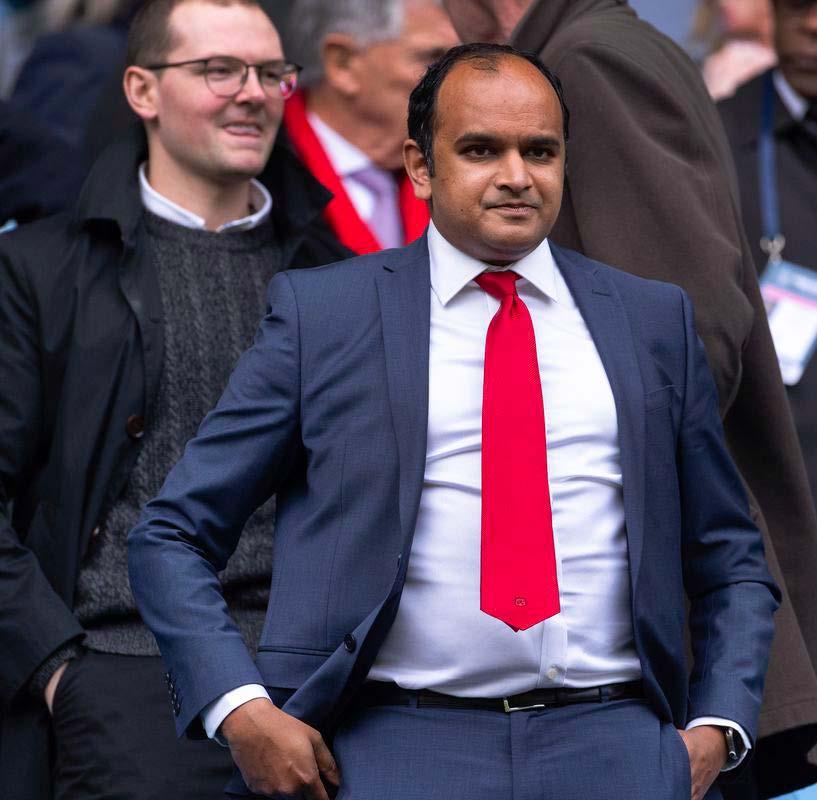
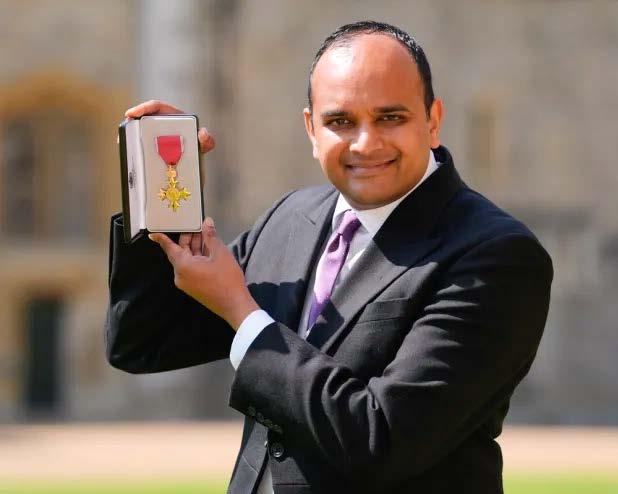
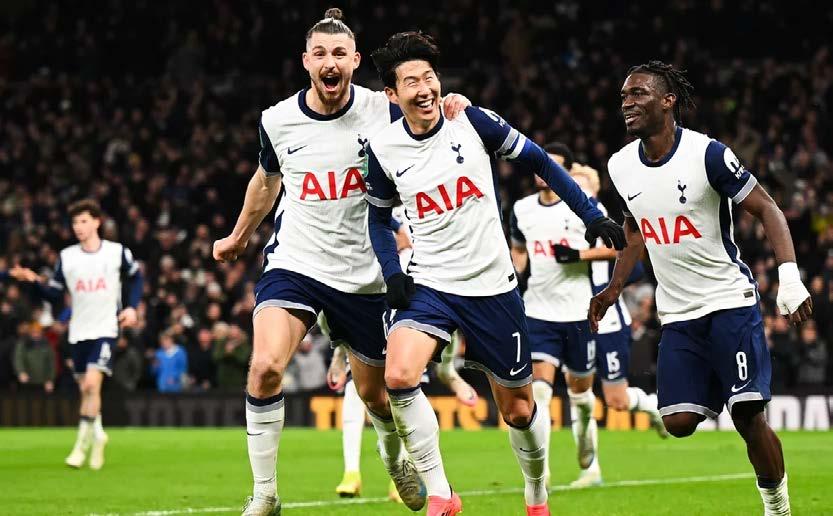
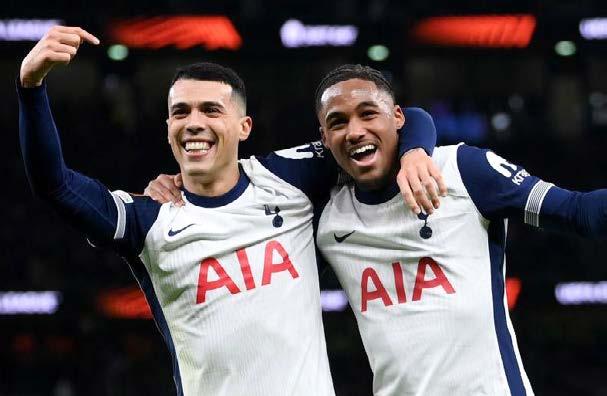
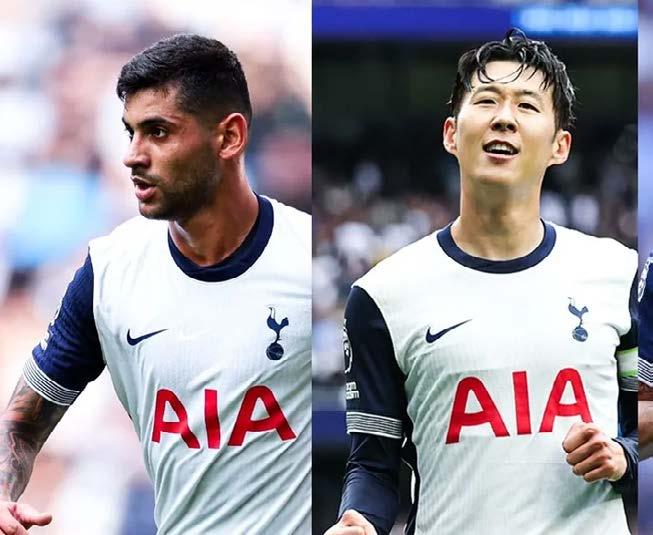
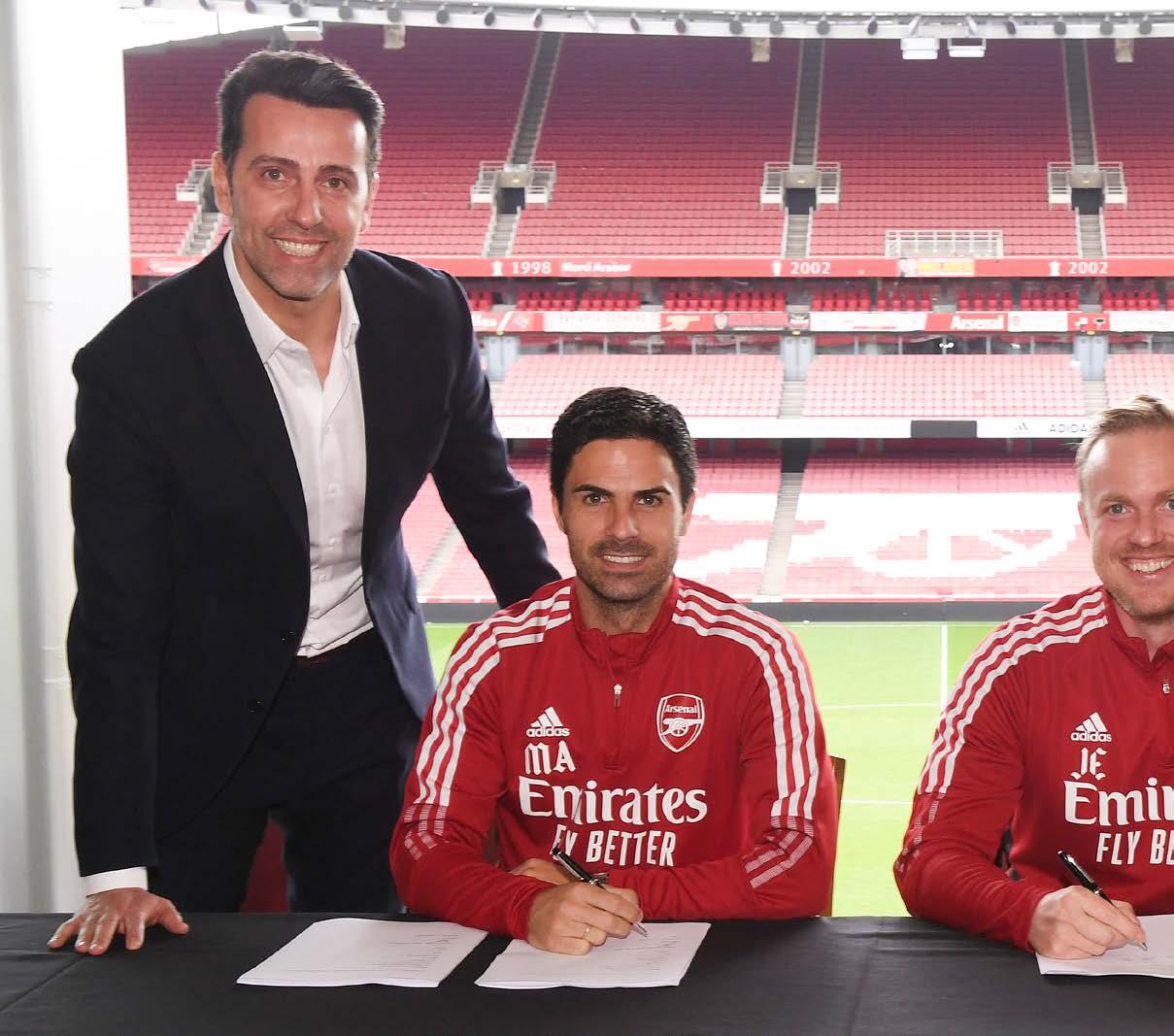
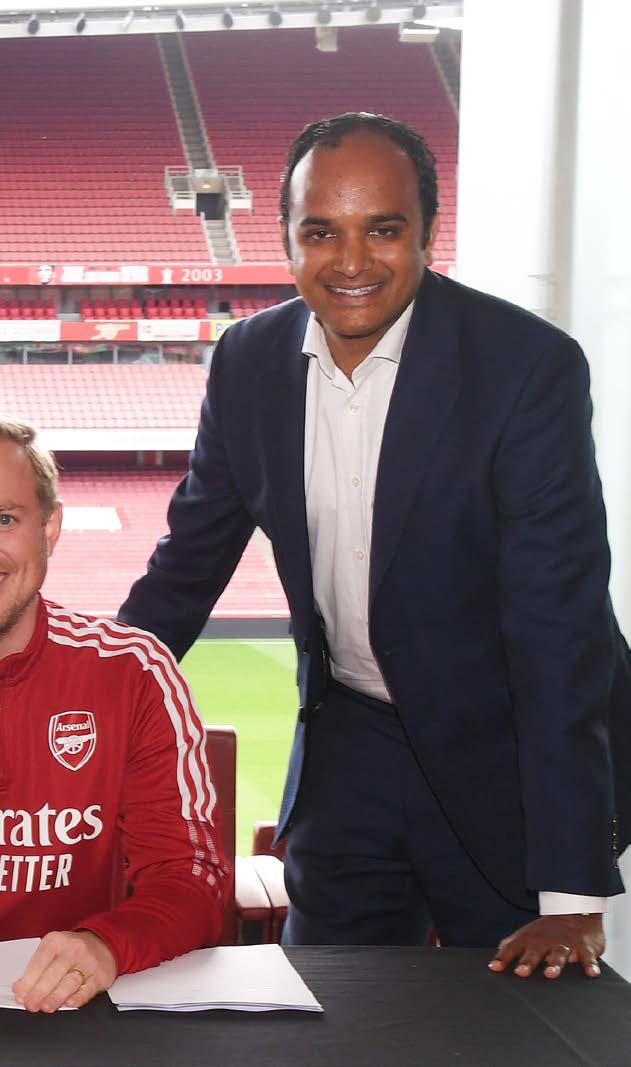
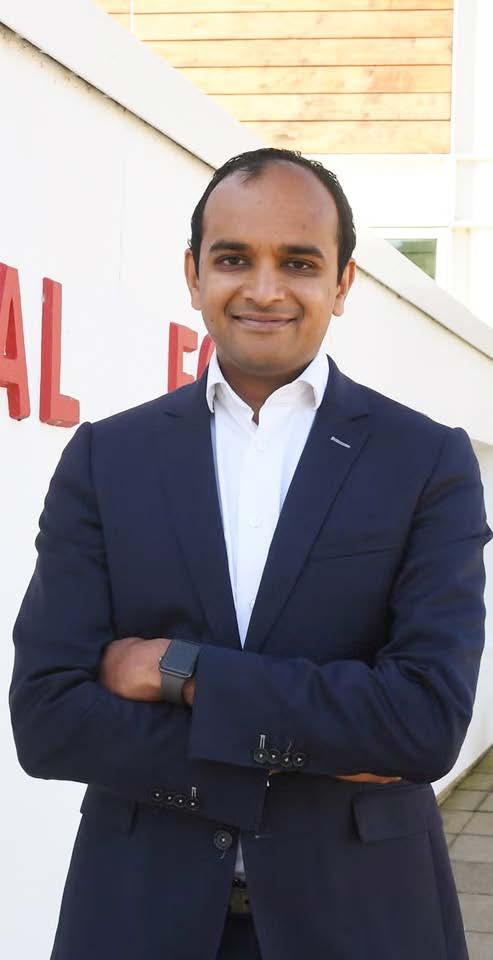
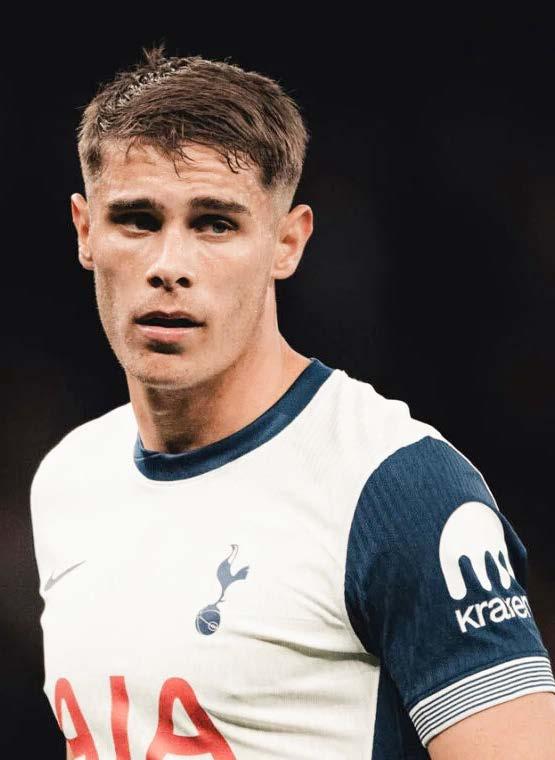
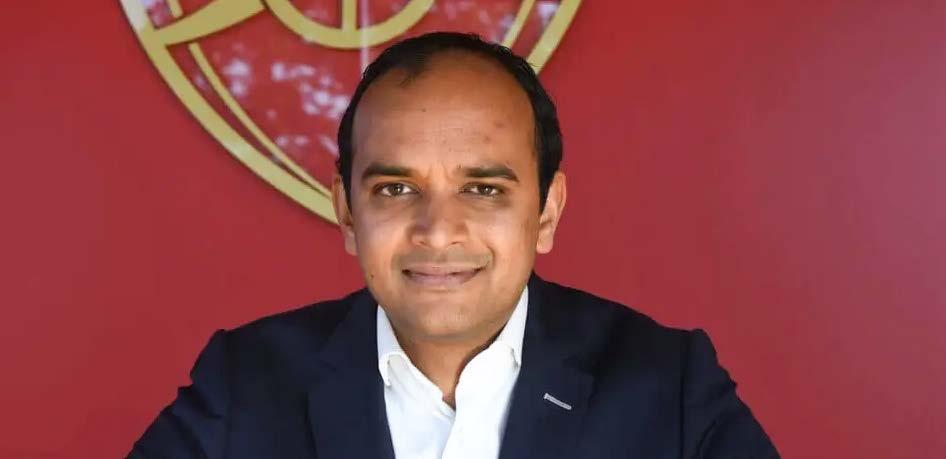
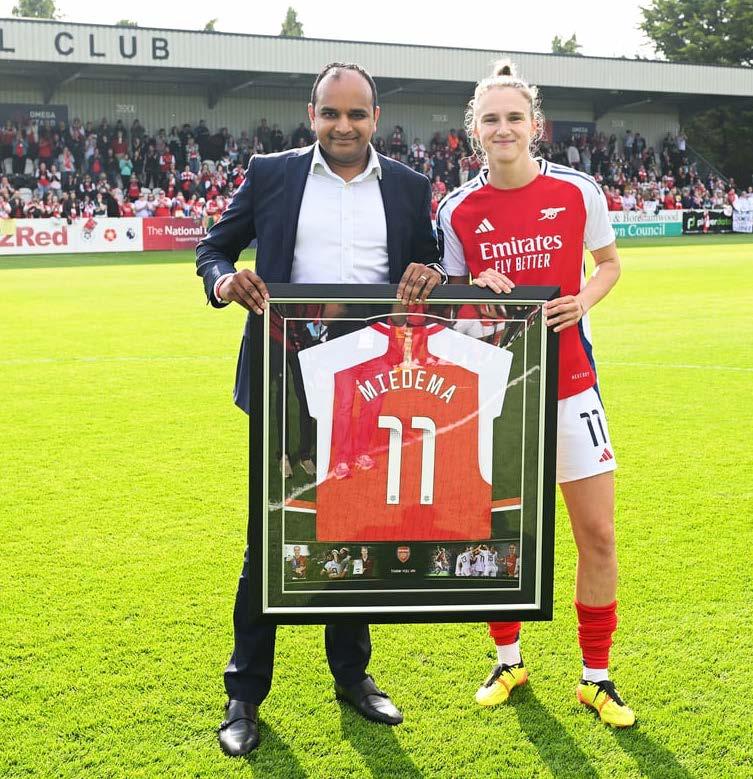
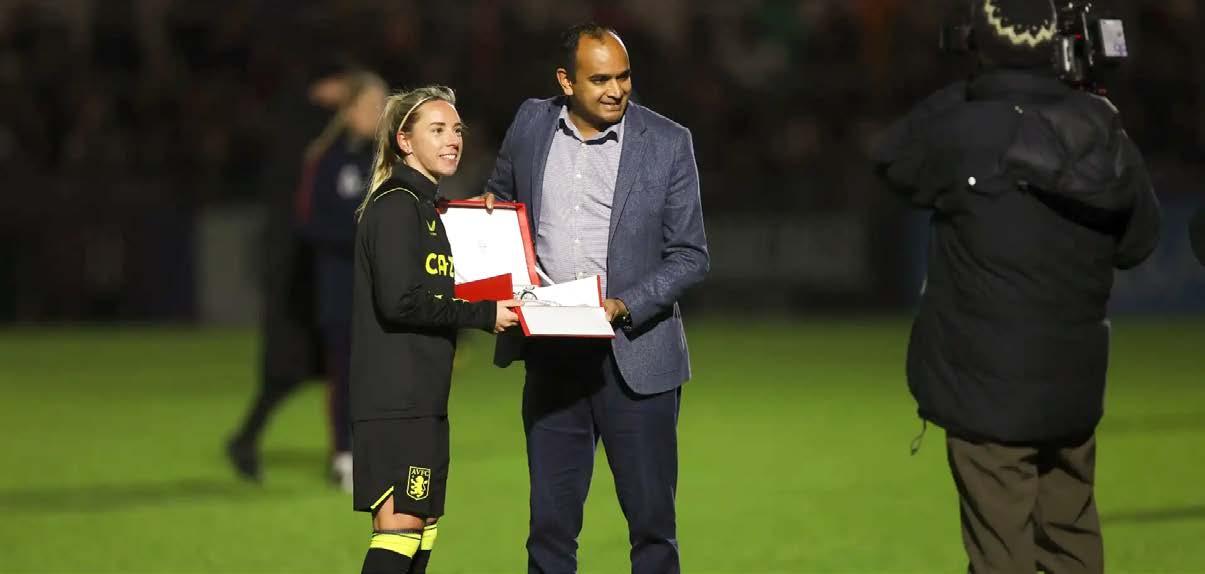
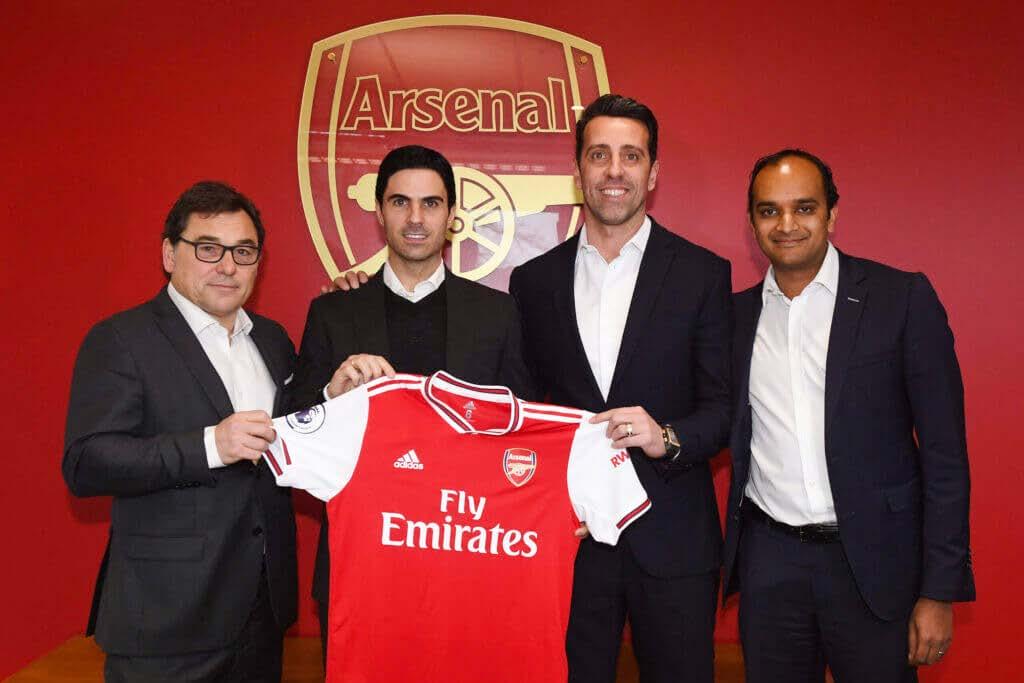
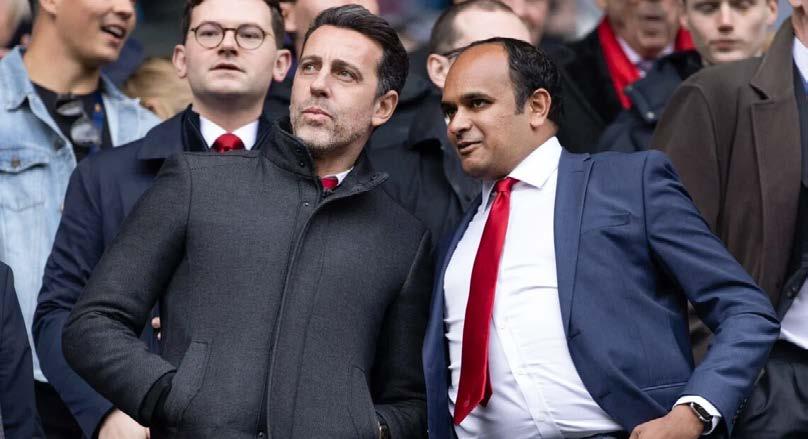
In a move that has sent ripples through North London and the broader footballing world, Vinai Venkatesham, the former Arsenal chief executive, has been appointed as Tottenham Hotspur’s new CEO, set to take the reins in the summer of 2025. The announcement marks a dramatic shift for Venkatesham, who spent 14 years at Arsenal, including a transformative stint as CEO from 2020 until the end of the 2023-24 season. For Tottenham, securing a figure of Venkatesham’s pedigree is a coup, but for Arsenal fans, it’s a bitter pill to swallow—a defection to their fiercest rivals.
A Storied Tenure at Arsenal
Venkatesham’s journey at Arsenal began in 2010, and over the years, he rose through the ranks to become one of the club’s most influential figures. As CEO, he played a pivotal role in navigating the Gunners through turbulent times, including the post-Arsène Wenger era, financial challenges exacerbated by the pandemic, and the club’s resurgence under Mikel Arteta. His strategic vision, commercial acumen, and strong relationships with governing bodies like the Premier League, UEFA, and the European Club Association (ECA) earned him widespread respect.
Under his leadership, Arsenal secured significant commercial deals, strengthened their global brand, and laid the groundwork for a return to competitiveness in the Premier League and European competitions. Venkatesham’s decision to step down at the end of the 2023-24 season was met with gratitude from Arsenal supporters, who saw him as a steady hand in modernizing the club. Few, however, could have predicted his next move.
Crossing the Divide
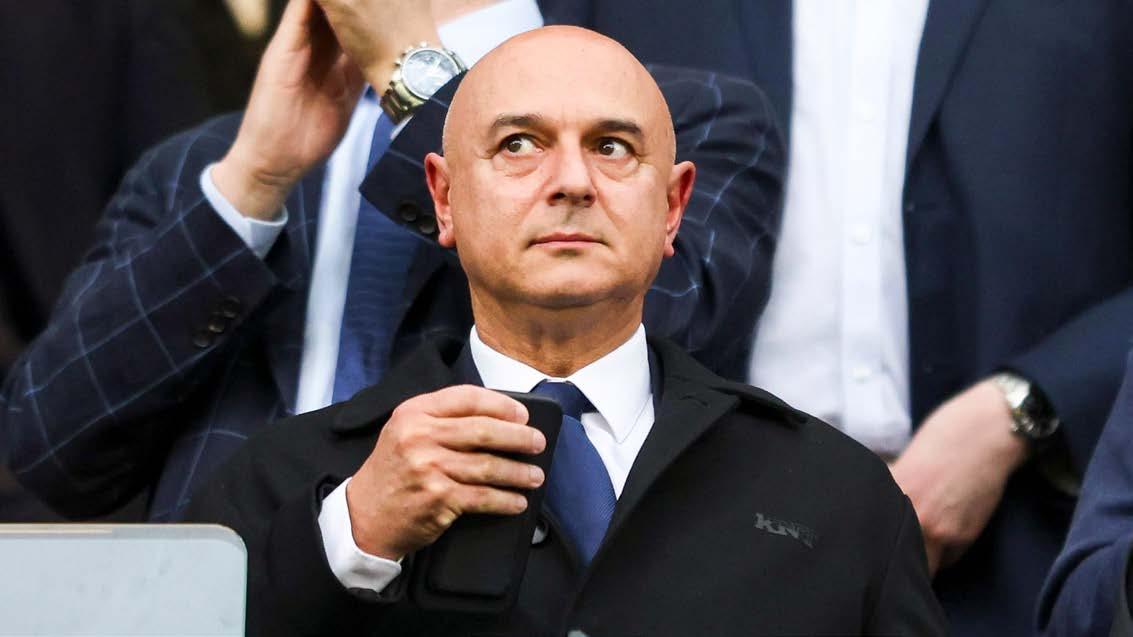
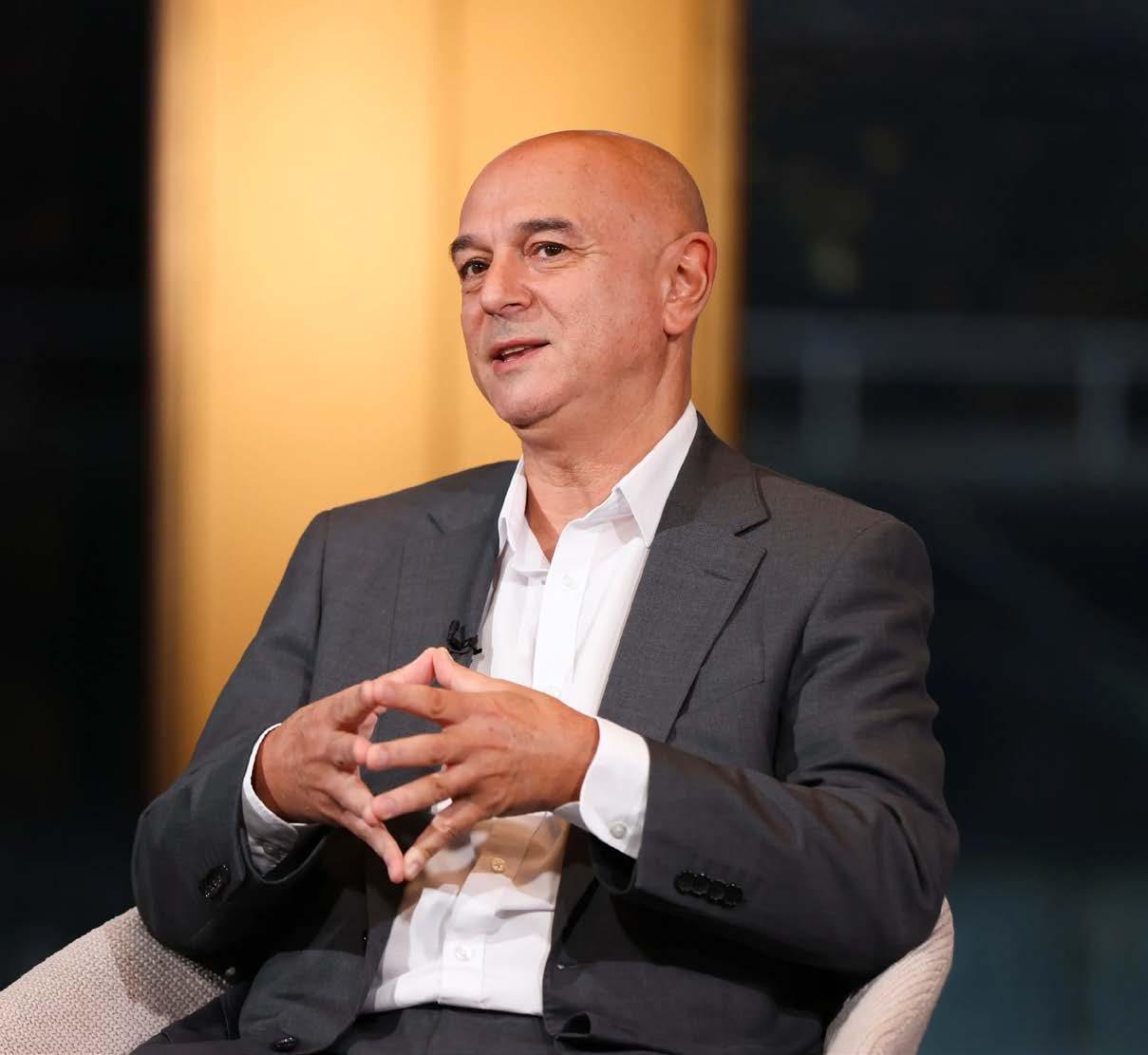
The news of Venkatesham’s appointment at Tottenham has sparked intense debate. For Spurs, it’s a statement of intent. Chairman Daniel Levy described Venkatesham as “a proven leader with a deep understanding of football and business,” emphasizing his ability to drive the club forward both on and off the pitch. Venkatesham will oversee all operational matters at Tottenham, from commercial growth to stadium operations, while working closely with Levy to execute the club’s long-term vision.
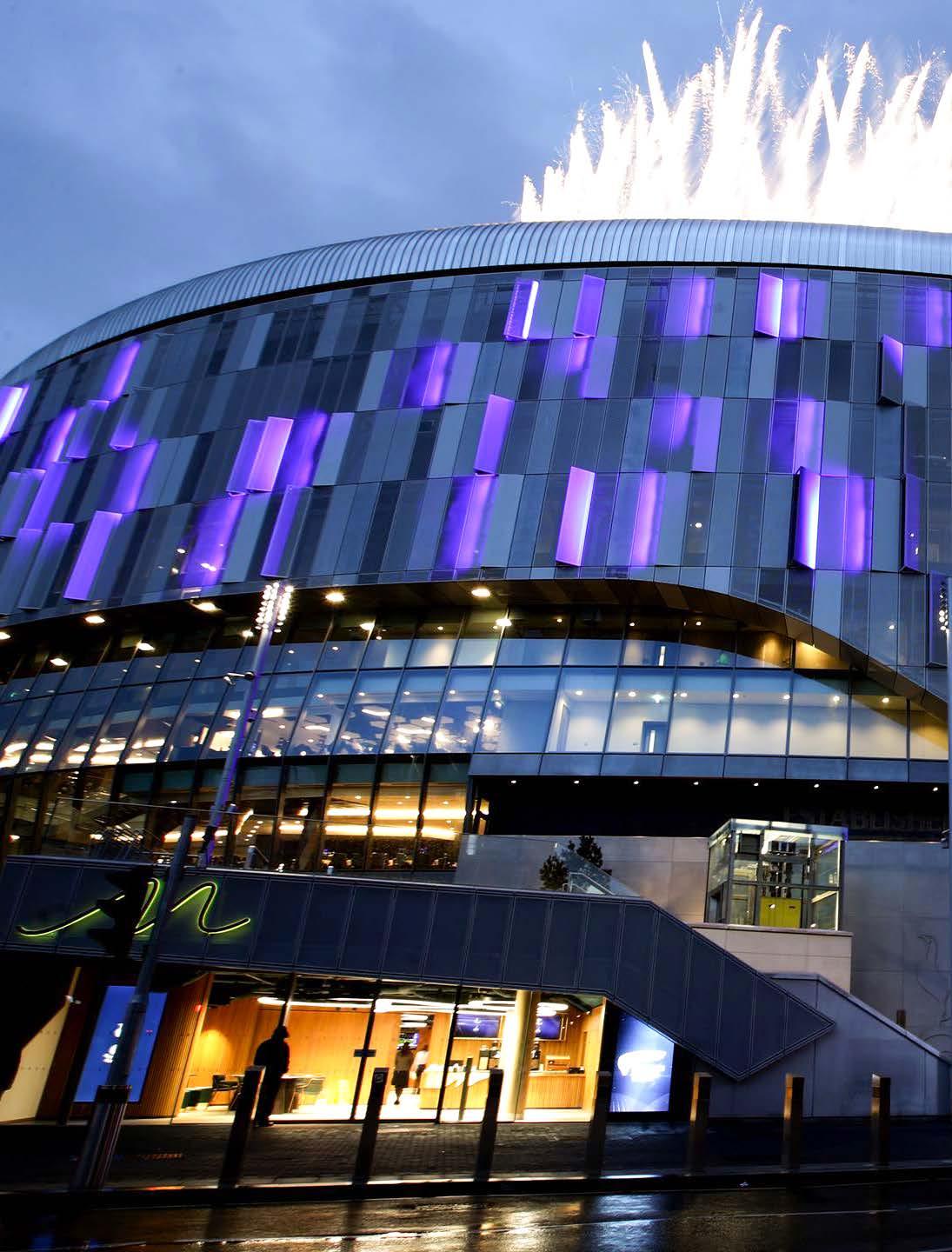
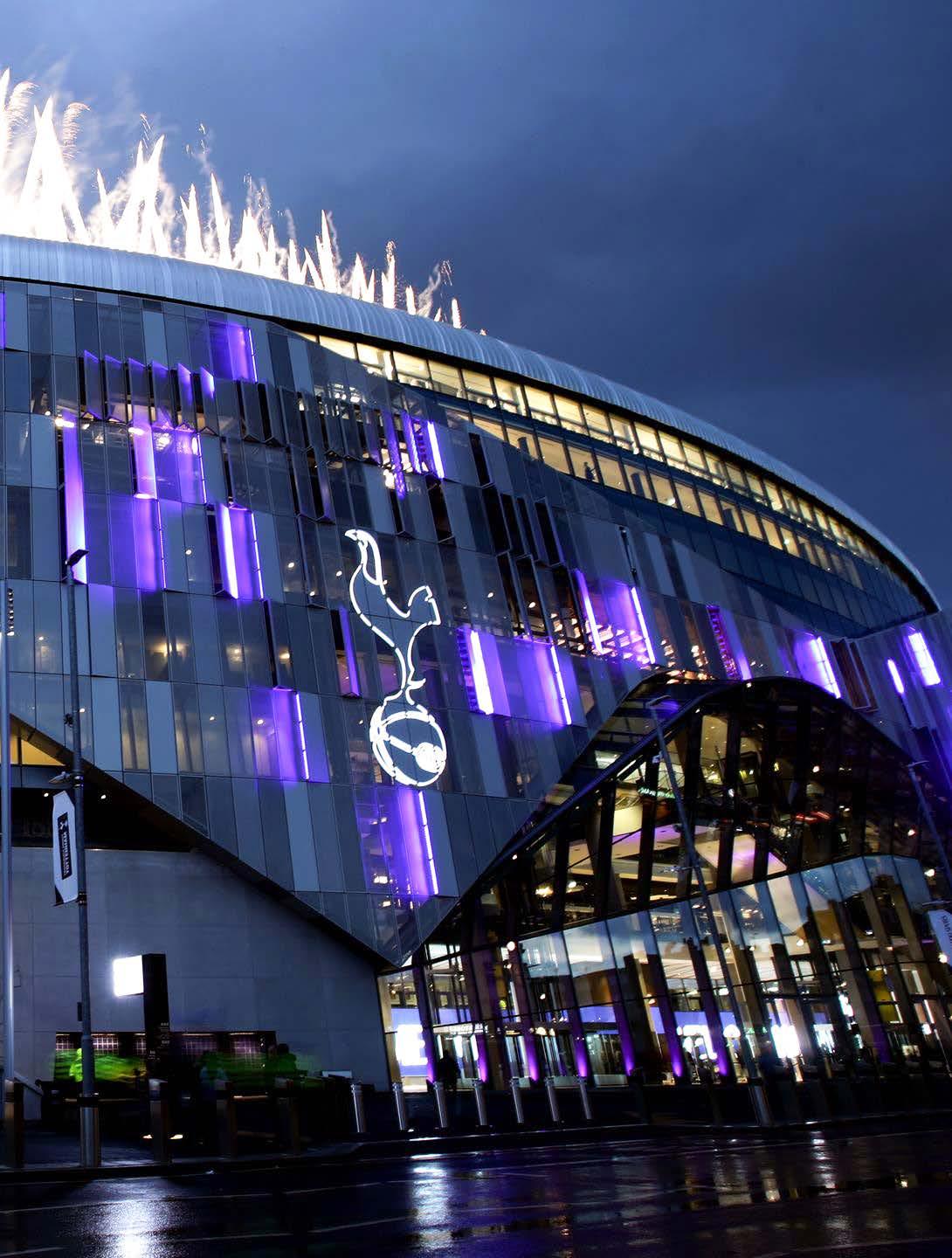
Tottenham’s state-of-the-art stadium, a hub for football, concerts, and NFL games, is already a financial powerhouse, but Venkatesham’s expertise could unlock new revenue streams. His experience with the London 2012 Olympics, where he served as Head of Global Partnership Sales, and his current role as a non-executive director of the British Olympic Association, highlight his ability to manage high-stakes, multifaceted organizations. These skills will be crucial as Spurs aim to compete with the Premier League’s elite while maintaining financial sustainability.
Fan Reactions and Rivalries
For Arsenal fans, Venkatesham’s move feels like a betrayal. Social media platforms, have been abuzz with reactions ranging from disappointment to outright anger. “From Arsenal’s heart to Spurs’ payroll—unbelievable,” one fan posted, capturing the sentiment of many. The North London rivalry is one of football’s fiercest, and Venkatesham’s defection has added fuel to an already fiery dynamic. Some supporters, however, have taken a more pragmatic view, acknowledging that his departure from Arsenal was amicable and that professional ambition often transcends club loyalties.
Tottenham fans, meanwhile, are cautiously optimistic. While some question whether Venkatesham can adapt to Spurs’ unique culture, others see his appointment as a sign of ambition. “If he can do for us what he did for Arsenal, I’m all in,” one Spurs supporter wrote online. The challenge for Venkatesham will be winning over a fanbase accustomed to scrutinizing every move made by the club’s hierarchy.
What Lies Ahead
Venkatesham’s arrival comes at a critical juncture for Tottenham. Despite their world-class facilities and a talented squad, Spurs have struggled for consistency in recent seasons, with trophy droughts and managerial changes frustrating supporters. Venkatesham’s task will be to align the club’s commercial success with on-pitch achievements, a balance he helped strike at Arsenal. His relationships with key stakeholders in football governance could also prove invaluable, particularly as the sport navigates issues like financial regulations, VAR controversies, and the evolving European club landscape.
For Venkatesham himself, the move represents a bold new challenge. In a statement, he expressed excitement about joining “a club with such a rich history and incredible potential,” promising to build on Tottenham’s foundations to deliver success for fans. Yet, the shadow of his Arsenal legacy will loom large, especially when the two sides face off in future North London derbies.
A Game-Changing Appointment?
Vinai Venkatesham’s appointment as Tottenham’s CEO is more than a personnel change—it’s a seismic shift in the North London footballing landscape. For Spurs, it’s a chance to harness the expertise of a proven leader. As the 2025-26 season approaches, all eyes will be on Venkatesham to see if he can transform Tottenham’s fortunes—or if the weight of rivalry and expectation proves too heavy.
One thing is certain: the next chapter of this storied rivalry just got a lot more intriguing.
KAZAKHSTAN’S WOMEN’S TENNIS TEAM SOARS TO HISTORIC NO.
6 IN BILLIE
JEAN KING CUP RANKINGS
In a landmark achievement for Kazakhstan’s tennis scene, the nation’s women’s tennis team has skyrocketed to an unprecedented No. 6 in the Billie Jean King Cup world rankings, as confirmed by the International Tennis Federation (ITF) on April 21, 2025. This milestone marks the first time Kazakhstan has breached the top six, cementing their status as a rising powerhouse in global women’s team tennis. Fuelled by stellar performances in the 2025 qualifiers and led by world-class talents like Elena Rybakina and Yulia Putintseva, the team’s ascent reflects their skill, determination, and growing influence on the international stage.
The Billie Jean King Cup, formerly known as the Fed Cup, is the premier international team competition in women’s tennis, and Kazakhstan’s climb to No. 6 is a testament to their remarkable progress. Just three years ago, in 2022, the team achieved their previous best ranking of No. 13. The leap to the top tier in 2025 highlights not only the individual brilliance of their players but also the cohesive strength of the squad under pressure.
Kazakhstan’s path to this historic ranking was paved during the 2025 Billie Jean King Cup Qualifiers in Brisbane, where they faced formidable opponents in Australia and Colombia. The team delivered a commanding performance, securing their place in the prestigious Finals set to take place in Shenzhen, China. Kazakhstan became the first nation to qualify for the Finals, a feat that underscored their dominance and set the tone for their rankings surge.
At the heart of this success is Elena Rybakina, ranked World No. 10, whose powerful game and clutch performances were pivotal. In Brisbane, Rybakina showcased her resilience, staging a comeback victory against Australia’s Kimberly Birrell and dominating Colombia’s Yuliana Lizarazo in straight sets. Her contributions in singles were decisive, earning critical points for Kazakhstan. Complementing Rybakina’s efforts was Yulia Putintseva, World No. 23, whose tenacity and experience bolstered the team’s lineup. Together, their leadership and skill galvanized the squad, inspiring confidence in their teammates and fans alike.
The significance of this achievement reverberates across Kazakhstan, with social media platforms with pride. Posts from outlets celebrated the team’s “fantastic leap” to No. 6, noting it as a historic moment for Kazakhstani sports. Fans echoed this sentiment, hailing Rybakina and Putintseva as national heroes and praising the team’s collective grit. Zhibek Kulambayeva, Zarina Diyas, and Anna Danilina played their part in the team’s progress as well.
Kazakhstan’s rise in the Billie Jean King Cup rankings is more than a numerical milestone; it reflects the nation’s growing investment in tennis and the emergence of a golden generation of players. Rybakina, a former Wimbledon champion, and Putintseva, a seasoned competitor, have elevated Kazakhstan’s profile in the sport, inspiring younger athletes and fostering a culture of excellence. The team’s success also highlights the importance of strategic preparation and unity, qualities that will be crucial as they prepare to compete against the world’s elite in Shenzhen.
Looking ahead, Kazakhstan’s No. 6 ranking positions them as serious contenders in the Billie Jean King Cup Finals. With Rybakina and Putintseva at the helm, the team has the firepower to challenge top nations like Australia, the United States, and defending champions Canada. Their performance in Shenzhen will be closely watched, not only by fans in Kazakhstan but by the global tennis community, eager to see how far this dynamic squad can go.
For now, Kazakhstan’s women’s tennis team can bask in the glow of their historic achievement. Their journey to No. 6 is a story of talent, perseverance, and national pride—a shining moment that will inspire future generations of Kazakhstani athletes to aim for the stars. As they prepare for the Finals, one thing is clear: Kazakhstan’s women are not just competing—they’re redefining what’s possible on the world stage.
KAZAKHSTAN’S YOUNG
CHESS PRODIGIES SHINE
AT THE 2025 WORLD YOUTH RAPID CHESS CHAMPIONSHIPS
In a remarkable display of skill and determination, Kazakhstan’s young chess players dominated the 2025 FIDE World Cadet & Youth Rapid Chess Championships, held from April 12-18 at the Rodos Palace Hotel International Conference Centre in Rhodes, Greece. The Kazakh contingent, represented by 22 talented athletes, secured an impressive haul of six gold medals and one bronze, topping the unofficial team standings and cementing the nation’s growing reputation as a global chess powerhouse.
A HISTORIC HAUL OF MEDALS
The championships, which brought together 433 participants from 49 countries competing in age categories from Under 8 to Under 18, featured 11 rounds played under the Swiss system. Kazakhstan’s young talents shone brightly across multiple sections, with six players claiming world champion titles in their respective categories. The gold medalists were:
• Adinur Adilbek (Open U8)
• Alisha Bisaliyeva (Girls U8), who achieved a perfect score of 11/11, a rare feat in such a competitive field
• Amirzhan Anetov (Open U10)
• Aiyaru Altynbek (Girls U14)
• Ergali Suleimen (Open U18)
• Elnaz Kaliakhmet (Girls U16), who won her section with a commanding two-point lead
In addition to the gold medals, Zhansaya Sholpanbek secured a bronze in the Girls U14 category, further bolstering Kazakhstan’s impressive medal tally. The nation’s dominance was particularly striking given that only two of its players—Adinur Adilbek and Aiyaru Altynbek— were considered favorites based on their ratings entering the tournament.
KAZAKHSTAN ’ S CHESS RENAISSANCE
Kazakhstan’s success at the 2025 Championships is a testament to the nation’s burgeoning chess culture, driven by systemic investments and a commitment to nurturing young talent. The Kazakhstan Chess Federation, under the leadership of President Timur Turlov, has implemented programs to support young players, including funding for training, international tournaments, and chess education in schools. In 2024 alone, Kazakh chess players won a record 160 medals across global competitions, with the Rhodes event adding to this legacy.
“This is a natural result of the painstaking work of the entire KazChess team, carried out with the support of the country’s leadership,” Turlov said, reflecting on the team’s achievements. “We intend to continue this pace so that Kazakhstan takes a worthy place on the world chess board.” The team’s performance in Rhodes follows a strong showing at the 2024 World Youth Rapid & Blitz Championships in Slovenia, where Kazakh players, including Elnaz Kaliakhmet and Daniyal Sapenov, secured 10 medals, including two golds. These consistent results highlight the depth of talent in Kazakhstan’s youth chess programs.
STANDOUT MOMENTS AND INDIVIDUAL BRILLIANCE
Alisha Bisaliyeva’s perfect 11/11 score in the Girls U8 category was the talk of the tournament, earning praise from chess analysts and fans alike. Her ability to outmanoeuvre opponents with such consistency at just eight years old signals a bright future for Kazakh chess. Similarly, Adinur Adilbek and Aiyaru Altynbek, both rated as favourites in their categories, delivered under pressure, showcasing the preparation and mental fortitude instilled by their coaches. Elnaz Kaliakhmet’s victory in the Girls U16 category was particularly notable, as she built on her previous successes, including two gold medals at the 2024 Slovenia Championships. Her versatility in rapid and blitz formats underscores her potential to compete at the senior level in the near future.
A GROWING LEGACY
Kazakhstan’s chess legacy is not new, but has gained significant momentum in recent years. Players like Bibisara Assaubayeva, the youngest-ever Women’s Blitz World Champion, and Zhansaya Abdumalik, the first Kazakh woman to earn the Grandmaster title, have paved the way for the current generation. The women’s national team, one of the youngest at the 2024 Chess Olympiad, won a silver medal, while young stars like Kazybek Nogerbek, the 2024 World Junior Champion, continue to make headlines.
The success in Rhodes also reflects the broader support for chess in Kazakhstan, with major international events like the 2023 World Championship match and the 2024 World Rapid and Blitz Team Championships hosted in Astana. These initiatives, backed by organizations like Freedom Holding Corp. and the Kaissa Foundation, have elevated Kazakhstan’s profile in the global chess community.
LOOKING AHEAD
As Kazakhstan celebrates its triumph at the 2025 World Youth Rapid Chess Championships, the focus now shifts to sustaining this momentum. With a robust pipeline of young talent, continued investment in training, and a passionate chess community, Kazakhstan is poised to remain a dominant force in international chess for years to come. The achievements of Adilbek, Bisaliyeva, Anetov, Altynbek, Kaliakhmet, Suleimen, and Sholpanbek are not just victories for Kazakhstan but an inspiration for aspiring chess players worldwide. For now, the chess world watches in awe as Kazakhstan’s young prodigies redefine what’s possible on the 64 squares, one brilliant move at a time.
FROM PIZZA DELIVERY TO BILLION-DOLLAR EMPIRE THE RISE OF GYMSHARK’S BEN FRANCIS
In the world of fitness apparel, few brands have captured the zeitgeist quite like Gymshark. Known for its sleek designs, quality performance wear, and a cult-like following among gym-goers, the company has become a global powerhouse. At the heart of this success story is Ben Francis, a British entrepreneur whose journey from a pizza delivery boy to billionaire founder is as inspiring as it is unconventional.
Early Beginnings: A Teen with a Passion
Born on June 4, 1992, in the West Midlands, England, Benjamin David Francis grew up in Bromsgrove, Worcestershire. As a child, he was obsessed with football, dreaming of a professional career. However, by his teens, he realized he wouldn’t make it as a pro and shifted his focus to other interests: fitness and technology. Francis started going to the gym as a teenager, finding structure and discipline in weightlifting. Around the same time, his curiosity for computing blossomed after taking an IT class at South Bromsgrove High School, where he discovered a knack for practical, skill-based learning.
This blend of passions—fitness and tech—set the stage for his entrepreneurial ventures. Before Gymshark, Francis dabbled in various projects, including an online business selling car number plates and developing two fitness apps, Fat Loss Abs Guide and iPhysique, which gained modest traction on Apple’s charts. These early experiments, though not blockbuster successes, taught him the basics of building and marketing digital products.
The Spark: A Frustration with Gymwear
In 2012, at the age of 19, Francis was a first-year student at Aston University, studying international business and management. To make ends meet, he worked as a delivery driver for Pizza Hut, earning £5 an hour. While balancing lectures, late-night shifts, and gym sessions, he noticed a recurring issue: the gym clothes available at the time were either too baggy, uncomfortable, or made of scratchy synthetic materials. Frustrated by the lack of fitted, stylish workout gear, Francis saw an opportunity to combine his love for fitness with his entrepreneurial drive.
With no formal fashion background, he took a leap of faith. Armed with £1,000 in savings, he bought a sewing machine and a screen printer. His grandmother, a curtain-maker, taught him how to sew—a skill that would prove invaluable. Alongside his school friend Lewis Morgan, Francis launched Gymshark from his parents’ garage in Bromsgrove. The initial idea was simple: create gymwear that looked good, felt great, and catered to a new generation of fitness enthusiasts.
The Humble Start: Dropshipping and Determination
Gymshark didn’t start as an apparel brand. Unable to afford inventory, Francis and Morgan began by dropshipping fitness supplements through the Gymshark website. Dropshipping allowed them to list products without holding stock—when a customer ordered, a third-party supplier would fulfil it, and Gymshark took a small margin. It took six weeks to make their first sale, a testament to Francis’s patience and persistence.
However, supplements were just a stepping stone. Francis’s real vision was to design gymwear that addressed his own frustrations. Using the modest profits from dropshipping and his Pizza Hut earnings, he started crafting apparel in the garage. Early designs were basic—hoodies, stringer vests, and fitted tees—but they were tailored to the aesthetic of modern bodybuilders and fitness fans. Francis’s hands-on approach kept costs low, and his IT skills helped him build a functional website to showcase the products.
The Turning Point: Social Media
and BodyPower
Gymshark’s trajectory changed dramatically in 2013, thanks to two pivotal moves. First, Francis embraced social media in a way few brands did at the time. Growing up immersed in YouTube and fitness culture, he reached out to emerging fitness influencers like Nikki Blackketter and Lex Griffin, sending them free Gymshark gear in exchange for honest feedback. These influencers, with thousands of followers, showcased the brand’s apparel in their videos, giving Gymshark authentic exposure to a highly engaged audience.
This organic, influencer-driven strategy was revolutionary for its time and laid the foundation for Gymshark’s community-focused ethos. The second game-changer came at the BodyPower fitness expo in Birmingham in May 2013. Francis took a gamble, emptying Gymshark’s bank account to secure a small booth at the trade show. He flew in YouTube fitness stars he’d connected with online, showcasing his handcrafted apparel to a live audience. The event was a hit, but the real magic happened afterward when a Gymshark tracksuit went viral on Facebook, generating £30,000 in sales within 30 minutes. That moment convinced Francis that Gymshark had potential far beyond a side hustle.
Dropping Out and Doubling Down
With Gymshark gaining momentum, Francis faced a tough decision. Juggling university, Pizza Hut, and a growing business was unsustainable. In 2013, he made the bold choice to drop out of Aston University, despite being the first in his family to attend. His parents supported his decision, and he quit his delivery job to focus on Gymshark full-time. From the garage, he scaled production, refined designs, and leaned heavily into social media marketing.
By 2015, Gymshark was outgrowing its grassroots setup. Francis, then 23, recognized his limitations as a young entrepreneur and stepped down as CEO, taking on roles like chief marketing officer and chief product officer to focus on design and brand-building. Steve Hewitt, a former Reebok director, took the helm to provide structure and experience. This move allowed Francis to hone his skills while the company professionalized, moving to a £5 million headquarters in Solihull in 2018.
Unicorn Status and Beyond
Gymshark’s growth exploded in the late 2010s, fuelled by its influencer strategy, high-quality products, and a direct-to-consumer model. By 2020, the company hit a major milestone when U.S. private equity firm General Atlantic bought a 21% stake, valuing Gymshark at over £1 billion—a rare “unicorn” status for a UK start-up. Francis, owning over 70% of the company, became a billionaire at 28, with a net worth estimated at $1.3 billion by 2023.
In August 2021, Francis returned as CEO, bringing his creative vision back to the forefront. Under his leadership, Gymshark expanded globally, opening its first brick-and-mortar store on London’s Regent Street in 2022 and a second at Westfield Stratford City. The brand also launched a U.S. office in Denver and partnered with retailers like Selfridges. Despite challenges like a stalled IPO and a dip in profits in 2023, Gymshark’s revenue hit record highs, reaching £608 million in 2021 alone.
A Legacy of Grit and Vision
Ben Francis’s story is one of relentless hustle, adaptability, and staying true to his roots. Now 32, he’s not just a businessman but a cultural force, recognized with an MBE in 2023 for services to commerce and named to Forbes’ 30 Under 30 and EY’s UK Entrepreneur of the Year. A car and motorcycle enthusiast and lifelong Aston Villa fan, Francis remains grounded, married to fitness influencer Robin Gallant, with whom he welcomed twin sons in 2022. Gymshark’s success reflects Francis’s belief in doing what you love. “I fell in love with the gym and technology,” he once said, “and I genuinely think I have the best job in the world.” From sewing in his parents’ garage to leading a billion-dollar brand, Ben Francis has redefined what’s possible for a kid with a dream and a sewing machine. His ambition now? To make Gymshark one of the most iconic British brands of all time—one deadlift at a time.
The Growing Connection Between Music & Sports
In recent years, the worlds of music and sports have become increasingly intertwined, creating a dynamic synergy that enhances fan experiences, fuels athlete performance, and shapes cultural moments. From stadium anthems to curated playlists and high-profile collaborations, the fusion of these two industries is transforming how we engage with both. This article explores the growing connection between music and sports, highlighting key trends, cultural impacts, and the mutual benefits driving this partnership.
THE SOUNDTRACK OF SPORTS: MUSIC AS AN EMOTIONAL CATALYST
Music has long been a staple of sporting events, but its role has evolved from background noise to a central component of the experience. Stadiums and arenas now function as concert venues, with carefully curated playlists and live performances amplifying the atmosphere. Iconic anthems like “Sweet Caroline” at Fenway Park or “Blinding Lights” energizing NBA games create shared emotional highs for fans, uniting thousands in a single moment. Pregame and halftime shows have also become major draws. The NFL’s Super Bowl halftime show, for instance, is a global spectacle, with artists like Kendrick Lamar (2025), Beyoncé, and The Weeknd delivering performances that rival the game itself in viewership.
These shows don’t just entertain—they amplify the event’s cultural significance, blending music and sports into a singular pop culture phenomenon. Beyond the stands, athletes use music as a psychological tool. Studies, like one from the Journal of Sports Sciences (2023), show that music can enhance focus, reduce anxiety, and boost adrenaline. From LeBron James blasting hip-hop during warm-ups to Simone Biles syncing her floor routines to rhythmic beats, music is a performance enhancer, helping athletes lock into their zone.
COLLABORATIONS AND BRANDING: ATHLETES AS MUSIC INFLUENCERS
The crossover between music and sports extends to branding and collaborations. Athletes are no longer just competitors—they’re cultural icons with massive platforms, often partnering with musicians to create content, endorse products, or even produce music. For example, NBA star Damian Lillard, under his rap alias Dame D.O.L.L.A., has released albums and collaborated with artists like Lil Wayne, blending his athletic and musical identities. Similarly, footballers like Memphis Depay and Rafael Leão are also rappers who regularly release music. Musicians leverage sports to expand their reach. Drake’s role as a Toronto Raptors “global ambassador” and Jay-Z’s involvement with the Brooklyn Nets show how music moguls use sports to connect with fans and build their brands. These partnerships often extend to merchandise, like Adidas collaborations featuring athletes and artists, or Spotify playlists curated by teams and players, which deepen fan engagement.
Social media platforms like TikTok and Instagram have accelerated this trend. Viral dances set to chart-topping songs often originate from athletes or sports moments, such as NFL players celebrating with choreographed moves to tracks like Lil Uzi Vert’s “Just Wanna Rock.” These moments amplify both the song’s popularity and the athlete’s personal brand, creating a feedback loop of cultural influence.
TECHNOLOGY AND PERSONALIZATION: MUSIC MEETS SPORTS INNOVATION
Advancements in technology are deepening the musicsports connection. Wearable devices and apps now allow athletes to tailor playlists to specific training needs, using data-driven insights to match tempos with heart rates or workout intensities. Companies like Spotify and Nike have capitalized on this, offering sports-specific playlists that sync with running paces or gym routines.
In stadiums, immersive audio systems and real-time DJs create dynamic soundscapes that respond to game momentum. The NBA’s use of “hype tracks” during timeouts or the Premier League’s integration of goalscoring anthems are examples of how music is used to sustain energy and engagement. Virtual and augmented reality are also emerging, with platforms experimenting with virtual concerts at sports events, blending live music with gameplay in innovative ways.
Streaming platforms have made it easier for fans to access the music of sports. Playlists like “NBA 2K Soundtracks” or ESPN’s game-day mixes introduce fans to new artists while reinforcing the sports experience. These curated collections often trend on social media platforms, where fans share their favourite tracks and debate the best gameday anthems, further merging the two worlds.
CULTURAL AND SOCIAL IMPACT: UNITING COMMUNITIES
Music and sports are universal languages, and their intersection often reflects broader cultural and social movements. Anthems like “Sweet Caroline” or “Sweet Home Alabama” foster a sense of community, while protest songs and athlete activism amplify social justice causes. For instance, Colin Kaepernick’s protests during the national anthem sparked conversations about music’s role in sports as a platform for dissent, with artists like J. Cole and Common lending their voices to the movement. Global events like the FIFA World Cup or the Olympics showcase this unity on a massive scale. Official songs, such as Shakira’s “Waka Waka” for the 2010 World Cup, become global hits, transcending borders and celebrating shared humanity. These moments highlight how music and sports can bridge cultural divides, creating memories that resonate for generations.
THE BUSINESS OF MUSIC AND SPORTS: A LUCRATIVE PARTNERSHIP
The financial synergy between music and sports is undeniable. Live performances at sporting events drive ticket sales, while sponsorships from brands like Pepsi or Red Bull fuel high-profile collaborations. The global sports entertainment market, projected to reach $600 billion by 2030 (per a 2024 Deloitte report), is increasingly tied to music-driven experiences, from festivals at major events to branded content. Streaming royalties also play a role. Songs featured in games, commercials, or athlete-driven content see massive spikes in streams, benefiting artists and labels. Conversely, sports leagues gain from the cultural cachet of aligning with top musicians, attracting younger, diverse audiences.
The connection between music and sports is only growing stronger, driven by technology, cultural shifts, and mutual economic benefits. As virtual reality, AI-driven playlists, and global streaming platforms evolve, the lines between these industries will blur further, creating immersive experiences that redefine fandom. Whether it’s a stadium sing-along, an athlete’s viral TikTok, or a halftime show that breaks the internet, the fusion of music and sports is a powerful force, uniting people and shaping culture in ways that resonate far beyond the game.
The Role of Sports Agents in Modern Sports
In the high-stakes world of modern sports, where multi-million-dollar contracts, global endorsements, and media scrutiny dominate, sports agents have become indispensable figures. Far more than negotiators, they are strategic partners, brand managers, and advocates who shape athletes’ careers both on and off the field. This article explores the multifaceted role of sports agents, their impact on the industry, and the challenges they face in an ever-evolving landscape.
THE EVOLUTION OF THE SPORTS AGENT
The role of sports agents has transformed dramatically since the early 20th century. Initially, agents were informal advisors, often friends or family members who helped athletes navigate basic contracts. The rise of professional sports leagues, lucrative television deals, and globalized markets in the late 20th century turned sports into a multi-billiondollar industry, necessitating specialized representation. Today, sports agents are highly skilled professionals, often with backgrounds in law, finance, or marketing. They operate in a competitive environment where their ability to secure favourable deals, build an athlete’s brand, and manage crises can make or break a career. Agencies like CAA Sports, Wasserman, and Octagon represent hundreds of athletes across sports, wielding significant influence in negotiations with teams, sponsors, and media.
CORE RESPONSIBILITIES OF SPORTS AGENTS
Sports agents wear many hats, balancing financial, legal, and personal responsibilities to serve their clients. Their primary roles include:
CONTRACT NEGOTIATION
The most visible role of a sports agent is securing contracts with teams or organizations. Agents leverage their knowledge of market trends, salary caps, and player value to negotiate terms that maximize earnings and protect their clients’ interests. For example, in 2019, agent Scott Boras negotiated a record-breaking $324 million, nine-year contract for pitcher Gerrit Cole with the New York Yankees, showcasing the power of strategic negotiation. Beyond salary, agents negotiate bonuses, incentives, and clauses (e.g., no-trade or optout clauses) to provide flexibility and security. In team sports like soccer or basketball, where contracts can vary widely by league and region, agents must understand global markets to ensure competitive deals.
ENDORSEMENT AND SPONSORSHIP DEALS
In modern sports, an athlete’s income often extends far beyond their playing contract. Endorsements with brands like Nike, Adidas, or Red Bull can dwarf salaries for top stars. Agents identify and secure these opportunities, ensuring alignment with the athlete’s image and values. For instance, LeBron James’ lifetime deal with Nike, reportedly worth over $1 billion, was orchestrated by his agent, Rich Paul, who recognized James’ global marketability. Agents also manage the logistics of endorsement deals, from contract terms to scheduling promotional appearances, ensuring athletes can focus on performance while capitalizing on their fame.
BRAND MANAGEMENT AND PUBLIC RELATIONS
An athlete’s public image is a critical asset, and agents play a pivotal role in shaping it. They coordinate media appearances, manage social media strategies, and mitigate damage from controversies. When athletes face scandals—such as doping allegations or off-field incidents—agents work with PR teams to craft responses and rebuild reputations.
For example, when Tiger Woods faced a public scandal in 2009, his agent, Mark Steinberg, played a crucial role in managing media fallout and securing new sponsorships as Woods rebuilt his career. In the digital age, where a single tweet can spark controversy, agents must be proactive in guiding athletes through the media landscape.
CAREER PLANNING AND FINANCIAL MANAGEMENT
Sports careers are often short, with many athletes retiring in their 30s. Agents help plan for the long term, advising on investments, post-career opportunities, and financial literacy. They connect athletes with financial advisors, accountants, and other professionals to safeguard wealth. Some agents, like Drew Rosenhaus in the NFL, emphasize preparing clients for life after sports, whether through broadcasting, coaching, or entrepreneurship.
ADVOCACY AND MENTORSHIP
Beyond business, agents often serve as trusted confidants, offering emotional support and guidance. Young athletes, especially those thrust into fame early, rely on agents to navigate pressures like media scrutiny, fan expectations, and personal challenges. Agents advocate for their clients’ wellbeing, ensuring they have access to mental health resources, training facilities, and a balanced lifestyle.
THE IMPACT OF SPORTS AGENTS
ON THE INDUSTRY
Sports agents have reshaped the sports industry in profound ways:
DRIVING PLAYER EMPOWERMENT
Agents have given athletes greater control over their careers. By securing lucrative contracts and endorsement deals, they’ve shifted the balance of power from teams and leagues to players. This is evident in the NBA, where player-friendly contracts and free agency have allowed stars like Kevin Durant and Kyrie Irving, represented by powerful agents, to dictate their career paths.
GLOBALIZING SPORTS MARKETS
Agents have facilitated the globalization of sports by connecting athletes with opportunities abroad. Soccer agents, for instance, broker transfers between European, Asian, and American clubs, expanding players’ reach and earnings. The $222 million transfer of Neymar from Barcelona to Paris Saint-Germain in 2017, orchestrated by agent Wagner Ribeiro, highlighted the global scope of modern sports deals.
INFLUENCING LEAGUE POLICIES
Agents often advocate for changes in league rules, such as salary caps, free agency, or player safety regulations. Their negotiations and public campaigns can pressure leagues to adopt more equitable policies, benefiting athletes collectively.
THE FUTURE OF SPORTS AGENTS
As sports continue to grow in scale and complexity, the role of agents will only become more critical. Emerging technologies, such as AI-driven performance analytics and blockchain-based contracts, will require agents to adapt their skill sets. The rise of social media platforms has also empowered athletes to build their own brands, but agents will remain essential in maximizing these opportunities.
Moreover, the increasing focus on athlete mental health and social justice advocacy will push agents to expand their roles as holistic advisors. Agents like Rich Paul, who founded Klutch Sports and champions player empowerment, represent a new breed of agent who blends business acumen with social impact.Sports agents are the architects of modern athletic careers, navigating a complex ecosystem of contracts, endorsements, and public perception. Their ability to secure financial
success, protect their clients’ interests, and adapt to a rapidly changing industry makes them indispensable. While challenges like ethical dilemmas and market competition persist, the best agents combine expertise, integrity, and vision to elevate athletes and reshape the sports world. As the industry evolves, sports agents will continue to play a pivotal role in defining what it means to succeed in modern sports.
IMPORTANCE OF MENTAL HEALTH & HOW SPORTS CAN IMPROVE IT
Mental health is a cornerstone of overall well-being, influencing how we think, feel, and navigate life’s challenges. In recent years, its significance has gained widespread recognition, as stress, anxiety, and depression have become more prevalent in our fast-paced world. Just as physical health requires care, mental health demands attention, and one powerful way to nurture it is through sports. Engaging in athletic activities not only strengthens the body but also uplifts the mind, offering a holistic approach to mental wellness.
WHY MENTAL HEALTH MATTERS
Mental health encompasses our emotional, psychological, and social well-being. It affects how we handle stress, relate to others, and make decisions. Poor mental health can lead to serious consequences, including diminished quality of life, strained relationships, and even physical health issues, as chronic stress is linked to conditions like heart disease and weakened immunity. The stigma surrounding mental health has begun to fade, but many still hesitate to seek help. According to the World Health Organization, nearly 1 in 8 people globally live with a mental health condition, yet access to care remains limited. Preventive measures, like lifestyle changes, can play a significant role in maintaining mental well-being, and sports offer an accessible, enjoyable way to do so.
HOW SPORTS BOOST MENTAL HEALTH
Sports provide a multifaceted approach to improving mental health, combining physical activity, social connection, and psychological benefits. Here’s how they make a difference:
Reducing Stress and Anxiety
Physical activity triggers the release of endorphins, the body’s natural “feel-good” chemicals. These hormones help reduce stress and promote a sense of calm. A 2019 study published in The Lancet Psychiatry found that individuals who engaged in regular physical activity, including sports, reported lower levels of anxiety and depression. Whether it’s a brisk run, a soccer match, or a yoga session, sports offer a healthy outlet for pent-up emotions.
Boosting Mood and Self-Esteem
Achieving personal goals in sports—whether mastering a new skill, improving endurance, or winning a game—builds confidence and a sense of accomplishment. Team sports, in particular, foster a sense of belonging, which can combat feelings of loneliness. For example, joining a local basketball team or running club creates opportunities to connect with others, reinforcing self-worth and emotional resilience.
Enhancing Cognitive Function
Sports improve brain health by increasing blood flow and stimulating the growth of new neural connections. Activities like tennis or martial arts, which require strategy and focus, sharpen mental clarity and decisionmaking skills. Research from the Journal of Sport and Exercise Psychology suggests that regular physical activity can enhance memory and attention, benefiting both young athletes and older adults.
Promoting Discipline and Routine
Engaging in sports often involves setting schedules, practising regularly, and maintaining commitment. This structure can be particularly beneficial for individuals struggling with mental health issues, as it provides stability and purpose. For instance, training for a marathon or attending weekly swim practices creates a sense of accountability and progress, which can counteract feelings of hopelessness.
Fostering Social Connections
Humans are inherently social, and sports create opportunities for meaningful interactions. Team sports like volleyball or hockey build camaraderie, while individual pursuits like rock climbing or cycling often involve supportive communities. These connections reduce isolation, a key risk factor for depression, and provide a network of encouragement.
Sports for Everyone
One of the greatest strengths of sports is their inclusivity. From high-intensity activities like rugby to low-impact options like swimming or tai chi, there’s something for every age, fitness level, and interest. Even non-competitive activities, such as hiking or dancing, offer similar mental health benefits. The key is consistency—aiming for at least 150 minutes of moderate physical activity per week, as recommended by health experts, can yield significant results.
For those new to sports, starting small is perfectly fine. A daily walk, a beginner’s yoga class, or a casual game of frisbee with friends can set the foundation for a healthier mind and body. Communities often offer free or low-cost programs, and online platforms provide guided workouts for home-based activities, making sports more accessible than ever.
OVERCOMING BARRIERS
While sports are a powerful tool, barriers like time constraints, financial limitations, or lack of confidence can stand in the way. To overcome these, individuals can explore affordable options like community leagues, use local parks for exercise, or join virtual fitness groups. Mental health professionals also emphasize the importance of self-compassion—trying a new activity doesn’t require perfection, just effort.
For those with existing mental health conditions, sports should complement, not replace, professional care. Consulting a therapist or counsellor can provide tailored strategies, and sports can serve as a supportive component of a broader treatment plan. Mental health is not a destination but a journey, and sports offer a dynamic path toward greater well-being. By reducing stress, boosting mood, enhancing cognitive function, and fostering connections, athletic activities empower individuals to take charge of their mental health. In a world where challenges are inevitable, sports provide a joyful, proactive way to build resilience and find balance. So, lace up those sneakers, grab a racket, or join a local team. Your mind will thank you as much as your body does.
WORLD SPORTS
( A Member M/s. Worldwide Media Corporation Group USA )
Exciting opportunity for all those who want to share their most memorable, Interesting. Amazing, Pro-active & Growth oriented activities & Experiences covering areas such as
• Fashion, Trend & Lifestyle
• Culture, Tradition & Heritage
• Education, Healthcare & Wellnes
• Industries, Investments & Growth
• Travel, Tourisn & Hospitality
With Millions of Readers across the world
Selected Stories/ Articles will be Published with your Photograph &Name.
Post your Stories & Experiences along with High Quality Photos to aseworldwidemedia@gmail.com | worldwidemediaasiapacific@gmail.com
WORLD SPORTS
by contributing articles, real time experiences, best moments (with or without photographs), coverage, press releases, etc...
Special Coverage & Press Release
Launguage Rights & Overseas Rights
Circulation, Subscription & Global Distributions
Advertisements & Advertorials
Featured Stories & Articles
Feedback & Customer Relationship
Dr. Kevin Francis
Dr. Andre Lubbe
Dr. George Fedrick
WWMCG Global Communications Inc.,
Rishi Wadhwa
Ms. Nancy
Email ID : aseworldwidemedia@gmail.com worldwidemediaasiapacific@gmail.com