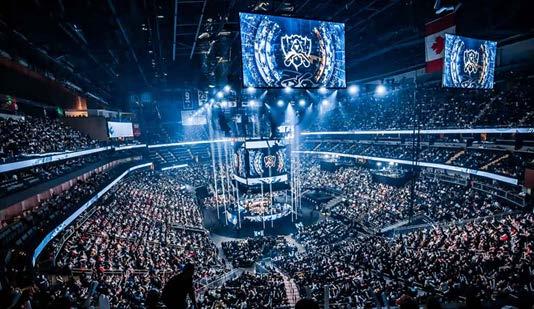
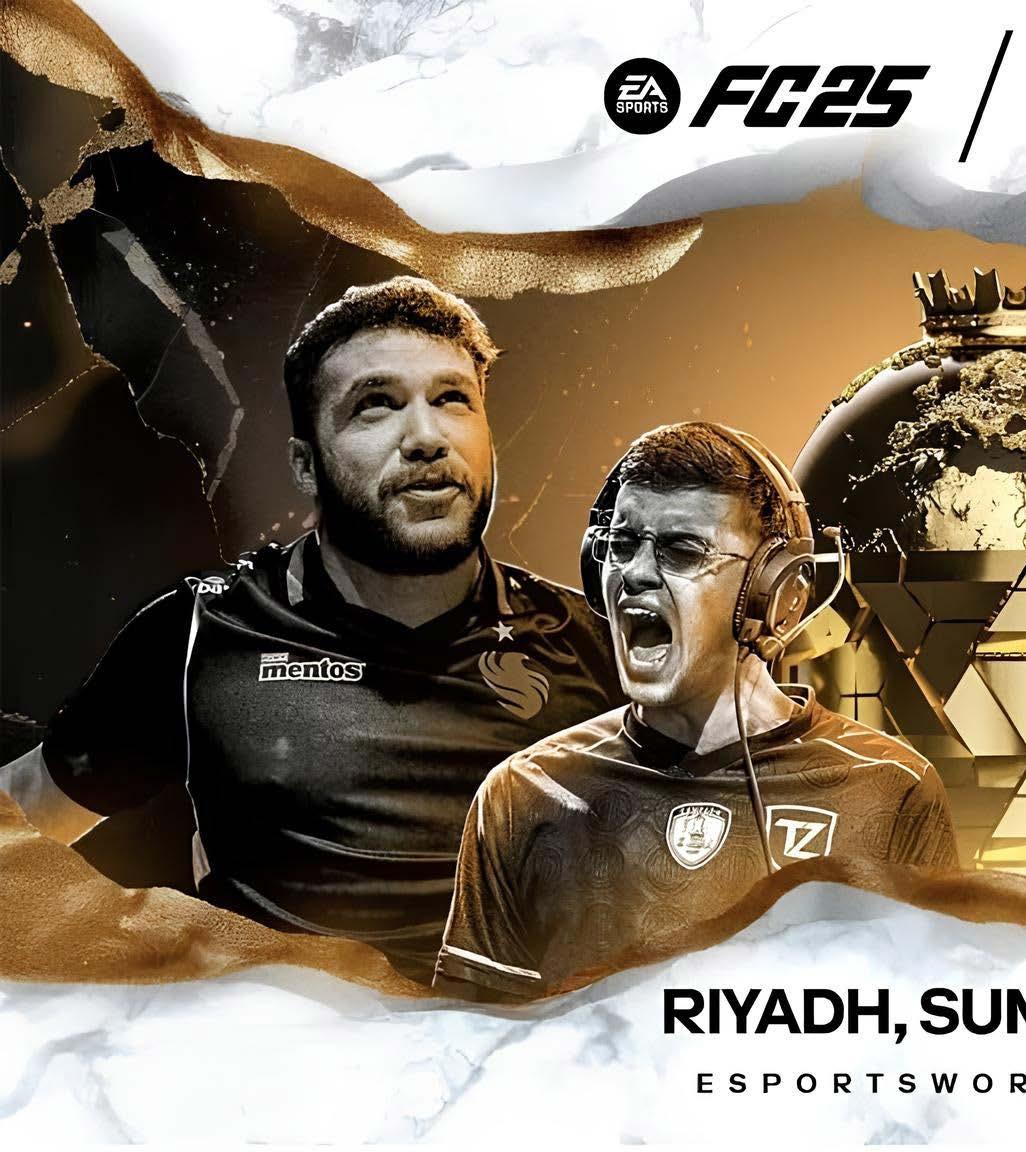
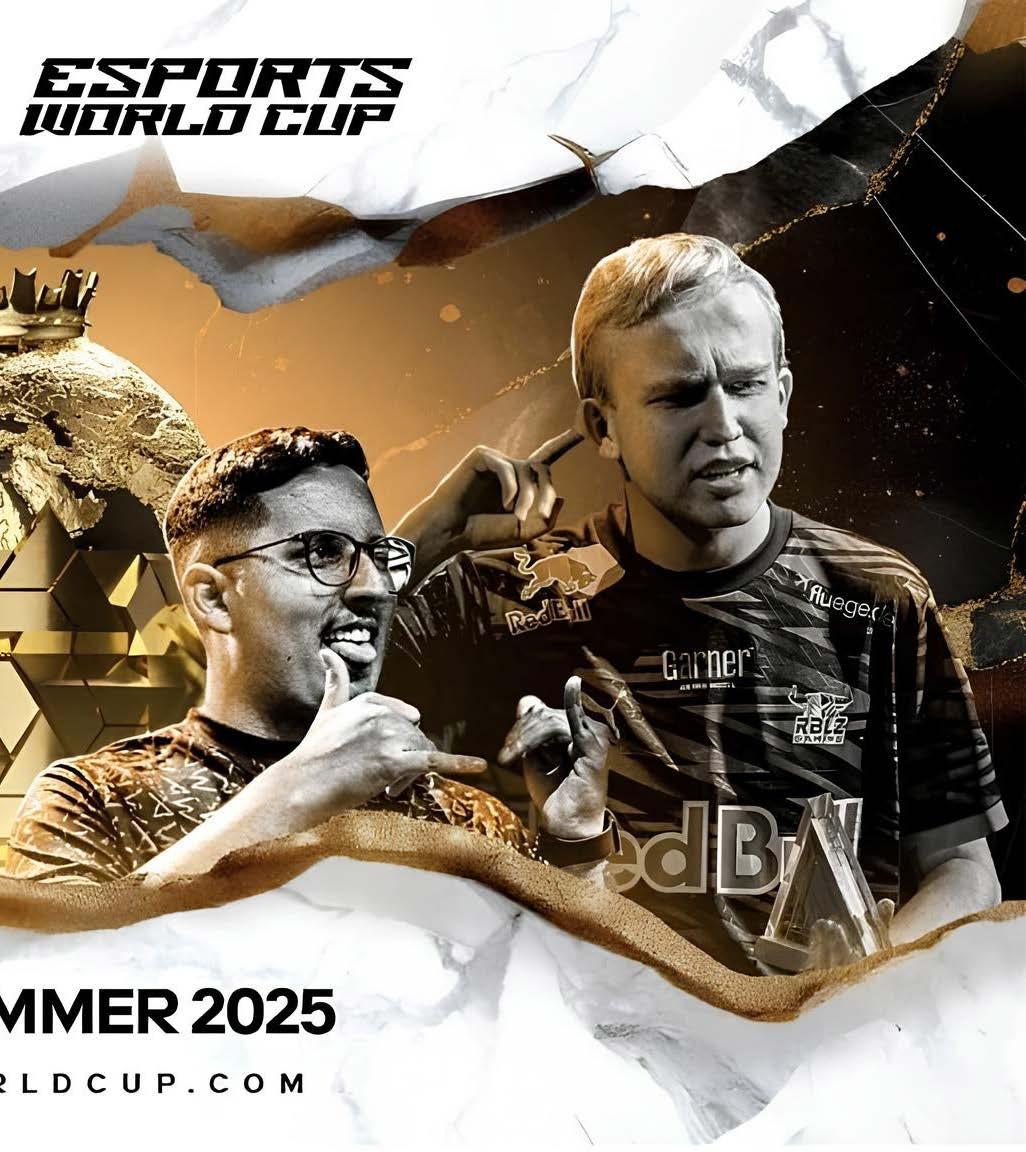
Esports, short for electronic sports, refers to competitive video gaming where individuals or teams compete against each other in various video game titles. These competitions range from small, grassroots tournaments to massive, global events, often held in sold-out arenas and broadcast to millions online. The journey of esports from a niche pastime to a mainstream spectacle has been nothing short of extraordinary. Initially, competitive gaming was a small subculture, often relegated to arcades and small online communities. However, the advent of high-speed internet, advancements in gaming technology, and the rise of streaming platforms like Twitch and YouTube have transformed esports into a global industry. A key factor in the rise of esports is its accessibility. Unlike traditional sports, which may require physical prowess or access to expensive facilities, esports are open to anyone with a computer or console. This inclusivity has helped build a diverse and passionate community of players and fans.
The global nature of esports cannot be overstated. Gamers from all corners of the world can compete on an even playing field, breaking down geographical barriers. This has led to a melting pot of cultures and ideas, further enriching the esports experience. As a matter of Fact; We could trace the origins of eSports back to 1972, when gaming consoles first became popular. The first well-known national tournament was held in 1980 and featured the video game Space Invaders. This tournament had 10 000 participants, showing just how popular eSports competitions were even back in the day. A year later, the competition got even more difficult when the first-ever Donkey Kong tournament was held. The progress continued as we saw new competitive gaming tournaments in the 1990s with popular games like Street Fighter and Mortal Kombat.
This brought about the first-ever first-person shooter tournament in GoldenEye. All of these historic tournaments paved the way for major tournaments in online games such as Starcraft, Warcraft, Overwatch, Call of Duty and many others. In 1998, the Starcraft Brood Wars tournament on PC became legendary, boasting more than 50 million online viewers. As the year 2000 rolled around, the eSports industry started to really gain traction. Online games were becoming more popular, creating more opportunities for professional gamers to compete. This was also when the first tournament hosts were born, World Cyber Games and the Electronic Sports World Cup. The first ever televised eSports tournament happened in 2006 and broadcasted the Halo 2 tournament on the USA Network. However, broadcasting eSports tournaments didn’t really take off until Twitch was released in 2011. This is where a changing point in eSport occurred, and eSports fans could interact with gamers.
The popularity of esports can be attributed to several factors: Esports events are nothing short of spectacular. With high production values, live commentary, and thrilling gameplay, they offer a viewing experience akin to traditional sports. The excitement of watching skilled players perform incredible feats, coupled with the drama of competition, keeps fans on the edge of their seats. Esports has fostered one of the most engaged and loyal Communities in the world. Fans don’t just watch; they actively participate through forums, social media, and streaming platforms. This sense of community creates a strong bond between players and fans, making the esports experience deeply personal. Esports is inherently tied to technology, making it especially appealing to younger generations who have grown up in the Digital Age. The integration of virtual reality, augmented reality, and advanced graphics enhances the viewing and playing experience, keeping it fresh and exciting.
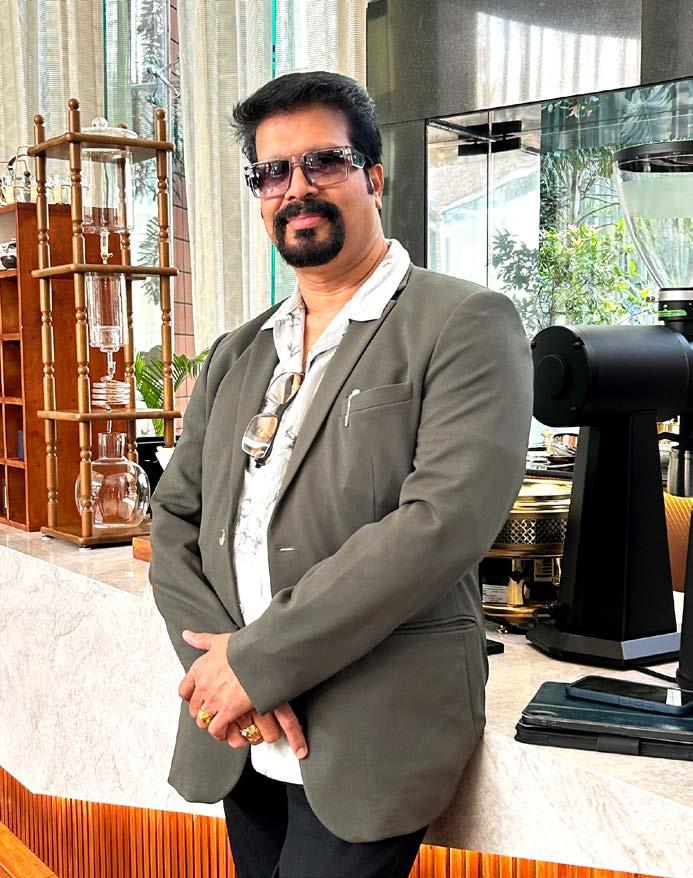
EDITOR -IN - CHIEF From The Desk Of
As esports has grown, so too has its professionalism. Today, esports athletes train rigorously, with coaches, analysts, and nutritionists supporting them. Major esports tournaments, such as The International (for Dota 2) or the League of Legends World Championship, offer prize pools running into millions of pounds, adding a level of prestige and allure to the profession. ESports market has been growing rapidly in the last few years. That growth also shows no signs of stopping, and it’s estimated that eSports will reach a little over $3.5 billion in revenue by 2027. This indicates a healthy 21% growth for the sector. One significant sign showing the growth of eSports is the fact that some universities and colleges are starting to offer scholarships to students with a bright future in the industry. This is similar to other popular sporting scholarships, such as those offered to star football or basketball players.
Not only are higher educational facilities offering scholarships, but they’re also introducing eSports courses. These opportunities give the younger generations a wonderful start at trying to make a successful professional gaming career. There are still certain challenges facing the industry. Some of the biggest challenges include maintaining competitive integrity within the competitions, ensuring the player’s health and well-being, and developing a stable ecosystem to support the continued growth of the sector. Some solutions to these challenges include adding strict anti-cheating policies to all competitions as well as enforcing a code of conduct to ensure fair play. An eSport player faces a rigorous training regime as well as a high-stress competitive environment. In order to ensure all players stay healthy, extra effort should be made to monitor a healthy lifestyle balance, including eating healthily, getting enough rest and physical exercise and not ignoring social activities. In order to ensure that the Esport market is kept growing, a sustainable ecosystem that supports all the key stakeholders needs to be developed. This includes finding and creating more revenue streams while also providing long-term career opportunities for eSports players.
In Short; From the first games in ancient civilizations to the massive tournaments of today, the history of esports reflects the human drive for competition and innovation. What started with early games like Spacewar! has grown into a multi-billion-dollar global industry, with millions of fans tuning in to watch their favourite players and teams. As esports continues to grow in popularity, there’s never been a better time for students, educators, and professionals to get involved in this cutting-edge industry. Whether through playing, coding, or creating the games of tomorrow, the world of esports offers limitless opportunities for those with the passion and drive to succeed.
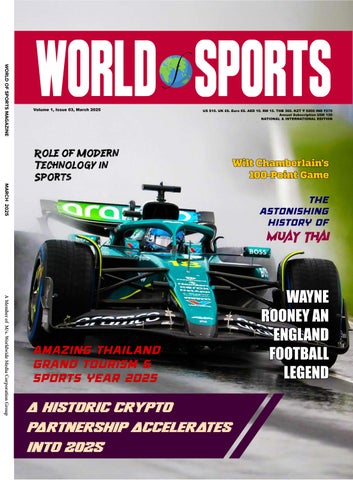
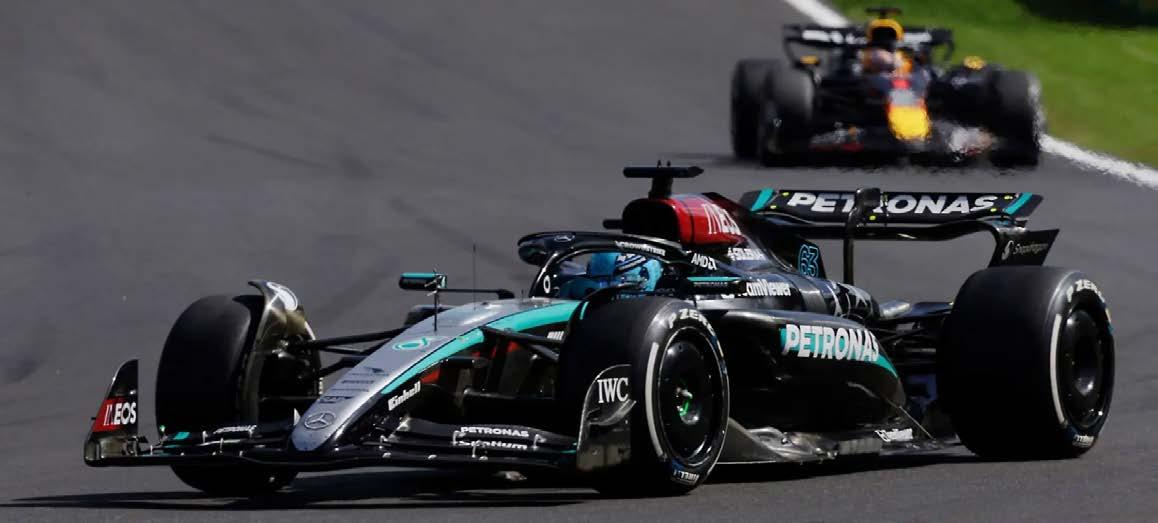
COINBASE AND ASTON MARTIN F1: A HISTORIC CRYPTO PARTNERSHIP ACCELERATES INTO 2025
SIGNIFICANT ROLE OF MODERN TECHNOLOGY IN SPORTS
JAI ANSHUL AMBANI APPOINTED AS CHAIRPERSON OF THE FMMAI
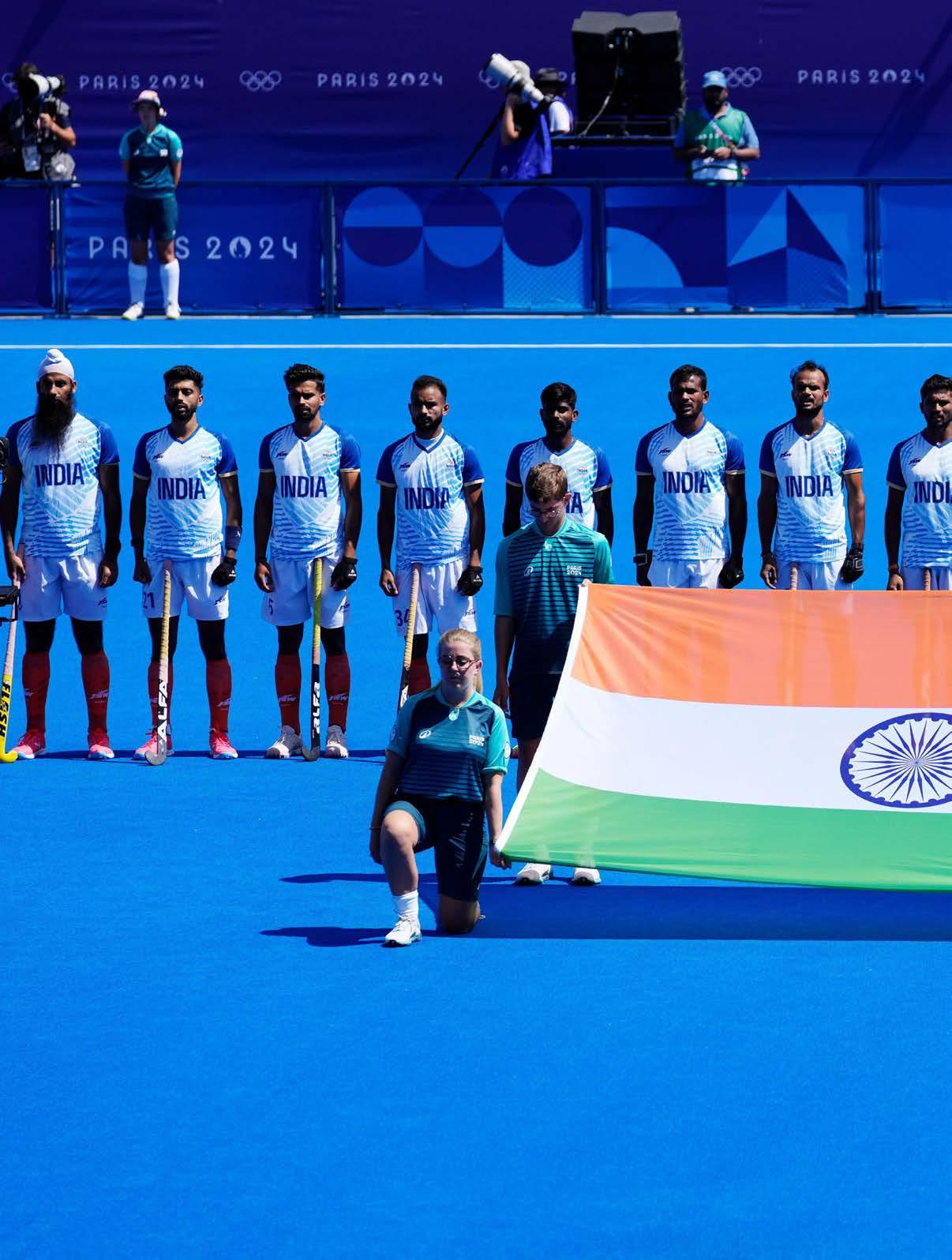
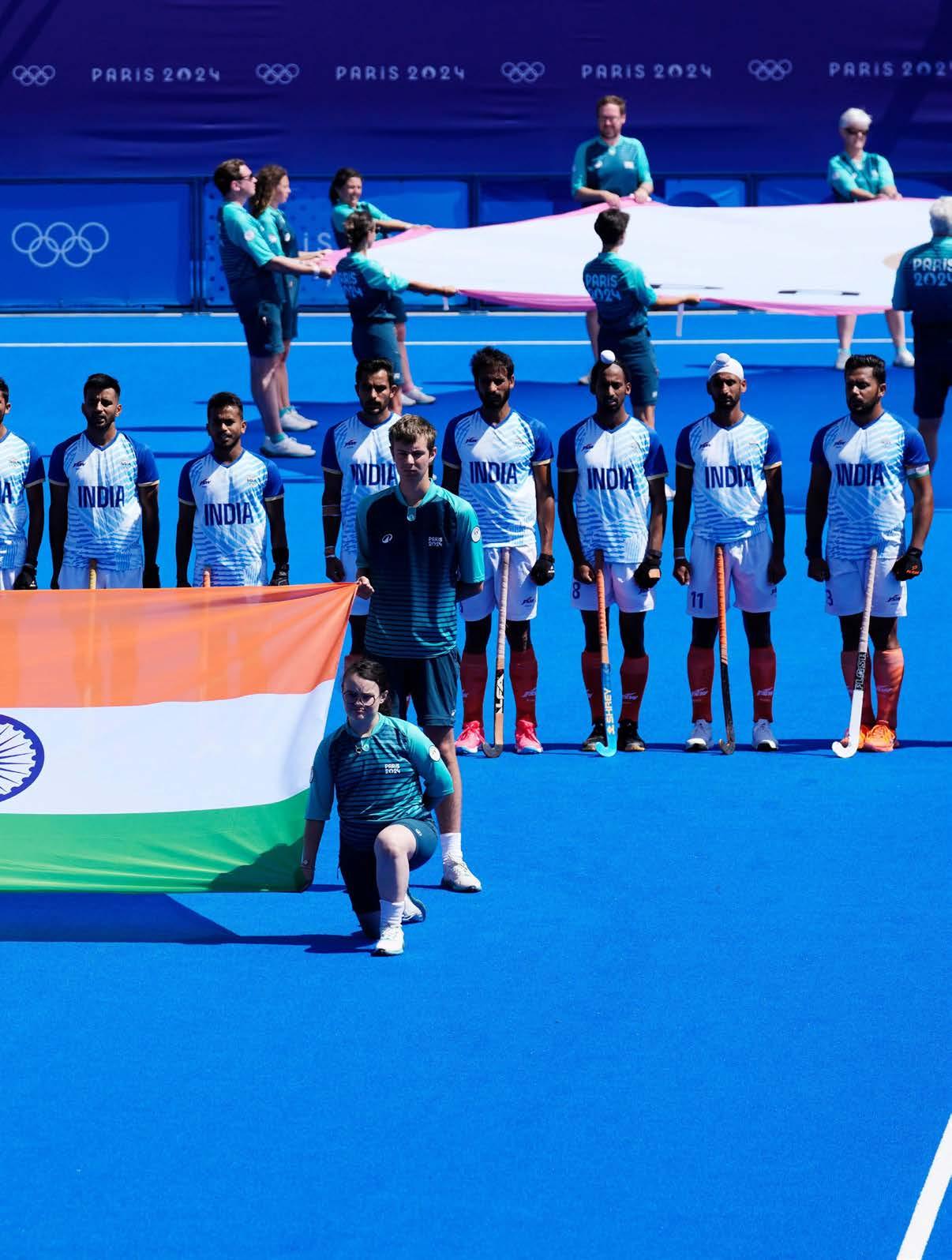
INDIA ANNOUNCES A MASSIVE INCREASE IN SPORTS BUDGET 2025
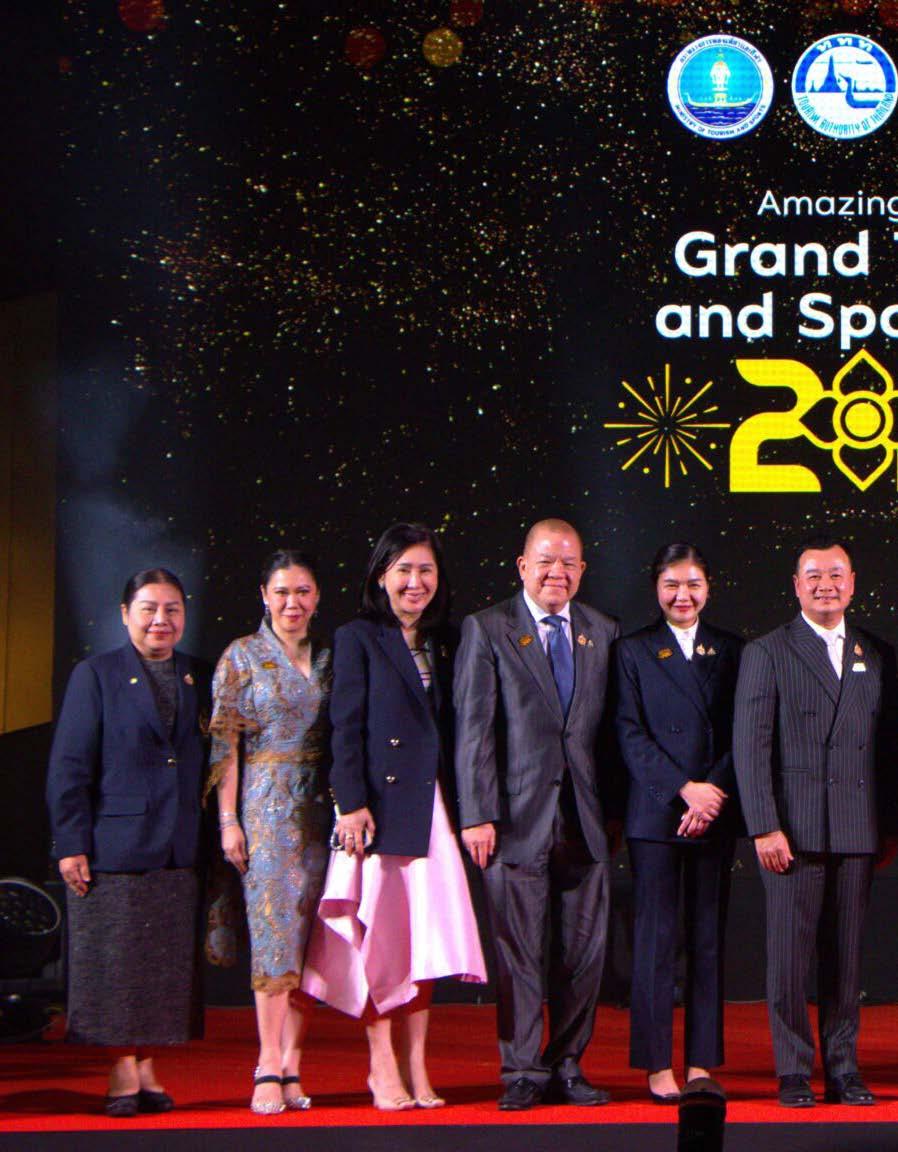
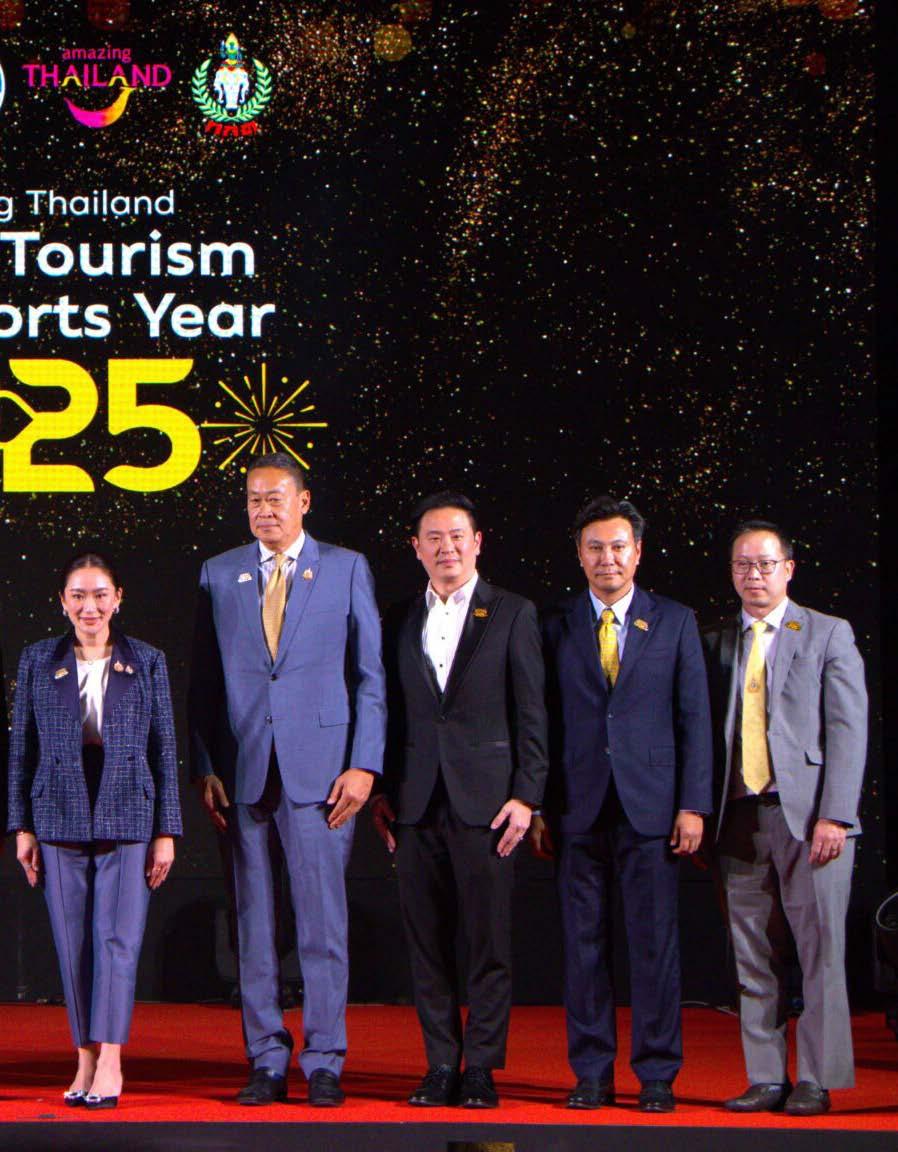
THAILAND LAUNCHES “AMAZING THAILAND GRAND TOURISM AND SPORTS YEAR 2025”
WHY PHYSIOTHERAPY IS IMPORTANT & LEADING PRACTITIONERS IN INDIA
WAYNE ROONEY THE MAKING OF AN ENGLAND FOOTBALL LEGEND
THE HUNDRED: A NEW ERA FOR ENGLISH CRICKET WITH IPL INFLUENCE INDIAN OWNERS INVEST IN ‘THE HUNDRED’ TEAMS
THE BIRTH OF MUAY THAI AND ITS RISE AS A CORNERSTONE OF THAI HISTORY
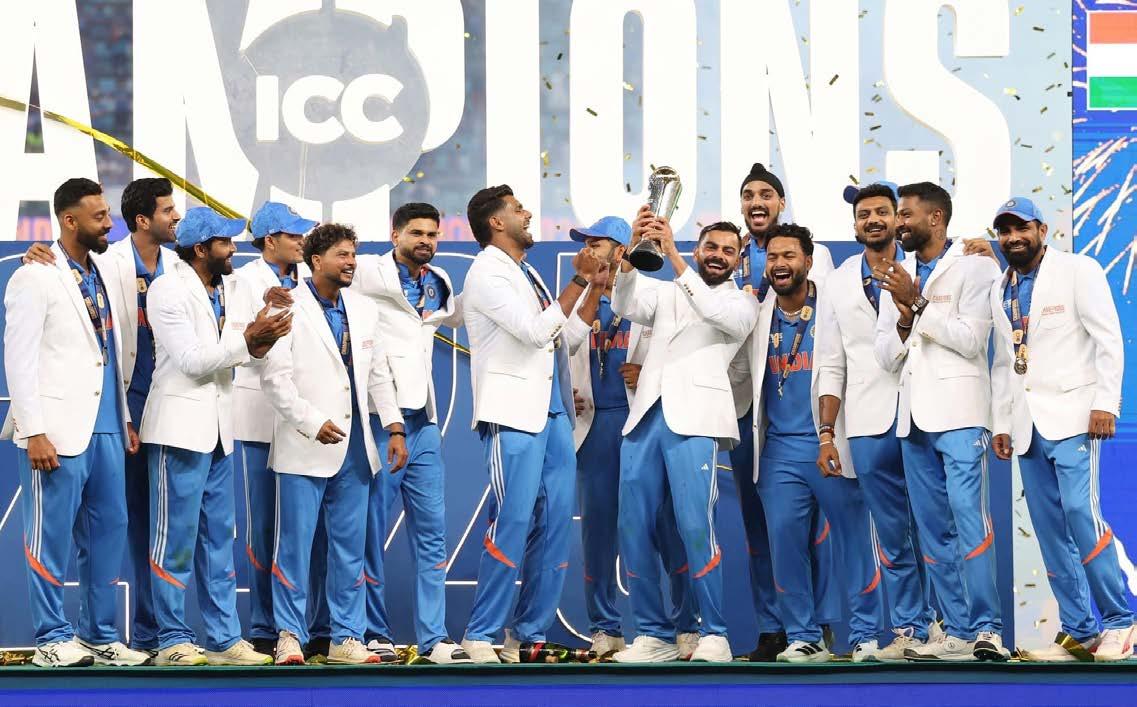
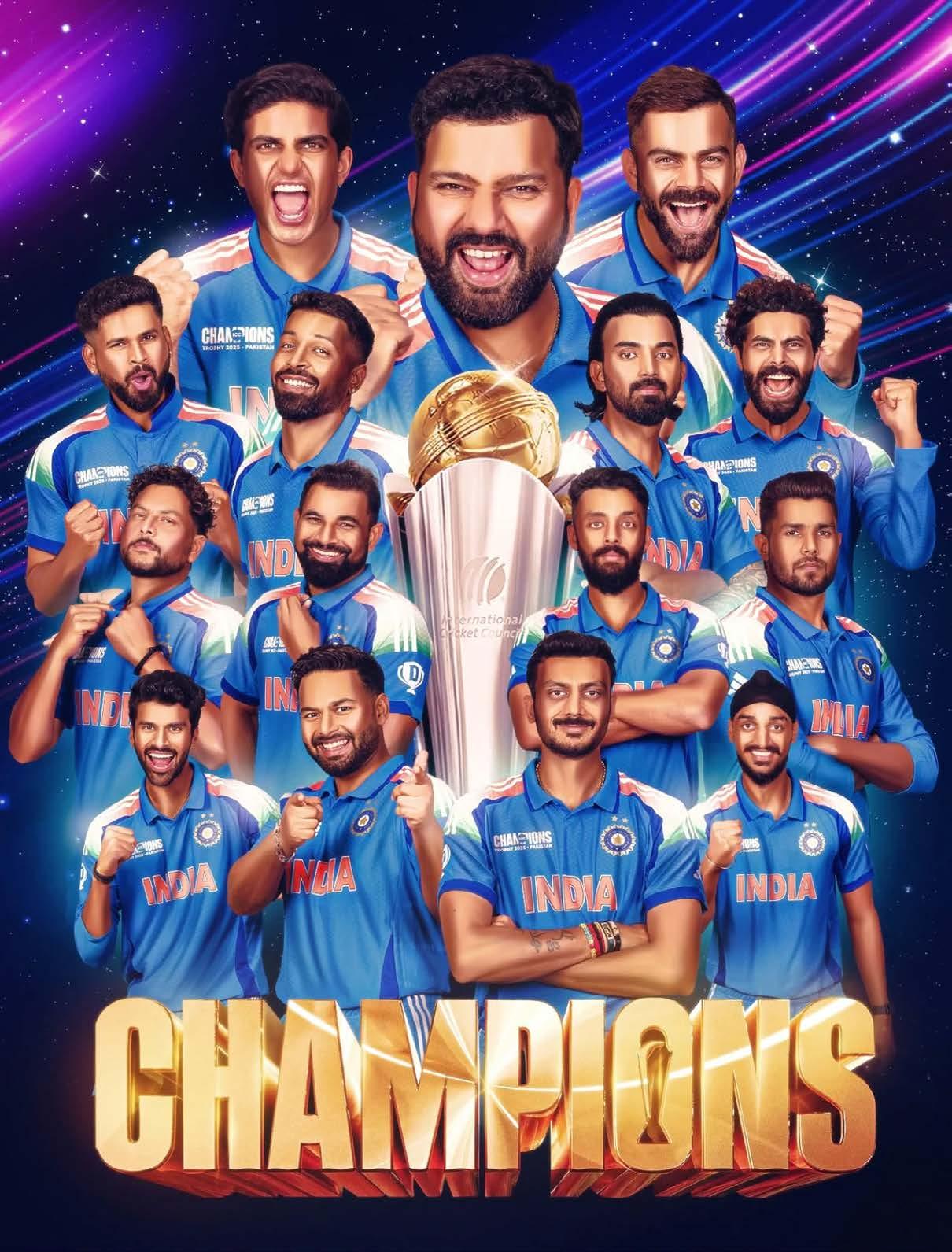
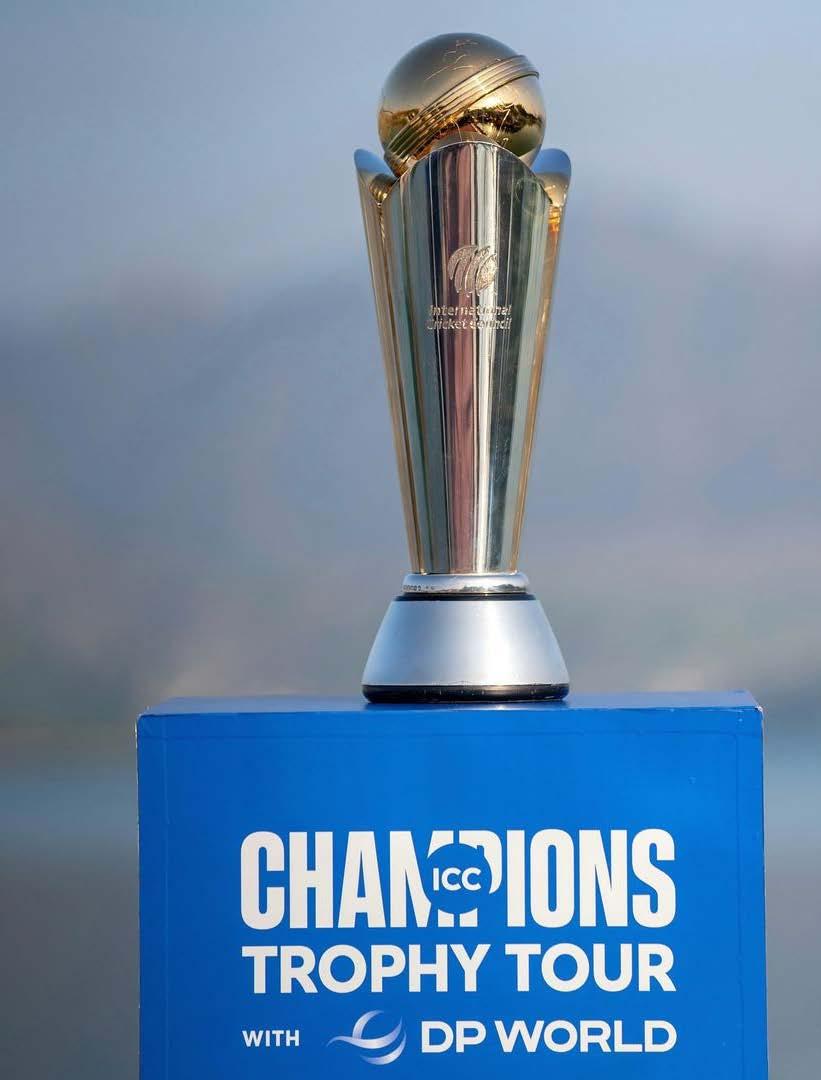
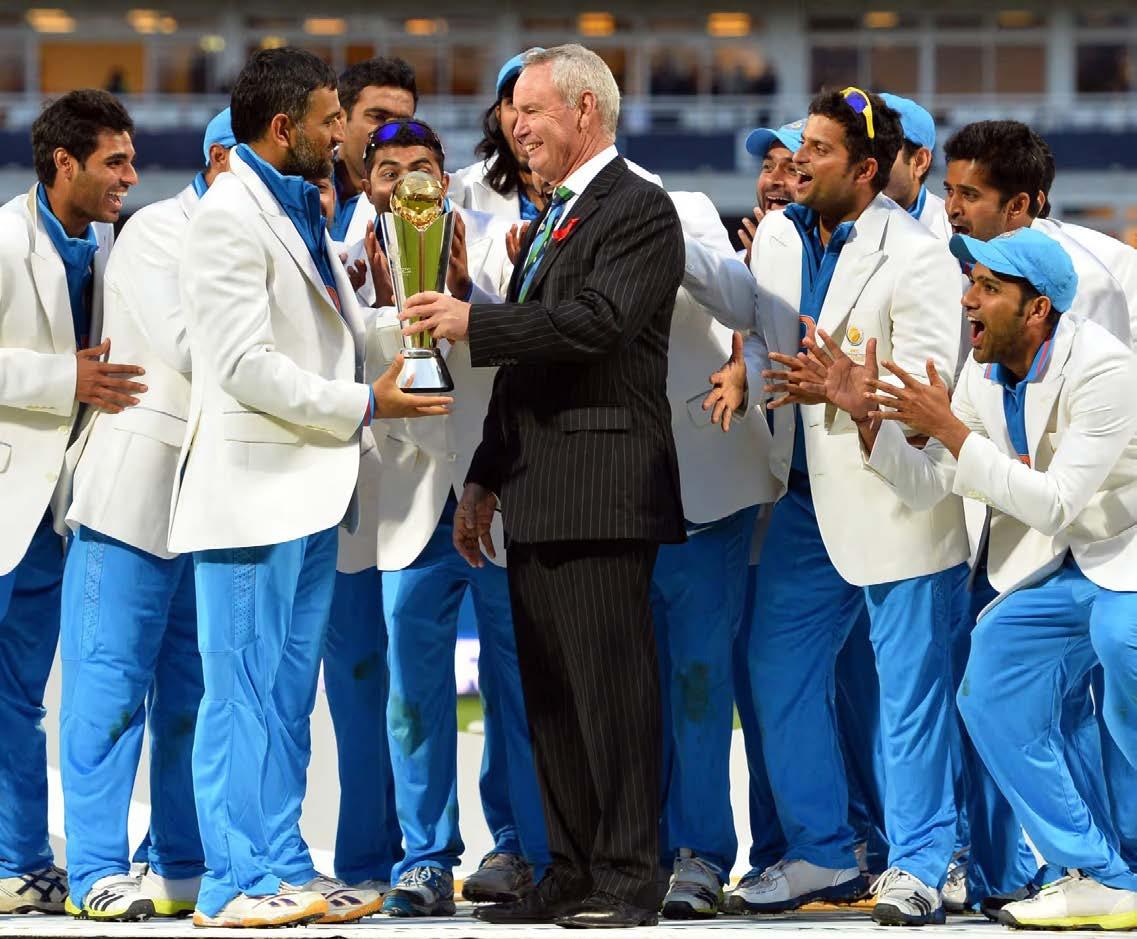
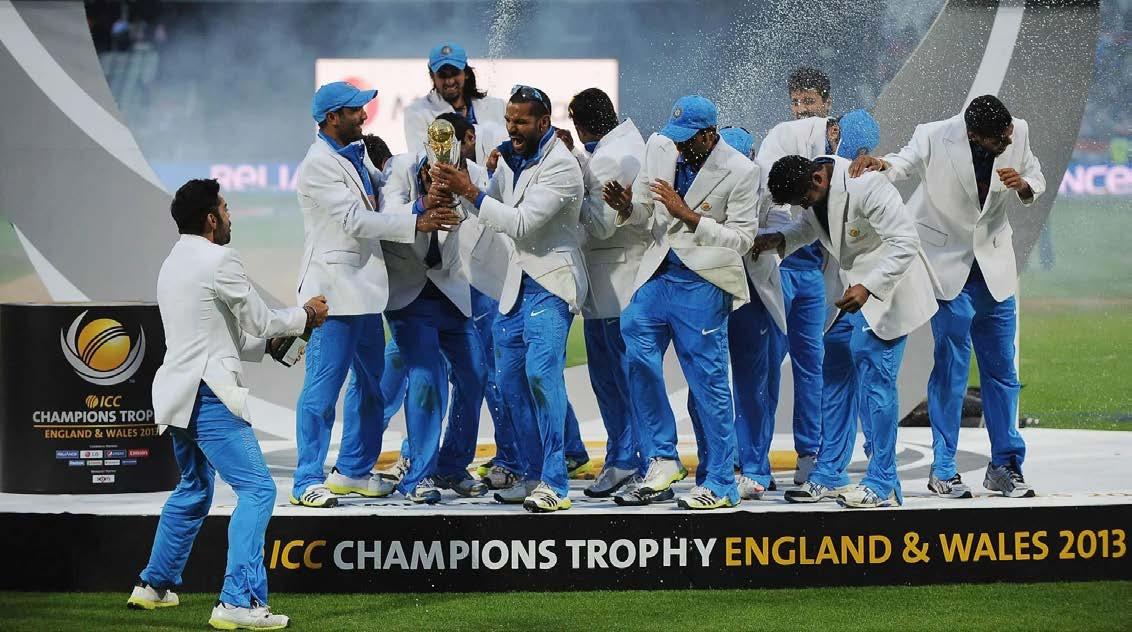
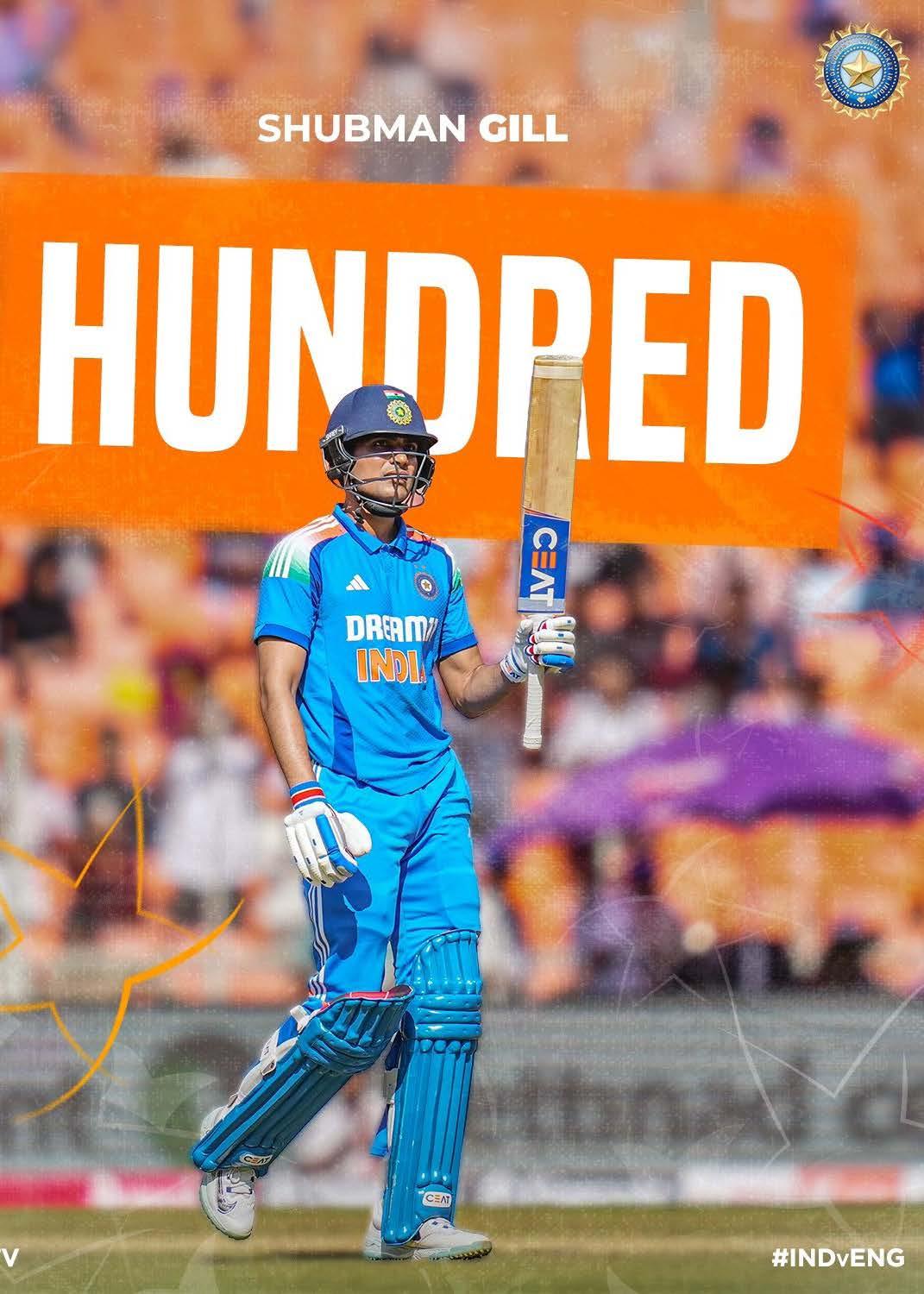
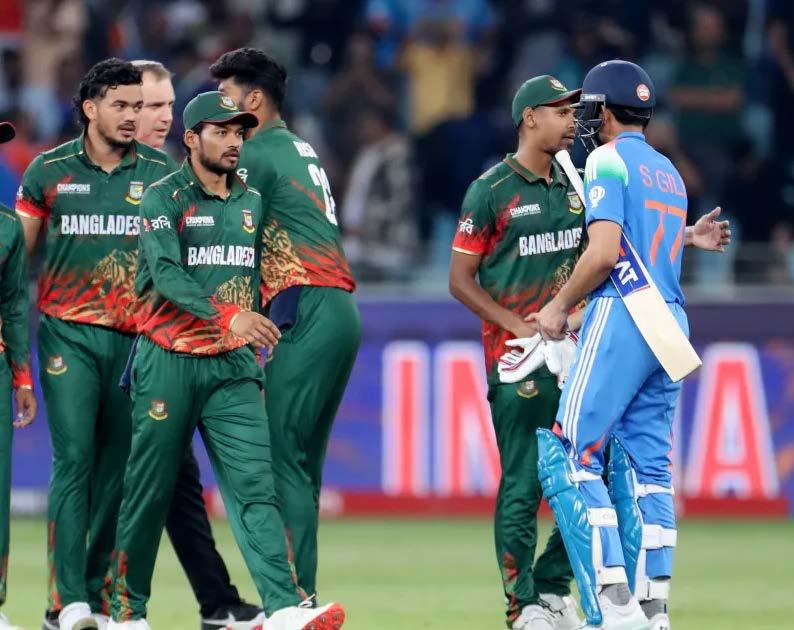
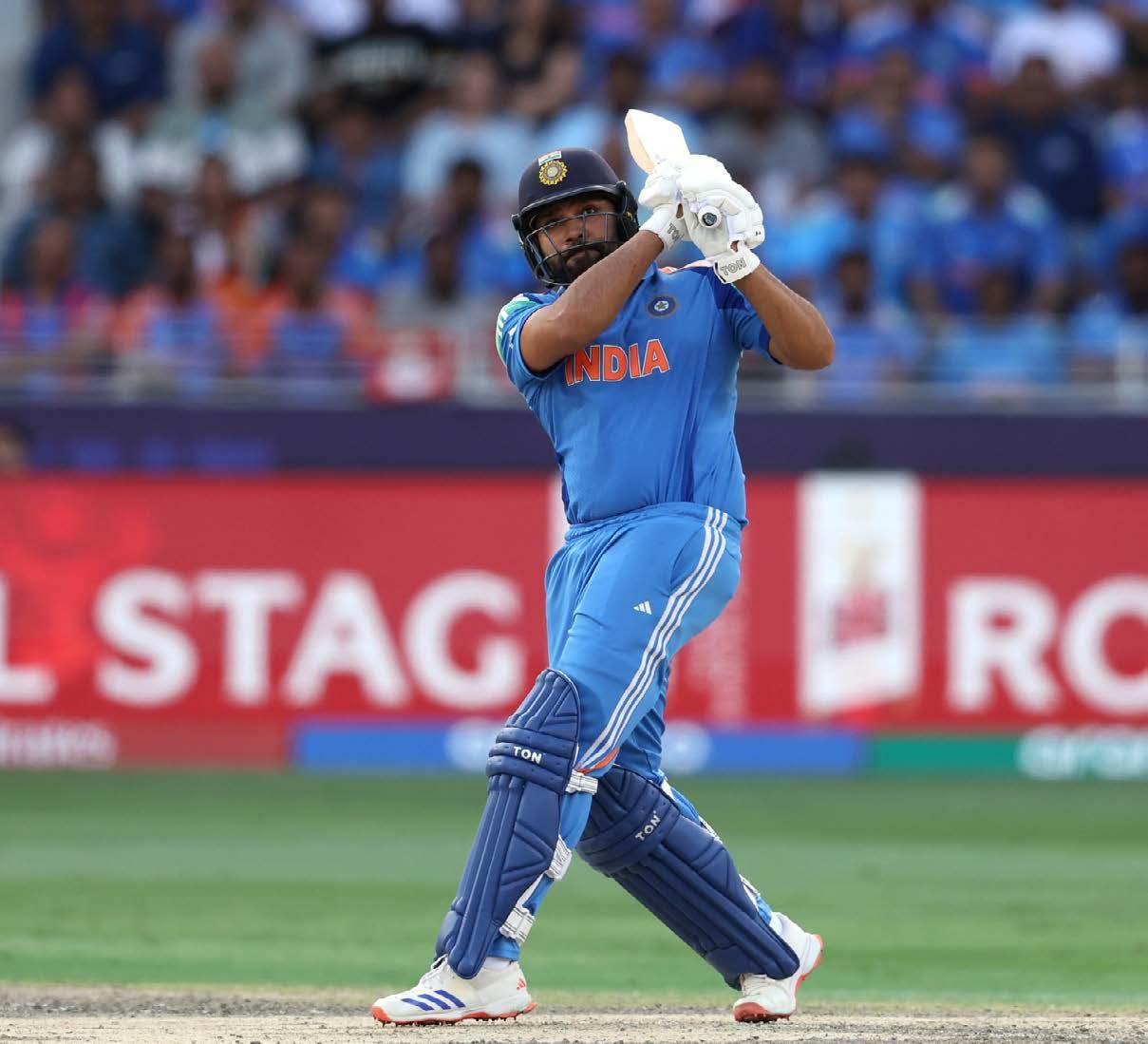
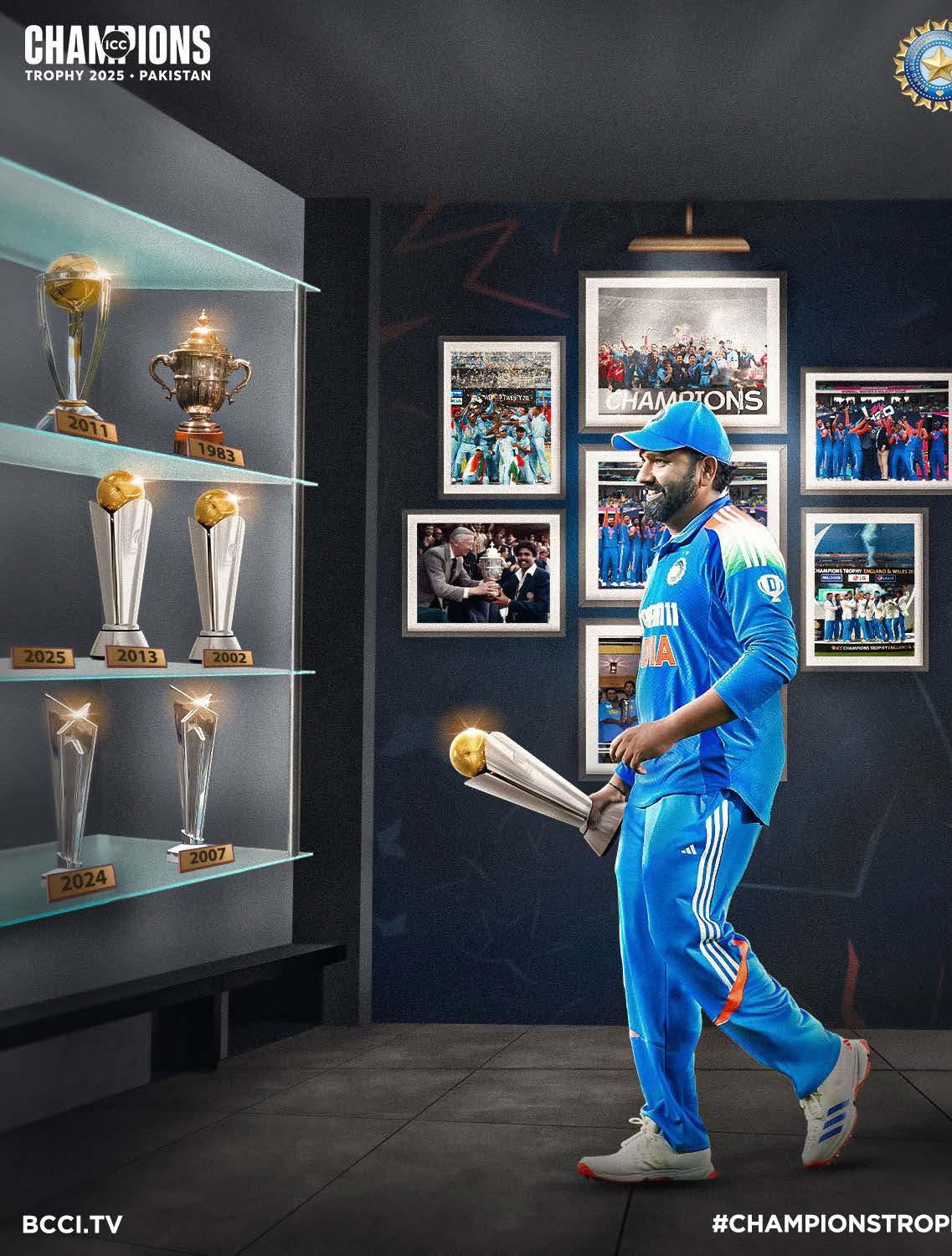
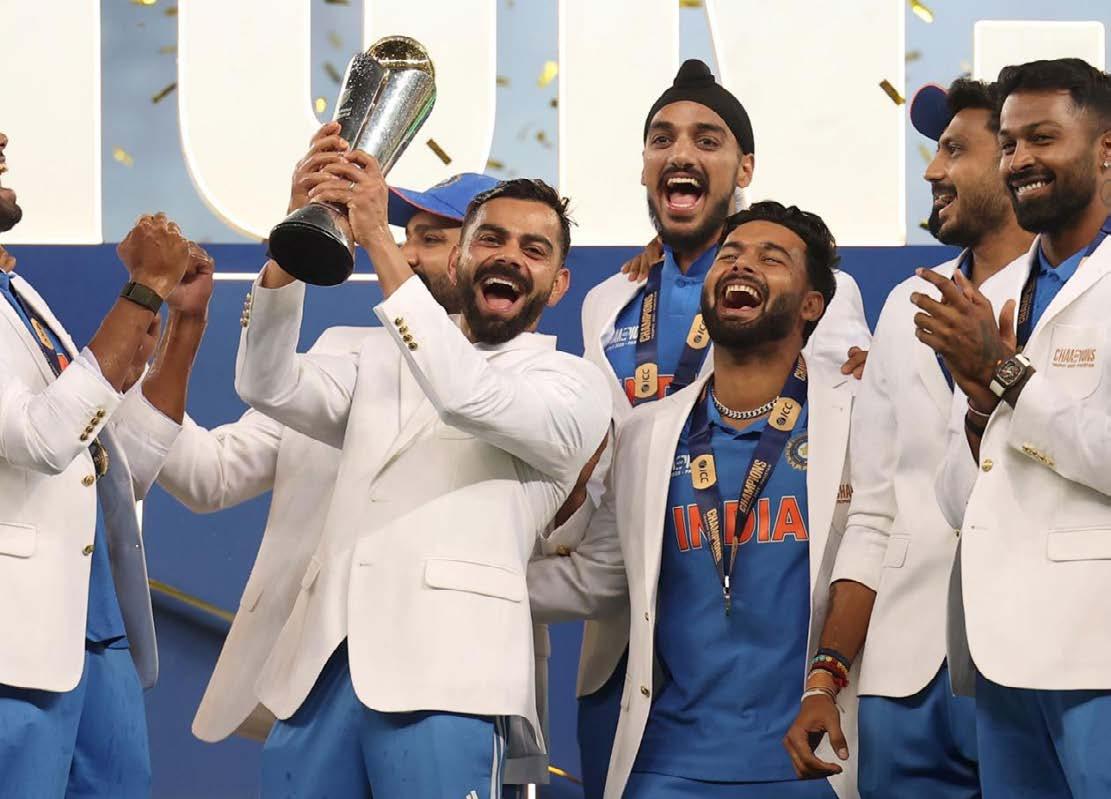
THE INDIAN CRICKET TEAM’S TRIUMPH AT THE ICC CHAMPIONS TROPHY 2025
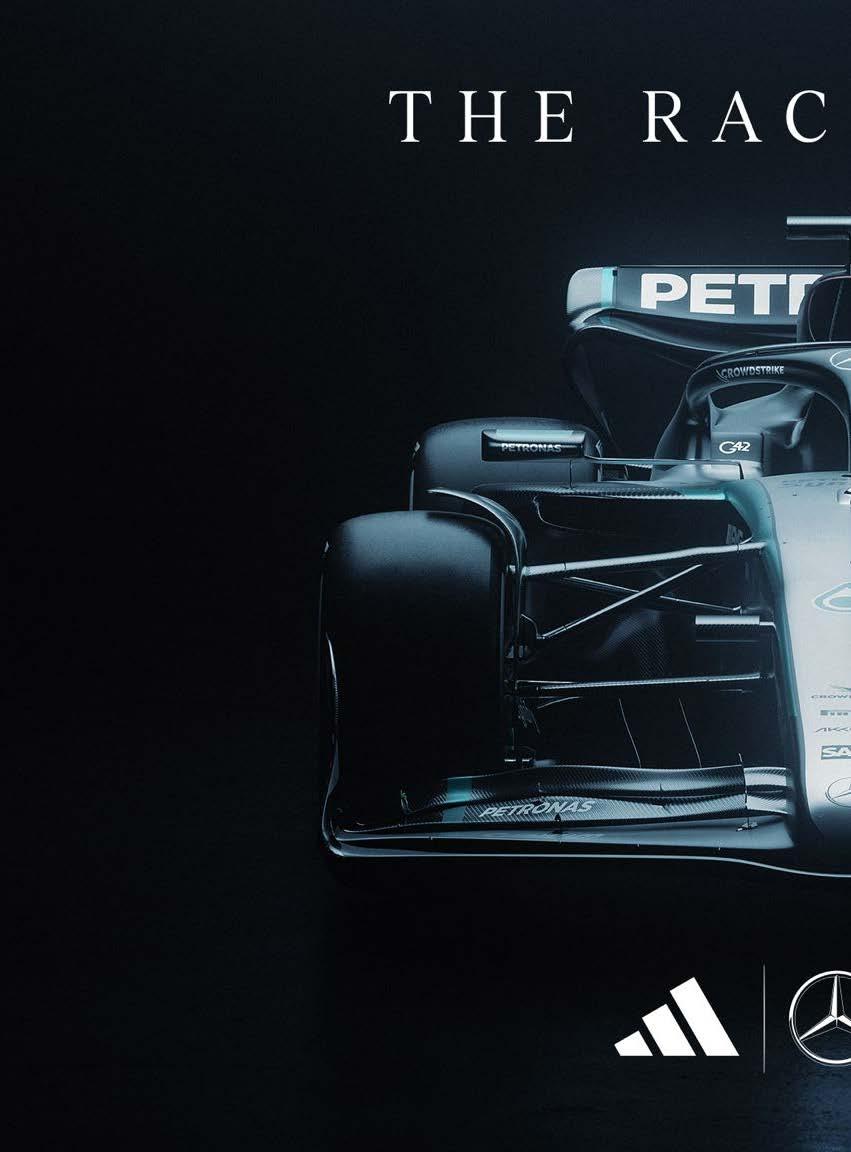
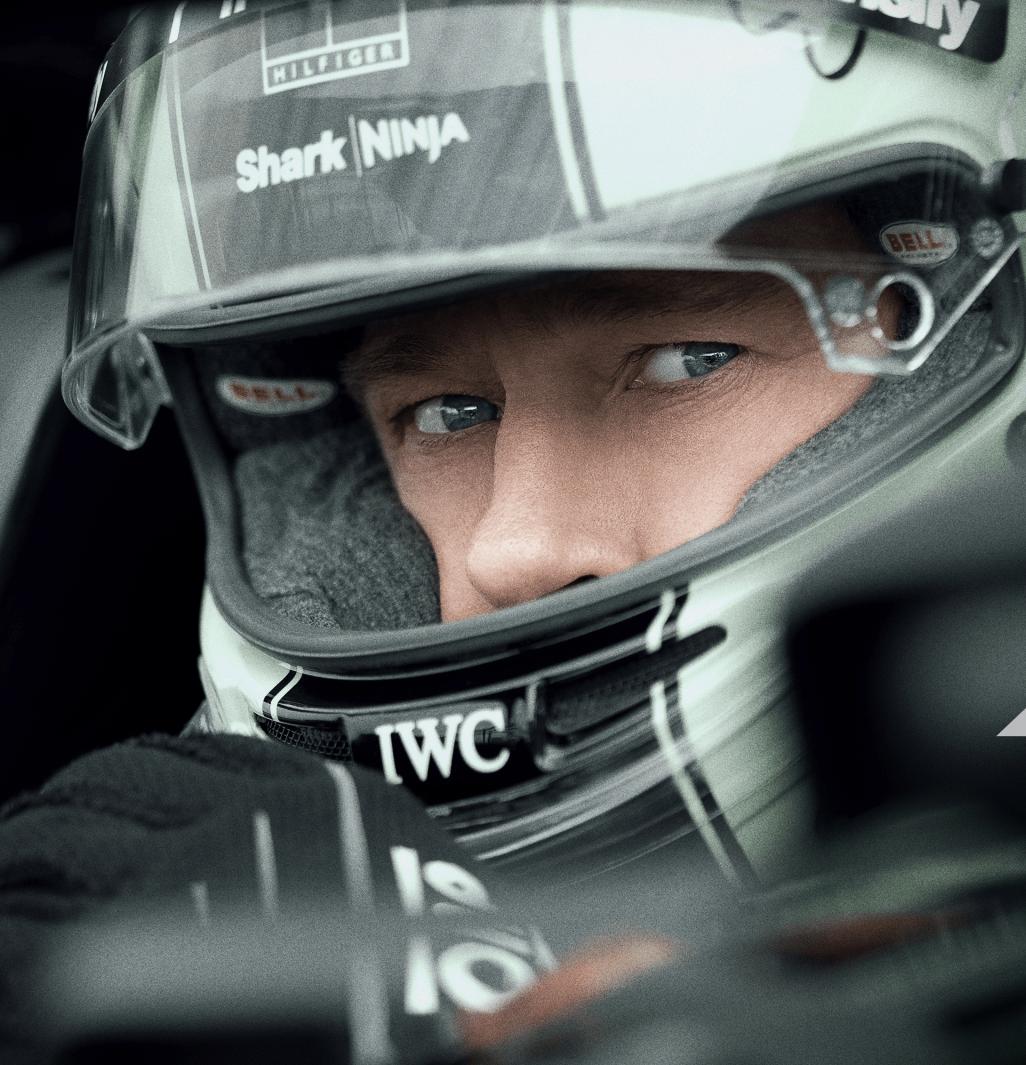
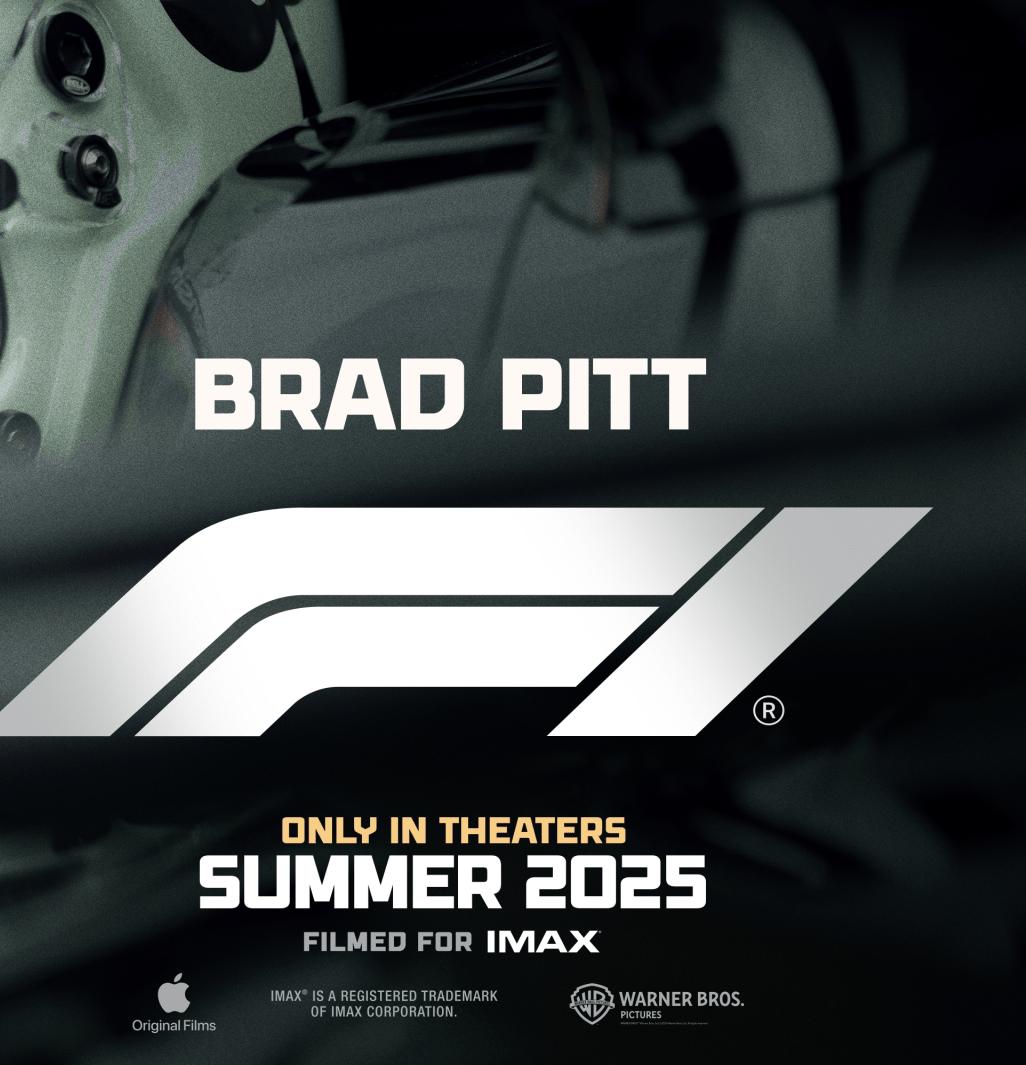
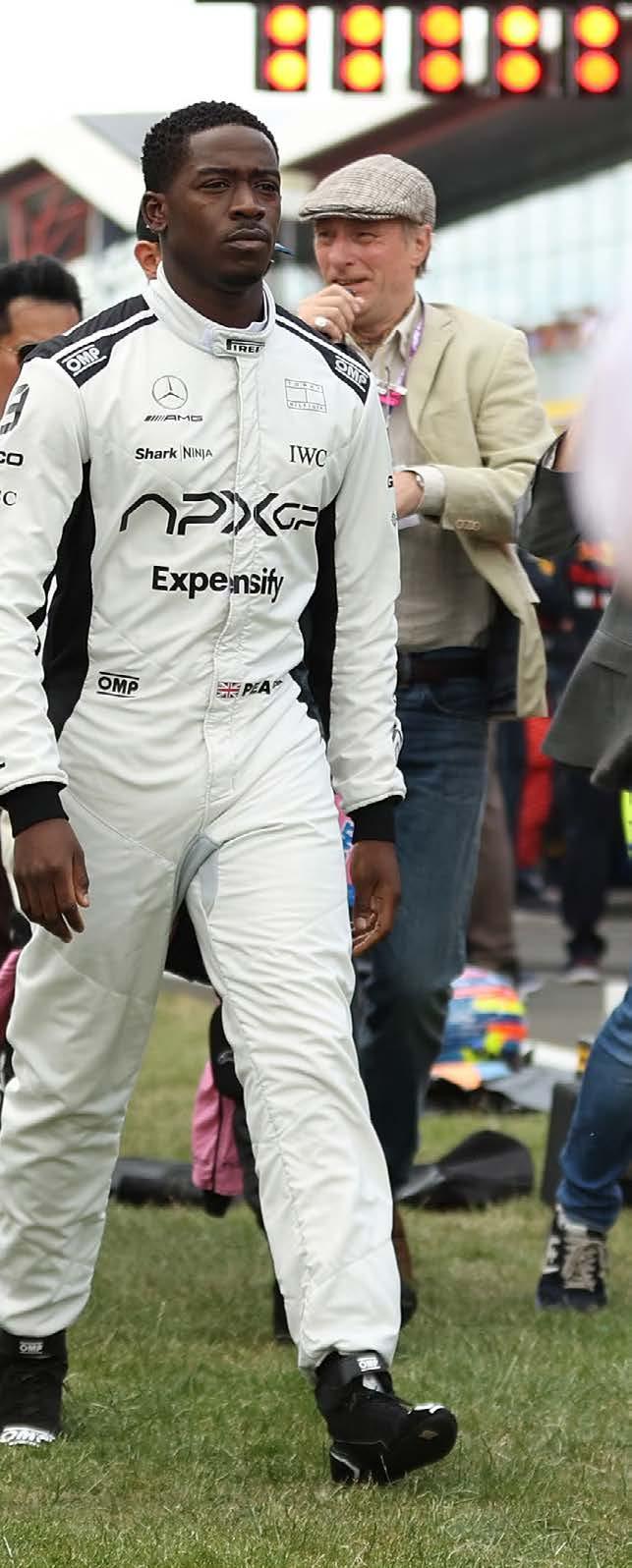
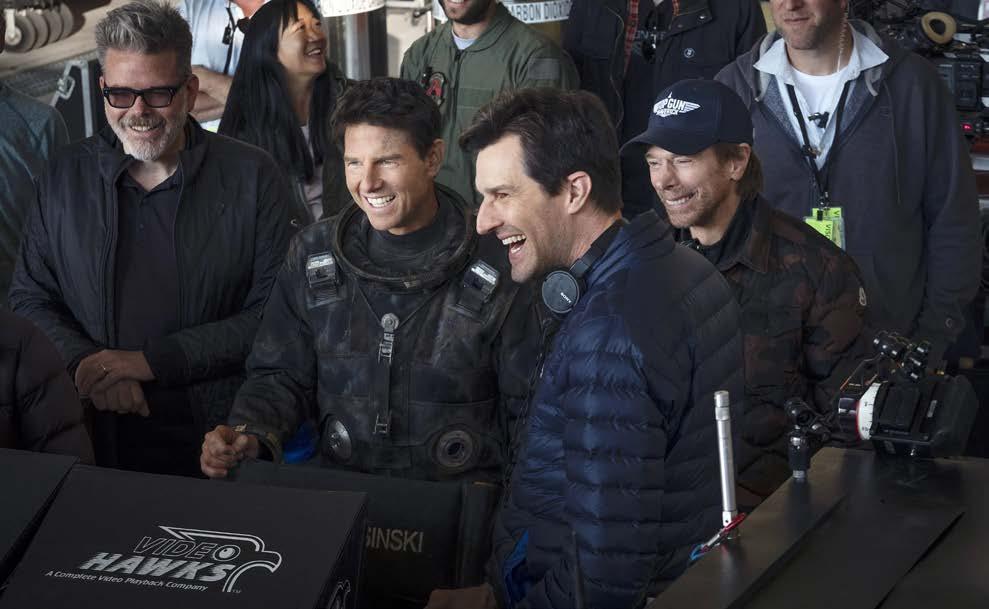
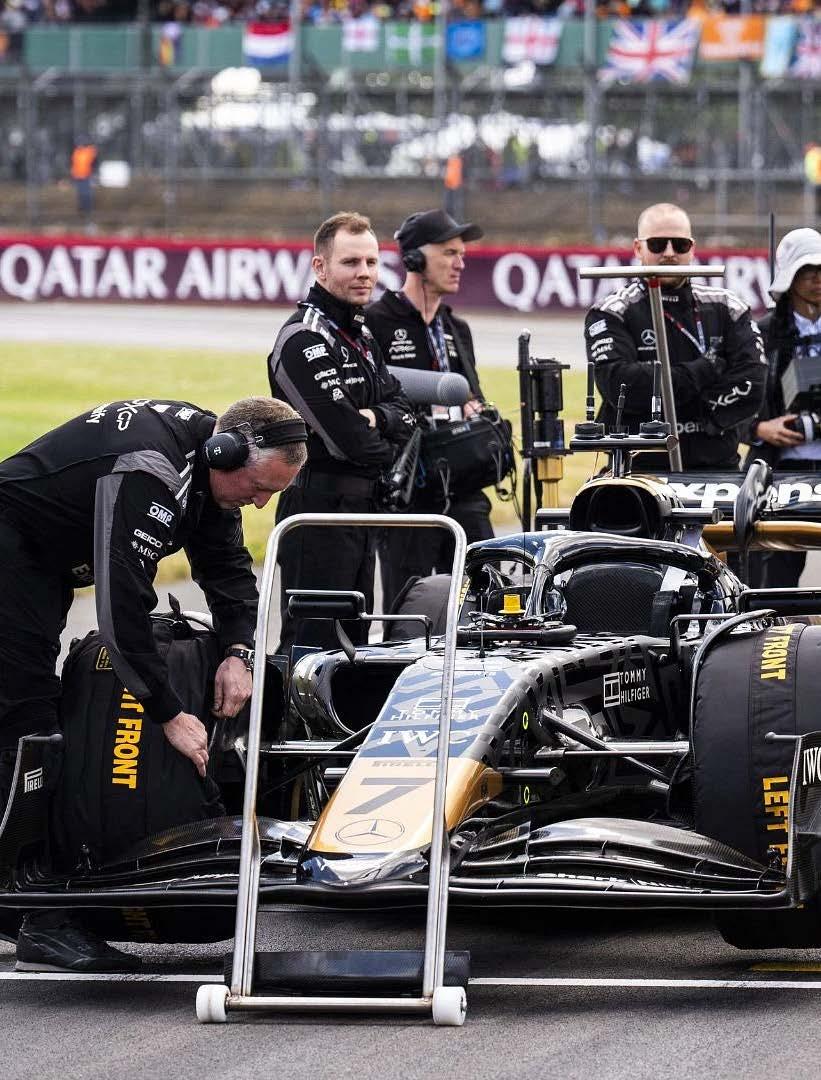
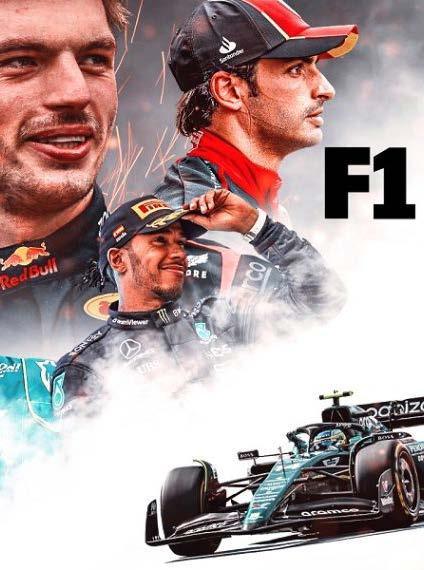
“F1”: THE HIGH-OCTANE BLOCKBUSTER REVVING UP FOR SUMMER 2025
SOUTH AFRICA’S BOLD BID TO REVIVE FORMULA 1 ON AFRICAN SOIL
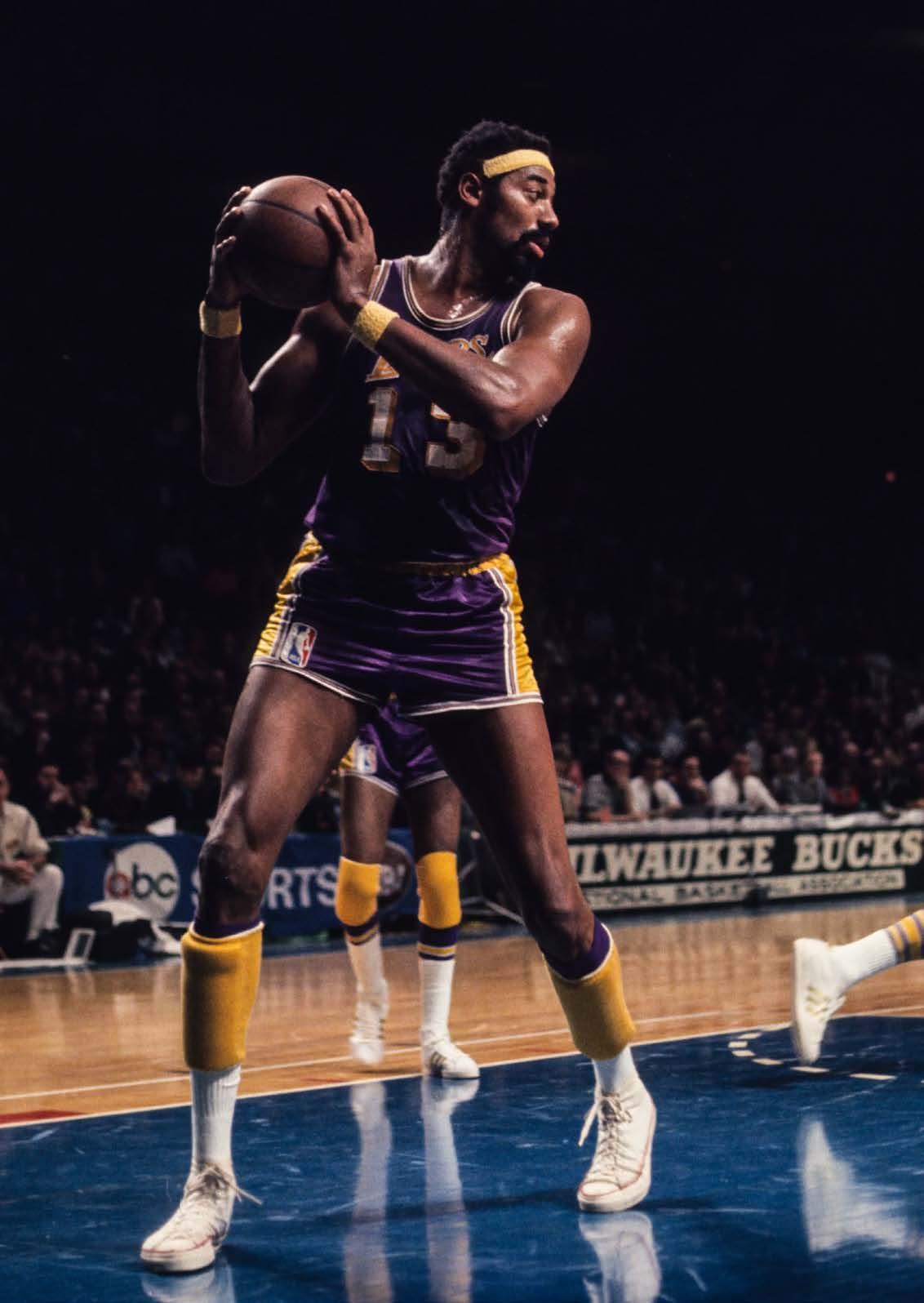
WILT CHAMBERLAIN’S 100-POINT GAME A NIGHT OF UNMATCHED GREATNESS
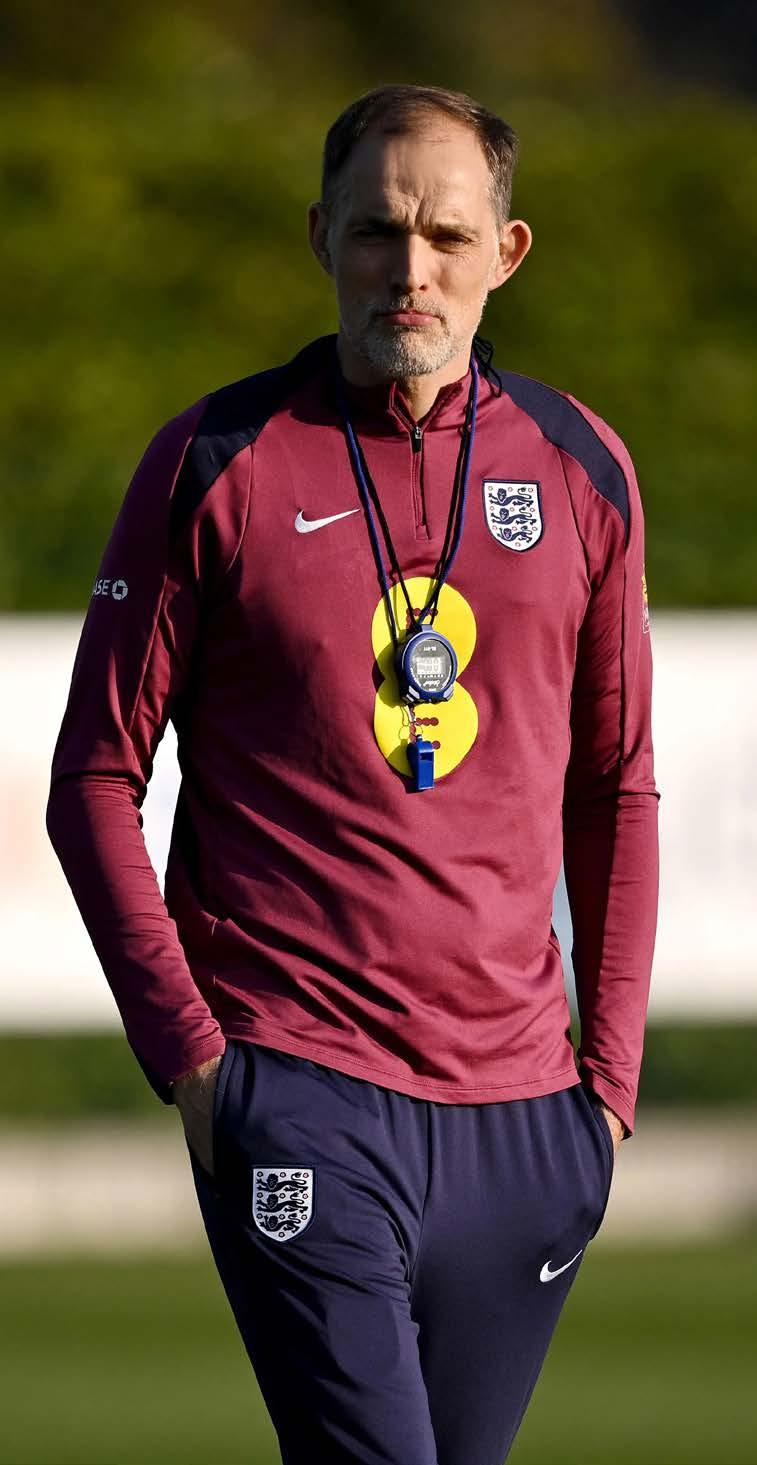
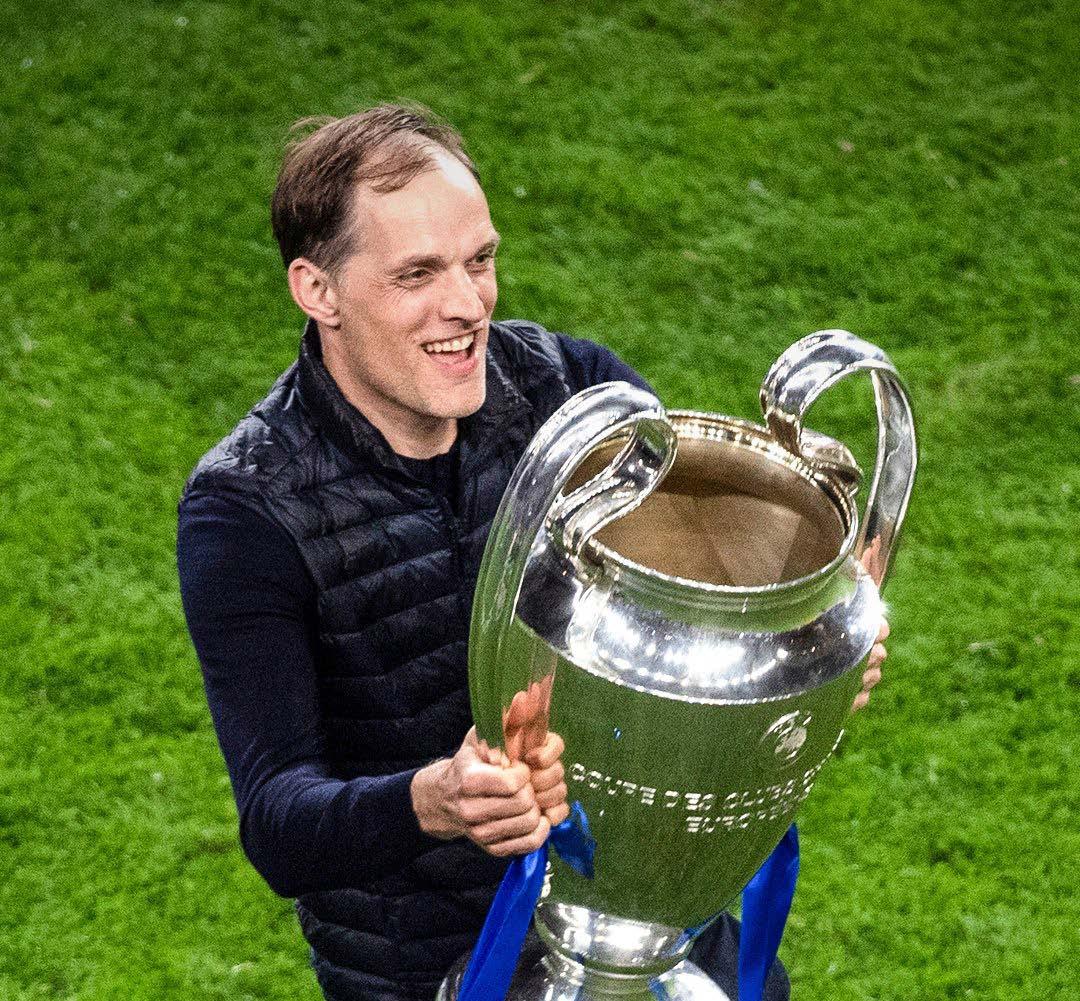
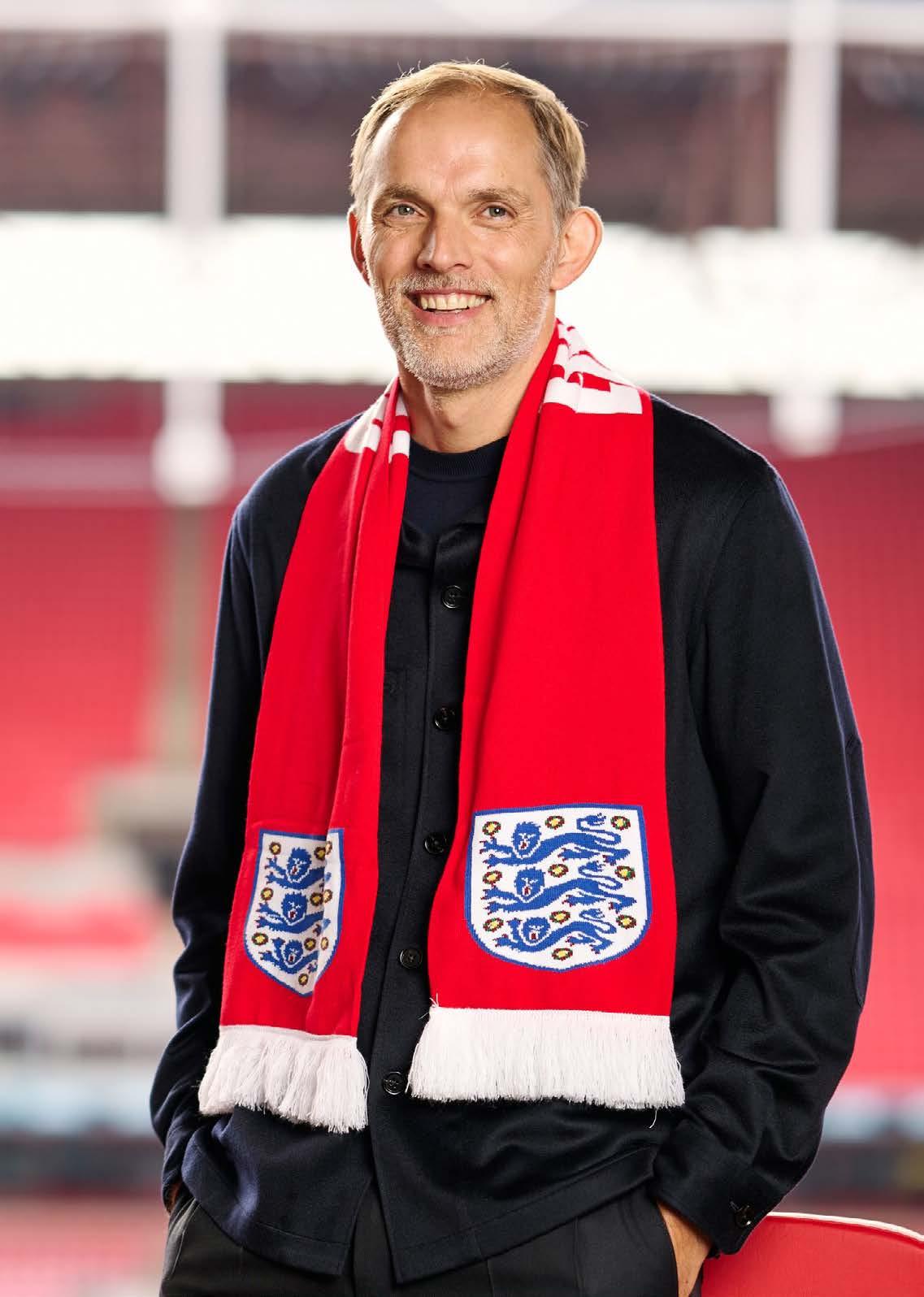
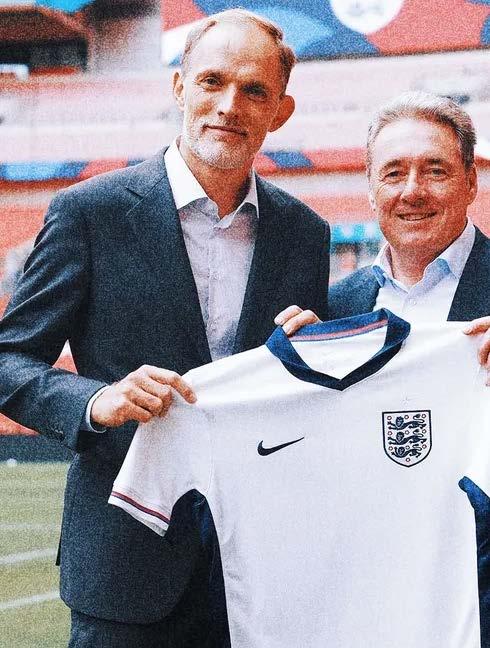
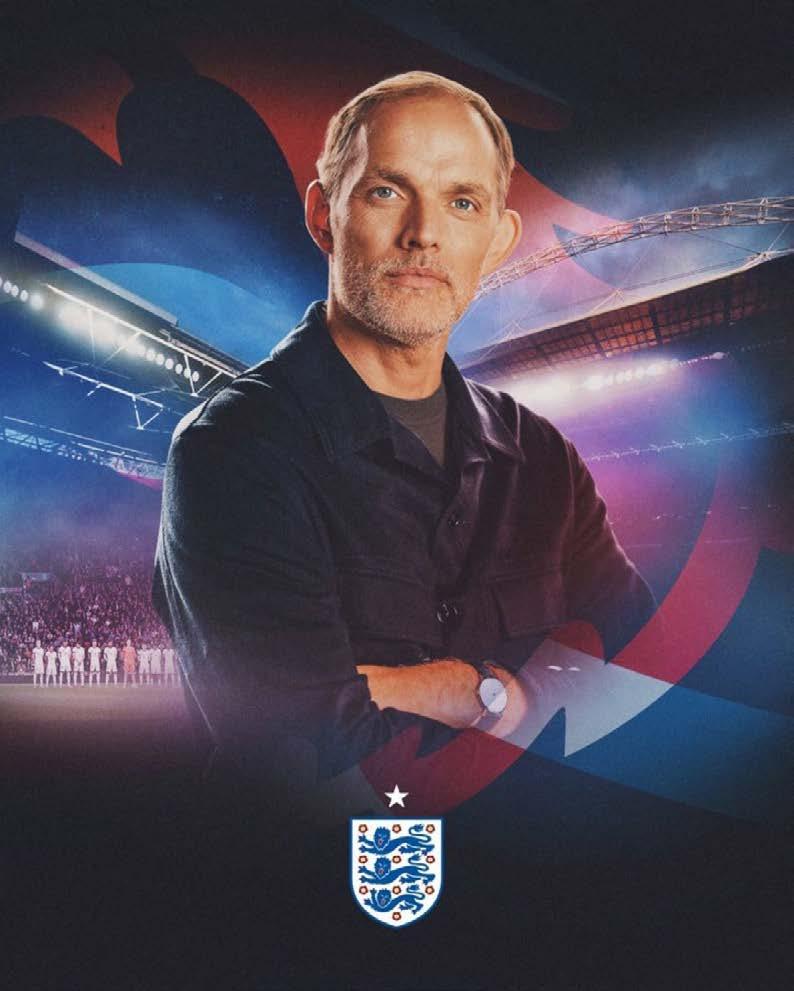
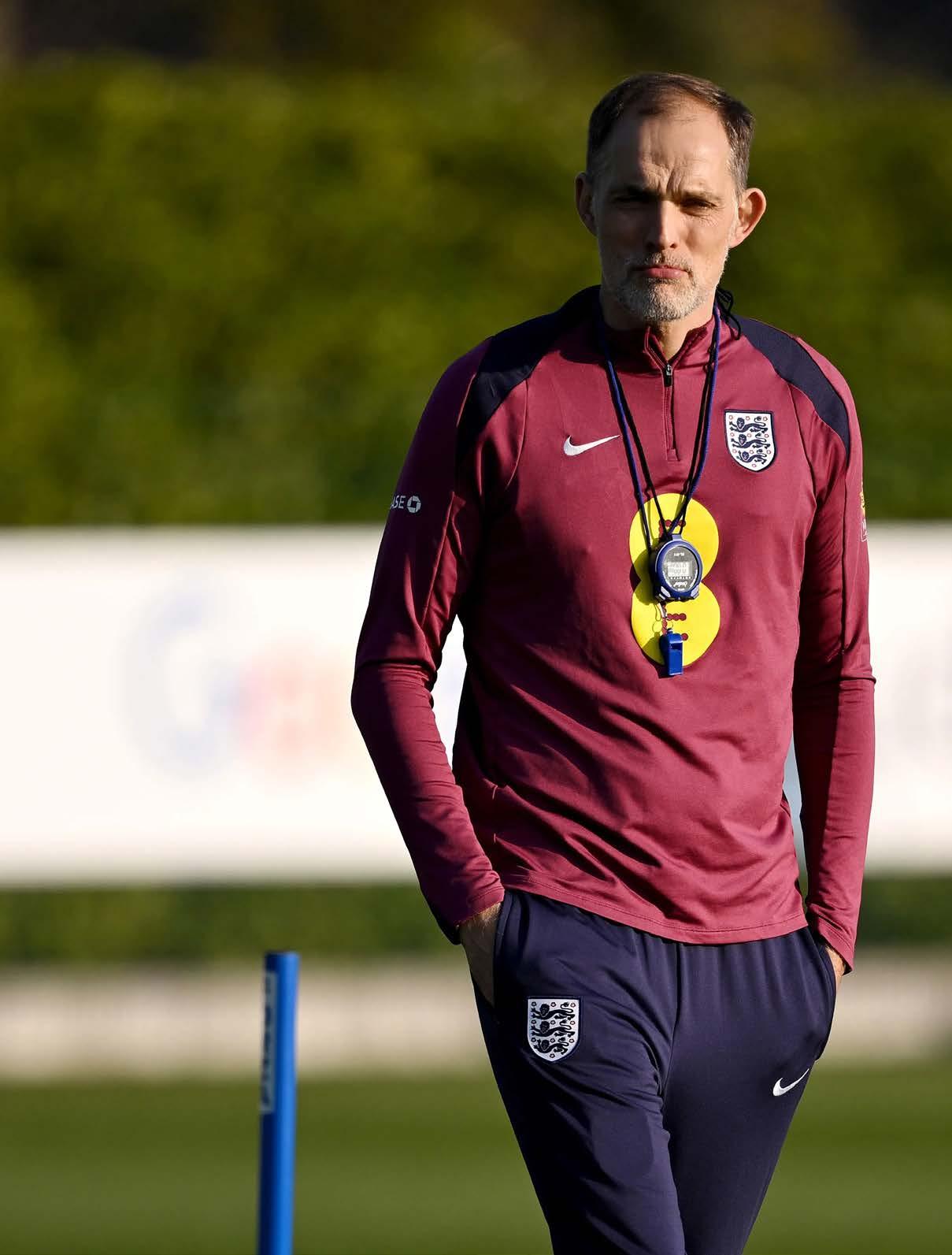
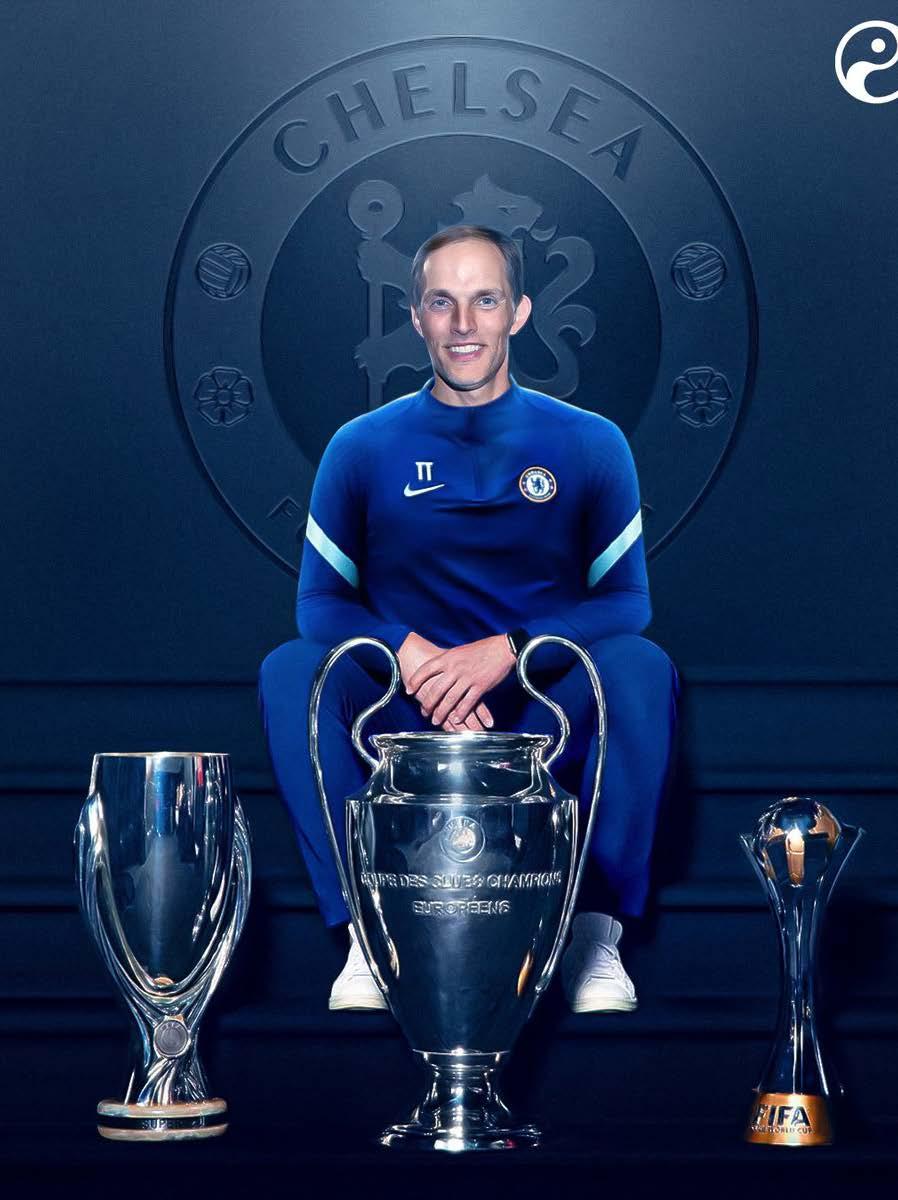
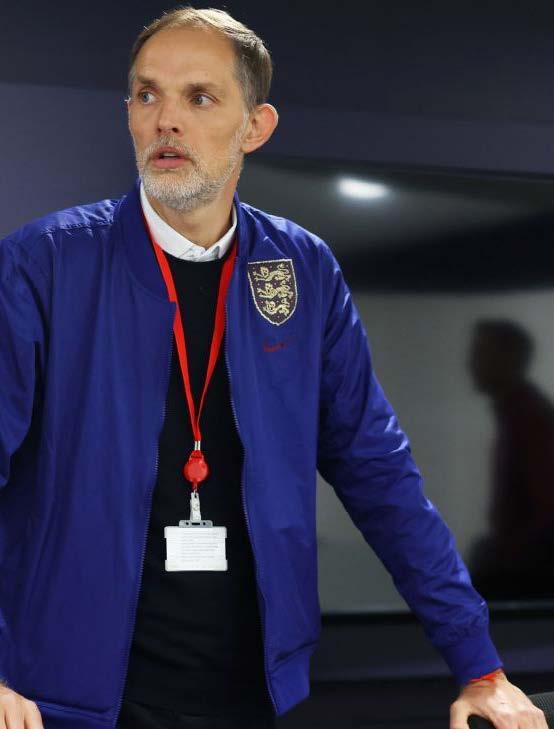
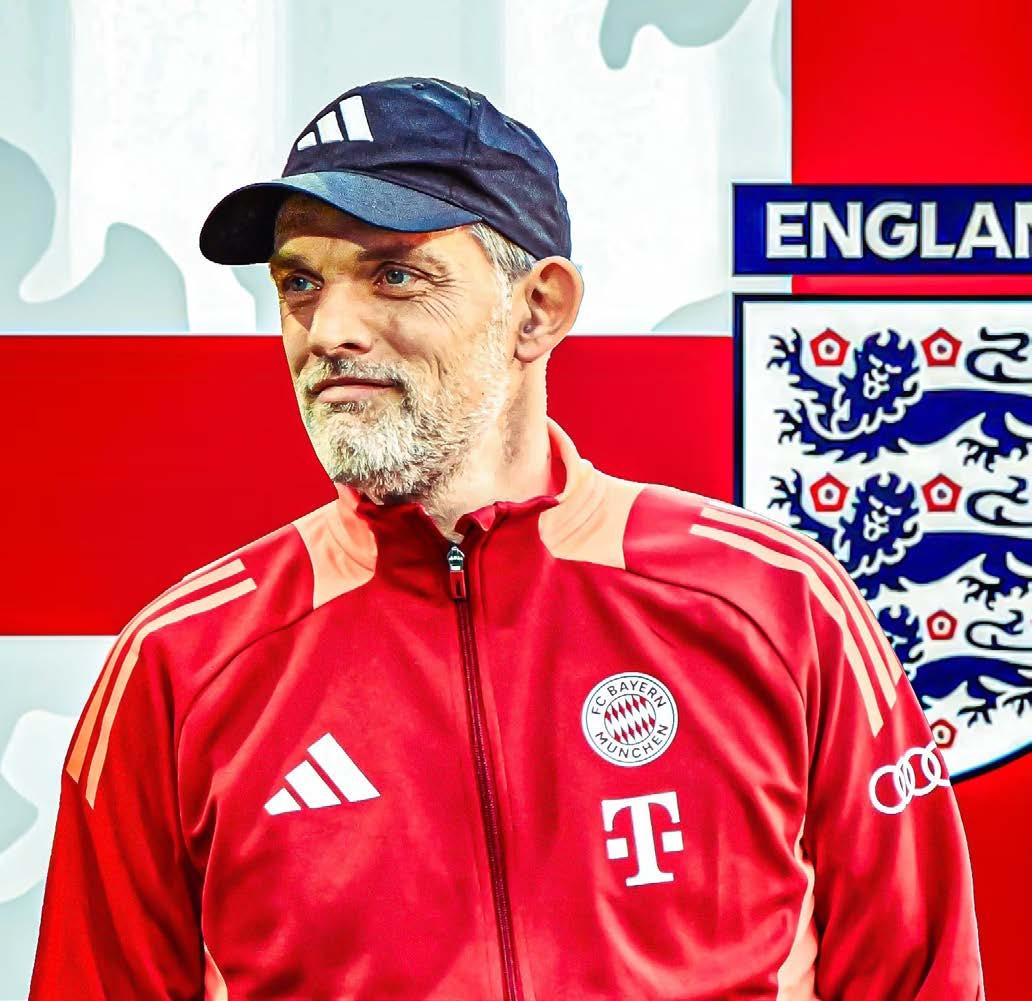
THOMAS TUCHEL TAKES THE HELM A NEW ERA FOR ENGLAND FOOTBALL
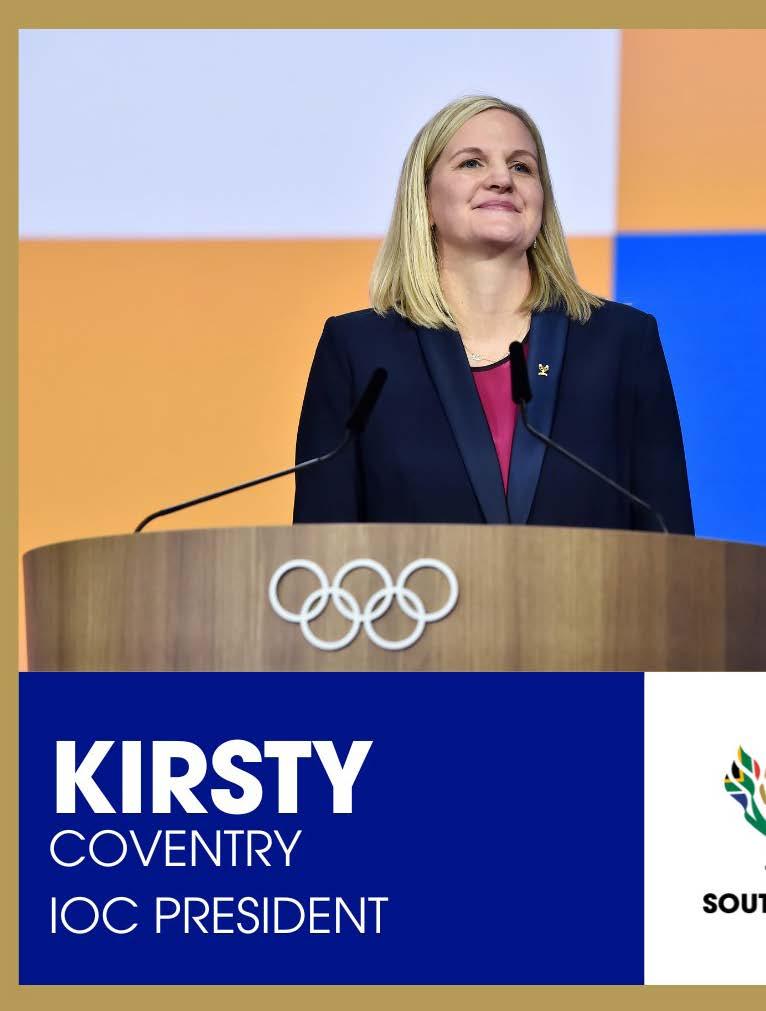
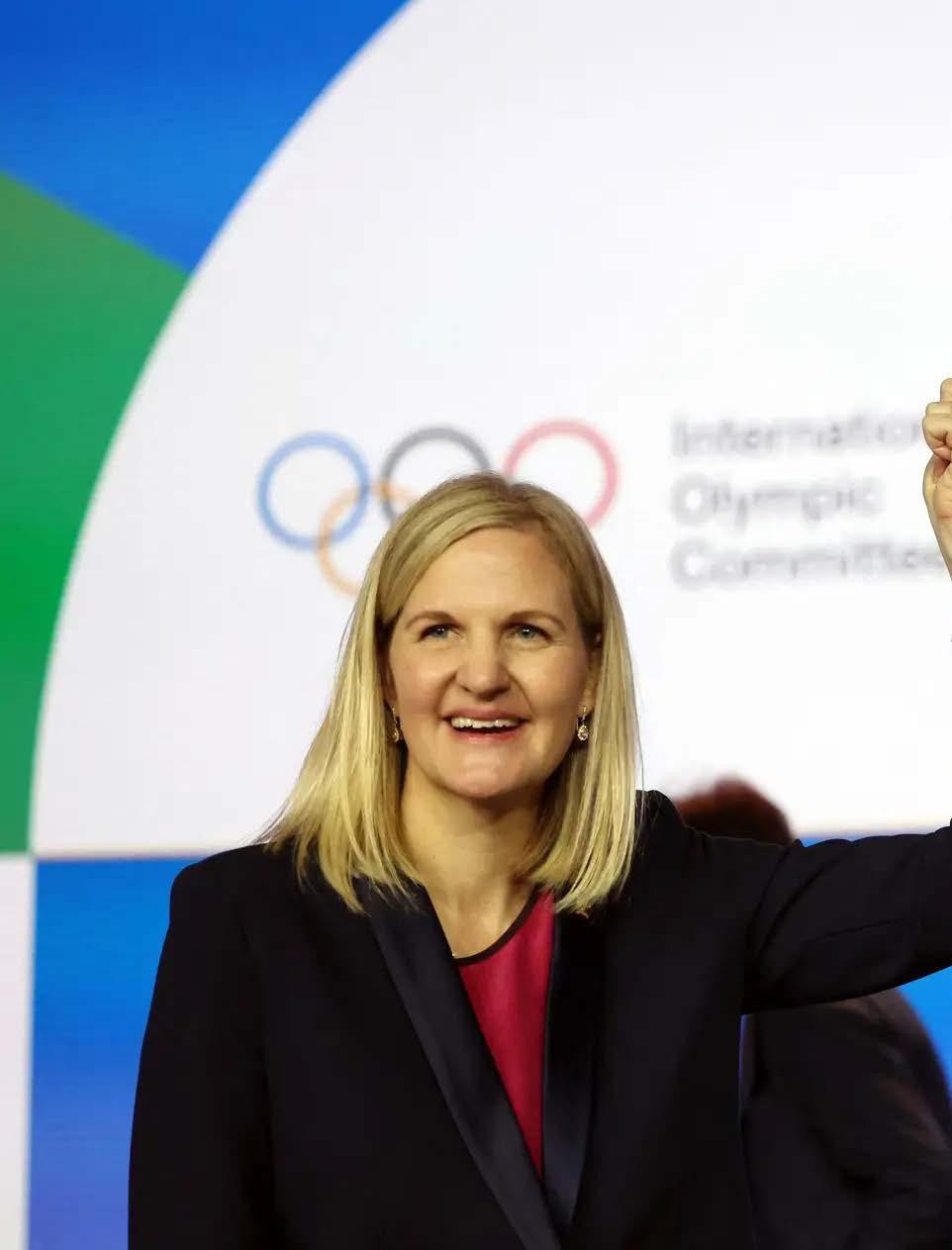
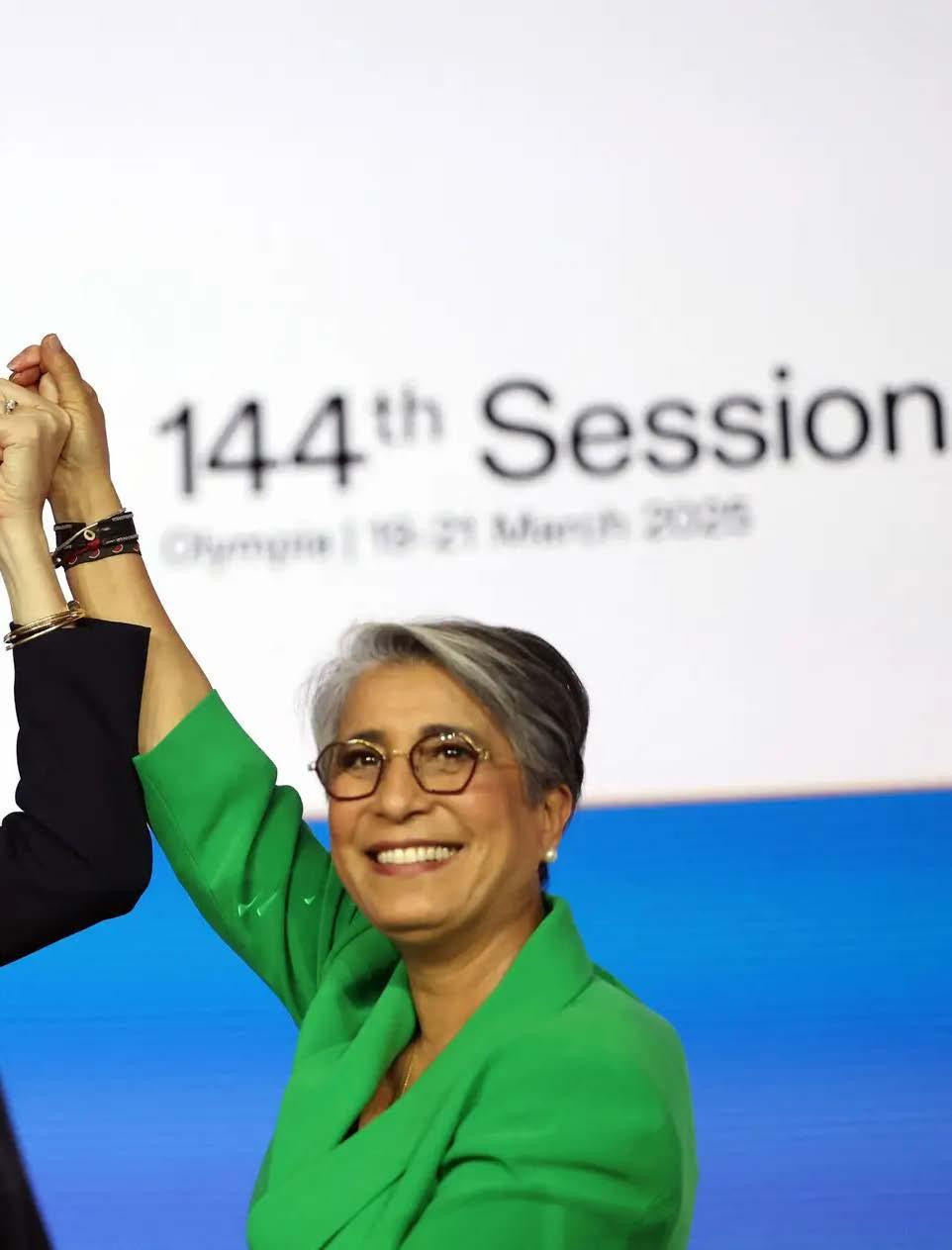
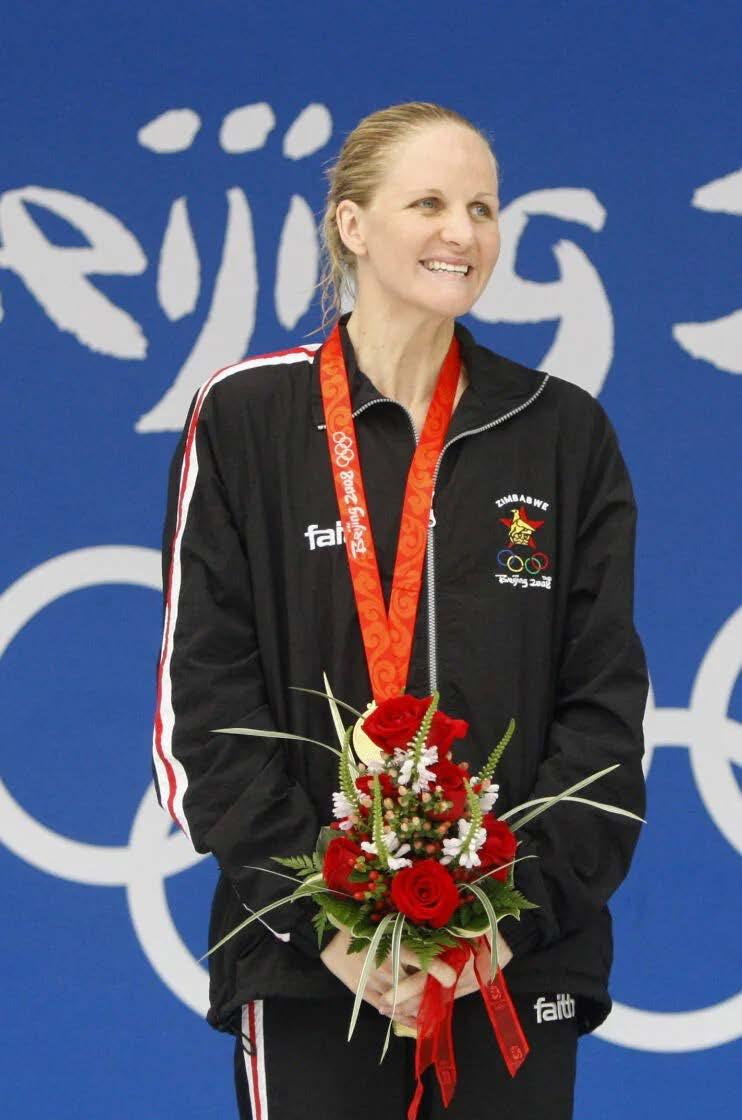
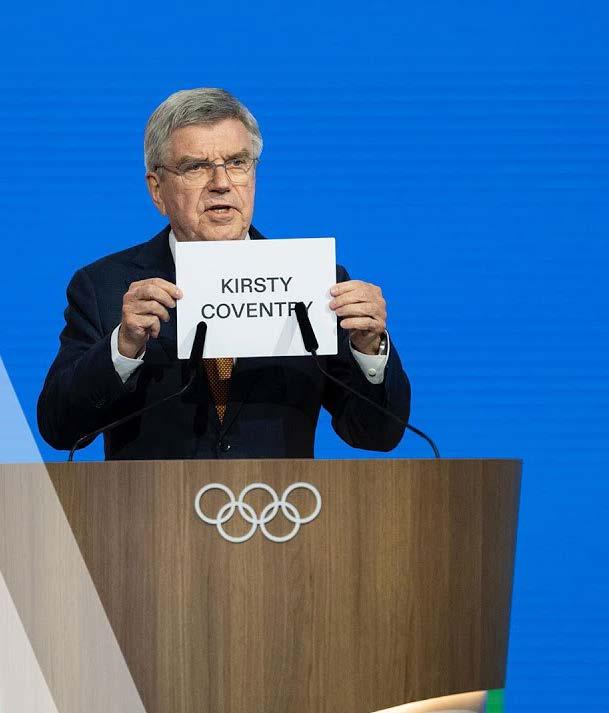
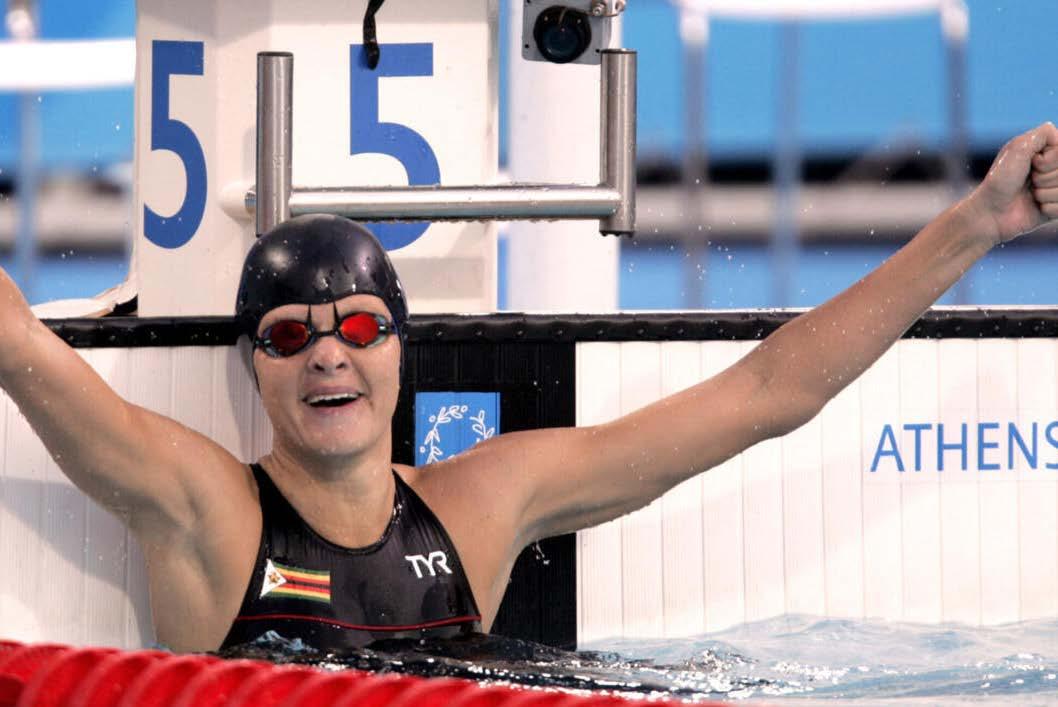
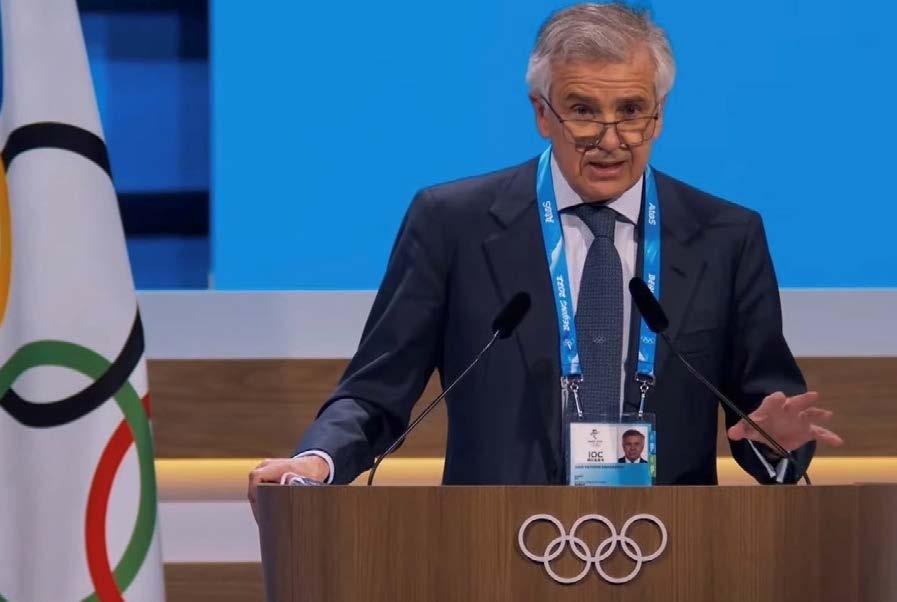
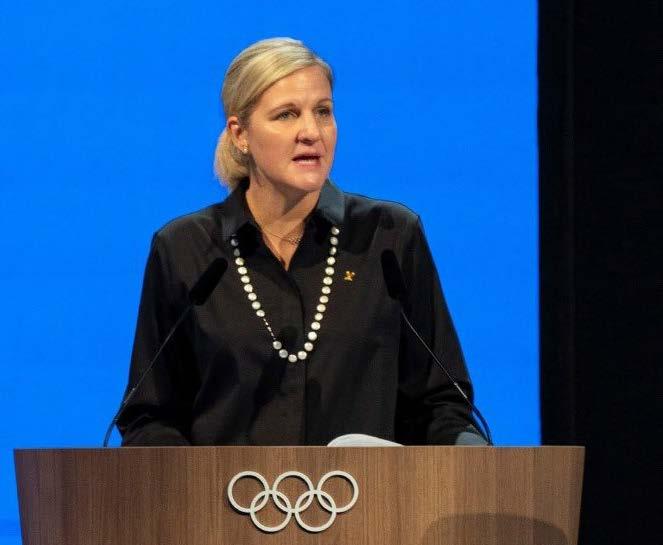
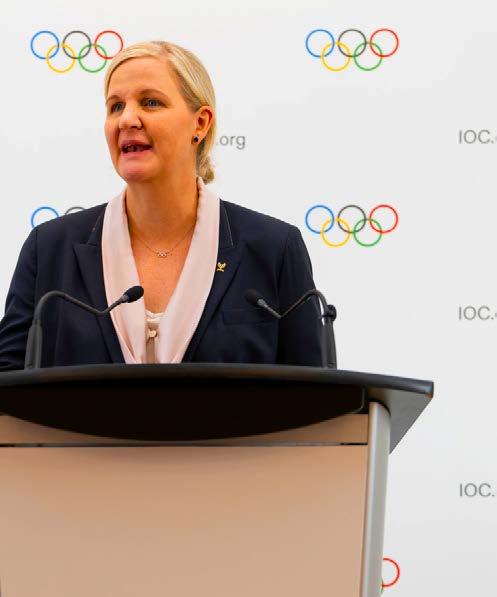
KIRSTY COVENTRY ELECTED IOC PRESIDENT A HISTORIC MILESTONE FOR WOMEN AND AFRICA
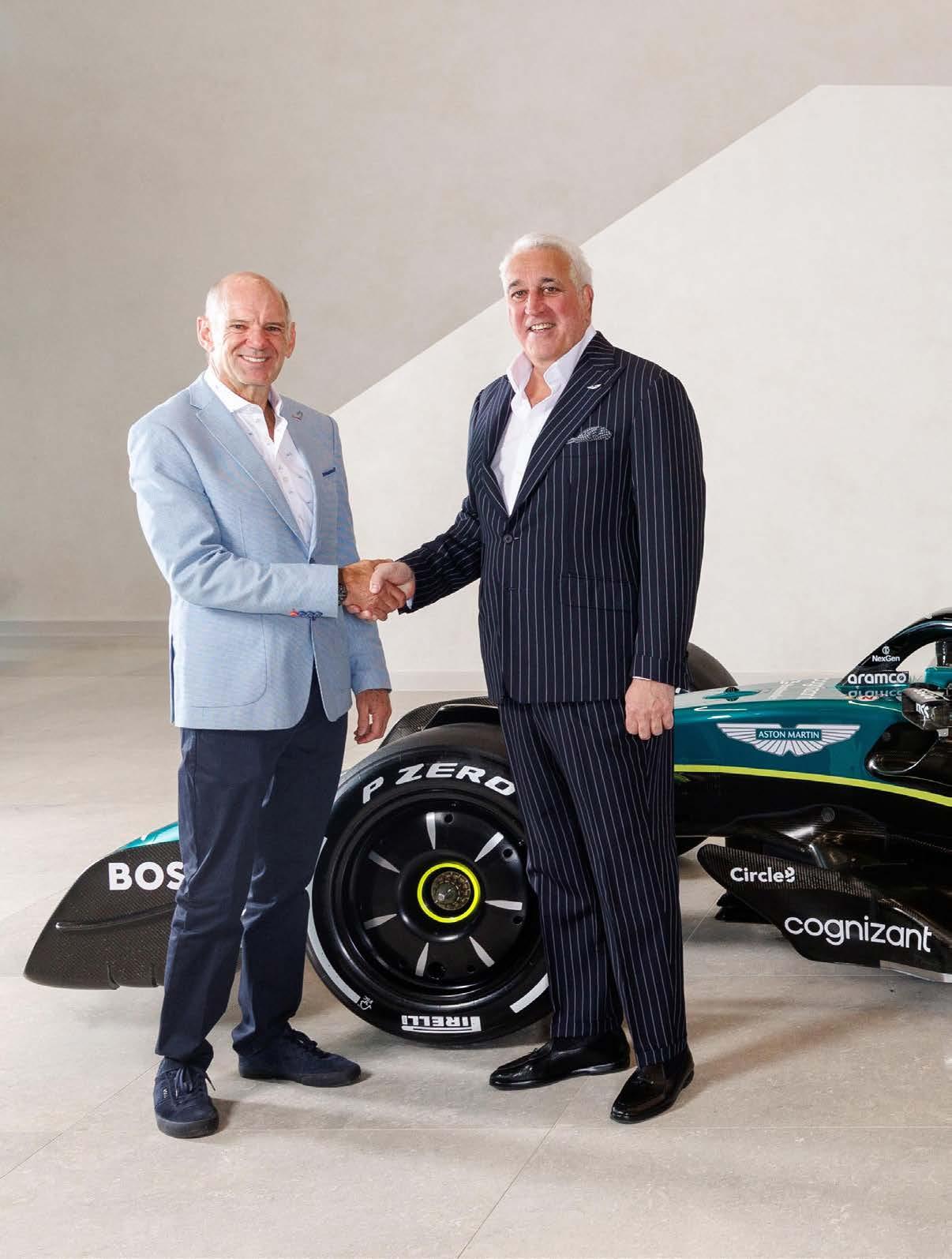
COINBASE AND ASTON MARTIN F1: A HISTORIC CRYPTO PARTNERSHIP ACCELERATES INTO 2025
Coinbase and Aston Martin F1: A Historic Crypto Partnership Accelerates into 2025
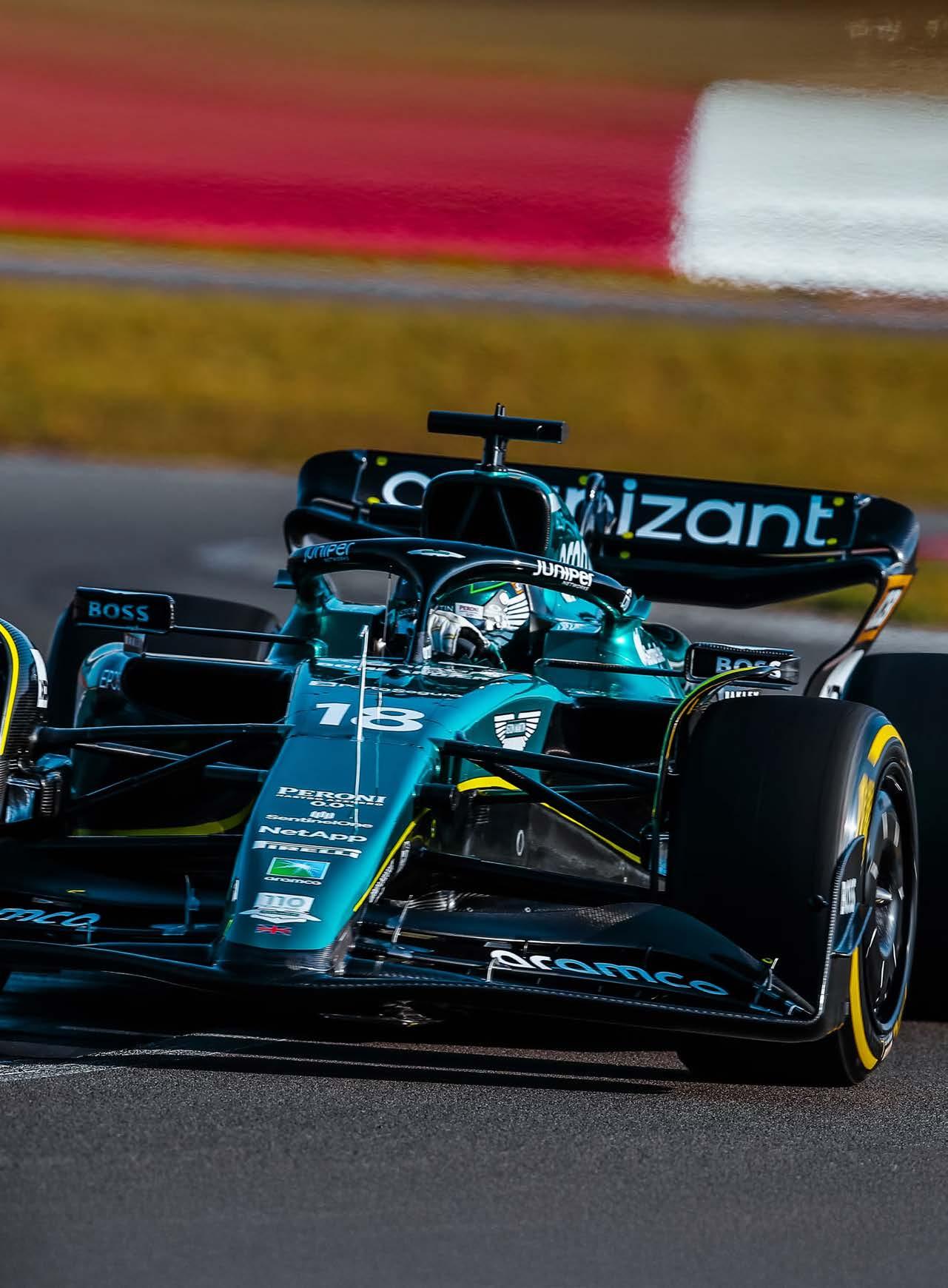
In a landmark move for both motorsports and the cryptocurrency world, Aston Martin Aramco Formula One Team has partnered with Coinbase, the leading U.S.-based cryptocurrency exchange, in a deal that marks a significant milestone for digital finance.
Announced in mid-February 2025, this multi-year sponsorship agreement is ground-breaking not just for its high-profile branding but for its payment structure: the entire deal is settled in USDC, a stablecoin pegged 1:1 to the U.S. dollar. This is the first time a Formula One team has publicly confirmed receiving full sponsorship payment in cryptocurrency, signalling a bold step toward mainstream adoption of digital assets.
A Partnership Fuelled by Innovation
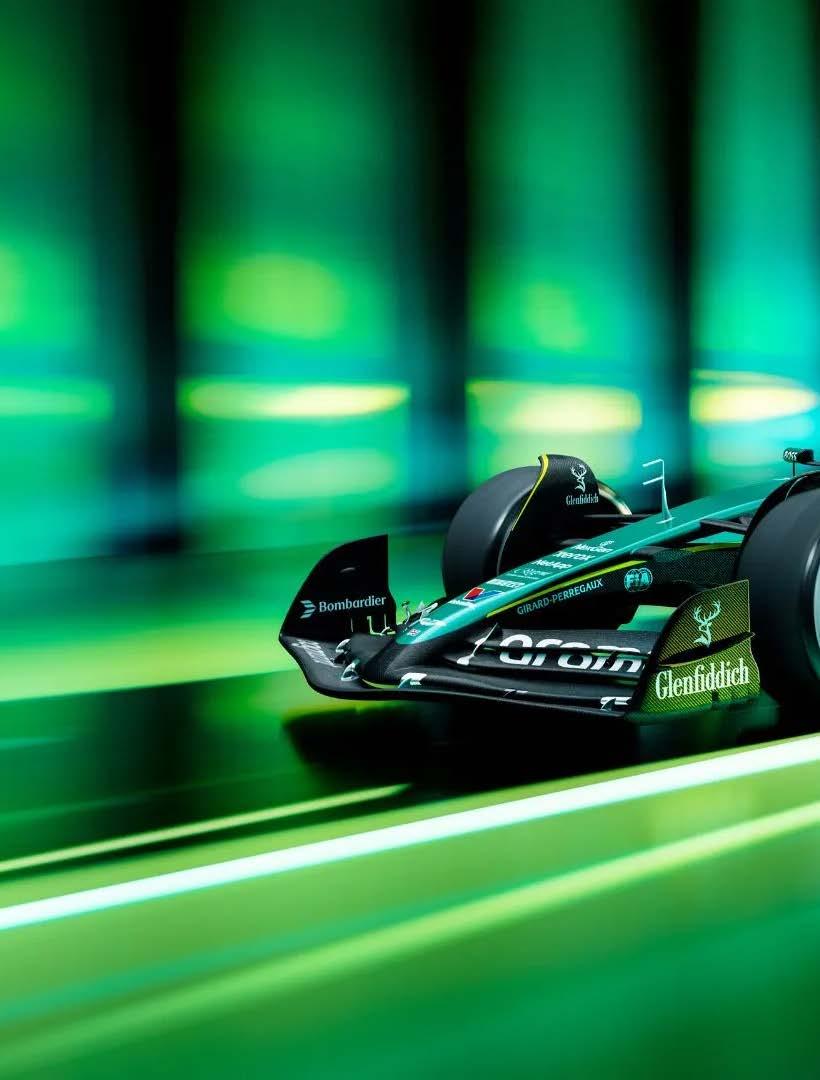
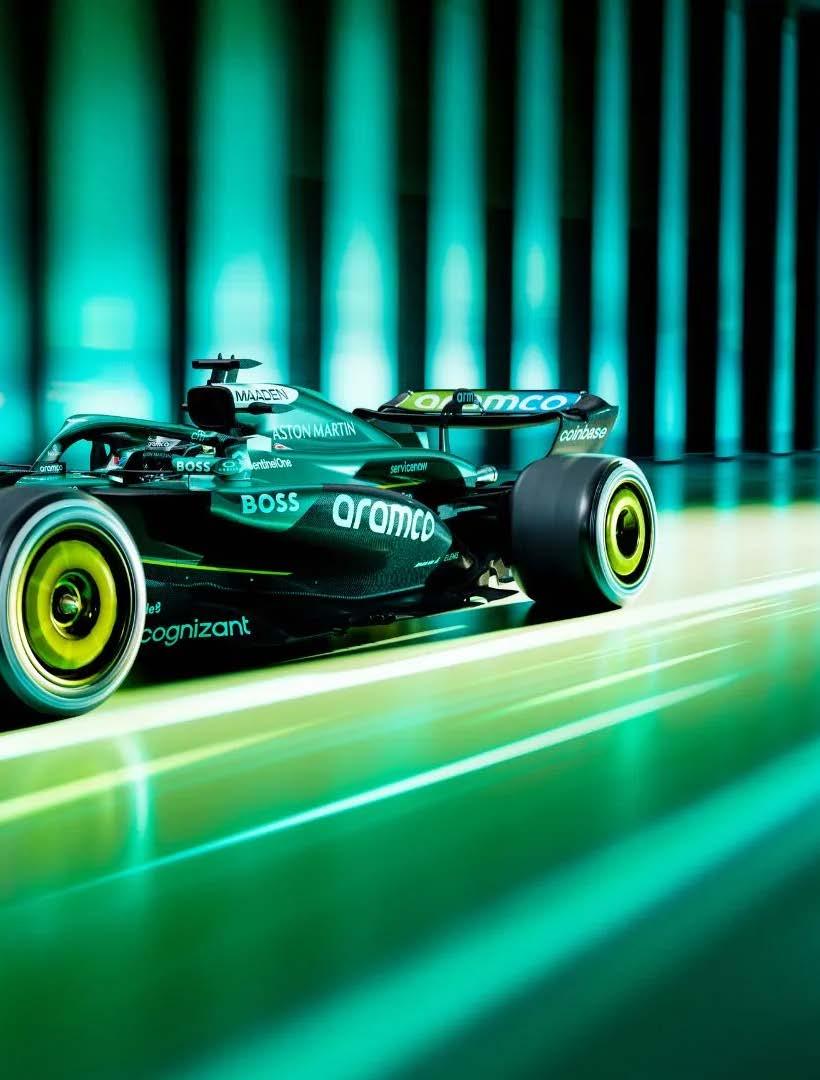
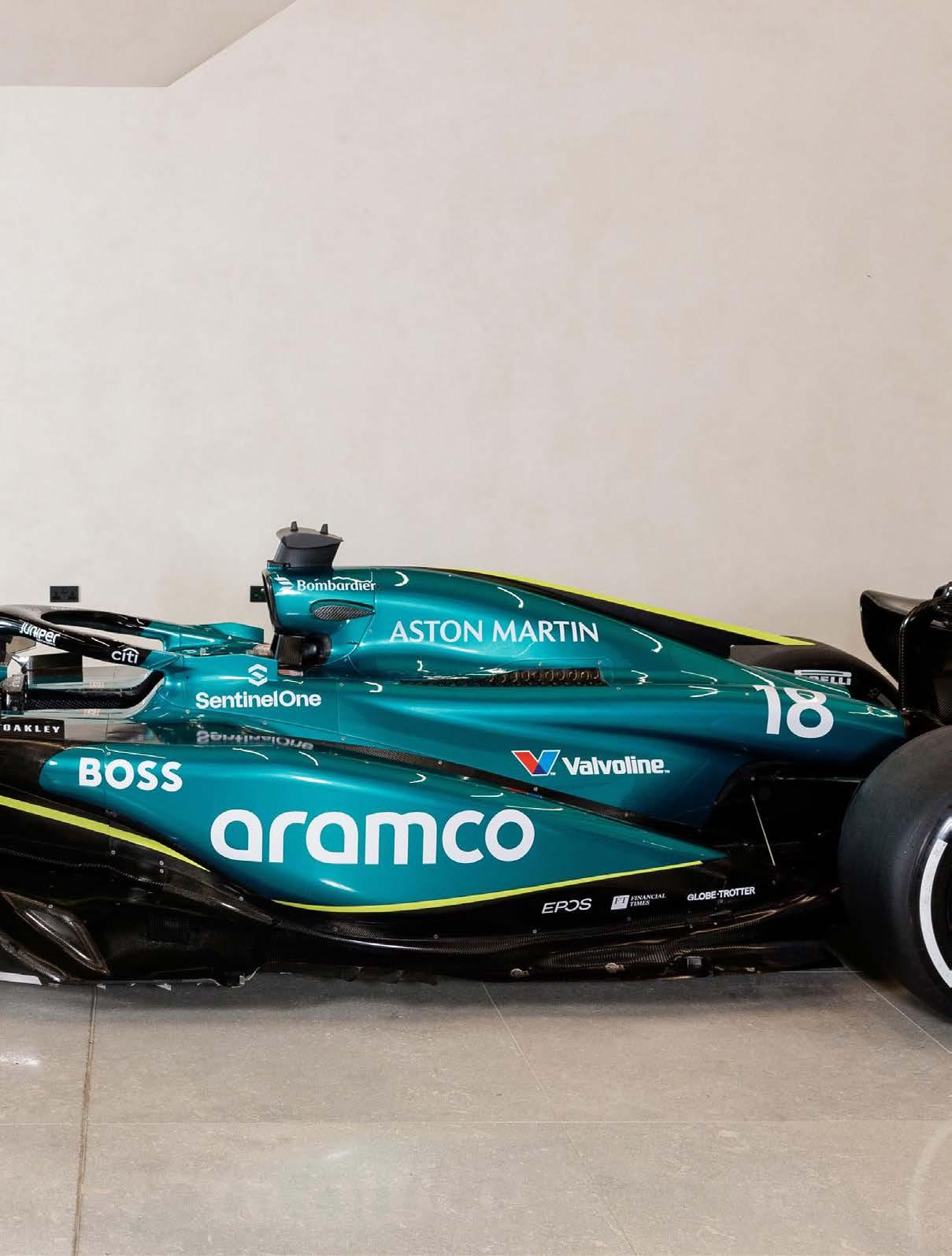
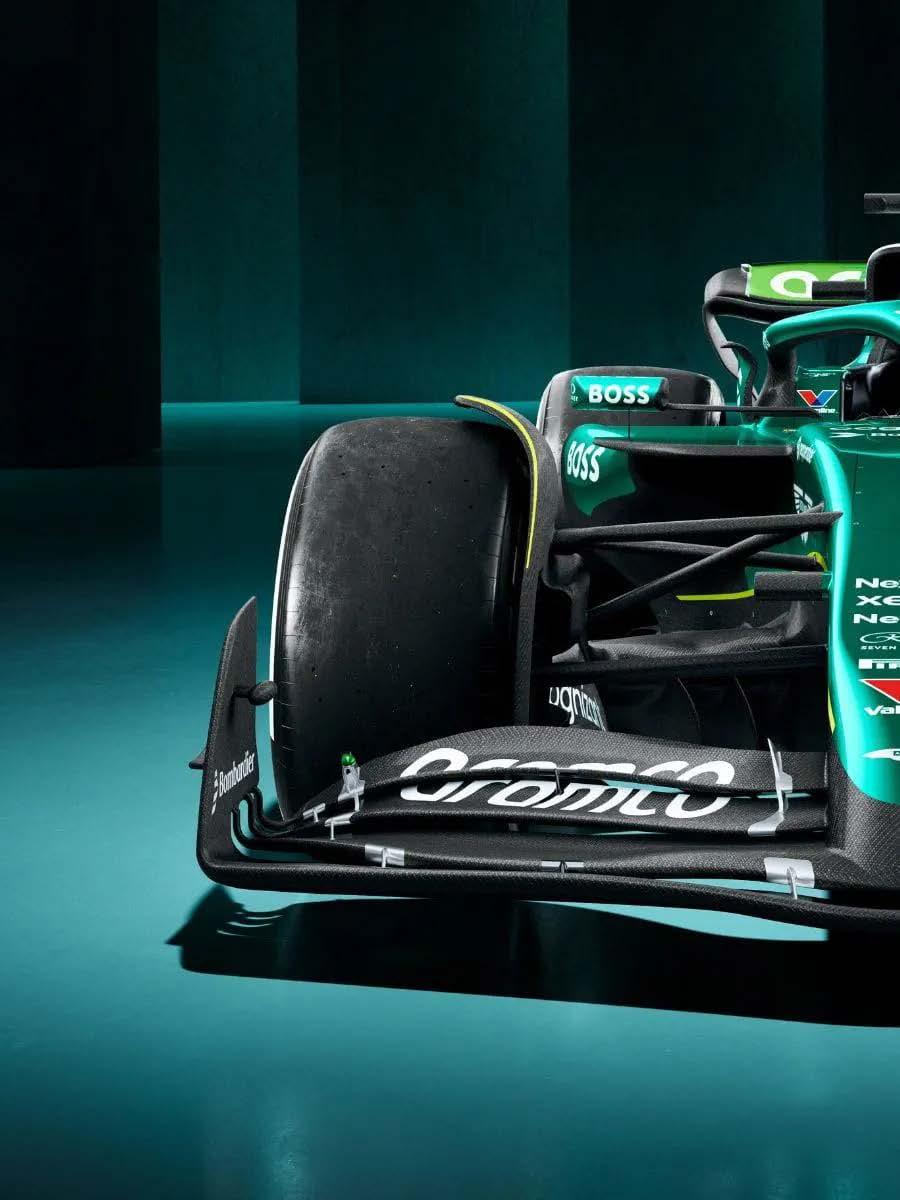
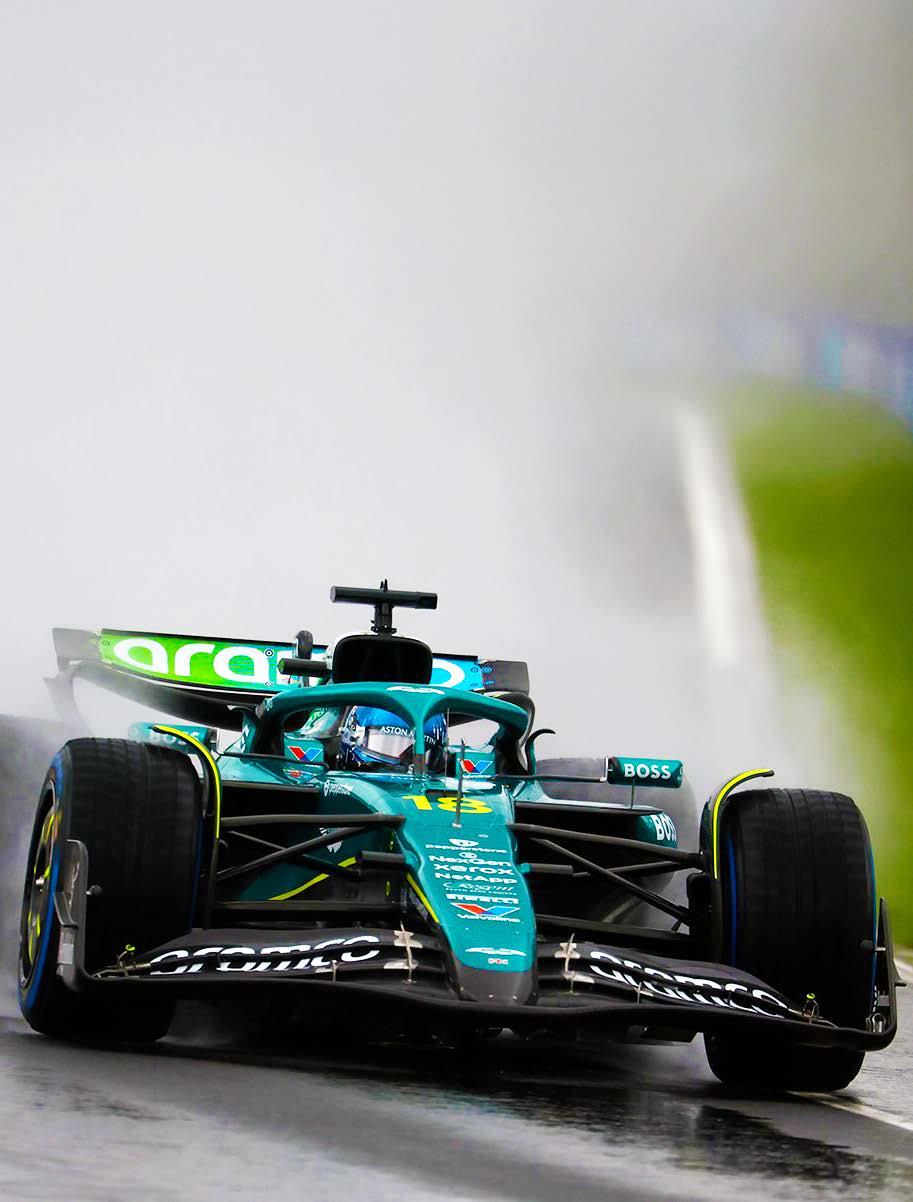
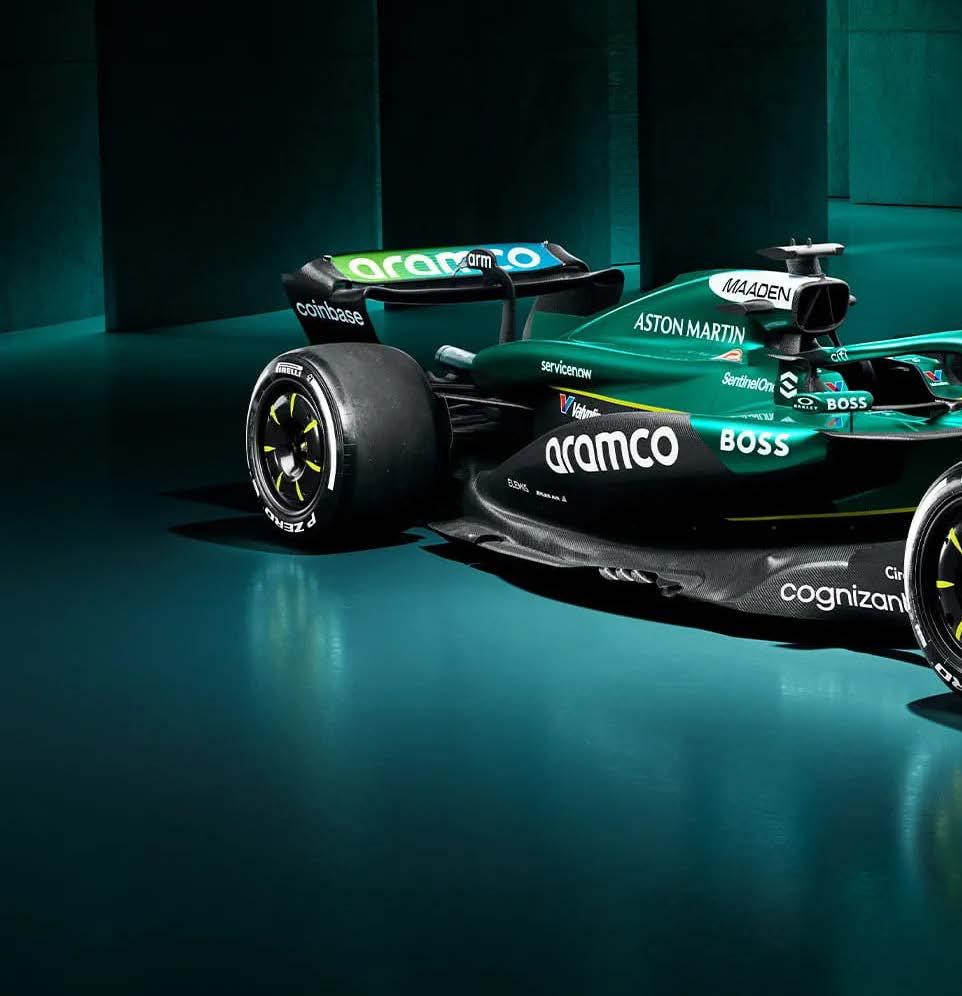
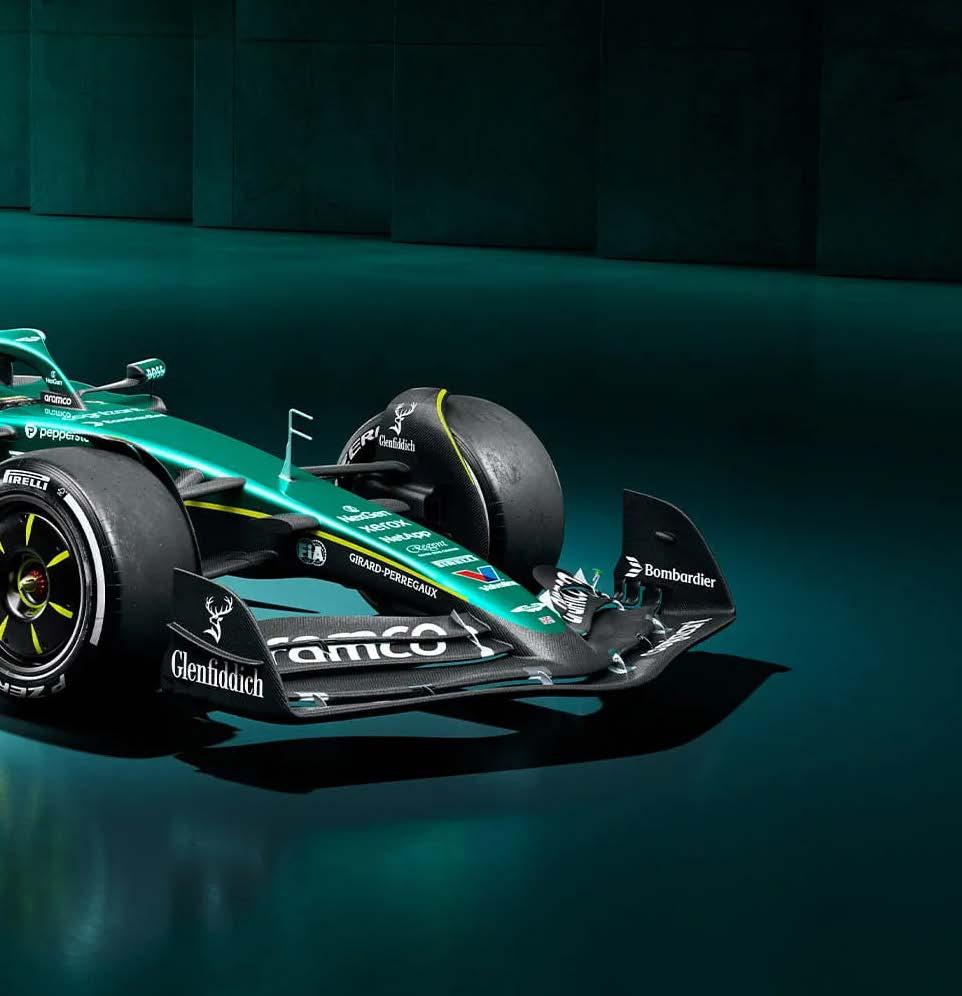
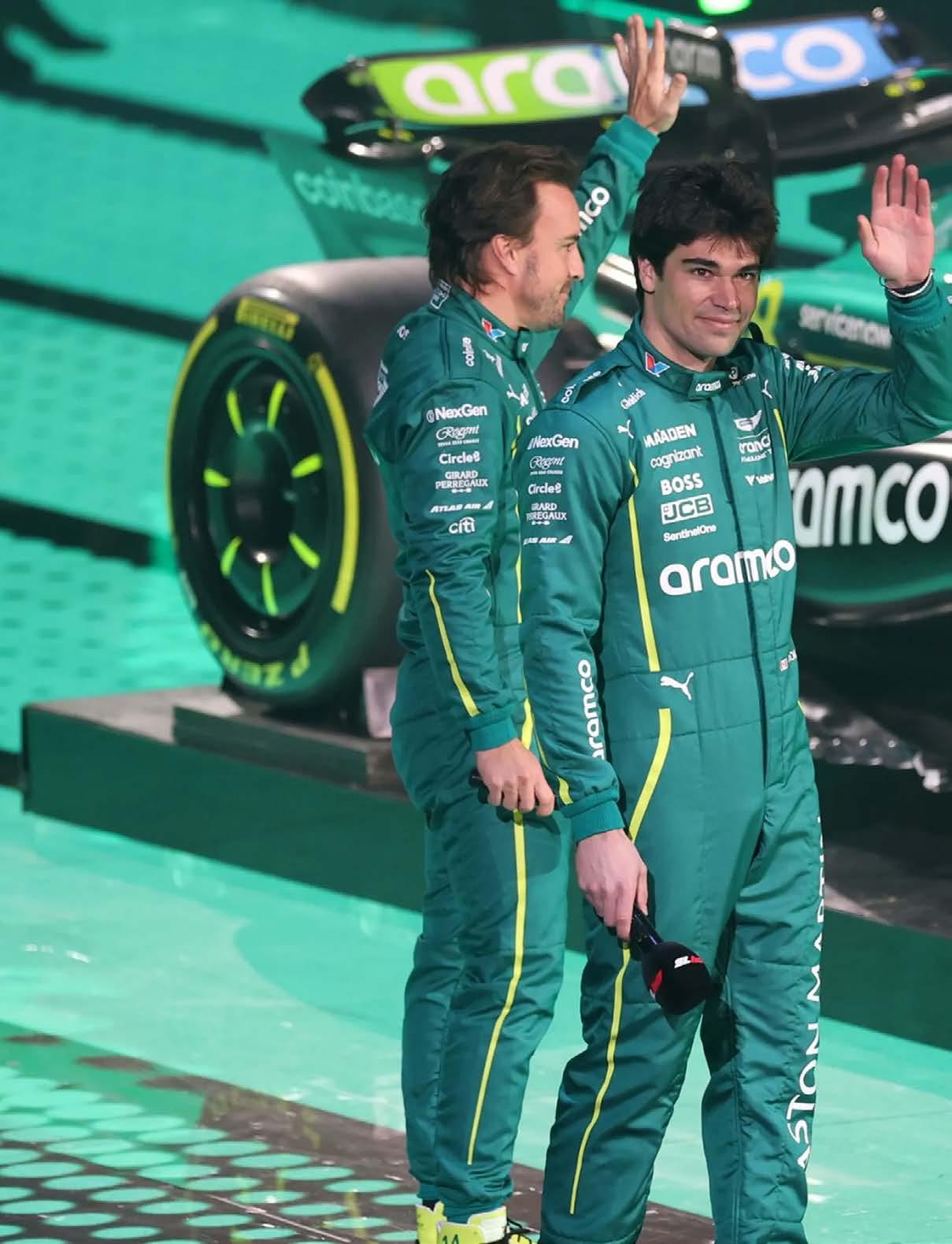
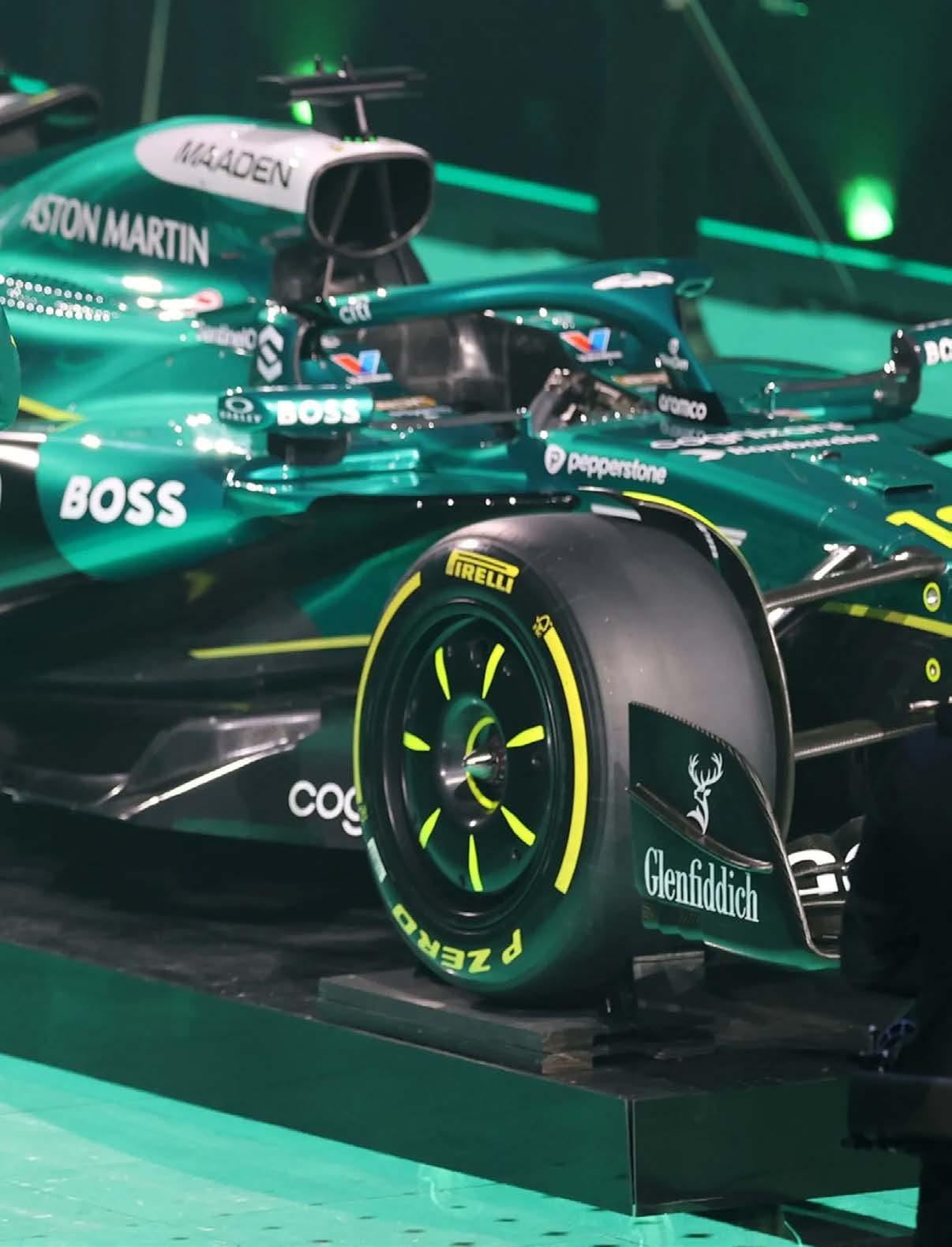
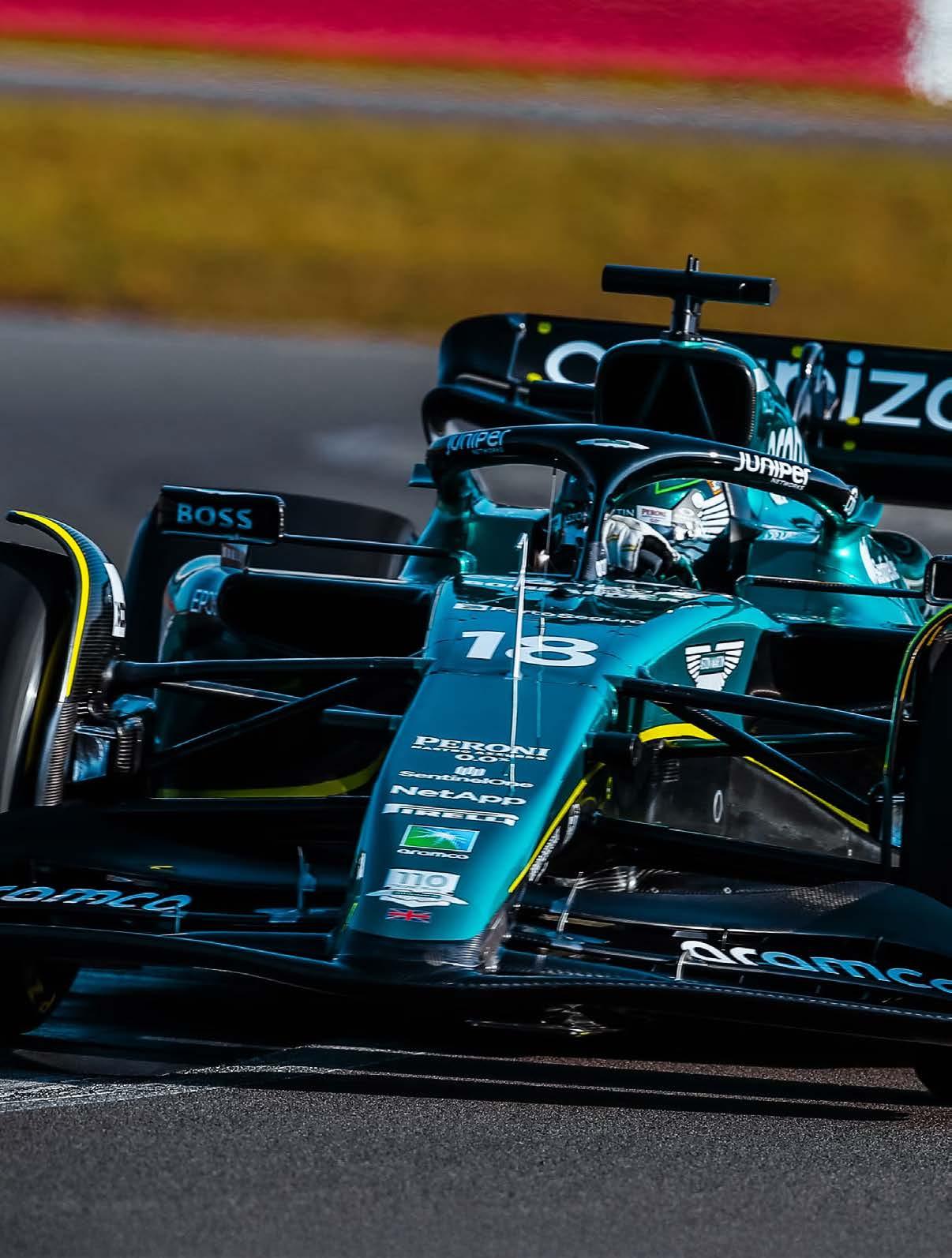
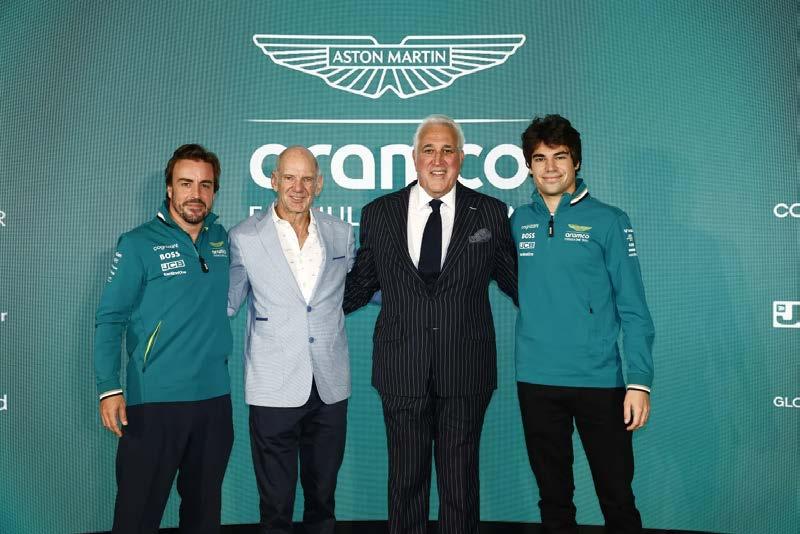
The collaboration positions Coinbase as Aston Martin’s Official Crypto Partner, with its logo set to debut on the AMR25 race car—specifically on the halo and rearwing end plates—during the 2025 Formula One season. Drivers Fernando Alonso and Lance Stroll will also sport the Coinbase branding on their racing suits, ensuring the crypto exchange’s visibility reaches millions of fans worldwide. Beyond the track, the partnership aims to explore innovative fan engagement opportunities, potentially leveraging blockchain technology to bring supporters closer to the action. Jefferson Slack, Managing Director of Commercial at Aston Martin Aramco, emphasized the forward-thinking nature of the deal: “This partnership underscores our trust in Coinbase’s expertise as a leader in digital finance. By transacting entirely in USDC, we’re demonstrating our commitment to innovation and building a sustainable relationship with Coinbase.” For Aston Martin, a team known for its rich history and recent resurgence in F1, this move aligns with its ambition to stay ahead of
the curve both on and off the grid. On the Coinbase side, Gary Sun, Vice President of Marketing, hailed the partnership as a “huge milestone,” noting it as the company’s first sports sponsorship paid entirely in cryptocurrency and its debut in Formula One.
“We’re excited to embrace an industry that equally values pushing boundaries with transformative ideas and technology,” Sun said. “This collaboration with Aston Martin Aramco is a step toward greater economic freedom globally.”
A Stablecoin Takes the Wheel
The decision to use USDC for the sponsorship payment is a strategic one. Unlike volatile cryptocurrencies like Bitcoin or Ethereum, USDC is a stablecoin designed to maintain a consistent value equivalent to one U.S. dollar. Backed by reserves of cash and U.S. government bonds, as claimed by its issuer Circle, USDC offers the reliability of traditional currency with the efficiency of blockchain-based transactions.
This stability makes it an appealing choice for high-stakes business deals, reducing the risk of value fluctuations that could complicate a multi-year sponsorship. For Coinbase, this partnership doubles as a showcase for USDC’s practical applications. With a market cap that grew 22% in 2024 and a 225% surge in payment usage (according to Coinbase’s own reports), USDC is a cornerstone of the exchange’s push to dominate the stablecoin market, where it currently holds a 26% share compared to Tether’s 67%. By onboarding Aston Martin as a client on Coinbase Prime—its institutional trading platform—Coinbase is betting on USDC to drive broader adoption in industries beyond finance.
Crypto Meets Motorsport: A Growing Trend
Formula One is no stranger to cryptocurrency partnerships. Crypto.com, another major exchange, has been an official partner of the sport since 2021, recently extending its deal through 2030. Other teams have also dipped their toes into the crypto waters, with Aston Martin itself enabling crypto payments for its online store in 2023 via a partnership with Crypto.com and Cube. However, Coinbase’s deal stands out as a first for its full payment in stablecoins, potentially setting a precedent for how sponsorships are structured in F1 and beyond.
This move comes at a time when crypto adoption is surging globally. Over 560 million people now own some form of digital currency, a figure boosted by milestones like the launch of Bitcoin ETFs in 2024 and a pro-crypto U.S. administration following the 2024 elections. For sports, a sector increasingly reliant on cutting-edge marketing and fan engagement, cryptocurrency offers a new frontier. Aston Martin and Coinbase plan to capitalize on this by exploring “on-chain” experiences—possibly involving NFTs, digital collectibles, or blockchain-based rewards—to deepen the connection between fans and the team.
Historical Context and Trends
These 2025 deals build on a foundation laid in prior years. The crypto-sports boom peaked in 2021 with 42 new sponsorships, driven by a bull market, only to dip to 25 in 2022 and eight in 2023 amid the “crypto winter” and fallout from FTX’s collapse. Recovery began in 2024 with 26 new deals, a trend that continues into 2025 with at least 22 reported partnerships so far.
Football dominates, with 35.9% of all crypto-sports deals since 2021, followed by motorsports (notably F1) and combat sports like UFC. The shift toward stablecoins (e.g., Coinbase’s USDC payment to Aston Martin) and equity investments (Tether’s Juventus stake) reflects a maturing approach, prioritizing stability and long-term integration over speculative hype. Crypto firms are drawn to sports for their massive, engaged audiences—Formula 1 boasts over 500 million viewers annually, while football’s FIFA World
Cup and UEFA events draw billions. These platforms offer unparalleled brand exposure, especially among younger, tech-savvy demographics that overlap with crypto users. Partnerships also enable practical blockchain use cases, like NFTs for fan engagement or tokenized ticketing, bridging the gap between digital assets and real-world utility. For sports entities, crypto deals unlock new revenue streams and technological innovation, making it a win-win proposition.
Racing Toward a Digital Future
The Coinbase-Aston Martin partnership arrives as the 2025 F1 season looms, with the AMR25’s full reveal scheduled for 2025. While the financial terms of the deal remain undisclosed, its implications are clear: cryptocurrency is no longer a niche experiment but a viable tool for high-profile transactions in mainstream industries. Will other F1 teams follow Aston Martin’s lead? The sport’s global reach and tech-savvy audience make it a natural fit for crypto integration, but the risks—regulatory uncertainty, market volatility (even for stablecoins), and public perception—could give pause to more conservative outfits. For now, Aston Martin is racing ahead, betting that this partnership will not only boost its competitive edge but also redefine how motorsports and digital finance intersect. As the chequered flag waves on traditional sponsorship models, Coinbase and Aston Martin are steering into uncharted territory. Whether this proves to be a pit stop or a full-on victory lap for crypto in sports, one thing is certain: the engines of innovation are revving louder than ever.
Significant Role OF Modern Technology in Sports
Technology has revolutionised every aspect of our lives, and the world of sport is no exception. From athlete performance analysis to fan engagement to how fans experience sporting events, technology has left an incredible mark on the world of sports. The evolution of sports technology has revolutionized the way sports are managed, enhancing both the on-field and off-field experiences. While the evolution of sports technology brings numerous benefits, it also poses challenges and ethical considerations. Issues such as data privacy, doping in sports, and the impact of technology on the purity and fairness of competition need to be addressed proactively. Striking a balance between technological advancements and maintaining the integrity of sports is crucial to derive the maximum out of technology while also delivering an positive experience.
1. The Rise of Sports Management
Sports management encompasses a wide range of activities such as organizing, promoting, and overseeing sporting events. Sports management used to be a straightforward subject, primarily focusing on logistics and administrative tasks. However, the popularity of sports grew and so did the commercial viability, which increased the need for professional management.
Today, sports management encompasses strategic planning, marketing, finance, facility management, and talent scouting, among other crucial aspects. Sports management has gone through a profound shift with the rapid evolution of sports technology. In the past, sports management primarily involved organising events and handling administrative tasks. Sports management has become a complex ecosystem intertwined with cutting-edge technology. The influence of technology has played a pivotal role in transforming sports into a multi-billion-dollar industry.
Various technological advancements have enhanced athlete performance, spectator experience, and the overall management of sports organizations
2. Key Innovations of Sports Technology:
Athlete Performance: Sports technology has introduced the sporting world to many sophisticated systems for monitoring and analysing athlete performance. From Innovations such as
wearable devices that track vital signs and biometrics, to motion sensors that capture movement-related data. Modern-day coaches and trainers now have access to detailed insights into an athlete’s performance, enabling them to make more informed decisions. Technological advances have allowed athletes to monitor and analyse their performance in real-time. Devices such as smartwatches and fitness-tracking apps provide detailed information on heart rate, speed, distance travelled and other key parameters. This data helps athletes and coaches identify areas for improvement and optimise training strategies.
Data Analytics: Big data analytics has revolutionized sports management by offering comprehensive statistical analysis, predictive modelling, and performance optimization. Sports scientists and data analysts employ advanced algorithms to extract valuable insights from vast amounts of data, enhancing training programs, injury prevention strategies, and game strategies. Technology has democratised access to data and strategic information. Sports teams now use advanced data analytics to evaluate player performance, identify patterns of play and develop competitive strategies. This has levelled the playing field and allowed even the smallest teams to compete with the giants of the sport. Data analytics has become an indispensable part of sports management, enabling teams and organizations to make informed decisions. Advanced algorithms and machine learning techniques analyse vast amounts of data, including player performance statistics, scouting reports, and fan preferences, providing valuable insights. This information helps teams in player recruitment, game strategy development, and marketing campaigns, leading to improved performance and fan satisfaction.
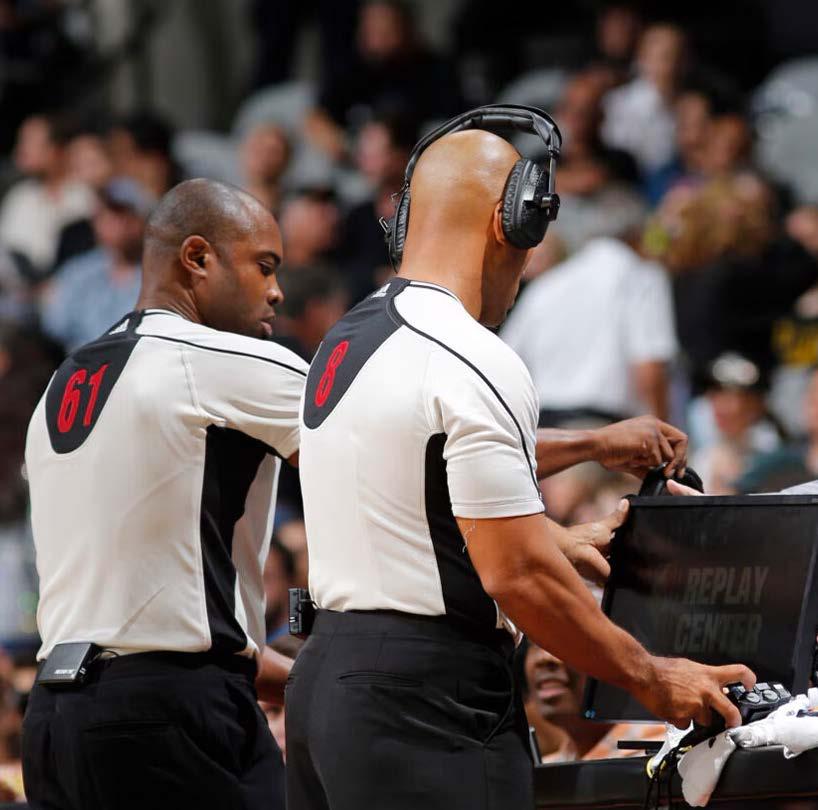
Video Technology: The introduction of video technology and instant replay has significantly impacted sports officiating. Referees and officials now have access to multiple camera angles and slowmotion replays, aiding in accurate decision-making and reducing human errors. This technology has greatly enhanced the fairness, and integrity of sports competitions and ensured the correct decisions are taken on the pitch. The introduction of referee assistance technology, such as VAR (Video Assistant Referee) in football, has helped minimise refereeing errors and ensure fairer decisions.
3. Smart Stadiums Fan Engagement:
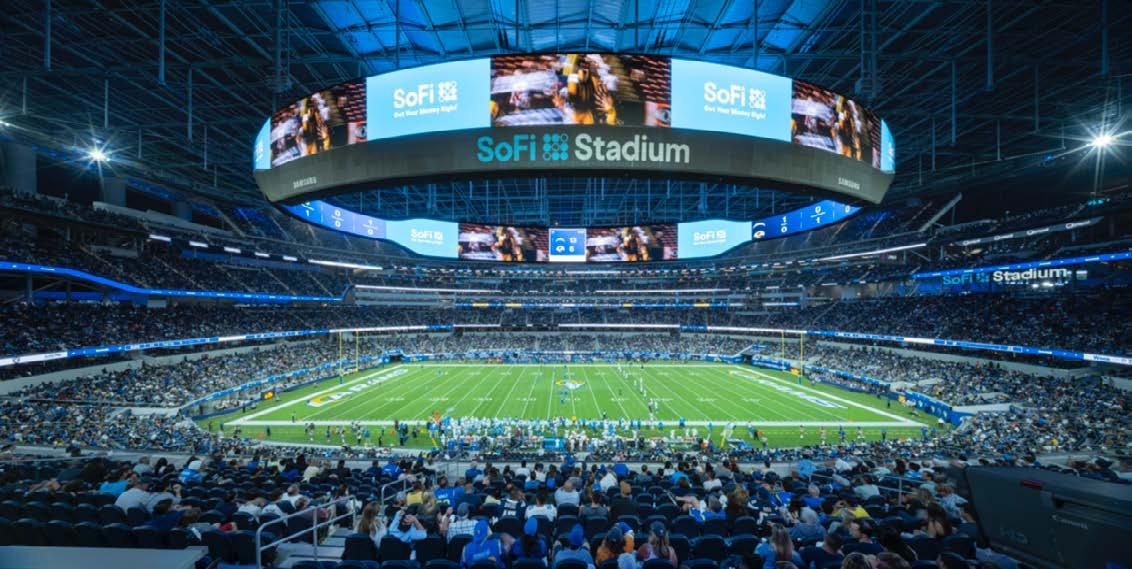
Technology has transformed the way fans experience sports, both in stadiums and out of stadiums through digital platforms. Smart stadiums are now equipped with state-ofthe-art facilities, high-speed internet, and interactive screens which offer fans a seamless and immersive experience to enjoy the game they love in a much more interactive manner. Fans have access to instant replays, statistics, and personalized content through mobile apps, enhancing their engagement during live games and on non-match days as well which helps keep them engaged in the game.
Social media platforms have become a powerful tool for fan interaction and engagement, allowing them to stay connected with their favourite athletes, share their opinions, and participate in virtual communities.
4. Sports Broadcasting and Media:
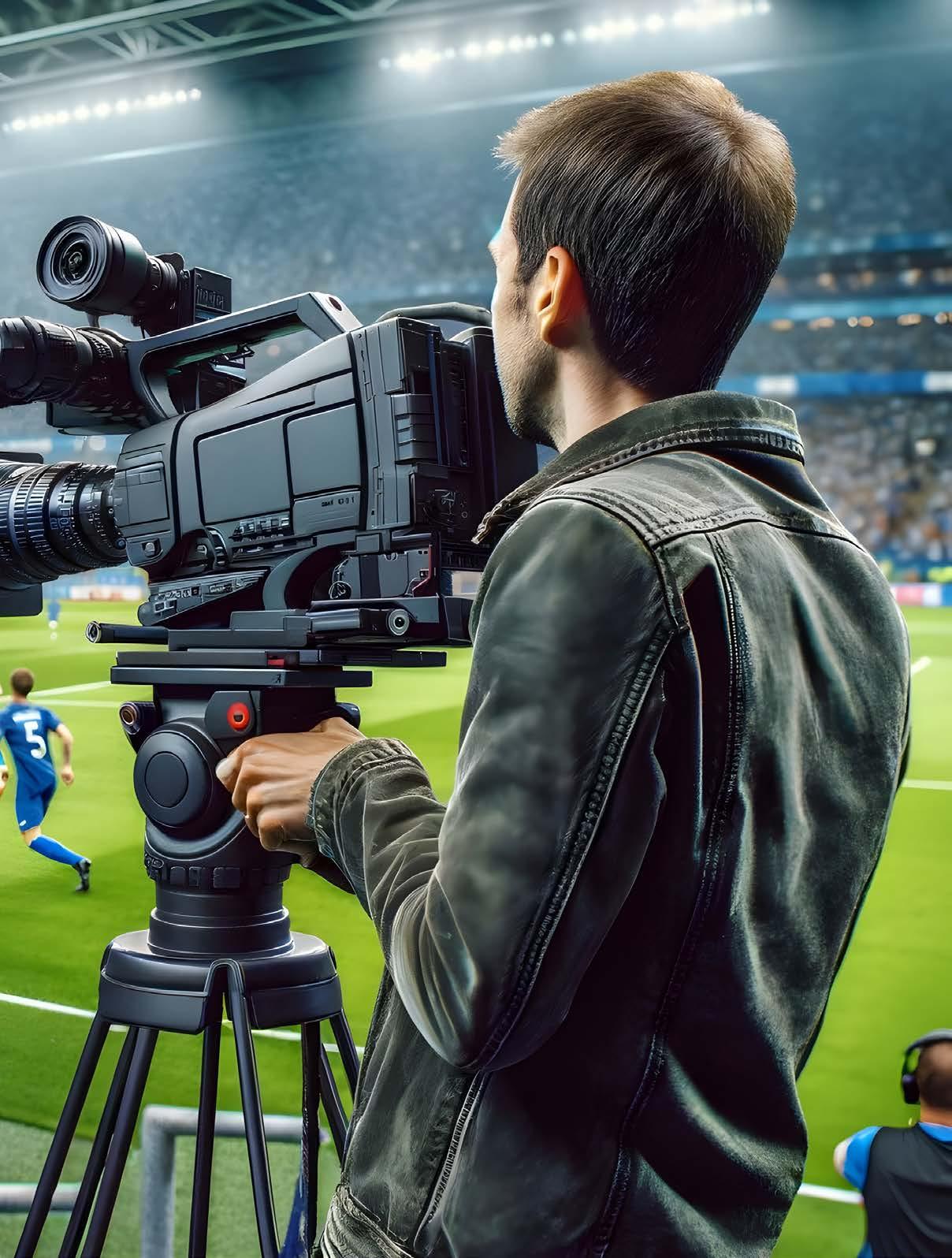
Sports technology has revolutionized the way sports events are being broadcasted and covered by the media which in turn have contributed to the significant growth in sports entertainment consumption. High-definition cameras, 360-degree replays, and drones offer viewers a comprehensive and immersive experience, bringing them closer to the action on matchdays. Streaming services and online platforms have expanded the reach of sports events, allowing fans worldwide to watch games in real-time while also giving them the flexibility to rewatch games and highlights at their convenience. Moreover, the rise of social media influencers and content creators has transformed the landscape of sports media, providing alternative perspectives and engaging narratives.
5. Esports and Virtual Sports:
The emergence of esports and virtual sports highlights the combination of technology and sports. Esports, also known as competitive video gaming, has gained significant popularity and established its professional leagues and tournaments which allow professional gamers to compete with one another in the virtual world. Virtual sports, such as virtual racing and virtual reality-based sports simulations, provide fans with unique and interactive experiences, blurring the boundaries between physical and virtual sports. Popular sports video games like EAFC (previously known as FIFA), NBA 2K and WWE have allowed these sports to not only provide fun and entertainment to its existing fans but also bring in new fans who gain interest in the sport through video games. These video games play a massive role in keeping fans engaged during non-matchdays to ensure these sports stay relevant in the minds of the fanbases.
6. Eliminating Injuries:
Perhaps the most crucial by-product of technology in sports training is that injuries have been severely reduced and now can be identified much earlier. Tracking performance, perfecting movements and enhancing communication are not only benefits; they help create less injury-prone environments. Training management software helps coaches and trainers to control various aspects of training such as diet, energy, sleep, etc and monitor the body response of athletes to the training regimes introduced by them. When coaches and trainers can define individual practice for optimum results, they are preventing fatigue and self-created injuries which allows players to enjoy a long a successful career. As technology continues to advance, we can expect further innovations such as artificial intelligence (AI), robotics, and enhanced virtual reality to revolutionize sports management in unimaginable ways. Embracing these technological advancements will be crucial for sports organizations and professionals to stay competitive, provide memorable experiences, and shape the future of sports.
JAI ANSHUL AMBANI
APPOINTED AS CHAIRPERSON OF THE FEDERATION OF MIXED MARTIAL ARTS INDIA
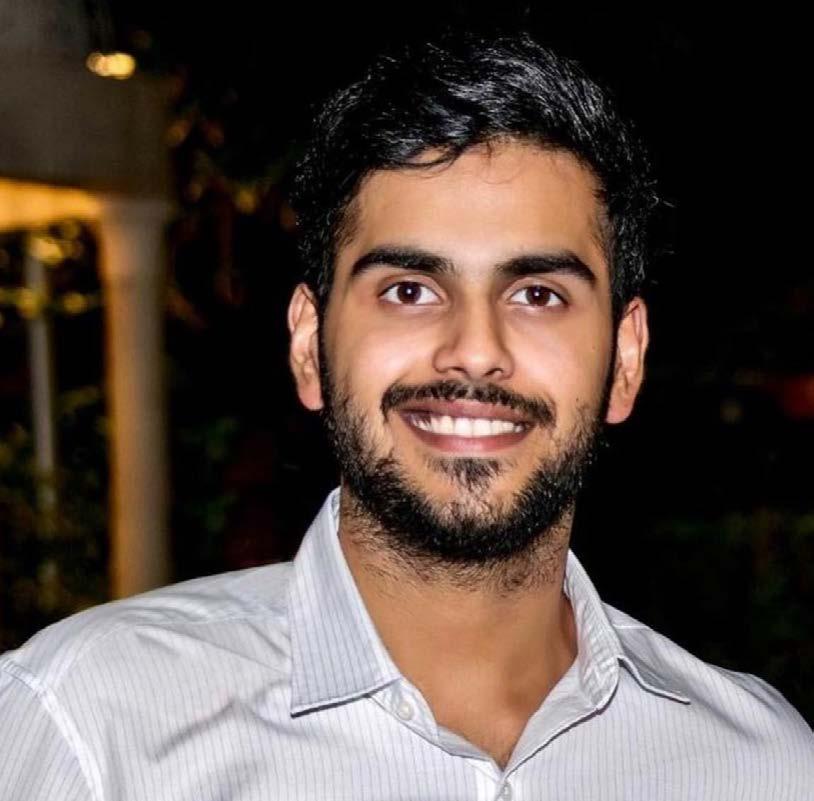
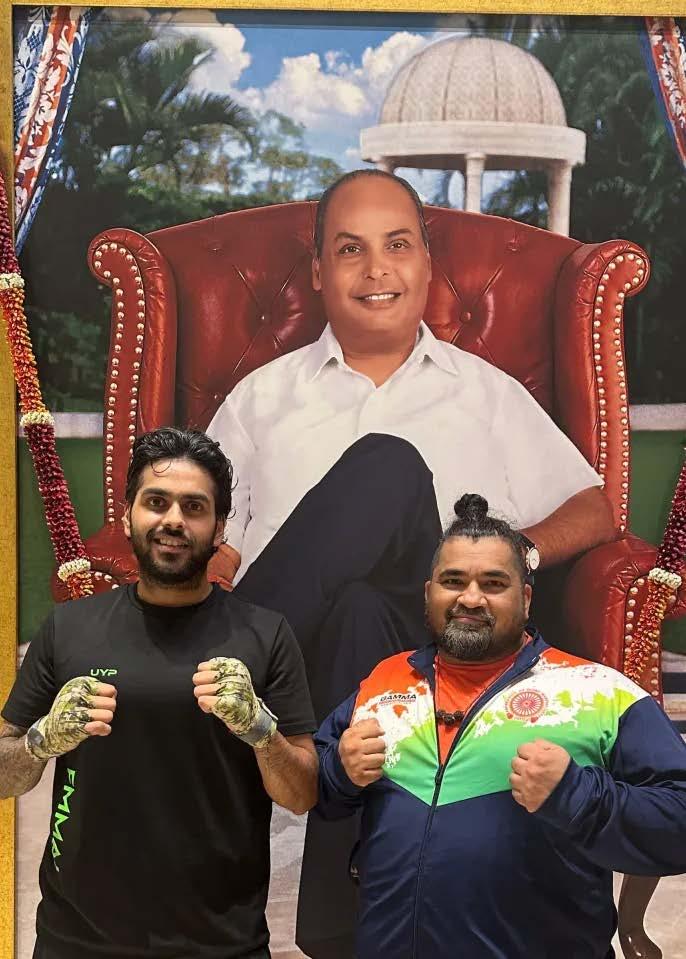
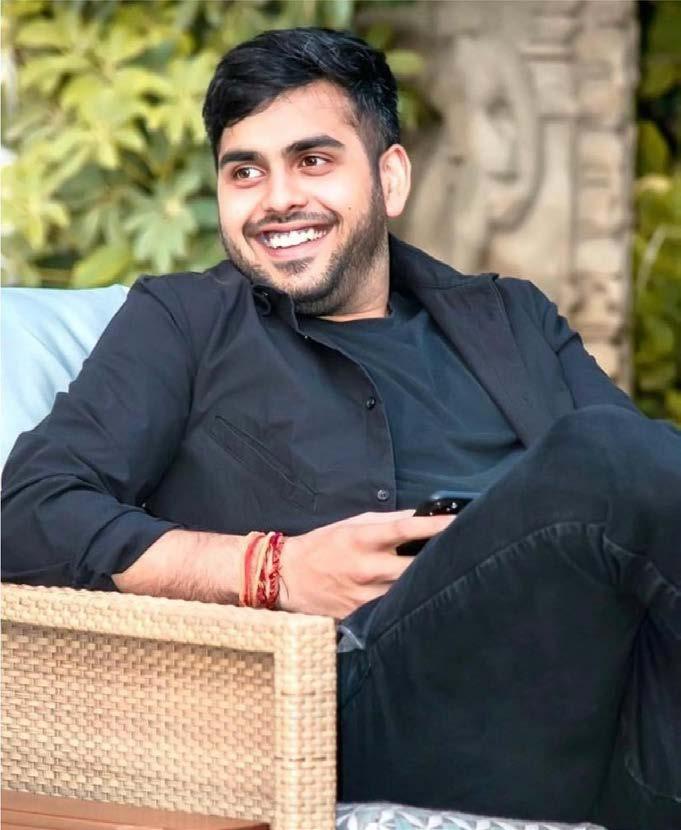
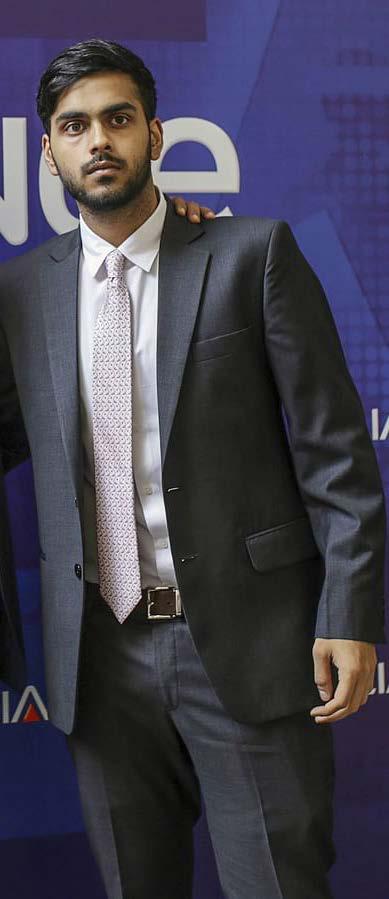
In a significant development for the sport of Mixed Martial Arts (MMA) in India, Jai Anshul Ambani, the younger son of industrialist Anil Ambani, has been appointed as the Chairperson of the Federation of Mixed Martial Arts India (FMMAI). This appointment, which was announced in late January 2025, marks a new era for the sport in the country, potentially bringing in a fresh wave of resources and strategic direction.
Who is Jai Anshul Ambani?
Jai Anshul Ambani, along with his elder brother Jai Anmol Ambani, has been instrumental in revitalizing their father’s business ventures, including Reliance Power and Reliance Infrastructure. Known for his business acumen and low-key approach to public life, Jai Anshul has an educational background that includes an MBA from the NYU Stern School of Business. His involvement in the family business has been marked by strategic investments and a focus on sustainability and innovation. Anshul was appointed as the Chairman of the Executive Committee during FMMAI’s Executive Committee meeting in Hyderabad, Telangana towards the end of 2024.
“As an enthusiastic advocate for the growth and promotion of mixed martial arts, I am honoured to join the board of the Federation of Mixed Martial Arts India (FMMAI),” commented Ambani. “My involvement with the sport goes beyond being an avid fan; I have been dedicatedly training with Jitendra “Vicky” Khare for the past eight years. I’m thrilled to join him as our visions for the future of MMA in India align perfectly. I see significant potential for the development of MMA in India, and I believe FMMAI, being the most active federation in the country over the past two years, is the ideal platform to elevate the sport. Our plan includes not only scouting and training high-potential athletes but also securing their placements in top promotions both in India and globally. I am committed to building strong and dedicated resources to support the growth of Indian MMA.”
The Federation of Mixed Martial Arts India (FMMAI)
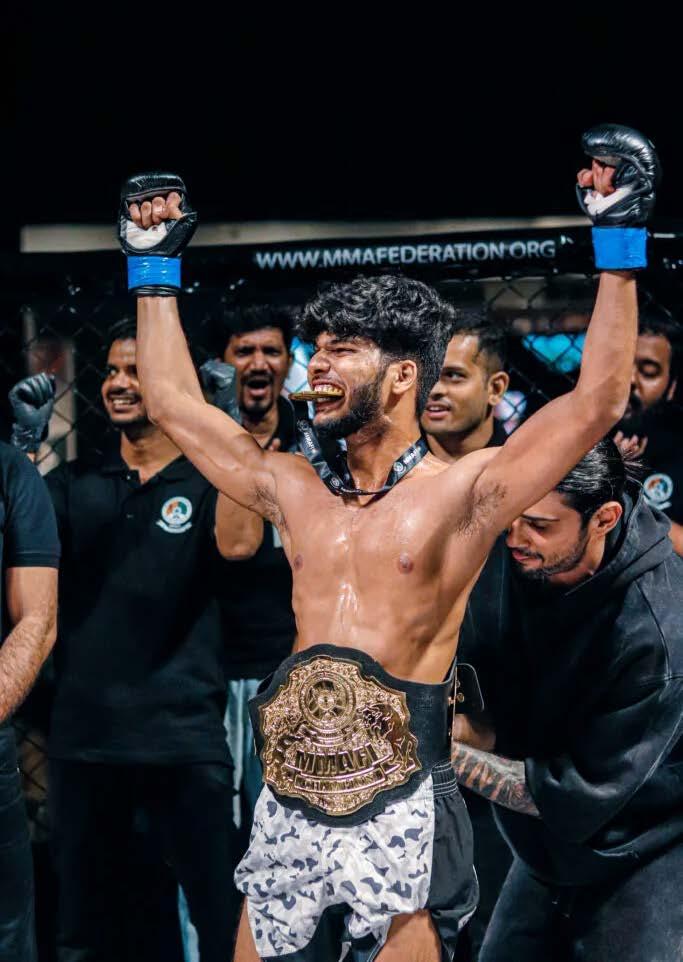
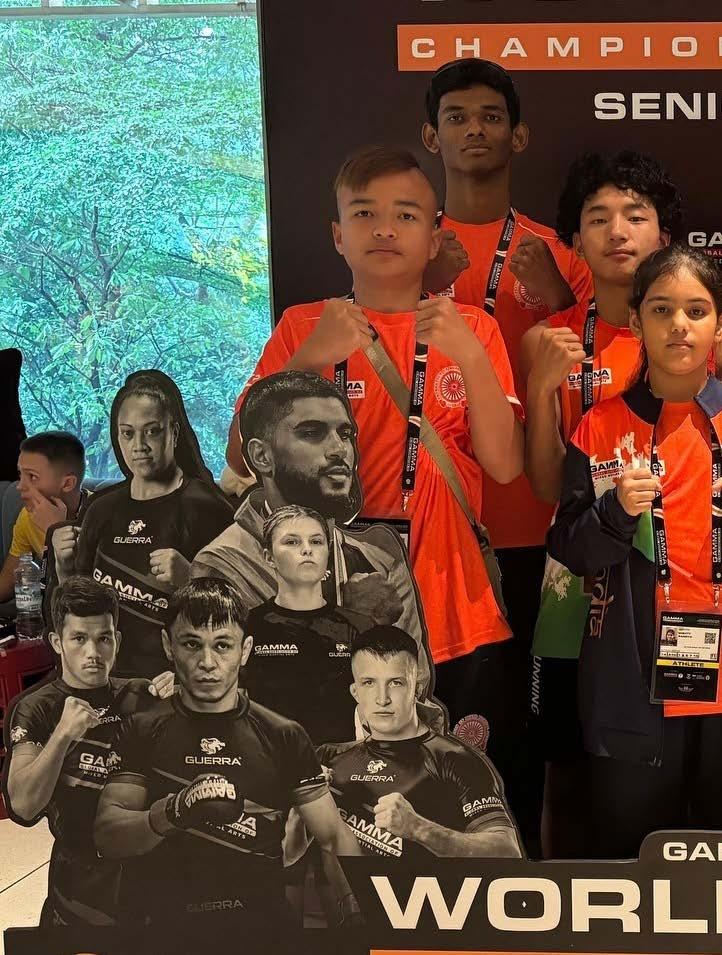
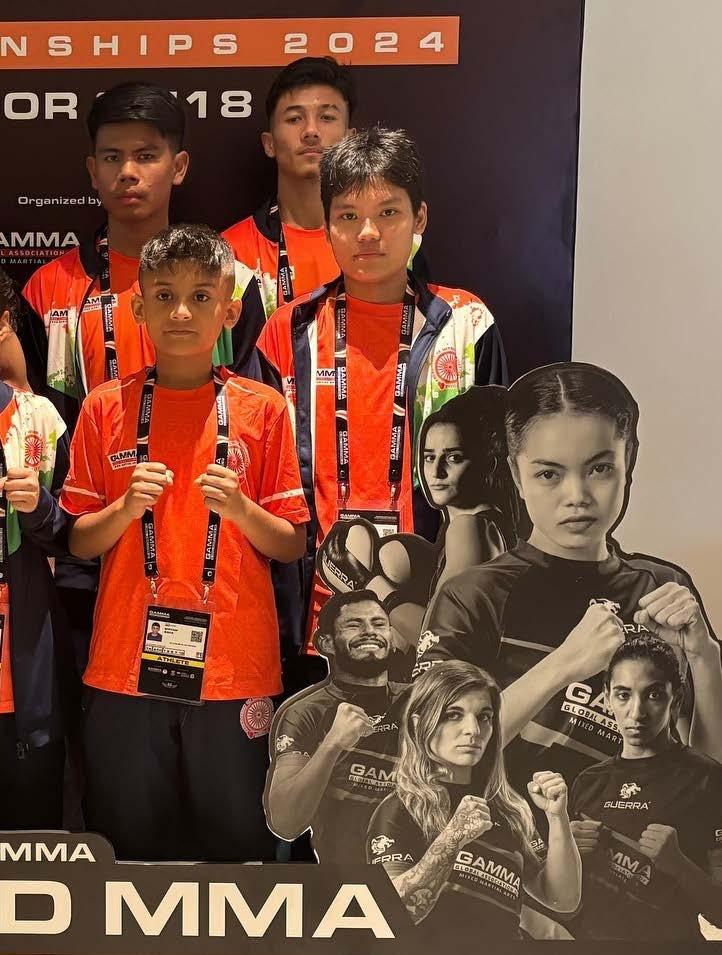
The FMMAI is an organization under the Global Association of Mixed Martial Arts (GAMMA), dedicated to promoting and regulating MMA in India. The federation aims to develop the sport at the grassroots level, organize national championships, and represent India in international MMA events. It focuses on athlete welfare, fair competition, and the expansion of MMA’s reach within the country. FMMAI (formerly GAMMA INDIA) was established in 2019 by industry experts in order to bring world-class practices and ethical operations to the Indian MMA scene. In a few short years, FMMAI has established itself as the fastest-growing and the most transparent MMA governing body in India.
the banner of GAMMA since 2019. FMMAI has also proudly represented India at Asian Mixed Martial Arts events, in Phnom Penh and Manila. Nationally, FMMAI has 15 state affiliates and has been the most active MMA-sanctioning body in the country. FMMAI sanctioned 12 events in 2023, 15 events in 2024 and is scheduled to act as the sanctioning body for 20+ events in 2025. FMMAI is active in conducting National Championships, National Coaches Workshops and National Referee and Judges Workshops and Examinations to create an entire MMA ecosystem in the country
GAMMA President Alexander Engelhardt commented this about the new appointment:
“
Proudly affiliated with GAMMA since its inception, FMMAI has contributed actively to the prestigious international federation, proudly representing India in all Asian and World Championships held under
Having the support of such big business players really helps the development of our sport as they help create financial stability and opportunities on a multinational level. This appointment by our member FMMAI demonstrates the growing appeal of GAMMA to business and the reach that we offer through our structures.”
The Significance of the Appointment
With Jai Anshul Ambani at the helm, FMMAI is likely to gain more visibility, both nationally and internationally. His association with the Ambani family could lead to increased financial and infrastructural support for MMA in India. The sport could benefit from strategic planning, leveraging the business strategies that have worked for the Ambani family in other sectors. This might include better event management, sponsorship deals, and international collaborations. Under his leadership, there might be a push towards engaging more youth in MMA, possibly through school and college programs, making the sport more accessible and popular. As the Chairman of the Executive Committee of the Federation of Mixed Martial Arts India, Anshul will play a crucial role in leading the organization towards achieving National Sports Federation (NSF) status. His role includes the following responsibilities:
• Leadership and Vision: Providing strategic direction and vision for the development of Mixed Martial Arts (MMA) in India, aligning with the National Sports Development Code of India
• Executive Committee Management: Chairing the Executive Committee, ensuring effective decisionmaking, and delegating tasks to committee members
• Stakeholder Engagement: Building and maintaining relationships with key stakeholders.
• Financial Oversight: Ensuring the financial stability and transparency of the federation, overseeing budgeting, and financial reporting
• Compliance and Accreditation: Ensuring the federation’s compliance with NSF guidelines and regulations, and leading the accreditation process
• Promoting MMA Development: Promoting the growth and development of MMA in India, through initiatives such as training programs, workshops, and competitions
• Representing the Federation: Representing the Federation of Mixed Martial Arts India at national and international forums.
Challenges and Opportunities
Challenges:
MMA is still not as mainstream in India as sports like cricket or football. Changing this perception will require strategic marketing and cultural shifts. Ensuring that the sport adheres to safety standards and fair play rules will be crucial, particularly with the potential for rapid growth.
Opportunities:
With the right leadership, India could host significant MMA events, attracting global attention and talent. There’s an untapped pool of talent in India that could be nurtured with better facilities and training programs.
The Future Under Anshul Ambani
Under Jai Anshul Ambani’s stewardship, FMMAI could aim for Infrastructure Development. Building more MMA gyms and training centres across India. Offering scholarships, international exposure, and better medical support for athletes will be part of the agenda. Increasing public awareness through media, exhibitions, and community events will be one of the other goals of the new leadership to drive the growth of the sport. Jai Anshul Ambani’s appointment as the Chairperson of FMMAI is a pivotal moment for Mixed Martial Arts in India. His background in business management and his family’s legacy could significantly influence the trajectory of the sport. While there are challenges ahead, particularly in terms of cultural acceptance and infrastructure, the potential for growth and international recognition is immense. This appointment could very well set the stage for MMA to become a major sport in India, contributing to the country’s sports narrative on a global scale.
A Massive Increase In Sports Budget For 2025
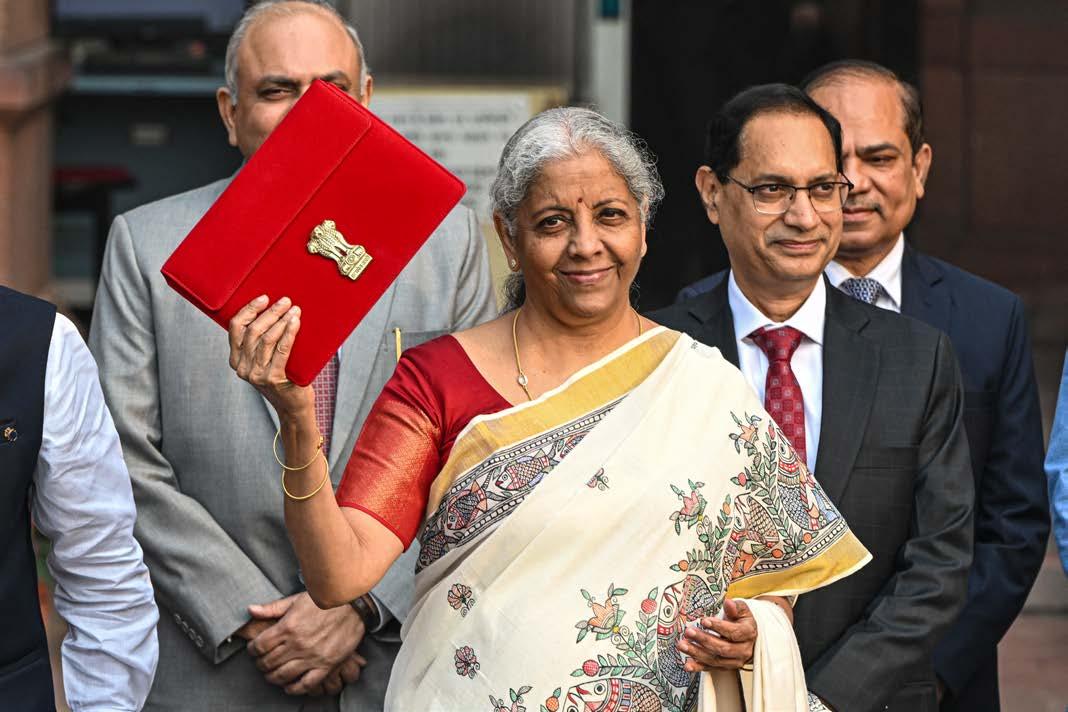
The Indian Government has announced a massive increase in the Sports Budget for 2025 signalling a huge statement of intent and commitment towards the development of sports in the country as the country aims to develop a new generation of top athletes. The government’s flagship Khelo India program to scout and nurture athletes at the grassroots level was the biggest beneficiary as the allocation for sports was hiked substantially by ₹351.98 crores in the Union Budget presented by Finance Minister Nirmala Sitharaman here on Saturday (February 1, 2025). The ambitious scheme has been allocated ₹1,000 crore for the financial year 2025-26. This is ₹200 crore more than the grant of ₹800 crore in 2024-25. Overall, the Ministry for Youth Affairs and Sports was designated ₹3,794.30 crore, an overall jump of ₹351.98 crore. The increase is substantial considering there is no major sporting event like the Olympics, Commonwealth or Asian Games lined up in the next one year.
INDIA’S AMBITIONS TO HOST THE 2036 OLYMPIC GAMES
India is actively prioritizing an ambitious bid to host the 2036 Olympic Games for which a letter of intent has been submitted to the International Olympic Committee. Prime Minister Narendra Modi on January 28, 2025, said his government is putting all its efforts towards the ambitious bid to bag the hosting rights for the 2036 Olympics, which will take Indian sports to new heights and create opportunities across different sectors.
Speaking at the opening ceremony of the 38th National Games here as a guest of honour, the PM reiterated that the bid, if successful, will be a game-changer for the country’s infrastructure. “We are pushing for hosting rights of the 2036 Olympics, it will take Indian sports to new heights,” the PM said. “The Olympics is not just a sporting event. Wherever the Olympics happen, all sectors gain. It creates better facilities for athletes. It spurs construction, creates new connectivity, transport facilities, and most important of all, boosts tourism,” he added. “People from all over the world, including the athletes, will come down to India.” Mr. Modi had expressed India’s intention to host the 2036 Games during the International Olympic
Committee’s Session in Mumbai in 2023. The Indian Olympic Association (IOA) has submitted the official letter of intent to the IOC. The IOC will not decide before 2026 and the next step for India is to prepare an official bid, detailing its broad plan for the Games. Countries like Qatar, and Saudi Arabia are also in the running for the 2036 hosting rights and it would take a significant effort to upstage their bids.
“It is our endeavour to enhance your capabilities and we are focused on supporting you. We consider sports an essential aspect in development of the country,” Mr. Modi said addressing the gathered athletes at the ceremony. “India is becoming one of the biggest economies in the world and the sporting economy must have a share in this. The coaches, trainers, nutritionists, physiotherapists, doctors, and equipment, all these are part of this.” Talking about the National Games, he said, “These Games are more than just a sporting event. It is a great platform to showcase the spirit of ‘Ek Bharat, Shreshtha Bharat.’ It is a celebration of India’s rich diversity and unity.
“We are creating more and more opportunities for our athletes so they can enhance their potential to the fullest. We consider sports as a key driver for India’s holistic development.”
THE KEY POINTS
The Sports Budget for India in 2025, as part of the Union Budget, shows a significant increase with a total allocation of ₹3,794.30 crore for the Ministry of Youth Affairs and Sports. Here’s a summary of the key points:
• Khelo India Programme: The flagship initiative to nurture grassroots sports talent received a substantial boost with an allocation of ₹1,000 crore for the financial year 202526, an increase of ₹200 crore from the previous year.
• Sports Authority of India (SAI): Funding for SAI, which manages national sports camps and infrastructure, was enhanced from ₹815 crore to ₹830 crore.
• National Dope Testing Laboratory: The budget for this entity increased from ₹18.70 crore to ₹23 crore.
• National Anti-Doping Agency: Its budget saw an increase from ₹20.30 crore to ₹24.30 crore.
• National Sports Federations: Assistance to these federations was raised from ₹340 crore in the previous year to ₹400 crore.
• Youth Development: The National Service Scheme received ₹450 crore, a hike of ₹200 crore from the previous year. The National Service Scheme (NSS) aims to “develop character and personality of youth in schools and colleges.” It’s a scheme that works towards shaping youngsters through social work and community service.
• Regional Development: A fund of ₹20 crore was approved for enhancing sports facilities in Jammu and Kashmir.
• National Sports Development Fund: The contribution to this fund which was created in 1998, will continue to be Rs 18 crore for a second successive year.
• Incentives For Sportspersons: The government has decided to cut the grant for incentives to sportspersons from Rs 42.65 crore to Rs 37 crore this year and similar cuts were also announced to the funding for the National Programme for Youth and Adolescent Development and Youth Hostels.
• Youth Exchange Programmes: The contribution for multilateral bodies and youth exchange programs has been raised from Rs 11.70 crore to Rs 55 crore.
THE SIGNIFICANCE OF THIS ANNOUNCEMENT:
The announcement of the Sports Budget for 2025 in India carries several layers of significance and offers numerous advantages, both in the short and long term. Here’s a detailed breakdown:
Significance:
• National Ambition for Sports Excellence: The increased allocation signals the government’s serious intent to elevate India’s status in international sports. It aligns with goals like hosting major events such as the Olympics and improving India’s medal tally in global competitions.
• Economic Impact: Sports can be an economic driver through tourism, health benefits, and job creation in sports industries. This budget supports the sports ecosystem, which can lead to economic growth.
• Cultural Impact: Sports are not just about winning medals; they foster national pride, and unity, and can significantly impact social issues like gender equality in sports, inclusivity, and youth engagement.
• Policy Commitment: The budget reflects a policy commitment to youth and health, considering sports as an integral part of the country’s development strategy.
ADVANTAGES:
Grassroots Development (Khelo India Programme):
• Talent Identification: More funds mean a broader reach to identify and nurture talent at the grassroots level, potentially unearthing athletes for future global events.
• Infrastructure: Enhanced funding can lead to better sports facilities in schools and communities, crucial for early sports exposure.
• Training and Coaching: Increased budgets for SAI and National Sports Federations mean better training programs, international exposure, and coaching, which are vital for athletes’ development.
• Financial Stability: More support can help athletes focus solely on sports without financial worries, reducing the dropout rate due to economic constraints.
• Clean Athletics: The budget increase for the National Anti-Doping Agency and National Dope Testing Laboratory underscores a commitment to clean sports, enhancing India’s credibility in international competitions.
• Holistic Development: By investing in youth schemes, the government aims at holistic youth development, promoting physical fitness, leadership, and community
service alongside sports.
• Balanced Growth: Specific allocations like those for Jammu and Kashmir aim at balanced regional sports development, ensuring that sports opportunities are not just concentrated in urban or traditionally sports-rich areas.
• Olympic Bids: The financial backing supports India’s bid for the 2036 Olympics, requiring substantial investment in infrastructure, sports science, and international collaborations.
• Legacy: Investments now can lead to a lasting sports culture, infrastructure legacy, and continuous improvement in sports performance.
• Public Health: Encouraging sports at all levels can lead to a healthier populace, reducing healthcare costs related to lifestyle diseases.
• Social Inclusion: Sports can be a tool for social integration, gender equality, and empowerment, especially with dedicated programs for women and marginalized groups.
• Job Creation: From coaches to sports science professionals, sports infrastructure projects can create numerous job opportunities.
• Sports Industry Growth: Increased interest in sports can lead to growth in sports merchandise, events, media rights, and tourism.
This budget reflects India’s commitment to fostering a robust sports culture, supporting athletes at various levels, and preparing for future international sporting events, including the ambitious bid for the 2036 Olympics. The increase in budget signifies a focus on infrastructure, training, and grassroots sports development, even without major international events scheduled in the immediate next year. In essence, this budget not only aims at immediate athletic success but also at building a sustainable sports culture, contributing to broader societal benefits. However, the real impact will depend on how effectively these funds are utilized, ensuring transparency, accountability, and equitable distribution.
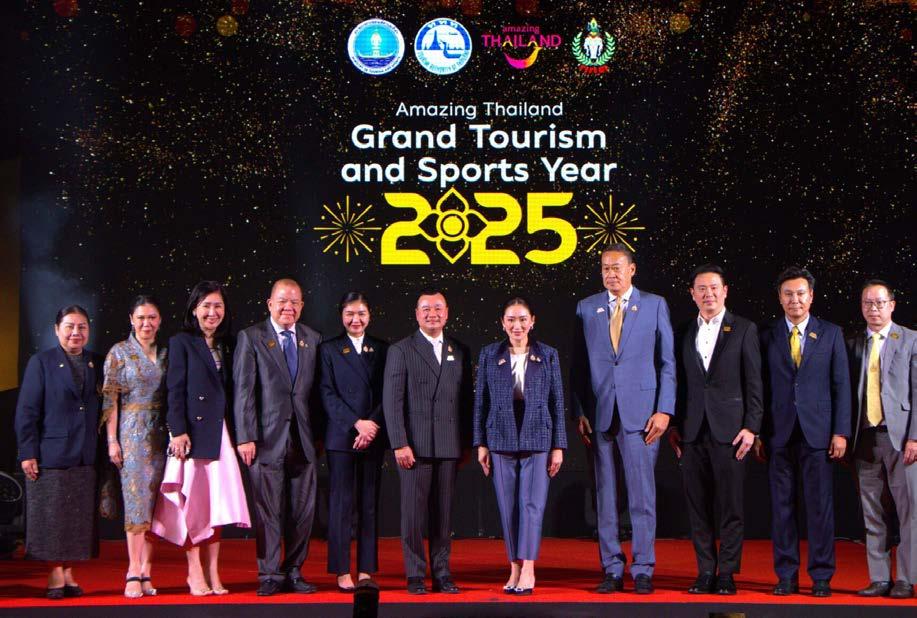
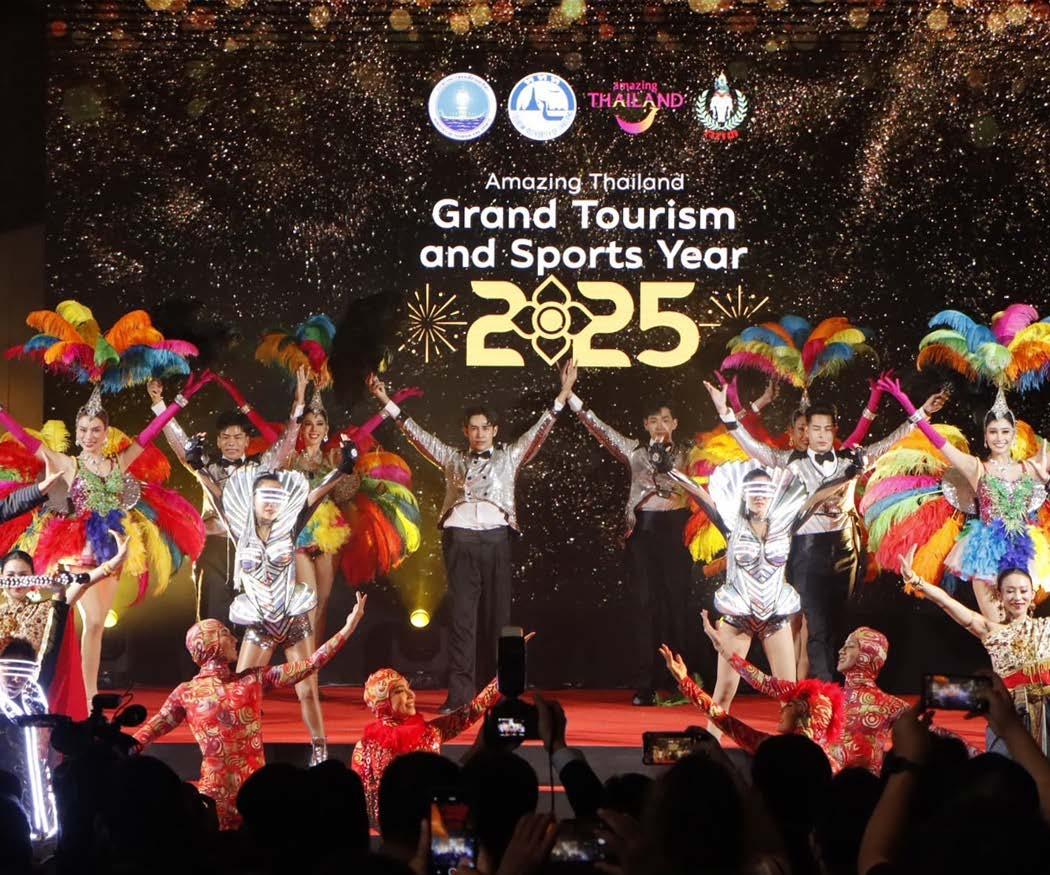
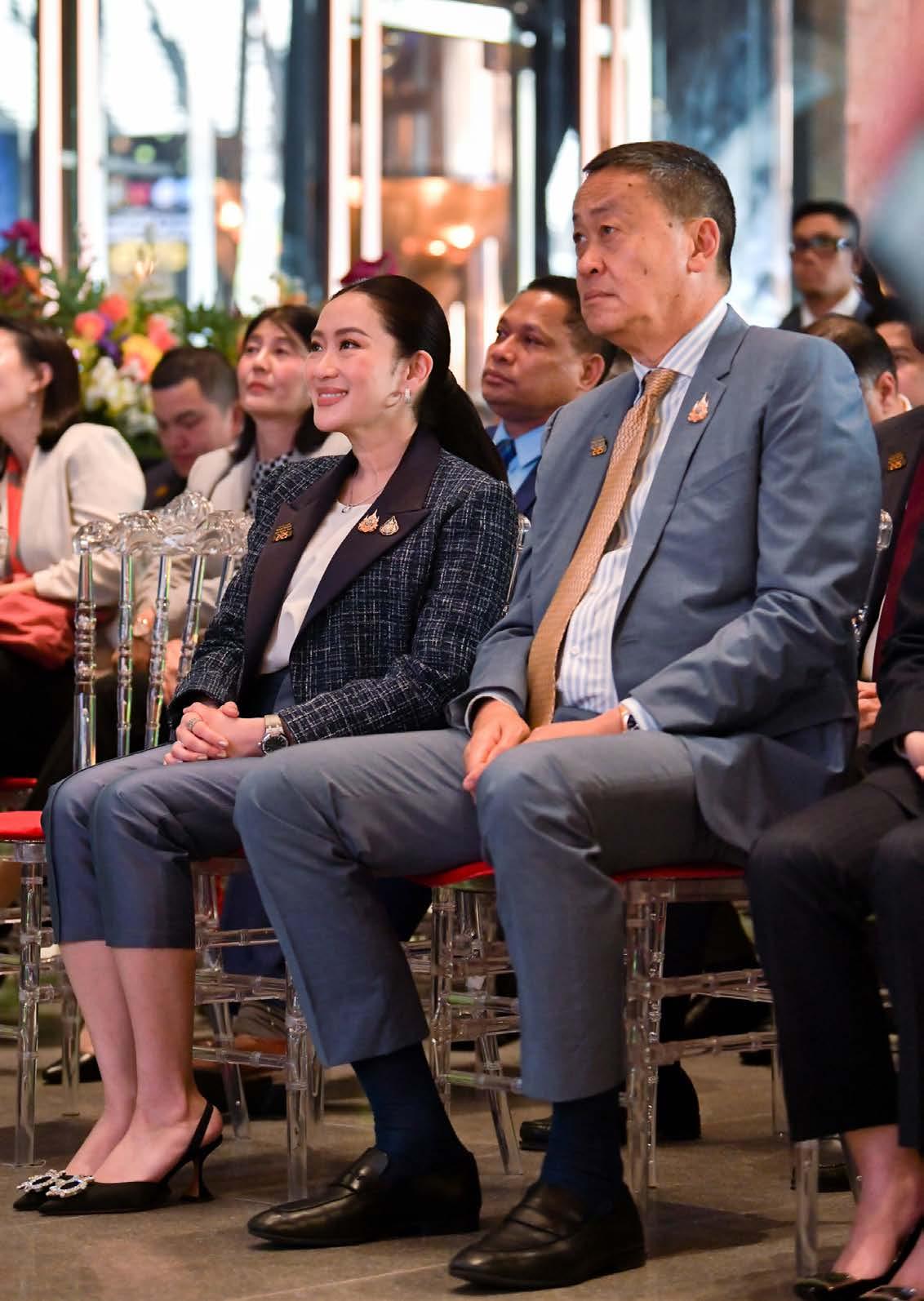
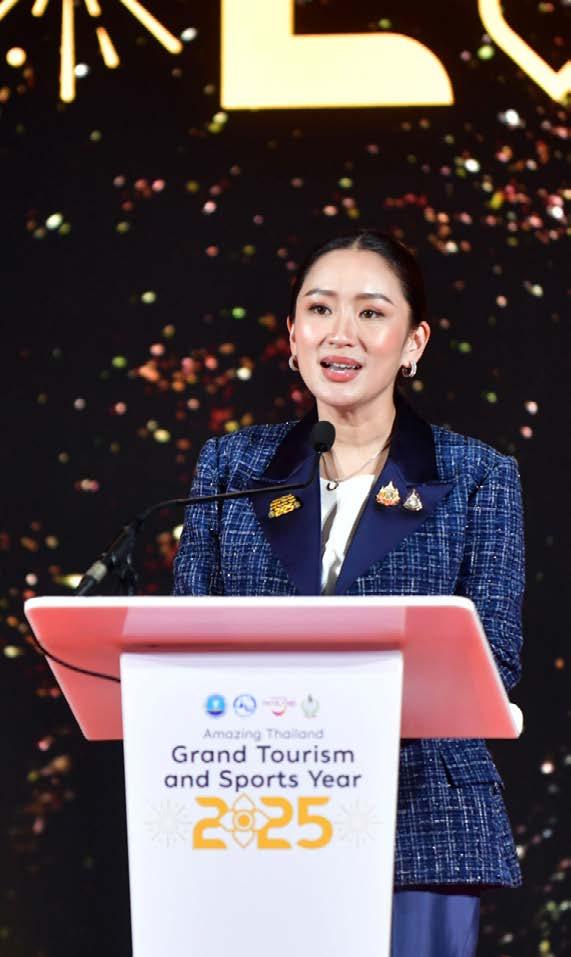
THAILAND LAUNCHES “AMAZING THAILAND GRAND TOURISM AND SPORTS YEAR 2025”
A Year Of Spectacle And Ambition
CAMPAIGN OVERVIEW
The campaign is designed to attract an unprecedented 39 million international visitors, with a target of generating 3 trillion Baht in tourism revenue. This bold vision is part of Thailand’s broader strategy to leverage its rich cultural heritage and sporting prowess to stimulate economic growth. The year-long celebration will unfold through five strategic pillars known as the “5 Grand” concepts.
Grand Festivity: A series of large-scale events and festivals are planned, including the Maha Songkran: Saneh Thai Carnival, the Amazing Thailand Love Wins Festival, and the Amazing Thailand Countdown Destination. These events will not only offer cultural immersion but also serve as magnets for tourists seeking unique experiences.
Grand Moment: Exclusive travel experiences will be curated, encouraging visitors to explore Thailand’s
hidden gems, lesser-known natural wonders, and cultural marvels, providing once-in-a-lifetime moments.
Grand Privilege: This aspect focuses on providing travelers with exclusive deals and privileges, from shopping discounts to special tour packages and travel benefits, making Thailand an attractive destination for cost-conscious travellers.
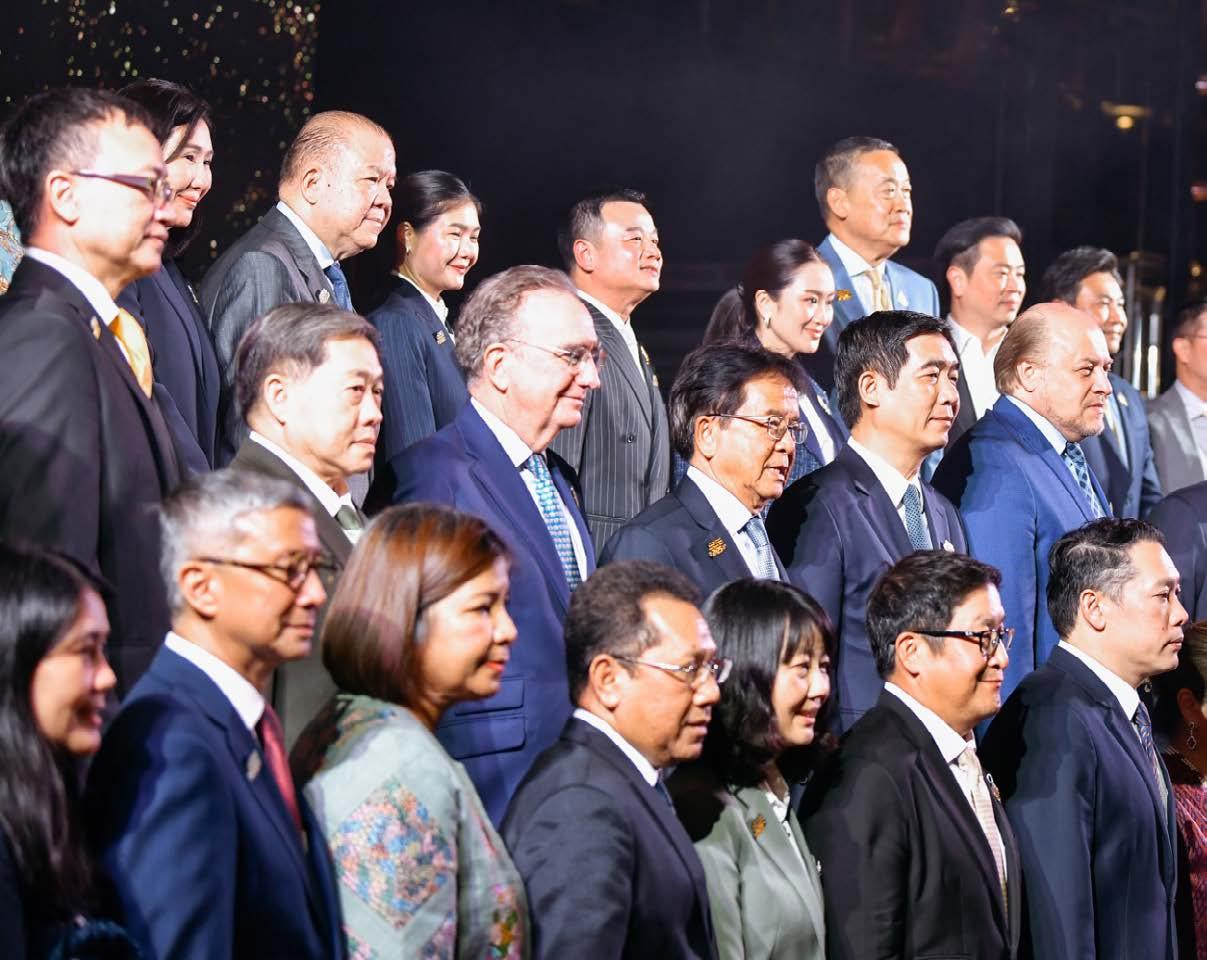
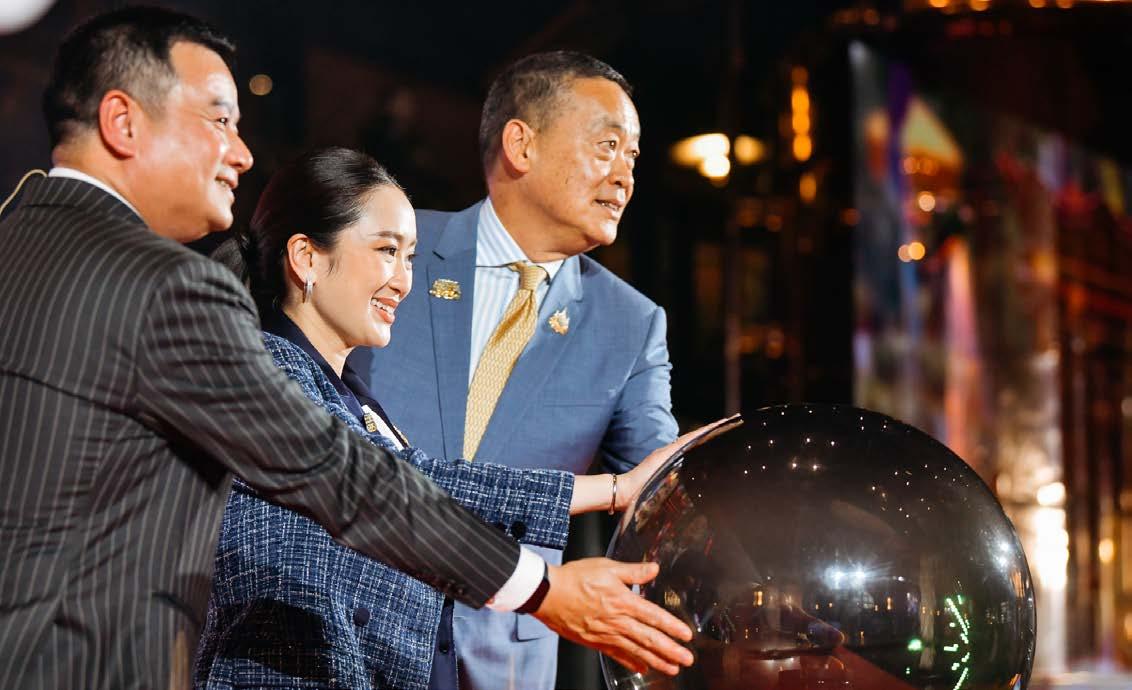
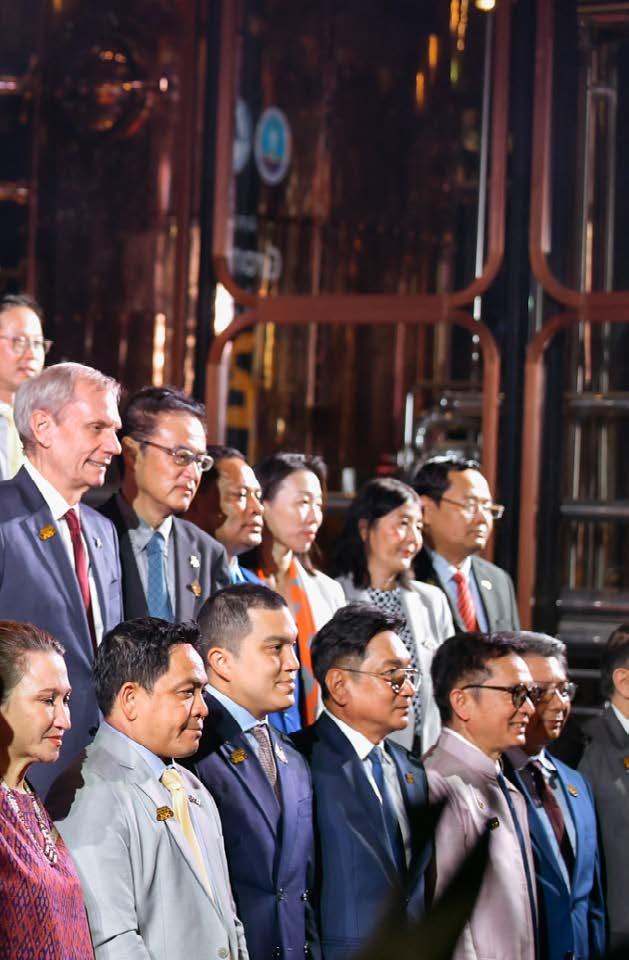
Grand Invitation: Thailand will host global icons, sports legends, and influential figures at high-profile events like the Amazing Thailand Saneh Thai Gala Night and NAS SUMMIT BANGKOK, using these personalities to amplify Thailand’s international appeal.
Grand Celebration: Celebrations are planned for key milestones such as the 50th anniversary of Thailand-China diplomatic relations and the 15th Thailand Tourism Awards, marking significant achievements in the tourism sector.
SPORTS AND EVENTS
Sports are a central component of this initiative, with Thailand positioning itself as a hub for sports tourism. Here are some of the major sporting events scheduled for 2025:
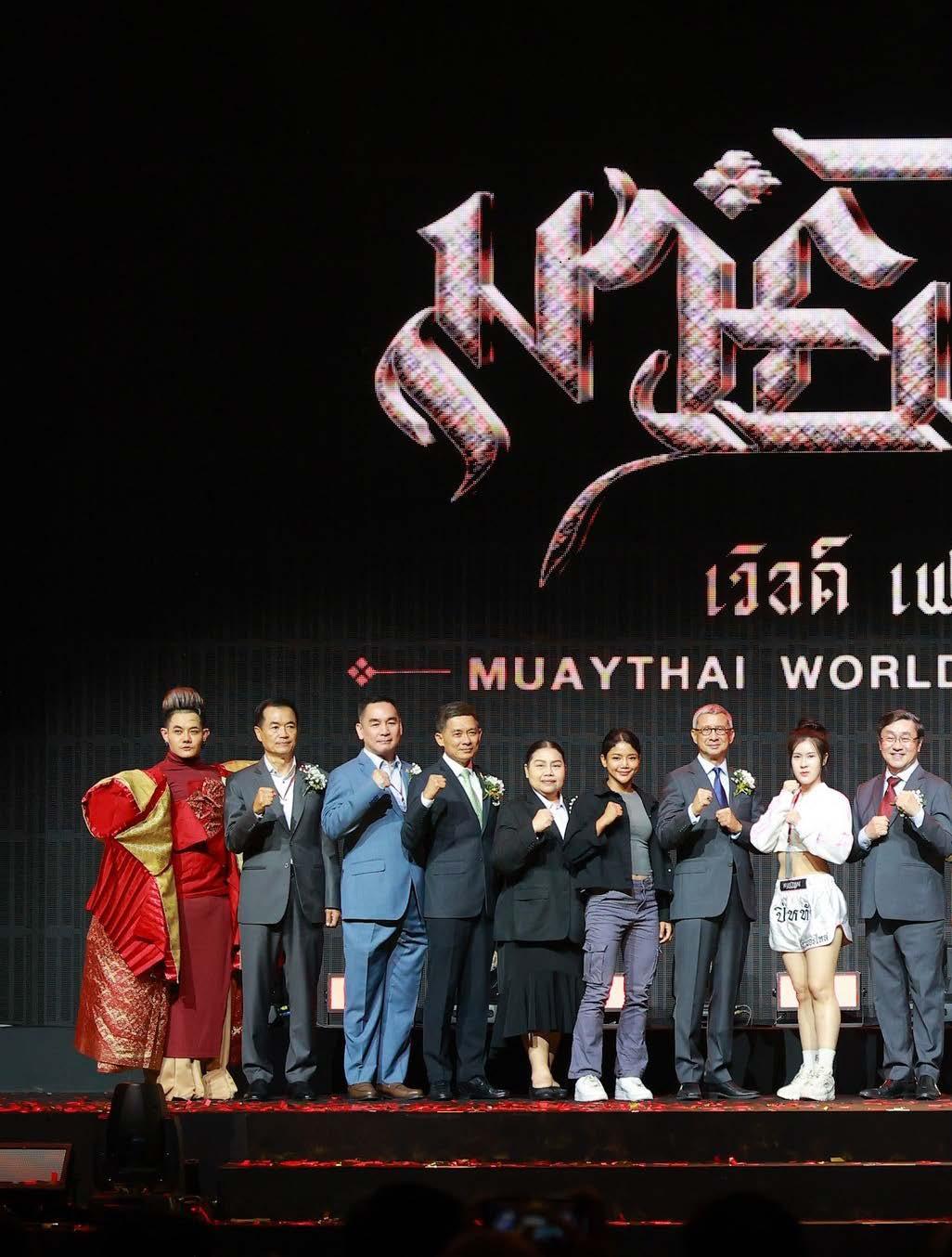
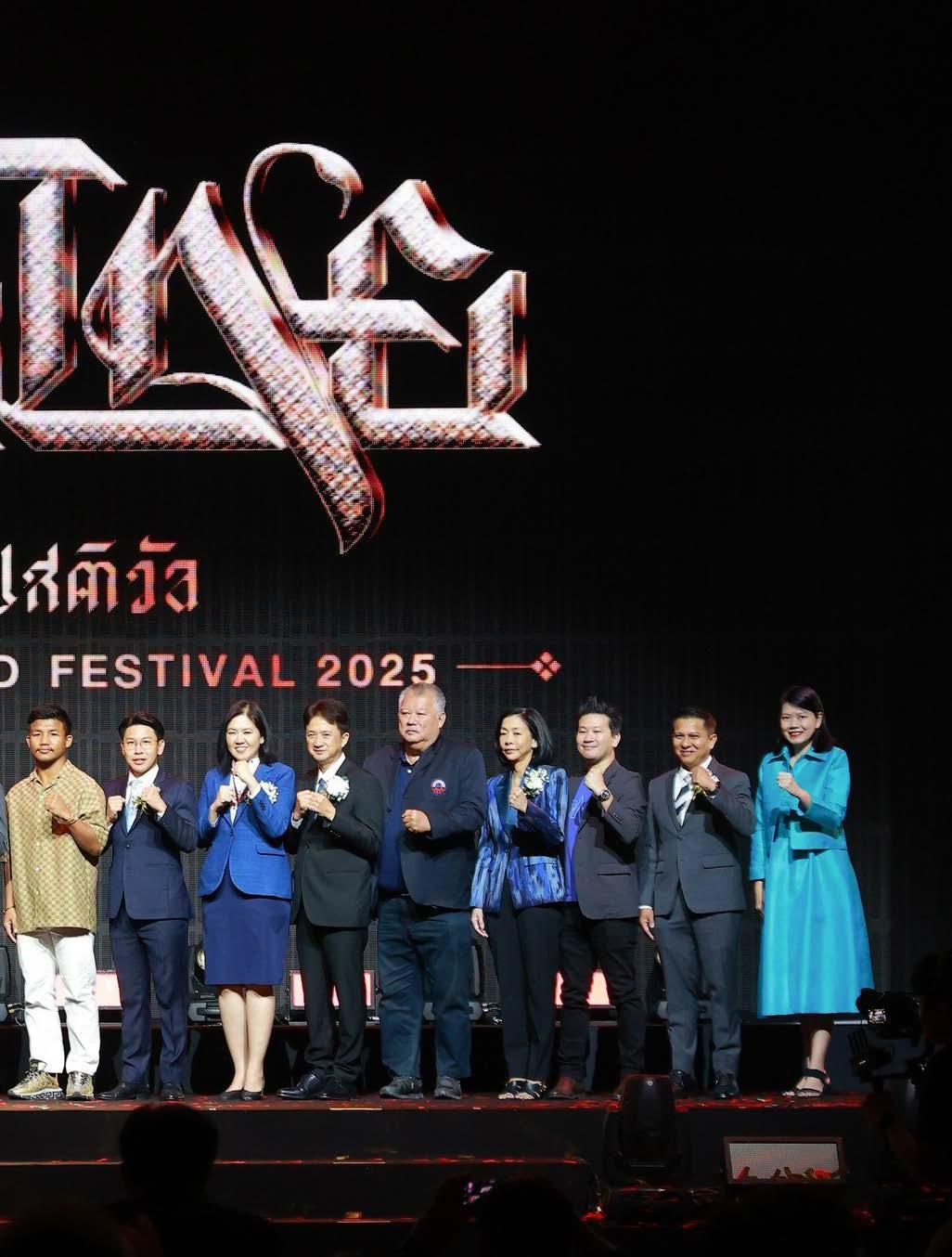
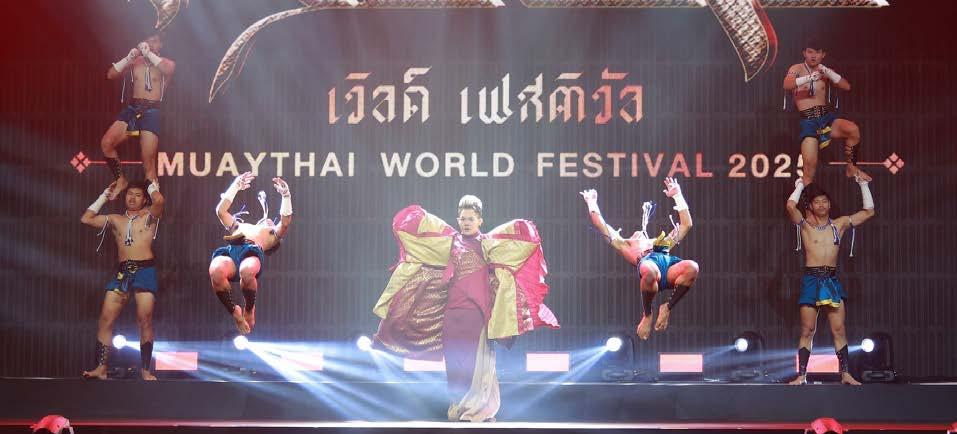
Muaythai World Festival (February 5-9, Bangkok):
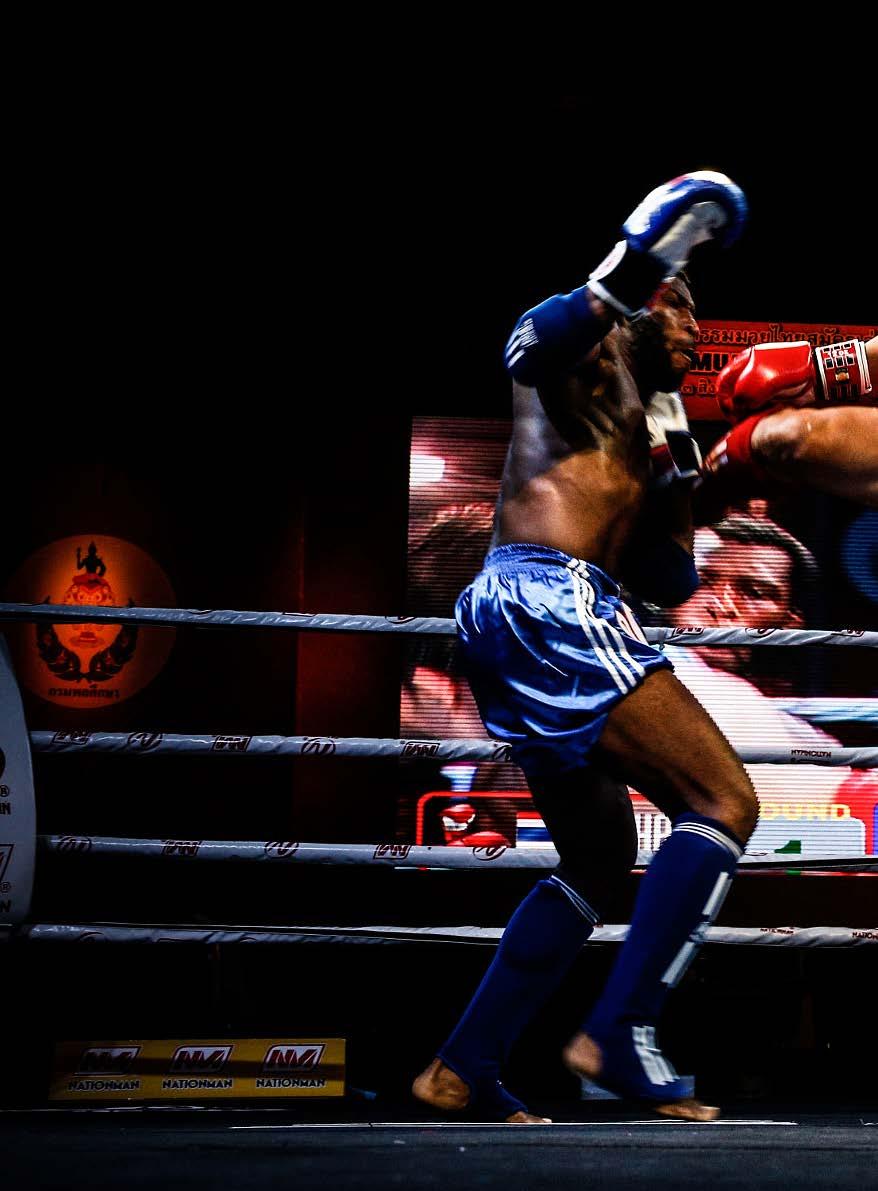
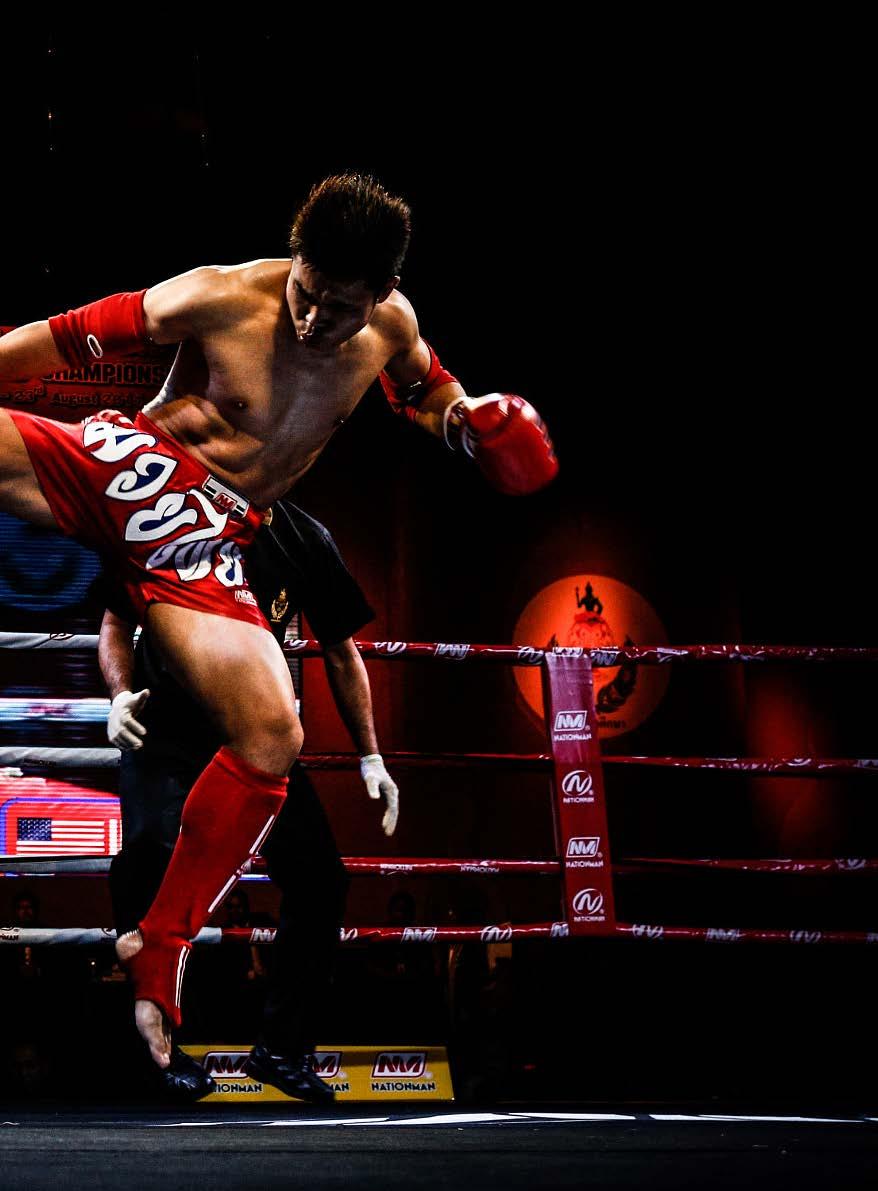
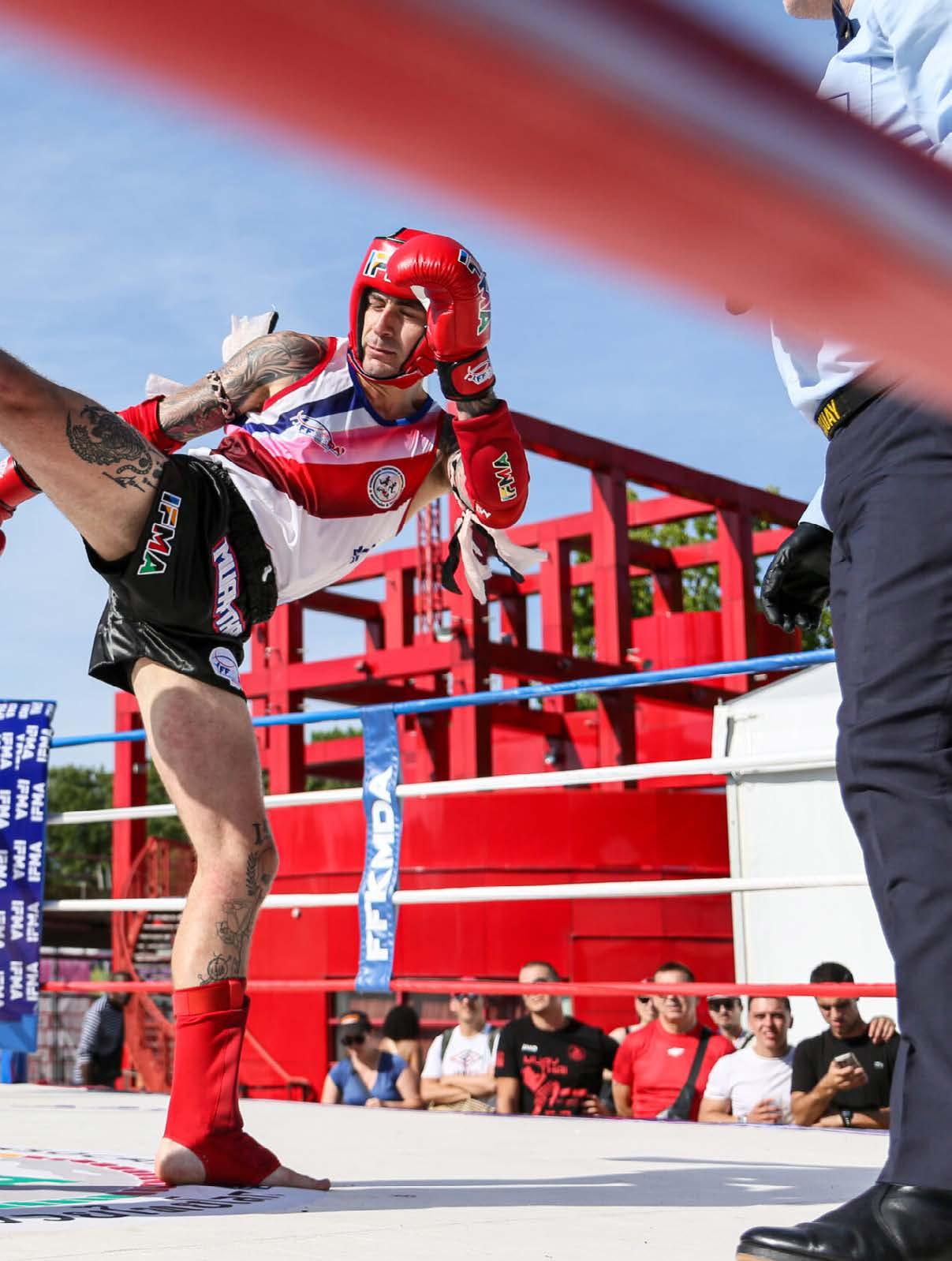
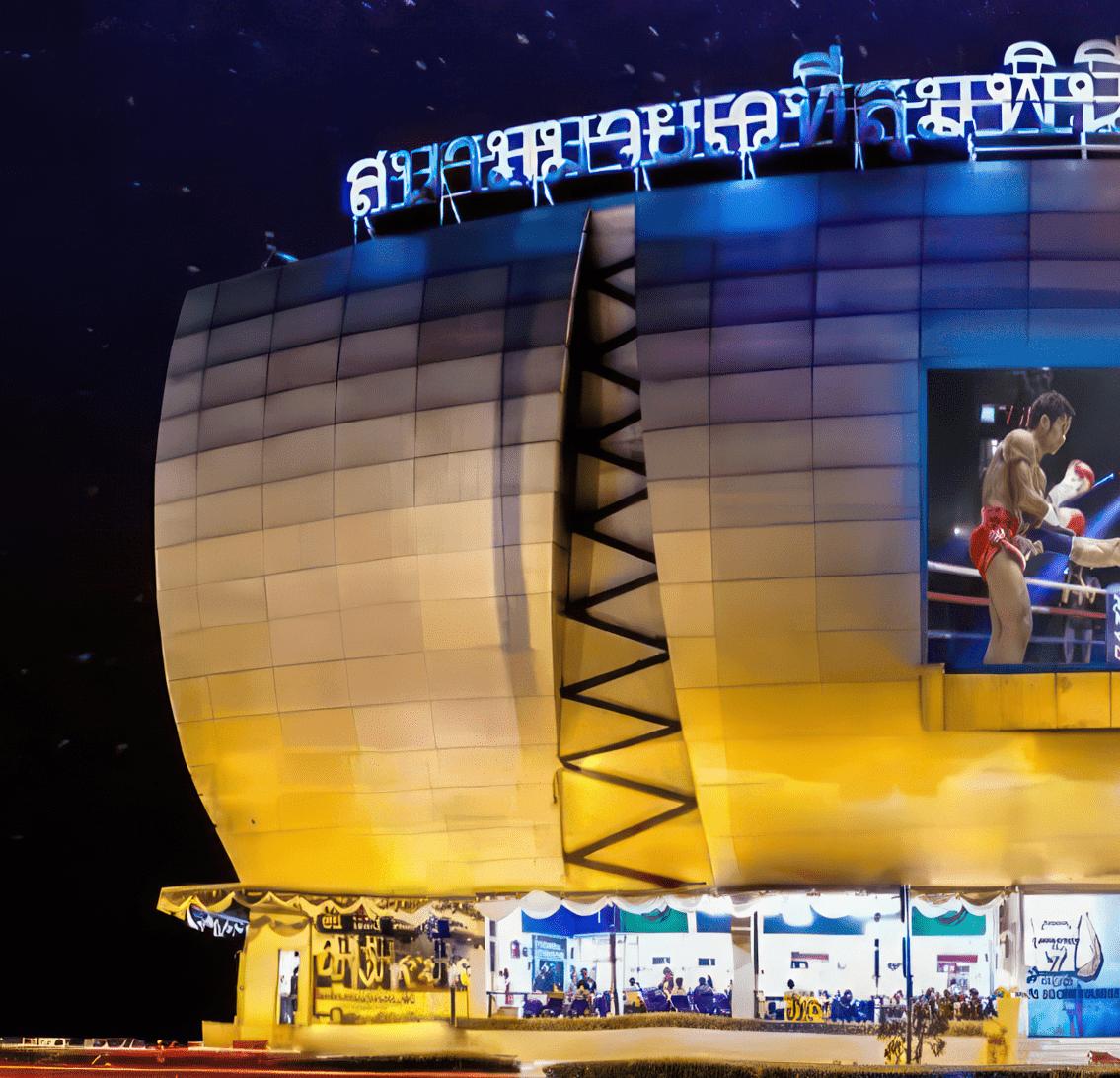
The Muaythai World Festival, a vibrant celebration of Thailand’s national sport, aimed to captivate audiences and participants in 2025. This festival not only highlights the art and culture of Muay Thai but also helps to promote the sport globally, fostering international camaraderie, and showcasing top-tier talent. The primary aim was to promote Muay Thai as a national sport and cultural heritage, support governmental policies in enhancing Thailand’s soft power, and showcase the roots of Muay Thai as an ancestral martial art. Over 600 athletes from at least 60 countries participated, turning Rajabhakti Park into a global Muay Thai hub for the duration of the festival. The festival isn’t just about the sport; it’s a comprehensive cultural experience, offering insights into Thai life, traditions, and the philosophy behind Muay Thai. By hosting such an event, Thailand aims to boost its sports tourism, with an expected increase in visitors keen on experiencing Muay Thai firsthand.
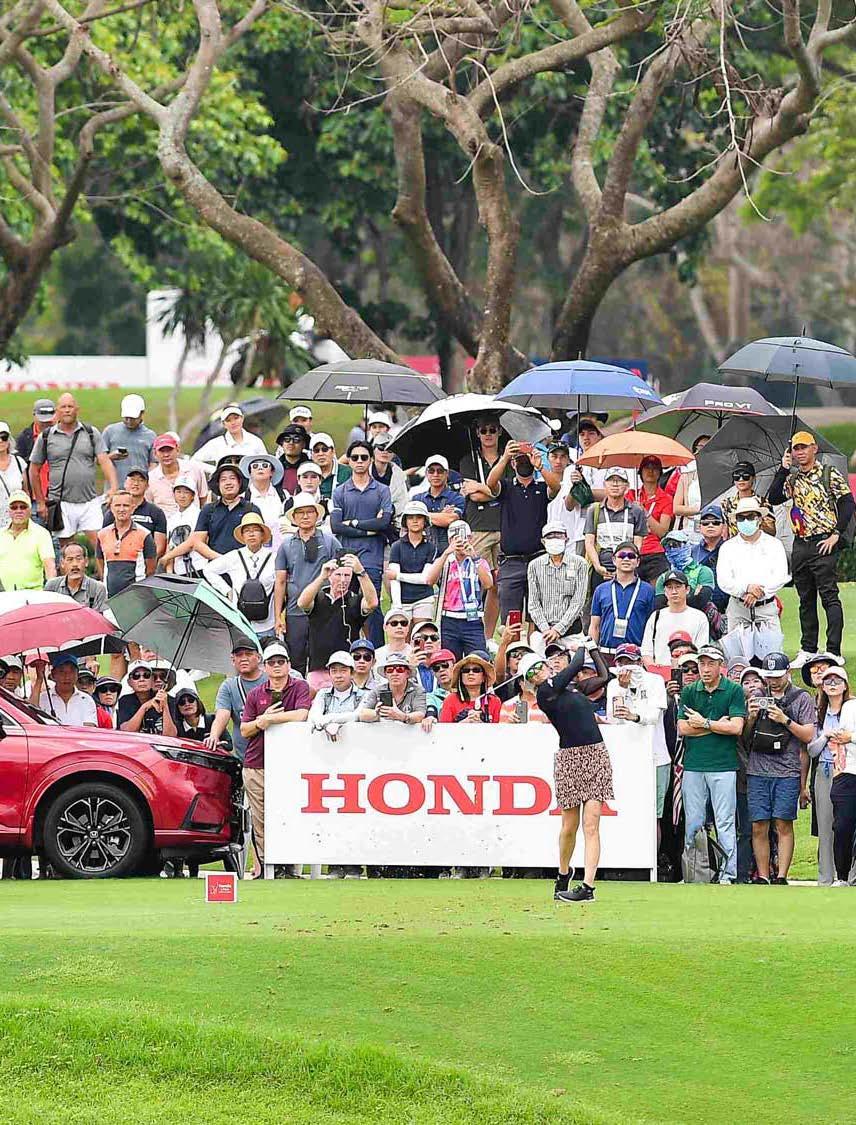
Honda LPGA Thailand
(February 20-23, Chon Buri):
The Honda LPGA Thailand, now in its 18th year, returns in 2025, promising another exciting chapter in the prestigious LPGA Tour calendar. Held at the scenic Siam Country Club Old Course in Pattaya, this event not only champions women’s golf but also serves as a significant cultural and sporting event in Thailand. Since its inception in 2006, the Honda LPGA Thailand has been pivotal in putting Thailand on the global golf map. It was the first LPGA event in the country, expanding the tour’s international presence. Over the years, the tournament has grown in stature, attracting top-tier LPGA players and serving as a launchpad for Thai golfers on the international stage. Notable players like Ariya Jutanugarn and Patty Tavatanakit have been beneficiaries, with the latter defending her title from the previous year.
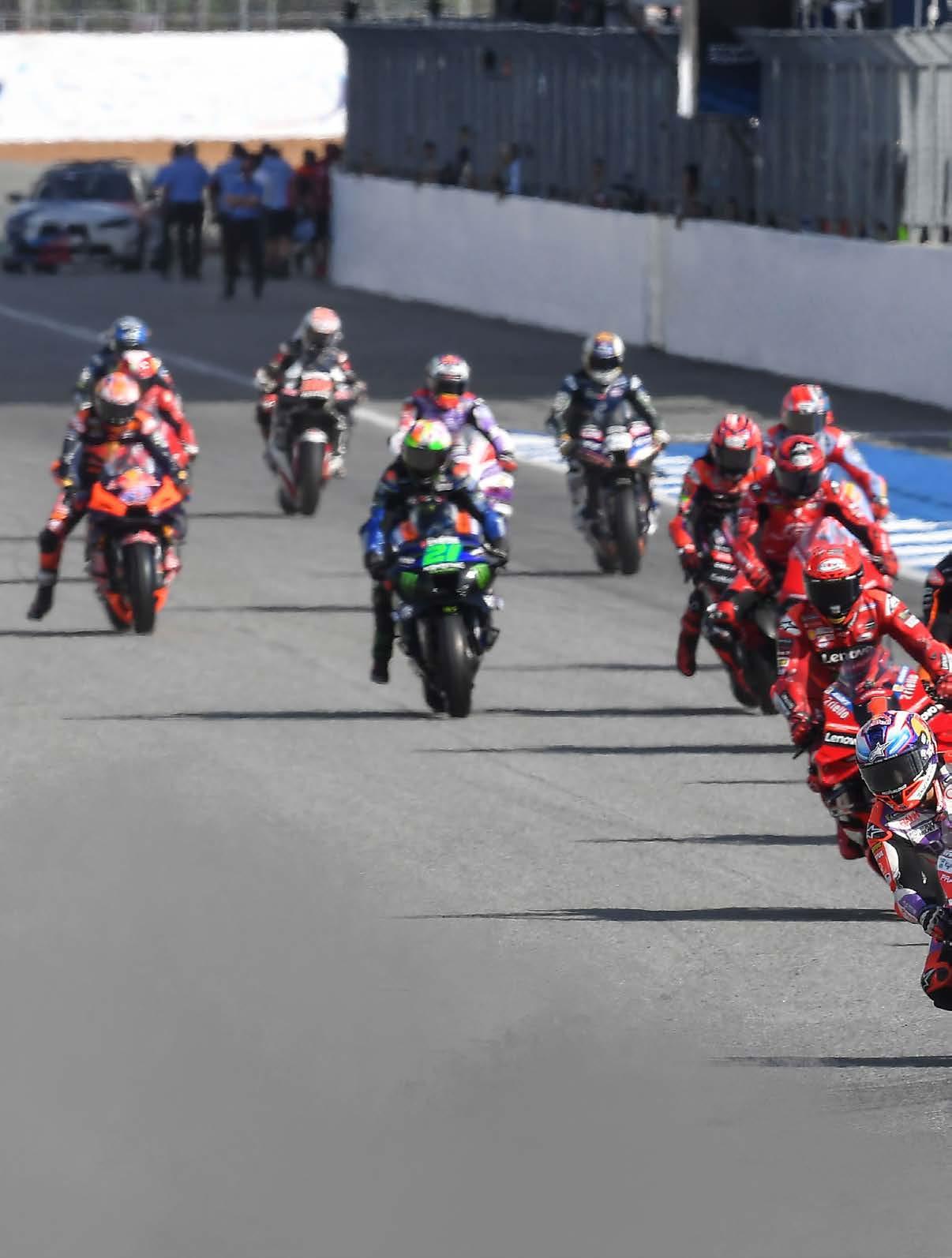
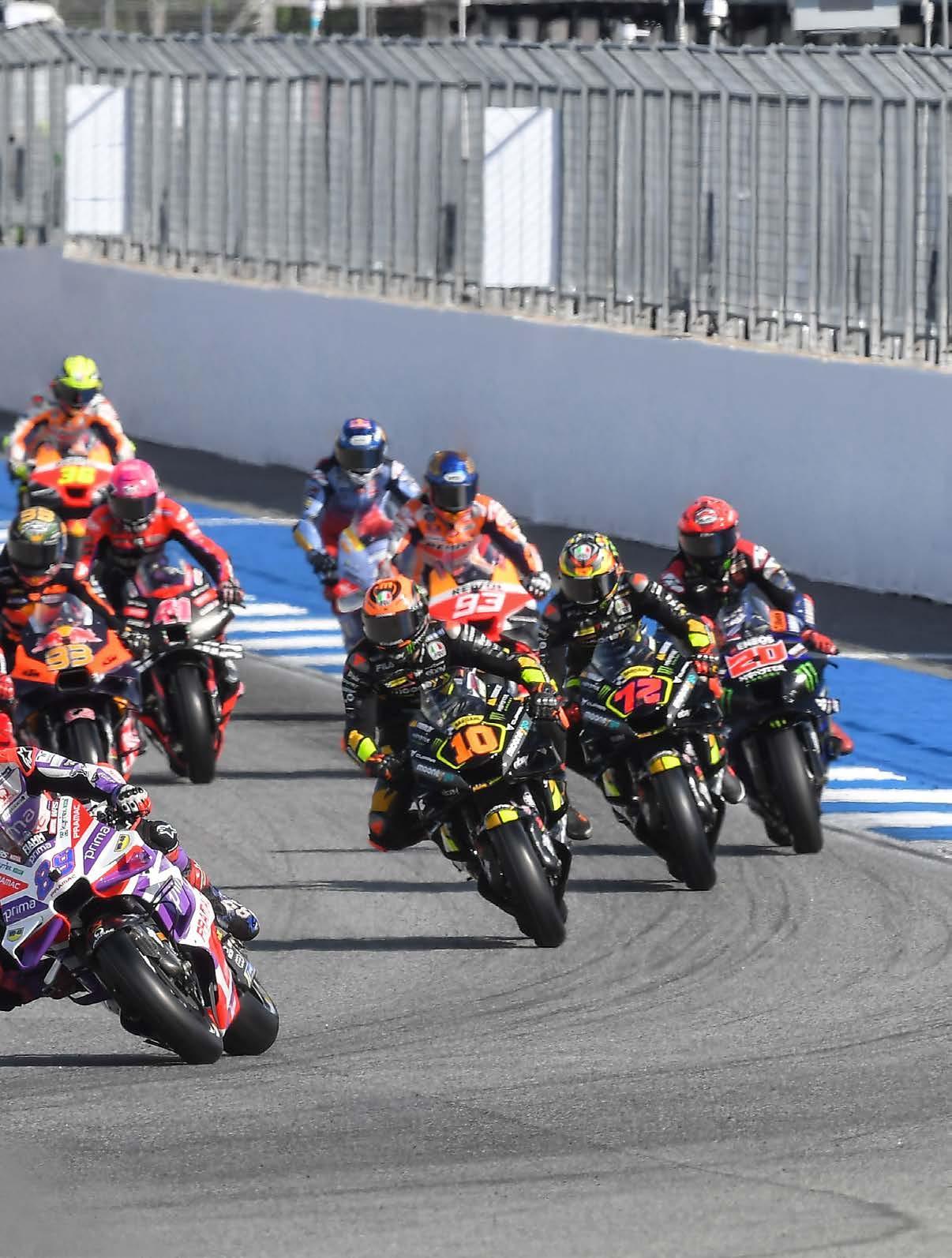
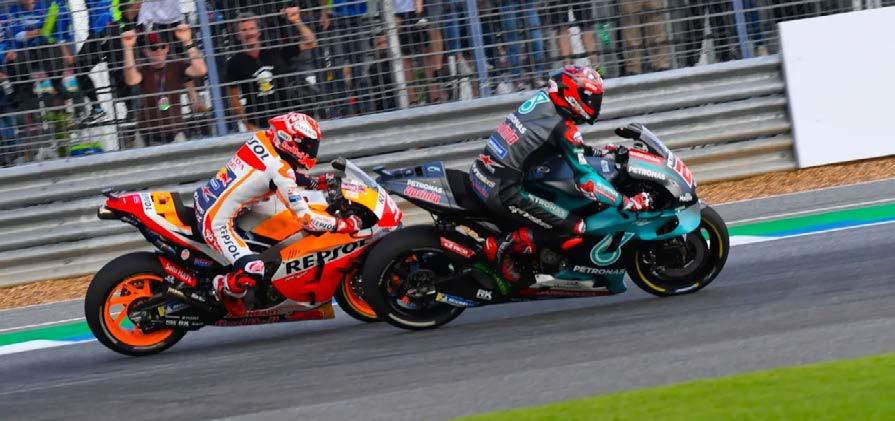
MotoGP PT Grand Prix of Thailand (February 28 - March 2, Buri Ram):
The MotoGP PT Grand Prix of Thailand is set to kick off the 2025 MotoGP season with what promises to be an electrifying event at the Chang International Circuit in Buri Ram. This race, marking Thailand’s sixth hosting of MotoGP, is not only a showcase of highspeed motorcycle racing but also a significant cultural and economic event for Thailand. For the first time in over 25 years, Southeast Asia hosts the opening race of the MotoGP season, bringing unprecedented attention to Thailand. The Grand Prix is expected to boost local and national economies through tourism, hospitality, and merchandise sales. The event in 2024 attracted 205,343 spectators, generating over 4.759 billion Baht in revenue.
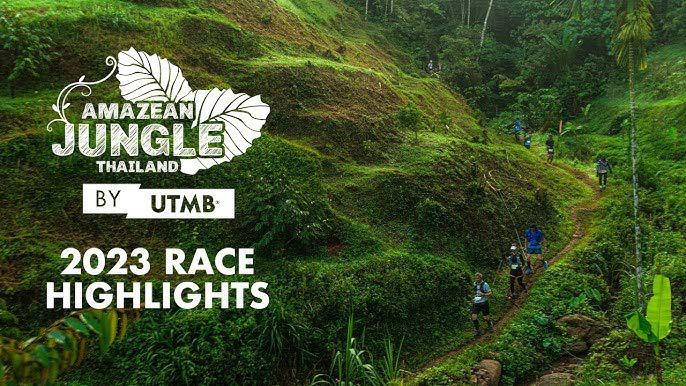
Amazean Jungle Thailand by UTMB (May 1-4, Narathiwat
and Yala):
The Amazean Jungle Thailand by UTMB is a premier trail running event that introduces participants to the rugged, lush landscapes of Southern Thailand. This race, part of the prestigious UTMB (Ultra-Trail du Mont-Blanc) World Series, combines extreme physical challenges with the natural beauty of the Thai-Malaysian border region. Participants run through one of Southeast Asia’s last great wildernesses, experiencing the diversity of Thailand’s ecosystems. Runners face high humidity, potential rain, and rugged terrain, making the event not only a test of endurance but also of adaptation to tropical conditions. The event involves local communities, with aid stations often manned by locals, providing an authentic taste of Thai hospitality and culture. Finishers earn “Running Stones” which can be used to qualify for the UTMB World Series Finals in Chamonix, France, adding an extra layer of prestige and motivation for competitors.
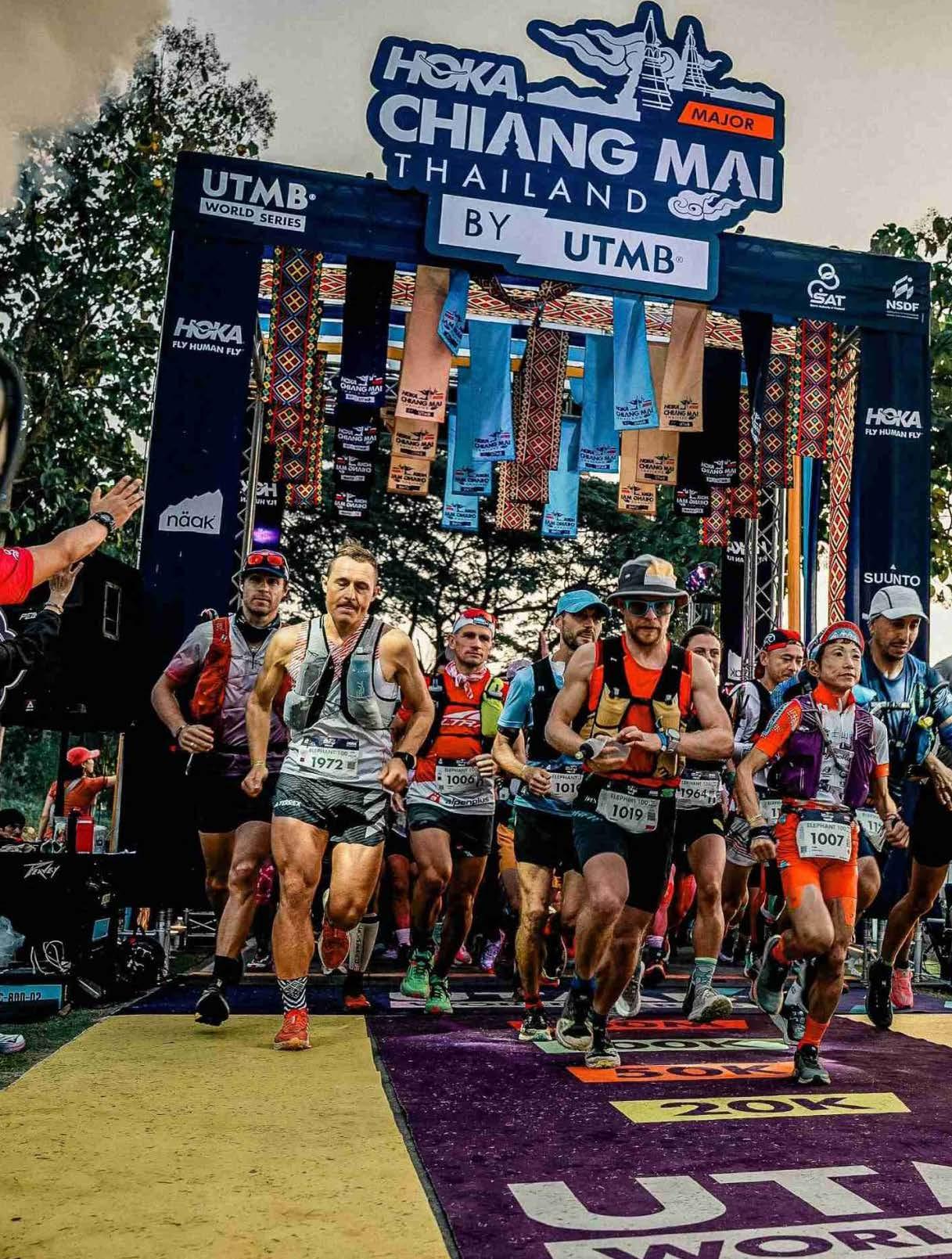
Hoka Chiang Mai Thailand by UTMB (December 4-7, Chiang Mai):
The Hoka Chiang Mai Thailand by UTMB is an annual trailrunning festival that has quickly become one of the premier events in the UTMB World Series. Set in the scenic and culturally rich northern region of Thailand, this race not only challenges runners with its rugged terrain but also immerses them in the beauty and traditions of Chiang Mai. The races traverse through some of Thailand’s most picturesque landscapes, including the Doi Inthanon mountains, lush forests, and traditional villages. Runners get to experience the warmth of Thai hospitality, with aid stations, rest points, and cultural performances along the way. The event significantly involves local communities, from Hmong villagers to conservation efforts, fostering a sense of unity and support for the local area. As part of this series, participants in the longer races can earn “Running Stones” towards qualifying for the UTMB Finals in Chamonix, France.
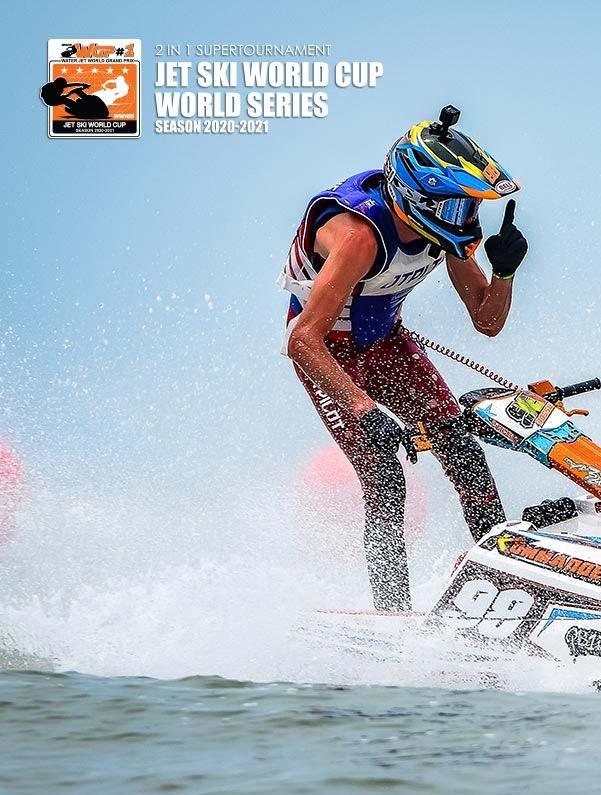
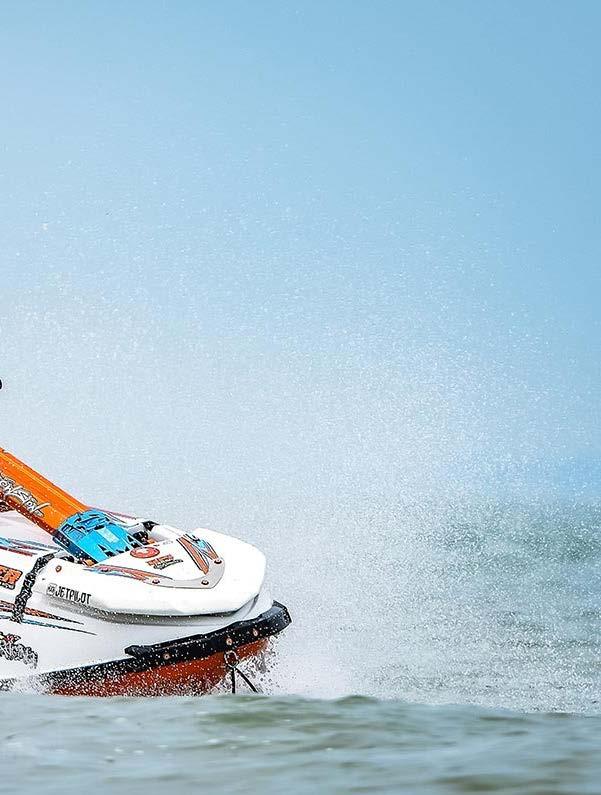
Jet Ski World Series (December 17-21, Chon Buri):
The Jet Ski World Series is an exhilarating international competition that showcases the pinnacle of personal watercraft racing. Known for its high-speed races, daring manoeuvres, and the sheer thrill of competition, this series draws top athletes from around the globe to compete in various categories across some of the world’s most scenic waterways. The event in Chon Buri is particularly highlighted, being a part of Thailand’s “Amazing Thailand Grand Tourism and Sports Year 2025”. It’s set to attract not only competitors but also tourists, boosting local economy and showcasing Thailand’s capabilities in hosting international sports events. Riders like Waleed Alsharshani from Qatar have made names for themselves, with significant wins in past series, setting the stage for intense competition.
The series, especially in host countries like Thailand, significantly boosts sports tourism by drawing enthusiasts and spectators, fostering a culture of water sports. Local businesses benefit from hosting these events, from accommodation to service industries. It also promotes water safety and sports development at grassroots levels. There’s an increasing focus on sustainability, with events often partnering with local conservation groups to ensure the sport’s growth doesn’t harm marine environments.
Economic and Cultural Significance
The “Amazing Thailand Grand Tourism and Sports Year 2025” is more than an event calendar; it’s a strategic move to bolster the economy, create jobs, and foster cultural exchange. By merging tourism with sports, Thailand aims to:
1. Boost Local Economies: The influx of tourists for these events will stimulate local businesses, from hotels and restaurants to transport and retail.
2. Cultural Exchange: International visitors will experience Thai culture, arts, and traditions, promoting a deeper understanding and appreciation of Thailand.
3. Sustainable Tourism: Emphasis is placed on sustainable practices, ensuring that tourism growth does not compromise Thailand’s natural and cultural resources.
The Barriers Ahead
Despite the optimism, challenges like ensuring safety, managing crowds, and maintaining environmental standards loom large. Infrastructure improvements are essential to handle the expected increase in tourists. Moreover, the success of this initiative will also depend on global travel trends, economic conditions, and geopolitical stability.
Conclusion
The “Amazing Thailand Grand Tourism and Sports Year 2025” represents a monumental effort to showcase Thailand’s multifaceted appeal. With a blend of sports, culture, and hospitality, Thailand is not just inviting tourists; it’s inviting the world to celebrate, compete, and connect. If executed well, this year could mark a new era for Thai tourism, one where sports and cultural festivities drive economic prosperity and international camaraderie.
WHY PHYSIOTHERAPY IS IMPORTANT & LEADING PRACTITIONERS IN INDIA
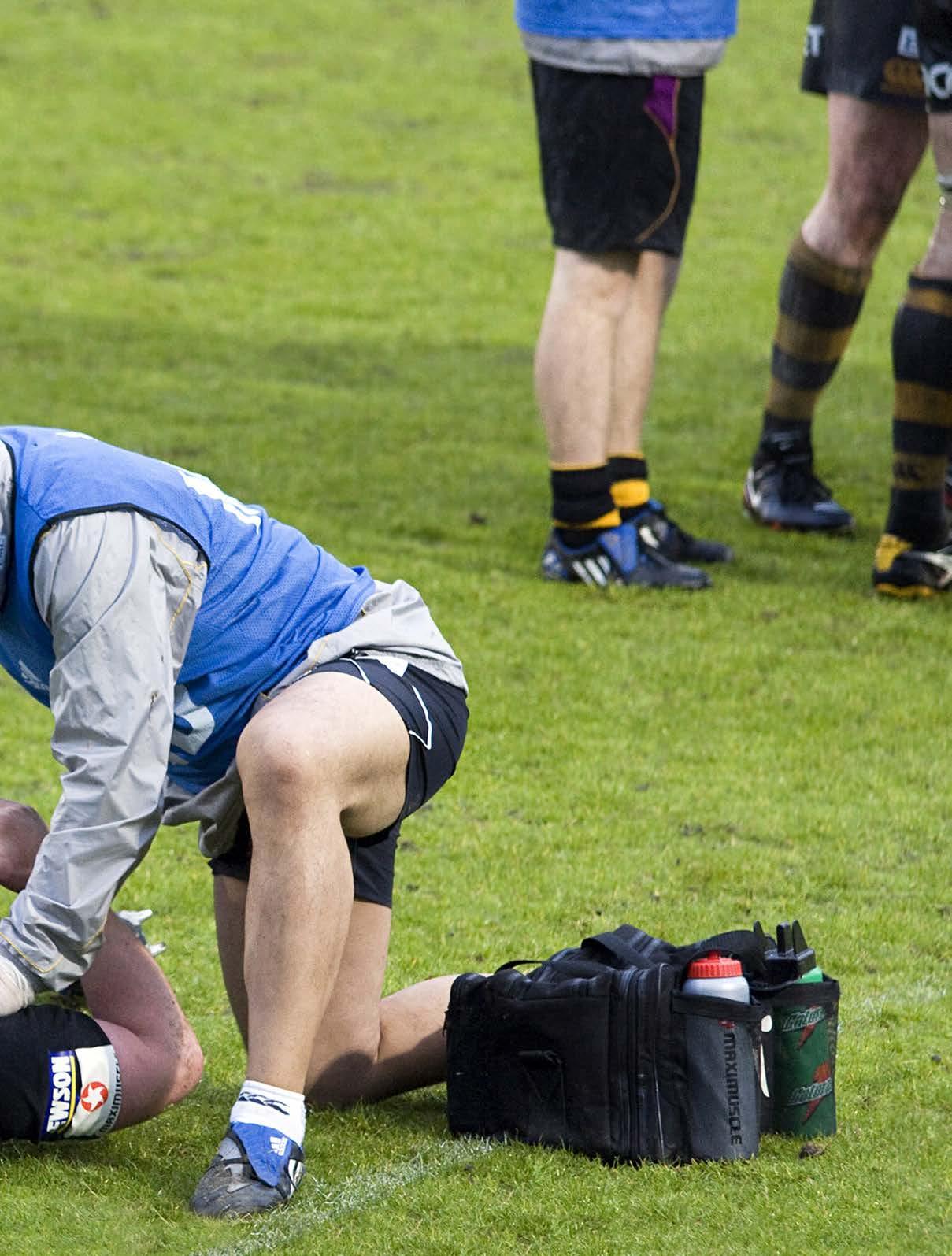
Sports Physiotherapy has become an indispensable part of the sports ecosystem in India, contributing significantly to athletes’ health, performance, and longevity across various sporting disciplines. This specialized branch of physiotherapy focuses on preventing injuries, treating current injuries, and facilitating rehabilitation to ensure athletes can return to their optimal performance levels.
The Role of Sports Physiotherapy
INJURY PREVENTION: Sports physiotherapists work proactively to reduce the risk of injuries by assessing athletes’ biomechanics, movement patterns, and training regimes. Through personalized exercise programs, they enhance muscle strength, flexibility, and endurance, which are crucial in preventing injuries. The emphasis is also on educating athletes about proper techniques, warm-ups, and cool-downs, which are pivotal in maintaining physical health.
INJURY TREATMENT: When injuries occur, be it acute or chronic, sports physiotherapists provide immediate and expert care. They use techniques like manual therapy, electrotherapy (such as TENS, and IFT), ultrasound, and laser therapy to alleviate pain, reduce inflammation, and initiate healing. Their knowledge of anatomy allows for targeted treatment that not only manages the symptoms but also addresses the root cause of the injury.
REHABILITATION: Post-injury, the rehabilitation phase is critical. Sports physiotherapists design comprehensive recovery programs that involve not just recovery from injury but also strengthening to prevent future occurrences. Techniques like proprioceptive training, muscle re-education, and gradual returnto-sport protocols are employed to ensure athletes can safely resume their activities.
PERFORMANCE ENHANCEMENT: Beyond injury management, sports physiotherapy plays a key role in optimizing an athlete’s performance. This includes advising on nutrition, sleep, and stress management, alongside physical training. Techniques like dry needling or advanced muscle stimulation are used to fine-tune an athlete’s physical capabilities.
EDUCATION AND AWARENESS:
Physiotherapists educate not only athletes but also coaches, trainers, and sports enthusiasts about the importance of sports science, injury prevention, and the benefits of regular physical maintenance.
Best Practices in Sports Physiotherapy in India
Best practices that are commonly adopted by top sports physiotherapists in India are crucial to its success. Evidence-based practice is necessary in utilizing research and clinical evidence to guide treatment decisions. A holistic approach is employed, keeping in mind, the athlete’s lifestyle, psychological state, and nutritional status alongside physical treatment. Individualized care plays a crucial role in tailoring treatment plans to the specific needs, sports, and goals of each athlete. Incorporating modern tools like biofeedback, wearable tech for monitoring, and VR for rehabilitation has proved vital in delivering the best possible care. Finally, team collaboration is required while working closely with other sports medicine professionals like nutritionists, sports psychologists, and coaches.
The Impact on Indian Sports
The growth of sports physiotherapy in India has paralleled the rising sports culture. With sports becoming more competitive and professional, the demand for specialized physiotherapy has soared. Elite athletes, from cricketers to marathon runners, now have access to world-class physiotherapy services that not only help in recovery but also in maintaining peak performance levels. This has been instrumental in elevating India’s performance on international sports platforms. Moreover, educational institutions like the Indian Association of Physiotherapists and various sports academies have started integrating sports physiotherapy into their curricula or training programs, thereby fostering a new generation of skilled professionals in this field.
The Benefits of Physiotherapy for Senior Citizens
Physiotherapy offers numerous benefits for senior citizens, aimed at enhancing their quality of life, maintaining physical function, and managing chronic conditions. Here are some key advantages:
IMPROVED MOBILITY AND FLEXIBILITY: As we age, muscles and joints tend to stiffen, leading to reduced mobility. Physiotherapy includes exercises designed to enhance flexibility, strength, and joint range of motion. Techniques like stretching, tai chi, or yoga can significantly improve mobility, making daily activities like walking, bending, or reaching less painful and more manageable.
PAIN
MANAGEMENT:
Chronic pain from arthritis, osteoporosis, or postsurgical conditions can severely impact quality of life. Physiotherapists use modalities like heat, cold, ultrasound, or TENS (Transcutaneous Electrical Nerve Stimulation) to alleviate pain. Manual therapies such as massage or joint mobilization
can also reduce pain and stiffness, often reducing or eliminating the need for pharmacological interventions.
FALL PREVENTION: Falls are a major concern for seniors, leading to fractures or other injuries. Balance training and exercises that strengthen the lower body and core help in improving balance and coordination. Physiotherapists assess fall risks and create personalized programs to manage or mitigate these risks.
REHABILITATION AND RECOVERY: After surgery or an injury, physiotherapy helps in quicker and safer recovery by focusing on rehabilitation. This includes strategies to regain strength, endurance, and function, tailored to the individual’s recovery phase.
MANAGEMENT OF CHRONIC CONDITIONS:
Conditions like diabetes, heart disease, or COPD can benefit from physiotherapy. Exercises tailored to these conditions can improve cardiovascular health, respiratory function, and overall metabolic control.
MENTAL HEALTH BENEFITS: Physical activity, even when guided by physiotherapy, releases endorphins, which are natural painkillers and mood elevators. This can help combat depression, anxiety, and loneliness, which are common among the elderly.
ENHANCED INDEPENDENCE: By maintaining or improving physical function, seniors can perform daily activities independently for longer, enhancing their autonomy and reducing the burden on caregivers.
Nutrition to Support Physiotherapy
Nutrition plays a complementary role in achieving the benefits of physiotherapy among seniors. Here are some dietary considerations:
PROTEIN INTAKE: Adequate protein is crucial for muscle repair and maintenance. Seniors should aim for sources like lean meats, fish, eggs, dairy products, legumes, and nuts. The recommended amount is around 1.2 to 1.5 grams of protein per kilogram of body weight, especially for those undergoing rehabilitation.
CALCIUM AND VITAMIN D: Essential for bone health, these nutrients help prevent osteoporosis. Dairy products, fortified foods, dark leafy greens, and supplements (if necessary) should be considered. Vitamin D can be sourced from sunlight exposure or fortified foods.
HYDRATION: Dehydration can lead to muscle cramps and fatigue, which can hinder physical therapy exercises. Seniors should ensure they’re drinking enough fluids, considering water, herbal teas, or broths.
FIBRE: A diet high in fibre from fruits, vegetables, whole grains, and legumes aids digestion and can prevent constipation, a common issue in the elderly.
OMEGA-3 FATTY ACIDS: These can reduce inflammation and support heart health. Fish like salmon, mackerel, or supplements are good sources.
ANTIOXIDANTS: Foods rich in antioxidants (berries, nuts, dark chocolate) help fight oxidative stress, which is linked with ageing and disease.
PORTION CONTROL AND BALANCED DIET: Ageing can decrease the metabolic rate. Thus, controlling portion sizes while ensuring a balanced intake of all food groups is key to maintaining a healthy weight, which supports physical activity.
LIMIT SUGARS AND PROCESSED FOODS: Reducing the intake of high-sugar and processed foods can prevent spikes in blood sugar, reduce inflammation, and support overall health, making physical activities more effective.
CONSIDERATION FOR SPECIAL DIETS: Seniors with specific health conditions (like diabetes or kidney disease) might need tailored diets. Here, consulting with a dietitian or nutritionist alongside a physiotherapist can provide a comprehensive plan.
Leading Sports Physiotherapists in India
Here are five of the best physiotherapy practices in India, known for their excellence in services, innovative approaches, and significant contributions to the field:
CB PHYSIOTHERAPY:
Location: Multiple cities including Delhi-NCR, Bangalore, Mumbai, Ahmedabad, and Hyderabad.
Highlights: CB Physiotherapy is renowned for its integrated care approach, offering both in-clinic and home physiotherapy services. They employ a combination of therapies suited for both short-term relief and long-term management of conditions. Their services include orthopaedic, neurological, paediatric, and sports physiotherapy. They’re also known for their use of technology through a digital physio assistant, ‘FIZO’, for home exercises.
MAX HEALTHCARE - DEPARTMENT OF PHYSIOTHERAPY AND REHABILITATION:
Highlights: This department is one of the largest chains of tertiary-level rehabilitation centers in North India. It’s praised for its holistic and comprehensive approach to medical care, focusing on restoring function through a wide range of therapies including neurological rehab, sports injury management, and pain management. They’re equipped with state-of-the-art technology like EMG/Biofeedback and various electrical modalities.
JIPSI (JAIPUR INSTITUTE OF PAIN & SPORTS INJURIES):
Location: Jaipur, with influence extending to North India. Highlights: Jipsi stands out for its specialization in musculoskeletal radiology and regenerative treatments. They provide non-invasive pain relief options and are the first dedicated musculoskeletal radiology clinic in North India.
Their focus on sports injuries and chronic pain management through advanced therapies like stem cell-rich plasma injections makes them a notable name in physiotherapy.
CLOUDNINE HOSPITALSPHYSIOTHERAPY DEPARTMENT:
Location: Multiple centres across India, including Bengaluru, Chennai, Gurgaon, Mumbai, and New Delhi.
Highlights: Specializing in maternal and child care, Cloudnine’s physiotherapy services are tailored for pregnancy-related issues, post-natal recovery, and paediatric physiotherapy. They are celebrated for their personalized treatment plans, particularly for expectant and new mothers, helping manage conditions like back pain, pelvic pain, and improving overall mobility and strength.
ACTION PHYSIO PHYSIOTHERAPY & WELLNESS CLINIC:
Location: Ahmedabad, Gujarat.
Highlights: Known for its focus on orthopaedic and sports injuries, Action Physio provides comprehensive physiotherapy services with an emphasis on manual therapy, cupping therapy, and advanced rehabilitation techniques. Their approach includes a mix of traditional methods and modern practices to ensure optimal recovery and wellness.
These practices are recognized for their commitment to patient care, use of advanced technology, and the expertise of their physiotherapists, making them some of the best in the country for those seeking physiotherapy. Remember, the “best” practice can also depend on one’s specific needs, location, and the type of condition they’re dealing with, so it’s always advisable to consider these factors when choosing a physiotherapy service.
Conclusion
Sports physiotherapy’s significance in India’s sports landscape cannot be overstated. It’s not just about fixing injuries but about fostering a culture of health, performance optimization, and longevity in sports careers. The best practices and the dedicated professionals in India are setting benchmarks in sports medicine, ensuring that athletes have the support needed to excel, recover, and thrive. As sports continue to grow in popularity and professionalism, the role of sports physiotherapy will only become more pivotal, with these leading practitioners at the forefront of this evolution.
For senior citizens, the integration of physiotherapy with a thoughtful nutritional strategy can significantly enhance life quality. Physiotherapy maintains physical health, supports mental well-being, and promotes independence, while the right diet ensures the body has the necessary nutrients to recover, heal, and perform at its best. This holistic approach not only helps in managing existing health conditions but also in preventing new ones, ultimately fostering a healthier, more active lifestyle in later years.
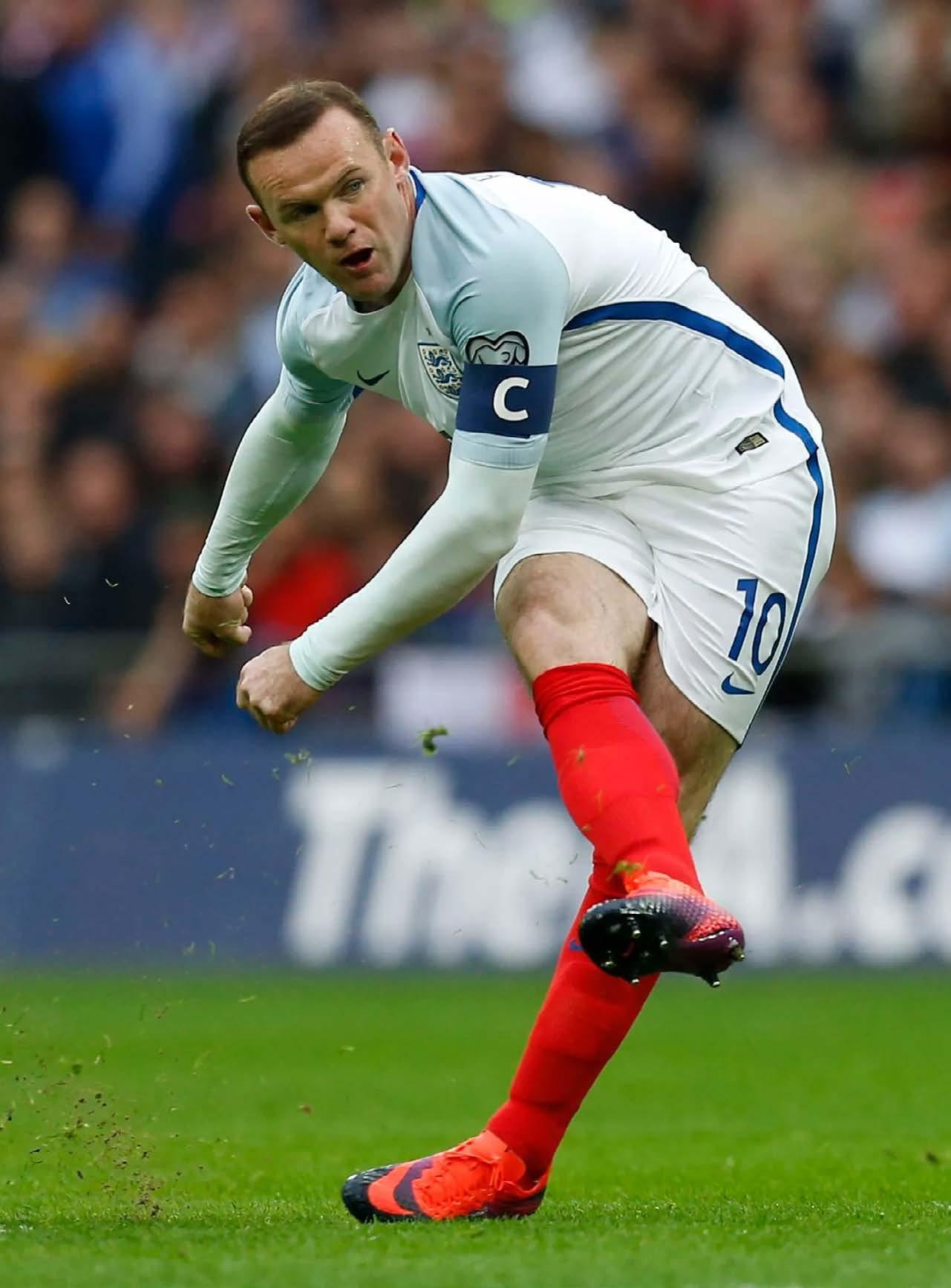
Wayne Rooney
The Making of an England Football Legend
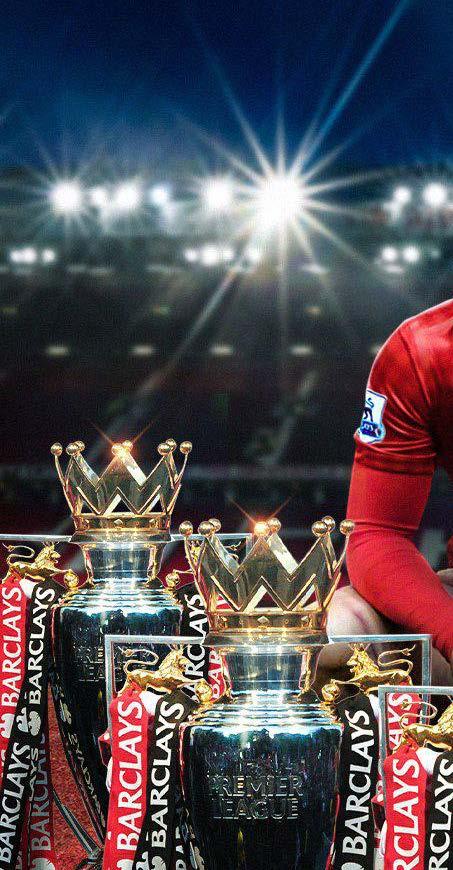
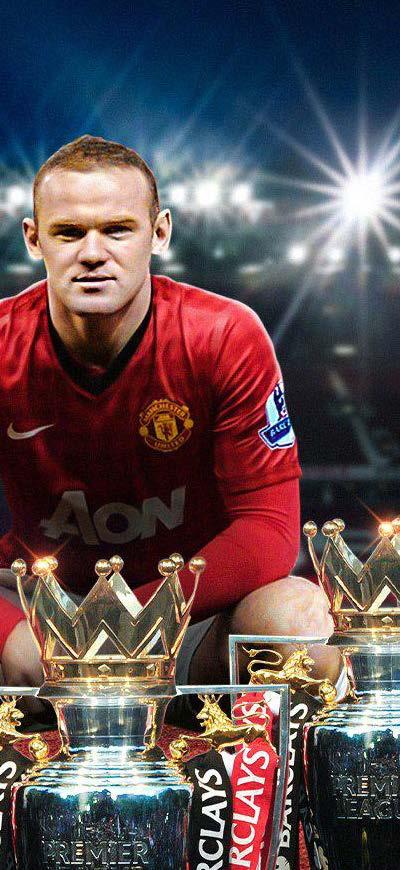
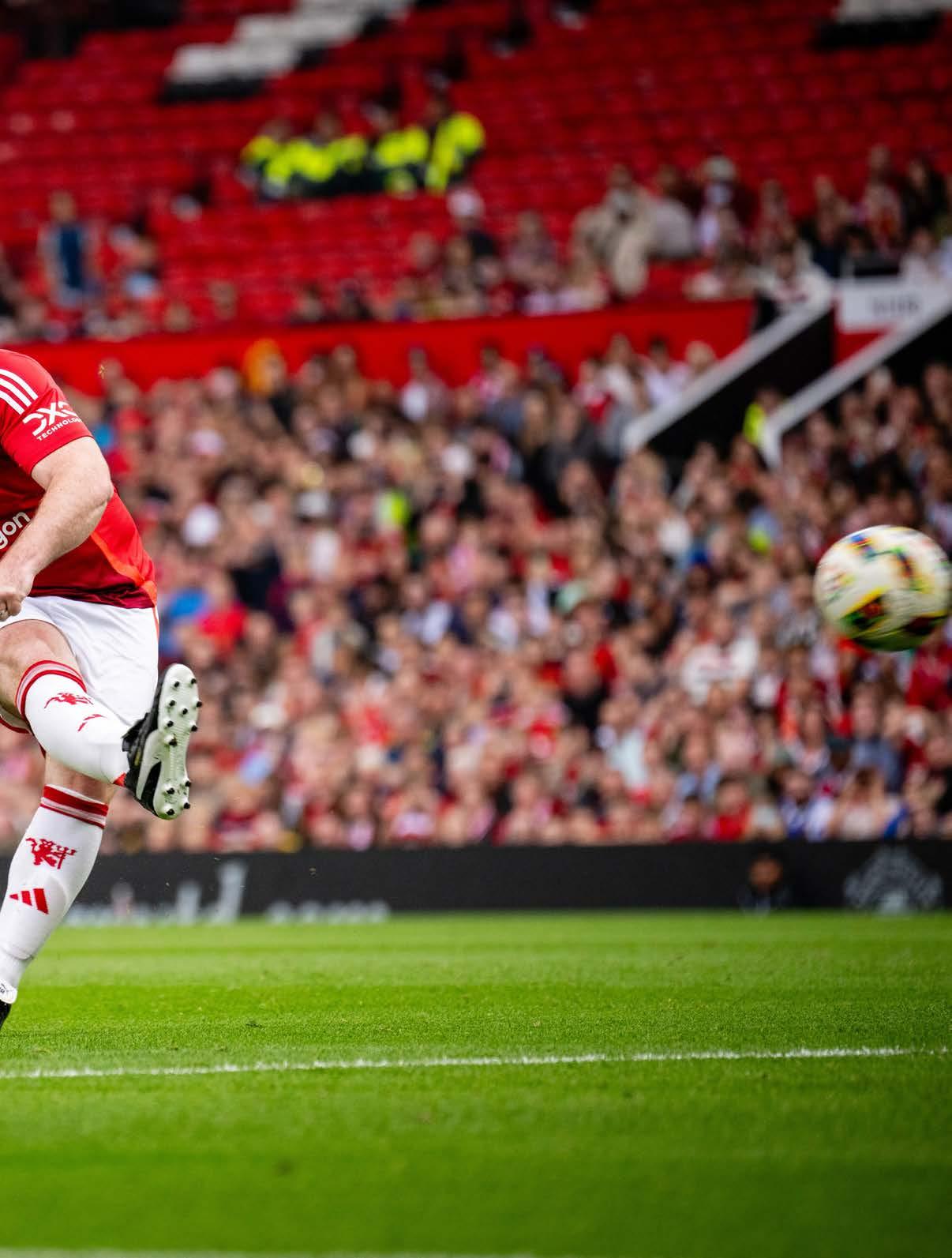
Wayne Rooney, one of England’s most iconic footballers, carved out a career defined by raw talent, relentless determination, and an insatiable appetite for goals. Born on October 24, 1985, in Croxteth, Liverpool, Rooney rose from humble beginnings to become a household name, leaving an indelible mark on both club and international football. His journey— from a teenage prodigy at Everton to a record-breaking star at Manchester United and England’s national team—is a testament to his extraordinary ability and enduring legacy.
Early Days at Everton
Rooney’s footballing story began on the streets of Liverpool, where his prodigious talent was evident from a young age. Joining Everton’s youth academy, he quickly stood out, scoring goals with a maturity far beyond his years. His breakthrough came on October 19, 2002, just five days shy of his 17th birthday, when he netted a stunning last-minute winner against Arsenal in the Premier League. The strike—a curling effort from 25 yards—ended Arsenal’s 30-match unbeaten run and announced Rooney’s arrival on the global stage. At 16 years and 360 days, he became the youngest goalscorer in Premier League history at the time.
Rooney’s blend of physicality, skill, and fearless aggression made him a sensation. In his two seasons with Everton, he scored 17 goals in 77 appearances, showcasing a versatility that saw him thrive as both a striker and a playmaker. His performances caught the eye of England’s biggest clubs, and in the summer of 2004, Manchester United came calling.
Manchester United A Golden Era
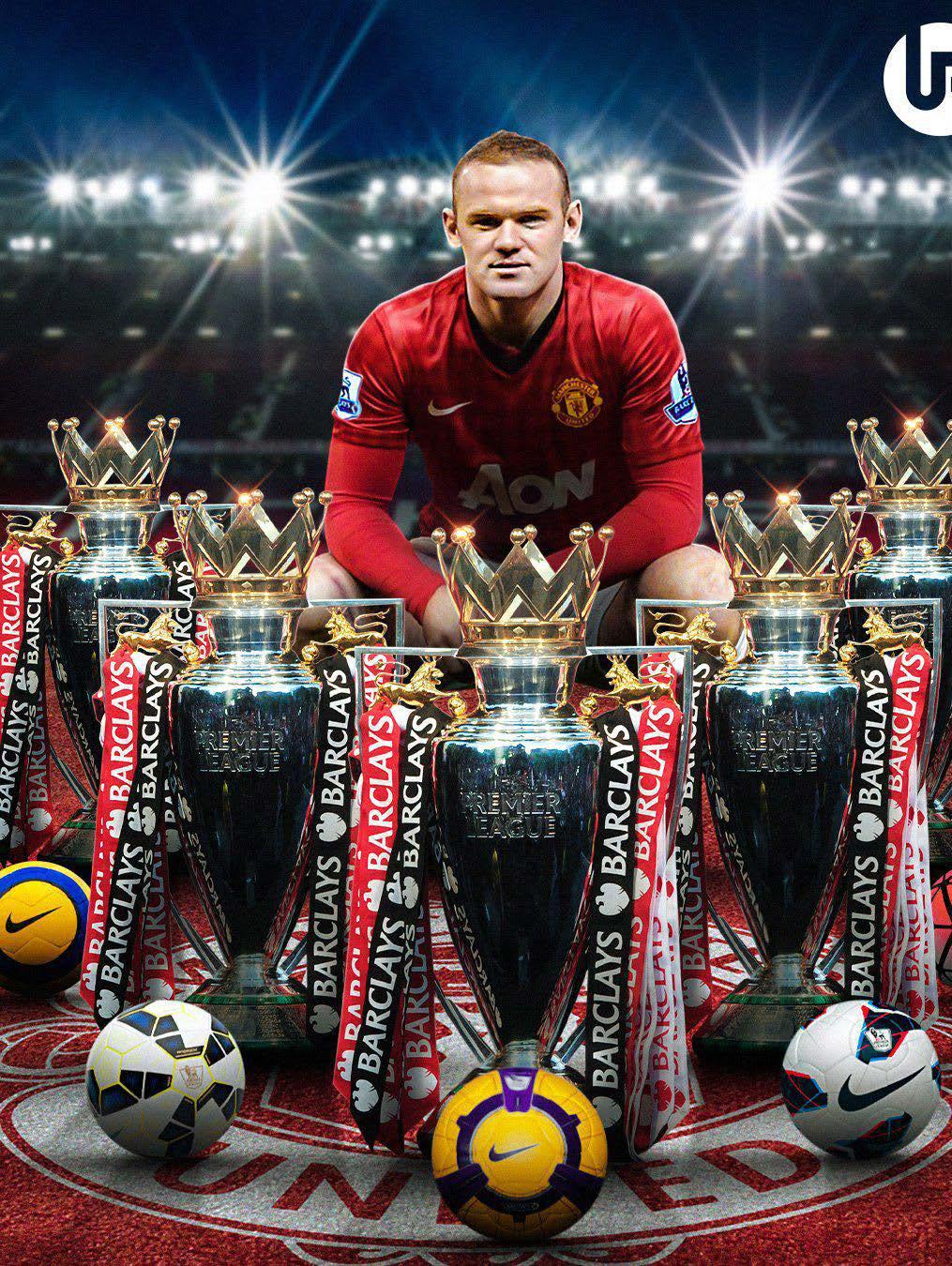
In August 2004, at the age of 18, Rooney joined Manchester United for a £25.6 million transfer fee—a record for a teenager at the time. His debut was nothing short of spectacular: a hattrick against Fenerbahçe in the UEFA Champions League, signalling the start of a trophy-laden 13year spell at Old Trafford. Under Sir Alex Ferguson, Rooney evolved into one of the world’s premier forwards. His partnership with Cristiano Ronaldo and Carlos Tevez during the late 2000s formed one of the most lethal attacking trios in football history. The pinnacle of this era came in 2008, when Rooney helped United win the Champions League, defeating Chelsea in a dramatic penalty shootout in Moscow. That season, he also lifted the Premier League title, the second of five he would claim with the club. Rooney’s versatility shone at United. While initially a pure striker, he adapted to deeper roles as his career progressed, showcasing his vision, work rate, and thunderous long-range shooting.
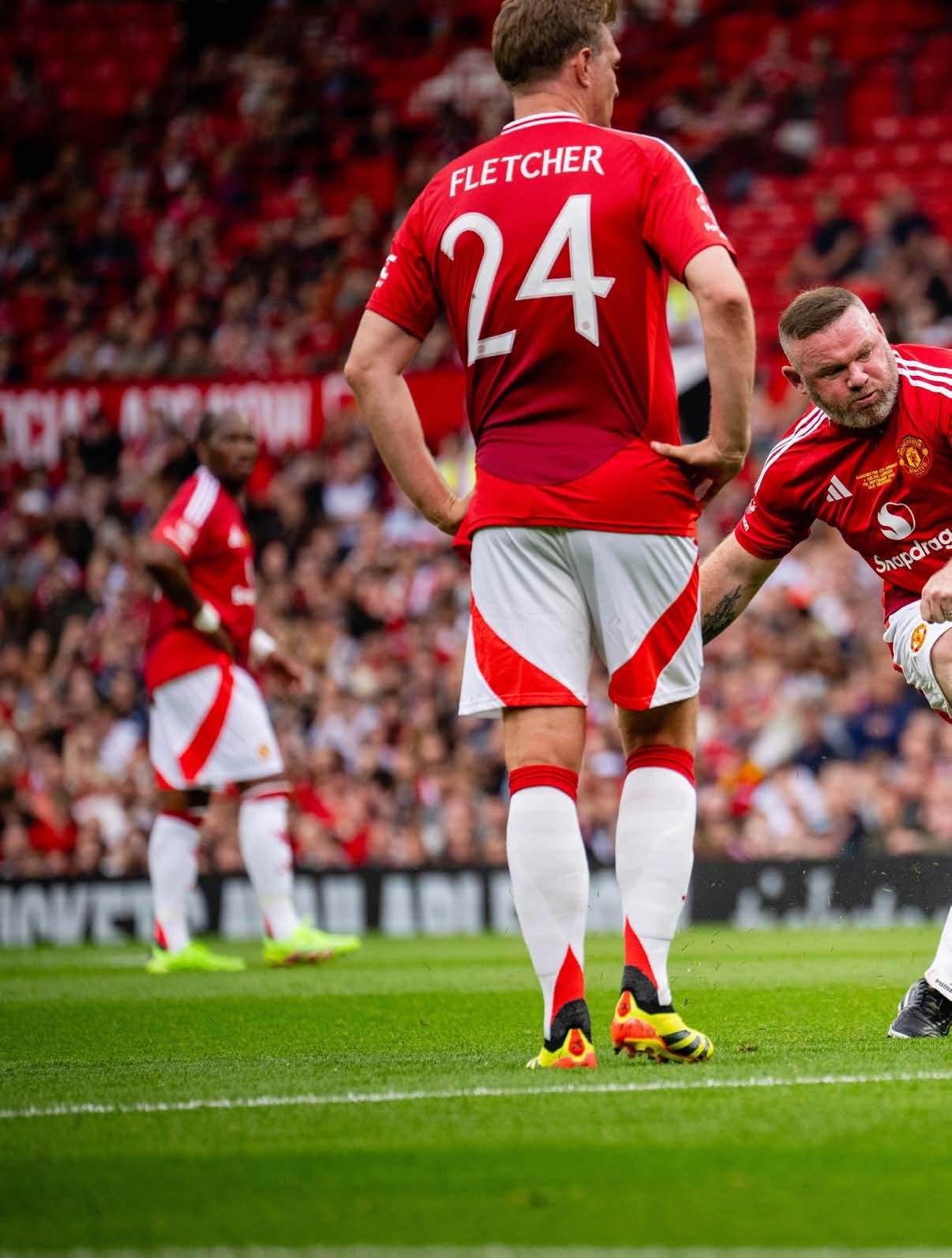
His most prolific season came in 2009-10, when he scored 34 goals across all competitions, earning the PFA Players’ Player of the Year award. In total, Rooney scored 253 goals in 559 appearances for Manchester United, surpassing Sir Bobby Charlton’s record to become the club’s all-time leading goalscorer—a record he set with a stunning free-kick against Stoke City in January 2017.
His trophy cabinet at United reflects his impact: five Premier League titles, one Champions League, one Europa League, one FA Cup, three League Cups, and a FIFA Club World Cup. Yet, Rooney’s tenure wasn’t without turbulence. In 2010, he briefly requested a transfer amid contract disputes, only to reverse his decision and recommit to the club—a testament to his deep connection with United.
International Stardom with England
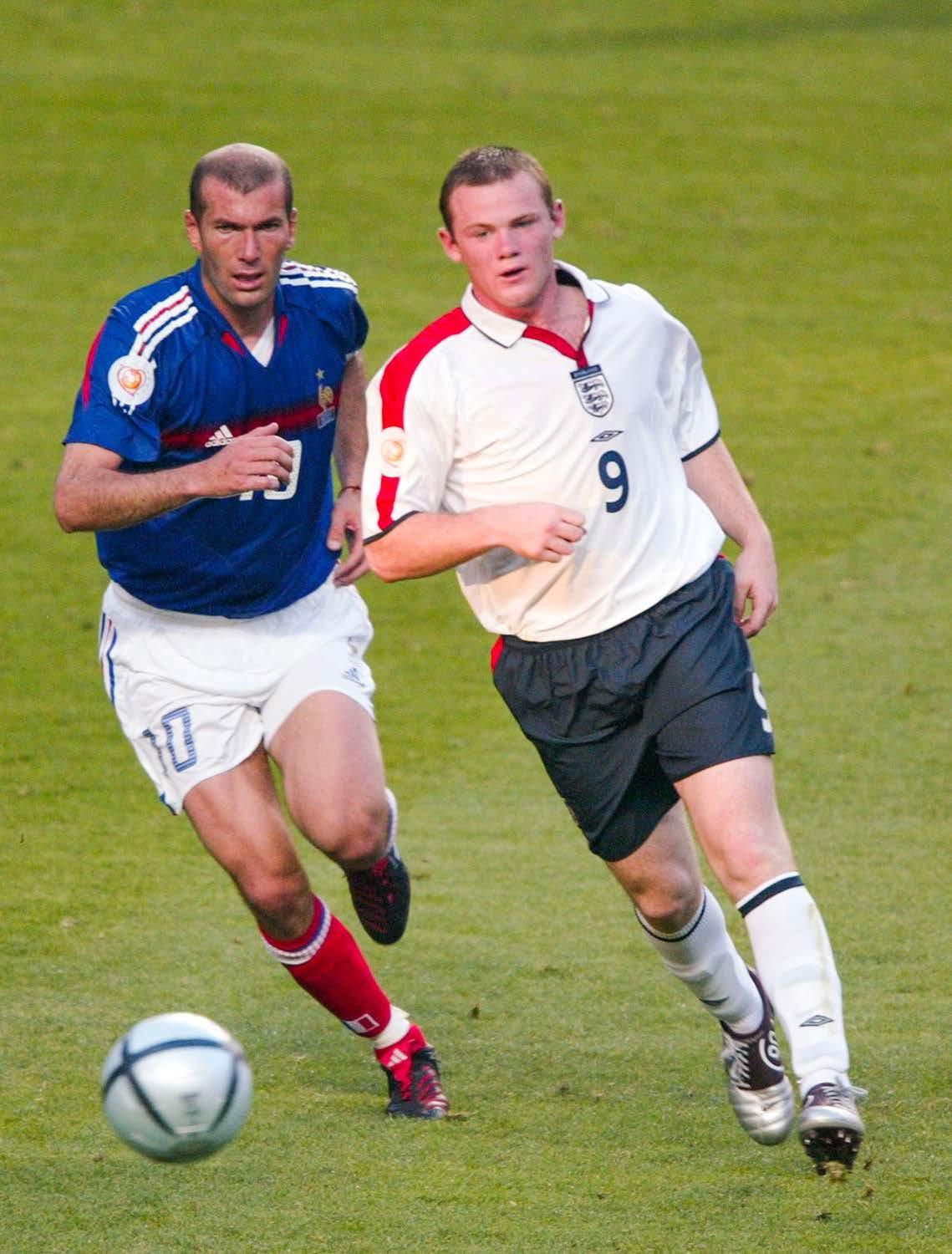
Rooney’s international career was equally remarkable. He debuted for England at 17 in February 2003, becoming the youngest player to represent the Three Lions at the time (a record later broken by Theo Walcott). His first major tournament, Euro 2004, saw him explode onto the scene, scoring four goals— including a brace against Croatia—before a foot injury cut his campaign short in the quarter-finals. At 18, he was named to the tournament’s Team of the Year, hailed as England’s brightest hope. Over the next decade, Rooney became a mainstay in the England squad, captaining the side from 2014 onward. He broke Sir Bobby Charlton’s England goalscoring record with a penalty against Switzerland in September 2015, finishing his international career with 53 goals in 120 caps, a record now held by Harry Kane. He also holds the record for England’s most outfield appearances, underscoring his longevity and commitment.
Despite his individual brilliance, team success eluded Rooney on the international stage. England’s “Golden Generation”— featuring the likes of Steven Gerrard, Frank Lampard, and David Beckham—repeatedly fell short, with quarter-final exits at the 2006 World Cup and Euro 2012 marking their best efforts during his tenure. Nevertheless, Rooney’s passion for the white shirt and his record-breaking feats cemented his status as an England legend.
Later Career and Legacy
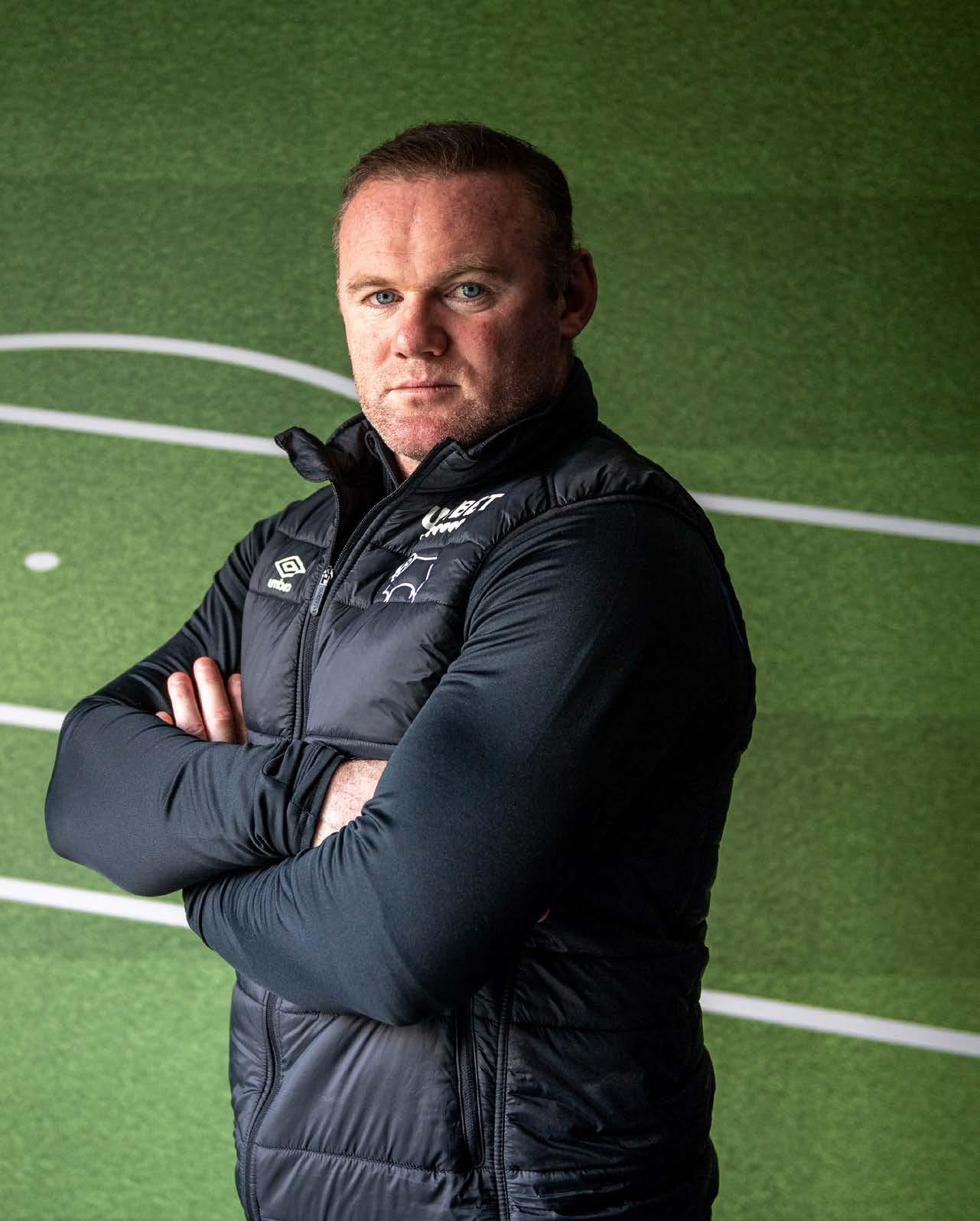
In 2017, Rooney returned to Everton for a sentimental homecoming, scoring 11 goals in his single season back at Goodison Park. He then ventured to Major League Soccer with D.C. United in 2018, where his leadership and occasional moments of brilliance—like a tackle-to-goal sequence from his own half against Orlando City—reminded fans of his enduring quality. His playing career concluded with a stint at Derby County in England’s Championship, where he also transitioned into management. Rooney retired as a player in January 2021, finishing with over 760 senior appearances and 366 goals across all competitions. His legacy transcends numbers, though. Known for his street-fighter mentality,
Rooney combined technical finesse with a working-class grit that resonated with fans. His famous quote—“Nice to see your own fans booing you”—after a tough spell at United captured his unapologetic, warriorlike spirit. Today, Rooney is forging a managerial career, having led Derby County and D.C. United before taking the helm at Plymouth Argyle in 2024. While his coaching journey is still unfolding, his playing career remains a benchmark for English footballers—a tale of a boy from Croxteth who conquered the sport with sheer will and talent. Wayne Rooney: a true England legend.
THE HUNDRED: A NEW ERA FOR ENGLISH CRICKET WITH IPL INFLUENCE
Indian Owners Invest in ‘The Hundred’ Teams
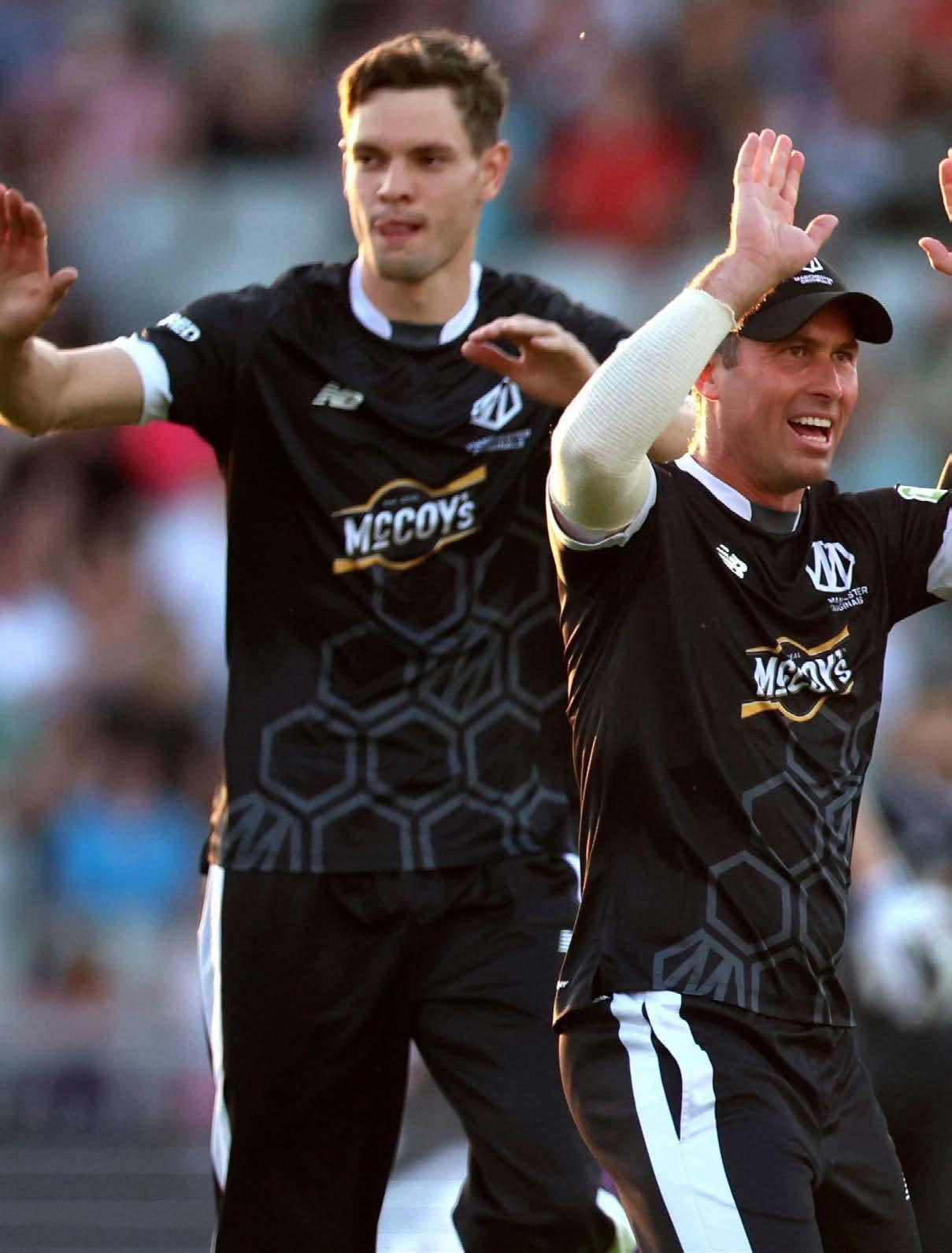
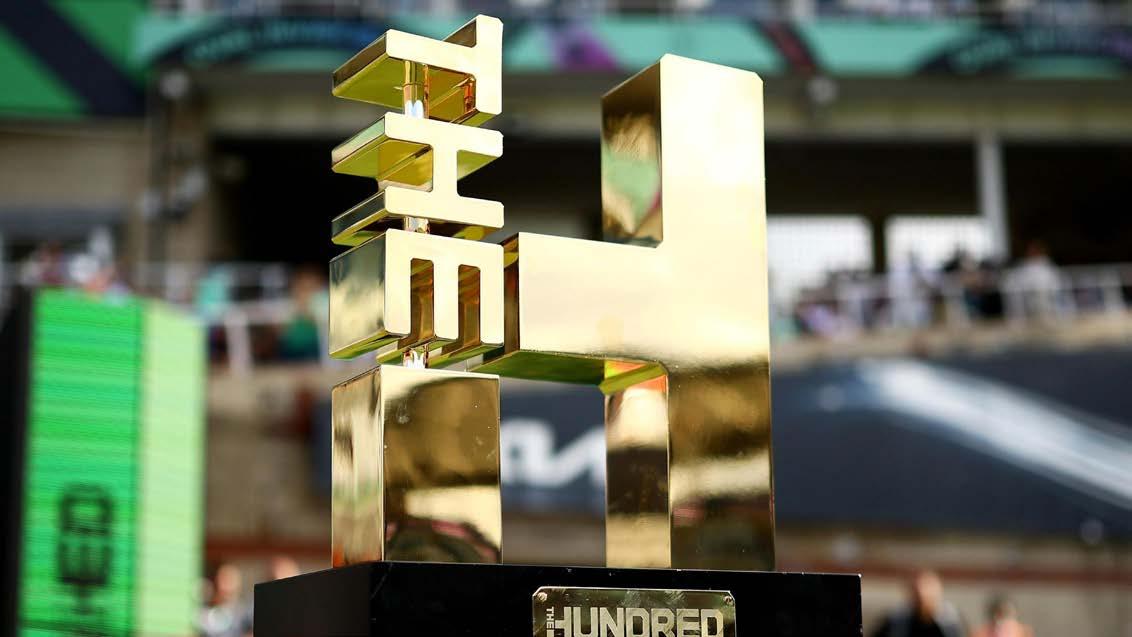
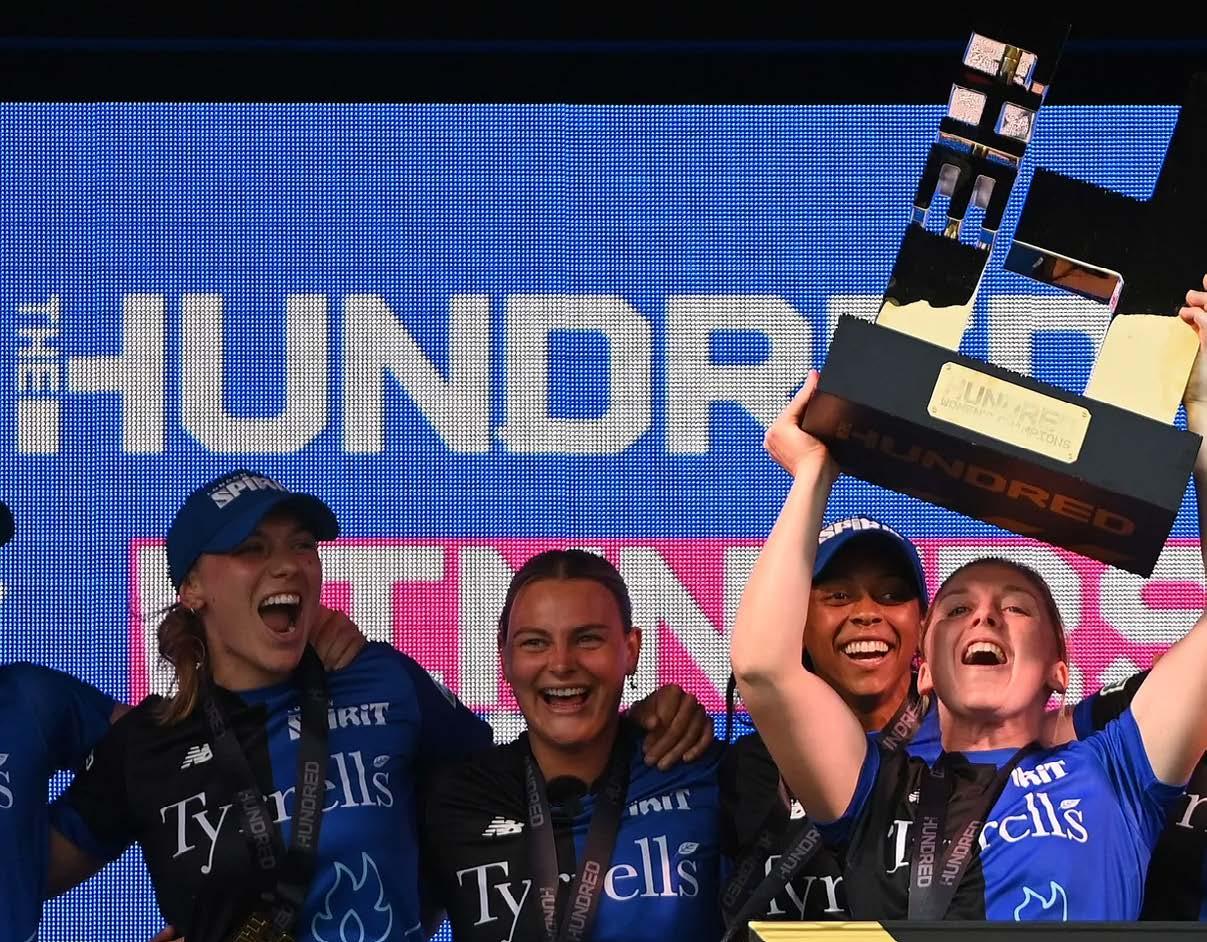
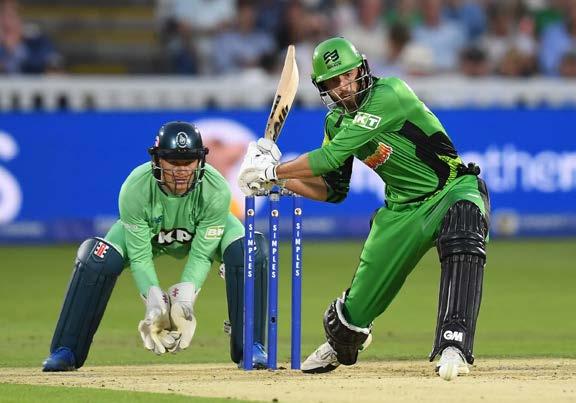
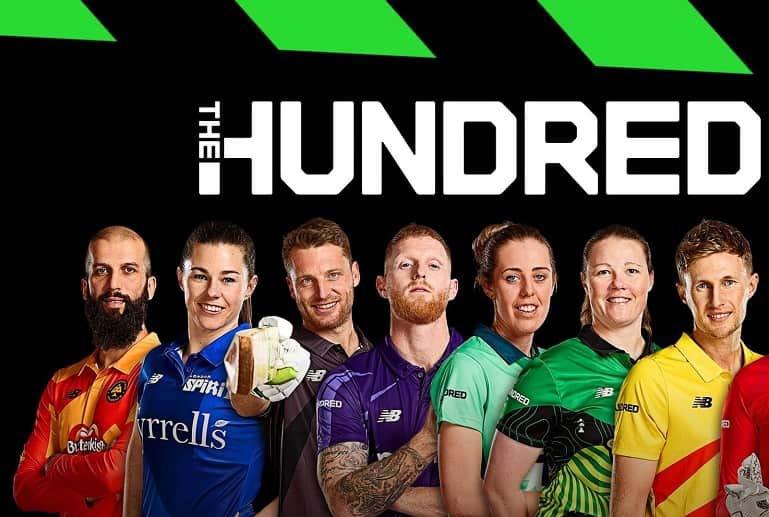
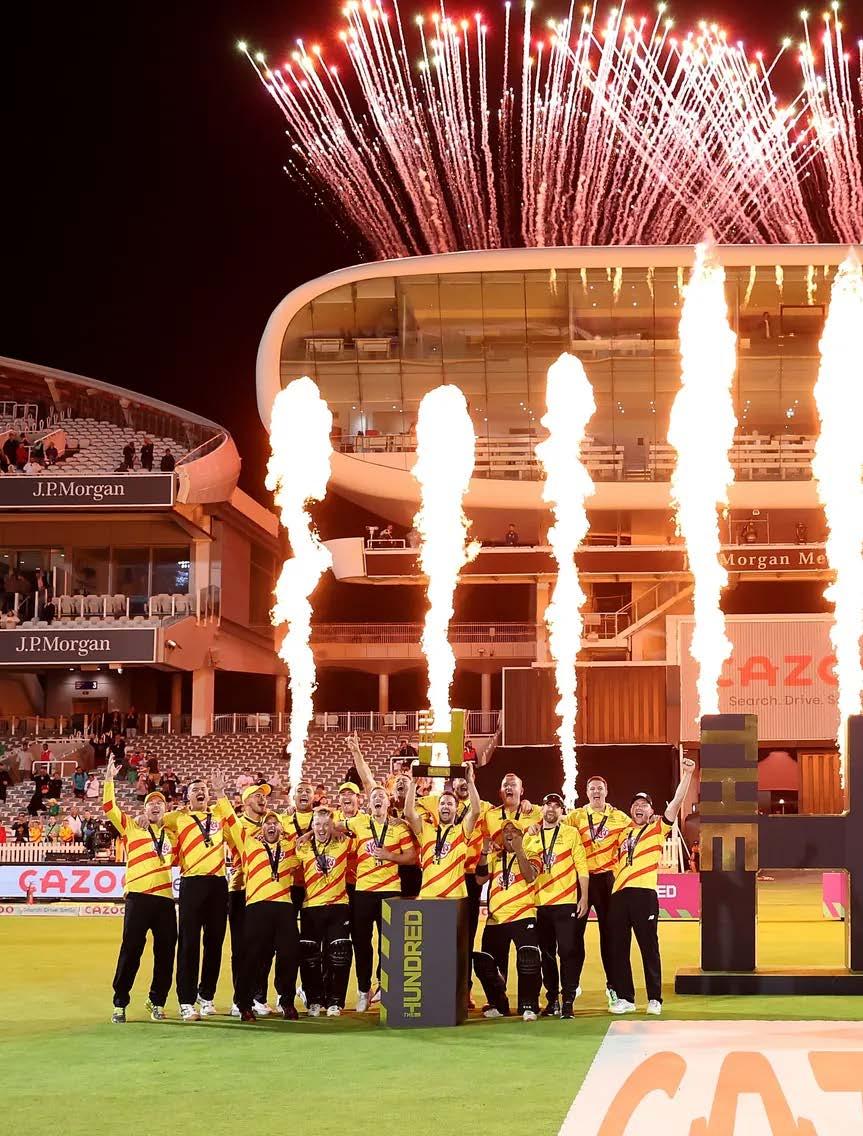
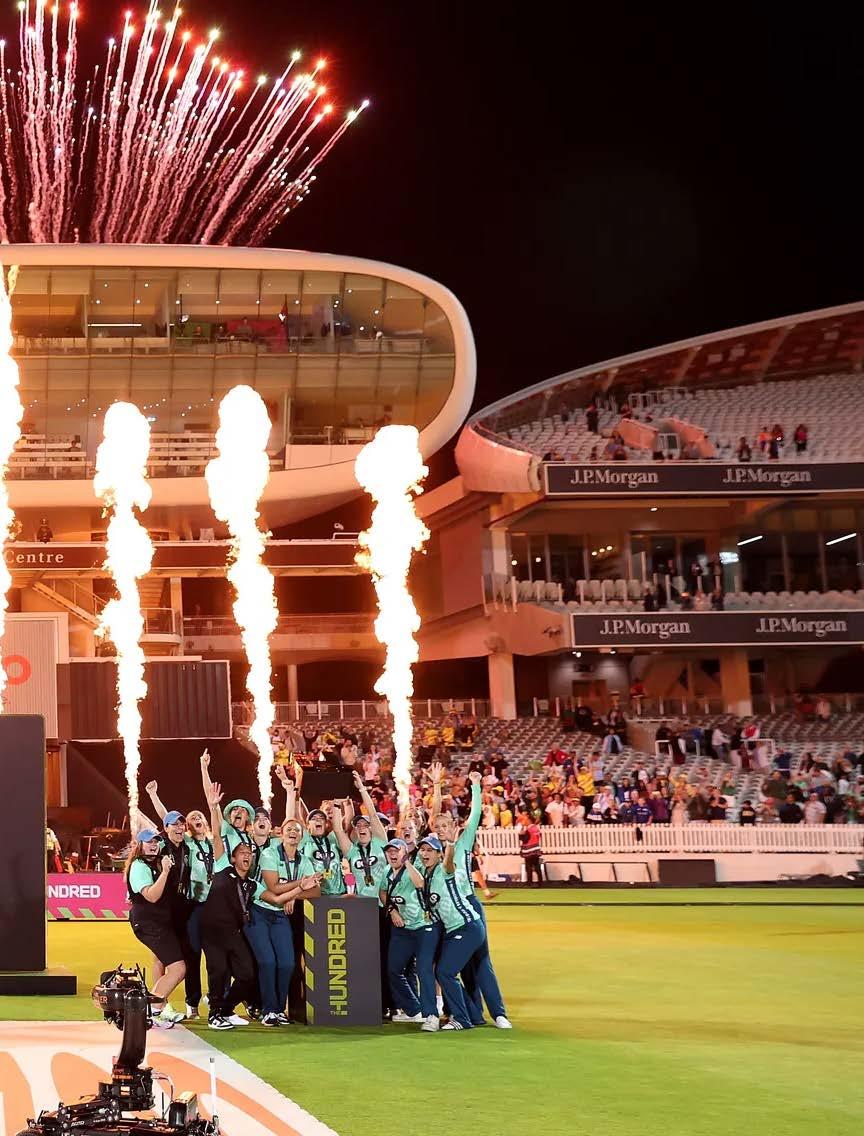
The landscape of English cricket has been undergoing a significant transformation, thanks in part to the introduction of The Hundred, a novel 100-ball cricket competition orchestrated by the England and Wales Cricket Board (ECB). In a recent pivotal move, Lancashire Cricket Club has sold a 70% controlling stake in its franchise, the Manchester Originals, to the RPSG Group, owned by Indian businessman Sanjiv Goenka. This transaction not only marks a new chapter for Lancashire but also signifies the growing influence of Indian Premier League (IPL) owners in the global cricket scene and follows other such teams being taken over by Indian owners.
The Hundred is England’s innovative cricket format, launched in 2021, aimed at attracting a new audience
to the sport by simplifying its rules and shortening the game’s duration. Unlike traditional cricket formats, each team faces exactly 100 balls, with a focus on fast-paced, exciting matches.
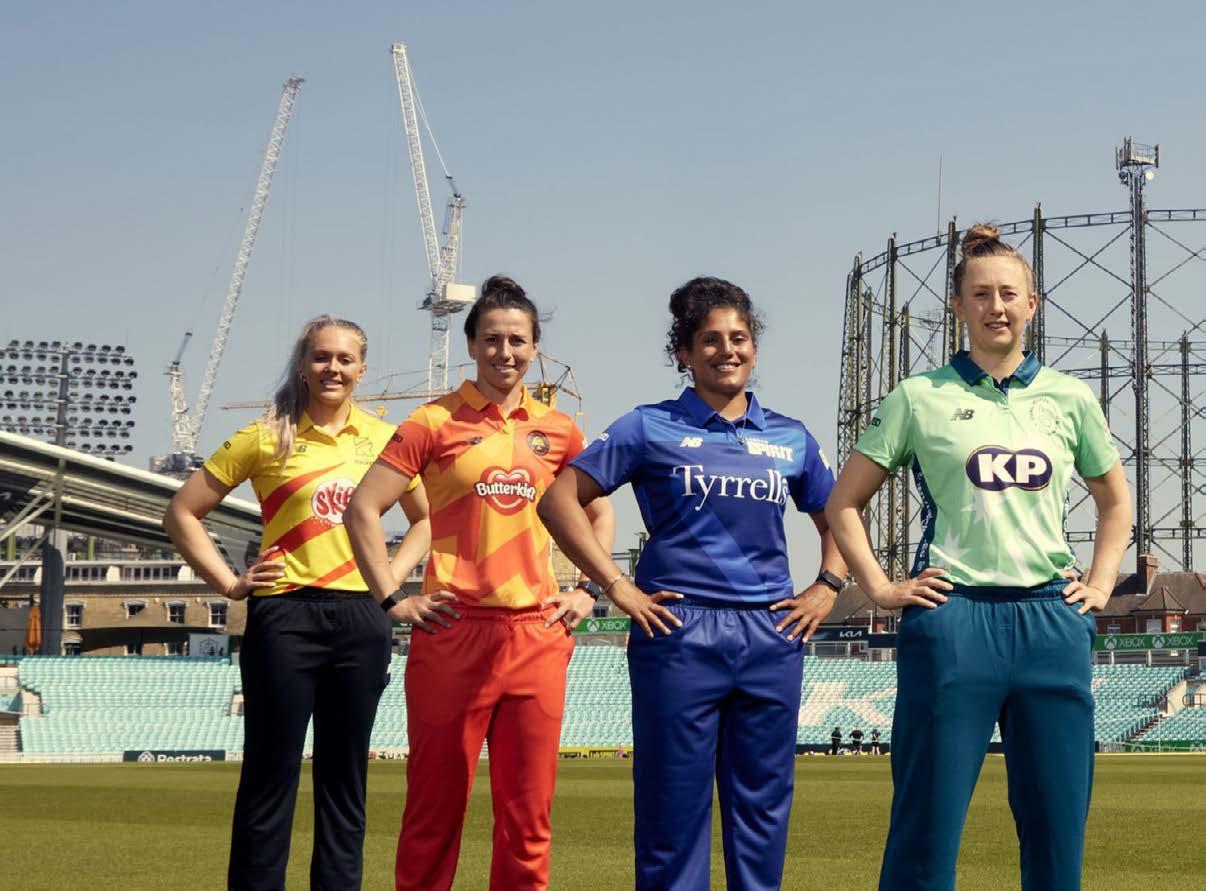
Format: 100 balls per side, with each bowler allowed a maximum of 20 deliveries. Eight city-based teams, including the Manchester Originals, representing major cities in England and Wales.
Objective: To make cricket more accessible, increase engagement, especially among younger fans and women, and broadcast matches in prime-time slots.
A Growing Trend of “The Hundred” teams being taken over by Indian Owners
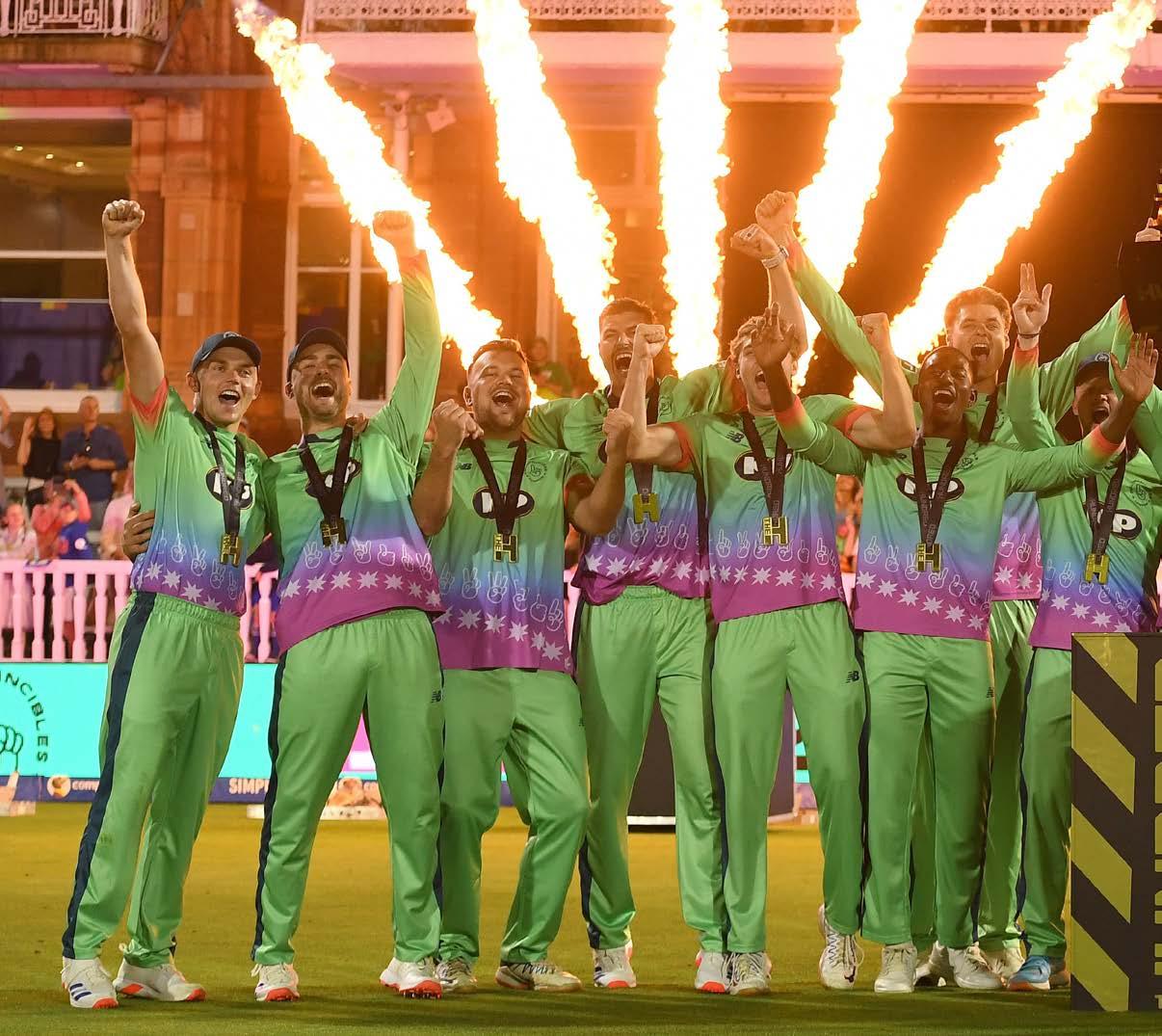
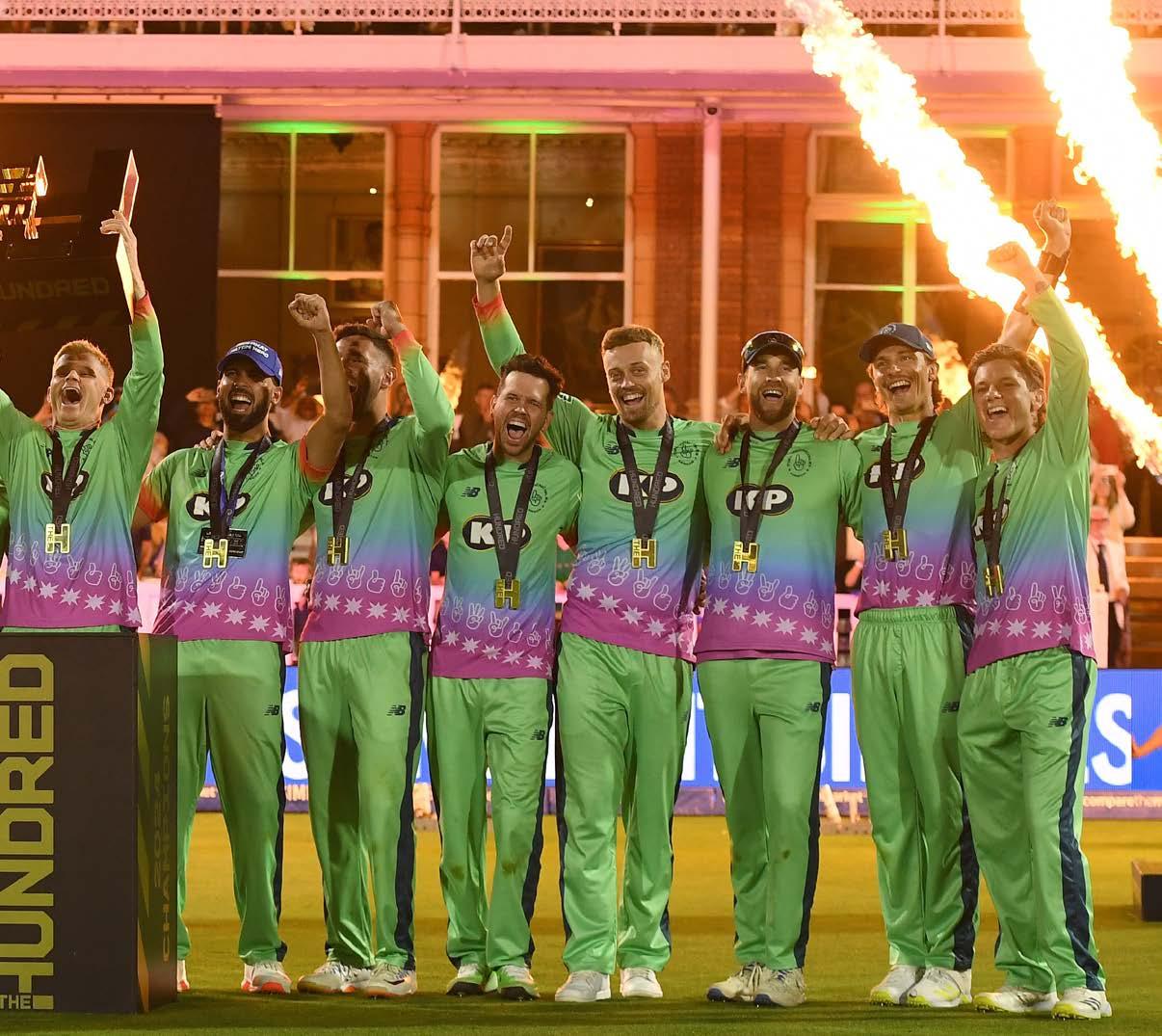
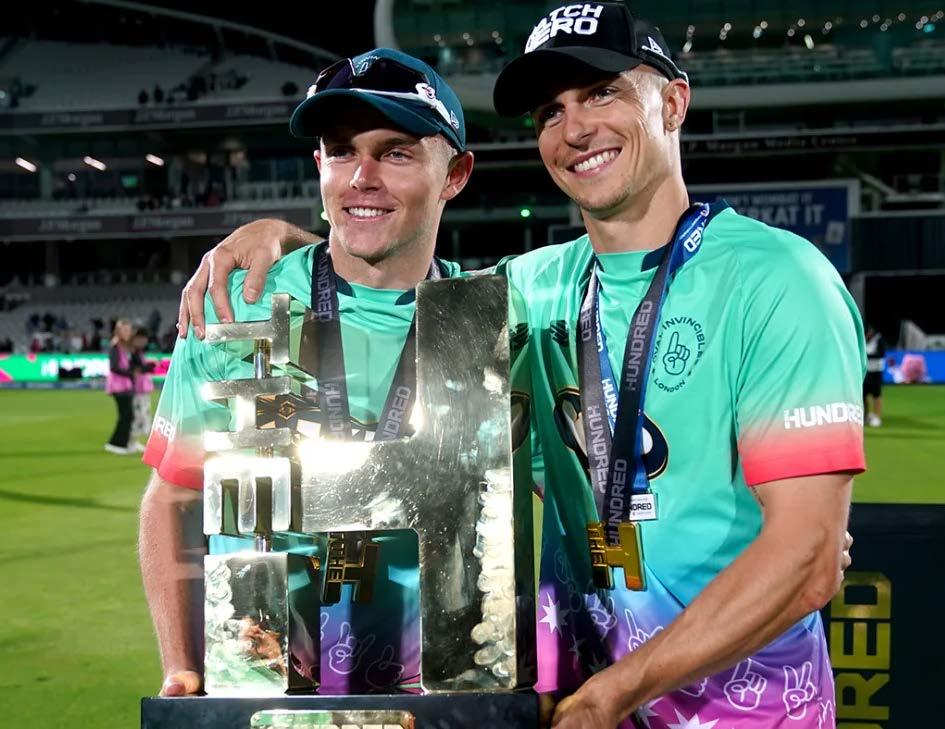
Oval Invincibles: Owned by Reliance Industries Limited (owned by the Ambani family) who have a 49% stake in the franchise. Reliance Industries, which also owns the Mumbai Indians in the IPL, acquired this stake. This deal values the Oval Invincibles at around £123 million, with the Ambanis paying approximately £60 million for their share.
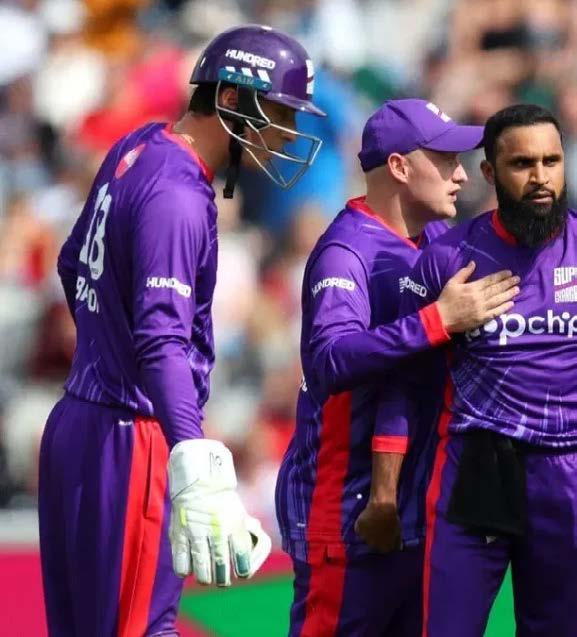
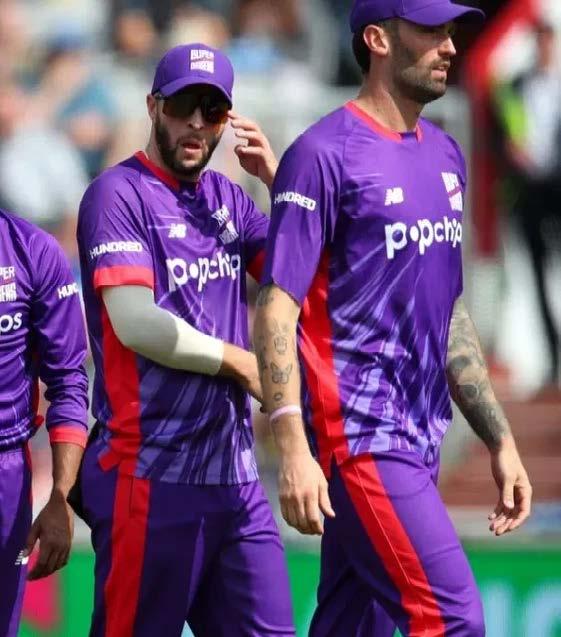
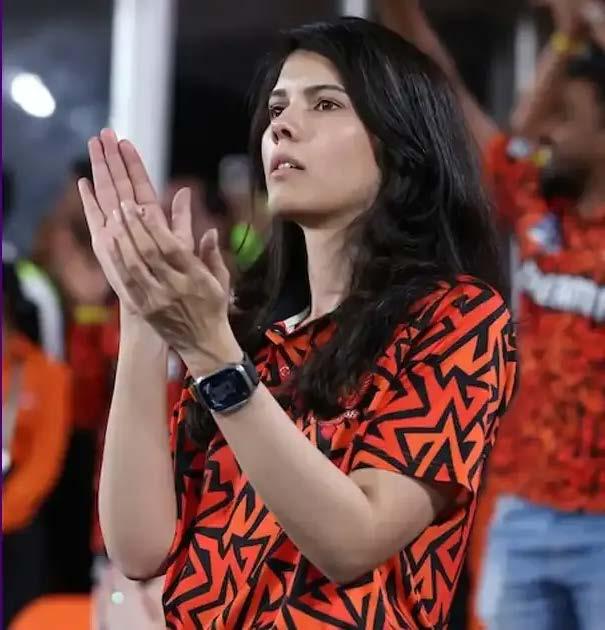
Northern Superchargers: The team was recently taken over by the Sun Group (owners of Sunrisers Hyderabad in the IPL) and they own 100% of the franchise, making it the first team to be entirely sold to a private investor. The Sun Group paid just over £100 million for the complete ownership of Northern Superchargers, aiming to clear Yorkshire’s debts and build a more sustainable financial future.
Yorkshire said in a statement that Sunrisers are “renowned around the world” and the partnership will “supercharge the success of the team, and Yorkshire cricket, in the coming years”.
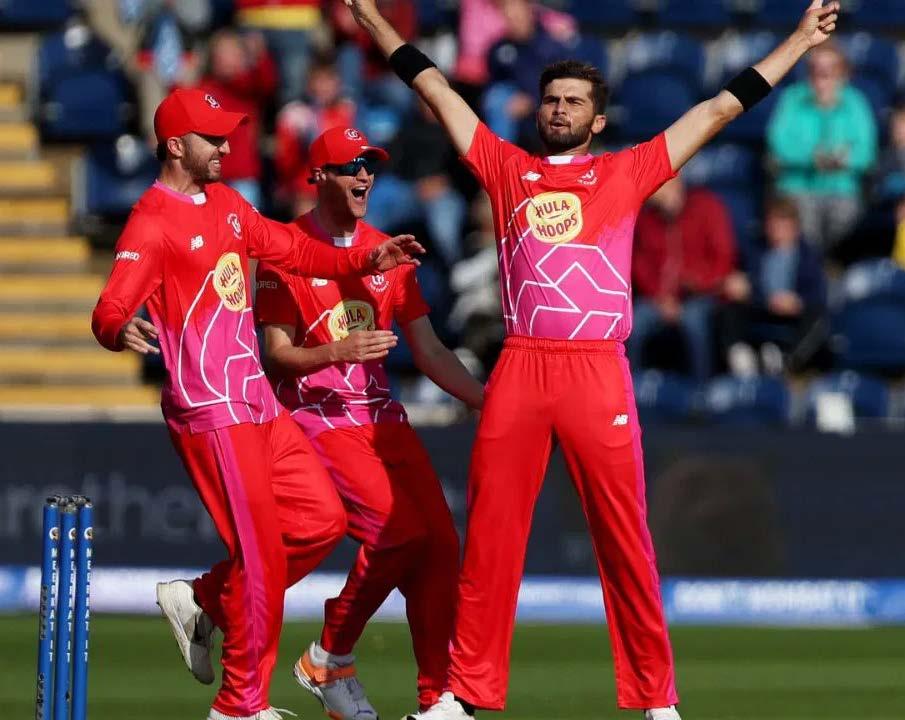
Welsh Fire: Indian-American, Sanjay Govil, an IT entrepreneur who also owns Washington Freedom in Major League Cricket has invested in this franchise and now owns 49% of the franchise. Govil paid £40 million for his stake, adding Welsh Fire to his cricket franchise portfolio.
MANCHESTER ORIGINALS
Lancashire Cricket Club, one of the most storied clubs in England, had been exploring partnerships to secure the financial future of their involvement in The Hundred. The stake sold was 70% of the Manchester Originals to RPSG Group. The deal was speculated to value the franchise at approximately £106 million, with RPSG paying around £75 million for their majority stake. This sale not only injected capital into Lancashire but also brought in strategic expertise from an IPL franchise owner, potentially enhancing the team’s performance and marketing. Sanjiv Goenka’s RPSG Group, already the owners of the Lucknow Super Giants and Durban Super Giants in other major T20 leagues, represents a significant investor with a track record in cricket franchise management. Their involvement was sought due to their cricket expertise and RPSG’s experience in managing successful IPL teams. This is seen as an opportunity for RPSG to expand its cricket footprint globally. The infusion of funds into Lancashire aimed at reducing club debt and investing in infrastructure and players.
THE IMPACT ON THE HUNDERED
The sale of stakes in The Hundred franchises, including Manchester Originals, has been part of a broader ECB strategy to secure the tournament’s future and bring in financial stability. The influx of foreign investment has led to increased Prize Money which plays a big role in enhancing the competitiveness and attractiveness of the league. Investments in venues and player development programs. The involvement of IPL owners brings a fusion of cricketing cultures, with strategies, marketing techniques, and player acquisitions influenced by the more established IPL model.
There’s a divide among fans and cricket purists regarding the dilution of cricket’s traditional forms versus the innovation of The Hundred making this argument Traditionalists vs. Modernists. Ensuring that the essence of British cricket isn’t lost under the influence of IPL-style management.
THE ECB’S STRATEGIC VISION FOR THE HUNDRED AND BEYOND
The England and Wales Cricket Board (ECB) has embarked on a transformative journey with the introduction of The Hundred, a cricket format designed to broaden the sport’s appeal, particularly to younger audiences and women. The strategic manoeuvres by the ECB, including the sale of stakes in The Hundred franchises, illustrate a broader vision for cricket in England. Here’s an in-depth look at their strategy:
1. Redefining Cricket for Modern Audiences
The Hundred was conceived to make cricket more accessible. With 100 balls per side, matches are shorter, fitting into a two-hour window, making them televisionfriendly and suitable for modern attention spans. By simplifying rules, like counting balls rather than overs, the ECB aimed to demystify cricket for those unfamiliar with its complexities.
2. Financial Strategy
The sale of stakes to private investors is part of a financial strategy to fund the expansion and sustainability of The Hundred. This move:
• Secures Investment: Brings in significant capital from entities with expertise in sports franchise management.
• Reduces Financial Burden: Helps clubs like Lancashire manage debts while investing in infrastructure and player development.
• Revenue Generation: The Hundred has been designed with lucrative broadcasting deals, sponsorships, and ticket sales in mind. The format’s prime-time scheduling maximizes viewership and commercial opportunities.
3. Broadening the Fan Base
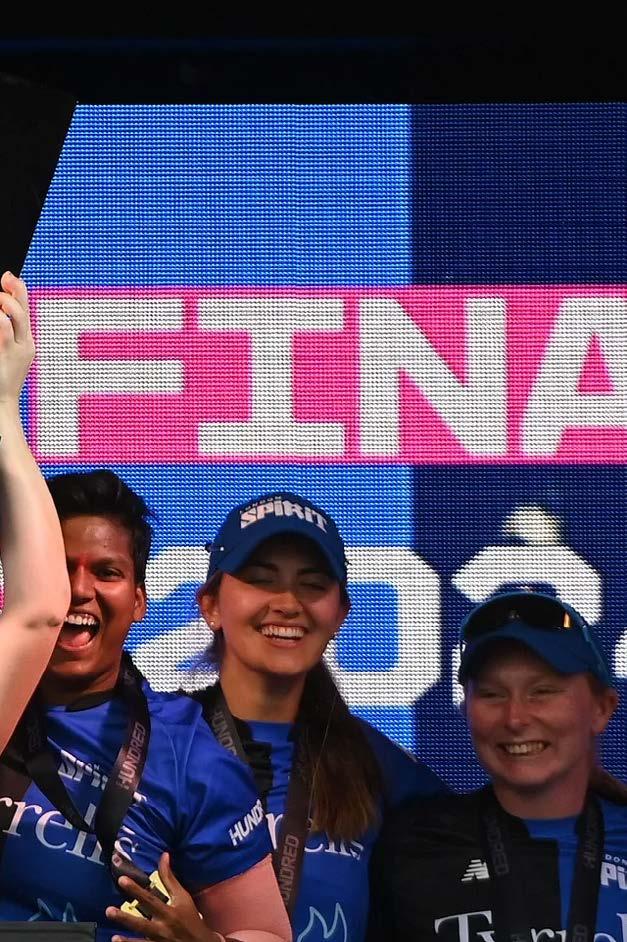
The ECB has made concerted efforts to diversify cricket’s audience, focusing on the Women’s Game as The Hundred features women’s teams alongside men’s, promoting gender equality in cricket. Schools and community programs are linked with The Hundred to engage children at an early age. By naming teams after cities, the ECB taps into local pride and identity, making cricket a community event rather than just a sport.
4. Player Development and Global Talent
The ECB is using The Hundred as a platform to develop domestic talent, providing a bridge between county cricket and international play. The format has drawn international players, increasing the league’s competitiveness and visibility. This strategy not only elevates the standard of play but also makes The Hundred a destination for global cricket talent.
5. Long-term Sustainability
By securing private investment, the ECB aims to ensure The Hundred’s longevity, learning from the successful models of leagues like the IPL. The revenue from The Hundred contributes to improving cricket facilities across England and Wales, from grassroots to elite levels.
6. Marketing and Media
The ECB has aggressively marketed The Hundred through digital channels, leveraging influencers, and creating content that resonates with a younger demographic. Matches are broadcast in a way that’s engaging and informative, with an emphasis on storytelling around players and teams.
THE HURDLES AND STRATEGIC ADJUSTMENTS
Balancing the love for traditional cricket with the new format has been challenging. The ECB has had to navigate criticism from purists while pushing for modernization. Continuous feedback is gathered to adapt to the competition, ensuring it meets evolving fan expectations. With cricket’s summer schedule, The Hundred must compete for attention against football, rugby, and other major sports events.
WHAT THE FUTURE HAS IN STORE
Player Development will improve with more resources, as there’s potential for better scouting and development of local talent alongside attracting international stars. The Hundred could become a significant player on the global cricket stage, potentially leading to more cross-league player movements. The continued investment by international entities could lead to a more financially robust cricket ecosystem in England.
These sales reflect a growing trend where IPL owners and other Indian investors are keen to expand their cricket franchise portfolios globally, particularly in high-profile leagues like The Hundred. This influx of Indian investment not only brings financial backing but also introduces new management and marketing strategies to these teams, potentially influencing the league’s dynamics and appeal.
The Hundred, with its unique format and now bolstered by international investment, could redefine how cricket is played and perceived in the UK. As the tournament grows, the blend of English cricket tradition with IPL’s dynamic business model might just be the recipe for a new era in cricket. However, the balance between preserving the sport’s heritage and embracing global cricket’s commercial evolution will be crucial for its long-term success.
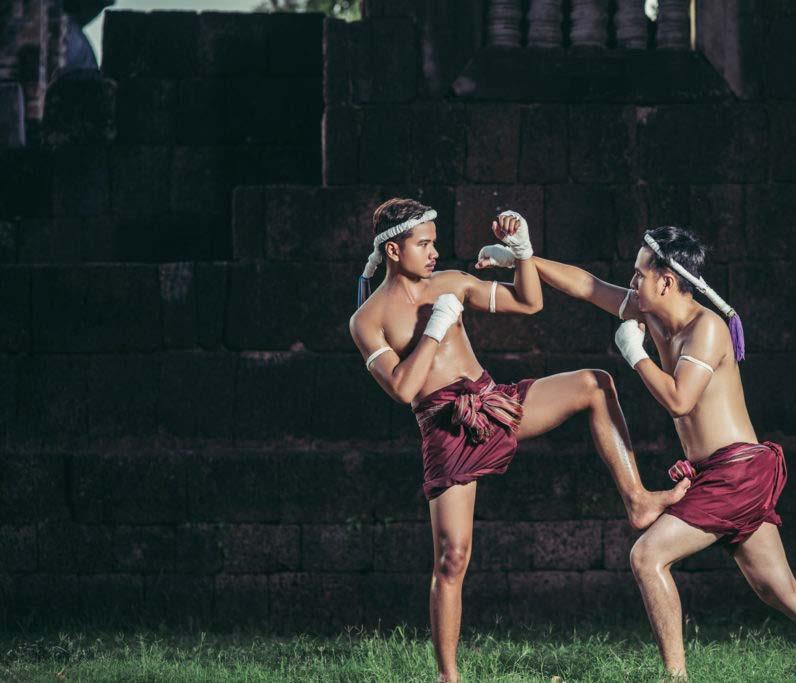
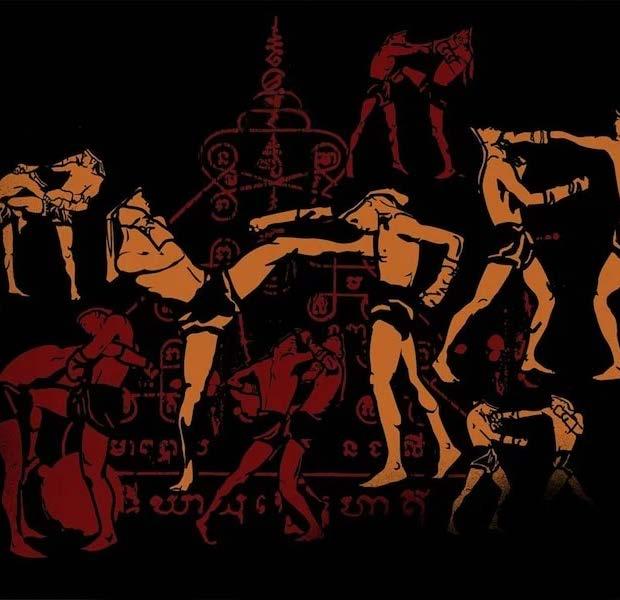
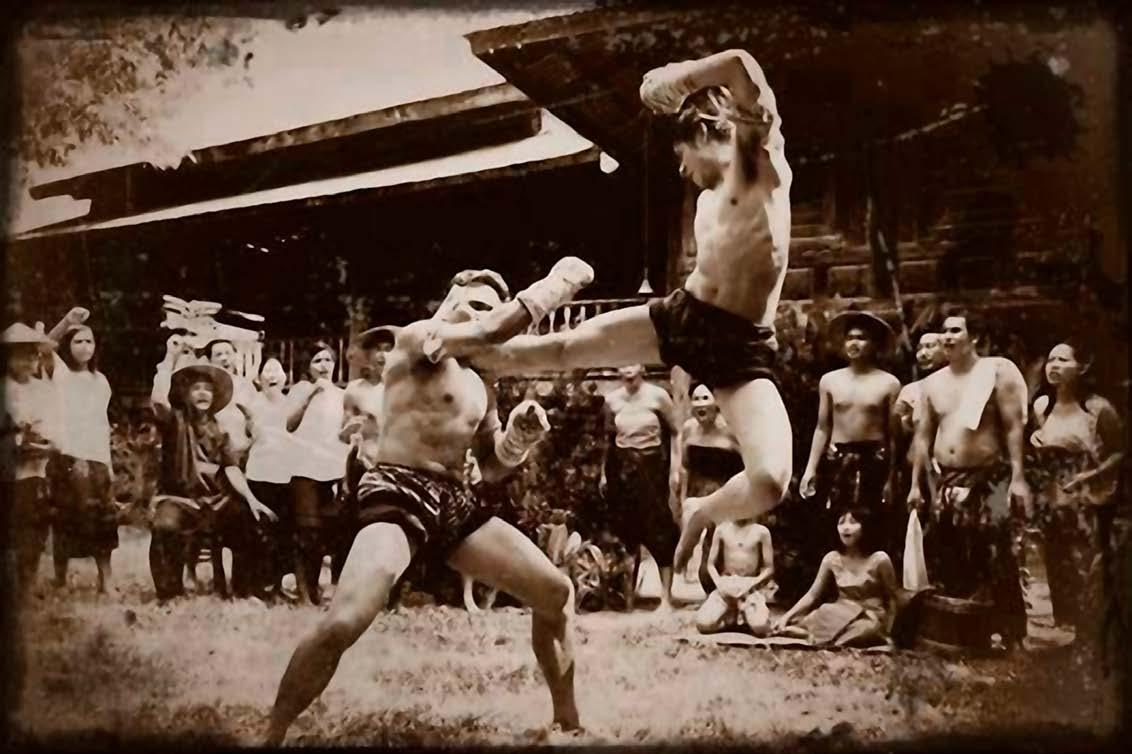
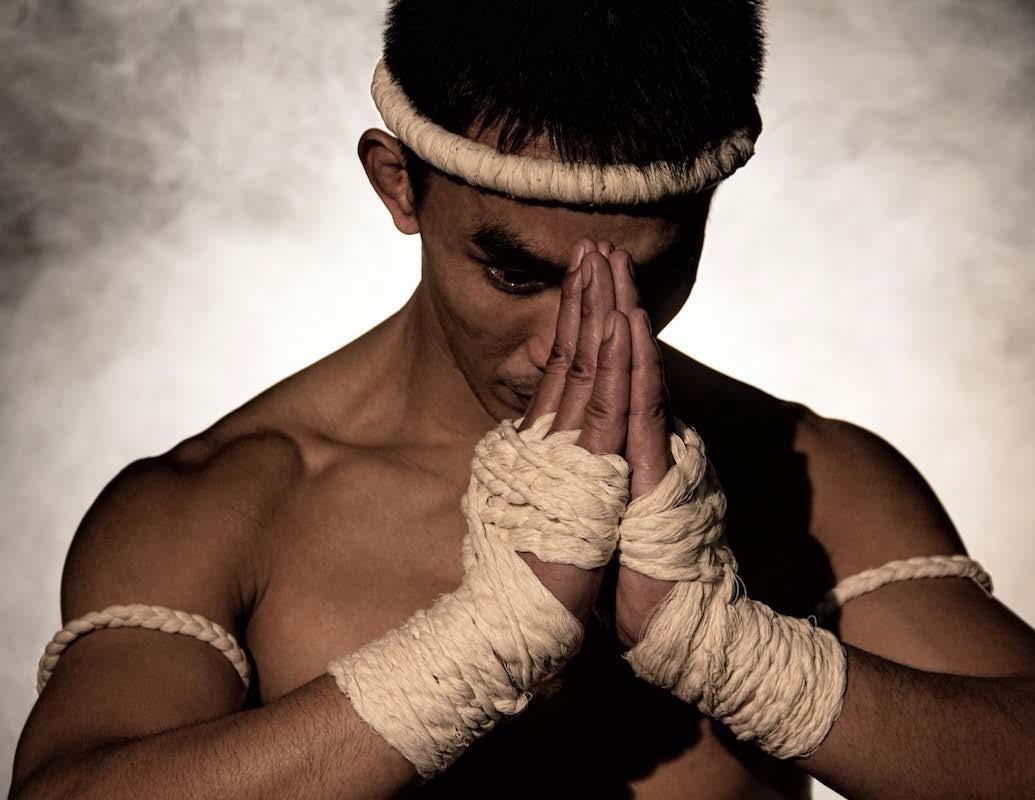
The Birth of Muay Thai and Its Rise as a Cornerstone of Thai History
Muay Thai, often referred to as the “Art of Eight Limbs” for its use of fists, elbows, knees, and shins, stands as one of the world’s most distinctive and revered martial arts. More than a sport, it is a cultural institution in Thailand, woven into the fabric of the nation’s history, identity, and pride. From its origins as a battlefield necessity to its evolution into a globally recognized competitive discipline, Muay Thai’s journey reflects Thailand’s resilience, adaptability, and reverence for tradition. This article explores the birth of Muay Thai, its historical development, and how it became a significant sport in Thai history, shaping both the nation’s past and its modern legacy.
Origins in Warfare: The Roots of
Muay Boran
Muay Thai traces its origins to the ancient martial practices of the Siamese people, emerging centuries ago in what is now Thailand. Its predecessor, Muay Boran (“ancient boxing”), was not a sport but a practical system of combat developed during a time of near-constant warfare. From the 13th century onward, the Kingdom of Sukhothai and later the Ayutthaya Kingdom (1351–1767) faced invasions from neighbouring powers like Burma, Cambodia, and Vietnam. In this tumultuous era, soldiers needed hand-to-hand combat skills to survive when weapons were lost or broken.
Muay Boran was brutal and utilitarian, designed to incapacitate or kill. It incorporated strikes with all parts of the body, as well as grappling and weapon techniques, reflecting the chaos of the battlefield. Historical accounts suggest that training was rigorous, often conducted in military camps or villages, with fighters using natural materials like banana trees to toughen their shins. One of the earliest recorded mentions of such practices comes from the Ayutthaya period, where soldiers were trained in “Mae Mai Muay Thai”—a set of foundational techniques still taught today.A legendary figure from this era, Nai Khanom Tom, embodies Muay Thai’s martial origins. In 1774, after the fall of Ayutthaya to Burmese forces in 1767, Nai Khanom Tom, a captured Siamese fighter, reportedly defeated ten Burmese warriors in a row using his bare hands and feet. His feats, witnessed by Burmese King Mangra, earned him freedom and cemented a mythos around Siamese fighting prowess. While some historians debate the tale’s details, it underscores Muay Thai’s roots as a tool of survival and resistance.
Transition to a Cultural Practice: The Peaceful Evolution
As Thailand stabilized under the Rattanakosin Kingdom (founded in 1782), Muay Boran began transitioning from a wartime necessity to a cultural practice. King Rama I (r. 1782–1809), a martial enthusiast, encouraged its development, organizing matches at royal festivals and temples. This shift marked the beginning of Muay Thai as a spectator activity, though it retained its raw, unregulated nature. Fighters wrapped their hands in hemp rope—a practice known as “Muay Kard Chuek”—which added a layer of danger, as the coarse material could cut opponents like a blade.
During the reign of King Rama V (Chulalongkorn, r. 1868–1910), Muay Thai gained further prominence. A modernizer with a deep appreciation for tradition, Rama V elevated the sport by hosting tournaments at the Grand Palace and promoting it as a symbol of
Thai strength. He established training camps, known as “samnak muay,” where young men honed their skills under master fighters. This royal patronage helped standardize techniques and spread Muay Thai across the kingdom, embedding it in rural and urban communities alike.
The Golden Age: Modernization and National Identity
The early 20th century marked Muay Thai’s “Golden Age,” a period of formalization that transformed it into a competitive sport. After World War I, Thailand (then Siam) sought to assert its identity amid Western influence and regional rivalries. Muay Thai became a vehicle for national pride, distinct from colonial sports like boxing or soccer. In the 1920s, the sport adopted Western boxing’s ring format, replacing open-air dirt pits with roped enclosures. Hand wraps replaced hemp ropes, reducing fatalities, and weight classes were introduced to ensure fairer matchups.
The establishment of permanent stadiums—Rajadamnern in 1945 and Lumpinee in 1956—solidified Muay Thai’s status. Built with government support under Prime Minister Plaek Phibunsongkhram, these venues became hallowed ground, hosting nightly fights that drew thousands. Rules evolved further: matches were set at five three-minute rounds with a two-minute rest, judged by a points system favouring technique and aggression. The Wai Khru Ram Muay, a pre-fight dance honouring trainers and spirits, became a ritualistic staple, preserving the sport’s spiritual roots.
This era produced legends like Apidej Sit-Hirun, dubbed the “King of Muay Thai.” Active in the 1960s, Apidej was a Lumpinee champion known for his devastating kicks, once reportedly breaking both an opponent’s arms in a single fight. His dominance—winning titles in multiple weight classes—highlighted Muay Thai’s technical sophistication and cemented its reputation as a proving ground for Thailand’s toughest.
Muay Thai and Thai Society: A Cultural Anchor
Muay Thai’s rise wasn’t just about competition; it mirrored Thailand’s social dynamics. For rural families, it offered a path out of poverty. Young boys, often from Isaan or the north, trained in camps from childhood, sending winnings home to support relatives. Promoters and gym owners wielded immense influence, turning fighters into local heroes. Betting, a centuries-old tradition, fuelled the sport’s economy, with spectators wagering on outcomes in a raucous, communal atmosphere.
The sport also reflected Thailand’s Buddhist values. The Wai Khru, performed to the haunting tunes of the “pi chawa” (a traditional oboe), is a gesture of respect and gratitude, aligning with the nation’s emphasis on hierarchy and harmony. Camps doubled as surrogate families, with trainers (often former fighters) serving as mentors, instilling discipline and resilience. Muay Thai’s significance peaked during the Cold War, when Thailand aligned with the West against communist neighbours. The government promoted it as a symbol of national unity and strength, broadcasting fights on radio and later television. By the 1980s, stars like Samart Payakaroon—a Lumpinee champion and singer—became cultural icons, blending athleticism with charisma.
Global Expansion: From Thailand to the World
The late 20th century saw Muay Thai transcend Thailand’s borders. Western martial artists, drawn by its effectiveness, began training in Bangkok camps during the 1970s and 80s. Films like Ong-Bak (2003), starring Tony Jaa, showcased its cinematic appeal, while fighters like Buakaw Banchamek elevated its competitive profile. Buakaw’s K-1 World MAX titles in 2004 and 2006 proved Muay Thai’s dominance in hybrid kickboxing, inspiring a wave of international gyms and tournaments.
Today, Muay Thai is a global phenomenon, with federations like the International Federation of Muaythai Associations (IFMA) pushing for Olympic inclusion (it debuted as a demonstration sport at the 2017 SEA Games). Thailand remains the epicentre, hosting events like Thai Fight and producing stars like Rodtang Jitmuangnon, whose aggressive style has millions of YouTube views. The sport’s economic impact is staggering—generating billions of baht annually through tourism, training camps, and fights.
Challenges and Evolution
Despite its success, Muay Thai faced modern challenges. Child fighters, some as young as eight, have been a point of debate, though they’ve long been part of the sport’s grassroots. Injuries from intense training persist, prompting calls for reform. Meanwhile, the rise of mixed martial arts (MMA) has lured talent away, though many MMA fighters—like UFC’s Valentina Shevchenko—credit Muay Thai as their foundation.
Yet, the sport adapts. Women’s Muay Thai, once taboo, has grown, with fighters like Stamp Fairtex winning world titles. Technology, from online streams to training apps, keeps it relevant. In 2025, stadiums like Lumpinee host
packed crowds, while rural fairs still echo with the clatter of shins on shins—a testament to its enduring roots.
A Living Legacy
From its birth in the crucible of war to its stature as Thailand’s most significant sport, Muay Thai’s history is a saga of survival, pride, and transformation. It has shaped Thai identity, offering a lens into the nation’s past—its battles, its kings, its people. More than a fighting style, it’s a cultural lifeline, connecting generations through sweat, ritual, and the thud of a well-placed kick. As it continues to evolve, Muay Thai stands as a monument to Thailand’s past and a beacon for its future—a legend forged in the ring, never to fade.
THE INDIAN CRICKET TEAM’S TRIUMPH AT THE ICC CHAMPIONS TROPHY 2025 A Journey of Dominance & Determination
On March 9, 2025, the Indian men’s cricket team etched their name into the annals of cricketing history by clinching the ICC Champions Trophy 2025 title, defeating New Zealand by four wickets in a thrilling final at the Dubai International Cricket Stadium. This victory marked India’s third Champions Trophy triumph (after 2002, shared with Sri Lanka, and 2013), making them the most successful team in the tournament’s history, surpassing Australia’s two titles. Led by the astute captaincy of Rohit Sharma, India’s unbeaten run through the tournament showcased their depth, resilience, and adaptability, cementing
their status as a powerhouse in One Day International (ODI) cricket. The ninth edition of the ICC Champions Trophy, co-hosted by Pakistan and the United Arab Emirates from February 19 to March 9, 2025, was a tournament of high stakes and dramatic moments. With India’s matches played exclusively in Dubai due to geopolitical considerations, the team navigated a challenging path to the final, overcoming top-tier opponents with a blend of seasoned brilliance and youthful exuberance. This article delves into India’s victorious campaign, highlighting the key moments that defined their journey to the coveted white jackets.
The Backdrop: A Tournament of Challenges and Anticipation
The 2025 ICC Champions Trophy returned after an eight-year hiatus, last staged in 2017 when Pakistan emerged victorious. Pakistan, as defending champions, hosted the majority of the tournament across Lahore, Karachi, and Rawalpindi, while Dubai served as a neutral venue for India’s fixtures following the Board of Control for Cricket in India (BCCI)’s decision not to travel to Pakistan due to security concerns. The tournament featured eight teams split into two groups: Group A (India, Pakistan, New Zealand, Bangladesh) and Group B (Afghanistan, Australia, England, South Africa). The top two teams from each group advanced to the semi-finals, setting the stage for a fiercely competitive 19-day cricketing spectacle.
India entered the tournament as favourites, buoyed by their unbeaten triumph in the ICC Men’s T20 World Cup 2024 just eight months prior. With a squad blending experience (Rohit Sharma, Virat Kohli, Mohammed Shami) and emerging talent (Shubman Gill, Varun Chakaravarthy), the Men in Blue were determined to reclaim the Champions Trophy, a title they last won in 2013 under MS Dhoni.
Group Stage: A Dominant Start
India’s campaign kicked off on February 20, 2025, against Bangladesh in Dubai. Bangladesh opted to bat first, India chased Bangladesh’s total of 228, driven by Shubman Gill’s stellar century (101 off 129 balls) and Rohit Sharma’s aggressive 41 off 36 balls. Mohammed Shami’s return to the side was marked by a fiery 5/53, dismantling Bangladesh’s batting line-up as they were bowled out for 228 in 49.4 overs. This victory by 6 wickets set the tone for India’s campaign, showcasing their batting depth and bowling prowess. The marquee clash against arch-rivals Pakistan followed on February 23. Played in Dubai amid palpable tension, Pakistan elected to bat first. Pakistan managed 241 in 49.4 overs, with Saud Shakeel’s 62 providing resistance against a disciplined Indian attack led by Kuldeep Yadav (3/40). In response, Virat Kohli’s masterful 82nd international hundred (100 off 111 balls) anchored India’s chase, supported by Shreyas Iyer’s steady 56. India reached 244/4 in 42.3 overs, securing a six-wicket win and asserting their dominance over Pakistan, who would later falter and exit in the group stage. The group stage concluded with a crucial encounter against New Zealand on March 2nd. India posted 249/9, with Shreyas Iyer’s 79
proving pivotal. New Zealand’s chase was a tense affair, but Varun Chakravarty’s 5 wicket haul helped India beat New Zealand by 44 runs. Kane Williamson’s 81 briefly threatened India, but were bowled out for 205 in 45.3 overs. India’s composure under pressure ensured they topped Group A with an unbeaten record.
Semifinals: Overcoming the Australian Challenge
India faced Australia in the first semi-final on March 4 in Dubai, a rematch of past ICC knockout classics. Australia batted first, setting a competitive 264, bolstered by Steve Smith’s 73 and Alex Carey’s 61. India’s Mohammad Shami (3/48) and the spinners Varun Chakaravarthy (2/29) and Ravindra Jadeja (2/40), kept the scoring in check as they restricted Australia’s momentum. The chase was a rollercoaster. India slumped to 134/3, with Virat Kohli’s 84 providing stability before his dismissal. Shreyas Iyer (45) and Hardik Pandya (28) played crucial roles in the chase and KL Rahul (42*) and Ravindra Jadeja (2*) held their nerve, and saw the game out. This victory propelled India into their third consecutive Champions Trophy final, underlining their clutch performance in knockout scenarios.
The Final: A Thrilling Climax Against New Zealand
The final on March 9 pitted India against New Zealand, who had advanced by defeating South Africa in the second semifinal. New Zealand, captained by Mitchell Santner, elected to bat first after winning the toss. They started briskly, with Will Young (15) and Rachin Ravindra (37 off 29). However, India’s spinners turned the tide. Varun Chakaravarthy dismissed Young lbw, while Kuldeep Yadav bowled Ravindra and caught-and-bowled Kane Williamson (11) in quick succession. Ravindra Jadeja trapped Tom Latham (14) lbw, and Glenn Phillips (34) fell to Chakaravarthy, leaving New Zealand at 165/5. Daryl Mitchell’s gritty 63 off 101 balls and Michael Bracewell’s unbeaten 53 off 40 provided resistance, but India’s bowlers kept the pressure on. New Zealand finished at 251/7, a fighting total on a slowing Dubai pitch. Kuldeep (2/40) and Chakaravarthy
(2/45) were the standout performers, with Shami (1/74) and Jadeja (1/30) chipping in effectively. India’s chase began with intent, as Rohit Sharma unleashed an onslaught in the powerplay, racing to 76 off 83 balls. However, New Zealand fought back, with Bracewell dismissing Virat Kohli (1) lbw and Ravindra getting the wicket of Rohit via Latham stumping him. Shreyas Iyer (48) and Axar Patel (29) steadied the ship, but both fell in quick succession, leaving India at 203/5 in the 45th over. Hardik Pandya’s breezy 18 off 18 balls kept hopes alive, but his dismissal in the 48th over set up a tense finish: 7 runs needed off 12 balls. KL Rahul (34*) and Ravindra Jadeja (9*) rose to the occasion. With 2 runs needed, Jadeja smashed Will O’Rourke’s delivery to the boundary, sealing a four-wicket victory with 6 balls to spare. Rohit Sharma’s 76 earned him the Player of the Match award, while Rachin Ravindra’s 263 runs in the tournament secured him the Player of the Tournament honors.
Key Moments of the Tournament
• Shami’s Fiery Return (vs. Bangladesh): Mohammed Shami’s 5/53 in the opener signaled India’s bowling intent, dismantling Bangladesh and boosting team morale.
• Kohli’s 82nd Hundred (vs. Pakistan): Virat Kohli’s century against Pakistan was a masterclass, silencing doubters and proving his enduring class in high-pressure games.
• Rohit’s Powerplay Assault (Final): Sharma’s 76 in the final, particularly his dominance in the first 10 overs, gave India a platform to chase 253 against a disciplined New Zealand attack.
• Spinners’ Stranglehold (Final): Kuldeep Yadav and Varun Chakaravarthy’s middle-over breakthroughs restricted New Zealand, turning a potential 280+ total into a manageable 251.
• Rahul-Jadeja Finish (Semifinal and Final): KL Rahul’s unbeaten knocks in the semi-final (42*) and final (34*), alongside Jadeja’s composure, underscored India’s ability to close out tight chases.
The Aftermath: Legacy and Reflections
India’s 2025 Champions Trophy win was their second consecutive ICC title, following the T20 World Cup 2024, and their seventh overall, trailing only Australia
(10). The victory highlighted the team’s evolution under Rohit Sharma, whose leadership blended aggression with tactical acumen. Virat Kohli, part of the 2013-winning squad, added another feather to his cap, while emerging stars like Shubman Gill and Varun Chakaravarthy signalled a bright future. For New Zealand, the loss was a bitter pill, their second Champions Trophy final defeat (after 2000). Despite Matt Henry’s tournament-leading wickets and Ravindra’s all-round brilliance, they fell short in the clutch moments. The tournament also showcased cricket’s evolving dynamics. Pakistan’s early exit as defending champions, Afghanistan’s debut win over England, and India’s dominance in Dubai underscored the sport’s unpredictability and depth. The hybrid model, necessitated by India-Pakistan tensions, proved a logistical success, ensuring the tournament’s integrity.
India’s ICC Champions Trophy 2025 triumph was a testament to their skill, resilience, and unity. From Shami’s opening salvo to Rahul and Jadeja’s final flourish, the campaign was punctuated by moments of brilliance that captivated fans worldwide. As the team donned the iconic white jackets on, they not only celebrated a historic victory but also reinforced their legacy as ODI cricket’s preeminent force. For Indian cricket, this was more than a trophy—it was a statement of intent for the years ahead.
“F1”: The HighOctane Blockbuster Revving Up for Summer 2025
Formula 1 fans and movie enthusiasts alike are gearing up for an adrenaline-pumping cinematic experience as F1, the highly anticipated sports action drama, races toward its theatrical release this summer. Directed by Joseph Kosinski of Top Gun: Maverick fame and starring Hollywood heavyweight Brad Pitt, the film promises to immerse audiences in the exhilarating world of Formula 1 racing like never before. Set to hit theatres internationally on June 25, 2025, and in North America on June 27, 2025, F1 is already generating buzz as a potential landmark in both motorsport and cinema.
A Star-Studded Cast and Crew
At the heart of F1 is Brad Pitt, who takes on the role of Sonny Hayes, a former Formula 1 driver who staged a dramatic exit from the sport in the 1990s after a devastating crash. Lured back to the grid by his friend and team owner Ruben (played by Academy Awardwinner Javier Bardem), Hayes is tasked with mentoring Joshua Pearce, a rookie prodigy portrayed by rising star Damson Idris. The fictional Apex Grand Prix team (APXGP) serves as their battleground, where they’ll take on the sport’s elite in a quest for glory.
The cast is rounded out by an impressive ensemble, including Kerry Condon, Tobias Menzies, Kim Bodnia, Sarah Niles, and Samson Kayo, with real-life F1 stars like Lewis Hamilton making appearances as themselves. Speaking of Hamilton, the seven-time world champion isn’t just a cameo—he’s a co-producer through his Dawn Apollo Films company, ensuring the film captures the authenticity and essence of the sport he’s dominated for years.
Behind the camera, Kosinski teams up with producer Jerry Bruckheimer, a veteran of high-stakes action films like Top Gun: Maverick and the Pirates of the Caribbean franchise. The screenplay, penned by Ehren Kruger, promises a blend of heart-pounding racing sequences and compelling drama, while Hans Zimmer’s score—his second collaboration with Kosinski—aims to amplify the tension and excitement.
Filming at Full Throttle
What sets F1 apart from other racing movies is its unprecedented commitment to realism. Filming began in 2023 and has taken place during actual Grand Prix weekends, including the British Grand Prix at Silverstone, the Hungaroring in Hungary, and the season-ending Abu Dhabi Grand Prix. Pitt himself got behind the wheel of a modified Formula 2 car, designed in collaboration with Mercedes-AMG F1 and Carlin Motorsport, to capture authentic racing footage. These scenes, shot in real-time amidst the chaos of race weekends, aim to put viewers right in the driver’s seat. The production team didn’t stop at the track. They secured a garage and pitwall stand for APXGP, integrating the fictional team seamlessly into the F1 paddock. With the cooperation of all 10 real F1 teams, drivers, the FIA, and race promoters, F1 blurs the line between reality and fiction in a way no motorsport film has before.
A Plot Fueled by Drama and Speed
The story follows Sonny Hayes as he emerges from retirement, haunted by his past but driven by a desire to reclaim his place in the sport. Paired with the talented but untested Joshua Pearce, Hayes must navigate the high-stakes world of Formula 1, where every turn could mean triumph or disaster. The dynamic between the grizzled veteran and the ambitious newcomer, set against the backdrop of APXGP’s underdog fight against the grid’s titans, promises a narrative as thrilling as the races themselves.
Trailers and teasers released so far—including a gripping Super Bowl LIX pregame spot and a full trailer unveiled on March 2025—hint at jaw-dropping crashes, intense rivalries, and a visceral sense of speed. The film’s global artwork, featuring Pitt in APXGP gear, has only fuelled anticipation further.
A Cinematic Game-Changer
F1 isn’t just another racing movie—it’s a bold collaboration between Formula 1, Apple Original Films, and Warner Bros. Pictures. With a reported budget hovering around $300 million (though Bruckheimer and Kosinski have disputed inflated figures, citing rebates and sponsorships), the film is one of the most ambitious projects of its kind. Its theatrical release will include IMAX screenings, promising crystal-clear visuals, and immersive sound that will make audiences feel the roar of the engines. Lewis Hamilton has been vocal about his involvement, emphasizing the goal to “encapsulate what the essence of this sport is all about.” His hands-on role in refining the script and ensuring technical accuracy underscores the film’s commitment to authenticity—a rare feat in a genre often criticized for prioritizing spectacle over substance.
The Road Ahead
As the summer of 2025 approaches, F1 is poised to be a defining moment for both motorsport fans and casual moviegoers. Whether it’s the star power of Pitt and Bardem, the pedigree of Kosinski and Bruckheimer, or the sheer thrill of real F1 action captured on screen, this film has all the ingredients to take pole position at the box office. After its theatrical run, it will eventually stream on Apple TV+, but the big-screen experience—especially in IMAX—is where F1 is designed to shine. Mark your calendars for June 25, 2025, because F1 is ready to accelerate off the starting grid and into cinematic history. Buckle up—it’s going to be one hell of a ride.
South Africa’s Bold Bid to Revive Formula 1 on African
Soil
South Africa is gearing up for a historic motorsport comeback, aiming to bring Formula 1 racing back to the African continent after a three-decade hiatus. As the 2025 F1 season kicked off in Australia with a record-breaking 24-race calendar, reports emerging on March 27, 2025, signal that South Africa is aggressively pursuing a slot on the prestigious grid. This ambitious bid not only seeks to rekindle a legacy last seen in 1993 but also to position Africa as a key player in the global motorsport arena.
A STORIED HISTORY
South Africa’s Formula 1 journey began in 1967 at the Kyalami Grand Prix Circuit, a track nestled between Johannesburg and Pretoria. Known for its challenging layout and highaltitude conditions, Kyalami hosted the South African Grand Prix intermittently until 1993, when political and economic pressures—stemming from the apartheid era and subsequent international isolation—brought the event to a close. The last race, won by Alain Prost, marked the end of an era, leaving Africa absent from the F1 map as the sport expanded into Asia, the Middle East, and the Americas.
For years, the dream of F1’s return flickered faintly, constrained by infrastructure challenges and shifting global priorities. However, recent developments suggest that South Africa is ready to reclaim its place in motorsport history.
THE CATALYST FOR REVIVAL
The push to bring F1 back gained momentum amid South Africa’s broader efforts to bolster its international sporting profile. The country has successfully hosted major events like the 2010 FIFA World Cup and continues to shine in rugby and cricket. Motorsport, however, has lagged behind—until now. With the 2025 F1 season already underway, insiders report that South African officials and private stakeholders are in talks with Formula One Management (FOM) to secure a race as early as 2026 or 2027.
Kyalami remains the frontrunner to host the event. Acquired by Porsche South Africa in 2014 and upgraded to meet modern safety and hospitality standards, the circuit earned an FIA Grade 1 rating in 2016, making it the only track in Africa currently eligible to host an F1 Grand Prix. Its rich legacy and recent facelift have fuelled optimism that it can once again roar with the sound of F1 engines.
ECONOMIC AND CULTURAL STAKES
The stakes are high, and the potential rewards are immense. Hosting an F1 race could inject millions into South Africa’s economy, boosting tourism, hospitality, and local businesses. The 2023 Las Vegas Grand Prix, for instance, generated an estimated $1.3 billion in economic impact, a benchmark South African planners are eyeing. Beyond economics, the event would spotlight Africa’s growing influence in global sports, offering a platform to showcase the continent’s talent, innovation, and hospitality.
Motorsport South Africa (MSA), the country’s motorsport governing body, has thrown its weight behind the bid. MSA officials argue that South Africa’s time zone, aligning closely with Europe’s, and its established infrastructure make it an ideal candidate to expand F1’s reach without the logistical strain of farflung venues. Moreover, the sport’s increasing focus on sustainability aligns with South Africa’s push for green tourism and renewable energy initiatives, potentially enhancing the bid’s appeal.
ROADBLOCKS AHEAD
Yet, the road to F1’s return is not without obstacles. Funding remains a critical hurdle, with the hosting fee for an F1 race reportedly exceeding $40 million annually, not to mention additional costs for upgrades and promotion. While private investors and government support are in play, securing long-term financial backing will be key. Competition is also fierce—F1’s packed calendar leaves little room for new entrants, with countries like Thailand and Argentina also vying for spots.
Safety and political stability are further concerns. Although Kyalami meets FIA standards, ensuring the broader event infrastructure—transport, security, and fan facilities—meets F1’s exacting demands will require meticulous planning. South Africa’s history of load shedding (power cuts) and occasional political unrest could also raise eyebrows among F1 decision-makers.
A CONTINENTAL DREAM
Beyond South Africa, the bid carries symbolic weight for the entire continent. Africa, home to over 1.4 billion people, remains the only inhabited continent without an F1 race. A successful South African Grand Prix could pave the way for motorsport growth across the region, inspiring young drivers and engineers in countries like Kenya, Morocco, or Nigeria to dream big. Local heroes like Jody Scheckter—South Africa’s only F1 world champion, crowned in 1979—could see their legacy reignited, fuelling grassroots enthusiasm.
F1 CEO Stefano Domenicali has previously hinted at interest in returning to Africa, calling it “a region with huge potential” in 2022. South Africa’s bid aligns with this vision, leveraging its motorsport heritage and modern capabilities to make a compelling case.
THE FINISH LINE IN SIGHT?
As negotiations unfold, South African fans and officials alike hold their breath. The 2025 season’s opening race in Melbourne this weekend serves as a reminder of what’s at stake—a chance to join the elite circuit of F1 host nations. Whether it’s the roar of engines echoing through Kyalami’s turns or the sight of the Rainbow Nation’s flag on the F1 podium, South Africa’s ambitions signal a thrilling new chapter for African motorsport. If successful, this could be more than a race—it could be a triumph of resilience, innovation, and continental pride.
WILT CHAMBERLAIN’S 100-POINT GAME
A NIGHT OF UNMATCHED GREATNESS
On March 2, 1962, in the unassuming town of Hershey, Pennsylvania, Wilt Chamberlain etched his name into basketball lore with a performance that remains one of the most extraordinary feats in sports history. Playing for the Philadelphia Warriors against the New York Knicks, Chamberlain scored 100 points in a single NBA game—a record that stands unchallenged more than six decades later. This monumental achievement transcended the sport, cementing Chamberlain’s legacy as a towering figure both literally and figuratively, while offering a glimpse into an era of basketball that feels almost mythical today.
The Setting: Hershey’s Chocolate Box Arena
The game took place at Hershey Sports Arena, a modest venue far removed from the bright lights of Philadelphia or New York. With a capacity of just over 7,000, the arena was only half-full that night, with an official attendance of 4,124. The Warriors, then based in Philadelphia, occasionally played “home” games in Hershey as part of the NBA’s efforts to expand its reach. The Knicks, struggling through a dismal 196162 season that would end with a 29-51 record, were hardly a marquee opponent. Yet, this seemingly routine matchup would become the stage for an unparalleled display of dominance.
There was no television broadcast, no instant replay to immortalize the moment for a national audience. Instead, the game’s legacy relies on a grainy radio broadcast by Bill Campbell, a few photographs, and the memories of those fortunate enough to witness it. The box score, preserved like a sacred artefact, tells part of the story: Warriors 169, Knicks 147. But the numbers only hint at the spectacle that unfolded.
The Performance: A Statistical Marvel
Chamberlain, a 7-foot-1 centre known as “The Big Dipper,” was already a statistical anomaly by 1962. In his third NBA season, he was averaging a jaw-dropping 50.4 points and 25.7 rebounds per game—an output that remains unfathomable in the modern era. Against the Knicks, he took his dominance to another level. He scored 23 points in the first quarter, 18 in the second (for a halftime total of 41), 28 in the third, and an astonishing 31 in the fourth to reach the century mark.
His final stat line reads like something from a video game: 36for-63 from the field and 28-for-32 from the free-throw line, totalling 100 points. Chamberlain also grabbed 25 rebounds, though assists were not officially tracked. The Knicks, lacking a true centre to match his size and skill, resorted to fouling him repeatedly, a strategy that backfired as he converted 87.5% of his free throws—a career-high efficiency for a player often criticized for his struggles at the line.
The game’s pace played a role, too. The Warriors and Knicks combined for 316 points, reflecting the fast, high-scoring style of early-1960s basketball before defensive schemes and pace adjustments slowed the game in later decades. Chamberlain’s teammates fed him relentlessly, recognizing the historic opportunity, while the Knicks, down by as many as 42 points, had little answer beyond sending him to the line.
The Moment: “He’s Got It!”
As Chamberlain neared 100, the crowd—initially a mix of Warriors and Knicks fans—united in anticipation. With 46 seconds remaining, he scored his 98th and 99th points on a free throw. Then, off a pass from Joe Ruklick, Chamberlain dunked the ball through the hoop for point number 100. The Hershey Arena erupted. Fans stormed the court, halting play for nearly nine minutes as the 25-year-old star stood amid the chaos, a giant among mortals.
Radio broadcaster Bill Campbell’s call captured the moment: “He made it! He made it! A Dipper Dunk! He’s got 100 points!” The game resumed briefly, but the outcome was secondary; the Warriors’ 169-147 victory was a footnote to Chamberlain’s triumph. Knicks players later admitted to a mix of frustration and awe, with Richie Guerin reportedly quipping that they’d tried everything short of “shooting him” to stop the onslaught.
The Legacy: A Record Untouchable
Chamberlain’s 100-point game is more than a statistic— it’s a cultural touchstone. No player has come close to matching it since. Kobe Bryant’s 81 points against the Toronto Raptors in 2006 is the nearest modern equivalent, yet it still falls 19 points short. The evolution of basketball, with its emphasis on team play, threepoint shooting, and defensive sophistication, makes Chamberlain’s mark seem increasingly unreachable.
Critics sometimes downplay the feat, citing the era’s lack of athletic big men to challenge him or the game’s high pace. Yet, Chamberlain’s dominance was no fluke. That same season, he played every minute of every game, averaging 48.5 minutes per contest (thanks to overtime), and his 50.4-point average dwarfs even the most prolific scoring seasons of Michael Jordan or James Harden.
The absence of video footage adds to the mystique. A single photo of Chamberlain holding a paper with “100” scrawled on it, taken by a courtside photographer, is the most enduring visual. The radio broadcast, rediscovered years later, provides the only real-time account. In a way, this scarcity enhances the legend, leaving much to the imagination—like a tale passed down through generations.
Beyond the Numbers: Chamberlain’s Impact
The 100-point game was a pinnacle in Chamberlain’s career, but it didn’t define him entirely. He won two NBA championships (1967 with the 76ers, 1972 with the Lakers) and four MVP awards, and he later revolutionized the centre position with his athleticism and versatility. Yet, the Hershey night remains his signature moment, a testament to his physical gifts and relentless will.
For basketball, it marked a turning point. Chamberlain’s dominance prompted rule changes, like widening the lane to limit his paint presence, and fuelled debates about competition and balance that echo in today’s discussions of superstars. His record stands as a challenge to future generations, a benchmark of individual brilliance in a sport increasingly defined by teamwork.
On March 2, 1962, Wilt Chamberlain didn’t just score 100 points—he created a monument. In Hershey, Pennsylvania, amid the scent of chocolate and the roar of a small crowd, he gave the world a performance that time cannot erode, a night when one man bent basketball to his will and left an indelible mark on history.
Thomas Tuchel Takes the Helm A New Era for England Football
Thomas Tuchel has officially embarked on his journey as head coach of the England men’s national football team, ushering in a fresh chapter for the Three Lions. Appointed on October 16, 2024, and stepped into the role on January 1, 2025, Tuchel brings a wealth of experience and a proven track record to a squad hungry for international glory. With an 18-month contract extending through the 2026 FIFA World Cup, set to be hosted across the United States, Canada, and Mexico, the German tactician has his sights set on ending England’s nearly sixdecade trophy drought.
A Historic Appointment
Tuchel’s appointment marks a significant moment in English football history. He becomes only the third non-English manager to take permanent charge of the men’s team, following Sweden’s Sven-Goran Eriksson (2001-2006) and Italy’s Fabio Capello (2008-2012). As the first German to lead England, Tuchel’s arrival has sparked intrigue and optimism among fans and pundits alike. His assistant, Anthony Barry, an Englishman with a rich coaching background, complements Tuchel’s expertise, having previously collaborated with him at Chelsea and Bayern Munich.
The Football Association (FA) moved swiftly to secure Tuchel after Gareth Southgate’s resignation in July 2024, following England’s loss to Spain in the Euro 2024 final. Lee Carsley bridged the gap as interim manager, but it was clear the FA sought a world-class coach to elevate the team. FA CEO Mark Bullingham hailed Tuchel as “one of the best coaches in the world,” citing his tactical brilliance and ability to deliver results under pressure.
A Decorated Career
Tuchel’s credentials speak for themselves. The 51-year-old has built a reputation as one of Europe’s elite managers, with stints at Mainz 05, Borussia Dortmund, Paris Saint-Germain, Chelsea, and Bayern Munich. His crowning achievement came in 2021 when he guided Chelsea to the UEFA Champions League title, defeating Manchester City in a tense final. That triumph was followed by victories in the UEFA Super Cup and FIFA Club World Cup, cementing his status as a winner. At PSG, he claimed two Ligue 1 titles and reached the Champions League final in 2020, while his time at Bayern Munich added a Bundesliga crown to his resume.
Known for his meticulous preparation and adaptability, Tuchel has a knack for turning talented squads into cohesive units. His familiarity with English football—honed during his 20-month stint at Chelsea—gives him an edge. Notably, he has already coached England captain Harry Kane at Bayern Munich, a relationship that could prove pivotal as he integrates into the national setup.
The Tuchel Era
Tuchel’s tenure kicked off with the 2026 World Cup qualifiers, facing Albania on March 21 and Latvia on March 24, 2025, both at Wembley Stadium. These matches offered an early glimpse of his tactical approach, blending England’s attacking flair with his trademark defensive solidity. His mission is clear: lead England to their first major trophy since the 1966 World Cup, a feat that has eluded a generation of talented players.
“I’m incredibly proud to be here,” Tuchel said upon taking the job. “English football has always had a special place in my heart, and I’m excited to work with this group of players. The potential is enormous.” His enthusiasm resonates with a squad featuring stars like Kane, Jude Bellingham, Cole Palmer and Phil Foden, who have excelled at club level but are yet to taste international success.
The Weight of Expectations
Tuchel inherits a team brimming with talent but burdened by history. England reached the Euro 2020 and 2024 finals under Southgate, only to fall short, and reached the 2018 World Cup semi-finals. The pressure to deliver is immense, especially with the 2026 World Cup looming as a defining opportunity. Tuchel’s experience in knockout competitions could be the missing ingredient, but adapting his club-focused philosophy to the sporadic nature of international football will test his ingenuity. Fan reactions have been mixed. While many celebrate his appointment as a bold move, some question whether a foreign manager can fully grasp the emotional weight of leading England. Tuchel has brushed off such concerns, emphasizing his respect for the nation’s footballing heritage and his commitment to the cause.
Possible Key Players Under Thomas Tuchel for England
Thomas Tuchel’s appointment as head coach of the England men’s national football team has sparked excitement about how he will harness the squad’s immense talent. Known for his tactical flexibility and ability to maximize player potential, Tuchel is likely to build his team around a core of key players who align with his high-pressing, possession-based, and defensively astute style. Here are some possible standout performers who could thrive under his leadership as England prepares for the 2026 FIFA World Cup.
Harry Kane – The Captain and Focal Point
As England’s captain and all-time leading goalscorer, Kane is a natural centrepiece. Tuchel’s prior experience coaching him at Bayern Munich in 2023-24 gives him a deep understanding of Kane’s strengths—his clinical finishing, link-up play, and ability to drop deep. Tuchel could deploy Kane as a traditional No. 9 or a hybrid forward, leveraging his vision to connect with attacking midfielders. Expect Kane to remain the fulcrum of England’s attack, especially in high-stakes World Cup matches.
Jude Bellingham – The Midfield Maestro
Bellingham’s meteoric rise makes him a generational talent Tuchel won’t overlook. His versatility, work rate, and technical brilliance fit Tuchel’s dynamic midfield setups. Whether deployed as a box-to-box No. 8 or a creative No. 10, Bellingham’s ability to score, assist, and press relentlessly could see him become England’s heartbeat. Tuchel’s success with young stars like Kai Havertz at Chelsea bodes well for unlocking Bellingham’s full potential.
Phil Foden – The Creative Spark
Foden’s flair, close control, and goal-scoring instinct make him a prime candidate for Tuchel’s system, which often relies on fluid attacking players. At Manchester City, he’s thrived under Pep Guardiola’s possessionheavy style—a philosophy not dissimilar to Tuchel’s. Likely to occupy a wide role or float centrally, Foden could be England’s X-factor, especially if Tuchel encourages his freedom to roam and exploit spaces.
Declan Rice – The Defensive Anchor
Rice’s tenacity, ball-winning ability, and improved passing range make him indispensable. Tuchel’s teams typically feature a strong defensive midfielder to shield the backline and initiate play—think N’Golo Kanté at Chelsea. Rice fits this mold perfectly, offering stability that allows flair players like Bellingham and Foden to flourish. His leadership qualities also align with Tuchel’s preference for vocal on-field generals.
Bukayo Saka – The Wing Wizard
Saka’s pace, dribbling, and work ethic make him a standout option on the right flank. Tuchel’s high-pressing systems demand wingers who can track back and contribute offensively—attributes Saka has in spades. His knack for delivering in big moments, like his penalty redemption at Euro 2024, could see him become a clutch performer under Tuchel’s guidance.
Trent Alexander-Arnold – The Playmaking Full-Back
Alexander-Arnold’s world-class passing and vision could see him thrive in Tuchel’s setups, which often utilize full-backs as creative outlets. While his defensive vulnerabilities have sparked debate, Tuchel’s structured systems—paired with a player like Rice—could mitigate those concerns. Expect him to overlap with Saka or invert into midfield, adding a new dimension to England’s build-up play.
Marc Guéhi – The Defensive Rock
With Harry Maguire ageing and John Stones facing injury concerns, Guéhi could emerge as Tuchel’s preferred centre-back. His composure, aerial ability, and ball-playing skills suit Tuchel’s preference for defenders who can start attacks. Guéhi’s standout performances at Euro 2024 signal his readiness to anchor the backline.
Cole Palmer – The Rising Star
Palmer’s breakout 2023-24 season at Chelsea— where he notched double-digit goals and assists— makes him a wildcard. Tuchel, could not coach him at Chelsea but knows his versatility and icecold finishing. Whether as a substitute or starter, Palmer’s ability to unlock defences could prove vital in tight knockout games.
Tactical Fit and Flexibility
Tuchel’s favoured formations—such as 4-2-3-1 or 3-4-2-1—offer flexibility to showcase these players. A potential line-up might see Rice and Bellingham in a double pivot, Foden and Saka on the wings, and Kane up top, with Alexander-Arnold and Guéhi bolstering the defence. Palmer’s emergence adds depth, while competition from players like Jack Grealish, Eberechi Eze, and Levi Colwill ensures Tuchel has options.
A Fresh Chapter
As England embarks on this new era, Tuchel’s arrival signals ambition. His tactical acumen, paired with a squad in its prime, offers genuine hope. The 2026 World Cup, with its expanded 48-team format, presents both opportunity and unpredictability—terrain Tuchel has navigated before. Whether he can etch his name into English football lore remains to be seen, but for now, the Three Lions have a leader ready to roar.
With qualifiers underway and the clock ticking toward 2026, all eyes are on Tuchel. Can he finally bring football home? The journey has just begun
KIRSTY COVENTRY ELECTED IOC PRESIDENT
A Historic Milestone for Women and Africa
The International Olympic Committee (IOC) made history by electing Kirsty Coventry as its new president during the 144th IOC Session in Costa Navarino, Greece. The 41-year-old Zimbabwean, a two-time Olympic gold medallist and Africa’s most decorated Olympian, secured 49 out of 97 votes in a single-round victory against six prominent candidates, including Sebastian Coe and Juan Antonio Samaranch Jr. Coventry’s election marks a ground-breaking moment: she is the first woman and the first African to lead the IOC, an organization that has guided the Olympic movement since 1894. She will officially take office on June 23, 2025, succeeding Thomas Bach, who concludes his 12-year tenure.
A Trailblazer’s Journey
Coventry’s ascent to the IOC presidency is a testament to her remarkable career both in and out of the pool. Born in Harare, Zimbabwe, she burst onto the global stage at the 2004 Athens Olympics, winning gold in the 200m backstroke—a feat she repeated in Beijing in 2008. With seven Olympic medals (two gold, four silver, one bronze), she holds the record as Africa’s most successful Olympian. Beyond her athletic prowess, Coventry has built a robust leadership resume. Since 2018, she has chaired the IOC Athletes’ Commission, advocating for competitors’ rights, and has served as Zimbabwe’s Minister of Youth, Sport, Arts, and Recreation, a role she assumed under President Emmerson Mnangagwa’s administration. At 41, Coventry becomes the youngest IOC president since Pierre de Coubertin, the founder of the modern Olympics, who was 33 when he took the helm in 1896. Her election shatters
two long-standing barriers: the IOC had no female members until 1981, and no African had ever held its top office. In her victory speech, she emphasized unity and innovation, pledging to harness sport’s transformative power and work with her rivals to shape the Olympic future.
A Competitive Field
The election was a fiercely contested affair, featuring a diverse slate of candidates. Sebastian Coe, president of World Athletics, garnered 22 votes, leveraging his experience from the 2012 London Olympics. Juan Antonio Samaranch Jr., IOC vice president and son of a former president, earned nine votes. Other contenders included Jordan’s Prince Feisal Al Hussein (eight votes), cycling’s David Lappartient (five votes), Japan’s Morinari Watanabe (three votes), and Sweden’s Ingmar De Vos
(one vote). Coventry’s 49 votes—just enough for a majority—highlighted her broad appeal among the IOC’s 105 members, 97 of whom cast ballots.
Celebration and Controversy
Coventry’s win has been widely celebrated as a victory for diversity and representation. IOC member Nawal El Moutawakel of Morocco called it “a proud day for Africa and women in sport,” while athletes worldwide praised her athlete-first perspective. Her tenure as a swimmer and her work on the Athletes’ Commission gives her a unique lens into the challenges competitors face, from funding to mental health.
Yet her rise hasn’t been without scrutiny. Critics have pointed to her role in Zimbabwe’s government, which faces international sanctions over allegations of human rights abuses and election irregularities under Mnangagwa. During the campaign, Coventry addressed these concerns head-on, arguing that “change doesn’t happen from the outside—you need a seat at the table.” She has distanced her IOC candidacy from political affiliations, framing her mission as global and sport-focused. Still, some observers question whether her political ties could complicate the IOC’s diplomatic neutrality.
The Journey Ahead
Coventry inherits an IOC at a crossroads. Her first major event will be the 2026 Winter Olympics in MilanCortina, but broader issues loom. Geopolitical tensions, such as Russia’s Olympic status amid ongoing conflicts, remain unresolved. The 2028 Los Angeles Games could face hurdles if U.S. immigration policies tighten under President Donald Trump, who returned to office in 2025. Gender eligibility debates in women’s sports, a lightning rod since the 2024 Paris Games, demand clear leadership. And with the 2036 Summer Games still without a host— despite interest from India, Indonesia, and others— Coventry must secure the Olympics’ long-term future.
Her agenda includes modernizing the Games, possibly by embracing esports or new disciplines, and ensuring financial sustainability. Bach’s tenure saw successes like the Olympic Agenda 2020, but also criticism over cost overruns and host city reluctance. Coventry has hinted at a collaborative approach, inviting her election rivals to contribute ideas, a nod to Coe’s organizational expertise and Samaranch’s IOC legacy.
A New Chapter Begins
Kirsty Coventry’s election is more than a personal triumph—it’s a symbol of progress for an institution often seen as traditionalist. As the first woman and first African president, she carries the hopes of underrepresented regions and genders in sport. Her journey from Harare’s pools to the IOC’s helm reflects resilience, a quality she’ll need in spades as she navigates the complexities ahead. On June 23, 2025, when she steps into Bach’s shoes, Coventry will lead an Olympic movement poised for evolution. Her promise of unity and innovation, backed by her athlete’s heart, suggests a presidency that could redefine the Games for a new generation. For now, the sports world watches with anticipation as this history-maker prepares to take the global stage.
Boston Celtics Sold for Record-Breaking $6.1 Billion : A New Era Begins
The sports world witnessed a historic moment as the Boston Celtics, the reigning NBA champions, were sold for an unprecedented $6.1 billion— the highest price ever paid for a North American sports franchise. This blockbuster deal, surpassing the previous record of $6.05 billion set by the NFL’s Washington Commanders in 2023, marks a seismic shift in the valuation of professional sports teams and underscores the Celtics’ towering legacy both on and off the court.
The sports world witnessed a historic moment as the Boston Celtics, the reigning NBA champions, were sold for an unprecedented $6.1 billion—the highest price ever paid for a North American sports franchise. This blockbuster deal, surpassing the previous record of $6.05 billion set by the NFL’s Washington Commanders in 2023, marks a seismic shift in the valuation of professional sports teams and underscores the Celtics’ towering legacy both on and off the court.
The Deal: A Two-Part Acquisition
The sale, led by Bill Chisholm, a Massachusetts-born private equity titan and lifelong Celtics fan, involves a consortium that includes investment firm Sixth Street and prominent Boston businessmen Robert Hale and Bruce Beal Jr. The transaction is structured in two phases: Chisholm’s group will initially secure at least 51% of the franchise upon approval from the NBA’s Board of Governors, expected this summer, with the remaining stake to be acquired by 2028. Projections suggest the total valuation could climb to $7.3 billion by the deal’s completion, setting a new benchmark for sports franchise sales.
The Buyer: Bill Chisholm’s Vision
Bill Chisholm, managing partner of Symphony Technology Group, brings a blend of financial acumen and personal passion to the table. A Dartmouth and Wharton graduate, Chisholm has deep roots in Massachusetts and a lifelong connection to the Celtics. His group’s winning bid, bolstered by over $1 billion from Sixth Street, outmanoeuvred at least two competitors, including a strong offer from current minority owner Steve Pagliuca. Pagliuca, in a statement on X, expressed disappointment but congratulated the new owners, noting his group’s “record price” bid was fully guaranteed with no debt.
Chisholm’s acquisition signals a shift toward private equity ownership in the NBA, a trend gaining traction as franchise values soar. His local ties and fandom could resonate with Celtics supporters, who value the team’s community roots, though the hefty price tag raises questions about future investments in the roster and facilities.
The Seller: Wyc Grousbeck’s Legacy
Wyc Grousbeck, the architect of the Celtics’ modern success, will remain as CEO and governor through the 2027-2028 season to ensure a smooth transition. Grousbeck’s decision to sell, announced in July 2024, stemmed from estate and family planning considerations, despite the team reportedly “losing money” last year—a surprising admission given its championship status. Under his stewardship since 2002, the Celtics reclaimed their status as an NBA powerhouse, culminating in their 2024 Finals victory over the Dallas Mavericks.
The sale process, advised by Jordan Park Group for the sellers and Goldman Sachs for the buyers, reflects a meticulously planned handover. Grousbeck’s continued involvement offers stability, allowing the new ownership to ease into managing one of the league’s most storied franchises.
A Valuation Milestone
The $6.1 billion price tag is particularly striking given that the Celtics do not own their home arena, TD Garden, which they lease from Delaware North, the parent company of the NHL’s Boston Bruins. This anomaly highlights the franchise’s intrinsic value—its championship pedigree, market strength, and global brand recognition. Forbes ranked the Celtics as the NBA’s fourth-most valuable team in 2024 at $6 billion, a figure now eclipsed by this sale, which exceeds the $4 billion paid for the Phoenix Suns in 2023 by over $2 billion.
The deal’s scale reflects broader trends in sports economics: escalating media rights deals, growing international audiences, and the allure of owning a championship-calibre team. It also sets a precedent that could influence future NBA sales and the league’s ongoing discussions about expansion, potentially driving prices for new franchises even higher.
Implications for the Celtics and the NBA
For the Celtics, the influx of capital from Chisholm’s group promises resources to maintain their competitive edge, from retaining stars like Jayson Tatum and Jaylen Brown to enhancing fan experiences. However, the lack of arena ownership could complicate long-term planning, a factor new owners may need to address.
Across the NBA, the sale reinforces the league’s financial ascent. As franchise values climb, the Celtics’ deal could pressure other owners to maximize their assets, while expansion talks—potentially adding teams in cities like Seattle or Las Vegas—gain urgency. The involvement of private equity, as seen with Sixth Street’s $1 billion stake, suggests a future where institutional investors play a larger role in sports ownership, a shift that may reshape team management and fan perceptions.
A New Chapter for a Storied Franchise
The sale of the Boston Celtics for $6.1 billion is more than a financial transaction—it’s a testament to the team’s enduring legacy and a harbinger of the NBA’s evolving landscape. As Bill Chisholm and his group prepare to take the reins, and Wyc Grousbeck shepherds the transition, Celtics fans can anticipate a blend of continuity and ambition. With 18 banners already hanging in the rafters, the franchise’s next chapter promises to build on its rich history, backed by a record-breaking investment that redefines the business of basketball.
WORLD SPORTS
( A Member M/s. Worldwide Media Corporation Group USA )
Exciting opportunity for all those who want to share their most memorable, Interesting. Amazing, Pro-active & Growth oriented activities & Experiences covering areas such as
• Fashion, Trend & Lifestyle
• Culture, Tradition & Heritage
• Education, Healthcare & Wellnes
• Industries, Investments & Growth
• Travel, Tourisn & Hospitality
With Millions of Readers across the world
Selected Stories/ Articles will be Published with your Photograph &Name.
Post your Stories & Experiences along with High Quality Photos to aseworldwidemedia@gmail.com | worldwidemediaasiapacific@gmail.com
WORLD SPORTS
by contributing articles, real time experiences, best moments (with or without photographs), coverage, press releases, etc...
Special Coverage & Press Release
Launguage Rights & Overseas Rights
Circulation, Subscription & Global Distributions
Advertisements & Advertorials
Featured Stories & Articles
Feedback & Customer Relationship
Dr. Kevin Francis
Dr. Andre Lubbe
Dr. George Fedrick
WWMCG Global Communications Inc.,
Rishi Wadhwa
Ms. Nancy
Email ID : aseworldwidemedia@gmail.com worldwidemediaasiapacific@gmail.com