TO MANAGE ANXIETY & PRESSURE OF PERFORMANCE WHILE PURSUING SPORTS
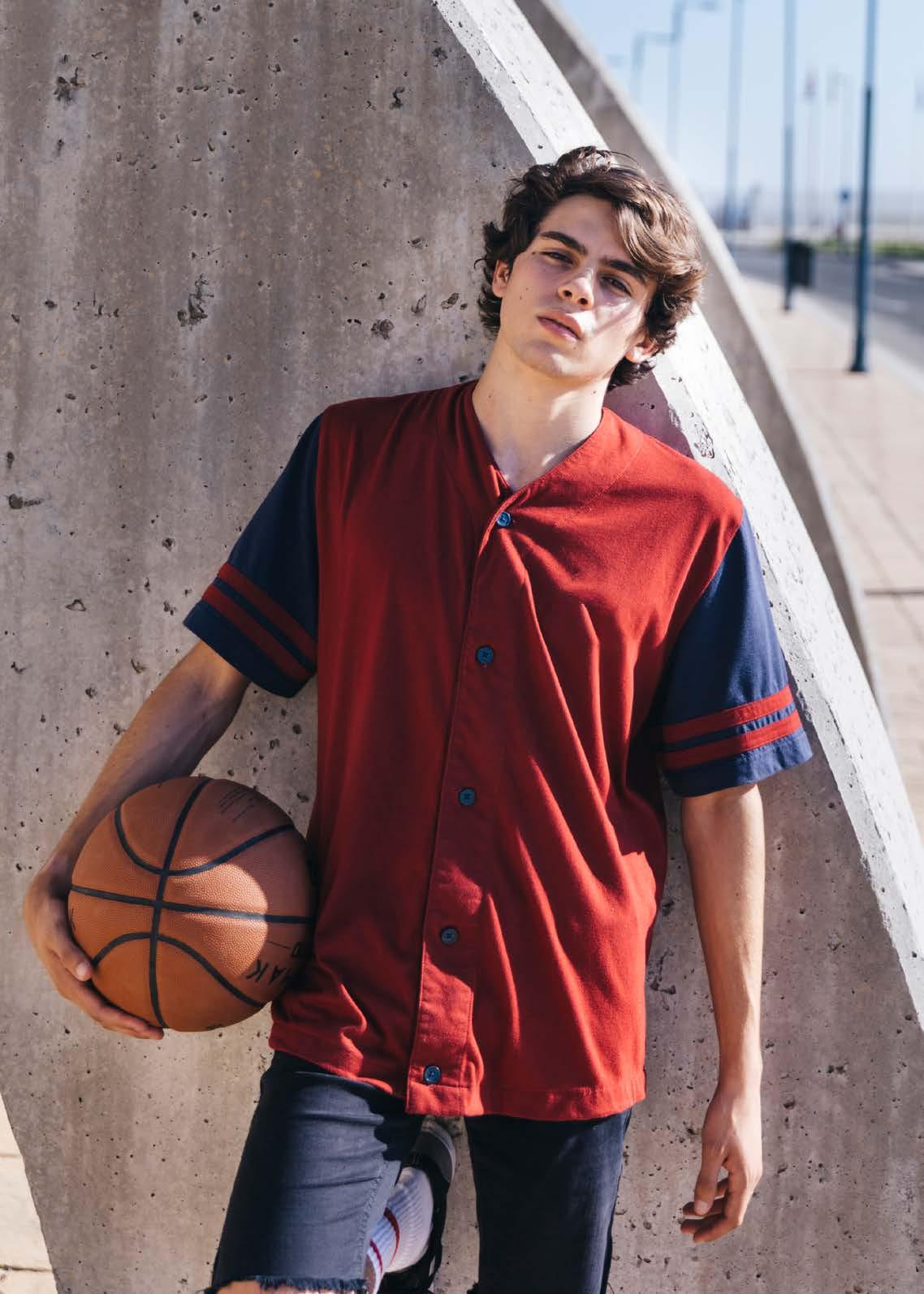
Sports became an integral part of our lives.They are a part of entertainment, our school systems and our culture in general. Being involved in a sport is a great way for individuals to develop and master skills and exercise is essential for physical and mental health.We all want the children in our lives to succeed in their goals. As we encourage them, it is important to keep perspective and not lose sight of what is really important. It’s easy to say that the end goal is winning, but it’s the process that gets your athlete there, that makes all the difference. At the end of the day, winning is not in our control but the things that are in our control lead to winning.
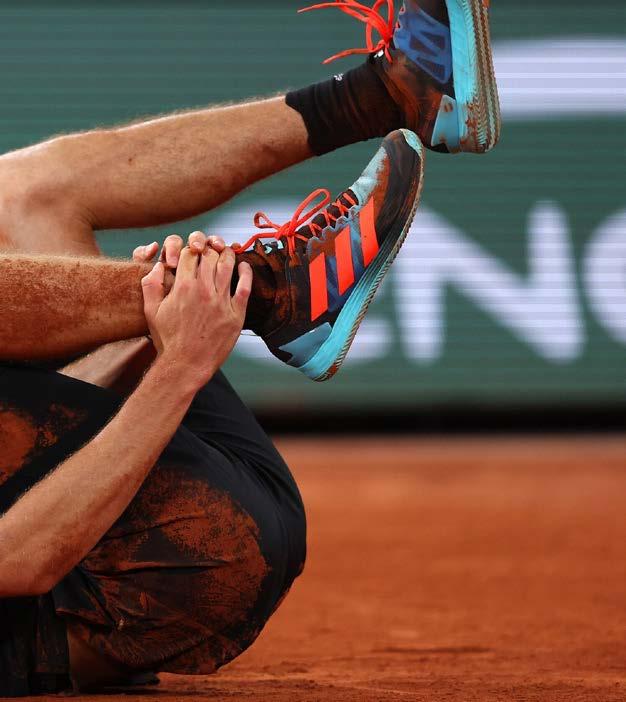
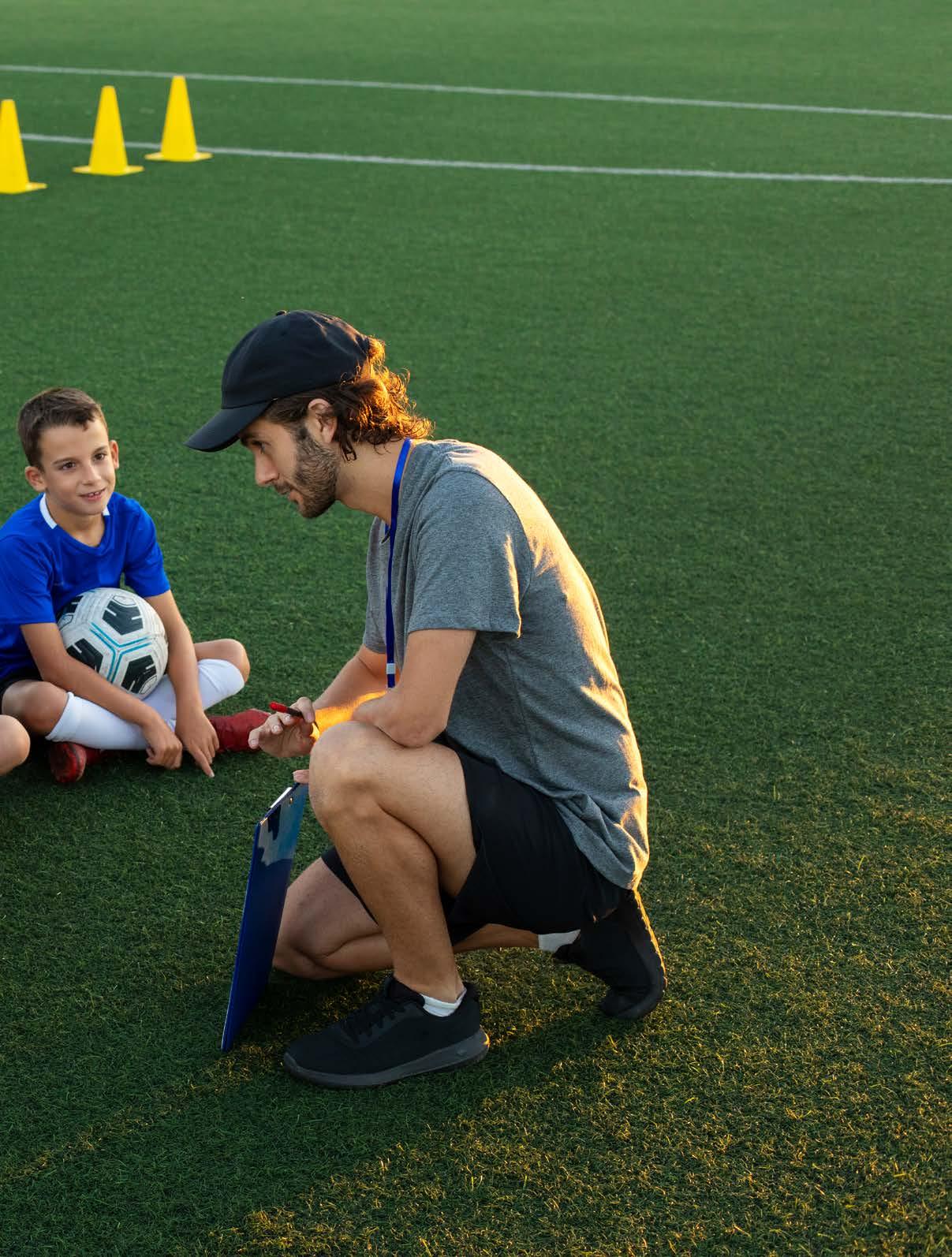
Just about everyone has felt nervous at some point in his or her life. For student-athletes, this may be known as performance anxiety. Getting the jitters every now and then is fine and is a sign that we are ready to go to work, but it can reach a point where it starts impacting outcomes. Largely, anxiety is how it is perceived. If anxiety is viewed as negative, it’s likely to trigger a flight or fight response or cause a person to freeze, which can adversely impact performance in high stress situations. As a parent or coach of a student-athlete, there are strategies you can adopt or use to help the child through moments of performance anxiety. Identify when your student-athlete is feeling anxious: This can be shown through display of muscular tension such as jaw tightening or going doe-eyed, moving too fast-paced and making a lot of errors or acting out through shows of aggression. A classic example is a tennis player throwing a racket. Though
that looks like anger, underneath it may actually be anxiety. Any behaviour that looks out of place is an opportunity to check in and ask athletes how they are feeling. Thoughts that are almost always linked to performance anxiety centre around the idea of being unable to do something or inferiority.
Acknowledge and normalize feelings of anxiety: Having anxiety in high-stress situations is a normal part of life. Letting your child know that these feelings are OK can go a long way in reducing nervousness. With young children, the concept of having ‘butterflies’ in their stomach is a common way to talk about it. Make a game plan: Concentration is one of the first things to go when someone is under pressure. Help your student-athlete develop a game plan and help him or her stick with it during the game. Keep it short–no more than three technical items or strategies.
Remember to breathe. Breathing is an essential part of recentring and self-regulation. Remind your child to breathe and find a focus when nerves start to show up. Stay positive. Good feedback always helps. Reinforcing what went well during a competition can help increase self-esteem and lessen the negative thoughts that can contribute to anxiety. Briefly offer constructive comments on what can be improved for next time. It is not the job of a parent or coach to act as a therapist for a child who might be struggling with anxiety, but it is important to recognize the signs and assist in getting help when needed. If episodes of anxiety are more than a
EDITOR -IN - CHIEF From The Desk Of
one-time thing and happen regularly during the season or times of high stress, such as specific games or meets, it may be time to seek the help of a professional psychologist. Help your child embrace the process and aim for their personal best with these tips.
Give some space: Sports provide a training ground for kids to figure things out on their own. Let them have a little bit of space and watch how they deal with things that are out of their control. One of the main concept’s athletes learn from sports is how to deal with things that are uncertain or difficult and how to do so while interacting with teammates, coaches and competitors. Offer feedback. Place praise on the process and not the outcome. Things like effort, attitude and good sportsmanship are fully in the athlete’s control. These qualities can add up to a good outcome for the game or competition and should be encouraged. While reinforcing positive behaviours is important, there is a time for discouraging negative behaviours as well. If your child is demonstrating less than desirable behaviours, such as lack of effort or unsportsmanlike conduct, take a moment to discuss how that can actually be detrimental to their goals and talk about how they can gain control of the situation in more positive ways.
Be a role model. Your children are always watching you. How you interact with other parents, coaches, referees or other athletes can impact how your child will treat those people. Model good sportsmanship and other positive behaviours that you want to see your child exhibit. It’s also important to keep in mind that social media can impact performance. Successes and failures are more visible than ever before. Some people thrive on praise through social media. Some know how to let a bad comment roll off, while others can’t shake it off. More research is needed to fully understand the impact of social media, though current studies are indicating a general feeling of discontent and excessive social comparison. Encourage your athlete to trust in the process and limit social media usage if it becomes overwhelming. If focused efforts and genuine concentration is extended, Children could not only emerge as winners, but would also enjoy their entire-life with their sports-carrier.
THE FOUNDING AND HISTORY OF PUMA & ADIDAS
ATHLETE-DRIVEN FASHION IN SPORTS A CULTURAL & ECONOMIC GAME-CHANGER
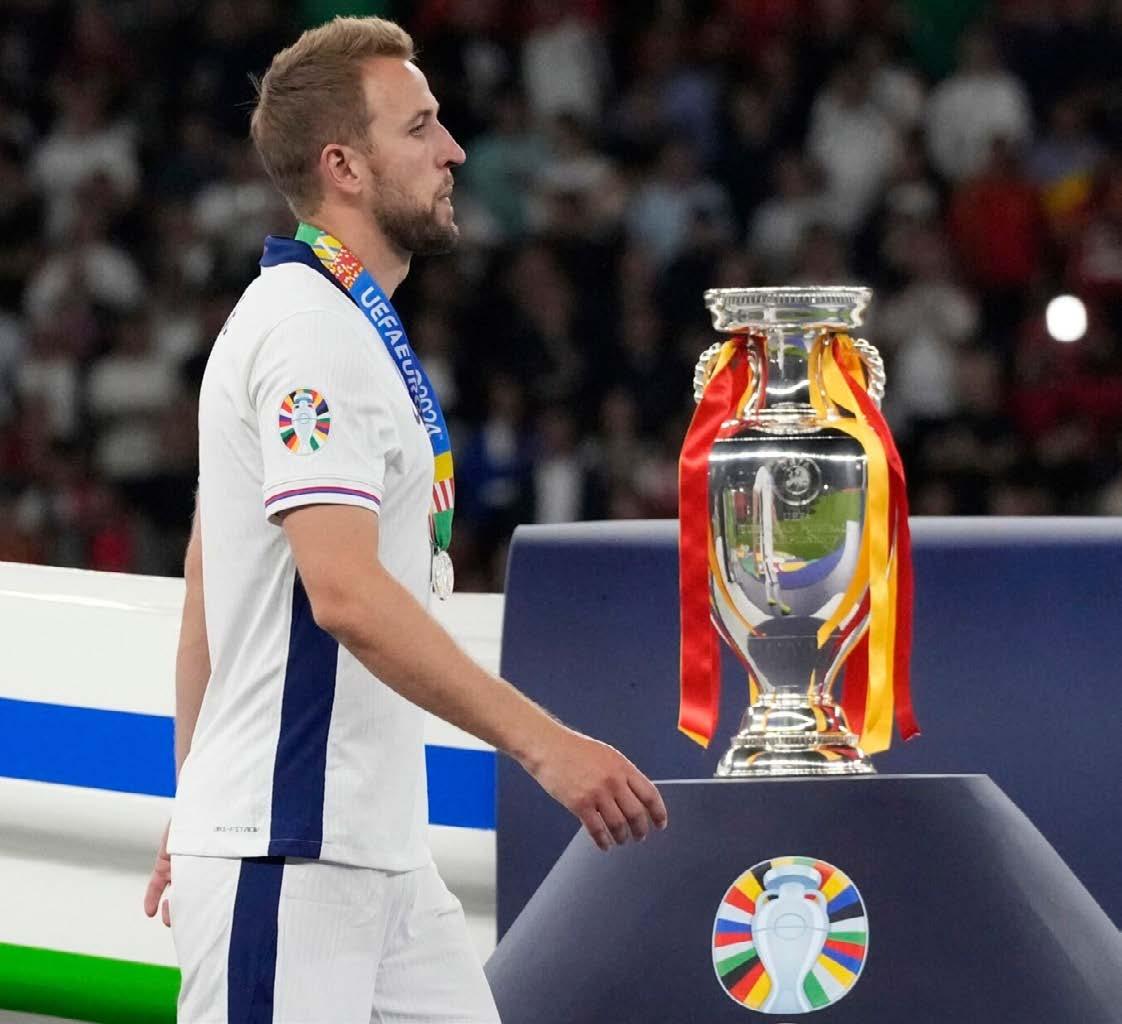
HARRY KANE’S LONG-AWAITED TRIUMPH FIRST MAJOR TROPHY WITH BAYERN MUNICH
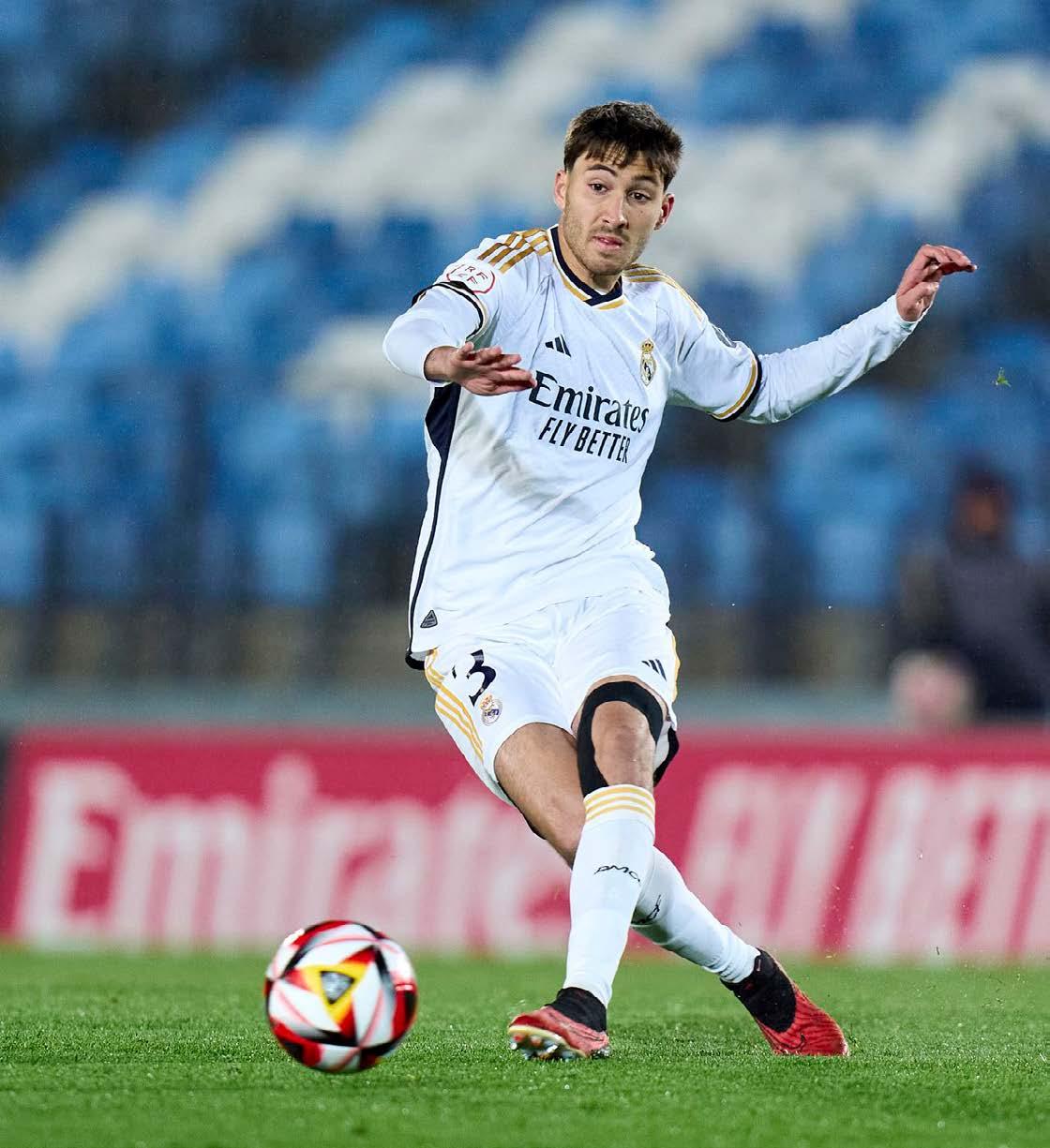
THE RISE OF YOUNG ATHLETES IN PROFESSIONAL SPORTS: A NEW ERA OF TALENT
MUHAMMAD HAKIM DANISH MALAYSIA’S RISING STAR IN GLOBAL MOTORCYCLE RACING
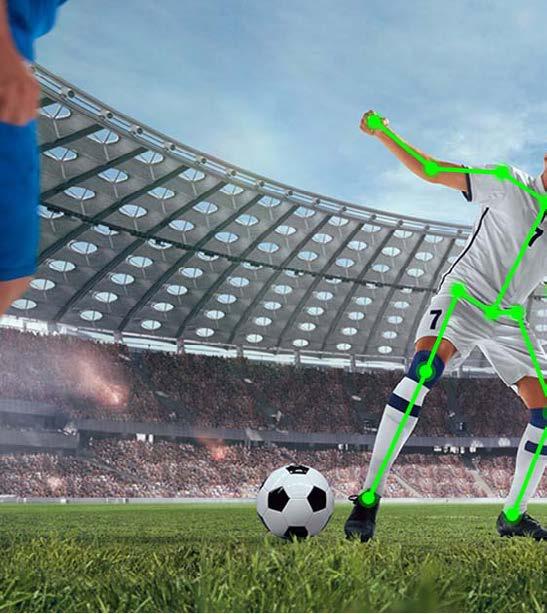
SPORTS ANALYTICS REVOLUTIONIZING MODERN SPORTS
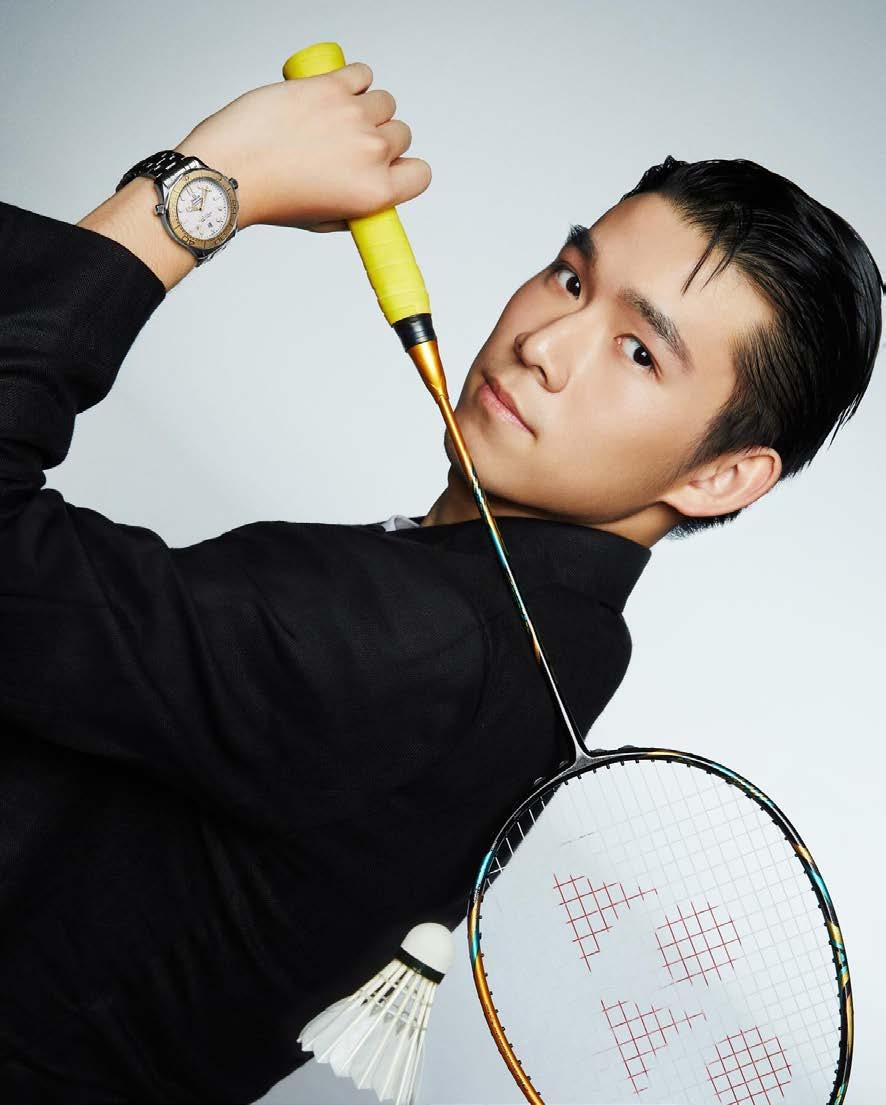
KUNLAVUT VITIDSARN THAILAND’S BADMINTON TRAILBLAZER MAKES HISTORY @ ASIAN 2025
THE EVOLUTION & IMPACT OF SPORTS BROADCASTING
WILSON’S AIRLESS GEN1 THE 3D-PRINTED BASKETBALL REVOLUTIONIZING THE GAME
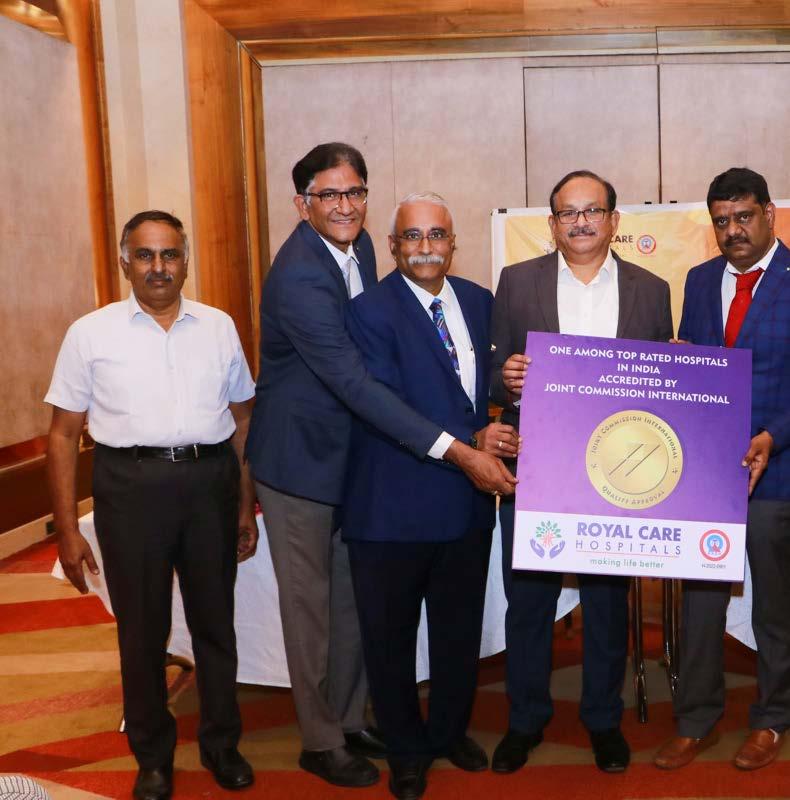
FIRST OF ITS KIND SPORTS MEDICINE @ DR. KMD’S ROYALCARE INTERNATIONAL HOSPITALS GROUP
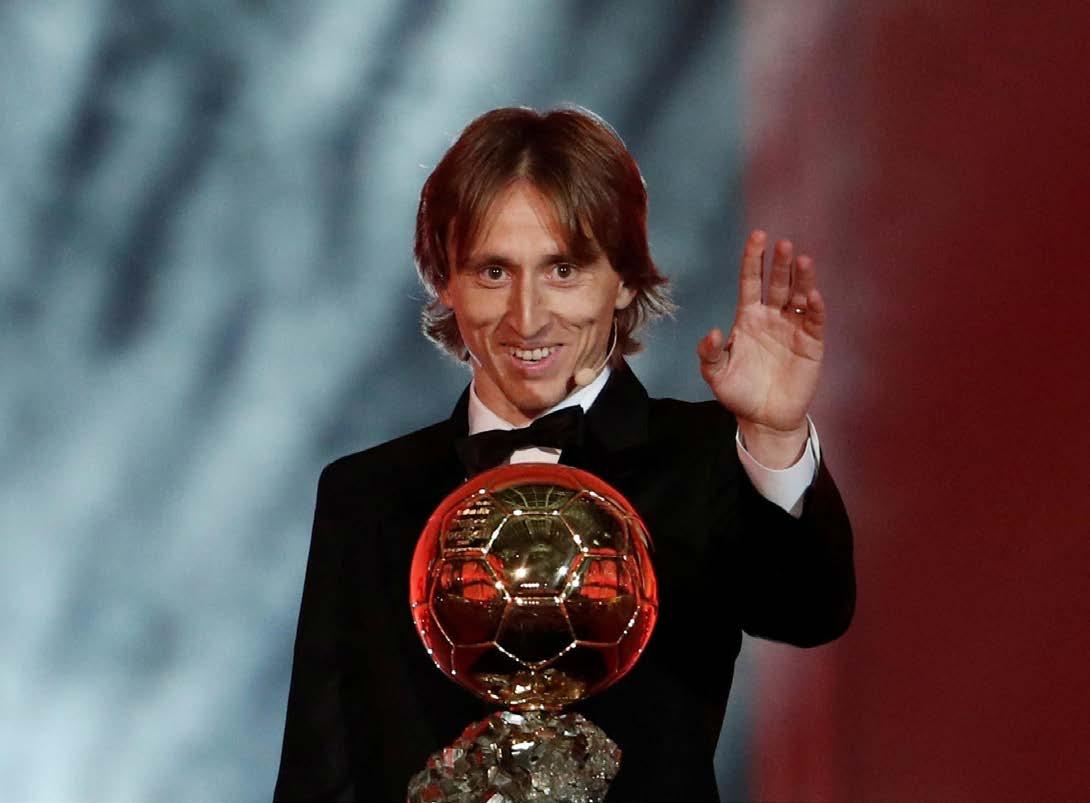
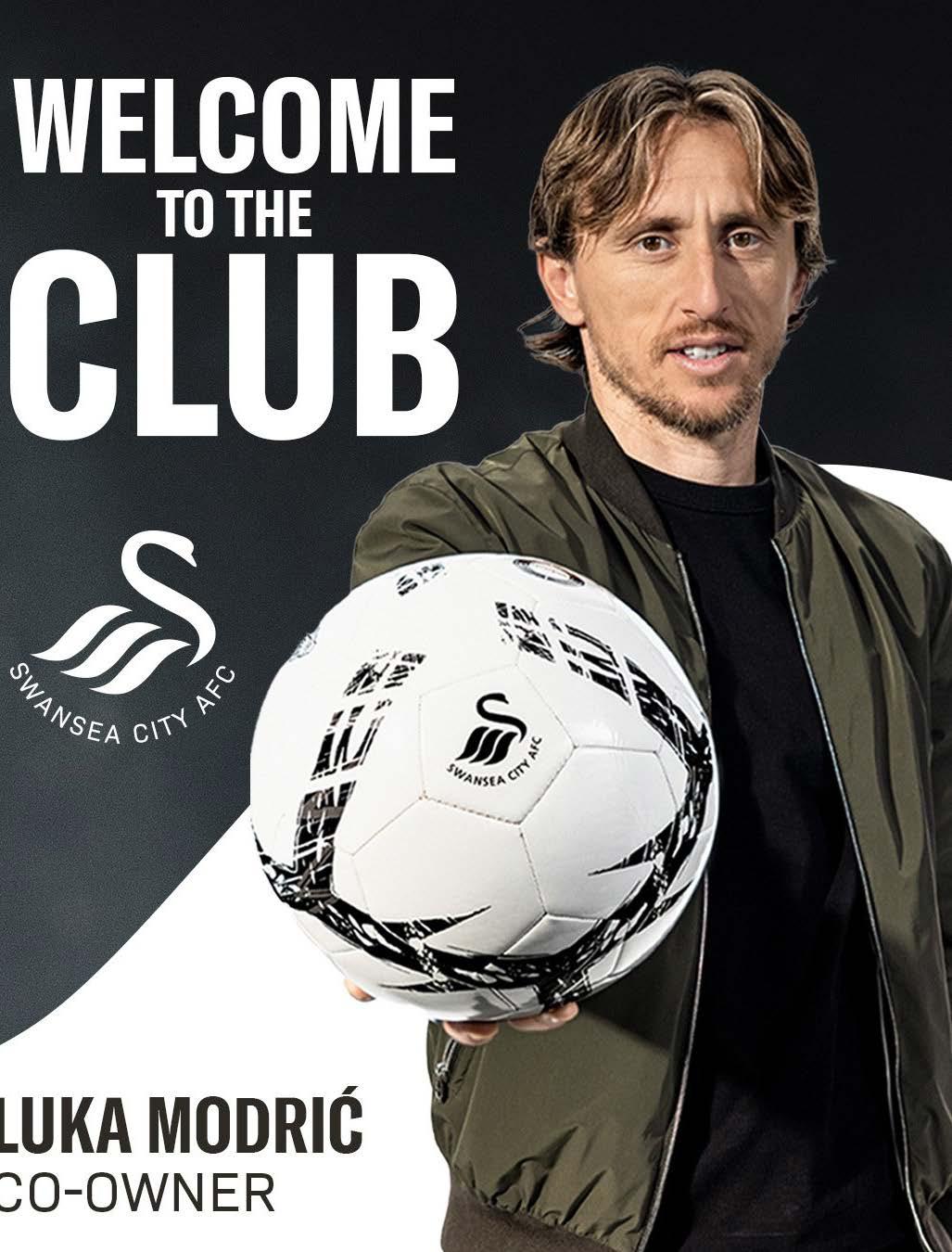
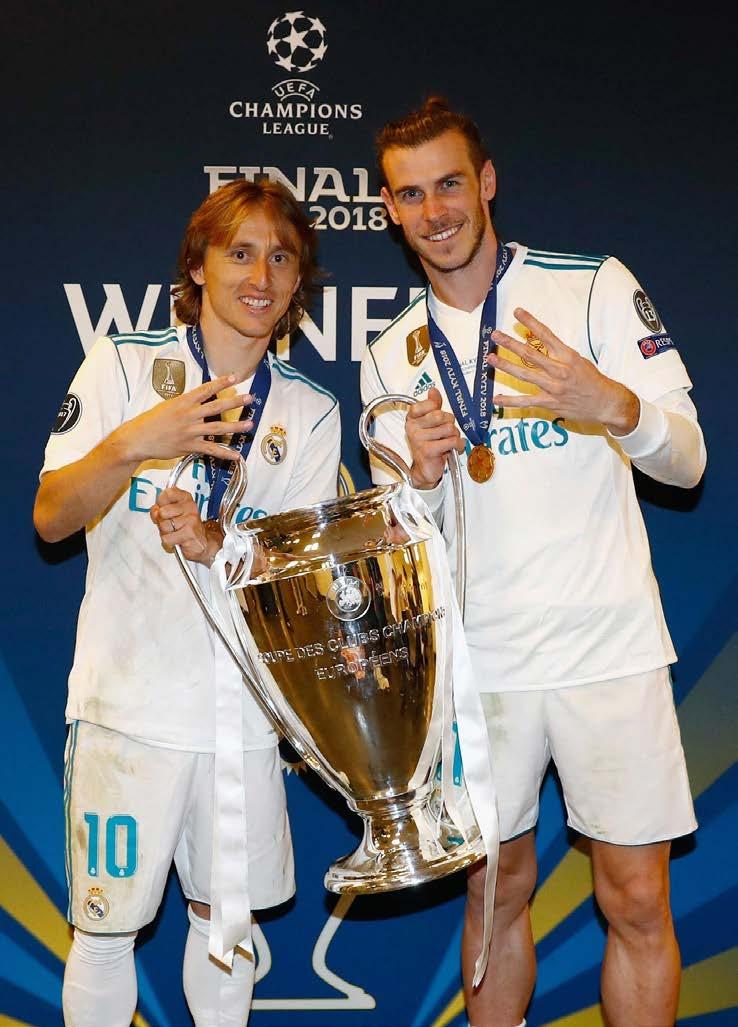
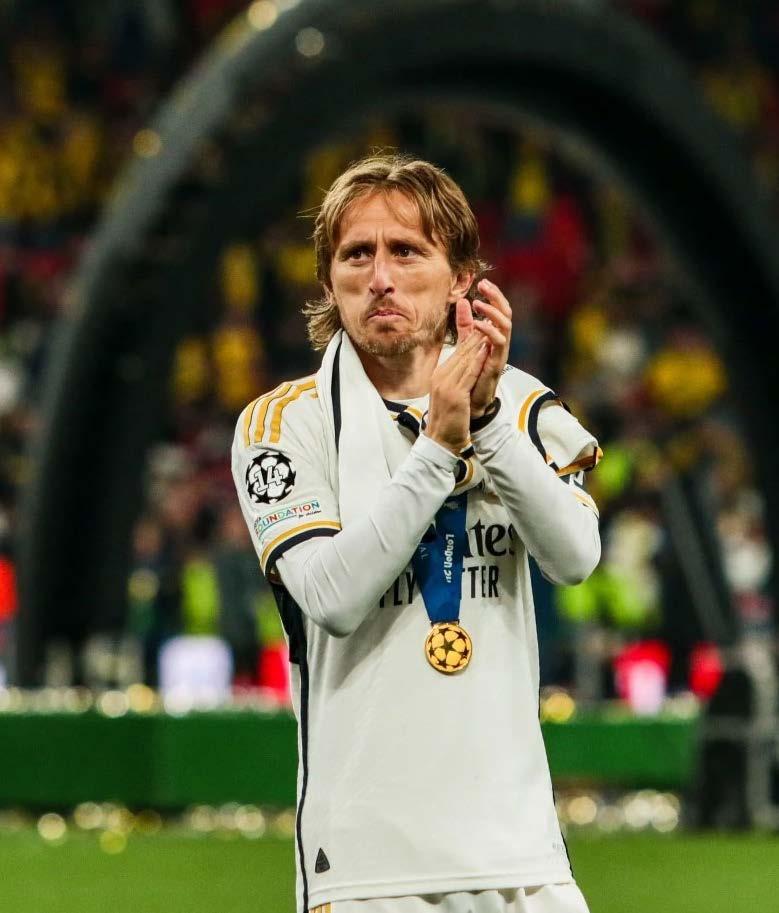
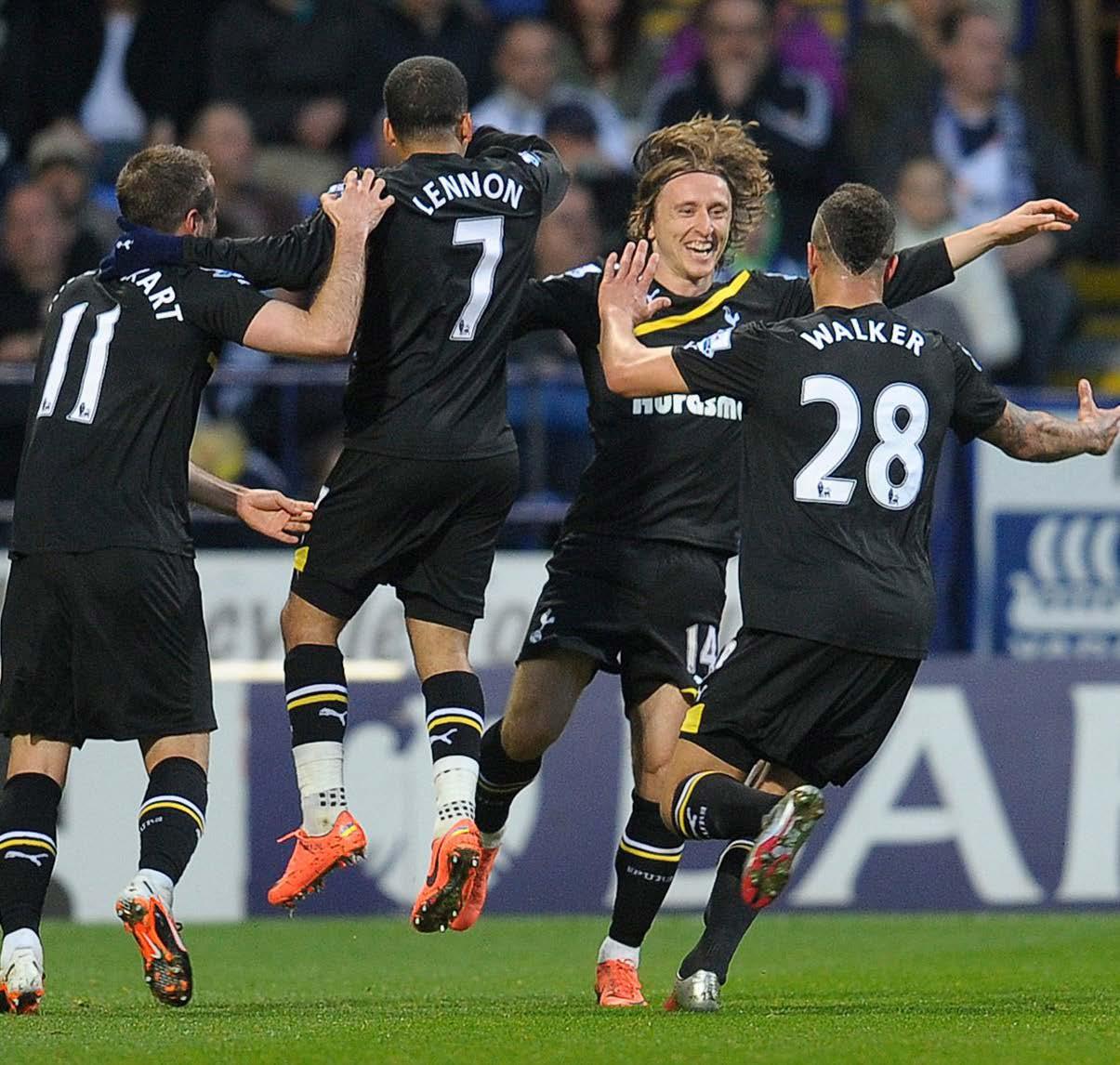
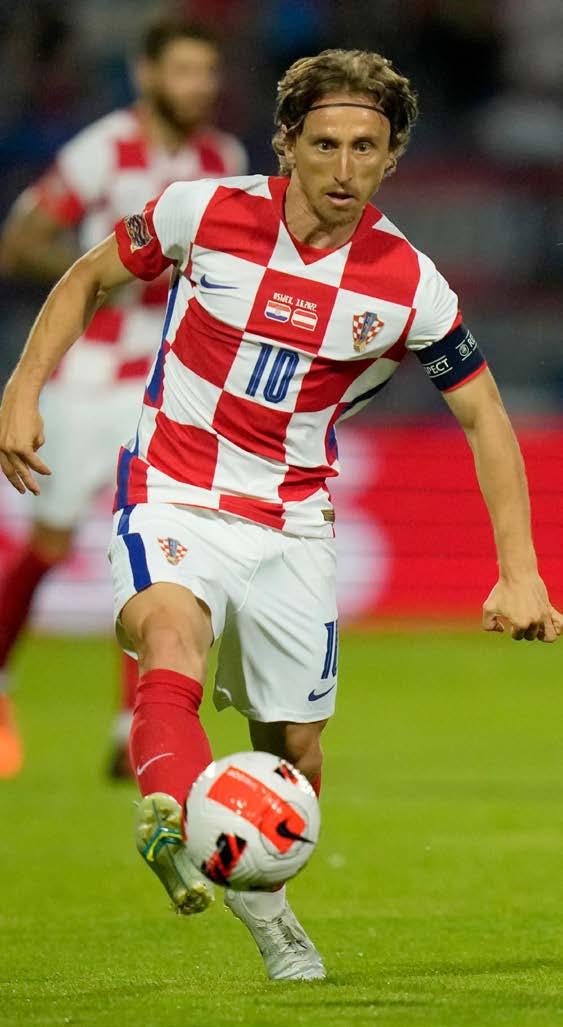
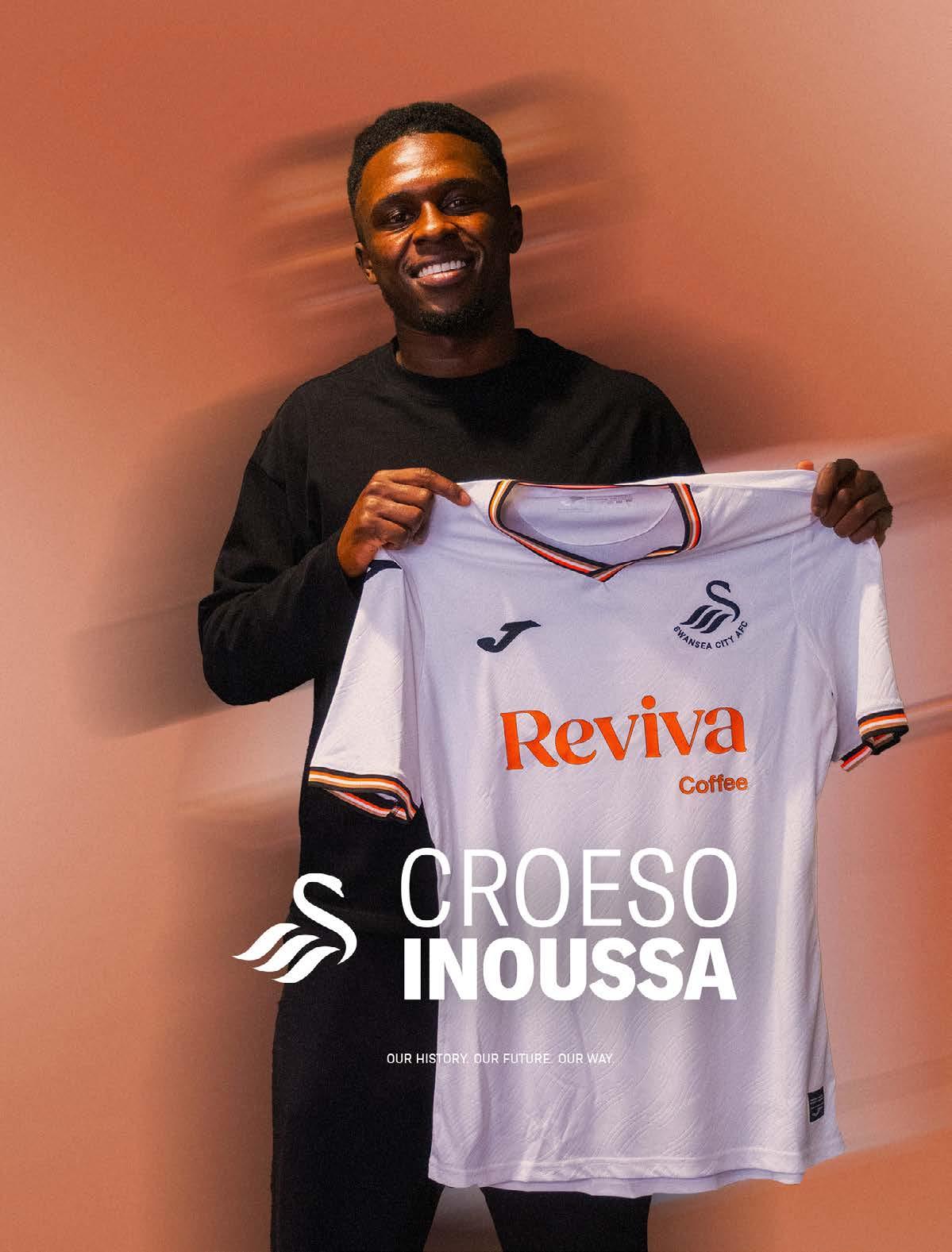
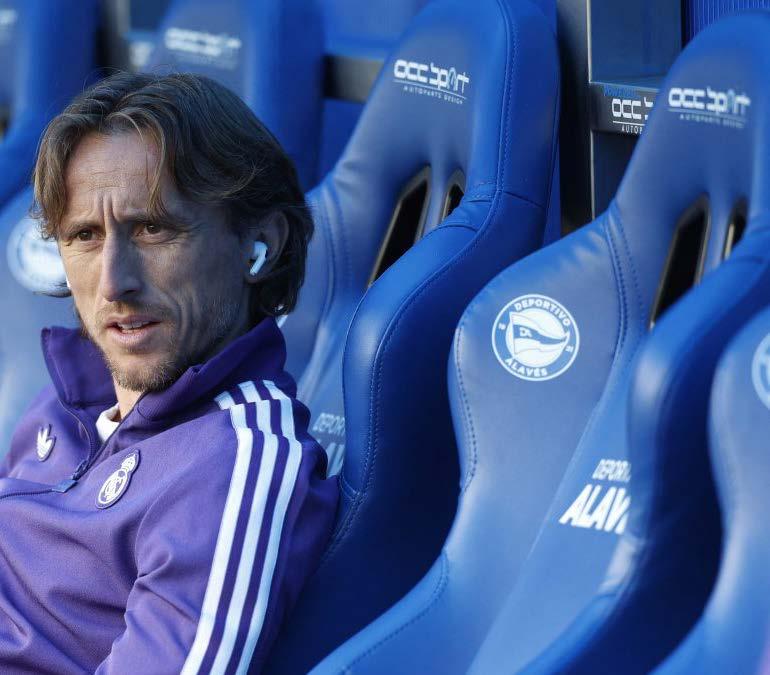
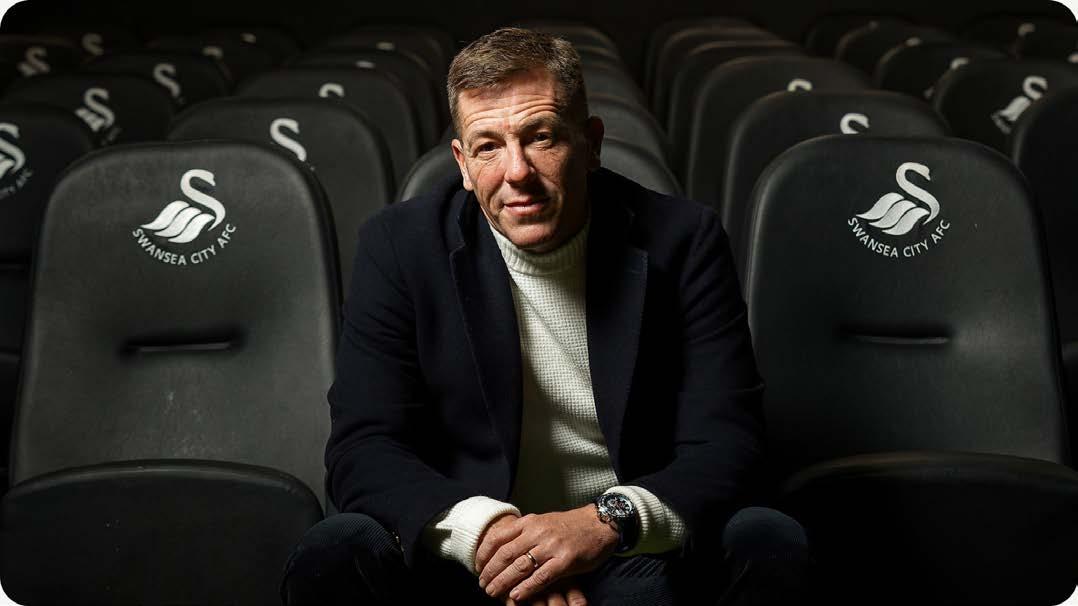
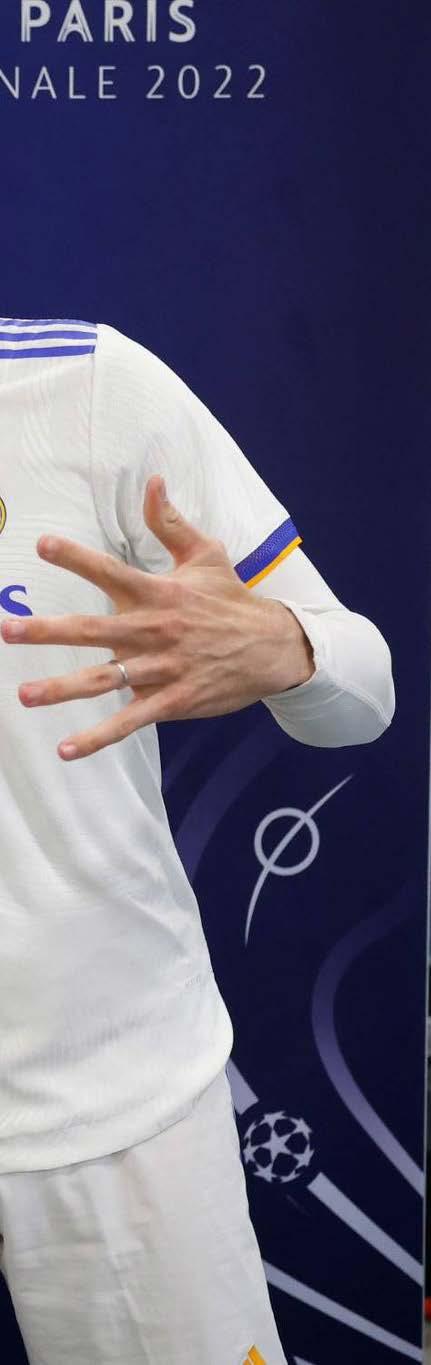
LUKA MODRIC BECOMES CO-OWNER OF SWANSEA CITY
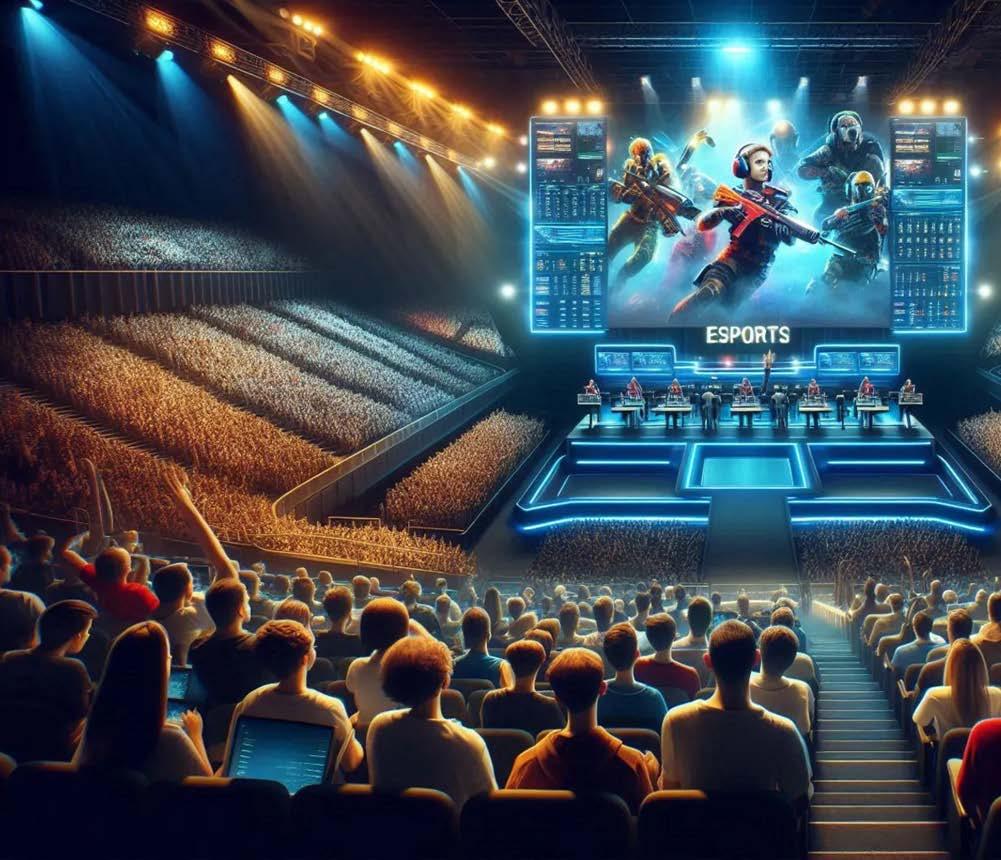
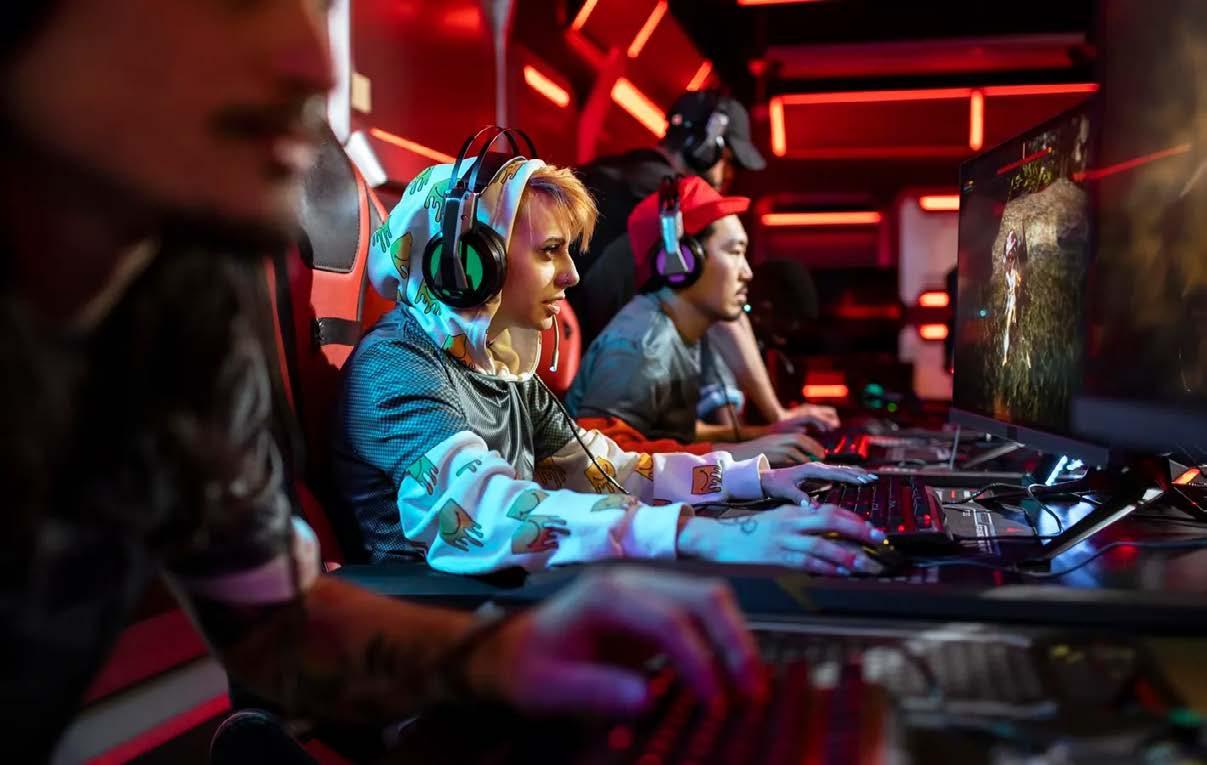
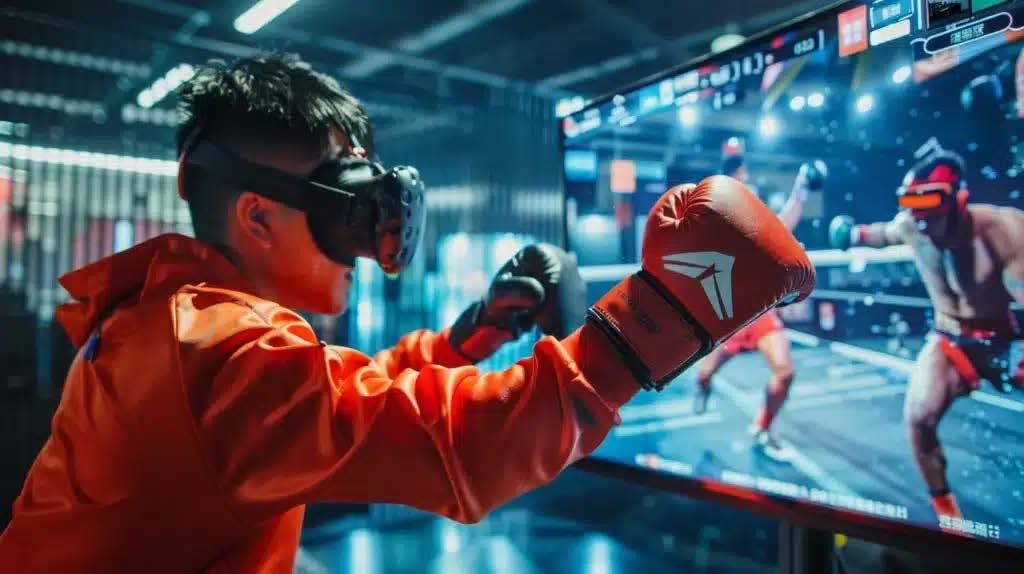
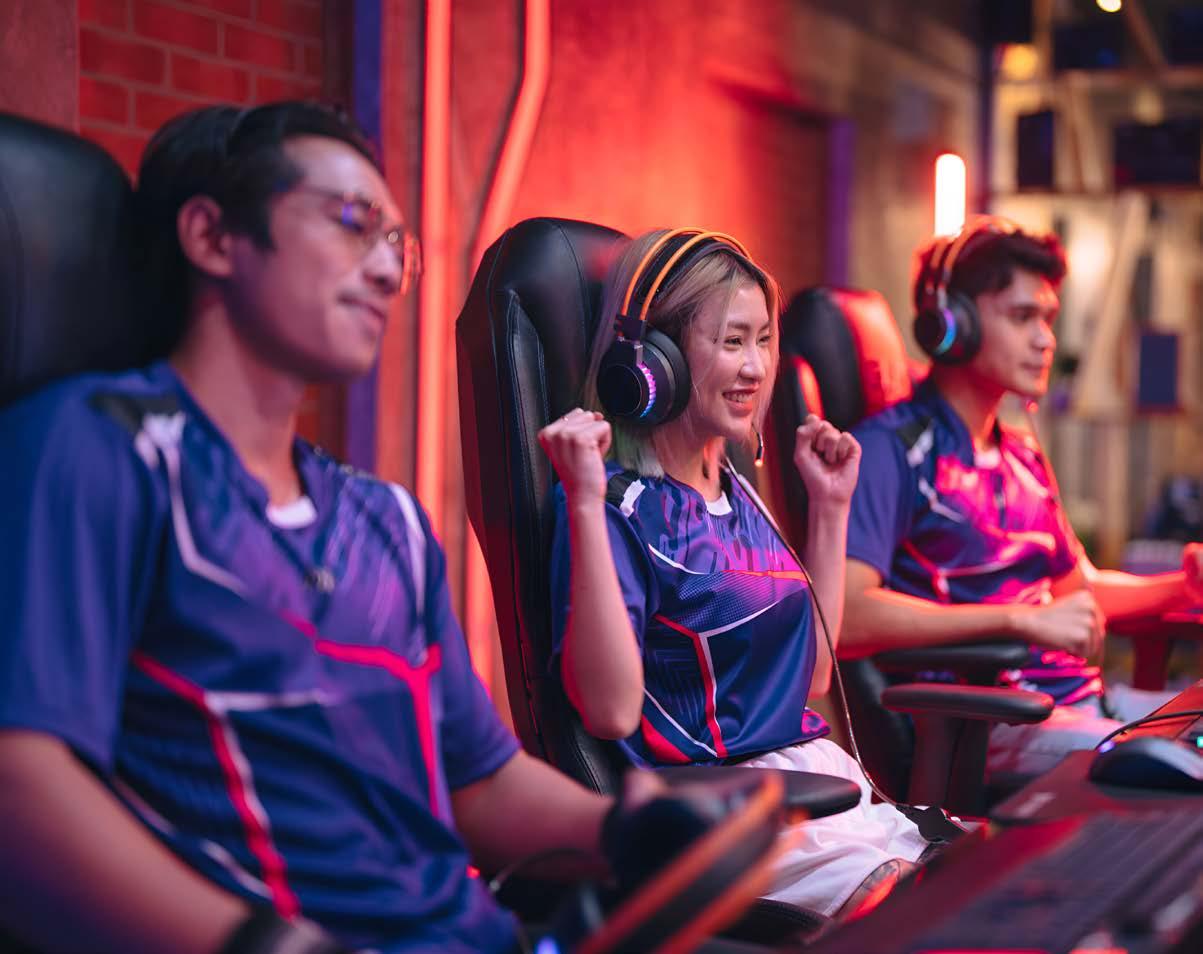
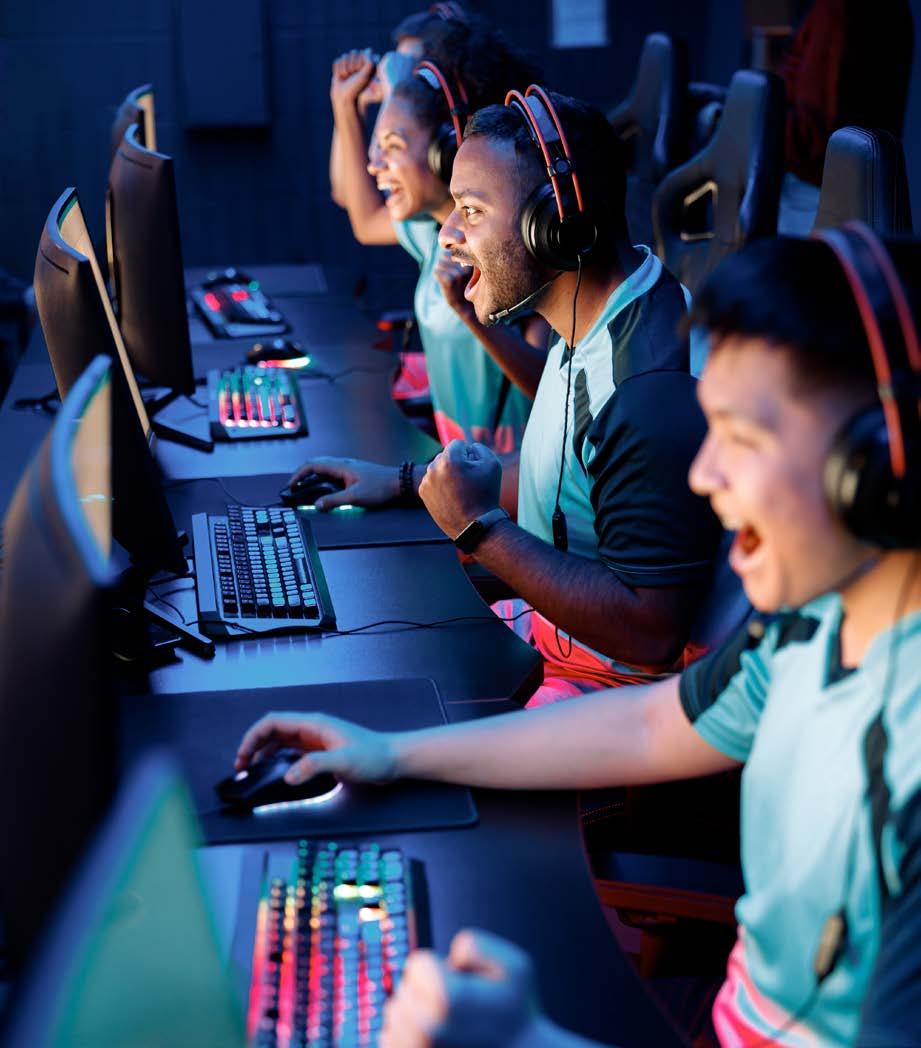
ESPORTS & THE TRANSFORMATION OF THE SPORTS INDUSTRY THROUGH MODERN GAMING
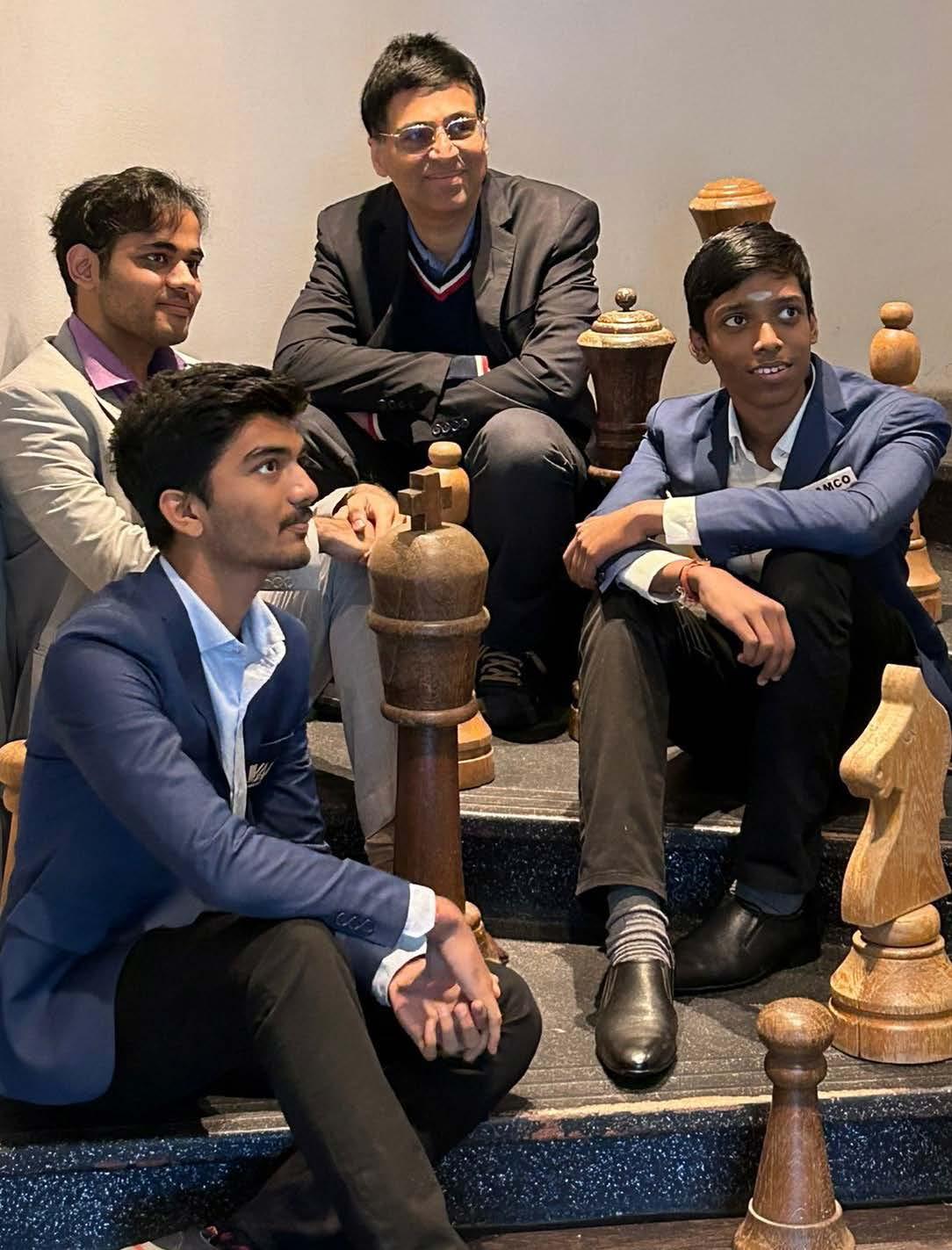
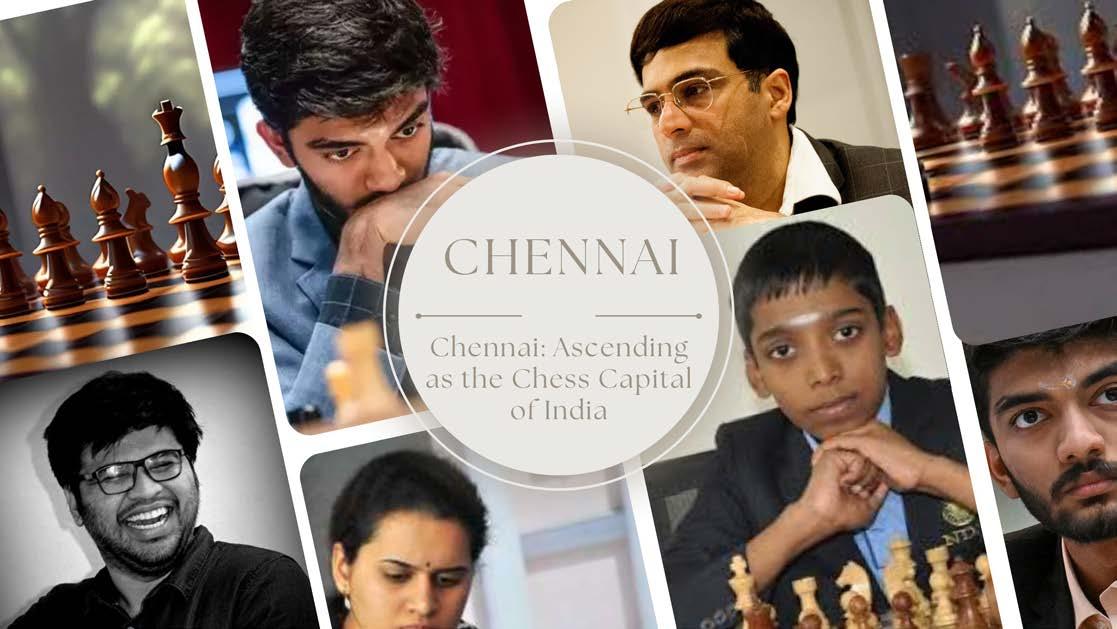
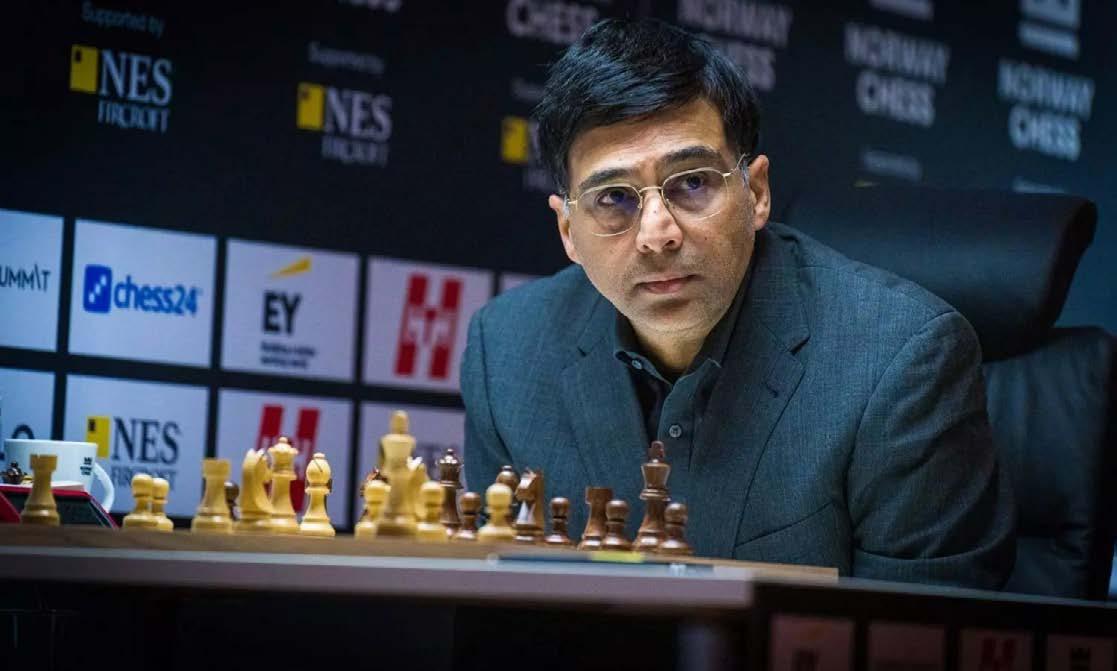
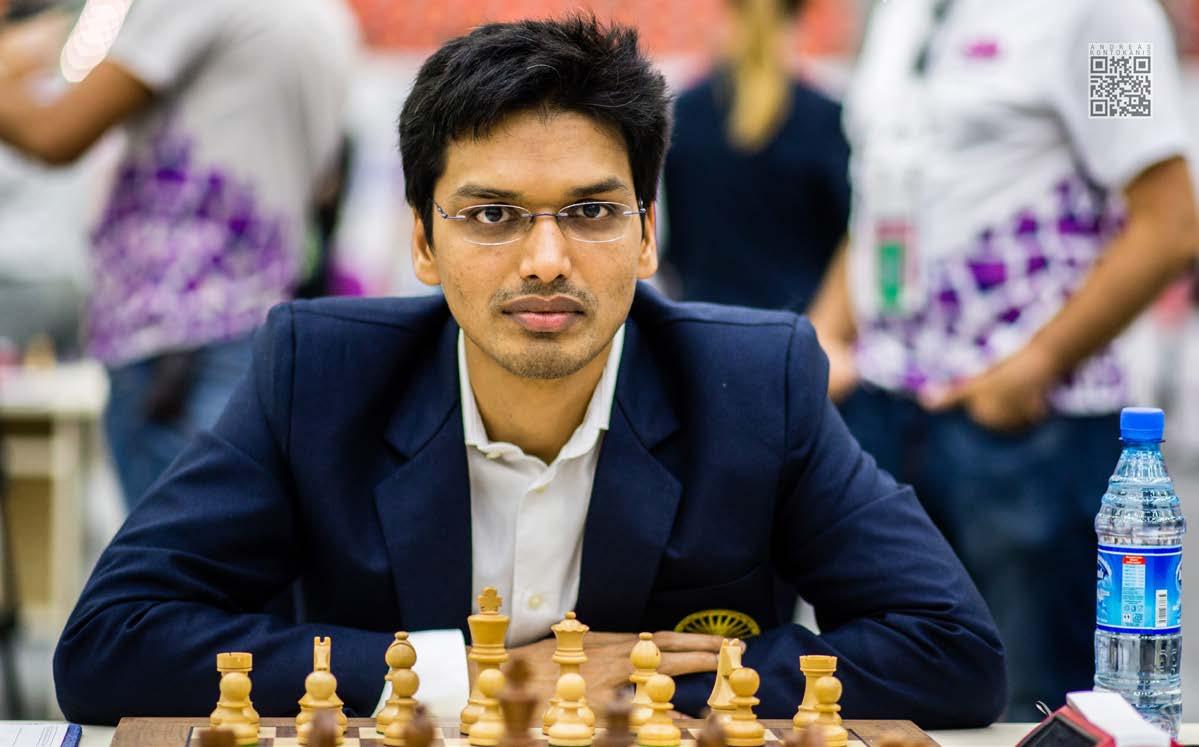
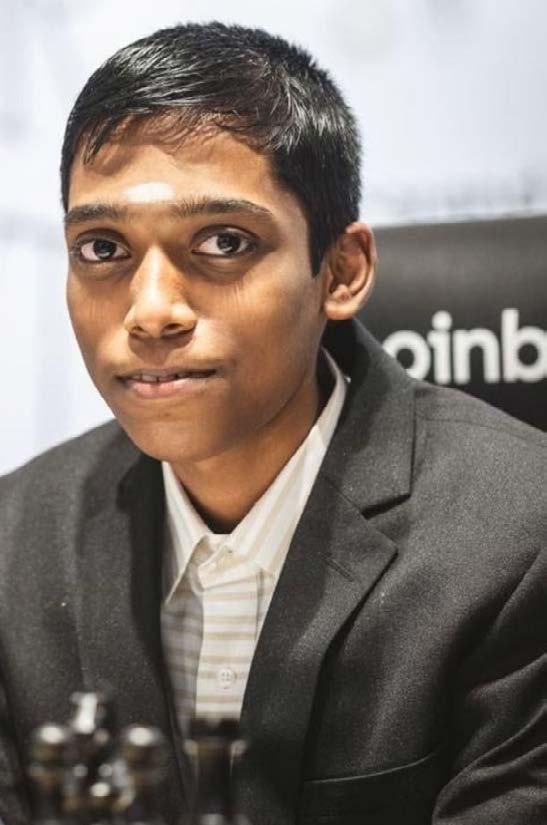
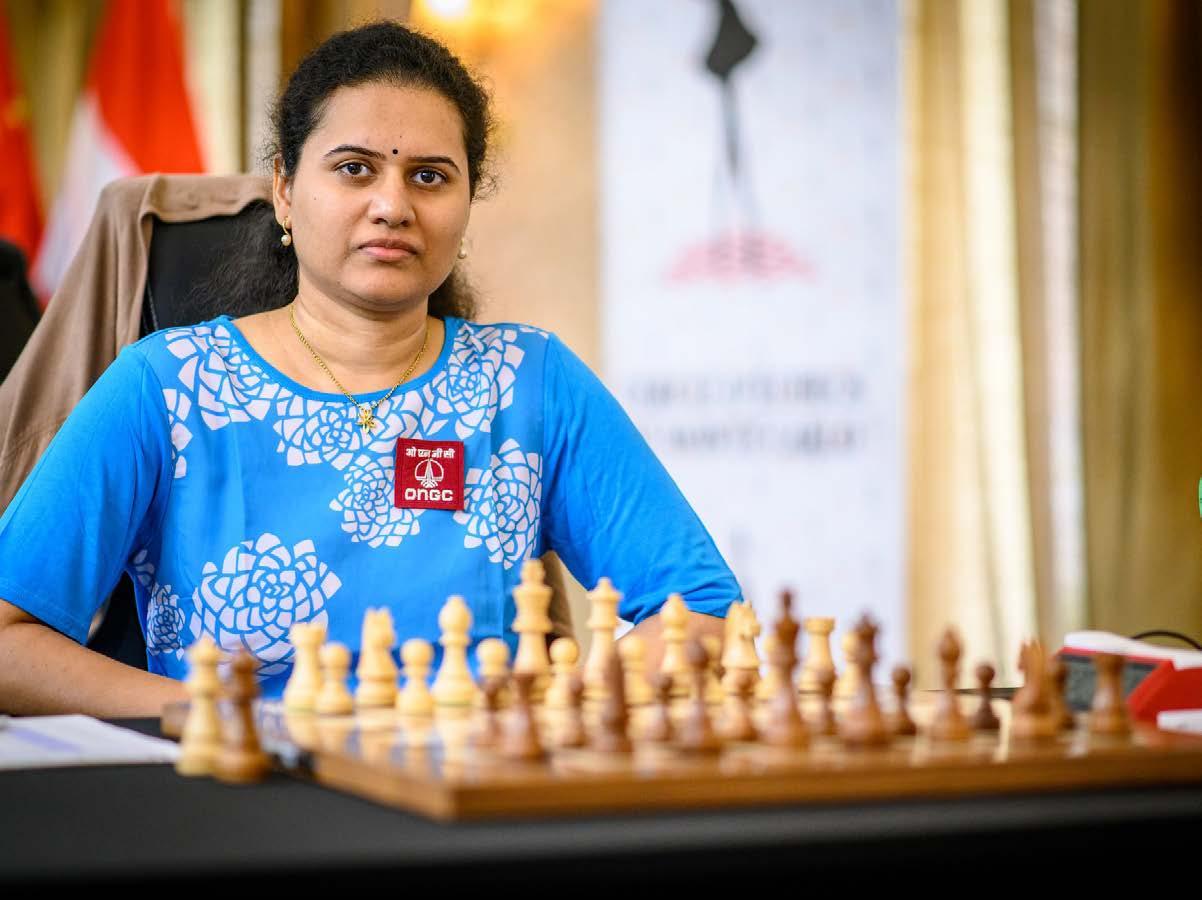
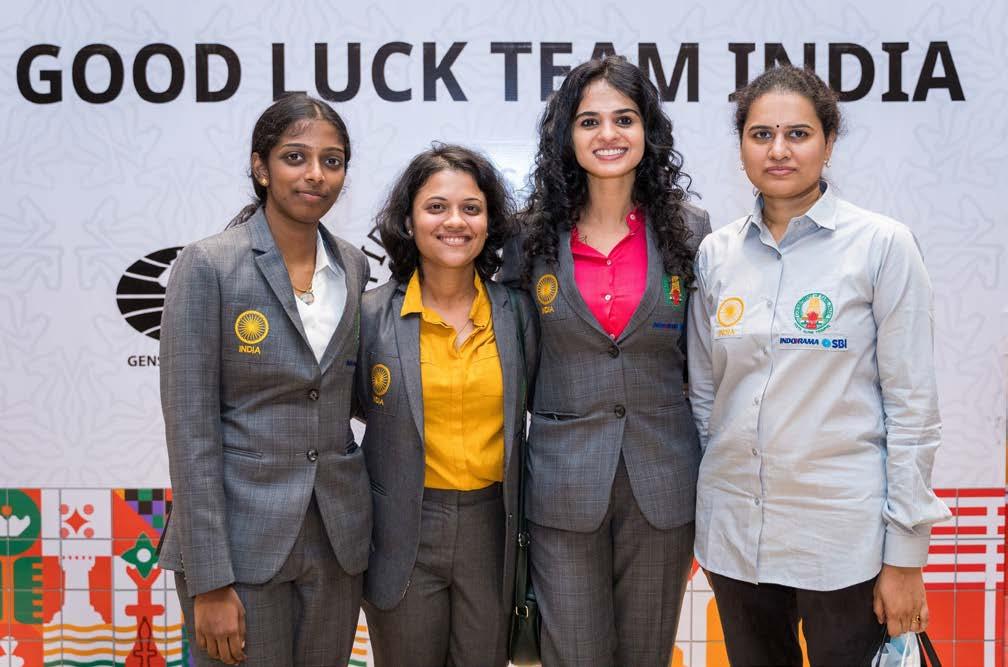
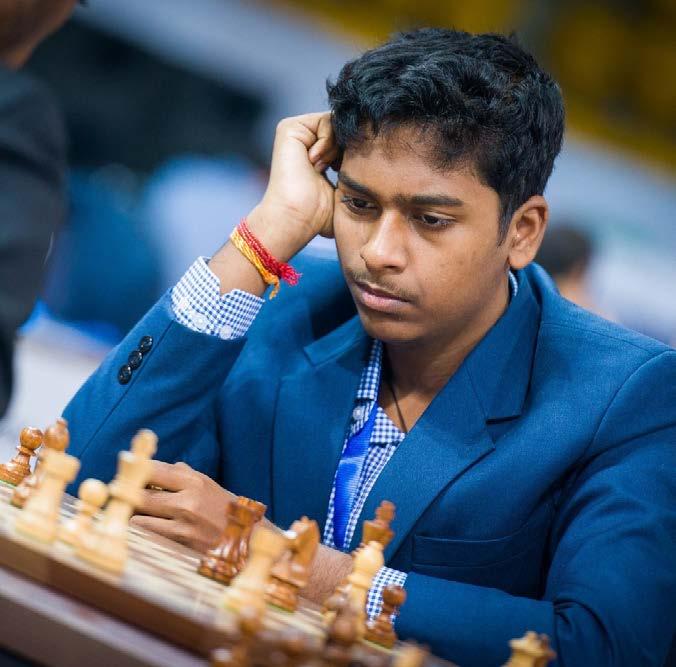
CHESS CULTURE IN TAMIL NADU A LEGACY OF STRATEGY AND PASSION
OVERCOMING PERFORMANCE ANXIETY IN YOUTH SPORTS
THE RISE OF FANTASY SPORTS FROM NICHE HOBBY TO GLOBAL PHENOMENON
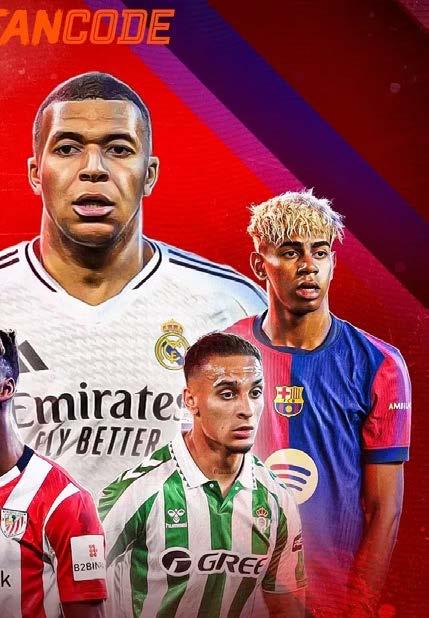
LA LIGA SCORES BIG WITH FANCODE A GAME-CHANGING FIVE-YEAR DEAL
THE FOUNDING & HISTORY OF PUMA & ADIDAS
The Founding and History of Puma & Adidas
The story of Puma and Adidas is not just about two global sportswear giants; it’s a saga of family, rivalry, and groundbreaking innovation that reshaped the athletic industry. Founded by brothers Rudolf and Adolf “Adi” Dassler in the small German town of Herzogenaurach, these brands began as a single enterprise before a bitter feud split them into two competing entities. Their histories are intertwined, marked by competition, innovation, and cultural impact. This article traces the origins, evolution, and legacies of Puma and Adidas.
A TALE OF RIVALRY & INNOVATION
The Beginnings: The Dassler Brothers’ Early Venture
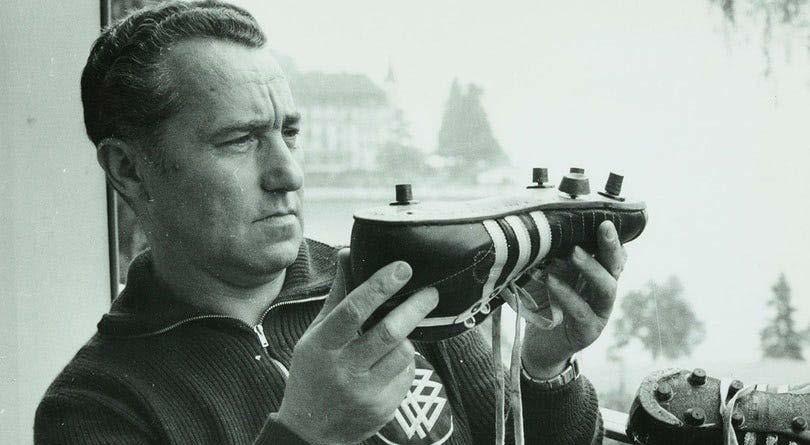
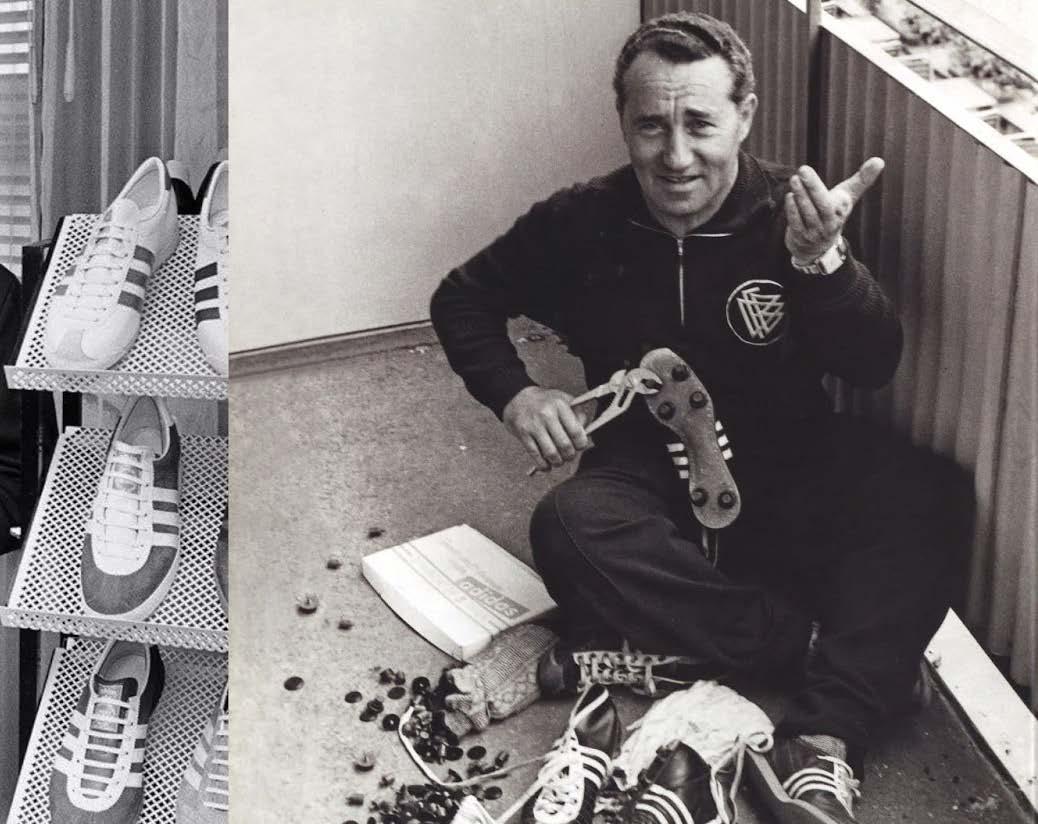
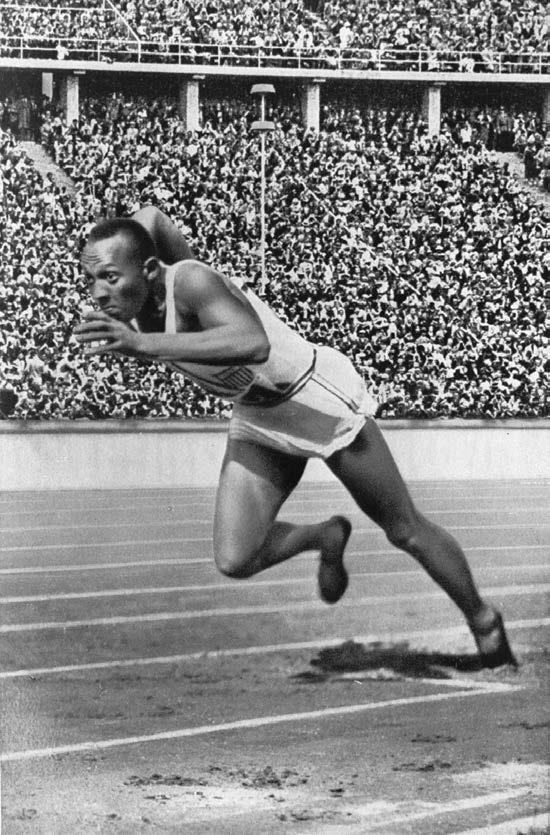
The roots of both Puma and Adidas trace back to the early 20th century in Herzogenaurach, Bavaria. The Dassler family ran a modest shoe business, with their mother operating a small laundry where young Adolf Dassler began experimenting with shoe designs. Adi, a skilled craftsman with a passion for sports, saw an opportunity to create specialized athletic footwear—a novel concept at the time when athletes often competed in heavy, unsuitable shoes. In 1920, Adi began producing handmade sports shoes in his mother’s wash kitchen. His older brother, Rudolf, a charismatic salesman, joined the venture in 1924, and together they formalized their business as Gebrüder Dassler Schuhfabrik (Dassler Brothers Shoe Factory). Adi focused on design and production, while Rudolf handled sales and marketing. Their complementary skills made the business thrive. The Dassler brothers gained early recognition by supplying shoes to German athletes. Their breakthrough came at the 1936 Berlin Olympics, where American sprinter Jesse Owens won four gold medals wearing Dassler spikes. This global exposure catapulted their reputation, and by the late 1930s, the company was producing thousands of shoes annually, catering to various sports.
The Split: Birth of Adidas and Puma
Despite their success, tensions simmered between the brothers. Differences in personality—Adi’s introverted focus on craftsmanship versus Rudolf’s outgoing, business-driven nature—were exacerbated by external pressures, including World War II. The exact cause of their rift remains debated, but a combination of personal, professional, and wartime
misunderstandings drove a wedge between them. By 1948, the brothers’ relationship was irreparable. They dissolved the Dassler Brothers Shoe Factory and split their assets. Adolf founded Adidas, a name derived from his nickname “Adi” and the first three letters of his surname, “Das.” Rudolf, initially planning to call his company “Ruda” (from
Rudolf Dassler), settled on Puma, a name evoking agility and strength. The split divided not only the business but also Herzogenaurach itself, with employees, suppliers, and even residents aligning with one brand or the other, earning the town the nickname “the town of bent necks” (as people checked which shoes others wore).
Adidas: The Rise to Global Dominance
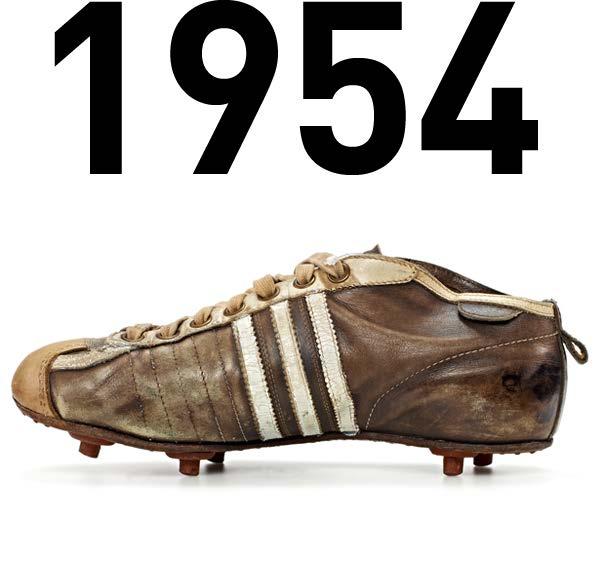
Adidas, under Adi Dassler’s leadership, quickly established itself as a leader in athletic innovation. Adi’s obsession with performance drove him to collaborate closely with athletes to design footwear tailored to specific sports. In 1949, Adidas introduced its now-iconic three-stripe logo, originally designed to stabilize the shoe’s midfoot. The logo became a global symbol of quality and performance. The 1950s marked Adidas’s ascent. At the 1954 FIFA World Cup, the West German team, wearing Adidas’s revolutionary screw-in stud boots, defeated Hungary in the “Miracle of Bern.” This victory cemented Adidas’s reputation in football, a sport it would dominate for decades. Adi’s innovations, like lightweight materials and specialized designs, set industry standards. Adidas expanded into apparel and equipment, becoming a staple at major sporting events. By the 1960s, it was the world’s leading sports brand, worn by
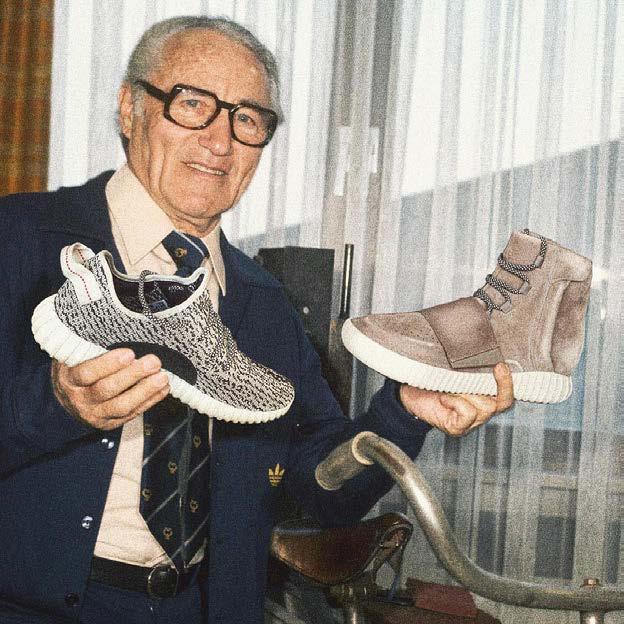
Olympic champions and football stars. The 1970s saw Adidas diversify into lifestyle products, with the Adidas Originals line (featuring the Trefoil logo) blending sport and streetwear. High-profile endorsements, like basketball star Kareem AbdulJabbar and later tennis icon Stan Smith (whose namesake sneaker became a cultural phenomenon), broadened its appeal. After Adi’s death in 1978, his son Horst Dassler briefly led Adidas, but mismanagement and competition from emerging brands like Nike led to financial struggles in the 1980s. In 1990, French entrepreneur Bernard Tapie acquired Adidas, followed by a public listing in 1995 under CEO Robert Louis-Dreyfus. Adidas regained its footing by focusing on innovation (e.g., the Predator football boot) and partnerships with designers like Stella McCartney and Kanye West (whose Yeezy line, launched in 2015, became a cultural juggernaut). Today, Adidas is a global leader, emphasizing sustainability and digital retail, with revenues exceeding €21 billion in 2023.
Puma: Agility and Adaptation
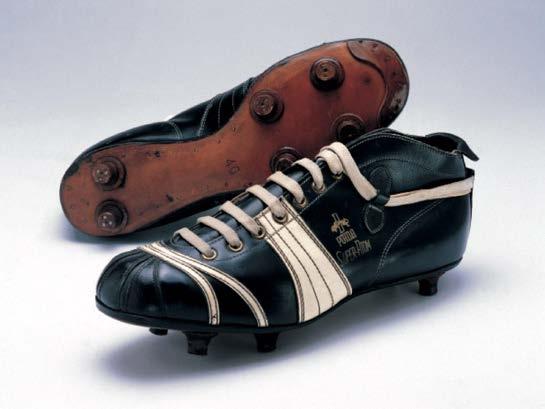
Puma, led by Rudolf Dassler, carved its own path, focusing on speed, style, and agility. Rudolf’s marketing savvy helped Puma secure early partnerships, particularly in football. In 1950, Puma introduced the Super Atom, a football boot endorsed by West German players, marking its entry into the sport. Puma’s early innovation, the Formstrip logo (a curved stripe along the shoe’s side), became its visual hallmark. The 1960s were a golden era for Puma. At the 1968 Mexico City Olympics, American sprinters Tommie Smith and John Carlos, wearing Puma Suedes, raised their fists in a Black Power salute, cementing Puma’s cultural relevance. Puma also pioneered athlete endorsements, famously paying Brazilian football legend Pelé to tie his Puma boots before a 1970 World Cup match, a moment broadcast globally.
Puma faced challenges after Rudolf’s death in 1974. Family disputes and competition from Adidas and Nike led to financial strain in the 1980s. In 1986, Puma went public, and by 1989, it was acquired by Swedish firm Cosa Liebermann. The 1990s were tough, with Puma struggling to compete. However, under CEO Jochen Zeitz (appointed in 1993), Puma staged a remarkable turnaround. Zeitz repositioned Puma as a “sport-lifestyle” brand, blending performance with fashion. Collaborations with designers like Alexander McQueen and later Rihanna (Fenty x Puma) revitalized its image. Puma’s focus on football, running, and motorsport (supplying teams like Ferrari in Formula 1) strengthened its portfolio. Strategic sponsorships, such as Usain Bolt and Neymar Jr., kept Puma relevant. Acquired by French luxury group Kering in 2007 (then PPR), Puma gained financial stability. By 2023, Puma’s revenues reached €8.6 billion, with a strong presence in Europe, Asia, and the Americas.
The Rivalry and Cultural Impact
The Adidas-Puma rivalry shaped both brands’ identities. In Herzogenaurach, the split created a divided community, with separate football clubs, bakeries, and even pubs aligned with each brand. The competition drove innovation, as each brother sought to outdo the other. Adidas focused on technical precision, while Puma emphasized style and agility. Both brands transcended sportswear, influencing music, fashion, and pop culture. Adidas’s Run-DMC collaboration in the 1980s popularized sneakers in hip-hop, while Puma’s partnerships with artists like Jay-Z and Rihanna bridged sport and streetwear. Their logos—Adidas’s three stripes and Puma’s Formstrip—are global icons.
Challenges and Modern Era
Both companies faced challenges from Nike’s dominance in the 1980s and 1990s, forcing them to adapt. Adidas leaned into highfashion collaborations and sustainability, launching initiatives like Parley for the Oceans to create shoes from recycled plastic. Puma, meanwhile, emphasized affordability and regional growth, particularly in Asia.
Today, Adidas and Puma are publicly traded giants, no longer family-run but still tied to their Herzogenaurach roots. The rivalry has softened, with the brands coexisting in a competitive yet respectful dynamic. In 2009, employees from both companies played a symbolic “peace match” to mark the end of the feud, though the competitive spirit persists.
Legacy
Adidas and Puma’s story is one of innovation born from rivalry. From a small German workshop, the Dassler brothers created brands that revolutionized sportswear, shaped global culture, and inspired generations. Adidas, with its technical prowess and cultural cachet, and Puma, with its agile, stylish ethos, continue to compete and innovate. Their histories remind us that even the fiercest rivalries can drive progress, leaving a lasting impact on the world.
ATHLETE-DRIVEN FASHION IN SPORTS
A CULTURAL & ECONOMIC GAME-CHANGER
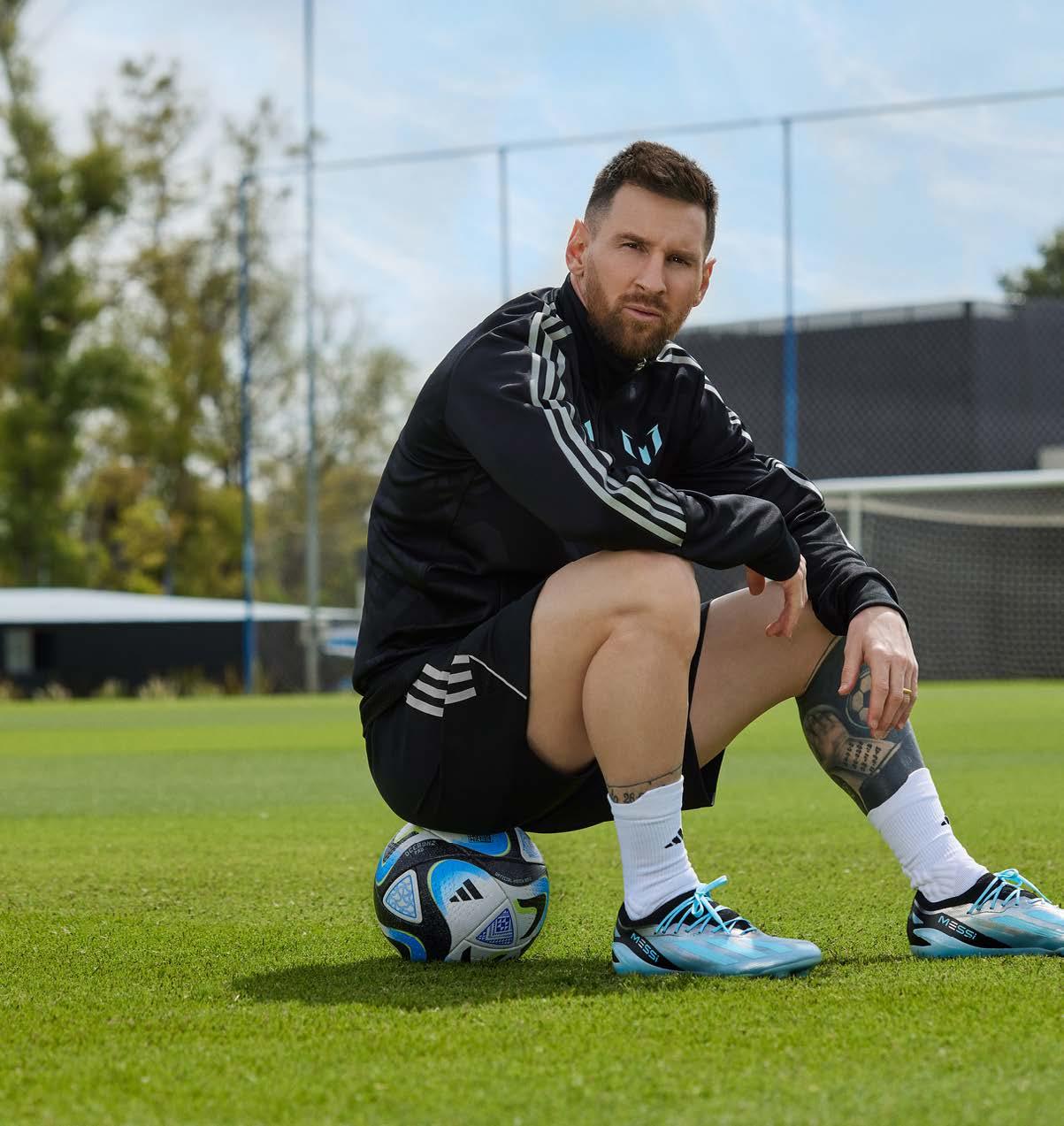
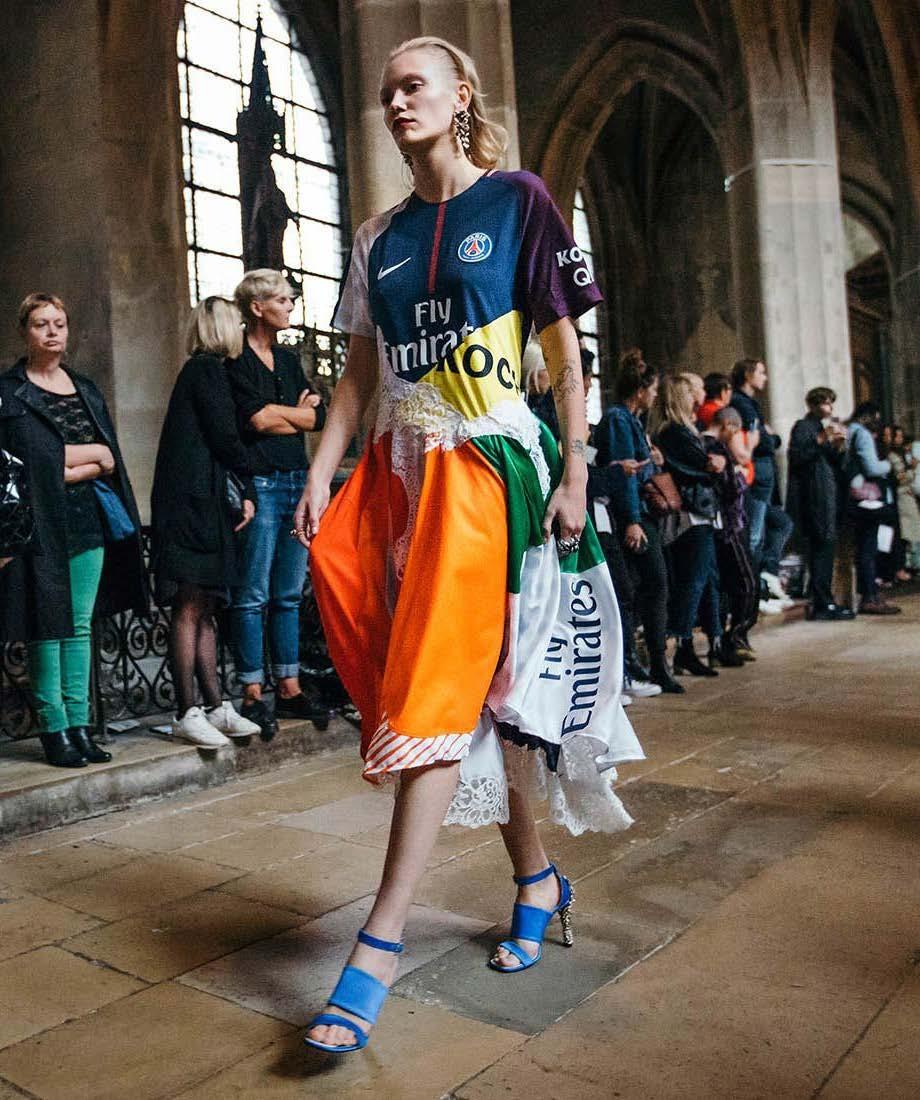
In recent years, athlete-driven fashion has emerged as a powerful force in the sports world, reshaping how athletes express themselves, how fans engage with their heroes, and how brands capitalize on the intersection of style and performance. From signature sneakers to custom game-day fits, athletes are no longer just competitors—they’re trendsetters, cultural influencers, and business moguls. This article explores the rise of athletedriven fashion, its impact on sports, and the broader implications for culture and commerce.
THE RISE OF ATHLETE-DRIVEN FASHION
Athlete-driven fashion is rooted in the desire for selfexpression. Historically, sports uniforms were standardized, leaving little room for individuality. However, as sports became a global stage, athletes began to leverage their platforms to showcase personal style. Michael Jordan’s Air Jordan line, launched in 1985, was a watershed moment. The iconic sneakers transcended basketball, becoming a cultural phenomenon that blended performance with streetwear. Today, athletes like Serena Williams, Russell Westbrook, Cristiano Ronaldo, and Neymar Jr. are pushing boundaries further, collaborating with high-end designers, launching their own brands, and turning pre-game tunnels into fashion runways. Social media has amplified this trend. Platforms like Instagram and TikTok allow athletes to share their outfits instantly, turning game-day arrivals into viral moments. For instance, the NBA’s “tunnel walk” has become a spectacle, with players like LeBron James and Shai Gilgeous-Alexander showcasing tailored suits, bold accessories, and custom sneakers. These moments don’t just resonate with fans—they drive consumer demand and shape fashion trends.
IMPACT ON SPORTS
ENHANCED PERSONAL BRANDING
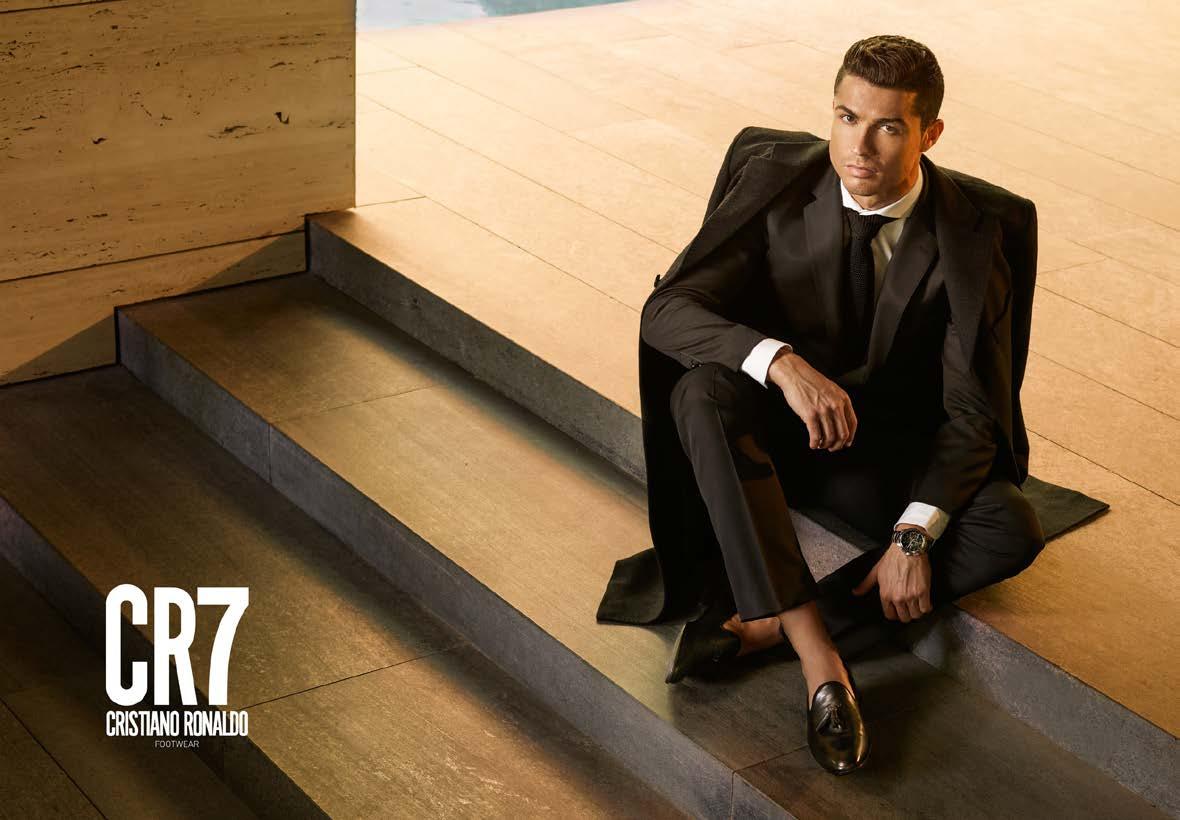
Athlete-driven fashion allows players to craft distinct identities beyond their on-field performance. Serena Williams’ bold oncourt outfits, often designed in collaboration with Nike or her own brand, S by Serena, reflect her personality and advocacy for inclusivity. Similarly, Colin Kaepernick’s partnerships with Nike post-NFL career reinforced his image as a cultural activist. These personal brands make athletes more marketable, attracting sponsorships and expanding their influence. Cristiano Ronaldo’s brand ‘CR7’ has been a huge part of his ever-growing business portfolio, reflecting the attitude of athletes towards fashion.
FAN ENGAGEMENT AND CULTURAL RELEVANCE
Fashion connects athletes with fans on a deeper level. When fans buy a player’s signature shoe or mimic their game-day style, they feel closer to the athlete’s persona. This connection strengthens fan loyalty and drives merchandise sales. For example, posts on social media highlight how fans eagerly await new drops from athletes like Kyrie Irving’s ANTA line or Travis Kelce’s fashion collaborations, which blend sports and pop culture. Fashion also keeps sports relevant in broader cultural conversations, bridging the gap between athletics and entertainment.
ECONOMIC GROWTH AND INDUSTRY INNOVATION
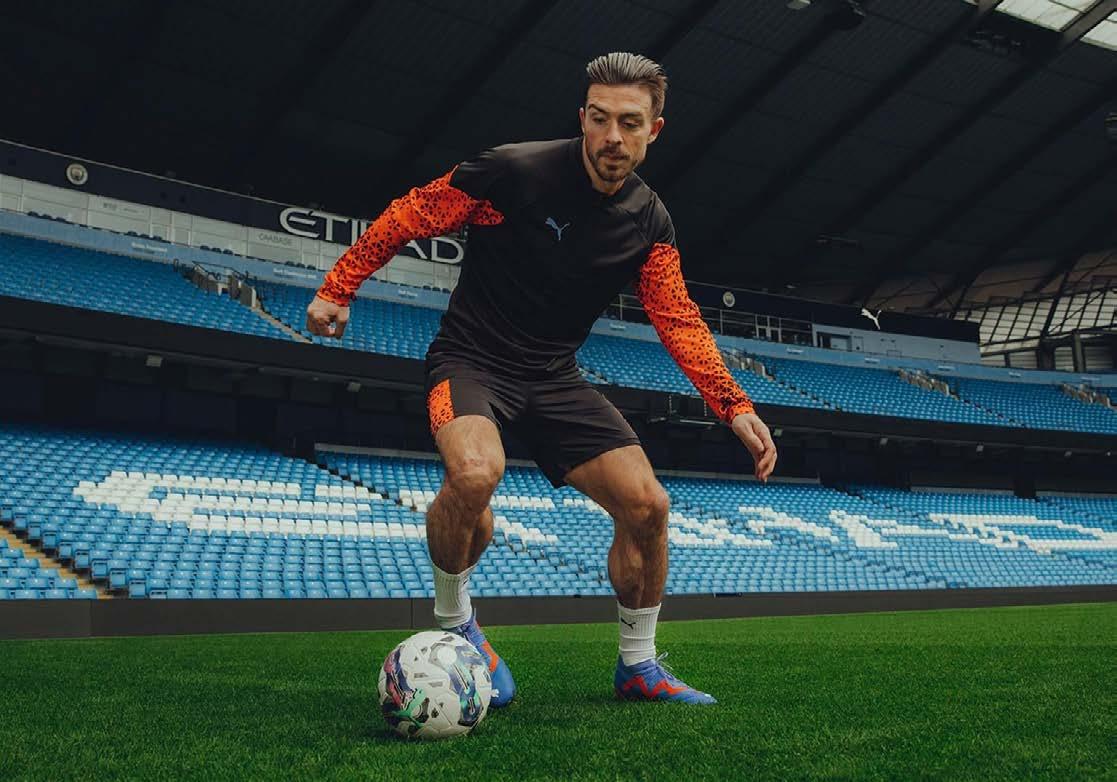
Athlete-driven fashion is a multi-billion-dollar industry. According to a 2023 report by Statista, the global sports apparel market is projected to reach $270 billion by 2028, with athlete collaborations playing a significant role. Brands like Nike, Adidas, and Puma invest heavily in athlete partnerships, creating products that blend performance technology with aesthetic appeal. Athletes are also launching their own ventures—Russell Westbrook’s Honor the Gift and Chris Paul’s CP3 apparel line are prime examples— disrupting traditional brand dominance and fostering entrepreneurship.
PERFORMANCE AND FUNCTIONALITY
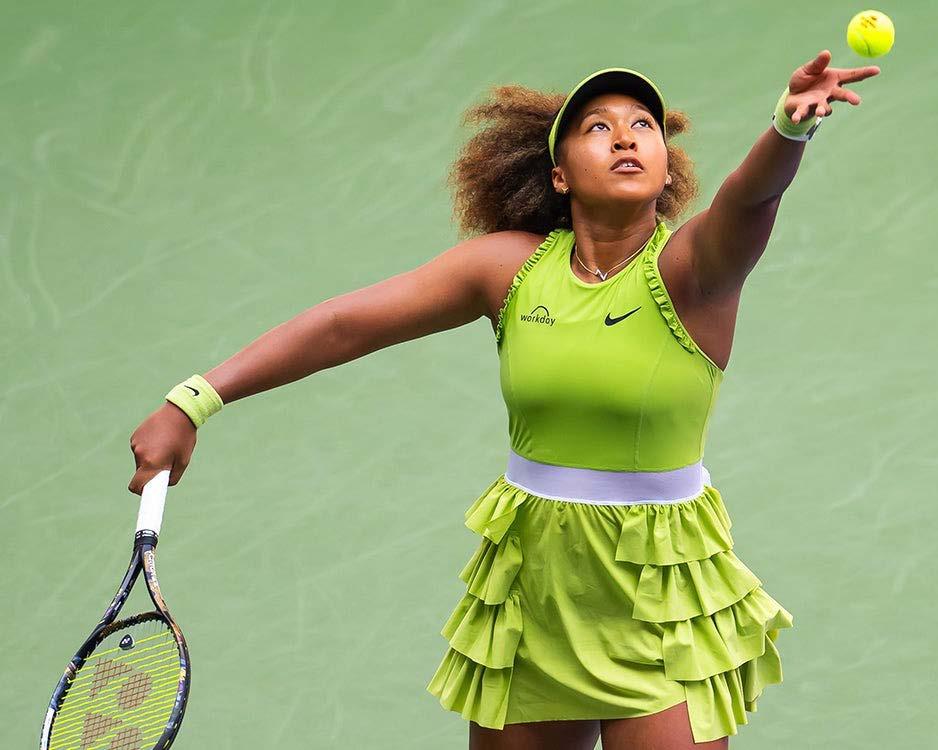
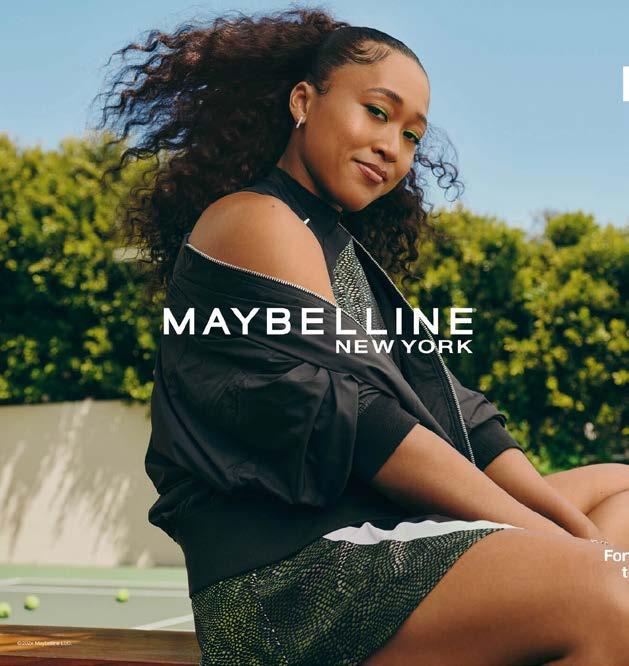
Fashion isn’t just about aesthetics; it’s influencing sports technology. Athletes collaborate with brands to design gear that enhances performance while reflecting their style. For instance, Naomi Osaka’s Nike tennis kits prioritize comfort and mobility without sacrificing flair. These innovations trickle down to amateur athletes, improving accessibility to high-quality, stylish equipment.
CULTURAL AND SOCIAL IMPLICATIONS
Athlete-driven fashion has democratized style in sports, challenging norms and promoting diversity. Female athletes like Simone Biles and Megan Rapinoe use fashion to assert their individuality in maledominated spaces, while athletes from marginalized communities, such as Bubba Wallace in NASCAR, use style to celebrate their heritage. These choices spark conversations about identity, representation, and inclusion.
However, the trend isn’t without criticism. Some argue that the focus on fashion distracts from athletic performance or promotes consumerism. Others point out the environmental cost of fast-fashion collaborations. Posts on social media reflect this divide, with some fans praising athletes’ style as empowering, while others see it as a commercialization of sports. Balancing authenticity with commercial pressures remains a challenge for athletes navigating this space.
THE FUTURE OF ATHLETEDRIVEN FASHION
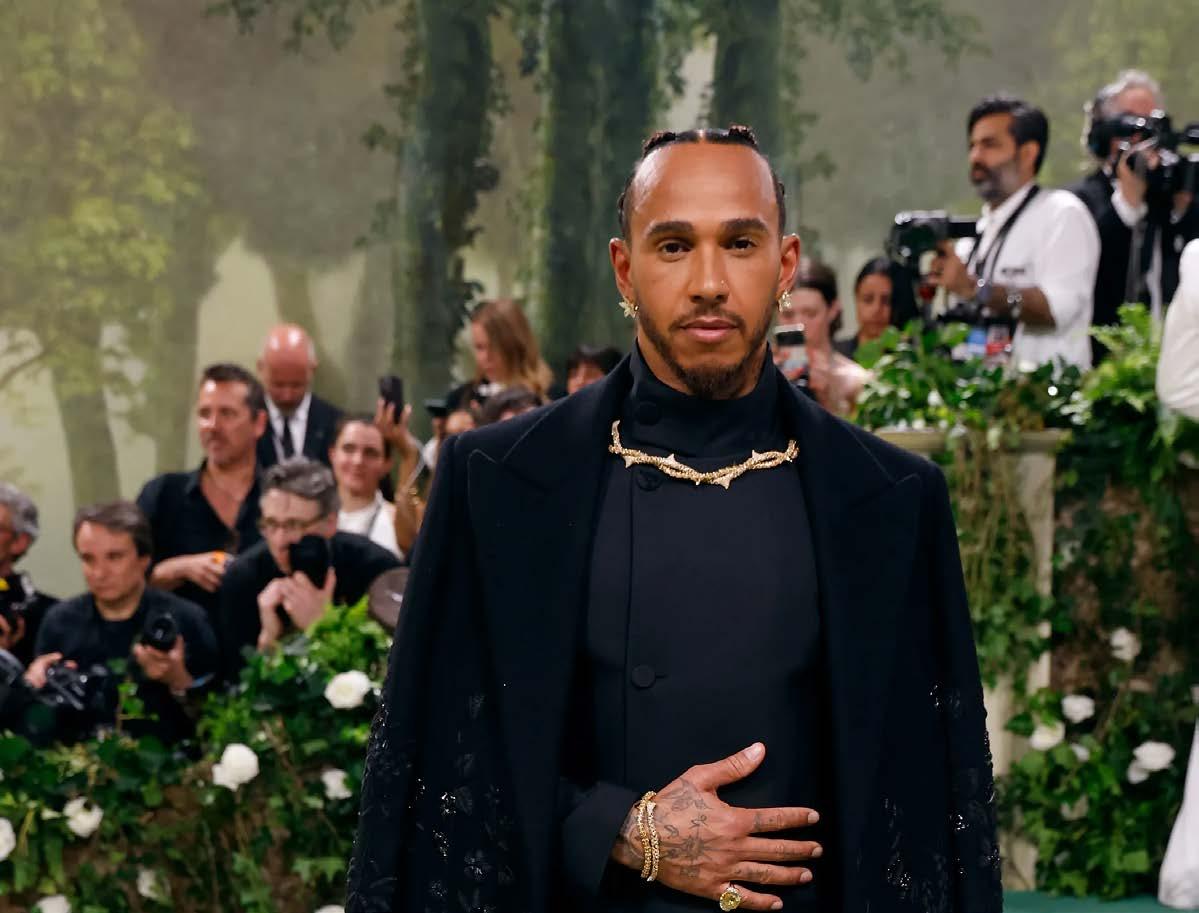
The influence of athlete-driven fashion shows no signs of slowing. As virtual reality and gaming platforms like Fortnite integrate athlete-inspired skins and accessories, the digital realm is becoming a new frontier for fashion in sports. Additionally, sustainability is gaining traction, with athletes like Lewis Hamilton advocating for eco-friendly apparel. Brands and athletes will need to innovate to meet consumer demand for ethical, inclusive, and environmentally conscious products.
Athlete-driven fashion has transformed sports into a dynamic arena for self-expression, cultural influence, and economic opportunity. By blending style with performance, athletes are redefining what it means to be a competitor in the modern era. The impact is undeniable: stronger personal brands, deeper fan connections, and a thriving industry that continues to evolve. As athletes push creative boundaries, their influence will shape not only sports but also the global cultural landscape for years to come.
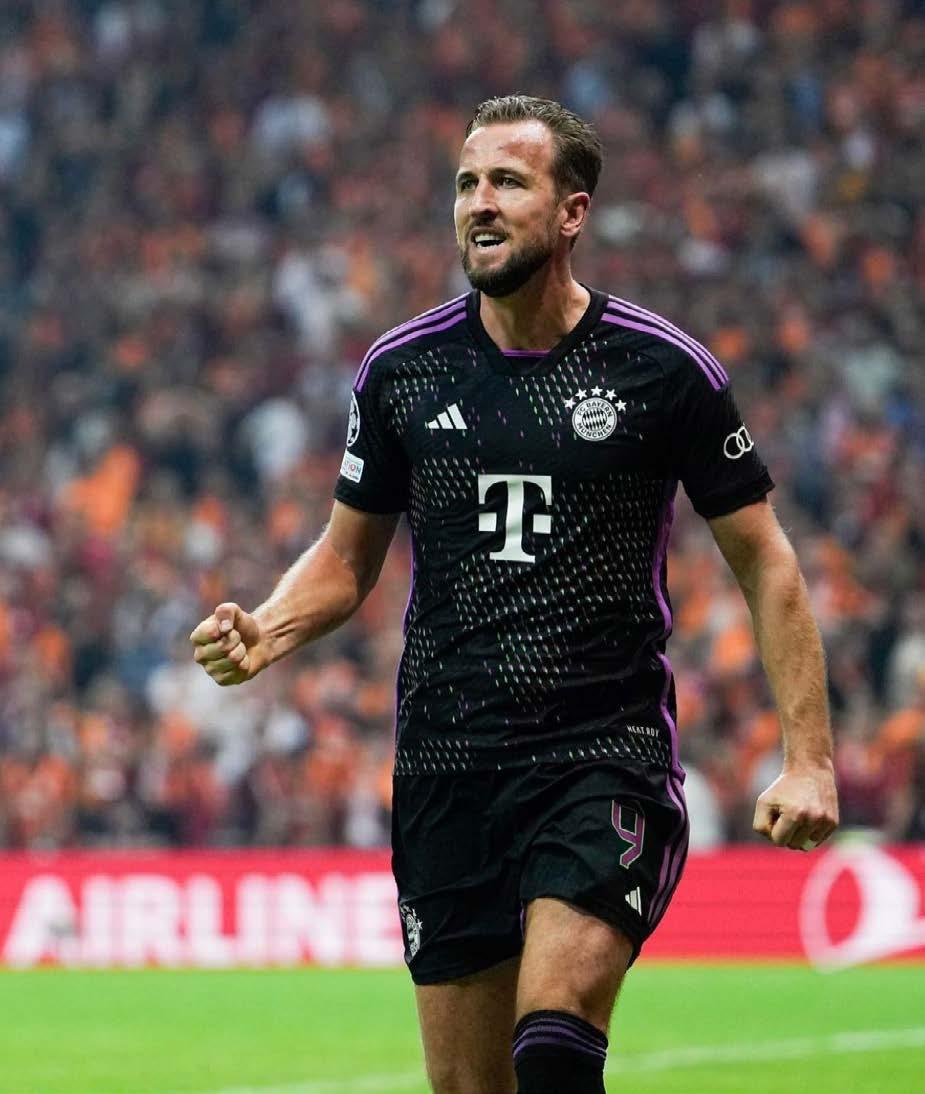
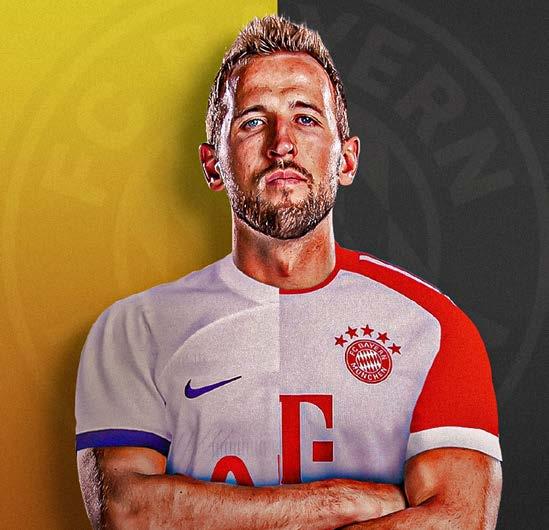
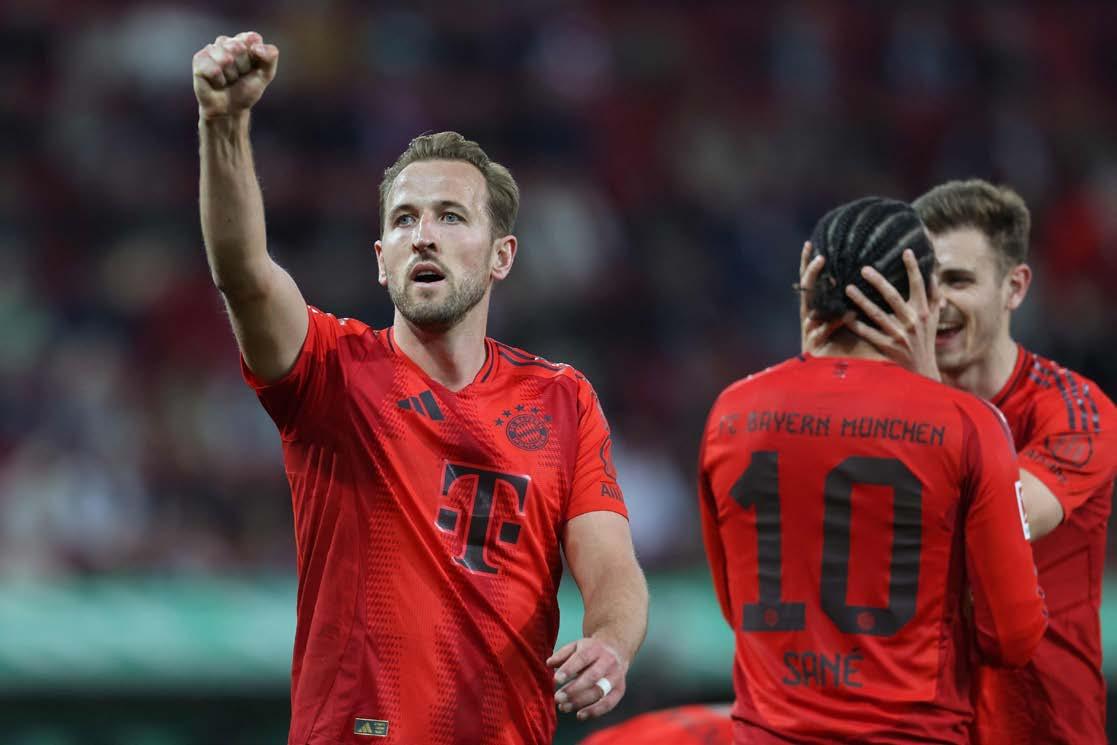
Harry Kane’s LONG-AWAITED TRIUMPH First Major Trophy with Bayern Munich
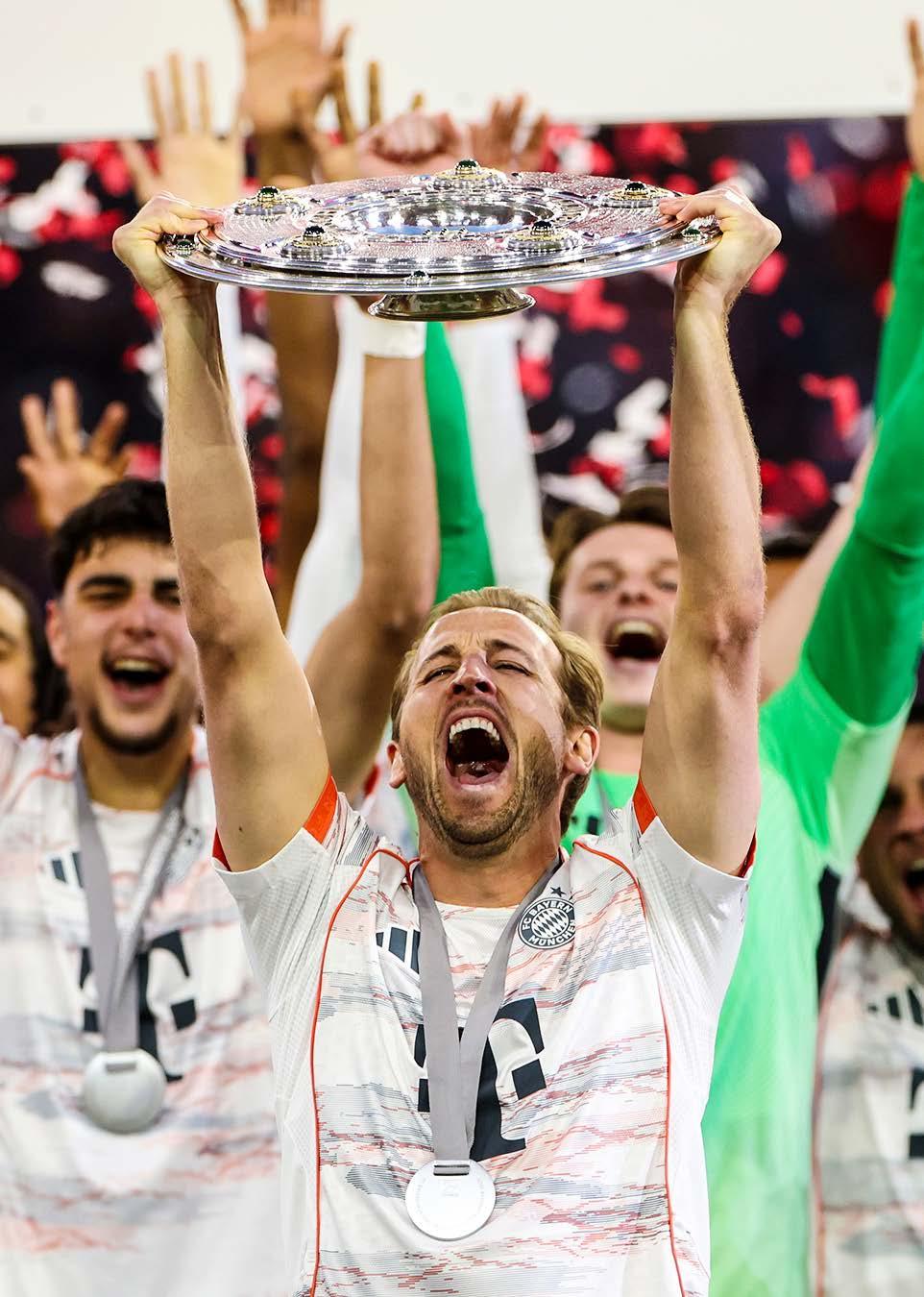
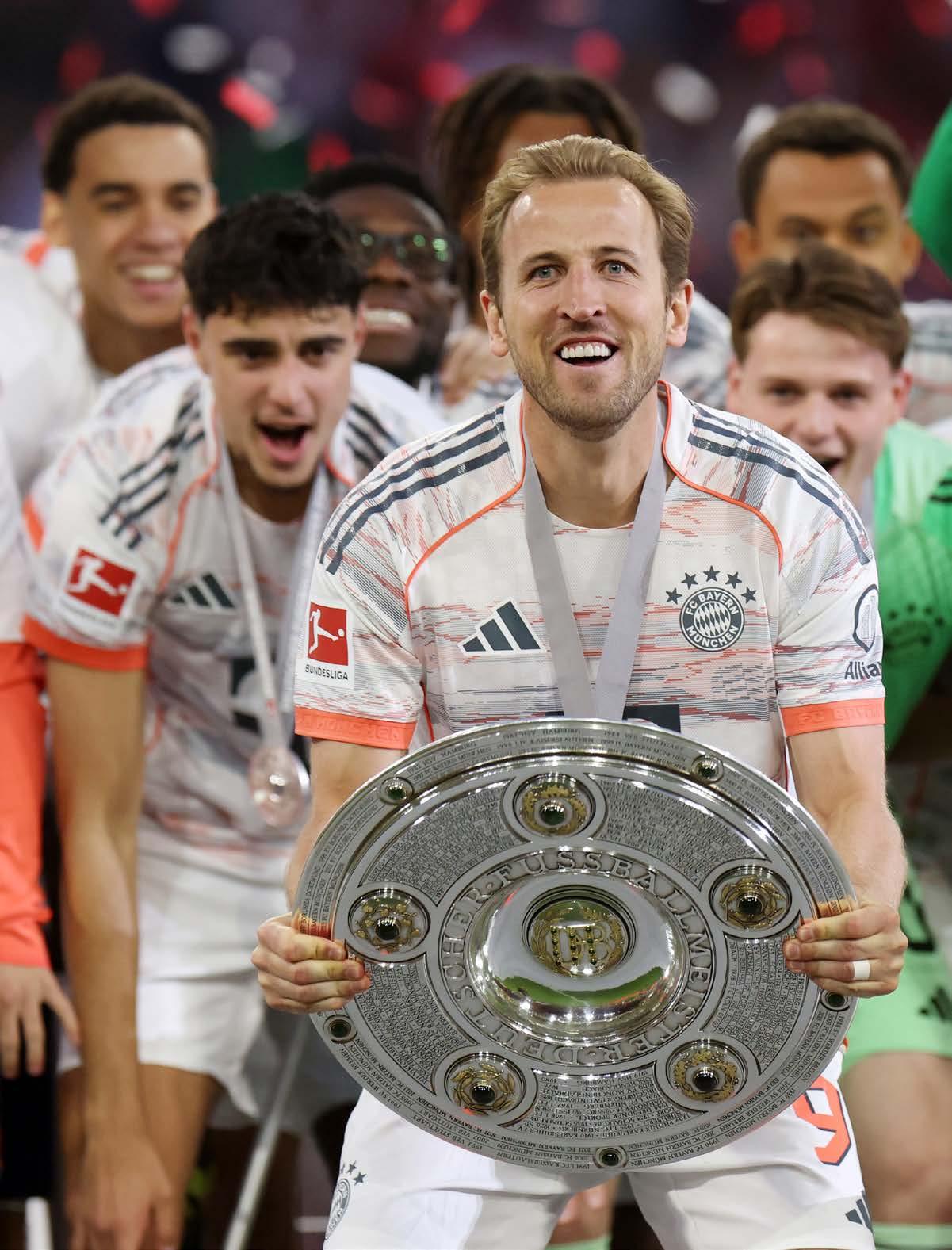
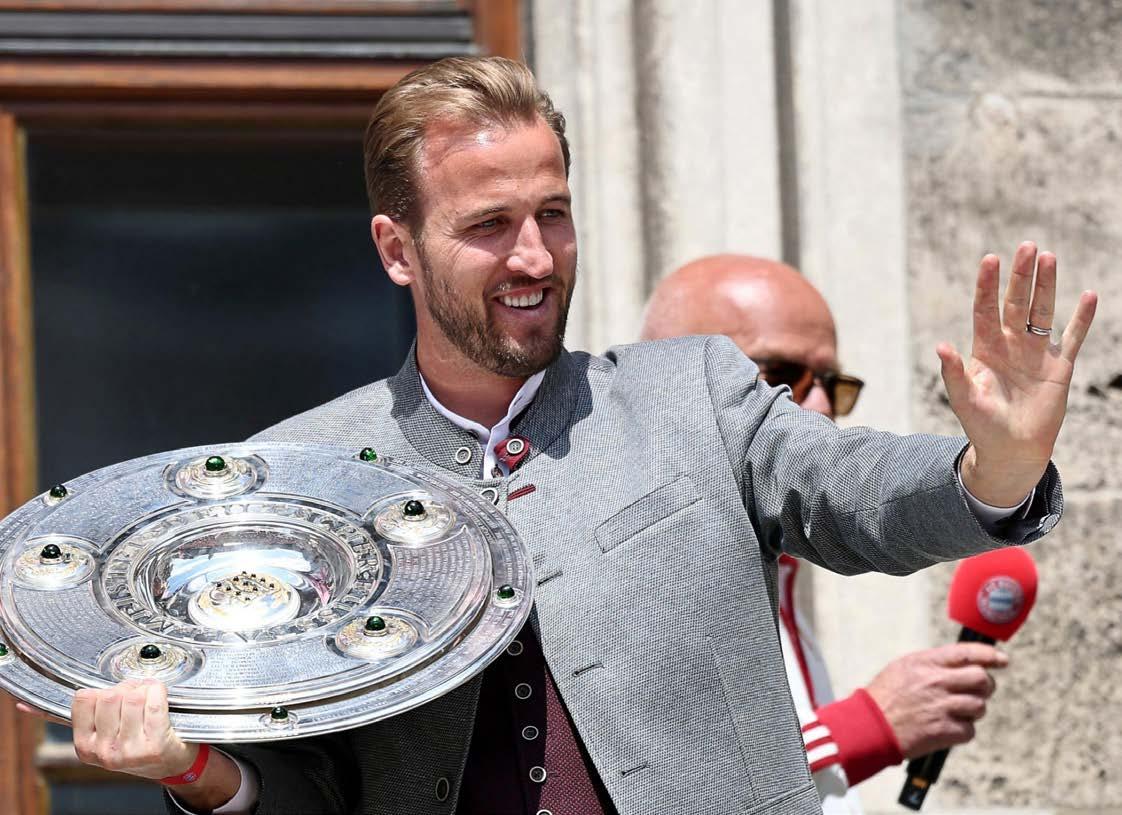
On May 4th, 2025, a career-defining moment arrived for Harry Kane, one of football’s most prolific strikers. After nearly 700 matches for club and country, countless goals, and a string of near-misses, the England captain finally lifted his first major trophy as Bayern Munich clinched the 2024-25 Bundesliga title. The victory, sealed by Bayer Leverkusen’s 2-2 draw with Freiburg, marked the end of a trophy drought that had become a persistent narrative in Kane’s otherwise illustrious career. At 31, the weight of expectation and criticism has been lifted, and Kane is already eyeing more silverware.
A CAREER OF GOALS, BUT NO GLORY
Harry Kane’s journey to this moment has been one of extraordinary talent juxtaposed with persistent heartbreak. Emerging from Tottenham Hotspur’s youth academy, Kane was never the standout prospect in his age group. As former youth coach Alex Inglethorpe noted, he “wasn’t even on the podium” among his peers as an under-14 player. Yet, through sheer determination and a relentless work ethic, Kane transformed himself into one of the world’s finest strikers, blending lethal finishing with playmaking vision.
At Tottenham, Kane became a club legend, surpassing Jimmy Greaves to become the club’s alltime top scorer with 280 goals and winning three
Premier League Golden Boots. Despite his individual brilliance, team success eluded him. Spurs were perennial “nearly men” in the late 2010s, finishing as runners-up in the Premier League, Champions League, and League Cup. Kane also endured agony with England, losing in the finals of two European Championships and missing a crucial penalty against France in the 2022 World Cup quarter-final.
The lack of silverware became a stick to beat Kane with, despite his staggering numbers—over 400 career goals and England’s all-time leading scorer. Critics pointed to his trophyless record as a blemish on an otherwise flawless CV, with some even joking he was “cursed.” When Kane joined Bayern Munich in August 2023 for €100 million (£86.4m), it seemed the perfect move to silence the doubters. Bayern had won 11 consecutive Bundesliga titles, and trophies appeared a formality.
A ROCKY START IN BAVARIA
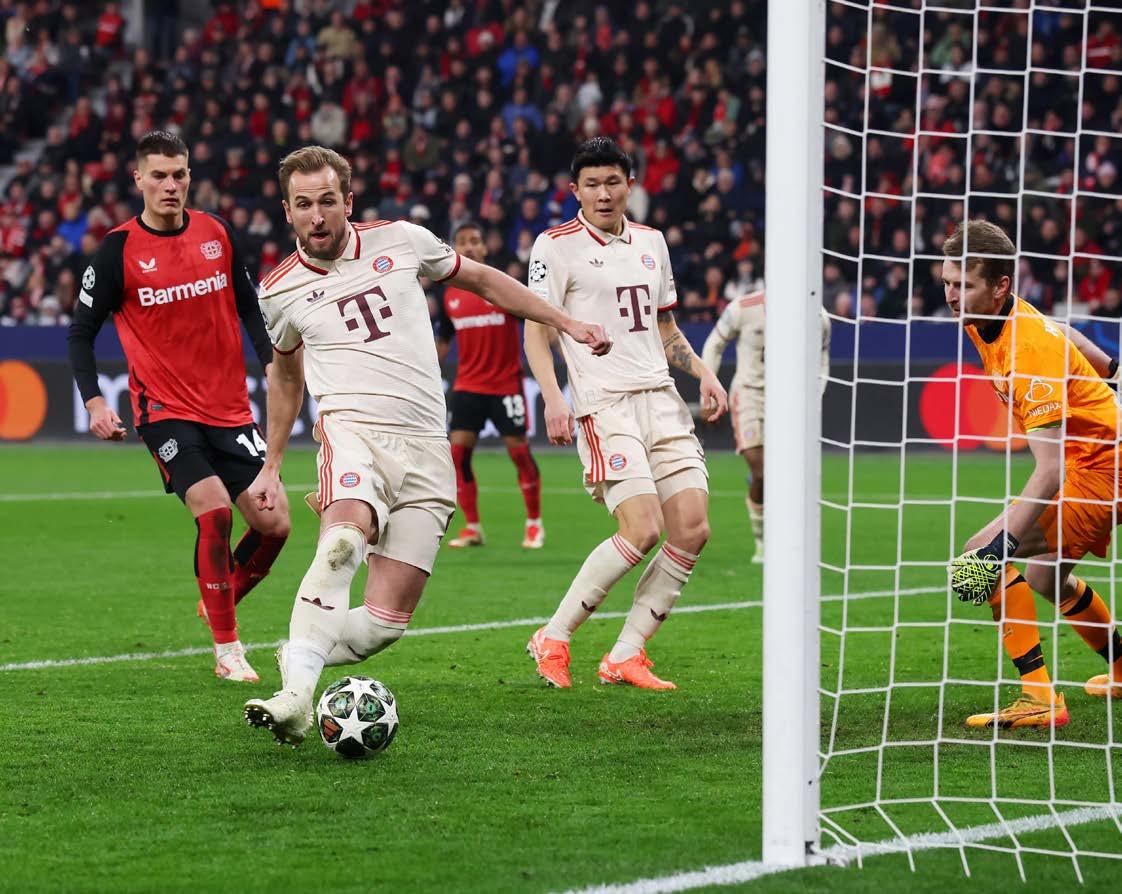
Kane’s first season in Germany, however, was a shock. Despite a phenomenal 36 goals in 32 Bundesliga matches, Bayern suffered their first trophyless season in over a decade. Bayer Leverkusen, under Xabi Alonso, ended Bayern’s domestic dominance, while losses in the DFBPokal and a Champions League semi-final exit to Real Madrid compounded the disappointment. Kane’s move, meant to guarantee silverware, instead fuelled further scrutiny.
“It was tough for him,” said former Bayern and Tottenham striker Jürgen Klinsmann. “He came to Munich because he knew this is the club where you can win trophies, and then it was a very bad season last year.” Kane, however, remained undeterred, studying the game’s greats and maintaining his drive to be among the world’s best.
REDEMPTION IN 2024-25
The 2024-25 season brought a turnaround under new manager Vincent Kompany. Bayern rediscovered their ruthlessness, and Kane, as ever, was at the heart of it. Scoring 25 goals in 30 league games, he broke records, becoming the fastest player to reach 50 Bundesliga goals (in just 43 matches) and netting 60 in his first 60 league appearances. His performances, combining clinical finishing with creative link-up play, earned him adoration from Bayern’s hardcore supporters, who saw him as more than just a hired gun.
The title was secured without Bayern needing to play, as Leverkusen’s draw handed them an unassailable eightpoint lead with two games remaining. Kane, sidelined for the match against RB Leipzig due to a one-game suspension, watched from the stands but joined the raucous celebrations that followed. Videos shared on social media captured a jubilant Kane singing Queen’s “We Are the Champions” and Neil Diamond’s “Sweet Caroline,” puffing on a cigar, and dancing with teammates into the early hours. A teary-eyed Instagram post alongside compatriot Eric Dier, who also won his first major trophy, underscored the emotional weight of the moment. “It feels sweet,” Kane said in a video posted on May 5. “It’s been a long time coming, a lot of hard work, a lot of dedication. It just feels amazing to win the title, the first one of my career.”
A NEW CHAPTER BEGINS
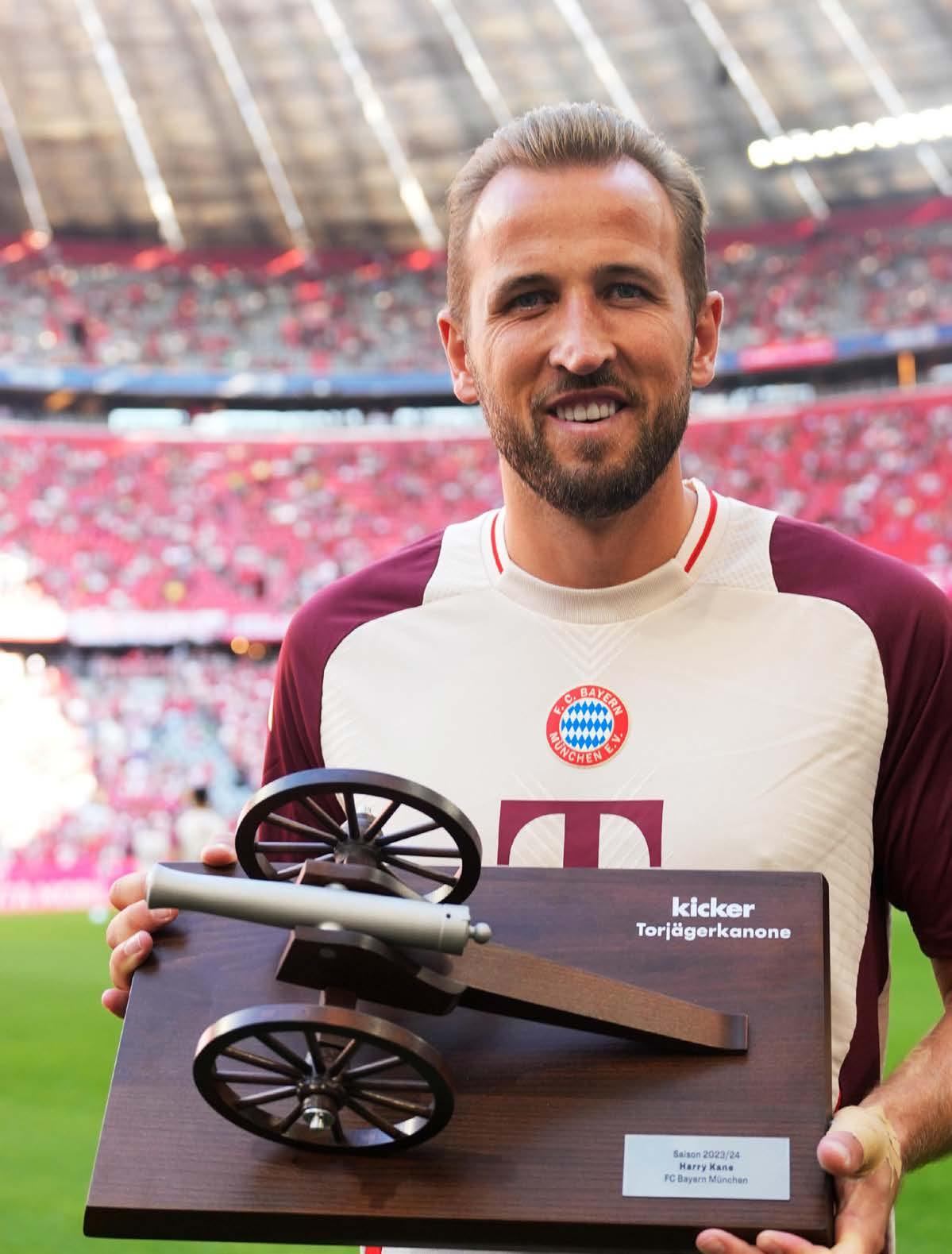
The Bundesliga triumph is more than just a trophy for Kane—it’s a vindication of his resilience. At 31, he’s not slowing down. With 80 goals in 89 matches for Bayern, he’s on track to become the first player in Bundesliga history to win the Golden Boot in his first two seasons. Kane’s hunger for more is evident, as he’s already set his sights on a second trophy, with Bayern still in contention for other competitions next season.
The victory also sparked widespread celebration online, with “congratulations Harry” trending on social media as fans and pundits lauded his perseverance. Posts reflected a mix of joy and relief, with one user writing, “Never give up in life, he’s done it after all the struggles.” Others speculated about Kane’s future, with Gary Neville suggesting a potential Premier League return to clubs like Chelsea or Liverpool, though Kane appears focused on adding to his Bayern legacy.
A LEGACY REDEFINED
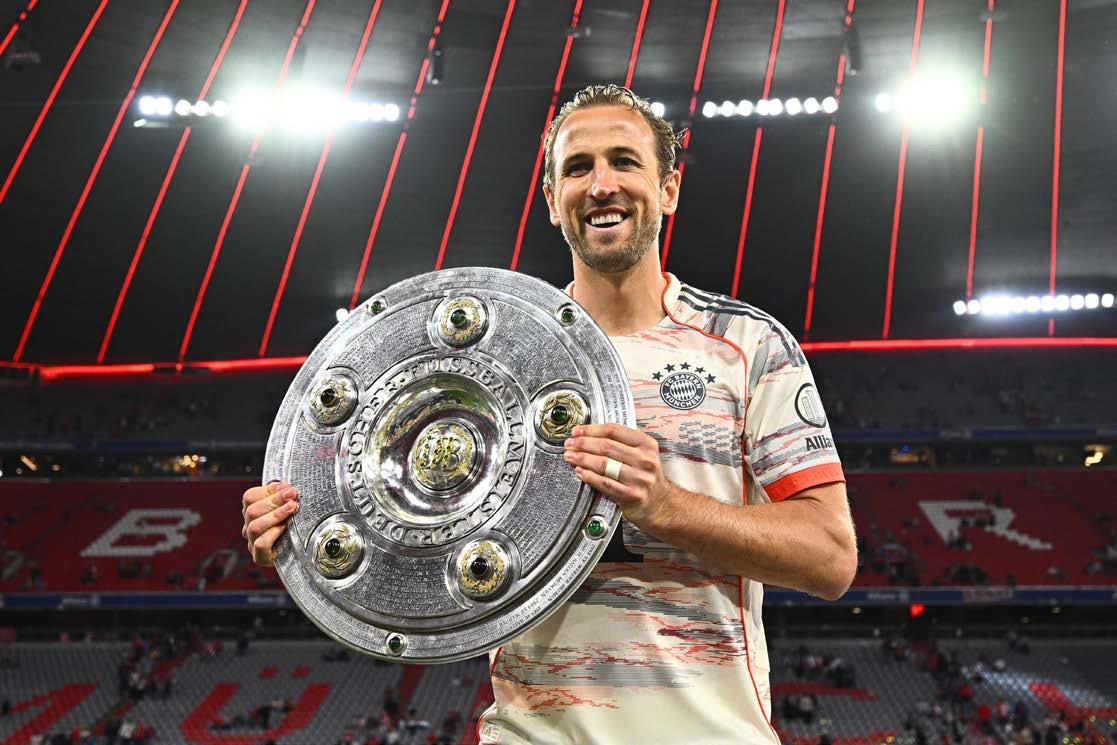
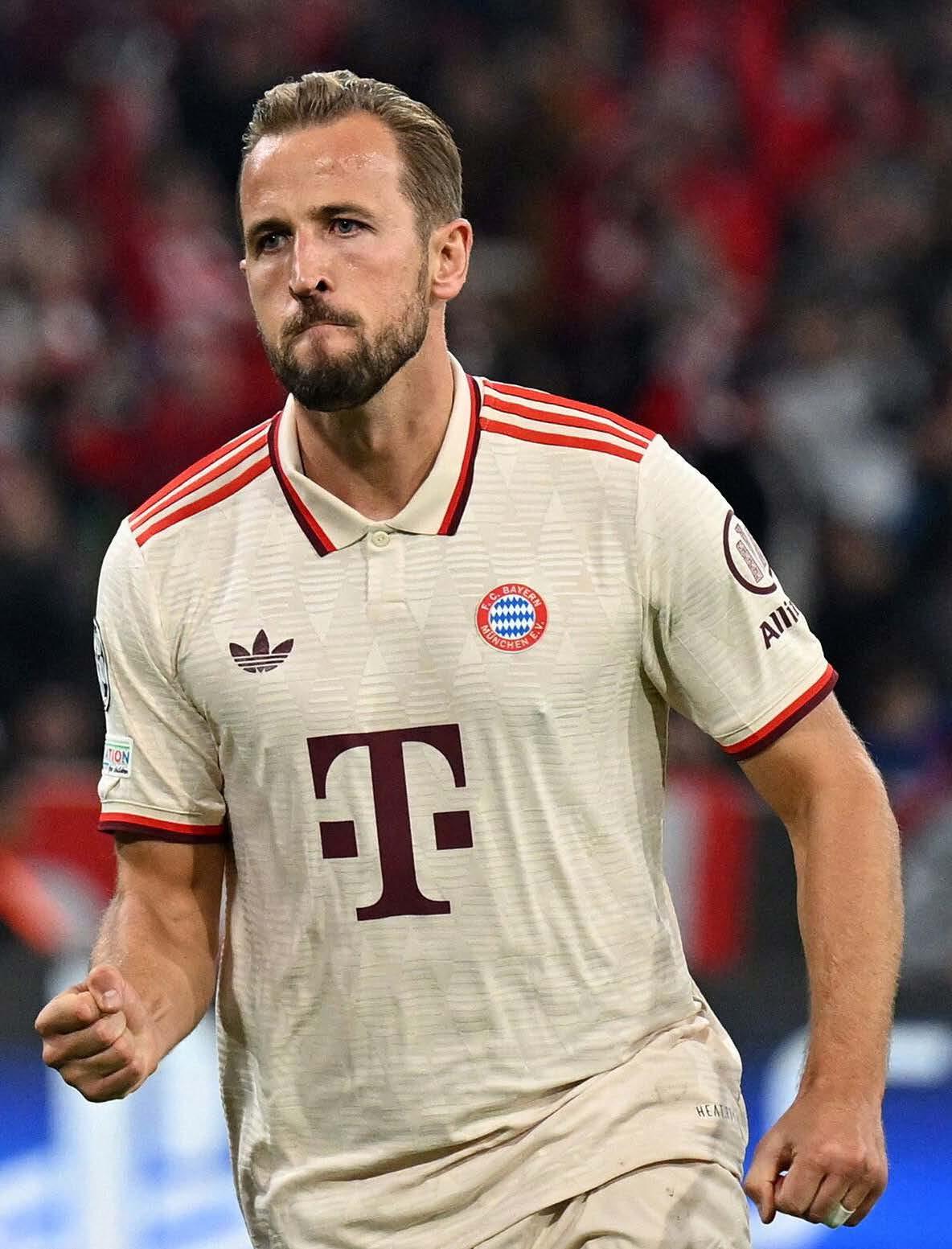
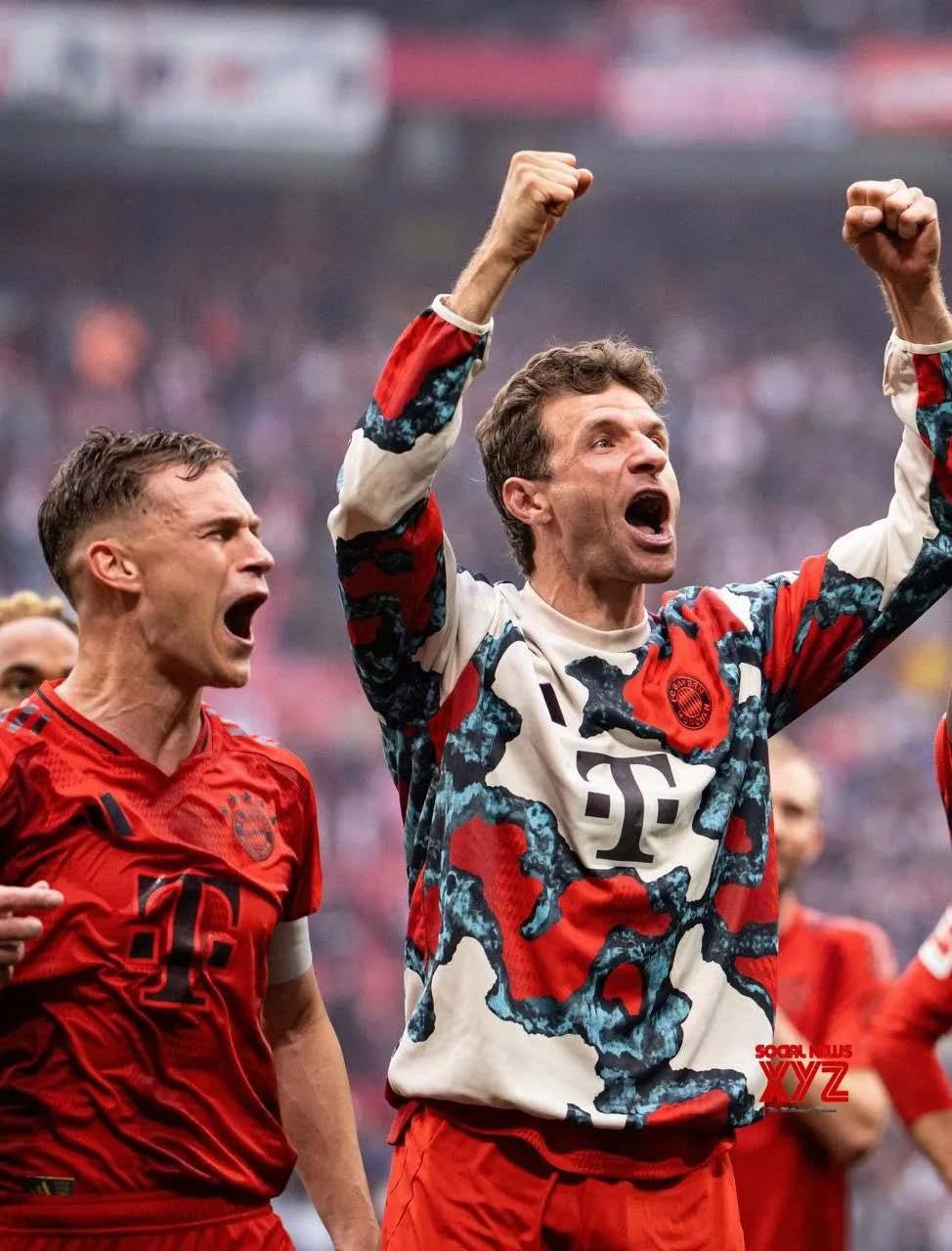
Kane’s first major trophy at 31 invites comparisons with other footballing greats. By the same age, Lionel Messi had amassed 34 titles, while Cristiano Ronaldo had 17. Yet Kane’s journey, marked by grit and nearmisses, resonates differently. His ability to thrive under pressure, break records, and win over Bayern’s fans speaks to a greatness that transcends silverware. As Bayern celebrated with fans at the Allianz Arena against Borussia Mönchengladbach on May 10, Kane donned the club’s new 2025-26 away kit to lift the Bundesliga trophy—his first, but unlikely his last. The occasion also marked club legend Thomas Müller’s final home game, adding extra poignancy. Despite some fan backlash over the kit’s design, the focus remained on Kane’s triumph.
“It’s a special group of players, the staff,” Kane said. “My first one in my career, so it feels that extra little bit sweet.” For a player who has carried the weight of expectation for over a decade, this victory is not just a trophy—it’s a testament to a career defined by persistence, class, and an unyielding desire to win. As Kane looks ahead, the question is no longer whether he can win, but how many more he will claim. For now, the England captain can bask in the glow of a moment he’s waited his entire career to Savor.
The Rise of Young Athletes in Professional Sports: A New Era of Talent
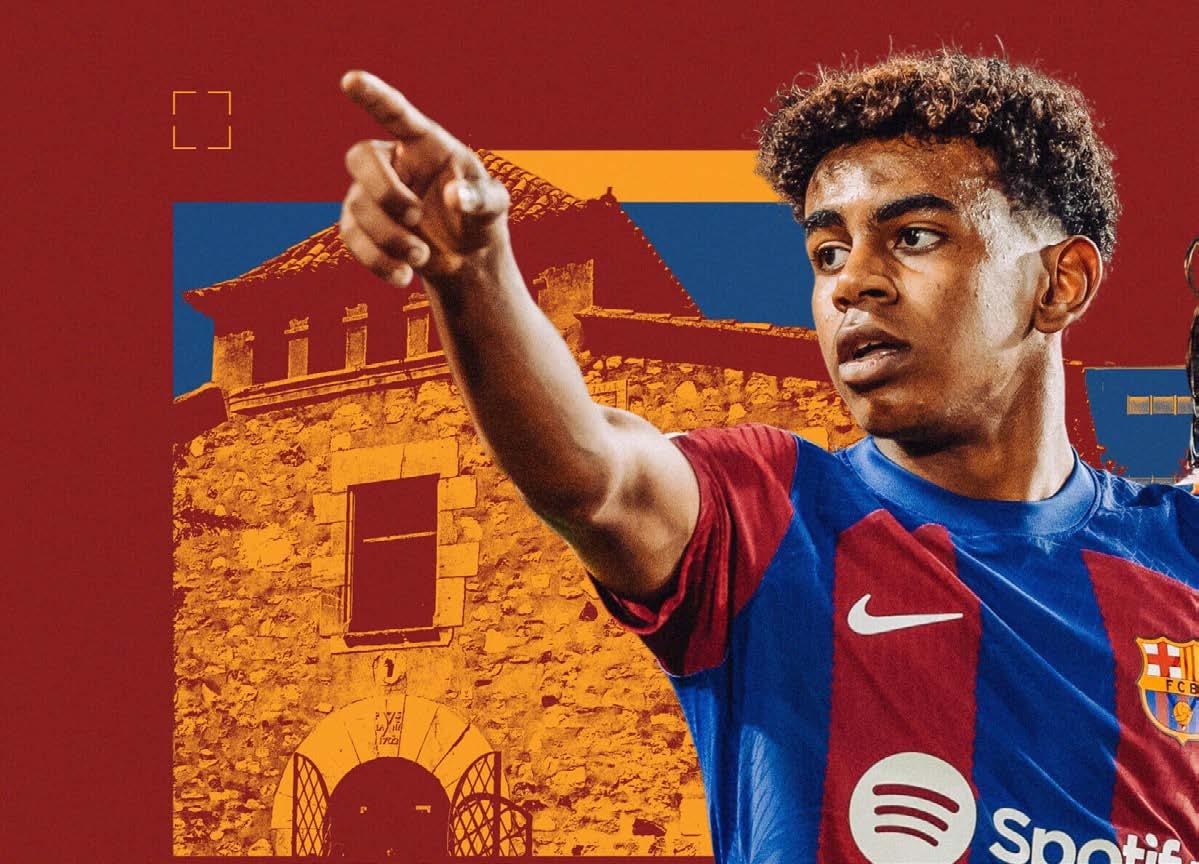
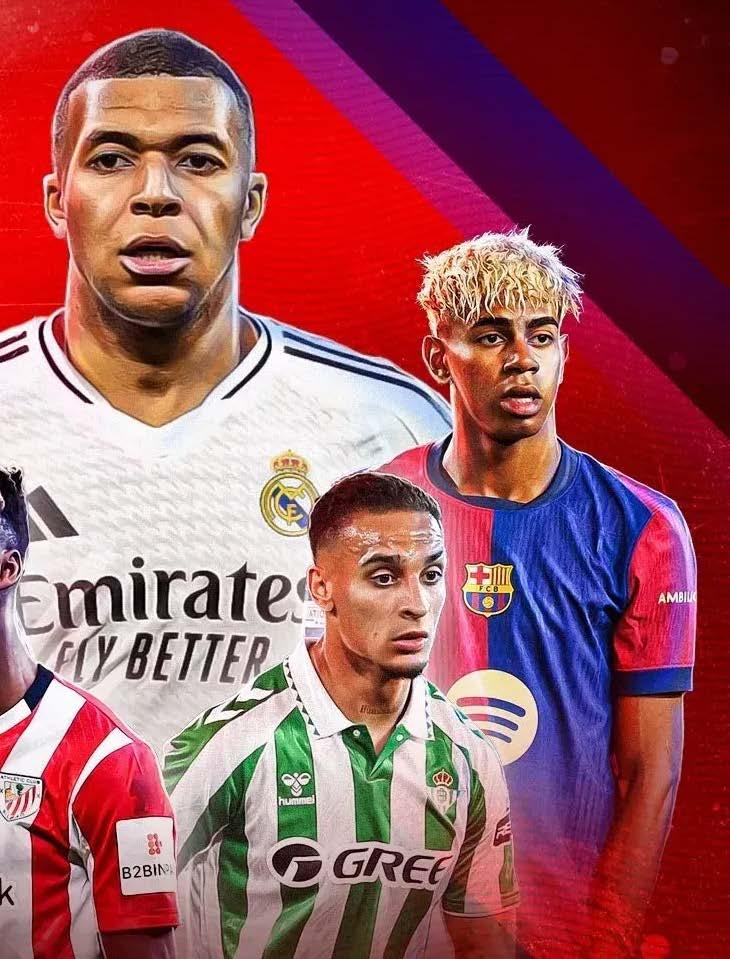
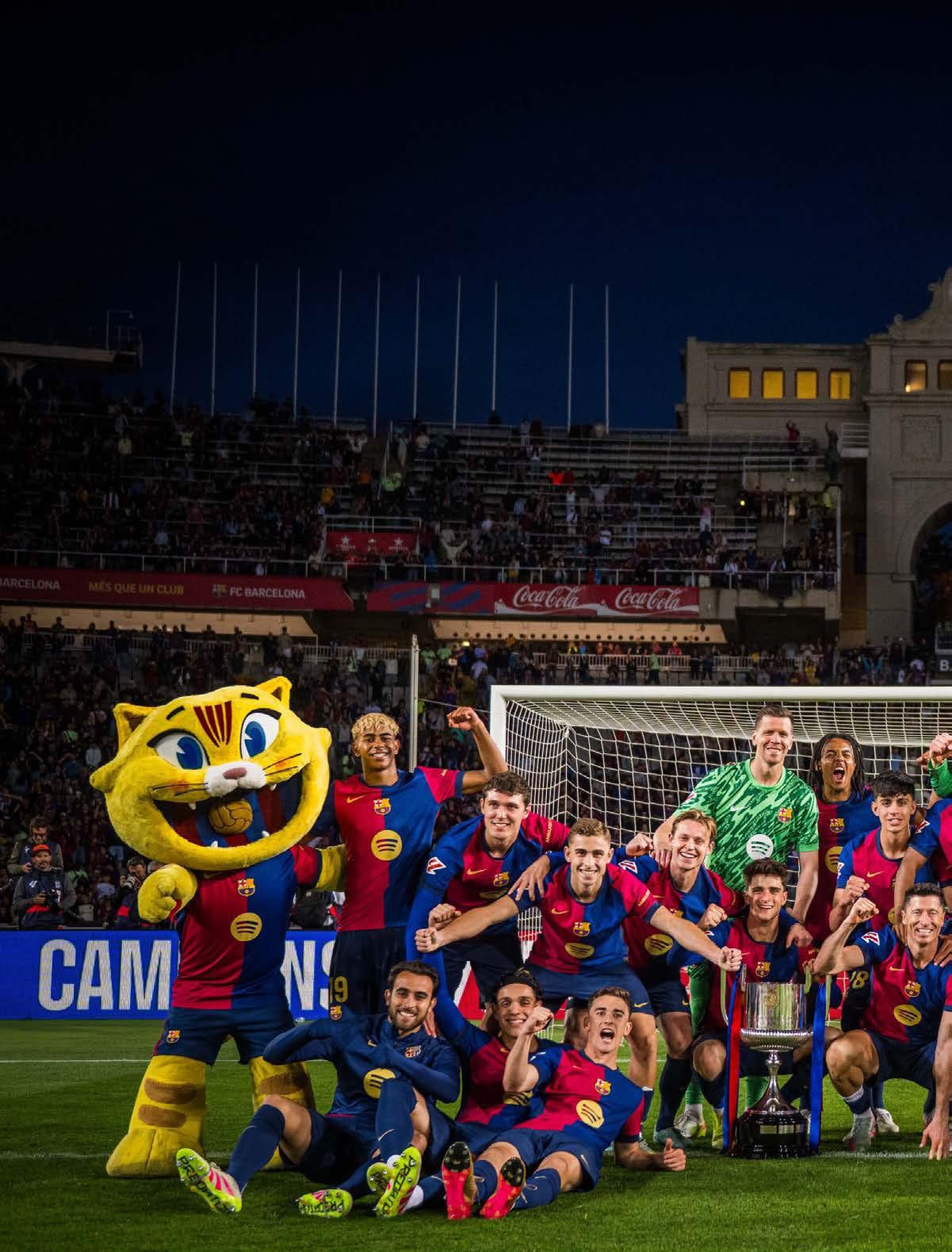
In recent years, professional sports have witnessed a remarkable trend: athletes are breaking into the professional ranks at increasingly younger ages. From soccer prodigies like Lamine Yamal, who debuted for FC Barcelona at 15, to teenage sensations like gymnast Simone Biles and swimmer Katie Ledecky dominating their fields, young athletes are redefining what it means to compete at the elite level. This shift contrasts sharply with previous generations, where athletes typically reached their prime in their mid-20s or later. The rise of young stars is driven by advancements in training, scouting, and societal changes, but it comes with both significant advantages and notable drawbacks.
The Trend: Younger Athletes, Bigger Stages
Historically, professional athletes often debuted in their late teens or early 20s after years of development in amateur or collegiate systems. For example, NBA legend Michael Jordan was 21 when he entered the league, and soccer icon Pelé, an exception in his era, was 17 during his first World Cup in 1958. Today, the landscape is different. In soccer, players like Jude Bellingham (17 at Borussia Dortmund) and Gavi (17 at FC Barcelona) have become starters for top clubs. In tennis, Coco Gauff won a WTA title at 15, and in the NBA, players like Zion Williamson and Luka Dončić were superstars before turning 20.
This trend is fuelled by several factors. Advanced training techniques, including datadriven analytics and sports science, allow young athletes to develop physical and technical skills earlier. Specialized youth academies, such as La Masia in soccer or IMG Academy in multiple sports, identify and nurture talent from childhood. Social media and global scouting networks amplify exposure, enabling teams to discover prospects worldwide. Additionally, the financial incentives of professional sports push families and athletes to pursue early success, with multimillion-dollar contracts and sponsorships at stake.
Advantages of Early Professionalization
EXTENDED CAREER LONGEVITY AND PEAK PERFORMANCE
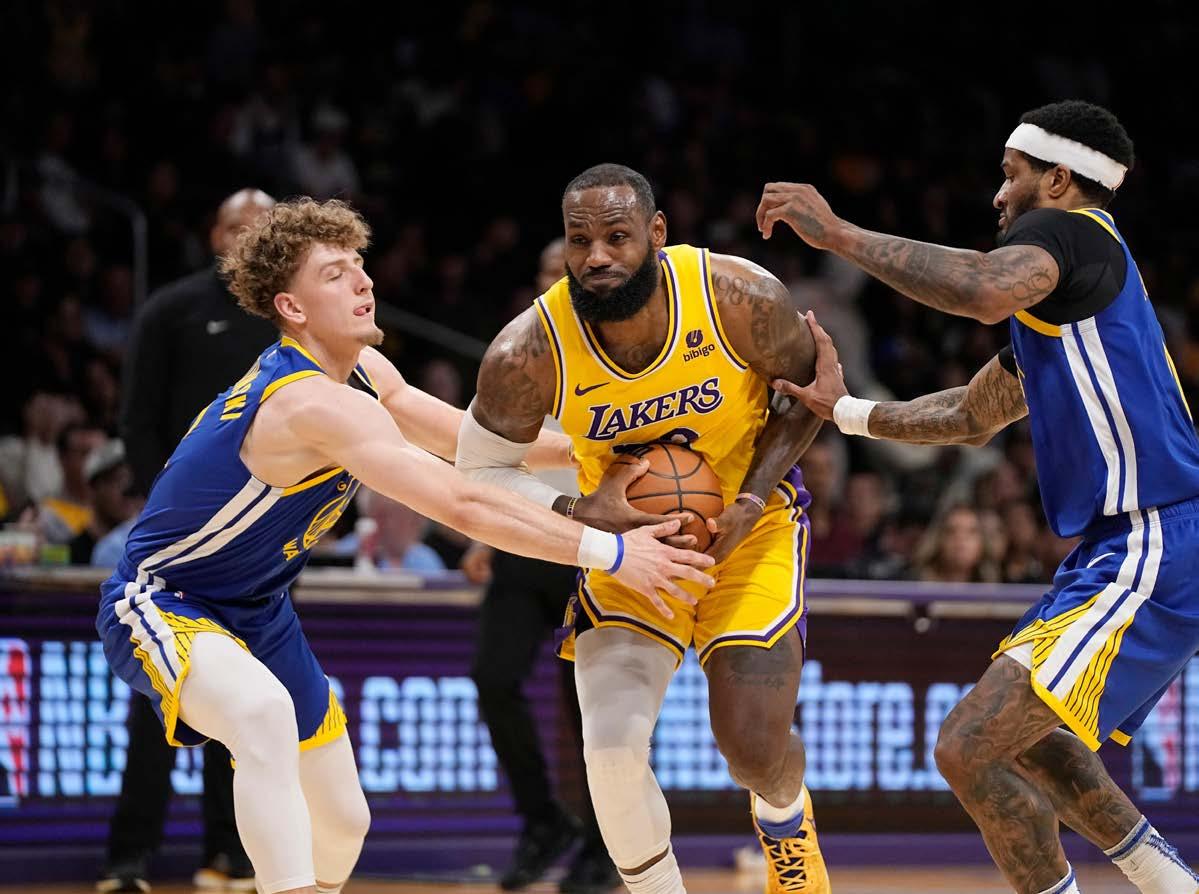
Young athletes entering professional sports early can maximize their prime years. With modern recovery methods and nutrition, starting early often means a longer career, as seen with LeBron James, who debuted at 18 and remains elite at 40. Early exposure to high-level competition also accelerates skill development, allowing athletes to refine their craft against the best.
FINANCIAL AND BRANDING OPPORTUNITIES
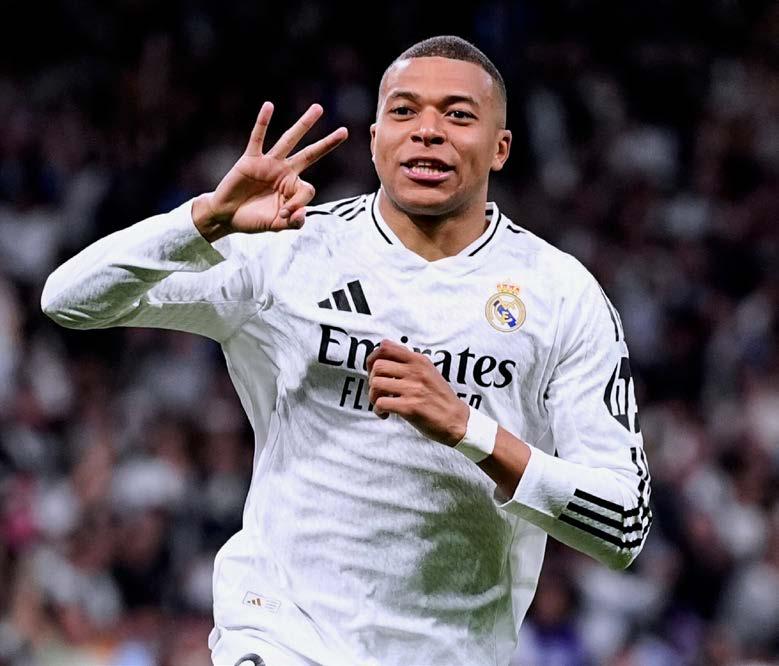
Early success can lead to lucrative contracts, endorsements, and global fame. For instance, Naomi Osaka and Kylian Mbappé, both stars in their teens, built personal brands that transcended their sports. These opportunities provide financial security and open doors to post-career ventures.
MENTAL TOUGHNESS AND ADAPTABILITY
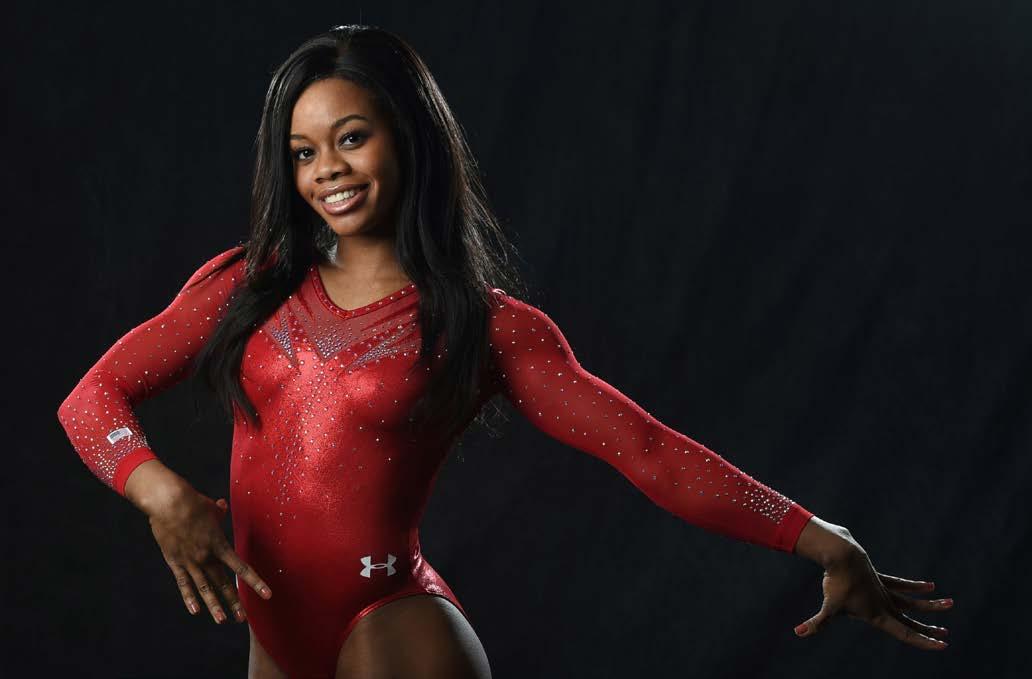
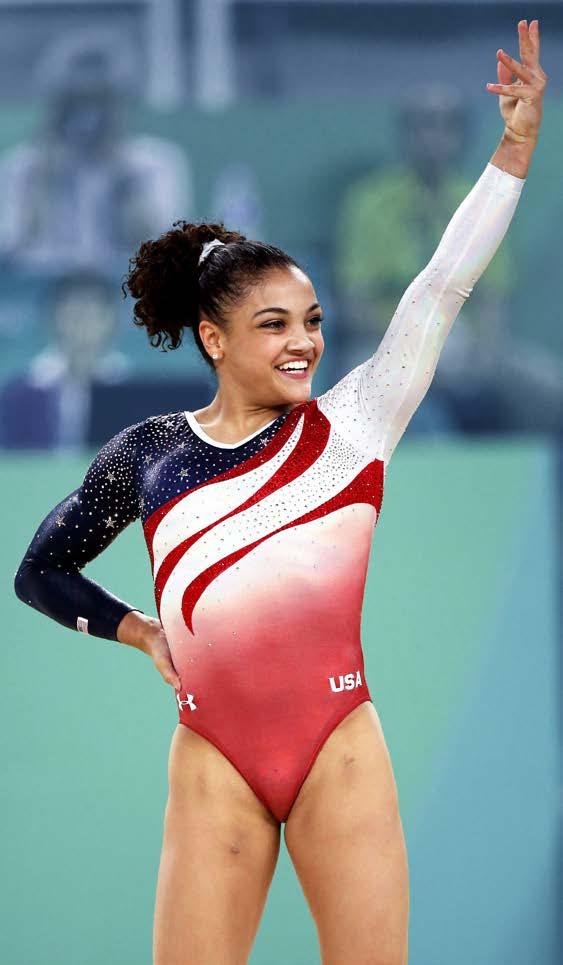
Competing professionally at a young age fosters resilience and adaptability. Athletes like gymnast Gabby Douglas, who won Olympic gold at 16, develop the ability to handle pressure, media scrutiny, and intense schedules early, preparing them for long-term success.
INSPIRATION FOR FUTURE GENERATIONS
Young stars inspire peers and younger athletes, creating a cycle of ambition. The success of figures like Yamal or Gauff shows aspiring athletes that age is no barrier, encouraging dedication and innovation in youth sports.
Disadvantages of Early Professionalization
PHYSICAL AND MENTAL BURNOUT
The demands of professional sports—gruelling schedules, travel, and constant performance pressure—can take a toll on young bodies and minds. Overuse injuries, such as stress fractures or tendon issues, are common among young athletes pushed too hard. Mentally, the pressure to perform can lead to anxiety or depression, as seen in cases like gymnast Laurie Hernandez, who spoke openly about her struggles.
STUNTED PERSONAL DEVELOPMENT
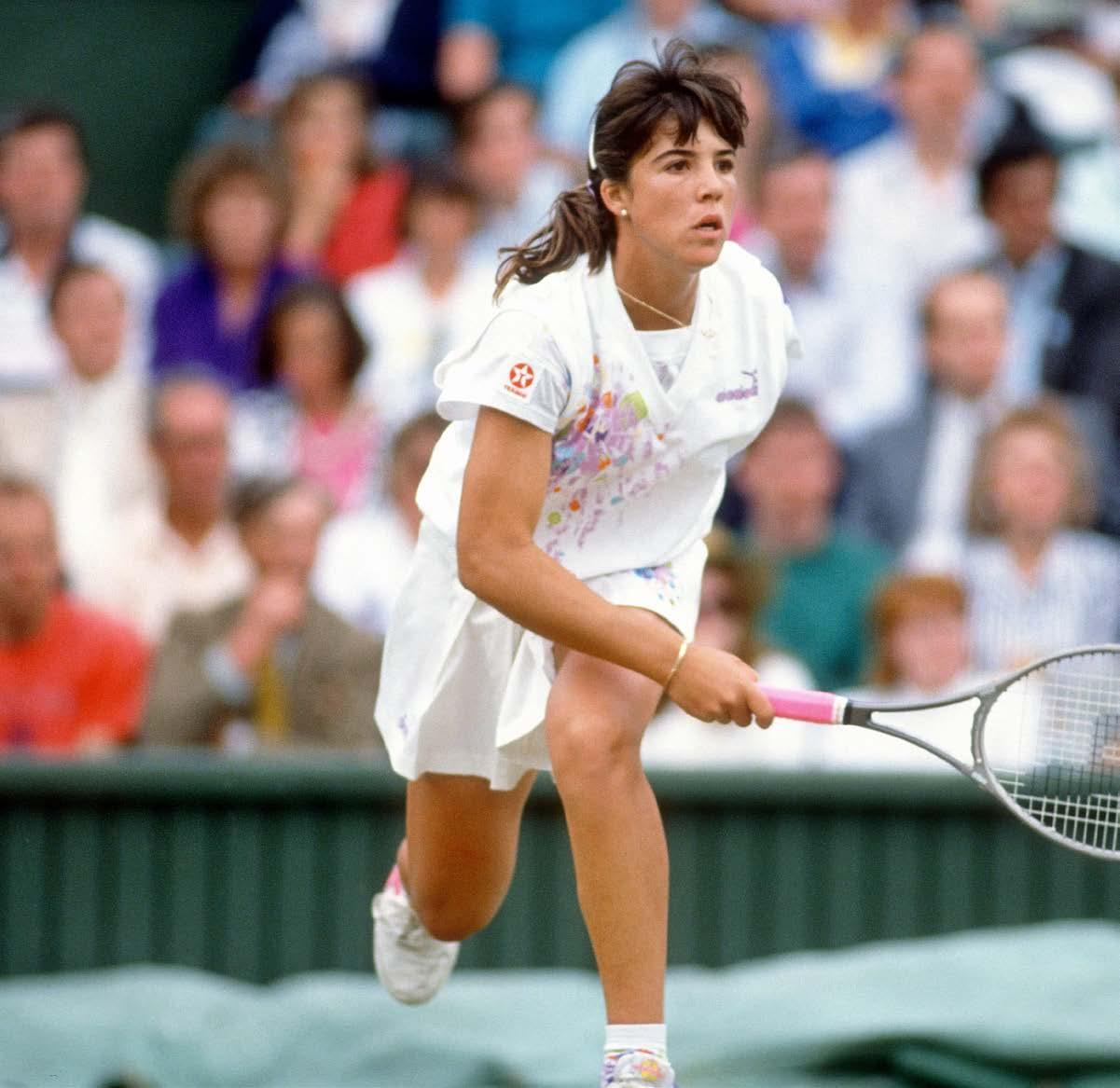
Early professionalization often means sacrificing education, social experiences, and childhood. Athletes like tennis player Jennifer Capriati, who turned pro at 13, later faced challenges balancing fame with personal growth. Missing out on normal developmental milestones can lead to identity crises or difficulty transitioning to life after sports.
RISK OF EXPLOITATION
Young athletes are vulnerable to exploitation by coaches, agents, or families seeking financial gain. The pressure to succeed can lead to unhealthy dynamics, as seen in some high-profile cases where young stars were pushed beyond their limits. Child labour concerns also arise when minors sign professional contracts.
UNEVEN CAREER TRAJECTORIES
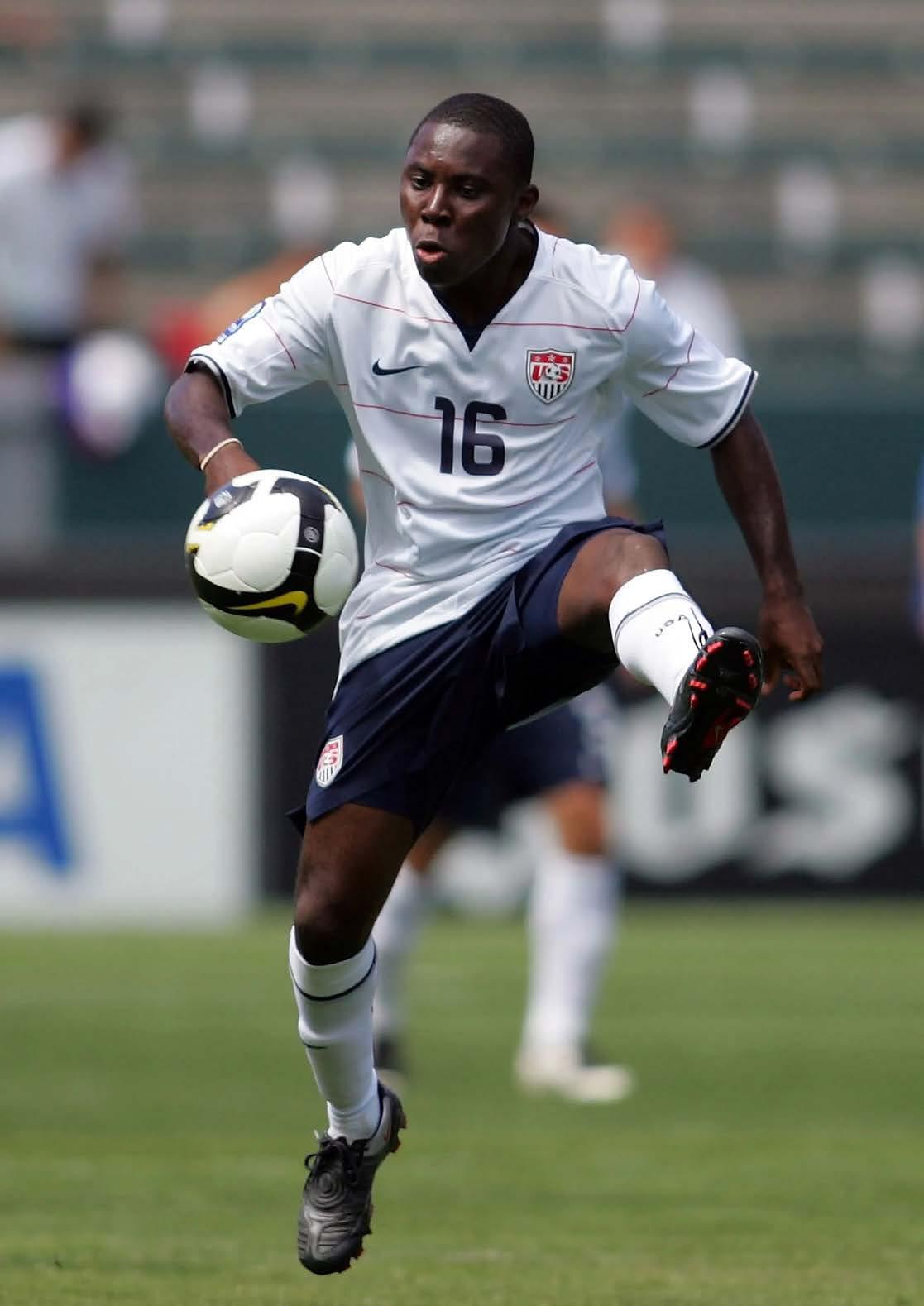
Not all young prodigies sustain early success. For every LeBron James, there’s a Freddy Adu, a soccer phenom who debuted at 14 but struggled to maintain his trajectory. Early hype can create unrealistic expectations, and failure to meet them can damage confidence and careers.
BALANCING THE SCALES
The trend of younger athletes in professional sports reflects a broader evolution in how talent is cultivated and showcased. To maximize the benefits and mitigate the risks, stakeholders—coaches, teams,
families, and governing bodies—must prioritize holistic development. This includes enforcing ageappropriate training loads, ensuring access to mental health resources, and protecting young athletes from exploitative practices. Education and life skills programs can also help athletes prepare for life beyond sports.
The rise of young stars is a testament to human potential, but it demands responsibility. By fostering environments that nurture both athletic and personal growth, the sports world can ensure that these prodigies not only shine early but thrive for years to come.
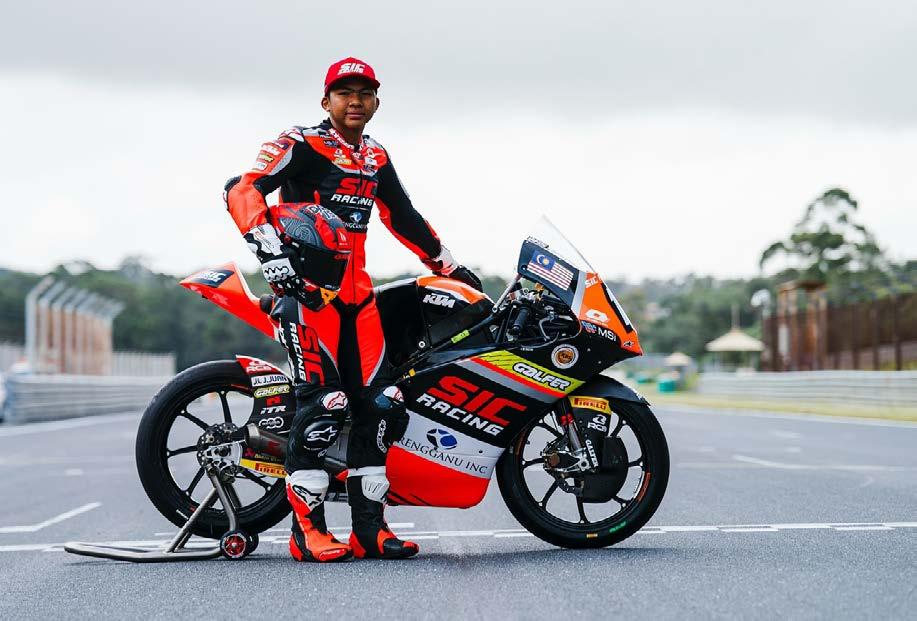
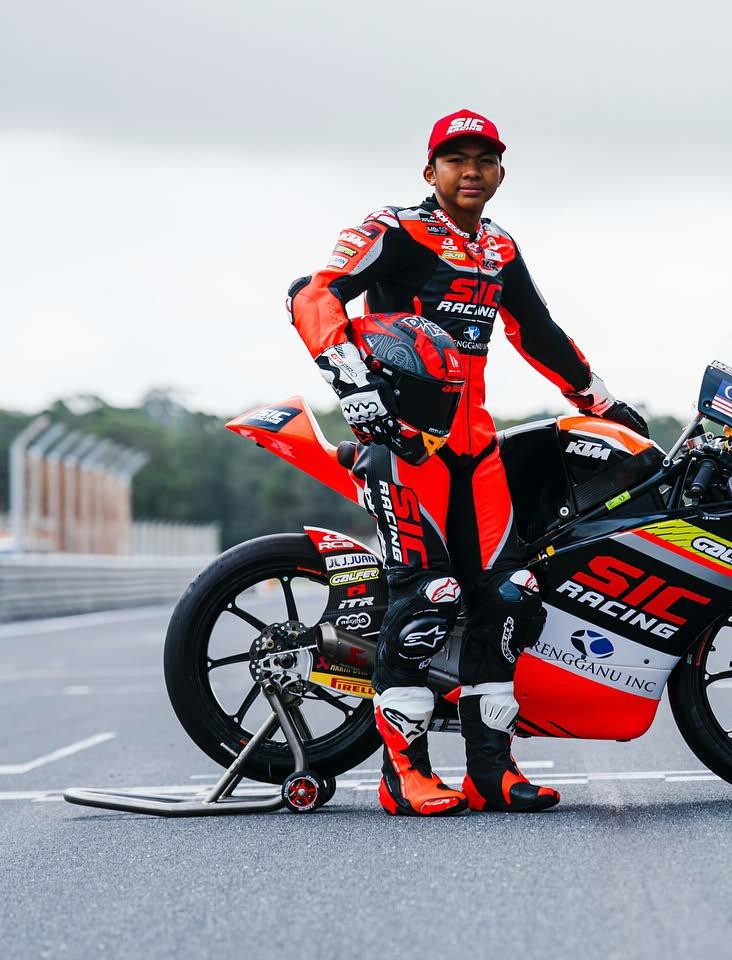
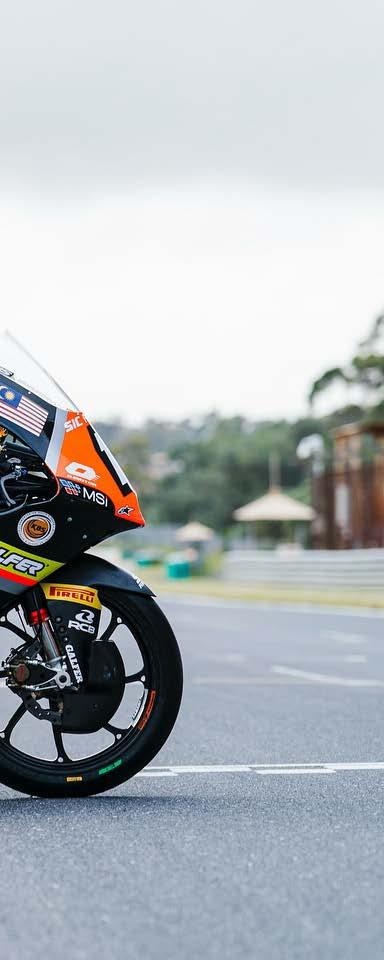
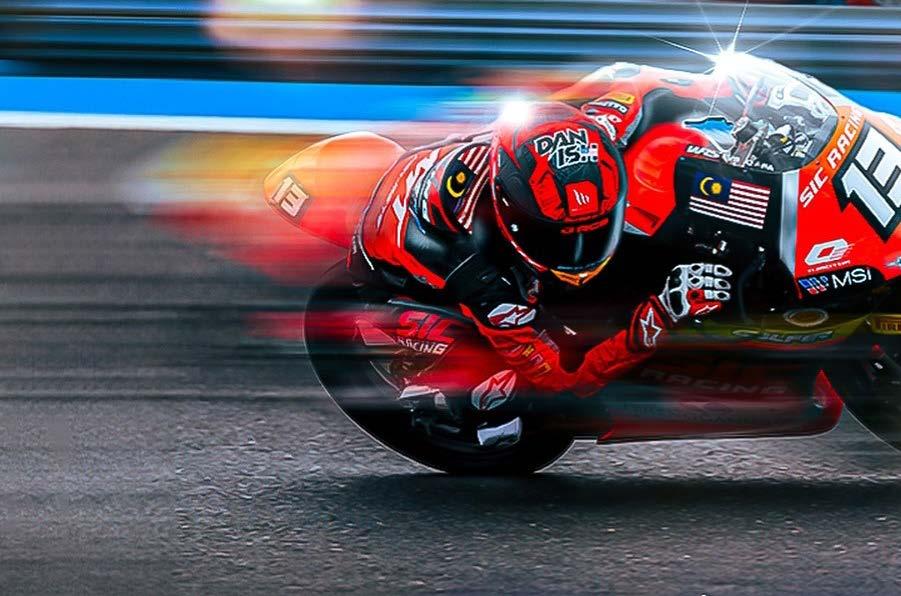
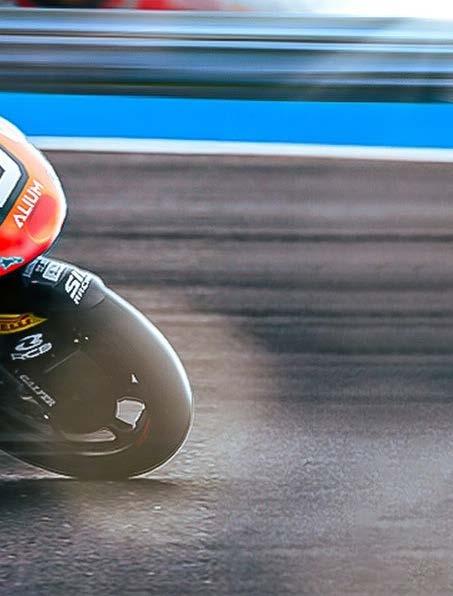
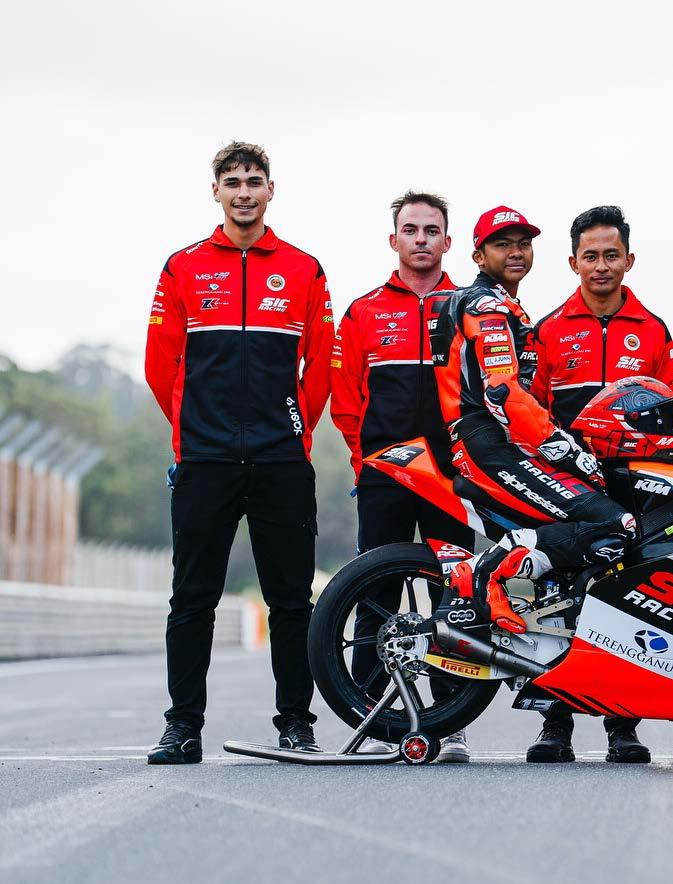
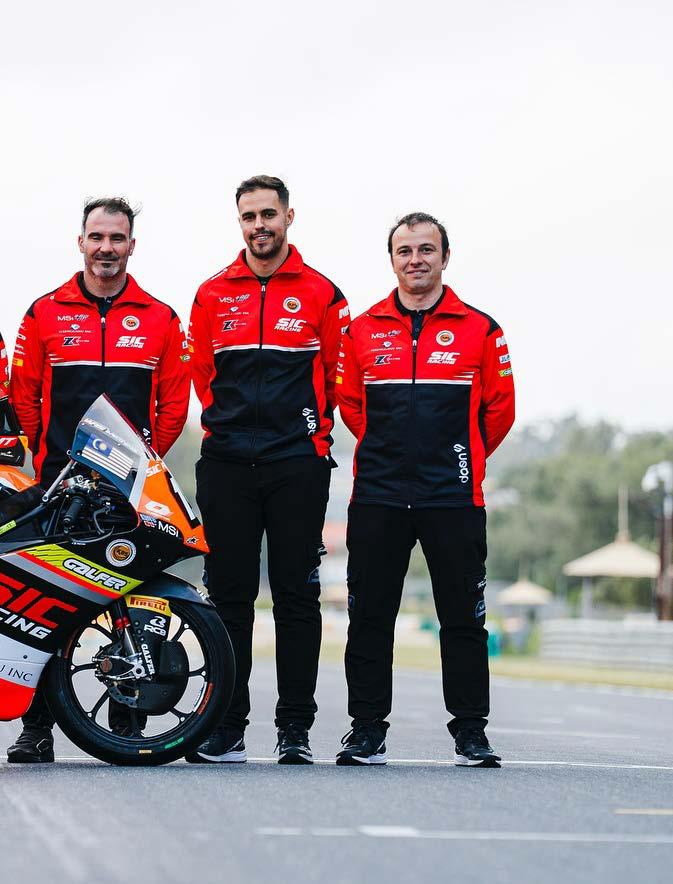
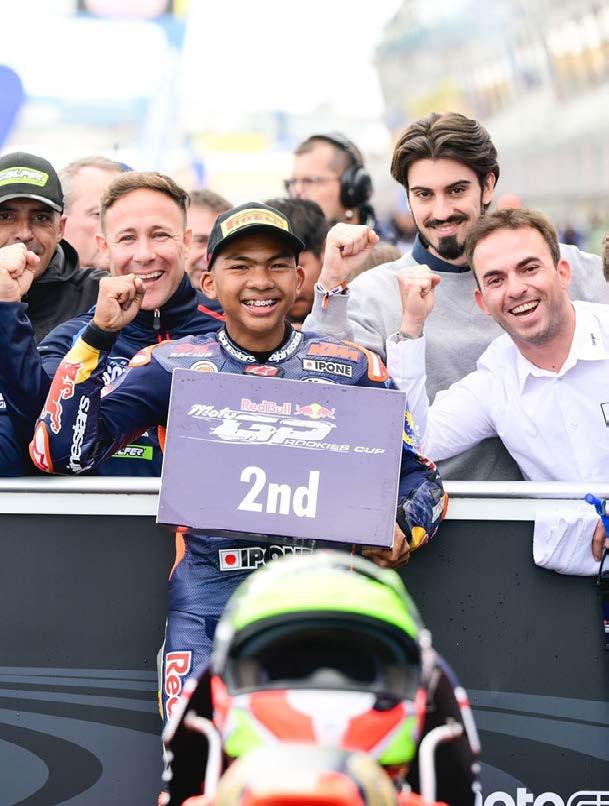
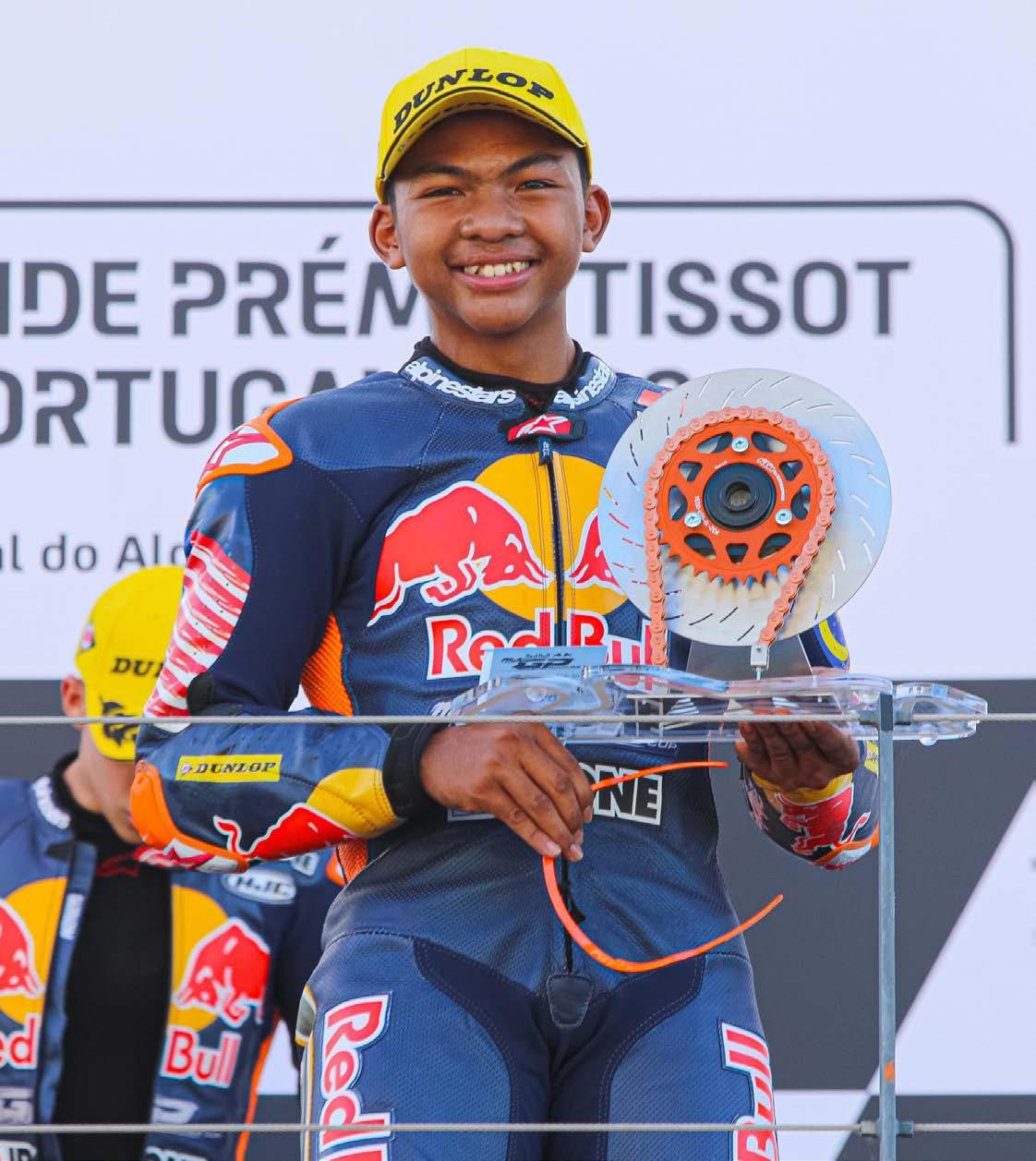
MUHAMMAD HAKIM DANISH RAMLI MALAYSIA’S RISING STAR IN GLOBAL MOTORCYCLE RACING
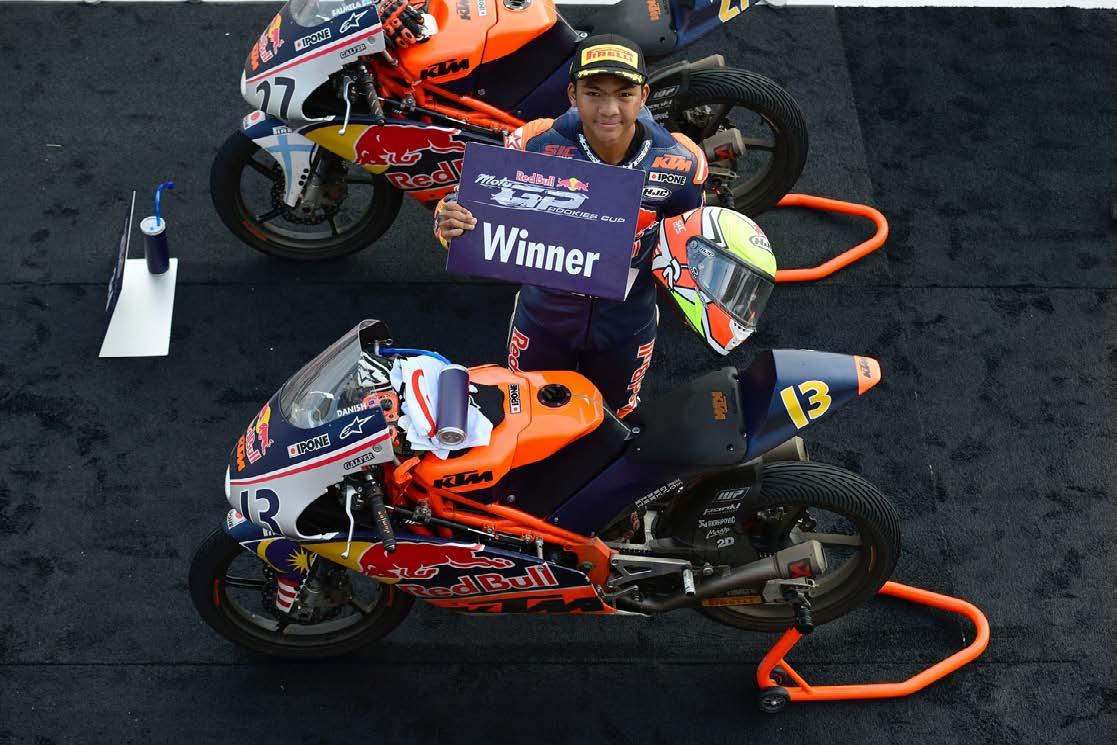
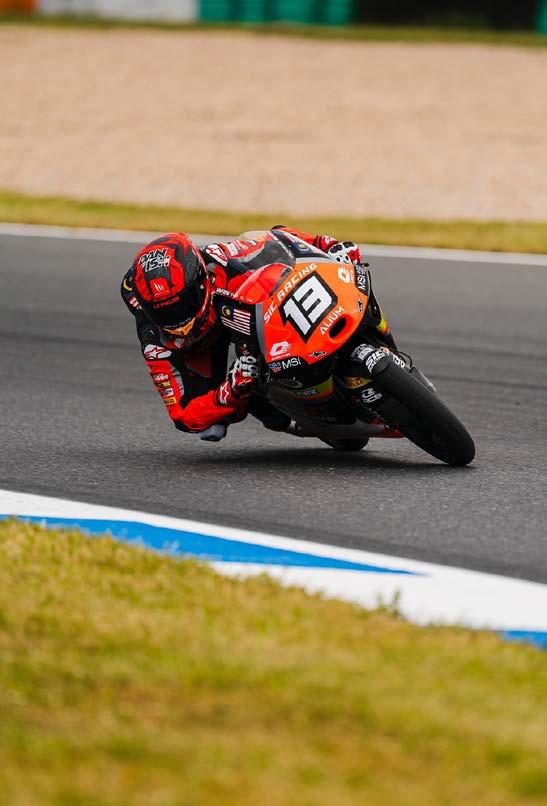
At just 17 years old, Muhammad Hakim Danish Ramli has etched his name into the annals of Malaysian motorsport history as one of the country’s most promising talents. Hailing from Terengganu, this young motorcycle racer has taken the international stage by storm, achieving milestones that have not only elevated his career but also put Malaysia firmly on the global racing map. From clinching the Asia Talent Cup to dominating in the Red Bull MotoGP Rookies Cup, Hakim’s journey is one of resilience, talent, and unrelenting ambition.
Hakim’s ascent began in 2022 when he made history as the first Malaysian to win the Asia Talent Cup (ATC), a prestigious feeder series for MotoGP. Competing at the Mandalika International Street Circuit in Indonesia, he clinched the championship with 187 points, becoming only the second Southeast Asian to claim the title since the series’ inception in 2014. His dominance was evident in races across Indonesia and Thailand, where he secured commanding victories, including a double win in Mandalika and a critical triumph in Thailand that reclaimed his lead in the standings. This victory was a defining moment, showcasing Hakim’s ability to perform under pressure and marking him as a talent to watch.
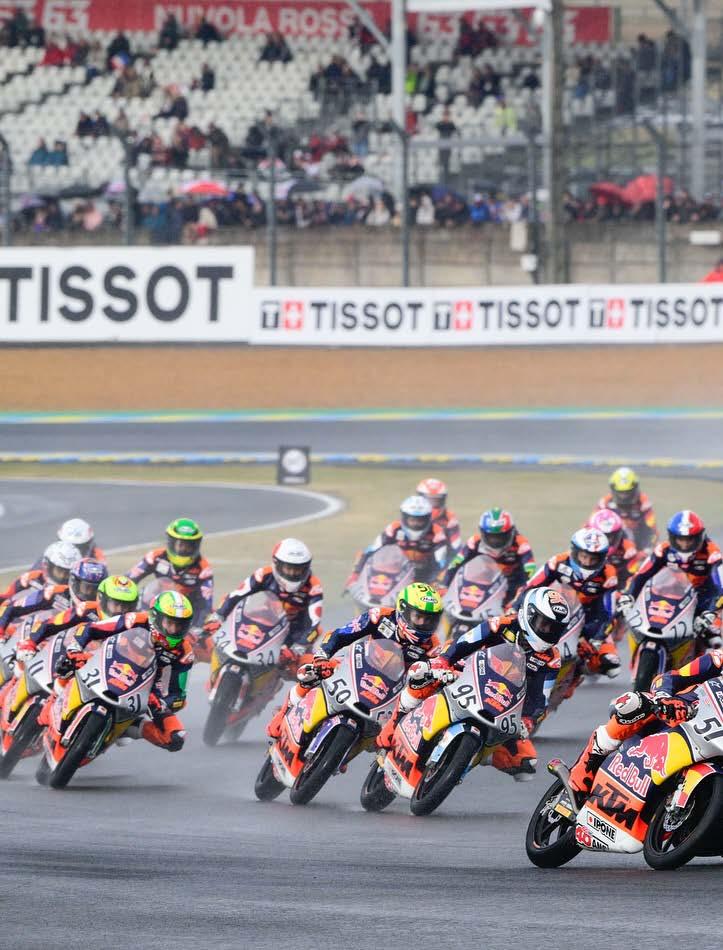
Hakim’s success in the ATC opened doors to highertier competitions, and in 2024, he achieved another historic feat by becoming the first Malaysian to win a race in the Red Bull MotoGP Rookies Cup at the Aragon Circuit in Spain. The moment was monumental, with the Malaysian national anthem, , echoing through the circuit—a proud milestone for both Hakim and his nation. Throughout the 2024 season, he demonstrated remarkable consistency, finishing sixth overall with 139 points and securing multiple podiums, including second in Jerez, third in Le Mans, and his breakthrough win in Aragon.
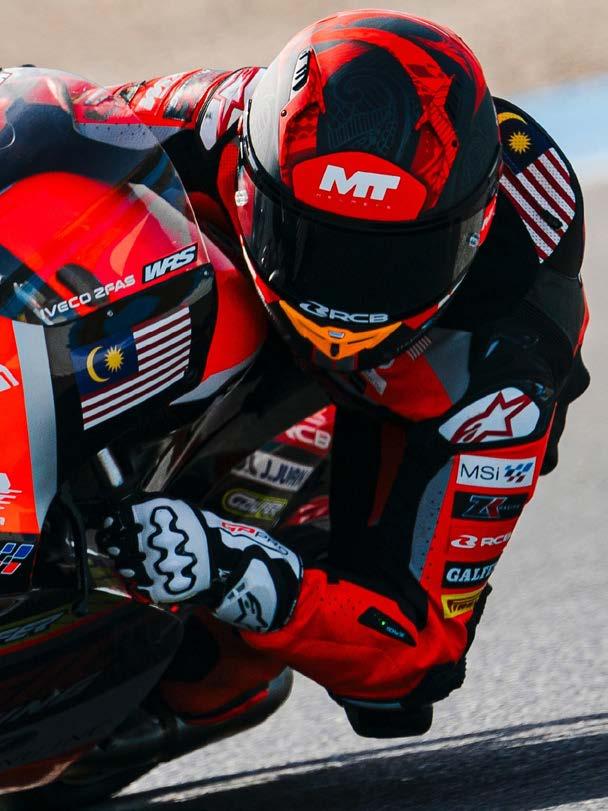
In 2025, Hakim continued to shine, taking the lead in the Red Bull MotoGP Rookies Cup standings after two second-place finishes in Jerez, Spain. His ability to compete at the front of the pack against some of the world’s best young riders has solidified his reputation as a serious contender for a Moto3 seat in the MotoGP World Championship. Parallel to his Rookies Cup campaign, Hakim has been making waves in the FIM JuniorGP, another critical stepping stone to MotoGP. In the 2025 season opener at Estoril, Portugal, he secured a second-place podium despite facing challenges during practice sessions. His performance underscored his adaptability and determination, qualities that have become hallmarks of his racing style. With upcoming races in Jerez and beyond, Hakim is under pressure to maintain top-five finishes, a benchmark set by SIC Racing and team manager Zulfahmi Khairuddin to secure a coveted Moto3 seat with MT Helmets in 2026.
Hakim’s journey to the top has been far from easy. In late 2024, he suffered a hand injury requiring surgery, yet he bounced back to compete at an elite level. Financial constraints have also been a significant obstacle, with his family relying on loans and race winnings to fund his early career. In 2025, budget limitations forced Hakim to travel to Europe alone for pre-season testing, supported by European crew members rather than his usual team.
Despite these challenges, his talent and work ethic have shone through, earning him sponsorship from Terengganu Inc and close mentorship from SIC Racing. Adding to the complexity, Hakim’s age has posed a temporary barrier. Turning 18 in July 2025, he initially fell short of MotoGP’s minimum age requirement for Moto3 in 2025. However, with a potential Moto3 seat secured for 2026, his team is focused on ensuring he meets performance targets to capitalize on this opportunity. Beyond the racetrack, Hakim is a student preparing for his Sijil Pelajaran Malaysia (SPM) exams, a testament to his ability to balance academics with a demanding racing career. SIC Racing has emphasized the importance of education alongside his motorsport ambitions, ensuring he remains grounded as he navigates the pressures of international competition.
Guided by ZK Racing and SIC Racing, Hakim’s career is being carefully sculpted to ensure longevity and success. His team’s strategy is clear: consistency is key. By maintaining top performances in the Red Bull Rookies Cup and JuniorGP, Hakim is positioning himself as Malaysia’s next big star in MotoGP. His upcoming races, including the Rookies Cup in Le Mans and JuniorGP in Jerez, will be pivotal in sustaining his momentum. Hakim’s story is one of grit, talent, and national pride. From the small town of Terengganu to the global stage, he has become a beacon of hope for aspiring Malaysian racers. As he continues to break barriers and chase his Moto3 dream, Muhammad Hakim Danish Ramli is not just racing for himself—he’s carrying the aspirations of a nation determined to shine in the world of motorsport.
SPORTS ANALYTICS
Revolutionizing Modern Sports
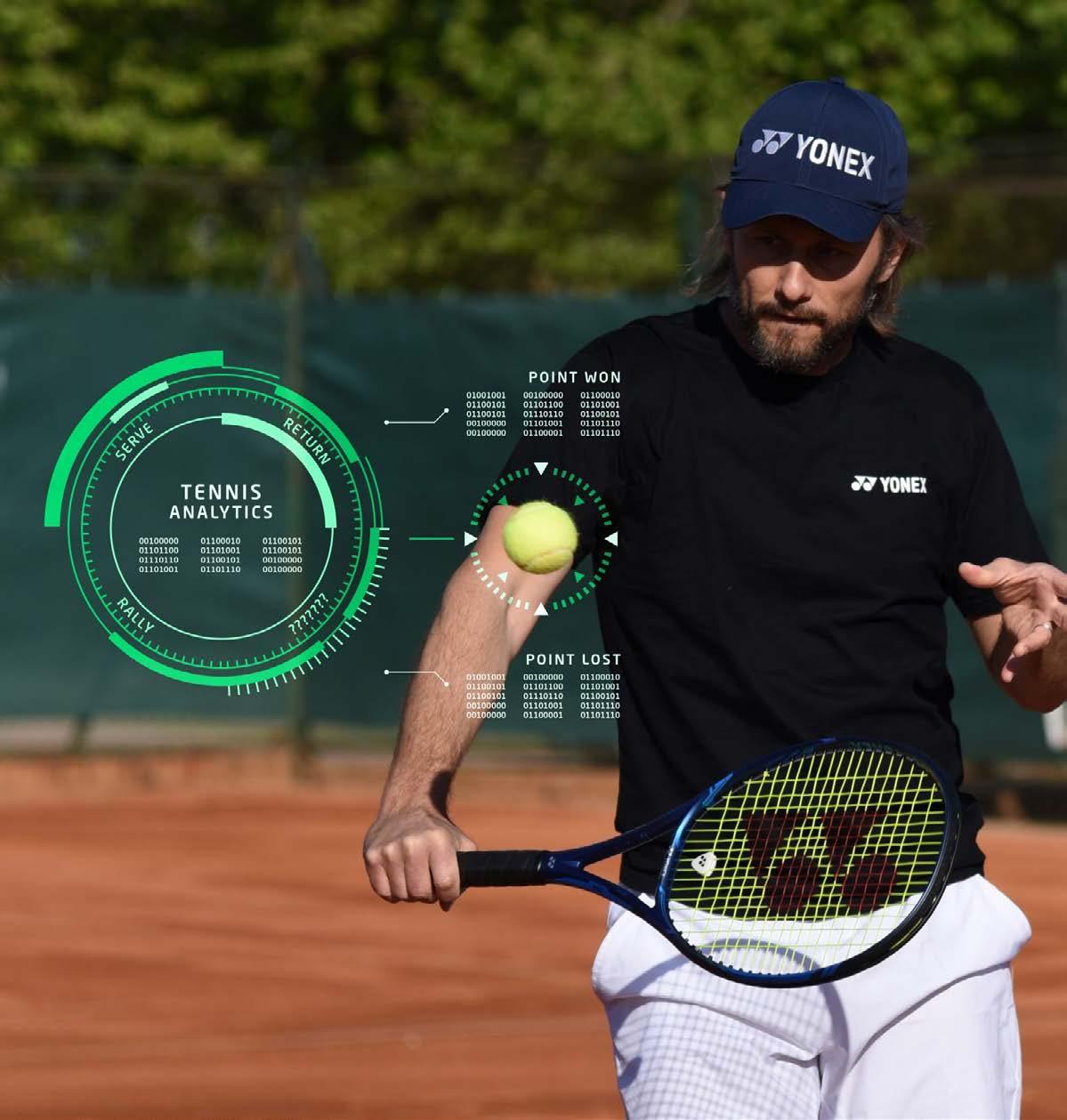
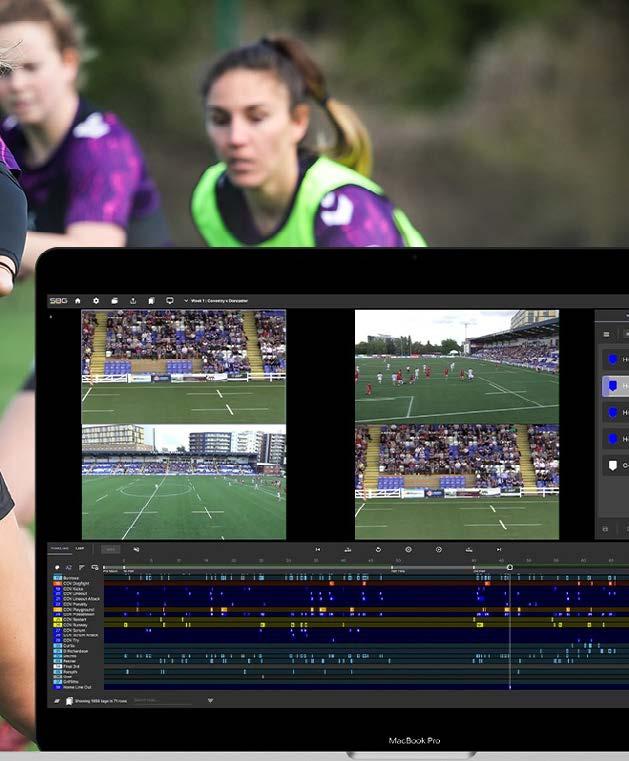
In the high-stakes world of modern sports, where margins of victory are often razor-thin, sports analytics has emerged as a game-changer. By leveraging data, statistical models, and advanced technology, teams, coaches, and athletes are making smarter decisions, optimizing performance, and gaining a competitive edge. From player evaluation to game strategy, sports analytics is reshaping how sports are played, managed, and consumed.
THE RISE OF SPORTS ANALYTICS
Sports analytics refers to the systematic collection, analysis, and interpretation of data to inform decisionmaking in sports. While rudimentary forms of data analysis, like batting averages in baseball, have existed for decades, the field exploded with the advent of advanced computing, machine learning, and wearable technology. The 2003 book Moneyball by Michael Lewis, which chronicled the Oakland Athletics’ use of sabermetrics to build a competitive baseball team on a limited budget, brought sports analytics into the mainstream.
Today, analytics is ubiquitous across sports, from soccer and basketball to cricket and American football. Teams employ data scientists, invest in cutting-edge technologies, and integrate analytics into every facet of their operations. The global sports analytics market, valued at $2.73 billion in 2022, is projected to grow at a compound annual growth rate of 22.3% through 2030, reflecting its increasing adoption.
KEY APPLICATIONS OF SPORTS ANALYTICS
Sports analytics impacts nearly every aspect of modern sports. Below are its primary applications:
1. Player Performance Optimization
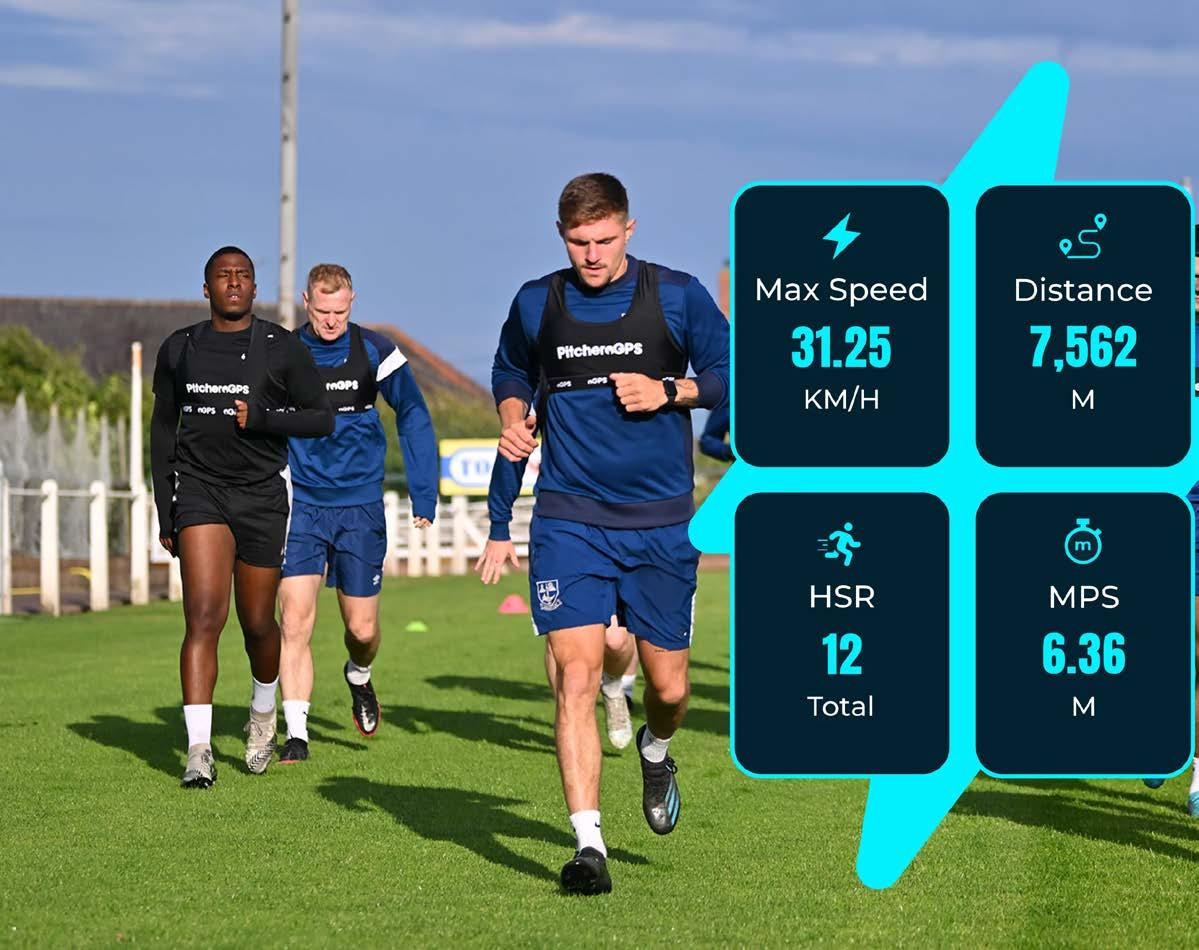
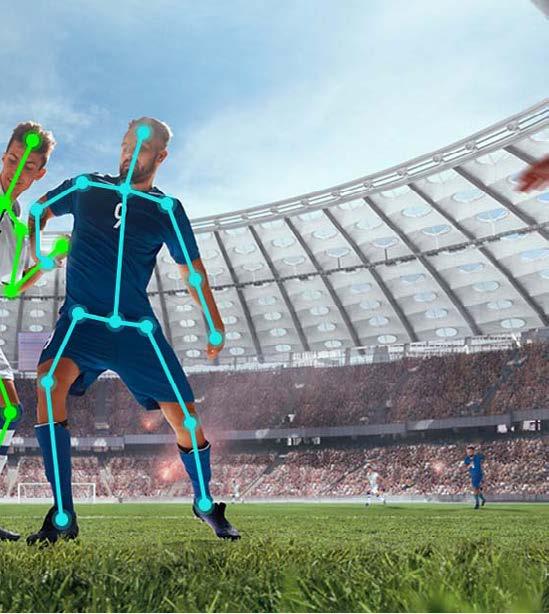
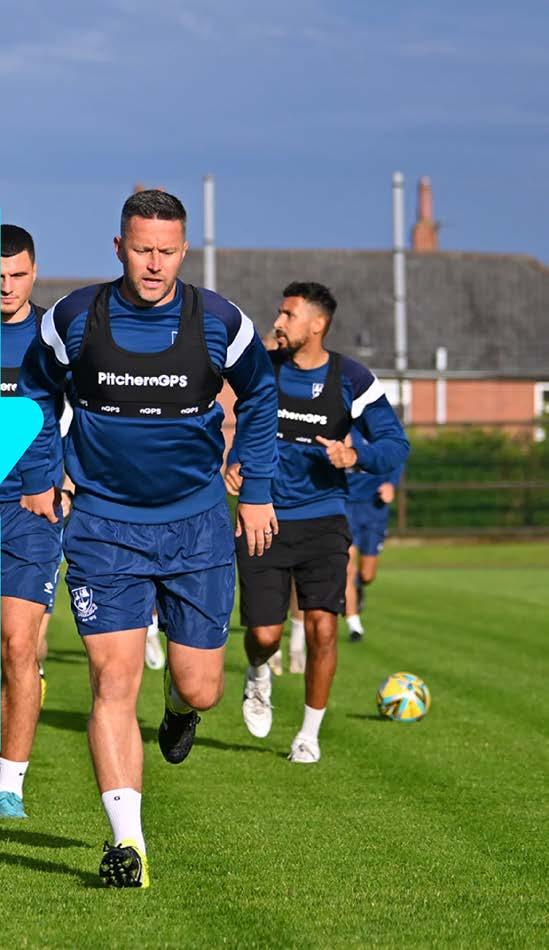
Analytics enables teams to evaluate and enhance individual and team performance. Wearable devices, such as GPS trackers and heart rate monitors, collect real-time data on metrics like speed, distance covered, and fatigue levels. For example, in soccer, analysts use heat maps to track player positioning and workload, helping coaches optimize substitutions and reduce injury risks.
Machine learning models also predict player potential by analyzing historical performance data, physical attributes, and even psychological factors. In basketball, player efficiency ratings (PER) and true shooting percentages provide a comprehensive view of a player’s contribution beyond traditional stats like points scored.
2. Talent Scouting and Recruitment
Analytics has transformed how teams identify and recruit talent. In the past, scouts relied heavily on subjective observations. Now, data-driven metrics allow teams to evaluate players with precision. For instance, baseball’s sabermetrics uses stats like on-base plus slugging (OPS) to identify undervalued players who can outperform their market value.
In soccer, platforms like Wyscout and StatsBomb provide detailed data on players’ passing accuracy, defensive actions, and expected goals (xG), enabling clubs to scout globally and make informed transfer decisions. This datadriven approach levels the playing field, allowing smaller teams to compete with wealthier franchises.
3. Game Strategy and Tactics
Coaches use analytics to devise strategies tailored to opponents’ strengths and weaknesses. In American football, teams analyze play-calling tendencies to predict whether an opponent is likely to run or pass in specific situations. In basketball, analytics has fuelled the three-point revolution, with teams like the Golden State Warriors prioritizing long-range shooting based on statistical evidence of its efficiency.
Real-time analytics also informs in-game decisions. For example, in tennis, players use data on opponents’ serve patterns to anticipate shots. Similarly, cricket teams adjust batting orders and bowling strategies based on pitch conditions and historical match data.
4. Injury Prevention and Recovery
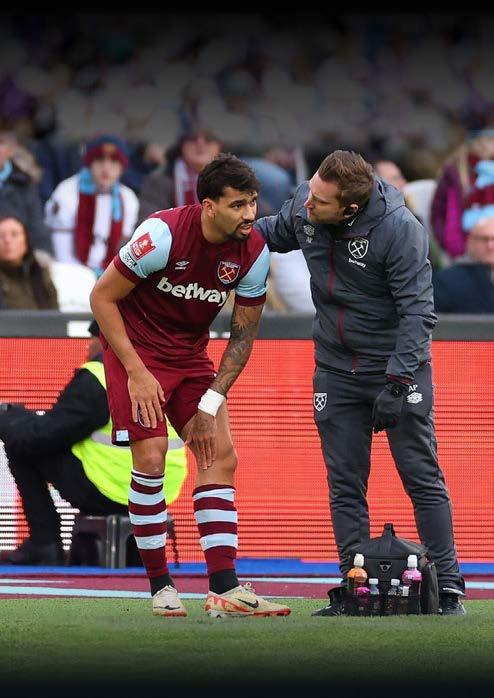
Injuries can derail a team’s season, making prevention a top priority. Analytics helps identify injury risks by monitoring workload, biomechanics, and fatigue. For instance, the NBA uses player tracking data to assess when athletes are overexerting themselves, allowing coaches to manage minutes effectively.
Post-injury, analytics guides rehabilitation by tracking recovery metrics and ensuring players return to peak performance without re-injury. This datadriven approach extends careers and protects team investments in high-value athletes.
5. Fan Engagement and Business Operations
Beyond the field, analytics enhances the fan experience and drives revenue. Teams analyze fan behaviour to optimize ticket pricing, merchandise sales, and stadium experiences. Social media sentiment analysis gauges fan reactions, helping teams tailor marketing campaigns. In esports, analytics tracks viewer engagement to refine streaming schedules and content. Broadcasters also use data to enhance commentary, providing stats like a golfer’s historical performance on specific holes to enrich the viewing experience.
THE IMPORTANCE OF SPORTS ANALYTICS IN MODERN SPORTS
The integration of analytics into sports is no longer optional—it’s a necessity. Here’s why:
1. Maximizing Competitive Advantage
In an era where talent and resources are fiercely contested, analytics provides a critical edge. Teams that leverage data effectively can outsmart opponents, optimize rosters, and make strategic decisions that tilt outcomes in their favour. For example, Liverpool FC’s data-driven recruitment strategy, led by analytics guru Ian Graham, played a pivotal role in their 2019 Champions League and 2020 Premier League triumphs.
2. Enhancing Efficiency
Analytics enables teams to do more with less. By identifying undervalued players, optimizing training regimens, and reducing injuries, teams maximize their return on investment. This is particularly vital for smaller organizations competing against financial powerhouses.
3. Driving Innovation
Analytics fosters a culture of innovation. Teams experiment with new strategies, such as the NBA’s emphasis on pace-and-space offenses or rugby’s use of kicking analytics to exploit territorial advantages. These innovations redefine how sports are played and elevate the quality of competition.
4. Improving Athlete Longevity
By prioritizing injury prevention and workload management, analytics helps athletes sustain peak performance over longer careers. This not only benefits players but also ensures fans can enjoy their favourite stars for years.
5. Engaging Fans in a Data-Driven Era
Modern fans crave insights and transparency. Analytics bridges the gap by providing stats and visualizations that deepen their understanding of the game. Whether it’s an NFL broadcast displaying a quarterback’s completion probability or a cricket app showing a bowler’s economy rate, data enriches the fan experience.
CHALLENGES AND ETHICAL CONSIDERATIONS
Despite its benefits, sports analytics faces challenges. Overreliance on data can diminish the human element of sports, such as intuition and creativity. Coaches and players must balance analytics with experience to avoid “paralysis by analysis.” Additionally, the high cost of advanced analytics tools can widen the gap between wealthy and smaller organizations, potentially reducing competitive balance. Ethical concerns also arise. The use of biometric data raises privacy issues, and teams must ensure transparent data collection practices. Moreover, algorithms can perpetuate biases if not carefully designed, leading to unfair player evaluations or recruitment decisions.
THE FUTURE OF SPORTS ANALYTICS
The future of sports analytics is bright, with emerging technologies poised to push boundaries further. Artificial intelligence (AI) and machine learning will enable more accurate predictions, from game outcomes to player development trajectories. Virtual and augmented reality could revolutionize training, allowing athletes to simulate high-pressure scenarios. Blockchain technology may secure data integrity in player contracts and performance tracking. As analytics becomes more democratized, smaller teams and amateur organizations will gain access to tools previously reserved for elites. This could level the playing field and foster grassroots innovation. Sports analytics has transformed modern sports, driving smarter decisions, enhancing performance, and enriching the fan experience. Its importance lies in its ability to unlock competitive advantages, optimize resources, and push the boundaries of what’s possible on and off the field. While challenges remain, the continued evolution of analytics promises to make sports more exciting, equitable, and engaging. In a world where every second, point, and play matters, analytics is not just a tool—it’s the future of sport.
Kunlavut Vitidsarn
THAILAND’S BADMINTON
TRAILBLAZER MAKES
HISTORY @ 2025 ASIAN CHAMPIONSHIPS
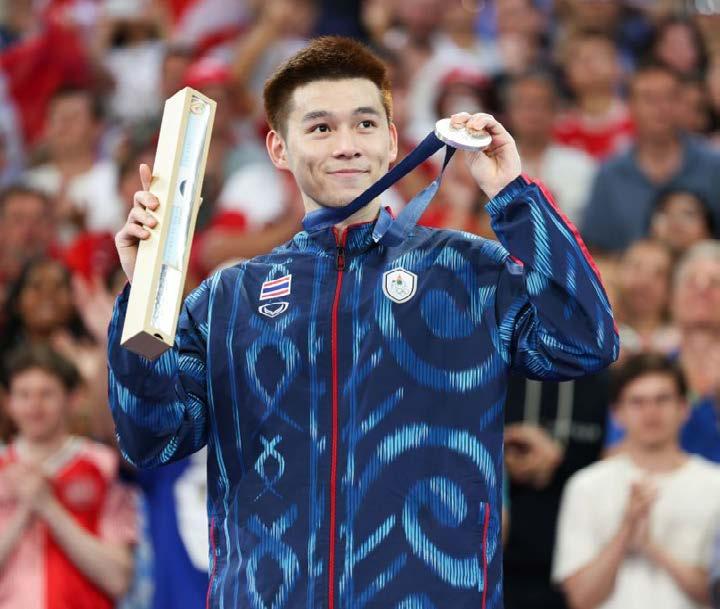
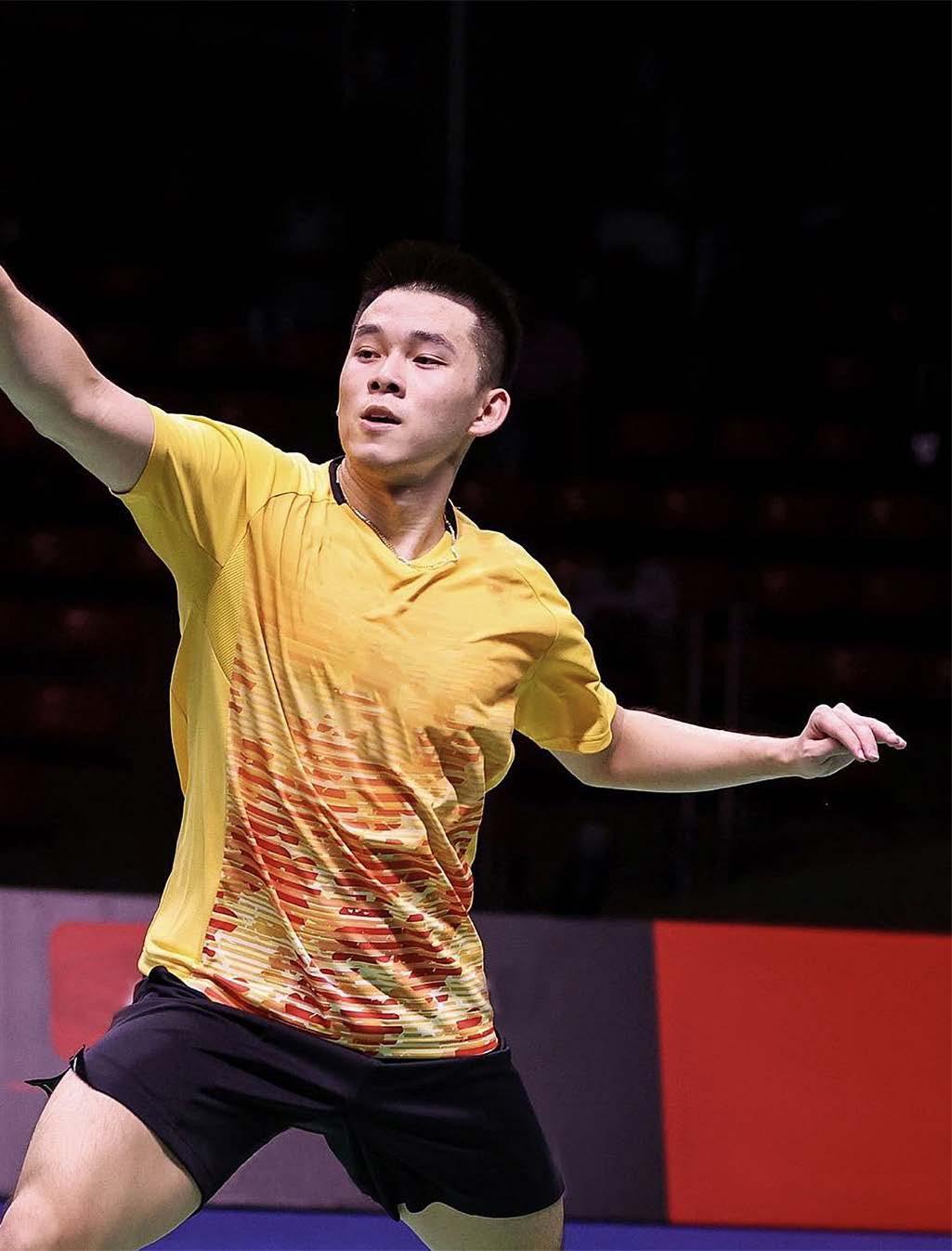
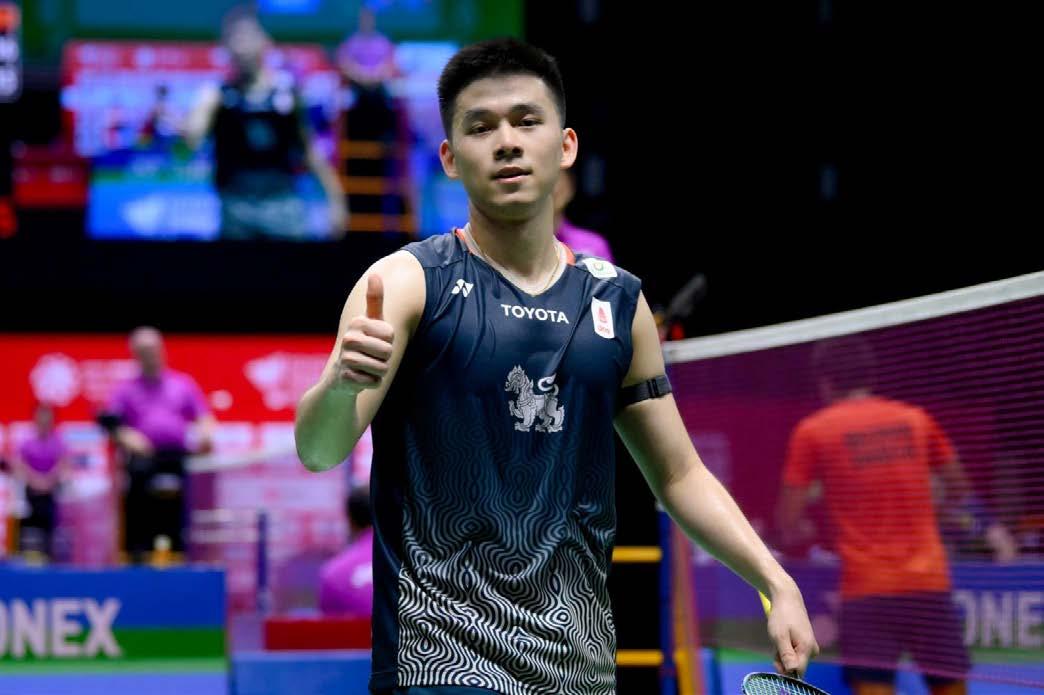
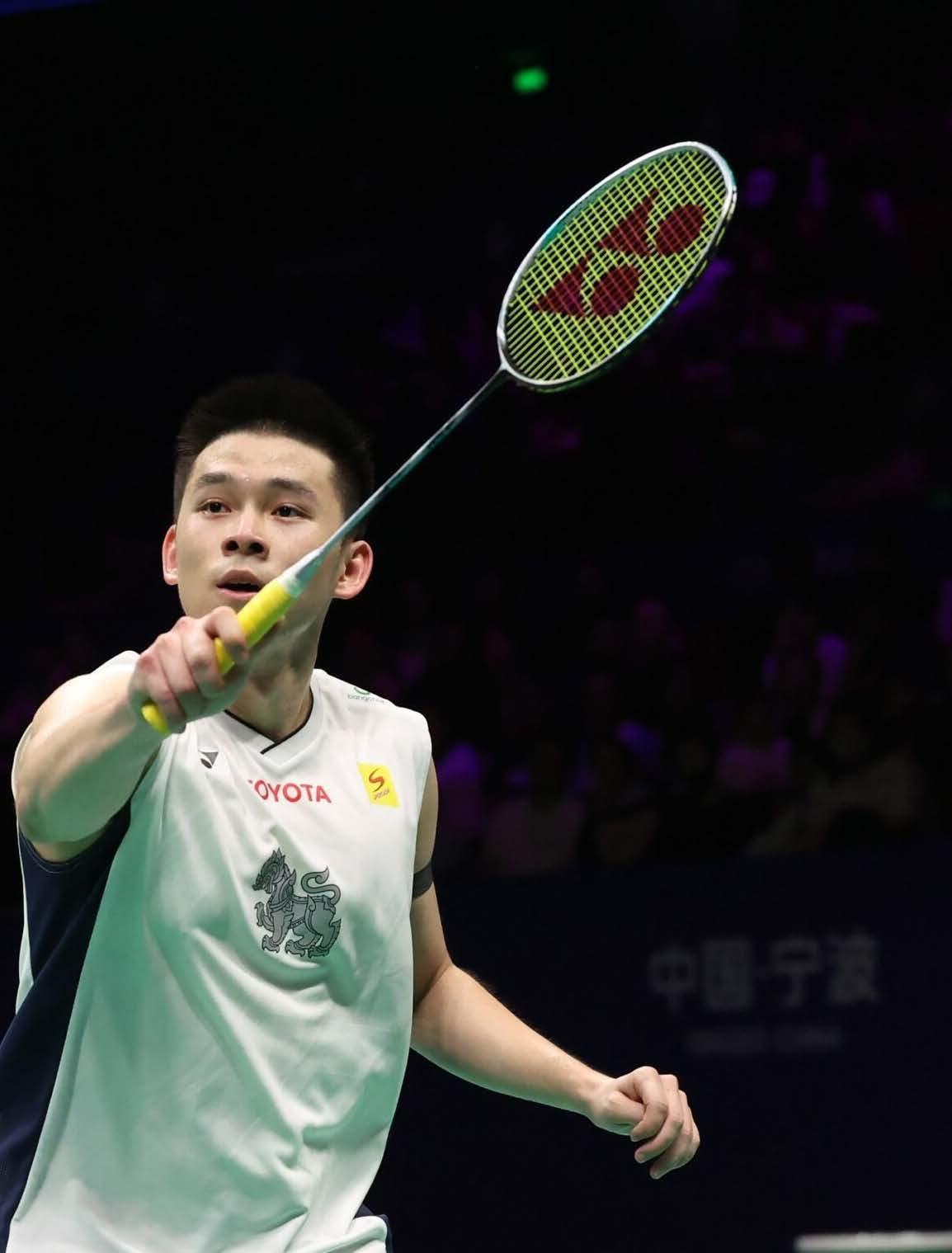
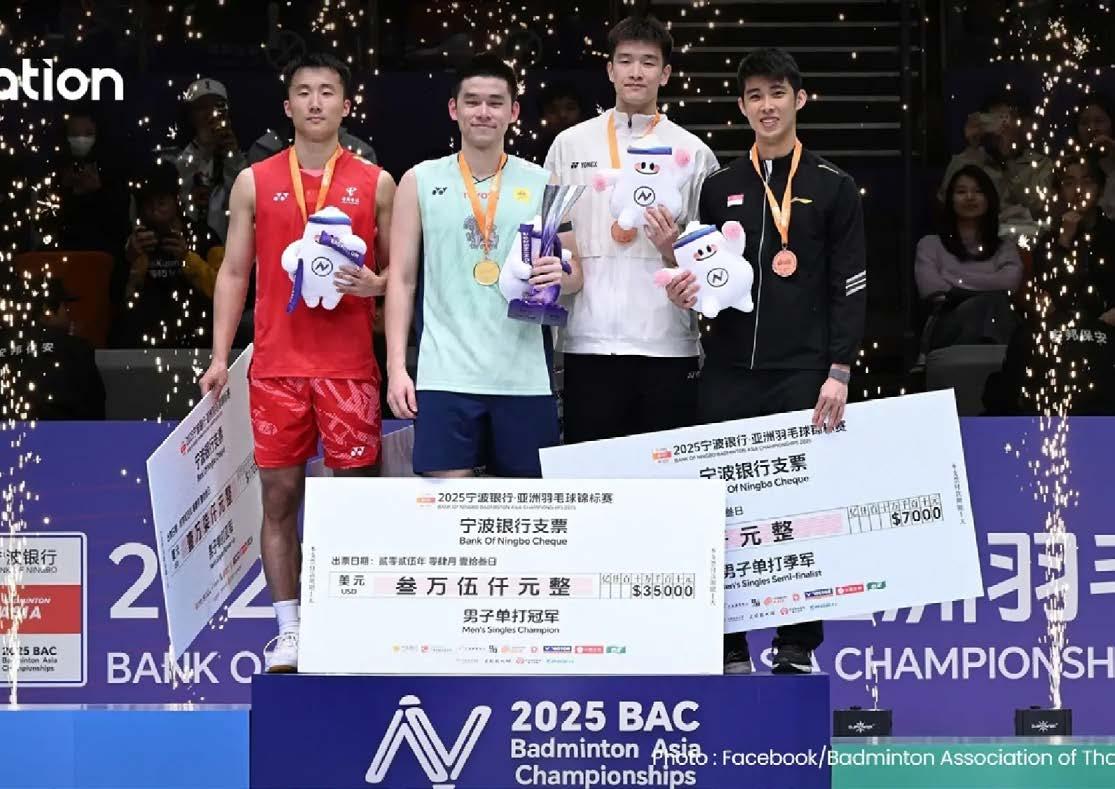
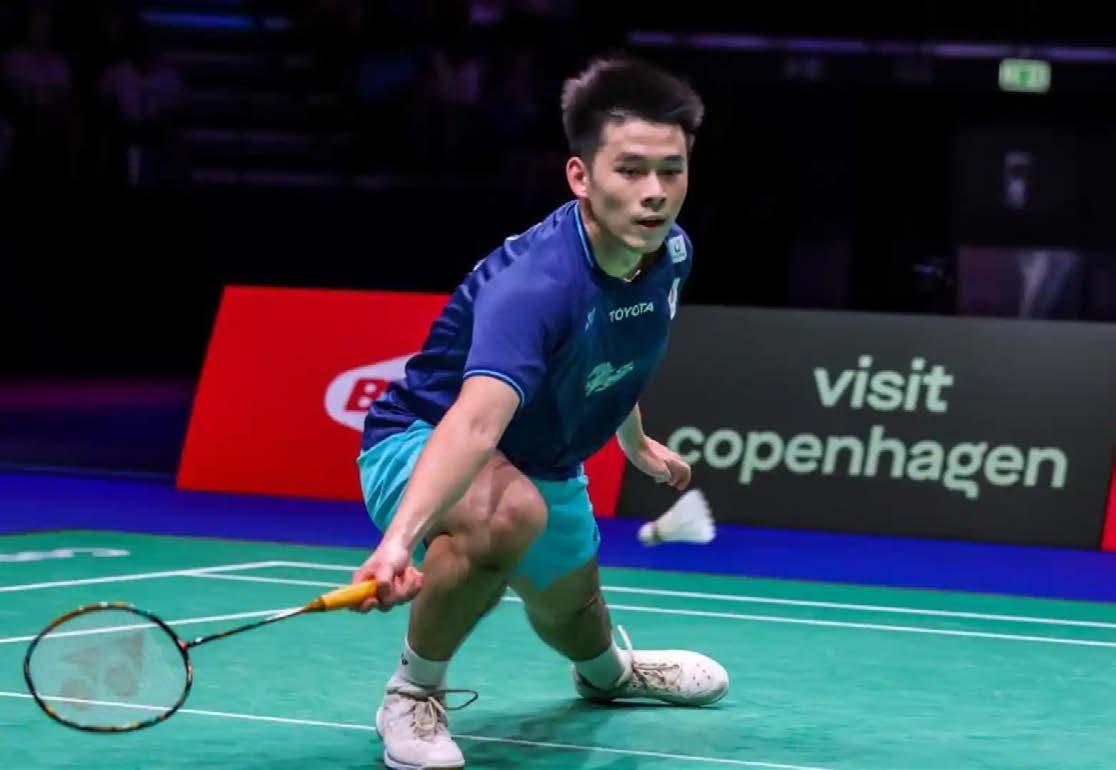
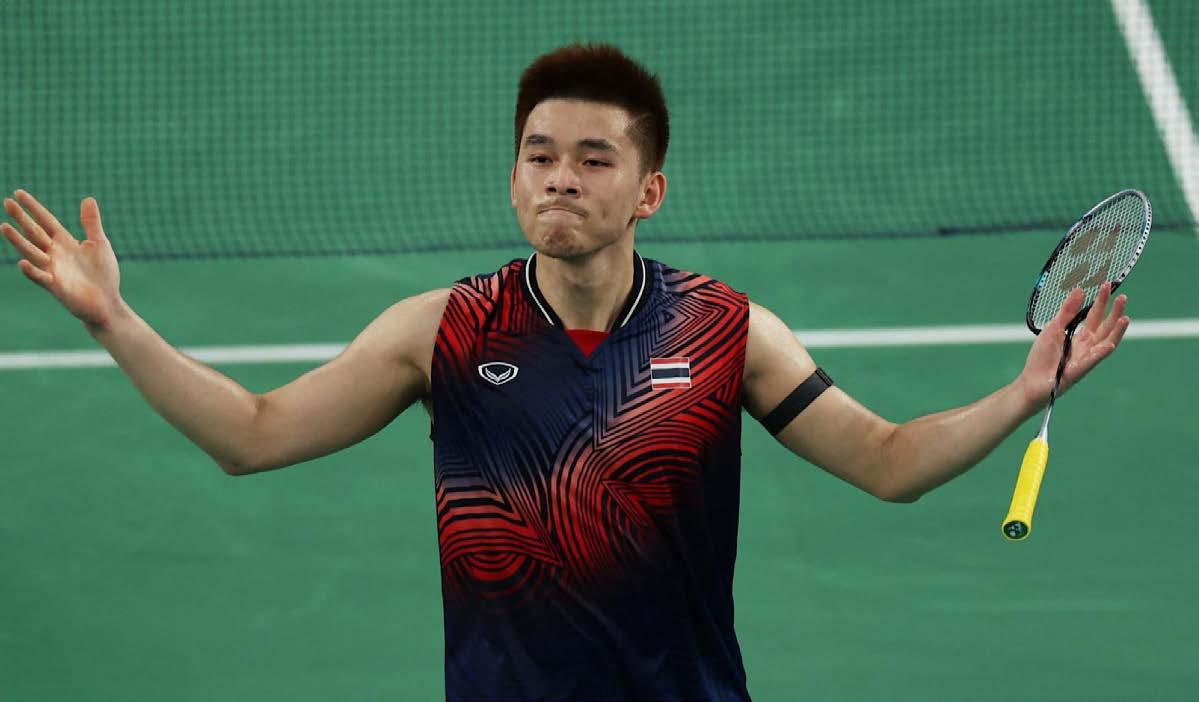
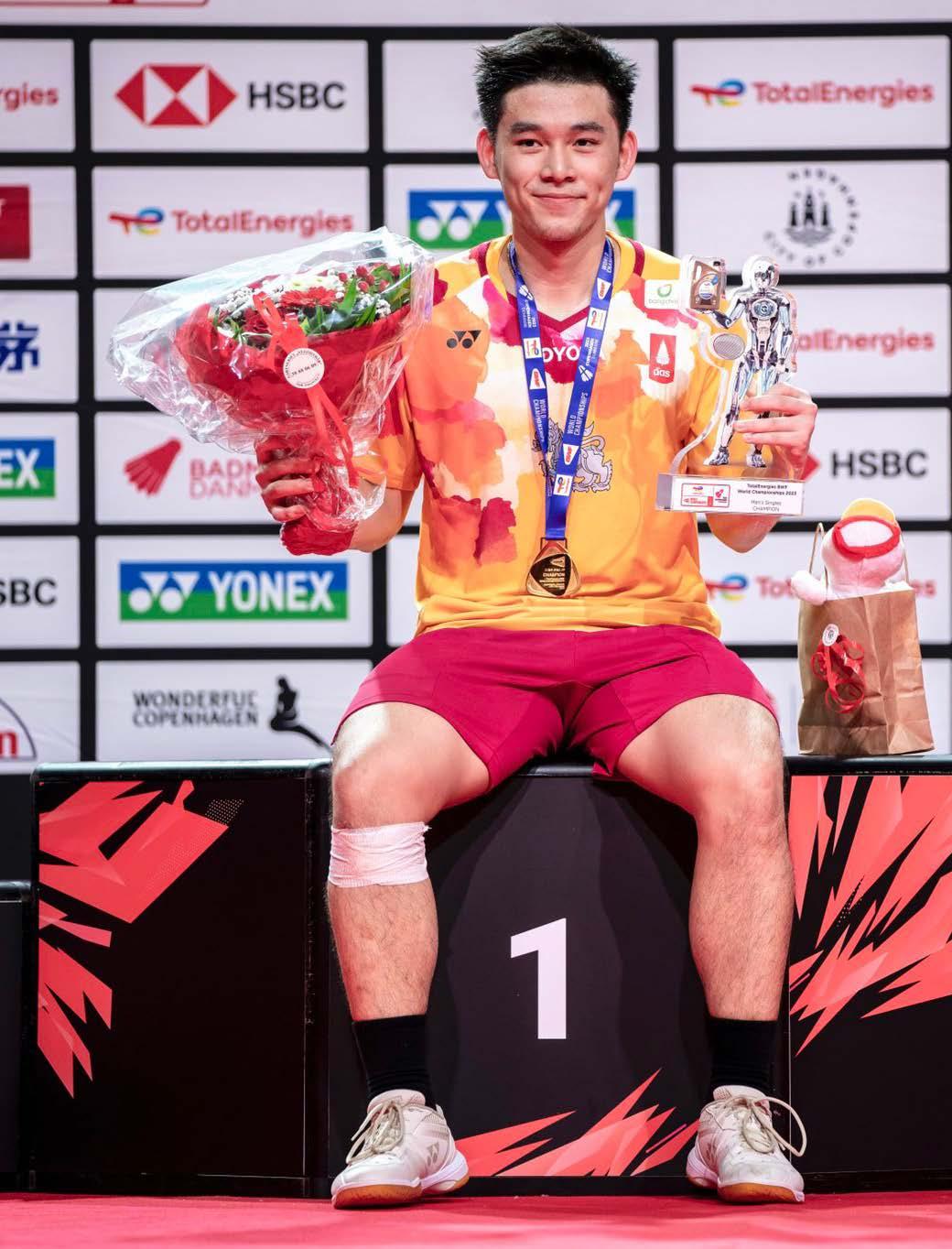
In a defining moment for Thai badminton, Kunlavut Vitidsarn, affectionately known as “View,” etched his name into the annals of sporting history by becoming the first Thai men’s singles player to win the Badminton Asia Championships. The 23-year-old world champion achieved this monumental feat on April 13, 2025, in Ningbo, China, defeating China’s Lu Guangzu in a commanding final to end Thailand’s 63-year wait for a men’s singles title at the prestigious tournament.
The final was a showcase of Vitidsarn’s skill and composure. Leading 21-12, 11-6, he secured the victory when Lu retired due to a back injury, unable to continue against the relentless Thai star. The win earned Vitidsarn a $35,000 prize and propelled him to a career-high world ranking of No. 2, making him Thailand’s highest-ranked men’s singles player ever. Reflecting on his triumph, Vitidsarn expressed both pride and surprise: “I didn’t expect to win this championship. Every match was tough, especially against Chinese players. Beating them here feels incredible.”
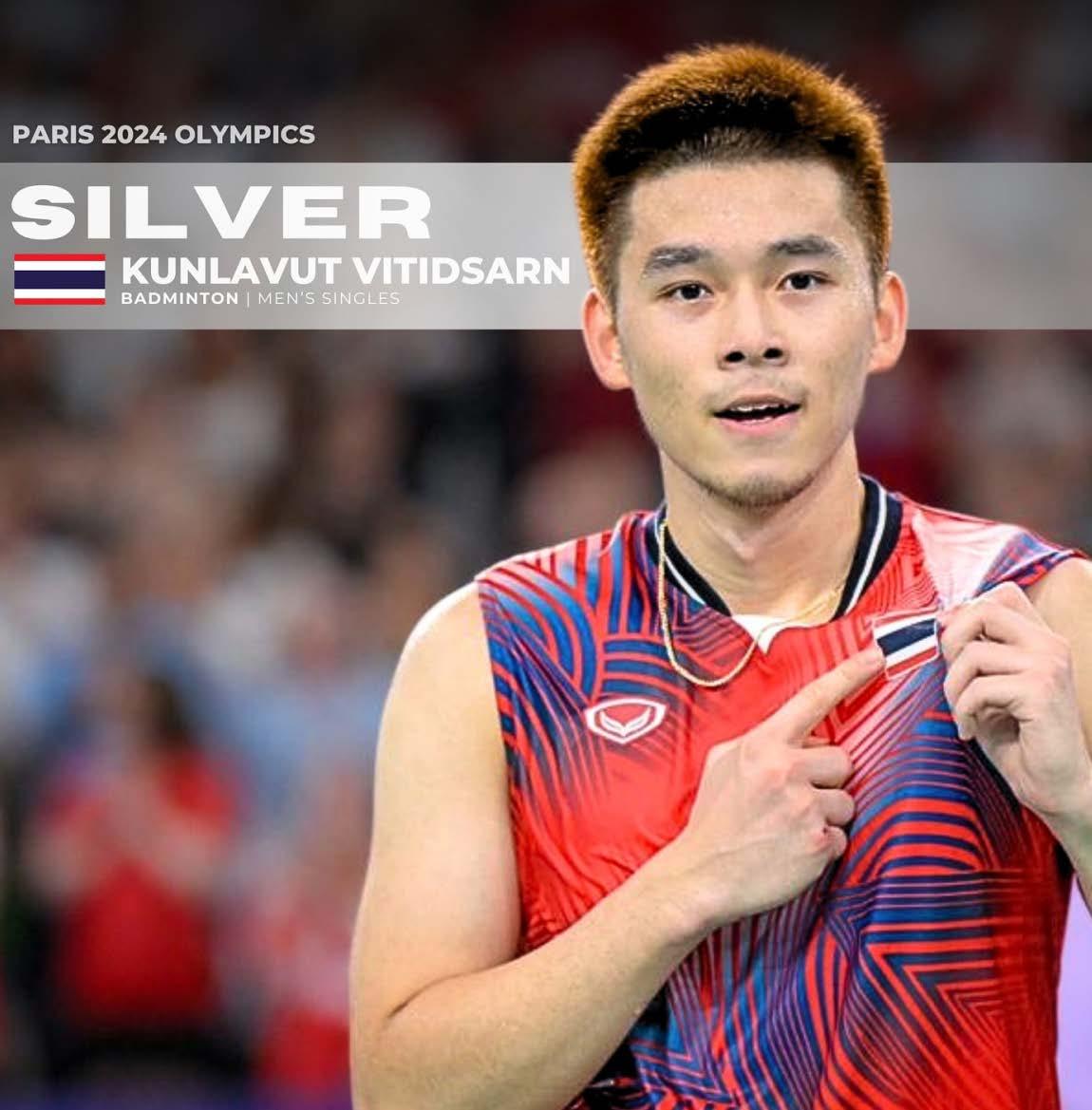
This historic victory adds another chapter to Vitidsarn’s illustrious career. Born on May 11, 2001, in Bangkok, he burst onto the global stage as a prodigy, becoming the first player to win three consecutive World Junior Championships from 2017 to 2019. His senior career has been equally remarkable, with highlights including the 2023 BWF World Championships title and a silver medal at the Paris 2024 Olympics, where he fell to Denmark’s Viktor Axelsen in the final. Each achievement has solidified his reputation as a formidable force in men’s badminton, blending speed, precision, and mental fortitude. The 2025 Badminton Asia Championships victory was particularly significant for Thailand, a nation with a proud badminton tradition but no prior men’s singles champion at this level. Since the tournament’s inception in 1962, Thai players had excelled in other categories, but the men’s singles crown remained elusive—until Vitidsarn’s breakthrough. His path to the final was no easy feat, navigating a highly competitive field that included top-ranked players from across Asia.
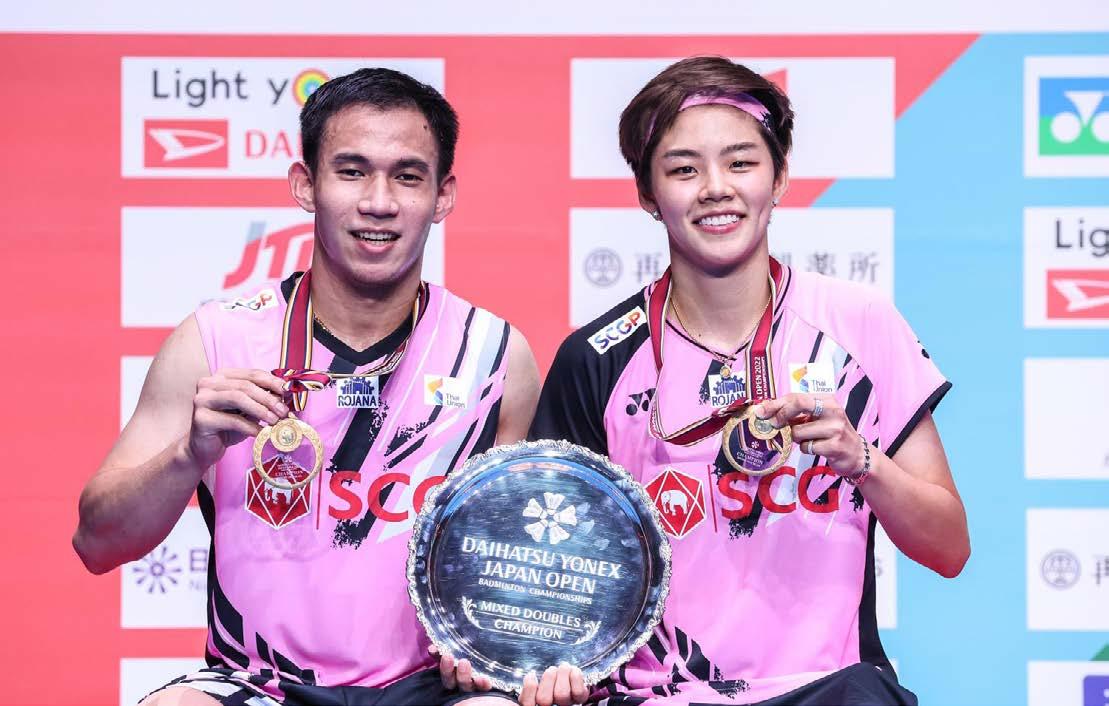
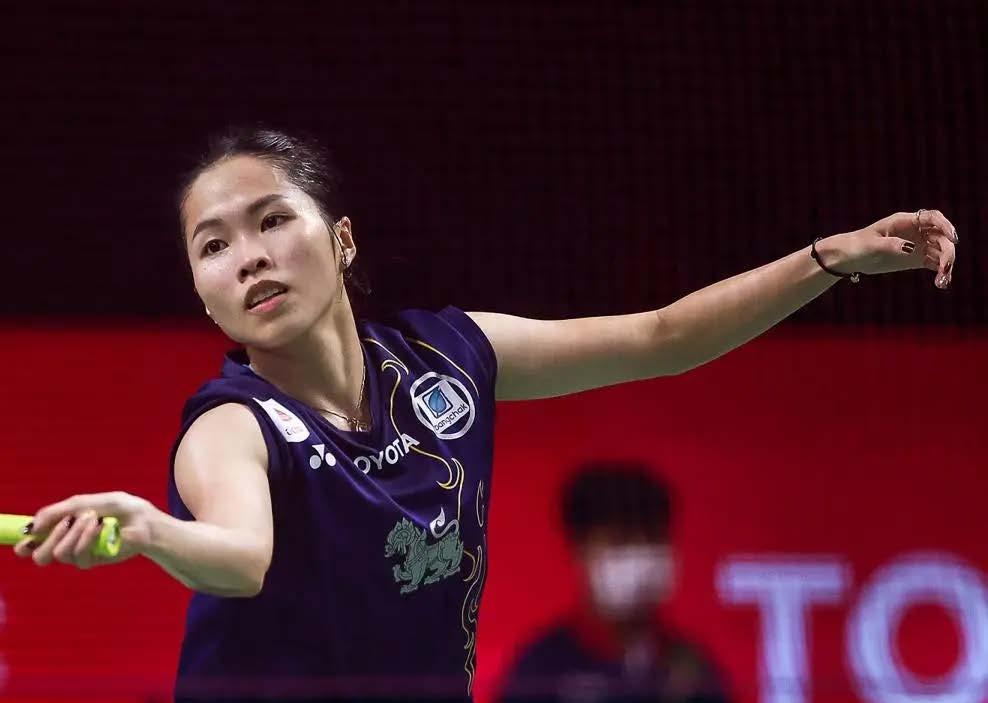
His ability to outmanoeuvre opponents, particularly on Chinese soil, underscored his growing dominance and adaptability. Vitidsarn’s journey to this pinnacle reflects years of dedication and sacrifice. Raised in a supportive family, he began playing badminton at age seven, quickly showing promise in local tournaments. His junior career was a harbinger of future greatness, with his World Junior Championship hat-trick showcasing his ability to perform under pressure. Transitioning to the senior circuit, Vitidsarn faced challenges, including injuries and fierce competition, but his resilience shone through. His 2023 World Championship win, where he defeated Japan’s Kodai Naraoka, marked him as a global contender, while his Olympic silver cemented his elite status. The significance of Vitidsarn’s Asian Championships win extends beyond the court. It has galvanized Thailand’s sports community, with fans flooding social media platforms to celebrate. One post read, “Kunlavut is a national treasure! First Thai to win Asia Champs!” The victory has also sparked renewed interest in badminton among Thai youth, with academies reporting increased enrollment. Vitidsarn’s humility and work ethic make him a relatable role model, inspiring countless aspiring athletes to chase their dreams. His success is also a testament to Thailand’s growing badminton infrastructure. Supported by the Badminton Association of Thailand and worldclass coaches, Vitidsarn has benefited from training facilities and international exposure that have elevated Thai players onto the global stage. Alongside stars like Ratchanok Intanon and the doubles pair Dechapol Puavaranukroh/Sapsiree Taerattanachai, Vitidsarn is part of a golden generation pushing Thailand to new heights in the sport.
Looking ahead, Vitidsarn is focused on maintaining his momentum. With the 2025 BWF World Tour and Sudirman Cup on the horizon, he aims to add more titles to his resume. His No. 2 ranking positions him as a threat to Axelsen’s top spot, though Vitidsarn remains pragmatic: “Rankings come and go. I just want to play my best every time.” As he continues to break barriers, Thailand celebrates its trailblazer—a player who has not only conquered Asia but also ignited a nation’s pride and ambition.
THE EVOLUTION & IMPACT OF SPORTS BROADCASTING
Sports broadcasting has transformed from grainy radio transmissions to immersive, multi-platform spectacles that captivate billions worldwide. It’s not just about watching a game anymore— it’s about experiencing it, analyzing it, and sharing it in real time. This article explores the history, technology, economics, and cultural significance of sports broadcasting, while looking ahead to its future.
A Brief History of Sports Broadcasting
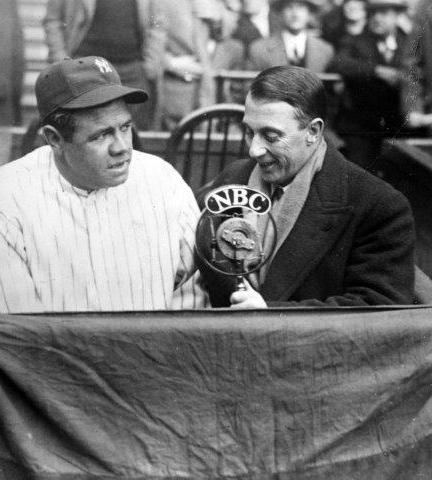
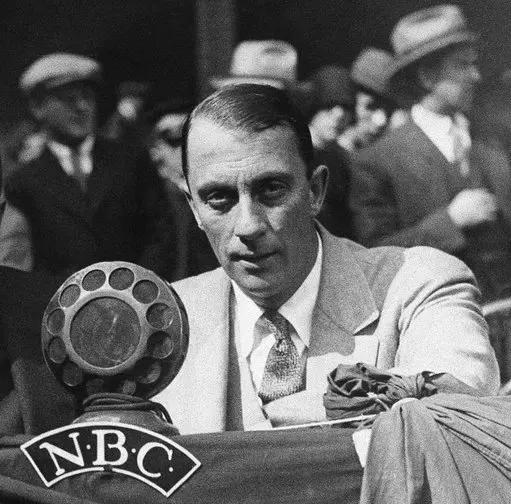
The roots of sports broadcasting trace back to the early 20th century. In 1921, KDKA in Pittsburgh aired the first live radio broadcast of a baseball game between the Pittsburgh Pirates and Philadelphia Phillies. Radio brought
sports to living rooms, creating a new way for fans to connect with their teams. By the 1930s, boxing and college football were radio staples, with announcers like Graham McNamee becoming household names. Television
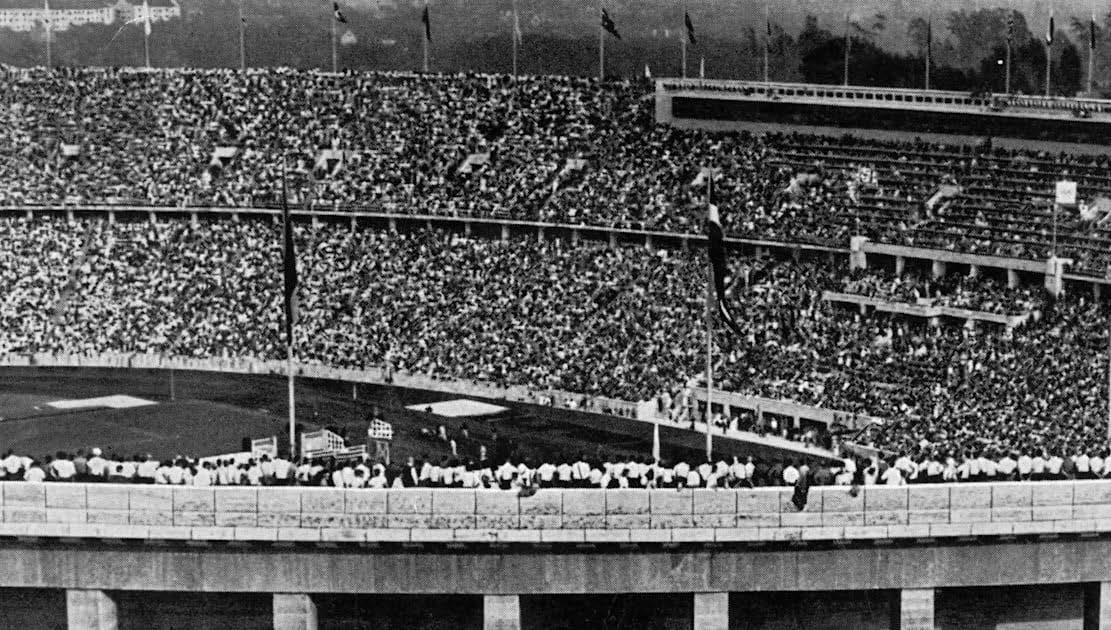
revolutionized the industry in the 1940s and 1950s. The 1936 Berlin Olympics were among the first televised sports events, though limited to local audiences. In the U.S., NBC’s broadcast of a 1939 college baseball game marked a milestone. By the 1960s, CBS and ABC were producing regular sports coverage, with innovations like instant replay (introduced in 1963) enhancing the viewing experience. The 1970s saw Monday Night Football debut,
turning weekly games into cultural events. Cable and satellite TV in the 1980s and 1990s expanded coverage. ESPN, launched in 1979, became a global juggernaut, offering 24/7 sports content. The digital age ushered in streaming platforms like DAZN and ESPN+, allowing fans to watch on-demand across devices. Today, social media platforms amplify real-time engagement, with fans, athletes, and broadcasters interacting instantly.
Technology Driving the Experience
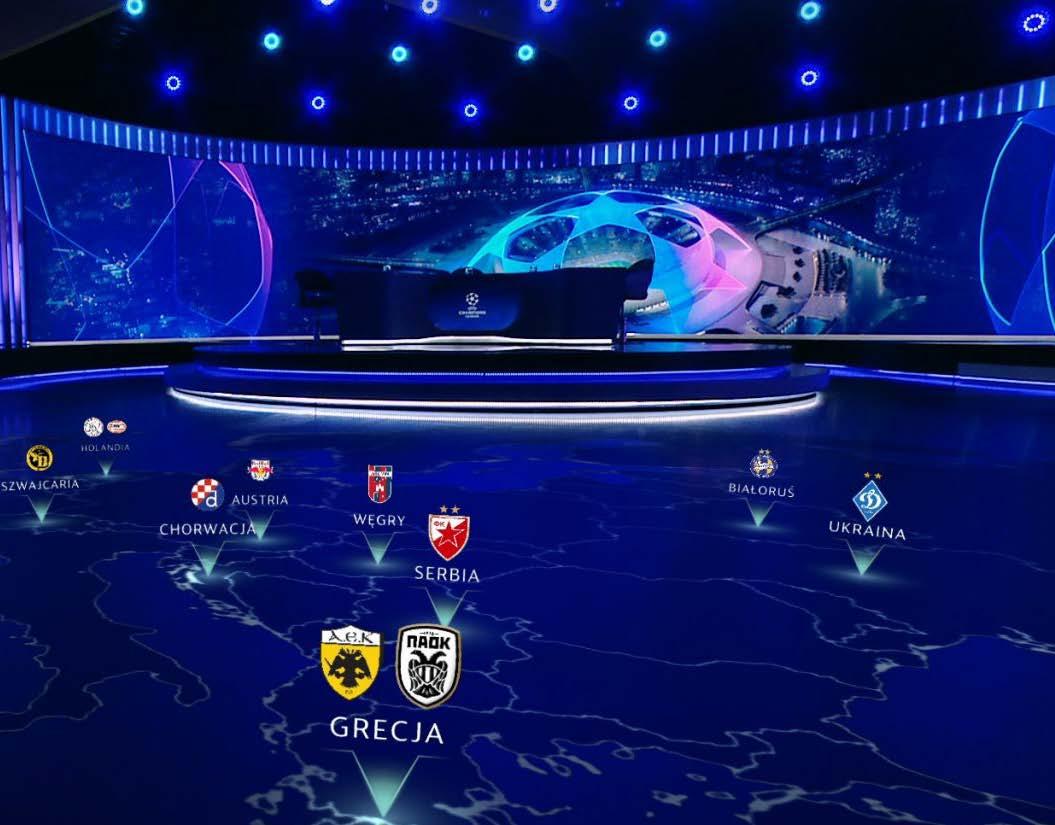
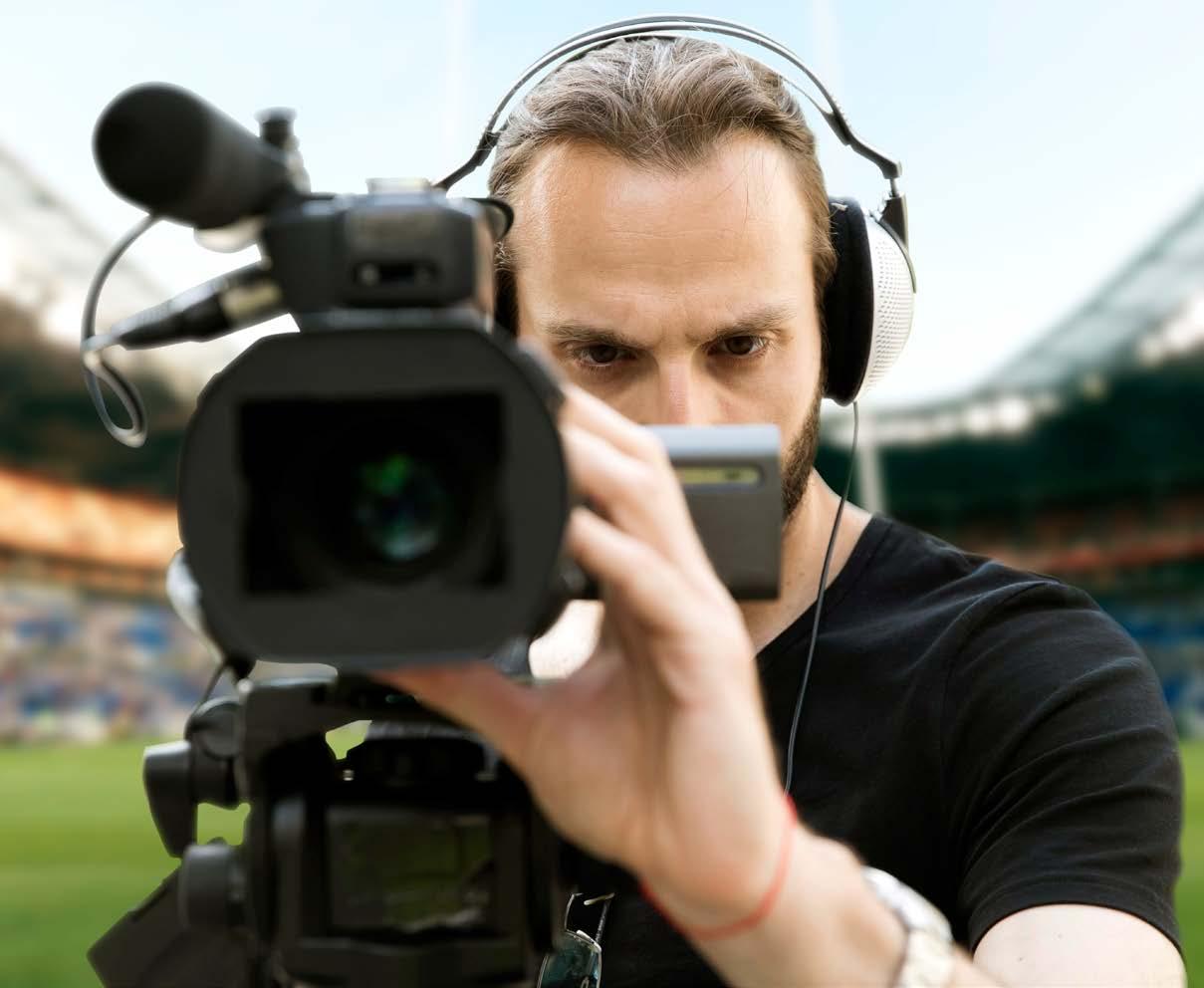
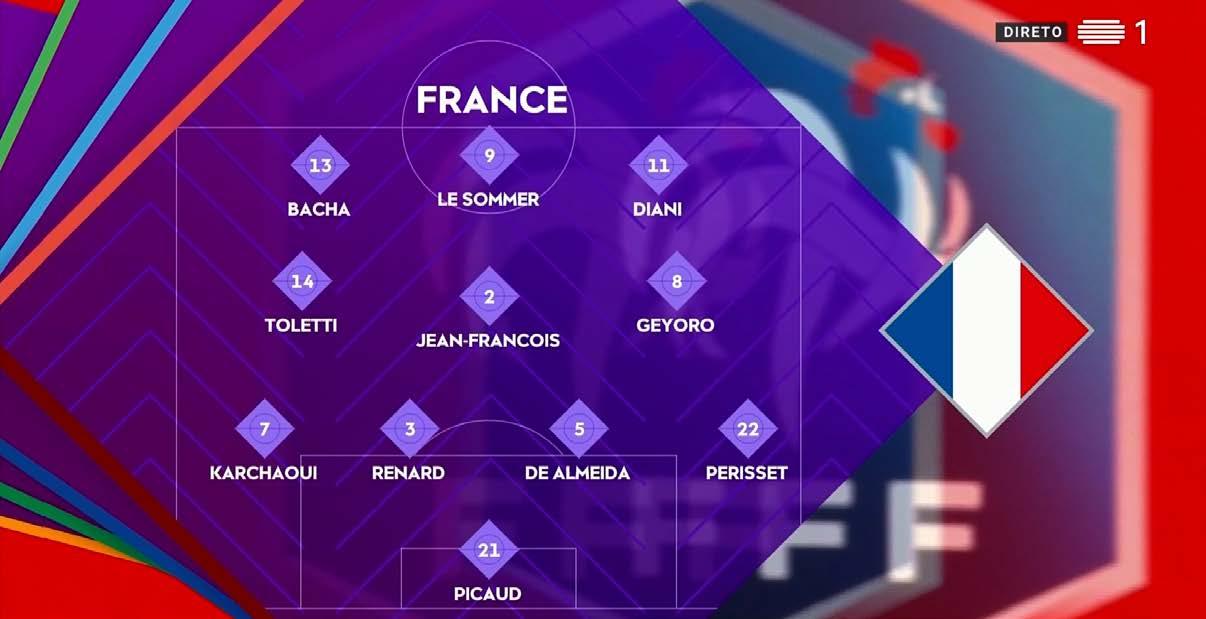
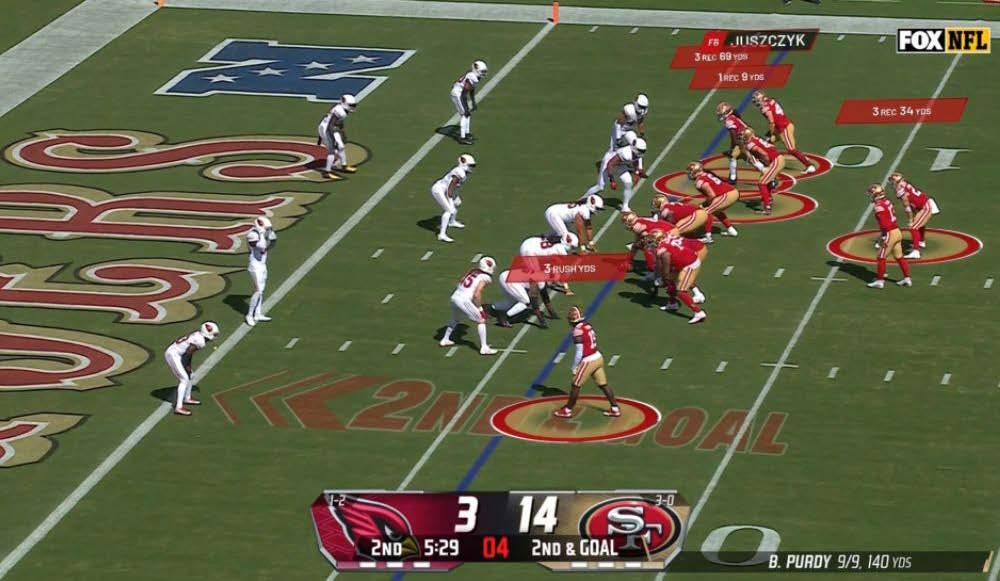
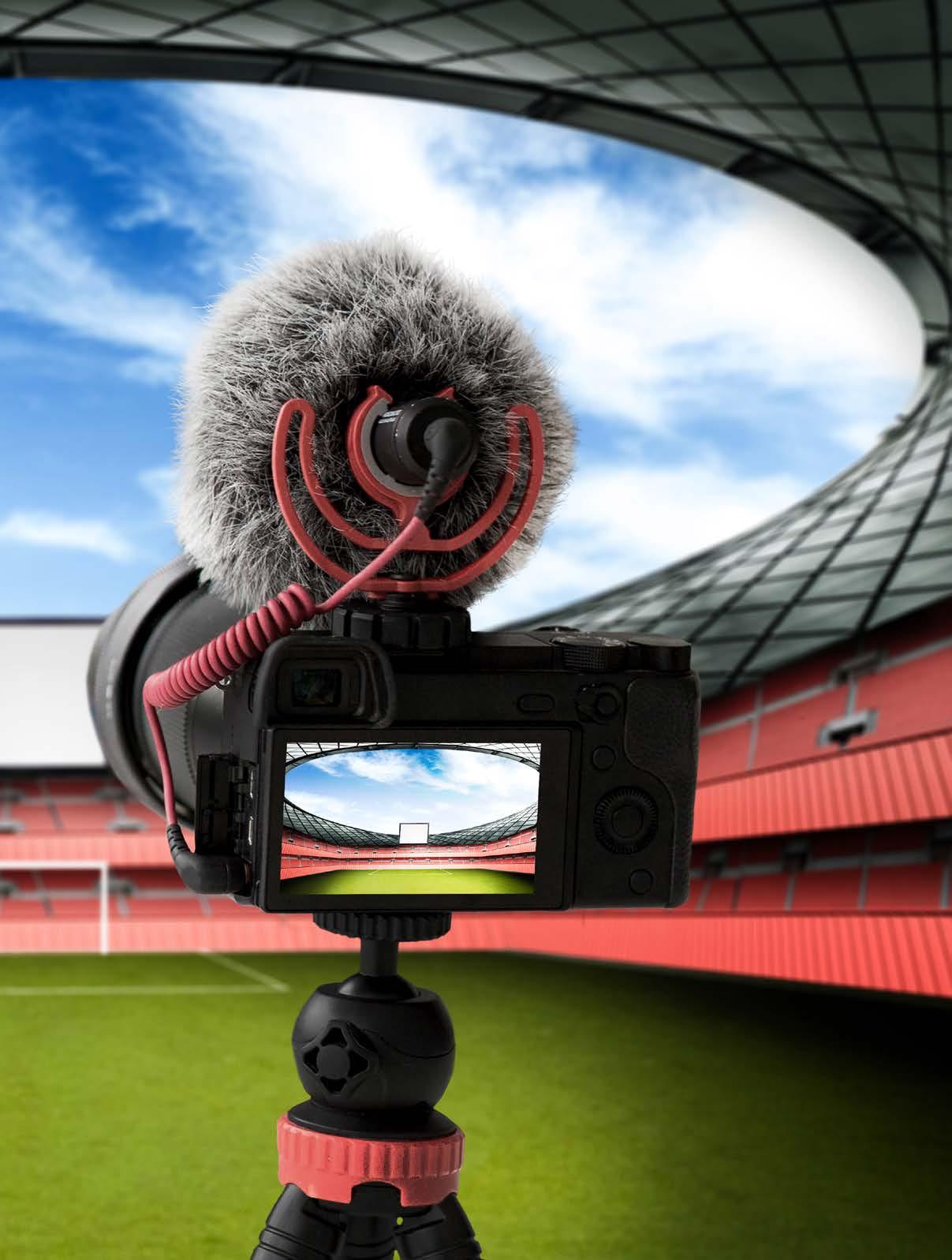
Modern sports broadcasting is a technological marvel. High-definition cameras, drones, and 360-degree replays provide angles once unimaginable. Augmented reality (AR) overlays stats and graphics on-screen, while virtual reality (VR) experiments promise immersive experiences, like courtside seats from your couch. Artificial intelligence (AI) plays a growing role. AI-driven analytics power realtime data visualizations, such as player tracking in the NBA or pitch analysis in baseball. Automated highlight reels and personalized content recommendations keep fans engaged. Meanwhile, 5G networks enable seamless streaming, even in crowded stadiums. Audio innovation enhances immersion. Directional microphones capture every grunt, whistle, and crowd roar, while commentators like Kevin Harlan or Ian Eagle add emotional heft. Spatial audio in broadcasts creates a stadium-like soundscape for home viewers.
The Economics of Sports Broadcasting
Sports broadcasting is a multi-billion-dollar industry. In 2022, global sports media rights were valued at over $56 billion, with the NFL alone securing a $113 billion deal with networks through 2033. These rights are the lifeblood of major leagues, funding player salaries and infrastructure.Networks and streaming platforms compete fiercely for exclusive deals. Disney (ESPN/ ABC), Comcast (NBC), and Amazon have poured billions into securing NFL, NBA, and Premier League rights.
Amazon’s $1 billion annual deal for Thursday Night Football shows the streaming giants’ growing clout. Meanwhile, regional sports networks (RSNs) like Bally Sports face challenges as cord-cutting reduces cable subscriptions. Advertising is another revenue driver. Super Bowl LVIII in 2024 charged $7 million for a 30-second ad, reflecting the event’s massive reach (123
million U.S. viewers). Product placements, sponsored segments, and in-game ads (like virtual billboards in soccer) are now standard. Betting companies, legalized in many U.S. states, have become major sponsors, integrating live odds into broadcasts.
Cultural and Social Impact
Sports broadcasting unites communities and shapes culture. Iconic calls—like Al Michaels’ “Do you believe in miracles?” during the 1980 U.S. hockey upset— become part of collective memory. Events like the FIFA World Cup or the Olympics transcend borders, with 3.6 billion people watching the 2022 World Cup. Broadcasters also influence narratives. Commentators frame athletes as heroes or villains, while studio shows like ESPN’s First Take spark debates that spill onto social
media platforms. Representation matters too—female broadcasters and diverse voices around the world have broken barriers, reflecting a broader push for inclusion. However, controversies persist. Paywalls and streaming fragmentation frustrate fans, while blackout rules limit access for local viewers. The integration of gambling ads raises ethical concerns, particularly for younger audiences. Social media amplifies criticism, with broadcasters facing scrutiny for bias or errors in real time.
The Future of Sports Broadcasting
The future is digital, interactive, and personalized. Streaming will dominate as platforms like Netflix enter the fray (e.g., their 2024 deal for WWE’s Raw). Directto-consumer models, like the NBA’s global streaming service, will bypass traditional networks. Fans will customize their experience—choosing camera angles, stats, or even VR perspectives. AI will deepen personalization, curating content based on preferences. Blockchain and NFTs could enable fan-owned content or exclusive digital collectibles tied to broadcasts. Meanwhile, esports broadcasting, already drawing millions on Twitch and YouTube, will challenge traditional sports for viewership. Sustainability is another focus. Remote production, used during the COVID-19 pandemic, reduces travel emissions. Networks like Sky Sports are investing in carbon-neutral broadcasts.
Despite its growth, sports broadcasting faces hurdles. Piracy remains a threat to leagues like the English Premier League, with illegal streams siphoning revenue. Viewer fatigue from oversaturation—multiple games across fragmented platforms—could dilute engagement. Labour disputes, like potential NBA or NFL lockouts, disrupt schedules and revenue. Finally, maintaining journalistic integrity amid corporate pressures and sponsor influence is critical. Sports broadcasting is more than a business—it’s a cultural force that connects fans, shapes identities, and drives innovation. From radio’s crackle to 4K streams, it has evolved with technology and society. As it navigates challenges and embraces new tools, its core mission remains: delivering the thrill of the game to every corner of the globe. Whether you’re cheering in a stadium or tweeting from your couch, sports broadcasting ensures your part of the action.
WILSON’S AIRLESS GEN1 THE 3D-PRINTED BASKETBALL REVOLUTIONIZING THE GAME
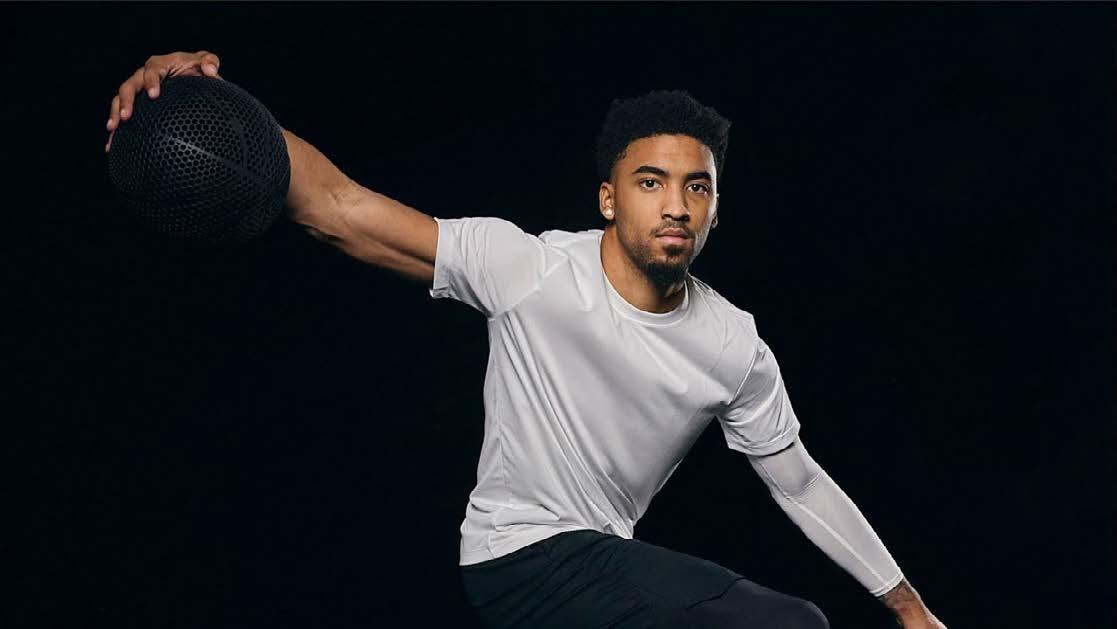
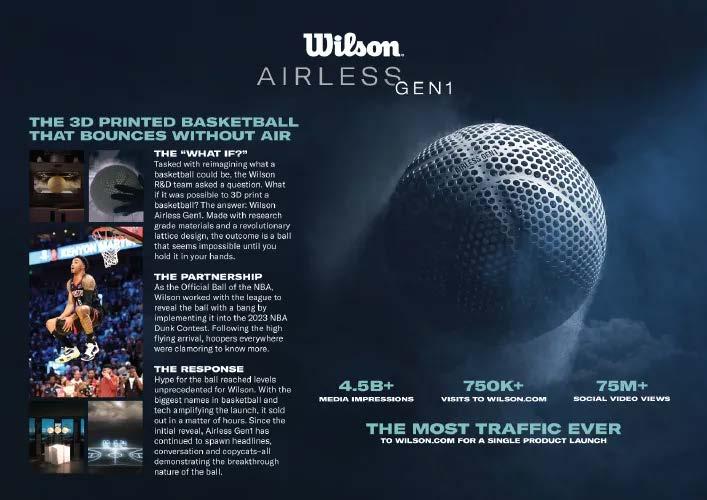
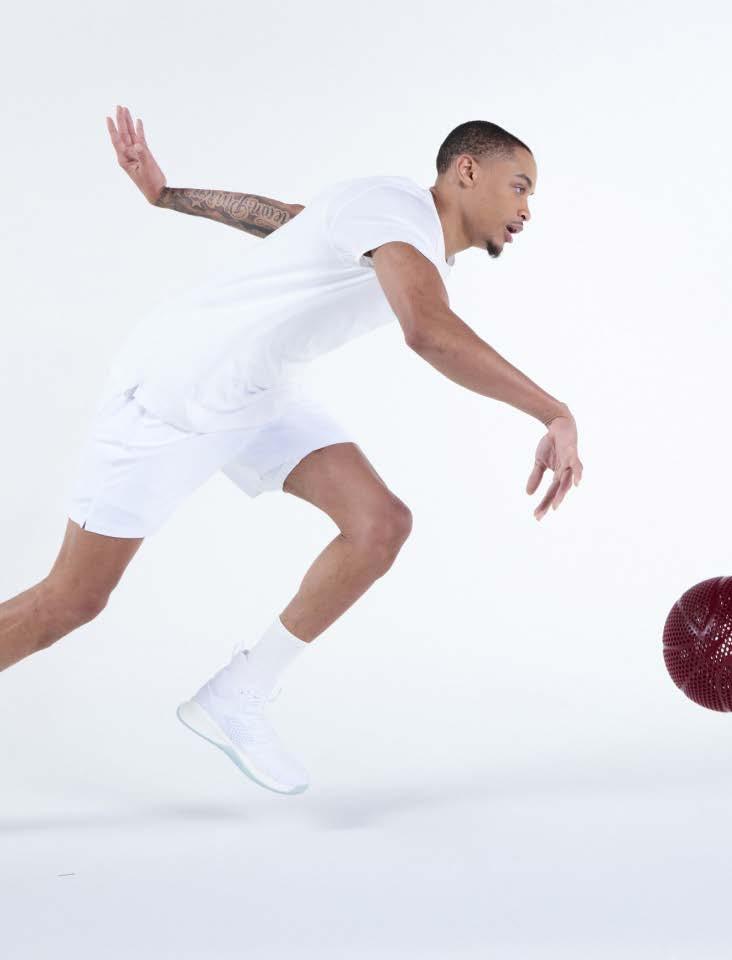
In a bold leap into the future of sports equipment, Wilson Sporting Goods unveiled the Airless Gen1, a 3D-printed airless basketball that redefines what a basketball can be. Launched on February 16, 2024, with a staggering price tag of $2,500, this limited-edition marvel sold out in under two hours, with fewer than 200 units produced. Combining cutting-edge technology, innovative design, and a nod to sustainability, the Airless Gen1 is not just a basketball—it’s a statement about the potential of additive manufacturing in sports.
A Ball Like No Other
The Airless Gen1 is a technological masterpiece. Unlike traditional basketballs, which rely on an inflatable bladder, this ball features a 3D-printed polymer lattice structure with eight panel-like lobes and hexagonal holes that allow air to flow freely. This eliminates the need for inflation while maintaining performance that closely matches NBA regulation standards for weight, size, and bounce. Available in Jet Black, Natural, and Brown colorways, each ball is uniquely numbered and packaged with a premium pelican case, a mirror display stand, and a 3D-printed luggage tag, appealing to collectors and tech enthusiasts alike.
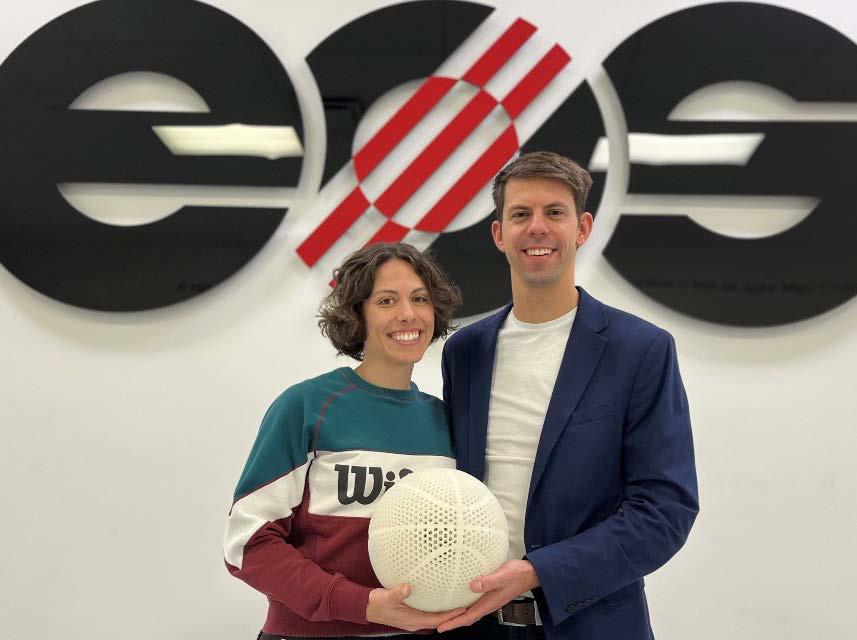
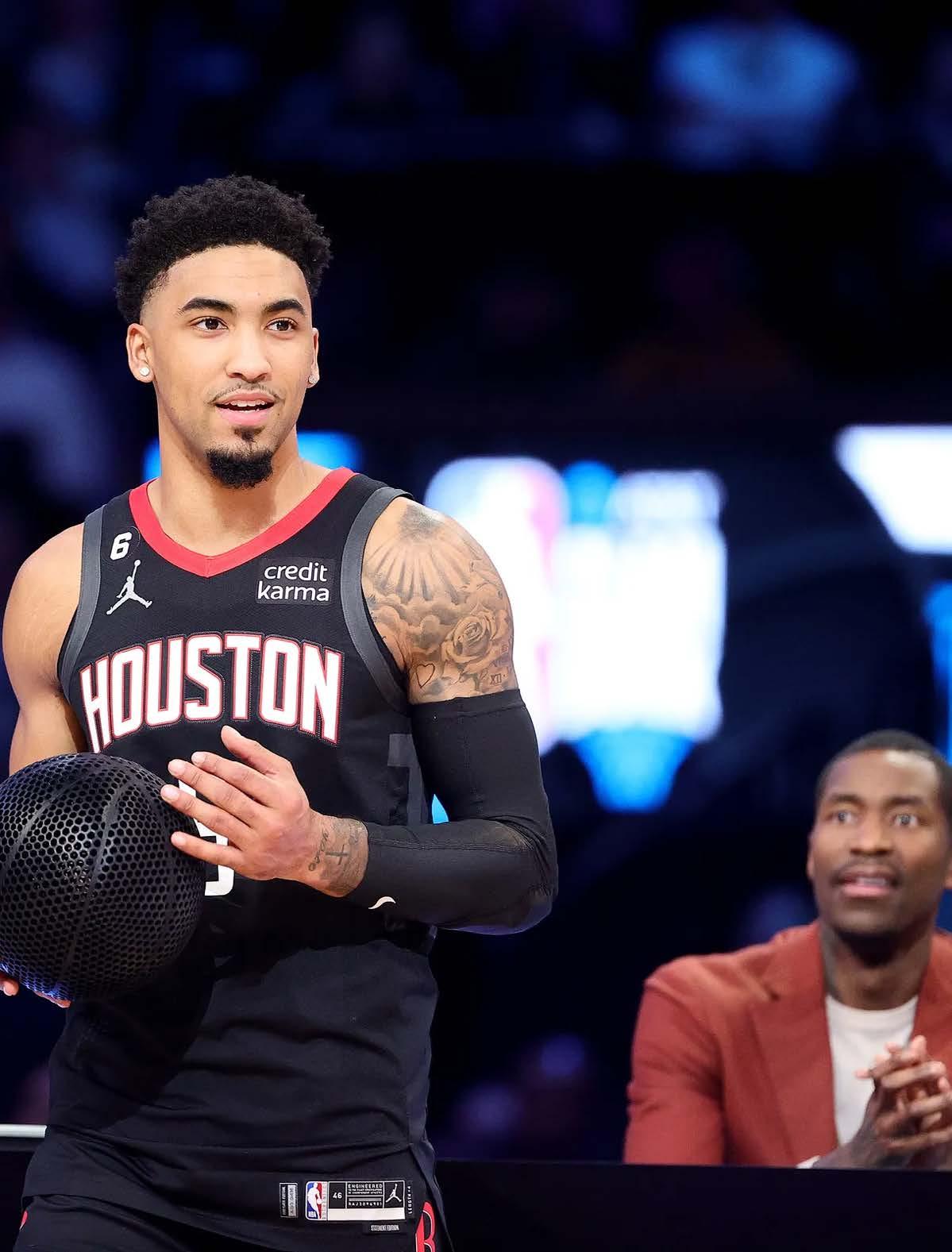
The Airless Gen1’s journey began six years ago, evolving from a prototype debuted at the 2023 NBA Slam Dunk Contest by Houston Rockets player KJ Martin. Wilson collaborated with industry leaders to bring this vision to life: General Lattice for computational design, EOS for 3D printing, DyeMansion for color and finishing, and SNL Creative for manufacturing. The result is a ball crafted using selective laser sintering (SLS) with a specialized elastomeric polymer, offering durability and a grippy texture comparable to traditional leather basketballs.
Engineering the Future
The Airless Gen1’s lattice structure is the heart of its innovation. Refined from the 2023 prototype, the lattice ensures consistent bounce and performance while perforated channels streamline production, reducing manufacturing time. These advancements address early challenges, such as inconsistent bounce and lengthy print times, making the Gen1 a polished product. The ball’s design also allows for customization potential—future iterations could adjust lattice density to tailor bounce or weight for specific playing styles.
Sustainability is another key focus. By leveraging 3D printing, Wilson minimizes material waste, and production occurs in North America, reducing the carbon footprint compared to traditional manufacturing. While the $2,500 price reflects the complex SLS process and limited run, Wilson aims to optimize future models, like a potential Gen2, to lower costs and broaden accessibility.
A Collector’s Item, Not a Game Changer (Yet)
The Airless Gen1 isn’t designed to replace the NBA’s leather game ball. Instead, it targets innovation enthusiasts, collectors, and those fascinated by the intersection of sports and technology. Social media buzz, amplified by influencers like Marques Brownlee, praised its futuristic aesthetic and engineering prowess. However, some critiques emerged: the ball’s bounce is slightly quieter than a traditional basketball, and its high cost drew skepticism from casual fans. Despite these points, the Airless Gen1’s impact is undeniable. It showcases how 3D printing can push boundaries in sports equipment, from performance to personalization. The ball’s debut also sparked discussions about the future of basketball manufacturing—could airless designs one day become mainstream, offering durable, maintenance-free alternatives for players worldwide?
Wilson’s Airless Gen1 is a proof of concept, a glimpse into a future where 3D-printed sports gear could become commonplace. While its price and limited availability make it a niche product, the technology behind it holds immense potential. Wilson is already exploring ways to refine the design, reduce costs, and scale production for broader markets. The company’s commitment to sustainability and innovation suggests that the Airless Gen1 is just the beginning. For now, the Airless Gen1 stands as a collector’s gem and a testament to human ingenuity. It challenges conventions, blending art, science, and sport in a way that captivates imaginations. As Wilson continues to push the envelope, one thing is clear: the Airless Gen1 isn’t just a basketball—it’s a bold step toward reimagining the game. For more information or to explore Wilson’s innovative lineup, visit Wilson.com.
FIRST OF ITS KIND SPORTS MEDICINE @ DR. KMD’S ROYALCARE
INTERNATIONAL HOSPITALS GROUP
DR. KMD’s ROYALCARE
INTERNATIONAL HOSPITALS
GROUP’s Expert Team & Sports Medicine
Specialists provide a coordinated team approach to the evaluation, diagnosis and treatment of injuries sustained by recreational, amateur and professional athletes. Sports Medicine's multidisciplinary team will work together to help you return to your sport. Preventive care is also promoted through wellness, fitness and performance-enhancement consultations.
RCIHG’s muti-speciality team includes primary care sports medicine physicians, sports medicine orthopaedic surgeons and specially trained physical and occupational therapists who work together to offer you a tailored plan for returning to the sport or activity you love.
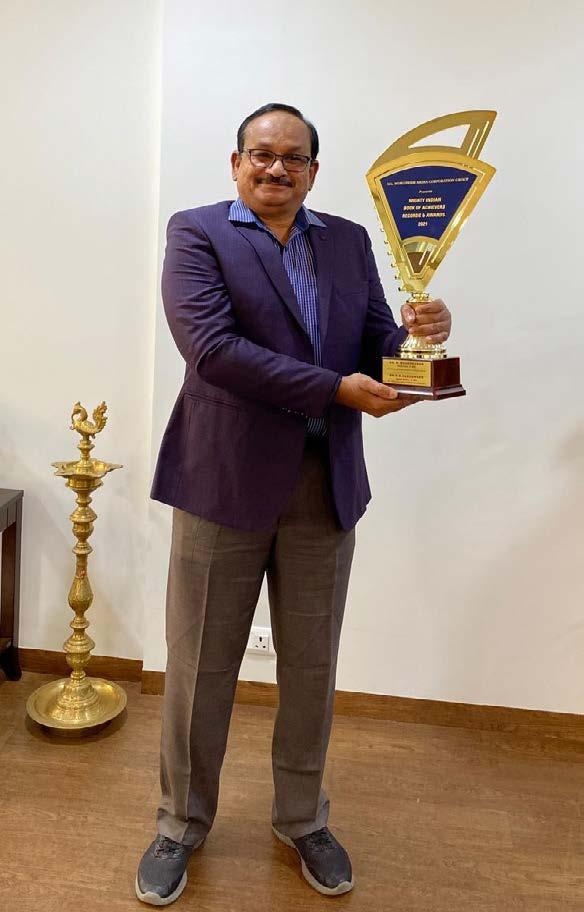
DR. K. MADESWARAN Chairman & Managing Director
M/s. Royalcare International Hospitals Group
PRIMARY CARE SPORTS MEDICINE:
RCIHS’s Primary Care Sports medicine physicians assess, diagnose, treat and educate athletes and active people of all ages and experience levels, including teen and collegiate athletes, weekend warriors, recreational athletes and seasoned professionals. Our physicians are trained to diagnose and help you recover from an injury, recognize injury risk factors or improve your athletic performance so that you can participate in your favourite activities for years to come. A primary care sports medicine doctor is like your family doctor but with special expertise and training in sports medicine. This type of doctor sees athletes as well as active people who have an injury or a condition preventing them from participating in their sport or activity, whether it’s football, running or pickle ball. A primary care sports medicine doctor will create a custom treatment plan, which may include medications, injections, a referral to physical therapy and other treatments.
RCIHG’s Exclusive Sports Medicine Services
Ultrasound to diagnose ligament and tendon injuries, muscle tears and nerve issues, including diagnostic injections. We also use other types of tests to diagnose sports-related conditions, including compartment pressure measurement testing. Nonsurgical treatments, including platelet-rich plasma injections, prolotherapy, percutanetous needle tenotomy, corticosteroids, hyaluronic acid and other ultrasoundguided injections, as well treatments to relieve pressure on a pinched nerve or drain a cyst. Sportand injury-specific return-to-sport testing to ensure an optimal and safe return to activity, including our specialized program for performing artists and female athletes.
Consultations on nutrition, supplements, and safety
Injury prevention: We offer comprehensive evaluations of body mechanics to screen for movement patterns or muscular imbalances that may increase your risk for injury. We then provide a tailored training program to help you adjust your technique to avoid injury and improve athletic performance. Coordination of care with your orthopaedic surgeon and physical therapists, which may include pre-surgery strengthening (pre-hab) and a post-surgery rehabilitation plan (rehab).
Dr. KMD’s RCIHG Treat the Following Conditions under SPORTS MEDICINE:
• Overuse injuries of the ankle, foot, knee, hip, elbow, shoulder and spine.
• Traumatic injuries such as dislocations and ligament tears.
• Sport-specific injuries such as tennis elbow, runner’s knee, golfer’s and baseball elbow and more.
• Arthritis and general pain that cause an unwanted decrease in activity level.
• Pain or numbness resulting from pinched nerves
• Exercise-induced compartment syndrome
• Post-concussion syndrome (prolonged symptoms following a concussion) and return-to-sport conditioning after a concussion.
• We work closely with the sports cardiology team to evaluate and treat heart-related conditions.
About Dr. KMD’s RCIHG’s Primary Care Sports Medicine Physicians:
RCIHG’s primary care sports medicine physicians are Experts in the fields of Sports Medicine and in Primary care Sports Medicine. They have a deep understanding of how sports injuries happen and why it is important to take a special care and provide best care & fast cure. The Entire Team also work closely with orthopaedic sports medicine physicians and sports rehabilitation therapists as needed to coordinate your care in the best possible manner.
Other Members of Dr. KMD’s Sports Medicine Care Team:
Orthopaedic Surgery for Sports Injuries
If surgical treatment is necessary, RCIHG’s Orthopaedic Surgeons offer expert surgical care for a variety of sports injuries with a focus on helping injured athletes of all ages get back in action.
Dr. KMD’s RCIHG’s Team of Orthopaedic Sports medicine specialists are trained and experienced in treating a wide variety of sports injuries in professional athletes and casual sports enthusiasts, ranging from overuse injuries such as tennis elbow to ACL tears and bone fractures. RCIHG’s doctors use both surgical and non-surgical treatments to get you back in the game safely.
Dr. KMD’s Women's Sports Medicine Program:
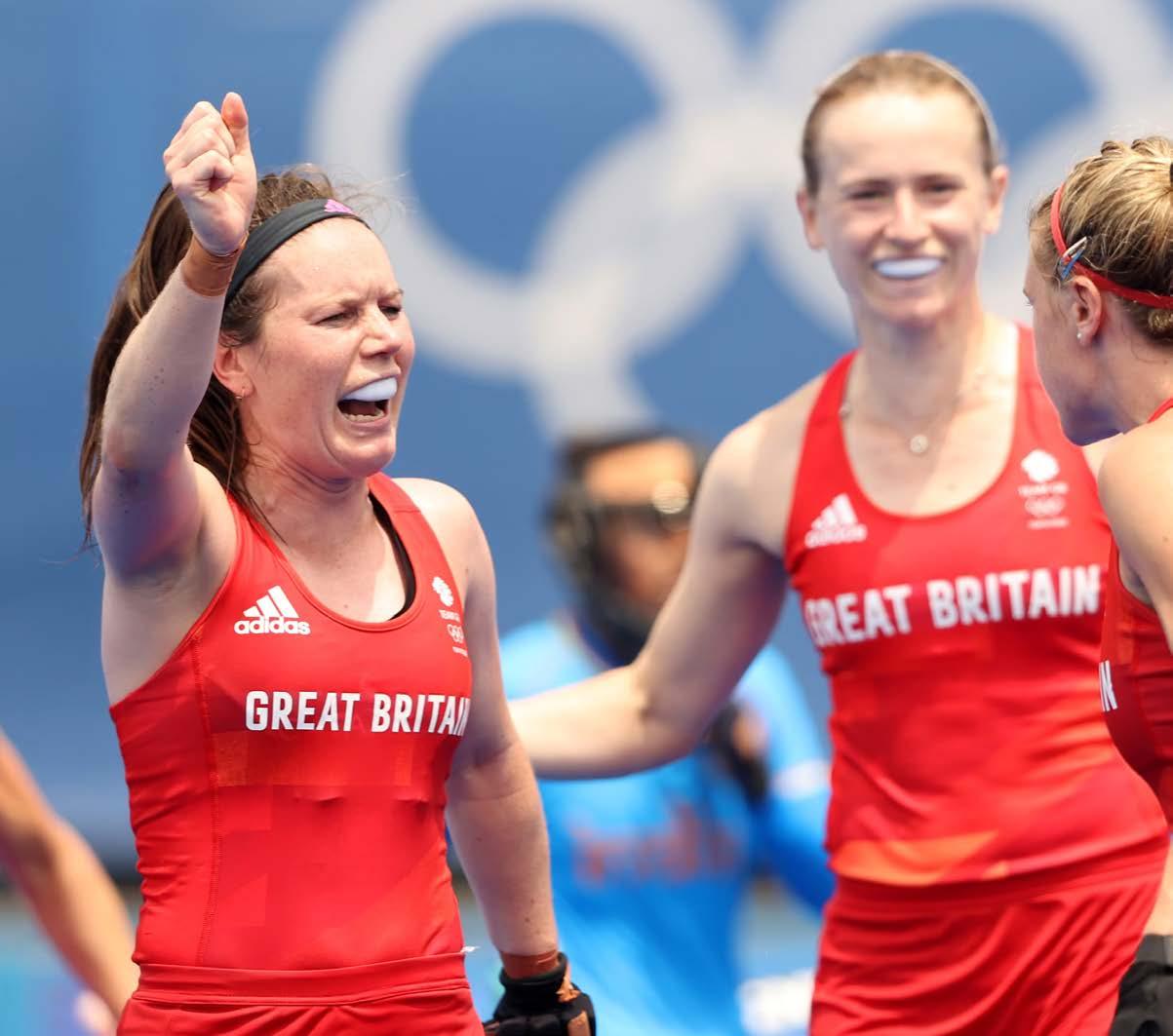
The Women’s Sports Medicine Program at Dr. KMD’s Royalcare International Hospitals Group is designed to provide special care and support for female athletes of all ages and levels of performance. RCIHG’s team of multispecialty experts provide a wide range of health care services and collaborates to design care and treatment plans based on your needs and goals, whether you are struggling with nutrition, want to learn more about injury prevention or are dealing with an injury.
Female Athletes: Common Sports Injuries and Prevention:
Sports participation comes with a host of mental and physical benefits, for people of all genders. But it comes with some risks, too. Women and girls have risk factors that can make them more likely than male athletes to experience certain injuries or health problems.
Sports Injury Risk Factors in Female Athletes: The Role of Anatomy:
Women and girls are powerful athletes. But they may be more likely to experience certain sports injuries because of their anatomy and hormones. Female athletes and athletes assigned female at birth tend to be shorter and lighter compared to male athletes. They are also more likely to have certain anatomical features:
• Narrow shoulders: This can result in less upper body strength. With less strength in the arms and shoulders, athletes may compensate in ways that increase the risk of injuring other areas, like the back.
• Wide hips: Broader hips create an angle between the hips and knees that puts stress on knee joints.
• Weak core: Strong back and abdominal muscles stabilize the body and help absorb force when running or jumping. A weak core can lead to injuries in the hips, knees and ankles.
• Short limbs: People with shorter legs and arms must use more force to achieve the same results as people with longer extremities when running, jumping or throwing.
• Increased joint laxity (hypermobility): After puberty, women’s joints tend to have a greater range of motion than those of men. This increases the risk of ligament injuries such as ankle sprains or anterior cruciate ligament (ACL) tears.
• Strong quadriceps muscles with weak hamstrings: This combination causes an imbalance that can strain the knee and increase the odds of knee injuries.
• Small head and neck: A smaller head means less ability to absorb shock. Research suggests that smaller head size and neck girth might be one reason that concussions are more common in female athletes than male athletes. Concussion symptoms also tend to last longer in women.
Many of these features affect an athlete’s biomechanics — the physics of how the body moves. If an athlete has weak hamstrings and flexible joints, for example, she’s more likely to twist at the knee when landing from a jump. A good training and conditioning program can help athletes improve their biomechanics.
The Role of Hormones in Female Athletes
Hormones also can influence women’s sports injury risk.
In adolescence, girls undergo the hormonal changes of puberty. Those hormones trigger the start of monthly periods and other physical changes, like growth spurts. Sudden changes in height can affect an athlete’s biomechanics, putting them at risk of injury. Hormonal changes can also affect the joints and muscles directly. Before puberty, for example, boys and girls have a similar risk of ligament injuries such as ACL tears. After puberty, women develop greater joint laxity, significantly increasing their risk of ligament injuries compared to male athletes.
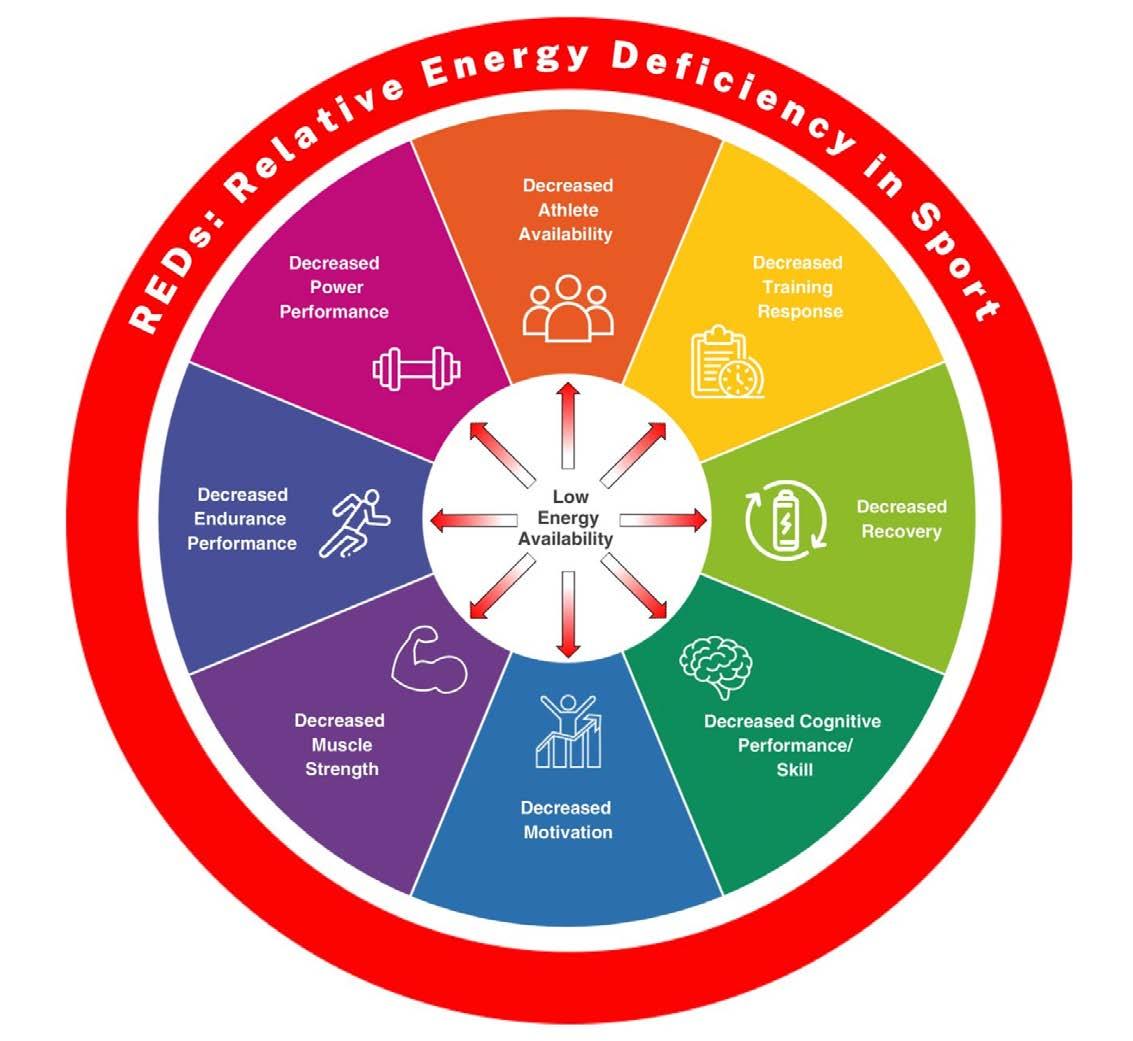
Even after puberty, hormones affect athletes in ways they might not realize. Hormone levels rise and fall throughout the menstrual cycle. Research shows those variations can affect things like joint flexibility, strength, body temperature and neuromuscular control. Those frequent changes can make it more likely for women to suffer a sports injury. Hormones also factor into two important phenomena: the female athlete triad and relative energy deficiency in sports (REDs).
What is the Female Athlete Triad?
The female athlete triad is a group of three conditions that go hand in hand.
• Low energy intake: This occurs when athletes do not take in enough calories to fuel their exercise. Sometimes, that happens as a result of disordered or picky eating or pressure to be thin. But it can also happen when athletes do not have a good understanding of the nutrition they need. That includes getting enough calories, adequate protein, and nutrients such as calcium and vitamin D for strong bones.
• Menstrual dysfunction: Low energy intake can lead to hormonal changes that cause irregular periods. Some athletes stop having periods completely.
Unfortunately, many people believe losing your period is a normal part of elite athletics. “An irregular or absent period is not normal. It is a warning sign,” say Experts. “Girls and women should be having regular periods, even when they are training hard.”
• Low bone mineral density: Low energy availability and hormonal changes can affect bone strength. In the short term, that puts female athletes at risk of sports injuries such as stress fractures. It also sets them up for future problems. “Peak bone mass is achieved by age 30, but maximal bone building occurs by 18, which makes meeting adequate energy needs so essential in the adolescent years,” After age 30, bone loss starts, so it is important to reach the highest possible maximum. Young athletes who are not building bone may be at greater risk of developing Osteoporosis.
Researchers have recognized the female athlete triad for some time. More recently, they’ve come to realize that the triad is part of a larger syndrome known as REDs, which stands for relative energy deficiency in sports. Low energy intake from poor nutrition affects systems throughout the body, and it can affect any athlete. In female athletes, along with menstrual dysfunction and low bone density, REDs can cause problems with:
• The heart and blood circulation
• The gastrointestinal system
• Growth and development
• Hormone function
• Immune function
• Mental health
• Metabolism
REDs can interfere with both health and sports performance in many ways. Some of those consequences include:
• Decreased muscle strength and endurance
• Decreased training response
• Impaired judgment
• Increased injury risk
• Irritability and depression
• Poor concentration
• Reduced coordination
• Reduced energy stores
Athletes who are diagnosed with female athlete triad or REDs should restrict physical activity and increase their energy intake until they recover. “It is so important to take these symptoms seriously,” say Experts. “Overcoming this energy deficiency is critical for both sports performance and long-term health.”
Common Sports Injuries in Female Athletes:
As a result of women’s unique anatomy and hormones, they are at an elevated risk of certain sports injuries. The injuries most common in female athletes include:
• Knee injuries
• ACL injuries, especially those that are not caused by contact with another athlete
• Patellofemoral pain syndrome (runner’s knee)
• Patellar tendonitis (jumper’s knee)
• Shoulder injuries such as rotator cuff injury
• Plantar fasciitis
• Stress fractures
• Ankle sprains
• Concussions
Pregnancy & Sports Medicine:
Today, more women are remaining not only active but athletic during their pregnancies. While guidelines on exercise during pregnancy are available, most do not address high-level athletes — leaving many questions unanswered for these women. The Women’s Sports Medicine Program promotes the advancement of knowledge surrounding pregnancy and sports medicine through research and education.
Dr. KMD’s RCIHG’s Experts, including obstetricians, sports medicine specialists and physical therapists, provide comprehensive care for women who wish to remain active during pregnancies. Through a collaborative approach, we provide activity-specific treatment plans while maintaining awareness of the restrictions and modifications that are required during this phase of life.
Sports Injuries in Women 55 and Older and Tips to Prevent Them: Heat-related
Older bodies are more likely to have stiff tendons, decreased strength and reduced range of motion. All these can contribute to injuries such as back strain, sprains and muscle and tendon injuries.
Falls and Fractures
Falls are a major health risk for people as they age, especially women with thinning bones. One bad fall can put an older adult on the bench for weeks, months or even permanently.
“Women are more likely than men to develop osteoporosis, making brittle bones and fractures a real concern,” Expert says, adding that wrist injuries and facial trauma are particularly common in older adults who fall.
“Heat illness such as heat cramps, heat exhaustion and heat stroke are very common since older people cannot regulate internal temperature as easily as younger adults,” Expert says. “Staying hydrated is essential, especially when playing sports outdoors in warm weather.”
Knee Issues
“Women are particularly vulnerable to knee injuries such as cartilage or ligament tears. This is because their hips are wider, which creates a different angle of stress on the knee during physical activity,” she explains. “Make sure you warm up beforehand and wear the right kinds of shoes for the sport you’re playing.”
Achieving and maintaining a healthy weight can also reduce stress on the knees and lower risk of torn cartilage and other painful conditions.
Other Tips for Preventing Sports Injuries
• A little preparation can lower your chances of getting hurt when you exercise.
• Ensuring any equipment, you’re using works properly
• Wearing appropriate, well-fitting shoes and attire for the activity and weather conditions
• Staying well-nourished and hydrated
• Taking it easy in very hot or very cold weather
• Warming up before exercise:
• Shoulder rolls
• Twists to warm up your spine
• Marching in place to warm up lower body
Knee Ligament Repair / Reconstruction:
Ligaments are bands of tough, elastic connective tissue that surround a joint to give support. They also limit the joint's movement. The knee joint may become unstable when ligaments are damaged. Ligament damage often happens from a sports injury. A torn ligament severely limits correct knee movement. This results in the inability to pivot, turn, or twist the leg. Surgery is a choice to fix a torn ligament if other treatment does not work. The ligaments in the knee connect the femur (thighbone) to the tibia (shin bone). There are 4 major ligaments in the knee:
• Anterior cruciate ligament (ACL). This controls rotation and forward movement of the tibia (shin bone).
• Posterior cruciate ligament (PCL). This controls backward movement of the tibia (shin bone).
• Medial collateral ligament (MCL). This gives stability to the inner knee.
Lateral collateral ligament (LCL). This gives stability to the outer knee.
When do You need a Knee Ligament Repair or Reconstruction?
The ACL is toward the front of the knee. It's the most common ligament to be injured. The ACL is often stretched or torn during a sudden twisting motion. For instance, when the feet stay planted one way, but the knees turn the other way. Skiing, basketball, and football are sports that have a higher risk of ACL injuries.
The PCL is toward the back of the knee. It's also a common knee ligament to be injured. But the PCL injury often happens with sudden, direct impact. This can happen in a car accident or during a football tackle. The MCL is on the inner side of the knee. It's injured more often than the LCL,. This is on the outer side of the knee. Stretch and tear injuries to the collateral ligaments are usually caused by a blow to the side of the knee. This includes when playing hockey or football.
Early medical treatment for knee ligament injury may include:
• Rest
• Ice packs (to reduce swelling that happens within hours of the injury)
• Compression (from an elastic bandage or brace)
• Elevation (keeping it raised)
• Pain relievers
A knee ligament tear may be treated with the following:
• Muscle-strengthening exercises
• Protective knee brace (for use during exercise)
• Limiting activity
Knee ligament repair or reconstruction is a treatment for a tear of a knee ligament that results in instability in the knee. This repair or reconstruction is done by an orthopaedic surgeon. This is a surgeon who specializes in treating bone, muscle, joint and tendon problems. People with a torn knee ligament may be unable to do normal activities that require twisting or turning at the knee. The knee may buckle or “give way.” Repair or reconstruction surgery may be an effective treatment if medical treatments don't work well.
The surgery to fix a torn knee ligament with a repair is done by stitching (suturing) the torn ligament. The surgery to correct a torn knee ligament with reconstruction is done by replacing the ligament with a piece of healthy tendon. A tendon from the kneecap or hamstring, for instance, is grafted into place to hold the knee joint together. The tendon graft may come from the person (autograft). Or it may come from an organ donor (allograft). Of course, there may be also other reasons for your healthcare Expert to advise a knee ligament repair or reconstruction.
DR. K. MADESWARAN
A WORLD RENOWNED NEUROSURGEON & HEALTHPRENEUR
H - 2022 - 0901
Certificate of Accrediation for Royalcare Super Speciality Hospital Ltd.
Royal Care Super Speciality Hospital proudly announces its accreditation by the Joint Commission International
Royal Care Super Speciality Hospital Recently Achieved SRC’s Center of Excellence in Neurosurgery
Royal Care Super Speciality Hospital Recently Achieved NABL - The National Accreditation Board for Testing & Calibration
Dr. K. Madeswaran’s strong commitment to the field of Neurology & Neurosurgery is very evident and affirmative with his amazing Records, Statistics and Awards for having performed over 13,500 successful Neurosurgeries as on date. And, that has positioned Not only Positioned Dr. K. Madeswaran as One of the Top Ten Neurosurgeons of the World; But, also brought Him Many Prestigious International & National Awards, Honours, Accreditations, Records and Acknowledgements from Many National / International Institutions.
Throughout his benevolent Professional Career and Entrepreneurship over the last 36 years in Indian Medical, Surgical, Social and healthcare Industry, Dr. K. Madeswaran has been attached with a strong sense of purpose, which is Flawless Health and Joyful Living for All.
In addition, Dr. KMD has always been passionate about adhering to a holistic approach to community development and Preserving Global Environment for a Better Tomorrow; as exemplified by His Brain-Child Namely ‘UYIRIN SWASAM’ – through which He and His Team of Global Volunteers have been Planting Trees as far and as wide they could. As on Date’ Uyirin Swasam
Foundation’ have planted over (Ten Million) One Crore Trees and they are vigorously Moving Forward with the clear objective and aim of Planting 100 Million Trees with Dr. K. Madeswaran’s Highly determined Vision and Moto of ‘Growing Trees for Global Peace and Prosperity’.
All the above serves as a testimony to his most adorable and incredible journey of healing, curing, unconditionally caring, as well as inspiring the Next generations of Surgeons, Doctors and Healthcare Professionals. The fundamental of his legacy is pioneering, developing, innovating, refining and implementing scientific & hi-tech approaches and techniques in the fields of Neuroscience & Neurosurgery.
Dr. K. Madeswaran has always been known for his Exemplary and truly remarkable Medical, Surgical, Teaching, Professional and Entrepreneurial career over three to four decades.
And majority of the surgeries, those were successfully performed and completed by Dr. K. Madeswaran; were highly Critical and Challenging Cases. And He had taken utmost care, in all those cases; by bringing out best of His skill, knowledge and expertise to ensure that the Patients are cured and sent back to their normal life. Hence, Dr. K, Madeswaran has been fondly called as ‘The Most Legendry Neurosurgeon, who is blessed with the Brain,
Heart & Hands Of God’. Dr. K. Madeswaran, with his inborn Skills, Talents and Remarkable Subject Matter Expertise, Not only cured Tens of Thousands of Patients, who have come to him, with the chronic and serious conditions. And, He gave all those Patients and their families the Enduring Joy and legitimate life; to live and rejoice; with their families; But, also taught 1000s of Junior Doctors and Surgeons, who all have been associated with Him and who have been learning directly by being along with Dr. K. Madeswaran in and through all those exemplary and Critical Surgeries and Procedures.
And they along with all those beneficiaries of His Medical & Surgical Services, carry the highest level of respect and regard; for his highly committed, timely, sincerely and most valuable Medical & Surgical Contributions, that he made to them; especially at the most crucial time of their life. Dr. K. Madeswaran’s Successful Medical & Surgical Practice led him to accumulate Millions of Followers from all around the world. And with the Flawless Service and Goodwill, his incomparable knowledge, extraordinary skill and expertise in successfully performing Most Complex Surgeries and procedures that he built over a period of three to four decades; Dr. KMD had gained a very high reputation and trust among all sections of the society.
ABOUT DR. KMD’S ROYALCARE INTERNATIONAL HOSPITALS GROUP
Founded and Commenced by Dr. K. Madeswaran along with His Most Trusted Team of Leading Surgeons, Doctors, Physicians, Medical Professionals, Subject Matter Experts and Management Professionals in the year 2015 as a 50 bedded multispecialty hospital in One of the Vibrant Cities of India, Namely Coimbatore in the State of Tamil Nadu. Indeed, Dr. KMD’S Royalcare Super Specialty Hospital, within the first Two years of operations, became One of the Most preferred Multi-Super-Specialty Hospital in western Tamil Nadu for emergency, primary and specialty care in virtually all branches of modern medicine.
The hospital did continue being, the perfect destination for people seeking superior and Patient friendly healthcare. Functioning with those objectives of making cutting edge healthcare to common man, they provide the best medical service with highly qualified doctors and highly equipped technologies. This necessitated an imminent expansion and created the need for a larger and more comprehensive tertiary care unit encompassing all the field of medicine. A 1100-bedded ultramodern Hospital facility Plan was thus conceived at Neelambur, Coimbatore By Dr. K. Madeswaran and His Team.
RCIHG was Built within a record time of 400 days, the first phase comprising 500 beds were dedicated to the society in November 2016. With over 4,00,000 square feet of modern infrastructure, the Centre contained all necessary facilities to deliver comprehensive care under one roof. With a commitment to make available all facilities on par with the latest advances in the Western World, RoyalCare Super Specialty Hospital became the first Hospital in the country to introduce Bronchial Thermoplasty for the treatment of severe asthma.
RoyalCare is also the first hospital in the country to introduce the micro plasmaadvanced oxidation for dialysis feed water disinfection to eliminate endotoxins and to prevent pyrogenic reactions in patients undergoing haemodialysis. Royal Care will strive to ensure that the benefits of modern healthcare reach all strata of society. Apparently, A patient centric culture exists at RoyalCare as they are the focus of everything they do. Every patient will receive warm and committed attention with a smile.
Royal Care Super Specialty Hospital aspires to be Ultimate Choice of Hospital for People and Patients from all around the world; in all aspects of Health & Wellness or for people seeking comprehensive healthcare. And that they have been recognized as One of the Top-Class Hospitals for very High Quality and International Standards Health Services in Asia. And Dr. KMD’s Royalcare International Hospitals Group is going to achieve its Vision of having over 1000 Bedded Most Advanced International Standard Hospitals in the Same Location very shortly.
This has been mainly possible by the meticulous involvement and incomparable Contributions of Dr. K. Madeswaran, The Founder & CMD of Royalcare International Hospitals Group, whose vision was to bring together highly talented medical professionals from all around the world on board with phenomenal expertise in their respective fields, establishing cutting edge innovative diagnostic, Latest Hi-Tech Equipment, StateOf-The-Art Infrastructure and therapeutic medical technologies combined with the Most friendly medical and paramedical staff to provide courteous and compassionate and Utmost Care to Patients at all times.
Luka ModriC BECOMES
CO-OWNER
OF SWANSEA CITY A NEW CHAPTER FOR THE SWANS
In a move that sent shockwaves through the football world, Real Madrid legend and 2018 Ballon d’Or winner Luka Modrić has become a minority shareholder and co-owner of Swansea City, a Championship club with ambitions of returning to the Premier League. Announced on April 14, 2025, this unexpected venture marks a significant step for the 39-year-old Croatian midfielder as he begins to shape his legacy beyond the pitch. Modrić’s investment not only elevates Swansea’s global profile but also signals a growing trend of elite footballers transitioning into club ownership.
A Surprising Move for a Football Icon
Luka Modrić is no stranger to making history. With six Champions League titles, four La Liga crowns, and a storied career at Real Madrid, he is widely regarded as one of the greatest midfielders of all time. Yet, his decision to invest in Swansea City—a Welsh club currently in the English Championship— caught even the most seasoned football observers off guard. Unlike highprofile celebrity ownerships, such as Ryan Reynolds and Rob McElhenney at Wrexham or Tom Brady at Birmingham City, Modrić’s move is less about Hollywood glamour and more about leveraging his footballing expertise to drive sustainable growth. Swansea City, relegated from the Premier League in 2018, has been under American ownership since November 2024, led by investors Andy Coleman, Brett Cravatt, Nigel Morris, and Jason Cohen. The group sought a high-profile figure to boost the club’s visibility and credibility, and Modrić, with his 37.2 million Instagram followers and unparalleled reputation, emerged as the perfect fit. Reports suggest he acquired a 5% stake in the club, though financial details remain undisclosed.
“This is an exciting opportunity,” Modrić said in a statement on Swansea’s website. “Swansea has a strong identity, an incredible fanbase, and the ambition to compete at the highest level. Playing at the highest level, I believe I can provide my experience to the club. My goal is to support the club’s growth in a positive way and to help to build an exciting future.”
Why Swansea?
Modrić’s connection to Swansea may seem unlikely, but the Croatian is no stranger to the club’s history. A self-professed “football geek,” he vividly recalls Swansea’s distinctive style of play during their Premier League stint from 2011 to 2018. Modrić even faced the Swans twice during his time at Tottenham Hotspur in the 2011-12 season, securing a win and a draw. His awareness of the club’s identity and potential, combined with the owners’ vision, made Swansea an appealing project. The move also aligns with Modrić’s long-term vision. Approaching 40 and with his Real Madrid contract set to expire in 2025, he is planning
for life after playing. While he remains determined to extend his career—potentially captaining Croatia at the 2026 World Cup—his investment in Swansea signals a shift toward the administrative side of football. Unlike some peers who chase branding opportunities, Modrić’s involvement is rooted in his passion for the game and desire to mentor young talent. Swansea’s new ownership group, which injected over £20 million into the club in 2023, sees Modrić as a catalyst for progress. “Luka’s investment is an endorsement of the club’s ambition and vision,” the club stated. “He will play a key role in helping the club garner global attention and progress both on and off the pitch.”
Early Impact: The Inoussa Deal
Modrić’s influence is already being felt. In early May 2025, Swansea secured the signing of 22-year-old Swedish winger Zeidane Inoussa, despite interest from clubs in Italy and Germany. Inoussa revealed that a personal phone call from Modrić was pivotal in convincing him to join the Swans. “He mostly talked about the project, his view of the club, and the team’s future,” Inoussa told Swedish outlet Fotbollskanalen. “It was a lot of fun.” The deal, described as a bold coup for a Championship side, underscores Modrić’s pulling power in recruitment. Swansea fan pundit Will Hughes, speaking to Football League World, expressed astonishment at the signing: “I wasn’t expecting this sort of signing. If there’s any player that we’re looking at, just get Luka Modrić on the phone and let him work his magic.” Fans are hopeful that Modrić’s connections, particularly at Real Madrid, could open doors to loan deals for young talents like Rafael Obrador, a 21-year-old defender currently on loan at Deportivo.
What ModriC Brings to Swansea
Modrić’s role at Swansea is not expected to be hands-on in the day-to-day sense, given his commitments at Real Madrid. However, his expertise and global stature offer tangible benefits:
RECRUITMENT EDGE: Modrić’s name carries weight. His ability to sway players like Inoussa suggests Swansea could attract higher-calibre talent, giving them an edge in the competitive Championship market.
GLOBAL VISIBILITY: With a massive social media following and a reputation as a footballing icon, Modrić puts Swansea in front of sponsors, investors, and fans worldwide. This could translate into commercial opportunities previously out of reach for a second-tier club.
FOOTBALLING EXPERTISE: Swansea has faced criticism for lacking football knowledge at the boardroom level. Modrić, who has thrived in elite environments, brings credibility and insight to strategic decisions, from player development to managerial appointments.
INSPIRATION: As a player who continues to defy age, Modrić’s work ethic and leadership can inspire Swansea’s squad. His presence, even from afar, sets a standard of excellence.
Challenges & Expectations
Despite the excitement, challenges remain. Swansea’s latest financial statements show a £15.2 million pre-tax loss, with weekly losses of £450,000. Football finance expert Kieran Maguire noted that Modrić’s involvement is unlikely to be a financial windfall, as he lacks the branding power of global icons like Ronaldo or Beckham. Instead, his value lies in expertise and connections. “He will bring his expertise to the table,” Maguire told the BBC. On the pitch, Swansea’s mid-table position reflects a need for improvement. The club’s immediate goal is to push for promotion, but Modrić’s impact may be more long-term, focusing on building a sustainable model. The impending departure of chairman Andy Coleman, who will step back to a board role, adds uncertainty, though Modrić’s arrival could stabilize the transition.
A New Era for Swansea
Modrić’s investment has sparked comparisons to other celebrity-backed EFL clubs, but Swansea is keen to carve its own path. “Swansea City aren’t ‘doing a Wrexham,’” wrote Tom Coleman in Wales Online, emphasizing that Modrić’s role is about substance over showbiz. His friendship with Welsh icon Gareth Bale, a former teammate at Tottenham and Real Madrid, has also fuelled speculation about a deeper affinity for Welsh football, though no direct link to Bale inspired the move. For Swansea fans, Modrić’s arrival is a source of pride and optimism. “It’s really exciting being a Swansea fan at the minute,” said Will Hughes. With a Ballon d’Or winner in the boardroom, the Swans have a unique opportunity to dream big. Whether it’s luring new talent, boosting commercial prospects, or simply raising standards, Luka Modrić’s influence could herald a transformative era for Swansea City. All eyes are on how this unlikely alliance will shape the future.
The rise of esports has reshaped the landscape of competitive entertainment, blurring the lines between traditional sports and digital competition. What began as niche gaming tournaments in the 1990s has evolved into a global phenomenon, with professional gamers, massive audiences, and multimillion-dollar prize pools. Modern gaming, powered by technological advancements and cultural shifts, has not only birthed esports but also profoundly influenced the broader sports industry, redefining what it means to be an athlete, a fan, and a sports organization.
THE RISE OF ESPORTS: A NEW COMPETITIVE FRONTIER
Esports, or electronic sports, refers to organized, competitive video gaming where professional players or teams face off in titles like League of Legends, Counter-Strike, Dota 2, Fortnite, and Overwatch. Unlike casual gaming, esports demands rigorous training, strategic planning, and peak mental and
physical performance, akin to traditional sports. According to a 2023 report by Newzoo, the global esports market generated over $1.6 billion in revenue, with viewership surpassing 600 million people annually—numbers that rival major traditional sports like basketball and soccer. The accessibility of gaming
has fuelled this growth. Unlike physical sports, which often require specific facilities or equipment, esports thrives on widely available platforms like PCs, consoles, and even mobile devices. Games like PUBG Mobile and Free Fire have democratized participation, particularly in regions like Southeast Asia and South America, where mobile gaming dominates. Streaming platforms such as Twitch and YouTube Gaming have further amplified esports’ reach, allowing fans to watch live tournaments, follow players, and engage in real-time communities.
INFLUENCE ON THE TRADITIONAL SPORTS INDUSTRY
The meteoric rise of esports has not gone unnoticed by the traditional sports industry, which has adapted and integrated gaming in several transformative ways:
New Revenue Streams and Sponsorships
Traditional sports brands and organizations have embraced esports as a lucrative market. Companies like Nike, Adidas, and Coca-Cola sponsor esports teams and events,
recognizing the value of reaching younger, tech-savvy audiences. For instance, Nike signed a deal with the League of Legends Pro League in China, designing team uniforms and apparel. Meanwhile, sports franchises like the NBA’s Golden State Warriors and soccer’s
Manchester City have invested in or created their own esports teams, such as the Warriors’ Golden Guardians and City’s FIFA esports roster. These partnerships bridge the gap between physical and digital sports, creating hybrid fanbases and revenue opportunities.
Fan Engagement and Digital Integration
Redefining Athletes and Training
Esports has pushed traditional sports to innovate in fan engagement. The interactive nature of gaming—where fans can watch streams, chat with players, or even compete in amateur tournaments—has inspired sports leagues to adopt similar strategies. The NBA and NFL now use apps and platforms to offer real-time stats, virtual watch parties, and fantasy leagues that mirror the community-driven model of esports. Augmented reality (AR) and virtual reality (VR) experiences, inspired by gaming technology, are also being tested to enhance stadium experiences, allowing fans to “play” alongside their favourite athletes virtually.
Esports has challenged the traditional notion of an athlete. Professional gamers undergo intense training regimens, including physical fitness to maintain stamina, mental coaching to handle pressure, and hours of practice to master game mechanics. Studies, such as one from the German Sport University Cologne in 2021, show that esports players exhibit reaction times and cognitive processing speeds comparable to or exceeding those of traditional athletes. This has prompted sports organizations to rethink training methodologies, incorporating esports-inspired techniques like data analytics and cognitive exercises into their programs. For example, Formula 1 teams use racing simulators, a direct offshoot of gaming technology, to train drivers and optimize performance.
Globalization and Accessibility
Esports’ borderless nature has influenced how traditional sports approach globalization. While soccer and basketball have long been international, esports’ digital infrastructure allows for instantaneous global competition and viewership. Events like The International (Dota 2) or the League of Legends World Championship draw diverse audiences from Asia, Europe, and the Americas, with multilingual broadcasts and inclusive formats. This has inspired sports leagues to expand their digital presence, with initiatives like the NBA’s global streaming service or FIFA’s eWorld Cup, which blends physical soccer with its virtual counterpart.
Venue and Event Innovation
The success of esports arenas, such as the Esports Stadium Arlington in Texas or the HyperX Arena in Las Vegas, has influenced how sports venues are designed. These venues prioritize high-tech infrastructure, immersive displays, and fan interactivity, trends now seen in modern stadiums. For example, SoFi Stadium in Los Angeles, home to the NFL’s Rams and Chargers, incorporates gaming-inspired elements like massive LED screens and spaces for esports events. Major sporting events, like the Olympics, have also experimented with esports, with the International Olympic Committee hosting the Olympic Virtual Series in 2021 to explore virtual sports like cycling and baseball.
Cultural and Economic Impacts
Esports has shifted cultural perceptions of competition and fandom. Younger generations, particularly Gen Z and Millennials, increasingly view gaming as a legitimate career path and form of entertainment. This shift has forced traditional sports to compete for attention, prompting leagues to collaborate with gaming influencers or integrate esports into their ecosystems. For instance, the NFL partnered with Fortnite for ingame Super Bowl events, blending football culture with gaming.
Economically, esports has created new industries and job opportunities, from shoutcasters (commentators) and coaches to event organizers and content creators. Universities now offer esports scholarships and programs, with over 200 U.S. colleges participating in the National Association of Collegiate Esports (NACE) as of 2024. This mirrors the academic support systems of traditional sports, further legitimizing esports as a mainstream pursuit.
Challenges and Future Directions
Despite its success, esports faces challenges that could shape its influence on the sports industry. Issues like player burnout, due to gruelling schedules and mental strain, echo concerns in traditional sports and have led to calls for better support systems. The lack of standardized regulations across esports titles and regions also complicates growth, unlike the structured governance of sports like soccer or basketball. Additionally, while esports is inclusive in many ways, diversity—particularly gender representation—remains a work in progress, with women making up only about 5% of professional players, according to a 2022 Esports Insider report.
Looking ahead, the convergence of esports and traditional sports is likely to deepen. Technologies like AI, VR, and 5G will enhance both gaming and sports experiences, enabling more immersive competitions and
fan interactions. The potential inclusion of esports in events like the Olympics could further blur distinctions, creating a hybrid sports culture where physical and digital athletes coexist. Moreover, as gaming continues to innovate—through cloud gaming, cross-platform play, and metaverse-like environments—the sports industry will likely adopt these tools to stay relevant.
Esports, born from modern gaming, has not only carved out its own space but also reshaped the traditional sports industry. By driving new revenue streams, redefining fan engagement, and challenging notions of athleticism, esports has forced sports organizations to evolve in a digital age. As technology and culture continue to intertwine, the boundaries between physical and virtual competition will fade, heralding a future where esports and traditional sports are no longer separate entities but parts of a unified, dynamic industry. The game has changed—and it’s only the beginning.
CHESS CULTURE IN TAMIL NADU
A Legacy Of Strategy And Passion
Tamil Nadu, a state in southern India, has emerged as a powerhouse in the global chess arena, earning the moniker “Chess Capital of India.” The region’s vibrant chess culture is deeply rooted in its history, nurtured by passionate players, dedicated institutions, and a supportive ecosystem that has produced some of the world’s finest chess talents. From bustling urban centres to quiet rural towns, Tamil Nadu’s love for chess transcends socio-economic boundaries, making it a cultural phenomenon that continues to inspire generations.
HISTORICAL ROOTS OF CHESS IN TAMIL NADU
Chess, believed to have originated in India as Chaturanga around the 6th century, has ancient ties to the subcontinent. Tamil Nadu, with its rich intellectual and cultural heritage, embraced the game early on. While traditional board games like Pallankuzhi and Aadu Puli Aattam were popular in the region, chess found a special place due to its strategic depth and universal appeal. By the 20th century, chess began to flourish in Tamil Nadu, particularly in Chennai, the state capital, which became the epicentre of the game’s growth.
The 1970s marked a turning point when Viswanathan Anand, a Chennai native, began his meteoric rise. Anand’s success, including becoming India’s first Grandmaster in 1988 and the World Chess Champion in 2007, ignited a chess revolution in Tamil Nadu. His achievements inspired countless young players, transforming chess into a household aspiration and a symbol of intellectual pride.
CHENNAI: THE HEART OF INDIAN CHESS
Chennai is synonymous with chess in India. The city hosts prestigious tournaments, world-class academies, and the headquarters of the Tamil Nadu Chess Association, which plays a pivotal role in organizing events and nurturing talent. The Velammal International School in Chennai, for instance, has produced numerous young prodigies, including Grandmasters like R. Praggnanandhaa and D. Gukesh.
The city’s chess culture is also bolstered by iconic institutions like the Mikhail Tal Chess Club and the Chess Gurukul, founded by Grandmaster R.B. Ramesh. These academies provide rigorous training, blending traditional coaching with modern technology, such as chess engines and online platforms. Chennai’s hosting of the 2013 World Chess Championship match between Anand and Magnus Carlsen, followed by the Chess Olympiad in 2022, cemented its status as a global chess hub. The Olympiad, held in Mamallapuram, showcased Tamil Nadu’s organizational prowess and hospitality, drawing thousands of players and enthusiasts from over 180 countries.
GRASSROOTS MOVEMENT AND ACCESSIBILITY
What sets Tamil Nadu’s chess culture apart is its grassroots reach. Chess is not confined to elite circles; it is a game for everyone. Schools across the state integrate chess into their curricula, and local tournaments are held in towns and villages, fostering a competitive spirit from a young age. The Tamil Nadu government has supported this growth by providing infrastructure, funding, and recognition for young talents. Initiatives like free chess coaching in government schools and subsidies for tournament participation have democratized access to the game. The affordability of chess also contributes to its popularity. Unlike sports requiring expensive equipment or facilities, chess requires only a board and pieces, making it accessible to families across economic strata. This inclusivity has enabled players from modest backgrounds, such as Gukesh, Praggnanandhaa, and P. Harikrishna, to rise to international prominence.
THE PRODIGY PIPELINE
Tamil Nadu’s chess culture is defined by its ability to produce prodigies consistently. The state has contributed a significant share of India’s Grandmasters, with players like D. Gukesh, who became the youngest-ever World Chess Championship challenger in 2024 at age 17, and R. Praggnanandhaa, who defeated Magnus Carlsen in 2022 at age 16, leading the charge. Other notable names include P. Harikrishna, S.P. Sethuraman, and Aravindh Chithambaram, all of whom have made their mark on the global stage.
This pipeline of talent is no accident. Tamil Nadu’s chess ecosystem emphasizes early identification of potential, rigorous coaching, and exposure to high-level competition. Parents, too, play a crucial role, often sacrificing personal ambitions to support their children’s chess careers. The success of these young players has created a virtuous cycle, inspiring more children to take up the game and fuelling a culture of excellence.
COMMUNITY AND CULTURAL SIGNIFICANCE
Chess in Tamil Nadu is more than a game; it is a way of life. Local chess clubs, cafes, and parks are vibrant hubs where players of all ages gather to play, discuss, and analyze games. Tournaments, ranging from schoollevel events to international opens, are celebrated with fervour, drawing large crowds and media attention. The state’s chess community is tightly knit, with Grandmasters often mentoring younger players, creating a sense of camaraderie and shared purpose. The game also holds cultural significance, symbolizing intellectual rigour and discipline. In Tamil Nadu, chess is seen as a tool for personal development, teaching critical thinking, patience, and resilience. This cultural reverence is reflected in the state’s celebration of its chess heroes, with players like Anand and Gukesh becoming role models for millions.
THE INCREASING CHALLENGES AND FUTURE OF CHESS IN TAMIL NADU
Despite its successes, Tamil Nadu’s chess culture faces challenges. The pressure to produce world-class players can be intense, leading to burnout among young talents. Financial constraints, particularly for players from rural areas, can limit access to international tournaments and advanced coaching. Additionally, the growing popularity of online chess, while beneficial, has raised concerns about over-reliance on digital platforms at the expense of classical chess training. To sustain its dominance, Tamil Nadu must continue investing in grassroots programs, expanding access to coaching, and fostering a balanced approach to chess development. Collaborations with global chess organizations and leveraging technology for training could further elevate the state’s chess ecosystem.
Tamil Nadu’s chess culture is a remarkable blend of tradition, ambition, and community spirit. From the streets of Chennai to the global stage, the state has redefined chess as a cultural and intellectual pursuit, producing legends and inspiring millions. As young prodigies like Gukesh and Praggnanandhaa carry the torch forward, Tamil Nadu’s legacy as the chess capital of India—and a global chess powerhouse— seems assured. The 64 squares of the chessboard have become a canvas for Tamil Nadu’s dreams, strategy, and unyielding passion, ensuring that the state’s love affair with chess will endure for generations to come.
NBA CALLS FOR ROBUST OVERSIGHT OF SPORTS PREDICTION MARKETS
The National Basketball Association (NBA) has sounded the alarm on the burgeoning world of sports prediction markets, urging the U.S. Commodity Futures Trading Commission (CFTC) to impose stringent regulatory oversight to safeguard the integrity of professional sports. In a pointed letter to the CFTC, Alexandra Roth, NBA Vice President and Assistant General Counsel for Governance and Policy, outlined the league’s concerns about the rapid proliferation of platforms like Kalshi, Robinhood, and Crypto.com, which allow users to trade contracts tied to sports event outcomes. Unlike state-regulated sports betting, these markets operate with minimal sport-specific controls, raising fears of potential manipulation and threats to the fairness of games.
Sports prediction markets, often categorized as event contracts, enable traders to speculate on outcomes such as which team will win a game or whether a specific scoreline will occur. Some platforms have even explored markets tied to individual player performances, injuries, or officiating decisions— areas that could profoundly impact game integrity if left unchecked. The NBA’s concerns stem from the CFTC’s current regulatory framework, which allows these platforms to self-certify new contracts without the rigorous pre-approval process required for new betting markets in state-regulated sports gambling. This streamlined process, designed for broad financial derivatives, lacks the tailored safeguards that sports leagues argue are essential to prevent misconduct.
State-regulated sports betting, now legal in 38 states and Washington, D.C., operates under strict guidelines. These include mandatory reporting of suspicious betting activity, cooperation with league investigations, and prohibitions on insider betting by players, coaches, or officials. In contrast, prediction markets fall under the CFTC’s jurisdiction, which applies a one-size-fitsall approach to derivatives trading. This framework does not mandate sports-specific protections, such as bans on trading by league personnel or requirements for platforms to share trading data with leagues to detect anomalies. The NBA warns that this regulatory gap could enable unchecked speculation on sensitive aspects of games, potentially incentivizing actions that undermine fair play.
The NBA is not alone in its concerns. Major League Baseball (MLB) has echoed the call for reform, and both leagues are pushing for a regulatory model that mirrors the protections of state sports betting. The issue gained urgency after a federal judge’s ruling last fall allowed Kalshi, a CFTC-regulated platform, to offer contracts on U.S. election outcomes, signalling the potential for broader event-based markets, including sports. This development, coupled with the CFTC’s cancellation of a planned roundtable on prediction markets, prompted the NBA to request an urgent meeting with the agency to discuss solutions.
The stakes are high. Sports leagues have long grappled with the risks of gambling, from historical scandals to modern challenges like the NBA’s investigation into Toronto Raptors player Jontay Porter for suspicious betting activity. Prediction markets, with their accessibility and potential for niche contracts, amplify these risks. For instance, a market on a player’s point total could invite attempts to influence performance, while contracts on injuries or referee calls could erode public trust in the game’s impartiality. The NBA argues that without oversight, these markets could become a breeding ground for integrity violations, especially as their popularity grows.
The CFTC faces a delicate balancing act. Prediction markets have defenders who argue they provide valuable economic functions, such as price discovery and risk hedging, and that overregulation could stifle innovation. Platforms like Kalshi emphasize their compliance with existing CFTC rules and their potential to offer transparent, regulated alternatives to offshore betting. However, the NBA contends that the unique nature of sports demands bespoke regulations, including mandatory data-sharing, insider trading bans, and mechanisms to flag suspicious activity.
As the dialogue unfolds, the NBA’s push for oversight underscores a broader tension between technological innovation and the preservation of sports integrity. With billions of dollars wagered on sports annually, the leagues’ call for action is a proactive step to ensure that prediction markets do not compromise the trust of fans, players, and stakeholders. The CFTC’s response will shape the future of these markets and their place in the evolving landscape of sports and the NBA’s proactive stance signals a commitment to safeguarding its game in an era of evolving financial technologies.
OVERCOMING PERFORMANCE ANXIETY IN YOUTH SPORTS
Performance anxiety, often referred to as "choking" under pressure, is a common challenge for young athletes. The fear of failure, judgment from peers or coaches, or the pressure to meet high expectations can overwhelm kids, impacting their performance and enjoyment of sports. However, with the right strategies, young athletes can learn to manage anxiety, build confidence, and thrive in competitive environments. This article explores the causes of performance anxiety in youth sports and offers practical, evidence-based techniques to help athletes, parents, and coaches address it effectively.
UNDERSTANDING PERFORMANCE ANXIETY IN YOUTH SPORTS
Performance anxiety manifests as physical and mental symptoms before or during a game or practice. Young athletes may experience a racing heart, sweaty palms, shaky hands, or difficulty focusing. Mentally, they might worry about making mistakes, disappointing their team, or not living up to their own or others’ expectations. According to the Anxiety and Depression Association of America, anxiety affects about 30% of children and adolescents, and sports can amplify these feelings due to their high-stakes, public nature.
Several factors contribute to performance anxiety in youth sports:
• High Expectations: Pressure from parents, coaches, or the athletes themselves to perform well or win can create stress.
• Fear of Failure: Young athletes may worry about letting their team down or being judged for mistakes.
• Social Pressure: The desire to fit in or impress peers can heighten anxiety, especially in team sports.
• Lack of Confidence: Inexperience or past negative experiences can make athletes doubt their abilities.
• Overemphasis on Outcomes: Focusing solely on winning rather than effort or growth can increase pressure.
• Recognizing these triggers is the first step to helping young athletes manage anxiety and perform at their best.
STRATEGIES FOR OVERCOMING PERFORMANCE ANXIETY
Young athletes can develop tools to cope with anxiety through practice, support, and a shift in mindset. Below are actionable strategies for athletes, parents, and coaches.
For Young Athletes
• Practice Visualization: Visualization is a powerful mental tool used by elite athletes. Before a game, encourage athletes to close their eyes and imagine themselves performing well—scoring a goal, making a great pass, or staying calm under pressure. This builds confidence and primes the brain for success. Research from the Journal of Applied Sport Psychology shows that visualization can reduce anxiety and improve performance.
• Focus on the Process, Not the Outcome: Shift attention from winning to controllable actions, like effort, teamwork, or executing a specific skill. For example, a basketball player might focus on proper shooting form rather than whether the ball goes in. This reduces pressure and keeps athletes grounded in the moment.
• Use Breathing Techniques: Deep, controlled breathing can calm the nervous system. Teach athletes to take slow, deep breaths (inhale for 4 seconds, hold for 4, exhale for 4) when they feel anxious. This technique, known as box breathing, is used by athletes and even military professionals to stay calm under stress.
• Reframe Negative Thoughts: Anxiety often stems from catastrophic thinking, like “What if I mess up?” Help athletes reframe these thoughts into positive ones, such as “I’ve practiced hard, and I’m ready to do my best.” Cognitive-behavioral techniques, like thought reframing, have been shown to reduce anxiety in young athletes, according to studies in the Journal of Sport and Exercise Psychology.
• Build a Pre-Game Routine: A consistent routine—such as listening to music, stretching, or doing a specific warm-up—can create a sense of control and familiarity, reducing anxiety. For example, a soccer player might juggle the ball for five minutes to feel grounded before a match.
For Parents
• Emphasize Effort Over Results: Praise your child for their hard work, teamwork, and growth rather than focusing on scores or wins. This reduces pressure and fosters a growth mindset. For instance, instead of saying, “Did you win?” try, “What did you do well today?”
• Be a Positive Role Model: Kids pick up on their parents’ emotions. If you’re visibly stressed or overly invested in their performance, they may internalize that pressure. Stay calm, supportive, and encouraging, even after a tough game.
• Listen and Validate Feelings: If your child expresses anxiety, listen without judgment and validate their emotions. Say, “It’s normal to feel nervous before a big game. Let’s talk about what might help.” Avoid dismissing their feelings or offering quick fixes.
• Encourage Balance: Ensure sports remain a fun, balanced part of your child’s life. Overscheduling or overemphasizing athletics can increase stress. Encourage downtime, hobbies, and socializing outside of sports.
For Coaches
• Create a Supportive Environment: Foster a team culture that values effort, learning, and camaraderie over winning. Celebrate small victories, like a player trying a new skill, to build confidence. Research from the Journal of Youth and Adolescence shows that supportive coaching significantly reduces anxiety in young athletes.
• Teach Coping Skills: Incorporate mental training into practices, such as mindfulness exercises or goal-setting. For example, start practice with a one-minute breathing exercise to help athletes stay present.
• Set Realistic Goals: Work with athletes to set achievable, individualized goals. A runner might aim to improve their personal best by a few seconds rather than winning the race. This keeps expectations manageable and builds self-esteem.
• Normalize Mistakes: Emphasize that mistakes are part of learning. Share stories of professional athletes who overcame setbacks to show that errors don’t define ability. This helps athletes view challenges as opportunities rather than threats.
Building Long-Term Resilience
Overcoming performance anxiety is not a one-time fix but a skill that develops over time. Encourage young athletes to reflect on their experiences, both positive and negative, to build resilience. Journaling about what went well and what they learned after games can help them process emotions and track progress. Parents and coaches should also monitor for signs of chronic anxiety, such as persistent avoidance of practices, physical complaints (e.g., stomachaches), or loss of interest in sports. If anxiety seems overwhelming or persistent, consider consulting a sports psychologist or mental health professional who specializes in working with young athletes.
The Role of Fun in Youth Sports
Ultimately, youth sports should be about enjoyment, growth, and building life skills. When the pressure to perform overshadows the fun, anxiety can take over. Remind young athletes why they started playing— whether it’s the thrill of competition, the joy of teamwork, or the love of the game. Creating a positive, low-pressure environment allows kids to play freely and discover their potential. Performance anxiety in youth sports is common, but it doesn’t have to hold young athletes back. By equipping kids with mental tools like visualization, breathing techniques, and positive selftalk, and by fostering supportive environments, parents and coaches can help athletes manage anxiety and build confidence. The goal is not just to improve performance but to ensure sports remain a source of joy, growth, and resilience. With practice and support, young athletes can learn to face pressure with courage and thrive both on and off the field.
THE RISE OF FANTASY SPORTS
FROM NICHE HOBBY TO GLOBAL
PHENOMENON
In the last few decades, fantasy sports have transformed from a niche pastime among dedicated fans to a multibillion-dollar industry that captivates millions worldwide. What began as a pen-and-paper game among friends has evolved into a digital juggernaut, reshaping how fans engage with sports, technology, and even each other. This article explores the origins, growth, and cultural impact of fantasy sports, highlighting the factors that have fuelled their meteoric rise.
The Origins of Fantasy Sports
The roots of fantasy sports trace back to the 1960s, with the creation of the first documented fantasy game, the “Fantasy Baseball League,” by Harvard sociologist William Gamson. Gamson’s game, initially called the “National Baseball Seminar,” allowed participants to draft real-life players and track their statistical performance over a season. The concept was simple: participants acted as team owners, selecting rosters of professional athletes whose real-world performances determined the success of their fantasy teams. However, it was not until the 1980s that fantasy sports gained traction. Journalist Daniel Okrent is often credited with popularizing modern fantasy baseball through his creation of “Rotisserie League Baseball” in 1980. Named after the New York restaurant La Rotisserie Française, where Okrent and his friends met to draft teams, this league introduced a scoring system based on player statistics like batting averages, home runs, and pitching metrics. The Rotisserie format laid the groundwork for fantasy sports as we know them today. Initially, fantasy sports were labor-intensive, requiring participants to manually track player stats using newspapers and box scores. Despite the effort, the game’s appeal—combining strategic decisionmaking, sports knowledge, and camaraderie—began to spread among dedicated fans.
The Digital Revolution
The rise of the internet in the 1990s was a game-changer for fantasy sports. Online platforms like ESPN, Yahoo, and CBS Sports launched fantasy sports portals, automating the tedious tasks of stat tracking and roster management. These platforms made fantasy sports accessible to a broader audience, allowing users to draft teams, set line-ups, and compete with friends or strangers with just a few clicks.
The digital era also introduced real-time data, enabling participants to follow their fantasy teams’ performances as games unfolded. This immediacy heightened the excitement, turning casual fans into obsessive managers who monitored player injuries, weather conditions, and even minor line-up changes. By the early 2000s, fantasy football had overtaken baseball as the most popular fantasy sport in the United States, driven by the NFL’s cultural dominance and the simplicity of football’s weekly game schedule.
The Numbers Behind the Boom
The growth of fantasy sports has been staggering. According to the Fantasy Sports & Gaming Association (FSGA), over 60 million people in the United States and Canada participate in fantasy sports annually as of 2023. Globally, the number of participants is estimated to exceed 100 million, with fantasy sports gaining popularity in Europe, Asia, and beyond. The industry’s economic impact is equally impressive, generating over $8 billion in annual revenue in the U.S. alone, driven by advertising, platform fees, and related services. Fantasy sports have also diversified beyond traditional season-long leagues. Daily fantasy sports (DFS), popularized by platforms like DraftKings and FanDuel, allow participants to draft new teams daily or weekly, competing for cash prizes. DFS has attracted a younger demographic and added a gambling-like thrill, though it has faced regulatory scrutiny in some regions due to its similarity to sports betting. The legalization of sports betting in many U.S. states since 2018 has further blurred the lines, with fantasy sports platforms integrating betting features to capitalize on the trend.
Technology and Innovation
Advancements in technology have been central to the rise of fantasy sports. Mobile apps have made it easier than ever for users to manage teams on the go, while artificial intelligence and data analytics have empowered players with sophisticated tools for drafting and strategy. Fantasy sports platforms now offer predictive algorithms, player projections, and even mock drafts, levelling the playing field between casual players and hardcore enthusiasts. Social media has also played a significant role. Platforms have become hubs for fantasy sports communities, where fans share tips, trade advice, and celebrate (or lament) their teams’ performances. Influencers and analysts, such as ESPN’s Matthew Berry or Yahoo’s Liz Loza, have built massive followings by providing expert insights, further embedding fantasy sports in popular culture.
The Impact of Fantasy Sports
Fantasy sports have fundamentally changed how fans interact with sports. Rather than rooting solely for their favourite teams, fantasy participants develop allegiances to individual players across leagues, creating a more nuanced and engaged fandom. A New England Patriots fan, for example, might cheer for a rival team’s running back if that player is on their fantasy roster. This dynamic has broadened fans’ appreciation for the sport, encouraging them to follow games they might otherwise ignore.
The social aspect of fantasy sports cannot be overstated. Leagues often strengthen bonds among friends, family, or co-workers, with group chats and trash-talking becoming as integral as the game itself. Fantasy sports have also fostered inclusivity, attracting diverse participants, including women, who make up roughly 20% of fantasy sports players, according to FSGA data. Moreover, fantasy sports have influenced the sports industry itself. Media coverage now caters to fantasy players, with broadcasters regularly discussing players’ fantasy relevance during games. The NFL, NBA, and other leagues have embraced fantasy sports, partnering with platforms to engage fans and drive viewership. Even athletes have taken notice, with some publicly acknowledging their fantasy impact or participating in leagues themselves.
The Future of Fantasy Sports
Despite its success, the fantasy sports industry faces challenges. Regulatory debates surrounding daily fantasy sports and their resemblance to gambling persist, particularly in regions with strict gaming laws. Additionally, the time commitment required for seasonlong leagues can deter casual players, prompting platforms to offer more flexible formats like weekly or simplified leagues. Looking ahead, the future of fantasy sports is bright. Emerging technologies like virtual reality could create immersive fantasy experiences, while the rise of esports and non-traditional sports (e.g., fantasy cricket or soccer) is expanding the industry’s global reach. Blockchain and NFTs have also entered the fray, with platforms exploring tokenized player cards and decentralized leagues.
The rise of fantasy sports reflects a perfect storm of passion, technology, and innovation. From its humble beginnings in smoky restaurants to its current status as a global phenomenon, fantasy sports have redefined fandom, blending strategy, competition, and community. As technology continues to evolve and new markets embrace the game, fantasy sports are poised to remain a cornerstone of sports culture for years to come. Whether you’re a seasoned manager or a curious newcomer, the world of fantasy sports offers a thrilling way to experience the games we love.
La Liga Scores Big with FanCode
A Game-Changing Five-Year Deal
Spanish football’s premier league locks in an exclusive broadcast partnership with FanCode, bringing high-octane action to India’s passionate fanbase. In a move that’s got Indian football fans buzzing, La Liga has teamed up with FanCode, India’s go-to sports streaming platform, for an exclusive fiveyear broadcast deal that promises to redefine how the beautiful game is experienced in the subcontinent. Announced on May 10, 2025, the partnership makes FanCode the official home of La Liga EA Sports and La Liga Hypermotion (Spain’s second division) starting from the 2025/26 season, with streaming taken over for the remainder of the 2024/25 campaign.
A New Playmaker in Indian Football
This blockbuster deal comes hot on the heels of La Liga parting ways with its previous broadcast partner, Galaxy Racer (GXR), after payment disputes left fans frustrated with subpar streaming quality. As reported on May 8, 2025, La Liga wasted no time finding a new teammate in FanCode, a platform already winning over Indian audiences with its coverage of Spanish football gems like the Copa del Rey and Supercopa de España. Social media exploded with relief, with fan accounts rejoicing. FanCode will deliver all 380 La Liga matches each season, plus select La Liga Hypermotion clashes, in crisp HD across its mobile app (Android and iOS), TV apps (Android TV, Amazon Fire TV Stick, Jio STB, Samsung TV, LG TV), and website (fancode.com). For a nation obsessed with the flair of Real Madrid, the grit of Atlético Madrid, and the magic of FC Barcelona, this is a game-changer. Expect to see superstars like Kylian Mbappé, Lamine Yamal, Jude Bellingham, and Robert Lewandowski in action, alongside rising clubs like Girona FC and Athletic Club Bilbao, all at your fingertips.
The Price of Passion
La Liga’s move to FanCode isn’t without its drama. Previously streamed for free on GXR World, the league’s matches will now require a FanCode subscription, a shift that’s sparked heated debates among India’s football faithful. India Today noted fans venting on social media, with some lamenting the added cost. But FanCode’s proven track record—think seamless streams of global sports like cricket and football—suggests the price is worth it for a front-row seat to Spanish football’s drama. And with the platform already hosting Spanish competitions, it’s a natural fit to carry La Liga’s electrifying energy.
More Than Just a Stream
This isn’t just about watching matches; it’s about living La Liga. FanCode and La Liga are doubling down on fan engagement with a playbook that includes citywide match screenings, social media hype, community events, and even potential player visits to India. Imagine cheering for Vinícius Jr.’s dazzling runs at a Mumbai watch party or meeting a La Liga star in person. “We’re thrilled to partner with FanCode to bring Spanish football closer to Indian fans,” said La Liga President Javier Tebas. “Their local expertise and passion for the game align perfectly with our vision.” Yannick Colaco, FanCode’s Co-Founder, echoed the excitement: “We’re all-in on creating a 360-degree experience—top-notch streaming, vibrant fan communities, and bringing La Liga to new audiences.” With India’s football fandom growing, especially among younger fans drawn to the league’s high-stakes rivalries, this partnership is poised to score big.
FanCode’s Winning Streak
For FanCode, landing La Liga’s rights is like signing a star striker. The platform has already made waves with streams of women’s cricket, the Pakistan Super League (until its suspension in April 2025), and more. Adding La Liga to its roster cements FanCode as India’s ultimate sports hub, especially for football fans craving the intensity of El Clásico or the underdog spirit of Valencia CF and Sevilla FC.
Challenges on the Pitch
The road ahead isn’t all smooth passes. The shift to a paid model may bench some fans used to free streams, and FanCode will need to keep its servers as sharp as a Lewandowski finish to handle India’s
massive La Liga audience. But the platform’s got the skills to pull it off, and its plans for exclusive content— think behind-the-scenes access or interactive fan polls—could turn skeptics into subscribers.
The Final Whistle
The La Liga-FanCode deal is a bold new chapter for Spanish football in India, blending world-class action with a fan-first approach. As the 2024/25 season races toward its climax, FanCode is ready to deliver the passion, drama, and glory of La Liga to millions. For India’s football diehards, it’s time to grab your jersey, fire up the app, and get ready for five years of unforgettable moments. ¡Vamos, La Liga!
WORLD SPORTS
( A Member M/s. Worldwide Media Corporation Group USA )
Exciting opportunity for all those who want to share their most memorable, Interesting. Amazing, Pro-active & Growth oriented activities & Experiences covering areas such as
• Fashion, Trend & Lifestyle
• Culture, Tradition & Heritage
• Education, Healthcare & Wellnes
• Industries, Investments & Growth
• Travel, Tourisn & Hospitality
With Millions of Readers across the world
Selected Stories/ Articles will be Published with your Photograph &Name.
Post your Stories & Experiences along with High Quality Photos to aseworldwidemedia@gmail.com | worldwidemediaasiapacific@gmail.com
WORLD SPORTS
by contributing articles, real time experiences, best moments (with or without photographs), coverage, press releases, etc...
Special Coverage & Press Release
Launguage Rights & Overseas Rights
Circulation, Subscription & Global Distributions
Advertisements & Advertorials
Featured Stories & Articles
Feedback & Customer Relationship
Dr. Kevin Francis
Dr. Andre Lubbe
Dr. George Fedrick
WWMCG Global Communications Inc.,
Rishi Wadhwa
Ms. Nancy
Email ID : aseworldwidemedia@gmail.com worldwidemediaasiapacific@gmail.com