SIGNIFICANCE OF SPORTS & IT’S BENEFITS FOR HEALTH AND SOCIETY
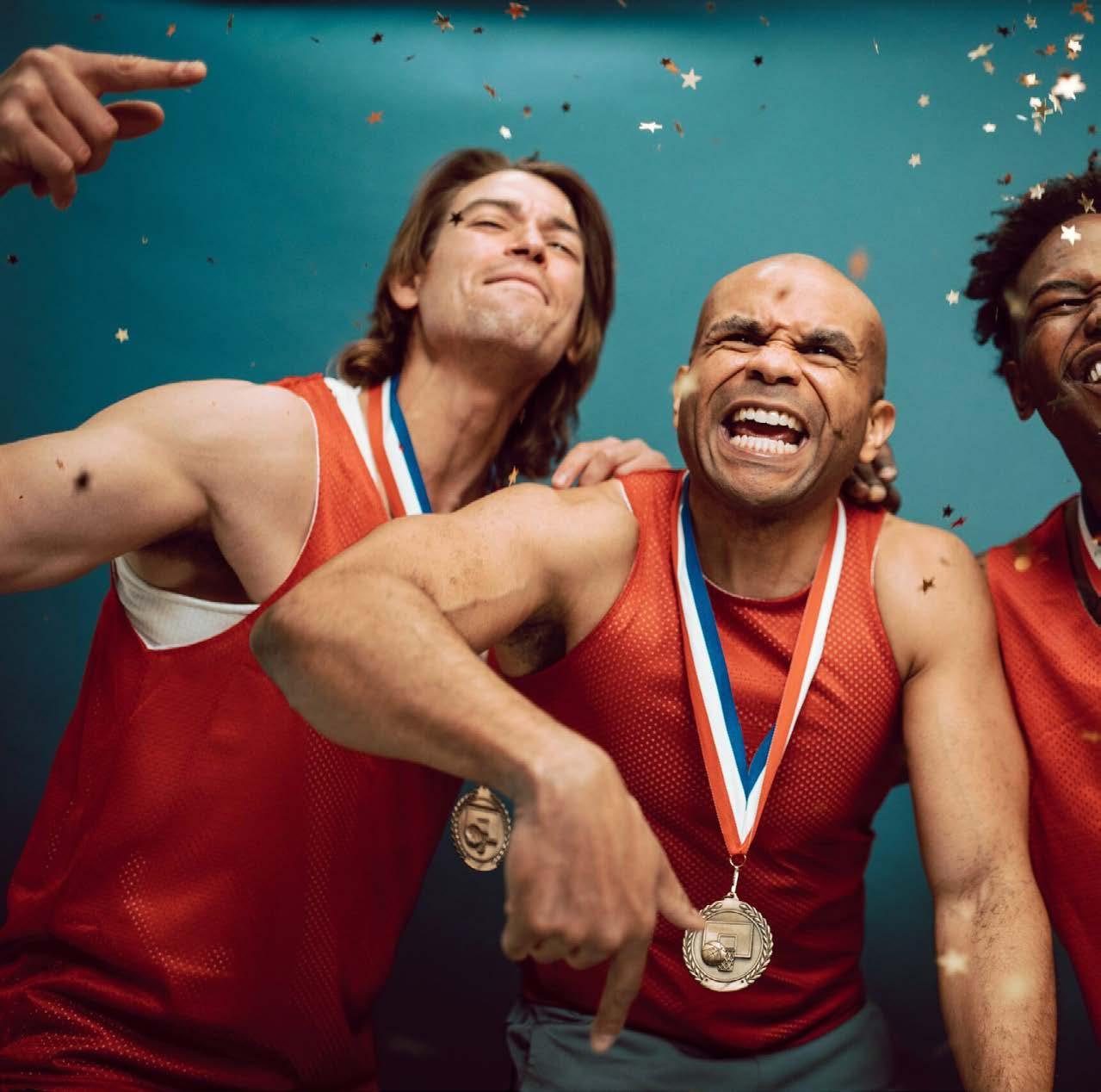
Sports play a multi-faceted and integral role in our lives. Sports have the power to weave a common emotion amongst different cultures. People across the world could learn and imbibe numerous values and benefits in their lives, through sports. Beyond the pursuit of a point or beating a score or winning the Sport, many valuable lessons can be learned from sports.
Sports are very essential for every human life which keeps them fit and fine and physical strength. It has great importance in each stage of life. It also improves the personality of people. Sports keep our all-organs alert and our hearts become stronger by regularly playing some kind of sports. sports have always given priority from old ages and nowadays it has become more fascinating. Due to the physical activity blood pressure also remains healthy, and blood vessels remain clean. Sugar level also reduces and cholesterol comes down by daily activity. Different people have different interests in sports but the action is the same in all sports. Sports are becoming big channels to make more capital/money day by day and the number of people is also increasing. By playing sports even at a young age you can also be better and free from some diseases. By playing sports lung function also improves and becomes healthy because more oxygen is supplied. Sports also improves bone strength even in old age.
Significance of Sports in Student’s Life: Just like a diet of healthy nutrients is needed for nourishing the body, playing sports holds a great significance in enhancing our lives, especially for growing children. As a student, one has to face many challenges, and playing sports helps them cope with the exam pressure and prepare them for further challenges by providing them with physical and mental strength. Children who are indulged in physical activities sustain good values of mutual respect and cooperation. Playing sports teaches them skills such as accountability, leadership, and learning to work with a sense of responsibility and confidence.
Sports For Maintaining Good Health: In today’s era of excessive competition and changing environment, people
barely care about our health and have to face its consequences in the later stages of their life. They easily become prey to many life-threatening health issues. Those who are indulged in regular physical activities can easily defend themselves from such diseases. Therefore, playing sports can resolve this concern. Playing regular sports can help maintain diabetes, improve heart function, and reduce stress and tension in an individual.
Sports for Getting Rid of Excess Weight: Most of the world’s population is obese, and as a result, many other health issues also arise. Hence, playing sports is one of the most recreational and helpful ways of burning calories. All you have to do is follow a healthy diet and play your favourite sport. You can be saved from exhausting workout routines in the gym by playing sports. Playing your favourite sports and shedding kilos, isn’t it like killing two birds with one stone!
Sports to Guard Your Heart: The heart is the most important organ of our body. With changing lifestyles, people are facing heart-related problems these days. The life of heart patients becomes difficult with lots of heavy medications and restrictions. Therefore, people need to indulge in outdoor games. Playing for even 30 minutes a day can do wonders for your life. The heart pumps better, and blood circulation improves whenever we play sports. Heart muscles get stronger, and hence it starts functioning at a better rate.
Sports To Enhance Your Immunity: The immune system is the major player of the body in fighting infections. Those who easily catch infections and fall sick frequently can easily get healthier by working on their immune system. It becomes really difficult to live with poor immunity, take heavy medications frequently, and spend most of your time indoors just to prevent yourself from the effects of changing environments. Getting indulged in regular sports activities can help build your immunity greatly, and the most amazing part with it is that you can do it by just playing your favourite sport.
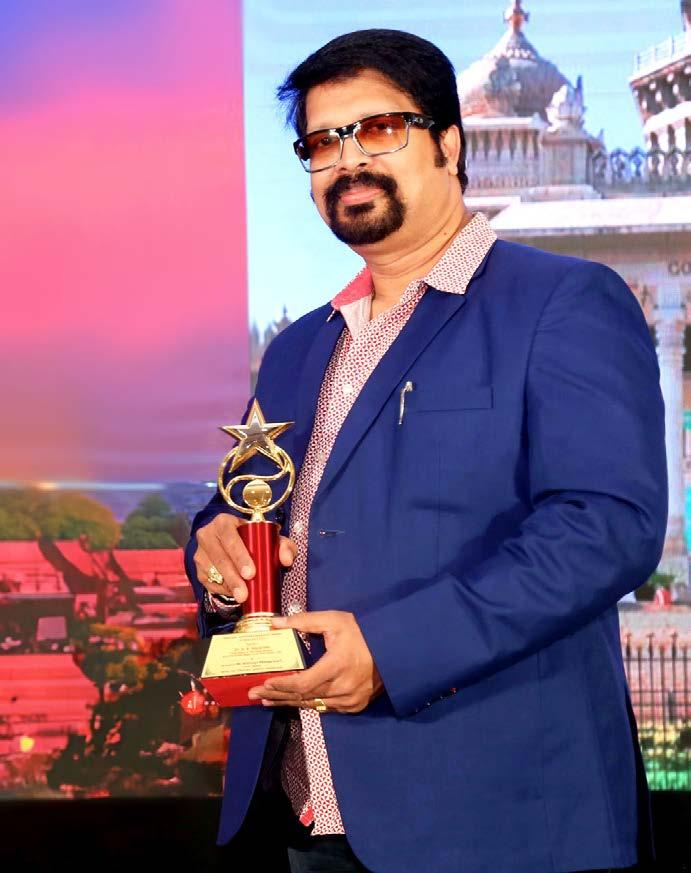
From The Desk Of
EDITOR -IN - CHIEF
Sports to Improvise Individual’s
Personality: Playing sports builds your personality and teaches you to live life in a better way. Getting involved in such activities teaches good values, ethics, and skills in your life. The person starts to have a positive outlook towards life and can easily deal with obstacles in their life. Not only this, but it also reduces the stress level in the person as such people start taking challenges with positivity. Their efficiency increases, so they can easily take up challenges confidently. People can learn lots of important skills through their sports. Every sport teaches us the skills of handling difficult situations, quick- decisions making and problem-solving. By playing sports, one can learn the art of living and managing things and taking leads. Therefore, if you play sports, you are not just enjoying it; you are also learning many significant life lessons.
Lessons from Sports: Sports bring discipline in life. It teaches the way of sitting, talking, walking etc. Without sports in human life, it seems too boring, sports activate all the cells and keep the body active, fit and slim. Sports improve thinking ability and reduce the stress of the mind. Those people with not so much interest in sports are less active and also have chances of getting a disease in the early stage of life and also show lethargy in work. Sports should be made mandatory in school, so that at an early age they can know the benefits of sports. People also select their favourite sports players on their more interest in which sports, if we take football players like Messi, Ronaldo and many others, they are an idol for many people who have an interest in football.
Sports an Essential Need: Playing sports is one of the best ways to improve Your health, fitness and longevity. Indeed, Sports have a huge impact on a person’s daily life and health. There are numerous benefits of sports; such as sport pushes you to challenge yourself, it exposes you to the highs and lows of losing and winning a game, improves your balance and reduces the risk of falls, and overall sports can help you to feel good about yourself. Playing Sports is a good way to take care of yourself. Choose a Game of Your Love and Try to Play them minimum Twice a Week to Witness Amazing Transformation and Miracles in Your life.
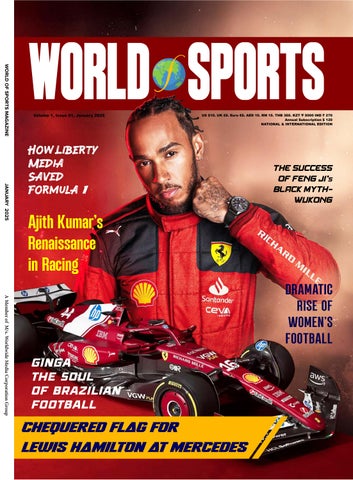
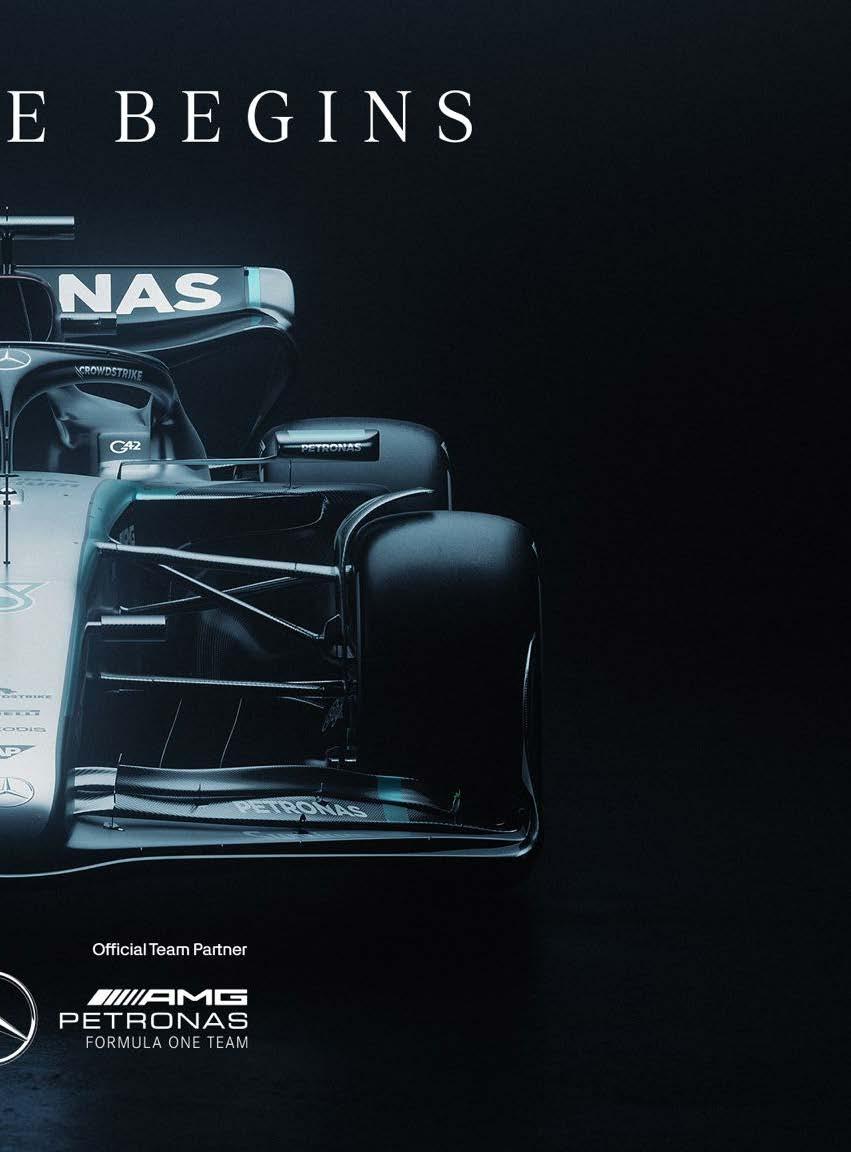
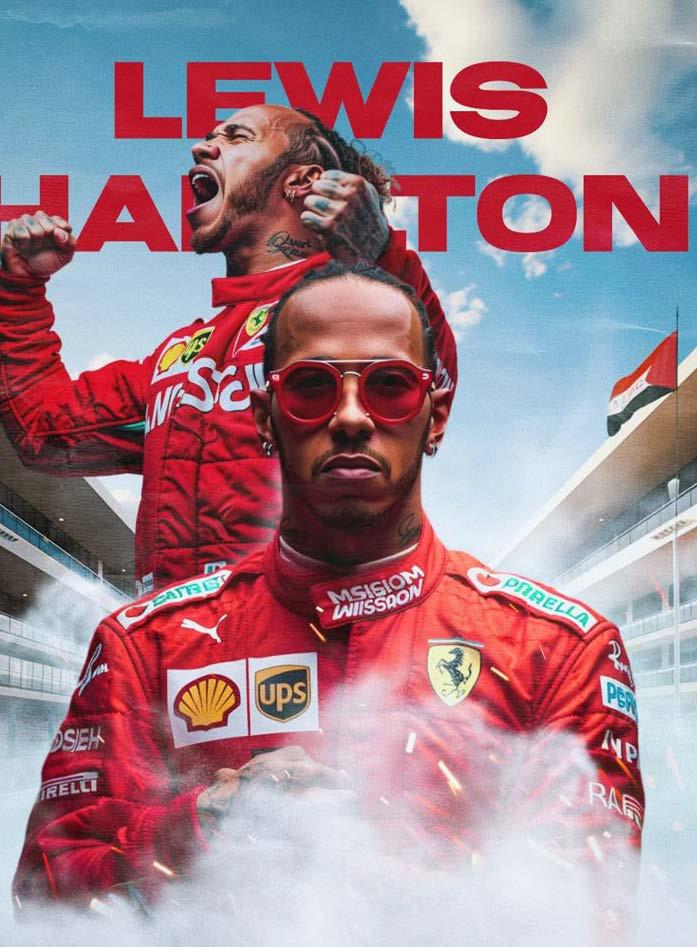
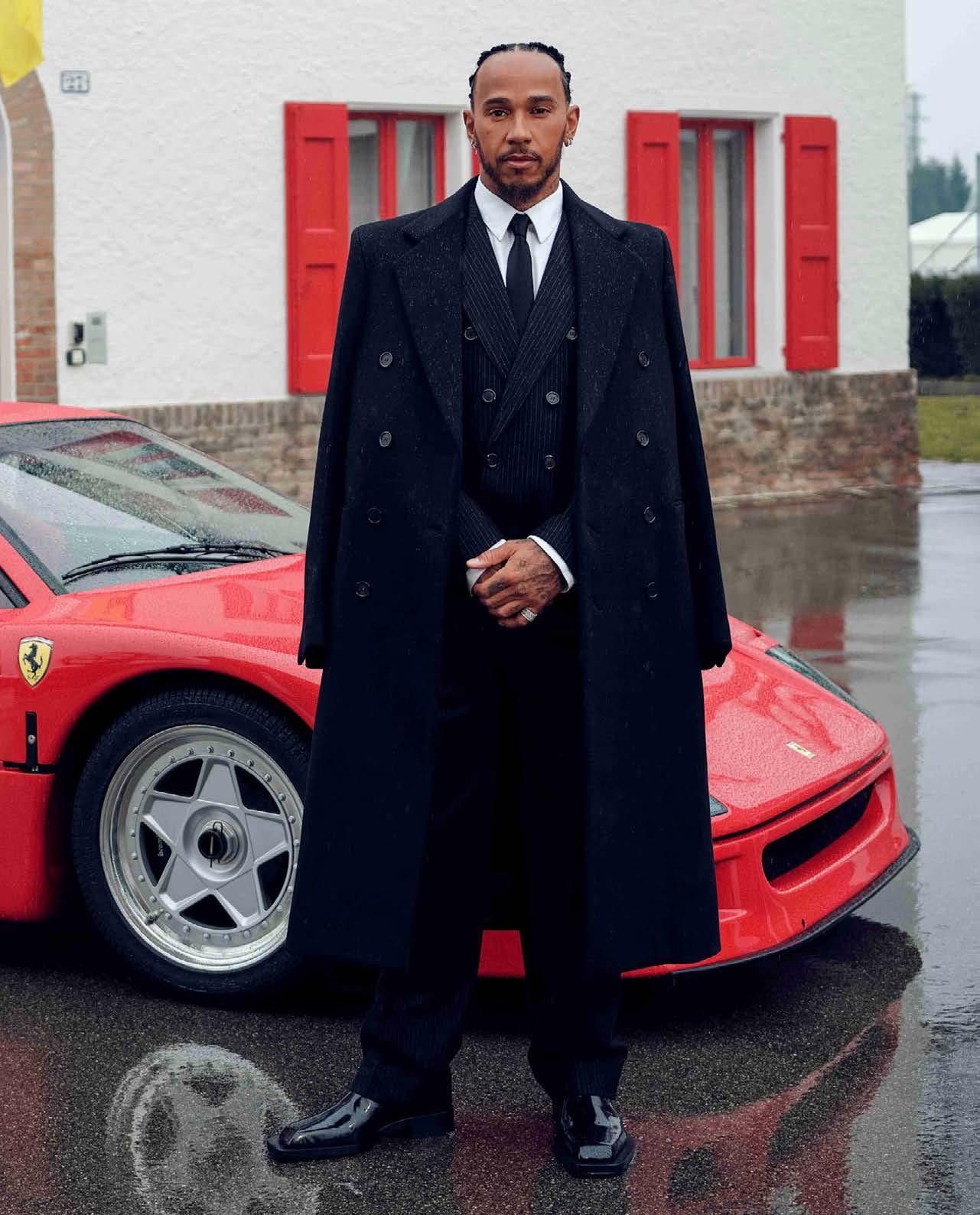
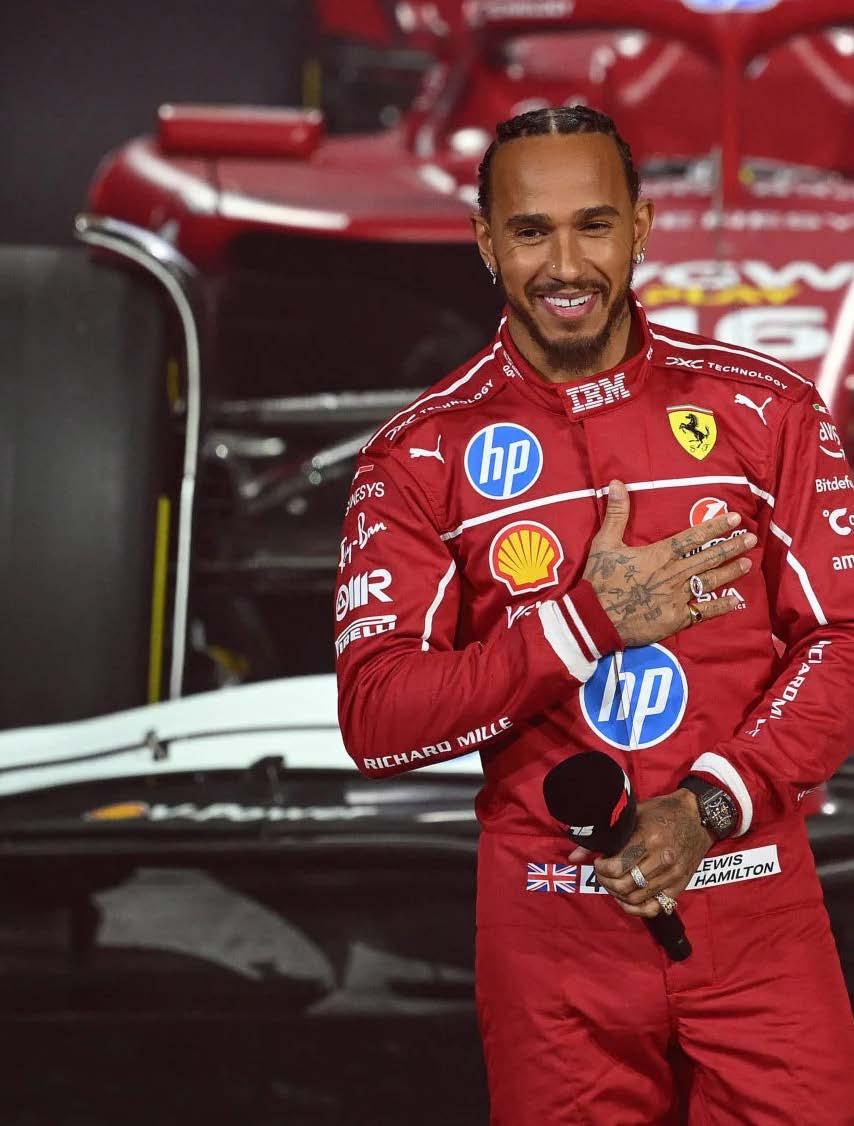
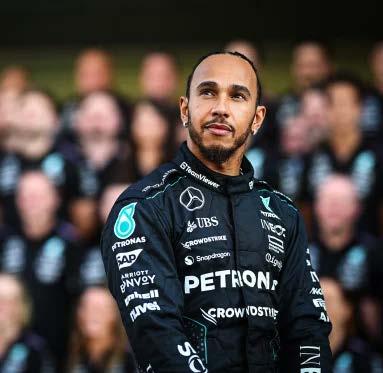
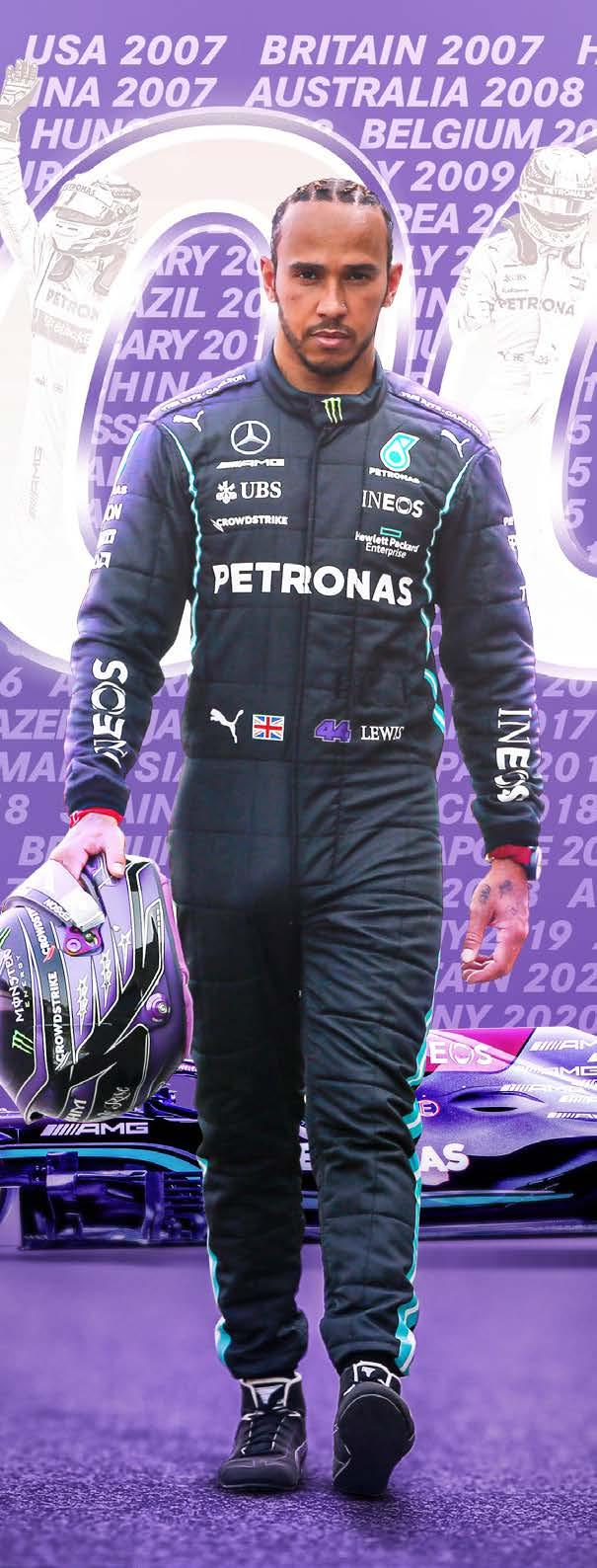
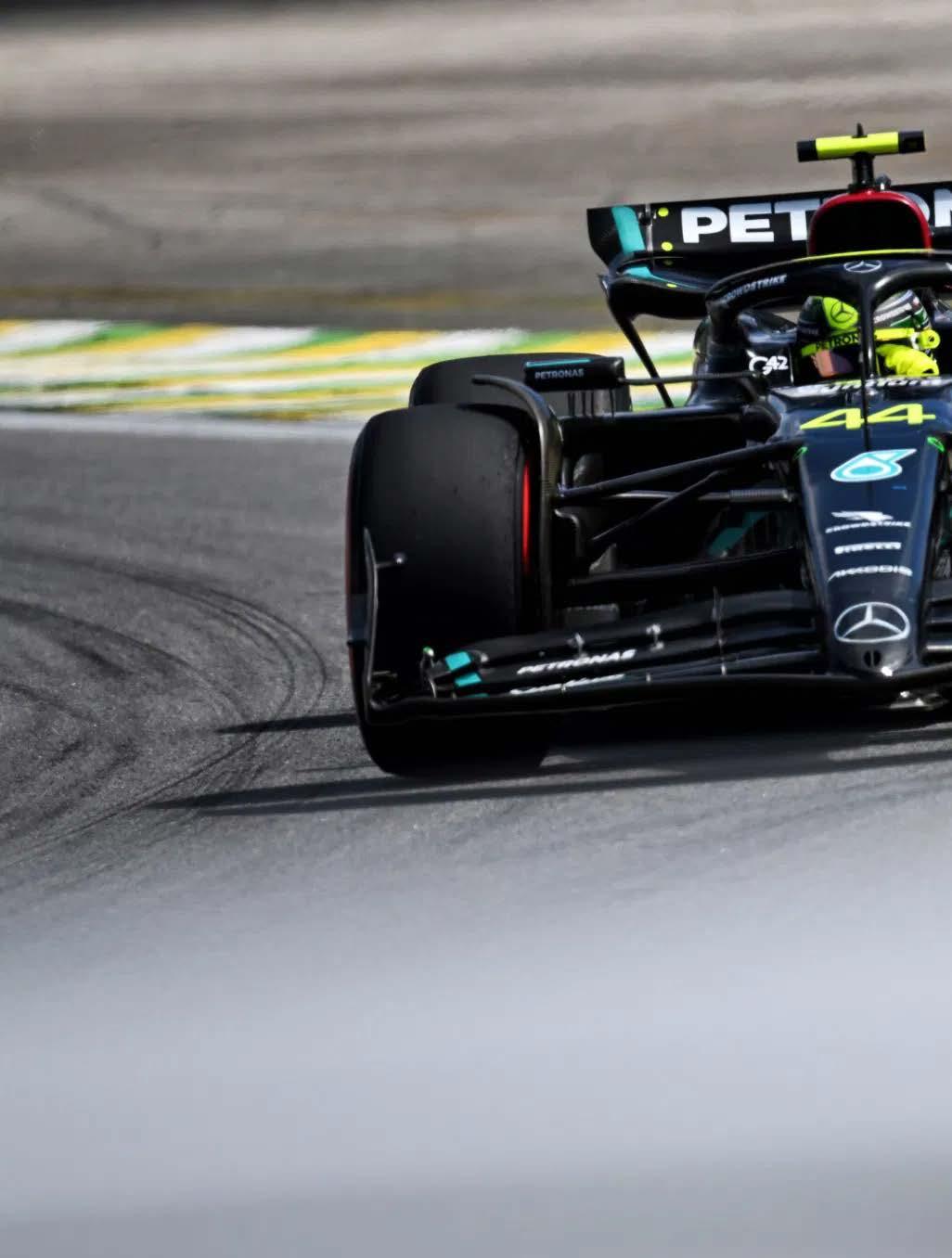
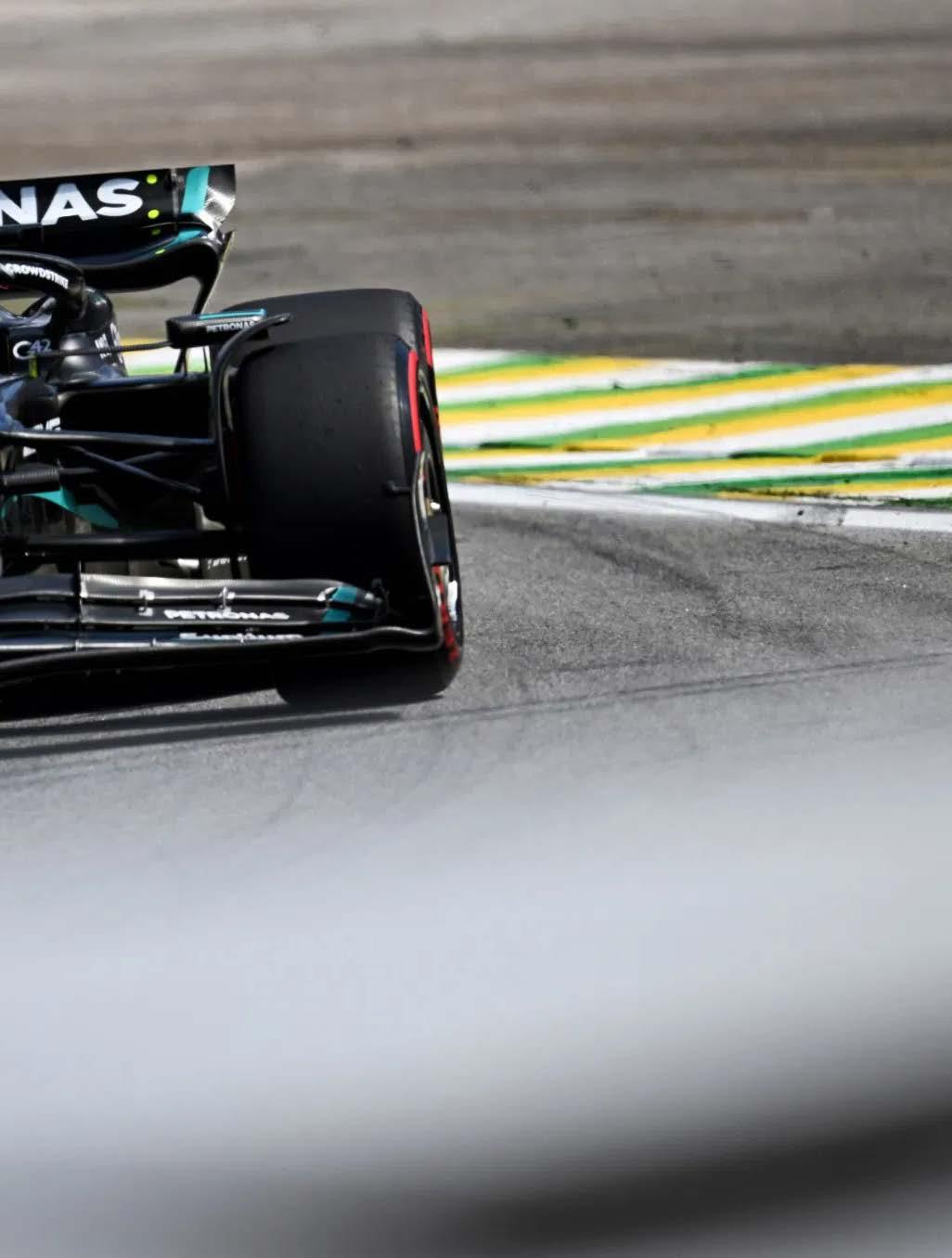
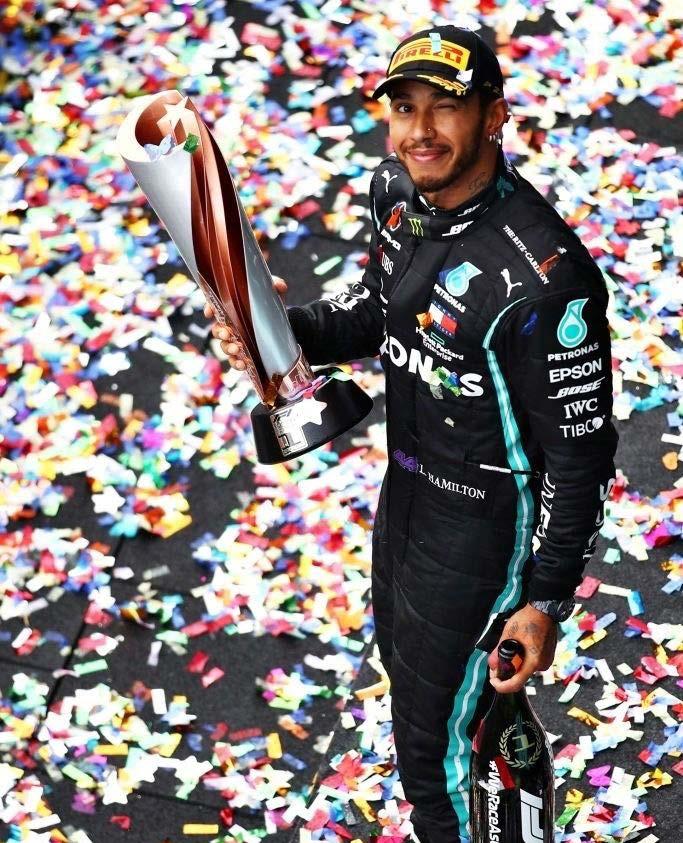
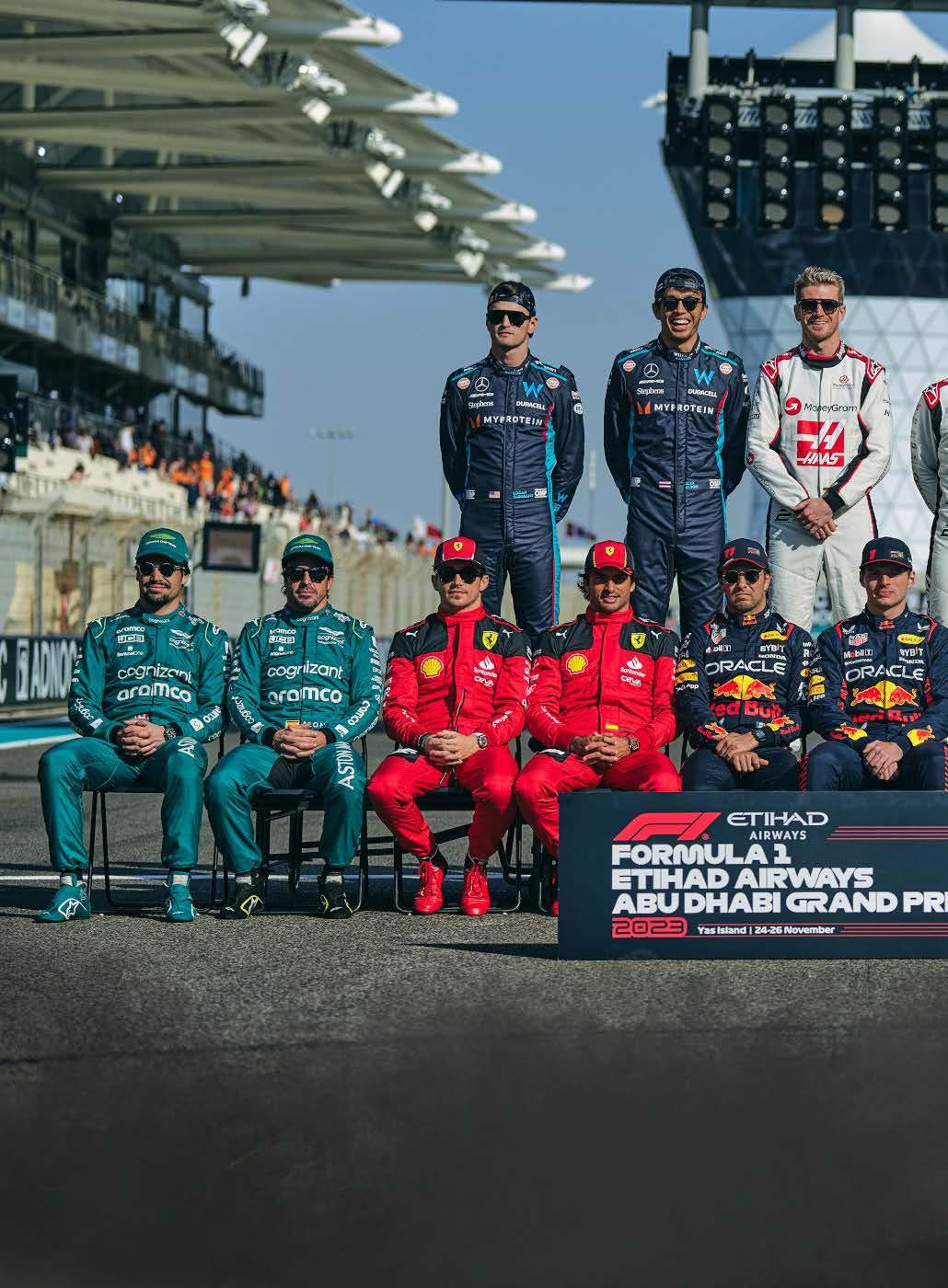
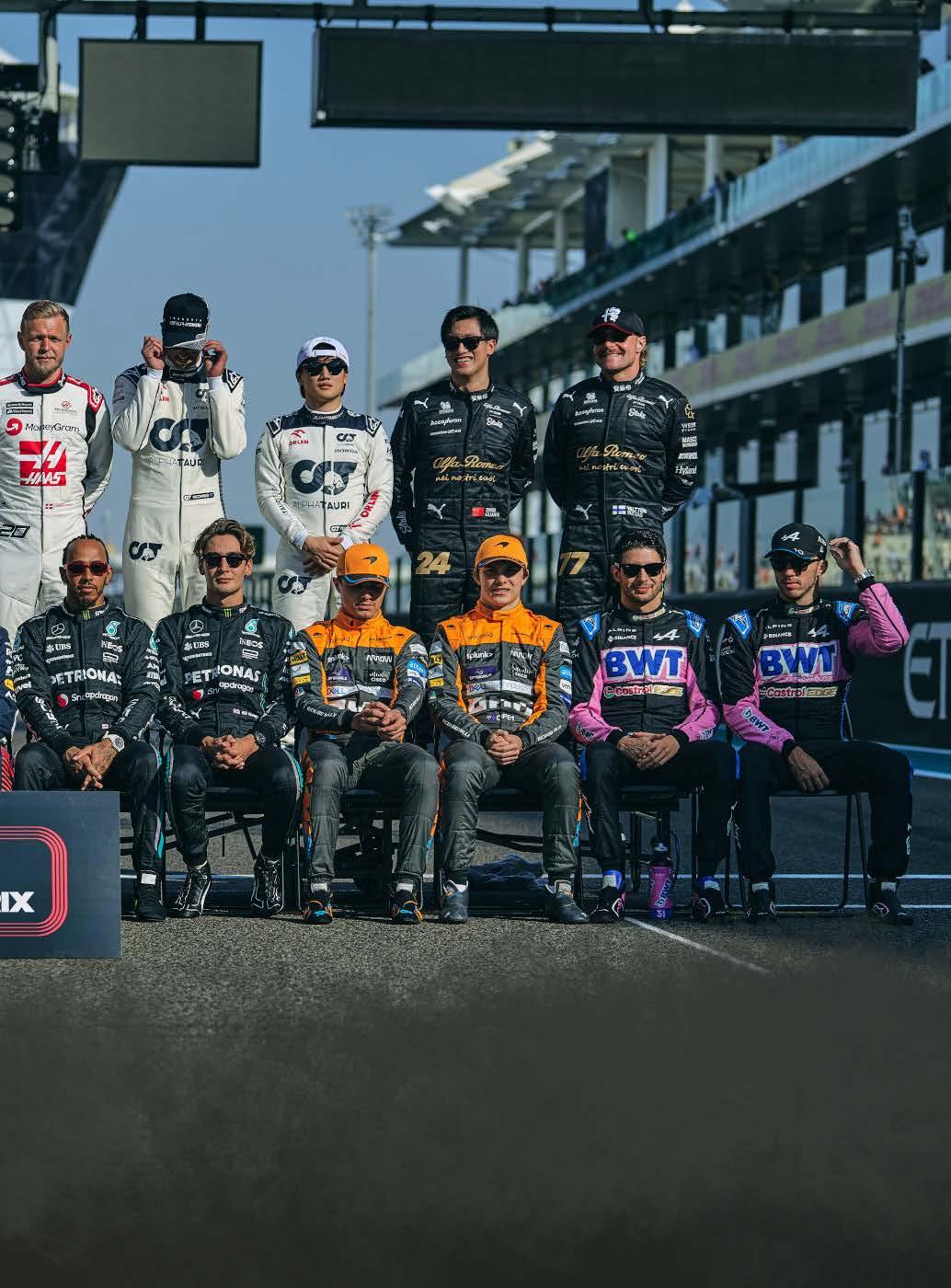
CHEQUERED FLAG FOR LEWIS HAMILTON AT MERCEDES
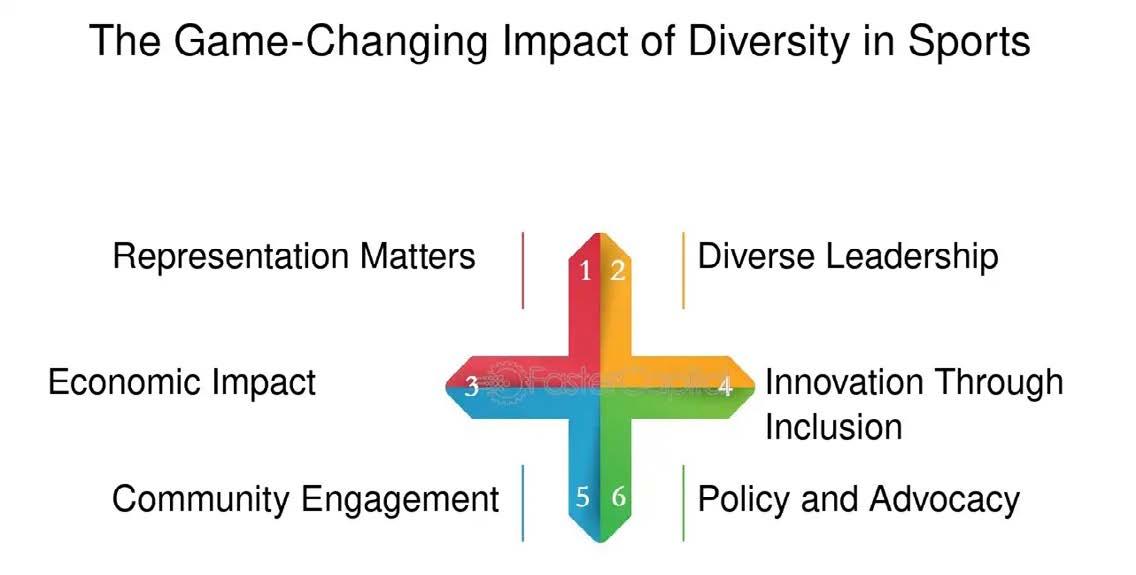
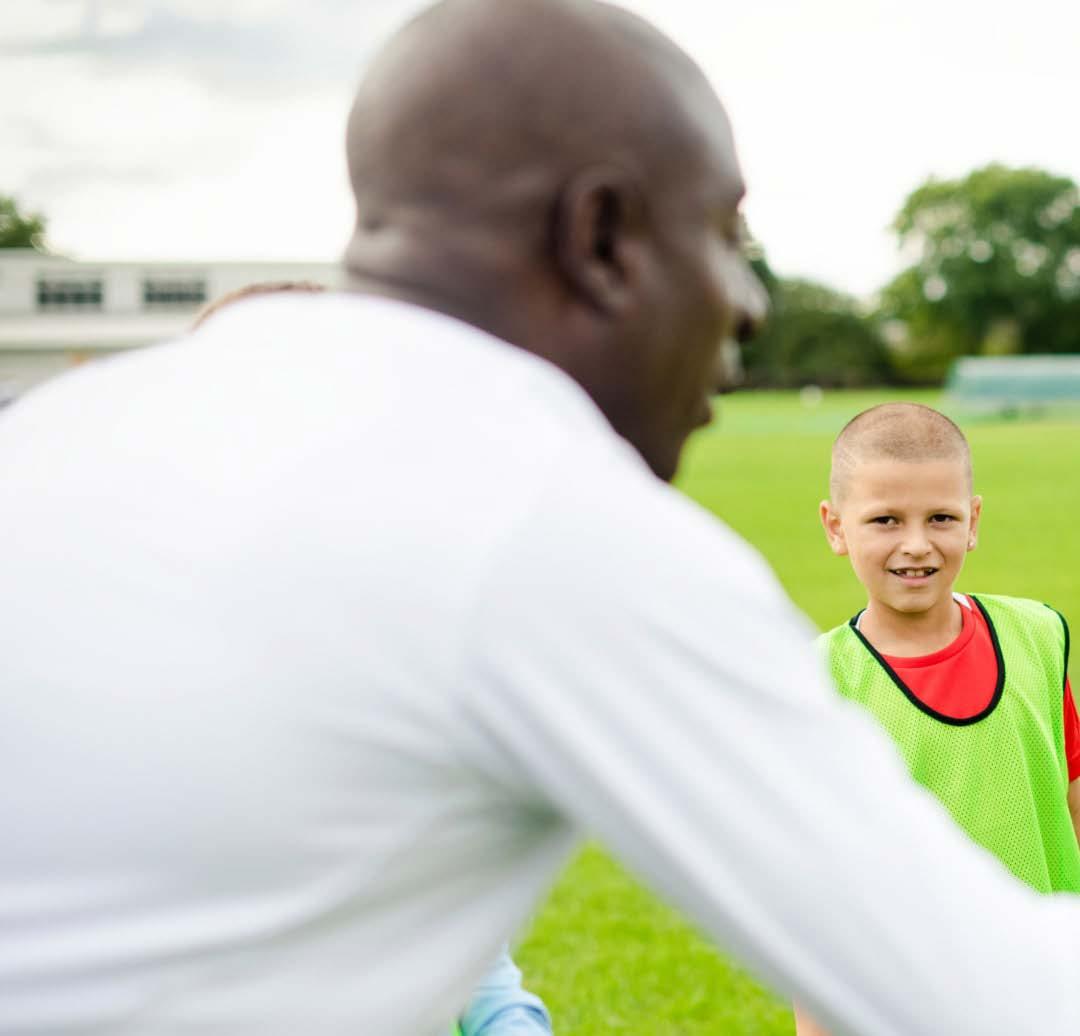
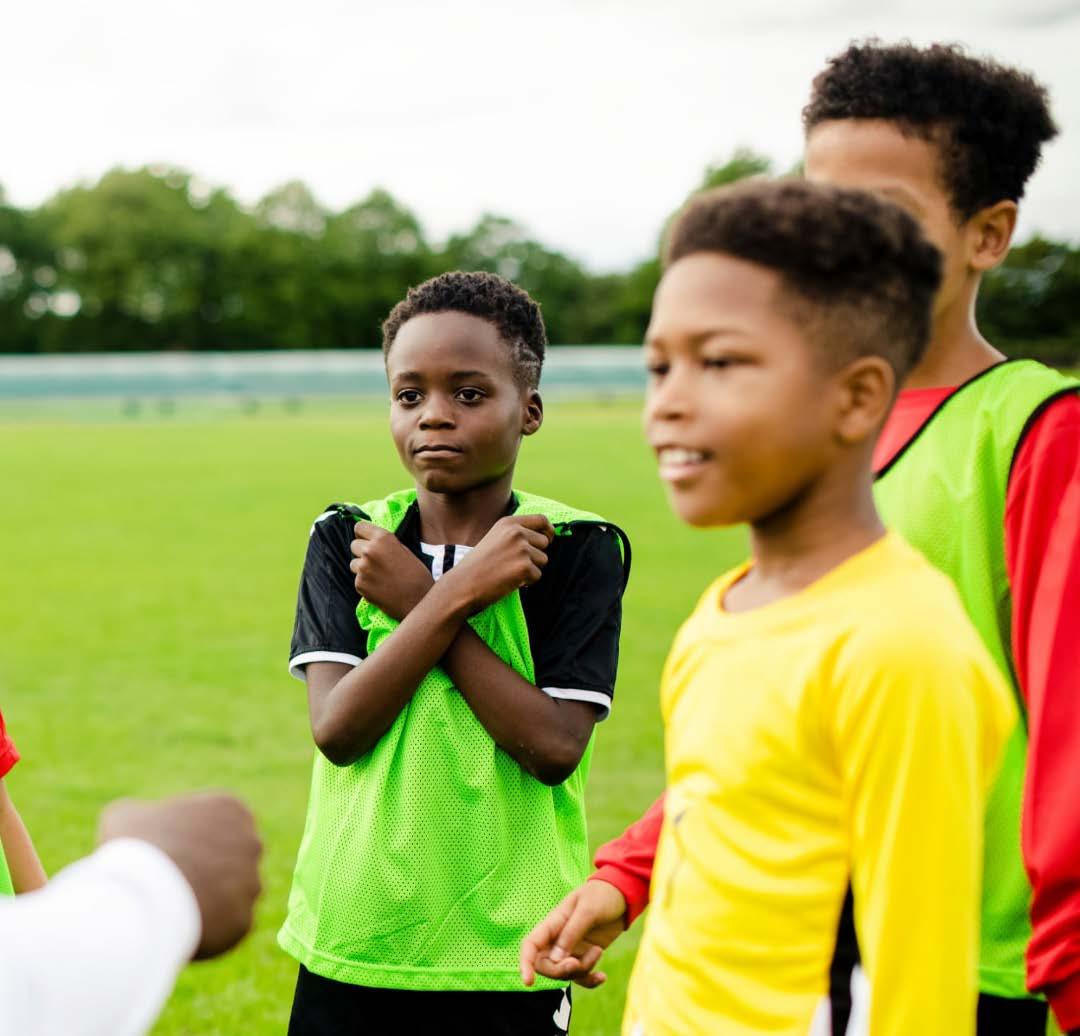
THE IMPORTANCE OF DIVERSITY AND INCLUSION IN THE SPORTS INDUSTRY
OVERCOMING ALL ODDS & EXCELLING IN SPORTS - SHEETAL DEVI
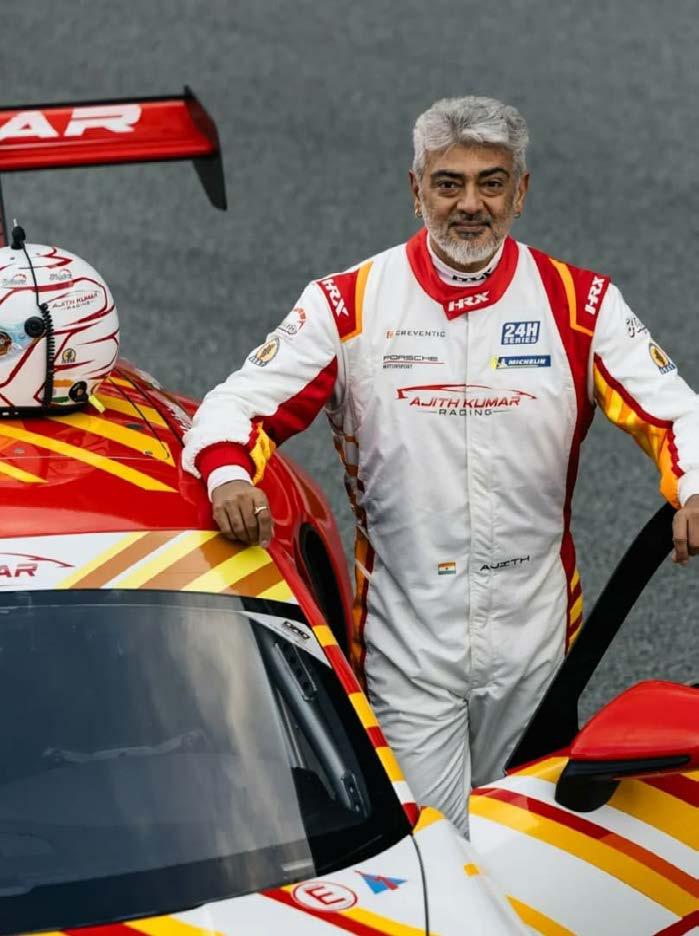
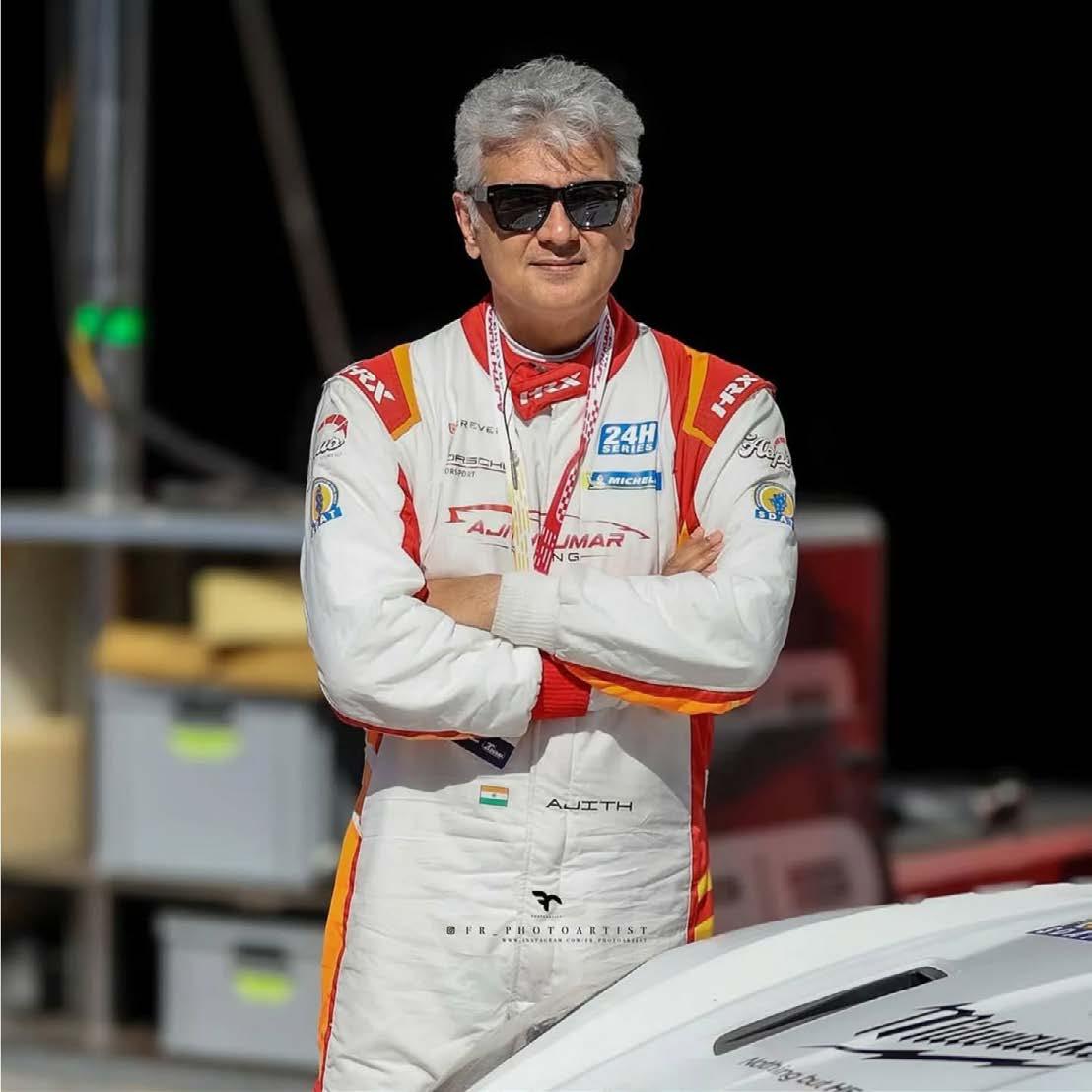
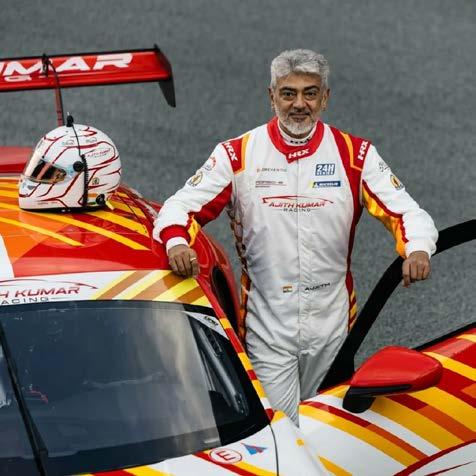
FROM SILVER SCREEN TO RACE TRACKSAJITH KUMAR’S RENAISSANCE IN RACING
GINGA – THE SOUL OF BRAZILIAN FOOTBALL
WILL INDIA ONCE AGAIN DOMINATE THE CHESS LANDSCAPE?
RAGS TO RICHES THE SUCCESS OF FENG JI’S BLACK MYTH- WUKONG
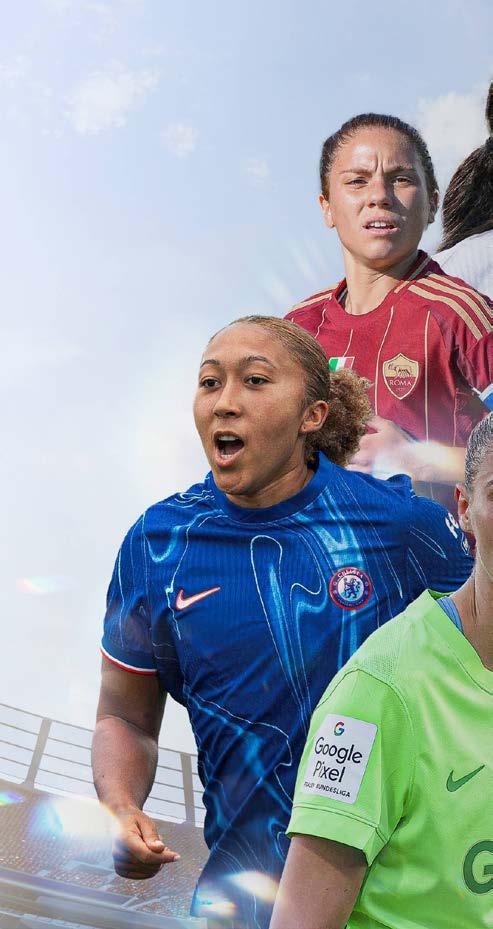
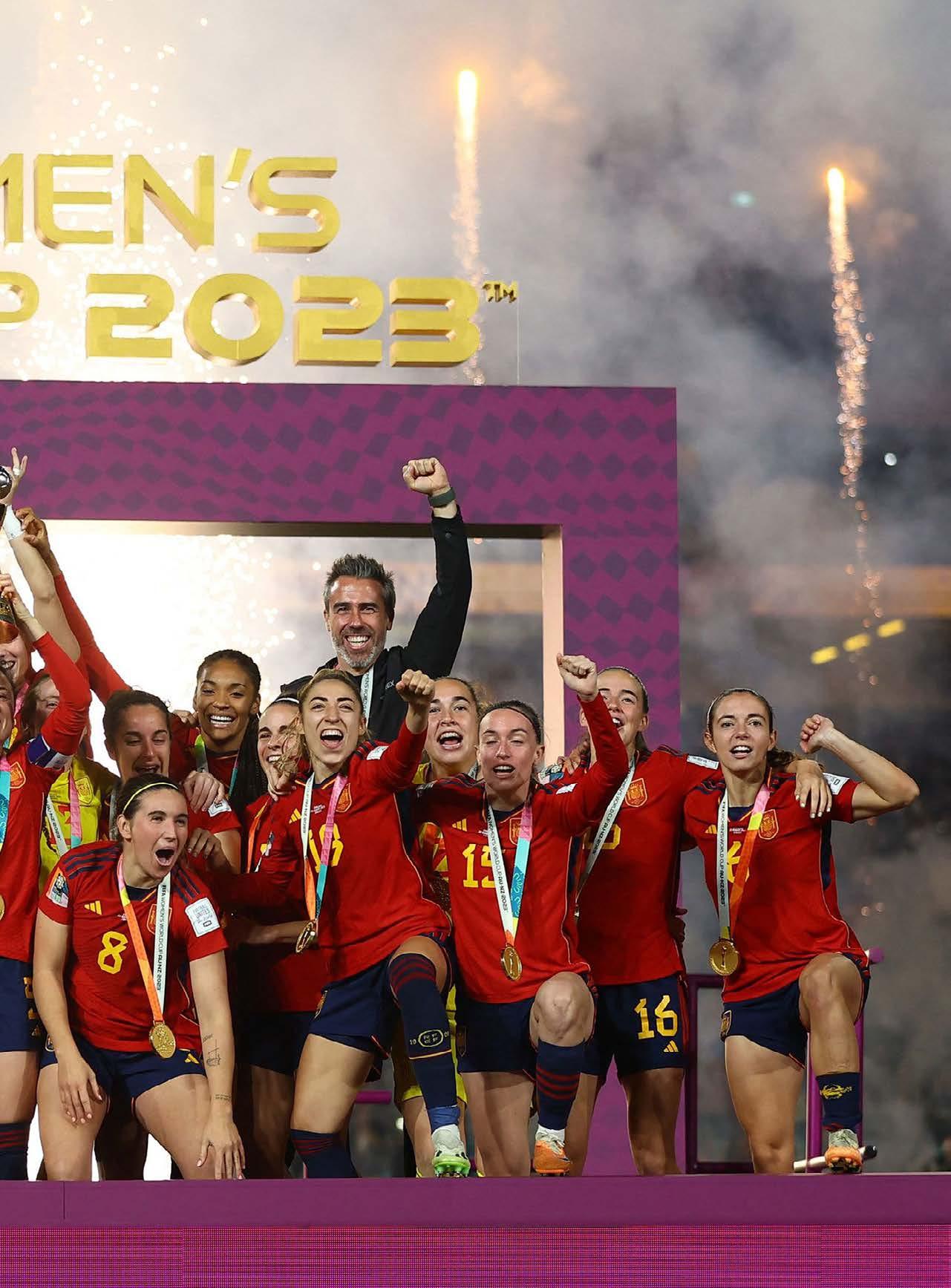
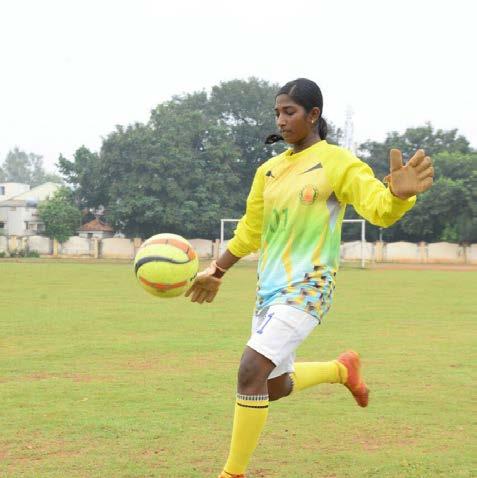
THE DRAMATIC RISE OF WOMEN’S FOOTBALL
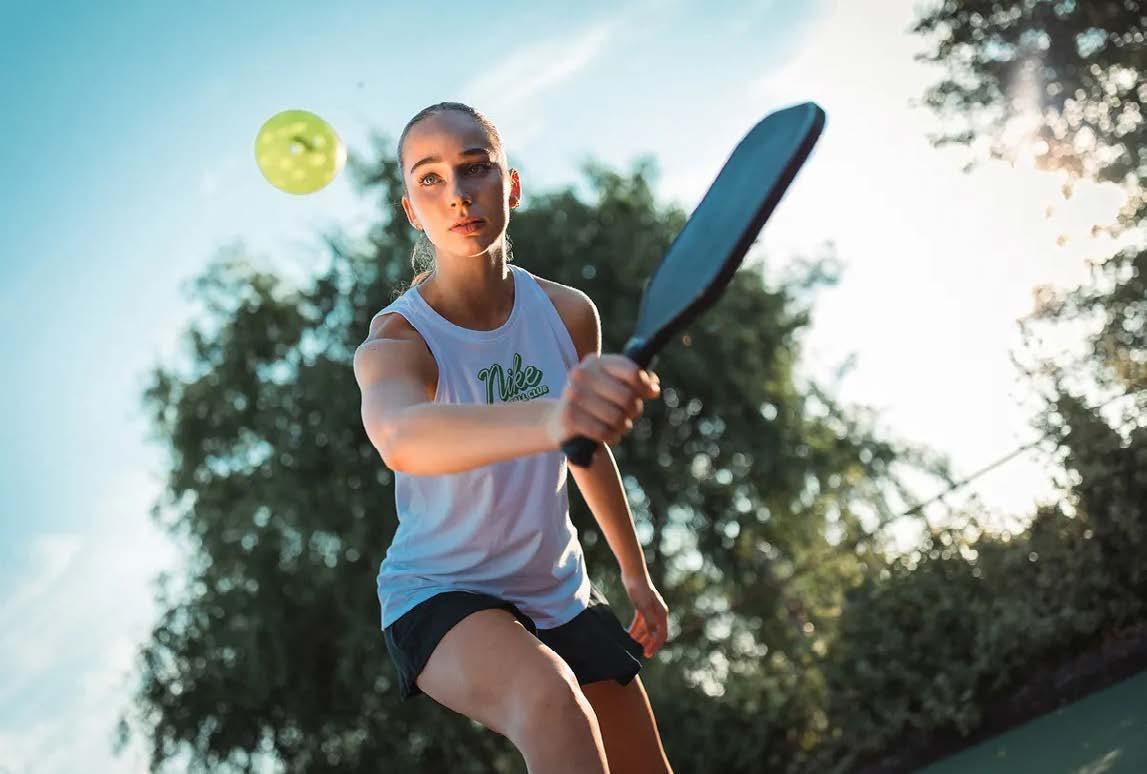
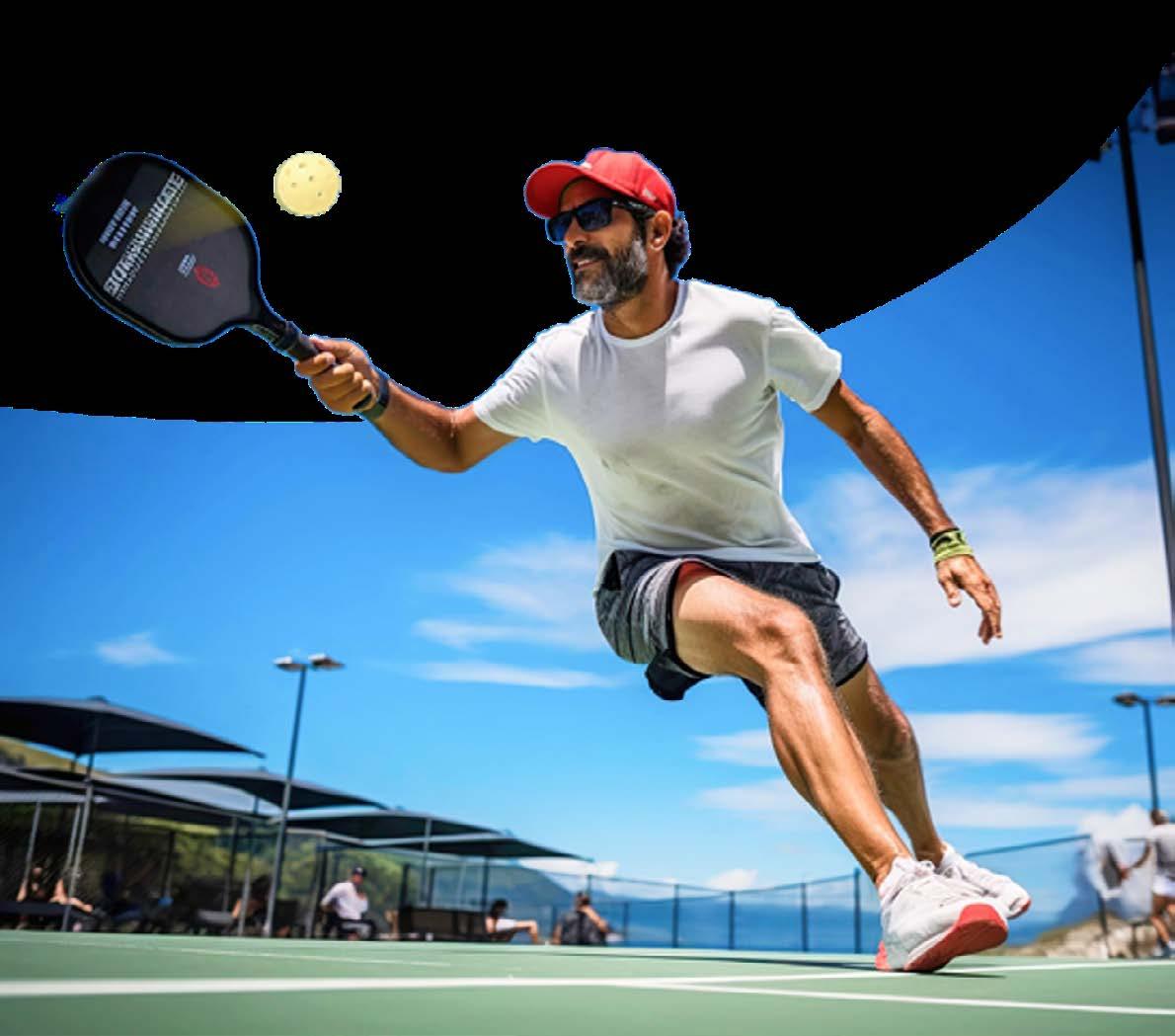
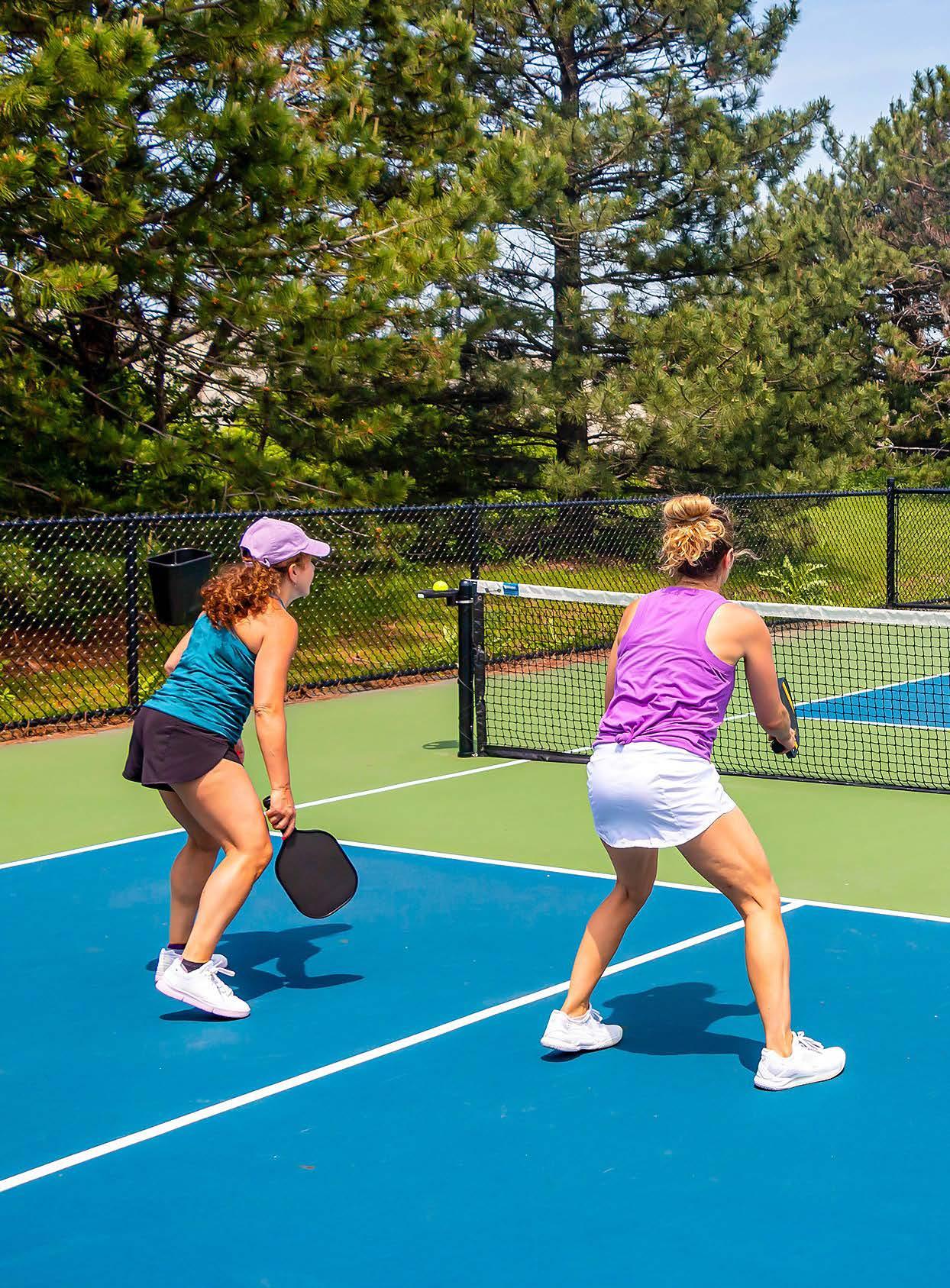
HOW PICKLEBALL BECAME ONE OF THE FASTEST-GROWING SPORTS
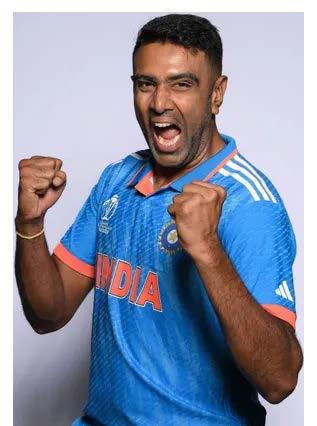
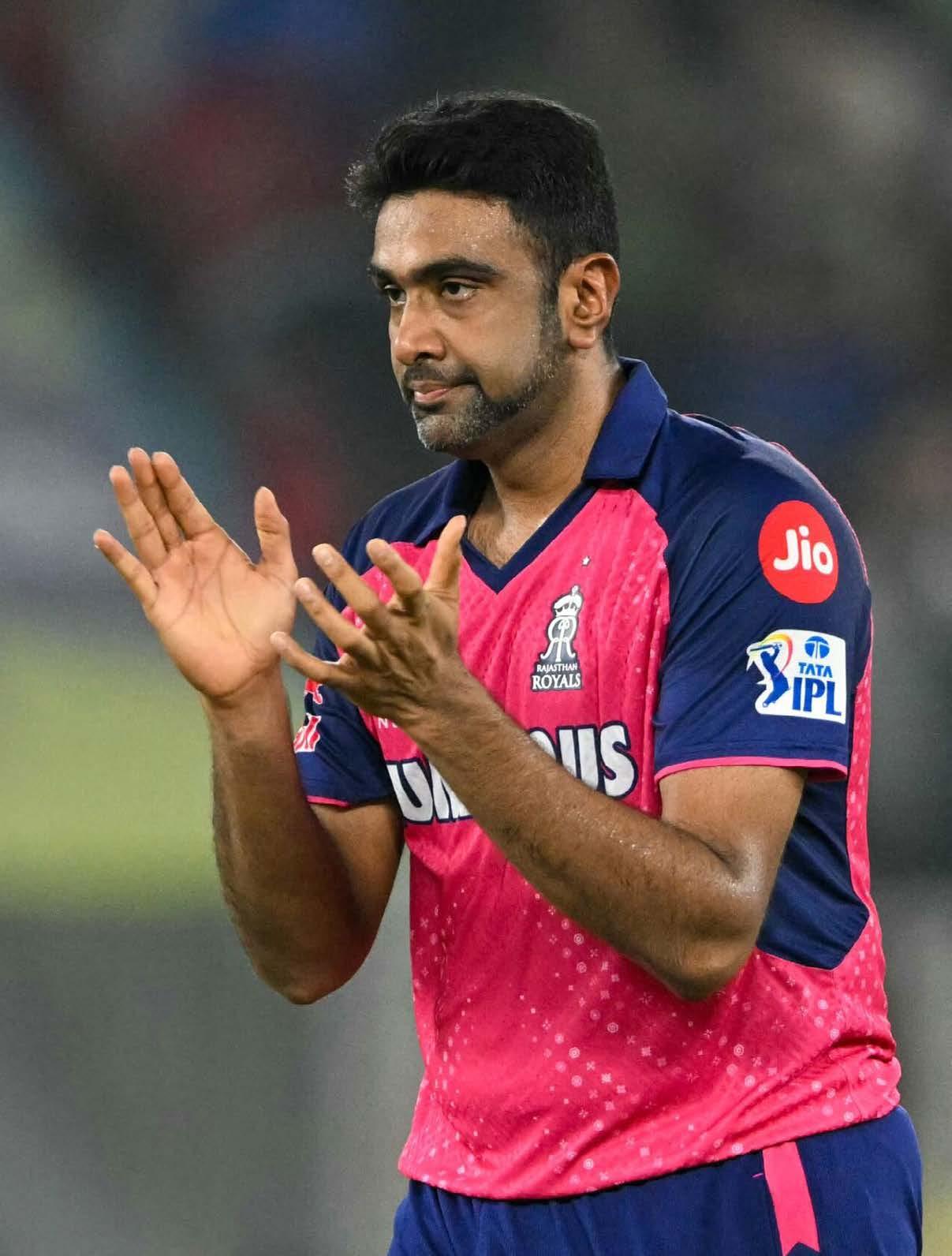
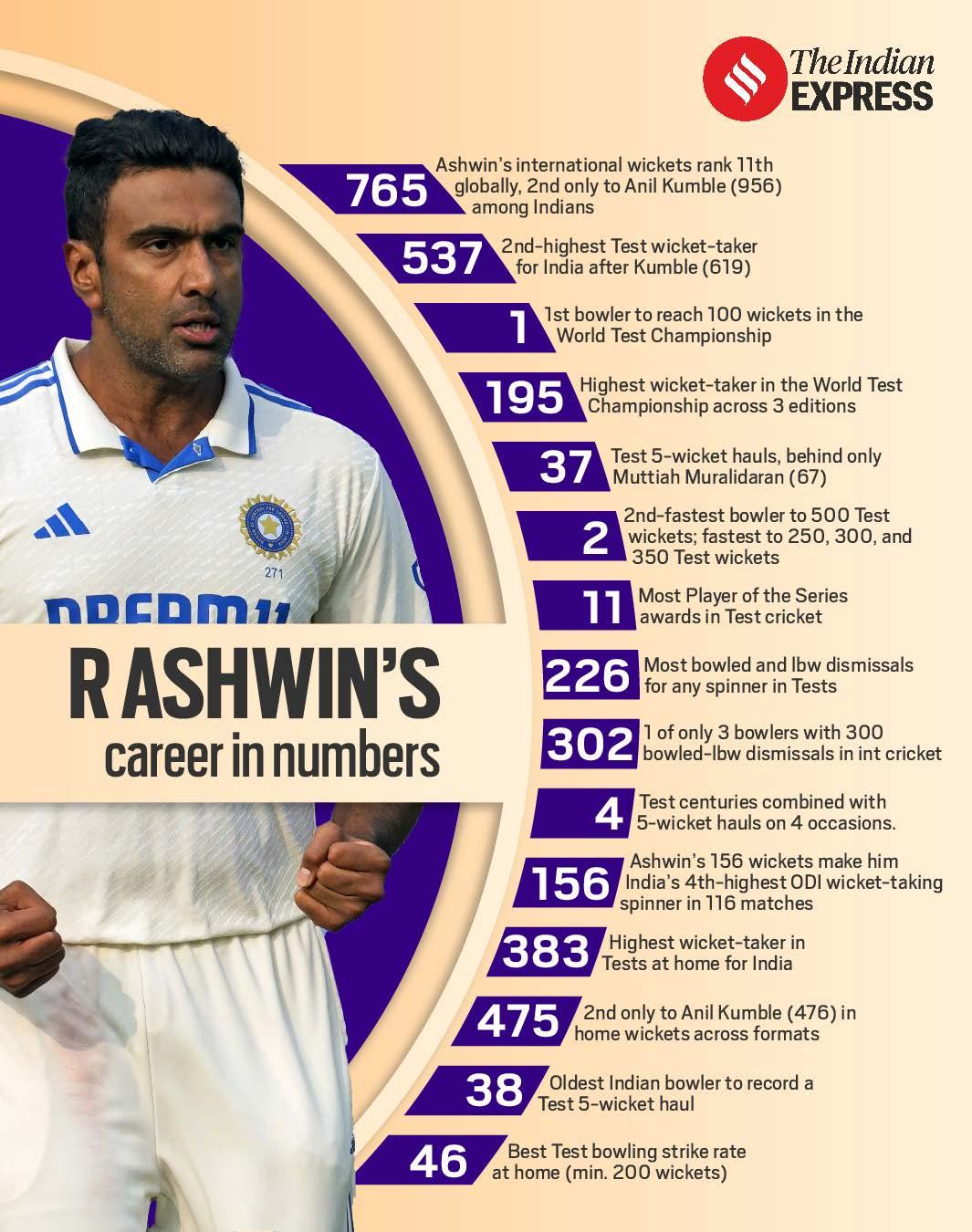
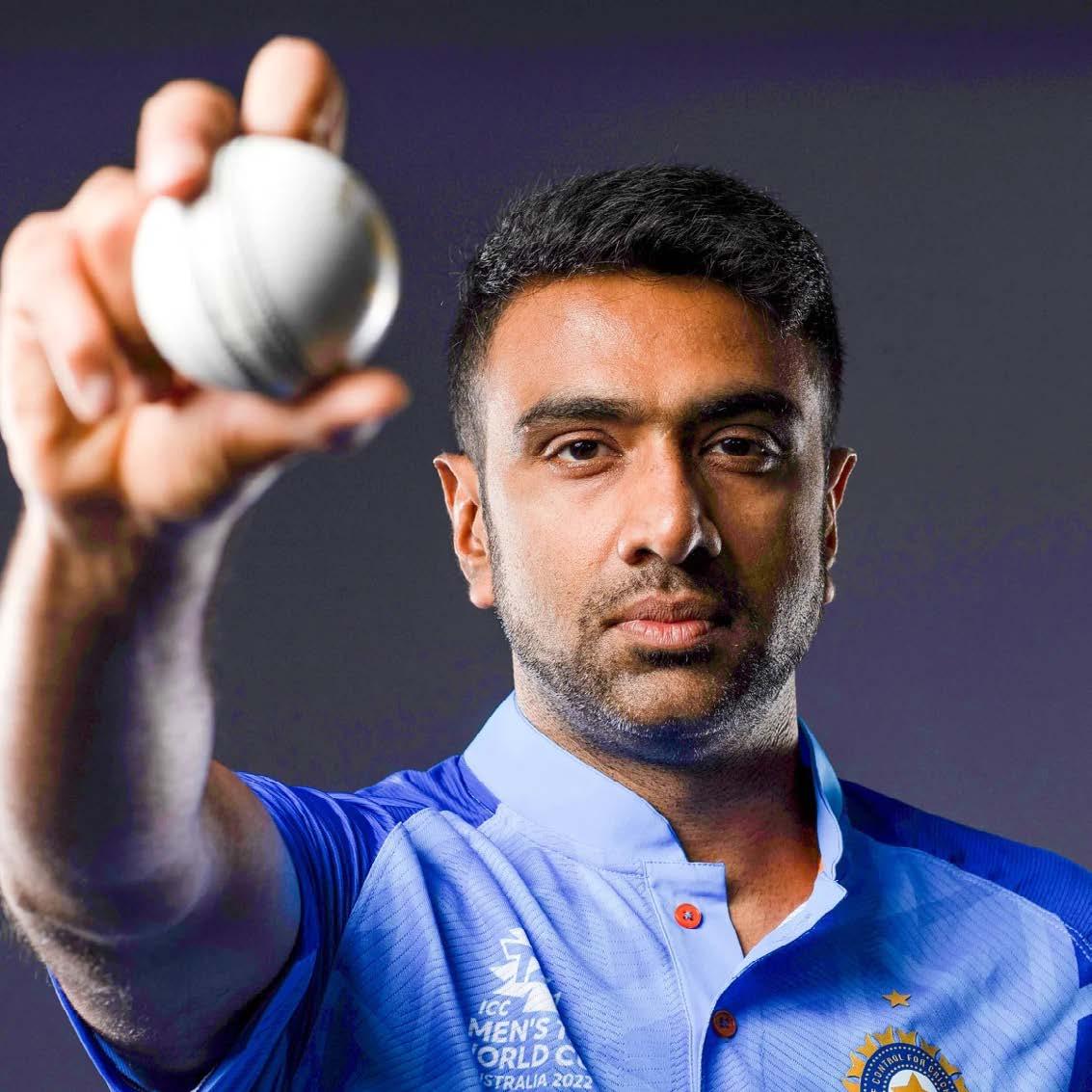
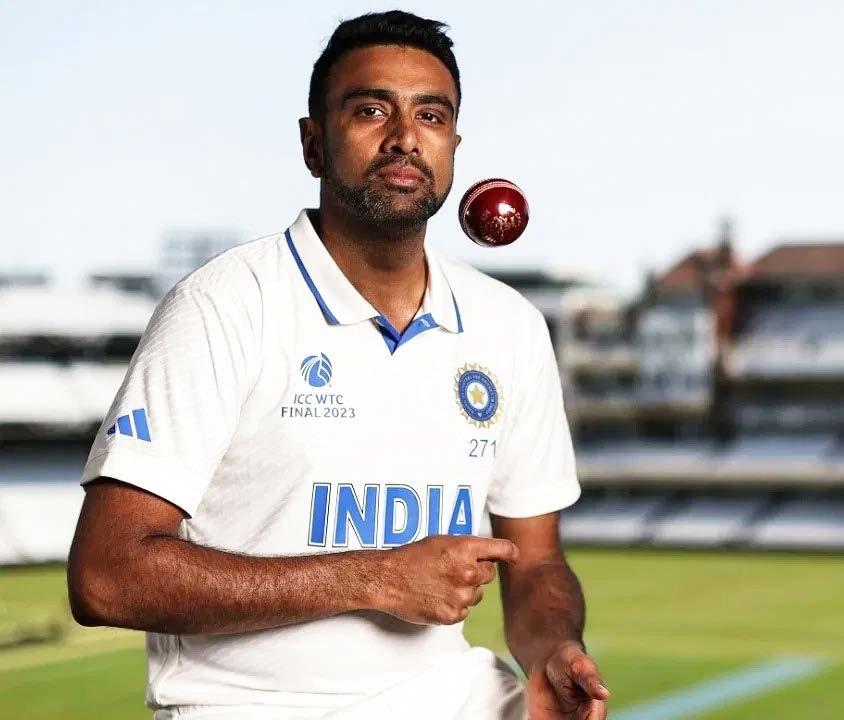
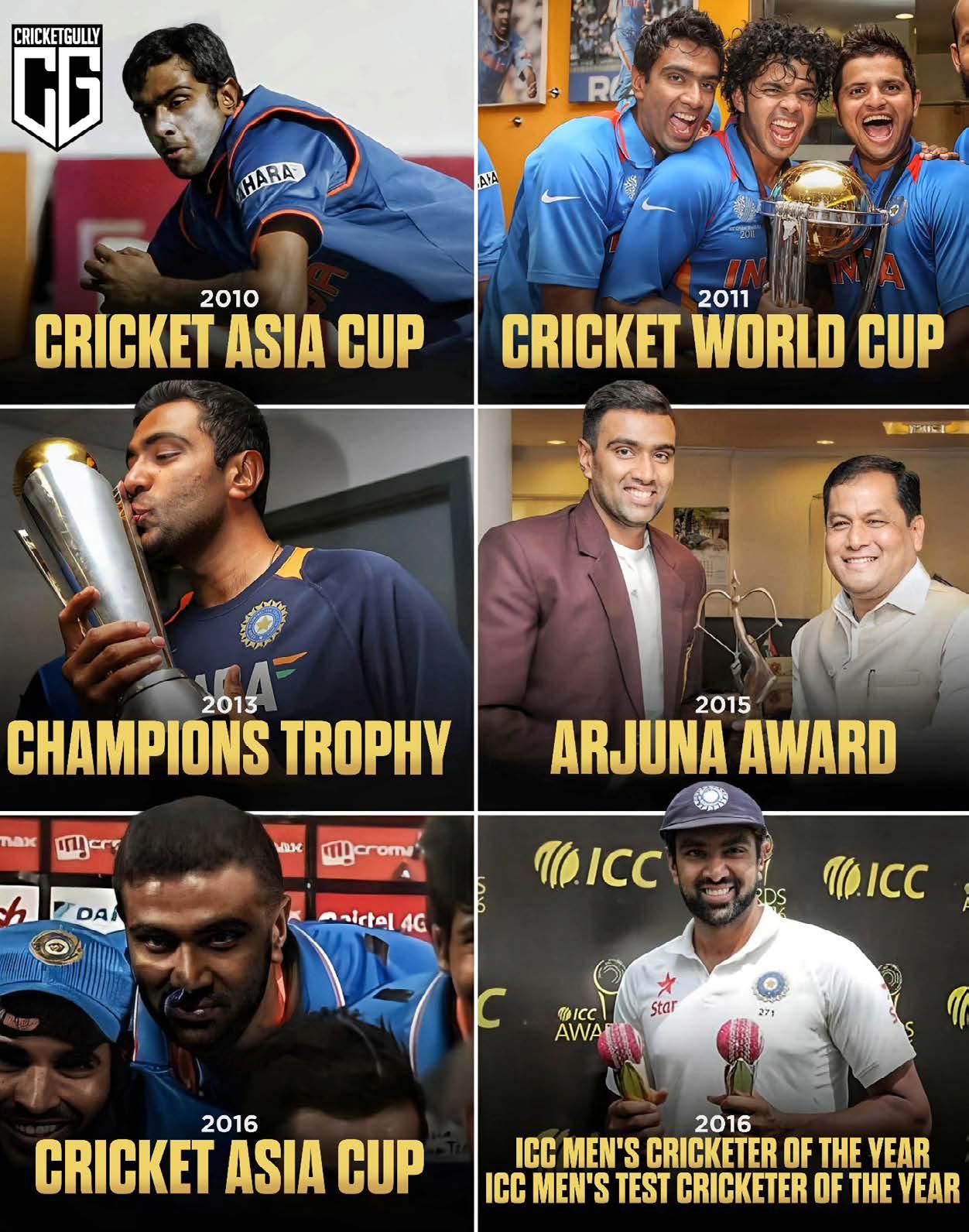
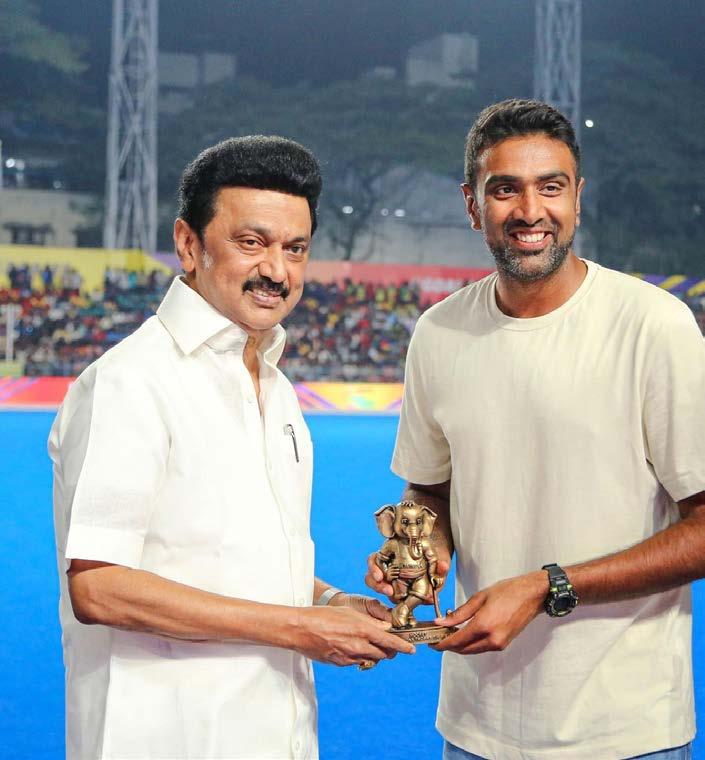
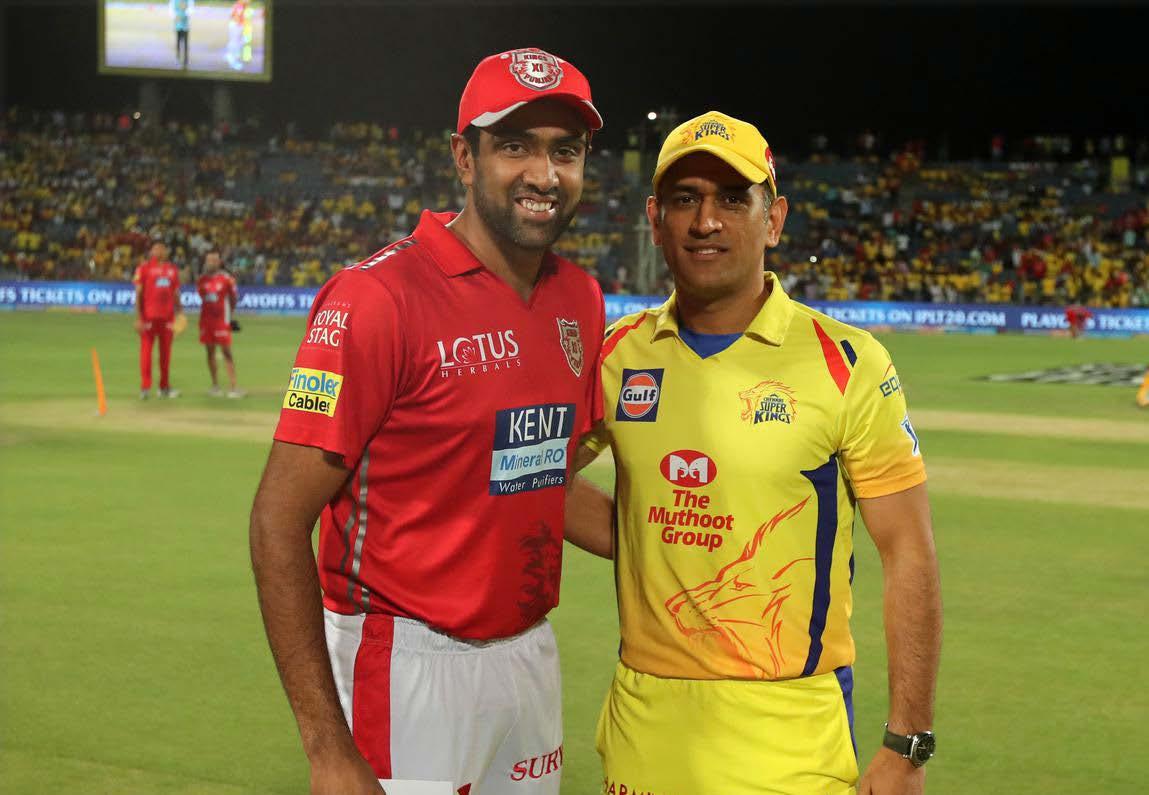
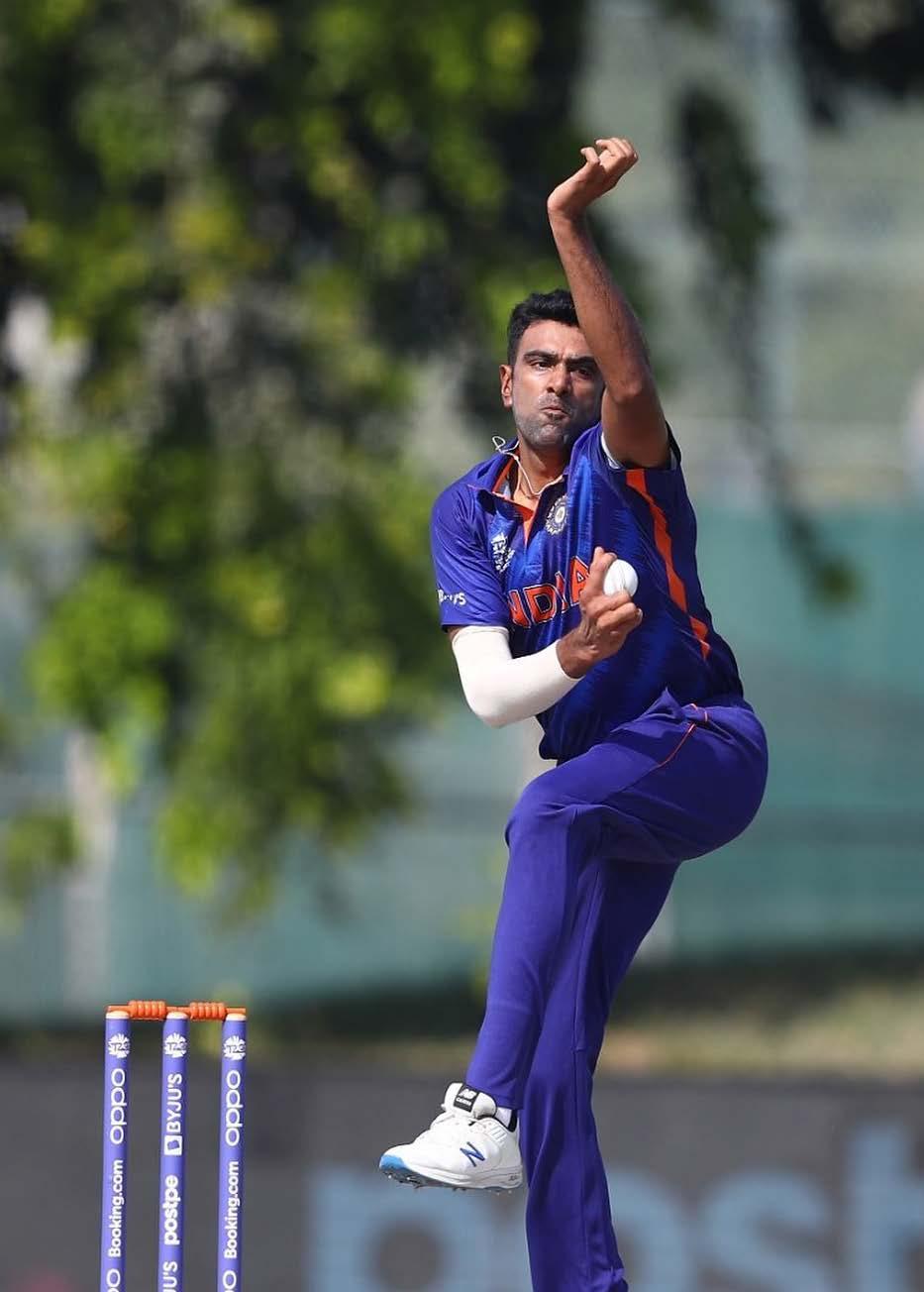
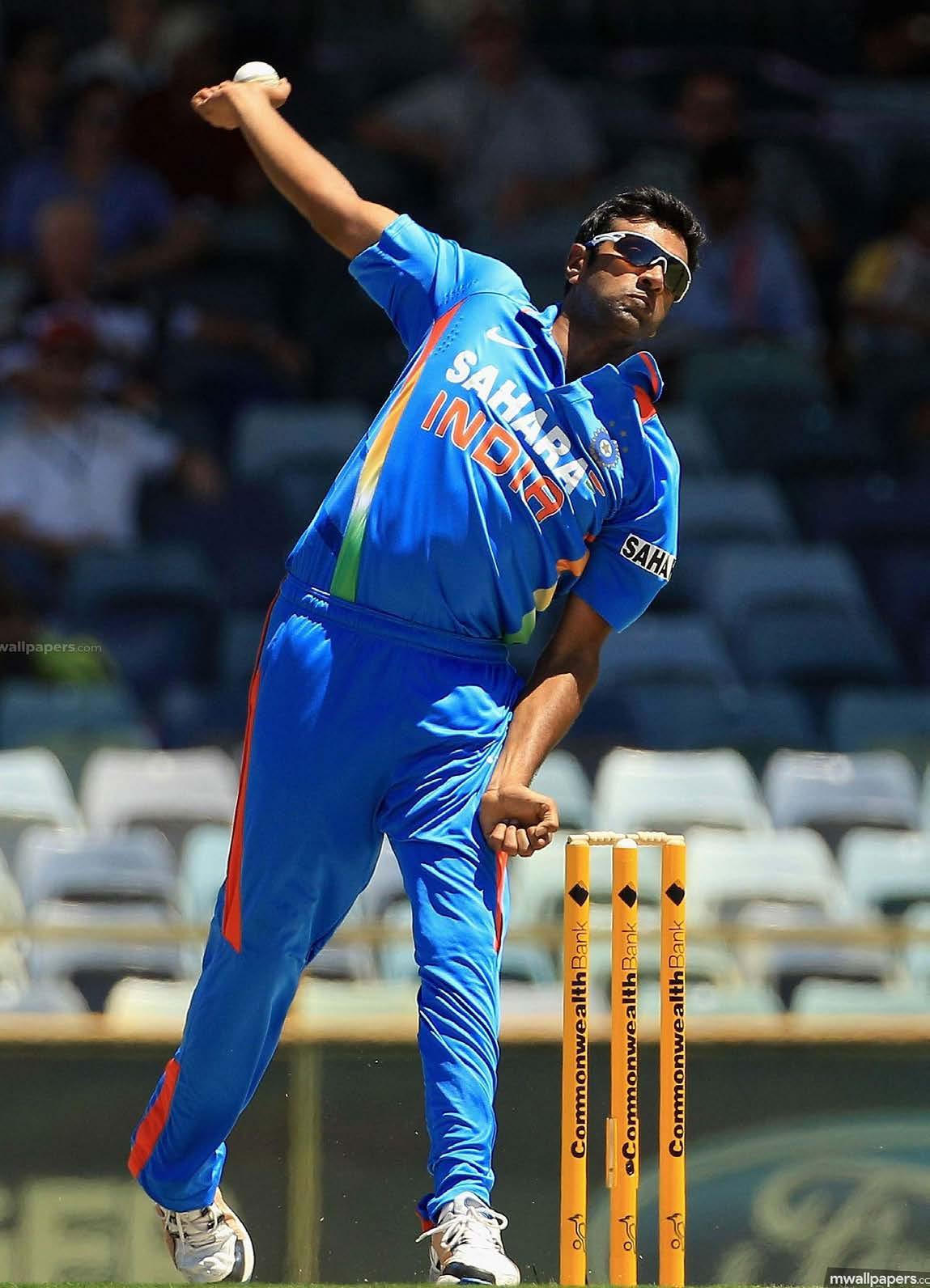
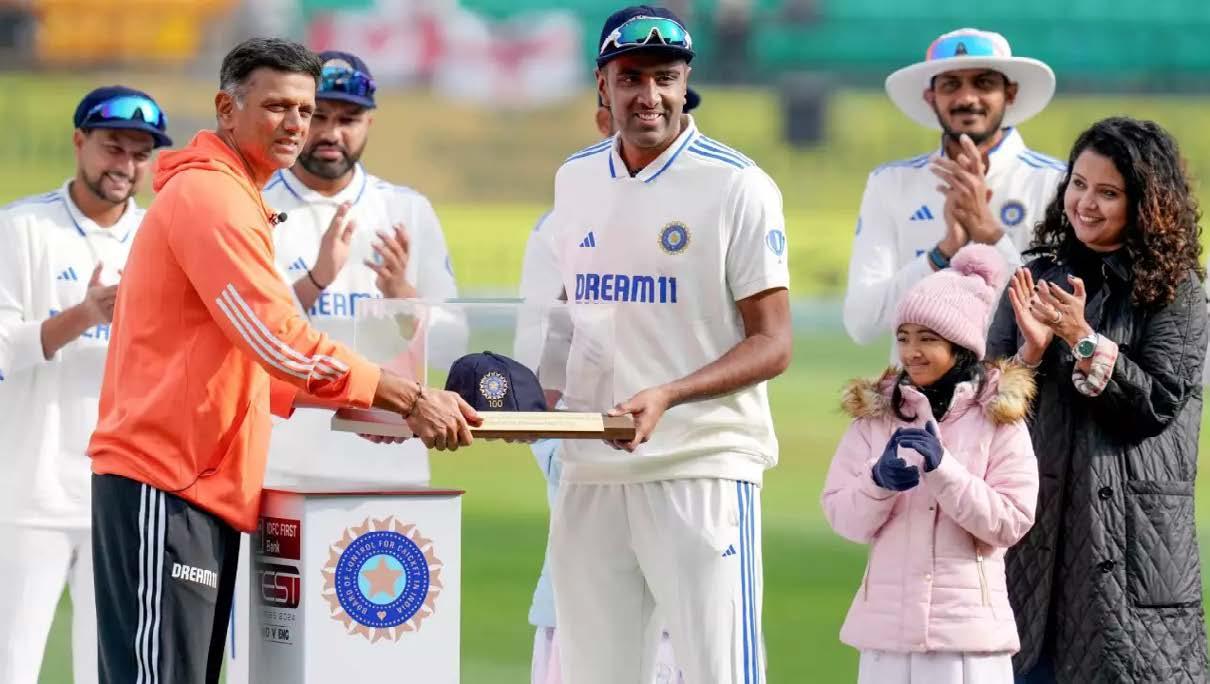
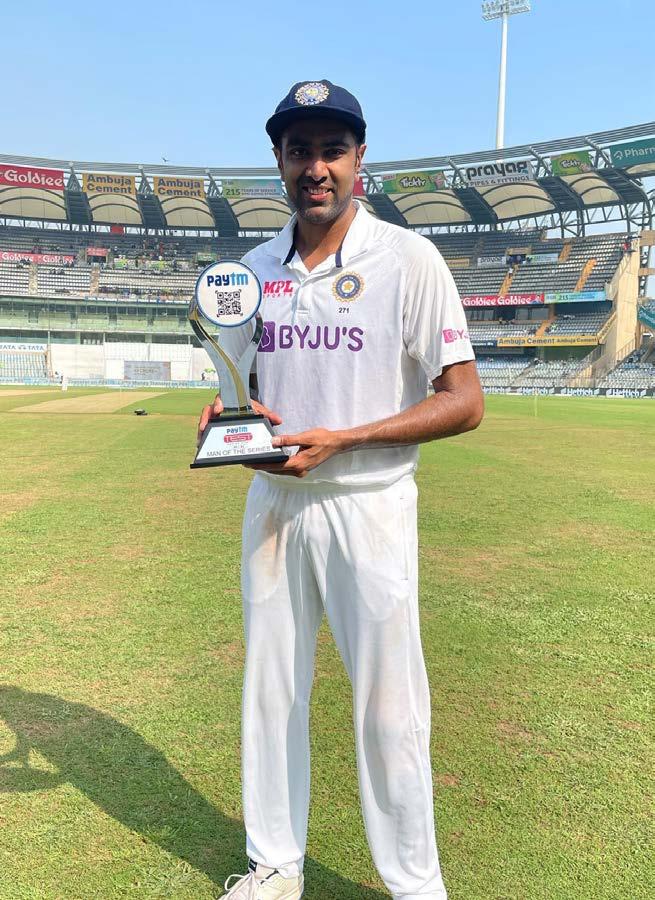
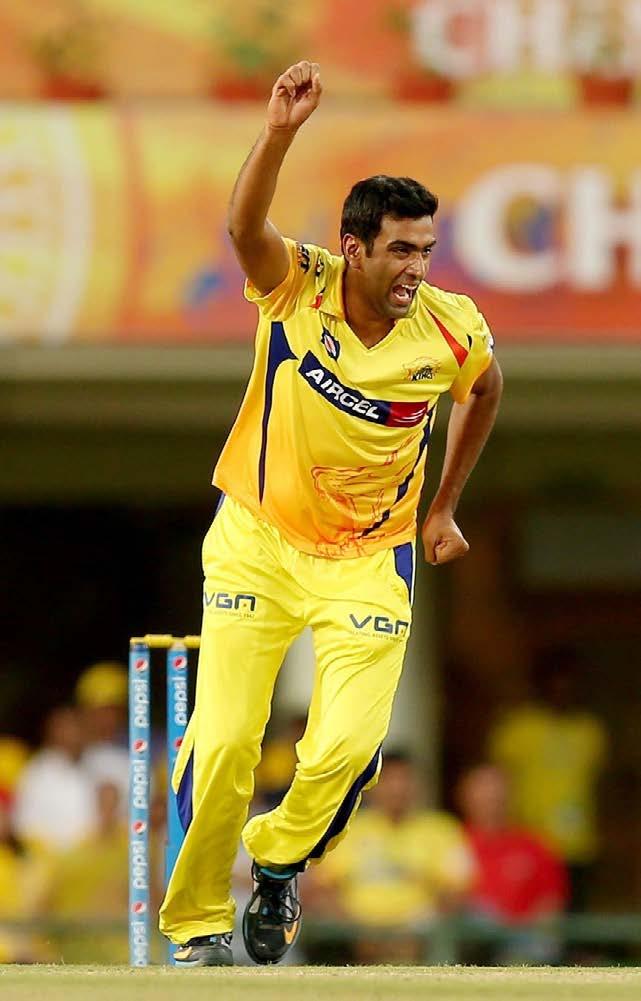
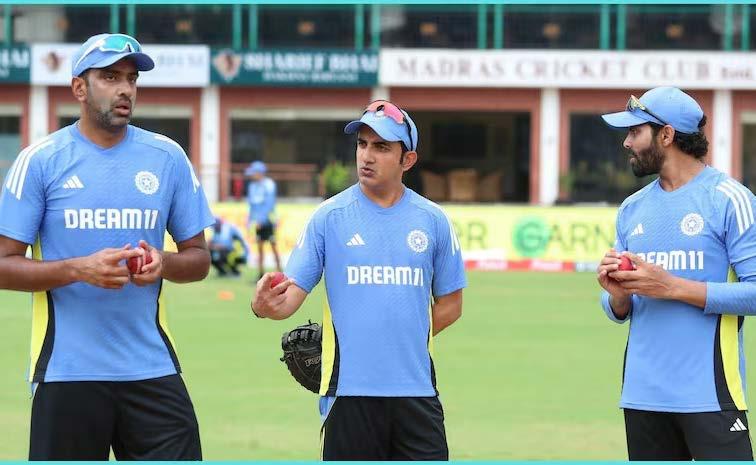
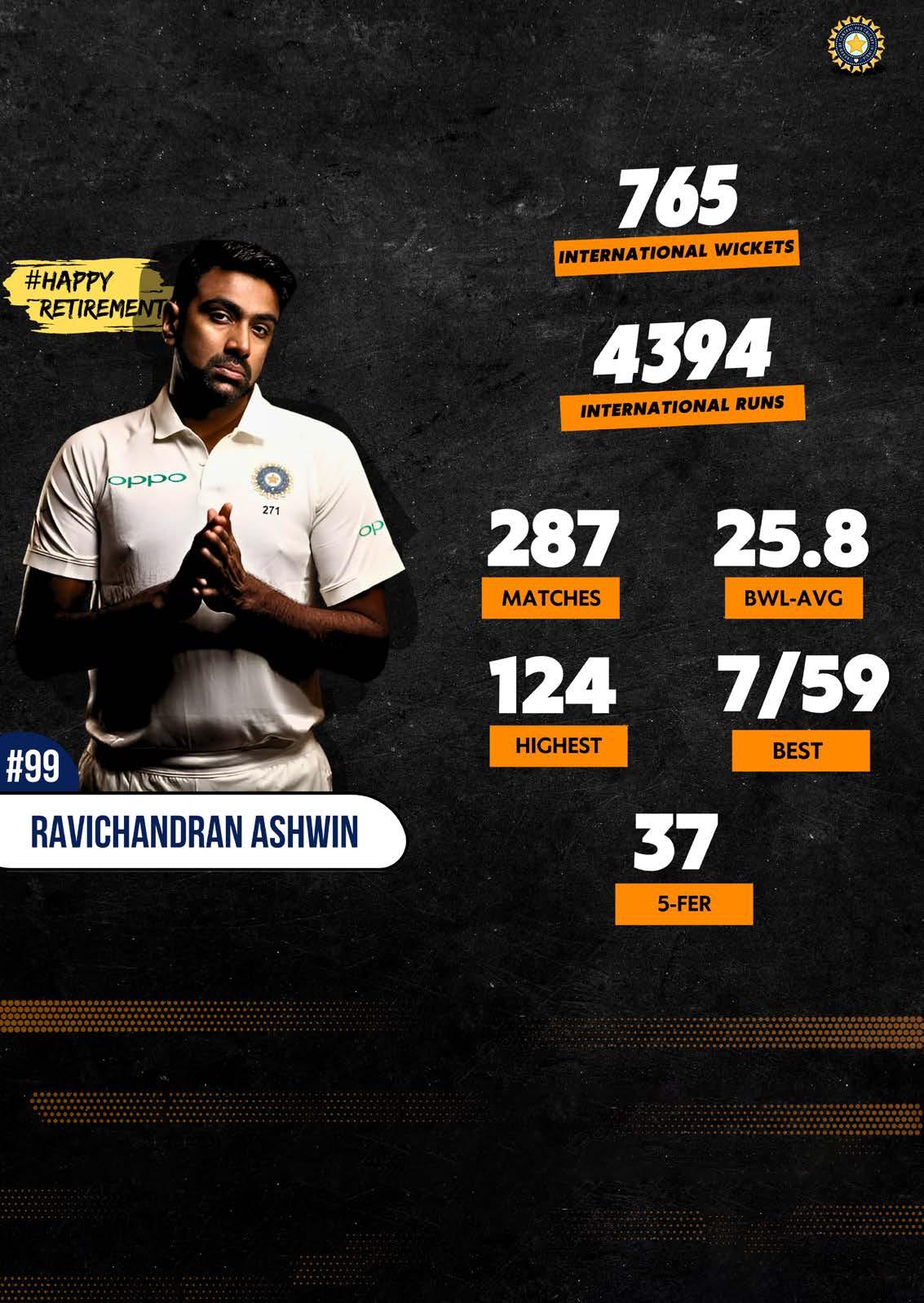
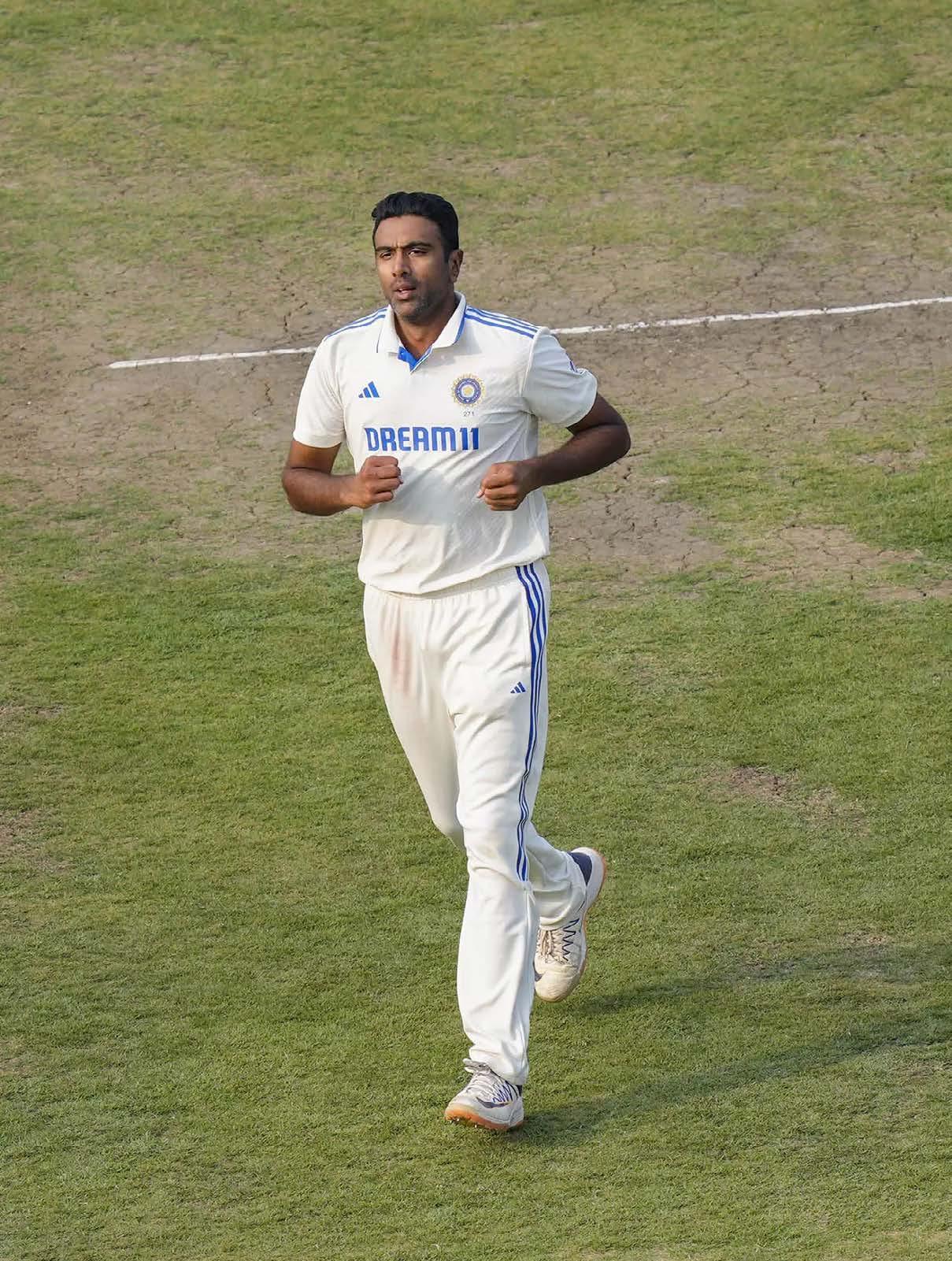
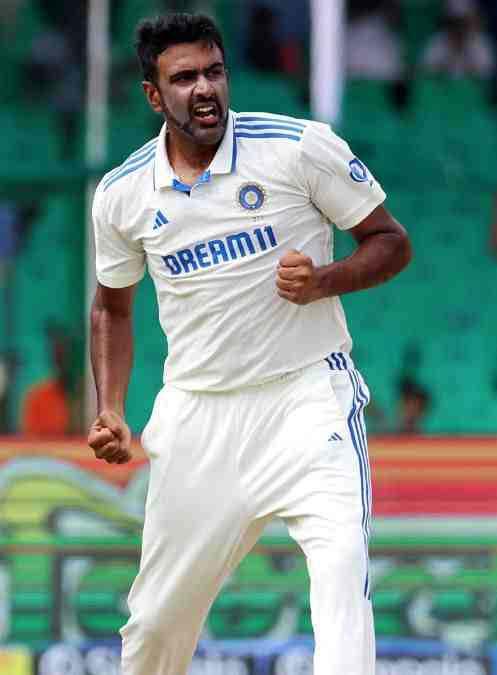
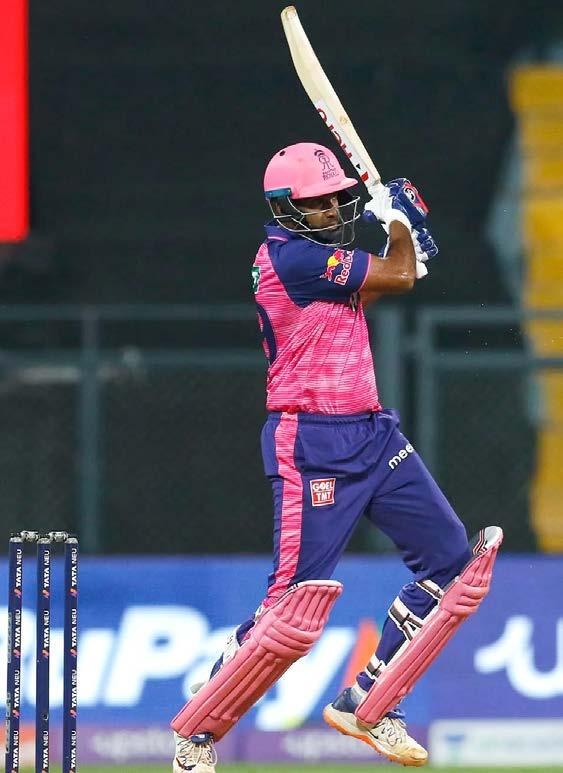
THE FINAL INNINGS OF CRICKETING LEGEND RAVICHANDRAN ASHWIN
RISE OF ATHLEISURE IN COUNTRIES LIKE INDIA
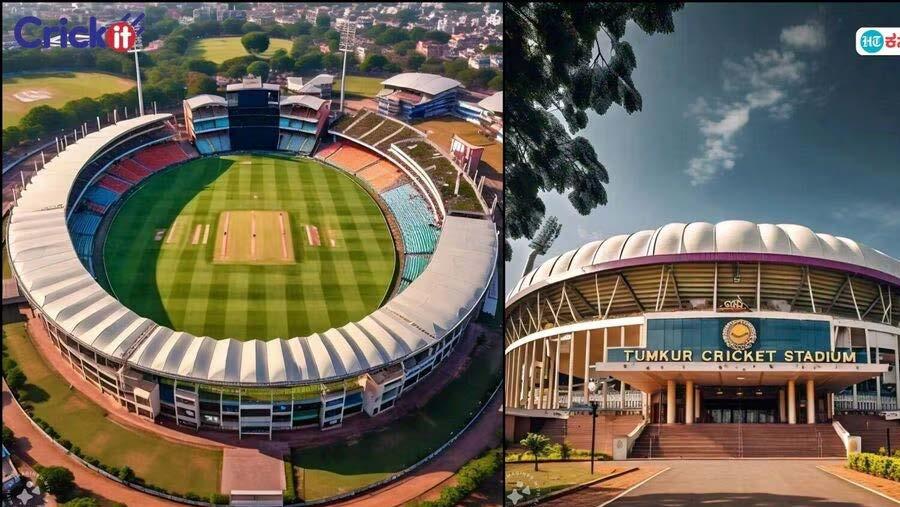
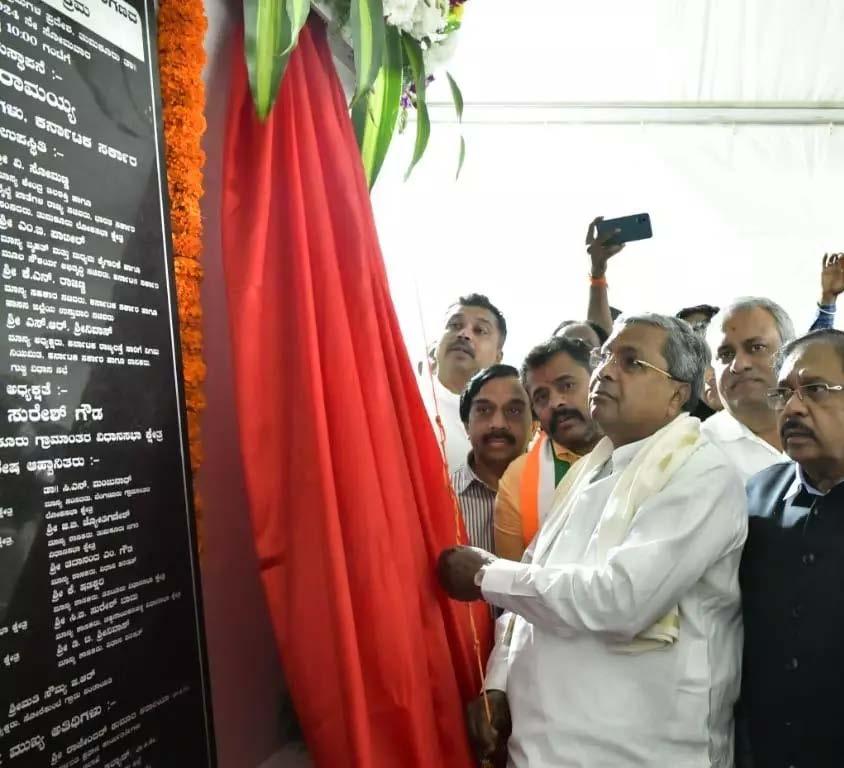
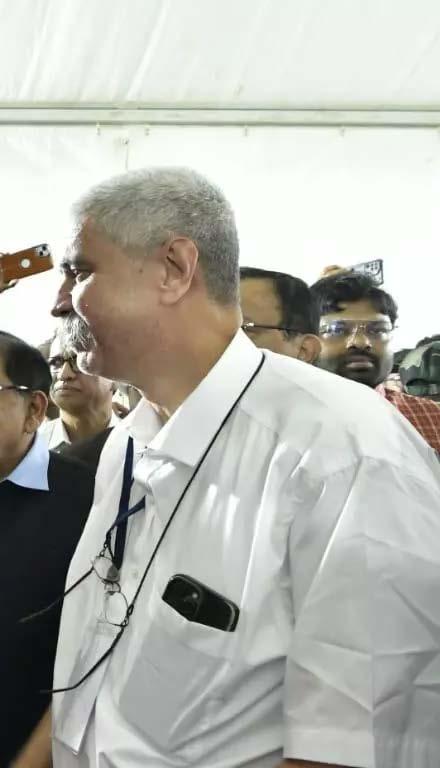
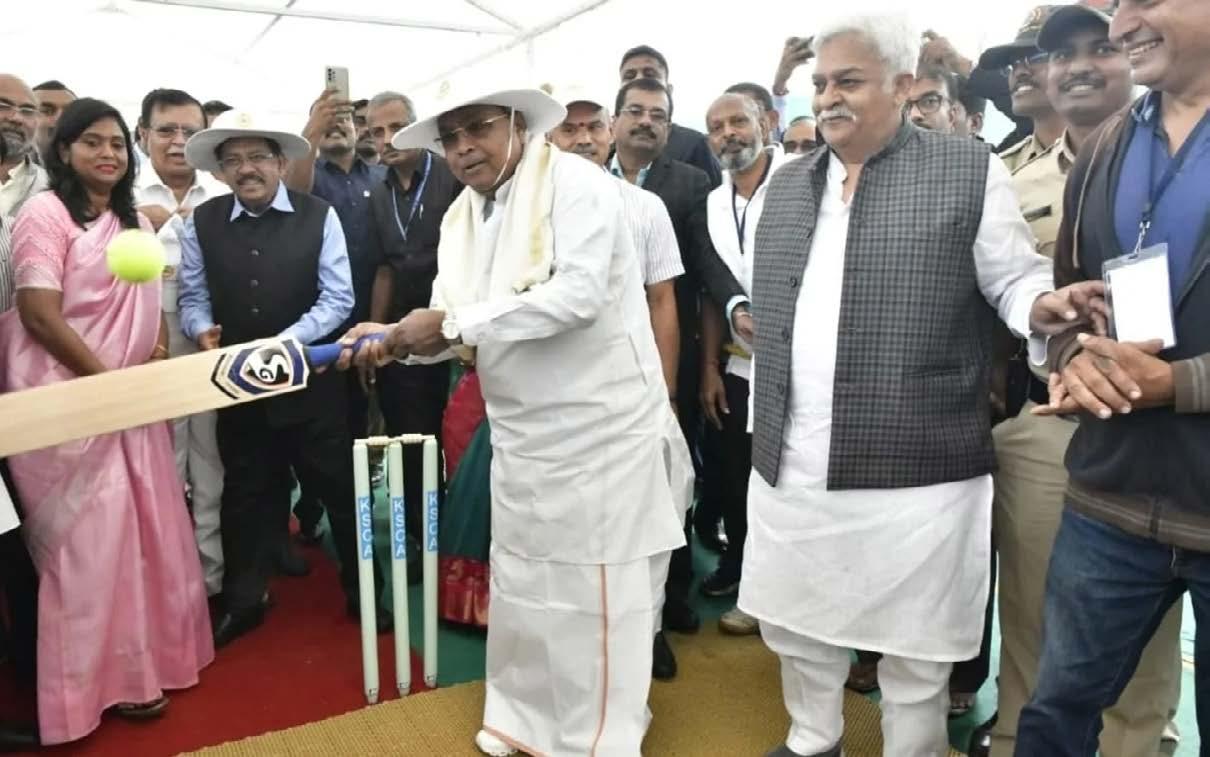
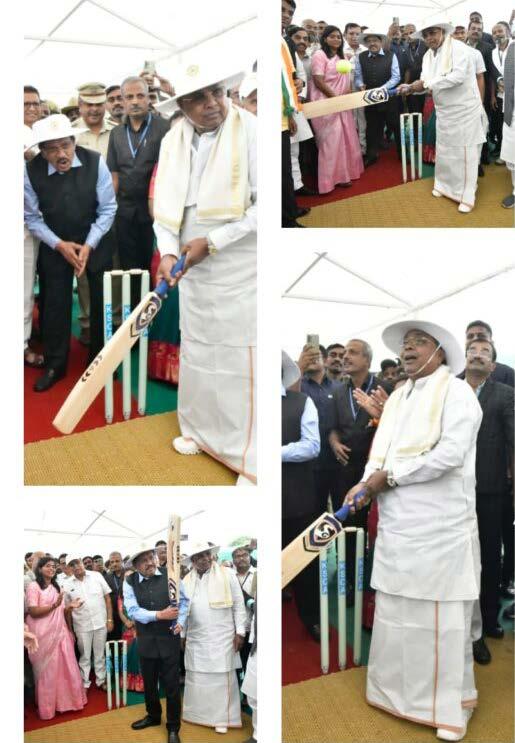
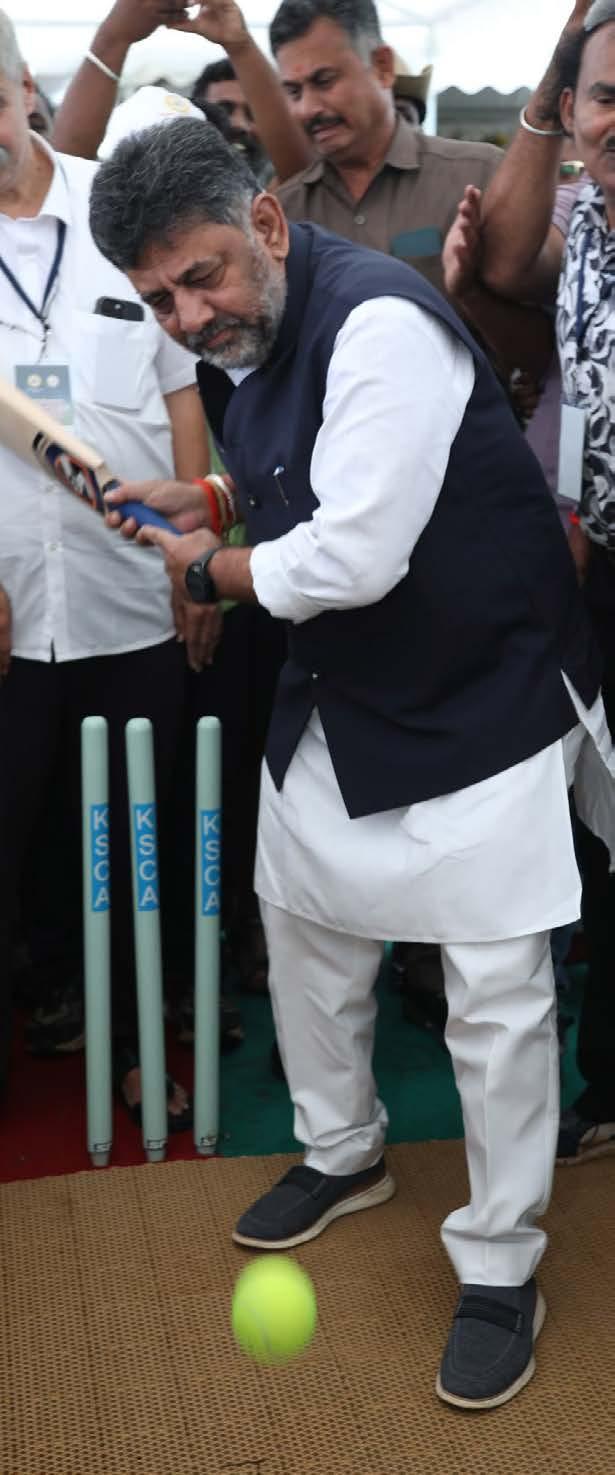
KARNATAKA GOVERNMENT SPEARHEADS CRICKET REVOLUTION IN TUMAKURU
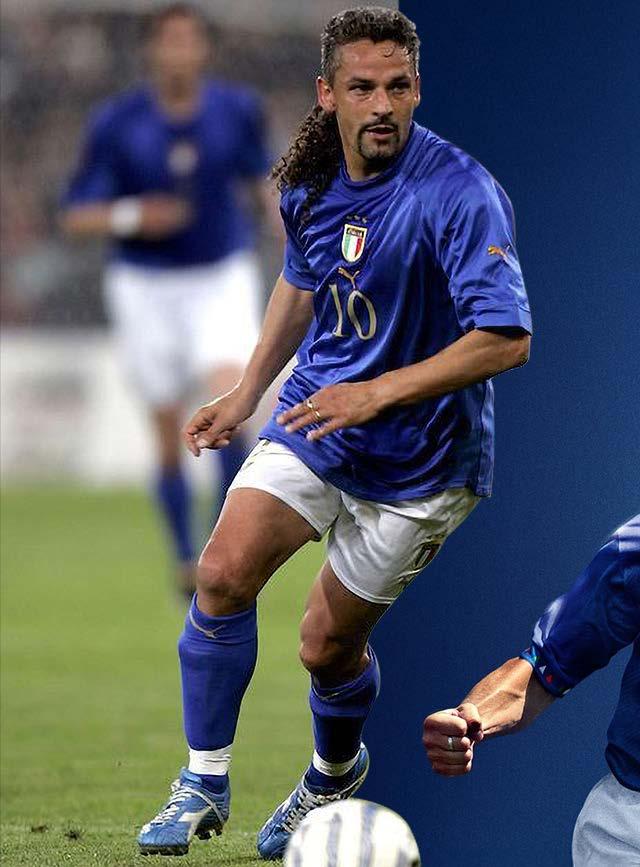
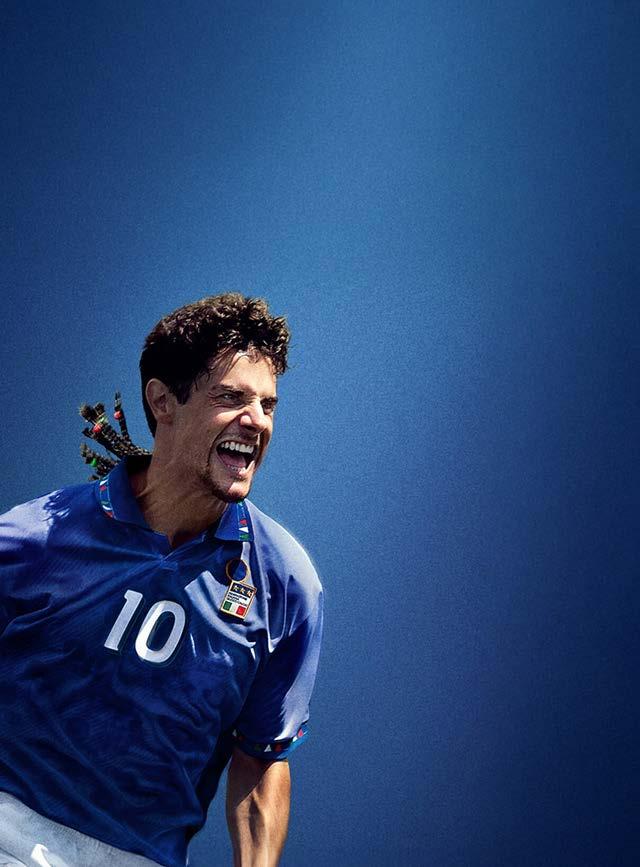
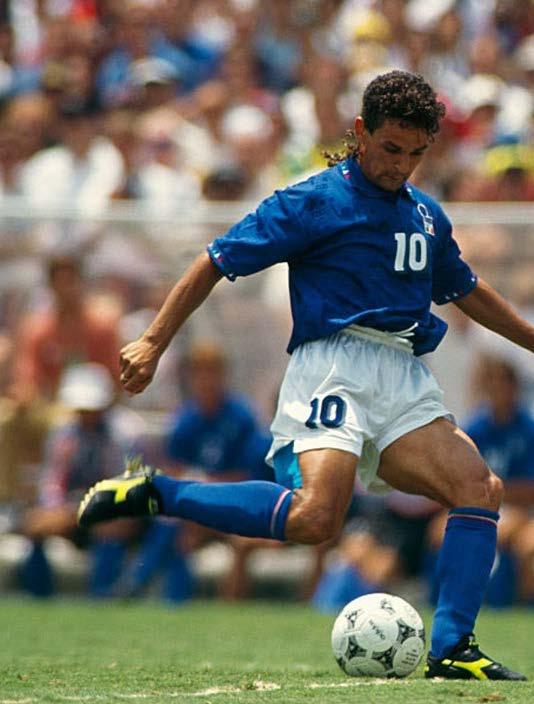
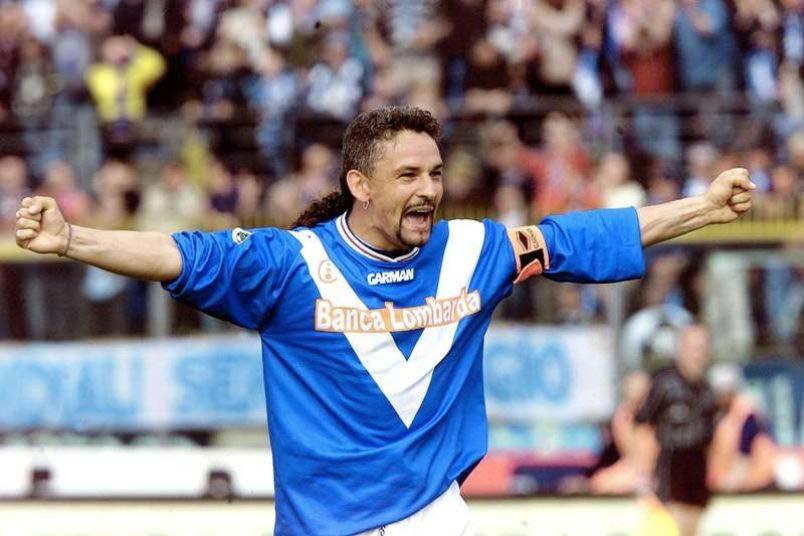
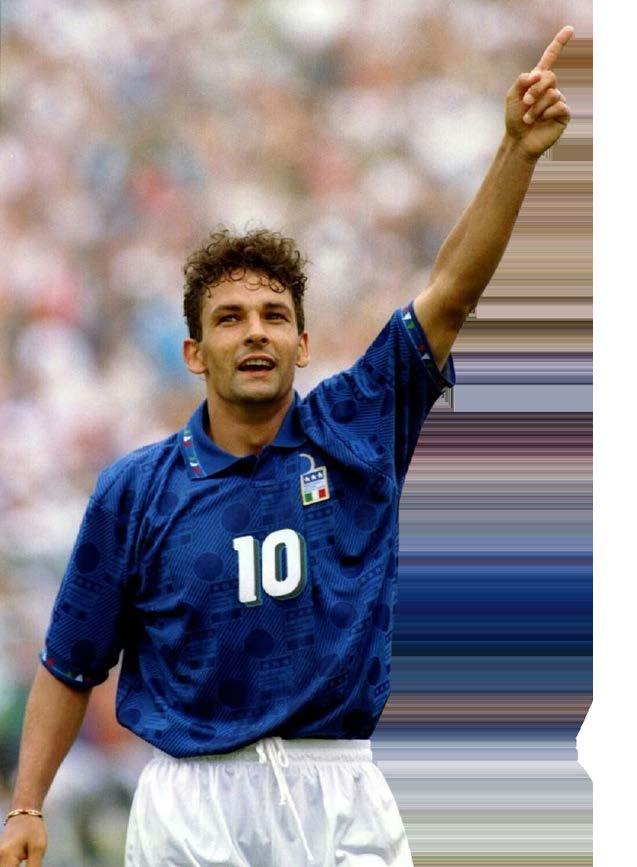
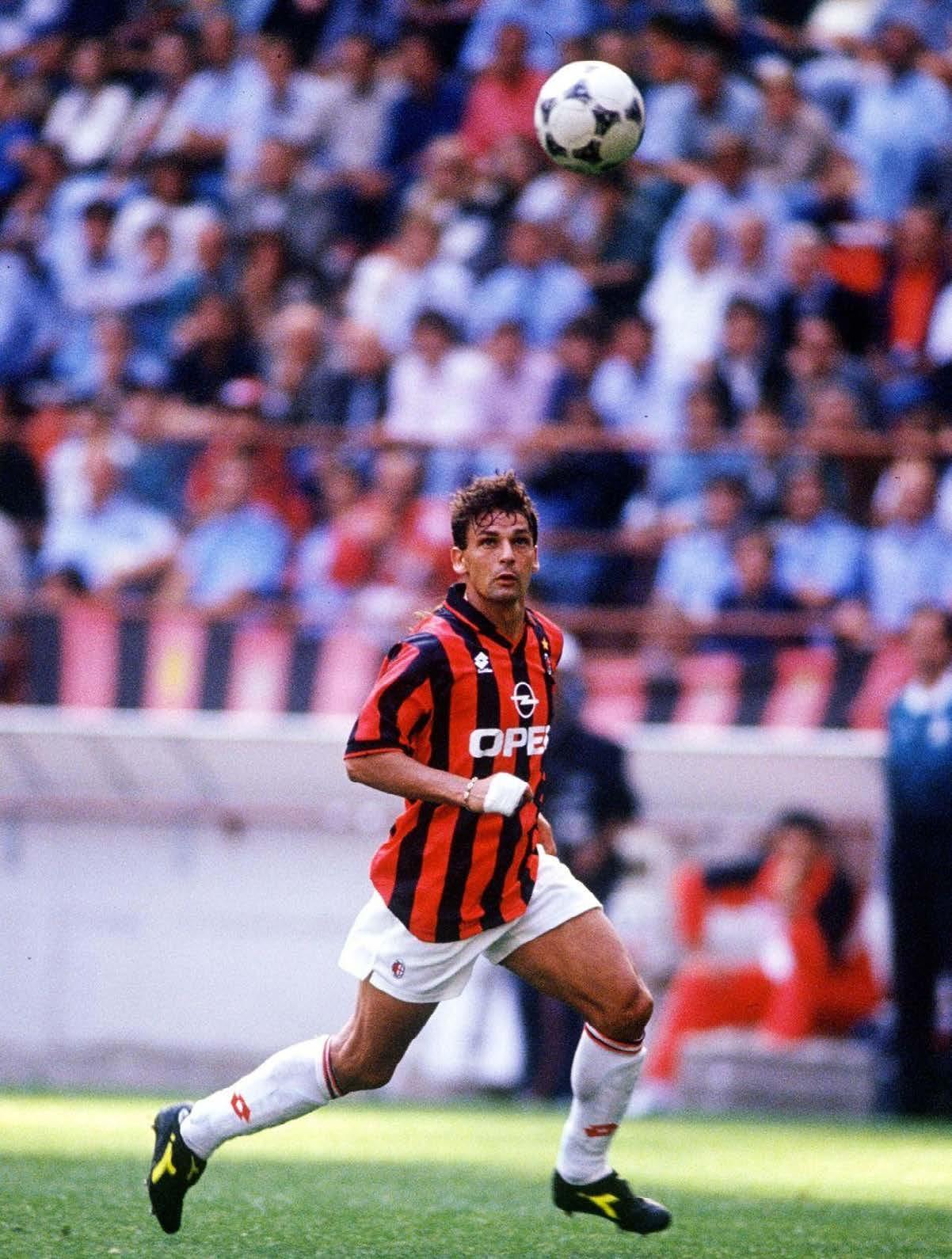
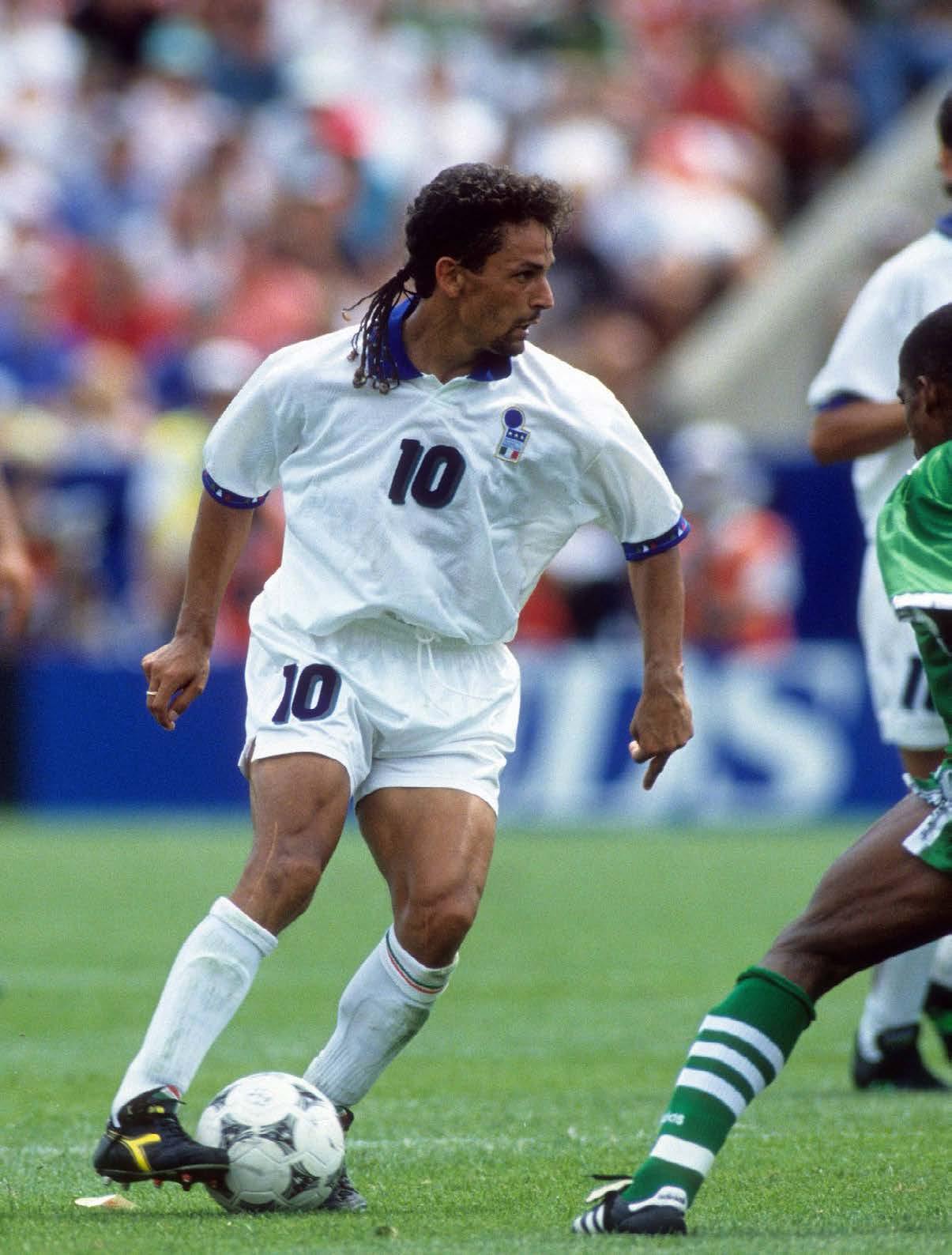
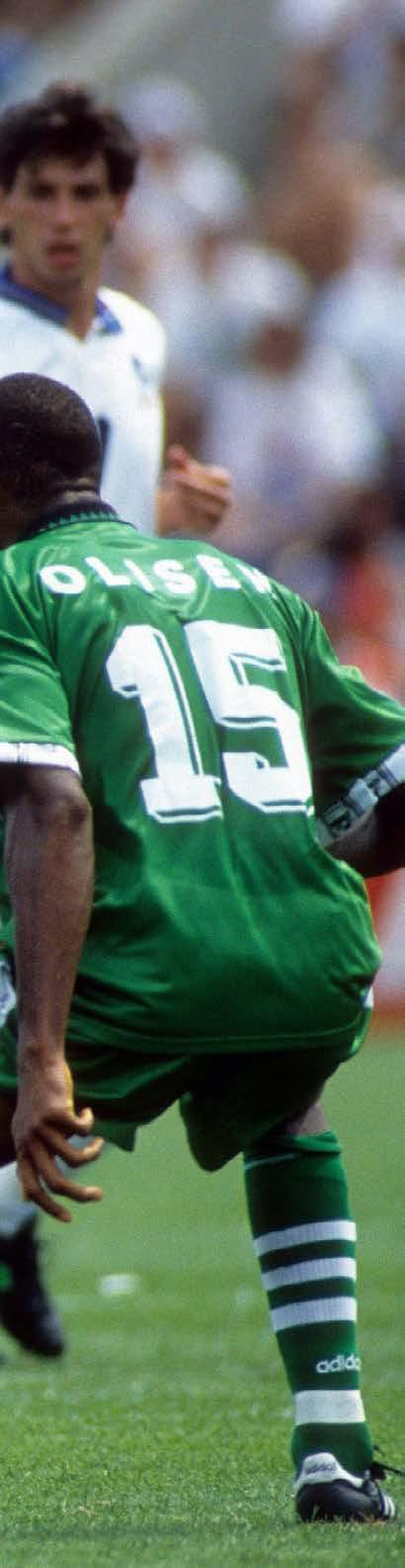
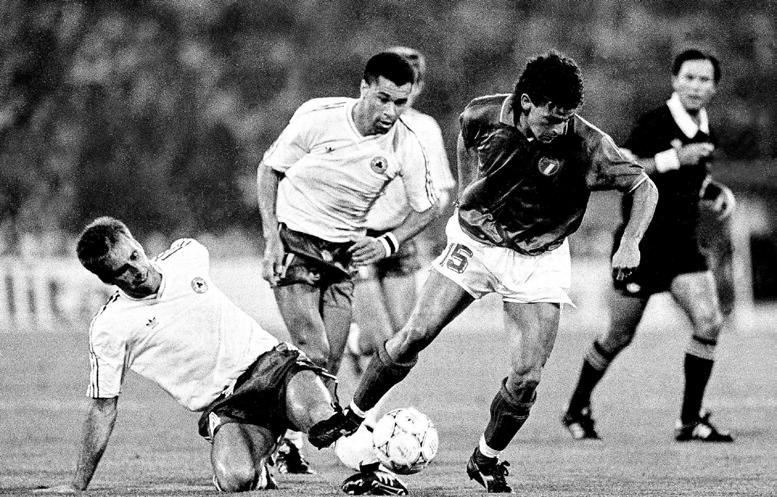
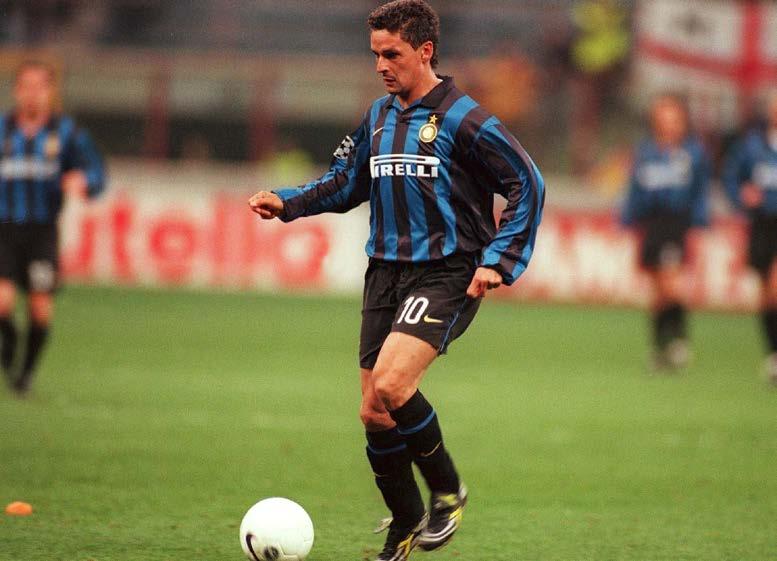
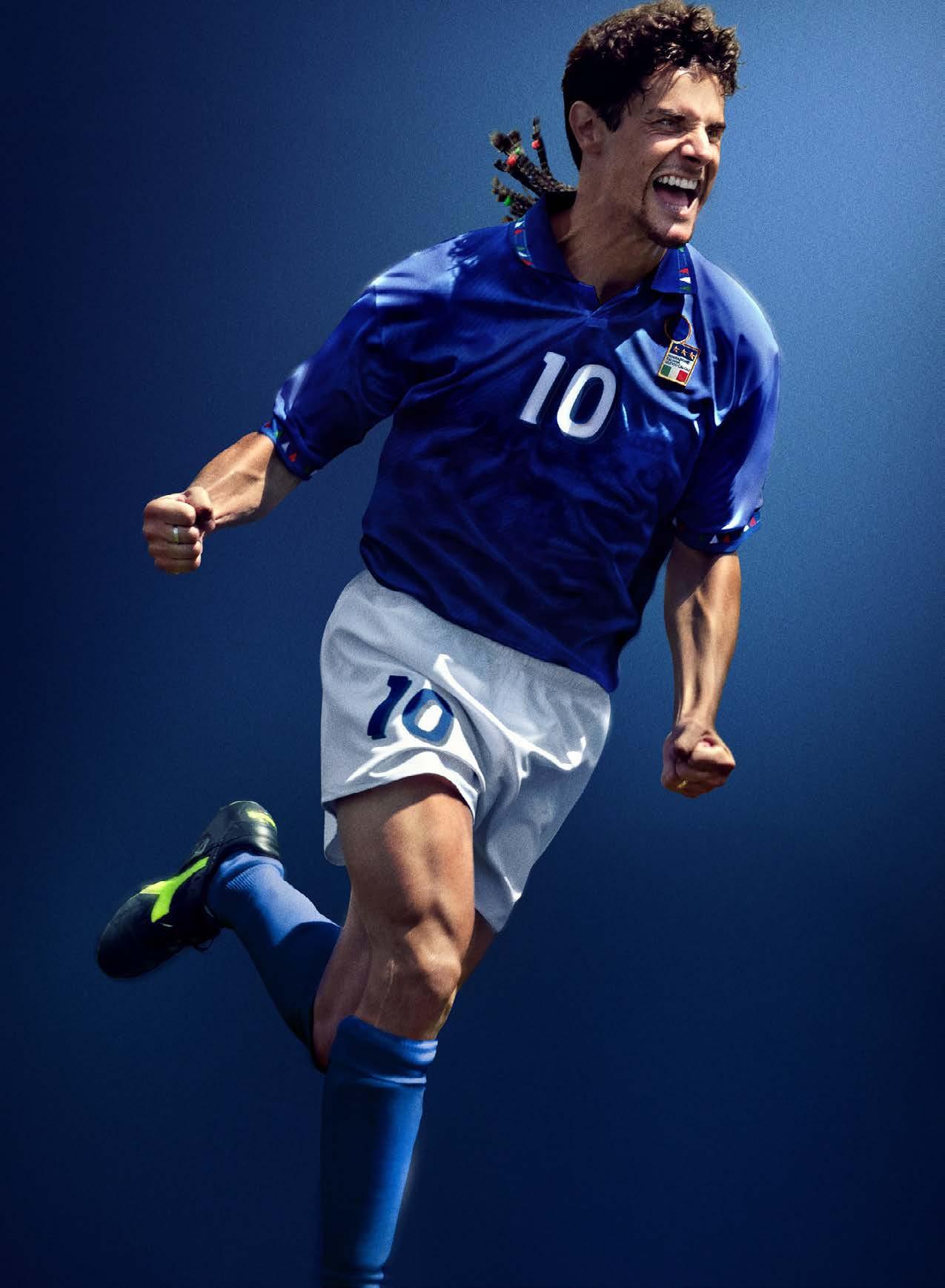
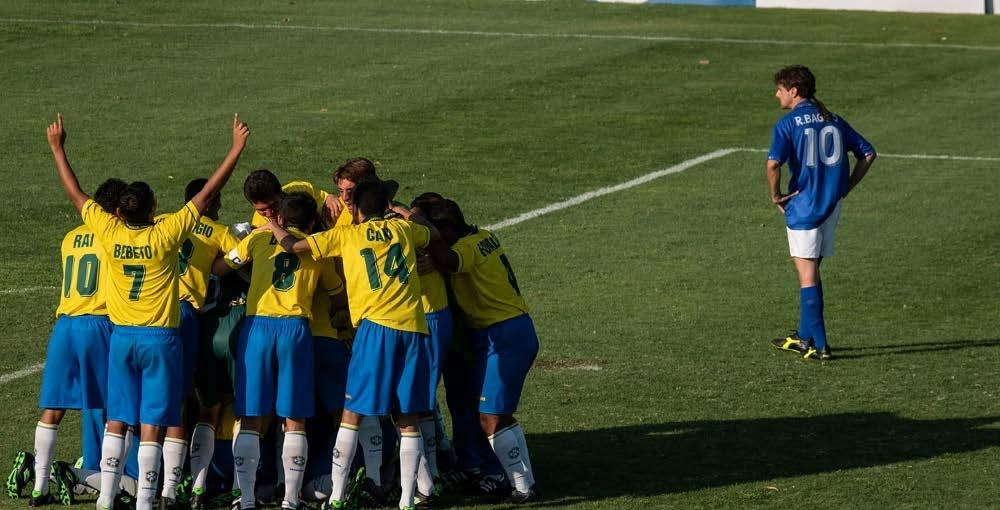
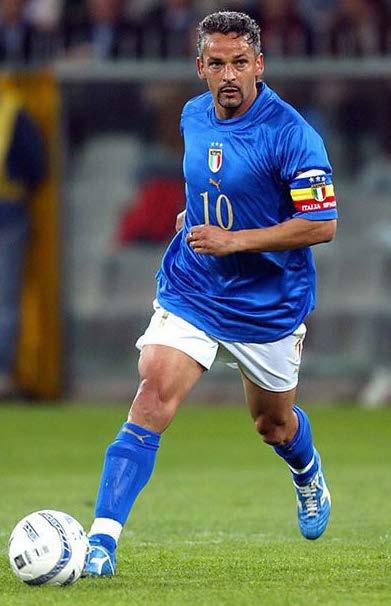
THE LEGENDS OF THE GAME OF FOOTBALL ROBERTO BAGGIO
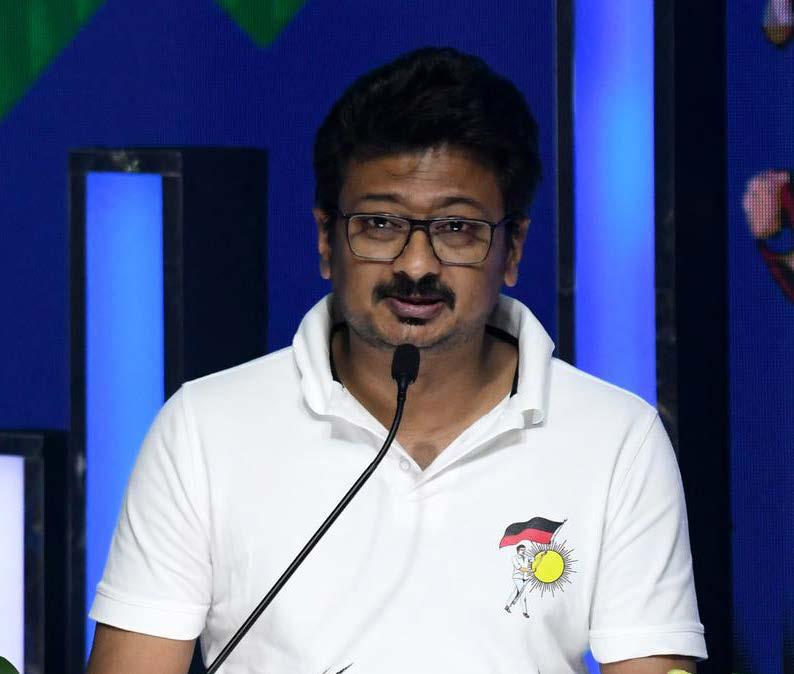
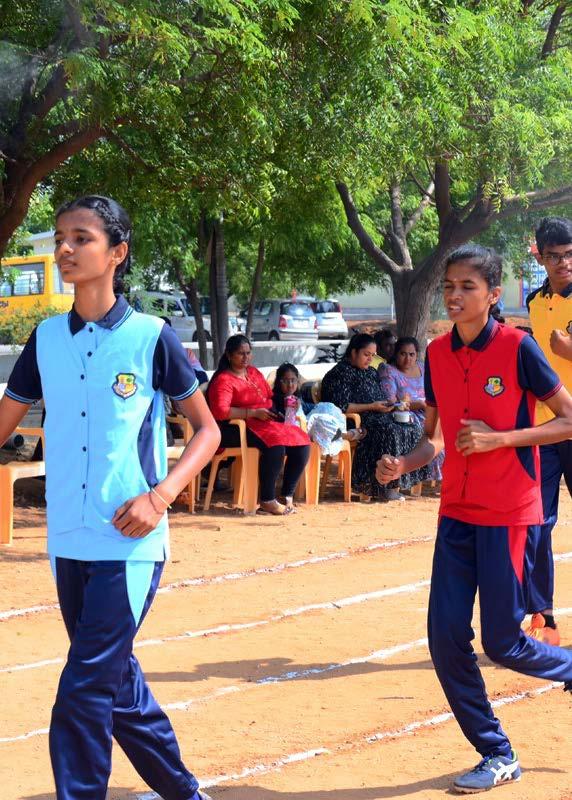
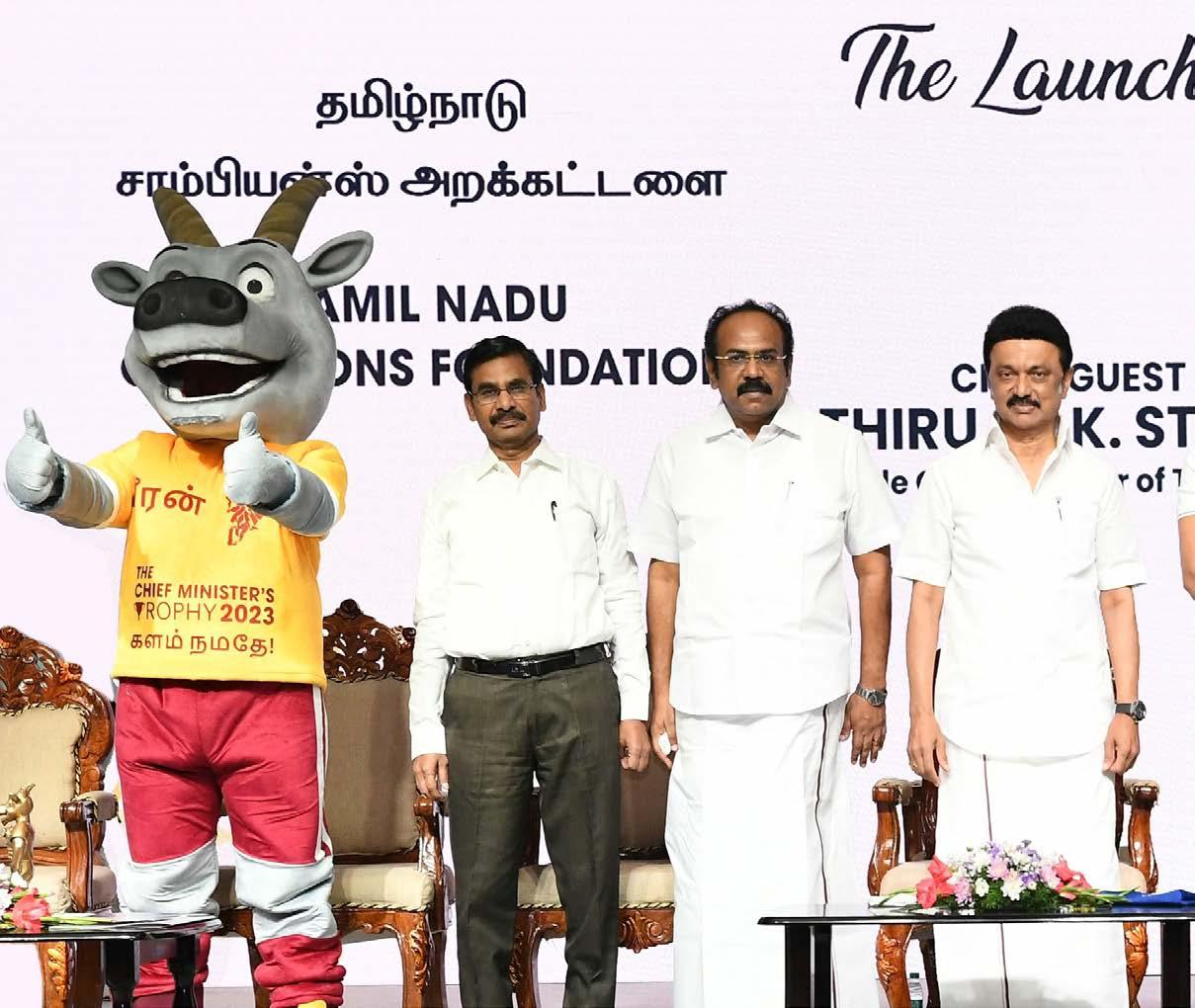
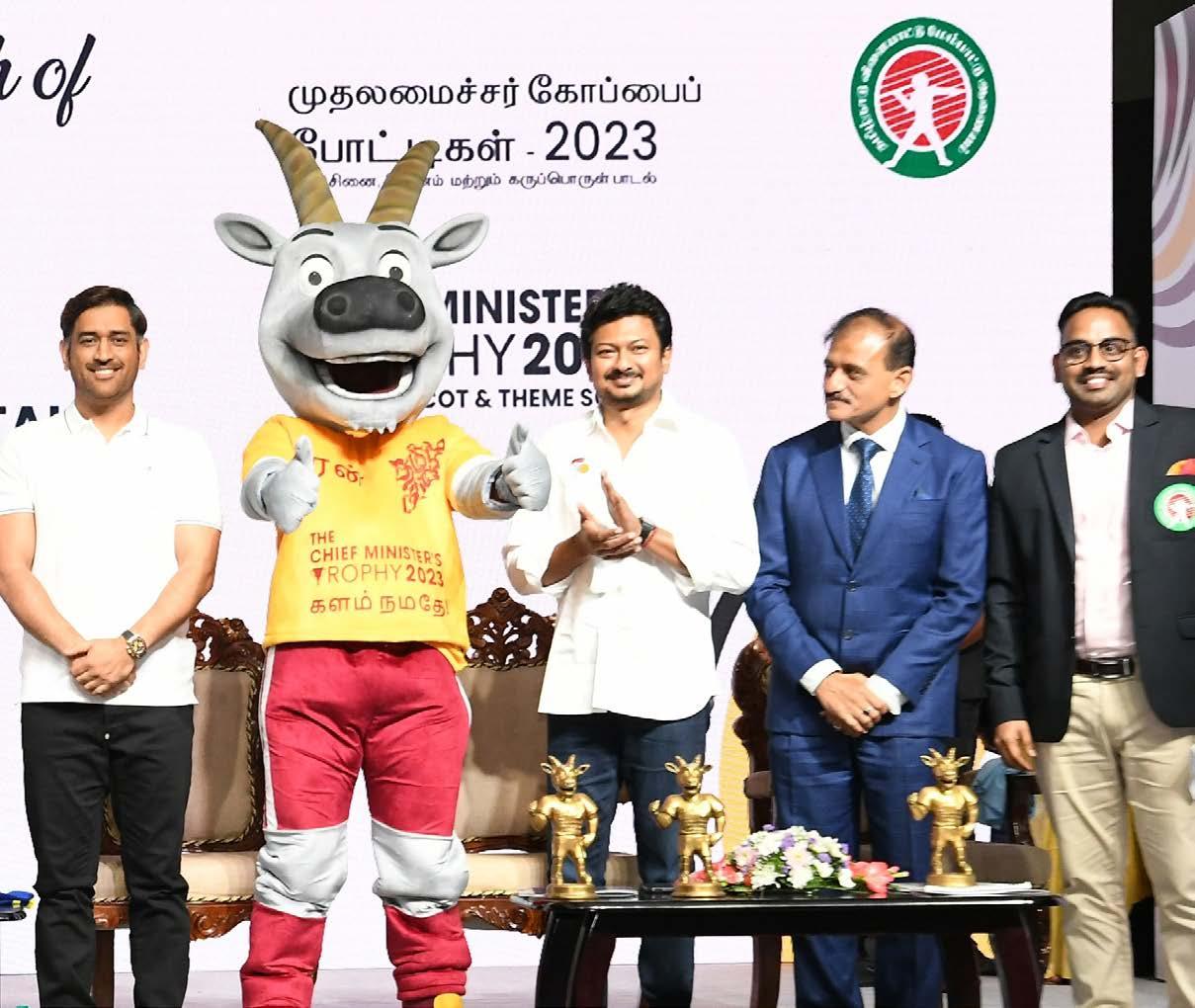
TAMIL NADU MAKES A MAJOR ANNOUNCEMENT TOWARDS SPORTS DEVELOPMENT IN SCHOOLS
HOW LIBERTY MEDIA SAVED FORMULA 1 TEAM KAZAKHSTAN BAGS SIX MEDALS AT
AJITH KUMAR’S RENAISSANCE IN RACING
HOW LIBERTY MEDIA SAVED FORMULA 1
THE DRAMATIC RISE OF WOMEN’S FOOTBALL
THE SUCCESS OF FENG JI’S BLACK MYTH- WUKONG
GINGA – THE SOUL OF BRAZILIAN FOOTBALL
CHEQUERED FLAG FOR LEWIS HAMILTON AT MERCEDES
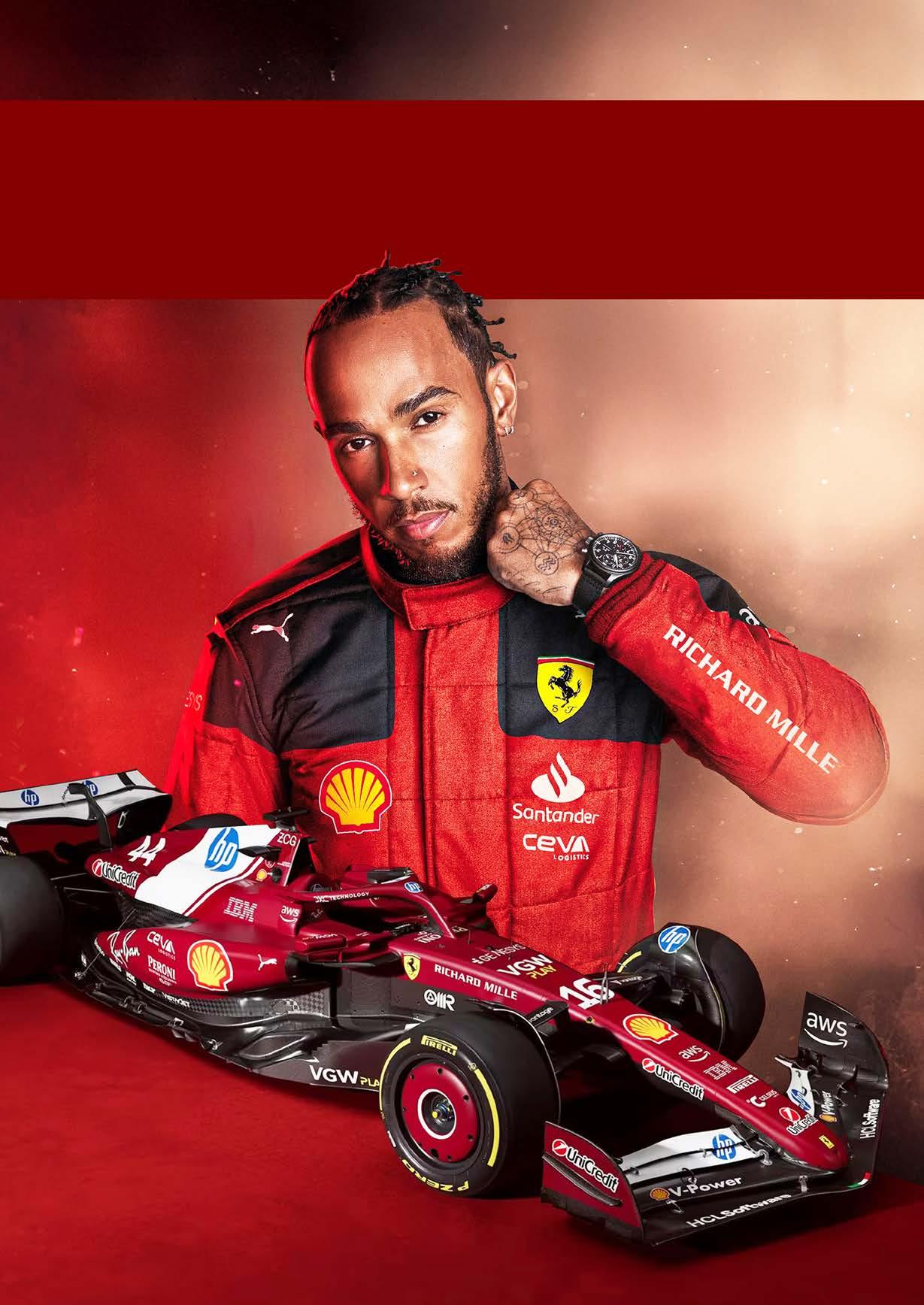
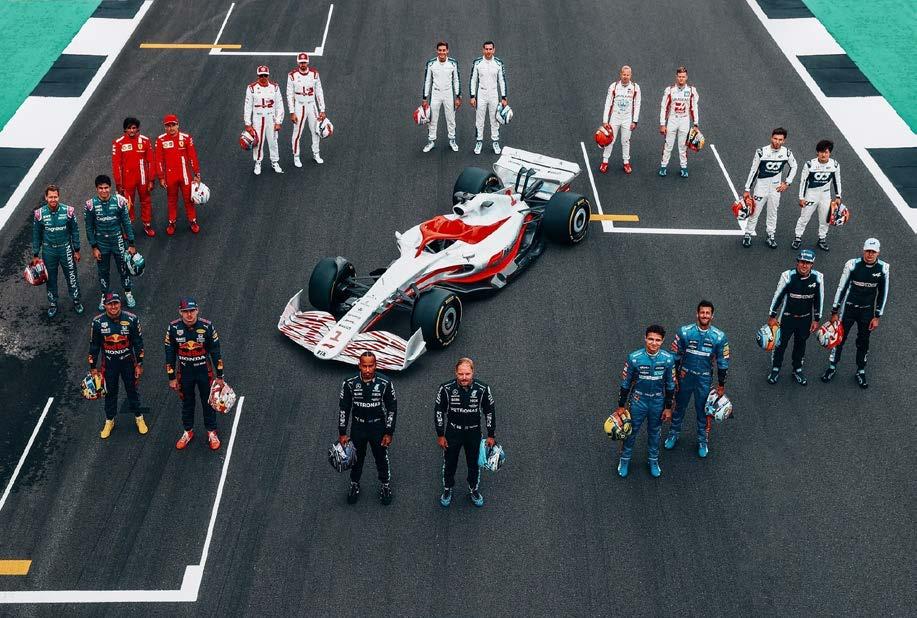
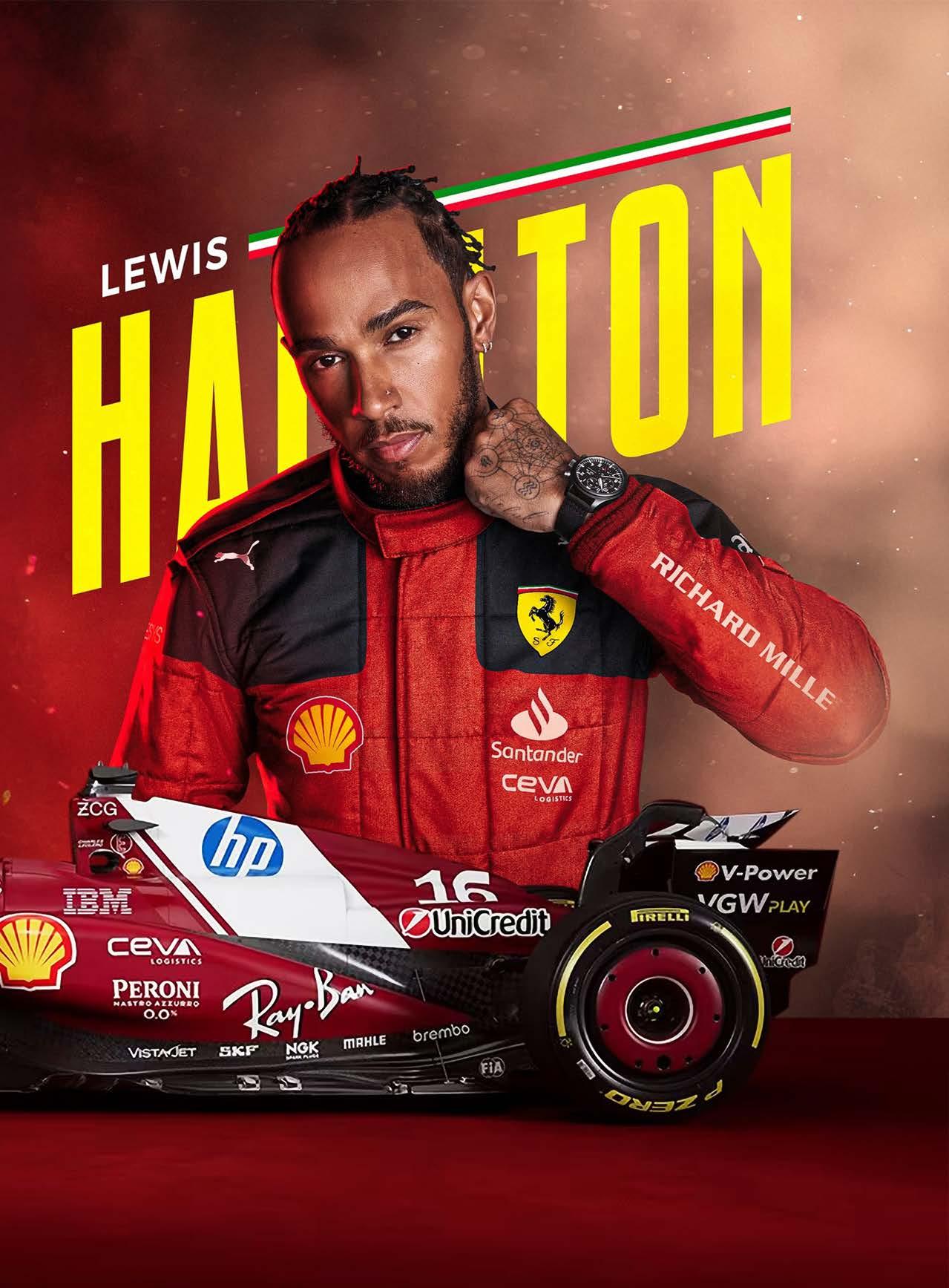
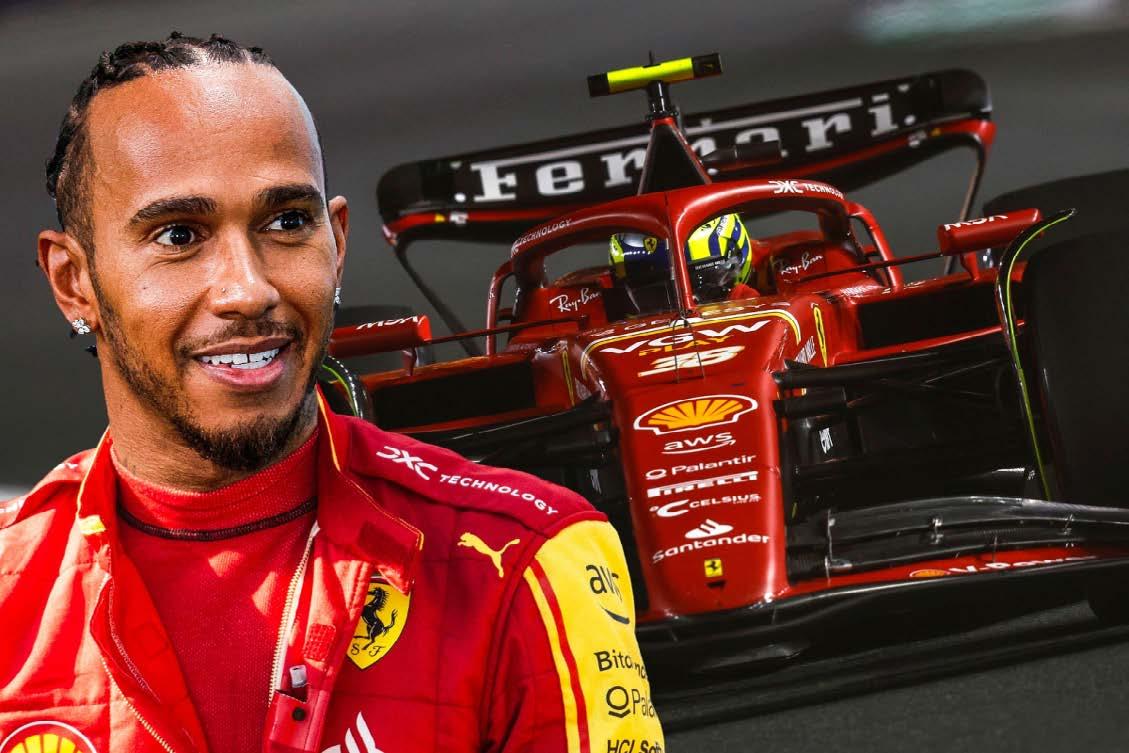
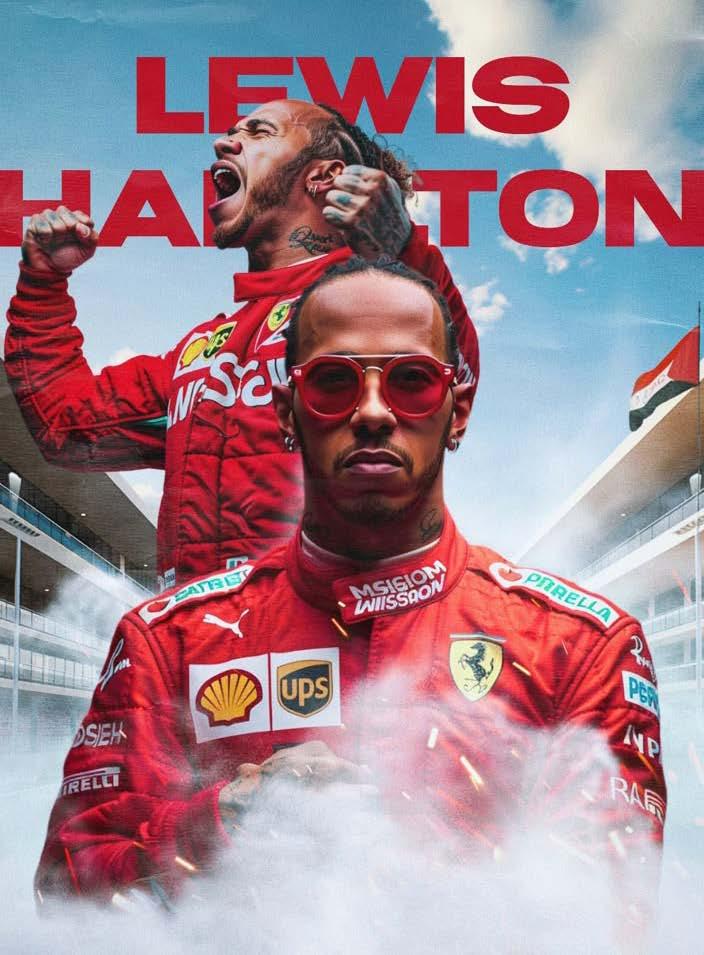
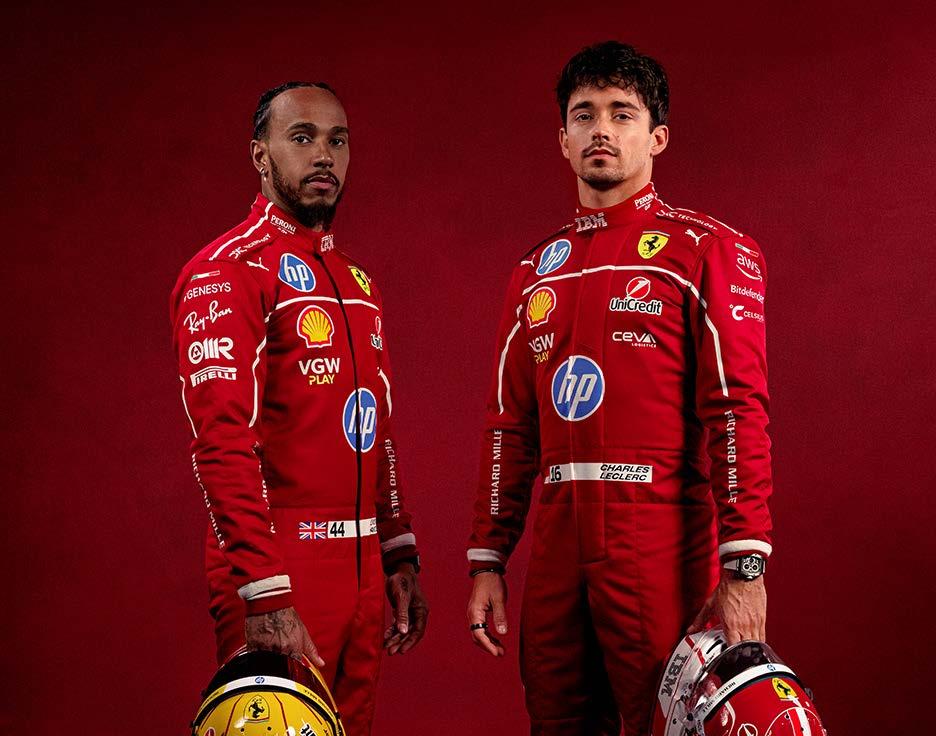
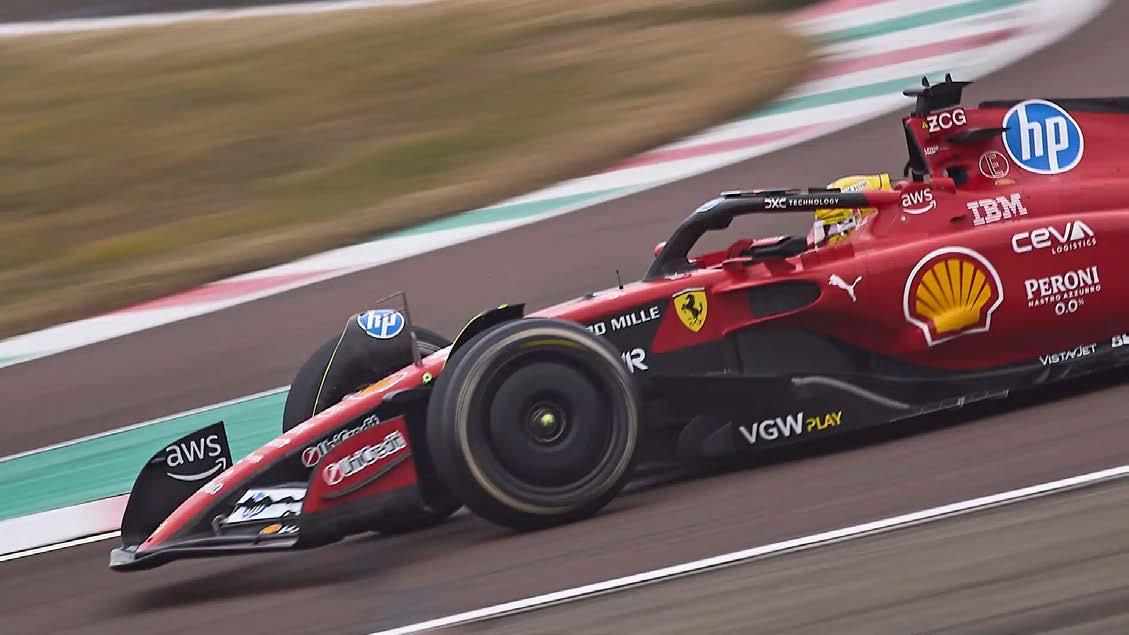
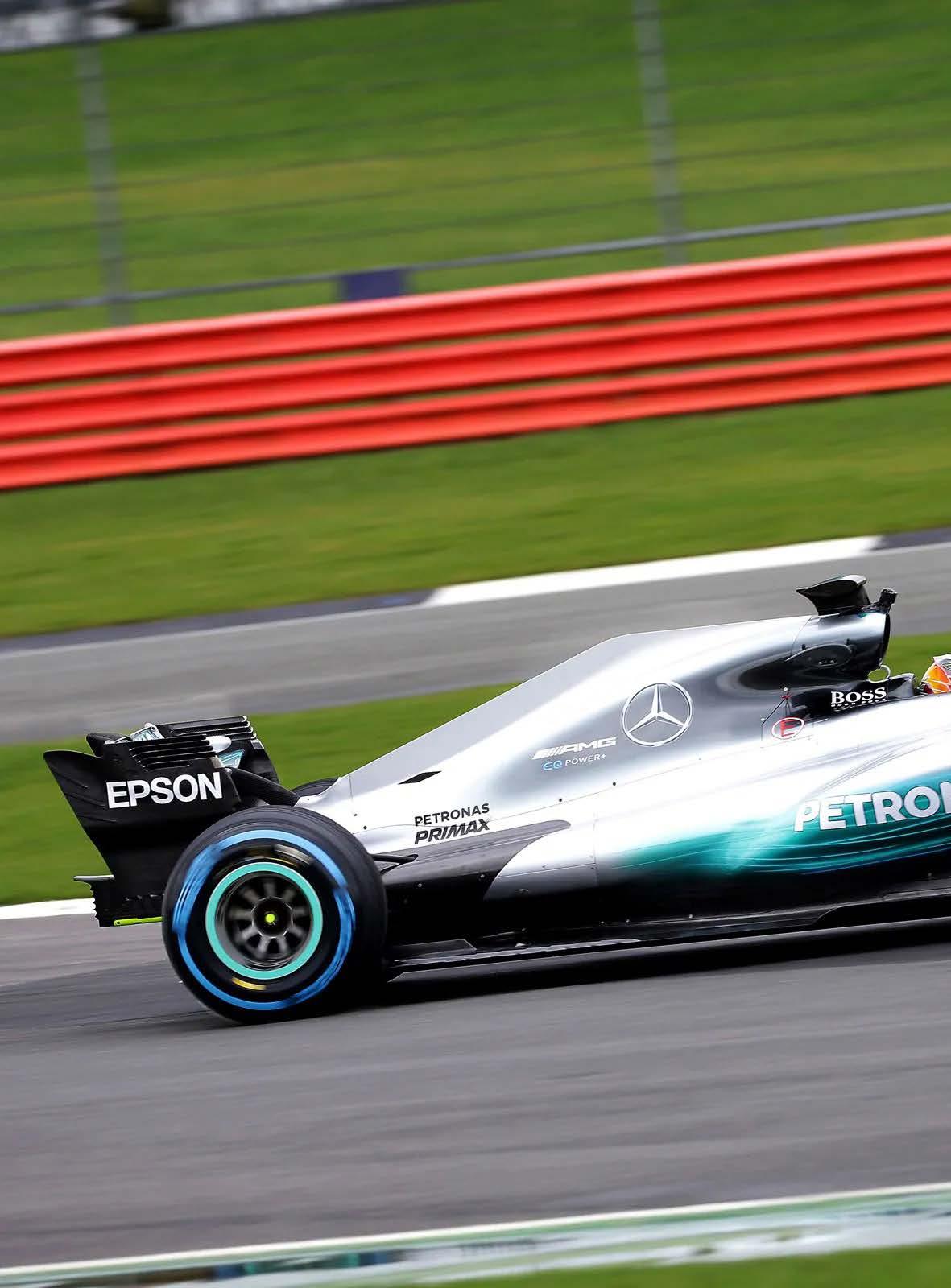
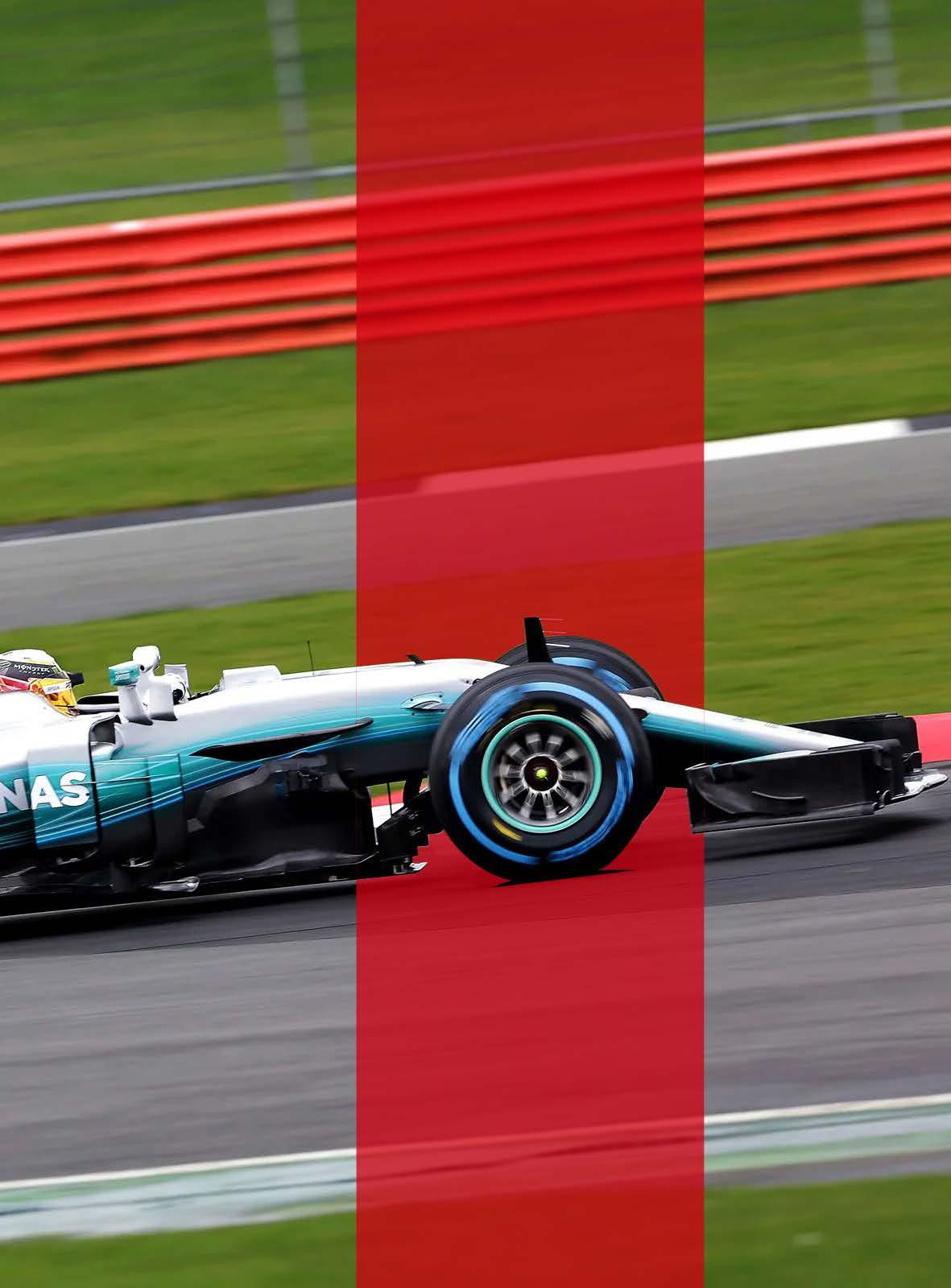
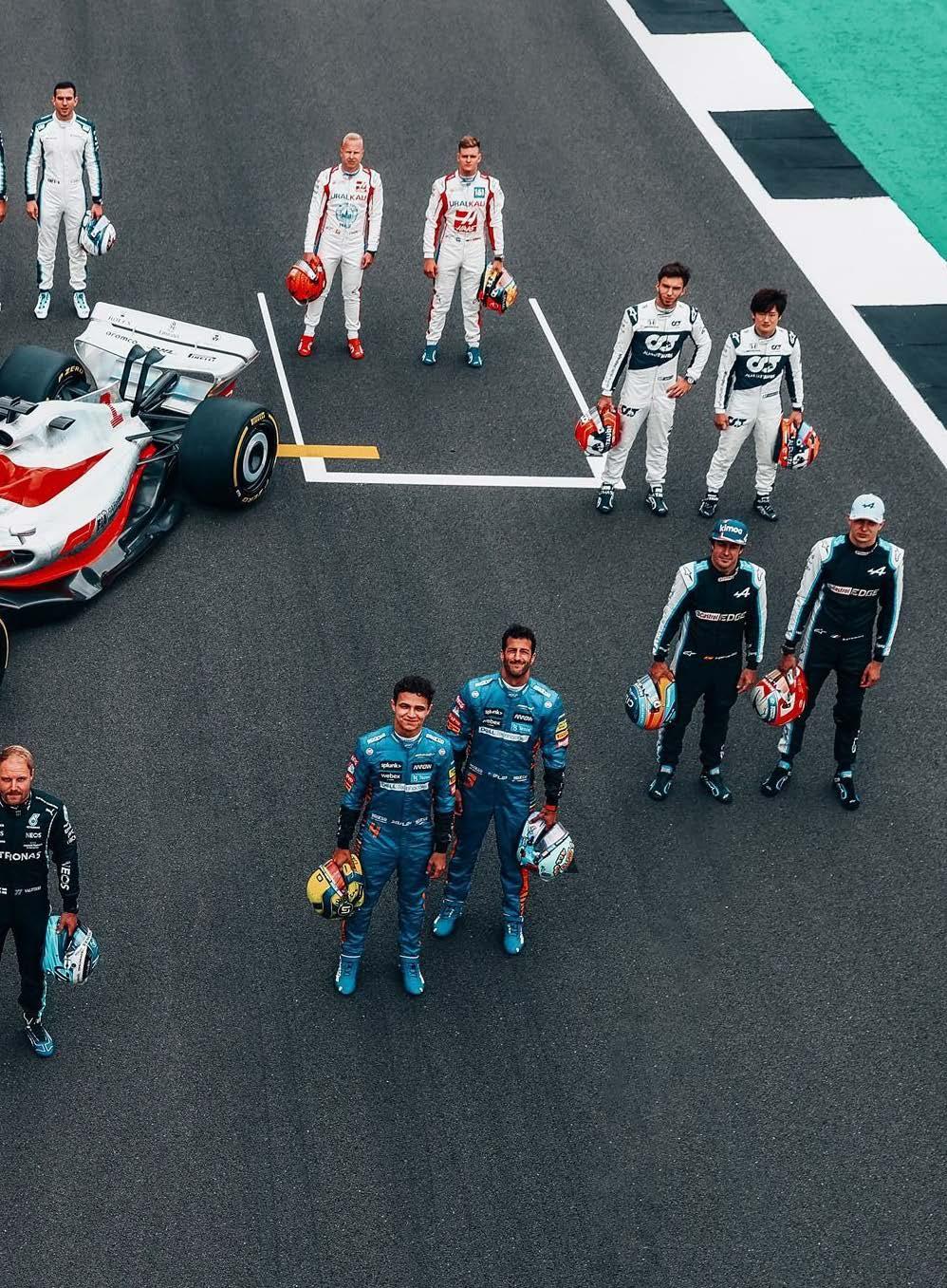
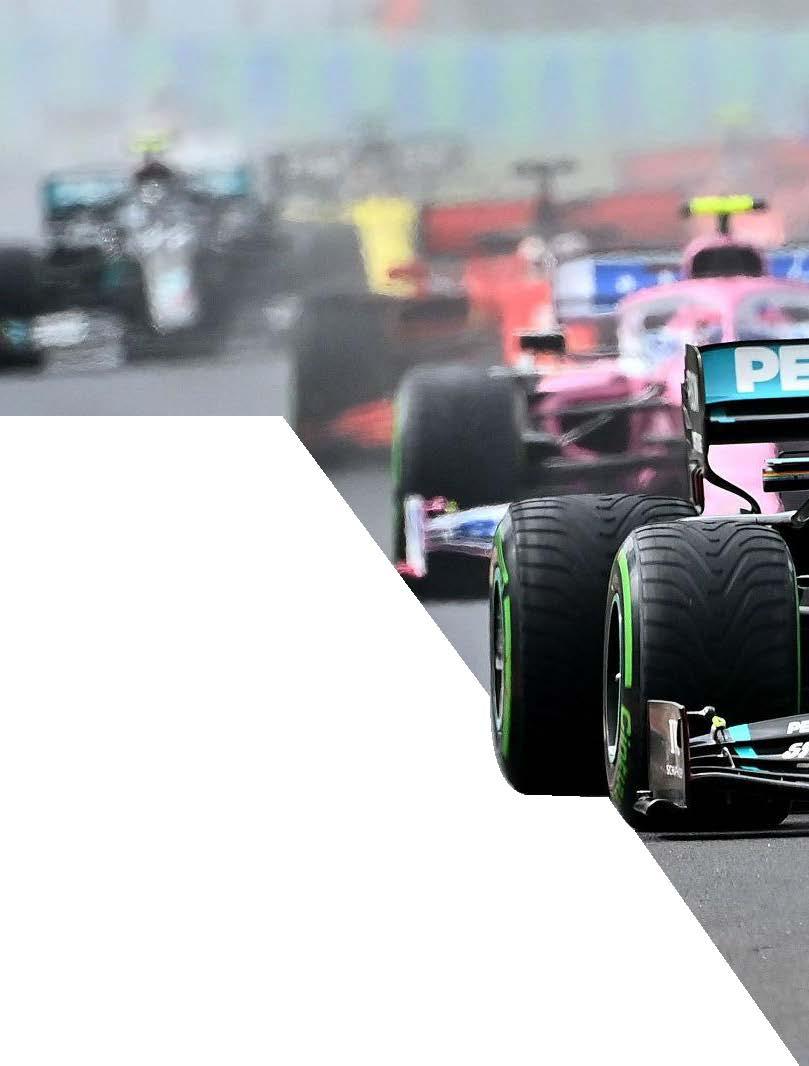
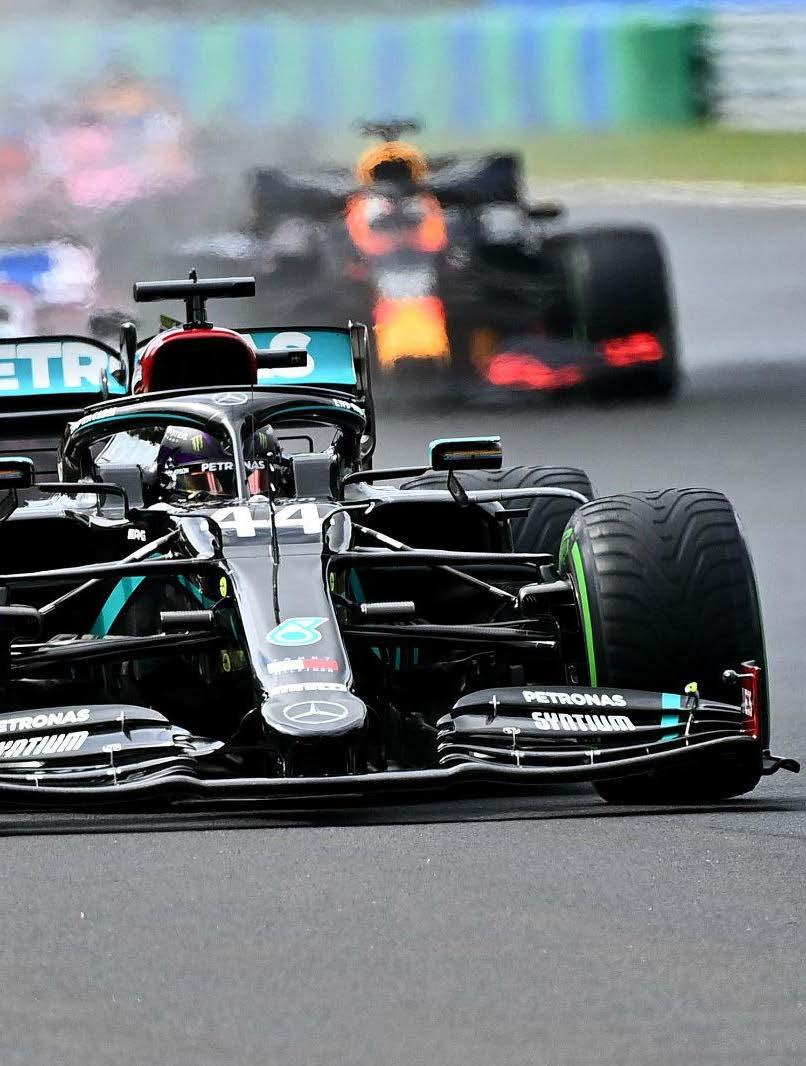
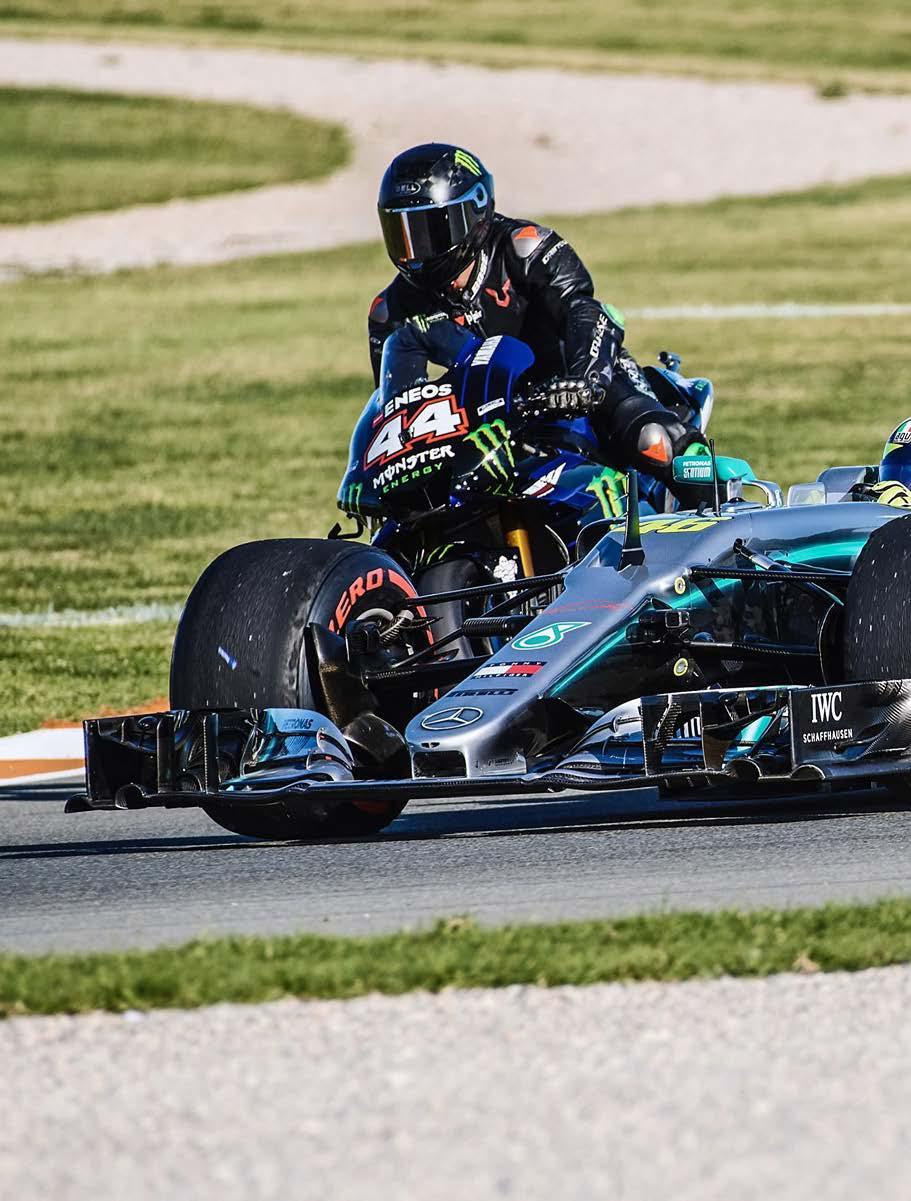
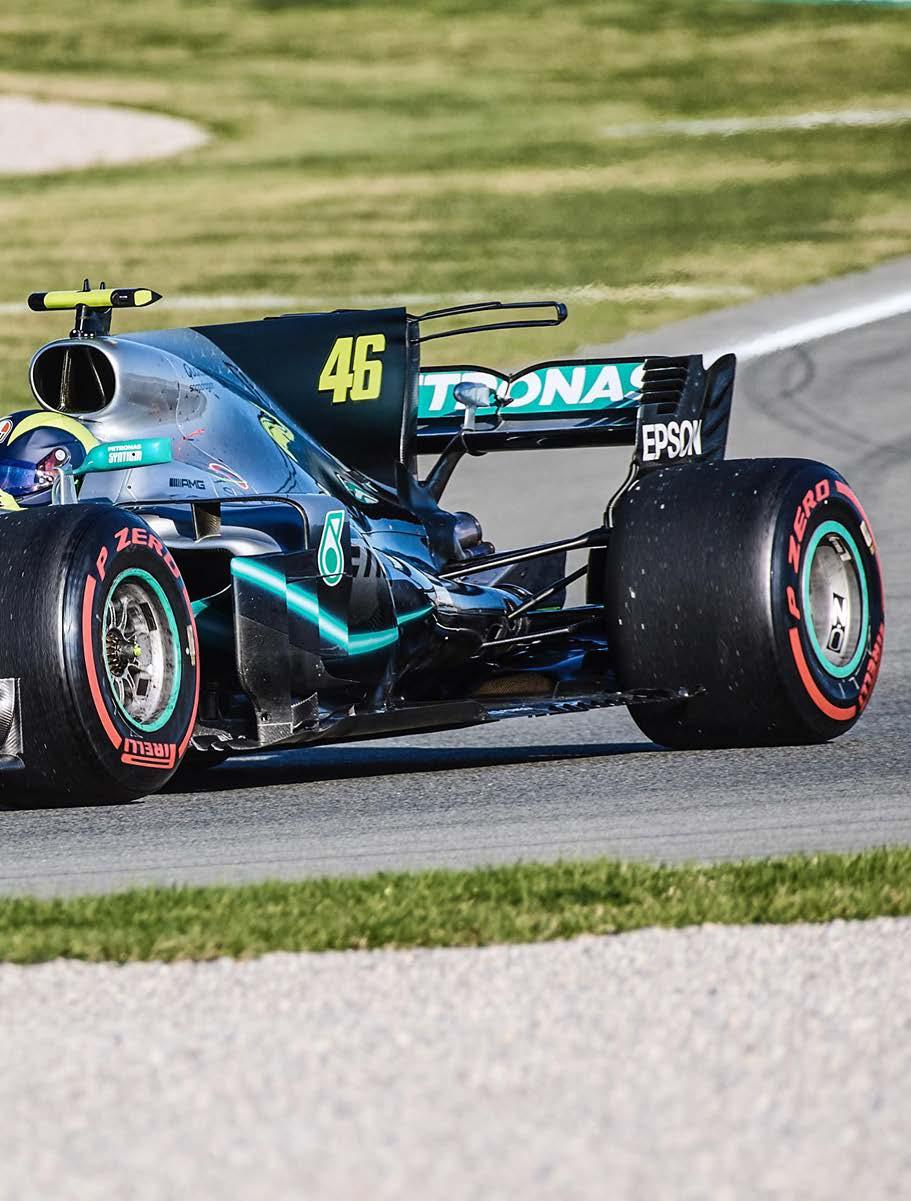
The biggest F1 story of 2024 and one that sent shockwaves throughout the rest of the sport. Lewis Hamilton is leaving Mercedes and is joining Ferrari for the 2025 season.This isn’t the first time Ferrari have come calling, so why now? What has convinced Hamilton to take the leap of faith? Hamilton is not one to shy away from making a big call. Back in 2012, he decided to leave McLaren – the team that brought him into Formula 1 and helped him win his first world title in only his second season – and join Mercedes, an outfit who were a midfield outfit on their return to the series, for the following campaign on a three-year deal. At the time, it was seen as a massive risk.
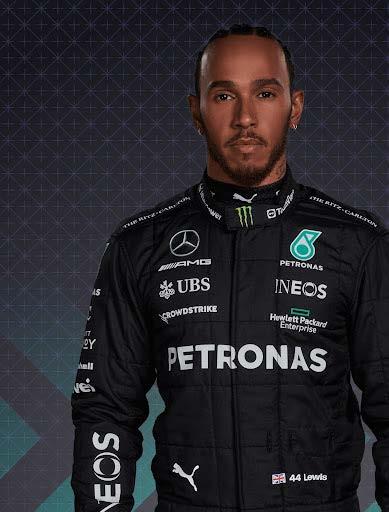
After 12 seasons, 246 Grands Prix, 84 victories and six drivers’ championships with Mercedes, the curtain came down on one of the most storied periods in Formula 1. Lewis Hamilton bows out of Mercedes, leaving behind a legacy on and off the track. Next year, at 40, he will “fulfil a childhood dream,” he said, and drive for F1 rivals Ferrari. “We’ve had an absolutely incredible journey together,” he said of Mercedes. “We’ve created history within the sport, and it’s something I take a lot of pride in, and I’m very proud of what we’ve
achieved.” On joining Ferrari, Hamilton said he “felt like it was time to start a new chapter” in his career. He has spent the last 12 seasons with Mercedes, securing six drivers’ world championships and 84 Grand Prix victories. During that decade, Ferrari came calling multiple times but, each time, Hamilton did not pursue the move. It seemed that he had decided that Mercedes would be his final team in F1, the 39-year-old expected to continue the relationship with the German brand long after hanging up his helmet but that all changed.
A Familiar Face
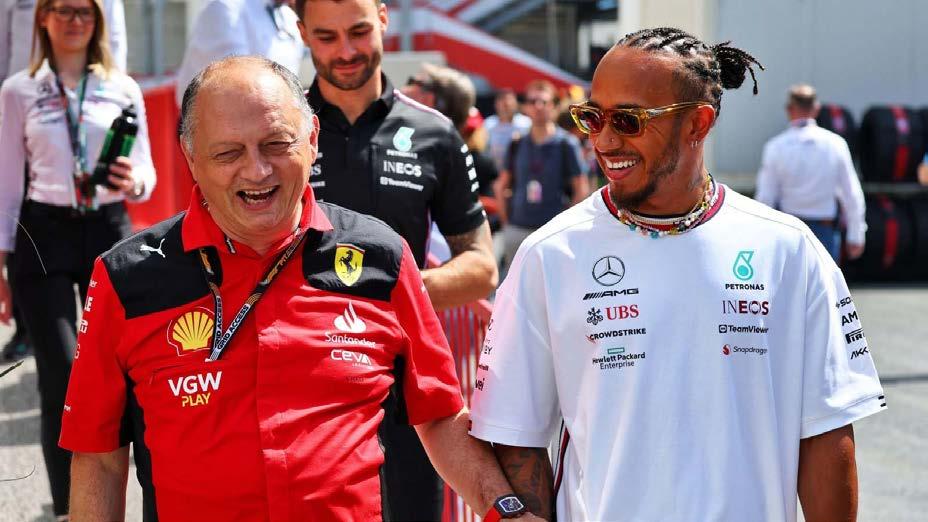
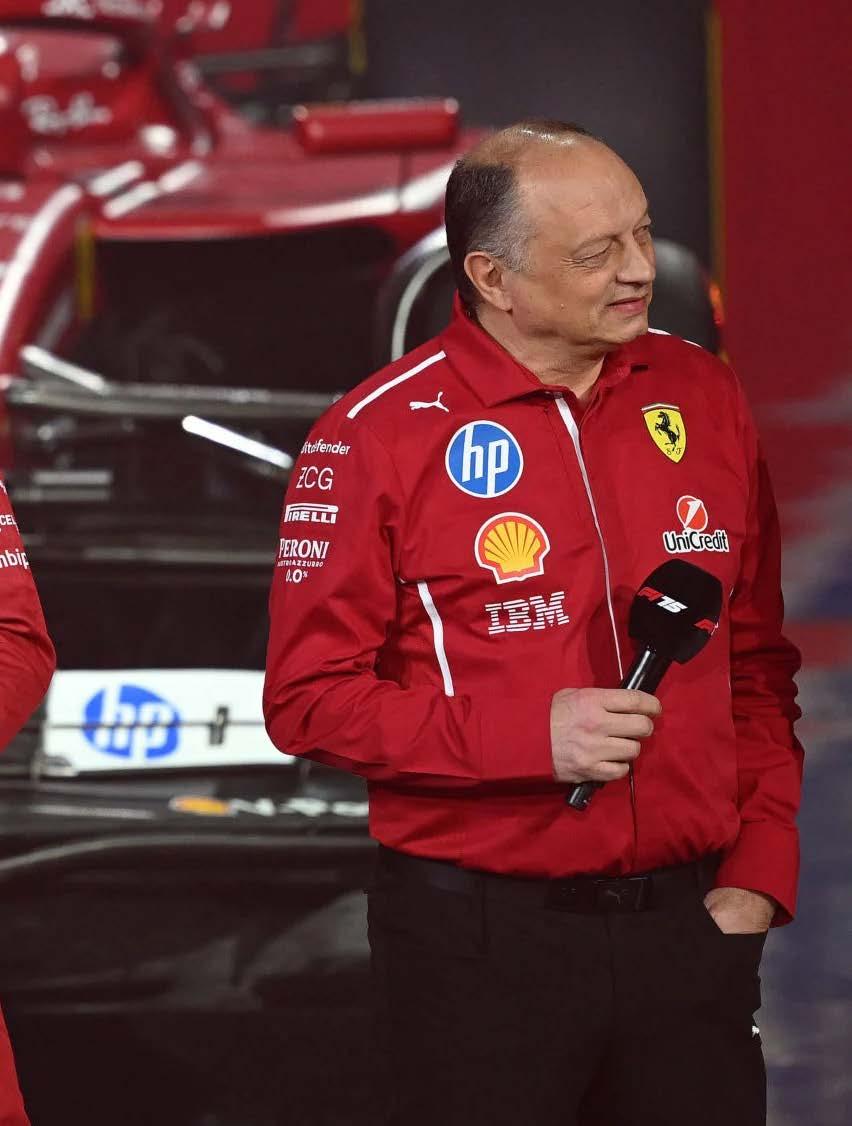
Hamilton will also have a lot of trust and faith in Ferrari Team Principal Fred Vasseur given their shared history, since Vasseur was Hamilton’s boss in junior formulae. The pair have always remained close ever since then and they often talk every race weekend as well as between races, as friends tend to do. “It was not that difficult to convince Lewis” to join, Fred Vasseur, the Ferrari team principal, said. “It is a move that has been 20 years in the making,” he added, referring to the time when Hamilton drove for Vasseur’s team in the Formula 3 Euro Series in 2005. “At the time he was tied to McLaren-Mercedes,” Vasseur said, “but he already had in mind that sooner or later he would go to Ferrari.”
The Mercedes Marriage
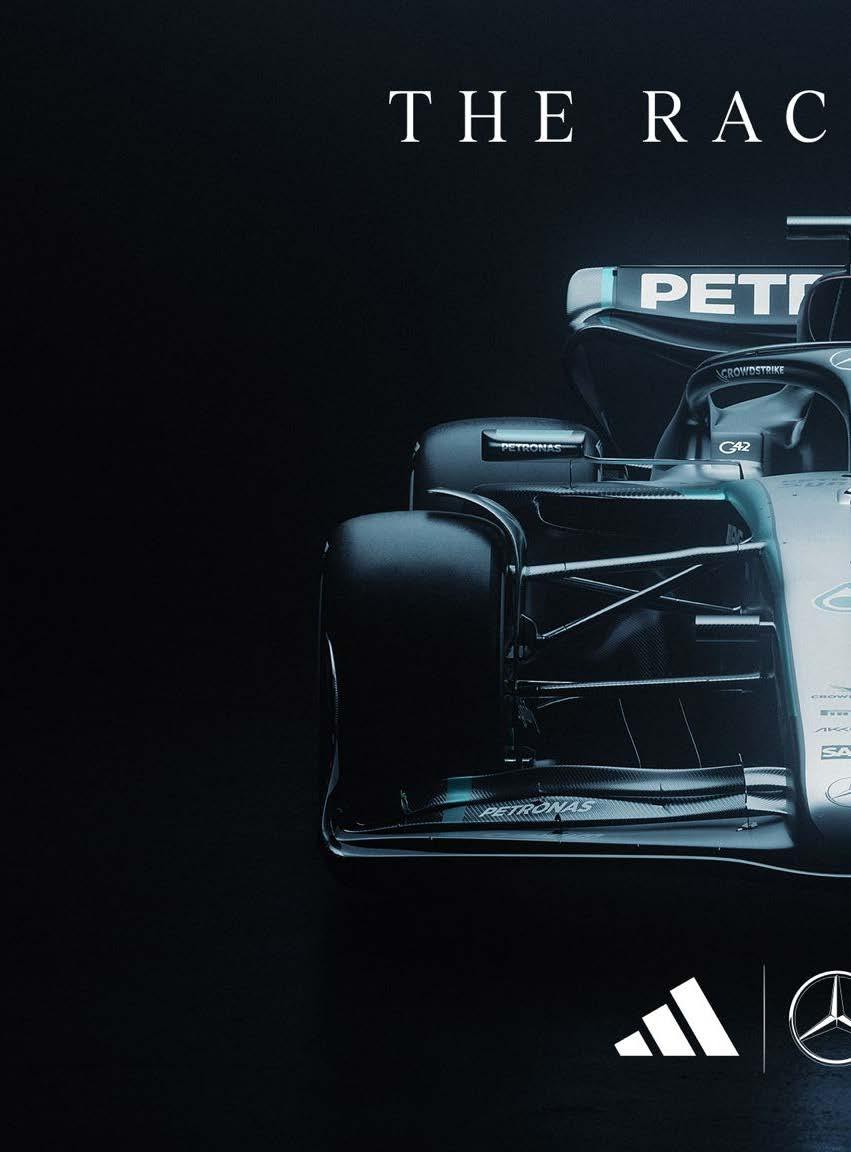
Hamilton departs Mercedes as the most successful driver in the team’s history, and it will miss him.
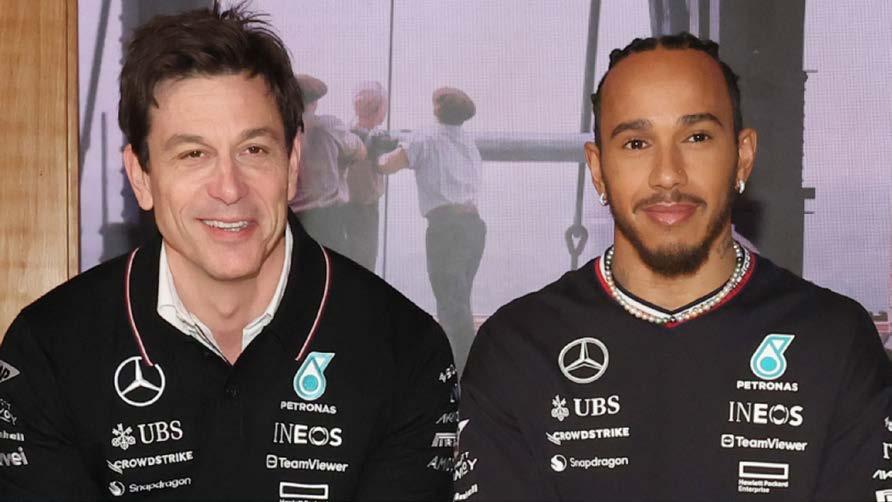
“He said he needed change, and I can understand that,” Toto Wolff, the team principal, said. “We’ve been together 12 years, and we’ve had tremendous success. “He’s the most successful driver. We’ve had this sensational journey together, and that’s something that will go down in the history books, and also in the Mercedes history books.”
Hamilton joined Mercedes in 2013 after six years with McLaren, where he won his first championship in 2008. Andrew Shovlin, track-side engineering director with Mercedes, said Hamilton “has been a massive part of the growth of the team.” Hamilton’s career speaks for itself. Despite narrowly missing out on a record-breaking eighth world title in 2021, his 105 wins (84 with Mercedes) and 104 pole positions (78 with Mercedes) mean he stands alone as the most successful driver in F1 history. When he joined the factory Mercedes team from McLaren in 2013, he had one title and 21
wins to his name. It was evident to everybody at that time that Hamilton had the potential to be a multiple world champion (Hamilton narrowly missed out on the 2007 title), but that feat was only realised when Mercedes aced F1’s 2014 regulation changes and provided him with a car that dominated the field. His run of consecutive titles over the next seven years were only broken by teammate Nico Rosberg who beat him to the championship in 2016 in one of the most bitterly fought intra-team battles in recent F1 history. To put into perspective exactly how dominant he was during that period, he won a remarkable 53.28% of the races between his first Mercedes title in 2014 and his sixth in 2020.
Critics of Hamilton often said his car was the sole reason for his success, but such arguments were futile. To consistently turn up each season and perform on the level he did, especially in 2017 and 2018 when Ferrari’s car was on a similar level, required a quality that those who worked with him remain in awe of to this day.
From 2014, following a change in the power-unit regulations, Mercedes dominated. The team won eight consecutive constructors’ titles and Hamilton six drivers’ championships in seven years. He missed a record eighth in 2021 when he was beaten by Max Verstappen of Red Bull on the final lap of the last race. “He’s achieved such an amount that it all just becomes part of the team’s legacy,” Shovlin said, in an interview. “When he arrived, the first thing you saw was the speed, the determination.
“Over the years, what has been almost endless is his desire and ability to reinvent himself over the winter, to learn from mistakes, to improve, to look for the
areas where he would find another gain to beat his competitors. He just kept getting better and better for so long.” Shovlin said Hamilton “has a phobia of losing that drives his work ethic.” From a technical perspective, he has “a great ability to drive around problems in the car.”
“Whatever the problem, whatever the conditions, whatever the limitation, he seemed to have a tool for the job.” Ron Meadows, the sporting director with Mercedes, said Hamilton is unique because he “can departmentalize his life.” “When he comes racing, he’s fully focused on his racing,” Meadows said in an interview. “Then you’ll see a social media post that he’s
12 hours away on a plane somewhere doing something completely different. He’s got so much going on in his life, and that’s what makes him special. “When he’s at a racetrack, he’s all over it. When he’s at the factory, he’s all over it, but he knows when he can relax, and some drivers can’t do that. That’s probably the most unique part about him.” When Hamilton doesn’t have a great session or makes a mistake, he beats himself up, but “the impressive thing about him is the next morning you wouldn’t have known it had happened,”
Meadows said. “I’d say 100 percent of the time he bounces back really strong.” During his time with Mercedes, Hamilton has built a portfolio of multiple interests and desires, notably music, fashion and film. He has a production company involved in the upcoming movie “F1,” starring Brad Pitt. He is also part of the ownership group of the Denver Broncos.
Realizing a childhood dream
There’s also the romantic element to this saga.Lewis Hamilton’s childhood hero Ayrton Senna had intended to race for Ferrari at some point in his career but unfortunately, he died in a crash at the San Marino Grand Prix in 1994. Hamilton similarly, has always wanted to join Ferrari. But, as he continued to win at Mercedes, such a move was never on the cards at that point in time. Nobody knows when or if Mercedes will climb back to the forefront of the sport anytime soon. Success is cyclical in F1 and it often tends to take decades rather than years to move back to the front once you’re knocked off your perch given the nature of the sport.
The Legacy beyond the racetrack
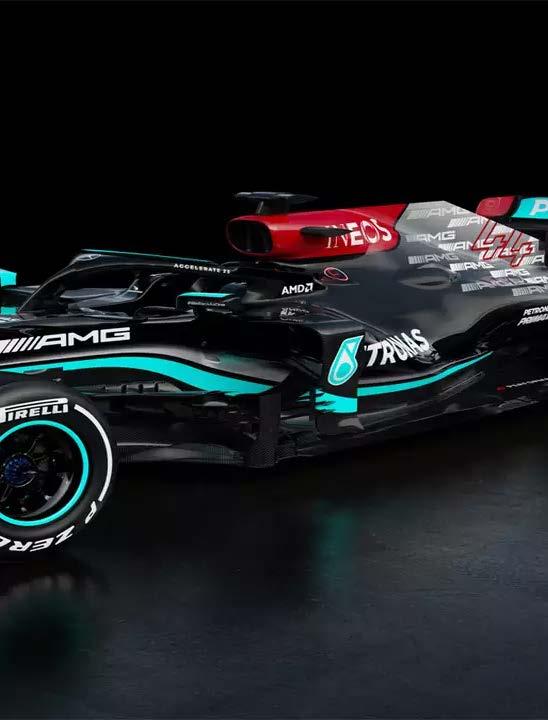
Hamilton has tirelessly worked to improve diversity, equity and inclusion inside Mercedes and in motorsport as a whole. In late 2020, Hamilton and Mercedes started Accelerate 25, a five-year program aimed at getting at least 25 percent of all new team employees from underrepresented groups to promote diversity and equality within Mercedes and F1 as a whole. The following year, Hamilton and Mercedes together, formed Ignite, a charitable partnership to improve the representation of people from underrepresented backgrounds in British motorsport. It later merged into Hamilton’s Mission 44 charity, which aims to transform the lives of young people from underserved backgrounds by narrowing opportunity gaps in education and employment. These initiatives proved to be a reflection of Hamilton’s personality and core values.
“When I think about what I leave behind, the thing I am most proud of is the work we’ve done with diversity,” Hamilton said. “We have a very diverse team now.” Hamilton said Wolff and the rest of the team were open to his ideas and they were very supportive of them as well. “The team put their money where their mouth is and invested.” Hamilton has been assured by Mercedes that the effort will continue after he leaves. “When I saw Toto to tell him I was leaving, I said there’s going to be no one in the room that’s going to have these difficult conversations with you,” he said. “I said to him that I hope he continues with that, and he said he will.”
The death of George Floyd in May 2020 at the hands of a Minneapolis police officer was a pivotal moment for Lewis Hamilton. “It brought it to the fore and gave it the urgency and prominence that it had,” Bradley Lord, the chief communications officer at Mercedes, said in an interview.
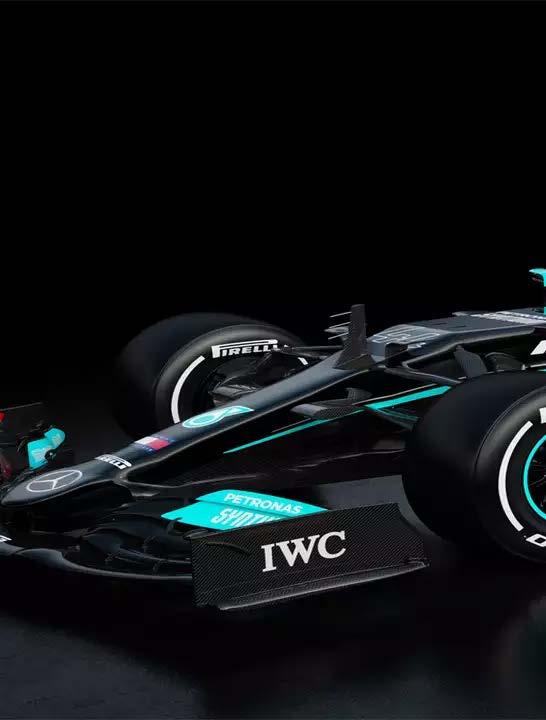
Lewis spoke to Toto and asked what they could do with the car that was significant, would mark the moment and make a statement for this issue. He felt a great weight of responsibility as the sport’s only Black driver and he wanted to understand if, and how, Mercedes could stand with him in taking a stand against this injustice. After a lot of thought, Mercedes changed its renowned silver livery to black for the 2020 season and it remains the same colour to this day. “It was a symbol to our commitment to building a more diverse and inclusive sport and as a categorical statement to end racism, which was a strong statement at the time,” Lord said. The implementation of Accelerate 25 has changed the demographic and makeup of the team, with more women and more workers from diverse ethnic and national backgrounds.
The Road ahead for Hamilton and Ferrari
Hamilton has struggled for the last three seasons at Mercedes. He has won only two Grands Prix in that period, both this year.
Vasseur said Hamilton “will add value” and that “he comes to win, not on vacation. I’m convinced we have everything to try.” Hamilton will be living a life-long dream. “For every driver growing up, watching the history, watching Michael Schumacher in his prime, I think probably all of us sit in our garage and see the screen pop up, and you see the driver in the red cockpit and you wonder what it would be like to be surrounded by the red,” Hamilton said.
“Even as a kid, I used to play as Michael in that car,” referring to video games, “so it definitely is a dream, and I’m really excited about it.”
His gamble to leave McLaren and join Mercedes paid off, the Briton spearheading them back to world champions. He’ll back himself to be able to do the same at Ferrari, fully believing he’s driving at the peak of his powers right now.
Given his track record, it’s hard to bet against him.
Diversity and inclusion are critical components of a healthy society. In the context of the sports, they are essential in creating a level playing field for all athletes, regardless of their background, gender, race, or ethnicity.
Why Diversity Matters in Sports
Diversity in sports is the representation of different groups of people, including race, ethnicity, gender, sexual orientation, religion, and socio-economic status. In sports, diversity is paramount since it creates an inclusive environment that encourages people from different socio-economic backgrounds to participate and compete in all levels of sports. A good way to think about diversity is to think about your local community.
Inclusion in sports refers to the conscious and intentional efforts to ensure that everyone has equal opportunities to participate, compete, and succeed. Inclusive sports environments embrace diversity, breaks barriers to participation, and it creates a sense of belonging among athletes and fans. Inclusion is proactive behaviours, options and actions to make people from all backgrounds, ages and abilities feel welcome, respected and that they belong at your club. Being inclusive is about following best practice for what sport should be so that everyone can get the most out of it. Diversity and inclusion in sports matter for multiple reasons. They promote social cohesion and build stronger communities. Sports has the incredible power to bring people together from different backgrounds, cultures, and beliefs. When people engage in sports, they begin to acknowledge and value each other’s
differences and celebrate their shared interest and passion for sports. Diversity and inclusion in sports aid in the fight against discrimination and prejudice. Unfortunately, discrimination and prejudice still exist in many sports, particularly against women, minorities, and LGBTQ+ athletes. By actively promoting diversity and inclusion in sports, we can create a more tolerant and inclusive society where people are treated with dignity. The need for diversity and inclusion in sports also have economic benefits. The sports industry is huge, with billions of dollars generated in revenue yearly. By embracing diversity and inclusion, sports businesses can tap into new markets, increase their fan bases, and open doors to new sponsors and partners. At the end of the day, diversity and inclusion in sports are good for businesses and society as a whole.
Making inclusion happen
Everyone should have the opportunity to be participate in whichever sport they choose, in whatever capacity they choose. Every sporting organisation should be committed to being inclusive and open to all members of the community regardless of age, gender, disability, cultural or religious background or sexual orientation, or other attributes that may lead to any person feeling excluded or
isolated. But the unfortunate truth is, tales of missed opportunities still exist. Sports organizations all over the world are missing out on potential members, players, administrators and volunteers. Most importantly, people who want to play sport feel, a variety of barriers exist, and they feel excluded and don’t become involved. Some of the following barriers that exist even today:
Culturally and linguistically diverse populations
The love of sport can be found in people of different races, backgrounds and cultures. Yet this shared interest can raise a number of complex issues that involve balancing a person’s cultural traditions with their compliance with social norms and club rules and procedures.
Gender inclusion
Although people like to think of sport as being fair and open to all, sometimes individuals or groups are excluded from participating equally. If the unfair treatment is based on gender, then it could be sex discrimination.
Homophobia and sexuality
Treating a person unfairly based on their sexuality – or assumptions about their sexuality – is discrimination and there is no place for this in any sport and recreation environment.
People with disability
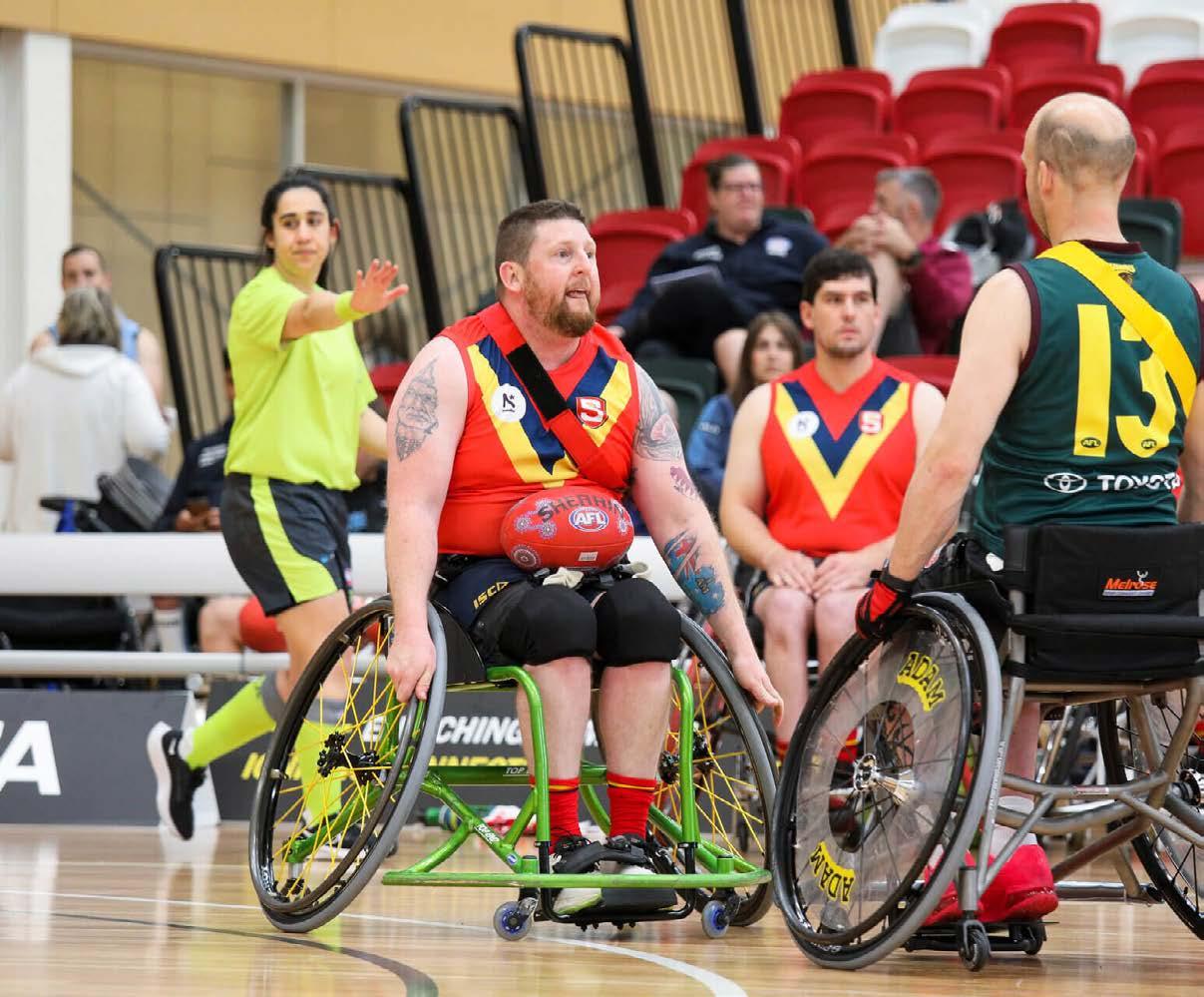
Participation in sports for people with disabilities are significantly lower than the general population. While attitudes are changing, much more can be done. There are many methods, tools and strategies you can implement to make sure people with disabilities have every opportunity to participate in activities of their choice.
Race based inclusion
Racism has a massive impact on people’s involvement in sport. It can negatively affect a person’s motivation, enjoyment and levels of participation and, if unchecked, may result in inappropriate, potentially dangerous and violent behaviour. Racial harassment, discrimination and vilification have no place in sport.
Religious vilification
The issue of religious vilification is on many sports’ radars with a growing number producing codes to stamp out racial and religious vilification. Yet it is only one aspect that needs to be addressed in improving the sporting environment for players with different religious belief.
THE BENEFITS OF INCLUSION
Positioning your organisation as a champion of inclusion will:
• Increased brand reputation.
• Allows you to meet sport regulatory obligations.
• Increase governance and risk management and decrease potential legal risks.
• Growth in membership.
• Contributes to pathway and participation opportunities.
• Opens doors to new sponsorship opportunities.
• Increased public support and volunteer base.
• Ensure greater publicity and positive public image.
• Provide a sense of community.
• Break down barriers and promote social inclusion.
How to Promote Diversity and Inclusion in Sports
Promoting diversity and inclusion in sports requires a concerted effort from all stakeholders, including athletes, coaches, administrators, fans, and sponsors. Here are some practical ways to promote diversity and inclusion in sports:
• Embrace Diversity: Sports organizations should actively seek to recruit athletes from diverse backgrounds and create an environment that celebrates diversity. This includes promoting diversity in leadership positions and embracing different cultural traditions and customs.
• Break Barriers to Participation: Sports organizations should eliminate barriers to participation, such as high costs, lack of access to facilities, and discrimination based on gender, race, or ethnicity. This can be achieved by providing scholarships, grants, and funding opportunities to underprivileged athletes and investing in infrastructure that promotes inclusivity.
• Training and Education: Coaches, administrators, and athletes should receive education on diversity and inclusion in sports. This will help them understand the importance of diversity and
inclusion, recognize and combat discrimination and prejudice, and create a more inclusive sports environment.
• Build a Sense of Belonging: Sports organizations should foster a sense of belonging among athletes and fans by promoting team spirit, encouraging community engagement, and providing support and resources to athletes who may face social or economic challenges.
• Fan Engagement: Fans play a crucial role in promoting diversity and inclusion in sports. Sports organizations should engage fans through campaigns and initiatives that promote diversity and inclusion and celebrate the achievements of diverse athletes.
Diversity and inclusion are important to creating a healthy and thriving sports community that benefits athletes, fans, and society as a whole. By embracing diversity and inclusion, sports organizations can create a more
positive environment that encourages people from all backgrounds to participate, compete, and succeed. Promoting diversity and inclusion in sports requires a concerted effort from all stakeholders, and the benefits are clear.
AllOvercoming Odds & Excelling in Sports sheeTal DevI
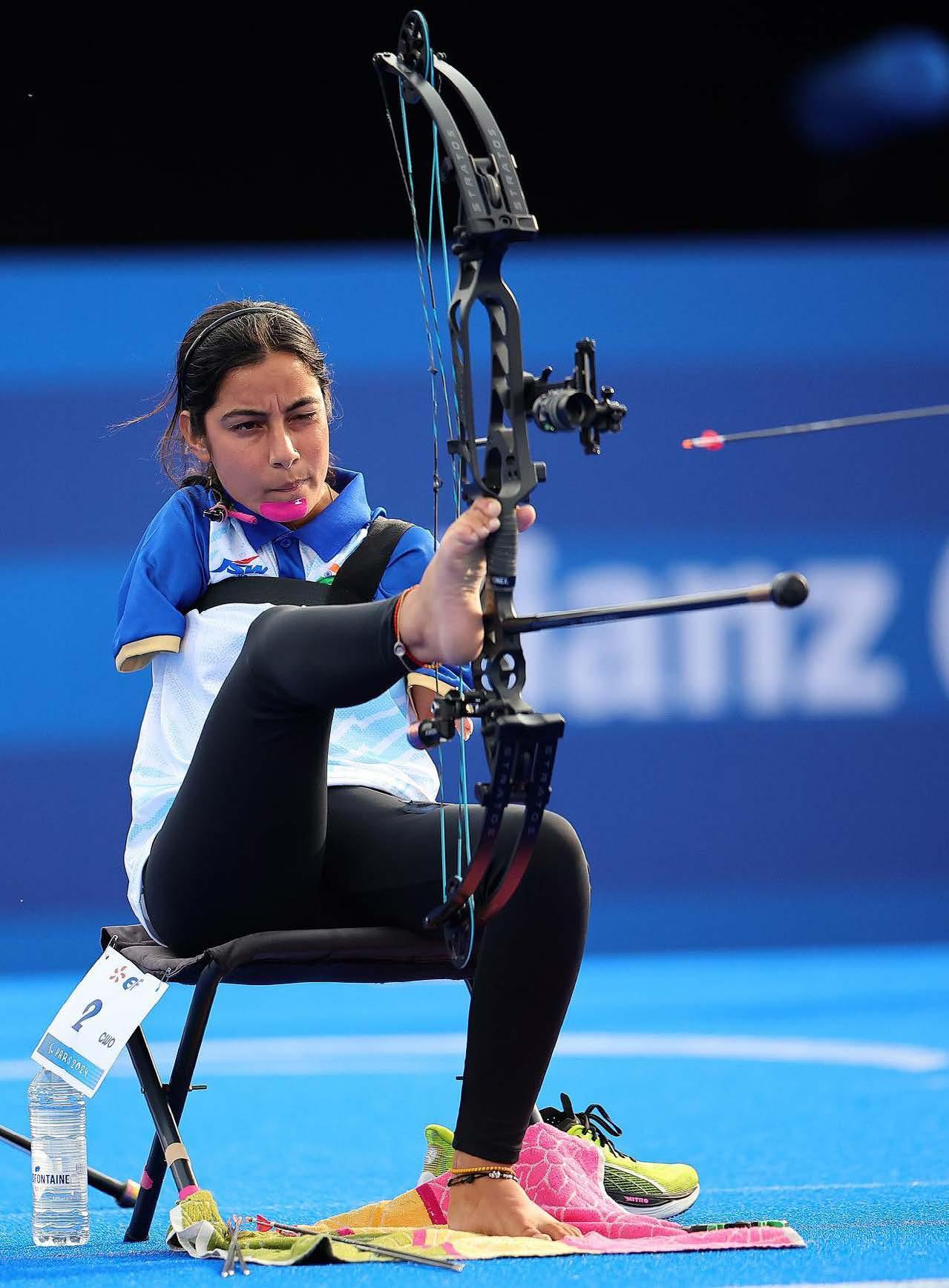
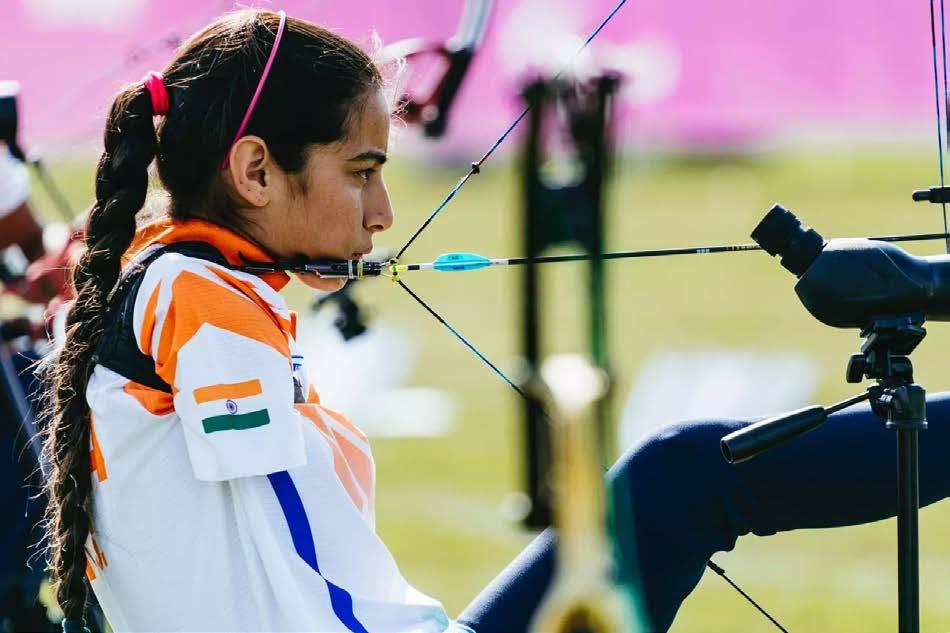
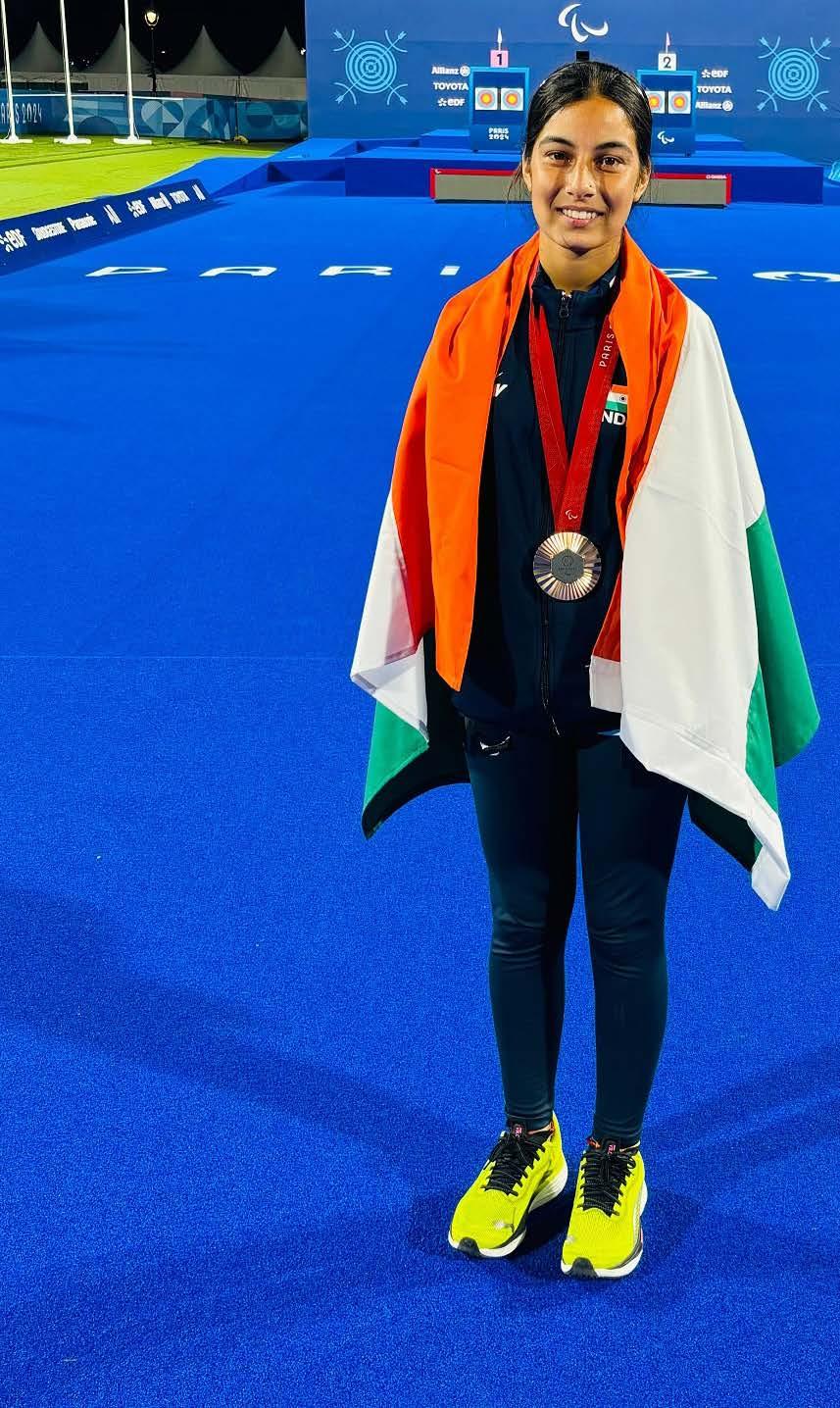
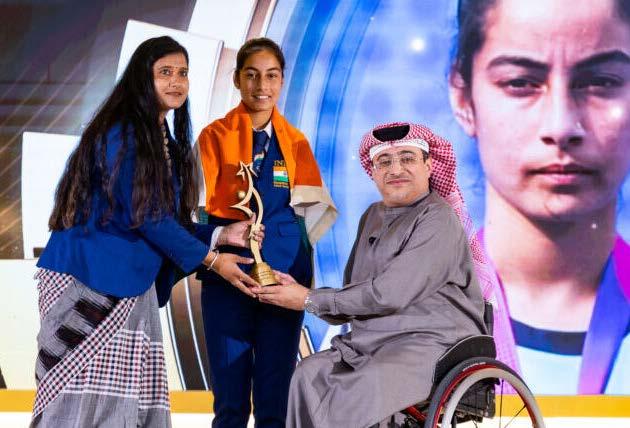
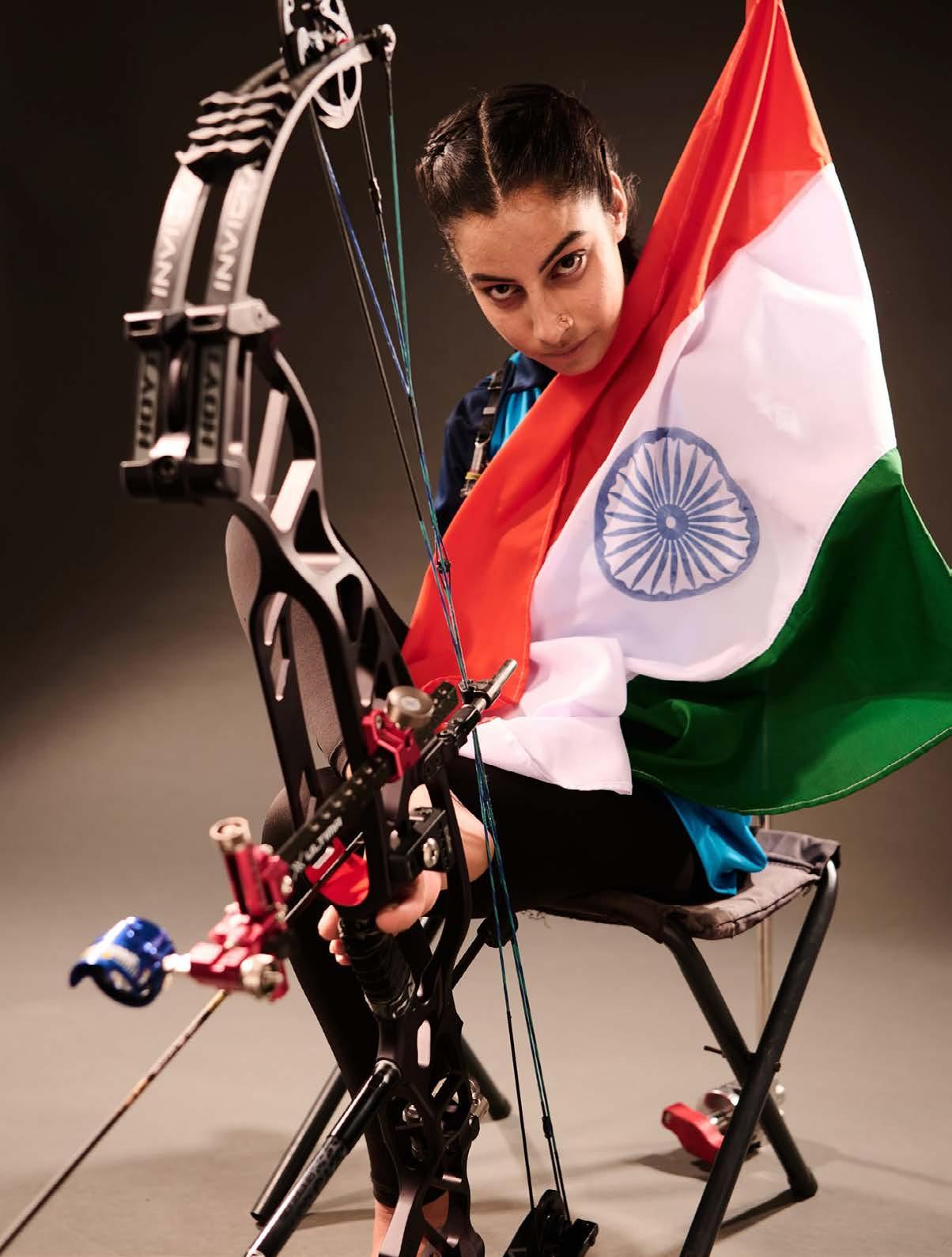
The world of sports is no stranger to athletes overcoming odds to achieve big on the world stage. However, among all these odds-defying narratives, the story of Indian para-archer Sheetal Devi stands out. Born in 2007 with phocomelia, Sheetal Devi has a rare congenital disorder that led to underdeveloped limbs. The condition resulted in incomplete development of her arms. Sheetal Devi’s inspiring story is a testament to the indomitable power of the human spirit. Even as a child climbing trees was her favourite pastime and little did she know that the muscles she developed by climbing trees would one day help her win gold on an international stage. In 2023. Sheetal Devi was awarded the Best Youth Athlete of the Year by the Asian Paralympic Committee. In 2023, Sheetal Devi’s stellar debut season started with an individual silver at the World Archery Para Championships, becoming the first
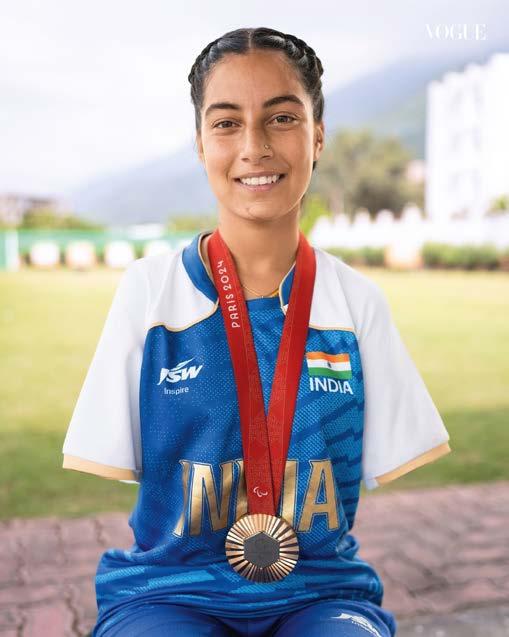
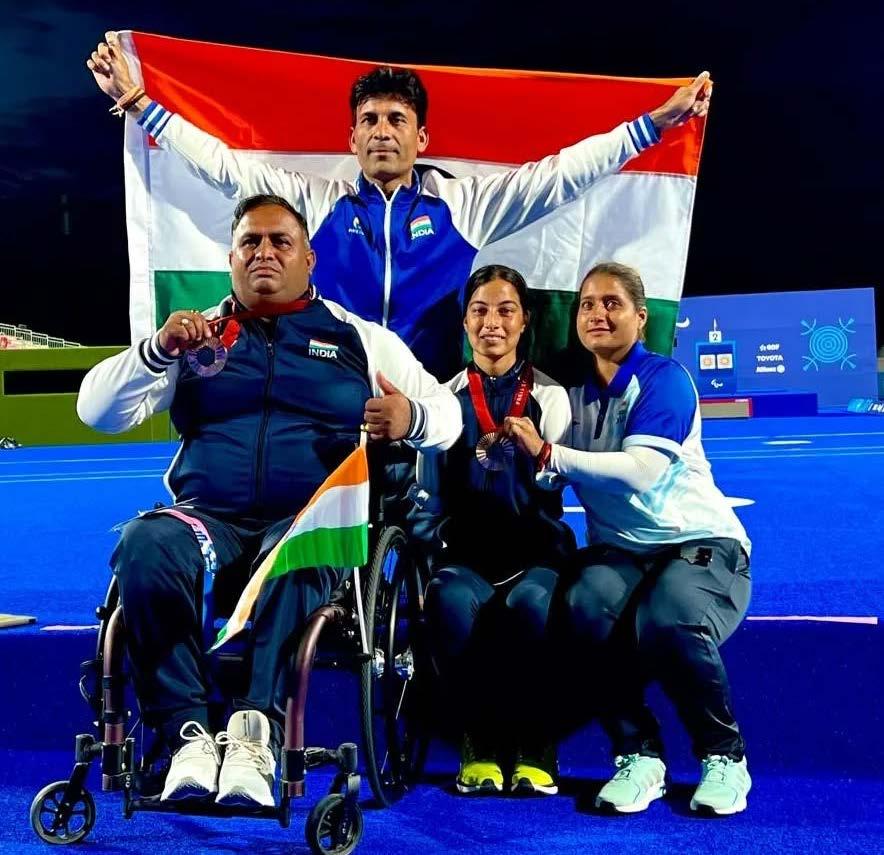
female armless archer to win a medal in the competition’s history. The medal also helped Sheetal obtain a quota for India for the Paris 2024 Paralympics. Her impressive season continued at the Asian Para Games 2023 in October. She bagged gold medals in the individual compound and mixed team events apart from winning the silver medal in the women’s doubles competition. What makes Sheetal Devi’s achievements all the more astonishing is that she is the only active female international archer to shoot without arms.In 2024 Sheetal Devi’s achievements in archery are already in the headlines after just two seasons.Sheetal Devi made history at the Paris 2024 Paralympics, winning the bronze medal in the mixed compound archery team event alongside Rakesh Kumar. At just 17 years old, she became India’s youngest ever Paralympic medallist and only the second armless archer in history to win a Paralympic medal.
The early days of Sheetal Devi
Sheetal was born in Loidhar village in Kishtwar, Jammu and Kashmir on January 10, 2007. Despite being born with a physical condition that posed inherent challenges, Sheetal Devi was athletically gifted and never let it stop her from making the most of her childhood. As a kid, Sheetal possessed a strong will and enjoyed climbing trees. This activity helped her build a strong upper body which proved to be a turning point later in her life. In 2019, the Indian Army spotted her at a youth sports event in Kishtwar. The Indian Army took her under its wing and provided her with educational
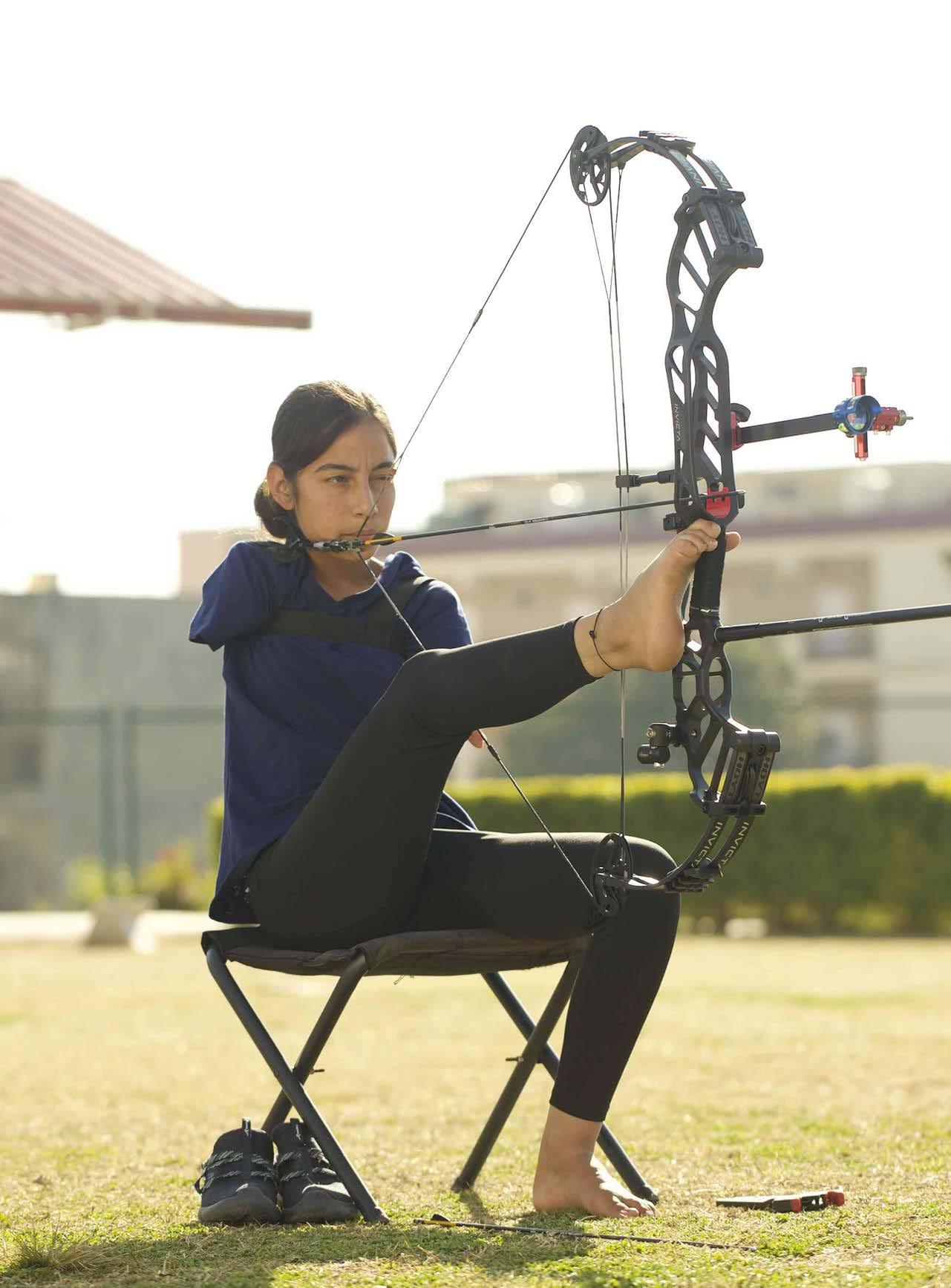
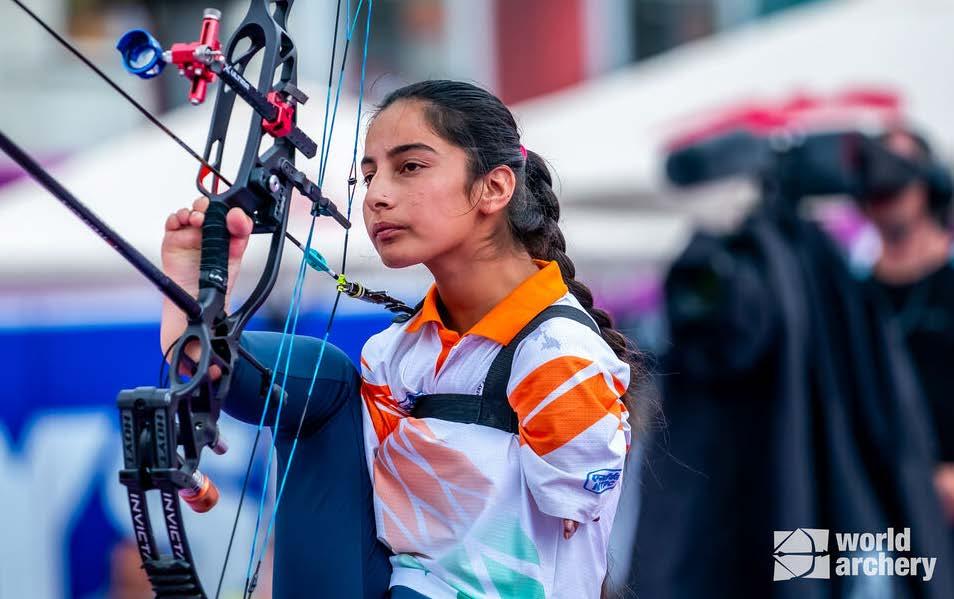
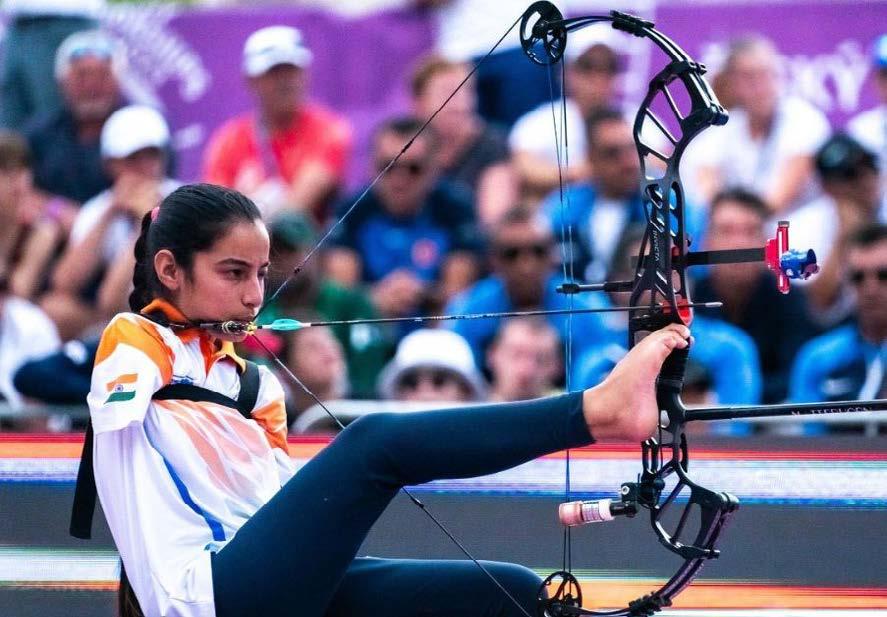
support and facilitated medical assistance. The army even helped Devi get a prosthetic arm from Bengaluru, but the fitting was not right for her. During this period, she was introduced to many sportspersons who motivated her to take up para sports. After a series of tests, Sheetal Devi was advised to take up para-archery and she was introduced to coaches Kuldeep Baidwan and Abhilasha Chaudhary. From 2022, with support from the Shri Mata Vaishno Devi Shrine Board, Sheetal Devi started training for the para sports. Coaches Abhilasha Chaudhary and Kuldeep Vedwan had never trained an archer without arms. Talking about Sheetal Devi they said, “In 2012 London Paralympics silver medalist Matt Stutzman used his legs to shoot. We took our inspiration from there and decided to train Sheetal Devi like that. We modified a locally made releaser into a shoulder releaser”
Sheetal Devi’s emergence in archery
Sheetal soon joined the academy of former archer and coach Kuldeep Vedwan. Despite competing among the abled archers at the national competitions, Sheetal Devi’s talent was there for all to witness. Using her legs and feet after drawing inspiration from paraarchery legend Stutzman, Sheetal Devi embraced the unconventional shooting technique and competed at the Para Archery National Championship in Haryana in MarchApril 2022. Vedwan believed the tournament was crucial as it helped Sheetal Devi get formal recognition as an Indian para-archer. Six months later, Sheetal Devi competed at the Junior National Championships among abled archers in Goa. Despite not winning a medal, her performances were well received. While many might have to devote years on the training grounds before making their mark on the global stage, Sheetal Devi proved she was among the elite few who were naturally gifted with incredible skills. Upon her success in securing a silver medal at the 2023 world championships alongside two golds and one silver at the Asian Para Games, Sheetal Devi claimed the No. 1 spot in the rankings for para compound archers. Sheetal ended the year by winning the gold medal at the inaugural Khelo India Para Games 2023 in the women’s compound open category in New Delhi.
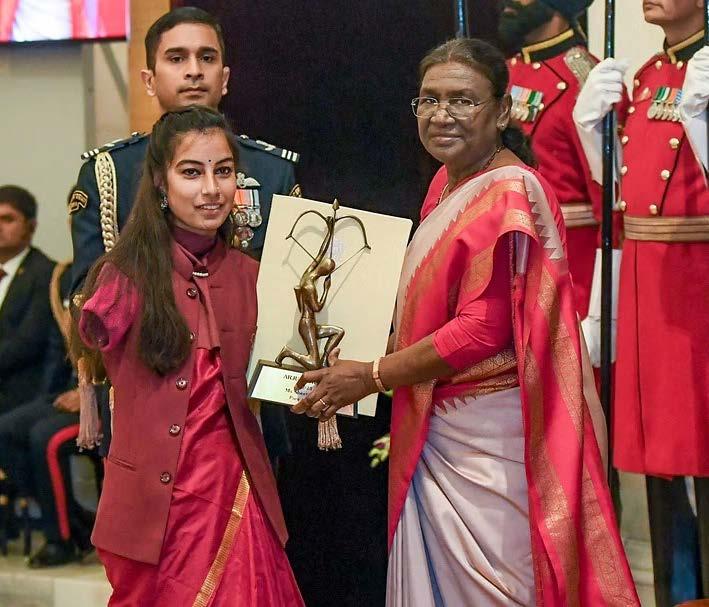
Sheetal Devi was announced as the Best Youth Athlete of the Year by the Asian Paralympic Committee and was nominated for the Arjuna Award at India’s National Sports Awards 2023. The Arjuna Award is the second highest honour for an Indian sportsperson after the Khel Ratna. Sheetal is escorted by fellow compound archer Romica Sharma, also from Jammu and Kashmir, during international events to help in day-to-day activities. She oversee her practice sessions, carries the arrows, luggages, supervises her stretching work as well as ensuring her scoring. Off the field she provides her with physical and moral support as well.
“I feel more like a sister to her even though I’m a good friend of hers,” Romica said. “Whenever she is travelling anywhere alone, I feel anxious about how she is doing. She is a little ziddi (persistent) as well as masoom (innocent) and also watches a lot of serials!” she added. At the Paris 2024 Paralympics, Sheetal Devi finished second in the ranking round of the women’s individual compound open archery event to advance directly to the round of 16. Sheetal registered a score of 703 out of 720 surpassing the previous ranking round world record of 698 but finished behind Turkiye’s Oznur Cüre, who set a new world record in the ranking round with 704. However, Sheetal suffered a narrow 138-137 loss to Tokyo 2020 Paralympics silver medallist
Mariana Zuniga of Chile in the round of 16. In the mixed team event, Sheetal Devi and Rakesh Kumar clinched the bronze medal after securing a hard-fought and well-deserved victory against Italy’s Eleonora Sarti and Matteo Bonacina, winning by a single point with a scoreline of 156-155. The Indian archer duo hit four perfect 10s in the final set to come from behind and secure the medal. The Indian pair also equalled the Paralympic record of 156 in the process. Sheetal and Rakesh dominated Indonesia’s Teodara Ferelly and Ken Swagumilang in the quarter-finals to win 154143. The Indian duo lost a semi-final on shoot-off against the Islamic Republic of Iran after both teams were tied at 152.
THE JOURNEY SO FAR FOR SHEETAL DEVI
• Paris 2024 Paralympics bronze medal - mixed compound open archery
• World Archery Para Championships 2023 silver medal - women’s individual compound open archery
• Asian Para Games 2023 gold medal - women’s individual compound open archery
• Asian Para Games 2023 gold medal - mixed doubles compound open archery
• Asian Para Games 2023 silver medal - women’s doubles compound open archery
• World No. 1 women’s compound para-archer in the open category in 2023
• Khelo India Para Games 2023 gold medalwomen’s individual compound open archery
• Arjuna Award 2023
• Best Youth Athlete of the Year 2023 by the Asian Paralympic Committee
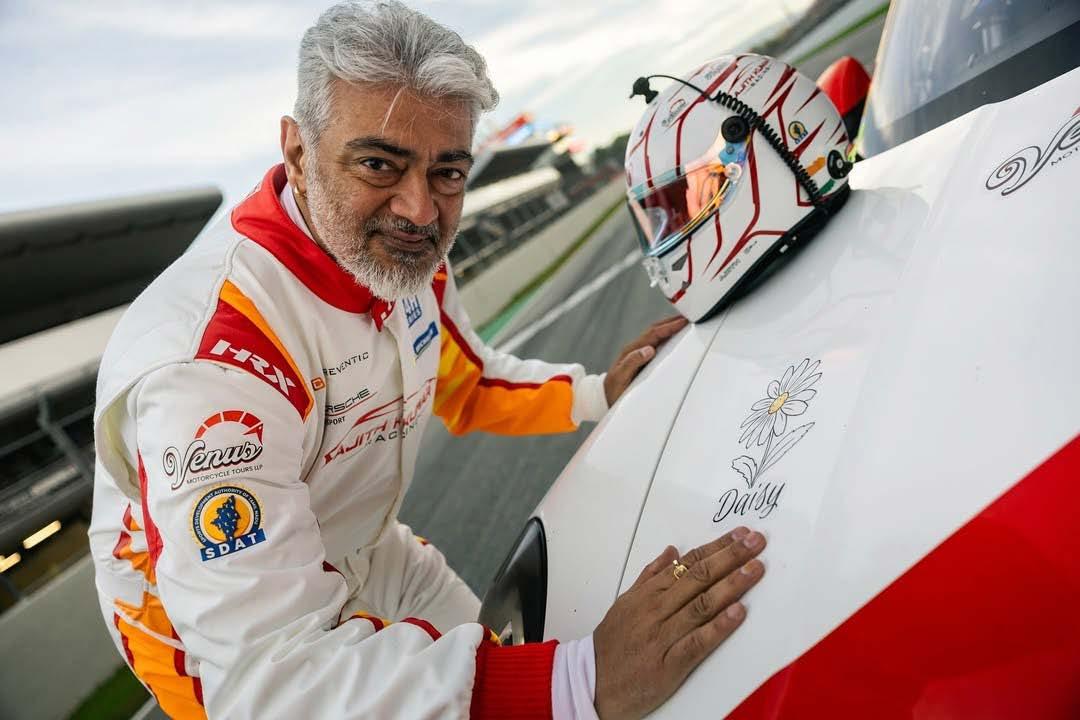
From SILVER SCREEN to RACE TRACKS- Ajith Kumar’s Renaissance in Racing
Ajith Kumar, one of the biggest names in Indian cinema history makes a sensational return to his passion in racing. Kollywood’s ‘Thala’, Ajith Kumar has an enormous fan following in the south and he is one of the most marketable actors in South Indian cinema. The actor known for his excellence in acting, made his acting debut with the film, En Veedu En Kanavar in 1990. But it was the film, Aasai, brought him a lot of praise and applause. He has been hailed for his intense acting chops, Ajith proved his versatility with films like Amarkalam, Mugavaree, Citizen, Villain, Poovellam Un Vasam, Varalaru, Billa, Mankatha, Arrambam, Veeram, and Yennai Arindhaal.
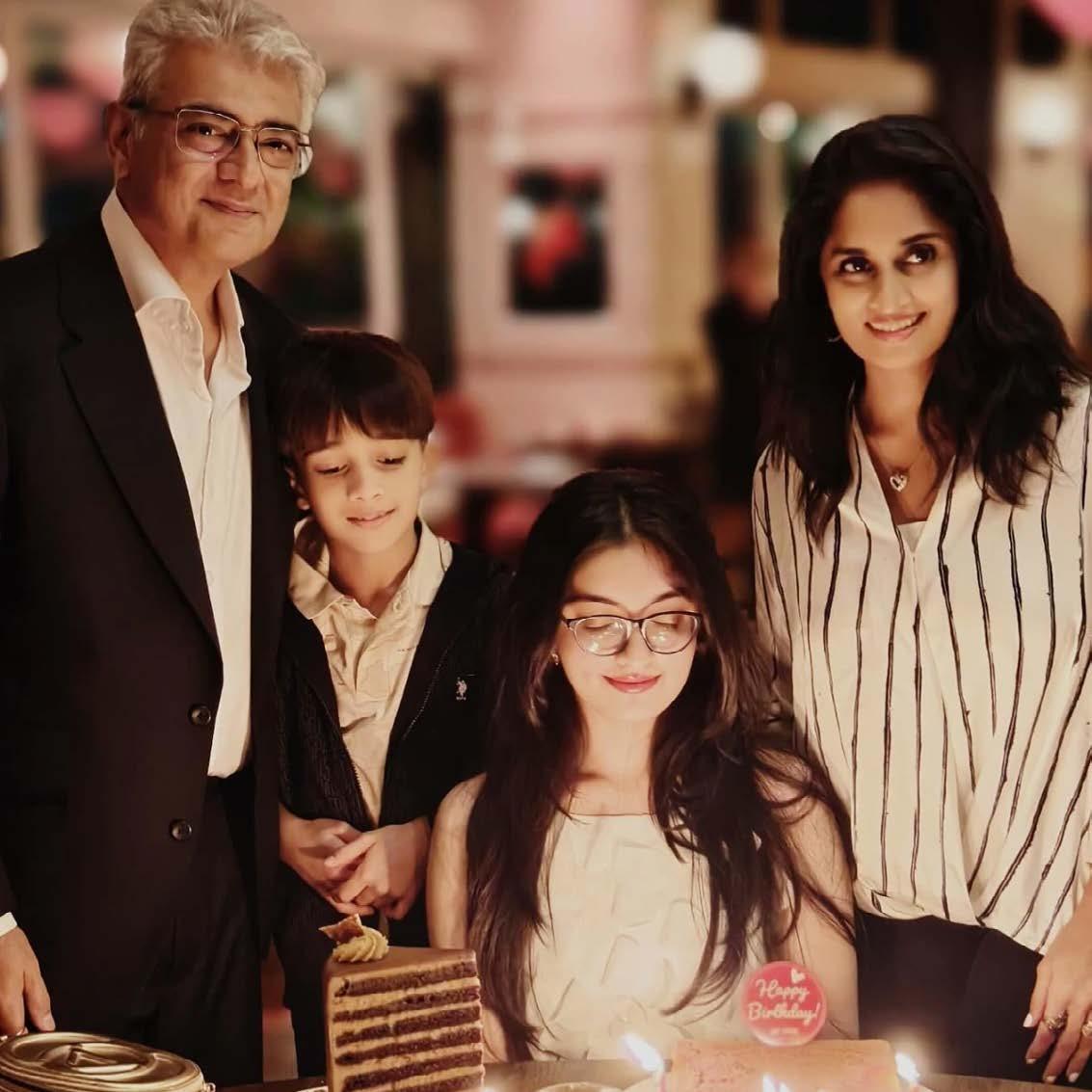
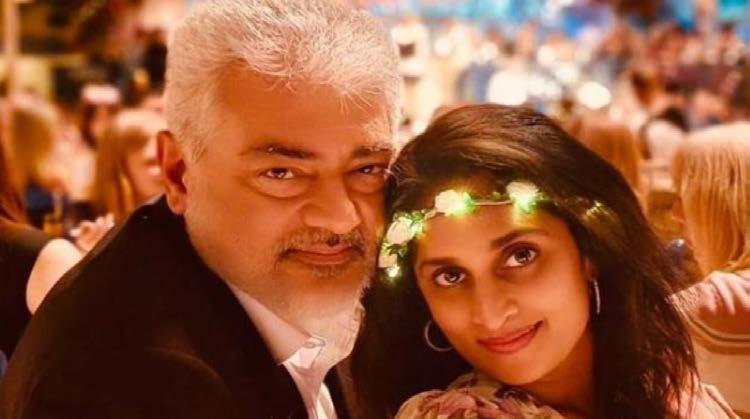
Ajith Kumar is one of the most successful actors in Tamil cinema over the past few decades and has continued to inspire a generation of film fans through not only his movies but also his character and conduct of the screen. As per a report in Forbes India, Ajith is among the highest-paid actors in India, as he reportedly charges an estimated sum of Rs. 105 crores for one film. On the actor’s personal front, Ajith is married to Shalini, and together, they are proud parents to two wonderful kids, Anoushka and Aadvik. The actor recently announced his intentions to get back into racing after a big break as he reignites his passion for motorsports, which has always been a big part of his life.
The Launch of Ajith Kumar Racing
Ajith Kumar has marked his re-entry into the world of motorsport by officially launching his own racing team, ‘Ajith Kumar Racing’. The team marks the actors to return to racing but this time not just as a driver but also as a racing team owner. The announcement was made by his manager Suresh Chandra who shared photos of the actor testing a Ferrari 488 EVO Challenge at the Dubai Autodrome via Instagram. The team will participate in various motorsports events internationally and they have signed French professional driver Fabian Duffieux as the official driver for the team. The actor himself will also be returing to the driver’s seat for select events as he performs the role as both owner and racer.
Ajith Kumar’s Formidable Comeback into Motorsports
In 2002, Ajith participated in the Formula Maruti Indian Championship and finished in fourth place. Following a big break of six years in between, Ajith participated in FIA Formula Two Championship. Ajith also participated in various races abroad, including Germany and Malaysia as he wanted to keep in touch with his passion in racing alongside his acting career.
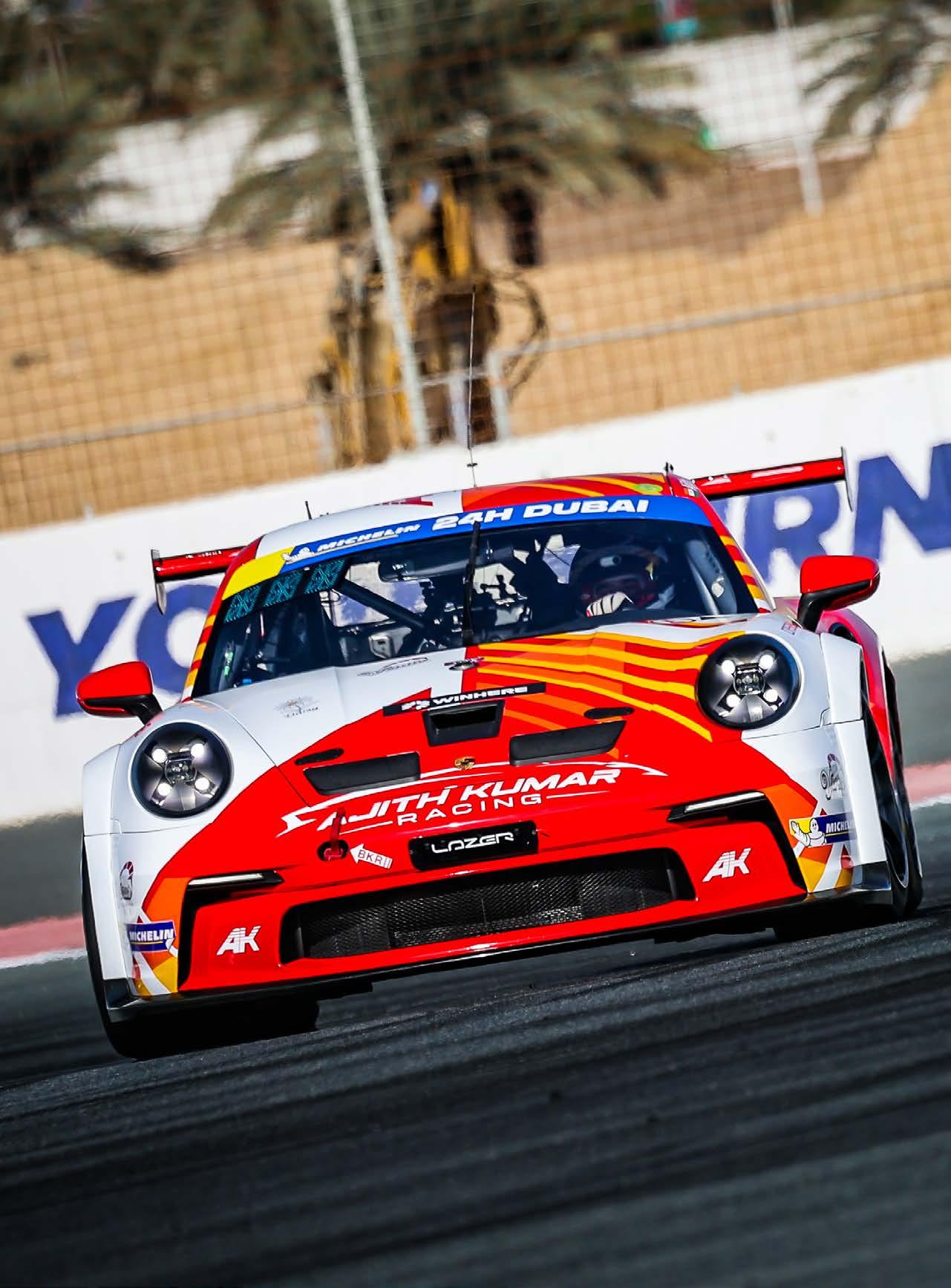
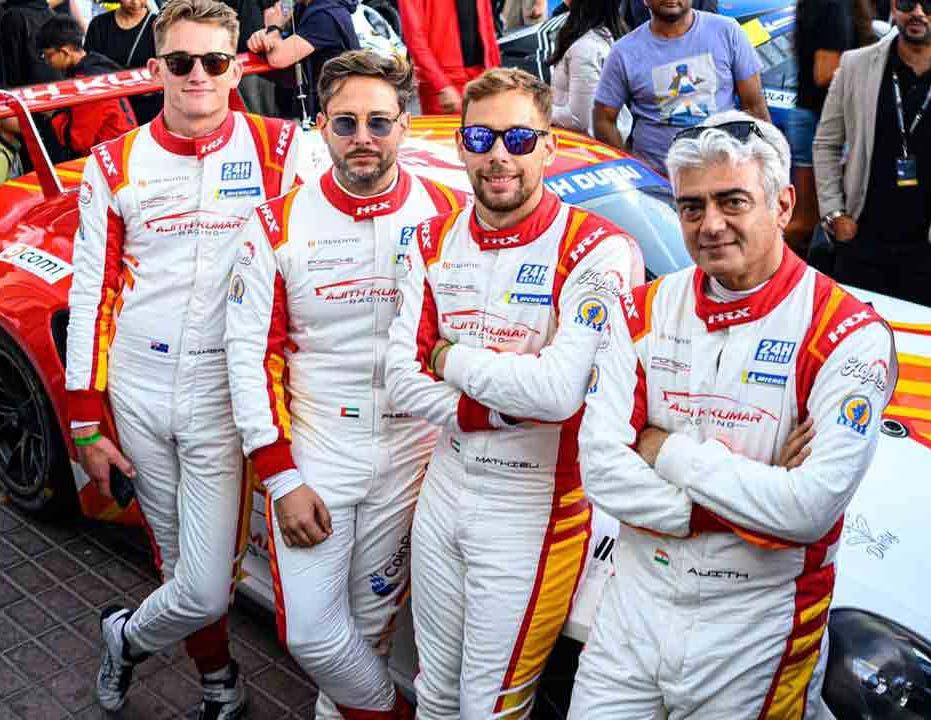
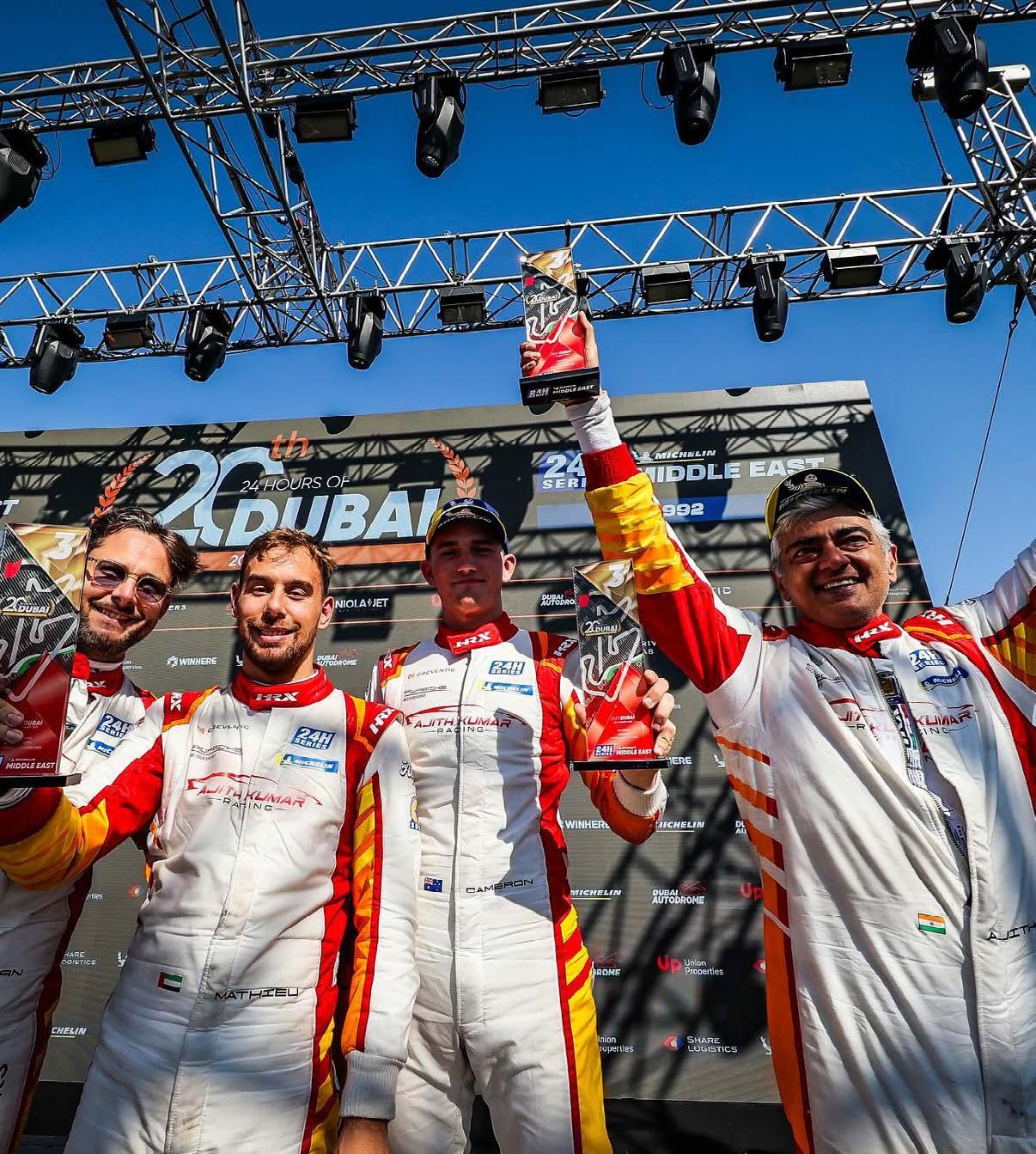
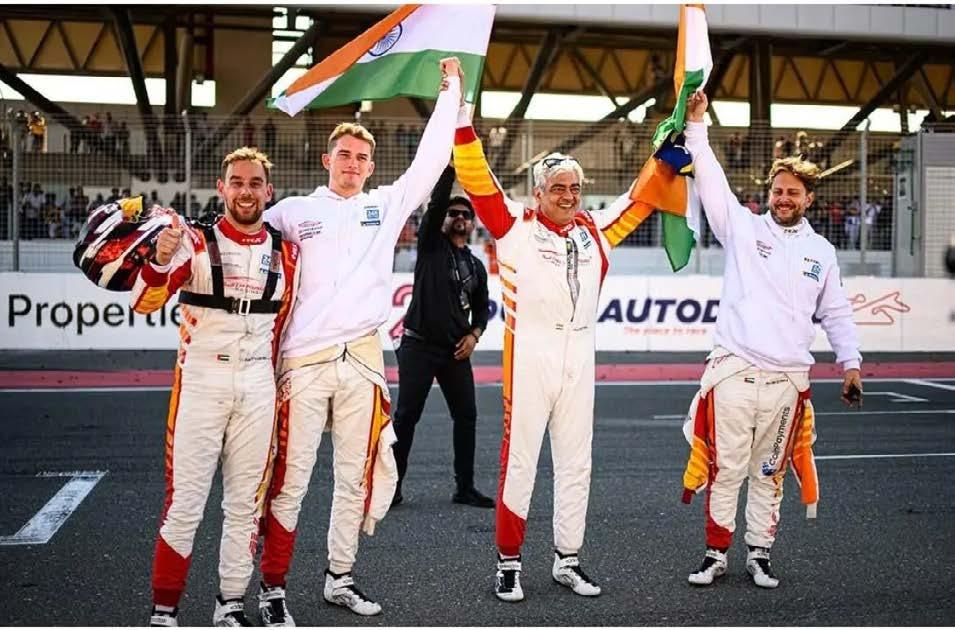
However, in 2025, after a 15 years hiatus from racing events, Ajith Kumar debuted in the FIA 24H Series along with his newly established team, ‘Ajith Kumar Racing’. It was Ajith's dream debut but not an easy one nonetheless, and he also shed 25 kgs during the intensely contested race. It was one of the most spectacular moments in Ajith’s life as he witnessed his team secure a third place in the 991 Category, and he also received the Spirit of the Race recognition in the GT4 category for his amazing display. The 53-year-old actor,
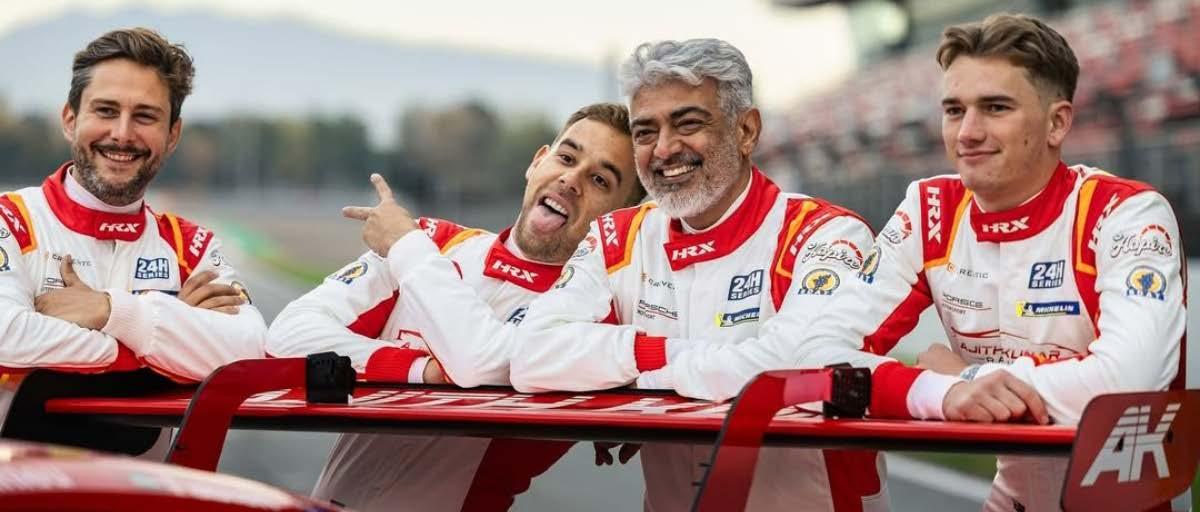
who launched his racing team Ajith Kumar Racing in September last year, participated in the event alongside teammates Mathieu Detry, Fabian Duffieux, and Cameron McLeod. Actor R Madhavan, who was also present at the event, shared a picture on X with Ajith. "So so proud.. what a man. The one and only. Ajith Kumar," Madhavan captioned the post.
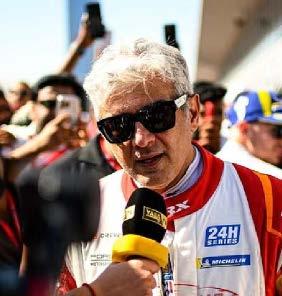
During the media interaction ahead of the race, Ajith Kumar revealed that he will not sign any new film projects until the racing season concludes citing his desire to pursue both his passions without interruptions. The Vidaa Muyarchi star expressed his commitment to motorsports, stating that he aims to pursue it not only as a driver but also as a team owner. Ajith assured fans that he would dedicate the months between October and March, before the racing season resumes, to acting, ensuring no overlap between his dual passions.
“ “
Ajith Kumar gave an interview to Gulf News in Dubai where he expressed his thanks and gratitude towards his supportive fans and the Tamil Nadu Government for working towards promoting car racing through the state’s sports department. He extended his thanks to Tamil Nadu Chief Minister Stalin and Deputy Chief Minister Udhayanidhi Stailn for their efforts in promoting car racing and generating enthusiasm in the country. He also praised car racing champions like Karthik Narain and Karun who have significant achievements internationally in the sport.
Ajith’s Not-So-Secret Passion For Racing
Besides acting, Ajith Kumar is also a racing driver and he has always been passionate about the sport and he has been competing in various races through the past two decades. He is one among few Indians to have raced in the international circuits and in FIA championships which is a testament to his dedication to the sport. Ajith’s passion for racing started at the age of 18 when he rode motorcycles as a teenager which in turn fuelled his love for the sport. Talking about his love for racing, the actor stated:
“I was 18 when I started racing motorcycles back home in India; then I got busy with work. I got into the film industry, and later, in 2002, when I was 32, I decided to get back into racing. But not in motorcycles, in four-wheelers. I raced in national championships in India before competing internationally. But I could only do a few of them due to work commitments.”
Ajith’s foray into motorsport dates back to 2002 when he competed in the Formula Maruti Indian Championships, impressively securing fourth place. In the following year, he showcased his tremendous racing prowess on the international stage by finishing twelfth in the Formula BMW Asia Championship. Despite being a successful actor and having a decorated acting career, Ajith has consistently pursued his passion for racing and biking, creating a unique niche for himself as a dedicated motorsport enthusiast and earning respect from fans and the racing community alike for his dedication towards both lines of passion and his ability to balance them to the best of his capabilities.
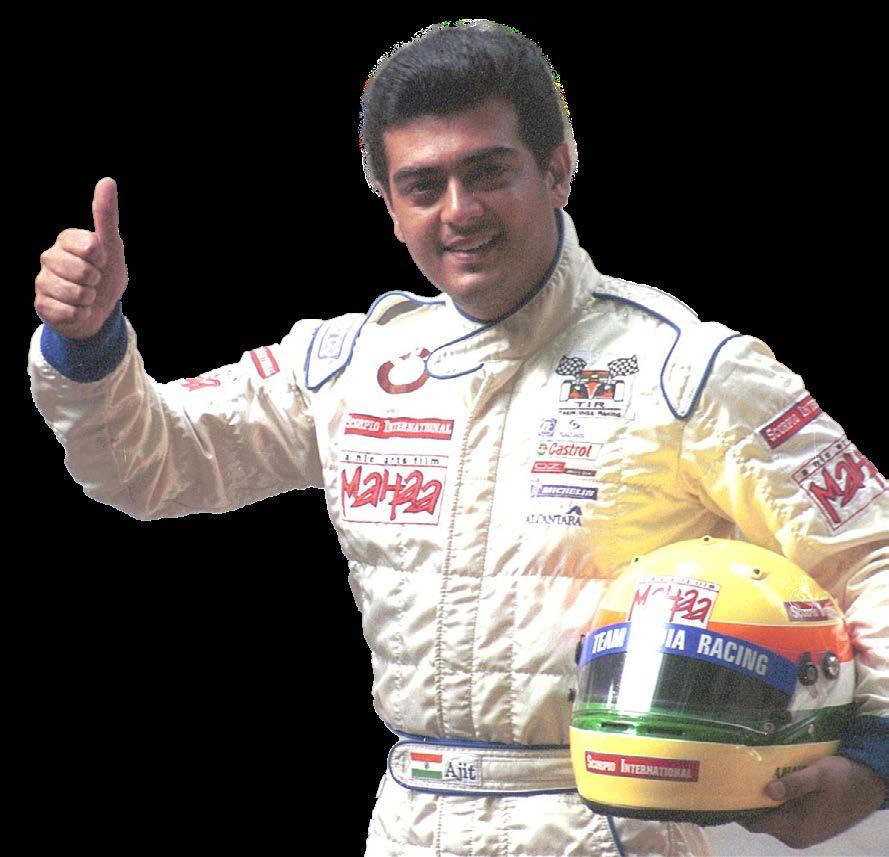
Alongside a storied film career, Ajith Kumar is no stranger to the racing circuit either, having made his motorsport debut in 1990 – then just 18 years old – as part of the Indian National Motorcycle Racing Championship. Switching to single seaters following his dalliance with 110cc motorbikes, Kumar competed in the National Formula India Single Seater Championship in 2002 before moving up to the Formula BMW Asia series the following year, notably, representing Team India Racing. The British Formula 3’s Scholarship Class came calling for 2004, in which Kumar secured two podium finishes, competed directly with future multi-time British Touring Car Championship race winner Stephen Jelley, and even shared the grid with compatriot – and future Formula 1 driver – Karun Chandhok.
The Car Crash That Caused Concern
A video of Ajith Kumar’s car crashing during a practice session recently went viral, causing panic among fans and friends of the actor. Fortunately, the actor escaped unhurt, avoiding what could have been a serious accident ahead of the main race.
The incident took place during Ajith’s sixhour practice session for the endurance race, which features a relay format where drivers compete continuously for 24 hours. The video was shared by his team and it captured the nervy moment, where the actor’s the car, a Porsche 992, spun seven times before eventually coming to a halt. Still in his racing gear, Ajith was immediately assisted by race personnel who were quick to the scene of the incident and he was taken to an ambulance for a precautionary check-up. After the crash, Ajith’s manager, Suresh Chandra, later assured fans that the actor is "unhurt, hale, and healthy." Despite the alarming incident, Ajith remained undeterred and he continued his preparations for the event ahead
An Unwavering Support System
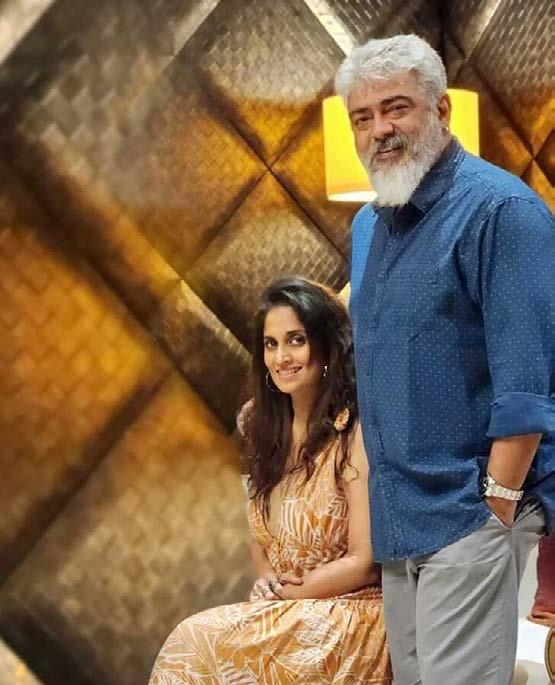
In Ajith’s quest for fulfilling his desires in motorsport, his biggest cheerleader who constantly encourages him to purse his passion is his wife, Shalini. She has always been supporting, praying and cheering for her husband from the stands during races and behind the scenes as well. When Ajith launched his own racing team, Ajith Kumar Racing, Shalini shared a screenshot of the brochure of Ajith and penned a sweet note, which read as:
“It’s great to see you back as a racing driver, doing what you love. Wishing you and your team a safe and successful racing career ahead!”
Shalini Sweet Note to Ajith Kumar
“It’s great to see you back as a racing driver, doing what you love. Wishing you and your team a safe and successful racing career ahead!”
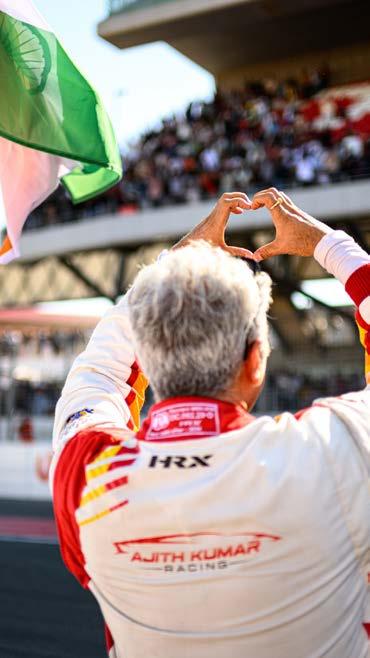
The message highlighted how vital she is in the actor’s life and the necessity of a good support system that one requires to achieve their dreams and goals. When Ajith Kumar’s team secured the third position in the Dubai 24H car race, in his speech and he stated that he owed his success to fellow drivers and he acknowledged his wife’s support and thanked his wife as he said: “Shalu, thank you for letting me race.”
Ajith thanked his wife Shalini “Shalu, thank you for letting me race.”
The Birth Of This Beautiful Love Story
During the shooting sets of the film, Amarkalam in 1999, when the protagonist actor, Ajith, was given a scene to perform opposite his co-star, Shalini. During the scene, the hero, Ajith, pretends to injure the heroine, Shalini’s hand, with a knife to scare her. However, the actor accidentally cut her hand with a knife and ended up hurting her. Ajith Kumar then took care of Shalini during the entire film’s shoot, which impressed her, and she eventually fell in love with him. The couple kept their romance under the radar and hid it from the limelight of the media. As per reports, Ajith even avoided face-toface meetings with the actress as her parents used to accompany her on the sets. However, in 2000, Ajith and Shalini began their married life by tying the marital knot, and they are now proud parents of two kids and have consistently been supportive of each other ever since.
The Porsche Sprint Challenge Endeavours
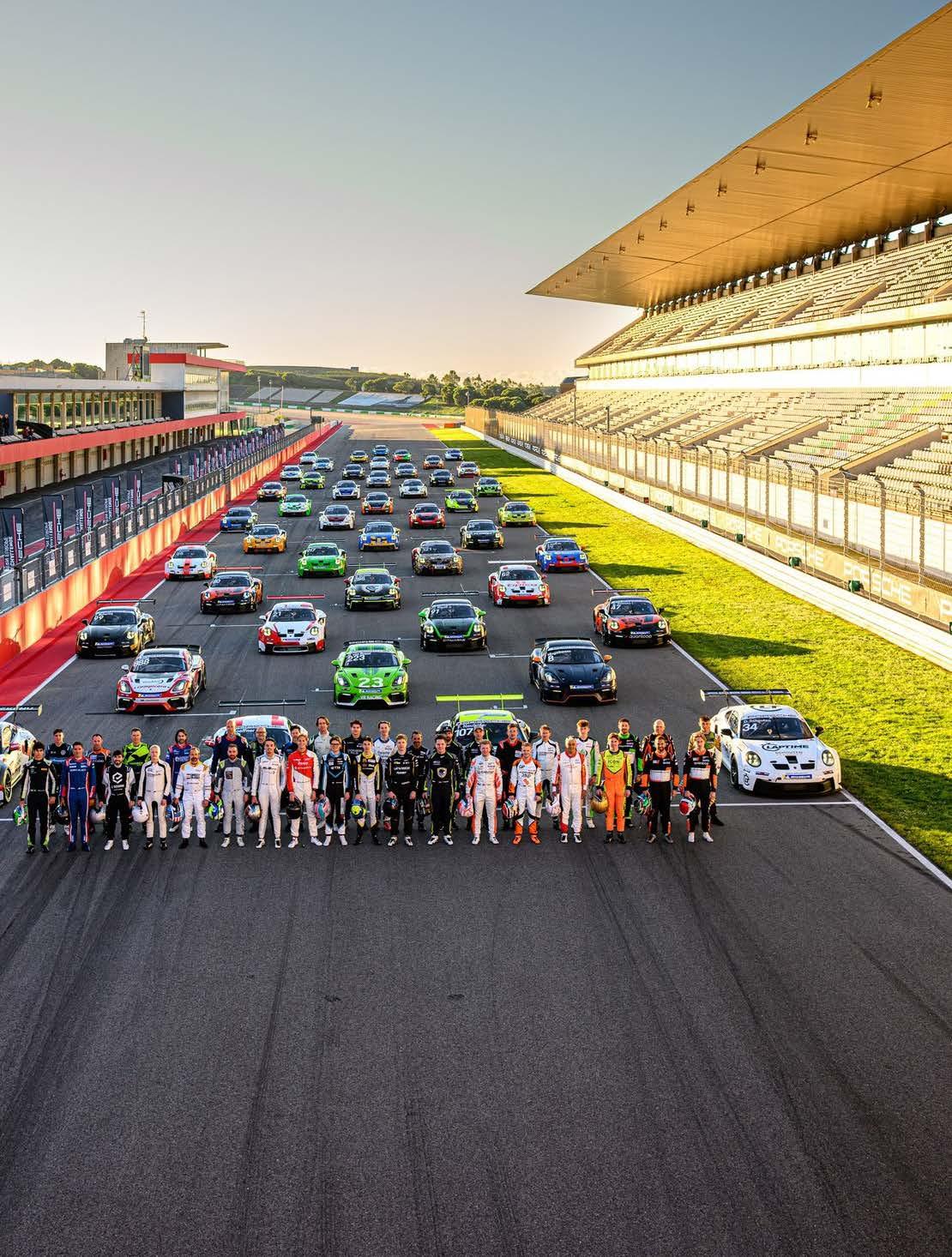
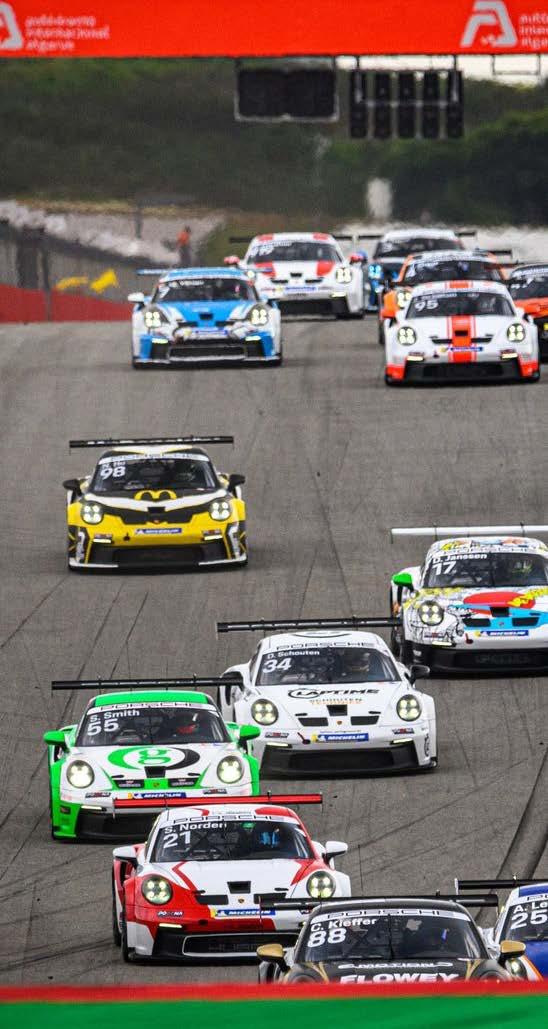
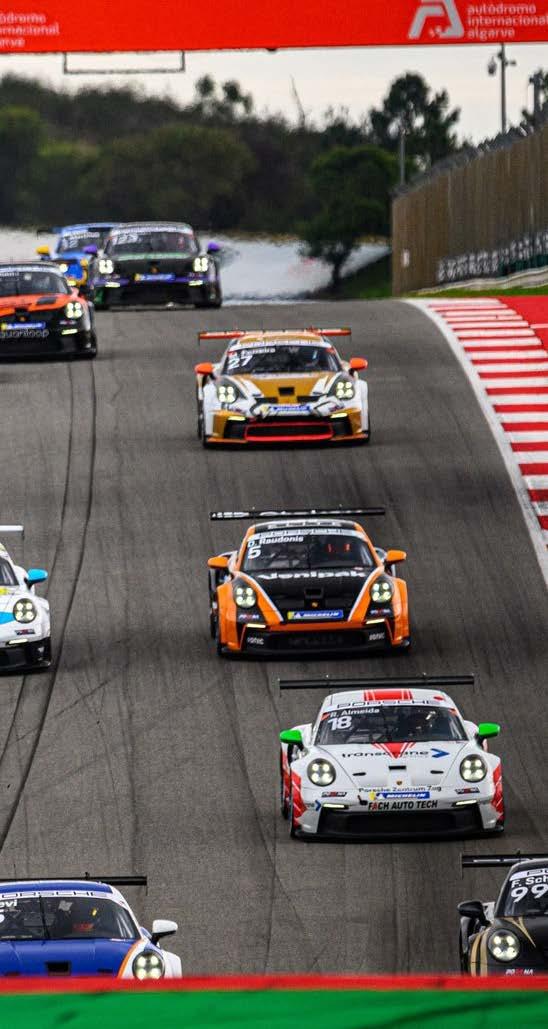
During the 24H Dubai 2025, the South actor revealed that Team Ajith Kumar Racing will be in Portugal to meet driving coach Mathieu Detry at Portimao Racing circuit for the first Round in the Porsche Sprint Challenge Southern European Series in 2025 in Portugal. Ajith’s team said, “AK with Endurance race Team mate and Driving Coach Mathieu Detry at Portimao racing circuit, Portugal ahead of the first round of the Porsche Sprint challenge Southern European series 2025. Mathieu has taken on the role as Ak’s Racing instructor and driving coach. (sic)” while posting a picture on social media.
Actor Ajith Kumar was also seen interacting with his young fans and their families in between his practice sessions in Portugal. As a video has emerged on the Internet where Ajith can be seen
greeting a young fan and asking her name, while talking to her parents. After making the country proud in the 24H Dubai 2025 racing event where team Ajith Kumar Racing finished third, the actor completed round one of the Porsche Sprint Challenge in Portugal in Portimao, qualifying with a personal best timing of 1.49.13 seconds per lap.
Ajith Kumar Racing, the racing team owned by Ajith, shared this news on their timeline. It said, “AK qualifies in the First round of the Porsche Sprint challenge Southern European series @ portimao circuit, Portugal with a lap time of 1.49.13 secs a lap around the 4.653 km circuit. His personal best after five practice sessions. His personal best.” Ajith recorded his best lap time of 1:49.13 during the qualifying session
and finished 15th in the division after Race 1 with a timing of 1:22.59s. He then secured 16th place in Race 2 at the Portimao circuit during the first round of the Porsche Sprint Challenge Southern European Series, which saw the race being affected by the rain. After qualifying P18, he finished the first sprint challenge three places ahead.
Rains made the track slippery in the second race, due to which the car skidded and stalled but that did not throw off the ace actor who managed to keep it going and completed the race. “It’s going pretty well; I’m happy to be here and gain experience. Can’t be more happier,” said Ajith during the qualifying session. He now prepares for the next round of the series as he aims to improve his skills and secure a higher finish as the series goes on.
During the 24 H Dubai 2025 Ajith had mentioned that he would not be signing any films until the racing season was completed and that he would be doing a film between October and March, before the racing season commenced. Despite being busy with racing, two of his films are now scheduled for release. While his film ‘Vidaa Muyarchi’ with director Magizh Thirumeni is scheduled for a February 6 release, and his other film with director Adhik Ravichandran, ‘Good Bad Ugly’, will hit screens on April 10.
Ajith Kumar gave an interview to Gulf News in Dubai where he expressed his thanks and gratitude towards his supportive fans and the Tamil Nadu Government for working towards promoting car racing through the state’s sports department. He extended his thanks to Tamil Nadu Chief Minister Stalin and Deputy Chief Minister Udhayanidhi Stailn for their efforts in promoting car racing and generating enthusiasm in the country. He also praised car racing champions like Karthik Narain and Karun who have significant achievements internationally in the sport.
GINGA THE SOUL OF BRAZILIAN FOOTBALL
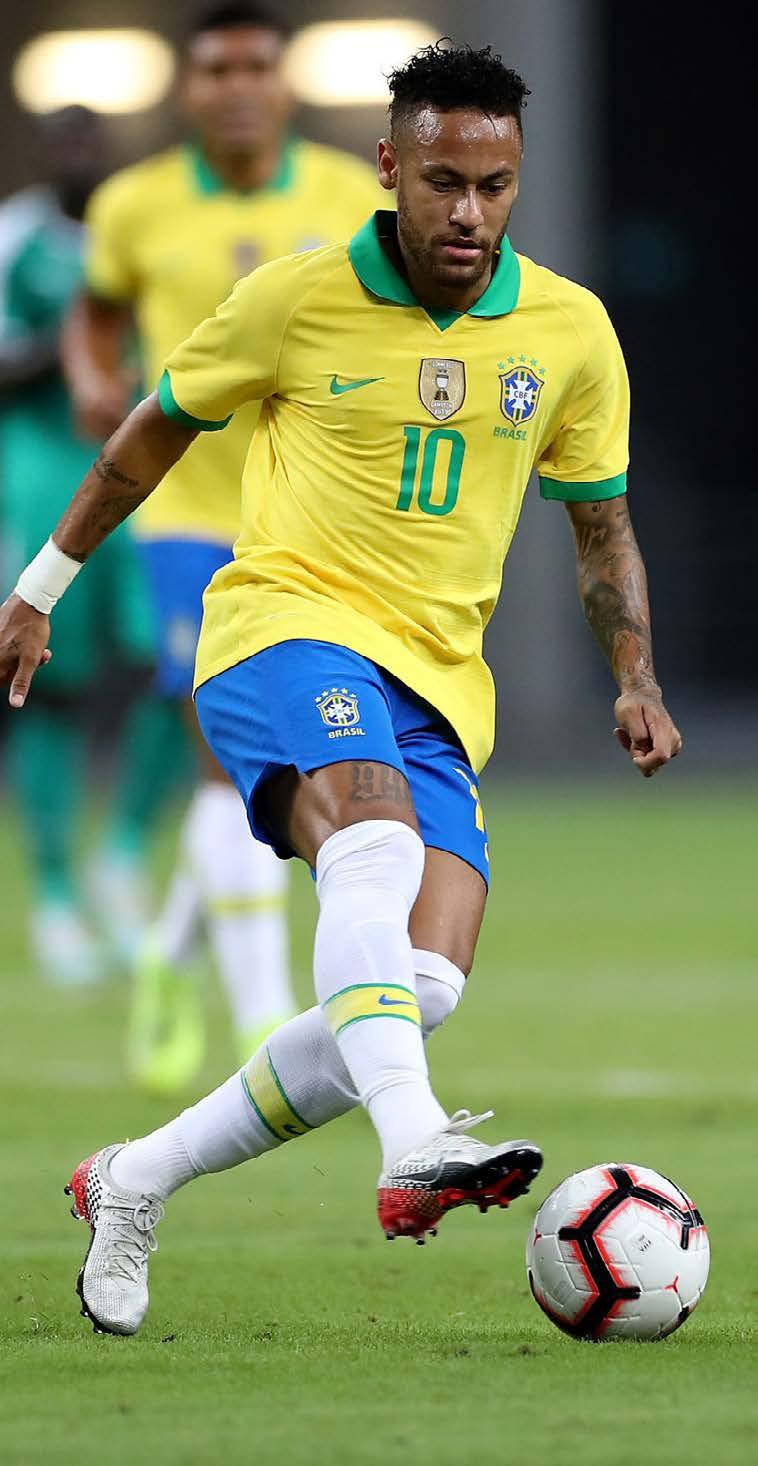
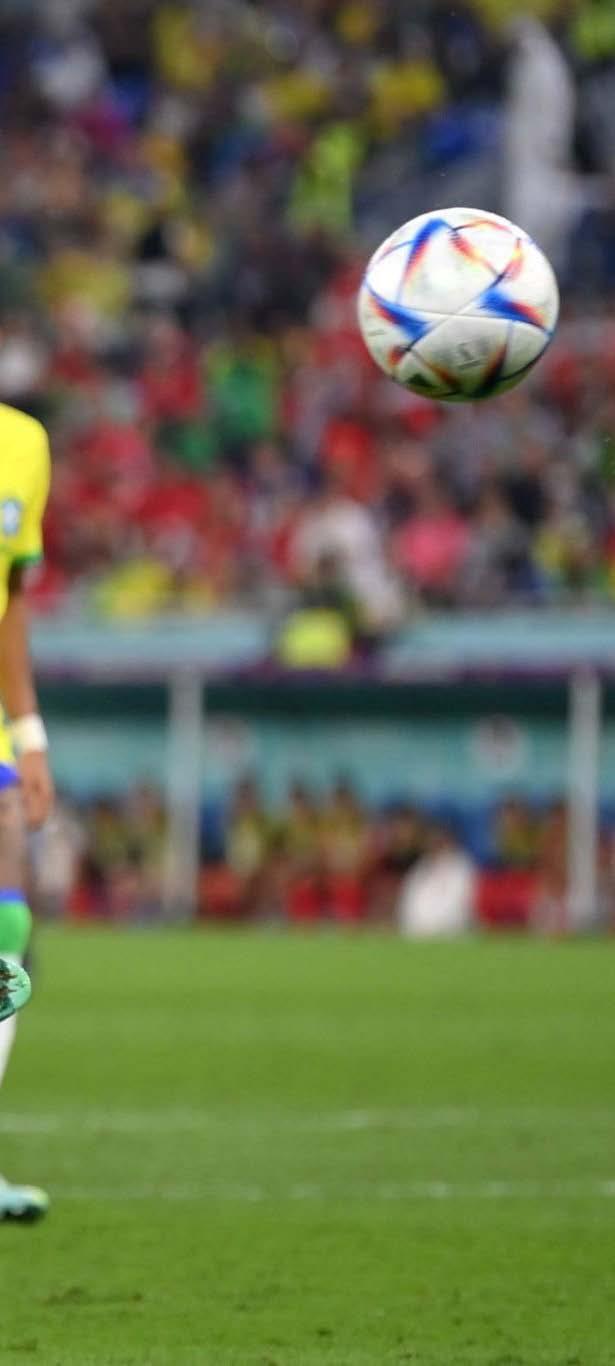
The terms Brazil and football are pretty much synonymous. Every football fan knows that this South American nation at one point dominated the game. 5 World Cups are proof of that. Having won 3 of those in the span of 4 tournaments shows that between the late 1950s to early 1970s, Brazil were at their dominant best. The secret ingredient, rhythmic soul that Brazilians possess is known as ginga. Ginga is a spirit Brazilians are born with, it is a way of life, and a vital part to being Brazilian. It is second nature to Brazilians as it’s part of everyday life; therefore, it’s not surprising that this spirit seamlessly translates into their sporting skills. Brazil has produced some of the best football players of all time and have won the FIFA World Cup, five times in their history.
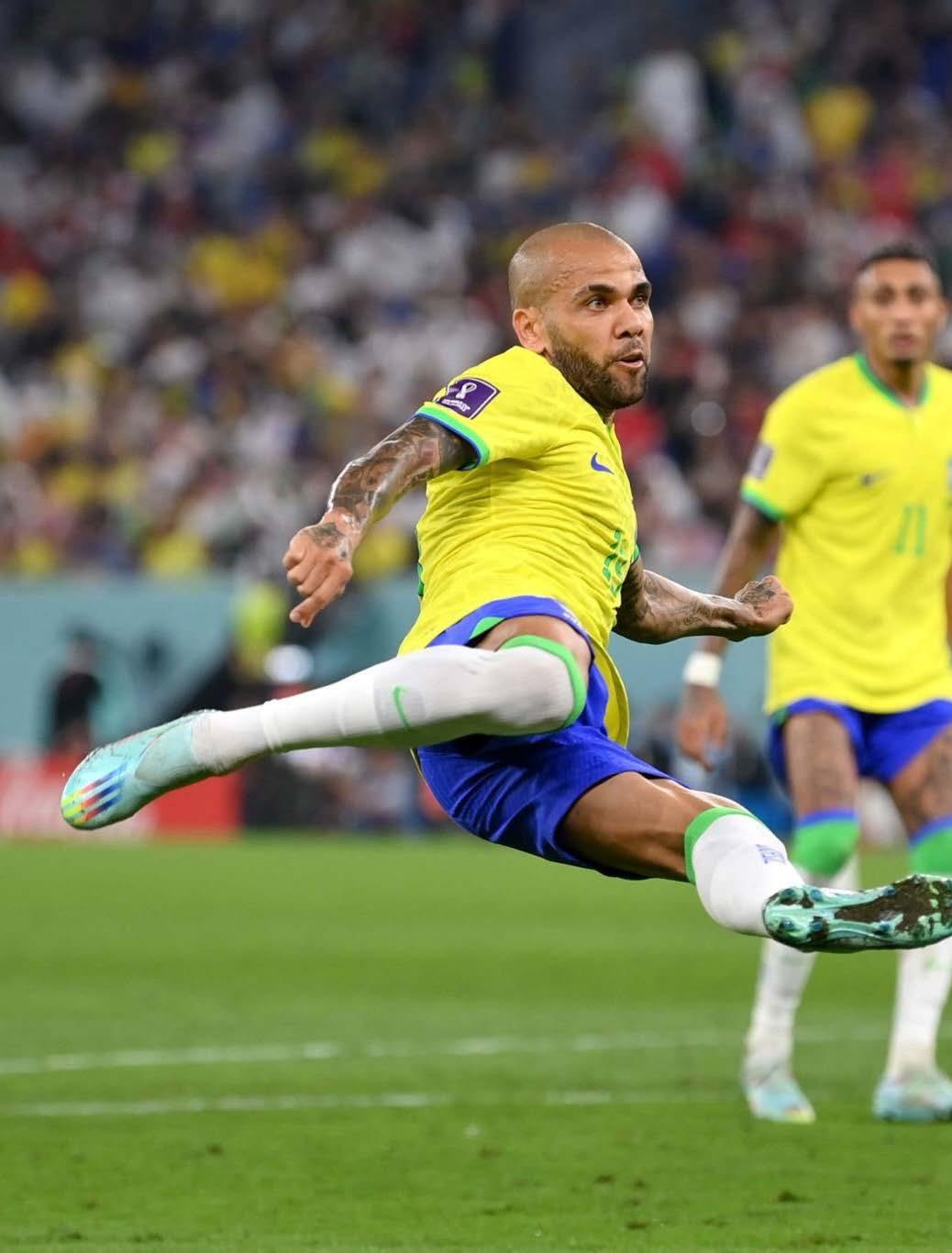
The word Ginga translates directly to ‘sway,’ and this depicts the unique and special moves of the players performed on the pitch. Ginga is one of the most entertaining styles of football in the world! Many believe that this style of football is more than just playing the sport, it’s a form of art. A form of embodiment.
Ginga is inspired by two forms of art.
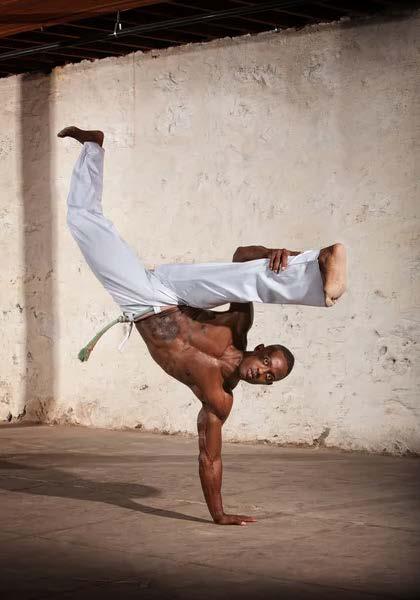
A martial art called Capoeira that combines different elements of dance, acrobatics and music. It was developed at the beginning of the 16th century in Brazil with African roots. Samba is a solo dance that originated in Brazil. This is a form of dance that involves keeping your body straight but moving your legs and feet ever so slightly. Mixing these two art forms, Brazil have managed to produced arguably one of the most delightful styles of football to ever exist, Ginga. The style consists of a very dominant and possession-based type of playing football, with a very attacking mindset. This devastating combination has proved to be a formula for success.
History
behind the origin of Ginga:
The origins of this football flair date back to the colonial period when slaves arrived from West Africa to Brazil bringing their religion and culture. Capoeira is a martial art introduced to Brazil from African slaves that came from Angola and Mozambique. It was developed primarily in Bahia, which has the highest concentration of black Africans but was banned as considered a ‘fight by villains.’ However, Africans continued to practice the art on the pretext that it was just a dance. Ginga is the acrobatic base move, a back-and-forth side-to-side swinging motion marked by trickery. It’s always accompanied with music that sets the tempo and style of the game.
Additionally, there’s the Candomble religion that blends Catholic and West African beliefs. Also introduced during the colonial period, and involves summoning the Orisha gods through chants and dances to a drumming beat. And of course, Samba, Brazil’s pride and joy which was actually born out of the Candomble ceremonies.Intertwined in each of these cultural forms of expression is music. And if you look at the development of music and its history with Brazilian football, the two are woven having inspired the great musicians such as Chico Buarque, Gilberto Gil and Jorge Ben. All these forms come back to Ginga, the expressive soul of Brazil. And from its African roots has become an integral part of what it means to be Brazilian; an expression with purpose that involves skill and technique, which is beautifully demonstrated on the football pitch. Players describe this mystical quality as a ‘gift from God’ but the moment they dribble the ball, hit the back of the net, celebrate with that effortless Samba footwork with the chants of their fans in the background, I reckon it’s just another playing ground for them to show what they naturally do best.
Ginga and its relevance in football:
Ginga is a way of life for Brazilians. It’s how they walk, how they talk, it’s part of their spirit. Ginga can be seen as a swagger in the lives of Brazilians. Naturally, this translated to sport and especially football which is a religion in the country. In football, Ginga consists of many different moves, some of them include dribbling, using different parts of your foot and juggling. The whole style is based on a player’s agility and how a player ‘sways’ with the ball. It’s about those quick subtle moves and touches that can catch the opposition off guard. The unexpected back heel, the no-look pass, walking past players while juggling the ball on your feet and thighs. It’s all about bringing the everyday swagger to the football pitch and this style has continued to entertain generations of football fans.
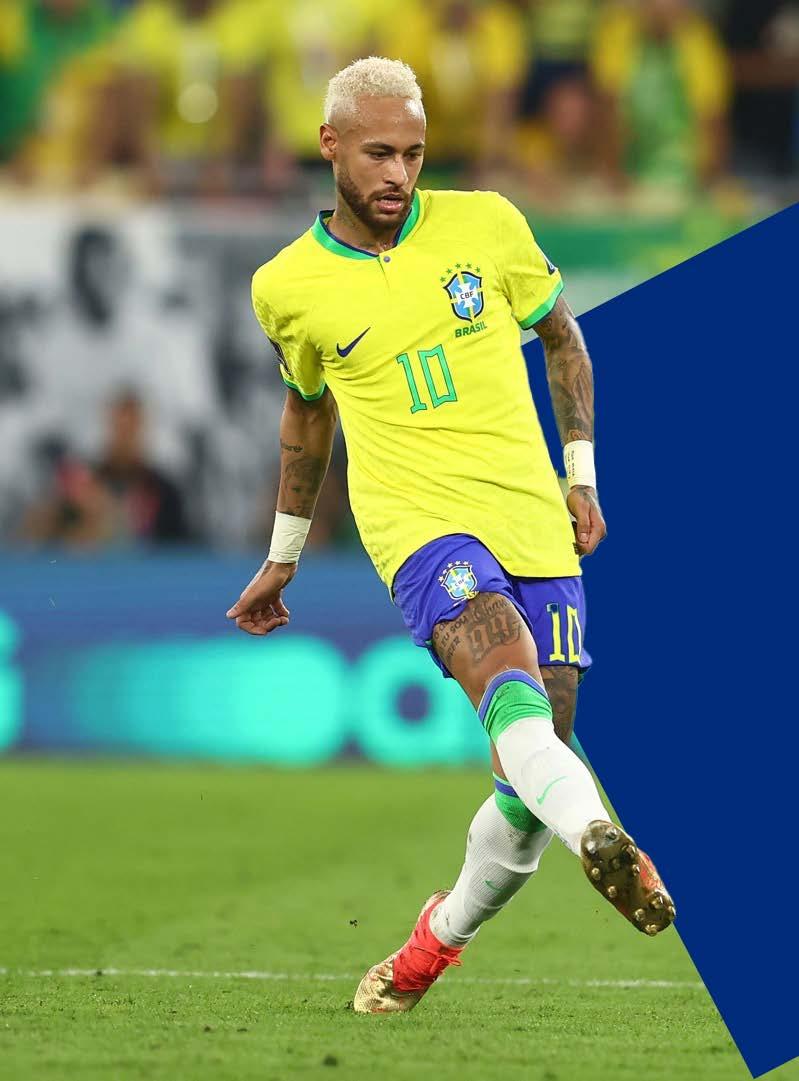
Ginga has been a pillar of Brazilian football for many years and the Brazilian national football team also known as Seleção Canarin have benefited immensely from it with the country winning five FIFA World Cups. They are favourites in every tournament they play in and this style is very iconic in the streets of Brazil. Street football or futsal is incredibly important for Brazilians. Most of the best Brazilian footballers who made a mark in the sport, have played street football while they were younger. Ronaldinho, Neymar, Kaka the list goes on! Ginga is encouraged heavily in street football and on the beaches as it develops a player’s individual flair, this helps keep the culture of Ginga alive.
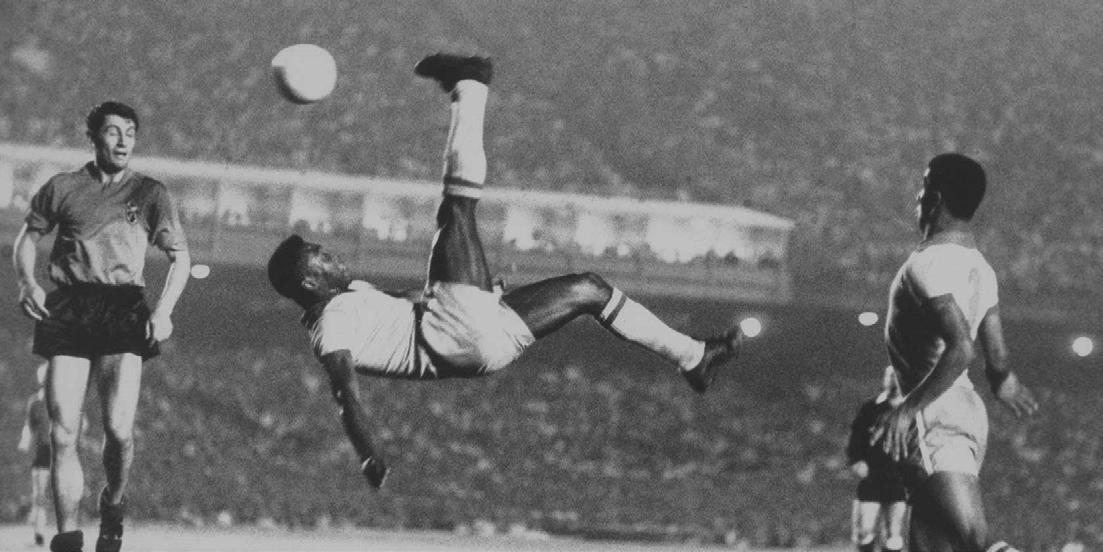
Garrincha and Pele were incredibly important for the successful Brazilian side in 1958 and 1962. Garrincha is remembered as a very creative player and one of the best dribblers of his generation. His body feints and flair helped him tremendously and are also some of the important techniques used in Ginga. So many world-renowned skill moves have been invented by Brazilians and have their origins in Ginga. For example, the no-look pass was first done by Ronaldinho, the elastico was first seen performed by Rivelino! The iconic outside the foot freekick was done by Roberto Carlos. The Pele run-around was introduced to the world and named after the great, Pele. The Garrincha feint was also named after him as he introduced it to the world of football. Football may have progressed tactically in the past few years but Ginga will always be sacred in the heart of Brazilians.
Is Ginga dying?
There have been many debates in recent years about Ginga being a dying art form in football given the current Brazilian National team’s performances in recent years. With many of its players playing in Europe across top clubs under different managers who insist on players following their own style of play for the success of the club. This has seen many modern Brazilians
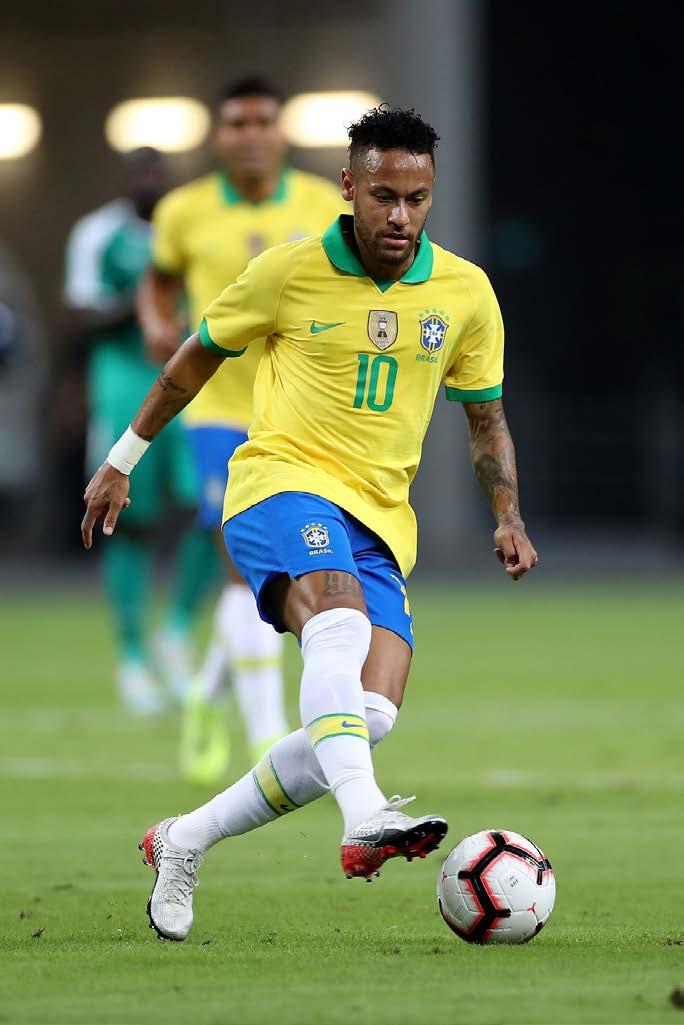
abandon Ginga and focus on being system-oriented players. While they have been successful at club level, the Brazilian National team have put up lacklustre performances at major international tournaments over the last decade and the fans have questioned whether the style of Ginga is dying out or has it stopped being as effective as it once was. With Neymar Jr touted as being one of the last of a dying breed of Brazilian players who displayed Ginga at an elite level, others have been unable to do the same. Stars such as Vinicius Junior, Raphinha, Rodrygo and Richarlison have come under a lot of criticism for their performances and the lack of Ginga that Brazil was once feared for. However, an upcoming star in the form of Estevao Willian who was snapped up by Chelsea is expected to be the next big superstar from Brazil who may well keep the spirit of Ginga alive.
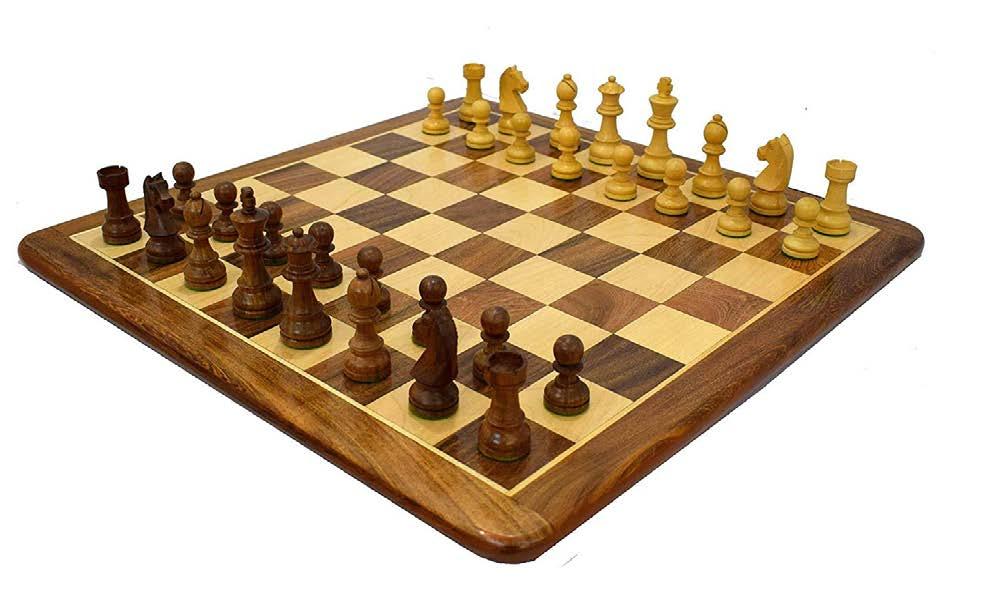
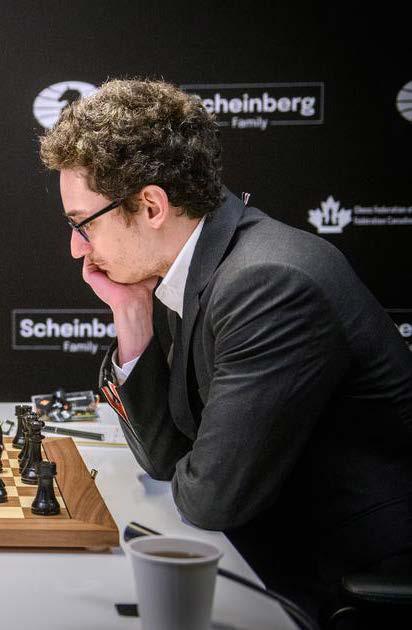
Will India once again dominate the Chess landscape
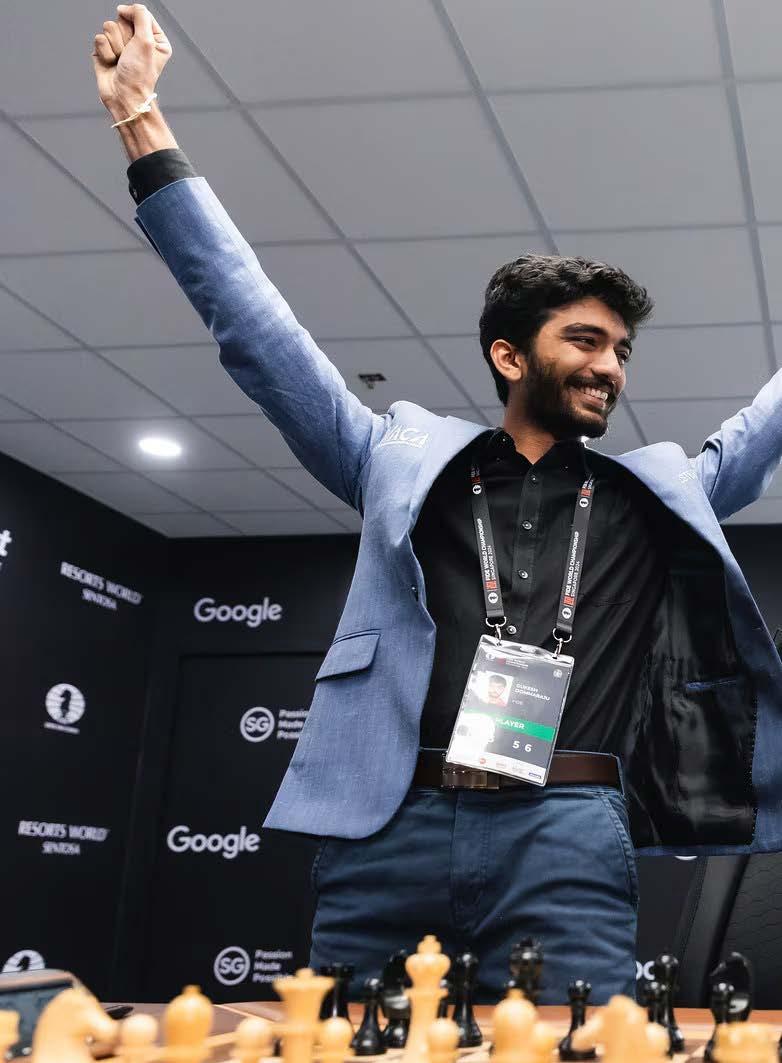
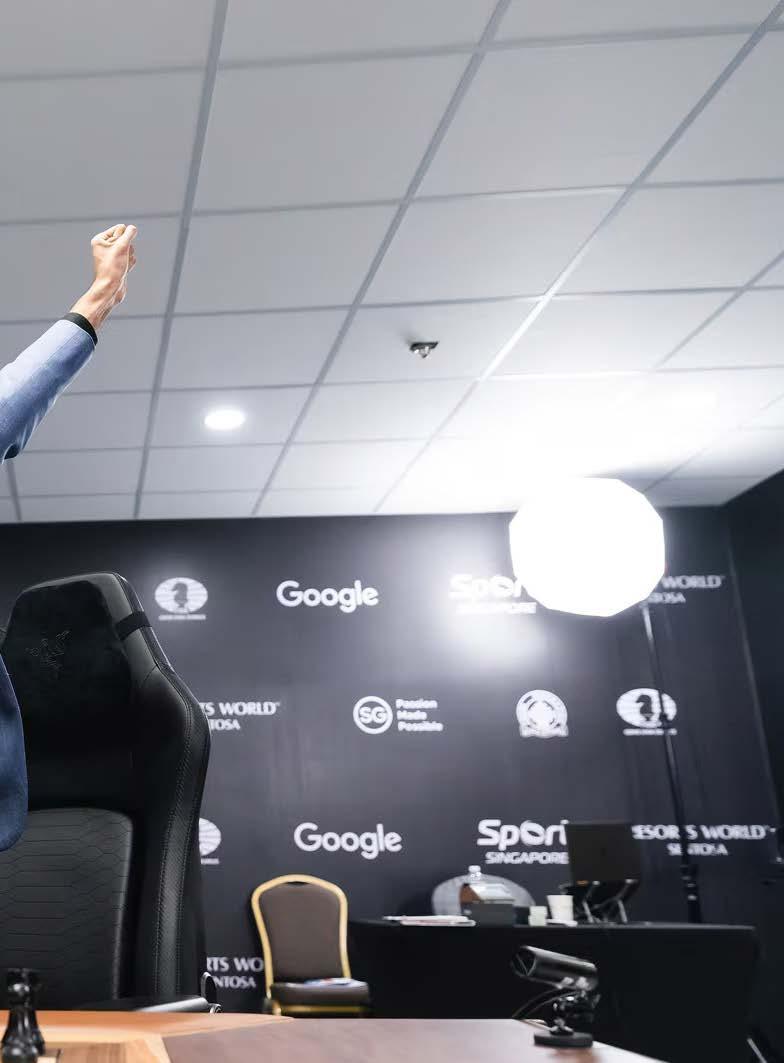
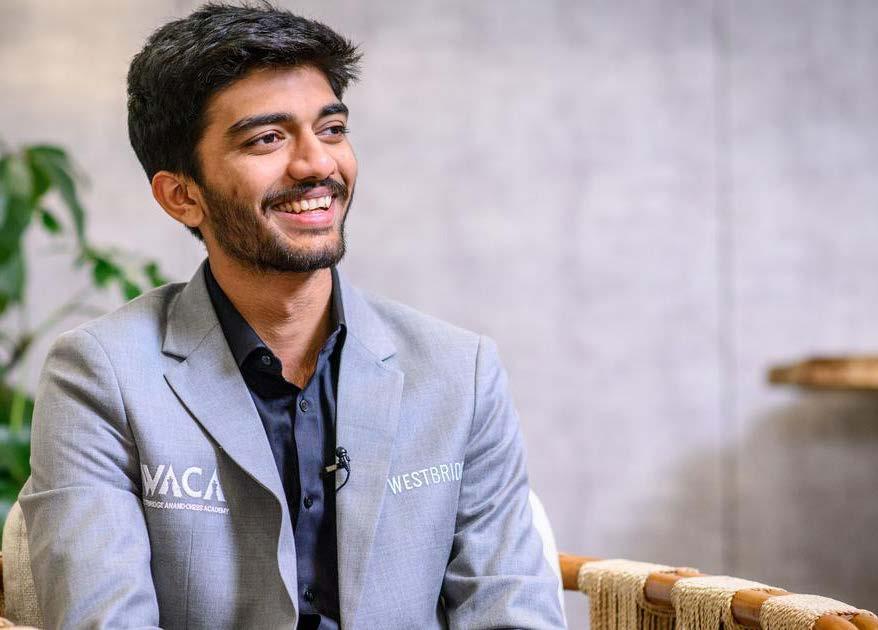
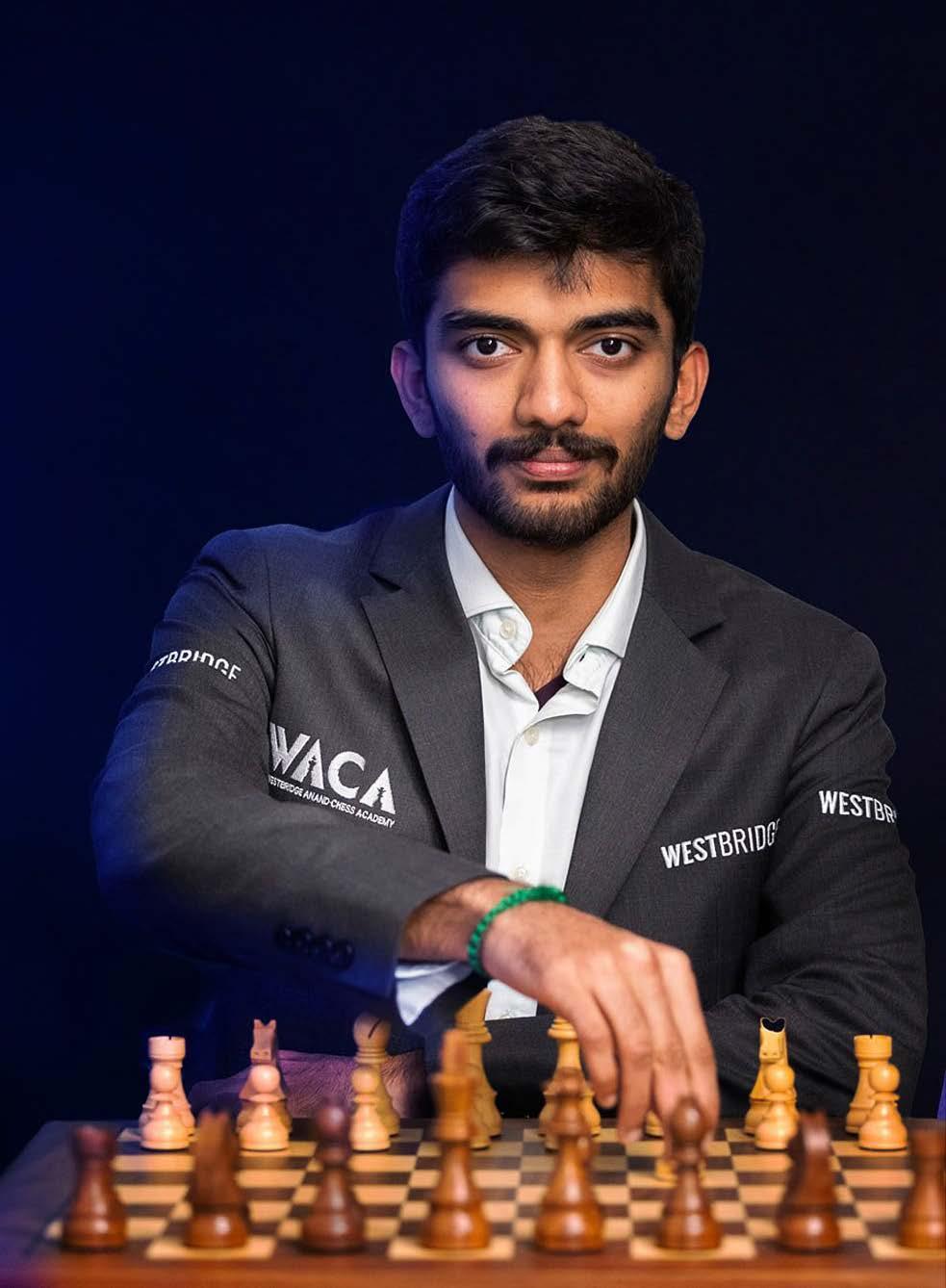
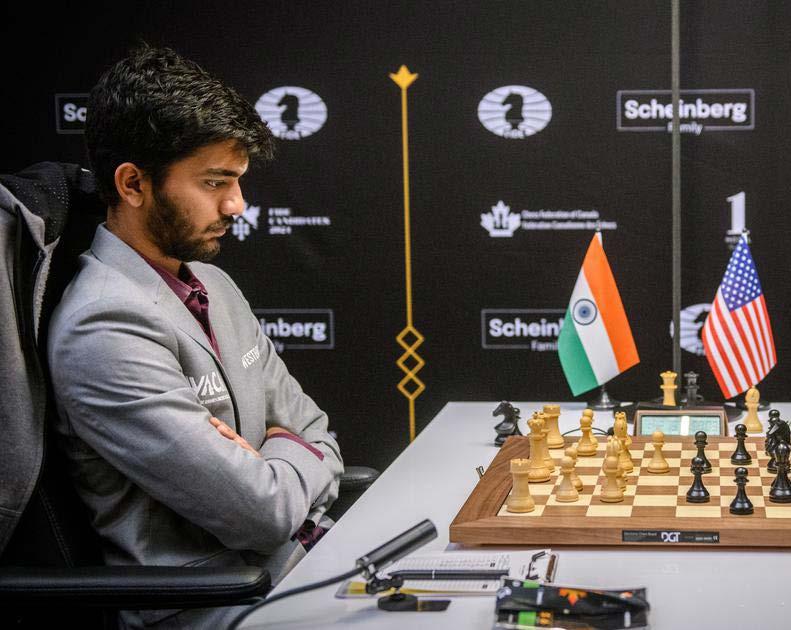
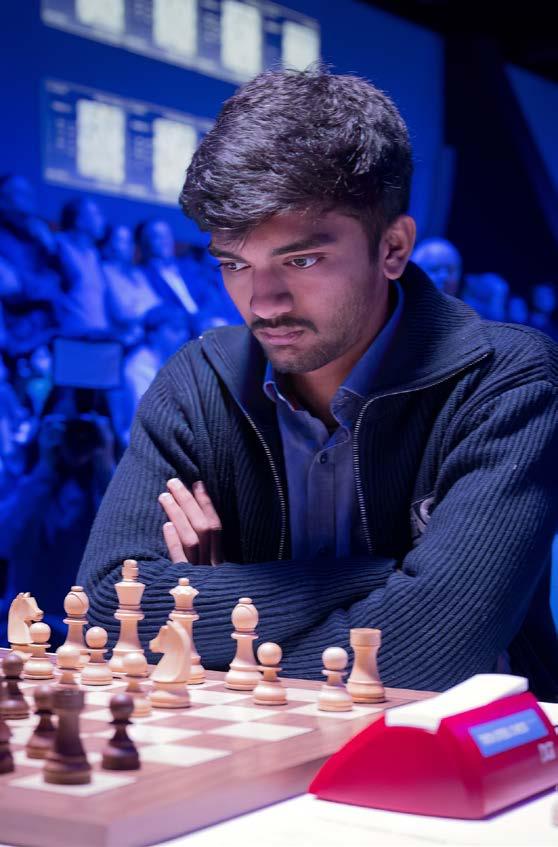
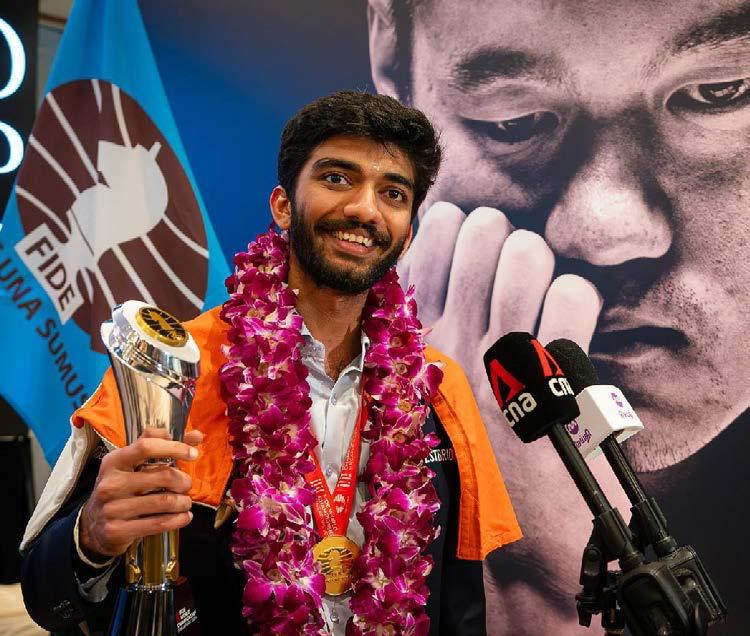
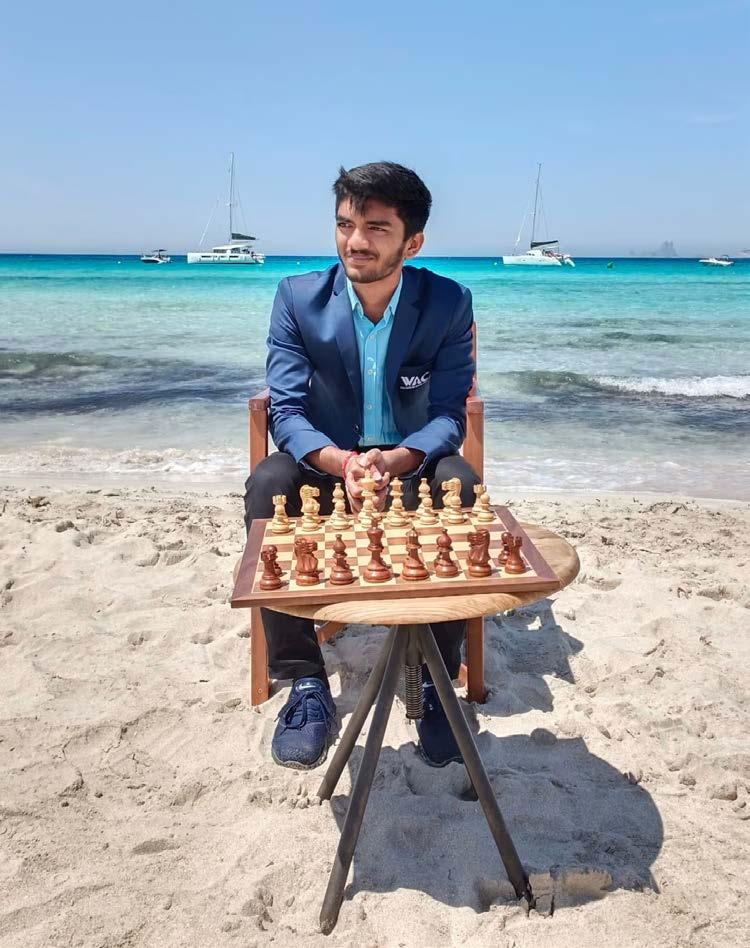
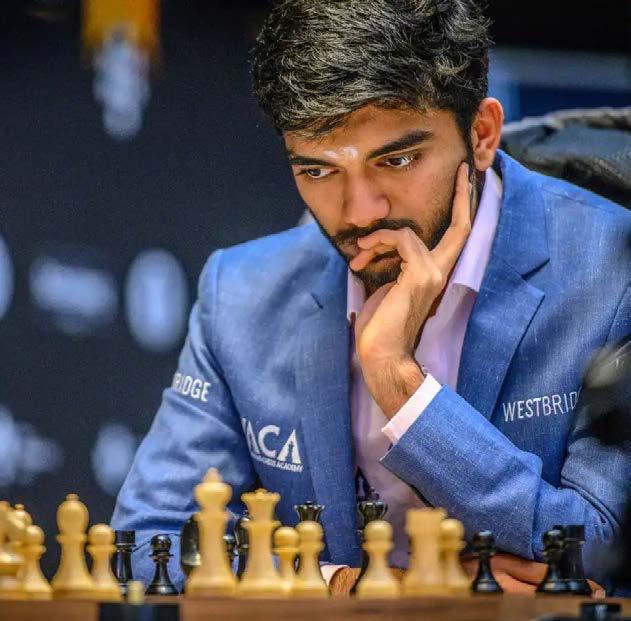
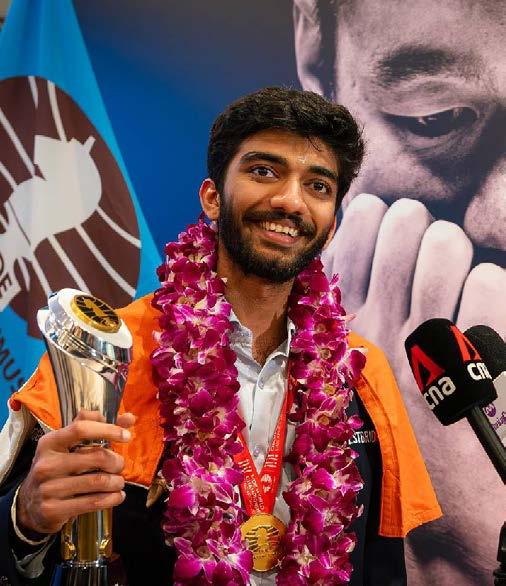
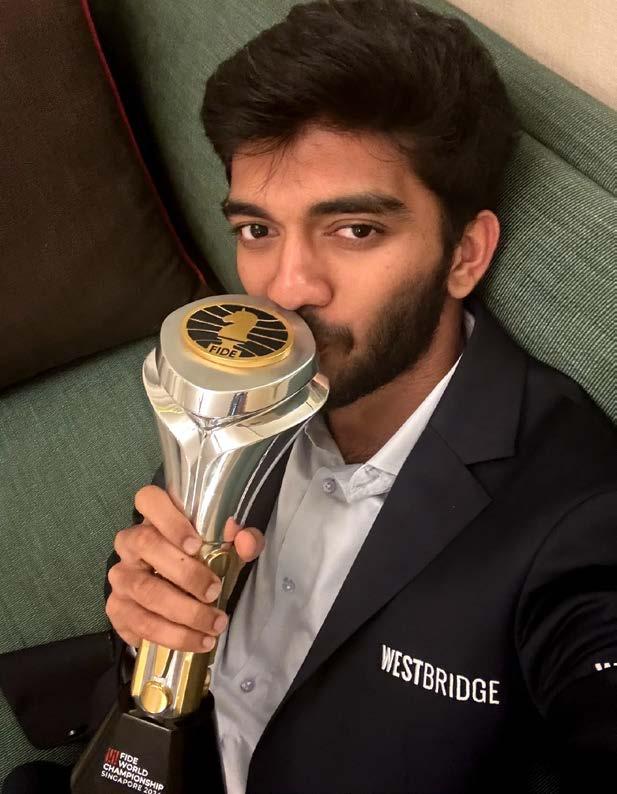
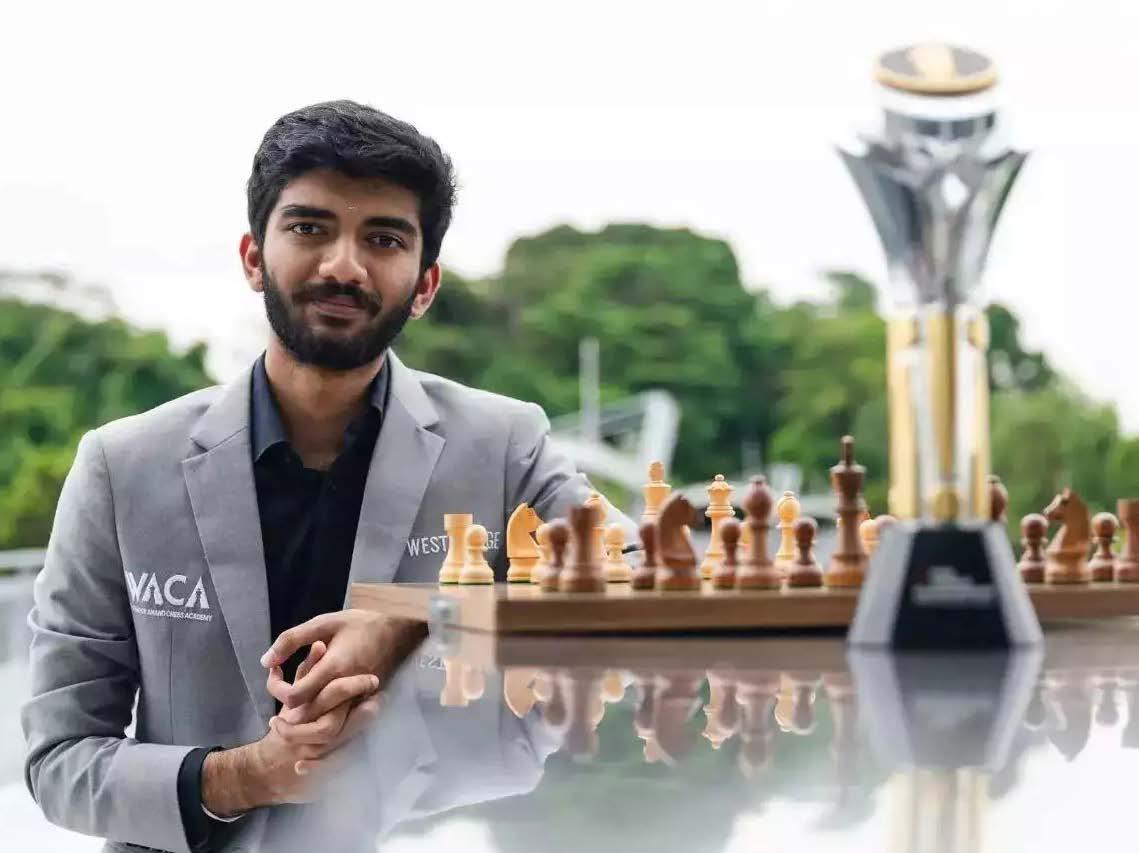
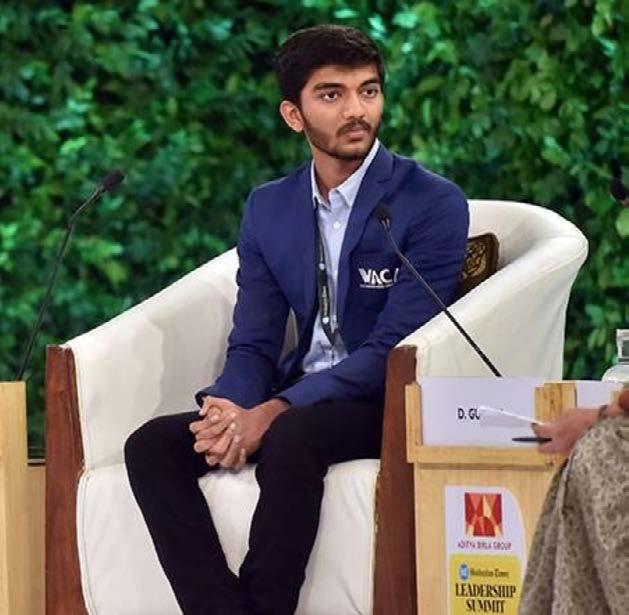
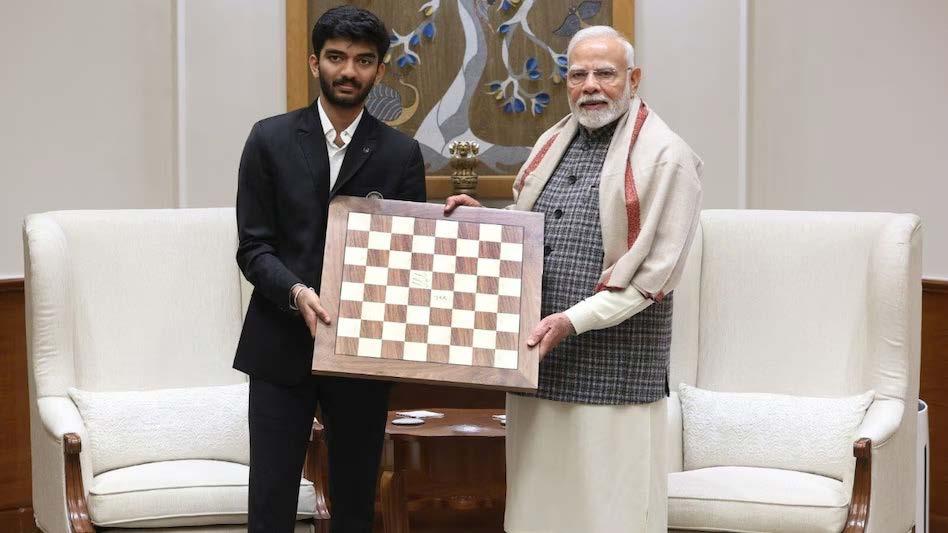
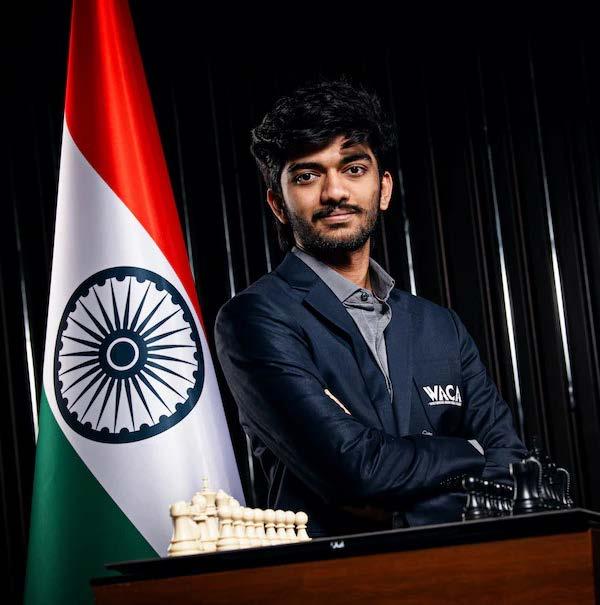
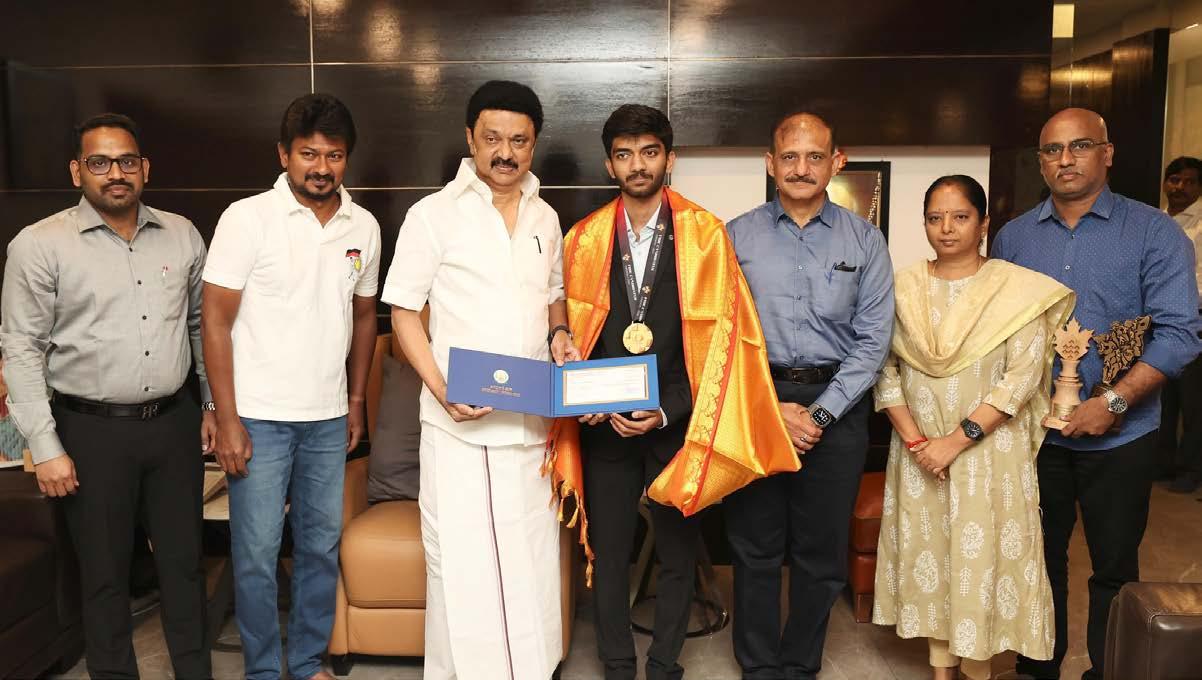
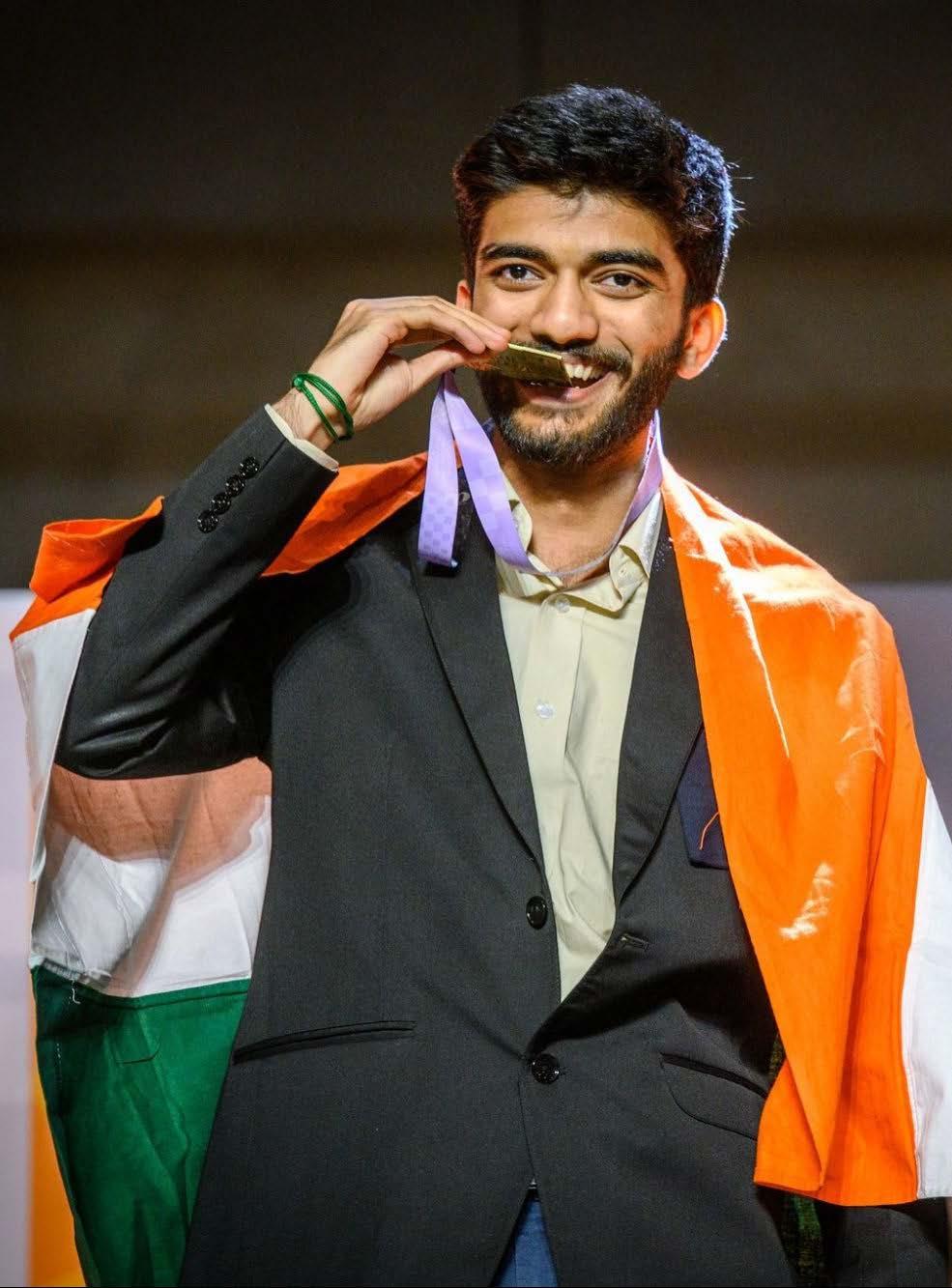
GUKESH DOMMARJUTHE NEW WORLD CHESS CHAMPION
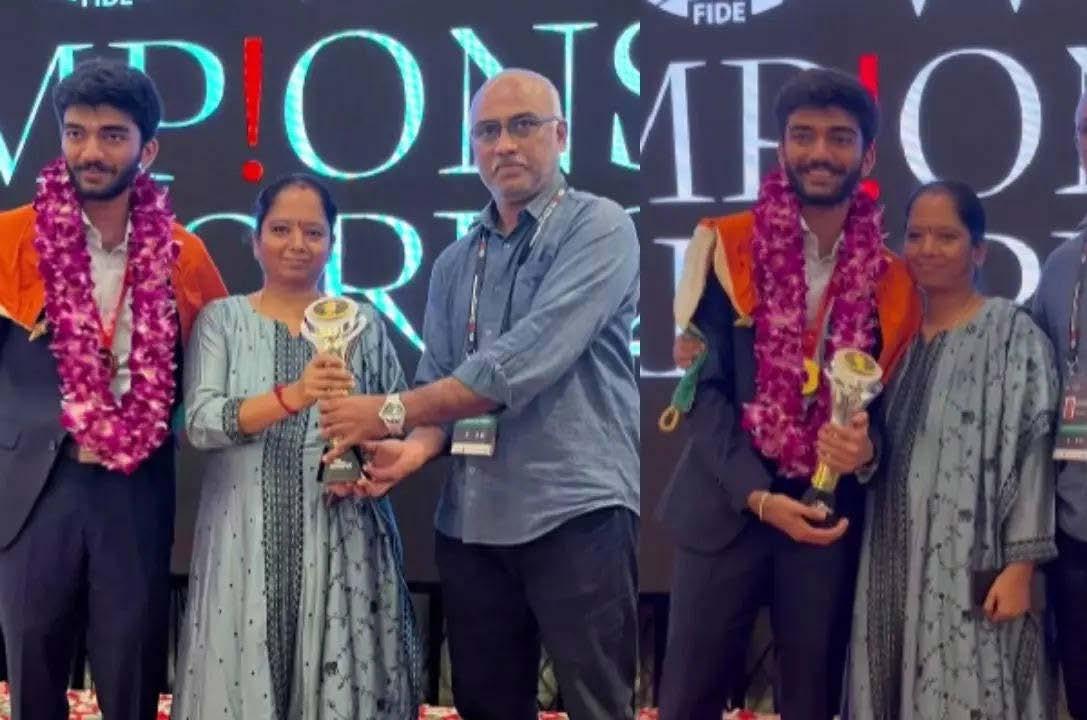
Gukesh Dommaraju's skill and relentless spirit earned him the coveted crown. His humility and grace position him as a potential ambassador of the sport and a role model to many who wish to follow his success. An 18-year-old kid from Chennai, who has been playing Chess since he was seven years old. He has always dreamt of representing India and winning on the biggest stage of chess since he was 11 years old- The WORLD CHESS CHAMPIONSHIP.
Gukesh’s Background
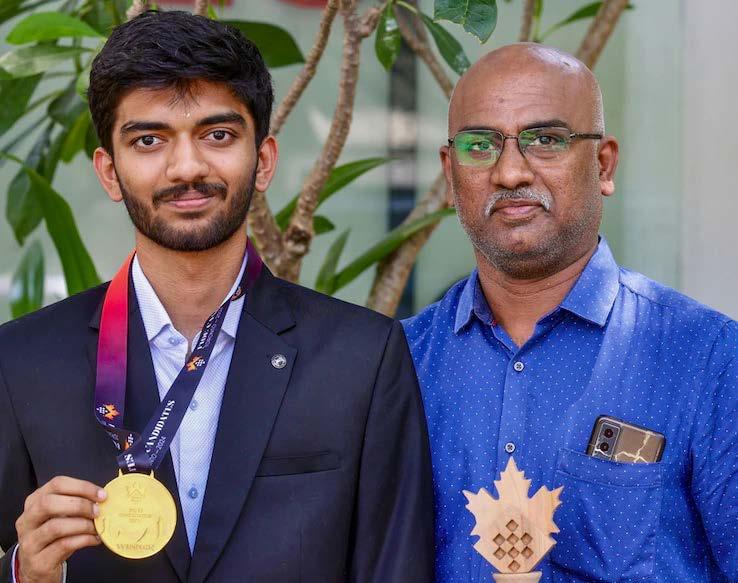
Gukesh hails from Chennai, the capital of the southern Indian state of Tamil Nadu. He belongs to a middle-class family, where his father Rajinikanth is an ENT surgeon and his mother Padmavathi a microbiologist. He attended Chennai’s Velammal Nexus School and he started playing chess at the age of seven, Gukesh said in an interview uploaded in 2019 by the Gibraltar International Chess Festival. “Chess is so complex, so I just love it,” Gukesh said in the video. “I want to become a world champion.” By the age of 12, Gukesh had become a grandmaster – the highest title a chess player can attain –making him the third-youngest grandmaster in history and the youngest one from India. Gukesh sees beauty and philosophy in pawns,
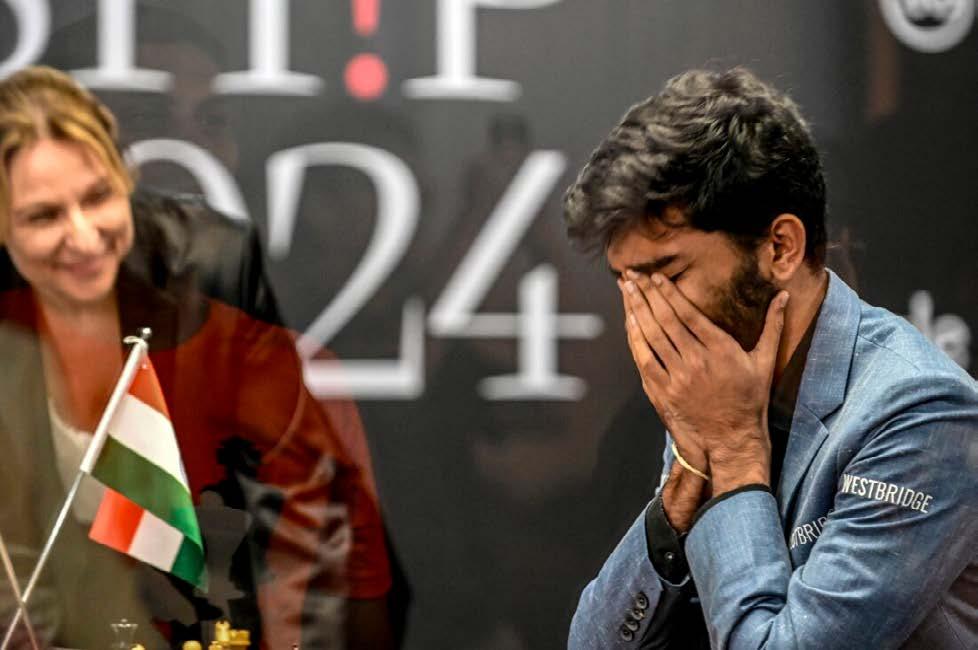
bishops and boards. A YouTube video uploaded by the chess news publication ChessBase India shows the shelves of his room in his Chennai house stacked with trophies and chess books, such as Under the Surface by Jan Markos and Yochanan Afek’s Practical Chess Beauty. Chennai has developed a reputation as the chess capital of India. Out of the 85 chess grandmasters in India, 31 are from Tamil Nadu. The state is even home to a temple dedicated to the game. After his World Championship triumph, D Gukesh announced his arrival in the big leagues, but it was his humility and persistence that truly stood out during his triumph. Even when Ding Liren blundered in the decisive Game 14, Gukesh didn't rush to capitalise on the mistake.
Instead, he calmly assessed the position and went for the kill. He has often been complimented for his composure under pressure demonstrated, his skill but his mental strength. Immediately after securing the title, Gukesh's first thoughts were for Ding, acknowledging his opponent's resilience and empathizing with him. Gukesh even tried to hide his smile, understanding the pain that Ding must have felt after the big blunder in the end. As legendary Susan Polgar recently noted, Gukesh has the potential to be 'the best Chess Ambassador ever' -- his professionalism, maturity, and grace under pressure make him a role model for the next generation of players.
For Gukesh, becoming world champion is just the start of a much larger journey, one that he hopes will eventually place him among the all-time greats of this beautiful sport. As Gukesh sat across the board from Ding Liren in the World Chess Championship match, he received flashbacks of 2013, when
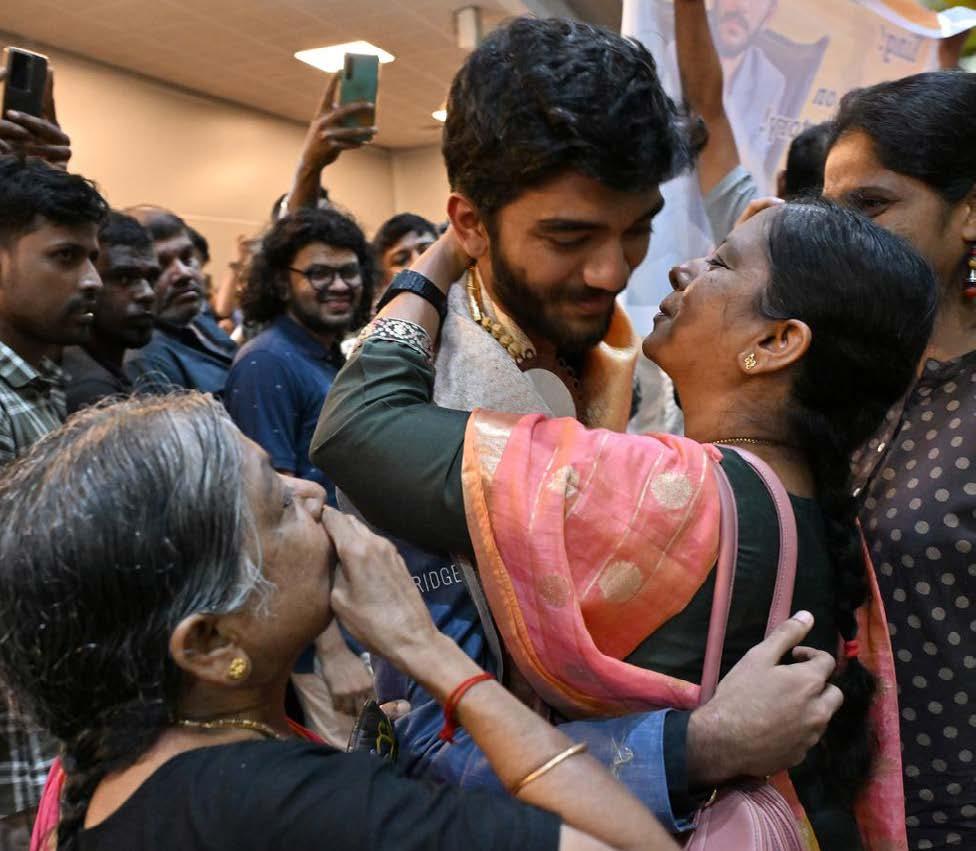
Magnus Carlsen dethroned Viswanathan Anand in Chennai to become the World Chess Champion. A young Gukesh, then only just 7 years old, was part of the crowd that day, witnessing the end of an era. "When Magnus won, I wanted to be the one to bring back the title to India," Gukesh said in an emotional press conference after his victory. "This dream that I had more than 10 years ago is the single most important thing in my life."
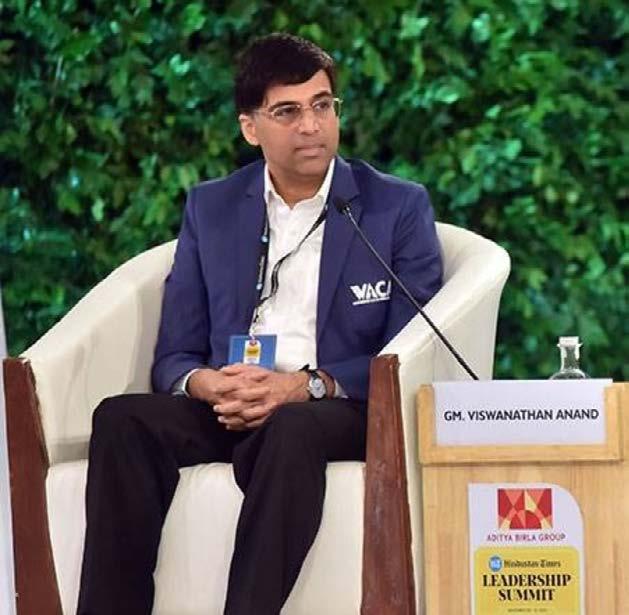
In a way, Gukesh's victory is also a tribute to the icon Anand, India's first World Chess Champion, whose legacy is woven deeply into the fabric of Indian chess. Anand, often revered as the father of modern Indian chess, paved the way for a generation of young players, including Gukesh, to challenge the global elite and take Indian Chess to greater heights. Through his mentorship at the WestBridge-Anand Chess Academy, Anand and his team has played a pivotal role in Gukesh's success, providing not just technical guidance, but also the wisdom that comes from years at the top.
The Road to Victory
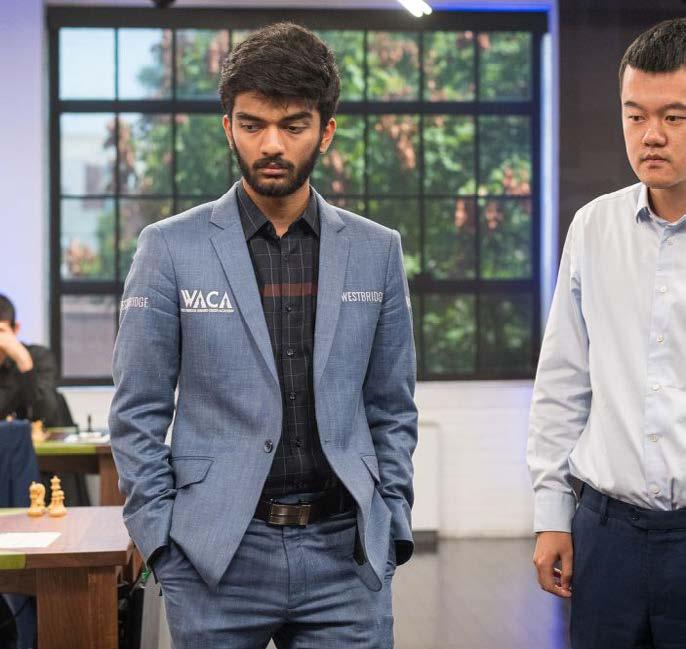
Gukesh qualified for the championship in April via his victory in the men’s Candidates Tournament of the International Chess Federation (FIDE). He was the youngest candidate to win the Candidates Tournament. He competed against seven other opponents in the event held in April in Toronto, Canada. The winner of the double round-robin tournament is presented with the opportunity to challenge the defending champion for the world title. Ding, 32, became world champion in 2023. Starting November 25, Gukesh and Ding faced off over 14 intense games.
In chess, a player wins one point for a win and half a point for a draw. Ding went into the lead by winning the first game. The second round ended in a tie. Gukesh won the third game, tying things up with Ding at 1.5 each. They remained tied for multiple games, drawing each of them. In the 11th game, Gukesh, playing with white, took the lead after Ding made a blunder. But Ding bounced back by winning the 12th game, levelling the playing field once again. The 13th game resulted in a draw.
The World Chess Championship match itself was the culmination of months of hard work, strategy, and growth. As we entered into the final game, the score was tied 6.5-6.5, and the match was on a knife's edge.
Ding, the reigning champion, was fighting not only for his title but also for his place in history, he was experiencing a period of inconsistent form. Many pundits had already written off Ding's chances, doubting his ability to retain the title after a series of uncharacteristic performances over the last two years. Some even doubted whether Ding would turn up to defend his title. However, Ding showed incredible resilience, managing to stretch the match into the final game. Had it not been for the late blunder, Ding would have had a chance to redeem himself in the tiebreakers. Gukesh's composure in the face of immense pressure proved to be his defining strength. The
young Indian grandmaster, known for his cool head, kept his nerves intact. Gukesh's relentless drive to push until the last move paid off in Game 14. Many pundits, including Viswanathan Anand, predicted a draw during the midgame, but Gukesh's persistence in the endgame made all the difference. Anand spoke after the game, "We had a pleasant surprise today. It wasn't accidental. He was rewarded for his attitude of continuing to fight, even when it looked like a drawn position. Maybe, 9 out of 10 times, you won't get rewarded. But his attitude, combined with Ding's mistake, led to that beautiful ending," Anand said.
The start of something magical
Despite the ecstasy of becoming the youngest-ever World Chess Champion, Gukesh remains humble, clear-eyed, and focused on the road ahead. "This is a huge step for me, but my goal has always been to be at the very top for the longest time possible," Gukesh said after his victory. "Becoming the world champion doesn't mean I am the best player in the world. Obviously, there's Magnus Carlsen, and he will always be a motivating factor for me." Carlsen continues to dominate the chess landscape, despite stepping away from the World Championship scene and he has set a bar that Gukesh aspires to reach one day.
A Sombre affair?
The 2024 World Championship was not devoid of controversies. One of the biggest talking points of the event was the absence of Magnus Carlsen, who had chosen not to compete for the title. Carlsen, who is regarded as one of the greatest players in chess history, dominated the World Championship for nearly a decade, successfully defending his title five times between 2013 and 2021. However, in 2023, he decided against defending his crown, stating a lack of motivation and an aversion to the exhaustive preparation required for the championship cycle. For many, Carlsen's absence affected the prestige of the tournament, with many people questioning whether the title was now less significant without the reigning champion in the mix. Garry Kasparov, who had spoken out about the historic lineage of the World Chess Championship, made an admission that Carlsen's withdrawal had taken the shine off the event. "My thoughts on the historical world championship lineage with Magnus outside are known," Kasparov said, acknowledging the void left by Carlsen's absence. However, the Russian legend also took the opportunity to praise both Gukesh and Ding for putting on a spirited contest, one that demonstrated their immense skill and character over the course of the match.
Importance of a Team
Behind every world champion is a solid support system, and Gukesh was no exception. While his individual talents were on full display during the World Championship, he credited much of his success to his parents and his team that consists of Grzegorz Gajewski, Radek Wojtaszek, Pentala Harikrishna, Vincent Keymer, Jan-Krzysztof Duda, and Jan Klimkowski-along with his mental coach, Paddy Upton, who were integral to his preparations. Upton, well-known for his work with the 2011 Indian World Cup cricket team, trained Gukesh psychologically, ensuring that he was mentally prepared for the demands of a World Championship match. The presence of such a diverse and talented support system reflects the growing support Indian players are receiving.
Through the WestBridge-Anand Chess Academy, Gukesh has had access to the knowledge and support from some of the best minds in the sport. Anand's mentorship, even though he was not officially part of the team, had been a constant source of support. The collaborative environment created by Anand, which encourages young players to train alongside world-class experts, has become a crucial factor in the rise of Indian chess.
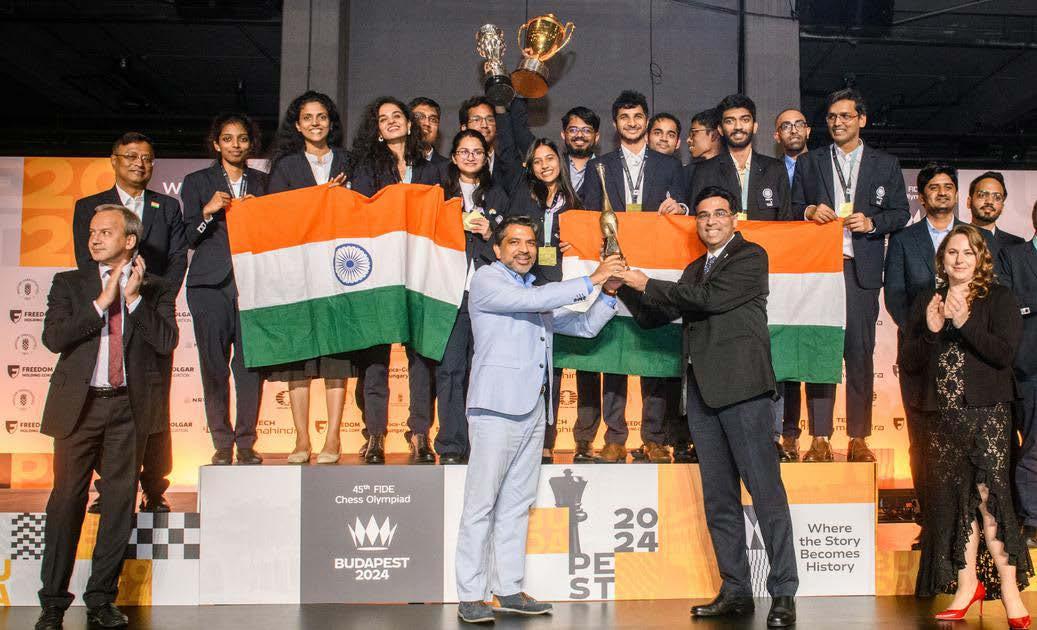
Gukesh's Championship win is evidence of Indian chess's meteoric rise in recent years. Mentors like Anand and a strong infrastructure supporting young talent points towards India emerging as a powerhouse on the global chess stage. India also secured the double gold at the 2024 Chess Olympiad which was secured by both the men's and women's teams highlights the potential of talent emerging from India. Gukesh's victory is the culmination of this exciting era, but it also indicates that this is just the beginning. Gukesh himself said, "I want to be at the very top for as long as I can." His words prove that the world of chess should brace itself for many more years of D Gukesh as he has no intentions of slowing down now.
The Future of Indian Chess.
Gukesh's Championship win is evidence of Indian chess's meteoric rise in recent years. Mentors like Anand and a strong infrastructure supporting young talent points towards India emerging as a powerhouse on the global chess stage. India also secured the double gold at the 2024 Chess Olympiad which was secured by both the men's and women's teams highlights the potential of talent emerging from India. Gukesh's victory is the culmination of this exciting era, but it also indicates that this is just the beginning. Gukesh himself said, "I want to be at the very top for as long as I can." His words prove that the world of chess should brace itself for many more years of D Gukesh as he has no intentions of slowing down now.
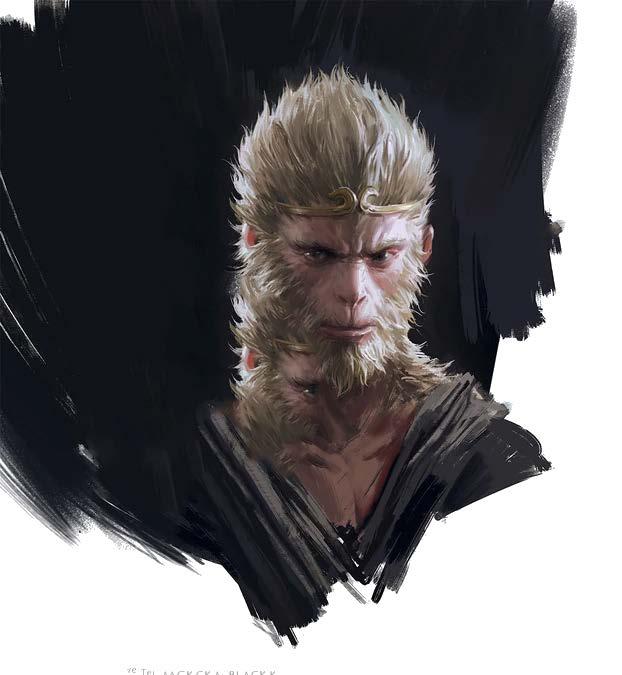
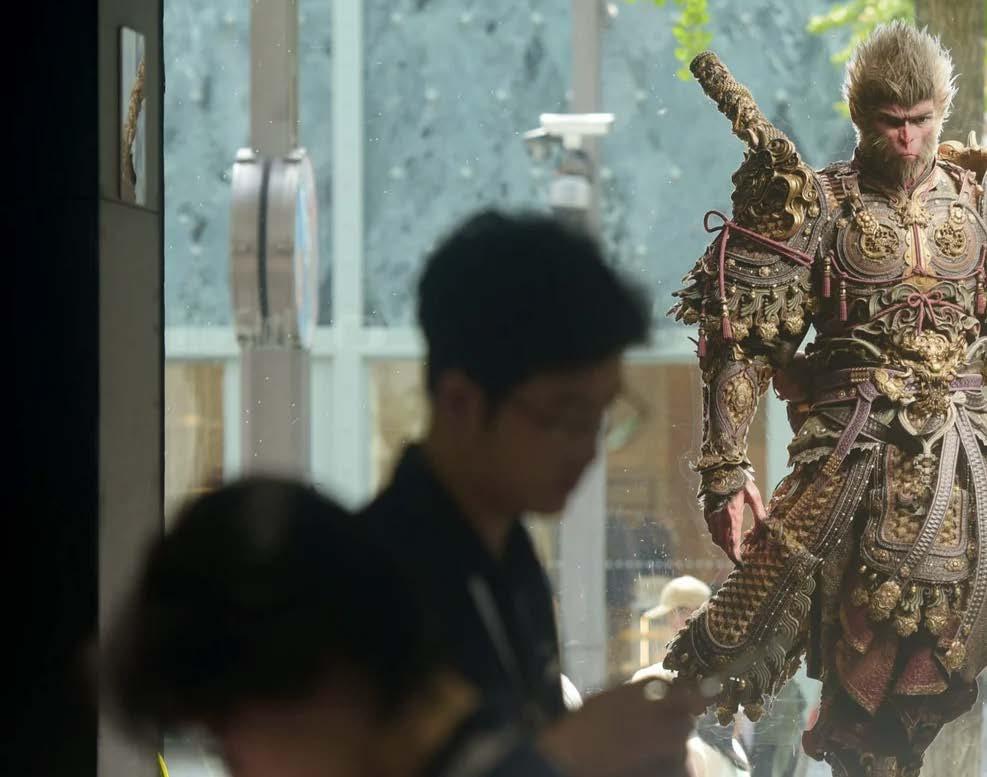
Rags to Riches THE SUCCESS OF FENG JI’ s BLACK MYTH- WUKONG
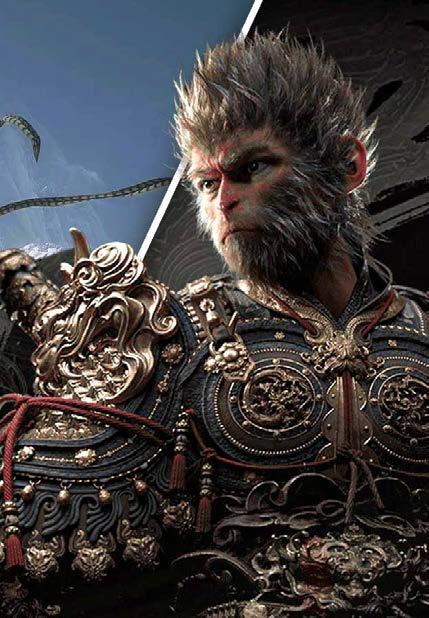
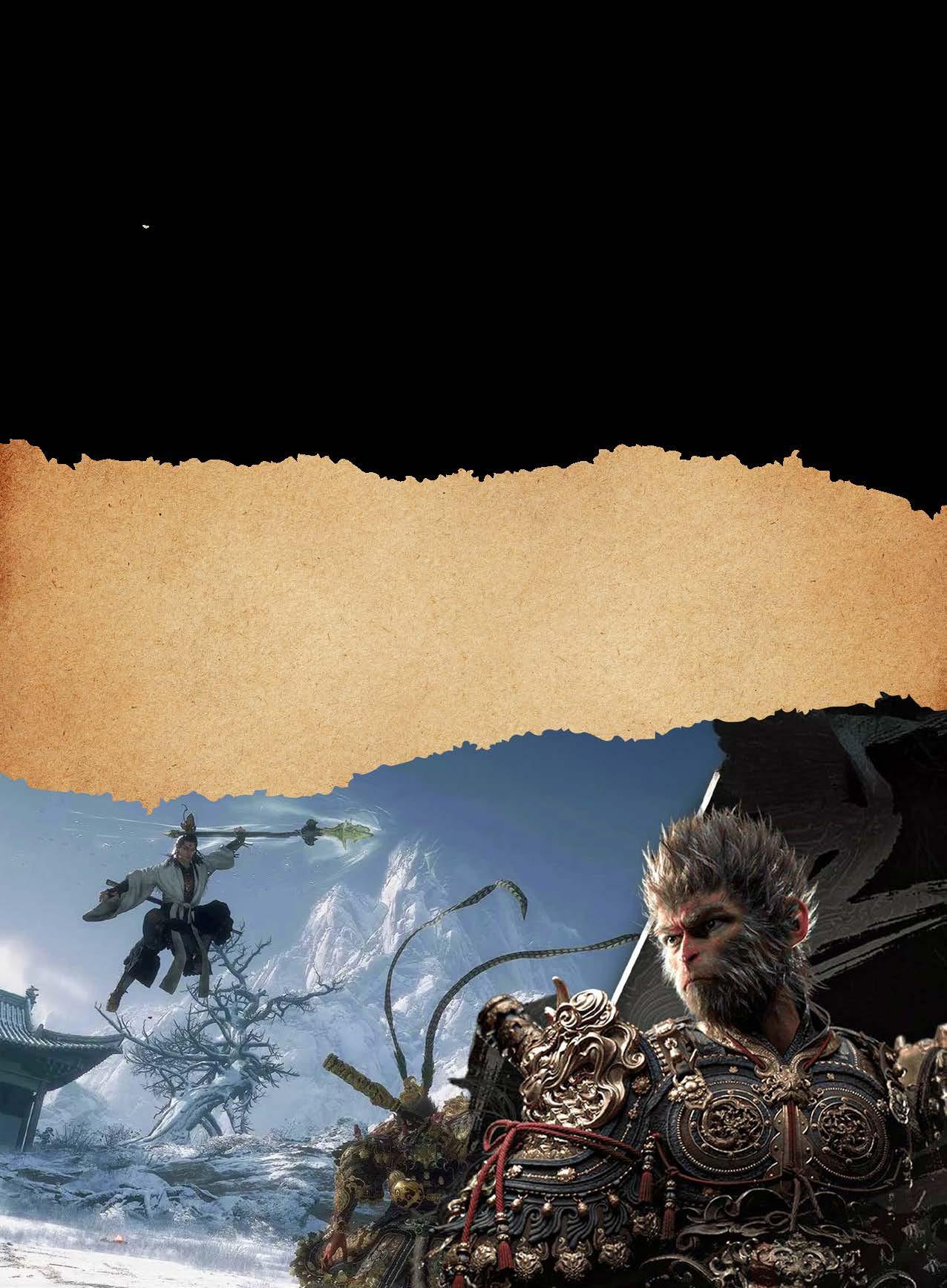
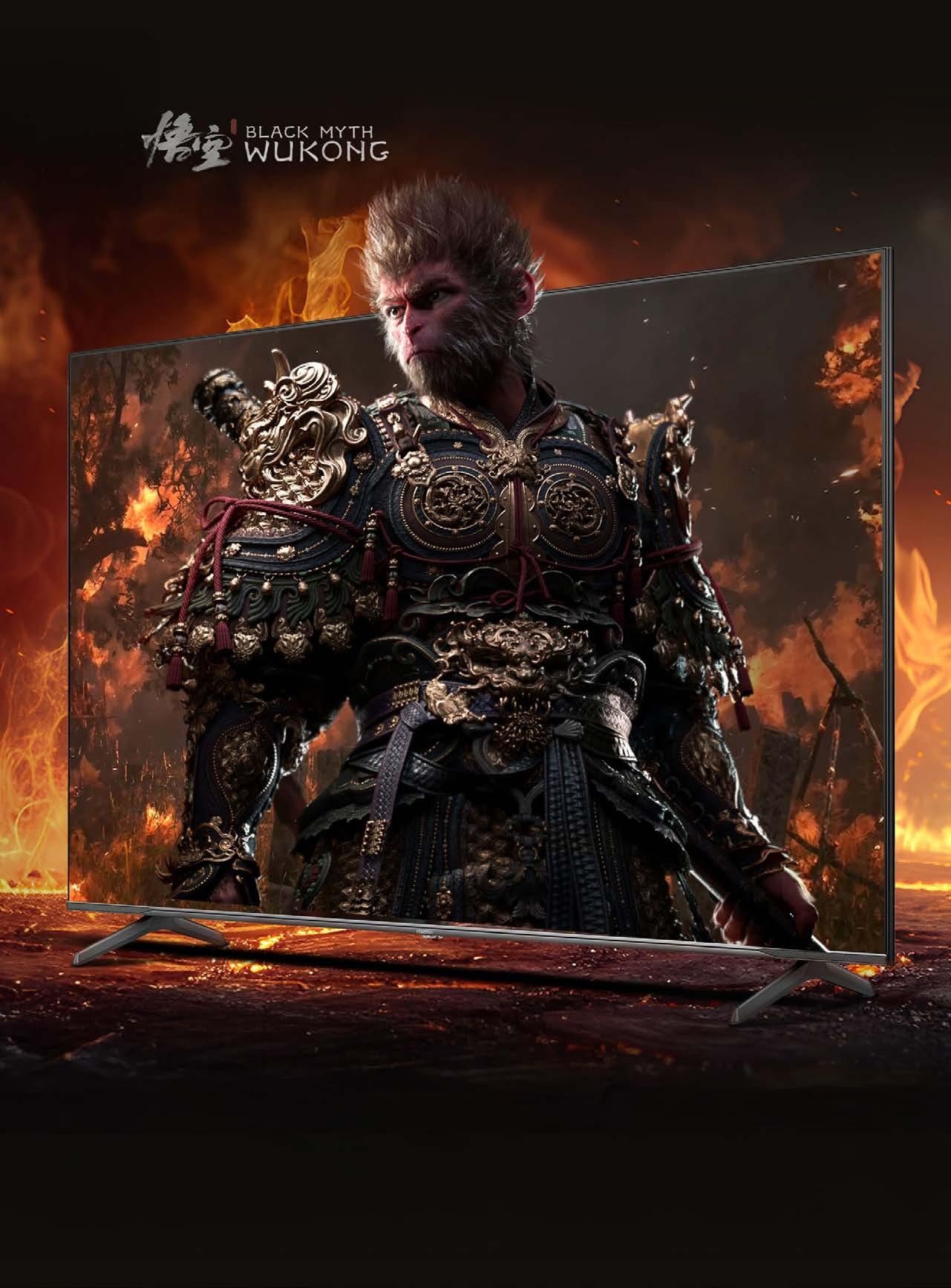
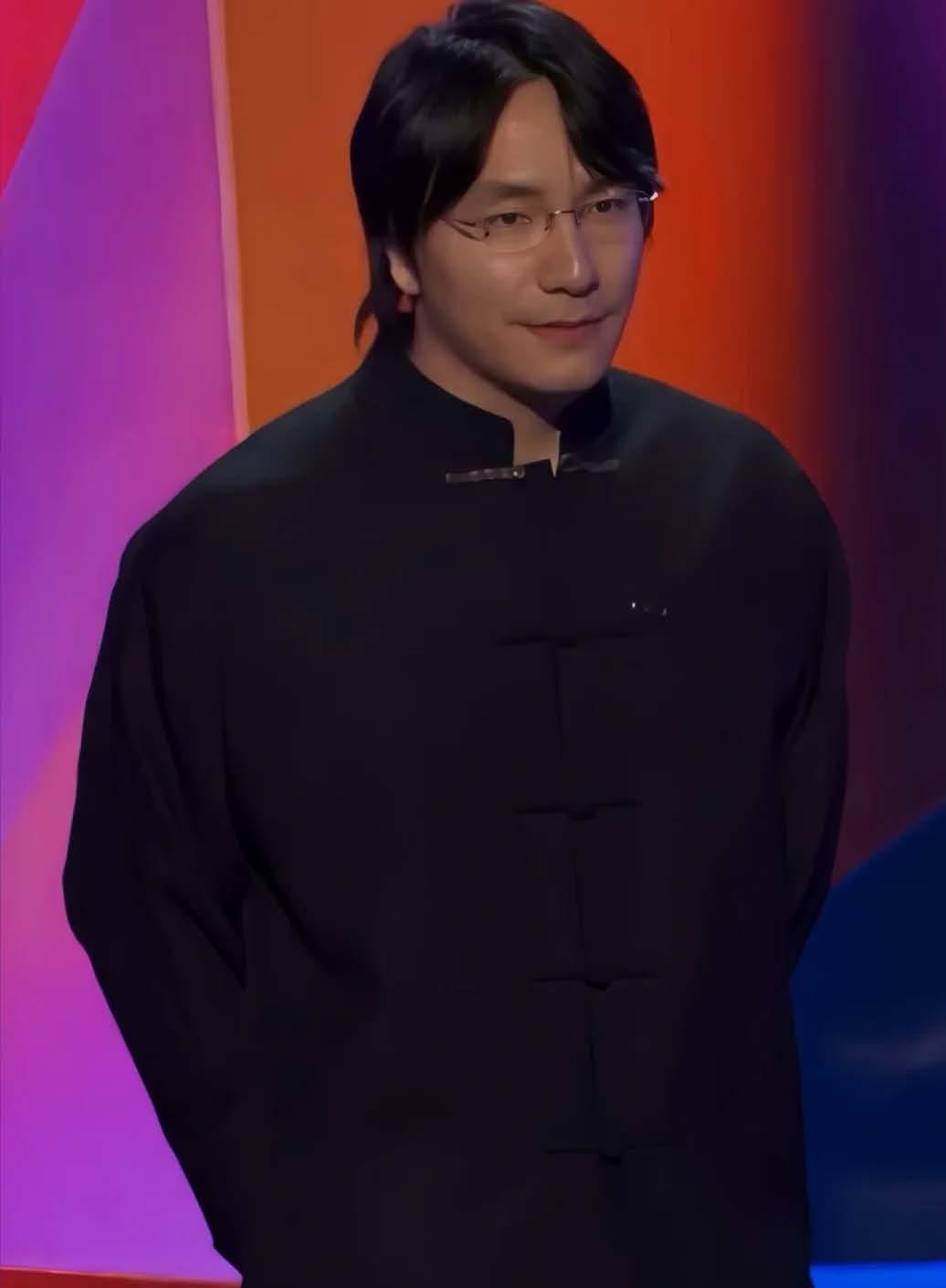
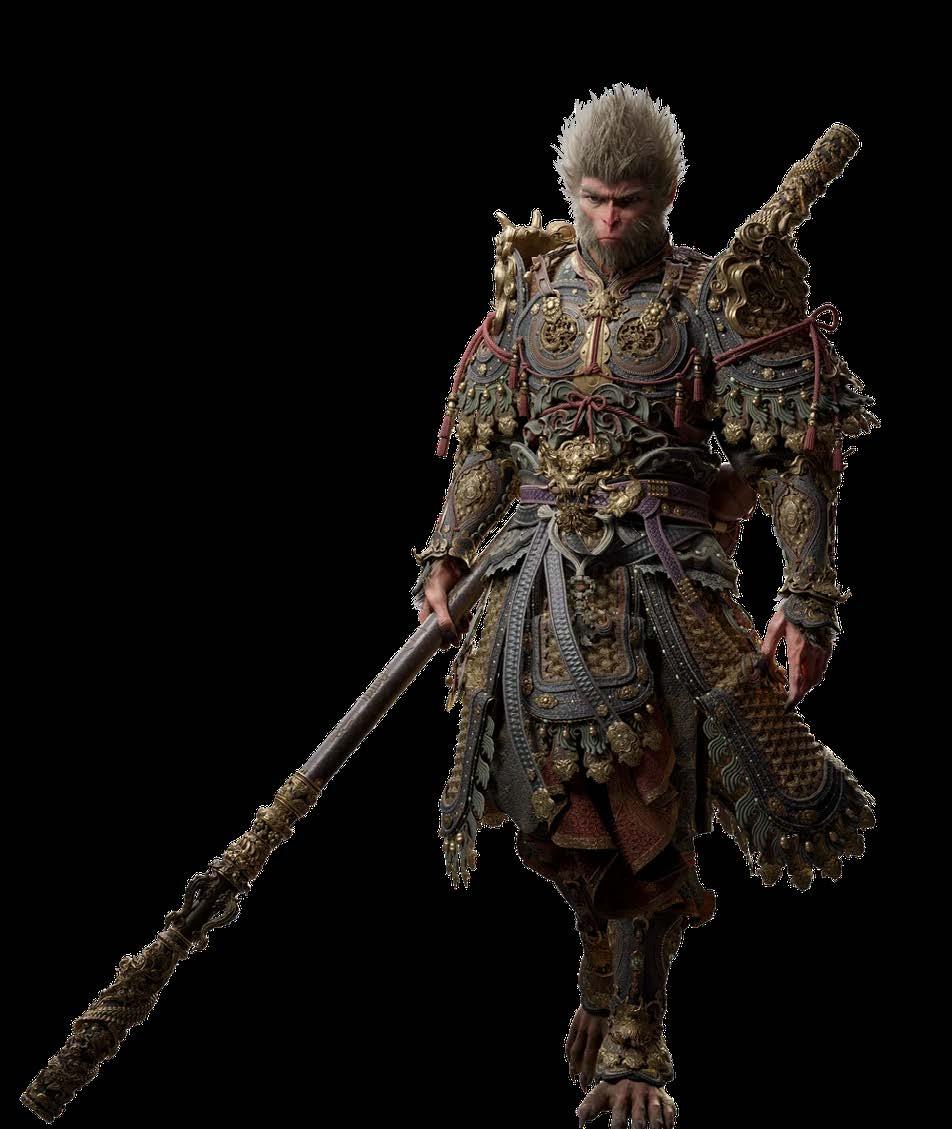
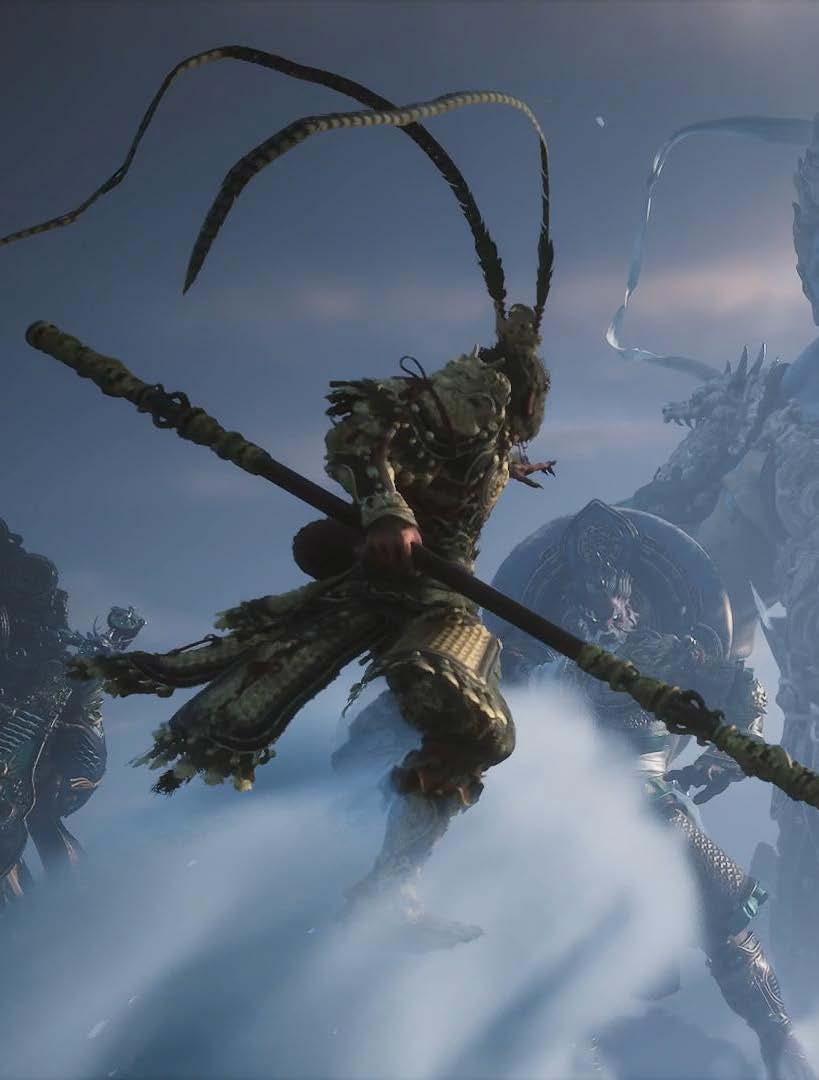
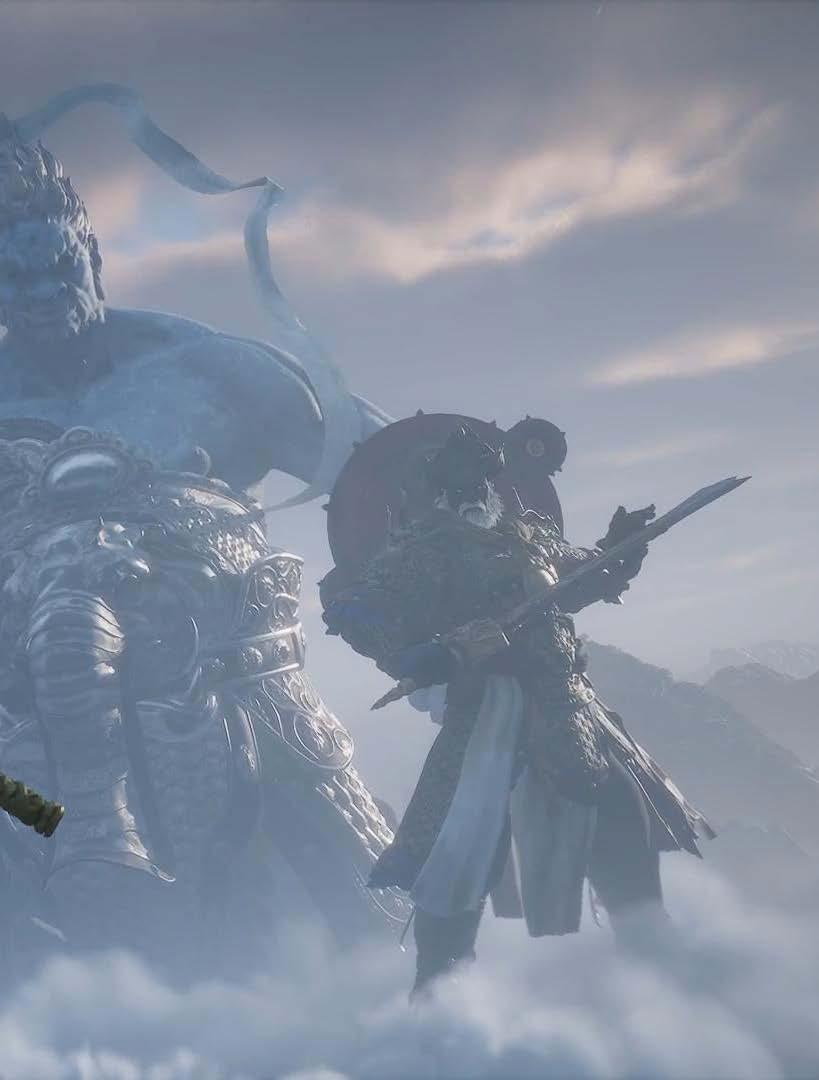
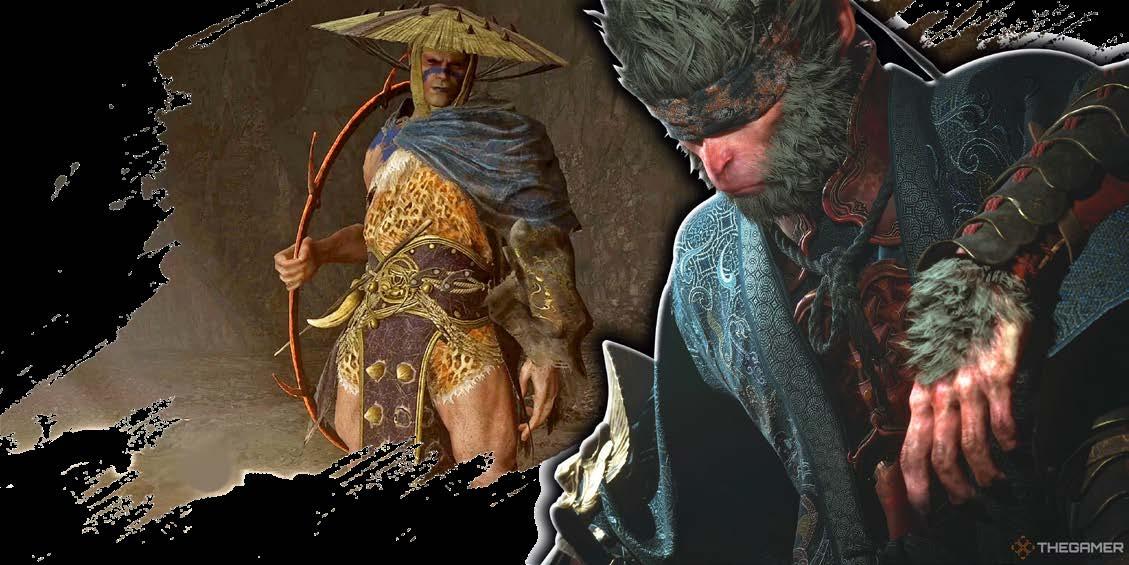
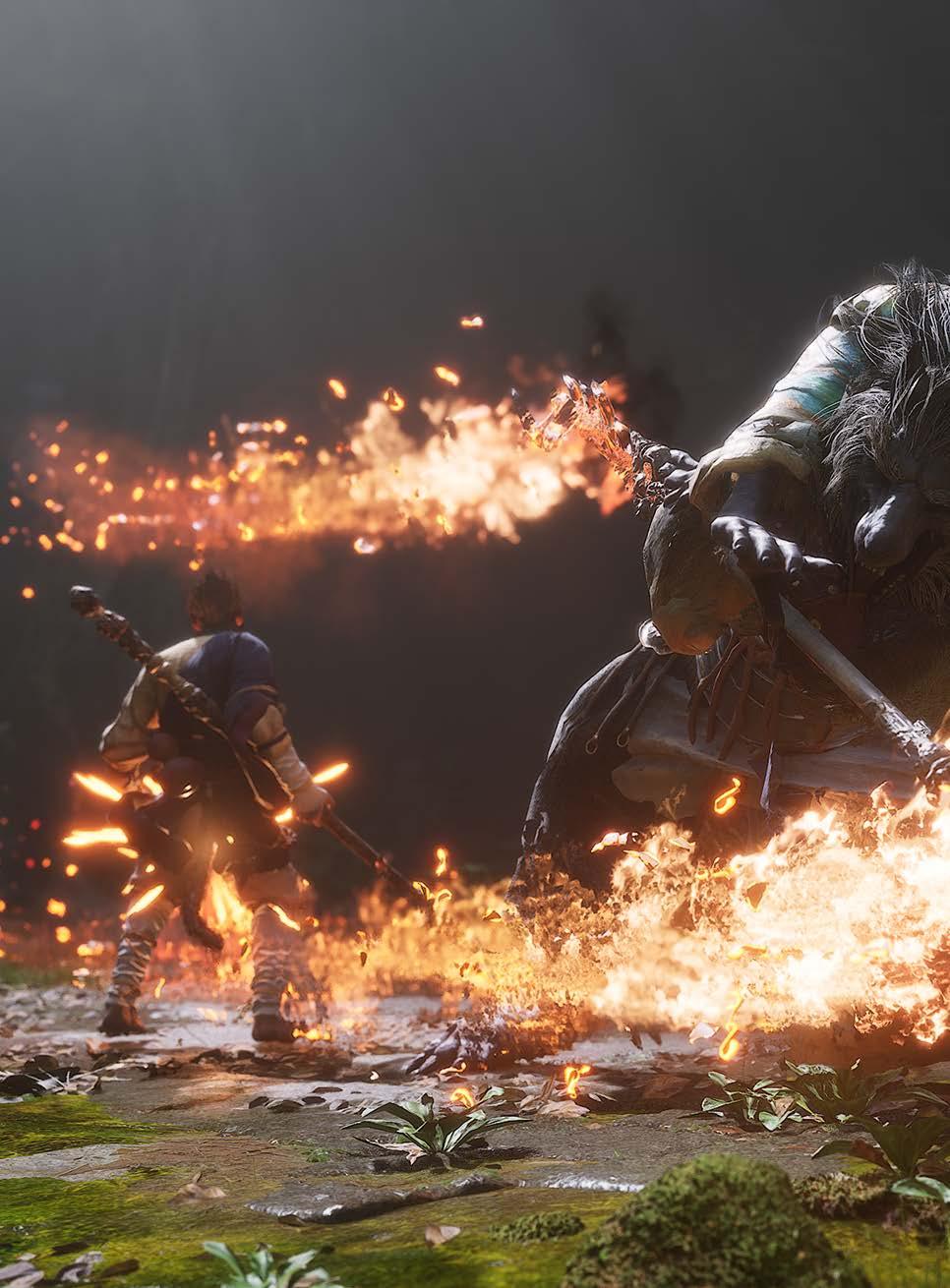
Feng Ji’s leadership led to the creation of Black Myth: Wukong, a game that shattered sales records across the globe, generated $852 million in two weeks, and positioned China as a serious contender in the global gaming industry. Imagine walking into a dimly lit internet café in 2005. Among rows of gamers, one figure stands out—a young man immersed in World of Warcraft, living on borrowed time and money, completely oblivious to the world outside. That young man was Feng Ji, and little did anyone know, he would one day create of one of the fastest-selling games in history. In 2024, Black Myth: Wukong took the gaming world by storm, but few could have predicted this rise.
HOW DID FENG JI GO FROM A GAMER WHO GAVE UP GRAD SCHOOL TO BECOMING THE MASTERMIND BEHIND CHINA’S FIRST AAA GAME? THIS IS THE STORY OF RELENTLESS PASSION, BOLD RISKS, AND A VISION NO ONE ELSE COULD SEE.
Shattering Records with Black Myth: Wukong
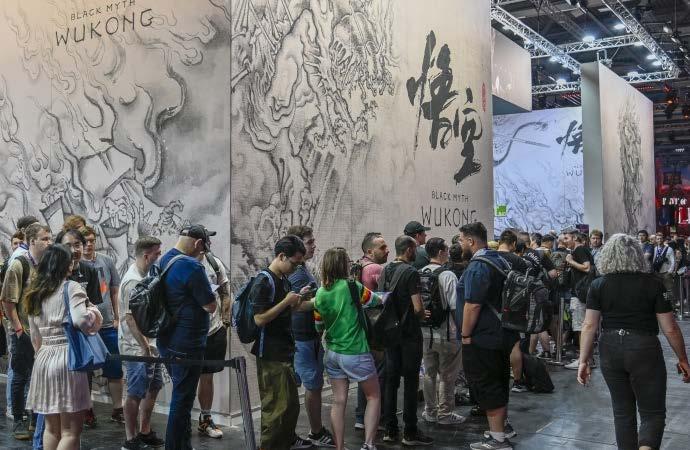
When Black Myth: Wukong launched, it didn’t just sell well; it broke records. With 10 million copies sold in the first three days and $852 million in revenue within two weeks, the game’s success sent shockwaves through the gaming industry. It only fell behind games like Call of Duty and Grand Theft Auto and became the second highest concurrent players on Steam, behind PUBG. Feng Ji’s creation had not only changed the perception of Chinese gaming—it had cemented China’s position in the global leagues.
From Gamer to Game Designer
Feng Ji’s journey began like that of many gamers—obsession. His deep dive into World of Warcraft in 2005 was so intense that it led him to abandon grad school. For years, he lived in internet cafés, surviving on borrowed money. But Feng wasn’t just playing for fun—he was becoming a master of his craft. His reputation in the gaming community landed him a job as a game designer. By 2008, Feng was leading the development of the game Asura, a Monkey King-based game at Tencent. But Tencent shifted its focus from fun to monetisation, and Feng’s belief that “games should be fun first” clashed with the corporate vision. This conflict drove him to leave the organization and start his own company, Game Science.
The Birth of Game Science
In 2014, Feng Ji left Tencent with seven colleagues to form Game Science, a studio founded on the dream of creating a game that prioritised fun and player experience. However, the team initially developed mobile games to ensure the studio survived. These early projects failed to make an impact, but Feng remained focused on a larger goal—he wanted to create a single-player masterpiece that could compete on a global scale. And by 2016, Feng saw his opportunity as Steam’s data showed that a third of its users were from China, and Chinese gamers were hungry for high-quality experiences. The market was ready, but Feng Ji needed more than just an idea—he needed support.
A Strategic Partnership
Around this time, Feng forged a close bond with actor and producer Daniel Wu, with whom he spent late nights playing League of Legends. Wu believed in Feng’s vision, and in 2017, he made a bold investment—buying 20% of Game Science for $8.5 million, despite the company’s earlier failures. Wu’s trust and financial backing would prove critical as the studio embarked on its most ambitious project yet.
Betting Everything on Black Myth: Wukong
In 2018, Game Science took the plunge into AAA game development. The team of seven quit their jobs, sold properties, and went without income for multiple years to bring Feng Ji’s dream to life. Daniel Wu provided additional funding, contributing a significant portion of the $70 million budget for the game. Feng Ji’s vision was clear: to create a global game rooted in Chinese culture. The team pored over the novel Journey to the West, reading it more than 100 times, and designed 1.2 billion models for the Monkey King’s armor. Every detail had to be authentic, but the challenges mounted—Game Science struggled to find talent and adapt to the Unreal Engine. For a time, Feng Ji and Daniel Wu referred to themselves as “two drowning rats,” unsure if they would make it.
A Turning Point
Everything changed in August 2020 when a 13-minute gameplay trailer for Black Myth: Wukong went viral. The video racked up 2 million views on YouTube and 25 million views on Bilibili. What started as a recruitment video for Game Science became a global sensation. The trailer attracted 10,000 job applications, and this allowed the team to grow to 140 employees, which then led to Tencent buying a 5% stake in the company.
Global Impact and Cultural Significance
When Black Myth: Wukong launched on August 20, 2024, it shocked the world. It surpassed games like Elden Ring and Cyberpunk 2077 in concurrent players and received a 95% positive rating from over 700,000 Steam gamer reviews. The game even caught the attention of Elon Musk. But the significance of Black Myth: Wukong extended beyond the gaming world. The game was deeply rooted in Chinese mythology and it introduced global audiences to the richness of Chinese culture and history. It even boosted tourism to sites featured in the game by 300%. Black Myth: Wukong became a cultural phenomenon, inspiring other developers to create games based on mythology and history.
Feng Ji’s Legacy
Despite his monumental success, Feng Ji remains humble. While the world celebrates his achievement, Feng is already focused on the future. “When you are at the peak of confidence, you are also staring at the valley of foolishness,” he said, downplaying the global praise and acclaim he received. For Feng, this is just the beginning of something special as he’s already working on an expansion pack for Black Myth: Wukong. Feng Ji’s story is not just one of gaming success; it is also a testament to the power of vision, perseverance, and unwavering belief in staying true to one’s goals and objectives. He didn’t just create a game—he created a new era for Chinese gaming, by bridging cultural boundaries and setting a new standard for what’s possible in the world of entertainment.
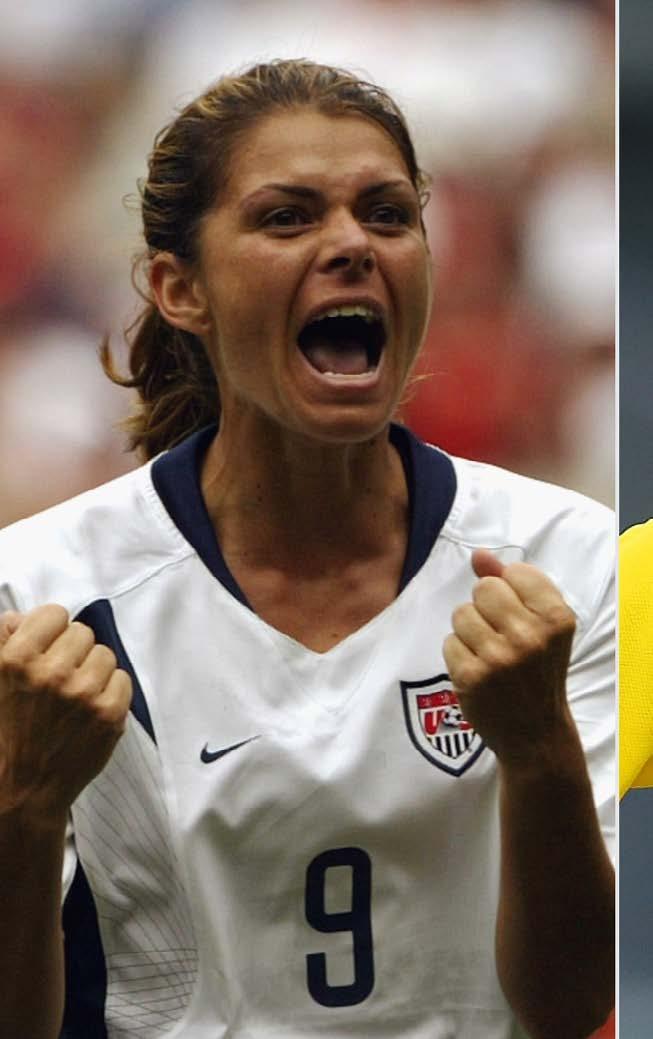
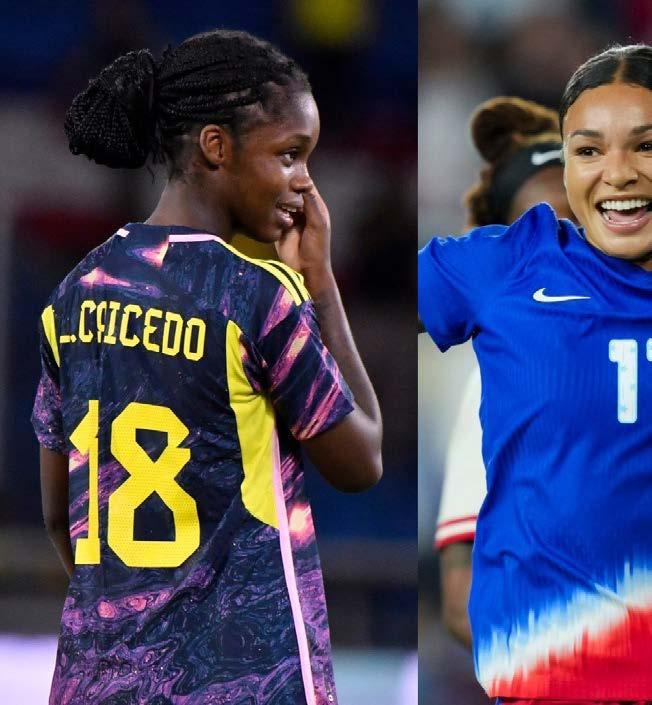
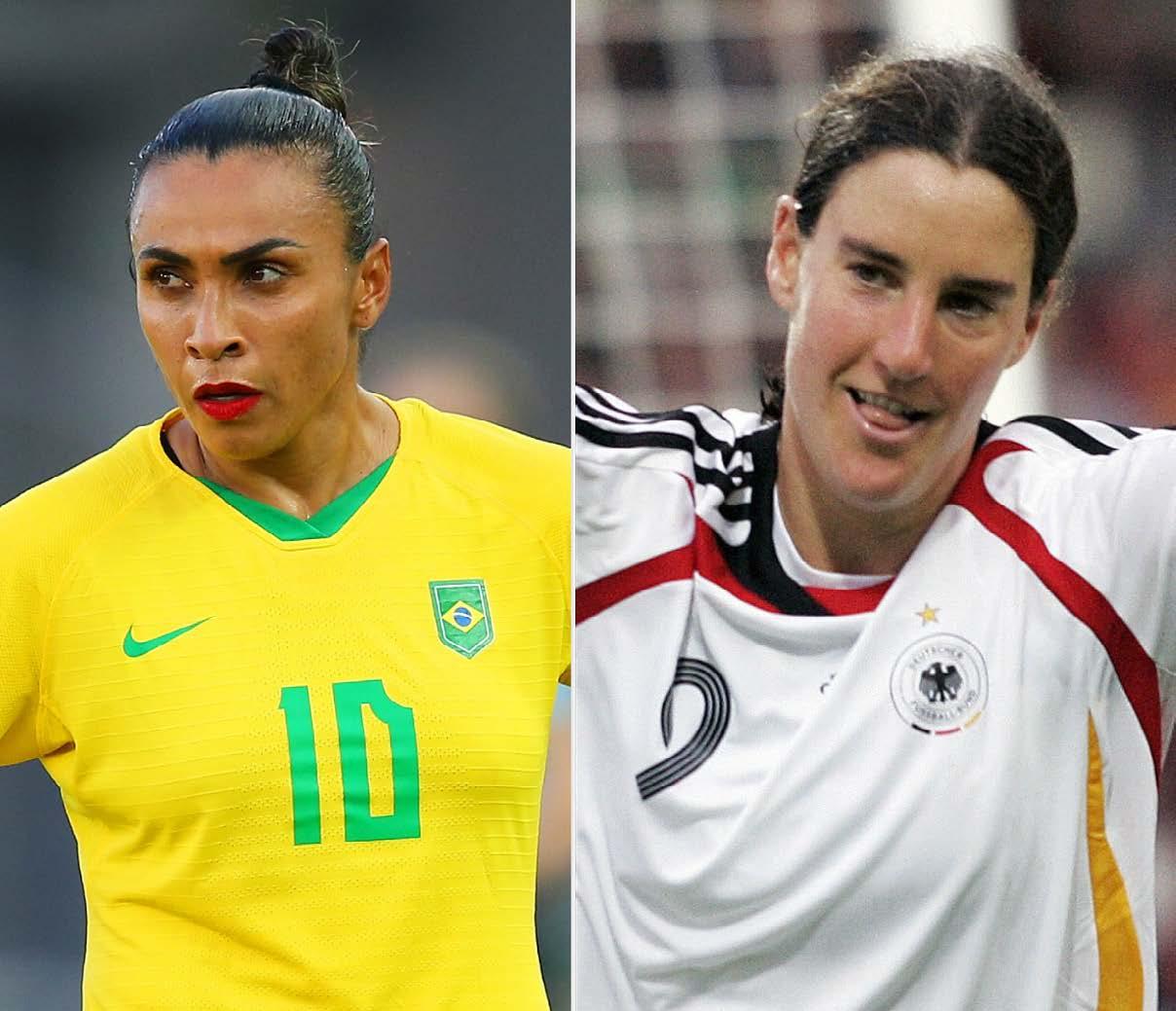
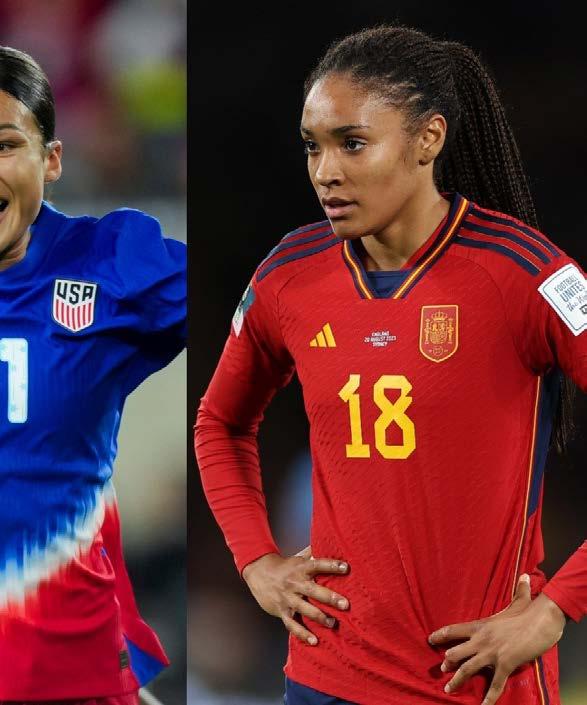
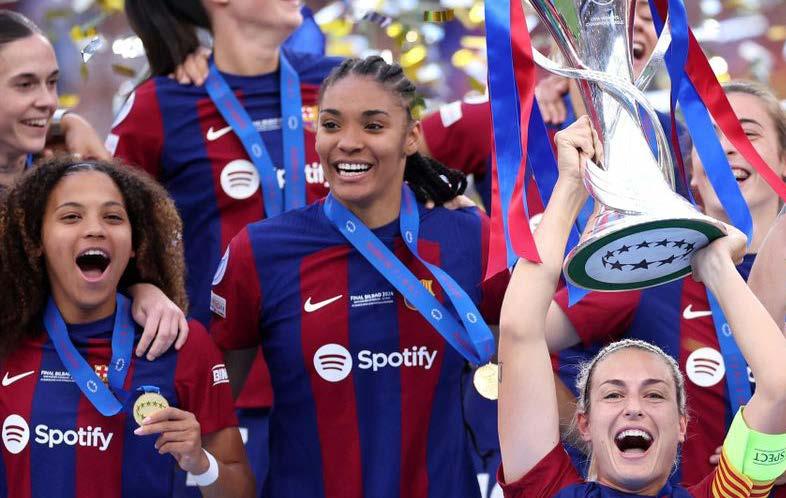
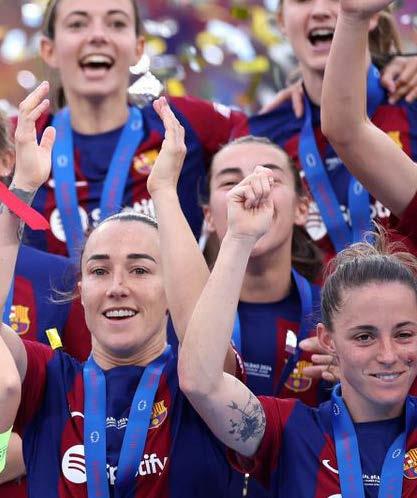
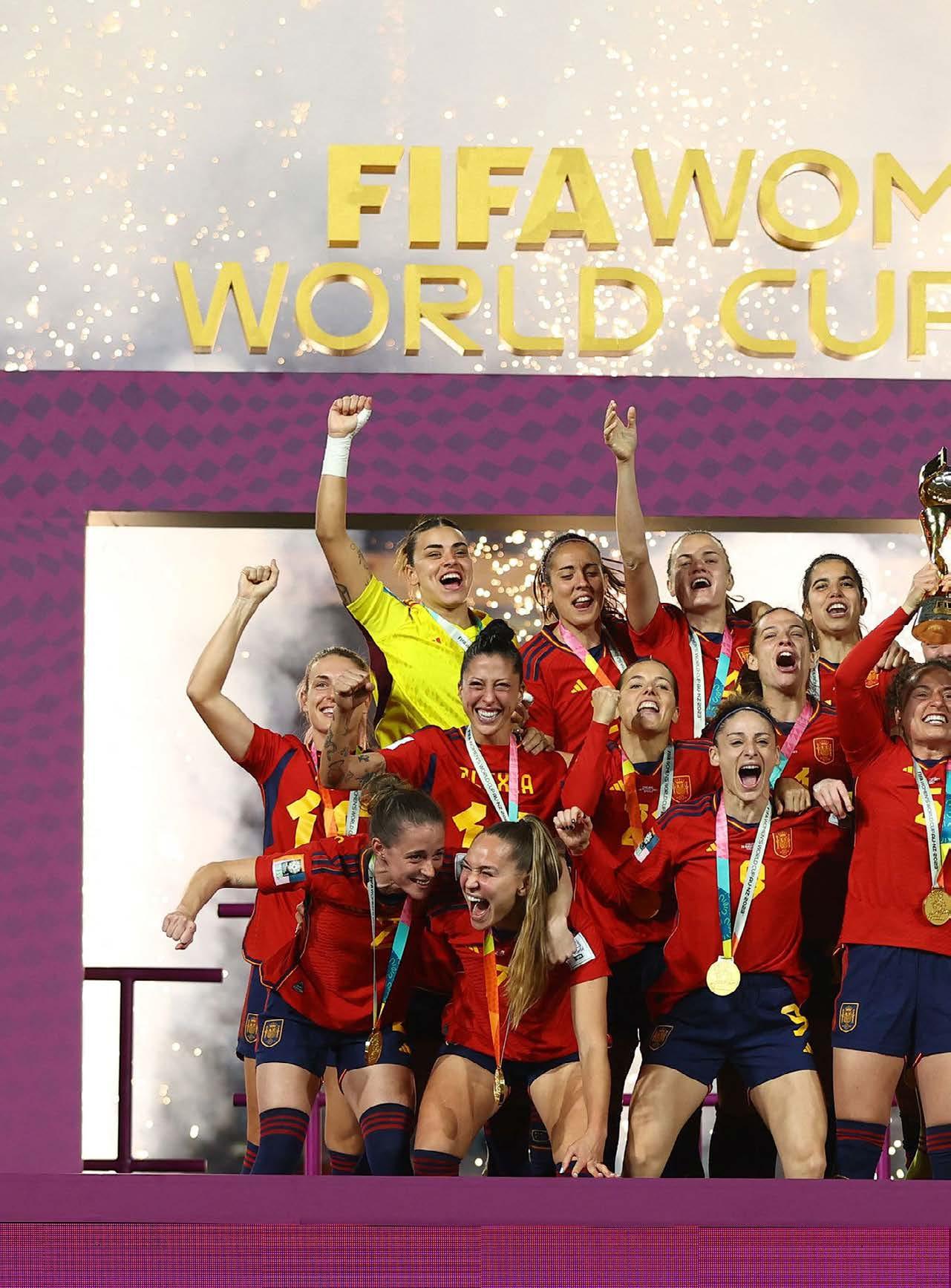
THE DRAMATIC RISE OF WOMEN’S FOOTBALL
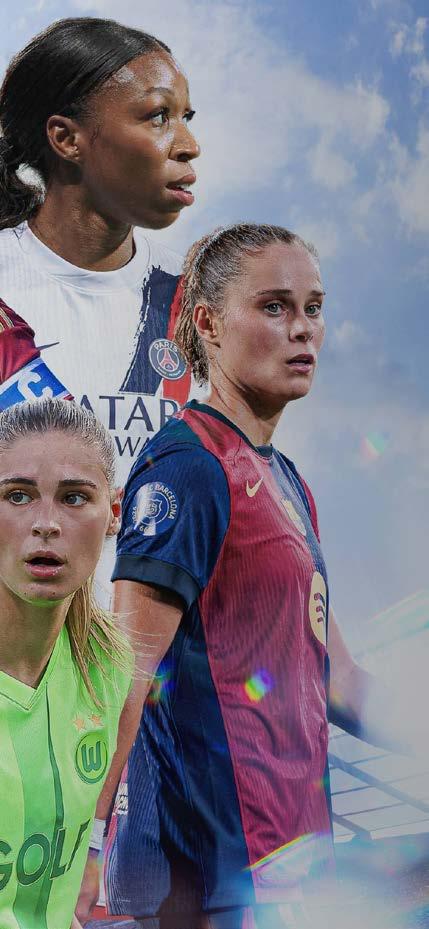
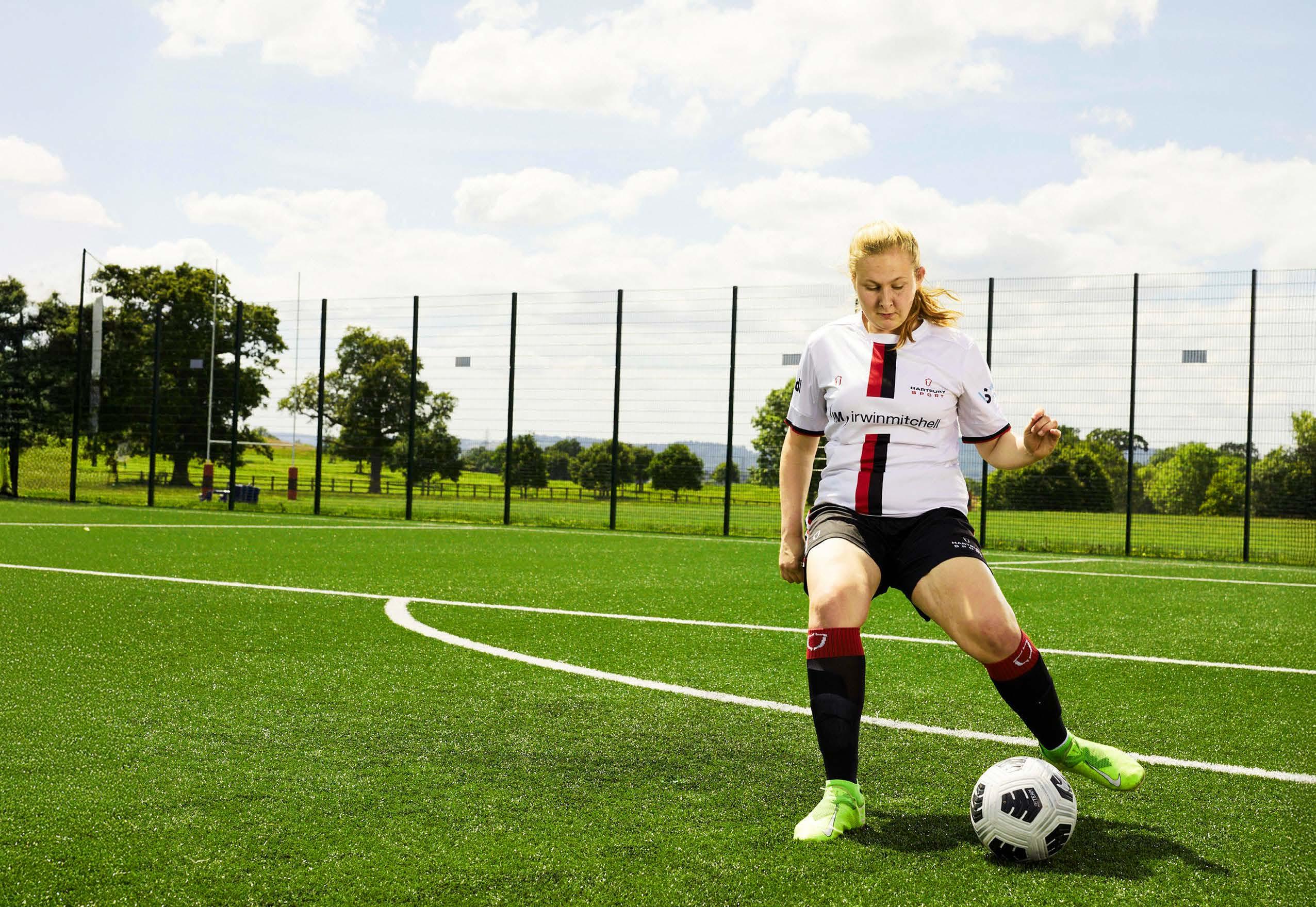
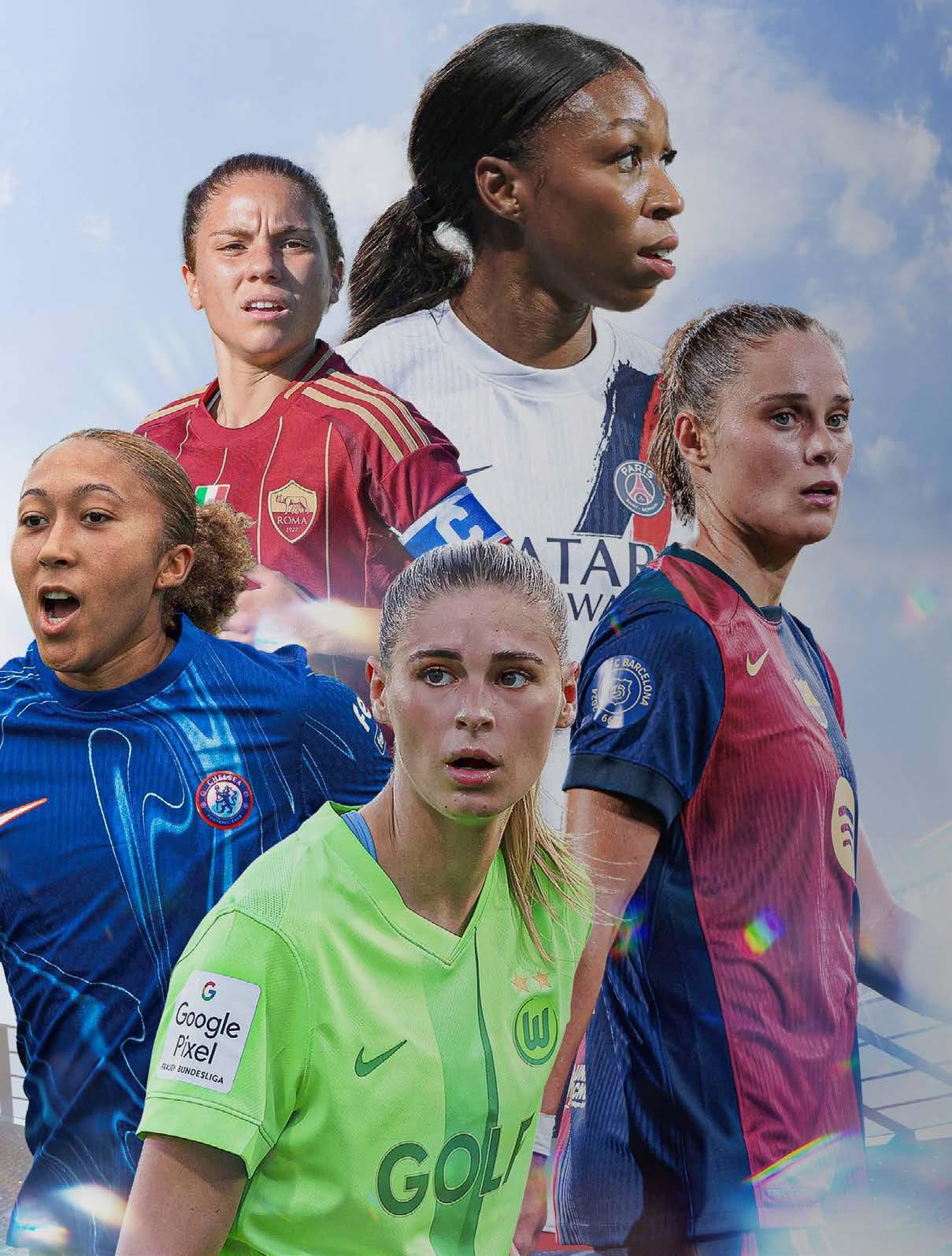
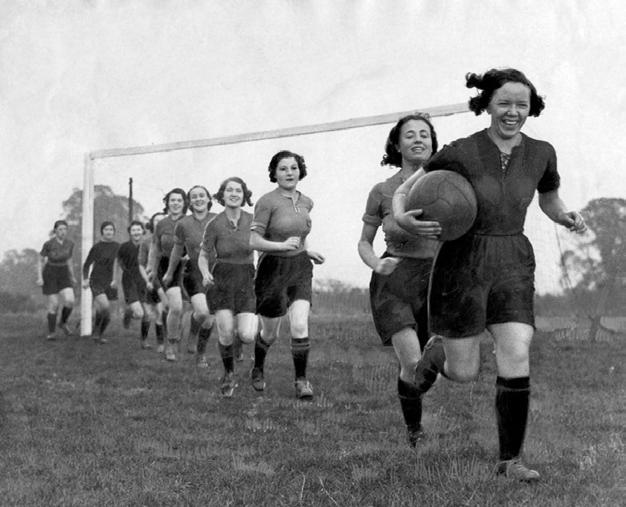
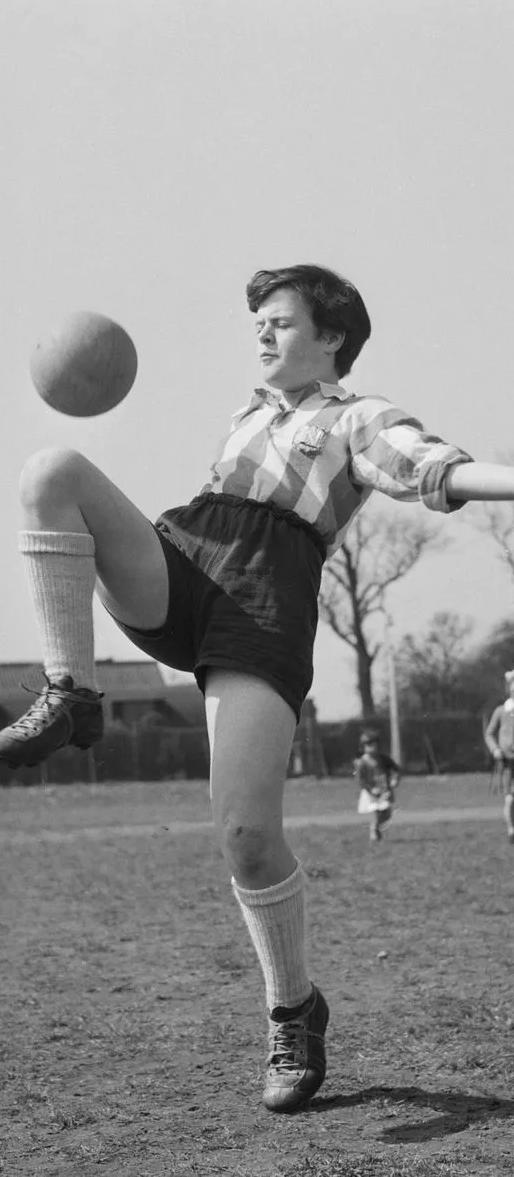
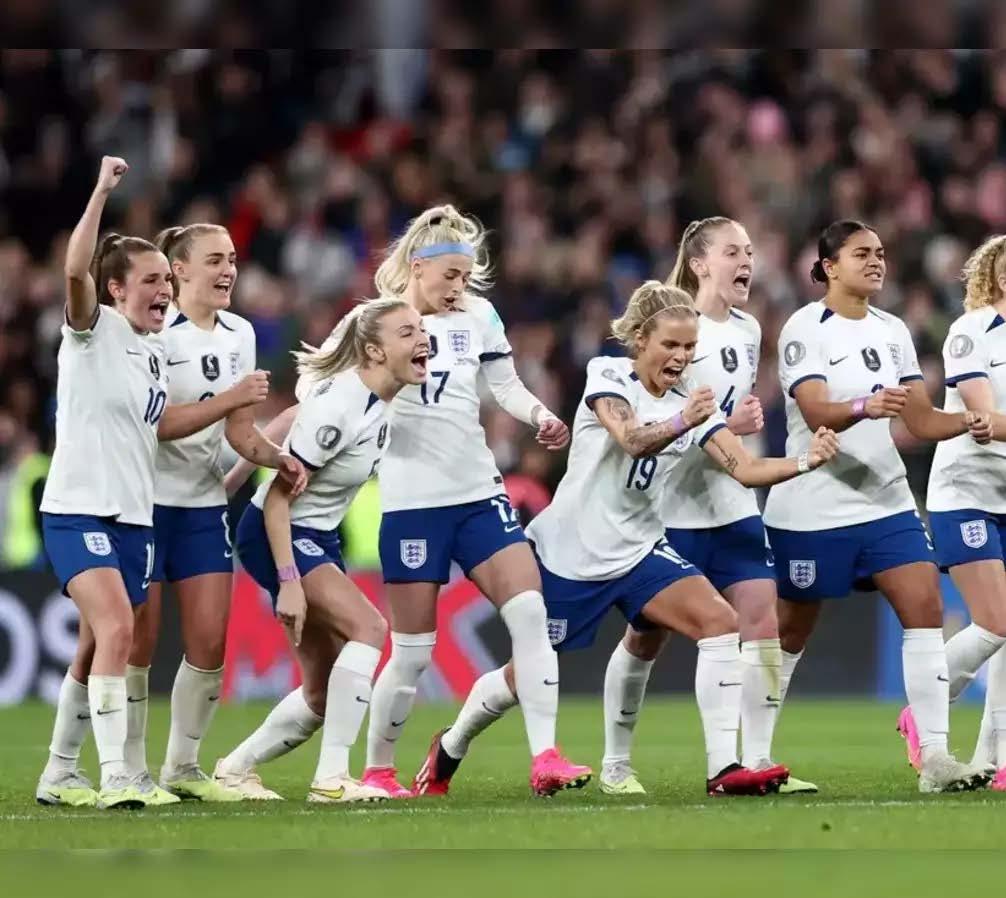
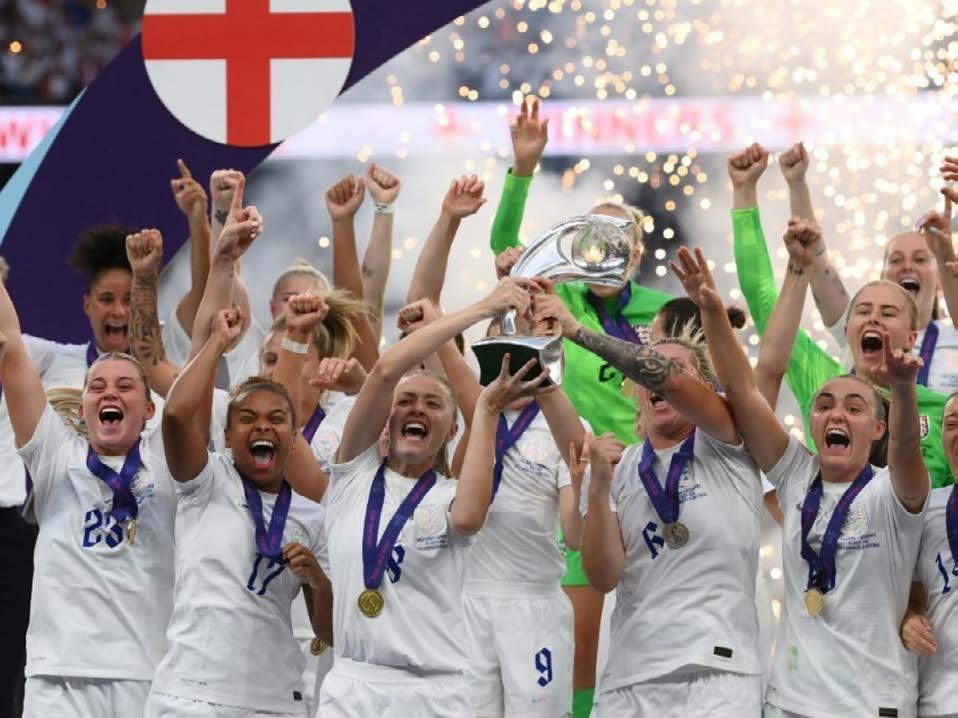
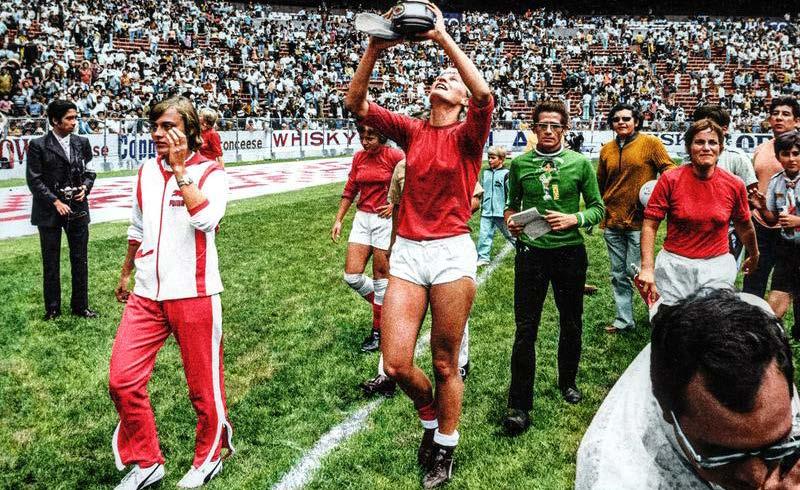
For decades, women have been fighting against mass restrictions and for their right to step onto football pitches to play the sport they love. This finally changed when the English FA lifted its ban on Women’s football in 1970 and the decades that followed since has seen the women’s game become one of the fast-growing sports in the world. As of 2023, FIFA finding states that over the past 4 years, the number of female footballers has increased by 24% and there are over 19 thousand registered professional players. This change in tide and mentality towards the women’s game is nothing short of one of the greatest success stories in the history of sports.
THE HISTORY OF WOMEN'S FOOTBALL
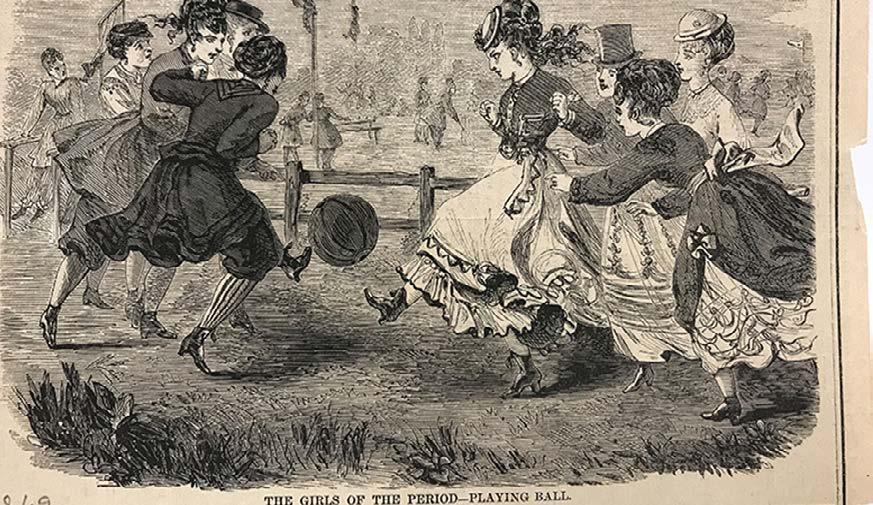
Great Britain is the unsurprising birthplace of women’s football and here is where the first recorded women’s football match was on 7 May 1881, when a supposed ‘Scotland’ women’s team played ‘England’ at Easter Road, Edinburgh. The birthplace and therefore nationalities of the players has been called into question and it’s believed at least some of the players were from the theatre community ‘acting’ out these team roles.
The two teams played several matches, except the ones in Glasgow and Manchester which were abandoned due to pitch invasions. In Glasgow the players had to escape in a horse-drawn bus! In the first match – which wasn’t abandoned – Lily St Clair netted the first goal in front of a crowd of about 2,000 and in doing so became the first recorded female goal scorer in the history of the game. The team representing Scotland were 2-0 winners.
As the 1890s unfolded, and women’s football gained momentum. Local clubs competed against each other in matches and competitions. In London, the British Ladies’ Football Club (BLFC) was formed in 1895 by Alfred Hewitt Smith, with Nettie J. Honeyball as captain. President of the BLFC was Lady Florence Dixie, who was a renowned Scottish writer, adventurer, war correspondent and feminist. Dixie insisted players wore practical clothes, including bloomers, shin pads and proper boots, so they would be free to run around.
The BLFC staged a North v. South of The Thames clash on 23 March 1895. 10,000+ paying spectators were present at the the Crouch End Athletic ground to watch the 60-minute match. The North won 7-1, but the profile and attendance of the game made a wider point. BLFC attracted attention to the growing women’s rights movement, campaigns such as Votes for Women (1897) and the formation of the National Union of Women’s Suffrage Societies.
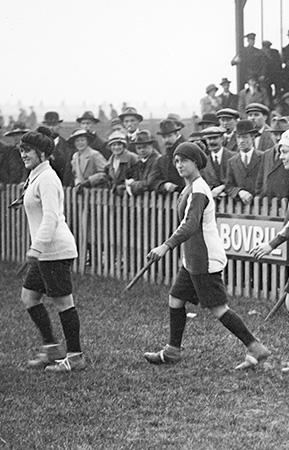
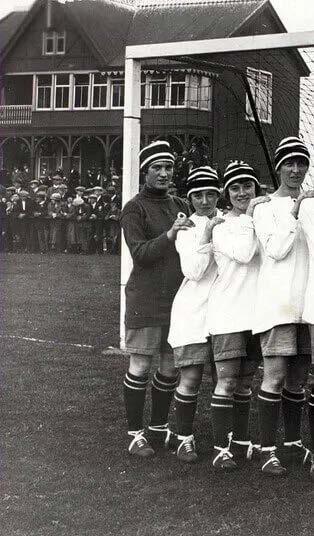
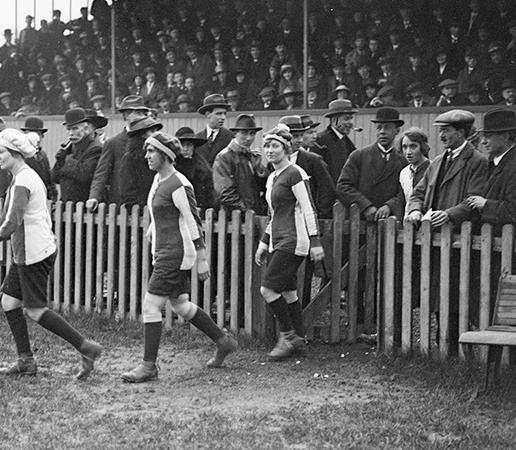
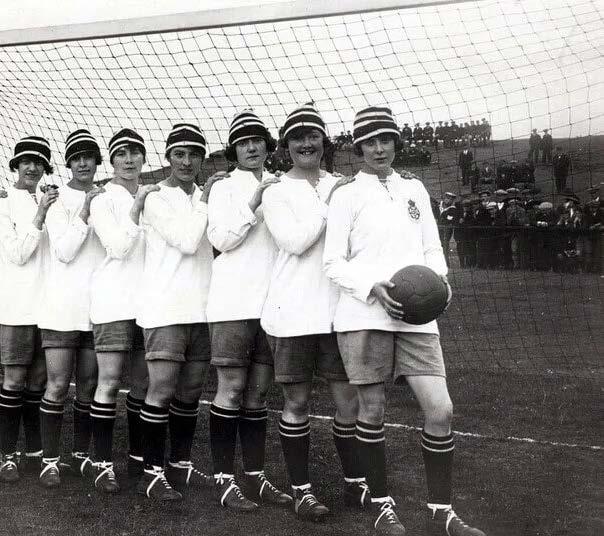
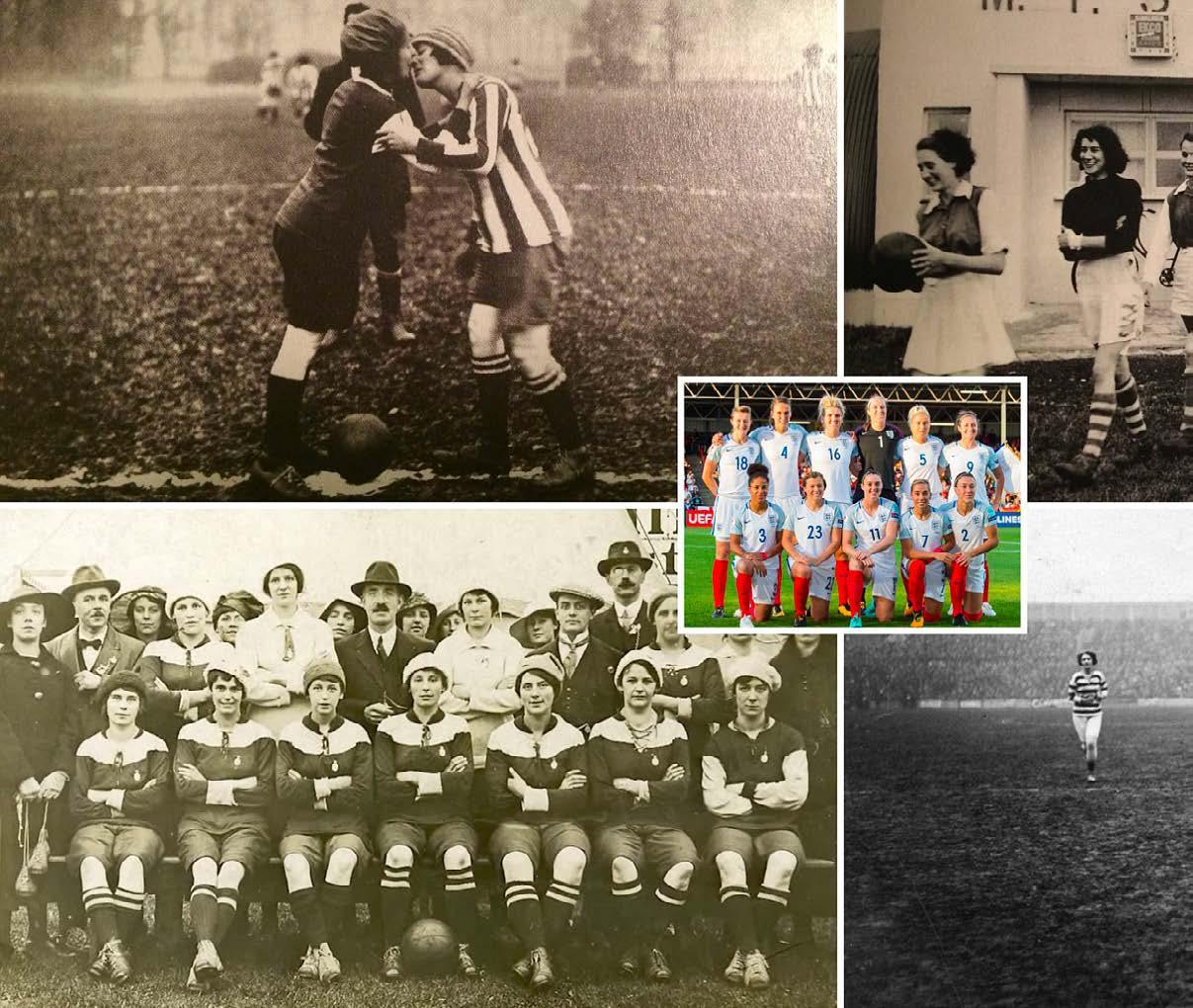
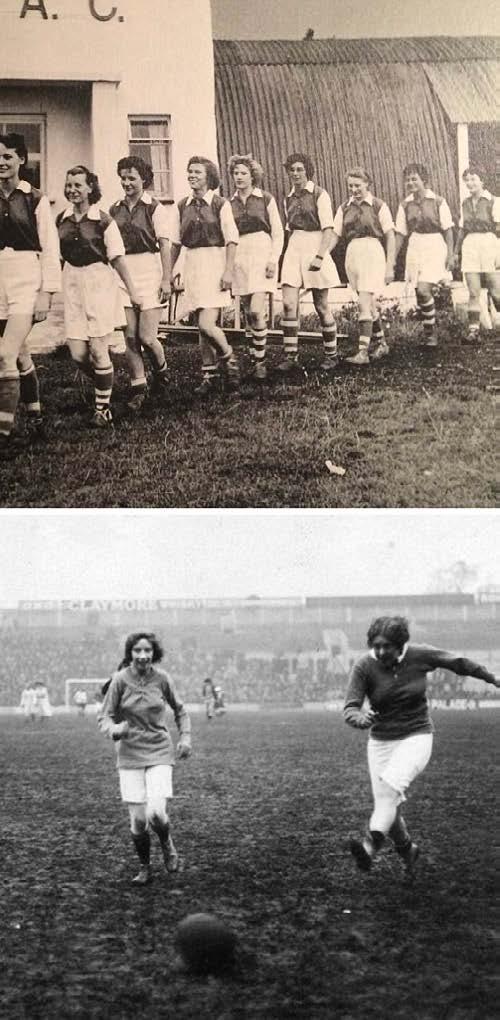
World War I also played a role in the history of the sport when men were sent to the battlefield and women were sent to factories and football fields. Some women’s football games were better attend than the men’s games at this period in time. The most successful team of the era was Dick Kerr Ladies from Preston. By the end of the war, the number of women’s teams had massively increased across the county and their games attracted huge crowds.
The first international game that was held between two women’s teams was the game that featured Dick Kerr ladies and a French team on 30th April 1920 – 25,000 people watched and supported the game
On Boxing Day 1920, 53,000 people witnessed Dick Kerr play St Helen's at Goodison Park. By the end of 1920, women’s football was attracting a lot of attention and pulling in huge crowds, in some cases bigger than the lower league men’s teams – something the then FA found inexcusable. So, to counter this, in 1921 the FA banned women’s teams from playing on football league grounds. They even released this statement stating "Complaints have been made as to football being played by women, the council feel compelled to express their strong opinion that the game is quite unsuitable for women and ought to be discouraged."
THE REBIRTH
It wasn't until the men's team won the world cup in 1966 that women's football was resurrected. The FA were coming under increasing pressure to lift the ban on women's football. In December 1969, the FA's Executive Committee recommended that what they termed ‘ladies' football" should no longer be classified as unaffiliated. In the following month, at a meeting of the FA Council on 19 January 1970, The FA finally voted to rescind the controversial resolution of 1921 that had banned women's football for being "unsuitable".
But it took a lot more deliberations, crucially including a meeting of The FA's Rules Revision Committee in August, to prepare the way for an amendment to be made to the relevant FA rule. This couldn't be made until The FA's next Annual General Meeting, which was held at The Great Western Royal Hotel in Paddington on 24 June 1971. The FA lifted the ban so women could play on league grounds and in addition to official league matches, came the launch of a women’s club knockout competition, later to become The FA Women’s
Cup. In 1971 Southampton won the first final and they would go on to lift the trophy eight times in its first 11 years. The FA formed an affiliation with the World Federation of Advertisers (WFA) in 1983 which saw media coverage begin by 1989. After the success of the men’s 1990 FIFA World
Cup, the game changed from being physical to skilful and elegant. The women’s game combined skill, finesse and technical ability with power and in the same year the FA Coaching and development of the women’s game took off.
THE GLOBAL GROWTH OF WOMEN’S FOOTBALL
The 1990s saw the first strategic plans to develop the women’s game in England, together with the first 20 Centres of Excellence for girls and also, in 1998,, Hope Powell – later to be honoured with both an OBE and CBE was appointed as the first full-time England women’s coach.
Another key event took place in 1991 when the WFA launched a 24-club national league which the following year was expanded to three divisions of 10 teams (Premier, Division 1 North and Division 1 South). Further changes happened two years later, in 1993, as the WFA voted to pass over its activities to the FA. WFA no longer had the financial resources to develop the game it had nurtured. The FA established a Women’s Football Committee and with it the fulltime post of Women’s Football Co-ordinator.
The WFA Cup brought under the control of The FA - 137 teams entered in the 1993/94 season. A year later and the WFA’s national league and league cup were also managed by the FA. This saw the birth of the Women's Premier League (FAWPL).
As England’s international teams were getting ever stronger, club football re-formed itself and 2011 saw the birth of The FA Women’s Super League (WSL) which was initially set to be an eight-team summer competition. This competition replaced The FA Women's Premier League National Division as the highest level of women's football in England and ran on this basis until 2017 when it finally grew into the two-division fully professional game. In 2013, The FA, Sport England, The Premier League and The Football League Trust launched their first joint national participation programme for girls’ football.
In 2014 England Women played their first match at the new Wembley Stadium, which saw a record crowd of 45,619 attend their match against Germany. The senior team was by now a serious contender on both European and world stages.
Women’s football is now one of the fastest-growing sports in the world and it is regularly referred to in terms of its global growth potential. With records for sponsorship deals, matchday attendances and audience figures all increasing every season has spread the women’s game as an attraction according to business analysts and it has a major impact upon communities across the globe. There are regulations in place to ensure that domestic players do not have their development opportunities restricted by the influx of foreign talent. However, the foreign talent in the league gives domestic players the opportunity to compete against international players outside of national team matches, in turn it raises the competition levels of the league.
THE CULTURAL IMPACT AND SIGNIFICANCE
The impact of women’s football and women footballing activists cannot be overstated, with news reports on the growth of women’s football adding yet another piece in the overall progression of gender equality in sport, not to mention across wider society.
In many parts of the world women’s football is more than a game. To truly understand the depth of this, consider the title of Japan’s women’s professional division: the Women’s Empowerment League, or WE League for short adds to the fact that women’s football acts as a driver for social change.
At the 2011 FIFA Women’s World Cup Japan were crowned champions. Japan has a rich history in women’s football. A decade later, in September 2021, the WE League – Japan’s first fully professional women’s football division – was born, which marked a new era in the women’s game.
The United States has seen the game thrive for over a decade with over 1.7 million registered female players and the nation winning the Women’s World Cup in 1991, 1999, 2015 and 2019 along with 5 Olympic Medals in 1996.2004, 2008, 2012 and 2024 and other major honours, making them the most successful international women’s team is proof of the progress the game has made in recent years.
There is still a long road ahead for the development of women’s football and many more challenges that it may encounter. Keeping that in mind, there is no doubt the sport will continue to grow and inspire the wider society.
HOW PICKLEBALL BECAME
Pickleball is a growing, increasingly popular sport spreading all over the world. It’s similar to racquetbased sports and is enjoyed by people of every age and fitness level. Pickleball uses a paddle similar to ping pong but combines elements of tennis and badminton. Pickleball was originally developed as a sport for children in the 1960s and, by the 1970s, was recognized by Tennis magazine. Gaining growing interest, tournaments and organizations started spreading. Over the years, pickleball has adjusted and evolved, now including equipment specifically designed for pickleball, from the paddles to shoes. Pickleball has now become the fastest-growing sport in the United States for adults as well. Pickleball is thought of as a social sport due to its team-building and fun nature. It has grown substantially among seniors living in retirement communities. Pickleball is played on a court similar to a doubles badminton court. It is smaller than a typical tennis court but is also rectangular, measuring 20 feet by 44 feet. Pickleball courts have a seven-foot non-volley area lining either side of a 30-inch high net. The court is divided between right and left service zones, as with other paddle sports. If you do not have a pickleball court in your area, any outdoor court can function for a casual game; or you can make your own using chalk or tape. A relatively simple sport which was designed to be a family activity has seen a sharp rise in popularity in the last decade. Pickleball, has become one of the fastest growing sports in recent years, with an interest shown by all age groups. The growth in popularity has been nothing short of spectacular, but what makes this game so interesting and endearing to the majority of the players? Why has it seen a recent boom despite being around for decades.
THE PICKLEBALL REVOLUTION
Pickleball is an interesting cross between tennis, badminton and ping pong, played indoors or out, on a court about a quarter the size of a tennis court, and with a slightly lower net comparatively. A group of three dads invented the sport on Bainbridge Island, near Seattle, in 1965 for their children, and it is now become the fastest-growing sport in the US. The group included Washington state representative Joel Pritchard, Bill Bell, and Barney McCallum who came up with this game when they were looking for a game to play with their families but they lacking a full set of badminton equipment. The neighbours created a new sport using an old badminton court, Ping-Pong paddles, and a Wiffle ball. They lowered the badminton net to approximately the height of a tennis net and they also modified the other equipment.
The group then created the basic rules for pickleball. Matches feature two opposing players (singles) or two pairs of players (doubles), and the sport can be played either outdoors or indoors. Pickleball was invented in the United States in 1965, and in the early 21st century it experienced rapid growth. It is now played worldwide by people of all ages and skill levels. The name pickleball was suggested by Pritchard’s wife, Joan Pritchard. She claimed that the mixing of elements and equipment from several different sports reminded her of a “pickle boat,” which is a boat made up of rowers from different crews who race together for fun at the end of a rowing competition.
Over a million Americans took it up during the pandemic, bringing the total to nearly 5 million - among them were notable names such as Melinda and Bill Gates, the Kardashians, and Leonardo DiCaprio. There are currently 270 pickleball venues in the UK, and there are now estimated to be about 7,000 players. Pickleball England is aiming for 25,000 members by 2025. The size of the courts and the weight and speed of the ball (all less than in tennis), mean the learning curve is less steep. It’s easier on the body, and it’s a game for all ages. Pickleball is a family thing, and a social thing, inclusive and friendly. In 2010 the International Federation of Pickleball (IFP) was organized to help develop the sport and promote it around the world
THE RULES OF THE GAME
Pickleball equipment is relatively simple. An official court measures 20 by 44 feet (6.1 by 13.4 metres) for both singles and doubles matches; these are the same dimensions as a doubles court in badminton. The pickleball net is 34 inches (86 cm) high at its centre and 36 inches (91 cm) high at the sides of the court. Players use solid, smooth-surfaced paddles, typically made of wood or composite materials. Paddles may be no longer than 17 inches (43 cm). The combined length and width of a paddle may not exceed 24 inches (61 cm). There are no restrictions, however, on the thickness or weight of a paddle. The balls are lightweight and measure from 2.87 to 2.97 inches (7.3 to 7.5 cm) in diameter. Play starts with a cross-court serve from behind the baseline (the boundary line at each end of the court). Players must serve with an underhand stroke. The aim is to make the ball clear the net and land in the service area diagonally opposite the server, avoiding a designated non-volley zone that extends 7 feet (2.1 metres) on either side of the net. The receiving player must let the ball bounce once before returning the serve. After one initial bounce on each side of the court, players can choose whether to volley the ball directly in the air or let it bounce before hitting it.
Only the serving player or team is able to score a point. Upon serving, a point is scored when an opposing player commits a fault, or error. Actions that are classified as faults include failing to return the ball, hitting the ball into the net or out of bounds, and letting the ball bounce more than once. Volleying a ball from a position within the nonvolley zone is also prohibited. This prevents players from charging towards the net and smashing the ball against an opponent. The server is allowed one attempt to get the ball into play. He or she continues to serve until losing a rally, and then the serve switches to the opposing player. In doubles play, both players on a particular side are given the opportunity to serve the ball before the serve switches to the opposing side. Games are typically played to 11 points. Tournament games may be played to 15 or 21 points. Games must be won by at least 2 points.
THE RISE IN POPULARITY
One of the biggest factors in the games huge rise in popularity is how simple it is to play it. The equipment and skill required to play it is quite less compared to other sports of a similar nature. However the biggest factor is the social nature of the sport, this sport is looked at more as a leisure activity rather than a “sport” and it is quite popular for the age groups above 50 in particular. The game is looked at as a healthy alternative to exercising as most feel exercising tends to be “boring”. While 50 percent of people quit exercising six months after starting, research shows that picklers keep coming back to the court again and again, primarily because the game is so social. Pickleball can also improve your well-being.
The sport’s ability to bring people of various fitness levels together due to the small court and limited running add to its attraction. In one of the few studies that’s been done on pickleball, researchers found that compared to walking at a self-selected pace for half an hour, people who played doubles pickleball for half an hour had 14 percent higher heart rates and burned 36 percent more calories. The players also saw significant improvements in their cholesterol levels, blood pressure and maximal oxygen uptake, a measure of cardiovascular fitness, after playing for an hour every other day for six weeks. Finally, the game is absolutely fun and has only been increasing its player base as the game looks to enter new markets across the world.
The Final Innings of Cricketing Legend Ravichandran
Ashwin
Ravichandran Ashwin, the legendary Indian spinner and India's second-highest wicket-taker in Test matches, shocked the cricketing world by announcing his retirement, leaving fans and experts alike scratching their heads with the abruptness of his decision. Ashwin who is well-known for his innovative bowling and intelligent cricketing mind, announced his departure in the middle of a Test series against Australia that has sparked admiration and debate in equal quantities. Tributes began to flood in from around the globe, with team-mates, cricket legends and fans highlighting his contributions to the sport. The timing of his retirement however, has raised some eyebrows.
The 38-year-old Ashwin made the announcement in the post-match press conference seated alongside captain Rohit Sharma. The off-spinner played the second match of the five-Test series in Adelaide but was replaced by Ravindra Jadeja in Brisbane for the third test. "This will be my last day as an Indian cricketer in all formats at the international level," Ashwin said at a press conference. Former India captain Sunil Gavaskar praised Ashwin's stellar career but expressed his concern over his compatriot’s decision to retire midway through a crucial overseas series. With two matches still to be played, Gavaskar felt such a decision could disrupt team selection dynamics. Mid-series retirements aren't unprecedented in Indian cricket.
Incredibly Ashwin is one of nine bowlers with 500plus Test wickets, Ashwin's strike rate (50.73 balls per wicket) is the best among that list with 6 test centuries to his name.
In 2014, former Indian captain MS Dhoni also exited Test cricket abruptly, stepping down as India captain and player during a series in Australia. However, Ashwin’s decision has sparked speculation with questions raised whether it was due to age, fatigue or form that prompted him to take this call. Ashwin, India's leading spinner, was side-lined on this tour, with Washington Sundar playing the first Test and Ravindra Jadeja the third, despite Ashwin featuring in the second. Perhaps he sensed he was no longer the firstchoice spinner, and felt his chances were slim, even if India reached the World Test
Championship (WTC) final at Lord's in June. No matter what the reason is, Ashwin leaves the game with his head held high and he boasts an extraordinary legacy. With 537 Test wickets in 106 Tests and six centuries to his name, he ranks among the greatest all-rounders in cricket history. Ashwin also played 116 ODIs and 65 T20s for India. His last ODI was during the 2023 World Cup against Australia in his hometown Chennai and his final T20 match for the Indian cricket team was against England during the 2022 T20 World Cup semi-final in Adelaide.
In ODIs, Ashwin picked 156 wickets while adding another 72 wickets in T20Is. He made his debut for India in an ODI match against Sri Lanka in Harare in 2010, meaning his international career spanned 14 and a half years. Ashwin redefined spin bowling with his mastery of the 'doosra' and the 'carrom ball’ that left batsman miserable. He inspired generations of cricketers worldwide and his career statistics place him among the all-time greats. He is the fourth-highest wicket-taking spinner, behind only Muttiah Muralitharan (800), Shane Warne (708) and compatriot Anil Kumble (619), and seventh in the list of all wicket-takers in test cricket. Ashwin's 37 five-wicket hauls places him behind only Muralitharan, who has 67.
Incredibly Ashwin is one of nine bowlers with 500-plus Test wickets, Ashwin's strike rate (50.73 balls per wicket) is the best among that list with 6 test centuries to his name. These are remarkable numbers for a player who was initially seen as a whiteball specialist who rose to prominence with the Chennai Super Kings (CSK) in the Indian Premier League (IPL) starting in 2009.
Ashwin's IPL success was almost instant, leading to an international debut for India in 2010 in ODIs and T20s.He was part of the 2011 World Cup-winning squad under MS Dhoni, serving as Harbhajan Singh's understudy.
His white-ball performances skyrocketed his reputation, but Ashwin's true greatness was on display in Test cricket. Ashwin’s Test debut against West Indies in November 2011, sparked a controversy as his inclusion was questioned and it was seen as a selection influenced by the then chief of the Indian cricket board N Srinivasan, who also owned the CSK franchise in the IPL. However, Ashwin managed to silence critics with a stellar nine-wicket haul, and was named man of the match and cementing his place in the team within a year.
India was always known to produce great spinners. Anil Kumble, with 619 wickets, showcased India's spin dominance in the modern era, followed by Harbhajan Singh, Ashwin, and Jadeja. Together, Ashwin and Jadeja have amassed over 800 wickets and over 6,500 runs, cementing India's dominance across formats. Ashwin's thirst for excellence was evident early in his career, as he learned to master his craft by studying Sri Lankan legend Muralitharan at CSK. He constantly evolved, adding variations like the 'carrom ball' and occasional leg-spin to outfox batters.
Originally an opener, Ashwin's batting remained underrated but effective in certain situations. With 3,503 runs, including six centuries, he established himself as a formidable all-rounder, often stepping up in critical moments. Ashwin also challenged cricketing conventions and provoked conversations. He famously ran out England's Jos Buttler at the non-striker's end during the 2019 IPL, and this sparked global debate while compelling the cricket world to reassess the 'spirit of the game'. His actions led to the removal of the term 'Mankading', which referred to a bowler running out a nonstriker for leaving the crease too early - a rule associated with former India captain Vinoo Mankad, who faced decades of backlash for using this method.
After some incredible performances in the series against England in early 2024, Ashwin resurrected his career. Despite modest returns in three Tests against New Zealand, CSK signed him for a whooping Rs 9.75 Crores in the 2025 IPL auction. In November, Ashwin headed to Australia as India's premier spinner, aiming to complete a hat-trick of series wins Down Under. But before the end of the year, his sudden retirement left unanswered questions and a void that will be hard to fill.
R Ashwin has absolutely no regrets about his decision to retire from international cricket at the end of the Gabba Test, insisting on his desire to play for Chennai Super Kings for as long as he can.
After announcing his retirement in Brisbane on Wednesday afternoon, Ashwin was back in Chennai and he received a hero’s reception at home by his family and friends amid much fanfare, which included flower garlands, autograph hunters and a band. "I never thought so many people will come here. I just wanted a quiet entry, and was looking forward to relax at home. But you have made my day," Ashwin told the crowd gathered near his residence. "I have played Test cricket for so many years, but the last time (I saw something) like this was after the 2011 World Cup. "It's emotional for a lot of people, and maybe it will sink in (in some time) but for me, personally, it is a great sense of relief and satisfaction," Ashwin said of his decision to retire. "It was very instinctive and it has been running in my head for a while. I just felt (it) on day four and I just called it a day.
"To be honest, we all go through a lot in our career, not only for cricketers but in general. Generally, when I go to sleep, I remember a lot of things like taking wickets, making runs, but those memories are not there in the last two years. So, that was a clear indication that we need to take a different route now. I have not set any new goals, as I just want to relax now. Actually, it's difficult for me to stay inactive, but I want to try that now." While Ashwin’s retirement is only from international cricket, he plans to continue playing cricket. He was bought by Chennai Super Kings at the 2025 IPL auction, returning to his home city's franchise for the first time since 2015, and also plays for Dindigul Dragons in the Tamil Nadu Premier League. "I think that part for me is still burning bright. I am going to play for CSK and don't be surprised if I aspire to play for as long as I can," Ashwin said. "I don't think Ashwin the cricketer is done, I think only Ashwin the Indian cricketer called time. That's it."
Rise Of Athleisure In Countries Like India
Athleisure, a fusion of athletic and leisurewear, has become a significant trend in India, blending style and comfort for the modern lifestyle. With a growing emphasis on fitness and fashion, the Indian market has embraced a variety of brands that offer versatile, functional, and stylish activewear. From high-performance gym attire to chic casual outfits, these brands cater to diverse preferences and needs.
Athleisure has revolutionized the fashion industry, seamlessly merging comfort with style. This trend has gained immense popularity in India, catering to the needs of modern individuals who are looking for outfits that suits workouts and that can also be used as a casual wear.
The athleisure market in India has seen an immense increase in demand which is driven by a growing awareness of fitness and a desire for stylish, functional clothing. India’s dynamic fashion landscape has opened the doors to multiple homegrown and international brands that have joined the athleisure trend. These brands usually offer a wide selection of products, that range from stylish leggings and sports bras to comfortable hoodies and sneakers, ensuring that fitness enthusiasts and fashion-forward individuals have plenty of varieties to pick from. Whether you’re hitting the gym, going for a run, or simply stepping out, athleisure wear provides an excellent combination of functionality and fashion.The global athleisure market is fast growing, and India as it is in most industries, is a key player in this growth trajectory.
With a projected CAGR of 5.2 per cent, the Indian athleisure market is estimated to reach Rs 24,800 crore ($3.2 billion) by 2032, as per a new report by Allied Market Research. This growth is aided by several factors such as, a growing health consciousness, rising disposable incomes, and a booming young population.
Key growth indicators
Statista predicts the sports and athleisure retail market in India to grow to Rs 402 billion by 2025. Meanwhile, India’s sports equipment, footwear, and apparel market, which includes athleisure, reached Rs 218 billion in 2022 fiscal, a significant growth of 122.5 per cent from 2015. What is driving this market’s growth is, an increased focus on health and fitness. Post COVID, Indians have become increasingly aware of the importance of a healthy lifestyle. This awareness has led to a rise in gym memberships, participation in sports activities, and overall fitness awareness. Athleisure wear, known for its comfort and functionality, caters perfectly to this trend. Young fashion-conscious consumers: India has a huge population of youngsters who are actively increasing the demand for trendy and stylish clothing. Athleisure Wear connects the gap between activewear and casual wear, offering both comfort and style, making it a popular choice for this demographic.
E-commerce has seen a massive rise in the past few years and the rise of online shopping platforms has made it easier for consumers across India to access and purchase a wider variety of athleisure brands and products while also offering convenience to the customer.
The Market landscape
The women’s segment holds majority share of Indian athleisure market due to a growing focus on fitness and a wider variety of stylish options available for them. However, the male segment is projected to witness the fastest growth it has ever seen in the next few years, with athleisure apparel like bomber jackets and casual trousers gaining popularitty. Sneakers are currently the most popular athleisure product category in India. Although, hoodies are expected to see the highest growth rate in the future.
Pros and Cons
E-commerce boom: The surging popularity of e-commerce platforms, especially in Tier-II and III cities, presents a significant growth opportunity for athleisure brands to reach a wider audience.
Domestic manufacturing: India’s advantage in textile procurement and manufacturing can help brands offer competitive pricing and cater to the domestic market effectively.
Counterfeit concerns: The presence of counterfeit athleisure brands, especially online, can hinder market growth and damage brand reputation.
The athleisure market in India has a lot of potential. As disposable incomes rise and health consciousness strengthens, demand for athleisure is expected to continue growing. Brands that can adapt to evolving trends cater to diverse segments, and leverage the power of e-commerce will be well-positioned to capitalize on this dynamic market.
Major Athleisure brands in India ALCIS
Alcis, an Indian athleisure brand, has made significant strides in the activewear market with its innovative designs and high-quality products. The brand was established with an aim to provide stylish yet functional sportswear, Alcis has become a go-to brand for fitness enthusiasts and casual wearers alike. The brand uses advanced technology and sustainable practices to create apparel that not only looks good but also performs exceptionally well. Alcis offers a diverse range of products, including T-shirts, leggings, jackets, shorts, and sports bras, all designed to cater to different sports and fitness activities. Alcis is committed to sustainability as they use eco-friendly materials and processes, such as recycled polyester and moisture-wicking fabrics, ensuring that their products are both comfortable and environmentally responsible. This approach has resonated with a growing number of consumers who share the sentiment of tracking their of their ecological footprint. In addition to sustainability, Alcis is known for its innovative features like UV protection, antistatic properties, and quick-dry technology. These ley features enhance the overall performance of the garments, making them suitable for intense workouts and outdoor activities. Alcis stands out in the Indian athleisure market by offering a perfect blend of style, functionality, and sustainability, making it a preferred choice for many.
Cava Athleisure is a fast-growing player in India’s activewear market, known for its chic and functional designs that caters to the modern, active lifestyle. The brand focuses on introducing high-quality, stylish, and comfortable-focused athleisure wear that works as both gym wear to casual wear. The brand also pays attention to current fashion trends, Cava Athleisure ensures that their collections not only enhance performance but also make a bold fashion statement. One of the standout features of Cava Athleisure is its dedication to using premium materials that offer durability and comfort. The brand’s product range has array of leggings, sports bras, tops, and jackets, each crafted with incredible attention to detail. Breathable fabrics, moisturewicking technology, and ergonomic designs are some of the key elements that make Cava Athleisure’s offerings ideal for various physical activities, from yoga to high-intensity workouts. Cava Athleisure also emphasises on inclusivity, providing a wide range of sizes to ensure that everyone can find the perfect fit. The brand’s commitment to inclusivity, coupled with their stylish designs, has earned them a loyal customer base. Furthermore, Cava Athleisure is continually innovating, incorporating the latest advancements in fabric technology and design to meet the evolving needs of its clientele.
HRX
HRX, which is famously co-founded by Bollywood superstar Hrithik Roshan, is a famous name in India’s athleisure market, blending performance, style, and affordability. Launched with the aim to inspire people to be the best version of themselves, HRX offers a comprehensive range of activewear and sports accessories designed to cater to fitness enthusiasts and everyday wearers alike. The brand emphasizes a holistic approach to fitness, promoting not just physical health but also mental well-being. HRX’s product line includes apparel such as T-shirts, joggers, leggings, sports bras, and jackets, alongside footwear and accessories like gym bags and caps. Each piece is designed with a keen focus on functionality and style, incorporating advanced materials and technologies.
Features like moisture-wicking fabrics, ergonomic fits, and breathable materials ensure that the clothing supports intense workouts while providing maximum comfort. The aesthetic appeal of HRX’s designs, often reflecting current fashion trends, makes them suitable for both gym sessions and casual outings. HRX focuses on affordability, making high-quality athleisure accessible to a larger audience. The brand’s association with Hrithik Roshan, known for his fitness and active lifestyle, adds significant value, inspiring many to adopt a more active way of life. HRX also emphasises inclusivity, offering a wide range of sizes and styles to cater to diverse body types and preferences. HRX extends its brand ethos through fitness content and collaborations. They offer workout routines, wellness tips, and motivational content to help individuals achieve their fitness goals. This comprehensive approach, combining quality products with a supportive fitness community, sets HRX apart in the competitive athleisure market.
DECATHLON
Decathlon, a French sports retail giant, has firmly established itself as a leader in India’s athleisure and sportswear market. Known for its wide range of affordable, high-quality sports equipment and apparel, Decathlon caters to sports enthusiasts of all ages and skill levels. The brand’s unique model of designing, manufacturing, and retailing its products allows it to maintain high standards while also ensuring prices are accessible. Decathlon covers over 70 sports, from running and cycling to yoga and hiking. Their athleisure collection includes a variety of pieces like leggings, T-shirts, hoodies, and sports bras designed for both active and casual settings. Innovative materials and technologies, such as moisture-wicking fabrics and quick-dry capabilities, ensure comfort and enhance athletic performance. Sustainability and innovation are pivotal to Decathlon’s ethos. The brand is committed to reducing its environmental impact through their various eco-friendly materials and sustainable production practices along with other initiatives. Initiatives like the “EcoDesign” label highlight products made with a reduced environmental footprint, appealing to ecoconscious consumers. Decathlon focuses heavily on a customer-centric approach which also includes an immersive store experiences, where customers can try products before purchasing. This hands-on method helps customers make informed decisions and fosters a deeper connection with the brand. Overall, Decathlon’s blend of affordability, quality, and sustainability makes it a trusted name in India’s athleisure market, supporting diverse active lifestyles.
BLISS CLUB
Bliss Club emerges as an important player in India’s athleisure domain, offering a fusion of style, functionality, and affordability. With their commitment to empowering individuals through fitness and fashion, Bliss Club delivers a diverse range of activewear tailored for the modern lifestyle. Their collection comprises of trendy yet practical pieces, including leggings, sports bras, tops, and outerwear, designed to seamlessly transition from workouts to casual wear. What sets Bliss Club apart is its focus on inclusivity and body positivity, ensuring that everyone can find garments that fit comfortably and flatteringly. The brand emphasizes the use of high-quality fabrics with moisture-wicking properties, ensuring optimal performance and comfort during physical activities. Whether you’re hitting the gym, practicing yoga, or meeting some friends, Bliss Club’s athleisure wear promises to keep you looking and feeling your best. Bliss Club is very vocal regarding sustainability, incorporating eco-friendly materials and ethical production practices into their supply chain. By prioritizing environmental consciousness, the brand appeals to socially conscious consumers seeking stylish yet eco-conscious activewear options.
KARNATAKA GOVERNMENT SPEARHEADS CRICKET REVOLUTION
IN TUMAKURU
The Karnataka government, led by Chief Minister Siddaramaiah, lay the foundation stone for an international cricket stadium in Tumakuru, which was a long overdue dream for the local community. The stadium is set to be constructed on 50 acres of land allocated to the Karnataka State Cricket Association (KSCA) at a cost of ₹150 crore and will be completed within two years. This project is part of a broader development plan that is aimed at enhancing infrastructure and welfare in the region and it includes other projects worth ₹938 crores. The function was attended by Home Minister and Tumakuru district incharge G Parameshwara, Cooperation Minister KN Rajanna, Rural Development Minister Priyank Kharge, the state’s Delhi representative TB Jayachandra, district MLAs, KSCA President Raghuram Bhat, and other officials.
The Chief Minister Siddaramaia, handed over the land allotment letter to KSCA president Raghuram Bhat. “We have allocated 50 acres of land to the KSCA for building an international cricket stadium. This initiative will contribute to the region’s economic growth and overall development,” Siddaramaiah said.
“One such stadium will come up in Mysuru. The state government will soon identify the land and hand it over to the KSCA,” Siddaramaiah said. District Minister G Parameshwara thanked the BCCI for building an international-standard cricket stadium in Tumakuru. “The foundation stone has been laid for the decades-old dream of a world-class cricket stadium and the training facility in Tumakuru. I am confident that the KSCA will complete the work in two years,” Parameshwara said.
The move is significant for sports development in Karnataka, as it is an international cricket stadium in Tumakuru. The project, which has been a dream come true for local cricket fans, will take up 50 acres of land provided by the Karnataka Industrial Areas Development Board (KIADB).
The stadium will cost a whooping ₹150 crore and is set to be completed within two years. Home Minister G. Parameshwara highlighted its importance, saying, “This stadium fulfills a long-standing aspiration of the district and will be equipped with modern amenities to host international matches.” The event was attended by various dignitaries, including BCCI President Roger Binny and KSCA officials, further highlighting the government’s aspirations to enhance sports infrastructure.
A Welcome Development
Tumakuru eagerly awaiting a stadium in the region for quite a long time and the local fans have been been persistent for nearly six decades. While Bengaluru’s Chinnaswamy Stadium has always hosted all international matches in Karnataka, Tumakuru has produced an array of big-name cricketers who have often lacked a platform to showcase their talents on home soil and this new stadium will provide exactly that for a new generation of aspiring young cricketers in the region. The inauguration of this new stadium is expected to change that narrative and help develop the sport even more and hopefully aid the stars of the future.
Along with the announcement of the Tumakuru project, Siddaramaiah announced plans for another international cricket stadium in Mysuru, showchasing a strategic move to provide even more cricketing opportunities across Karnataka. The decision aligns with recent discussions by the Board of Control for Cricket in India (BCCI) about expanding IPL matches beyond Bengaluru to include tier-2 cities like Mysuru and Hubballi-Dharwad.
The Economic Impact
The construction of this new international stadium is part of a larger plan by the Karnataka government, which consists of projects worth approximately ₹938 crore with the aim of improving infrastructure and welfare across Tumakuru district. At the time of the inauguration event, Siddaramaiah also launched various other development projects that will benefit over 1.5 lakh people in the region. The initiatives include distributing essential resources such as tractors and irrigation kits to farmers and this is evidence of the government’s commitment to holistic community development.
The Local leaders are optimistic and hopefull about the possible economic benefits this project will bring. As there is already an increase of land prices in the area already due to heightened interest from other developers, Tumakuru is poised for significant growth as it becomes more integrated into the economic landscape of Karnataka.
THE LEGENDS OF THE GAME OF FOOTBALL ROBERTO BAGGIO
Born on 18th February 1967 in Caldogno Veneto, Italy, Roberto Baggio was the son of Matilde and Florindo Baggio. Roberto Baggio was the sixth child out of eight children in his family and also has a younger brother named Eddy Baggio who played professionally as well. Baggio went on to become one of the biggest household names in Italian football and also broke numerous records. Roberto Baggio was known as the Divin Codino or the “Divine Ponytail” which was in reference to his iconic look that he wore during his career. It was also a nod to his playing ability and Buddhist beliefs as he was a Buddhist in a catholic country. Baggio mainly played as a second striker or an attacking midfielder, though he played in many different positions over the course of his career. He was renowned for his dribbling skills, goal scoring, freekicks and penalties. He was widely known as one of the greatest football players of all time. Like many of the world’s greatest ever football players, Baggio had an unprepossessing physique and you would not be able to notice him in a crowd of people. Despite his physique, he had one of the most elegant technical abilities and vision. He moved so well with the ball it was like watching an artist grace a football pitch. He was also known as one of Italy’s most prolific penalty takers in their history. Ironically, he is also well known for missing a crucial penalty for Italy in the 1994 World Cup Final.
The Big Break:
At the age of 18, Baggio was playing for Vicenza, and was due to join Florentina when he unfortunately ruptured his ACL and the meniscus of his right knee. This was set to block his transfer, but Florentina, who were only 2 days away from finalizing his transfer, agreed to go ahead with the deal despite his injury and offered to pay for his surgery. In Florence, he quickly became a hero, striking up a formidable partnership with striker Stefano Borgonovo. With Baggio and Eriksson on the bench, Florentina qualified for Europe and got to the UEFA Cup Final in 1990. Baggio started to unveil his whole repertoire of goals for the viola fans –the perfect free-kicks, the tight dribbles, and the ability to stay composed under pressure. Against Milan, in the San Siro he took on the whole opposition defense and scored. As a penalty taker, Baggio often waited for the goalkeepers to move. He missed very few, in fact fewer than any other player in the history of Serie A.
Baggio’s turbulent career:
In 1990, news started to spread in the renaissance town that Baggio had been signed by arch rivals Juventus. Florentina had just lost the UEFA Cup final to Juventus after two violent games. Baggio had played for seven different clubs in Italy during his career but this particular move caused major issues. The news broke out that Baggio was joining Juventus for a fee of £8 million, and this resulted in violent riots and protests by the Florentina fans, where 50 people were injured and damaged Baggio’s relationship with the fans.
Despite Baggio scoring a lot of goals for Juventus, his time at the club was unsuccessful, the club was not doing well in the league under the “modern” leadership of manager Gigi Maifredi who had brought the club Bologna from the Serie C to the Serie A. Baggio unfortunately ruined his relationship with the Juventus fans after refusing to take a penalty against his former club Florentina in April 1991 and Juventus ended up missing the penalty. Baggio was then substituted for this behavior and later he picked up a Florentina scarf and caused more outrage. The manager Maifredi was eventually sacked and replaced by Trapattoni. In 1993 Baggio finally won the UEFA Cup and was named FIFA Player of the Year and won the Ballon d’Or. Domestically the trophies eluded him. Trapattoni was eventually replaced by Marcello Lippi in 1995 at Juventus and eventually Juventus won the Championship that season. However, Baggio only played 17 times in the league and his relationship with his manager was terrible. He eventually joined AC Milan.
Despite being loved and respected by Milan fans, Baggio only played 51 times over multiple seasons for them due to his issues with the managers. He won another championship but was desperate to do well and get back into the national team. This desperation led to a move to a smaller club called Bologna where he enjoyed his best ever season, scoring 22 goals and earning a well-deserved call up to the national team for the 1998 World Cup. In the 1998 World Cup, however, manager Cesare Maldini left Baggio out for key matches, which shocked a lot of people. He was even left out of the game that got Italy knocked out of the tournament.
He later joined Inter Milan but was once again left out often due to his issues with the manager Lippi. Baggio scored 2 goals for Inter in his final game for them, securing Champions League qualification. Baggio later also spoke about Lippi in his autobiography writing that “he is not my enemy but I simply have no respect for him, just like he has no respect for me”. Baggio finally joined a smaller club called Bresica, where he played well and who he helped finish seventh, and also played in European competitions with them. He wanted to desperately make the 2002 World Cup team but unfortunately it was not to be. Baggio later announced his retirement at the end of the 2003-2004 season as he scored his 200th league goal and surpassed 300 goals in his career.
National team career:
National team career:
Roberto Baggio played 56 games for the Italian National team and scored 27 goals and he is the joint-fourth highest goal scorer for the Azzurri along with his national teammate Alessandro Del Piero. He featured in the Italian team that finished third in the 1990 World Cup and he ended up playing a key role in taking his nation to the final of the 1994 World Cup almost single-handedly while scoring 5 goals and winning the World Cup Silver ball. He unfortunately missed the decisive penalty in the final but he did feature in the World Cup All Star team. At the 1998 World Cup, Baggio scored twice but Italy was eliminated in the quarter-finals vs France who went on to win the tournament. His career was restricted mainly due to his outspokenness and resistance towards rigid tactics. He could have played well over 100 games for Italy if it wasn’t for the constant clashes he had with certain managers.
Roberto Baggio postretirement:
Outside of football, Baggio was named Goodwill Ambassador of the Food and Agriculture Organization of the United Nations in 2002. The following year, he became the inaugural winner of the Golden Foot award. Baggio received the Man of Peace award from the Nobel Peace Prize Laureates in 2010 in recognition of his activism on human rights. In 2011, he was the first footballer to be inducted into the Italian Football Hall of Fame. He is also the former president of the technical sector of the Italian Football Federation.
The State School Education Department of Tamil Nadu has announced an allocation of ₹12.5 crore to promote sports competitions all over the state for the 2024-2025 academic year. The initiative will cover regional and statelevel trials, facilitate participation in national competitions, and host events organized by the School Games Federation of India (SGFI). The initiative aims to promote sports alongside academic excellence for students across the state.
S Kannappan, the Director of School Education, aims to empower students through sports. He emphasized the department's commitment to nurturing talent and providing the necessary resources for students to excel in sports. "We want trainers to nurture talent effectively and provide students with the necessary resources to excel," he stated. This funding represents a significant step towards empowering students to engage in sports while prioritizing their educational responsibilities.
Physical education trainers have continuously faced challenges, particularly due to a lack of funding for equipment and resources and this funding aims to address the gaps for physical education trainers. Raghu Kumar, a physical education trainer at a government primary school in Adambakkam, highlighted the struggles of promising students who often miss out on opportunities. "I was a trainer for 14 years in Chennai. I used my funds to buy cricket bats for children a few years back. Government funding will help us focus on talent and training rather than worrying about basic equipment," he said.
There is hope that this funding will alleviate such burdens, enabling trainers to concentrate on developing students' skills.However, parents have expressed concerns about the judicious use of these funds and they hope that the allocated funds will be utilized wisely and reach the intended schools. M. Anitha from Thoraipakkam
voiced her concerns, saying, "We don't want to see equipment left unused or physical education classes neglected. My daughter always complains of not being able to play volleyball in her school because of a lack of space." Making sure that the funds lead to tangible improvements in physical education resources is a priority for many families who want to see their children develop.
The challenge that school management committees will face is to ensure there is a balance between academics and physical education. S. Kumar, a member of a school management committee from Ashok Nagar, noted, “We plan to make sure sports hours are not compromised. Weekly inspections will help maintain consistent physical education hours, increase participation, and keep the equipment well-maintained.” This proactive approach and positive mindset aims to ensure that sports remain an integral part of students’ education alongside their academics.
The school students in the city are excited for the new opportunities this funding will open for them. Arjun Mahesh, a Class VIII student who plays volleyball, shared his enthusiasm: "We don't usually get a chance to participate in big tournaments because we lack equipment. Most times we are asked to play in classrooms because we don't have equipment in school. If we get the right facilities, we can compete in competitions." The excitement among students reflects a growing eagerness for improved sports programs that could enhance their competitive opportunities and positively impact the lives of these students. The state school education department's commitment to funding
sports initiatives, shows that there is hope for a brighter future for physical education in the schools of Tamil Nadu. The department aims to create an academic and athletic environment where students can thrive by prioritizing equipment and resources. This initiative highlights the positive attitude towards fostering a sports culture within the education system, ensuring that all students can pursue their athletic passions without it impacting their academic aspirations. These initiatives also go hand-in-hand with other such initiatives such as the ‘Tamil Nadu Champions Foundation’ whose aim is to partner with citizens and corporate to revamp sports in Tamil Nadu.
THE ‘TAMIL NADU CHAMPIONS FOUNDATION (TNCF)’
The foundation is chaired by Thiru Udhayanidhi Stalin who is the Minister for Youth Welfare and Sports Development and the foundation’s mission includes:
1. To put in place state-of-the-art sports infrastructure and sporting amenities.
2. To identify, nurture and support. sports persons across the spectrum
3. To provide world-class training/ coaching to the sports persons.
4. To promote diverse disciplines of sports including traditional sports.
5. To promote research and development in the field of sports science.
6. To promote sports in its various forms - lifestyle, recreational, etc.
7. To make sports an accessible, equitable and universal phenomenon.
Sports Development Authority of Tamil Nadu (SDAT) officials said during the launch that the TNCF will be a registered company enabling corporates to provide funds under their corporate social responsibility (CSR) schemes. The TNCF, said Stalin, is a joint initiative of corporates and people in developing sports in the state and through the CSR funds of the corporates, the sports infrastructure will develop and the requirements of players will be met.
HOW LIBERTY MEDIA SAVED FORMULA 1
Fast cars, glamourous cities and exhilarating action are all the key components of Formula 1. Formula 1 is one of the most popular sports in the world with half a billion unique viewers. With this huge amount of viewership comes huge amounts of broadcasting money, sponsorship deals and merchandise making the Formula One Group a multi-billiondollar enterprise. Despite all this, Formula 1’s biggest recent success has come on social media, where it has now become the fastest growing sport in the world in the last few years. This is a big deal because the former Formula 1 boss Bernie Eccleston once said “I am not interested in Tweeting, Facebook and whatever this nonsense is. I’d rather get to the 70-year-old guy who has plenty of cash.”Eccleston was responsible for the pioneering sale of the F1 television rights and under his leadership the Formula 1 Group also managed the administration, setup and logistics of each Grand Prix making him one of the richest men in the United Kingdom.
However, Eccleston did it not fancy the rise in social media despite understanding the strength and profitability of broadcasting deals. This led to Formula 1 being perceived as a sport only for older men and there was a lack of interest from the younger generation. It all lead to a decrease in viewership and loss of sponsorship revenue. Formula 1 even lacked a dedicated marketing department. Meaning all the money in the sport was mainly generated through broadcasting/TV rights and race hosting fees.
The Liberty Media acquisition:
The sport that has been around since the 1950s has seen some incredible ups and downs but recently has seen a huge upturn thanks to Liberty Media’s acquisition of Formula 1. Near the end of 2016, Liberty Media agreed to buy a majority stake in Formula One Group. It wasn’t until 2017 that the purchase was approved by
regulators, and on 23rd January that year, longtime F1 Supremo, Bernie Ecclestone was ousted as CEO and replaced by Chase Carey. Charles G. Carey – better known to F1 fans across the world as Chase – was plucked from a relatively obscure broadcasting executive role to close Liberty Media’s latest deal: the acquisition of F1’s commercial rights from venture fund CVC Capital partners.
Liberty made a lot of noise and promised a lot of things when it announced its acquisition. All of this would be designed to improve Formula 1 and turn it into a sport that listened to its fans and gave them what they wanted. Liberty Media did not waste any time and within a year of their acquisition, they relaunched the sport and started to rebrand it. They launched a new logo which caused a big debate between those involved in the sport. A detailed marketing campaign was in motion to help improve the brand value of the sport. Official eSport competitions, fantasy game, a sports betting deal and a machine learning collaboration with Amazon were some of the big parts of the marketing campaign.
The Success of Liberty Media:
The biggest key to success for Liberty Media was their use of big data analytics, comparing this to Eccleston’s approach of using his instincts there was a big difference. They spent the first couple of months in deep research of their fanbase to understand what makes the F1 fans happy and their desire to get closer to the sports. Through this research they were also able to
identify which audience groups they can target. This prompted them to look at the marketing potential of the internet and social media. They began to understand what type of content their online audience would prefer to consume and started working on ways to increase their social media presence. The simplest thing they introduced was the f1 highlights to their YouTube channel and this simple step paid off.
For more than 5 years in a row, Formula 1 is one of the fastest growing sports on social media, they have significantly increased their YouTube subscriber count from less than 2 million in 2020 to currently 11.4 million in 5 years and the best part is most of these new fans are under the age of 35 which means they can now actively participate on their social media platforms and will also follow the sport for a longer duration.
The Pillars of the success:
The biggest contributors to this success on social media are their media content like photos and videos. Unlike other sports, Formula 1 handles all the logistics for the broadcast of the sport themselves, meaning they have full control over content and can do with it as they please. Their broadcasting partners pay for their content and then add their own commentary to it. In 2018, Formula 1’s global broadcast revenue was $600million. Since they take care of the broadcasting in-house, this means they have all the copyrights for it. At every race they deploy 90 cameras, 147 microphones and 50 miles of cable,
this has made them pioneers of sports broadcasting with the various camera angles, graphics and helicopter cameras. The F1 broadcast centre is the biggest transportable facility of its kind, which takes care of everything broadcasting related. When Liberty Media took over, they changed the positioning of these cameras and microphones to best capture the speed and sounds of the engine which enhanced the viewing experience for the consumer. In 2018, Formula 1 signed a deal with Netflix to hand over complete editorial control to produce a 10-part docuseries called “Drive to Survive”. Netflix turned this into a huge success through fascinating content filled with action, drama and politics in the sport which in-turn brought in new fans to the sport and boosted ticket sales. Another one of the new initiatives taken by Liberty Media was to improve the Formula 1 app and provide exclusive content, access, real-time analysis and stats to the hardcore fans of the sport. Their partnership with Amazon web services was crucial as the base of their success was data and ones that were projected during the broadcast of the sport with the help of 120 sensors on the car and 70 years of historical race data.
The Future of Formula 1:
The aim of Liberty Media was the transform Formula 1 from a sport company to an entertainment brand and want to make sure each race feels like a spectacle for the viewer. They want to make each race weekend feel like a multi-day celebration for the city where the race takes place and one that appeals to casual fans and hardcore fans. The aim is to make racing more competitive and not just have the usual big players to constantly win constantly but bring in a more competitive balance to the sport. Max Verstappen has won 4 championships in a row and the usual podium
places would go to either Mercedes, Ferrari, McLaren or Red bull due to the strength and financial power of these teams. This was not something that was exactly good for the sport. To tackle this issue, Liberty Media have introduced new sporting, technical and financial regulations including a budget cap of $135 million per team per season. These new regulations are focused on making the sport more balanced and make the sport more exciting along with greater financial sustainability of the teams involved.
Team Kazakhstan Bags
Six Medals at CrossCountry Skiing FIS
Eastern-Europe Cup-
2024 in Schuchinsk
Over 160 skiers took part in the sprint races on Day 1. The Team Kazakhstan pocketed six medals. Svyatoslav Matassov secured gold in the men’s event. Iliyas Issabek took second place and Vitaliy Pukhkalo grabbed bronze. Tamara Ebel won the gold medal in the women’s event. Maria Gerashchenko finished second, and Anna Melnik settled for bronze.
Elena Rybakina Secures Win at World Tennis League 2024 in Abu Dhabi
World No. 6 Elena Rybakina of Kazakhstan secured a victory at the World Tennis League 2024 in Abu Dhabi, Kazinform News Agency cites Olympic.kz. The World Tennis League brought together tennis players from all over the world.
A total of four teams took part in the event. Team Falcons includes Andrey Rublev (Russia), Denis Shapovalov (Canada), Elena Rybakina (Kazakhstan), Caroline Garcia (France). Team Eagles includes Alexander Shevchenko (Kazakhstan), Stefanos Tsitsipas (Greece), Iga Swiatek (Poland), Paula Badosa (Spain). Team Kites includes Nick Kyrgios (Australia), Casper Ruud (Norway), Simona Halep (Romania), Jasmine Paolini (Italy). Team Hawks includes Jordan Thompson (Australia), Sumit Nagal (India), Mirra Andreeva (Russia), Aryna Sabalenka (Belarus). Thus, Team Falcons won the title, defeating Team Hawks in the final match of the tournament. Earlier it was announced that Tennis Europe had Named Ansar Niyetkaliyev of Kazakhstan ‘Best foreign player of 2024.’
WORLD SPORTS
( A Member M/s. Worldwide Media Corporation Group USA ) Selected Stories/ Articles will be Published with your Photograph &Name. Post your Stories & Experiences along with High Quality Photos to aseworldwidemedia@gmail.com | worldwidemediaasiapacific@gmail.com
Exciting opportunity for all those who want to share their most memorable, Interesting. Amazing, Pro-active & Growth oriented activities & Experiences covering areas such as
• Fashion, Trend & Lifestyle
• Culture, Tradition & Heritage
• Education, Healthcare & Wellnes
• Industries, Investments & Growth
• Travel, Tourisn & Hospitality
With Millions of Readers across the world
Feedback
Email ID : aseworldwidemedia@gmail.com worldwidemediaasiapacific@gmail.com