EXTENSIVELY CHANGING PHASE OF GLOBAL SPORTS INDUSTRY
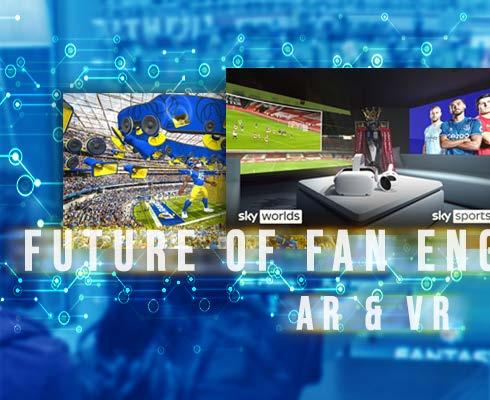
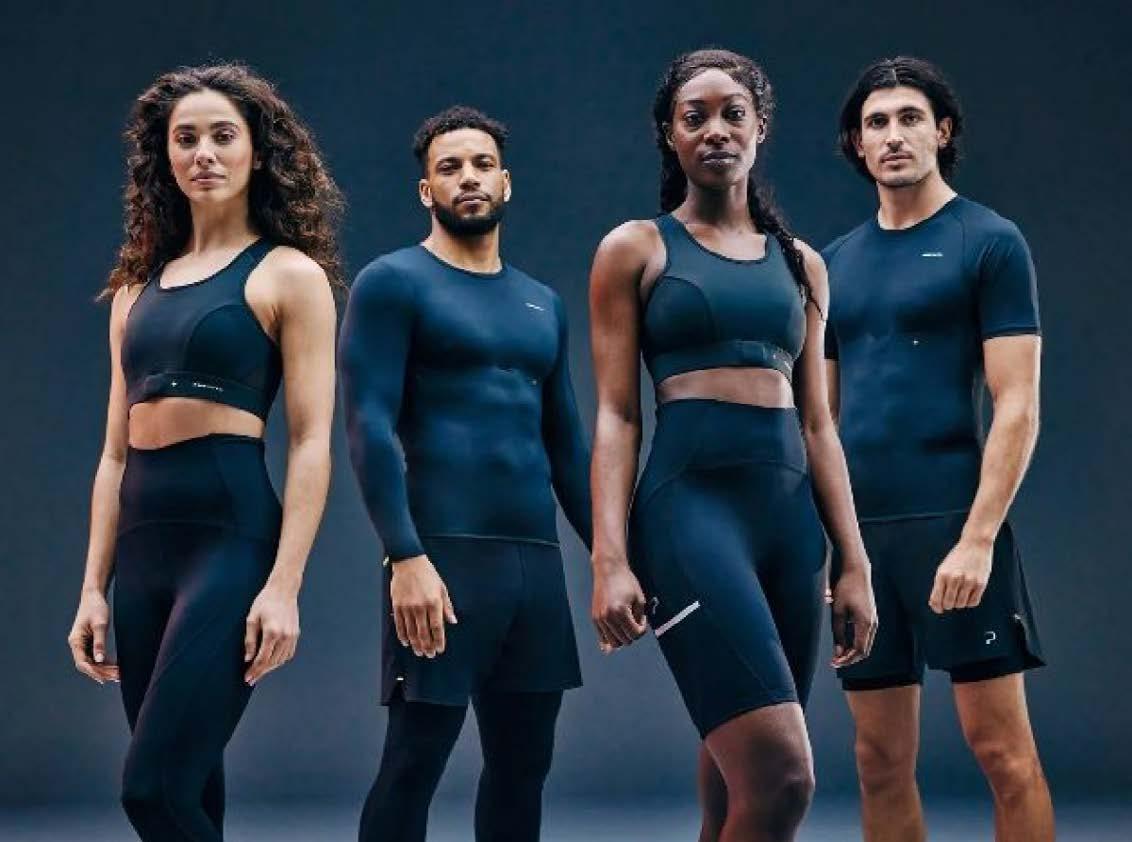
The sports industry across the world is undergoing a transformative period, driven by technological advancements, changing fan preferences, and a growing focus on sustainability and inclusivity, leading to new revenue streams, immersive experiences, and a blurring of the lines between passive spectators and active participants. Technological Advancements: AI and Data Analytics: AI is revolutionizing athlete performance analysis, coaching strategies, and fan engagement. Immersive Technologies: VR and AR are creating more engaging and personalized experiences for fans, both in stadiums and at home. Digital Platforms: Streaming services and social media are expanding the reach and accessibility of sports, allowing for new ways to engage with fans and generate revenue. Wearable Technology: Wearable devices are used for athlete performance tracking and personalized training.
Changing Fan Dynamics: Personalized Experiences: Fans are seeking more customized and interactive experiences, leading to the development of personalized content and engagement strategies. Digital Consumption: Fans are increasingly consuming sports content digitally, leading to a shift in media consumption habits and the rise of direct-to-consumer streaming. Social Media Influence: Social media platforms are becoming increasingly important for sports organizations to connect with fans, build communities, and promote events. Sustainability and Inclusivity: ESG Focus: Environmental, social, and governance (ESG) issues are gaining importance in the sports industry, with organizations increasingly prioritizing sustainability and ethical practices. Women’s Sports: Women’s sports are gaining popularity and visibility, with leagues and organizations investing in growth and development. Inclusivity: Sports organizations are working to create more inclusive and diverse environments for athletes and fans.
Business and Commercial Models: New Revenue Streams: Digital platforms, data analytics, and sponsorships are opening up new revenue streams for sports organizations. Athlete-Driven Content: Athletes are leveraging their personal brands and social media influence to create content and engage with fans directly. Private Equity Investment: Private equity firms are increasingly investing in the sports industry, driving growth and innovation.
Performance-Based Sponsorships: Sponsorships are becoming more performance-based, with organizations focusing on measurable results. The sports industry is embracing technological advancements. From data analytics to virtual reality training, technology is revolutionising how athletes train and perform. Startups are emerging across the board, providing innovative solutions to longstanding challenges in sports management and training. Digital technology is unlocking unprecedented opportunities for growth in the sports industry, offering the potential to draw fans closer through innovative and customized experiences. To capitalize on this opportunity, however, digital will need to be embedded in every aspect of the business, transforming people, processes, and technology. The sports industry, in particular, is undergoing rapid upheaval, and digital technology is unlocking unprecedented opportunities for growth. In order to fully capitalize on those opportunities, however, sports organizations will likely need a digital overhaul. “Doing digital” is not enough: They will have to embed digital in every aspect of the business, transforming people, processes, and technology. Technology is playing a larger role than ever in the lives of fans, opening the way for sports organizations to create new, innovative customer experiences. Partnering with broadcasters and new distribution platforms can give fans the experiences they want, and capture viewership across multiple devices, including mobile.
From The Desk Of
EDITOR -IN - CHIEF
The rise of the smartphone and the tablet may have contributed to an erosion in live game attendance, as more people switch to live streaming. Attendance for the National Football League (NFL) and Major League Baseball (MLB) is below 2007 levels, while both National Hockey League (NHL) and National Basketball Association attendance has declined since the 2012-2013 season.1 At the same time, over-thetop (OTT) platforms are emerging as the new engine for growth: Sports organizations need to strategically leverage digital media to build direct connections with fans. One way is to partner with broadcasters to master content across multiple channels, which also allows a wealth of real-time marketing opportunities. Ultimately, digital optimization of content across platforms will help broaden content reach for sports organization. Going through any kind of organizational transformation is not to be taken lightly. But given the significant opportunities that exist for sports organizations, the undertaking is well-worth considering. With many new technologybased changes on the horizon, we will also see a re-evaluation of traditional sports governance in the coming decade. With the globalization of sports and the growth of women’s sports, women’s sports are no longer just about “winning” against men’s athletics. Women’s athletics are writing their own story. If growth and engagement over the last decade is a sign of things to come in the future, women’s sports will continue to impact the sporting industry for decades to come.
From an athlete’s perspective, health monitoring and data will change the way a game is played. Genetic insights will influence training sessions and biometric monitoring will provide personalized insights, optimize athletic performance, and prevent injuries. Such technological innovations will ensure proper maintenance of athlete health and could lead to the rise of performance standards, including the breaking of domestic and world records. Although the collection of biometric data will help to predict and prevent injuries or curate experiences, sport managers and athletes alike must remain aware of the implications of collecting significant amounts of personal data. Gaining knowledge about how and when data will be utilized will be integral to creating boundaries about data privacy. In a Nutshell, the sports industry is entering a transformative era marked by technological breakthroughs, environmental priorities, and societal shifts. By aligning with these trends and focusing on critical skill development, sports organisations can secure a resilient and thriving future in the global landscape.
FIFA’S STRATEGIC PARTNERSHIP WITH VFILES TO LAUNCH FASHION LINE ‘FIFA 1904’
PGA AIMS TO GROW GOLF IN INDIA THROUGH FANCODE PARTNERSHIP
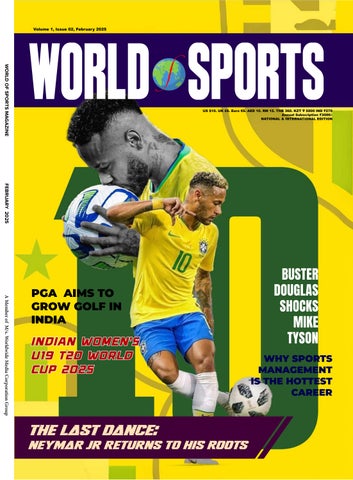
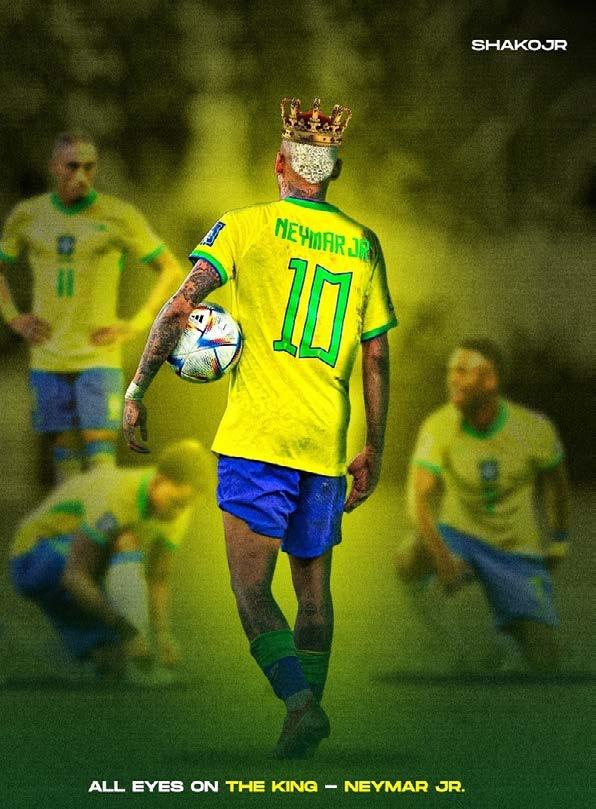
THE LAST DANCE: NEYMAR JR RETURNS TO HIS ROOTS
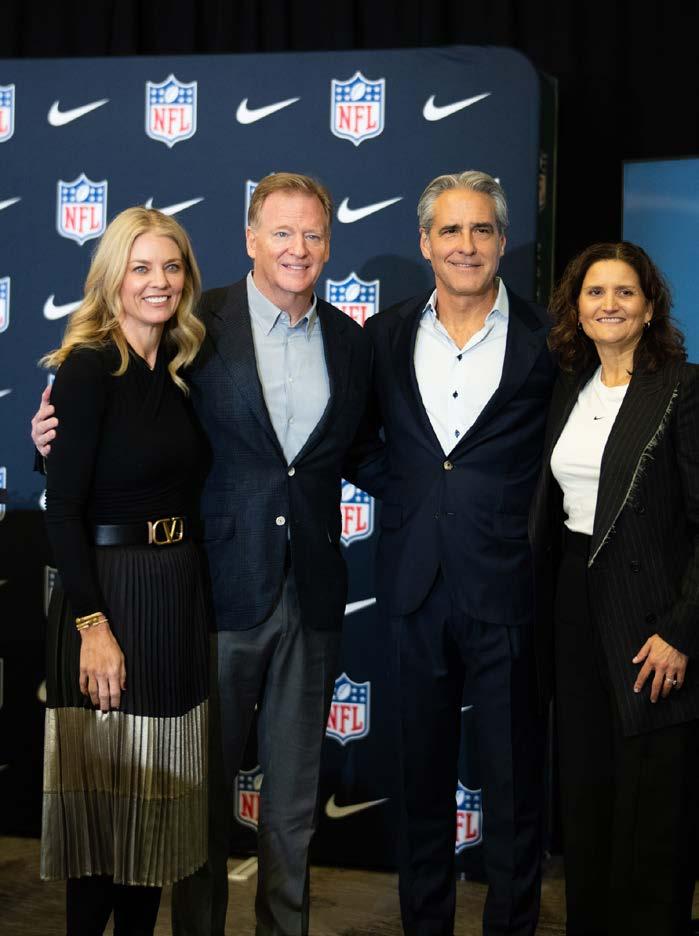
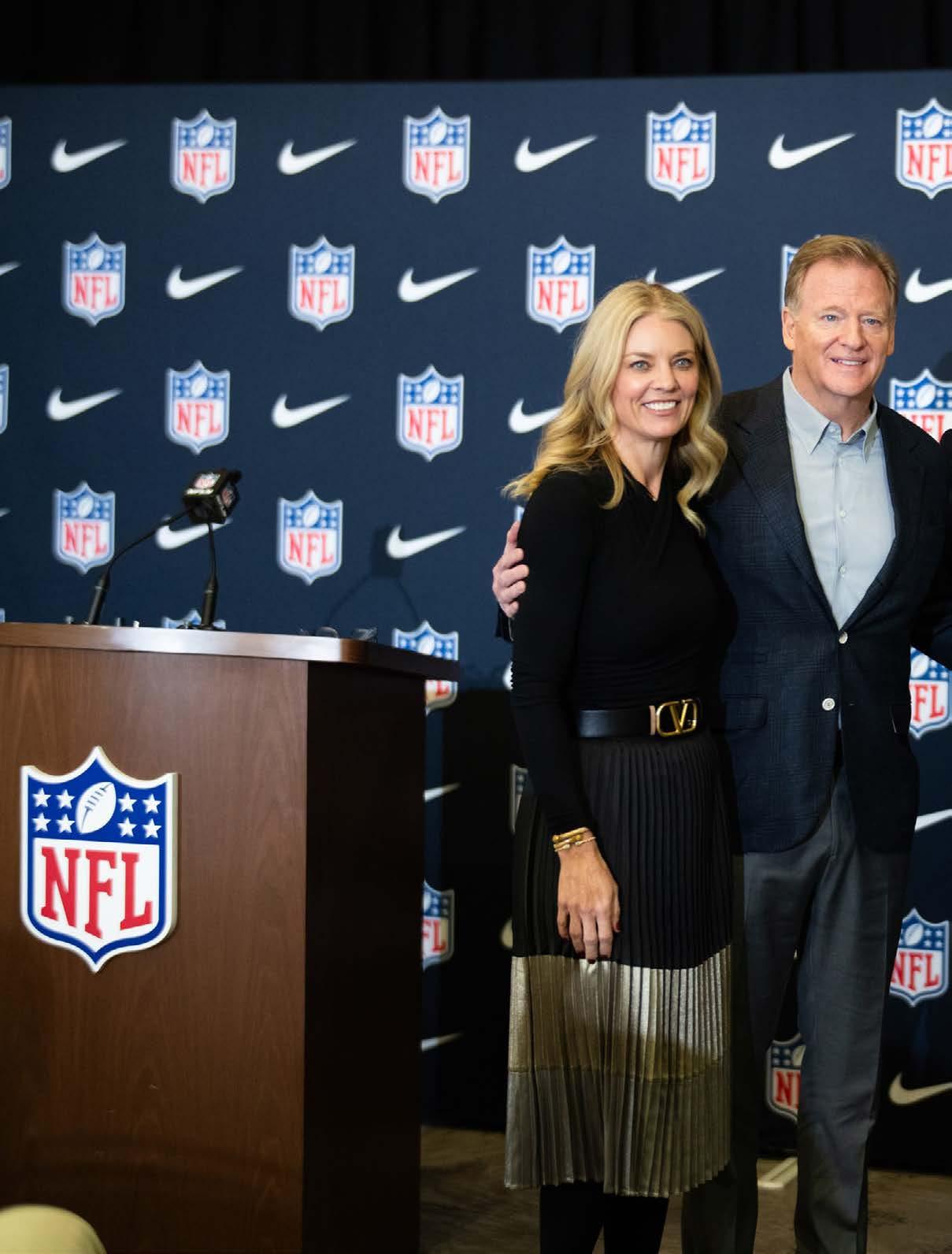
NIKE, INC. & NFL RENEW EXCLUSIVE UNIFORM PARTNERSHIP THROUGH 2038
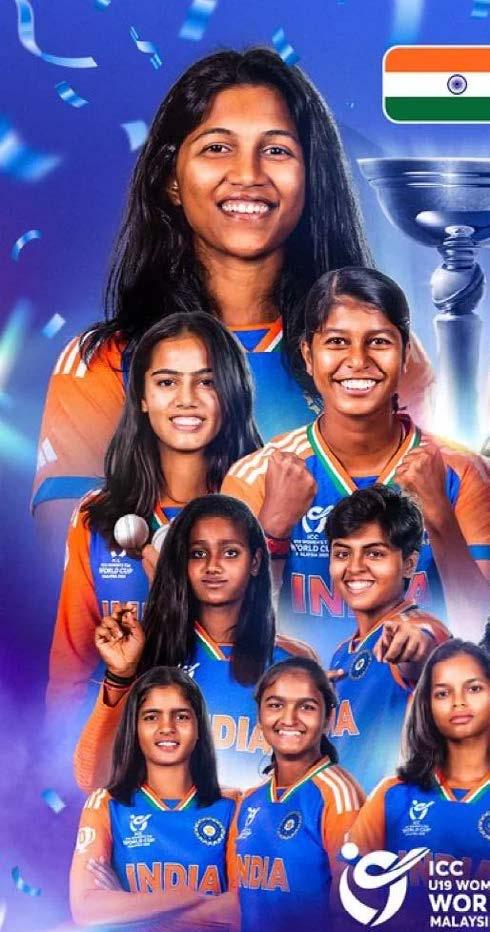
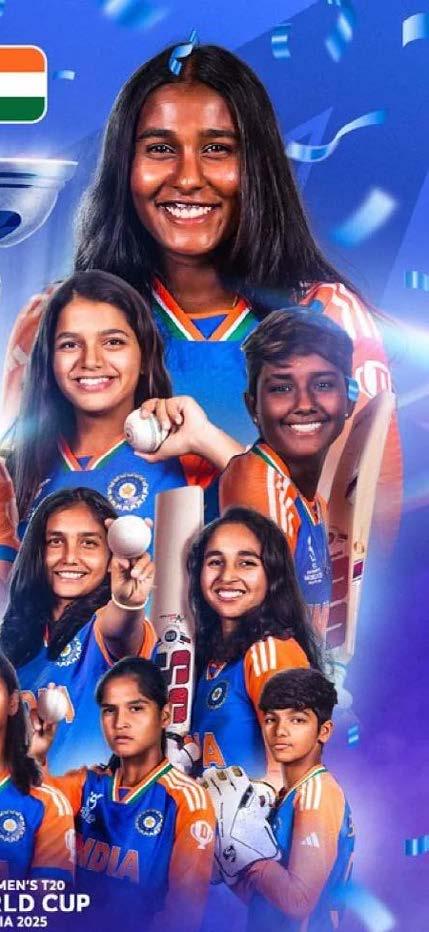
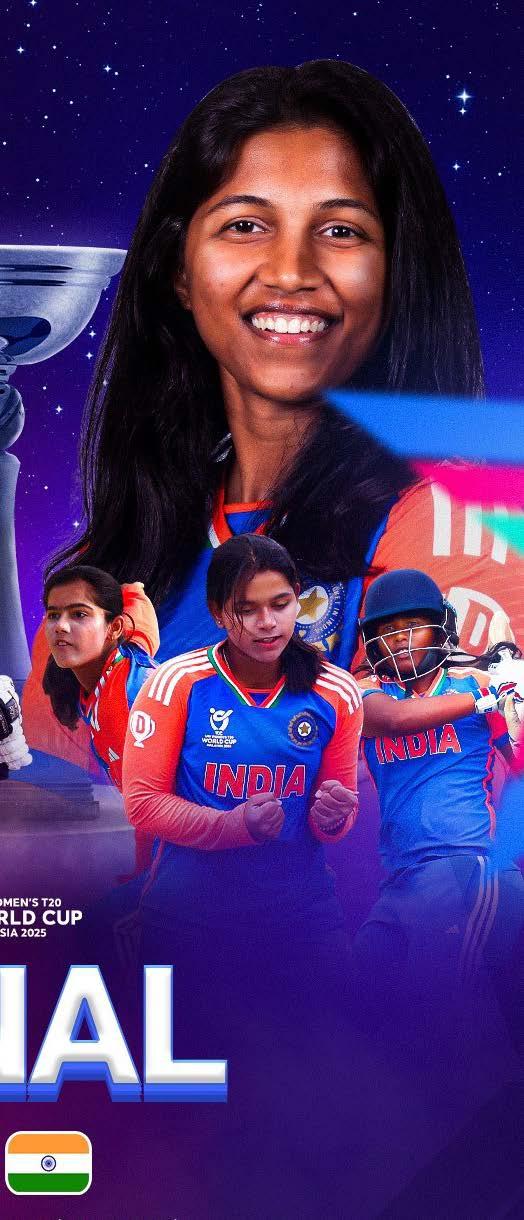
THE INDIAN WOMEN’S U19 T20 WORLD CUP 2025 TRIUMPH
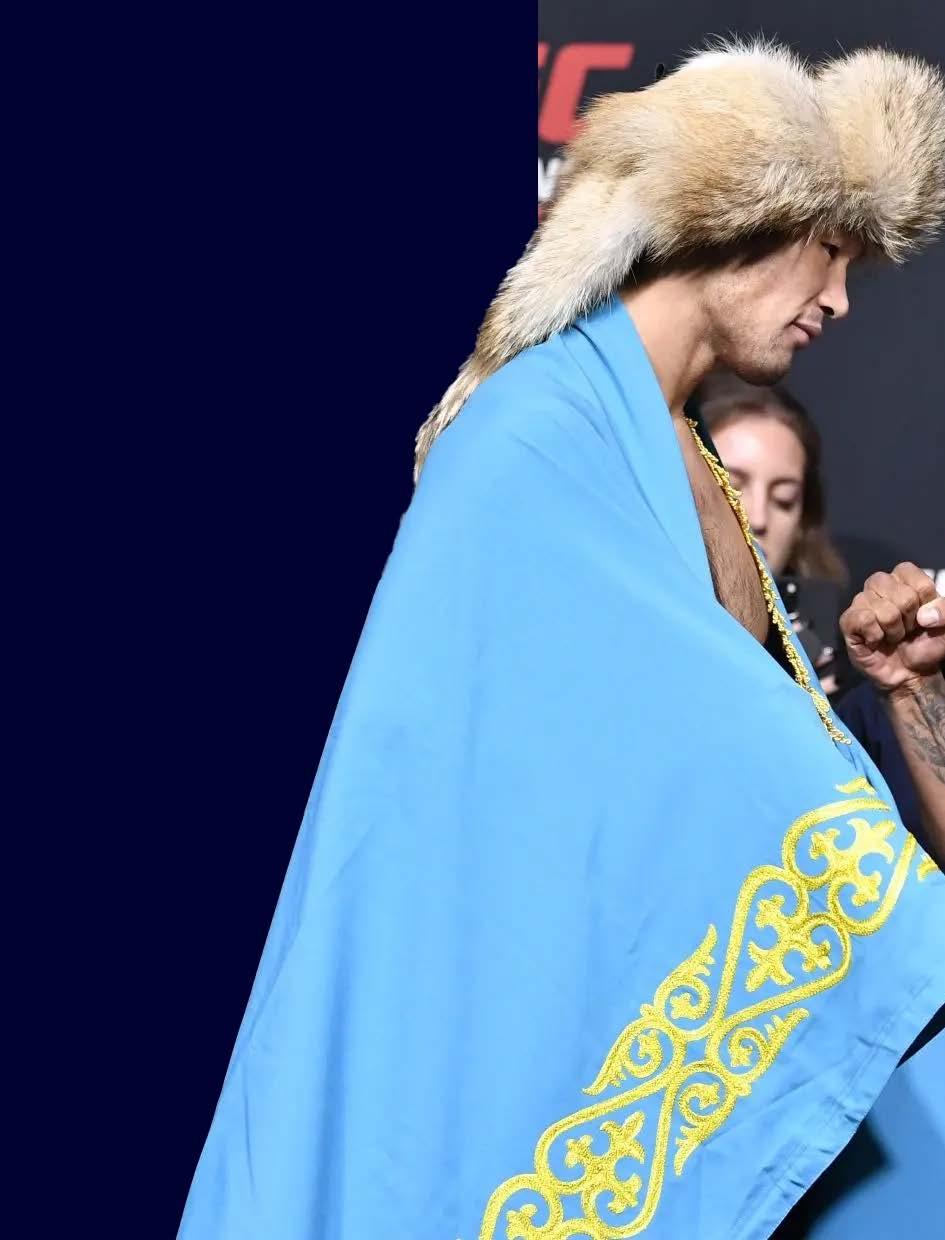
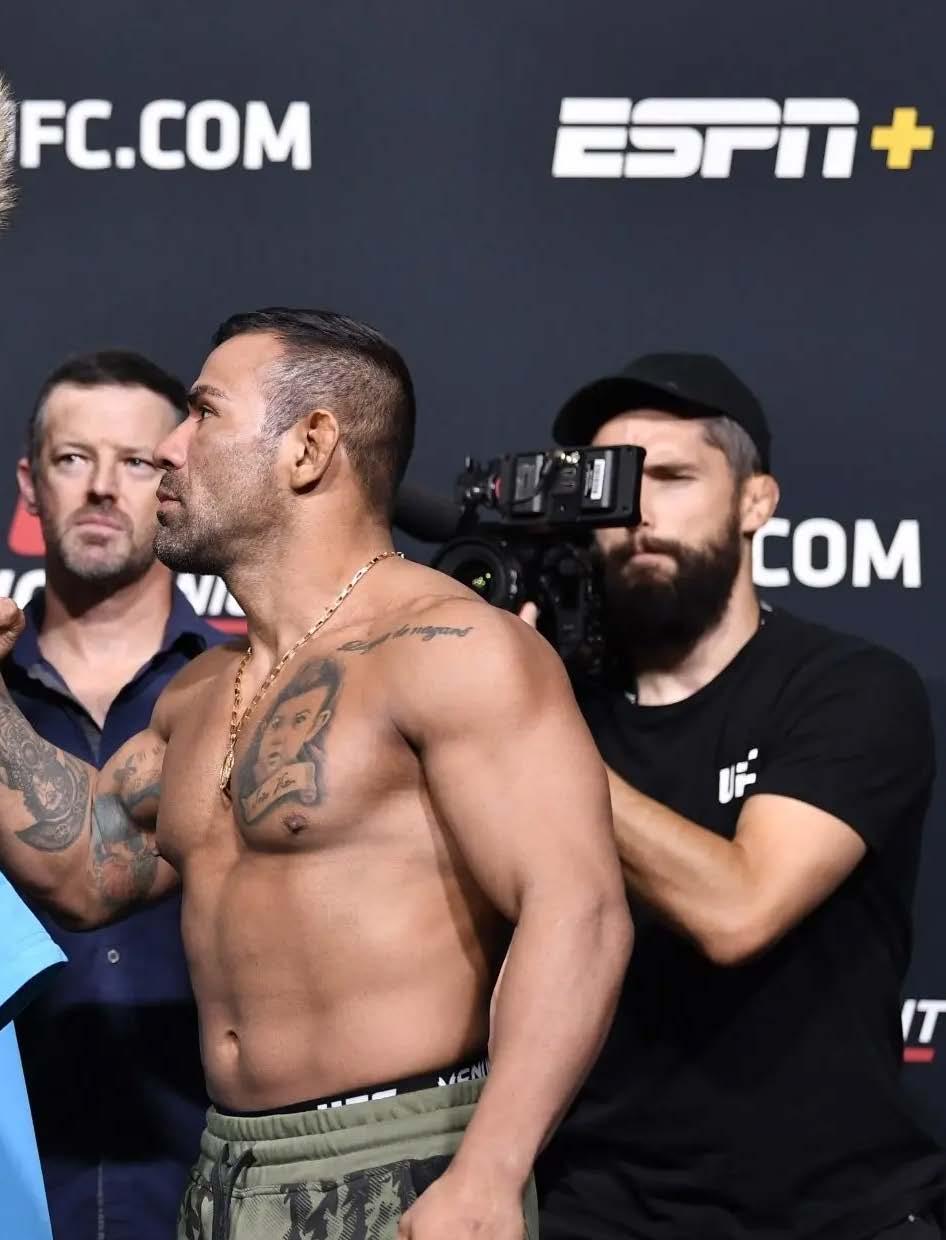
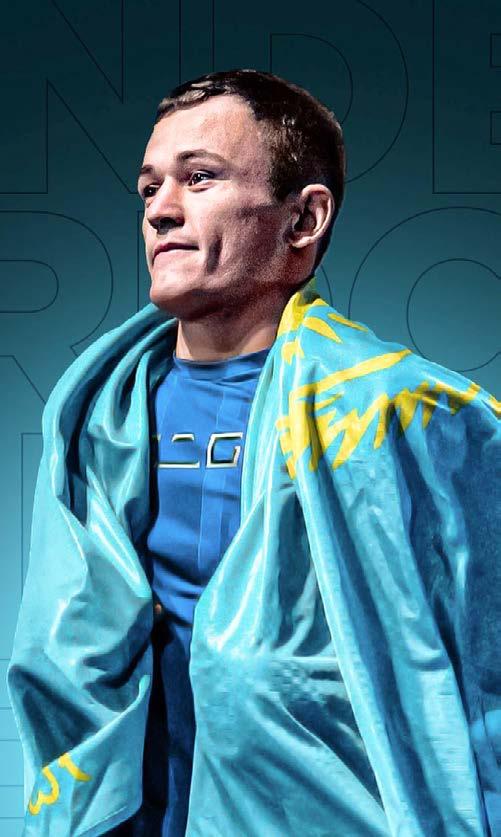
THE RISING STAR OF UFC SHAVKAT RAKHMONOV & KAZAKHSTAN’S COMBAT SPORTS LEGACY
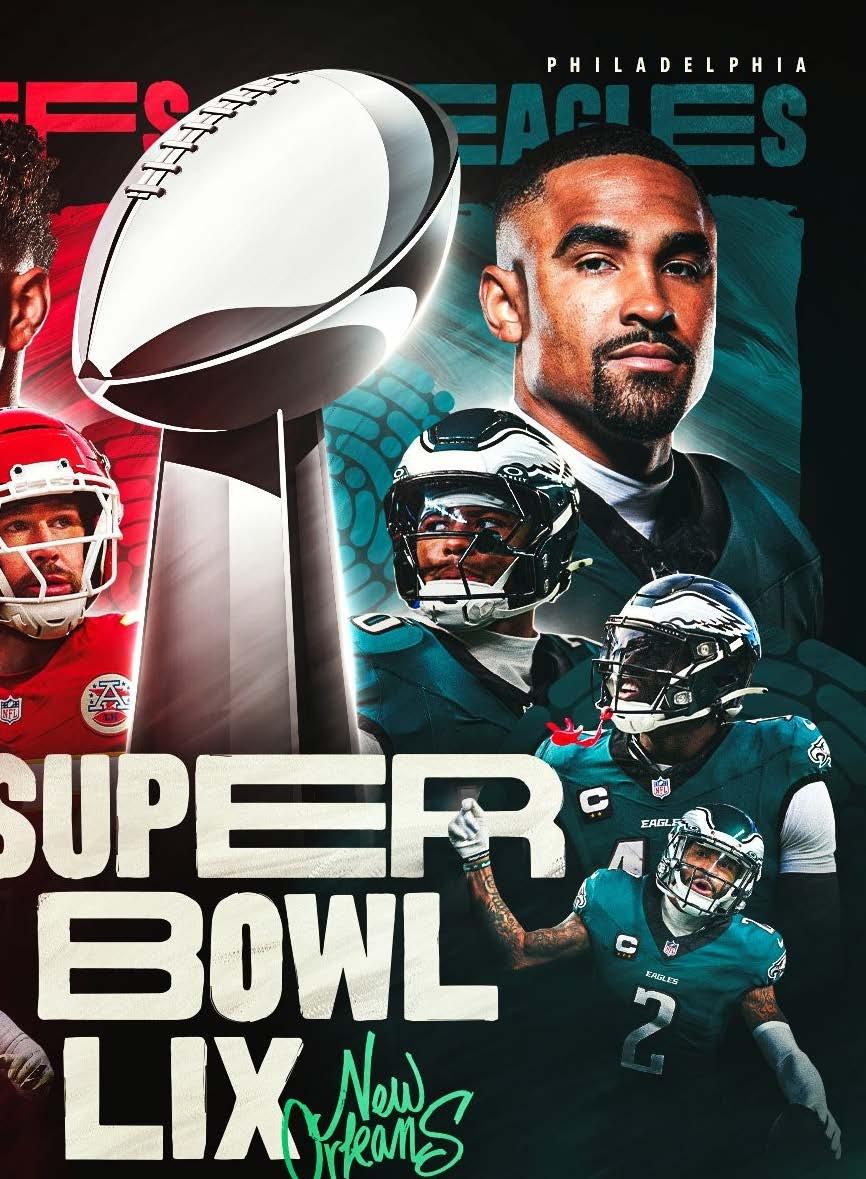
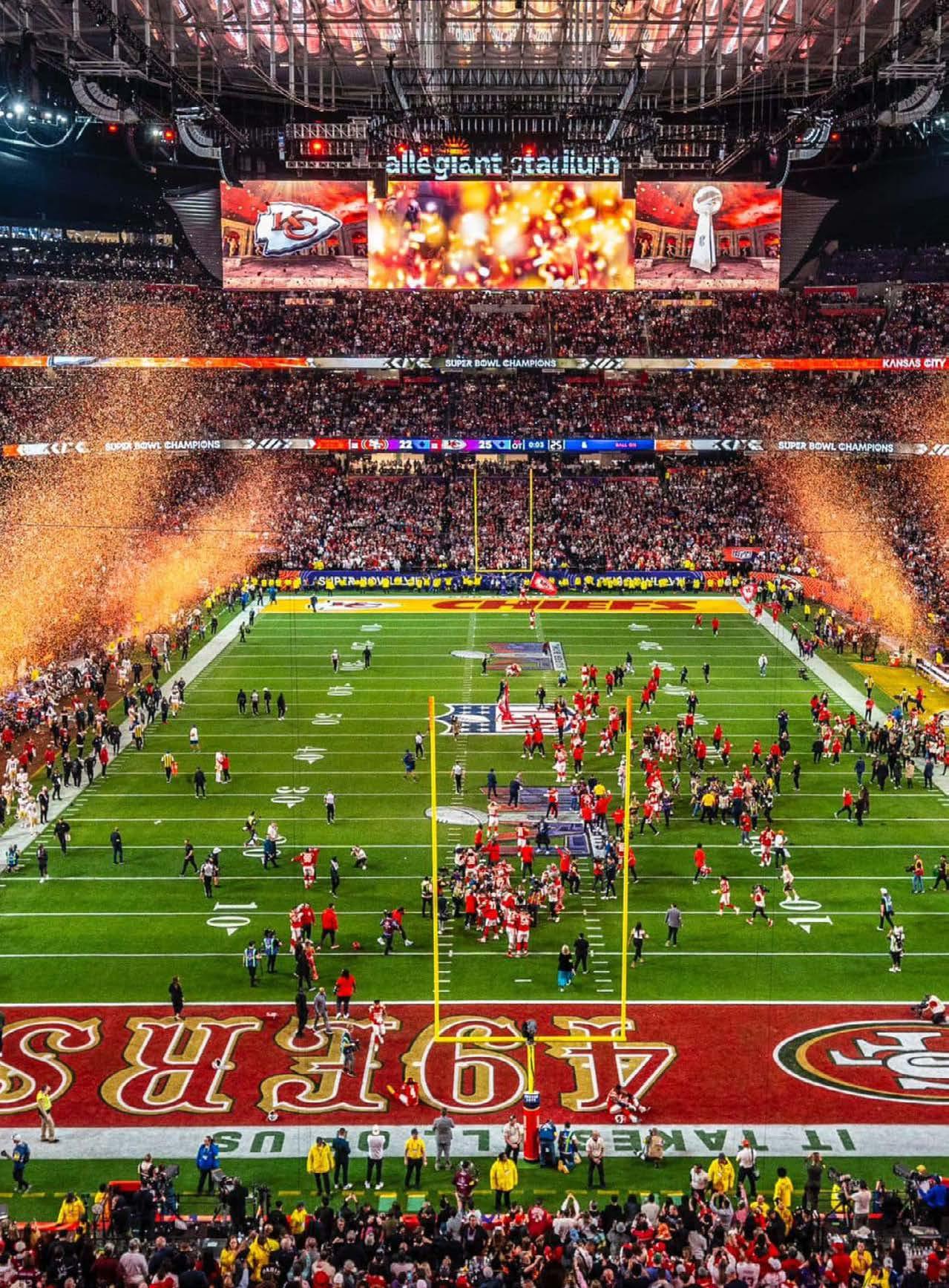
SUPER BOWL 2025 - A SHOWDOWN OF LEGENDS, CULTURE, AND COMMERCE
WHY SPORTS MANAGEMENT IS THE HOTTEST CAREER PLAY IN MODERN ATHLETICS
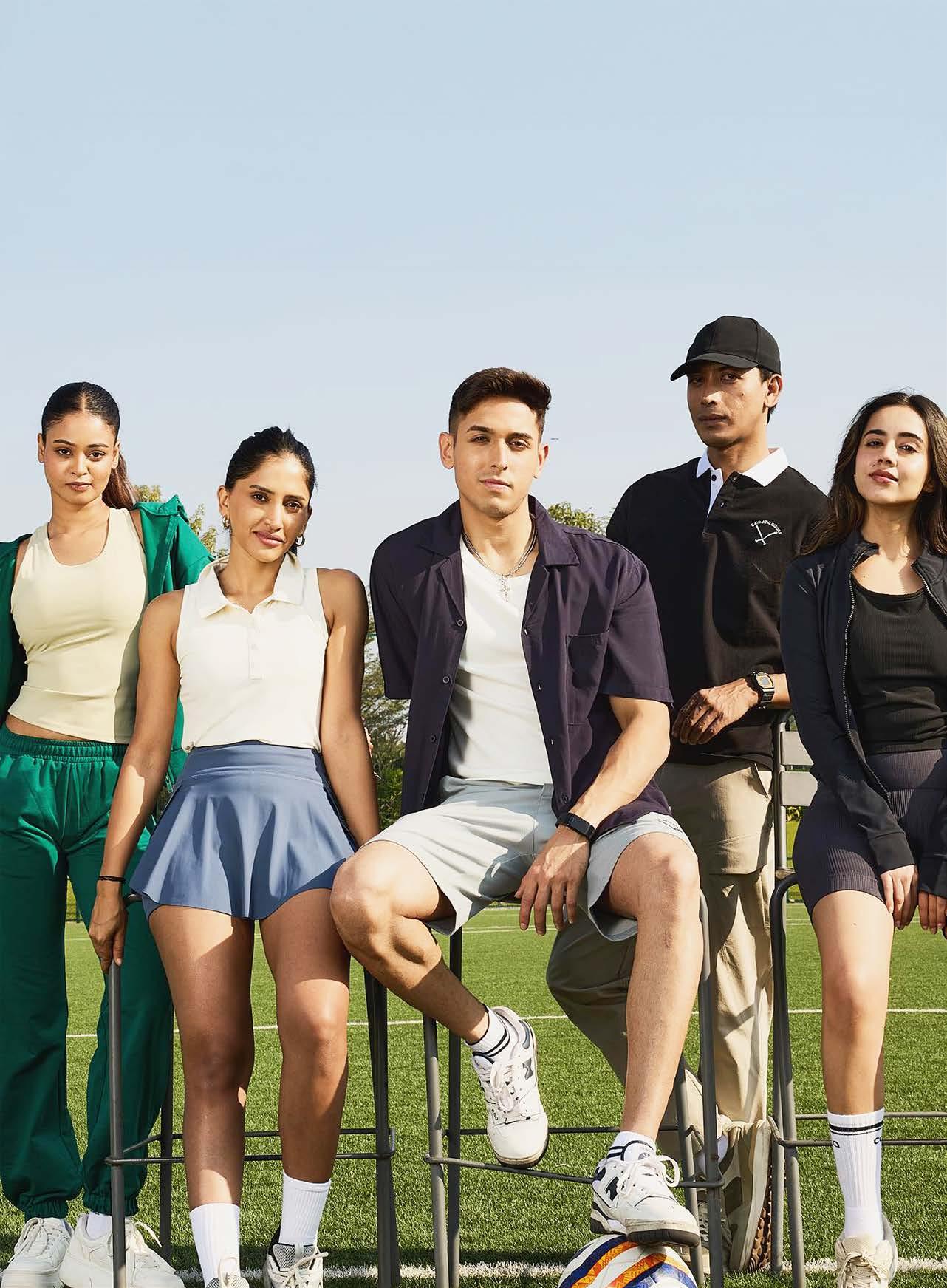
THE PICKLEBALL INDIAN OPEN 2025 A GRAND SLAM FOR THE SPORT IN INDIA
DAZN MENA THE CORNERSTONE OF SURJ’S $ BILLION DAZN VENTURE
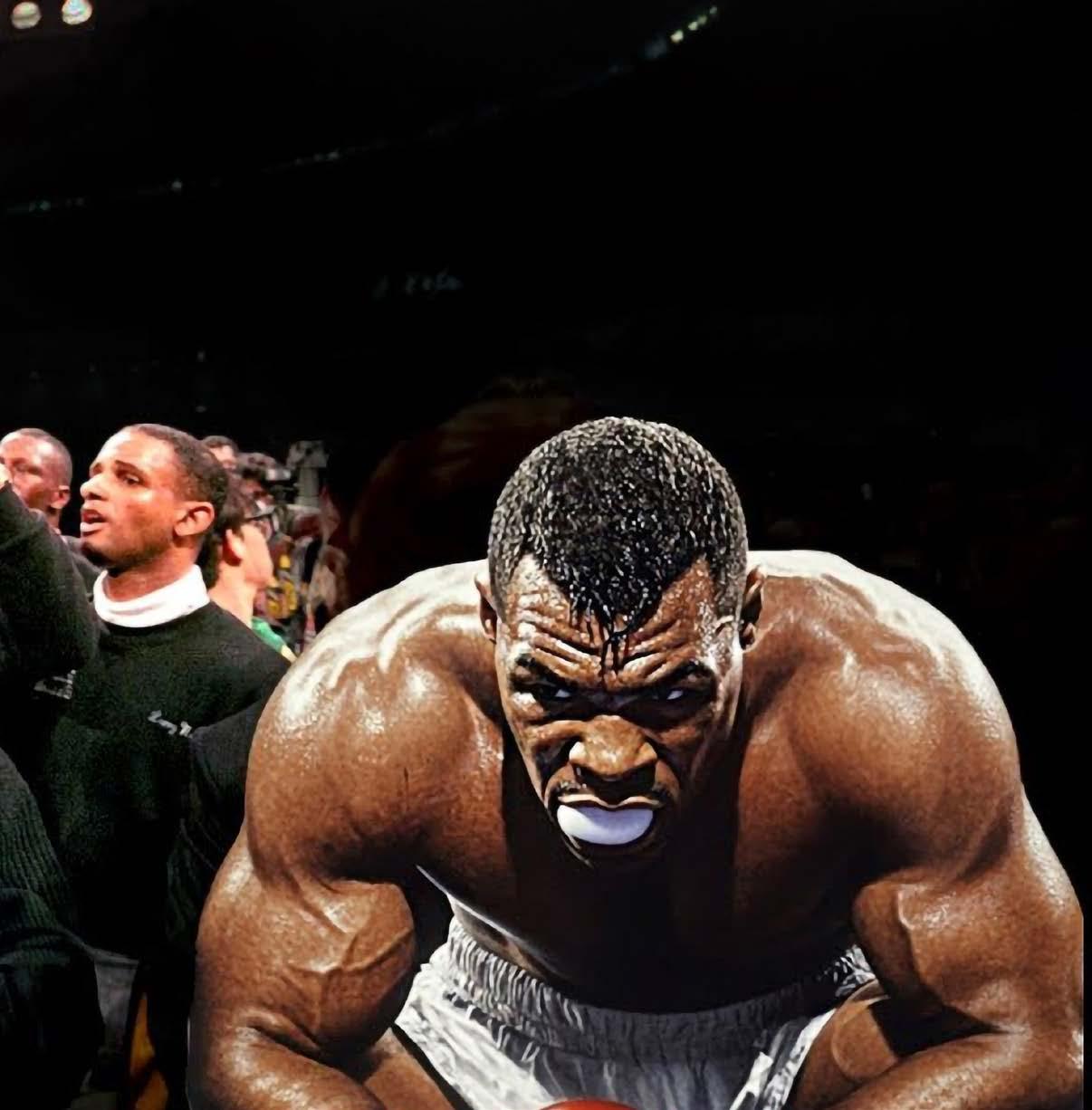
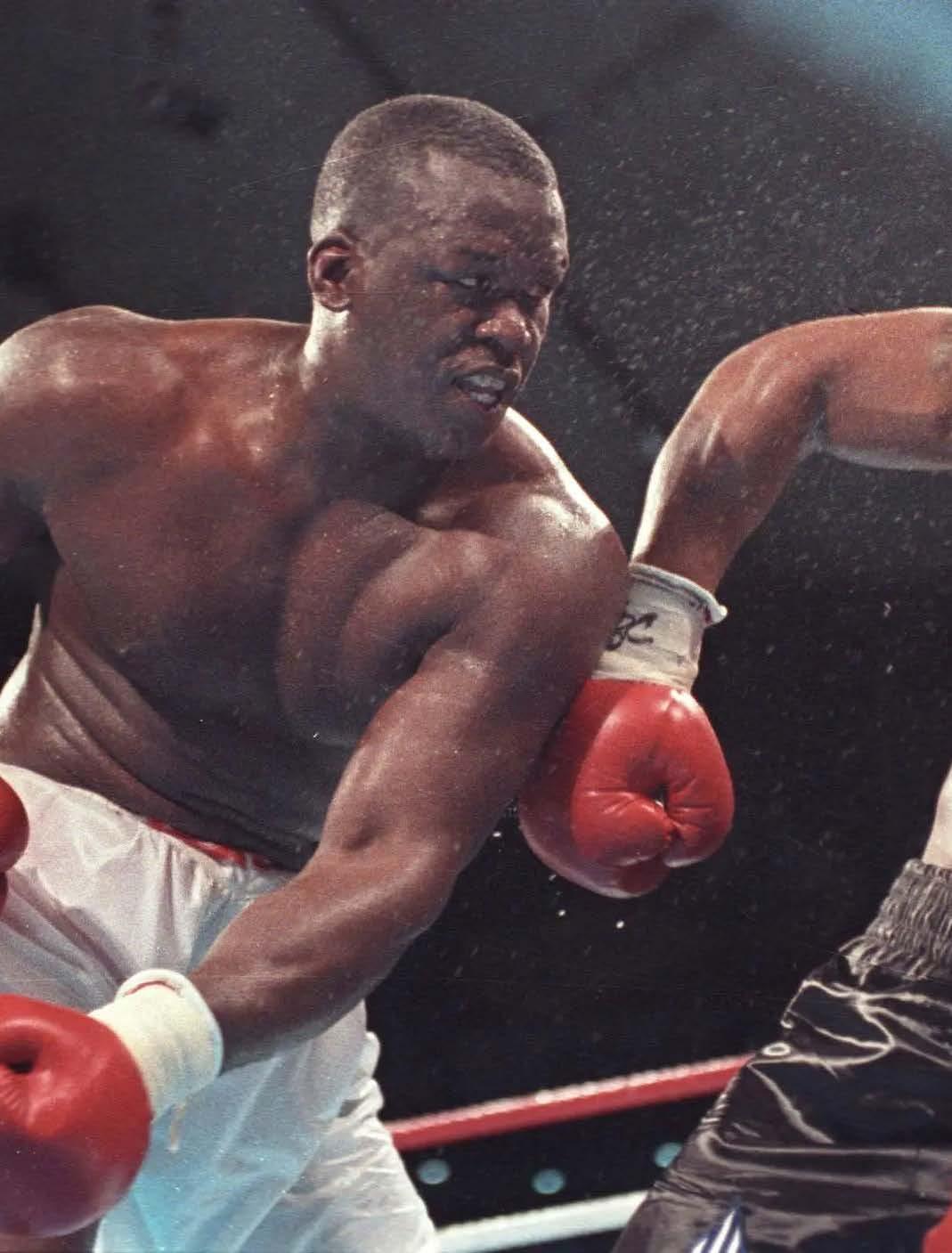
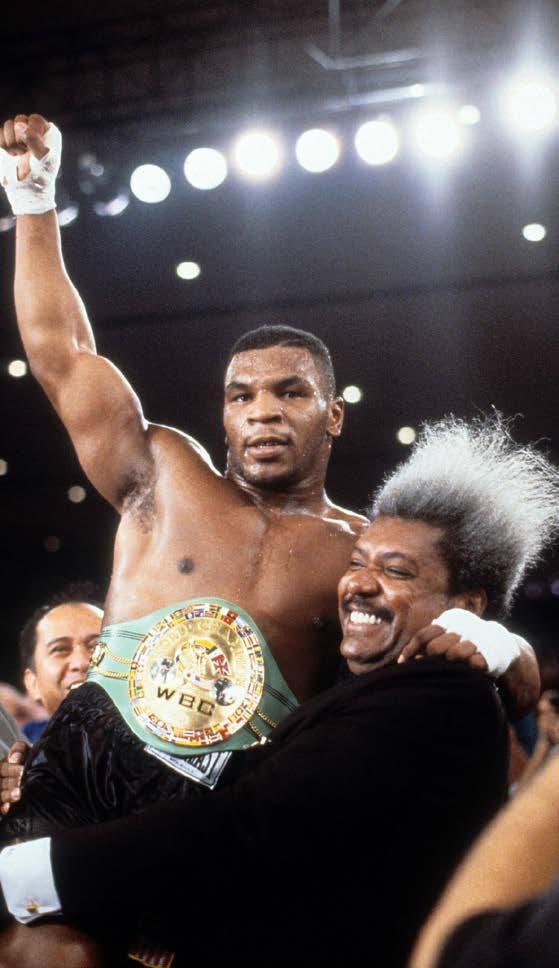
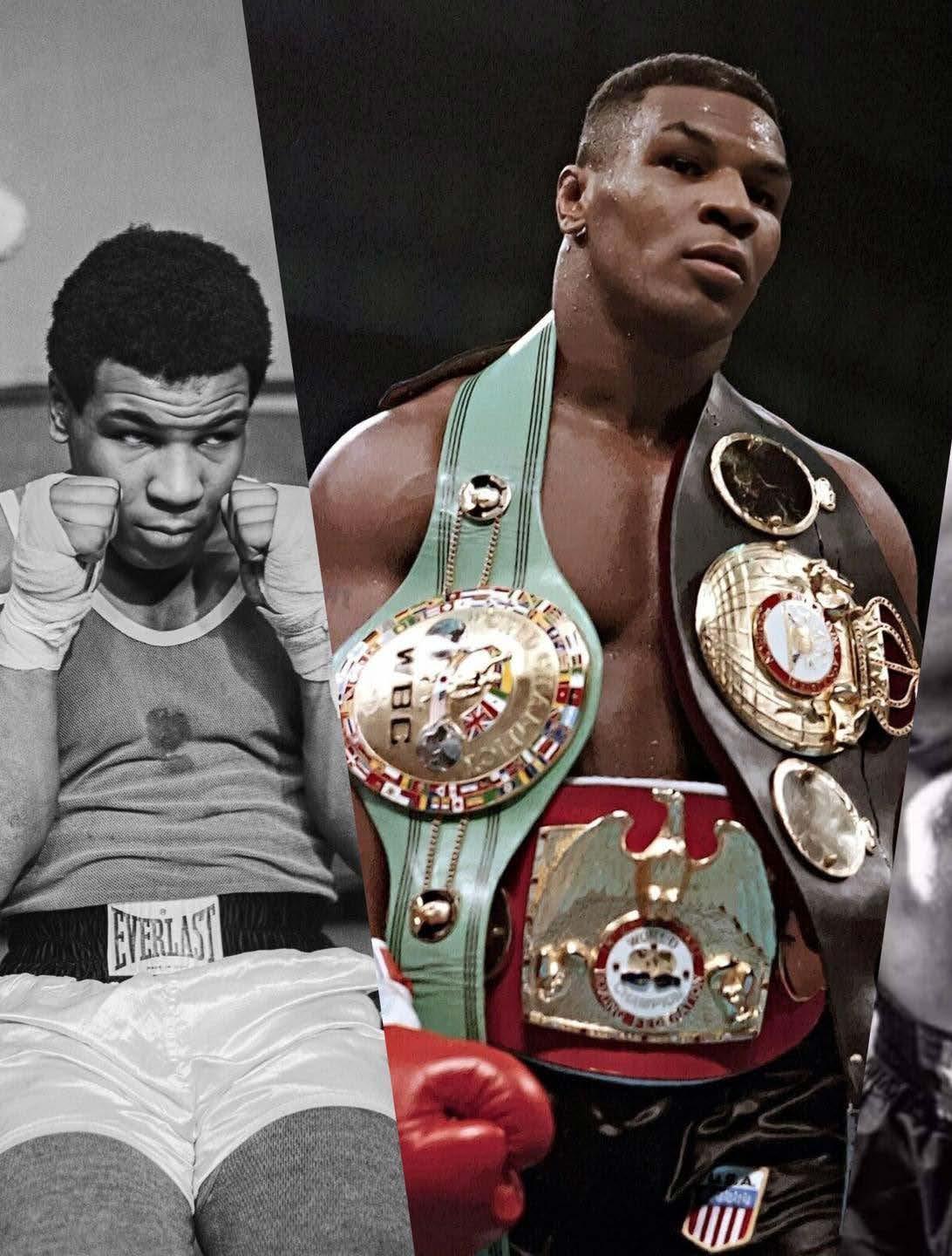
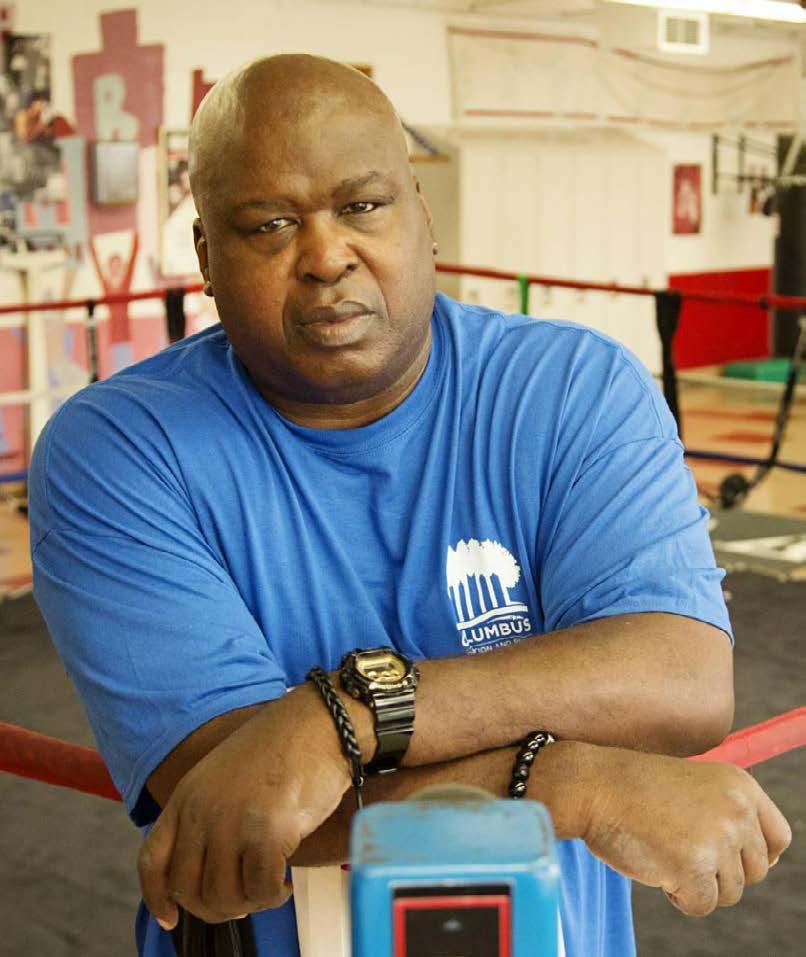
THE NIGHT THE UNTHINKABLE HAPPENED BUSTER DOUGLAS SHOCKS MIKE TYSON
THE ESPORTS WORLD CUP 2025 A LANDMARK IN GAMING HISTORY
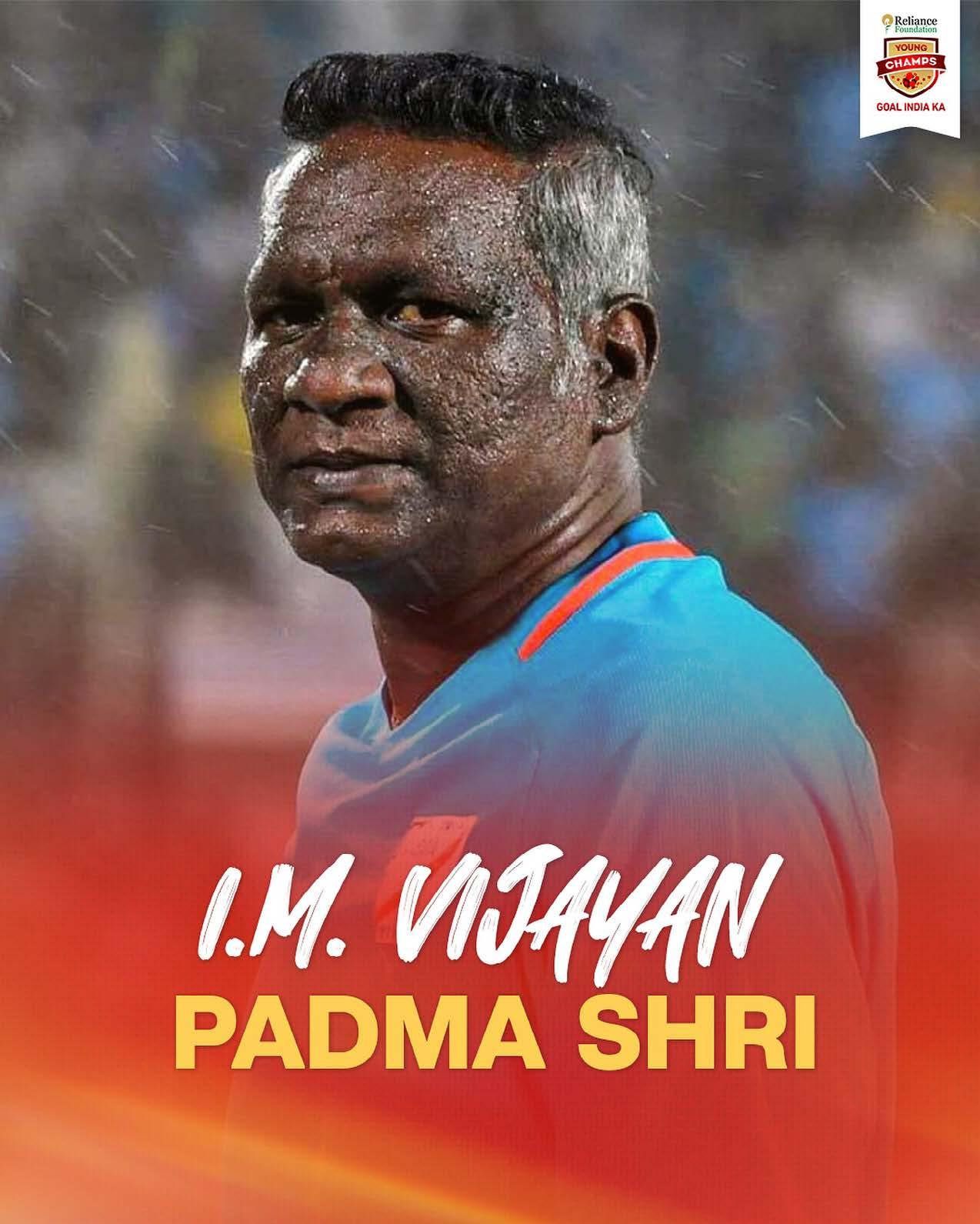
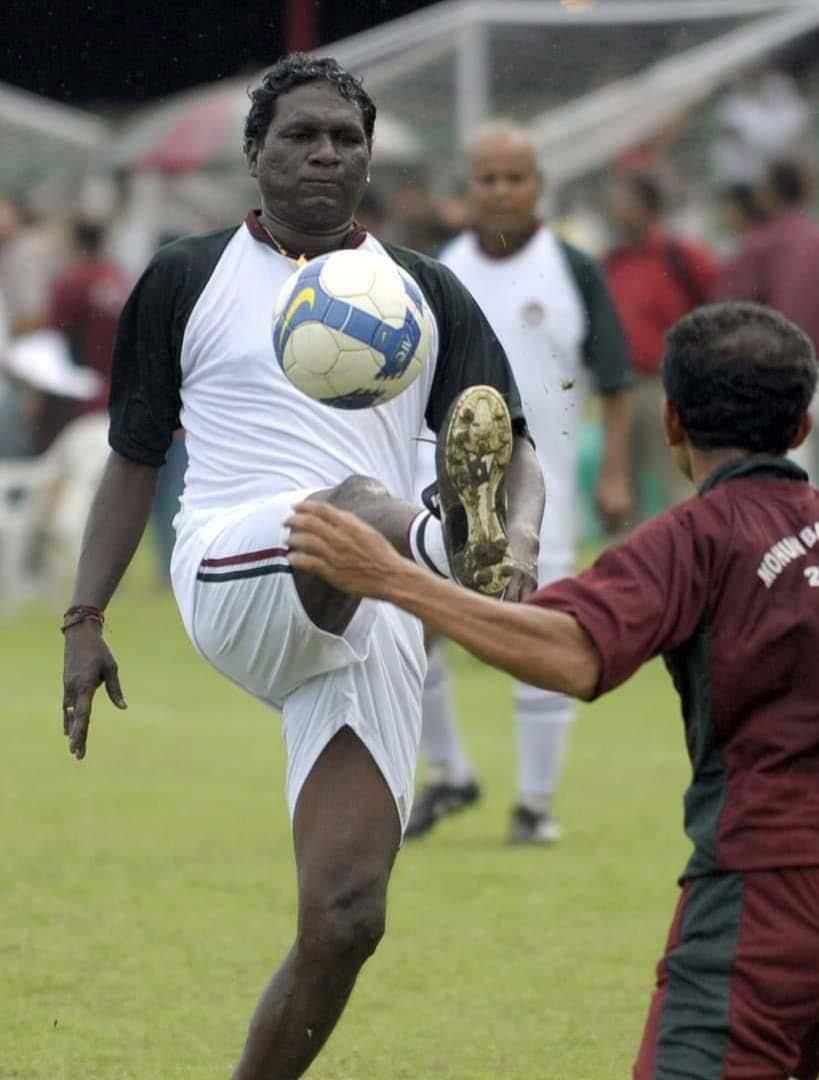
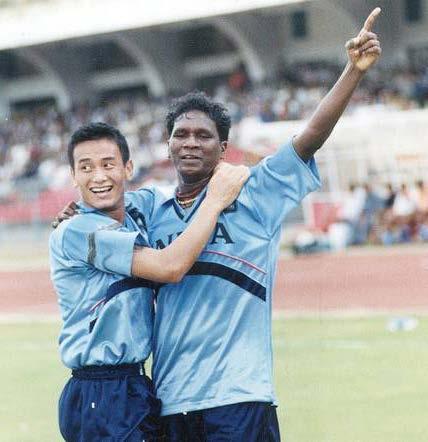
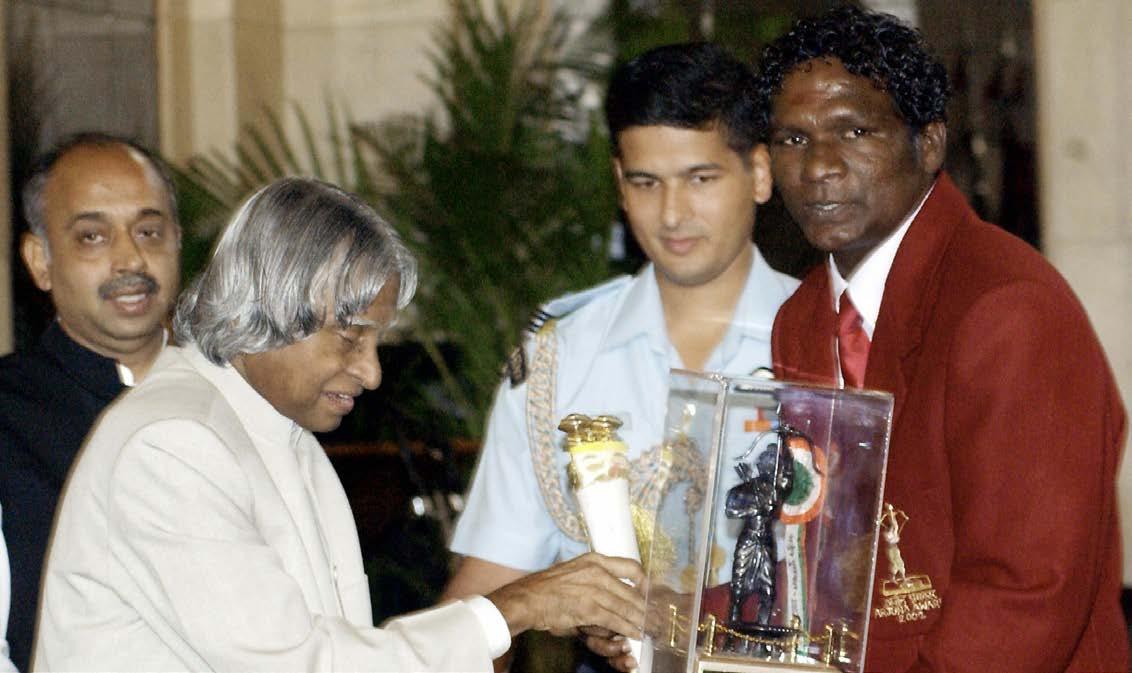
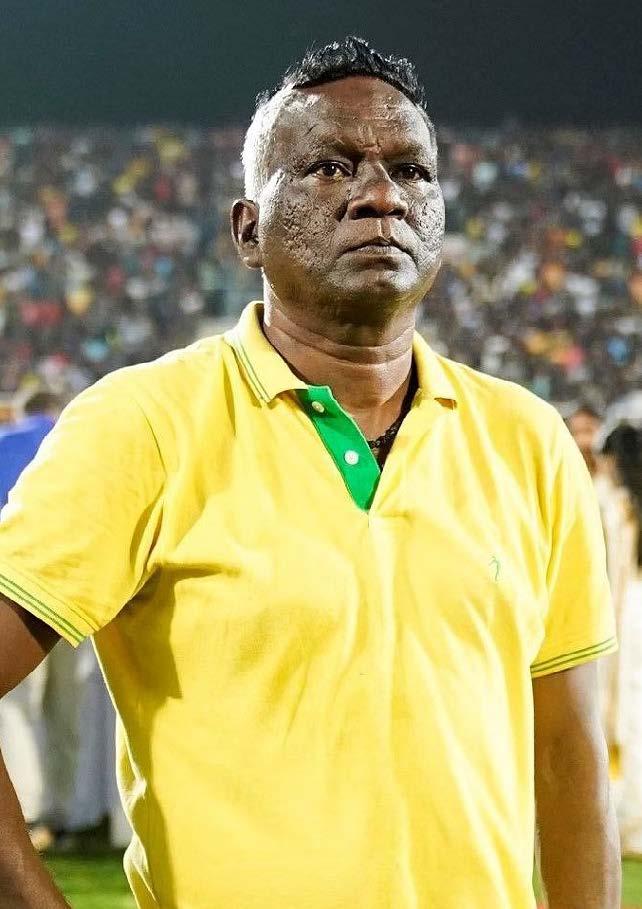
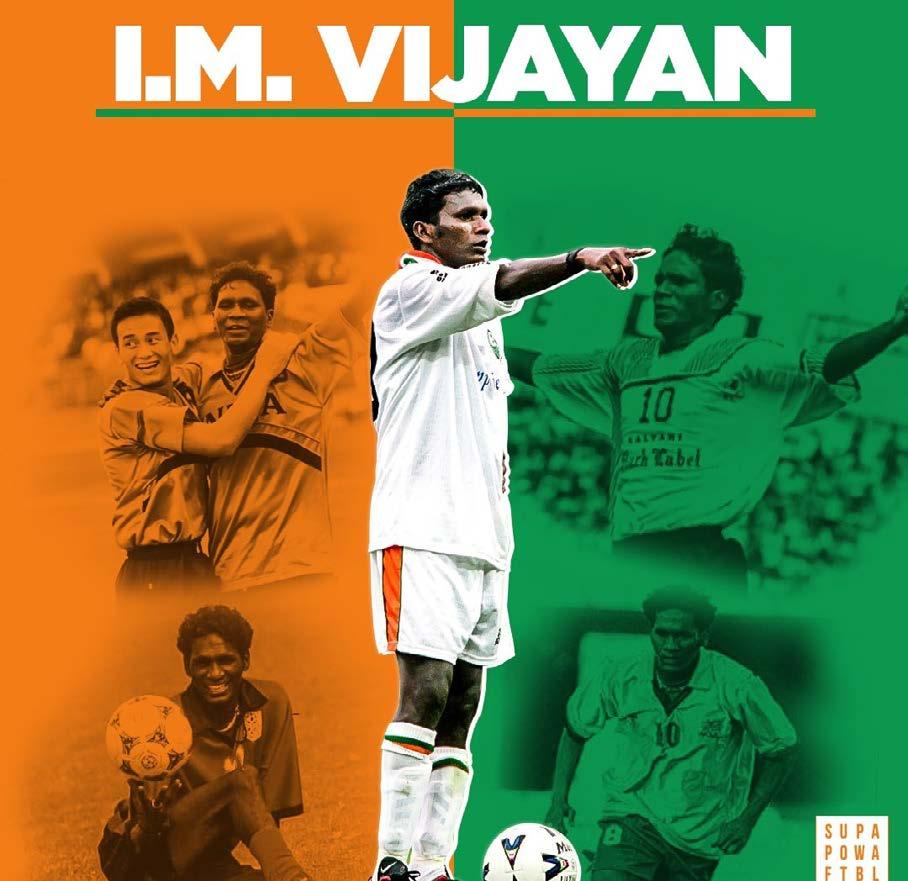
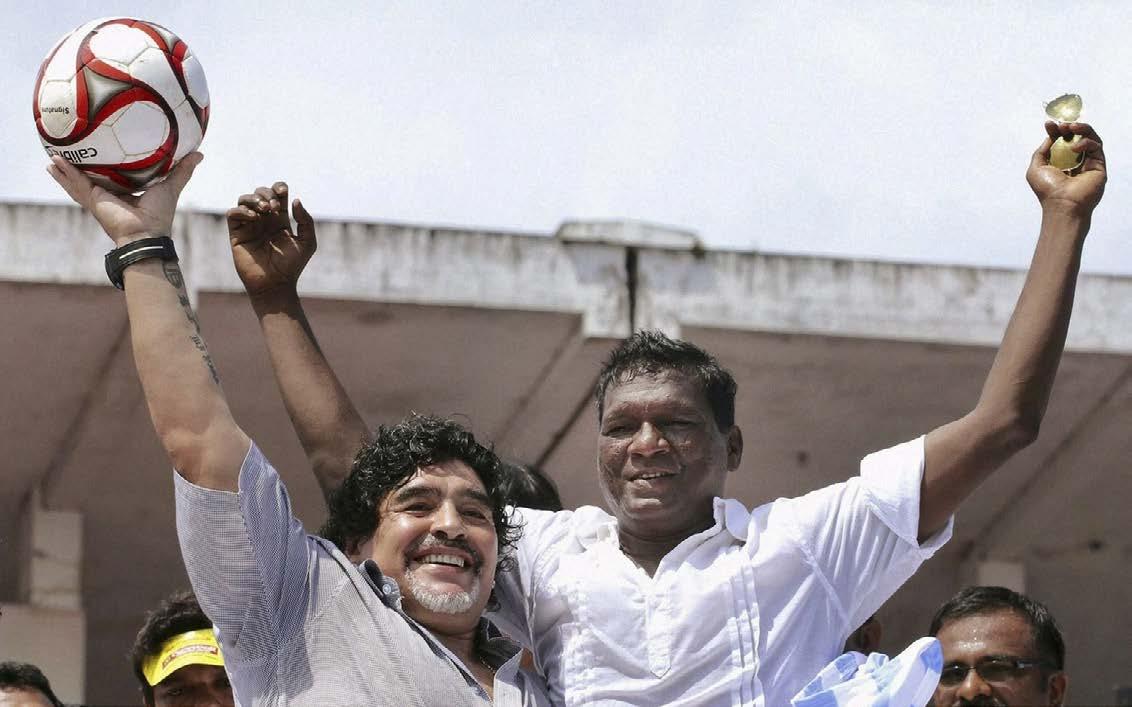
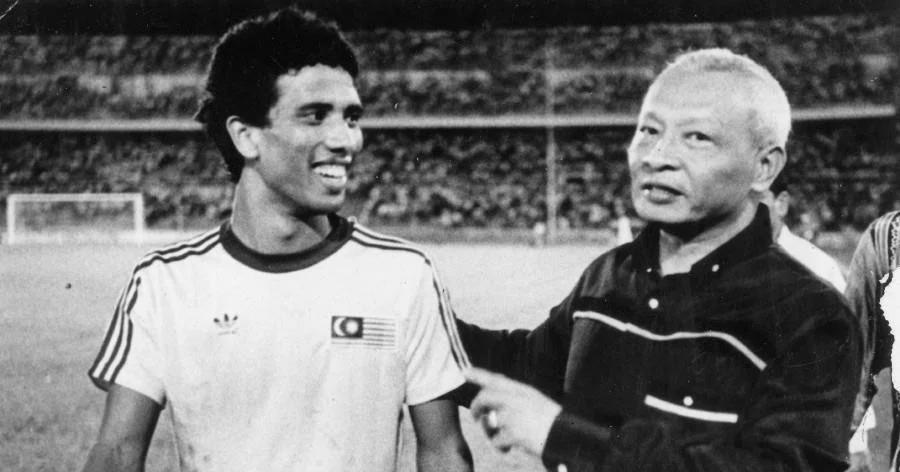
INDIAN FOOTBALL LEGEND IM VIJAYAN HONOURED WITH PADMA SHRI AWARD
SPORTS MERCHANDISING IN INDIA: MARKET OPPORTUNITIES AND FUTURE PROSPECTS IN 2025
LEADING THE WAY FOR AN EXCITING FUTURE IN INDIAN SPORTS
CRYOTHERAPY UNDER SCRUTINY A 2024 REVIEW IN THE BRITISH JOURNAL OF SPORTS MEDICINE SPARKS DEBATE
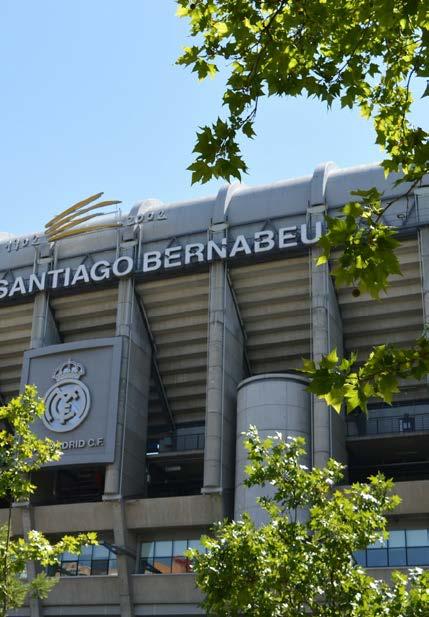
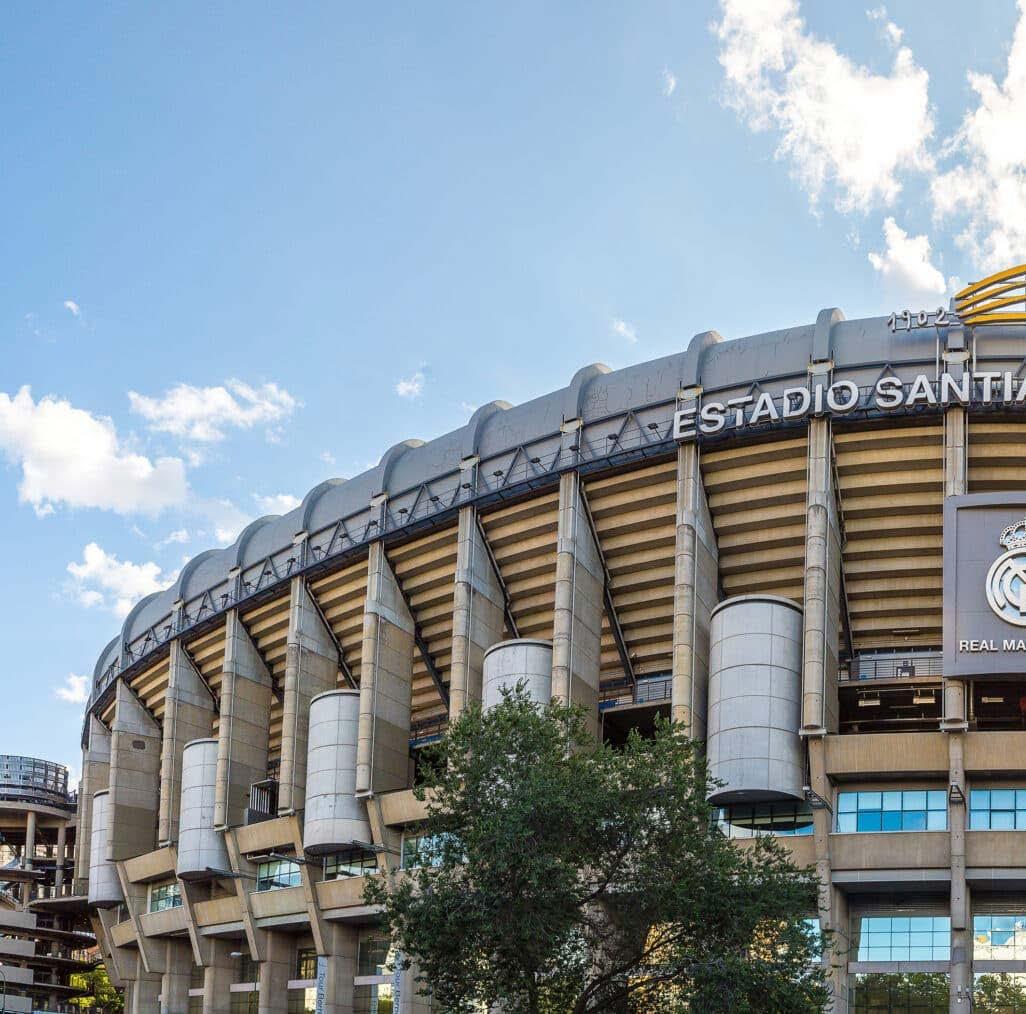
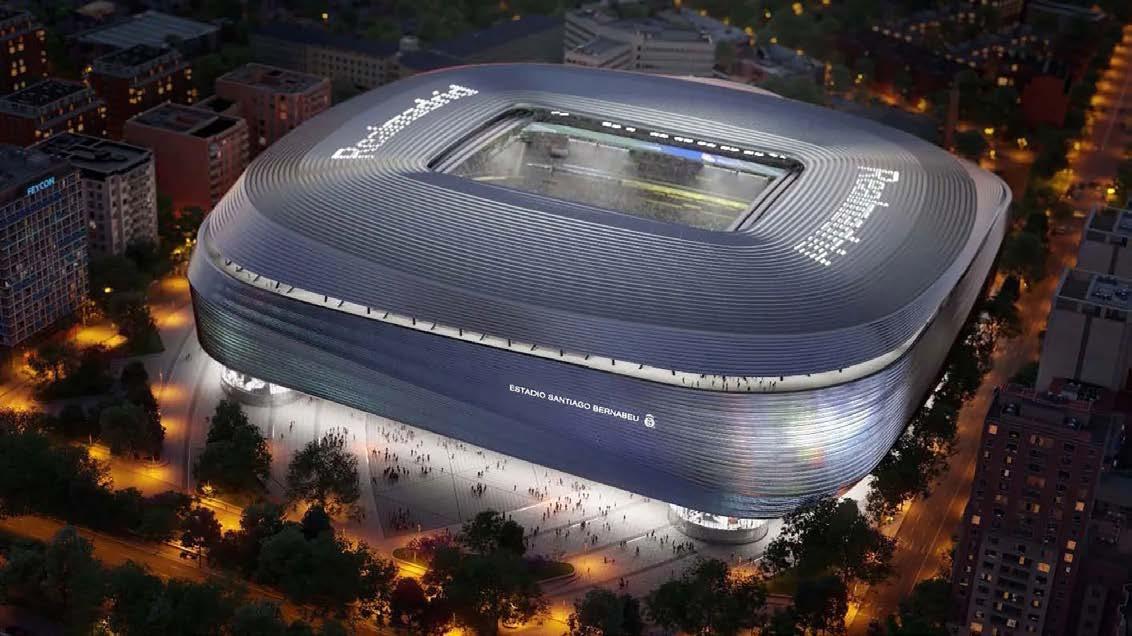
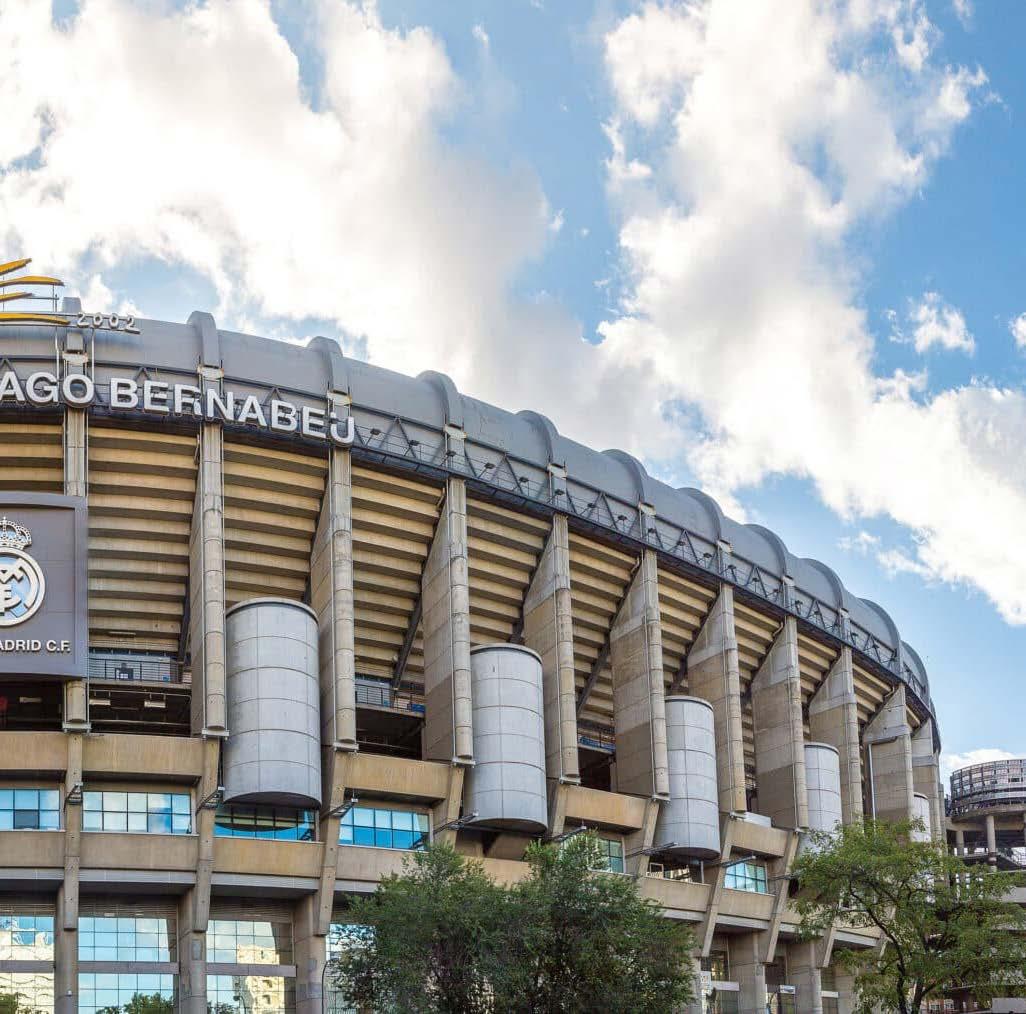
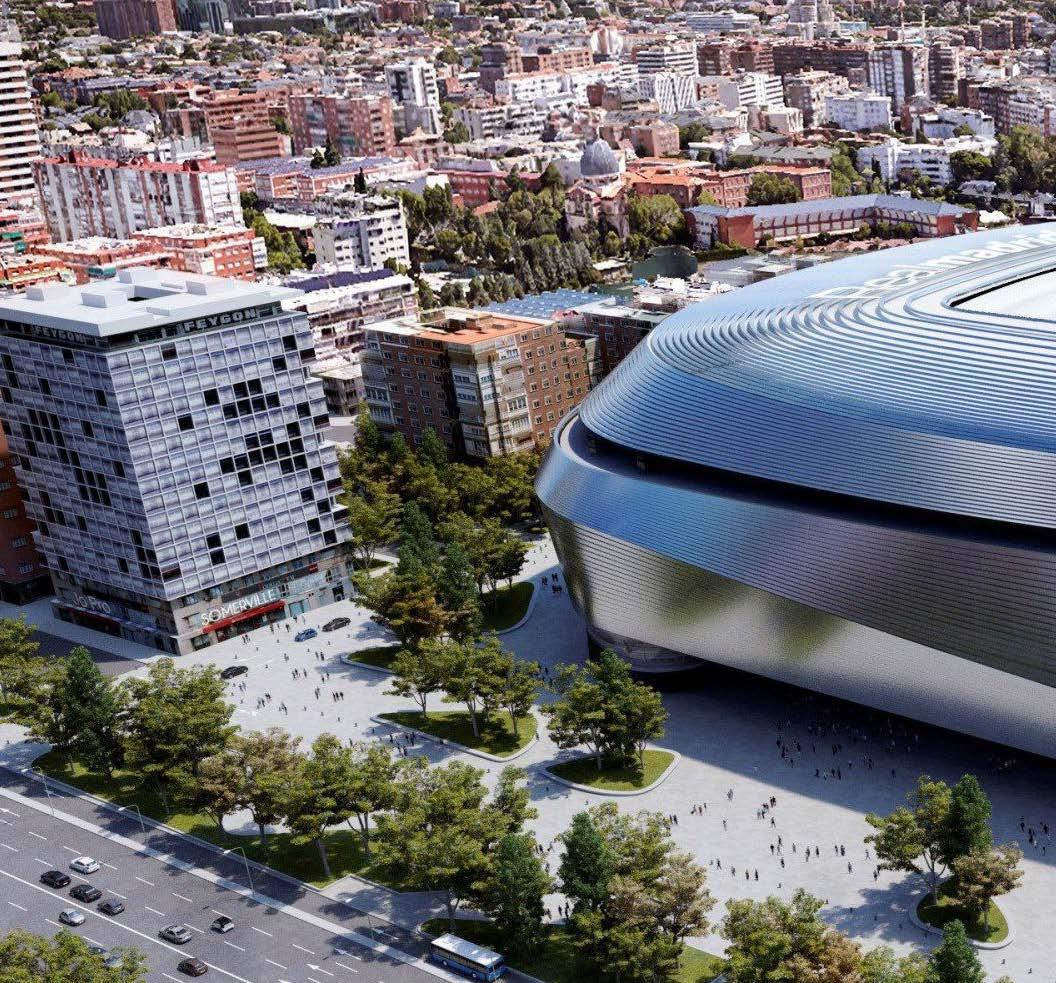
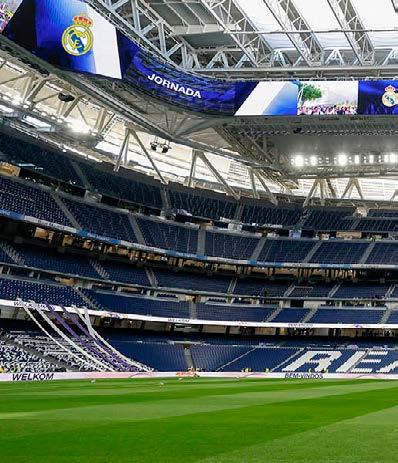
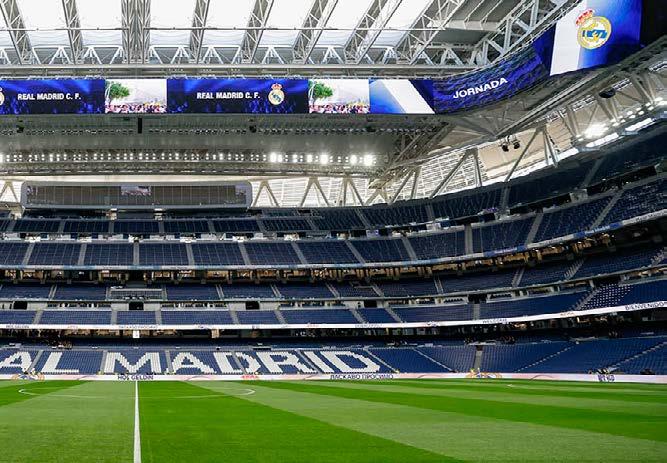
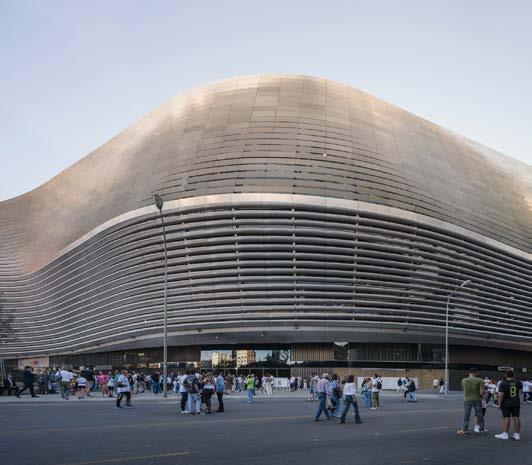
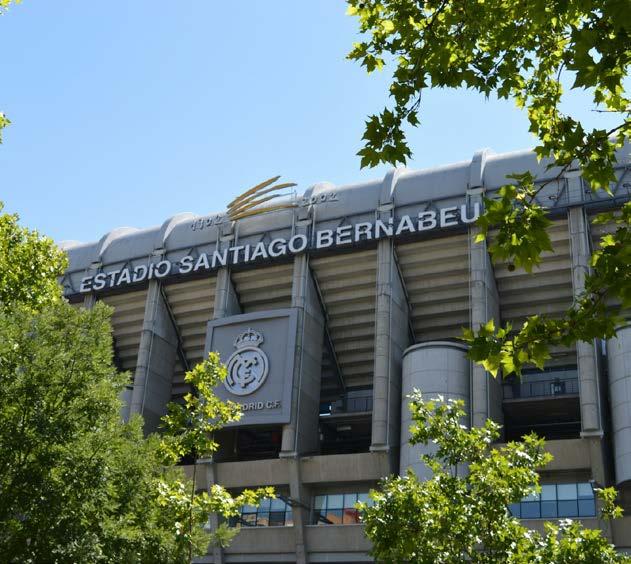
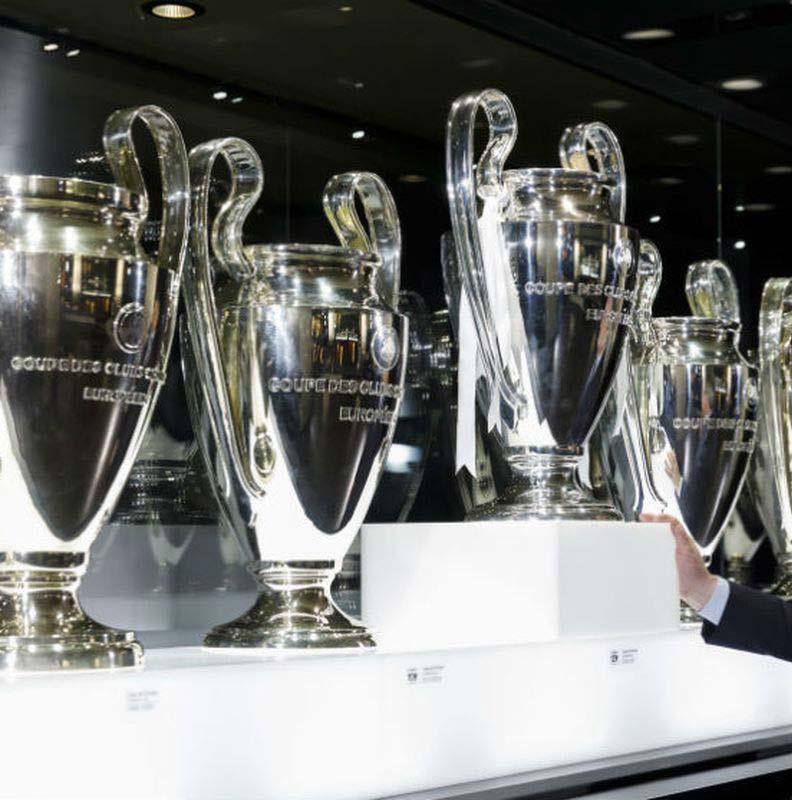
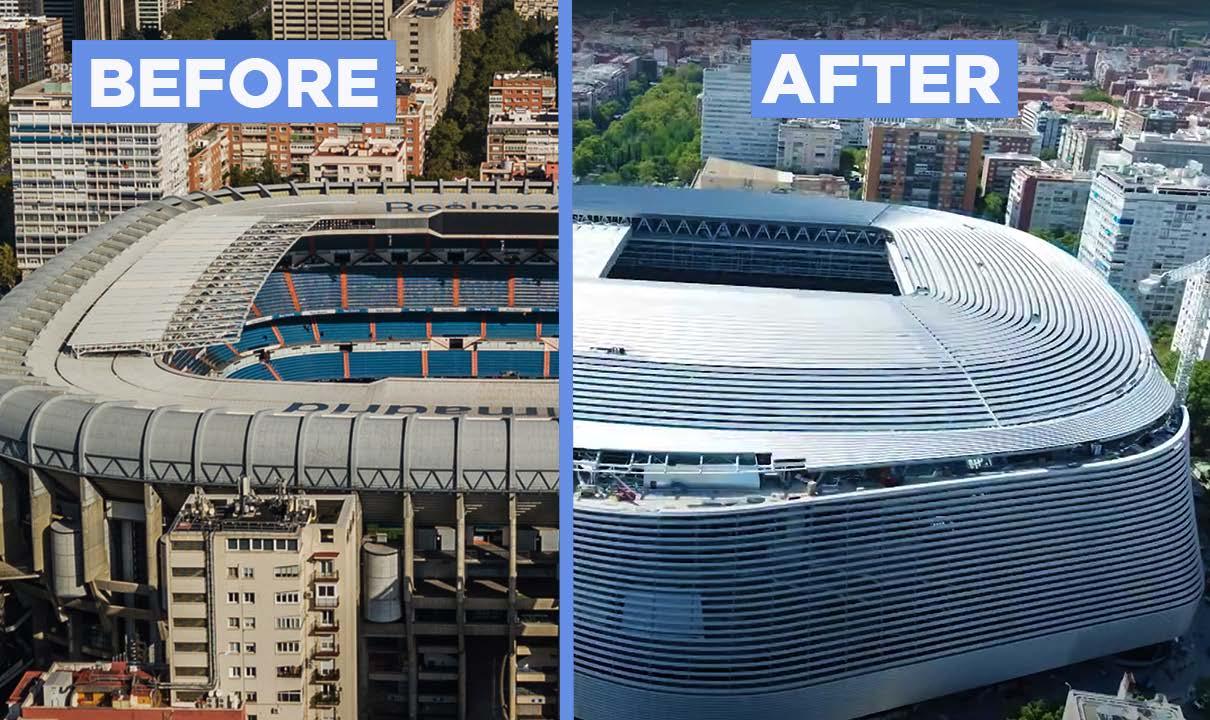
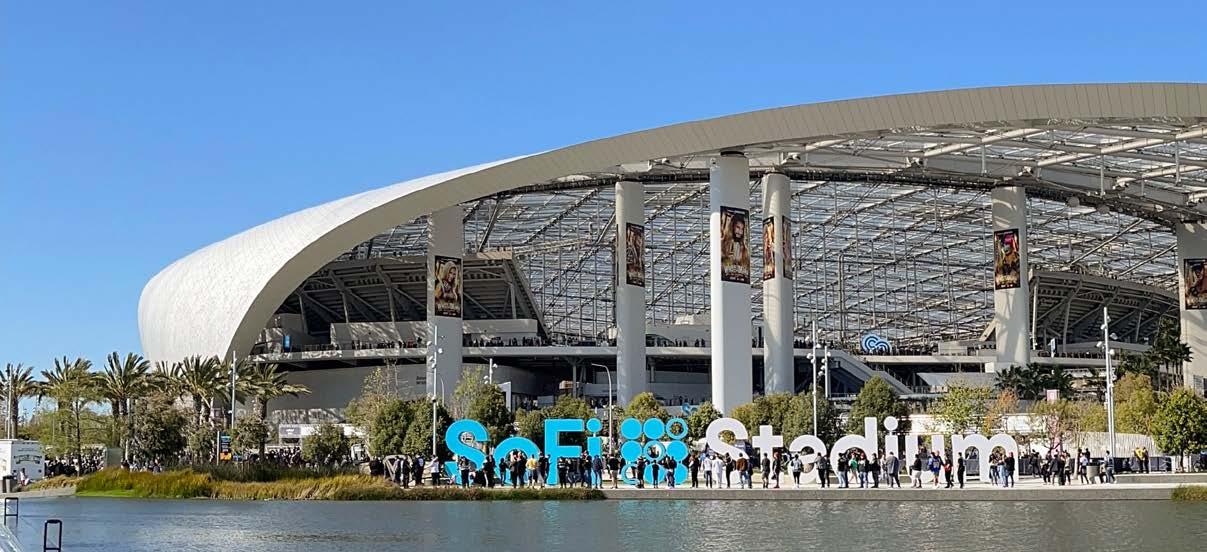
THE SANTIAGO BERNABÉU A MODERN SPORTS INFRASTRUCTURE MARVEL
THE LAST DANCE
NEYMAR JR RETURNS TO HIS ROOTS
NIKE, INC. & NFL RENEW EXCLUSIVE UNIFORM PARTNERSHIP THROUGH 2038
56
THE INDIAN WOMEN’S U19 T20 WORLD CUP 2025 TRIUMPH
94
THE PICKLEBALL INDIAN OPEN 2025 A GRAND SLAM FOR THE SPORT IN INDIA
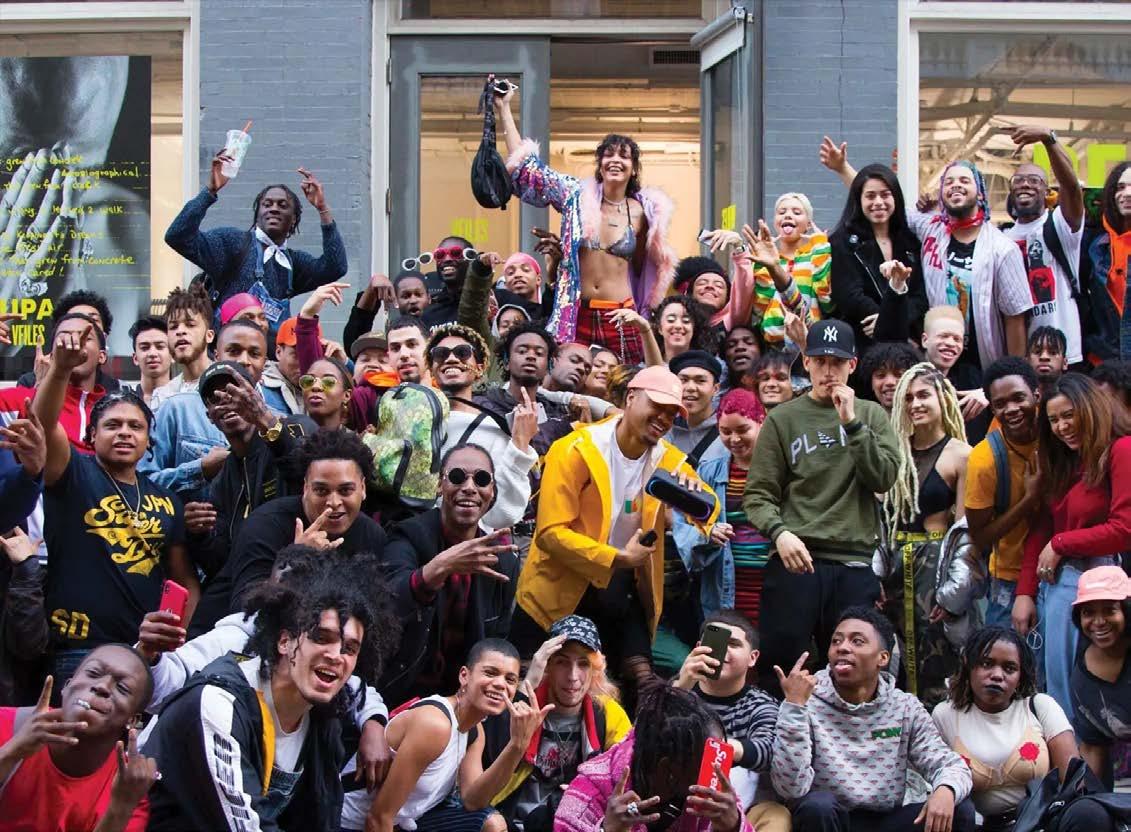
FIFA’s Strategic Partnership with VFiles to Launch Fashion Line ‘FIFA 1904’
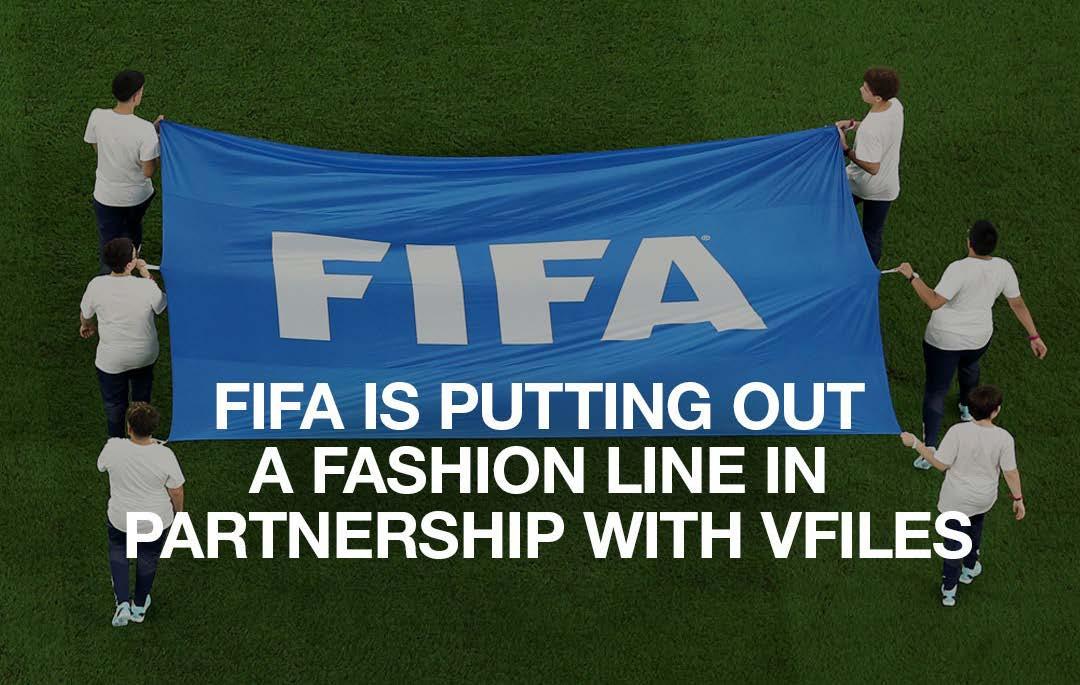
FIFA, the world’s governing body of football, is making it’s entry into the fashion world with the launch of its first-ever ready-to-wear collection in spring 2025. Named ‘FIFA 1904,’ after the year the organization was founded, the apparel line will be developed in collaboration with New York-based fashion platform VFiles.
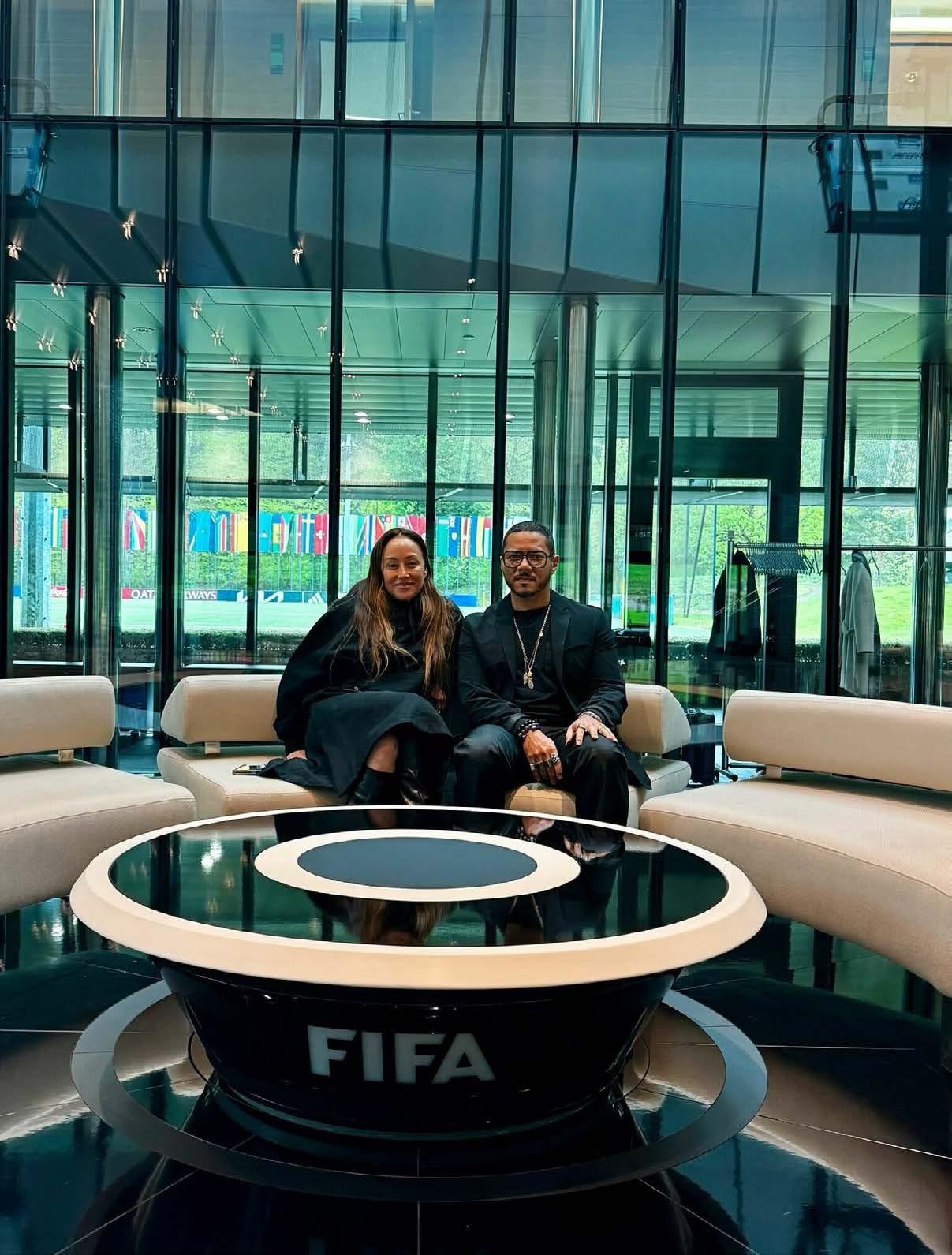
This strategic partnership represents more than just a new merchandising effort—it highlights FIFA’s attempt to engage with a younger, culturally savvy audience and position itself in a space that has increasingly merged sports and lifestyle. The apparel line, which comprises both men’s and womenswear, will be released under the brand FIFA 1904 — named after the year the organisation was founded — and is set to launch in spring 2025. FIFA’s entry into fashion comes as no surprise as more and more sports organisations have taken a more tactical approach to their merch, hiring fashion experts as in-house creative directors or leaning on seasoned designers or executives for collaborations. VFiles chief executive Leonardo Lawson, for example, is the former president of the erstwhile YZY Gap line.
THE ROLE OF VFILES AND THEIR CULTURAL IMPACT
VFiles is not just another fashion brand but a platform that has built its reputation by amplifying youth culture and prioritising creative expression. Founded by Julie Anne Quay, VFiles has been at the forefront of displaying emerging designers, models, and talent. It’s known for its trendsetting runway shows and for it’s role as a launchpad for creatives looking to make their name in the fashion industry. The platform is intertwined with music, streetwear, and pop culture, making it a go-to hub for cultural innovators and influencers. VFiles is the intersection of culture, fashion, and self-expression meet, which makes it a unique collaborator for FIFA. VFiles understands how to stay relevant with the times and utilise fashion as a medium for storytelling. It’s ability to connect music, youth culture, and streetwear brings an authenticity that resonates with younger, fashion-forward audiences. The company’s ability to predict and set new trends is well established, and that creative reputation is something FIFA seems
keen to align with. The inception of this partnership highlights FIFA’s intention to appeal to a new audience who may not traditionally engage with the organization’s sporting image but are drawn to football as a cultural force due to the massive impact it has on society as whole.
FIFA’S DESIRE TO IMPROVE BRAND REPUTATION
FIFA’s entry into fashion with VFiles comes at a time when the organization is working to reshape its public image. In the past few years, FIFA has faced criticism, from corruption scandals to concerns about human rights and integrity issues surrounding major events like the World Cup. Despite its role as the world’s most powerful football body, these controversies have impacted FIFA’s brand reputation in the eyes of the public, young people especially see it as an old man’s club type organisation. However, partnering with a brand like VFiles, which known for its cultural relevance and creative integrity, offers FIFA a fresh way to reinvent itself in the eyes of the public.
There’s a growing trend of sports organizations going beyond the pitch, with many venturing into the lifestyle and fashion space. From NBA players dominating the streetwear scene to footballers being featured in runway shows and fashion magazines, the world of sports and fashion have never been more intertwined. FIFA, acknowledges the wider cultural role football plays in the world today, by entering this ecosystem. The partnership with VFiles allows FIFA to show that it understands this shift and wants to embrace football as a lifestyle choice, not just a sport. VFiles CEO Leonardo Lawson, who previously led the YZY Gap line, brings
a wealth of experience in merging fashion and popular culture. His leadership and vision for the FIFA 1904 line are expected to give the collection a sense of authenticity and aspiration that taps into the growing intersection of sports and lifestyle.
“There’s a unique fashion culture in football, extending from the players to the executives, and FIFA 1904 captures that aspirational and stylish essence,” said Julie Anne Quay, founder of VFiles, in a statement.
FOOTBALL AS A CULTURE
Football, as a sport, has always had a rich cultural influence, particularly when it comes to fashion. From iconic football shirts to fans on the terraces and players who have become fashion icons, the sport has often had a big impact on everyday style. FIFA is looking to take advantage of this cultural connection by offering a fashion line that speaks to the aspirations of football fans and players alike. The ‘FIFA 1904’ collection is positioned to tap into this existing cultural capital, combining football’s historic roots with modern style, much like what VFiles has done with its previous collections across other cultural spaces and this will set a new standard on their impact of global society. “There is a certain style in football from the executives to the players, and FIFA 1904 covers the need for aspirational chic, stylish, and versatile clothing that caters to the demands of their professional lifestyles,” Quay further explained.
This collaboration acknowledges that football’s impact extends far beyond the stadium. Whether it’s Cristiano Ronaldo launching his own fashion brand or younger players setting trends in streetwear, football has become a vehicle for style, culture, and self-expression. By collaborating with VFiles, FIFA is not only expanding its brand into the fashion world but also signalling an understanding of the power of popular culture in shaping perceptions. Fashion has become a crucial tool for brands looking to influence how they’re perceived, especially among younger demographics. In partnering with a culturally influential platform like VFiles, FIFA is sending a message that it’s attuned to these shifts and ready to evolve its image in line with modern expectations.
VFILES AND THEIR STORY
VFILES launched in 2012 with the mission to demolish the opportunity gap, build open-source creativity, and invent a creative democracy. In 2021 VFILES pivoted into a non-profit organisation, the VFILES Foundation, with a simple goal – to empower creative change makers who can impact systemic change. The non-profit invests in creators from underrepresented communities to enable socioeconomic mobility and empower sustainable wealth creation. The four programs – LAB, DISCOVERY, ACADEMY, V.I.A. – are the pillars to tangibly productize opportunity and help our community propel culture forward. The VFILES Foundation curates artist showcases, providing a platform for fashion and music artistry to be heard, seen and experienced by peers, industry leaders, and a generation of admirers in search of inspiration. Since its inception over a decade ago, VFILES has been a mission-driven company. The mission has always been to connect, empower, and amplify global youth. VFILES has incubated countless emerging talents and amplified their voices and works, which may otherwise have not been heard, at maximum volume.
Through community-driven commerce, experiences, and content - driven by talents crowdsourced from its digital creator platform - VFILES has generated billions of earned media impressions, hundreds of millions of social impressions, and millions of dollars of revenue for its talents. The average press impressions per VFILES RUNWAY event is 3.1Bn+. Supported by incubation and promotion, VFILES talents have gone on to: become LVMH Prize Finalists & Semi-Finalists, CFDA Vogue Fashion Fund Winners, Woolmark Prize Winners (and many more); sign deals with major record labels; sell collections to top-tier luxury stockists; and have designs worn by industry icons and celebrities (e.g. Rihanna, Beyonce, Kendrick Lamar, Solange, Ariana Grande, and many more).
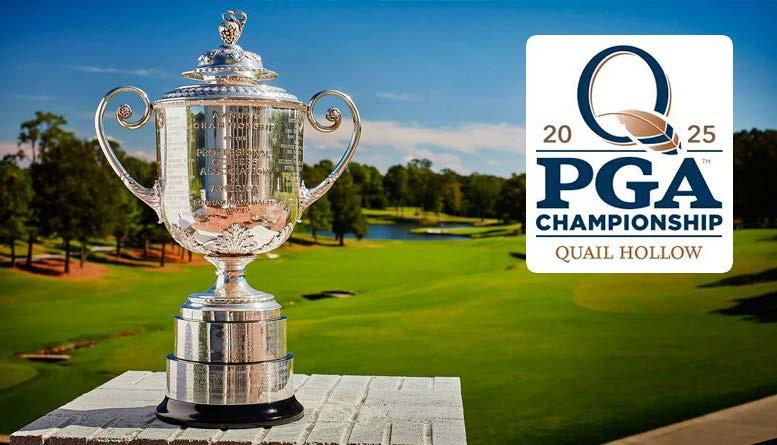
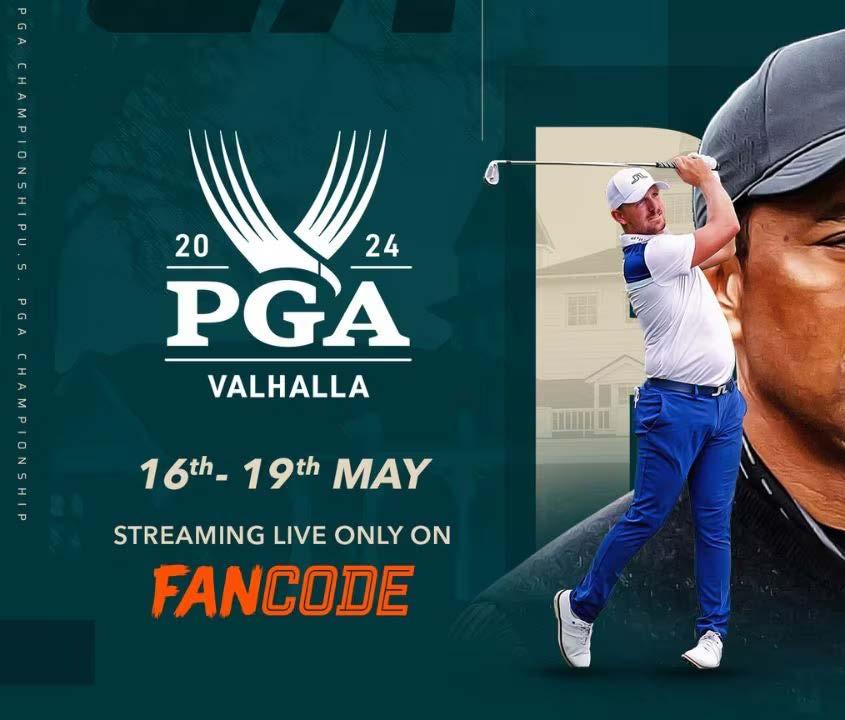
PGA AIMS TO GROW GOLF IN INDIA THROUGH FANCODE PARTNERSHIP
FanCode, one of India’s leading digital sports destination with over 160 million users, has landed a landmark multi-year exclusive broadcast deal to stream PGA Tour events in India. The Indian digital sports-focused streaming service FanCode has agreed a new multi-year deal to broadcast golf’s elite PGA Tour in the country in a move aimed to drive the growth of the sport in the country. FanCode is set to broadcast over 40 PGA Tour events from the FedEx Cup regular season and FedEx Cup Fall each year through the two-year deal. The partnership includes other tournaments from the PGA Tour Champions seniors tour as part of the deal. The feeds will be provided in English, with FanCode able to provide local-language commentary if it so chooses depending on viewership.
Speaking on the partnership, FanCode co-founder Yannick Colaco stated: “This deal reinforces FanCode’s commitment to offering a diverse range of sports content to our audience. Golf fans in India can now enjoy premium access to the sport’s most iconic tournaments and top players, all at their fingertips.” Thierry Pascal, PGA Tour senior vice-president of international media, added: “We have found a perfect partner in FanCode with India being an important market for golf that features a growing community of passionate fans.
“Through this collaboration, we are excited to showcase PGA Tour players and events to Indian fans, offering them high-quality golfing action year-round. We look forward to working closely with FanCode to further grow the sport’s popularity across the country.” The 2025 PGA Tour began on January 5 with The Sentry in Hawaii, US, and will run until November 23rd RSM Classic, with further PGA Tour-sanctioned unofficial events such as the PNC Championship being staged in December in what promises exciting and top-class golfing action. The agreement succeeds FanCode’s broadcast of a trio of these unofficial events – the Hero World Challenge, Grant Thornton Invitational, and PNC Championship held in December 2024.
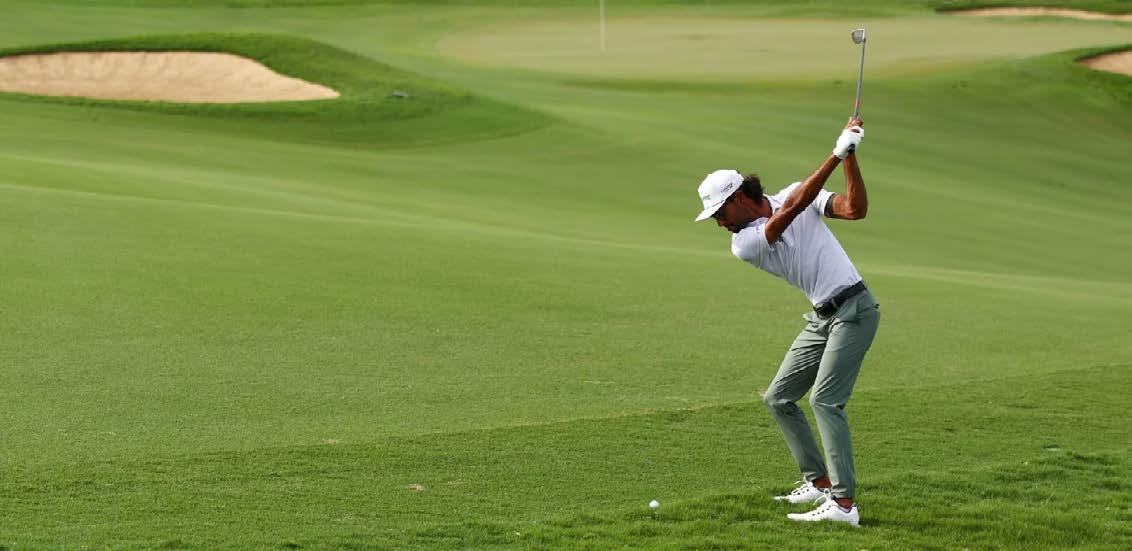
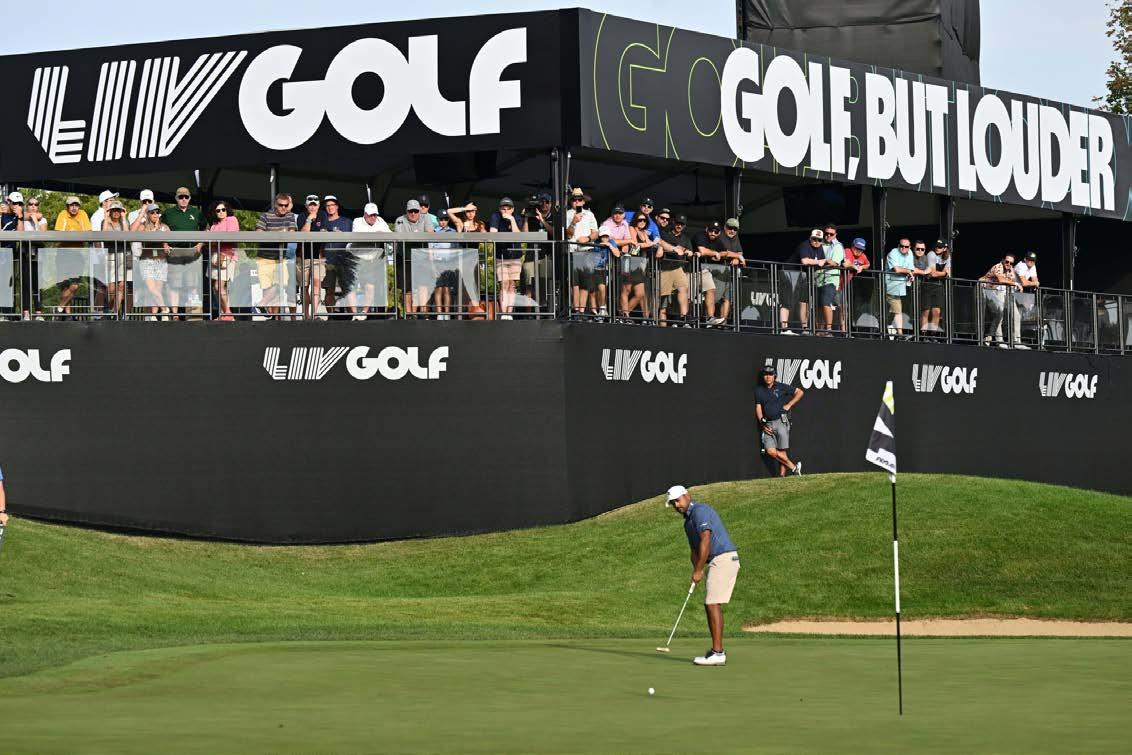
Despite not featuring any Indian-born representation in the PGA Tour three players with Indian heritage— Aaron Rai, Sahith Theegala, and Akshay Bhatia—who are all PGA TOUR winners, may inspire a deeper connection with Indian audiences, further fuelling the sport’s growth in the country and will be of interest to new audiences who may develop an interest in the sport subsequently. This move also expands on FanCode’s golf offering, which currently features the European Tour (known as the DP World Tour) and its annual Indian Open. In 2024, FanCode also showcased events from the LIV Golf tour as well as it slowly build up it’s golf audience in the country.
This partnership enables Indian audiences to stream over 40 events annually, including marquee tournaments from the FedEx Cup regular season and FedEx Cup Fall, alongside select events from the PGA TOUR Champions (Senior Tour). The PGA TOUR was previously shown across the Indian subcontinent by pay-television broadcaster Eurosport, but that deal came to an end in 2023, and prior to that, it was shown by pay-television operator Neo Sports. The PGA TOUR did not have a broadcast deal in India last year which makes this deal even more crucial in the eyes of golf lovers in the country. According to FanCode co-founder Yannick Colaco, the deal aims to provide Indian viewers premium access to golf’s iconic tournaments and elite players, while delivering an immersive experience directly to their fingertips.
In a market where the sport has traditionally garnered a niche following, this move signifies a concerted effort to elevate its profile and the sport aims to take advantage of the massive sports market in India. The deal follows FanCode’s successful streaming of three unofficial PGA TOUR events—the Hero World Challenge, Grant Thornton Invitational, and PNC Championship—in December 2024. These tournaments offered a peak in to what fans can expect from Fancode: highquality coverage and access to an unparalleled roster of golfing talent all available at reasonable rates to fans. FanCode’s digital platform is accessible via mobile apps, smart TVs, web browsers, and through Amazon Prime Video channels. The platform has rapidly become one of the biggest sports entertainment platforms in the country. This move will be welcomed by golf-lovers across the nation and one that the PGA hopes will bring in a brand new set of fans to the sport as the aim to appeal to a newer generation and demographic of golf enthusiasts.
THE LAST DANCE: NEYMAR JR
RetuRns
to His Roots
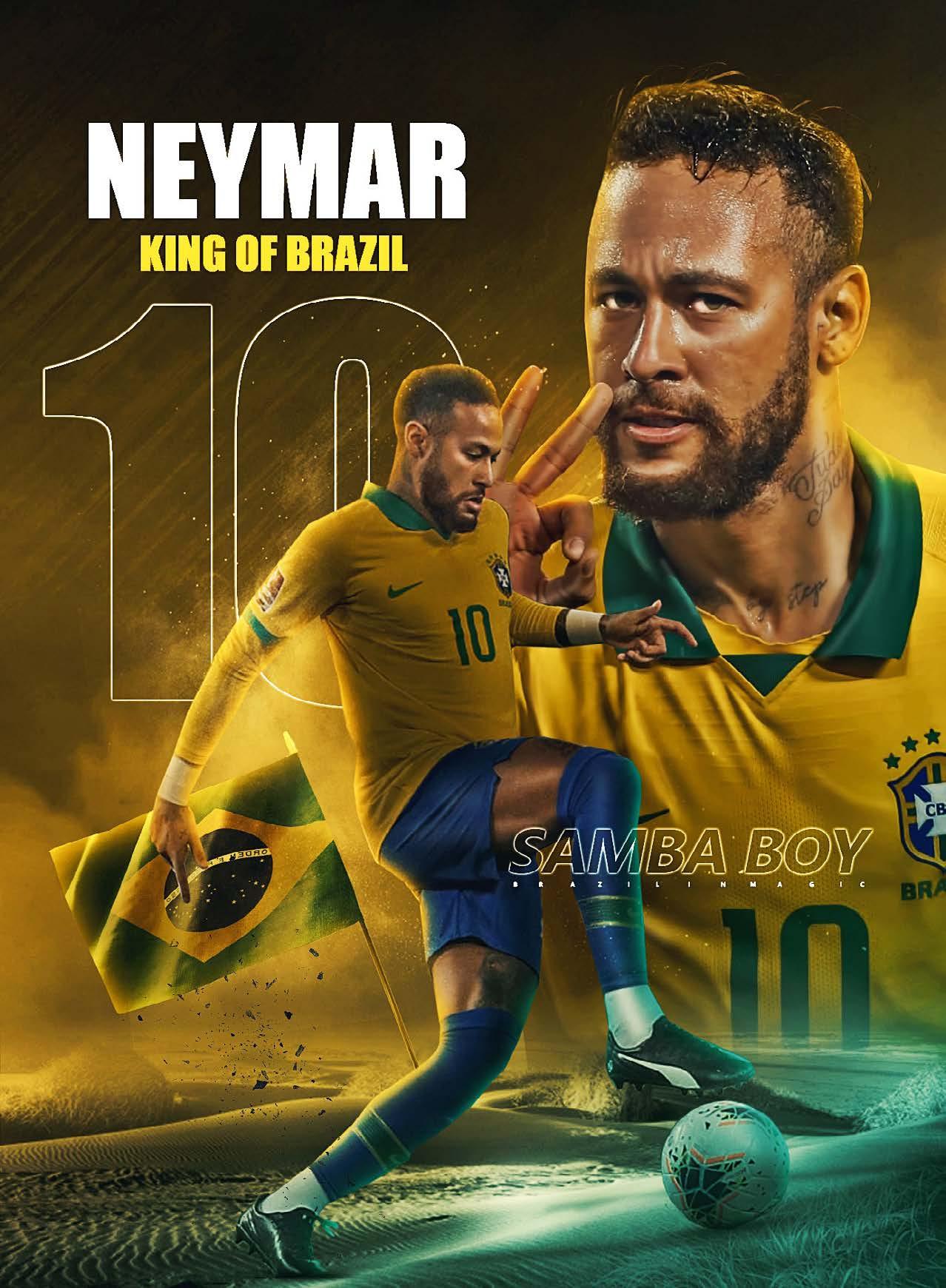
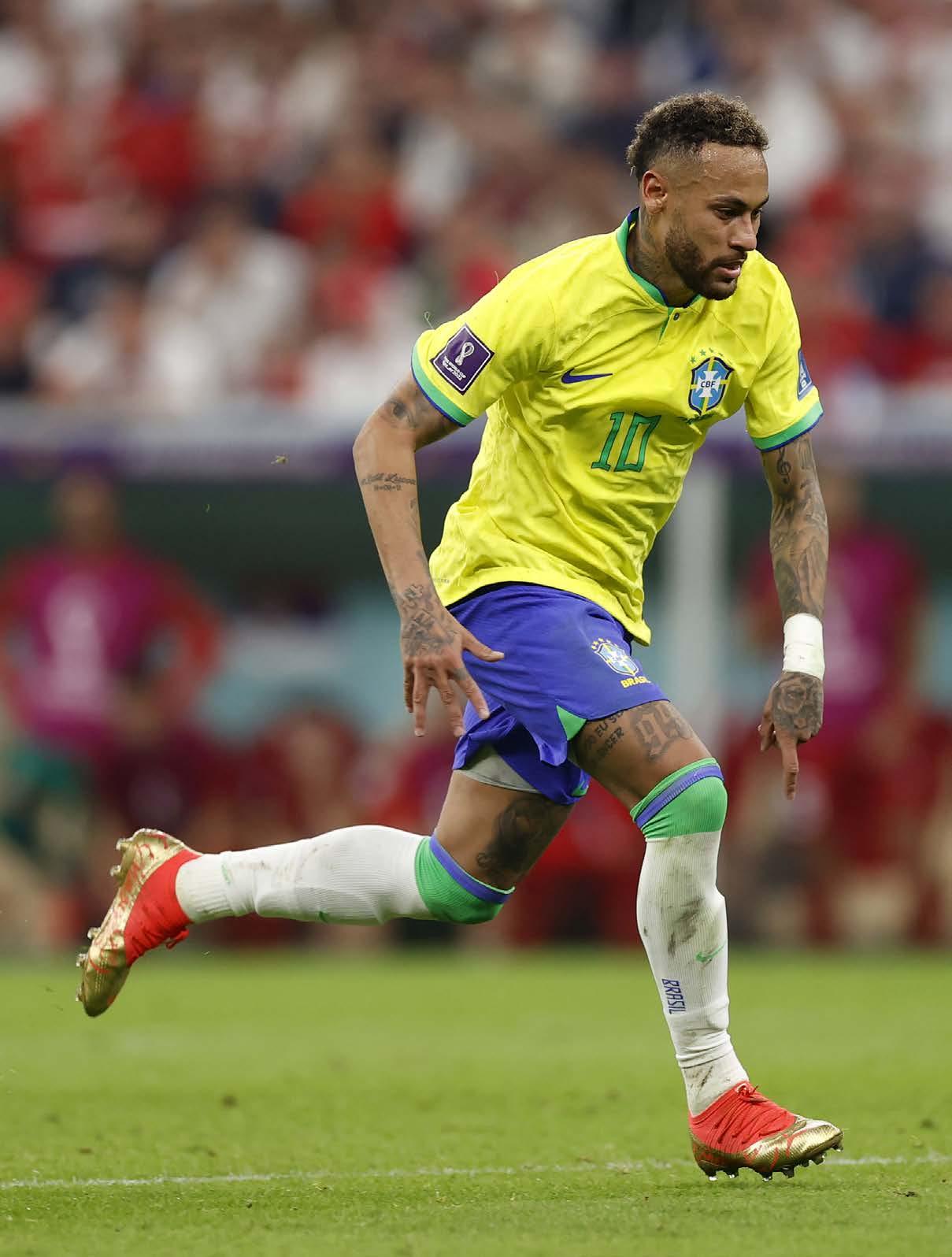
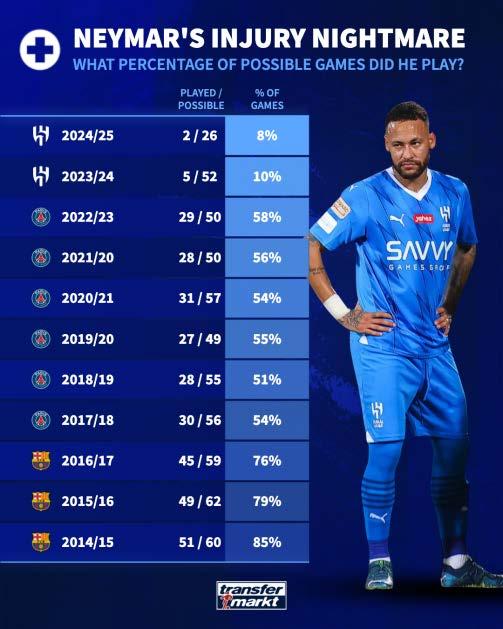
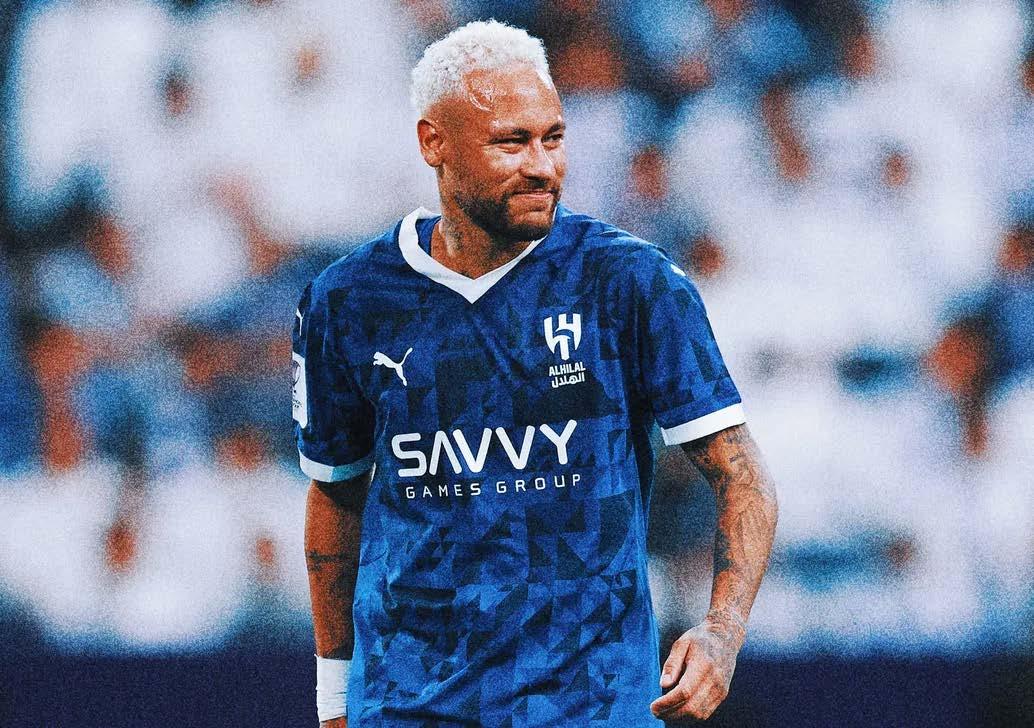
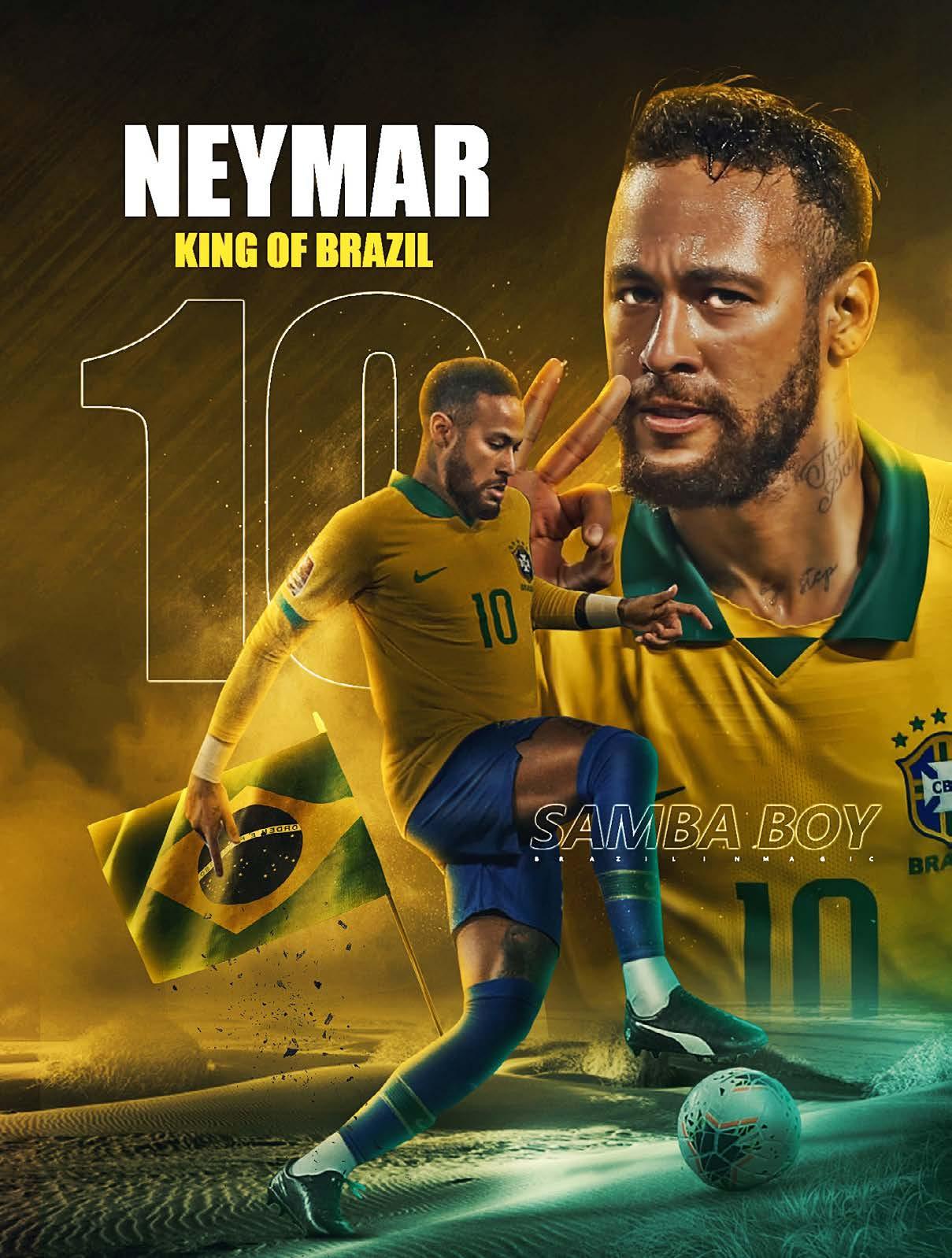
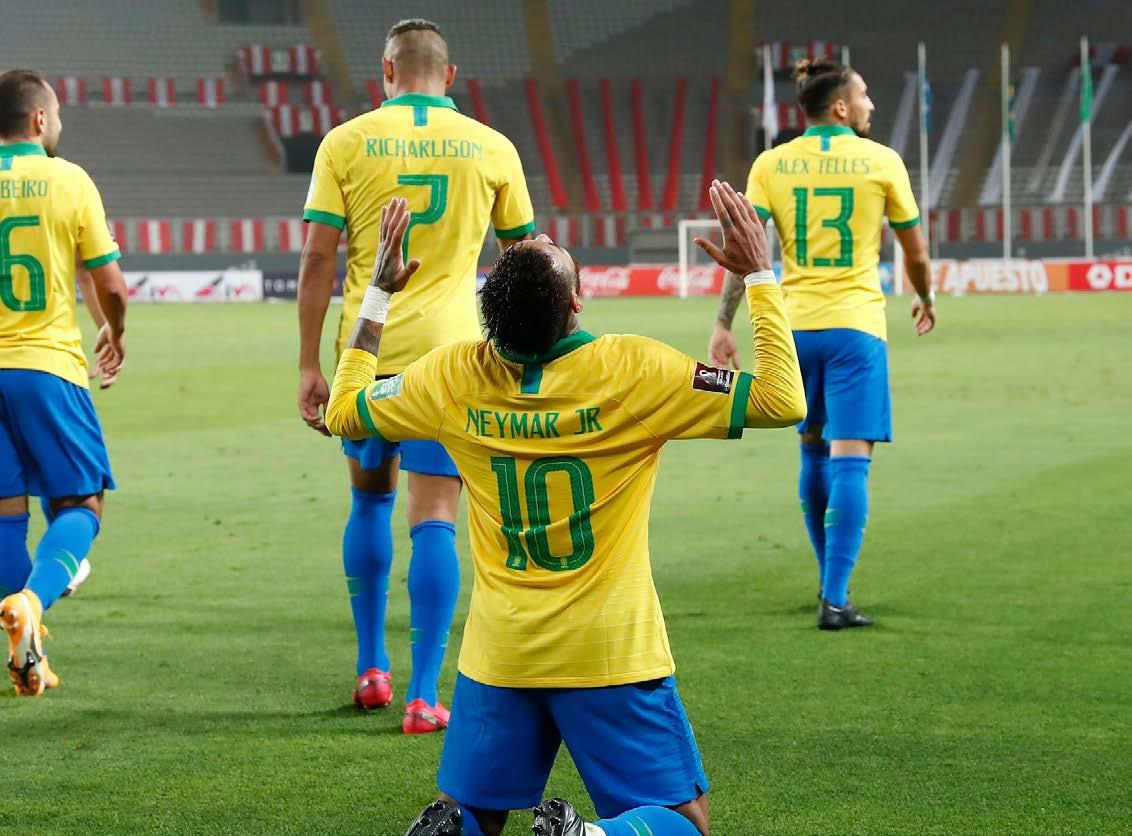
Neymar is undoubtedly one of the most talented players of his generation but the Brazilian’s career trajectory has been on a downward spiral for the past few seasons. The 32-year-old said his goodbye to European football in the summer of 2023 with the financial allure of Saudi Arabia proving impossible to resist as he completed a jaw-dropping move from PSG. But Neymar’s stint in the Middle East has been a disappointment. He’s only played seven times for Al-Hilal due to injury woes which has seen him miss most of the action. The Brazilian international has put an end to his nightmare, when the Saudi club confirmed that they had reached an agreement with the player to mutually terminate his contract.
THE SAUDI NIGHTMARE
The former Barcelona star spent one year on the side-lines after rupturing his ACL just five games into his Al-Hilal career and he sustained further injury problems on his return much to the disappointment of the supporters. Al-Hilal boss Jorge Jesus admitted recently that the former Barcelona star could no longer compete at the highest level, stating: “Ney will not be registered, but he can participate in the Asian Champions League,” Jesus said. “He’s world class. But the truth is, physically, Neymar can no longer perform at the level we are used to.” Neymar’s career is in serious jeopardy of ending prematurely, as he battles for fitness and the chance to end his career on a positive note.
THE SANTOS LIFELINE
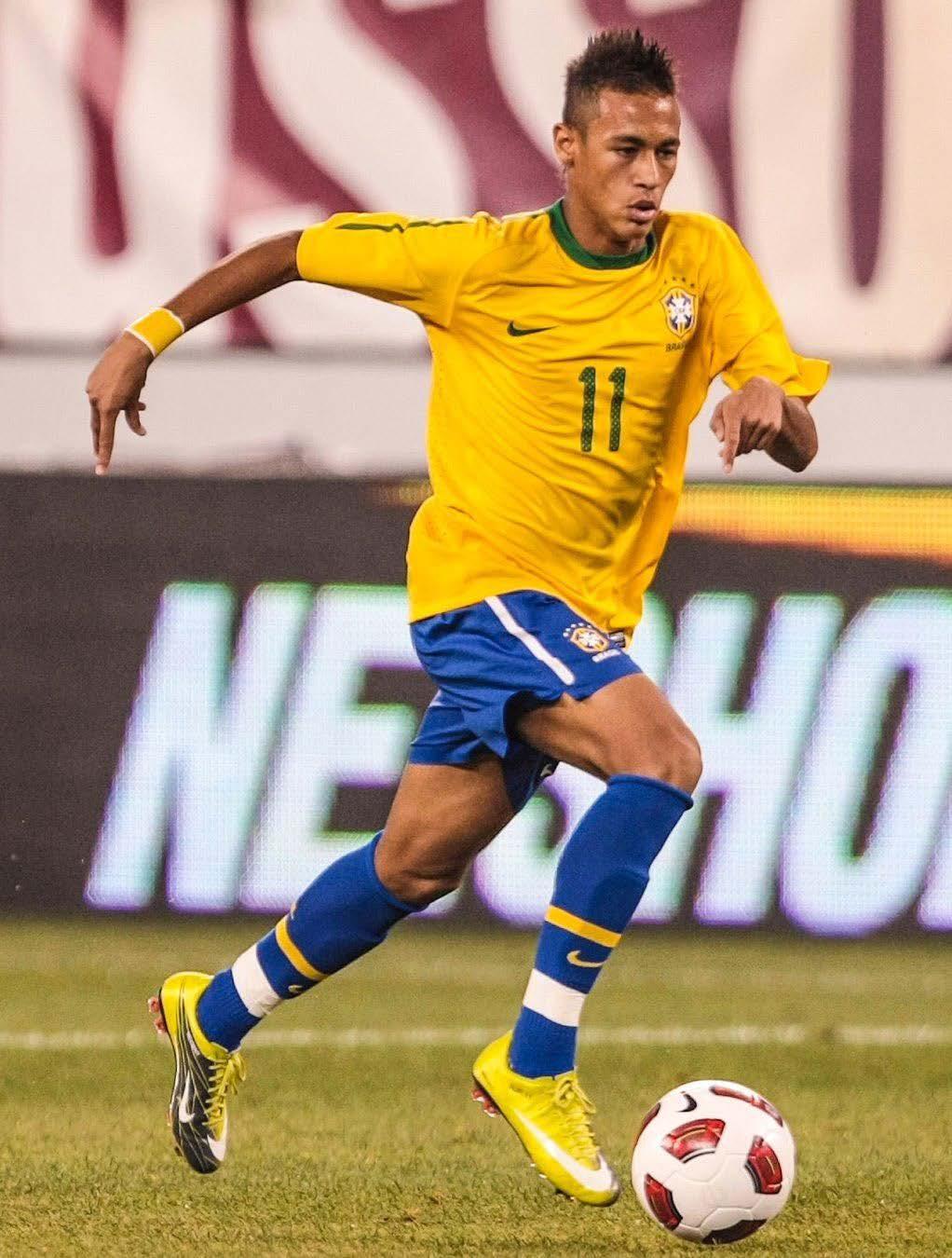
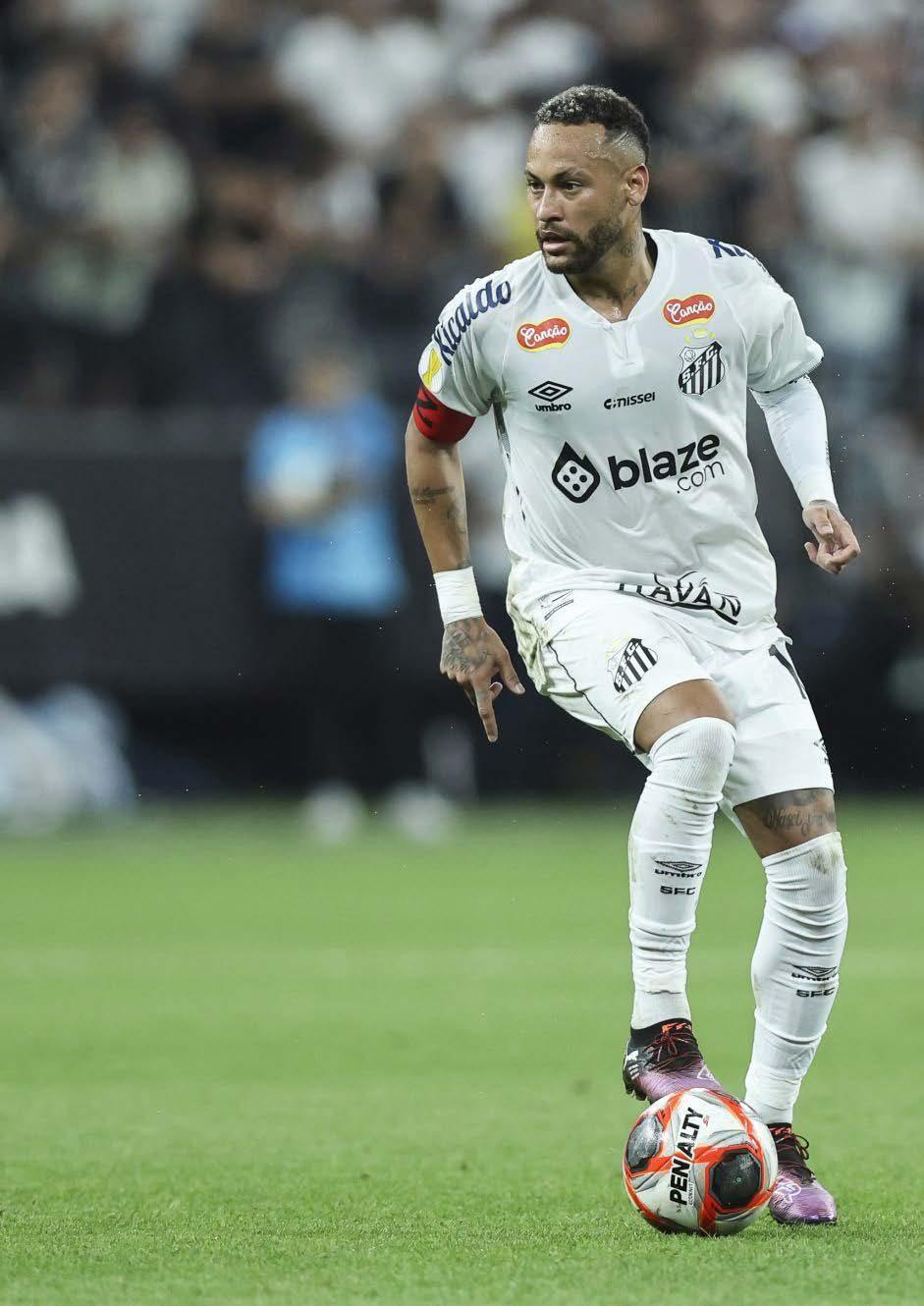
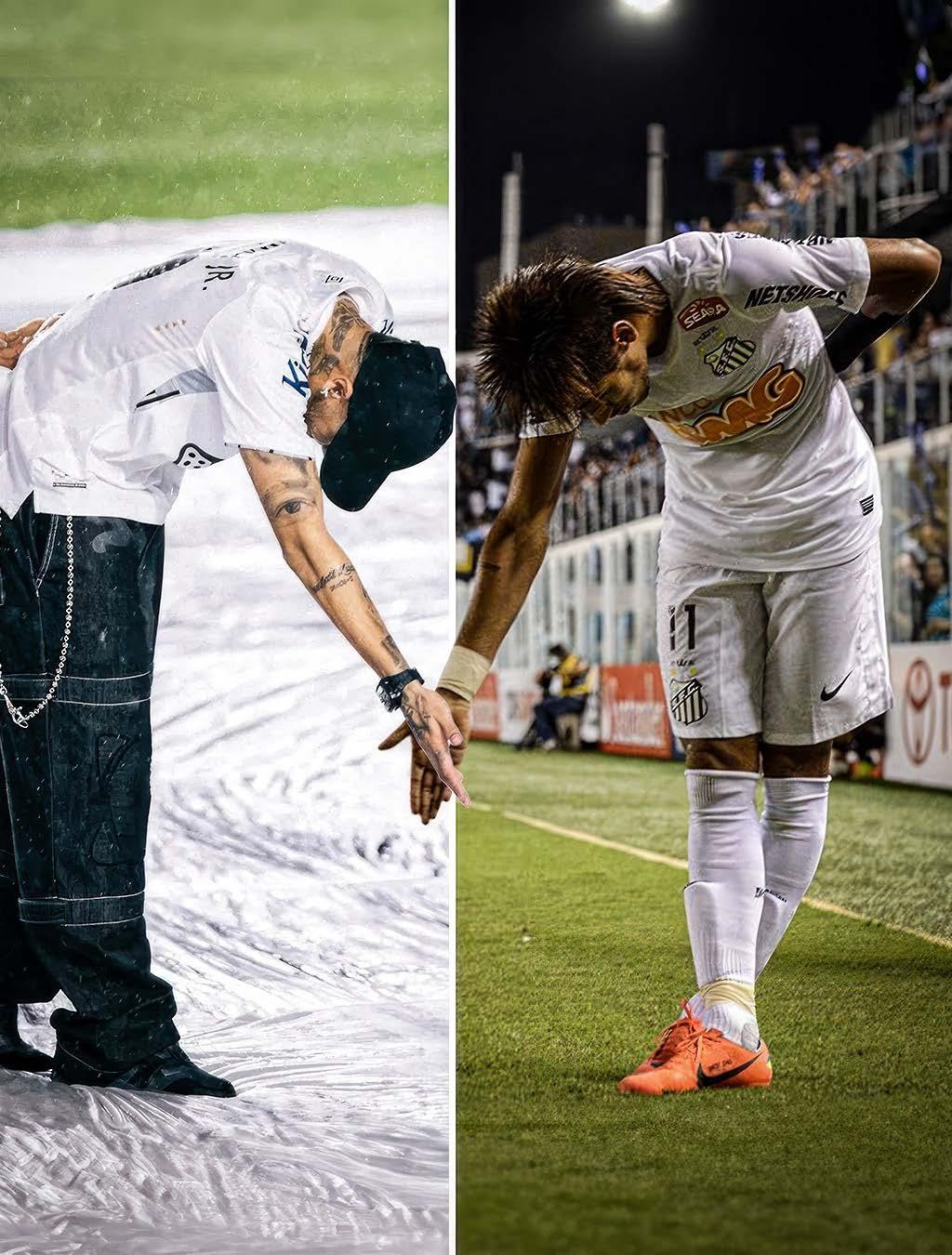
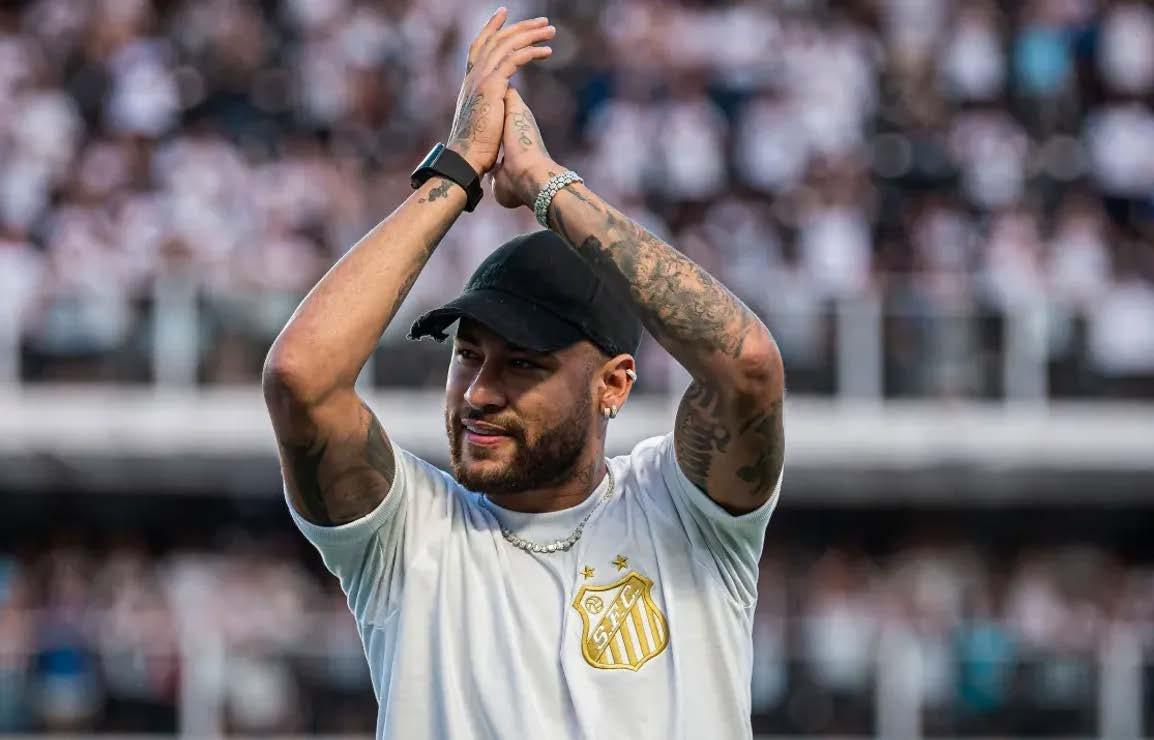
Neymar’s boyhood club, Santos FC has thrown him a lifeline as he has agreed to return to Santos nearly 12 years after he left the Brazilian team in what seems like an opportunity for him to leave a lasting legacy in the beautiful game. The 32-year-old Neymar won six titles with his boyhood club Santos, including a Copa Libertadores trophy in 2011 as he announced himself to the world of football. He will return to the club after a frustrating spell at Al-Hilal, where he played only seven matches and scored once.
Santos have struggled in recent years, in particular in the 2023 season where they were relegated for the first time in club history. However, they bounced back to the top flight at the first time of asking in 2024, and are set to tackle this campaign with the help of Neymar, who scored 136 goals in 225 appearances for the club between 2009 and 2013 before making the move to Spain. “It is the time (to come back), Neymar. It is time for you to come back to your people. To our home, to the club in our hearts”, club president Marcelo Teixeira said in his social media channels. “Welcome, our boy Ney! A boy of Vila (Belmiro, Santos’ stadium). Come back to be happy again with the white and black shirt. The Santos nation awaits you with open arms.”
A CHANCE TO LEAVE A LASTING LEGACY
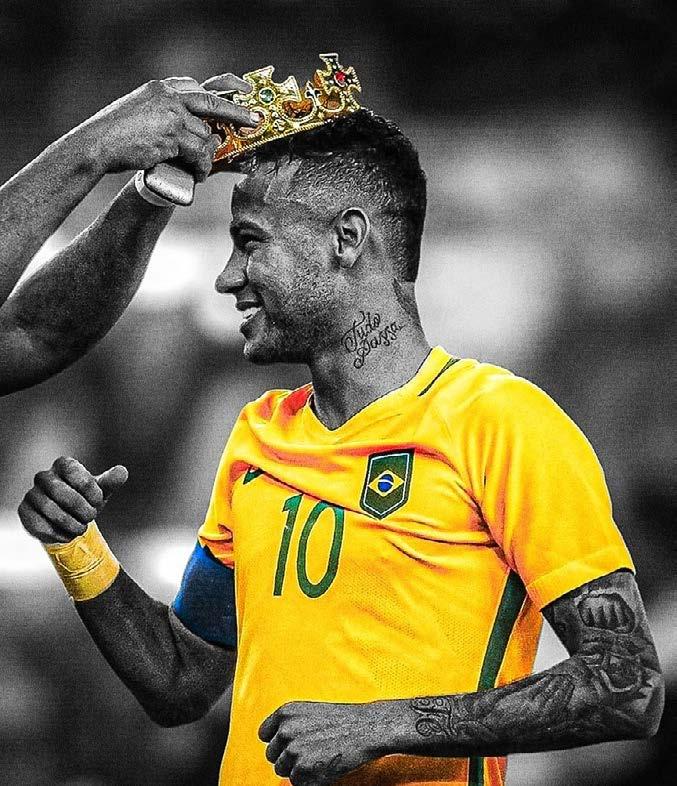
Neymar da Silva Santos Júnior is no stranger to the spotlight as he is familiar with it ever since he was a teenager. From dazzling on the streets of São Vicente to commanding the global stage in Barcelona and Paris, his name has become synonymous with footballing artistry and stardom. This move isn’t just a transfer—it’s a touching moment that speaks to the relationship between players, their roots, and the fans who idolise them and follow their careers. This isn’t the first time footballing legends have returned to the clubs they have strong connections to and what made them who they are today. Thierry Henry, although not his boyhood club, had an emotional return to Arsenal in 2012 when he briefly re-joined on loan and brought fans to tears with his winning goal against Leeds in a moment of pure nostalgia. Sergio Ramos also had a similar story when he capped off his illustrious career by returning to Sevilla, the club that introduced him to the world. These moments carry a special significance, highlighting that even for players who reach the top of the game are still drawn towards the pull of a place that feels like home. Neymar entered the Santos system at the tender age of 11, quickly establishing himself as a prodigy destined for greatness. By 17, he was making waves in Brazil’s top league, blending street football creativity with a modern, technical finesse that
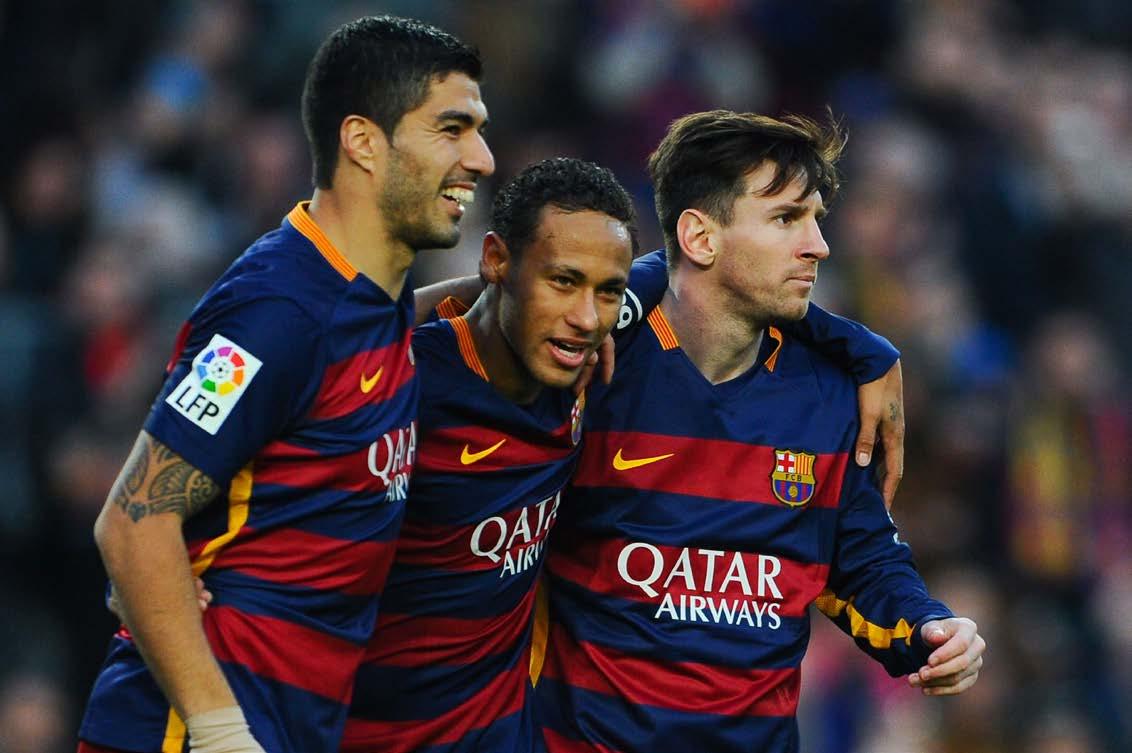
turned heads worldwide and finished in the Top 10 in the Ballon D’or rankings in 2011 while still at Santos FC. For many Brazilians, Neymar symbolised hope. He represented the spirit of “joga bonito” (play beautifully), carrying a nation’s footballing identity on his shoulders as he is often described as the last of a dying breed of Brazilian players. His subsequent move to Barcelona in 2013 felt inevitable, yet bittersweet as he formed an incredible partnership with Lionel Messi and Luis Suarez in a team that dominated European football.
For Neymar Jr, returning to Santos is about more than a contract. It’s a rare moment of reconnection in a career marked by constant movement while chasing success. This move also deeply resonates with fans because football is more than sport; it’s identity, community, and culture. This move also holds cultural weight. Brazilian football has long been a nursery for talent which has dominated the world stage. Seeing Neymar back at Santos challenges the narrative that returning to South America signals the twilight of a career. Instead, it frames the move as a reclamation of roots—a celebration of the place that first nurtured his talents making this as much of a personal decision as a professional one. Neymar’s impending impact on Santos could transcend football. With his global brand and unparalleled star power, he can elevate the club’s visibility in ways few others could and shows that this isn’t just a homecoming; it’s a partnership that could bolster Brazilian football’s reputation on a global scale once again.
The Santos fans are delighted with this move as it is one of their own making a return to a place that gave him the platform for him to be who he is. It’s a homegrown hero acknowledging where he came from. Neymar’s return is validation that their love and support mattered, even as he conquered Europe and beyond. By picking Santos over another lucrative stint in Europe or the Middle East, Neymar is sending a message: football is about more than trophies or pay checks and that it is about legacy.
This cannot be possible without acknowledging that Neymar is in a unique financial position, which gives him the flexibility to make such a choice. Moves like this can potentially reshape the future of smaller football markets and reignite the fans and inspire a newer generation of superstars. Of course, there’s a risk involved. Neymar’s career has been hampered by injuries in recent years, and expectations will be sky-high at Santos. The spotlight will be unforgiving, and any misstep could tarnish the romantic narrative surrounding his return that many are hoping for this to be. If Neymar can recapture even a fraction of his prime form, it will be a spectacle for football fans worldwide. He has the unique opportunity to inspire Santos to domestic or continental success and possibly cement his legacy as not just a footballing icon but a cultural phenomenon while also bringing new hope for Brazilian Football on the international stage as the national team has come under scrutiny in the past. Neymar’s journey from Santos to the world and back is a story of ambition, fame, and, ultimately, reconnection. It’s a reminder that even in the hyper-commercialised world of modern football, there’s still room for narratives that celebrate humanity and emotion that instils hope.
NIKE, Inc. & NFL Renew Exclusive Uniform Partnership Through 2038
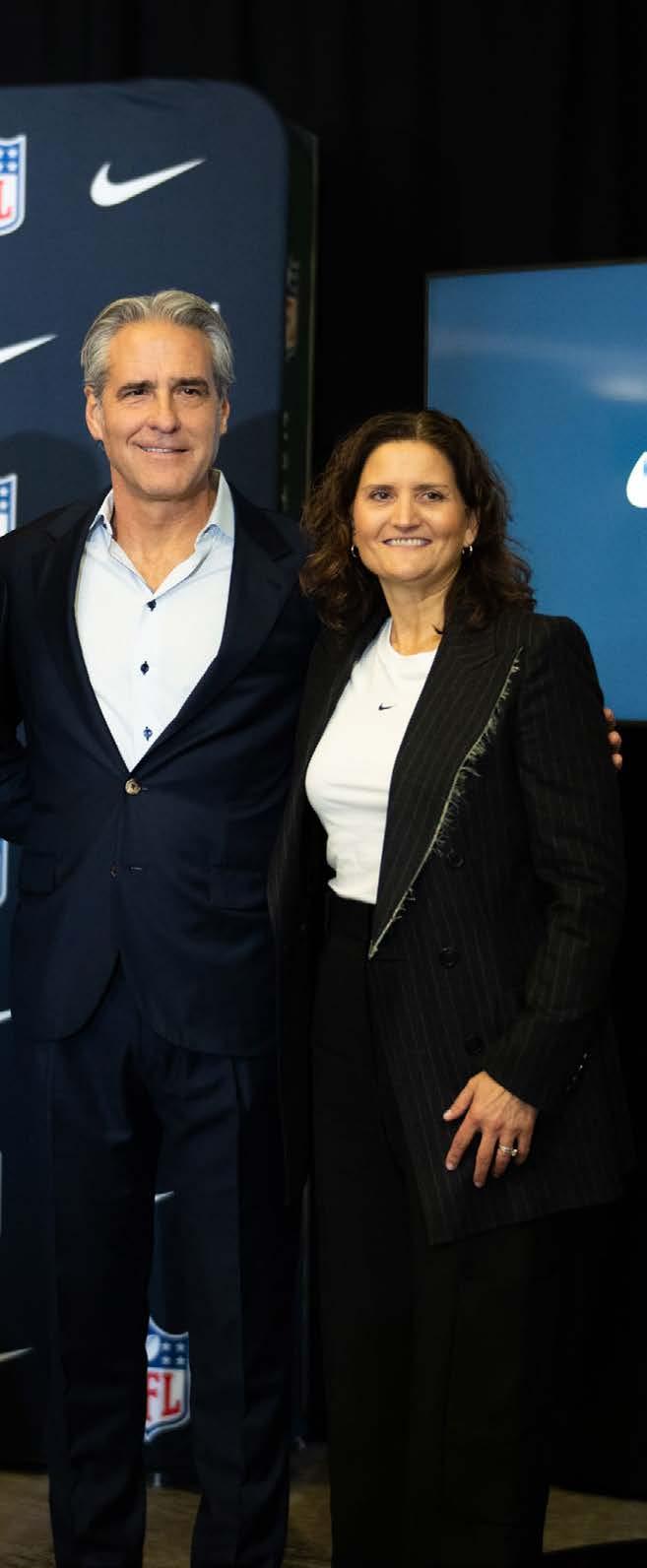
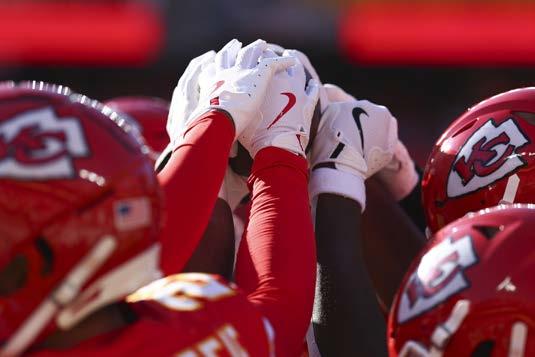
As per the latest announcement by Nike on their website, NIKE, Inc. and the National Football League (NFL) announced a landmark 10-year partnership extension today, cementing their commitment to shaping the future of football and driving growth, innovation and progress across the sport. With a relentless pursuit of innovation and a deep understanding of the unique needs of NFL players, Nike will deliver cutting-edge, high-performance products that adapt to the evolving demands of the game’s elite athletes. The partnership will not only shape the future of the sport but also drive a new era of excellence in football — fostering a global, inclusive and safer environment for football players of all levels to thrive.
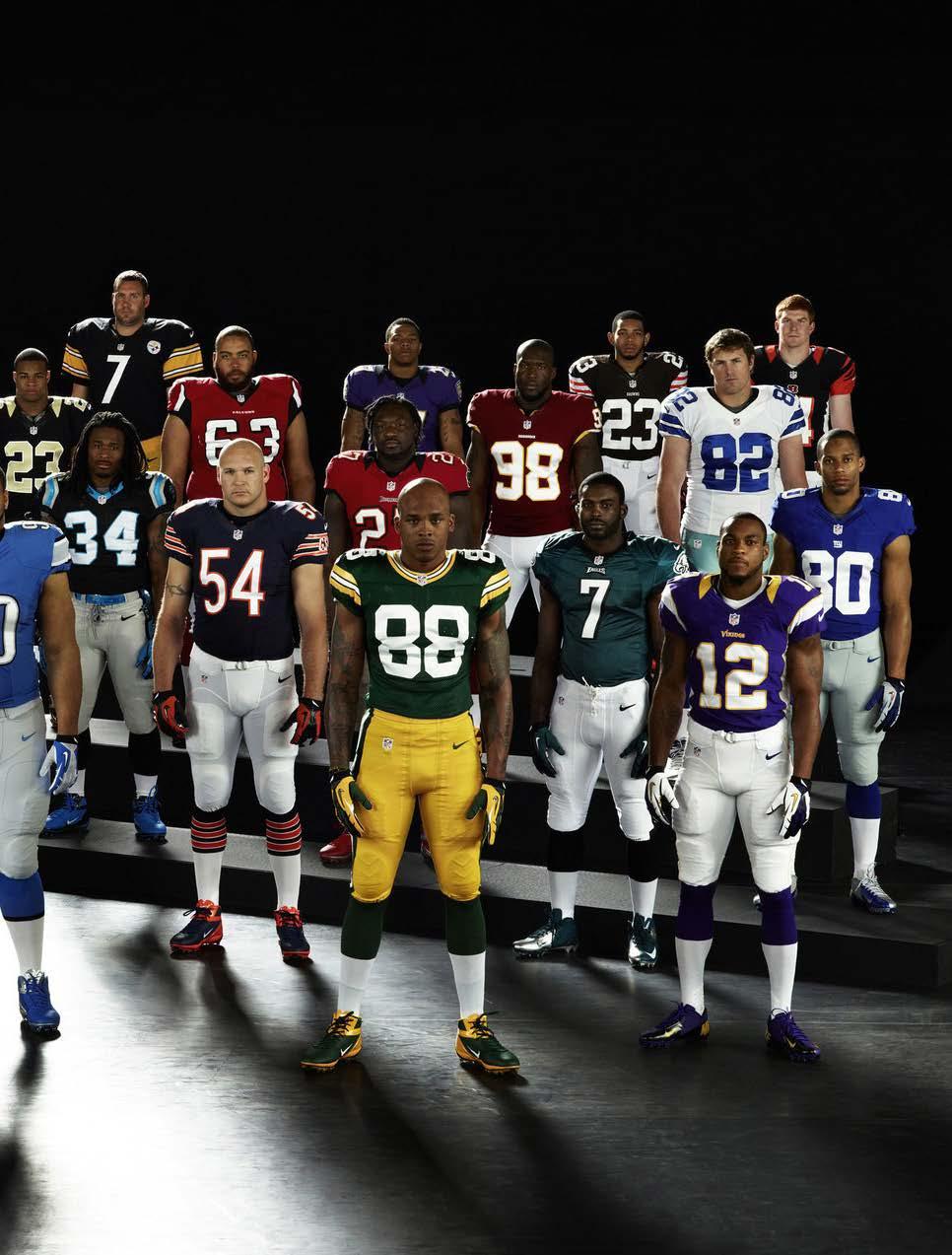
NIKE, Inc. and the National Football League (NFL) announced a landmark 10-year partnership extension today, cementing their commitment to shaping the future of football and driving growth, innovation and progress across the sport. Building on 12 years of successful collaboration as the exclusive provider of uniforms and sideline, practice and base layer apparel for all 32 NFL teams, Nike is poised to elevate its partnership to new heights. With a relentless pursuit of innovation and a deep understanding of the unique needs of NFL players, Nike will deliver cutting-edge, high-performance products that adapt to the evolving
demands of the game’s elite athletes. As a result, the partnership will not only shape the future of the sport but also drive a new era of excellence in football — fostering a global, inclusive and safer environment for football players of all levels to thrive. “This partnership renewal is a testament to the strength and success of our collaboration with the NFL. As we embark on this new chapter, we’re committed to co-creating cuttingedge solutions that meet the rapidly changing needs of NFL athletes and fans, while fueling the league’s growth and development initiatives,” says Elliott Hill, President & CEO of NIKE, Inc.
Key initiatives of the Nike-NFL partnership:
• Global Expansion: Nike and the NFL will work together to grow the game’s global reach, increasing participation, developing new talent and expanding the football fan base.
• Player Health and Safety Commitment: Nike and the NFL will leverage the Nike Sport Research Lab and product design and innovation expertise to address lower-extremity injuries
and enhance footwear safety.
• Football Development: Nike will continue to empower the next generation of athletes and grow the sport by supporting grassroots, high school and collegiate level development programs across both flag and tackle football.
• Storytelling and Fan Engagement: The partnership will bring football’s most compelling narratives to life, connecting with fans in new and innovative ways through Nike’s unparalleled marketing and storytelling expertise.
“Nike has been an invaluable partner since 2012, and we couldn’t be more excited to have them onboard for years to come,” says NFL Commissioner Roger Goodell. “In addition to their products and services for our clubs, players or fans, Nike is a strategic partner who will help us grow football internationally, support youth football, and make advances in player safety. The renewal of this partnership will truly have a lasting impact on the game of football at all levels both here in the United States and around the world.” Nike and the NFL are committed to finding solutions for athletes who are currently playing the game while simultaneously building a safer, better sport for the next generation. This renewed agreement demonstrates the strength and commitment of both organizations to work together to drive growth, innovation and fan engagement.
A Promising Partnership
“We like to partner with the best of the best, and I think Nike’s proved that they are,” NFL Commissioner Roger Goodell told SBJ in an exclusive interview. “I think as a sports brand I think they’re seen as the top of the chain.” The NFL is increasingly looking for help from sponsors with bigger international footprints in popularizing the sport abroad. Separately, Nike also pledged to spend research and development budget on finding ways to limit foot, ankle and leg injury through better footwear design – and to share that information with the NFL’s own health and safety team. Goodell credited new Nike CEO Elliott Hill, who started Oct. 14, for closing the deal. “He prioritized the NFL right from the get-go,” Goodell said. “It was within a few days after he became CEO when he called. We met within a couple more weeks, and really understood what Nike was looking for in the relationship and what the NFL was looking for in the relationship. And those are the best ones, when there’s alignment.”
“We agree we want to make football global,” Goodell said. “We agree that we want to make players safer, healthier, and perform at the highest possible levels. We agree that we want to get the kids playing the game. We agree that we want to promote our players, and support our players in what they’re doing. So all those things, that when you have that iconic brand, Nike, is behind that with the NFL, we think that’s a powerful combination.”
THE INDIAN WOMEN’S U19
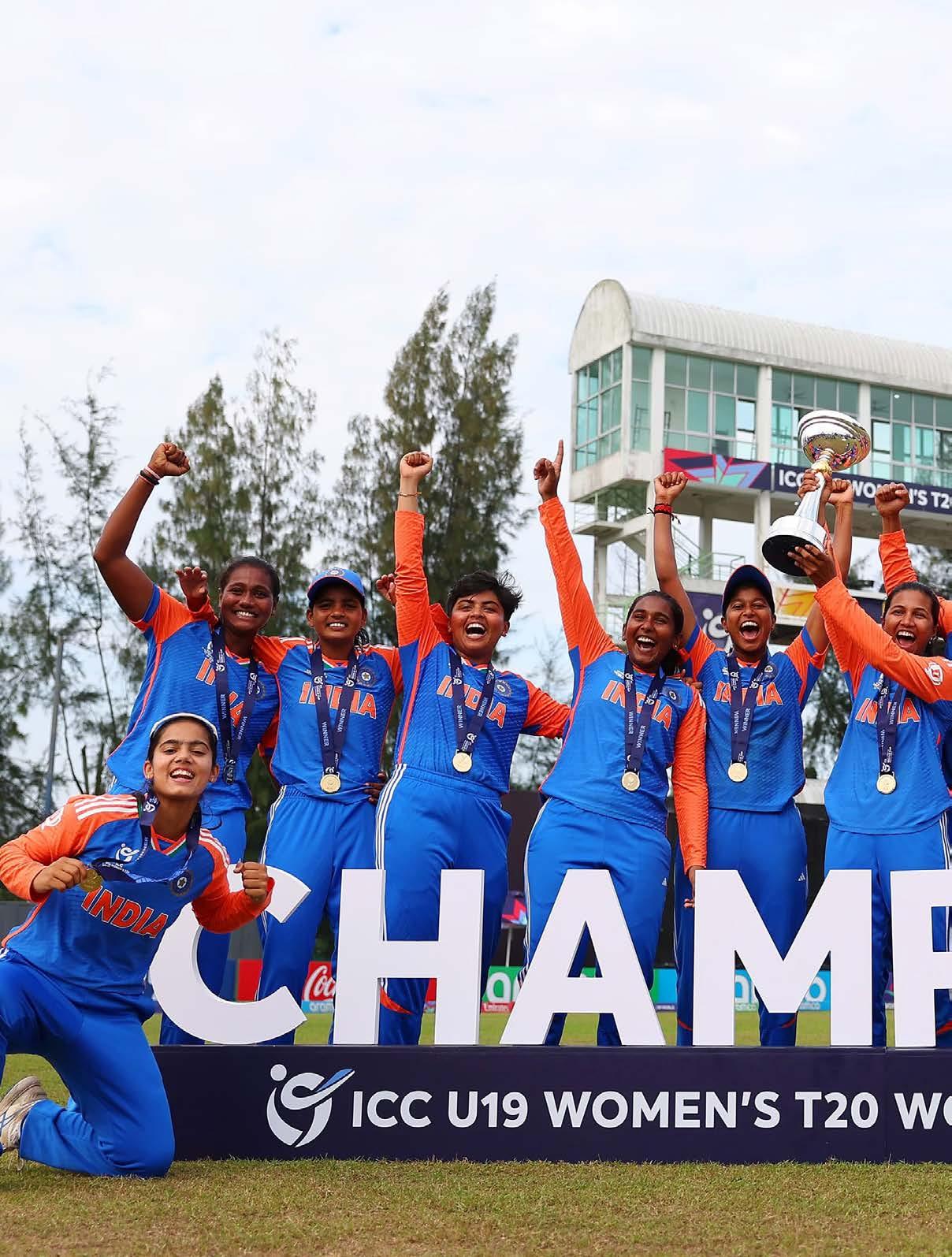
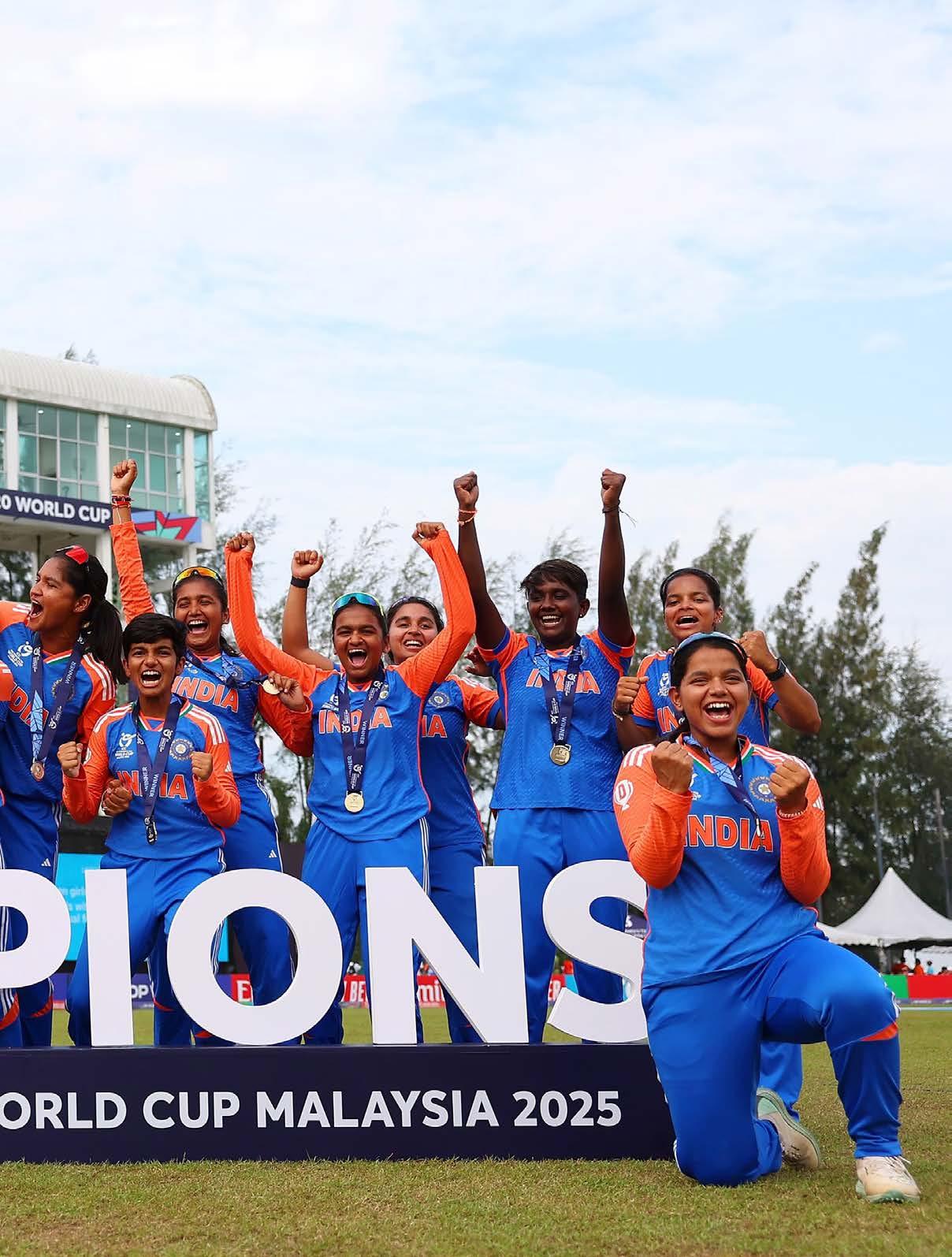
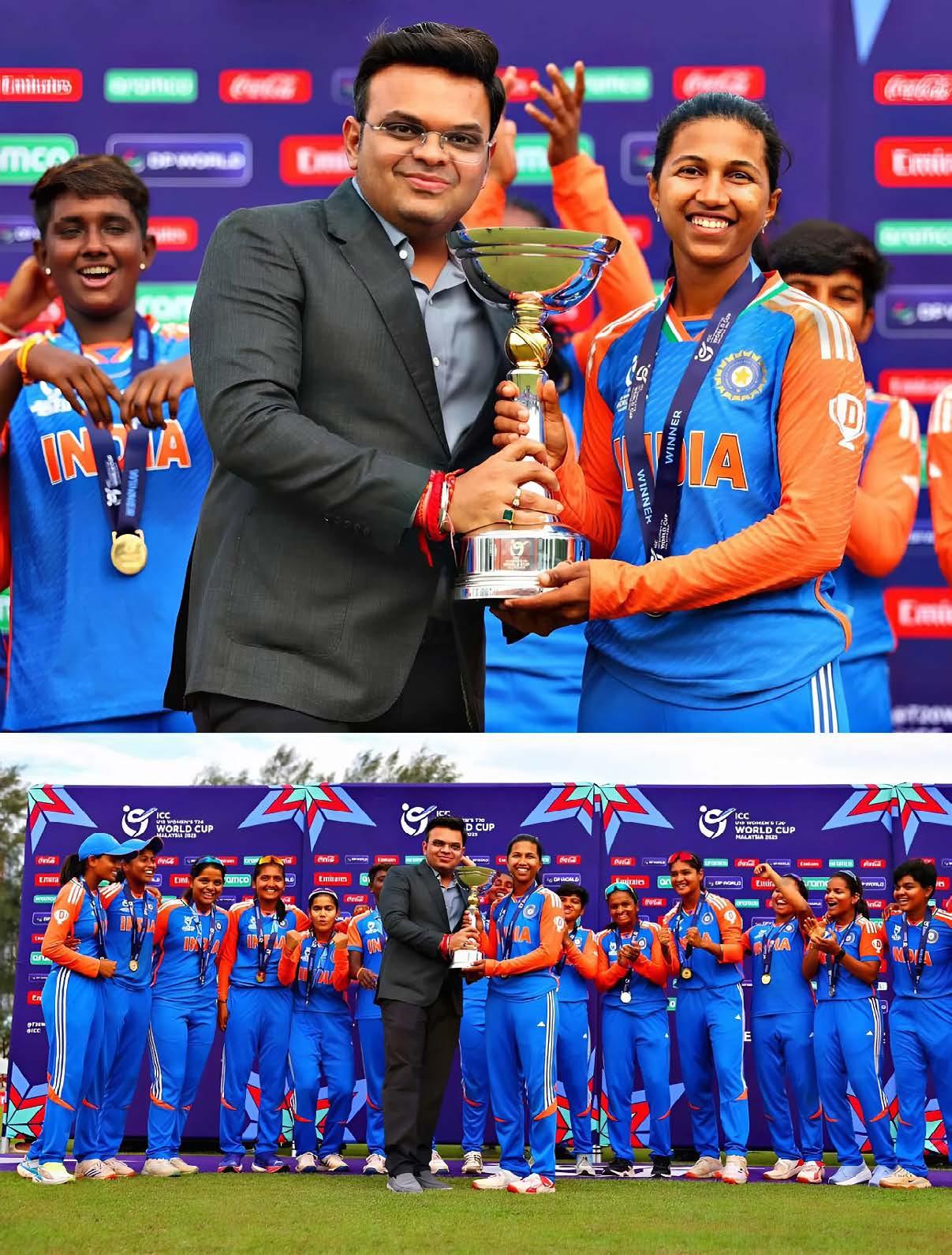
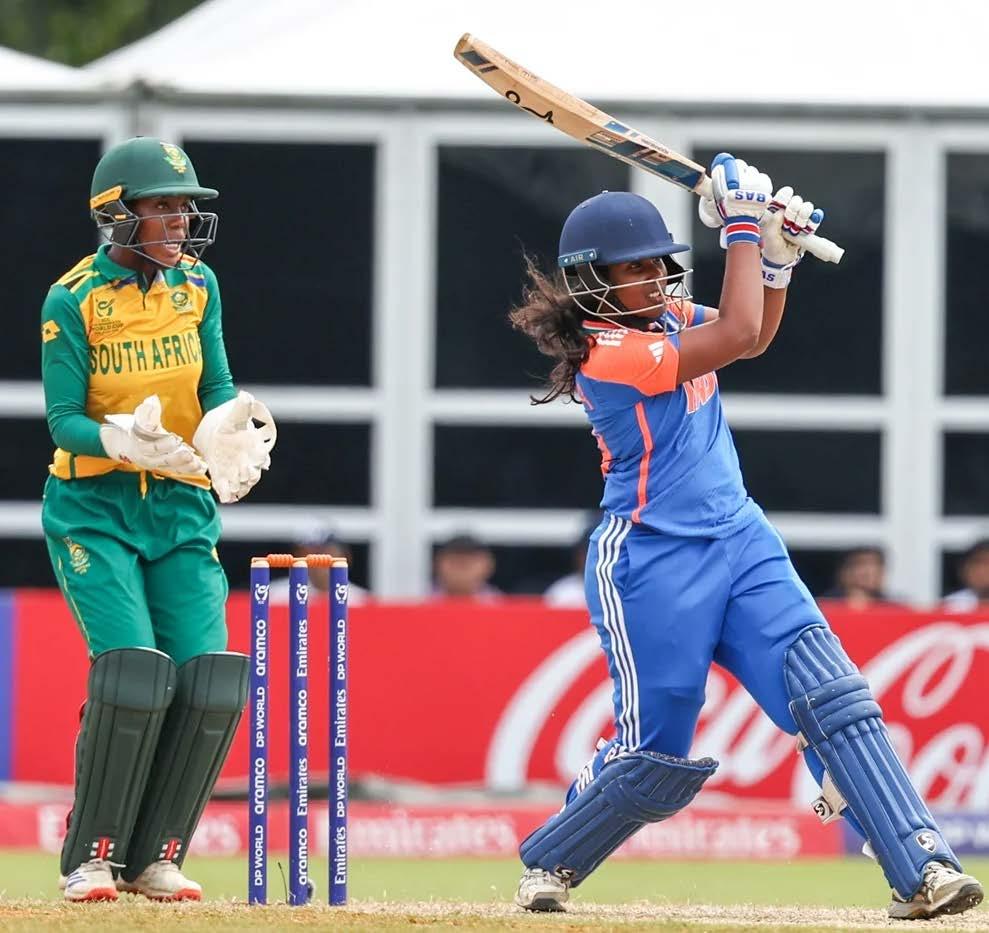
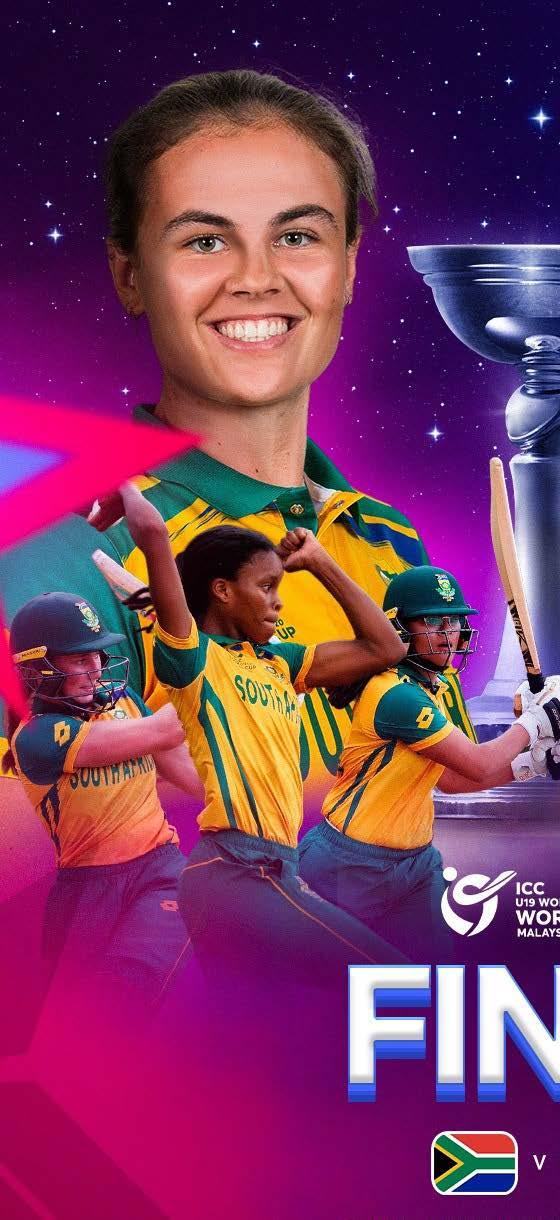
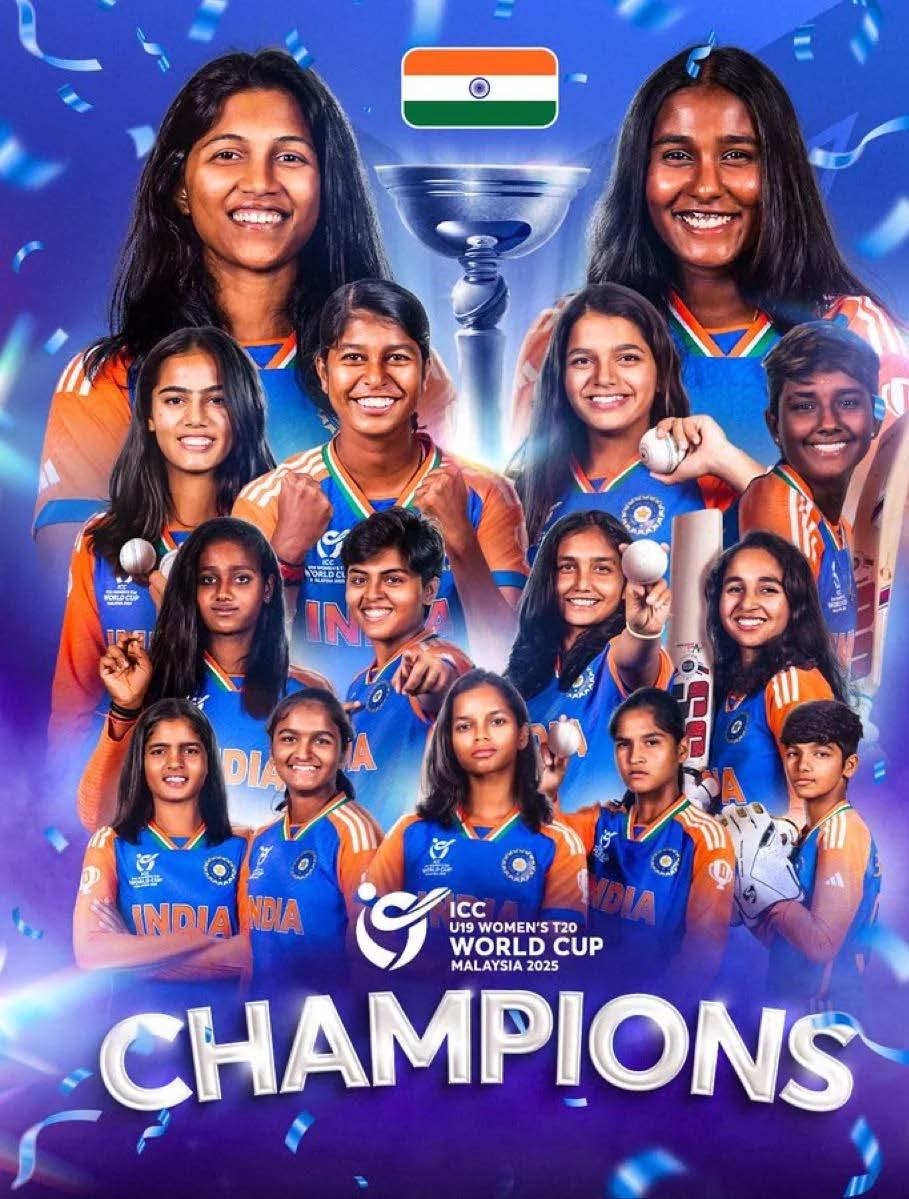
The Indian Women’s U-19 Cricket team completed a successful campaign by lifting the U-19 Women’s T20 Cricket World Cup in Kuala Lumpur, defeating South Africa in the final. The team overcame a strong South African side, beating them by 9 wickets as they picked up the trophy in consecutive editions, having previously won the inaugural edition of the tournament. Led by captain Niki Prasad, the Indian team remained unbeaten throughout the tournament as they showcased exceptional skill, composure, and dominance to win the title. The team outclassed all the other teams on their way to the trophy and defended their title successfully.
A WELL-DESERVED REWARD
The BCCI announced a cash award of Rs 5 crore for the Indian team and its support staff after the title triumph in the U-19 Women’s T20 World Cup in Kuala Lumpur with the board’s top office-bearers hailing the achievement. “The Board of Control for Cricket in India (BCCI) extends its heartfelt congratulations to the India Under-19 women’s team for successfully defending their title at the ICC Under-19 Women’s T20 World Cup 2025 in Malaysia. “To honour this remarkable achievement, the BCCI has announced a cash reward of INR 5 crore for the victorious squad and support staff, led by head coach Nooshin Al Khadeer,” the Indian cricket board said in a statement.BCCI president Roger Binny said: “Congratulations to our girls for retaining the U19 Women’s World Cup. It has been an exemplary campaign wherein they’ve remained unbeaten throughout. We spoke about their performances at the Naman Awards last night and today they have made us all proud. “This trophy reflects the growth of women’s cricket in India, and I’m extremely delighted to see each member shine in this tournament. I once again would like to congratulate the entire team, coaches and the support staff for a fantastic show.”
BCCI secretary Devajit Saikia said: “I extend my best wishes to the India Under-19 Women’s team for their remarkable title defence at the ICC Under-19 Women’s T20 World Cup 2025. To achieve this historic feat and win the trophy for the second consecutive time showcases their dedication, resilience, and dominance on the global stage. The entire team, along with the support staff, displayed tremendous skill, teamwork, and determination in all aspects of the game. This World Cup victory highlights the strength of India’s grassroots cricket and the bright future of our women’s game.”
A DOMINANT PERFORMANCE IN THE FINAL
Having dominated every team during their march to the final, India asserted themselves yet again in the final against South Africa, getting the job done with as many as 52 balls to spare while also becoming the first team to win the tournament without dropping a single game. South Africa, opted to bat first but they were bowled out for 82 and India chased the target successfully with 9 wickets to spare. India’s triumph in the inaugural edition of the tournament in 2023 and now in 2025 is a testament to the BCCI’s strong age group and grassroots structure.
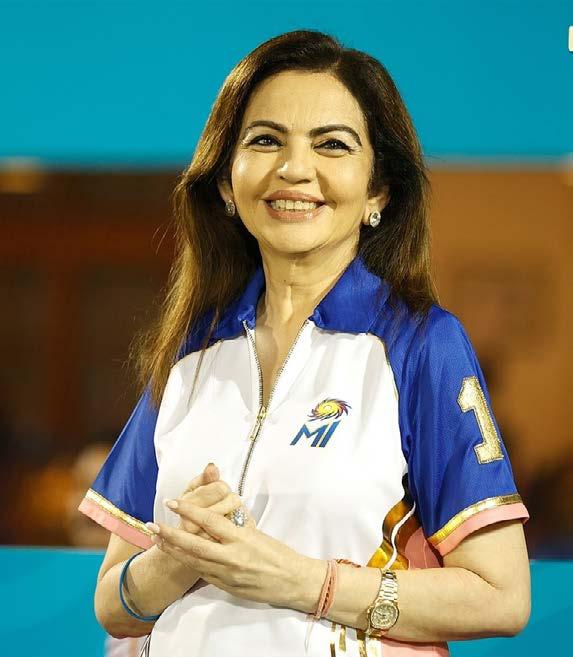
Among those celebrating their final victory was Reliance Foundation chairperson and International Olympic Committee member Nita Ambani, who expressed her immense pride in the team’s remarkable success. Nita Ambani, a prominent supporter of women’s sports in India, shared her heartfelt congratulations. “Champions again! Congratulations to our incredible Girls in Blue for winning the U19 Women’s T20 World Cup for the second year in a row! What a phenomenal triumph! Your grit, passion, talent, and hard work have made us all proud. You’ve shown the world that India, Indian sport, and Indian women are truly unstoppable. Your stories and your journeys are an inspiration for generations to come. Keep shining!” Nita Ambani said.
THE STANDOUT PERFORMERS FOR TEAM INDIA
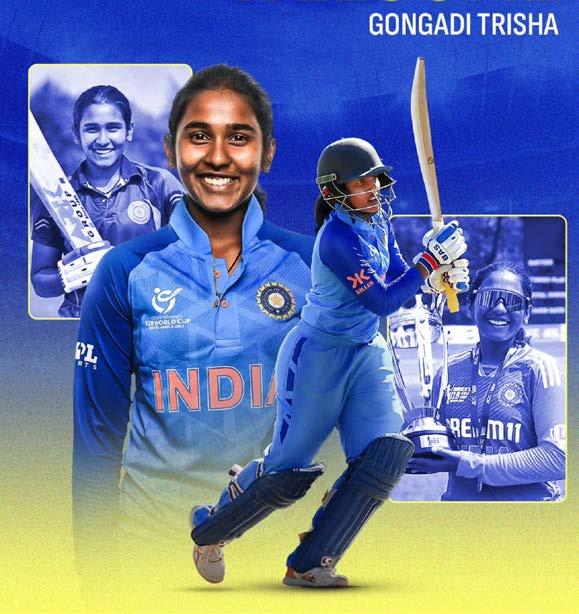
Gongadi Trisha: In red-hot form with the bat, Hyderabad’s Trisha ruled the tournament like no other, as she set the record for most runs in a single edition of the tournament, the all-rounder amassed 309 runs in seven matches at a whopping average of 77.25 with one century. She contributed with the ball as well, as her leg-spin claimed seven wickets in as many matches with a best of 3/6.
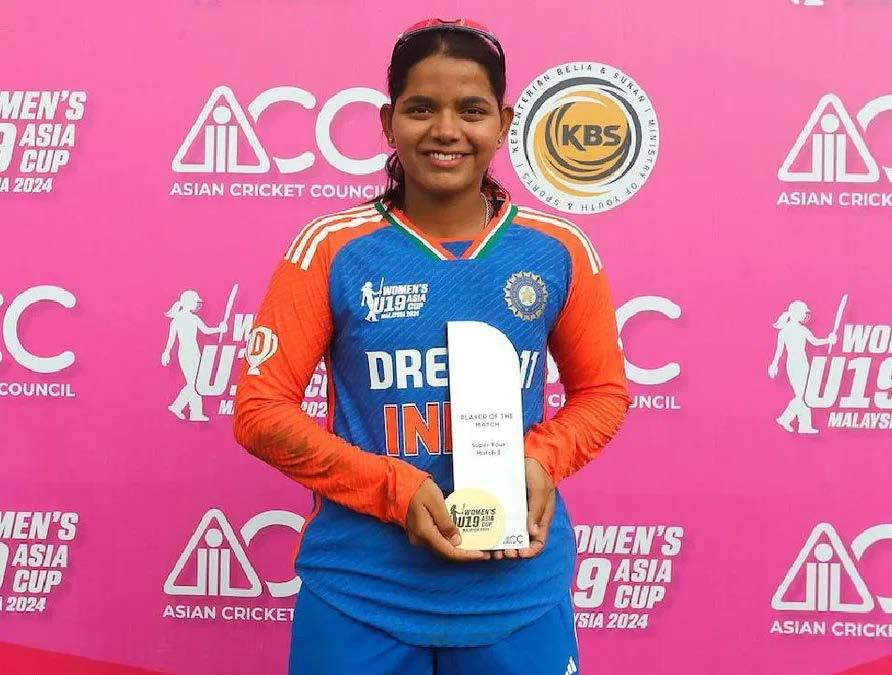
G Kamalini: The left-handed opener from Tamil Nadu finished as the third-highest scorer in the World Cup with 143 runs in seven innings. She had a slow start but Kamalini picked up pace in the Super Six clash against Scotland with a knock of 51, and struck 56 against England in the semi-final. Kamalini was signed by inaugural WPL winners Mumbai Indians for Rs 1.6 crore in the auction shortly after she hit a 29-ball 44 for India against Pakistan in the U-19 Asia Cup.
Vaishnavi Sharma: The left-arm orthodox bowler from Gwalior set a record for most wickets (17) in any edition of the U-19 Women’s T20 World Cup. She began the tournament with a 5/5, including a hat-trick against Malaysia, who were bowled out for a mere 31 in the tournament opener, took 1/3 against Sri Lanka, 3/15 against Bangladesh, 3/5 against Scotland, 3/23 against England and 2/23 against South Africa in the final as she played a crucial role in the team’s victory.
Aayushi Shukla: Aayushi formed a strong bowling attack with Vaishnavi in Malaysia. With her best figures of 4/8 coming against Scotland, Aayushi claimed a total of 14 wickets in seven matches through the course of the tournament.
India had one of the best bowling departments of the tournament and clinched the title largely due to the performances of their bowlers and Aayushi’s spin bowling proved to be too difficult for all opponents.
Sanika Chalke: Mumbai’s Sanika was the one to hit the winning runs in the final vs South Africa when she dispatched the ball from Monalisa Legodi for a boundary to take India to the title win. Deputizing well for skipper Niki Prasad, Sanika was a stable figure in the Indian middle order playing crucial knocks on the road to the title.
Parunika Sisodia: India’s dominant bowling exploits was not just due to Vaishnavi and Aayushi as Parunika’s 10 wickets backed them up perfectly as she played a crucial role in India’s bowling performances. The leftarm spinner is in the roster for Gujarat Giants in the WPL, Parunika finished as the fourth-highest wickettaker in the competition with spells of 3/21 and 2/6 in the semi-final and the final.
VJ Joshitha: Kerala’s Joshitha was another vital cog in the Indian bowling attack with tight spells as she claimed six wickets in as many outings and supported others with her discipline, maintaining an economy rate of below five an over which helped keep things tight for India as they looked to restrict opposition batting.
Shabnam Shakil: The 17-year-old from Visakhapatnam, and a member from the previous World Cup-winning campaign in South Africa, claimed four wickets in seven outings. Like Joshitha, Shabnam’s ability to contain opposition batting with the ball throughout the tournament was her significant contribution with the ball. With an economy rate of little over 4 runs per over, Shabnam bowled 17 overs across the seven games with a best of 2/9.
THE BEST OF THE BUNCH
Four Indian players were selected for the Team of the Tournament after they beat South Africa to win the ICC U19 Women’s T20 World Cup 2025. The team comprises of Player of the Tournament Gongadi Trisha, who scored 309 runs at the top of the order, 133 more than anyone else. Trisha was named Player of the Match in the final after she took three for 15 with the ball, and then hit 44 not out as India sailed to a nine-wicket win. She is joined by her opening partner G Kamalini, who scored 143 tournament runs, and bowlers Aayushi Shukla and Vaishnavi Sharma. Sharma took two South Africa wickets at Bayuemas Oval to finish the tournament with 17, the most of any player, while 17-year-old Shukla was second with 14 as they played a vital role in India’s bowling attack.
The Rising Star of UFC SHAVKAT RAKHMONOV & KAZAKHSTAN’S COMBAT
SPORTS LEGACY
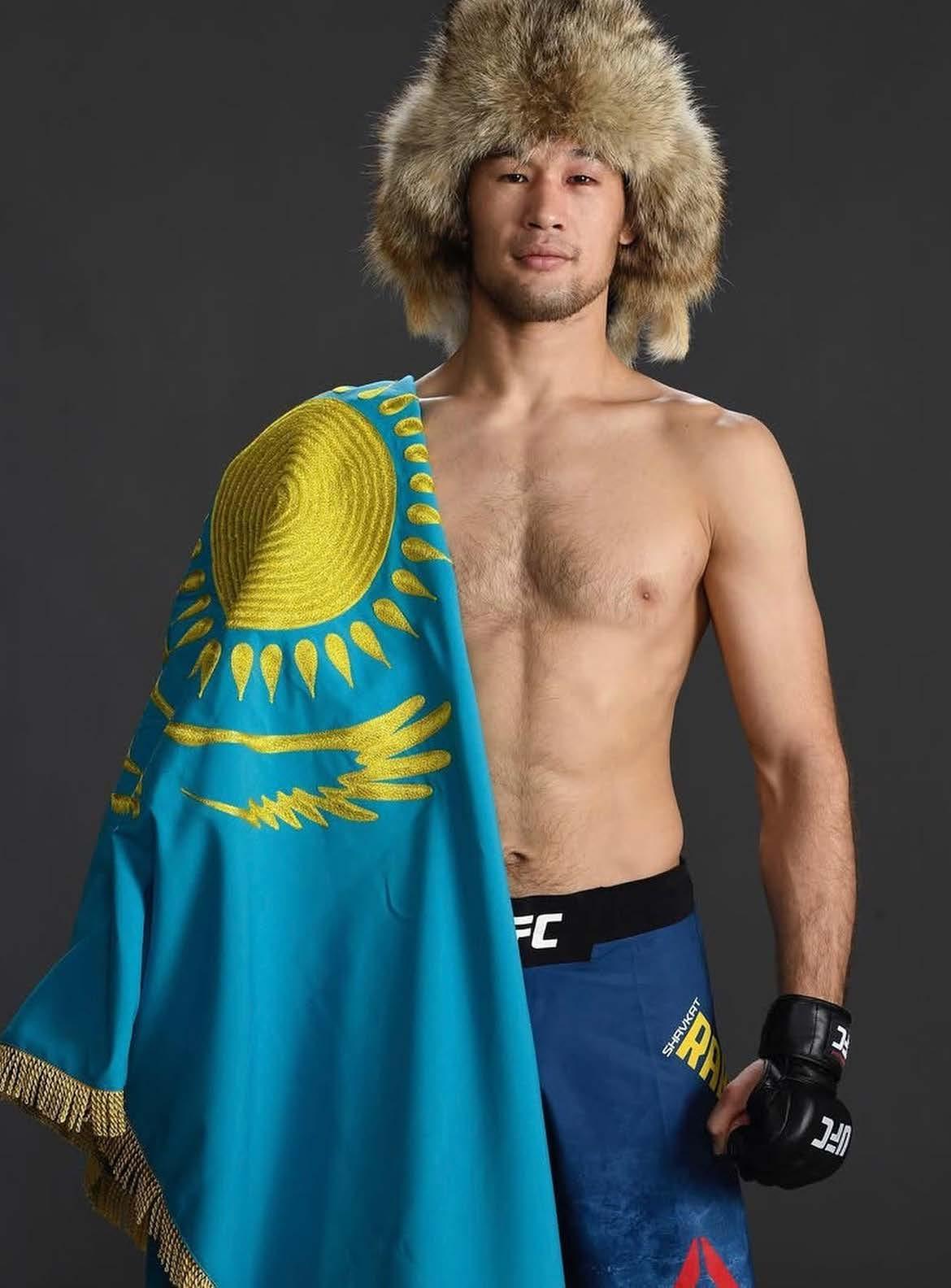
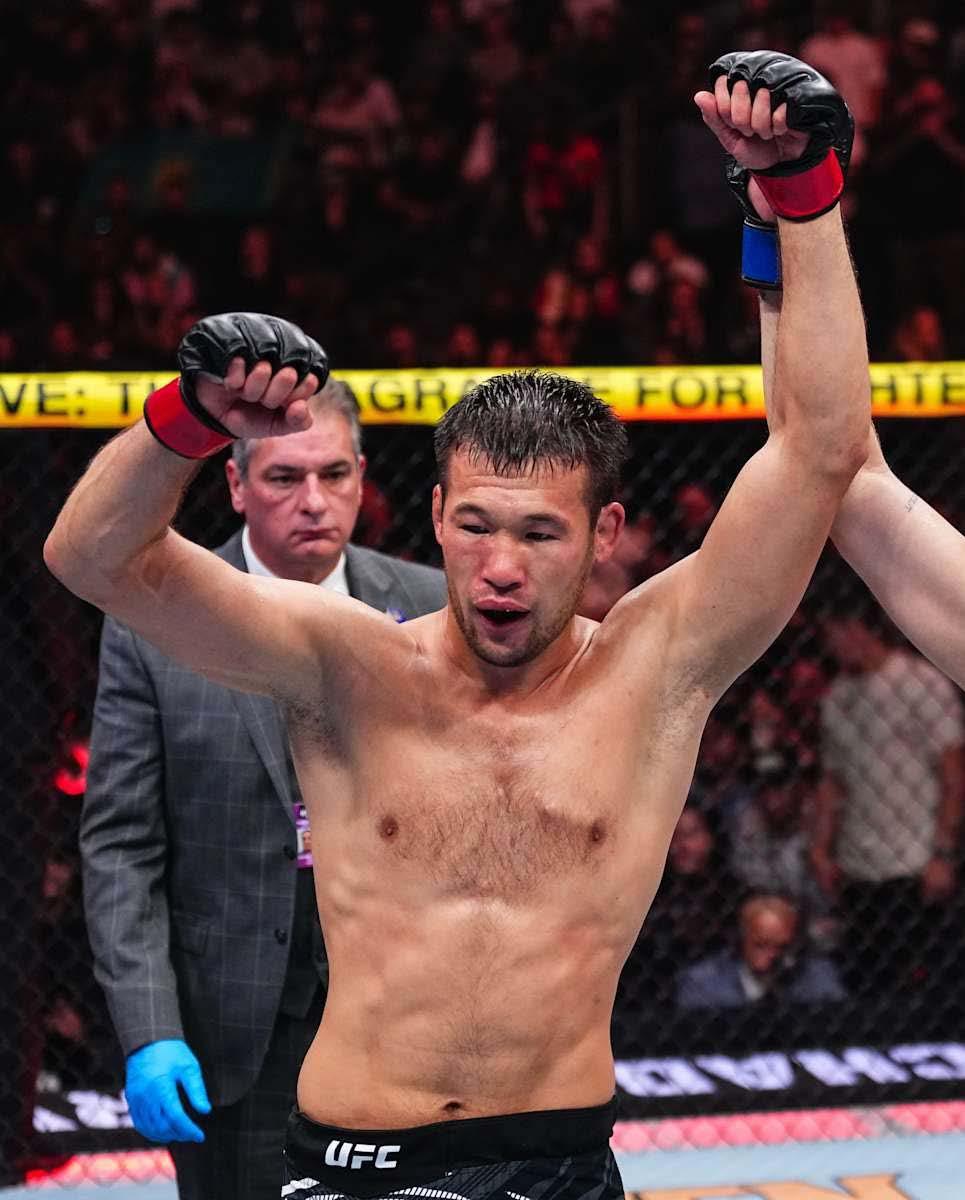
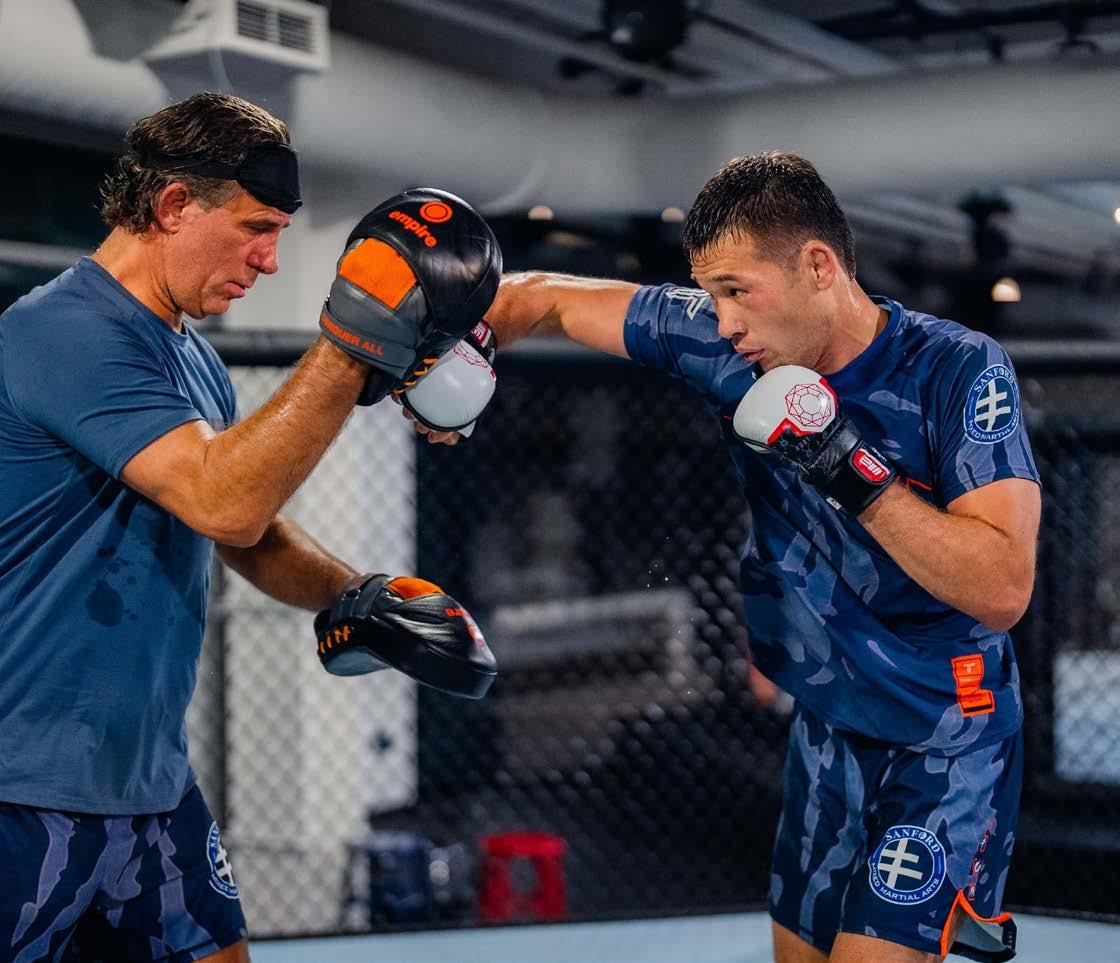
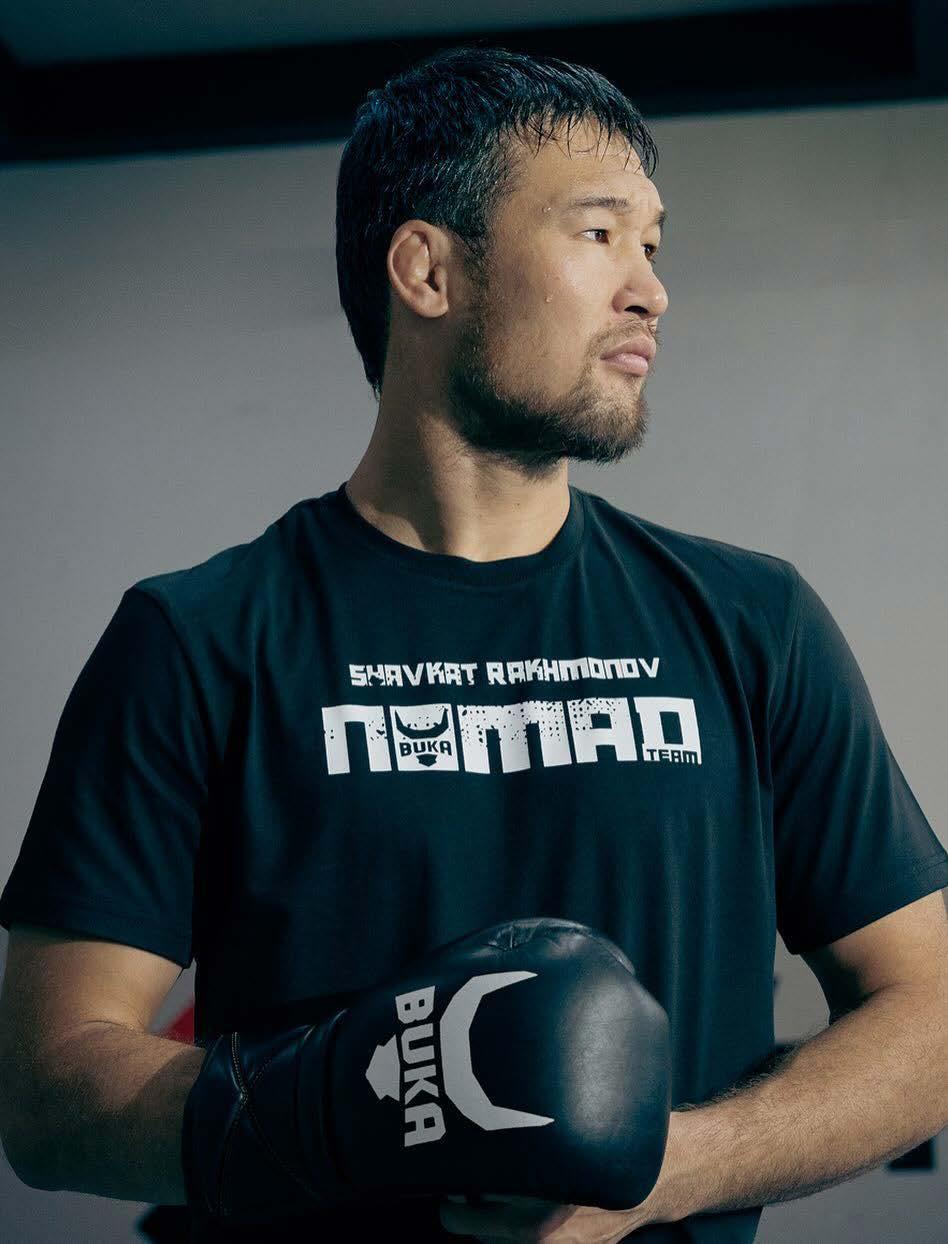
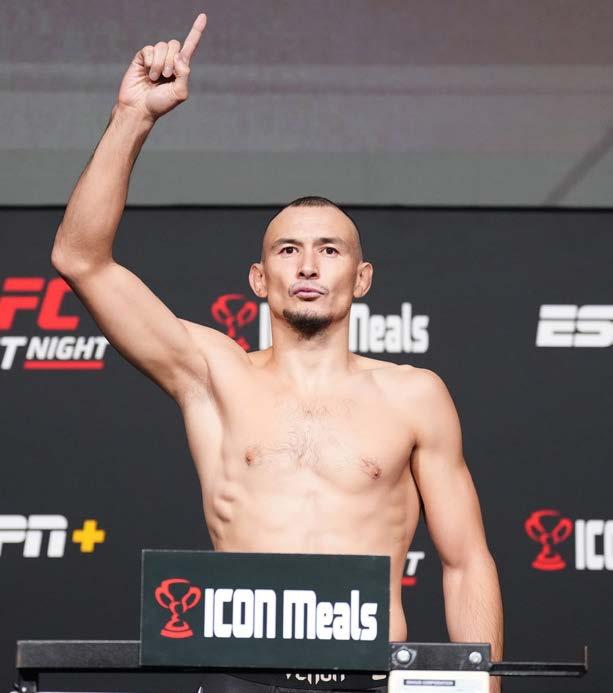
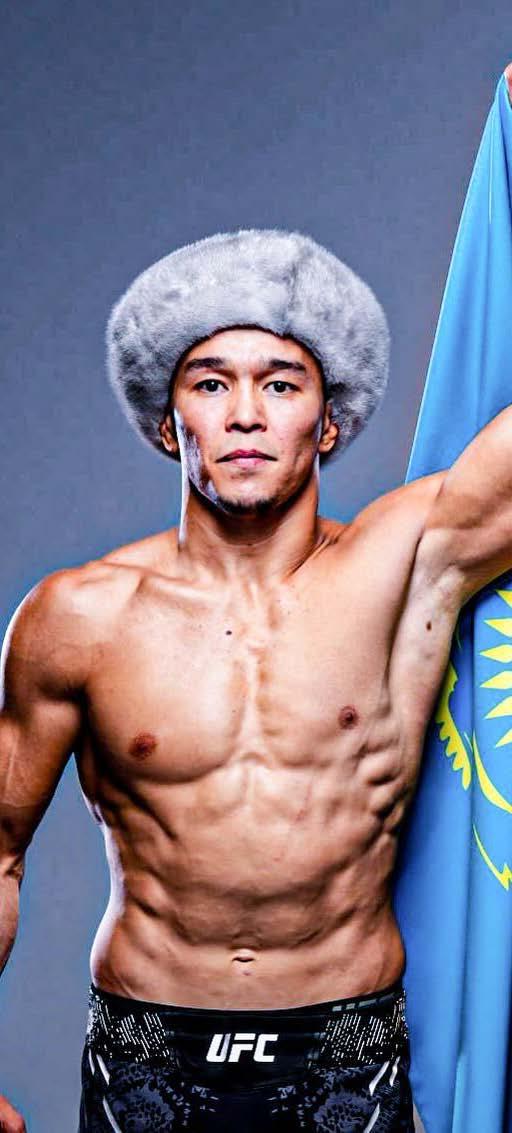
Shavkat “Nomad” Rakhmonov has emerged as one of the most formidable figures in the UFC’s welterweight division, known for his undefeated record and a fighting style that combines precision, power, and strategic acumen. Born on October 23, 1994, in the Shurchi District of Uzbekistan, Rakhmonov moved to Kazakhstan at a young age, where he would begin his journey to becoming a global MMA sensation. Rakhmonov’s nickname, “Nomad,” echoes his heritage and the nomadic tribes of Kazakhstan, symbolizing his journey through the ranks of mixed martial arts with resilience and adaptability. His professional career began in 2014, where he quickly distinguished himself with his ability to finish fights, predominantly through submissions or knockouts. His record is a testament to his skill set, boasting an impressive streak of finishes in every professional bout.
The Nomad’s UFC Journey
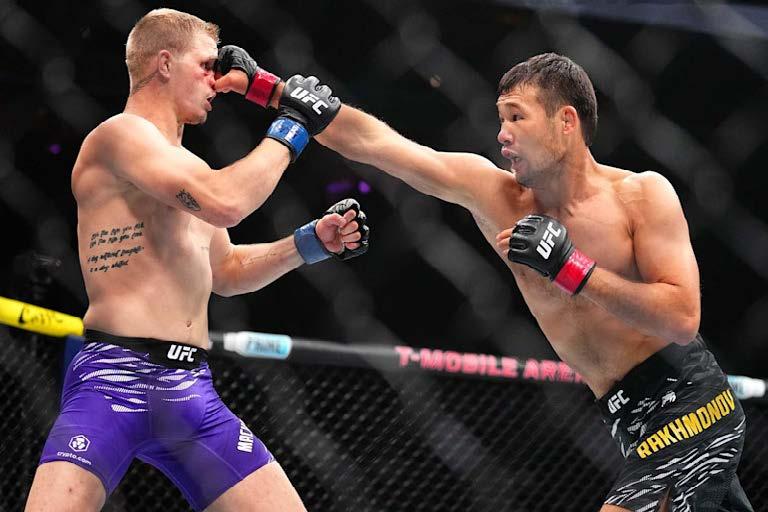
Rakhmonov made his UFC debut in 2020, showcasing his prowess by submitting Alex Oliveira with a guillotine choke. Since then, he has defeated notable fighters like Michel Prazeres, Carlston Harris, and Neil Magny, often earning performance bonuses for his spectacular finishes. His fight against Geoff Neal was a highlight, demonstrating his ability to go the distance while maintaining control and precision, earning him the “Fight of the Night” award. Rakhmonov holds the #2 spot in the UFC welterweight rankings, a position that speaks volumes about his impact on the division. His style, blending aggressive striking with elite grappling, makes him a threat in all areas of MMA, with favourites like the triangle choke and a devastating liver shot. Shavkat boasts an incredible record of 19-0-0 with 8 wins by knockouts and 10 through submission.
Kazakhstan’s Legacy in Combat Sports
Kazakhstan has a rich history with combat sports, deeply embedded in its cultural and historical narrative. The country’s combat sports tradition spans various disciplines. Perhaps the most revered in Kazakh culture, wrestling has been practised for centuries. The traditional Kazakh wrestling, known as “Kazakh Kuresi,” involves grappling without holds or strikes, focusing on pure strength and technique. This form of wrestling has influenced many modern combat sports athletes from the region, including Rakhmonov, who began with judo before transitioning to MMA. Kazakhstan has produced many world-class boxers, with names like Gennady Golovkin, Sergey Kovalev, and Vassiliy Jirov becoming international icons. The national passion for boxing is reflected in the numerous sports schools and clubs dedicated to the sport across the country.
While relatively new compared to other sports, MMA has seen a rapid rise in popularity, particularly with the advent of fighters like Rakhmonov. His success in the UFC has not only put Kazakh MMA on the map but also inspired a new generation of fighters. The Kazakh Mixed Martial Arts Federation (KZMMAF) has been instrumental in promoting MMA at the grassroots level. Rakhmonov’s background in combat sambo, a martial art combining elements of judo, wrestling, and striking, has significantly shaped his fighting style. Combat sambo is popular in former Soviet states, providing a robust foundation for many MMA fighters.
Cultural Impact and Future Prospects
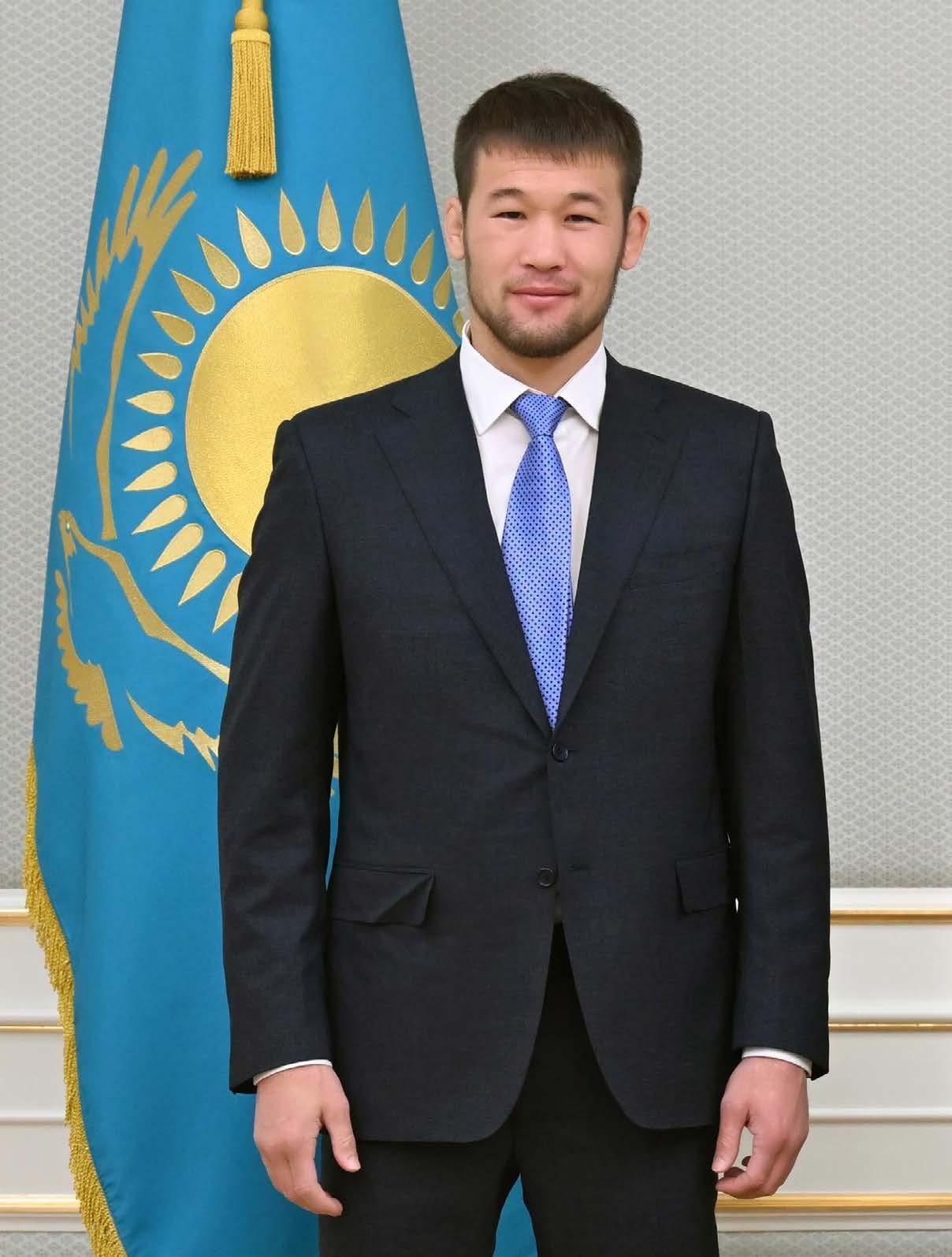
Shavkat Rakhmonov’s career in the UFC isn’t just about personal achievements; it’s a symbol of national pride for Kazakhstan. His fights are watched by millions back home, and his success has sparked a surge in interest in combat sports among Kazakh youth. Rakhmonov’s journey from a market loader to a UFC contender is a narrative of potential and hard work that resonates deeply within a society where sports are seen as a pathway to success and international recognition. Looking forward, Rakhmonov’s potential to become the first Kazakhstani UFC champion remains a focal point. His current trajectory suggests that a title shot is not just a possibility but an expected milestone. Beyond Rakhmonov, Kazakhstan’s involvement in international combat sports is set to grow, with more athletes likely to follow in his footsteps, contributing to a broader and more diverse representation in global competitions.
Shavkat Rakhmonov,
Rakhmonov’s Training Regime
known as “Nomad,” has cultivated a training regimen that combines the traditional martial arts of Central Asia with modern Mixed Martial Arts (MMA) practices, creating a unique and highly effective approach to fighting.
EARLY BEGINNINGS AND FOUNDATIONAL
TRAINING: Rakhmonov’s journey in martial arts began with judo, which he started at a young age. Judo laid the groundwork for his grappling skills, focusing on throws, balance, and ground techniques. This was complemented by traditional Kazakh wrestling, which emphasizes raw strength and technique without the use of holds or strikes. Transitioning from judo, Rakhmonov turned his attention to combat sambo, a martial art that combines elements of judo, wrestling, and striking. This discipline was particularly formative,
teaching him to integrate grappling with strikes, which is crucial in MMA. Combat Sambo’s emphasis on both defence and offence in close quarters has been pivotal in shaping Rakhmonov’s fighting style.
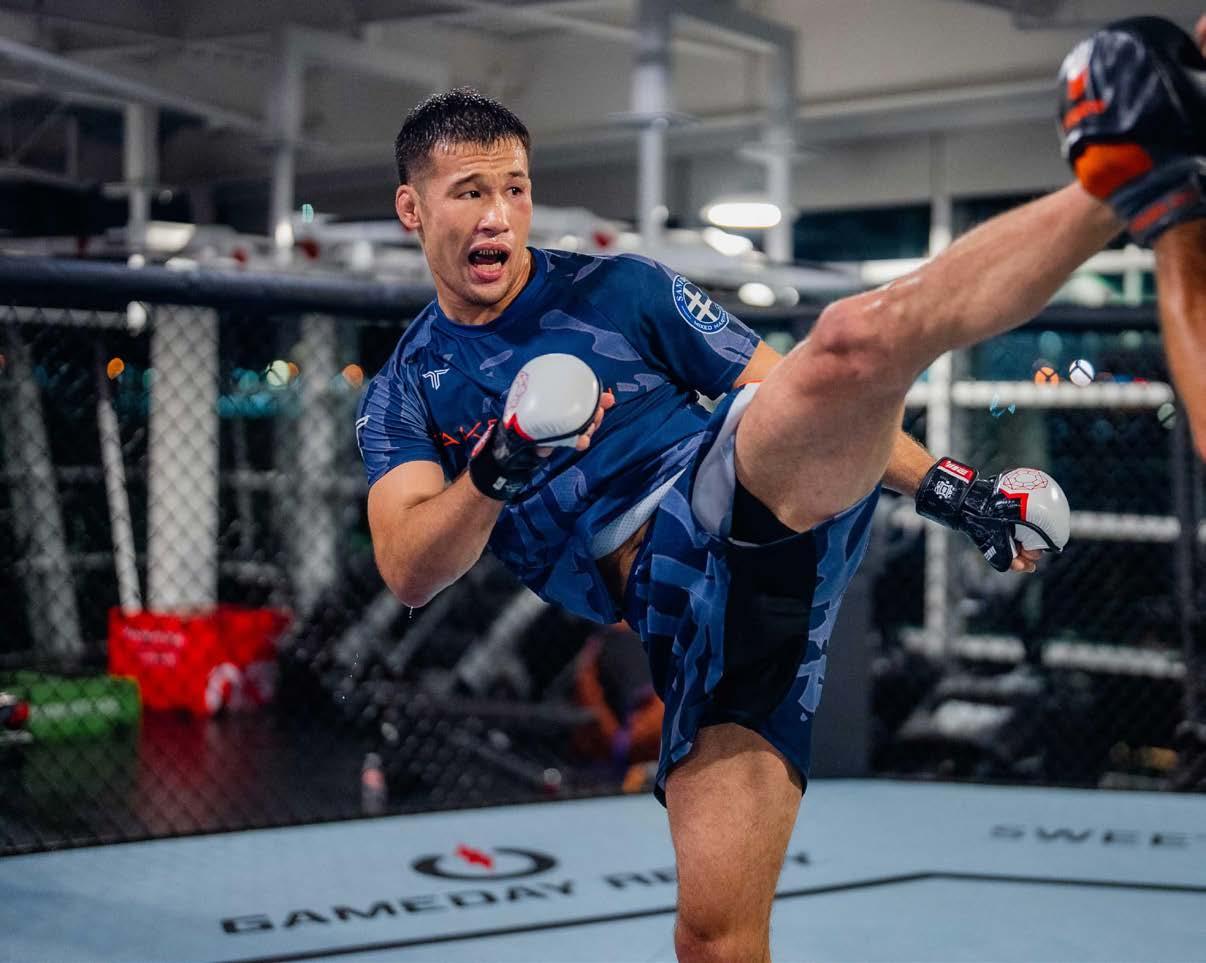
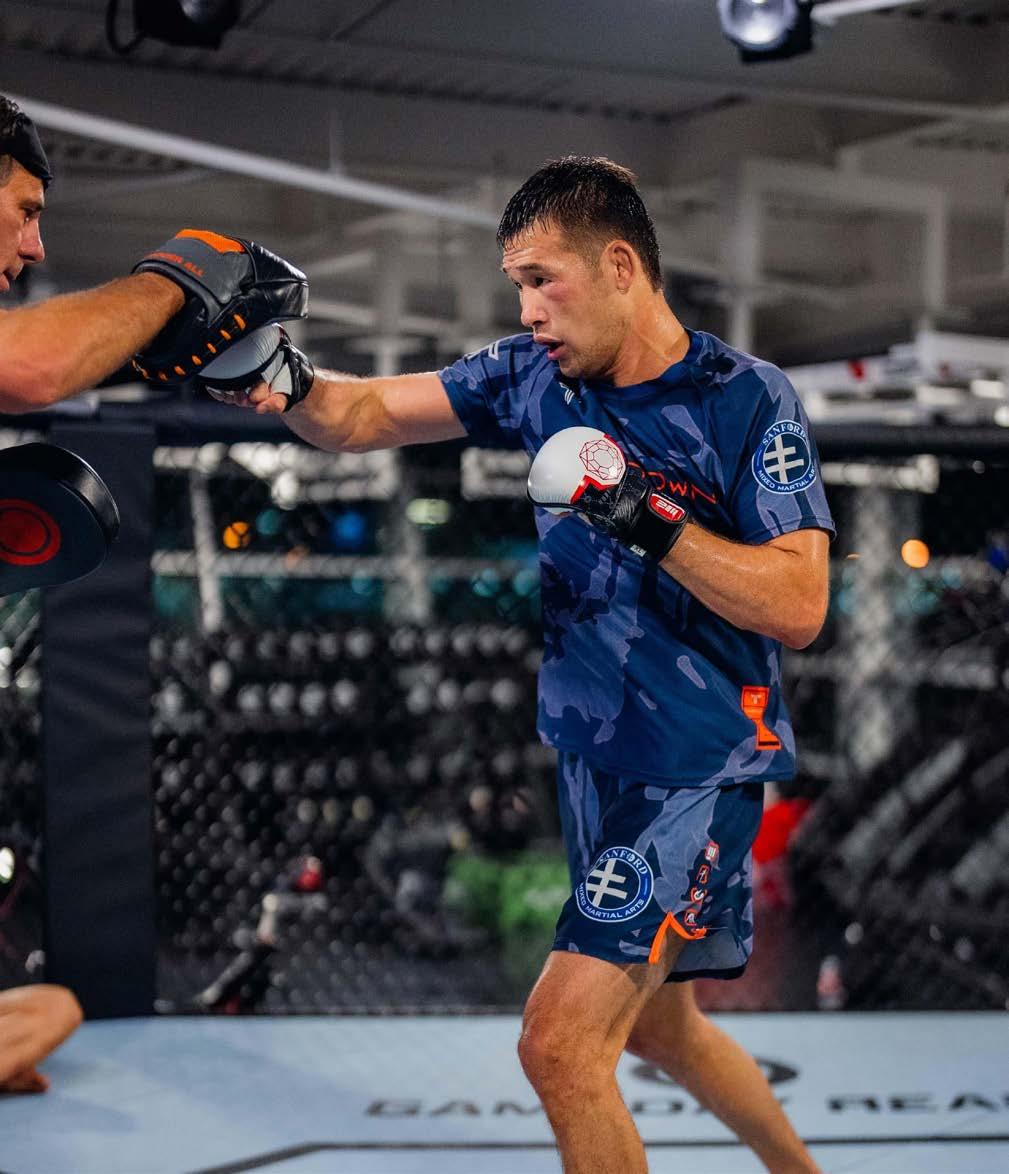
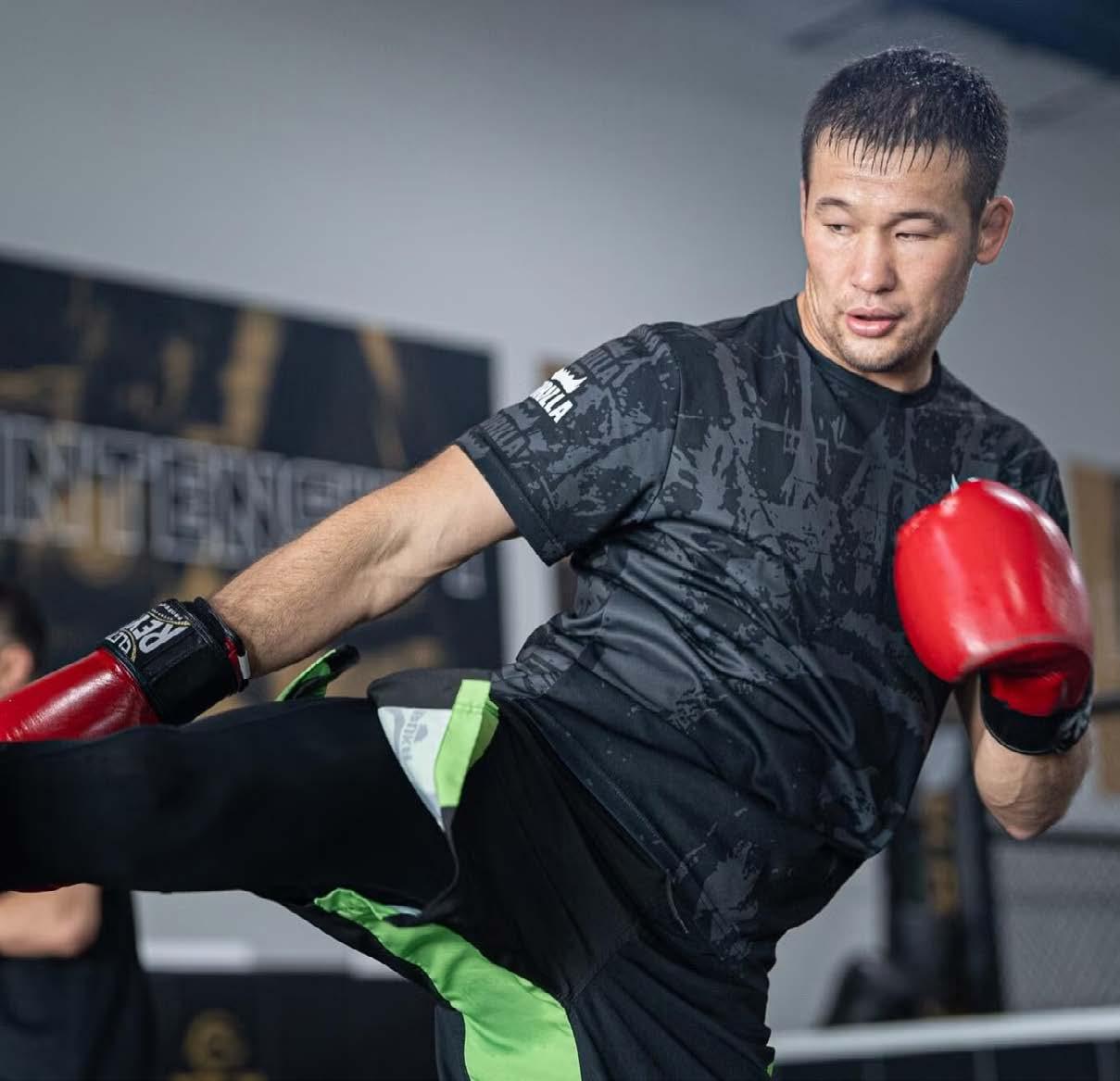
MODERN MMA TRAINING: Rakhmonov works with various coaches to refine his striking. His training includes enhancing his hand speed, power, and defensive manoeuvres. Muay Thai and Kickboxing add versatility to his stand-up game, focusing on kicks, elbows, and knees, which he uses effectively in fights to disrupt opponents’ rhythm. Rakhmonov has been known to train with high-level Brazilian JiuJitsu (BJJ) practitioners to refine his submission game, particularly his triangle chokes, which have ended several of his fights. His grappling has evolved beyond judo and sambo
CONDITIONING AND STRENGTH:
High-intensity interval training (HIIT), running, and circuit training are staples to maintain his endurance and cardio for fiveround fights. Strength training, emphasizes functional strength over bulk, focusing on explosive power through exercises like Olympic lifts, plyometrics, and bodyweight exercises.
TRAINING ENVIRONMENT
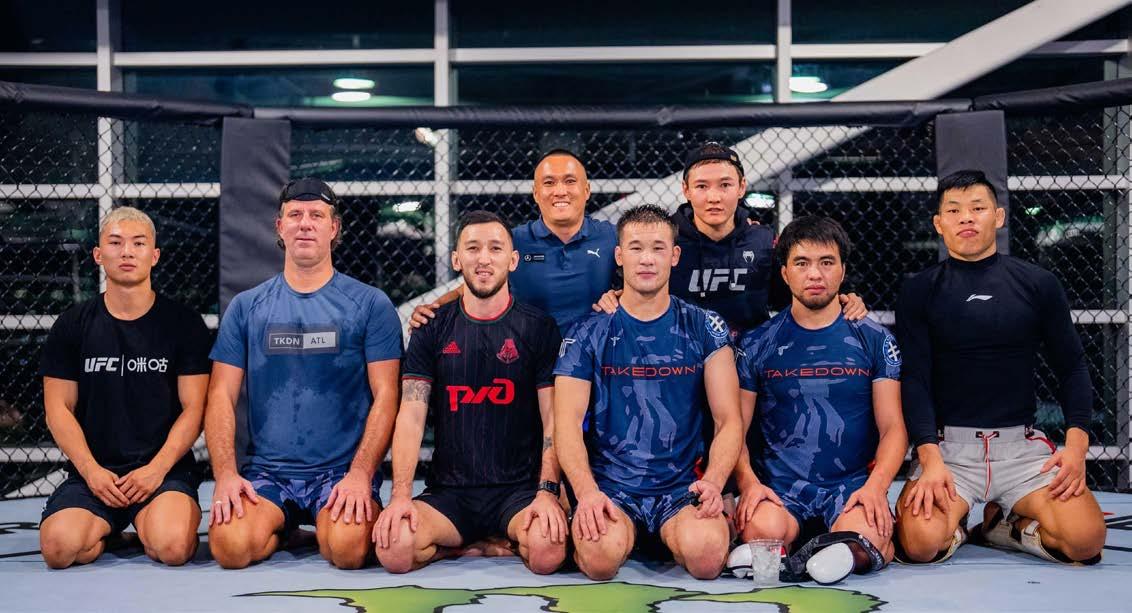
Rakhmonov splits his training between Kazakhstan and the U.S., often training at high-altitude locations in his home country to boost his conditioning, and in the U.S. for access to elite sparring partners and coaches. He spars regularly with a diverse group of fighters from different disciplines to adapt to various fighting styles. This has been crucial in developing his adaptability in the octagon. Rakhmonov has worked with several coaches, including those specialized in different aspects of MMA. Notably, his time with Greg Jackson in New Mexico has been mentioned, indicating a focus on strategic fight planning and execution.
THE MENTAL ASPECT
Rakhmonov is known for his mental resilience, often training in mentally challenging conditions like high altitudes to simulate fight conditions. His approach to each fight is methodical, with a strong emphasis on game planning and mental visualization. Understanding the importance of recovery, Rakhmonov incorporates rest, nutrition, and recovery techniques like cryotherapy, massage, and proper sleep into his routine.
INNOVATIVE TECHNIQUES
Rakhmonov continuously evolves his style, learning from each fight. After his bout with Geoff Neal, where he went the distance, he adjusted his approach to better manage cardio while maintaining his offensive pressure. He occasionally integrates moves or strategies from traditional Kazakh wrestling or combat sambo, which gives him a unique edge in grappling situations.
The Pride of Kazakhstan
Shavkat Rakhmonov’s story is intertwined with the evolving narrative of combat sports in Kazakhstan. As he continues to climb the UFC ranks, his impact on the sport locally and globally will likely inspire a new era of fighters from Central Asia. Shavkat Rakhmonov’s training is a testament to the fusion of cultural martial arts heritage with the demands of contemporary MMA. His preparation involves a holistic approach that not only focuses on physical prowess but also on mental fortitude and strategic adaptability. Shavkat’s training methods will likely inspire many in Kazakhstan and beyond, blending the old with the new to forge warriors for the modern battlefield of mixed martial arts. His journey underscores not only personal triumph but also the cultural significance of combat sports in shaping national identity and pride. With each fight, Rakhmonov not only fights for himself but for the legacy of Kazakh combat sports on the world stage.
OTHER PROMINENT
UFC FIGHTERS FROM KAZAKHSTAN
DAMIR ISMAGULOV
Damir fought in the Lightweight Division and was known for his well-rounded skills, combining striking with strong wrestling and grappling. He is a Former M-1 Global Lightweight Champion and made his UFC debut in 2018, where he won via unanimous decision against Alex Gorgees. He had a successful run in the UFC with a record of 5-2 before being released in 2023.
ASU ALMABAEV
Asu Almabaev fights in the Flyweight Division and is known for his submission skills, particularly his rear-naked choke. The Former M-1 Interim Flyweight Champion joined the UFC in 2023, he boasted a win streak of 14 before entering the competition. His UFC debut was against Tyson Nam, where he showcased his grappling prowess.
AZAT MAKSUM
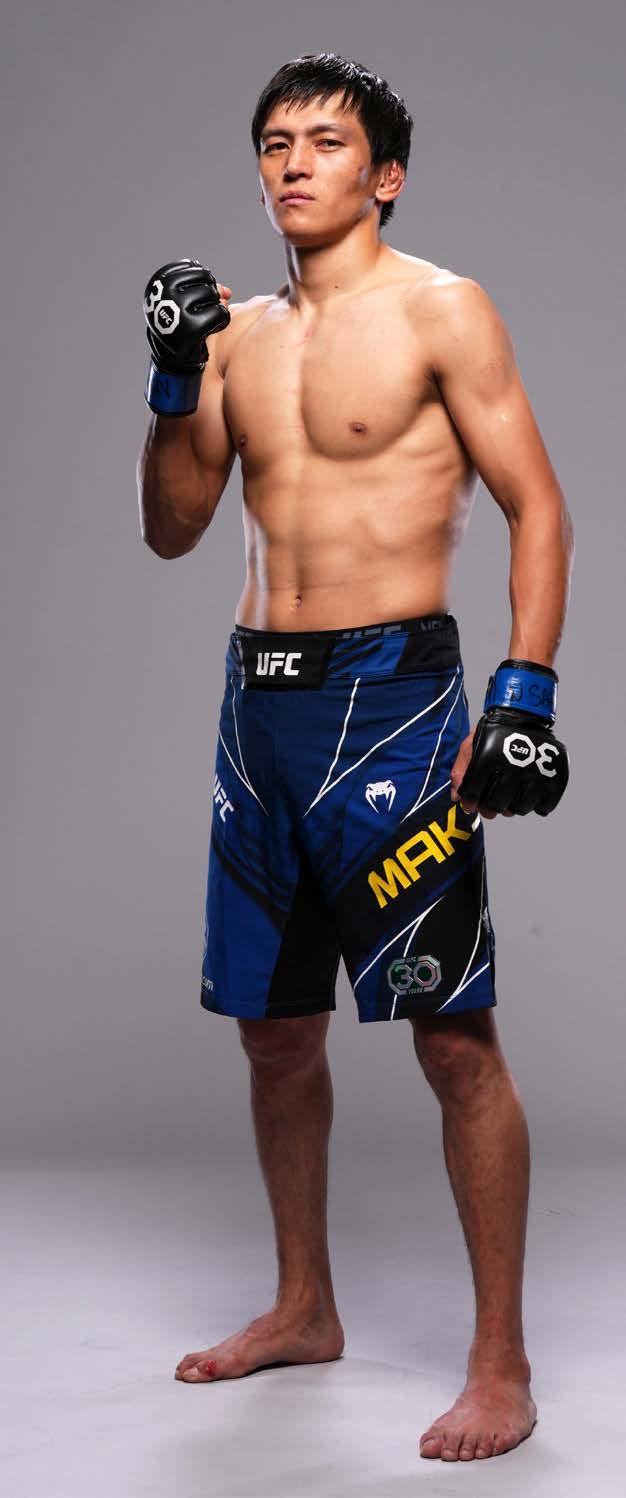
Azat Maksum, who fights in the Flyweight Division has competed in various promotions like M-1 and NFC before joining the UFC. He is renowned for his submission grappling and wrestling background. Azat made a strong impression in the UFC, continuing his submission-based fighting style. His UFC debut fight against Tyson Nam was a close contest, highlighting his potential.
BEKZAT ALMAKHAN
Bekzat Almakhan has been with the UFC since =early 2024, bringing a 17-1 record to the Bantamweight Division. His strengths lie in his finishing ability, with most of his wins by knockout or submission. Bekzat became one of the few Kazakh fighters in the UFC, aiming to make an impact in the bantamweight division and his debut was highly anticipated, especially after posts on X showcased his potential.
MARIYA AGAPOVA
Mariya Agapova started with an undefeated record before joining the UFC in the Women’s Flyweight and is known for her aggressive, submissionfocused style. She made her UFC debut with a spectacular first-round submission win over Hannah Cifers, earning her the Performance of the Night. Despite facing some setbacks, her initial performances in the UFC were notable for their excitement and effectiveness. Mariya Agapova is no longer with the UFC. She was released from the promotion after losing to Luana Santos at UFC Denver in July 2024. She has since signed with Bare Knuckle Fighting Championship (BKFC).
An Ever-Lasting Impact
These fighters have not only represented Kazakhstan on an international stage but have also contributed to the growth of MMA within the country. Their presence in the UFC has helped foster a new generation of fighters inspired by their success, leading to an increase in MMA gyms and events in Kazakhstan. The cultural significance of these athletes extends beyond their sports achievements, promoting a sense of national pride and encouraging sports as a viable career path. The accomplishments of these Kazakh fighters in the UFC showcase a blend of traditional martial arts prowess with the modern demands of mixed martial arts, highlighting Kazakhstan’s growing influence in the global MMA scene.
SUPER BOWL 2025 A SHOWDOWN OF LEGENDS, CULTURE, AND COMMERCE
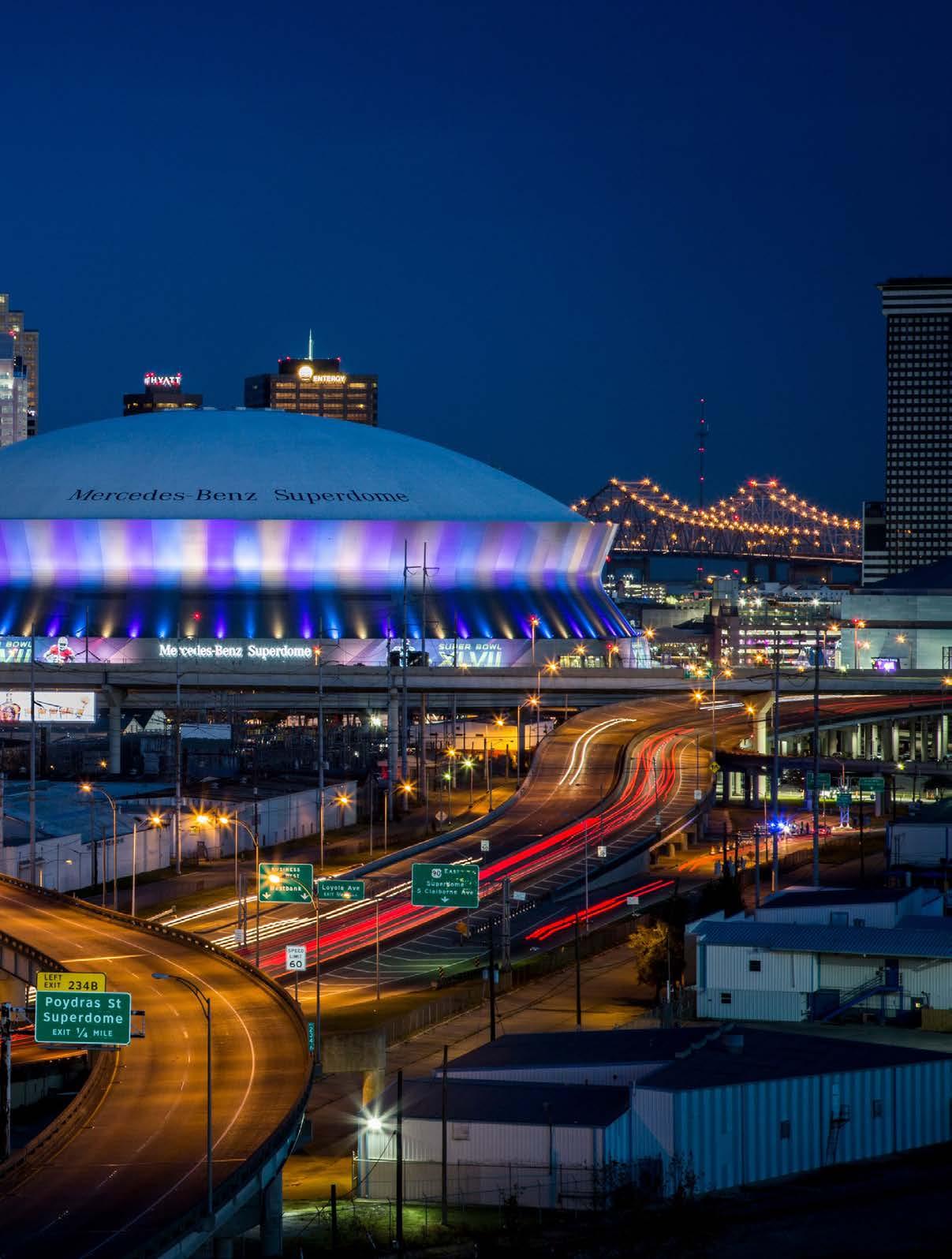
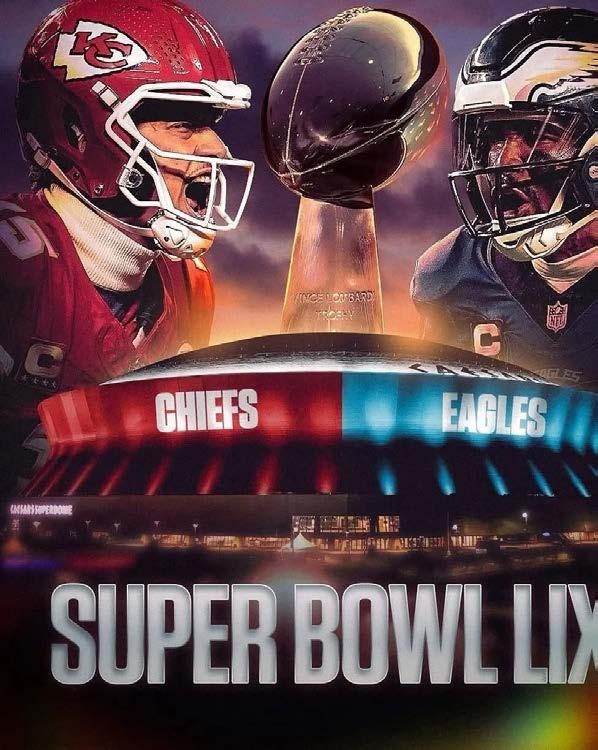
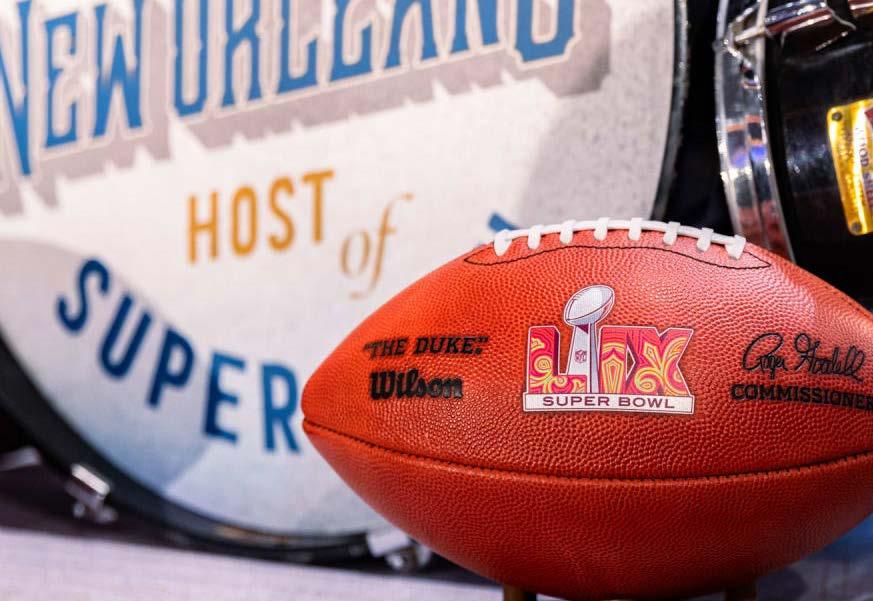
The Super Bowl 2025, officially known as Super Bowl LIX, was not just another game; it was a cultural phenomenon, a spectacle of sport, entertainment, and commerce. Held on February 9, 2025, at the Caesars Superdome in New Orleans, Louisiana, this event was marked by several milestones, including the potential for a historic three-peat by the Kansas City Chiefs, a city known for its vibrant culture hosting the event, and a halftime show that would go down in history.
THE VENUE: NEW ORLEANS AND THE CAESARS SUPERDOME
New Orleans, with its rich history of hosting Super Bowls, provided the perfect backdrop for Super Bowl LIX. The Caesars Superdome, home of the New Orleans Saints, has a storied past, having hosted 11 Super Bowls, tying with Miami for the most in any city. The significance of this venue goes beyond football; it’s a symbol of resilience, famously serving as a shelter during Hurricane Katrina. The choice of New Orleans was also strategic; the city’s unique blend of music, food, and culture was set to enhance the Super Bowl experience, making it more than just a game but a celebration of American diversity.
THE MATCHUP: CHIEFS VS. EAGLES
Kansas City Chiefs: Led by Patrick Mahomes, the Chiefs were on the cusp of NFL history, aiming to become the first team since the 1960s to secure three consecutive Super Bowl victories. Mahomes, already a legend in the making, was not just playing for another ring but for a place in the annals of football greatness alongside figures like Tom Brady and Joe Montana.
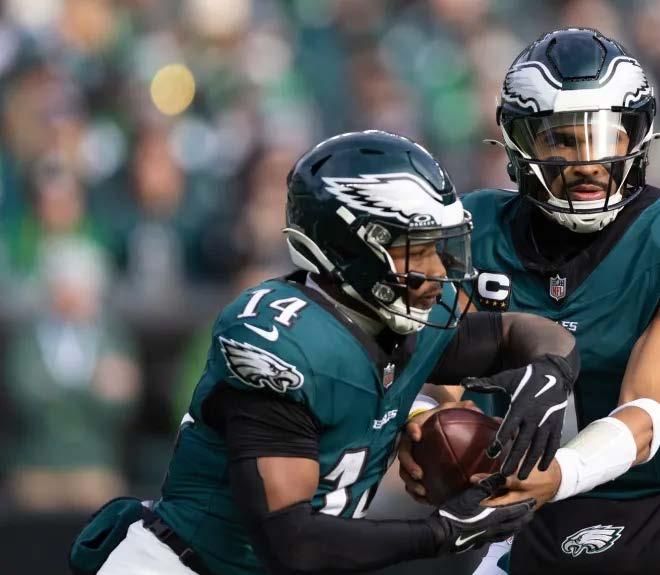
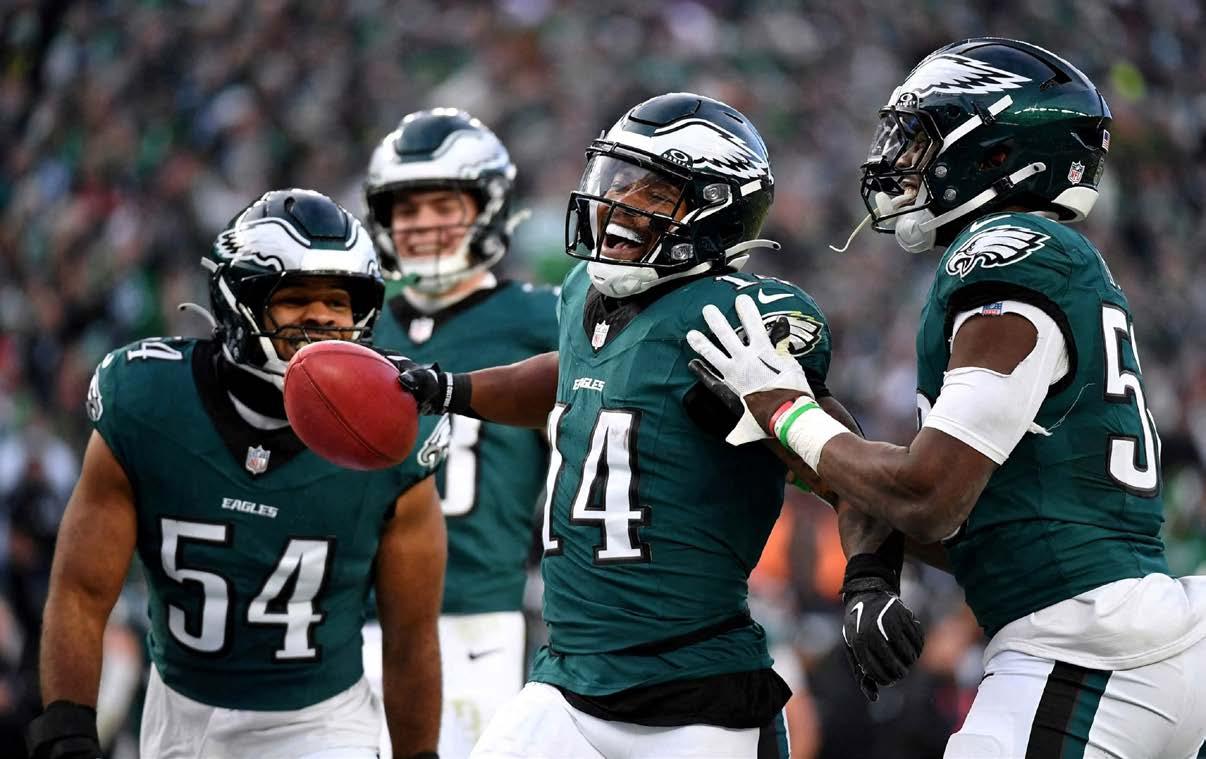
Philadelphia Eagles: With Jalen Hurts at the helm, the Eagles sought redemption after their close loss to the Chiefs in Super Bowl LVII. Their journey to Super Bowl LIX was marked by a dominant performance in the NFC Championship, showcasing a blend of offensive firepower and defensive solidity.
The game was not just about the clash of titans on the field but also a narrative of redemption versus dynasty building, making it one of the most anticipated Super Bowls in recent memory.
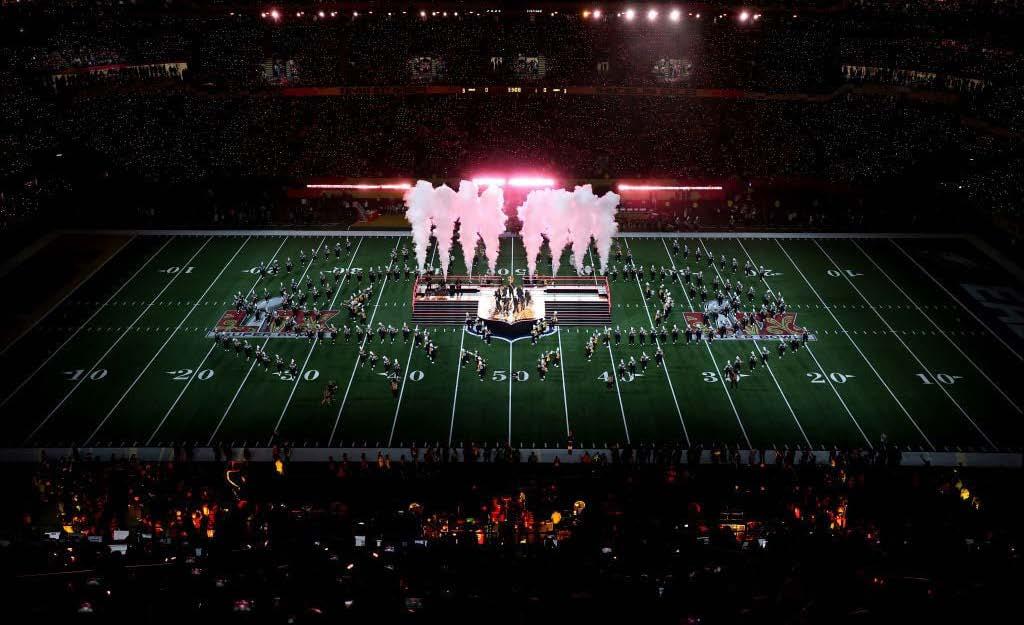
THE HALFTIME SHOW: KENDRICK LAMAR’S RETURN
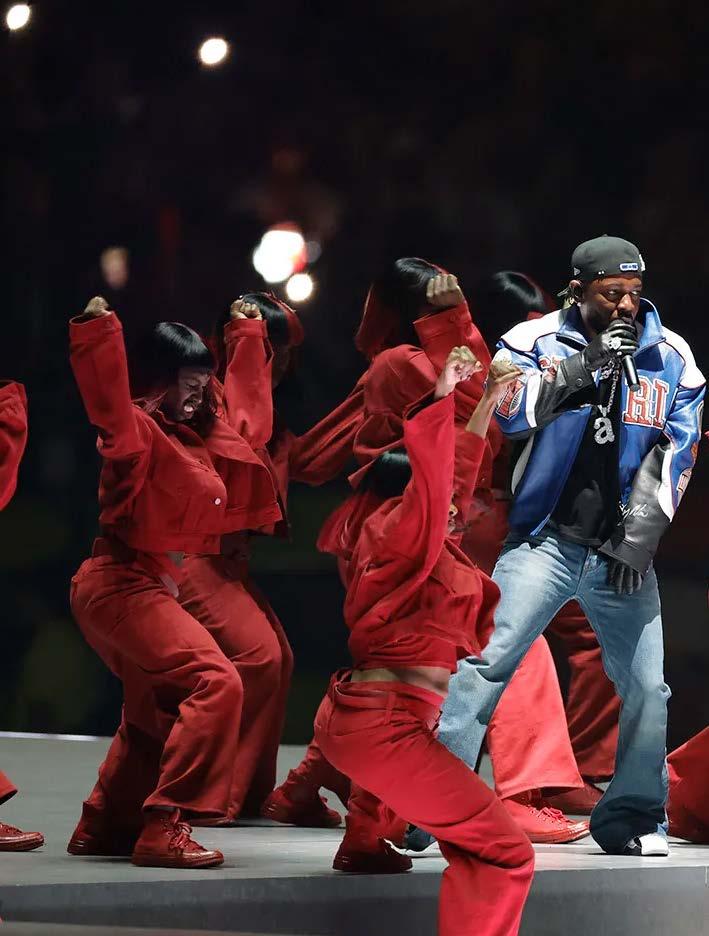
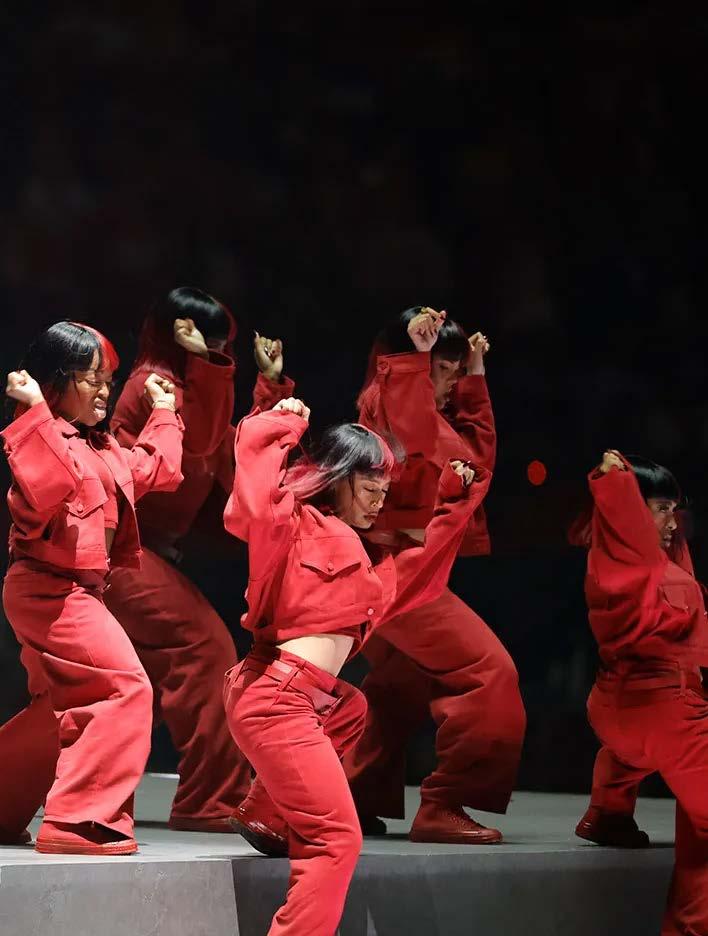
Kendrick Lamar, a 17-time Grammy winner, headlined the halftime show, making it his second appearance on this grand stage after a memorable performance in 2022. This time, he was joined by SZA, creating an electrifying performance that paid homage to hip-hop’s influence on culture. The show was not just entertainment; it was a statement on the power of music in uniting diverse audiences, reflecting on American
society’s current state through art.
The Super Bowl halftime show has evolved from a modest intermission to one of the most anticipated events in global entertainment, showcasing the zenith of musical and cultural performances. Beyond entertainment, halftime performances have increasingly been used to convey messages about unity, diversity, and social issues, mirroring societal changes and movements. The halftime show significantly boosts viewership, making commercials aired during this segment some of the most expensive of the year, reflecting its commercial and
cultural clout. It’s become a moment where America and the global audience celebrate music, culture, and sports together, making it a pivotal part of the Super Bowl experience. From simple marching band shows to global music spectacles, the Super Bowl halftime show has come to embody much more than a break in the game; it reflects the evolution of American culture, entertainment technology, and societal values. Each performance has added to the rich tapestry of Super Bowl history, making it a cultural institution watched by millions worldwide.
THE ECONOMIC AND CULTURAL IMPACT
Super Bowl LIX was expected to contribute significantly to New Orleans’ economy. The influx of tourists, media, and NFL personnel meant a boost for local businesses, particularly in hospitality and tourism. The event’s commercials, some costing over $8 million for a 30-second slot, showcased the commercial might of the Super Bowl, where brands vie for consumer attention on one of the year’s mostwatched programs.
Beyond the game, the Super Bowl is a cultural touchstone. It’s where America watches itself, through the lens of its sports, entertainment, and advertising. The halftime show, the pre-game rituals, and the post-game celebrations all contribute to a narrative about American identity, resilience, and celebration.
THE GAME’S OUTCOME AND ITS LEGACY
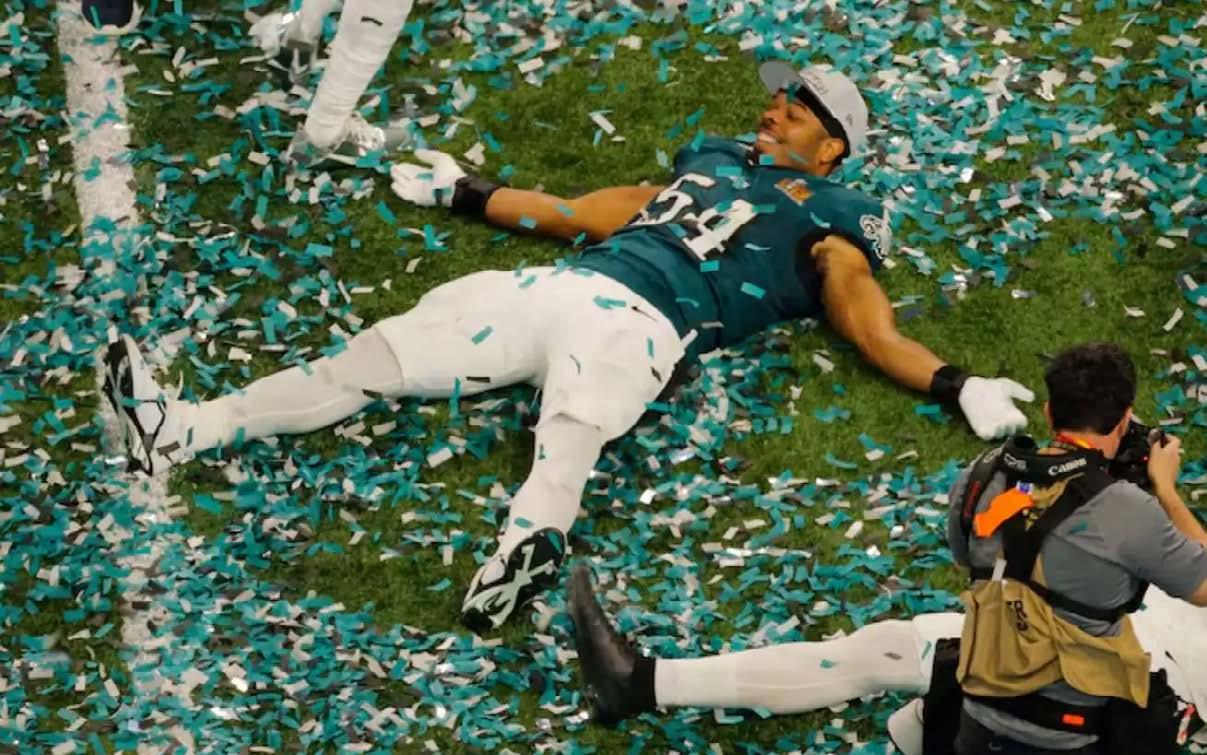
The Eagles emerged victorious in a thrilling contest, ending the Chiefs’ bid for a three-peat. This result added another chapter to the storied rivalry between the two teams, with Philadelphia showcasing a strategic blend of defence and offence to outplay Kansas City. The game’s legacy lies not only in the score but in the moments created: from Mahomes’ valiant efforts to Hurts’ leadership to the defensive plays that decided the game’s fate.
POST-GAME REFLECTIONS
For the Chiefs, the loss was a moment to regroup and reflect on what it takes to maintain dominance in a league designed for parity. Mahomes, despite the loss, further cemented his status as one of the game’s greats. For the Eagles, this victory was about more than just a championship; it was about proving their mettle and setting a foundation for future success. For New Orleans, hosting the Super Bowl was a testament to the city’s recovery and its enduring spirit, showcasing its culture to a global audience.
THE SPIRIT OF THE SUPER BOWL
Super Bowl 2025 was not just a game; it was a narrative of human endeavour, cultural expression, and communal joy. It highlighted the importance of sports in society, not just as a competition but as a mirror reflecting our collective aspirations, challenges, and triumphs. As we look back on Super Bowl LIX, we remember not only the plays on the field but the moments that transcended football, making it a landmark event in the tapestry of American culture.
GAME CHANGERS
Why Sports Management is the Hottest Career Play in Modern Athletics
In recent years, the world of sports has evolved far beyond the playing field, giving rise to a dynamic and multifaceted industry that extends into business, entertainment, and technology. At the heart of this transformation is sports management—a field that blends passion for athletics with strategic expertise, attracting a growing number of individuals eager to shape the future of sports. As modern sports continue to expand globally, the demand for skilled professionals in sports management has surged, making it an increasingly appealing and beneficial career choice.
The Rise of Sports Management
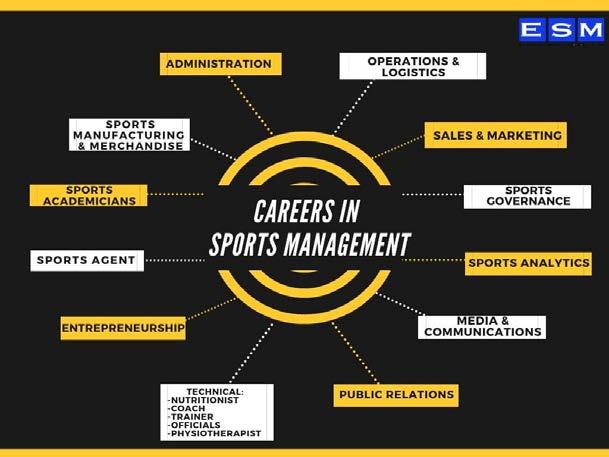
Sports management involves overseeing the business, operational, and organizational aspects of sports entities, including teams, leagues, events, and facilities. Professionals in this field handle everything from marketing and sponsorship deals to athlete development, event planning, and financial oversight. It’s a career that requires a unique mix of skills: an understanding of sports culture, sharp business acumen, and the ability to adapt to a fast-paced, ever-changing environment. The scope of sports management has broadened significantly with the advent of digital media, esports, and globalized sports markets. Today, it’s not just about managing traditional sports like football, basketball, or soccer—it’s about navigating a landscape that includes virtual competitions, fitness brands, and international fanbases.
The Growing Trend Toward Sports Management Careers
The appeal of sports management as a career has skyrocketed, driven by several key factors. First, the sports industry itself is booming. According to industry reports, the global sports market is projected to exceed $600 billion by 2025, fuelled by increased media rights deals, sponsorships, and fan engagement through digital platforms. This growth has created a wealth of opportunities for those who want to work behind the scenes. Second, the democratization of sports has opened doors for diverse talent. While athletes once dominated the spotlight, today’s sports ecosystem relies heavily on managers, analysts, marketers, and strategists. This shift has made the industry more accessible to individuals who may not excel on the field but have a deep love for sports and a knack for leadership or innovation.
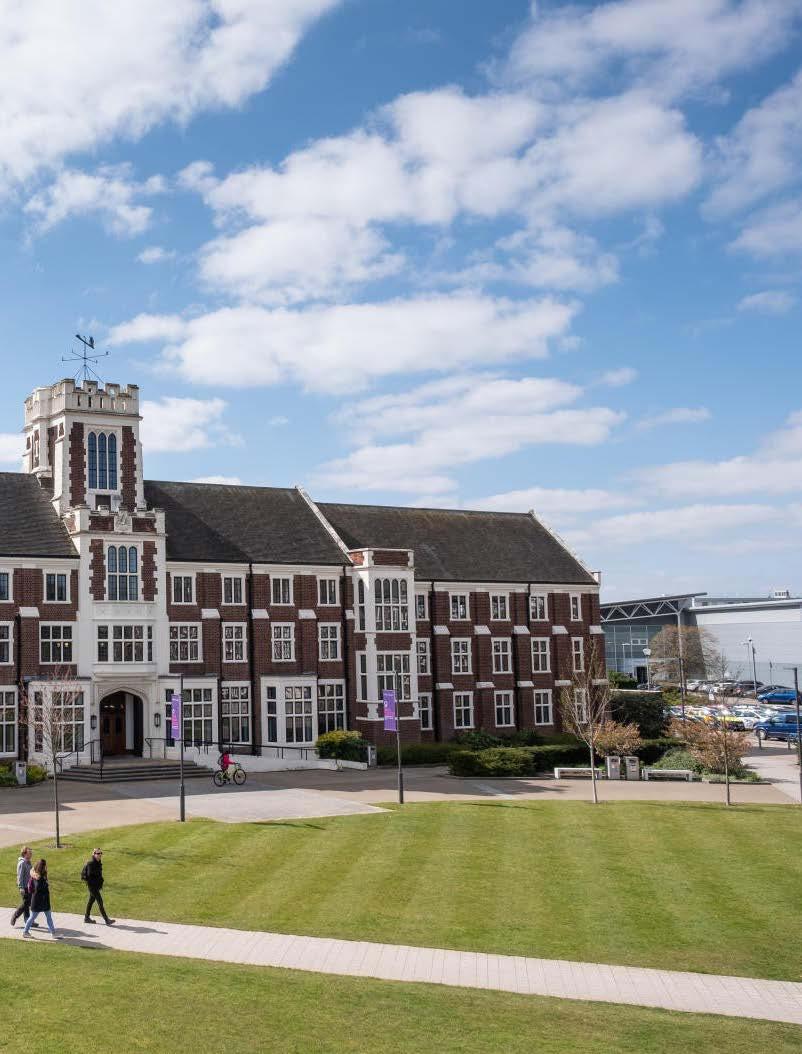
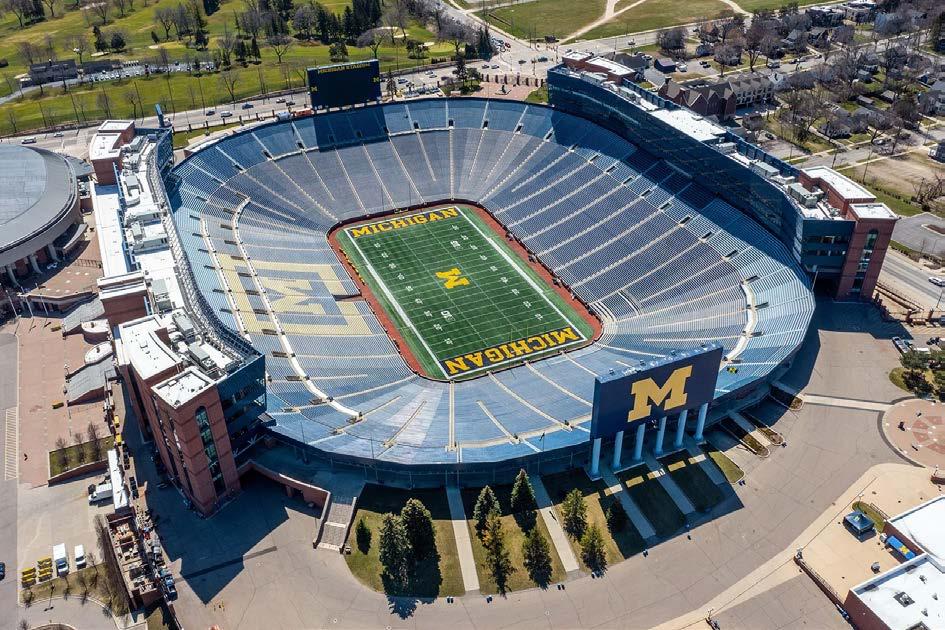
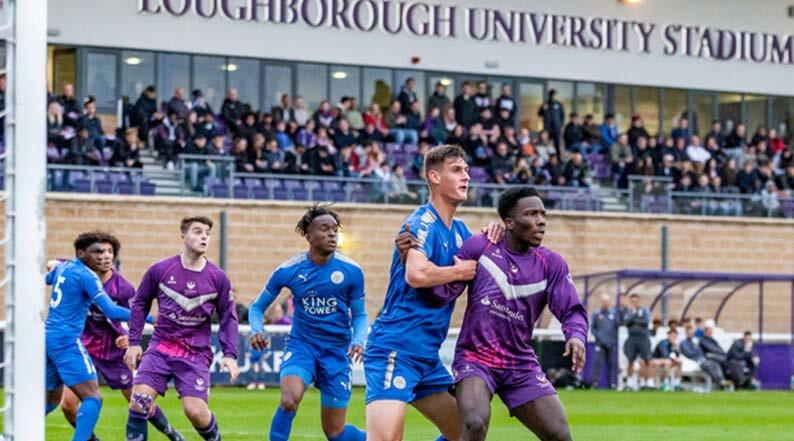
Finally, the rise of educational programs tailored to sports management has fuelled the trend. Universities and online platforms now offer degrees and certifications in sports administration, sports marketing, and event management, equipping aspiring professionals with the tools they need to succeed. For example, institutions like the University of Michigan and Loughborough University have become hubs for training the next generation of sports industry leaders.
Why a Career in Sports Management is Beneficial
Opting for a career in sports management offers a range of benefits, both personal and professional, that make it a compelling choice in today’s job market.
PASSION MEETS PURPOSE: For those who live and breathe sports, this career provides a way to stay connected to the games they love while making a tangible impact. Whether it’s negotiating a multimillion-dollar sponsorship or organizing a championship event, sports managers play a pivotal role in bringing the excitement of sports to life.
DIVERSE OPPORTUNITIES: The field is incredibly versatile, offering roles in team management, athlete representation, facility operations, marketing, and more. This variety allows individuals to find a niche that aligns with their skills—whether they’re drawn to data-driven analytics, creative branding, or high-stakes negotiations.
GLOBAL REACH AND INFLUENCE:
Modern sports are a worldwide phenomenon, and sports management professionals often work on an international stage. Managing a Premier League football club, coordinating an Olympic event, or expanding an esports league into new markets are just a few examples of how this career can transcend borders.
FINANCIAL REWARDS: As the sports industry grows, so do the earning potential for its managers. While entry-level positions may start modestly, experienced professionals— especially those in high-profile roles like general managers or directors of major events—can command six-figure salaries or more, particularly in lucrative markets like the United States or Europe.
INNOVATION AND TECHNOLOGY:
Sports management is at the forefront of technological advancement. From using data analytics to optimize team performance to leveraging virtual reality for fan experiences, professionals in this field get to work with cutting-edge tools, appealing to those with an interest in innovation.
JOB SATISFACTION AND IMPACT:
Few careers offer the chance to blend personal passion with societal influence. Sports managers contribute to building communities,
inspiring athletes, and creating memorable experiences for fans, fostering a sense of fulfilment that’s hard to replicate in other industries.
CHALLENGES AND CONSIDERATIONS:
Of course, the field isn’t without its hurdles. Sports management often demands long hours, especially during game seasons or major events, and the pressure to deliver results can be intense. Competition for top roles is fierce, requiring dedication, networking, and often a willingness to start
at the grassroots level. Yet, for those with resilience and a strategic mindset, these challenges are outweighed by the rewards.
The Future of Sports Management
As sports continue to evolve, so too will the opportunities in sports management. The rise of sustainability initiatives, such as ecofriendly stadiums, and the integration of artificial intelligence in decision-making are just a glimpse of what’s ahead. For individuals
entering the field now, the chance to shape these trends offers an exciting prospect. The growing trend of people choosing careers in sports management reflects the industry’s transformation into a powerhouse of opportunity. It’s a path that combines passion, practicality, and potential, offering a chance to turn a love for sports into a thriving profession. For those willing to embrace its challenges and seize its possibilities, sports management is more than just a job—it’s a front-row seat to the future of an industry that captivates the world.
The Top Universities for Sports Management
Based on global reputation, program quality, and industry recognition, here are five of the best universities offering courses in sports management or related fields.
UNIVERSITY OF MICHIGAN (ANN ARBOR, USA)
The University of Michigan offers a highly regarded Bachelor of Arts in Sport Management through its School of Kinesiology. Known for its strong curriculum blending business and sports, it covers areas like sports marketing, finance, and law. The program benefits from the university’s top-tier athletic programs and extensive alumni network, making it a leader in the field.
LOUGHBOROUGH UNIVERSITY (LOUGHBOROUGH, UK)
Loughborough is widely recognised as one of the best universities for sports-related studies worldwide. Its BSc in Sport Management and MSc in Sport Management are standout programs, offering practical experience, cuttingedge research, and strong ties to the UK sports industry. The university’s focus on sports science and management makes it a top choice.
UNIVERSITY OF MASSACHUSETTS AMHERST (AMHERST, USA)
Through the Mark H. McCormack Department of Sport Management at the Isenberg School of Management, UMass Amherst offers BS, MS, and PhD programs in sports management. It’s renowned for its innovative curriculum, internship opportunities, and a legacy tied to sports management pioneer Mark McCormack, attracting students aiming for high-impact careers.
OHIO UNIVERSITY (ATHENS, USA)
Ohio University’s Sports Administration program, offered since 1966, is one of the oldest and most respected in the world. Its Master of Sports Administration (MSA) and undergraduate options emphasize realworld experience, with alumni holding prominent roles in organizations like the NFL and FIFA. The online MSA is also a popular choice for working professionals.
UNIVERSITY OF TECHNOLOGY SYDNEY (UTS) (SYDNEY, AUSTRALIA)
UTS offers a Bachelor of Sport and Exercise Management and a Master
of Sports Management, blending business principles with sports industry applications. Known for its modern facilities and partnerships with Australian sports organizations, it’s a rising star in the Asia-Pacific region for sports education.
These universities stand out for their comprehensive programs, industry connections, and ability to prepare students for diverse roles in the evolving sports landscape. Rankings and preferences may vary depending on specific career goals or regional focus, but these institutions consistently excel in sports-related education.
THE PICKLEBALL INDIAN OPEN 2025 A GrAnd SlA m for the Sport in indiA
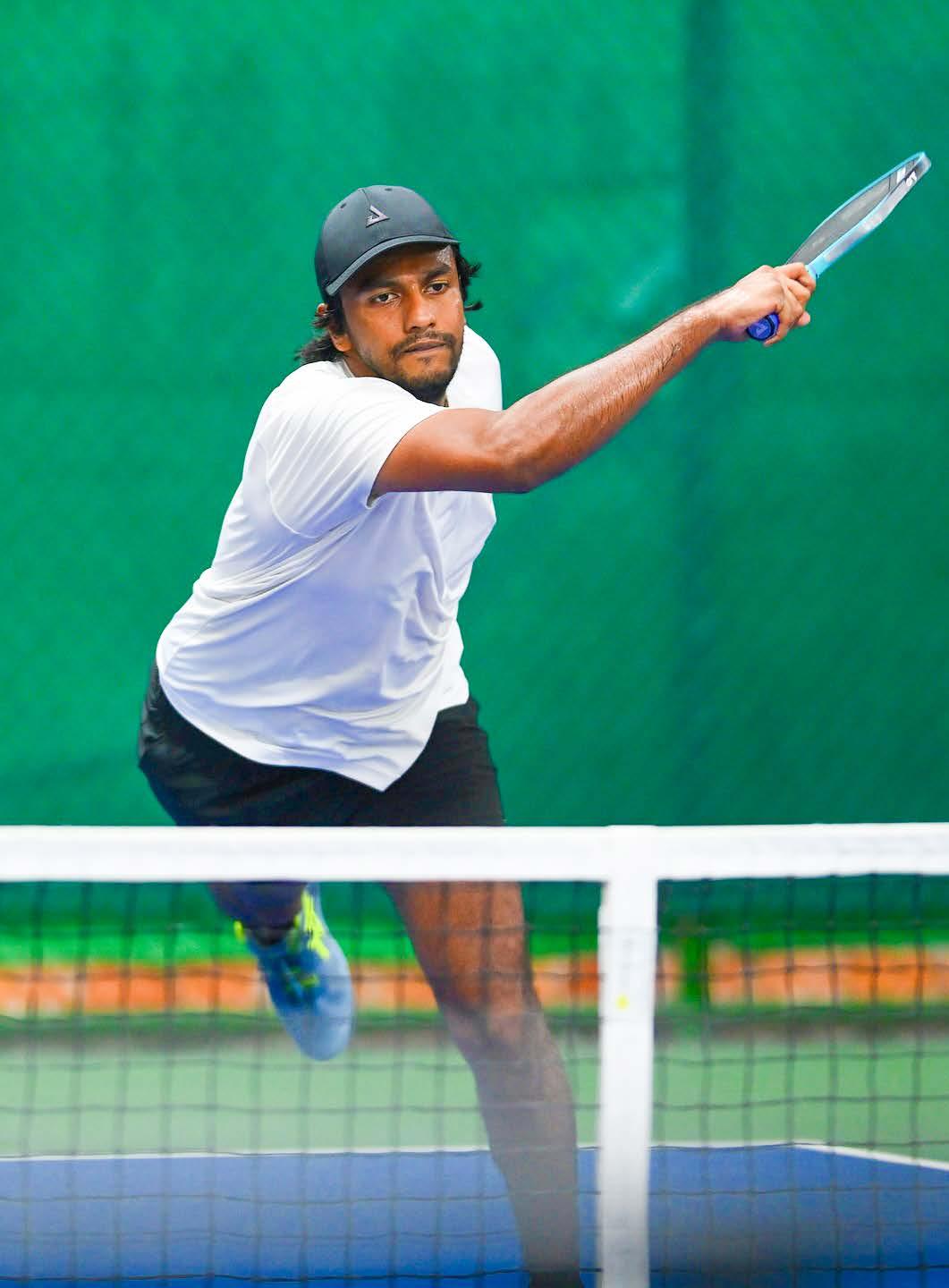
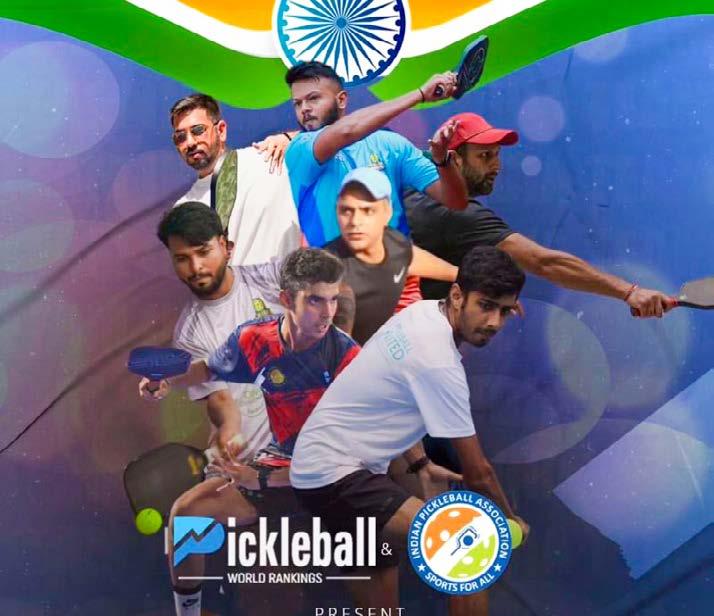
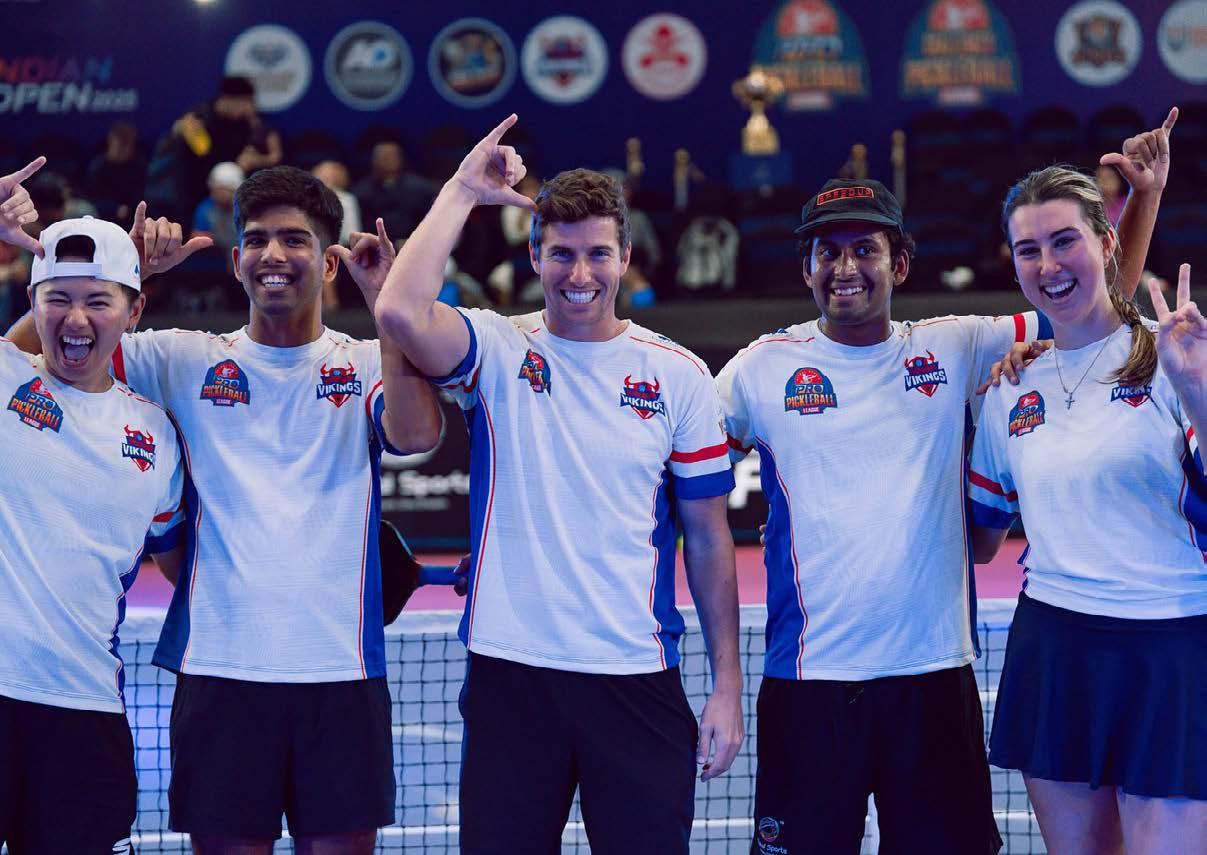
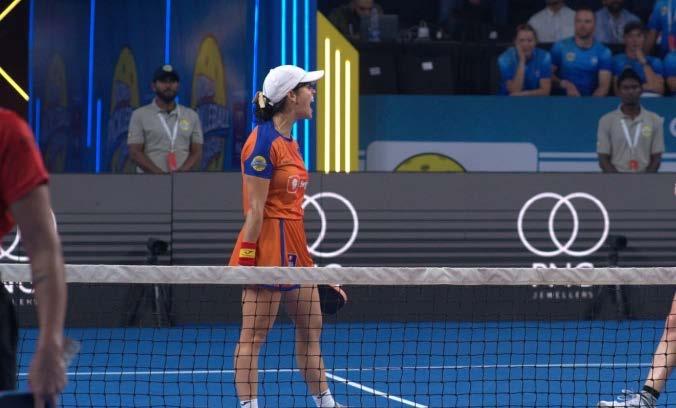
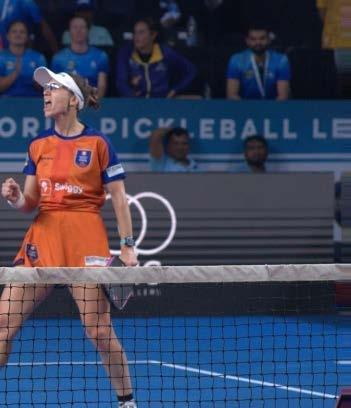
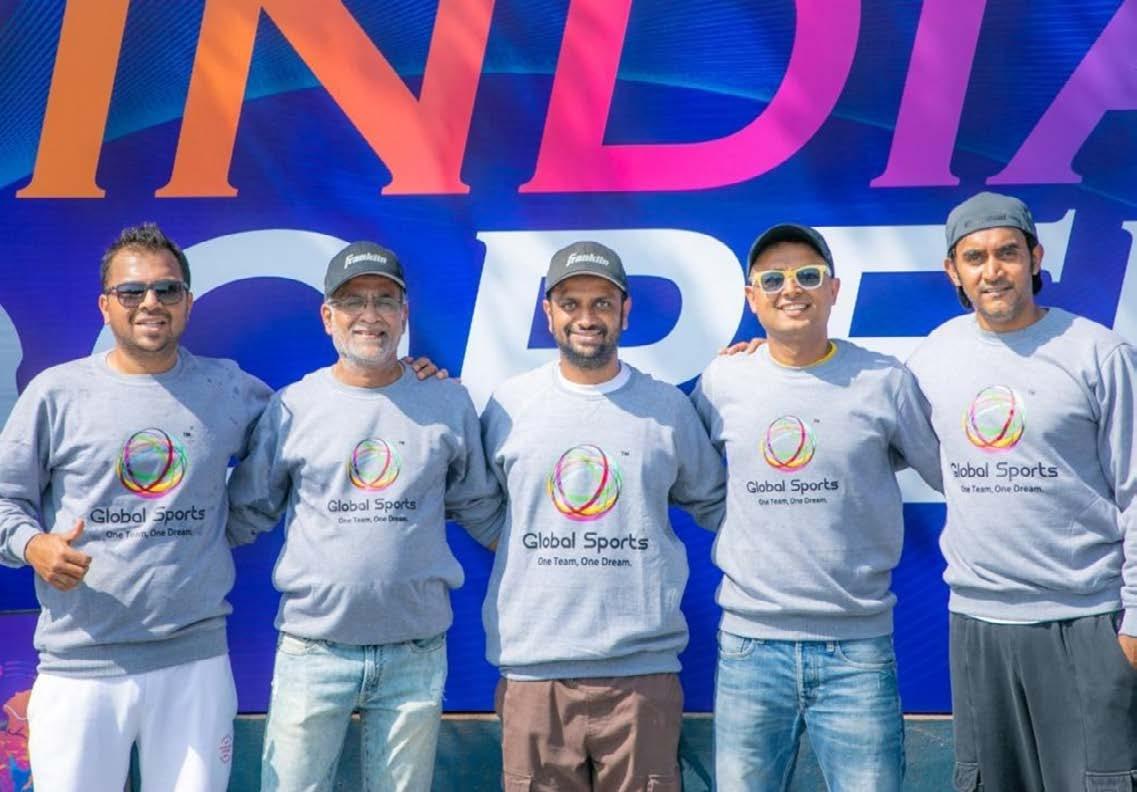
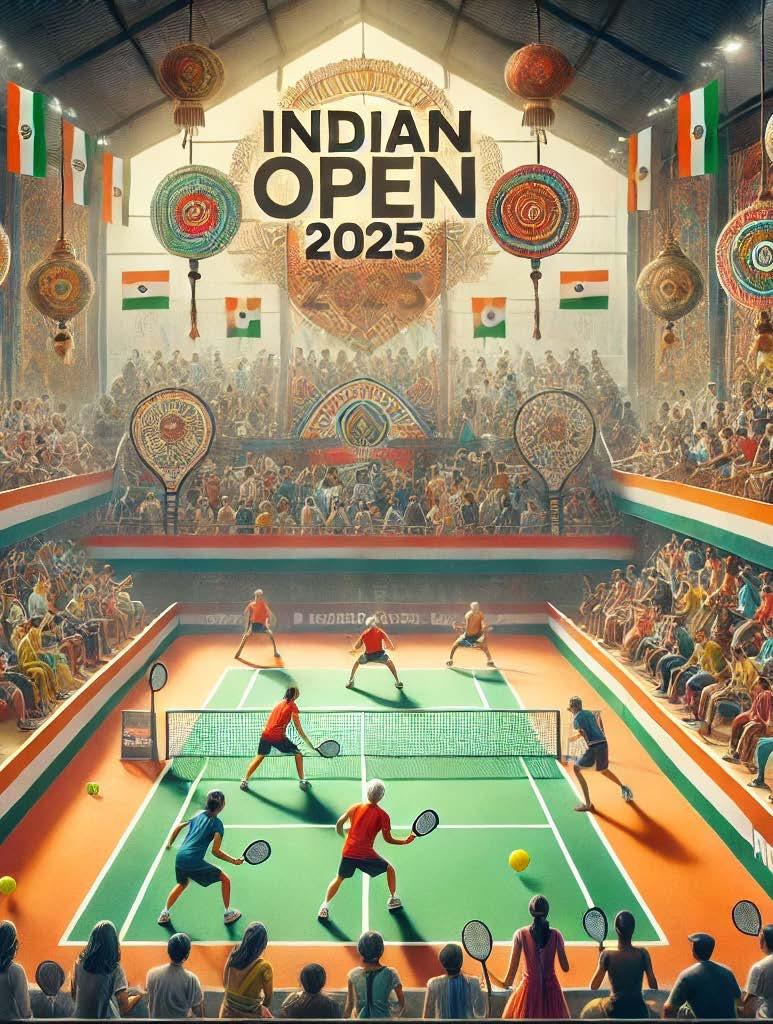
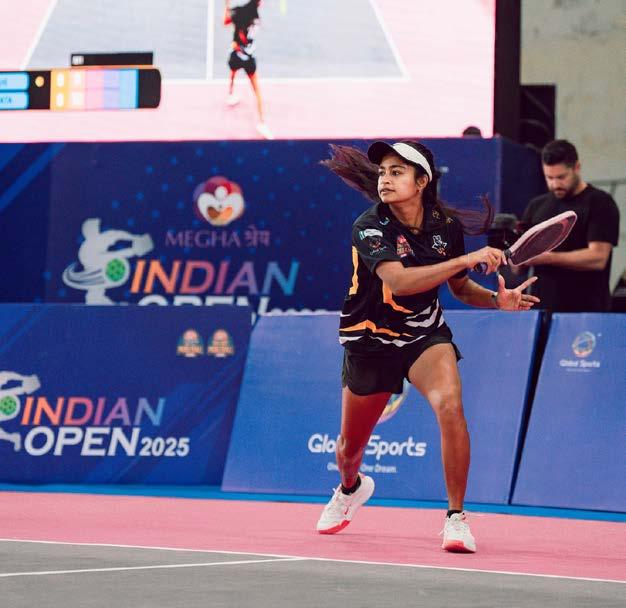
The Pickleball Indian Open 2025 concluded on February 9, 2025, leaving an indelible mark on India’s sporting landscape. Held at NESCO Hall 3 in Goregaon, Mumbai, from February 3 to February 9, this electrifying tournament brought together over 1,300 players from across India and the globe, competing in more than 3,000 matches. Organized by Global Sports, the event showcased the rapid rise of pickleball in India, cementing its status as one of the country’s fastest-growing sports.
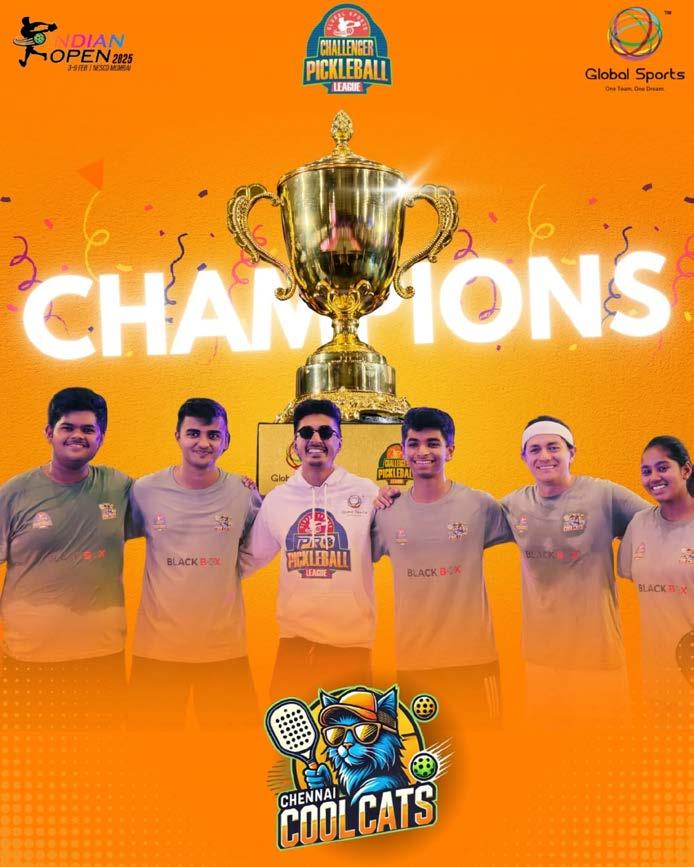
The grand finale on February 9 was a spectacle of high stakes and unwavering determination. Teams like the Delhi Snipers and Chennai Cool Cats emerged as dominant forces, clinching titles in the Pro and Challenger Leagues, respectively. The Kolkata Kingz also made their presence felt, securing podium finishes and adding to the competitive fervor.
RISING STARS AND GLOBAL TALENT
The Indian Open 2025 wasn’t just a platform for established players—it also spotlighted emerging talents and international stars. Nineteen-year-old American professional Aidan Schenk, hailing from Los Angeles, dazzled audiences with his focused play and
strategic prowess. Partnering with Spencer Lenier, Schenk secured a doubles victory, later reflecting, “My partners playing well helped me play better during all our games. Our team was incredible, and I definitely look forward to coming back for the next season in 2026.” Roos Van Reek also shone brightly, claiming a double victory that underscored her versatility and skill. On the Indian front,
players like Himansh Mehta of the Jaipur Jawans and Stavya Bhasin from the Chennai Cool Cats showcased the country’s growing pickleball prowess. Mehta, a medalist at the World Cup of Pickleball in Peru, and Bhasin, a standout at the USA Open Pickleball Championships, proved that India is producing talent capable of competing on the global stage.
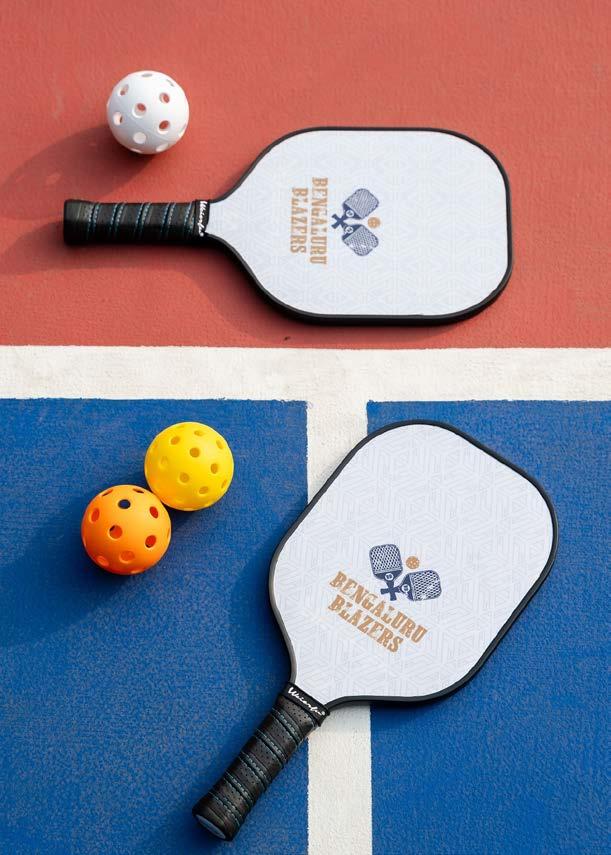
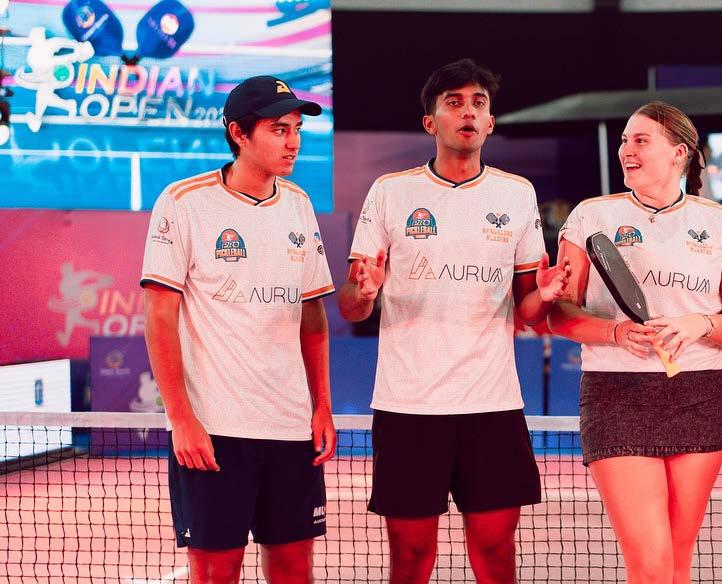
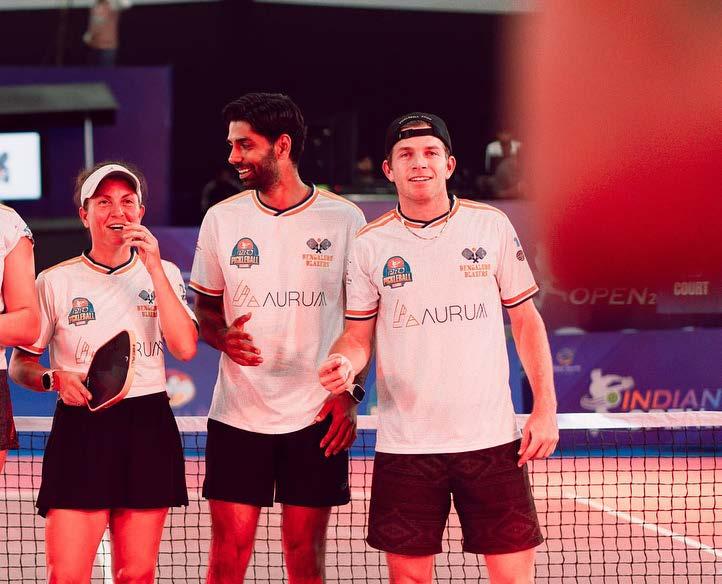
The Bengaluru Blazers’ duo of Shraddha Damani and Rohin Rajani also set a new standard for doubles play with their seamless synergy.
CELEBRITY SUPPORT AND CULTURAL IMPACT
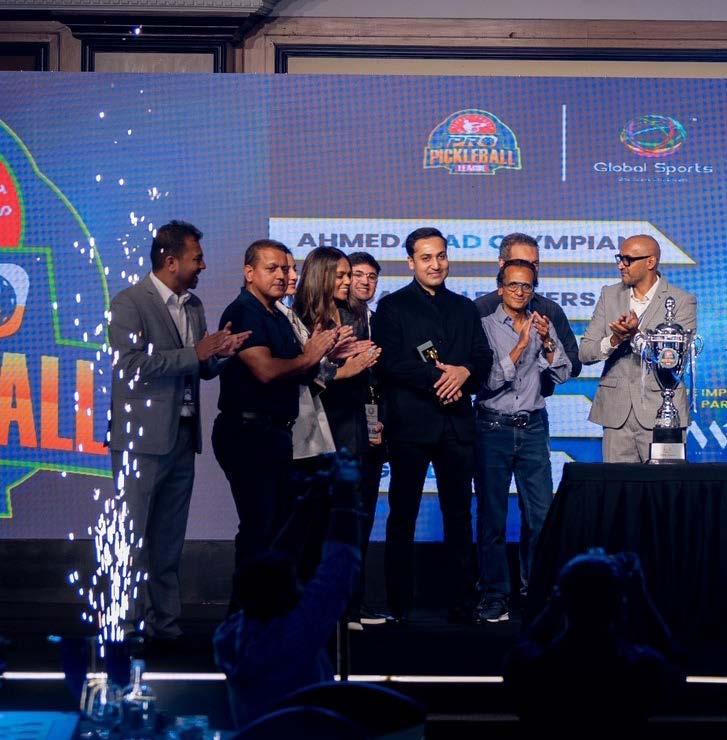
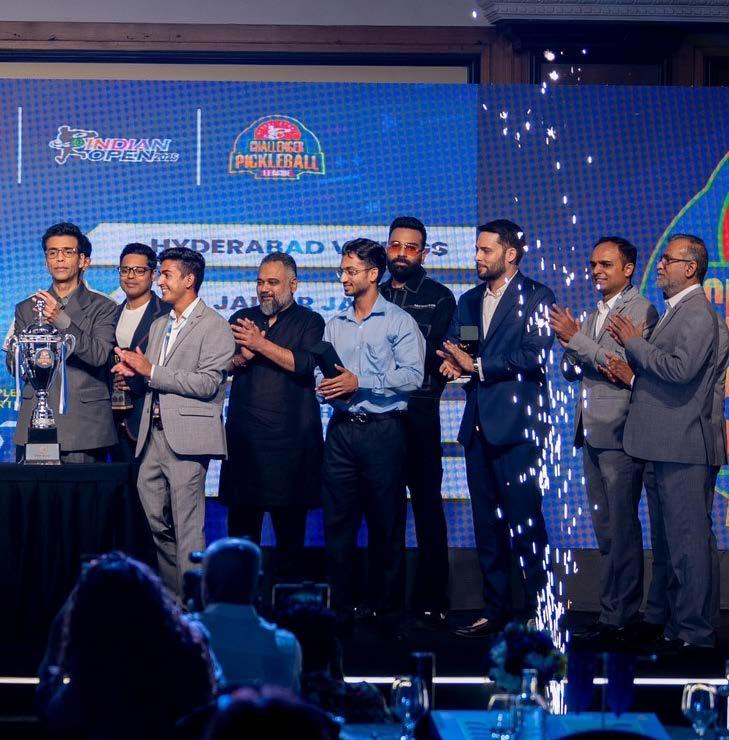
This year’s tournament was distinctive for its celebrity involvement. Bollywood luminaries and business tycoons lent their names and support to the teams, adding a layer of glamour and excitement. Karan Johar, serving as the brand ambassador, alongside team owners like Janhvi Kapoor of Mumbai Chhatrapati Warriors, Amrita Deora of Bengaluru Blazers, and Anmol Patel of Ahmedabad Olympians, brought a unique blend of entertainment and sportsmanship to the event. Other notable team owners included Akshay Reddy for Hyderabad Vikings, Luv Ranjan for Jaipur Jawans, and Dhruv Mehta for Kolkata Kingz, showcasing a diverse investment in the sport’s future.
THE TEAMS THAT LIT THE COMPETITION ON FIRE
Mumbai Chhatrapati Warriors - Owned by Janhvi Kapoor.
Ahmedabad Olympians - Owned by Anmol Patel and Aditya Gandhi.
Bengaluru Blazers - Owned by Amrita Deora. Chennai Cool Cats - Owned by Anshuman Ruia, Radhika Ruia, and Yudi Ruia.
Delhi Snipers - Owned by Jai Gandhi, Krysh, and Karyna Bajaj.
Goa Gladiators - Owned by Samrat Zaveri, Atul Rawat, Rajesh Advani, and Sachin Bhansali.
Hyderabad Vikings - Owned by Akshay Reddy.
Jaipur Jawans - Owned by Luv Ranjan and Anubhav Singh Bassi.
Kolkata Kingz - Owned by Dhruv Mehta, Varun Vora, Rohan Khemka, and Shivaan Ghai.
Nashik Ninjas - Owned by Karishma Thakker.
Adding a touch of glamour to the proceedings, Bollywood director Karan Johar and actor Kunal Khemu joined the stands on February 8 to cheer on the players. Their presence highlighted pickleball’s growing cultural significance in India, bridging the gap between sports and entertainment. Union Minister Jyotiraditya Scindia also embraced the sport, playing pickleball at the MP Sports Festival shortly after the tournament, further amplifying its visibility.
WHY PICKLEBALL IS TAKING INDIA BY STORM
Pickleball’s meteoric rise in India can be attributed to its simplicity, accessibility, and inclusivity. Combining elements of tennis, badminton, and table tennis, the sport is easy to pick up yet challenging to master, making it appealing to a wide range of players. Adults aged 30 to 50 have flocked to it as a social weekend activity, while younger athletes aged 15 to 25 see it as a viable career option, inspired by the success of professionals at events like the Indian Open. Experts at the ET Now Global
Business Summit 2025, held shortly after the tournament, predicted an even brighter future for the sport. Former tennis player Aditya Khanna boldly claimed, “After the USA, India is the most played pickleball nation in the world. And in the coming years, pickleball will gain more popularity in India than cricket.” Pranav Kohli, CEO of Pickleball World Rankings (PWR), echoed this optimism, expressing confidence that pickleball could become an Olympic sport by 2036, when India is expected to host the Games.
IMPACT AND LEGACY
The Pickleball Indian Open 2025 did more than just entertain; it catalyzed the growth of pickleball in India. With live streaming on FanCode and broadcasts on Sony Sports Network, the tournament reached millions, introducing the sport to new audiences. The involvement of celebrities and the substantial prize pool underscored the sport’s potential for commercial success and cultural integration in India.
This tournament also highlighted the need for more infrastructure and grassroots programs for pickleball. The success in Mumbai has sparked discussions about hosting similar events in other cities, potentially leading to a nationwide league system.
A BENCHMARK FOR THE FUTURE
The Indian Open 2025 not only showcased top-tier competition but also strengthened the pickleball community in India. With an estimated 100,000 courts worldwide by 2025—up from 20,000 in 2020—the sport’s infrastructure is expanding rapidly, and India is poised to play a leading role. However, challenges remain, including the need for more dedicated courts, school programs, and government support to unlock its full potential. Global Sports has set a high standard with this tournament,
blending professional excellence with a festive atmosphere. As the dust settles on the 2025 edition, anticipation is already building for the next season in 2026, with promises of an even bigger, better, and more competitive showdown. The Pickleball Indian Open 2025 was more than just a tournament—it was a celebration of a sport that’s quickly becoming a national sensation. From the electrifying rallies to the inspiring stories of its players, the event underscored India’s emergence as a global pickleball powerhouse. As more Indians pick up the paddle, the future looks bright for this dynamic sport, with the Indian Open serving as a beacon of its potential. Whether you’re a casual player or an aspiring pro, one thing is clear: pickleball is here to stay, and India is ready to lead the charge.
DAZN MENA
The Cornerstone Of Surj’s $ Billion Dazn Venture
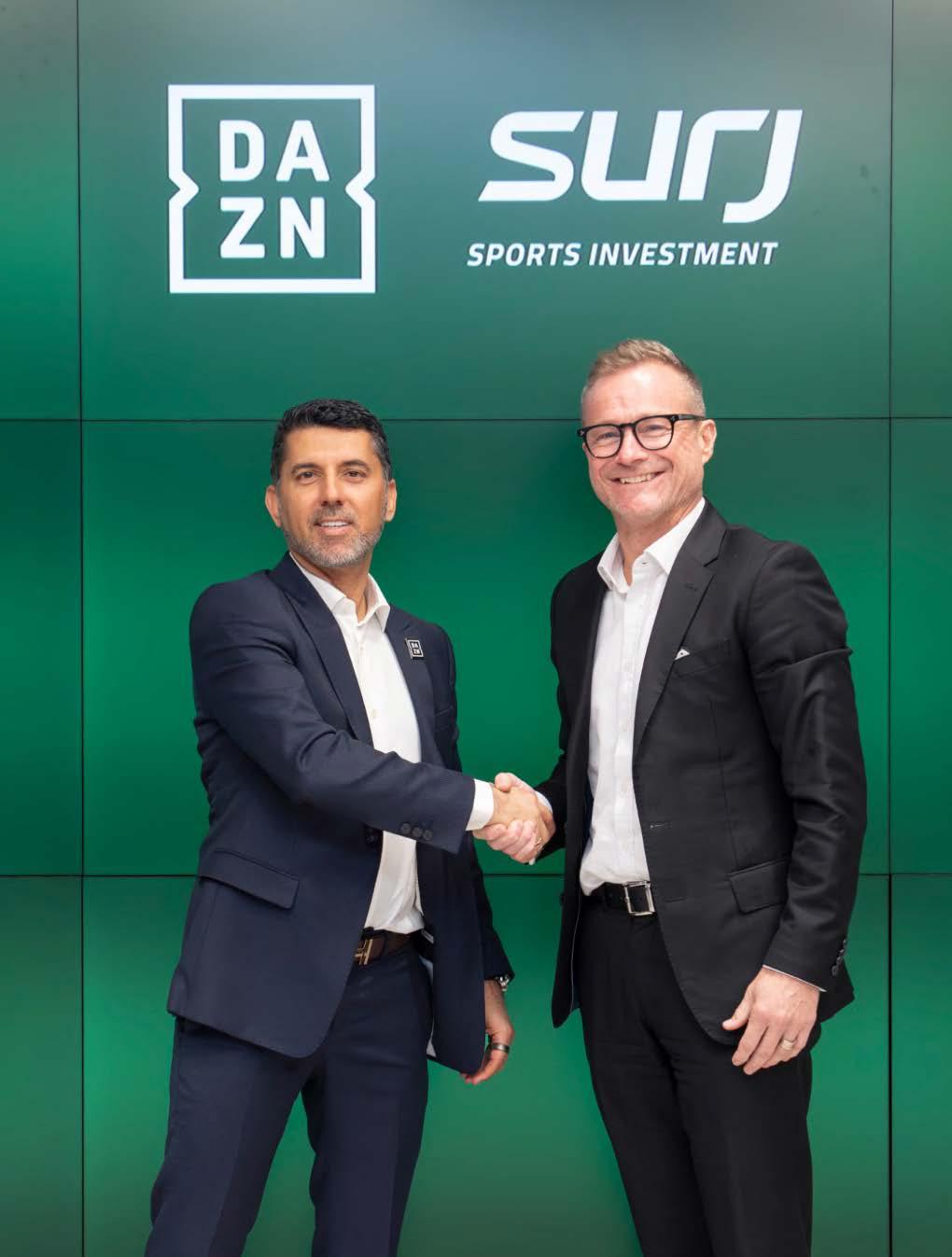
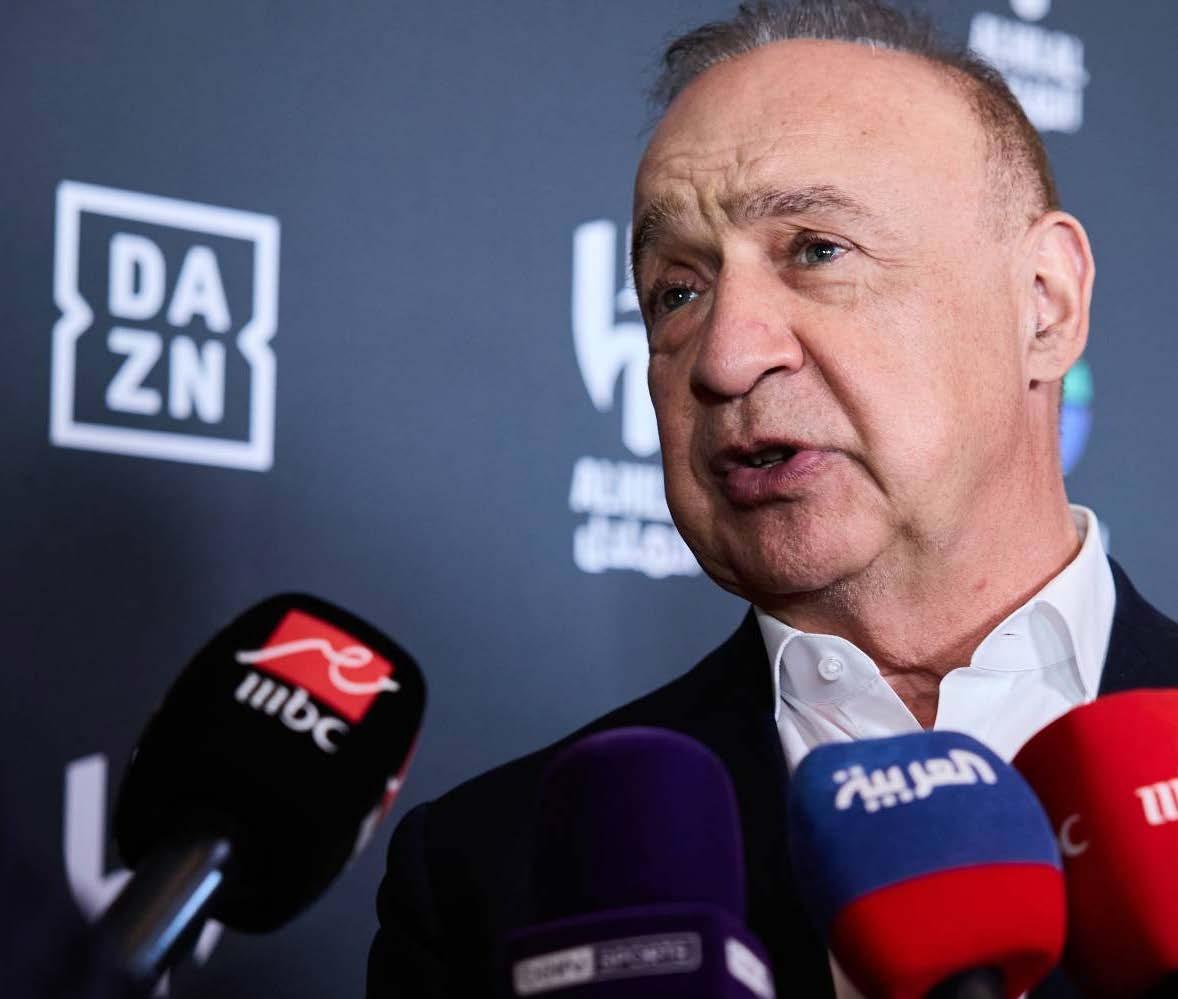
In a landmark move for the global sports broadcasting landscape, Saudi Arabia’s SURJ Sports Investment, a subsidiary of the nation’s sovereign wealth fund, the Public Investment Fund (PIF), has acquired a minority stake in DAZN, the London-based sports streaming giant often dubbed the “Netflix of sports.” This deal, finalized in February 2025 and widely reported to be worth $1 billion, not only injects significant capital into DAZN but also establishes a transformative joint venture: DAZN MENA. This new entity is poised to become the focal point of the investment, aiming to reshape sports entertainment across the Middle East and North Africa (MENA) region while amplifying Saudi Arabia’s growing influence in the global sports industry.
The Deal: a STraTegic ParTnerShiP
The agreement between SURJ and DAZN marks a pivotal moment for both entities. For DAZN, which has been navigating financial challenges despite its aggressive expansion, the $1 billion investment provides a muchneeded lifeline. The company, backed by billionaire Len Blavatnik, reported a $1.43 billion pre-tax loss in 2023, driven largely by its hefty $3.1 billion expenditure on sports rights. While DAZN’s revenue grew to $2.86 billion that year, its operational costs have consistently outpaced income, making this Saudi investment a critical step toward stabilizing its finances.
For SURJ, the deal aligns with its mandate, launched in 2023, to bolster Saudi Arabia’s sports ecosystem while extending its reach internationally.
The reported acquisition of a 10% stake in DAZN positions SURJ as a key player in the global sports media market. However, the true centerpiece of this partnership is the creation of DAZN MENA, a joint venture designed to serve as the official streaming and broadcast partner for Saudi sports events, delivering live and on-demand content to audiences across the MENA region and beyond.
DaZn Mena: a ViSion for regional DoMinance
DAZN MENA is more than just a regional offshoot of its parent platform—it represents a strategic effort to capitalize on the MENA region’s burgeoning demand for high-quality sports content. With DAZN already
operating in over 200 markets worldwide and streaming more than 90,000 live events annually, the joint venture leverages the company’s technological expertise and extensive rights portfolio to cater to a region where sports fandom is rapidly growing. The partnership aims to “unlock new broadcasting opportunities for Saudi Arabia’s growing sports sector,” according to statements from both SURJ and DAZN leadership.
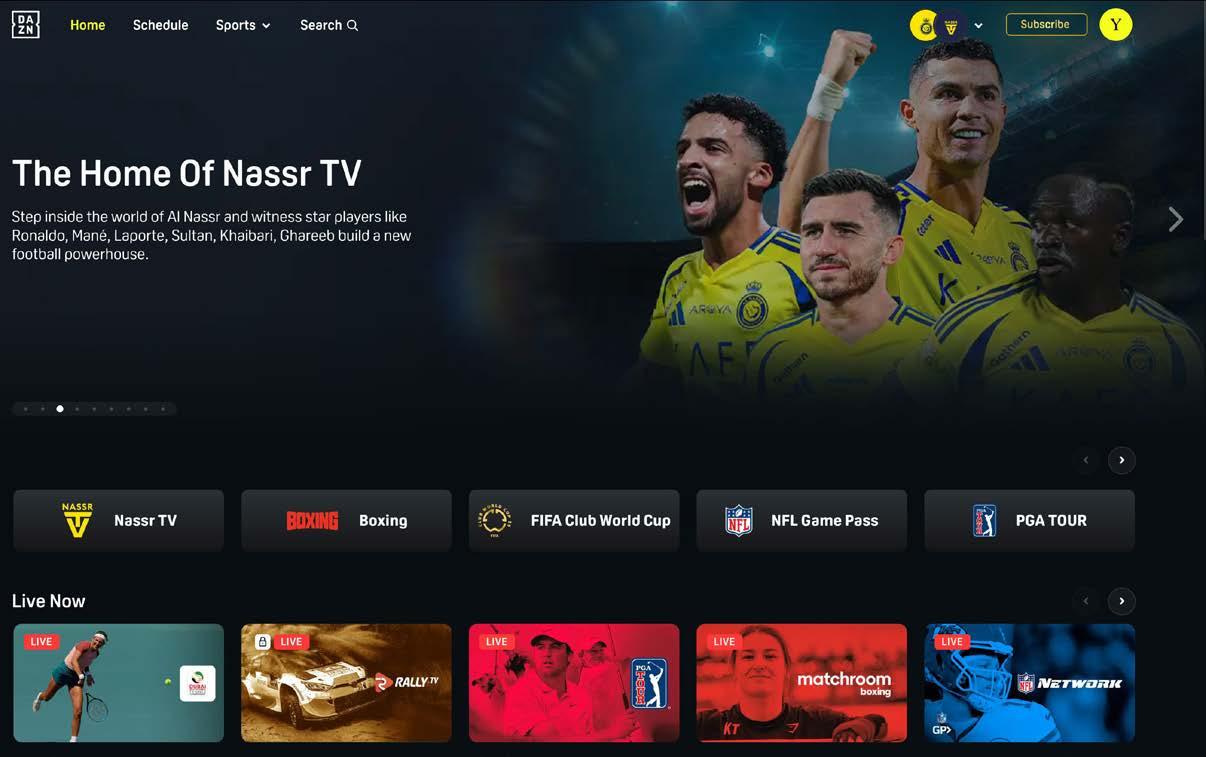
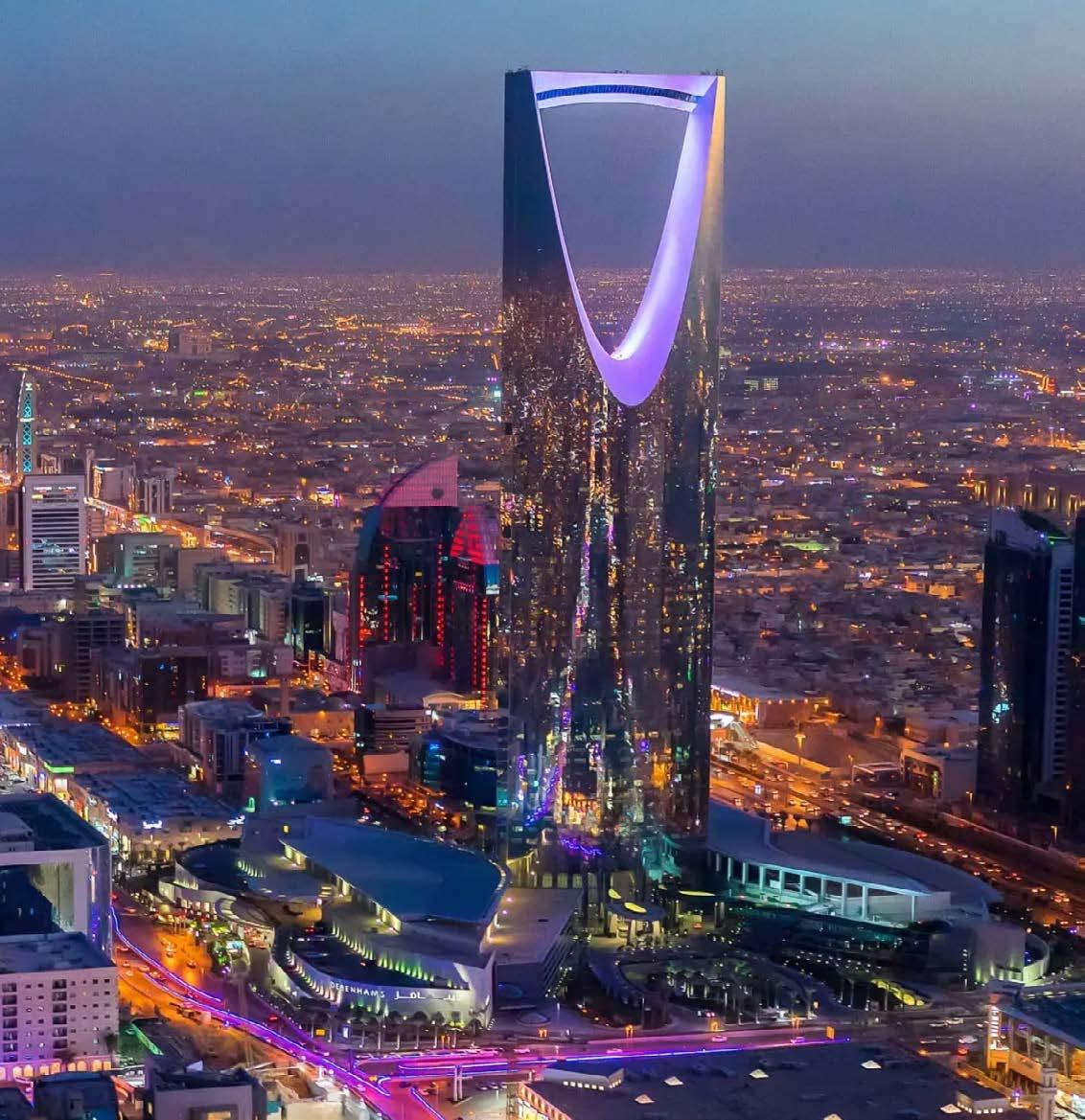
Saudi Arabia’s ambitions in sports are no secret. The kingdom has made significant investments in soccer, boxing, tennis, and golf in recent years, including hosting high-profile events like Riyadh Season and securing the 2034 FIFA World Cup. DAZN MENA will build on this momentum, serving as a platform to showcase Saudi-based events—such as the Saudi Pro League and elite boxing matches—to a global audience. The joint venture also positions DAZN as a direct competitor to beIN Sports, the Qatar-based broadcaster that has long dominated the MENA sports media landscape.
WhaT’S in iT for BoTh SiDeS ?
For DAZN, the partnership offers financial relief and a foothold in a strategically important market. The $1 billion infusion helps offset the company’s mounting sports rights commitments, which include a $1 billion deal for the 2025 FIFA Club World Cup and the recent $2.2 billion acquisition of Australia’s Foxtel. Moreover, DAZN MENA allows the streamer to deepen its existing ties with Saudi Arabia, where it already broadcasts events like Riyadh Season Boxing and the Esports World Cup. CEO Shay Segev has described the deal as a “milestone partnership”
that will “transform the sports entertainment landscape in Saudi Arabia and the wider region,” emphasizing DAZN’s commitment to maximizing accessibility for fans. For SURJ and Saudi Arabia, DAZN MENA is a tool to advance the kingdom’s Vision 2030 goals, which prioritize sports as a driver of economic diversification and global prestige. By partnering with DAZN, SURJ gains access to a world-class platform to amplify Saudi sports content, from domestic leagues to international spectacles hosted in the kingdom. SURJ CEO Danny Townsend highlighted the investment’s potential to “drive fan engagement, encourage sports participation, and further showcase the region as a destination for world-class sports.” The deal also aligns with Saudi Arabia’s broader strategy of leveraging media to rival regional powers like Qatar, with DAZN MENA posing a challenge to beIN Sports’ regional dominance.
The BroaDer iMPlicaTionS
The establishment of DAZN MENA could have far-reaching effects on the sports broadcasting industry. In the MENA region, where streaming adoption is accelerating, the joint venture taps into a young, tech-savvy audience eager for accessible, high-quality sports content. By offering both live and on-demand programming, DAZN MENA has the potential to redefine how fans engage with sports, much as DAZN has done globally with its subscription-based model.
Globally, the deal underscores Saudi Arabia’s growing clout in sports and entertainment. With PIF’s backing, SURJ is following a playbook seen in ventures like LIV Golf and the acquisition of Newcastle United, using financial muscle to secure influence in high-profile sectors. The $1 billion investment in DAZN is a relatively modest sum for PIF, which manages assets worth over $925 billion, but its strategic impact could be profound, particularly as DAZN aims to build a $200 billion global media empire.
The DouBTS SurrounDing The Deal
Despite its promise, DAZN MENA faces challenges. DAZN’s history of financial losses raises questions about the joint venture’s long-term sustainability, especially if it mirrors the parent company’s aggressive spending on rights. Competition with beIN Sports, deeply entrenched in the MENA market, will also test DAZN MENA’s ability to attract subscribers and secure exclusive content. Additionally, the lack of detailed public information about the joint venture’s structure and offerings leaves some uncertainty about its immediate impact.
DAZN MENA stands as the focal point of SURJ’s $1 billion investment in DAZN, embodying a shared vision to revolutionize sports broadcasting in the MENA region. For DAZN, it’s a chance to stabilize its finances and expand its global footprint. For Saudi Arabia, it’s a step toward cementing its status as a sports powerhouse. As the joint venture takes shape, its success will hinge on delivering compelling content to an eager audience while navigating the complexities of a competitive market. If it succeeds, DAZN MENA could indeed transform the sports entertainment landscape—not just in the Middle East, but on the world stage.
THE NIGHT THE UNTHINKABLE HAPPENED BUSTER DOUGLAS SHOCKS MIKE TYSON
On February 11, 1990, the Tokyo Dome in Japan became the stage for one of the most staggering upsets in sports history. James “Buster” Douglas, a relatively unheralded heavyweight boxer with 42-1 odds stacked against him, stepped into the ring against the seemingly invincible
Mike Tyson—and walked out as the new heavyweight champion of the world. In a fight that defied all expectations, Douglas knocked out Tyson in the 10th round, ending the champion’s 37-fight unbeaten streak and etching an indelible mark in the annals of boxing lore.
The Iron Mike Mythos
At the time, Mike Tyson was more than a boxer; he was a cultural phenomenon. The 23-year-old from Brooklyn had stormed through the heavyweight division with a ferocity that left opponents broken and spectators in awe. With a record of 37-0, including 33 knockouts, Tyson had claimed the WBC, WBA, and IBF heavyweight titles, unifying the division by 1987 and defending them with ruthless efficiency. His aura of invincibility was palpable—he was “Iron Mike,” the baddest man on the planet, a force of nature who seemed destined to reign indefinitely.
In contrast, Buster Douglas was seen as little more than a stepping stone. The 29-year-old from Columbus, Ohio, carried a respectable but unspectacular record of 29-4-1 into the fight. Oddsmakers dismissed him outright; Las Vegas sportsbooks offered astronomical 42-1 odds against him, a reflection of the nearuniversal belief that Tyson would dispatch him as he had so many others. Douglas, a skilled but inconsistent fighter, had never faced an opponent of Tyson’s calibre, and few gave him a chance to survive, let alone win.
A Fight Fuelled by Heart
Yet, beneath the surface, the dynamics were more complex. Tyson’s preparation for the bout was reportedly lacklustre—he later admitted to underestimating Douglas and indulging in Tokyo’s nightlife rather than focusing on training. Douglas, meanwhile, was driven by personal tragedy and resolve. Just 23 days before the fight, his mother, Lula Pearl, had passed away, and he channelled
his grief into a singular focus. He trained with an intensity that belied his underdog status, determined to honour her memory.
When the bell rang, the disparity in preparation became evident. Douglas, standing 6-foot-4 with an 83-inch reach, used his jab and movement to keep the shorter, more aggressive Tyson at bay. For nine rounds, he weathered Tyson’s onslaught, landing crisp combinations and showing resilience that surprised even the most optimistic observers. In the eighth round, Tyson rocked Douglas with a devastating uppercut, sending him to the canvas. The
referee’s count was slow and controversial—some argued Douglas was down for more than 10 seconds—but he rose at nine, clinging to survival.
The Knockout Heard Around the World
The turning point came in the 10th round. Douglas, fuelled by adrenaline and purpose, unleashed a ferocious sequence: a sharp right uppercut snapped Tyson’s head
back, followed by a flurry of punches that staggered the champion. As Tyson stumbled, Douglas delivered a crushing left hook, sending “Iron Mike” crashing to the mat for the first time in his professional career. Tyson, dazed and disoriented, fumbled for his mouthpiece as referee Octavio Meyran counted him out at 1:22 of the round. The Tokyo Dome erupted in stunned silence, then chaos, as the unimaginable became reality. At 11:30 p.m. local time, Douglas was declared the winner by knockout, claiming the WBC, WBA, and IBF heavyweight titles. The 42-1 underdog had done the impossible, toppling a giant and rewriting the script of boxing history.
The Aftermath and Legacy
The fallout was immediate and seismic. Tyson’s mystique, so carefully cultivated, crumbled overnight. Questions swirled about his focus, his team, and his future. For Douglas, the victory was bittersweet. He basked briefly in the glow of triumph, but his reign as champion lasted just eight months—he lost the titles to Evander Holyfield in his first defence on October 25, 1990. Douglas retired in 1999 with a record of 38-6-1, never again reaching the heights of that Tokyo night.
For Tyson, the loss marked the beginning of a tumultuous decline. He would reclaim the heavyweight title in 1996, but the aura of invincibility was gone forever. The defeat exposed vulnerabilities—both in the ring and in his personal life—that would define the next chapter of his career.
A Defining Moment in Sports
Thirty-five years later, February 11, 1990, remains a touchstone in sports history— not just for boxing, but for the sheer audacity of the upset. It’s a testament to the unpredictability of competition, where odds and reputations can dissolve in the face of determination and opportunity. Buster Douglas’s victory over Mike Tyson transcends statistics; it’s a story of an underdog who seized his moment, delivering a knockout that still echoes as one of the greatest shocks the sporting world has ever seen.
“It was an amazing dream,” Douglas said of that February 11th, 1990, knockout. Buster was given little or no chance of surviving more than a handful of rounds against the fearsome Tyson, who was undefeated as a champion. That fight in Tokyo was considered as a easy and mere stepping stone for Mike Tyson, prior to an expected and very much anticipated fight against Evander Holyfield. When reminded that no one thought he had a chance to defeat Tyson, James said, “My Mother believes in me!”
As we look back from 2025, that night in Tokyo stands as a reminder: in sports, as in life, the improbable can become immortal.
The Esports World Cup 2025
A Landmark in Gaming History
Set against the backdrop of Riyadh, Saudi Arabia, the Esports World Cup (EWC) 2025 is poised to redefine the standard for international gaming tournaments. Following the success of its inaugural event in 2024, the EWC 2025 promises an expanded roster of games, increased prize pools, and innovative competition formats that cater to a diverse range of gaming enthusiasts worldwide. Get ready, gamers! The Esports World Cup (EWC) 2025 is about to blow your mind, and it’s all going down in the vibrant city of Riyadh! This isn’t just another tournament; it’s the gaming event of the year, where legends will be made, and the world will watch in awe.
Event Overview
The Esports World Cup 2025, organized by the Esports World Cup Foundation (EWCF) alongside ESL FACEIT Group, will span from July to August, transforming Riyadh into a hub for gamers, fans, and industry professionals. This event not only celebrates competitive gaming but also aims to foster a broader esports culture through live entertainment, fan engagement activities, and cultural exchanges.
Game Line-up
This year’s line-up is more comprehensive than ever, featuring 25 game titles across various genres:
• Call of Duty: Black Ops 6 - Making its debut in the EWC, this title brings high-octane multiplayer action to the forefront, focusing on PvP.
• Honor of Kings - A mobile MOBA that has captured a massive global audience, emphasizing strategic team play.
• Call of Duty: Warzone - Returning with its battle royale format, offering a mix of individual and team-based challenges.
• Free Fire - A mobile battle royale that continues to dominate in terms of player engagement and viewership.
• Dota 2 - The classic MOBA returns, known for its deep strategy and competitive scene.
• Street Fighter 6 - Showcasing fighting game prowess, this title will attract a dedicated community of players.
• Rainbow Six Siege - Tactical gameplay is the highlight here, with complex environmental interactions.
• Counter-Strike 2 - A staple in the FPS genre, with its competitive scene being one of the oldest and most respected in esports.
• PUBG Mobile - Continues to lead in mobile battle royale, with significant international participation.
• Apex Legends - Known for its dynamic gameplay and evolving meta.
• EA Sports FC - Football simulation joins the ranks, appealing to sports game fans.
• Overwatch 2 - Team-based hero shooter action, with a focus on role diversity.
• Mobile Legends: Bang Bang - A significant force in the mobile MOBA space, especially in Southeast Asia.
• Rocket League - The high-flying vehicular soccer game makes a return, emphasizing skilful play.
• Chess - A ground-breaking addition, bridging traditional sports with esports, featuring a hefty $1.5 million prize pool and ambassadors like Magnus Carlsen.
• Rennsport - Sim racing is back, offering thrilling virtual races.
• Crossfire - A popular shooter in Asia, bringing its unique gameplay to the global stage.
• Fatal Fury: City of the Wolves - A new addition for fighting game enthusiasts.
• League of Legends - Continuing its dominance in the MOBA genre.
• Teamfight Tactics - An auto-battler that adds a different strategic layer to the competition.
• VALORANT - Tactical FPS with a growing competitive scene, focusing on precise gunplay and abilities.
This diverse selection ensures that fans from various gaming backgrounds find something to cheer for, highlighting the universality of esports.
Competition Format
The EWC 2025 features a dual-tiered competition system: Individual Championships: Each game will have its dedicated tournament, with teams or players qualifying through regional and global events. Club Competition: This is where the real strategy comes into play. Organizations can earn points across different games, with the top performing clubs competing for a substantial prize in the Club Championship. This format adds depth to the event, encouraging organizations to diversify their portfolios across different titles.
Riyadh Turns into Gaming Heaven
Imagine four massive venues, each buzzing with the energy of thousands of fans, all living and breathing video games. Riyadh will transform into a gaming utopia, hosting the event across four dedicated venues, each tailored to provide an optimal competitive environment for the games. Beyond competition, the EWC will feature festival areas for fans, offering interactive experiences, meet-and-greets, and exhibitions showcasing the latest in gaming tech and culture.
The Talk of the Town
Yes, there’s been chatter about Saudi Arabia hosting, but let’s focus on the positive vibe this event brings. It’s a chance for cultural exchange, where gamers from around the globe unite over their shared love for games. Plus, with backing from the Saudi Arabian Public Investment Fund, EWC 2025 is not just an event; it’s a statement that esports is here to stay and grow.
The Esports World Cup 2025 isn’t just about watching games; it’s about being part of a movement. It’s where new stars are born, where strategies are tested, and where the community comes together in a celebration of digital competition. Whether you’re there in person or watching from home, you’ll feel the electric atmosphere, the cheers, the strategy, and the sheer joy of gaming at its peak.
A Pinnacle of Esports Development
The Esports World Cup 2025 isn’t just another event; it’s a monumental testament to how far esports has come and where it’s heading. By hosting such a diverse range of games and attracting participants and viewers from around the globe, EWC 2025 underscores esports as a legitimate, universally recognized sport. It’s akin to the Olympics of gaming, showcasing the breadth and depth of competitive gaming’s appeal. This event in Riyadh is more than games; it’s a cultural exchange, bringing together different nationalities, languages, and gaming cultures under one roof. It’s a chance for Saudi Arabia to showcase its commitment to cultural inclusivity through the universal language of gaming.
The investment into the EWC, particularly from the Saudi Arabian Public Investment Fund, signifies the economic potential of esports. It’s likely to boost local tourism, create jobs, and stimulate the gaming industry’s growth, with ripple effects on tech, entertainment, and sports sectors. The introduction of the Club Championship format where teams can earn points across various games encourages multigame expertise and strategic team management. This format could set a precedent for future tournaments, fostering a more integrated esports ecosystem.
The Growth of Esports in 2025
The landscape of esports in 2025 is vibrant, expanding in several key areas:
The global audience for esports is expected to continue its exponential growth. With platforms like Twitch and YouTube providing easier access, and the rise of mobile gaming in regions like Asia, Africa, and Latin America, the viewer demographic is becoming more diverse than ever. By 2025, esports has seen a surge in investments from traditional sports franchises, media companies, and tech giants. This financial influx is not just in large prize pools but also in infrastructure for teams, education for players, and development of new gaming technologies.
Significant steps towards professionalizing esports have been taken in recent years. Player contracts, health and wellness programs, and career longevity support systems are becoming standard, mirroring traditional sports. Universities are offering scholarships for esports, and professional leagues are more formalized. More countries are recognizing esports, leading to better regulations, visa policies for international players, and even national teams. This governmental backing is crucial for the legitimacy and growth of esports on a global scale.
VR, AR, and enhanced streaming technologies are transforming how fans experience events, making them more immersive. Cloud gaming and 5G networks are supporting more seamless, high-quality gaming experiences, further blurring the line between player and spectator. The EWC 2025 reflects a broader trend where not just the usual suspects like MOBAs and shooters but also chess, fighting games, and simulation sports are gaining traction. This diversity caters to a broader audience and keeps the scene fresh with new strategies and fan bases. There’s an increased focus on the grassroots level, with more local tournaments, community gaming centres, and educational programs to nurture talent from the ground up. This grassroots approach is essential for sustaining and growing the esports ecosystem. The betting market around esports is predicted to reach new heights, with more regulated platforms emerging, providing fans with yet another way to engage with their favourite games.
Conclusion:
The Esports World Cup 2025 stands as a testament to the growth and potential of esports. By bringing together a wide array of games, fostering competitive excellence, and engaging a global audience, the EWC is paving the way for the future of gaming. Whether you’re a fan, player, or industry insider, the EWC 2025 in Riyadh is an event not to be missed, promising to be one of the year’s most exciting spectacles in the world of digital competition.
The Esports World Cup 2025 isn’t just a highlight of the year; it’s a beacon of what esports can achieve. It reflects a world where gaming is not just play; it’s culture, economy, and sport. As we move forward, the growth of esports continues to challenge traditional notions of entertainment, competition, and community, promising an exciting future where the lines between virtual and realworld experiences continue to blur.
INDIAN FOOTBALL LEGEND IM VIJAYAN HONOURED WITH PADMA SHRI AWARD FOR SERVICES IN SPORTS
On January 25, 2025, in the morning, a senior government official called Inivalappil Mani Vijayan from the national capital to inform him of the Government of India’s decision to honour the former India captain with the Padma Shri award for his distinguished services in the field of sports as per AIFF. com. The list of awards was officially declared later in the evening. After which, Vijayan’s phone never stopped ringing. Among those who reached out to him to congratulate him were the honourable Chief Minister and Sports Minister of Kerala, senior politicians and government officials, top football officials, current and former footballers, and his friends.
But despite the congratulations and well-wishes he received, the most iconic and accomplished forward of the 1990s hadn’t for a moment forgotten those who, on a daily basis, show up to support and watch the beautiful game and help keep it alive.
An Acknowledgement Of Indian Fans
“I dedicate my award to every football fan in the country. What I am today is because of them,” Vijayan told the-aiff.com from his home in Kerala on Saturday night. “I am not sure how good I was as a footballer. But the love I received from the fans was the biggest achievement of my career. They are the people who are responsible for taking the beautiful game to this height,” said the man, who donned the senior India colours 88 times, scoring 39 goals.
“Yes, I am happy, extremely happy,” said Vijayan. “You ought to feel satisfied when your services are recognised. “I don’t know how much this award will help Indian football. At the same time, this may encourage some youngsters in some parts of the country to pursue football. If so, it would give me a deep sense of fulfilment,” said the striker who was once considered the heartthrob of Indian football. Having begun his National Team journey in January 1991 against Romania in the Nehru Cup in Thiruvananthapuram, Kerala, Vijayan remained an important part of the Blue Tigers for 12 long years.
By the time he hung up his boots after the Afro-Asian Games final in Hyderabad in October 2003, he became a legendary figure on the pitch, and was perhaps the most sought-after man in Indian football during this time. He, formed a deadly attacking duo with Bhaichung Bhutia that once instilled fears in the minds of many a defence. The Padma Shri award is another feather in the cap of his decorated career as a footballer. The scorer of India’s fastest hat-trick in international football (against Pakistan, 1999 South Asian Games), Vijayan was three times adjudged the AIFF Player of the Year (1992, 1997, 2000) and was conferred with the prestigious Arjuna award in 2003.
IM Vijayan, A Champion of Indian Football
Currently, Vijayan is an AIFF Executive Committee member and the Chairperson of the AIFF Technical Committee as he continues his mission to serve Indian Football to the best of his abilities. IM Vijayan is the ninth Indian footballer to be conferred with the Padma Shri after Gostho Paul, Sailen Manna, Chuni Goswami, PK Banerjee, Bhaichung Bhutia, Sunil Chhetri, Bembem Devi, and Brahmanand Sankhwalkar. One of the greatest Indian footballers in history, Mr. Vijayan is also serving as the Assistant Commandant in the Malabar Special Police and is the director of the Kerala Police Football team. Speaking to The Hindu, he said: “Albeit a bit late, the award is a recognition for me as a footballer. Although I had won many awards in the past, this award is a special one in my career. I have been practicing football since my childhood for the sheer love and passion that I have for this game. Even at this age, football is in my blood.” Mr. Vijayan, who scored the fastest-
ever international goal in a match against Bhutan in the 1999 SAF Games in 12 seconds and was the first football player from Kerala to win an Arjuna Award. He has also acted in Malayalam and Tamil films. He debuted in films with the Malayalam movie Santham, directed by Jayaraj. The film received the national award for the best movie and has also won critical appreciation. At a “Meet the Press” event organised by the Thrissur Press Club, Mr. Vijayan shared his journey with those present. He began playing football seriously at the age of 17, joining the Kerala Police Football Club. His passion and talent soon took him to national and international arenas, making him a key player for the country and a household name for Indian football fans.
“I was lucky to be trained by football legends like Chathunny Master at the beginning itself,” he recalled. His career saw him play against international teams, gaining invaluable experience along the way that served him greatly. Despite all his success on the field, Vijayan never lost touch with the people who supported him throughout.
He emphasised the importance of sports infrastructure, especially the role the government plays in providing jobs to the athletes. He believes Kerala has played a vital role in nurturing talent, and much of his success is attributed to the support of the State that he received during this career.
Club Career
Vijayan began his club career with Kerala Police in 1989 and he represented the team for three years and helped them win the Federation Cup in 1991. He then joined FC Kochin in 1992 and played for the team for up to two years. During his stint with the club, he led them to a Kerala State League title and the Federation Cup. In 1994, Vijayan joined Mohun Bagan, which is one of the biggest clubs in India. He played for the team for two years and
conquered the National Football League (now known as the I-League) in 1997. Vijayan joined JCT Mills in 1996 and played for the team for four years. During his stint with the club, he helped them win the National Football League twice (in 1996-97 and 1997-98) and the Punjab State League twice.
He also enjoyed a successful stint with Perak FA in Malaysia. He played for the team from 1999 to 2001 and helped them win the Malaysian Charity Shield in 2000. In 2001, Vijayan returned to India with East Bengal, another big club in India as he played for the team for two years and helped them win the ASEAN Cup in 2003. He finally retired from club football in 2006. In 284 club appearances, he scored 142 goals in what was a long and successful career.
Sports Merchandising in India: Market Opportunities and Future Prospects in 2025
As India’s sporting landscape surges forward in 2025, sports merchandising is emerging as a vibrant and lucrative frontier. With the ICC Champions Trophy kicking off on February 19 and the Indian Premier League (IPL) 2025 season on the horizon, the nation’s passion for sports—especially cricket—is translating into a burgeoning market for jerseys, accessories, and branded memorabilia. On February 20, 2025, the industry stands at a pivotal juncture, blending fan fervour with economic potential. This article explores the current state of sports merchandising in India, its untapped opportunities, and the prospects that could shape its future.
The CurrenT LandsCape
India’s sports merchandising sector is riding a wave of momentum. The unveiling of Team India’s new jersey for the ICC Champions Trophy on February 17, 2025, exemplifies this energy. Despite a design controversy involving a visible “Pakistan” imprint—sparking heated debates on social media— the jersey has fuelled demand, with fans snapping up official gear ahead of India’s marquee clash with Pakistan on February
23. Similarly, IPL franchises like Chennai Super Kings (CSK), which launched their 2025 Official Match Jersey on February 11, are capitalizing on early buzz, positioning merchandise as a year-round revenue stream rather than a seasonal spike. The market’s scale is impressive as on February 17 pegged its value at $30 million, with an astonishing 100% annual growth rate. While this figure awaits official validation, it aligns with industry estimates that cricket-driven merchandising—think t-shirts, caps, bats, and watches—dominates India’s sports retail.
The IPL, with its ten franchises, and the Indian national team are the twin engines, bolstered by events like the Champions Trophy. Yet, the market extends beyond cricket, with a nascent interest in badminton, football, and shooting, as highlighted by the Times of India Sports Awards (TOISA) 2024 on February 20.
Non-cricket sports merchandise in India remains a smaller but rapidly evolving segment compared to cricket’s juggernaut presence. Cricket accounts for roughly 87% of the sports industry’s market share (per the 2023 GroupM ESP Sporting Nation Report, still relevant in 2025), leaving non-cricket sports with a modest but growing slice. However, there is a shift. Sports like football (Indian Super League), kabaddi (Pro Kabaddi League), and badminton (India Open) are gaining traction, fuelling demand for branded gear beyond cricket jerseys.
FooTbaLL: The Indian Super League (ISL) and international fandom for clubs like Manchester United and FC Barcelona drive merchandise sales. FanCode Shop, as of 2025, offers jerseys for ISL teams like Mumbai City FC and Kerala Blasters, alongside global giants. Social media posts in February 2025 note fans sporting Argentina kits post their 2022 FIFA World Cup win, reflecting a lingering boost.
badminTon: With stars like PV Sindhu and the Indian team’s strong showing at the Asia Mixed Team Championships (started February 2025), badminton merchandise—rackets, shuttlecocks, and apparel—is gaining ground. Yonex, a dominant brand, sees steady sales through e-commerce platforms like Amazon.in. Kabaddi: The Pro Kabaddi League (PKL), now in its 11th season as of late 2024, has cultivated a loyal fan base. Jerseys for teams like Patna Pirates and U Mumba, alongside branded wristbands and caps, are available via PKL’s official site and retail outlets, though less ubiquitous than cricket gear.
oTher sporTs: Hockey (Hockey India League), wrestling, and shooting—spotlighted by Olympic and Asian Games success—offer niche merchandise. For instance, hockey sticks and shooter eyewear from brands like Nivia and Cosco are marketed to enthusiasts, albeit in limited volumes.
MARKET OPPORTUNITIES
India’s sports merchandising landscape is ripe with opportunities, driven by its unique demographics, digital infrastructure, and evolving sports culture.
massive Fan base and YouTh
demographiC: India’s 1.4 billion population includes a youthful, sports-obsessed cohort—over 50% are under 30. Cricket alone boasts 2.5 billion global fans, with India as its epicentre. The IPL’s 475 million viewers in 2024 (projected to grow in 2025) and the Champions Trophy’s high stakes offer a captive audience for branded products. Expanding beyond jerseys to lifestyle items—think fitness trackers or team-branded sneakers—could tap this demographic’s disposable income.
e-CommerCe and digiTaL reaCh:
India’s digital revolution, with 900 million internet users as of 2025, is a game-changer. Platforms like Flipkart, Amazon, and franchise-specific apps (e.g., CSK’s Super Store) enable seamless merchandise sales, even in Tier-2 and Tier-3 cities. The Champions Trophy’s hybrid
model—India playing in Dubai—underscores this shift, with online sales compensating for limited venue retail amid reports of empty stands.
non-CriCkeT sporTs growTh:
While cricket reigns supreme, other sports offer untapped potential. Badminton stars like PV Sindhu, football leagues like the ISL, and Olympic medallists from 2024 (e.g., shooters or wrestlers) are building fan bases. Merchandise for these athletes—custom rackets, scarves, or medals—could diversify the market, especially as TOISA 2024 celebrates multi-sport excellence.
CorporaTe Tie-ups and sponsorships: Brands
like Adidas (Team India’s kit sponsor) and local players like FanCode Shop are deepening investments. Corporate partnerships— such as CSK’s tie-ups with Gulf Oil—extend to merchandise, offering co-branded products that blend sports and lifestyle. This synergy could scale with more sponsors entering the fray.
CoLLeCTibLes
and personaLizaTion:
Limited-edition items—autographed bats, match-worn jerseys, or NFTs tied to iconic moments (e.g., India’s 2025 Champions Trophy wins)—are gaining traction globally and could thrive in India’s collector culture. Personalized gear, enabled by e-commerce, also appeals to fans seeking unique expressions of loyalty.
hurdLes To overCome:
Despite its promise, the sector faces hurdles. High pricing of official merchandise (e.g., Team India jerseys at ₹5,000+) alienates lower-income fans, driving them to counterfeit markets. Quality control and piracy remain concerns, with social media users often lamenting “fake IPL caps flooding stalls.” Physical retail struggles too—empty stands at Champions Trophy venues signal weaker on-site sales. Finally, over-reliance on cricket risks stagnation if formats like ODIs wane.
FuTure prospeCTs:
Looking ahead, sports merchandising in India could soar past its current $30 million valuation, potentially doubling to $60 million by 2026 if growth holds. Here’s what the future might hold: Tech-Driven Innovation: Smart merchandise—wearables syncing with fitness apps or AR-enabled jerseys offering game stats—could redefine fan engagement. India’s tech-savvy youth and start-up ecosystem make this feasible by 2027.
regionaL expansion: Tailoring products to regional tastes—Kannada-printed RCB gear or Tamil slogans on CSK hoodies—could deepen penetration in linguistically diverse markets. Rural outreach, via affordable mini-kits, is another frontier.
susTainabiLiTY push: Eco-friendly merchandise—recycled polyester jerseys or biodegradable packaging— aligns with global trends and India’s sustainability goals, appealing to conscious consumers by 2030.
muLTi-sporT eCosYsTem: By 2028, a balanced portfolio spanning cricket, football, and Olympic sports could emerge, supported by government initiatives like Khelo India and private investments.
gLobaL inFLuenCe: India’s soft power in cricket positions it to export merchandise, especially to the diaspora in the US, UK, and Australia. A Champions Trophy victory in 2025 could amplify this, making Indian sports brands global contenders.
CONCLUSION
Sports merchandising in India is more than a side-line—it’s a dynamic industry poised for explosive growth. With a passionate fan base, digital infrastructure, and untapped niches, the opportunities are vast, from e-commerce dominance to multi-sport diversification. Challenges like pricing and piracy persist, but the future glimmers with innovation and scale. As Team India battles on in Dubai and IPL fever looms, the market’s trajectory is clear: sports merchandising isn’t just about fandom—it’s a multi-million-dollar play with limitless prospects. For stakeholders—from BCCI to start-ups—2025 is the year to seize the crease and score big.
LEADING THE WAY FOR AN EXCITING FUTURE IN INDIAN SPORTS
University of Exeter and IIT
Delhi Enter a
New Partnership
The University of Exeter and the Indian Institute of Technology, Delhi (IIT Delhi) have entered into a strategic partnership that aims to elevate sports science, athlete performance, and health in India. While IIT Delhi is known for top-quality training in healthcare and entrepreneurship – which are “increasingly being applied to sport” – the University of Exeter is ranked among the top universities in the world for sport, exercise and nutrition science, a statement from the university read. The two institutions are sharing their combined expertise in athlete training, healthcare and biomechanics to supercharge research, industry collaboration and education initiatives in the world of sport.
WHAT THIS PARTNERSHIP ENTAILS
The partnership was formalized in 2024, with significant developments highlighted in early 2025, indicating an active progression of their cooperative initiatives. The collaboration seeks to combine the expertise of both institutions in athlete training, sports healthcare, and biomechanics to drive India’s ambition towards global sporting excellence and enhance sports science and elite performance. Emphasizing not only performance enhancement but also the prevention of injuries and effective rehabilitation strategies. The main goal is
to transform India’s sports landscape by fostering innovations in sports science and technology. Help India become a “sporting powerhouse” by enhancing the performance of elite athletes and supporting the burgeoning sports industry in the country. To introduce and develop new innovations for the international sporting community through joint research.
COMPONENTS OF THE PARTNERSHIP:
One of the first tangible outcomes was the IIT DelhiExeter Joint Symposium on Sports Healthcare Science and Engineering, held in January 2025.
This event showcased, cutting-edge research in sports science, biomechanics, and health engineering. Opportunities for further collaboration, including with industry stakeholders, government bodies, and academic peers. This collaboration was showcased at the inaugural IIT Delhi-Exeter Joint Symposium on Sports Healthcare Science and Engineering, held from January 30-31 and hosted by IIT Delhi’s state-of-theart Centre for Biomedical Engineering. The event brought together leaders from academia, industry, and government to explore how science and technology can be harnessed to enhance athlete performance, rehabilitation, and injury prevention. The symposium culminated in a high-profile reception at the UK High Commissioner’s Residence in Delhi, attended by Christina Scott, UK Deputy High Commissioner to India, Professor James Gomes, Dean of International at IIT Delhi, and Professor Lisa Roberts, President and Vice Chancellor of the University of Exeter.
RESOURCE SHARING: Both universities have committed resources to develop this collaborative partnership, focusing on sharing best practices in
biomedical engineering, healthcare, and sports science. Facilitating exchanges of knowledge, students, and faculty to promote interdisciplinary learning and research.
EDUCATION AND TRAINING:
The partnership aims to introduce educational initiatives that will train the next generation of sports scientists, health professionals, and engineers in India. There’s an emphasis on creating programs that can meet the needs of sports start-ups, businesses, and elite athletes.
IMPACT AND EXPECTATIONS:
This collaboration is expected to significantly boost India’s sports sector by providing scientific and technological advancements that can reduce injury rates, improve athlete performance, and prepare India for hosting major international sporting events in the future. By pooling their resources and expertise, Exeter and IIT Delhi aim to contribute innovations that could have a global impact, potentially influencing sports science practices worldwide. The partnership opens avenues for more joint research projects, publications, and possibly the establishment of dual-degree programs or specialized courses in sports science.
Prof. Lisa Roberts, President and Vice-Chancellor of the University of Exeter highlighted the importance of combining strengths in biomedical engineering, sports science, and healthcare innovation to accelerate India’s rise as a sporting nation. The University of Exeter’s president and vice-chancellor said combining the strengths of the institutions would be “critical to accelerate India’s rise as a global sporting powerhouse”. “At Exeter, we have worked with record-breaking marathon runners, Olympic athletes, and champion teams across cricket, rugby, and hockey. IIT Delhi’s innovation in fields including biomechanics, healthcare, and rehabilitation sciences is really impressive and complement Exeter’s applied sport science expertise perfectly,” she said.
“As India looks to enhance its global sporting impact –and potentially host an Olympic Games in the future – we are thrilled to share our expertise and collaborate with IIT Delhi and Indian industry leaders to push the boundaries of sporting excellence.”
Prof. Mark Wilson, Head of the Department of Public Health and Sport Science at Exeter emphasized the transformative potential of this partnership in unlocking new innovations in biomechanics, rehabilitation, and performance enhancement. Mark Wilson, said he was “excited for what’s to come” – noting that India is an increasingly exciting place to explore sporting innovations and opportunities.He said: “India is already home to some of the most exciting sporting competitions in the world. Now, with a growing focus on sport science and elite performance, this collaboration will unlock new innovations in biomechanics, rehabilitation, and performance enhancement. The IIT Delhi-Exeter Joint Symposium has catalysed a new wave of opportunities, and we are excited for what’s to come.”
A FUTURE-FOCUSED DECISION FOR INDIAN SPORT
The Indian sporting sector is one of the fastest growing in the world. The Indian Government and industry bodies are investing heavily in the growth of sports in the country, recognising both the positive societal impacts which sports can have and attempting to develop India as a major sporting power across a broader range of athletic disciplines.
Building on a formal partnership agreement signed in January 2024, Exeter and IIT Delhi’s collaborative approach was recently strengthened when the two institutions signed a strategic partnership with a thematic focus on Sport Science, Elite Performance, and Rehabilitation, looking at combining expertise in biomedical engineering, healthcare, and sport science. As India’s sporting ambitions continue to soar, this dynamic partnership will serve as a cornerstone for research, education, and industry engagement, ensuring athletes, coaches, and sports professionals have access to world-class expertise and innovations as per the University of Exeter.
CRYOTHERAPY UNDER SCRUTINY A 2024 Review in the British Journal of Sports Medicine Sparks Debate
In the ever-evolving field of sports medicine, few practices have been as ubiquitous as the application of ice to treat soft tissue injuries. From sprained ankles to muscle strains, cryotherapy—often in the form of ice packs or cold immersion—has long been a cornerstone of acute injury management. However, a critical review published in the British Journal of Sports Medicine (BJSM) in 2024 is challenging this tradition, prompting a re-evaluation of cryotherapy’s role in recovery. As of February 20, 2025, this study continues to reverberate through the sports medicine community, igniting discussions about evidence-based practice and the future of injury treatment.
The Review: Questioning Conventional Wisdom
The BJSM review, authored by a team of researchers specializing in sports rehabilitation, set out to assess the efficacy of cryotherapy in managing soft tissue injuries—a broad category encompassing ligament sprains, muscle tears, and tendon strains common among athletes. Drawing on decades of studies, the authors scrutinized the physiological effects of cold therapy, its impact on pain and inflammation, and, crucially, its influence on long-term recovery outcomes.
Their findings were striking. While cryotherapy undeniably reduces pain and swelling in the short term—an effect athletes and clinicians have relied upon for generations— the review found limited evidence that it accelerates healing or improves functional recovery compared to other methods. In some cases, the authors suggested, excessive cooling might even delay tissue repair by slowing metabolic processes critical to regeneration. This challenges the foundational assumption that “ice is always best” for acute injuries, a mantra ingrained in sports medicine protocols since the popularization of the RICE (Rest, Ice, Compression, Elevation) method in the 1970s.
The Science Behind the Shift
At the heart of the review is a deeper look into the body’s response to injury. Inflammation, often vilified as the enemy of recovery, is a natural phase of healing, recruiting immune cells to clear damaged tissue and initiate repair. Cryotherapy’s ability to suppress this response, the authors argue, may not always be beneficial. For instance, in muscle injuries, early inflammation helps signal satellite cells to regenerate tissue—a process that could be hindered by aggressive cooling.
The review also critiques the quality of existing research. Many studies supporting cryotherapy’s benefits were small, poorly controlled, or focused solely on immediate symptom relief rather than long-term outcomes. When compared to alternatives like active recovery (light movement) or heat therapy, cryotherapy’s advantages appear less definitive. This gap in robust evidence has led the authors to call for updated guidelines and further investigation into when, and if, cold therapy should remain a go-to treatment.
Implications for Athletes and Clinicians
For sports medicine practitioners, the review is a wake-up call. As spring training kicks off in baseball and international tournaments like the ICC Champions Trophy dominate headlines in February 2025, the timing couldn’t be more relevant. Athletes side-lined by soft tissue injuries—think sprinters with hamstring strains or cricketers with calf tears—rely on rapid, effective interventions to return to play. If cryotherapy’s benefits are overstated, clinicians may need to rethink their toolkits. Take the case of India’s pace bowler Jasprit Bumrah, ruled out of the ICC Champions Trophy on
February 19, 2025, due to a back injury. While his specific treatment details aren’t public, such highprofile cases highlight the stakes of recovery decisions. Traditional cryotherapy might have been applied, but the BJSM review suggests that alternative strategies— perhaps controlled movement or targeted therapies— could play a larger role moving forward.
The Debate Heats Up
The review has not been without controversy. On social media platforms, sports medicine professionals and enthusiasts have weighed in since its publication. Some laud the study for pushing the field toward evidencebased practice, with posts like, “Finally, someone’s questioning the ice obsession—time to prioritize healing over numbing.” Others defend cryotherapy’s practical value, arguing, “Athletes feel better with ice, and that’s half the battle in getting them back on the field.”This split reflects a broader tension in sports medicine: balancing immediate relief with optimal recovery. Coaches and athletic trainers, often under pressure to return players quickly, may hesitate to abandon a familiar method. Meanwhile, researchers advocate for a paradigm shift, urging the adoption of protocols that align with the latest science.
Looking Ahead
As of February 2025, the cryotherapy review is more than a scholarly exercise—it’s a catalyst for change. The British Journal of Sports Medicine has a history of shaping clinical practice, and this study is poised to influence how soft tissue injuries are managed in locker rooms and clinics worldwide. Already, some practitioners are experimenting with hybrid approaches, combining minimal cooling with active recovery to strike a balance.
The review also underscores a broader trend in sports medicine: the move away from one-size-fits-all solutions. With advancements like ultrasound diagnostics (also spotlighted in recent BJSM research) and personalized rehabilitation plans, the field is embracing precision. Cryotherapy isn’t obsolete yet, but its days as an unquestioned default may be numbered.
The 2024 BJSM cryotherapy review is a pivotal moment for sports medicine, challenging a decades-old practice with rigour and scepticism. For athletes, it promises a future where recovery is guided not by habit but by evidence. For clinicians, it’s a call to adapt, innovate, and refine their craft. As the debate unfolds in 2025, one thing is clear: the ice age of injury management is under scrutiny, and the heat of scientific inquiry is melting old assumptions away.
Malaysian FOOTBALL LEGENDS
DOLLAH SALLEH & ZAINAL
ABIDIN HASSAN Architects of Football’s Revival
In the heart of Malaysia, a new chapter in football is being written, spearheaded by two legends whose names echo through the annals of the nation’s sports history: Dollah Salleh and Zainal Abidin Hassan. With a rich legacy on the field, these icons are now channelling their expertise into the administrative and developmental aspects of football, aiming to restore Malaysia’s footballing glory.
A New Era at FAM
The year 2025 marked a pivotal moment for Malaysian football when Dollah Salleh was elected as the Vice-President of the Football Association of Malaysia (FAM) for the term 2025-2029, becoming the first former national player to hold such a position. Alongside him, Zainal Abidin Hassan secured a seat in the FAM Executive Committee, receiving the highest number of votes. This duo, known for their on-field synergy, now aims to replicate that success in football governance.
Vision for Revival
Their vision is clear: to elevate Malaysian football back to its golden days of the 80s and 90s. Both legends have expressed intentions to focus on:
GRASSROOTS DEVELOPMENT:
Understanding that the future of football lies in nurturing young talent, Dollah and Zainal have advocated for enhanced grassroots programs. This includes setting up more youth academies across the nation, ensuring that training facilities are accessible in both urban and rural areas, and increasing the frequency of junior tournaments to keep the competitive spirit alive from a young age.
TECHNICAL ENHANCEMENT: Zainal, with his deep technical insights from his playing and coaching days, is set to influence the technical departments at FAM. Their plan includes revamping the coaching curriculum to incorporate modern football tactics, player development strategies, and scouting methodologies. There’s also talk of bringing in international expertise to train local coaches, ensuring that Malaysia keeps pace with global football trends.
INFRASTRUCTURE OVERHAUL: Recognizing the need for better facilities, there are discussions about upgrading existing stadiums and building new ones that meet international standards. This initiative is not just about physical structures but also about improving the matchday experience to draw more fans back into the stadiums.
NATIONAL TEAM’S PERFORMANCE: Dollah has shown interest in taking a more hands-on role, potentially as the team manager for Harimau Malaya. The focus here is on better preparation for international tournaments like the Asian Cup qualifiers, with an emphasis on tactical preparation, player fitness, and strategic player selection.
The Impact of International Partnerships on Malaysian Football
The legends aren’t working in isolation. They’ve hinted at partnerships with regional and international football associations to share knowledge, resources, and experiences. This could include player exchange programs, friendly matches, and even joint initiatives for sustainability in football.
The landscape of Malaysian football has been significantly shaped by international partnerships, a strategy that has seen increasing adoption in recent years to enhance both the domestic scene and the national team’s performance. These partnerships span various aspects of the sport, from player development to coaching, infrastructure, and even commercial ventures. These international collaborations have impacted Malaysian football, with a focus on development, performance, and visibility.
Player and Talent Development
Partnerships with clubs and academies from Europe, Asia, and South America have opened doors for Malaysian teams to scout, recruit, and sometimes loan players from abroad. This has not only improved the quality of play in the Malaysian Super League but also exposed local players to different playing styles and higher competition levels. For instance, collaborations with renowned clubs like Manchester City or Bayern Munich have allowed Malaysian clubs to benefit from their youth development systems.
International partnerships often involve the establishment or enhancement of youth academies. This has led to the adoption of advanced training methodologies, nutrition, and sports science, giving young Malaysian players a chance to develop under the guidance of international coaches. The UOW Malaysia FAS Global Football Program is an example where international educational institutions collaborate with local football associations to provide comprehensive football education.
Coaching and Tactical Development
Coaches from countries with a rich football culture have been brought in through various partnerships to train both club and national team coaches. This has introduced new tactics, training regimens, and philosophies to Malaysian football, leading to a more sophisticated approach to the game. The Malaysian national team’s recent strategies under foreign coaches have shown tactical improvements, although consistency remains a challenge. Regular workshops and clinics organized with international partners have helped in upskilling local coaches, ensuring they are up to date with the latest in football coaching.
Infrastructure and Facilities
• Stadium and Training Ground Upgrades: Some partnerships have led to investments in infrastructure, either directly through funding or indirectly through increased revenue from international matches or events. This has been crucial in improving facilities, though much work remains to bring all stadiums to international standards.
• Technology and Equipment: Collaborations with sports tech companies or through club partnerships have introduced better equipment and technology for training and performance analysis, which is vital for player development.
Commercial and Visibility Impact
International partnerships, especially with high-profile clubs, have helped elevate the brand of Malaysian football. Partnerships with airlines like Malaysia Airlines for Manchester United or commercial deals with global brands have increased Malaysia’s visibility in the global football community.
These partnerships often come with fan engagement activities, like fan days, international friendlies, or joint marketing campaigns, which not only boost local interest but also attract international fans and tourists, contributing to the sport’s economy. International partnerships have undeniably been a catalyst for growth in Malaysian football, offering pathways for development that were previously limited. They have brought about an infusion of talent, knowledge, and resources, which have started showing results in both domestic and international arenas. However, the true impact will be measured by how these partnerships help in building a self-sustaining football culture in Malaysia, where local talent and infrastructure can eventually stand on par with global standards. The challenge lies in harnessing these partnerships to build long-term, grassroots-level improvements, ensuring that Malaysian football not only competes but thrives on the global stage.
Challenges and Criticisms
However, the road to revival isn’t without its bumps. Malaysian football has faced numerous challenges. While beneficial, integrating foreign methodologies into the local football culture sometimes faces resistance due to cultural differences in playing style or management. There’s a risk of becoming too dependent on foreign expertise or players, potentially stunting local development if not balanced properly. Partnerships are not always long-term, and the benefits must be weighed against financial costs, ensuring that the football ecosystem in Malaysia can sustain itself post-partnership. Many clubs struggle with salary arrears, which affects player morale and performance. Dollah and Zainal aim to address this by encouraging better financial management and possibly seeking sponsorships or government aid for clubs. Stadiums have seen a drop in attendance, which they plan to counteract by improving the matchday experience, marketing campaigns, and community engagement programs. There’s often a gap between promising youth players and those who make it to the national team. Their initiative includes a clearer pathway from junior to senior levels, perhaps through a more structured league system that allows young players to gain experience at higher levels.
The Road Ahead
As Dollah Salleh and Zainal Abidin Hassan embark on this journey, their success will be measured by the performance of the national team in international competitions, the health of the domestic league, and most crucially, by the grassroot growth. Their legacy on the pitch was one of passion and skill; now, they’re tasked with ensuring that legacy lives on through the next generation of Malaysian footballers. In conclusion, the involvement of Dollah Salleh and Zainal Abidin Hassan in the Football Association of Malaysia represents a beacon of hope for many fans who dream of seeing Malaysia compete at the highest levels again. Their initiatives, rooted in their deep understanding of the game, could be the catalyst for a football renaissance in Malaysia.
THE SANTIAGO BERNABÉU
A MODERN SPORTS
INFRASTRUCTURE MARVEL
Real Madrid’s Santiago Bernabéu Stadium, a name synonymous with footballing greatness, has undergone a transformative renovation, emerging as one of the world’s most advanced sports venues. This redevelopment not only enhances the experience for fans and players but also serves as a testament to how modern sports infrastructure can be both a cultural landmark and a financial powerhouse.
ARCHITECTURAL AND TECHNOLOGICAL
MARVELS
The new Bernabéu boasts an array of innovative features:
• Retractable Roof and Pitch: Perhaps the most talked-about aspect is the retractable roof, allowing for events in any weather. Even more impressive is the retractable pitch, which can be stored beneath the stadium, offering versatility for non-football events. This system includes sophisticated technology like ventilation, air conditioning, irrigation, LED lighting, and UV control, ensuring the pitch remains in top condition.
• Increased Capacity and Comfort: With a capacity now nearing 85,000, the stadium has been designed to offer better visibility, comfort, and accessibility. New VIP areas have been introduced, providing luxury viewing options that cater to premium fans.
• Aesthetic and Functional Design: The exterior now features a metallic facade, enhancing both its aesthetic appeal and functionality, with an emphasis on energy efficiency and sustainability. The design also accommodates better crowd flow with improved circulation routes and wayfinding.
• Multi-Event Capability: The stadium is not just for football. It’s now a multi-functional venue capable of hosting concerts, NFL games, NBA matches, and even major global events like the FIFA World Cup Final, set for 2030 in Spain.
FINANCIAL ENDEAVOR AND REVENUE GENERATION
The financial aspect of this project is as ground-breaking as its architecture. The total cost of the renovation exceeded €1 billion, funded through loans taken when interest rates were low, showcasing strategic financial planning. Real Madrid has secured deals with investment firms like Sixth Street and management companies like Legends, which together inject around €360 million into the club’s coffers for stadium operations over two decades.
The stadium is expected to significantly boost Real Madrid’s income through various avenues. With the expanded capacity and new premium seating options, matchday earnings are projected to jump from €150 million annually to €400 million. The stadium’s design allows for 300 days of yearly use, hosting concerts (e.g., Taylor Swift has already performed), sports events, and other large-scale gatherings, creating a new revenue stream.
The new HP sponsorship for the team’s sleeve is one example of how the stadium’s prestige can attract lucrative partnerships deals as a form of revenue. The club anticipates that the Bernabéu will not only pay for itself over time but will also provide a substantial return, with projections indicating up to €150 million in annual profit from the stadium alone.
THE SIGNIFICANCE OF THIS PROJECT
1. Financial Stability and Growth
The upgraded stadium is anticipated to significantly increase Real Madrid’s revenue streams through matchday sales, premium seating, and diverse events. With the capability to host events nearly yearround, the financial implications are profound, potentially doubling matchday income from previous figures. The financing of the stadium involved taking on substantial debt, but the expected revenue from the new features and functionalities is designed to not only service this debt but also yield substantial profits, ensuring financial stability and providing capital for further investment in the club.
The modernized venue enhances Real Madrid’s attractiveness to sponsors, leading to lucrative deals like the one with HP for shirt sleeves, which directly correlate to the stadium’s prestige and capacity for branding.
2. Competitive Edge in Football
Having one of the world’s best stadiums can be a key factor in attracting top-tier talent. Players often consider the facilities and the environment where they will play, and the Bernabéu’s transformation offers both luxury and worldclass amenities. The quality of the pitch, environmental controls, and overall fan experience can positively influence player performance and morale. The stadium’s ability to host games in any weather condition ensures that neither the team nor fans are disadvantaged by weather.
3. Global Brand Enhancement
The Bernabéu has always been synonymous with Real Madrid, but its new form will further cement its status as a global icon in sports. This can elevate the club’s brand on an international scale, increasing fan engagement, merchandise sales, and digital presence. A modern, multi-functional stadium will attract more tourism to Madrid, especially for events beyond football. This not only benefits Real Madrid but also stimulates the local economy, fostering a positive relationship with the city.
4. Versatility and Legacy
By transforming into a venue capable of hosting NFL games, concerts, and other major events, Real Madrid secures its place not just in football but in the broader entertainment industry. This adaptability ensures the stadium’s relevance and utility for decades to come. The focus on sustainability in the stadium’s design aligns with global trends towards environmental responsibility, setting a precedent for future sports infrastructure and enhancing Real Madrid’s image as a forward-thinking organization.
5. Fan Experience and Loyalty
The improvements in comfort, technology (like the retractable roof and pitch), and overall fan amenities directly contribute to fan satisfaction, potentially increasing season ticket sales and loyalty, which are vital for long-term club support. By integrating more with the community through open days, tours, and various cultural events, Real Madrid can deepen its connection with local and international fans, ensuring a legacy of support.
6. Strategic Positioning for Future Competitions
With Spain set to host the 2030 FIFA World Cup, the Bernabéu’s new capabilities make it a prime candidate for hosting key matches, including potentially the final, which would not only be an honor but also a significant revenue and branding opportunity.
STRATEGIC VISION FOR THE FUTURE
Real Madrid’s vision extends beyond immediate financial gains as they aim to continue their successes on and off the pitch. The stadium elevates Real Madrid’s status as a global icon, potentially increasing merchandise sales, international fanbase, and digital engagement. By integrating with the urban landscape of Madrid, the stadium serves as a community hub, fostering local business and tourism allowing the club to have a massive impact in the locality. With features aimed at energy conservation, the Bernabéu sets a standard for future sports venues in terms of environmental responsibility.
OTHER MODERN STADIUMS THAT SHOWCASE SPORTS INFRASTRUCTURE EXECELLENCE
1. Tottenham Hotspur Stadium (London, England)
This stadium includes a retractable pitch (a first in the UK), allowing for NFL games, concerts, and rugby matches. It has a microclimate system to maintain optimal pitch conditions, and the South Stand features the world’s longest bar. The stadium cost around £1 billion to build but has multiple revenue streams through hosting diverse events. Tottenham Hotspur has a deal with the NFL to host games, enhancing its non-football use.
2. SoFi Stadium (Inglewood, California, USA)
Known for its massive double-sided video board, translucent roof, and an open-air design that can be enclosed with ETFE panels. It’s designed for multiple sports, including NFL, soccer, and could host the Olympics. Costing about $5 billion, it’s one of the most expensive stadiums ever built. Its location in LA, combined with its versatility, makes it a significant revenue generator through hosting high-profile events like the Super Bowl.
3. Allianz Arena (Munich, Germany)
Famous for its exterior facade which can change colours, it’s built with a unique air-inflated ETFE foil cushion roof. It’s adaptable for both football and international events. While not as recent as some others, its design has significantly boosted Bayern Munich’s profile and revenue through hosting events like the 2006 FIFA World Cup matches and Champions League finals.
4. Mercedes-Benz Stadium (Atlanta, Georgia, USA)
It features the world’s largest bird’s nest-inspired roof with a retractable fabric panel. The stadium is designed for NFL, soccer, and large concerts, with technology like instant replay on demand for fans.
With a cost of around $1.6 billion, it’s noted for its economic impact on Atlanta, including hosting major events like the College Football Playoff National Championship and the Super Bowl.
5. Wembley Stadium (London, England)
After its 2007 rebuild, it includes a retractable roof, one of the largest video screens in Europe, and is adaptable for football, rugby, concerts, and other large-scale events.
The £798 million rebuild was controversial due to cost overruns, but the stadium now serves as a significant revenue source for the Football Association through hosting high-profile matches and concerts.
CONCLUSION
Real Madrid’s new Santiago Bernabéu Stadium is not just a venue for football; it’s a landmark in modern sports infrastructure. It exemplifies how sports facilities can be both a cultural and economic asset. With its advanced technology, thoughtful design, and strategic financial planning, the Bernabéu is poised to redefine what it means to be a top-tier sports venue in the 21st century, ensuring Real Madrid’s place at the forefront of the global sports industry.
WORLD SPORTS
( A Member M/s. Worldwide Media Corporation Group USA ) Selected Stories/ Articles will be Published with your Photograph &Name. Post your Stories & Experiences along with High Quality Photos to aseworldwidemedia@gmail.com | worldwidemediaasiapacific@gmail.com
Exciting opportunity for all those who want to share their most memorable, Interesting. Amazing, Pro-active & Growth oriented activities & Experiences covering areas such as
• Fashion, Trend & Lifestyle
• Culture, Tradition & Heritage
• Education, Healthcare & Wellnes
• Industries, Investments & Growth
• Travel, Tourisn & Hospitality
With Millions of Readers across the world
WORLD SPORTS
by contributing articles, real time experiences, best moments (with or without photographs), coverage, press releases, etc...
Special Coverage & Press Release
Launguage Rights & Overseas Rights
Circulation, Subscription & Global Distributions
Advertisements & Advertorials
Featured Stories & Articles
Feedback & Customer Relationship
Dr. Kevin Francis
Dr. Andre Lubbe
Dr. George Fedrick
WWMCG Global Communications Inc.,
Rishi Wadhwa
Ms. Nancy
Email ID : aseworldwidemedia@gmail.com worldwidemediaasiapacific@gmail.com