AMAZING IMPACT OF DIGITAL TECHNOLOGIES ON SPORTS & FITNESS INDUSTRY
Digitalization has become a key focus for companies seeking growth and innovation especially in the Sports and Fitness Industry.The leading players in the industry, from professional athletes and leagues to private fitness clubs, apparel and gear producers, and event organizers experiment and successfully leverage the benefits of technology in sports to gain competitive advantage. Incidentally, the major trends in fast-growing tech such as IoT, artificial intelligence, and virtual reality have made a big impact on the industry of sport and fitness. Along with now common fitness trackers and mobile apps for different sports activities, we see novel technologies in sports being tested and adopted. Examples are abundant. There are several interesting applications of using information technology in fitness, professional sports, and wellness.
TELEFITNESS TECHNOLOGIES: The new reality of the home office has boosted the role of digital technology in sports and fitness. Particularly, telefitness and all sports technology advancements that make home workouts and remote coaching possible.This category also includes a wide range of solutions from popular video conferencing tools and mobile apps for instructors and students to futuristic fitness technologies like smart mirrors. The best thing about these technologies is that they are likely to stay with us for a very long time. Telefitness services are particularly important for such groups of consumers as the elderly, people who recover from injuries and those who can’t access gyms or find it challenging to work out outside for other reasons. There are plenty of health and wellness applications in this area that have proven to be useful, especially in recent years.
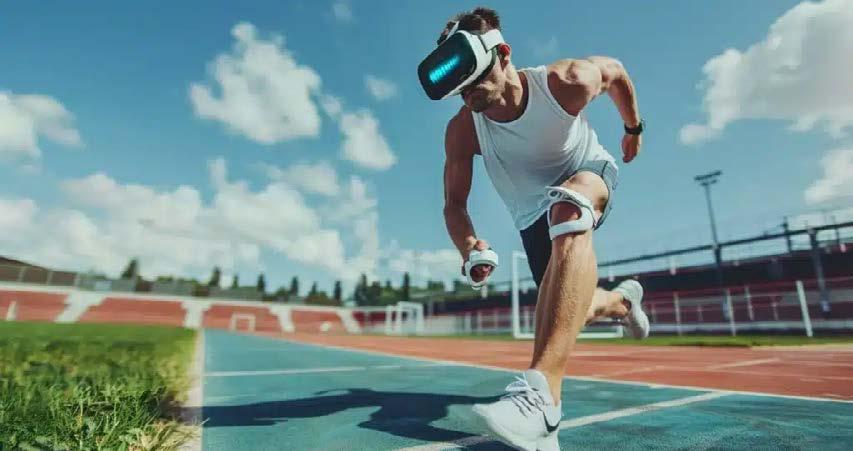
WEARABLES FOR SPORTS AND FITNESS: The time when wearables in sports and wellness have been associated only with Fitbit
bands and basic pedometers has passed. Today, the variety of wearable products and the versatility of their functionality are astonishing. There are smart glasses for cyclists that build and show routes in real-time and goggles for swimmers that collect important metrics on the go. Sensorenabled shoes for football players and runners that track speed, force, motion, traction, and other parameters have already become common examples of the use of technology in sports. There are even full-body suits that enable performance and muscle coordination monitoring during training and help enhance the experience with different AR and VR effects. These wearables are suitable for professional athletes, hobbyists, as well as those who undergo rehabilitation after traumas.
SMART WORKOUT EQUIPMENT: Equipment is often the main focus of sports startups. We can observe the growth of technology in sports equipment we use today. When common workout equipment such as treadmills or dumbbells is enhanced with sensors, they become a source of unique performance data and help monitor and correct workout routines in real time, enhance efficiency and even avoid injuries. Peloton treadmills and bikes are some of the most popular examples of fitness IoT applications and smart digital technology used in sports.
CONNECTED GEAR: Smart suits, glasses, helmets, golf clubs, etc. have already become a part of essential gear kits of professional athletes. These tools provide professional sportsmen and sportswomen as well as their coaching teams with essential insights important for building efficient training programs and strategies. Solos glasses is an excellent illustration of using connected digital technology in sports. This product offers an impressive array of features catering to professional cyclists and runners. These glasses provide monitoring capabilities, route navigation assistance, performance measurement tools, and advanced analytics.
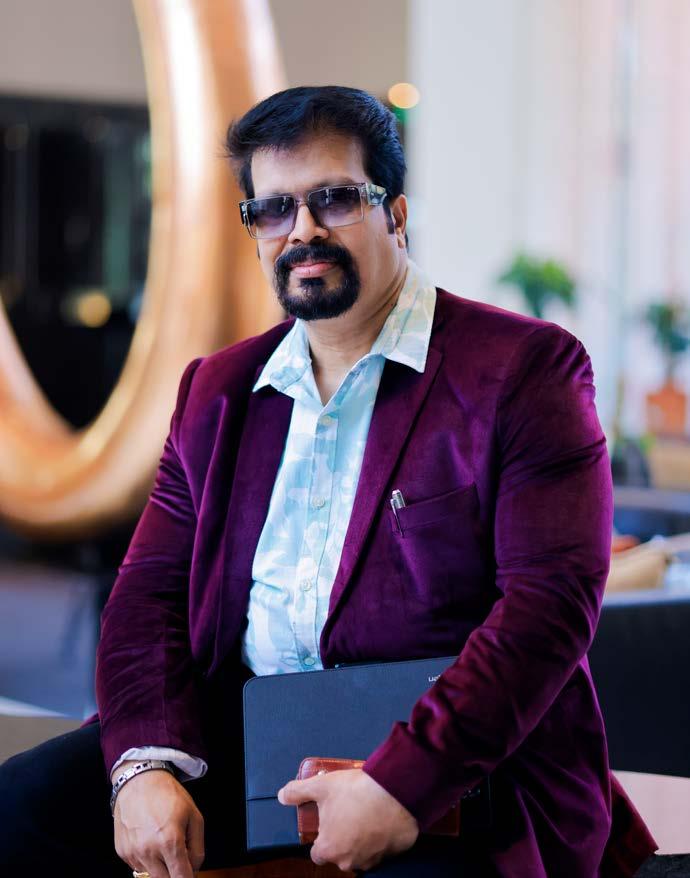
From The Desk Of
EDITOR -IN - CHIEF
ENHANCED SPORTS FACILITIES: The impact of technology in sports is seen not only in athletes’ training and performance but also in the conditions of the sports environment. Largescale facilities including stadiums, racing tracks, skating rinks are not easy and certainly not cheap to maintain. Enhanced with sensors, electricity management systems and lighting control, these facilities turn into smarter and more sustainable spaces that provide athletes and audiences with excellent conditions for sports events.
ATHLETE TRACKING SYSTEMS: One of the key reasons why athletes excel and make incredible leaps, literally in some cases, is the real data they use to adjust their training and game strategies. Sports teams track and analyze performance data, determine opportunities, detect weak points, tune training programs and, eventually, achieve their goals. This is why athlete tracking platforms like STATSports are gaining popularity.
CLOUD-BASED SOLUTIONS: Cloud is one of the major digital technologies in sports industry. Modern cloud platforms enable global distribution, scalability and efficiency of almost any online sports solution starting from fitness apps to professional athlete performance analytics. Cloud-based web platforms for networking and engagement between athletes and fans are getting increasingly popular. Often paired with mobile applications for seamless experience, these solutions help create a convenient space where players, entire teams and fans can connect and communicate.
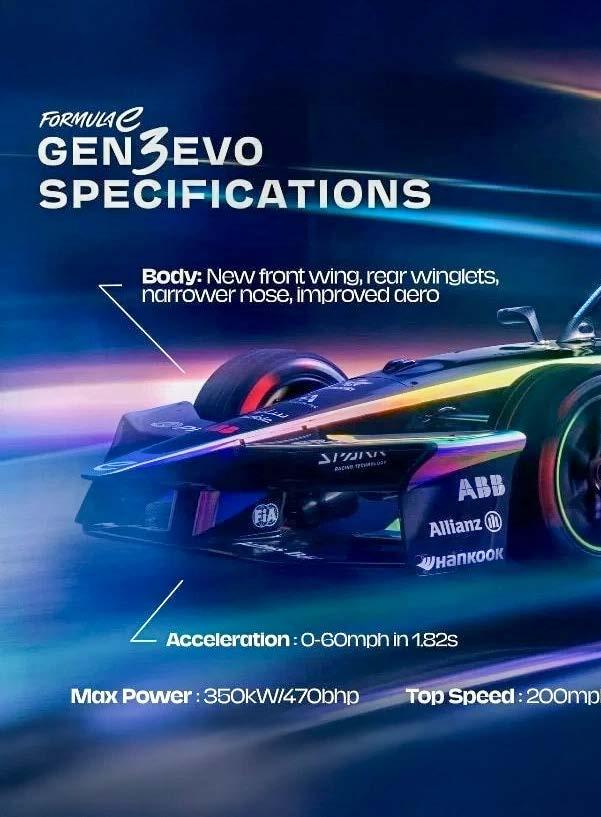
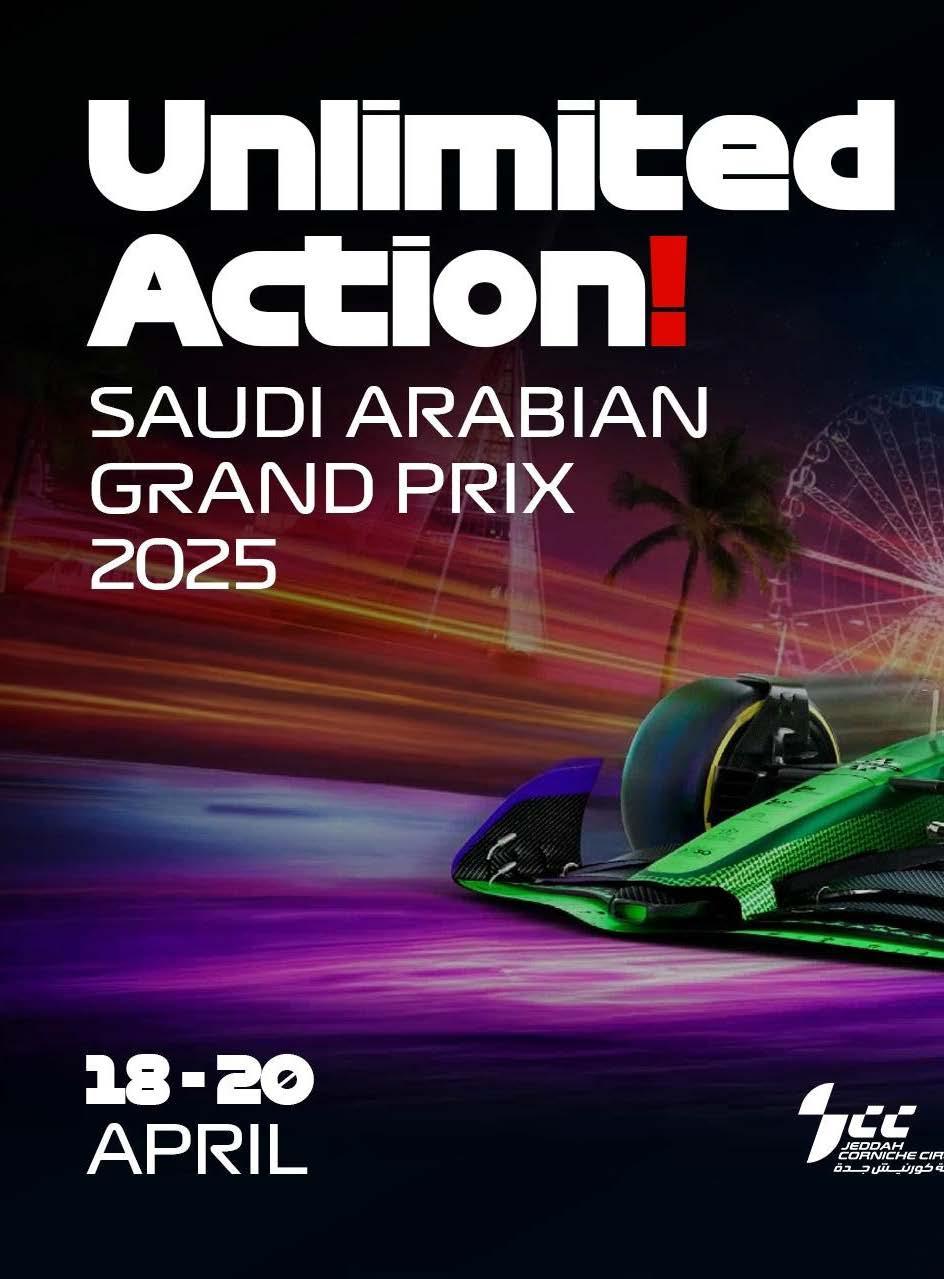
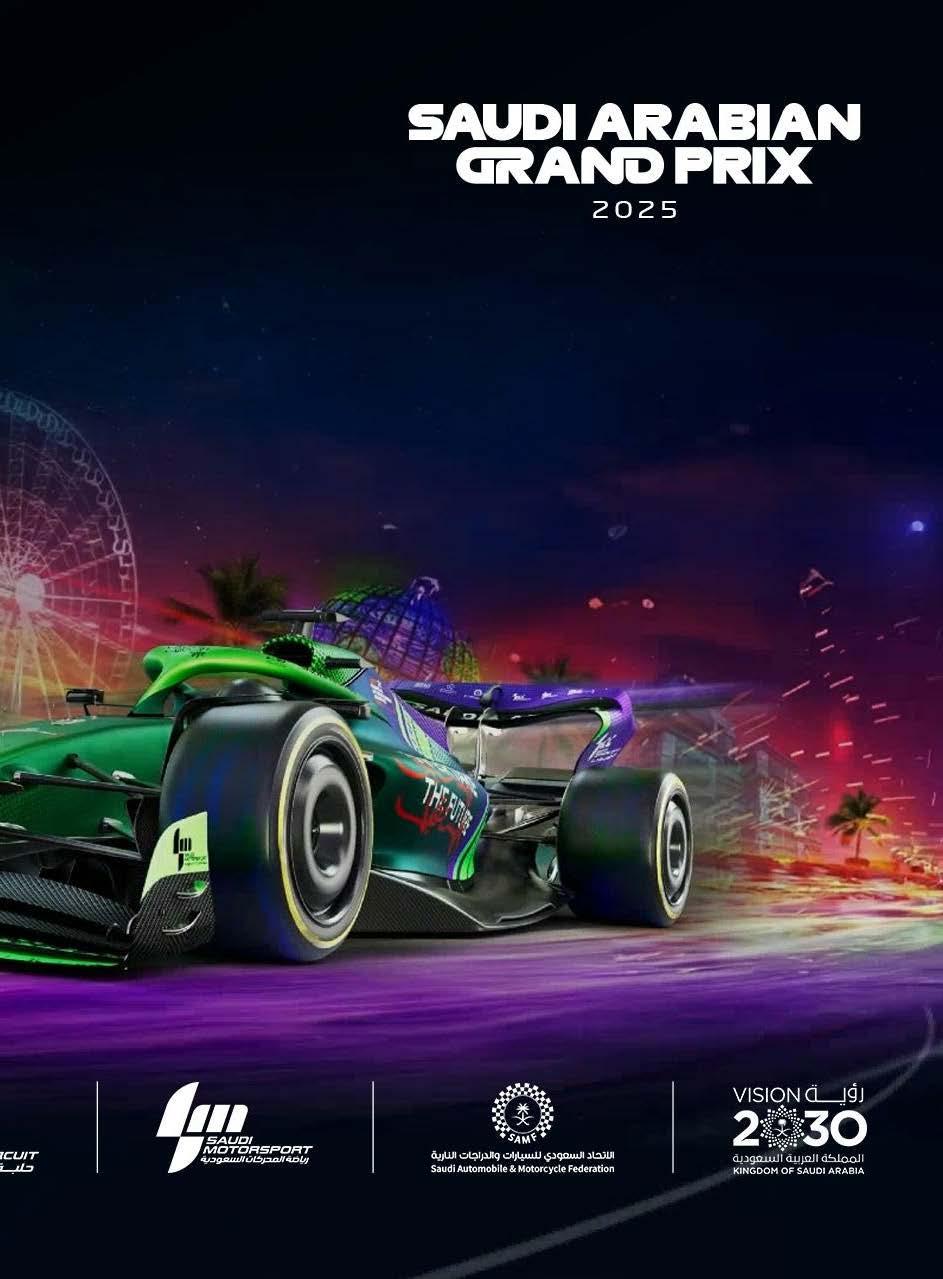
AI ANALYTICS: Mobile apps and wearable technology in fitness and sports work side by side with data analytics to provide true value to both professionals and amateurs. AI analytics is gaining increasing interest for the ability to make sense of massive amounts of data and make fairly accurate predictions. In fact, AI may have the biggest impact of technology on sports performance. One of the examples is F1 groups partnering with Cognizant, IBA, and HPE to gather and analyse racing data collected over the years and in real time. These insights help F1 teams better adjust racing strategies, improve vehicle preparation and maintenance and even ensure the safety of their drivers.
In short, Sports-tech brings visibility and detailed performance analytics into sports. Tracking, monitoring and modelling tools make different sports activities from professional racing to jogging in a park a safer and healthier experience. Among other benefits of using technologies in sports and fitness are better engagement, higher availability and improved performance.
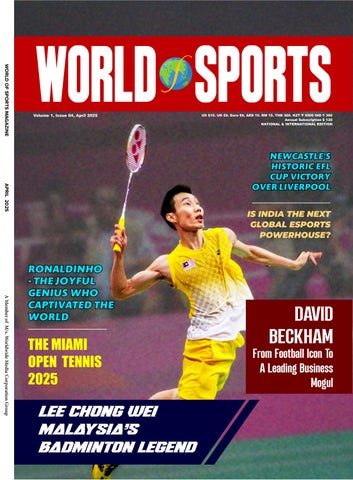
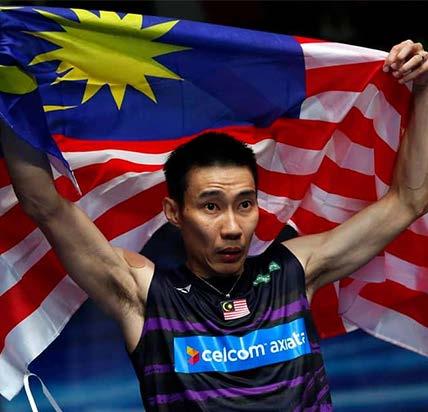
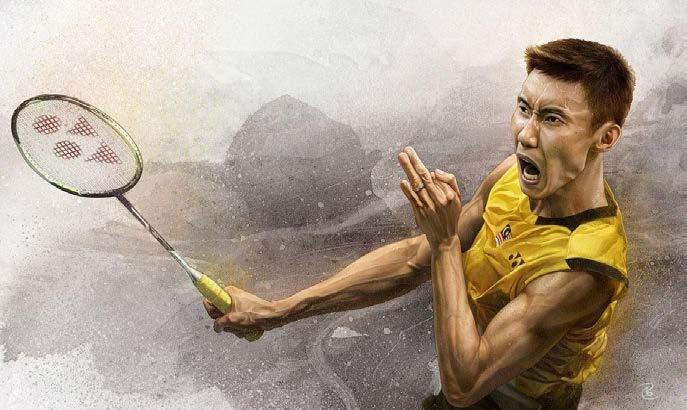
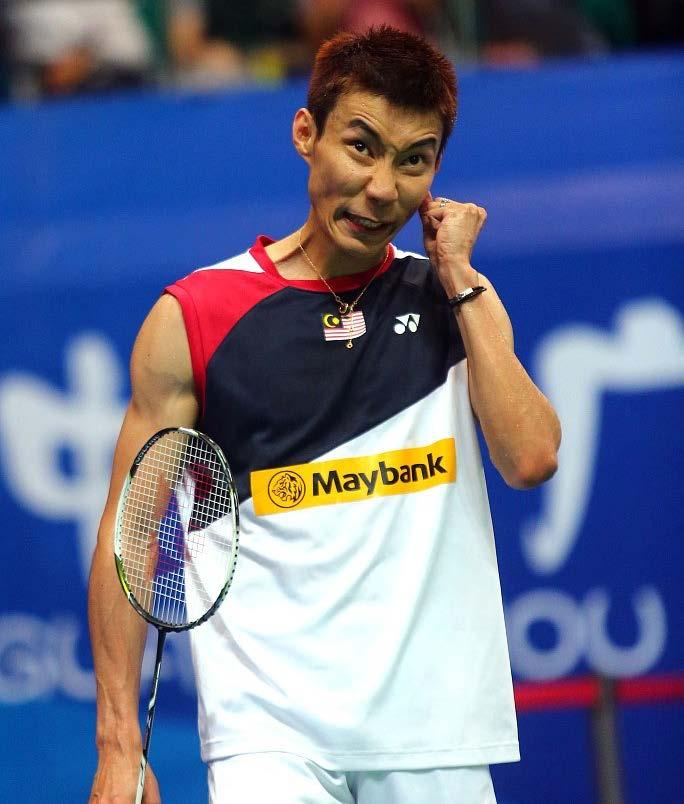
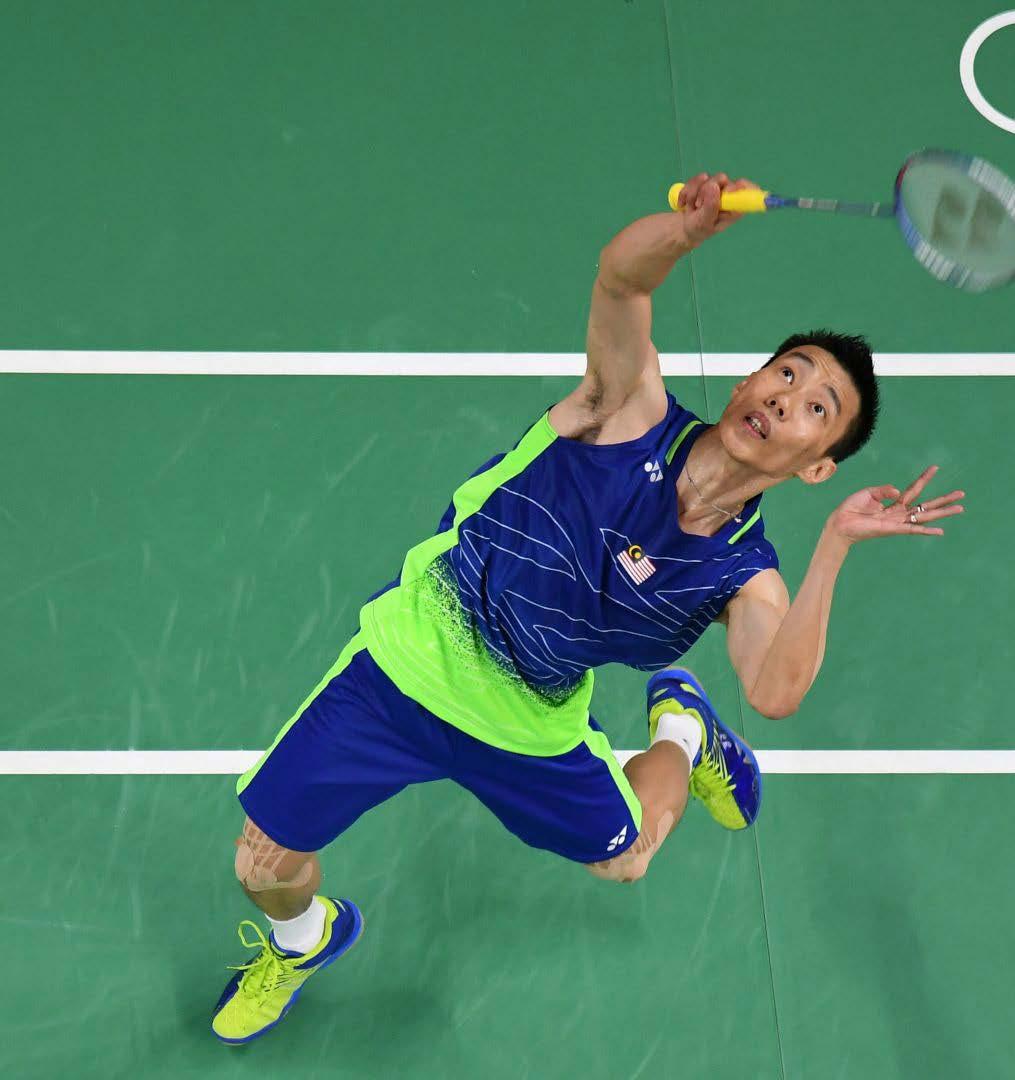
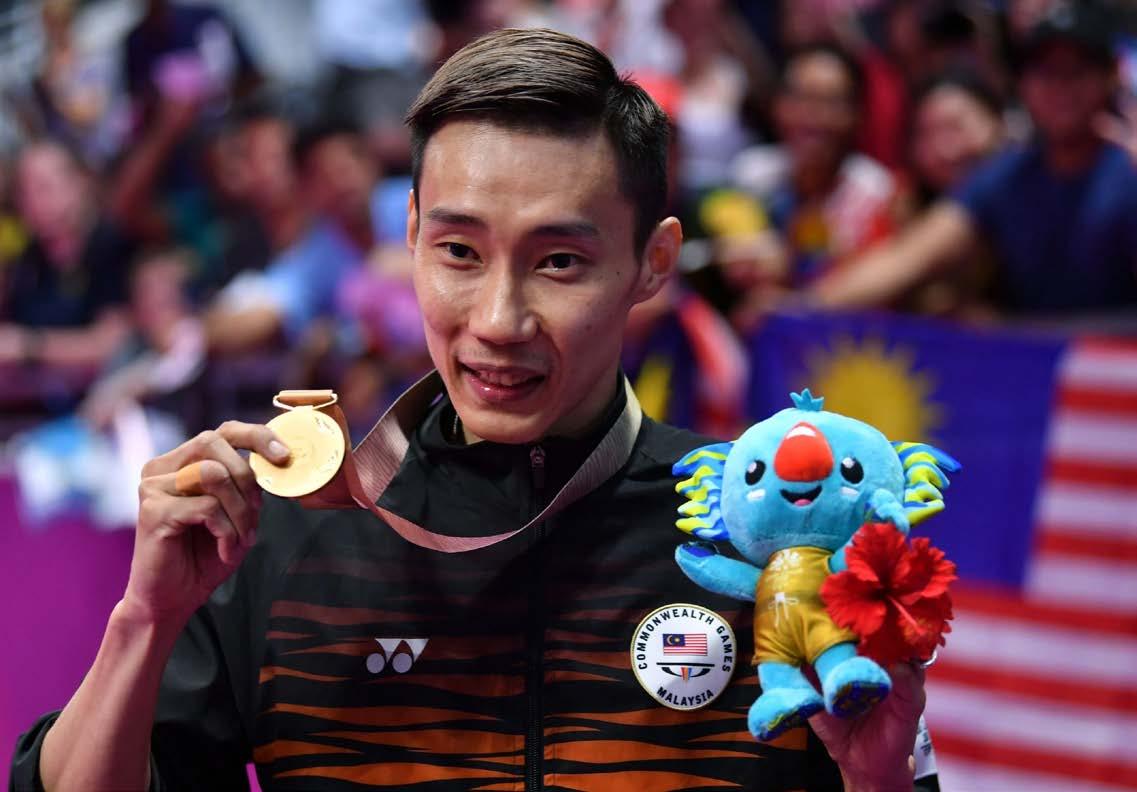
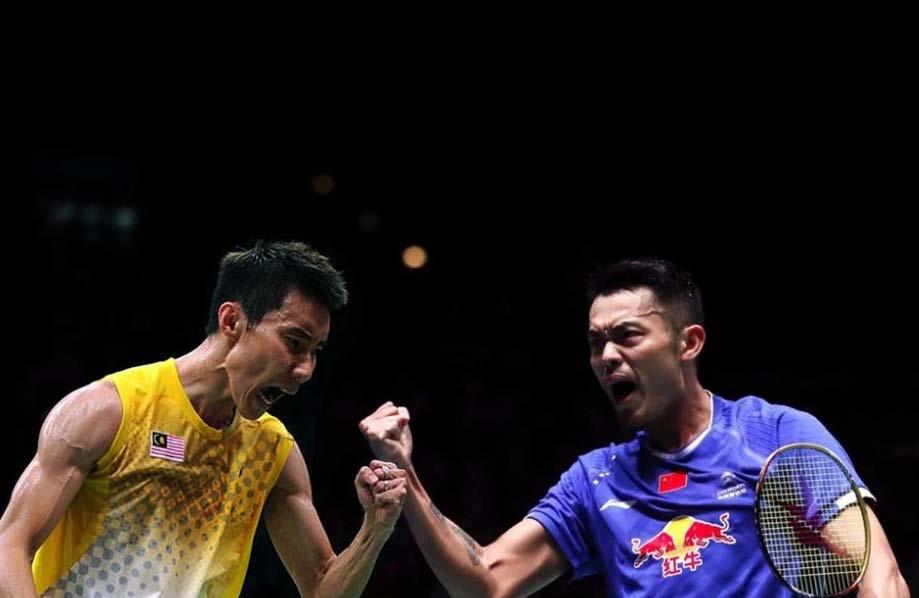
LEE CHONG WEI MALAYSIA’S BADMINTON LEGEND
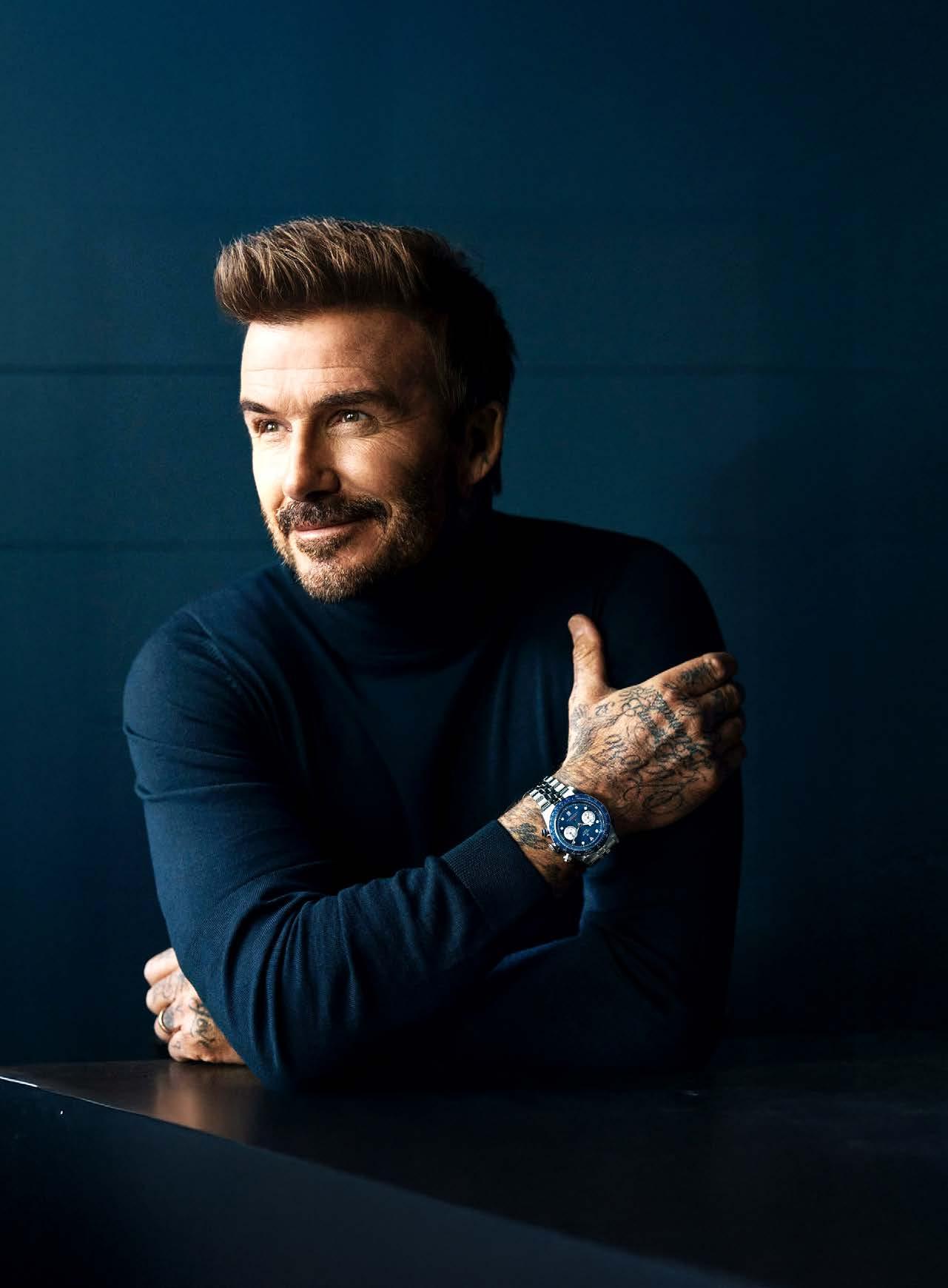
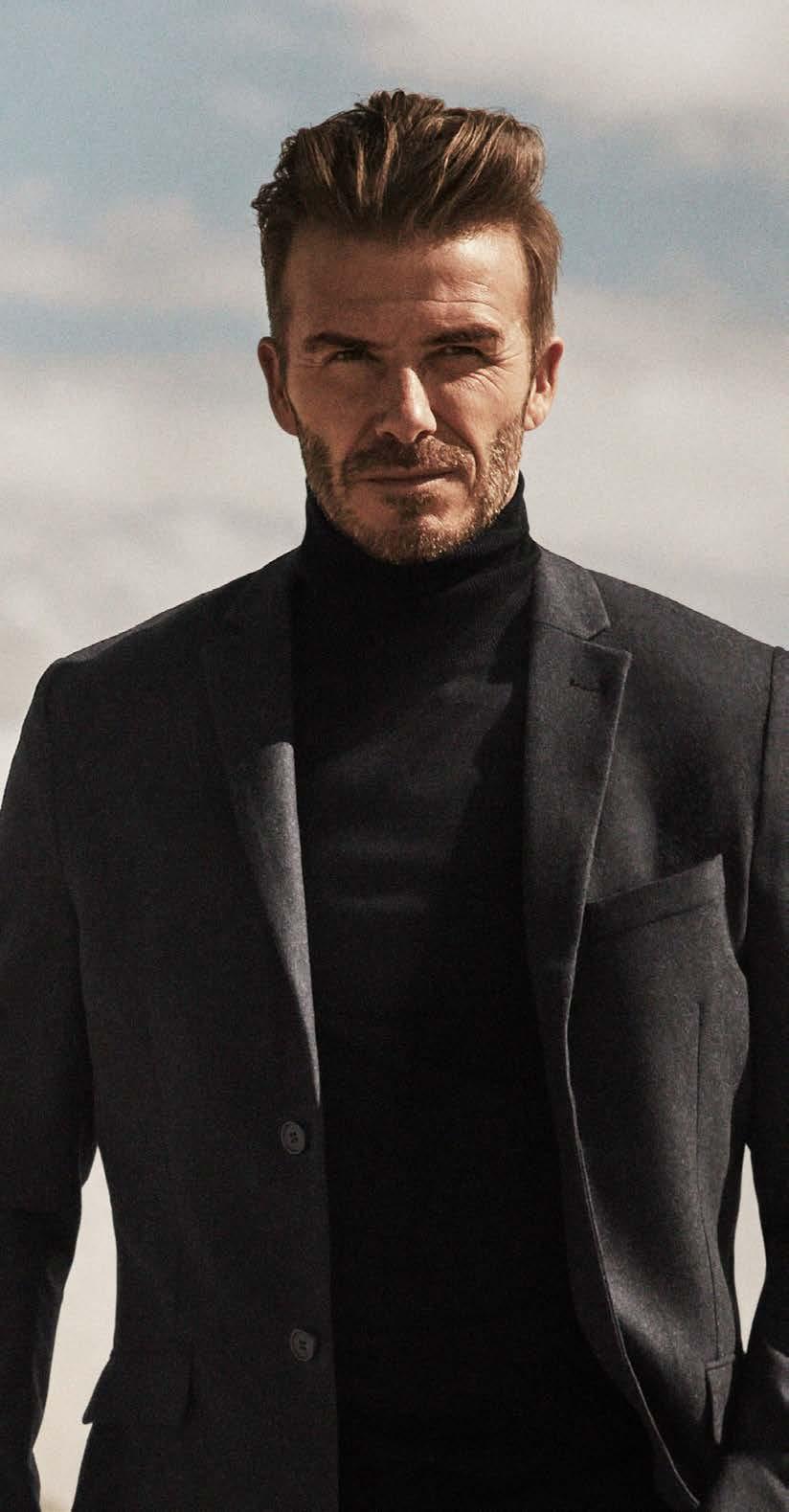
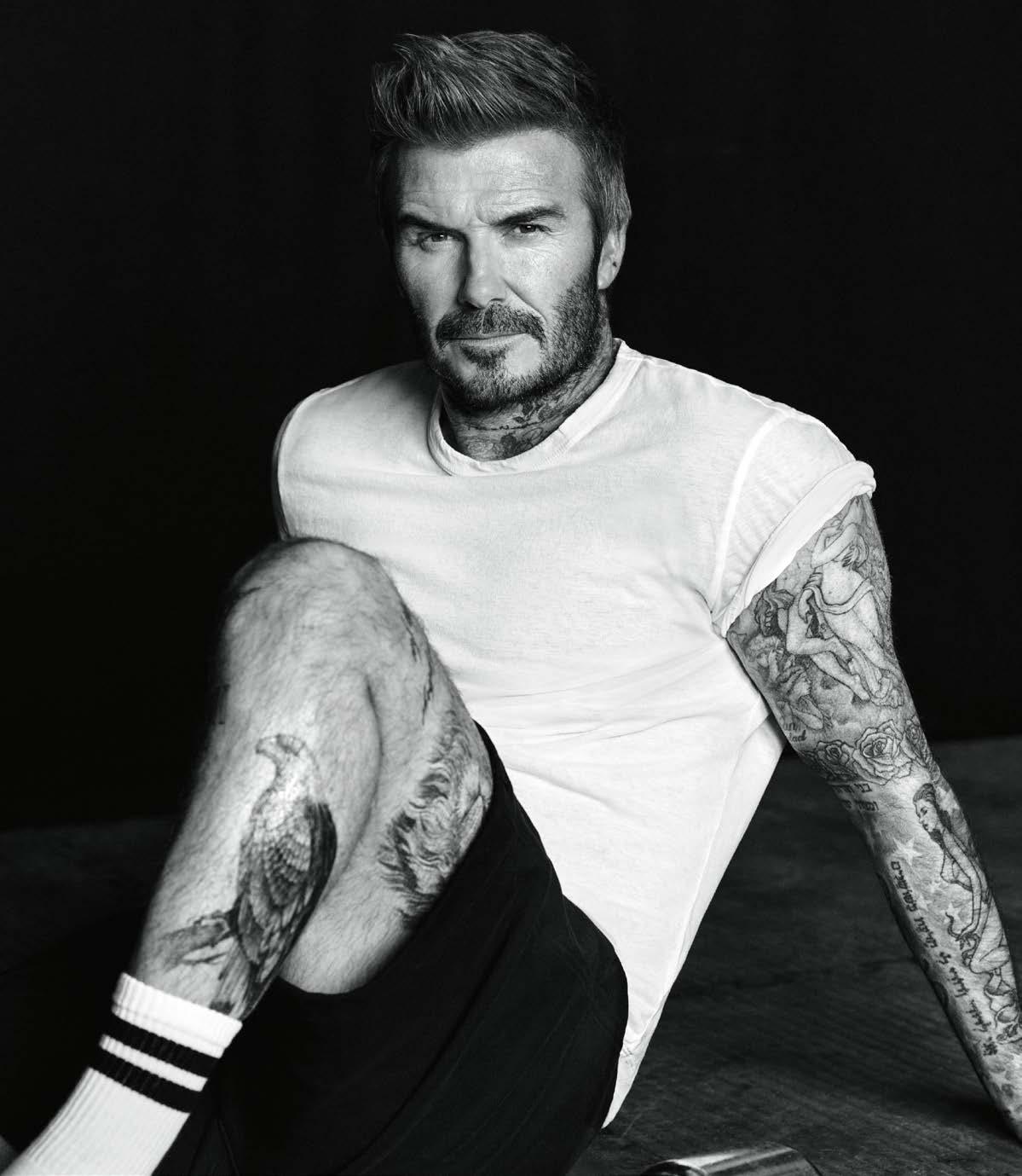
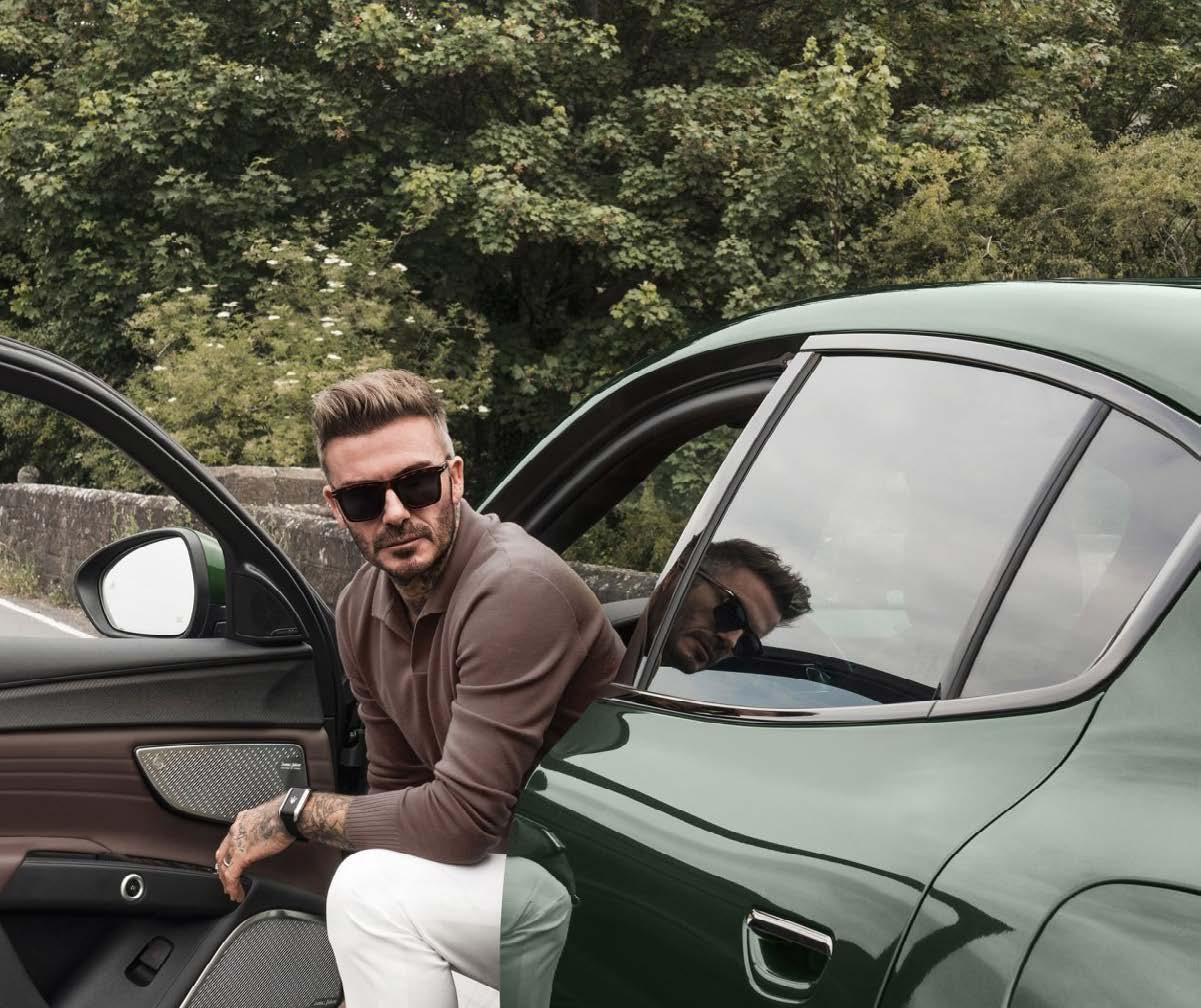
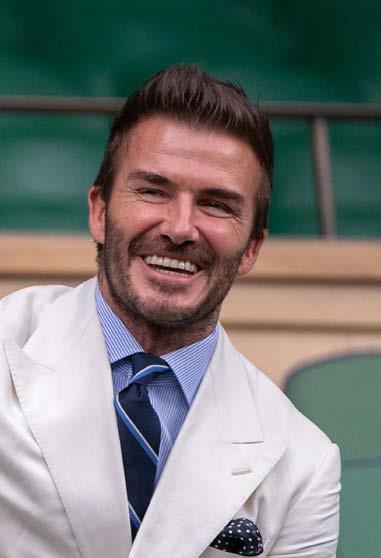
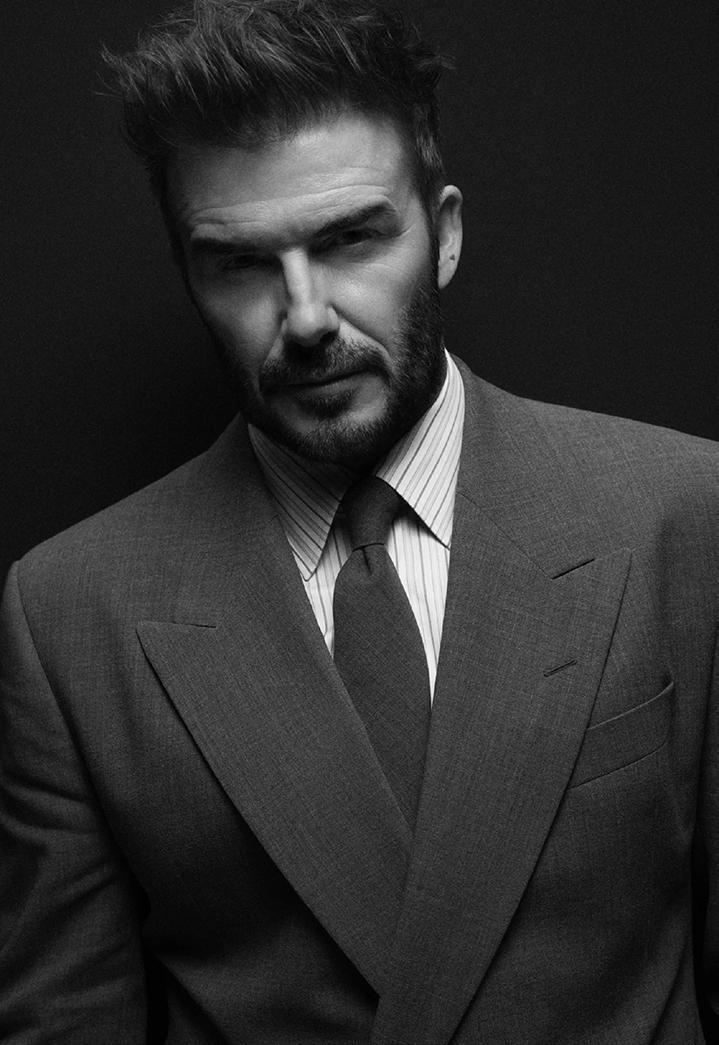
DAVID BECKHAM FROM FOOTBALL ICON TO BUSINESS MOGUL
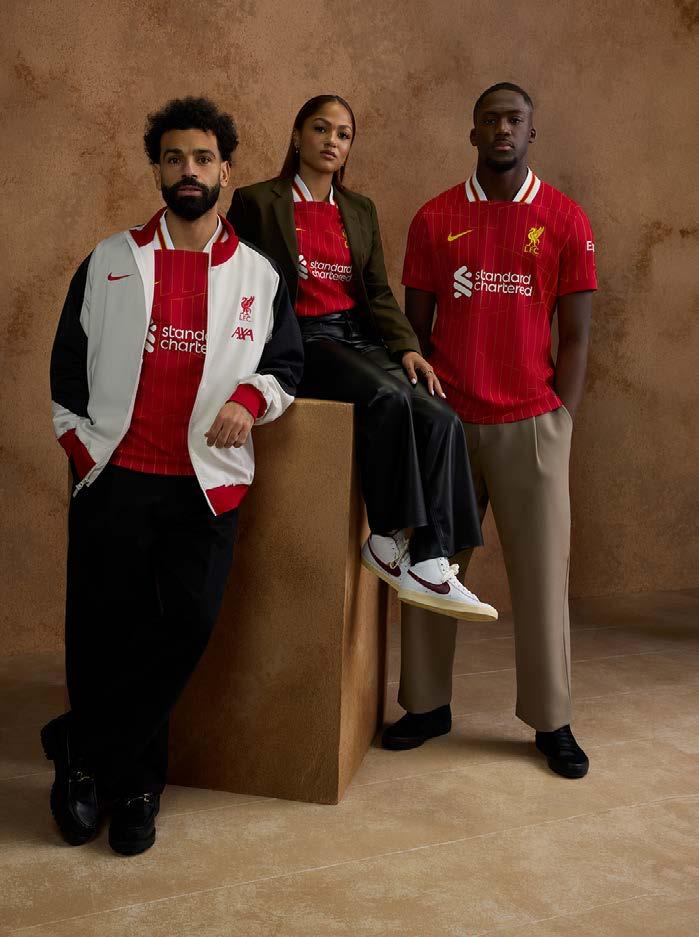
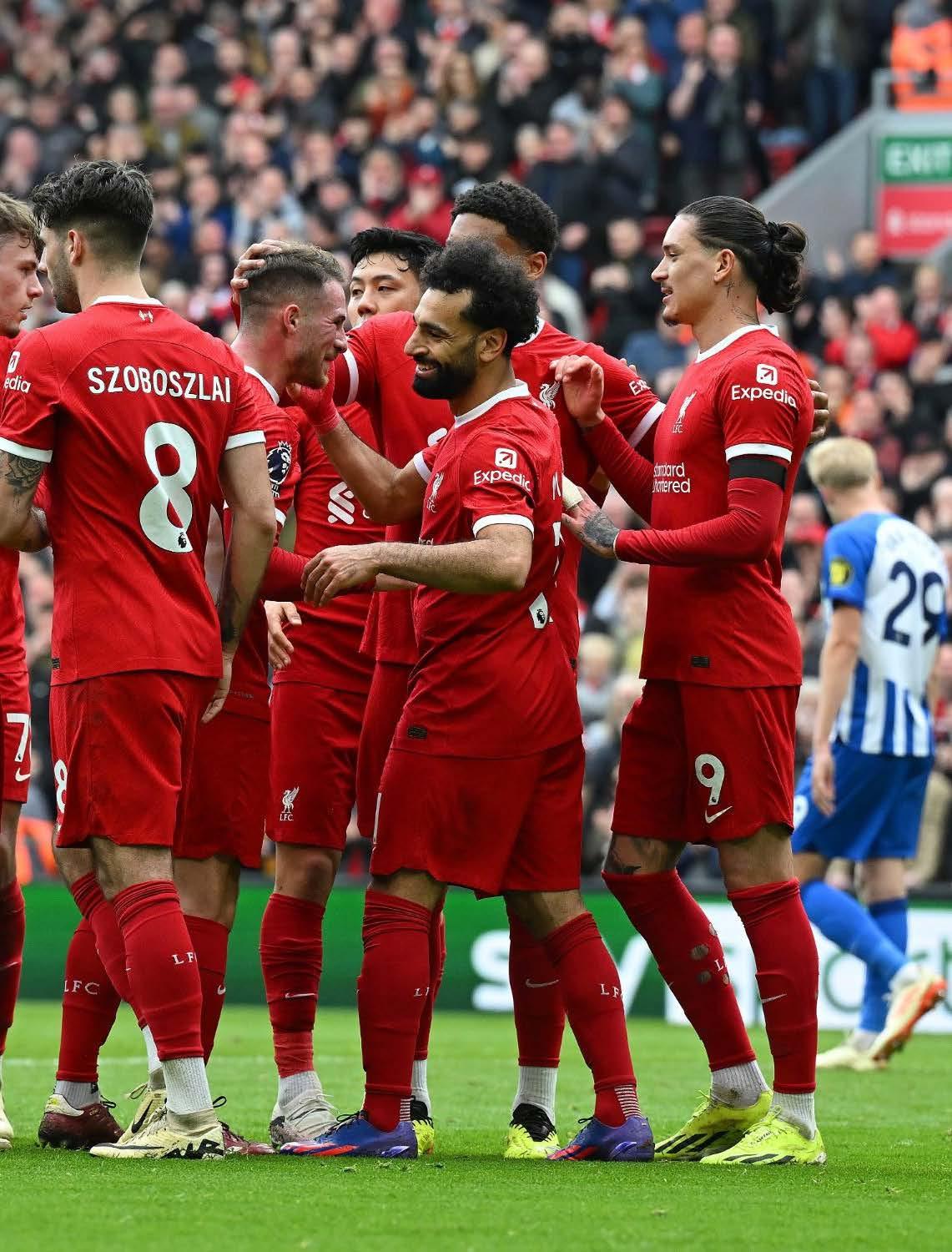
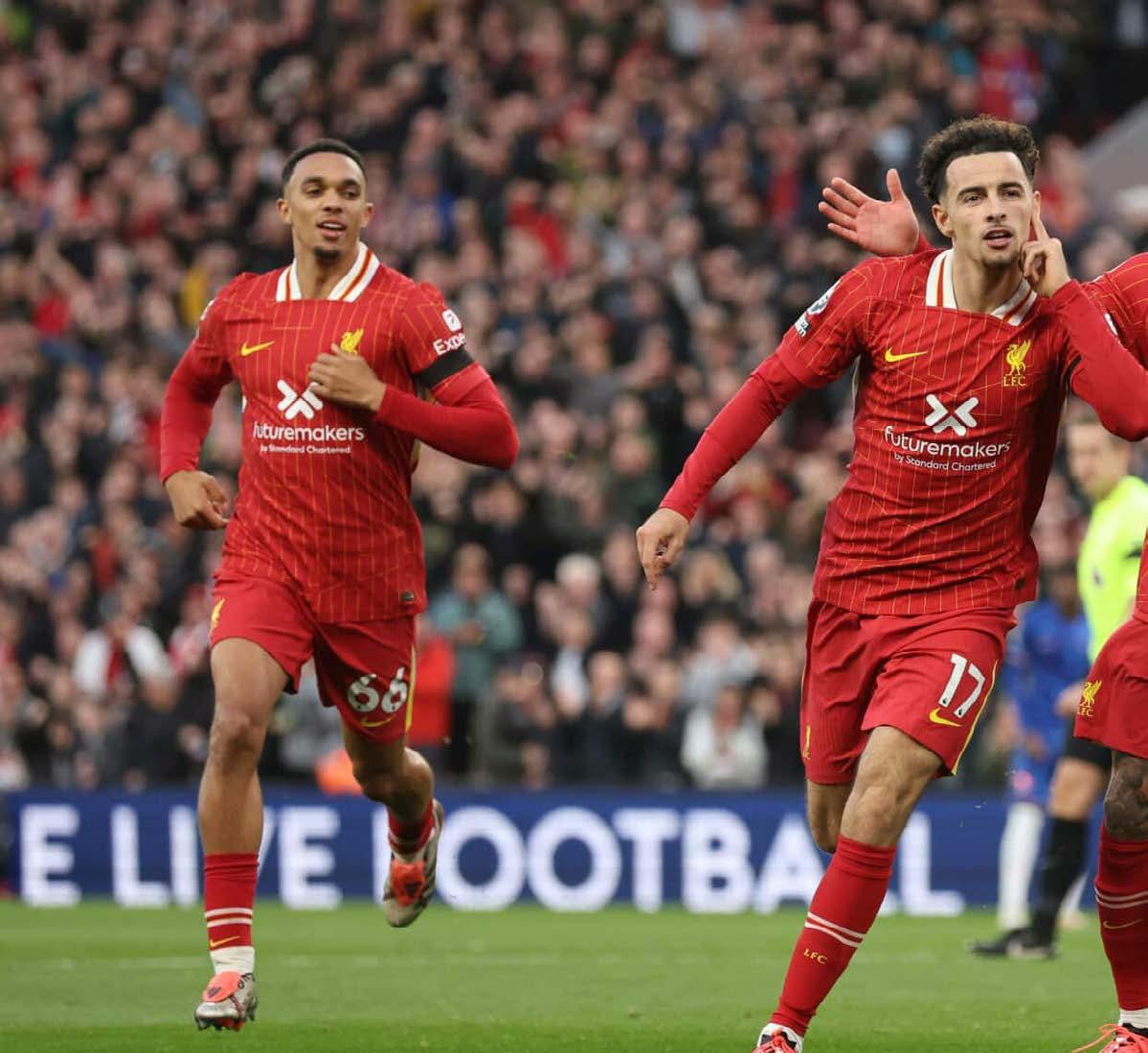
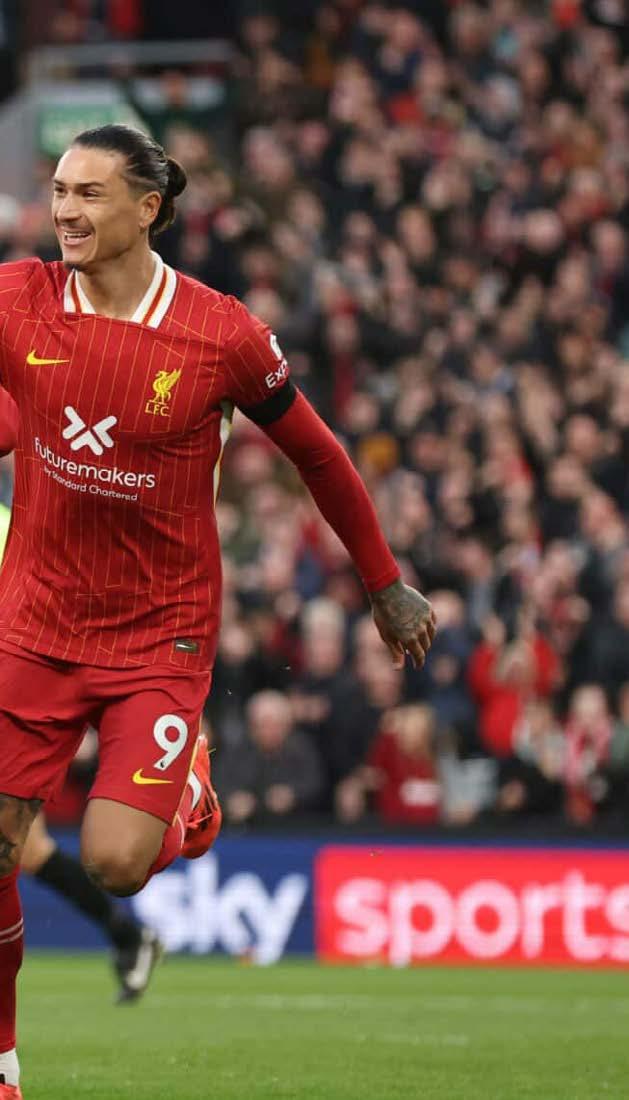
LIVERPOOL FC & ADIDAS STRIKE LUCRATIVE NEW KIT DEAL FOR 2025 AND BEYOND
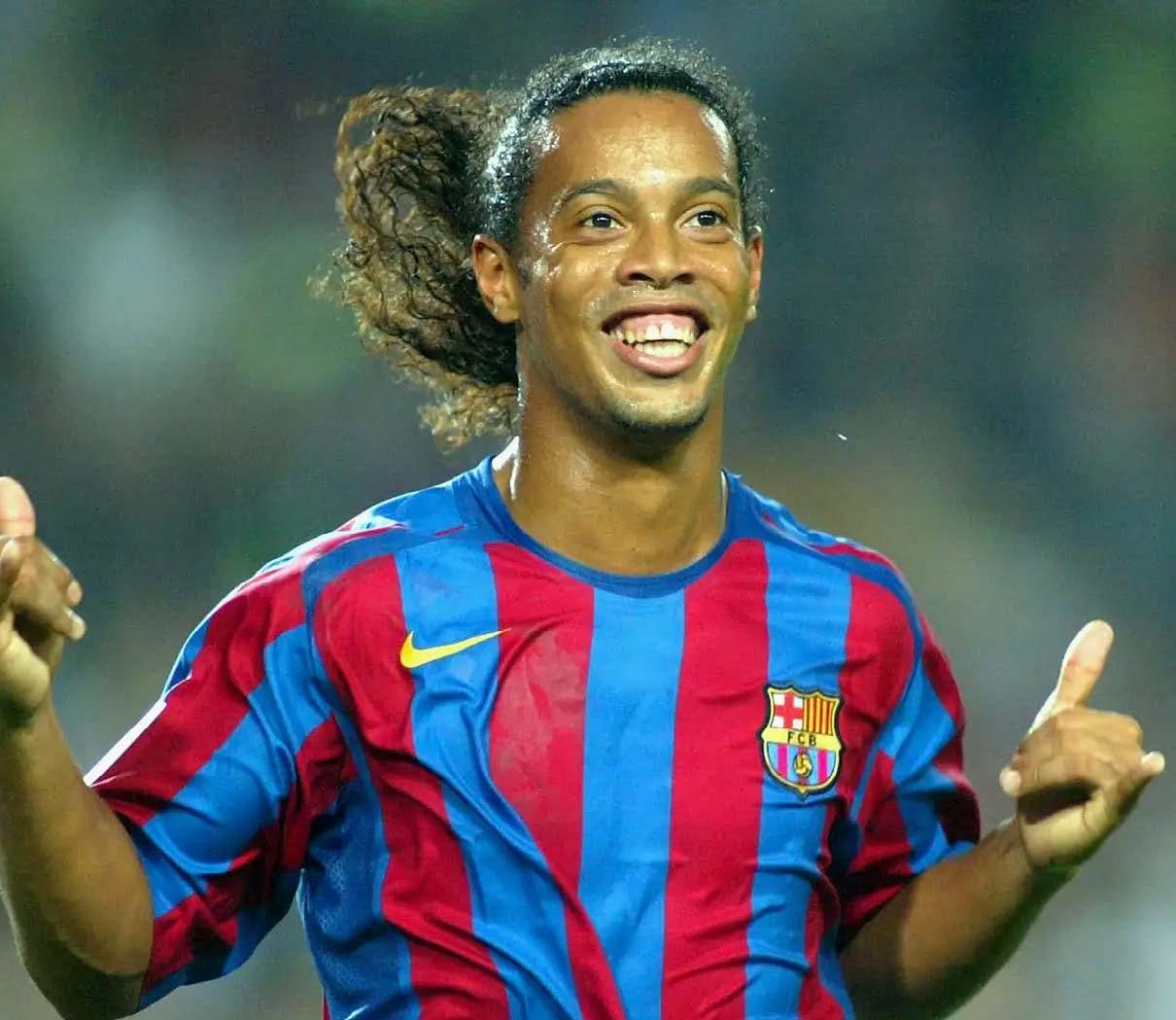
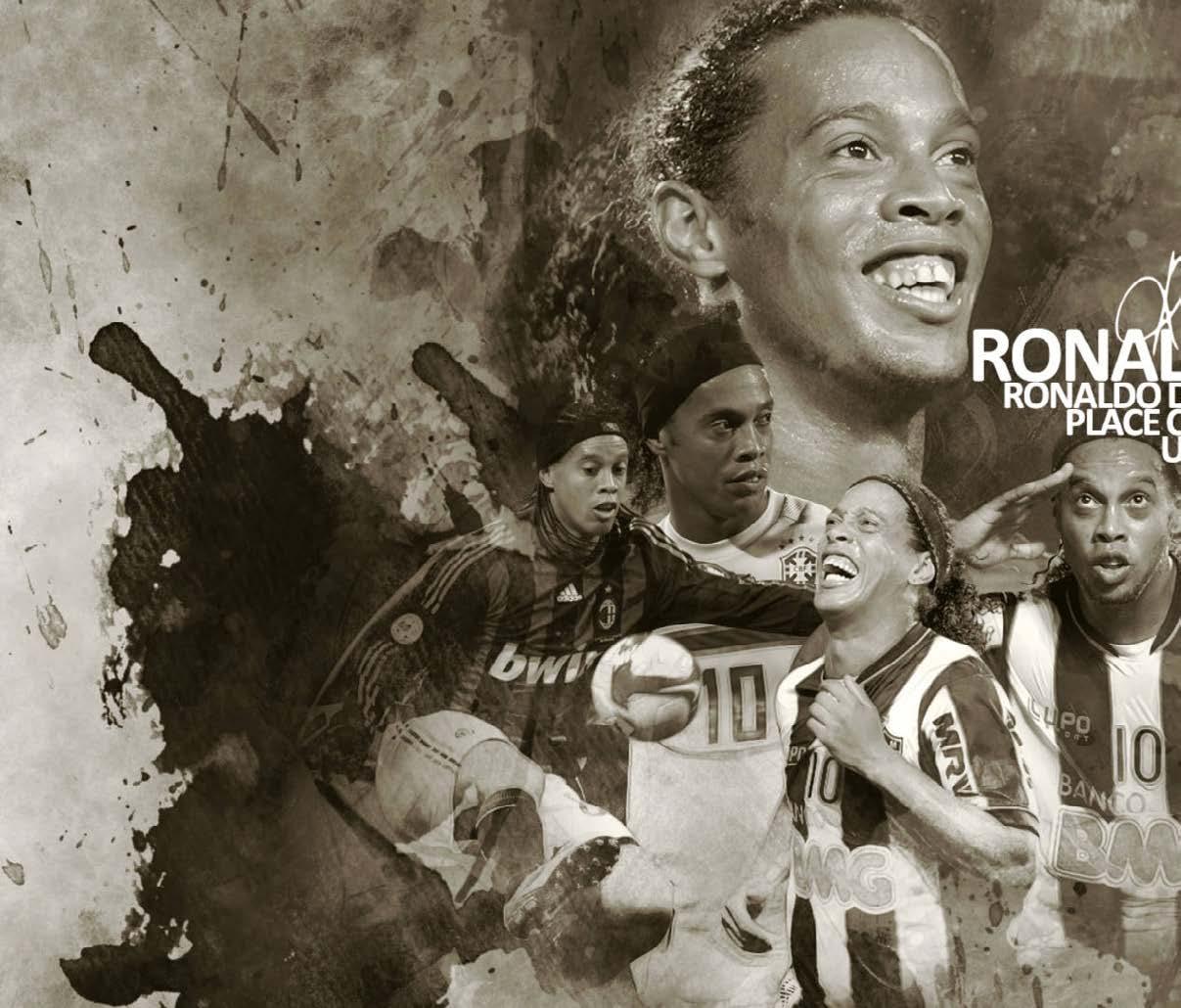
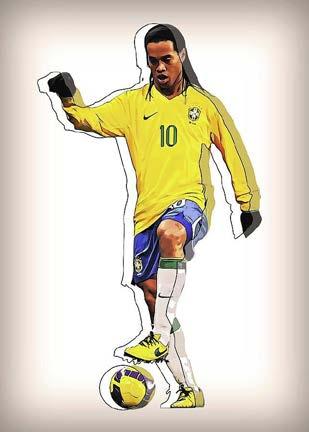
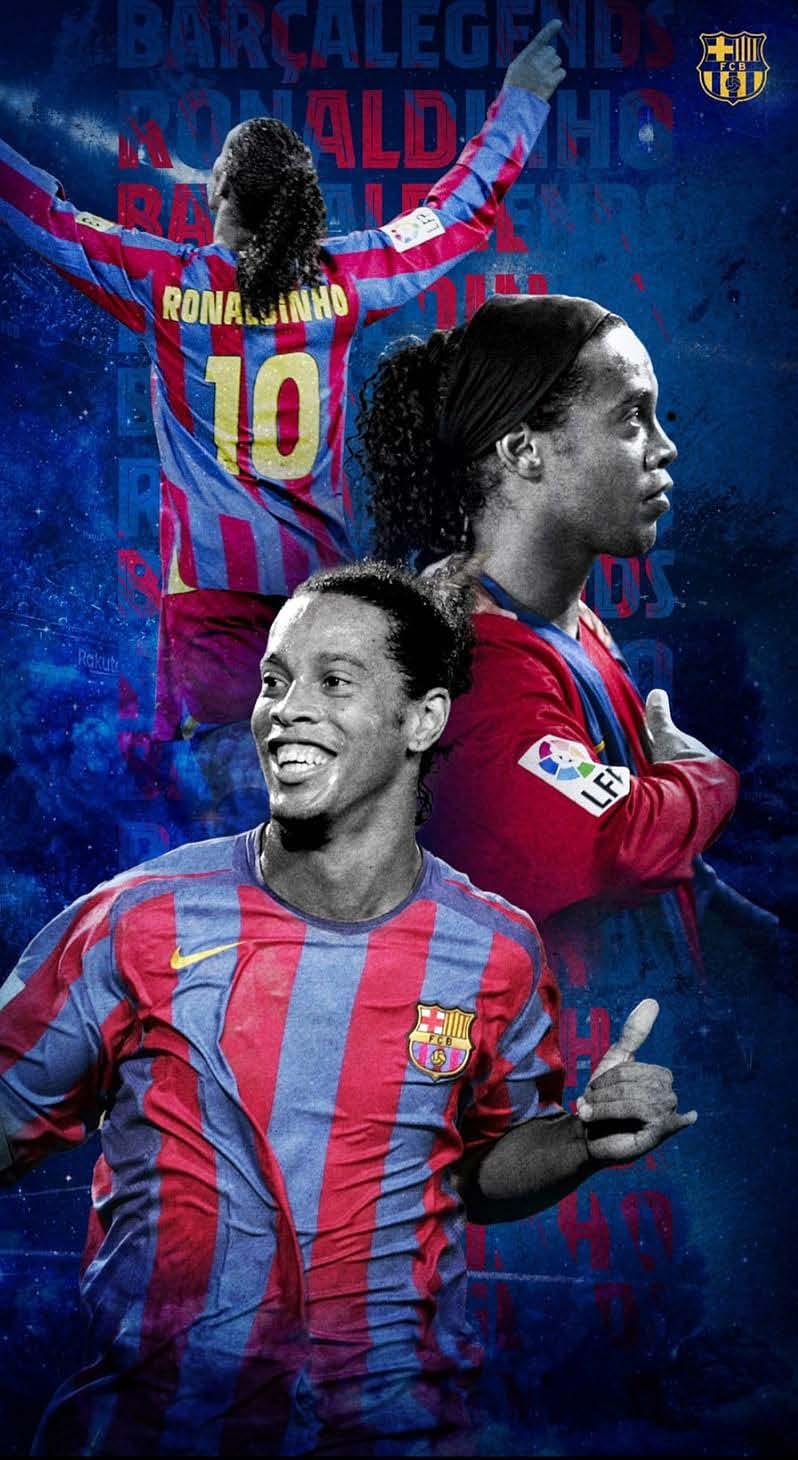
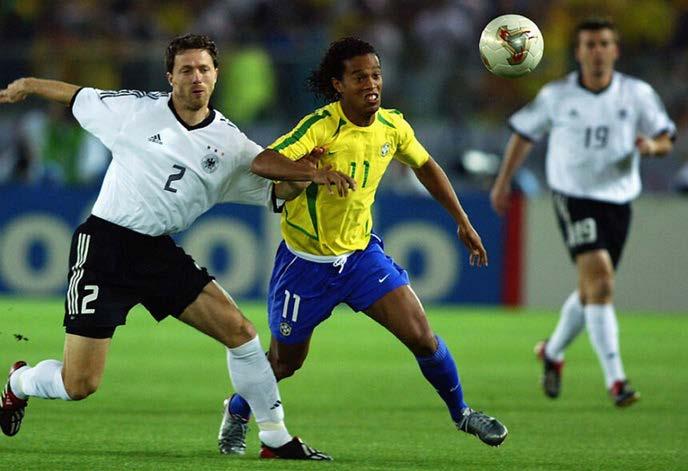
RONALDINHO: THE JOYFUL GENIUS WHO CAPTIVATED THE WORLD
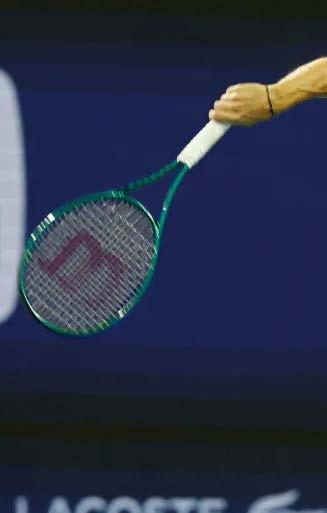
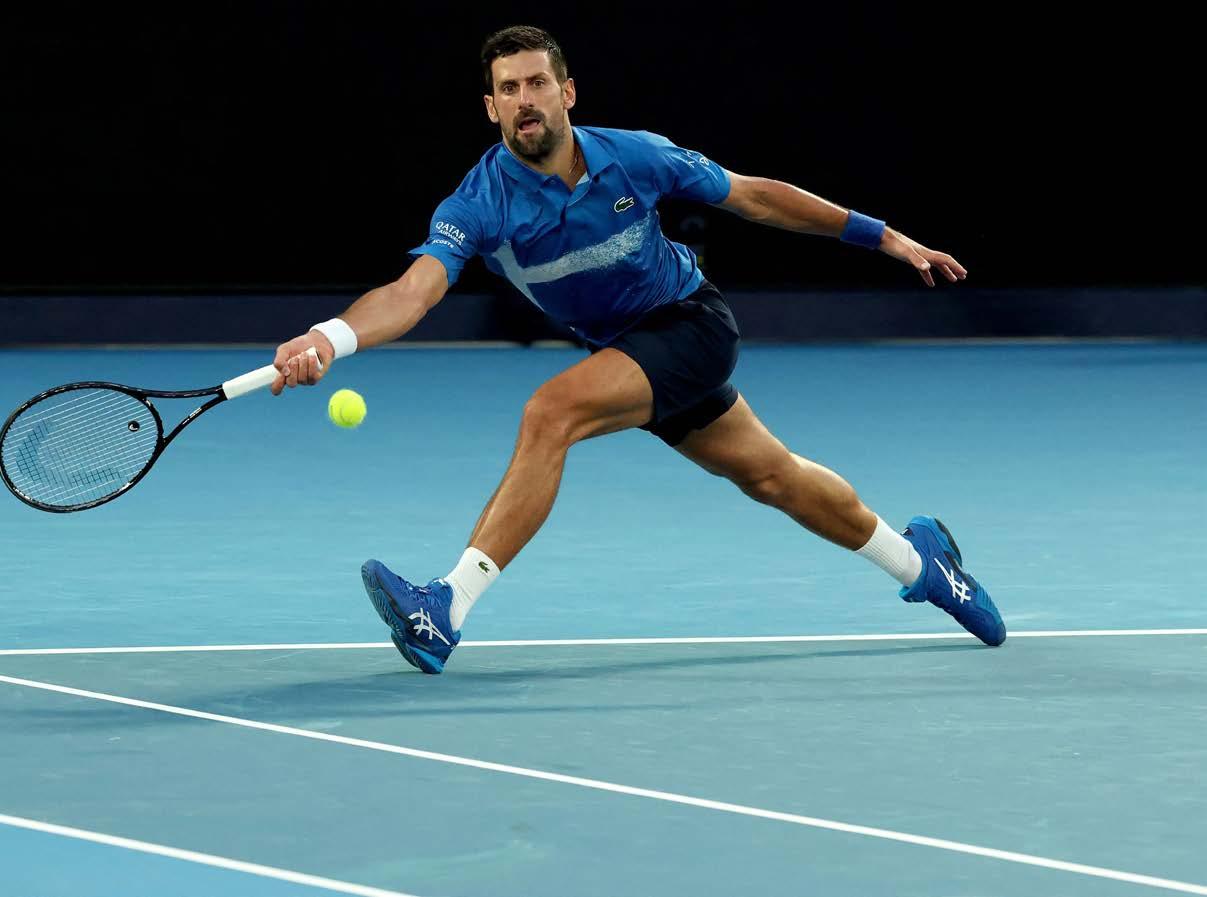
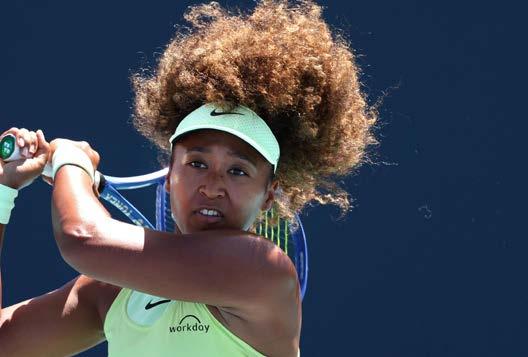
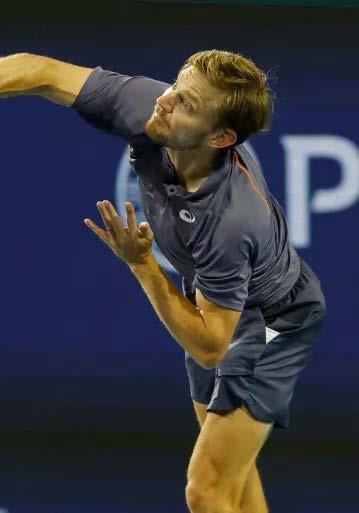
THE MIAMI OPEN 2025: A SHOWCASE OF TENNIS EXCELLENCE
DFL AND LALIGA JOIN FORCES WITH NFL TO CONQUER USA MARKET
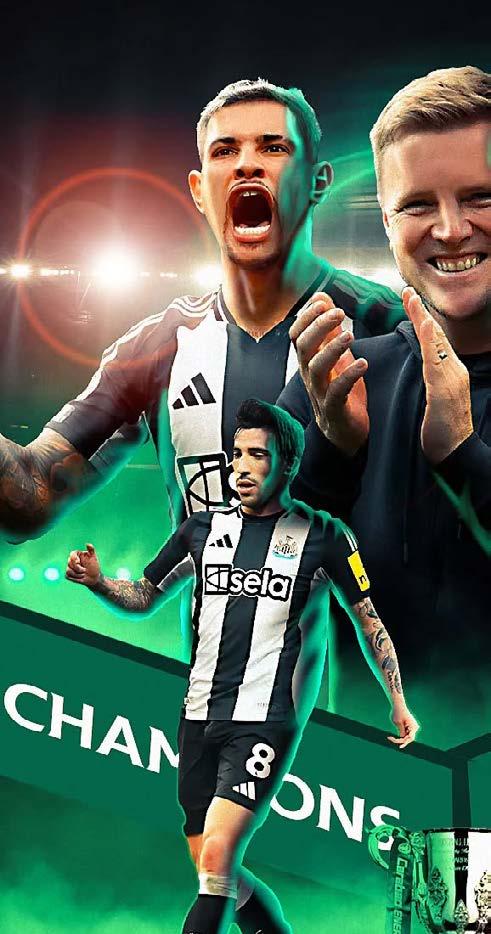
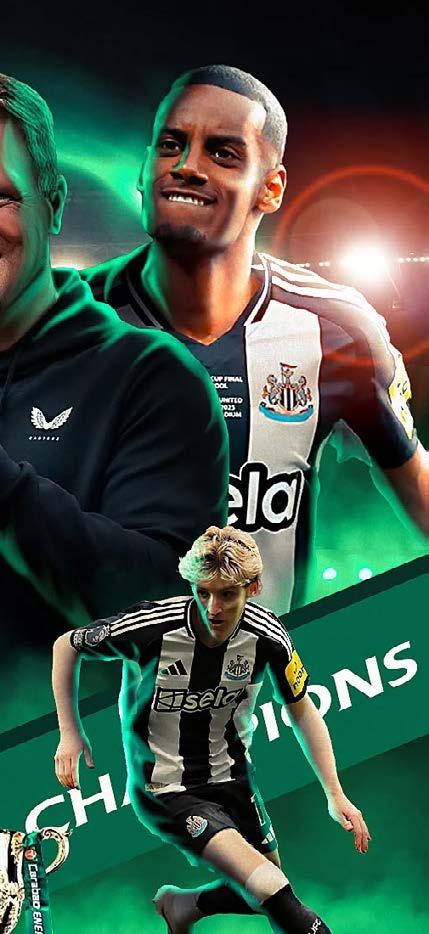
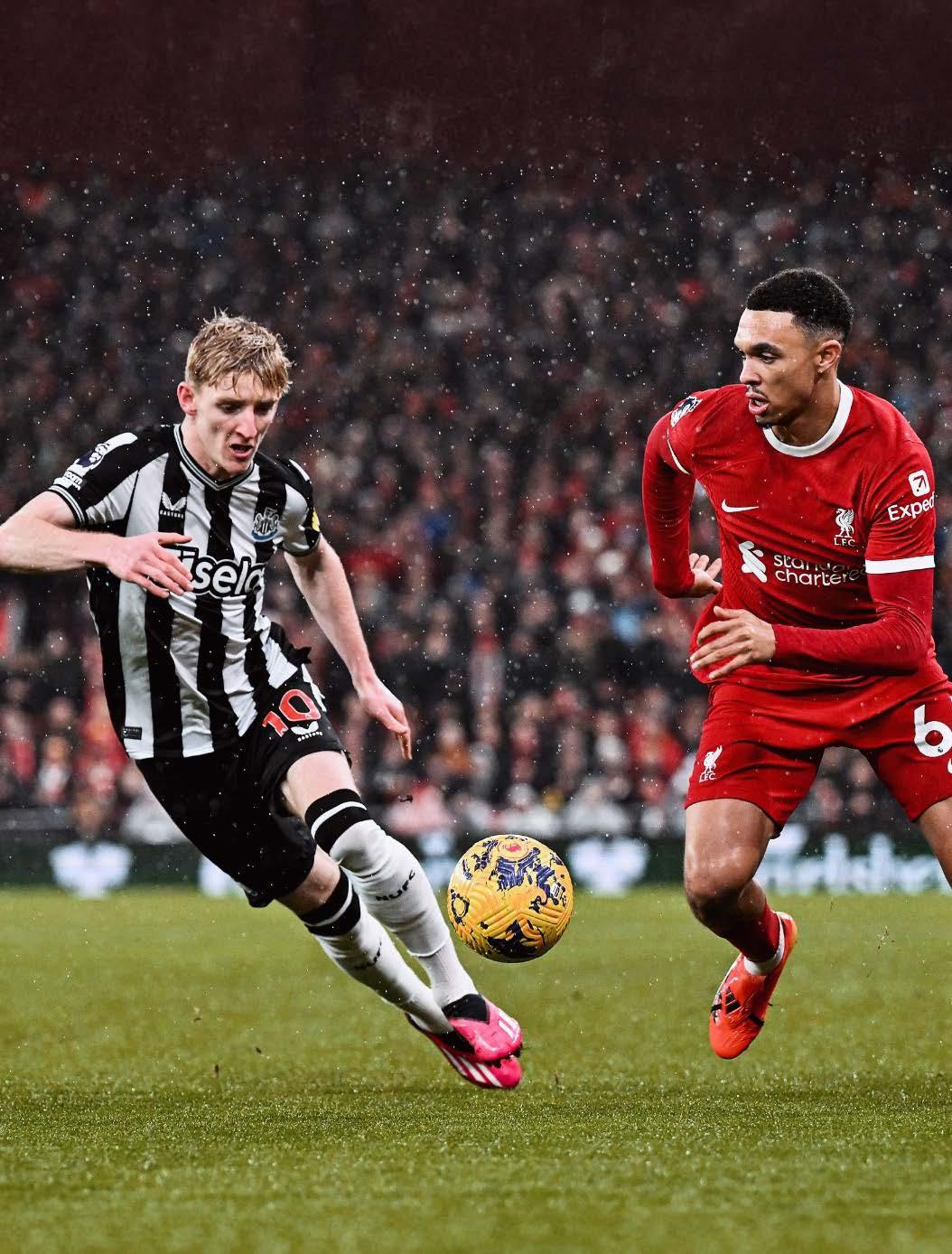
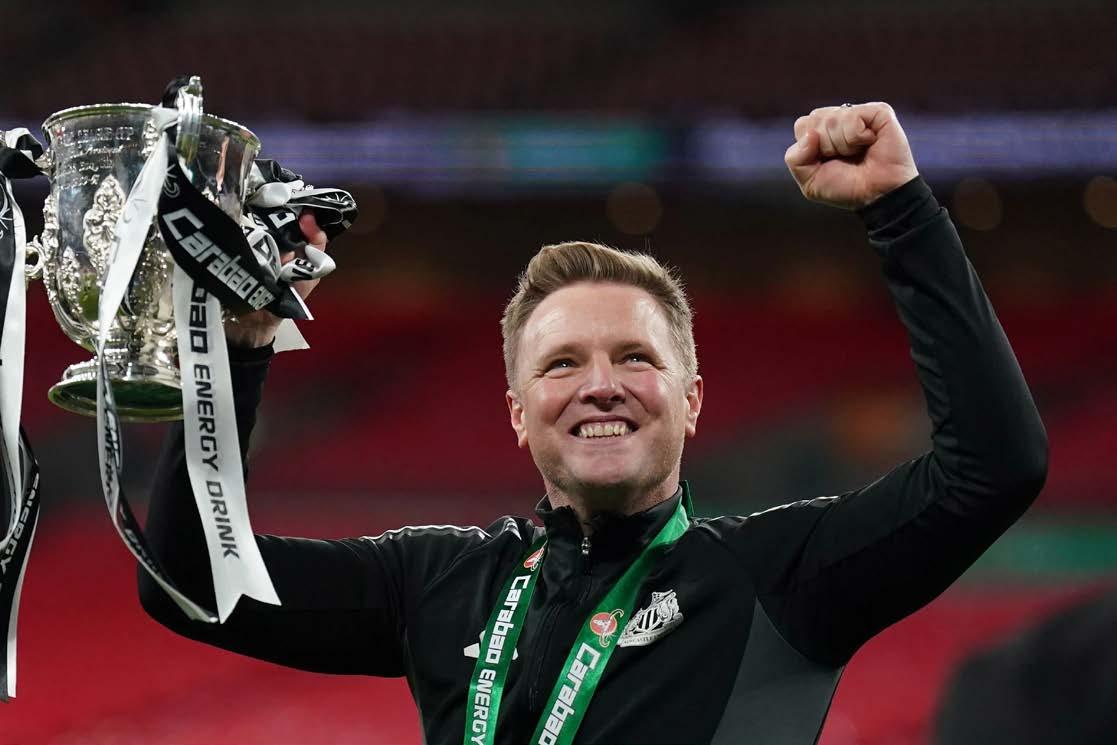
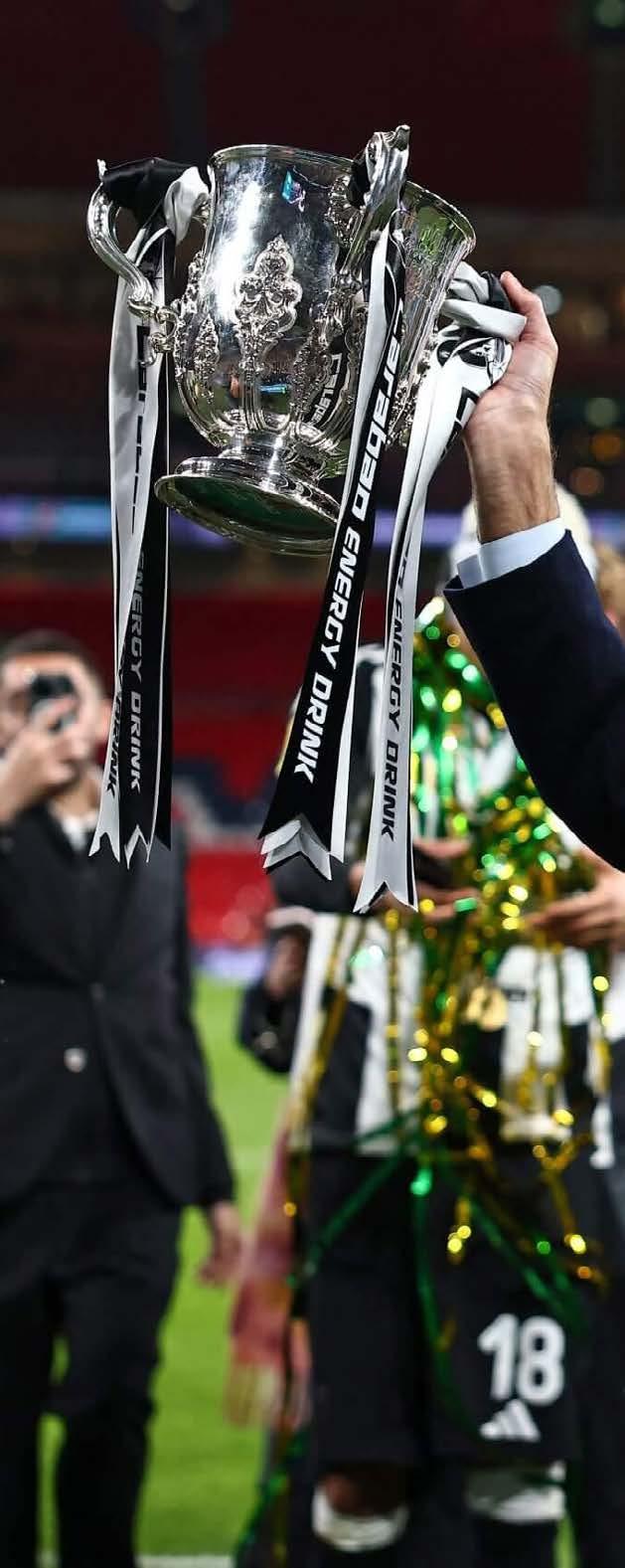
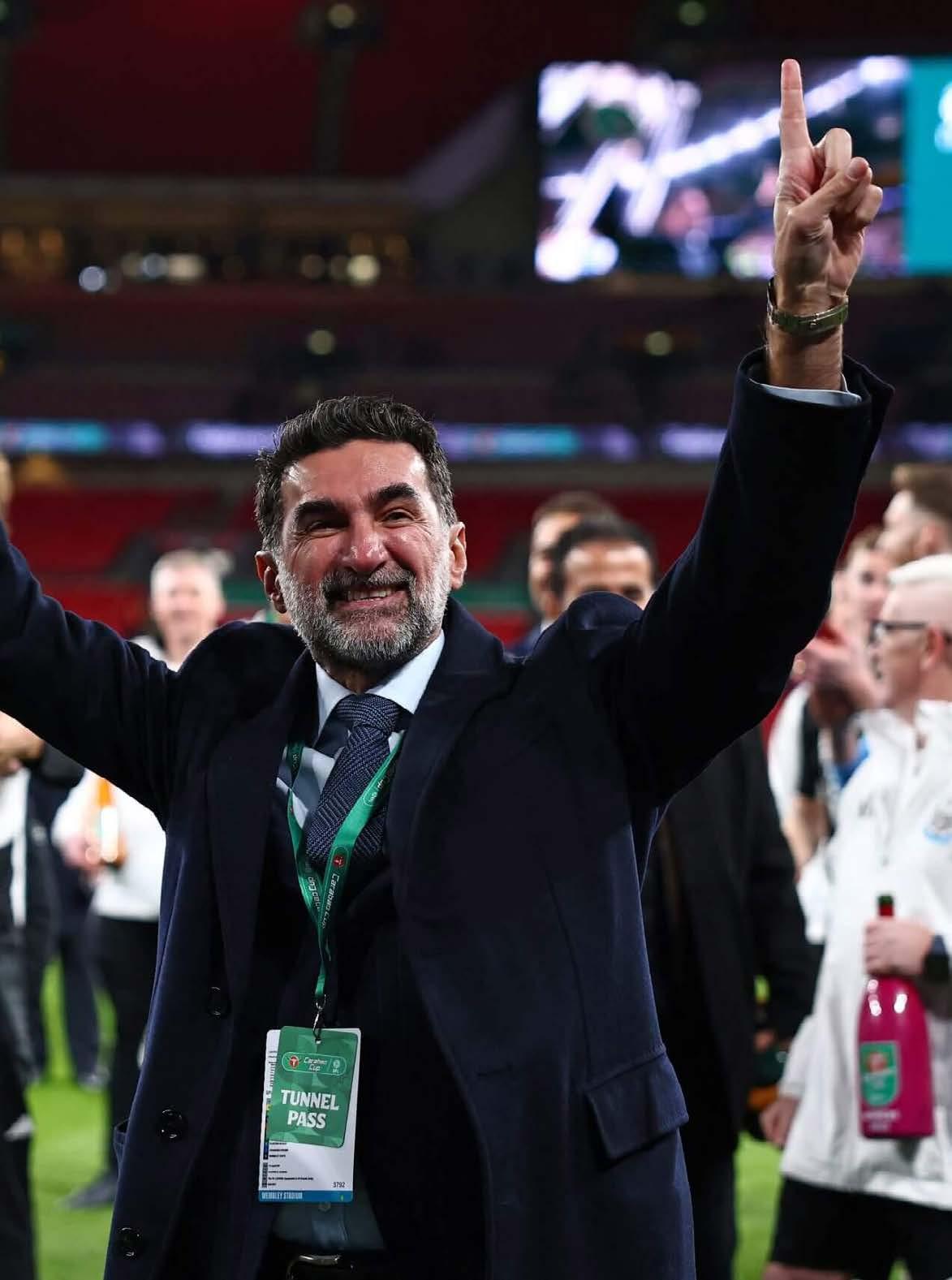
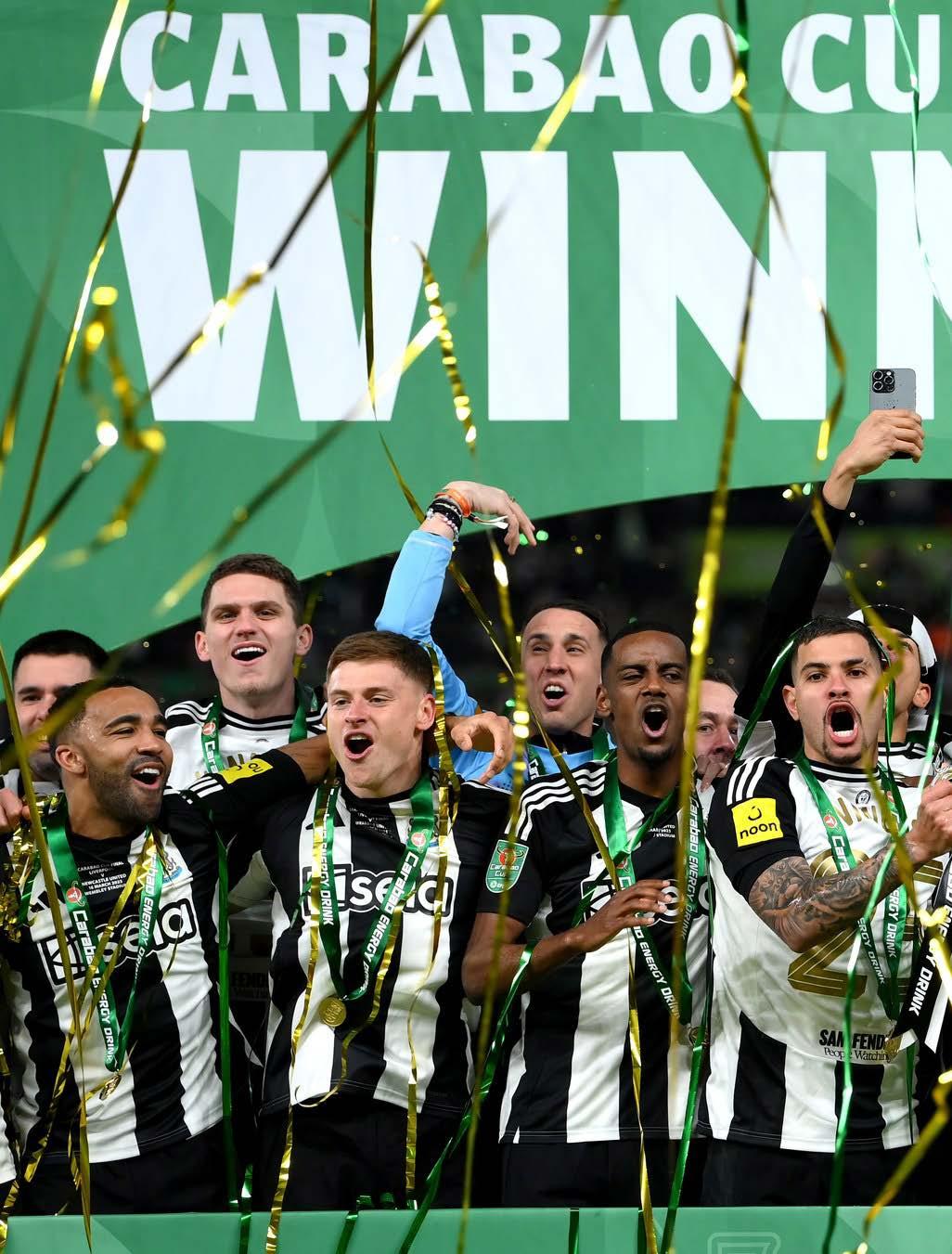
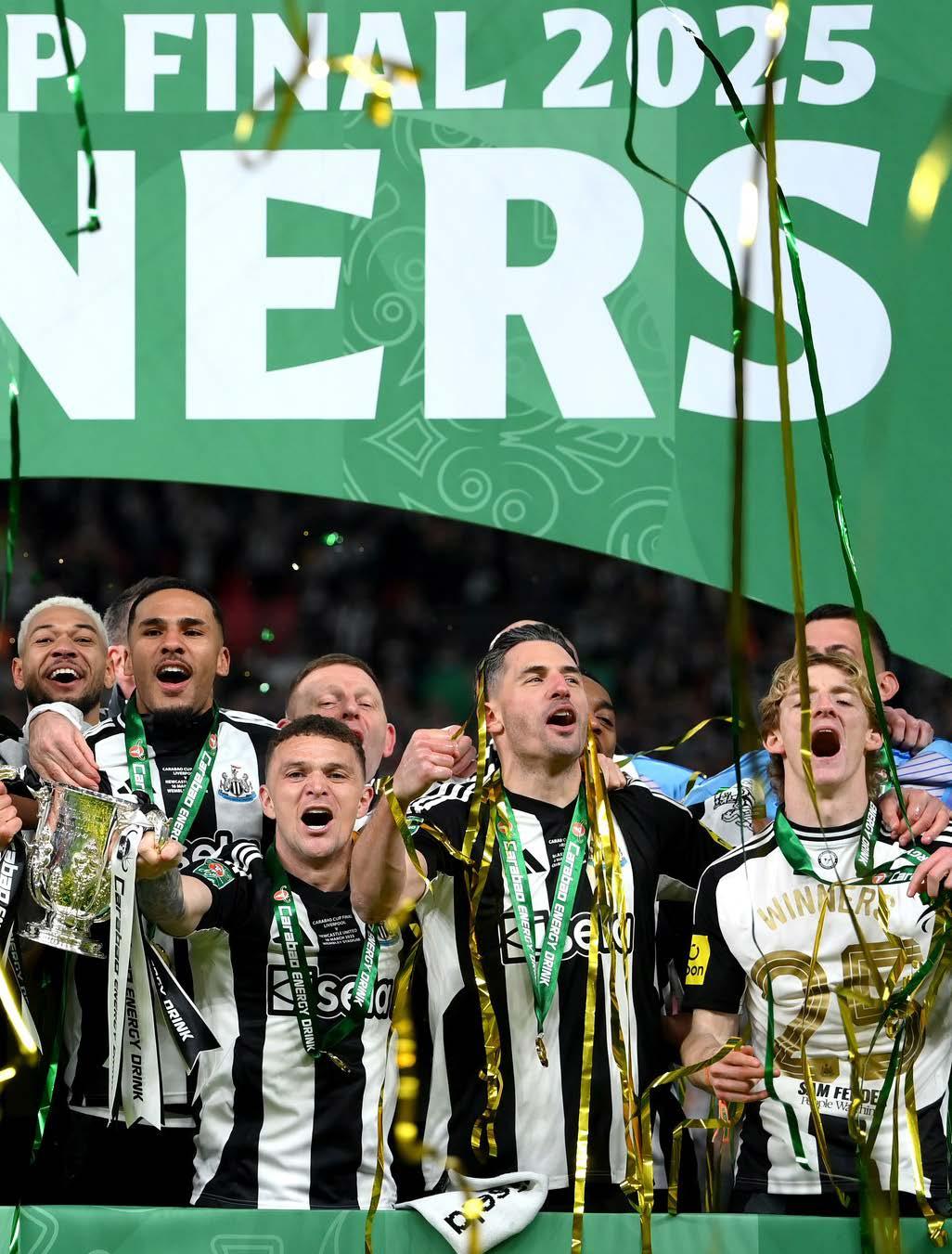
NEWCASTLE UNITED ENDS 70-YEAR DROUGHT WITH HISTORIC EFL CUP VICTORY OVER LIVERPOOL
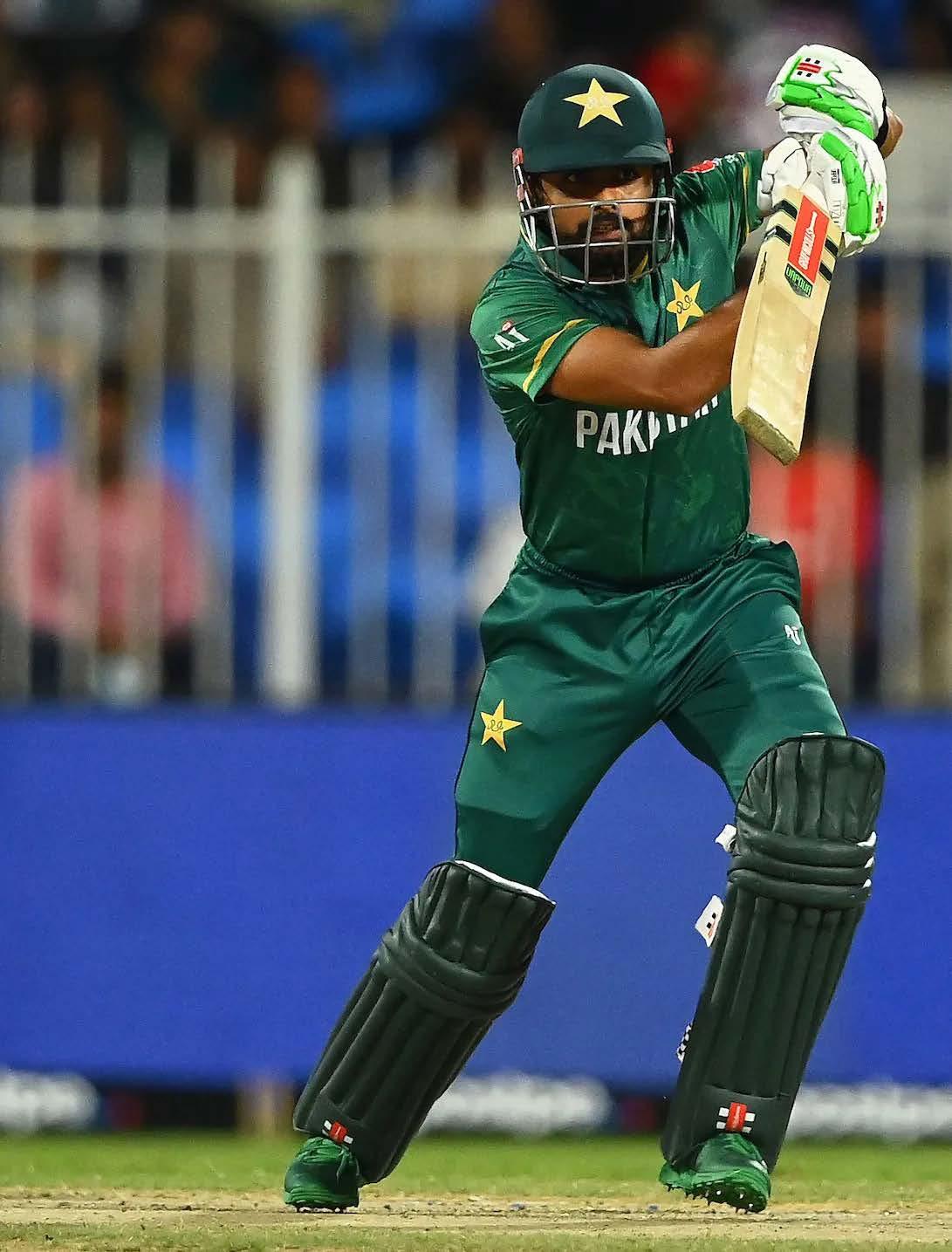
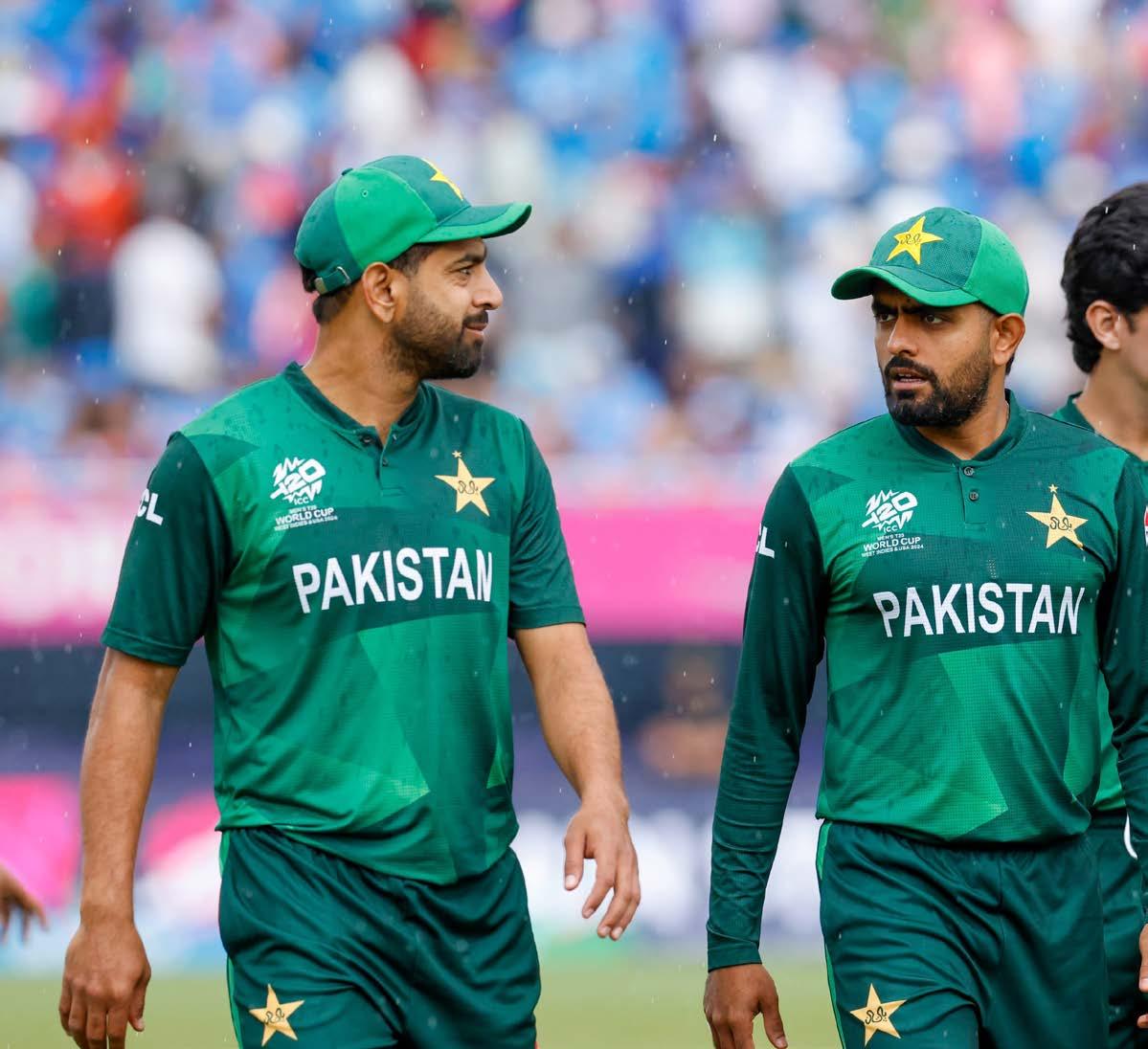
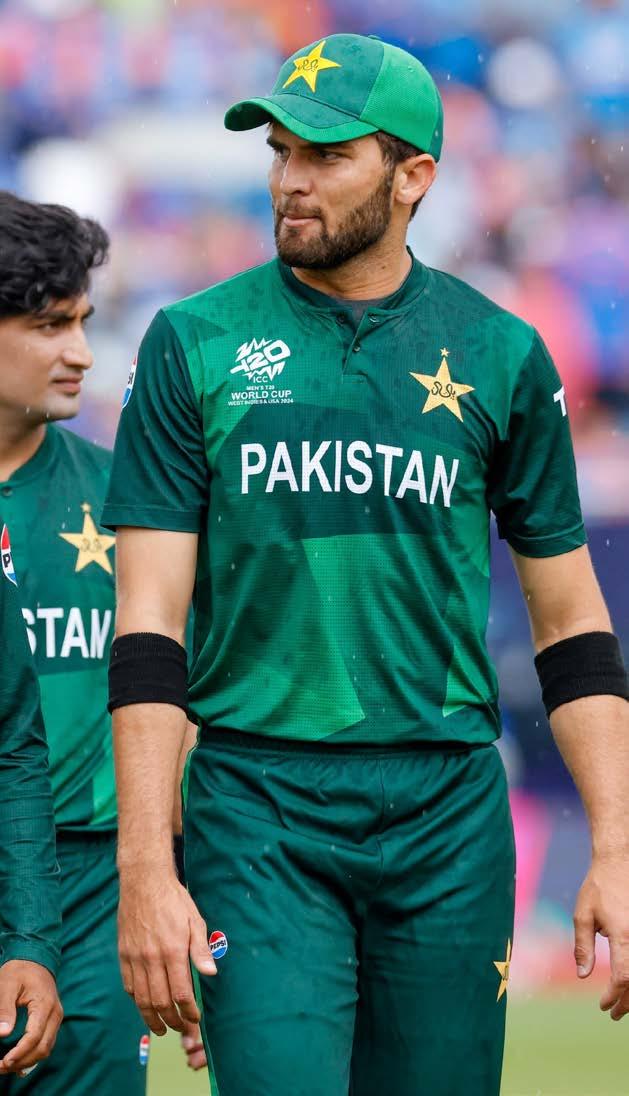
SONY SPORTS NETWORK SCORES BIG BAGS PCB TV RIGHTS FOR A CRICKET-CRAZY SUBCONTINENT
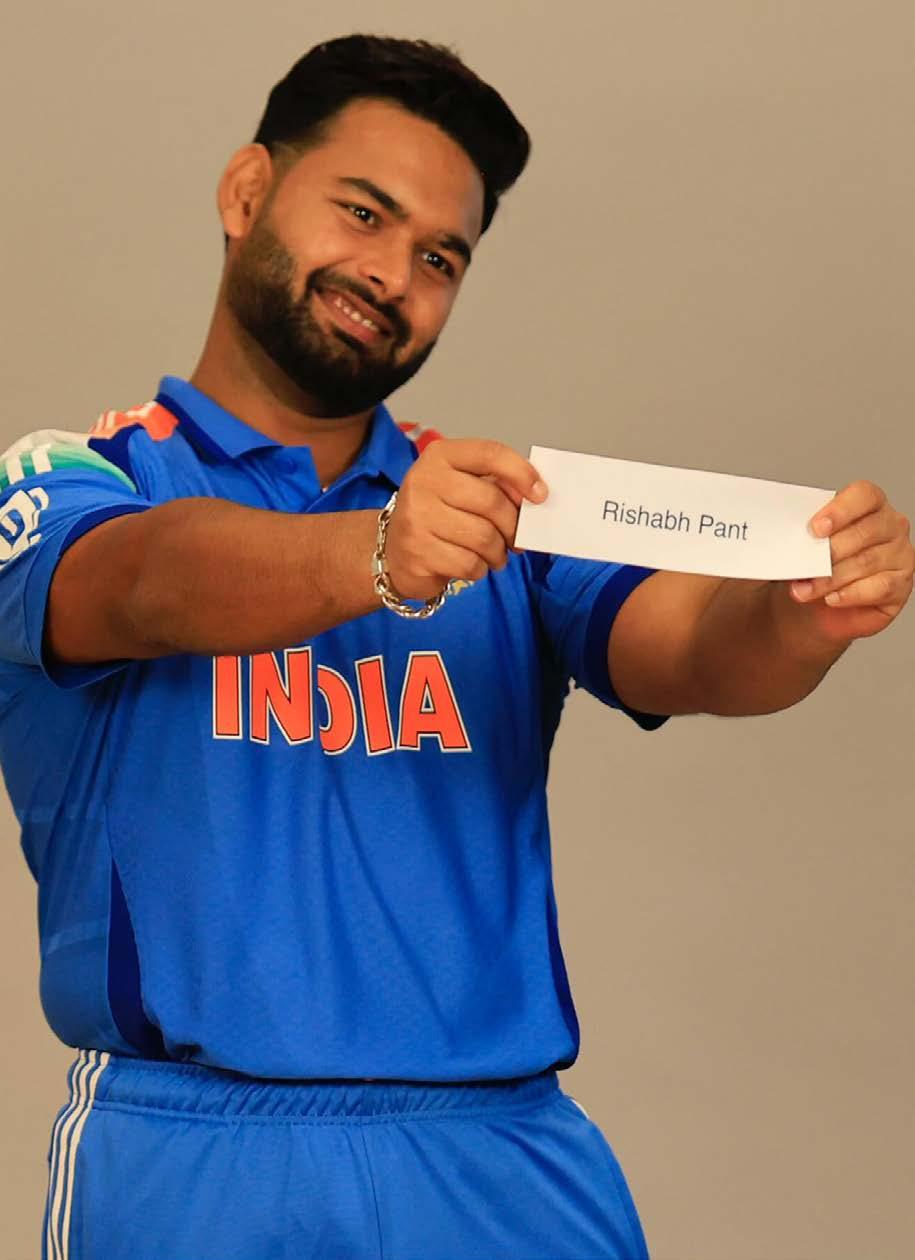
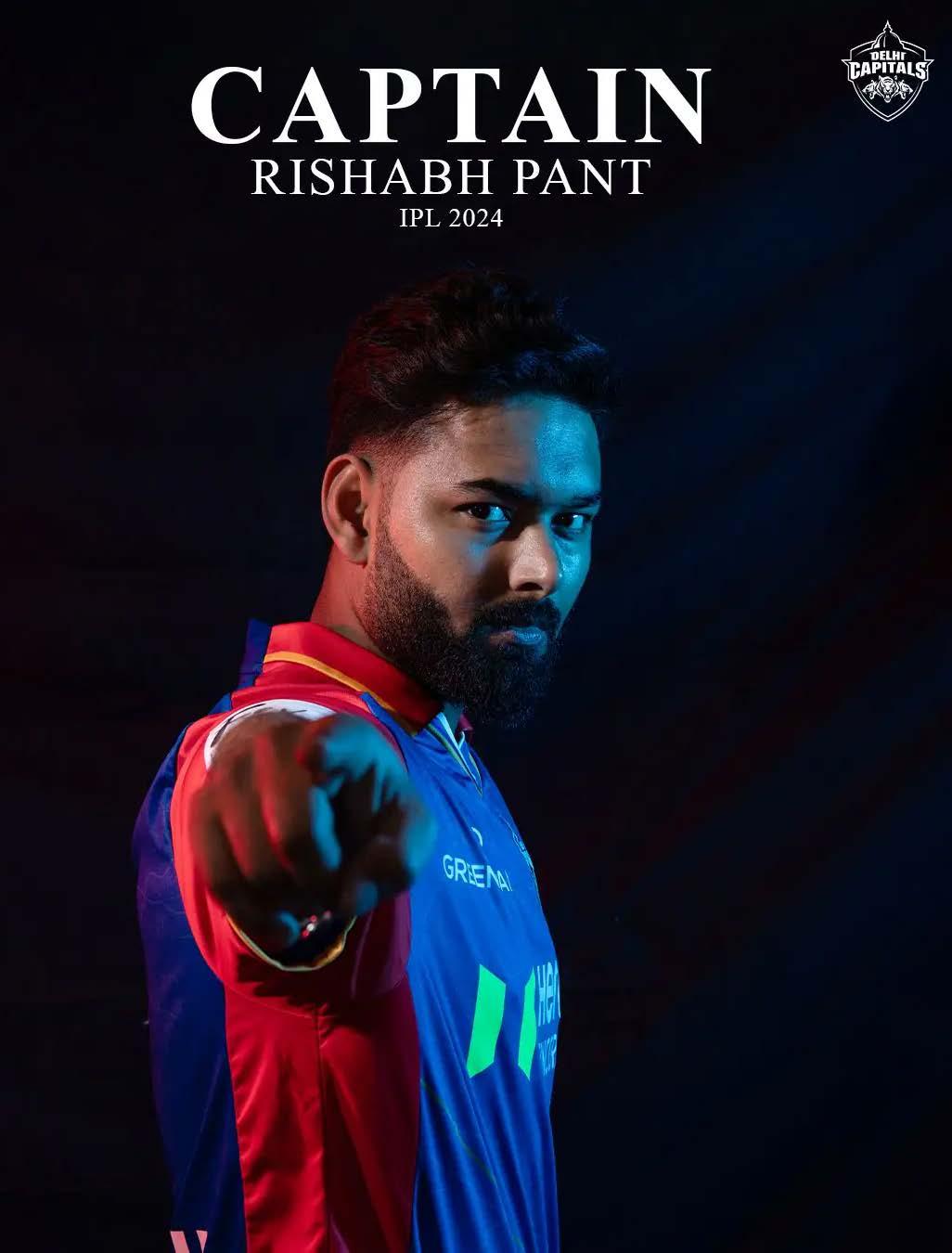
RISHABH PANT’S PHILANTHROPIC LEAP DONATING 10% OF EARNINGS TO HIS NEWLY ESTABLISHED FOUNDATION
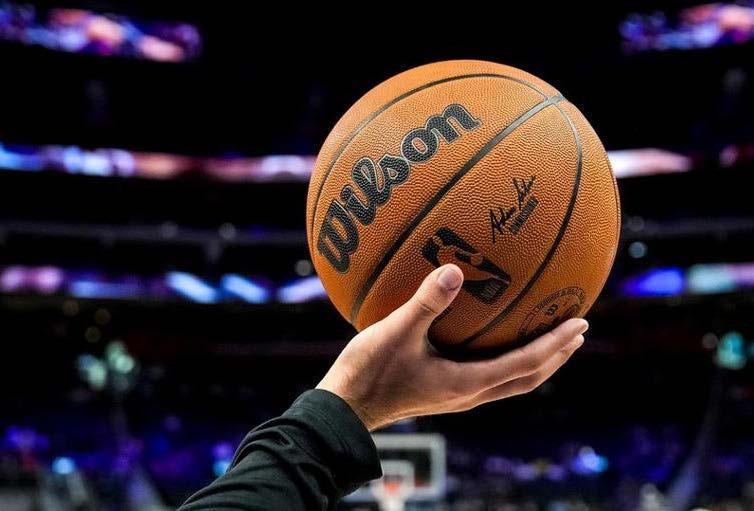
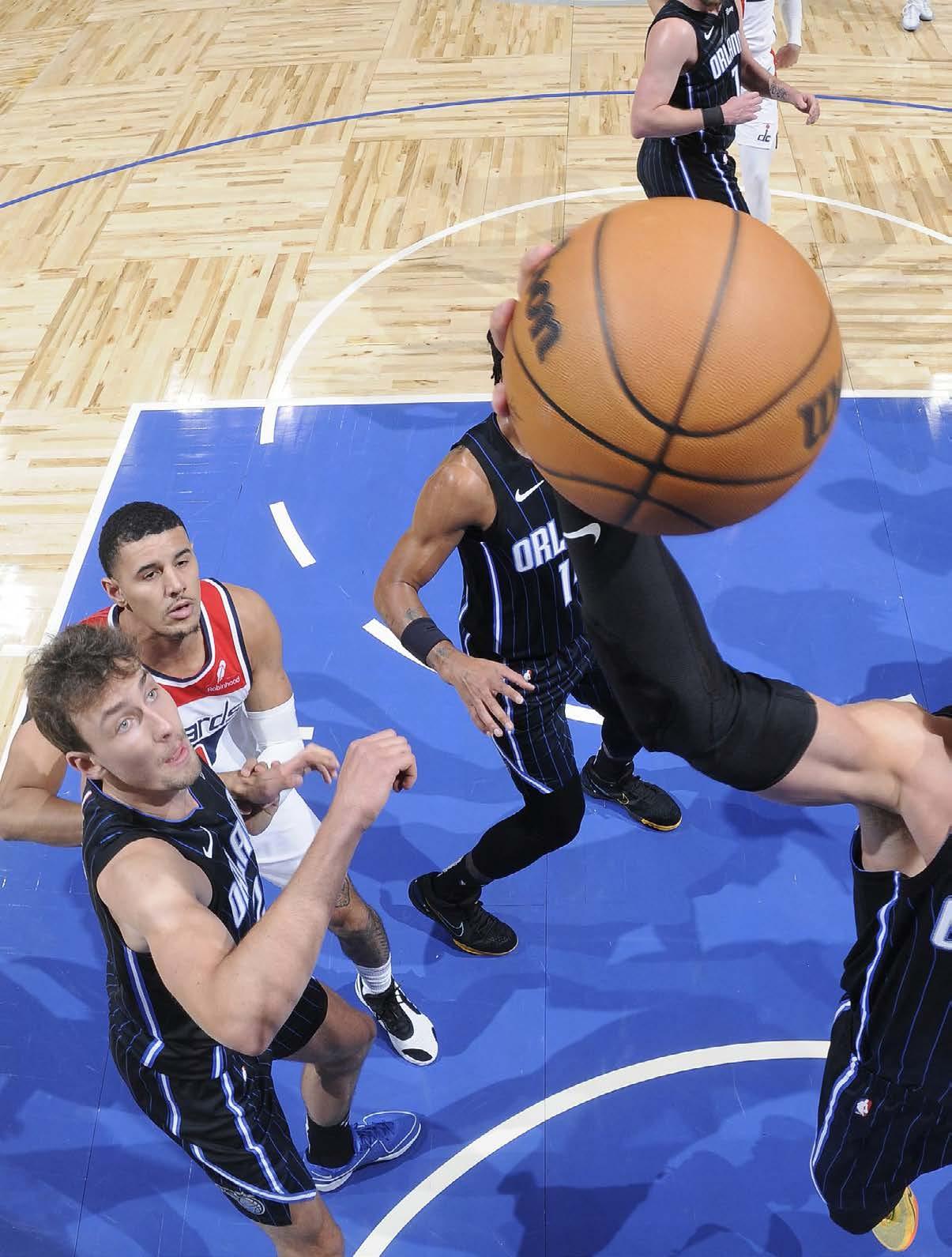
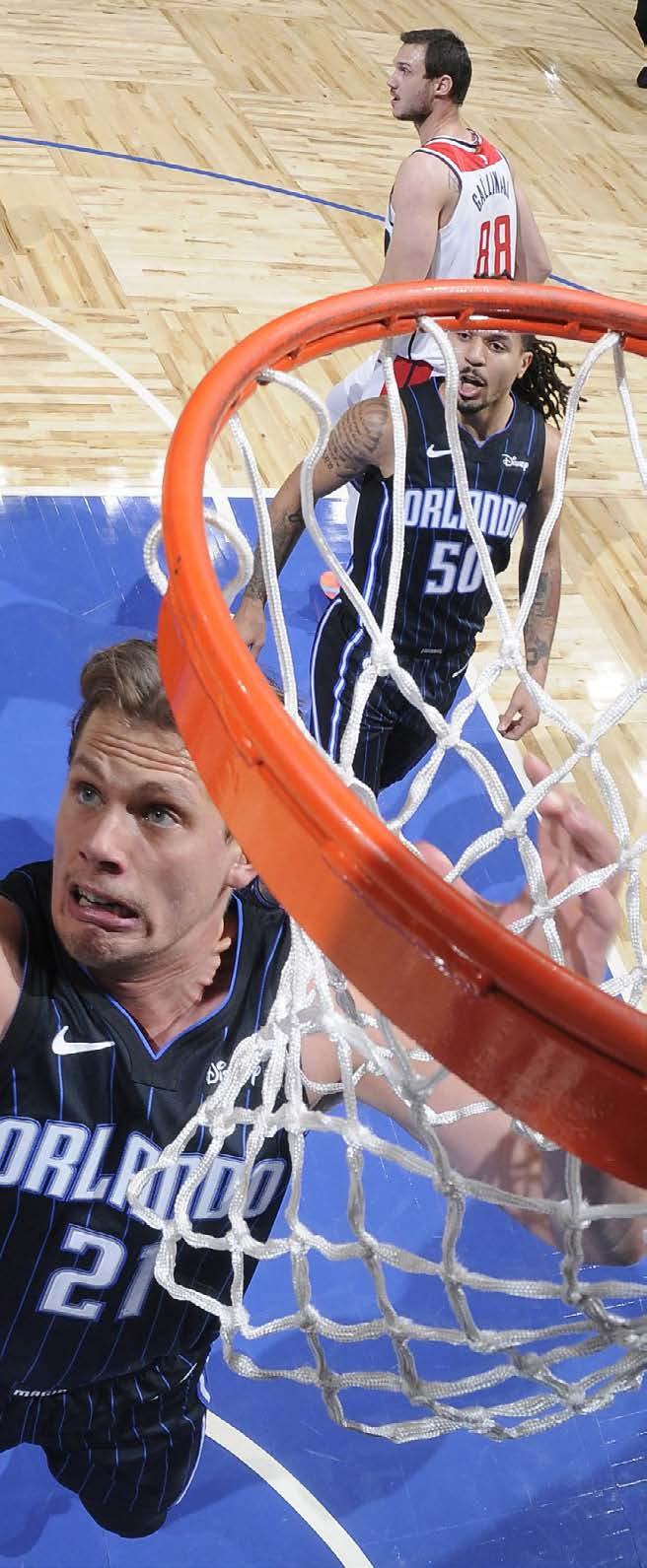
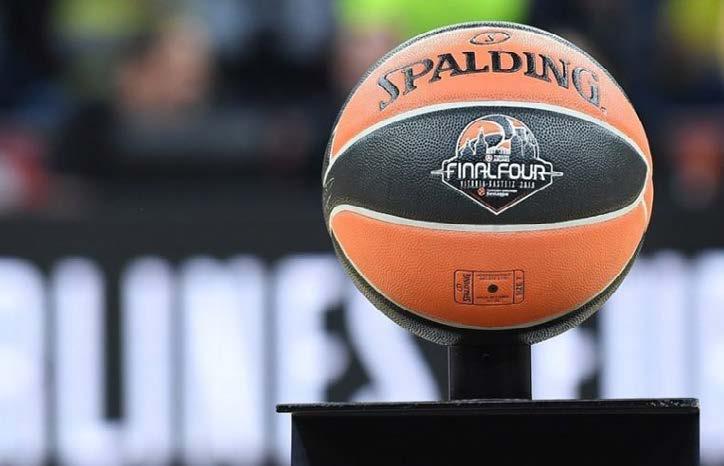
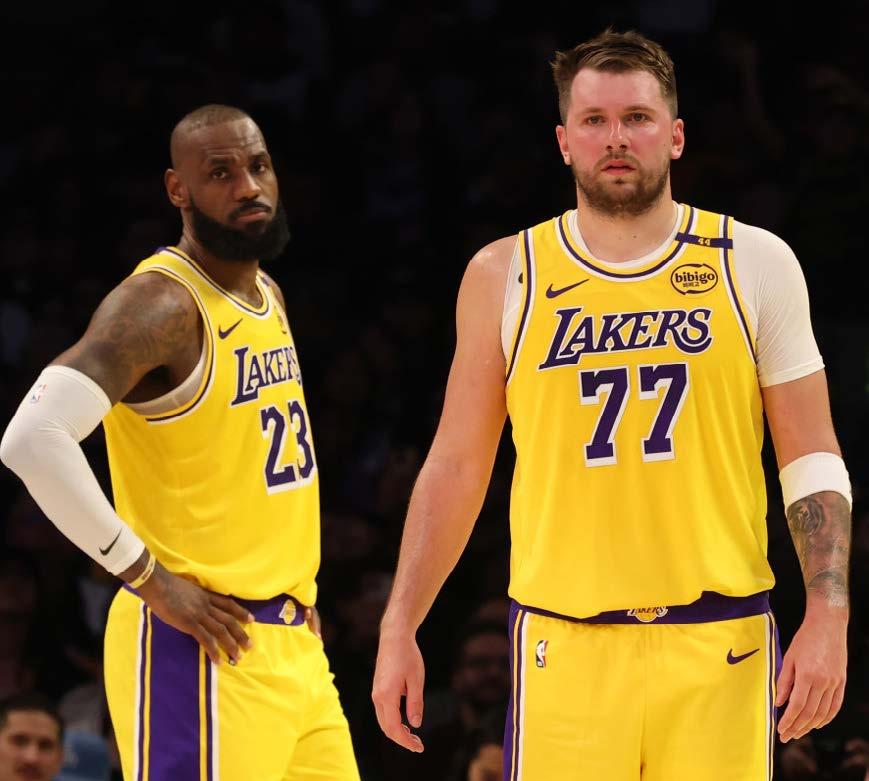
NBA AND FIBA JOIN FORCES TO EXPLORE NEW EUROPEAN BASKETBALL LEAGUE
THE BIRTH OF A NEW PARTNERSHIP WWE’S SENSATIONAL DEBUT ON NETFLIX
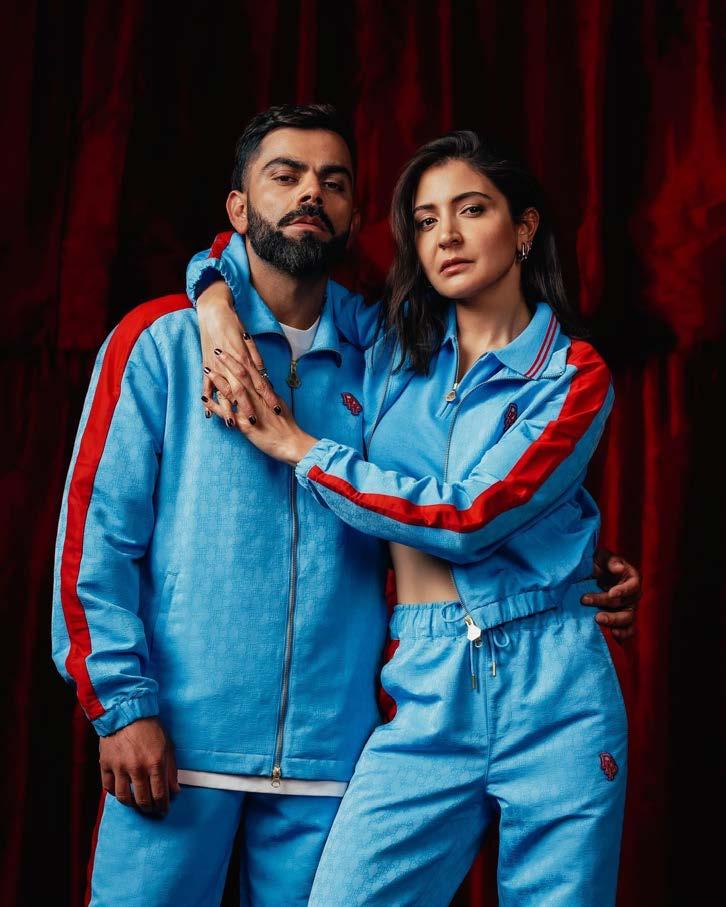
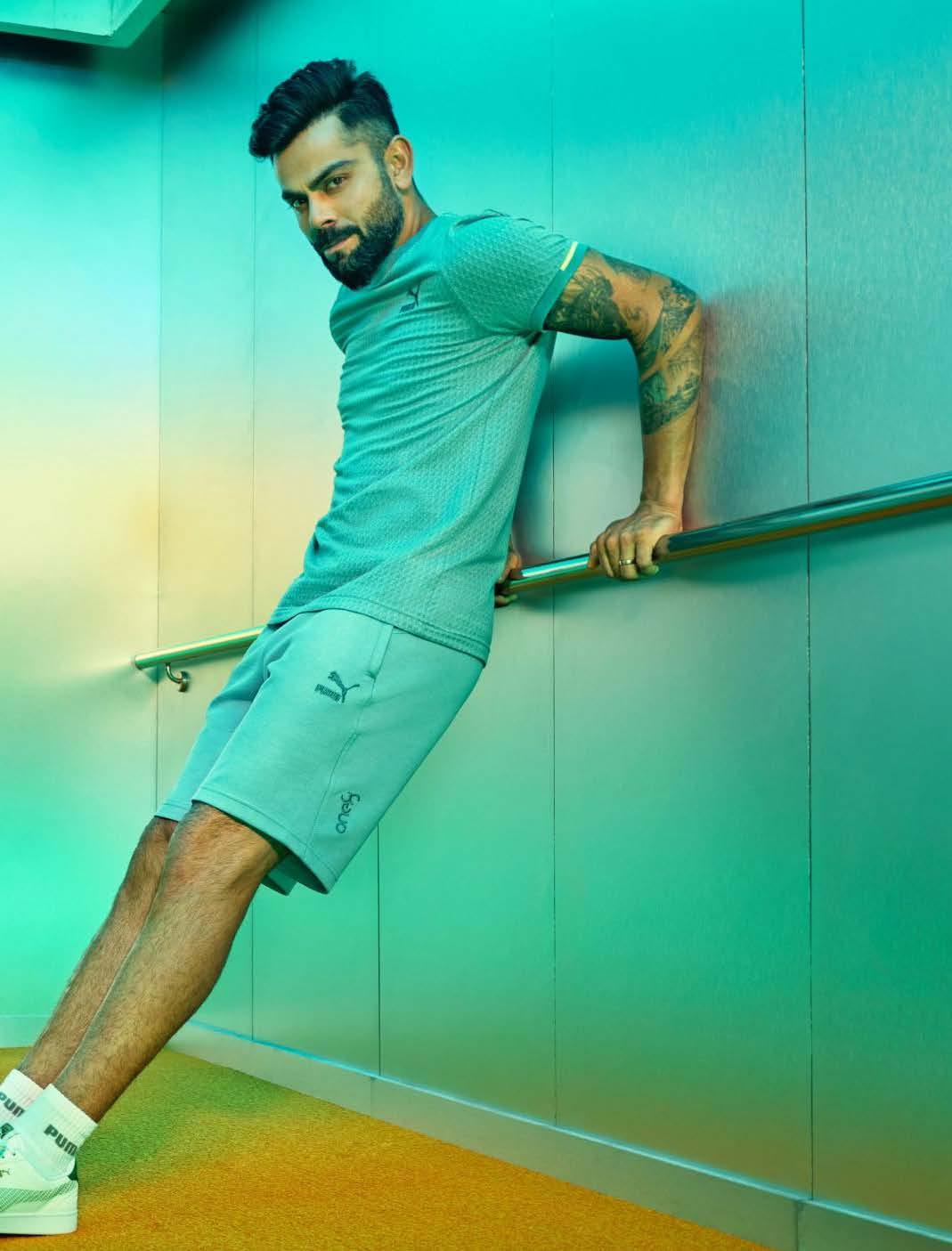
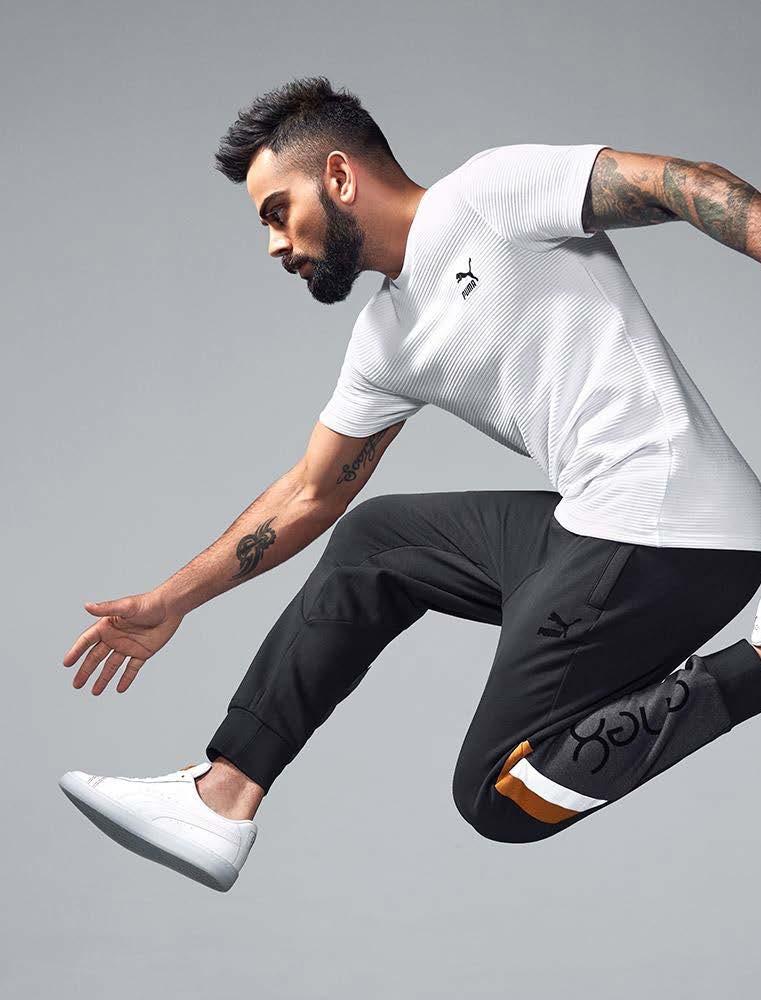
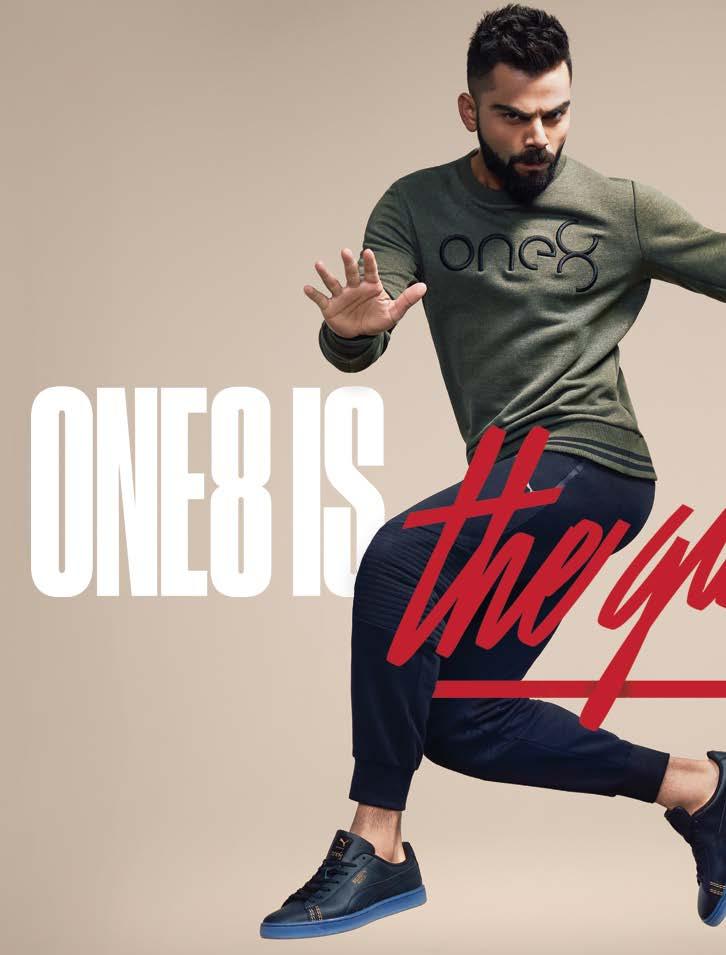
VIRAT KOHLI’S STRATEGIC LEAP WITH AGILITAS SPORTS THE FULL STORY BEHIND THE MOVE
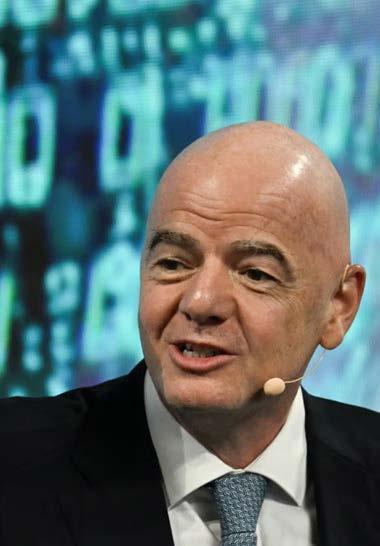
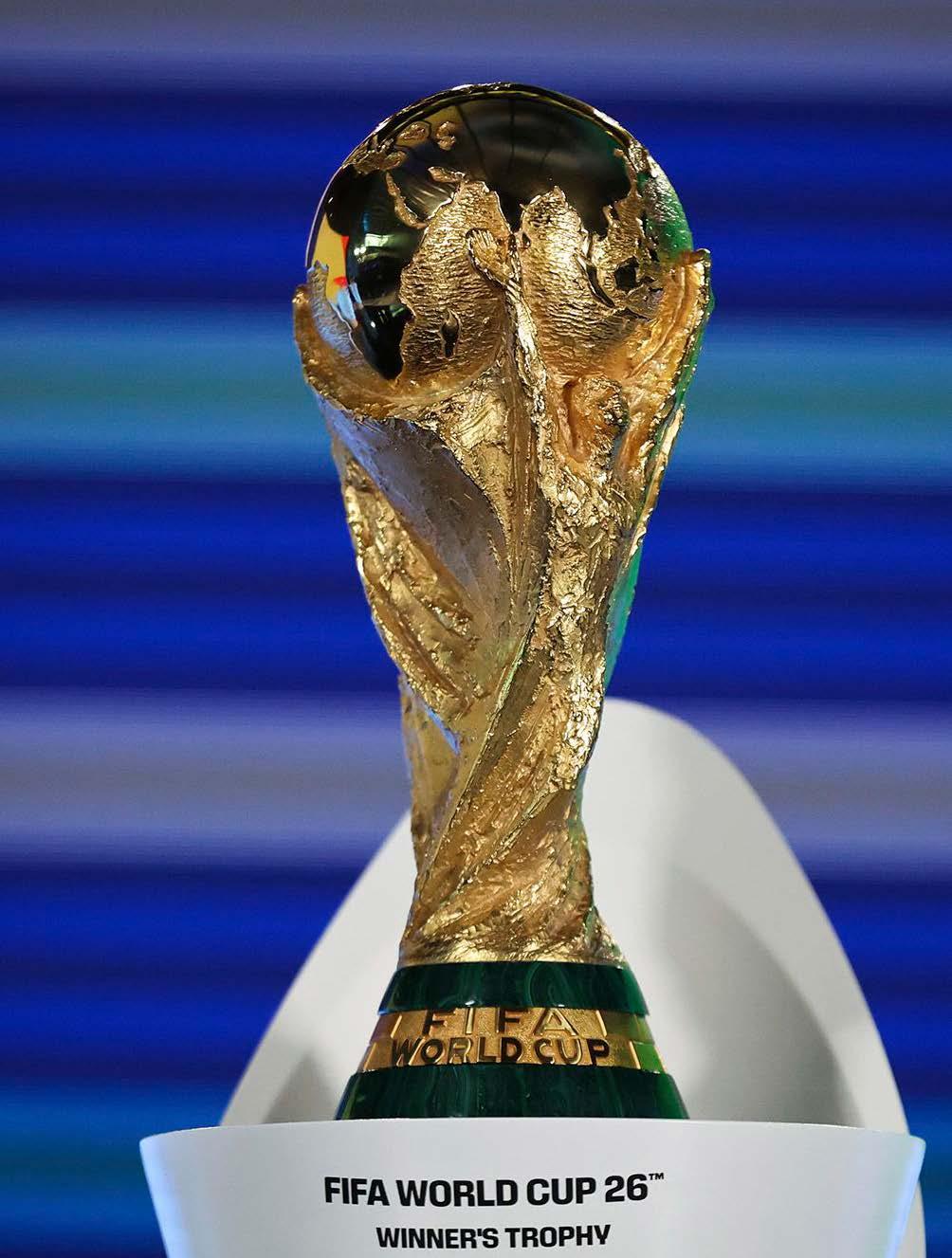
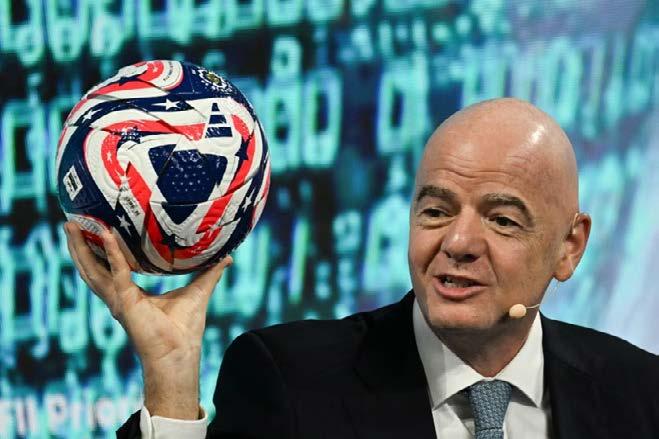
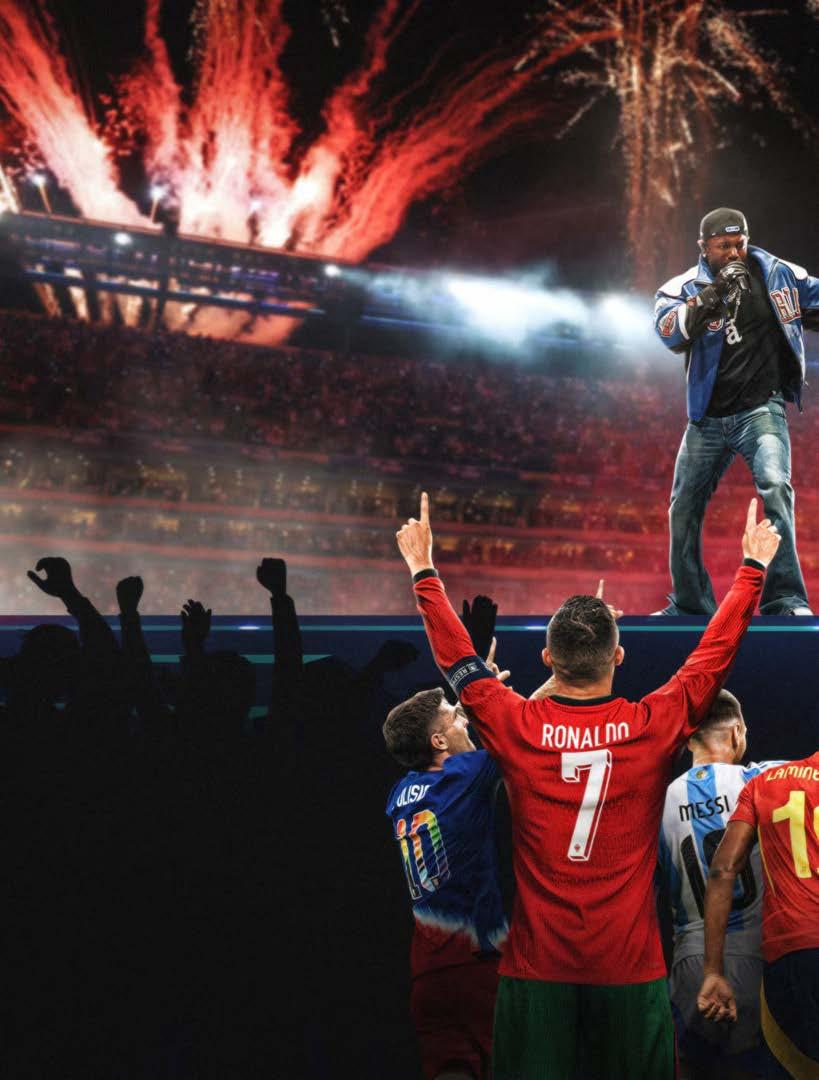
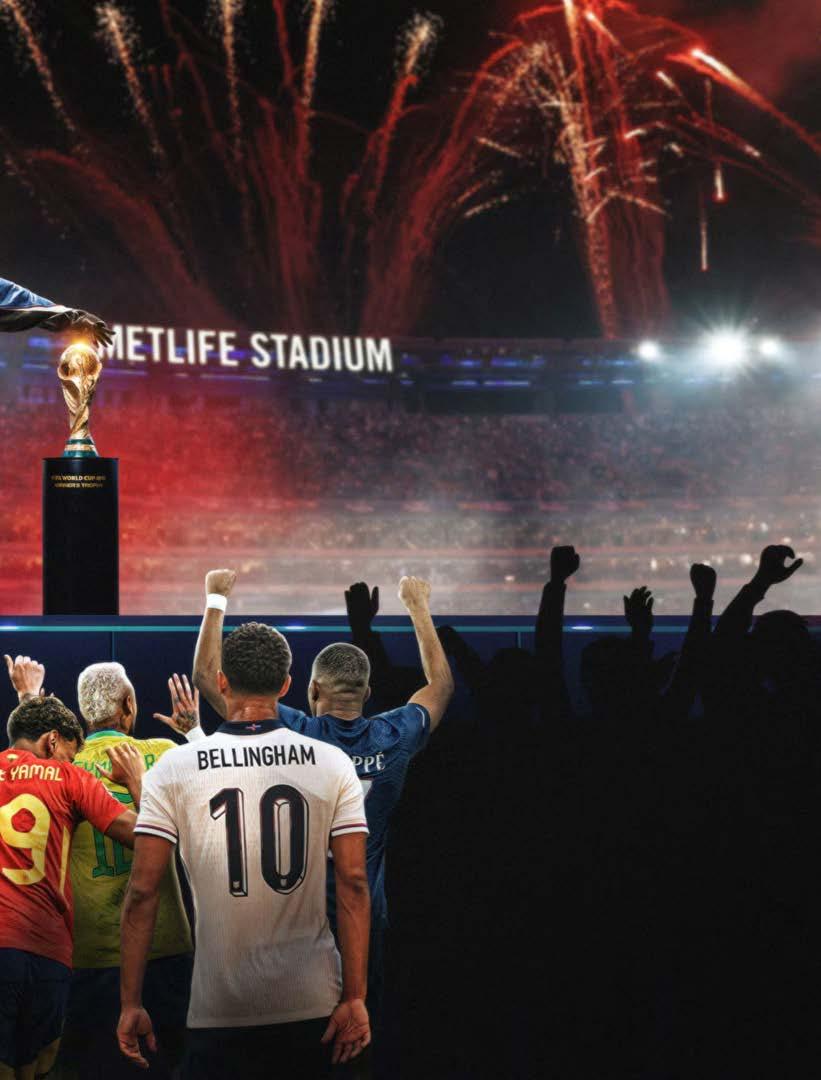
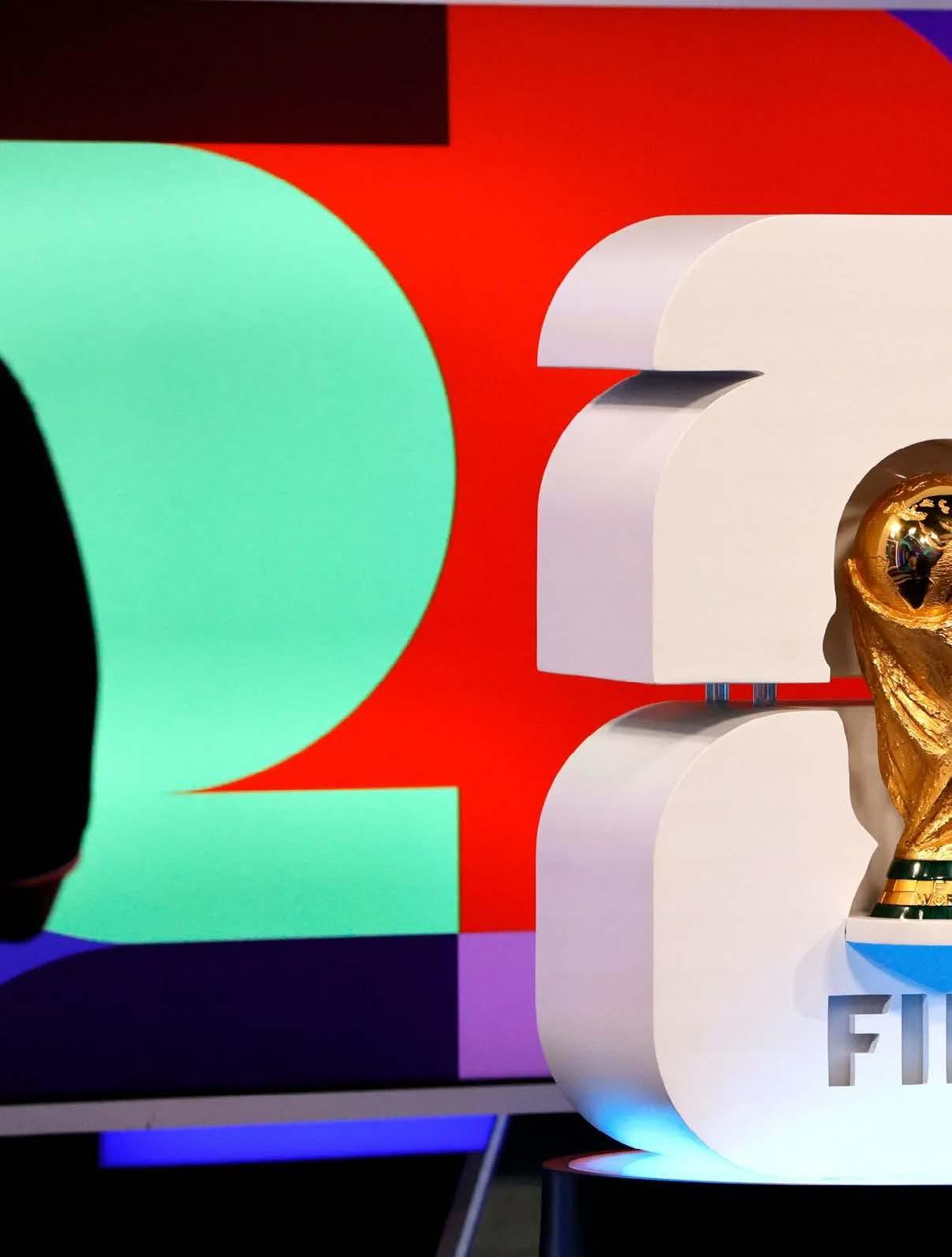
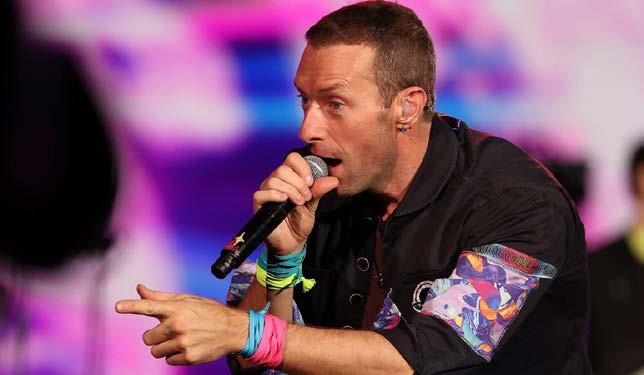
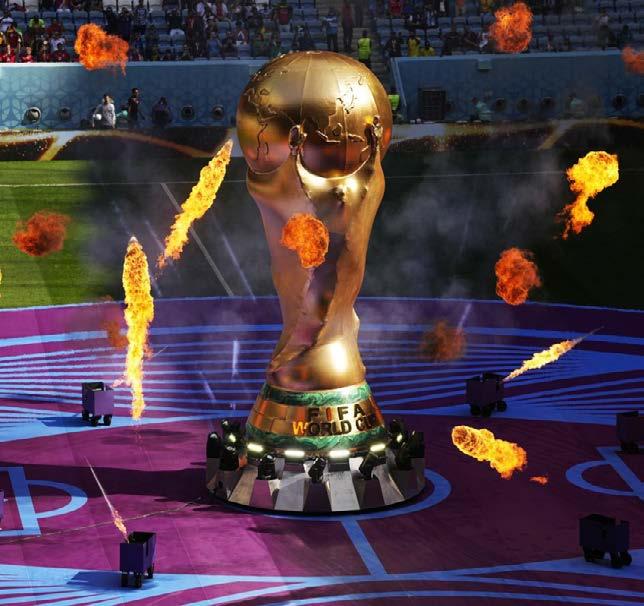
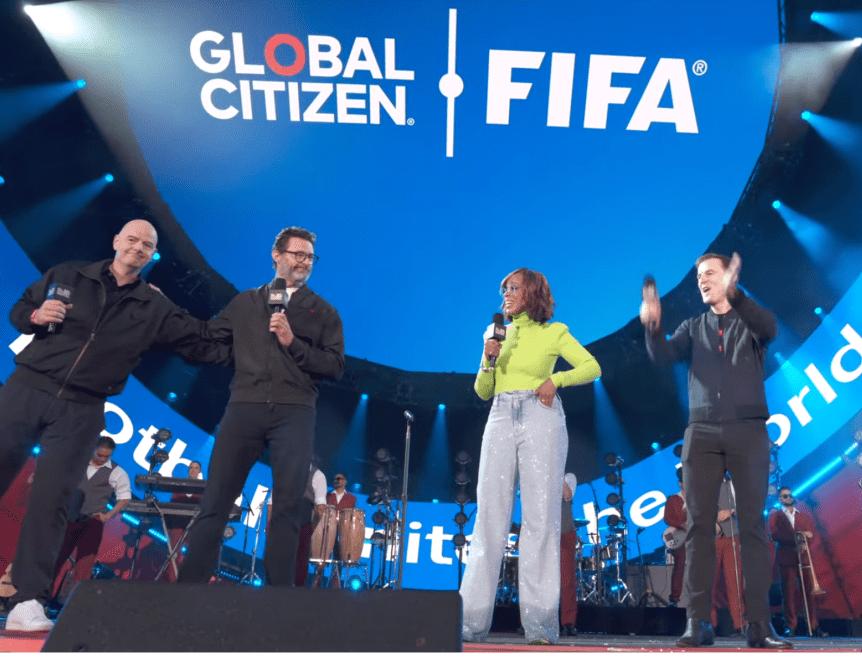
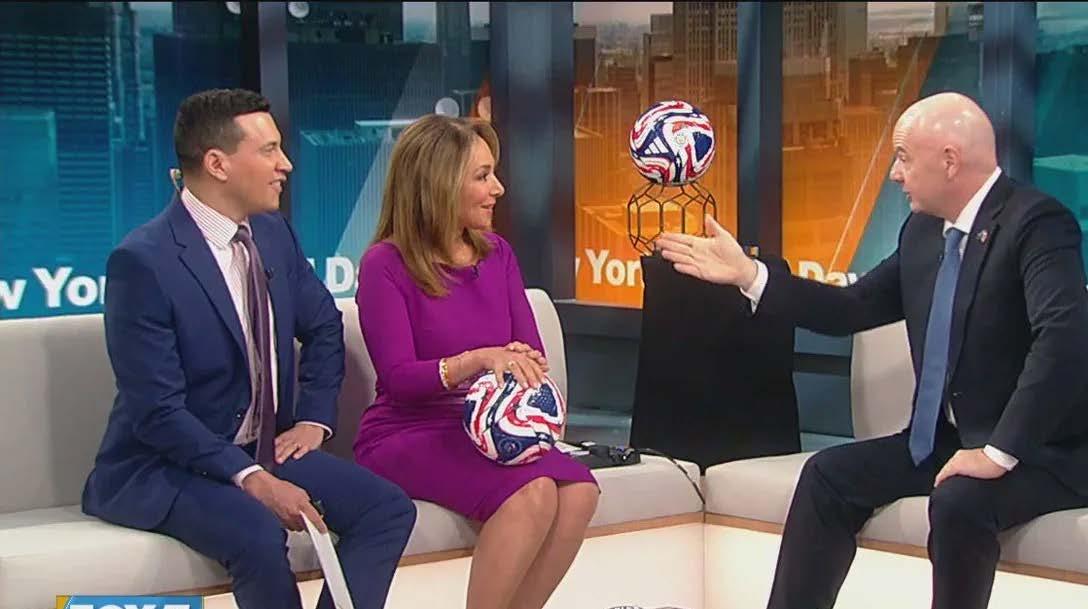
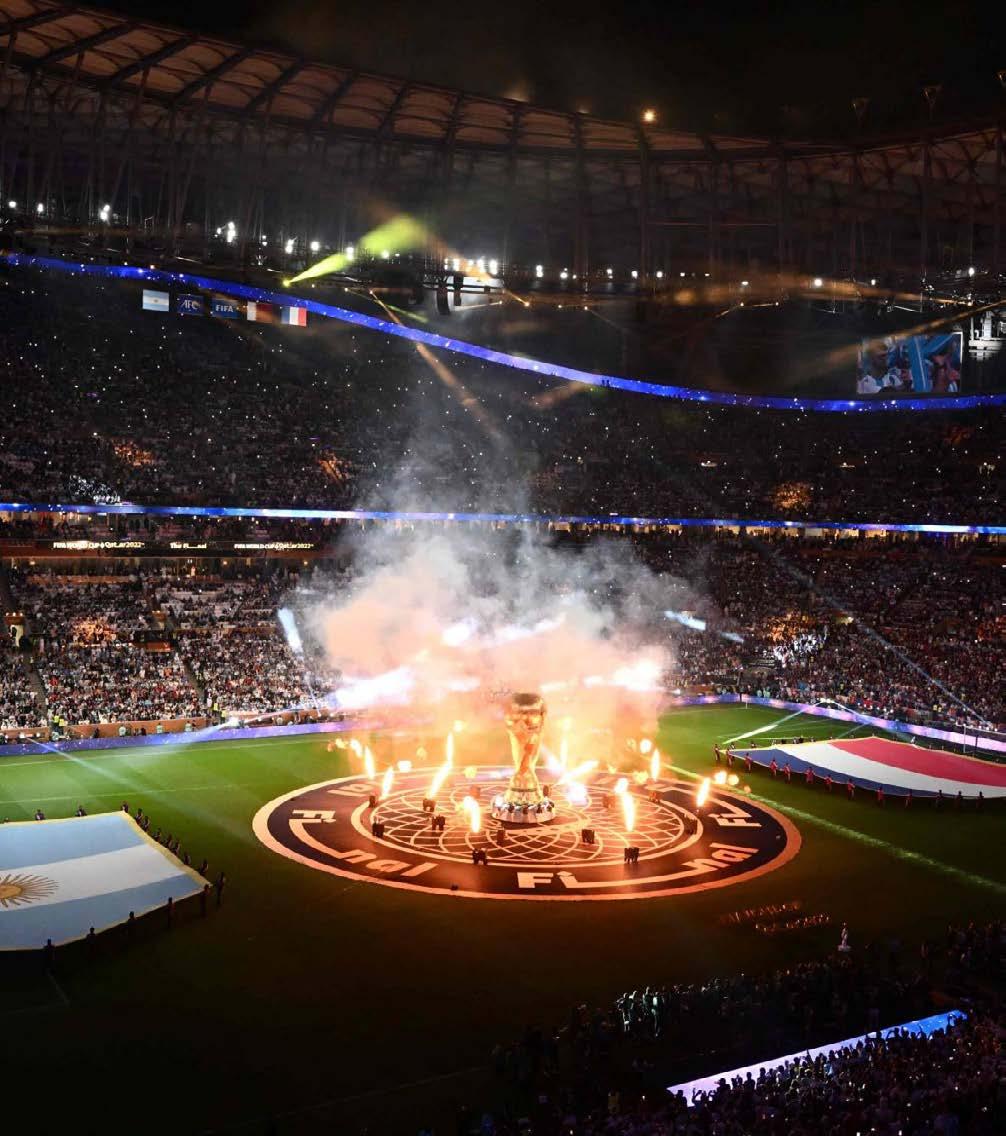
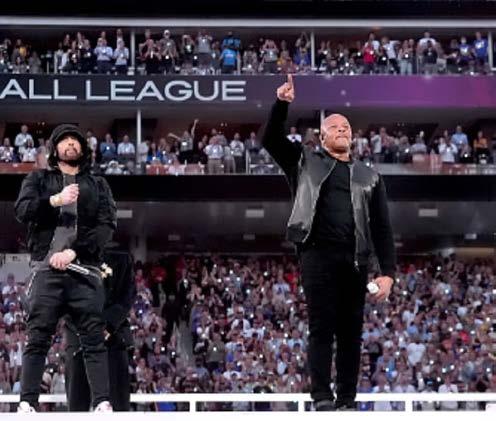
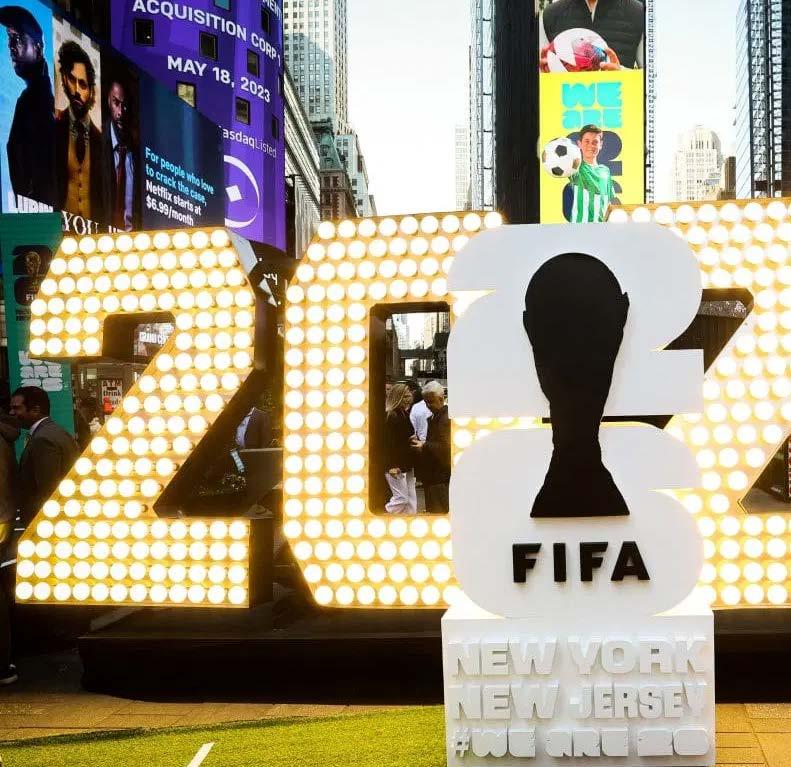
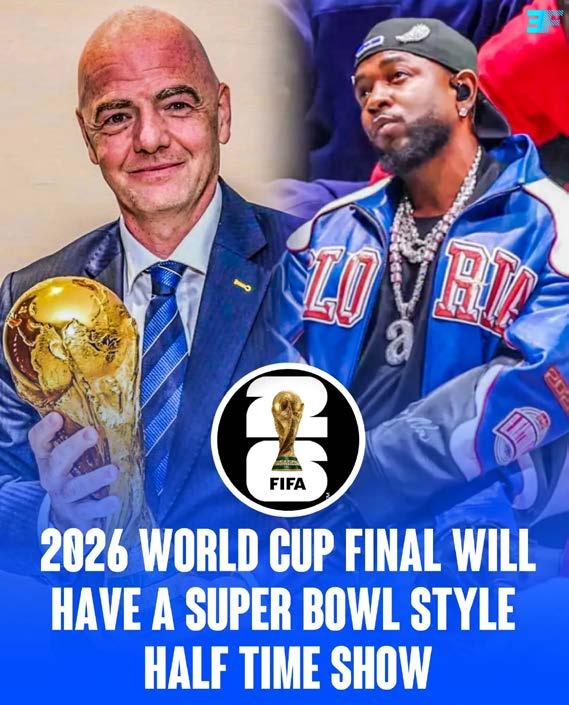
FIFA’S BOLD MOVE: A HALFTIME SHOW TO REDEFINE THE 2026 WORLD CUP FINAL
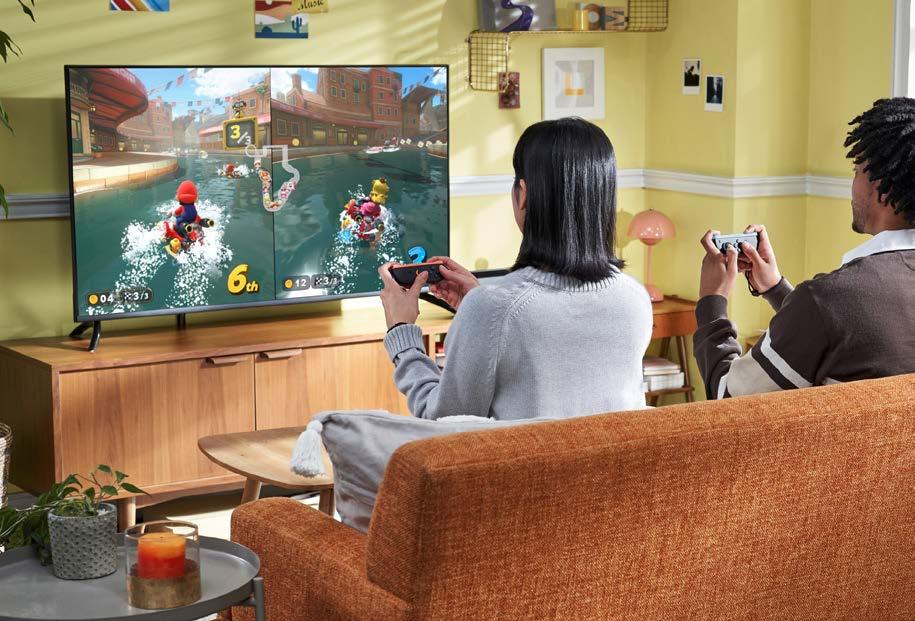
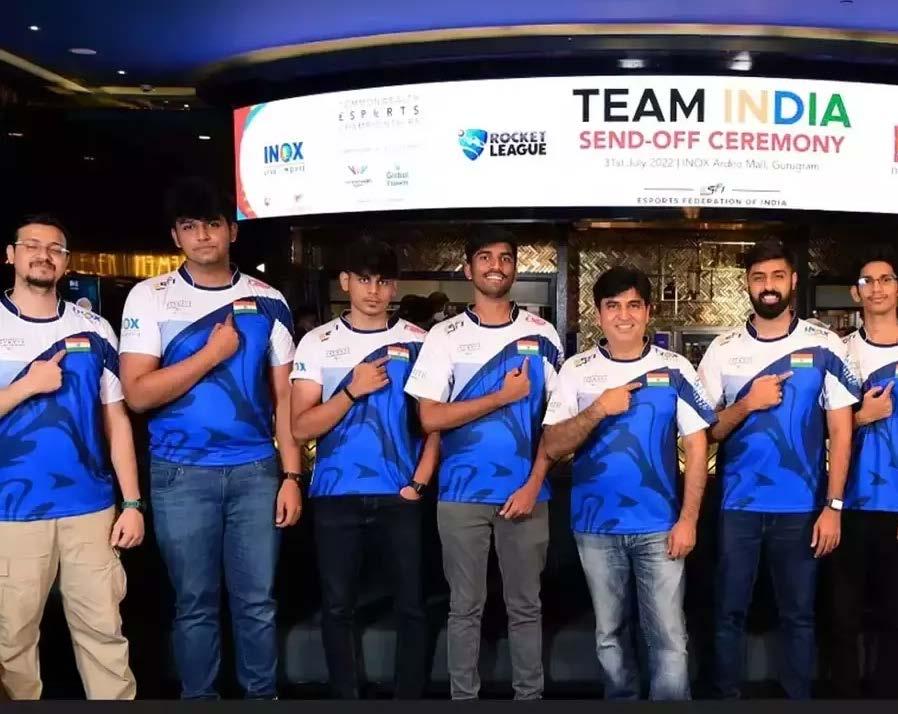
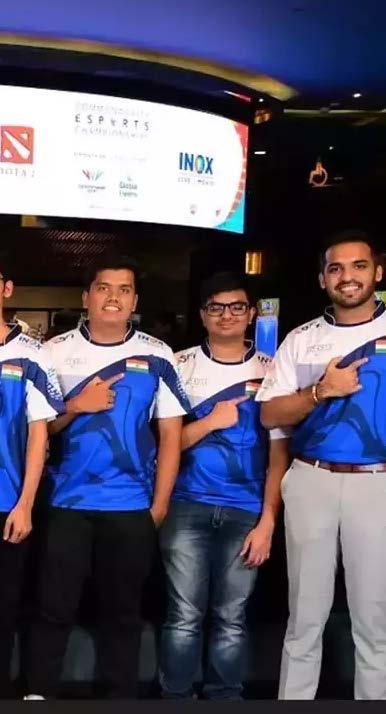
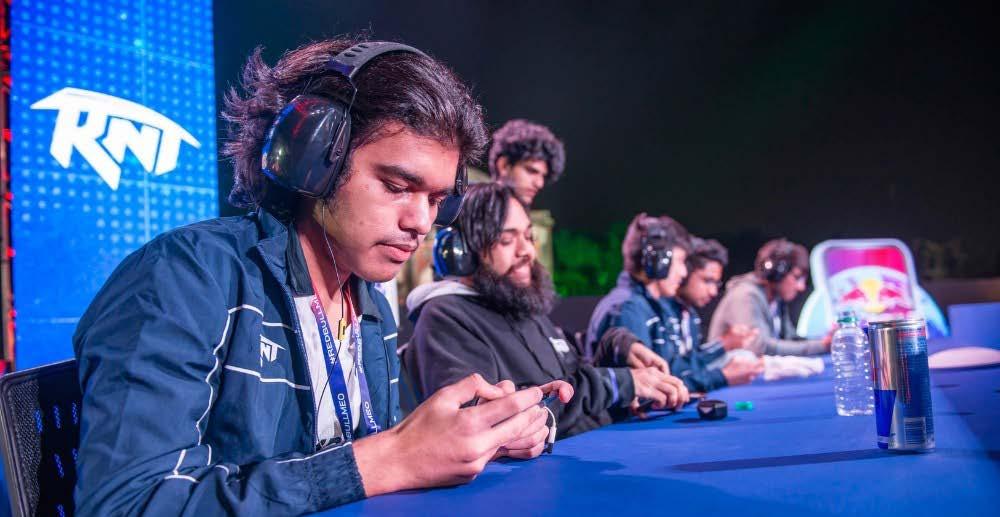
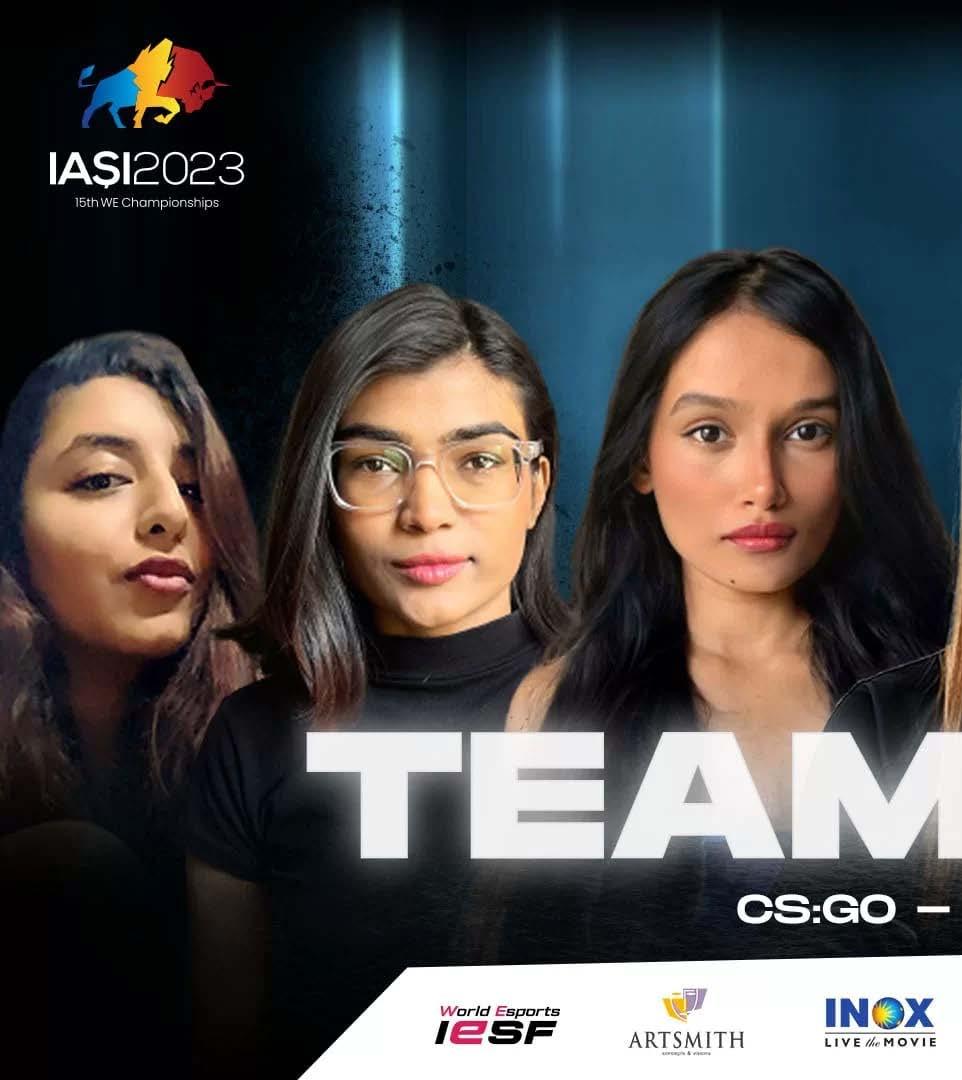
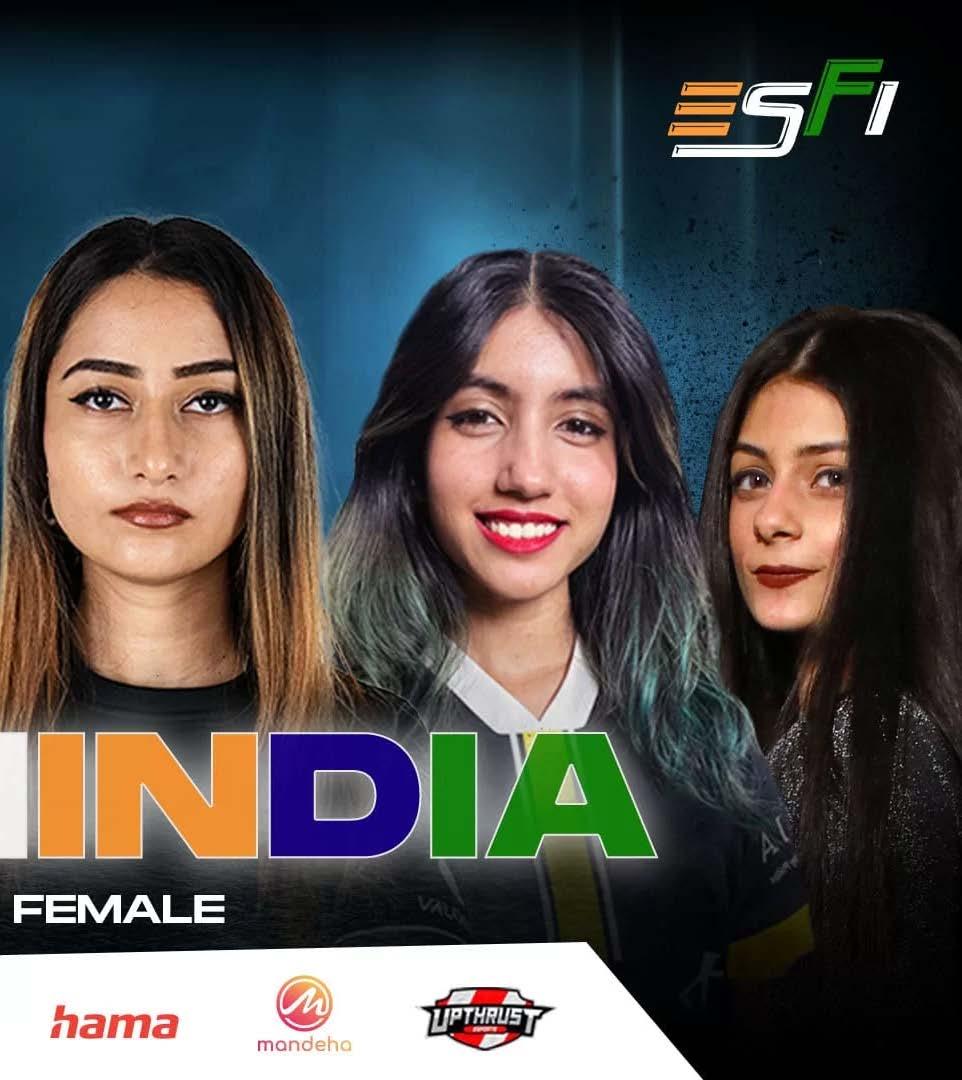
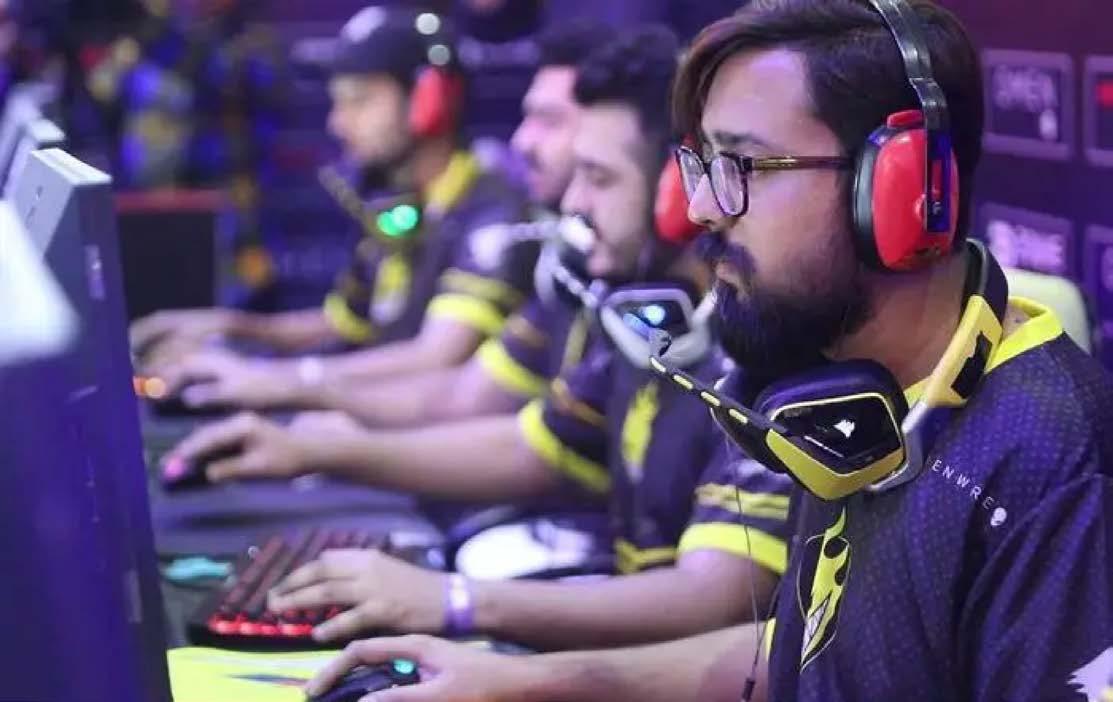
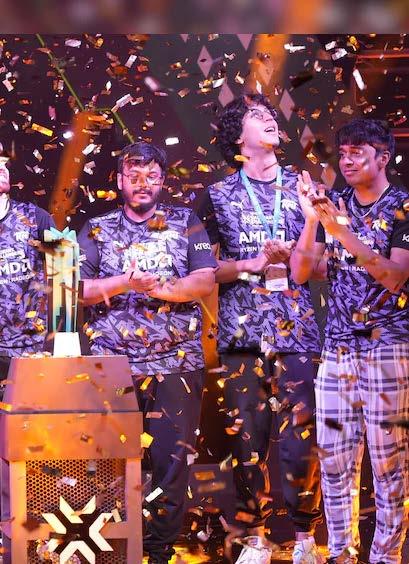
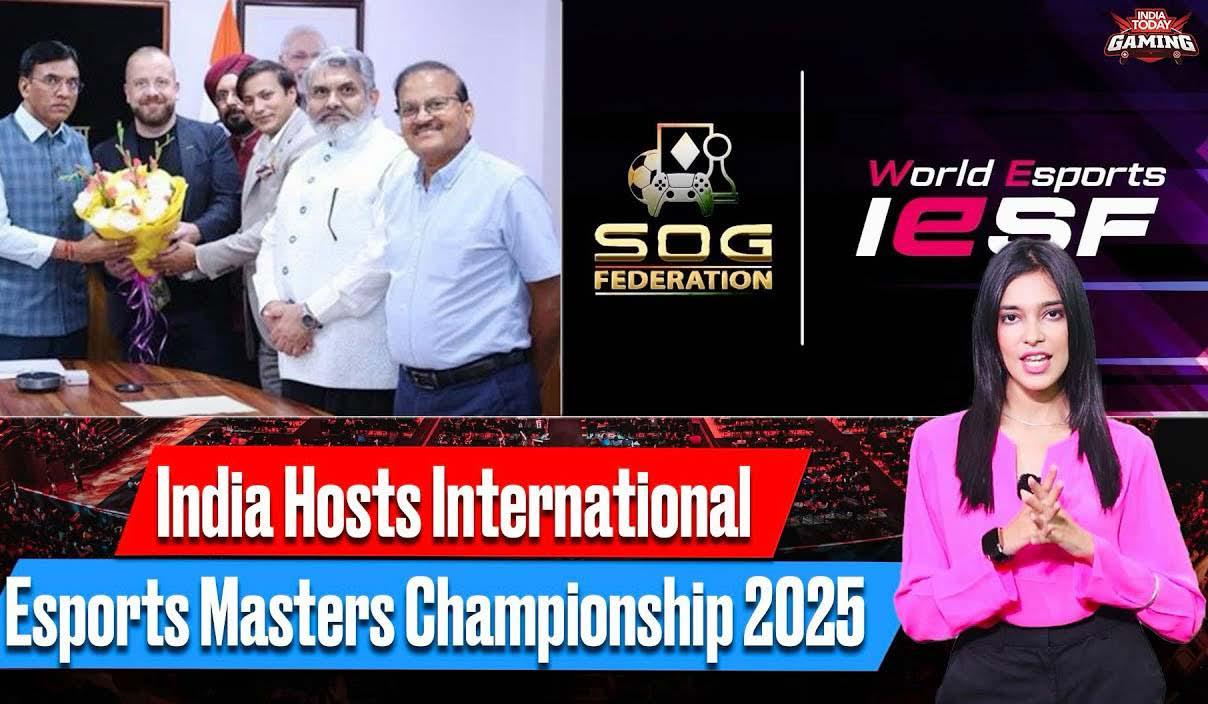
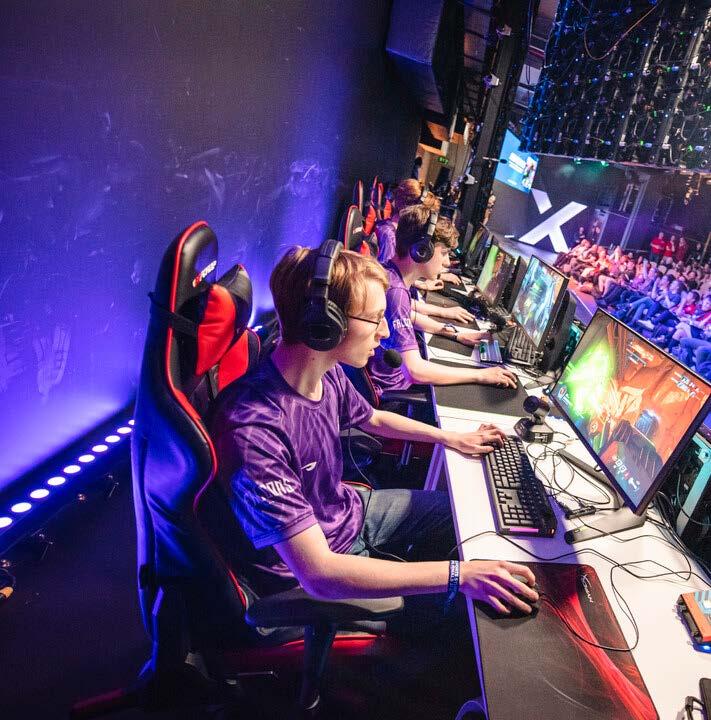
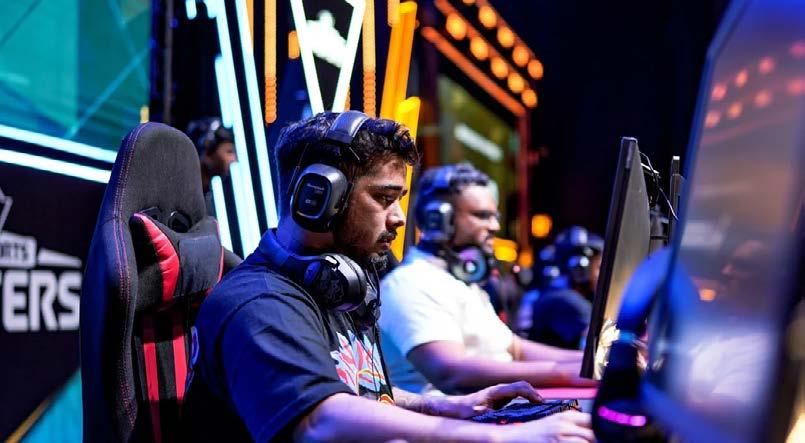
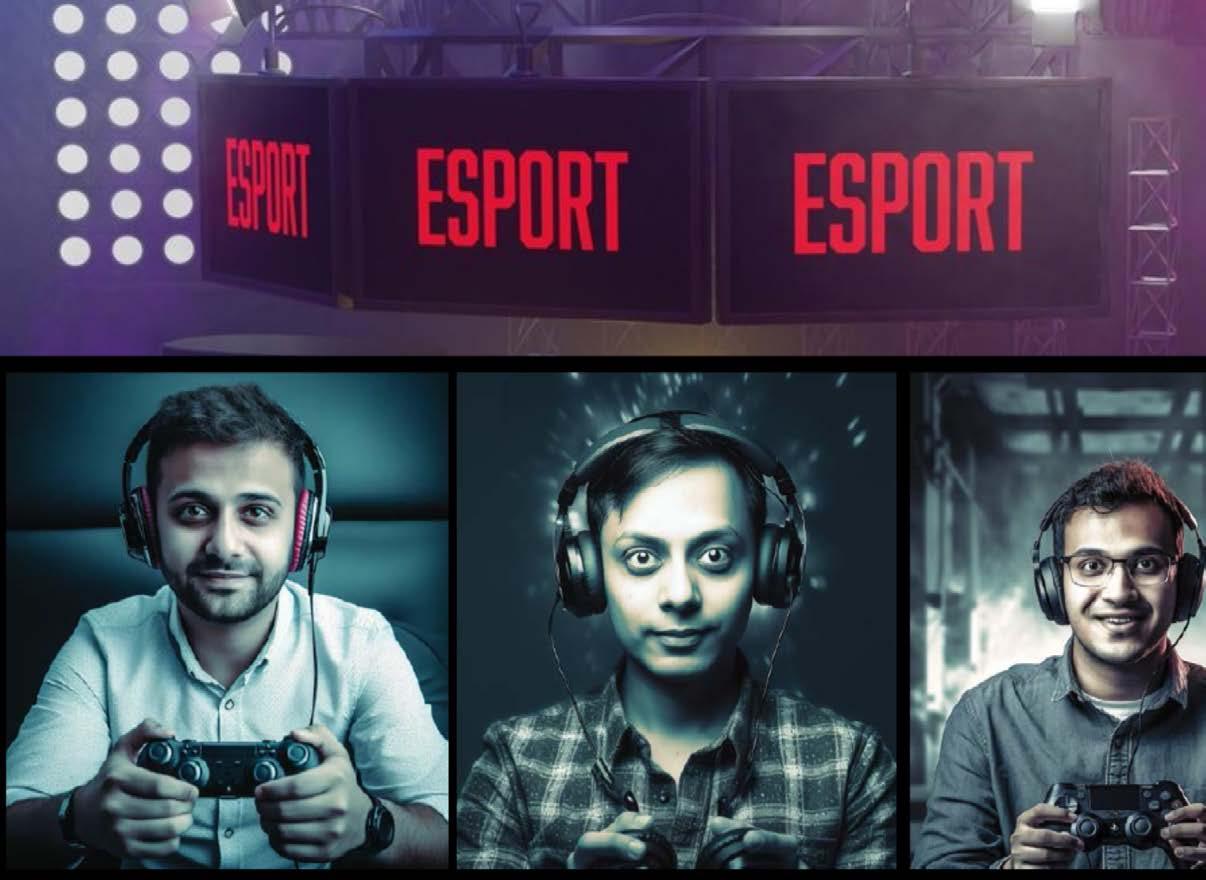
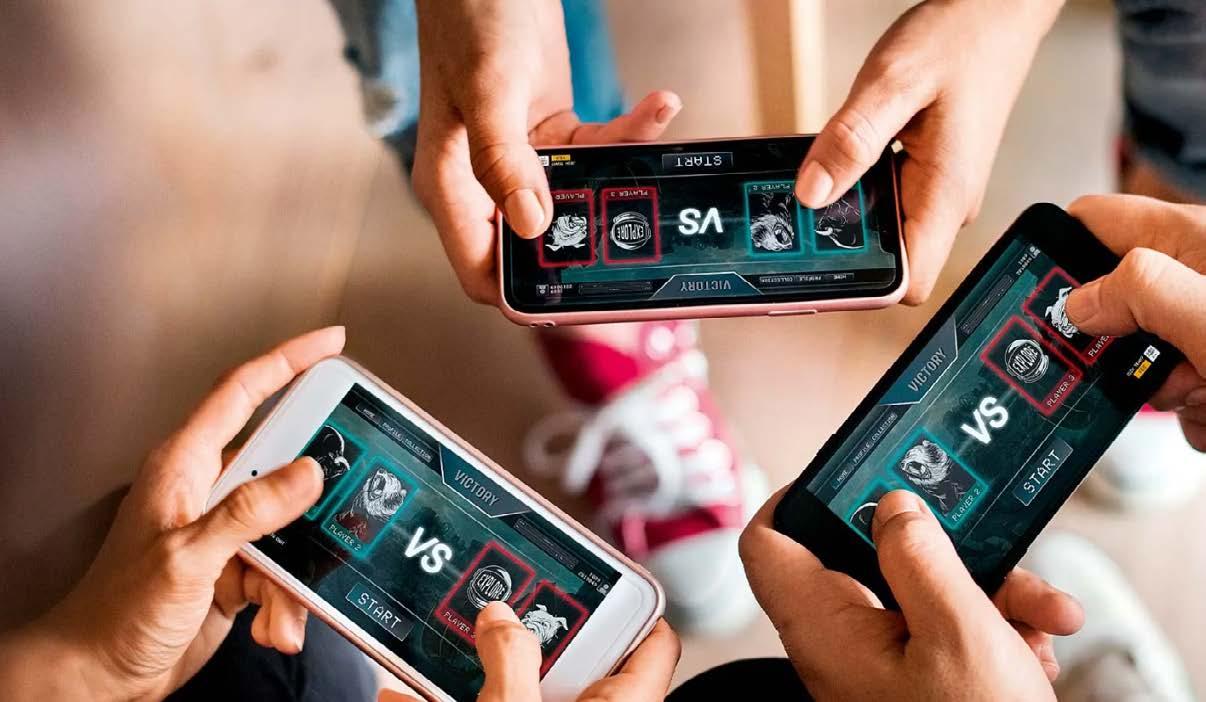
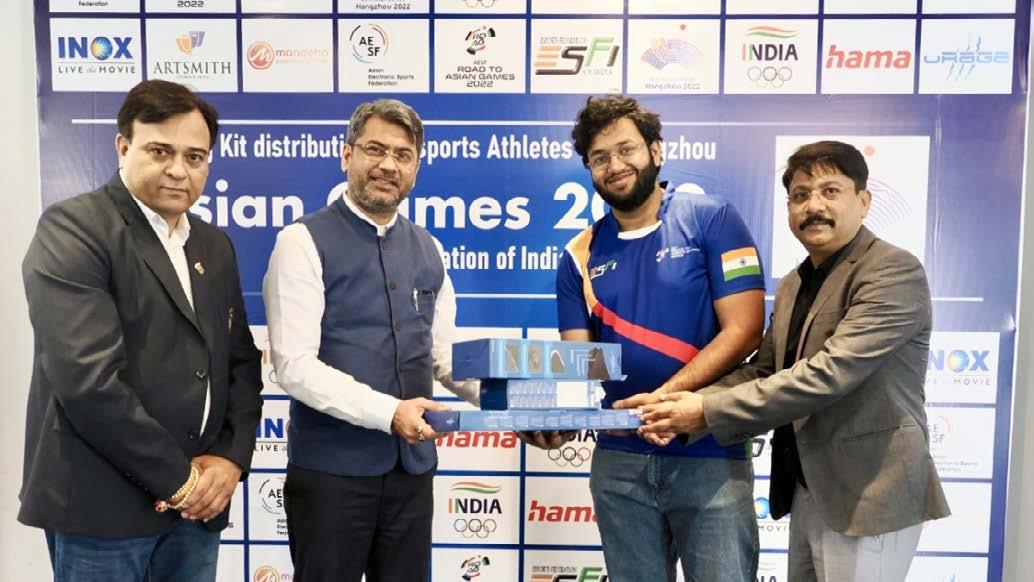
THE NINTENDO SWITCH 2 A NEW ERA OF GAMING UNVEILED IS INDIA THE NEXT GLOBAL ESPORTS POWERHOUSE?
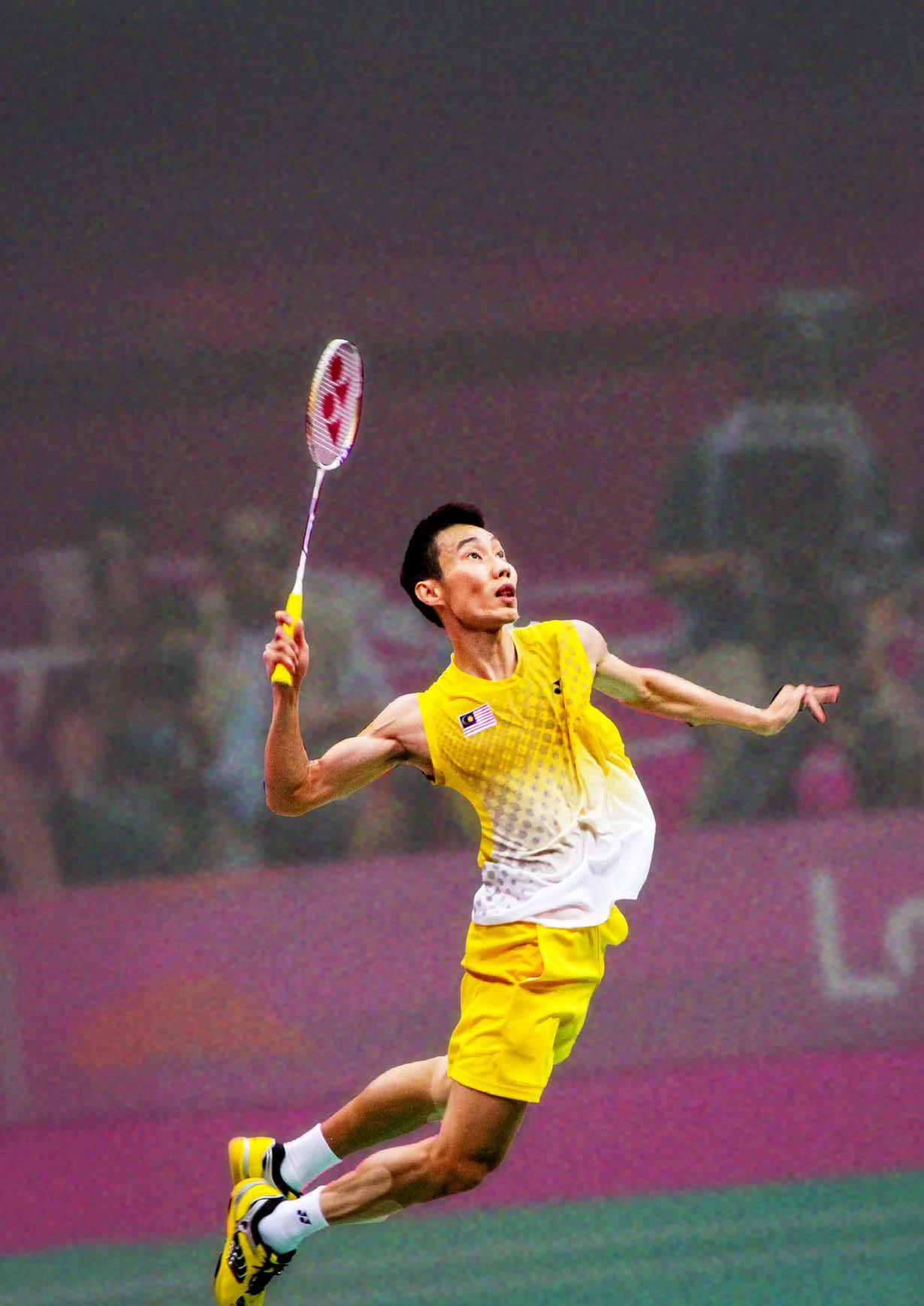
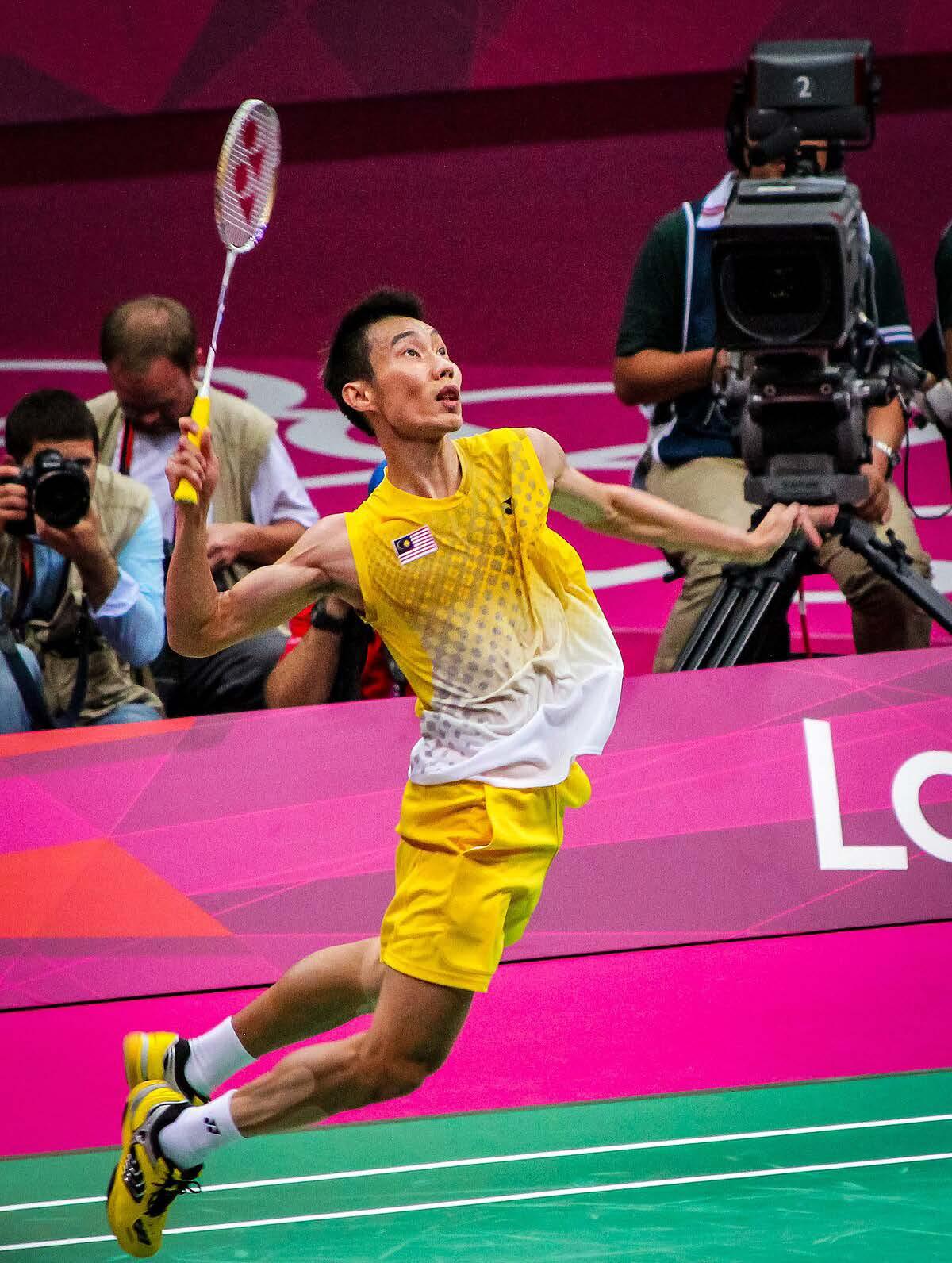
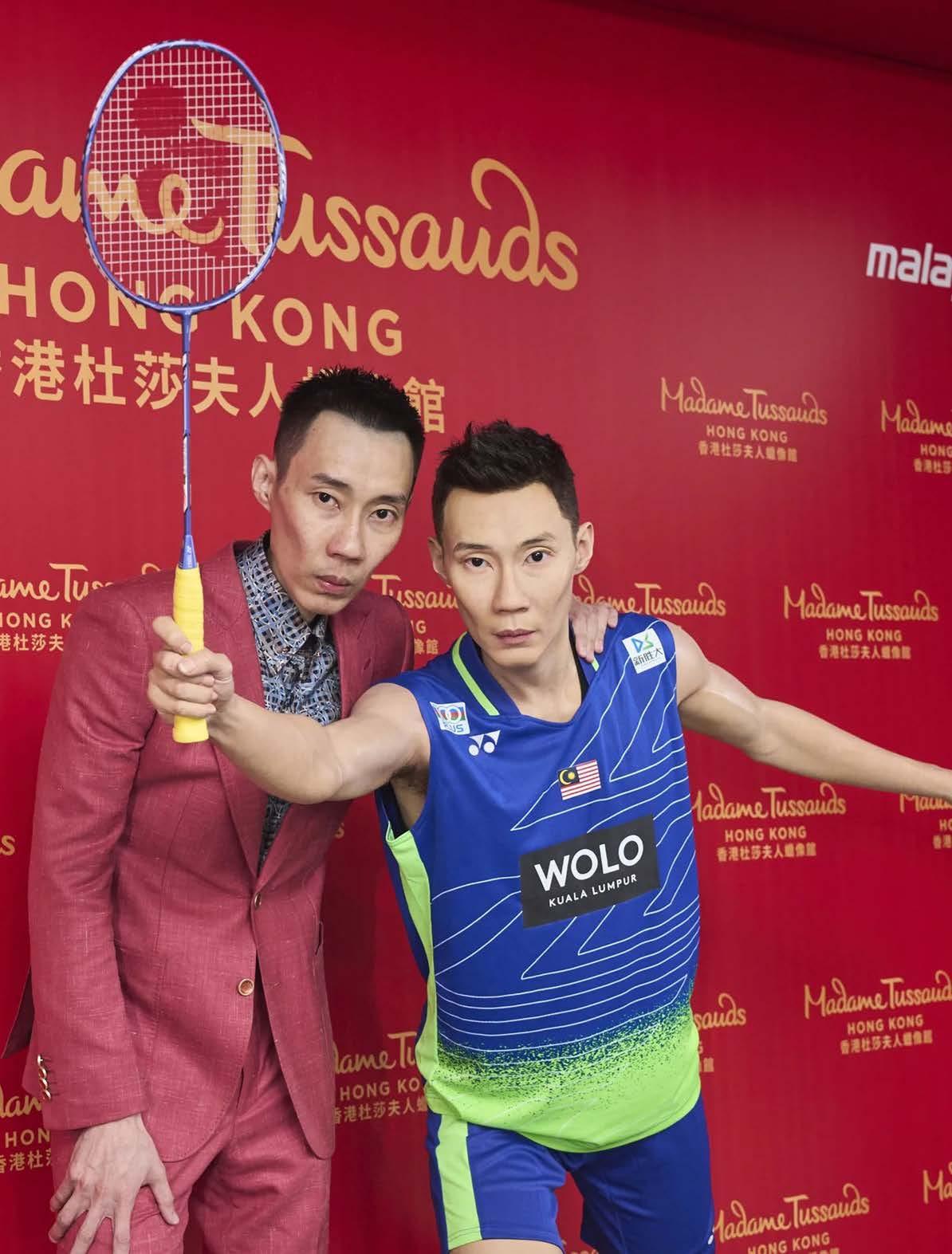
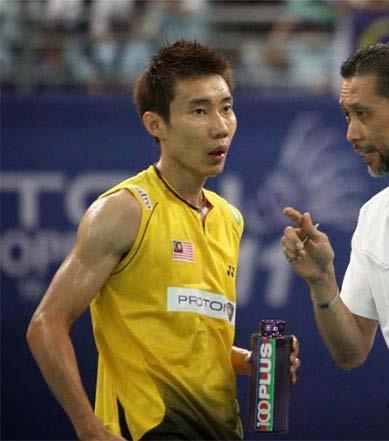
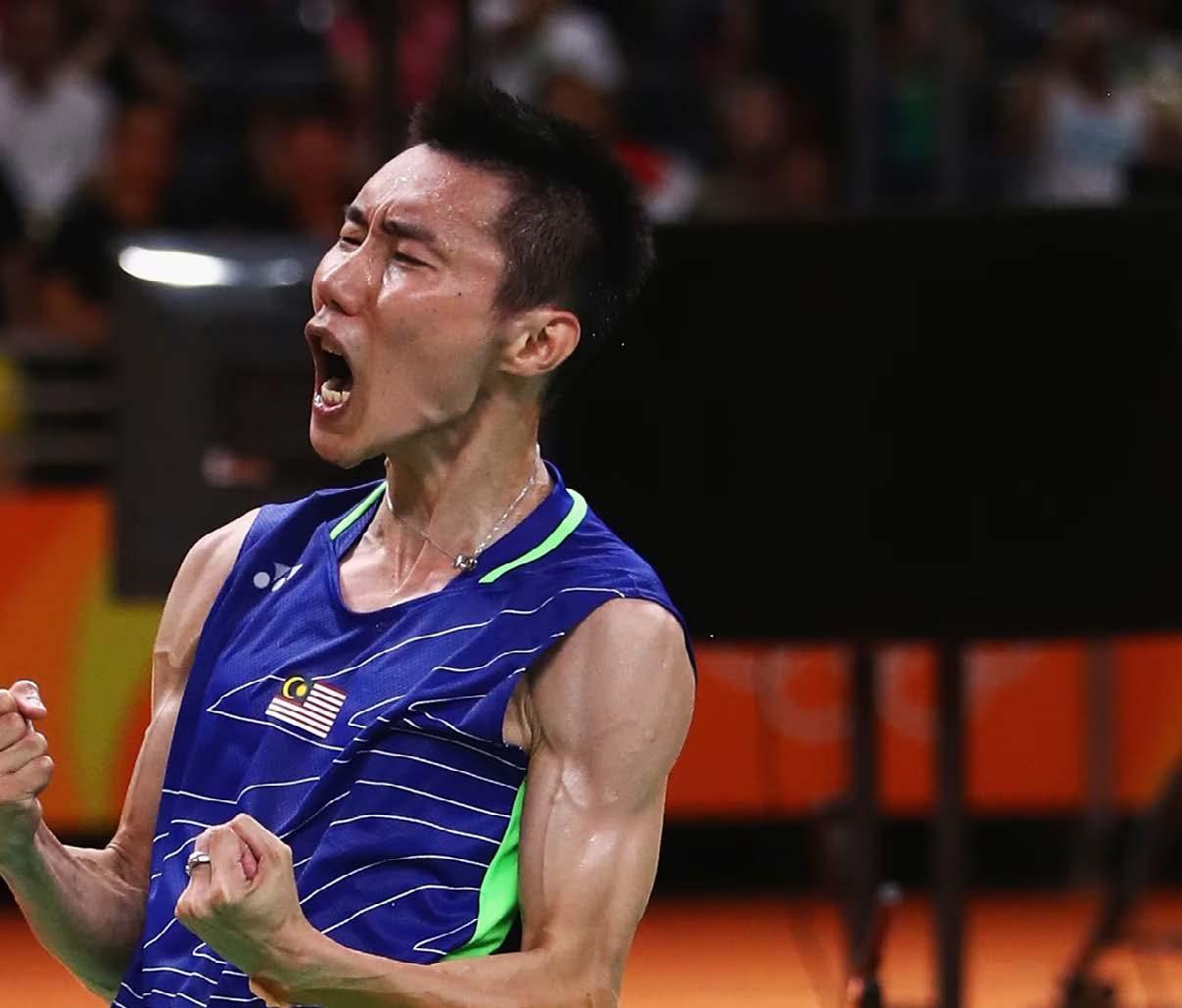
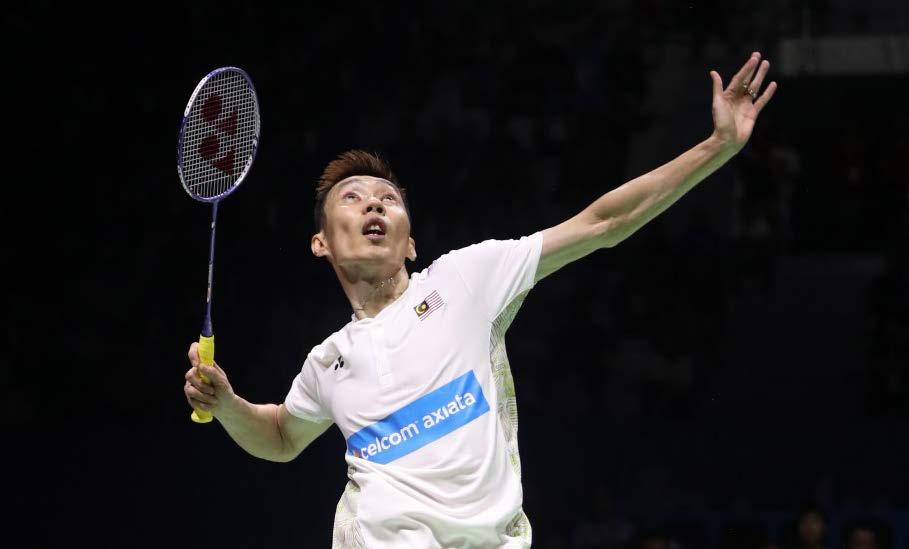
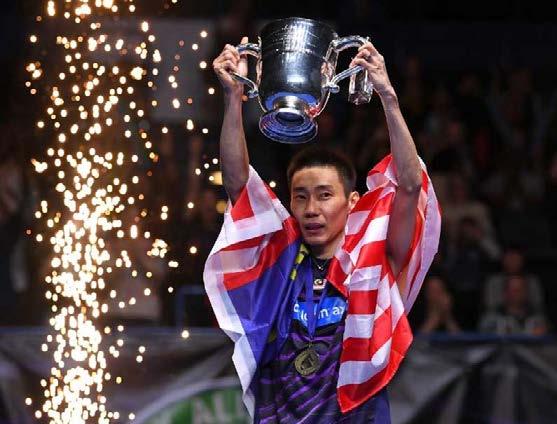
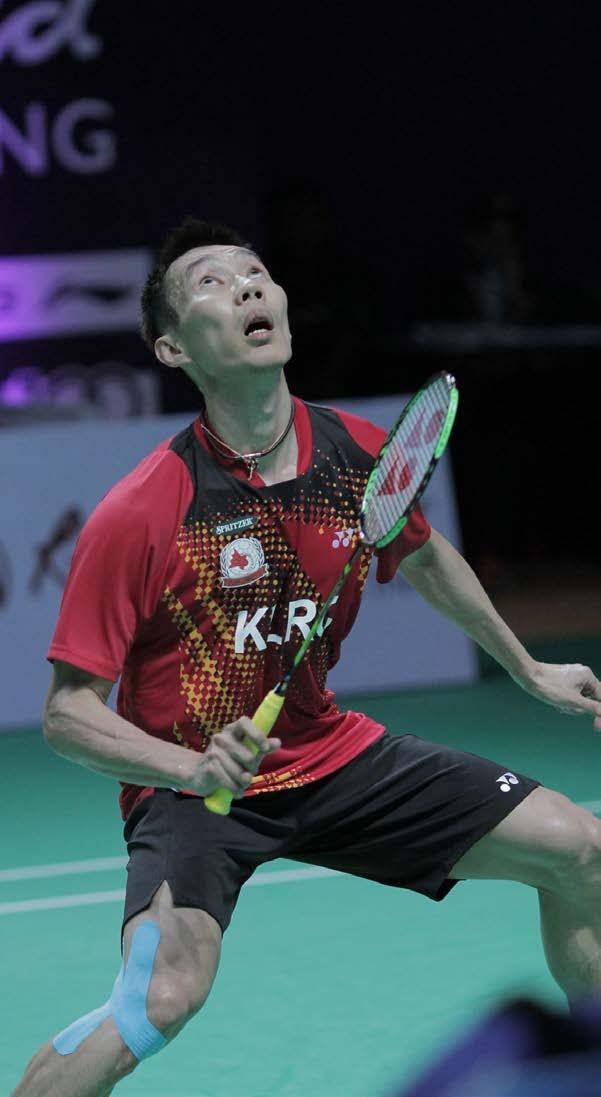
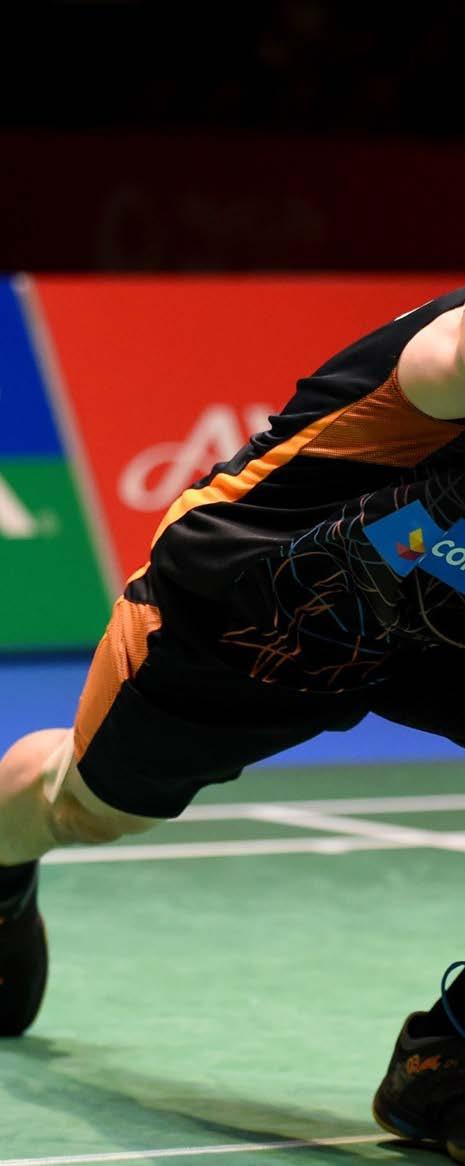
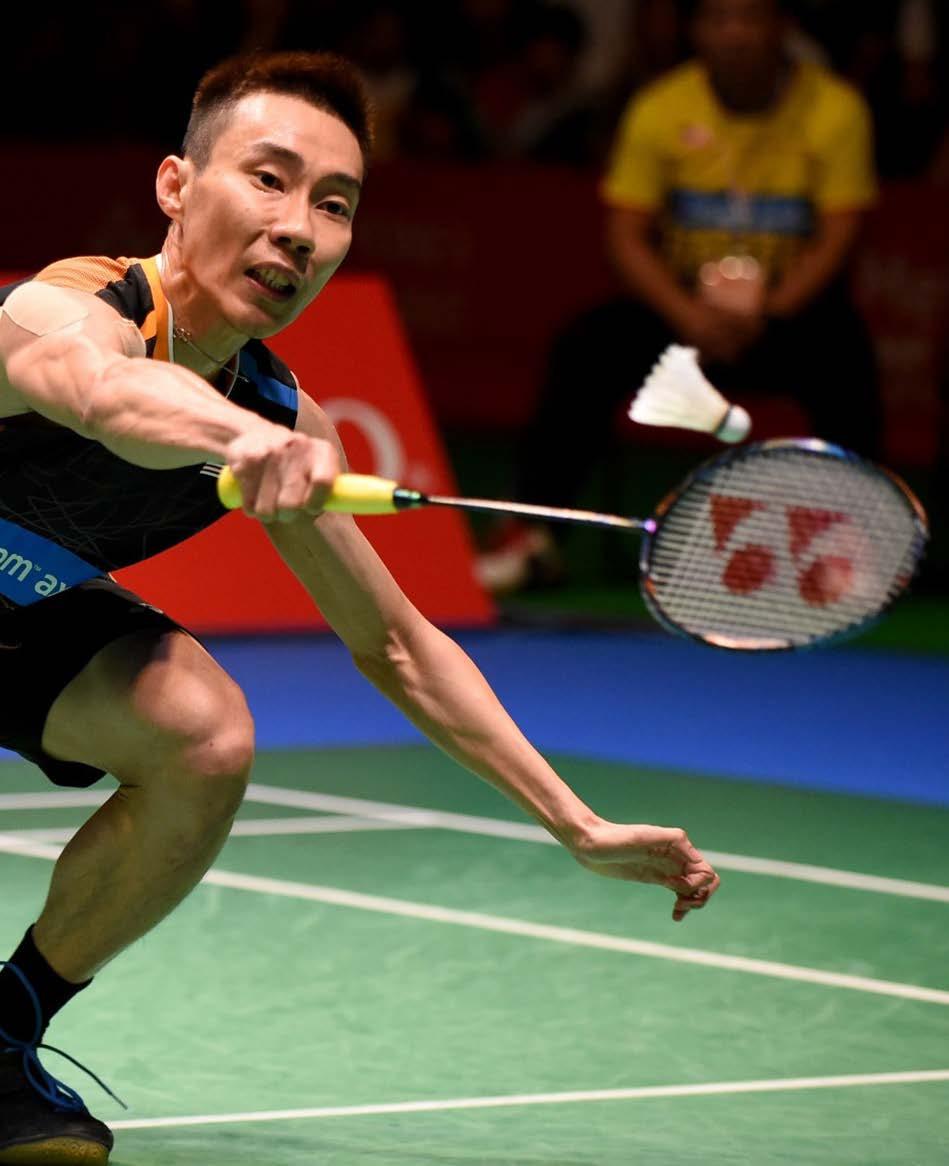
LEE CHONG WEI - MALAYSIA’S BADMINTON LEGEND
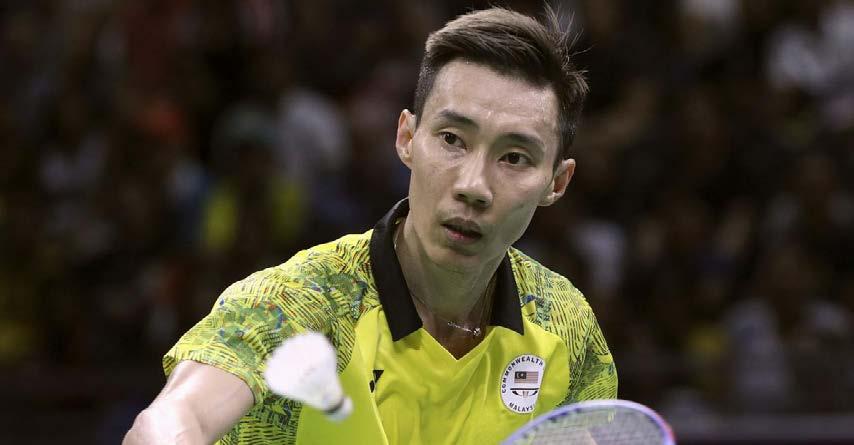
Lee Chong Wei, born on October 21, 1982, in Bagan Serai, Perak, Malaysia, is widely regarded as one of the greatest badminton players in history. His journey from a smalltown boy to a global sports icon is a testament to talent, resilience, and an unrelenting pursuit of excellence. Over a career spanning nearly two decades, Lee captivated fans with his lightning-fast reflexes, impeccable technique, and fierce competitive spirit, earning him the nickname “Dato’ Lee” and a permanent place in badminton’s hall of fame.
EARLY LIFE AND RISE TO STARDOM
Growing up in a modest family, Lee discovered badminton at the age of 11. His natural talent was evident early on, and by 17, he was selected to join Malaysia’s national badminton team. Under the guidance of coaches like Misbun Sidek, Lee honed his skills, blending speed, agility, and precision into a formidable playing style. In 2004, he won his first major title at the Malaysia Open, signalling his arrival on the international stage. By 2006, he had cracked the world’s top 10 rankings, setting the stage for a remarkable career.
DOMINANCE AND RIVALRIES
Lee Chong Wei’s career peaked during the late 2000s and 2010s, a period when he dominated men’s singles badminton. He held the world No. 1 ranking for a record 199 consecutive weeks from 2008 to 2012, showcasing his consistency and prowess. His playing style—marked by explosive smashes, deft net play, and relentless court coverage—made him a fan favourite.
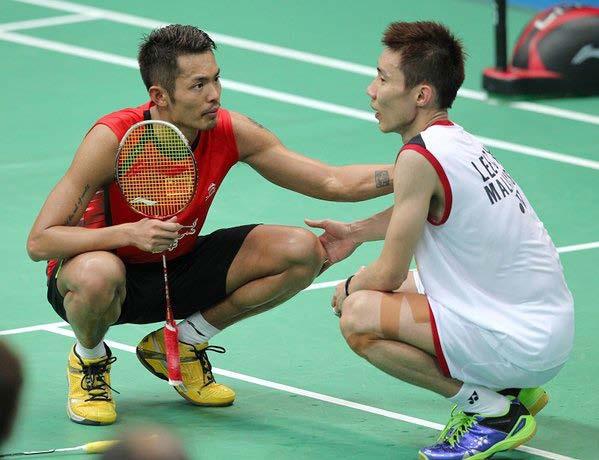
His most iconic rivalry was with China’s Lin Dan, a two-time Olympic gold medallist. Their matches, often dubbed the “Lin-Lee” showdowns, were epic battles that defined an era. The 2008 and 2012 Olympic finals, both won by Lin Dan, remain among the most memorable in badminton history. Despite the losses, Lee’s ability to push Lin Dan to the limit earned him immense respect. He also faced tough competition from players like Chen Long and Taufik Hidayat, yet consistently remained a top contender.
ACHIEVEMENTS AND LEGACY
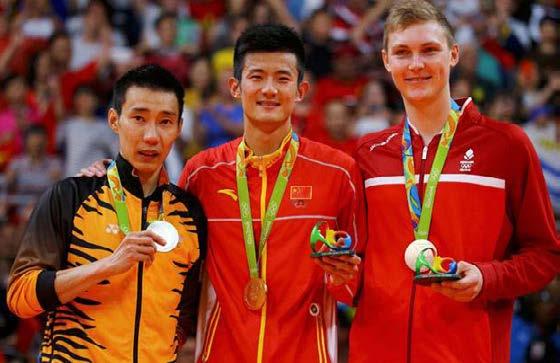
Lee’s trophy cabinet is a testament to his greatness. He won 46 Superseries titles, the most by any men’s singles player, and secured three silver medals at the Olympics (2008, 2012, 2016), making him Malaysia’s most decorated Olympian. He also claimed three Commonwealth Games gold medals and multiple Thomas Cup and Sudirman Cup contributions for
Malaysia. His 2010 Asian Games silver medal further cemented his status as a continental powerhouse. Beyond statistics, Lee’s impact transcended the court. In Malaysia, he became a national hero, inspiring a generation of athletes. His humility, work ethic, and sportsmanship endeared him to fans worldwide. Even in defeat, such as the heart-wrenching 2016 Olympic final loss to Chen Long, Lee’s grace under pressure shone through.
CHALLENGES AND RESILIENCE
Lee’s career wasn’t without setbacks. A doping scandal in 2014, where he tested positive for a banned substance (later attributed to a medical treatment), led to an eightmonth ban. Cleared of intentional doping, Lee returned stronger, reclaiming the world No. 1 spot in 2015. In 2018, a diagnosis of nose cancer forced him to confront his toughest opponent yet. After undergoing treatment in Taiwan and making a remarkable recovery, Lee attempted a comeback but ultimately retired in June 2019, citing health concerns.
LIFE AFTER RETIREMENT
Since retiring, Lee has remained active in badminton and public life. He runs the Lee Chong Wei Badminton Academy in Malaysia, nurturing young talent, and serves as a mentor and ambassador for the sport. In 2023, he was inducted into the Badminton World Federation’s Hall of Fame, a fitting tribute to his contributions. Lee also engages in philanthropy, supporting cancer awareness and youth development initiatives.
On a personal note, Lee is a devoted family man. Married to former badminton player Wong Mew Choo, he is a father to three children. His autobiography, Dare to Be a Champion, and the 2018 biopic Lee Chong Wei: Rise of the Legend offer glimpses into his journey, resonating with fans who admire his perseverance.
A LASTING IMPACT
Lee Chong Wei’s story is one of near-misses and towering triumphs. While the elusive Olympic gold remained out of reach, his legacy is defined not by what he didn’t win but by what he achieved against all odds. He elevated badminton’s global profile, put Malaysia on the sporting map, and showed the world what it means to fight with heart. As he once said, “I don’t play for fame or money; I play for my country and my passion.” For millions of fans, Lee Chong Wei will always be a champion.
DAVID BECKHAM FROM FOOTBALL ICON TO BUSINESS MOGUL
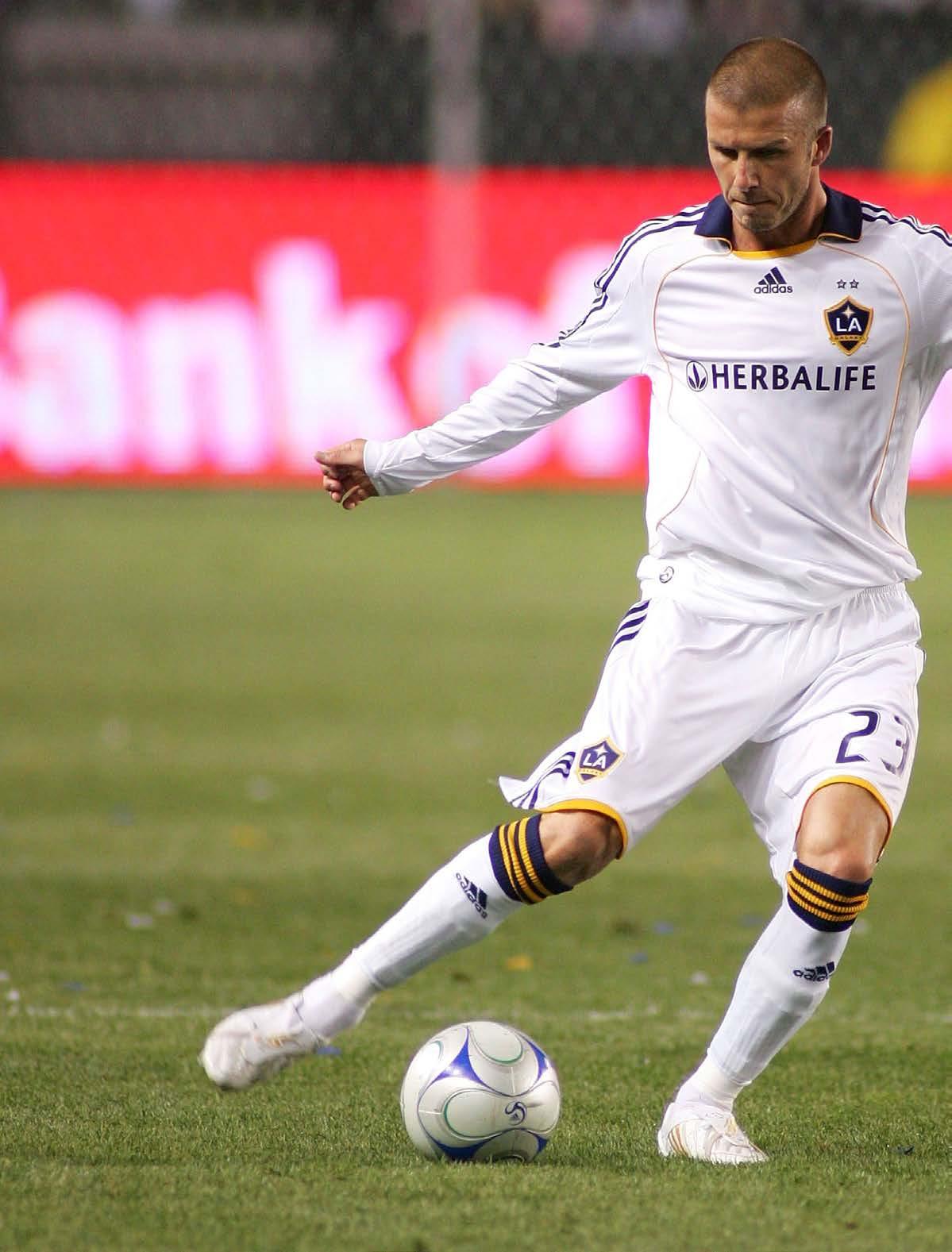
David Beckham’s name is synonymous with football greatness, but since hanging up his boots in 2013, the former Manchester United and Real Madrid star has redefined himself as a shrewd businessman and entrepreneur. With a blend of charisma, strategic partnerships, and an eye for opportunity, Beckham has built a post-playing career that rivals his on-field legacy. Today, he stands as one of the most successful athlete-turnedentrepreneurs, with a business empire spanning sports ownership, fashion, and lifestyle brands.
THE BIRTH OF BRAND
BECKHAM
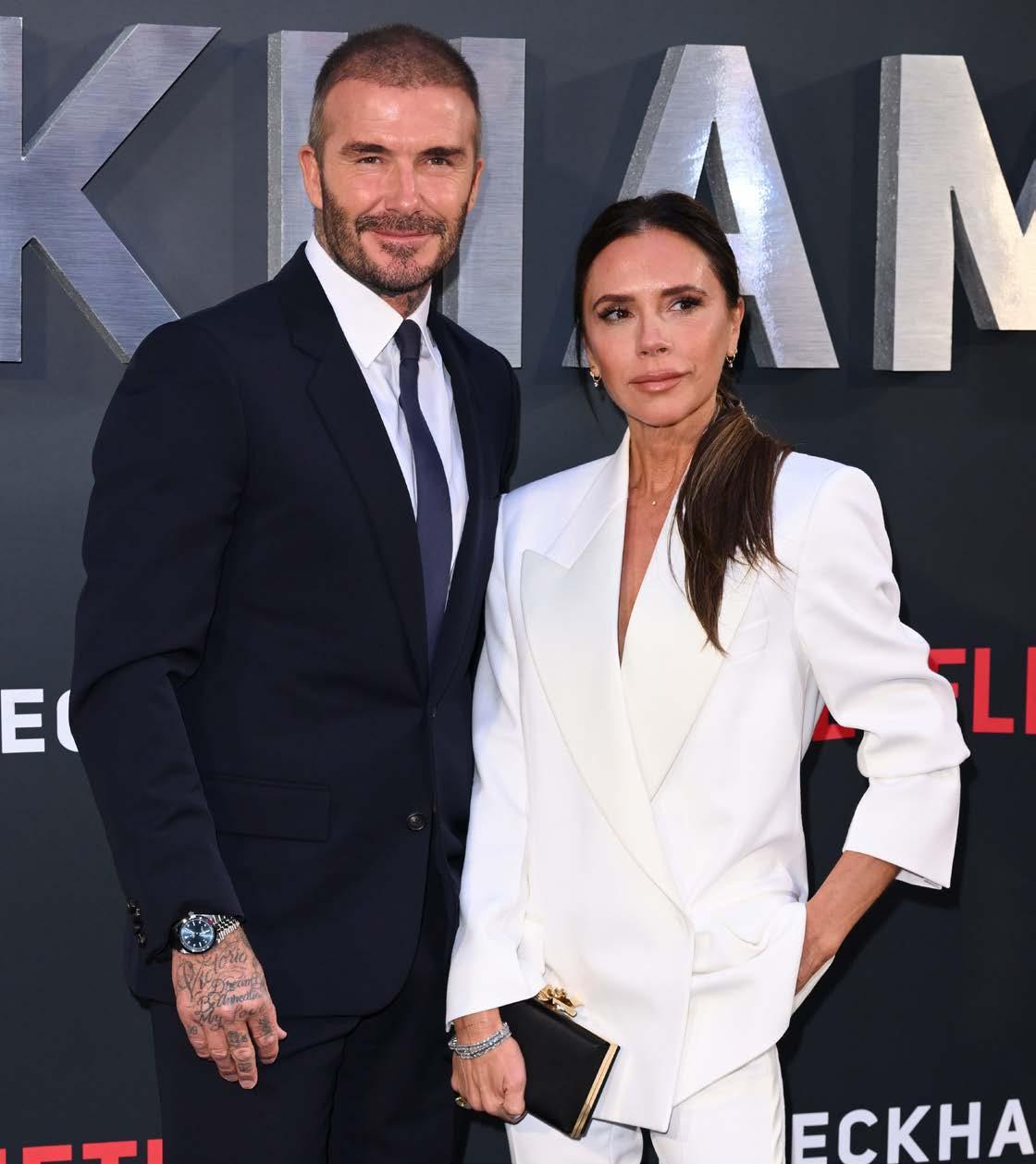
Beckham’s entrepreneurial journey began long before his retirement, rooted in his global appeal as a footballer and style icon. Alongside his wife, Victoria Beckham, he cultivated “Brand Beckham,” a marketable persona that transcended sports. Post-retirement, this brand became the foundation of his business ventures, managed through DB Ventures Limited, a company he co-owns with Victoria. The firm oversees a portfolio that includes endorsements, investments, and personal projects, leveraging Beckham’s fame to secure lucrative deals with global giants like Adidas, H&M, and Breitling.
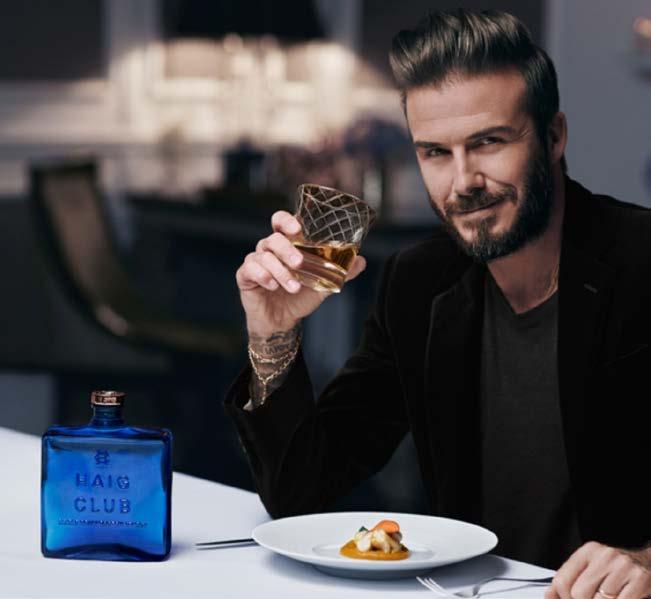
One of his standout partnerships is with Haig Club, a singlegrain Scotch whisky launched in 2014 in collaboration with Diageo and Simon Fuller, the creator of American Idol. Beckham’s role went beyond mere endorsement—he was deeply involved in the brand’s development, from its sleek bottle design to its marketing as a modern, approachable whisky. The venture tapped into his sophisticated image, appealing to a new generation of drinkers and cementing his influence in the luxury goods market.
A FOOTBALL EMPIRE: INTER MIAMI AND SALFORD CITY
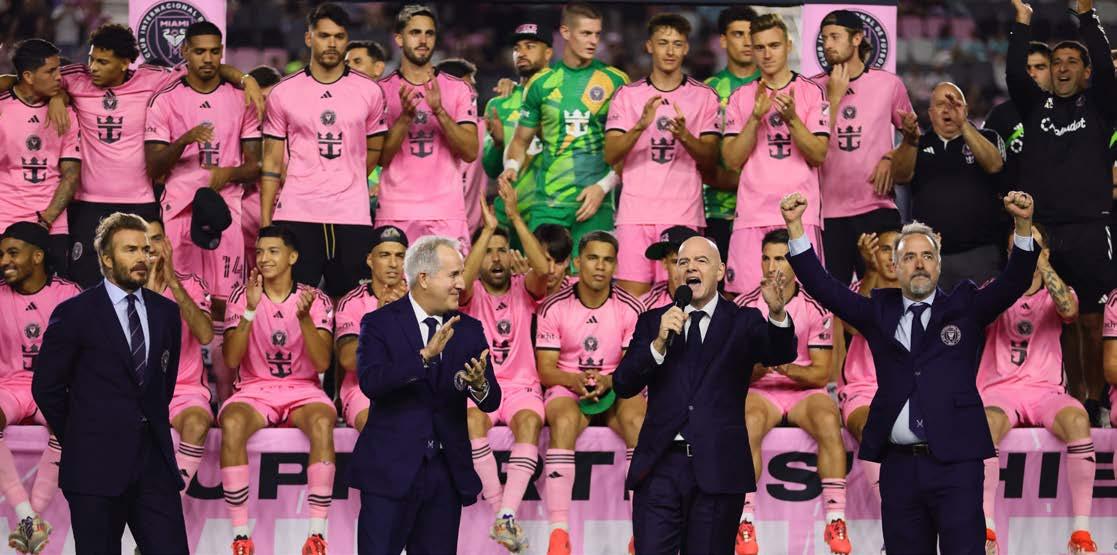
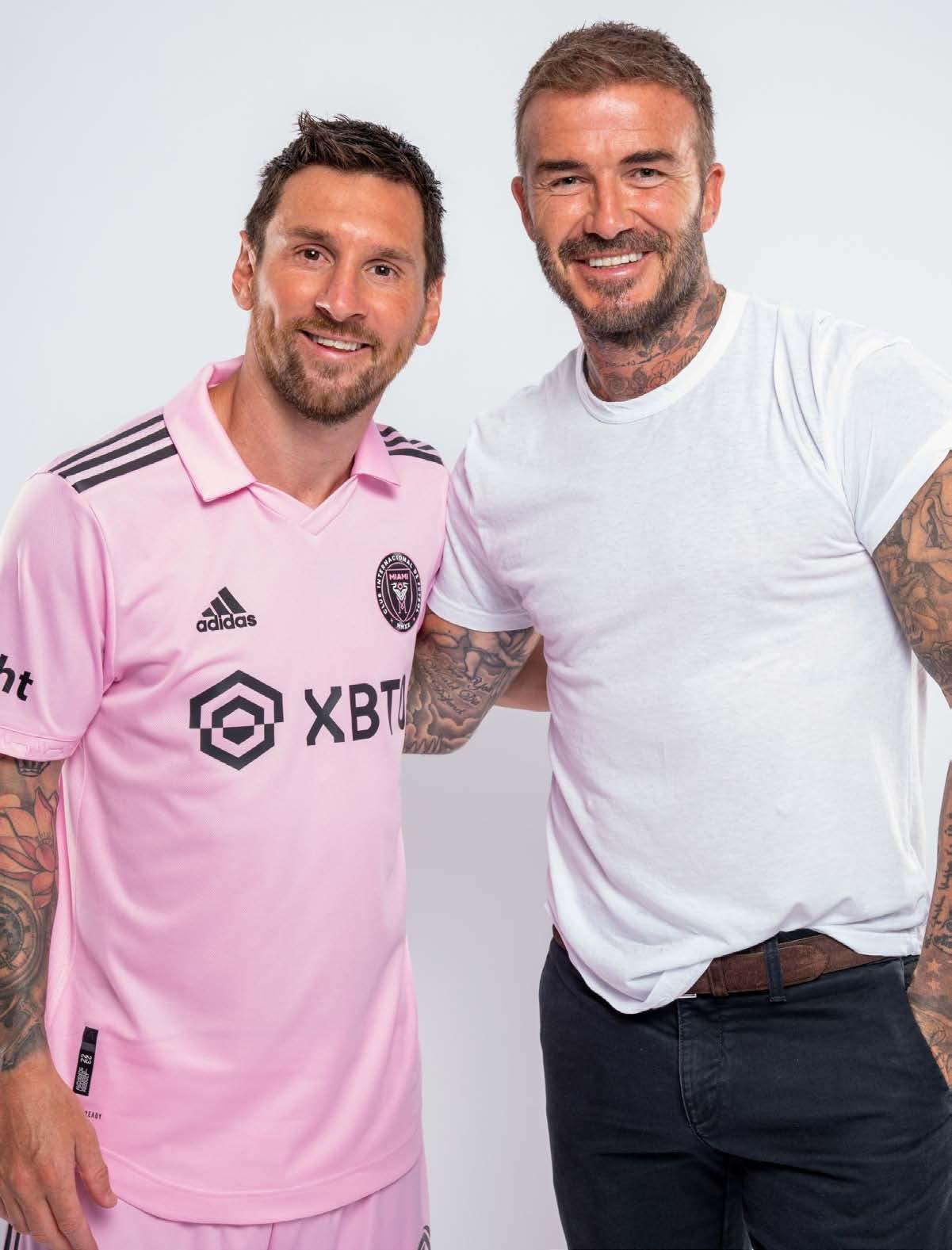
Beckham’s love for football didn’t end with his playing days. In 2018, he realized a long-held dream by co-founding Inter Miami CF, a Major League Soccer (MLS) franchise. The journey wasn’t without challenges—delays in stadium plans and regulatory hurdles tested his resolve—but Beckham’s vision paid off. Inter Miami’s 2020 debut marked his entry into sports ownership, and the club’s value soared with the 2023 signing of Lionel Messi, a move orchestrated under Beckham’s leadership. The Messi effect boosted ticket sales, sponsorships,
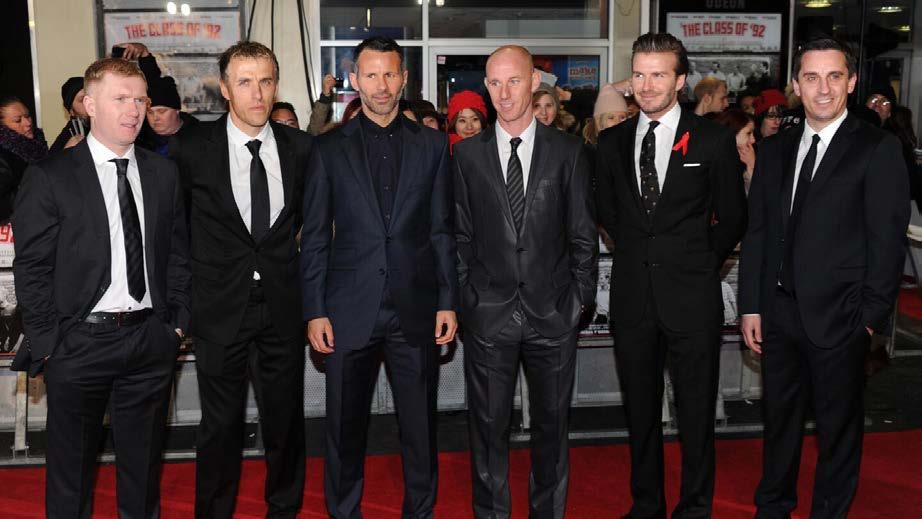
and global attention, reportedly pushing the club’s valuation toward $1 billion. Beckham’s football investments extend beyond the U.S. In 2014, he joined forces with former Manchester United teammates Gary Neville, Ryan Giggs, Paul Scholes, Nicky Butt, and Phil Neville to invest in Salford City, an English club then in the seventh tier. With Beckham owning a 10% stake, the group’s ambition and resources propelled Salford City to League Two by 2019. The venture, chronicled in the BBC documentary Class of ’92: Out of Their League, showcased Beckham’s commitment to grassroots football and his ability to blend nostalgia with business acumen.
FASHION, FRAGRANCE, AND LIFESTYLE VENTURES
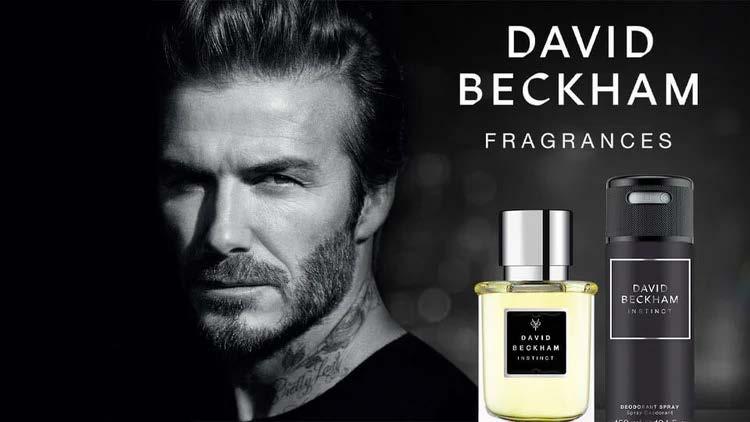
Beckham’s influence in fashion is undeniable. His sartorial flair, honed during his playing career, translated into entrepreneurial success. Through DB Ventures, he launched a line of fragrances, starting with David Beckham Instinct in 2005, which expanded into a multi-million-dollar business with scents like Homme and Respect. These products, often developed with Coty Inc., capitalized on his masculine appeal and remain a staple in the celebrity fragrance market.
His fashion ventures also include a long-standing partnership with Kent & Curwen, a British heritage brand he co-owned with businessman Daniel Kearns from 2015 to 2020. Beckham’s involvement revitalized the label, blending classic tailoring with modern streetwear—a reflection of his own style evolution. Though he stepped away after the brand faced financial difficulties, the experience underscored his willingness to take risks in competitive industries.
THE POWER OF ENDORSEMENTS
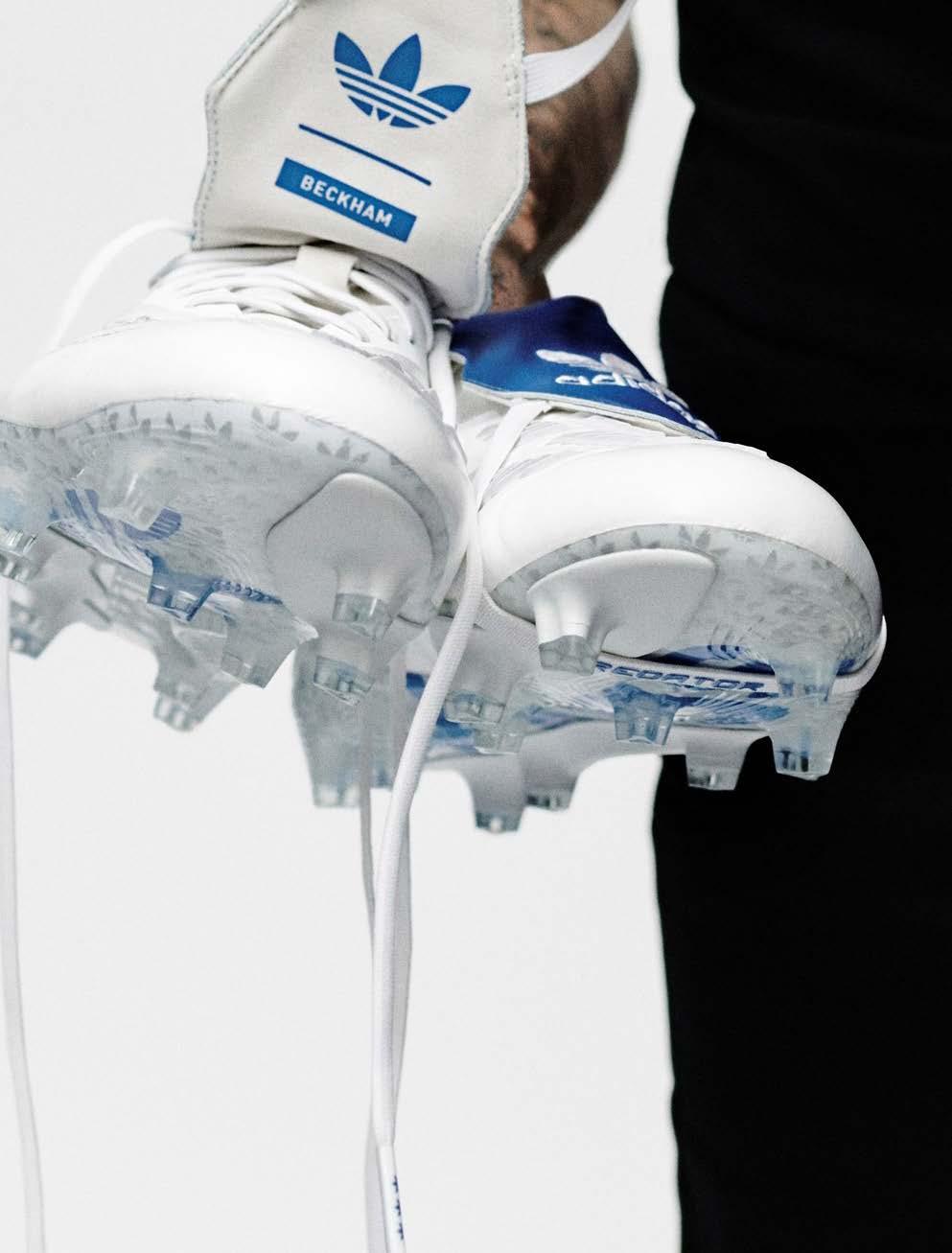
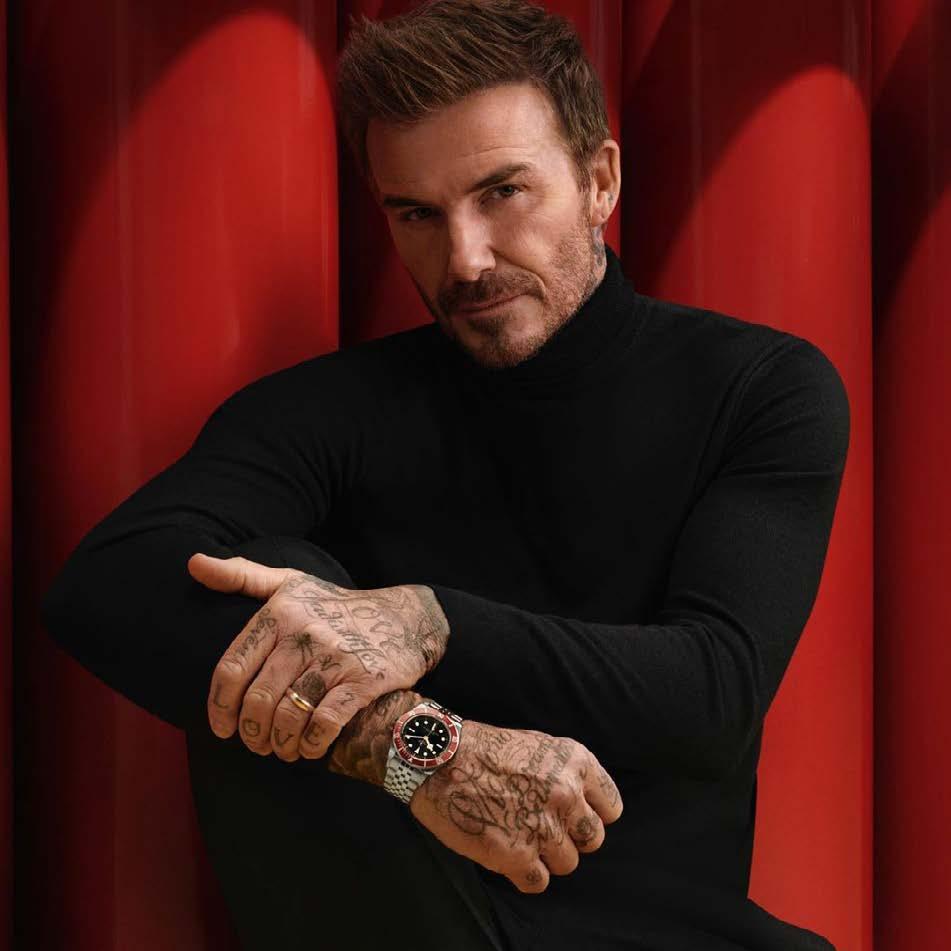
Beckham’s business success owes much to his mastery of endorsements. His lifetime deal with Adidas, reportedly worth £160 million, remains a cornerstone of his income. Other partnerships—with brands like Tudor watches, Maserati, and Sands Resorts—keep him in the spotlight, earning him an estimated £37.5 million annually, according to Forbes. These deals aren’t just pay checks; they’re strategic alliances that reinforce his image as a global tastemaker.
PHILANTHROPY MEETS BUSINESS
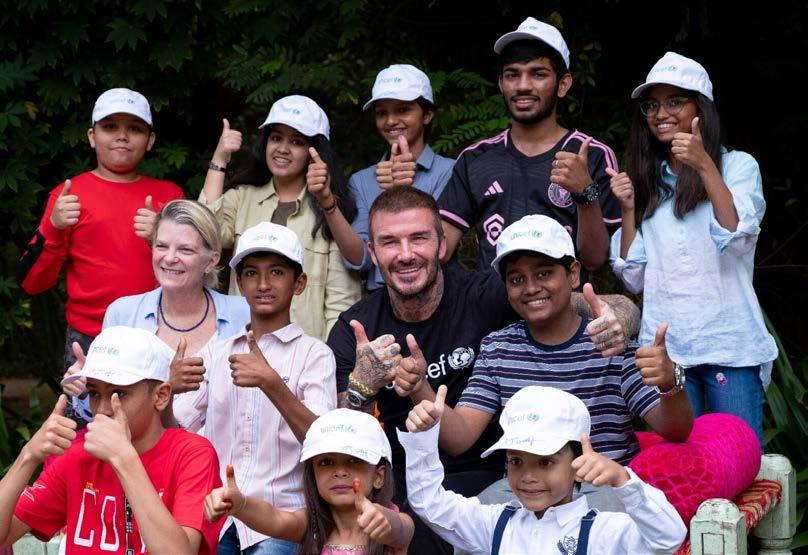
Beckham’s entrepreneurial streak also intersects with his philanthropy. As a UNICEF Goodwill Ambassador since 2005, he launched the 7 Fund, a collaboration with UNICEF to support children worldwide. While not a profit-driven venture, it enhances his personal brand, aligning his business interests with social impact and reinforcing his appeal to partners and fans alike.
A LEGACY BEYOND THE PITCH
David Beckham’s post-playing career is a masterclass in leveraging fame into a diversified business empire. From Inter Miami’s rise in the MLS to his stakes in Salford City, from whisky bottles on shelves to fragrances in stores, Beckham has proven he’s more than a retired athlete—he’s a visionary entrepreneur. His net worth, estimated at £372 million in 2024 by the Sunday Times Rich List, reflects not just his football earnings but his ability to build and sustain a brand that resonates globally.
At 49, Beckham shows no signs of slowing down. His ventures continue to evolve, blending passion, profit, and a keen understanding of his own marketability. For a man who once bent free kicks with precision, bending industries to his will seems a natural next step. David Beckham isn’t just a former footballer; he’s a business icon whose legacy off the pitch may one day eclipse his triumphs on it.
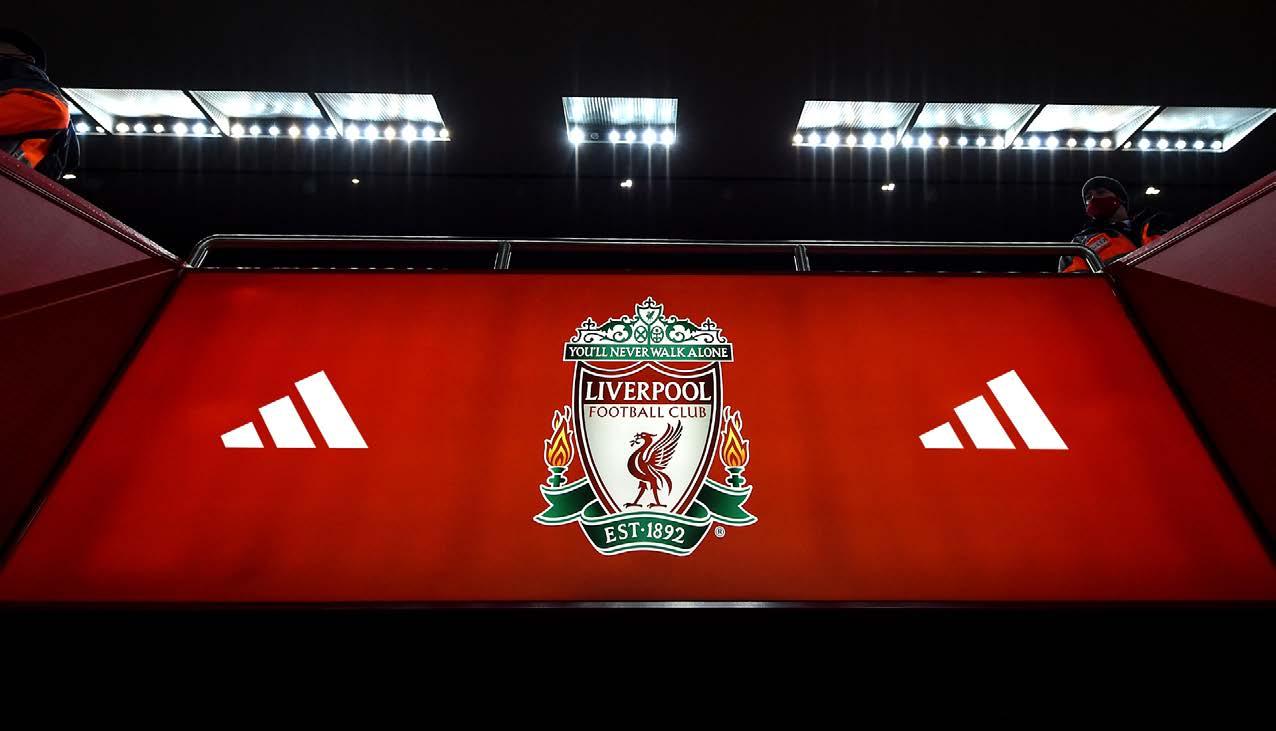
LIVERPOOL FC & ADIDAS STRIKE LUCRATIVE NEW KIT DEAL FOR 2025 AND BEYOND
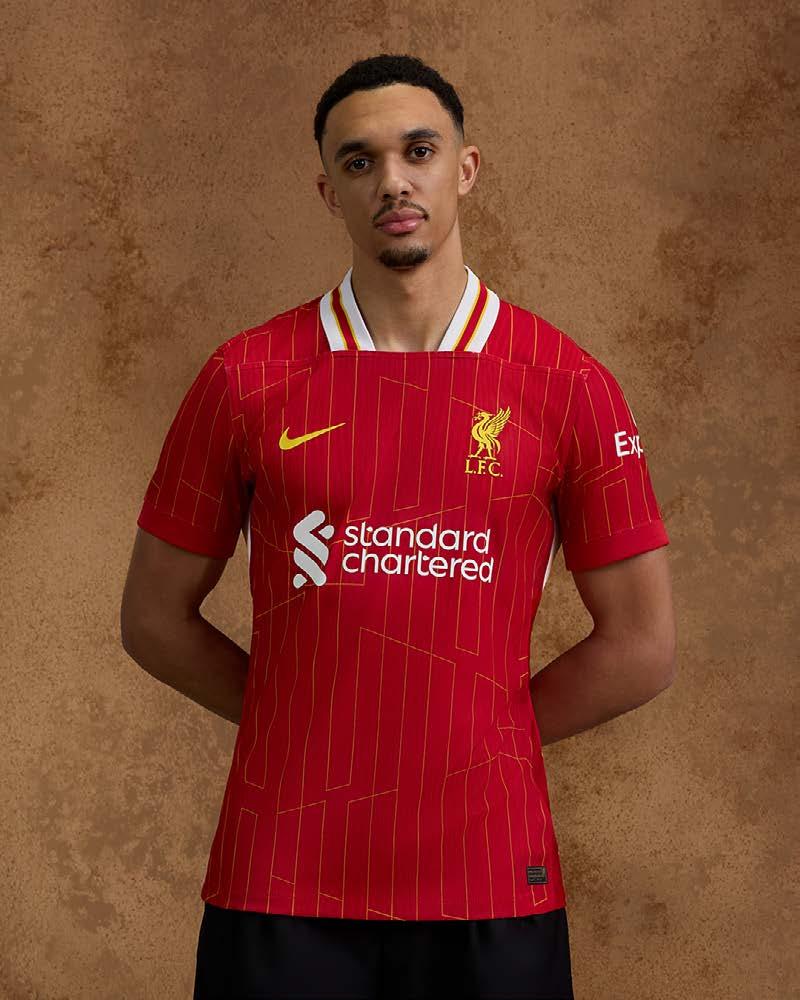
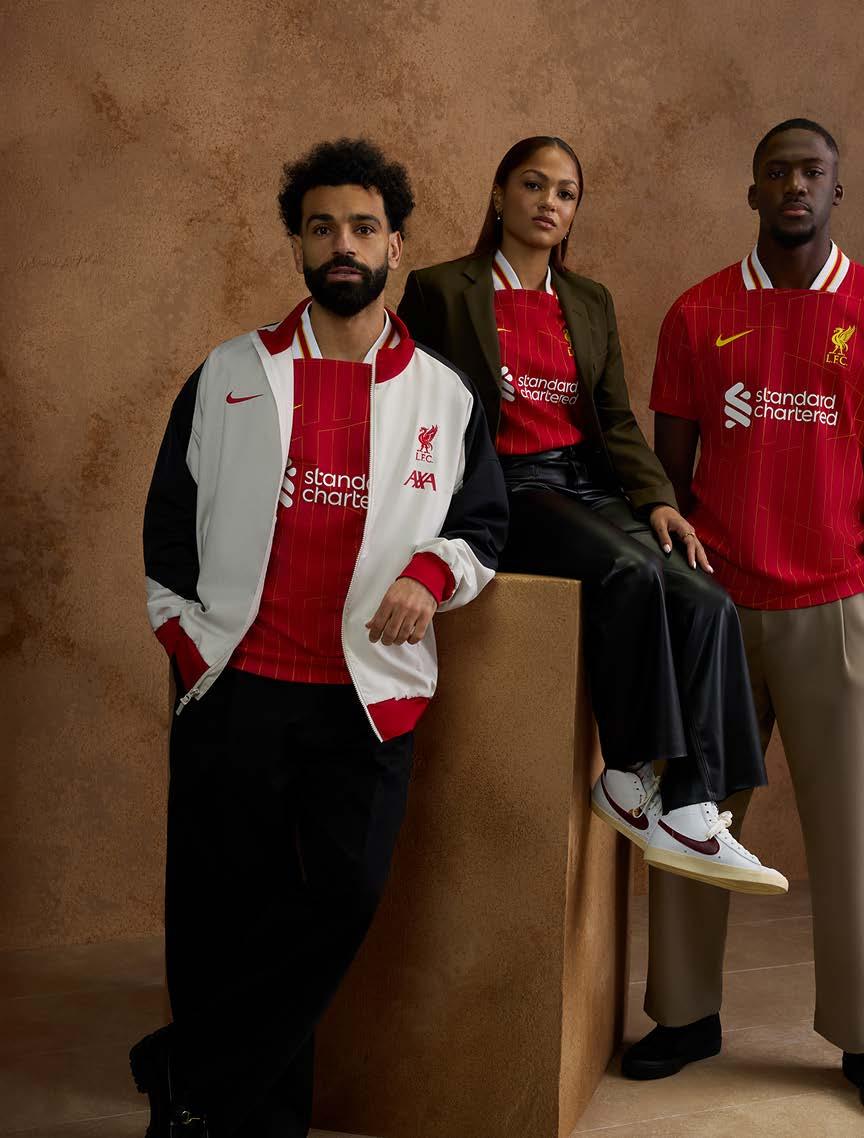
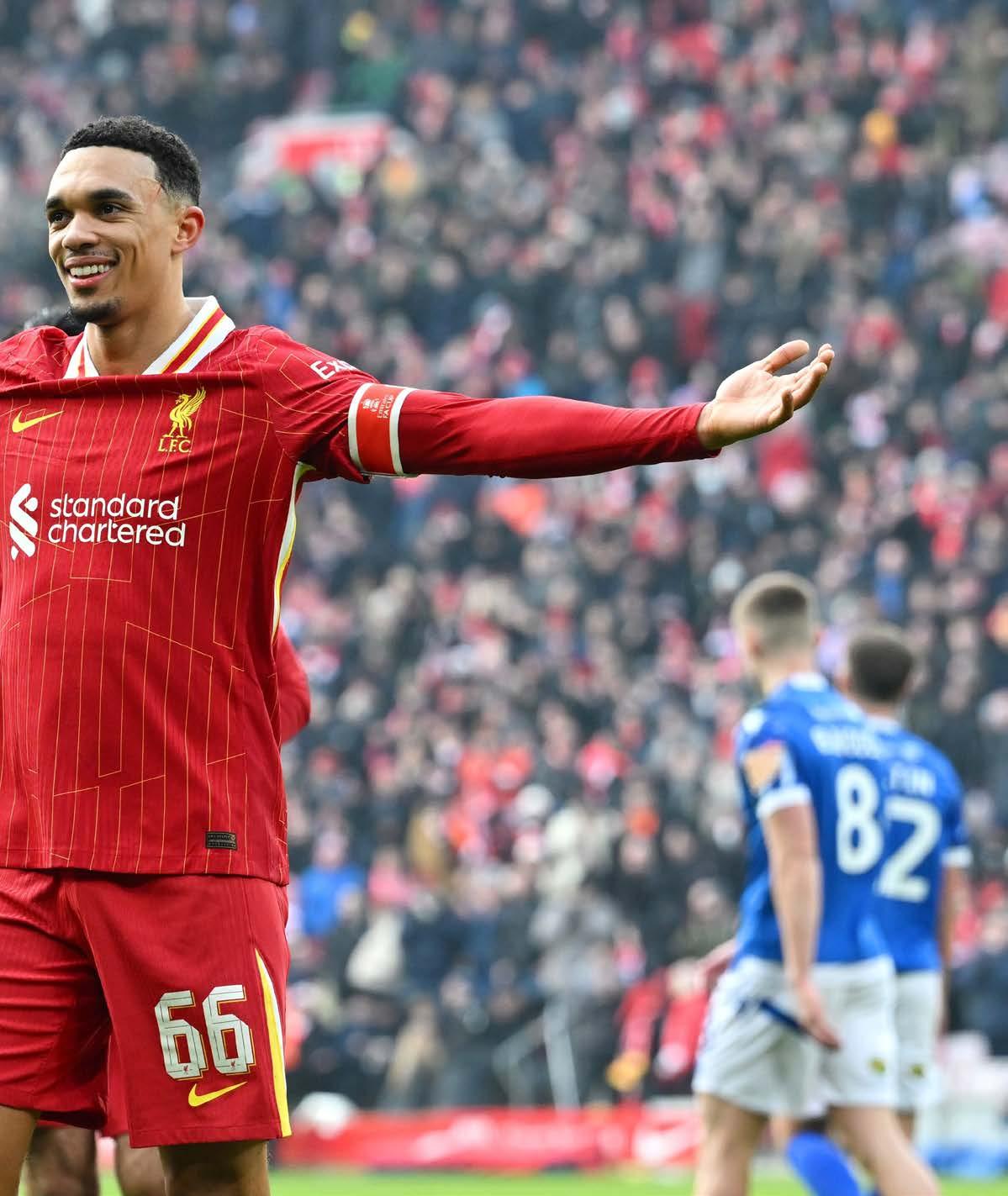
In a move that has sent waves of excitement through the football world, Liverpool Football Club has officially announced a multi-year partnership with Adidas, marking the return of the iconic three stripes to Anfield starting from the 2025-26 season. This blockbuster deal, set to commence on August 1, 2025, sees Adidas reclaim its role as the club’s official kit supplier, replacing Nike, whose five-year tenure will conclude at the end of the 2024-25 season. With a reported value exceeding £60 million per season, this agreement represents a significant financial and cultural milestone for the Premier League giants.
A Historic Reunion
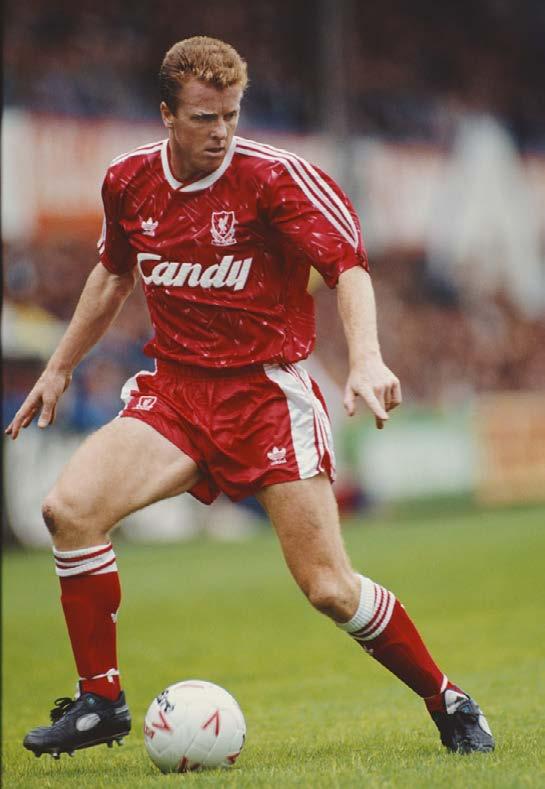
This isn’t the first time Liverpool and Adidas have joined forces. The German sportswear brand previously outfitted the Reds during two golden eras: from 1985 to 1996 and again from 2006 to 2012. Those periods saw Liverpool lift numerous trophies, including three league titles, multiple domestic cups, and some of the most memorable kits in the club’s
storied history. Icons like John Barnes, Steven Gerrard, and Fernando Torres donned Adidas designs that remain etched in the minds of supporters. The return of Adidas has been hailed as a nostalgic homecoming, rekindling a partnership that resonates deeply with the Liverpool faithful. Liverpool CEO Billy Hogan captured the sentiment perfectly, stating, “Everyone at the club is incredibly excited to welcome Adidas back into the LFC family.
We have enjoyed fantastic success together in the past and created some of the most iconic LFC kits of all time.” Adidas CEO Bjørn Gulden echoed this enthusiasm, noting, “The club is one of the biggest and most iconic names in world football with a huge fan base. The jerseys worn during previous partnerships are some of the greatest ever created. We are honoured to once again provide the players with cutting-edge technology to perform at the highest level and are looking forward to creating more classics for the fans.”
Financial Implications
The financial details of the deal underscore Liverpool’s growing commercial prowess. Under the current Nike contract, the club receives a base fee of £30 million annually, supplemented by 20% royalties on net merchandise sales, pushing the total figure beyond £60 million in a strong year. The new Adidas deal, however, reportedly guarantees more than £60 million per season, with additional performance-based incentives and royalties that could further boost earnings. This represents a significant upgrade, aligning Liverpool’s kit revenue more closely with rivals like Arsenal (£60-65 million from Adidas), Manchester City (£65 million from Puma), and Chelsea (£60 million from Nike), though still trailing Manchester United’s league-leading £90 million Adidas deal.
Liverpool’s on-pitch success—currently leading the Premier League and on course to be crowned champions has undoubtedly strengthened their negotiating power. The club’s latest financial accounts also reflect a £36 million rise in commercial revenue to £308 million, bolstered by partnerships with brands like UPS, Google Pixel, and Peloton. The Adidas deal is poised to accelerate this growth, tapping into the brand’s global reach and Liverpool’s massive fanbase.
What’s Next for the Kits?
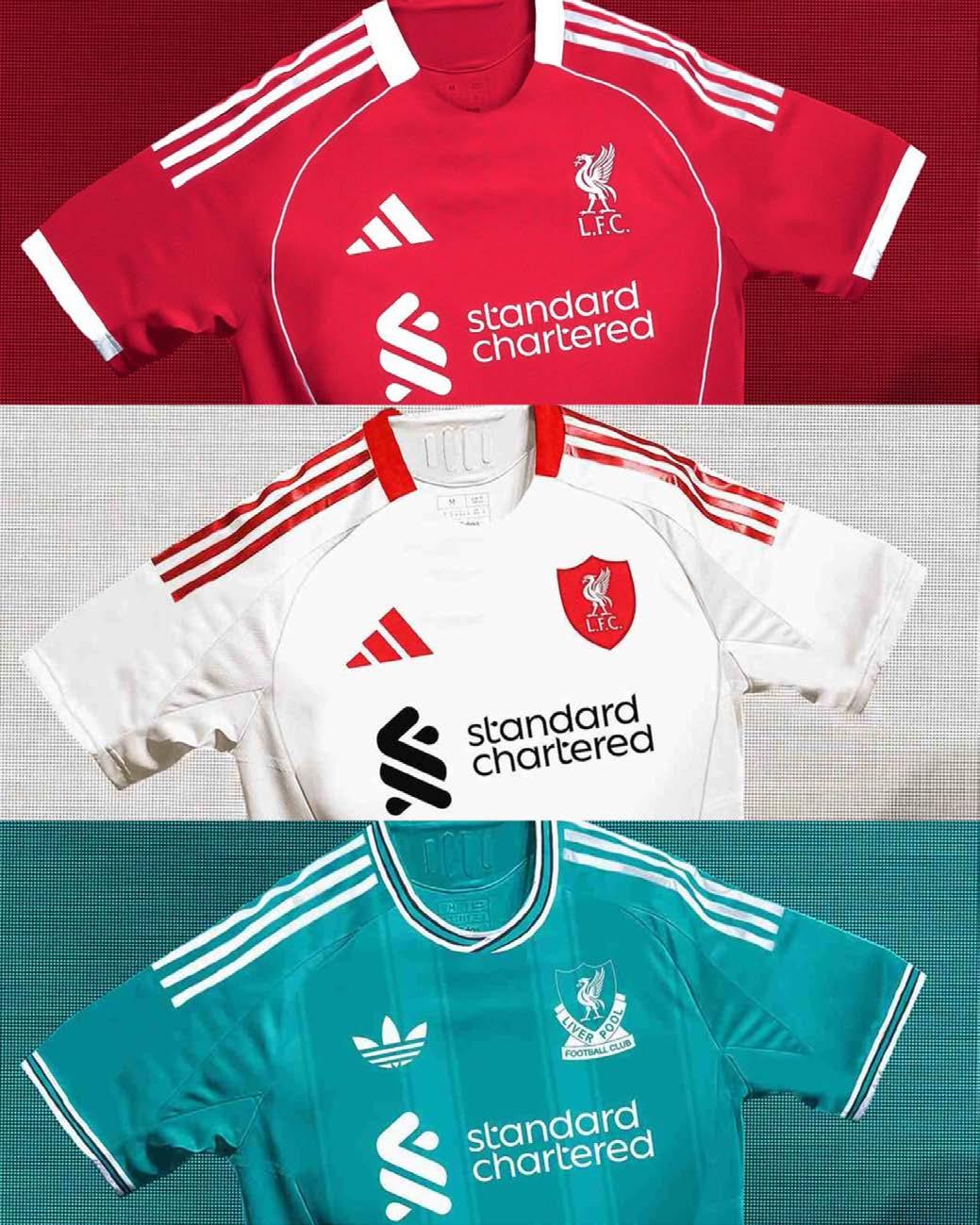
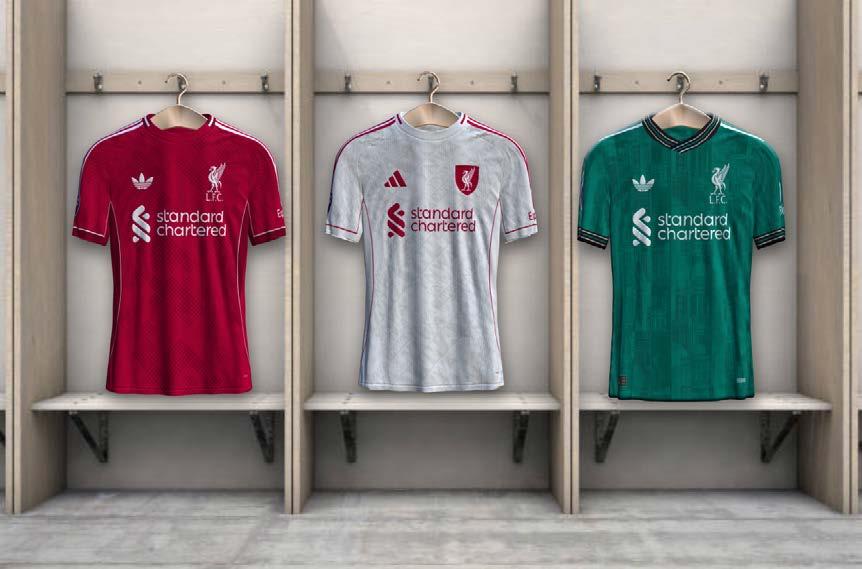
The transition from Nike to Adidas won’t be immediate. With the new partnership officially starting on August 1, 2025, Liverpool are expected to begin their 2025 pre-season in Nike kits before unveiling the first Adidas designs. Details of the home, away, and third kits will be revealed through official club and Adidas channels on the launch date, with availability for purchase starting the same day. Early leaks suggest a slightly darker red for the home kit, a classic white-and-red away strip, and a bold green third kit, though fans eagerly await confirmation. There’s also buzz about potential badge variations. Reports from sources like Footy Headlines hint that Liverpool could sport three distinct crests next season.
The classic Liver Bird on the home kit, a shielded Liver Bird on the away, and a modernized ‘90s-inspired design for the third. Such creativity could add a fresh twist to the club’s visual identity while honouring its heritage.
A Strategic Move for Adidas
For Adidas, securing Liverpool is part of an aggressive push to reclaim dominance in football’s kit market after losing the German national team contract to Nike. The brand already outfits Premier League clubs like Manchester United, Arsenal, Fulham, and Nottingham Forest, and is set to add Aston Villa and Newcastle once their current deals expire. Liverpool’s addition strengthens Adidas’s foothold in England’s top flight, where it has supplied the most clubs in eight of the past ten seasons.
Fan Reaction and Future Prospects
The announcement has sparked a mix of nostalgia and anticipation among supporters. Adidas kits are synonymous with some of Liverpool’s greatest triumphs, and fans are hopeful that this reunion will coincide with more silverware under manager Arne Slot. With the club in contention for the Premier League title and performing well amongst the top clubs in Europe, the timing couldn’t be better. As Liverpool prepares to don the three stripes once more, this deal signals not just a return to a beloved past but a bold step into a prosperous future. From increased revenue to iconic designs, the Adidas-Liverpool partnership promises to be a match made in football heaven—one that could define the club’s next chapter both on and off the pitch.
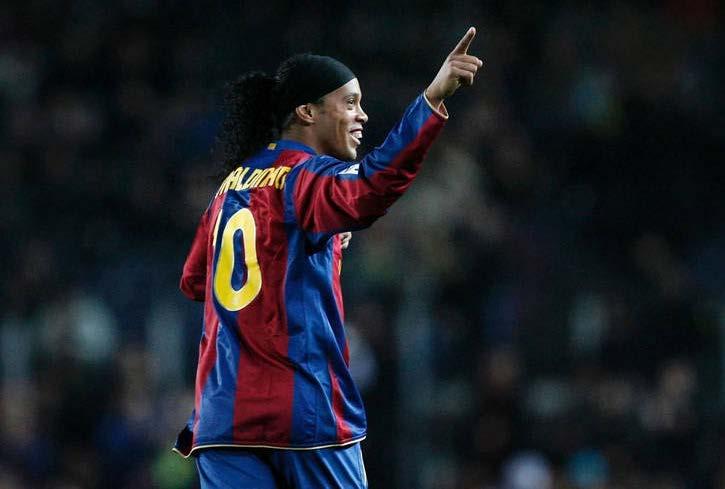
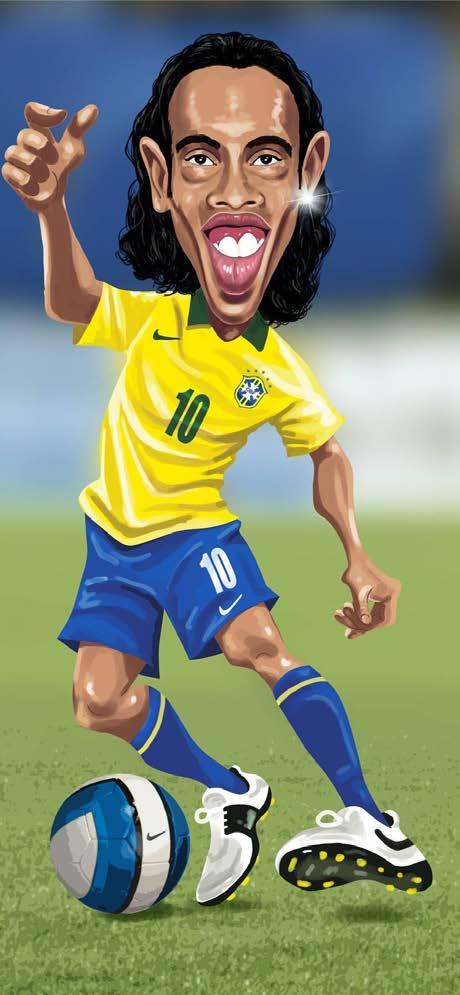
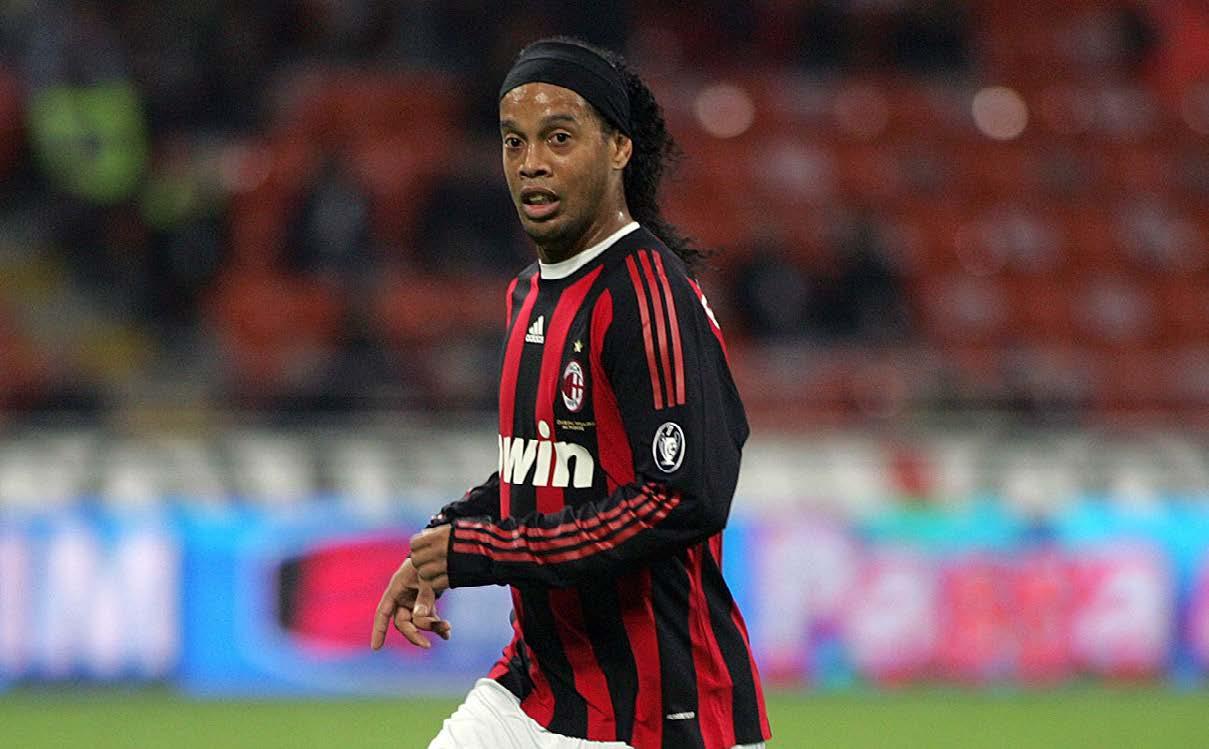
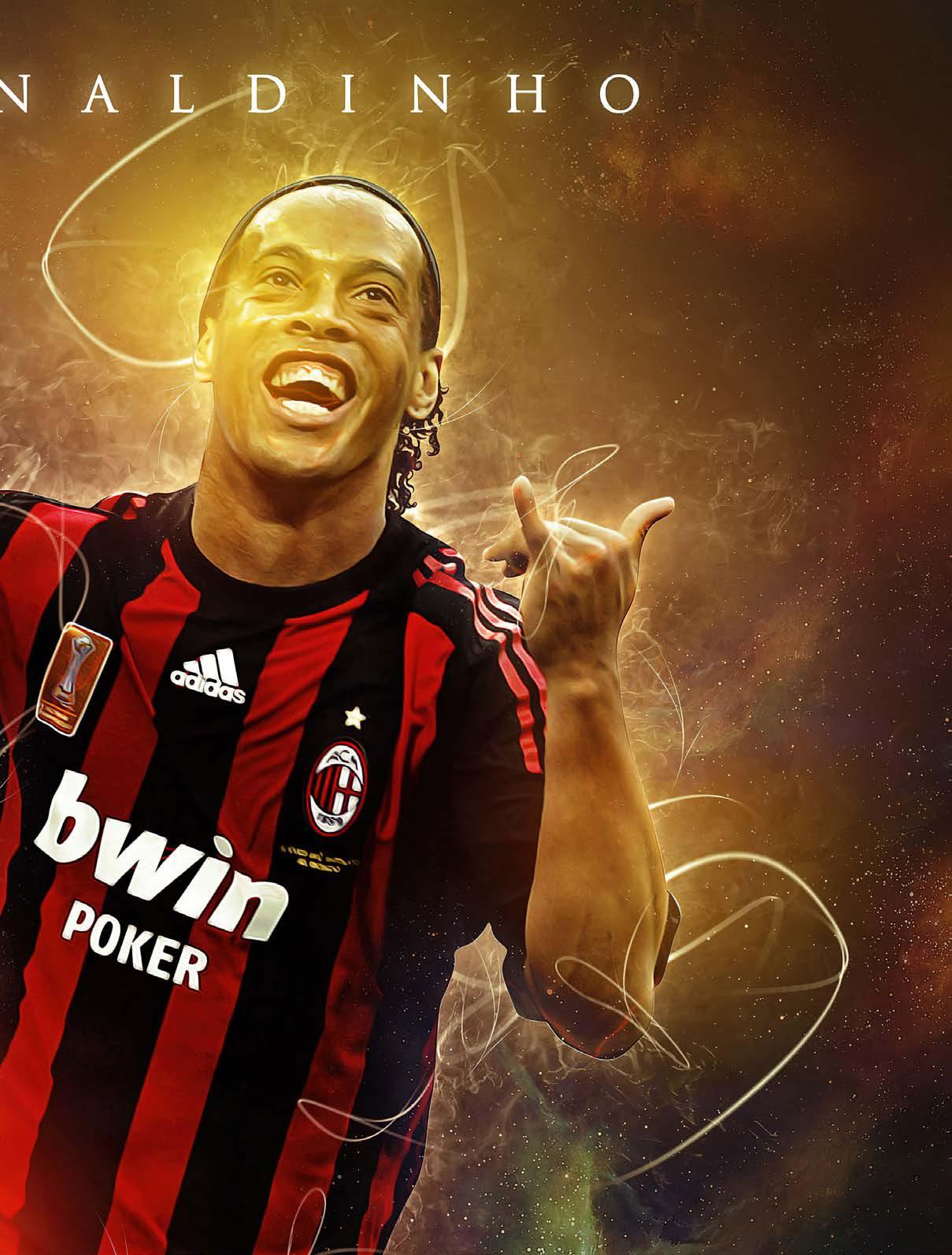
RONALDINHO: THE JOYFUL GENIUS WHO CAPTIVATED THE WORLD
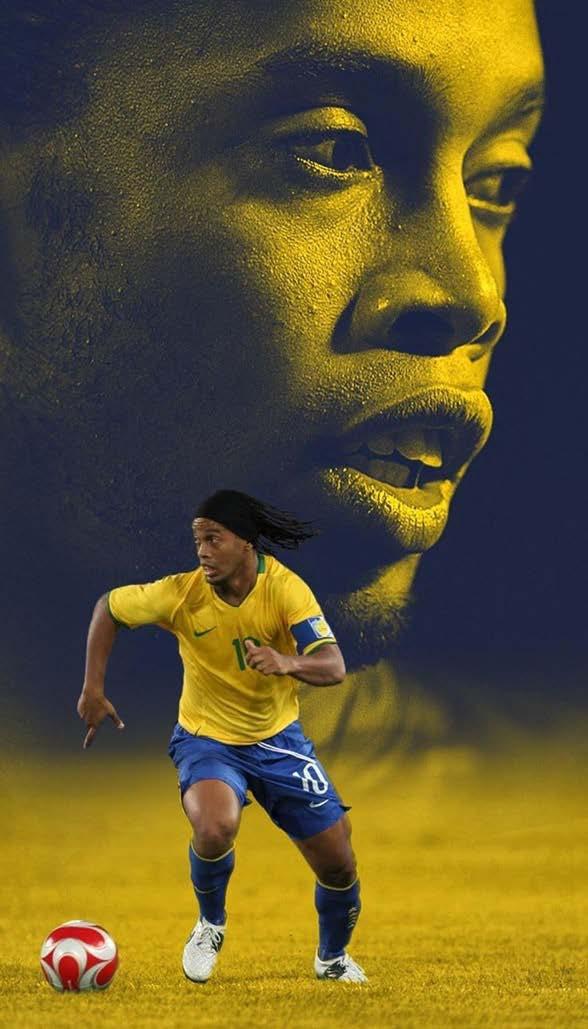
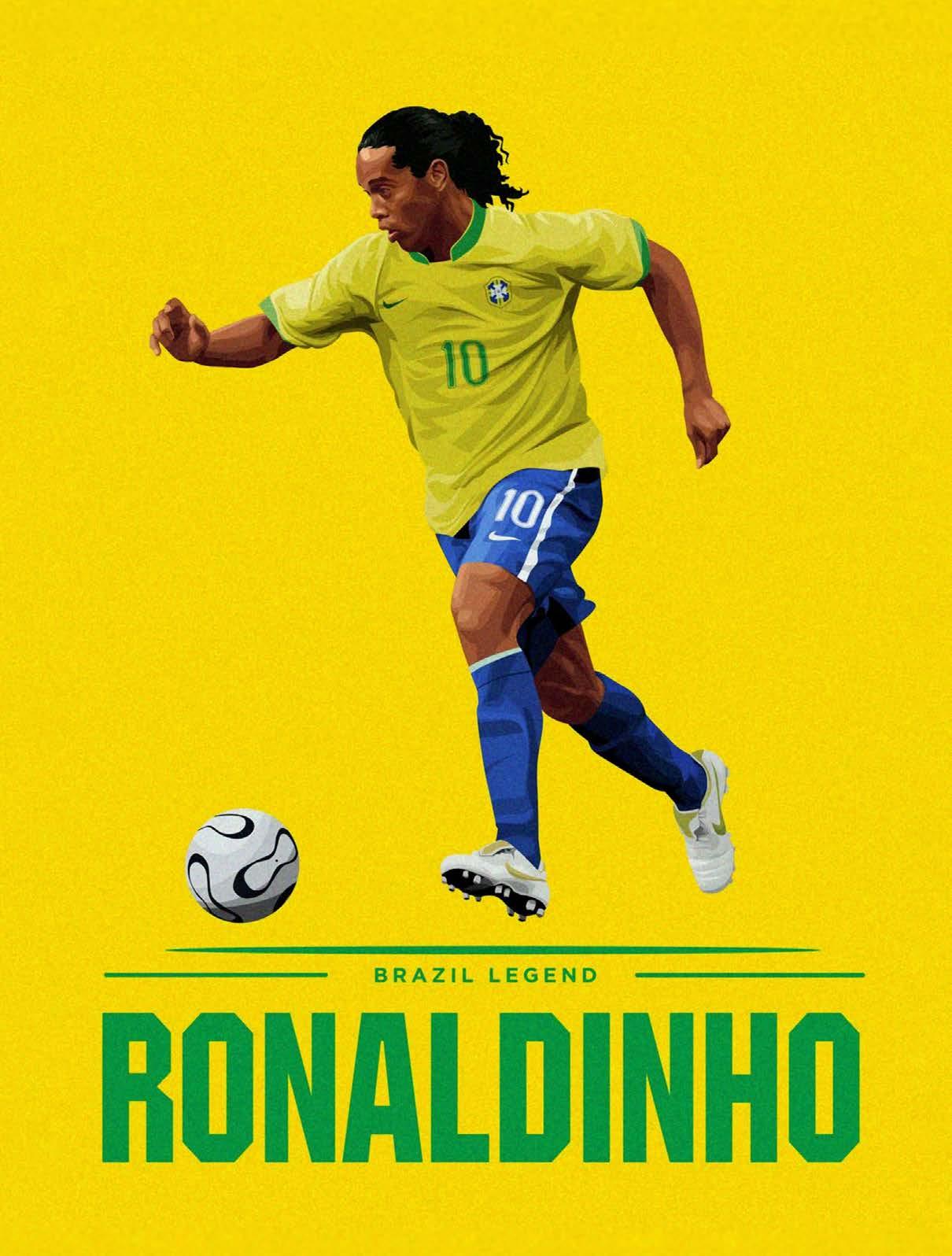
Few footballers have ever lit up the pitch with the sheer exuberance and artistry of Ronaldinho. Born Ronaldo de Assis Moreira on March 21, 1980, in Porto Alegre, Brazil, Ronaldinho became a global icon not just for his extraordinary skill but for the infectious joy he brought to the game. From his dazzling dribbles to his audacious no-look passes, he played with a freedom that made him one of the most loved footballers of all time. Ronaldinho’s legacy endures in the hearts of fans worldwide as the iconic Brazilian is a fan favourite in football.
A MAGICIAN WITH THE BALL
Ronaldinho’s technical ability was nothing short of mesmerizing. His ball control, flair, and creativity made him a nightmare for defenders. Whether it was his elastico dribble, a flip-flap move, or a perfectly weighted freekick, he had an uncanny ability to make the impossible look effortless. His 2005-06 season with FC Barcelona, where he led the team to La Liga and Champions League titles, showcased his genius at its peak. Iconic moments—
like his audacious toe-poke goal against Chelsea or his standing-ovation-earning brace at Real Madrid’s Santiago Bernabéu—cemented his status as a game-changer. But it wasn’t just about goals or trophies. Ronaldinho played with a childlike love for the game that transcended statistics. His tricks weren’t just functional; they were expressions of creativity, like a painter using the pitch as his canvas. Fans didn’t just watch Ronaldinho—they felt his passion.
THE SMILE THAT WON HEARTS
Ronaldinho’s ever-present smile was as much a part of his legend as his skills. In an era when football was becoming increasingly competitive and tactical, he reminded everyone that the sport could be fun. His grin, whether celebrating a goal or pulling off a cheeky nutmeg, was infectious. It wasn’t arrogance; it was pure joy. That authenticity resonated with fans, who saw in him a player who loved football as much as they did. Off the pitch, Ronaldinho’s charisma shone through. Stories of him playing pickup games in Brazilian favelas or samba-dancing at team celebrations painted a picture of a man who lived for connection and happiness. He wasn’t just a star—he was relatable, a kid from Porto Alegre who never forgot his roots.
A GLOBAL INSPIRATION
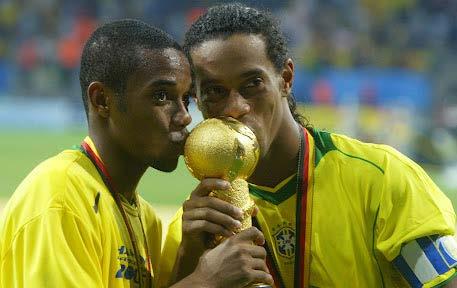
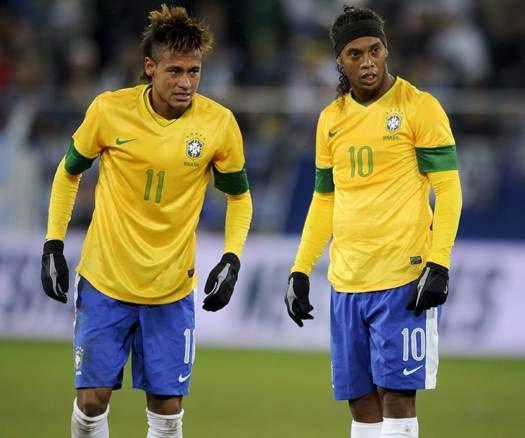
Ronaldinho’s impact stretched far beyond Brazil or Barcelona. He inspired a generation of players and fans across continents. Youngsters from Africa to Asia tried to emulate his tricks, wearing his No. 10 jersey with pride. His 2002 World Cup triumph with Brazil, where his long-range lob against England stunned the world, made him a household name. Later, his stints at Paris SaintGermain, FC Barcelona, AC Milan, and clubs in Brazil and Mexico showed his universal appeal.He broke cultural barriers, too. Ronaldinho’s style—rooted in Brazilian street football and samba rhythms—brought a distinctly Afro-Brazilian flair to global stadiums. He celebrated his heritage unapologetically, making him a role model for marginalized communities worldwide.
OVERCOMING CHALLENGES
Ronaldinho’s career wasn’t without flaws. Critics pointed to his lack of discipline, with late-night partying and inconsistent training habits shortening his prime. By his late 20s, injuries and lifestyle choices saw him fade from Europe’s elite stage. Yet, even these imperfections made him more human to fans. He wasn’t a machine like some modern athletes—he was a flawed genius who lived life on his terms.
His legal troubles later in life, including a 2020 arrest in Paraguay for using a fake passport, briefly tarnished his image. But fans forgave him, remembering the joy he’d given them. Ronaldinho’s mistakes didn’t define him; his ability to rise above them did.
A LEGACY OF HAPPINESS
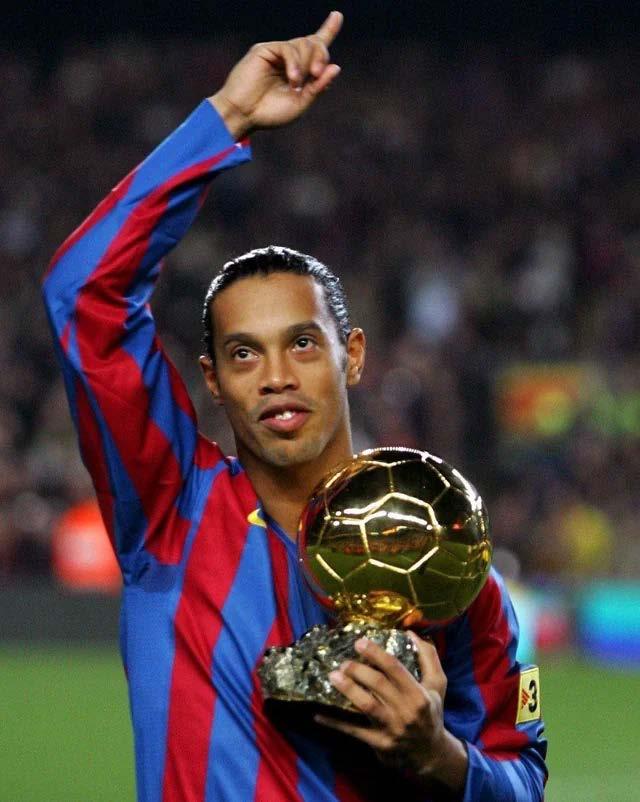
Ronaldinho’s trophy cabinet—World Cup, Champions League, Ballon d’Or (2005)— tells only part of the story. His true legacy is the happiness he spread. He played for the love of the game, not for records or rivalries. In a 2019 interview, he said, “I just wanted to make people smile.” He did that and more.
Today, Ronaldinho remains a beloved figure. Social media clips of his highlights rack up millions of views, and fans still chant his name at Camp Nou. He wasn’t the most decorated or disciplined footballer, but he was the most joyful. For Ronaldinho, football was a celebration, and he invited the world to dance along. That’s why, decades after his prime, he’s still one of the most loved footballers ever.
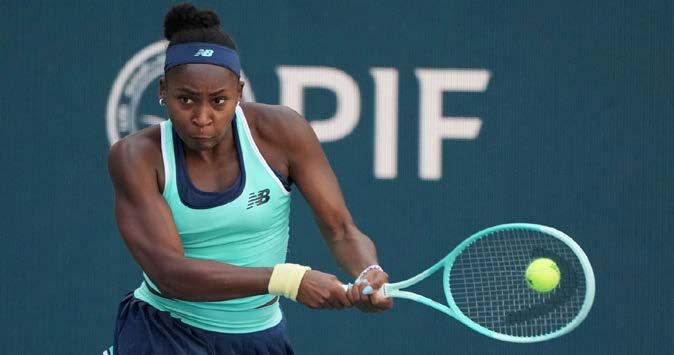
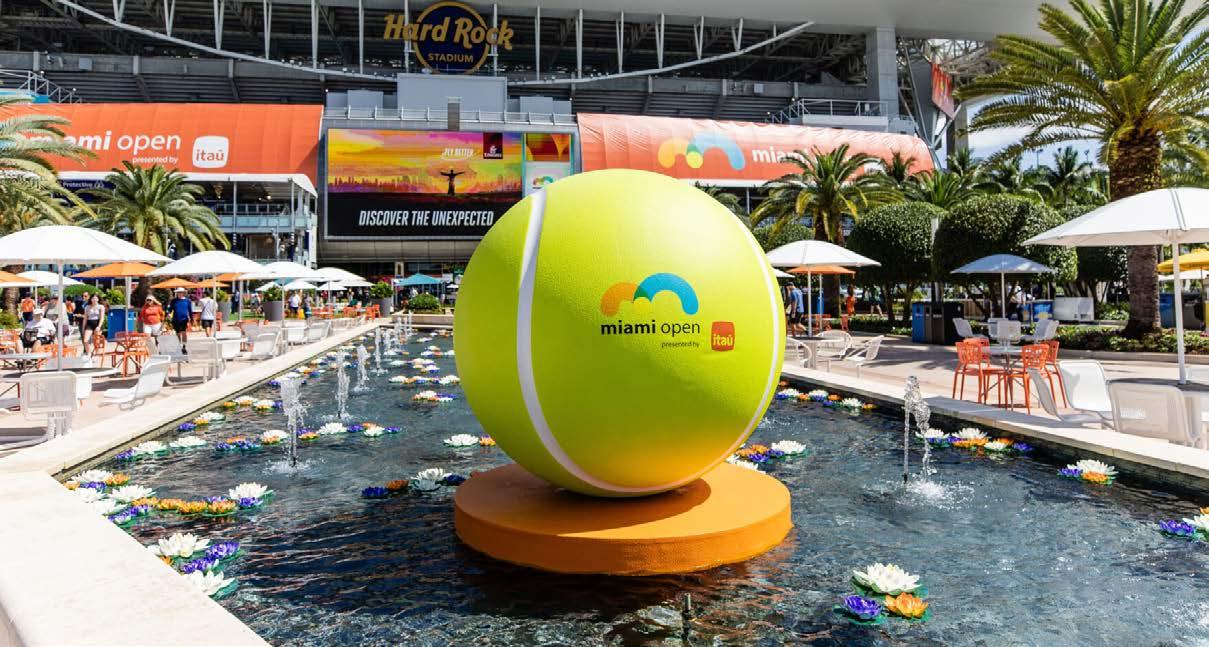
THE MIAMI OPEN 2025: A SHOWCASE OF TENNIS EXCELLENCE
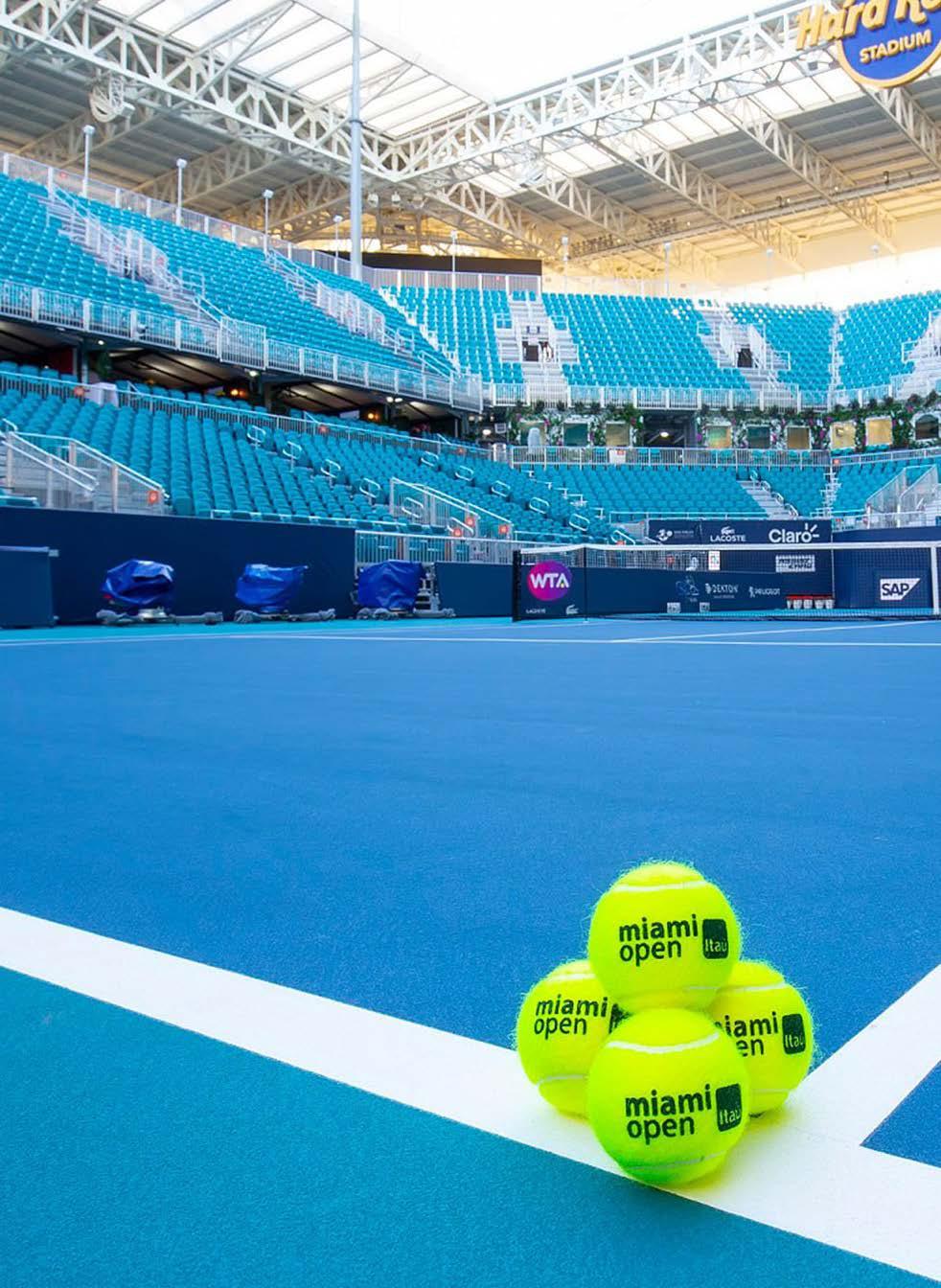
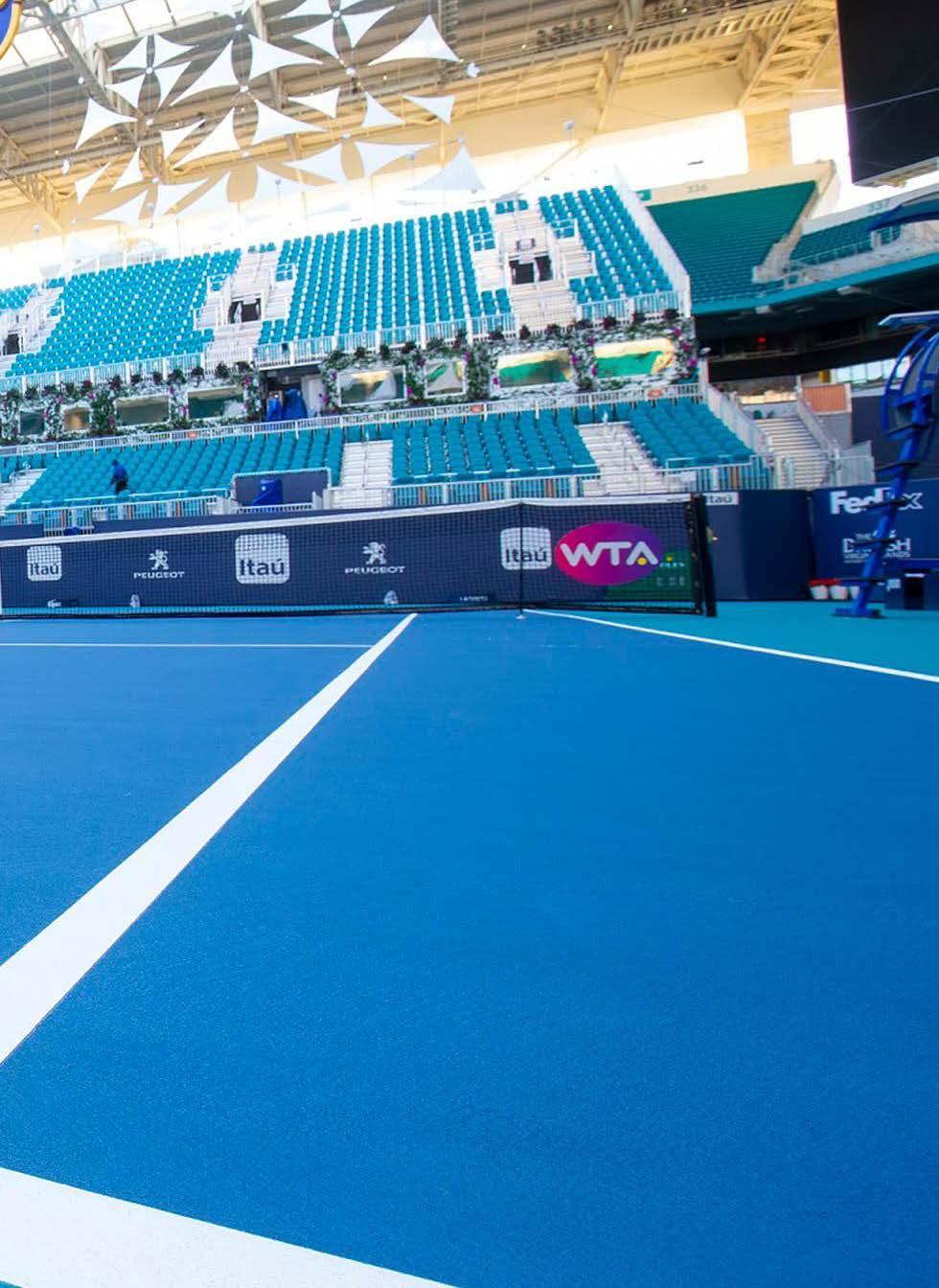
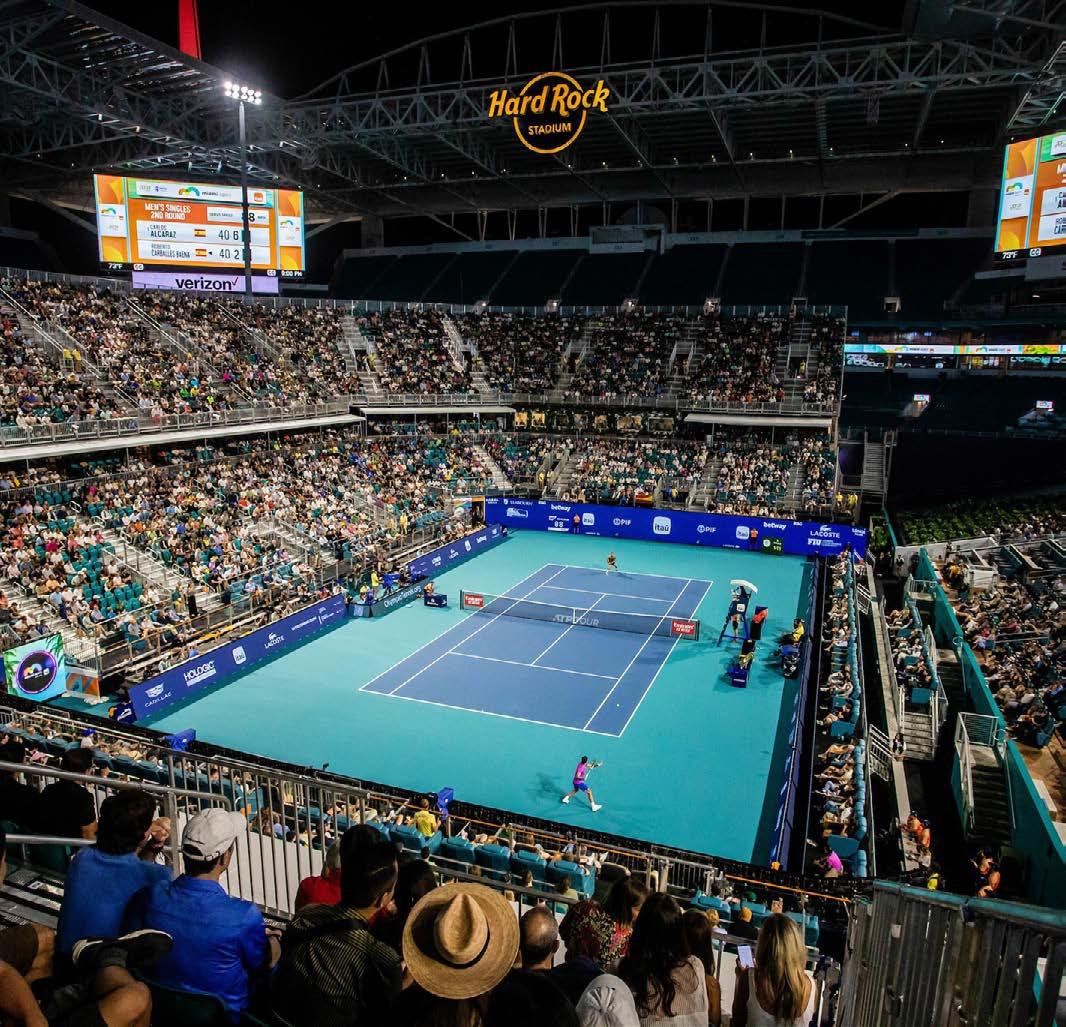
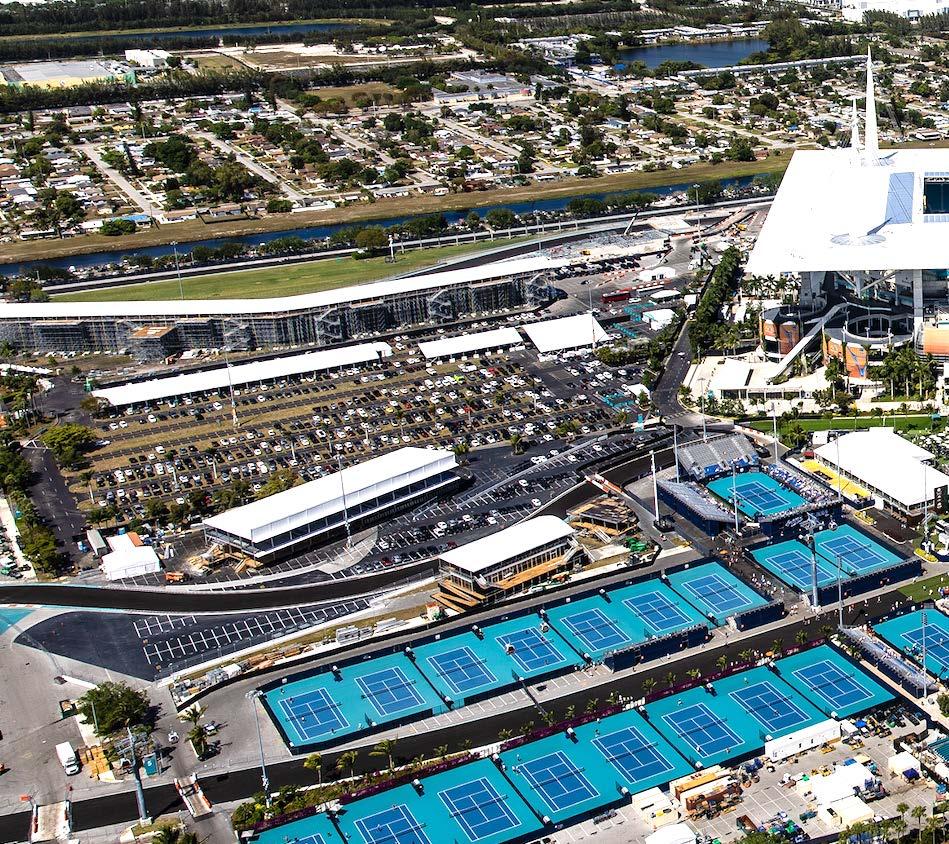
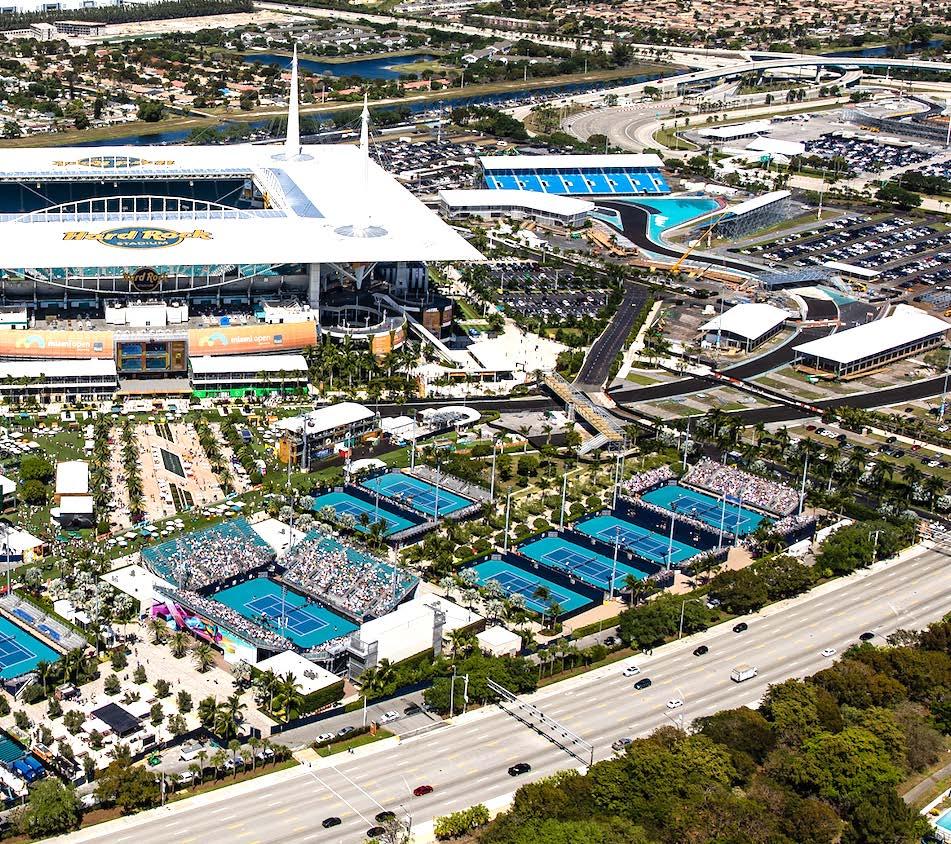
The Miami Open 2025, held at Hard Rock Stadium in Miami Gardens, Florida, concluded on March 30, 2025, marking its 40th year as one of the premier events on the ATP and WTA Tours. This year’s tournament delivered thrilling upsets, historic milestones, and a celebration of both emerging talent and seasoned champions. With a record-breaking attendance of over 400,000 fans, the event solidified its status as a global tennis spectacle, blending high-stakes competition with South Florida’s vibrant energy.
A NEW CHAMPION EMERGES: JAKUB MENSIK’S BREAKTHROUGH
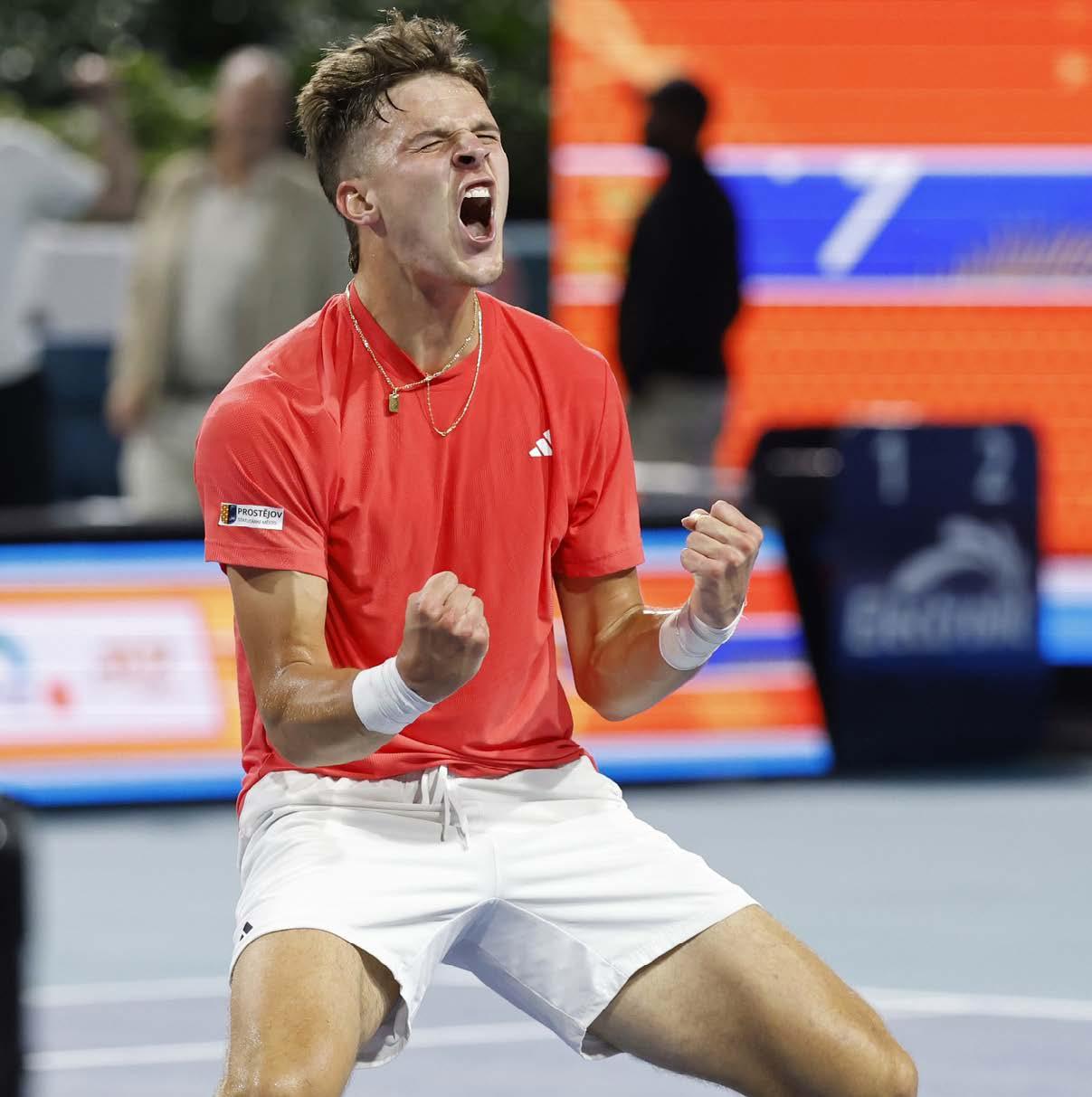
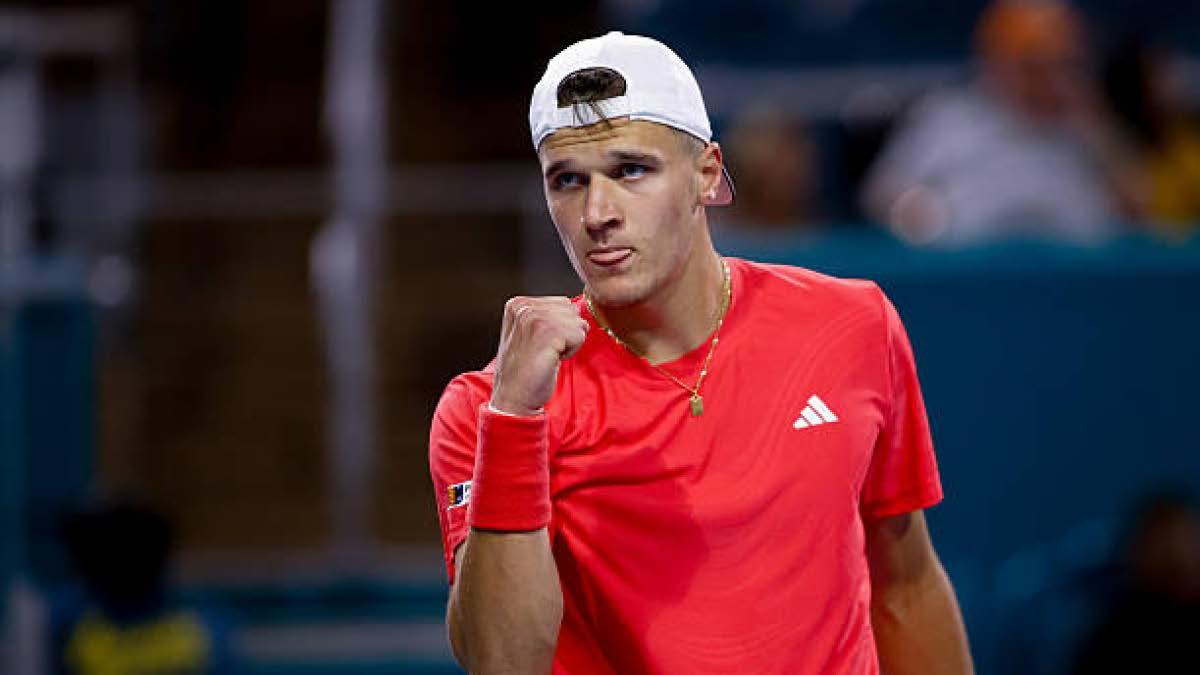
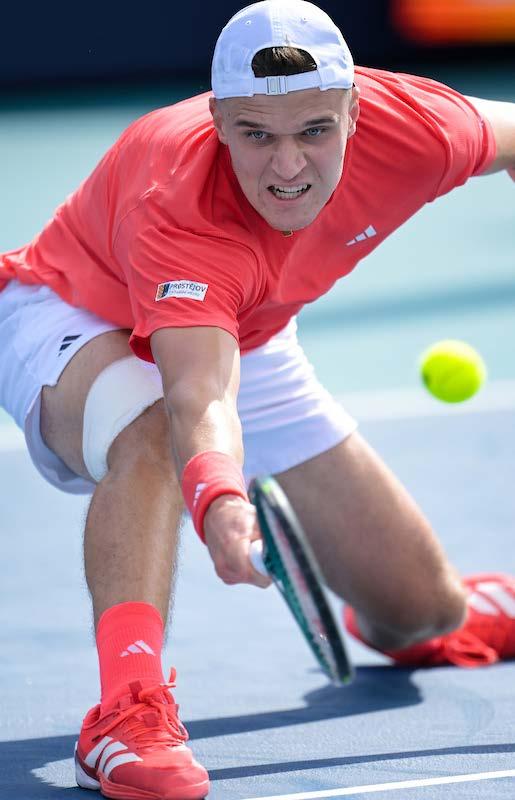
The men’s singles final was a clash of generations, pitting 19-year-old Czech sensation Jakub Mensik against 37-year-old Novak Djokovic, a six-time Miami Open champion. Mensik, ranked 54th in the world, stunned the tennis world by defeating Djokovic in straight sets, 7-6 (7/4), 7-6 (7/4), to claim his first ATP title. The victory denied Djokovic his 100th career singles title, a milestone that would have placed him alongside legends Jimmy Connors and Roger Federer in the Open Era.
Mensik’s journey to the title was nothing short of remarkable. Nearly withdrawing due to a knee injury before his first-round match, he battled through the draw, toppling top-10 players like Taylor Fritz, Jack Draper, and Djokovic himself. His composure under pressure, highlighted by two tiebreak wins in the final, showcased a maturity beyond his years. At 19, Mensik became the second-youngest Miami Open champion in history, following Carlos Alcaraz’s triumph in 2022, and the ninth-youngest Masters 1000 winner overall.
Djokovic, despite the loss, showed flashes of his vintage form throughout the tournament. Reaching his first final of 2025, he breezed past Grigor Dimitrov in the semifinals and expressed renewed motivation heading into the clay season. However, Mensik’s speed and creative play proved too much, ending the Serb’s quest for a record seventh Miami crown after a rain-delayed battle that stretched over five and a half hours.
SABALENKA SHINES: A DOMINANT WOMEN’S CHAMPION
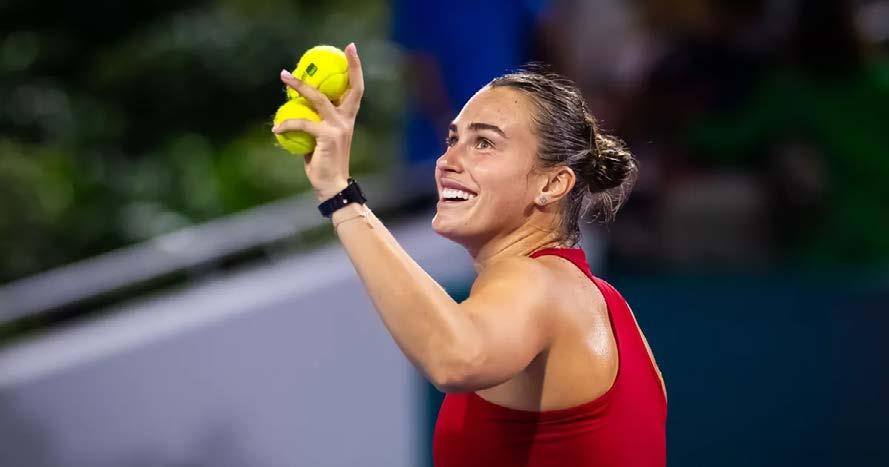
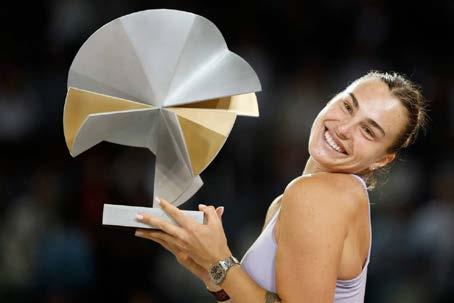
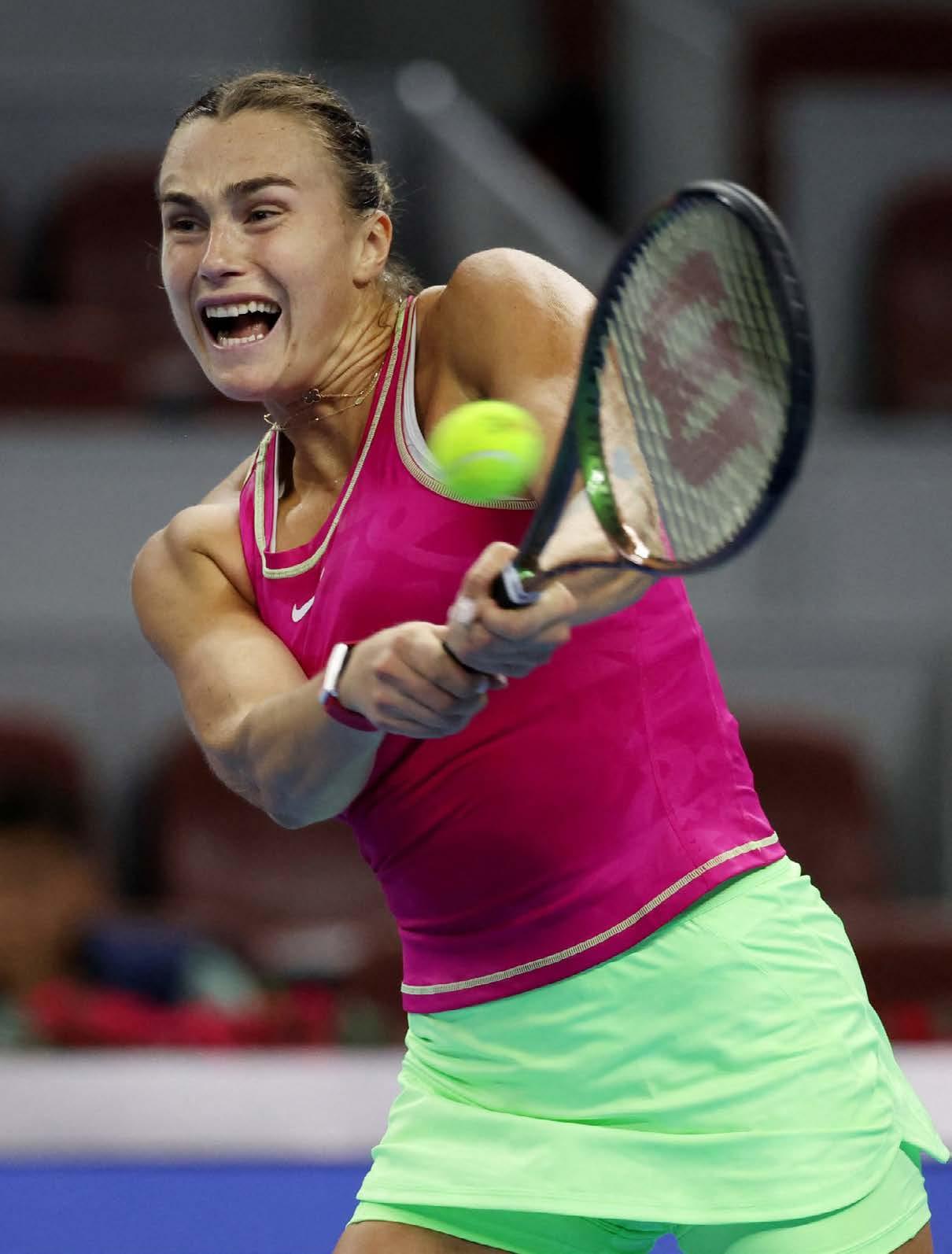
On the women’s side, World No. 1 Aryna Sabalenka captured her first Miami Open title, defeating Jessica Pegula 7-5, 6-2 in a commanding performance. The Belarusian powerhouse added her 19th career singles title—and her eighth WTA 1000 crown—to an already illustrious resume. Sabalenka’s victory marked her first triumph in the “Sunshine Double” (Indian Wells and Miami), a feat that had eluded her despite previous runner-up finishes at Indian Wells.
The final was a rematch of the 2024 US Open final, where Sabalenka had also prevailed. Against Pegula, a local favorite ranked No. 4, Sabalenka’s aggressive baseline game and improved tactical clarity in the second set overwhelmed her opponent. Her victory further cemented her dominance on hard courts, where 17 of her 19 titles have been won, including three Grand Slam singles titles. For Pegula, reaching her third final of 2025 signalled her continued ascent, though she couldn’t overcome Sabalenka’s relentless pressure.
DOUBLES DELIGHT
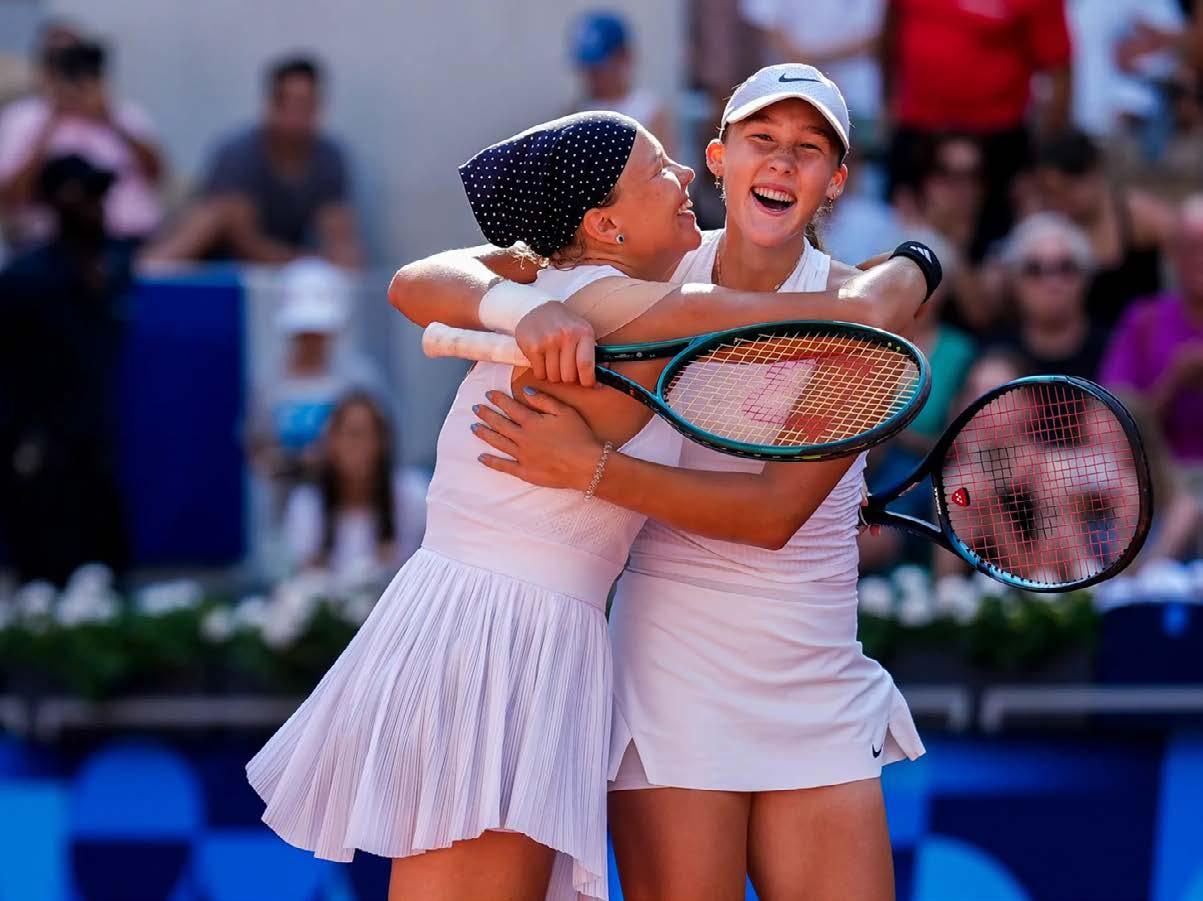
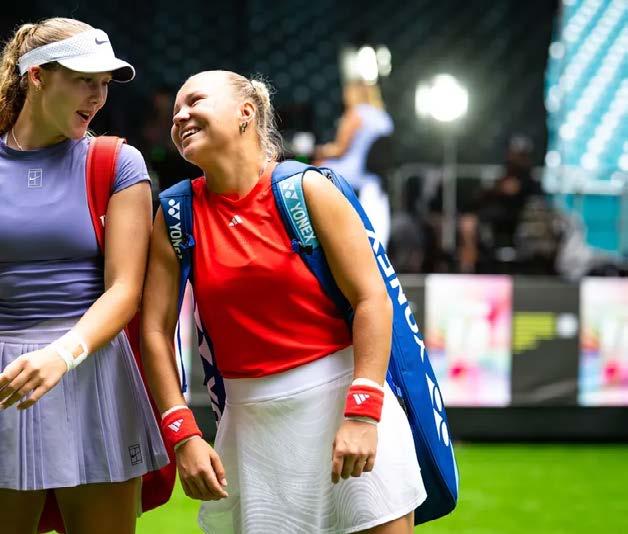
In the women’s doubles, Mirra Andreeva and Diana Shnaider emerged as champions, defeating Cristina Bucsa and Miyu Kato in an all-unseeded final. The young duo, who previously won the WTA 500 Brisbane title in January, showcased their chemistry and flair to claim their second and highestlevel WTA doubles title. Andreeva, fresh off singles success at recent WTA 1000 events, added another layer to her burgeoning legacy, while Shnaider’s dynamic play complemented her perfectly.
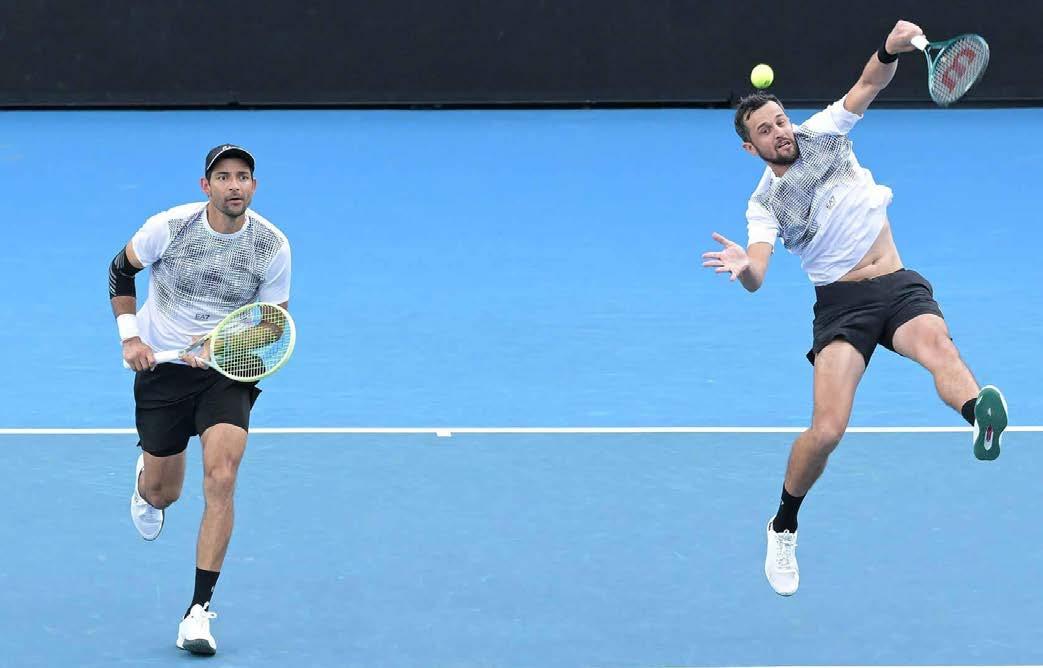
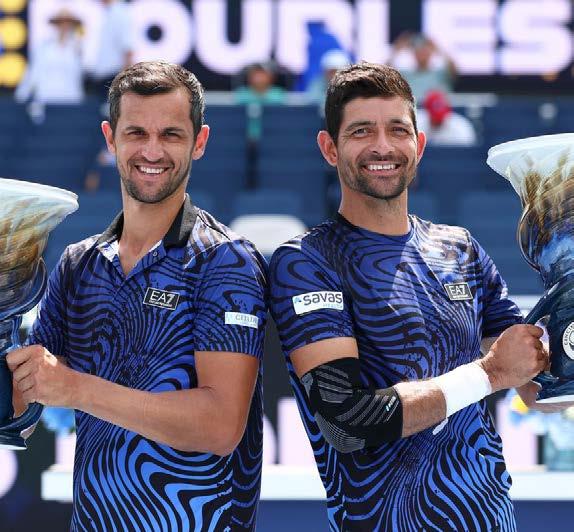
The men's doubles winners of the Miami Open 2025 were Marcelo Arévalo and Mate Pavić. They defeated Julian Cash and Lloyd Glasspool in the final with a score of 7-6(7-3), 6-3, securing their second consecutive Masters 1000 title of the year after also winning at Indian Wells. This victory marked their completion of the prestigious "Sunshine Double," a feat achieved by only six pairs in history, with the last being Pierre-Hugues Herbert and Nicolas Mahut in 2016. Arévalo, from El Salvador, and Pavić, from Croatia, showcased exceptional teamwork and consistency to claim the title at Hard Rock Stadium.
STANDOUT PERFORMANCES AND RISING STARS
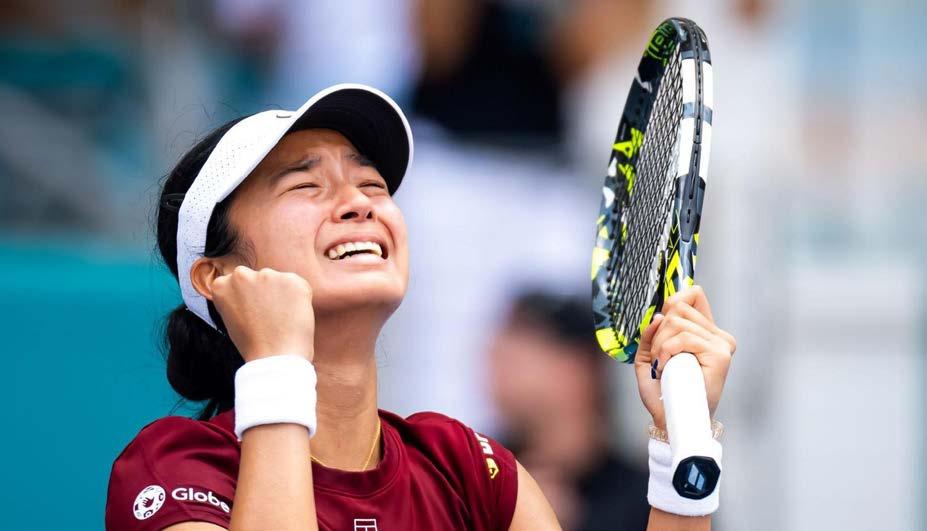
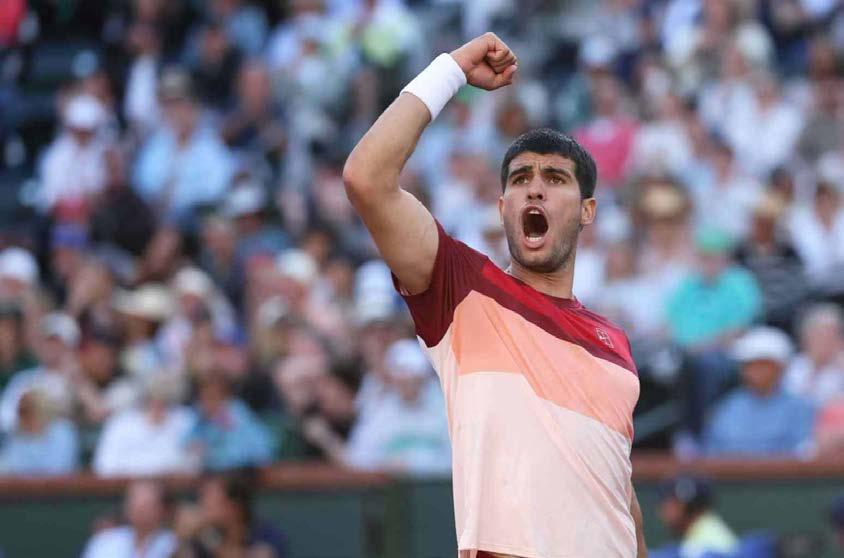
Beyond the champions, the Miami Open 2025 highlighted the sport’s next generation. Carlos Alcaraz, the 2022 champion, suffered a surprising secondround exit to David Goffin, admitting to a “poor level” of play. Meanwhile, 18-year-old Brazilian Joao Fonseca made waves with a third-round run, showcasing his potential as a future star. On the women’s side, Alex Eala of the Philippines electrified fans with a semi-final appearance, toppling Grand Slam champions Jelena Ostapenko, Madison Keys, and Iga Swiatek without dropping a set—a historic feat as the first Filipino to achieve such a run in the Open Era. Emma Raducanu also impressed, reaching the quarterfinals before falling to Pegula, showing signs of a consistent resurgence.
A MILESTONE YEAR
The tournament’s 40th edition was a celebration of its legacy and growth. Since moving to Hard Rock Stadium in 2019, the Miami Open has consistently broken attendance records, with 2025’s 400,000-plus turnout underscoring its appeal. The Dominican Republic’s sponsorship as the official destination brand added a cultural flair, reinforcing the event’s global reach. Despite challenges like rain delays—most notably pushing the men’s final start time back by over five hours—the tournament maintained its electric atmosphere, with Hard Rock Stadium proving a fitting stage for tennis drama.
The Miami Open 2025 closed out the first quarter of the hard-court season with a bang, leaving fans buzzing about the future. Mensik’s upset, Sabalenka’s dominance, and the emergence of talents like Eala and Fonseca set the stage for an exciting year. For Djokovic, the quest for title No. 100 continues, while Sabalenka’s reign atop the WTA rankings looks increasingly unshakable. As the tennis world shifts to clay, the echoes of Miami’s triumphs will resonate, promising more thrilling chapters in 2025.
DFL AND LALIGA
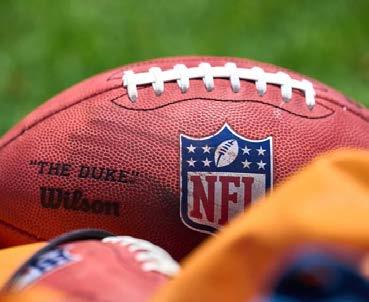
Join Forces with NFL to Conquer USA Market
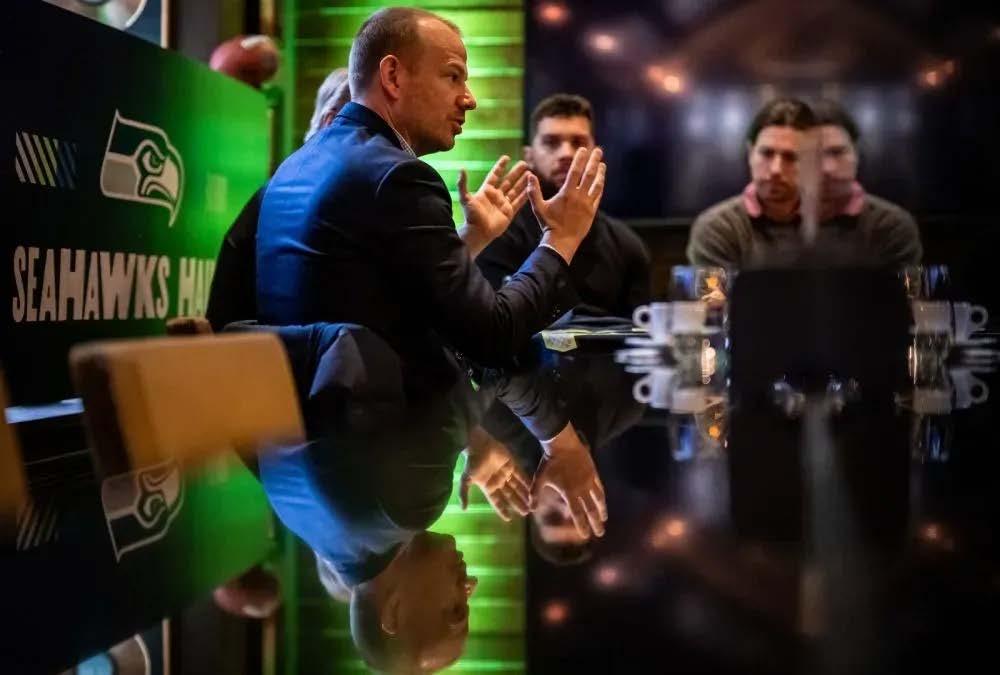
In a bold move to expand their reach across the Atlantic, Germany’s Deutsche Fußball Liga (DFL) and Spain’s LaLiga have forged strategic partnerships with the National Football League (NFL), tapping into the American sports giant’s unparalleled market presence. These collaborations, blending soccer’s global appeal with the NFL’s domestic dominance, signal a new era of cross-sport synergy aimed at capturing the hearts—and wallets—of U.S. fans. These strategic alliances are already reshaping how European soccer leagues approach growth in the world’s most lucrative sports market in order to grow their league.
The DFL’s Playbook: Bundesliga Meets NFL Expertise
The DFL, which governs the Bundesliga, kicked off its NFL partnership in 2022, focusing on a knowledge exchange that spans broadcasting, digital innovation, and fan engagement. The goal? To elevate the Bundesliga’s profile in a U.S. landscape traditionally dominated by American football, basketball, and baseball. A cornerstone of this effort is the DFL’s 17-year deal with Relevant Sports Group, signed in September 2024. This agreement hands Relevant extensive media and sponsorship rights across the Americas, while promising localized content and grassroots initiatives to connect with U.S. audiences. The NFL’s own international
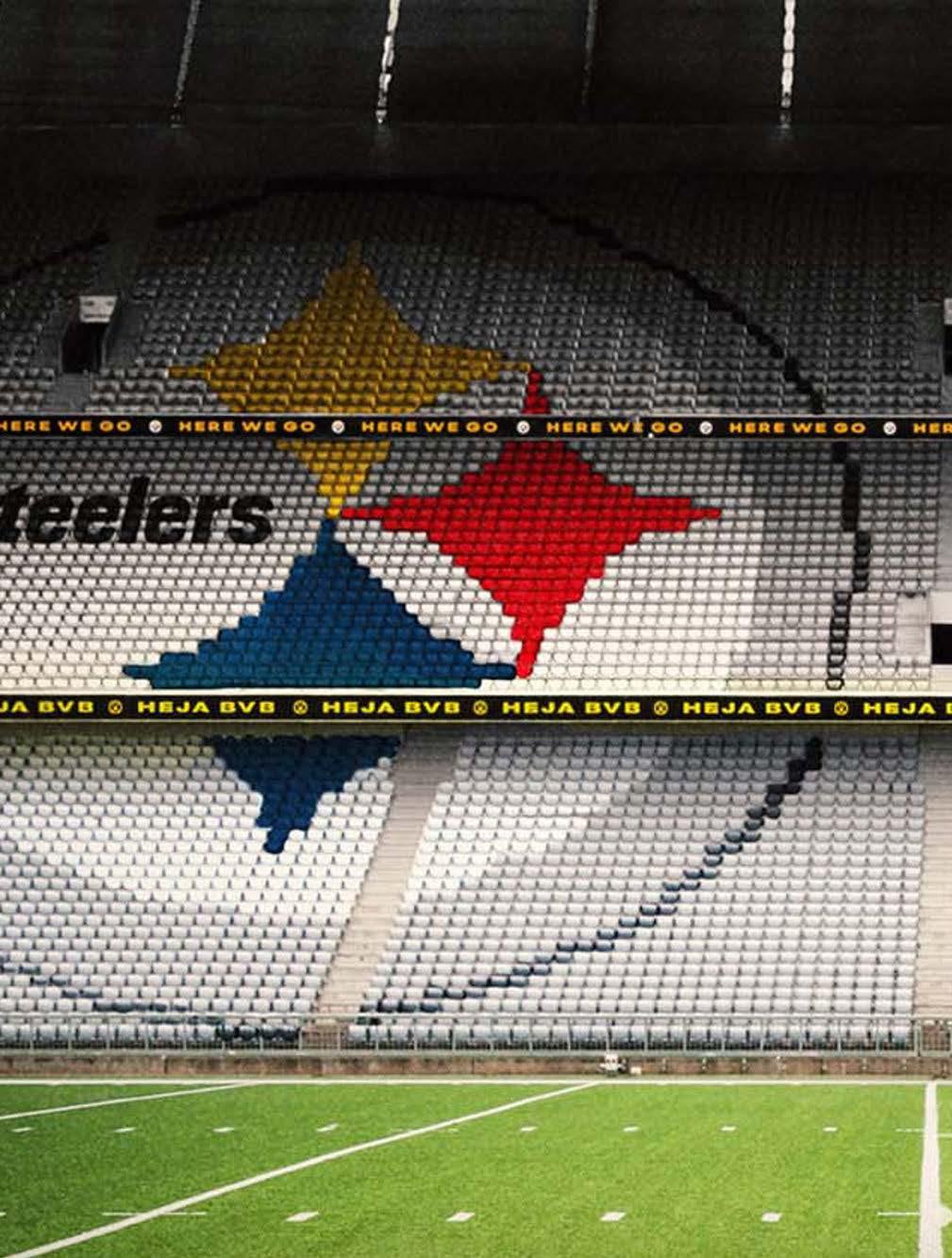
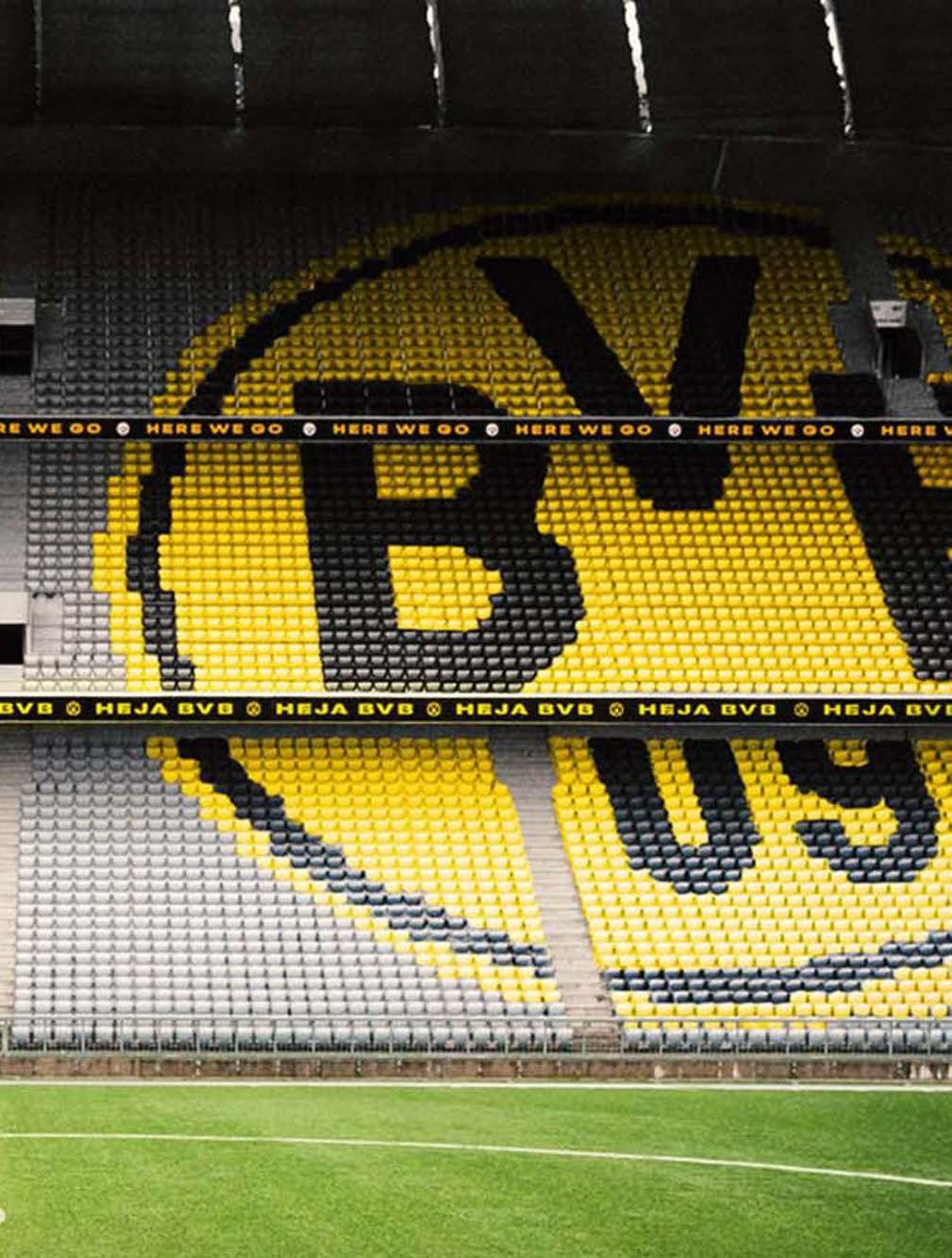
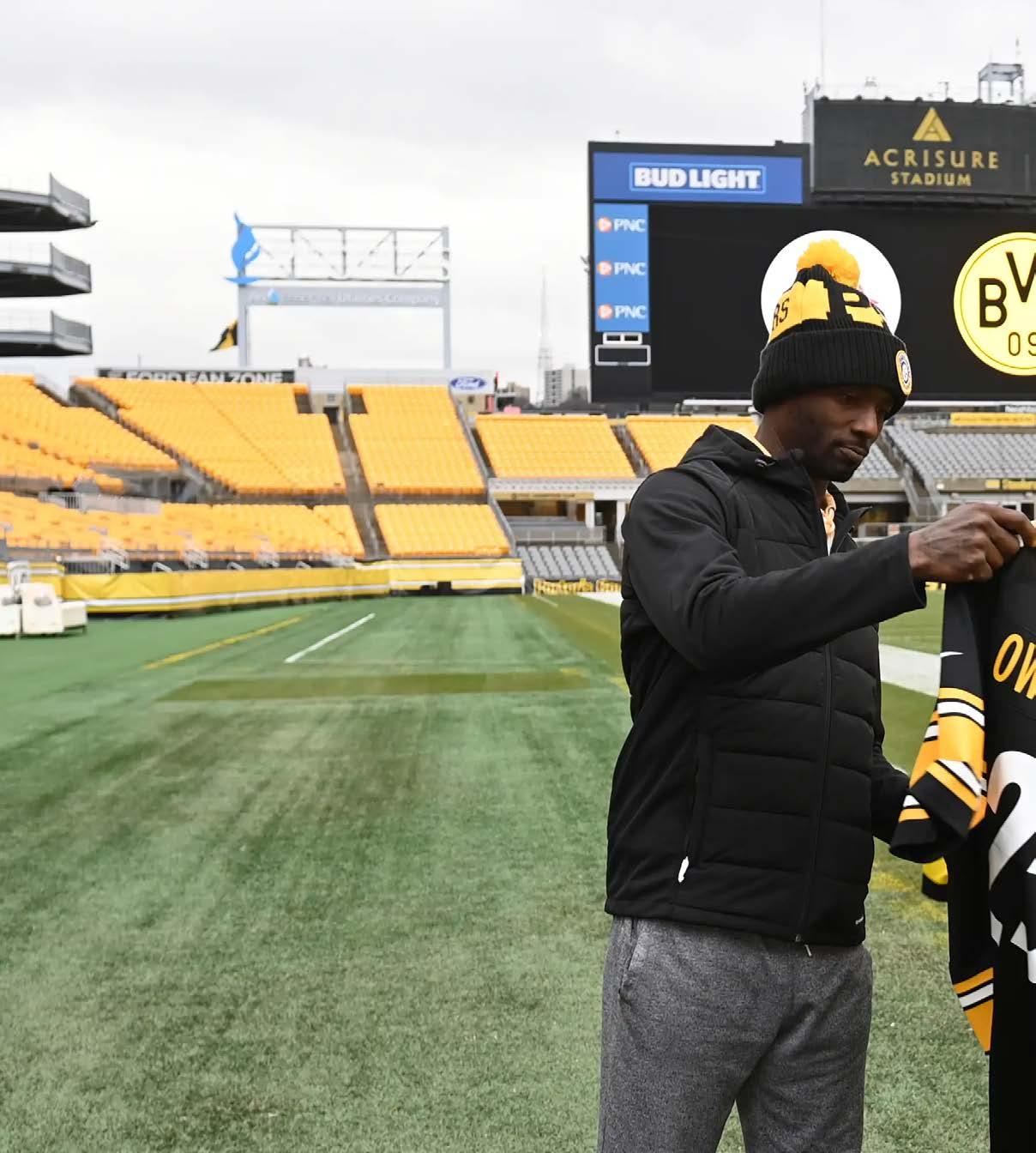
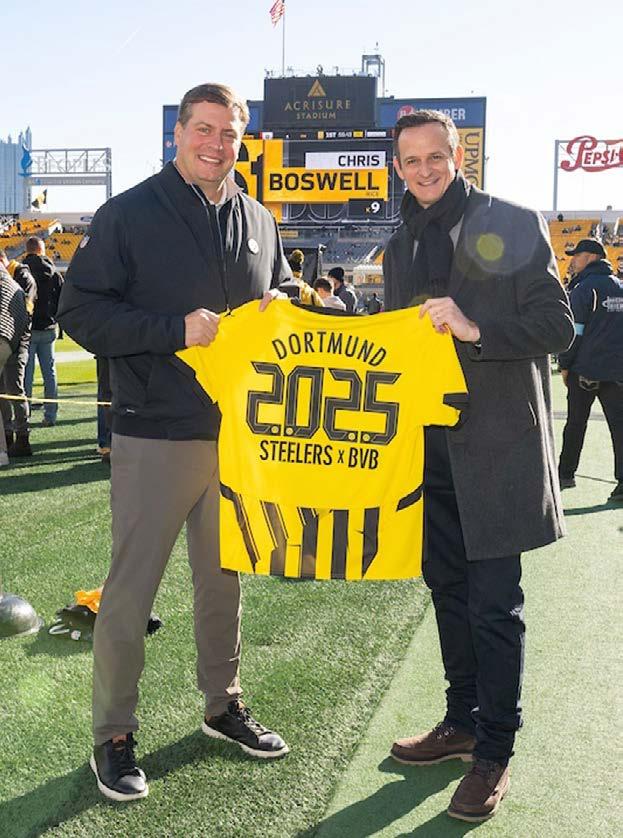
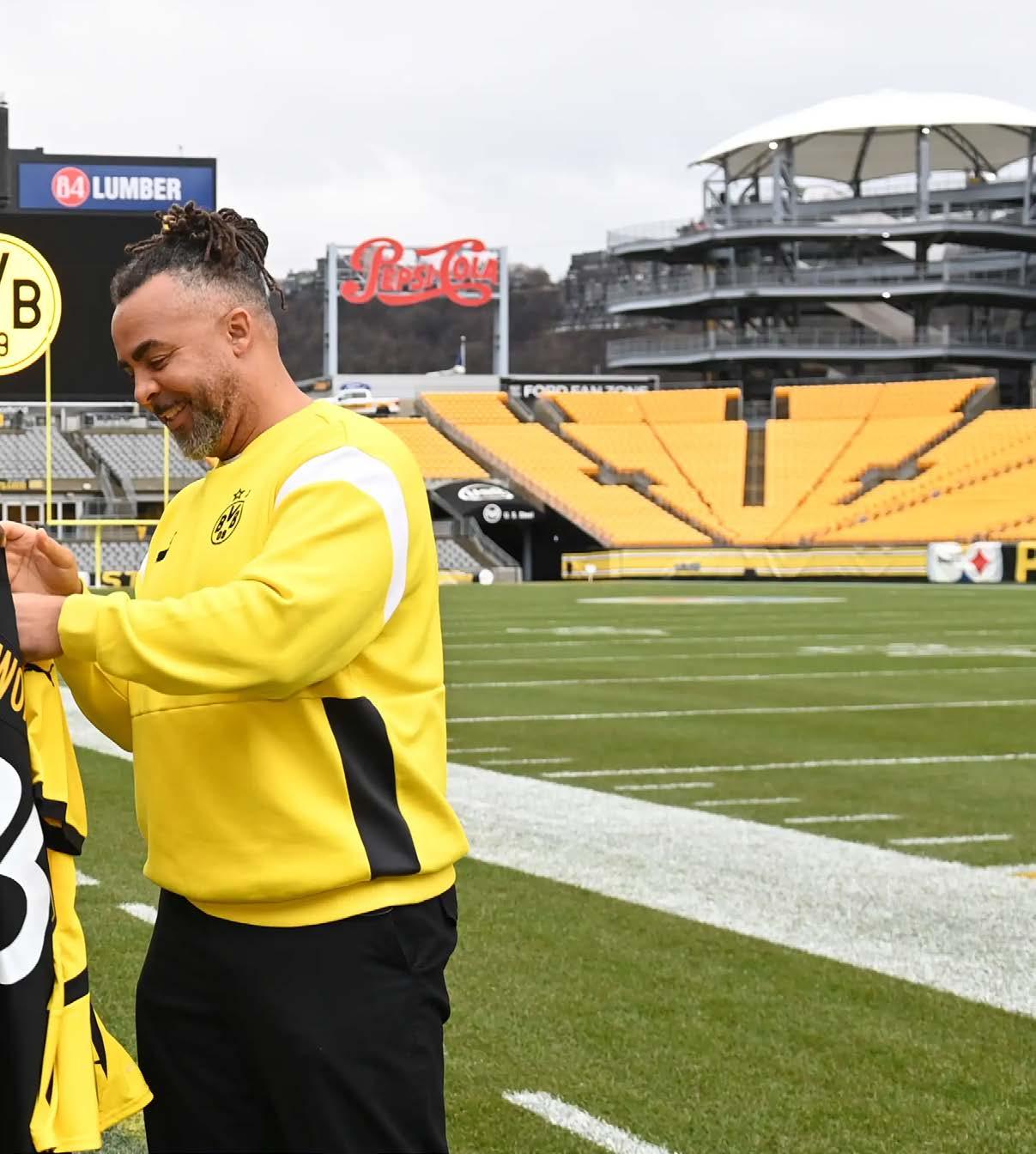
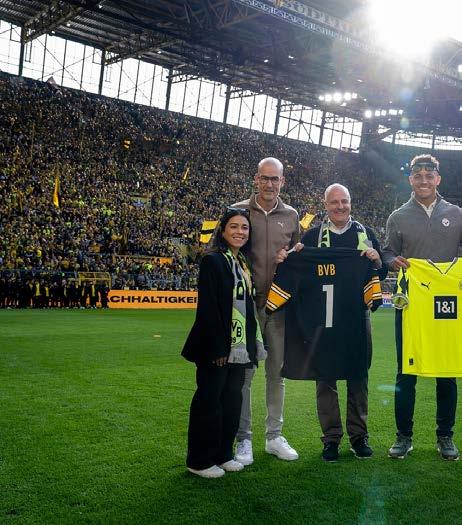
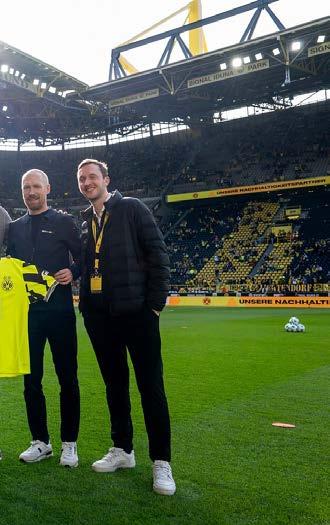
ambitions have greased the wheels for this partnership. Since 2022, the league has hosted regular-season games in Germany, building a fanbase that the DFL can tap into. Take Borussia Dortmund’s 2025 partnership with the Pittsburgh Steelers as a case in point. Under the NFL’s Global Markets Program—which grants teams like the Steelers marketing rights in Germany—the two clubs are collaborating on joint fan events, merchandise, and youth programs. It’s a winwin: the NFL strengthens its foothold in Germany, while the Bundesliga gains a promotional boost in Pittsburgh and beyond.
LaLiga’s Long Game: Leveraging a Decade-Plus with Relevant
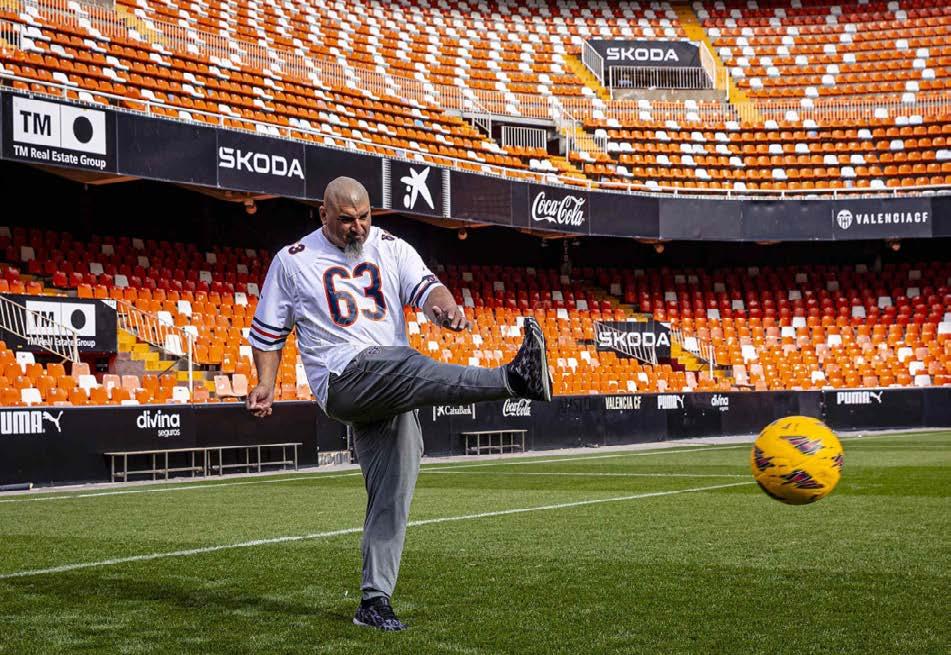
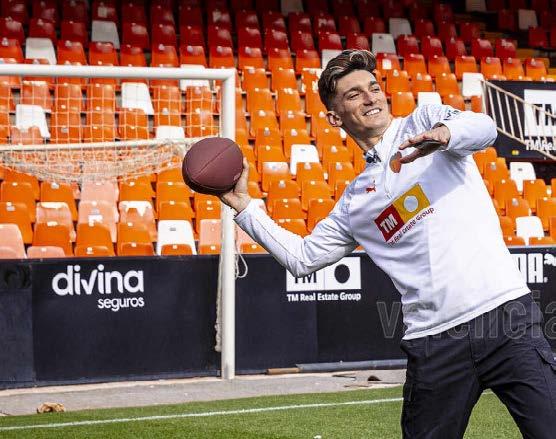
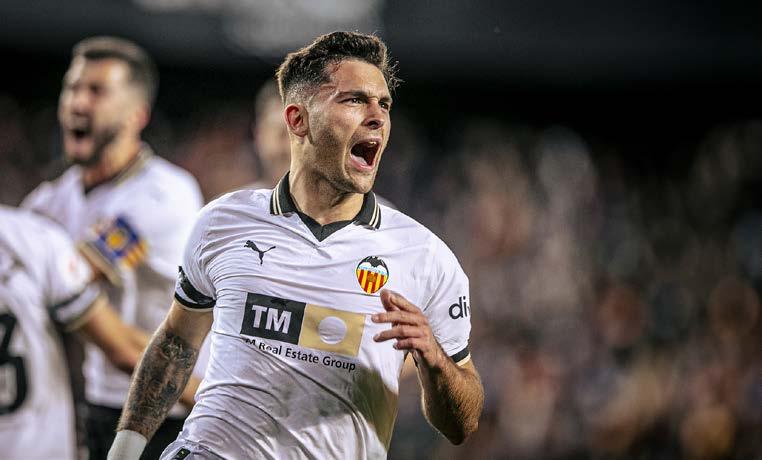
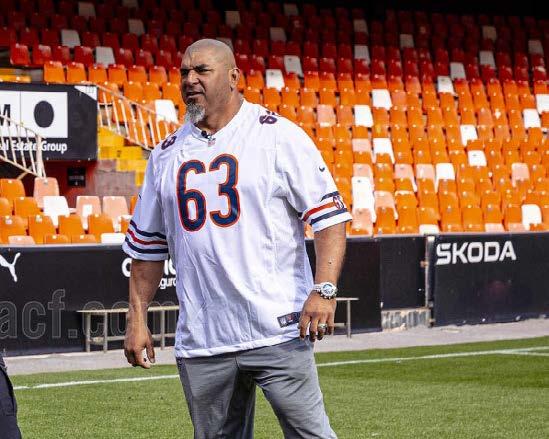
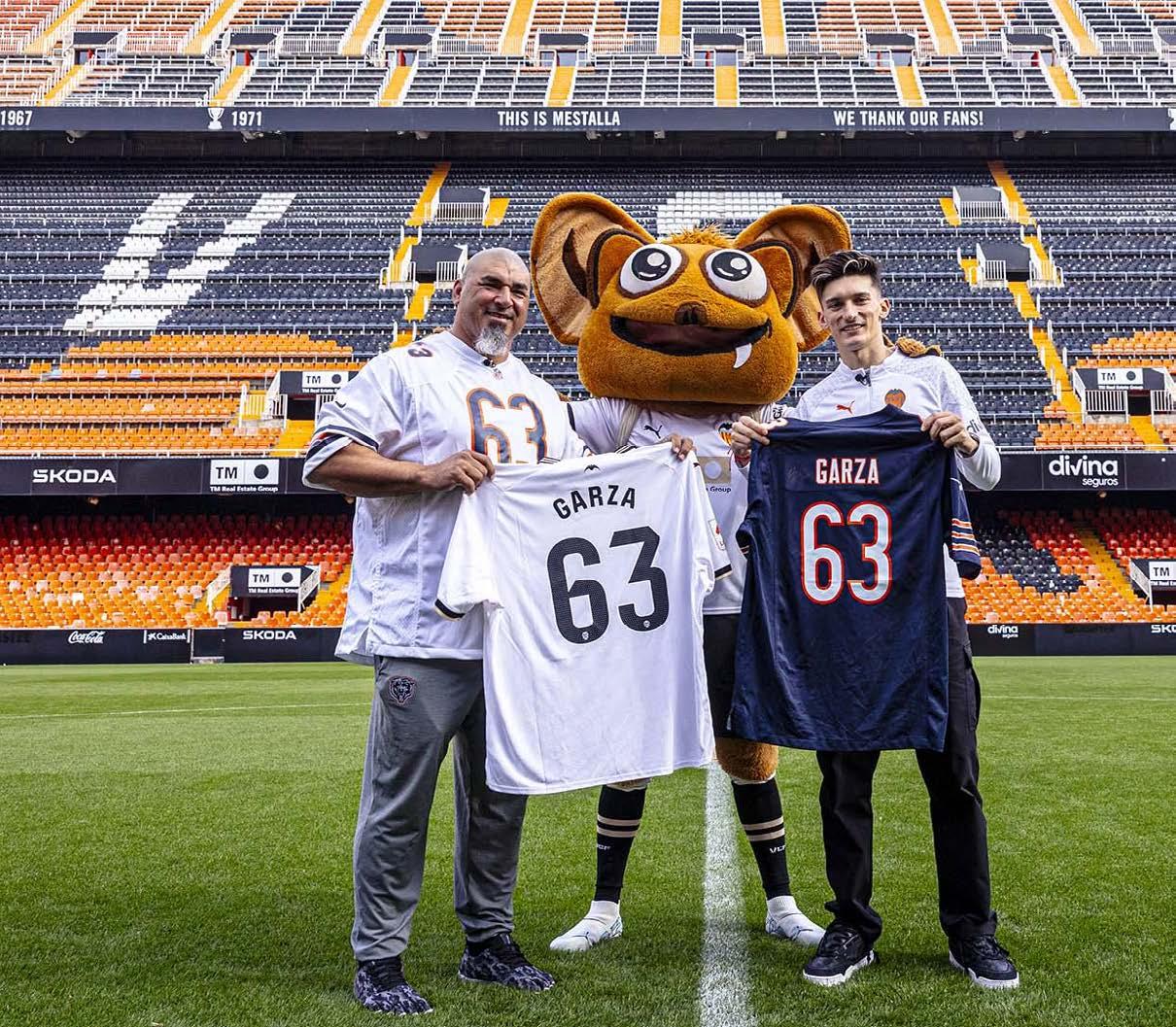
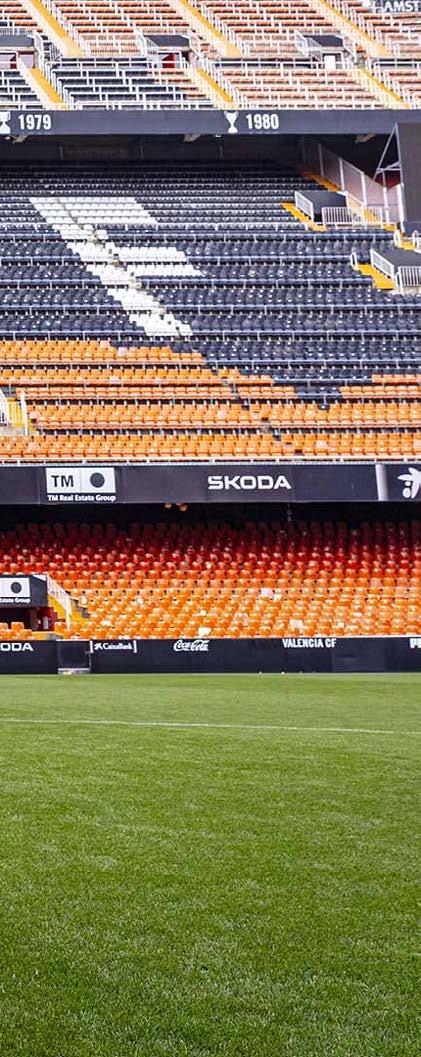
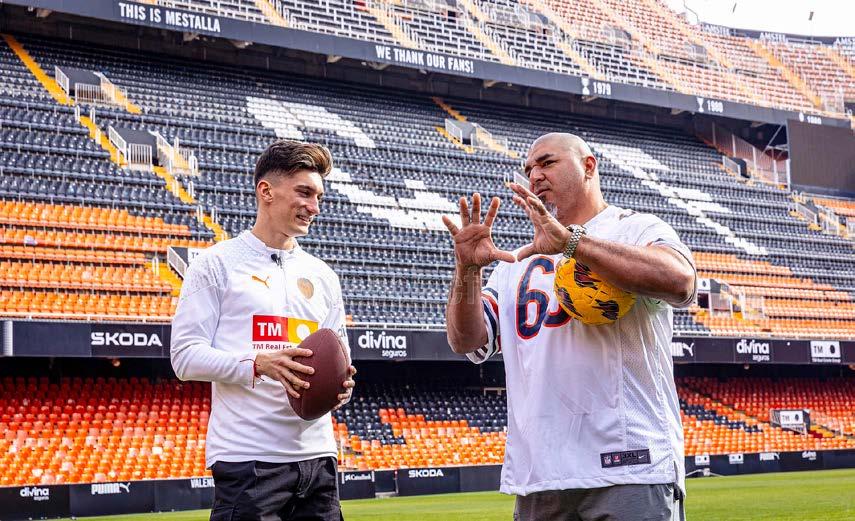
LaLiga’s U.S. ambitions predate the DFL’s by several years, rooted in a 15-year joint venture with Relevant Sports Group launched in 2018. This partnership has already borne fruit, from high-profile exhibition matches to growing media exposure. The NFL connection amplifies these efforts, with shared broadcasting on ESPN—home to both NFL games and LaLiga’s U.S. telecasts—offering a platform for cross-promotion. A notable example is the collaboration between the Chicago Bears and Valencia CF, blending NFL muscle with LaLiga flair to engage fans in both sports. The NFL’s planned 2025 regular-season game in Spain adds another layer. Set to be the league’s first foray onto Spanish soil, it aligns perfectly with LaLiga’s mission to deepen ties with American audiences. By piggybacking on the NFL’s marketing machine, LaLiga can showcase its stars—think Real Madrid’s Vinícius Júnior or Barcelona’s rising talents-to a U.S. public already primed for gridiron action.
A Symbiotic Strategy
At first glance, pairing soccer leagues with an American football behemoth might seem odd. But the logic is sound. The NFL, eyeing global expansion, gains insights into soccer’s operational finesse and passionate fan culture—key ingredients for its push into Europe and beyond. In return, the DFL and LaLiga get access to the NFL’s U.S. infrastructure, from stadium logistics to digital platforms, plus a chance to siphon off some of its 70-million-strong fanbase.
This isn’t about direct competition; it’s about coexistence and mutual benefit. Soccer’s U.S. audience has grown steadily—thanks to the Premier League’s success and the 2026 FIFA World Cup looming— but it still lags behind the NFL’s domestic stranglehold. By aligning with the NFL, the DFL and LaLiga can pitch their product to casual sports fans who might not otherwise tune in. Imagine a Steelers fan stumbling across a Dortmund match on ESPN, or a Bears supporter catching Valencia’s flair during a commercial break. It’s a slow burn, but the potential payoff is massive.
Success isn’t guaranteed. The U.S. sports calendar is crowded, and soccer faces stiff competition from established leagues like the NBA and MLB, not to mention Major League Soccer’s homegrown appeal. Cultural differences also loom large—soccer’s 90-minute flow contrasts sharply with the NFL’s stop-start spectacle. Yet the partnerships are designed to bridge that gap, blending the NFL’s event-driven hype with soccer’s narrative depth.
Early signs are promising. The Bundesliga’s U.S. viewership has ticked up since the NFL tie-in, while LaLiga’s strategic patience continues to build a steady following. The real test will come over the next few years, as these leagues measure fan growth, merchandise sales, and digital engagement against their hefty investments.
The Bigger Picture
The DFL-LaLiga-NFL axis reflects a broader trend: sports leagues are no longer content to dominate their home turfs. Globalization demands bold moves, and cross-sport alliances are the new frontier. For the DFL and LaLiga, the NFL isn’t just a partner—it’s a gateway to a market of untapped potential. For the NFL, soccer offers a blueprint for cracking Europe’s fragmented fanbases. As these titans of sport converge, one thing is clear: the U.S. sports landscape is in for a fascinating shake-up. Whether it’s Bundesliga goals or LaLiga assists, the NFL’s assist might just be the game-changer European soccer needs.
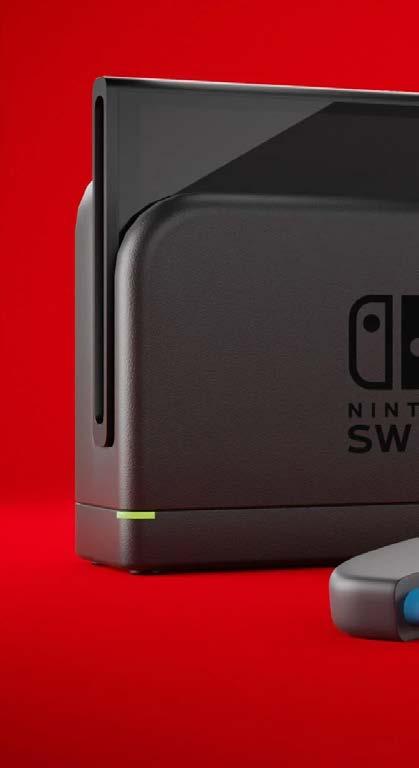
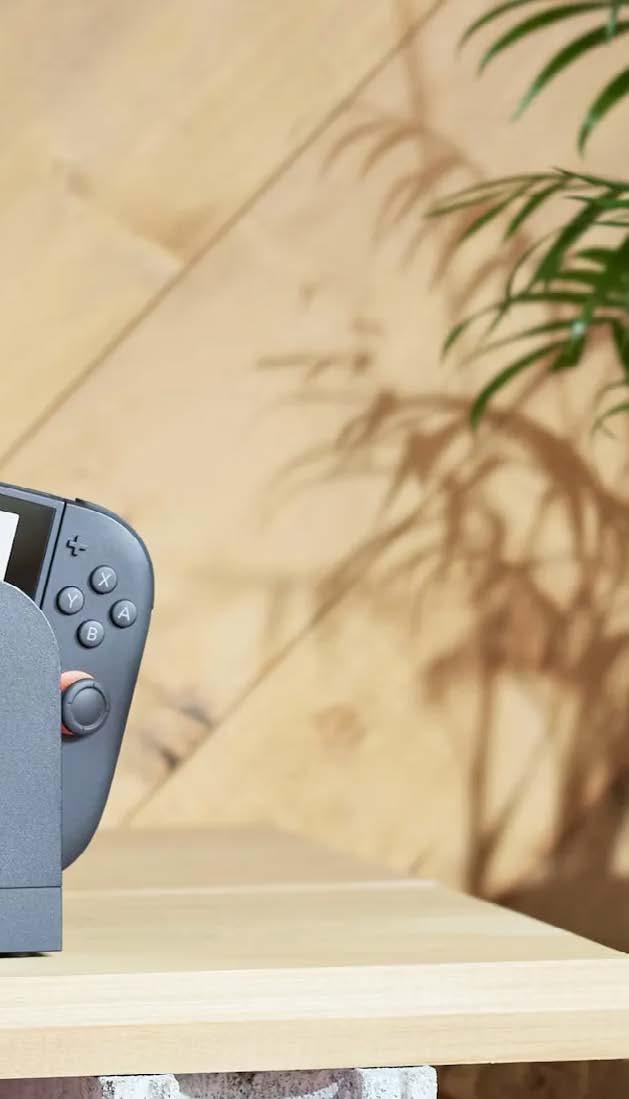
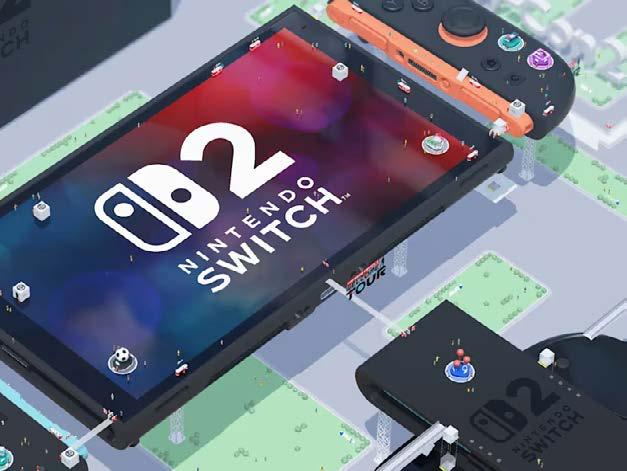
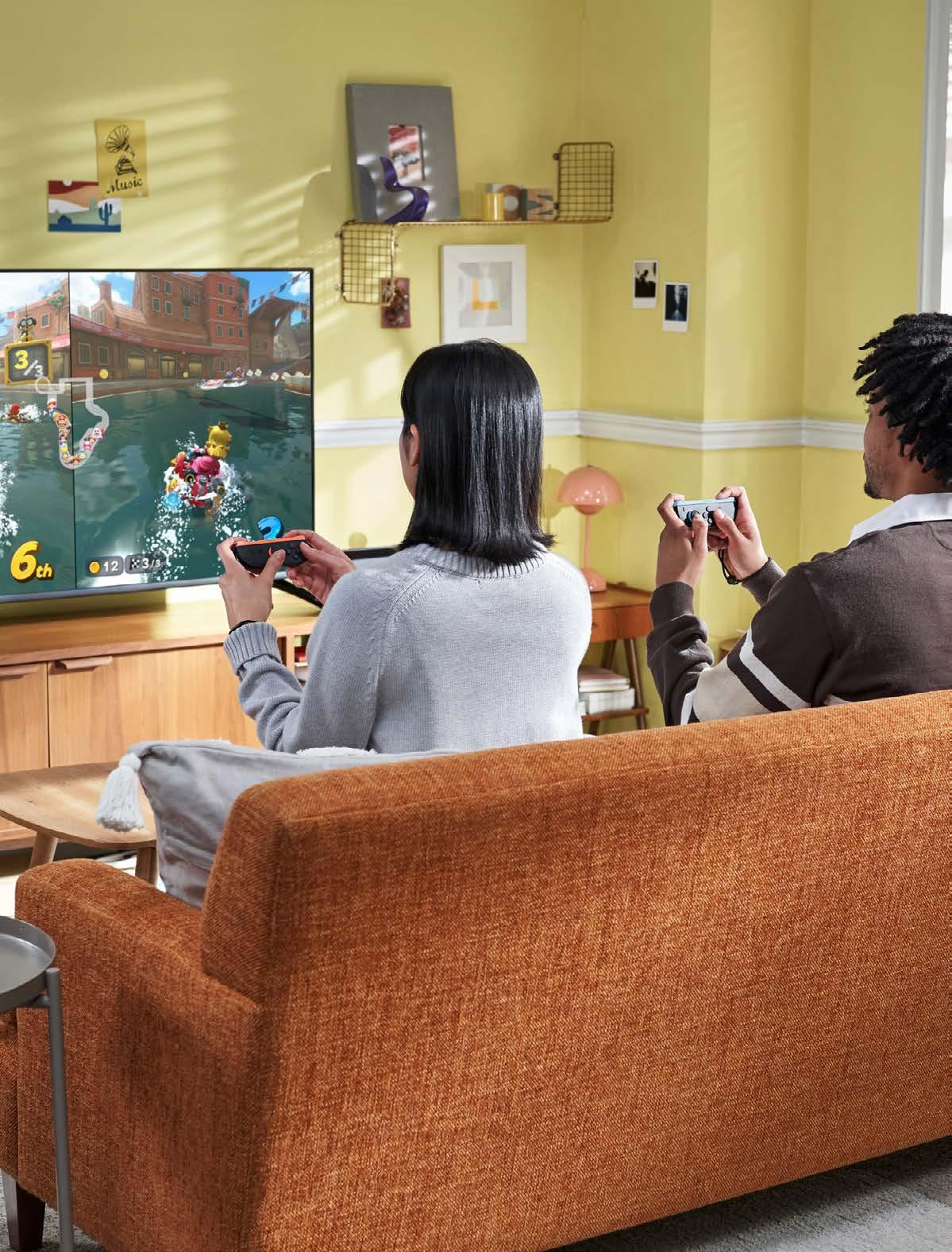
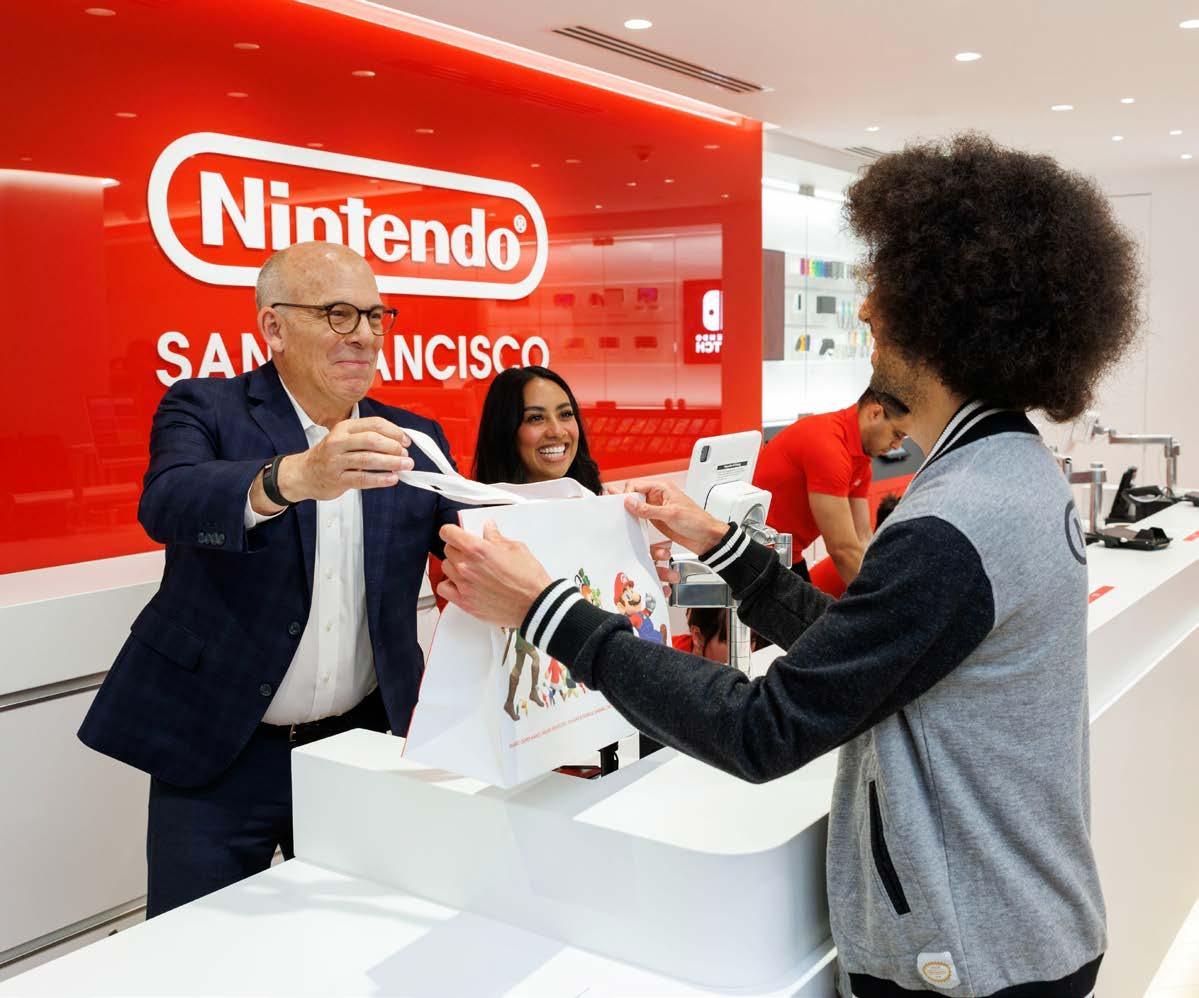
The Nintendo Switch 2 A New Era of Gaming Unveiled
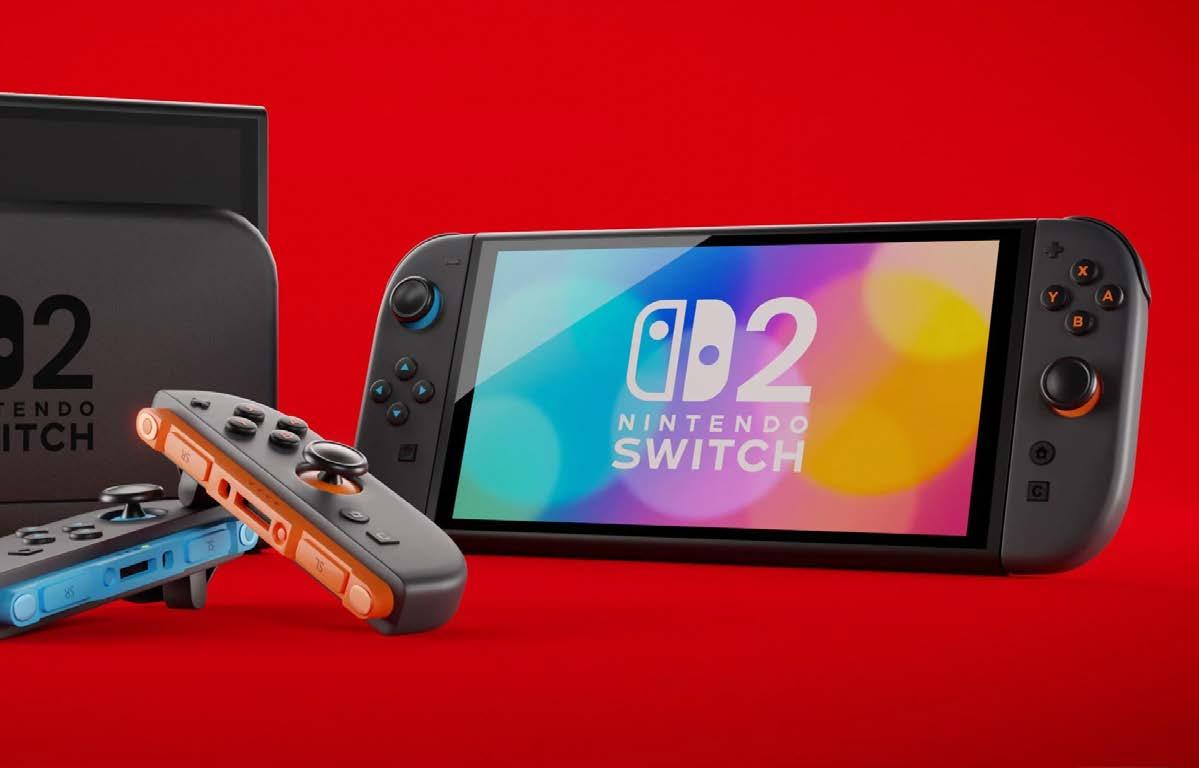
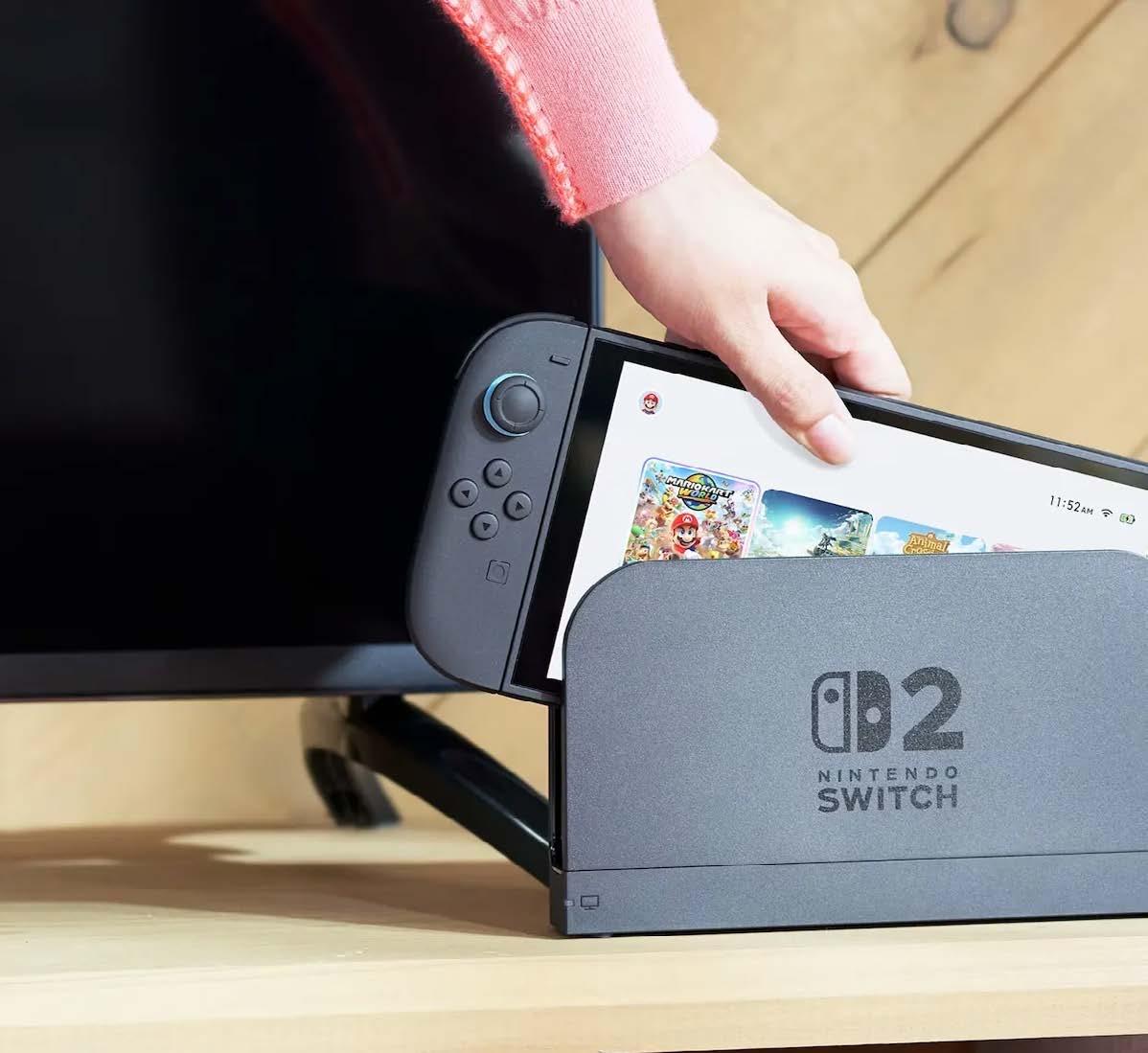
After years of speculation and anticipation, Nintendo has officially pulled back the curtain on the Nintendo Switch 2, the successor to one of the most successful gaming consoles in history. Revealed on January 16, 2025, with a full showcase during a Nintendo Direct, the Switch 2 promises to build on the legacy of its predecessor while introducing exciting new features and enhancements. Set to launch globally on June 5, 2025, this hybrid console is poised to redefine portable and home gaming once again. Here’s everything we know about the Nintendo Switch 2 so far.
A Familiar Yet Refined Design
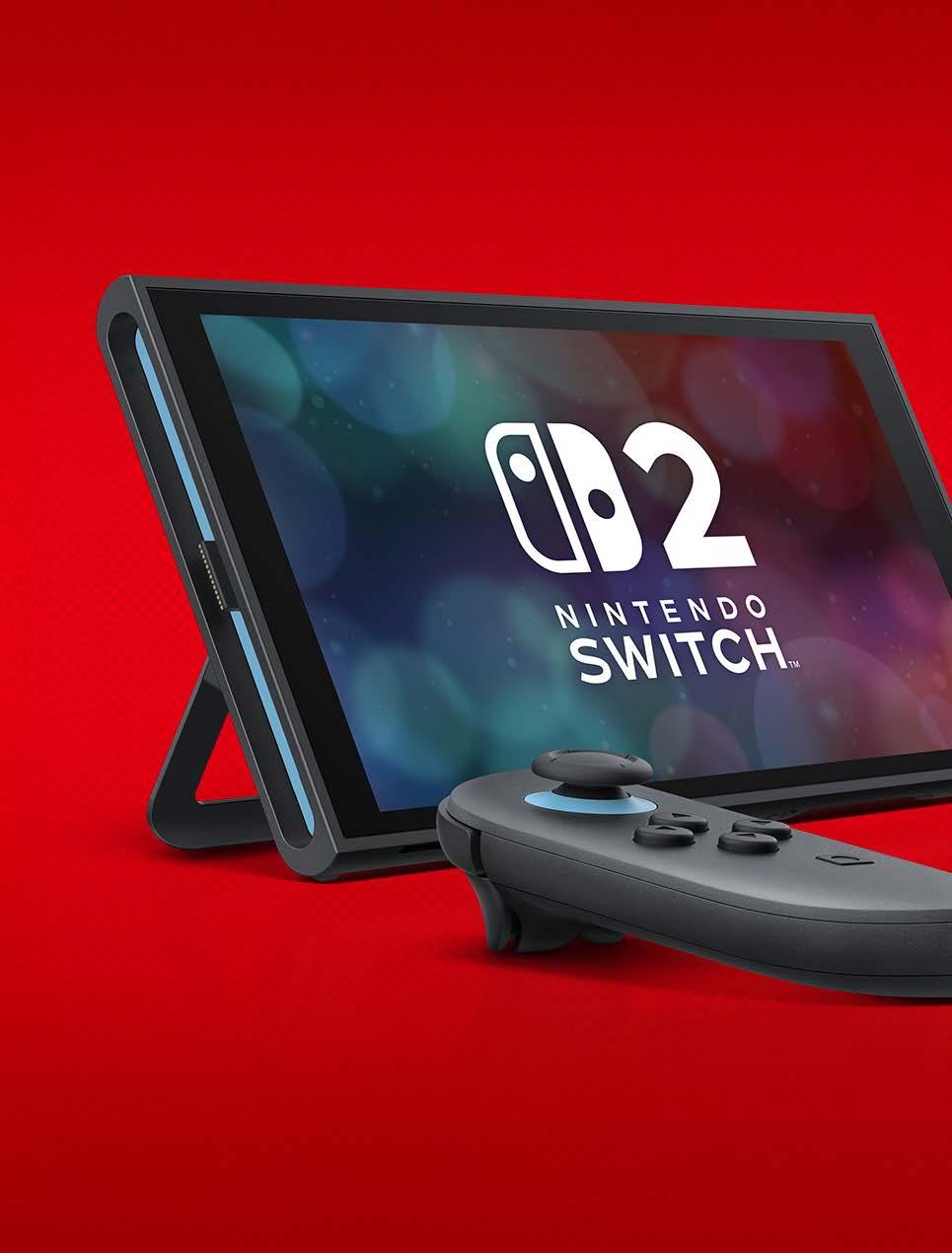
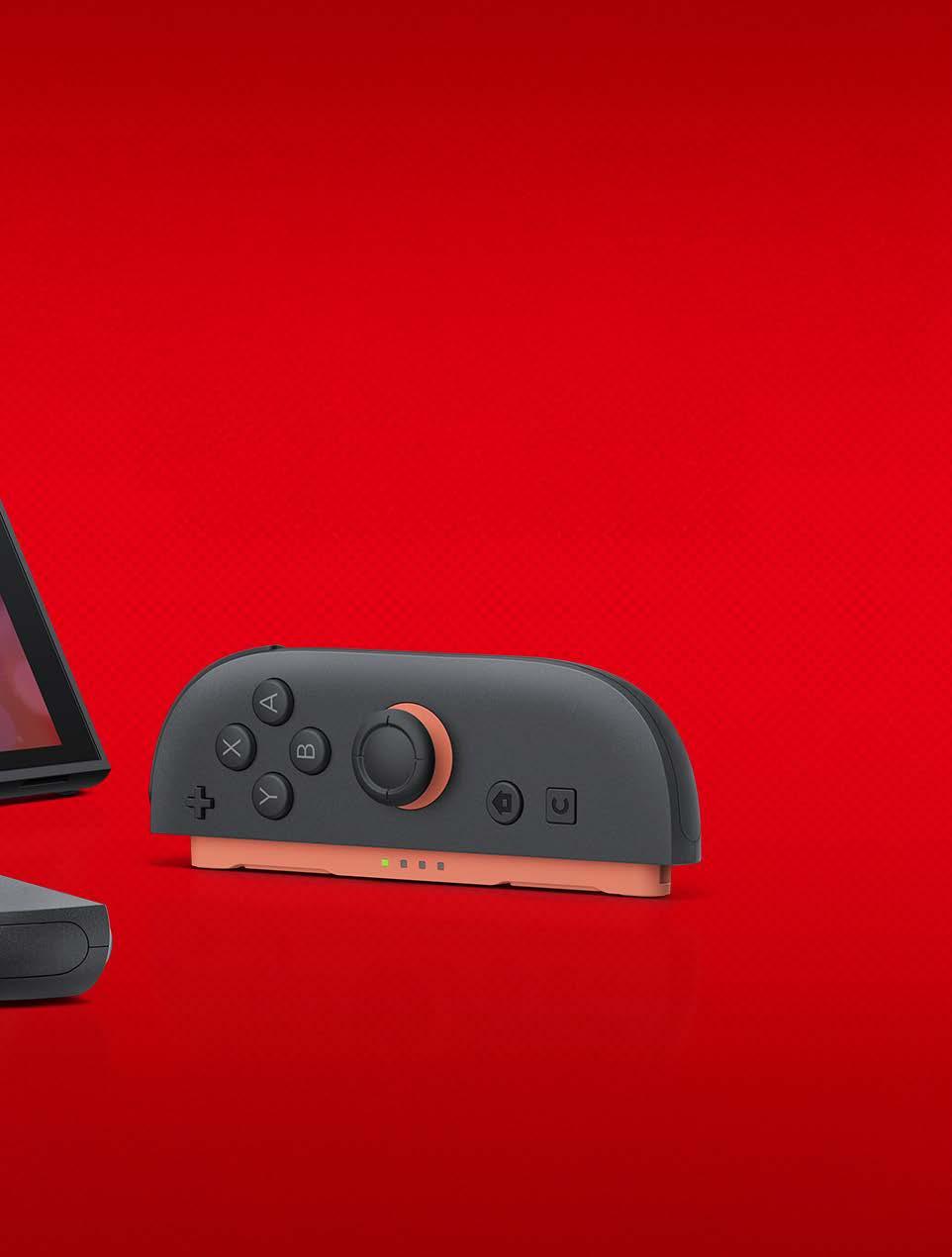
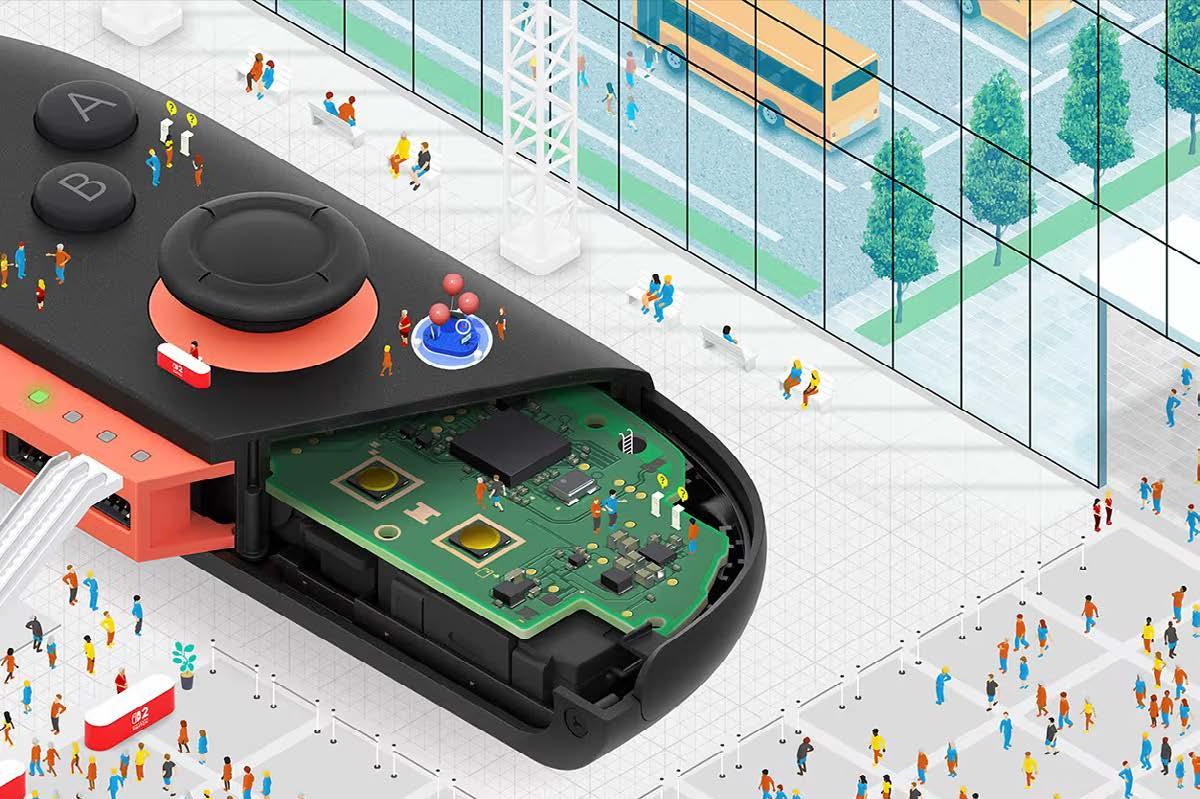
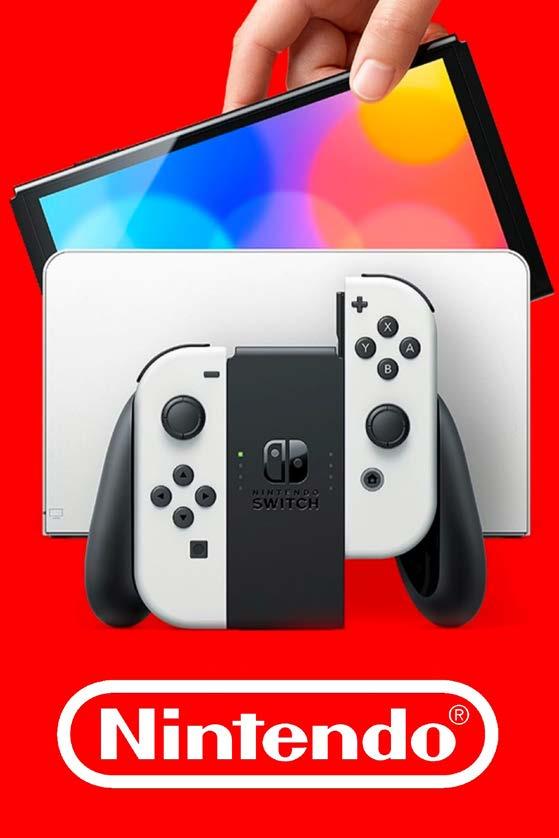
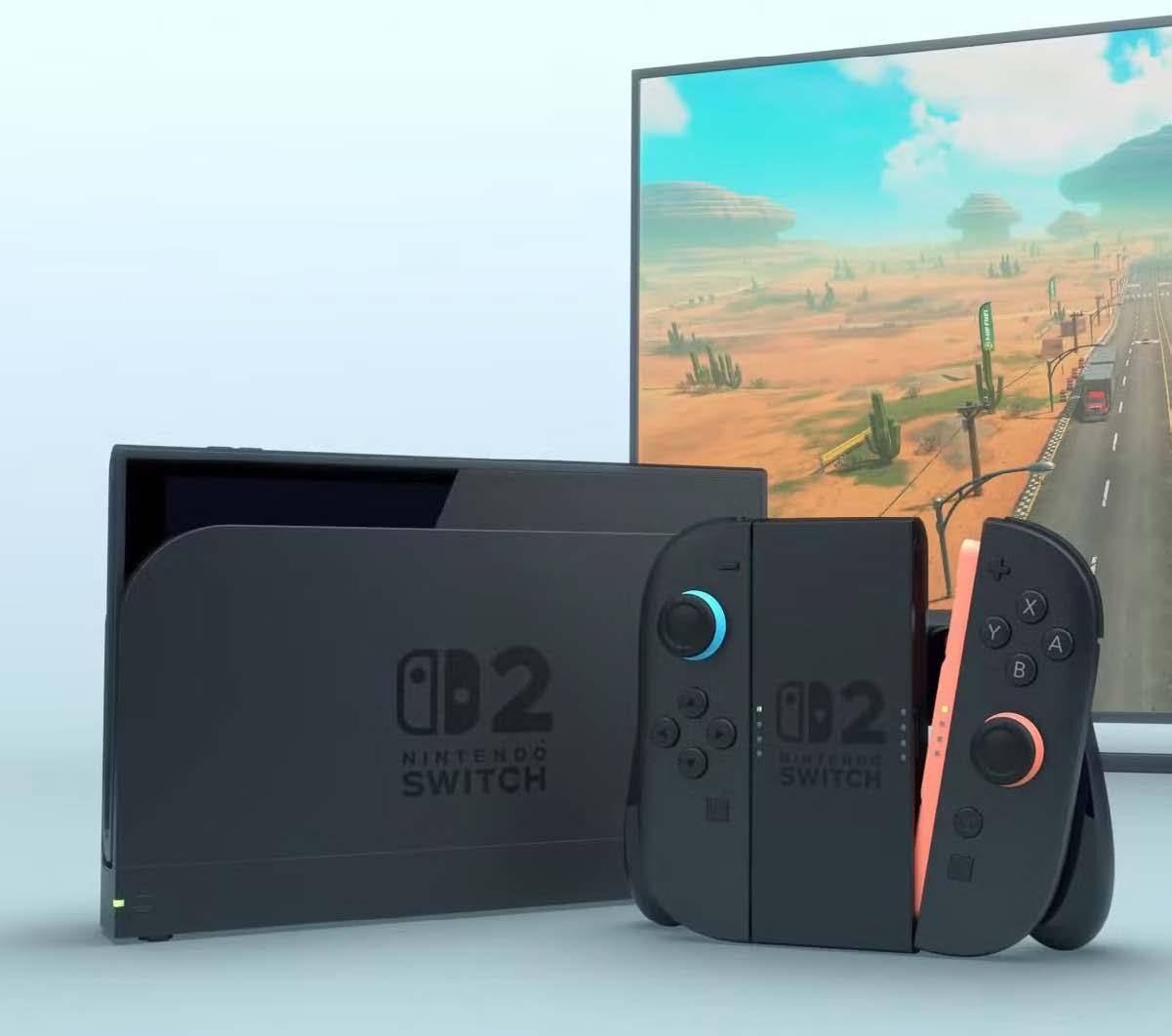
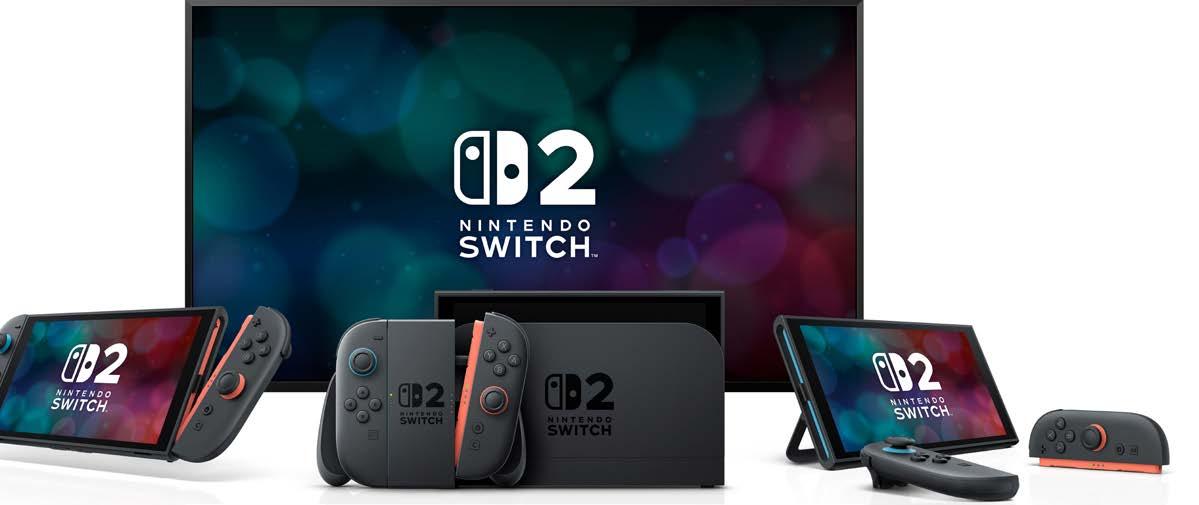
The Nintendo Switch 2 retains the hybrid form factor that made the original Switch a global phenomenon—playable both as a handheld device and docked to a TV. However, it’s clear that Nintendo has listened to fans and refined the design. The Switch 2 is noticeably larger than its predecessor, boasting a 7.9-inch full HD LCD display with a resolution of 1080p, compared to the 7-inch OLED screen of the Switch OLED model. This larger screen comes with slimmer bezels, giving it a sleeker, more modern look. One of the standout changes is the Joy-Con controllers. The new JoyCon 2 controllers attach magnetically to the console, replacing the original rail system. This not only makes them more secure but also introduces a satisfying snap when attaching or detaching them.
The Joy-Cons are larger, with a more ergonomic design, featuring concave analogue sticks (a shift from the convex style of the original) and more prominent shoulder buttons. A mysterious “C button” on the right JoyCon has also been revealed as the key to a new system-wide GameChat feature, allowing voice and video communication with up to four players. The kickstand has also been overhauled. Unlike the flimsy single-leg design of the original Switch, the Switch 2 sports a full-width, adjustable kickstand that spans the back of the console, offering greater stability and flexibility for table top play. Additionally, the console includes two USB-C ports—one on the top and one on the bottom—hinting at potential new accessories or enhanced connectivity options.
Power Under the Hood
While Nintendo has kept some technical details under wraps, the Switch 2 is expected to deliver a significant performance boost over the original. Rumours suggest it’s powered by a custom Nvidia chip, potentially offering power comparable to a PlayStation 4 Pro or Steam Deck. The console supports up to 120fps in handheld mode and can output 4K resolution with variable refresh rates when docked, thanks to technologies like DLSS upscaling. It also features HDR10 support, promising richer colours and contrast.
Storage is another major upgrade, with the Switch 2 packing 256GB of internal storage—far more than the 32GB or 64GB of the original Switch models. A microSD Express slot ensures expandability, and the console is equipped with Wi-Fi 6 and NFC support for Amiibo functionality. Battery life remains a question mark, but given the larger form factor, fans are hopeful for an improvement over the original’s 4.5–9 hours.
Backward Compatibility and Software
One of the most reassuring announcements is the Switch 2’s backward compatibility with the original Switch’s library. Both physical and digital Switch games will be playable, though Nintendo has noted that “certain titles” may not be fully supported or compatible. A compatibility chart released on April 1, 2025, indicates that the vast majority of Switch games work seamlessly, with only a few exceptions like the Nintendo Labo Toy-Con 04: VR Kit, which doesn’t physically fit the new console.
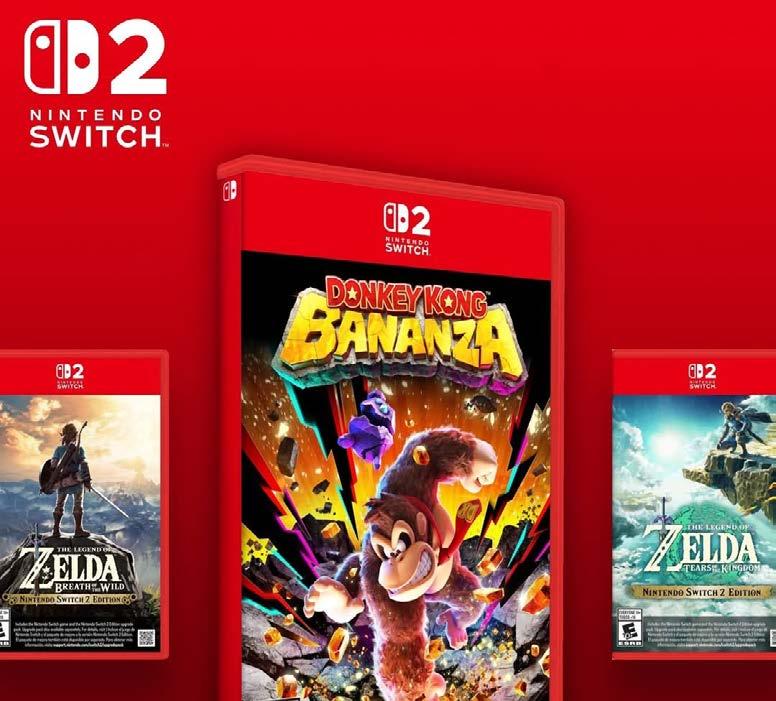
Nintendo Switch Online will also carry over, ensuring that subscribers can continue enjoying classic games and online play across both systems. Some original Switch titles, such as The Legend of Zelda: Breath of the Wild and The Legend of Zelda: Tears of the Kingdom, are getting enhanced Switch 2 editions with improved graphics and new features like the “Zelda Notes” companion app.
Launch Lineup and New Games
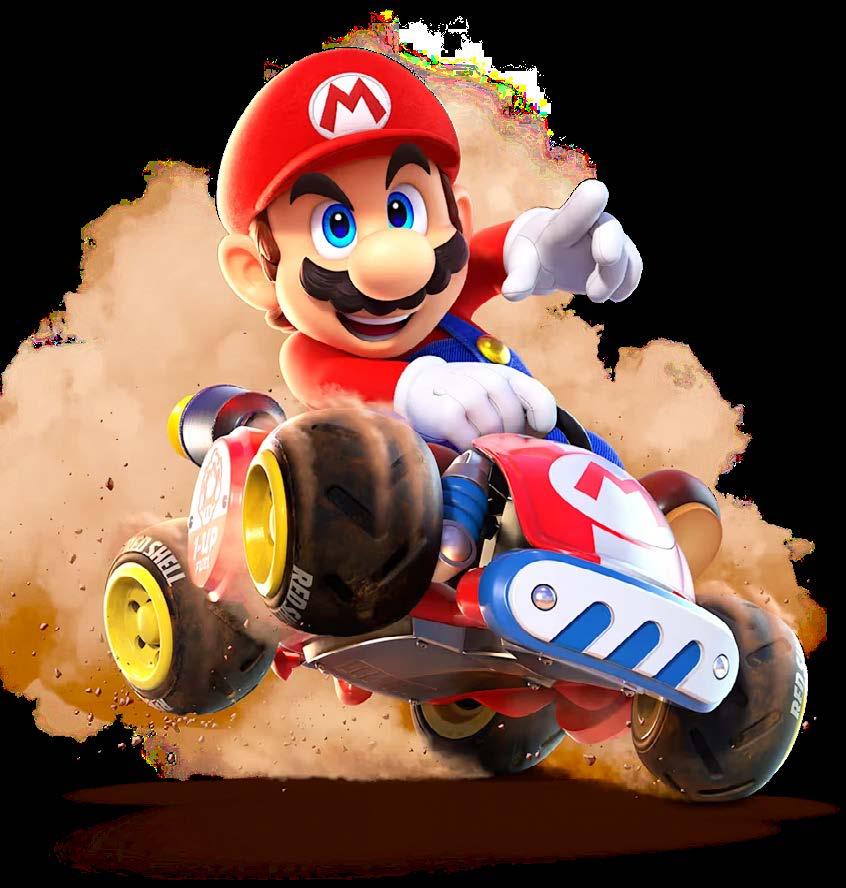
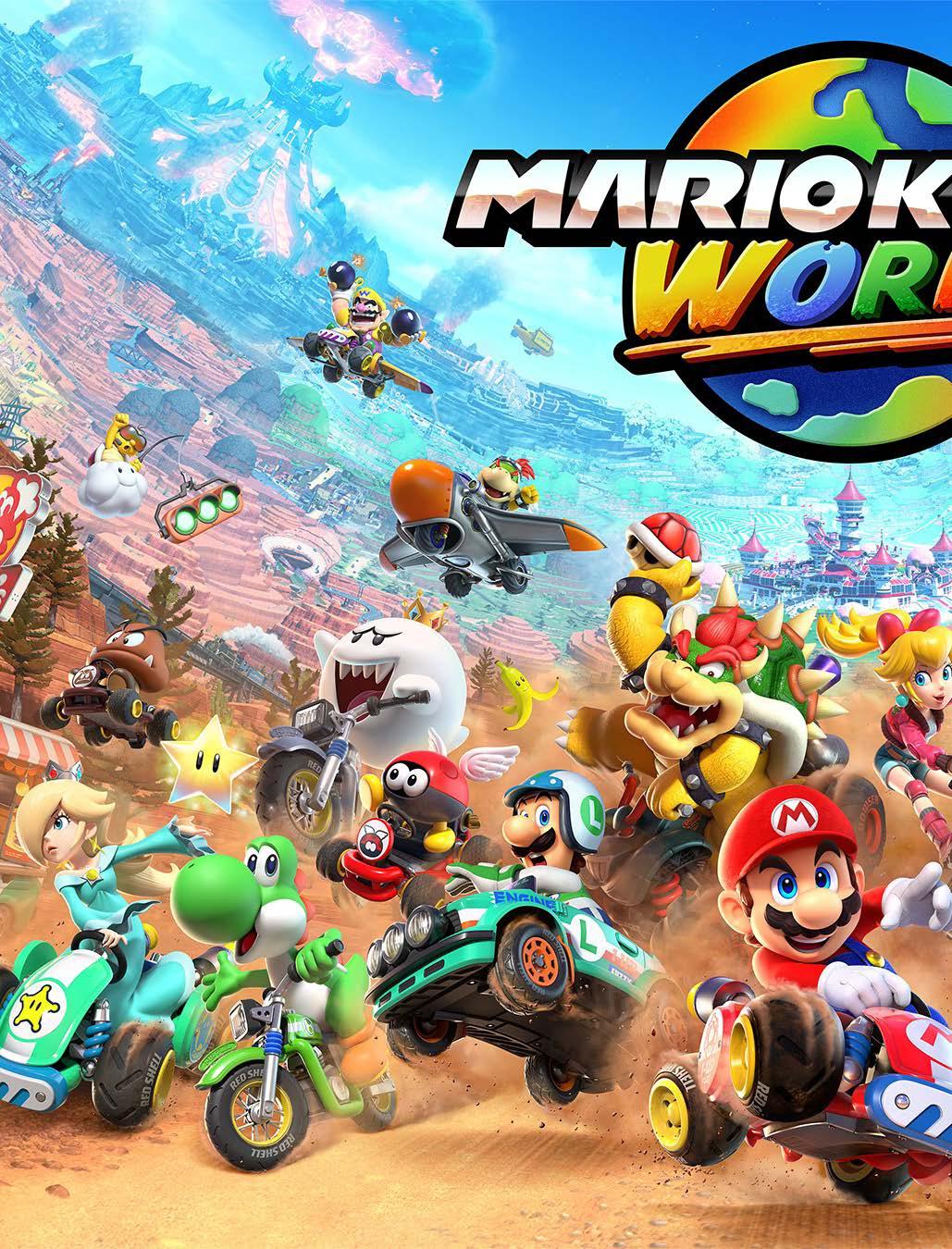
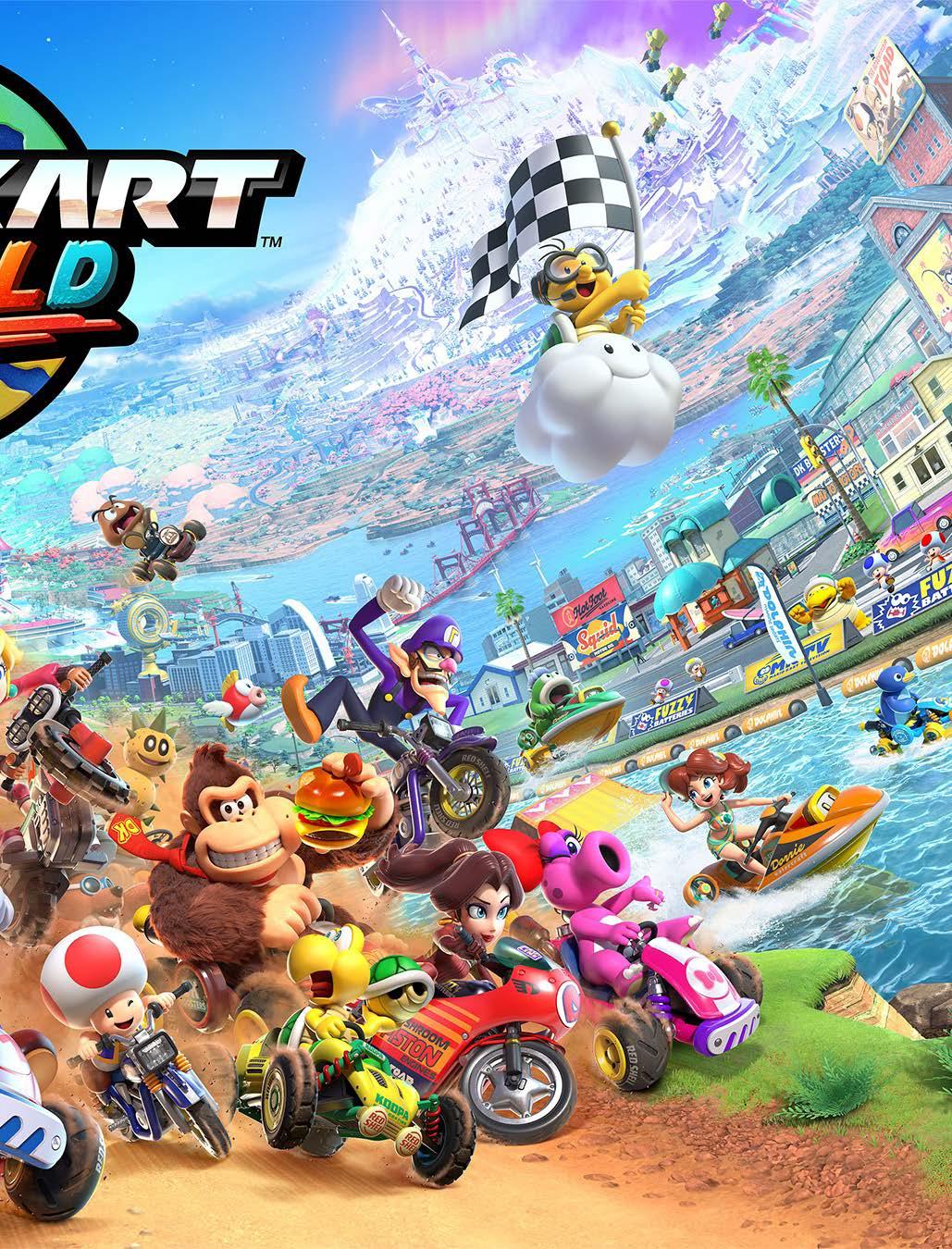
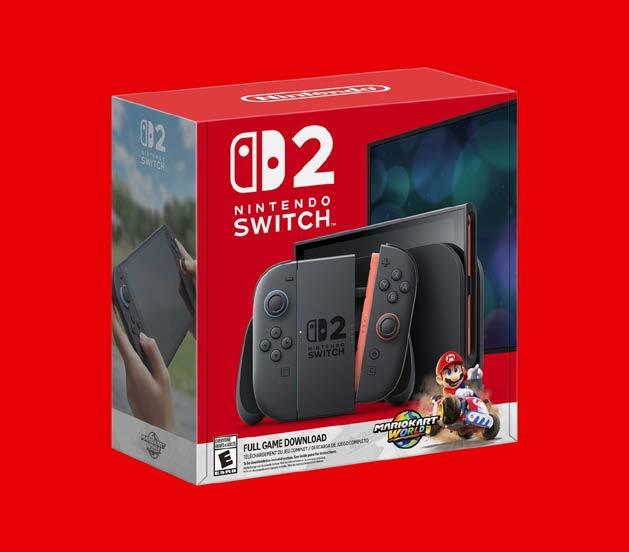
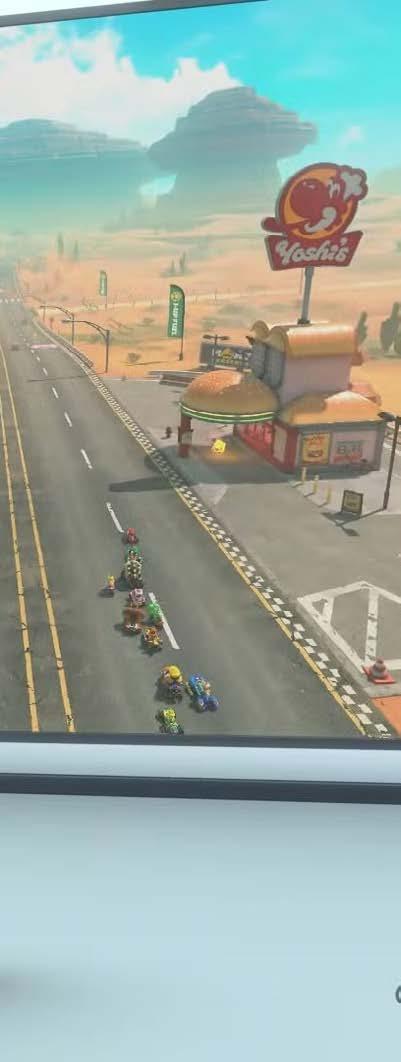
The Switch 2 is launching with a robust line-up of games, blending first-party heavyweights with impressive third-party support. Leading the charge is Mario Kart World, a fresh take on the iconic racing series. Featuring sprawling, open-world-inspired tracks, 24-player races, and dynamic weather effects, it’s a clear showcase of the Switch 2’s enhanced capabilities. The game will be available standalone or bundled with the console. Other notable launch titles include Nintendo Switch 2 Welcome Tour, a digital exclusive that introduces players to the console’s features, and enhanced ports like Metroid Prime 4: Beyond, which will launch as a cross-generation title. Later in 2025, fans can look forward to Donkey Kong Bananza (July 17), a vibrant 3D platformer, and Kirby Air Riders, a racing sequel directed by Masahiro Sakurai.
Third-party hits like Elden Ring, Street Fighter 6, and Yakuza 0 (with new cutscenes) will also grace the launch window, signalling stronger support from external developers. Looking ahead, 2026 promises a new FromSoftware title, DuskBloods, blending gothic and sci-fi elements, and there’s buzz about a new 3D Mario game potentially arriving by the holiday season. Rumours also suggest Microsoft is preparing Halo: The Master Chief Collection and Microsoft Flight Simulator 2024 for the platform, further expanding its appeal.
Innovative Features
The Switch 2 introduces several new features that set it apart. The Joy-Cons’ mouse-like functionality—allowing them to slide across surfaces for pointer control—opens up possibilities for new gameplay styles and PC game ports. A built-in microphone with noise-cancelling tech powers the GameChat feature, free until March 2026 (after which it requires a Switch Online subscription). This allows players to chat or share screens in a Zoom-like interface, enhancing multiplayer experiences.
The console’s gyro-based screen rotation, detailed in a February 2025 patent, lets users play with the Joy-Cons attached upside down, adapting the display accordingly. While the purpose of this flexibility isn’t fully clear, it hints at Nintendo’s penchant for creative experimentation.
Pricing and Availability
The Nintendo Switch 2 will retail for $449.99 in the U.S. (£395 in the UK), a step up from the original’s $299.99 launch price, reflecting rising component costs and new features. A bundle with Mario Kart World will cost $479.99 (£429 in the UK). Pre-orders available in April 2025, initially as an invite-only process via the My Nintendo Store for Switch Online members with at least two years of active membership. Nintendo aims to curb scalping by stockpiling units and offering a region-locked version in Japan at a reduced cost.
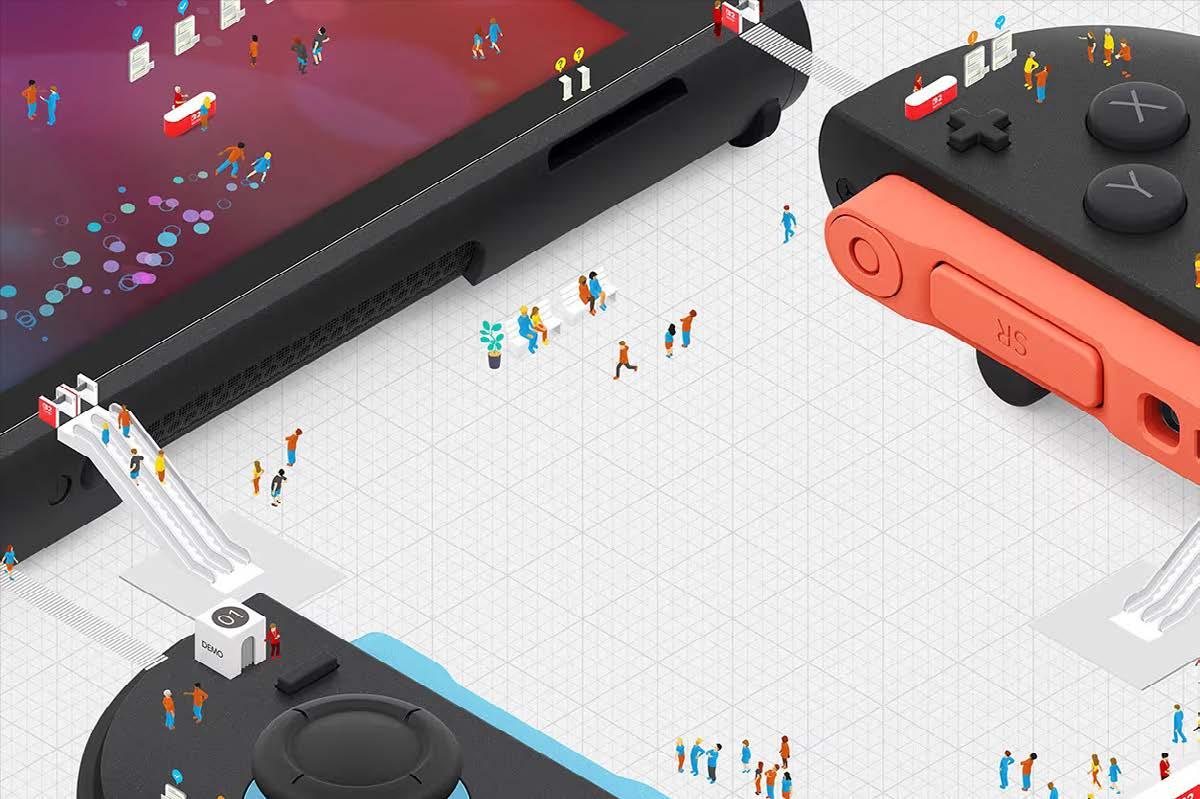
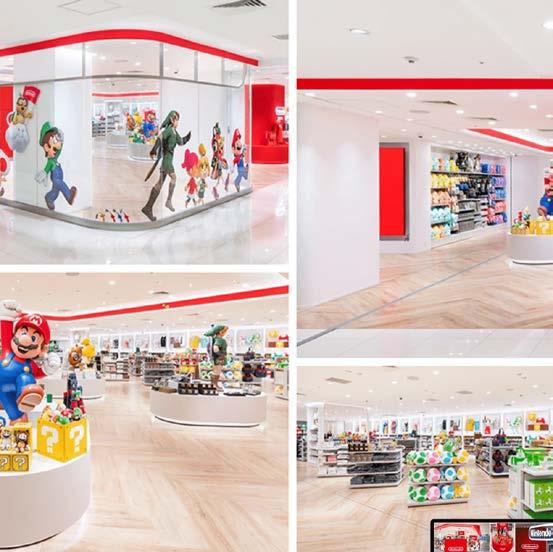
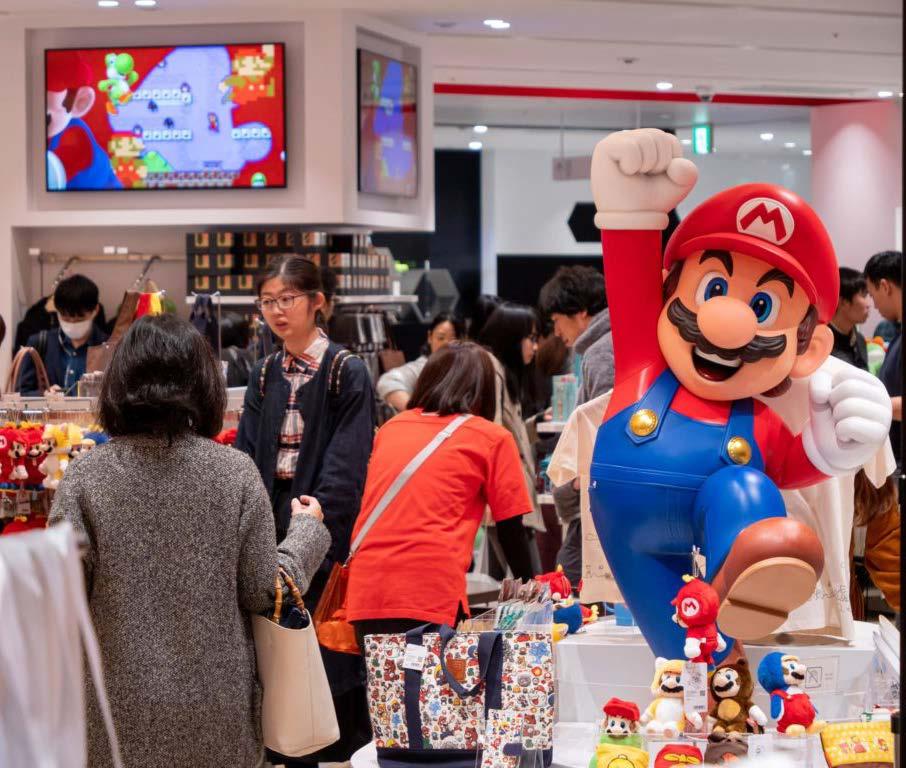
Hands-on “Nintendo Switch 2 Experience” events will run from April to June in cities worldwide, giving fans a chance to try the console before its June 5 release. With production shifted to Southeast Asia to avoid U.S. tariffs, Nintendo is clearly preparing for high demand.
A Leap Forward
Nintendo president Shuntaro Furukawa has called the Switch 2 “a leap forward,” and it’s easy to see why. Eight years after the original Switch revolutionized gaming with its hybrid design, the Switch 2 refines that formula with better hardware, smarter features, and a stellar game line-up. While it may not match the raw power of a PS5 or Xbox Series X, its blend of portability, innovation, and Nintendo’s signature charm ensures it stands apart. As the June 5, 2025, launch approaches, the Nintendo Switch 2 is shaping up to be a worthy successor—one that honours the past while racing toward the future. Whether you’re a long time fan or a newcomer, this is one console worth trying.
Newcastle United Ends 70-Year Drought with Historic EFL Cup Victory Over Liverpool
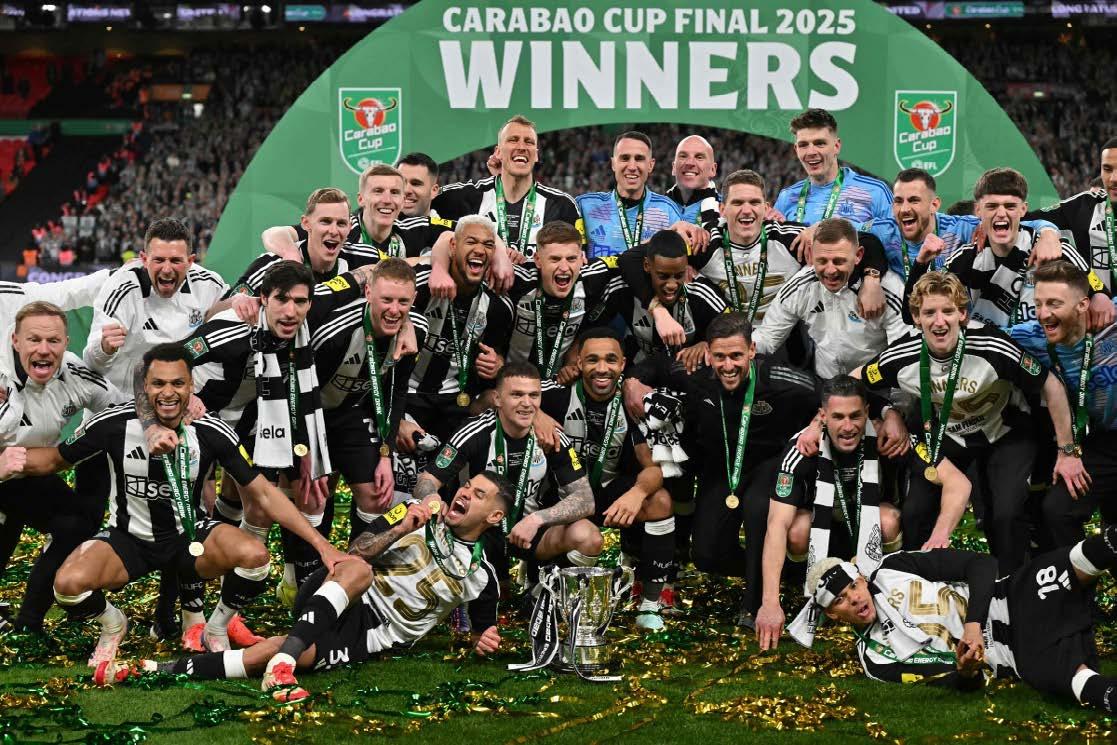
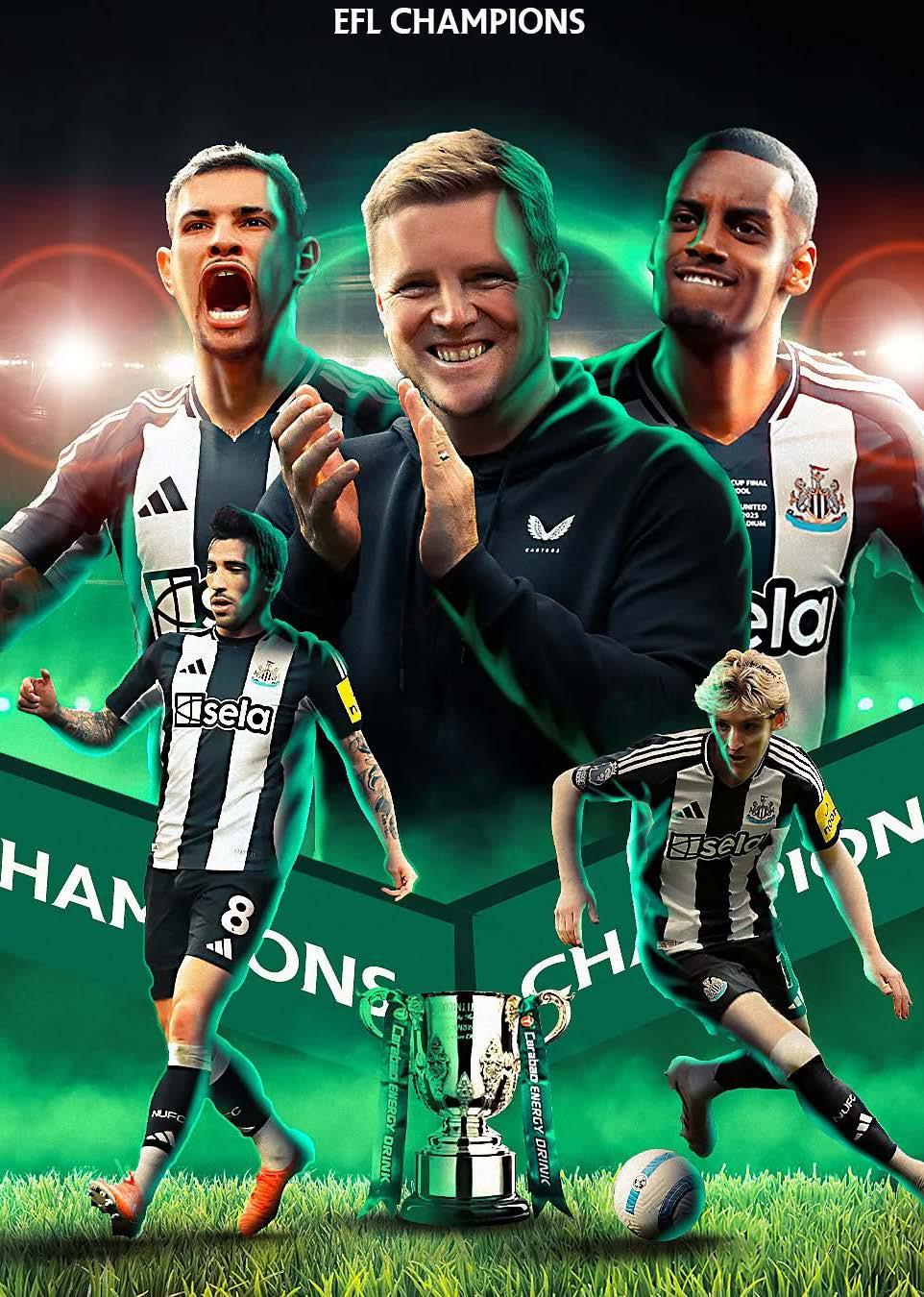
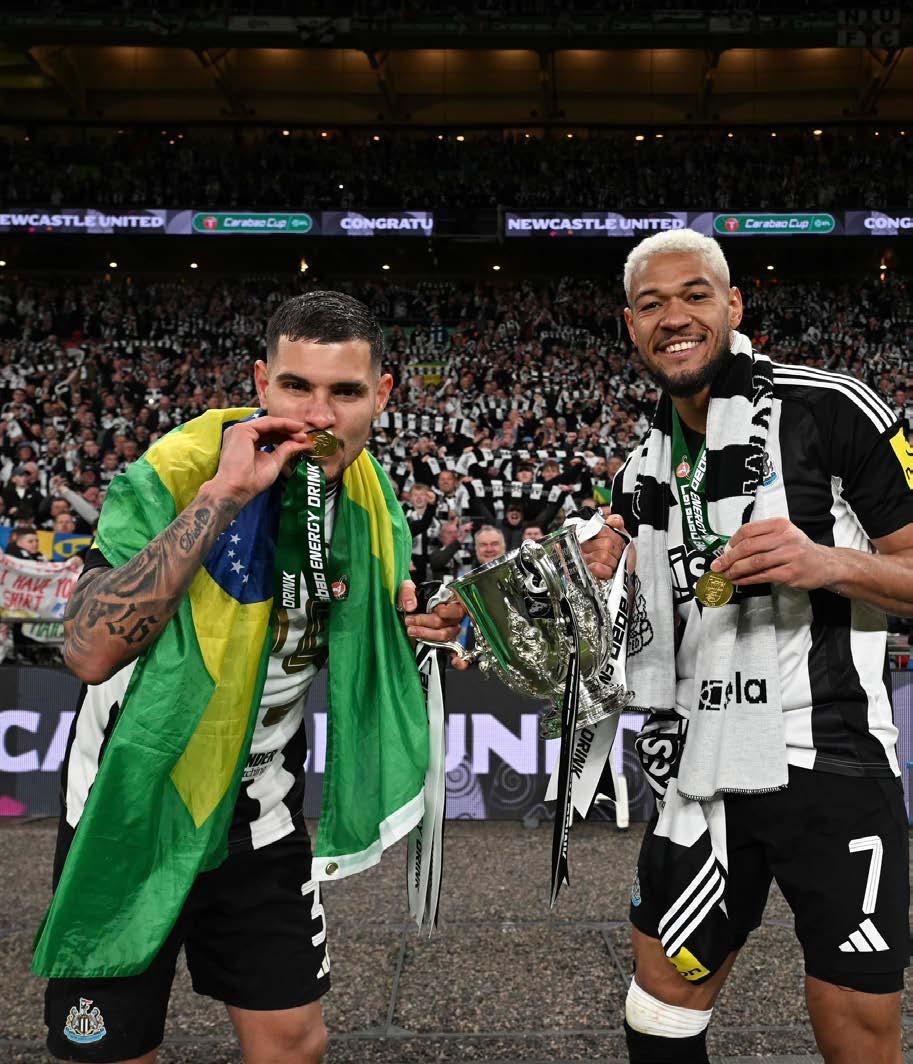
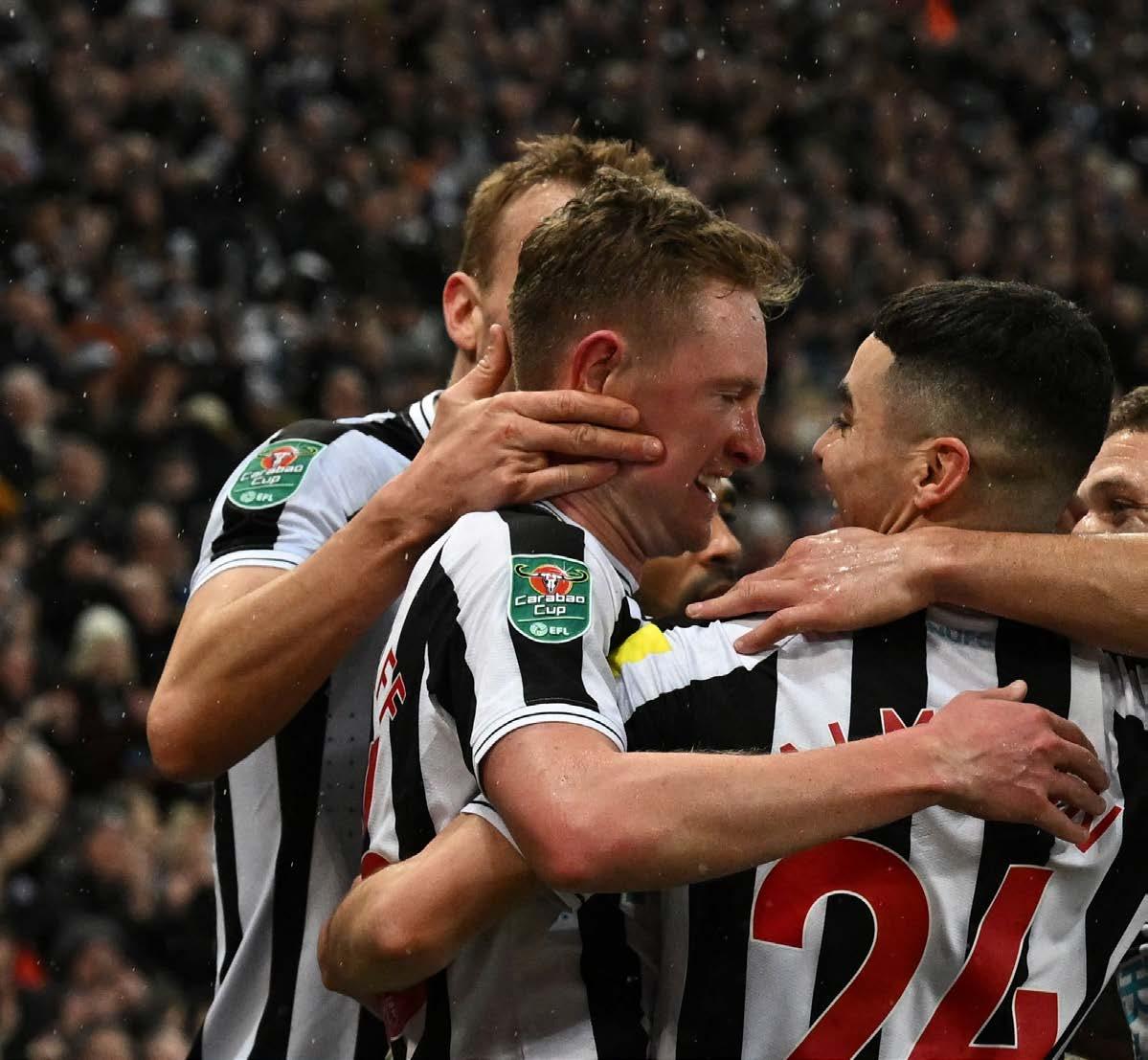
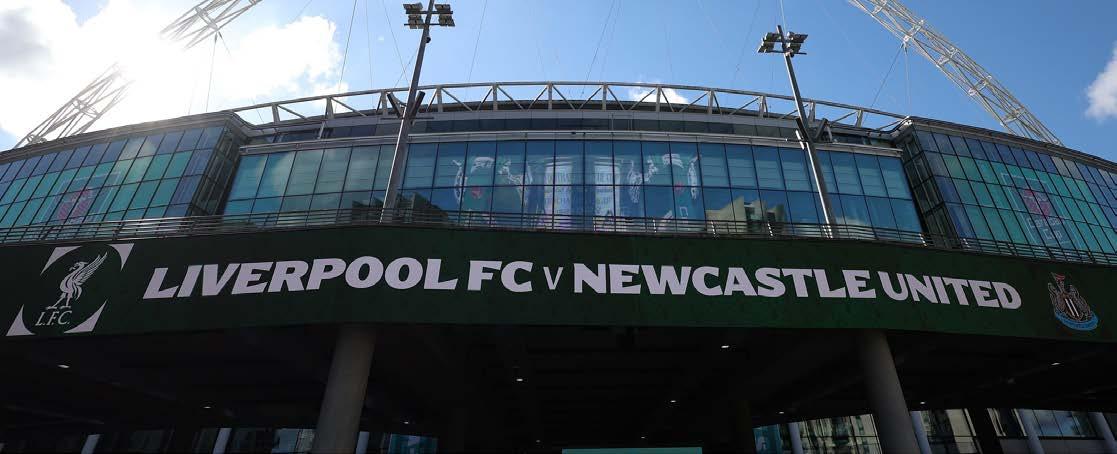
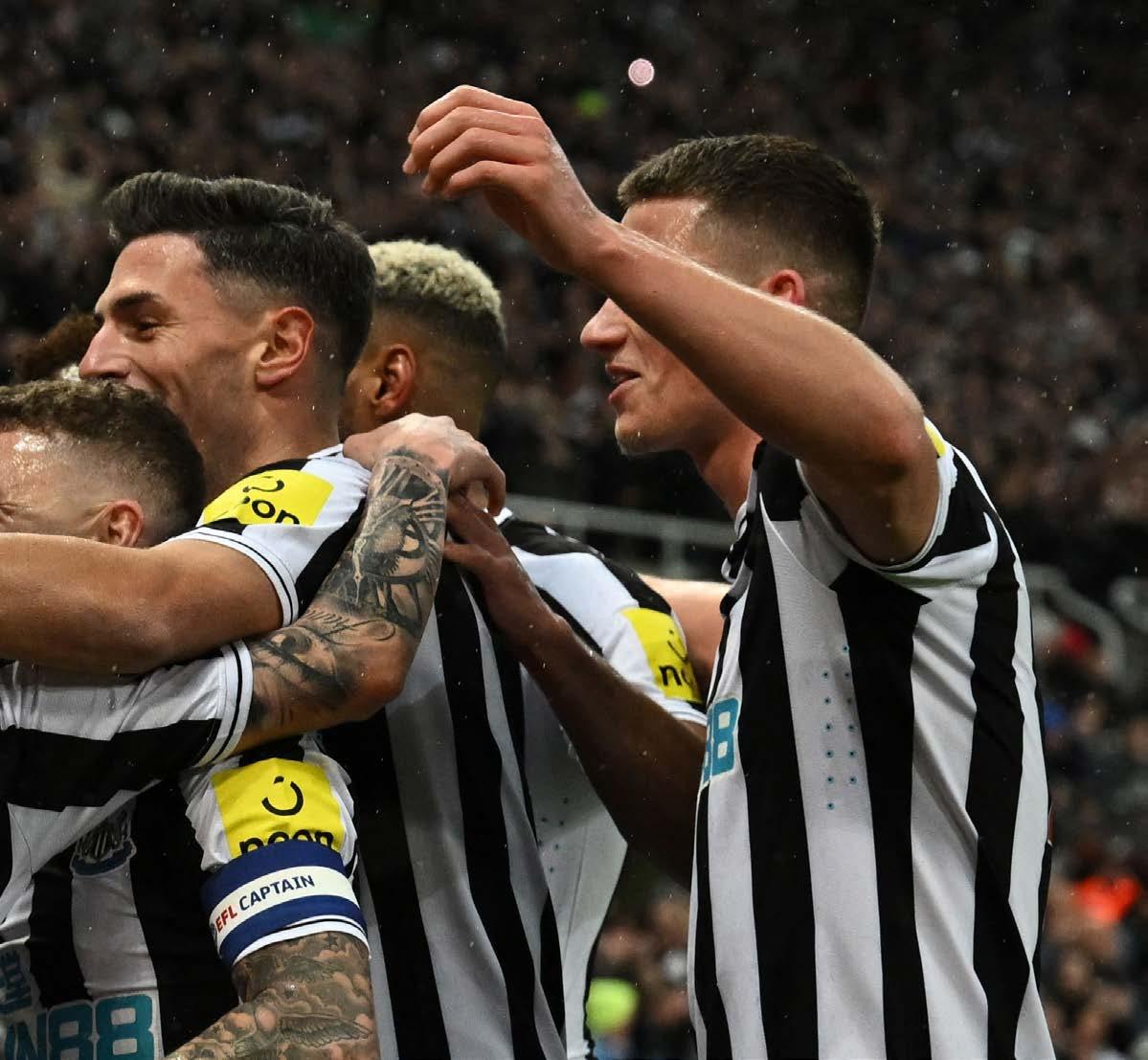
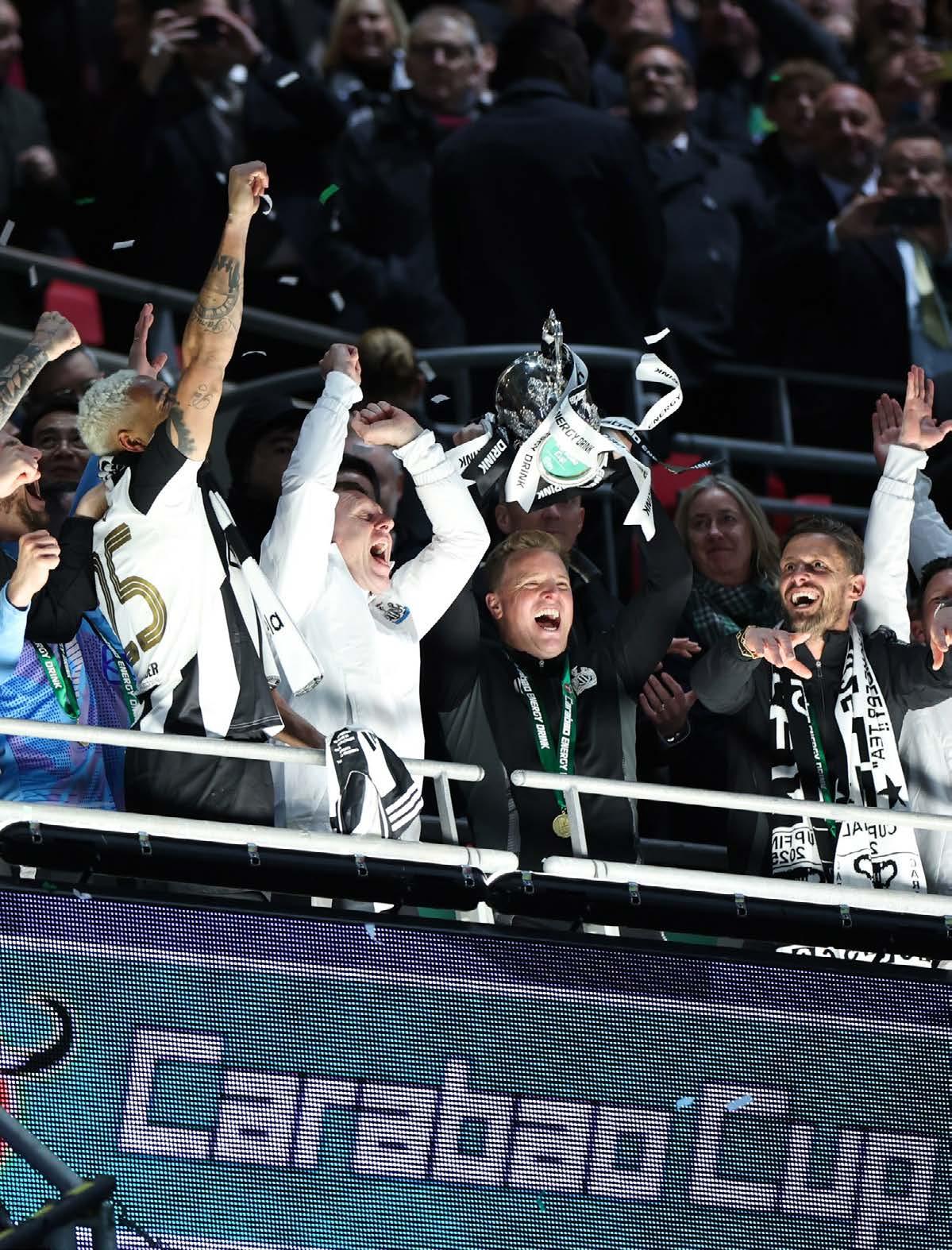
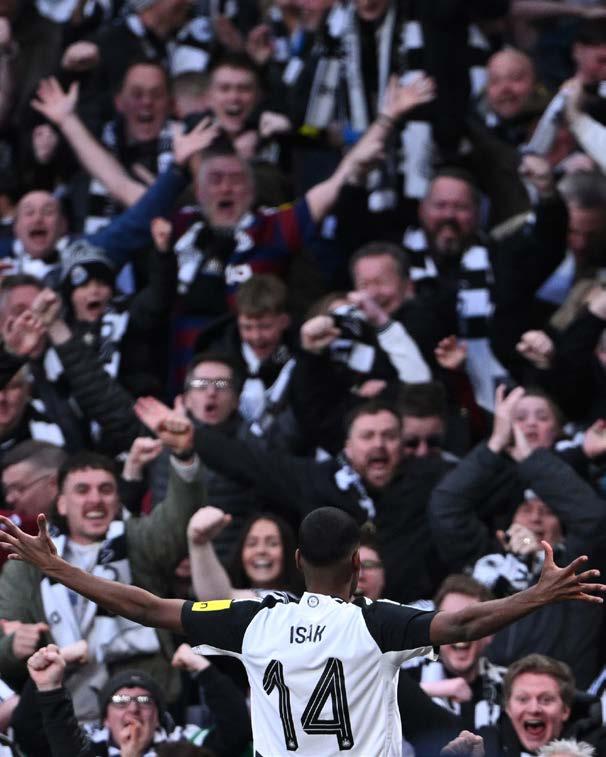
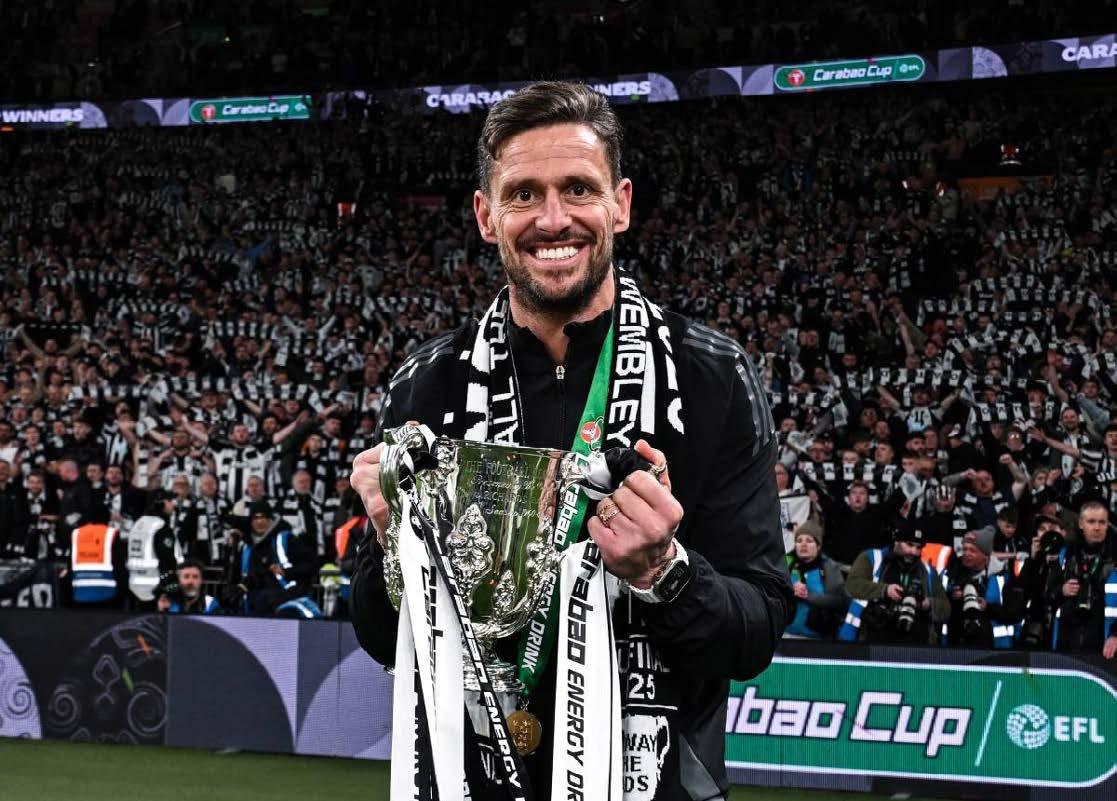
On March 16th, 2025, Newcastle United etched their name into the annals of football history by defeating Liverpool 2-1 in the EFL Cup final at Wembley Stadium. This triumph marked the end of a 70-year wait for a major domestic trophy, a drought that stretched back to their FA Cup victory in 1955. Goals from local hero Dan Burn and star striker Alexander Isak secured the win, sparking wild celebrations among the Geordie faithful and cementing Eddie Howe’s legacy as a transformative figure for the club.
THE MATCH: A TALE OF DETERMINATION AND RESILIENCE
The final pitted Newcastle against a formidable Liverpool side, the defending champions and runaway Premier League leaders under manager Arne Slot. Despite Liverpool’s pedigree—boasting 10 previous EFL Cup titles—and their dominance in recent encounters with Newcastle, the Magpies approached the game with a ferocity that belied their underdog status. The first half saw Newcastle dominate possession and intensity, with their breakthrough coming on the stroke of halftime. Dan Burn, a towering defender and Newcastle native, rose above Liverpool’s Alexis Mac Allister to head home a pinpoint corner from Kieran Trippier. The goal sent the black-and-white-clad fans into raptures, marking Newcastle’s first Wembley strike in 25 years.
Seven minutes into the second half, Alexander Isak doubled the lead with a clinical finish, sweeping the ball past Caoimhin Kelleher after a clever knockdown from Jacob Murphy. Liverpool, visibly rattled and perhaps still reeling from their midweek Champions League exit, struggled to find their rhythm. A late consolation goal from substitute Federico Chiesa in stoppage time set up a nervy finish, but Newcastle held firm, ending their run of nine consecutive Wembley defeats and securing the coveted silverware.
THE SIGNIFICANCE: BREAKING THE MENTAL BARRIER
For Newcastle United, this victory transcends the mere acquisition of a trophy. It represents the shattering of a psychological barrier that has loomed over the club for decades. Since their 1955 FA Cup triumph over Manchester City, Newcastle had endured a litany of near-misses—losing five major domestic finals, including the 2023 EFL Cup final to Manchester United—and a winless streak against Liverpool that stretched back to 2015. This triumph, their first domestic trophy in 70 years and the first silverware of any kind since the
1969 Inter-Cities Fairs Cup, signals a turning point. The significance of this win lies in its potential to redefine Newcastle’s identity. Historically a club of immense passion and support but limited success, Newcastle has often been weighed down by the narrative of unfulfilled potential. The 2025 EFL Cup victory mirrors transformative moments for other clubs—like Manchester City’s 2011 FA Cup win or Chelsea’s 2005 League Cup triumph under Jose Mourinho—moments that sparked eras of sustained success. For Newcastle, this could be the catalyst for a new chapter under Eddie Howe and the Saudi-backed ownership, which took over in 2021.
WHY IT MATTERS TO NEWCASTLE UNITED
To understand the importance of this victory, one must look to the fans and the city. Newcastle United is more than a football club; it’s a cultural institution in the North East of England, where the team’s fortunes resonate deeply with the community. The Geordie faithful have travelled in droves to Wembley for decades, often returning empty-handed, their loyalty tested by years of disappointment. On March 16th, 2025, their perseverance was rewarded as they turned London into a sea of black and white, celebrating a triumph that felt like a collective exorcism of past ghosts.
Eddie Howe, appointed in November 2021 when Newcastle were languishing in the Premier League relegation zone, has been instrumental in this revival. His tenure has seen the club rise to Champions League contention and now secure silverware, a testament to his tactical acumen and ability to instil belief. Players like Bruno Guimaraes, who lifted the trophy as captain, and Isak, whose goal-scoring prowess has lit up the season, embody the blend of talent and grit Howe has cultivated.
For the players, too, this victory is a personal milestone. Dan Burn, who returned to his boyhood club in 2022, spoke of the surreal feeling of scoring in a final, saying, “I don’t get many, so I saved it for a big occasion.” His goal symbolized the local pride that courses through Newcastle’s veins, while Guimaraes declared, “It’s all for these fans. They deserve everything.”
A NEW DAWN?
The 2025 EFL Cup win could herald the beginning of a golden era for Newcastle. With financial backing from their owners, a passionate fanbase, and a manager who has proven his mettle, the club is poised to build on this success. The victory over Liverpool—a side that has long been a bogey team— demonstrates Newcastle’s ability to compete with the elite, a crucial step toward challenging for bigger prizes like the Premier League or Champions League.
As the final whistle blew, the scenes of jubilation at Wembley and the promise of raucous celebrations back in Newcastle underscored the emotional weight of this moment. After 70 years of hurt, Newcastle United are champions again, and the significance of this victory will echo through generations of Geordies. For a club and a city that has waited so long, this is a day that will forever shine in black and white.
SONY SPORTS NETWORK Scores
Big Bags PCB TV Rights for a CricketCrazy Subcontinent
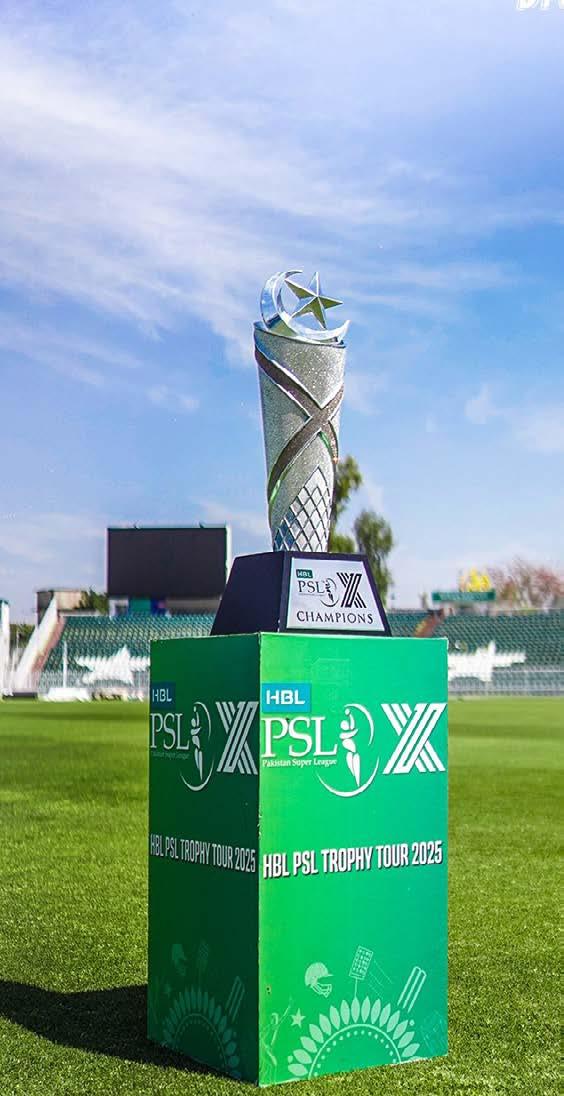
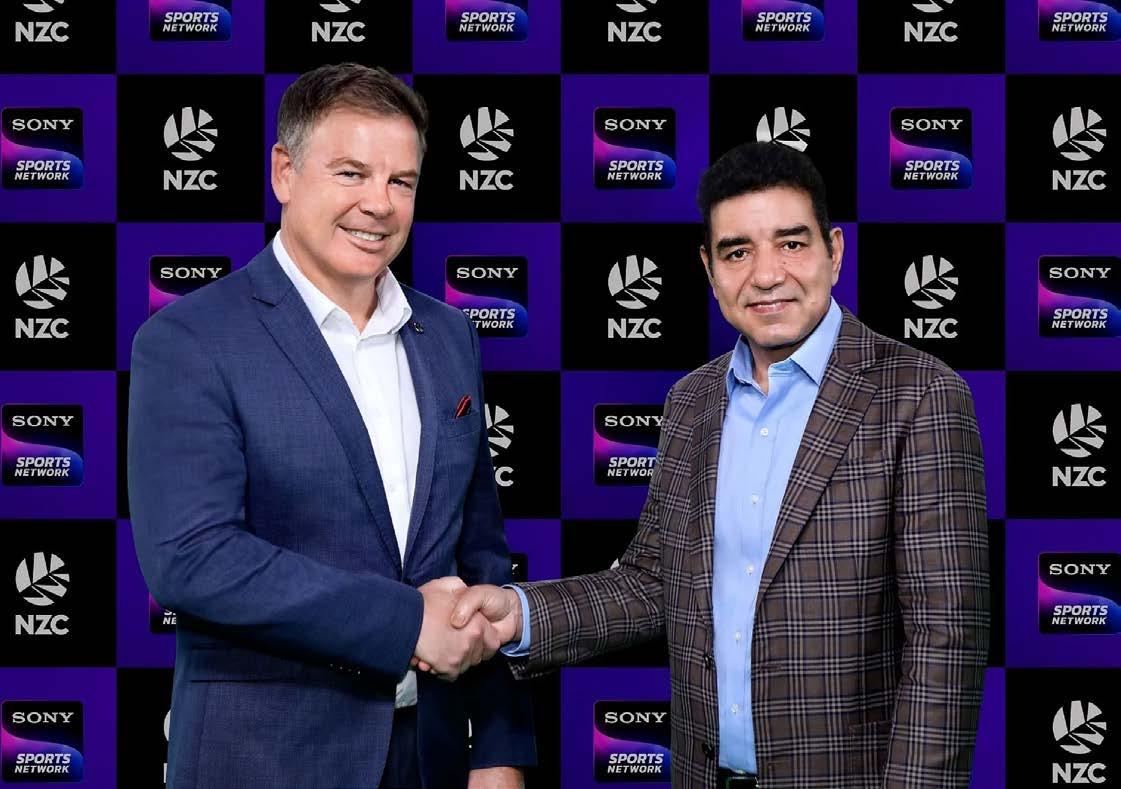
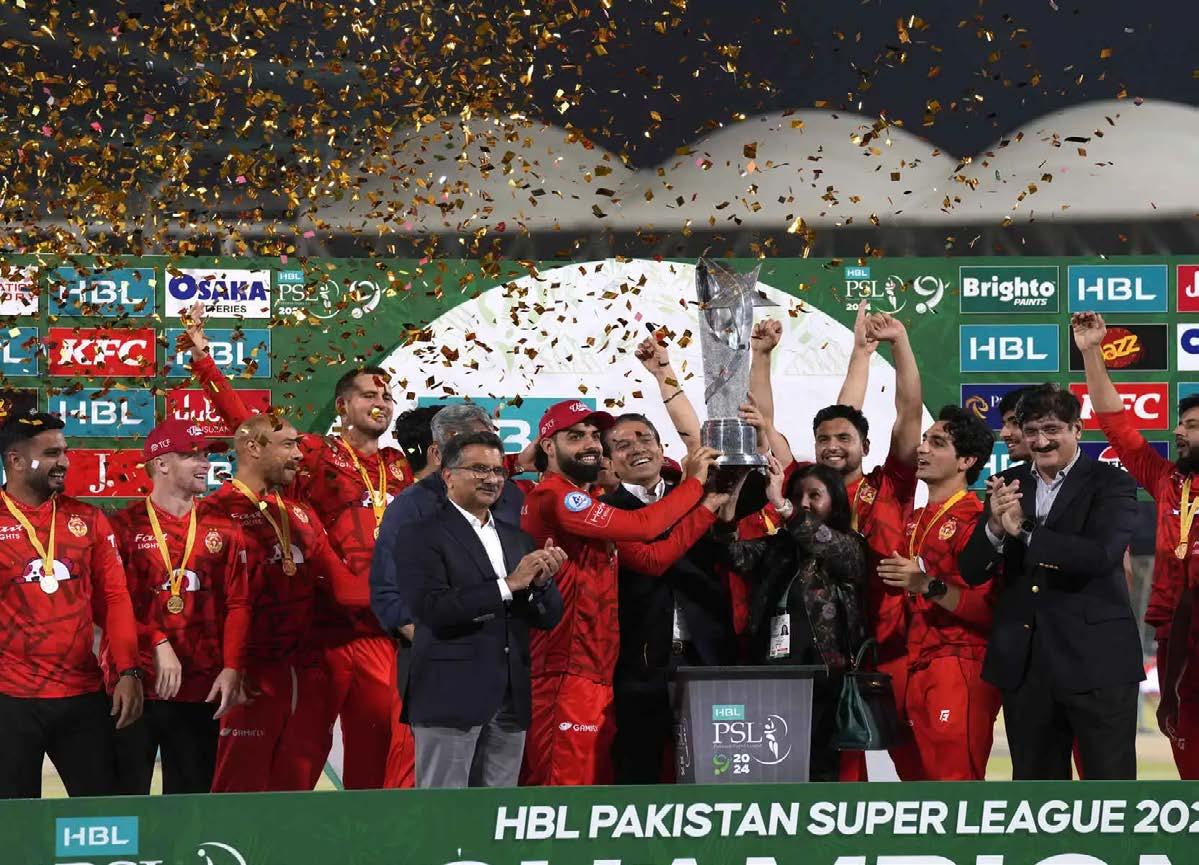
In a significant development for cricket broadcasting in the Indian subcontinent, Sony Sports Network has secured the linear television rights for the Pakistan Cricket Board (PCB) for 2025. This landmark deal, announced in February 2025, encompasses all of Pakistan’s home international matches and the highly popular Pakistan Super League (PSL), positioning Sony as a dominant force in cricket broadcasting across the region. With this acquisition, Sony Sports Network continues its mission to deliver unparalleled cricketing action to fans, promising over 1,800 hours of live cricket in 2025 alone.
A COMPREHENSIVE BROADCASTING DEAL
The agreement grants Sony Sports Network exclusive television rights for PCB’s home bilateral series, a tri-nation tournament, and the 34-match PSL season in key markets across the Indian subcontinent, including India, Nepal, Bhutan, Maldives, and Myanmar. In Bangladesh, Afghanistan, and Sri Lanka, the broadcasts will be on a non-exclusive basis. The deal kicked off with the recently concluded tri-nation ODI series featuring Pakistan, New Zealand, and South Africa, setting the stage for an exciting year of cricket.
Sony’s coverage will include a packed schedule of Pakistan’s home fixtures throughout 2025. Fans can look forward to series such as Pakistan vs. Bangladesh (May – 3 ODIs and 3 T20Is), Pakistan vs. Afghanistan (August – 3 T20Is), Pakistan vs. Ireland (September – 3 ODIs and 3 T20Is), Pakistan vs. South Africa (October – 2 Tests, 3 ODIs, and 3 T20Is), and Pakistan vs. Sri Lanka (November – 3 ODIs and 3 T20Is), alongside the PSL, slated for April-May. Additionally, the deal provides access to archival content, including iconic India vs. Pakistan clashes, which are expected to draw massive viewership given the historic rivalry between the two cricketing nations.
STRENGTHENING SONY’S CRICKETING PORTFOLIO
This acquisition further solidifies Sony Sports Network’s position as a premier destination for cricket in the Indian subcontinent. The network already holds broadcasting rights for several major cricketing bodies, including New Zealand Cricket, the England and Wales Cricket Board, Sri Lanka Cricket, and the Asian Cricket Council (ACC). By adding PCB rights to its roster, Sony enhances its ability to offer a diverse and comprehensive cricketing experience to its audience. Rajesh Kaul, Chief Revenue Officer – Distribution and International Business and Head – Sports Business at Sony Pictures Networks India (SPN), emphasized the network’s commitment to cricket fans. “Sony Sports Network’s key goal is delivering the best cricketing action to our viewers. To that end, we are continuously enhancing our cricket offerings, and 2025 is set to be a landmark year with over 1,800 hours of live cricket on Sony Sports Network,” Kaul said. He also highlighted the value of archival content, noting, “Through this deal, we also have access to great archival content that includes Pakistan vs. India matches that we will showcase on our network.”
A BOOST FOR CRICKET FANS IN THE SUBCONTINENT
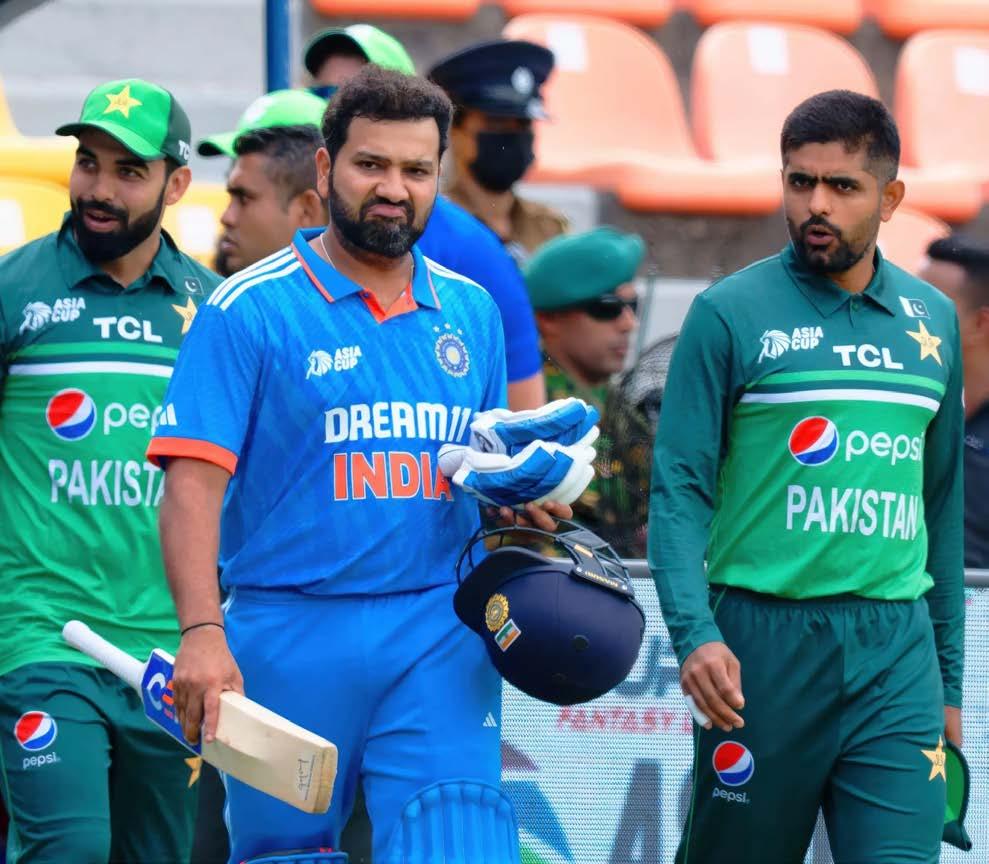
The deal is a major win for cricket enthusiasts across the region, particularly in India, where cricket enjoys an almost religious following. While India and Pakistan no longer engage in bilateral series due to political tensions—meeting only in multi-nation tournaments like the World Cup, ICC Champions Trophy and Asia Cup—the availability of Pakistan’s home matches and the PSL on Sony Sports Network ensures fans won’t miss out on high-quality cricket from their arch-rivals. The inclusion of archival IndiaPakistan encounters adds a nostalgic appeal, likely to resonate deeply with viewers who cherish the storied history of this rivalry.
For Pakistan cricket, this partnership amplifies its visibility in the subcontinent, a region with one of the world’s largest cricket audiences. The PSL, already a globally recognized T20 league, will benefit from Sony’s extensive reach, potentially boosting its popularity and commercial prospects further.
A STRATEGIC MOVE IN A COMPETITIVE LANDSCAPE
Sony Sports Network’s acquisition of PCB rights comes at a time when sports broadcasting in the Indian subcontinent is fiercely competitive. With rivals like JioHotstar and Viacom18 holding rights to major properties such as the Indian Premier League (IPL) and Cricket Australia, Sony’s expansion into PCB territory reflects a calculated strategy to diversify its portfolio and capture a broader audience. This move also builds on Sony’s previous engagement with PCB, having secured a three-year deal from 2021 to 2023, signalling a renewed commitment to Pakistan cricket. The timing of the deal aligns with a resurgence of international cricket in Pakistan, which had been largely absent from the country following the 2009 terror attack on the Sri Lankan team. With security concerns easing, Pakistan has successfully hosted teams like Sri Lanka, Bangladesh, and South Africa in recent years, and the 2025 calendar promises more top-tier action on home soil. Sony’s investment underscores confidence in Pakistan’s growing stature as a cricketing host. “The acquisition of the Pakistan Cricket Board rights along with New Zealand Cricket, England and Wales Cricket Board, Sri Lanka Cricket and the Asian Cricket Council (ACC) positions us as the premier destination for cricket in India,” Rajesh Kaul stated.
LOOKING AHEAD TO 2025
As Sony Sports Network gears up for a blockbuster 2025, the addition of PCB rights ensures a steady stream of cricketing content throughout the year. From the fast-paced excitement of the PSL to the tactical battles of Test cricket, the network is poised to cater to every kind of cricket fan. The promise of over 1,800 hours of live coverage—combined with the allure of classic India-Pakistan matches—sets the stage for Sony to dominate the cricketing airwaves in the subcontinent.
For fans, this deal means more access to the sport they love, delivered by a network with a proven track record of high-quality sports broadcasting. For Sony, it’s a step toward cementing its legacy as the go-to destination for cricket in the region. As the countdown to PSL 2025 and Pakistan’s home season begins, all eyes will be on Sony Sports Network to deliver on its promise of an unforgettable cricketing experience.
RISHABH PANT’S
PHILANTHROPIC LEAP
Donating 10% of Earnings to His Newly Established Foundation
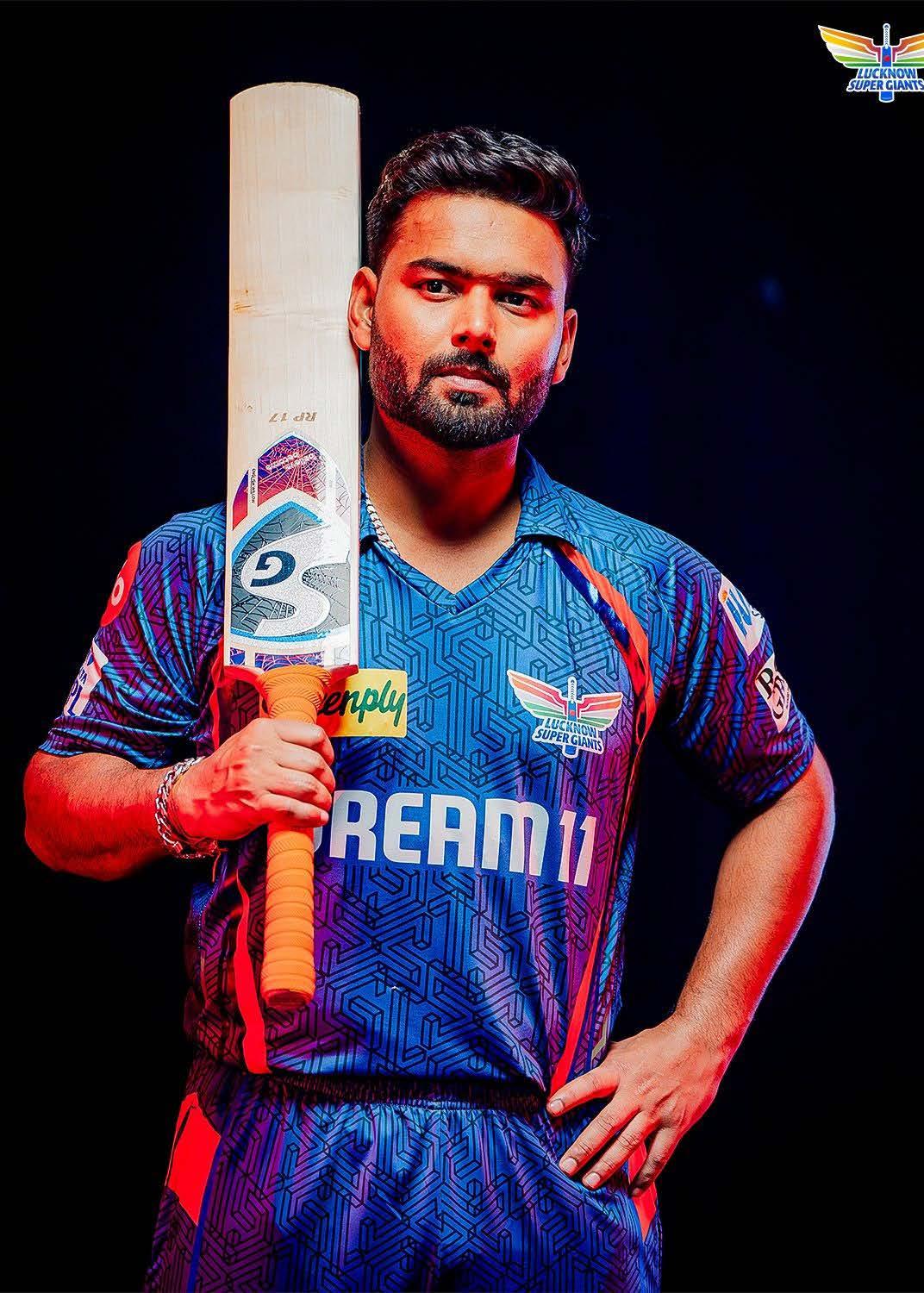
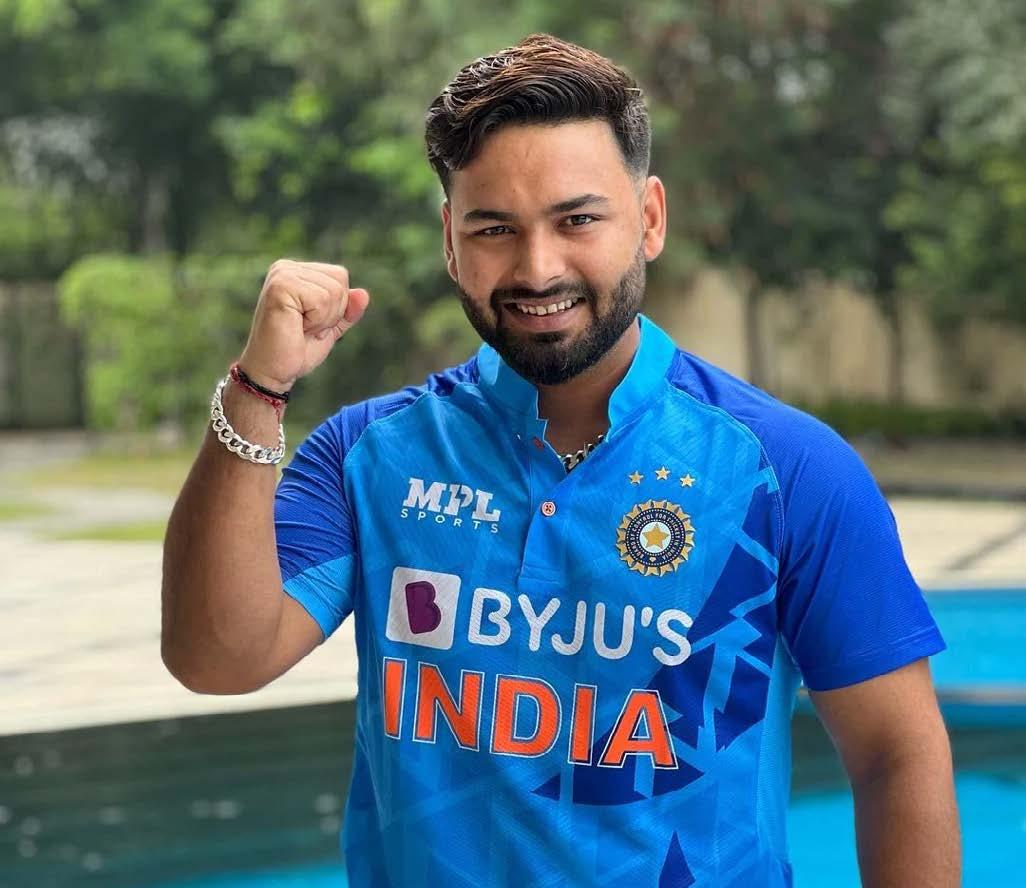
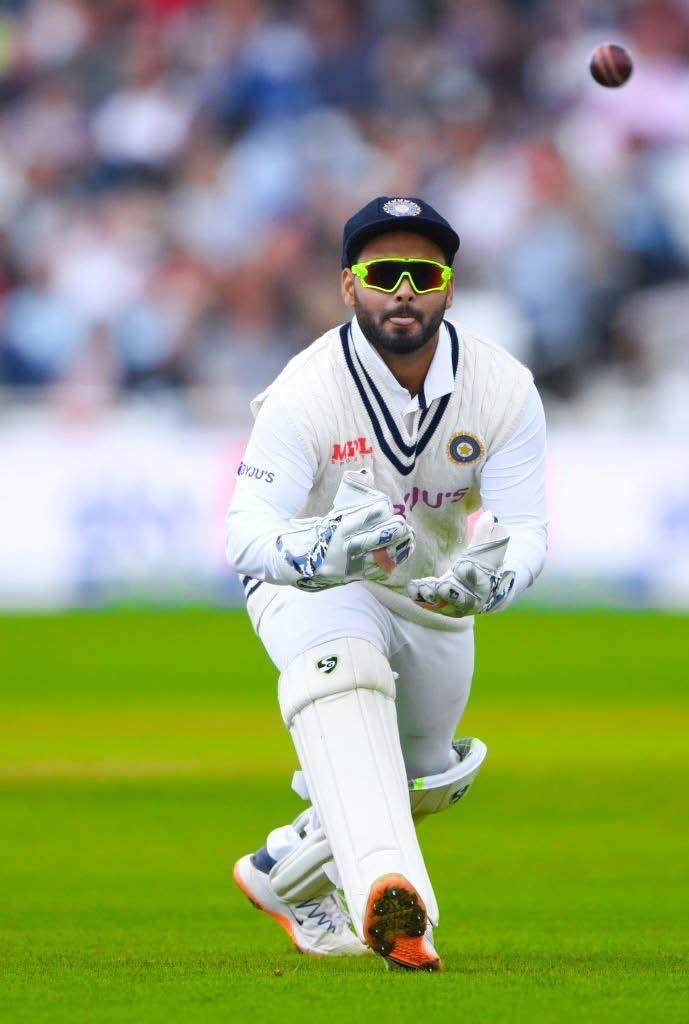
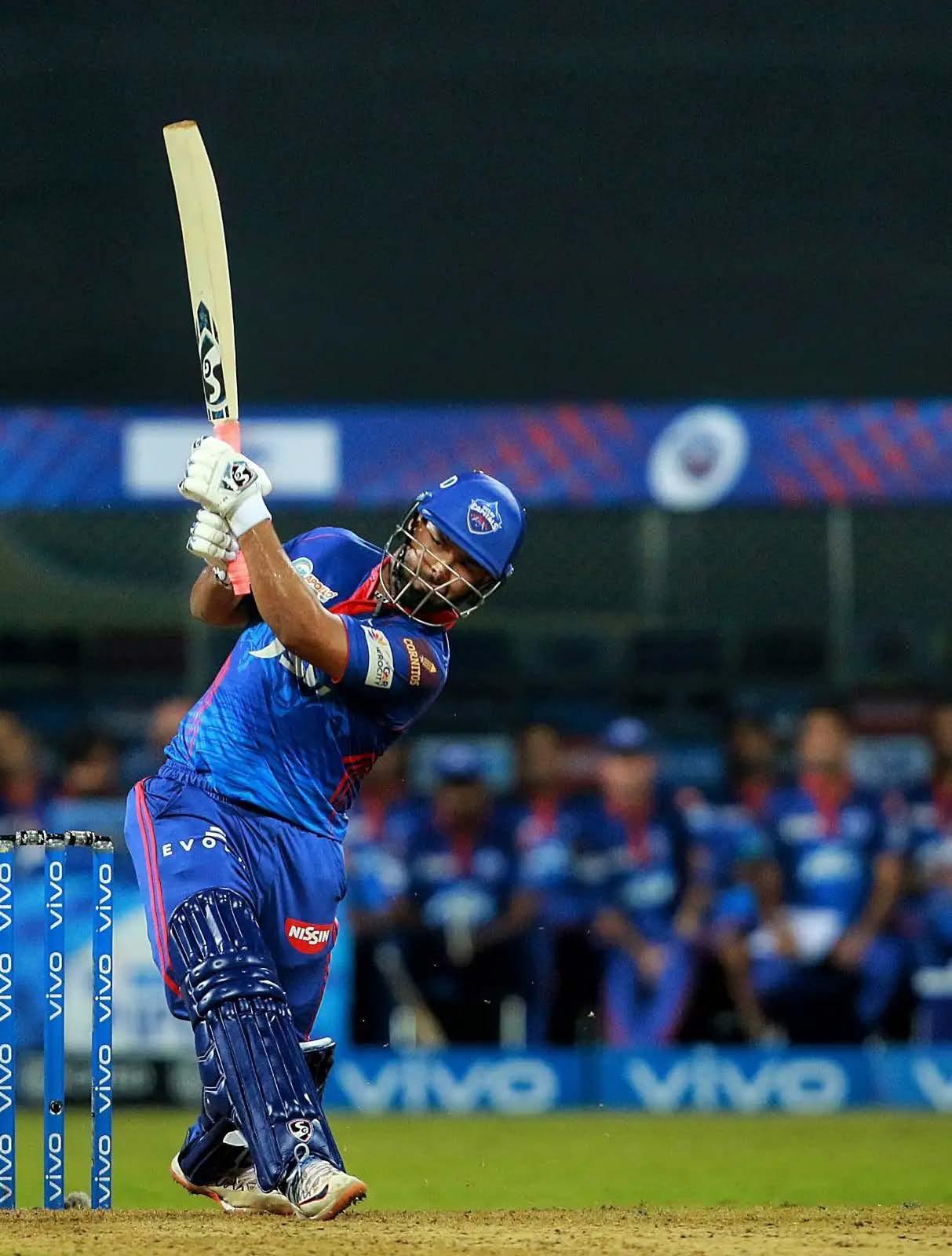
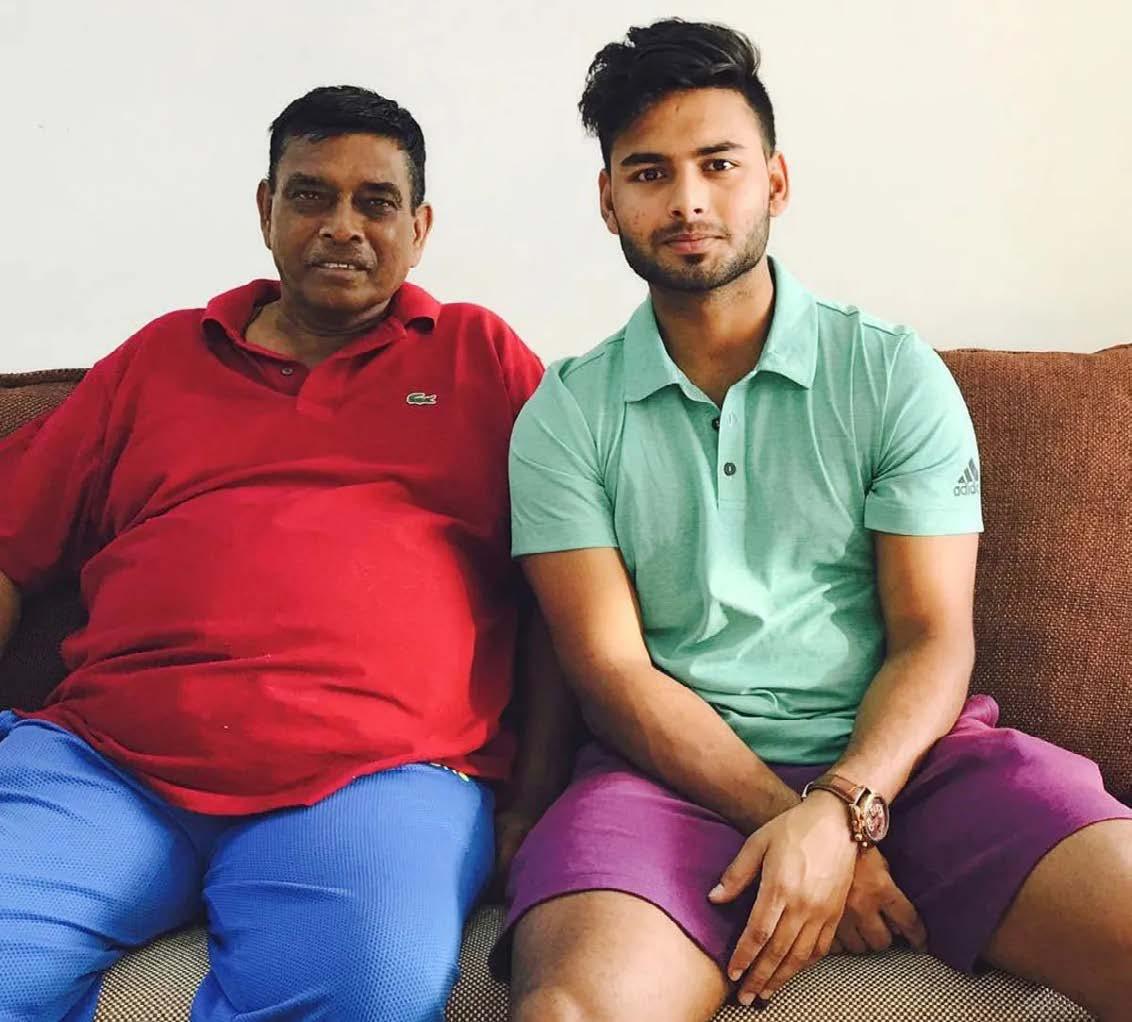
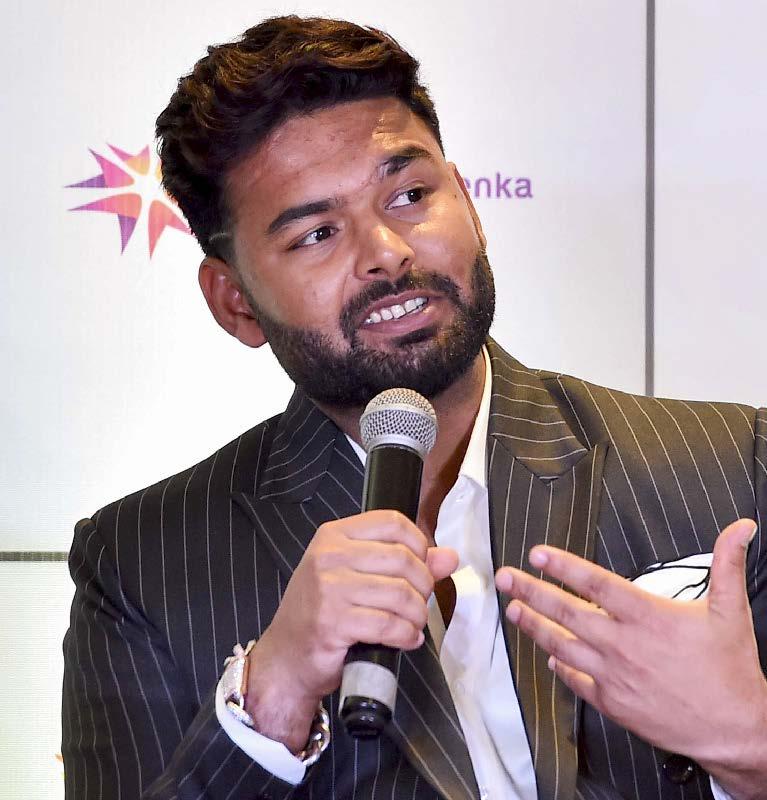
In an era where sports stars are increasingly recognized not just for their athletic achievements but also for their societal contributions, Rishabh Pant, India’s dynamic wicketkeeper-batsman, has made a significant move by pledging 10% of his commercial earnings to the ‘Rishabh Pant Foundation’. This announcement, made on February 5, 2025, marks a pivotal moment in Pant’s career, showcasing his commitment to giving back to the sport that has given him so much and to society at large. Rishabh Pant’s decision to donate 10% of his commercial earnings to the Rishabh Pant Foundation (RPF) is not just a headline; it’s a story woven with personal experiences, reflections, and a deep-seated desire to make a difference.
A New Chapter for Rishabh Pant
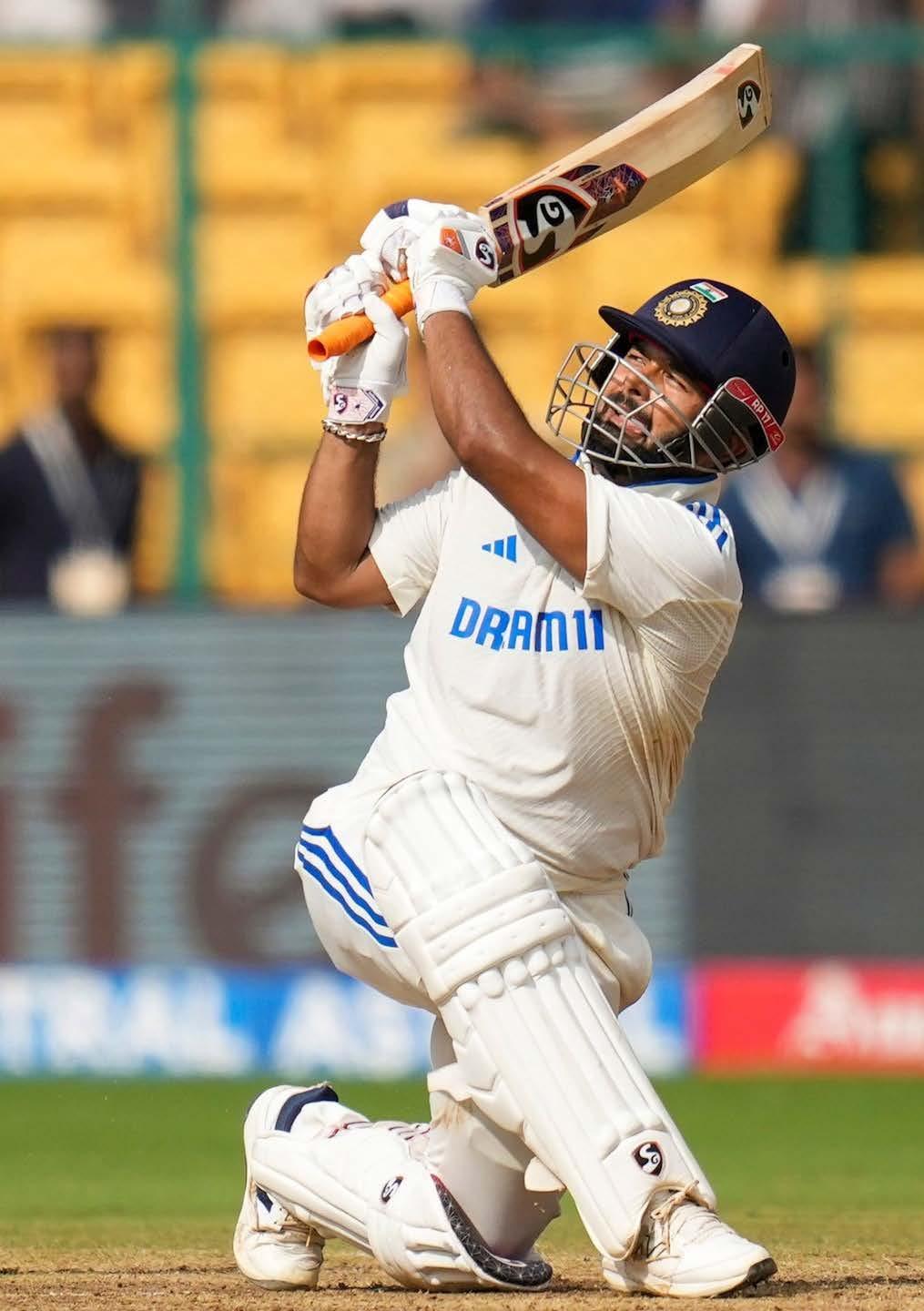
Rishabh Pant, at just 27, has already etched his name in cricket history with his explosive batting, agile wicketkeeping, and a comeback story that inspired millions. His journey from a devastating car accident in December 2022 to returning to competitive cricket in 2024 has been nothing short of remarkable. Now, with the launch of the Rishabh Pant Foundation, Pant is looking to extend his impact beyond the cricket field.
The Accident and Recovery A Turning Point
After his near-fatal car accident in December 2022, Pant’s life took a dramatic turn. His recovery was as much about physical healing as it was about mental and emotional growth. During his rehabilitation, he spent time in Dehradun, close to his roots in Uttarakhand. This period was marked by introspection and gratitude. Pant shared in interviews how the support from fans, family, and even strangers during his darkest hours made him realize the impact one can have on others’ lives. “I was out of cricket, but the love I received made me want to give back,” he remarked, highlighting how his accident became a catalyst for his charitable endeavours.
Back to the Roots
Pant’s connection to Uttarakhand is profound. Growing up in Roorkee, he often played cricket in makeshift grounds, dreaming of making it big. One anecdote involves him returning to these same grounds after his debut for India. He organized a small cricket match with the locals, promising to help build a proper cricket pitch if he ever could. With the foundation, he aims to fulfil that promise and more, focusing on sports infrastructure in rural areas where resources are scarce.
The Mentor’s Influence
Rishabh Pant’s cricketing journey was significantly influenced by Tarak Sinha, his coach at the Sonnet Cricket Club in Delhi. Sinha, who passed away in 2021, left a lasting legacy not just through cricket
but through his philosophy of giving back. Pant often recalls Sinha’s lessons on the importance of helping others succeed. “He would say, ‘You’re not just playing for yourself; you’re playing for every kid who dreams of holding that bat’,” Pant shared in a heartfelt tribute. This ethos is at the core of the RPF’s mission.
A Personal Touch to Charity
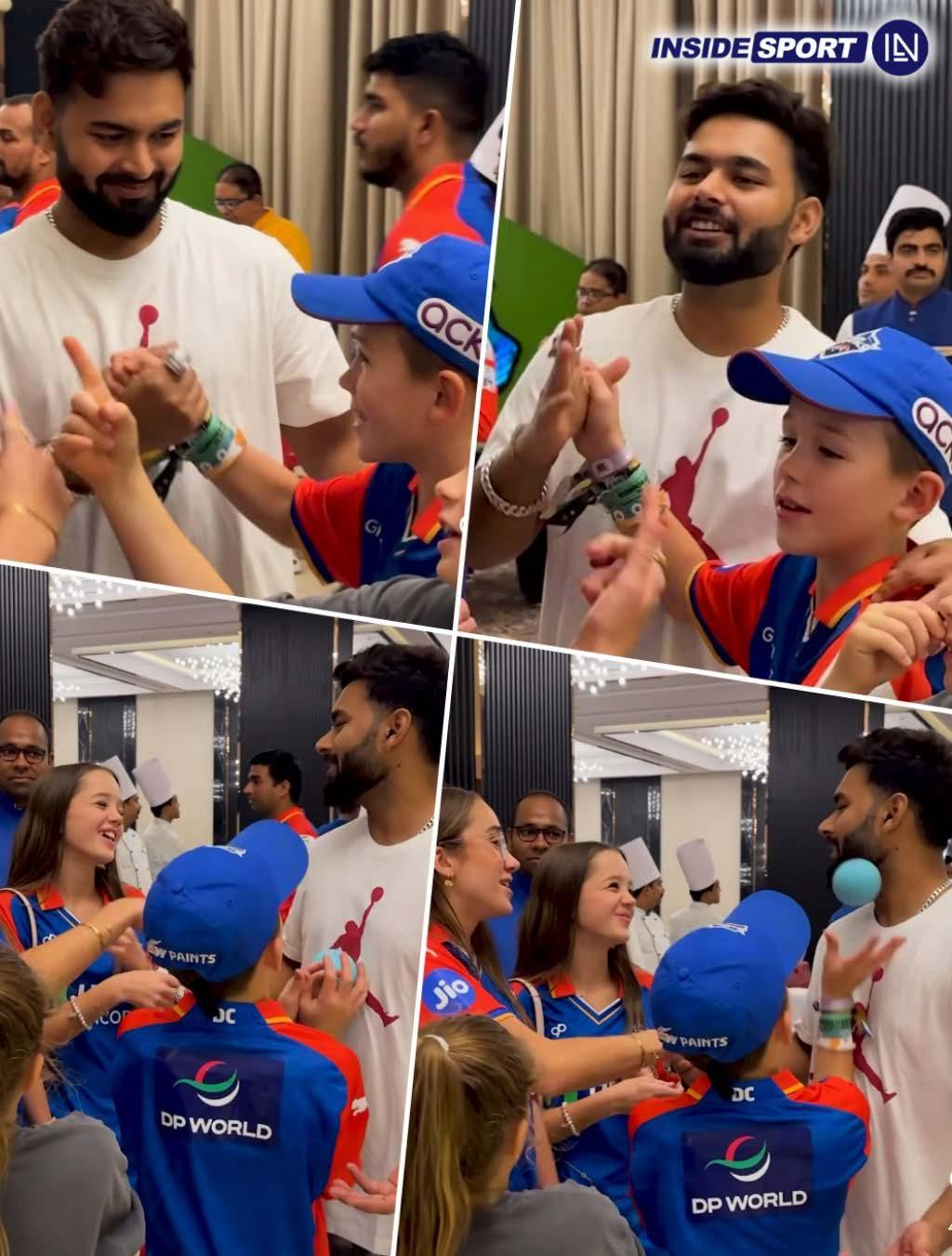
One of the more touching anecdotes involves Pant’s interaction with children at various charity events. He’s known for his playful nature, often joining kids in their games, whether it’s cricket or just running around. During one such event, he noticed a young boy with a makeshift cricket bat. Pant later made sure that boy received a proper kit through one of his early charity drives, encapsulating his approach to philanthropy - personal, direct, and heartfelt.
Pant’s Promise
The foundation’s announcement was preceded by a quiet visit to Haridwar, where Pant spent time at an orphanage. He promised the children there that he would ensure they had better facilities, which directly led to the RPF’s first project - improving living conditions and educational resources at the orphanage. “Seeing their faces light up with hope, that’s when I knew this wasn’t just an idea; it was a commitment,” Pant reflected.
The Emotional Aspect
Pant has always been an emotional player, wearing his heart on his sleeve. His decision to donate a portion of his earnings comes from a place of deep emotion, especially after the accident. He speaks of nights in the hospital, where he pondered over life’s fragility and the importance of legacy. “I want to leave behind something more than just cricket scores,” he confessed, indicating that the foundation is his way of ensuring his impact extends beyond the sport.
The Vision Behind the Foundation
The Rishabh Pant Foundation (RPF) is not just another charity; it’s a reflection of Pant’s personal journey, values, and vision for the future. The foundation aims to support both cricketing and non-cricketing causes, focusing on offering scholarships, coaching, and infrastructure support to young cricketers from underprivileged backgrounds. Addressing broader societal issues like
education, health, and disaster relief, particularly in areas close to Pant’s heart, such as Uttarakhand, his home state. Pant’s philosophy is clear in his words, “Everything I am, everything I have is because of the beautiful sport of cricket and all that I have learnt from life.” This statement underscores his motivation to give back to the sport and society, a sentiment further amplified by his lifethreatening accident, which seems to have deepened his gratitude and understanding of life’s fragility and the need for communal upliftment.
Impact and Expectations
The decision to donate 10% of his commercial earnings is not just a financial commitment but a signal to his fans, peers, and the broader community about the role athletes can play in social change. Pant’s endorsement deals span over 20 brands, making this pledge financially significant. His managers, Anant Arora and Indranil Das Blah, have praised this move, foreseeing a “lasting and tangible impact” on the lives touched by the foundation. By investing in young talent, Pant hopes to democratize access to cricket, potentially discovering and nurturing the next generation of Indian cricket stars. His foundation’s broader initiatives aim to address some of India’s pressing issues, from educational disparities to emergency aid during natural calamities.
Public and Peer Response
The announcement was met with widespread acclaim across social media and within the cricketing world. Posts on social media lauded Pant’s “noble deed” and “inspiring move”, with many seeing it as a blueprint for how athletes can leverage their influence for positive change. This has not only elevated Pant’s stature as a cricketer but also as a humanitarian, setting a precedent for others in the sports fraternity.
A Long-Lasting Legacy
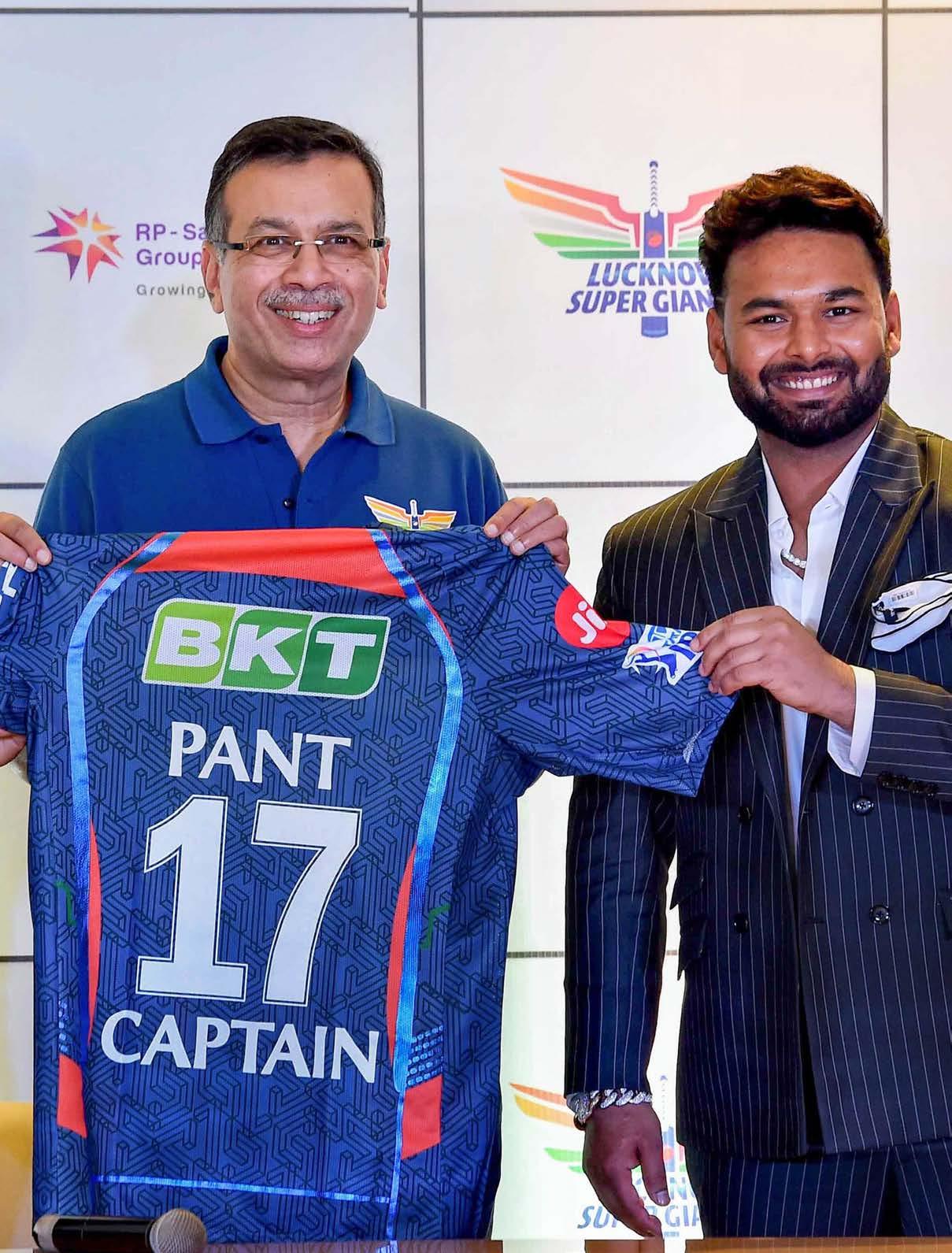
As Pant prepares for significant cricketing challenges like the upcoming Champions Trophy and leading the Lucknow Super Giants in the IPL 2025, his focus off the field seems equally intense. The details of the RPF’s projects are slated to be unveiled in the coming months, with Pant expressing excitement about “getting started and sharing more details” with the public. This initiative by Rishabh Pant can potentially inspire a new wave of philanthropy among athletes in India, where sports stars are often idolized. It might also encourage more structured support for sports at the grassroots level, which has been a long-standing demand in India’s sports ecosystem.
Conclusion
Rishabh Pant’s decision to channel 10% of his earnings into the Rishabh Pant Foundation is a testament to his character, resilience, and gratitude towards cricket and life. It’s a narrative of giving back, of legacy-building through service, and of using one’s platform for the betterment of society. As Pant continues to dazzle on the cricket pitch, his foundation promises to shine a light on those who need it the most, embodying the true spirit of sportsmanship.
His pledge to the Rishabh Pant Foundation is imbued with personal experiences, lessons from mentors, and a genuine desire to connect with and uplift those less fortunate. Pant’s story is a reminder that behind every public gesture of philanthropy lies a personal journey of understanding one’s place in the world and the power of giving back.
NBA AND FIBA JOIN FORCES TO EXPLORE NEW EUROPEAN BASKETBALL LEAGUE
In a ground-breaking move for global basketball, the NBA and the International Basketball Federation (FIBA) announced in March 2025 their collaboration to explore the creation of a new professional men’s basketball league in Europe. This
ambitious initiative aims to elevate the sport’s presence in a region already passionate about basketball, while unlocking new commercial opportunities and fostering talent development across the continent.
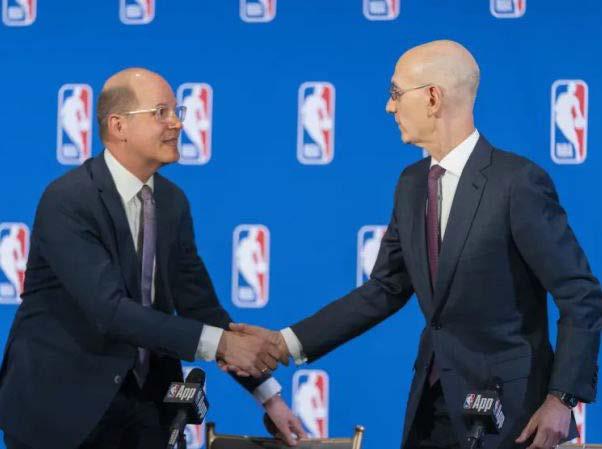
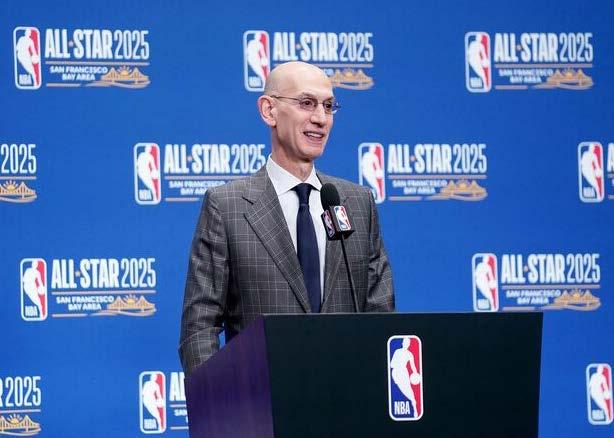
The announcement was made by NBA Commissioner Adam Silver and FIBA Secretary General Andreas Zagklis following the NBA Board of Governors meeting in New York and the FIBA Executive Committee meeting in Mies, Switzerland. The proposed league, still in its exploratory phase, envisions a 16-team competition designed to integrate seamlessly with Europe’s existing basketball ecosystem.
According to early details, the structure would likely include 12 permanent clubs, with four additional spots open for qualification, ensuring a mix of stability and competitive opportunity. Participating teams would continue to compete in their respective national leagues, preserving the rich tradition of domestic basketball while adding a prestigious new layer of regional competition.
Unlike the NBA’s 48-minute games, the new league would adhere to FIBA’s rules, including 40-minute games, aligning it closely with international basketball standards. To promote competitive balance—a cornerstone of the NBA’s success—the league plans to implement a salary cap, levelling the playing field and encouraging strategic rosterbuilding. This approach could attract a broad range of talent, from rising European stars to seasoned professionals, further enriching the quality of play.
The NBA and FIBA are casting a wide net for potential investors, with discussions reportedly involving some of Europe’s biggest sporting brands. Notably, soccer giants like Paris Saint-Germain and Manchester City have been mentioned as possible stakeholders, signalling the project’s appeal across sports industries. Existing EuroLeague powerhouses, such as Real Madrid and Barcelona, are also part of the conversation, hinting at a potential bridge between the new league and Europe’s established basketball elite.
The continent's longstanding Euroleague quickly signalled its readiness to enter into talks with the NBA, even as it has balked at the idea of another league in the region. "They understood perfectly that NBA became global, the last MVPs are almost all international players. They see that the talents come mainly from Europe," said Olivier Mazet, an agent to players in the NBA and Europe. "There is a will to take the field, to ensure the storytelling from the emergence of talent in Europe to their arrival in the NBA." A joint-record 125 international players from 43 countries were named to NBA teams at the start of the 2024-25 season, with all 30 franchises featuring at least one player born outside the United States.
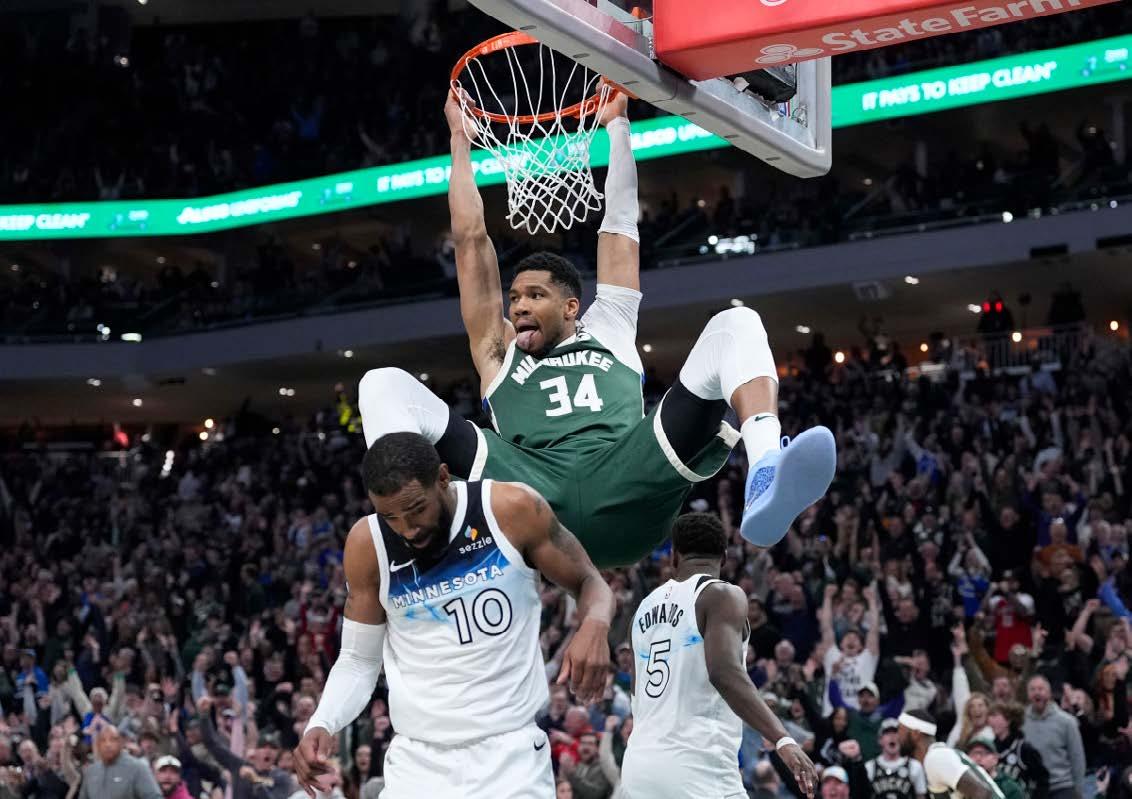
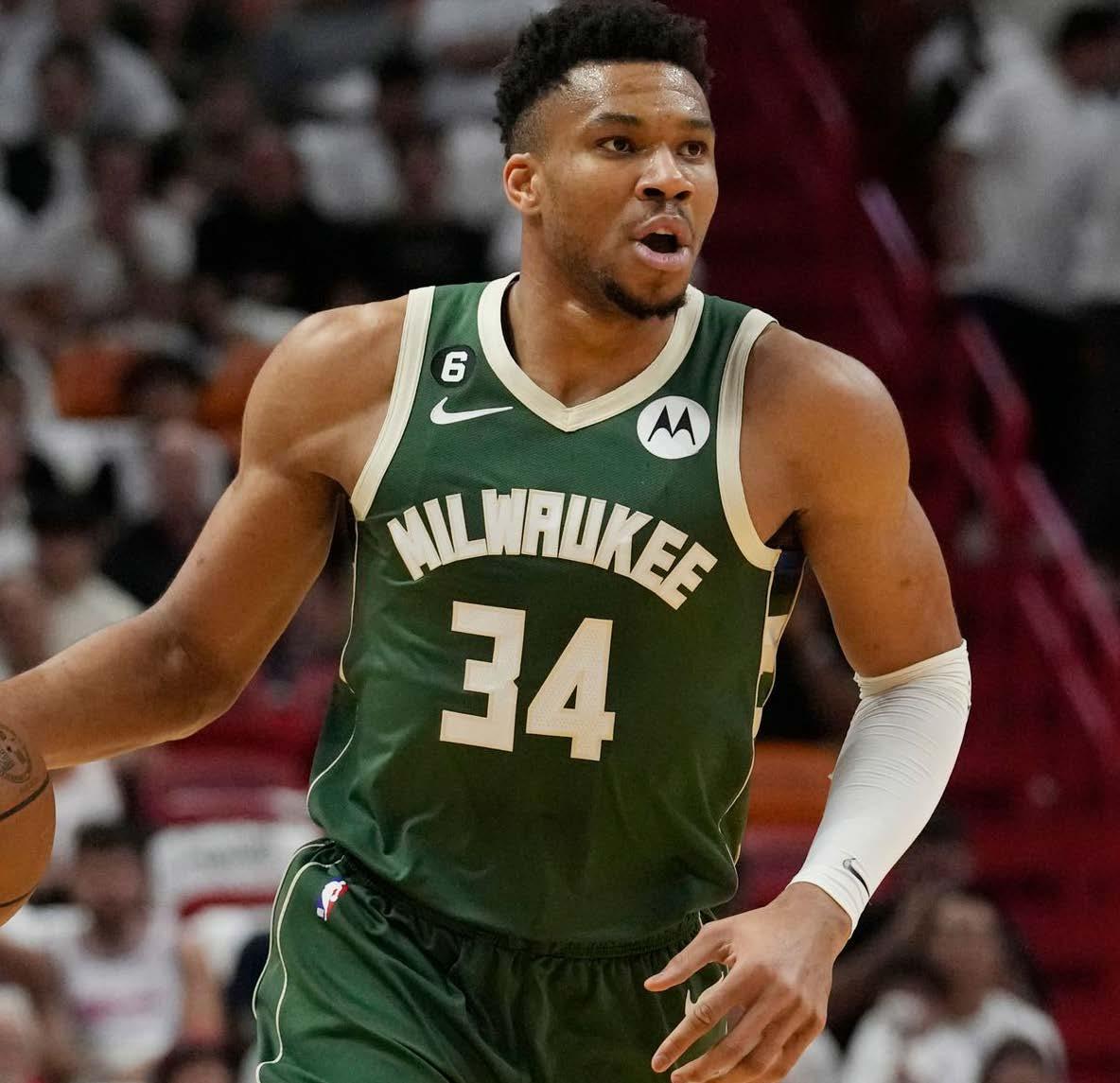
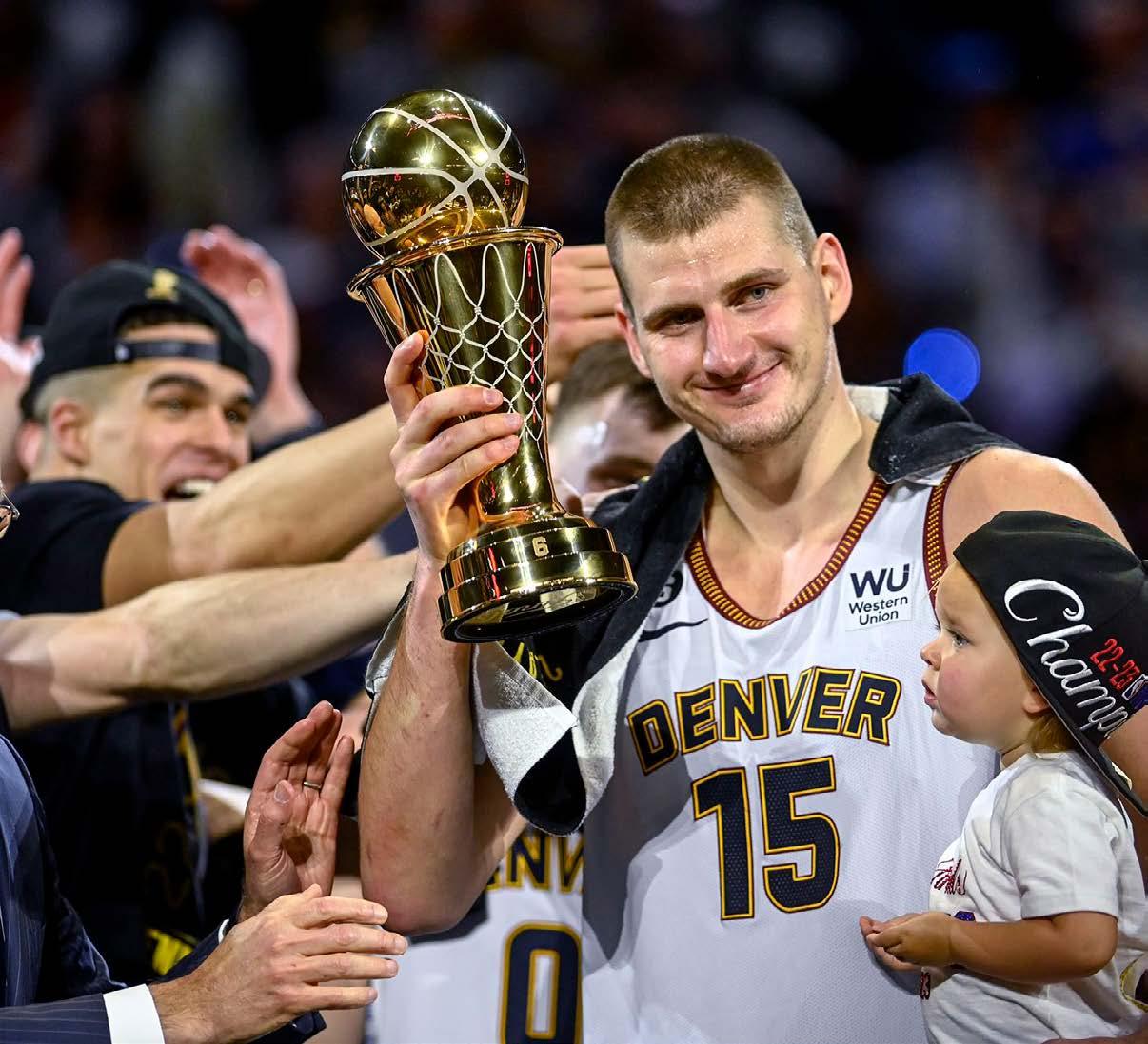
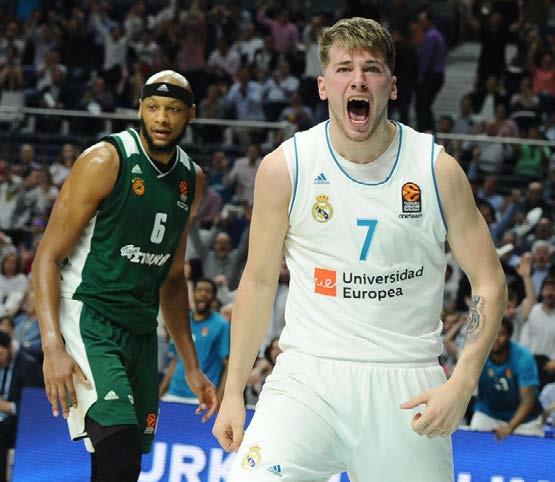
Beyond competition, the initiative carries a strong developmental focus. The NBA and FIBA plan to support youth academies and grassroots programs, building on Europe’s long-standing basketball infrastructure. This commitment could nurture the next generation of talent, much like the NBA’s academies in Africa and Asia have done, while strengthening ties between local communities and the sport. With Europe already producing NBA stars like Nikola Jokić, Giannis Antetokounmpo, and Luka Dončić, the league could amplify the continent’s role as a global basketball talent hub.
The commercial rationale is clear. Basketball remains one of Europe’s most popular sports, yet its professional landscape is fragmented, with national leagues and the EuroLeague competing for attention. The NBA, with its unmatched expertise in branding and entertainment, sees an untapped market ripe for growth. By partnering with FIBA, which governs international basketball, the league could harmonize Europe’s basketball calendar and create a product that appeals to fans, broadcasters, and sponsors alike.
However, challenges remain. Integrating a new league into Europe’s crowded sports calendar will require careful coordination, especially with the EuroLeague, which has long been the continent’s premier club competition. Convincing fans and clubs to embrace the new structure—while respecting national league traditions—will be critical. Additionally, no timeline has been confirmed for the league’s launch, and key details, such as host cities, broadcast partnerships, and final investor commitments, are still under discussion. For the NBA, the move reflects its ongoing global expansion strategy. From staging preseason games in Europe to growing its digital presence through
NBA League Pass, the league has long viewed the continent as a priority. FIBA, meanwhile, gains a powerful partner to amplify its mission of advancing basketball worldwide. Together, they aim to create a league that not only showcases elite competition but also celebrates Europe’s unique basketball culture. As talks progress, the basketball world watches with anticipation. If successful, this venture could redefine professional basketball in Europe, blending the NBA’s global reach with FIBA’s international expertise. For fans, players, and investors, the promise of a new era in European basketball is an exciting prospect—one that could tip off a transformative chapter for the sport.
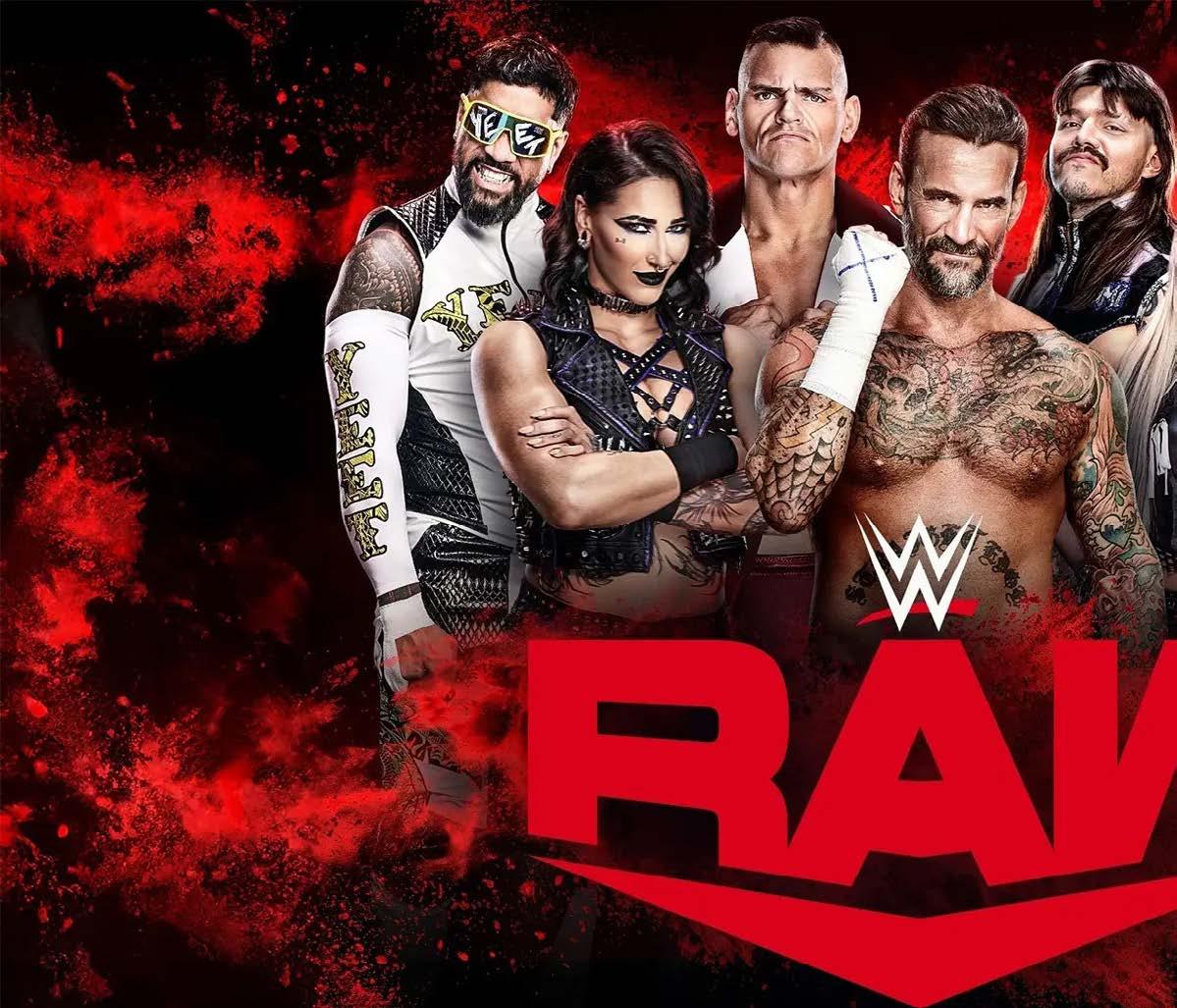
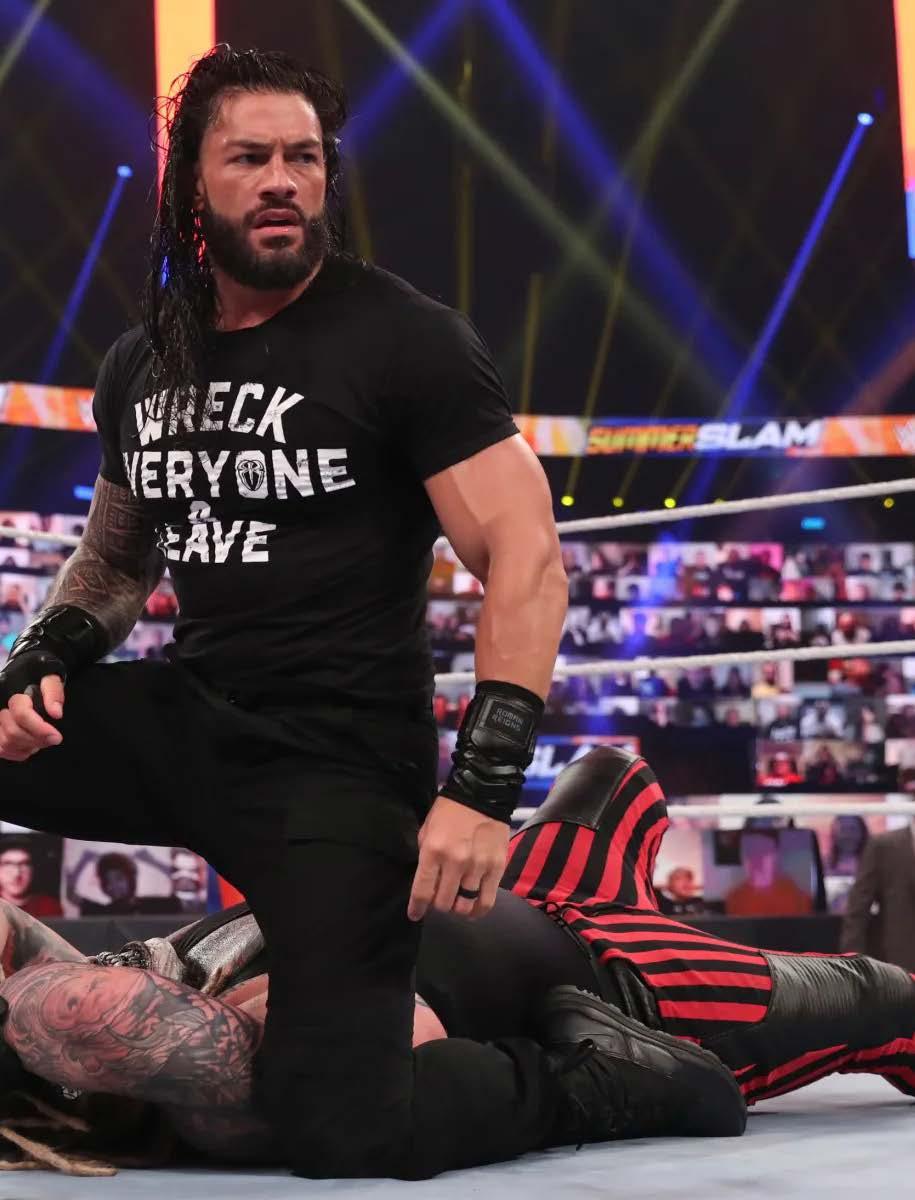
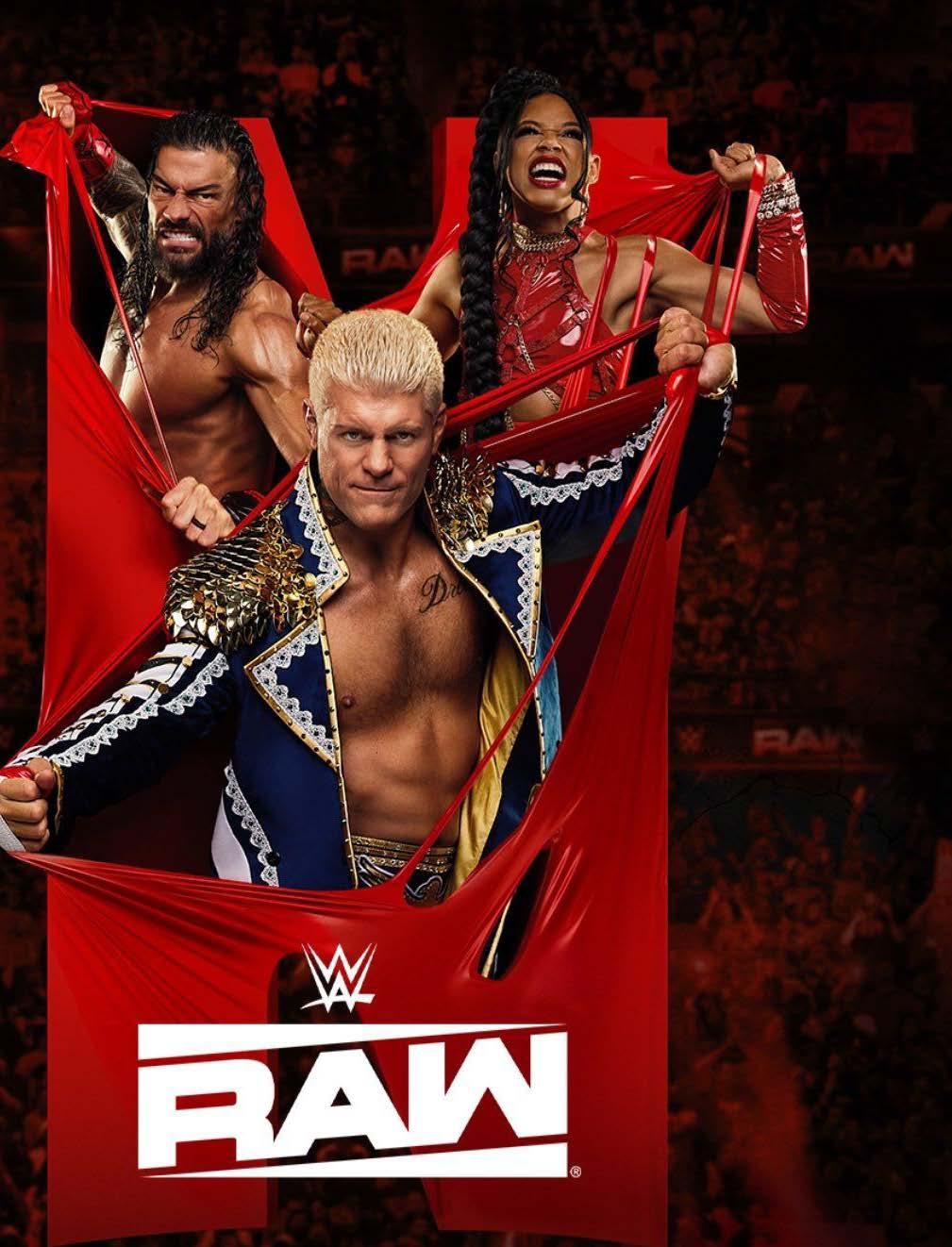
WWE and Netflix struck a landmark deal to bring WWE’s flagship weekly program, RAW, to Netflix beginning in 2025. Almost a year after announcing the streaming giant’s biggest foray into sports streaming to date, Netflix broadcast its debut ‘Monday Night Raw’ show on Jan 6th, announcing 4.9 million views globally.
January 2025 marks the beginning of a new partnership between WWE and Netflix. Netflix has officially become the exclusive home of World Wrestling Entertainment’s flagship show in the United States, Canada, the UK and across Latin America in a new $5 Billion deal for the next 10 years. Netflix’s viewership numbers are usually calculated by the total viewership hours for the programme divided by the runtime. The data cut-off is midnight (PST) each day. Countries that have a huge WWE fanbase include France, Germany, India, Japan, the Philippines and South Korea. These countries will be added to the deal as current deals in these respective countries expire. There are totally 92 countries, which were not included in the viewership numbers.
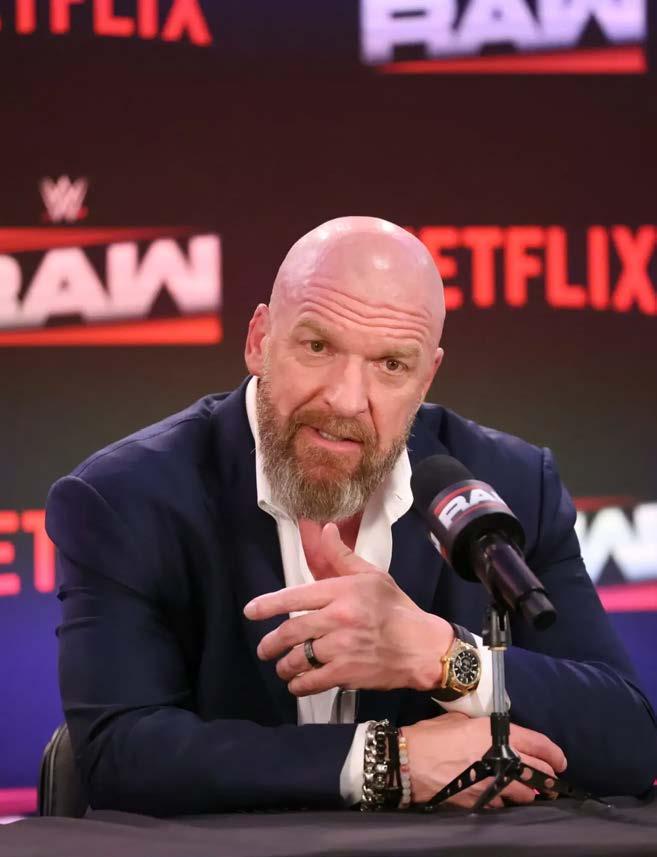
The event averaged 2.6 million households in the US, according to VideoAmp, Netflix announced. This is 116 per cent higher than the average for the programme in 2022. Netflix also stated that this is higher than any other ‘Monday Night Raw’ broadcast over the past five years. The event felt almost like a relaunch of the brand and WWE did quick video recaps of the storylines prior to each match. This move allowed casual fans to catch up with the diehards who previously followed the action on Raw’s former broadcast networks. Snippets and videos of those recaps were shared on WWE’s social channels ahead of the show. Chief content officer Paul “Triple H” Levesque said that strategy was key to driving the conversation.
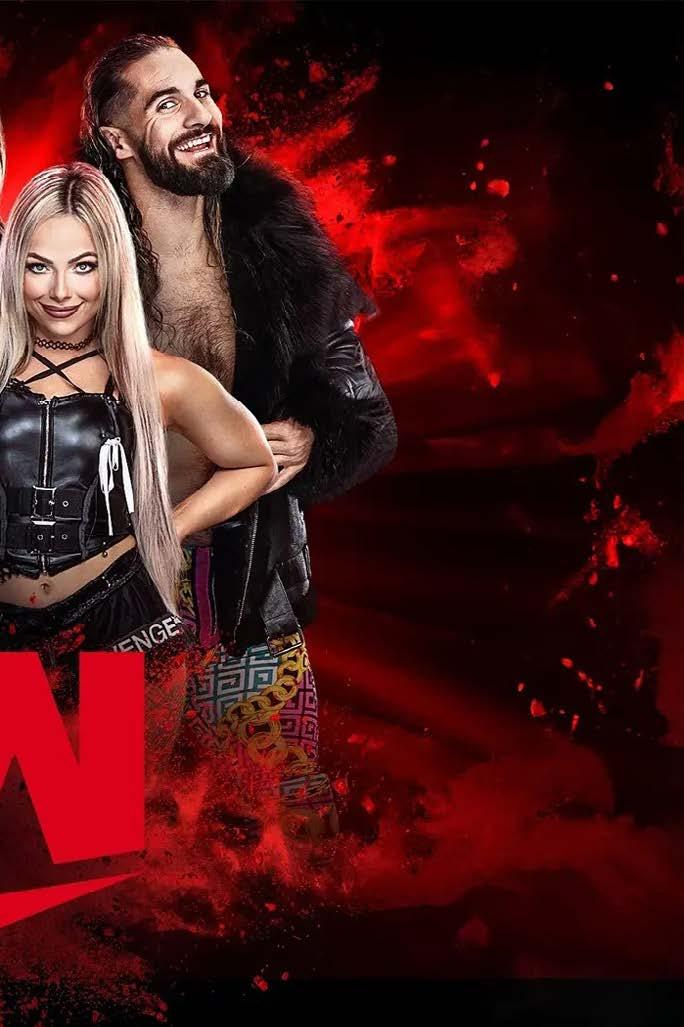
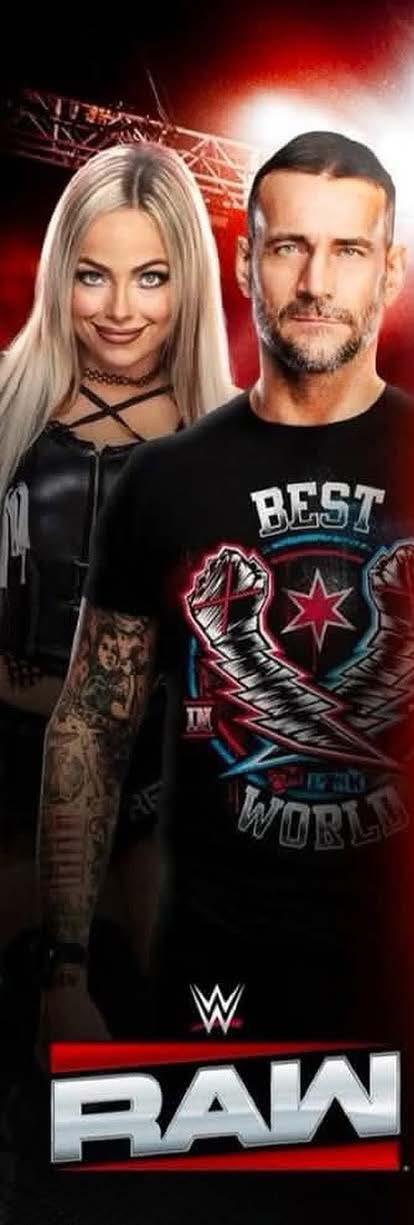
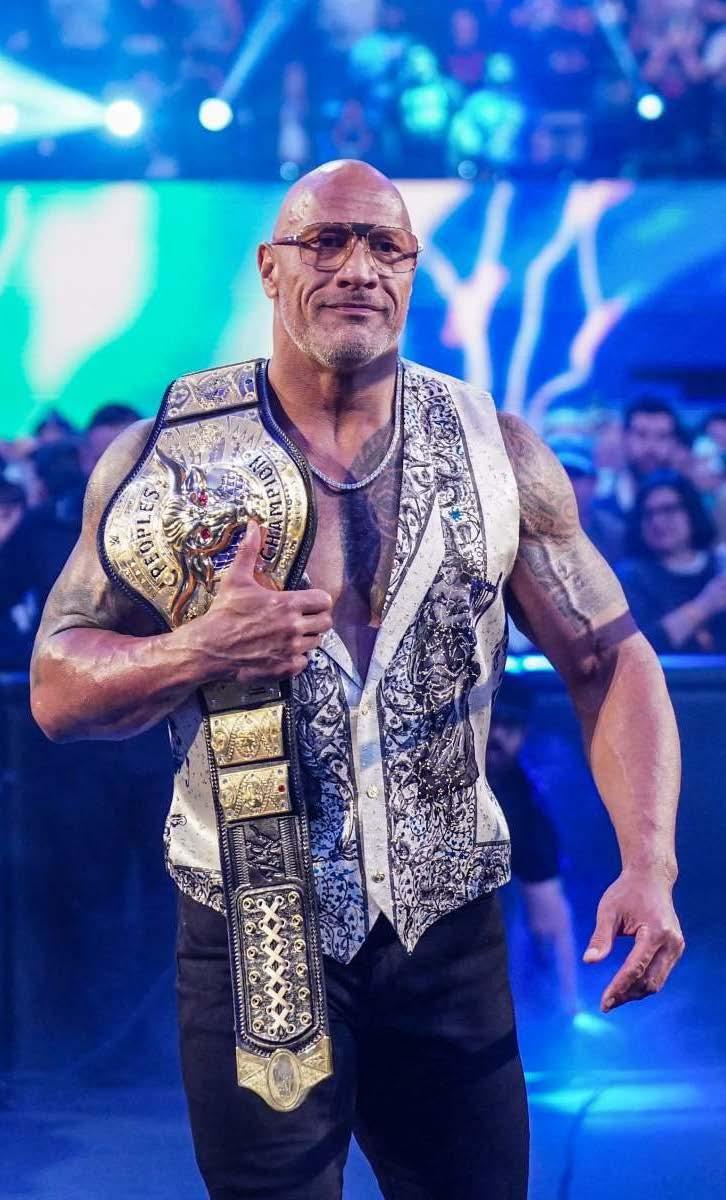
The first ‘Monday Night Raw’ event of the year was held at the Intuit Dome in Los Angeles and, according to an announcement, it set the record as the highest-grossing WWE arena of all time with a sold-out crowd. On X (formerly known as Twitter), #WWERaw was the #1 trending topic in the US, Brazil, Australia, and the UK. #WWERaw trended #1 for 14 hours straight in the UK and the hashtags occupied six of the top 7 trending topics in the US. #RAWonNetflix and #WWEonNetflix were also trending in Brazil, Mexico, Spain, and the US. WWE generated over 223 million social views across platforms on the day of RAW’s Netflix premiere, the event gathered more social views than any RAW episode of 2024. The episode saw Rhea Ripley reclaim the Women’s World Championship with a win over Liv Morgan, Roman Reigns beat Solo Sikoa in a tribal combat match, CM Punk defeat Seth “Freakin” Rollins in a much anticipated grudge match and Jey Uso overcome Drew McIntyre. The event also featured star-studded appearances from Dwayne “The Rock” Johnson, The Undertaker, Logan Paul, Travis Scott and John Cena, who starts his year-long farewell tour which will be heavily featured on Netflix throughout the year.
For the first time in 31 years, Raw was not shown on linear television in its biggest market. Netflix outmuscled NBCUniversal, whose deal with WWE ran until September 2024. NBC agreed on a cut-price deal with WWE to continue showing Raw for the remaining 3 months of 2024, as the Netflix deal was not going to kick in until January 2025. NBCU’s previous rights agreement for Raw was worth around $265m per year, which was over $66m per quarter.
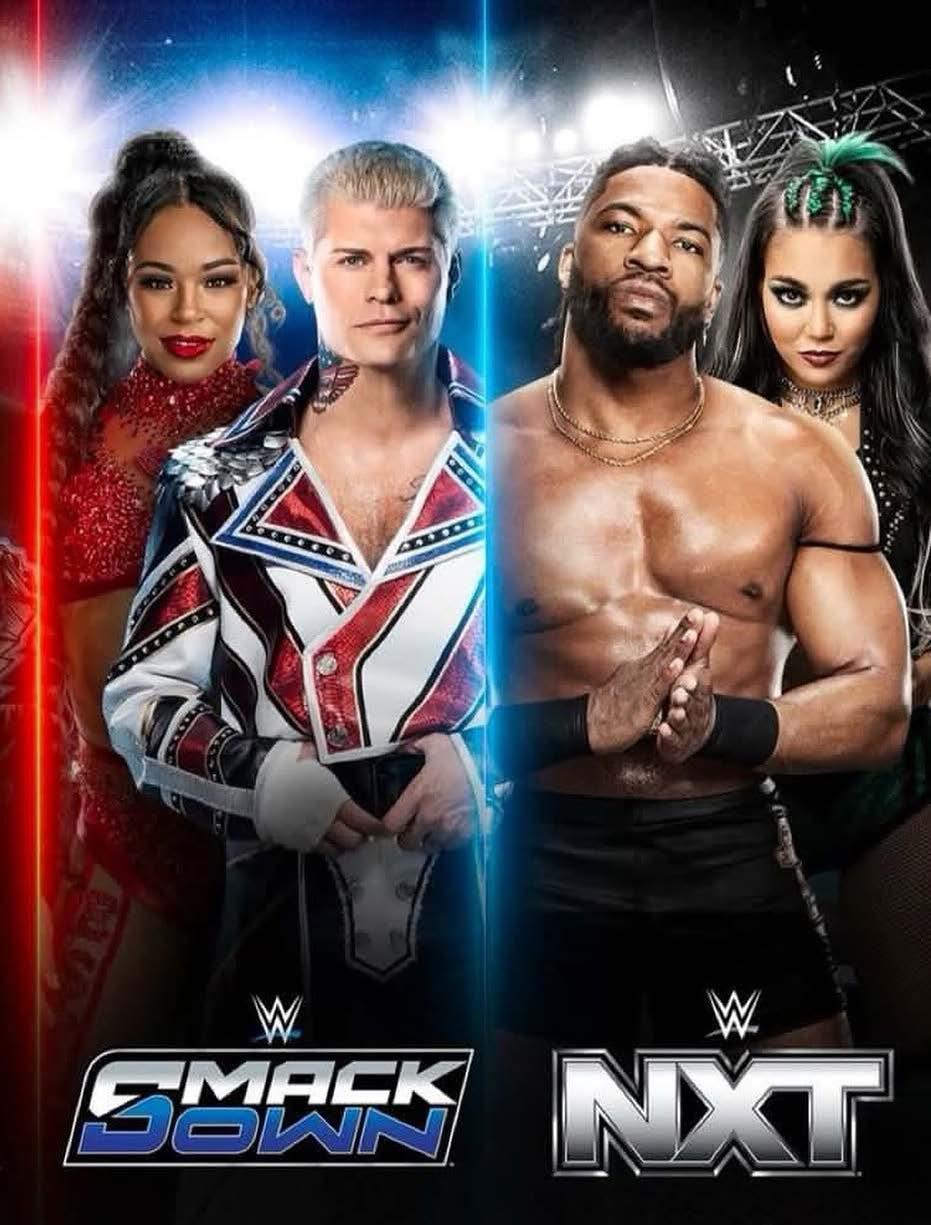
When the first-quarter financials last year were released, TKO Group Holdings, the parent company of WWE and Ultimate Fighting Championship (UFC), disclosed that the agreement with NBCU for Raw to remain on USA Network for the final three months of last year was worth $25m. International broadcast rights to WWE are sold by IMG, which is currently in the process of moving from Endeavor to TKO ownership. TKO was spun off in 2023 to house WWE and UFC and listed on the New York Stock Exchange. An important part of Netflix’s agreement with WWE is that the streaming platform will become the home of all WWE shows and specials outside the US which includes SmackDown and developmental series NXT, including premium live events such as WrestleMania, SummerSlam and Royal Rumble.
India which is the largest market for the promotion outside of the US, sees Netflix take over live rights from Sony in March 2025. The marks the end of the 20-year partnership that WWE and Sony shared. They worked tirelessly together to ensure WWE became a household name in India. Sony broadcasted events, marketed WWE actively, organized live shows, and helped elevate brand locally. Their latest five-year deal, worth over $200 million, ensured that WWE’s weekly shows, pay-per-views, and the WWE Network content were accessible through TV, SonyLIV, and extremely affordable subscription tiers. This affordability aided WWE to maintain its dominant position in India, which is the home to its largest global audience. But this era ends in March 2025, as Netflix takes over.
WWE Documentaries and original series will also be available on Netflix internationally beginning in 2025, while new content projects are in the works. Levesque sees the Netflix era of the company as a “great reset,” given the company’s enormous global reach. “There’s a moment when we go on the air where we’re accessible to 280 million homes globally,” he says. “Multiply that by three for people in the homes, right? That’s a massive number. That is a game changer.”
Netflix has made its intentions clear when it comes to live streaming, in December debuting its National Football League coverage as part of a three-year deal for the league’s Christmas Day games. The streaming giant also announced it has secured exclusive rights to the FIFA Women’s World Cup in the US for 2027 and 2031. In what represents Netflix’s first move into live football rights, every single game from both the tournaments will be streamed in both English and Spanish language on the platform.
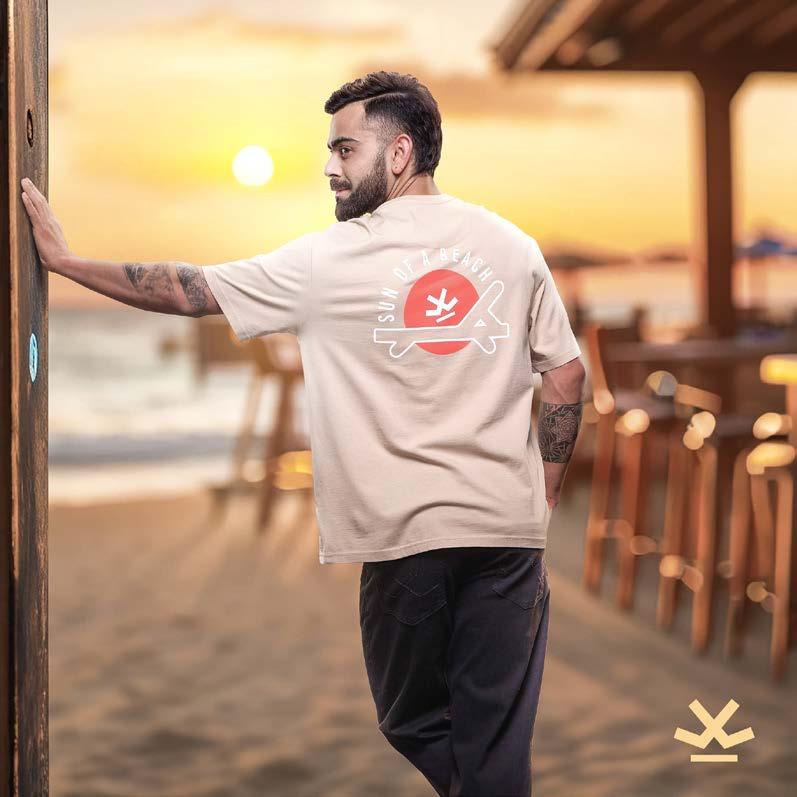
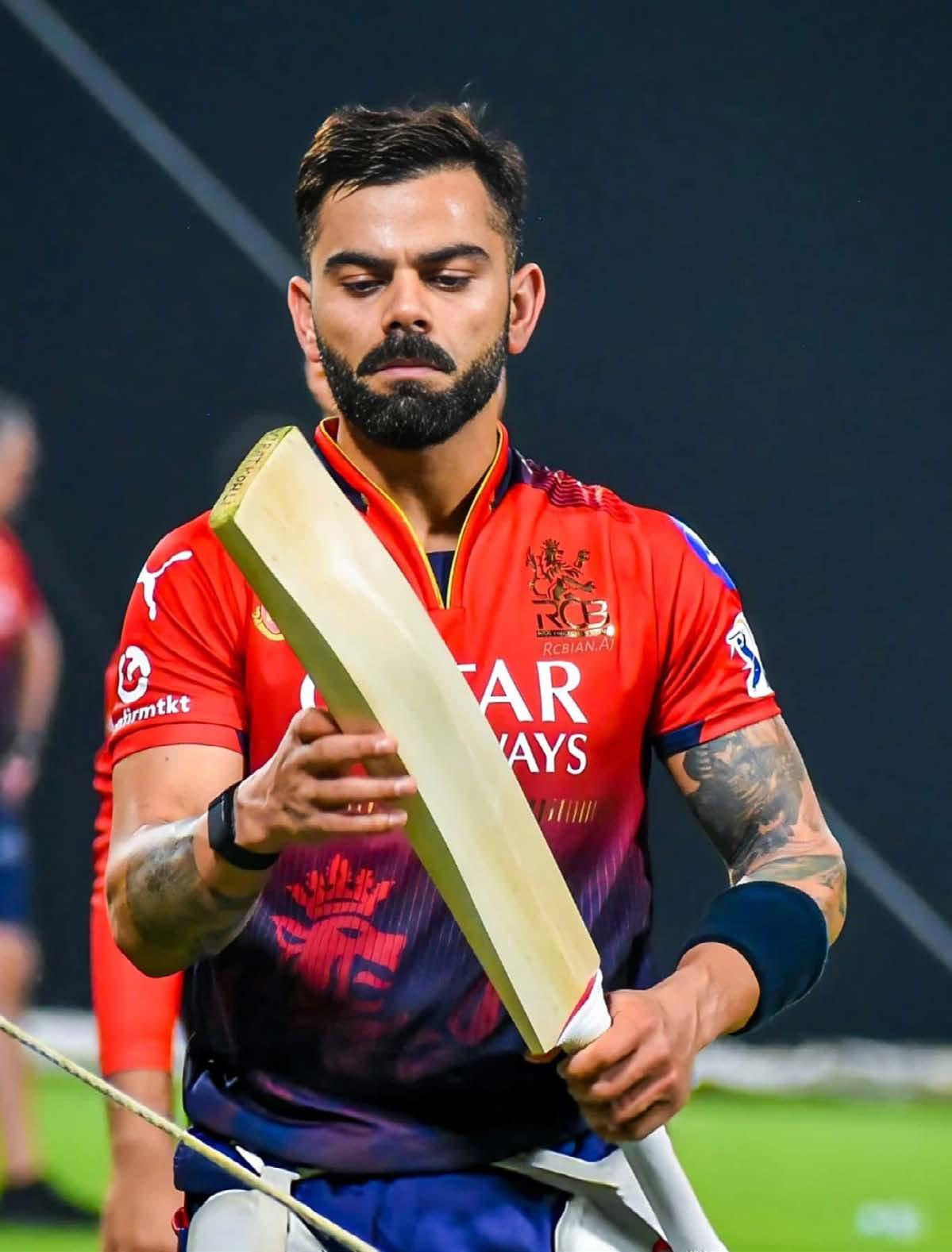
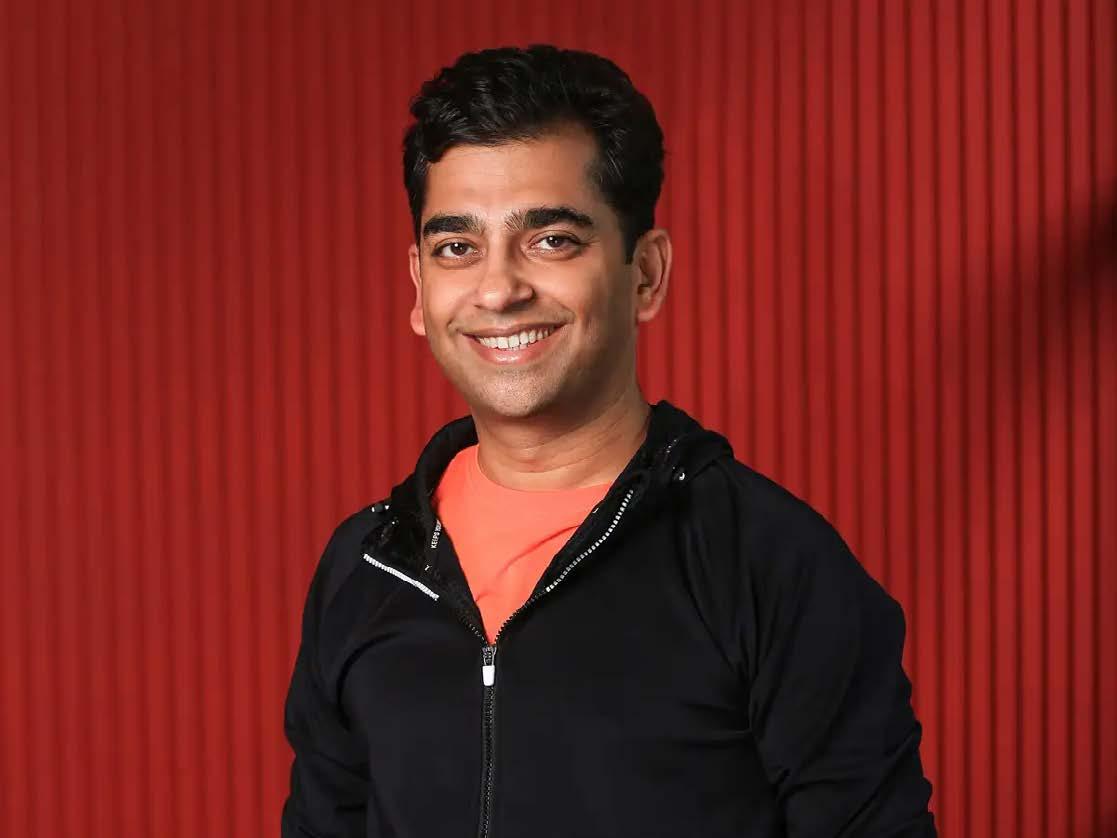
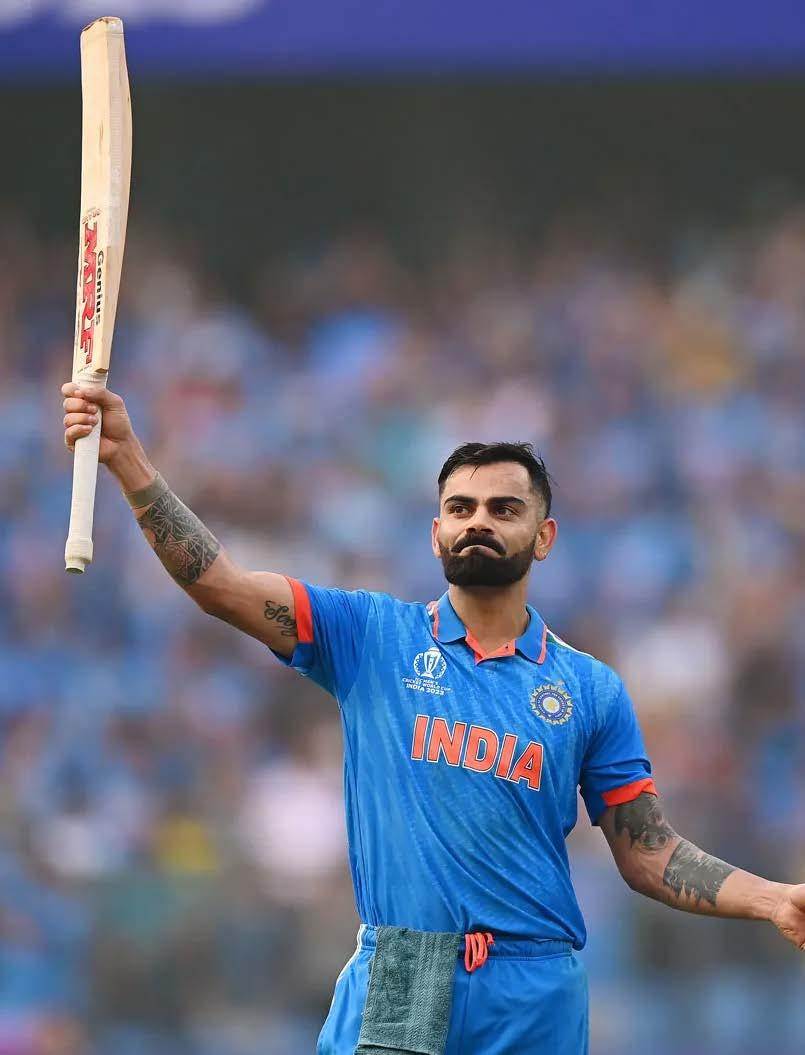
VIRAT KOHLI’S
STRATEGIC LEAP WITH AGILITAS SPORTS
The Full Story Behind the Move
In a significant shift in the Indian sportswear landscape, cricket icon Virat Kohli has joined forces with Agilitas Sports, a promising sportswear start-up, as both an investor and brand ambassador. This move marks the end of his high-profile eight-year, ₹110 crore endorsement deal with global giant Puma and signals a bold new chapter for Kohli’s One8 lifestyle brand. The partnership with Agilitas, founded by former Puma India MD Abhishek Ganguly, is poised to redefine Kohli’s influence in the athleisure and sportswear market while elevating an Indian start-up to compete with international heavyweights like Adidas and Nike. But what’s the full story behind this decision, and why has one of the world’s biggest sporting personalities chosen to align with a relatively new player in the industry?
THE END OF AN ERA WITH PUMA
Kohli’s association with Puma, which began in 2017, was a landmark deal in Indian sports endorsements. Valued at ₹110 crore over eight years, it was one of the largest contracts for an Indian athlete at the time. The partnership saw Kohli not only endorsing Puma’s products but also launching his One8 brand in collaboration with the German sportswear giant. One8 became a household name, offering a range of athleisure, footwear, and fitness products that resonated with Kohli’s image as a fitness icon and global cricket superstar. Under Puma, One8 expanded rapidly, with dedicated retail stores and a strong online presence. The brand capitalized on Kohli’s massive fan base, blending performance-driven sportswear with lifestyle appeal. However, as the contract neared its end in 2025, speculation grew about Kohli’s next move. Would he renew with Puma, join another global brand like Adidas or Nike, or take a different path altogether? The answer came in the form of Agilitas Sports, a decision that surprised many but reflects Kohli’s strategic vision both as an athlete and a businessman.
ENTER AGILITAS SPORTS: A NEW CHALLENGER IN SPORTSWEAR
Agilitas Sports, founded in 2023 by Abhishek Ganguly, Atul Bajaj and Amit Prabhu, is a start-up with big ambitions. Ganguly, who spent nearly two decades with Puma and served as its India MD, brings deep industry expertise to the table. Under his leadership, Puma India became a market leader, and Ganguly’s understanding of the Indian consumer and sportswear ecosystem is a key driver behind Agilitas’ vision. The start-up aims to disrupt the sportswear industry by combining innovation, local market insights, and global aspirations.
Agilitas has already made waves, raising ₹530 crore in funding from investors like Nexus Venture Partners and others. The company focuses on building a portfolio of sportswear and athleisure brands tailored to the Indian market while eyeing international expansion. Its manufacturing facility in Tamil Nadu, set to produce 2 million pairs of shoes annually, underscores its commitment to scaling operations. For Kohli, partnering with Agilitas represents an opportunity to align with a homegrown brand that shares his passion for fitness and innovation.
WHY AGILITAS? THE RATIONALE BEHIND KOHLI’S DECISION
Kohli’s decision to join Agilitas Sports is multifaceted, blending personal, professional, and market-driven considerations. Here’s a closer look at the factors that likely influenced his move:
Ownership and Creative Control: Unlike his Puma deal, where One8 was a cobranded venture, the Agilitas partnership positions Kohli as an investor, giving him a stake in the company’s success. This equity-driven model allows Kohli greater control over One8’s direction, from product design to marketing strategies. For a star of Kohli’s stature, who has built a reputation for precision and excellence, this level of involvement is a natural progression.
Backing an Indian Start-up: Kohli has often spoken about supporting Indian businesses and contributing to the country’s growth. By aligning with Agilitas, he’s betting on a homegrown brand at a time when India’s start-up ecosystem is gaining global attention. This move resonates with his audience, reinforcing his image as a proud Indian icon who invests in the nation’s future.
Global Ambitions for One8: While Puma provided One8 with a strong foundation, Agilitas offers a platform to take the brand global under Kohli’s vision. With Ganguly’s expertise and Agilitas’ focus on innovation, One8 is poised to expand beyond India, targeting markets where Kohli’s fan base is strong, such as the Middle East, Australia, and Europe. The partnership aims to position One8 as a lifestyle brand that transcends cricket, much like Michael Jordan’s Jordan brand with Nike.
A Shift in the Sportswear Market: The Indian sportswear market is evolving rapidly, driven by rising fitness awareness and a growing middle class. Brands like Decathlon, Asics, and Under Armour are gaining traction, but global giants dominate the premium segment. Agilitas, with Kohli’s star power, aims to carve out a niche by offering high-quality, aspirational products at competitive price points. Kohli’s involvement gives Agilitas an edge in a crowded market, where celebrity endorsements can make or break a brand.
Personal Connection with Ganguly: Abhishek Ganguly’s long tenure at Puma means he and Kohli share a professional history. This familiarity likely played a role in Kohli’s decision, fostering trust in Agilitas’ leadership and vision. Ganguly’s track record of scaling Puma India to a ₹2,000 crore business adds credibility to Agilitas’ potential to succeed.
THE BIGGER PICTURE: KOHLI’S BUSINESS ACUMEN
Kohli’s move to Agilitas is not just about sportswear; it’s a reflection of his growing stature as a savvy entrepreneur. Beyond cricket, Kohli has built a diverse investment portfolio, with stakes in start-ups like Digit Insurance, Universal Sportsbiz (Wrogn), and Sports & Fitness (Chisel). His decision to invest in Agilitas aligns with his pattern of backing ventures with high growth potential, particularly in fitness and lifestyle. Moreover, Kohli’s brand value remains unmatched. Despite stepping down as India’s Test captain in 2022 and T20I captain in 2021, he continues to dominate cricket with his performances and holds sway over millions of fans. His social media presence— over 300 million followers across platforms—makes him a marketing juggernaut. For Agilitas, Kohli is not just an ambassador but a catalyst for brand visibility and consumer trust.
CHALLENGES AND OPPORTUNITIES AHEAD
While the partnership holds immense promise, it’s not without challenges. Agilitas is a young company competing against established giants with deep pockets and global supply chains. Scaling One8 while maintaining quality and affordability will be critical. Additionally, Kohli’s on-field performance, though stellar, is under constant scrutiny, and any dip could impact his brand’s perception. On the flip side, the opportunities are vast. India’s sportswear market is projected to grow at a CAGR of 12-15% over the next decade, driven by urbanization and fitness trends. Kohli’s involvement could accelerate Agilitas’ growth, attracting more investors and talent. The global appeal of One8, coupled with Agilitas’ manufacturing capabilities, positions the partnership to tap into international markets where Indian brands have historically struggled.
A GAME-CHANGING MOVE
Virat Kohli’s decision to partner with Agilitas Sports is a masterstroke that blends ambition, patriotism, and business acumen. By moving away from Puma and investing in a start-up, Kohli is taking a calculated risk to elevate One8 and shape the future of Indian sportswear. For Agilitas, Kohli’s endorsement is a golden ticket to compete with global giants, while for Kohli, it’s a chance to leave a lasting legacy off the cricket field.
As Agilitas gears up to launch new One8 products and expand its footprint, all eyes will be on how this partnership unfolds. If Ganguly’s vision and Kohli’s star power align, Agilitas could become India’s answer to Nike—a brand born in India but celebrated worldwide. For now, Kohli’s leap into the unknown with Agilitas is a testament to his belief in Indian innovation and his relentless drive to win, both on and off the pitch.
FIFA’S BOLD MOVE: A Halftime Show to Redefine the 2026 World Cup Final
In a ground-breaking announcement, FIFA President Gianni Infantino has revealed that the 2026 World Cup Final, scheduled for July 19 at MetLife Stadium in New Jersey (rebranded as New York New Jersey Stadium for the occasion), will feature a halftime show— an unprecedented move for the world’s most prestigious soccer tournament. Unveiled via Instagram, Infantino called it “a historic moment for the FIFA World Cup and a show befitting the biggest sporting event in the world,” signalling FIFA’s intent to merge the global appeal of soccer with the glitz of entertainment. Partnering with Global Citizen, an organization dedicated to eradicating poverty, and with creative input from Coldplay’s Chris Martin and manager Phil Harvey, this halftime spectacle promises to elevate the tournament to new cultural heights.
A NEW ERA FOR SOCCER
The 2026 World Cup, co-hosted by the United States, Canada, and Mexico, is already poised to be a landmark event. With an expanded format of 48 teams and 104 matches, it’s set to be the largest World Cup in history. Adding a halftime show to the final—a tradition long absent from soccer’s biggest stage—borrows a page from the NFL’s Super Bowl playbook, where artists like Beyoncé, Prince, and Rihanna have turned mid-game breaks into global phenomena. Infantino’s vision seems
clear: transform the World Cup Final into not just a sporting climax but a cultural juggernaut, appealing to a broader audience beyond diehard soccer fans. The collaboration with Global Citizen adds an intriguing layer. Known for its star-studded advocacy concerts, the group’s involvement suggests the halftime show could carry a message—perhaps tied to social impact—alongside its entertainment value.
While the line-up of performers remains under wraps, the influence of Chris Martin, a veteran of grand-scale performances, hints at a carefully curated event that could rival the Super Bowl’s musical legacy.
LOGISTICAL QUESTIONS LOOM
Soccer purists might raise an eyebrow at this development. Halftime in soccer, as dictated by the International Football Association Board, lasts a standard 15 minutes—a brief interlude for players to regroup and coaches to strategize. In contrast, the Super Bowl’s halftime often stretches beyond 20 minutes to accommodate its lavish productions. FIFA has yet to clarify whether the World Cup Final’s break will be extended, a decision that could spark debate among fans and analysts. Will the show disrupt the game’s rhythm, or will it seamlessly integrate into the existing format? Details are still forthcoming, leaving room for speculation about how FIFA will balance spectacle with sport.
BEYOND THE PITCH
Infantino’s announcement didn’t stop at the halftime show. He teased a broader takeover of New York City, specifically mentioning Times Square as a focal point during the final weekend, which includes the third-place match and the championship game. This suggests a festival-like atmosphere, potentially featuring fan zones, live broadcasts, or additional performances. Given the 2026 tournament’s North American setting—where entertainment and sports often intertwine—FIFA appears to be leaning into the region’s cultural tendencies, amplifying the World Cup’s visibility in a market where soccer still competes with entrenched giants like American football, basketball, and baseball.
A POLARIZING MOVE?
Reactions to the news are likely to be mixed. For some, a halftime show is a thrilling evolution, bringing fresh energy to a tournament steeped in tradition. The 2026 World Cup’s American influence—MetLife Stadium is home to the NFL’s New York Giants and Jets—makes it a fitting stage for this experiment. Others, however, may see it as a commercialization of soccer’s sacred ground, diluting the focus on the game itself. The World Cup Final has long been a pure celebration of athletic prowess, its drama unfolding over 90 minutes (or more, if extra time beckons). Injecting a pop concert into the mix could shift that narrative, for better or worse.
WHAT’S NEXT?
As the countdown to 2026 continues, all eyes will be on FIFA to flesh out this ambitious vision. Who will take the stage? How will the logistics align with soccer’s traditions? And will this set a precedent for future tournaments? One thing is certain: the 2026 World Cup Final is shaping up to be unlike any before it—a fusion of sport, music, and global advocacy that could redefine what it means to be “the beautiful game.” Whether it’s a roaring success or a controversial footnote, Infantino’s gamble ensures the world will be watching—not just for the goals, but for the show.
Esports has enjoyed a great rise in popularity in India over the last few years, this has reformed the gaming culture in the country. Gaming was once considered a hobby but it has boomed into a successful industry, enthralling millions of gamers and spectators alike. A bunch of factors contributed towards this exponential growth in the popularity of esports in the nation. Increasing usage of smartphones and comparatively affordable access to the internet have been some of the key triggers, in the urban and semi-urban sectors of society, Gaming has also transcended conventional limits, with smartphones becoming an integral part of daily life, while reaching a wide range of players from different socio-economic backgrounds.
The rise of social media and streaming platforms has significantly contributed towards the popularity of esports in India. International streaming platforms, such as Twitch, YouTube Gaming, and Facebook Gaming, have provided a platform for Indian gamers to put forth their talents and better engage with audiences and build communities. This level of exposure has accelerated growth not only for individual gamers but also for esports organisations, content creators, and tournament organisers. This growth has changed India’s attitude towards Esports and more people take is as a serious form of entertainment and sport.
Nowadays, the events attract a large crowd and media attention as it is treated as a regular sporting event. Events like ESL India Premiership, Indian Gaming League, and the PUBG Mobile India Series are now an annual carnival, attracting thousands of contestants and audiences from every nook and corner of the
country. The COVID-19 pandemic played a crucial role in accelerating esports growth in the country. While physical sports events were either cancelled or put on indefinite hold due to the pandemic, esports became a safe and viable alternative for sports entertainment.
According to various analysts, the industry of eSports is estimated to grow up to Rs. 1100 crores by the year 2025 at an outstanding rate of CAGR-46%. Growth in this trend just reflects the beginning of growth. Notable research was conducted by EY, the leading audit and consulting firm, showcasing the enormous economic importance of eSports
What is eSports?
Esport is a form of organised competitive video gaming in which people or teams compete against each other in a virtual environment by playing video games. From local tournaments to international events, often streamed online and featuring popular cross-category video game titles such as first-person shooter games, real-time strategy games, MOBA, and sports simulations.
Professional esports players put a lot of effort into their training regimes and compete in tournaments, and build their fanbases. They also can have sponsorships, endorsements, and team affiliations like traditional athletes. For this reason, esports has grown into a multibillion-dollar industry over the last two decades and one that covers not only competition but merchandise, media rights, advertising, and more. The appeal of esports lies in its accessibility and not necessarily its attractive prize pools. All that esports requires is an internet connection and anybody can compete from anywhere around the world without any physical barriers, from the comfort of one’s home, and even on smartphones. This rapid rise in esports has also been helped by the introduction of streaming sites and 5G networks. Streaming sites have
provided the opportunity to view events with much smoothness, in real time, without hangs or lag problems, while at the same time offering interaction between players and their audience or subscribers. Esports in India will be an exciting junction of gaming, technology, and competitive sports-very well-wrapped to give participants and fans a captivating experience on digital platforms. Esports tournaments are usually broadcasted and have commentary also, just like in Cricket, FIFA etc.
The ESFI
Esports is a Sport and hence, it has received its sporting recognition from the International Olympic Committee (IOC), which is the apex body of sports along with Olympic Council of Asia (OCA), Commonwealth Games etc. Electronic Sports Federation of India (ESFI) is a NonProfit organization and it is a full member of International Esports Federation (IESF), Global Esports Federation (GEF) and Asian Esports Federation (AESF).
The Rise of eSports in India
The very origin of esports in India can be marked by the introduction of LAN gaming cafes all over the country in the early 2000s. These LAN cafes acted as a venue for avid gamers to organize informal competitions of their favourite video games and build a community. Fast forward a few years and with the advancement in technology, online gaming platforms and tournaments started to grow, accelerating the growth of esports popularity in the country.
Mobile gaming is a big market for esports in India. As more smartphones became common and cheaper data plans were in place, access to gaming was made easier to a more significant number of people. Since mobile gaming has now become attainable for millions, the ease of access has contributed to the influx of players.
The rise of esports in India is also due to the increasing numbers of professional gamers and communities, and their consistency in developing themselves in any specific game. The contribution coming from these professional players is very important because they tend to invest actively in subscriptions, in-app purchases, and memberships of gaming communities.
There is a huge increase in the number of tournaments organized in the country with the most popular ones organized in BGMI, PUBG, Call of Duty, Tekken 7, DOTA 2, and FIFA, which among the most prominent names. Besides this, since the number of female participation is noted in most games, esports platforms serve to create targeting especially for female gamers which expands the pool of players and thus increases their representation in the field of gaming industry.
The Indian Esports Market
• As per Statista, in India, revenue in the Esports market is projected to reach US$139.3m in 2025.
• This revenue is expected to exhibit an annual growth rate (CAGR 2025-2029) of 5.78%, leading to a projected market volume of US$174.4m by 2029.
• The largest market within this market is Esports Betting, which is anticipated to have a market volume of US$100.3m in 2025.
• Although most revenue is generated the United States with a projected market volume of US$1,236.0m in 2025, India’s position in the Esports market is noteworthy.
• In this sector, the number of users in India is expected to reach 147.9m users by 2029.
• User penetration in India will stand at 9.0% in 2025 and is forecasted to increase to 9.8% by 2029.
• Furthermore, the average revenue per user (ARPU) in India is expected to amount to US$1.06.
• India’s esports market is witnessing a surge in popularity, driven by increasing youth engagement and a growing ecosystem of local tournaments and sponsorships.
India’s eSports Future
The trajectory of development of esports in India is incredible and it opens up multiple business opportunities to those involved in the industry. The number of events will only increase and with increased government support, there are multiple sponsorships and brand ambassadors. This is a welcoming development since sponsorships and publicity programs are extremely essential for infrastructure, investments, and professionalism to develop together, which in turn develops a thriving ecosystem. The future of esports in India is promising and with all the required ingredients in place for the country to establish itself as a major player on the global esports stage. The momentum has picked up and it is powered by a principally young population deeply engaged in gaming and they are keeping up the pace with the global esports’ environment.
Super Fighter Series Brings International Boxing Spotlight to Bangkok
Bangkok solidified its reputation as a hub for combat sports by hosting the Super Fighter Series on February 7, 2025, an electrifying international professional boxing event that drew fighters and fans from across the globe. Held in Thailand’s bustling capital, the event showcased a thrilling line-up of bouts, blending local talent with international contenders, and underscored the country’s growing prominence in the world of professional boxing.
The Super Fighter Series, organized to elevate the sport’s profile in Southeast Asia, featured a diverse roster of boxers, including three standout pro boxers from India—among them Tamil Nadu’s Sabari Jaishankar, whose participation added a compelling narrative to the night. Jaishankar, known for his agility, resilience and as Chennai’s WBC Middle East and WBC Australasia Champion. Jaishankar was joined by Laldinsanga (WBC Youth World Champion) and Vanlalawmpuia (WBC India Champion) from Mizoram and a cadre of other fighters eager to make their mark on an international stage, facing off against opponents in a series of high-stakes matches. Bangkok, a city synonymous with Muay Thai, proved a fitting backdrop for this pro boxing spectacle. The venue buzzed with anticipation as fans filled the stands, their cheers echoing through the arena as each fighter stepped into the ring. The event’s organizers aimed to bridge the gap between traditional Thai combat sports and the global appeal of professional boxing, creating a fusion that captivated both local enthusiasts and international viewers tuning in via live streams.
The inclusion of Indian boxers like Jaishankar highlighted the event’s ambition to foster crossborder talent exchanges. For Jaishankar and his compatriots, the Super Fighter Series offered a rare opportunity to test their skills against a varied field, while also spotlighting India’s emerging presence in the sport.
The bouts were marked by intense exchanges, with fighters showcasing a mix of technical precision and raw power that kept the audience on edge. Thailand’s hosting of the Super Fighter Series aligns with its broader sports narrative in early 2025. Just weeks earlier, the country welcomed the MotoGP season opener in Buriram, and its football leagues continued to dominate regional headlines. Yet, this boxing event carved out its own space, reinforcing Bangkok’s versatility as a sports destination. The city’s infrastructure, vibrant atmosphere, and passionate fanbase made it an ideal stage for such an international gathering.
Super Fighter Series succeeded in its mission to thrill and inspire. For Thai boxing fans, it was a chance to see their country at the centre of a global sporting conversation. For the fighters, it was a platform to chase glory, with each punch thrown in the ring echoing beyond Bangkok’s borders. As the dust settles on this inaugural event, the Super Fighter Series has set a precedent for future international boxing showcases in Thailand. With its blend of local flavour and global talent, the series could become a staple in the region’s sports calendar, further cementing Bangkok’s status as a city where the world comes to fight—and to watch history unfold in the ring. The Super Fighter Series, held in Bangkok, brings a range of benefits to Thailand, spanning economic, cultural, and sporting dimensions.
ECONOMIC BOOST
Hosting an international event like the Super Fighter Series injects significant revenue into Thailand’s economy. The influx of boxers, their teams, officials, and fans—both domestic and international—spurs activity in multiple sectors. Hotels, restaurants, and local businesses in Bangkok see increased patronage, while transportation services, from taxis to airlines, benefit from heightened demand. Ticket sales and potential broadcast deals further contribute to the financial windfall. Given Thailand’s tourism-driven economy, which welcomed over 28 million visitors in 2024 (preCOVID levels), such events align perfectly with its strategy to attract high-spending sports tourists, especially during the post-pandemic recovery phase.
GLOBAL VISIBILITY AND TOURISM PROMOTION
The event puts Bangkok on the global sports map, enhancing its reputation beyond traditional draws like beaches and temples. With fighters like India’s Sabari Jaishankar competing, the Super Fighter Series garners attention from international media and audiences, particularly in boxing enthusiast markets like South Asia and beyond. This visibility reinforces Thailand’s image as a versatile destination capable of hosting world-class sporting events, much like the MotoGP in Buriram. The exposure can lure future visitors who discover Thailand through sports, boosting long-term tourism—a sector that accounts for roughly 20% of the country’s GDP.
STRENGTHENING SPORTS INFRASTRUCTURE AND REPUTATION
By successfully staging the Super Fighter Series, Thailand demonstrates its ability to manage large-scale international competitions, from logistics to security. This builds on its existing sports infrastructure, honed by events like the Thai League football season and motorsport races. A strong track record in hosting diverse sports elevates Thailand’s credibility, potentially attracting more organizers to choose Bangkok for future events. This could lead to a cycle of investment in facilities, training programs, and talent development, positioning Thailand as a regional sports hub alongside Singapore or Malaysia.
CULTURAL EXCHANGE AND SOFT POWER
The event fosters cultural exchange by bringing together fighters from different countries, such as India and Thailand, allowing for a celebration of diversity within the universal language of sport. Thailand’s own combat sports heritage, particularly Muay Thai, gains a complementary spotlight as boxing draws parallels to its national martial art. This strengthens Thailand’s soft power—its ability to influence and attract through culture—enhancing its global brand as a dynamic, welcoming nation. Local fans also get to engage with international stars, deepening their connection to the global sports community.
BOOST TO LOCAL BOXING AND TALENT DEVELOPMENT
The Super Fighter Series inspires Thailand’s boxing community by showcasing high-level competition. Aspiring Thai boxers, already steeped in a rich Muay Thai tradition, can draw motivation and technical insights from watching pros like Jaishankar compete. The event could encourage investment in boxing academies, sponsorships, and grassroots programs, helping Thailand cultivate its own champions for international rings. Over time, this could diversify its sporting talent pool beyond football and badminton, where it already excels.
SOCIAL AND COMMUNITY BENEFITS
For Bangkok’s residents, the event offers entertainment and pride in hosting a prestigious international spectacle. It creates a communal rallying point, much like football matches do, fostering social cohesion. Local vendors and small businesses also gain direct opportunities to profit, supporting livelihoods at the grassroots level. In summary, the Super Fighter Series is good for Thailand because it drives economic growth, enhances global visibility, strengthens its sports ecosystem, promotes cultural exchange, nurtures local talent, and uplifts community spirit. By leveraging its strategic location, infrastructure, and cultural allure, Thailand turns a single night of boxing into a multifaceted win for the nation.
MANCHESTER CITY TO ESTABLISH FOOTBALL SCHOOL IN BENGAL:
A Game-Changer for Indian Sports
In a landmark move for Indian football, Manchester City, the reigning Premier League champions, have signed a Memorandum of Understanding (MoU) to establish a sports school in Bengal. The announcement came from West Bengal Chief Minister Mamata Banerjee during her visit to London in March 2025, signalling a new chapter in the state’s sporting ambitions. This collaboration between Manchester City Football Club and the Techno India Group, a leading educational institution in West Bengal, promises to bring world-class football training to Kolkata, with far-reaching implications for the sport in India.
A Landmark In Indian Football
The MoU outlines the creation of the Manchester City Football School, set to be based in Kolkata, a city with a rich footballing heritage. The initiative is a joint effort with Techno India Group, which will provide the infrastructure and local expertise to support the project. Manchester City, known for their cuttingedge coaching philosophy and youth development programs, will bring their global expertise to the table. Full-time coaches from the club’s headquarters in Manchester will relocate to Kolkata to lead the training, ensuring that the program adheres to the same high standards that have made the club a dominant force in European football.
The school will initially cater to students of the Techno India Group, offering them exclusive access to a curriculum designed by Manchester City’s coaching staff. However, plans are already in place to expand the program in 2025, opening its doors to aspiring footballers from across Bengal and potentially the rest of India. This phased approach reflects a commitment to building a sustainable footballing ecosystem in the region.
Boosting Bengal’s Sporting Legacy
Kolkata has long been a hub of football passion in India, with a storied rivalry between clubs like Mohun Bagan and East Bengal capturing the imagination of fans for generations. The arrival of Manchester City’s football school could elevate this legacy to new heights. By introducing a structured, professional training system, the initiative aims to identify and nurture young talent, providing them with the tools to compete on a global stage. West Bengal’s government has been vocal about its intent to strengthen the state’s sporting infrastructure, and this partnership aligns perfectly with that vision. Chief Minister Mamata Banerjee hailed the MoU as a “proud moment” for Bengal, emphasizing its potential to transform the state into a centre for sports excellence. The collaboration also underscores the growing ties between Bengal and international institutions, with football serving as a bridge to connect cultures and communities.
Manchester City’s Global Footprint
For Manchester City, this venture is part of a broader strategy to expand their global influence. The club, owned by the City Football Group (CFG), already operates a network of football schools and academies worldwide, from New York to Melbourne. Their success in developing players like Phil Foden and Cole Palmer through their youth academy in Manchester is a testament to the effectiveness of their methodology. By bringing this expertise to Bengal, Manchester City aims to tap into India’s vast pool of untapped talent while strengthening their brand in one of the world’s fastest-growing sports markets. The football school will not only focus on technical skills but also emphasize holistic development, including tactical awareness, physical fitness, and mental resilience—hallmarks of Manchester City’s approach. This could prove transformative in a country where grassroots football has often lacked the resources and structure needed to produce world-class players.
A Bright Future for Indian Football
India’s football scene has shown signs of progress in recent years, with the Indian Super League (ISL) and improved performances by the national team raising hopes of a brighter future. However, the lack of consistent youth development programs has remained a bottleneck. The Manchester City Football School could help address this gap, offering a pipeline for young players to hone their skills under the guidance of elite coaches. The initiative has already sparked excitement among football enthusiasts in Bengal and beyond. If successful, it could inspire similar partnerships in other parts of India, paving the way for a more competitive footballing landscape. For young athletes dreaming of emulating stars like Erling Haaland or Kevin De Bruyne, the school represents a rare opportunity to train with the best in the business.
The Manchester City Football School is still in its planning stages, with details such as the exact location and enrollment process yet to be finalized. However, the commitment from both Manchester City and the Techno India Group suggests that this is more than just a symbolic gesture—it’s a long-term investment in the future of football in Bengal.For a state—and a country—hungry to make its mark on the global sporting stage, this partnership could be a game-changer. With Manchester City’s expertise and Bengal’s passion for the beautiful game, the stage is set for a new generation of football stars to emerge from the streets of Kolkata. Only time will tell if this ambitious project can deliver on its promise, but for now, the ball is rolling in the right direction.
SPORTS TOURISM
A Growing Global Phenomenon
Sports tourism has emerged as one of the fastest-growing sectors within the global travel industry, blending the excitement of athletic competition with the allure of exploration and cultural immersion. Defined as travel motivated by participation in or attendance at sporting events, sports tourism encompasses a wide range of activities—from spectators flocking to mega-events like the Olympics and FIFA World Cup to adventure enthusiasts seeking to ski, surf, or climb in exotic locales. This article delves into the evolution, economic significance, cultural implications, and future trends of sports tourism, illustrating why it has become a powerhouse in the modern travel landscape.
The Evolution of Sports Tourism
The concept of traveling for sports is not new. Ancient Greeks journeyed to Olympia to witness the original Olympic Games, a tradition dating back to 776 BCE. Similarly, medieval tournaments drew knights and spectators across regions. However, the modern era of sports tourism began to take shape in the 20th century with the globalization of professional sports and advancements in transportation. The 1966 FIFA World Cup in England, for instance, marked a turning point, as international fans began traveling in significant numbers to support their teams.
Today, sports tourism has expanded beyond traditional spectator events. It includes participatory activities like marathons, golf tournaments, and extreme sports, as well as “soft” sports tourism, such as hiking or yoga retreats. The rise of niche markets like fantasy sports camps or training with professional athletes has further diversified the field, catering to both casual fans and dedicated enthusiasts.
A Multi-Billion Dollar Industry
The economic footprint of sports tourism is staggering. According to industry estimates, the global sports tourism market was valued at over $600 billion in 2023, with projections suggesting it could surpass $1 trillion by 2030. This growth is fuelled by major events, infrastructure investments, and the ripple effects on local economies.
Mega-events like the Super Bowl, Tour de France, or Wimbledon generate massive revenue streams. For example, the 2022 FIFA World Cup in Qatar reportedly attracted over 1.4 million international visitors, contributing billions to the host nation’s economy through ticket sales, hospitality, and retail. Beyond the headline figures, these events stimulate job creation— hotels hire extra staff, restaurants extend hours, and transportation networks expand to accommodate influxes of visitors.
Smaller-scale events also play a vital role. Cities like Boston and New York see significant boosts from their annual marathons, with runners and their families spending on accommodations, dining, and sightseeing. Rural areas benefit too; ski resorts in Colorado or surfing hubs in Australia draw seasonal crowds that sustain local businesses yearround. However, the economic benefits come with challenges. Host cities often face high infrastructure costs, and not all investments yield long-term returns. The 2016 Rio Olympics, for instance, left behind underutilized venues, raising questions about sustainability and planning.
Cultural Exchange and Community Identity
Sports tourism is more than an economic driver—it’s a cultural bridge. When fans travel to cheer for their teams or athletes compete abroad, they bring their traditions and absorb those of their hosts. The 2019 Rugby World Cup in Japan exemplified this, as international visitors embraced Japanese customs like onsen bathing and sake tasting, while locals adopted rugby chants and face paint. For host communities, sports events reinforce identity and pride.
Barcelona’s transformation after the 1992 Olympics turned it into a global tourism hotspot, showcasing Catalan culture to the world. Similarly, the Caribbean’s cricket tournaments highlight regional heritage, drawing visitors to experience calypso music and island cuisine alongside the matches. Yet, cultural exchange can have downsides. Over tourism during events like the Running of the Bulls in Pamplona has strained local resources and sparked debates about authenticity versus commercialization. Balancing visitor influx with resident well-being remains a key challenge.
Types of Sports Tourism
Sports tourism can be broadly categorized into three types:
EVENT-BASED TOURISM: This involves travel to attend high-profile competitions. Think of the millions who descend on Paris for the Summer Olympics or Melbourne for the Australian Open. These events often require significant planning, from securing tickets to booking flights months in advance.
ACTIVE SPORTS TOURISM: Here, travellers participate rather than spectate. Marathoners running the Great Wall of China race, cyclists tackling the Alps, or divers exploring the Great Barrier Reef fall into this category. These trips often combine physical challenge with scenic beauty, appealing to adventure seekers.
NOSTALGIA OR HERITAGE TOURISM: Fans visit iconic sports sites, such as Wembley Stadium, Yankee Stadium, or the Baseball Hall of Fame in Cooperstown. These pilgrimages celebrate history and legacy, often attracting families and lifelong enthusiasts.
Sustainability and the Future
As sports tourism grows, so does its environmental footprint. Air travel for international events, construction of stadiums, and waste from large crowds pose sustainability challenges. In response, organizations are innovating. The 2024 Paris Olympics was the most sustainable yet, with plans to halve carbon emissions through renewable energy and reusable infrastructure were executed to perfection. Technology is also shaping the future. Virtual reality (VR) could allow fans to “attend” events remotely, reducing travel emissions, while apps streamline ticketing and crowd management. Meanwhile, emerging markets like Africa and Southeast Asia are positioning themselves
as sports tourism hubs, with events like the African Cup of Nations gaining global traction.
Sports tourism is a dynamic force, intertwining passion, economics, and culture on a global stage. It offers unparalleled opportunities for connection—between people, places, and pastimes— while driving innovation in travel and hospitality. Yet, its growth demands careful stewardship to ensure benefits outweigh costs, both financially and environmentally. As the world gears up for events like the 2026 FIFA World Cup across the U.S., Canada, and Mexico, sports tourism’s trajectory seems boundless, promising to unite fans and adventurers in ever-evolving ways. Whether you’re cheering from the stands or racing across a finish line, this phenomenon proves that sports are more than a game—they’re a journey.
WORLD SPORTS
( A Member M/s. Worldwide Media Corporation Group USA )
Exciting opportunity for all those who want to share their most memorable, Interesting. Amazing, Pro-active & Growth oriented activities & Experiences covering areas such as
• Fashion, Trend & Lifestyle
• Culture, Tradition & Heritage
• Education, Healthcare & Wellnes
• Industries, Investments & Growth
• Travel, Tourisn & Hospitality
With Millions of Readers across the world
Selected Stories/ Articles will be Published with your Photograph &Name.
Post your Stories & Experiences along with High Quality Photos to aseworldwidemedia@gmail.com | worldwidemediaasiapacific@gmail.com
WORLD SPORTS
by contributing articles, real time experiences, best moments (with or without photographs), coverage, press releases, etc...
Special Coverage & Press Release
Launguage Rights & Overseas Rights
Circulation, Subscription & Global Distributions
Advertisements & Advertorials
Featured Stories & Articles
Feedback & Customer Relationship
Dr. Kevin Francis
Dr. Andre Lubbe
Dr. George Fedrick
WWMCG Global Communications Inc.,
Rishi Wadhwa
Ms. Nancy
Email ID : aseworldwidemedia@gmail.com worldwidemediaasiapacific@gmail.com