


D i s c over The C omplet e World of Fash ion
A l l Under O ne Ro of









D i s c over The C omplet e World of Fash ion
A l l Under O ne Ro of

worldwidemediaasiapacific@gmail.com

Global Media Chief & MD
Dr. S. E. Alexander
Chief Executive Editor & ED
Dr. Andre Lubbe
Senior Executive Editors & Directors
Dr. Kevin Francis, George Fedrick
Executive Editor & SVP
Thamen, Reetu Bansal
Associate Editor & Regional Directors
Nicolas Flemings, Nitirooge Phoneprasert, Ken Obeng
Regional Director Malaysia
Shariman Abd Rahim
Creative Director
Randy Redstone
Art Directors
Richard Flemings
EVP - Asia Pacific Region Operations
Graham Starmer, Sudhakar Gupta
AGM – Corporate Communication
Swetha Naren
Vice President Operations
Amit, Rahul Shinde, Ruchi Srivatsa
Corporate Advisors & Consultants
Venkat, Mike Dobbertine, Chandrasekar, Ujagar Singh
Senior Sub Editors
Prasad ST, Ram Mohan Rao, Vinu Agarwal
Editorial Consultants, Senior Journalists & Sub Editors
Bruce N Lesly, Edna Ferber, Sreedevi, Nancy, Aarti Mukherjee, Maddy, Rachel D’souza, Vidya, Kruthiga, Ajay Franklin
Regional & Business Managers
Sanjay, Steve Mathews, Nirupama Rao, Sunil Kumar, T.P. Bhaskar, Kiran, Kishore
Circulation Managers
Shewtha Shetty, Alan, Rakesh Khanna, Subbodh Chakraborthy
Photographers
James O Corner, Nikhil, Bosh Winter
Resident Managers & Journalists
Aarthi Agarwal, Sarika, Vikram Kapoor, Swetha
Assistant Managers & Executives
Rocky, Manju, Prakash, Neetu
Senior Creative Designer
Raj, Ryan D’souza

Creative Designers
Ajeesh, Rajesh, Abhijit, Sonam, Reetu, Sonal, Ashish, Chithra







Health Tourism or Medical Tourism is not a new phrase in the world of healthcare. Thanks to the highly committed Medical Professionals & Researchers, most significant Medical & Scientific inventions, fast growing information technologies, effectively coordinated efforts; combined with generous contributions from various Government and Private agencies; the most essential and vital fields of Medicines have witnessed amazing advancements & developments. Interestingly, when it comes to Human well-being; we find all most all countries get united with one focus that anything that threatens Human race should be completely eradicated and removed from the earth. Thus, most prominent Nations and Leaders from all over the globe do unit and fight all evils and dangers concerning health and healthcare.
And much to our pride; when it comes to world of Health, the contributions made by Indian Healthcare Professionals and their Medical innovations are highly respected, regarded and appreciated by countries all around the world. Because, India and Indian Medical Professionals offer comprehensive healthcare solutions, remedies and treatments to most of the critical Medical Conditions and deceases. And they also made sure that all those treatments, surgeries and cure are available across
all prominent states of India. Hence, India has also been considered as one of the highly ranked Global leaders in providing medical treatments and healthcare solutions on par with the so-called glorious countries like United States of America, Canada, United Kingdom, Western Europe, Australia and Middle-East and or on par with any other developed nations of the world.
This comparison is not only with respect to Medical Infrastructures, Advancement in Technologies etc. Even, when it comes to qualitative aspects such as Patient care, nursing, accessibility of doctors, availability of hospitals, appointments on consultations, effective communications, knowledge and experience levels of doctors. And that holds very significant and dominant key to attract thousands of Medical Tourists from across the globe visiting prominent States across India.
On interaction with many hospitals and leading medical professionals; it’s evident that the doctors and medical professionals in India are highly competent because they have more hands-on experience compared to their peers and counterparts in other nations. This is not only because, India is overly populated. But, also mainly because of the number of cases and patients that Indian doctors do handle each day expose them to
countless varieties of sickness, diseases and ailments. Every patient they treat and the sickness they cure, becomes a new case study or a Research Document by itself. And those remarkable experiences not only update them with the latest health threats and diseases; but, also dynamically prepare them to handle all types of health challenges and complications of the patients in the future.Another interesting
and important quality of Indian Doctors is that they don’t approach a patient as customer or client.They genuinely handle them as patients right from the time the patients entered their hospitals till the time they are cured of their sickness or get rid of their health problems. In addition, Indian Doctors are also known for their hard work. They never mind about the time or hours of working. It doesn’t matter to them as to which part of the day or in what environment they are in (whether they are in a family function or a vacation or whatever the circumstances be ); if they get a call for their service; they certainly do ensure that they are available to the patients.
Because, they by nature and virtues take complete responsibility of saving the lives of people. And that makes a whole lot of difference and offer amazing comfort to those patients, who come from overseas for Medical Treatments to India. Because, those qualities are rare commodities in their own countries. Surprisingly, the so called developed and advanced nations are seemingly finding it very challenging to meet out the medical demands or needs of their citizens due to either overpriced health insurance schemes and very limited Hospital Infrastructure / Facilities that meet their stipulated standards. Hence, the demand for Medical Services is high as against the supply; It becomes very expensive to Provide the needed Medical Facilities in those advanced countries to all citizens. Therefore, in many cases, the respective government agencies, Insurance Companies and Major Corporates Enter into official tie-ups with Leading Hospitals and Medical Institutions in India and send their Patients on a regular basis to avail comprehensive and Complete Medical care.
Thus, India, becomes one of the most preferred destinations for patients from all over the world to avail Medical Treatments and Healthcare services from the Highly Competent Doctors and Medical Professionals, with the most advanced technologies, very conducive and favourable environments and at mere 1/10th of the cost of the Treatments that they have to spend in their own countries.
As we celebrate International Doctors Day; the Entire Team of ‘Mighty India Magazine’ in association with our Parent Organisation M/s Worldwide Media Corporation Group, USA; identify, acknowledge, award, honour and congratulate the ‘Most Popular and Eminent Medical Professionals & Healthcare Entrepreneurs from across India. We also have the pleasure of Nominating those wonderful personalities and their Organisations for one of the most prestigious Awards namely ‘Indian Book of Achievers Records & Awards – 2025. Thus, we are delighted to sculpture their successful Journey, valuable accomplishments and remarkable contributions in the ‘Amazing History of India ‘. As well as we wish them best of all good luck in order that they could continue rendering their Noble and Vital services to Humankind.
from the desk of
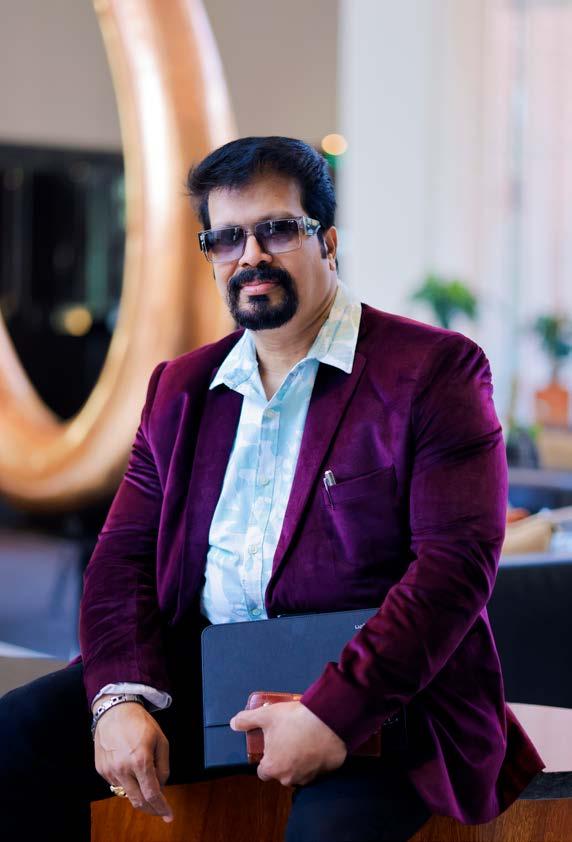

S. E. Alexander Global Media Chief & MD
• Global Glamour Meets Indian Craft Featuring Payal Singhal
• Alia Bhatt’s Sari by Tarun Tahiliani Was Stunning, Classic & Gorgeous at the Special Screening of UMRAO JAAN


• OCEEDEE’s Decade of Design -Driven Footwear
• BigBasket to Launch 10-Minute Food Delivery Across India by March 2026
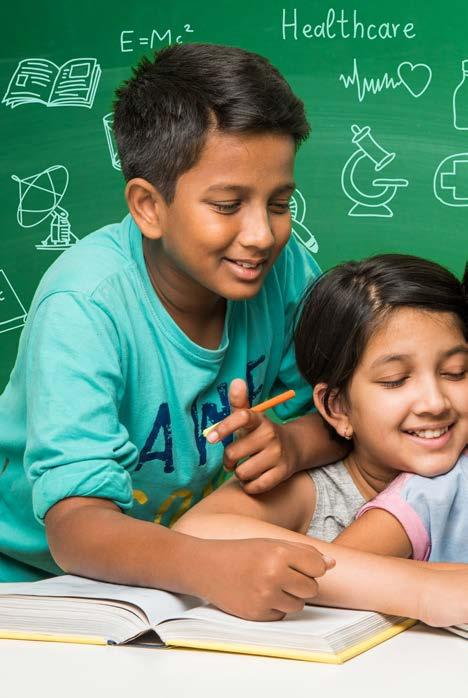


• Transforming India’s Future-The Promise of NEP 2025
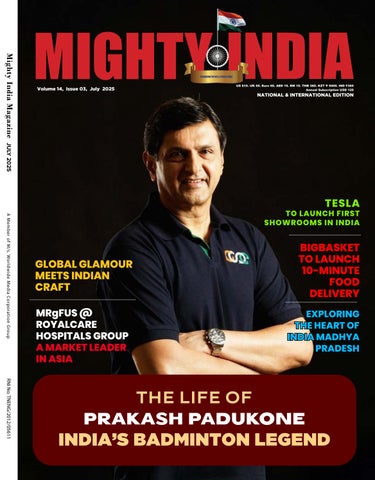
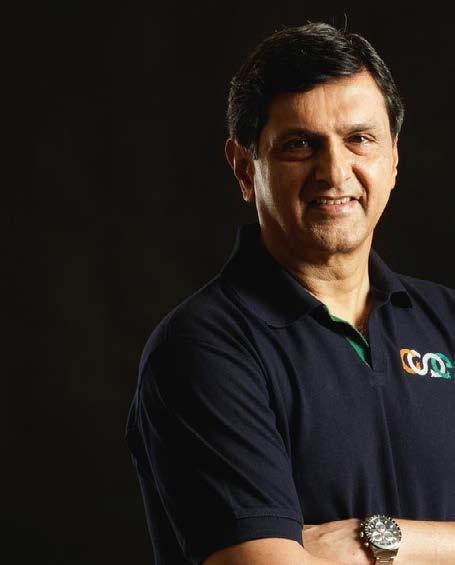
• The Life of Prakash Padukone India’s Badminton Legend
• MRgFUS @ Royalcare Hospitals Group A Market Leader In Asia For Treatment Of Parkinson’s Disease & Essential Tremor
• Blending Ancient Wisdom with Modern Science - The Evolution of Ayurveda
• Dr. Bobby Mukkamala Makes History as First Indian-Origin President of the American Medical Association


• Tesla to Launch First Showrooms in India Mumbai and New Delhi Set for Grand Openings
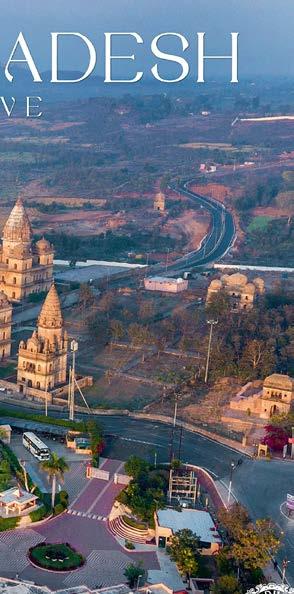

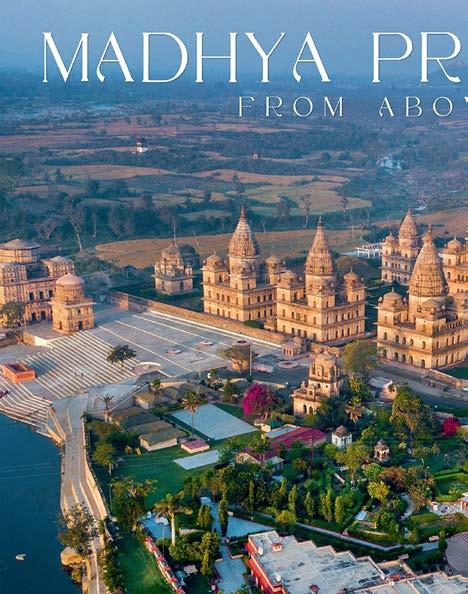
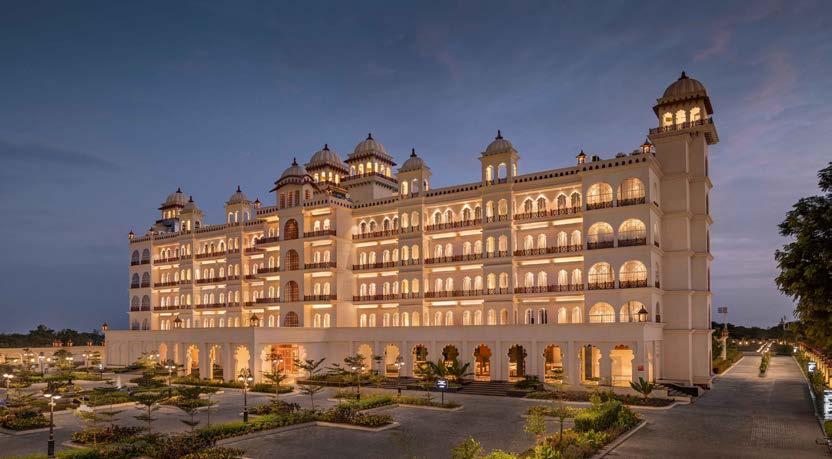
• Exploring the Heart of India Madhya Pradesh A Must-Visit Tourist Destination in India
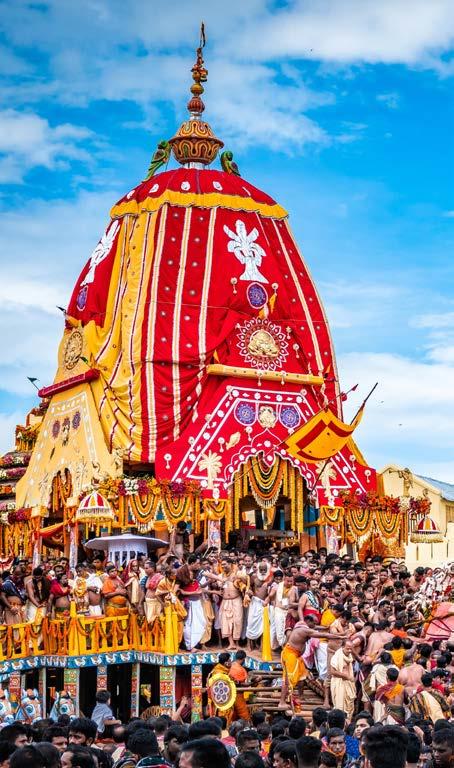
• The Jagannath Puri Rath Yatra
• The Revival of Indian Handlooms Tradition Meets Trend
• Radisson Hotel Group Aims For 240 Hotels in India by End of 2025
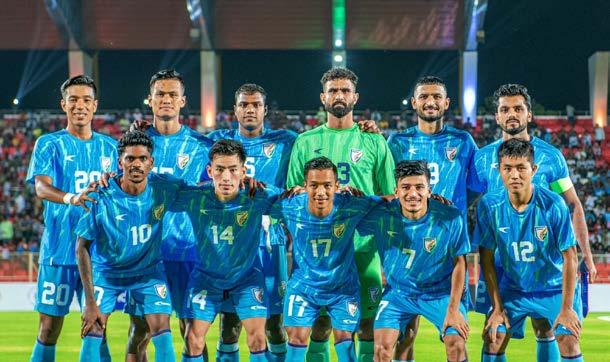
• How OCI Players Could Transform Indian Football



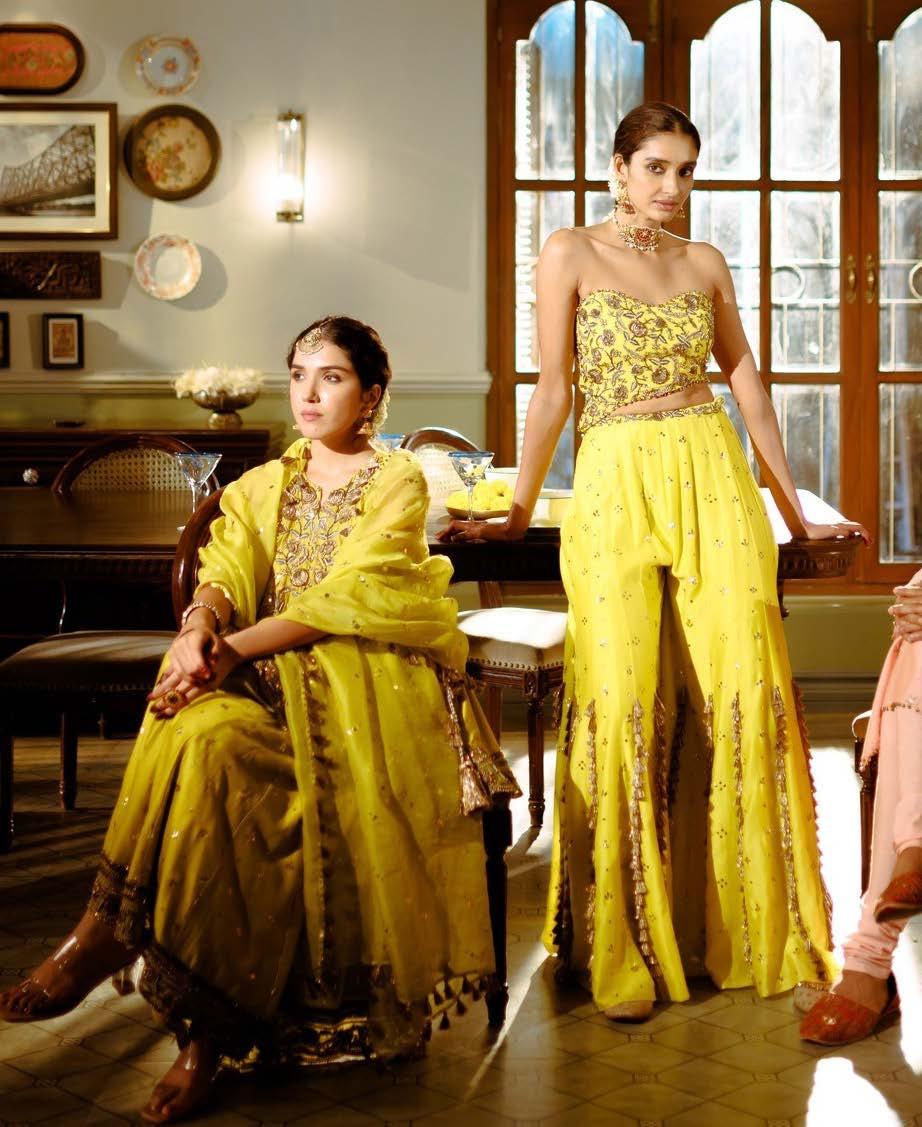




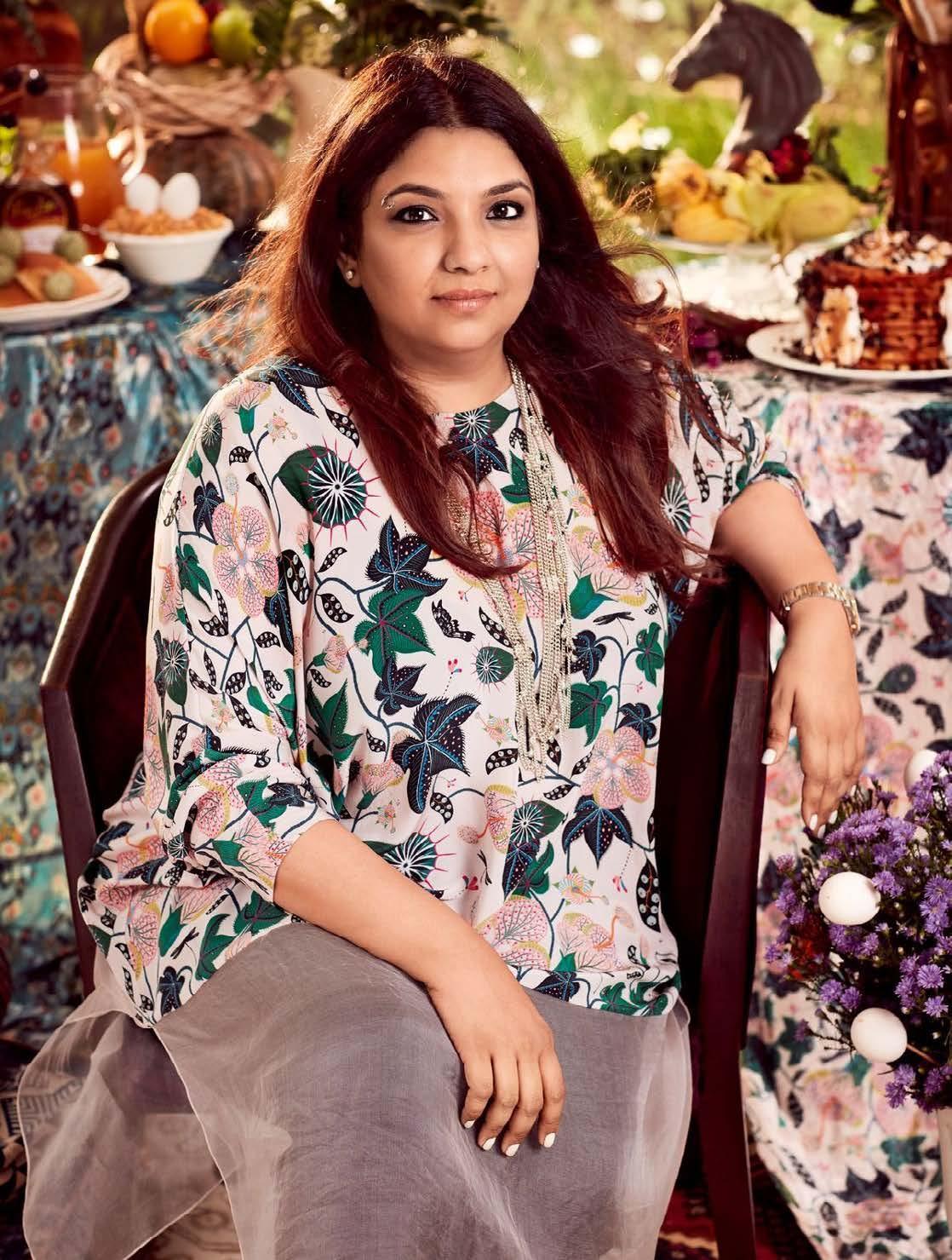
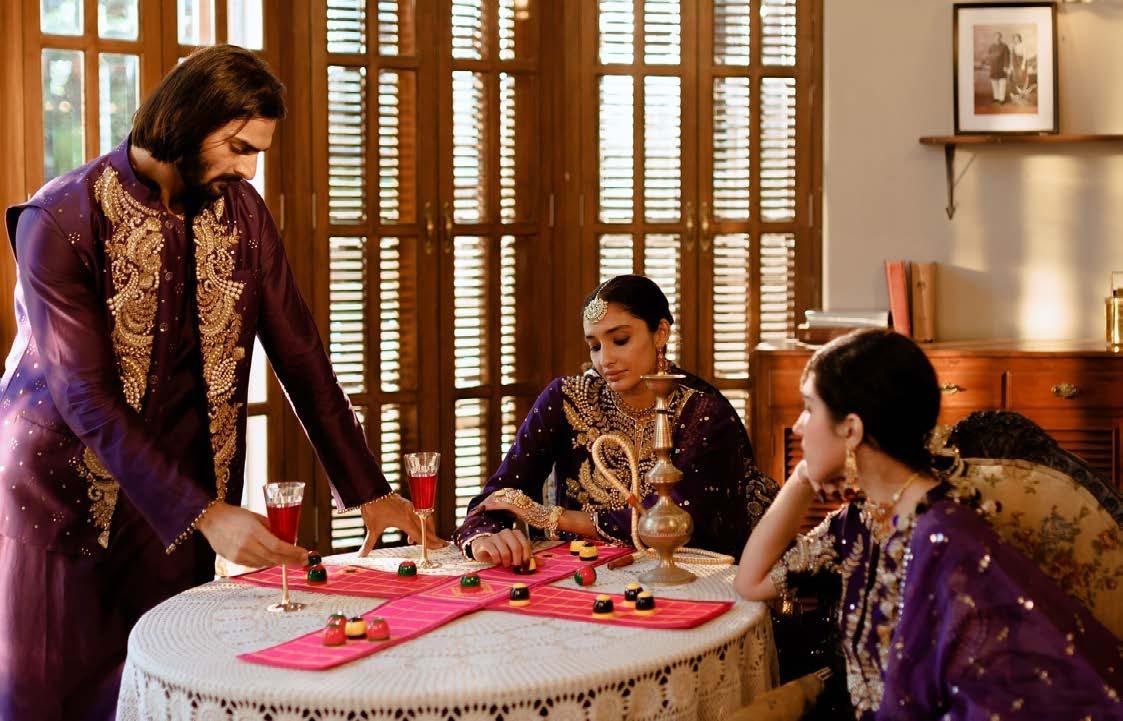
From her teenage triumphs to reshaping Indian fashion globally, Payal Singhal reflects on 25 years of innovation, challenges, and a design philosophy rooted in modernity and tradition. Under the shimmering lights of the fashion world, where trends often flicker and fade, Payal Singhal has stood as a beacon of timeless innovation. With a career spanning 25 years, this designer has not only captured hearts but also redefined the essence of modern Indian couture, blending tradition with an audaciously contemporary flair.
“I grew up completely surrounded by fashion, art, and films,” Singhal recounts with nostalgic reverence. Her lineage reads like a script of creativity—her grandfather, a celebrated painter and photographer for film stars, and her parents, owners of the iconic 1970s retail brand London Fashions. It was no surprise that she dabbled in sketches and design from an early age. At just 15, she made her foray into the industry, winning Shoppers Stop’s Designer of the Year competition. Reflecting on her debut creation – a spaghetti strap kurta paired with a shrug – Singhal admits, “It was revolutionary for 1992, a bold, risqué piece that challenged the norms of the time.” This spirit of challenging conventions would become her hallmark. Payal Singhal’s label has since become synonymous with modern Indian fashion. Her designs cater to the “new-age bride and her bridal tribe,” as Singhal puts it, who seek Indian craftsmanship delivered through global aesthetics. Tassels, prints, and playful yet sophisticated silhouettes have cemented her signature style. However, this journey was not without its hurdles.
“When I started, people didn’t even know they wanted what I was offering,” she laughs, recounting the challenges of introducing fusion wear to a market steeped in conservatism. “I transformed kurtas into tops, salwars into palazzos, and dupattas into beaded stoles—creating a movement before it was a trend.”


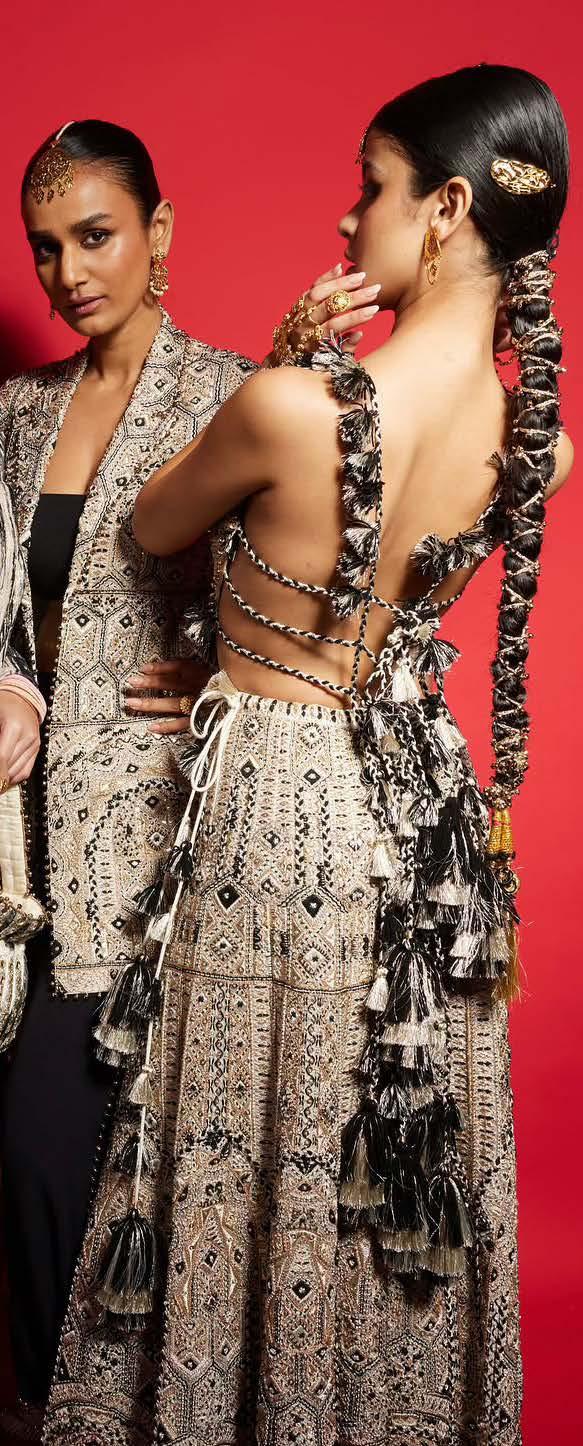
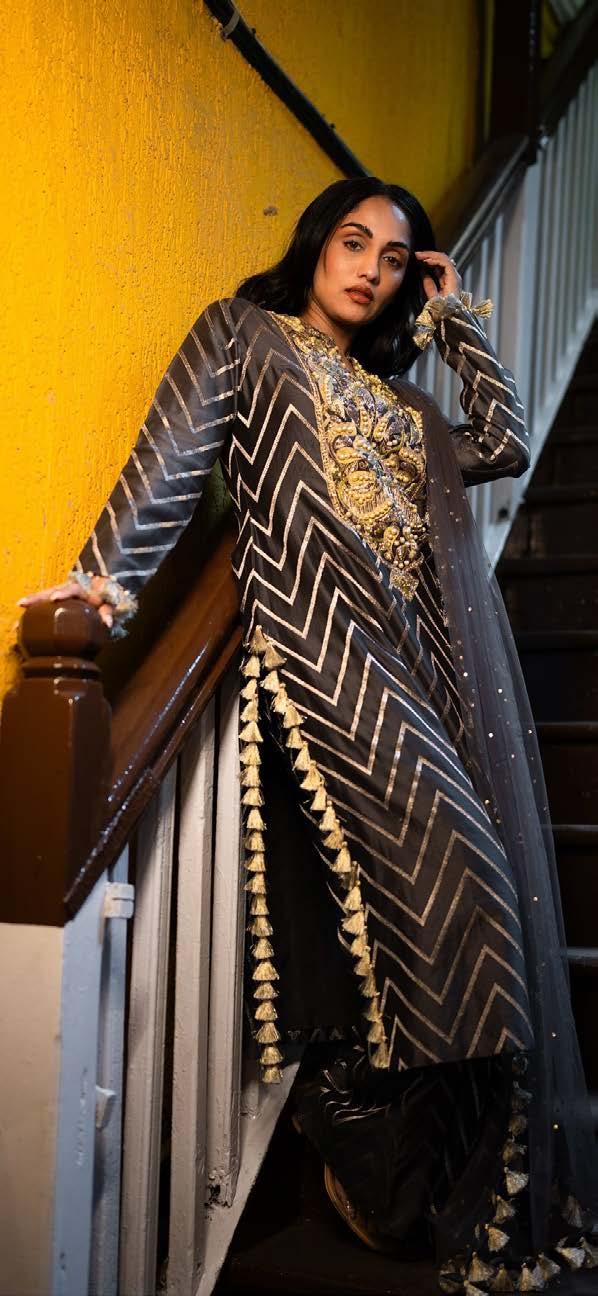


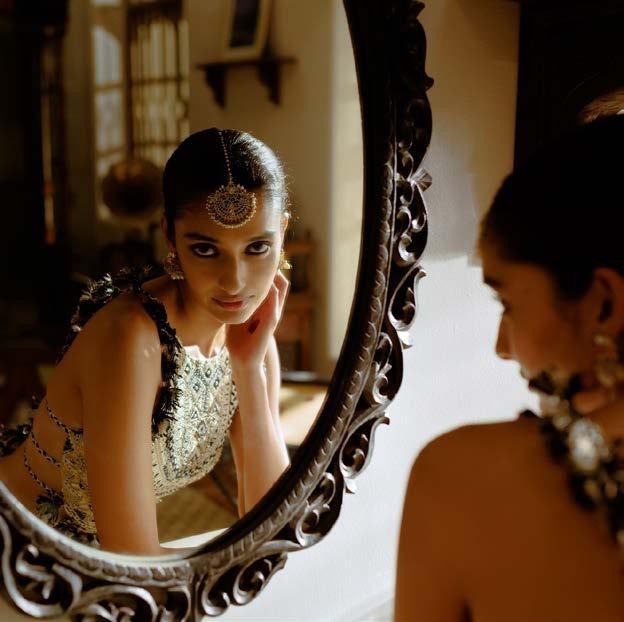

Singhal’s commitment to innovation extends beyond clothing. Her design philosophy is deeply rooted in India’s rich heritage, with a modern twist. “I’ve always been inspired by Indian crafts,” she says, her voice imbued with pride. Whether it’s using zardozi embroidery on unconventional materials like wool and leather or reimagining traditional anarkalis into deconstructed silhouettes, her work pays homage to tradition while embracing modernity. “To me, it’s about taking something old and giving it a contemporary narrative. It’s the intersection of past and present that excites me the most.” Perhaps her most notable milestone came in 2006, when she opened her store in Gramercy Park, New York. Singhal recalls the early days when the diaspora struggled to grasp her avant-garde approach to Indian wear. “Back then, Indian fashion in the West lagged 10 to 20 years behind what was happening in India,” she explains. Yet, over time, the shift became evident. Today, her clientele spans generations—mothers and daughters alike embrace her designs, proving the universal appeal of her creations.
“Fashion has become global,” she observes. “The internet has bridged the gap, and Indian designers are now celebrated for their craft rather than just their ethnic appeal.” Payal Singhal’s journey is not merely about design; it’s also about building a tribe. Her PS Girl community, a loyal group of clients, influencers, and tastemakers, is a testament to her inclusive ethos. “We’ve never turned anyone away, whether for budget or customisation needs,” she says. “Our goal has always been to make everyone feel like they own a piece of us, whether it’s a lehenga or a pocket square.” This philosophy of accessibility and personal connection has turned her brand into a lifestyle, not
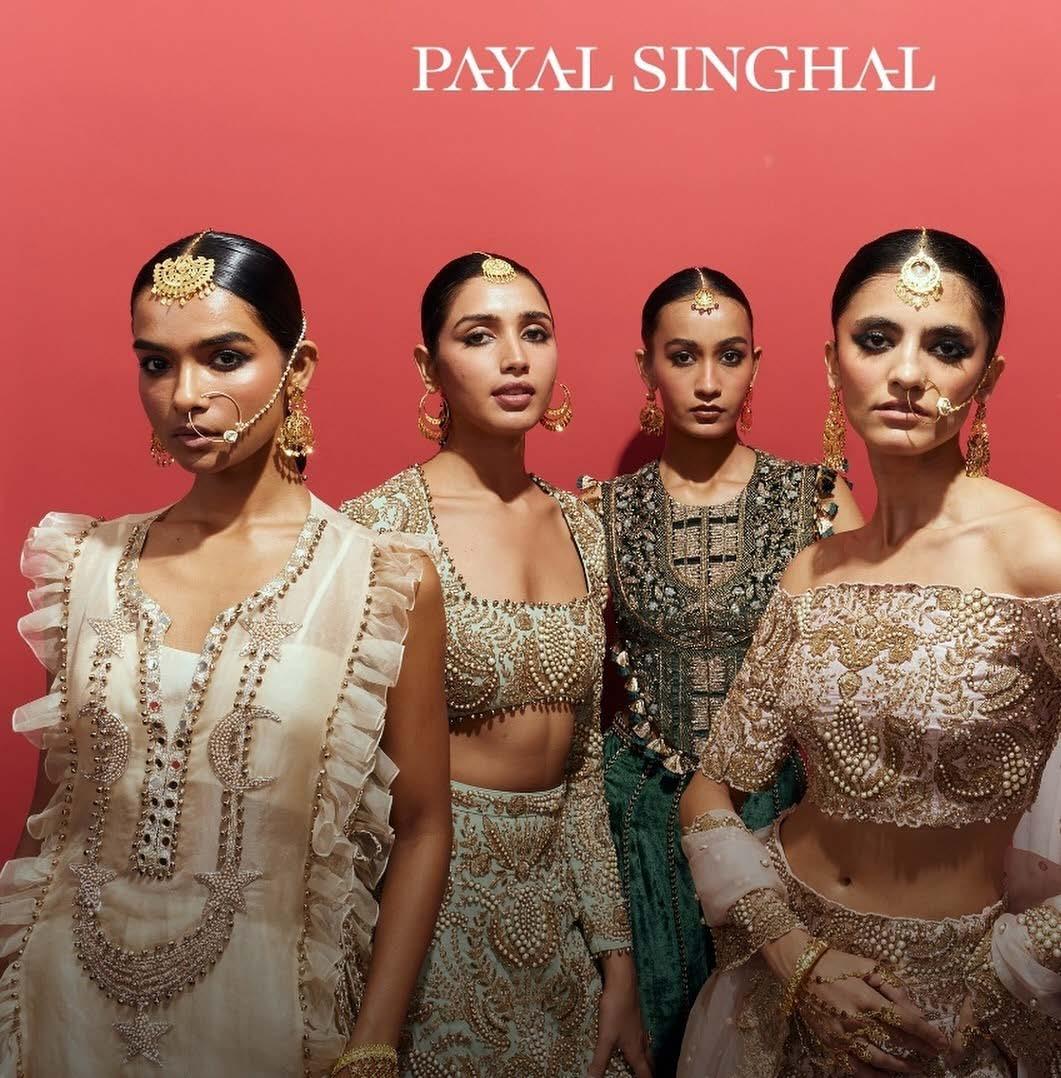


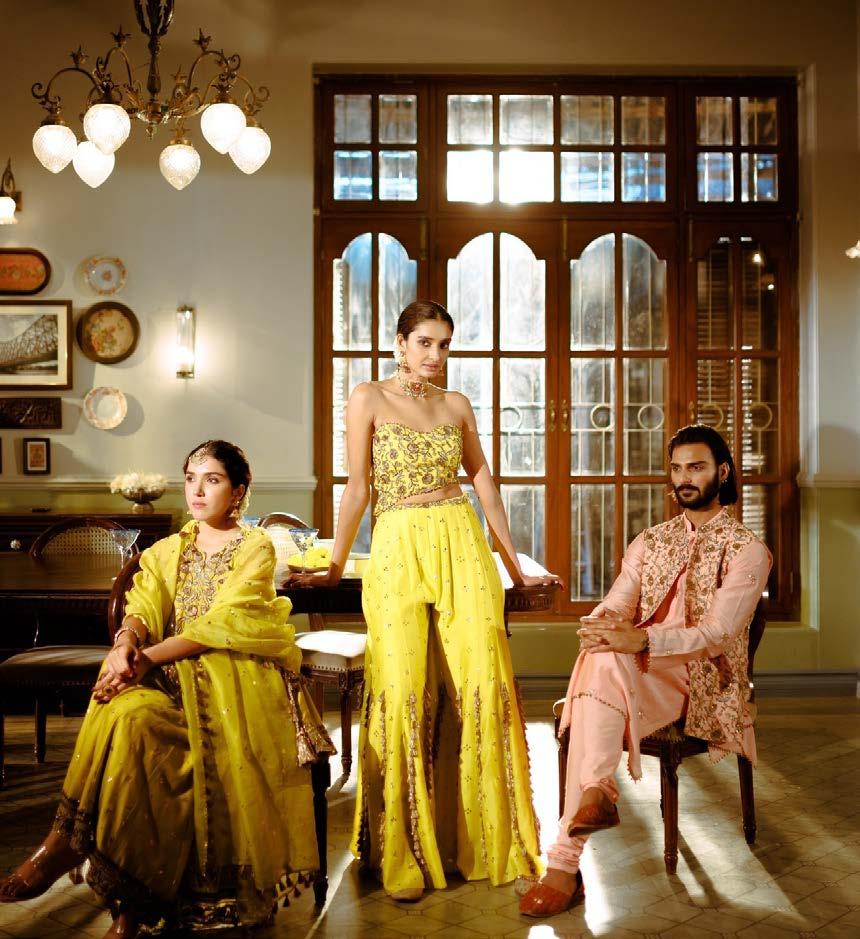
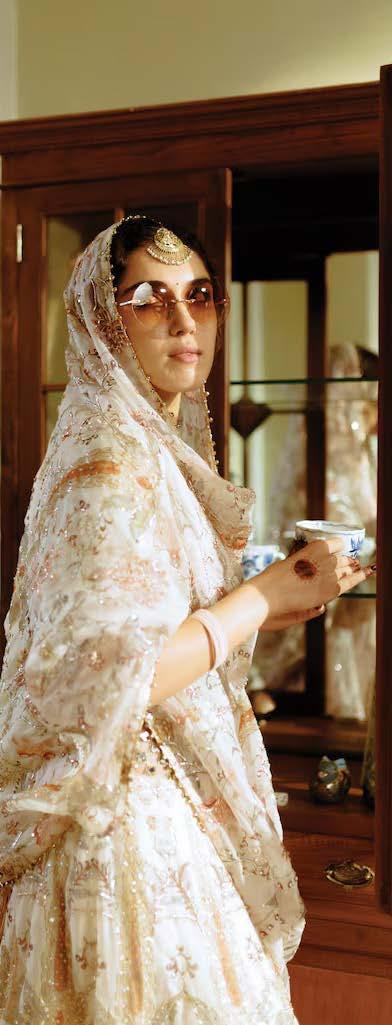
just a label. Speaking of lifestyle, Singhal’s collaborations have pushed the boundaries of her brand. From bags to accessories, she has expanded her vision into a holistic aesthetic. “Collaborations allow us to bring our design philosophy to new products and audiences,” she explains. Whether designing wedding outfits embroidered with personal love stories or conceptualising prints inspired by Mughal architecture, Singhal’s design process remains meticulous yet instinctive. “I start with an idea, then gather visual references, whether it’s flowers, architecture, or moods. From there, it’s about distilling these inspirations into patterns, colours, and embroideries. It’s chaotic, but it works for me.” As for the future, Payal Singhal dreams of creating the PS Print Bazaar – a space where all her signature prints and products coexist under one roof. “It’s a dream I’m working towards,” she shares with quiet determination.
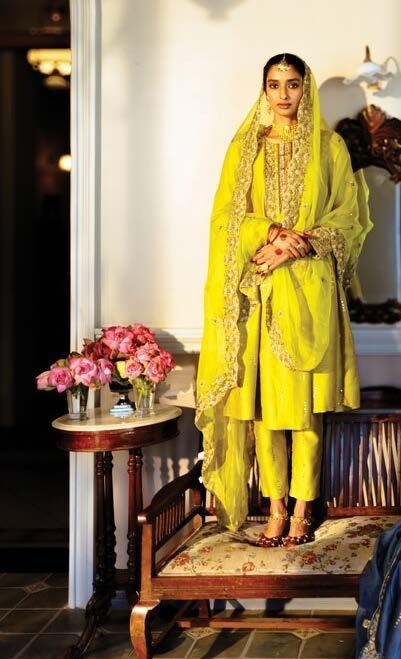
Our goal has always been to make everyone feel like they own a piece of us.
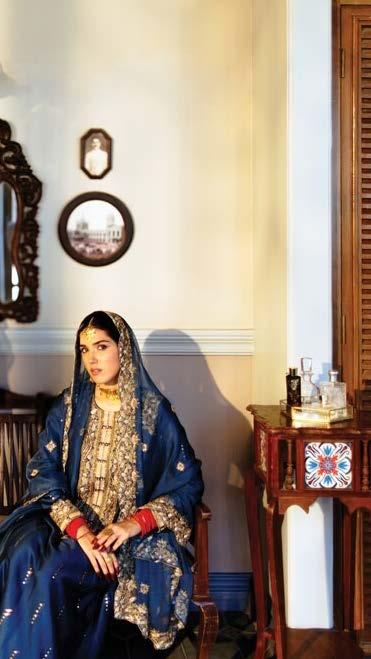

Amidst all her achievements, one of Singhal’s most poignant moments came during her 20th-anniversary show. The runway saw her muse, Shibani Dandekar, and her nowhusband Farhan Akhtar walk together to an acoustic rendition of “You’re the One That I Want.” “It was magical,” she reminisces. “Two years later, they chose the same song for their wedding. That’s what we stand for—authentic, heartfelt connections.” As Payal Singhal celebrates 25 years in the industry, her legacy is not just about the clothes she’s created but the movement she’s championed. By redefining Indian couture for the global stage, she has proven that true fashion transcends trends; it tells stories, bridges cultures, and creates communities. And in her words, “When you design from the heart, the world will always resonate with it.”


by
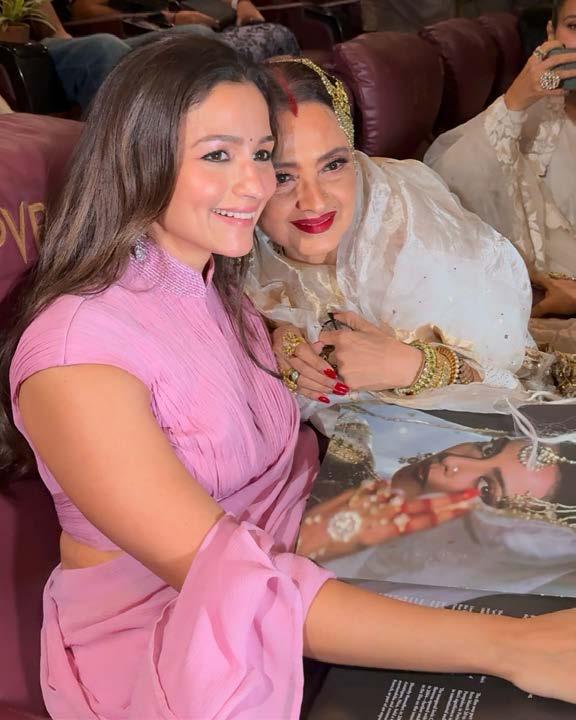
For the special screening of the rerelease of Rekha’s legendary film Umrao Jaan in Mumbai on June 26, 2025, Alia Bhatt made her appearance not dressed for the occasion, but dressed for appreciation. Her choice? A custom Tarun Tahiliani sari that was both stunning and symbolic. But rather than recreate the past, she reinterpreted it in a way that felt revered, relevant and entirely her own.


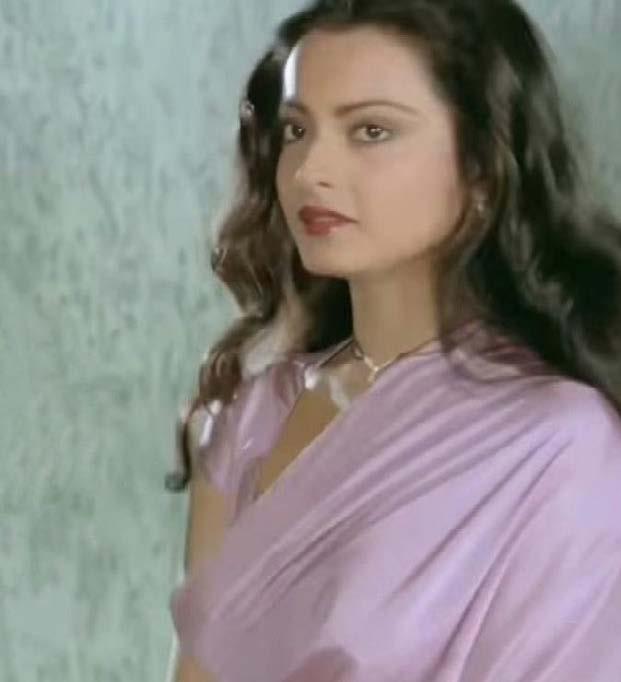
The screening of the musical drama saw several names like Janhvi Kapoor, Tabu and Hema Malini among many others from the film fraternity. The protagonist of the award-winning movie and the host of the evening, Rekha, stood tall in a bespoke ivory and gold lehenga by Manish Malhotra that was a subtle nod to her titular character. In a striking homage to cinematic nostalgia, Bhatt embraced the veteran actor’s ethereal look from Silsila, but with a distinctly contemporary take in her blush pink drape in flowy chiffon. Styled by Rhea Kapoor, her pastel sari is classic Tarun Tahiliani: diaphanous, effortlessly romantic, and with unexpected details. But it was Bhatt’s blouse that quietly stole the thunder. Cut in a fluted silhouette, it was elevated by a raffia-detailed collar that gave a subtle edge to the softness of her drape. The interplay between artisanal texture and architectural form gave Bhatt’s ensemble its compelling depth—one that spoke of memory and modernity.
Her accessories with the sari added another layer of significance. Her pick for the evening was a pair of diamond-encrusted, feather-shaped Plume earrings from Raniek, strikingly similar to the shoulder-dusters that Rekha sported in the 1981 romantic drama film. A vintage watch from Artndantiques, a custom pink bag from Meera Mahadevia and Tiesta shoes completed her look. The minimal makeup, the soft cascade of middleparted hair, and a micro bindi keep the focus firmly on the sari’s elegance and the nostalgia it stirs.
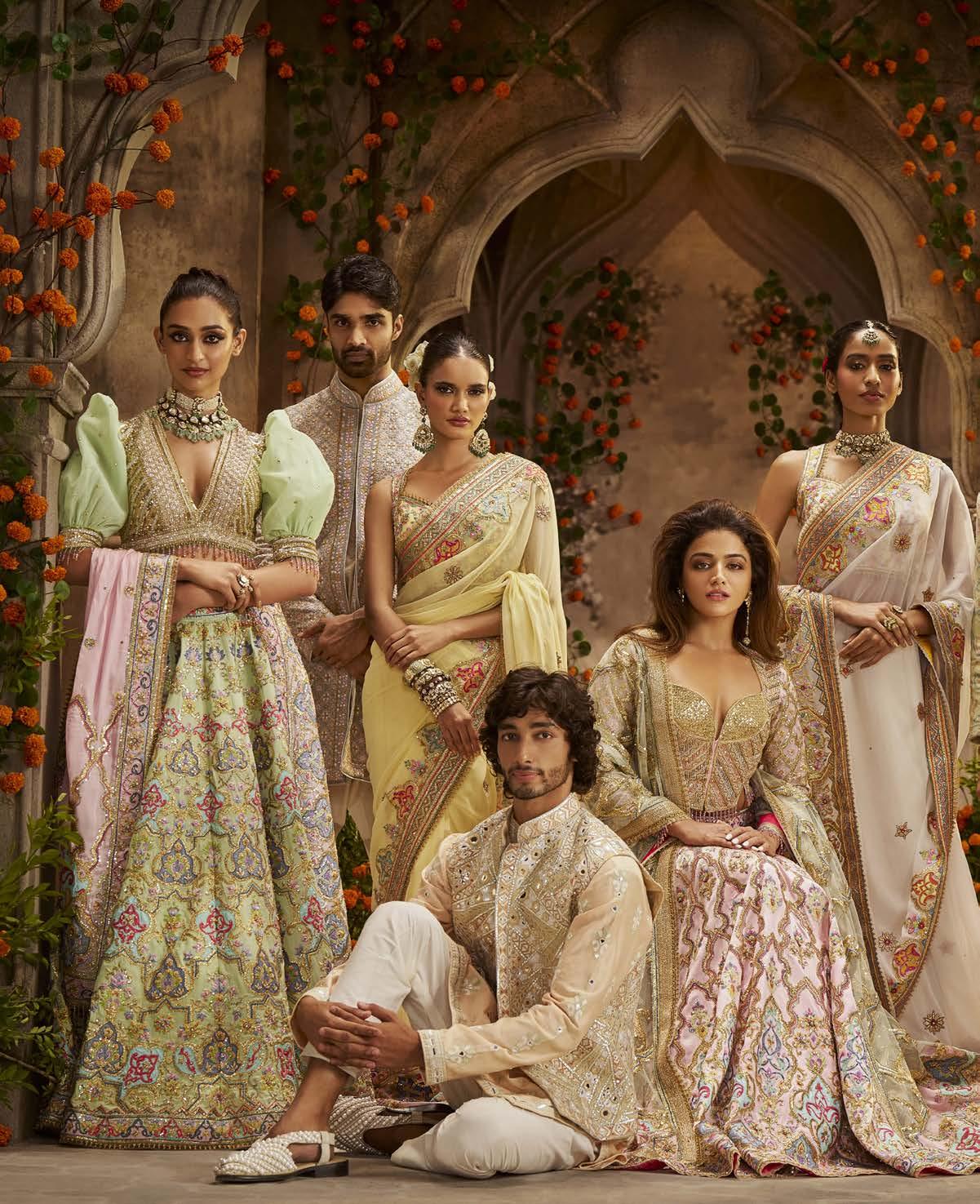
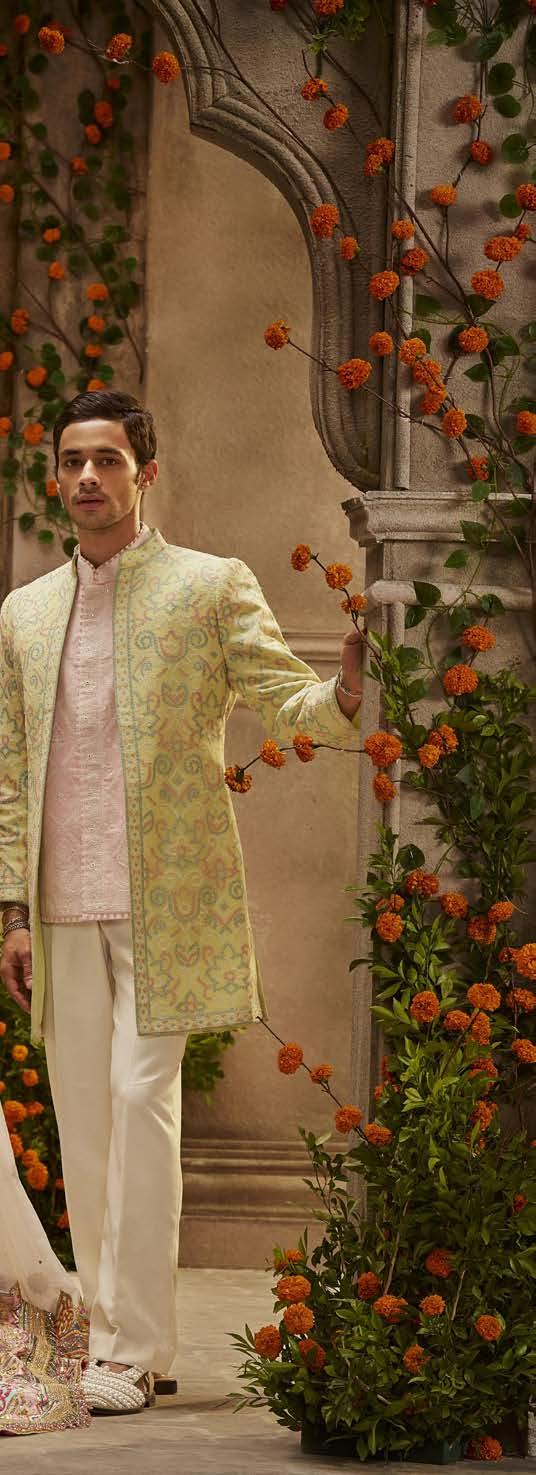
In the Indian luxury fashion landscape, couture brand Abu Jani Sandeep Khosla is renowned for its maximalism—spanning revival of crafts and heritage embroideries. Their eponymous label, Abu Sandeep to be showcased at the Vogue Wedding Atelier, is an amalgamation of embroidery techniques, modern aesthetics and silhouettes. By interpreting nostalgia through a vibrant, youthful lens, every ensemble by Abu Sandeep makes the most celebratory style statement.
The label’s essence lies in its commitment to the core values of its parent brand: to design occasion wear that radiates joy, glamour and sophistication. Crafted for weddings, the collections are meticulously created for brides, grooms as well as their loved ones. From traditional and experimental to edgy sherwanis and concept blouses, the ranges offer intricate representations of diverse style preferences. The menswear range boldly reflects the modern groom’s essence, where traditional craftsmanship unites with individual style. The label employs a rich palette of traditional embroideries, including multicoloured resham, bakhiya (a signature Chikankari stitch), abla, gota, mirror-work, and appliqué. These techniques are brought to life through glimmering silhouettes that captivate both the wearer and the viewer alike.
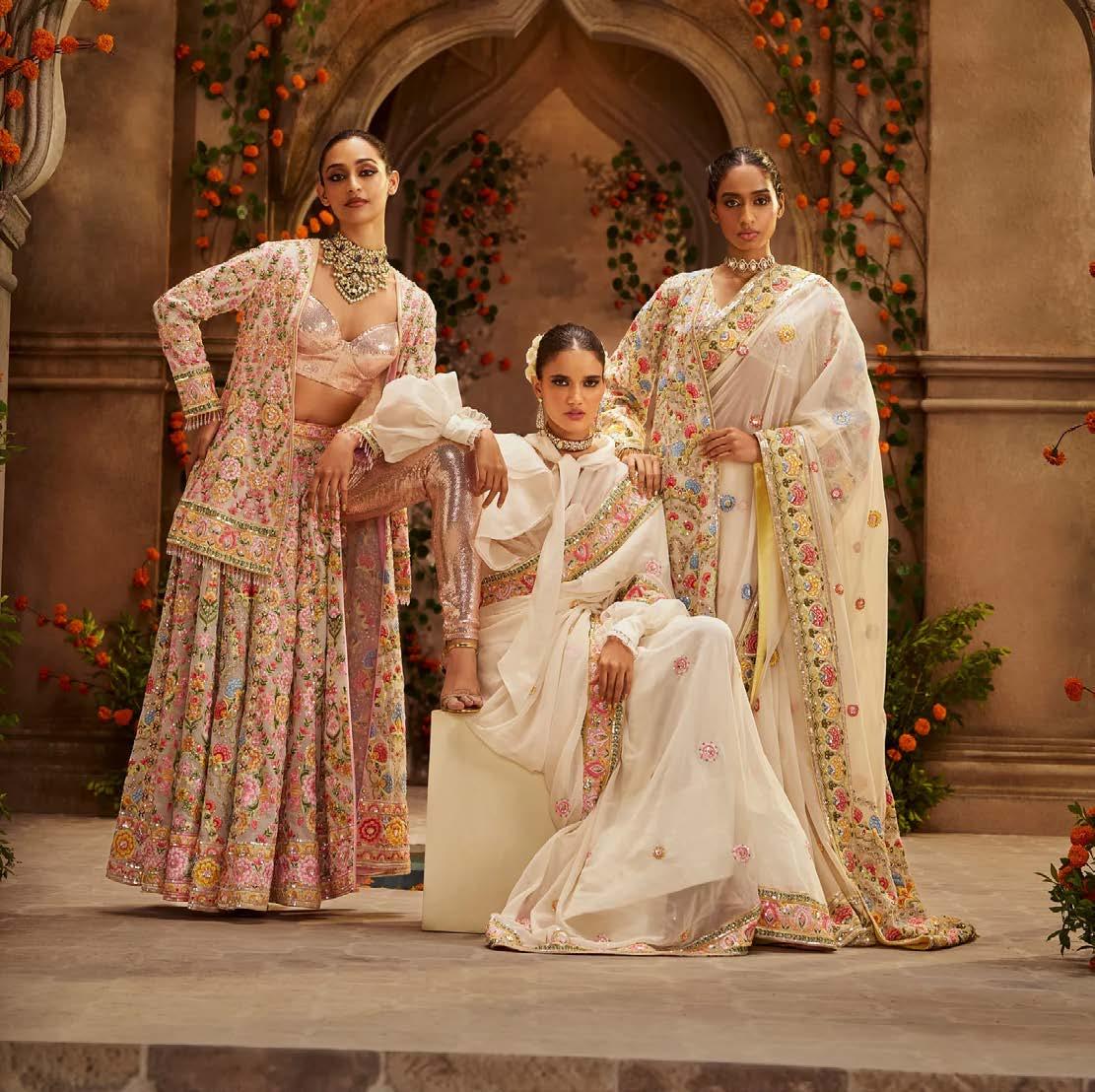

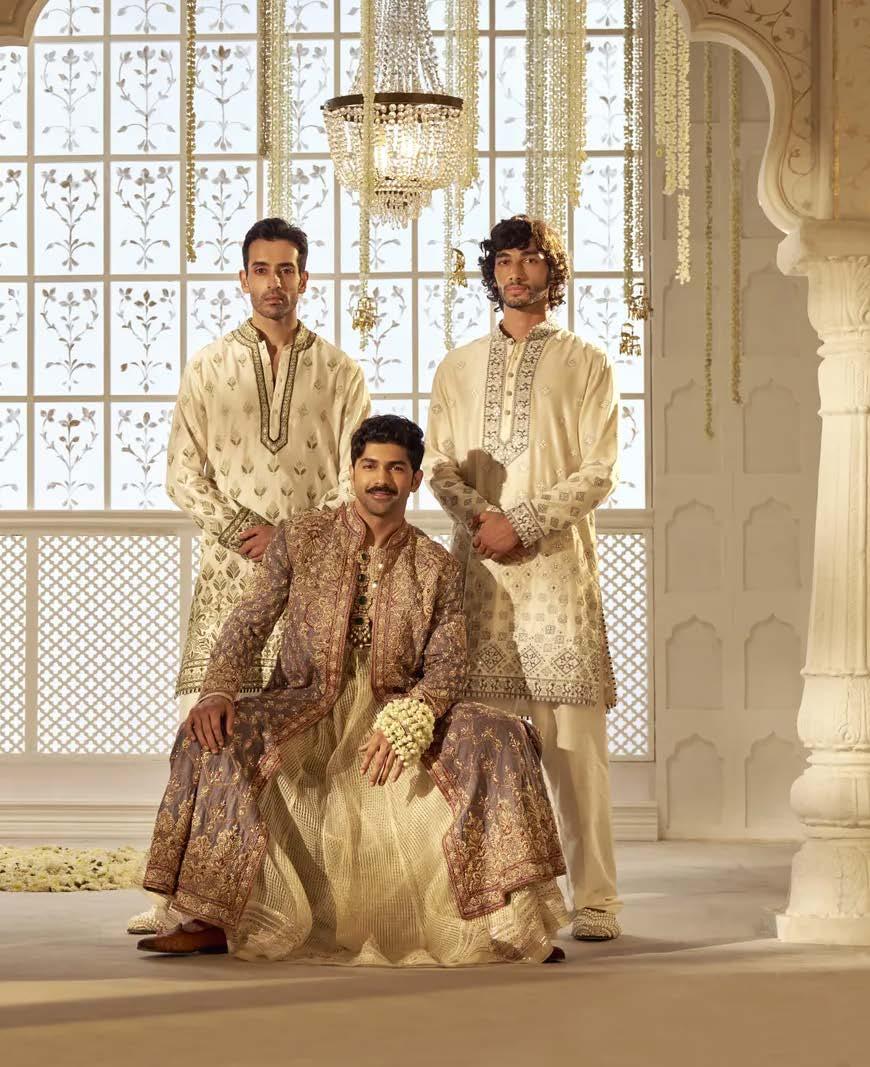
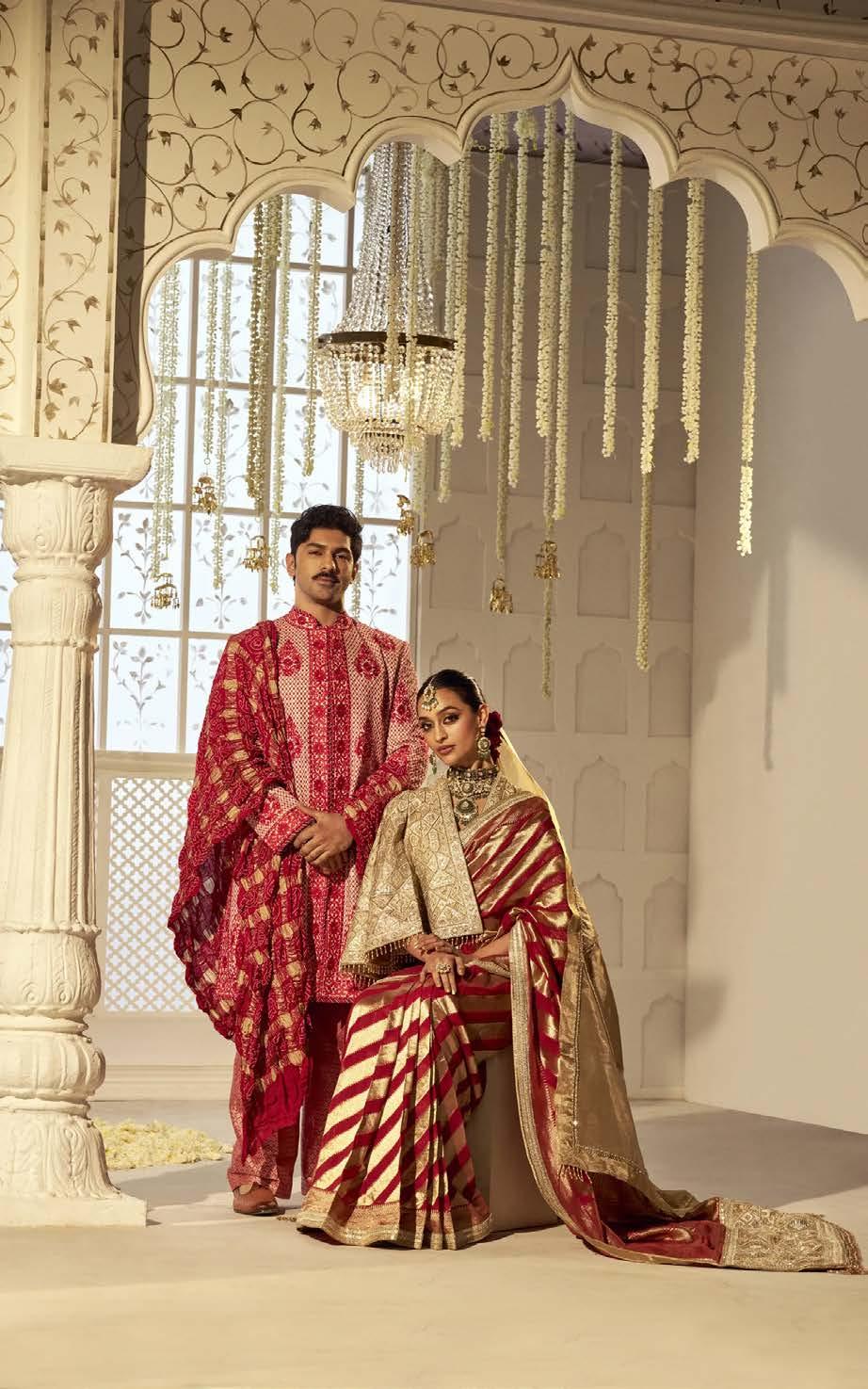

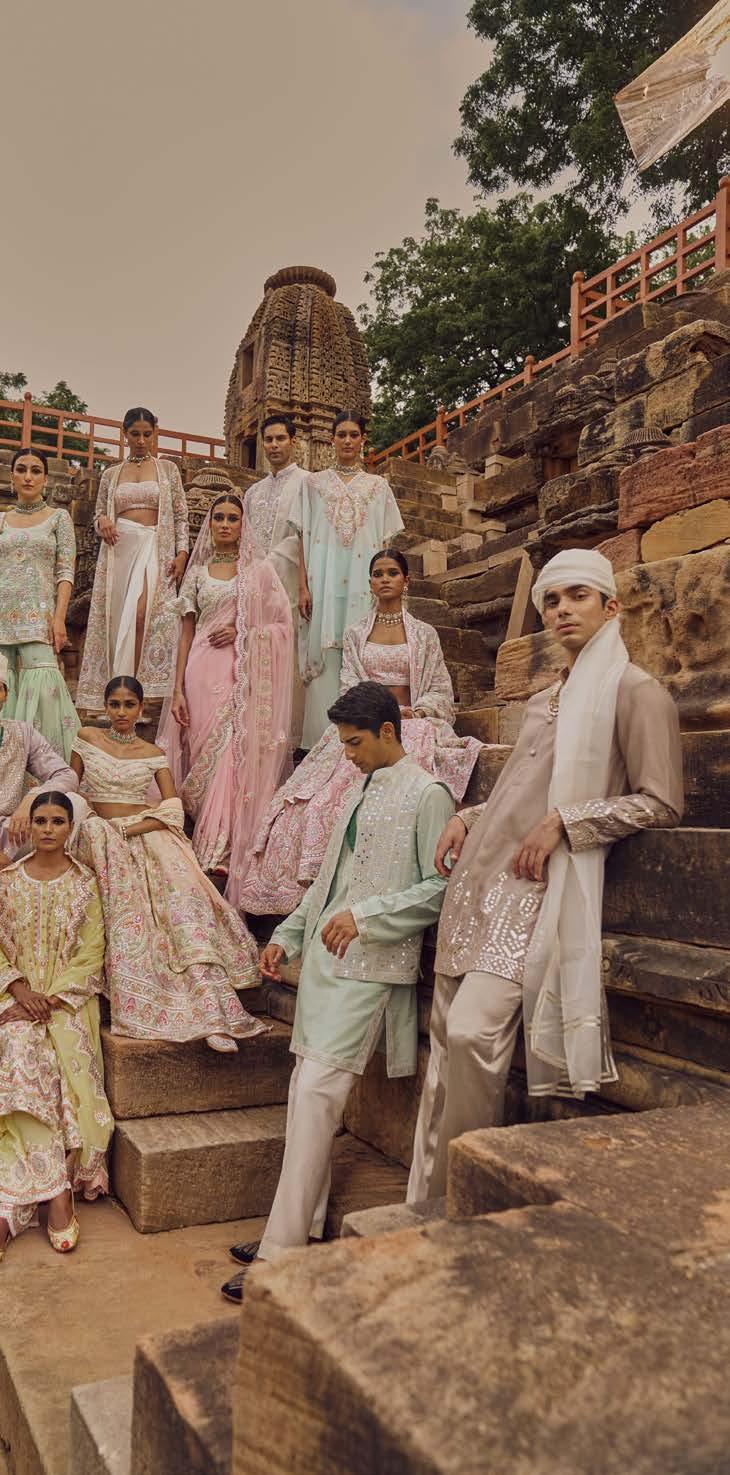
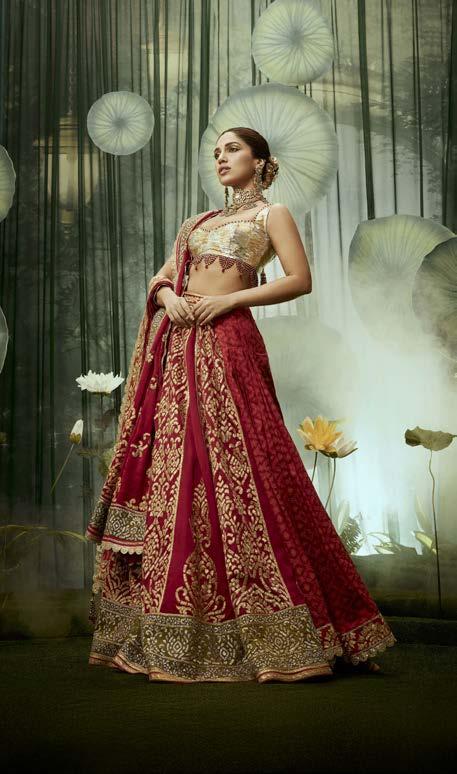
The Abu Sandeep Label was showcased at India Couture Week in 2024 with showstoppers Taha Shah Badussha and Wamiqa Gabbi, embodying the regal groom and princess bride of Abu Sandeep. The label has also consistently demonstrated its commitment to philanthropy, notably through lasting collaborations with the Cancer Patients Aid Association. These fashion shows have a history of star-studded, showstopping appearances including Kartik Aaryan, Siddhant Chaturvedi, Ananya Pandey, Bhumi Pednekar, Mrunal Thakur and others. At the Vogue Wedding Atelier, alongside newly created pieces, the Abu Sandeep space will also offer a rare showcase of archival pieces by Abu Jani Sandeep Khosla. Some of these ensembles are nearly four decades old with embroideries that are handcrafted over months and years, and steeped in the ethos of slow luxury. For the upcoming festive season, Abu Sandeep is ready to unveil a thoughtful collection of occasion wear that celebrates the present with its modern silhouettes while honouring the past with its legacy of heritage .






In today’s fashion landscape, footwear is no longer just a utilitarian necessity—it is a statement of personality, an emblem of self-expression, and a symbol of confidence. Amid a growing wave of homegrown labels redefining Indian fashion, OCEEDEE has carved a niche by blending sculptural elegance with functional design. With ten years of design evolution behind it, the brand remains committed to empowering the modern woman—one confident step at a time.
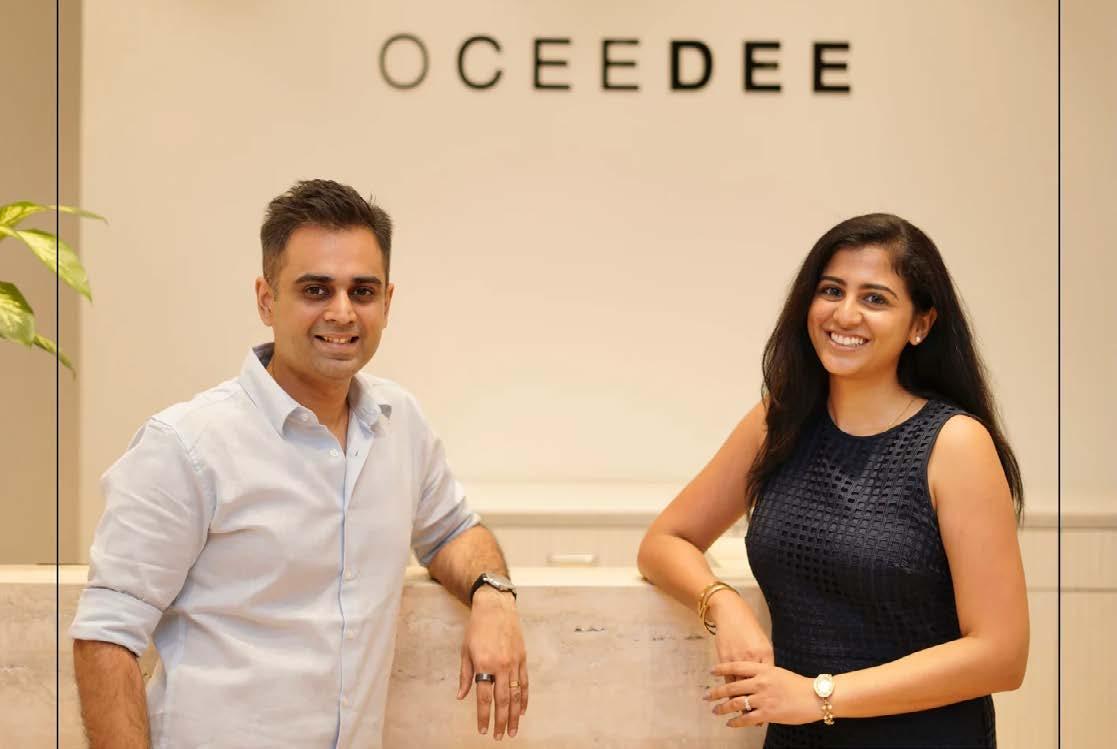
At the helm of this journey is Neha Kumthekar, co-founder and creative mind behind OCEEDEE. As the brand marks its 10th anniversary and launches its bold new campaign #NothingToProve, Neha opens up about the origin, evolution, and ethos that have shaped OCEEDEE into a bridge-to-luxury footwear brand rooted in Indian craftsmanship and global sensibility.

“Our worth isn’t determined by external validation, but by our own beliefs and actions.”
– NEHA KUMTHEKAR
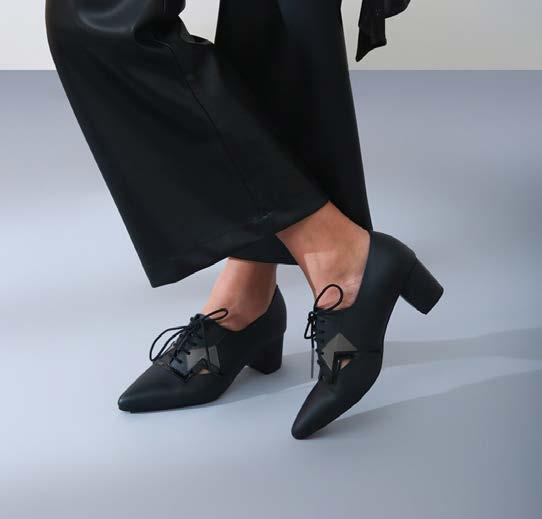

OCEEDEE was born out of a simple yet powerful question: Why doesn’t India, the second-largest footwear manufacturer in the world, have a homegrown brand offering high-end, design-led shoes tailored for the Indian consumer? When the brand launched a decade ago, it was with a mission to fill this glaring void. “On one end were fast fashion brands catering to the masses, and on the other, global luxury brands that weren’t really designed with Indian women in mind,” says Neha. “We saw a space for something different—something rooted in Indian artistry, yet modern, refined, and cosmopolitan.” Together with cofounder Anshul Sood, she set out to build a label that celebrated the craft of Indian shoemakers while offering globally relevant design and comfort. The result was OCEEDEE: a brand that not only looks good but feels good—literally and metaphorically. Over the years, OCEEDEE has evolved into more than just a footwear brand—it has become a philosophy of conscious luxury. At the core of this philosophy lie what Neha calls the three Cs: craftsmanship, comfort, and conscious design.



“Craftsmanship is always our starting point,” she explains. “Our in-house team of artisans, many of whom have inherited their craft through generations, bring unparalleled skill to every pair.” But OCEEDEE doesn’t stop at beauty—comfort is engineered into every design, ensuring that style never comes at the cost of ease. And tying it all together is a commitment to conscious practices, from ethically sourced materials to made-toorder production models that minimise waste.
“Craftsmanship comes first. Comfort is never an afterthought. And conscious choices hold it all together.”
The brand’s sustainable choices are not driven by trend, but by a deeply personal approach to what it means to be responsible. “I find the word ‘conscious’ very hopeful,” says Neha. “It’s about taking a pause, asking questions, and figuring out how you can contribute to a kinder world— for nature and for people.” This ethos of confidence and authenticity finds bold expression in OCEEDEE’s latest campaign, #NothingToProve. At its heart is the belief that true power lies not in validation but in self-assurance. “The OCEEDEE woman doesn’t need to seek approval. She owns who she is,” Neha states. “#NothingToProve is about embracing quiet confidence, about celebrating women who express themselves unapologetically, without noise or filters.” At a time when many brands shift narratives to chase algorithms, OCEEDEE’s campaign stands apart. It is a counterpoint to the culture of constant comparison, and a reminder that fashion, at its most powerful, is about feeling good in your own skin—and your own shoes.

Having made its mark with footwear, OCEEDEE is now expanding into accessories—a move driven by demand and the brand’s desire to offer a more holistic fashion experience. “Over time, we noticed that our customers were looking for complementary pieces that align with our values,” says Neha. “Our first handbag collection reflects the same attention to detail and design ethos as our shoes—elegant, practical, and purposeful.” The expansion marks a new chapter in OCEEDEE’s journey, one that extends its core values across product lines while continuing to cater to the style-conscious Indian woman. With a flagship store now open in DLF Avenue, Saket (Delhi) and plans for retail expansion, OCEEDEE is poised to further grow its physical presence. The aim is not just to sell shoes, but to create immersive experiences that reflect the brand’s story, values, and craftsmanship. “Our next decade will be about marrying innovation with tradition, and ensuring that every move we make is authentic and impactful,” Neha shares. From minimalist flats to sculptural heels, OCEEDEE’s upcoming collections will continue to honor its core: fashion that doesn’t compromise on comfort or conscience.






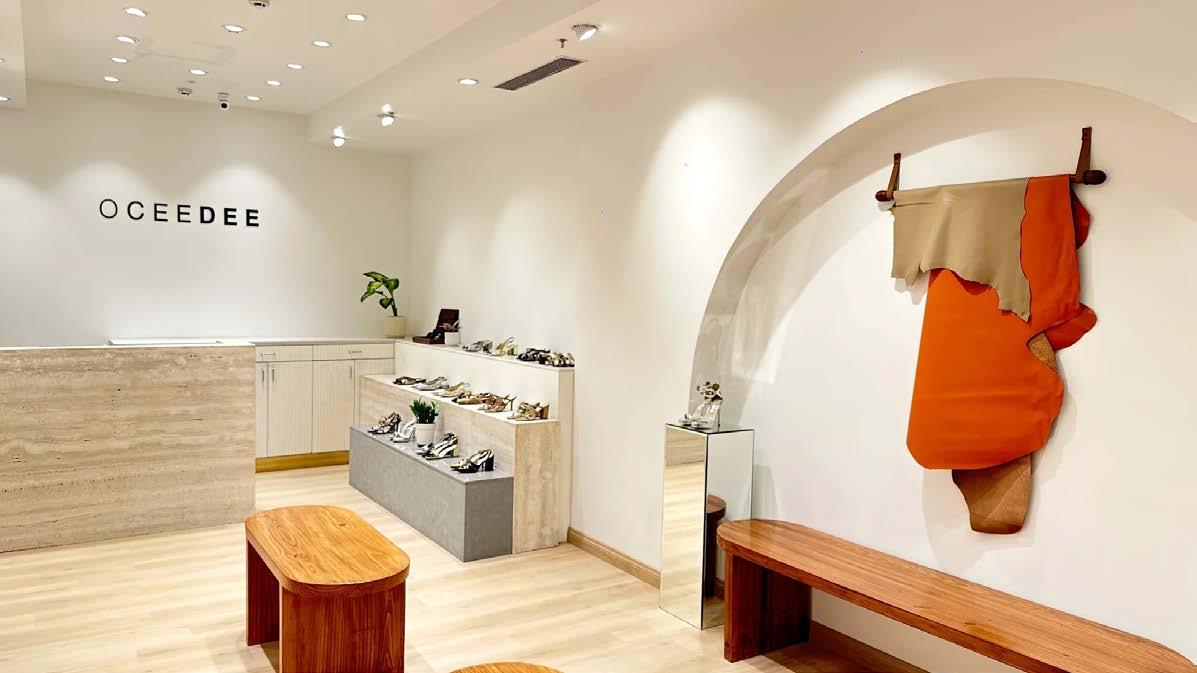



“For us, authenticity isn’t just a buzzword—it’s a value we’ve nurtured consistently in how we design, produce, and communicate.”
What began as a response to a market gap has grown into a movement—one that celebrates authenticity, intentionality, and quiet confidence. OCEEDEE’s success over the past decade is a testament to the power of listening—listening to customers, to craftsmen, and to one’s own inner voice. With a clear vision for the future and a growing community of women who share its values, OCEEDEE continues to walk its unique path—gracefully, purposefully, and always in style.


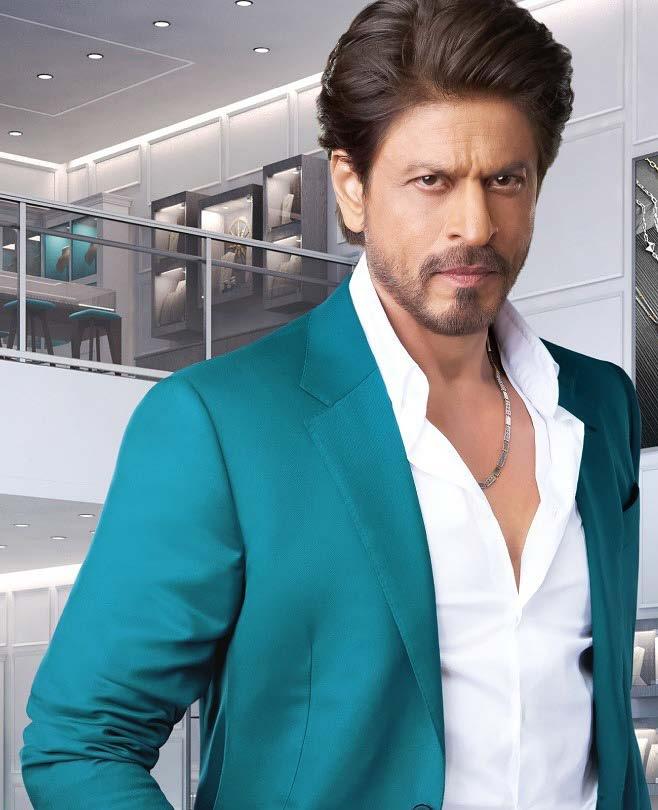


Candere Lifestyle Jewellery blends timeless elegance with contemporary, fashionforward designs. It offers pieces that are both classic and bold, appealing to those who value tradition as well as trend-setting style. In the ever-evolving world of fashion, where jewellery speaks volumes about personal style, Candere emerges as a name that dares to be different. A dynamic brand from the House of Kalyan Jewellers, Candere stands independently with its own bold voice, fearless design language, and modern aesthetic. This season, the label turns the spotlight on jewellery that’s not just worn, but styled—with attitude, confidence, and individuality.
Fronted by the iconic Shah Rukh Khan, Candere brings undeniable charisma to its campaign, but the true stars are its design-forward creations. From architectural chokers to playful gemstone earrings, each piece is an invitation to break the rules of conventional adornment. Think a hexagonal diamond choker worn to a client meeting, or sculptural dangle earrings taking center stage at a cocktail party— Candere proves that classic elegance can have a bold, contemporary twist.
While Candere has always celebrated femininity with grace and strength, it’s also expanding into bold men’s jewellery that’s equal parts refined and edgy. From platinum kadas with a sculptural silhouette to sleek mixed-metal bracelets and bold pendants on sleek chains, these pieces redefine masculine elegance. Designed for the style-savvy, they offer a clean, modern take on power dressing.
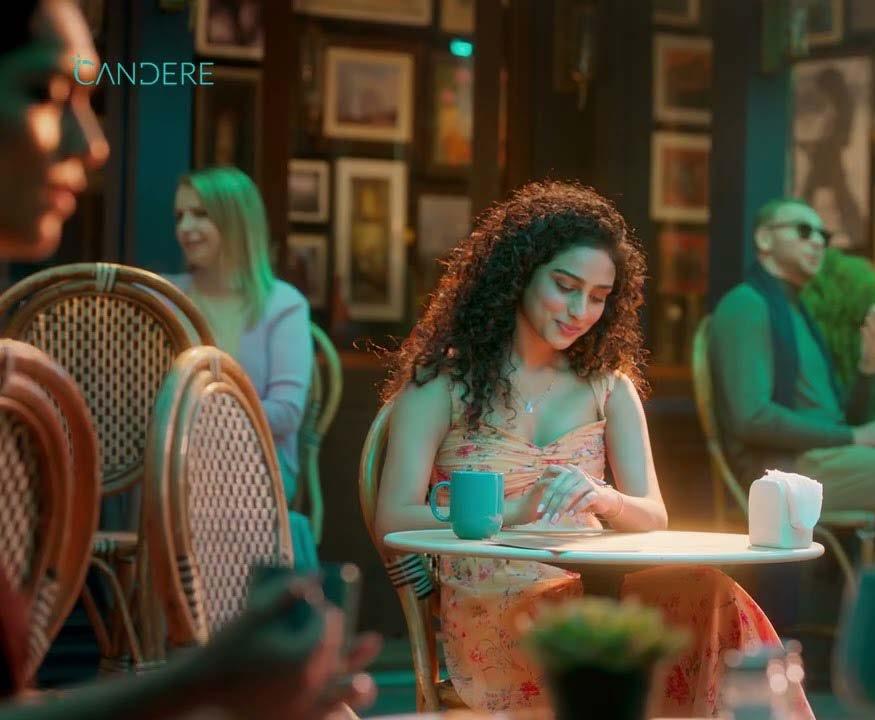

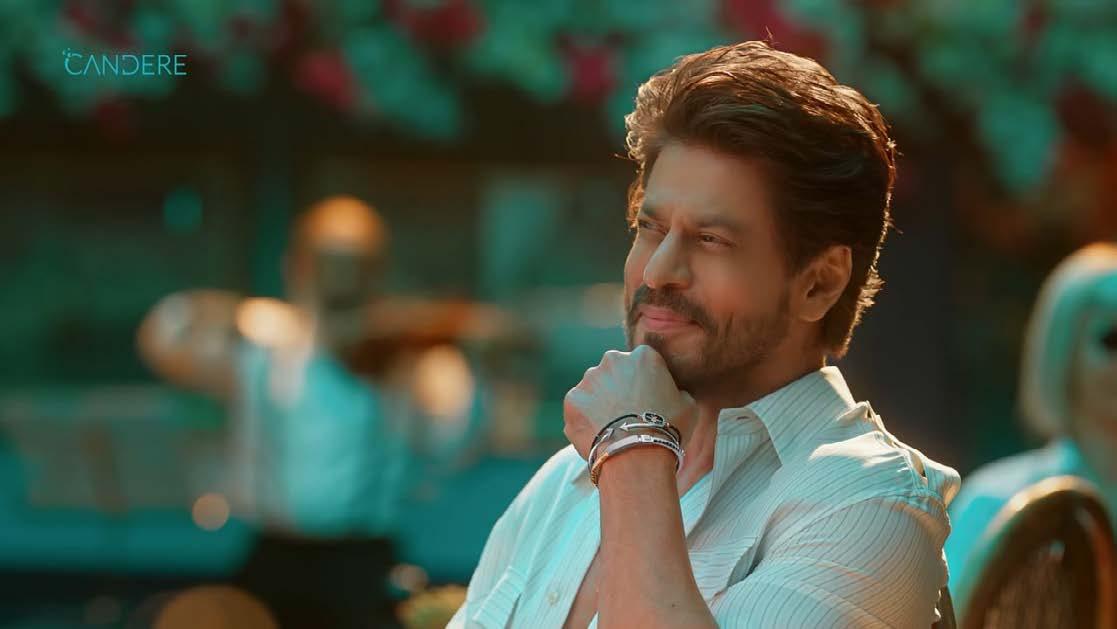




• Crystal Turquoise Bow Diamond Oval Bracelet: A flirty reinvention of the classic bangle, this rose gold beauty dazzles with turquoise enamel bows and diamond accents—perfect for both daywear and date night.
• Hanshi Diamond and Fancy Gemstone Dangle Earrings: Encased in a rose gold cage, these purple gemstone earrings are bold, sculptural, and ready to steal the show.
• Orbit Diamond Collar Necklace: A celestial-inspired piece that features alternating orbs of polished and diamond-studded glory—minimalist yet magnetic.
• Tri Hexa Diamond RingThree hexagons, dozens of diamonds, infinite sparkle. This open-ended ring blends geometry with glamour for a modern power statement.
• Intersect Arrow Platinum Kada: Bold minimalism defines this platinum kada, where twin arrowheads meet in a sleek, directional design—perfect alone or stacked.
• Wayne Platinum and Rose Gold Kada: With a flexible structure and dual-tone polish, this kada effortlessly bridges strength and sophistication.
Though born from the trusted legacy of the House of Kalyan Jewellers, Candere charts its own path with fearless originality and trend-conscious design. This is jewellery for those who don’t follow style—they create it. Whether it’s stacking pieces for a casual twist or selecting one iconic piece to command attention, Candere empowers wearers to define elegance on their own terms. For fashionforward minimalists and bold maximalists alike, Candere proves that true luxury lies in the art of expression.
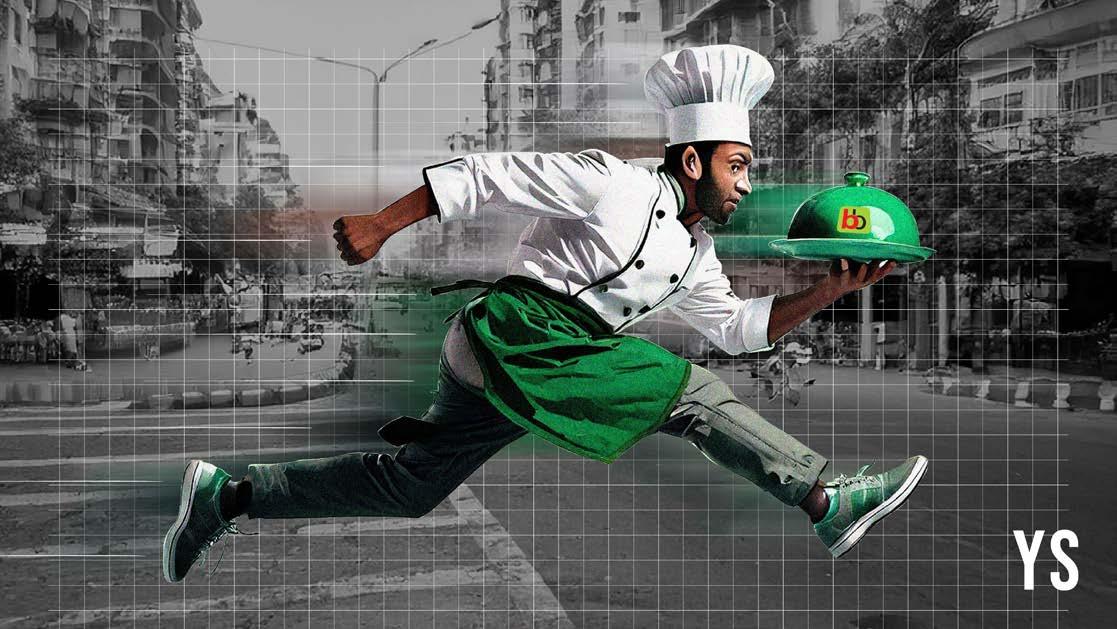


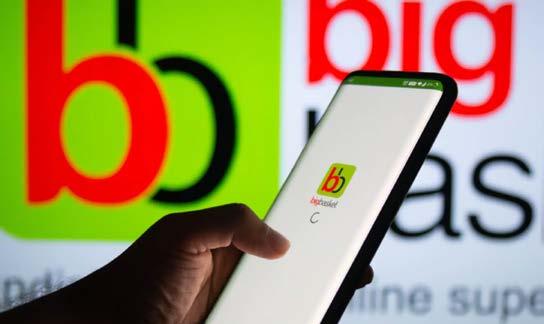
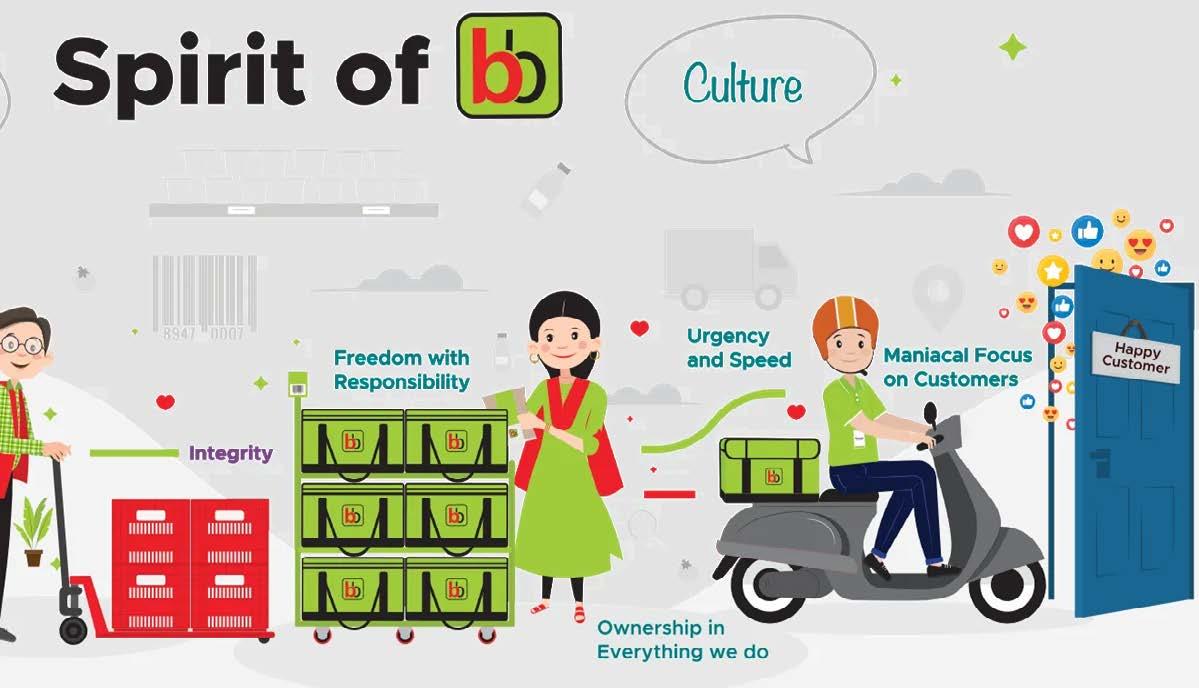
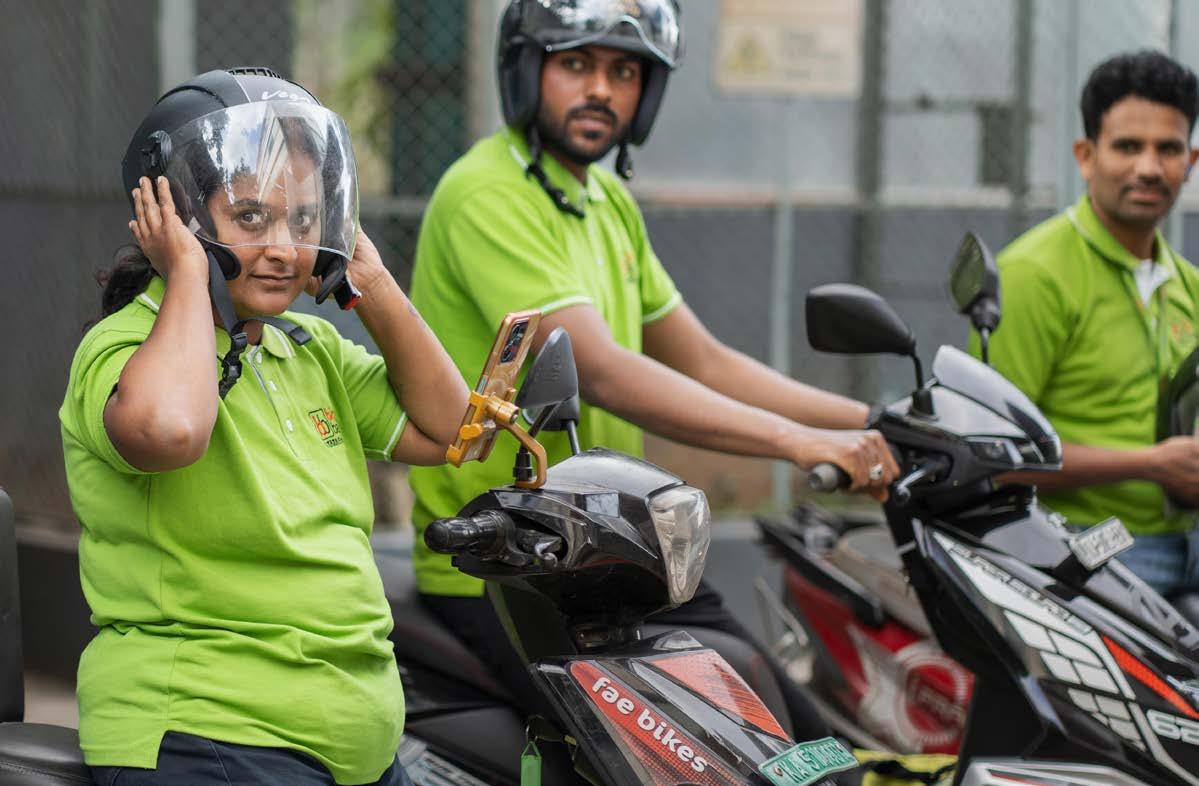
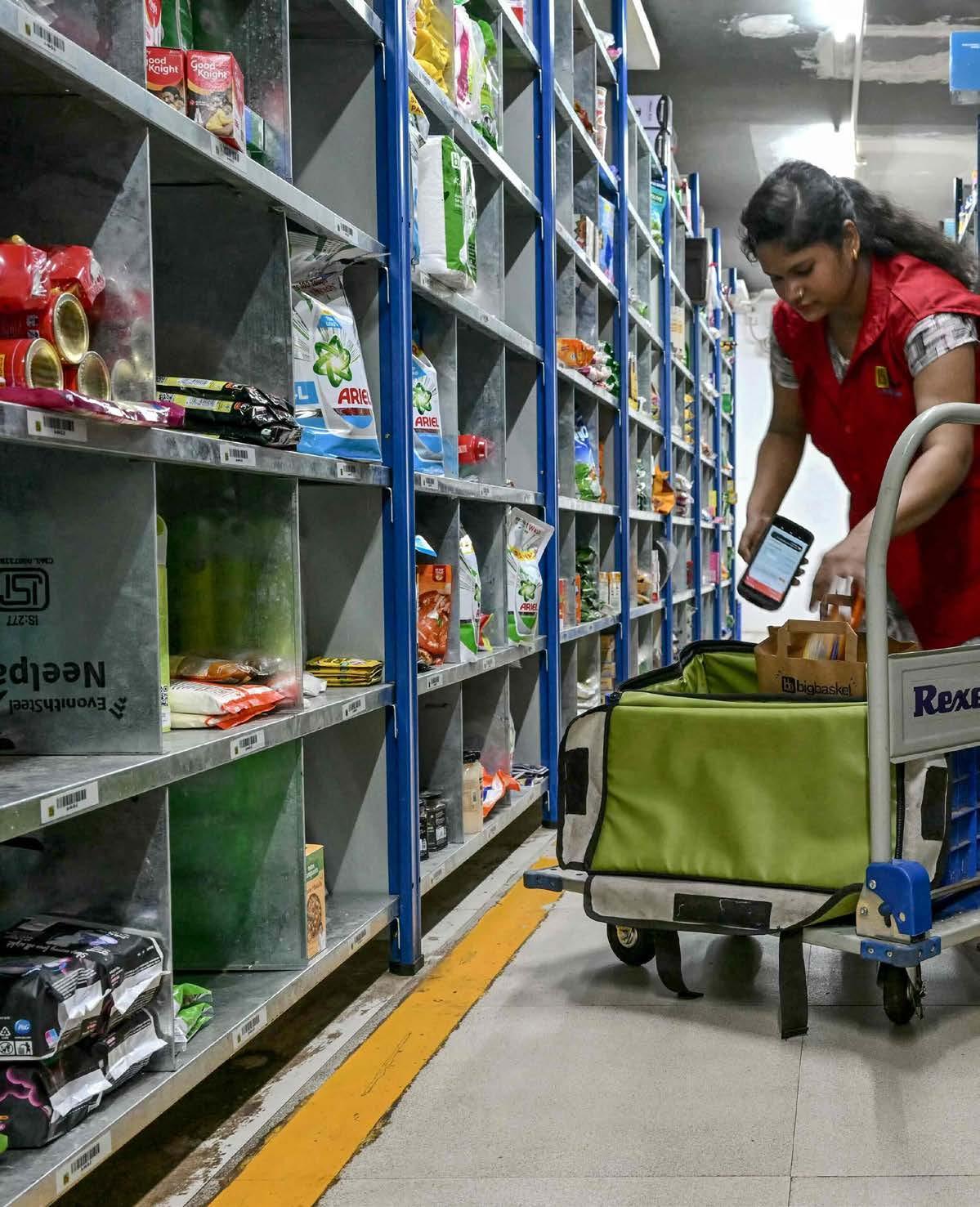
Tata Group-backed BigBasket, a leading player in India’s online grocery market, is set to disrupt the quick-commerce sector with the launch of a 10-minute food delivery service nationwide by March 2026. This ambitious move positions BigBasket to compete directly with established players like Zomato, Swiggy, Blinkit, and Zepto in India’s burgeoning $7.1 billion quick-commerce market. The service, which has already begun a pilot phase in Bengaluru, will leverage Tata’s ecosystem and an expanded dark store network to deliver food items, including offerings from Tata-owned brands Qmin and Starbucks, without relying on thirdparty restaurant partnerships.

BigBasket’s foray into 10-minute food delivery marks a significant pivot from its traditional grocery delivery model, which typically operates on longer delivery timelines. The quick-commerce sector, characterized by hyper-fast delivery of groceries, food, and essentials, has seen explosive growth in India, driven by consumer demand for convenience and speed. Competitors like Swiggy’s Snacc, Blinkit’s Bistro, and Zepto Cafe have already set benchmarks by delivering items such as coffee and ready-to-eat snacks in under 15 minutes. BigBasket aims to carve out a share of this competitive market by leveraging its existing infrastructure and Tata’s culinary brands. The service will initially focus on a curated menu featuring products from Qmin, the food delivery arm of Indian Hotels Company (a Tata Group entity), and Starbucks, another Tata-affiliated brand. This strategic decision to rely on in-house offerings ensures greater control over quality and supply chain, differentiating BigBasket from competitors that partner with a wide range of restaurants. By focusing on Tata’s own brands, BigBasket aims to streamline operations and maintain consistency in its offerings.
BigBasket kicked off its 10-minute food delivery service with a pilot in select Bengaluru neighbourhoods approximately a month ago. The pilot has been successful, prompting the company to plan an expansion to 40 dark stores in Bengaluru by July 2025. Dark stores—small, localized warehouses optimized for rapid order fulfilment—are central to BigBasket’s strategy. The company currently operates around 700 dark stores across India and plans to scale this network to between 1,000 and 1,200 by the end of 2025 to support the nationwide rollout. This expansion aligns with the hyperlocal fulfilment model that has become a hallmark of quickcommerce platforms. By strategically locating dark stores in high-demand areas, BigBasket aims to ensure proximity to customers, enabling the promised 10-minute delivery window. The company’s existing expertise in managing a robust supply chain for grocery delivery provides a strong foundation for this transition into food delivery.

India’s quick-commerce market is highly competitive, with players like Zomato, Swiggy, Blinkit, and Zepto already vying for dominance. These platforms have invested heavily in infrastructure, technology, and marketing to capture consumer loyalty. For instance, Swiggy’s Snacc and Blinkit’s Bistro have gained traction by offering a wide range of food and beverage options, while Zepto has focused on ultra-fast delivery of groceries and snacks. BigBasket’s entry, backed by Tata’s resources, introduces a formidable new competitor. However, BigBasket’s focus on Tata-owned brands like Qmin and Starbucks could be both a strength and a limitation. While it ensures quality control and brand synergy, it may restrict the variety of offerings compared to competitors that aggregate menus from multiple restaurants. BigBasket will need to carefully balance its curated approach with consumer expectations for choice and diversity.
The involvement of Tata Group brands gives BigBasket a unique edge. Qmin, which specializes in gourmet and premium food offerings, and Starbucks, known for its beverages and snacks, provide a ready-made portfolio of high-quality products. This in-house culinary edge allows BigBasket to bypass the complexities of third-party restaurant partnerships, which often involve negotiating commissions and managing variable quality standards. Additionally, Tata’s vast resources and expertise in retail and hospitality could bolster BigBasket’s operational capabilities. The company’s existing dark store network, supply chain infrastructure, and technological investments position it well to scale rapidly. BigBasket’s leadership has also dismissed concerns about market saturation, with an executive, as cited by Reuters, expressing confidence in the company’s ability to compete effectively.


While BigBasket’s entry into quick commerce is promising, it faces several challenges. The 10-minute delivery promise requires significant investment in logistics, technology, and inventory management. Maintaining profitability in a low-margin, high-competition sector is another hurdle, as competitors have struggled to balance speed with sustainability. Additionally, consumer adoption of BigBasket’s food delivery service will depend on its ability to match or exceed the convenience and variety offered by rivals. On the opportunity side, the quick-commerce market in India is projected to grow significantly, driven by urbanization, rising disposable incomes, and a growing preference for instant gratification. BigBasket’s established brand, combined with Tata’s backing, positions it to capture a meaningful share of this market. The company’s focus on dark store expansion and hyperlocal fulfillment could also set a new standard for delivery speed and efficiency.
BigBasket’s planned nationwide rollout by March 2026 is a bold step into a dynamic and competitive market. The service’s success will hinge on its ability to deliver on the 10-minute promise while offering a compelling range of products. By leveraging Tata’s ecosystem and focusing on operational excellence, BigBasket has the potential to redefine quick-commerce standards in India. As the company scales its dark store network and refines its offerings, consumers can expect faster access to premium food and beverages from trusted brands like Qmin and Starbucks. Whether BigBasket can outpace established players like Zomato and Swiggy remains to be seen, but its entry signals an exciting new chapter in India’s quickcommerce revolution.




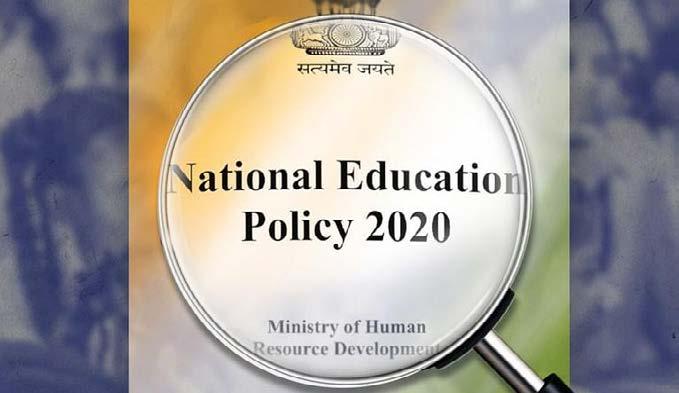
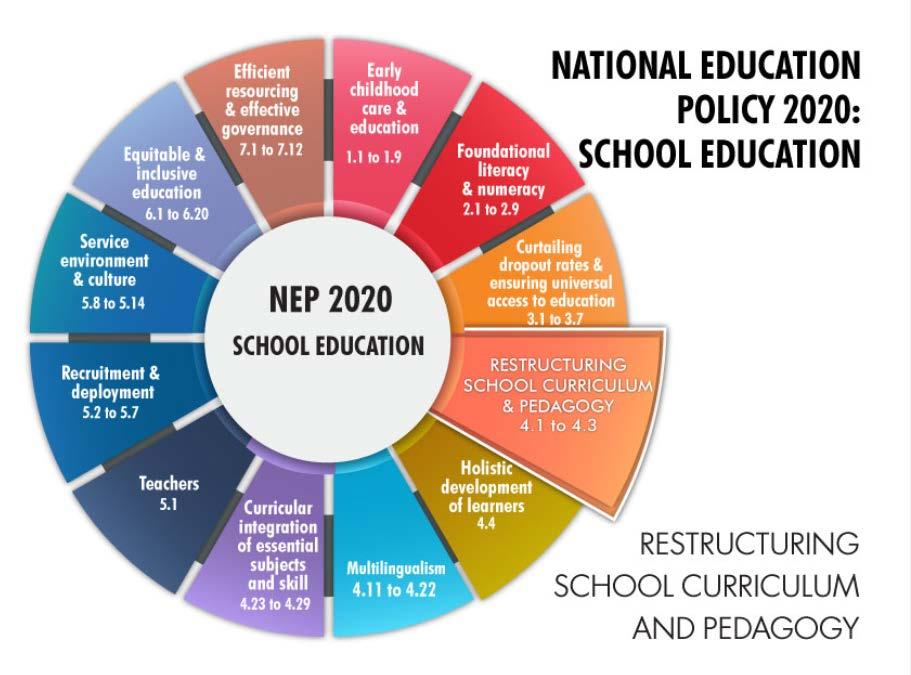
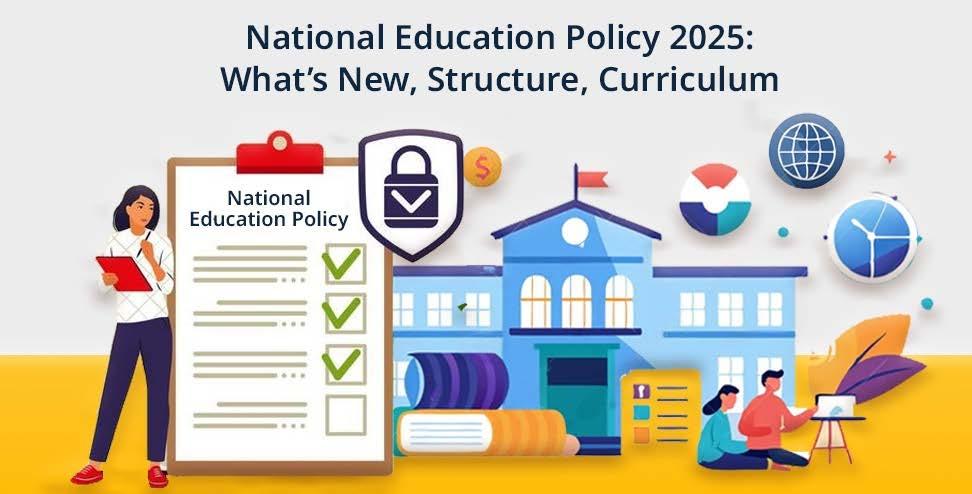
India’s education system is undergoing a historic transformation with the National Education Policy (NEP) 2020, and as we move into 2025, its phased implementation is reshaping how the nation learns, grows, and competes on the global stage. Often referred to as NEP 2025 in the context of its ongoing rollout, this visionary policy is more than a set of reforms—it’s a bold blueprint for an inclusive, innovative, and futureready education ecosystem. From empowering young minds with flexible learning pathways to reviving India’s rich cultural heritage, NEP 2025 is unlocking a world of possibilities.


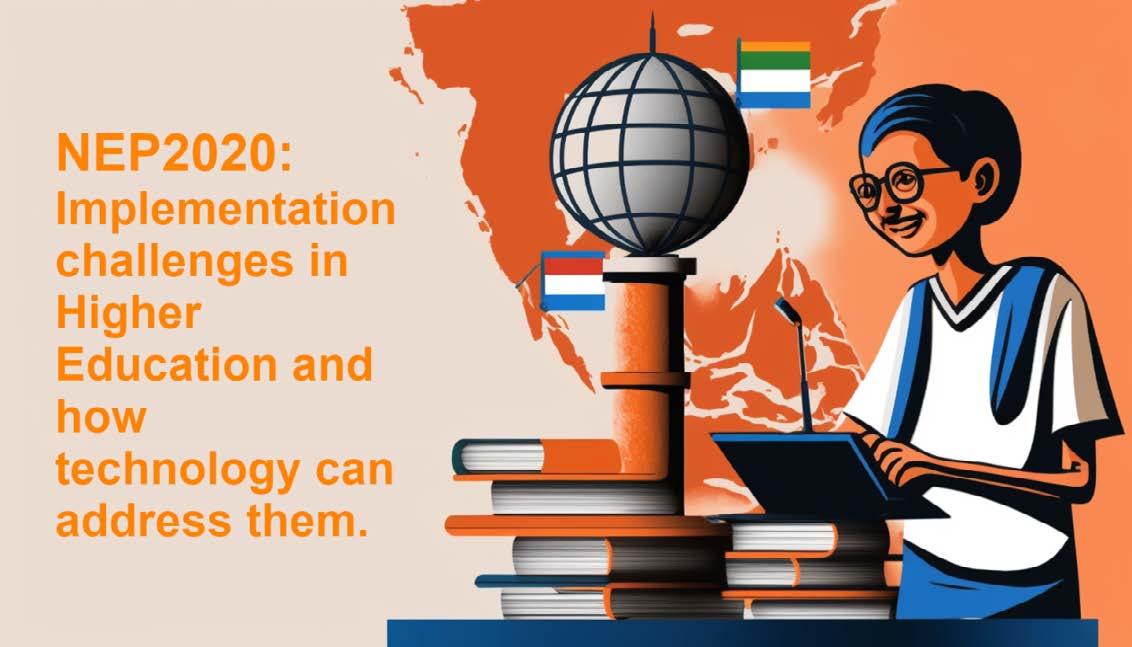
Approved in July 2020, NEP 2020 replaced the outdated 1986 education policy, aiming to align India’s education system with 21st-century demands. By 2025, significant strides have been made in implementing its reforms, with milestones like new curricula, digital platforms, and structural changes taking root across the country. NEP 2025 is not a new policy but a critical phase in the journey toward a holistic, equitable, and globally competitive education system by 2030. Its focus on inclusivity, innovation, and skill-building is already showing results, as evidenced by the 2024 Annual Status of Education Report (ASER), which reported the highest foundational literacy and numeracy levels for Grade 3 students in two decades.
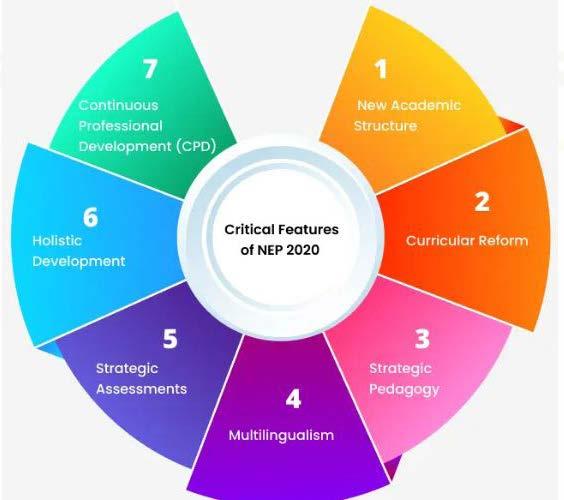
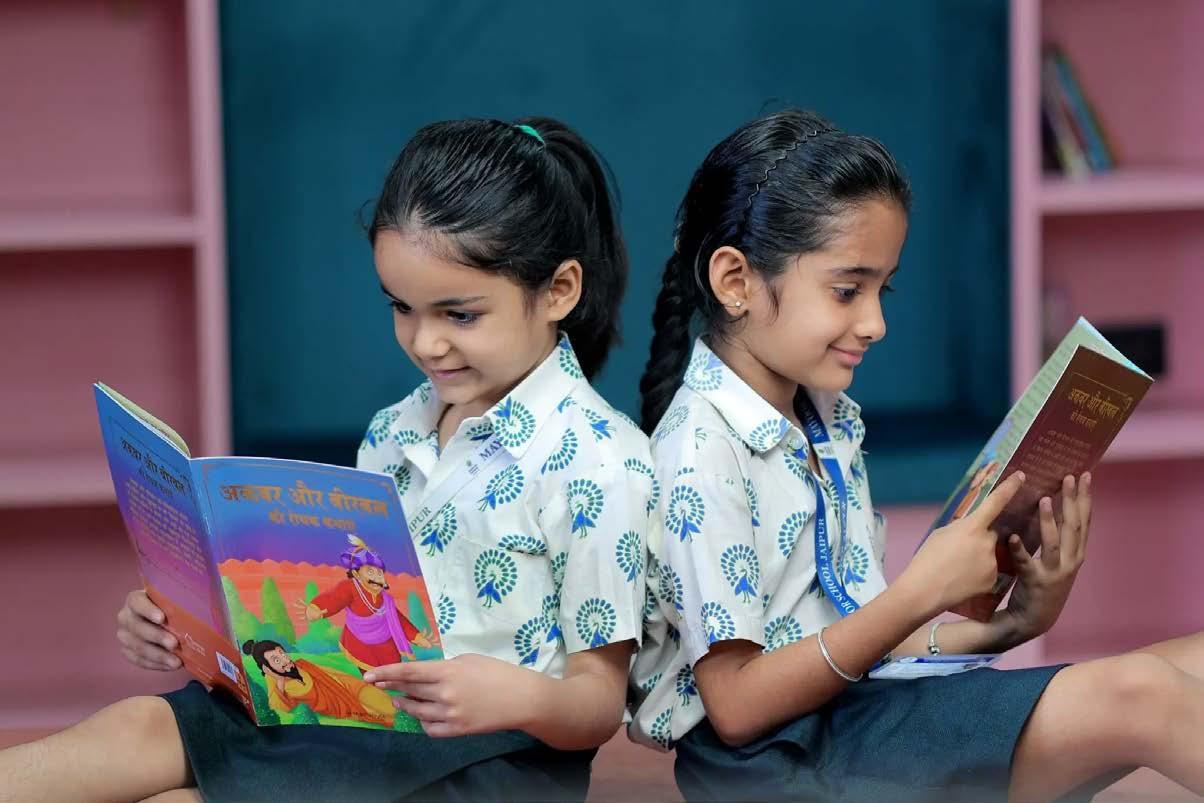
One of NEP’s most transformative changes is replacing the rigid 10+2 system with a flexible 5+3+3+4 pedagogical structure, tailored to a child’s developmental stages:
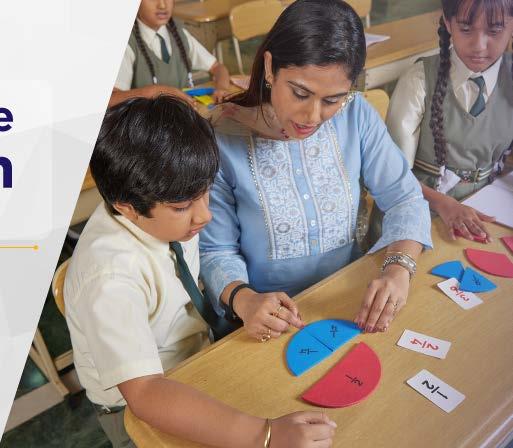
• Foundational Stage (Ages 3–8): Three years of preschool and Grades 1–2 emphasize play-based learning, nurturing creativity and emotional growth. The inclusion of Early Childhood Care and Education (ECCE) ensures 85% of brain development by age six is supported through engaging tools like the “Jadui Pitara” learning kit.
• Preparatory Stage (Ages 8–11): Grades 3–5 focus on foundational literacy and numeracy (FLN), with a national goal to achieve universal FLN by 2025—a target already showing remarkable progress.
• Middle Stage (Ages 11–14): Grades 6–8 introduce vocational education, coding, and critical thinking, preparing students for diverse career paths.
• Secondary Stage (Ages 14–18): Grades 9–12 offer multidisciplinary subject choices, allowing students to explore passions without rigid stream divisions. This structure fosters holistic development, moving away from rote learning to experiential, skill-based education. In 2025, states like Maharashtra are rolling out this framework, with Class 1 adopting it in the 2025–26 academic year, paving the way for a generation of versatile learners.
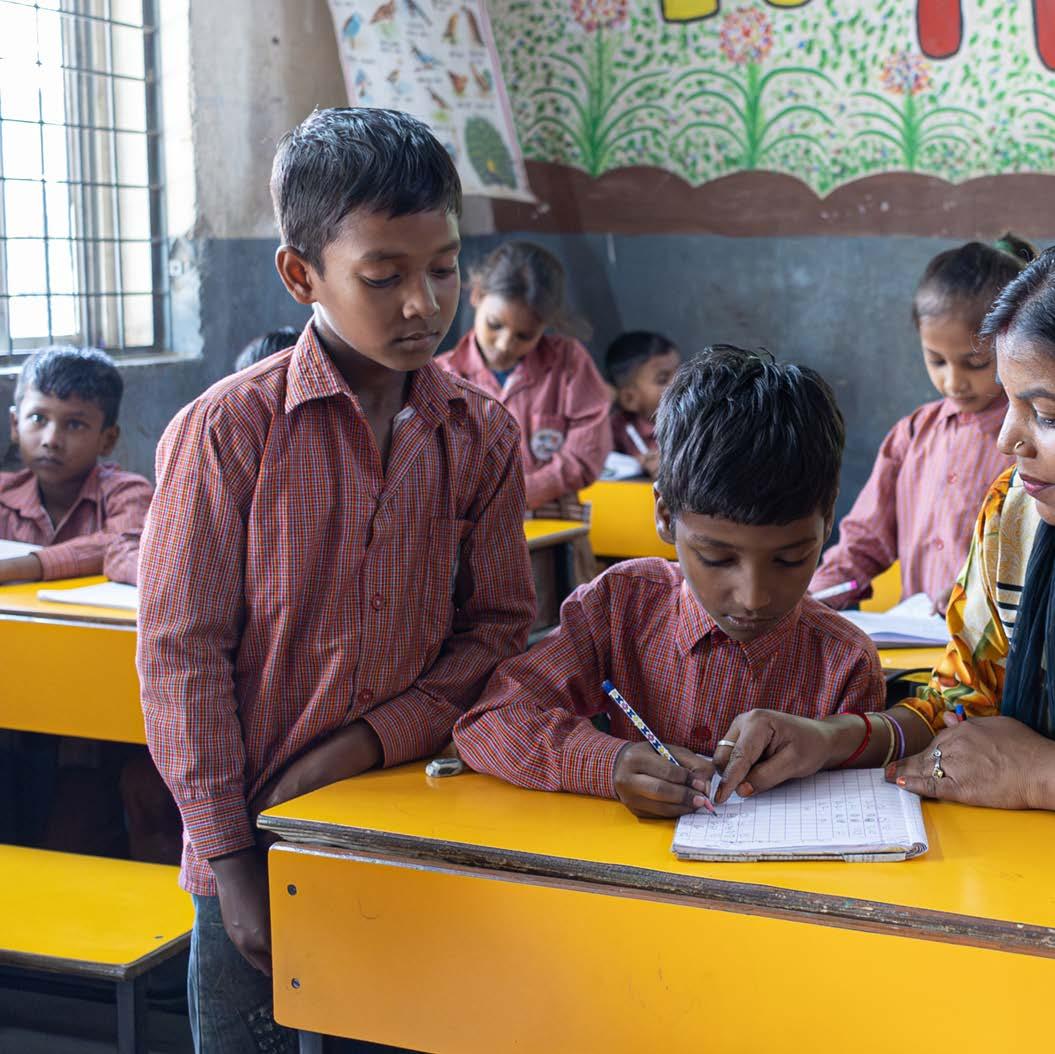
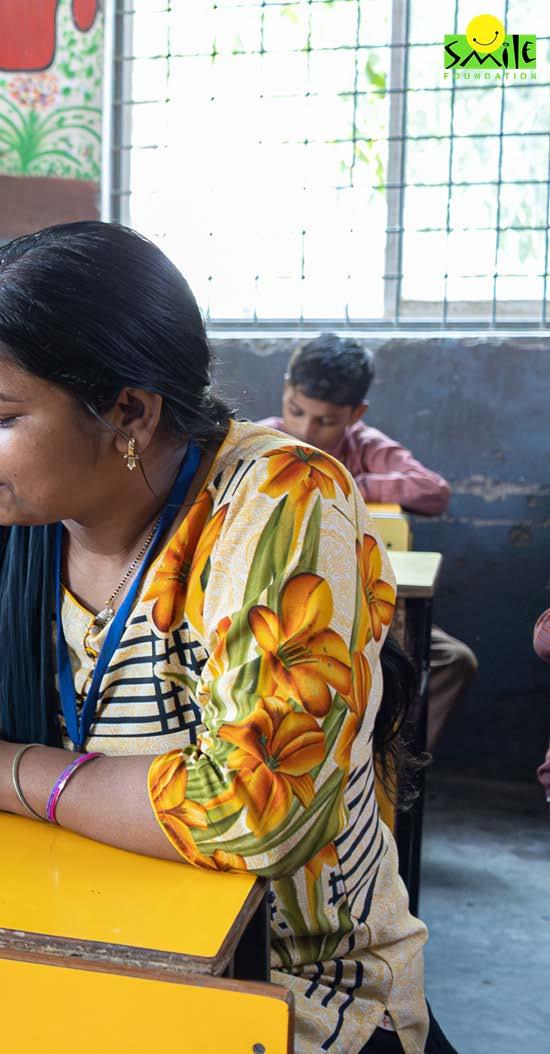
NEP 2025 breaks the shackles of traditional education by giving students unprecedented flexibility. In the secondary stage, students can mix subjects like physics with music or economics with AI, fostering interdisciplinary learning. Board exams for Classes 10 and 12, now held twice a year starting 2025–26, reduce academic pressure and allow students to showcase their best performance. The Academic Bank of Credits (ABC) in higher education lets students store and transfer credits, enabling seamless transitions between institutions and even pauses in their academic journey. This flexibility empowers students to chart their own paths, making education a tool for self-discovery rather than a one-size-fits-all mandate.
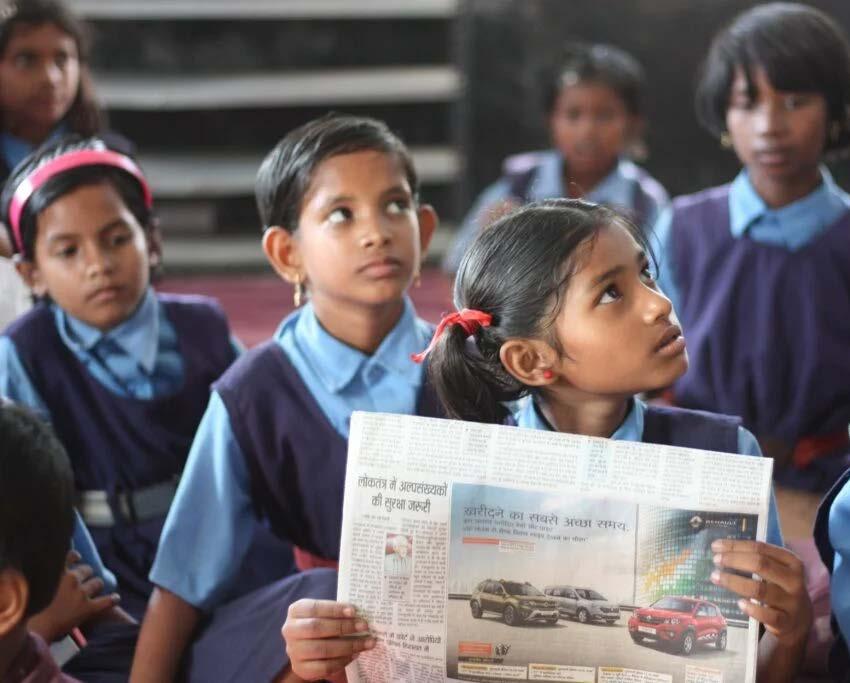
In a country as diverse as India, NEP 2025 champions multilingualism to make education accessible and culturally rooted. By prioritizing instruction in regional or mother tongues up to Grade 5 (and preferably Grade 8), the policy ensures young learners grasp concepts in a language they understand best, boosting comprehension and confidence. The three-language formula encourages learning two native Indian languages alongside a third, often English or a foreign language like French or Japanese, preparing students for global opportunities. For instance, Maharashtra’s mandate to include Hindi as a third language in 2025–26 reflects this inclusive approach. This celebration of linguistic diversity not only preserves India’s cultural heritage but also bridges regional and global aspirations.

NEP 2025 is dismantling the stigma around vocational education by integrating it into the mainstream curriculum from Grade 6. With a goal to expose 50% of learners to vocational training by 2025, students are learning skills like coding, AI, entrepreneurship, and even traditional crafts through hands-on internships. This prepares them for diverse careers, from tech innovators to artisans, aligning education with India’s economic needs. Imagine a teenager designing an app in class or apprenticing with a local craftsman—NEP makes this a reality, fostering a workforce ready for the Fourth Industrial Revolution.
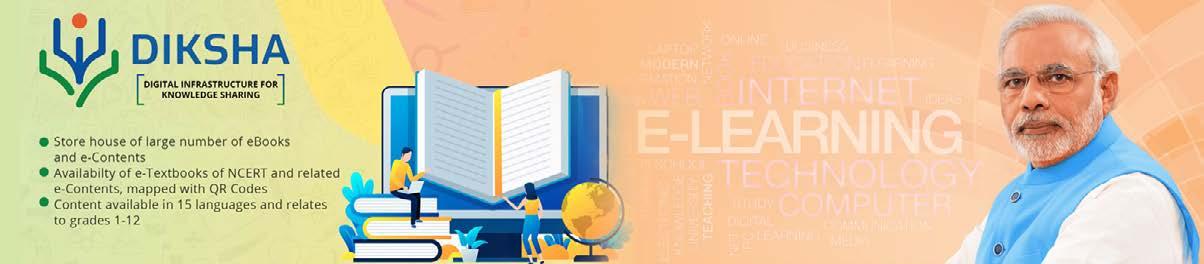
In an era driven by technology, NEP 2025 is harnessing digital tools to democratize education. Platforms like DIKSHA and PM e-VIDYA deliver quality content to remote corners, while virtual labs and AI-driven personalized adaptive learning (PAL) make education engaging and tailored. The upcoming National Digital University, set to launch in January 2025, will expand access to higher education online. These initiatives are bridging the urbanrural divide, ensuring every child, regardless of location, has access to world-class resources. While challenges like internet access in rural areas persist, NEP’s digital push is a bold step toward equity.



Gone are the days of high-stakes exams defining a student’s future. NEP 2025 shifts assessments from rote memorization to competency-based evaluations, emphasizing projects, presentations, and practical skills. The introduction of ten bagless days annually encourages experiential learning through field trips and activities, making education fun and relevant. By offering board exams twice a year, NEP reduces stress and gives students a second chance to shine. This holistic approach nurtures critical thinking and creativity, preparing students for real-world challenges.

Teachers are the backbone of NEP 2025, and the policy invests heavily in their growth. Programs like NISHTHA and the 4-year Integrated Teacher Education Program (ITEP) are equipping educators with modern teaching methods, digital tools, and inclusive pedagogies. By 2025, states aim to train 80% of teachers in these areas, ensuring classrooms are dynamic and student-centric. Empowered teachers mean inspired students, creating a ripple effect of excellence.
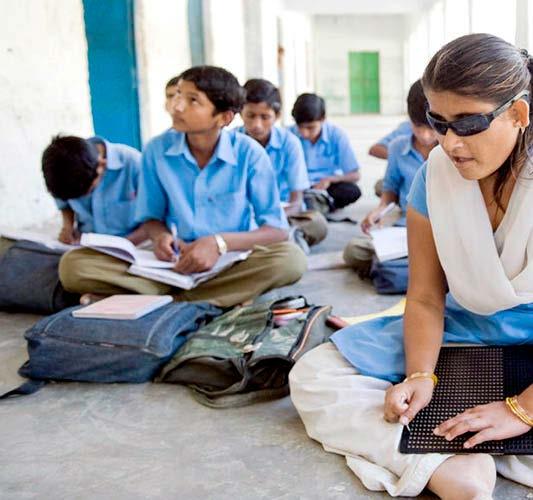
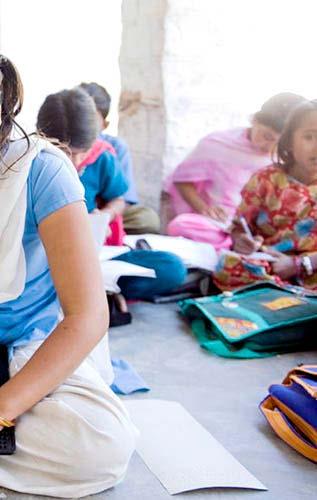
NEP 2025 is a beacon of hope for marginalized communities. Through initiatives like the Gender Inclusion Fund and targeted support for SocioEconomically Disadvantaged Groups (SEDGs), the policy ensures no child is left behind. The mandatory inclusion of ECCE guarantees a strong foundation for all, while entrance exams like JEE and NEET in 13 regional languages make higher education accessible to diverse populations. This commitment to equity is building a more inclusive India.

NEP 2025 celebrates India’s rich heritage by integrating Indian Knowledge Systems into the curriculum. Centres for Hindu, Buddhist, and Jain studies, like those established at Jawaharlal Nehru University in 2024, promote traditional wisdom alongside modern learning. This blend fosters pride in India’s cultural legacy while equipping students with global competencies.
In higher education, NEP 2025 is creating a flexible, multidisciplinary ecosystem. The Four-Year Undergraduate Program (FYUP), adopted by over 105 universities, offers multiple entry and exit points, allowing students to earn certificates, diplomas, or degrees based on their goals. The Higher Education Commission of India (HECI), set to streamline regulation, will replace outdated bodies like UGC and AICTE, fostering innovation and accountability. With a target of 50% Gross Enrolment Ratio by 2035, NEP is making higher education a reality for millions.
While NEP 2025 is a monumental leap forward, challenges like inadequate funding, the digital divide, and regional resistance remain. However, the government’s commitment to upgrading 15,000 schools, revising curricula, and expanding digital infrastructure signals a promising future. By 2026–27, new NCERT textbooks and full adoption of the 5+3+3+4 structure will further solidify NEP’s impact.
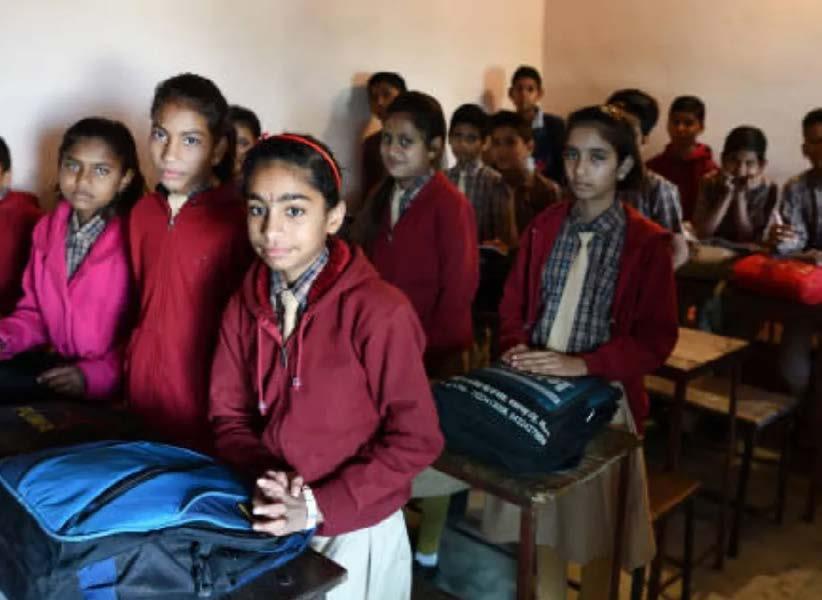
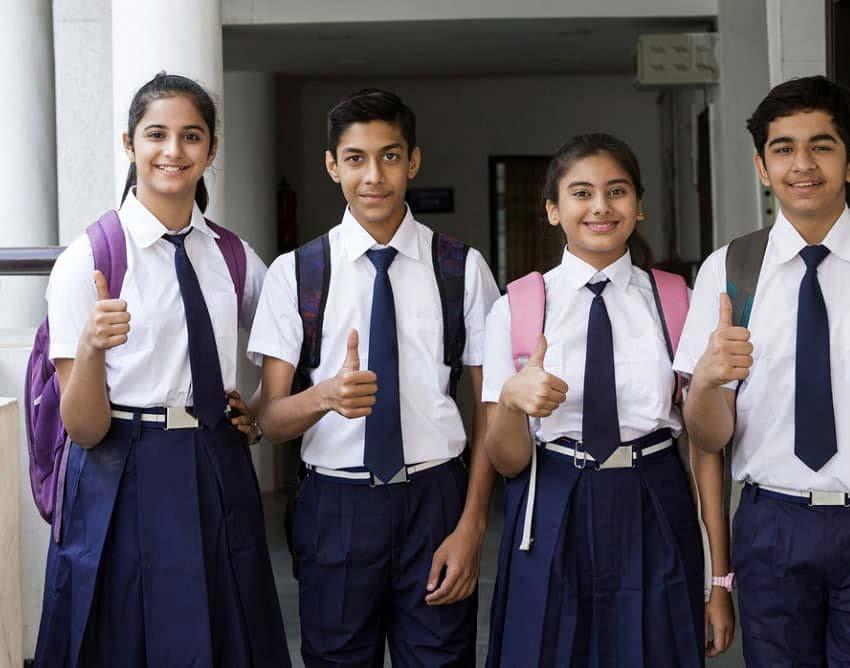
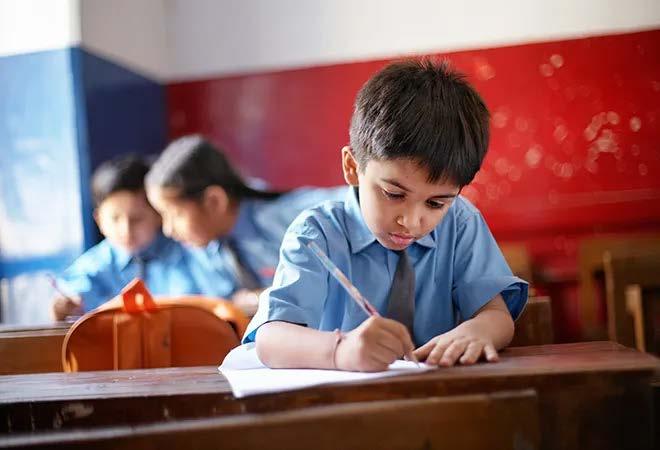


NEP 2025 is not just about reforming education—it’s about empowering a billion dreams. By fostering creativity, embracing diversity, and preparing students for a dynamic world, it’s laying the foundation for a Viksit Bharat (Developed India) by 2047. From a rural child learning in her mother tongue to a city teenager coding her first app, NEP 2025 is unlocking potential at every level. As India stands at the cusp of a knowledge revolution, this policy is a testament to the power of education to transform lives and nations. For more details, explore the full NEP 2020 document at education.gov.in. The journey has just begun, and the future of learning in India has never looked brighter!

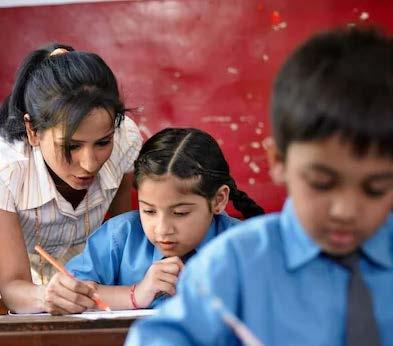




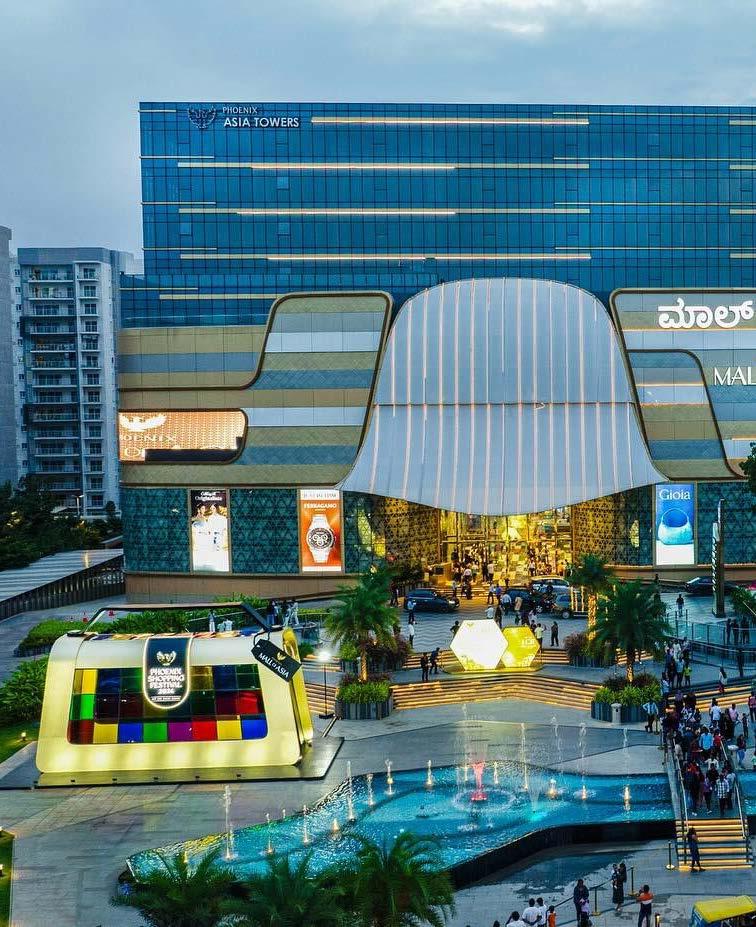

Bengaluru, India’s tech capital, is gearing up to welcome its first Apple Store, a significant milestone in the company’s growing presence in India. The new store, located at the upscale Phoenix Mall of Asia in Bytarayanapura, is poised to become a landmark for Apple enthusiasts and tech lovers in the city. While an official opening date has yet to be announced, recent developments, including active hiring and buzz on social media platforms, signal that preparations are in full swing.

Apple’s decision to open a store in Bengaluru aligns with its broader strategy to deepen its footprint in India, one of the world’s fastest-growing smartphone markets. The company made its retail debut in the country in April 2023 with two flagship stores: Apple BKC in Mumbai and Apple Saket in Delhi. These stores, known for their sleek design and immersive customer experience, set a high
standard for what Bengaluru can expect. The Bengaluru store is part of Apple’s ambitious plans to expand its retail network across India. Reports indicate that additional stores are planned for Pune and Delhi-NCR, reflecting Apple’s confidence in the Indian market. With India’s premium smartphone segment growing rapidly, driven by increasing disposable incomes and a tech-savvy population, Apple sees significant potential for both sales and brand engagement.
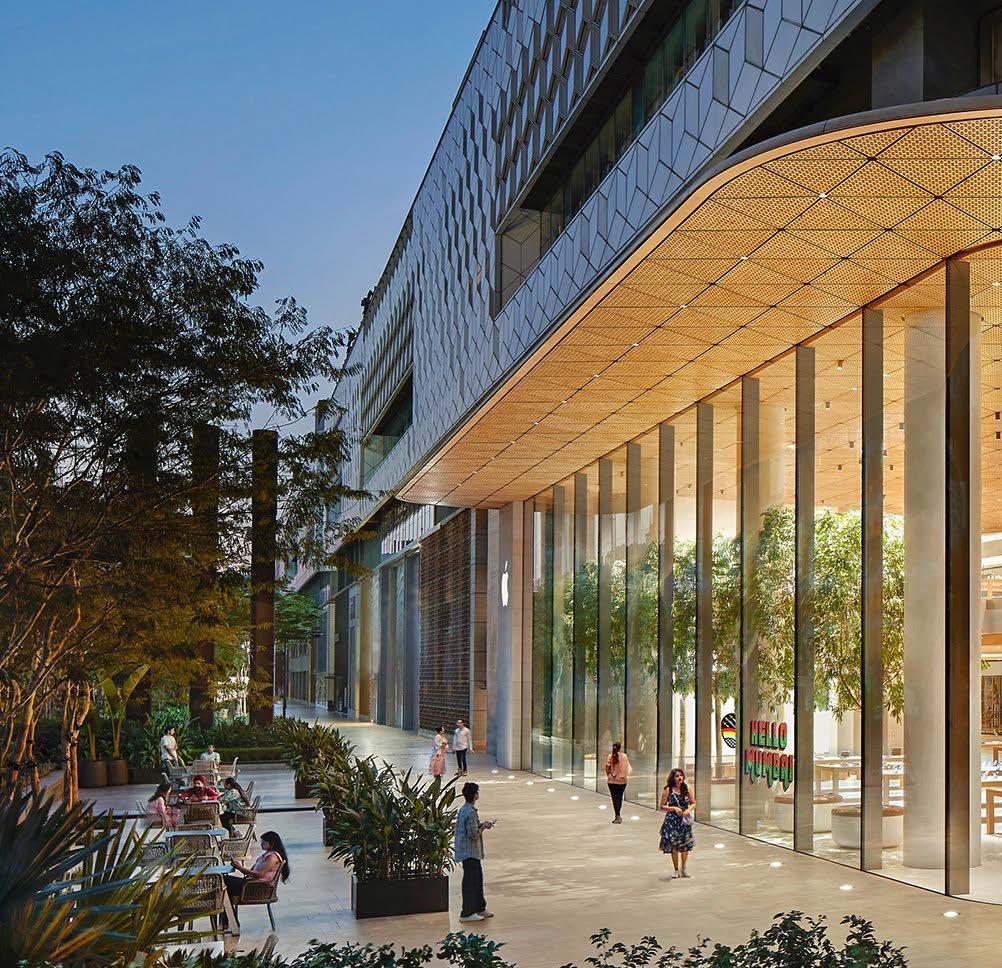


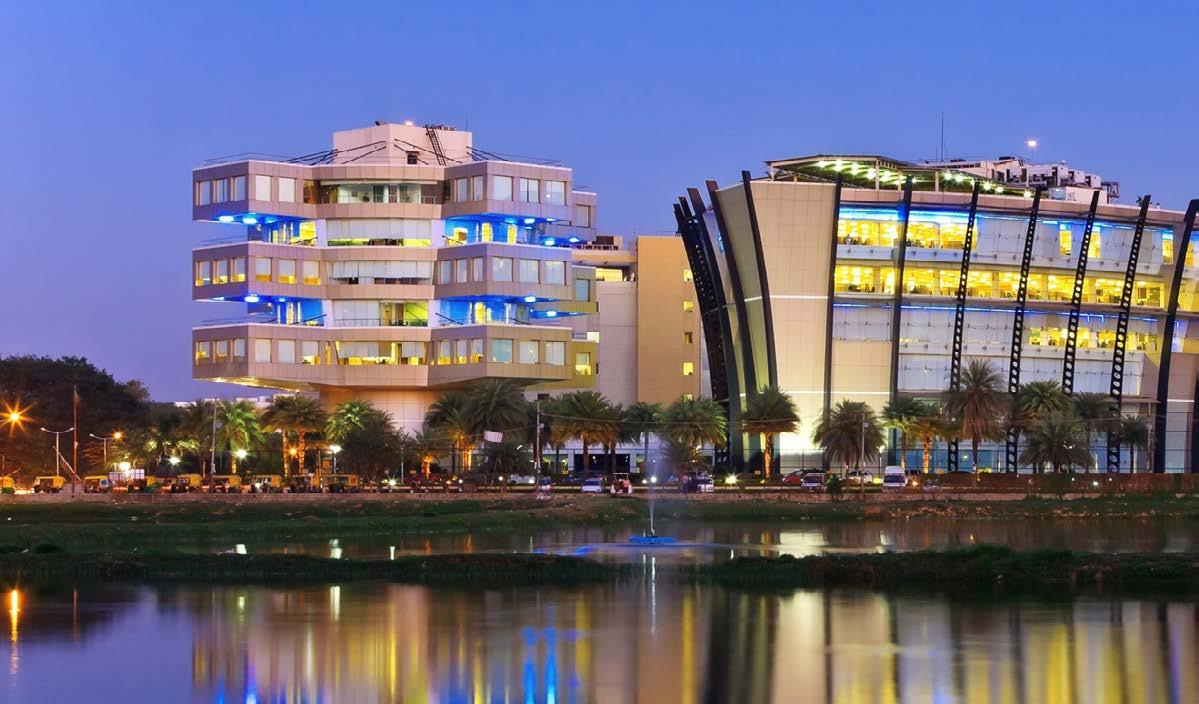
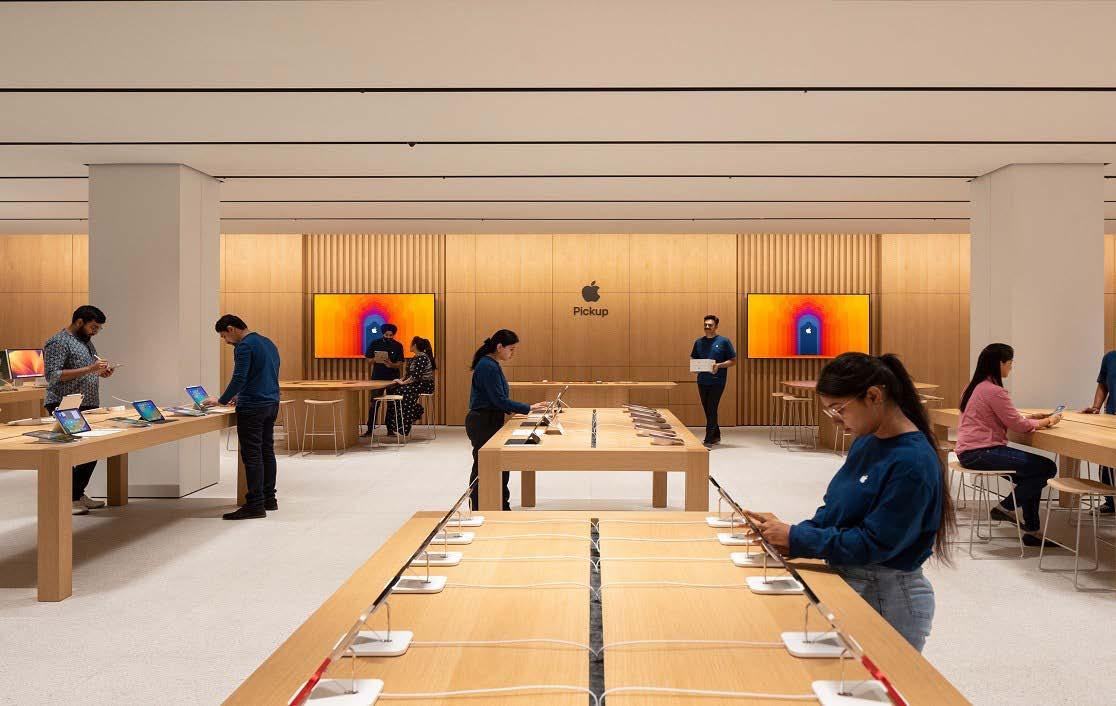
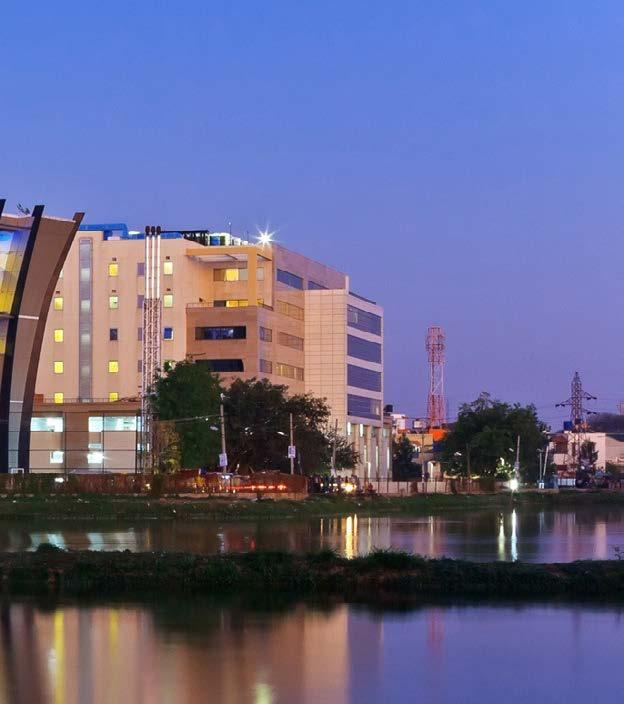

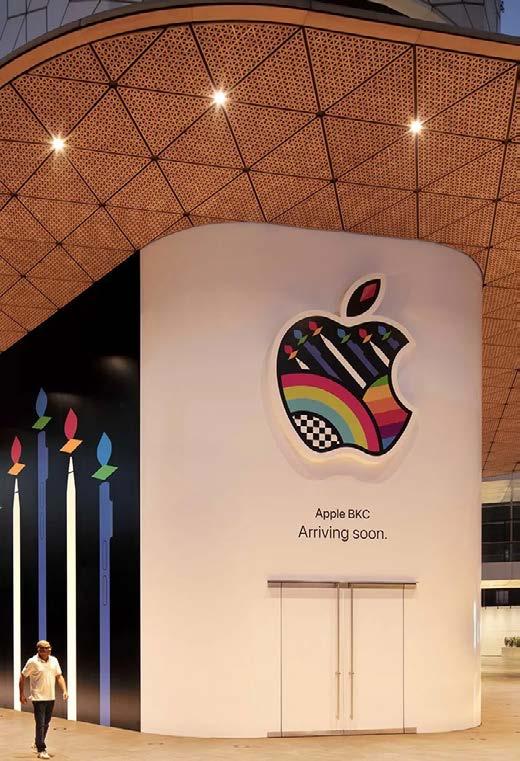
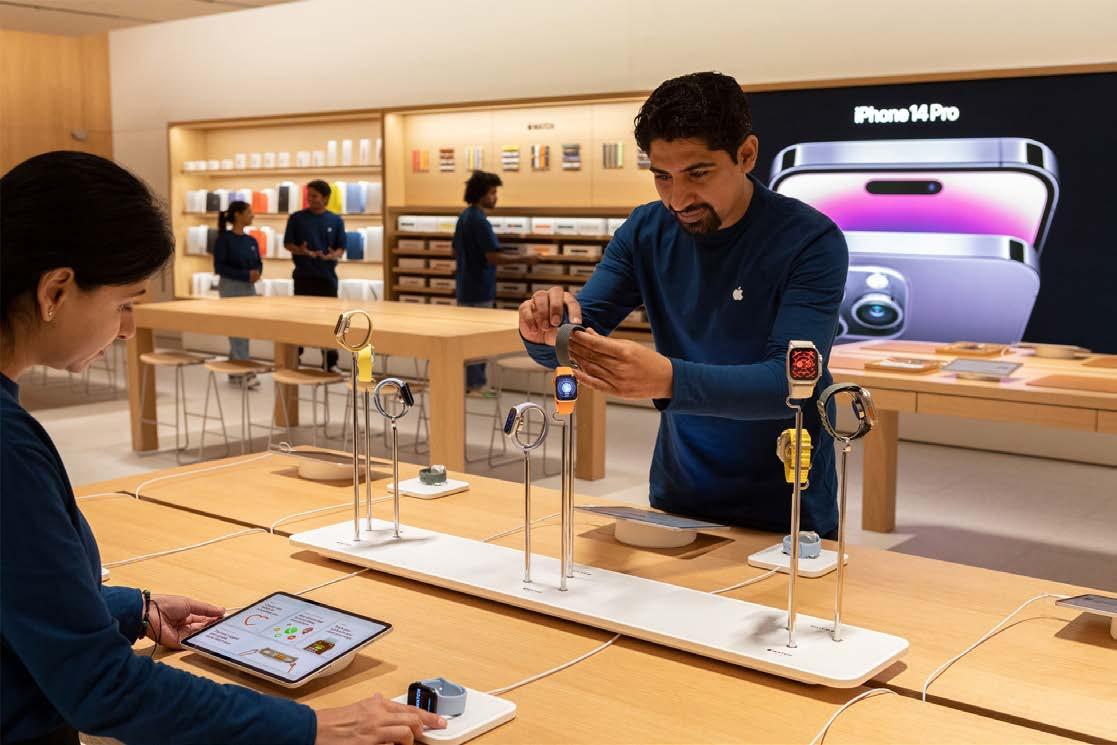
Bengaluru, often dubbed the “Silicon Valley of India,” is a natural choice for Apple’s next retail venture. The city is home to a large community of tech professionals, startups, and Apple loyalists who have long awaited a dedicated Apple Store. Unlike other cities where Apple products are primarily sold through authorized resellers or online, the new store will offer a direct, hands-on experience with Apple’s ecosystem, including iPhones, iPads, MacBooks, Apple Watches, and more. The Phoenix Mall of Asia, located in North Bengaluru, is a fitting venue for the store. As one of the city’s largest and most modern shopping destinations, the mall attracts a diverse, affluent crowd, making it an ideal location for Apple to showcase its premium products. The store is expected to feature Apple’s signature minimalist design, interactive product displays, and dedicated areas for customer support and workshops.
Based on Apple’s global retail model and its existing stores in Mumbai and Delhi, the Bengaluru store is likely to offer a range of unique features:
• Hands-On Product Experience: Customers can explore Apple’s latest devices, from the iPhone 16 series to the newest MacBooks, in a carefully curated environment.
• Genius Bar Support: A dedicated support area where Apple’s “Genius” staff will provide technical assistance, repairs, and personalized setup guidance.
• Today at Apple Sessions: Free workshops and creative sessions to help customers learn more about using Apple products for photography, video editing, coding, and more.
• Premium Shopping Experience: A focus on customer service, with staff trained to offer tailored recommendations and a seamless buying process.
The store is also expected to reflect local culture, as seen in Apple’s Mumbai and Delhi stores, which incorporated regional design elements like custom wall art and curated playlists featuring local artists. Bengaluru’s vibrant tech and cultural scene could inspire similar touches, making the store a blend of global innovation and local flavour.
The opening of an Apple Store in Bengaluru is more than just a retail milestone—it’s a boost for the city’s economy and a nod to its status as a global tech hub. The store is expected to create jobs, with Apple already hiring for roles such as store associates, Genius Bar technicians, and creative staff. These opportunities will likely attract talent from Bengaluru’s diverse workforce. Moreover, the store will strengthen Apple’s brand presence in a city where competitors like Samsung and Xiaomi have long had a strong foothold. By offering a premium retail experience, Apple aims to capture a larger share of India’s growing premium device market, which saw iPhone sales contribute significantly to Apple’s $8 billion revenue in India for the fiscal year ending March 2024.
The anticipation for the Bengaluru Apple Store is palpable, especially on social media platforms, where users have shared excitement about the upcoming opening. Posts highlight the convenience of having a local store for repairs, trade-ins, and exclusive product launches, reducing reliance on online orders or travel to other cities. Some speculate that the store could open as early as late 2025, though Apple has not confirmed a timeline. The store’s launch is also expected to draw crowds, similar to the grand openings in Mumbai and Delhi, where thousands lined up to be among the first to experience Apple’s retail vision. Bengaluru’s Apple fans, known for their enthusiasm, are likely to make the opening a memorable event.
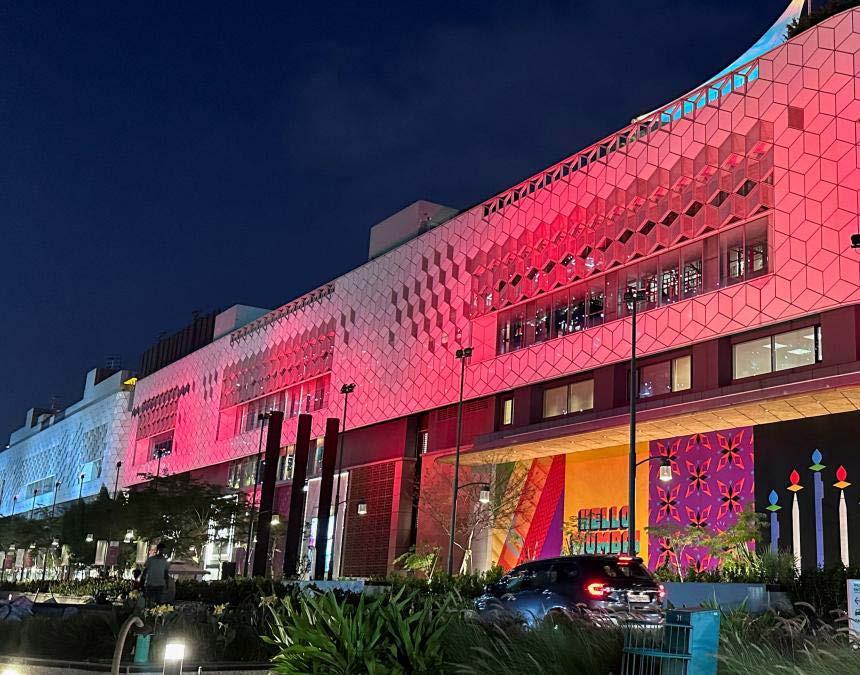

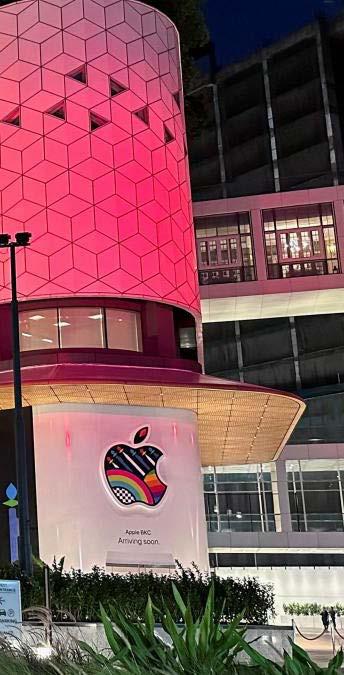


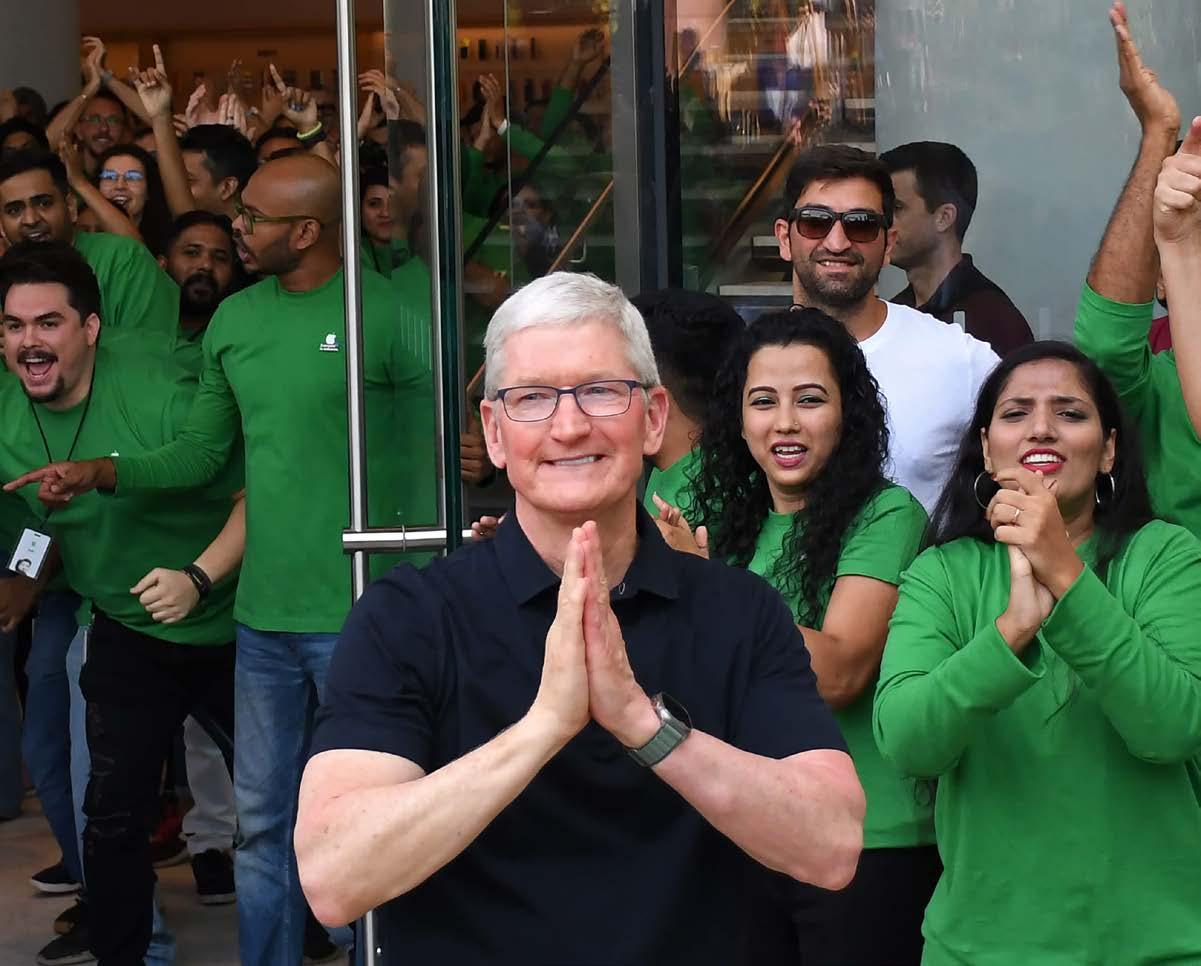
The Bengaluru store is part of Apple’s larger push to make India a key market for both retail and manufacturing. The company has ramped up iPhone production in India, with partners like Foxconn and Tata Electronics assembling devices locally. In 2024, Apple exported over $10 billion worth of iPhones from India, underscoring the country’s growing role in its global supply chain. By combining local manufacturing with a direct-toconsumer retail model, Apple is positioning itself to compete more effectively in India’s price-sensitive yet aspirational market. The Bengaluru store will also complement Apple’s online presence, which includes its official website and partnerships with e-commerce platforms like Amazon and Flipkart.

While Apple has not officially announced the opening date for its Bengaluru store, the ongoing preparations at Phoenix Mall of Asia suggest that it’s only a matter of time. The store promises to bring Apple’s world-class retail experience to Bengaluru’s tech-savvy community, offering a space where innovation meets creativity. As Bengaluru awaits its first Apple Store, the excitement continues to build. For a city that thrives on technology and innovation, the arrival of an Apple Store is not just a retail event—it’s a celebration of Bengaluru’s place in the global tech landscape.
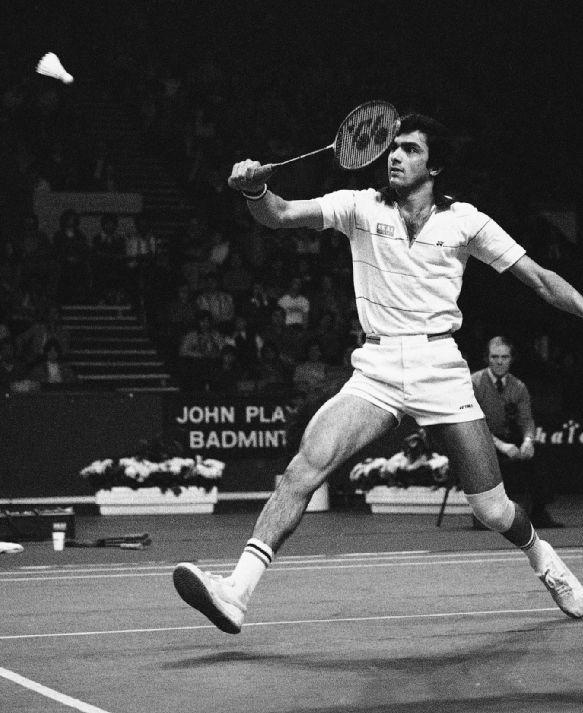


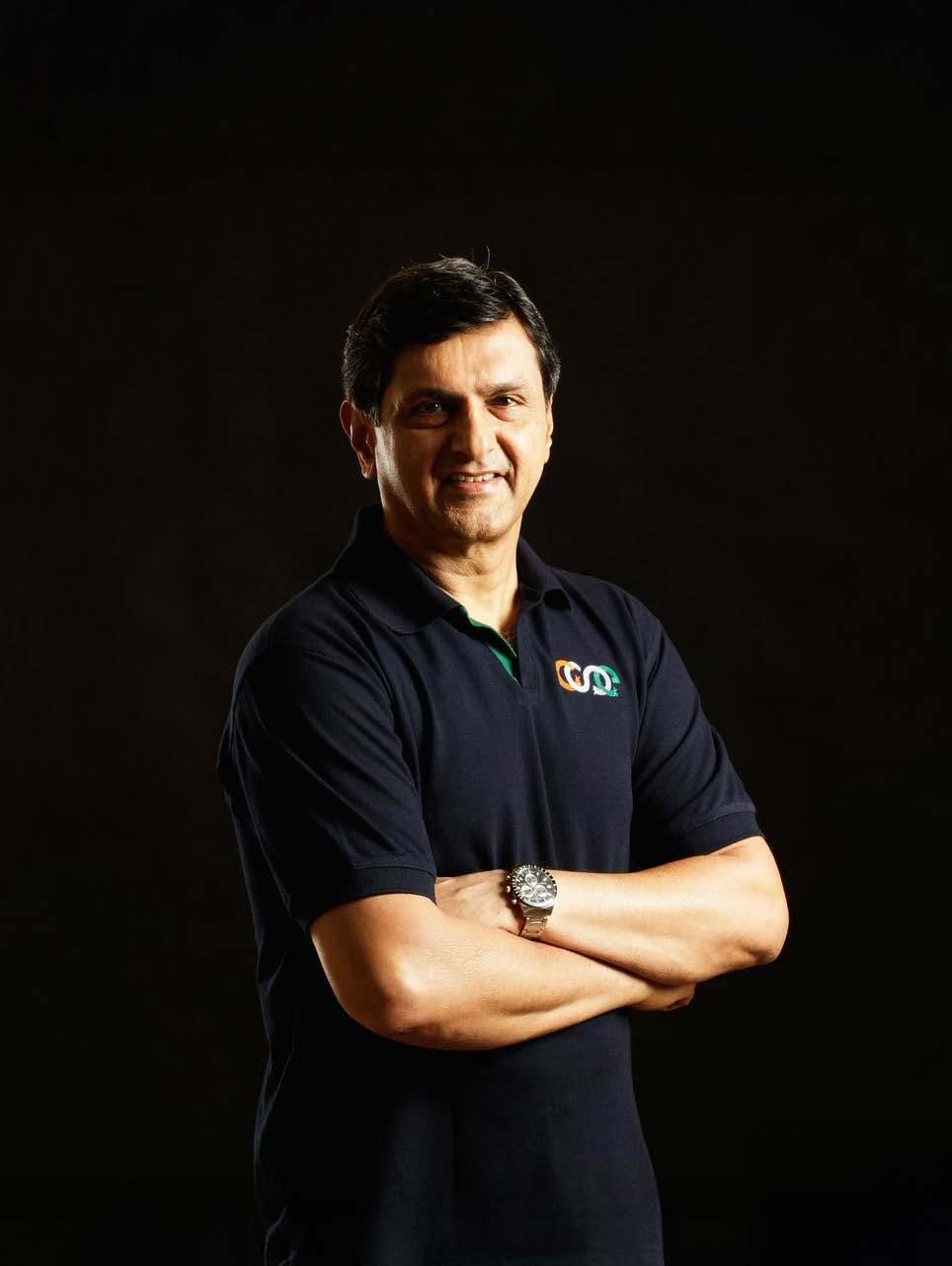
Prakash Padukone stands as a colossus in the annals of Indian sports, a man who single-handedly thrust badminton into the national consciousness and onto the global stage. Born on June 10, 1955, in Bangalore (now Bengaluru), Karnataka, Padukone’s journey from a modest upbringing to becoming the world’s No. 1 badminton player is a tale of talent, tenacity, and trailblazing success. His life is not just a story of personal triumph but also a blueprint for how one individual can transform a sport’s destiny in a nation.
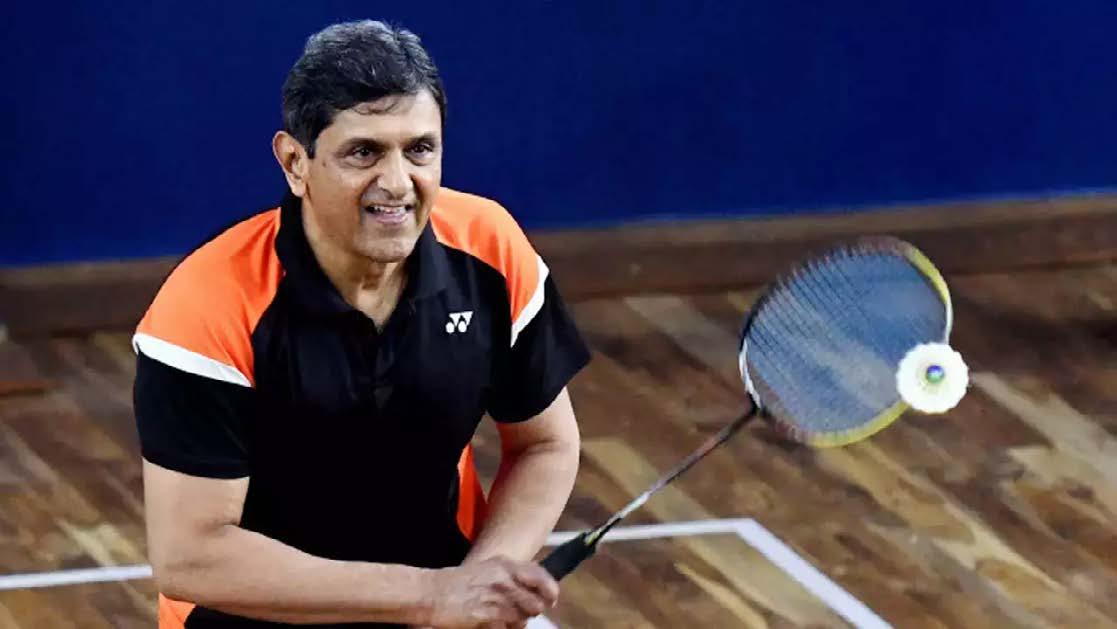
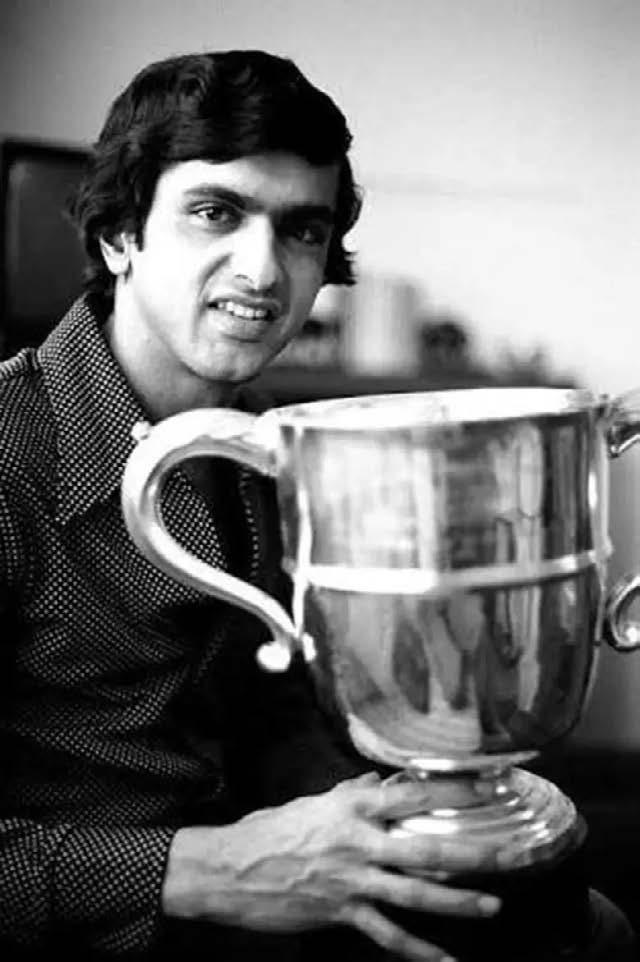
Padukone’s tryst with badminton began under the watchful eye of his father, Ramesh Padukone, a badminton enthusiast and secretary of the Mysore Badminton Association. Growing up in a Chitrapur Saraswat Brahmin family, Prakash was introduced to the sport as a child. His first competitive foray came in 1962 at the Karnataka State Junior Championship, where he suffered an early exit. Far from discouraged, he returned with renewed vigour, clinching the state junior title in 1964 at the age of nine. This victory marked the dawn of a remarkable career.
By 1971, at just 16 years old, Padukone made history as the youngest winner of the Indian National Senior Badminton Championship. His dominance was unassailable, as he went on to win the title nine consecutive times until 1979. His fluid style, marked by elegance and precision, earned him early recognition, but it was his international exploits that would define his legacy.

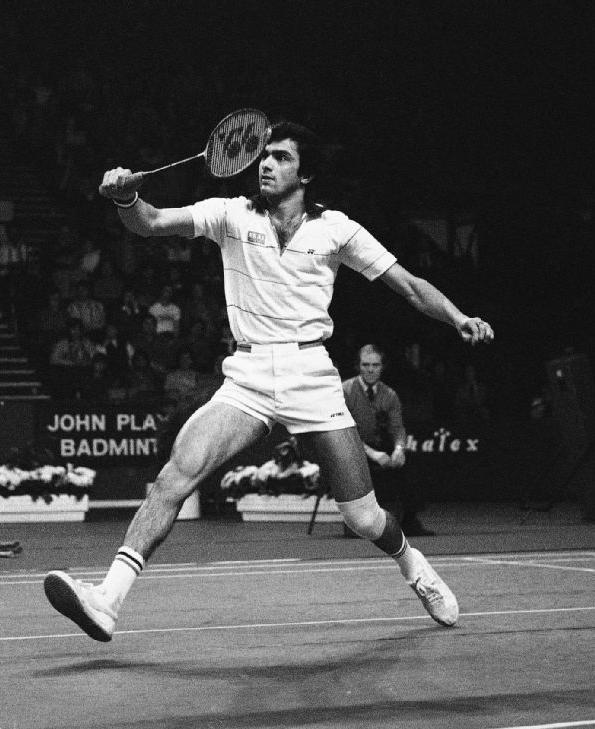
The late 1970s and early 1980s were Padukone’s golden years. In 1978, he claimed the men’s singles gold at the Commonwealth Games in Edmonton, Canada, becoming the first Indian to do so. This triumph signalled his arrival on the world stage, but it was in 1980 that he achieved immortality. At the All England Open Badminton Championships—one of the sport’s most coveted titles—Padukone defeated Indonesia’s Liem Swie King in the final, becoming the first Indian to lift the trophy. That year, he also won the Danish Open and Swedish Open, propelling him to the World No. 1 ranking, a feat no Indian had accomplished before. Nicknamed the “Gentle Tiger” for his calm demeanour and fierce competitiveness, Padukone’s success wasn’t limited to 1980. In 1981, he won the inaugural Alba World Cup in Kuala Lumpur and the Indian Masters in Pune. The following year, he added the Dutch Open and Hong Kong Open to his trophy cabinet, and in 1983, he secured a bronze medal at the World Championships in Copenhagen. His training stints in Denmark, where he sparred with legends like Morten Frost, sharpened his skills and broadened his horizons.
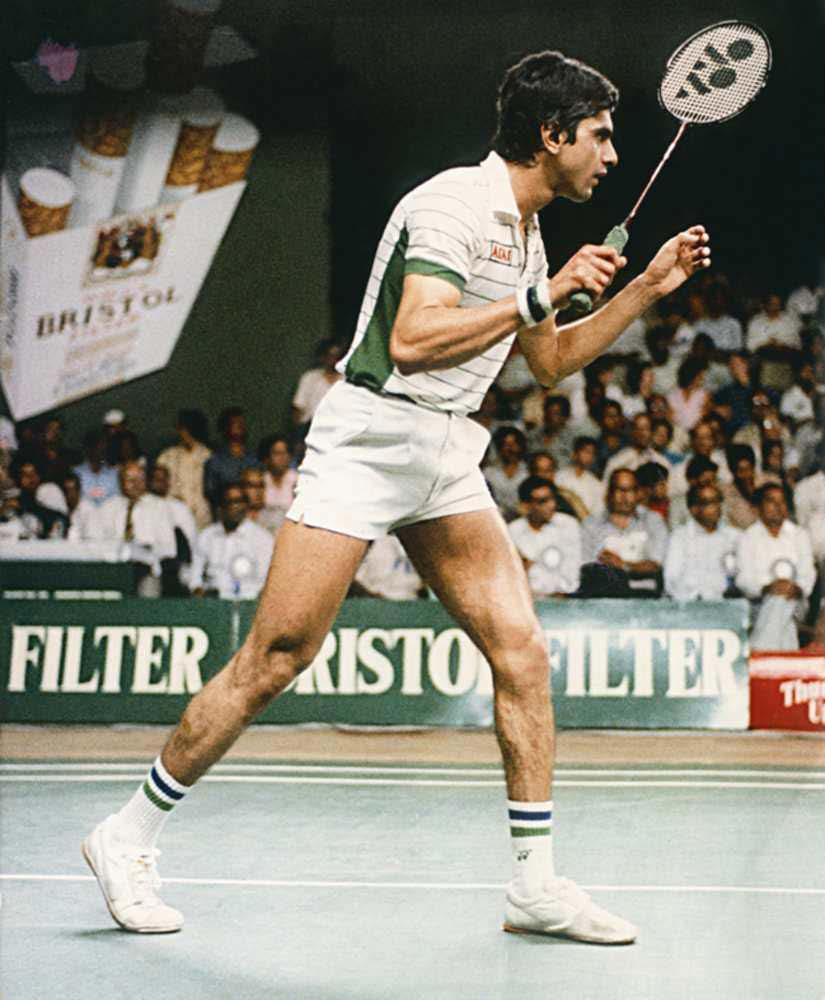

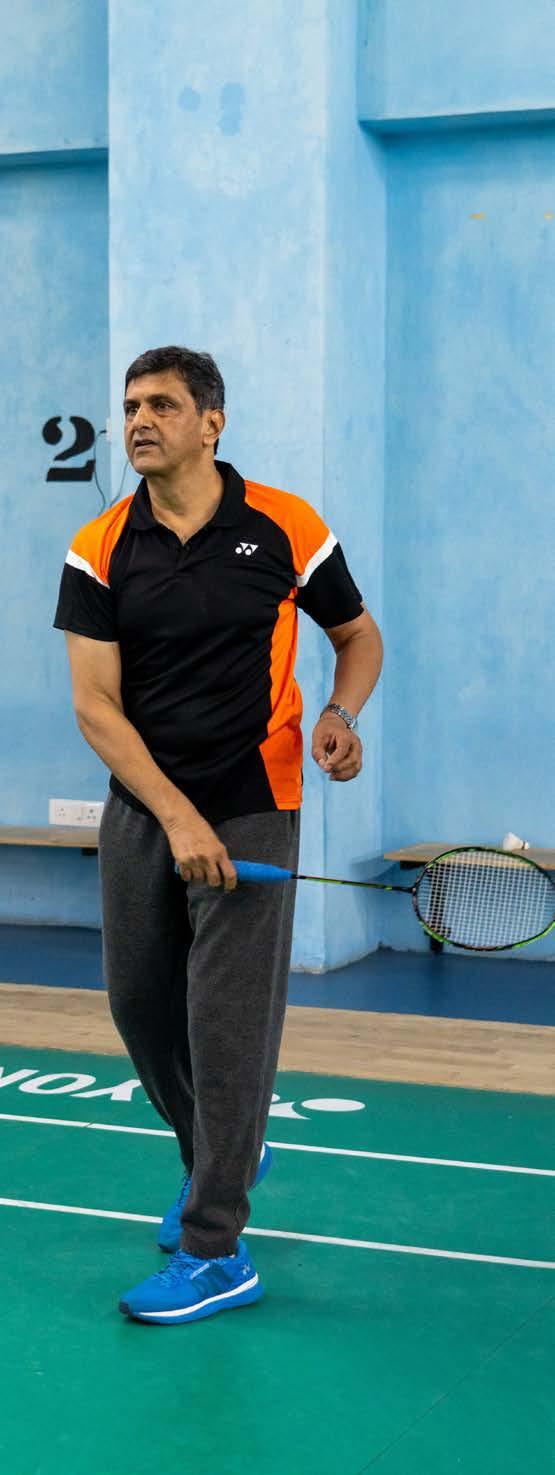
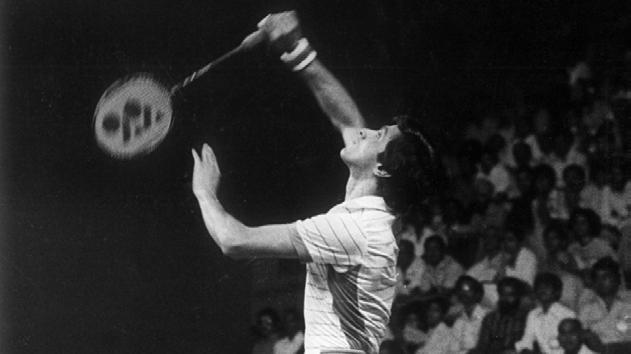
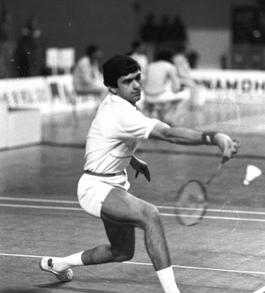
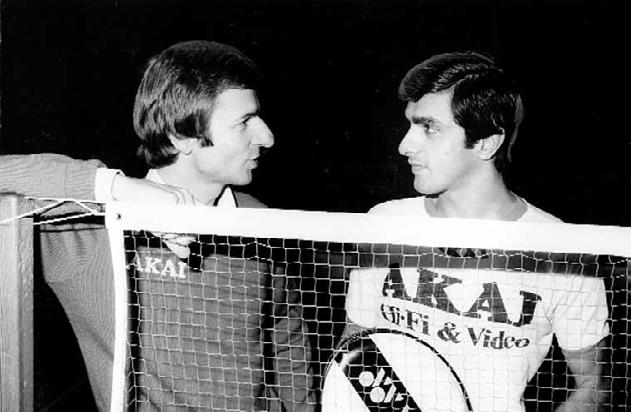
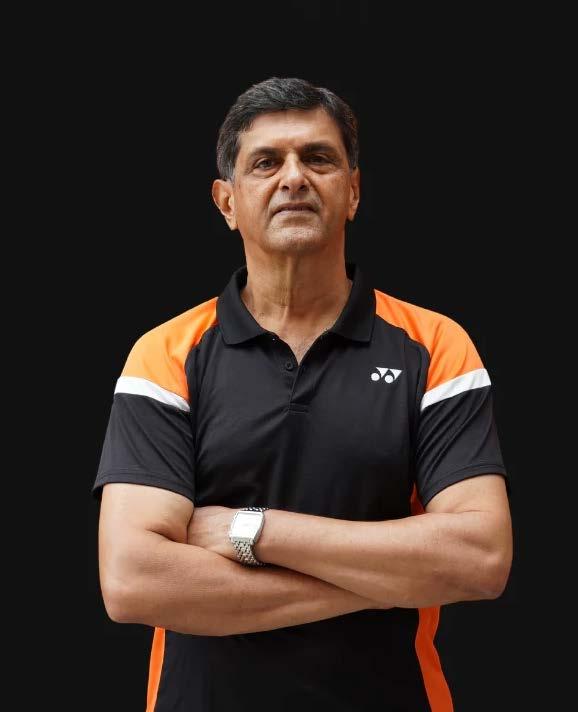

Padukone stepped away from competitive badminton in 1991, though his playing career had begun winding down by 1989. Retirement, however, was not the end of his contribution to the sport. In 1994, he founded the Prakash Padukone Badminton Academy (PPBA) in Bengaluru with Vimal Kumar and Vivek Kumar. The academy has since become a cradle for Indian badminton talent, producing players like Aparna Popat and Pullela Gopichand, who later coached stars such as Saina Nehwal and PV Sindhu. From 1993 to 1996, Padukone coached the Indian national team, and he briefly chaired the Badminton Association of India.
In 2001, alongside billiards maestro Geet Sethi, he co-founded Olympic Gold Quest, a foundation dedicated to nurturing Olympic hopefuls in India. His efforts to mentor and support young athletes reflect his commitment to giving back to the sport that made him a household name. Even in 2024, at the age of 69, he played a pivotal role in guiding India’s badminton contingent at the Paris Olympics, proving his influence endures.
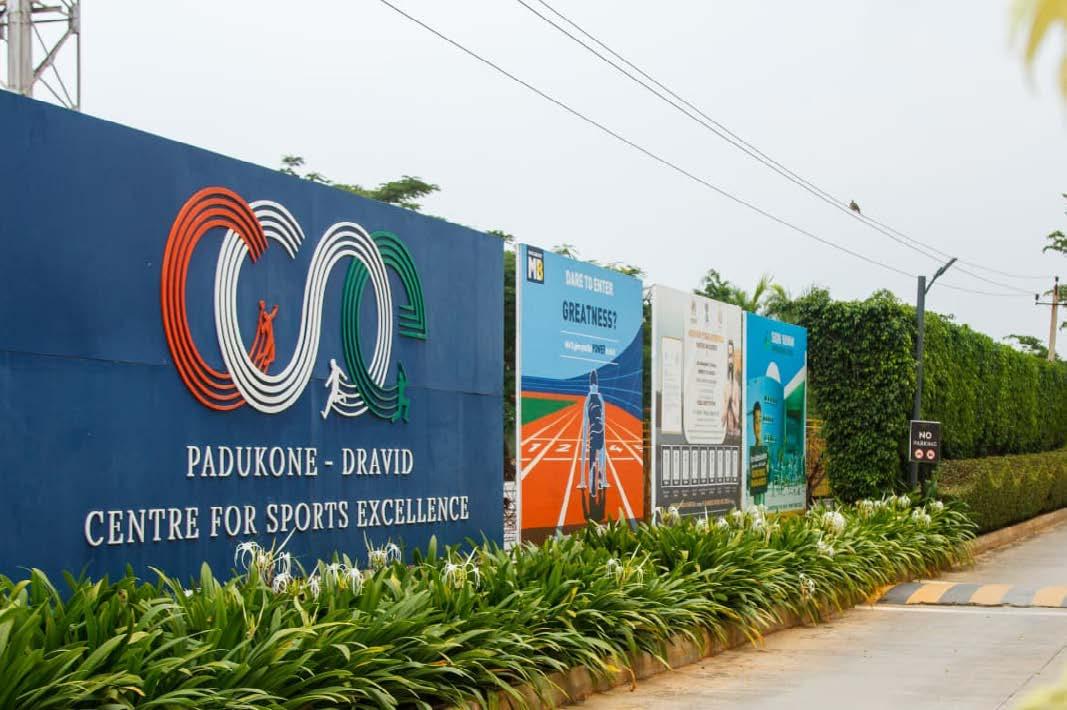
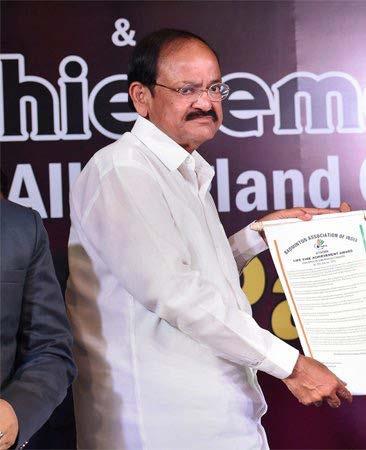

Padukone’s contributions have been widely celebrated. He received the Arjuna Award in 1972 and the Padma Shri in 1982, two of India’s highest civilian honours. In 2018, the Badminton Association of India bestowed upon him a Lifetime Achievement Award, a fitting tribute to his towering legacy. His biography, Touch Play, penned by Dev S. Sukumar in 2006, remains a rare and cherished account of a badminton player’s life.
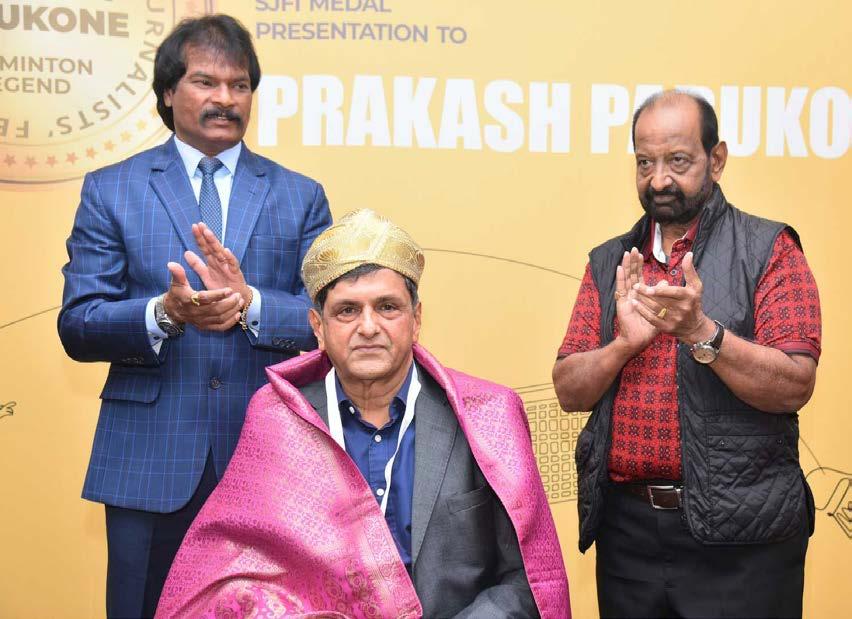
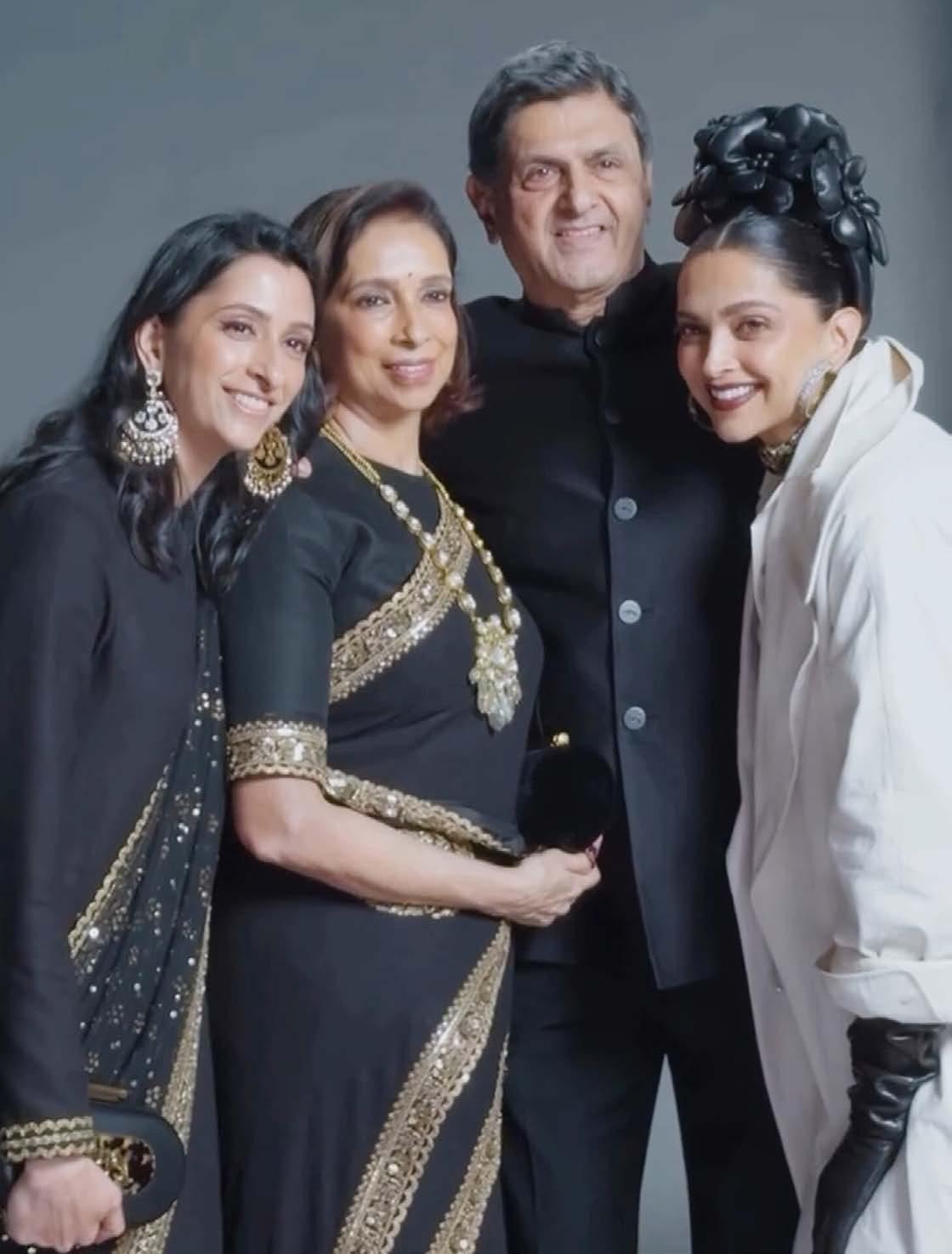
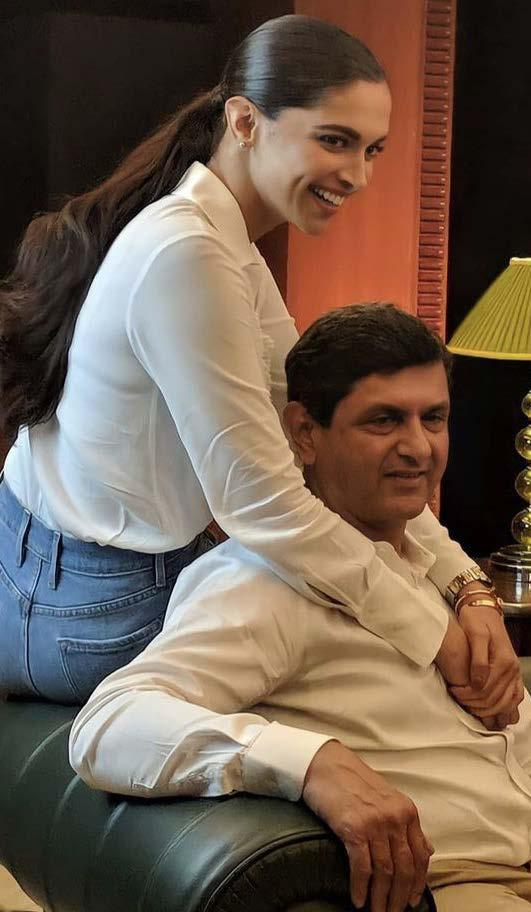

On the personal front, Padukone’s life has been enriched by his family. His marriage to Ujjala produced two daughters: Deepika Padukone, a global Bollywood icon, and Anisha Padukone, a professional golfer. Deepika’s rise to stardom has brought additional spotlight to the Padukone name, though Prakash’s achievements remain the bedrock of the family’s sporting heritage.
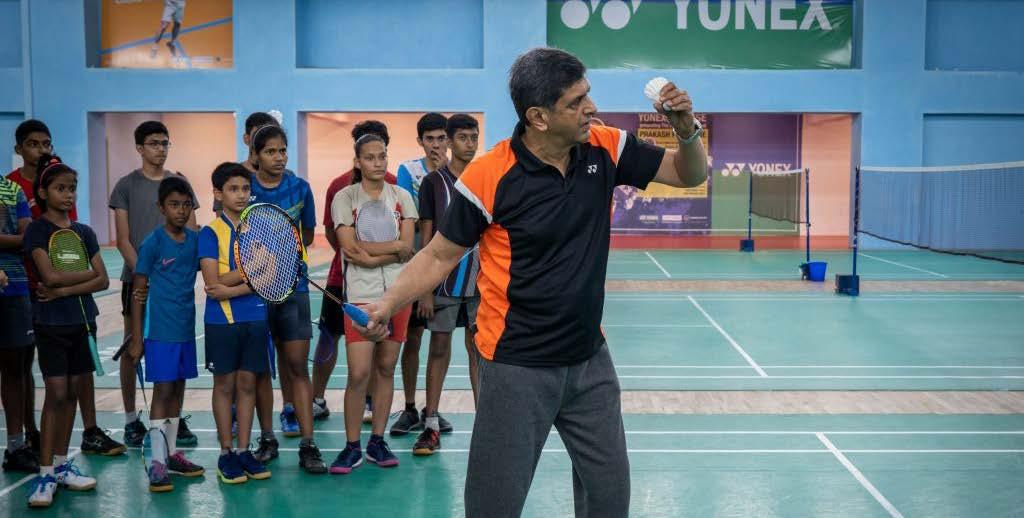
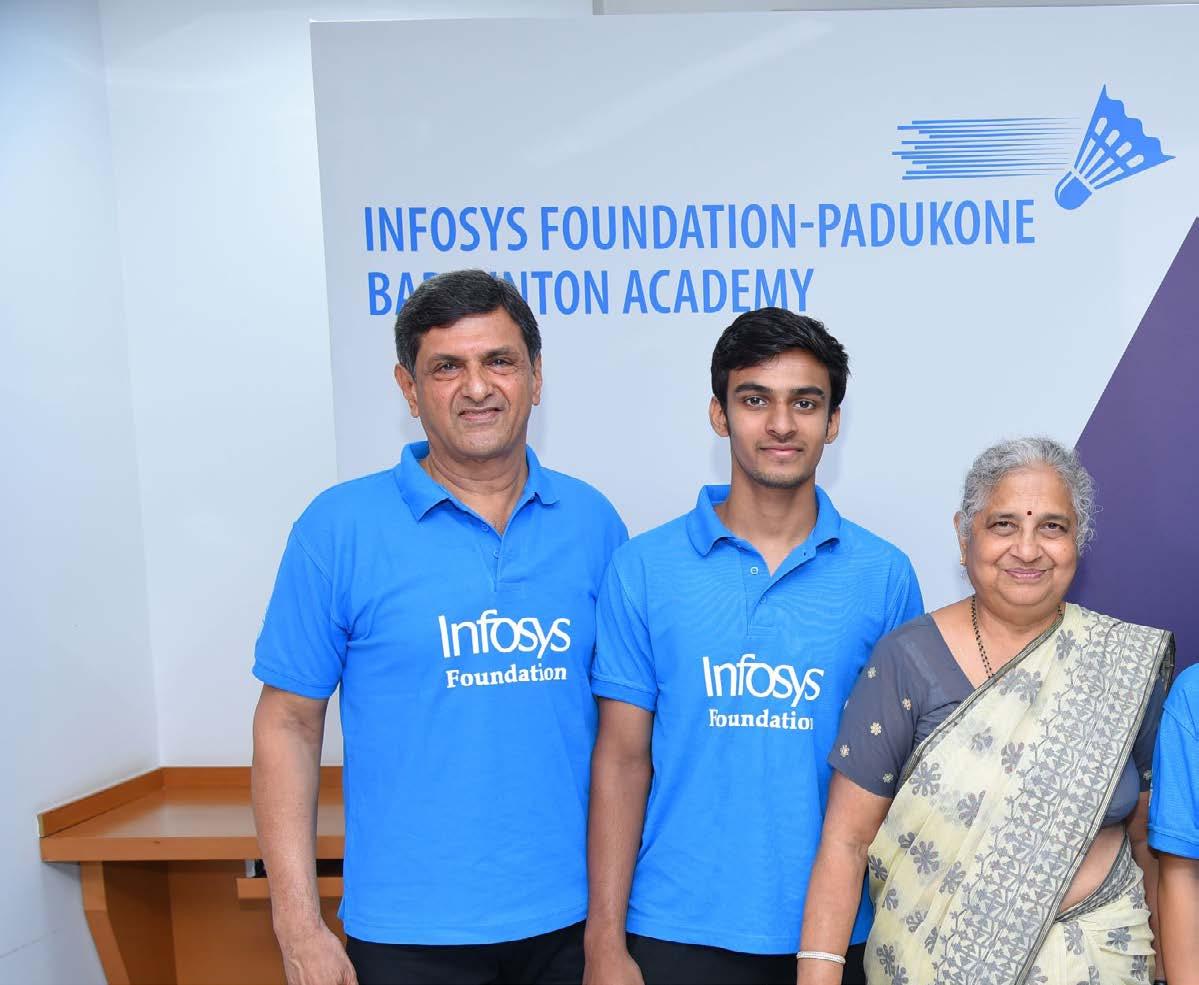
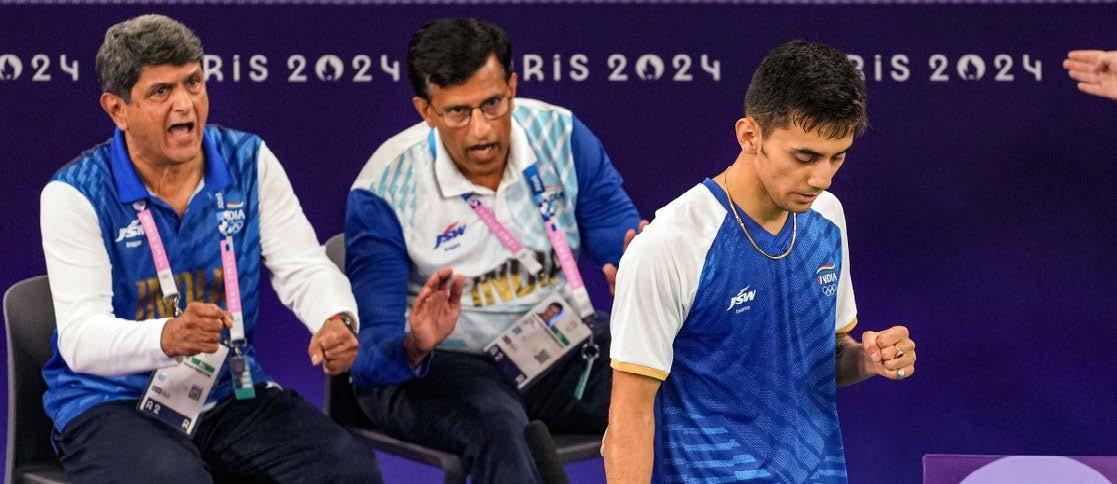
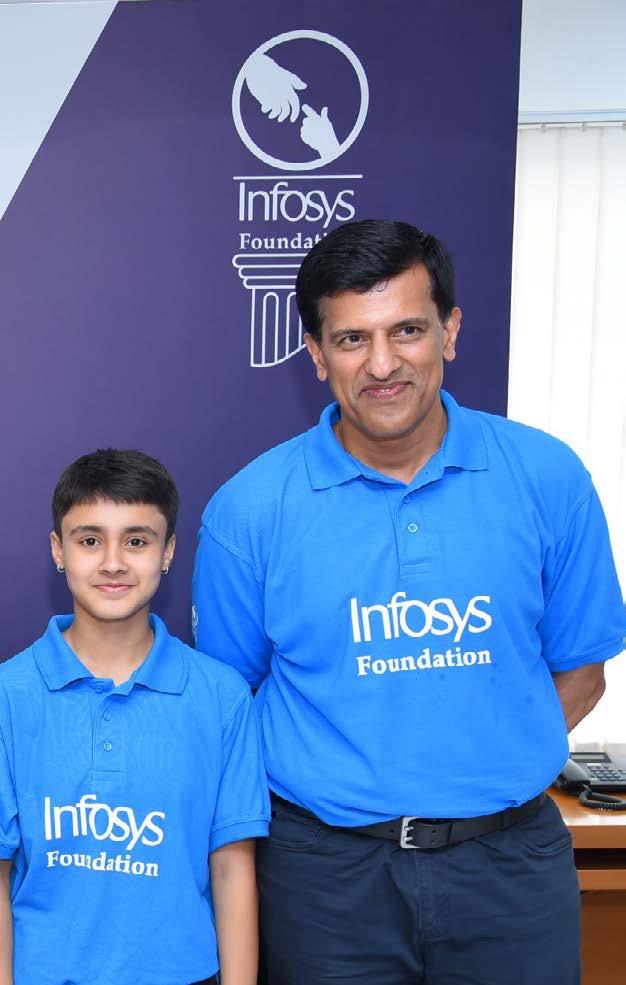
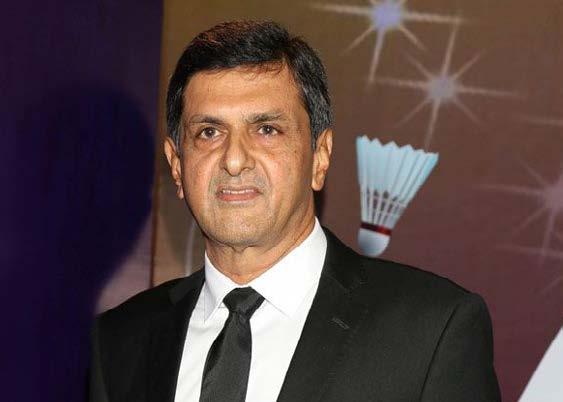
Prakash Padukone’s life is a testament to the power of perseverance and skill. In an era when badminton lacked the infrastructure and popularity it enjoys today in India, he carved a path to greatness with little more than a racket and a dream. His victories inspired a generation, laying the foundation for India’s emergence as a badminton powerhouse in the 21st century.
Today, as the sport thrives with stars like PV Sindhu and Lakshya Sen, Padukone’s shadow looms large. He was the pioneer who showed India—and the world—that excellence knows no boundaries. The Gentle Tiger may have hung up his racket, but his roar continues to echo through the courts of Indian badminton.


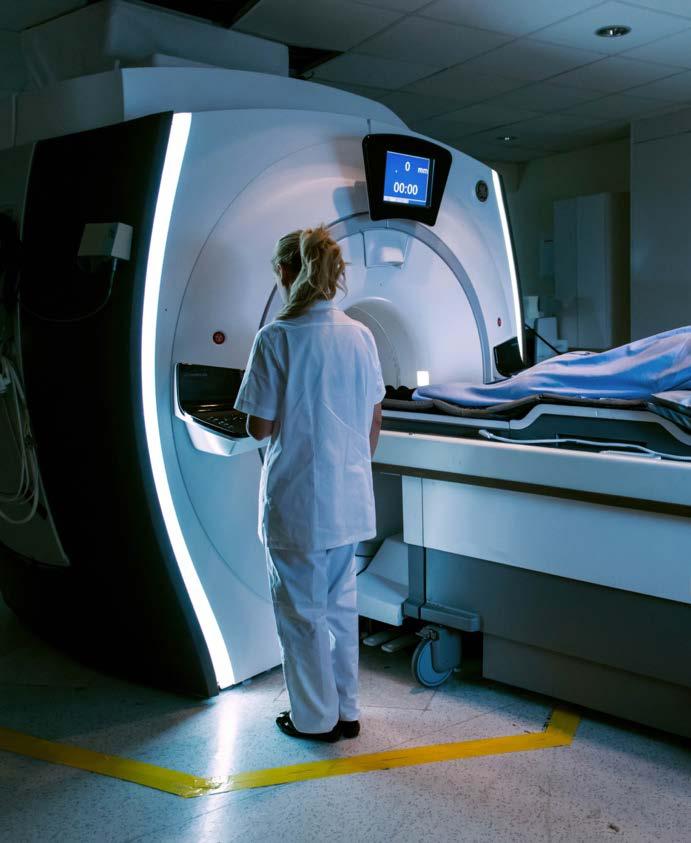




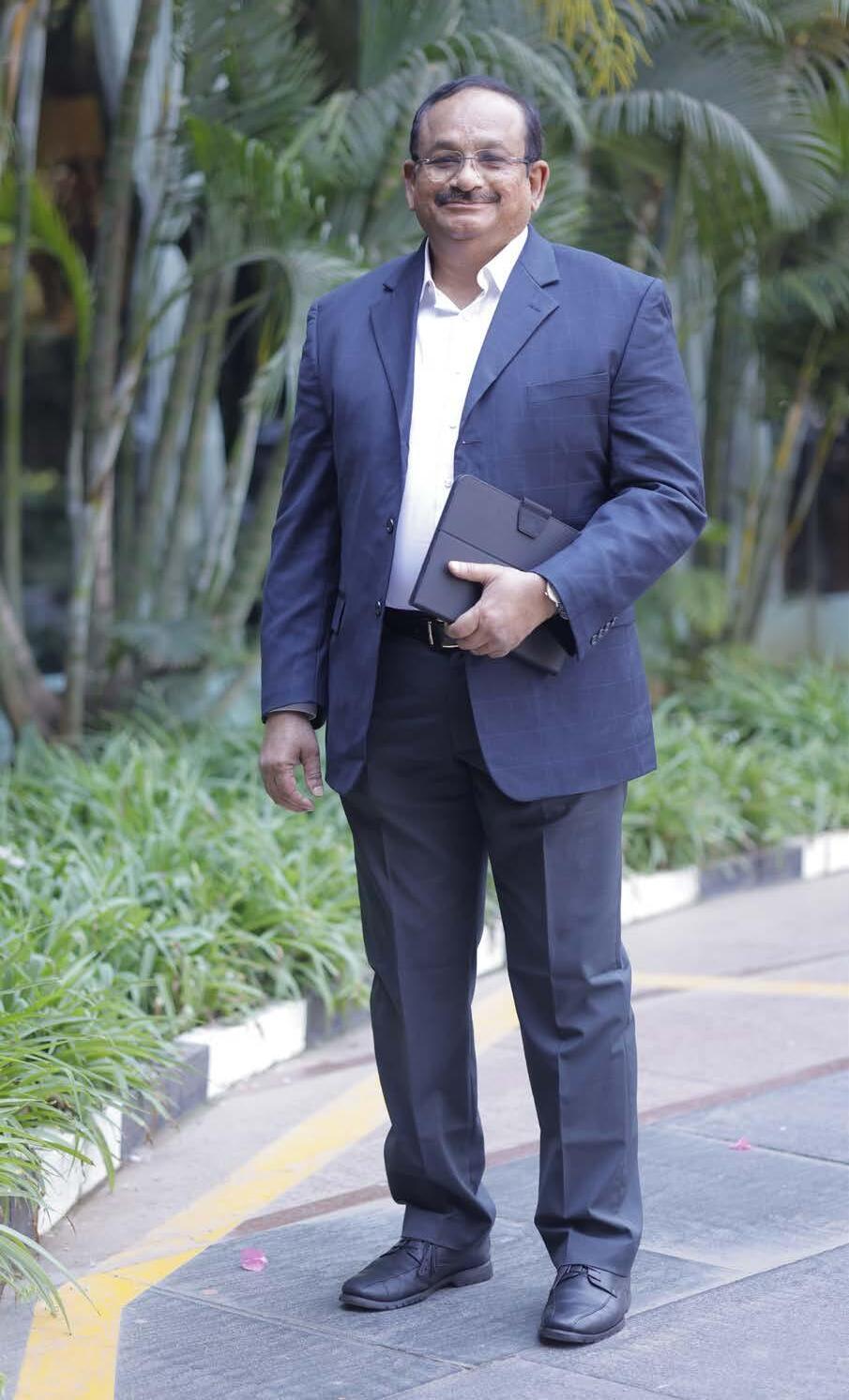
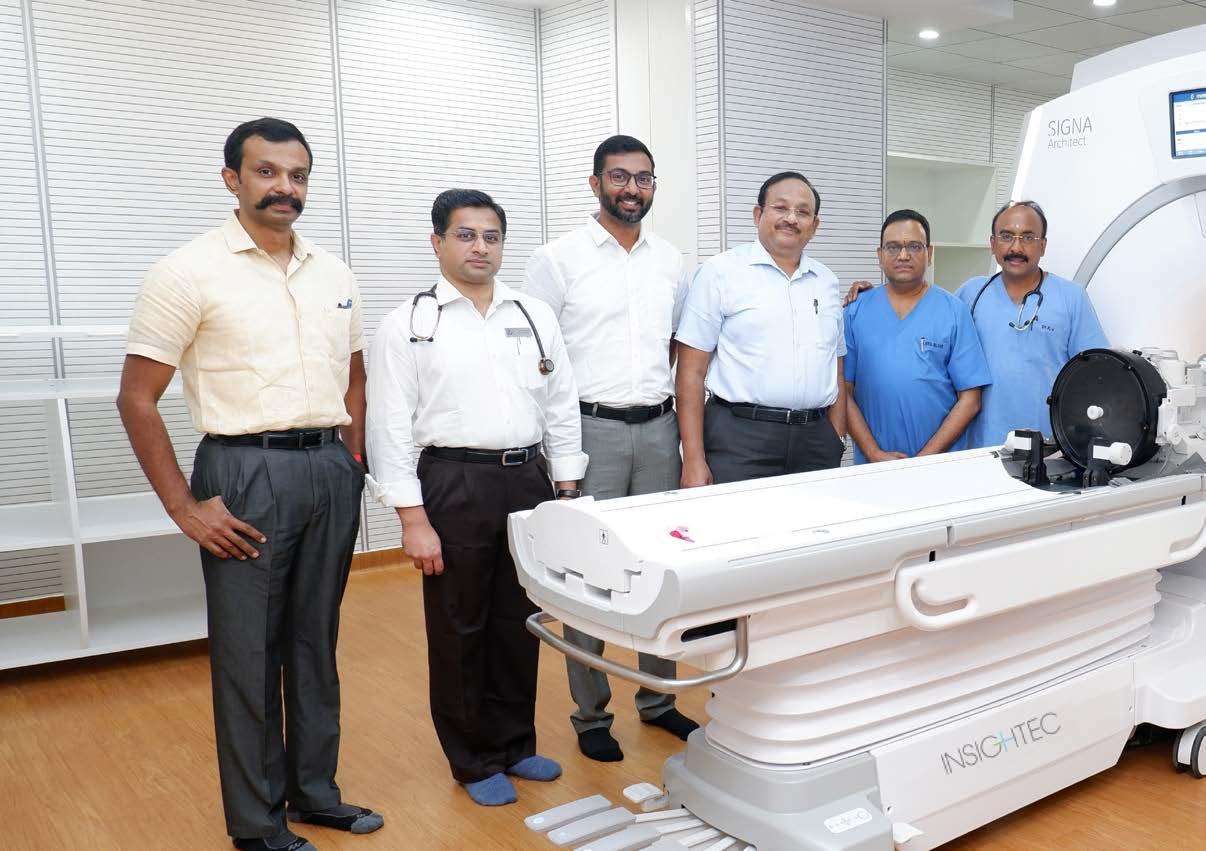
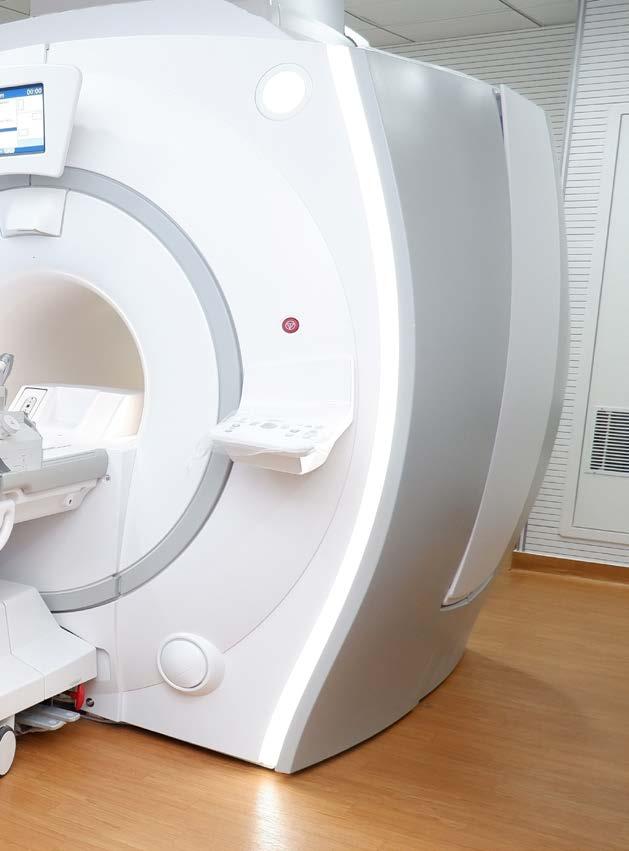
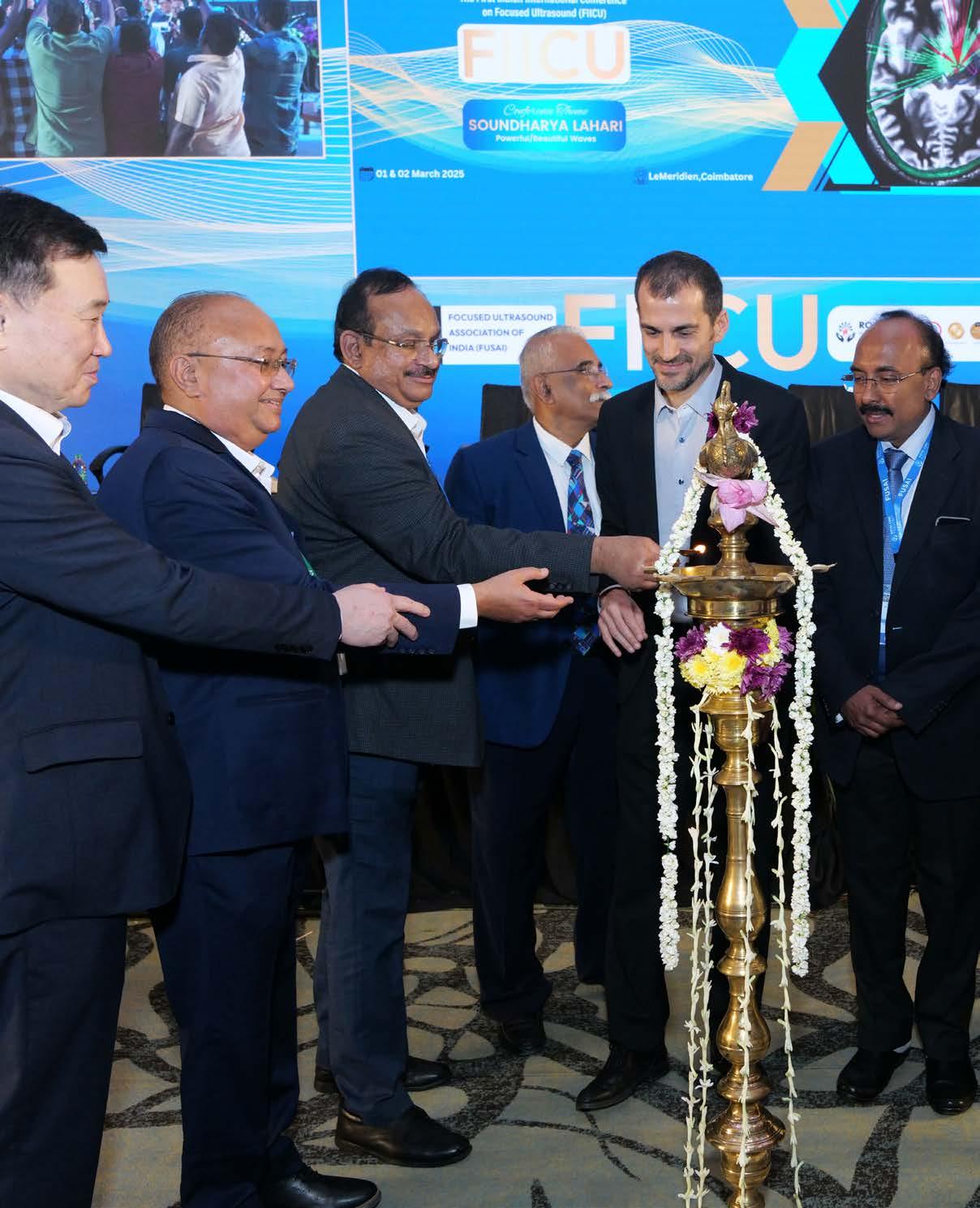
Dr. K. Madeswaran has been known as a Visionary, Missionary and an Unstoppable Dreamer. But what makes him absolutely unique, is his ability to have continual, cumulative and focused Dreams, His fully committed Efforts, highly Determined mindset to pursue his Vision and to see them becoming a Cherished Reality; And in this process of his foresighted vision combined with His Mission of bringing the best of the best Medical Technologies from all around the world and make it available to all; at an affordable cost. As a part of his noble Mission, Royalcare Hospitals Group has purchased and implemented one of the Latest and biggest Breakthroughs in Medical Science, which
is the ‘MRI’ Magnetic Resonance Imaging-guided (MRI) Focused Ultrasound Facility @ Royalcare Super-Specialty Hospitals, Neelambur (Coimbatore), Tamil Nadu, India. Dr. K. Madeswaran has been known as a Visionary, Missionary and an Unstoppable Dreamer. But what makes him absolutely unique, is his ability to have continual, cumulative and focused Dreams, His fully committed Efforts, highly Determined mindset to pursue his Vision and to see them becoming a Cherished Reality; And in this process of his foresighted vision combined with His Mission of bringing the best of the best Medical Technologies from all around the world and make it available to all; at an affordable cost.
As a part of his noble Mission, Royalcare Hospitals Group has purchased and implemented one of the Latest and biggest Breakthroughs in Medical Science, which is the ‘MRI’ Magnetic Resonance Imaging-guided (MRI) Focused Ultrasound Facility @ Royalcare Super-Specialty Hospitals, Neelambur (Coimbatore), Tamil Nadu, India.
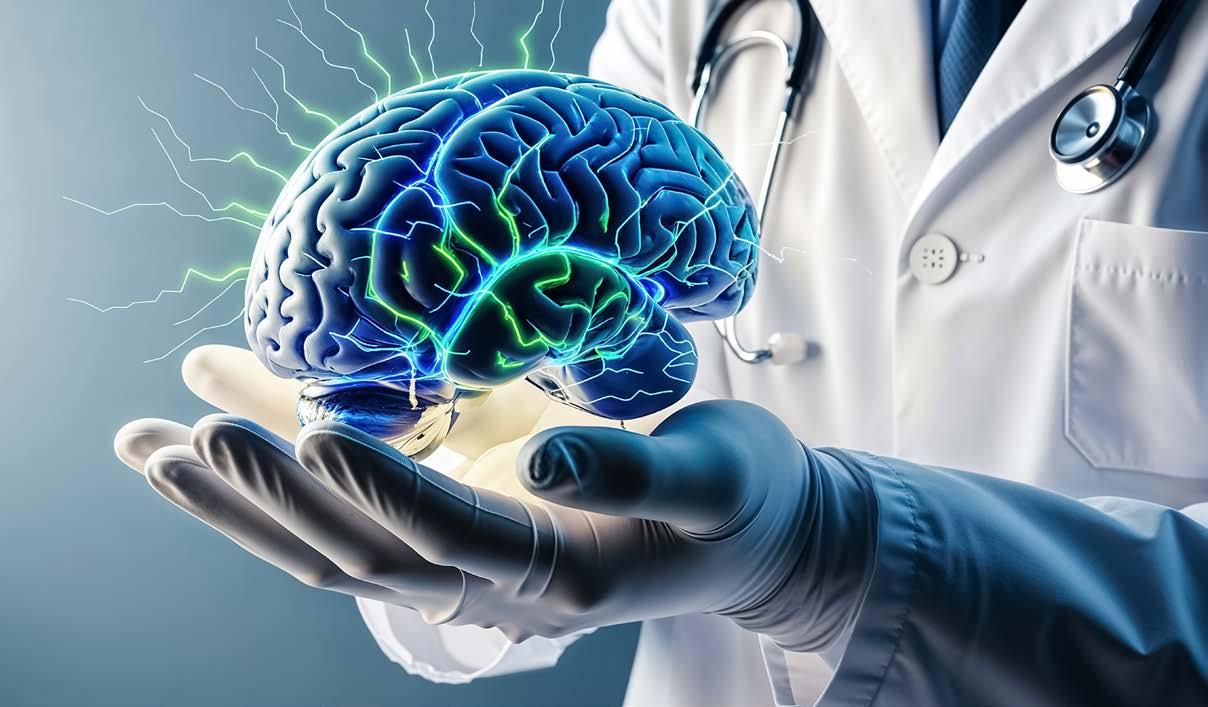
Widely regarded as one of the best healthcare providers, Royal Care Super Speciality Hospital, Coimbatore is equipped with advanced medical equipment and technologies, and often has been the first in introducing the latest treatments in the medical field. The newest and the most advanced being the MR-Guided Focused Ultrasound for treatment of Essential tremors and tremor dominant Parkinson’s disease. This procedure is conducted by a team of highly qualified and experienced Neuro Surgeons and Specialists, who have been specifically trained in the Focused Ultrasound technique to target any hard-to-get lesions in the brain and clear them efficiently.
HOW IT WORKS?
High-Resolution Imaging
Provides a complete anatomical survey of the treatment area
Patient-specific treatment planning
Real-Time Thermometry
Monitor Temperature Changes in Real-Time
Adjust the Treatment in Real-Time, Outcome Assessment &
Intra-Operative To weighted MR Images to verify complete ablation
MRgFUS has been approved by the Central Drugs Standard Control Organization (CDSCO), which is a part of the Ministry of Health and Family Welfare of India and also by the U. S. Food and Drug Administration (FDA).

Essential Tremor: Essential tremors also referred to as familial, idiopathic, or benign tremors, cause uncontrollable shaking in one or several limbs that can profoundly impact a person’s quality of life. As the disease progresses, so does the patient’s tremor scale.
Surgical intervention is often considered the next step when medications fail to offer relief.
Tremor-dominant PARKINSON’S DISEASE:
In an estimated 26% of Parkinson’s disease (PD) patients, their primary symptom is tremors. All these patients initially have tremors, and as the disease progresses, they may experience the onset of other symptoms with an escalation. However, tremors remain the primary symptom that severely impacts their daily activities.

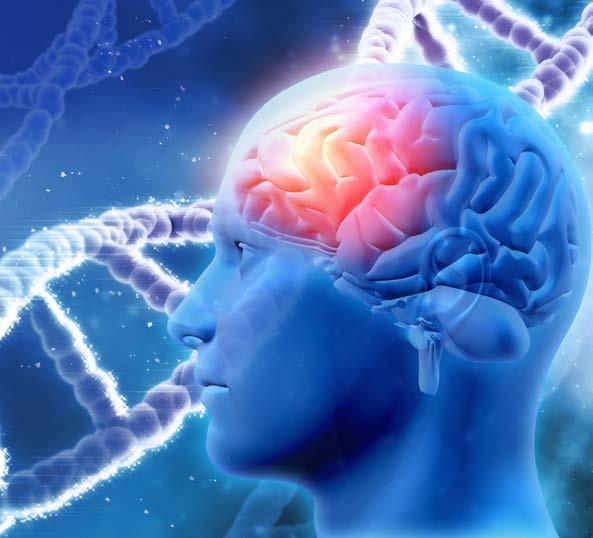


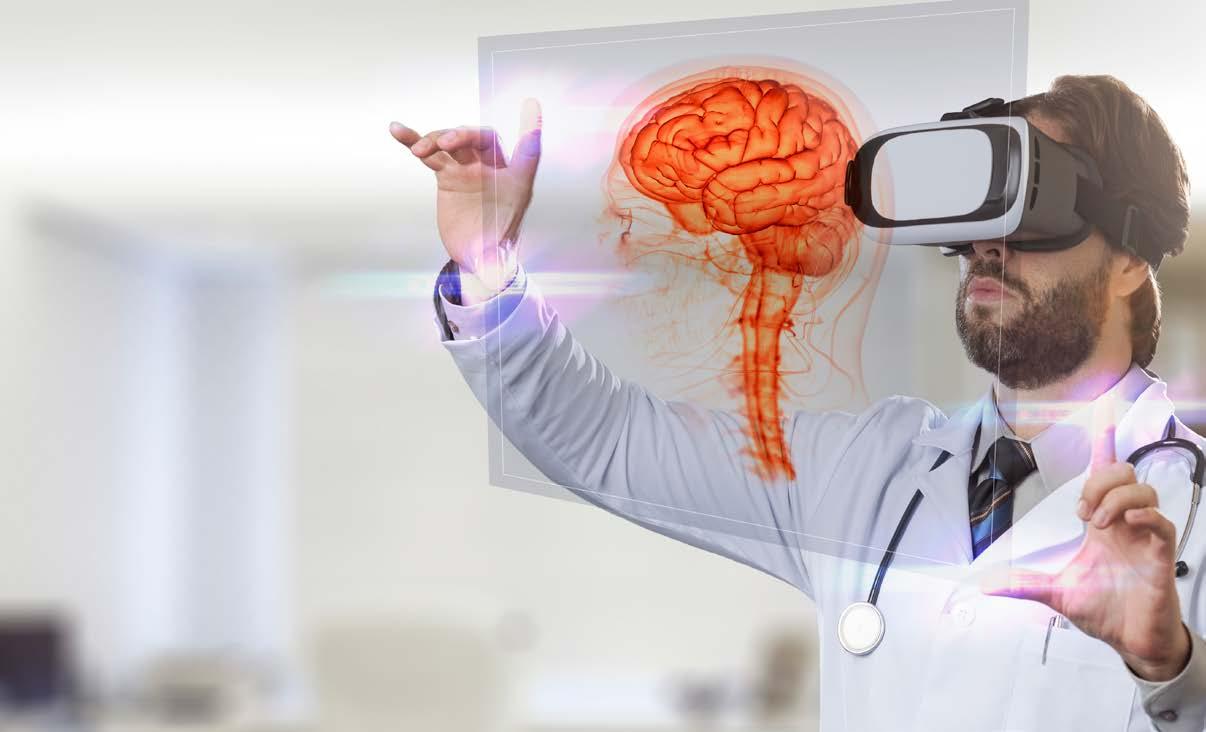
The MIRACULOUS TECHNOLOGY CalledMRgFUS
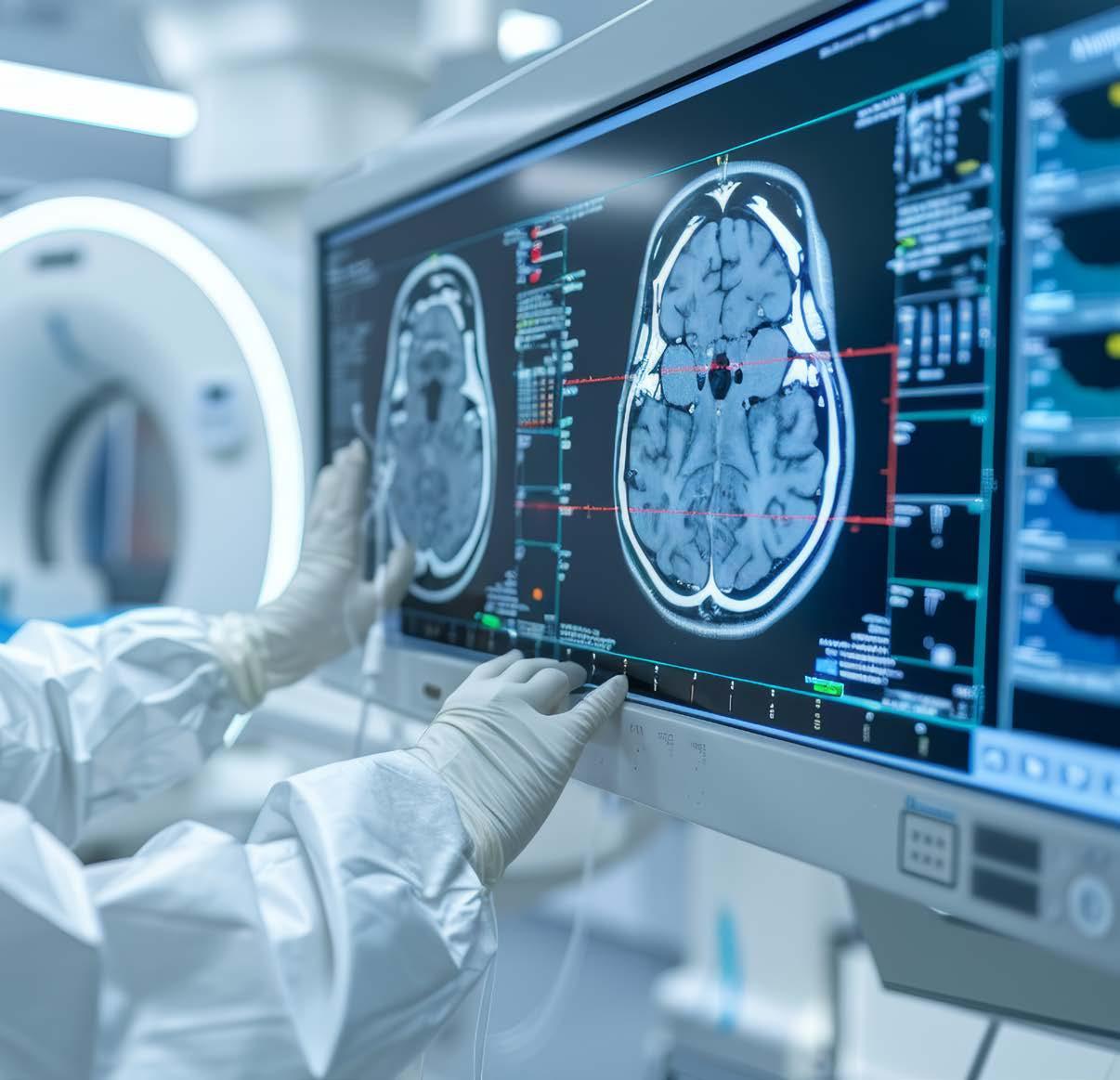
By harnessing acoustic energy, you can treat Essential Tremor and Tremor-dominant Parkinson’s Disease with the therapeutic power of MRgFUS, a Focused Ultrasound platform advancing patient care. MR-guided focused ultrasound (MRgFUS) provides an incision-less treatment option for tremor-dominant Parkinson’s patients who do not respond to medications. MR-guided Focused Ultrasound works under the principle of combining two technologies -(MR) Magnetic Resonance Imaging aids and Ultrasound (sound waves). Focused ultrasound is a treatment option that provides tremor control without surgical incisions and with minimal
The TREATMENT: During the treatment, under MRI guidance, sound waves are precisely focused on the small spot in the brain considered to be responsible for causing tremors. Low energy is first applied, which allows the patient to inform the physician of any sensations they feel or other potential side effects. Then the physician can make individualized adjustments to the target. The energy is gradually increased to create a small therapeutic lesion. The EFFECT: Many patients’ have reported an immediate improvement of tremors with minimal complications. in the treated limbs. Over 3,500 patients (and increasing by the day) have been treated to date around the world.



KNIFELESS BRAIN SURGERY @ ROYALCARE
SUPER SPECIALITY HOSPITAL, COIMBATORE:
Experience the transformative power of Incisionless Surgery through MRgFUS (Magnetic Resonance guided Focussed UltraSound) at the only Neuro Centre in the entire Indian Subcontinent. Royal Care Super Speciality Hospital is the only Neurocare Centre in whole of India, facilitated with expertise and technology that provides an MRgFUS (Magnetic Resonance guided Focussed UltraSound) therapy to Essential Tremors and Parkinsons’ patients with tremors.
Best in Neurological Care Imbibing the Best in Innovation: Neurological Care has taken a new transformation with advancements in science and technology. The concept of incision-less surgery has been devised to cure the tremors in patients suffering from Parkinson’s Disease.
“INNOVATION
Royal Care MRgFUS (Magnetic Resonance guided Focussed UltraSound) Therapy for patients in Asia & Middle East. Magnetic Resonance-guided Focused Ultrasound (MRgFUS) is a treatment option for patients with essential tremor or tremor dominant Parkinson’s disease who haven’t responded to medication or are not willing to have invasive surgery. The procedure uses focused beams of ultrasonic energy guided by MRI to target areas deep in the brain with no incisions or permanent implants.


Incisionless Surgery - Little to no risk of infection
No General Anaesthesia Required- No invasive burr holes or implants
Improvement In Hand Tremor -Stably maintained at 3 years
Personalized Treatment-With sub-millimetre target movement
Single Session Treatment-Minimal hospitalization
Safe And Effective- Minimal side effects
Hand tremors can be effectively treated even when medications don’t help. Life-changing transformations are now possible world-over thanks to innovation in medical technology by our Specialized Neuro Care Technology.
Unique Outpatient Treatments: Treatment for hand tremors using the therapeutic power of Focused UltraSound is typically a simple single-sitting
outpatient procedure. Guided by MRI, precise spots in the brain are targeted using adjustable parameters tailored just for you, to go back home the same day.
Safety & Risk Information: MRgFUS (Magnetic Resonance guided Focussed UltraSound) technique is an overall reasonably safe procedure with minimal risks. Patients must discuss with their physician about all treatment options available and the risks involved as a mandate.
FDA Approved: You can always count on our expert care. Our physicians are leading the way in research & advanced therapies, paving the path to fearless incisionless treatments.
Minimally Invasive Techniques: Use of high-tech diagnostic tools through minimally invasive surgeries not only help improve your results and recovery, but also make surgeries a comfortable option.
Convenient, Comprehensive Care: You can rest assured find complete neurological care when you need it at our specialized facilities like spine centres, sleep centres, and neuro-rehab locations.
Same-Day Tremor Relief: Even the mildest of Tremors can pose threat to daily activities and make life a struggle. Our advanced Neuro Care technology along with our select neurologic experts marks us as one of the first centres in India offering MRgFUS (Magnetic Resonance guided Focussed UltraSound) solution to
tremors; The best, effective, and incision-free option to treat tremors.
For Essential Tremor: Tremors upon outstretched hand postures or simplest hand actions, it is one of the most common movement disorders.
Tremor Dominant Parkinsons: Uncontrollable movements like shaking or stiffness mark this neurodegenerative condition affecting - 1% of people over 60 yrs.
Patient Candidacy: It is vital you discuss your entire medical history with your neurologist and evaluate your suitability for the procedure with accuracy.
How It Works: In simple words, the concept of MRgFUS (Magnetic Radiation guided Focused UltraSound) is a procedure similar to using a high-powered magnifying lens to focus the sun’s energy on a specific spot on a leaf.
Treatment Benefits: tremor Improvement: 40-80% improvement in tremor severity (many with immediate improvement) stably maintained at three years.

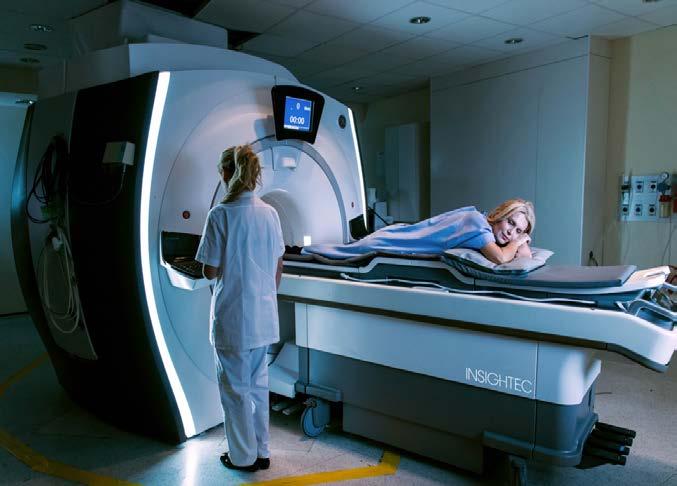

By harnessing acoustic energy, you can now treat Essential Tremor and Tremor-dominant Parkinson’s Disease patients with the therapeutic power of focused ultrasound. The future of Neurosurgery has arrived. Royal Care Hospital is the first among its peers to introduce to the South Asian market a Focused Ultrasound platform to treat Essential Tremor and Parkinson’s Disease – Delivering up to 1,024 ultrasound waves across select points in the skull to precisely ablate a target deep in the brain, this treatment is performed incision-free in the MRI suite on an outpatient basis. The Focused Ultrasound treatment involves a treating physician sitting at a computer in the MRI control room, using a mouse instead of a scalpel, to expertly mark and create a lesion in the skull. This treatment is guided by MR imaging for the patient-specific treatment planning, with real-time thermal feedback, along with continuous treatment monitoring. MRgFUS (Magnetic Resonance guided Focussed UltraSound) is approved for the treatment of essential tremors that cannot be controlled with medication. Approval is for treatment of one side of the brain only; you must be at least 22 years old. It is also available for tremor-dominant Parkinson’s disease. Approval is for treatment of one side of the brain only; you must be at least 30 years old.



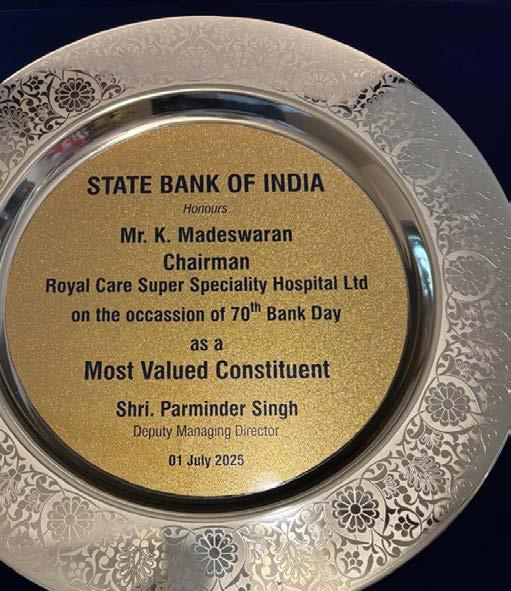
H - 2022 - 0901




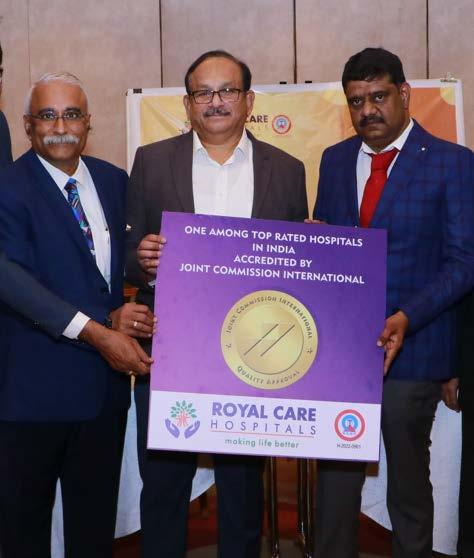
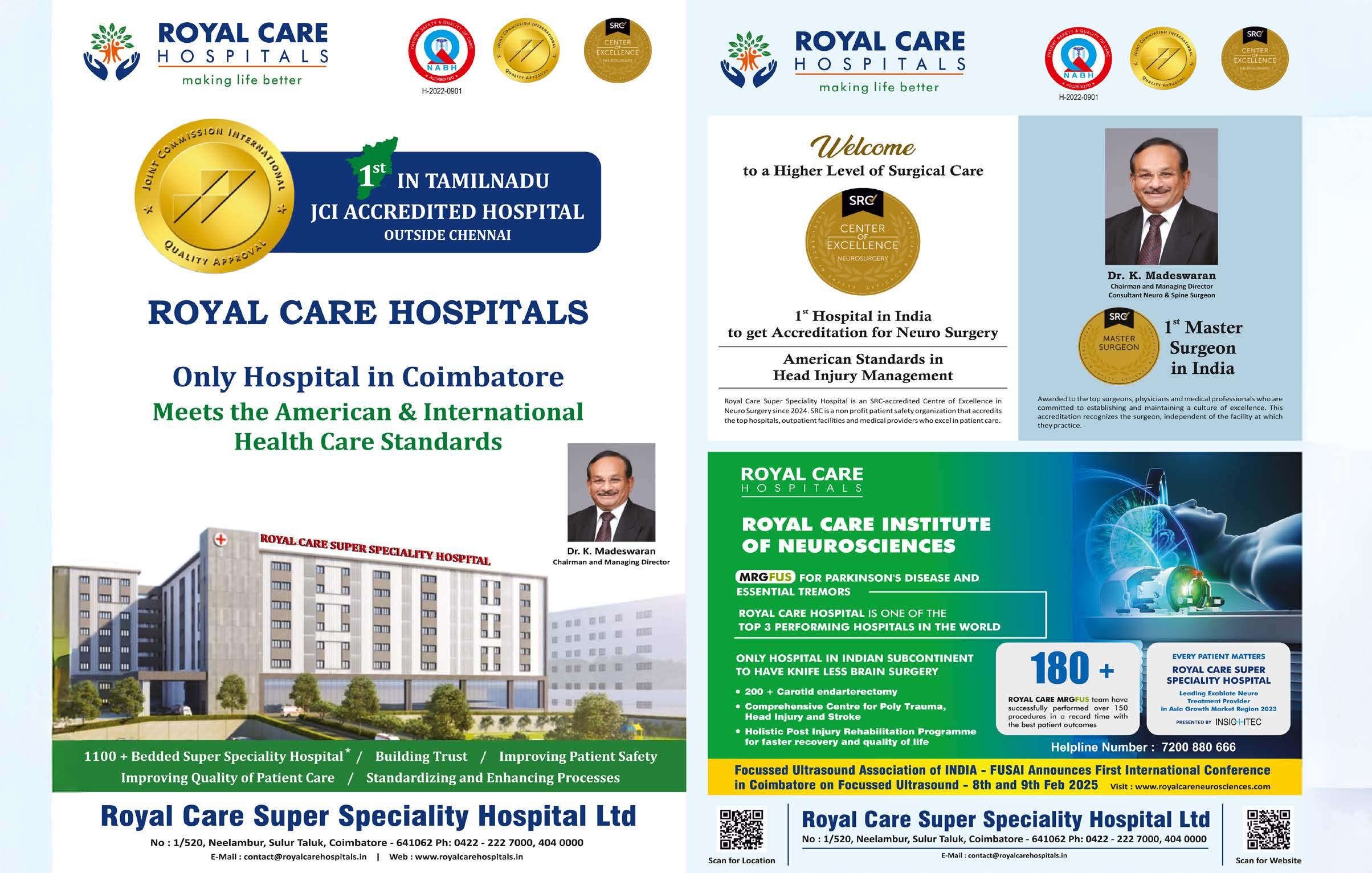
Certificate of Accrediation for Royalcare Super Speciality Hospital Ltd.
DRoyal Care Super Speciality Hospital proudly announces its accreditation by the Joint Commission International
Royal Care Super Speciality Hospital
Recently Achieved SRC’s Center of Excellence in Neurosurgery
Royal Care Super Speciality Hospital
Recently Achieved NABL - The National Accreditation Board for Testing & Calibration
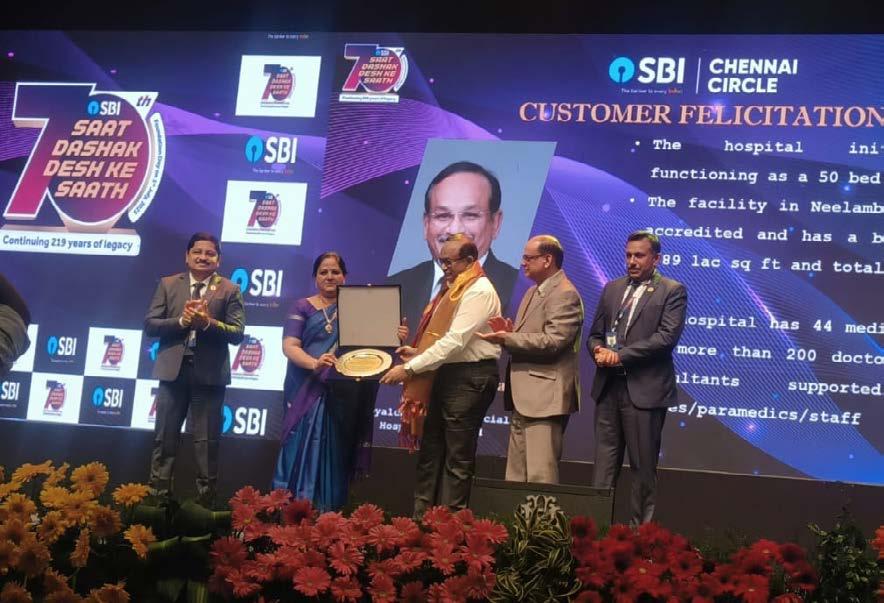
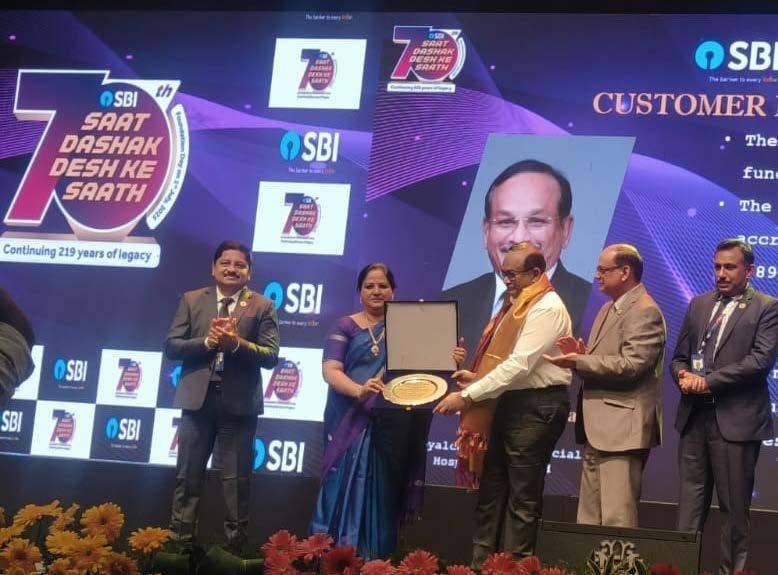
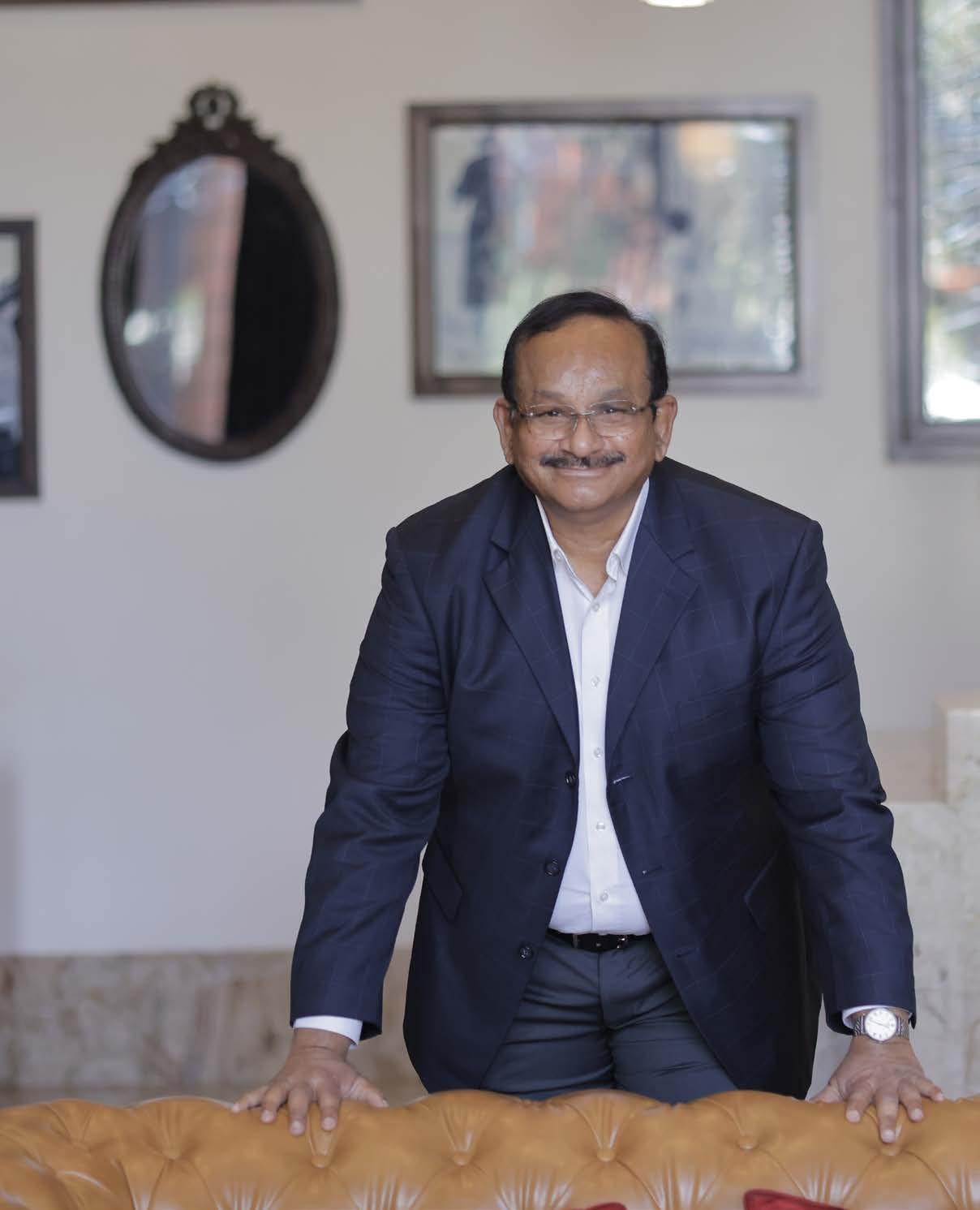
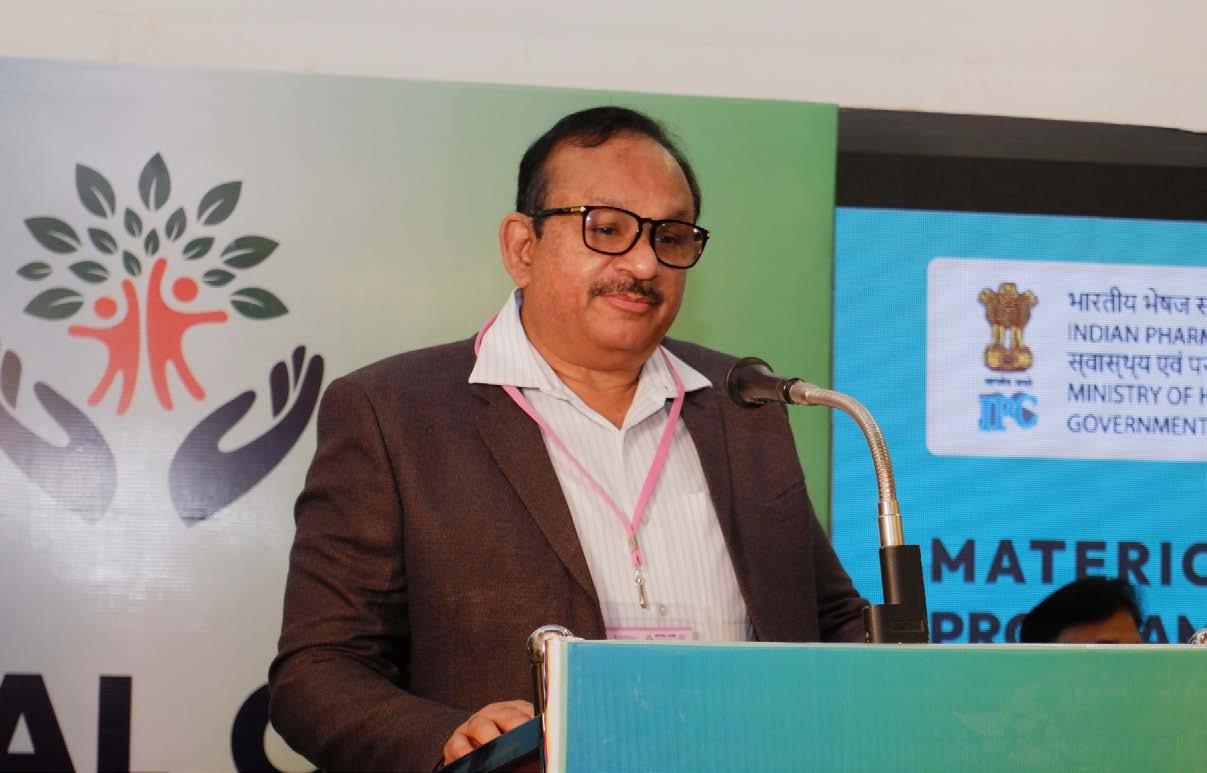
r. K. Madeswaran’s strong commitment to the field of Neurology & Neurosurgery is very evident and affirmative with his amazing Records, Statistics and Awards for having performed over 13,500 successful Neurosurgeries as on date. And, that has positioned Not only Positioned Dr. K. Madeswaran as One of the Top Ten Neurosurgeons of the World; But, also brought Him Many Prestigious International & National Awards, Honours, Accreditations, Records and Acknowledgements from Many National / International Institutions. Throughout his benevolent Professional Career and Entrepreneurship over the last 36 years in Indian Medical, Surgical, Social and healthcare Industry, Dr. K. Madeswaran has been attached with a strong sense of purpose, which is Flawless Health and Joyful Living for All. In addition, Dr. KMD has always been passionate about adhering to a holistic approach to community development and Preserving Global Environment for a Better Tomorrow; as exemplified by His Brain-Child Namely ‘UYIRIN SWASAM’ – through which He and His Team of Global Volunteers have been Planting Trees as far and as wide they could. As on Date’ Uyirin Swasam Foundation’ have planted over (Ten Million) One Crore Trees and they are vigorously Moving Forward with the clear objective and aim of Planting 100 Million Trees with Dr. K. Madeswaran’s Highly determined Vision and Moto of ‘Growing Trees for Global Peace and Prosperity’.
Throughout his benevolent Professional Career and Entrepreneurship over the last 36 years in Indian Medical, Surgical, Social and healthcare Industry, Dr. K. Madeswaran has been attached with a strong sense of purpose, which is Flawless Health and Joyful Living for All. In addition, Dr. KMD has always been passionate about adhering to a holistic approach to community development and Preserving Global Environment for a Better Tomorrow; as exemplified by His BrainChild Namely ‘UYIRIN SWASAM’ – through which He and His Team of Global Volunteers have been Planting Trees as far and as wide they could. As on Date’ Uyirin Swasam Foundation’ have planted over (Ten Million) One Crore Trees and they are vigorously Moving Forward with the clear objective and aim of Planting 100 Million Trees with Dr. K. Madeswaran’s Highly determined Vision and Moto of ‘Growing Trees for Global Peace and Prosperity’.
All the above serves as a testimony to his most adorable and incredible journey of healing, curing, unconditionally caring, as well as inspiring the Next generations of Surgeons, Doctors and Healthcare Professionals. The fundamental of his legacy is pioneering, developing, innovating, refining and implementing scientific & hi-tech approaches and techniques in the fields of Neuroscience & Neurosurgery. Dr. K. Madeswaran has always been known for his Exemplary and truly remarkable Medical, Surgical, Teaching, Professional and Entrepreneurial


career over three to four decades. And majority of the surgeries, those were successfully performed and completed by Dr. K. Madeswaran; were highly Critical and Challenging Cases.
And He had taken utmost care, in all those cases; by bringing out best of His skill, knowledge and expertise to ensure that the Patients are cured and sent back to their normal life. Hence, Dr. K, Madeswaran has been fondly called as ‘The Most Legendry Neurosurgeon, who is blessed with the Brain, Heart & Hands Of God’. Dr. K. Madeswaran, with his inborn Skills, Talents and Remarkable Subject Matter Expertise, Not only cured Tens of Thousands of Patients, who have come to him, with the chronic and serious conditions. And, He gave all those Patients and their families the Enduring Joy and legitimate life; to live and rejoice; with their families; But, also taught 1000s of Junior Doctors and Surgeons, who all have been associated with Him and who have been learning directly by being along with Dr. K. Madeswaran in and through all those exemplary and Critical Surgeries and Procedures.
And they along with all those beneficiaries of His Medical & Surgical Services, carry the highest level of respect and regard; for his highly committed, timely, sincerely and most valuable Medical & Surgical Contributions, that he made to them; especially at the most crucial time of their life. Dr. K. Madeswaran’s Successful Medical & Surgical Practice led him to accumulate Millions of Followers from all around the world. And with the Flawless Service and Goodwill, his incomparable knowledge, extraordinary skill and expertise in successfully performing Most Complex Surgeries and procedures that he built over a period of three to four decades; Dr. KMD had gained a very high reputation and trust among all sections of the society.
Founded and Commenced by Dr. K. Madeswaran along with His Most Trusted Team of Leading Surgeons, Doctors, Physicians, Medical Professionals, Subject Matter Experts and Management Professionals in the year 2015 as a 50 bedded multi-specialty hospital in One of the Vibrant Cities of India, Namely Coimbatore in the State of Tamil Nadu. Indeed, Dr. KMD’S Royalcare Super Specialty Hospital, within the first Two years of operations, became One of the Most preferred Multi-Super-Specialty Hospital in western Tamil Nadu for emergency, primary and specialty care in virtually all branches of modern medicine. The hospital did continue being, the perfect destination for people seeking superior and Patient friendly healthcare. Functioning with those objectives of making cutting edge healthcare to common man, they provide the best medical service with highly qualified doctors and highly equipped technologies.
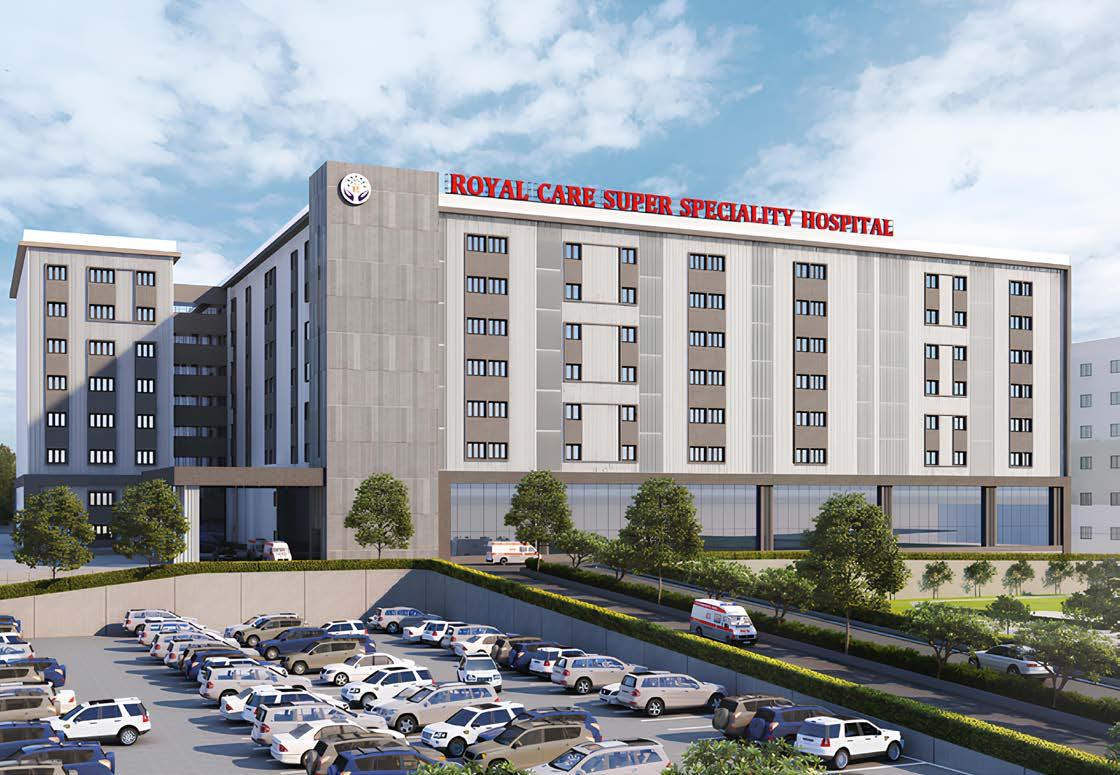
This necessitated an imminent expansion and created the need for a larger and more comprehensive tertiary care unit encompassing all the field of medicine.
A 1100-bedded ultramodern Hospital facility Plan was thus conceived at Neelambur, Coimbatore By Dr. K. Madeswaran and His Team. RCIHG was Built within a record time of 400 days, the first phase comprising 500 beds were dedicated to the society in November 2016. With over 4,00,000 square feet of modern infrastructure, the Centre contained all necessary facilities to deliver comprehensive care under one roof.
With a commitment to make available all facilities on par with the latest advances in the Western World, RoyalCare Super Specialty Hospital became the first Hospital in the country to introduce Bronchial Thermoplasty for the treatment of severe asthma. RoyalCare is also the first hospital in the country to introduce the micro plasma-advanced oxidation for dialysis feed water disinfection to eliminate endotoxins and to prevent pyrogenic reactions in patients undergoing haemodialysis. Royal Care will strive to ensure that the benefits of modern healthcare reach all strata of society. Apparently, A patient centric culture exists at RoyalCare as they are the focus of everything they do. Every patient will receive warm and committed attention with a smile.
Royal Care Super Specialty Hospital aspires to be Ultimate Choice of Hospital for People and Patients from all around the world; in all aspects of Health & Wellness or for people seeking comprehensive healthcare. And that they have been recognized as One of the Top-Class Hospitals for very High Quality and International Standards Health Services in Asia.
And Dr. KMD’s Royalcare International Hospitals Group is going to achieve its Vision of having over 1000 Bedded Most Advanced International Standard Hospitals in the Same Location very shortly.
This has been mainly possible by the meticulous involvement and incomparable Contributions of Dr. K. Madeswaran, The Founder & CMD of Royalcare International Hospitals Group, whose vision was to bring together highly talented medical professionals from all around the world on board with phenomenal expertise in their respective fields, establishing cutting edge innovative diagnostic, Latest Hi-Tech Equipment, State-Of-The-Art Infrastructure and therapeutic medical technologies combined with the Most friendly medical and paramedical staff to provide courteous and compassionate and Utmost Care to Patients at all times.


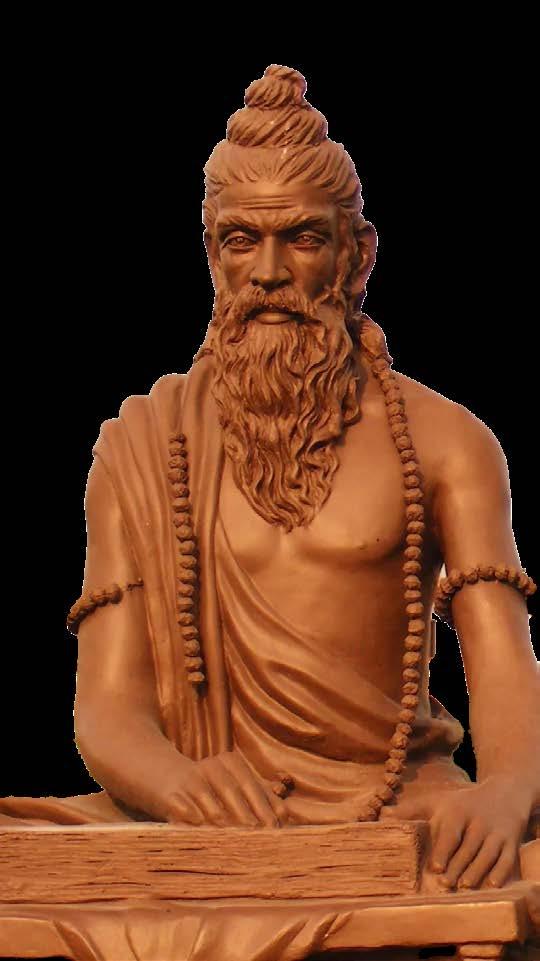
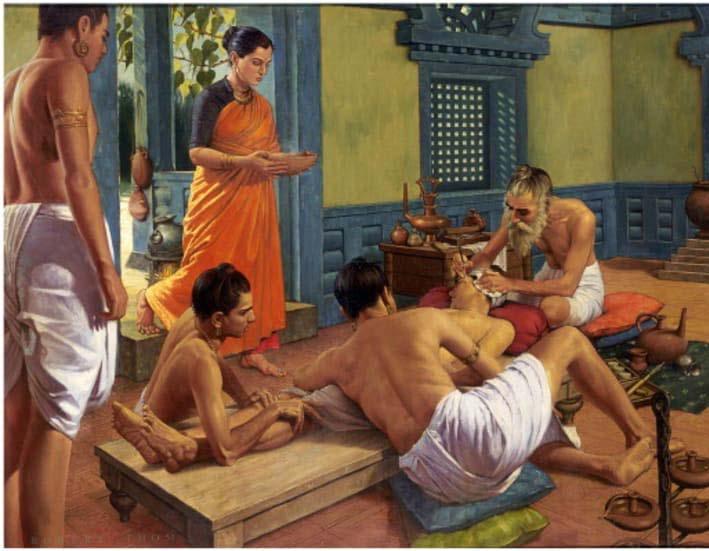
Ayurveda, meaning "science of life" in Sanskrit, is one of the world’s oldest holistic healing systems, originating in India over 5,000 years ago. Rooted in ancient texts like the Charaka Samhita and Sushruta Samhita, Ayurveda emphasizes balance among body, mind, and spirit to achieve optimal health. While its foundations are ancient, modern Ayurveda has evolved into a dynamic system that integrates traditional practices with contemporary scientific advancements. This fusion has revitalized interest in Ayurveda, making it a globally recognized approach to wellness. This article explores how modern Ayurveda harmonizes ancient wisdom with cutting-edge science to address today’s health challenges.

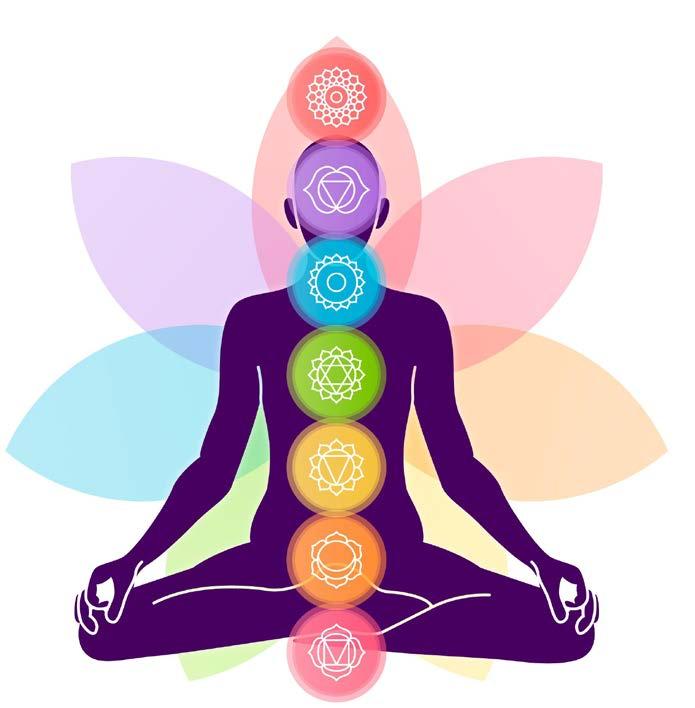
Ayurveda is built on the concept of balance among three doshas—Vata (air and space), Pitta (fire and water), and Kapha (earth and water)—which govern physiological and psychological functions. Health, according to Ayurveda, results from harmony among these doshas, achieved through diet, lifestyle, herbal remedies, and practices like yoga and meditation. Ancient texts prescribed personalized treatments based on an individual’s unique constitution (Prakriti) and imbalances (Vikriti), emphasizing prevention over cure. These principles remain relevant today. For instance, the focus on individualized care aligns with modern precision medicine, which tailors treatments to genetic and lifestyle factors. Ayurveda’s holistic approach also resonates with the growing recognition in medical science that mental and emotional well-being significantly impact physical health.
Modern Ayurveda retains its core philosophies but incorporates scientific methods to validate and enhance its practices. This integration has occurred in several key areas:
Ayurveda relies heavily on herbal formulations, with plants like turmeric (Curcuma longa), ashwagandha (Withania somnifera), and triphala (a blend of three fruits) central to its pharmacopeia. Modern research has substantiated many of these remedies. For example, a 2017 study published in the Journal of Ethnopharmacology confirmed that curcumin, the active compound in turmeric, exhibits anti-inflammatory and antioxidant properties, supporting its traditional use for pain relief and immune support. Similarly, a 2019 meta-analysis in Phytotherapy Research found ashwagandha effective in reducing stress and anxiety, validating its role as an adaptogen in Ayurvedic medicine.
Pharmaceutical companies now standardize herbal extracts to ensure consistent potency, a departure from traditional hand-ground preparations. Companies like Himalaya Wellness and Dabur conduct clinical trials to meet regulatory standards, ensuring safety and efficacy. This scientific rigor has made Ayurvedic remedies more accessible in forms like capsules, tablets, and tinctures, appealing to global consumers.
Traditional Ayurvedic diagnosis relied on pulse reading (Nadi Pariksha), observation, and patient history to assess doshic imbalances. Today, practitioners combine these methods with modern diagnostics like blood tests, imaging, and genetic profiling. For instance, Ayurvedic clinics in India, such as those run by the Art of Living Foundation, use laboratory tests to complement traditional assessments, ensuring accurate identification of conditions like diabetes or hypertension. This hybrid approach allows practitioners to create precise treatment plans that align with both Ayurvedic principles and medical science.

Ayurveda’s emphasis on diet, exercise, and daily routines (Dinacharya) aligns with the emerging field of lifestyle medicine, which addresses chronic diseases through behaviour modification. For example, Ayurveda’s recommendation of a diet tailored to one’s dosha mirrors modern nutritional science’s focus on personalized diets based on metabolic profiles. A 2021 study in Frontiers in Nutrition highlighted how plant-based, anti-inflammatory diets—similar to those prescribed in Ayurveda—can reduce risks of cardiovascular disease.
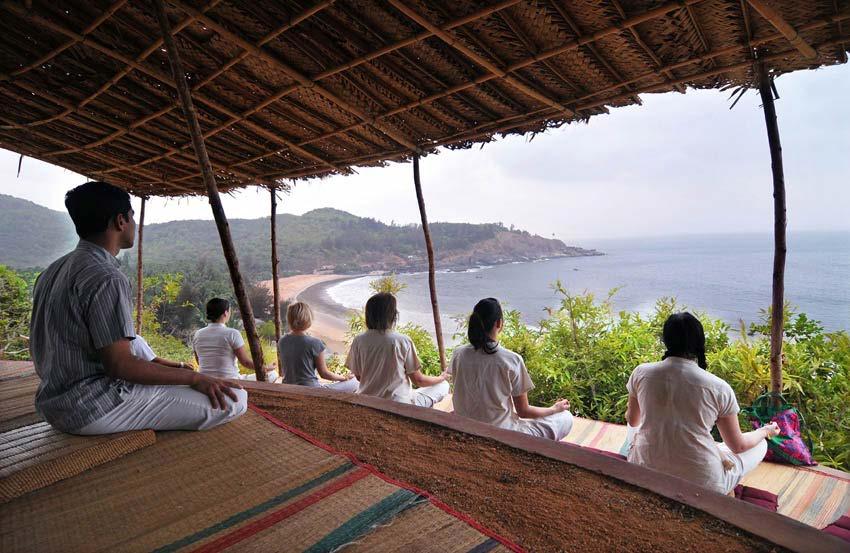
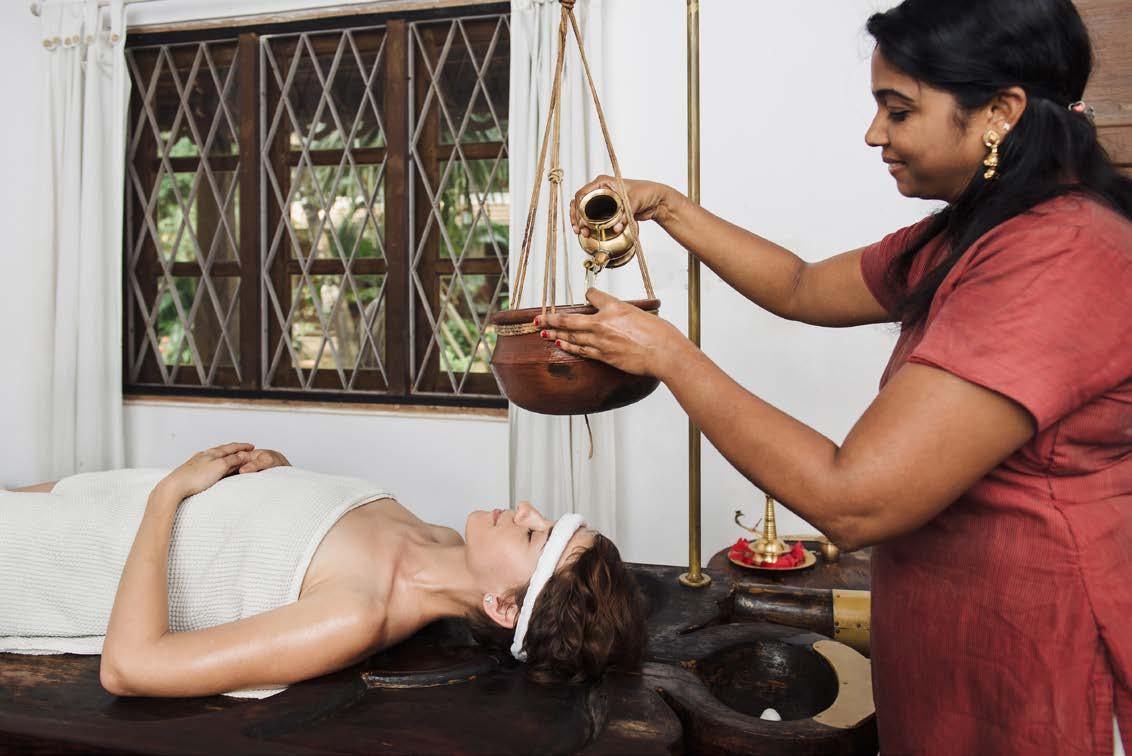
Yoga, an integral part of Ayurveda, has gained global acceptance, with research supporting its benefits for mental health, flexibility, and stress reduction. A 2020 meta-analysis in The Lancet Psychiatry found that yoga significantly reduces symptoms of depression, reinforcing its therapeutic value. Meditation practices like Panchakarma (a detoxifying regimen) are also being studied, with preliminary research in journals like Evidence-Based Complementary and Alternative Medicine suggesting benefits for stress reduction and metabolic health.






Technology has further modernized Ayurveda. Mobile apps like AyushNext and NirogStreet allow users to consult Ayurvedic practitioners, track dosha-specific diets, and access guided yoga sessions. Artificial intelligence is also being explored to analyze pulse readings and predict health outcomes, blending traditional Nadi Pariksha with machine learning. Additionally, e-commerce platforms have made Ayurvedic products widely available, with brands like Patanjali and Banyan Botanicals ensuring quality through certifications like Good Manufacturing Practices (GMP).
The World Health Organization (WHO) recognizes Ayurveda as a traditional medicine system and supports its integration into national health frameworks. In 2019, the WHO launched the Global Centre for Traditional Medicine in India to promote research and standardization. India’s Ministry of AYUSH (Ayurveda, Yoga, Unani, Siddha, and Homoeopathy) regulates Ayurvedic education and practice, ensuring practitioners meet modern standards. Globally, institutions like the California College of Ayurveda offer accredited programs, blending traditional training with anatomy, physiology, and clinical research.

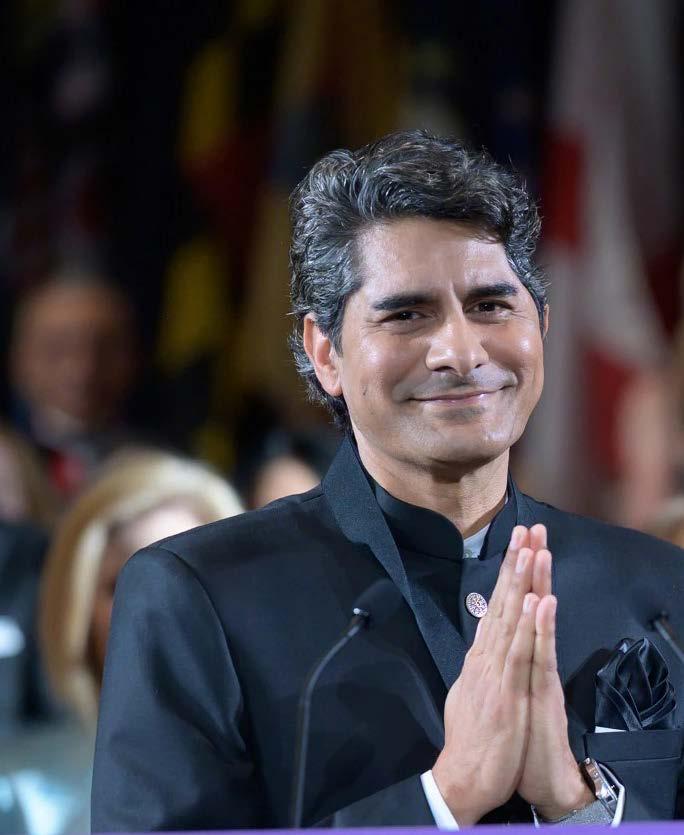

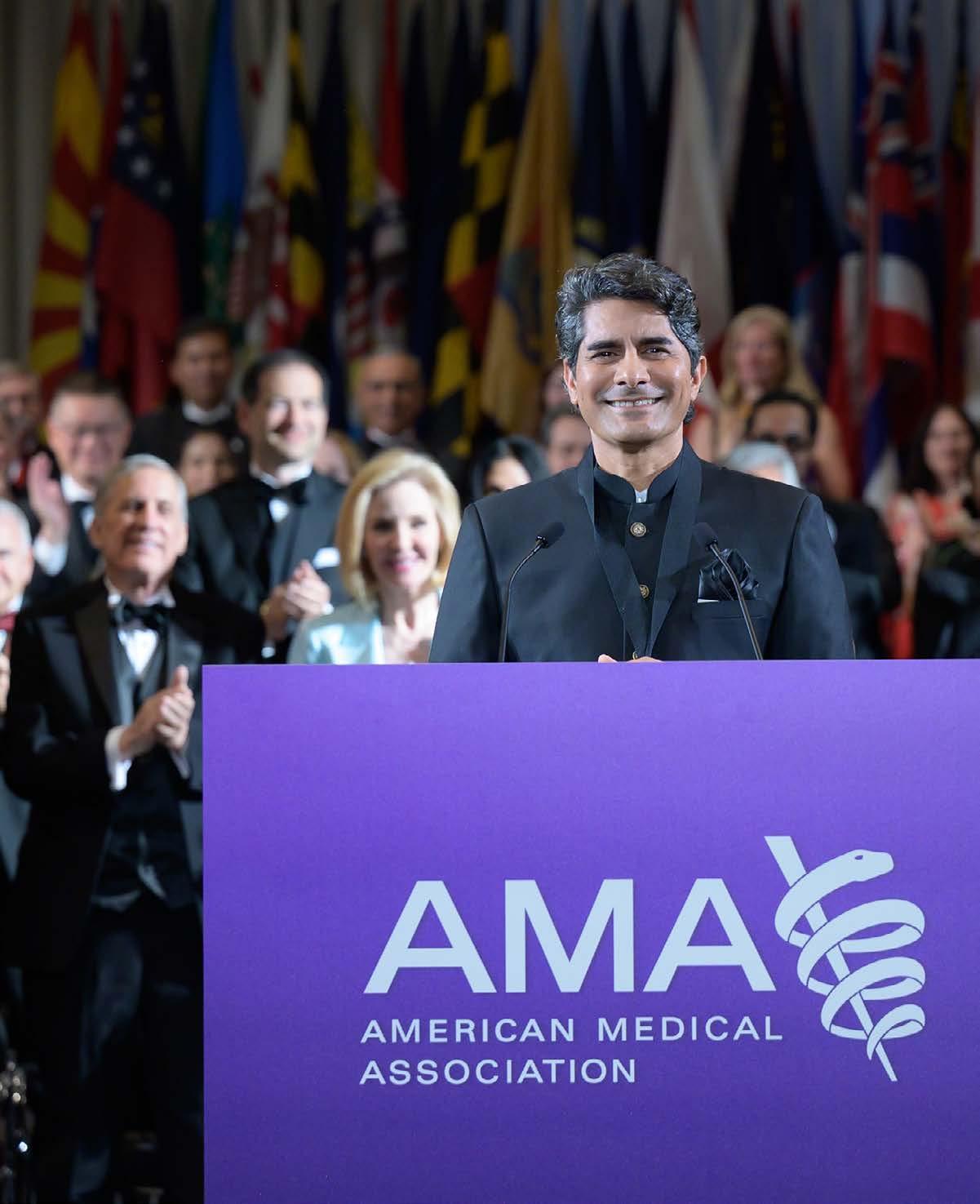
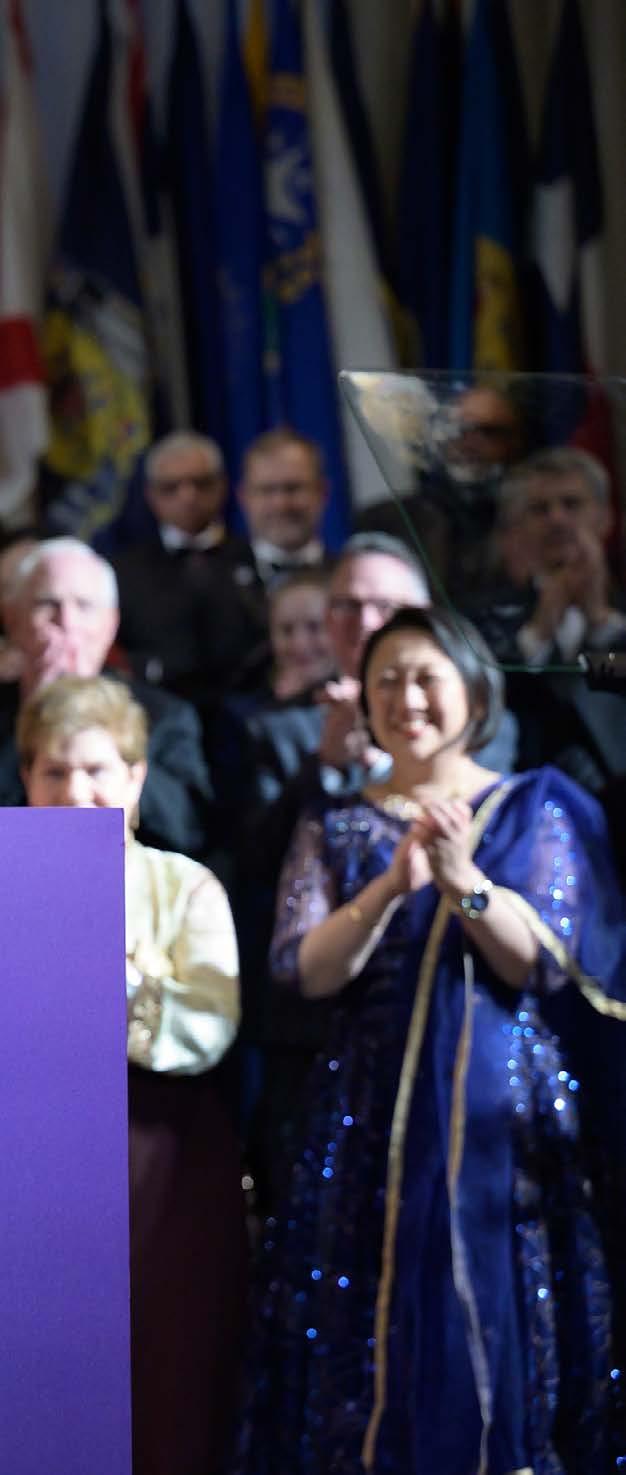

Dr. Bobby Mukkamala, a distinguished otolaryngologist from Flint, Michigan, was sworn in as the 180th president of the American Medical Association (AMA), becoming the first person of Indian heritage to lead the organization in its 178year history. This milestone marks a significant moment for the AMA, the largest professional association of physicians and medical students in the United States, which represents over 270,000 members and shapes national health policy.
Dr. Mukkamala, a board-certified head and neck surgeon, has been a prominent figure in the medical community for decades. Born to Indian immigrant parents, he grew up in Flint, Michigan, where he now runs a successful private practice, Mukkamala ENT. His journey in medicine began at the University of Michigan, where he earned his medical degree, followed by a residency in otolaryngology at the same institution. His expertise in head and neck surgery has earned him respect among peers, and his commitment to community service has made him a trusted figure in Flint. Since 2017, Dr. Mukkamala has served on the AMA Board of Trustees, where he has been an advocate for physicians and patients alike. He chaired the AMA’s Substance Use and Pain Care Task Force, leading efforts to address the
opioid crisis and improve pain management strategies. His leadership roles also include serving as president of the Michigan State Medical Society and chair of the AMA’s Integrated Physician Practice Section, demonstrating his dedication to improving healthcare delivery.
Dr. Mukkamala’s path to the AMA presidency is all the more remarkable given his personal health challenges. In 2024, he underwent surgery to remove an 8-cm tumour from his temporal lobe, a procedure that could have derailed his career. Yet, his resilience and determination allowed him to recover and take on the role of AMA presidentelect, culminating in his inauguration as president a year later.
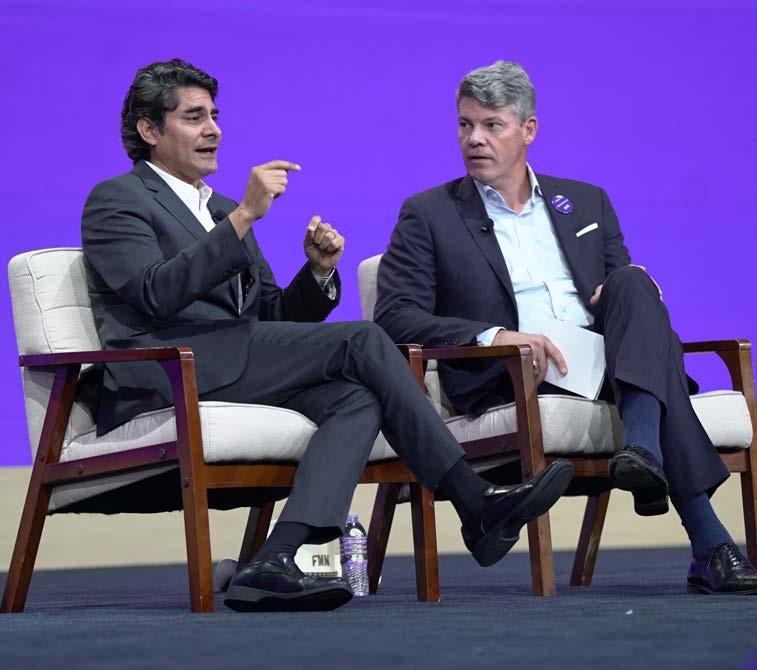
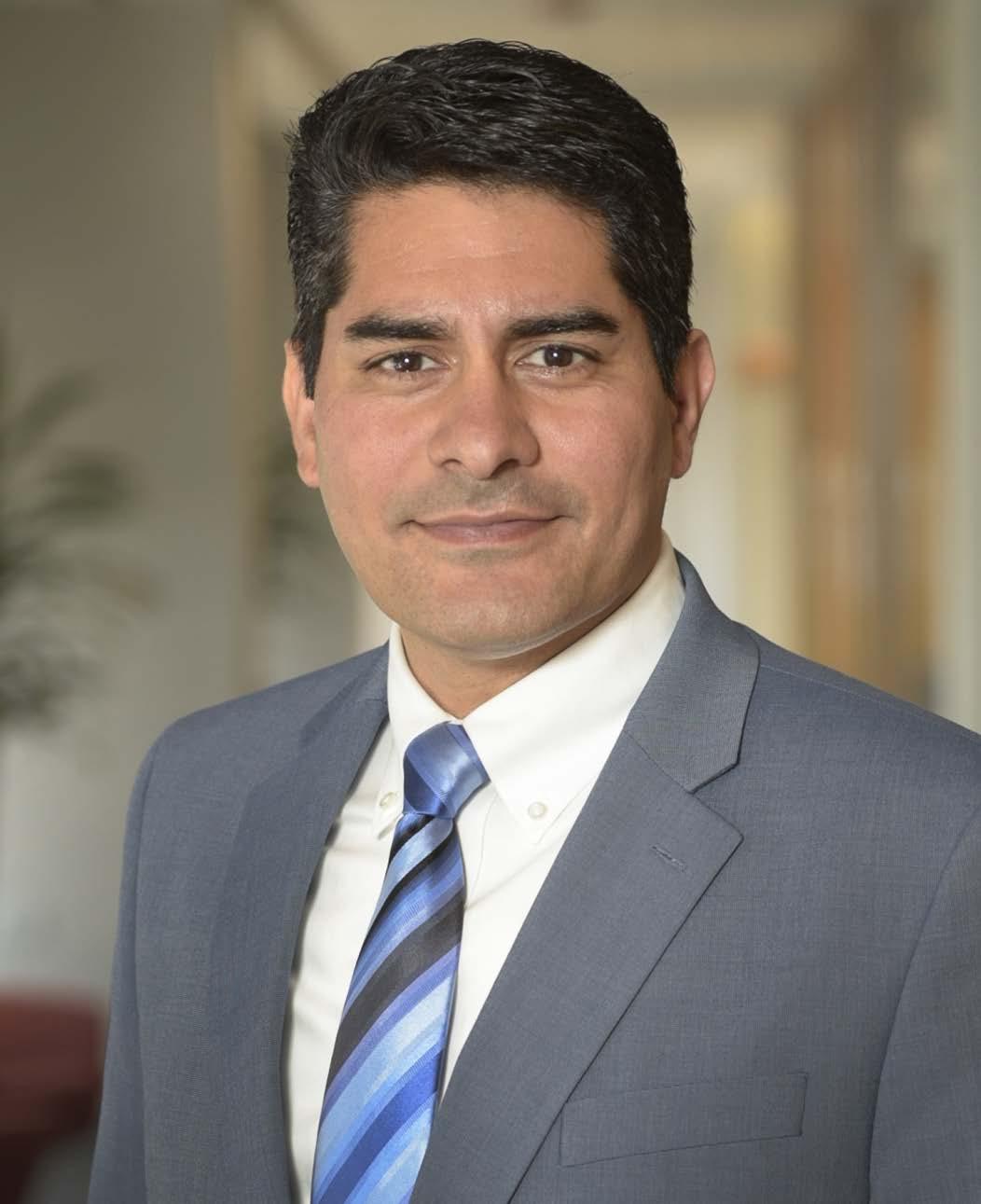
His experience as a patient has deepened his empathy and informed his advocacy for reducing administrative burdens that contribute to physician burnout.
Dr. Mukkamala’s presidency comes at a critical time for American healthcare, with challenges such as physician burnout, health disparities, and bureaucratic inefficiencies at the forefront. In his inaugural address, he outlined a vision to “renew the joy of medicine” by tackling these issues head-on. Key priorities include:
• Combating Physician Burnout: Dr. Mukkamala aims to address the mental health crisis among physicians, driven by excessive administrative tasks and regulatory burdens. He advocates for streamlined processes to allow doctors to focus on patient care.
• Reducing Bureaucracy: He plans to push for reforms that reduce prior authorization delays and other administrative hurdles, which he argues detract from patient care and contribute to healthcare inefficiencies.
• Addressing Health Disparities: Drawing from his experiences in Flint, a city that faced a high-profile water crisis, Dr. Mukkamala is committed to improving access to quality healthcare for underserved communities and addressing systemic inequities.
• Advancing Public Health: His leadership on the AMA’s Substance Use and Pain Care Task Force informs his broader goal of promoting evidence-based solutions to public health challenges, including substance use disorders and chronic pain management.
Dr. Mukkamala’s election as the first Indian-American AMA president is a landmark achievement for diversity in medicine. Indian-Americans make up a significant portion of the U.S. physician workforce, with over 50,000 practicing doctors of Indian descent, yet leadership roles at this level have been rare. His presidency is seen as an inspiration for underrepresented groups in medicine and a testament to the contributions of immigrant communities to American healthcare. The Indian American Medical Association and other organizations have celebrated his election, noting that it reflects the growing influence of Indian-American physicians. Dr. Mukkamala has expressed pride in his heritage, stating that his parents’ journey from India to the U.S. instilled in him a strong work ethic and commitment to service.

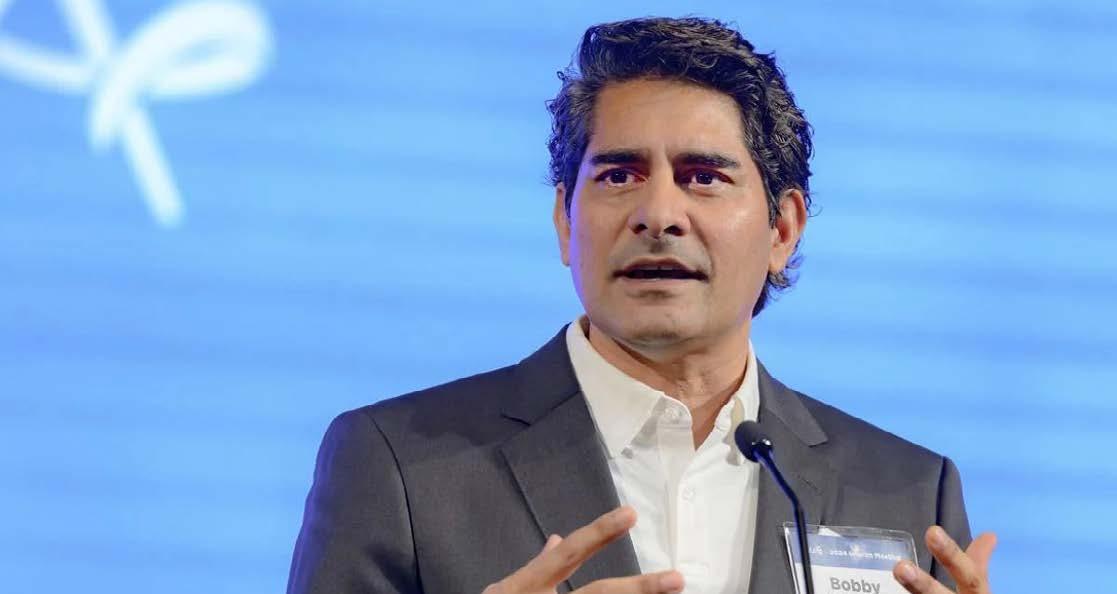
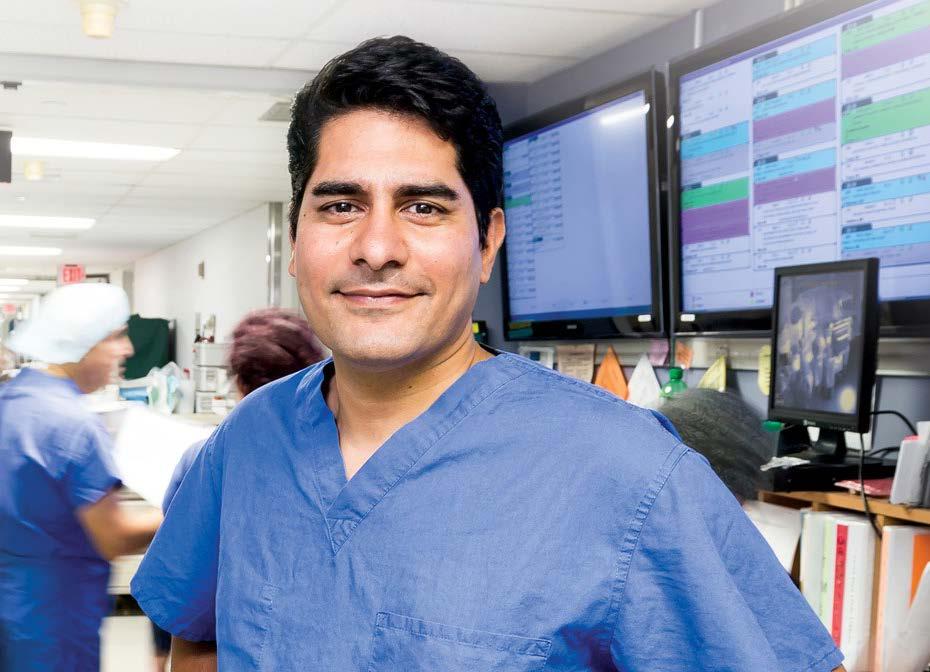
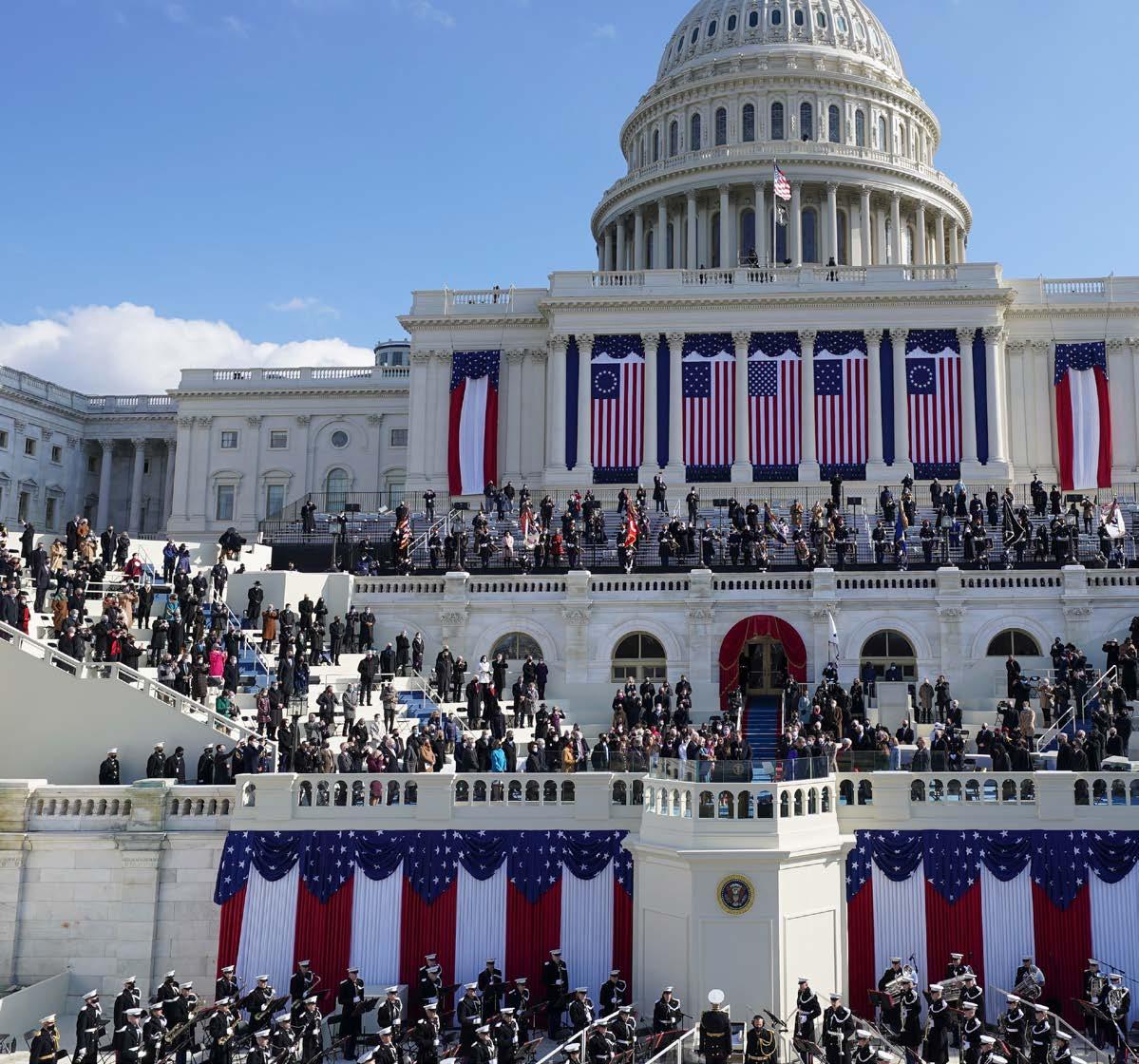



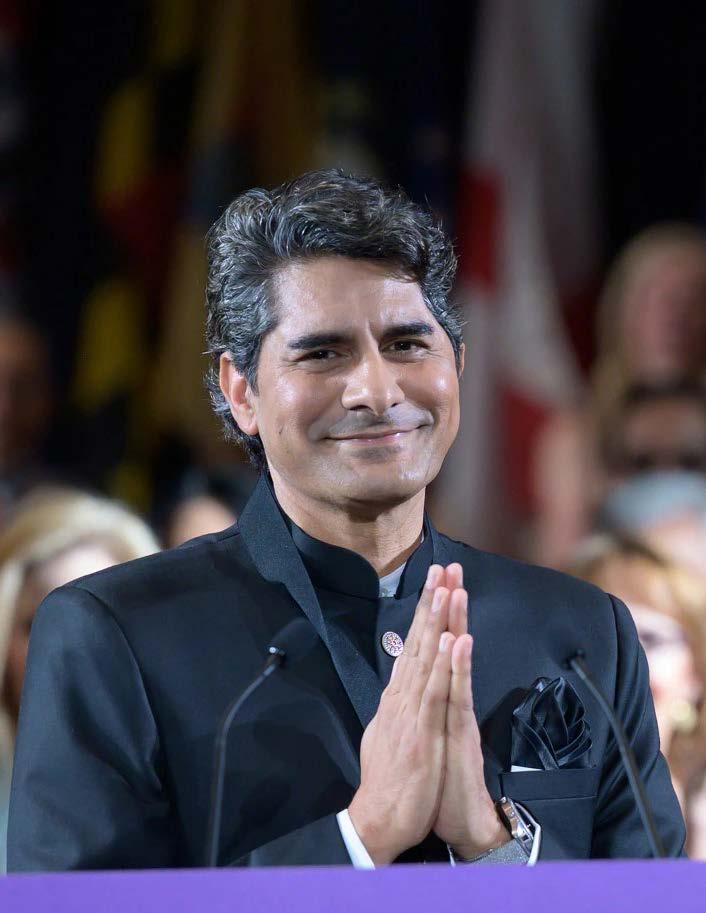
As Dr. Mukkamala begins his one-year term as AMA president, his leadership is expected to bring a fresh perspective to the organization’s advocacy efforts. His focus on practical solutions, informed by his experience as both a physician and a patient, positions him to address some of the most pressing issues in American healthcare. By championing physician well-being, patient access, and systemic reform, Dr. Mukkamala is poised to leave a lasting legacy in the AMA’s storied history. In a statement reflecting his vision, Dr. Mukkamala said, “Medicine is about people—patients and physicians alike. My goal is to create a system where both can thrive, with less red tape and more focus on care.” As the first Indian-American to hold this prestigious role, he is not only breaking barriers but also paving the way for a more inclusive and effective healthcare system.




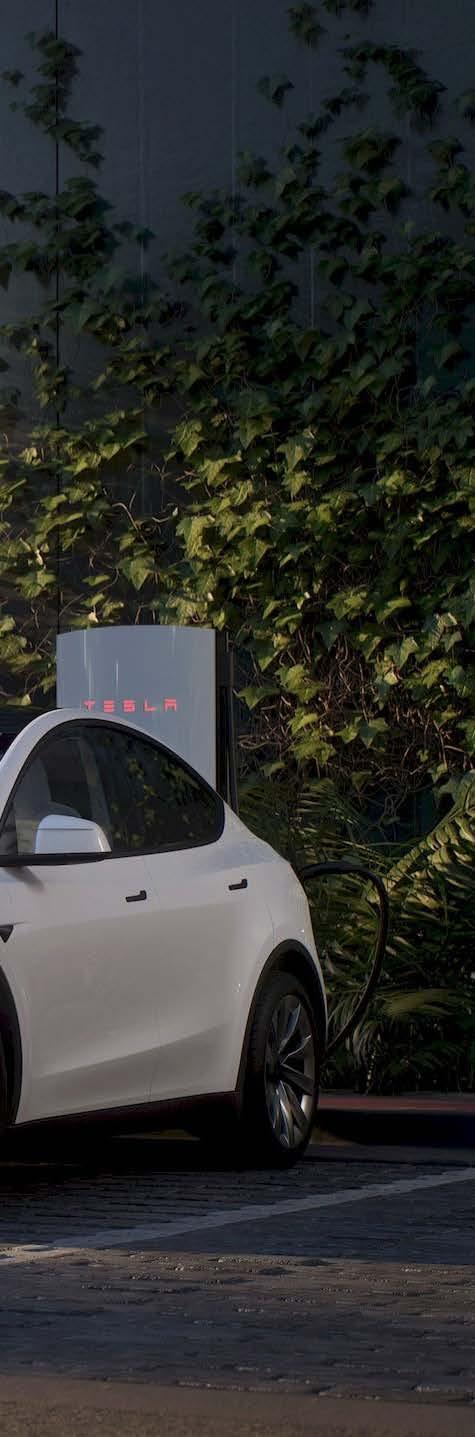
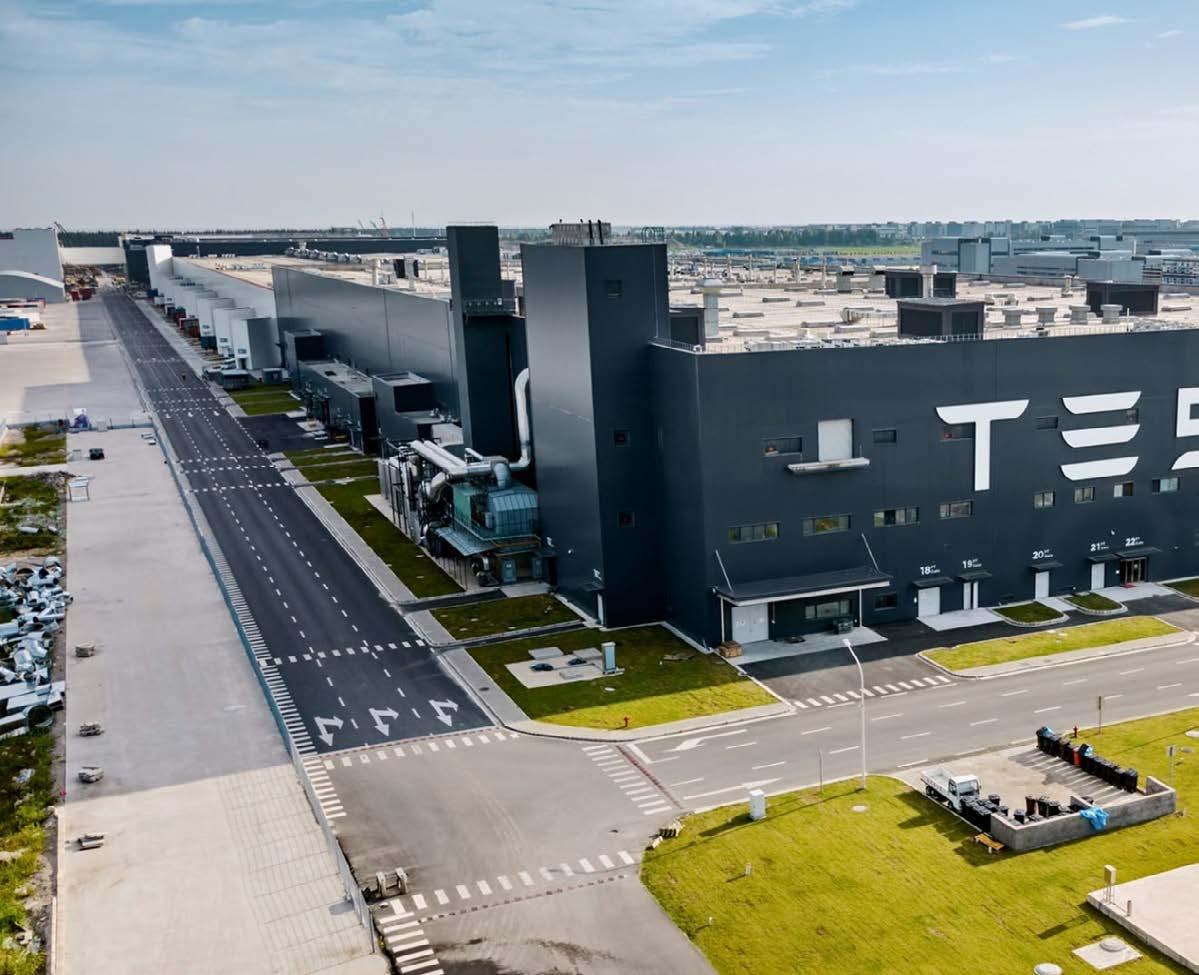
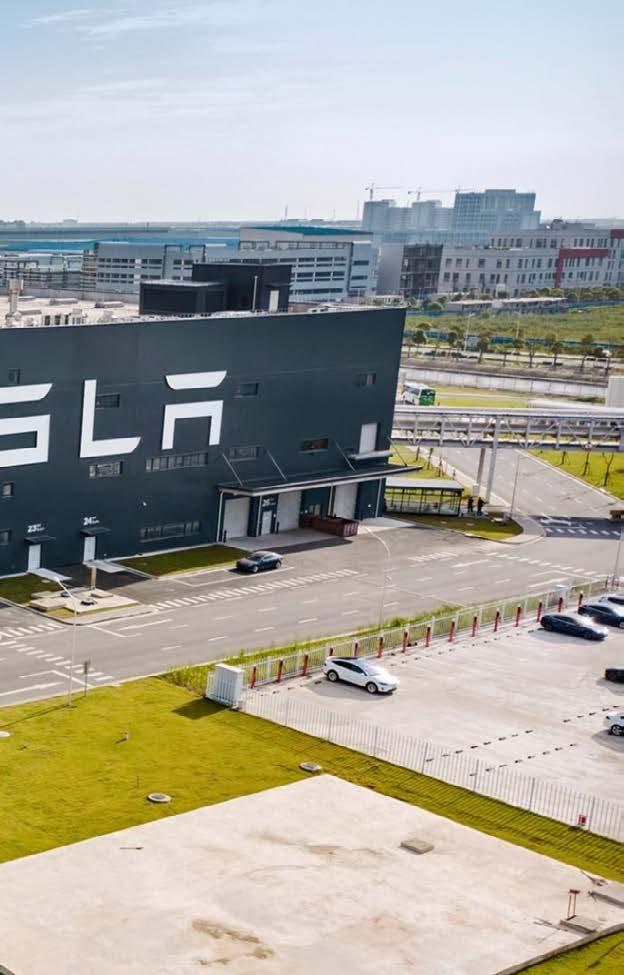


In a landmark move for India’s electric vehicle (EV) landscape, Tesla is gearing up to open its first showrooms in the country, with Mumbai and New Delhi as the inaugural locations. The American EV giant, led by visionary CEO Elon Musk, is set to bring its cutting-edge technology and premium electric vehicles to Indian consumers, marking a significant step in its longanticipated entry into one of the world’s fastest-growing automotive markets. The Mumbai showroom is slated to open in mid-July 2025, with the New Delhi location following closely thereafter.

Tesla has carefully chosen prime locations for its debut showrooms to maximize visibility and accessibility. In Mumbai, the financial capital of India, the showroom will be situated in the upscale Bandra Kurla Complex (BKC), a bustling business district known for its corporate offices and luxury developments. Spanning approximately 4,000-5,000 square feet, the Mumbai showroom promises to offer an immersive experience for customers, showcasing Tesla’s sleek and innovative EV lineup. In New Delhi, the national capital, Tesla has selected Aerocity, a vibrant commercial hub near the Indira Gandhi International Airport, for its second showroom. This strategic location ensures proximity to affluent customers and easy access for visitors from across the city and beyond. Both showrooms are designed to reflect Tesla’s minimalist yet futuristic brand aesthetic, featuring interactive displays, test-drive opportunities, and expert staff to guide prospective buyers.
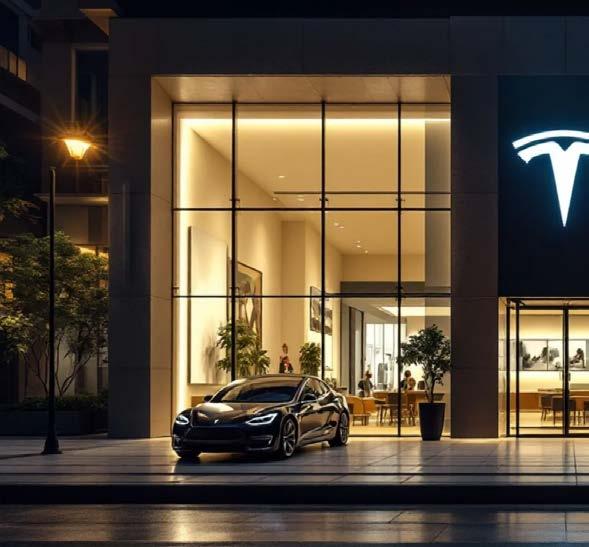


The showrooms will prominently feature Tesla’s popular electric vehicles, with the Model Y expected to lead the charge. The compact electric SUV, known for its impressive range, advanced technology, and spacious interior, will be imported from Tesla’s Gigafactory in Shanghai, China. Priced above ₹48 lakh (approximately $57,000), the Model Y is positioned as a premium offering in India’s burgeoning EV market, competing with luxury brands like Mercedes-Benz, BMW, and Audi, which have already introduced electric models in the country. While the Model Y will be the initial focus, Tesla may also showcase other models, such as the Model 3 sedan, depending on market demand and import logistics. Tesla’s vehicles are renowned for their industry-leading features, including over-the-air software updates, advanced driver-assistance systems (Autopilot), and unparalleled acceleration, which are expected to captivate Indian consumers seeking sustainable yet high-performance vehicles.



Tesla’s entry into India has been years in the making, with several hurdles along the way. The company has long advocated for lower import duties on electric vehicles, as India imposes high tariffs on completely built units (CBUs). While the Indian government has introduced policies to promote EV adoption, including incentives under the Faster Adoption and Manufacturing of Electric Vehicles (FAME) scheme, import duties remain a significant factor. Tesla’s decision to import vehicles from China suggests a pragmatic approach to launching in India while negotiations for local manufacturing continue. In addition to showrooms, Tesla is exploring the establishment of a manufacturing facility in India, with Gujarat and Karnataka among the frontrunners for a potential Gigafactory. Local production would significantly reduce costs and allow Tesla to offer more competitive pricing, aligning with the government’s “Make in India” initiative. However, for now, the focus remains on building brand presence through its flagship showrooms and delivering vehicles to early adopters.
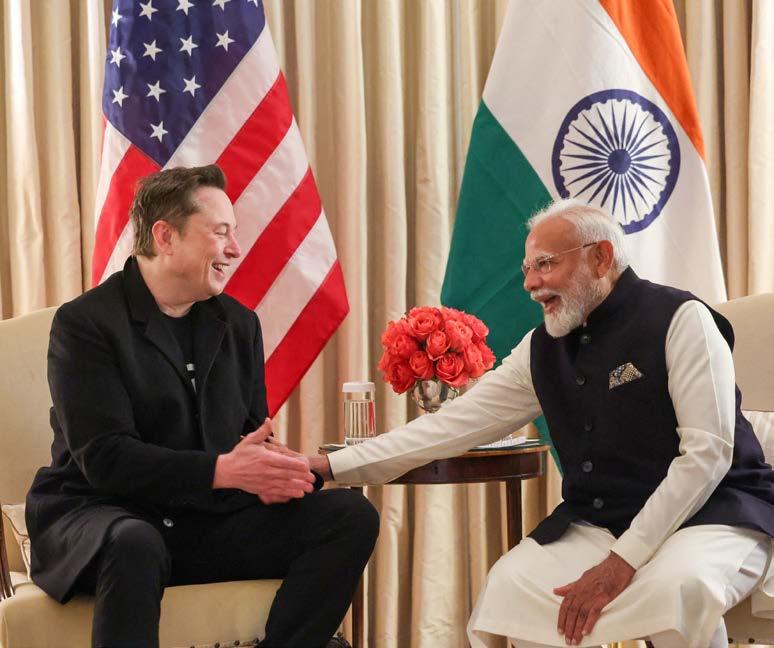
Tesla’s arrival is expected to catalyze India’s EV market, which is still in its nascent stages. With only a small fraction of vehicles sold in India being electric, Tesla’s premium offerings could inspire greater consumer interest and confidence in EVs. The company’s entry is also likely to spur investments in charging infrastructure, as Tesla plans to roll out its Supercharger network across key cities and highways. This would address one of the primary concerns for EV buyers in India—range anxiety—while enhancing the ownership experience. Moreover, Tesla’s presence could push domestic and international automakers to accelerate their EV strategies. Indian companies like Tata Motors and Mahindra, which have made strides in the affordable EV segment, may face increased competition, while global players will need to innovate to keep pace with Tesla’s technological prowess.
Visitors to Tesla’s Mumbai and New Delhi showrooms can anticipate a unique retail experience that deviates from traditional car dealerships. Tesla’s direct-toconsumer sales model eliminates middlemen, allowing for transparent pricing and a personalized buying process. Customers can configure their vehicles on large touchscreen displays, explore financing options, and schedule test drives to experience Tesla’s signature “ludicrous” acceleration firsthand. The showrooms will also serve as educational hubs, raising awareness about the benefits of electric mobility and Tesla’s mission to accelerate the world’s transition to sustainable energy. For Indian consumers, who are increasingly conscious of environmental issues and rising fuel costs, Tesla’s zero-emission vehicles offer a compelling alternative to conventional petrol and diesel cars.





As Tesla prepares to inaugurate its Mumbai and New Delhi showrooms, excitement is building among EV enthusiasts, tech aficionados, and sustainability advocates alike. The openings represent more than just a business expansion— they signal a transformative moment for India’s automotive industry and its journey toward a greener future. With its unrivalled brand appeal and innovative products, Tesla is poised to redefine mobility in India, one electric vehicle at a time. For those eager to witness Tesla’s grand entry, the mid-July 2025 opening in Mumbai is just around the corner. Whether you’re a prospective buyer or simply curious about the future of transportation, Tesla’s showrooms promise to be a glimpse into a world where sustainability and performance go hand in hand.


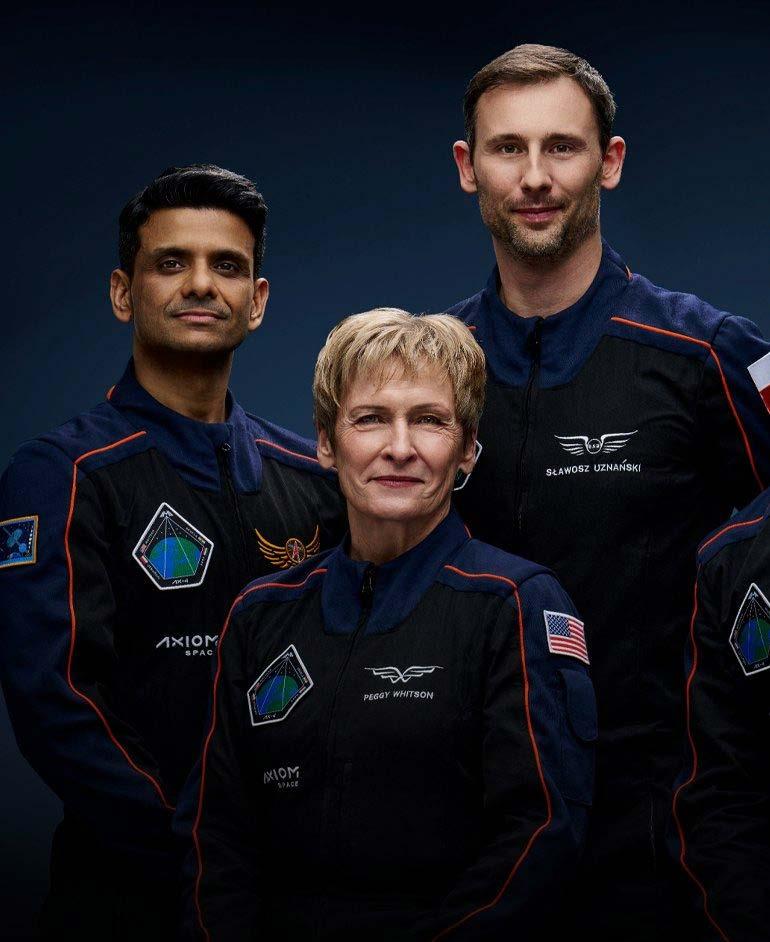

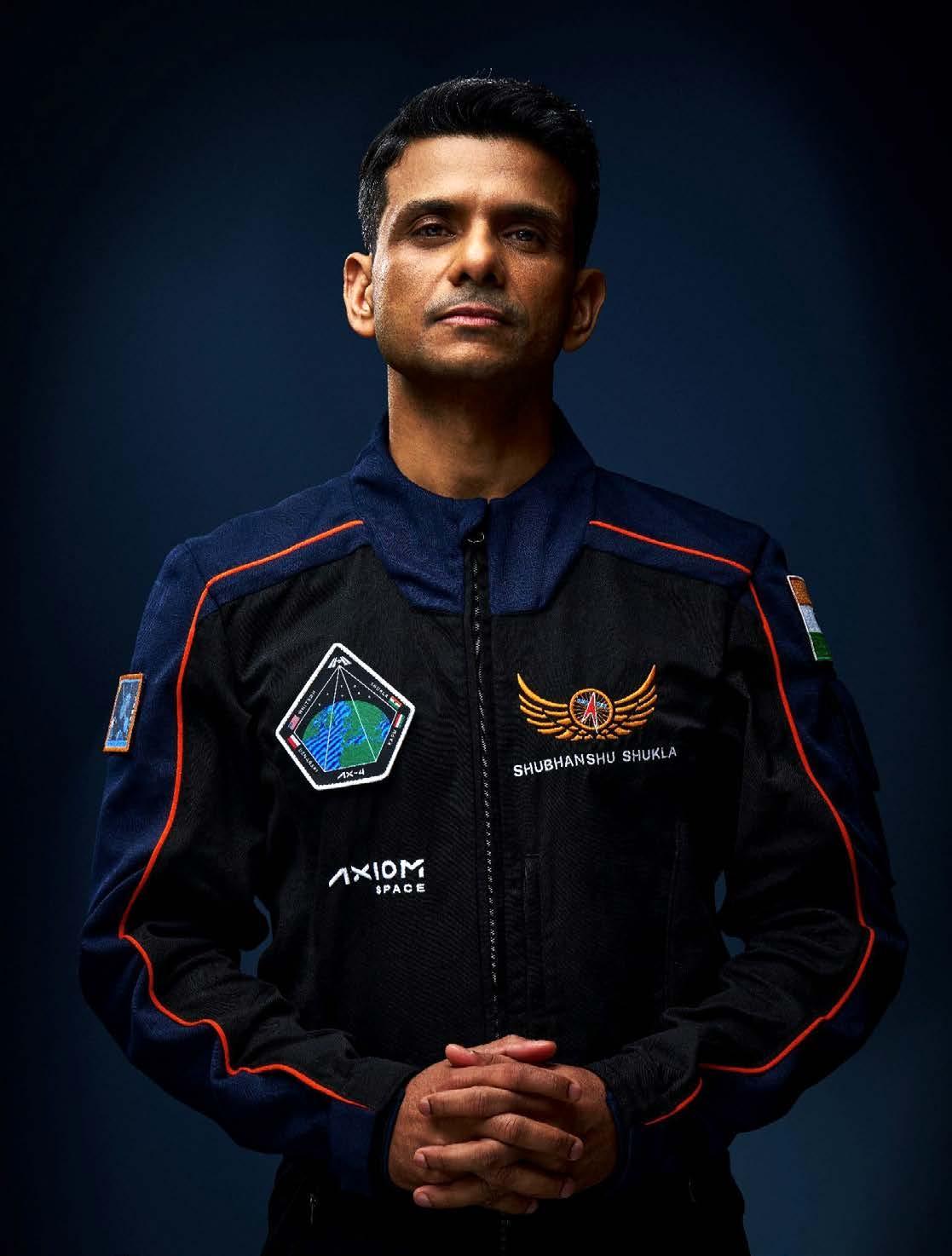
In a monumental leap for India’s space ambitions, Indian Air Force (IAF) Group Captain Shubhanshu Shukla is poised to become the first Indian astronaut to visit the International Space Station (ISS) as part of Axiom Space’s Ax-4 mission. Scheduled for launch on May 29, 2025, from NASA’s Kennedy Space Centre in Florida, this mission marks a historic milestone for India’s space program, showcasing its growing prowess in human spaceflight and international collaboration.
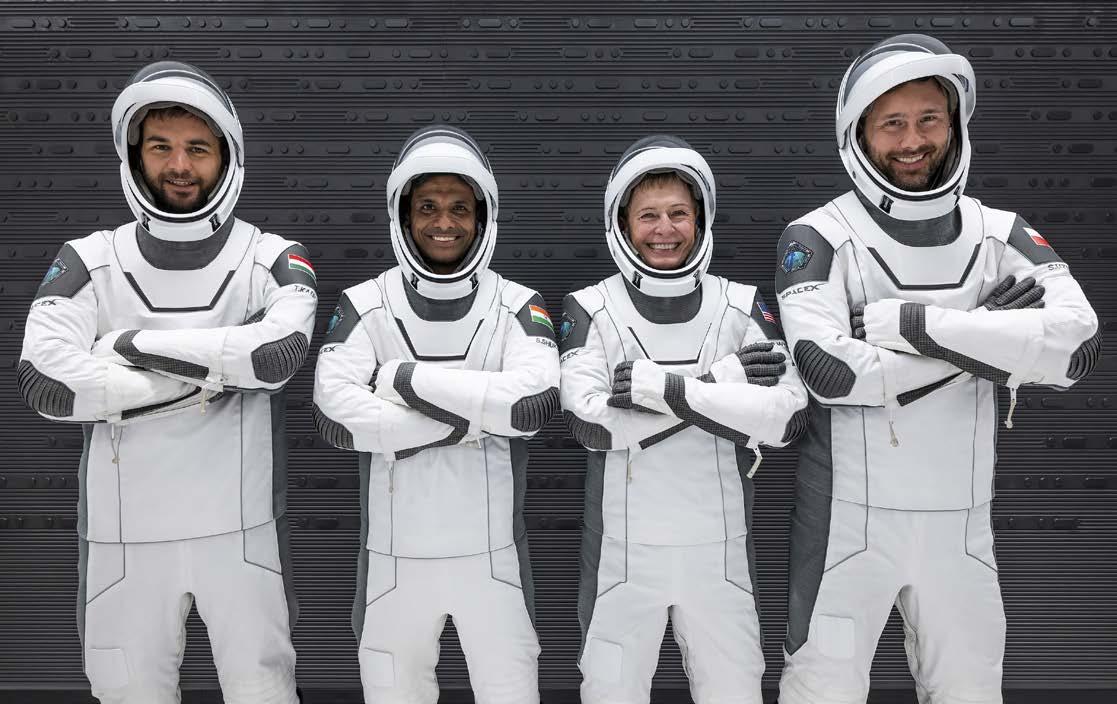
The Ax-4 mission, a collaboration between Axiom Space, NASA, and the Indian Space Research Organisation (ISRO), will see Group Captain Shukla serve as the mission pilot aboard a SpaceX Dragon spacecraft. The crew, led by former NASA astronaut Peggy Whitson as commander, includes Hungary’s Tibor Kapu as mission specialist and Slovenia’s Iris Viola as mission specialist and backup commander. This diverse, multinational team underscores the global cooperation driving modern space exploration. Shukla’s journey to the ISS is a landmark achievement for India, which has not sent a human to space since Wing Commander Rakesh Sharma’s historic flight aboard the Soviet Soyuz T-11 in 1984. The Ax-4 mission, expected to last approximately 14 days on the ISS, will involve a range of activities, including microgravity research, educational outreach, and commercial endeavours, further cementing India’s role in the global space community.


Born on October 10, 1985, in Lucknow, Uttar Pradesh, Group Captain Shukla, 39, brings a wealth of experience to the Ax-4 mission. A distinguished IAF test pilot with over 2,000 hours of flight time, Shukla was commissioned as a fighter pilot in 2006 and has flown advanced aircraft such as the Sukhoi Su-30 MKI, MiG-21, and Hawk jets. His expertise as a test pilot and his rigorous training have prepared him for the challenges of spaceflight.
Shukla’s selection for the Ax-4 mission follows his designation as the primary astronaut for India’s Gaganyaan program, ISRO’s ambitious initiative to send Indian astronauts into low Earth orbit by 2026. As part of his preparation, Shukla underwent extensive training in Russia’s Gagarin Cosmonaut Training Centre from 2020 to 2021, followed by specialized mission training at Axiom Space and NASA facilities in the United States. His role as mission pilot will involve critical responsibilities, including operating the SpaceX Dragon spacecraft during launch, docking, and re-entry phases.
The Ax-4 mission is the fourth in a series of private astronaut missions organized by Axiom Space, a USbased company focused on expanding commercial access to space. Launched aboard a SpaceX Falcon 9 rocket, the crew will travel to the ISS, where they will conduct experiments in microgravity, engage in educational outreach, and perform commercial activities. The mission
is a testament to the growing role of private companies in space exploration, working in tandem with government agencies like NASA and ISRO. For India, the mission represents a significant step toward building a robust human spaceflight program. The collaboration with Axiom Space and NASA, formalized through a Space Flight Agreement signed in August 2024, highlights ISRO’s commitment to leveraging international expertise while advancing its own capabilities. The Ax-4 mission will also provide valuable data and experience for the Gaganyaan program, which aims to make India the fourth nation to independently launch humans into space.

Shukla’s journey to the ISS has been marked by rigorous preparation. After completing foundational astronaut training in Russia, he trained alongside fellow IAF Group Captain Prasanth Balakrishnan Nair, the backup astronaut for Ax-4, at NASA’s Johnson Space Centre in Houston. Their training included mastering the systems of the SpaceX Dragon spacecraft, conducting simulations for ISS operations, and preparing for scientific experiments in microgravity. Shukla also trained at Axiom Space’s facilities, ensuring he is fully equipped to handle the demands of the mission. The inclusion of a backup astronaut, Group Captain Nair, reflects ISRO’s meticulous approach to ensuring mission success. Nair, also a test pilot and a key figure in the Gaganyaan program, stands ready to step in if needed, showcasing the depth of talent within the IAF and ISRO’s astronaut corps.
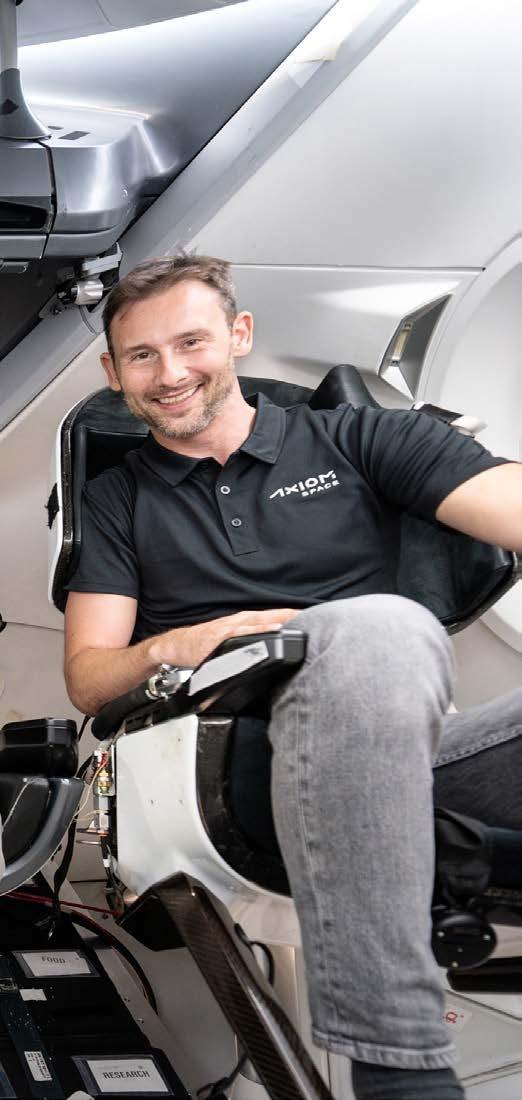

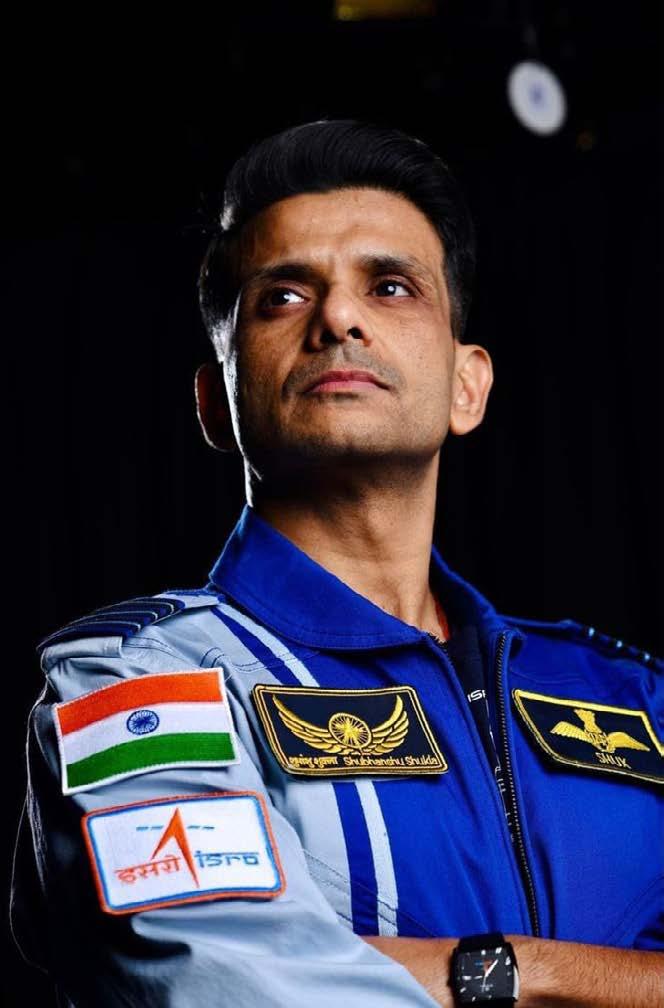
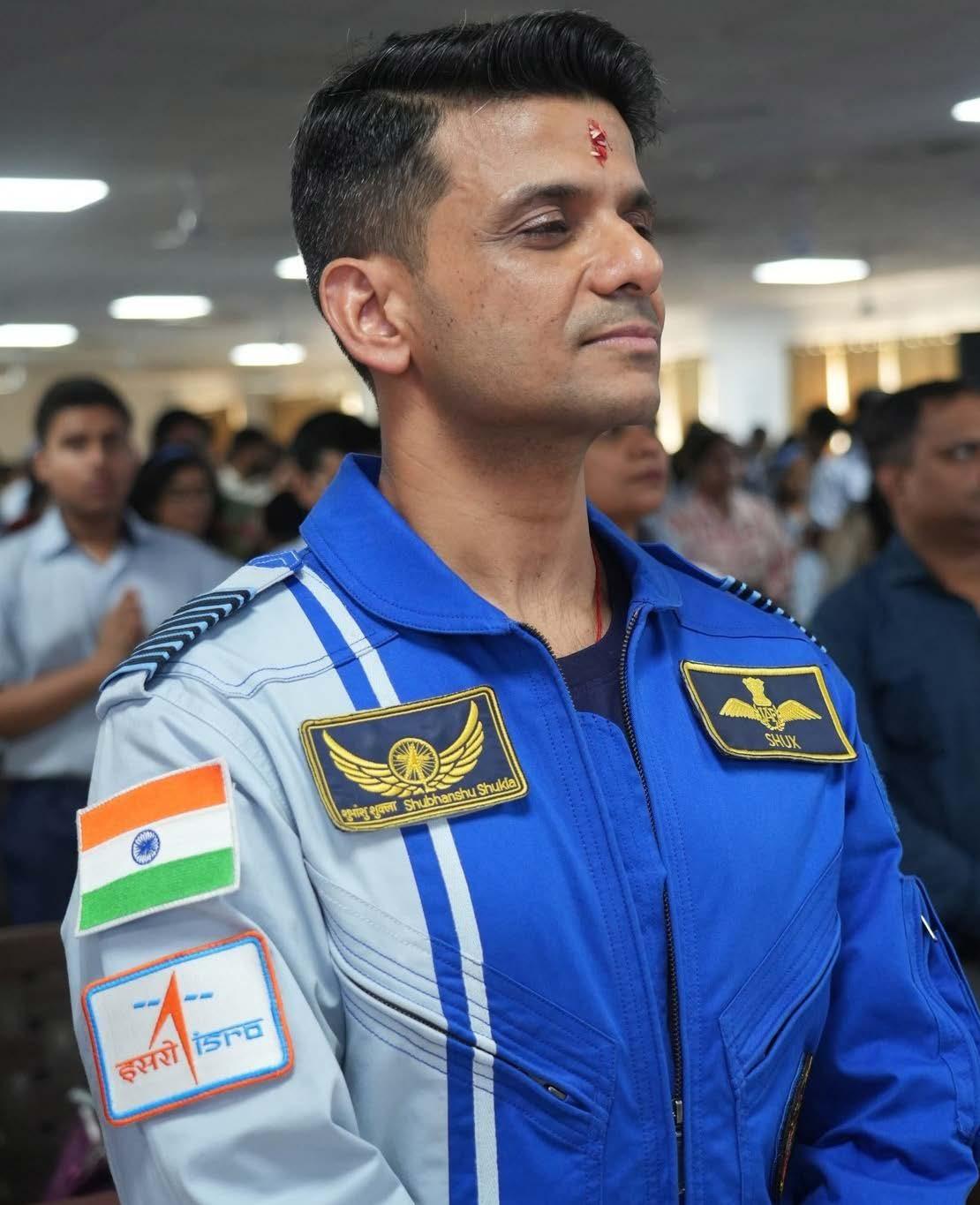

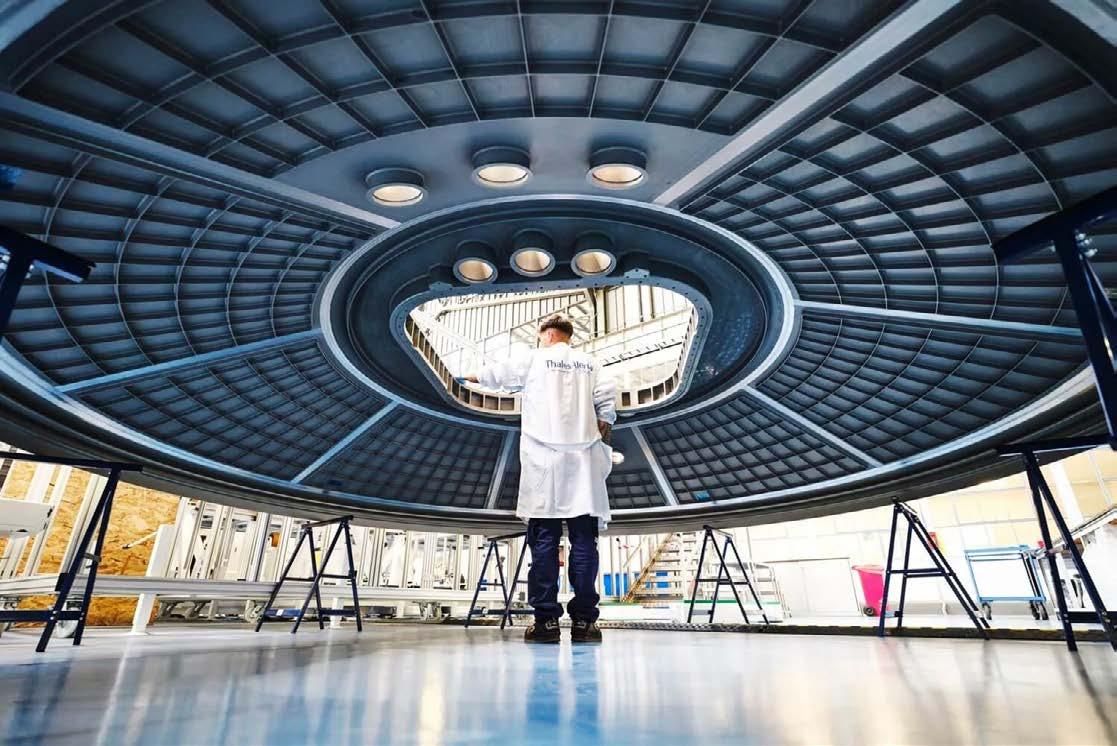
The Ax-4 mission is more than a personal triumph for Shukla; it is a defining moment for India’s space aspirations. Since Rakesh Sharma’s 1984 mission, India has made significant strides in space exploration, with achievements like the Chandrayaan lunar missions, the Mars Orbiter Mission (Mangalyaan), and the upcoming Gaganyaan program. Shukla’s journey to the ISS bridges India’s past and future in space, symbolizing its emergence as a major player in the global space race. The mission also highlights the strategic partnership between ISRO, NASA, and Axiom Space. By participating in a commercial mission to the ISS, India gains critical experience in human spaceflight operations, which will inform the development of Gaganyaan and future endeavours. The collaboration underscores the importance of international cooperation in advancing scientific discovery and expanding humanity’s presence in space.
Group Captain Shukla’s historic mission is expected to inspire millions across India and beyond. His journey from a fighter pilot in Lucknow to an astronaut on the ISS embodies the spirit of perseverance, excellence, and ambition. As he prepares to gaze upon Earth from the vantage point of space, Shukla carries the hopes of a nation eager to see its flag soar among the stars. The Ax-4 mission is a testament to what India can achieve when talent, determination, and international collaboration converge. The world will watch as Group Captain Shubhanshu Shukla makes history, not just for himself or India, but for all of humanity reaching for the cosmos.
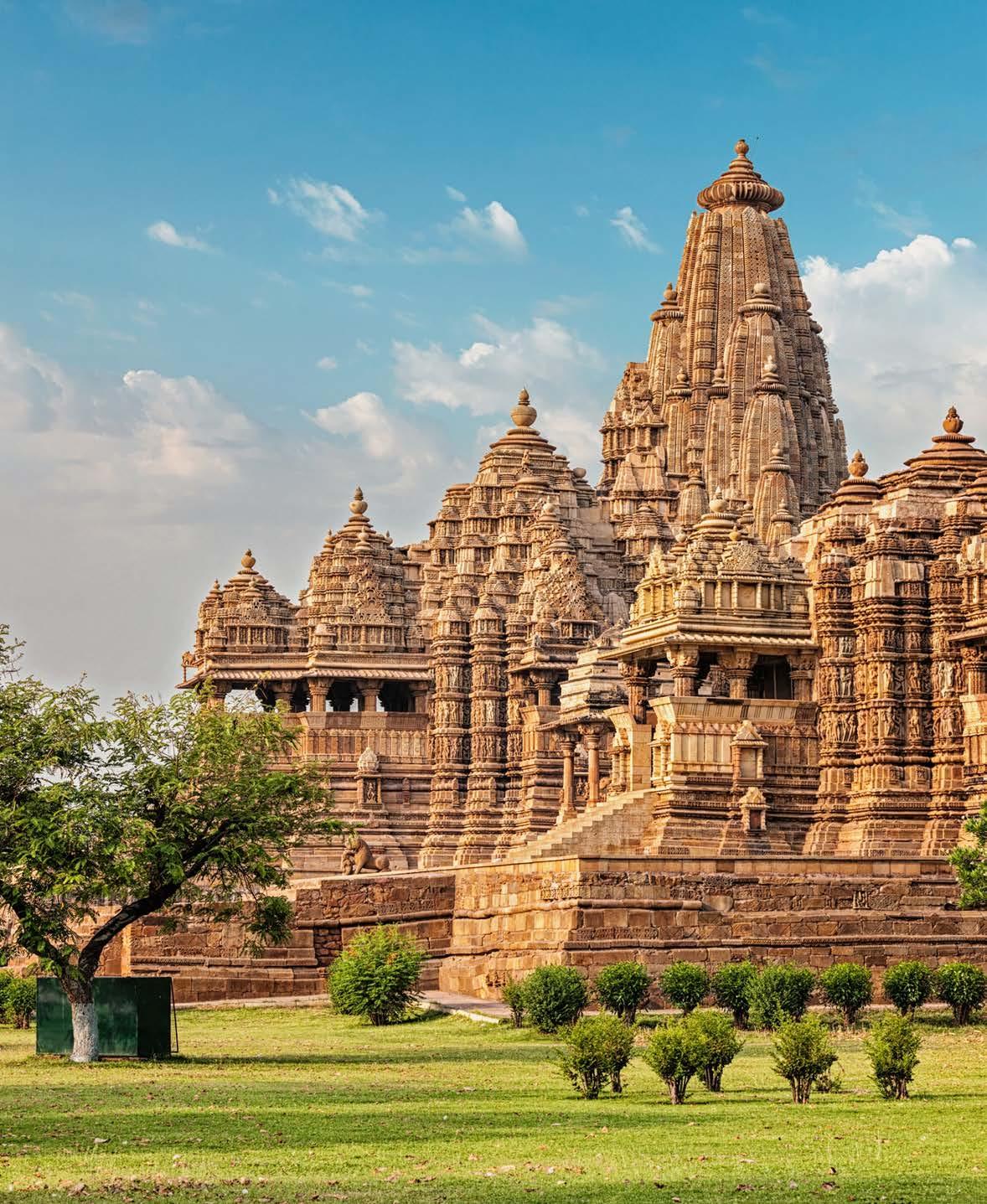
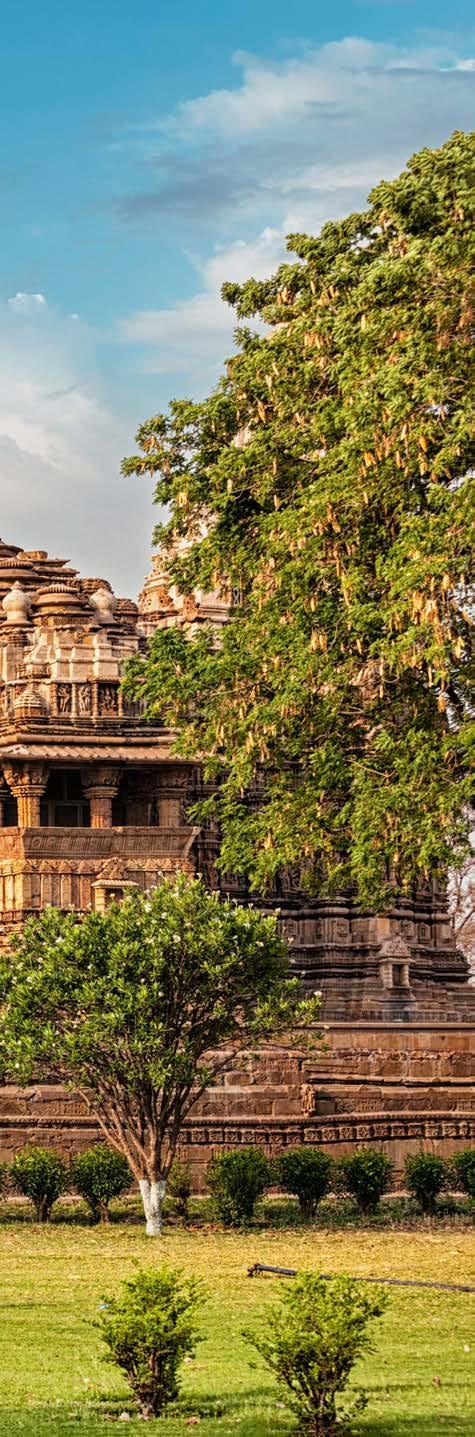
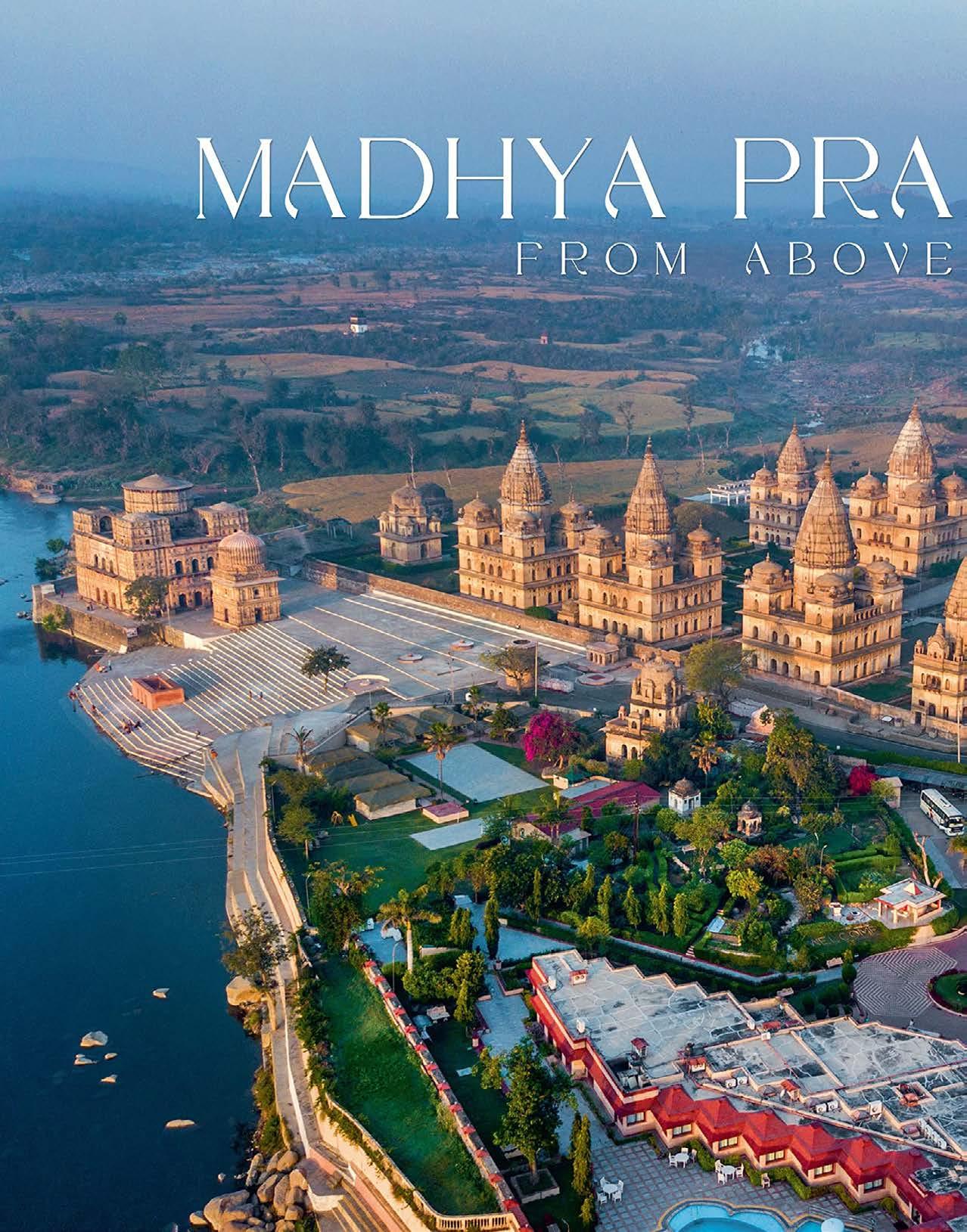
Nestled in the heart of India, Madhya Pradesh is a state that effortlessly blends history, culture, wildlife, and natural beauty. Often referred to as the “Heart of Incredible India,” it offers a diverse range of attractions that cater to history buffs, nature lovers, adventure seekers, and spiritual travellers alike. From ancient temples and majestic forts to lush forests and vibrant festivals, Madhya Pradesh is a treasure trove waiting to be explored. Here’s why Madhya Pradesh stands out as a beautiful tourist attraction.
Madhya Pradesh is steeped in history, with sites that narrate tales of empires, dynasties, and architectural brilliance. The state is home to three UNESCO World Heritage Sites, each showcasing its rich heritage:
Famous for their intricate erotic carvings, these 10th-century temples are a masterpiece of Chandela architecture. The Kandariya Mahadev Temple, with its detailed sculptures, is a highlight that draws art enthusiasts and historians from across the globe.
SANCHI STUPA: A symbol of Buddhist heritage, this ancient stupa dates back to the 3rd century BCE. Commissioned by Emperor Ashoka, it is renowned for its intricately carved gateways and serene ambiance.



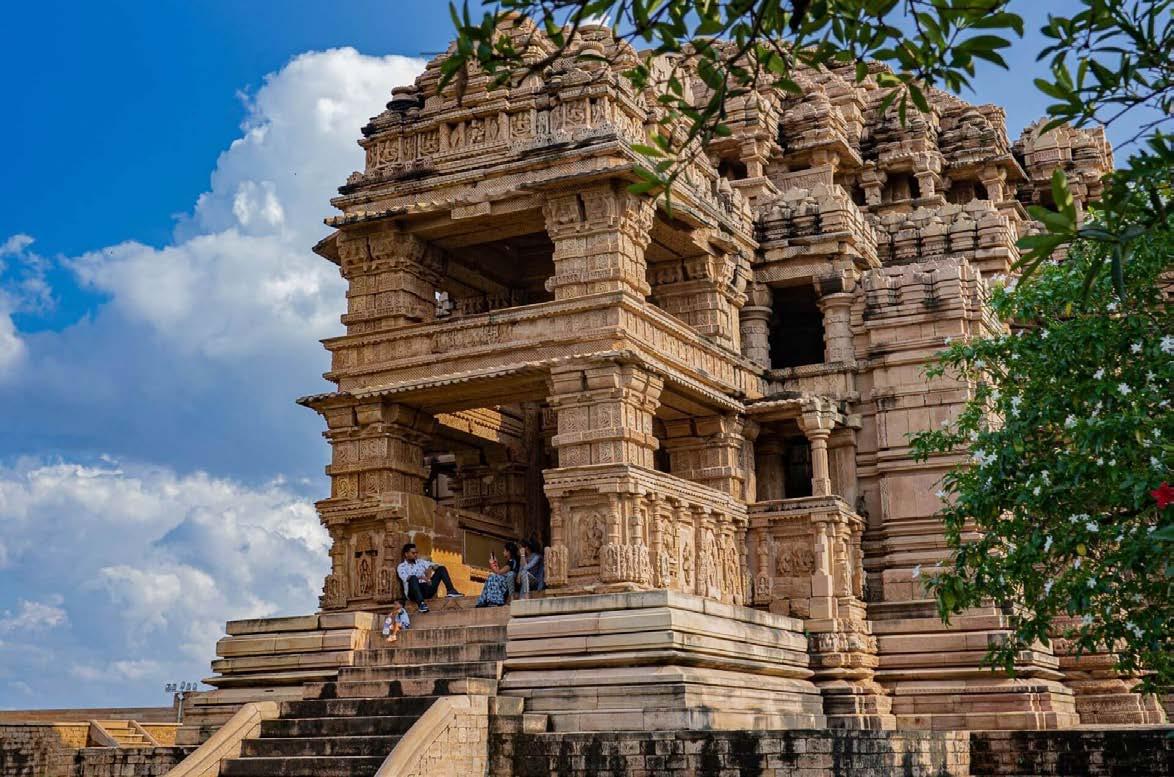
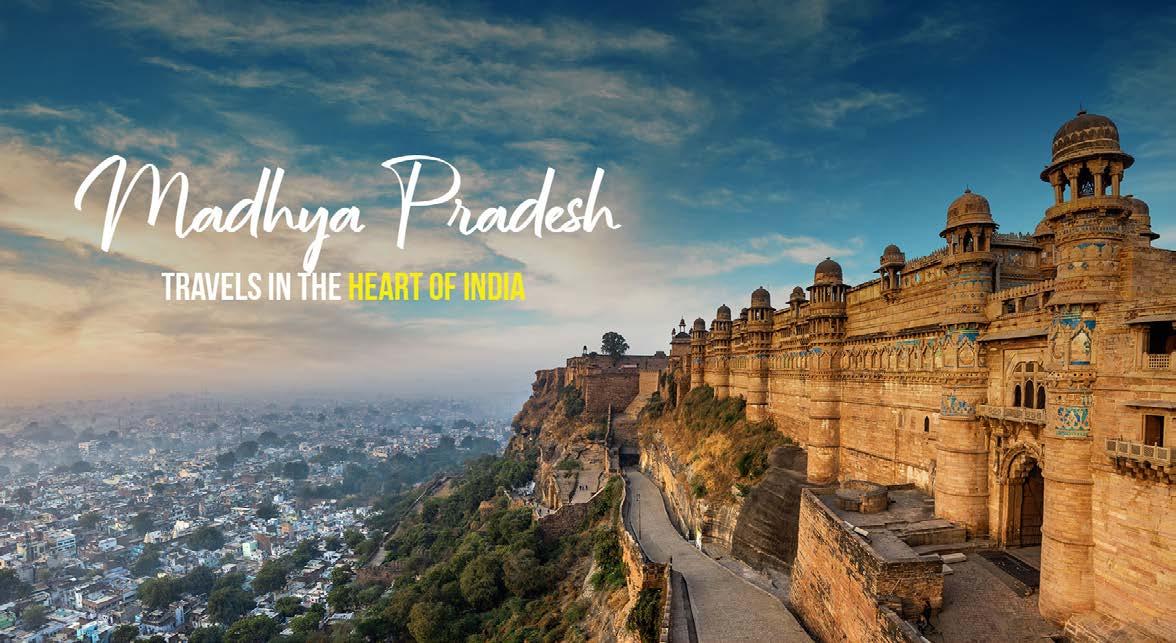
BHIMBETKA
These prehistoric caves, dating back over 30,000 years, offer a glimpse into early human life through ancient rock paintings. A visit here is like stepping into a living museum of human evolution.
Beyond these, the state boasts majestic forts like Gwalior Fort, often called the “Pearl of Indian Fortresses,” and the romantic Mandu Fort, known for its Afghan architecture and love story of Baz Bahadur and Rani Roopmati. Cities like Orchha and Chanderi further enrich the experience with their palaces, cenotaphs, and timeless charm.
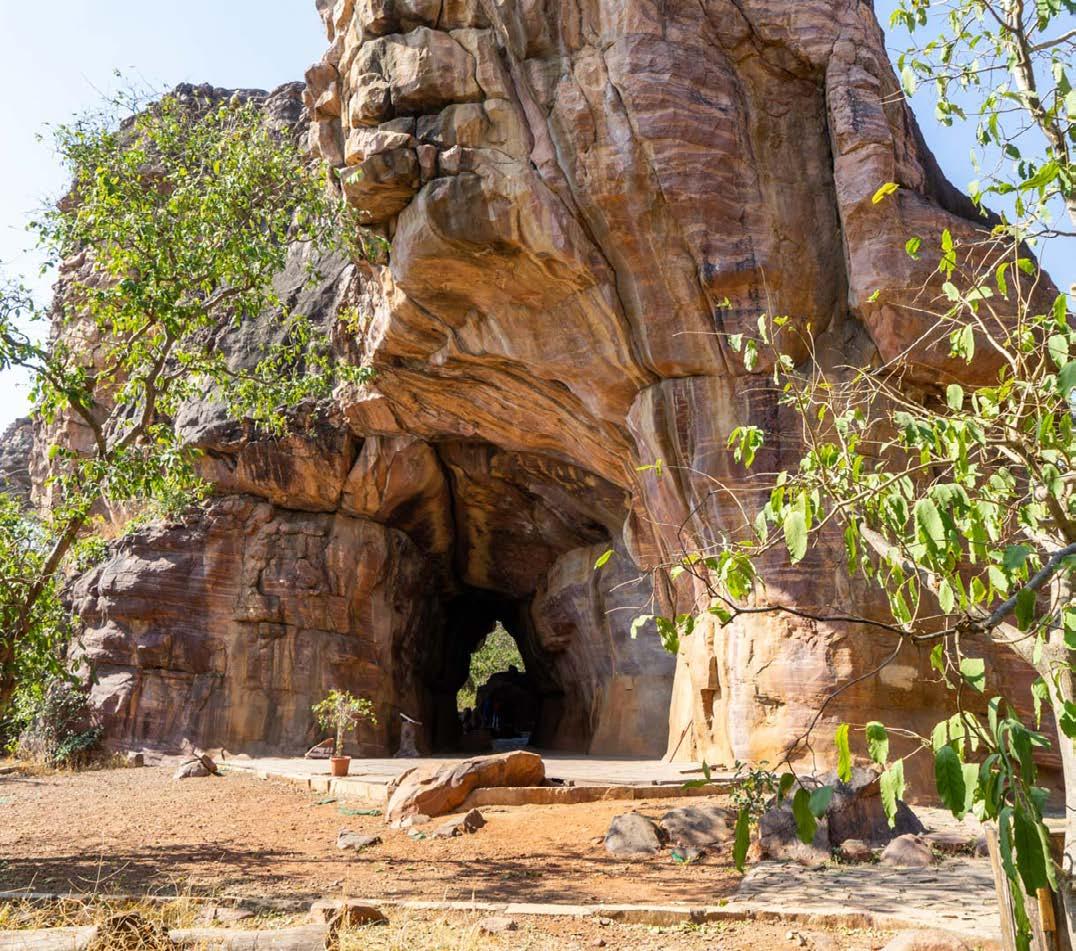
Madhya Pradesh is a haven for wildlife enthusiasts, with some of India’s finest national parks and sanctuaries. The state’s dense forests and diverse ecosystems make it a hotspot for biodiversity.
Kanha National Park: The inspiration behind Rudyard Kipling’s The Jungle Book, Kanha is a prime destination for spotting tigers, leopards, and barasinghas (swamp deer). Its lush sal and bamboo forests create a breathtaking backdrop.
Bandhavgarh National Park: Known for having one of the highest tiger densities in India, Bandhavgarh offers thrilling jeep safaris and a chance to explore the ancient Bandhavgarh Fort.
Pench National Park: Another gem for wildlife lovers, Pench is home to a variety of flora and fauna, including tigers, wolves, and over 200 species of birds.
For those seeking tranquillity, the marble cliffs and cascading waterfalls of Pachmarhi, a hill station nicknamed the “Queen of Satpura,” offer a serene escape. The Dhuandhar Falls in Jabalpur, where the Narmada River plunges in a misty cascade, is another natural wonder that captivates visitors.
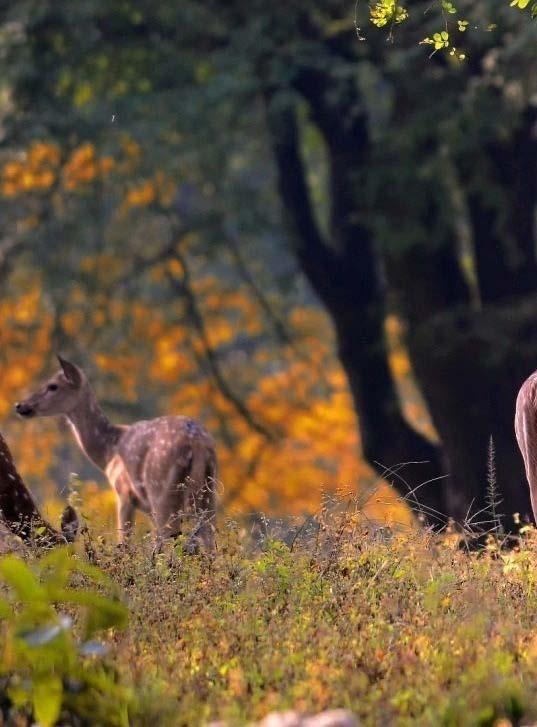
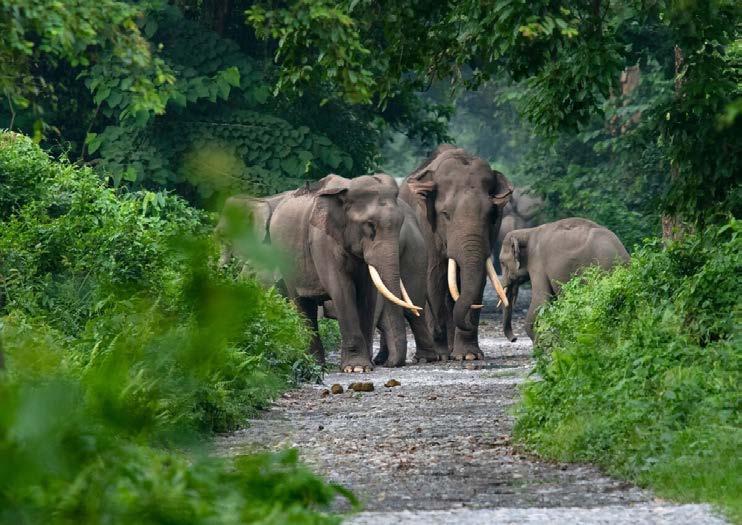
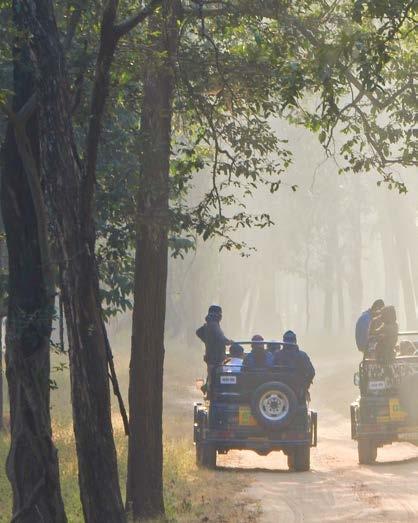
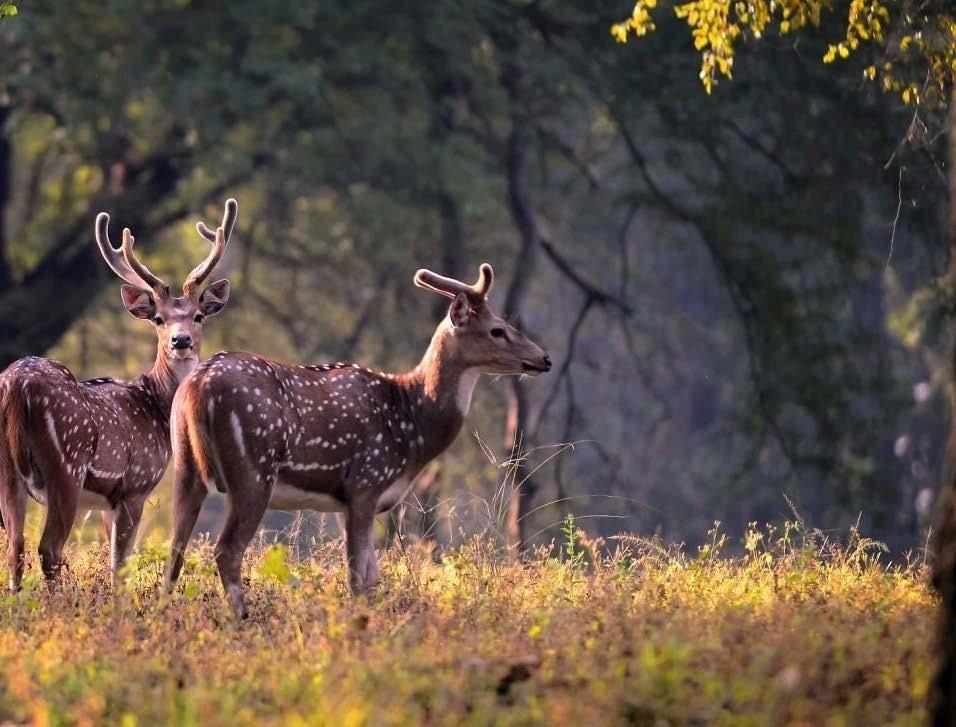

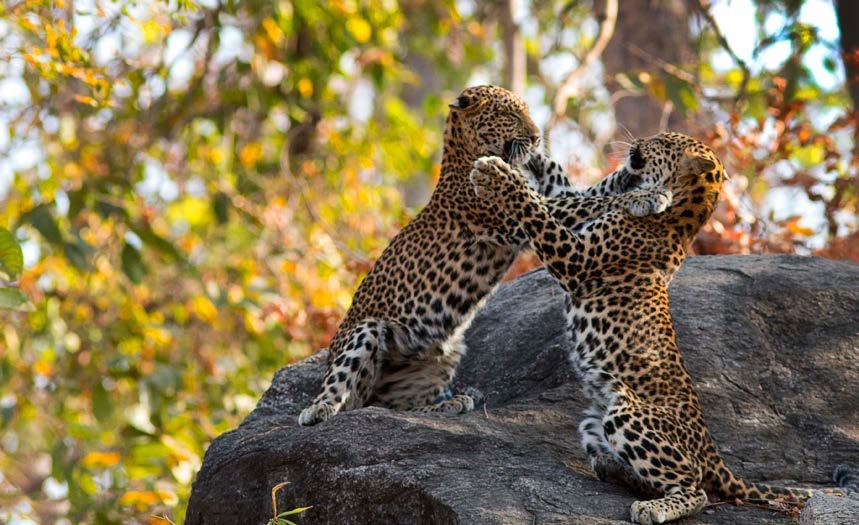

Madhya Pradesh is a spiritual hub, drawing pilgrims and seekers to its sacred sites. The city of Ujjain, one of the four Kumbh Mela sites, is home to the Mahakaleshwar Jyotirlinga, a revered Shiva temple. The vibrant ghats along the Shipra River and the ancient observatories add to Ujjain’s spiritual allure. Omkareshwar, another Jyotirlinga site on the banks of the Narmada River, offers a peaceful retreat with its island temple and scenic beauty. The state’s numerous Jain and Hindu temples, such as those in Maheshwar and Chanderi, further enhance its spiritual appeal.
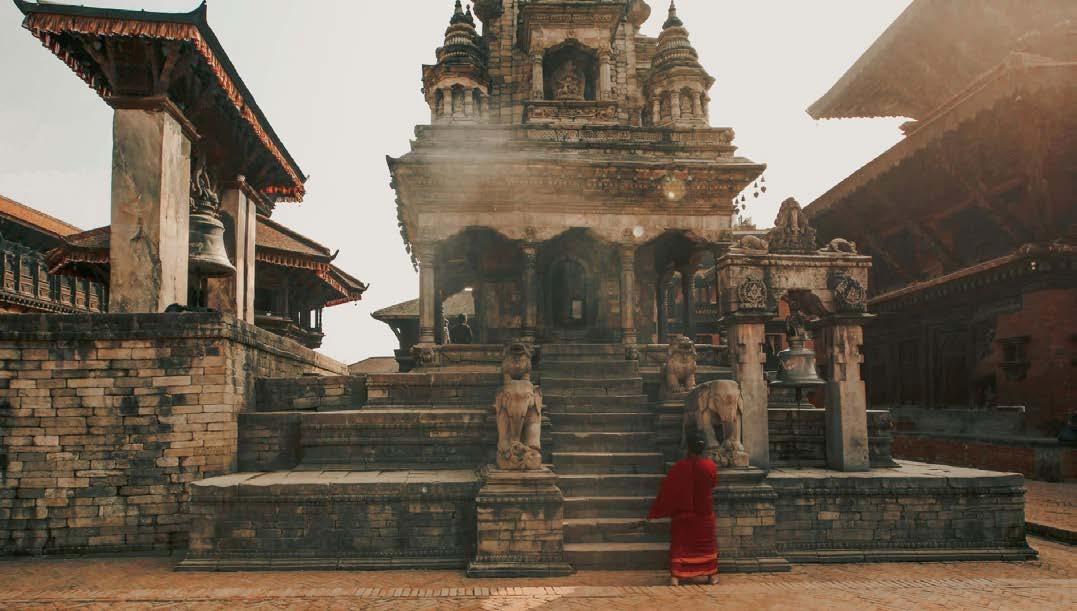
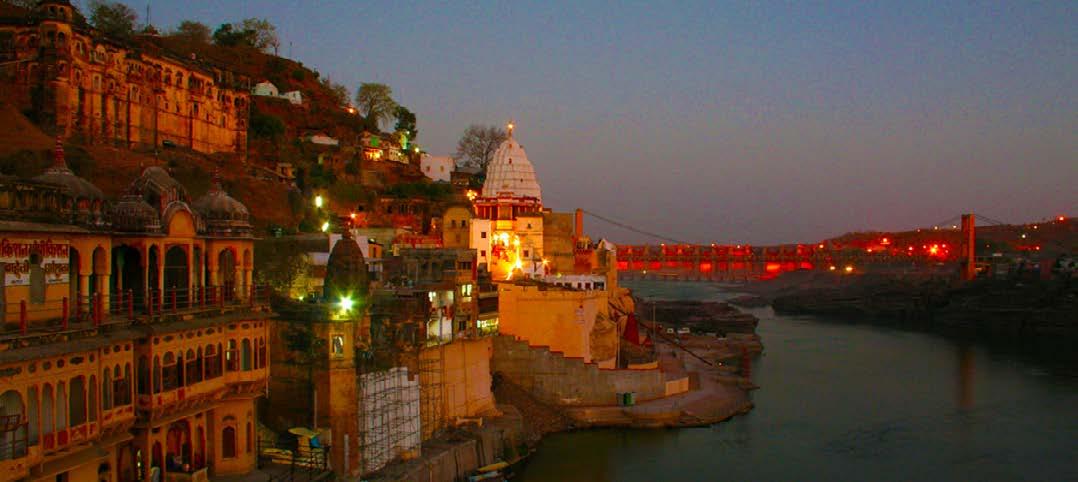
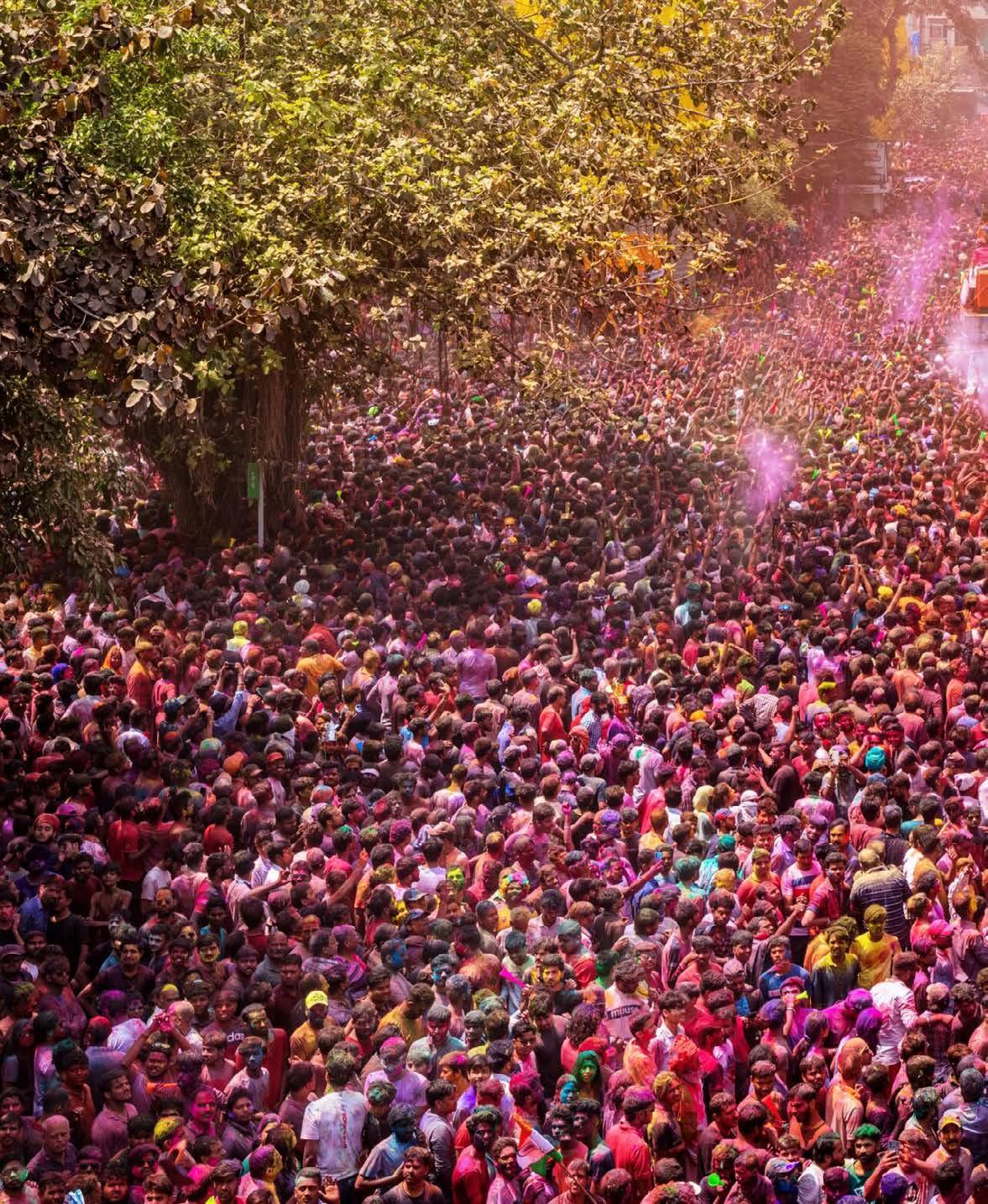
Madhya Pradesh’s cultural tapestry is woven with tribal traditions, folk art, and classical music. The state is home to vibrant tribes like the Gond and Baiga, whose art and dances reflect their deep connection to nature. The annual Tansen Music Festival in Gwalior celebrates India’s classical music heritage, while the Khajuraho Dance Festival showcases classical dance forms against the backdrop of the iconic temples.
The state’s cuisine is another delight, with dishes like Bhopali gosht korma, poha, and dal bafla offering a taste of local flavours. Handicrafts such as Chanderi sarees, Maheshwari textiles, and Gond paintings make for cherished souvenirs.
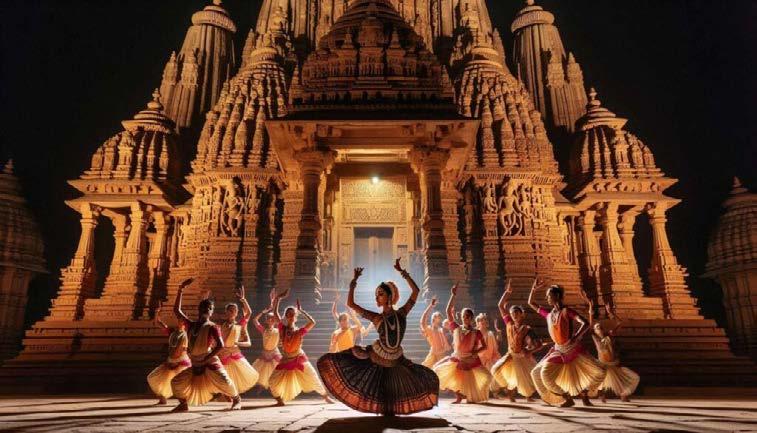
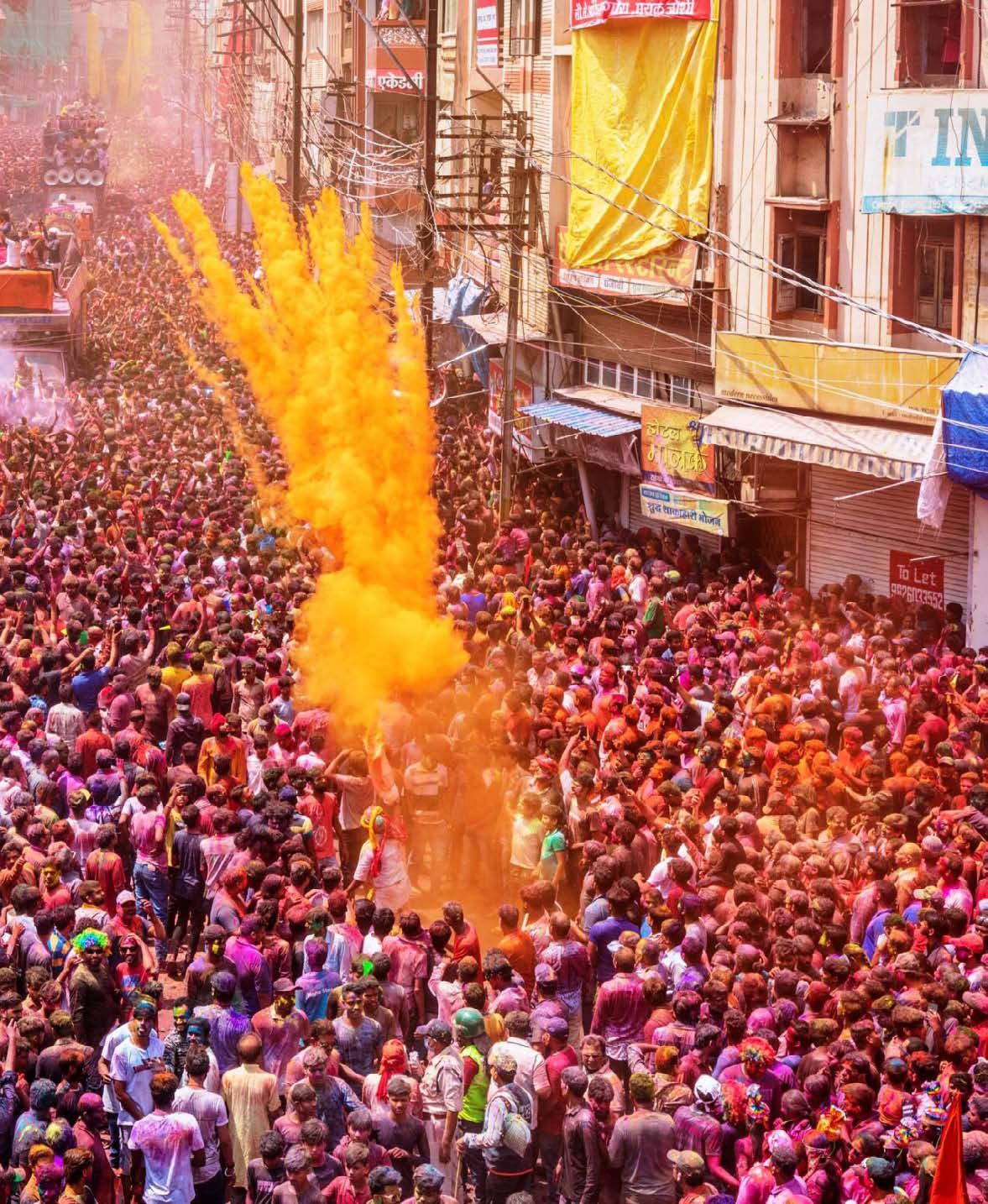
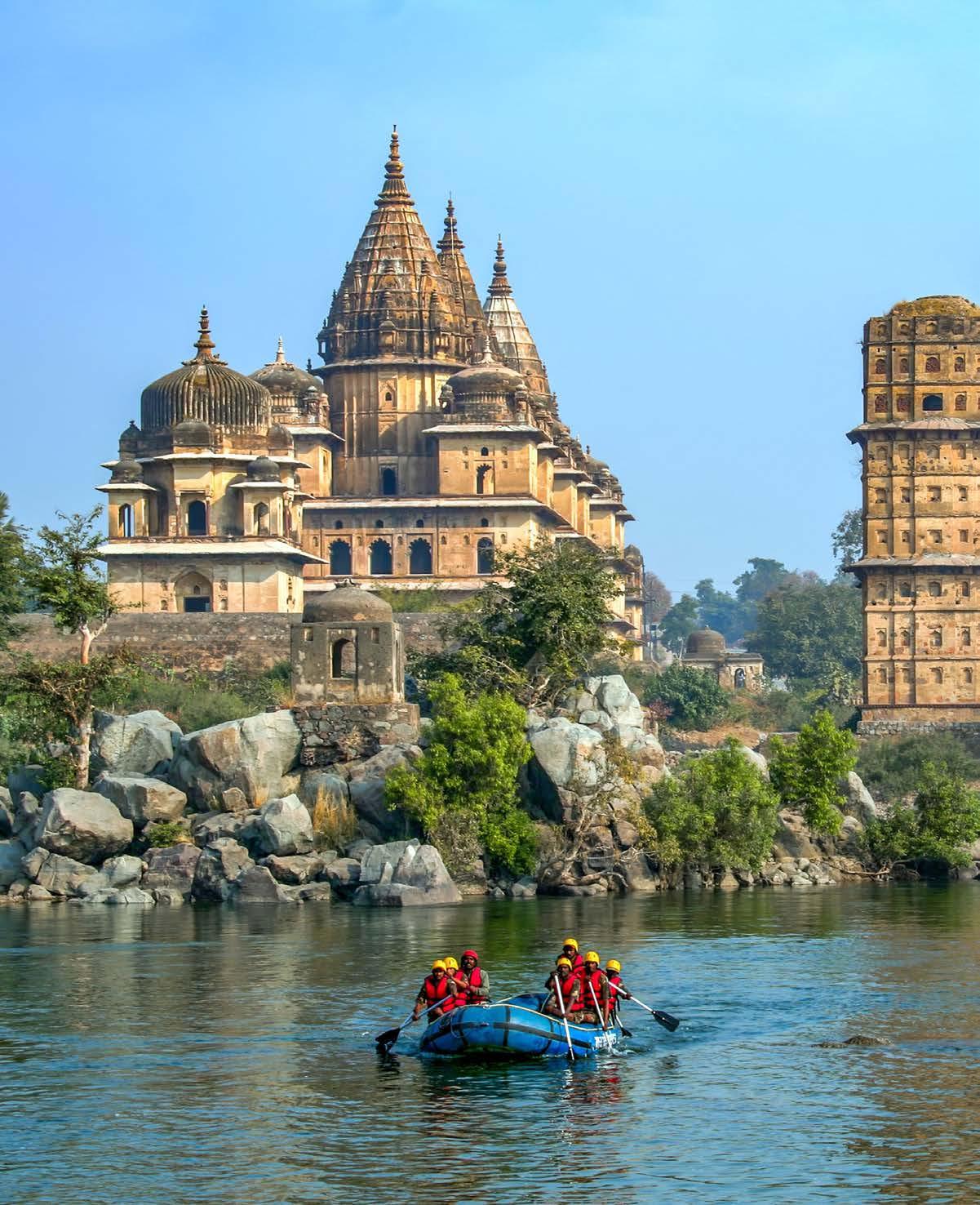
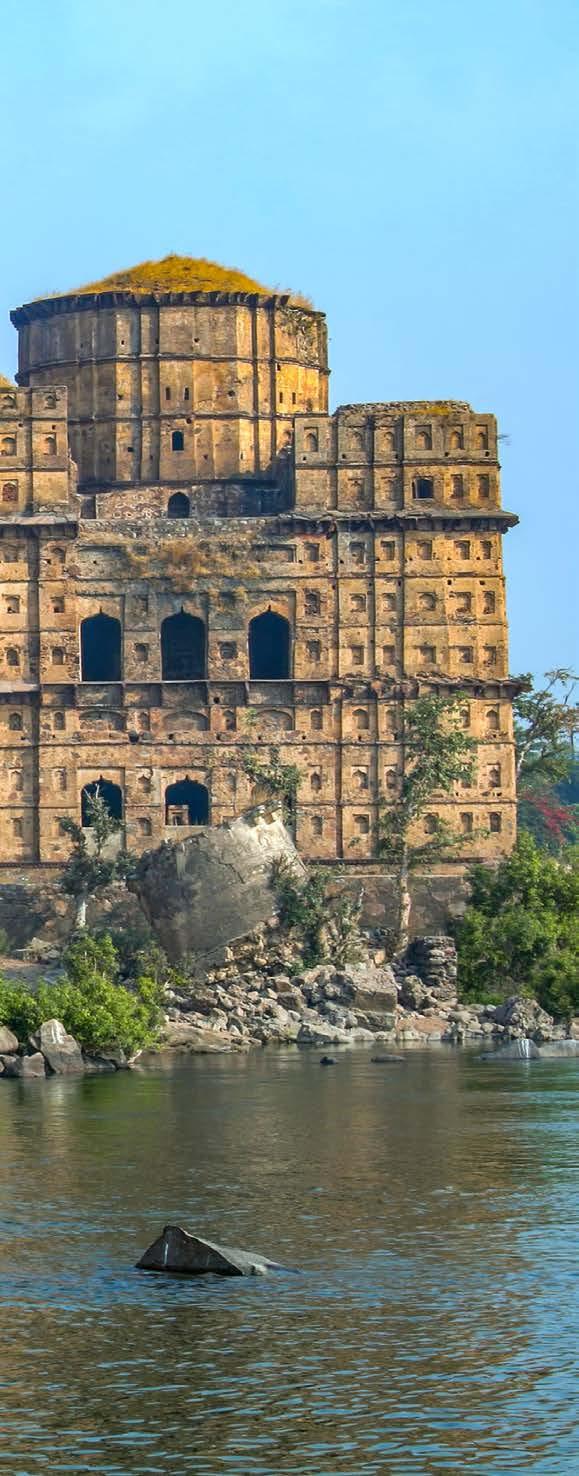

For adventure seekers, Madhya Pradesh offers a range of activities. River rafting on the Narmada, trekking in the Satpura hills, and camping under the stars in Kanha or Bandhavgarh are just a few options. The state’s lesser-known gems, like the medieval town of Burhanpur or the ancient city of Vidisha, provide offbeat experiences for curious travelers.
Madhya Pradesh’s allure lies in its diversity and authenticity. Unlike more commercialized tourist destinations, it offers an unfiltered glimpse into India’s soul. The state’s warm hospitality, coupled with its blend of history, nature, and culture, ensures that every traveller finds something to cherish. Whether you’re exploring the regal palaces of Gwalior, tracking tigers in Bandhavgarh, or meditating by the Narmada, Madhya Pradesh promises memories that last a lifetime.
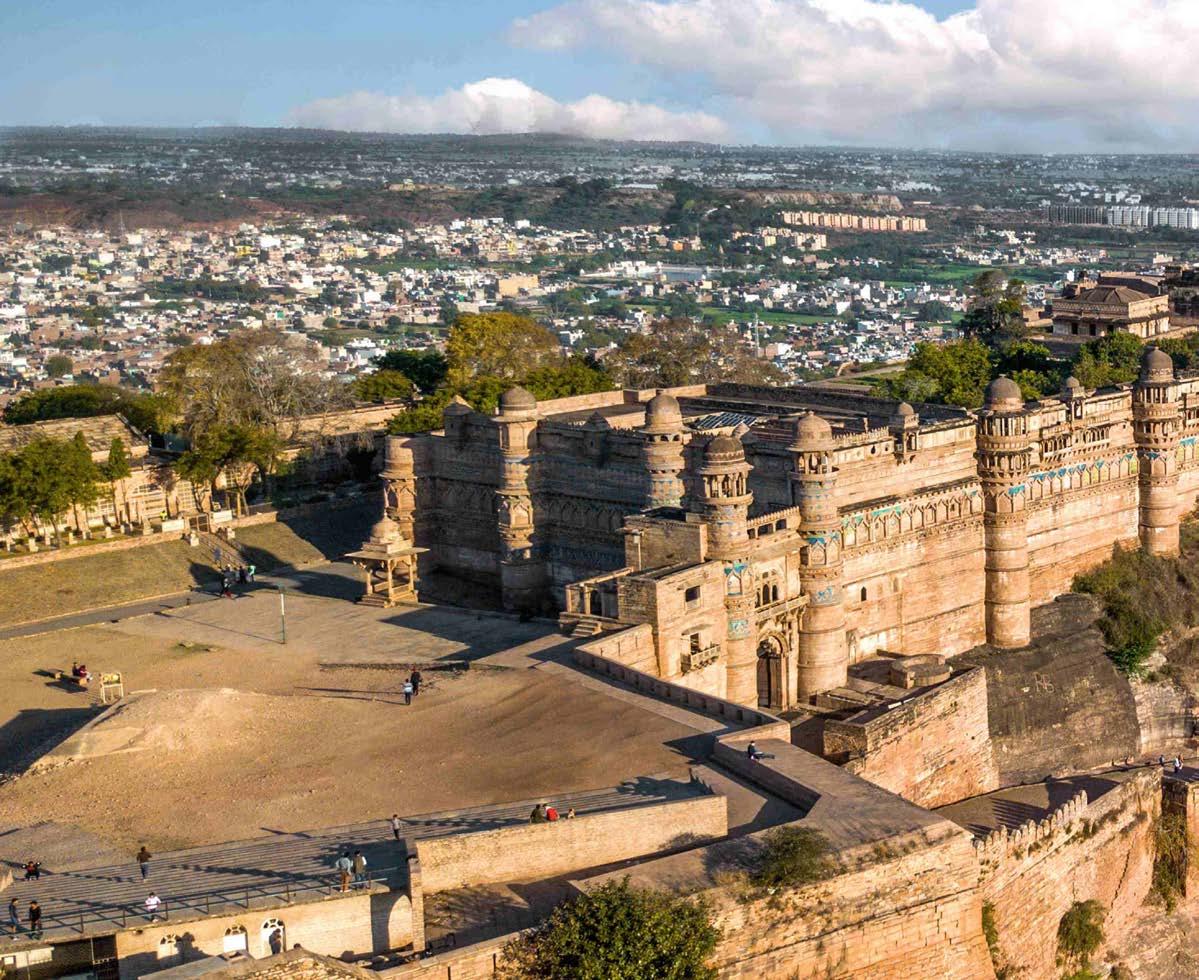
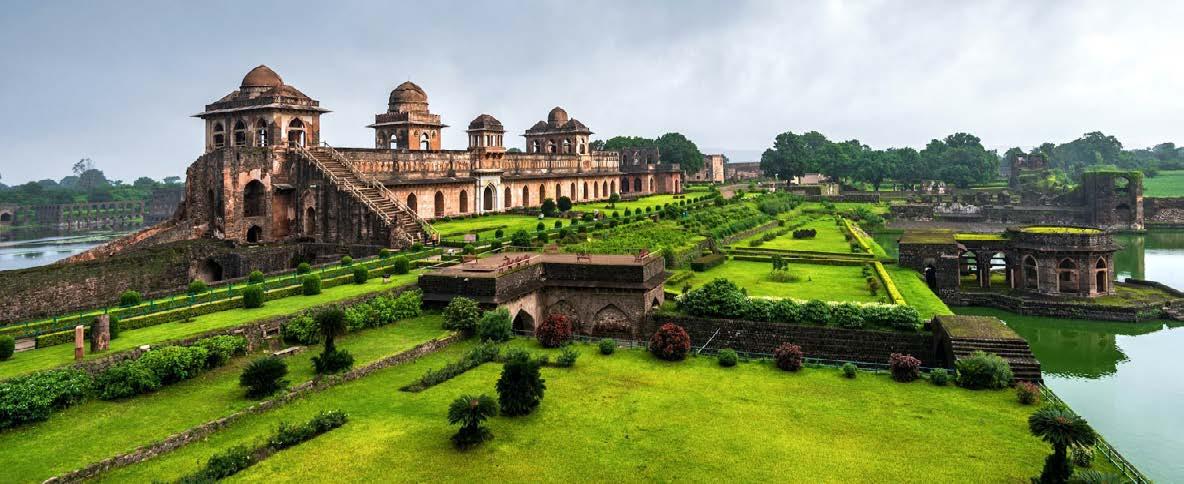


The best time to visit Madhya Pradesh is between October and March, when the weather is pleasant for sightseeing and wildlife safaris. The state is well-connected by air, rail, and road, with major cities like Bhopal, Indore, and Jabalpur serving as convenient entry points. With excellent tourism infrastructure, including heritage hotels, eco-lodges, and guided tours, exploring Madhya Pradesh is both comfortable and enriching. Madhya Pradesh is more than just a destination—it’s an experience that captures the essence of India’s past, present, and natural splendour. Whether you seek adventure, spirituality, or a brush with history, this vibrant state invites you to discover its timeless beauty. Pack your bags and embark on a journey to the heart of India—Madhya Pradesh awaits!
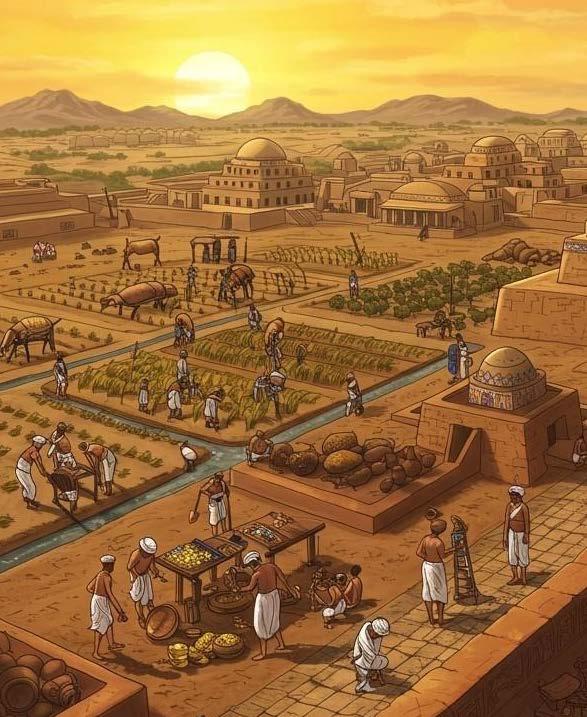

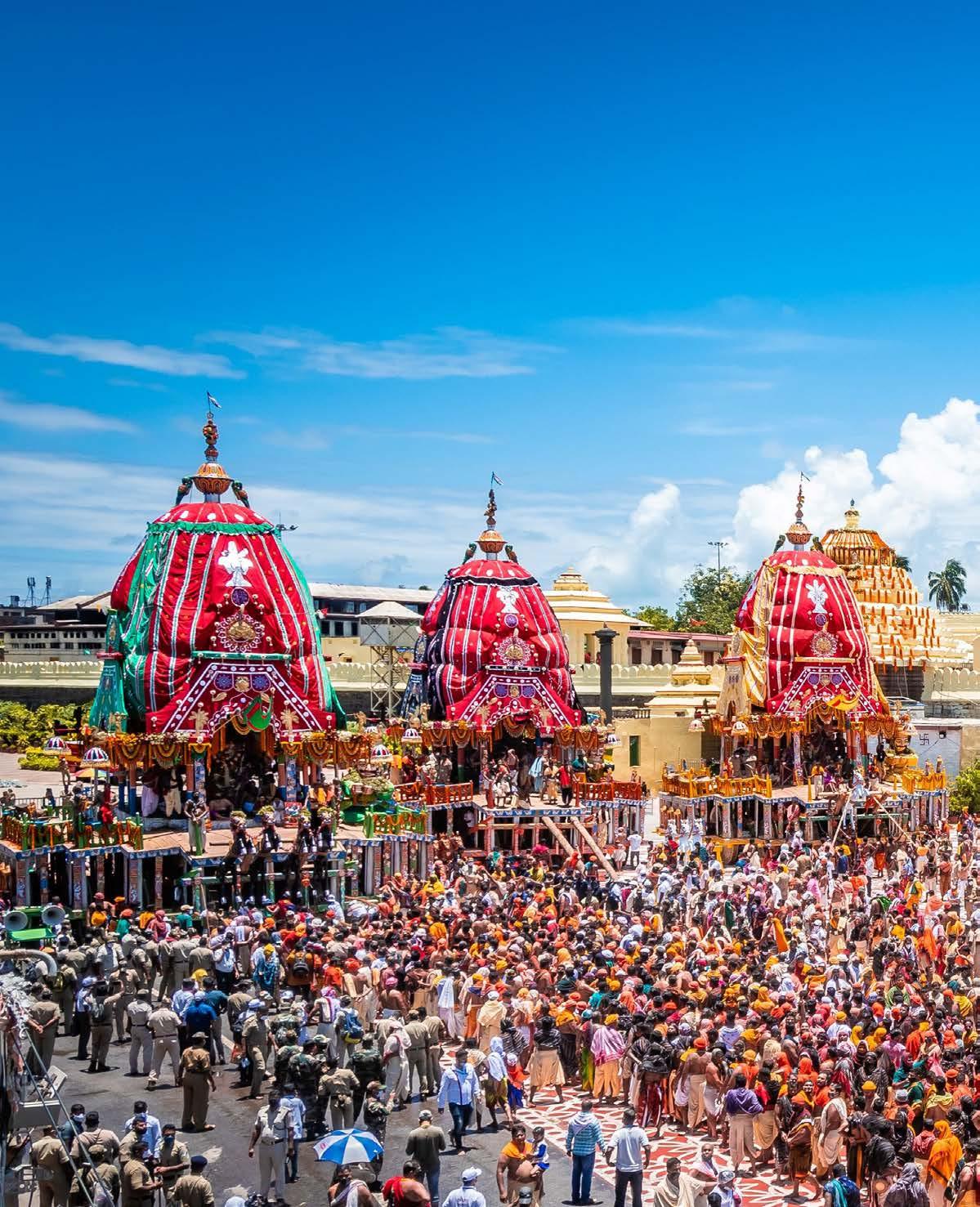
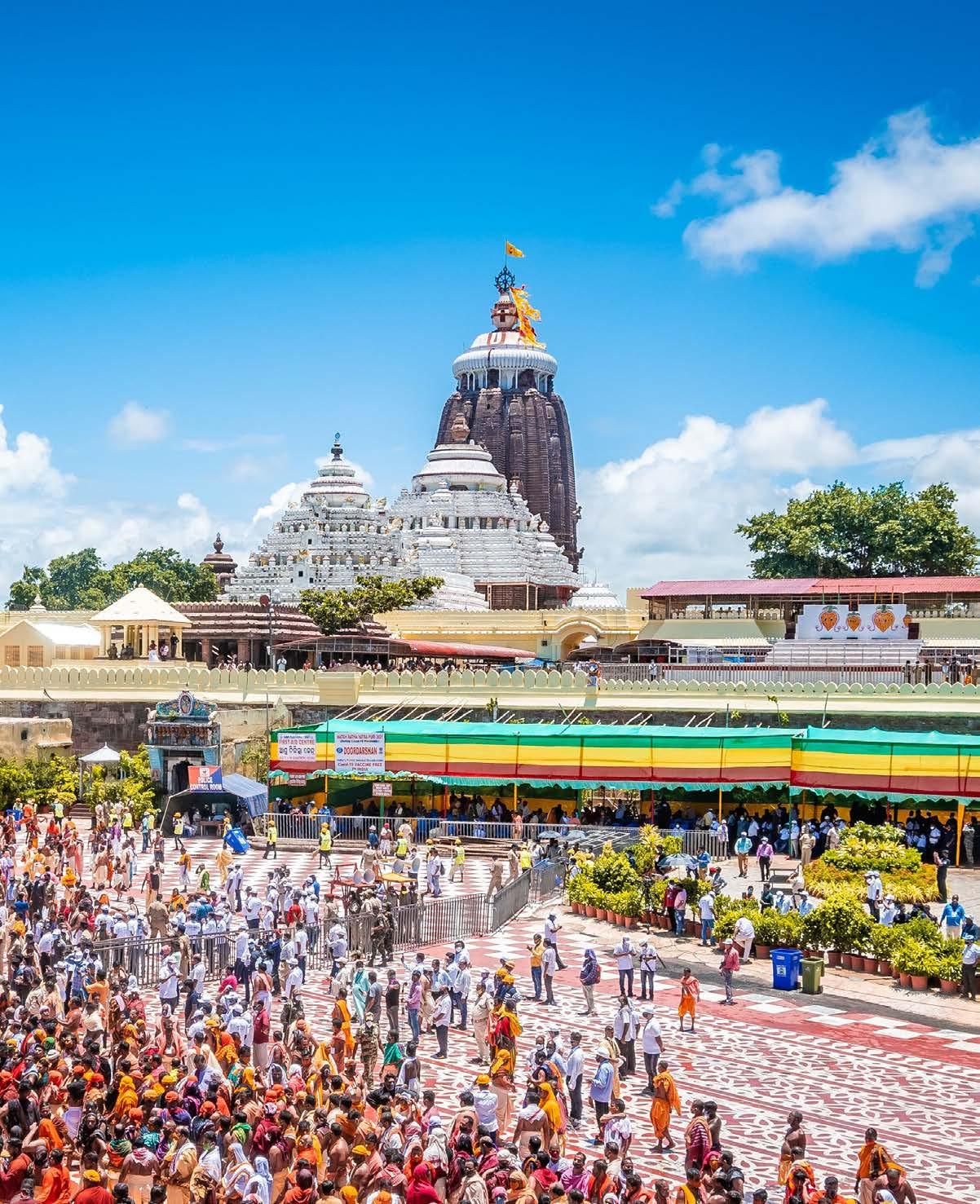
Every year, the coastal city of Puri in Odisha, India, transforms into a sea of devotion, colour, and fervour as millions gather for the Jagannath Puri Rath Yatra. This grand festival, one of the oldest and most significant Hindu chariot processions, is a spectacular display of spiritual unity, cultural heritage, and communal harmony. The Rath Yatra, cantered around Lord Jagannath, an incarnation of Lord Vishnu, is not just a religious event but a global phenomenon that draws devotees, tourists, and curious souls alike. Let’s dive into the heart of this divine journey, exploring its rituals, history, and profound significance.
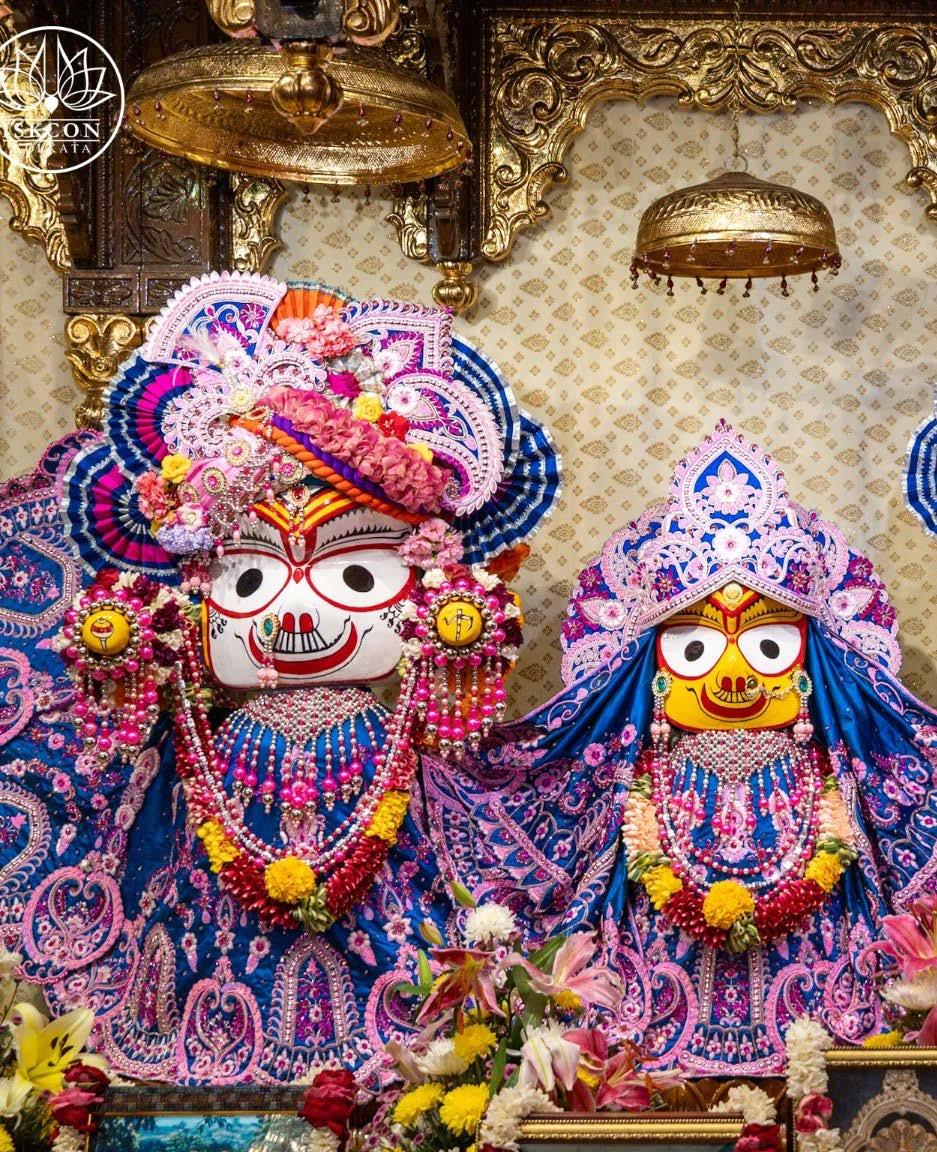

The Rath Yatra, or “Chariot Festival,” is an annual event held at the Jagannath Temple in Puri, typically in June or July, coinciding with the Hindu month of Ashadha (on the second day of the waxing moon). The festival involves a grand procession where three massive wooden chariots carry Lord Jagannath, his elder brother Lord Balabhadra, and their sister Devi Subhadra from the Jagannath Temple to the Gundicha Temple, about 2.5 kilometres away. After a nine-day stay, the deities return in a similar procession called the Bahuda Yatra. Each chariot, meticulously crafted anew every year, is a marvel of engineering and devotion. Lord Jagannath’s chariot, Nandighosa, stands 44 feet tall with 16 wheels, adorned with red and yellow cloth. Lord Balabhadra’s Taladhwaja has 14 wheels and is draped in red and green, while Devi Subhadra’s Darpadalana has 12 wheels and is covered in red and black. Thousands of devotees pull these chariots along Puri’s Grand Road (Bada Danda), their chants of “Jai Jagannath” echoing through the air, creating an atmosphere charged with spiritual energy.
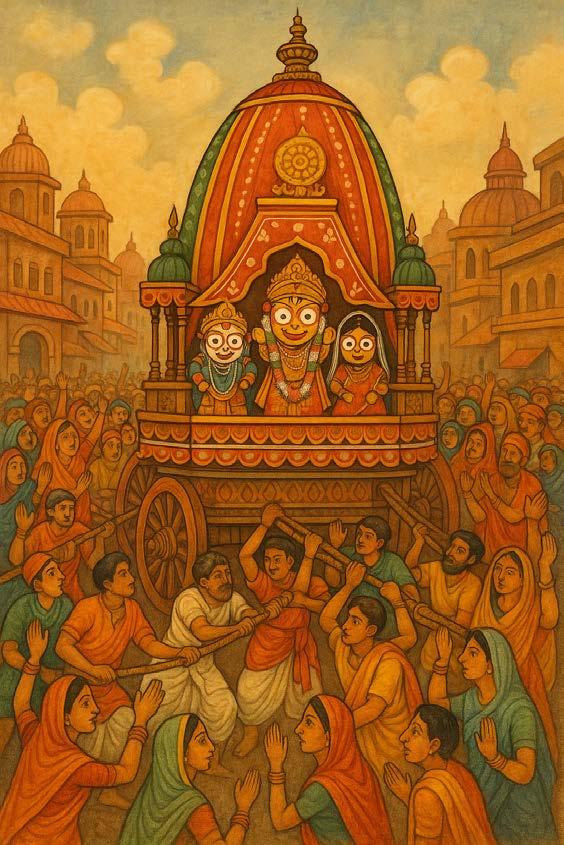
The origins of the Rath Yatra are steeped in both history and mythology. While the Jagannath Temple dates back to the 12th century, constructed under King Anantavarman Chodaganga Deva, the Rath Yatra is believed to be much older, with references in ancient texts like the Skanda Purana and Padma Purana. One popular legend ties the festival to Lord Jagannath’s journey to visit his aunt at the Gundicha Temple, symbolizing his accessibility to devotees beyond the temple’s sanctum. Another tale links the festival to Lord Krishna’s journey from Gokul to Mathura, reimagined in Puri as Jagannath’s procession to reconnect with his devotees. The festival’s inclusivity—allowing people of all castes, creeds, and backgrounds to participate— reflects Lord Jagannath’s universal appeal as the “Lord of the Universe.”
The Rath Yatra is preceded by elaborate rituals that add to its grandeur. The festival begins with Snana Yatra, where the deities are bathed in 108 pitchers of sacred water, symbolizing purification. This is followed by Anasara, a 15day period when the deities are kept in seclusion, believed to recover from a “fever” caused by the ritual bath. During this time, devotees worship representative images called Pati Dian. The construction of the chariots starts months in advance, using specific types of wood like neem and no iron or nails, adhering to ancient traditions. The ropes used to pull the chariots, known as Pahandi, are considered sacred, and devotees vie for the honour of touching or pulling them. On the day of the Yatra, the Chhera Pahanra ritual sees the Gajapati King of Puri, considered the first servant of Lord Jagannath, sweep the chariots with a golden broom, symbolizing humility and equality.
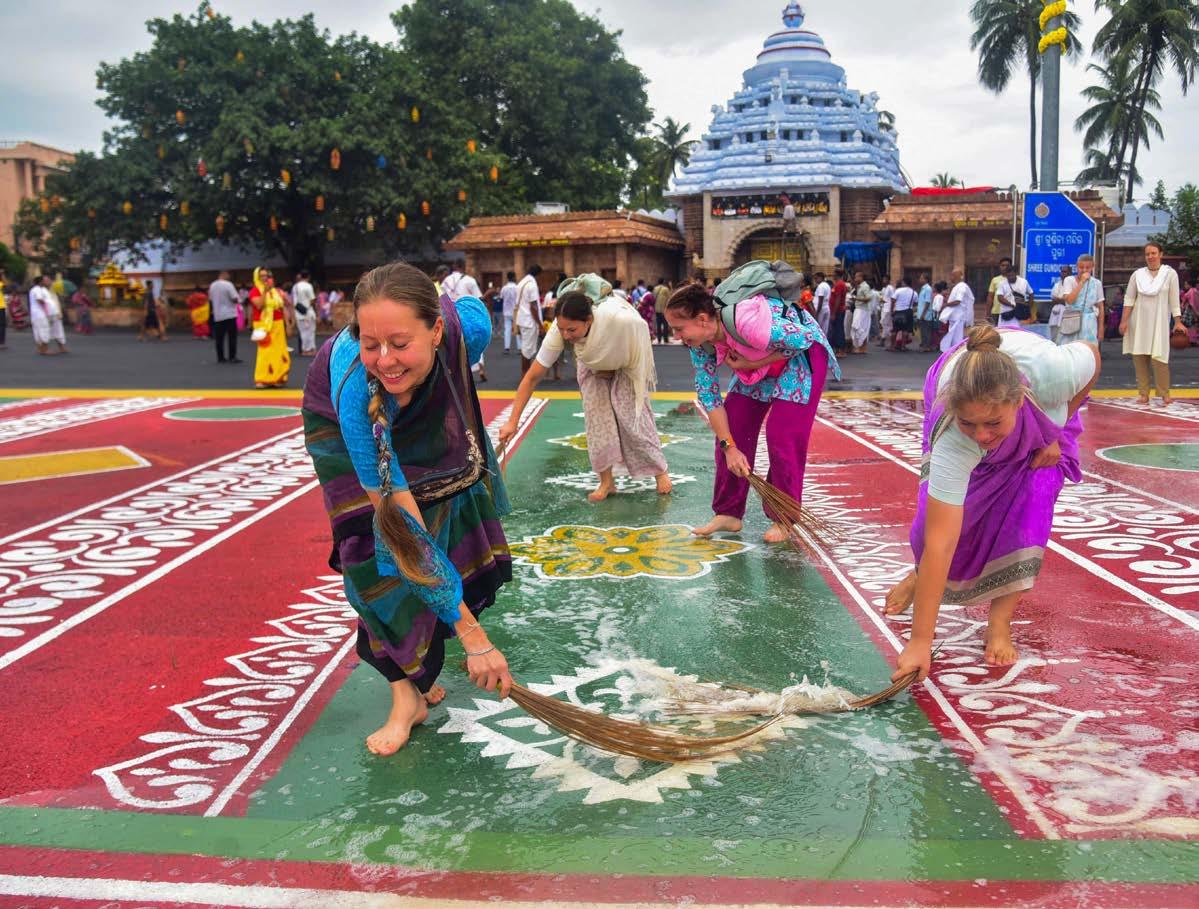


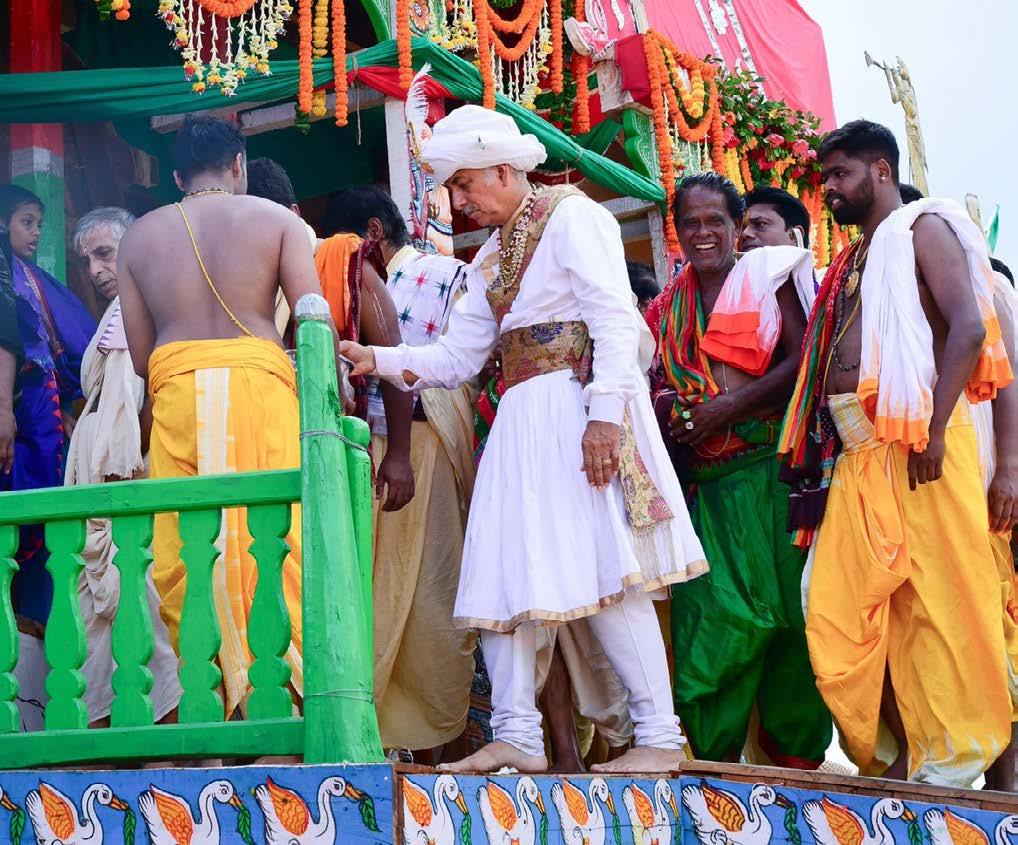
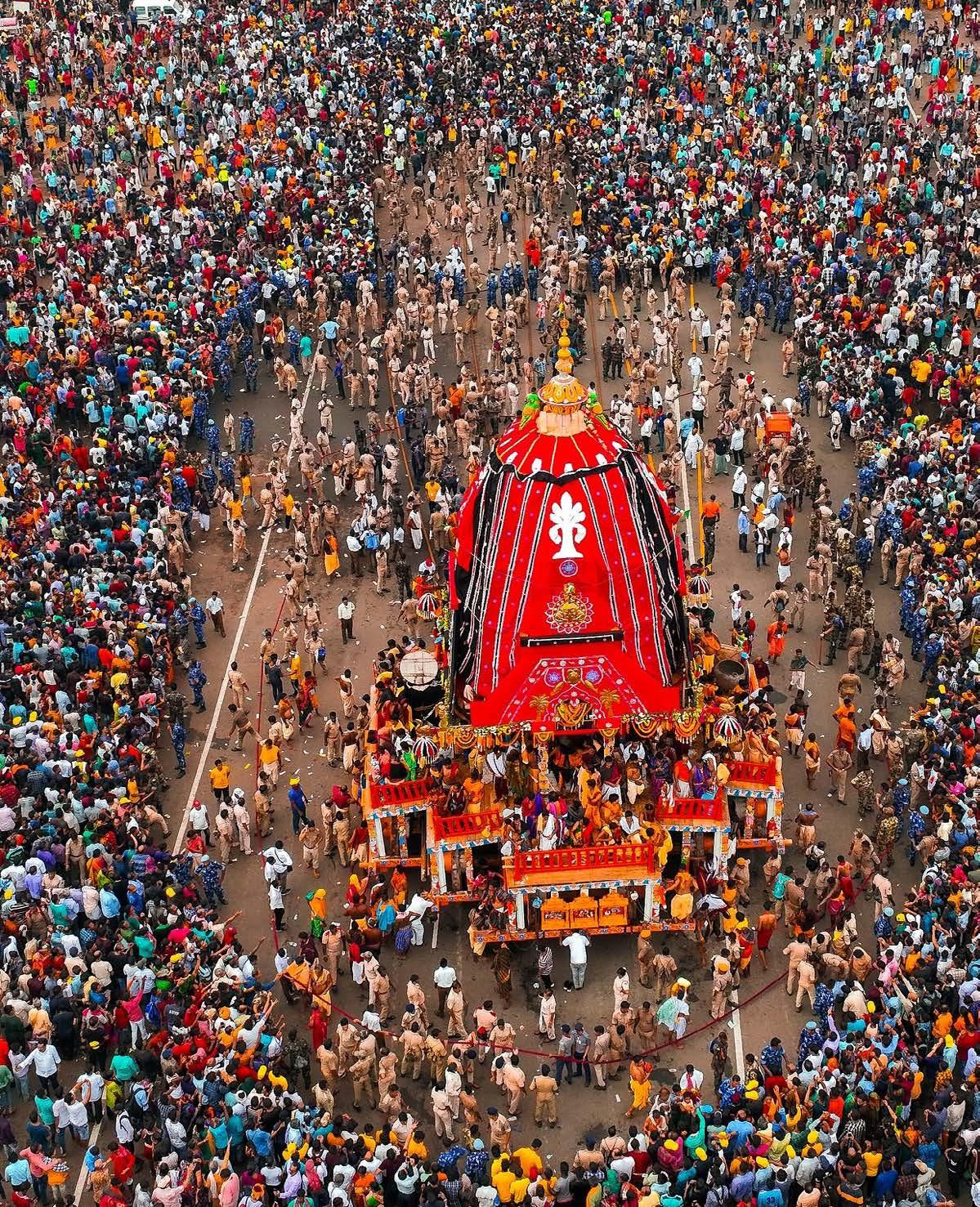

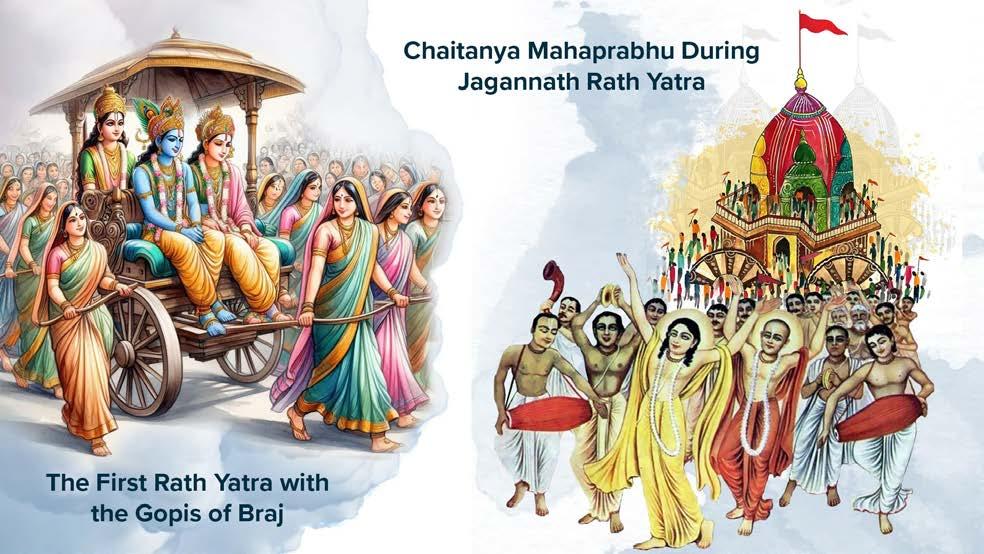
The Rath Yatra is far more than a procession—it’s a profound spiritual and cultural event with layers of meaning:
• Universal Accessibility: Unlike most Hindu temples, where deities remain within the sanctum, the Rath Yatra brings Lord Jagannath, Balabhadra, and Subhadra out to the people. This act symbolizes divine accessibility, breaking barriers of caste, class, or religion. Even non-Hindus, historically restricted from entering the Jagannath Temple, can participate in the Yatra, making it a rare inclusive festival.
• Spiritual Renewal: For devotees, pulling the chariot ropes is an act of devotion believed to cleanse sins and grant moksha (liberation). The journey to Gundicha Temple is seen as a metaphor for the soul’s journey toward divine union, with Lord Jagannath’s presence inspiring faith and surrender.
• Cultural Unity: The festival unites millions, from locals to international devotees, fostering a sense of community. It showcases Odisha’s rich art, architecture, and traditions, with the chariots themselves being masterpieces of craftsmanship.
• Global Impact: The Rath Yatra has transcended borders, with similar chariot festivals held in cities like London, New York, and Sydney, largely through the efforts of ISKCON (International Society for Krishna Consciousness). This global reach underscores Lord Jagannath’s universal appeal.
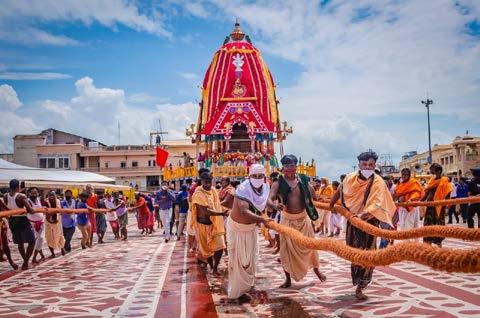
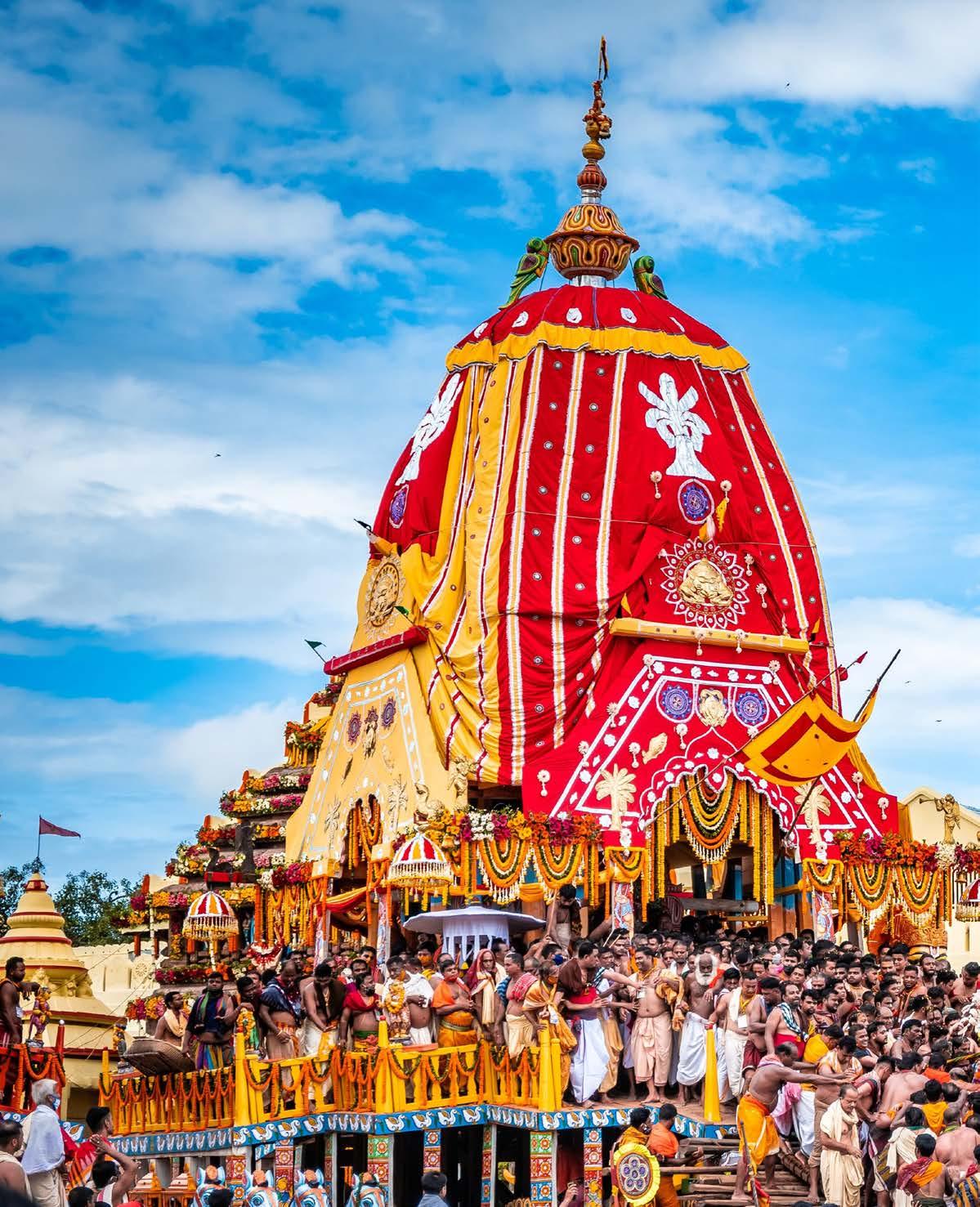
Imagine standing on Puri’s Grand Road as the massive chariots roll forward, their wheels creaking under the weight of devotion. The air is thick with the scent of sandalwood and flowers, mingled with the rhythmic chants of Hare Krishna and the beat of drums, cymbals, and conches. Devotees, dressed in vibrant attire, dance and sing, their faces alight with joy. The sight of Lord Jagannath’s large, expressive eyes on the chariot is said to grant darshan—a divine glimpse that purifies the soul. Yet, the festival isn’t without challenges. The sheer scale of the crowd—often exceeding a million—poses logistical hurdles. In recent years, the Odisha government and temple authorities have implemented measures like crowd control, enhanced security, and eco-friendly practices to ensure safety and sustainability.
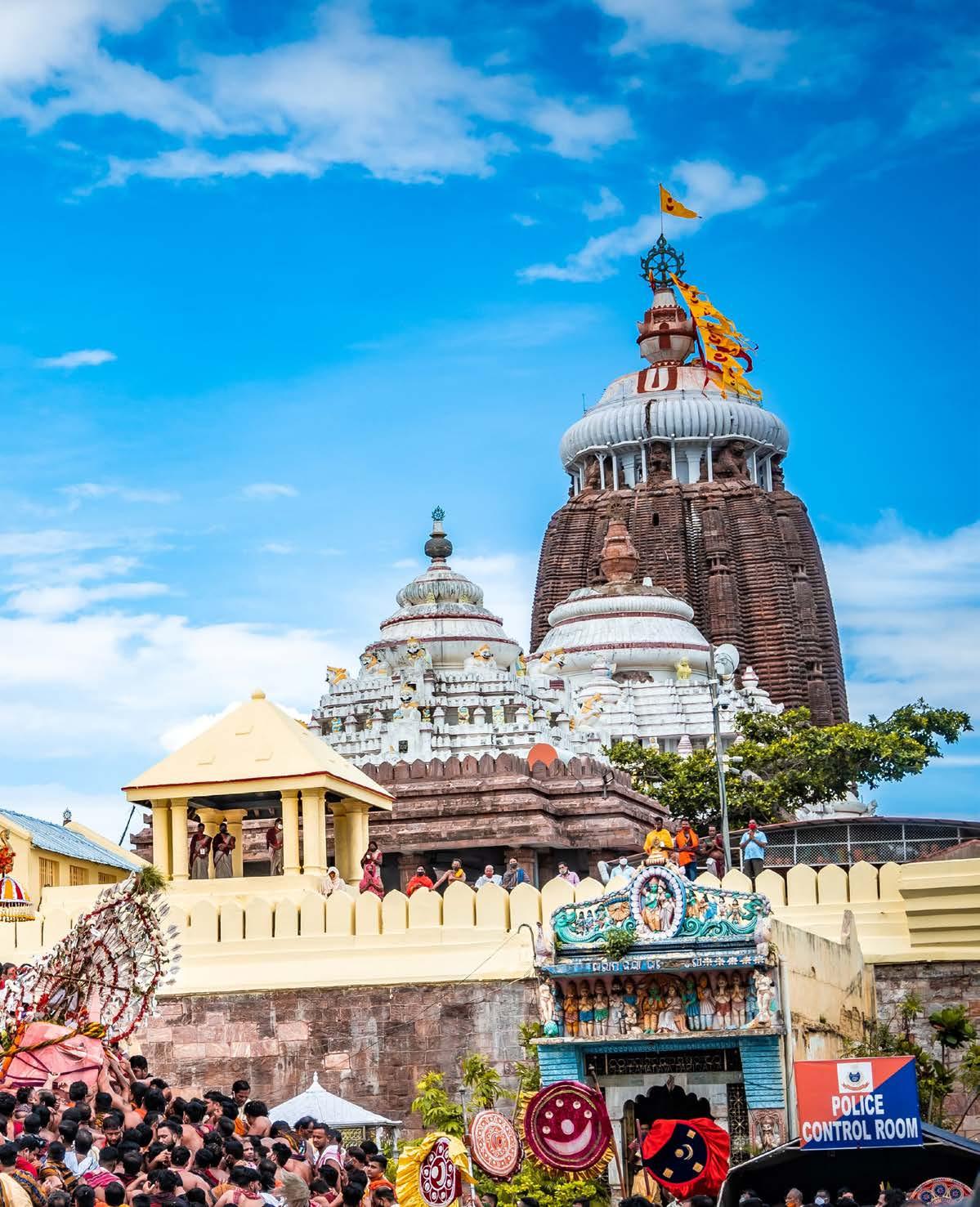
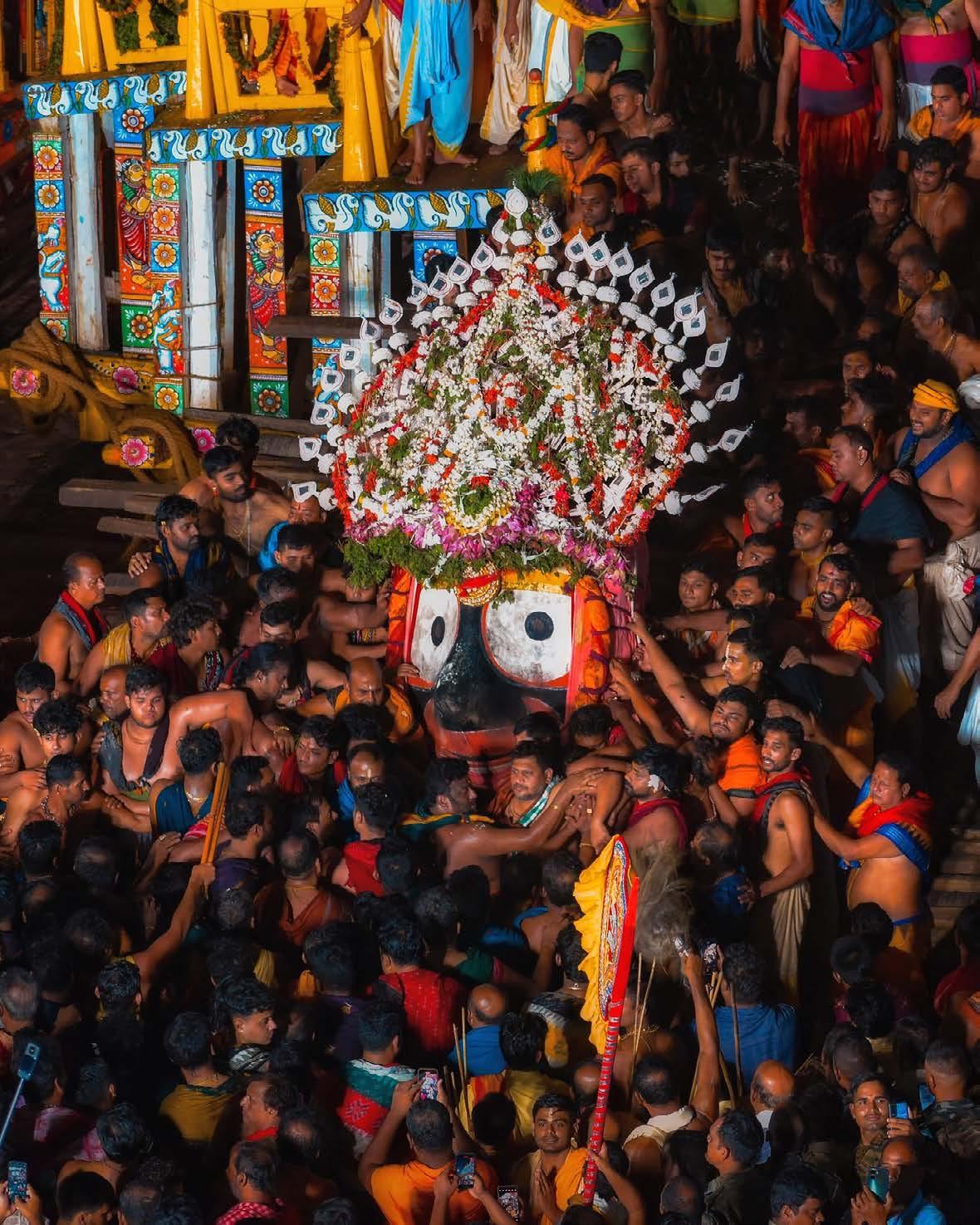
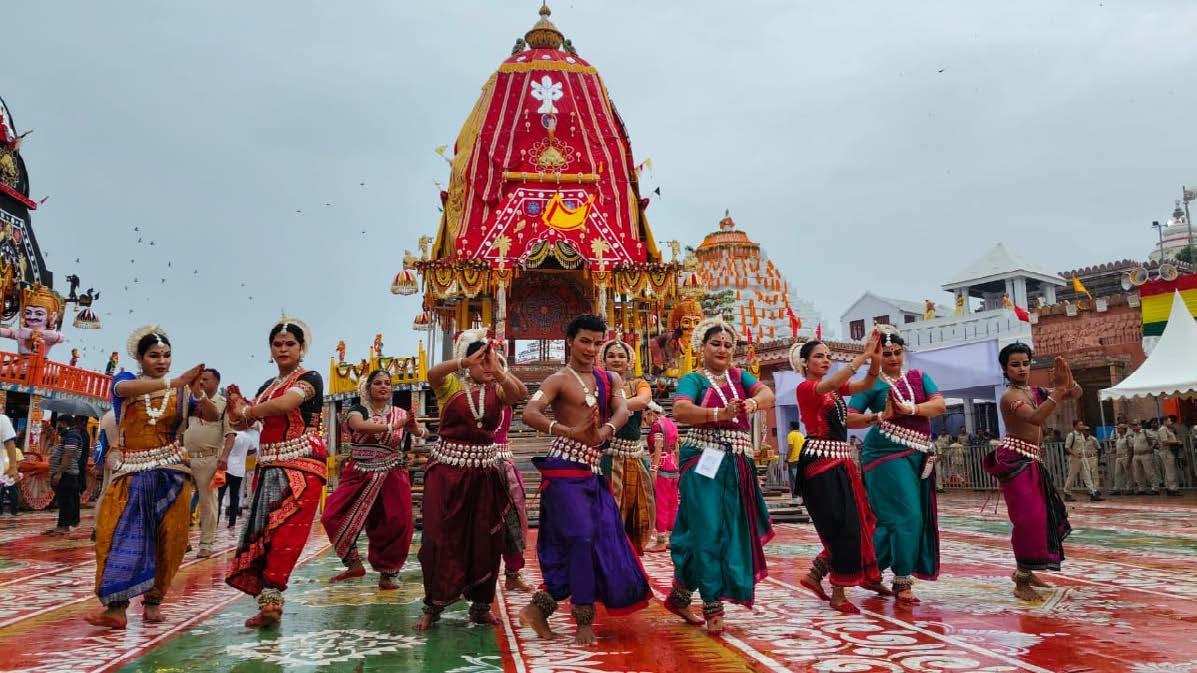
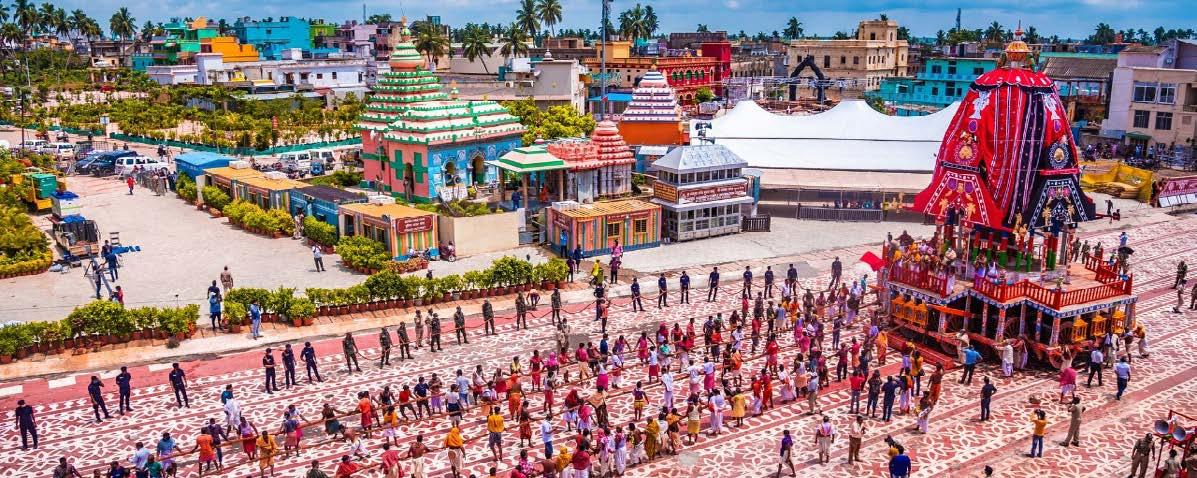
The Jagannath Puri Rath Yatra is a timeless celebration that blends spirituality, tradition, and community spirit. It’s a reminder that divinity isn’t confined to temples but lives in the hearts of millions who pull the chariots, chant the Lord’s name, or simply witness the spectacle. Whether you’re a devotee seeking blessings or a traveller chasing cultural marvels, the Rath Yatra offers an unforgettable experience—a vibrant testament to faith, unity, and the enduring legacy of Lord Jagannath. So, if you find yourself in Puri during Ashadha, join the throng, feel the tug of the sacred ropes, and let the spirit of the Rath Yatra sweep you into its divine embrace. Jai Jagannath!

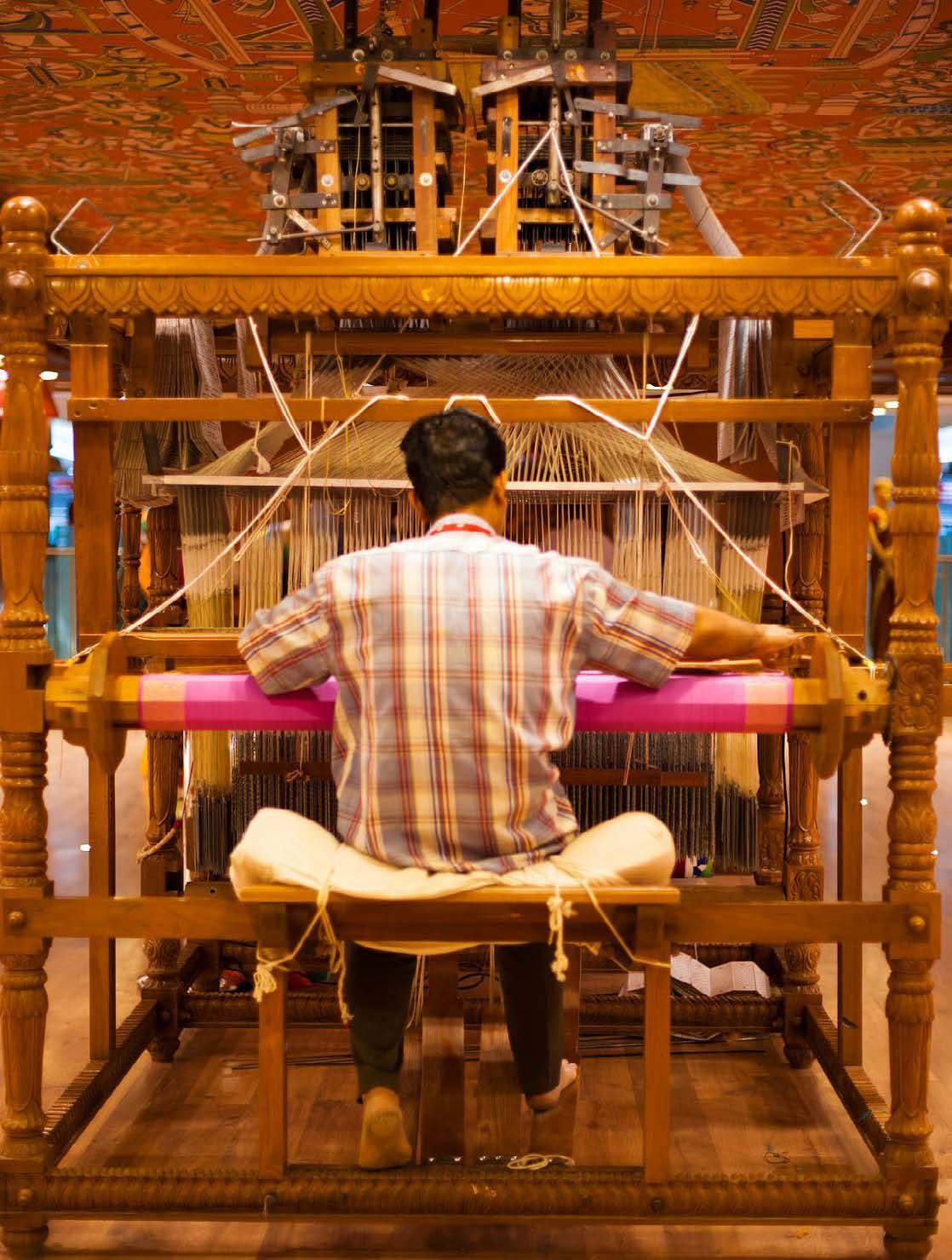
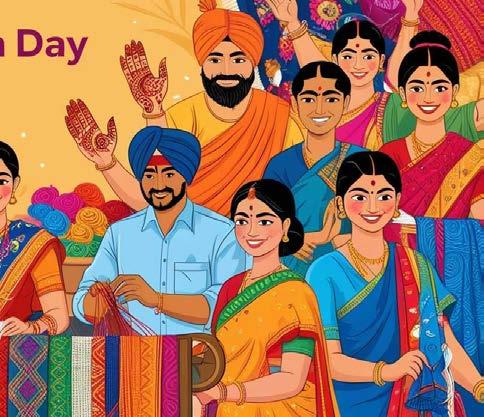
In the kaleidoscope of India’s cultural heritage, handlooms weave a vibrant thread that tells stories of tradition, artistry, and resilience. From the intricate Banarasi sarees of Varanasi to the breezy Chanderi weaves of Madhya Pradesh, Indian handlooms have long been a symbol of craftsmanship. Today, as global fashion pivots toward sustainability and individuality, these age-old textiles are experiencing a remarkable revival, blending timeless techniques with contemporary trends. This resurgence is not just a fashion statement— it’s a movement to preserve heritage, empower artisans, and redefine luxury in an era of fast fashion.
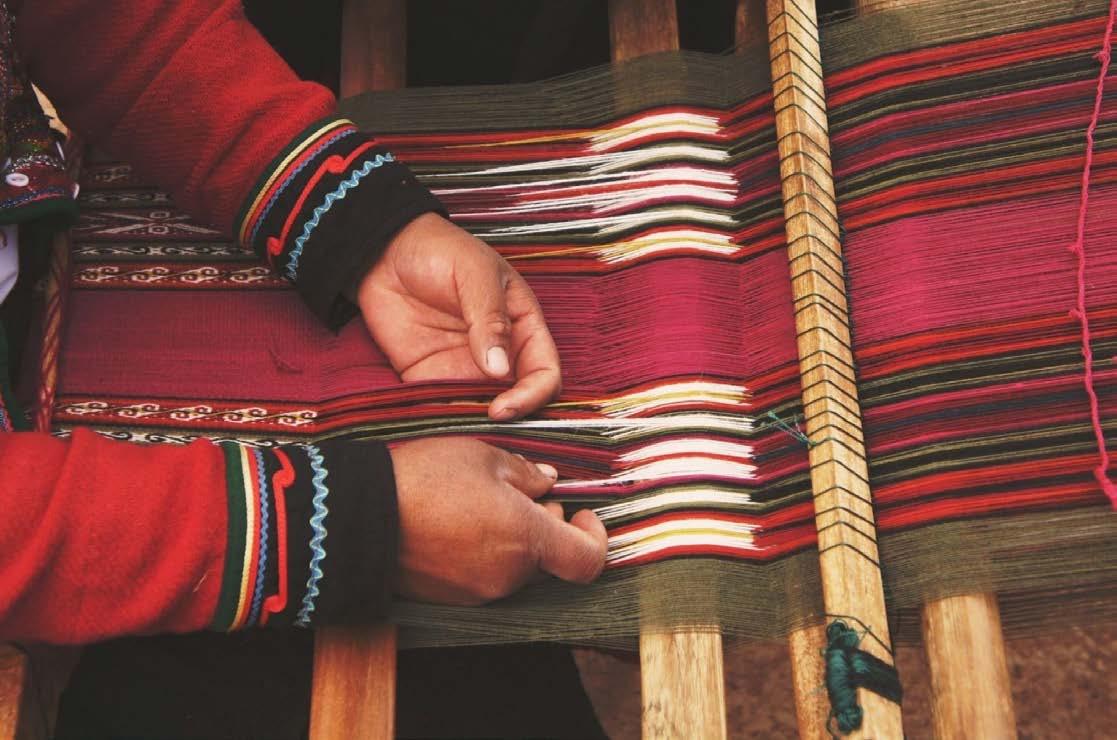
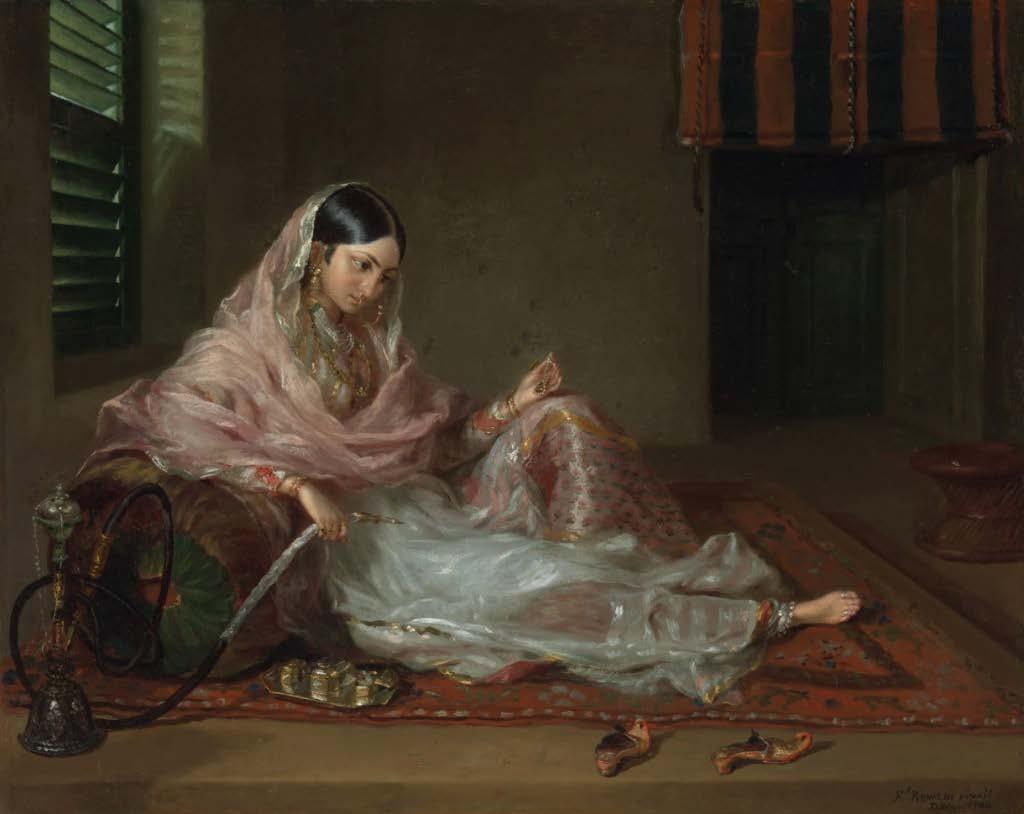
Indian handlooms are a testament to the country’s rich textile history, dating back thousands of years. Archaeological evidence from the Indus Valley Civilization (circa 2600–1900 BCE) reveals sophisticated weaving techniques, with cotton and wool fabrics traded across ancient routes. By the Mughal era, Indian textiles like muslin from Bengal were coveted globally, with European traders marvelling at their finesse—some accounts claim Dhaka muslin was so fine it could pass through a ring. Each region of India developed distinct weaving traditions, reflecting local cultures and resources. For instance, the Kanjeevaram silks of Tamil Nadu, known for their durability and vivid colours, often feature motifs inspired by temple architecture. The Pochampally ikat of Telangana showcases geometric precision, while the Maheshwari sarees of Madhya Pradesh blend silk and cotton for a lightweight elegance. According to the Ministry of Textiles, India has over 4.3 million handloom weavers and allied workers as of 2023, contributing to a sector that produces millions of meters of fabric annually, from sarees to shawls to home furnishings.
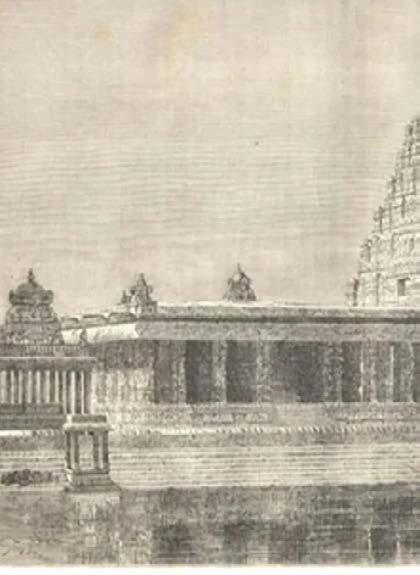
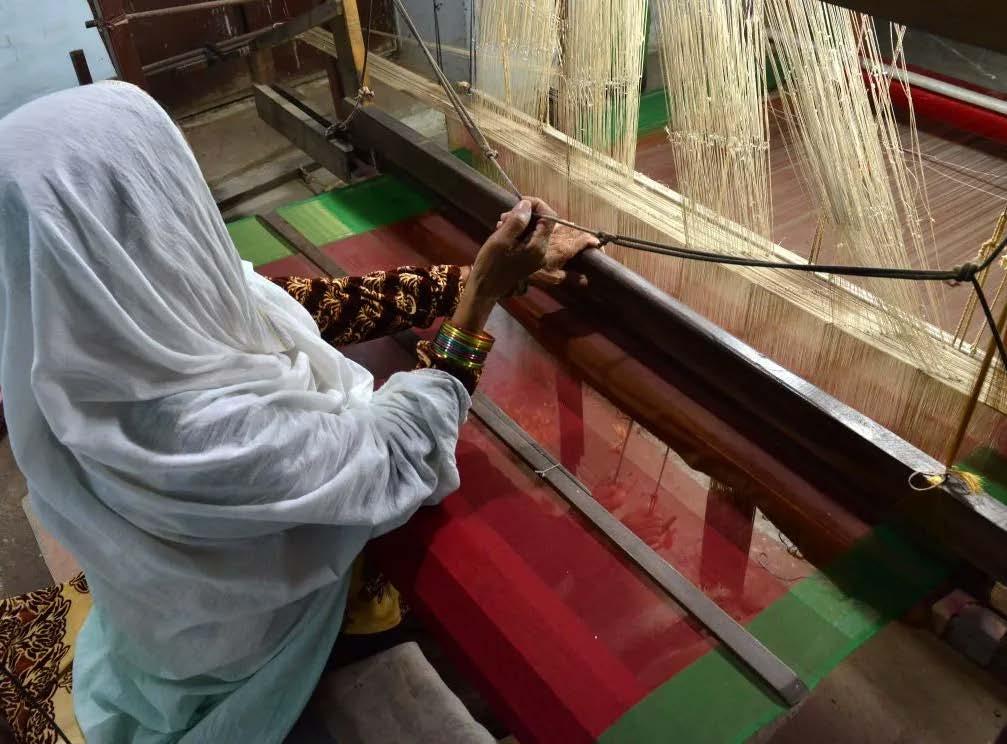

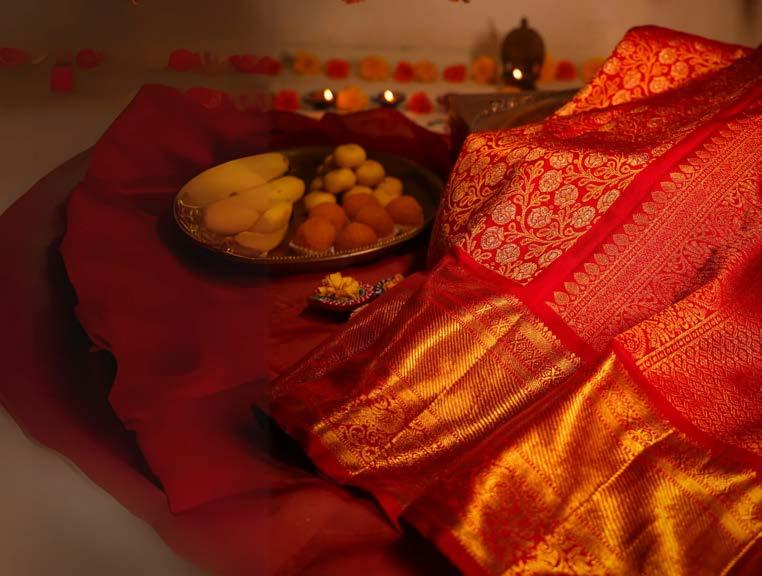
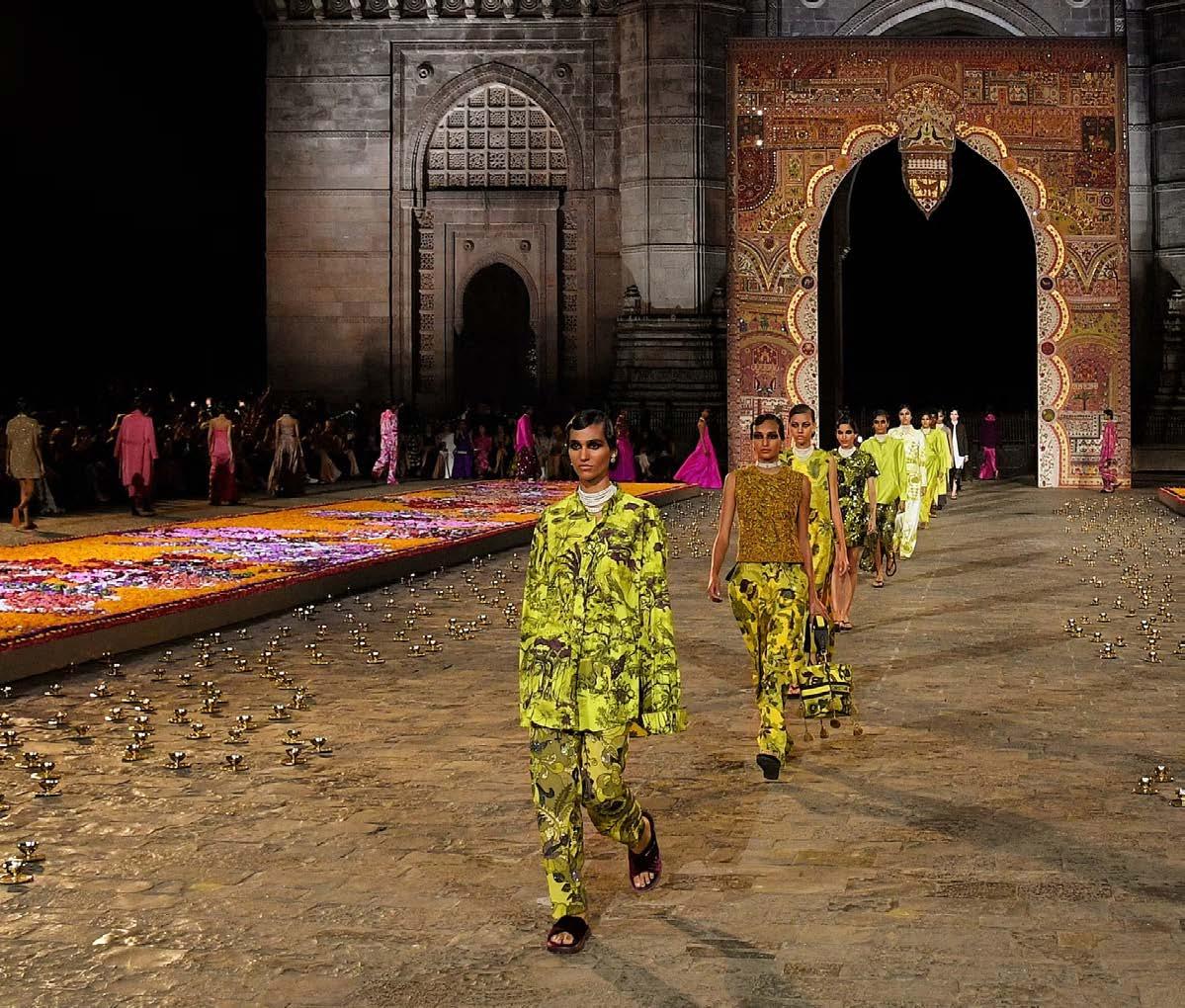
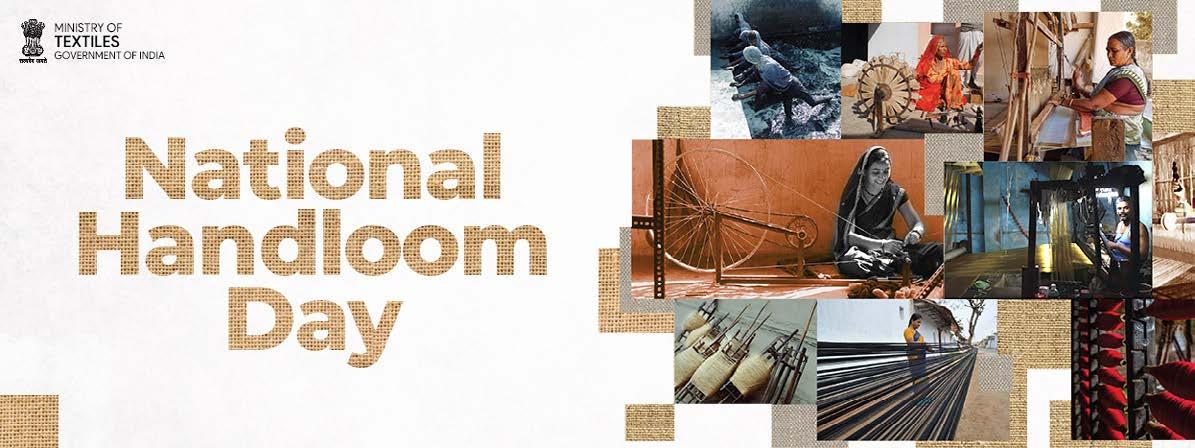
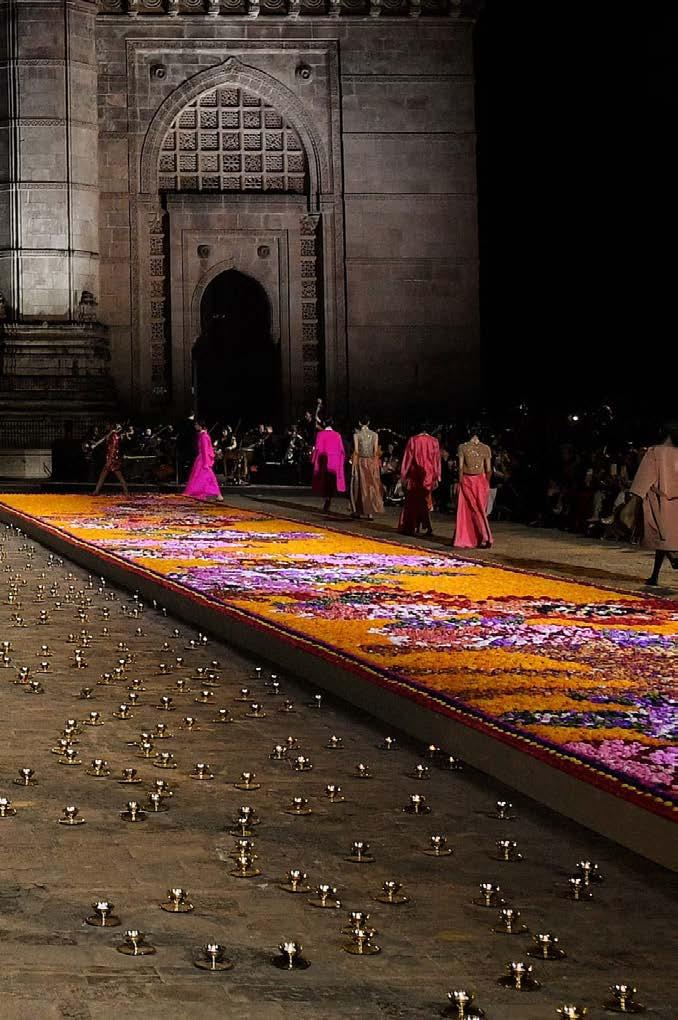

Yet, the handloom industry faced decline in the 20th century. Colonial policies favoured mechanized imports, and post-independence, the rise of power looms and fast fashion threatened traditional weaves. By the 1990s, many weavers abandoned their looms for more lucrative jobs, and iconic textiles risked fading into obscurity.
The 21st century has sparked a handloom revival, driven by a confluence of cultural pride, sustainable fashion movements, and innovative designers. Consumers today are increasingly aware of the environmental cost of fast fashion—textile waste contributes to 10% of global carbon emissions, per a 2022 UN Environment Programme report. Handlooms, with their low-carbon footprint and biodegradable materials, offer an ecofriendly alternative. A single handwoven saree, for instance, can take weeks to create, ensuring quality over quantity and a stark contrast to mass-produced garments. Government initiatives have played a pivotal role. The Handloom Mark Scheme, launched in 2006 by the Ministry of Textiles, certifies authentic handwoven products, boosting consumer trust. Programs like the National Handloom Development Programme provide financial aid, training, and market access to weavers. The annual National Handloom Day, celebrated on August 7 since 2015, commemorates the Swadeshi Movement’s launch in 1905, promoting indigenous textiles. In 2024, the Ministry reported a 20% increase in handloom exports over five years, reaching ₹2,500 crore, with countries like the US, UK, and Japan embracing Indian weaves.
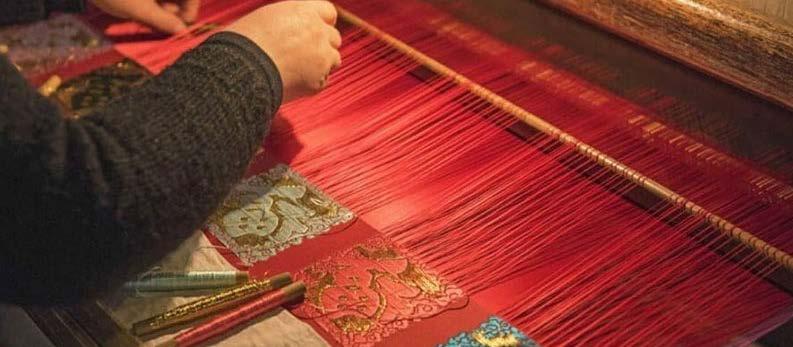
Designers are also bridging tradition and trend. Labels like Raw Mango, Anavila, and Sabyasachi have reimagined handlooms for modern wardrobes, crafting everything from chic sarees to contemporary kurtas and dresses. For instance, Sabyasachi’s 2023 collection featured Banarasi weaves in muted pastels, appealing to younger audiences. Meanwhile, grassroots organizations like GoCoop and iTokri connect weavers directly to consumers through e-commerce, bypassing middlemen and ensuring fair wages. A 2023 study by the All India Handloom Board noted that digital platforms have increased weaver incomes by up to 30% in some clusters. Social media has amplified this revival. Instagram and Pinterest are awash with influencers styling handloom sarees with sneakers or handwoven shawls as statement pieces. The #VocalForLocal and #IWearHandloom campaigns, trending on social media since 2020, have encouraged millennials and Gen Z to embrace handlooms, with posts showcasing weaves like Jamdani and Chanderi garnering millions of views.
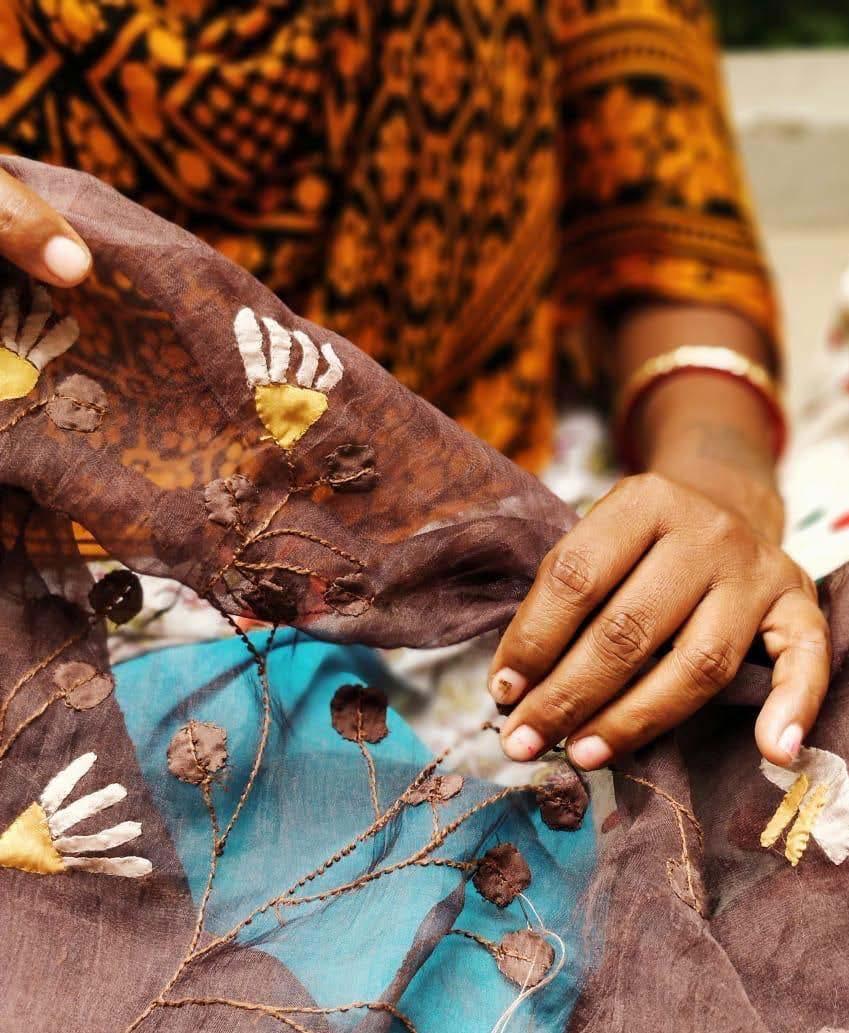

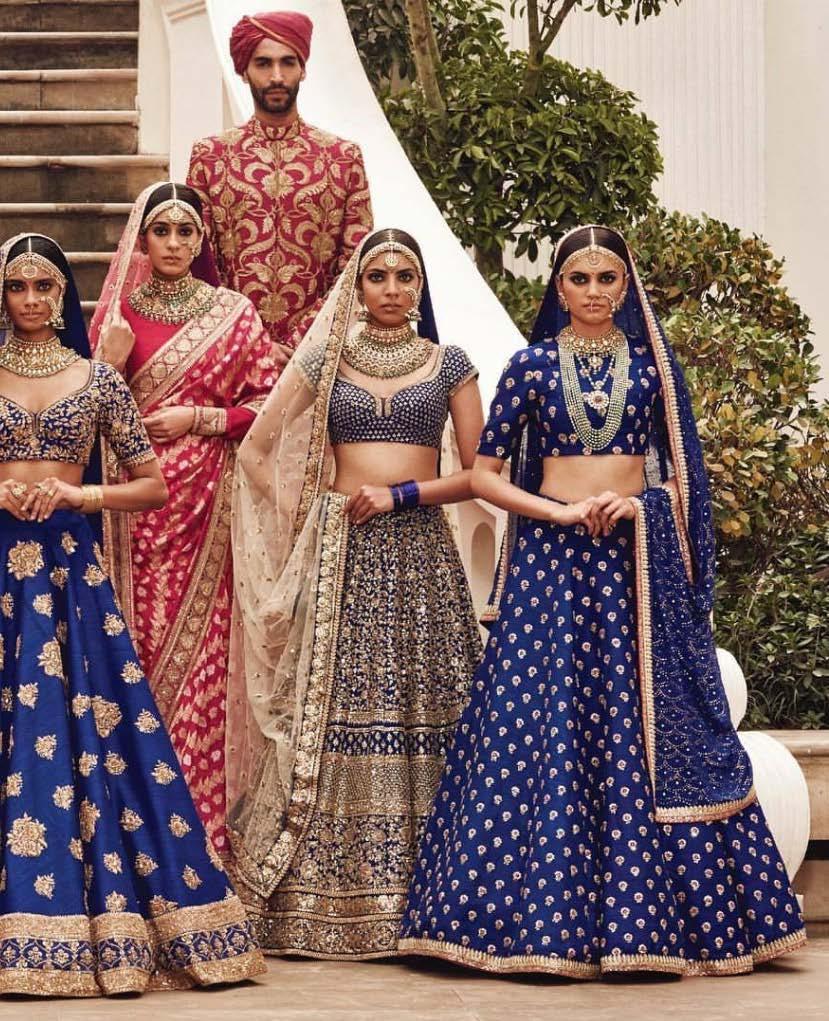
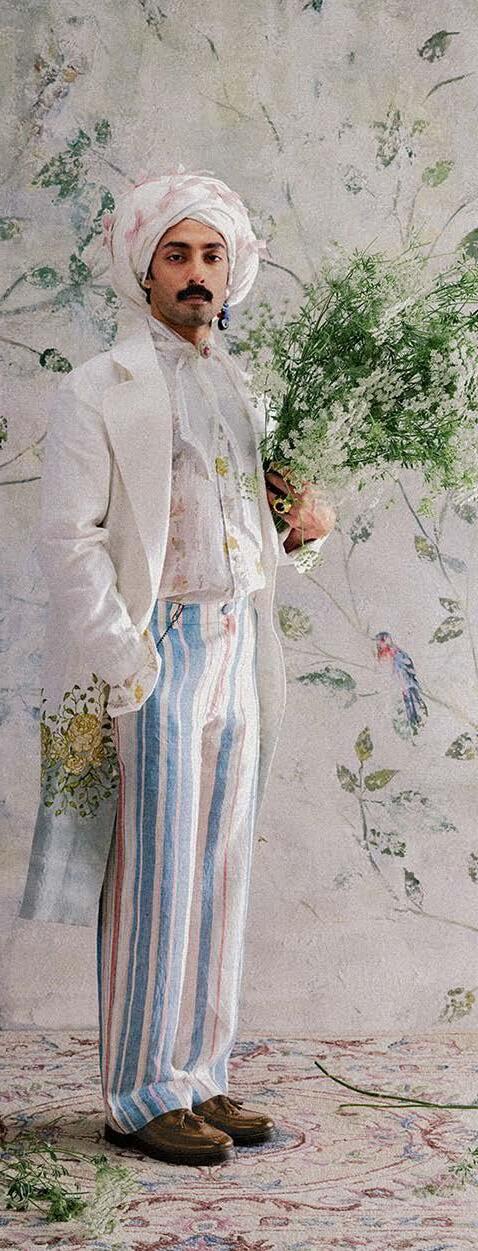
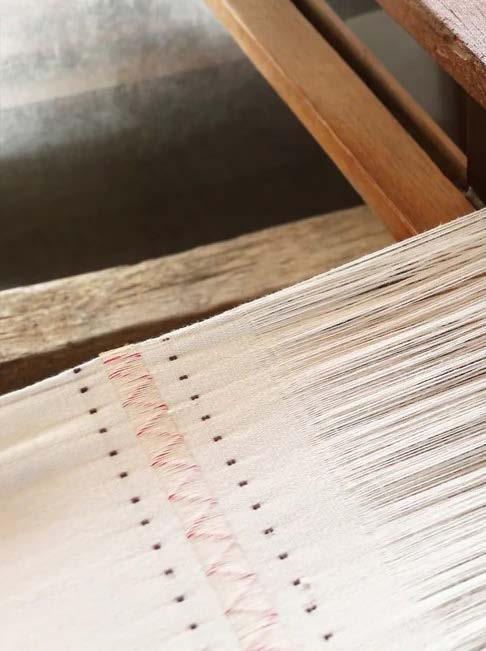
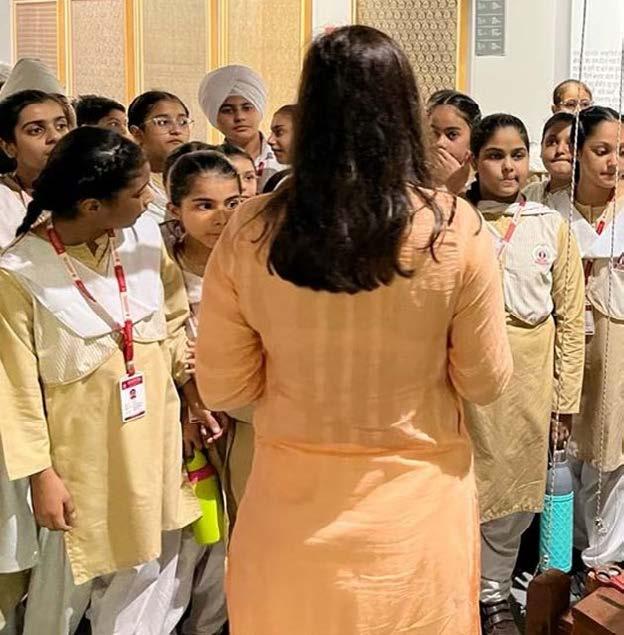

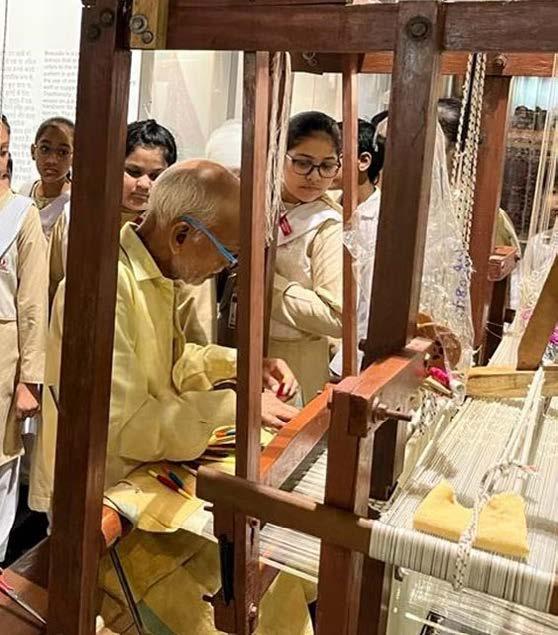
Despite the resurgence, challenges persist. Handloom weavers, often from marginalized communities, face low wages, with many earning ₹200–₹500 per day, according to a 2023 NITI Aayog report. The labour-intensive process makes handlooms pricier than power-loom alternatives, deterring cost-conscious buyers. Additionally, younger generations in weaving families are increasingly opting for urban jobs, threatening the transfer of skills. Climate change also impacts raw materials—erratic monsoons affect cotton and silk production, raising costs. To address these, innovation is key. Some cooperatives are experimenting with natural dyes and organic fibres to appeal to eco-conscious markets. Technology, like blockchain for supply chain transparency, is being explored to authenticate handlooms and ensure fair trade. Educational initiatives, such as the Indian Institute of Handloom Technology, are training new weavers, while NGOs like Dastkar are reviving dying weaves like the Kutch ajrakh.
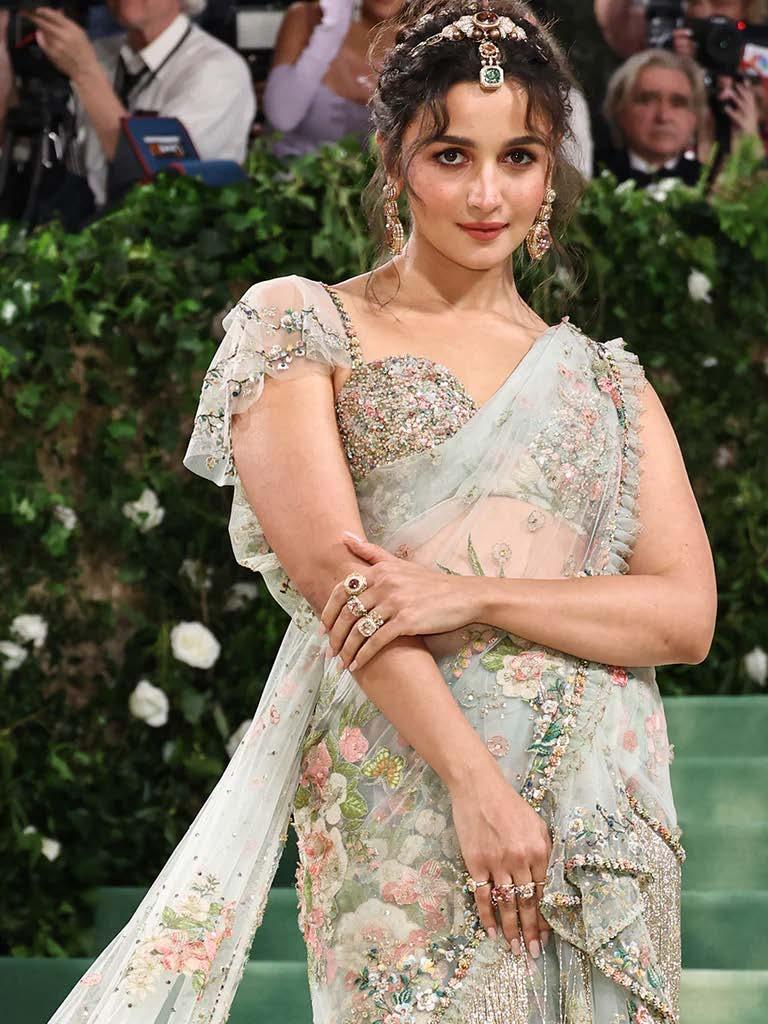
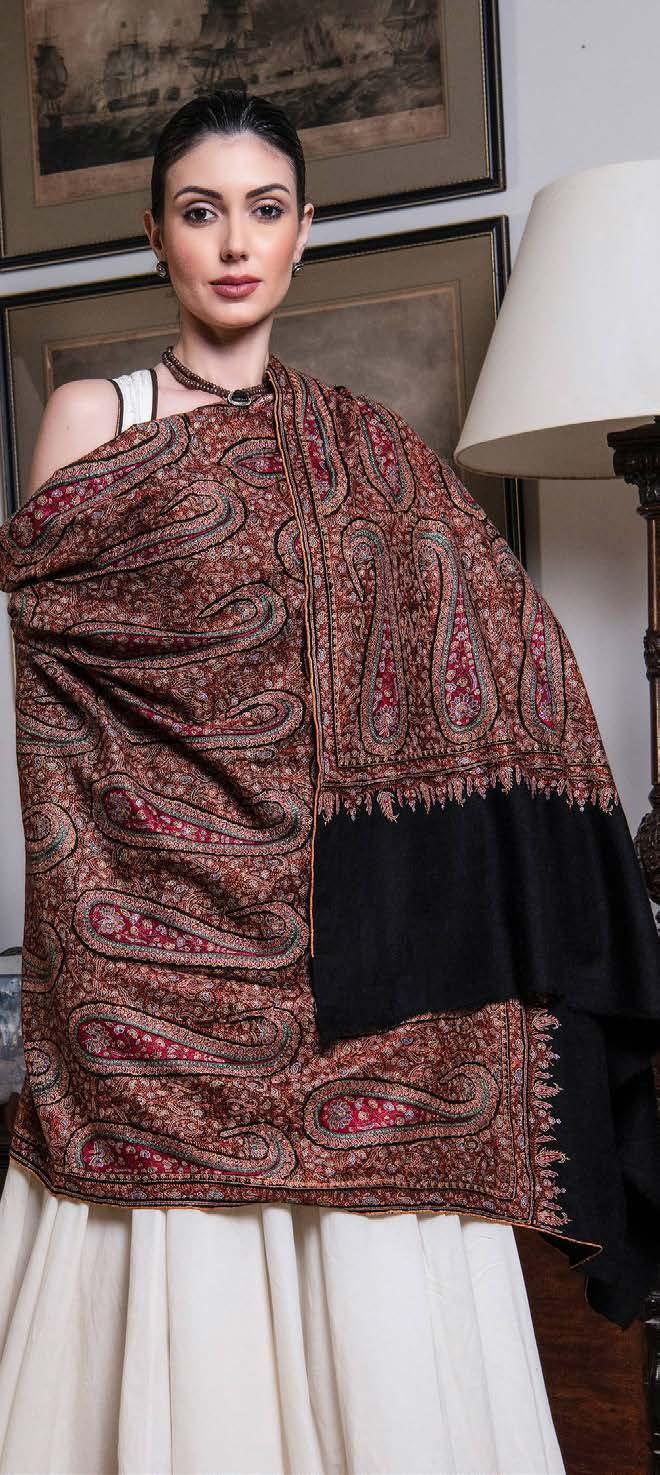
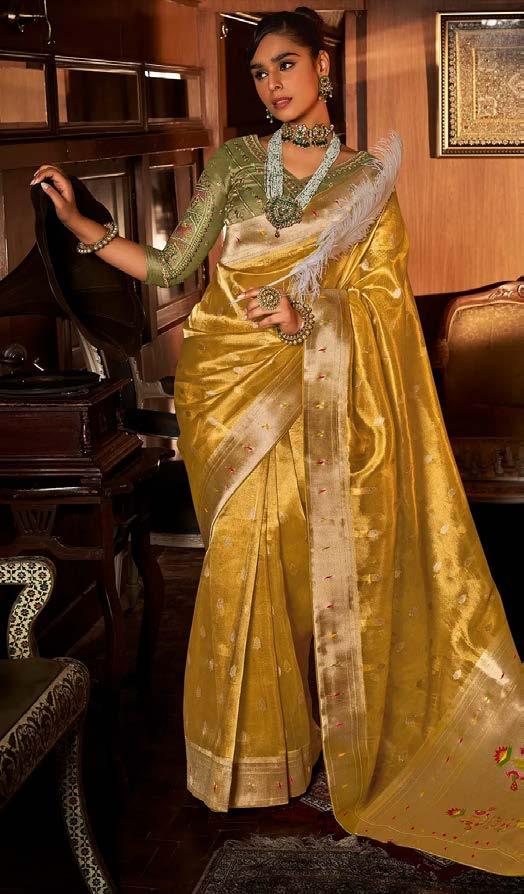
The handloom revival is more than a fashion trend— it’s a cultural reclamation. When a young professional in Mumbai drapes a Paithani saree for a board meeting or a Delhi designer pairs a Bhagalpuri silk scarf with denim, they’re not just making a style statement— they’re honouring centuries of artistry and supporting livelihoods. Handlooms are versatile, sustainable, and timeless, seamlessly blending into modern aesthetics while preserving their soul. As consumers, we hold the power to sustain this revival. Choosing a handwoven product over a mass-produced one is a vote for heritage, sustainability, and human skill. The next time you admire a saree’s intricate border or a shawl’s soft weave, remember: you’re not just wearing fabric—you’re weaving yourself into India’s living history.
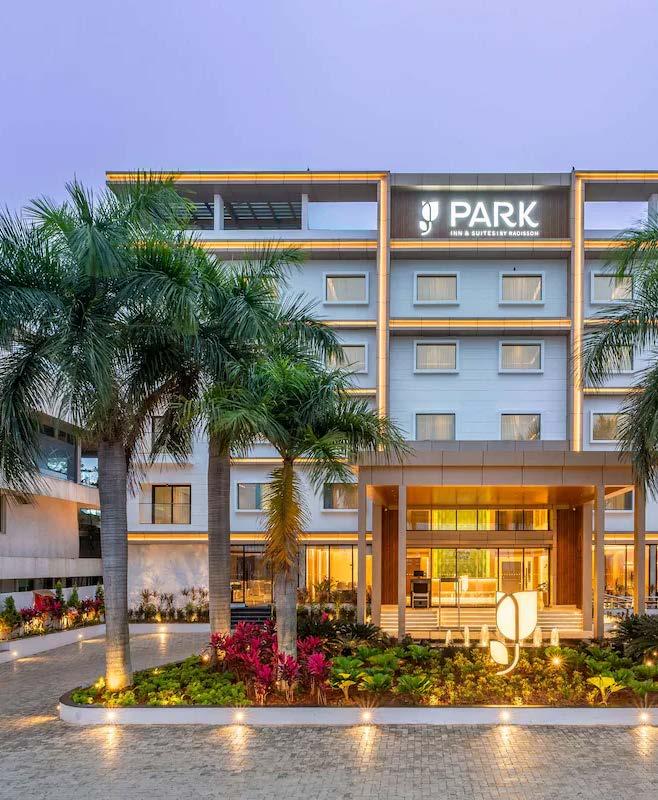
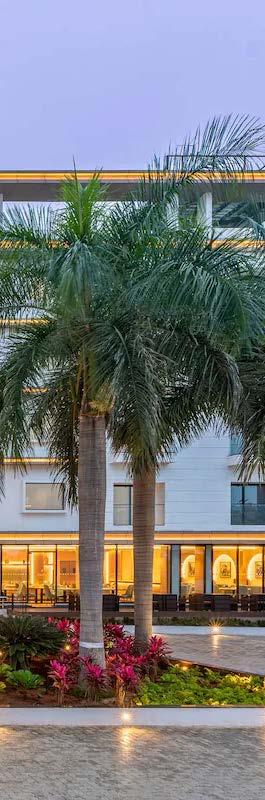
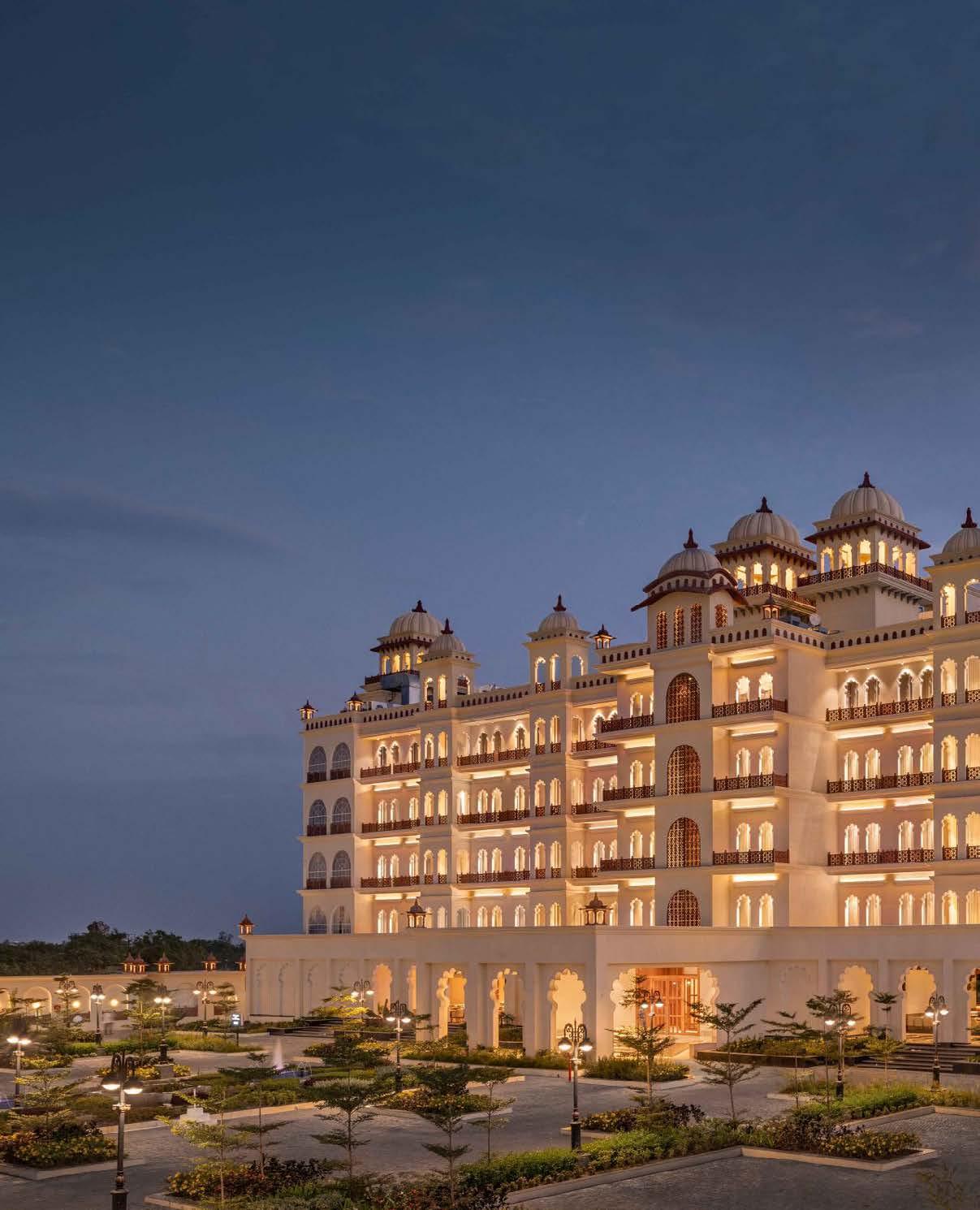

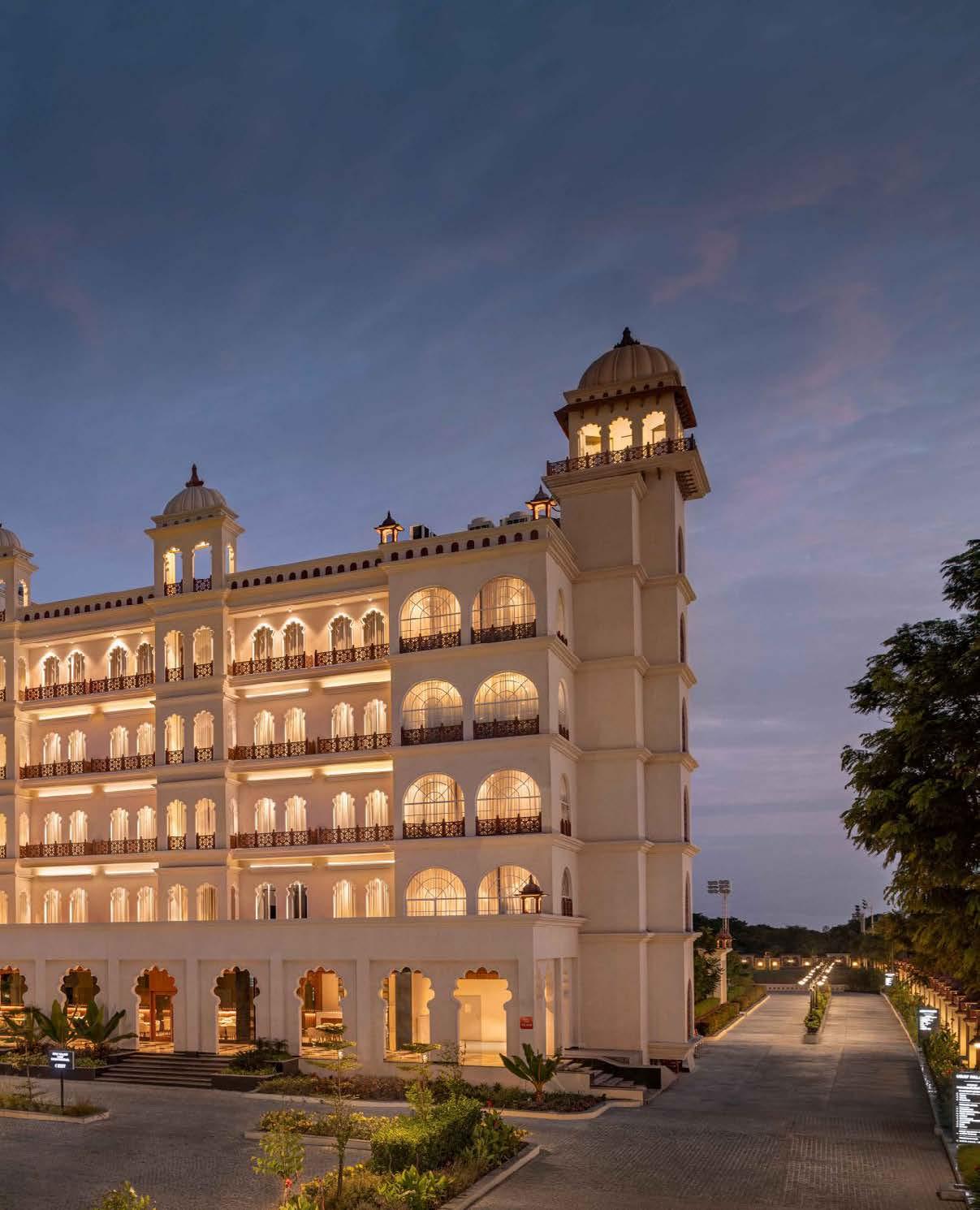
The Radisson Hotel Group (Rhg), A Global Leader In Hospitality, Is Setting Its Sights On A Bold Expansion In India, Targeting A Portfolio Of 240 Hotels In Operation And Under Development By The Close Of 2025. This Ambitious Goal Underscores Rhg’s Confidence In India’s Burgeoning Travel And Tourism Market, As Well As Its Strategic Focus On Blending International Standards With Localized Appeal. With A Current Count Of 194 Hotels As Of Early 2025, The Group Is Poised To Add Approximately 46 More Properties In The Next Nine Months—A Challenging Yet Attainable Milestone Given Its Recent Growth Trajectory.

RHG has long been a key player in India’s hospitality landscape, operating brands like Radisson Blu, Radisson, Radisson RED, and Park Inn by Radisson. Its portfolio spans luxury offerings in major metros to midscale and upscale options in fast-growing tier-2 and tier3 cities. As of now, the group boasts a presence in over 70 locations, catering to a diverse mix of business travellers, leisure seekers, and pilgrims. This versatility has positioned RHG as one of the largest international hotel chains in the country, rivalled by few in scale and reach.
In 2023, RHG signed 21 new properties in India, followed by nearly 25 in 2024, showcasing a consistent pace of expansion. Recent highlights include the launch of the Radisson Collection Hotel & Spa in Srinagar—a nod to the growing demand for luxury in scenic destinations—and new signings in cities like Chennai, Siliguri, and Kasauli. These moves reflect RHG’s dual strategy of deepening its foothold in established markets while tapping into emerging hubs with untapped potential.

To reach 240 hotels by December 31, 2025, RHG must maintain—or even accelerate—its current momentum. With India’s hospitality sector riding a wave of post-pandemic recovery, fuelled by rising domestic tourism, infrastructure development, and a growing middle class, the timing couldn’t be better. Government initiatives like “Dekho Apna Desh,” aimed at boosting local travel, and improved connectivity through new airports and highways, further bolster the case for rapid hotel growth. The math is straightforward but daunting: RHG needs to open or sign roughly five hotels per month through the end of 2025. While this pace exceeds its 2023 and 2024 averages, it’s not out of reach. The group’s strong partnership model—collaborating with regional developers and leveraging its globally recognized brands—gives it an edge. Additionally, RHG’s focus on smaller, agile properties in secondary markets allows for quicker turnarounds compared to large-scale urban projects.
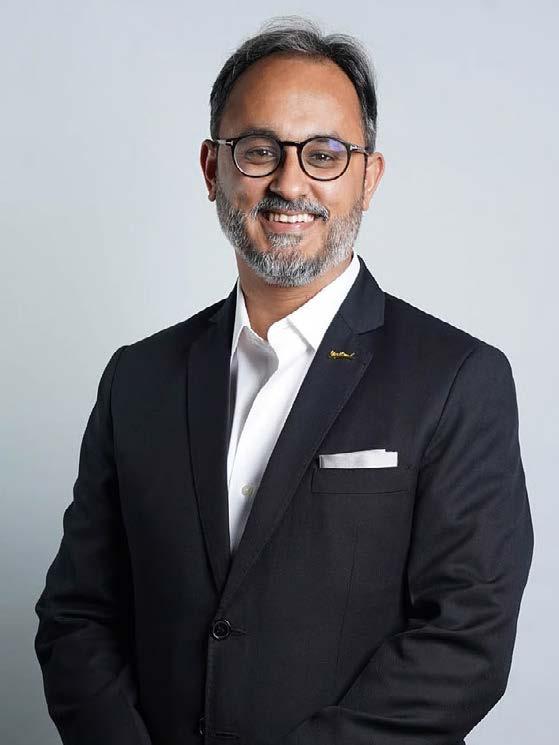
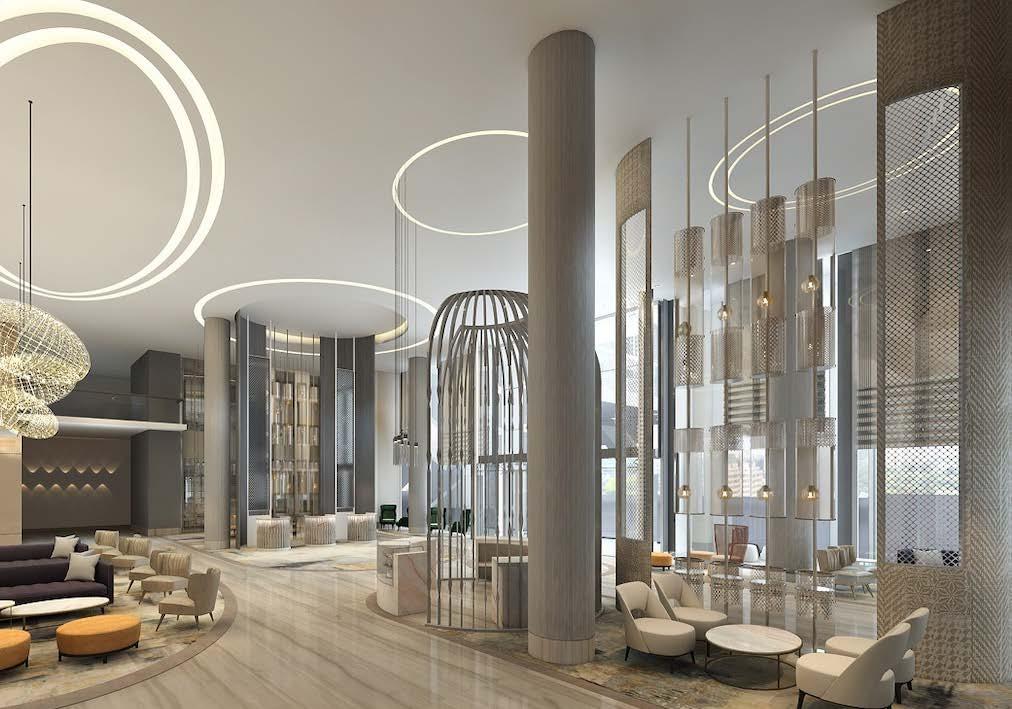


India’s appeal as a hospitality investment hub is undeniable. The country welcomed over 9 million foreign tourists in 2023, with numbers trending upward in 2024, while domestic tourism has surged past pre-pandemic levels. Cities like Udaipur, Goa, and Jaipur remain perennial favourites, but lesser-known destinations— think Nellore, Karjat, and Rishikesh—are gaining traction, aligning perfectly with RHG’s expansion into tier-2 and tier-3 markets. Meanwhile, business hubs like Bengaluru, Hyderabad, and Gurugram continue to drive demand for upscale and midscale accommodations.
RHG’s leadership has emphasized India as a “key market” within its global portfolio, citing its economic growth, young population, and evolving travel preferences. Elie Younes, Executive Vice President and Chief Development Officer, recently noted that India’s potential is “limitless,” with the group aiming to double its footprint in the region over the next few years. The 240-hotel target for 2025 is a critical step toward that broader vision.

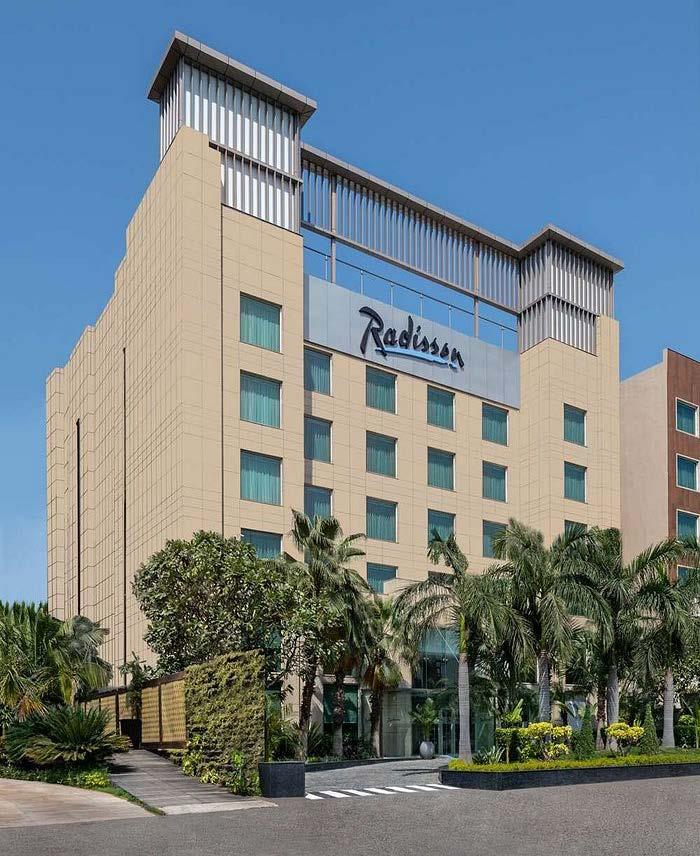
While the outlook is promising, hurdles remain. Regulatory approvals, land acquisition delays, and competition from domestic giants like Taj and international peers like Marriott and IHG could slow progress. Rising construction costs and a tight labour market in India’s hospitality sector add further complexity. Still, RHG’s experience navigating these challenges—evidenced by its steady growth since entering India decades ago—suggests it’s well-equipped to stay the course.
Hitting the 240-hotel mark would solidify RHG’s dominance in India’s hospitality space, but it’s unlikely to be the endgame. With plans to explore new segments like boutique hotels and wellness retreats, and a pipeline that already extends into 2026, the group is laying the groundwork for sustained leadership. For now, all eyes are on the next nine months as RHG races to turn its 2025 vision into reality. As India’s tourism star continues to rise, Radisson Hotel Group’s aggressive push signals a broader trend: the world’s hotel giants are betting big on the subcontinent. Whether RHG ends 2025 with exactly 240 hotels—or perhaps even surpasses that number—one thing is clear: its footprint in India is set to grow larger, one property at a time.

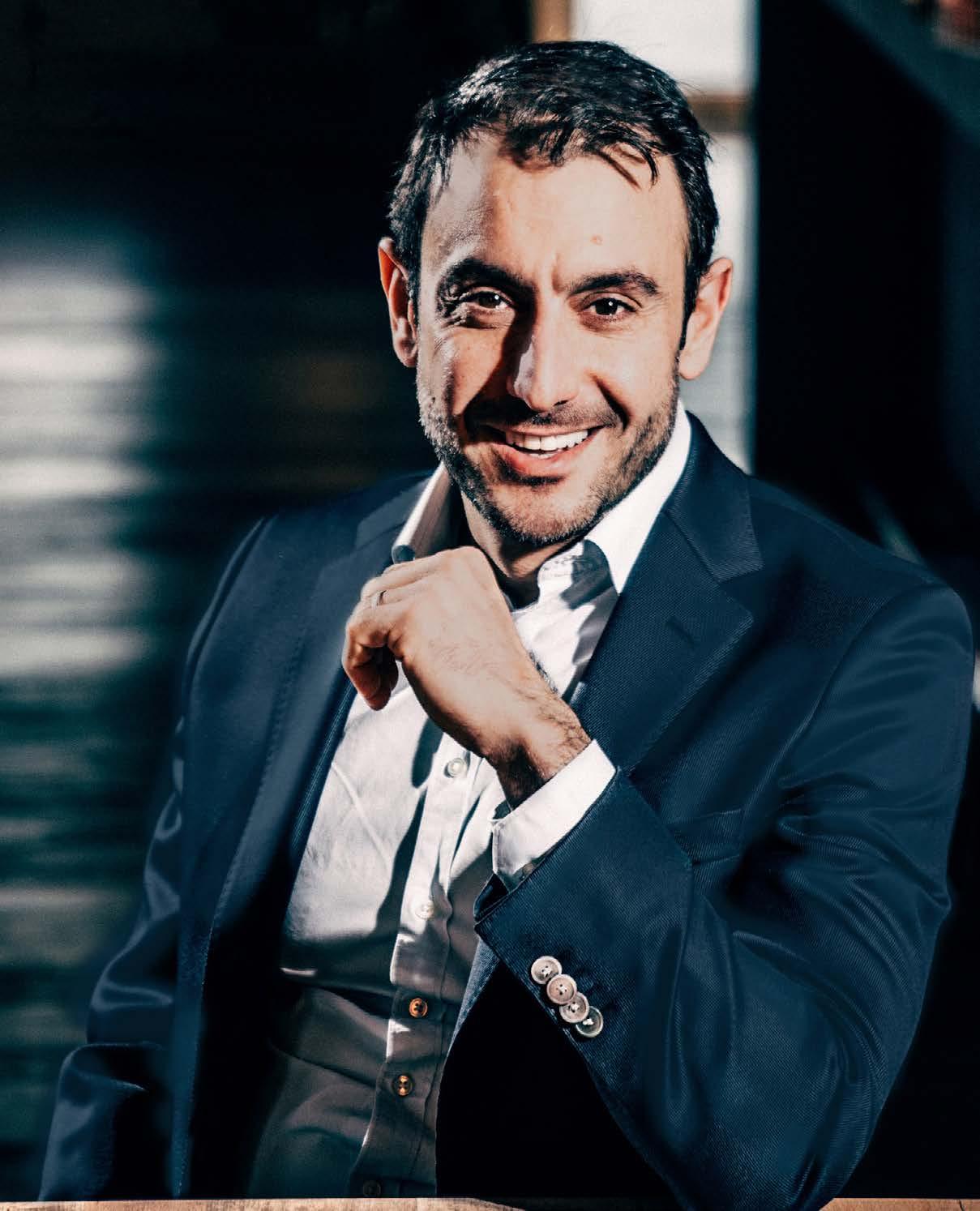



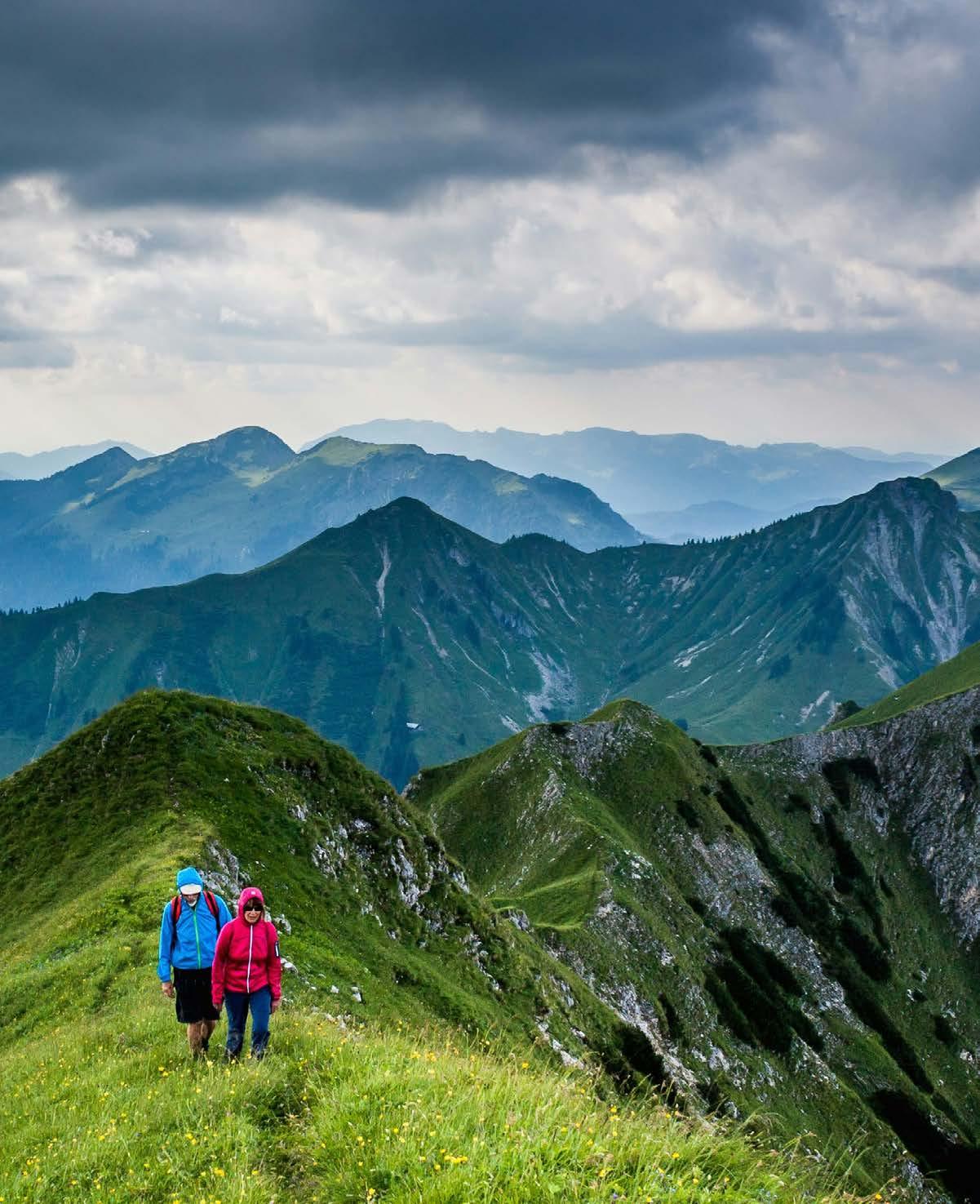
The Indian Himalayas, a majestic range stretching across northern and northeastern India, have emerged as a global hotspot for adventure tourism. With their towering snow-capped peaks, vibrant alpine meadows, serene glacial lakes, and rich cultural tapestry, these mountains are drawing trekkers from around the world. States like Uttarakhand, Himachal Pradesh, Sikkim, Ladakh, and Jammu & Kashmir offer trails for every level of adventurer, from beginners seeking scenic strolls to seasoned trekkers chasing high-altitude challenges. This surge in Himalayan trekking reflects a growing appetite for immersive, nature-driven experiences that blend physical adventure with cultural discovery. Here’s why trekking in the Indian Himalayas is the new tourism frontier and how to explore its breathtaking trails.
The Indian Himalayas are a unique blend of natural splendour and cultural richness. Spanning over 2,500 kilometres, this range encompasses diverse ecosystems—from lush forests and flower-strewn valleys to stark, moon-like deserts in Ladakh. Trekkers can witness iconic peaks like Nanda Devi, Kanchenjunga, and Shivling while traversing trails that vary from gentle slopes to rugged, high-altitude passes exceeding 5,000 meters.
Beyond the landscapes, the Himalayas offer a cultural mosaic. Trekkers encounter remote villages where traditions thrive, from the Garhwali hospitality in Uttarakhand to the Tibetan Buddhist monasteries of Sikkim and Ladakh. Ancient trade routes, sacred pilgrimage paths, and vibrant festivals add historical depth, connecting adventurers to India’s rich heritage. The region’s accessibility, with well-organized trekking infrastructure and local guides, has fuelled its rise as a must-visit destination for global tourists seeking authentic, transformative experiences.
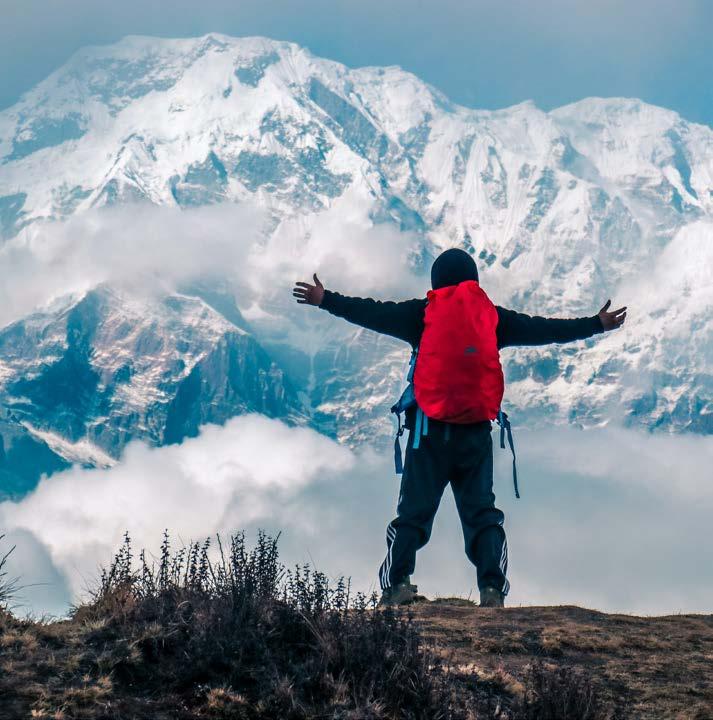



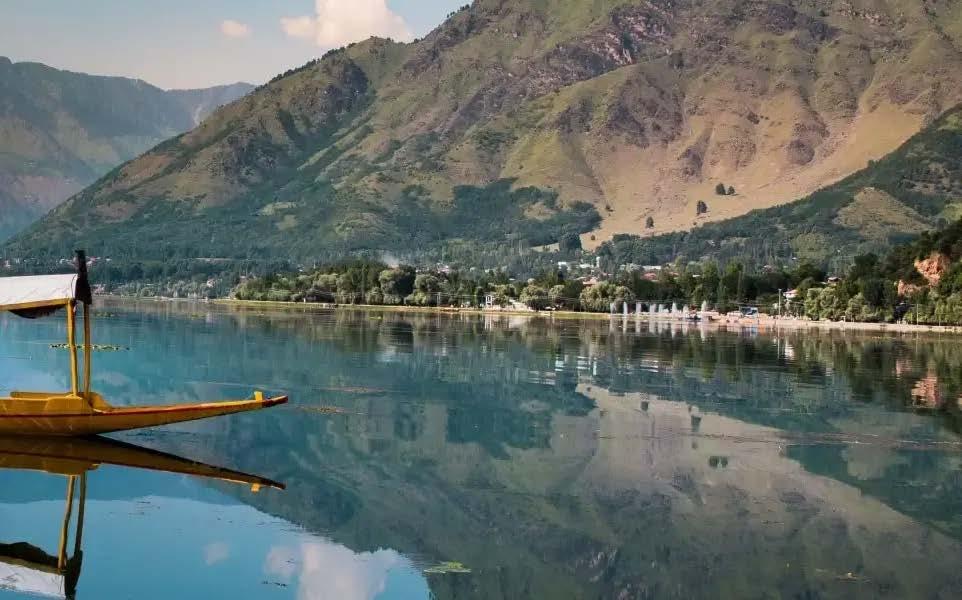


In recent years, trekking in the Indian Himalayas has seen a significant upswing. Social media platforms highlight trekkers sharing stunning visuals of trails like the Valley of Flowers and Chadar Frozen River, inspiring a new generation of adventurers. There is also a growing interest in sustainable tourism, with travellers seeking eco-conscious operators and homestays that support local communities. Government initiatives, such as improved road connectivity and tourism campaigns have made remote Himalayan trails more accessible. Meanwhile, the post-pandemic shift toward outdoor, socially distanced activities has further boosted trekking’s appeal, with domestic and international tourists flocking to the mountains for fresh air and adventure.
This surge isn’t just about numbers; it’s about diversity. Beginners are drawn to shorter, scenic treks like Nag Tibba, while experienced trekkers tackle challenging routes like Pin Parvati Pass. Women’s trekking groups and solo travellers are also on the rise, supported by local operators emphasizing safety and inclusivity. The blend of adventure, spirituality, and cultural immersion makes the Himalayas a unique draw, setting them apart from other global trekking destinations like the Alps or Andes.
1. Uttarakhand: The Heart of Himalayan Trekking Uttarakhand, often called the “Land of the Gods,” is a trekking hub with trails that combine natural beauty and spiritual significance.
• Valley of Flowers Trek: A 6-day, beginner-friendly trek (3,600m) through a UNESCO World Heritage Site, where vibrant alpine flowers bloom against snow-clad peaks (best: mid-July to August). Pair it with a visit to Hemkund Sahib, a sacred Sikh shrine.
• Har Ki Dun Trek: A 7-day moderate trek (3,566m) to the “Valley of Gods,” offering glimpses of ancient villages and Swargarohini peak (best: April-June, September-November).
• Roopkund Trek: A 7-8 day moderate-difficult trek (15,750 ft) to the enigmatic “Skeleton Lake,” surrounded by Trishul and Nanda Devi peaks (best: May-June, September-October).
• Gaumukh-Tapovan Trek: A 6-8 day moderate-difficult trek (14,202 ft) to the source of the Ganga River, with stunning views of Mt. Shivling (best: May-June, September-October).
• Deoriatal-Chandrashila Trek: A 4-6 day easy-moderate trek (12,000 ft) offering panoramic views of Chaukhamba and Nanda Devi, ideal for beginners and birdwatchers (best: March-April for rhododendrons).
2. Himachal Pradesh: From Lush Valleys to Barren Deserts Himachal Pradesh offers diverse landscapes, from Manali’s green valleys to Spiti’s high-altitude deserts.
• Hampta Pass Trek: A 5-6 day moderate trek (4,268m) transitioning from lush Kullu Valley to the arid beauty of Lahaul-Spiti (best: June-September).
• Pin Parvati Pass Trek: A 10-12 day challenging trek (5,319m) connecting the lush greenery of Kullu to the stark landscapes of Spiti, ideal for experienced trekkers (best: July-September).
• Beas Kund Trek: A 3-4 day easy trek (3,700m) to a glacial lake with views of Hanuman Tibba, perfect for beginners (best: May-October).
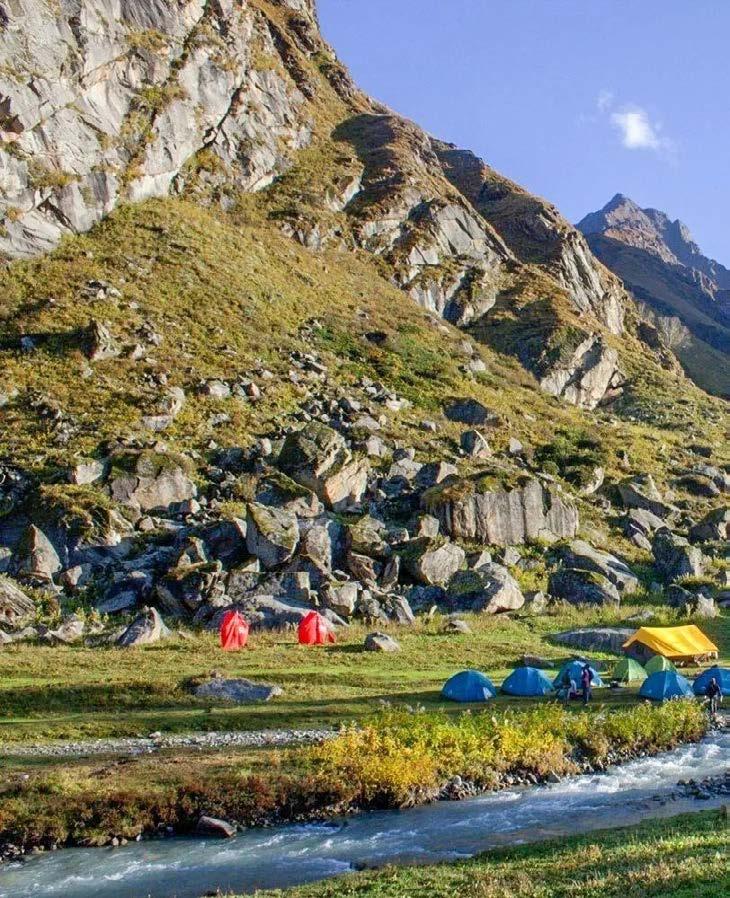

3. Sikkim: The Eastern Himalayan Gem Sikkim’s trails combine dense forests, high passes, and views of Kanchenjunga, the world’s third-highest peak.
• Goechala Trek: A 9-10 day moderate-difficult trek (4,940m) offering close-up views of Kanchenjunga and a journey through Dzongri meadows (best: April-May, September-October).
• Green Lake Trek: A 12-14 day challenging trek (5,000m) to a remote lake near Kanchenjunga, with restricted access requiring permits (best: April-May, October).
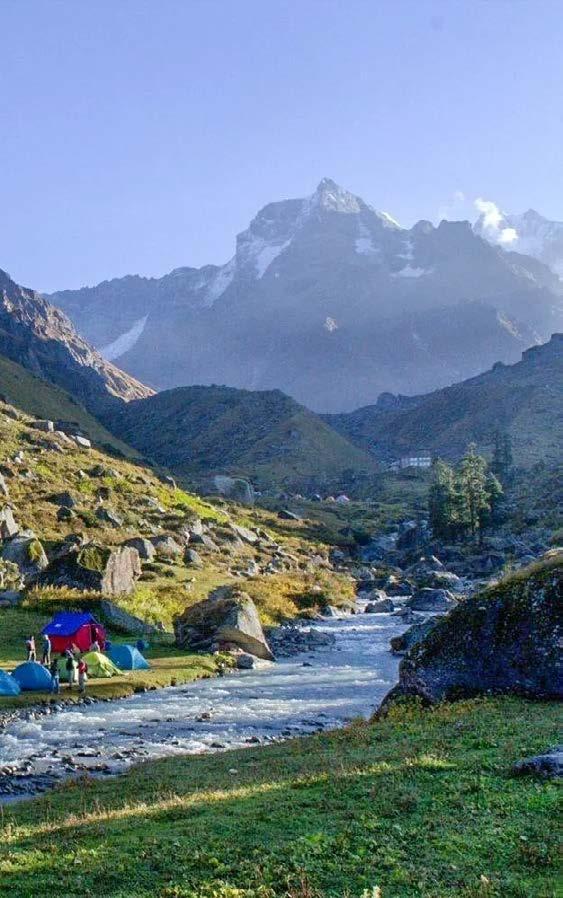
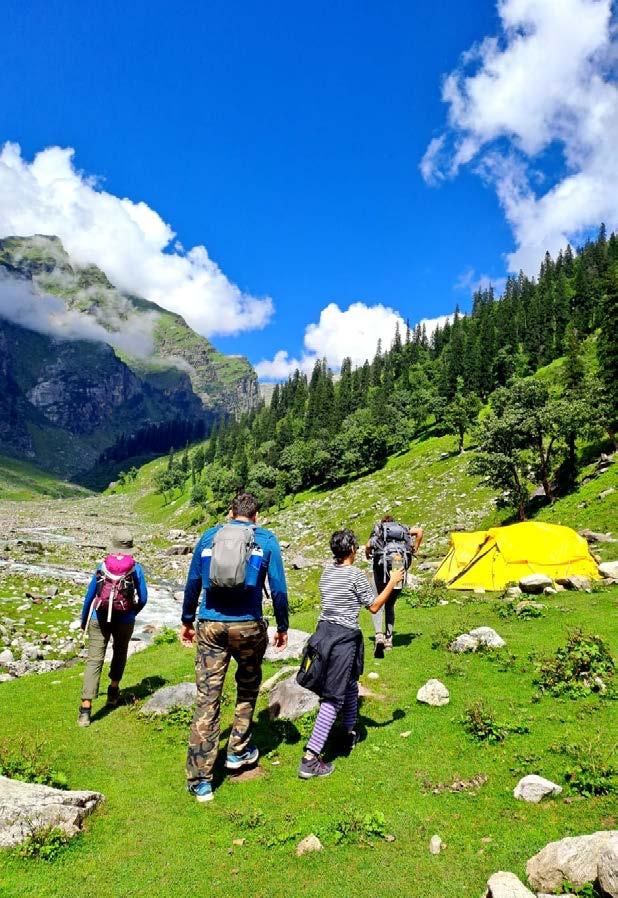


Ladakh’s stark, otherworldly landscapes and Buddhist culture make it a bucket-list destination.
• Markha Valley Trek: A 7-8 day moderate trek (5,150m) through remote villages, monasteries, and dramatic gorges, with views of Kang Yatse (best: JuneSeptember).
• Chadar Frozen River Trek: A 9-10 day unique, challenging trek (3,400m) on the frozen Zanskar River, offering a surreal winter experience (best: JanuaryFebruary).
• Stok Kangri Trek: A 9-10 day strenuous trek (6,153m) to one of the highest trekkable peaks, ideal for mountaineers (best: July-September).
The Kashmir Valley and beyond offer pristine trails with fewer crowds.
• Kashmir Great Lakes Trek: A 7-8 day moderate trek (4,200m) through seven alpine lakes, with meadows and snow patches (best: July-September).
• Tarsar Marsar Trek: A 7-day moderate trek (4,000m) to twin lakes surrounded by rolling meadows and peaks (best: July-September).

• Summer (April-June): Ideal for most treks, with clear skies and blooming landscapes (e.g., Valley of Flowers, Hampta Pass).
• Monsoon (July-August): Limited to rain-shadow areas like Ladakh and Spiti, as other regions face landslides.
• Autumn (September-November): Crisp weather and clear mountain views, perfect for most trails.
• Winter (December-February): Best for snow treks like Chadar or low-altitude trails like Nag Tibba.
Some treks (e.g., Green Lake, Stok Kangri) require permits due to their proximity to international borders or protected areas. Check with local authorities or trekking agencies. Always respect environmental guidelines, such as avoiding plastic waste and sticking to designated trails.



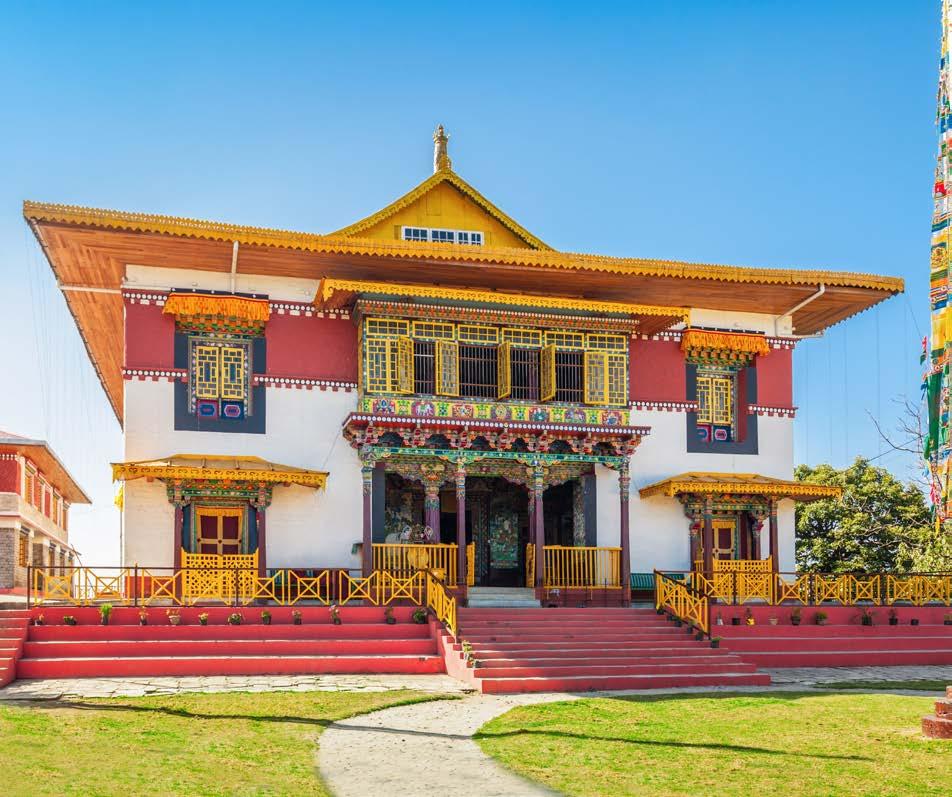


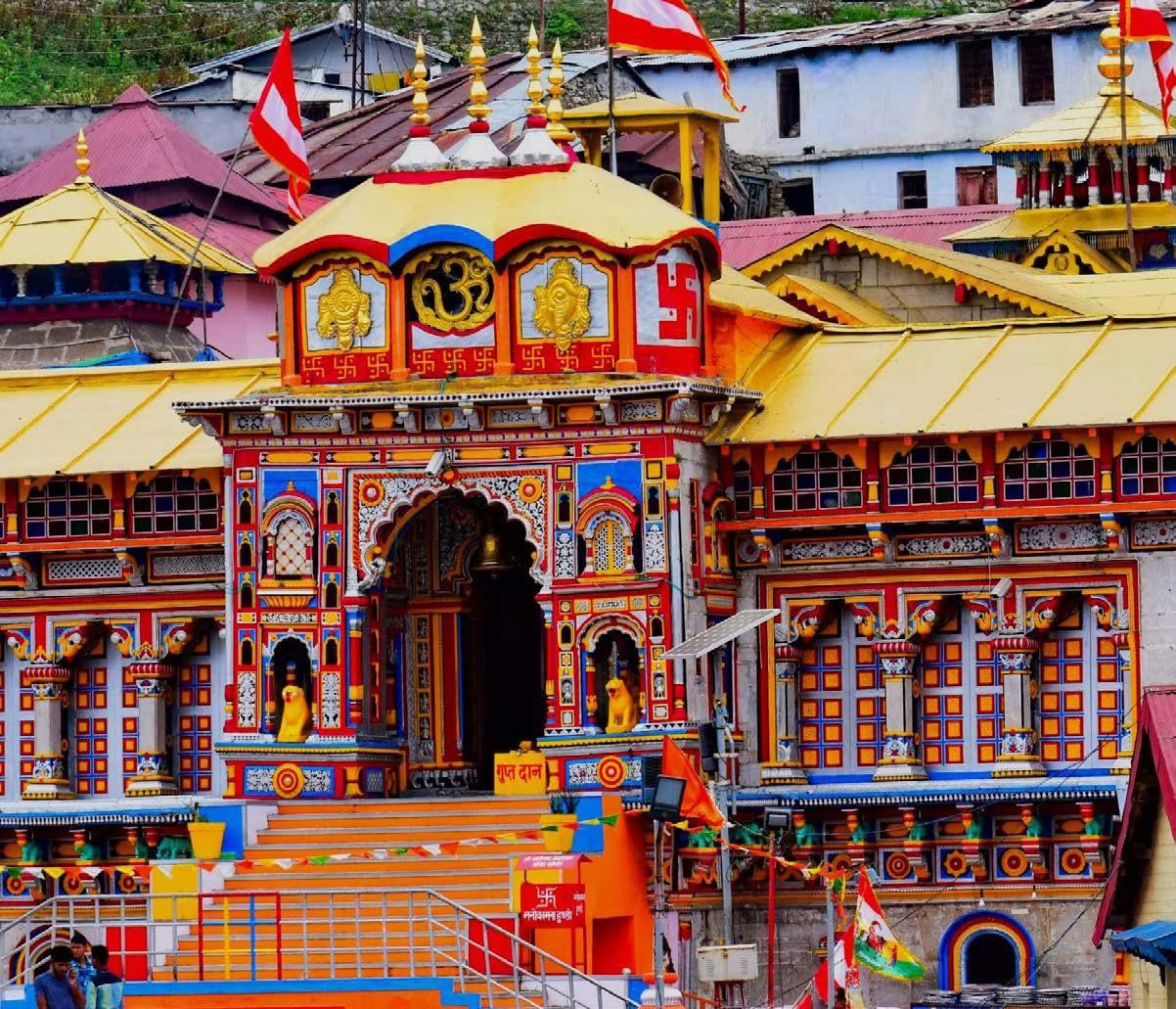
• Fitness: Moderate treks require good stamina; high-altitude treks demand acclimatization and prior training.
• Gear: Pack sturdy trekking boots, layered clothing, a sleeping bag, and a first-aid kit. Renting gear in hubs like Manali or Leh is cost-effective.
• Guides and Operators: Opt for reputed agencies or local guides for safety and cultural insights. Homestays and local operators support sustainable tourism.
• Health Precautions: Carry altitude sickness medication for treks above 3,500m and stay hydrated.
Trekking in the Himalayas is as much a cultural journey as a physical one. Visit ancient monasteries like Hemis in Ladakh or Pemayangtse in Sikkim, explore pilgrimage sites like Badrinath in Uttarakhand, or engage with locals during village homestays. These experiences tie into India’s historical tapestry, offering a deeper appreciation of the region’s heritage, as seen in your interest in Indian tourism and historical sites.



The trekking boom shows no signs of slowing, with new trails and eco-friendly initiatives gaining traction. However, challenges like over-tourism and environmental degradation loom large. Responsible trekking—choosing sustainable operators, minimizing waste, and respecting local cultures— is crucial to preserving the Himalayas’ pristine beauty. As more travellers discover these trails, the region’s blend of adventure, spirituality, and cultural richness ensures its place as a cornerstone of global tourism.
Trekking in the Indian Himalayas is more than a physical journey; it’s a voyage through some of the planet’s most aweinspiring landscapes and vibrant cultures. Whether you’re a novice exploring the Valley of Flowers or a seasoned trekker conquering Pin Parvati Pass, the Himalayas promise adventure, serenity, and connection. As this tourism surge grows, plan your trek with care, embrace sustainable practices, and immerse yourself in the magic of India’s mountain heartland. The Himalayas are calling—answer with your boots on and a heart open to discovery.
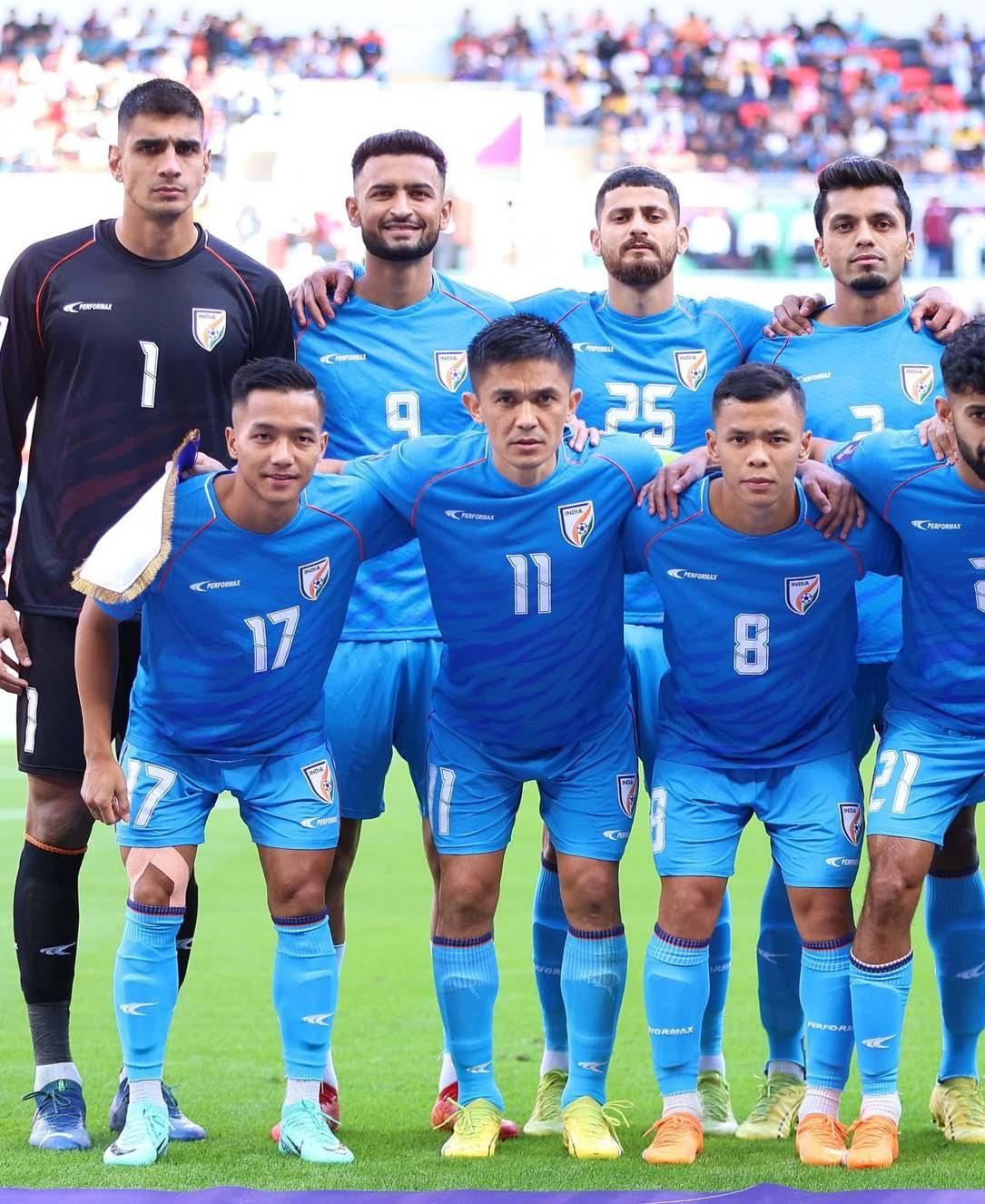

In a groundbreaking move for Indian football, All India Football Federation (AIFF) President Kalyan Chaubey has championed the inclusion of Overseas Citizens of India (OCI) players in the Indian National Football Team. This initiative, backed by high-level discussions with Union Home Minister Amit Shah and External Affairs Minister S. Jaishankar, signals a potential turning point for a sport that has long struggled to make its mark on the global stage. By tapping into the Indian diaspora’s talent pool, this policy could significantly elevate the quality, competitiveness, and international standing of Indian football.
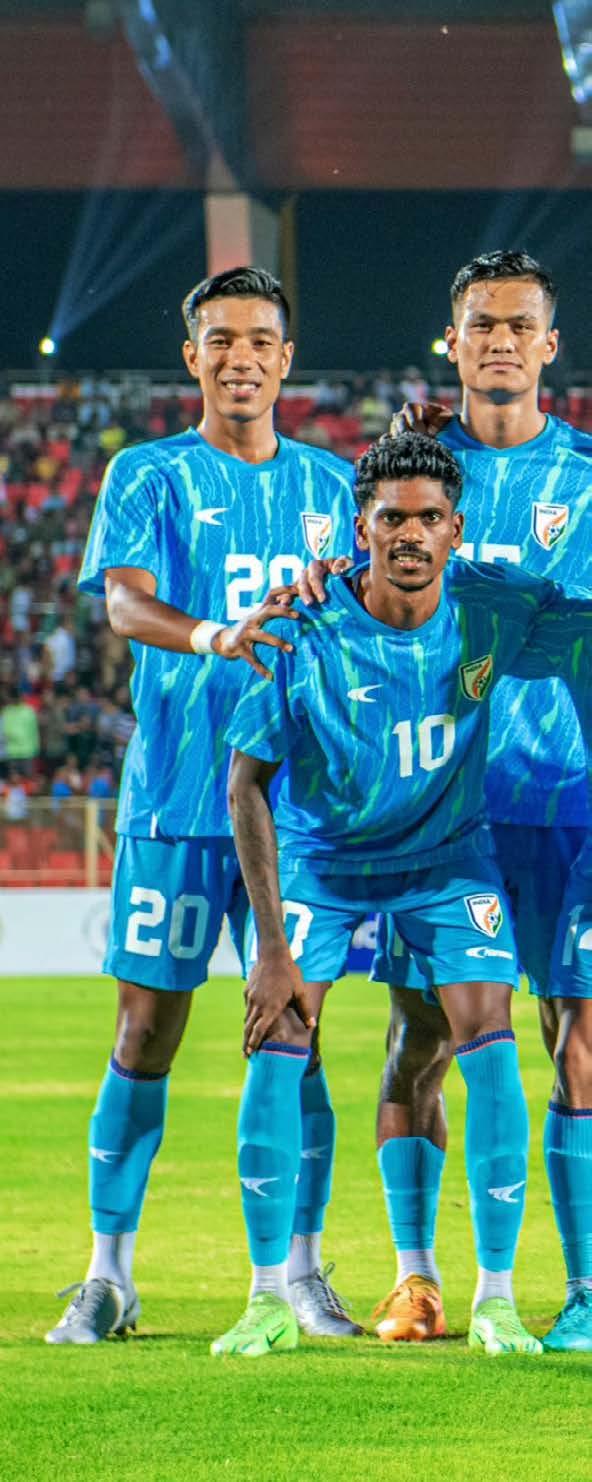
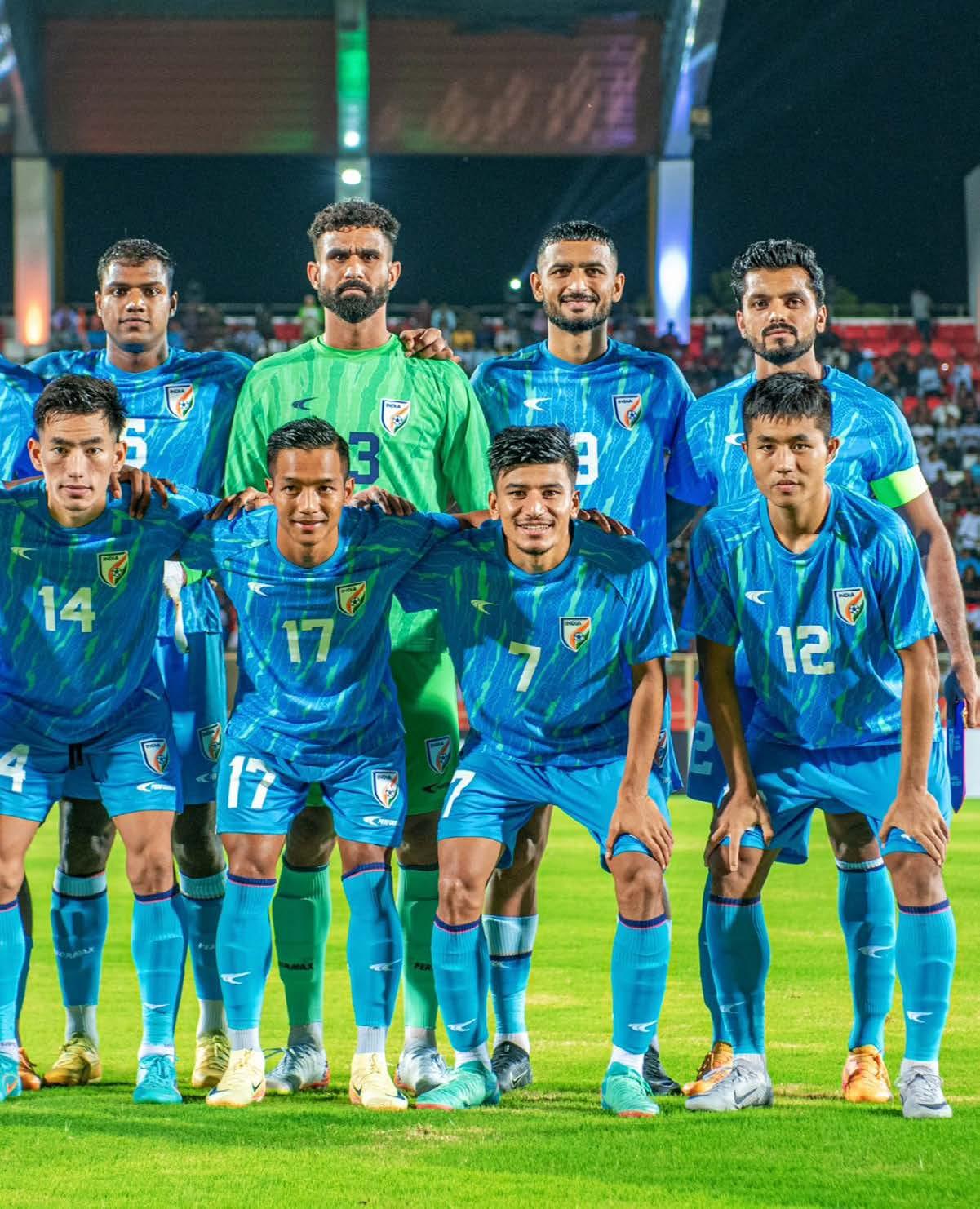


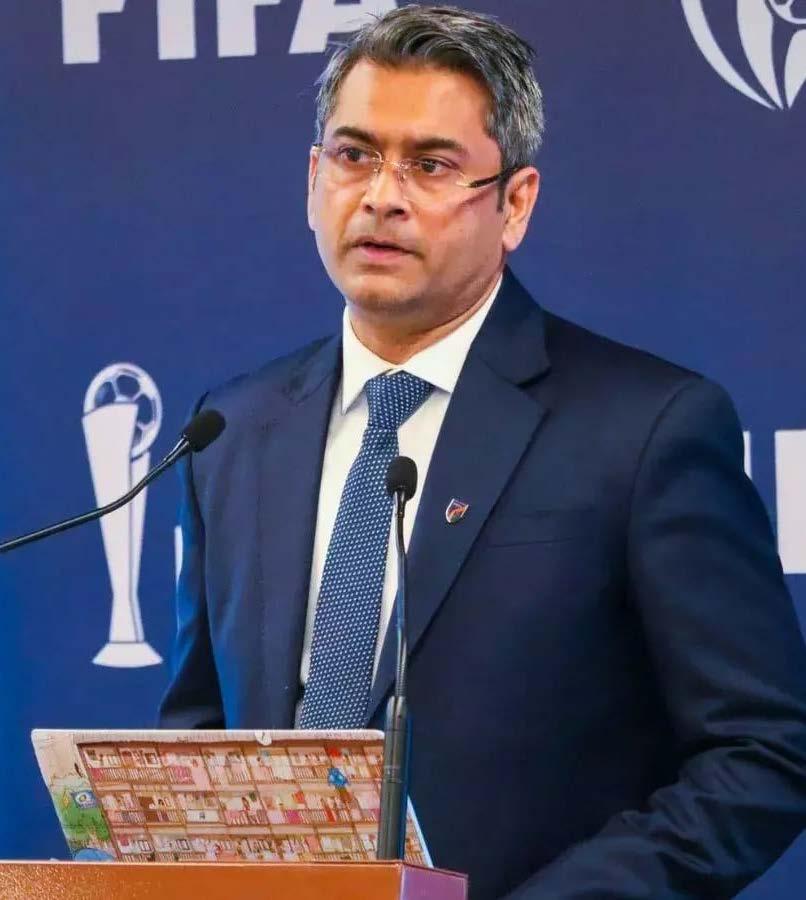
In August 2023, the AIFF established a task force to explore the feasibility of allowing OCI and Persons of Indian Origin (PIO) players to represent India internationally. Current Indian laws mandate full citizenship for athletes competing for the national team, a restriction that has limited access to a wealth of talent among the Indian diaspora. Chaubey’s vision is to create a legal framework that permits OCI players to don the national jersey, a move that aligns with the government’s broader interest in harnessing the potential of Indian-origin athletes. The process, however, is not without hurdles. Background checks for OCI players are estimated to take at least 76 days, reflecting the government’s cautious approach to ensuring compliance with citizenship and security regulations. Despite these challenges, Chaubey remains optimistic, citing players like Bengaluru FC’s Australian winger Ryan Williams as potential candidates who could bolster the national team. Williams, who has Indian ancestry, exemplifies the kind of talent that could be unlocked through this policy.
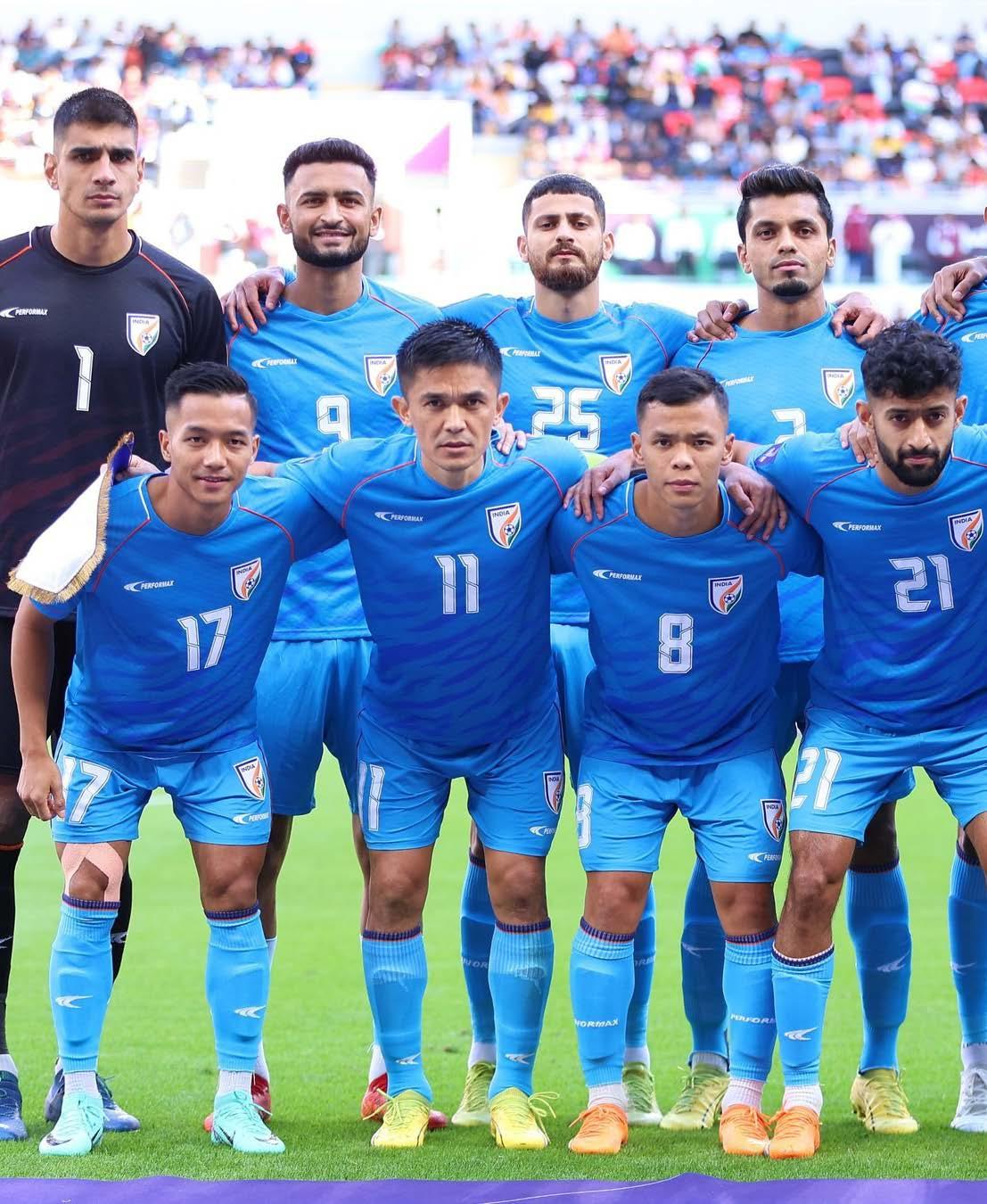
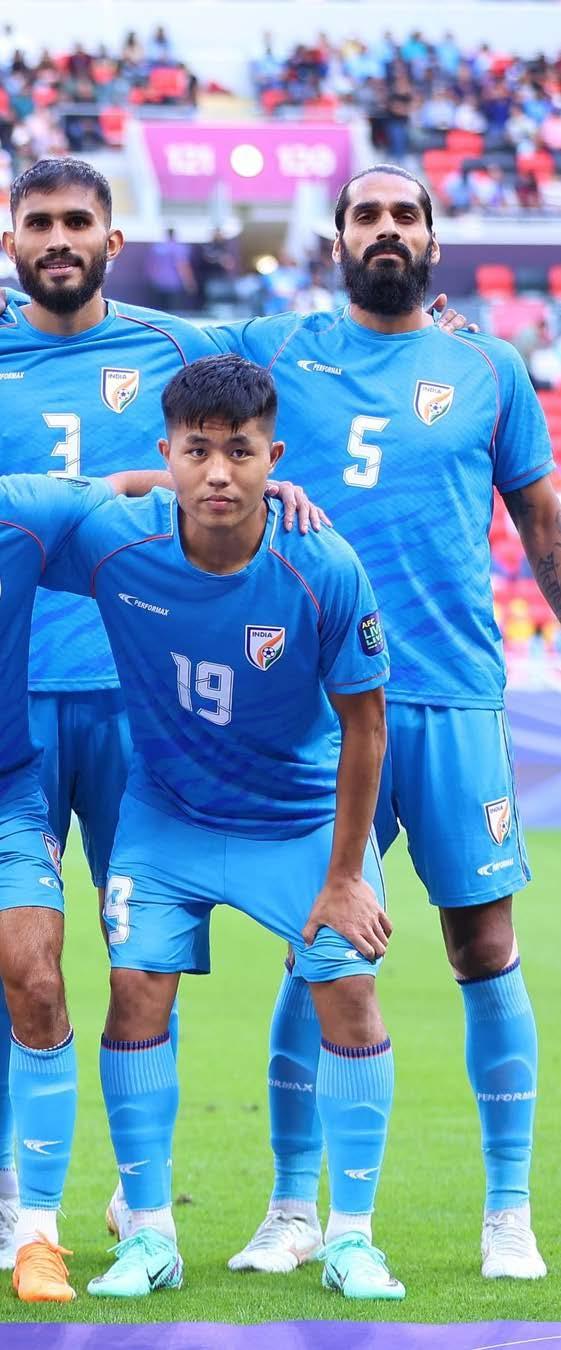
Indian football has made strides in recent years, with the Indian Super League (ISL) fostering professionalism and infrastructure development. However, the national team’s performance on the global stage—currently ranked 125th in the FIFA World Rankings as of May 2025—reveals a gap in quality and exposure. Including OCI players could address several critical areas:
TALENT: Many OCI players compete in toptier leagues in Europe, Australia, and North America, where they benefit from superior coaching, facilities, and competitive environments. For instance, players like Ryan Williams, who plays in the ISL but holds international experience, could bring technical finesse, tactical awareness, and physicality that are often lacking in domestically trained players. The Indian diaspora includes athletes who have honed their skills in academies and leagues far more advanced than India’s current football ecosystem.
• GLOBAL EXPOSURE AND TACTICAL MATURITY: OCI players often grow up in football cultures where strategic thinking and adaptability are ingrained from a young age. Their experience in diverse playing styles—whether it’s the high-pressing game of European leagues or the technical flair of South American systems—could introduce new dimensions to the Indian team’s approach. This diversity could help India compete better in tournaments like the AFC Asian Cup, where tactical discipline is critical.
•
PLAYERS: The inclusion of OCI players could create a competitive environment within the national team, pushing homegrown talents to raise their standards. Training alongside players with international experience could foster a culture of excellence, encouraging Indian players to aspire to global benchmarks. Moreover, the success of OCI players could inspire young athletes in India to pursue football professionally, expanding the sport’s grassroots appeal.
• STRENGTHENING THE INDIAN DIASPORA CONNECTION: Allowing OCI players to represent India would deepen the emotional and cultural ties of the Indian diaspora to their ancestral homeland. Football, as a global sport, has the power to unite communities, and seeing Indian-origin players compete under the tricolor could galvanize support from the diaspora, potentially attracting investment and sponsorship for Indian football.
While the potential benefits are immense, the road to integrating OCI players is fraught with challenges. Legal hurdles, such as amending citizenship-related eligibility rules, require coordination between the AIFF, the Ministry of Home Affairs, and other government bodies. The 76-day background check process, while necessary for security, could delay player integration and complicate team planning for international tournaments. Additionally, there may be concerns about balancing opportunities for domestic players with the influx of OCI talent, ensuring that local development is not overshadowed. Public perception is another factor. While some fans may welcome the inclusion of OCI players as a step toward competitiveness, others might argue that it detracts from nurturing homegrown talent. The AIFF must strike a balance, ensuring that the inclusion of OCI players complements rather than competes with grassroots development programs like the AIFF Youth Leagues and Reliance Foundation initiatives.
The inclusion of OCI players could be a catalyst for Indian football’s long-term growth. By raising the national team’s competitiveness, India could qualify for higher-profile tournaments, increasing visibility and attracting global sponsors. Success on the international stage would also inspire greater investment in infrastructure, academies, and coaching, creating a virtuous cycle of development. For instance, countries like Qatar and the UAE have leveraged diaspora talent to enhance their national teams, a model India could emulate. Moreover, the ISL could benefit from increased interest, as OCI players with international pedigrees might choose to play in India, raising the league’s quality and appeal. This could draw bigger crowds, boost broadcast revenue, and position the ISL as a competitive destination for global talent, much like Major League Soccer in the United States.



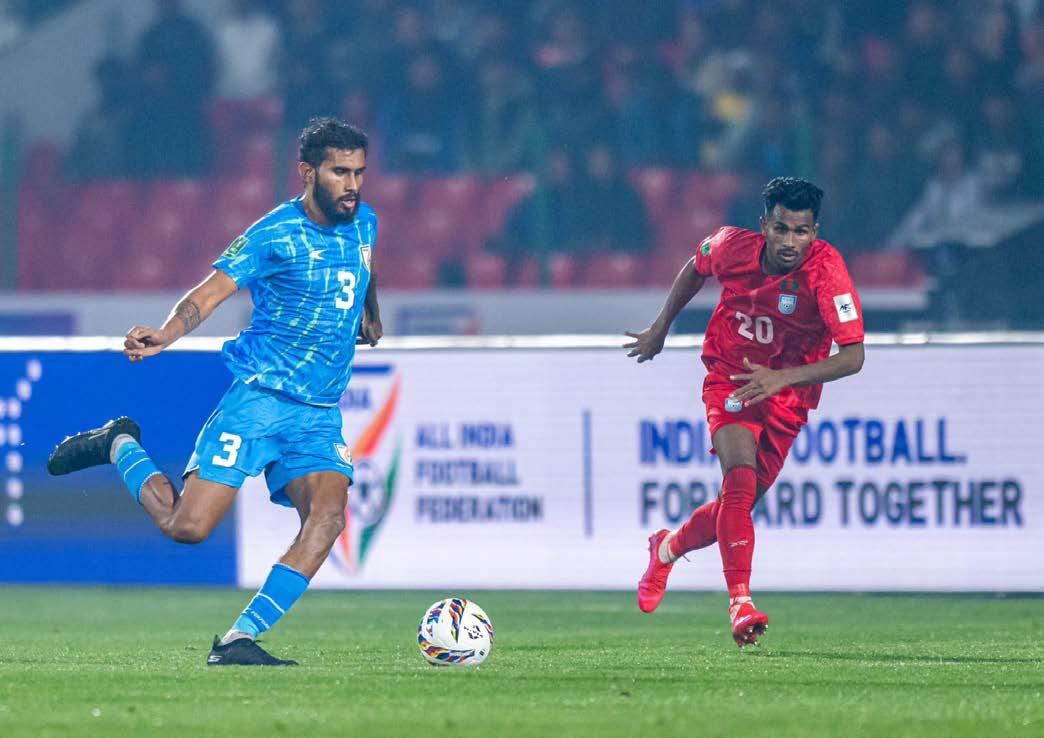
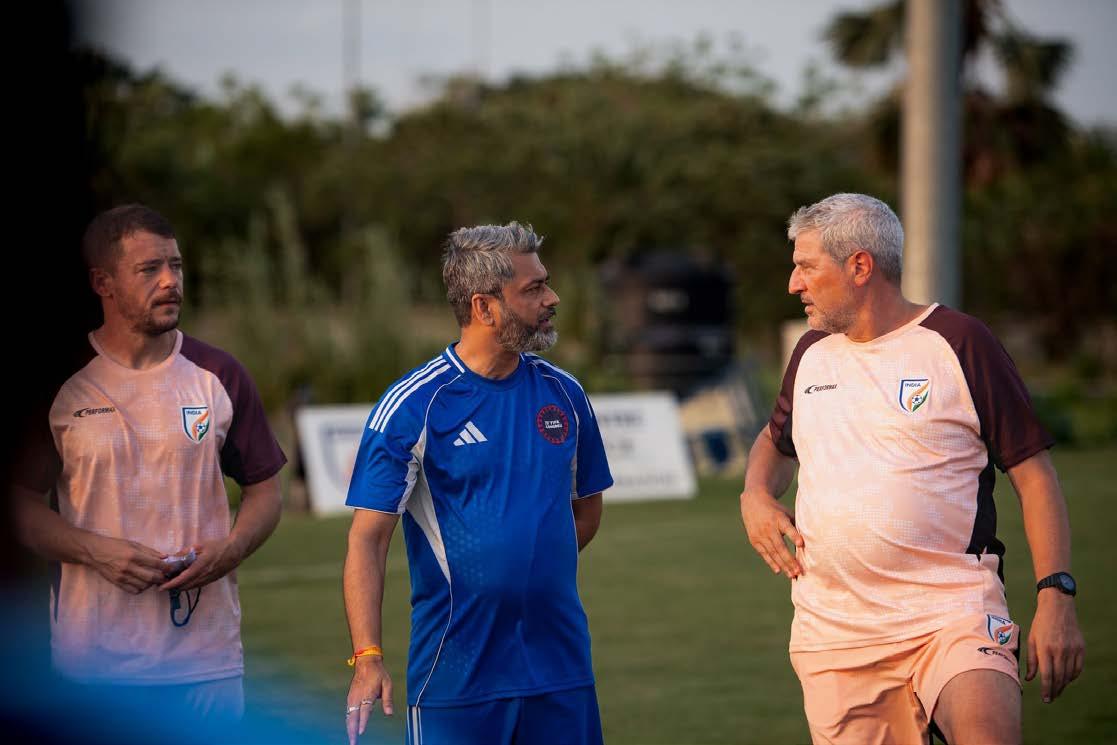

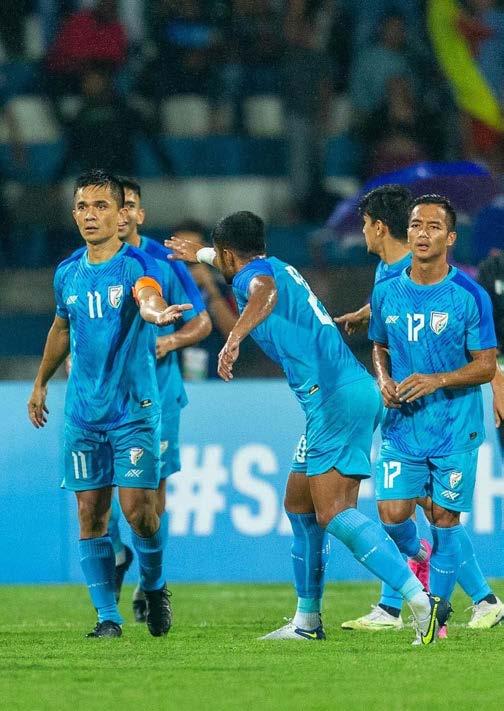
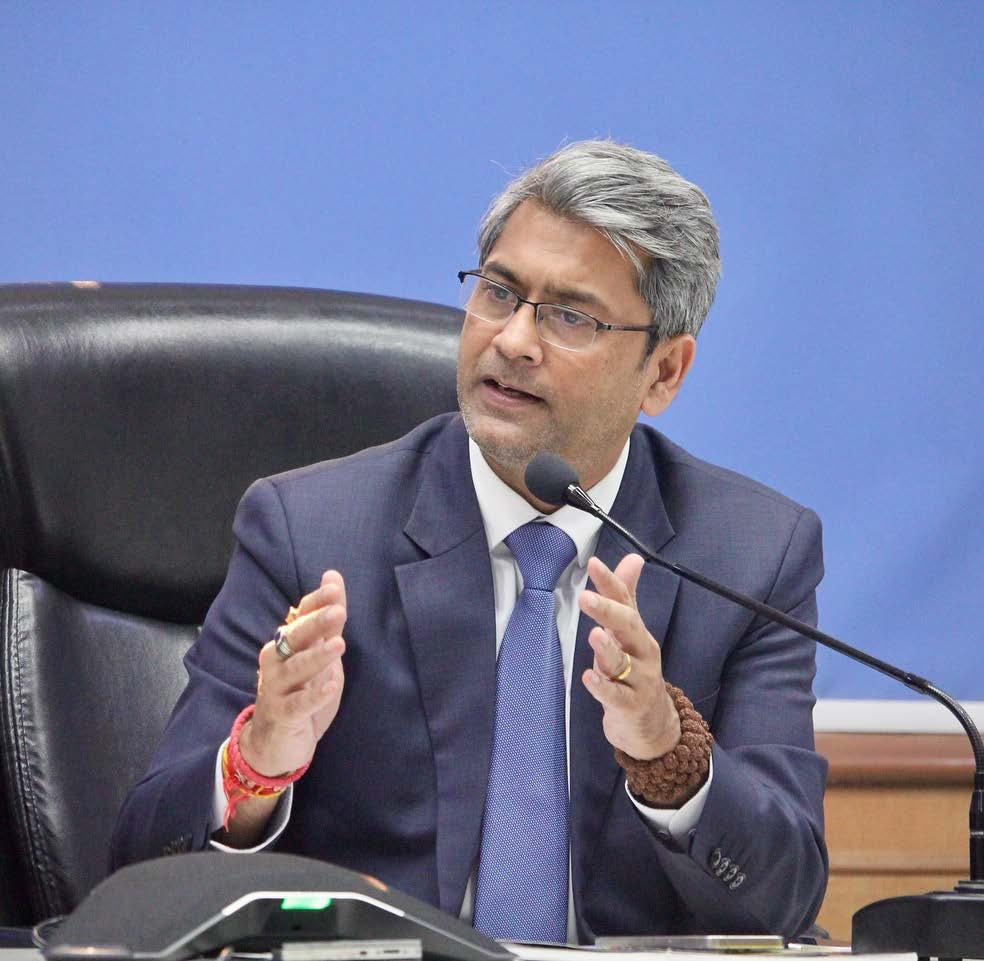
Kalyan Chaubey’s push to include OCI players reflects a bold vision for Indian football—one that embraces globalization while staying rooted in national pride. By tapping into the Indian diaspora’s talent pool, the AIFF is taking a pragmatic step toward bridging the gap between India’s footballing potential and its current reality. If executed thoughtfully, this policy could mark the beginning of a new era, where India not only competes but thrives on the global stage. As discussions with government stakeholders progress and the task force refines its recommendations, Indian football fans have reason to be hopeful. The inclusion of OCI players could be the spark that ignites a footballing revolution, bringing India closer to its dream of becoming a powerhouse in the world’s most beloved sport.





Exciting opportunity for all those who want to share their most memorable, Interesting. Amazing, Pro-active & Growth oriented activities & Experiences covering areas such as
• Fashion, Trend & Lifestyle
• Culture, Tradition & Heritage
• Education, Healthcare & Wellnes
• Industries, Investments & Growth
• Travel, Tourisn & Hospitality With Millions of Readers across the world



Circulation,
Advertisements & Advertorials
Featured
Feedback
Email ID : aseworldwidemedia@gmail.com worldwidemediaasiapacific@gmail.com
Website : www.mightyindia.com