


D i s c over The C omplet e World of Fash ion
A l l Under O ne Ro of







D i s c over The C omplet e World of Fash ion
A l l Under O ne Ro of
Worldwide Media Corporation Group
aseworldwidemedia@gmail.com
worldwidemediaasiapacific@gmail.com

Follow us at www.facebook.com/Mighty India


Global Media Chief & MD
Dr. S. E. Alexander
Chief Executive Editor & ED
Dr. Andre Lubbe
Senior Executive Editors & Directors
Dr. Kevin Francis, George Fedrick
Executive Editor & SVP
Thamen, Reetu Bansal
Associate Editor & Regional Directors
Nicolas Flemings, Nitirooge Phoneprasert, Ken Obeng
Regional Director Malaysia
Shariman Abd Rahim
Creative Director
Randy Redstone
Art Directors
Richard Flemings
EVP - Asia Pacific Region Operations
Graham Starmer, Sudhakar Gupta
AGM – Corporate Communication
Swetha Naren
Vice President Operations
Amit, Rahul Shinde, Ruchi Srivatsa
Corporate Advisors & Consultants
Venkat, Mike Dobbertine, Chandrasekar, Ujagar Singh
Senior Sub Editors
Prasad ST, Ram Mohan Rao, Vinu Agarwal
Editorial Consultants, Senior Journalists & Sub Editors
Bruce N Lesly, Edna Ferber, Sreedevi, Nancy, Aarti Mukherjee, Maddy, Rachel D’souza, Vidya, Kruthiga, Ajay Franklin
Regional & Business Managers
Sanjay, Steve Mathews, Nirupama Rao, Sunil Kumar, T.P. Bhaskar, Kiran, Kishore
Circulation Managers
Shewtha Shetty, Alan, Rakesh Khanna, Subbodh Chakraborthy
Photographers
James O Corner, Nikhil, Bosh Winter
Resident Managers & Journalists
Aarthi Agarwal, Sarika, Vikram Kapoor, Swetha
Assistant Managers & Executives
Rocky, Manju, Prakash, Neetu
Senior Creative Designer
Raj, Ryan D’souza
Creative Designers
Ajeesh, Rajesh, Abhijit, Sonam, Reetu, Sonal, Ashish, Chithra







‘DAD’
While any Man can become a ‘Father’ with his physical and biological ability; only that man, who is physically, biologically and psychologically competent could become a good Dad. Evidently, ‘Dad’ is the most noblest title and honour a man could get in his lifetime; for being more than just a biological father, a friend, a brother, a mother, a teacher, a guide, a protector, a hero, a philosopher, an exemplar, a leader and more to his children. And the child who is blessed with an able, disciplined and loving father could not seek for a better boon in it’s life.
Scholars around the world admit that if child’s father is affectionate, supportive, and involved, he can contribute greatly in the child’s cognitive, language, and social development. Besides, the father is largely instrumental in the academic achievement, a strong inner core resource, sense of well-being, good self-esteem, and authenticity of a Child. Dads in general, have enormous amount positive impact on their children. They are less sentimental compared to the Mothers; and remain in our life like
a Sun in the sky; playing an essential and amazing role without making much noise about whatever they do. Though it may not be appropriate to do comparisons between a Mother and Father; In general, Mothers do play the role of a Critic at home by magnifying the errors, mistakes and negative qualities of the children and keep talking about them more often, in order to stop and prevent the children committing those errors and mistakes in the future. In the process, she becomes an epitome of negativity at home and in the eyes of her children.
On the Contrary Fathers always do identify, appreciate, focus, highlight and magnify all good and positive qualities, deeds and nature of the Children. By doing that, Fathers not only make the children feel good about themselves and increase their self-confidence or strength to face the society; but, also nurture those good qualities and positive traits in the best possible manner. And this amazing quality of Fathers helping their Children to keep the head-high in front of the world at large as well as develop higher degree of self-respect and self-esteem. Though Fathers
do get relatively less time to spend with the Children and family compared to Mothers; they always try to spend quality time with the Children. Whether its merely playing roughhouse with them or cracking silly jokes or take them for sports or for shopping or sitting along with them and watching a movie, a TV Program, a music album, a match; Fathers always try to do what the children likes without
fighting with the Children for their Rights to watch their likes and preferences. When a father is around the child; he would invariably do things that the child wants or likes. At home or outside, fathers always want their children to be the best and never get into the power conflicts.Besides, Fathers always help their children try out new things, without worrying about the loss or damages. And fathers have a tendency to encourage the children to take risks, embrace challenges, and make them to become independent, Fathers do spend their time more effectively and efficiently to see that their children are disciplined, safe and successful.
Apparently, a Father is equal to 1000 Teachers;Yet fathers don’t look at their children as weak people.They always look at their children as an advanced and enhanced version of themselves. Besides, the father always understand and accept that his Child is a learner and that he or she could afford to make errors and mistakes, while learning the life lessons. Father’s love for their children is very selfless; Even the most selfish person also becomes selfless, when it comes to his children. Fathers try to do whatever they could to ensure that their children get everything that they deserve and need. And the amazing factor is that Fathers don’t expect anything in return; except the wellbeing of their children.
A perfect Father invariably set goals, targets, dreams and aspirations not only for himself; but, for the children and for the entire family. He doesn’t stope there, he goes about doing everything; that he possibly could to ensure that his children and the family achieves them all. And at the end he doesn’t expect the praise or regard; instead, he goes about appreciating and rewarding the children and the family for achieving the goals. This is the greatest quality of a good father. Even though he gets upset at his children’s faults and may express his disappointment that they did not attain what he expected them to achieve; as a father he never loves his children less for being a failure in anything that a child does. He invariably teaches them as to how to overcome the challenges; not by mere advising them. But, by leading them as an example.
Hence, as we celebrate the ‘International Father’s Day’ during the month of June, it is important for all of us to recognise, regard, appreciate and thank dads for giving us the flawless love, care, affection, concern, guidance and for performing all those wonderful, amazing and multiple roles in our life; in order to shape us to be respectable and responsible human-beings in the society.
Team
All Those Fathers, Who Have Evolved As ‘Dads’ And Who Led Their Life By Considering Their Children’s Happiness & Success As More Than Their Own.
from the desk of
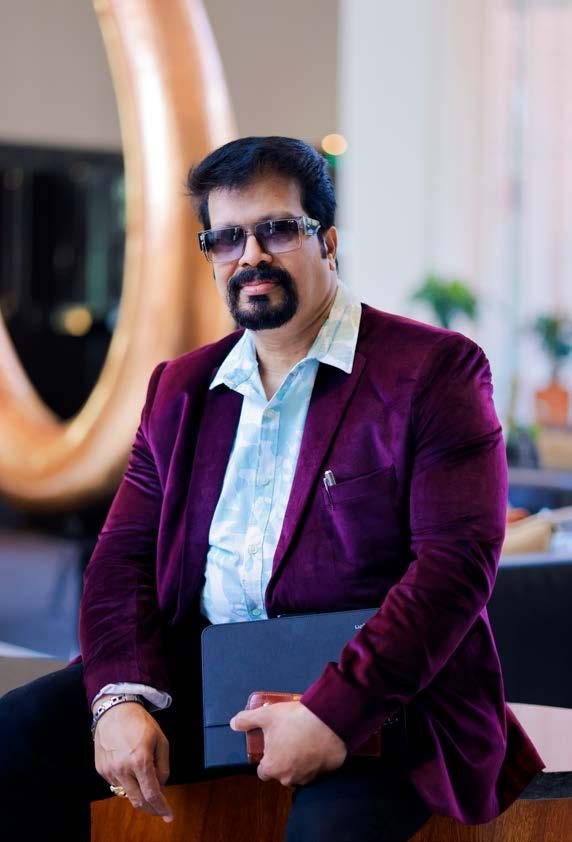

S. E. Alexander Global Media Chief & MD


• Snitch - Redefining Men’s Fast Fashion in India
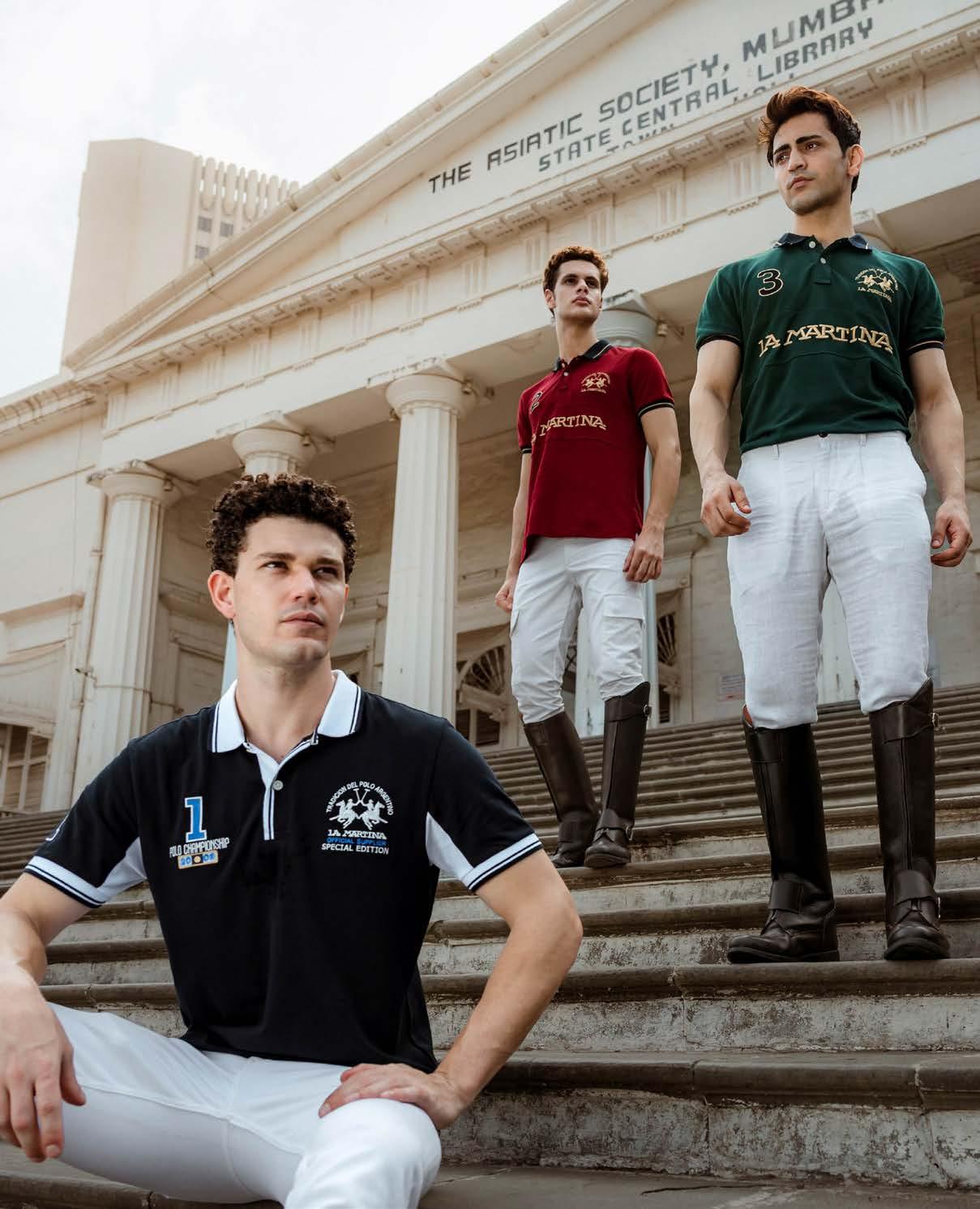
• La Martina Spotted @ Iconic City Landmarks


• Wakefit - Revolutionizing Sleep and Home Solutions In India




• Dr. KMD’s Royalcare International Hospitals Group Transplant Division
• Gleneagles Hospital Mumbai Unveils Advanced Robotic Surgery for Knee & Hip Replacements
• Apollo Hospitals Navi Mumbai announces Launch of ‘ICOM’ Institute of Clinical Obesity & Metabolism
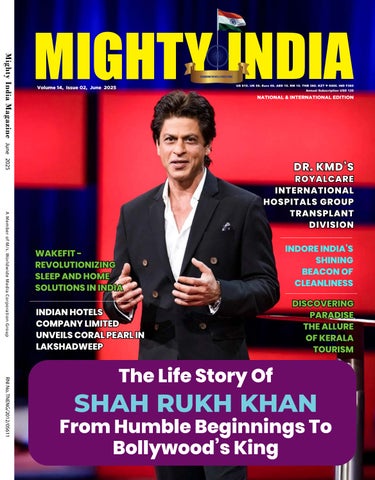
• The Life Story Of Shah Rukh Khan From Humble Beginnings To Bollywood’s King
• Madhya Pradesh Simplifies Filmmaking with Cinema-Friendly Culture & Diverse Locations Actor Aamir Khan
• Chhaava - A Magnificent Ode to Sambhaji Maharaj’s Valor
• DCWA Hosted a Spectacular Fundraising Dinner @the Bulgarian Embassy
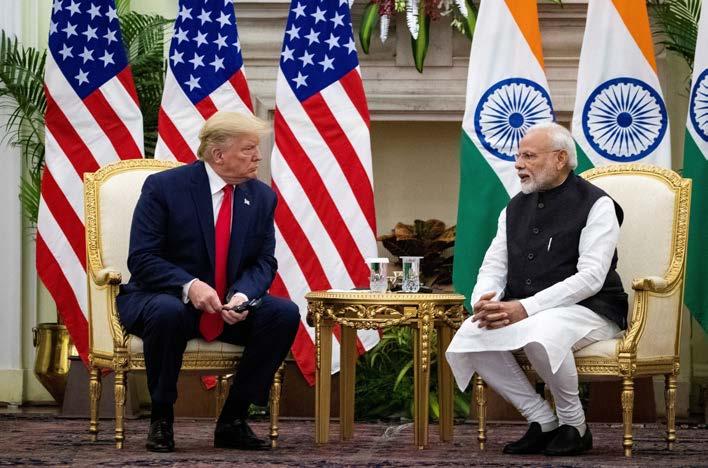
• Trump’s Tariffs on India -A New Chapter in U.S.India Trade Relations
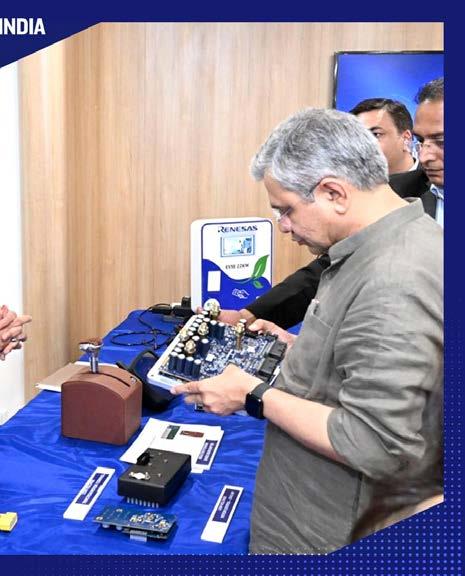
• India Enters Elite League with 3nm Chip Design Centers in Noida and Bengaluru

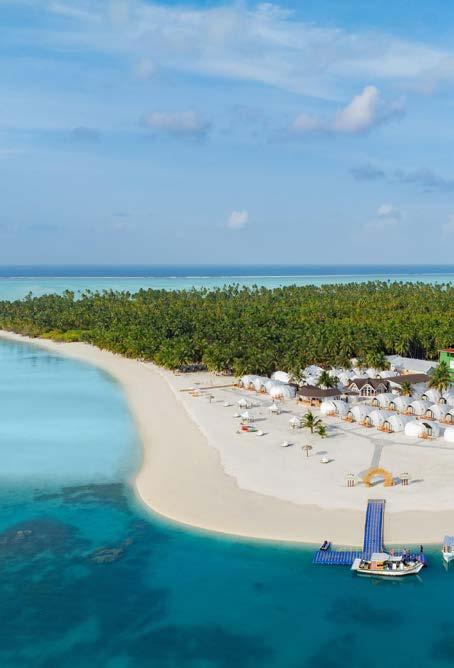


• Explore the vibrant world of Punjab’s Phulkari
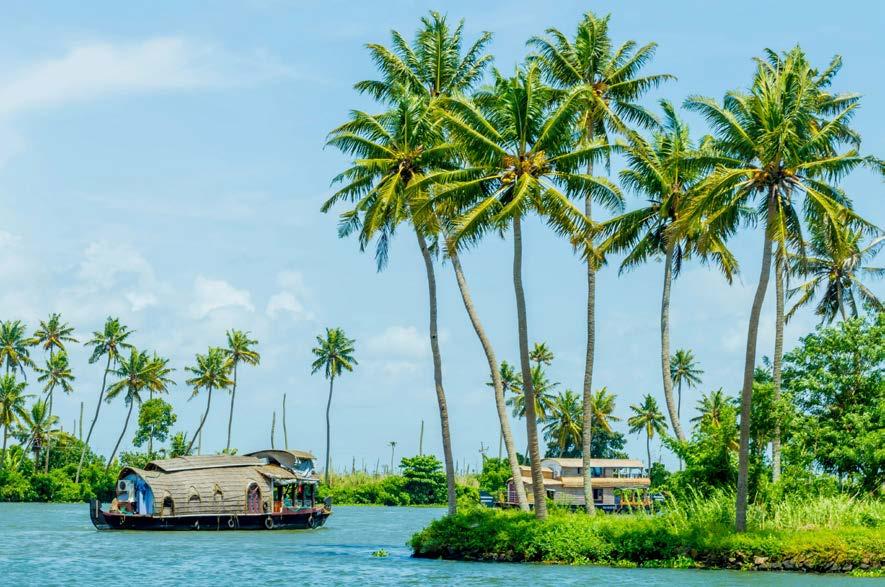
• Indian Hotels Company Limited Unveils Coral Pearl in Lakshadweep
• Ritesh Agarwal & OYO Rooms Revolutionized the Hospitality Industry
• Discovering Paradise The Allure of Kerala Tourism










In the dynamic world of Indian fashion, Snitch has emerged as a trailblazer, redefining men’s fast fashion with its trend-driven designs, innovative direct-to-consumer (D2C) approach, and ambitious growth strategy. Founded in 2019 by Siddharth Dungarwal, this Bengaluru-based brand has swiftly risen to prominence, becoming one of India’s fastest-growing men’s apparel brands. With a focus on delivering high-quality, stylish clothing at affordable prices, Snitch has captured the attention of Gen Z and millennial shoppers, carving out a significant niche in the competitive Indian fashion market.
Snitch’s journey began as a business-to-business (B2B) apparel brand in January 2019, catering to retailers with a modest team of four and 40 products. However, the COVID-19 pandemic in 2020 posed significant challenges, leaving the brand with a surplus of inventory as B2B orders dwindled. Rather than succumbing to adversity, Siddharth Dungarwal seized the opportunity to pivot Snitch into a D2C brand, launching its online platform in June 2020. This strategic shift proved to be a game-changer, enabling Snitch to connect directly with consumers and respond rapidly to evolving fashion trends.
The brand’s name, “Snitch,” reflects its core mission: to “snitch on trends” and deliver fresh, peppy styles to fashion-conscious men, particularly Gen Z and Generation X, who seek trendy yet budget-friendly clothing. Starting with just 100 stock-keeping units (SKUs), Snitch has since expanded to offer over 1,000 products and 8,000 SKUs, including shirts, T-shirts, trousers, jeans, co-ords, boxers, jackets, sweaters, innerwear, fragrances, and accessories like caps, belts, and keychains.
What sets Snitch apart in the crowded fast-fashion landscape is its agility and commitment to staying ahead of trends. Unlike traditional brands that design seasonal collections, Snitch operates on a daily design cycle, introducing new styles year-round to keep its offerings fresh and relevant. This approach has earned it the reputation of being “India’s fastest-growing men’s fashion brand,” with a focus on delivering “unconventional style ethos” for the modern, fashion-forward man.
Snitch’s product catalogue is diverse, catering to a wide range of occasions, from casual leisurewear to formal attire and party-ready outfits. The brand was the first in India to introduce co-ord sets for men, a trend that has since gained immense popularity. By combining global inspirations with local sensibilities, Snitch ensures its designs resonate with Indian consumers while maintaining a contemporary edge.



The brand’s digital-first strategy has been instrumental in its success. With a user-friendly website, a mobile app boasting over two million downloads, and a strong presence on e-commerce platforms like Amazon, Myntra, and Flipkart, Snitch has made its products accessible to millions. The app alone accounts for 55% of the company’s revenue, underscoring the power of its digital ecosystem.
While fast fashion often faces criticism for its environmental impact, Snitch has taken steps to integrate sustainability into its operations. The brand has adopted a circular fashion model through
initiatives like “Relove” and “Resell,” which allow customers to sell pre-owned Snitch clothing via its website, promoting reuse and reducing waste. Additionally, Snitch uses eco-friendly packaging, including poly bags made from corn starch and clothing tags crafted from recycled paper. A significant portion of its sportswear is made from recycled plastic and organic cotton, and the brand employs plant-based chemical washes to minimize environmental harm.
Beyond sustainability, Snitch is committed to social responsibility through its CSR vertical, Snitch Care. This initiative focuses on improving the lives of underprivileged children by supporting their education and well-being, reflecting the brand’s dedication to making a positive impact on the community.
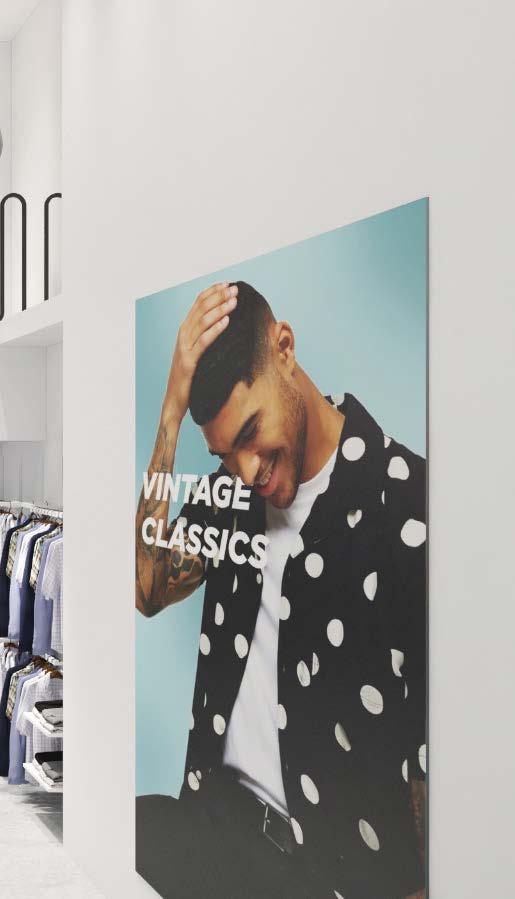
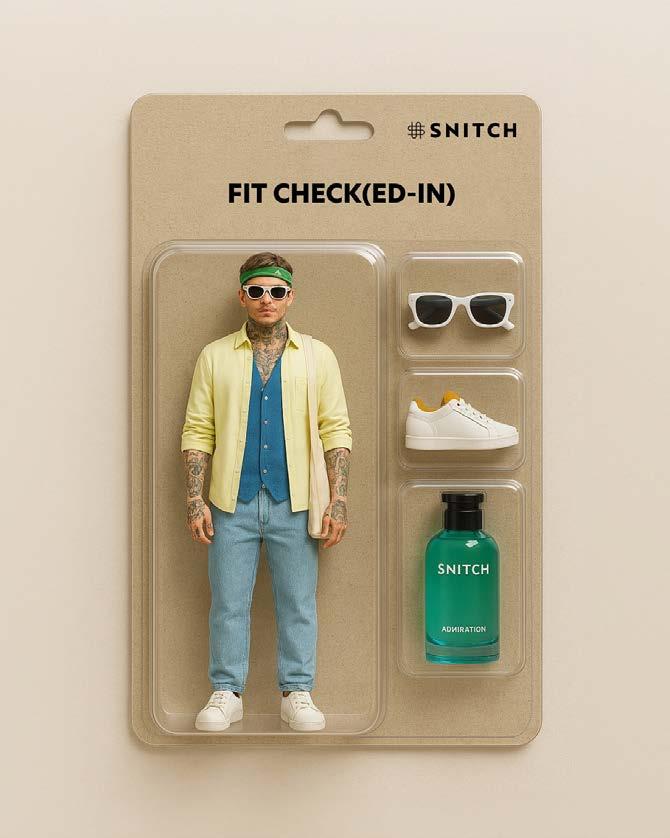
Snitch’s financial trajectory is nothing short of remarkable. From a net revenue of ₹11 crore in FY21, the brand surged to ₹44 crore in FY22, ₹110 crore in FY23, and over ₹230 crore in FY24. For FY25, Snitch projects revenues of ₹600 crore, with an ambitious target of surpassing ₹1,000 crore by FY26 and reaching $500 million by FY30. The company’s profitability is equally impressive, closing FY24 with a net profit of ₹4 crore and aiming for a tenfold increase in profitability in FY25. Snitch’s appearance on Shark Tank India Season 2 in 2023 was a pivotal moment. Siddharth Dungarwal’s compelling pitch, highlighting 2,000 daily orders, 50,000 daily website visitors, and a monthly revenue of ₹9.3 crore, secured an all-shark deal of ₹1.5 crore for 0.5% equity at a ₹300 crore valuation.


The exposure led to a 30% spike in revenue, pushing monthly earnings to ₹11 crore. In 2024, Snitch raised $13.19 million in a Series A funding round coled by SWC Global and IvyCap Ventures, fuelling its expansion plans. The brand holds a 2.4% market share in India’s men’s e-commerce fashion space and ranks as the second-largest player among 998 competitors, a testament to its competitive edge in a market valued at ₹3.3 trillion by 2028.
While Snitch initially thrived as an online brand, it has aggressively expanded its offline presence to create a seamless omnichannel experience. The brand operates 50 stores across India, with plans to open 75 more in FY26, bringing the total to 125. By FY28, Snitch aims to have 300 stores nationwide. Its offline stores, located in cities like Bengaluru, Surat, Vadodara, Mumbai, Pune, Hyderabad, and Indore, are designed to offer a sophisticated shopping experience, with an average store size of 1,800–5,000 square feet. The brand’s offline strategy focuses on penetrating Tier 1, Tier 2, and smaller cities, with 60% of stores currently
run by franchise partners and 40% companyowned. Snitch plans to balance this ratio to 50:50, ensuring scalability while maintaining control over the customer experience. Notably, all its stores are profitable, generating cash to fund further expansion. Snitch’s omnichannel approach is enhanced by technological innovations. The brand is developing its own return management system and loyalty program, SnitchX. Features like “Worth the Wait” on its app allow customers to preview upcoming inventory, aiding in better inventory planning and enhancing the shopping experience.
Snitch’s ambitions extend far beyond its current achievements. The brand plans to go public within the next three years, a bold move that underscores its confidence in its growth trajectory. With plans to expand into new categories like personal care, fragrances, and plus-size clothing, Snitch aims to become a comprehensive lifestyle brand for men. Its international aspirations include tapping into global markets, leveraging its “Made in India” identity to


appeal to a broader audience. Siddharth Dungarwal’s vision is clear: to make Snitch a household name in men’s fashion, both in India and beyond. As he stated in a LinkedIn post, “What started as a dream to redefine men’s fashion has now grown into a movement, powered by an amazing team, relentless innovation, and the unwavering support of our customers.”
Snitch’s meteoric rise from a small B2B startup to a leading D2C men’s fashion brand is a testament to its adaptability, innovation, and customer-centric approach. By blending fast fashion with sustainability, leveraging technology, and pursuing aggressive offline expansion, Snitch is rewriting the rulebook for modern fashion brands in India. As it continues to scale, Snitch is poised to not only dominate the Indian market but also make a significant mark on the global fashion stage, proving that with the right vision, even a “snitch” can become a trendsetter.


Whispers of heritage, style, and something quietly unfolding across the city’s most storied

There’s something quietly cinematic happening across Mumbai. At first, it’s just a detail — the glint of a brass stirrup, the curve of a saddle silhouette, or the disciplined grip of a polo mallet. Then you look again, and the full picture begins to form. This isn’t coincidence. This is La Martina. Over the past few
days, the city’s most iconic landmarks — the imposing steps of the Asiatic Society, the sunlit arches near the Gateway of India, the quiet elegance of South Bombay’s colonial façades have transformed into something of an open-air set. Here, heritage isn’t just a backdrop; it’s a dialogue.


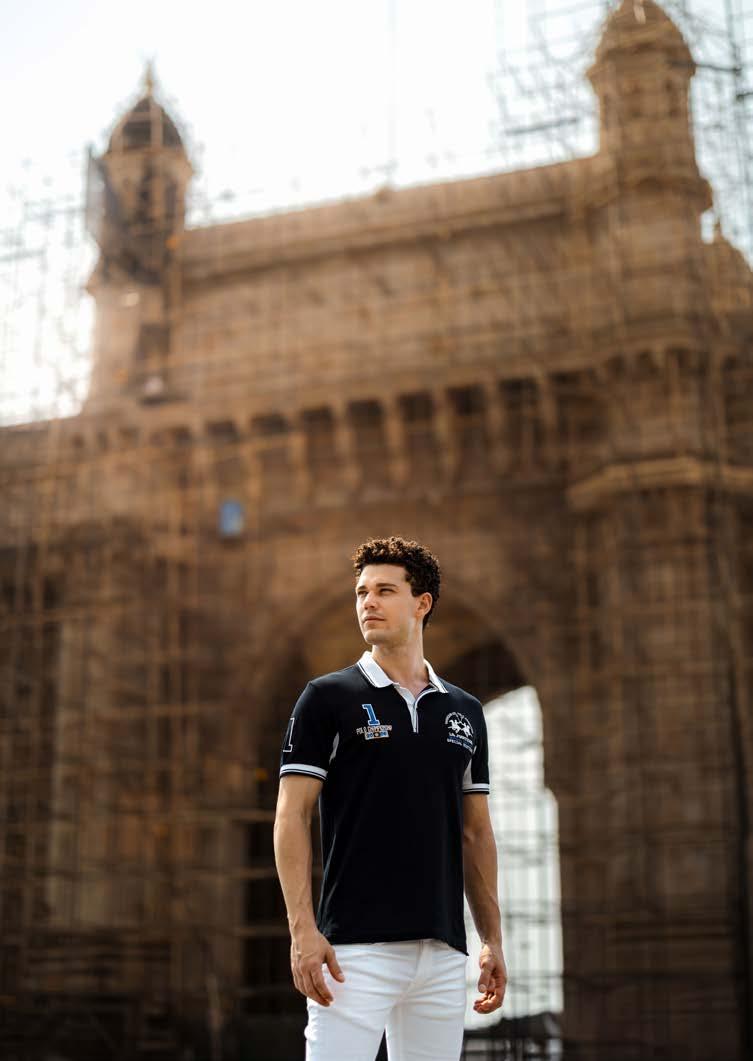
With camera crews, sharp tailoring, timeless classics, and a certain oldworld swagger, the scenes feel like a fashion mystery unfolding in plain sight, carrying the unmistakable language of polo — Argentina’s enduring gift to the world. While La Martina has yet to issue any formal statement, its presence alone is enough to spark conversation. The city’s most iconic landmarks have become the canvas for something distinctively refined. Founded in Buenos Aires in 1985, La Martina was born from the pampas of Argentina and the soul of the polo field. What began as a maker of technical gear for the world’s finest players has evolved into a global symbol of heritage and elegance — carrying the spirit of polo into every stitch. Today, the brand continues to craft collections that honour tradition through modern craftsmanship — with garments, accessories, and leather goods that echo the grit of the sport and the grace of its culture. In Mumbai, these values find a fitting stage. A city steeped in history yet surging with energy — much like La Martina itself.



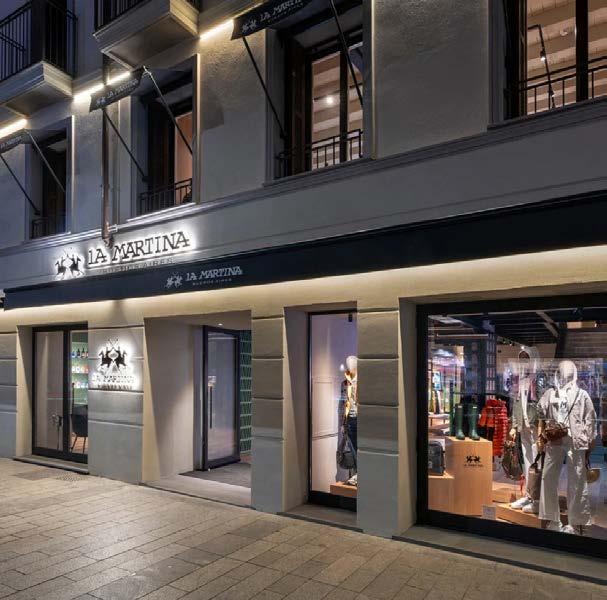
La Martina is a premium Argentine brand globally recognized for its authentic connection to the sport of polo and its commitment to craftsmanship, heritage, and elegance. Founded in Buenos Aires in 1985, La Martina began as a specialist in technical polo equipment and has since evolved into a globally respected lifestyle brand. La Martina channels the spirit of the sport into refined clothing, leather goods, and accessories — a wardrobe of true timeless classics shaped by craft and culture. Present in over 60 countries, La Martina carries forward the legacy of Argentine polo with quiet confidence and enduring style.

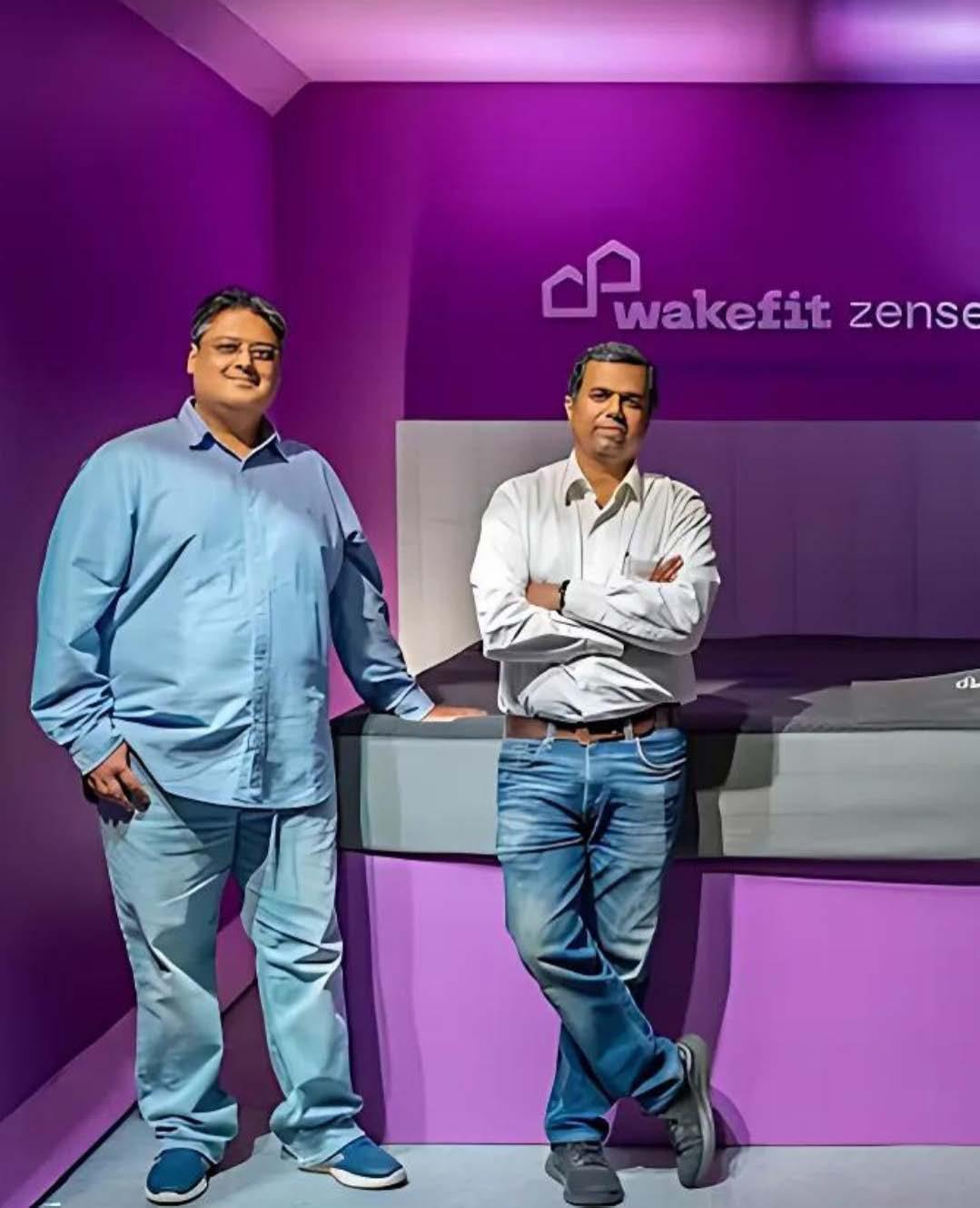
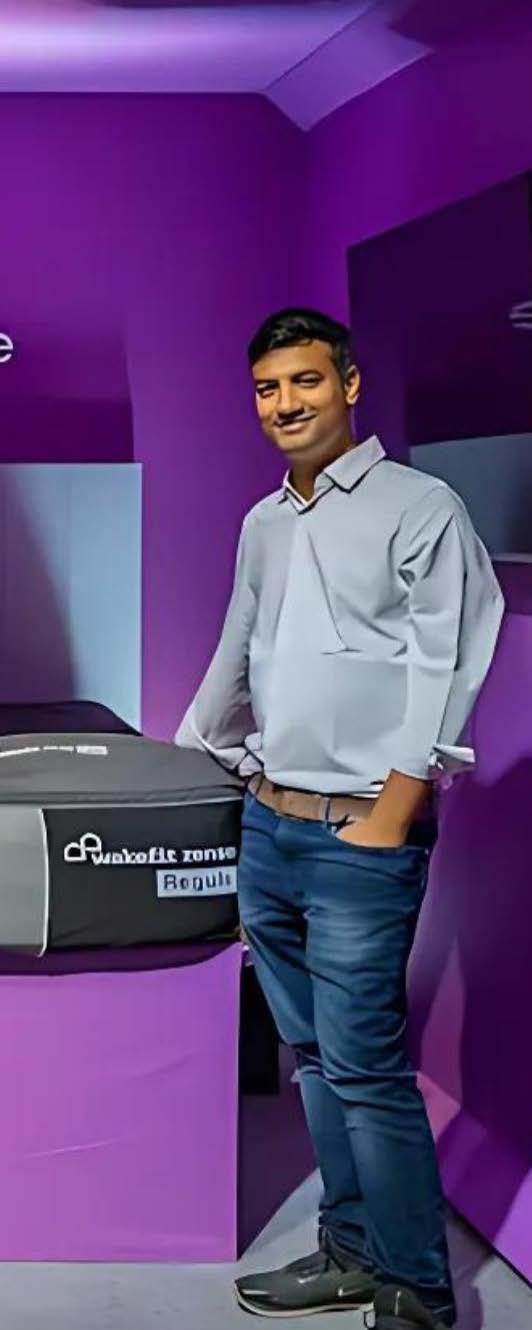
In a fast-paced world where quality sleep and comfortable living spaces are paramount, Wakefit has emerged as a household name in India’s sleep and home solutions market. Founded in 2016 by Ankit Garg and Chaitanya Ramalingegowda, this Bengaluru-based direct-to-consumer (D2C) brand has redefined how Indians shop for mattresses, furniture, and home decor. With a commitment to affordability, innovation, and customer satisfaction, Wakefit has carved a niche in the competitive home solutions industry, boasting a valuation of ₹2,280 crore and serving over 8 lakh customers across the country.
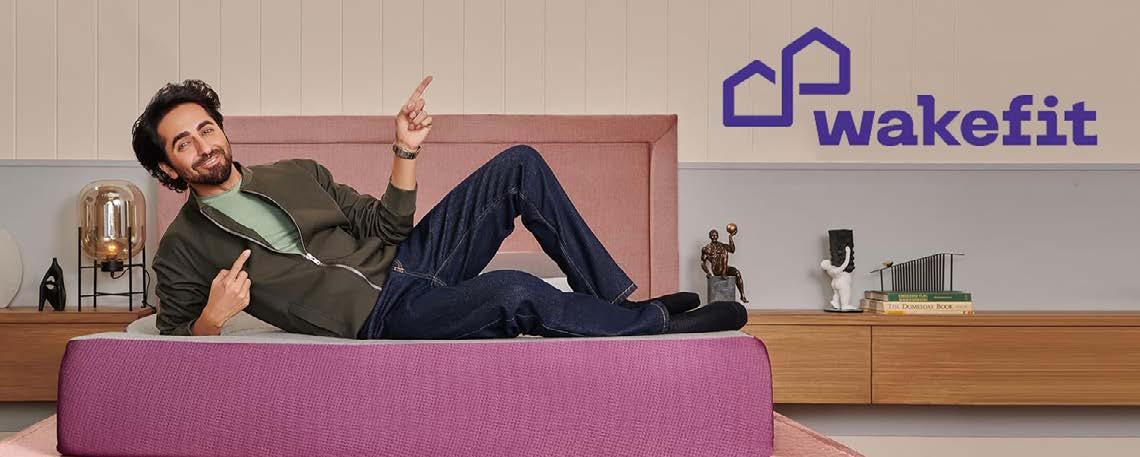


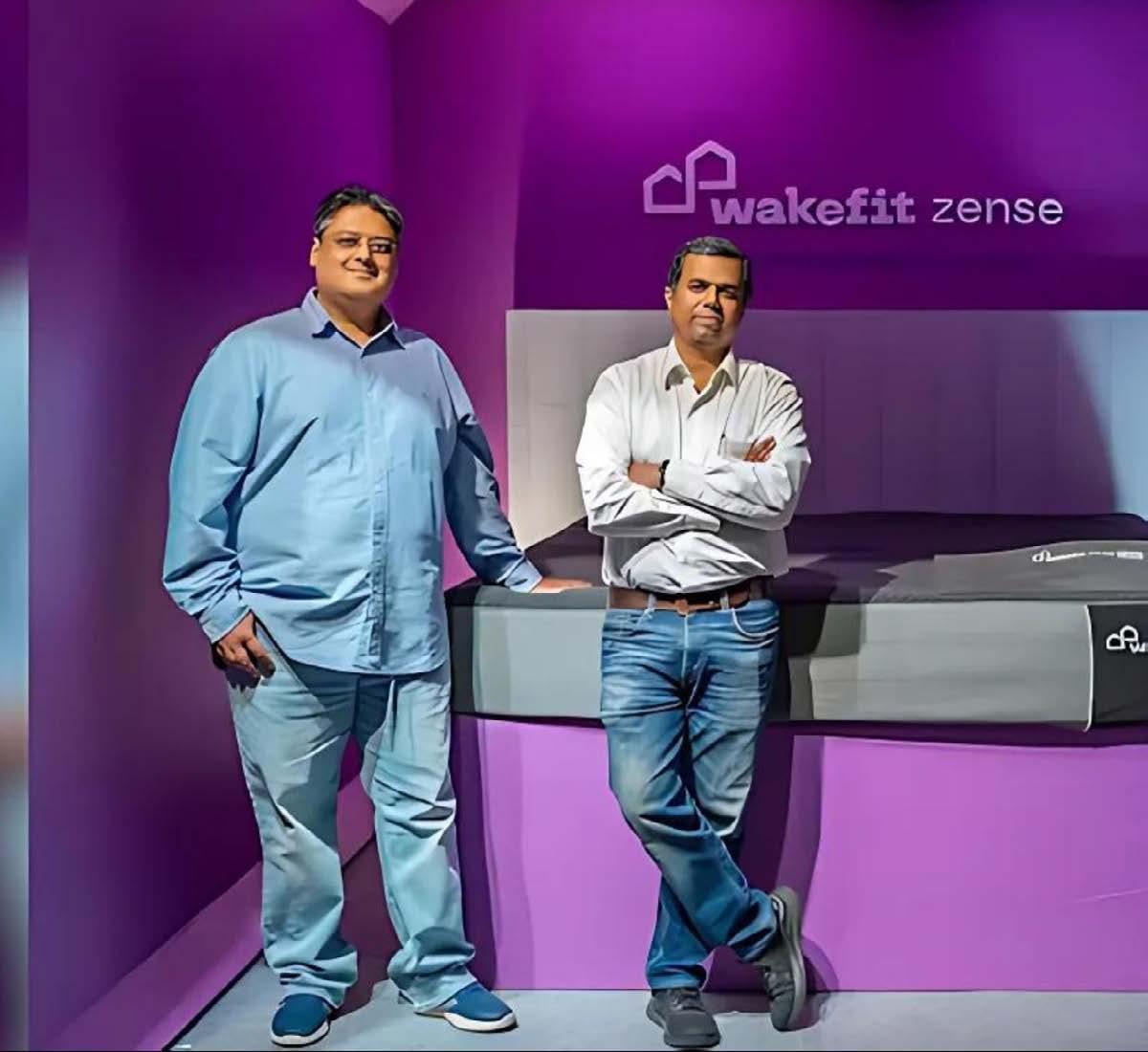
Wakefit was born out of a simple yet powerful idea: to make high-quality sleep and home products accessible to every Indian without the hefty price tag. Founders Ankit Garg and Chaitanya Ramalingegowda identified a gap in the market where traditional furniture and mattress retailers relied on middlemen, driving up costs and compromising quality. By adopting a D2C model, Wakefit eliminated intermediaries, enabling direct engagement with customers and offering premium products at competitive prices. Headquartered in Bengaluru, Wakefit began with a focus on mattresses but quickly expanded its portfolio to include furniture, home decor, and sleep accessories. Today, it holds a commanding 35-40% market share in India’s online sleep solutions space, competing with brands like Sleepyhead and Duroflex. The company’s growth is underpinned by a robust supply chain, strategic partnerships, and a customer-centric approach that prioritizes comfort and convenience.
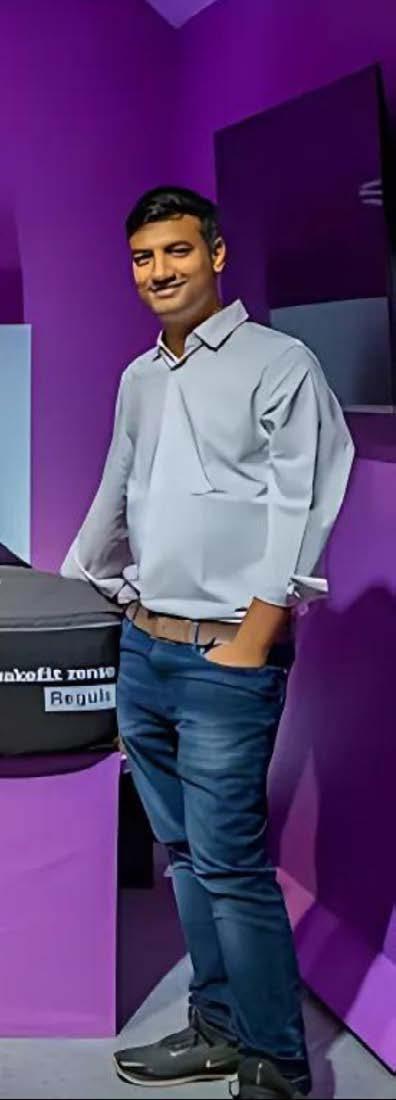


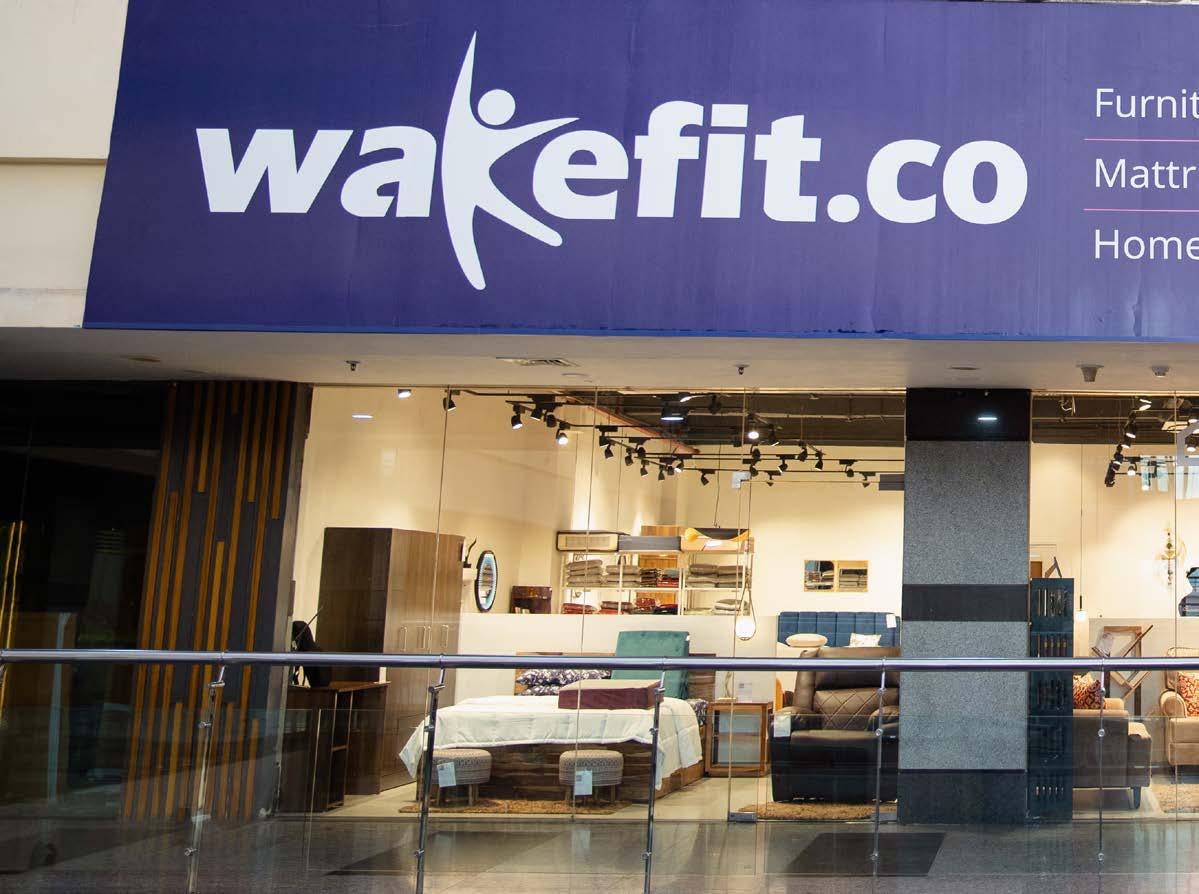
Wakefit’s product range is designed to cater to diverse customer needs, blending ergonomic design with modern aesthetics. Here’s a closer look at its offerings:
• Wakefit is best known for its mattresses, which combine cutting-edge technology with affordability. Options include:
• Orthopedic Memory Foam Mattresses: Designed to support spinal alignment and relieve pressure points.
• Dual Comfort Mattresses: Featuring a hard side for firm support and a soft side for plush comfort.
• Latex and Spring Mattresses: Offering natural breathability and bounce.
• Specialized Features: Cooling gel layers, hypoallergenic fabrics, and motion isolation for undisturbed sleep.
• Available in single, double, queen, and king sizes, Wakefit mattresses come with a 100-night trial, free shipping, and a 10-year warranty, making them a popular choice among urban and semi-urban consumers.

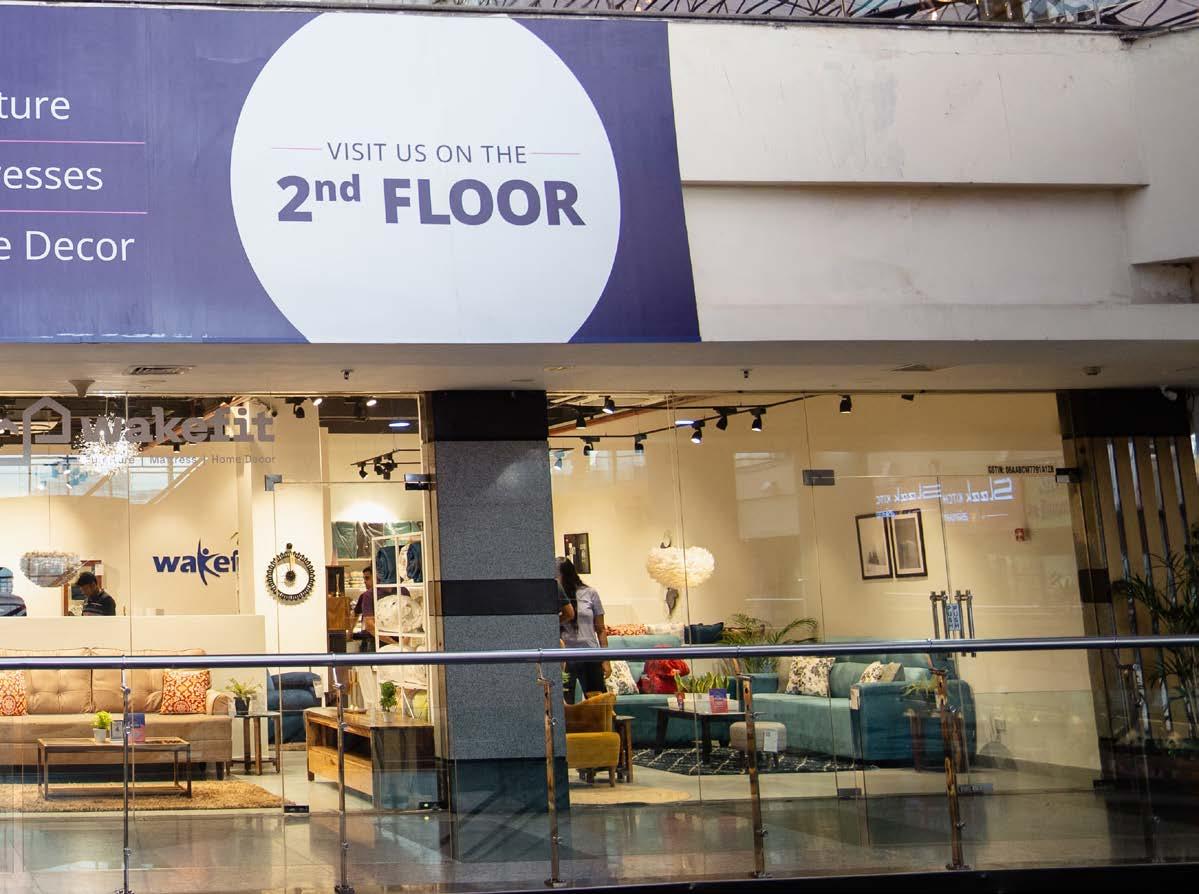




Wakefit’s furniture line includes sofas, beds, dining tables, coffee tables, and ergonomic workfrom-home setups. Crafted from sheesham or high-grade engineered wood, these pieces are both durable and stylish, catering to modern Indian homes. The company’s focus on spacesaving designs, like sofa-cum-beds and modular storage units, resonates with urban dwellers in compact apartments.
From memory foam pillows and waterproof mattress protectors to bedsheets, lamps, and curtains, Wakefit’s accessories enhance the functionality and aesthetics of living spaces. The brand’s decor items are curated to align with contemporary trends, offering affordable ways to elevate home interiors.
Wakefit’s success is driven by its relentless focus on research and development. The company invests over 1,500 hours in R&D to create products tailored to Indian preferences. Notable innovations include:
• Track8 Sleep Tracker: An AI-powered device that monitors sleep patterns and provides personalized insights.
• Regul8 Temperature-Control Mattress: Designed to maintain optimal body temperature for restful sleep.
• Ergonomic Furniture: Chairs and desks optimized for remote work, addressing the needs of India’s growing work-from-home population.
By leveraging data analytics and customer feedback, Wakefit continuously refines its products to meet evolving demands. Its commitment to sustainability is evident in the use of eco-friendly materials and processes, appealing to environmentally conscious consumers.
Wakefit’s D2C model is a cornerstone of its success. By selling directly through its website (wakefit.co) and e-commerce platforms like Amazon, Flipkart, and Pepperfry, the company ensures seamless access to its products. Additionally, Wakefit has expanded its offline presence with over 100 experience stores across metro cities and tier-2/3 towns, allowing customers to test products before purchasing. The brand’s customer-friendly policies, such as cash on delivery, easy EMIs through partners like Bajaj Finserv, and hassle-free returns, have earned it a loyal customer base. Approximately 75% of its sales come from metro cities like Bengaluru, Mumbai, and Delhi, while the remaining 25% are from smaller towns, reflecting Wakefit’s growing pan-India appeal.
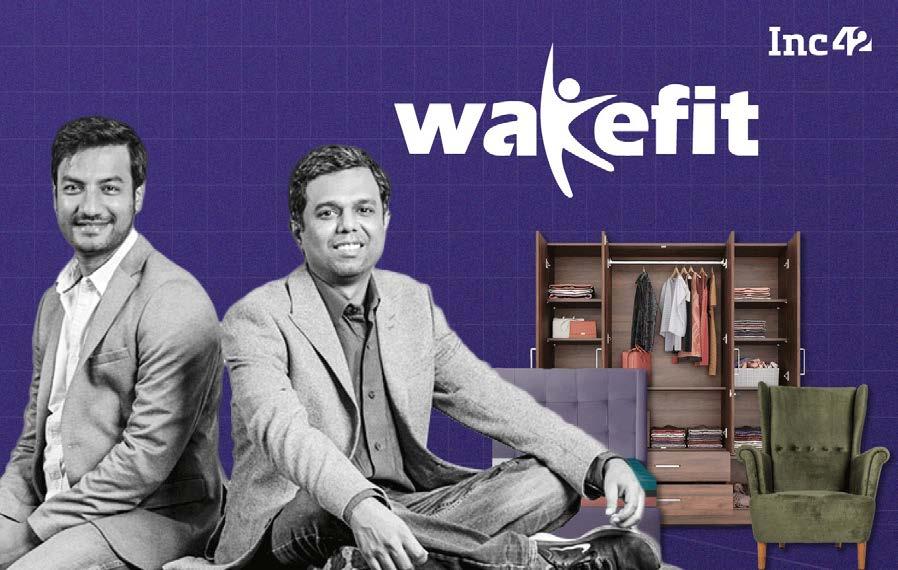
Wakefit’s financial trajectory is impressive. In FY 2024, the company reported revenue of ₹1,020 crore, a significant leap from its early years. It also reduced its net loss by 90% to ₹15 crore, signalling improved operational efficiency. Valued at ₹2,280 crore, Wakefit has attracted $105 million in funding from prominent investors like Sequoia Capital, Verlinvest, and Investcorp. These funds have fuelled its expansion, R&D, and marketing efforts, positioning it for sustained growth.
Wakefit enjoys widespread praise for its product quality, affordability, and long-term warranties. Customers on platforms like Amazon and Flipkart often highlight the comfort of its mattresses and the durability of its furniture. The 100-night trial and responsive support team are frequently cited as differentiators.



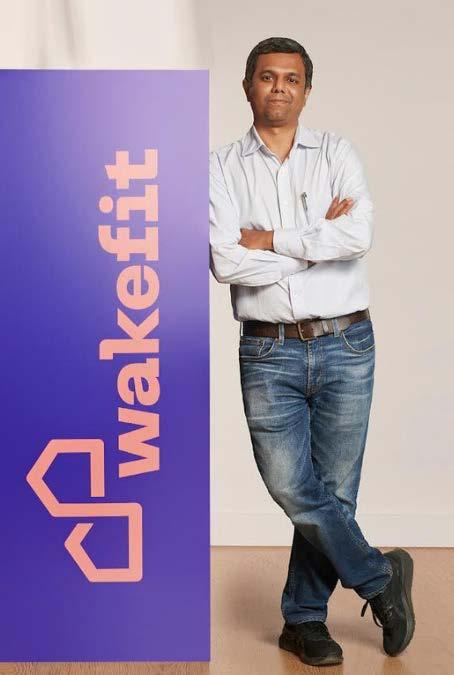
Wakefit’s journey from a mattress startup to a leading home solutions brand is a testament to its vision and execution. With plans to expand its offline footprint, enhance its product portfolio, and leverage technology for personalized customer experiences, the company is wellpoised to maintain its dominance in the Indian market. Its focus on affordability without compromising quality resonates with India’s aspirational middle class, making it a brand to watch in the coming years. For those looking to upgrade their sleep or living spaces, Wakefit offers a compelling blend of innovation, value, and convenience. Visit wakefit.co or check out their products on major e-commerce platforms to explore their range. As Wakefit continues to innovate and grow, it’s clear that the brand is not just selling products—it’s transforming how India sleeps and lives.




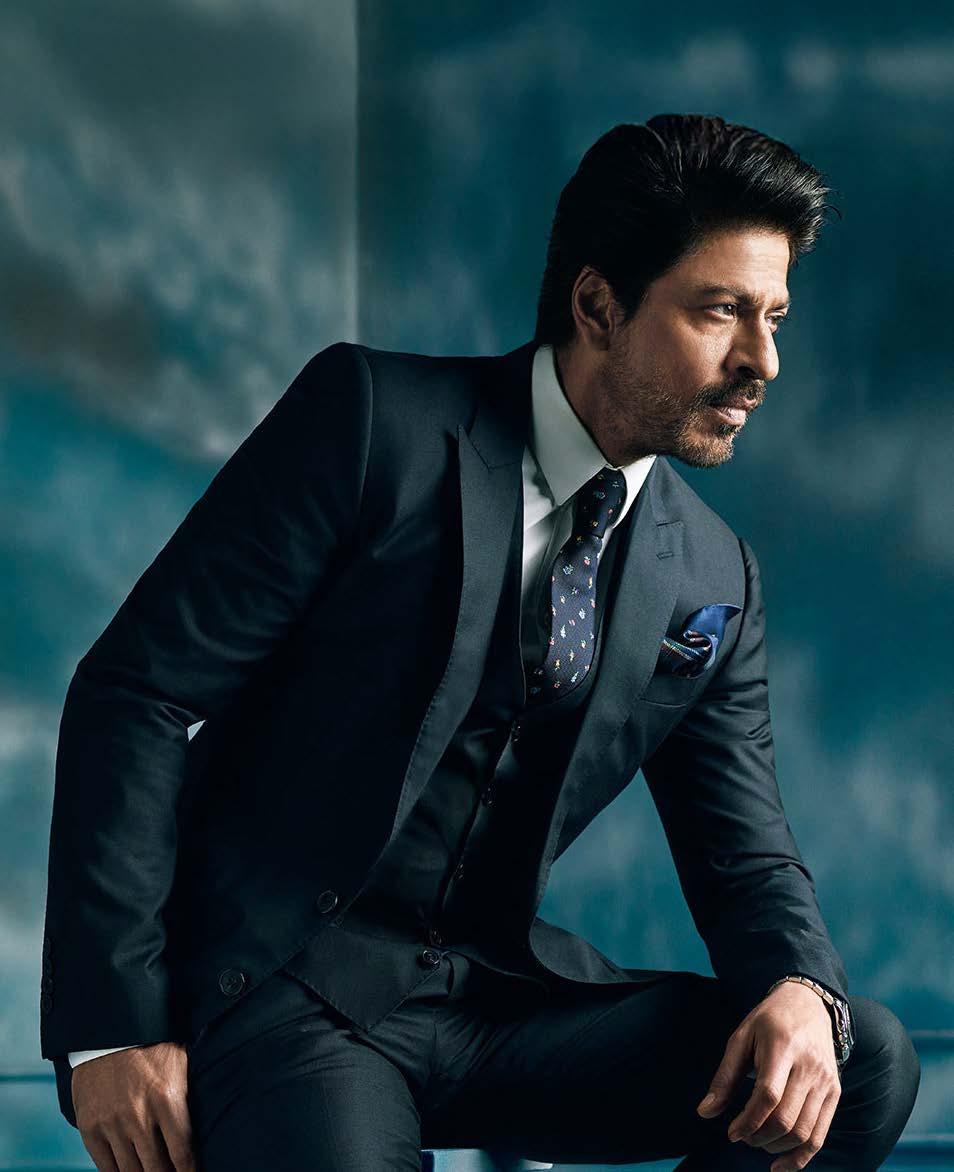

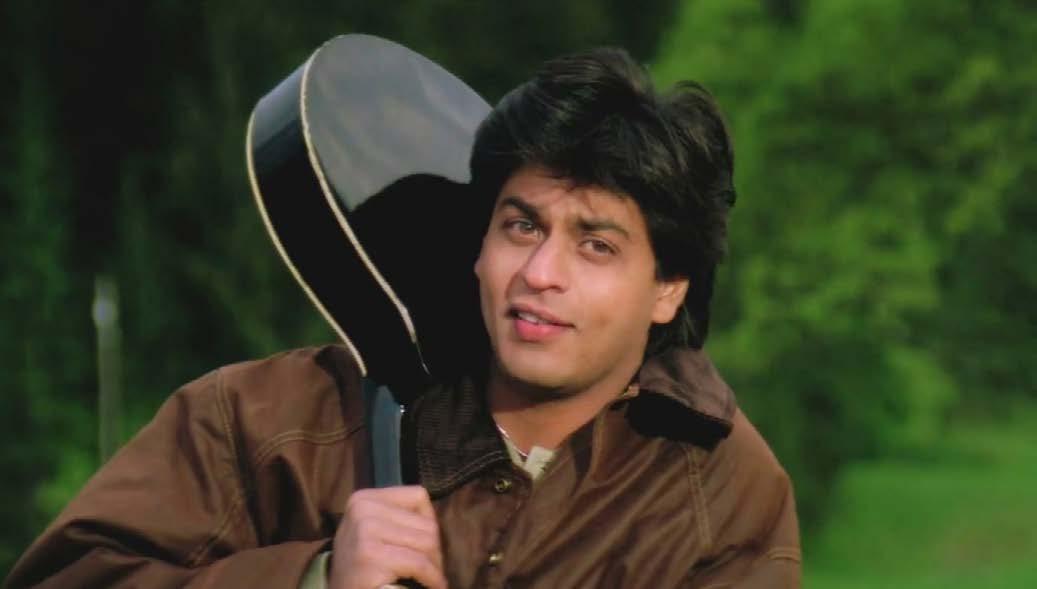
Shah Rukh Khan, often referred to as the “King of Bollywood,” is one of the most iconic and influential figures in global cinema. His journey from a middle-class boy in Delhi to a global superstar is a testament to his talent, resilience, and unrelenting ambition. With a career spanning over three decades, Khan has not only redefined Indian cinema but also become a cultural phenomenon, inspiring millions with his story of grit and grace.
Born on November 2, 1965, in New Delhi, India, Shah Rukh Khan grew up in a middle-class Muslim family. His father, Mir Taj Mohammed Khan, was a freedom fighter and businessman, while his mother, Lateef Fatima, was a magistrate and social worker. Khan’s early life was marked by modest circumstances; his family lived in a rented apartment in Delhi’s Rajinder Nagar. Tragedy struck early when his father passed away from cancer when Shah Rukh was just 15, and his mother followed in 1990, leaving a profound impact on the young Khan.
Shah Rukh was an academically bright student, attending St. Columba’s School, where he excelled in sports and dramatics. He later enrolled at Hansraj College, Delhi University, to pursue a degree in Economics but spent much of his time honing his acting skills at the Theatre Action Group (TAG) under the mentorship of Barry John. Despite his passion for acting, Khan briefly pursued a Master’s degree in Mass Communication at Jamia Millia Islamia but dropped out to chase his dreams in Mumbai.
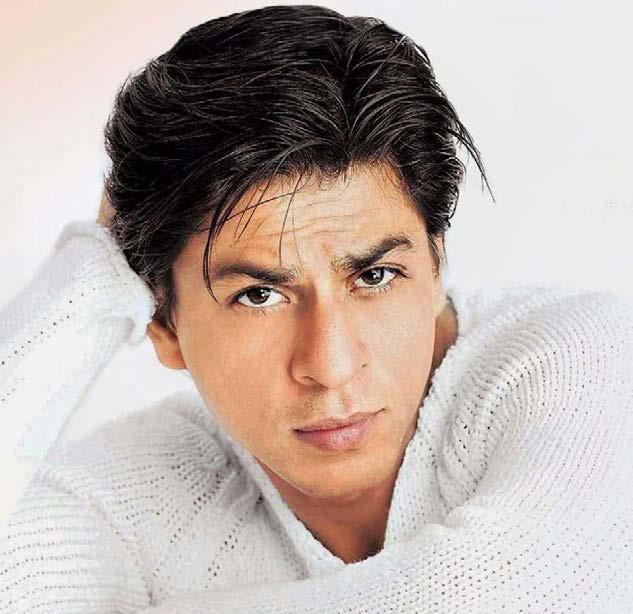
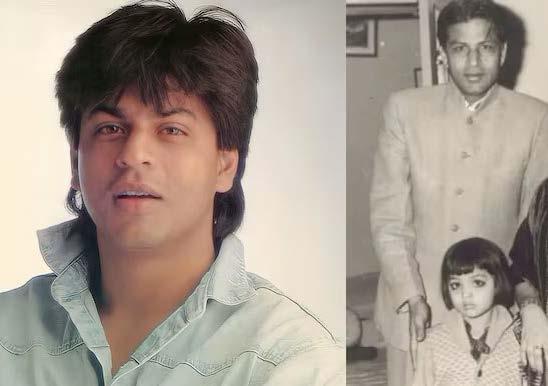
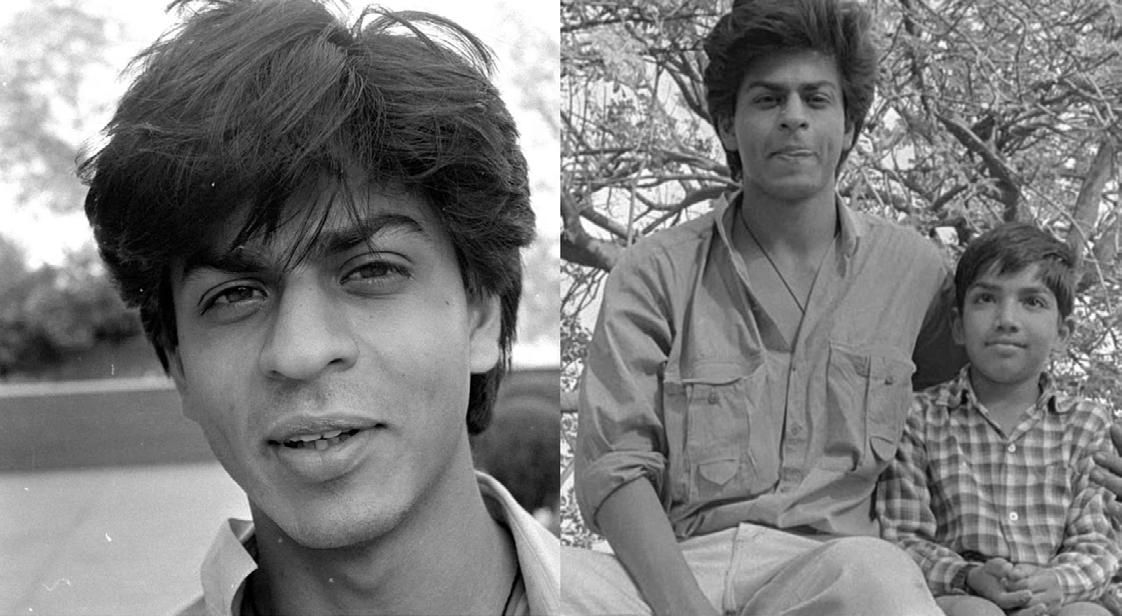

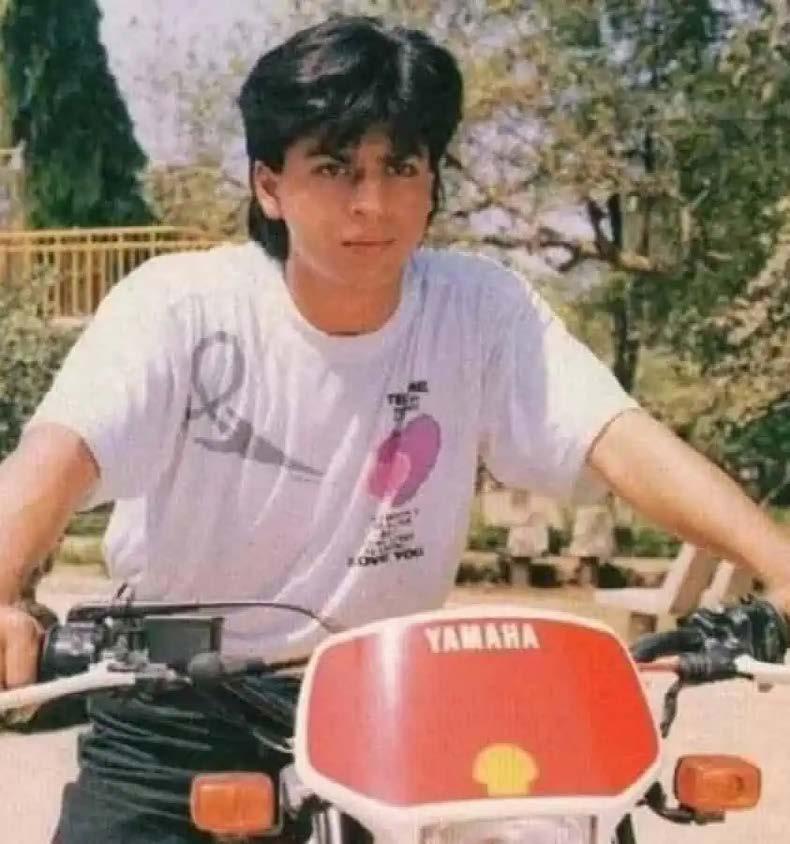
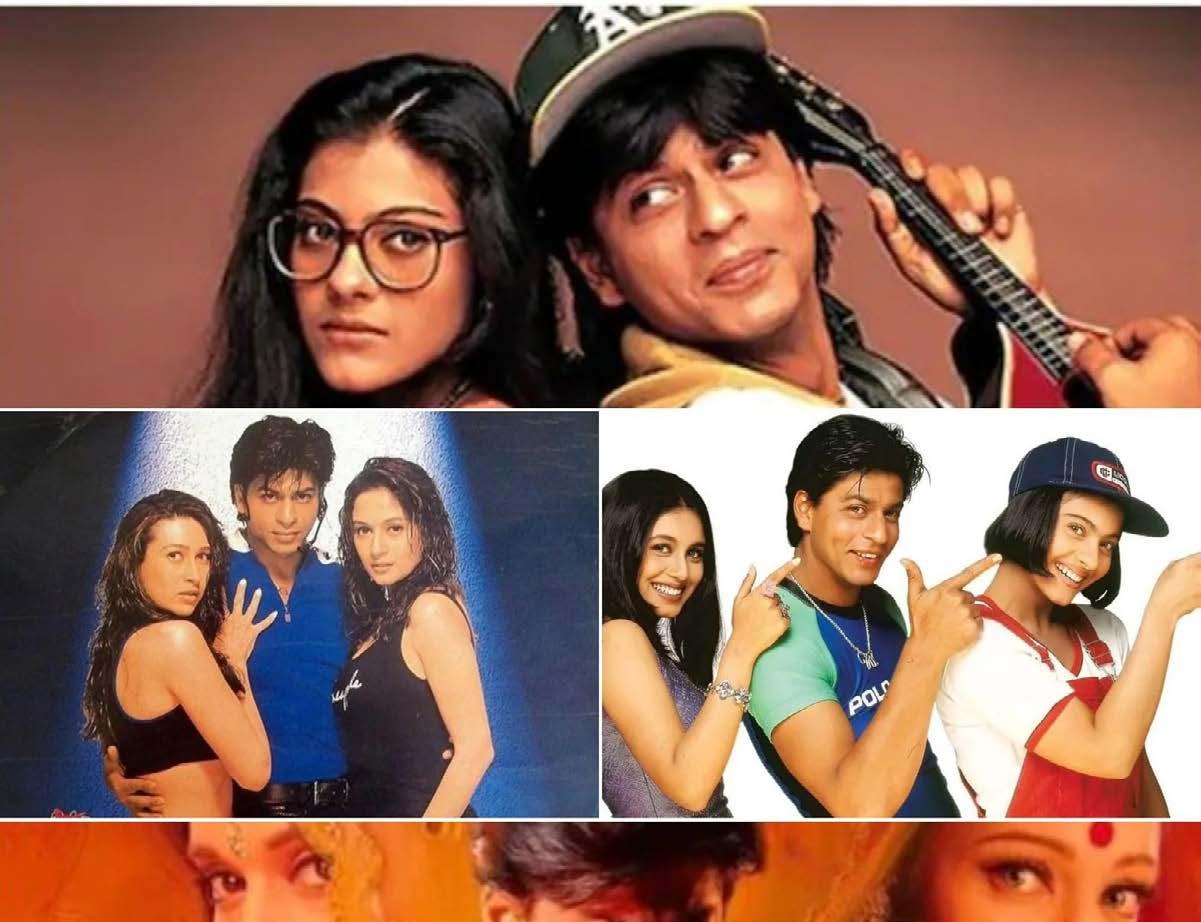
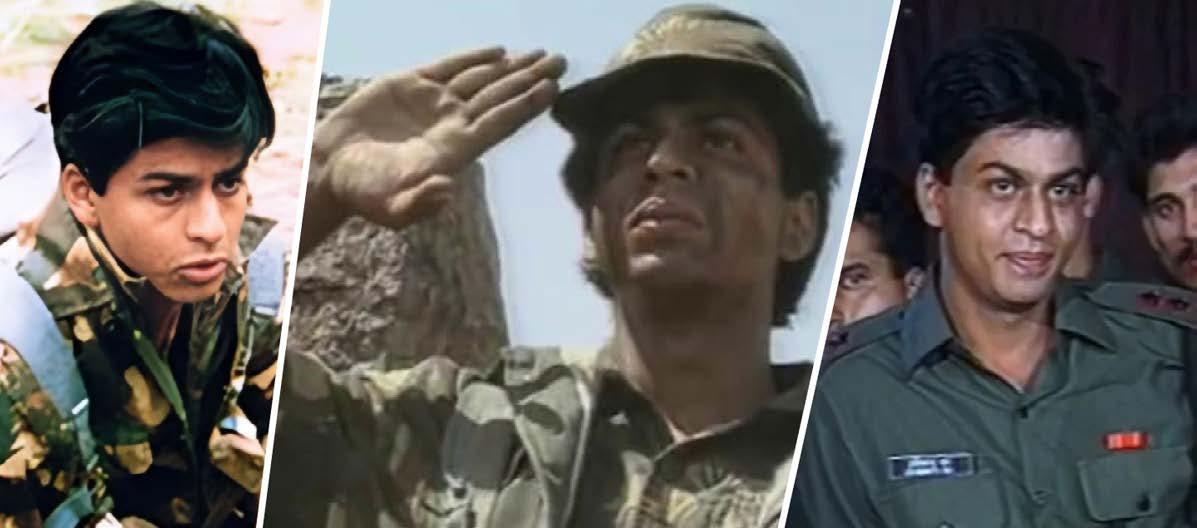
Shah Rukh Khan’s foray into showbiz began with television in the late 1980s. His debut role was in the TV series Fauji (1989), where he played Lieutenant Abhimanyu Rai, a charismatic army officer. The show was a hit, and Khan’s natural charm and intensity caught the audience’s attention. He followed it with roles in Circus (1989) and Dil Dariya (1988), showcasing his versatility. These early performances laid the foundation for his transition to the silver screen, though the road to Bollywood was far from easy.

In 1991, Shah Rukh moved to Mumbai, the heart of India’s film industry, with little money and big dreams. His Bollywood debut came with Deewana (1992), a romantic drama that became a commercial success. However, it was his roles as an anti-hero in Baazigar (1993) and Darr (1993) that catapulted him to fame. Playing morally ambiguous characters—a murderer in Baazigar and an obsessive stalker in Darr—Khan broke the mould of the traditional Bollywood hero. His ability to portray complex emotions with raw intensity earned him critical acclaim and a loyal fanbase. The turning point in Khan’s career came with Dilwale Dulhania Le Jayenge (DDLJ) in 1995, directed by Aditya Chopra. As Raj Malhotra, a charming yet principled NRI, Shah Rukh redefined the romantic hero. DDLJ became a cultural milestone, running for over 20 years in Mumbai’s Maratha Mandir theatre, and established Khan as the ultimate symbol of love in Indian cinema. Films like Dil To Pagal Hai (1997), Kuch Kuch Hota Hai (1998), and Kabhi Khushi Kabhie Gham (2001) further cemented his status as Bollywood’s romantic icon.

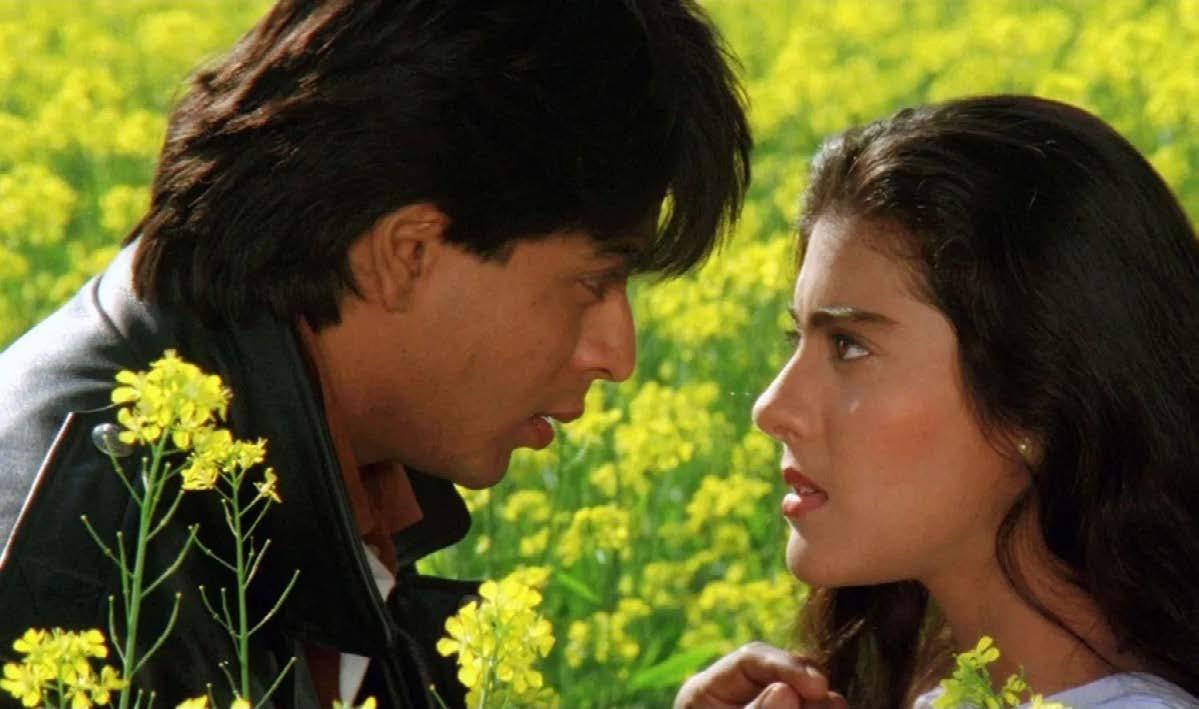

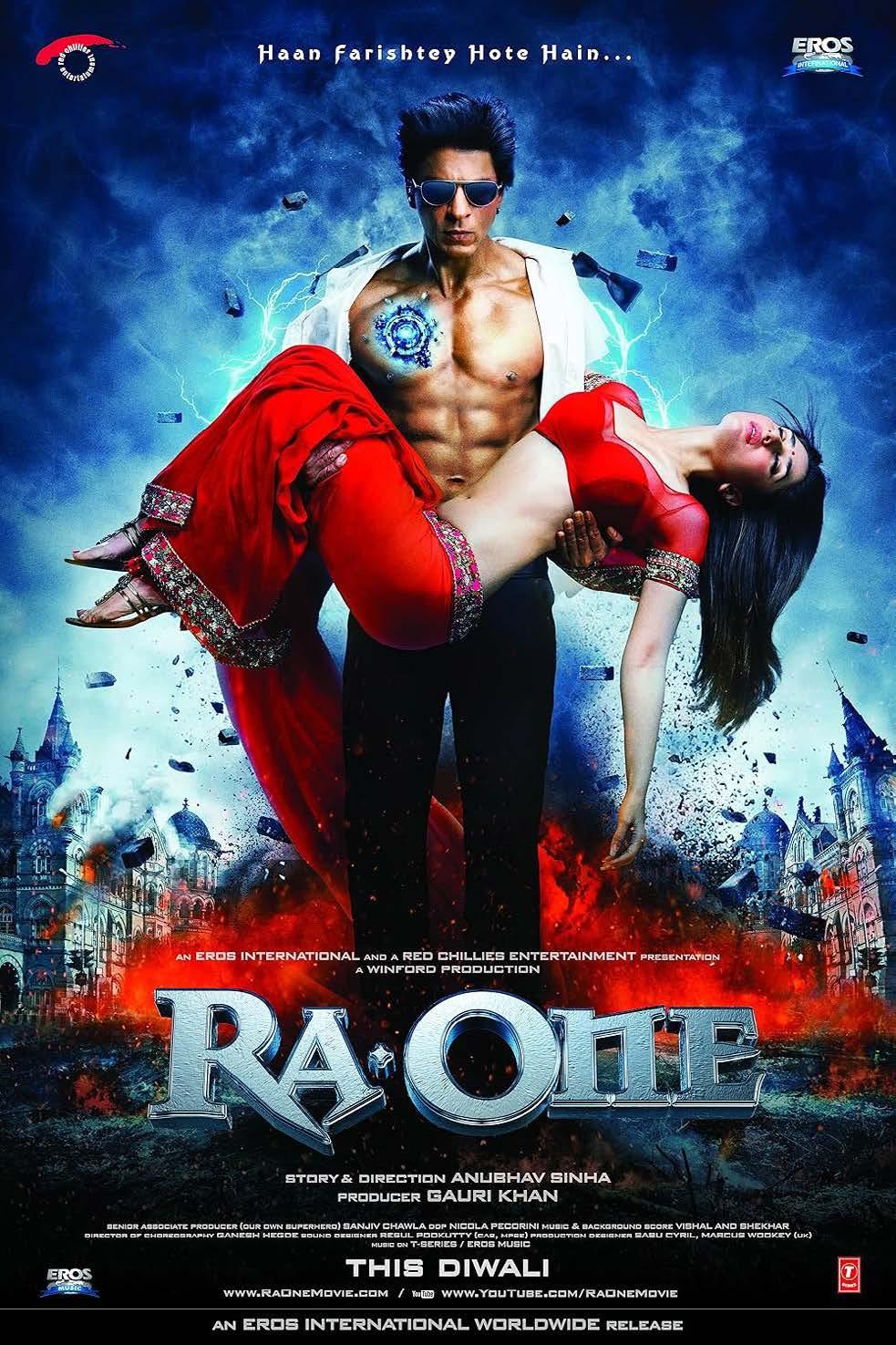


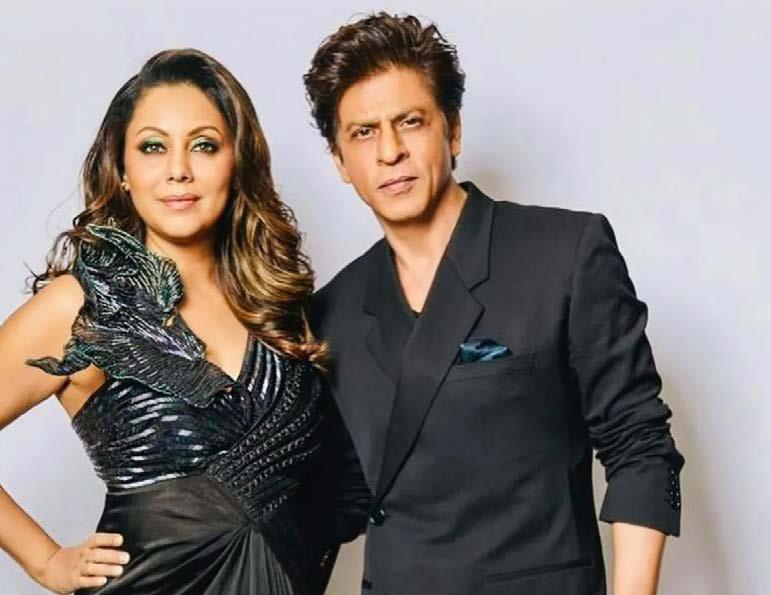
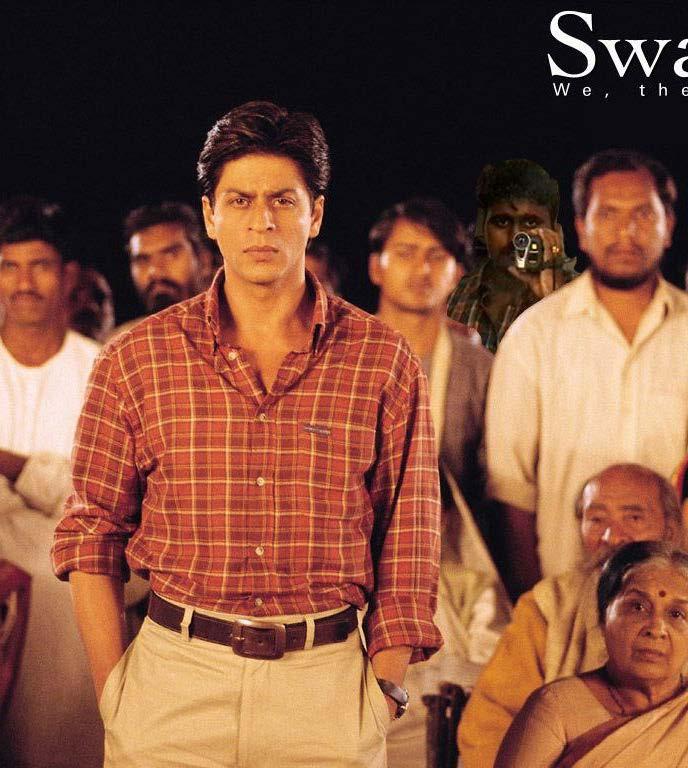
Despite his meteoric rise, Shah Rukh faced setbacks. The early 2000s saw him grappling with repetitive roles and a string of underwhelming films like Phir Bhi Dil Hai Hindustani (2000) and Asoka (2001). However, Khan’s resilience shone through as he reinvented himself with diverse roles. In Devdas (2002), he portrayed the tragic, self-destructive lover with heartbreaking depth, earning widespread praise. Swades (2004) saw him as a NASA scientist returning to rural India, showcasing his ability to tackle socially relevant themes. Chak De! India (2007), where he played a disgraced hockey coach leading an underdog women’s team, remains one of his most celebrated performances. Khan’s ambition extended beyond acting. In 2002, he co-founded Red Chillies Entertainment with his wife, Gauri Khan. The production house has since produced blockbusters like Om Shanti Om (2007), Ra.One (2011), and Jawan (2023), showcasing Khan’s vision as a producer and his embrace of cutting-edge technology in Indian cinema.

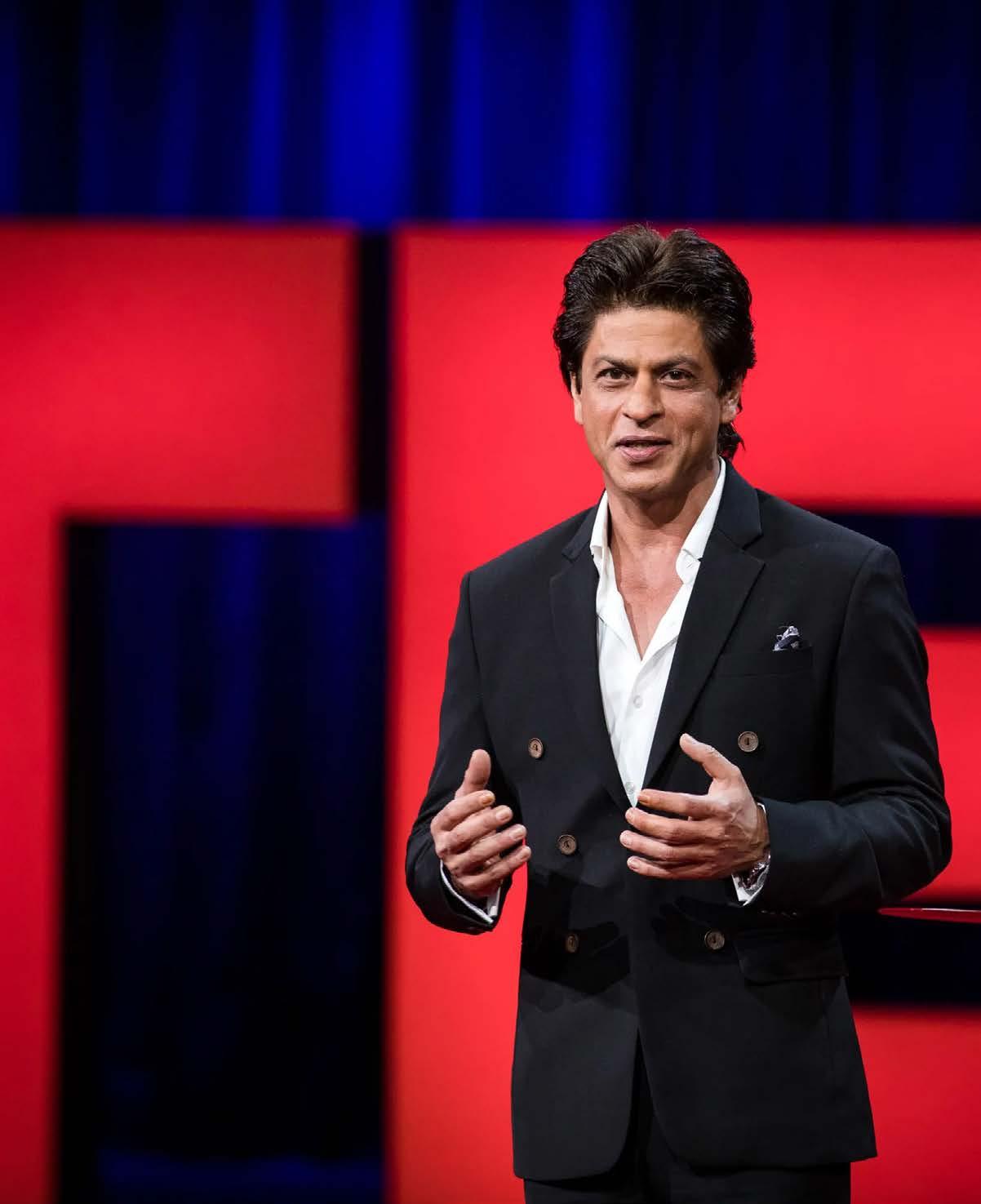
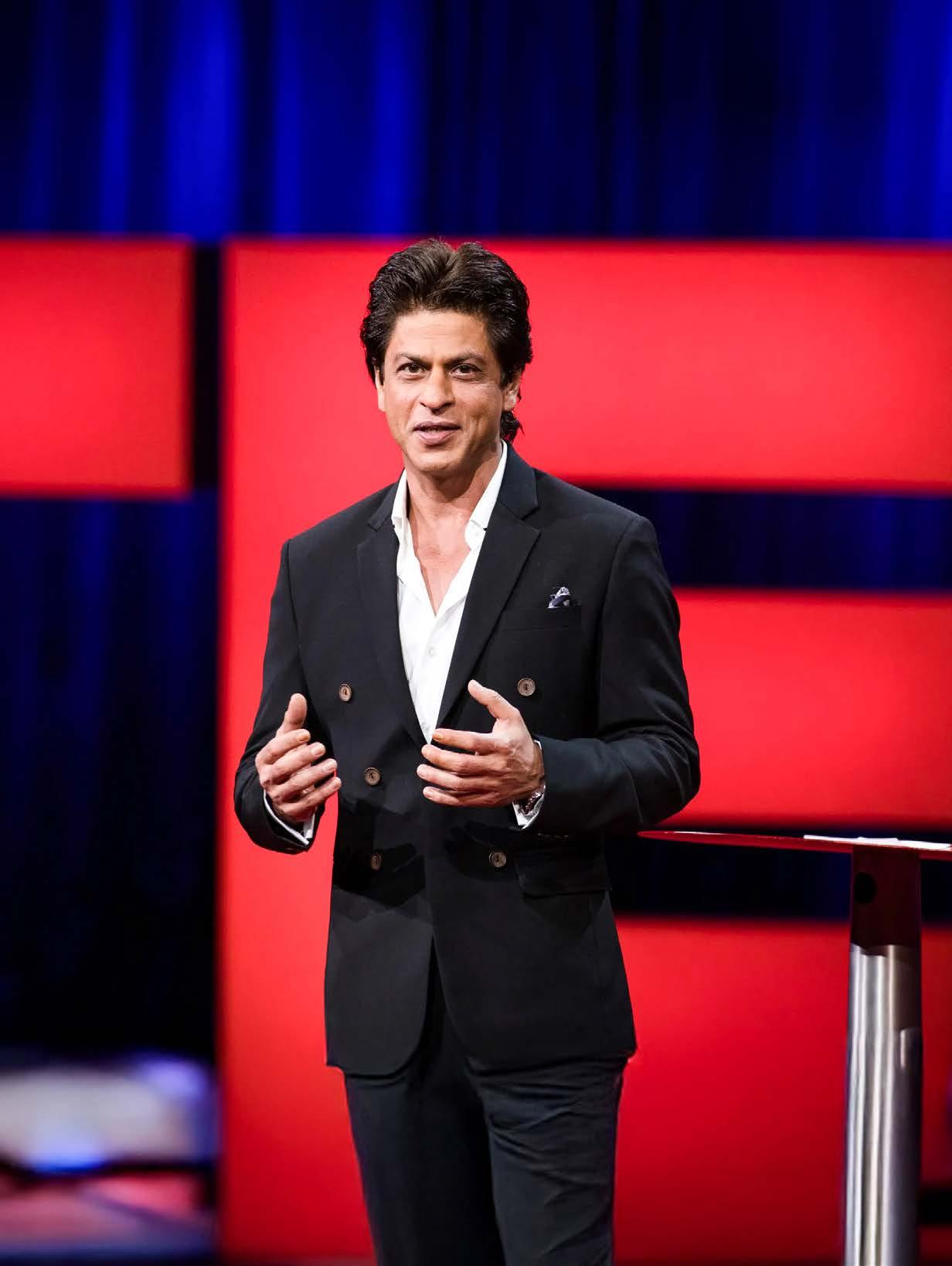
Shah Rukh Khan’s appeal transcends borders. With a fanbase spanning the Middle East, Europe, and the Americas, he is one of the most recognizable Indian stars globally. His films, often centered on themes of love, family, and Indian identity, resonate with the Indian diaspora. Khan’s charm, wit, and eloquence have made him a sought-after speaker at global forums like TED Talks and the World Economic Forum. Beyond cinema, Khan is a savvy businessman. He co-owns the Kolkata Knight Riders, a successful Indian Premier League (IPL) cricket team, and has invested in ventures like KidZania India. His net worth, estimated at over $700 million, reflects his multifaceted success.
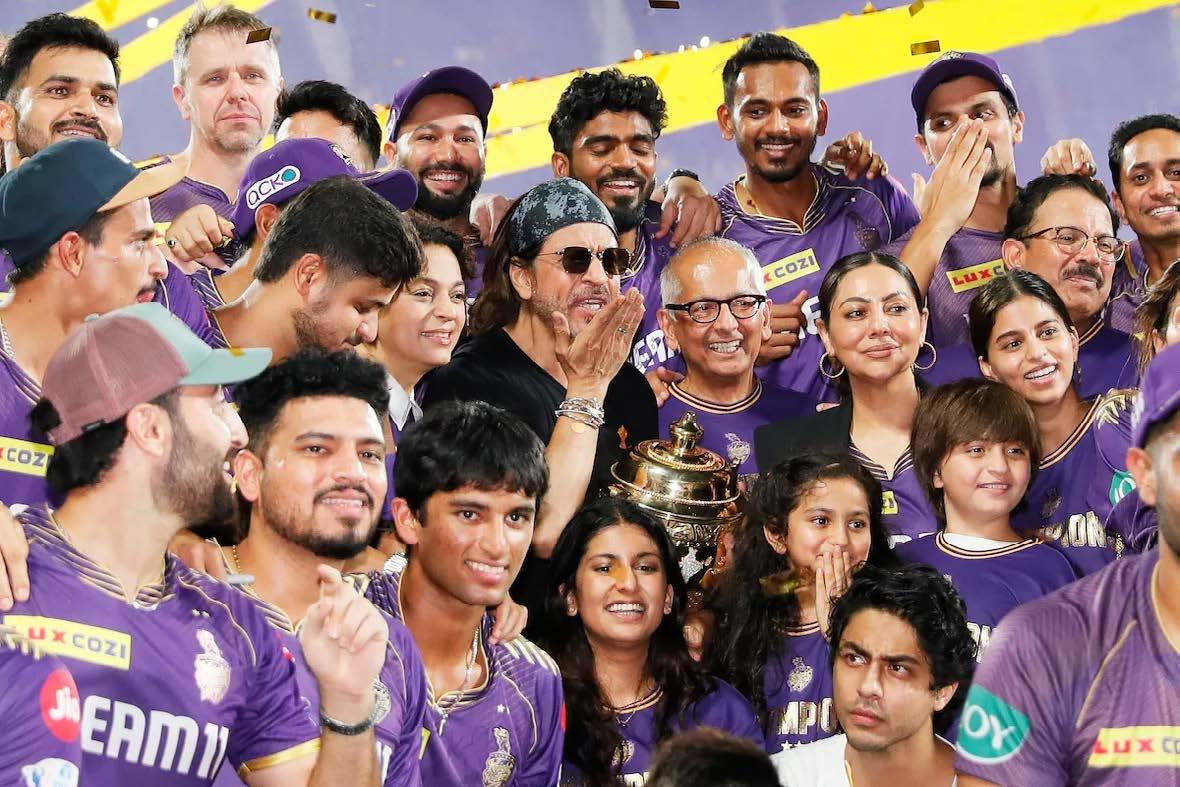


Shah Rukh married Gauri Chhibber, a Hindu Punjabi, in 1991 after a six-year courtship, defying religious and cultural barriers. The couple has three children: Aryan (born 1997), Suhana (born 2000), and AbRam (born 2013). Despite his stardom, Khan remains grounded, often crediting Gauri for his stability and success.
Khan is also a committed philanthropist. Through Red Chillies Entertainment and the Meer Foundation, he supports causes like child healthcare, women’s empowerment, and disaster relief. His contributions during the COVID-19 pandemic, including donations and relief efforts, earned him widespread admiration.
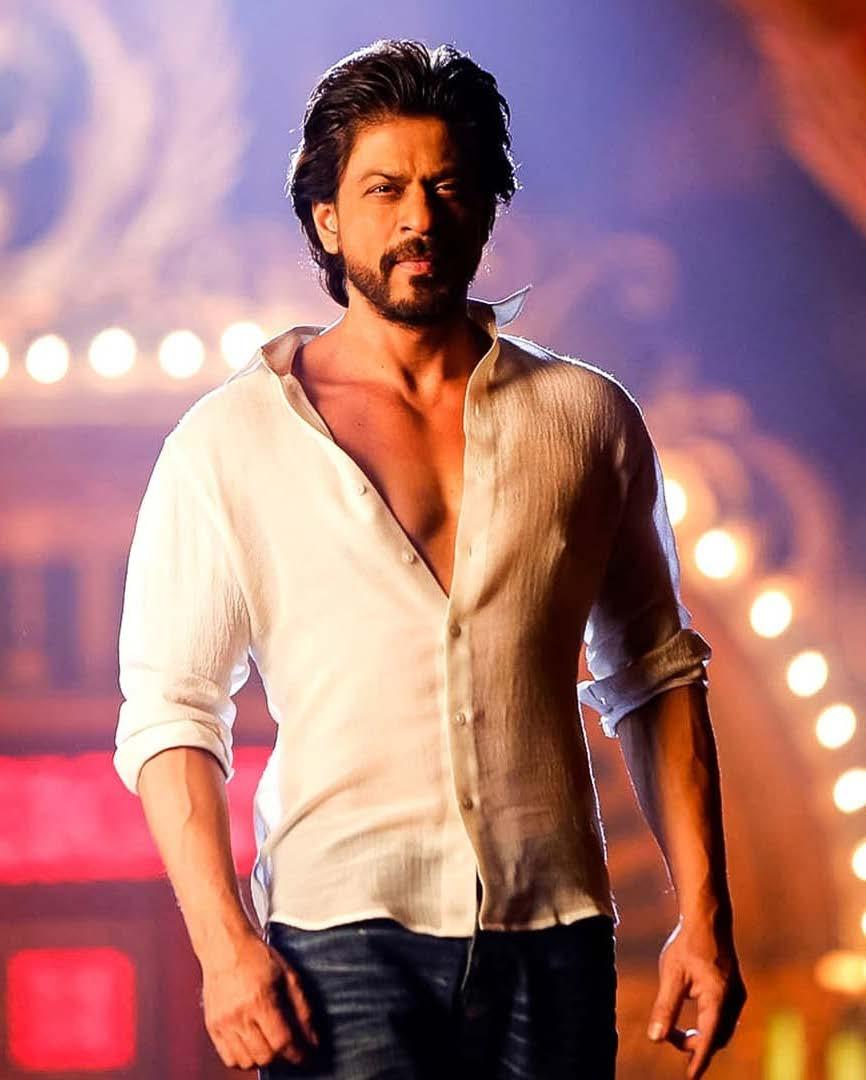
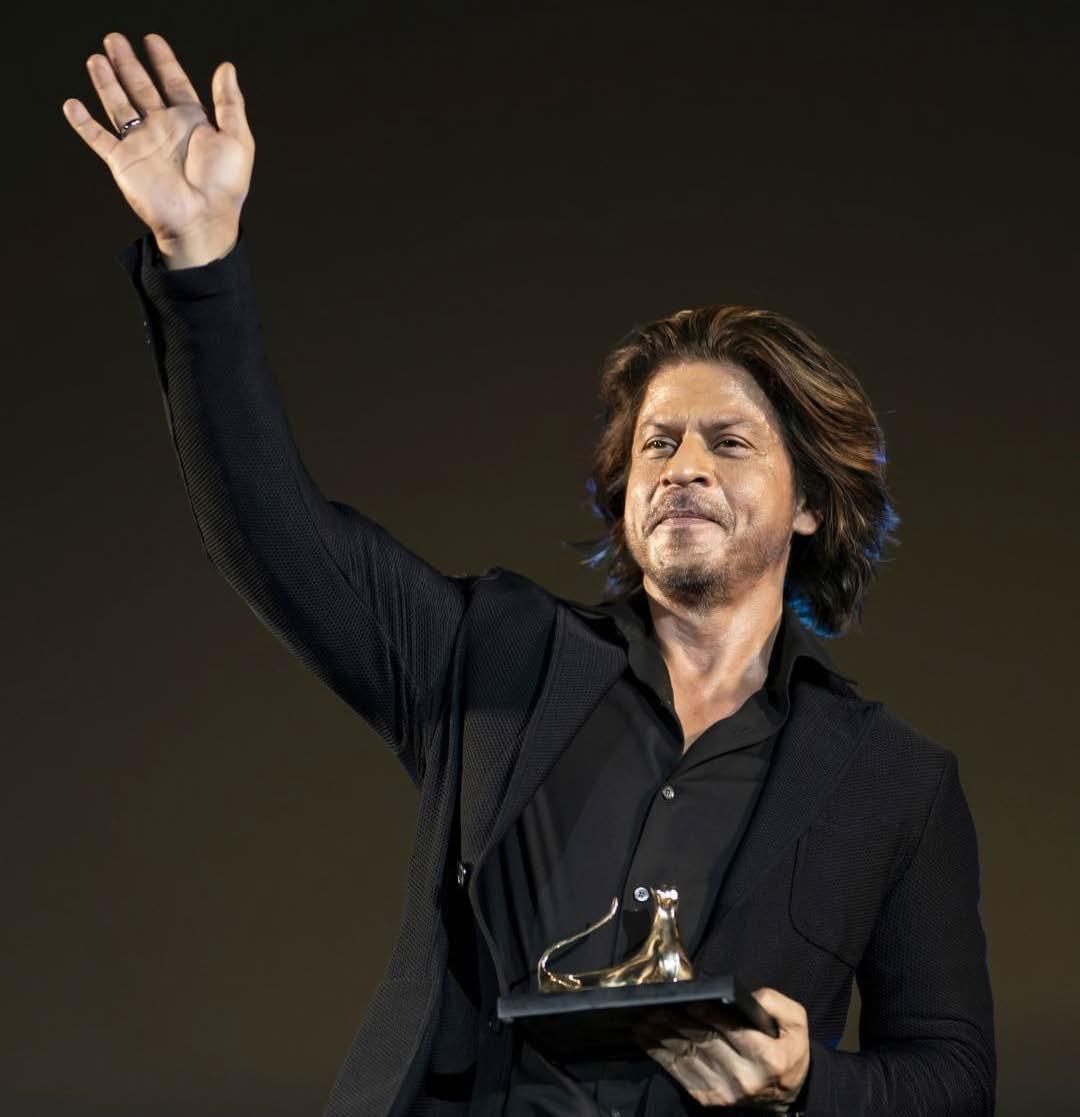
In the 2020s, Shah Rukh faced a challenging phase with a string of box-office disappointments and personal trials. However, 2023 marked a triumphant comeback with Pathaan and Jawan, both shattering box-office records, and Dunki, which showcased his versatility. At 59, Khan continues to push boundaries, balancing commercial entertainers with meaningful cinema. Shah Rukh Khan’s life story is one of relentless pursuit. From a boy who lost his parents young to a global icon, he embodies the Indian dream. His journey reflects not just cinematic success but the power of perseverance, charisma, and authenticity. As he famously said, “Don’t let your fears become boxes that enclose you. Open them out, feel them, and turn them into the greatest courage you are capable of.” For millions, Shah Rukh Khan isn’t just a star—he’s an emotion, a legacy, and the eternal King of Bollywood.



Ranked as One of the Best integrated transplant providers in the nation, RoyalCare Hospital’s Centre of Medical Excellence in TRANSPLANT & the Entire TEAM of Medical Professionals have Rich experience with all Major transplants and accompanying conditions, from common to very rare. Royalcare Hospitals under the Eminent Leadership of Dr. K. Madeswaran ensures that all their surgeons and physicians and hundreds of allied health staff, are specifically trained to Focus and Offer Personal care for transplant patients, who invariably come from various countries of the World and also from other states of the Indian Sub-Continent.
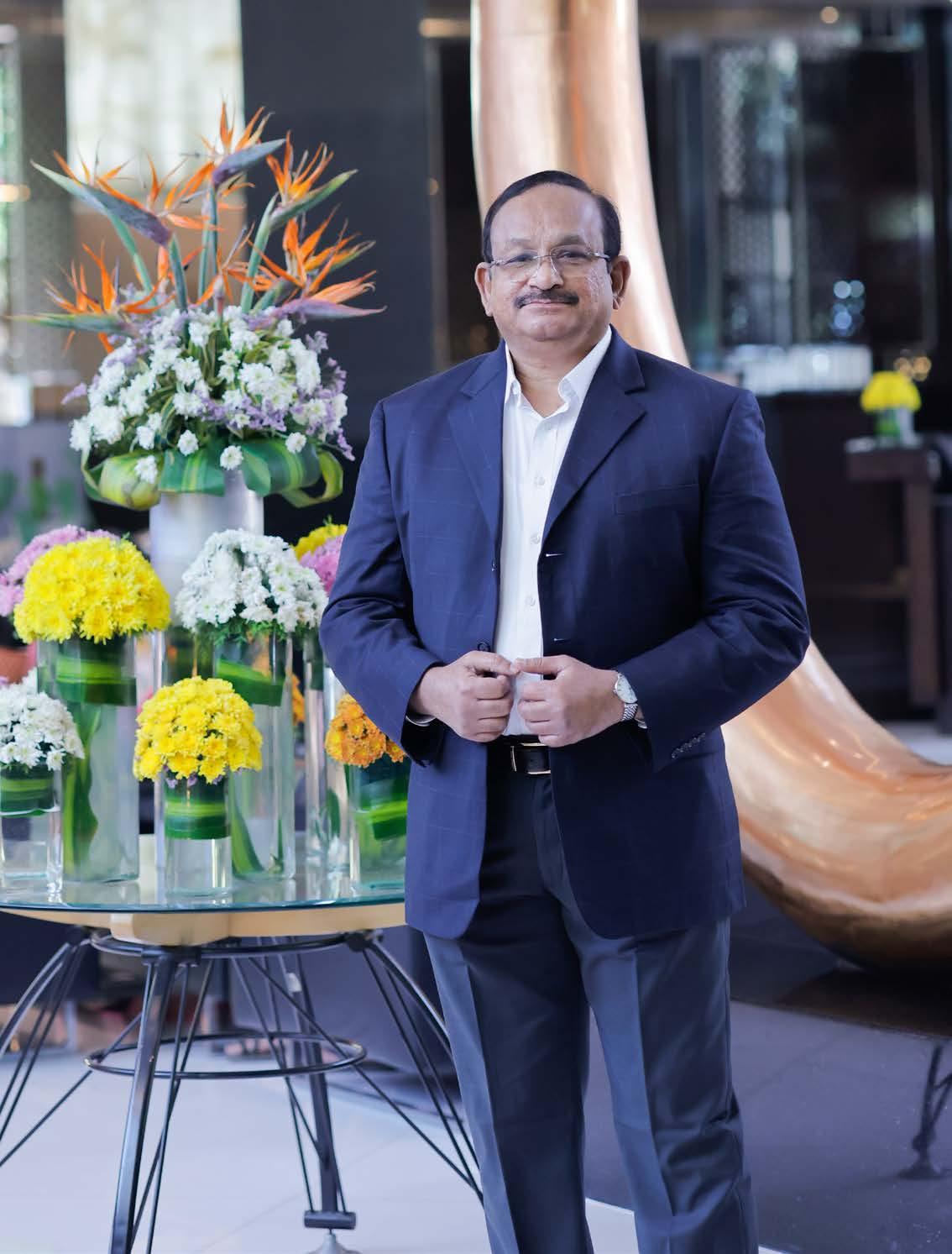
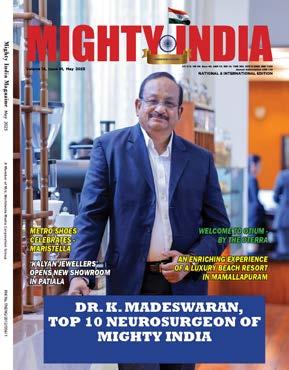
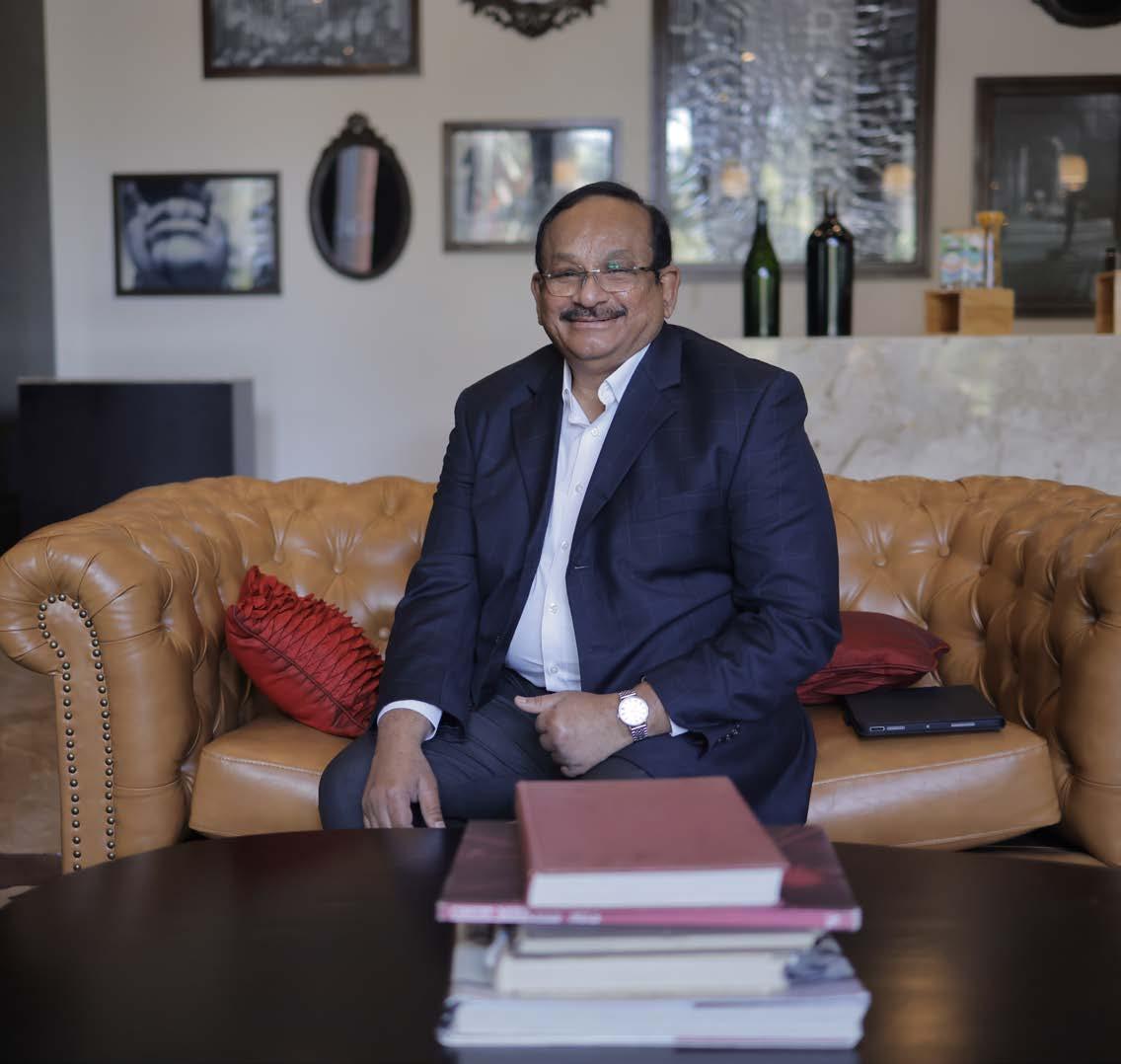
DR. K. MADESWARAN Chairman & Managing Director
M/s. Royalcare International Hospitals
Group

Royalcare Hospitals in Coimbatore, Tamil Nadu, India, is indeed One of the Most Popular and wellregarded destination for international patients seeking transplants. It's recognized for its skilled transplant surgeons and offers both adult and paediatric transplant services. The hospital is known for its high standards of care, advanced infrastructure, and expertise in organ transplantation, making it a trusted choice for international medical tourism.
The RoyalCare Hospitals Group and the Entire Team of Medical Professionals are Highly Committed to produce the best outcomes in the country, including speed to transplant, organ acceptance and patient survival.
The Highly Qualified and Experienced Surgeons / Doctors of Royalcare were always on the leading edge of medicine and they continue to keep their heads high with pride by continually improving and expanding RoyalCare Hospital’s organ transplantation. The RoyalCare Hospitals Group is highly determined to deliver a distinguished adult and paediatric transplant programs, offering heart, liver, kidney, pancreas, lung, hand, face, and blood and bone marrow transplant services. And, Dr. KMD’s International Institute of Medical Science & Research directly and indirectly contributes to the successful outcomes of Organ Transplantation at Royalcare Hospitals Group, Tamil Nadu, India.

Here's why Royalcare Hospitals in Coimbatore, India is considered a leading choice for international patients, seeking transplant Services:
Outstanding Outcomes: Transplant recipients at Royalcare Hospitals experience excellent outcomes. The experience of Royalcare Hospitals Surgeons, Doctors, physicians and the integrated team approach results in transplant successes that compare favourably, time after time, with national averages.
Highly Skilled Surgeons: Royalcare Hospitals features experienced transplant surgeons, who are the leaders in the field. Advanced Facilities: The hospital boasts advanced infrastructure and technology, crucial for successful transplants.
Comprehensive Care: Royalcare Hospitals offers a complete range of services, from pre-transplant evaluations to posttransplant follow-up. All the specialists, tests and procedures a patient needs are available at the same location, where integrated teams coordinate every step from start to finish.
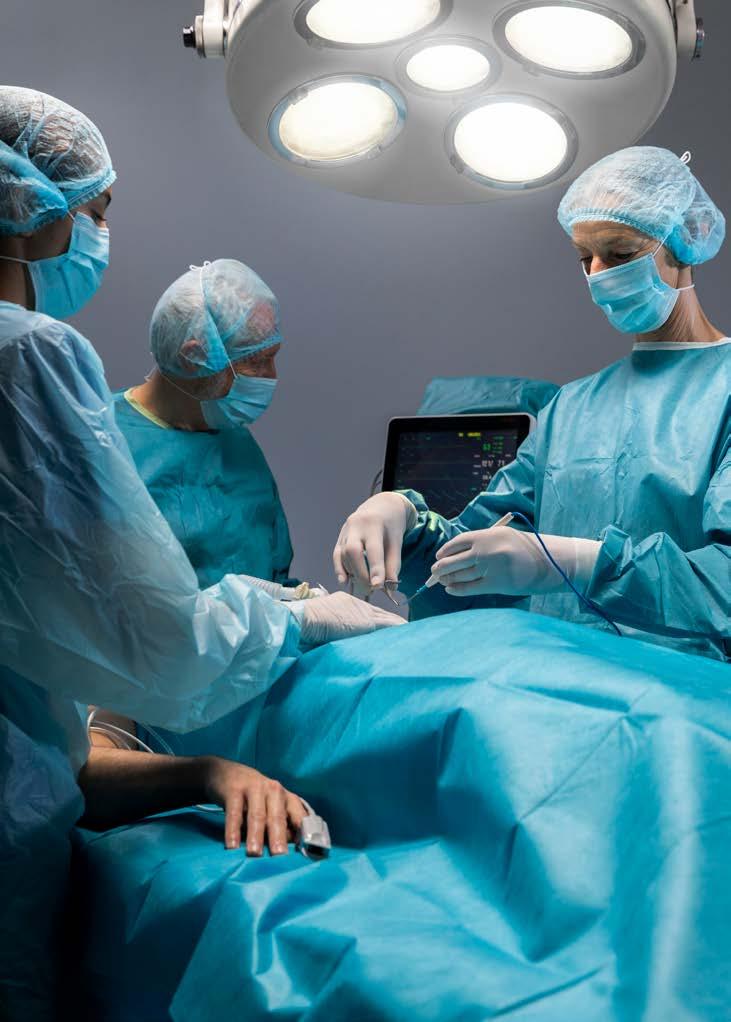

Multisite Practice: Royalcare Hospitals provides transplant programs for adults at all three campuses and for paediatric patients at its Main Hospital located in Coimbatore, Tamil Nadu, India..
International Patient Focus: The hospital has a strong track record of providing care to international patients, with a focus on patient comfort and support throughout their journey.
Expertise in Organ Transplantation: Royalcare Hospitals is not just an Organ transplant centre; it has a strong reputation of Offering Multidisciplinary Healthcare Services and Functioning Over Fifteen Comprehensive Centres of Medical Excellence along with providing International Standard Organ transplant procedures, including liver, cornea, and bone marrow transplants and so on.



Personalized approach: Royalcare Hospital physicians look at the evidence to determine the safest and most effective approach for every challenge patients face and apply this knowledge to obtain the best possible outcomes.
Whole-Process Support: Royalcare Hospital assigns each patient an experienced transplant medical coordinator to help answer questions and provide support before and after transplantation.
Detailed Follow-Up Practice: Royalcare Hospital physicians monitor patients closely so that each patient gets the care he or she needs when it's needed. This approach ensures the success of the transplant in collaboration with the patient's referring physician. Long-term care, if needed, is seamlessly coordinated with the patient's local physician.
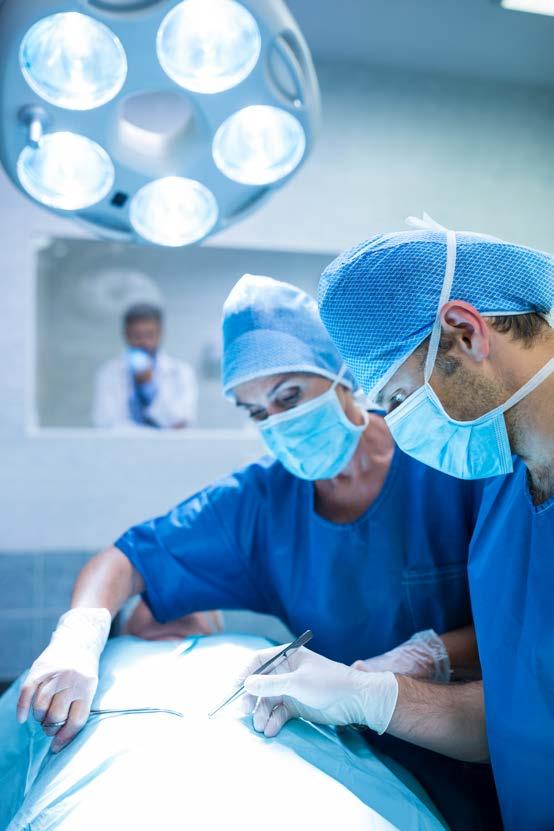
Whole-Person Care: Royalcare Hospitals transplant staff provides a human experience, taking the time to listen to your questions and concerns, which may include medical, nutritional, social, financial and spiritual issues. Royalcare Hospital's integrated care teams provide all the care necessary for the transplant and related medical needs. RCH makes the experience seamless so that patients can focus on getting better, knowing all their needs are being addressed. Integrated teams of specialists bring fresh, innovative approaches, offering patients answers to complicated medical needs.
Living-Donor Experience: Royalcare Hospitals transplant surgeons have extensive experience with living-donor kidney and liver transplants.
An Institution of Firsts: Royalcare Hospitals transplant Experts and their teams have pioneered numerous advances in transplant procedures and transplant care. Research Excellence. Transplant research at Royalcare Hospitals has contributed significantly to current successful outcomes of organ and bone marrow transplants worldwide.

Multifaceted Approach: Transplant medicine laid much of the groundwork for the field of regenerative medicine. Today, transplantation is one of three approaches being studied and applied by the Royalcare Hospitals & Research Centre for Regenerative Biotherapeutics to restore tissue and organ function.





Organ and tissue transplantation is one of the most complex, serious procedures in medicine. It requires a precise diagnosis, a team of experts from a variety of specialties that understand not just the surgery, but the underlying health issues making the surgery necessary. And it requires dedicated health providers after the transplant to ensure a full recovery.
Royalcare Hospitals is the ideal environment for the many different types of transplants, from the straightforward, though serious, kidney transplant, to the most complex, multiorgan transplants accompanied by rare disorders. That's because Royalcare Hospitals is made up of teams of experts providing hope and healing in just about every medical specialty-cardiology, cardiac surgery, thoracic surgery, hepatology, nephrology, neurology, pulmonology, haematology, reconstructive surgery, endocrinology, paediatrics, physical medicine and rehabilitation, psychiatry, dermatology, urology, infectious diseases and more.
These experts are part of the largest integrated transplant Team and RoyalCare Centre of Medical Excellence in India. They also produce some of the best outcomes in the country, including patient survival, organ acceptance and how quickly a person receives a transplant.


H - 2022 - 0901


Certificate of Accrediation for Royalcare Super Speciality Hospital Ltd.
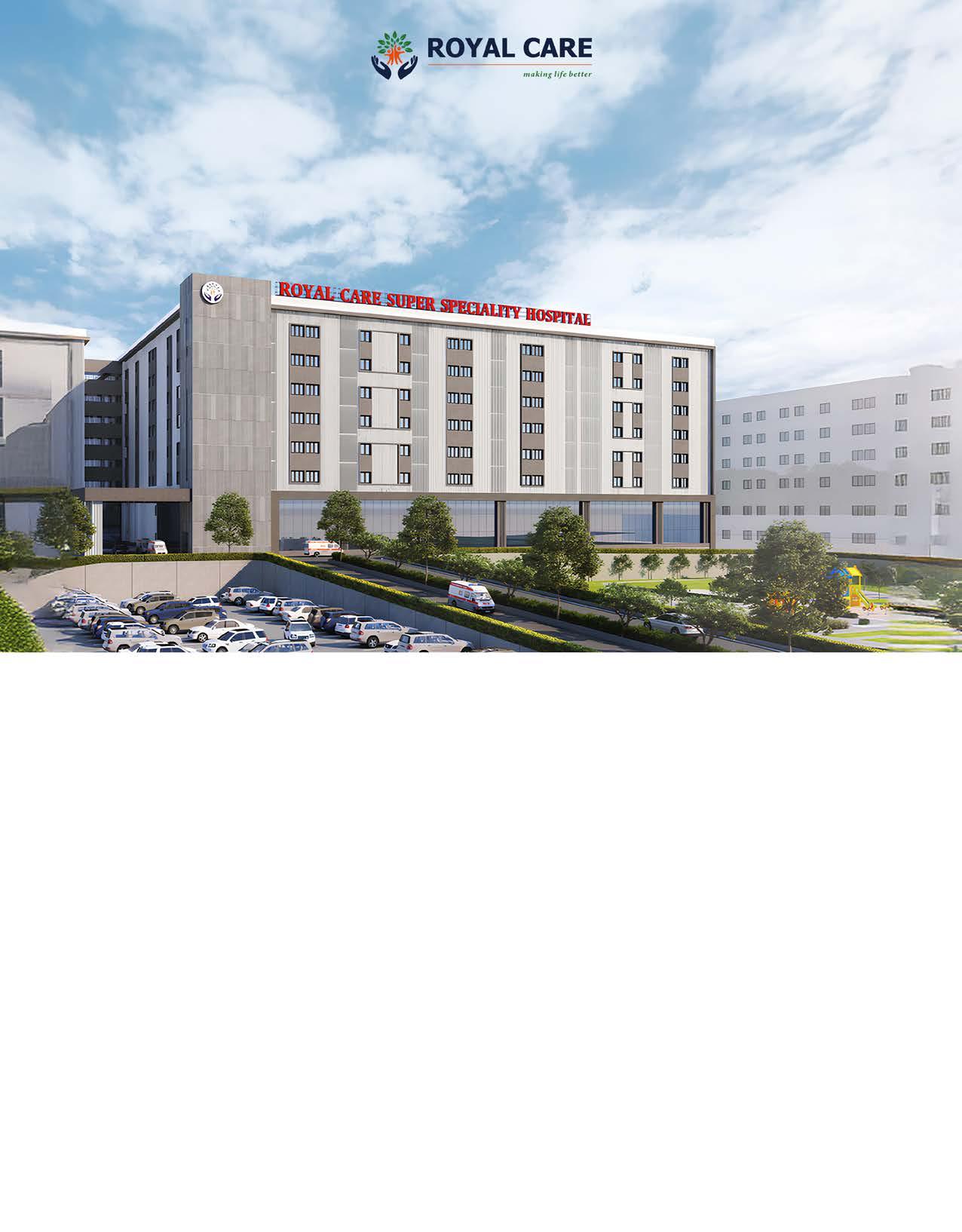
Royal Care Super Speciality Hospital proudly announces its accreditation by the Joint Commission International
Royal Care Super Speciality Hospital
Recently Achieved SRC’s Center of Excellence in Neurosurgery
Royal Care Super Speciality Hospital
Recently Achieved NABL - The National Accreditation Board for Testing & Calibration
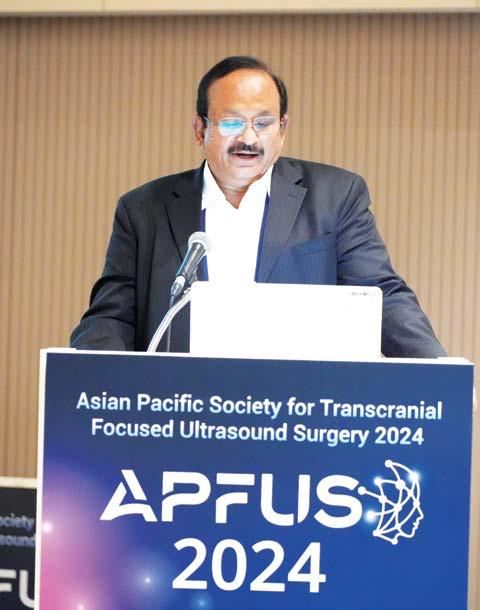
Dr. K. Madeswaran’s strong commitment to the field of Neurology & Neurosurgery is very evident and affirmative with his amazing Records, Statistics and Awards for having performed over 13,500 successful Neurosurgeries as on date. And, that has positioned Not only Positioned Dr. K. Madeswaran as One of the Top Ten Neurosurgeons of the World; But, also brought Him Many Prestigious International & National Awards, Honours, Accreditations, Records and Acknowledgements from Many National /International Institutions.
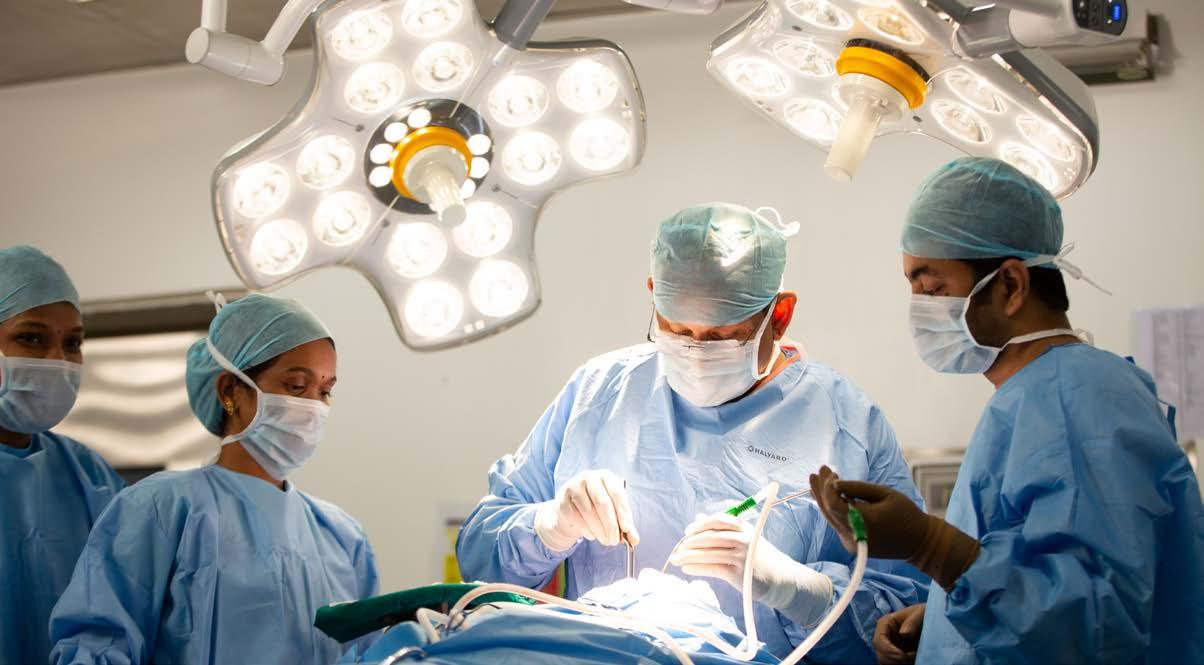
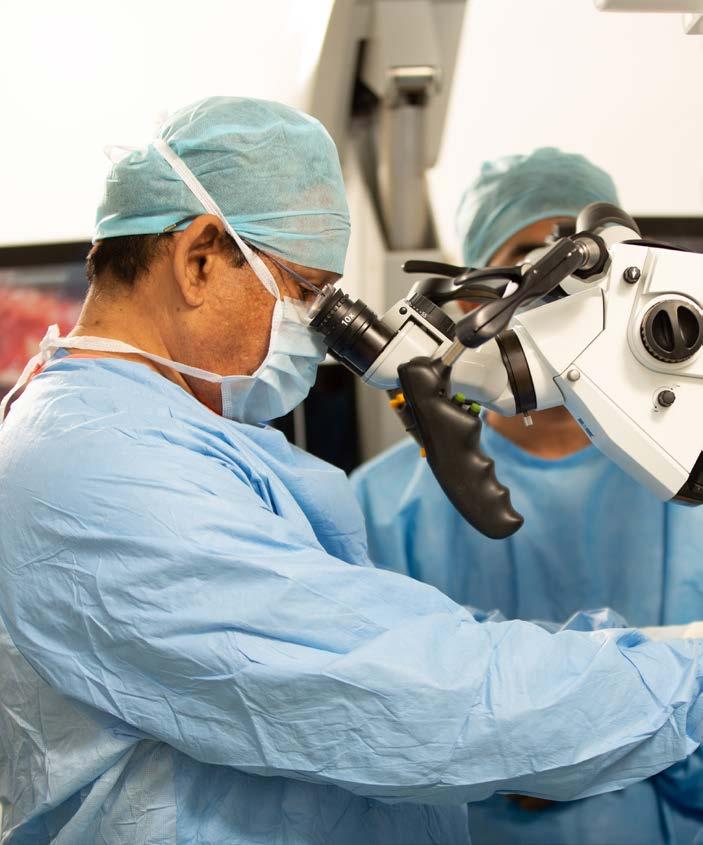
Dr. K. Madeswaran’s strong commitment to the field of Neurology & Neurosurgery is very evident and affirmative with his amazing Records, Statistics and Awards for having performed over 13,500 successful Neurosurgeries as on date. And, that has positioned Not only Positioned Dr. K. Madeswaran as One of the Top Ten Neurosurgeons of the World; But, also brought Him Many Prestigious International & National Awards, Honours, Accreditations, Records and Acknowledgements from Many National / International Institutions.
Throughout his benevolent Professional Career and Entrepreneurship over the last 36 years in Indian Medical, Surgical, Social and healthcare Industry, Dr. K. Madeswaran has been attached with a strong sense of purpose, which is Flawless Health and Joyful Living for All.
HIGHLY RESPECTED, REGARDED AND IDEALIZED GLOBALLY, DR. K. MADESWARAN HAVE BEEN HONOURED WITH MANY INTERNATIONALLY RENOWNED PRESTIGIOUS AWARDS SUCH AS:

• INCREDIBLE ASIA’S ‘THE MOST LEGENDARY HEALTHCARE PROFESSIONALS OF ASIA’ AWARDS - 2025’.
• ‘INDIAN BOOK OF ACHIEVERS RECORDS & AWARDS’ (MIBAR AWARDS) FOR FIVE CONSECUTIVE YEARS VIZ., 2021, 2022, 2023, 2024 & 2025, IN APPRECIATION OF HIS OUTSTANDING CONTRIBUTIONS TO THE FIELD OF NEUROLOGY & NEUROSURGERY.
• ‘THE BEST & PRIDE OF TAMIL NADU GOLDEN AWARDS OF EXCELLENCE IN NEUROSURGERY - 2023’.
• ‘FOOD & HEALTH INDUSTRY EXCELLENCE AWARDS’, 2021, 2023 & 2024.
• ‘MOST ICONIC NEUROSURGEON OF MIGHTY INDIA AWARDS 2024’.
• ‘INCREDIBLE TAMIL NADU GOLDEN AWARDS OF EXCELLENCE 2025’; FOR HIS UNMATCHED CONTRIBUTIONS TO THE FIELDS OF HEALTH, MEDICINE, SURGERIES, HEALING AND SOCIAL SERVICES ALONG WITH HIS UNWAVERING PURSUIT OF EXCELLENCE IN HEALTHCARE.
• ICON OF COIMBATORE FOR HEALTH SERVICES AWARD
• EXCELLENCE IN MODERN HEALTHCARE AWARD 2021 & 2023
• BEST SUPER SPECIALTY HOSPITAL AWARD 2022
• HEALTHCARE ACHIEVERS AWARD 2022
• VAANMUGHIL THONDAR AWARD - 2023
• ICONIC SUPER SPECALITY HOSPITAL AWARD 2023
• VIRUTCHA MAHAAN AWARD 2022
• IYARKAI KAAVALAN AWARDS - 2022
• KONGU MAMANI AWARD - 2022
• RI DIST - 3201 OUTSTANDING ACHIEVEMENT AWARD FOR PLANTING 50,000 TREES – 2018 - 19
• ROTARY VOCATIONAL SERVICE EXCELLENCE AWARD - 2016
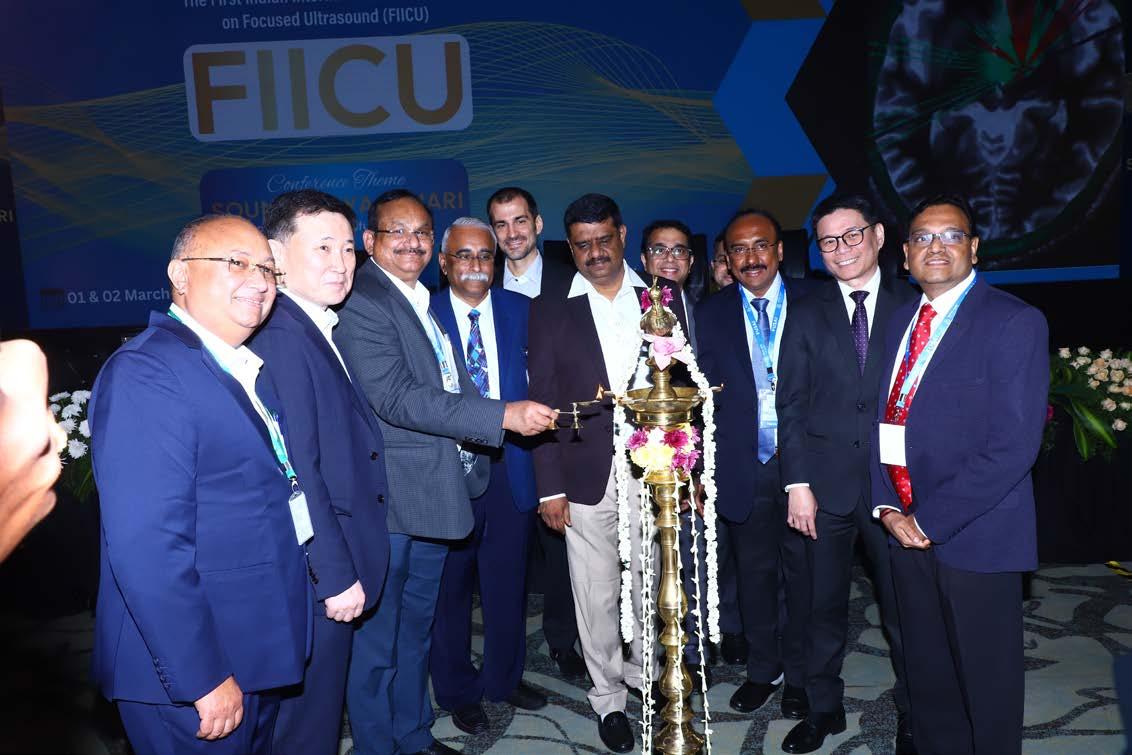
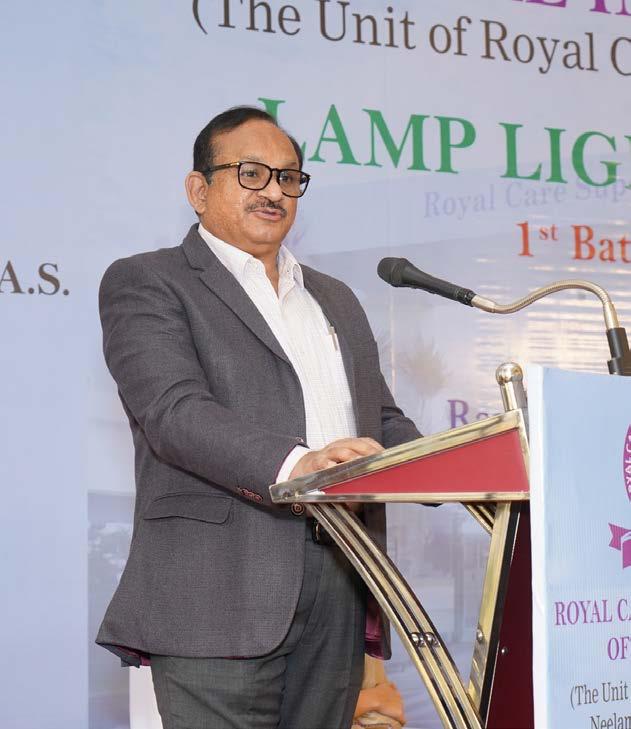
In addition, Dr. KMD has always been passionate about adhering to a holistic approach to community development and Preserving Global Environment for a Better Tomorrow; as exemplified by His Brain-Child Namely ‘UYIRIN SWASAM’ – through which He and His Team of Global Volunteers have been Planting Trees as far and as wide they could. As on Date’ Uyirin Swasam Foundation’ have planted over (Ten Million) One Crore Trees and they are vigorously Moving Forward with the clear objective and aim of Planting 100 Million Trees with Dr. K. Madeswaran’s Highly determined Vision and Moto of ‘Growing Trees for Global Peace and Prosperity’.
All the above serves as a testimony to his most adorable and incredible journey of healing, curing, unconditionally caring, as well as inspiring the Next generations of Surgeons, Doctors and Healthcare Professionals.
The fundamental of his legacy is pioneering, developing, innovating, refining and implementing scientific & hi-tech approaches and techniques in the fields of Neuroscience & Neurosurgery. Dr. K. Madeswaran has always been known for his Exemplary and truly remarkable Medical, Surgical, Teaching, Professional and Entrepreneurial career over three to four decades. And majority of the surgeries, those were successfully performed and completed by Dr. K. Madeswaran; were highly Critical and Challenging Cases. And He had taken utmost care, in all those cases; by bringing out best of His skill, knowledge and expertise to ensure that the Patients are cured and sent back to their normal life.
Hence, Dr. K, Madeswaran has been fondly called as ‘The Most Legendry Neurosurgeon, who is blessed with the Brain, Heart & Hands Of God’. Dr. K. Madeswaran, with his inborn Skills, Talents and Remarkable Subject Matter Expertise, Not only cured Tens of Thousands of Patients, who have come to him, with the chronic and serious conditions. And, He gave all those Patients and their
families the Enduring Joy and legitimate life; to live and rejoice; with their families; But, also taught 1000s of Junior Doctors and Surgeons, who all have been associated with Him and who have been learning directly by being along with Dr. K. Madeswaran in and through all those exemplary and Critical Surgeries and Procedures.
And they along with all those beneficiaries of His Medical & Surgical Services, carry the highest level of respect and regard; for his highly committed, timely, sincerely and most valuable Medical & Surgical Contributions, that he made to them; especially at the most crucial time of their life. Dr. K. Madeswaran’s Successful Medical & Surgical Practice led him to accumulate Millions of Followers from all around the world. And with the Flawless Service and Goodwill, his incomparable knowledge, extraordinary skill and expertise in successfully performing Most Complex Surgeries and procedures that he built over a period of three to four decades; Dr. KMD had gained a very high reputation and trust among all sections of the society.
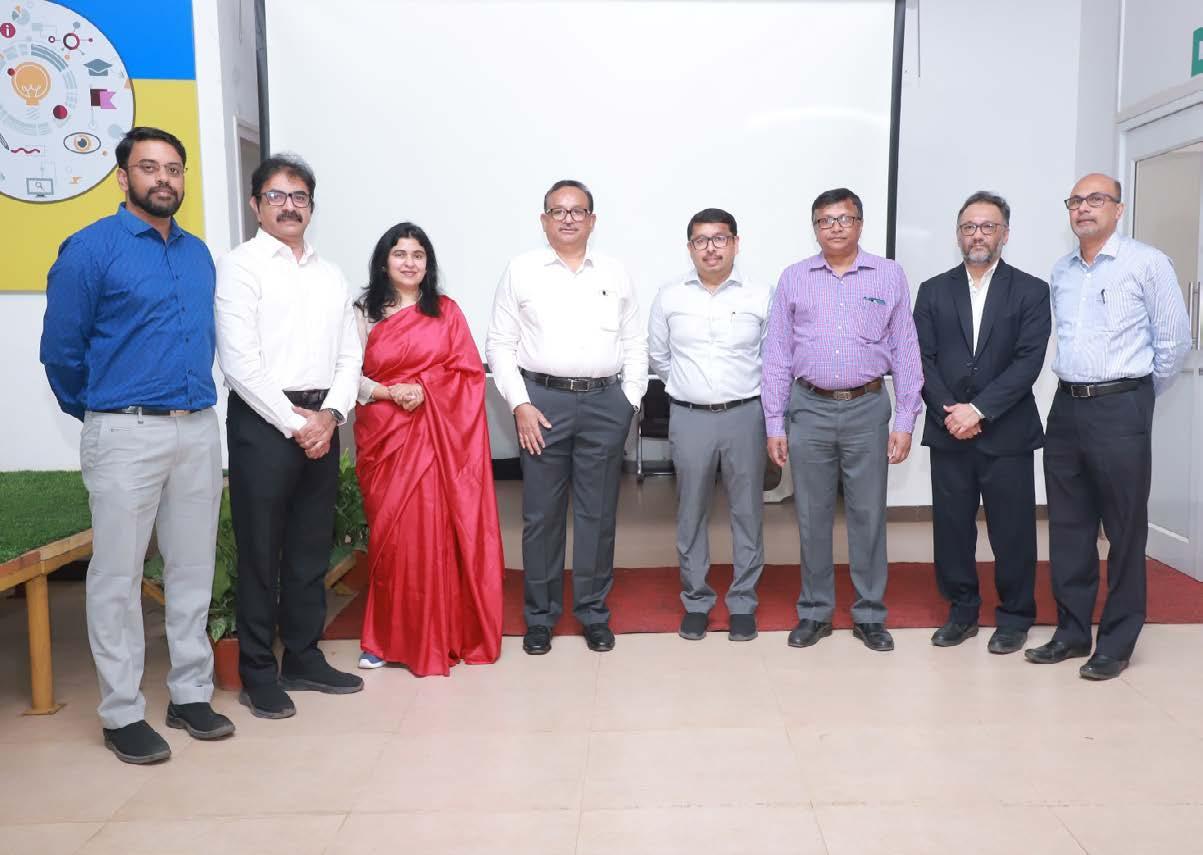
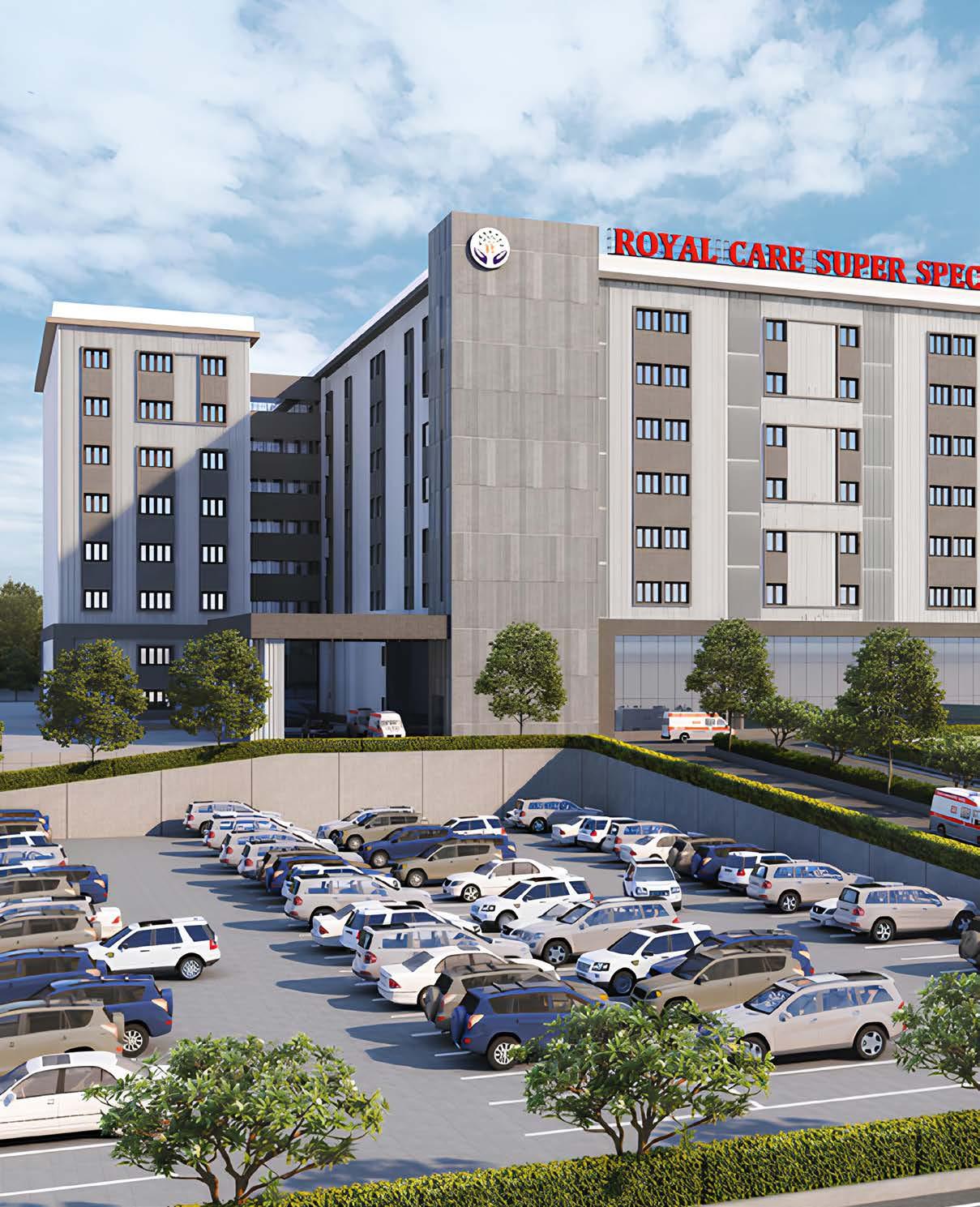

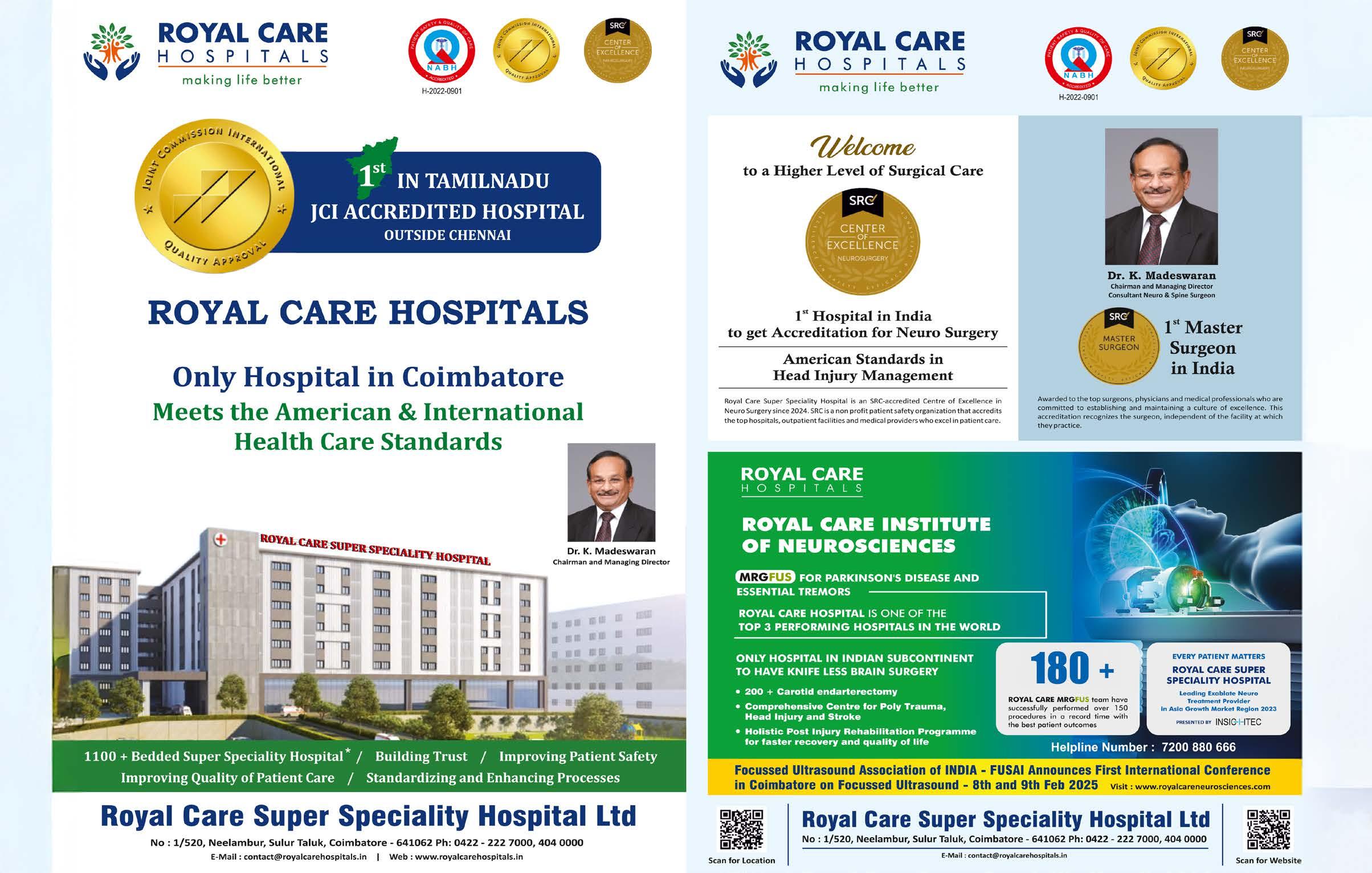
Founded and Commenced by Dr. K. Madeswaran along with His Most Trusted Team of Leading Surgeons, Doctors, Physicians, Medical Professionals, Subject Matter Experts and Management Professionals in the year 2015 as a 50 bedded multi-specialty hospital in One of the Vibrant Cities of India, Namely Coimbatore in the State of Tamil Nadu. Indeed, Dr. KMD’S Royalcare Super Specialty Hospital, within the first Two years of operations, became One of the Most preferred MultiSuper-Specialty Hospital in western Tamil Nadu for emergency, primary and specialty care in virtually all branches of modern medicine.
The hospital did continue being, the perfect destination for people seeking superior and Patient friendly healthcare. Functioning with those objectives of making cutting edge healthcare to common man, they provide the best medical service with highly qualified doctors and highly equipped technologies. This necessitated an imminent expansion and created the need for a larger and more comprehensive tertiary care unit encompassing all the field of medicine.




A 1100-bedded ultramodern Hospital facility Plan was thus conceived at Neelambur, Coimbatore By Dr. K. Maheswaran and His Team. RCIHG was Built within a record time of 400 days, the first phase comprising 500 beds were dedicated to the society in November 2016. With over 4,00,000 square feet of modern infrastructure, the Centre contained all necessary facilities to deliver comprehensive care under one roof.
With a commitment to make available all facilities on par with the latest advances in the Western World, RoyalCare Super Specialty Hospital became the first Hospital in the country to introduce Bronchial Thermoplasty for the treatment of severe asthma. RoyalCare is also the first hospital in the country to introduce the micro plasma-advanced oxidation for dialysis feed water disinfection to eliminate endotoxins and to prevent pyrogenic reactions in patients undergoing haemodialysis.
Royal Care will strive to ensure that the benefits of modern healthcare reach all strata of society. Apparently, A patient centric culture exists at RoyalCare as they are the focus of everything they do. Every patient will receive warm and committed attention with a smile. Royal Care Super Specialty Hospital aspires to be Ultimate Choice of Hospital for People and Patients from all around the world; in all aspects of Health & Wellness or for people seeking comprehensive healthcare. And that they have been recognized as One of the Top-Class Hospitals for very High Quality and International Standards Health Services in Asia.
And Dr. KMD’s Royalcare International Hospitals Group is going to achieve its Vision of having over 1000 Bedded Most Advanced International Standard Hospitals in the Same Location very shortly. This has been mainly possible by the meticulous involvement and incomparable Contributions of Dr. K. Madeswaran, The Founder & CMD of Royalcare International Hospitals Group, whose vision was to bring together highly talented medical professionals from all around the world on board with phenomenal expertise in their respective fields, establishing cutting edge innovative diagnostic, Latest Hi-Tech Equipment, State-Of-The-Art Infrastructure and therapeutic medical technologies combined with the Most friendly medical and paramedical staff to provide courteous and compassionate and Utmost Care to Patients at all times.
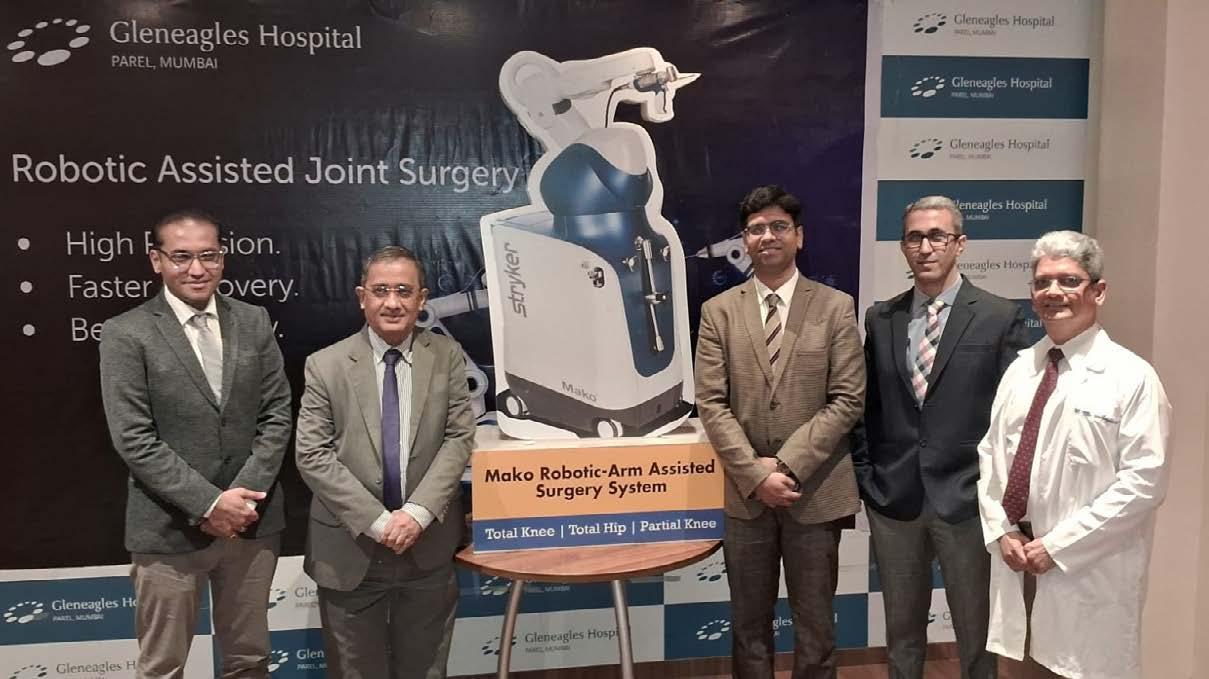
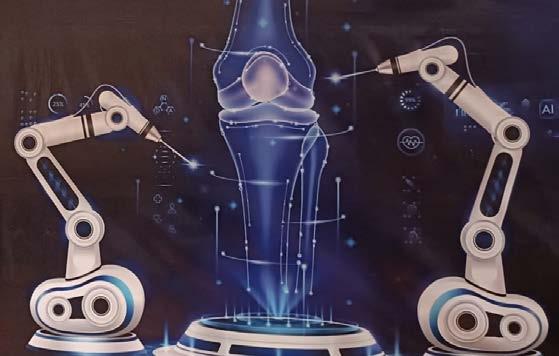
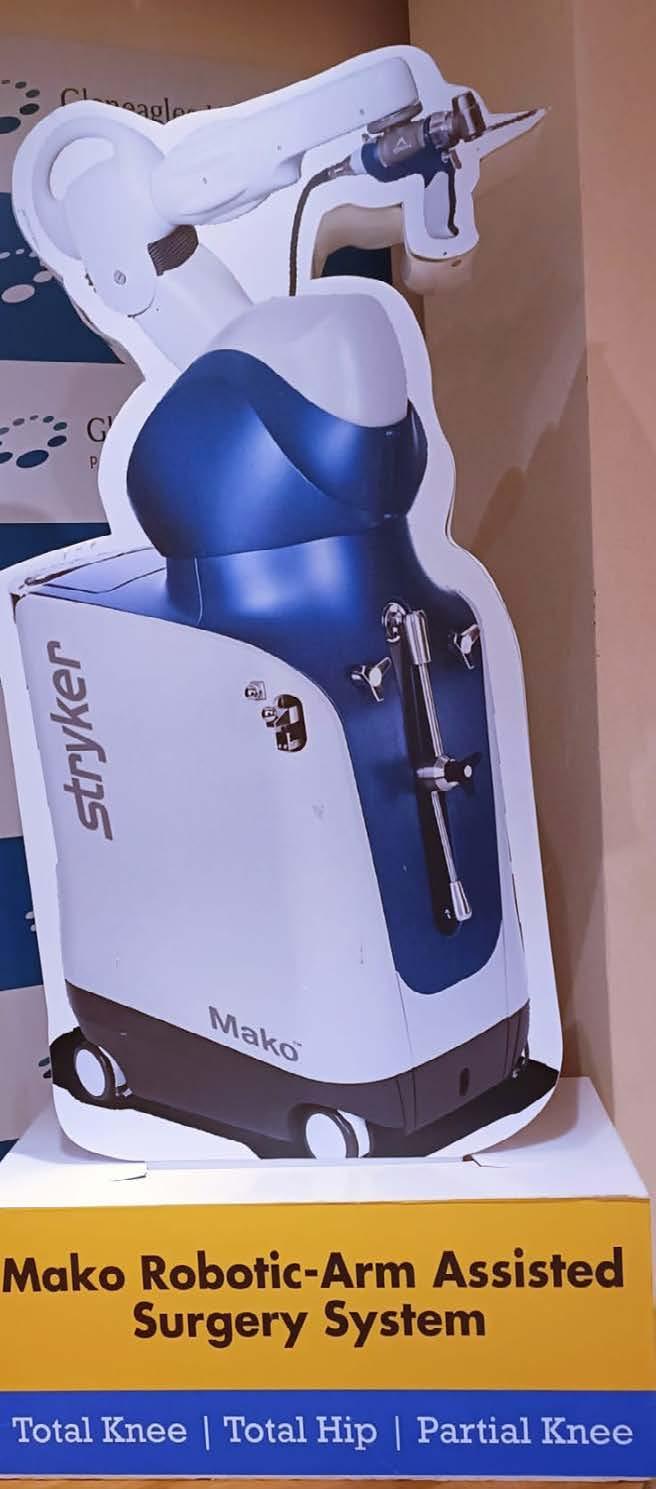
Gleneagles Hospital, Parel, has announced the launch of its state-of-the-art roboticassisted surgery program for knee and hip replacements, marking a significant milestone in precision-driven orthopaedic care. This cutting-edge technology is designed to enhance surgical accuracy, minimize recovery time, and deliver superior patient outcomes, reaffirming the hospital’s commitment to clinical excellence and innovation
The orthopaedics team, led by eminent specialists including Dr. Anup Khatri, Dr. Girish Bhalerao, Dr. Shridhar Archik, Dr. S. V. Vaidya, and Dr. Neelkanth Dhamnaskar, is spearheading this transformative approach. The robotic system empowers surgeons to create highly personalized surgical plans using advanced imaging and enables real-time adjustments during procedures, optimizing results for each patient.
Among the first to benefit from this breakthrough is 80-year-old Mr. Bharat Chauhan, who underwent a successful robotic knee replacement on May 27, 2025. “I was really scared of the surgery, but I had no choice left due to the intense pain. Now, I feel like I have a new lease on life. The day after the operation, I was pain-free. I can now walk freely and am regaining my strength every day,” Mr. Chauhan shared after being discharged just a week postsurgery.
Another Lady Mrs Sawant underwent Robotic assisted Knee Replacement by Dr Anup Khatri on 12th June 2025, was pain free, walking and ready for discharge on next day of surgery.

Another patient, 40-year-old Sandhya Singh from Virar, suffered severe ligament tears in her right leg after a fall. She underwent robotic-assisted surgery on her right leg and conventional surgery on her left. “Before the surgery, even walking was difficult. Now, I am regaining stability and mobility thanks to the expertise of Dr. Girish L. Bhalerao and the advanced robotic system,” she reported.
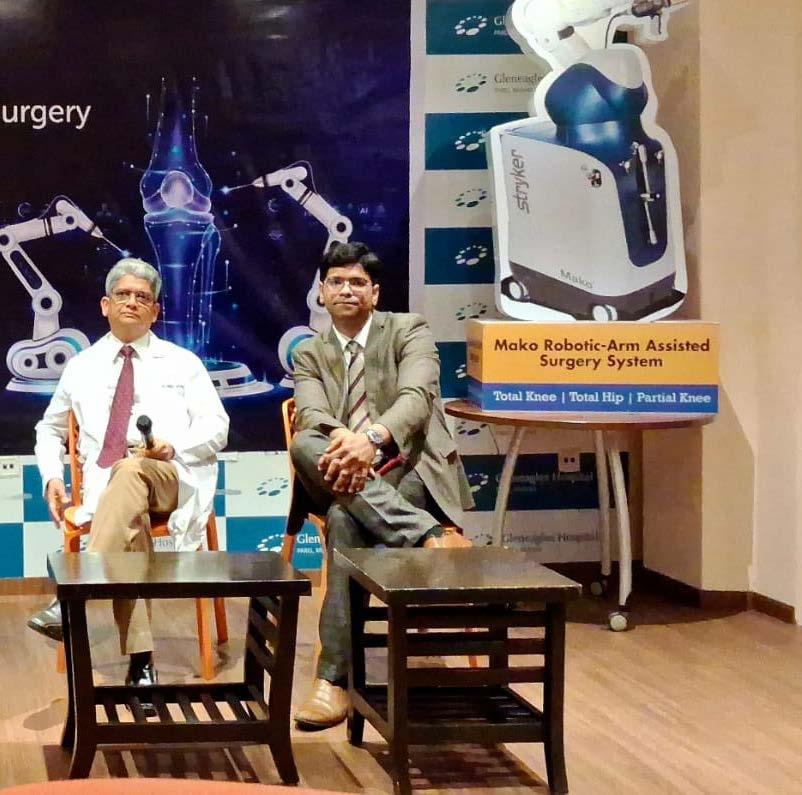
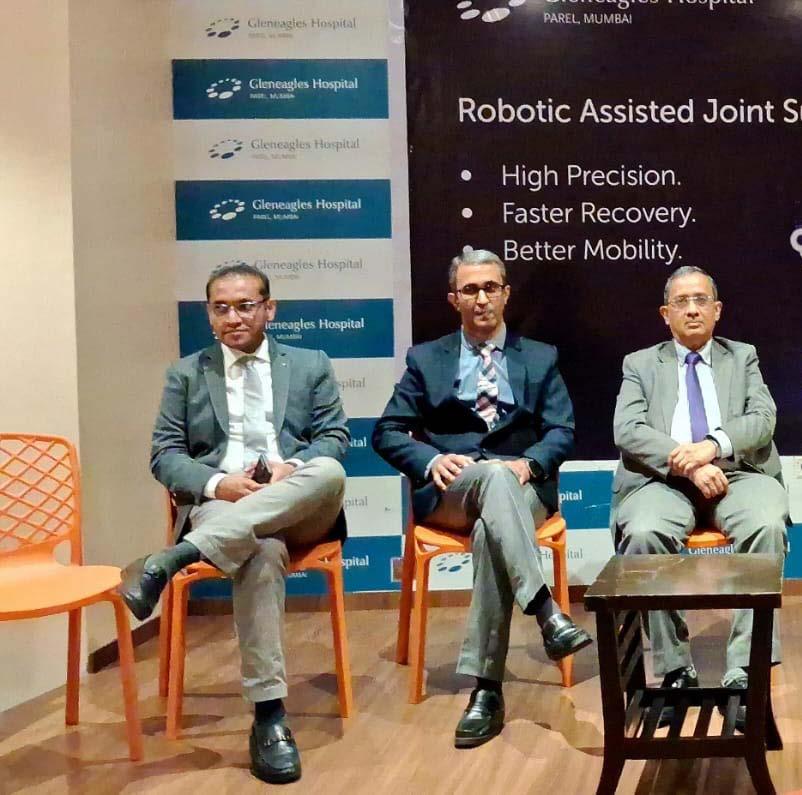
Dr. Bipin Chevale, CEO of Gleneagles Hospital, Parel, commented, “Our mission is to bring state-of-the-art healthcare to our patients. The successful robotic surgery of Mr. Chauhan is a testament to our commitment to clinical excellence and patient-first innovation. With robotics, we are not only enhancing surgical precision but also empowering patients to reclaim
their quality of life faster and with greater confidence.” Robotic-assisted surgeries represent a leap forward in orthopaedics, offering enhanced precision, reduced blood loss, and minimal soft tissue disruption. With the Introduction of this technology, Gleneagles Hospital continues to set new standards in world-class, patient-centric care for Mumbai and beyond
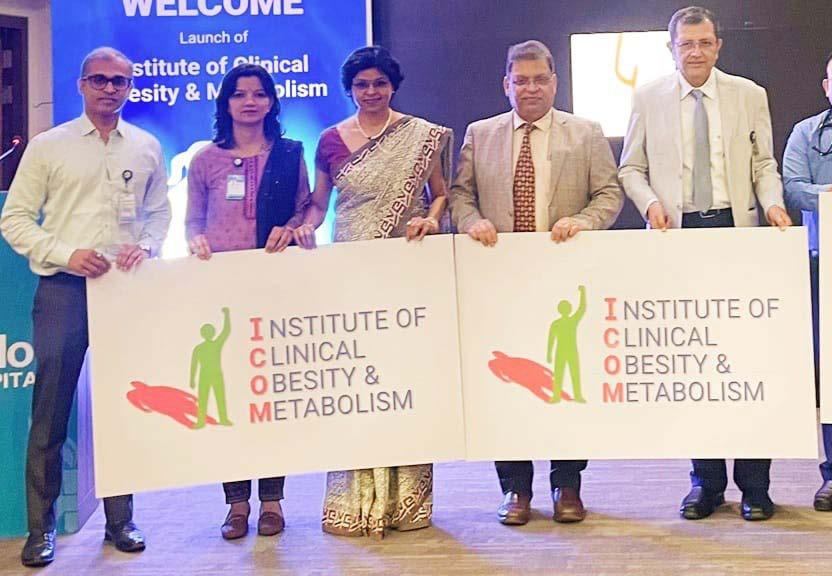
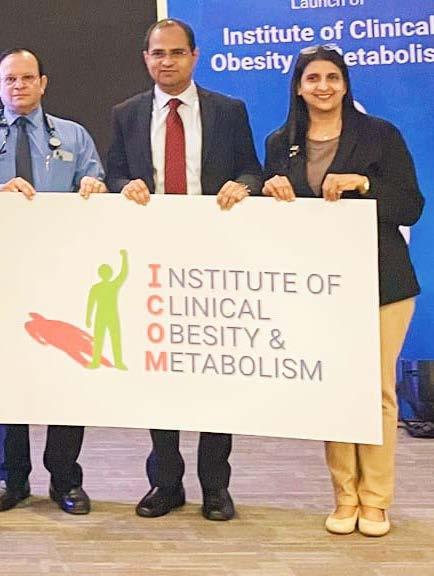
Apollo Hospitals Navi Mumbai is set to inaugurate a state-of-the-art Institute of Clinical Obesity & Metabolism on June 2025, aiming to address the escalating obesity crisis in the region. The clinic will offer a multidisciplinary approach to weight management, combining medical, nutritional, and psychological support tailored to individual needs.
India is confronting a significant public health challenge, with the World Health Organization (WHO) reporting that obesity is a leading cause of numerous chronic diseases, including cardiovascular conditions, type 2 diabetes, and certain cancers. These conditions are often linked to systemic inflammation, which can damage blood vessels and organs over time, leading to severe health complications. Addressing obesity is therefore crucial not only for weight management but also for the prevention of these life-threatening diseases.
Obesity is a growing epidemic in urban & semi – urban areas in India


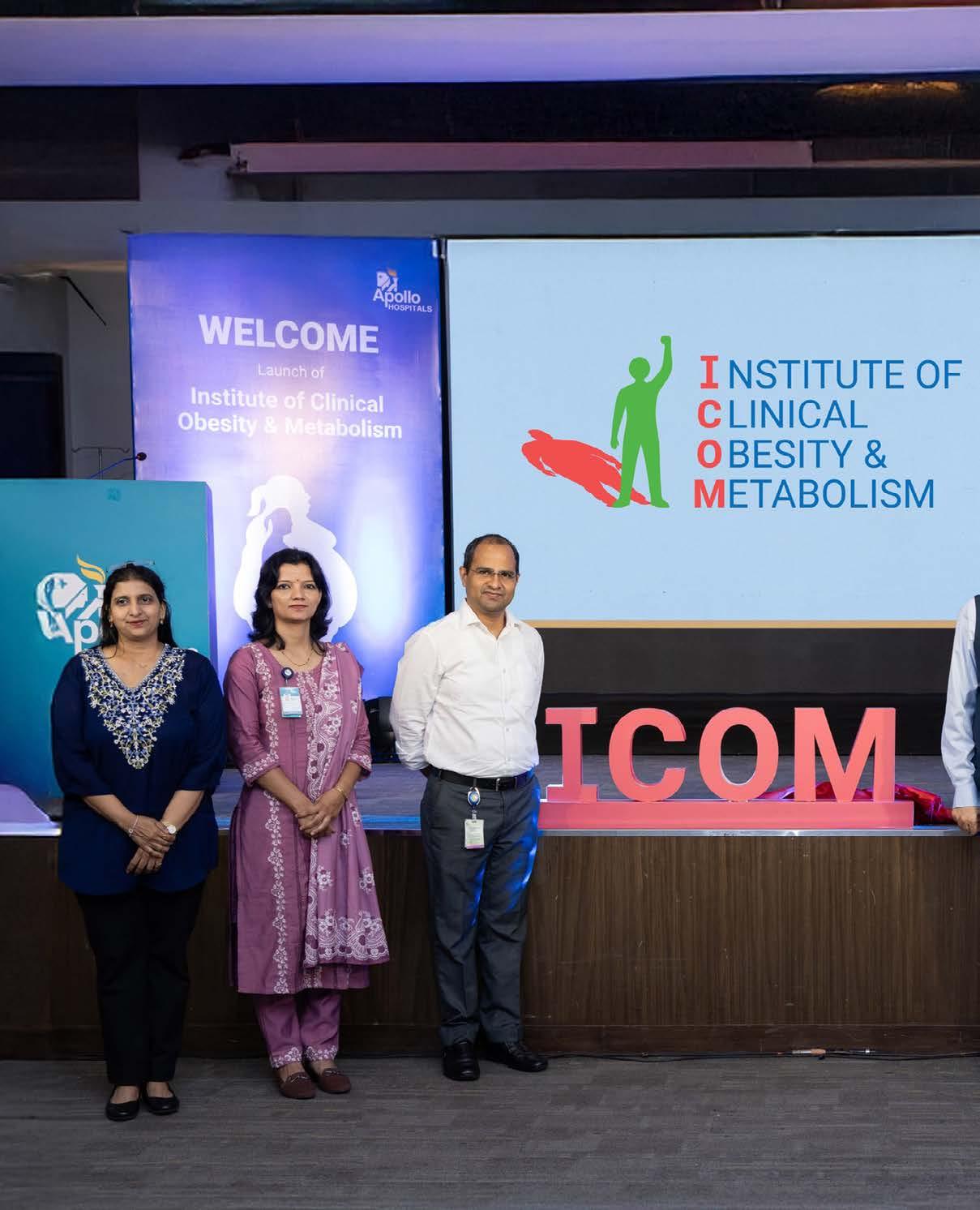
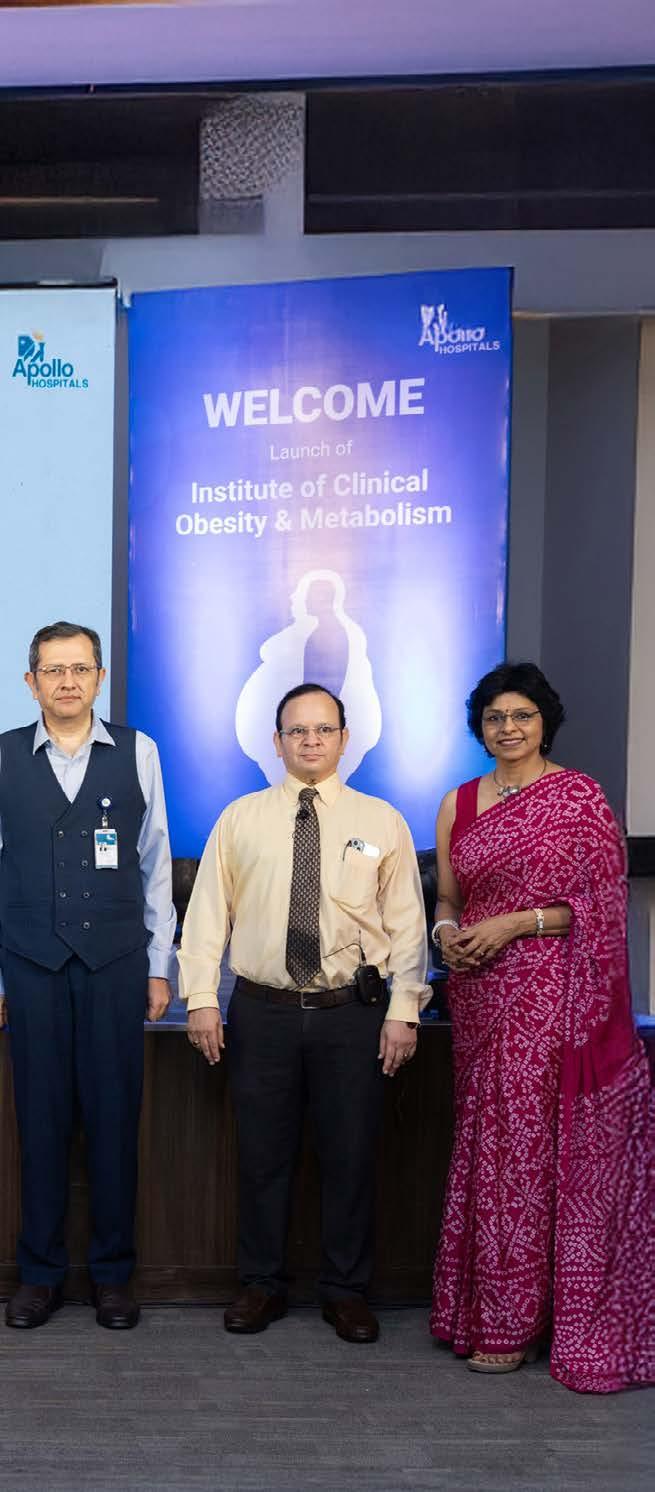
Particularly concerning is the rise in childhood obesity. A Lancet study revealed that approximately 12.5 million children aged 5 to 19 in India were obese in 2022, the highest in the world, and a significant increase from 0.4 million in 1990. This alarming trend is attributed to factors such as increased consumption of processed foods, sugary beverages, and a sedentary lifestyle characterized by excessive screen time and limited physical activity.
The upcoming Institute of Clinical Obesity & Metabolism at Apollo Hospitals Navi Mumbai seeks to combat these challenges by providing comprehensive care that addresses the root causes of obesity. Through personalized treatment plans and a focus on sustainable lifestyle changes, the clinic aims to improve the health and well-being of individuals affected by obesity, particularly children and adolescents.
Speaking about clinic, Dr Sanjay Khare – Chief Consultant & Director of Bariatric Medicine, Apollo Hospitals Navi Mumbai said, “Our experience confirms what we’re seeing nationwide: India is rapidly becoming the obesity capital of the world in general and paediatric obesity in particular. This isn’t just about weight—Obesity is the root cause of serious health issues like early-onset diabetes, hormonal imbalances, and cardiovascular risks. With our clinic, we’re launching a science-driven, community-based intervention that prioritizes early diagnosis, personalized counseling, and long-term lifestyle transformation through schools, societies, and families.”
Mr. Arunesh Punetha, Regional CEO- Western Region, Apollo Hospitals, emphasized the hospital’s mission in this context, remarking, “With the launch of this clinic, Apollo reinforces its commitment to preventive healthcare. A multidisciplinary team comprising doctors, dietitians, psychologists, physiotherapists & wellness experts deliver a customised plan for the patient encouraging them in their journey towards a healthier lifestyle. We’re not just treating obesity— we’re transforming community health by driving awareness, diagnosis, and education at the grassroots level, starting with our children.”
JCI accredited, Apollo Hospitals Navi Mumbai is one of the most advanced multi-specialty quaternary care hospitals in the region of Mumbai and Navi Mumbai. The hospital offers comprehensive and integrated super-specialty services under one roof with highly experienced doctors of national and international repute supported by a well-trained team of nurses, technicians, and other support staff.


• “Like Spain, Madhya Pradesh will become the first choice for filmmakers,” says producer Ekta Kapoor
• Launch of Madhya Pradesh Film Tourism Policy 2025 and AVGC-XR Policy 2025
• “New policies are more attractive and industry-friendly,” says Shri Sheo Shekhar Shukla
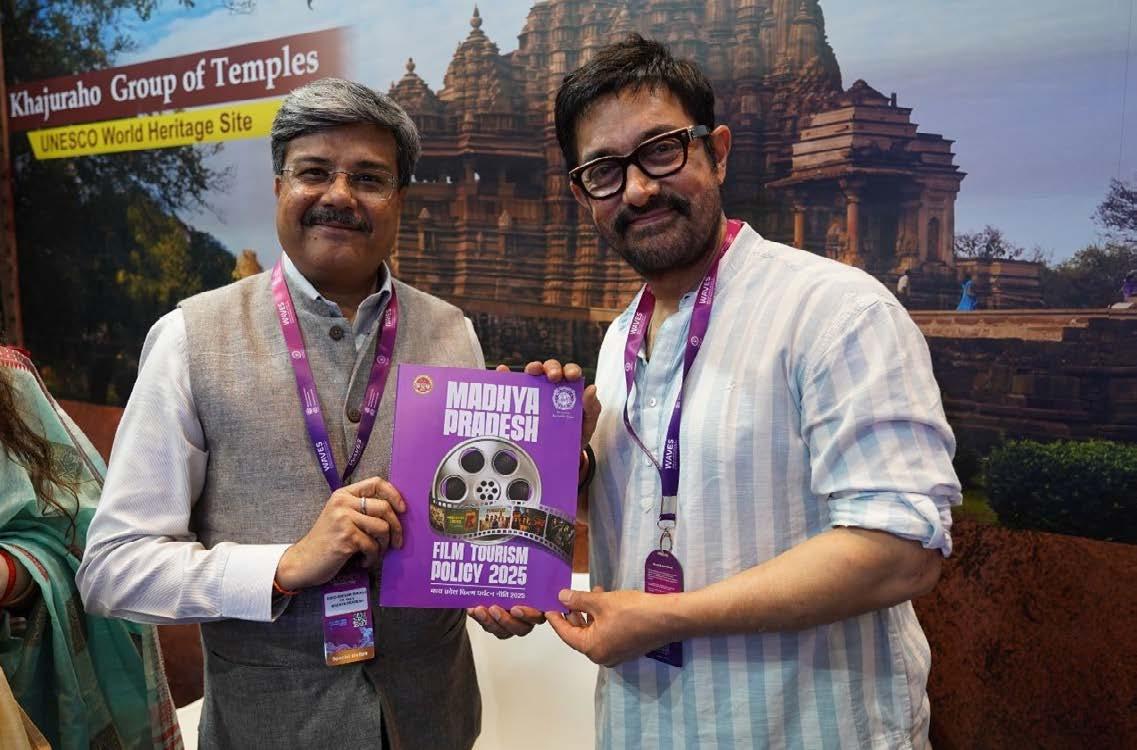
At the prestigious World Audio Visual and Entertainment Summit (WAVES) 2025, Madhya Pradesh made a powerful impression on the global creative community, spotlighting its rich culture, film-friendly ecosystem, and vast tourism potential. Actor Aamir Khan visited the vibrant “Incredible Madhya Pradesh” pavilion and was welcomed by Shri Sanjay Dubey, Additional Chief Secretary, Department of IT, Science & Technology, and Shri Sheo Shekhar Shukla, Principal Secretary, Tourism, Culture, and Religious Trusts & Endowments Department, and Managing Director, Madhya Pradesh Tourism Board. Aamir Khan expressed
deep appreciation for the state’s conducive filmmaking atmosphere, saying, “People in Madhya Pradesh are incredibly cinema-friendly, which makes the filmmaking process smooth and hassle-free for the entire crew. The state’s beautiful and diverse locations ease the shooting of varied scenes, ultimately saving both time and budget.” He lauded the newly launched Film Tourism Policy 2025, emphasizing that films rooted in Madhya Pradesh’s rural settings are earning critical acclaim. Khan also showed keen interest in the state’s revamped AVGC-XR Policy 2025, hinting at future collaborations. It is noteworthy that, “Laapataa Ladies”, a film shot in MP, was India’s official entry to the Oscars.
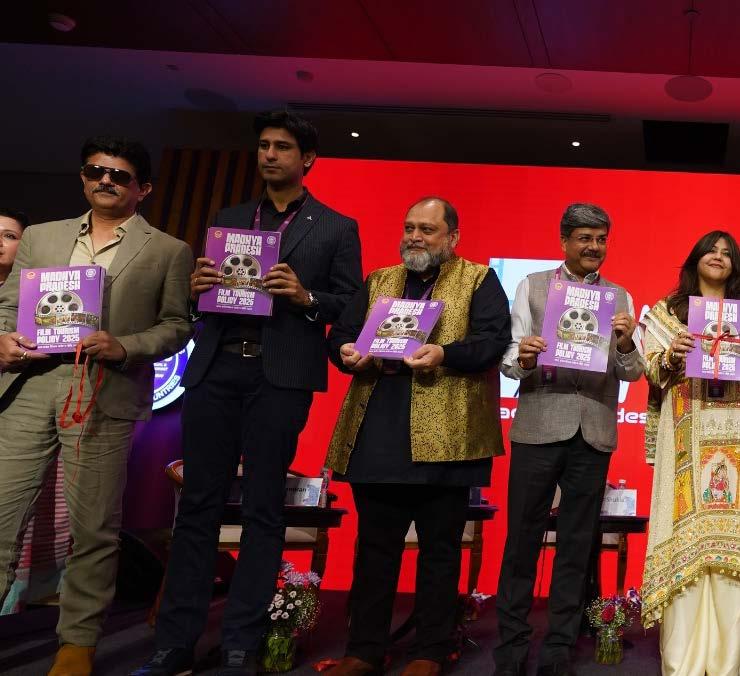
A panel discussion titled “With Digital Dreams and Cinematic Vision: Madhya Pradesh – The Next Creative Hub” was held at the Nita Mukesh Ambani Cultural Centre (NMACC). Key voices included Shri Sheo Shekhar Shukla, filmmaker Ekta Kapoor, FICCI AVGC Forum Chairman Ashish S. Kulkarni, founder of August Media Group Jyotirmoy Saha, Creative Land Studios CEO Shobha Senthil, noted writer Naman Ramachandran, and actors Amit Sial and Sharad Kelkar. The event witnessed the official launch of MP’s Film Tourism Policy 2025, the AVGC-XR Policy 2025, and the second phase of the state’s Film Facilitation Portal. “Madhya Pradesh is My First Choice,” Says Ekta Kapoor.
Noted filmmaker Ekta Kapoor praised the state for offering everything that modern-day film production demands — financial incentives, seamless singlewindow clearances, breathtaking locations, and ease of shooting — all underpinned by a rich cultural heritage. “Just as Spain attracted international filmmakers through robust policy support, Madhya Pradesh too is poised to become a filmmaker’s first choice,” she said. “New Policies Are More Attractive Than Ever,” Says Shri Sheo Shekhar Shukla.
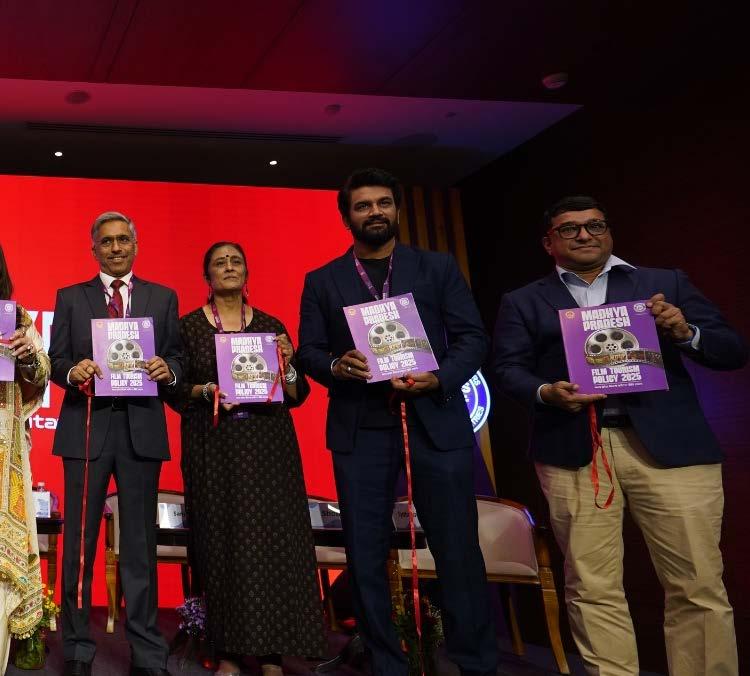
Shri Sheo Shekhar Shukla emphasized that Madhya Pradesh has emerged as a truly “ease-of-shooting” destination, backed by a cooperative local ecosystem, diverse and picturesque locations, and streamlined support systems. Detailing the state’s robust incentive structure, he shared that filmmakers are eligible for financial assistance of up to ₹1.5 crore for a first-time shoot in the state, ₹1.75 crore for a second-time shoot, and up to ₹2 crore for a third-time shoot. Additional incentives are also provided for films made in regional languages and those involving local talent. “With our attractive incentives, hassle-free permissions, and culturally immersive environment, Madhya Pradesh is poised to give Mumbai a run for its money as India’s next filming hub,” he said.The WAVES 2025 Summit was
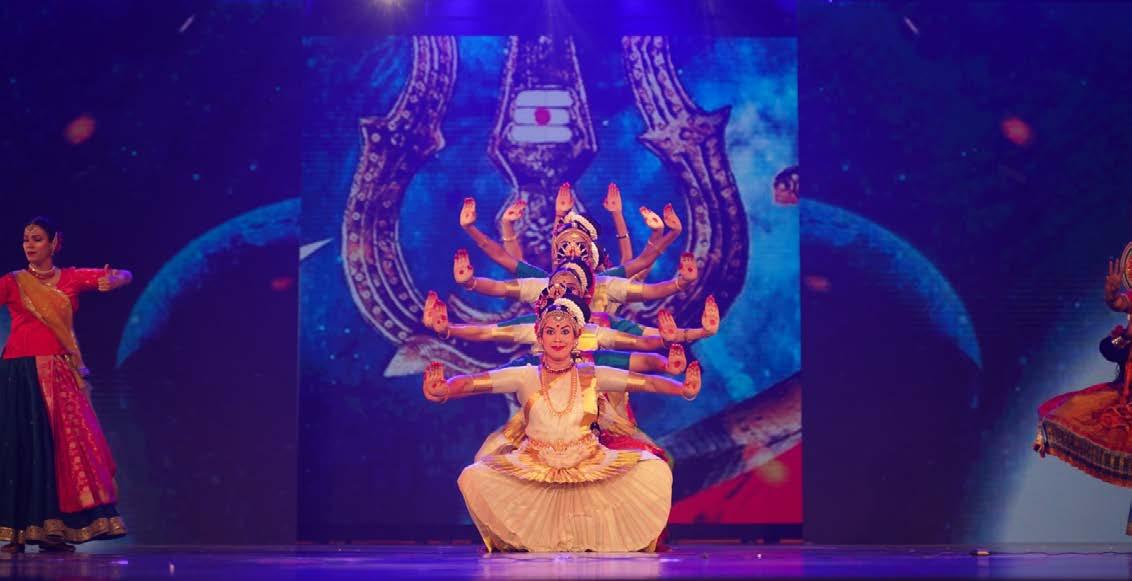
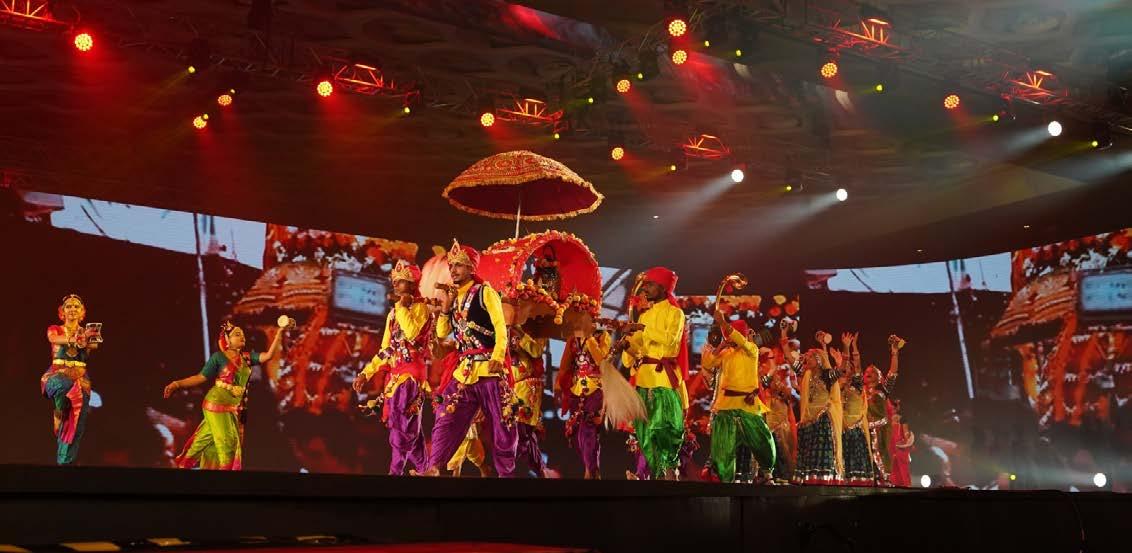
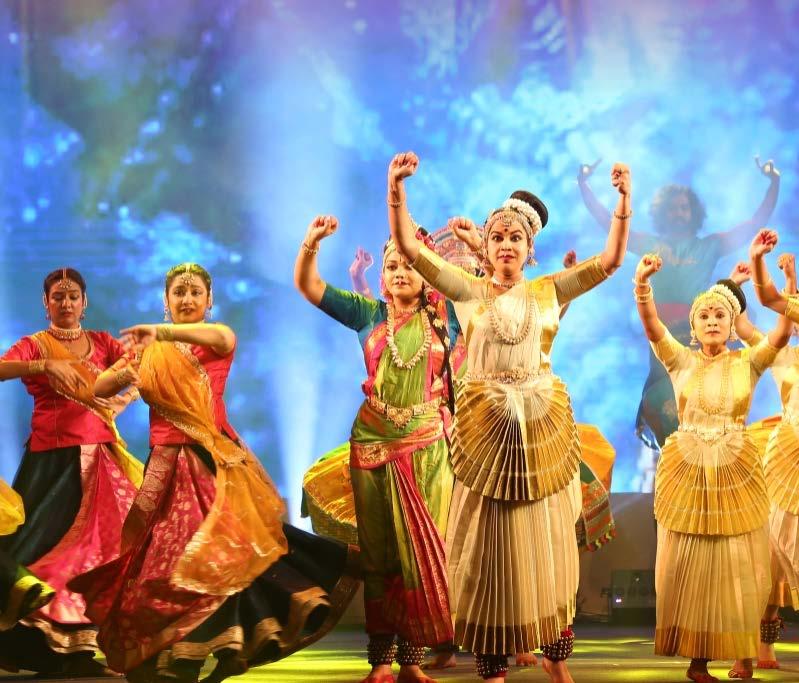
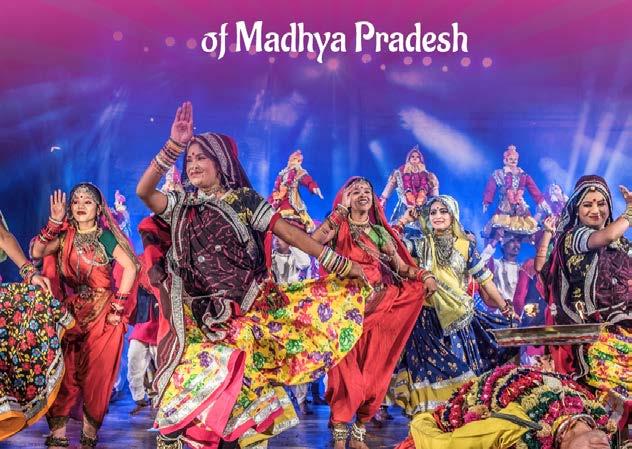
inaugurated by Prime Minister Shri Narendra Modi at the Jio World Convention Centre, Mumbai, and organized by the Ministry of Information & Broadcasting, Government of India. “Amrutasya Madhya Pradesh” Showcases the Soul of Incredible India. The cultural evening at WAVES 2025 came alive with the spellbinding group dance ballet “Amrutasya Madhya Pradesh”, a high-energy presentation that beautifully portrayed the spirit of Incredible Madhya Pradesh. Directed by renowned choreographer Maitry Pahadi, the performance blended classical Indian dance forms — Kathak, Bharatanatyam, Odissi, Manipuri, Mohiniyattam, and Kuchipudi — with vibrant tribal and folk dances from MP such as Badhai, Baredi, Matki, and Gond. Complementing the performance, a special textile-themed fashion walk

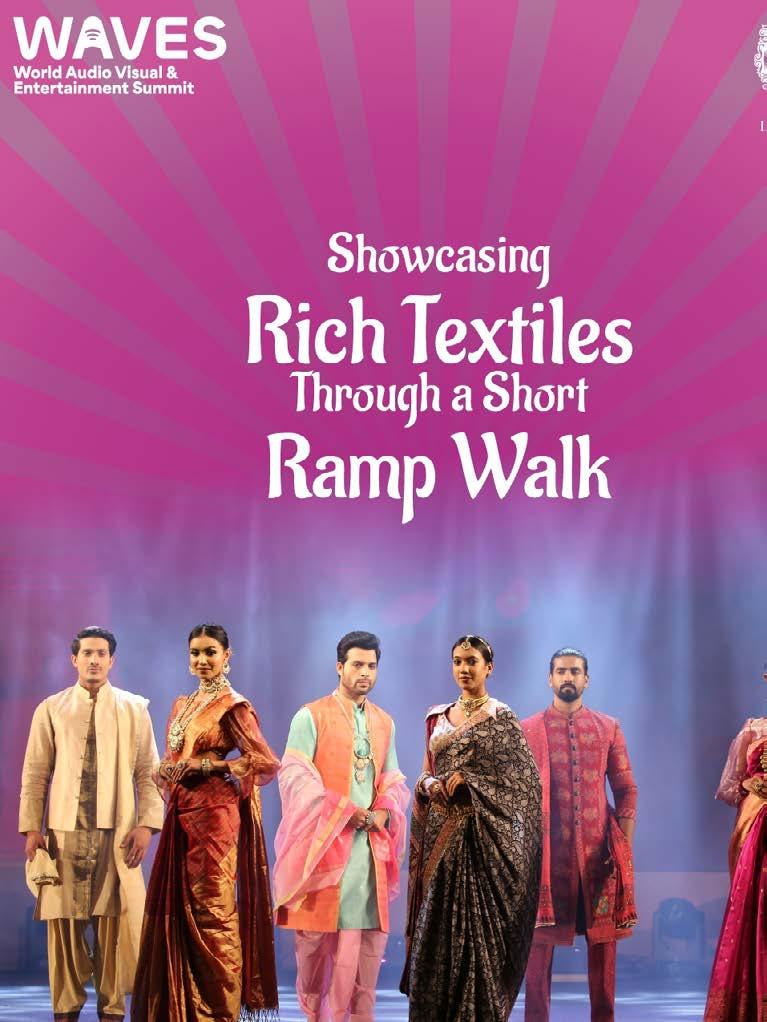
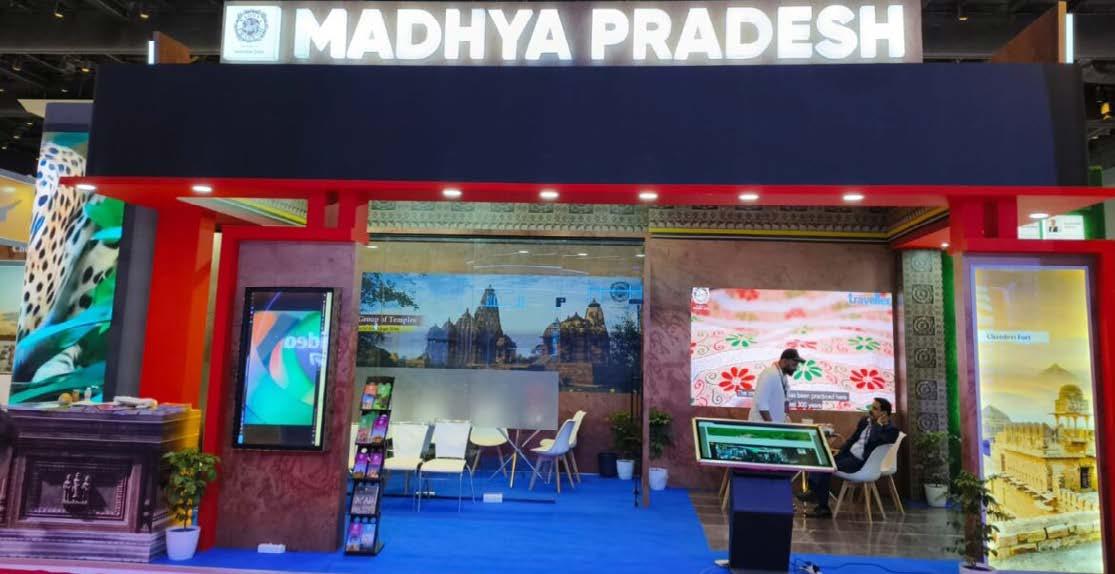
directed by Mumtaz Khan showcased the splendor of MP’s traditional weaves — Maheshwari, Chanderi, and Bagh — reflecting the state’s deep-rooted artistry and craftsmanship. “Incredible Madhya Pradesh” Pavilion Captivates Global Delegates. The Incredible Madhya Pradesh pavilion was a major crowd-puller at WAVES 2025. It creatively highlighted the state’s wildlife, heritage, and tourism through cutting-edge anamorphic 3D screens and virtual reality experiences via Oculus headsets. Visitors — including international artists, investors, and policymakers — explored the state’s natural and cultural offerings. Interactive touchscreens detailed the latest tourism and film policies, while brochures, tourism maps, and souvenirs helped guests take home a slice of MP’s timeless charm.

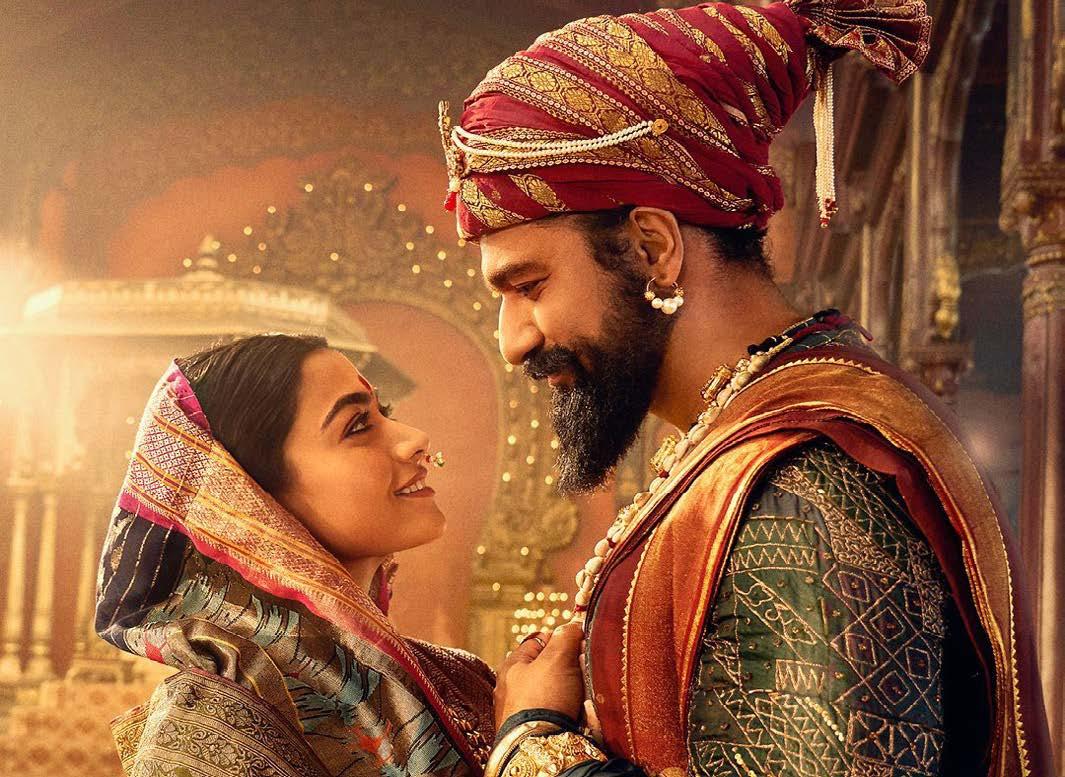
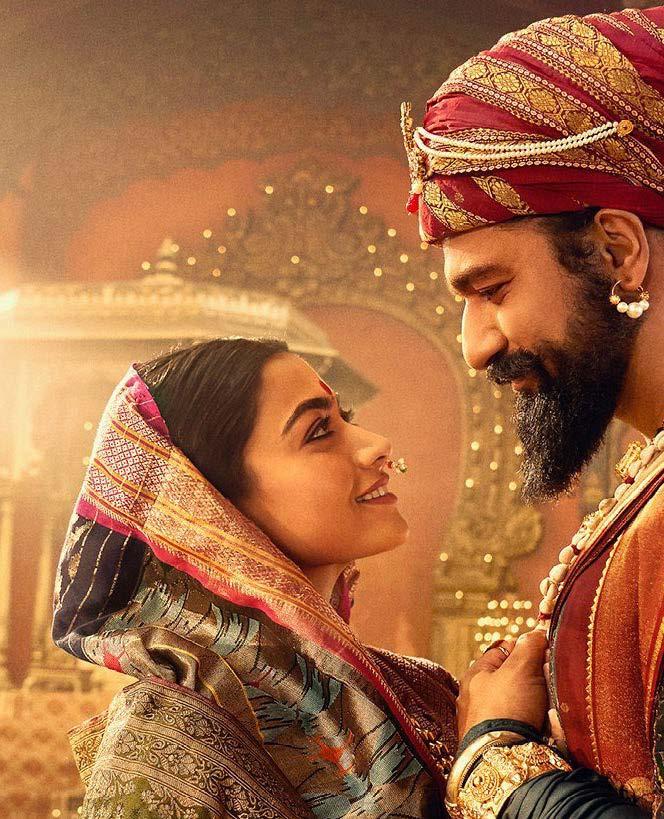
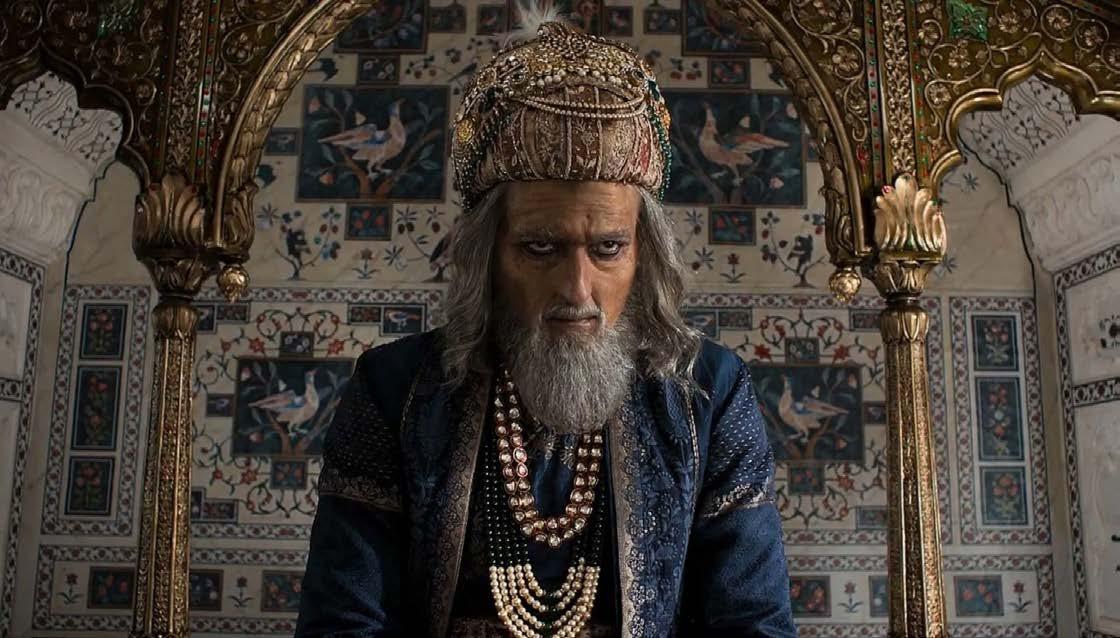
Chhaava is a breathtaking Hindi-language historical action drama that celebrates the indomitable spirit of Chhatrapati Sambhaji Maharaj, the second ruler of the Maratha Empire and son of the iconic Chhatrapati Shivaji Maharaj. Directed with passion by Laxman Utekar and produced by Dinesh Vijan under Maddock Films, this adaptation of Shivaji Sawant’s Marathi novel Chhava brings Sambhaji’s heroic nine-year reign (1681–1689) to life with unparalleled grandeur. Led by Vicky Kaushal’s powerhouse performance as Sambhaji, alongside Akshaye Khanna’s riveting Aurangzeb and Rashmika Mandanna’s heartfelt Yesubai, Chhaava has captivated audiences, grossing over ₹800 crore globally to become 2025’s highest-grossing Indian film. A visual and emotional triumph, it’s a cinematic gem that honors a legendary warrior king.
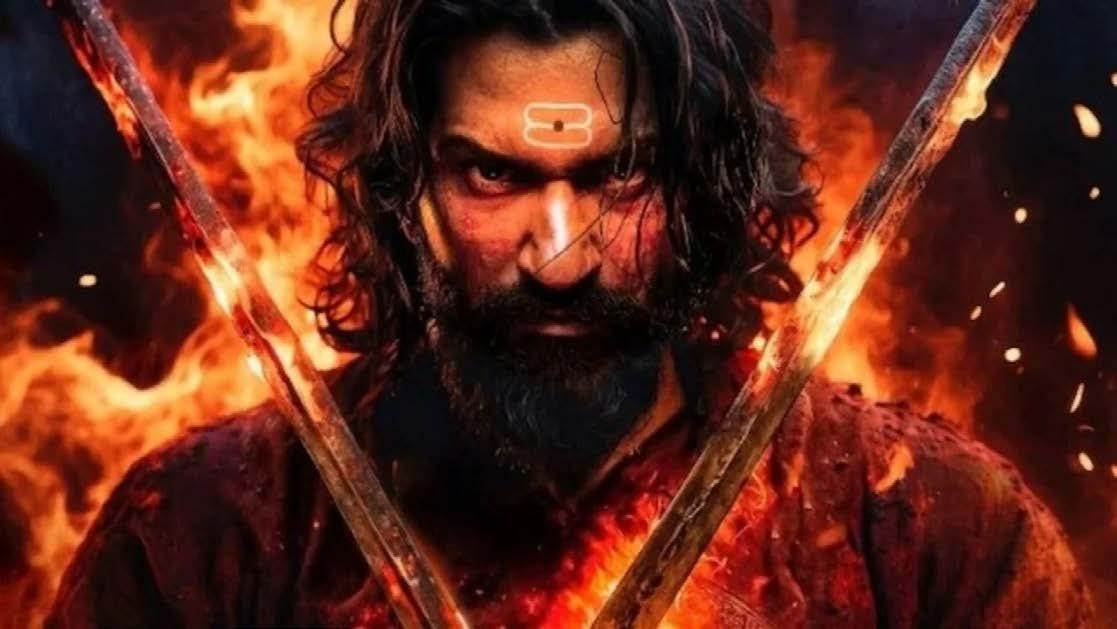
Chhaava opens with the Maratha Empire at a crossroads, as Sambhaji, portrayed with electrifying charisma by Vicky Kaushal, rises to lead his people against Mughal emperor Aurangzeb’s expansionist ambitions. The film chronicles Sambhaji’s daring campaigns, like the audacious sacking of Burhanpur, showcasing his brilliance in guerrilla warfare and unwavering dedication to swarajya (self-rule). Each frame pulses with energy, culminating in a stirring climax that highlights Sambhaji’s unyielding courage, leaving audiences inspired by his sacrifice. Laxman Utekar’s visionary direction elevates Chhaava into a visual masterpiece. Cinematographer Saurabh Goswami’s rich, earthy palette and dynamic camera work transform battlefields into awe-inspiring spectacles, with sweeping shots of Maratha warriors dominating vast Mughal armies. The action sequences are a thrill, blending strategic ambushes with breathtaking combat. A standout Konkan battle, featuring gauntlet swords, showcases the Marathas’ fierce ingenuity, earning cheers from theatergoers.

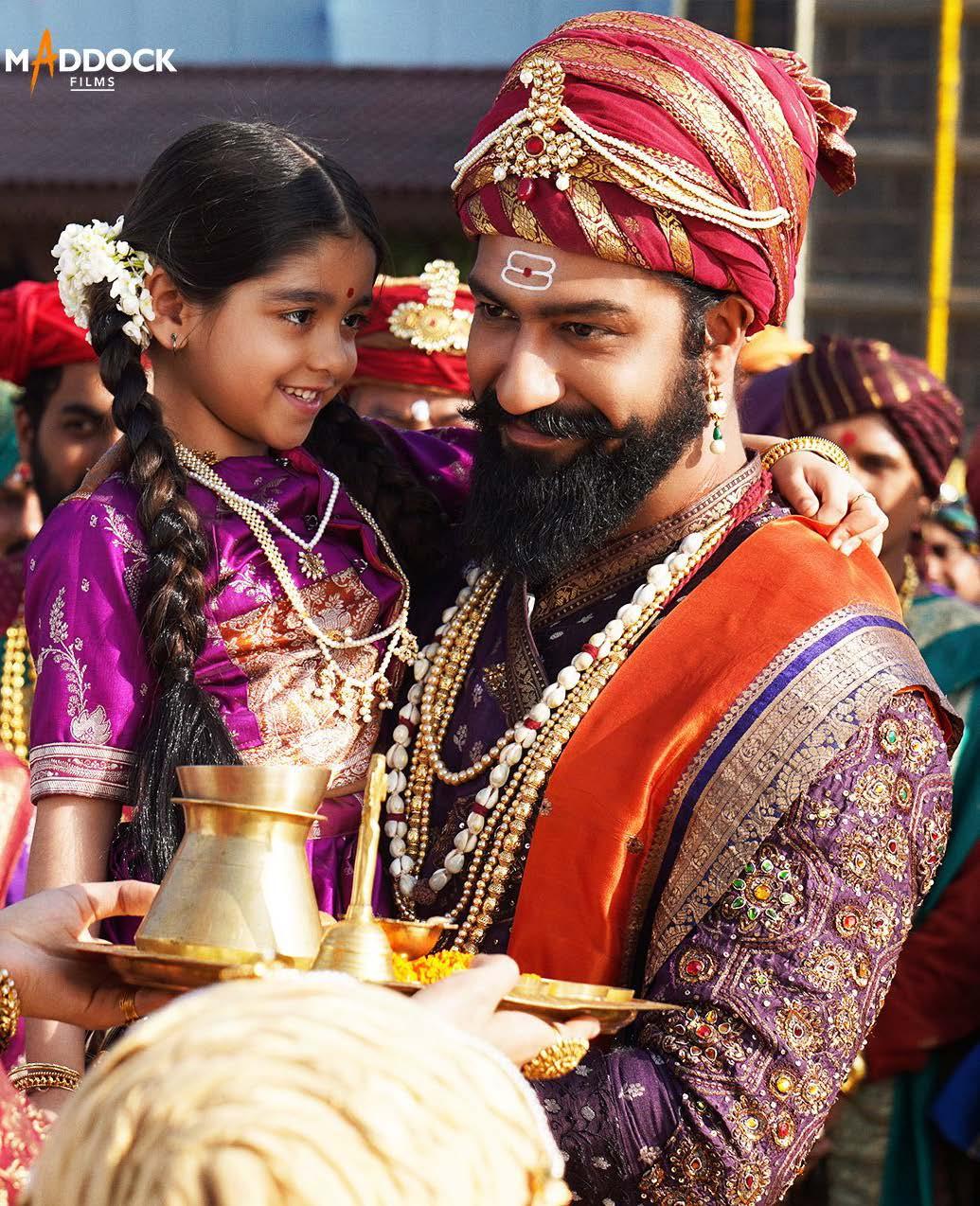
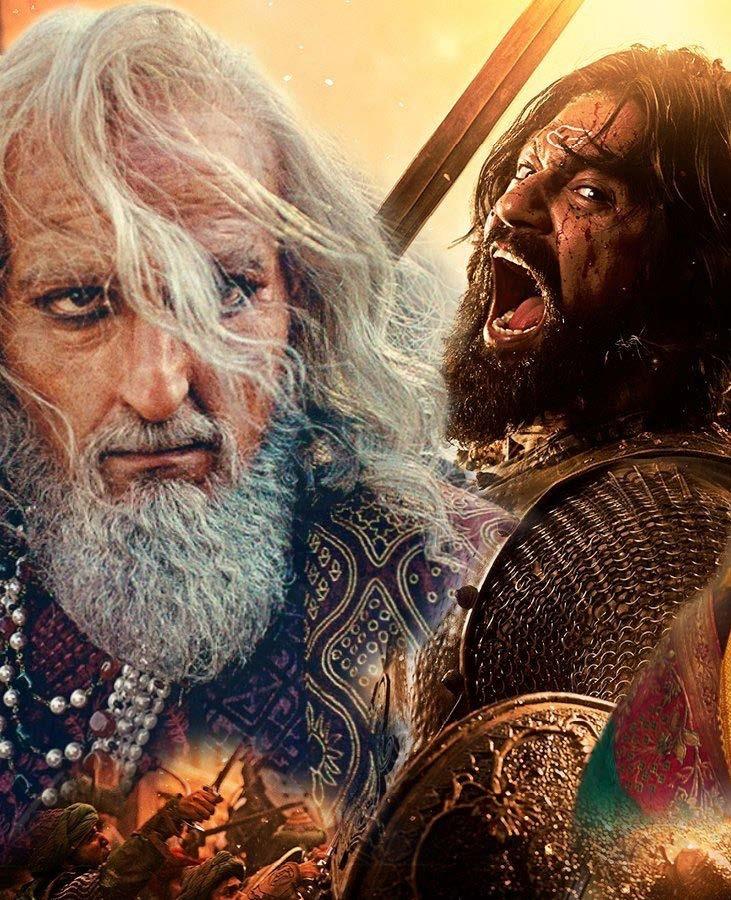

Vicky Kaushal delivers a tour-de-force as Sambhaji, embodying the warrior king with raw intensity and soulful depth. His physical prowess—leaping through treetops, wielding logs with ferocity—pairs seamlessly with tender moments of vulnerability, making Sambhaji a relatable hero. Kaushal’s performance is the film’s heartbeat, earning universal praise as a career pinnacle. Akshaye Khanna is mesmerizing as Aurangzeb, bringing chilling gravitas to the Mughal emperor. His commanding presence and subtle menace make every scene electric. Rashmika Mandanna, as Maharani Yesubai, adds emotional warmth, her chemistry with Kaushal grounding the epic in heartfelt moments. The supporting cast, including Vineet Kumar Singh as the loyal Kavi Kalash, Ashutosh Rana as the steadfast Hambirrao Mohite, and Divya Dutta as Soyarabai, delivers memorable performances that enrich the narrative.
Chhaava is a technical triumph, with Assemblage Entertainment and ReDefine’s visual effects creating sprawling battles that feel immersive and epic. The 161-minute film, certified U/A 16+ by the CBFC, is polished to perfection, with seamless editing keeping the pace brisk. A.R. Rahman’s soaring score, highlighted by the rousing “Aaya Re Toofan” with its Nashik Dhol Tasha, infuses the film with emotional and cultural resonance, amplifying every victory. Utekar’s attention to detail shines through, from authentic costumes to meticulously crafted sets that transport viewers to 17th-century India. The film’s audiotext disclaimer underscores its reverence for Sambhaji’s legacy, ensuring respect for its historical roots.
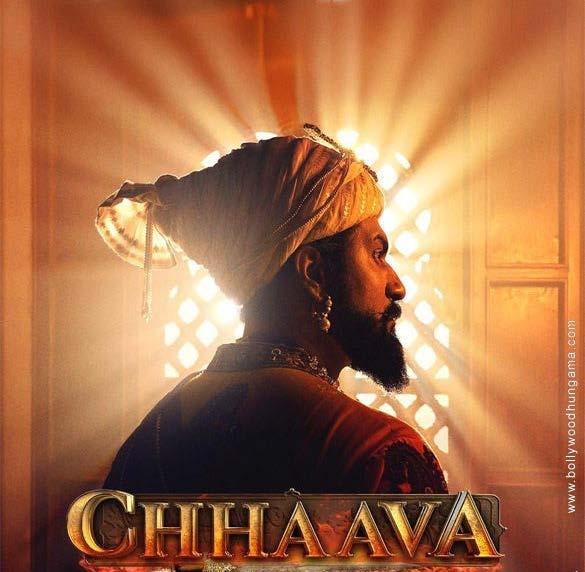
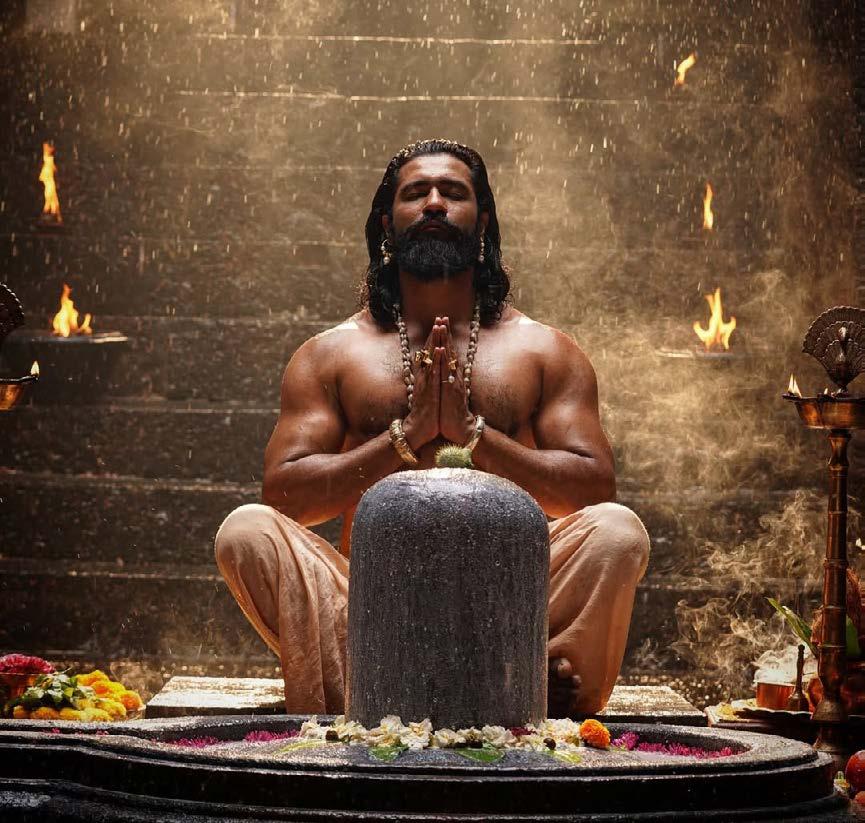

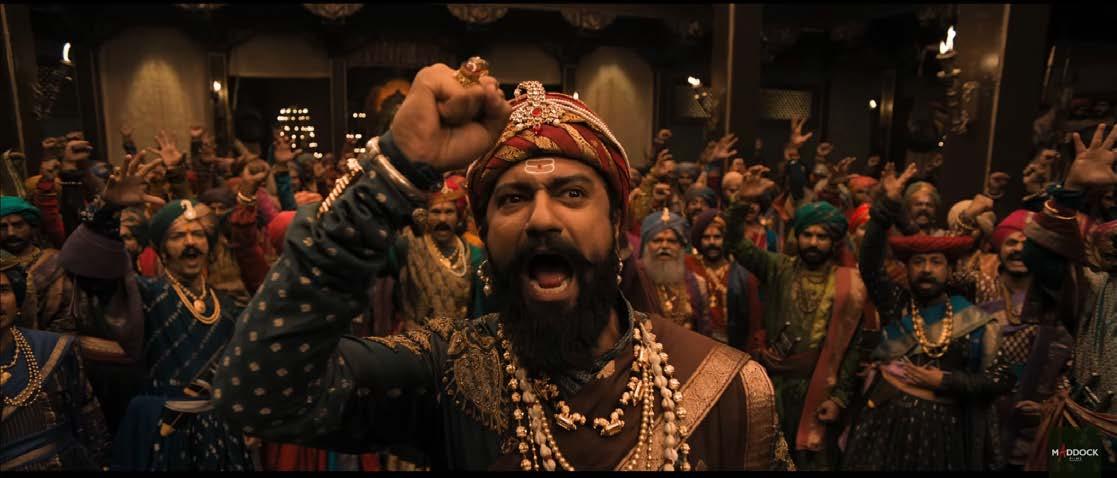

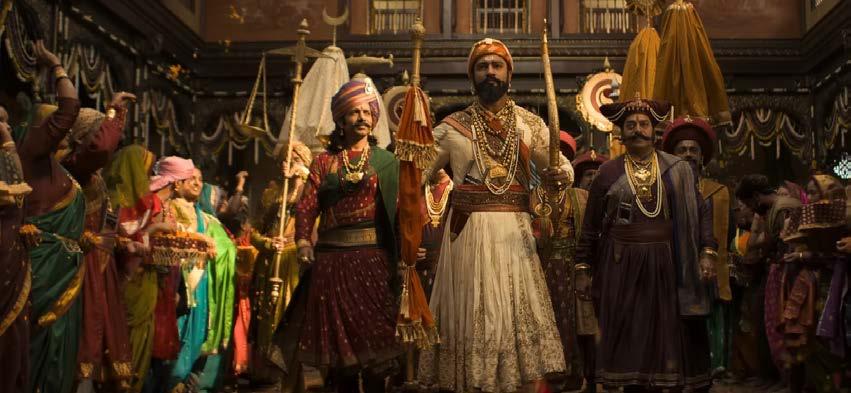
Chhaava has taken the world by storm, earning ₹783–₹807.40 crore worldwide and ₹596–₹600 crore domestically by its 50th day. Its universal appeal, blending high-octane action with a stirring narrative, has made it a landmark in Bollywood’s historical genre, rivalling epics like Tanhaji. The film’s OTT release on Netflix in April 2025 has further amplified its reach, inspiring audiences globally. Endorsed by Prime Minister Narendra Modi and granted tax-free status in several states, Chhaava has become a cultural touchstone, igniting pride in Sambhaji’s legacy. Utekar, inspired during the COVID-19 pandemic to tell this story, succeeds in elevating Sambhaji as a national icon, a warrior whose courage resonates across generations.
Chhaava is a cinematic triumph that blends heart-pounding action, stellar performances, and visual splendour to honour Sambhaji Maharaj’s extraordinary life. Vicky Kaushal’s unforgettable portrayal, paired with Utekar’s masterful direction and a rousing score, makes it a film that demands to be seen—whether on the big screen for its epic scale or on Netflix for its emotional depth. It’s a celebration of Maratha valour, a tribute to a king who defied empires, and a reminder of the power of courage and sacrifice. For history enthusiasts, action lovers, or anyone seeking inspiration, Chhaava is an unmissable experience that will leave you cheering and deeply moved. This is Bollywood storytelling at its finest.

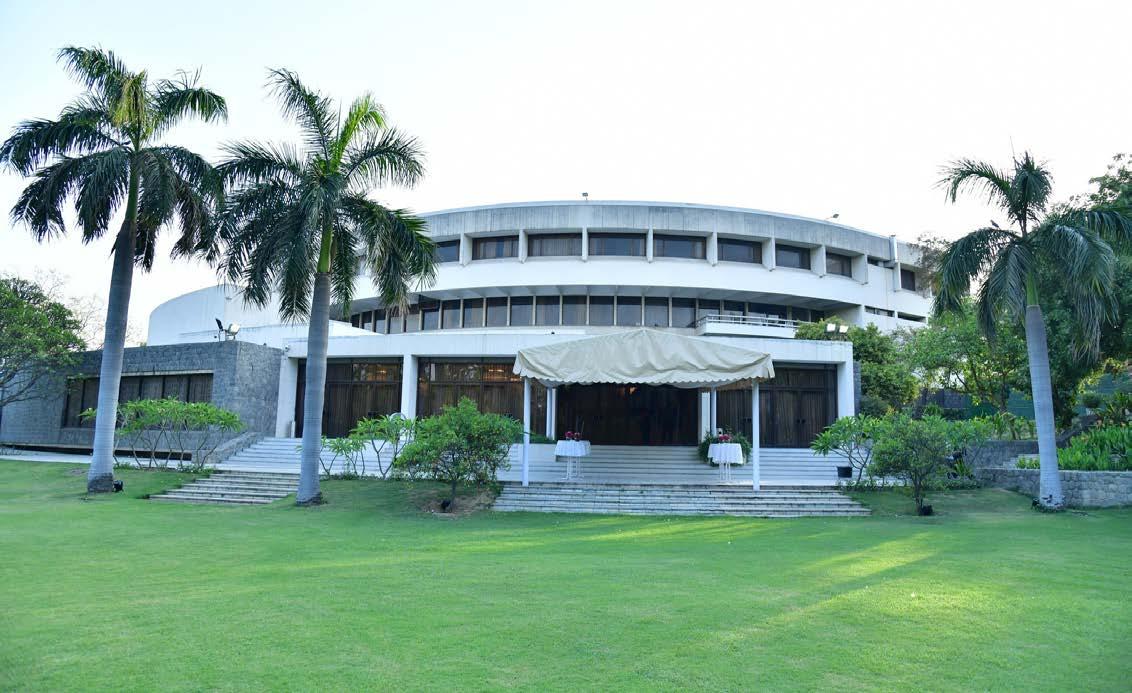
DCWA hosted a spectacular fundraising dinner at the beautiful Bulgarian Embassy, graciously hosted by H.E. Dr. Nikolay and Vili Yankov. The event was attended by over 300 guests, and its success was a testament to the tireless fundraiser team at the association. At DCWA, the mission has been to empower those in need through its DCWA Medical Centre. They strive for the betterment of society by providing vocational training, education, and healthcare to those in need. Through these
initiatives, its aim is to make a positive impact and create a brighter future for those we serve. The evening was great fun, with a purpose, as guests enjoyed a fun-filled photo booth, capturing memories of the night, thrilling dance performance, lively music that kept everyone on their toes, a designer fashion show; delicious food and drinks added to the festive atmosphere. The event was designed to create awareness about DCWA’s mission and raise vital funds for their ongoing programs. The
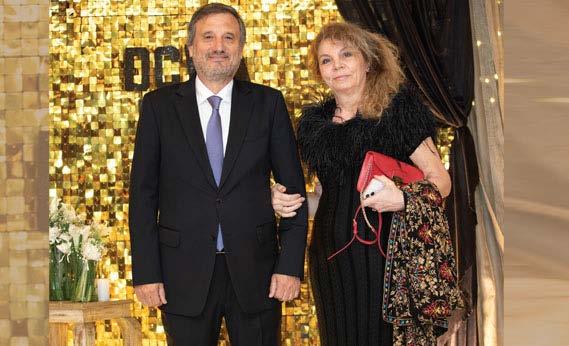
evening featured an eclectic dance performance by Freya Mahima Krishnan, a stunning fashion show by renowned designer Suket Dhir, and an art exhibition by Art & Beyond. The evening concluded with a raffle draw and bidding for exclusive prizes. As a token of appreciation, Priyasa provided return gifts to all guests. Of special mention must be the charm and poise of the MC, Shivani Wazir Pasrich, who did her typical immaculate commentary and guided the fashion show and other high events of the evening.
The credit of the evening’s success must go to the diplomatic community, friends, and DCWA members who participated in the event. Indeed, the DCWA team must be commended for their hard work and dedication. Put together by Sunitee Abbi, Chairman DWCA and Rosie Rameet Sahni, Chair, Fundraising and the Fundraising Team, was an evening to remember.
The curator of the fashion show, Suket Dhir, has been a wanderer at heart, continues to travel places to give fiber his very own definition. His style is contemporary with an Indian soul. He has been on the cover of The Economist’ and the front page of the “New York Times’, American Vogue alludes to him as “a global fashion superstar in the making”. His ensemble for Nobel Laureate (2019) Abhijeet Bannerjee’s prize acceptance ceremony has been selected for permanent display at the Nobel Museum.

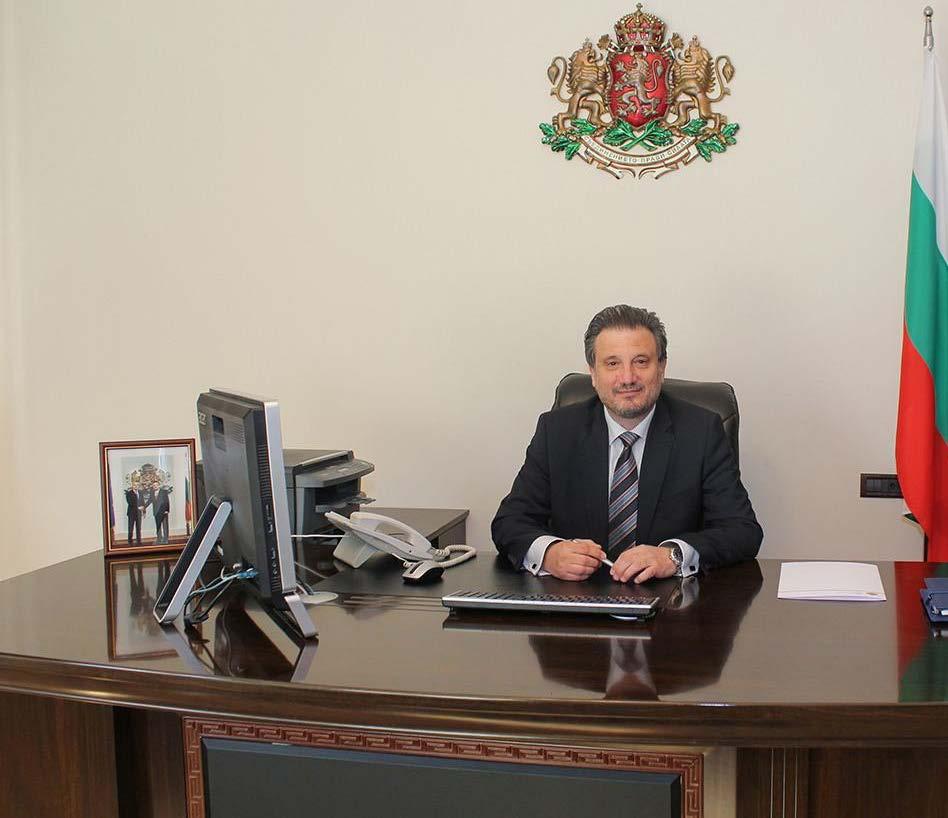
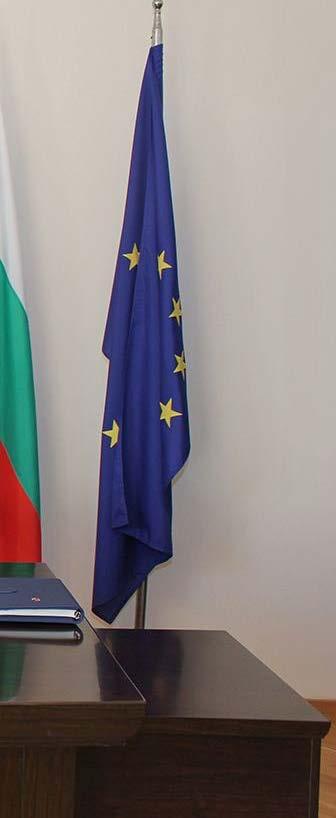
Bulgaria is one of the oldest countries in Europe with a rich and fascinating history. Bulgaria is a Balkan nation with diverse terrain, encompassing the Black Sea coastline, a mountainous interior and rivers, including the Danube. At the foot of domed Vitosha mountain is its capital city, Sofia, dating back to the 5th century B.C The country is remarkable for its variety of scenery attracting many visitors. TravelJingles magazine in conversation with H.E. Dr. Nikolay Yankov, PhD, Ambassador Extraordinary and Plenipotentiary of the Republic of Bulgaria to the Republic of India, tells us about Bulgaria.
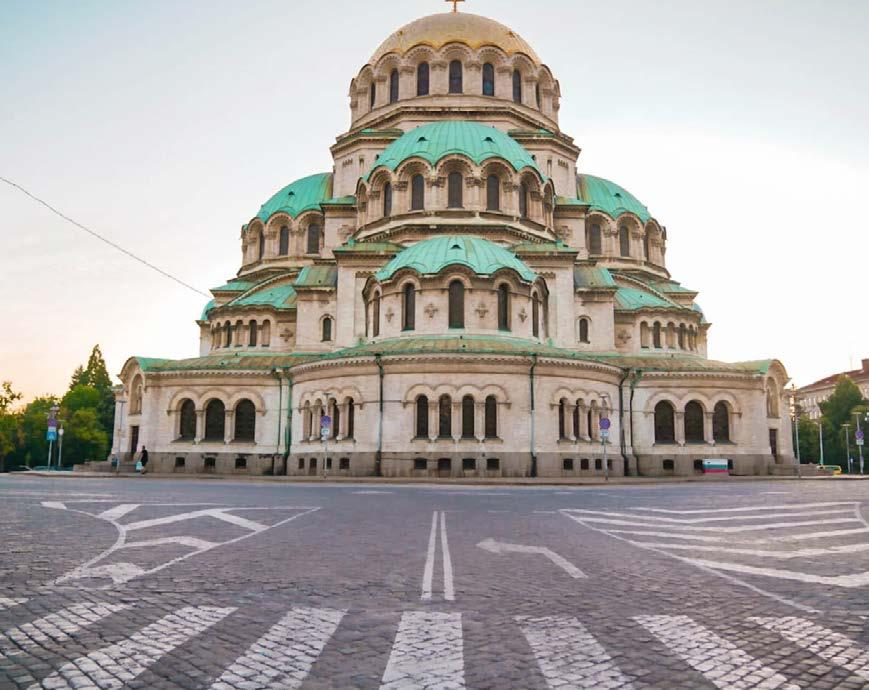
The Alexander Nevsky Cathedral is one of the largest Orthodox churches in the world. Tell us three must-visit places in Bulgaria.
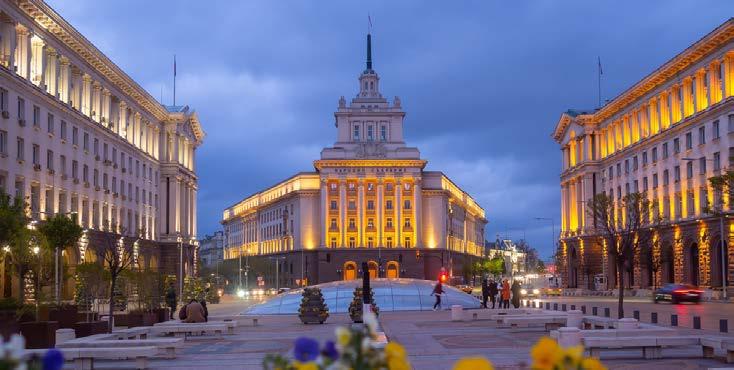
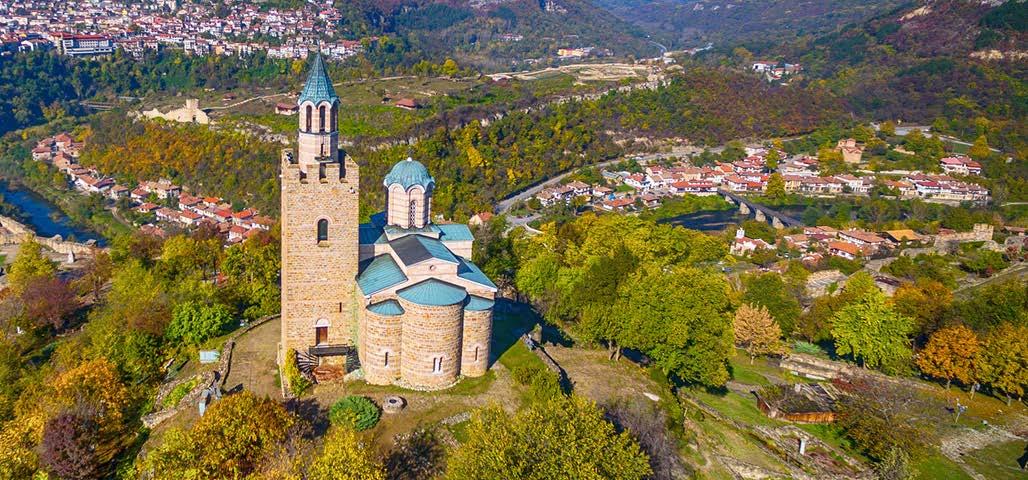
It is hard to narrow it down to only three must-visit places in Bulgaria, as our country is rich in natural beauty and history. Bulgaria captivates everybody with its magnificent nature and centuries-old traditions. If one plans to visit the Alexander Nevsky Cathedral, they should also consider a city tour of our capital, Sofia, as it is truly the cultural, educational, administrative and industrial centre of Bulgaria. Sofia is surrounded by enchanting mountains, which house a number of monasteries and churches. Other than this, I would recommend a visit to the Rila monastery. It is the biggest and most impressive Bulgarian monastery. It was established in the 930s by Ivan Rilski, one of the first Bulgarian monks and hermits, who has also gained world fame. The medieval capital of Bulgaria – VelikoTarnovo– is an astonishing place with unique beauty. The city is located in Central Bulgaria, at the foot of Stara Planina Mountain. The old part of the city is situated on the historical hills Tsarevets, Trapezitsa, and Sveta Gora. Plovdiv is the second most populous city in Bulgaria, which was also titled European Capital of Culture in 2019. A number of ancient monuments are preserved in the city, such as the ancient theatre, the Roman Odeon, the Agora (the Roman Forum), the Roman stadium, the Eyrene building from late antiquity, etc.
BULGARIAN YOGURT IS VERY FAMOUS. TELL US ABOUT THE GASTRONOMY OF THE COUNTRY.
Bulgarian cuisine is rooted in centuriesold traditions and practices, which are quite diverse. In some places. Recipes, have been passed down from generation to generation and have remained unchanged for hundreds of years. A typical trait is the simultaneous heat treatment of most products. Our food is rich in spices, and has a specific and unique taste. Typically, we add a lot of garlic, black pepper, thyme, spearmint, savory, bay leaf and paprika. The spices, fruits and vegetables we use are oftentimes organic, grown in our own gardens. In Bulgaria one can experience the original taste of the world-famous Bulgarian yoghurt, as well as many delicacies, prepared with it, such as the richly flavoured white cheese. Bulgaria is also famous for its rich tasting, herbal honey.


BULGARIA HAS TEN UNESCO SITES.
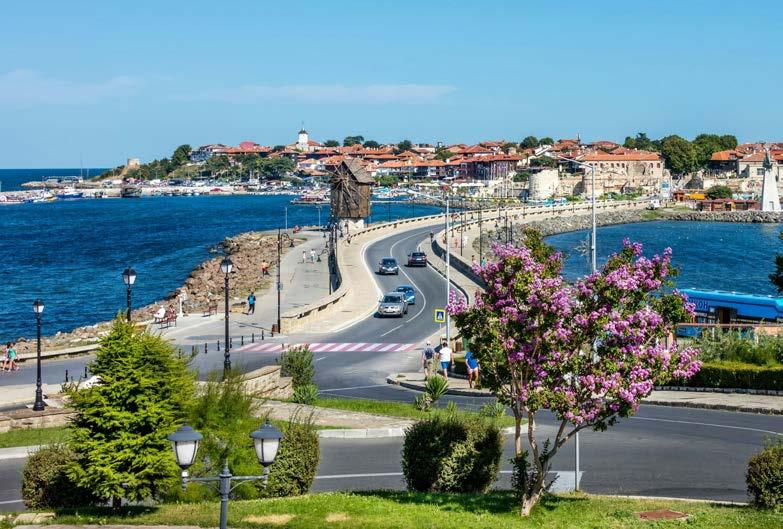
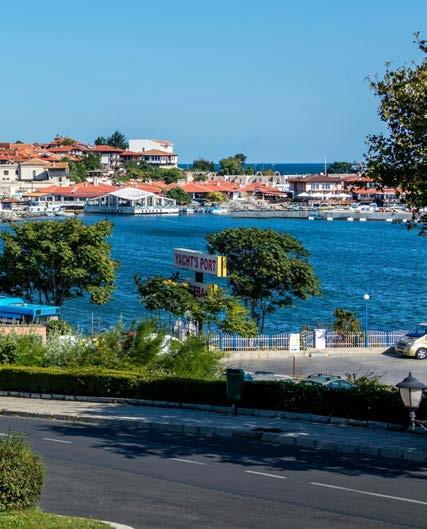
The rich cultural and natural heritage of Bulgaria is well recognized by UNESCO. The UNESCO List of Global Cultural and Natural Heritage sites, which includes sites of great importance to humanity, contains ten Bulgarian entries – seven cultural and three natural sites. Additionally, Bulgaria maintains a list of 16 entries on the tentative UNESCO list of sites. Among the enlisted sites are several Thracian tombs, old churches including a rock church, the Rila Monastery, the ancient city of Nessebar, etc.
THE ROSE VALLEY OF BULGARIA IS FAMOUS. WHAT MAKES IT SO SPECIAL?
The Rose Valley, located in the south of our country, is famous for its rosegrowing industry. Various sorts of roses have been cultivated there for centuries,


amongst them are the most outstanding being the Kazanlak Damask rose, which is grown in the fields near the town of Kazanlak. This variety stems from the Rosa Damascena group, which was brought to our land a long time ago and which, with the help of the unique climate and soil of the valley, has shaped up into a Bulgarian strain, different from the Damask roses elsewhere. Nowadays, the rose harvest is one of the most important activities in the Rose Valley, and it gets celebrated with special ceremonies, such as ‘The Festival of the Roses’. The festival was first held in 1903, and it has become a tradition to hold it in the first weekend of June, since this is when the Kazanlak roses bloom. The festival has gained international prominence and attracts thousands of guests. The festival includes the crowning of the ‘Rose Queen’ and the ritual gathering of roses and the distilling of rose oil.

BULGARIA OFFERS MOUNTAIN AND BEACHES. WHAT ARE THE MUSTDO ACTIVITIES HERE?
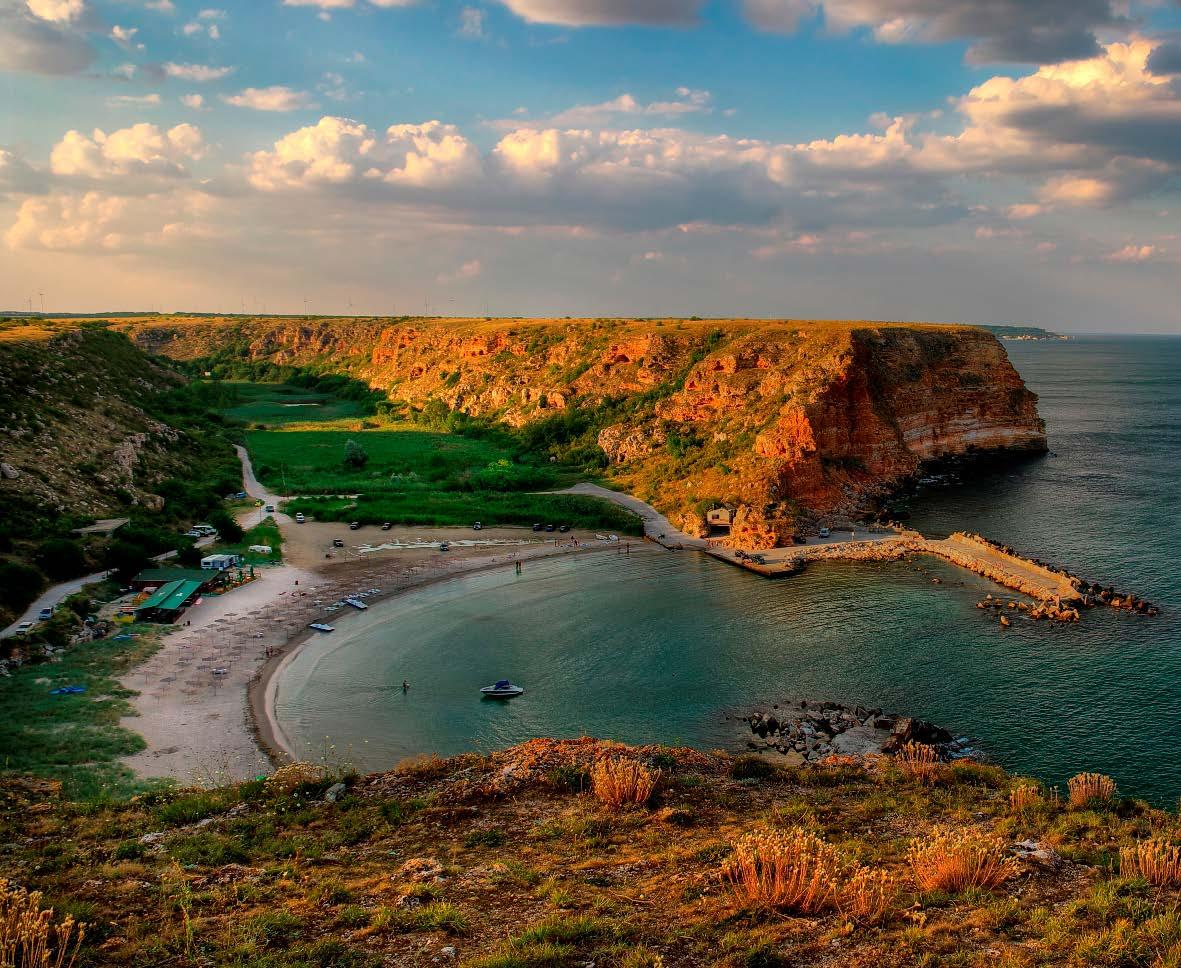
The mountains of Bulgaria cover some 30% of the country’s territory and are exceptionally diverse in relief. The ski season in the medium high and the alpine resorts, lasts some 130 days per year, and during the summer time, tourists may enjoy hiking in our centuries-old forests.The Bulgarian seaside is best known for its long sandy beaches, clear water and immense variety of resorts. Our Black Sea, provides wholesome experience for everybody – from families to young fun-seeking people, or nature lovers who prefer a peaceful and quiet holiday. Among the most popular sea sports that can be practised here, is water skiing, kite surfing, windsurfing and yachting. Black Sea resorts also offer hiking, biking and horseback riding, as well as ecotourism, photo safaris, and trips to natural, cultural, and architectural landmarks. In the northern part of the Black Sea, we have 3 world-class golf courses. Along the coastline, we have mineral water springs that have been utilized by a number of balneological centres, which provide the opportunity to combine seaside holidays with spa and wellness tourism. The seaside towns Sozopol and Nesebar- both UNESCO heritage sites – are famous for their beautiful coastal nature combined with rich and old history, which attracts a steady stream of tourists in the summer season.


ONE-THIRD OF BULGARIA’S LAND AREA IS DESIGNATED AS NATURAL PROTECTIVE AREAS. COMMENT.
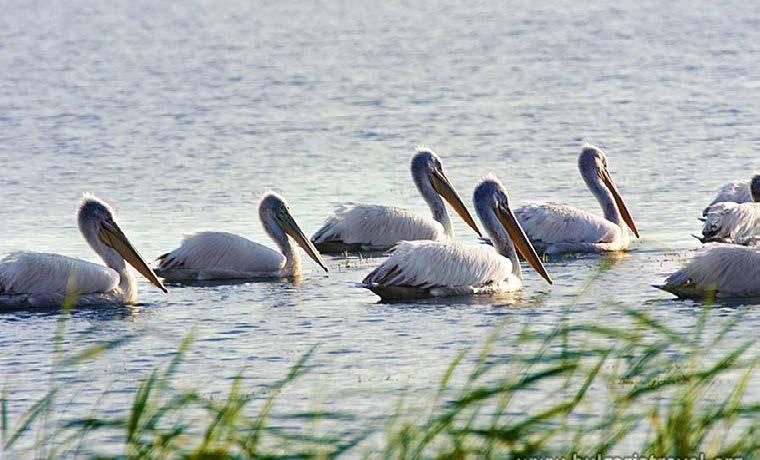
The diverse landscape and climate, as well as the animal and plant diversity make the nature in Bulgaria unique. Furthermore, Via Pontica – the route of the migratory birds from Europeto Africa, passes through the territory of our country. Тhis calls for special measures from our side to protect and preserve it, namely by creating national conservation parks.So far, three national parks have been established on the territory of Bulgaria – in the mountains of Pirin, Rila and Central Balkan. We also maintain 11 natural parks, 89 reserves and 2,234 sites that are declared natural landmarks.
Within the borders of the National Park Pirin, is located the oldest tree in the whole country – the Baykusheva Mura, which is estimated to be more than 1,300 years old. The park is also rich in unique eco systems and rare plant and animal species, a large part of which are included in the Red Book of Bulgaria. The biosphere reserve Srebarna, which covers the SrebarnaLake and the surrounding territories, presents an exceptional diversity of plant and animal species, some of which are migratory, and is one of the most interesting wetlands of Europe.
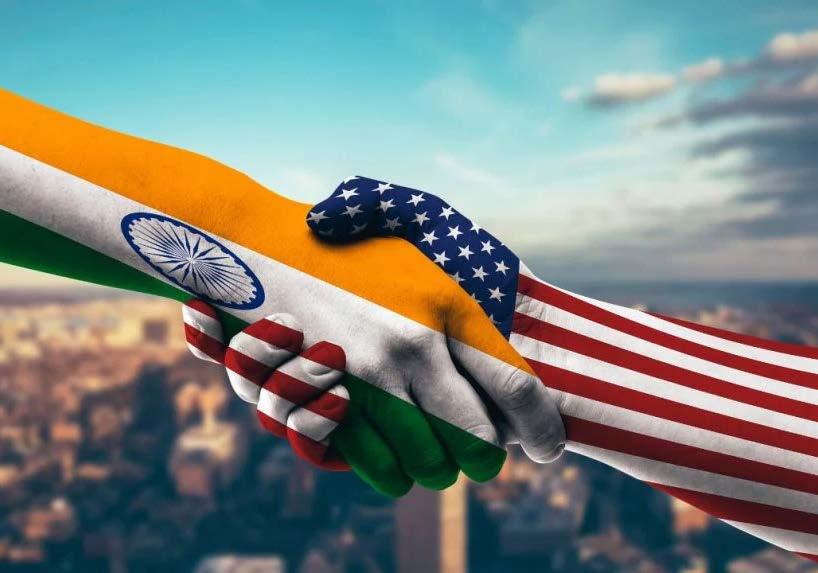
In a bold move to reshape global trade dynamics, U.S. President Donald Trump has rolled out a reciprocal tariff policy, setting a 26% tariff on Indian goods entering the United States, effective April 9, 2025. This follows an initial 10% baseline tariff on all foreign imports that began in April 2025, signalling the administration’s intent to level the playing field in international commerce. For India, a key U.S. trading partner, this policy marks a significant shift, raising questions about economic impacts, strategic responses, and the future of bilateral ties.
THE TARIFF TRIGGER
Trump’s tariff strategy is rooted in a long-standing

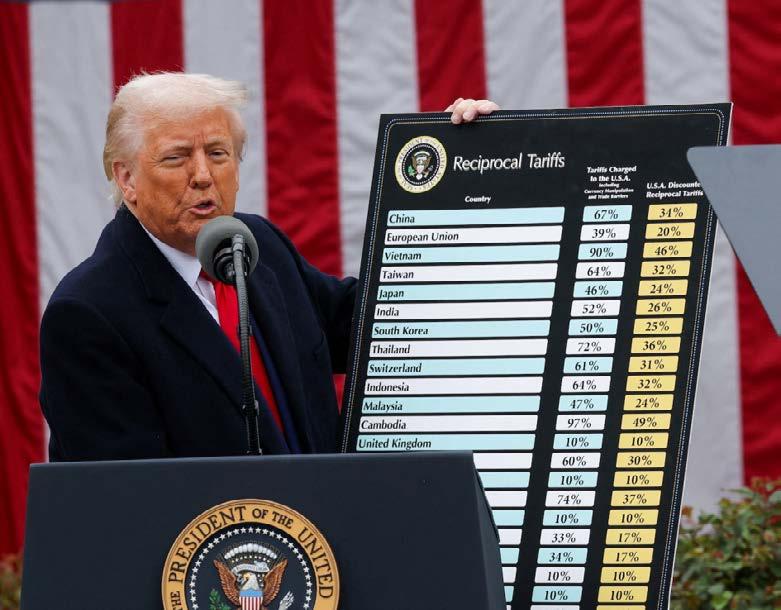
grievance: the perceived imbalance in trade policies. India imposes an average tariff of 17% on U.S. goods, with duties soaring past 100% on automobiles and averaging 39% on agricultural products. In contrast, the U.S. previously maintained an average tariff of just 3.3% on Indian imports. Trump has repeatedly called India’s high duties “very unfair,” citing examples like the 70% tariff on U.S. passenger vehicles against the U.S.’s former 2.5% rate. The new 26% tariff on India— higher than the baseline but lower than rates on China (34%), Vietnam (46%), and Cambodia (49%)—aims to mirror India’s own barriers, aligning with Trump’s pledge to end “non-reciprocal trade arrangements.”
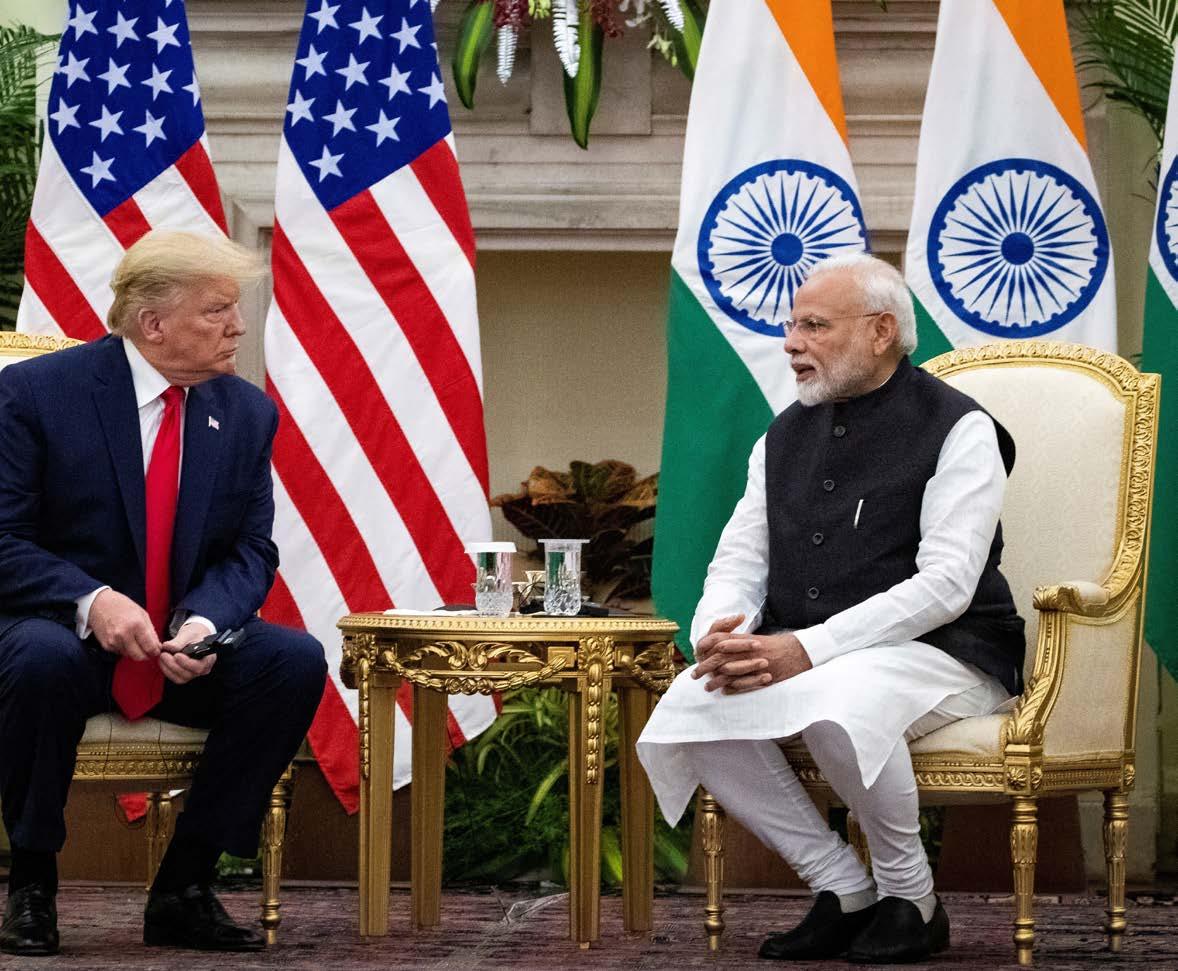
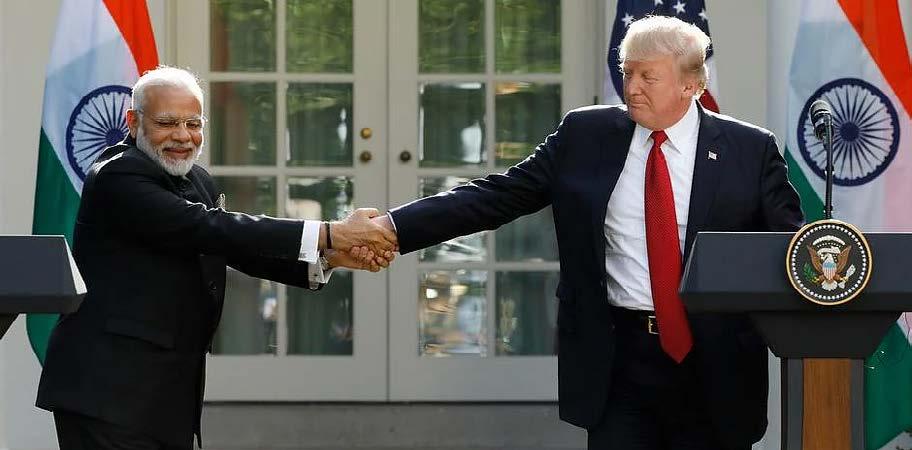
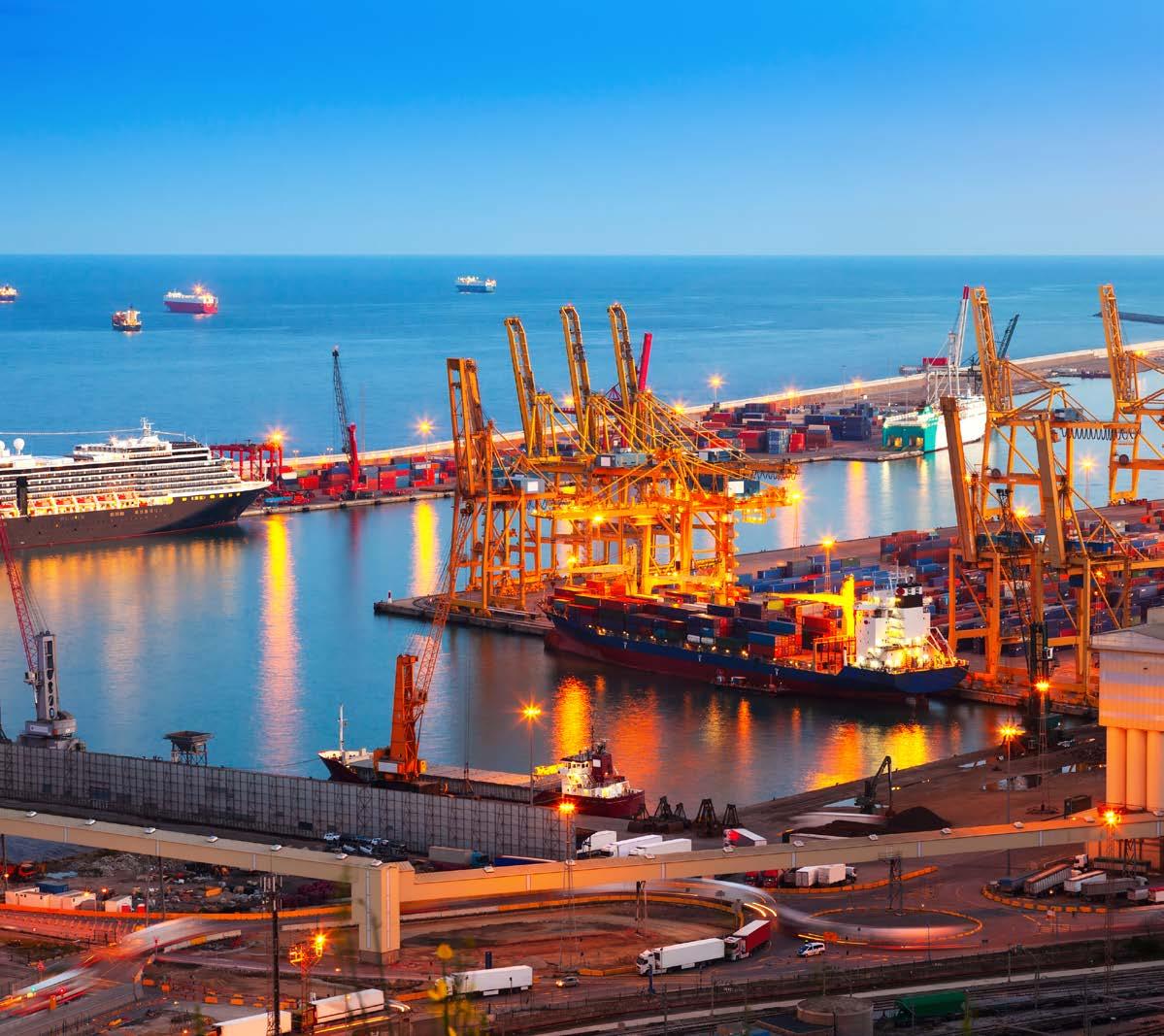
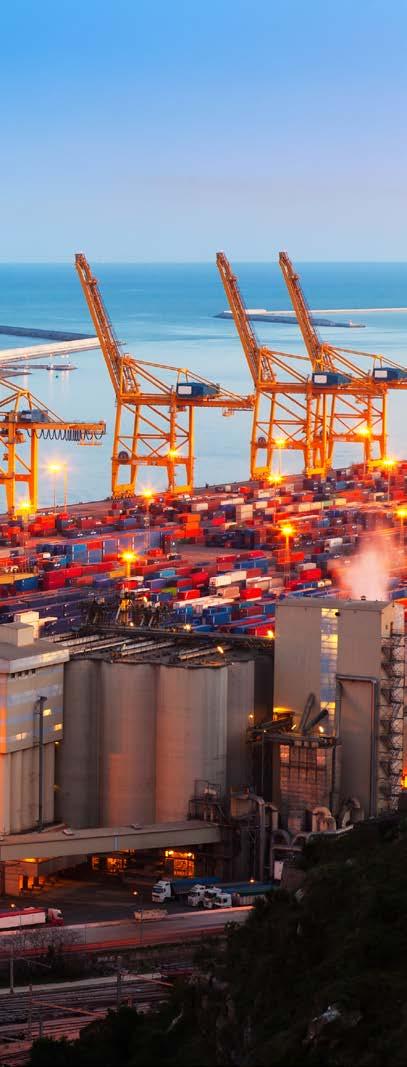
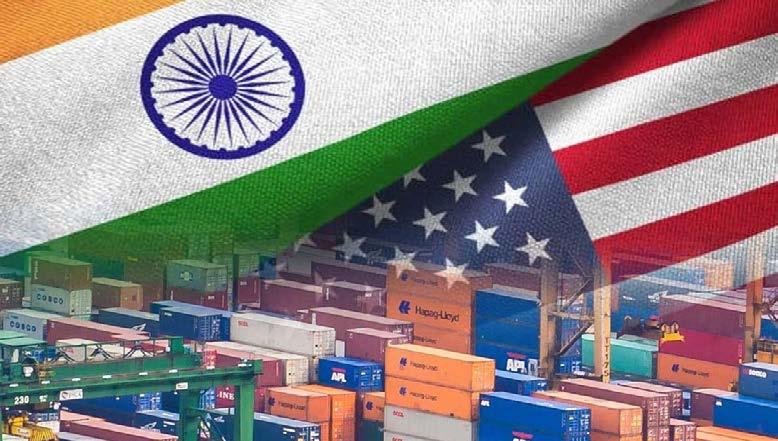
India’s exports to the U.S., valued at $77.5 billion in FY24, span electronics (15.6%), gems and jewellery (11.5%), pharmaceuticals (11%), machinery (8.1%), and petroleum products (5.5%). While critical sectors like pharmaceuticals, semiconductors, and energy resources are exempt, the tariffs threaten industries like electronics and textiles. Analysts estimate that a 10% drop in U.S. exports could shave 0.2% off India’s GDP, equating to an annual per-household loss of about $28 (₹2,396). Yet, India’s relatively low export
reliance on the U.S.—just 2.2% of GDP compared to Vietnam’s 25.1%—offers a buffer, positioning it as less exposed than some Asian peers.
The flip side? Opportunity. With China and Vietnam facing steeper tariffs, India could attract manufacturing shifts in textiles, electronics, and machinery. However, small exporters, lacking the scale to absorb higher costs, may struggle, potentially widening domestic economic disparities.
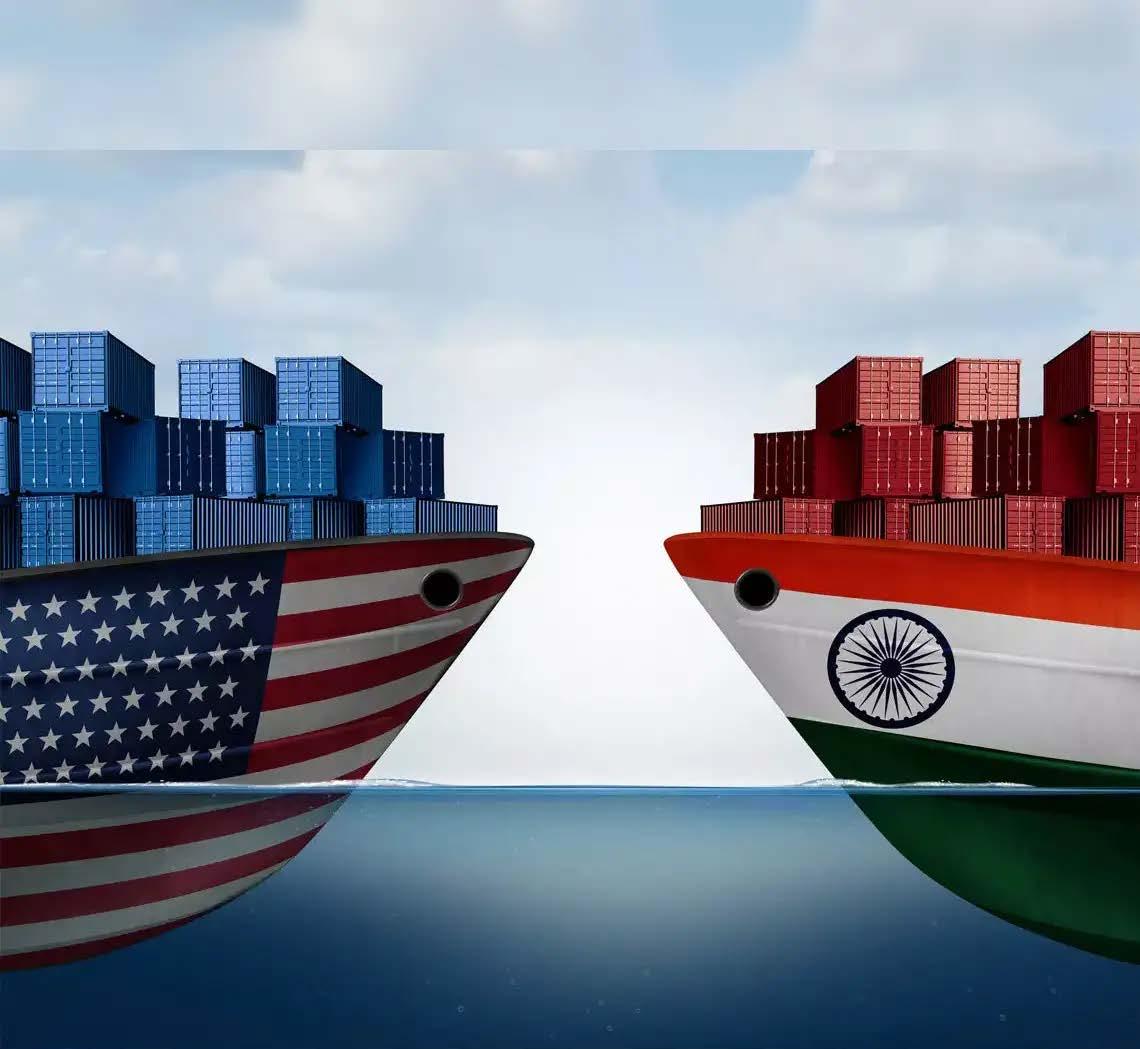
Unlike China, which slapped a matching 34% tariff on U.S. goods, India has opted for negotiation. Trade talks with the U.S., launched in February 2025, aim to secure a bilateral agreement by autumn. India has already trimmed tariffs on U.S. imports like motorcycles (from 50% to 40% for smaller engines) and bourbon whiskey (from 150% to 100%), and is mulling reductions on $23 billion worth of American goods. This conciliatory stance reflects India’s strategic calculus: preserving its growing partnership with the U.S., bolstered by defense and energy deals, while shielding sensitive sectors like agriculture, where farmer lobbies wield significant influence.
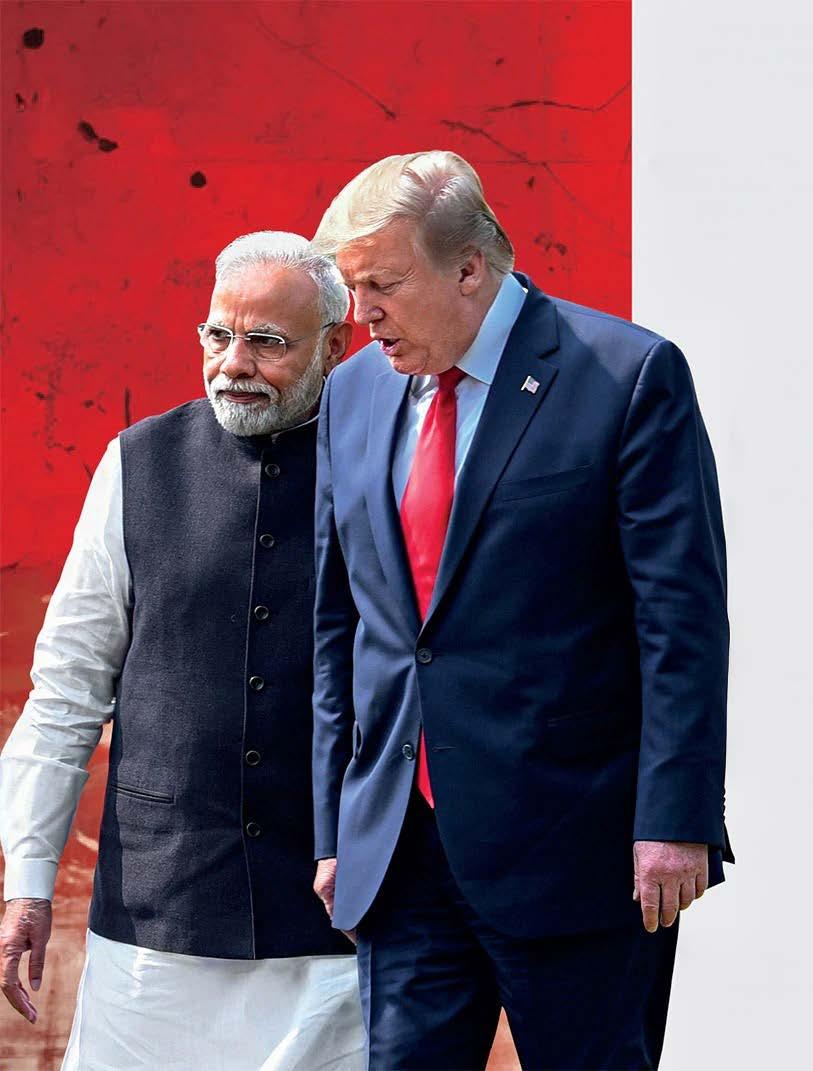
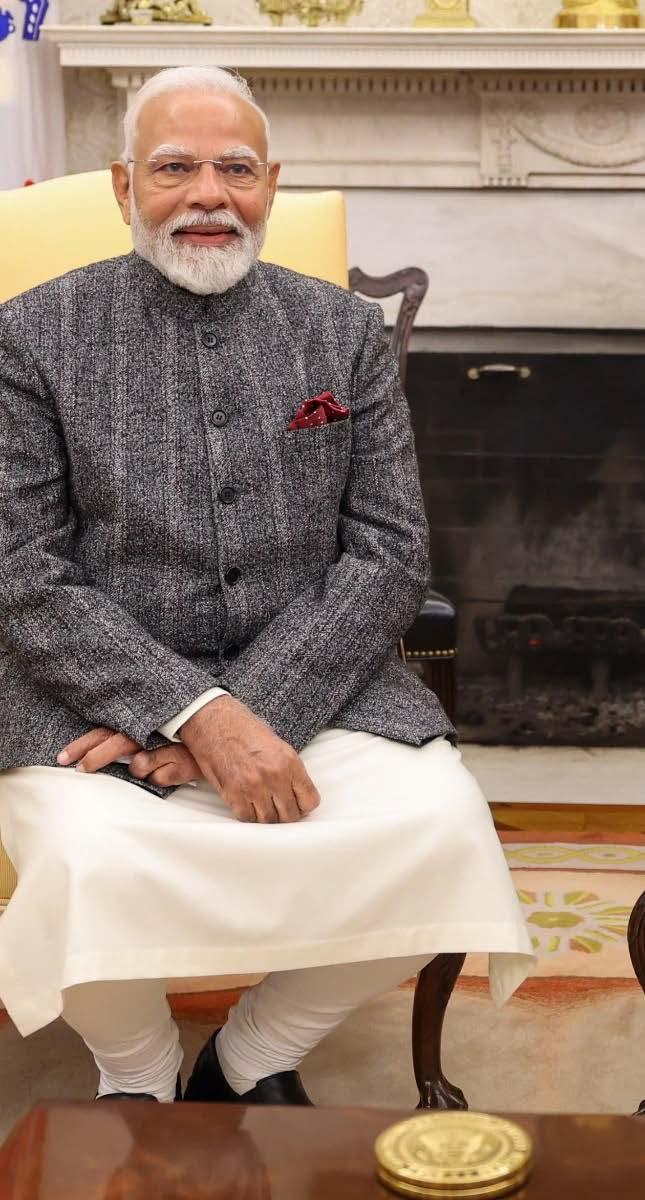
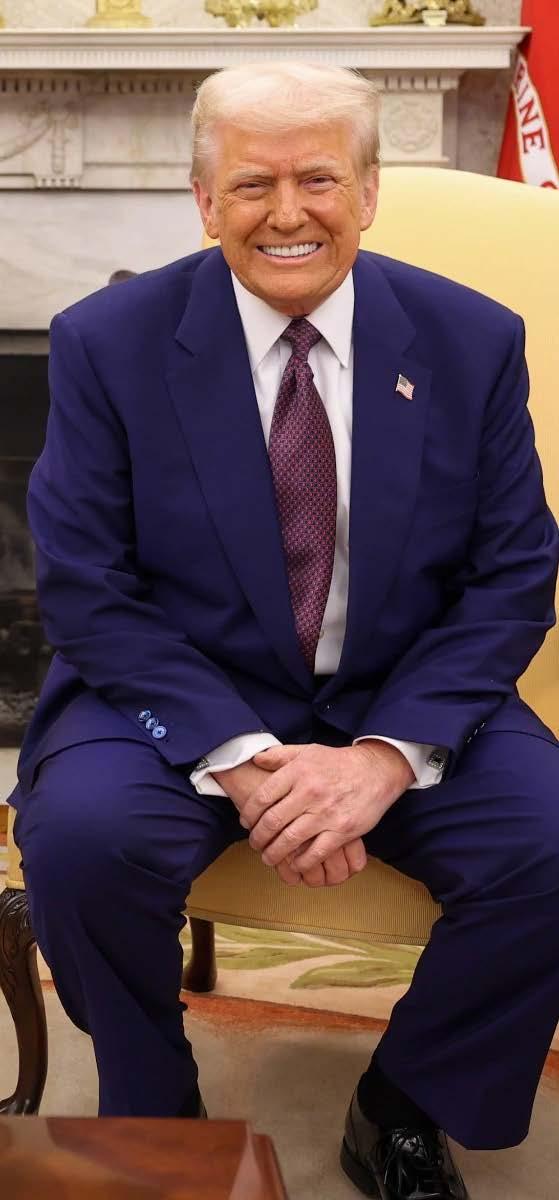
Trump’s tariffs are a salvo in a broader trade war, with ripple effects across Asia. China’s retaliation and Vietnam’s vulnerability highlight the stakes, while India’s moderate exposure and proactive diplomacy could turn adversity into advantage. If negotiations succeed, India might not only mitigate the tariff’s sting but also position itself as a preferred manufacturing hub amid global supply chain realignments.
Yet challenges loom. Domestic political pressures, especially in agriculture, limit India’s flexibility, and small businesses face an uphill battle. The outcome hinges on the trade talks’ success—and on whether India can leverage its strategic weight to carve out exemptions or incentives.
Trump’s 26% tariff on India is more than a trade policy—it’s a test of economic resilience and diplomatic agility. For now, India stands at a crossroads, balancing short-term costs against long-term gains. As the U.S. and India negotiate, the world watches: will this be a stumbling block or a stepping stone in their evolving relationship? Only time—and the bargaining table—will tell.



In a landmark achievement for India’s semiconductor ambitions, the nation has taken a bold step into the global technology arena with the inauguration of its first 3-nanometer (3nm) chip design centres in Noida and Bengaluru on May 13, 2025. Established by Renesas Electronics India Private Limited, a leading Japanese semiconductor company, these state-of-the-art facilities position India among a select few countries capable of designing cutting-edge 3nm chips, marking a significant milestone in the country’s journey toward technological self-reliance and global competitiveness.
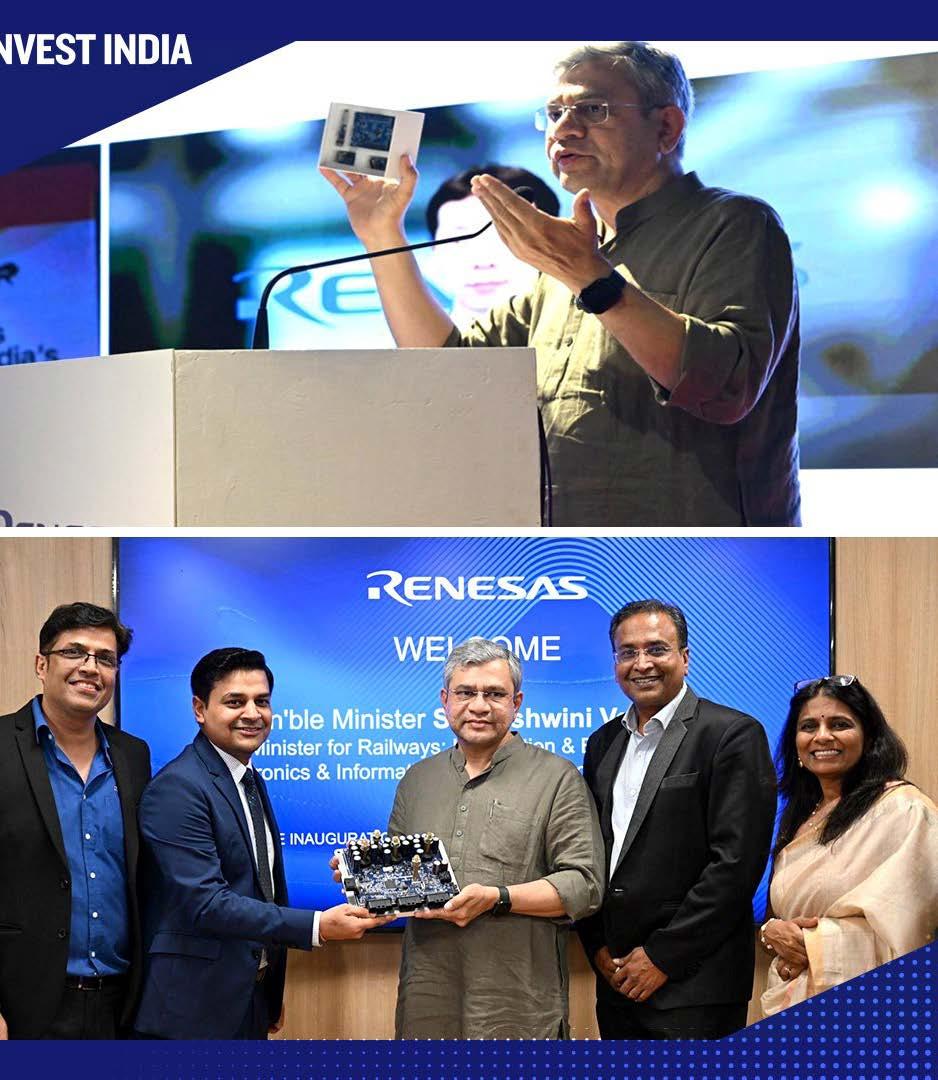
The 3nm chip represents the pinnacle of semiconductor technology, offering superior performance, lower power consumption, and enhanced computing efficiency compared to its predecessors, such as 7nm and 5nm chips. These chips are critical for powering nextgeneration devices and applications, including smartphones, laptops, automotive systems, artificial intelligence (AI), Internet of Things (IoT), and high-performance computing. By mastering 3nm design, India is not only keeping pace with global innovation but also carving out a strategic role in the semiconductor value chain. Renesas Electronics, a global leader in embedded semiconductor solutions, is spearheading this initiative. The Noida facility, a flagship centre, focuses on advanced applications in automotive, AI, and high-performance computing, while the Bengaluru centre—Renesas’ largest in India with over 500 employees— serves as a hub for global product development. This end-to-end 3nm chip design capability underscores India’s growing prowess in semiconductor innovation.
The establishment of these centres aligns with India’s ambitious semiconductor strategy, championed by the India Semiconductor Mission (ISM), launched in 2021 with a ₹76,000 crore outlay. Union Minister for Electronics and IT, Ashwini Vaishnaw, emphasized the holistic approach of this strategy, which spans chip design, fabrication, assembly, testing, marking, and packaging (ATMP), as well as supply chains for equipment, chemicals, and gases. Speaking at the inauguration, Vaishnaw hailed the 3nm milestone as a testament to India’s rapid progress, noting that the country has transitioned from lagging in chip design to leading in advanced technologies within a few years.


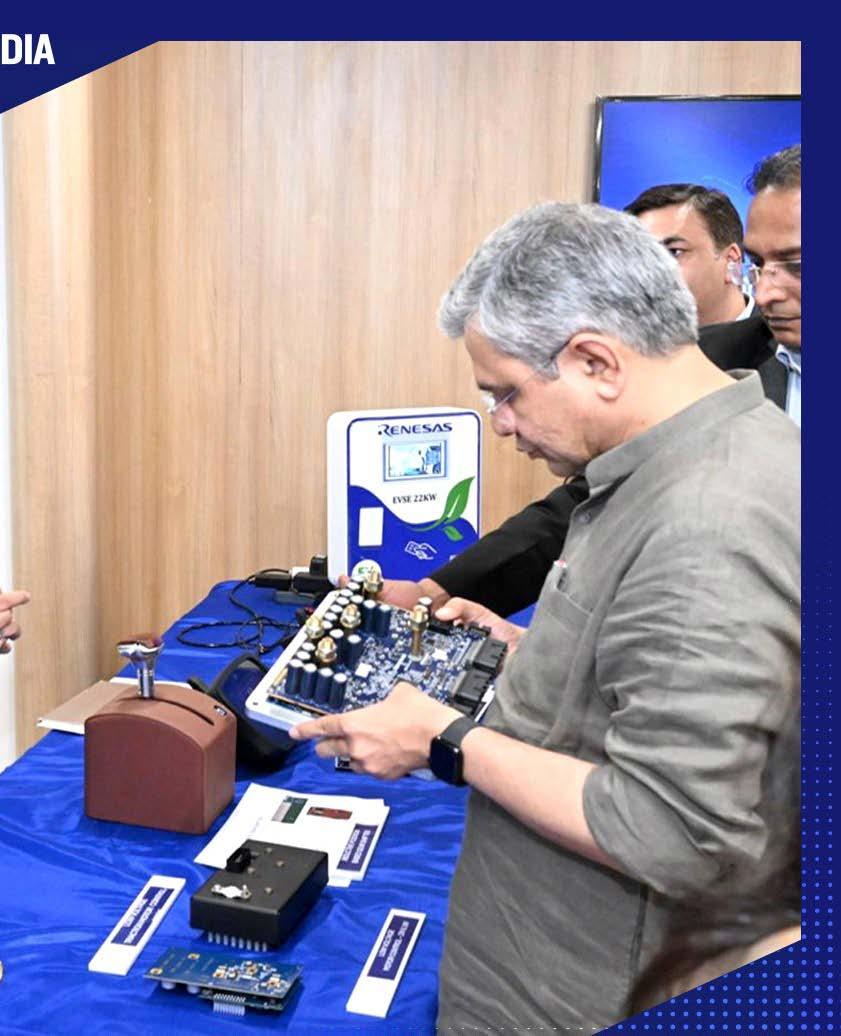
The government’s support extends beyond infrastructure. Programs like Chips to Startup (C2S) and the Design Linked Incentive (DLI) scheme are fostering innovation and entrepreneurship in the semiconductor sector. To address the critical need for skilled talent, a new semiconductor learning kit was introduced for engineering students, complementing the distribution of advanced Electronic Design Automation (EDA) tools to over 270 academic institutions under ISM. These initiatives aim to create a robust pipeline of industry-ready engineers, ensuring India’s long-term competitiveness.
India’s emergence as a semiconductor design hub has garnered significant confidence from global industry leaders. Companies like Applied Materials and Lam Research are investing in the country, with their endorsements highlighted at international platforms like Davos. Renesas has further strengthened India’s ecosystem by signing Memoranda of Understanding (MoUs) with the Centre for Development of Advanced Computing (C-DAC) to support academic institutions and startups, fostering innovation and collaboration.
These partnerships are critical as India seeks to bridge the gap in advanced semiconductor manufacturing, where nations like the United States, China, and Taiwan currently dominate with 3Transit: 3nm Chips to be Designed in India. While India excels in chip design, its manufacturing capabilities for 3-5nm nodes remain limited. However, recent developments, such as Tata Electronics’ collaboration with Taiwan’s Powerchip Semiconductor to establish a fabrication unit in Gujarat, signal progress toward building a domestic manufacturing base. The government’s allocation of ₹6,903 crore for the semiconductor sector in the 2024–2025 interim Budget, a significant increase from ₹3,000 crore, underscores its commitment to this goal.


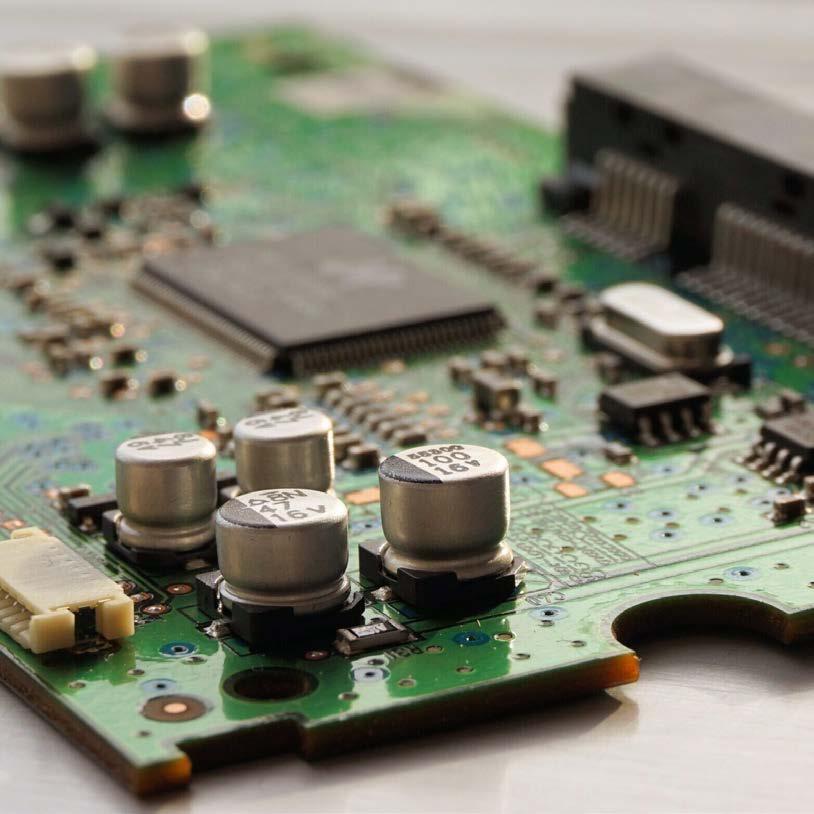
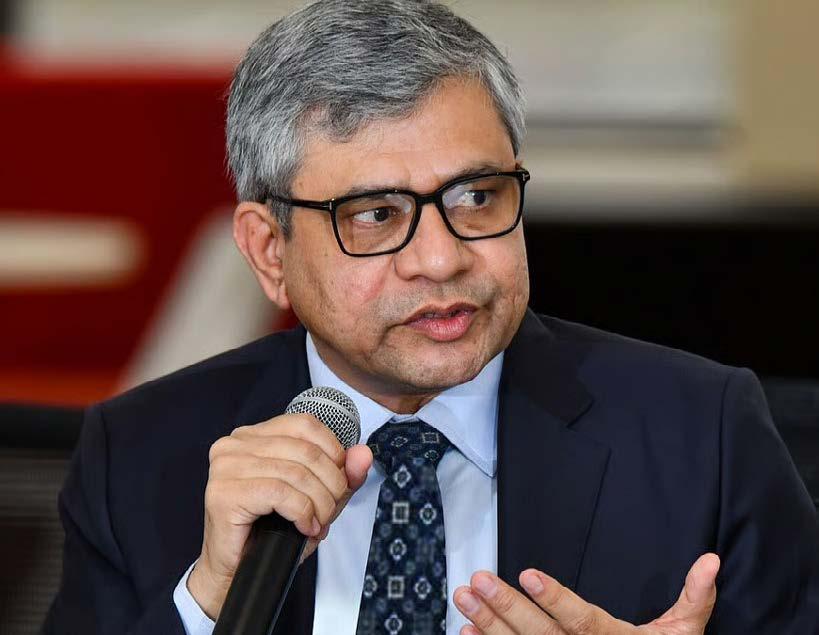
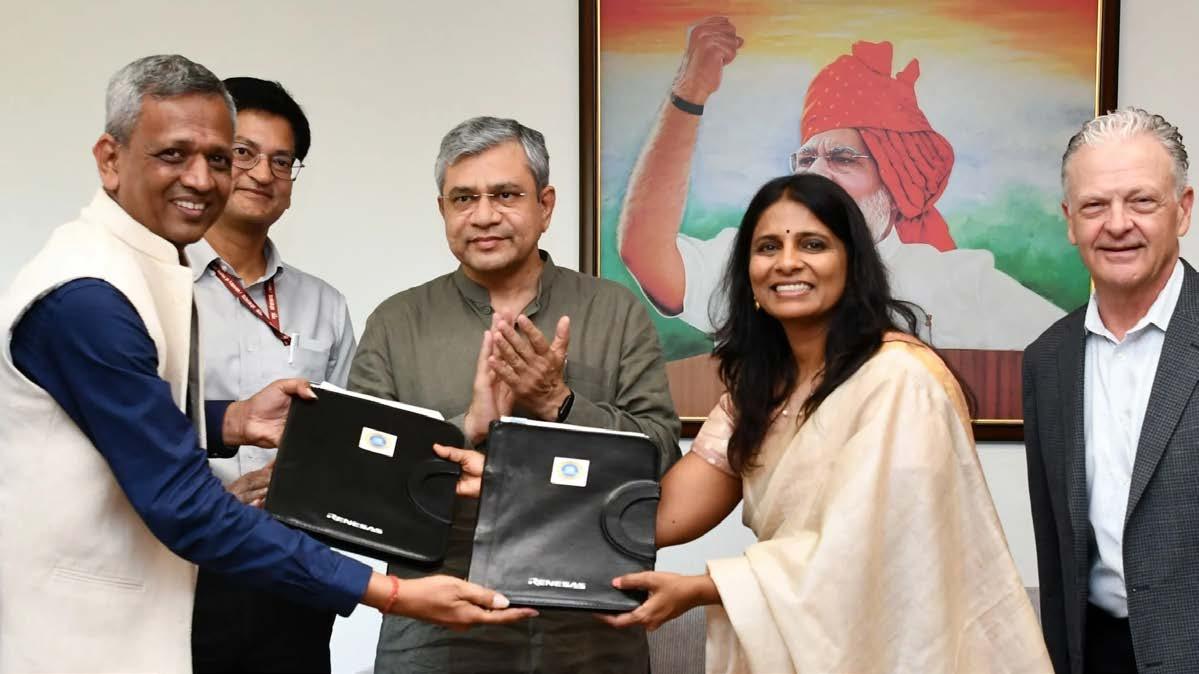
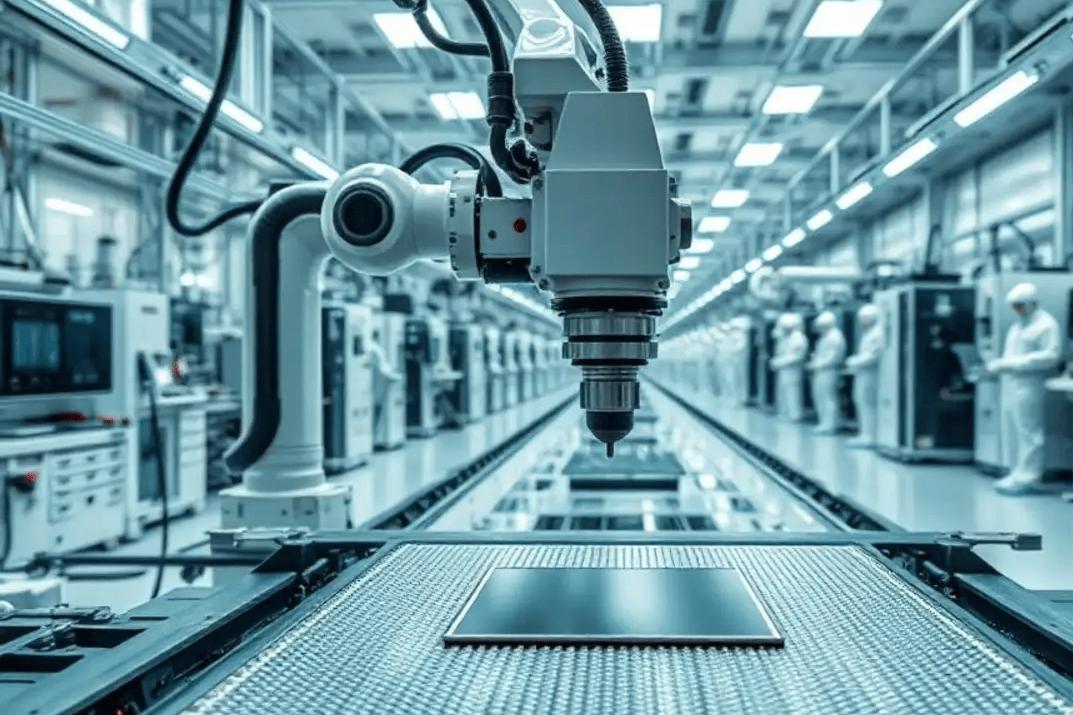


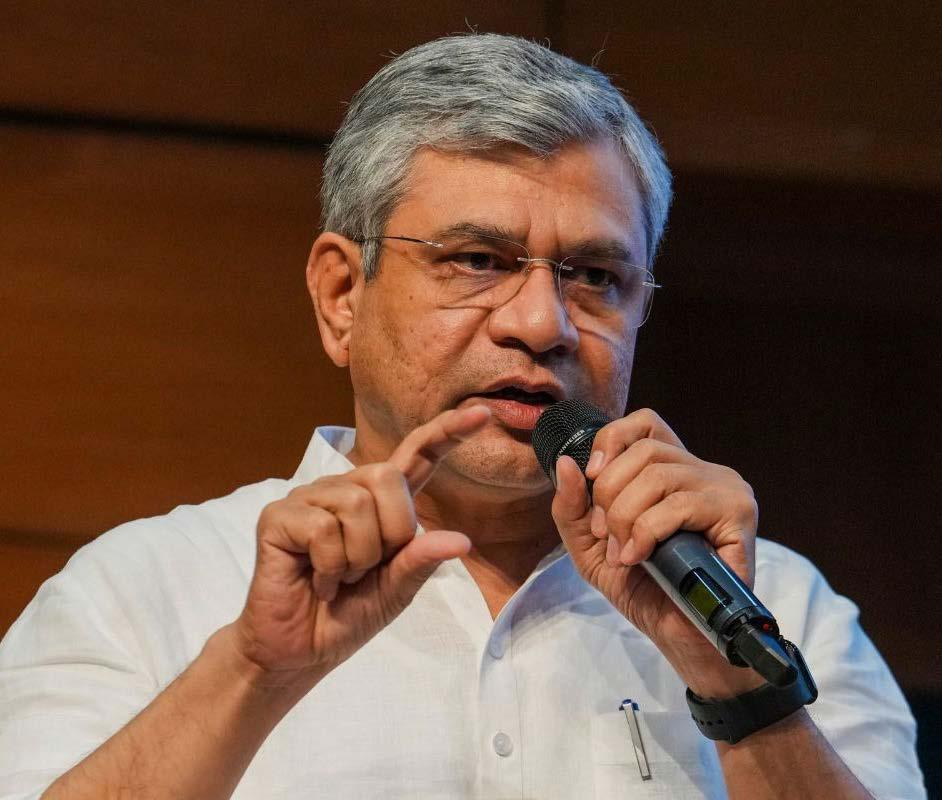
The ability to design 3nm chips in India is poised to have farreaching economic and strategic implications. By reducing reliance on foreign chip imports, India can enhance its technological sovereignty and strengthen its position in global supply chains. The initiative is expected to drive job creation, spur economic growth, and position India as a hub for semiconductor innovation. As Minister Vaishnaw noted, “This is not just about designing chips; it’s about designing India’s future.” The 3nm design centres also align with the Aatmanirbhar Bharat (Self-Reliant India) vision, empowering the nation to compete in high-tech industries and meet the growing demand for advanced chips in sectors like AI, automotive, and telecommunications. With global demand for semiconductors projected to grow, India’s entry into 3nm design ensures it remains at the forefront of this critical industry.
The inauguration of the 3nm chip design centres is a defining moment for India, signalling its readiness to lead in the global semiconductor race. As Renesas and other industry players deepen their investments, and as the government continues to bolster the ecosystem through policy and talent development, India is wellpositioned to expand its footprint in both design and manufacturing. This milestone is a testament to India’s innovation, determination, and vision. From being a latecomer to the semiconductor industry, India is now designing the chips that will power the technologies of tomorrow. As the nation builds on this success, it is not just shaping its own future but also contributing to the global technology landscape in profound ways.
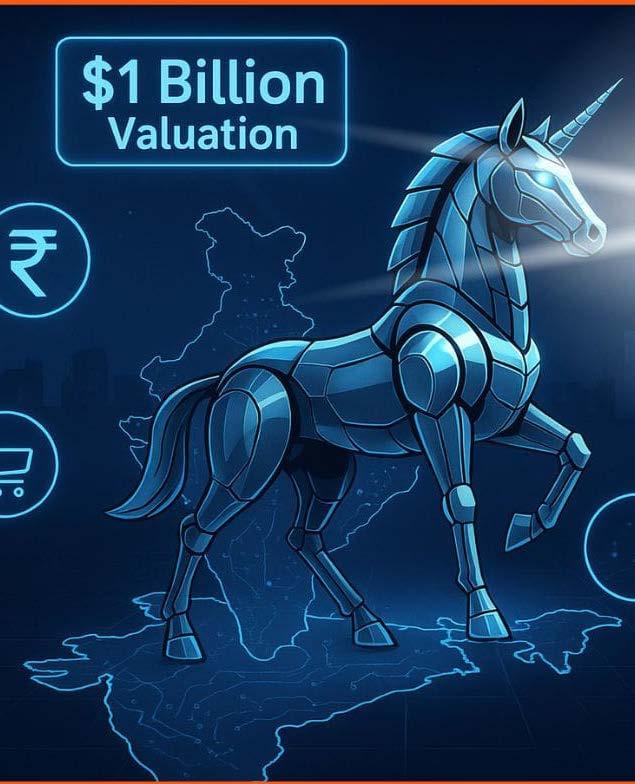

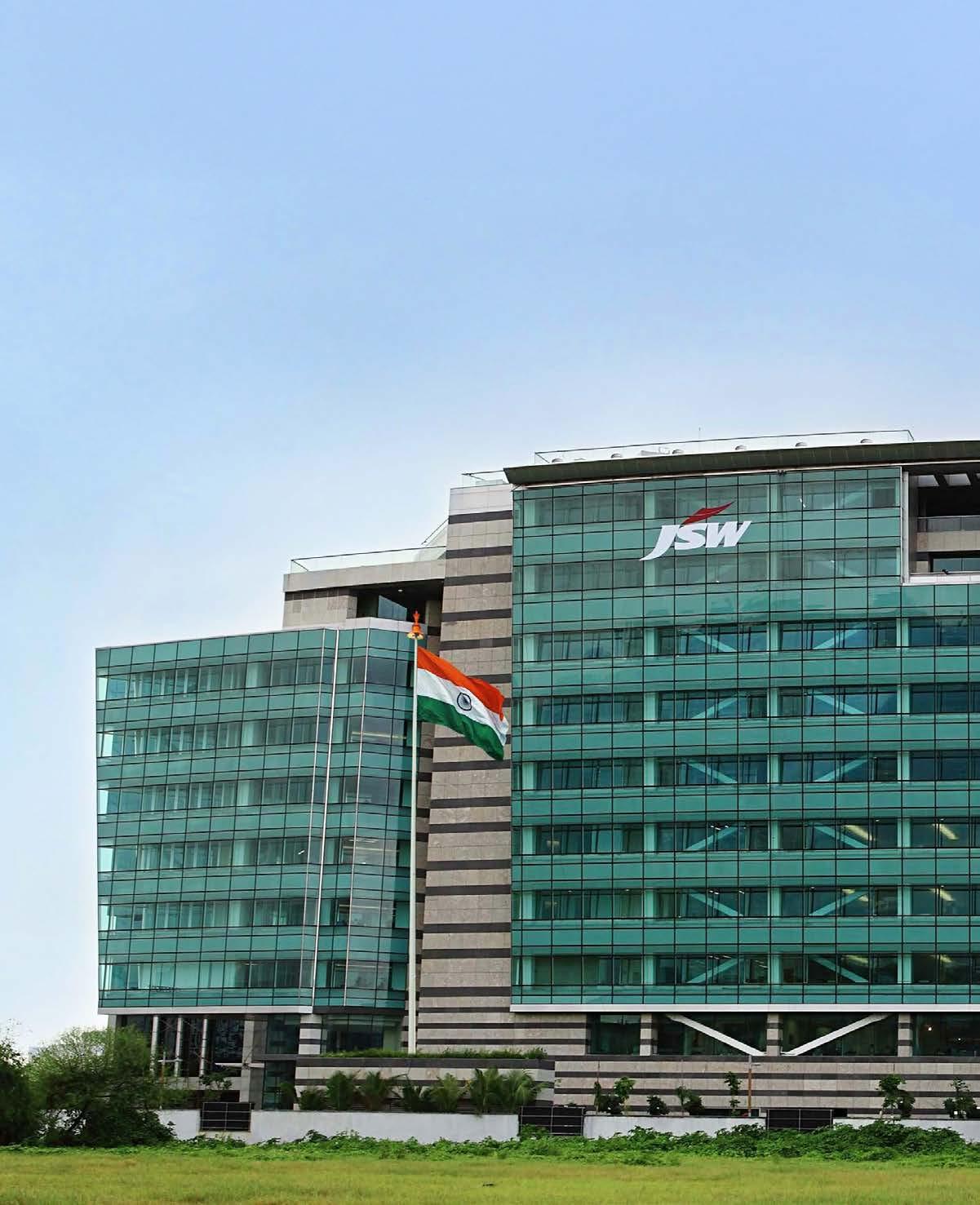

In a significant milestone for India’s startup ecosystem, Mumbai-based JSW One Platforms, a B2B e-commerce venture under the JSW Group, has achieved unicorn status, becoming the country’s third unicorn startup of 2025. The company secured ₹340 crore ($40 million) in a funding round led by Singapore-based Principal Asset Management, with participation from OneUp, JSW Steel, and other investors. This investment has propelled JSW One Platforms to a valuation of $1 billion, marking a remarkable growth trajectory for the company and reinforcing India’s position as a hub for innovative startups.
JSW One Platforms’ ascent to unicorn status comes on the heels of a significant valuation surge. Just two years ago, in April 2023, the company raised ₹205 crore from Japan’s Mitsui & Co. at a valuation of approximately $330 million. The latest funding round has boosted its valuation by over three times, underscoring the market’s confidence in its business model and growth potential. Launched in 2021, JSW One Platforms has quickly established itself as a key player in the B2B e-commerce space, catering primarily to micro, small, and medium enterprises (MSMEs) in the construction and manufacturing sectors.
JSW One Platforms operates as a comprehensive B2B marketplace, offering an integrated platform that combines e-commerce, supply chain solutions, logistics, and financial services. The company specializes in the procurement and distribution of steel, cement, and other construction materials, addressing critical pain points for MSMEs, such as access to quality products, timely delivery, and affordable financing. With a customer base exceeding 500,000 MSMEs across India, JSW One Platforms has built a reputation for streamlining procurement processes and enhancing operational efficiency. Its fintech and non-banking financial company (NBFC) arms provide tailored credit solutions, enabling small businesses to access working capital and scale their operations. The company’s logistics and distribution networks further ensure seamless delivery, bridging the gap between manufacturers and end-users.

The fresh infusion of ₹340 crore will fuel JSW One Platforms’ ambitious expansion plans. The company aims to strengthen its supply chain infrastructure for steel and cement, two critical materials in India’s booming construction and infrastructure sectors. Additionally, it plans to scale its logistics and distribution networks to reach underserved regions, ensuring that MSMEs across the country can benefit from its services. A significant portion of the funds will also be allocated to bolstering the company’s fintech and NBFC divisions. By enhancing its credit offerings, JSW One Platforms seeks to empower more MSMEs with the financial tools they need to thrive in a competitive market. The company’s focus on technology-driven solutions, such as digital procurement platforms and data analytics, will further drive efficiency and transparency for its customers.
JSW One Platforms’ unicorn status is a bright spot in India’s startup ecosystem, which has faced challenges such as funding slowdowns and market uncertainties in recent years. As the third unicorn of 2025, following two others earlier in the year, the company’s success highlights the resilience and innovation driving India’s entrepreneurial landscape. With India projected to remain a global leader in unicorn creation, JSW One Platforms’ achievement sets an inspiring precedent for other startups aiming to scale rapidly.
As a part of the JSW Group, one of India’s leading conglomerates with interests in steel, energy, cement, and infrastructure, JSW One Platforms benefits from a strong foundation and deep industry expertise. The group’s established presence in the manufacturing and construction sectors provides the startup with unparalleled access to resources, networks, and market insights. This synergy has been instrumental in JSW One Platforms’ ability to scale quickly and deliver value to its customers.
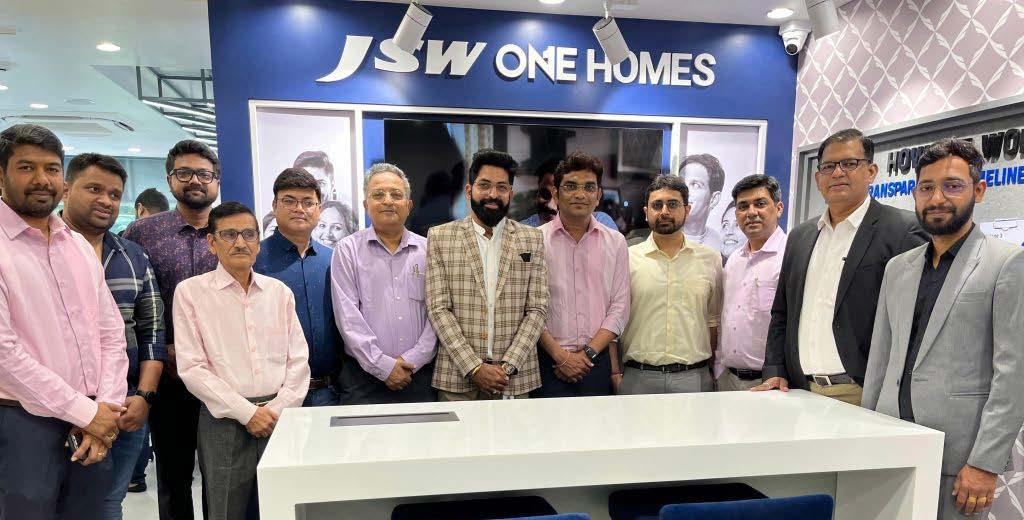

JSW One Platforms’ journey to unicorn status is a testament to its innovative approach and relentless focus on empowering MSMEs. As the company embarks on its next phase of growth, it is poised to play a pivotal role in transforming India’s B2B e-commerce landscape. By leveraging technology, expanding its reach, and strengthening its financial services, JSW One Platforms is well-positioned to drive inclusive growth and support the backbone of India’s economy—its small businesses.
With its sights set on further expansion and innovation, JSW One Platforms is not just a unicorn but a beacon of what’s possible in India’s dynamic startup ecosystem. As the company continues to redefine B2B commerce, it is likely to inspire a new wave of entrepreneurs and startups to dream big and achieve even bigger.



In 2010, Bert Mueller, a music and public policy major from The College of William & Mary, arrived in Jaipur, India, for a study abroad program. The vibrant culture, bustling streets, and culinary diversity left an indelible mark on the then-20-year-old Virginian. What began as an academic adventure sparked an entrepreneurial journey that would transform India’s fastcasual dining scene. Today, Mueller, now 35, is the founder of California Burrito, a Mexican-inspired restaurant chain with over 100 outlets across Bengaluru, Hyderabad, Delhi-NCR, and Chennai, generating an impressive $23 million (₹200 crore) in annual revenue as of 2024.


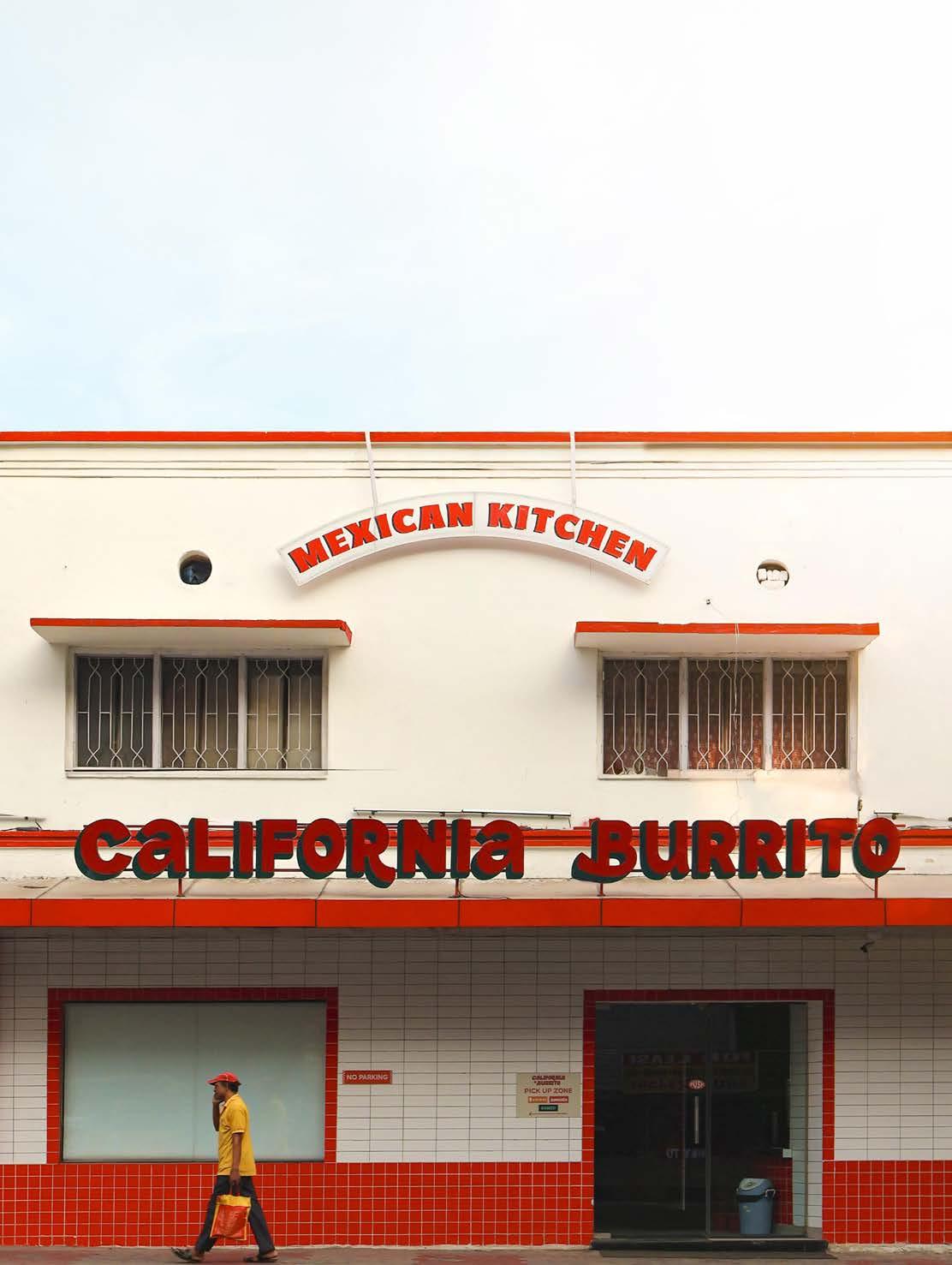
Mueller’s epiphany came during his time in India, where he noticed a curious gap in the culinary landscape. Despite India’s love for bold, flavourful food, Mexican cuisine was underrepresented, limited to a handful of upscale restaurants or American chains like Taco Bell. Drawing parallels between Indian staples—rice, beans, and flatbreads—and Mexican classics, Mueller saw an opportunity. “I thought, if Indians love spicy, customizable food, why not bring the burrito to them?” he recalled in a 2023 interview.
After graduating, Mueller returned to India in 2012 at age 22, armed with a vision and $15,000 of his own savings. Partnering with college friends Dharam Khalsa and Gaelan Draper, who also contributed, and raising an additional $250,000 from family and friends, they launched California Burrito’s first outlet in Bengaluru. The city, a tech hub with a cosmopolitan crowd familiar with global cuisines, was the perfect testing ground. Their mission: serve fresh, customizable Mexican food inspired by San Francisco’s Mission District taquerias, but tailored to Indian palates.


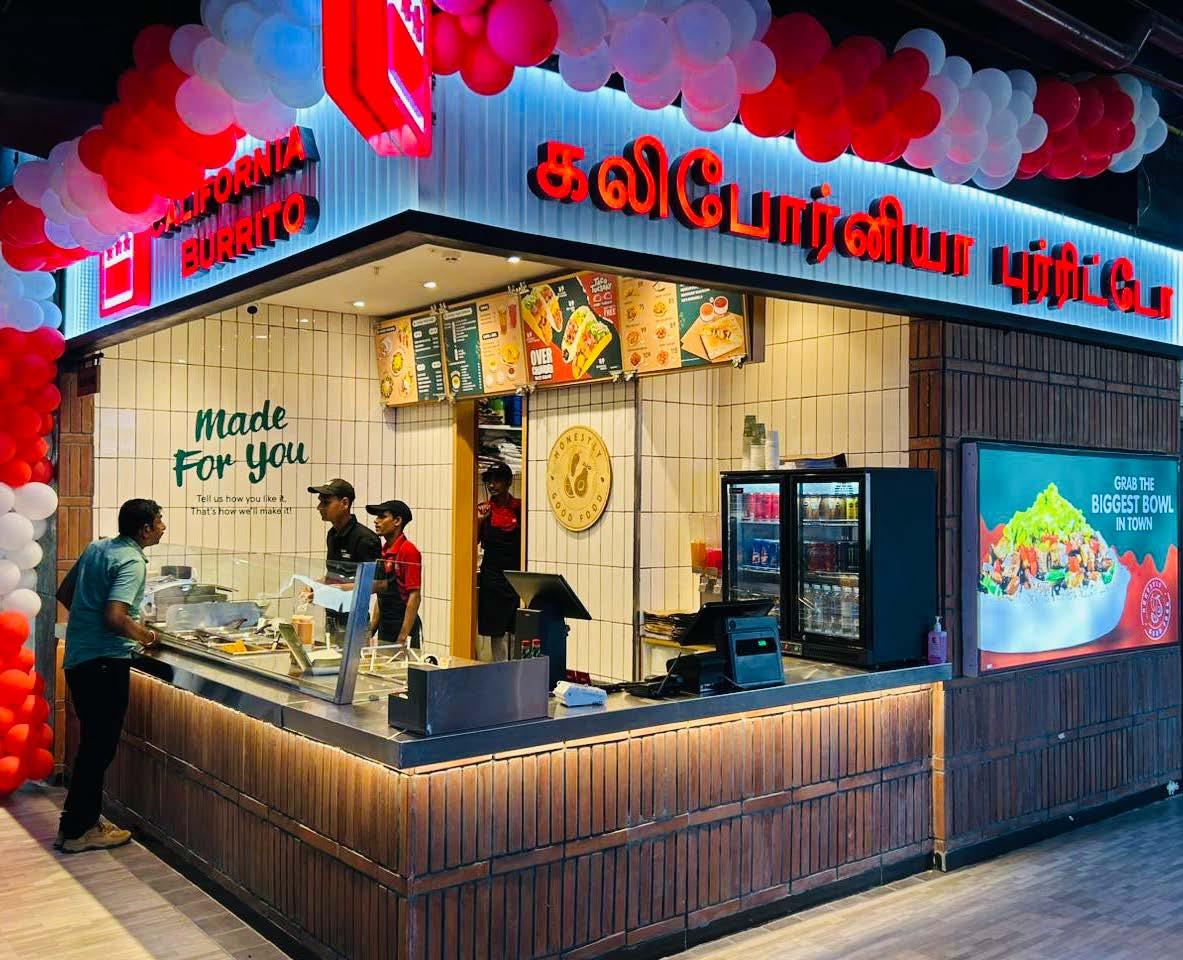
California Burrito wasn’t an overnight success. Early challenges tested Mueller’s resolve. A dishonest manager nearly derailed the fledgling business, and an ill-fated expansion to Chennai failed due to a poorly chosen location. The COVID-19 pandemic slashed monthly revenues from ₹4 crore to ₹25 lakh, forcing Mueller and his team to pivot to delivery and cloud kitchens to survive. Yet, Mueller’s hands-on approach—working in the kitchen, training staff, and even learning bits of Kannada and Tamil—kept the brand afloat.
What set California Burrito apart was its commitment to quality and sustainability. Mueller introduced Hass avocados and tomatillos to Indian agriculture, working with local farmers to grow these ingredients. The menu, featuring burritos, tacos, bowls, and salads, emphasized fresh, healthy ingredients with no preservatives, appealing to India’s growing fitness-conscious demographic. Priced competitively, with burritos starting at ₹200, the chain offered premium quality without the upscale price tag, distinguishing itself from competitors like Taco Bell. Mueller’s marketing savvy also played a pivotal role. Initially underinvesting in promotion, he later embraced influencer campaigns. The 2024 opening of California Burrito’s 100th outlet, where items were priced at ₹100 for the day, went viral on social media, cementing the brand’s cult status. Posts on social media praise the chain’s “healthy yet tasty” offerings, with users calling it a go-to for gym-goers, tech professionals, and foodies alike.

California Burrito’s growth to 100 outlets by March 2025—achieved ahead of schedule—reflects Mueller’s resilience and adaptability. The chain, which operates on a company-owned model, has raised $800,000 in funding and plans to expand further into Tier-1 and Tier-2 cities. Mueller’s journey hasn’t been without regrets. “I wish we’d invested more in marketing early on,” he admitted. Yet, his ability to learn from setbacks, from navigating India’s complex supply chains to recovering from the pandemic, has been key to the brand’s success. Mueller’s cultural integration has also endeared him to Indian customers. Having called India home for over a decade, he speaks conversational Kannada and Tamil and has embraced local traditions. In a 2024 post on social media, he expressed admiration for Telugu actor Allu Arjun, striking a chord with fans and adding a pop culture flair to his public persona.
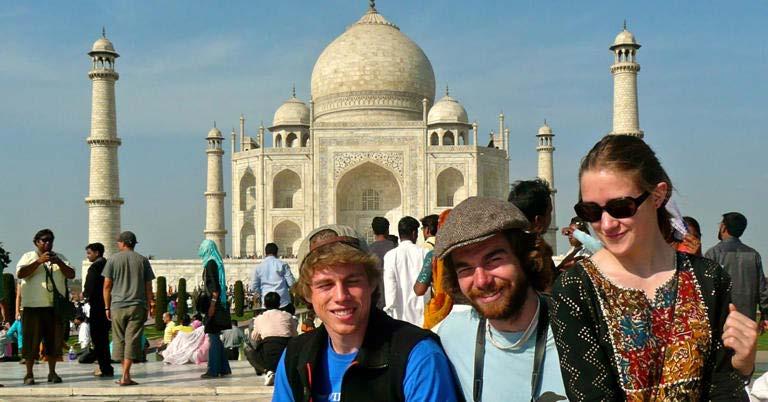
At its core, California Burrito is more than a restaurant chain—it’s a testament to Mueller’s vision of blending global flavours with local sensibilities. From a $15,000 investment to a ₹200-crore empire, his journey embodies the entrepreneurial spirit. Looking ahead, Mueller aims to make California Burrito a household name across India, with plans to refine the menu, explore plant-based options, and deepen sustainability efforts. For now, the kid from Virginia who fell in love with India over a decade ago continues to serve up burritos with a side of inspiration, proving that a good idea, a lot of grit, and a little spice can go a long way.
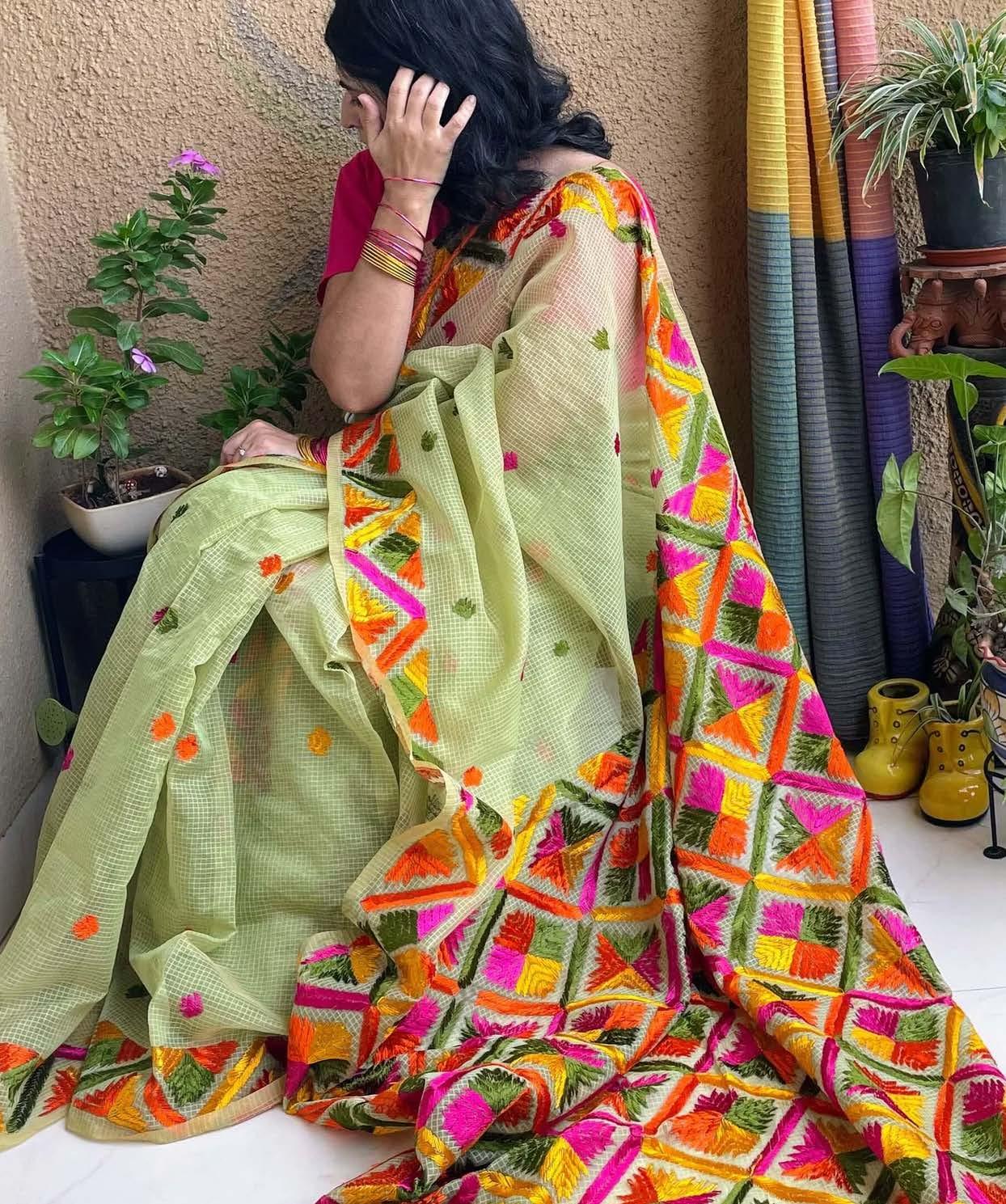
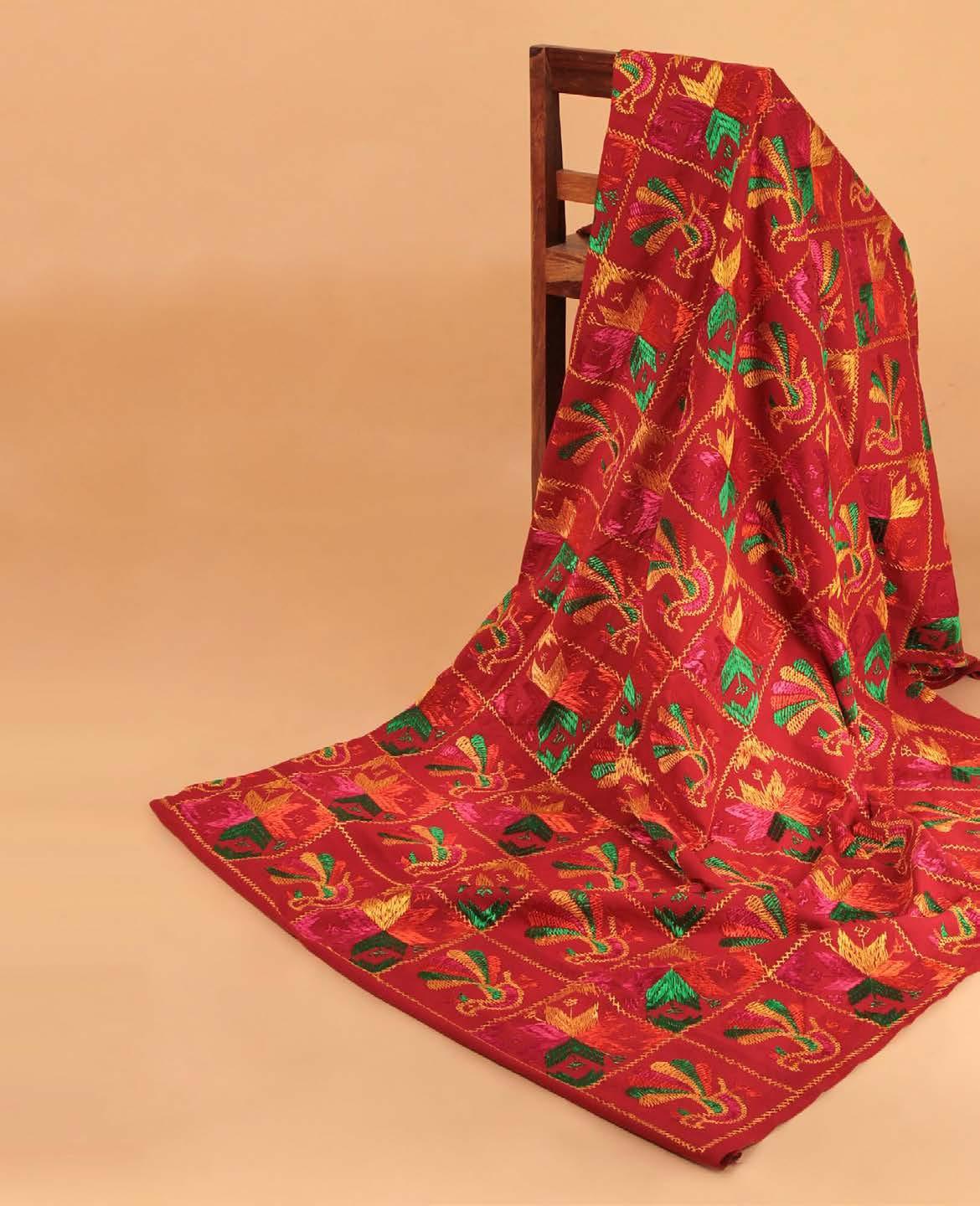
The fertile lands of Punjab are indeed a portrait of bounty with its lush fields of green and gold. Its people wondrously captured the land’s eternal beauty with one colourful stitch at a time, creating gorgeous works of embroidery known as Phulkari. Most popularly phulkari embroidery features intricate floral motifs, earning this artistic tradition its name. Nimble fingers deftly push and pull needles through a plain fabric, transforming blank canvases into exquisitely vibrant pieces of cultural artefacts. It would remind one of the very hands that work the fields, transforming vast spaces into blooming meadows. The land and its culture are perfectly represented through the harmonious blend of colours and striking patterns; the technique, passed down like a folk melody from one generation to the next.

An inquiry into the archives would lead one to British records dating back to the 1880s where Phulkari has been described as holding ceremonial significance, especially at weddings. It is believed that the Phulkari style of embroidery started in the 15th century with womenfolk of Punjabi villages, decorating everyday items of clothing such as odhnis (veil), dupattas, shawls, bedspreads, suits and blouses. However, the phulkari grew to gain auspicious significance, becoming a vital part of Punjabi culture and regional identity.
Phulkari uses the darning stitch method, where the thread is woven in rows along the grain of the fabric – a technique that can take years to perfect! This precise method of embroidery produces fascinating geometric or floral designs and patterns made by even, regular stitches. No less than an artist, Phulkari artisans value visual balance and compositional harmony – a rule followed regardless of whether the Phulkari is ordinary or of bagh variety. Ordinary Phulkari in itself features gorgeous motifs scattered across the cloth. However, one would be truly fortunate to run their fingers over Bagh Phulkari and feel the texture of delicate patterns, densely covering the entire cloth.
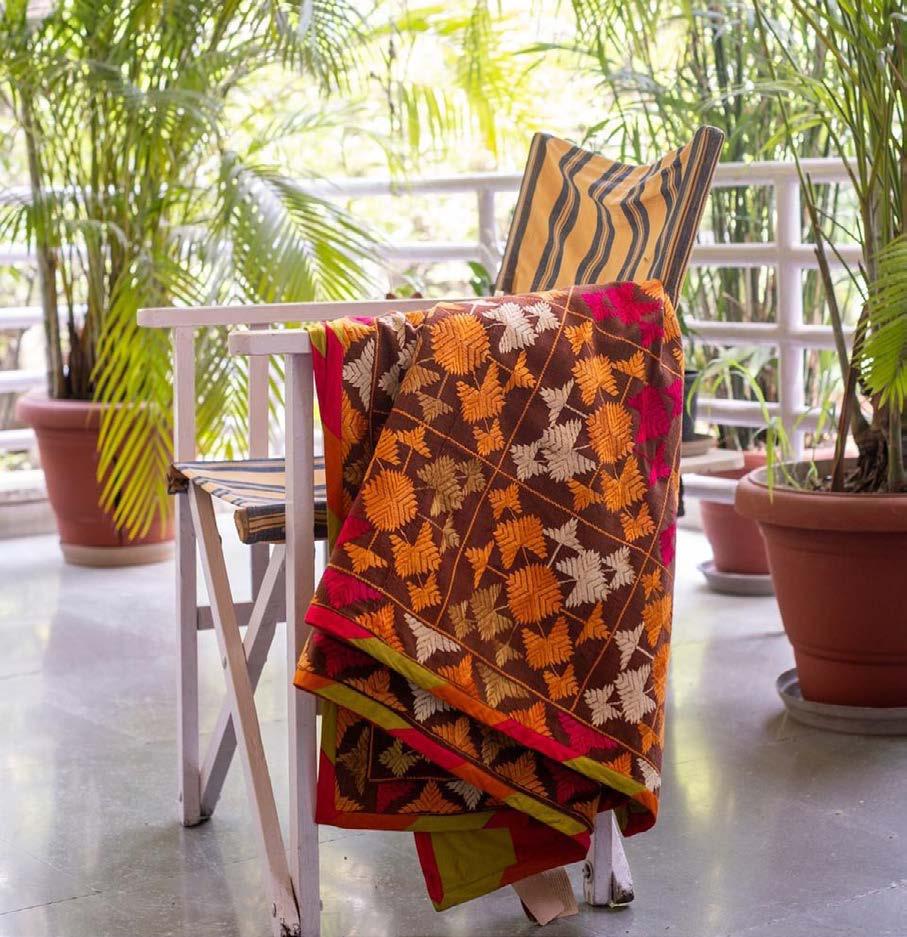


Phulkari is an extraordinary visual experience that mesmerizes all who witness it. Craftswomen use vibrantly hued threads to weave patterns varying in complexity. Over the years, a multitude of patterns have emerged as part of the phulkari tradition with more than 21 distinct motif styles such as the seven-coloured Satranga bagh motif, the striking blue river-like Dariya bagh motif, vivid Mor and Tota bagh with bird motifs, and Chamba motif featuring stylised creepers, leaves and flowers.

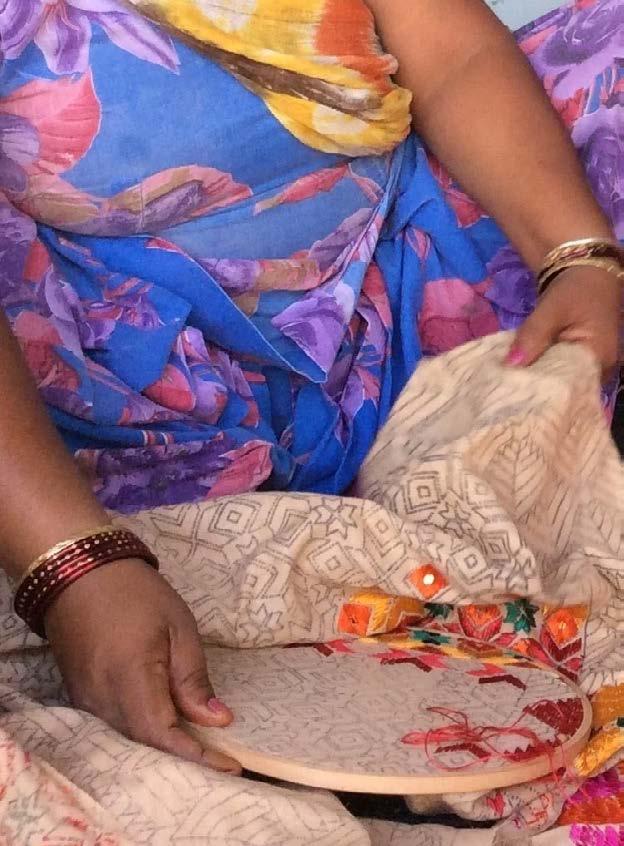
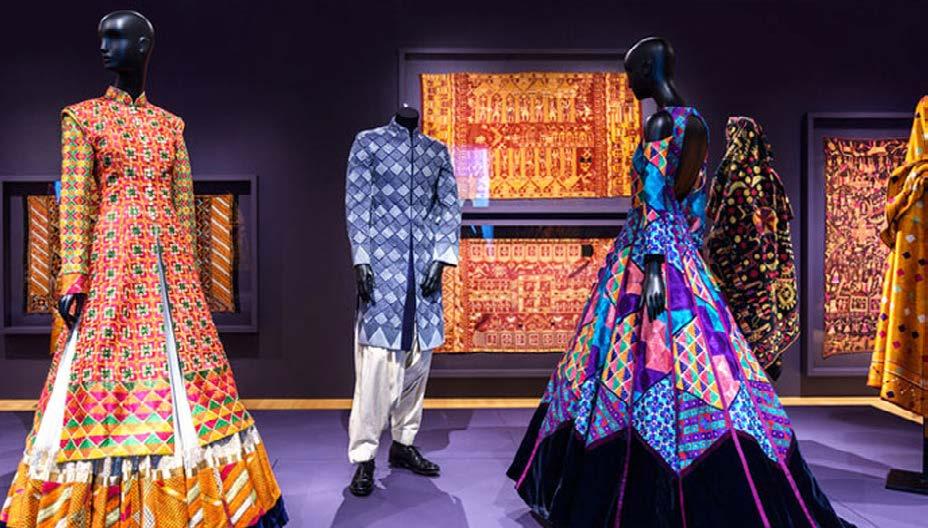

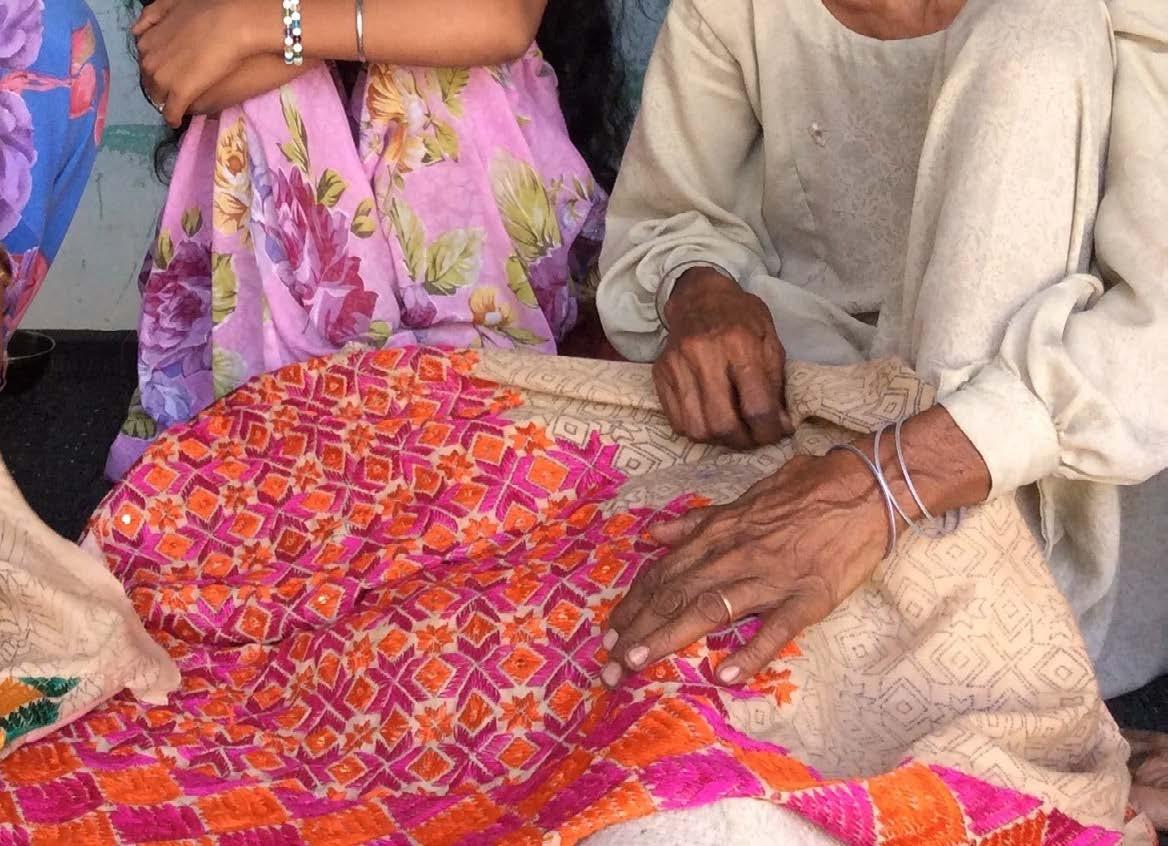
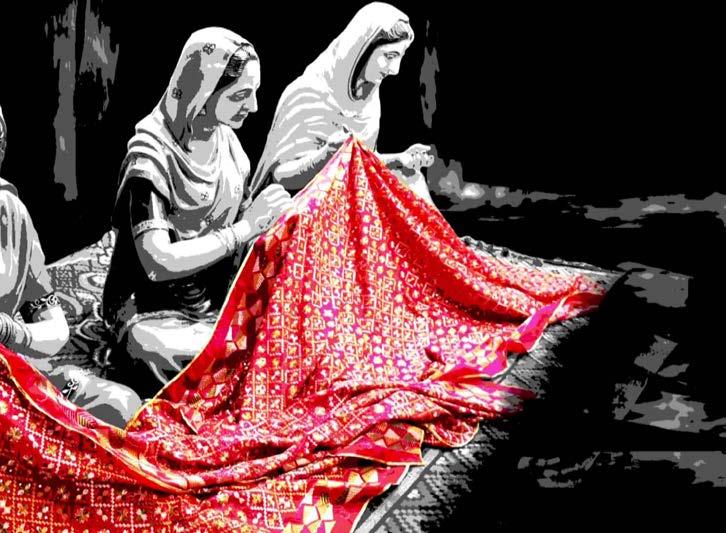
The Chope and Ghunghat styles hold special significance for Punjabi women who are adorned with Phulkari at auspicious occasions such as marriages and festivals. It is this auspicious and sacred meaning that makes red and it’s various shades the most favoured colour of fabric. Silken threads in golden yellow, red, crimson, orange, blue, violet, green, dark brown and white are typically used to create brilliant designs. Ordinarily, Phulkari is embroidered on to dyed khaddar cloth, enabling counting of threads. Each design is stitched with utmost care and devotion. No wonder, the Phulkari is seen by the people as a sign of love, tradition, and celebration.




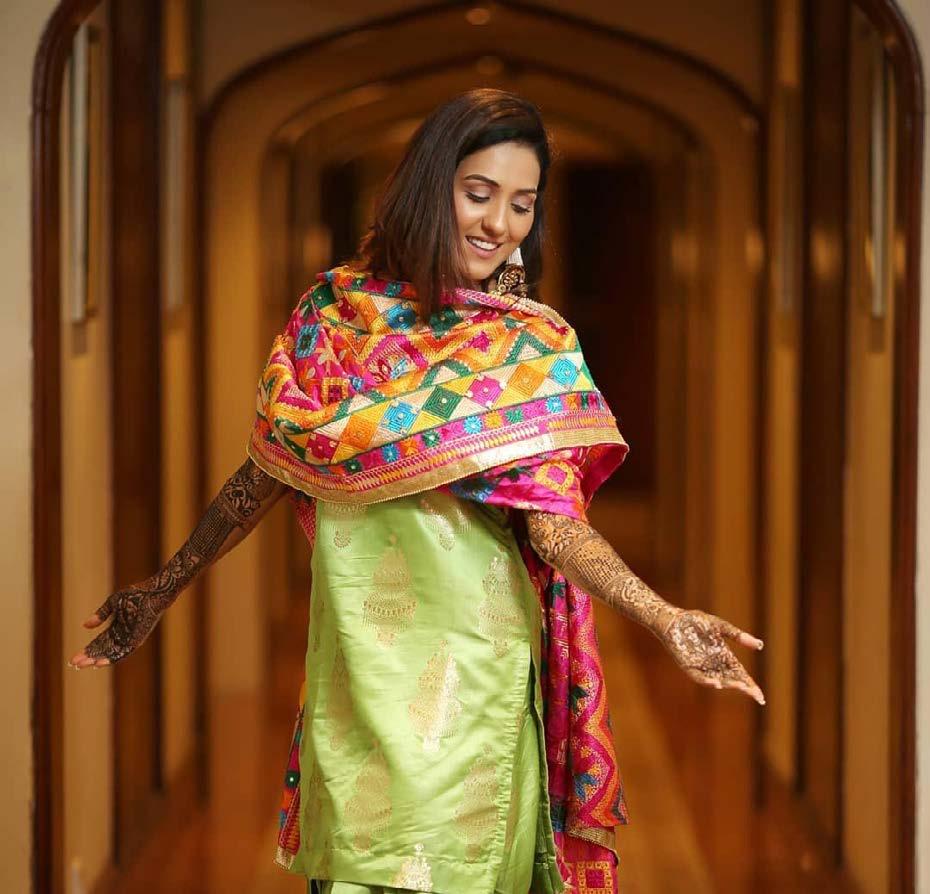
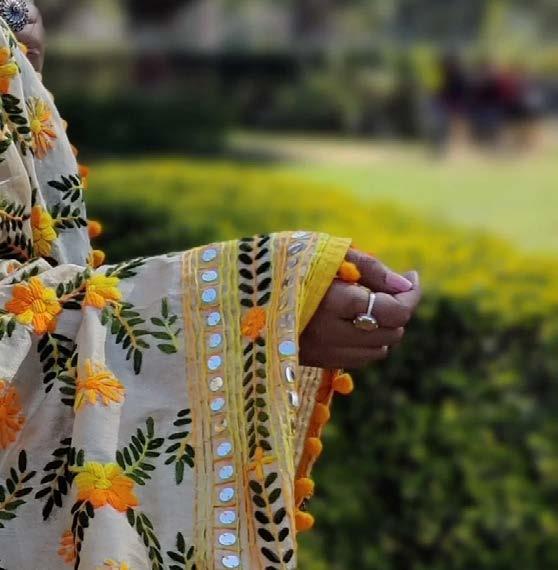
No longer limited solely to fabric creations, Phulkari’s artistry has made a lasting mark in accessories, home decor and even fashion trends. Tourists visiting Punjab should visit Phulkari exhibitions, workshops or stores to witness this exquisite craftsmanship up close. For an in-depth experience, Patiala’s Phulkari Museum or Amritsar’s Golden Temple showcase stunning displays that showcase Phulkari displays in all its glory.
Phulkari or flower work embroidery techniques not only capture the vibrant spirit and culture of Punjab, but its survival is a testament of the generational knowledge it carries. So when you are visiting, do not miss out on listening to lasting stories of love, colours, and traditions, woven into each stitch!





In a ground-breaking move, the Indian Space Research Organisation (ISRO) has unveiled plans to establish cutting-edge space-related infrastructure in Assam, marking a significant step toward decentralizing India’s space ecosystem. This initiative not only strengthens India’s capabilities in space situational awareness but also positions Assam as a potential pioneer among Indian states in leveraging space technology for regional development. Announced in early 2025, the project reflects ISRO’s vision of expanding its footprint beyond traditional hubs like Bengaluru and fostering innovation across the nation.
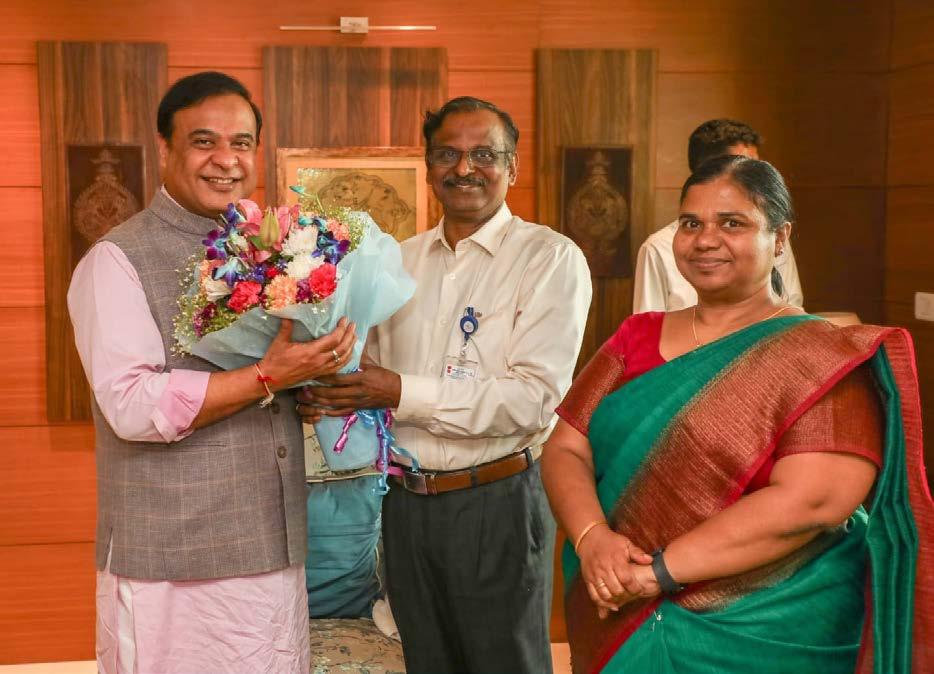


At the heart of this initiative is a multi-purpose facility proposed for the Chandrapur area near Guwahati. This facility will house advanced systems, including a radar under ISRO’s NETRA (Network for Space Object Tracking and Analysis) project. The radar is designed to monitor space objects up to 2,000 kilometres away and detect debris or satellites as small as 10 centimetres. This capability is crucial for safeguarding India’s growing constellation of satellites by tracking space debris and potential threats, enhancing the safety and longevity of the country’s space assets.
Beyond security, the facility promises to improve weather advisory services, a critical need for Assam, which frequently faces floods and other climate-related challenges. By integrating space technology with real-time data analysis, ISRO aims to provide more accurate and timely forecasts, empowering the state to mitigate disasters and protect lives and livelihoods.
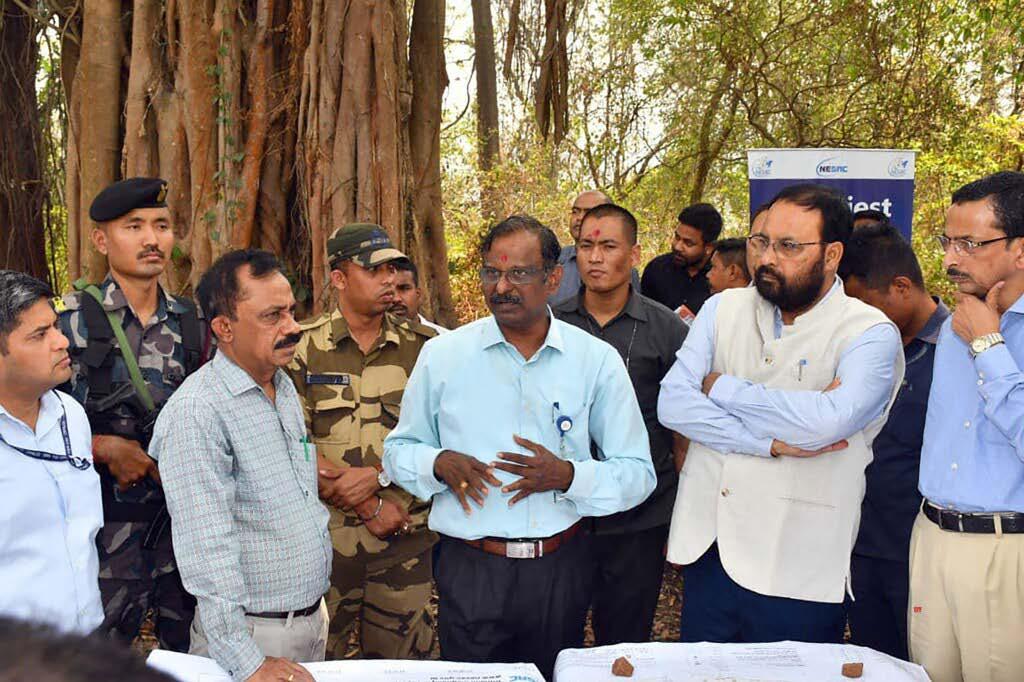

In parallel, ISRO is collaborating with the Assam government on an ambitious project dubbed ASSAMSAT—a state-specific satellite or possibly a constellation of low-earth orbit (LEO) satellites. This initiative, still in the planning stages, aims to deliver tailored solutions for Assam’s unique needs. The satellite system will generate data to support agriculture, disaster management, infrastructure development, and border security—key priorities for the state. With its control centre based in Guwahati, ASSAMSAT could make Assam the first Indian state to operate its own satellite, a milestone that underscores the growing role of space technology in regional governance.
Assam’s Chief Minister, Himanta Biswa Sarma, has hailed the project as a “game-changer,” emphasizing its potential to revolutionize how the state addresses developmental and security challenges. The collaboration aligns with ISRO’s broader mission to democratize access to space technology, ensuring that even smaller states can harness its benefits.
Adding an educational dimension to the project, Assam’s Science and Technology Minister, Keshab Mahanta, has proposed the establishment of a space museum alongside the new infrastructure. This idea, warmly received by ISRO Chairman V. Narayanan, aims to ignite curiosity among students and the public about space science. The museum could serve as a hub for outreach, inspiring the next generation of scientists and engineers in Assam while showcasing India’s achievements in space exploration. Minister Mahanta has also assured full support from the state government, signalling a strong partnership between Assam and ISRO. This collaboration is expected to streamline land acquisition, funding, and logistical efforts, ensuring the timely realization of these ambitious plans.
The decision to establish space infrastructure in Assam carries strategic significance. Located in India’s Northeast, Assam’s proximity to international borders makes it an ideal site for enhancing space-based surveillance and security. The NETRA radar, for instance, will bolster India’s ability to monitor low-earth orbit, a region increasingly crowded with satellites and debris. As space becomes a contested domain globally, such facilities are vital for maintaining India’s edge in this frontier. Moreover, the ASSAMSAT project exemplifies how space technology can address hyper-local challenges. From optimizing agricultural yields to improving
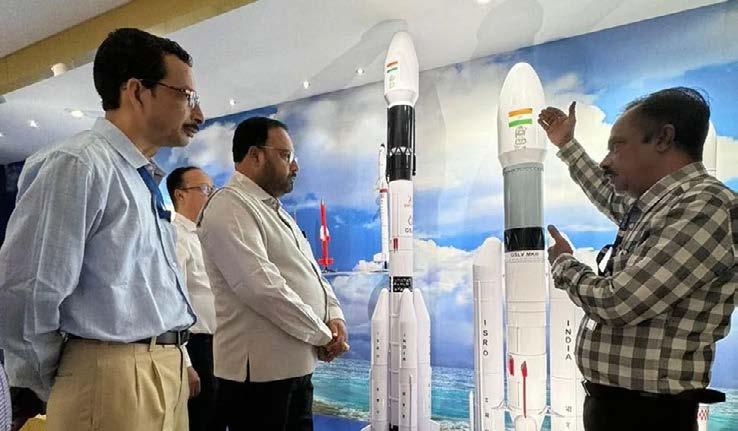
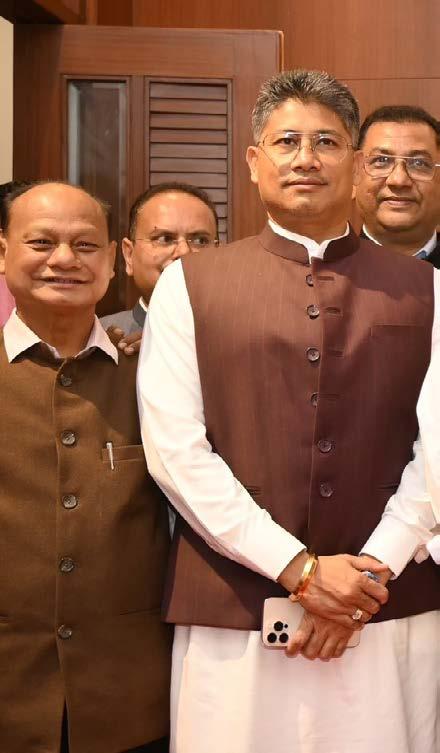
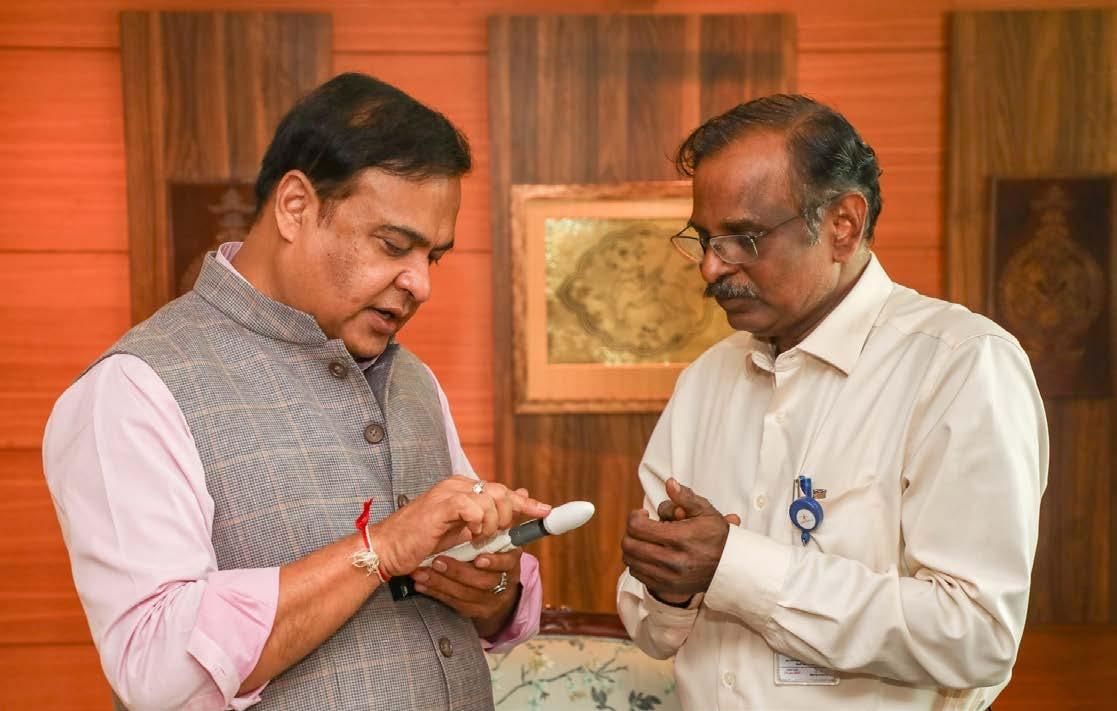
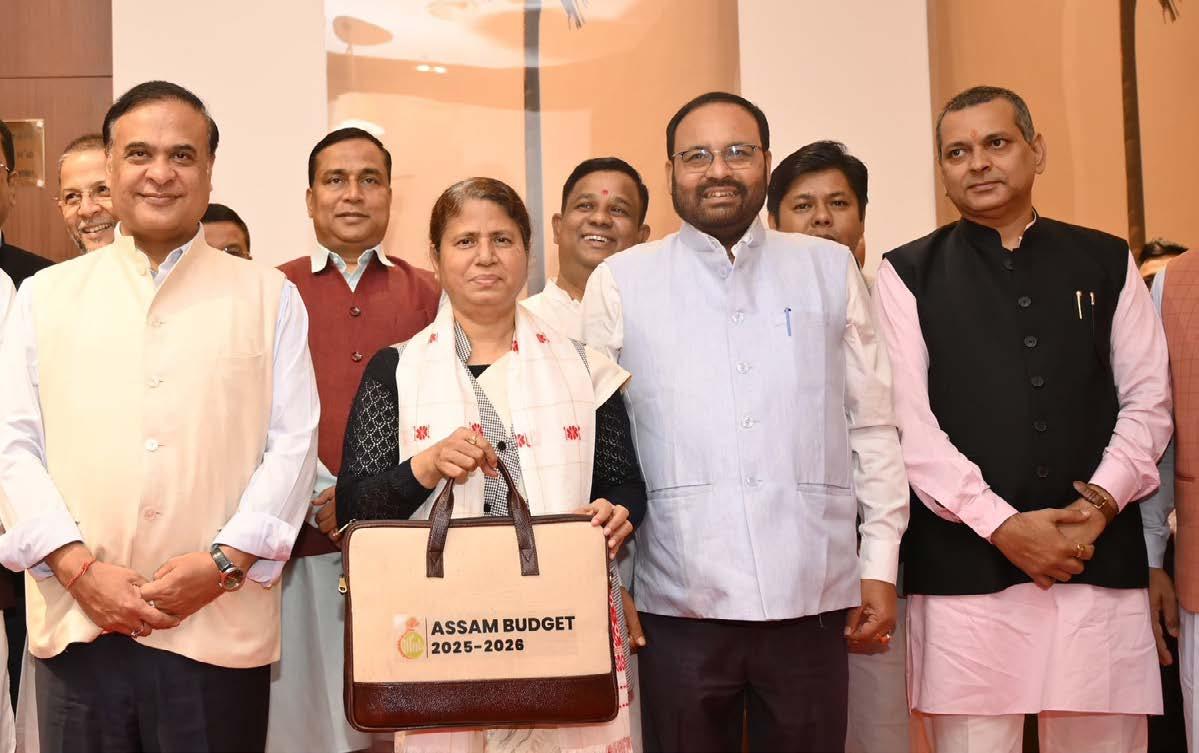
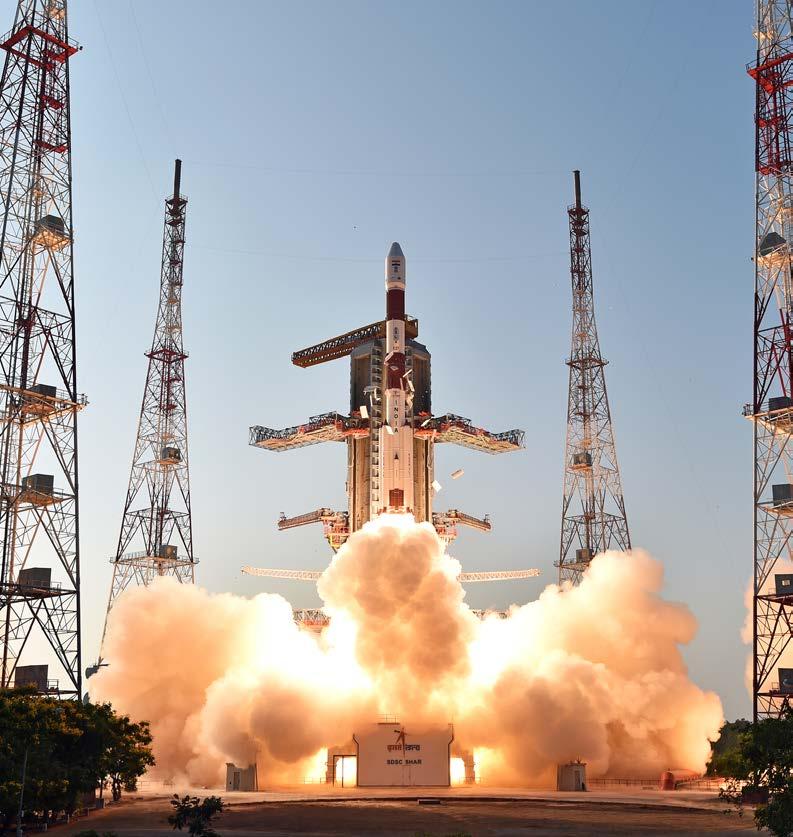
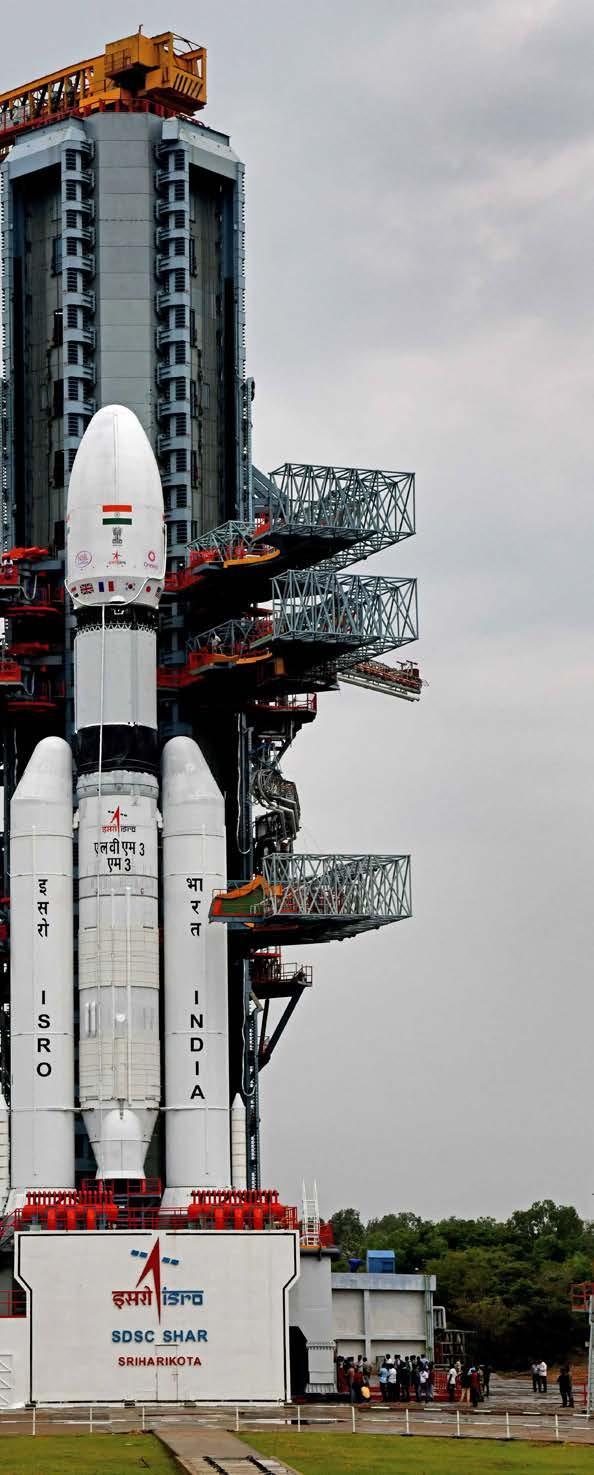

flood preparedness, the data generated by these satellites could transform Assam’s socio-economic landscape. This model of state-specific space solutions could inspire similar initiatives elsewhere in India, fostering a more inclusive space economy.
ISRO’s foray into Assam represents a fusion of national ambition and regional innovation. By establishing advanced infrastructure and collaborating on ASSAMSAT, ISRO is not only enhancing India’s space capabilities but also empowering a state historically underrepresented in the tech sector. The proposed space museum further ensures that this venture is as much about education and inspiration as it is about technology and security.
These plans are moving forward with optimism and momentum. If successful, Assam could emerge as a trailblazer, setting a precedent for how space technology can bridge regional disparities and propel India toward a future where the cosmos benefits all its citizens. For ISRO, this is yet another milestone in its journey to make space a cornerstone of India’s progress—a journey that now includes the vibrant landscapes of Assam.

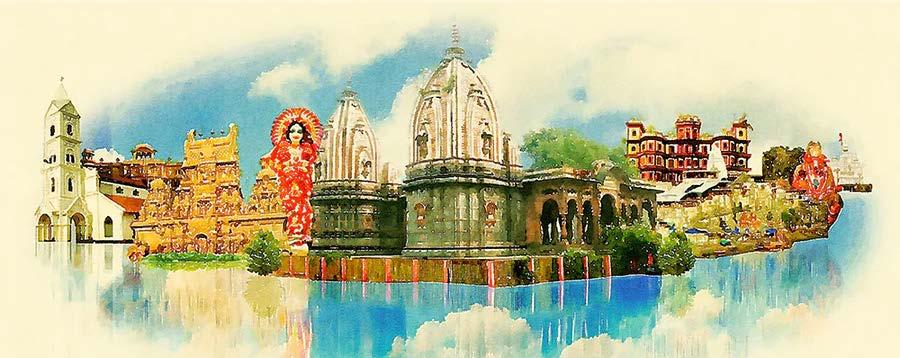

For several years running, Indore, the bustling commercial capital of Madhya Pradesh, has proudly held the title of India’s cleanest city under the Swachh Survekshan, the government’s annual cleanliness survey. This remarkable achievement is not a stroke of luck but the result of a concerted effort by the city’s administration, citizens, and innovative waste management practices. Indore’s journey from an ordinary urban centre to a national model for cleanliness offers valuable lessons for cities across India and beyond.
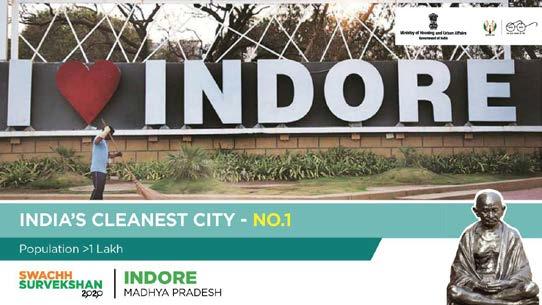
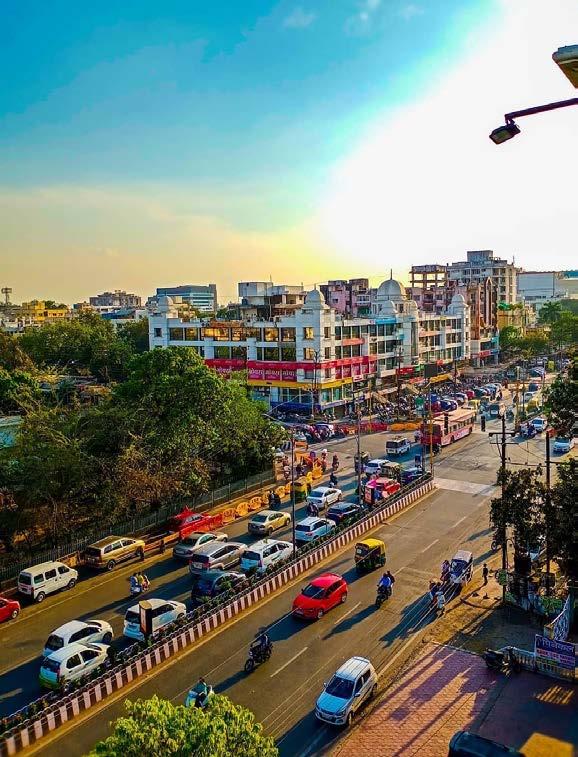
Indore’s success story is rooted in its robust waste management system. The city generates approximately 1,100 metric tons of waste daily, yet it has achieved near-100% waste segregation at the source. This is largely due to the Indore Municipal Corporation’s (IMC) door-to-door garbage collection system, which ensures that wet, dry, and hazardous waste is separated by households and businesses before collection. The IMC employs over 8,000 sanitation workers and operates a fleet of GPSenabled vehicles to ensure timely waste pickup.
The city’s waste processing infrastructure is equally impressive. Indore has a state-of-the-art centralized bio-methanation plant that converts wet waste into biogas, which powers public transport buses. Dry waste is sent to material recovery facilities, where recyclable materials like plastic, paper, and metal are sorted and sold to industries. Non-recyclable waste is used to produce refuse-derived fuel (RDF) for cement factories. Hazardous and biomedical waste is treated separately at specialized facilities, ensuring minimal environmental impact.
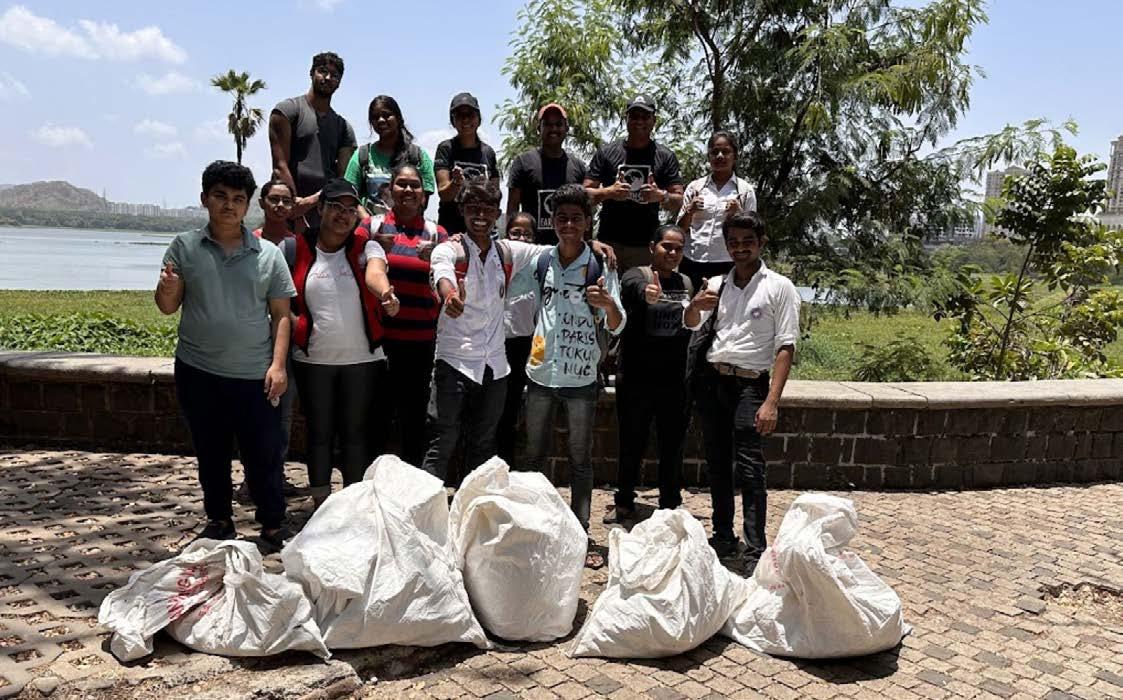
What sets Indore apart is the active participation of its 3.5 million residents. The IMC launched extensive awareness campaigns to educate citizens about waste segregation and the importance of cleanliness. From schoolchildren to senior citizens, everyone was encouraged to take ownership of their surroundings. Resident Welfare Associations (RWAs) and NGOs played a pivotal role in mobilizing communities, organizing cleanliness drives, and monitoring local sanitation. The “Indore 311” mobile app further empowered citizens by allowing them to report garbage pile-ups, track collection vehicles, and lodge complaints. This techdriven approach fostered transparency and accountability. The IMC also imposed strict fines for littering and non-compliance with segregation rules, ensuring discipline without alienating the public.
Indore’s cleanliness extends beyond waste management to the beautification of public spaces. The city has eliminated open dumping sites, converting former garbage mounds into lush gardens and recreational areas. For instance, the infamous “Triveni” dumping ground was transformed into a green park, symbolizing the city’s commitment to sustainability. Street vendors are provided with designated spaces to prevent littering, and public toilets are maintained meticulously, earning praise from visitors. The city’s vibrant street art, painted on walls and underpasses, promotes the cleanliness message while adding aesthetic value. Indore’s roads are swept twice daily, and mechanized sweeping machines keep major thoroughfares spotless. These efforts have made Indore not just clean but also visually appealing.

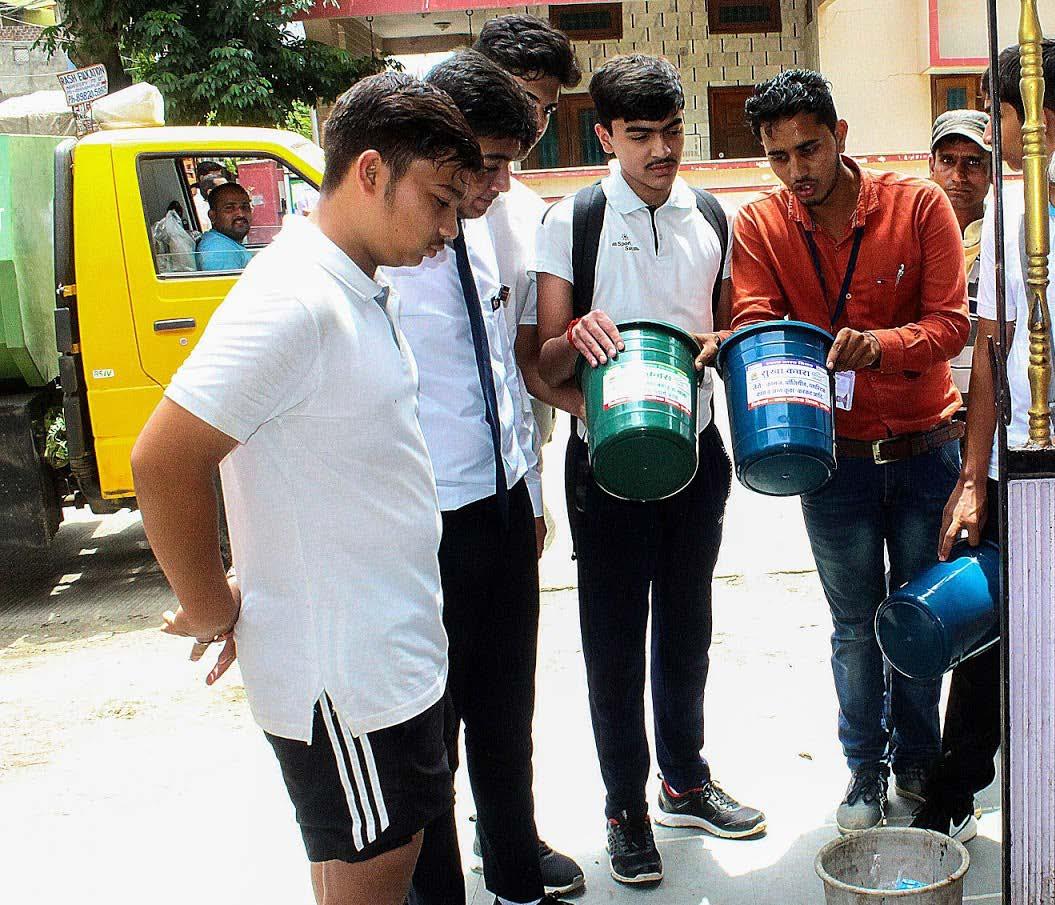
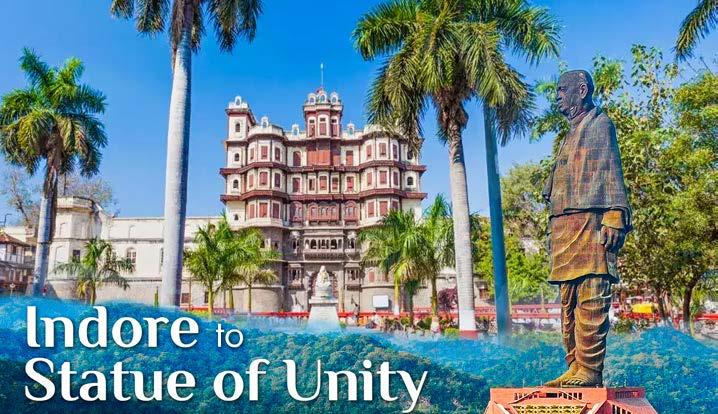
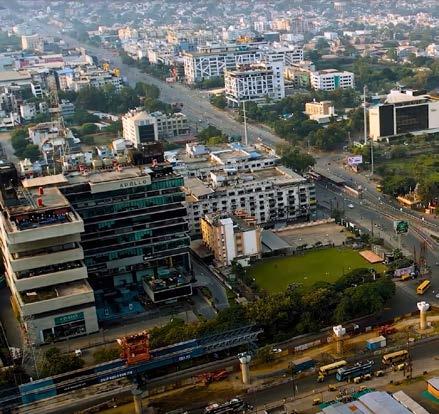

Indore’s cleanliness drive has had far-reaching benefits. The city has attracted significant investment due to its reputation as a well-maintained urban hub. Tourism has flourished, with visitors flocking to landmarks like Rajwada Palace and the Kanch Mandir, confident in the city’s hygiene standards. The cleanliness campaign has also generated thousands of jobs, particularly for sanitation workers, many of whom are women from marginalized communities.
Moreover, Indore’s success has inspired a sense of pride among residents. The city’s model has been replicated in other parts of Madhya Pradesh and studied by urban planners nationwide. Indore’s achievement underscores the power of collective action in addressing urban challenges.
While Indore’s accomplishments are laudable, sustaining its top rank is no small feat. Rapid urbanization and population growth pose ongoing challenges, increasing the volume of waste and straining infrastructure. The IMC is countering this by expanding its waste processing capacity and exploring advanced technologies like waste-to-energy plants. Maintaining citizen enthusiasm
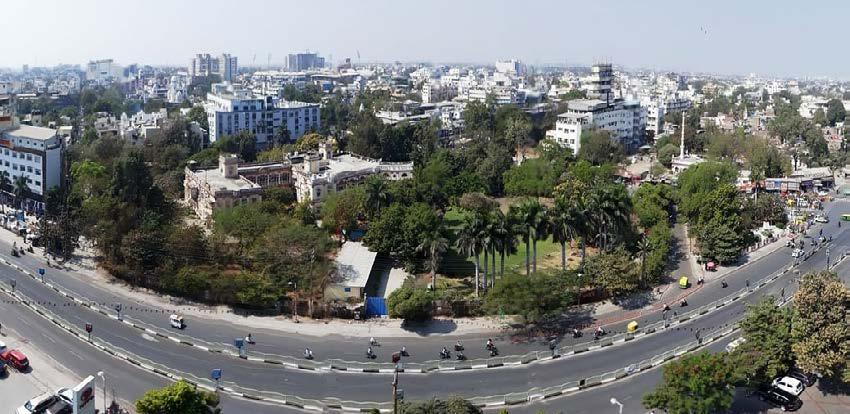
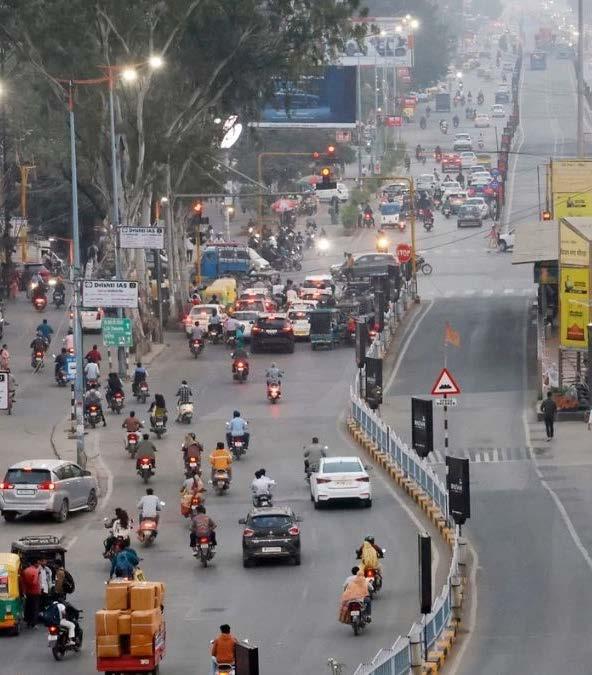
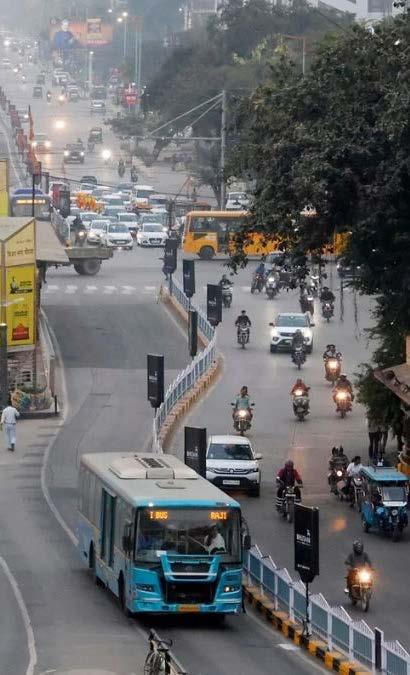
over time is another hurdle, but Indore’s strong community spirit and proactive governance provide a solid foundation.
Indore’s journey to becoming India’s cleanest city is a testament to the power of vision, discipline, and collaboration. By combining innovative waste management, technology, and citizen engagement, Indore has set a benchmark for urban cleanliness. Its success challenges the notion that large cities cannot be clean and proves that with determination, any city can transform itself.
As Indore continues to shine, it serves as a beacon of hope and a reminder that cleanliness is not just about aesthetics—it’s about health, dignity, and a sustainable future. For India’s urban centres grappling with waste and pollution, Indore’s mantra is clear: cleanliness begins with collective responsibility and ends with a city that sparkles.

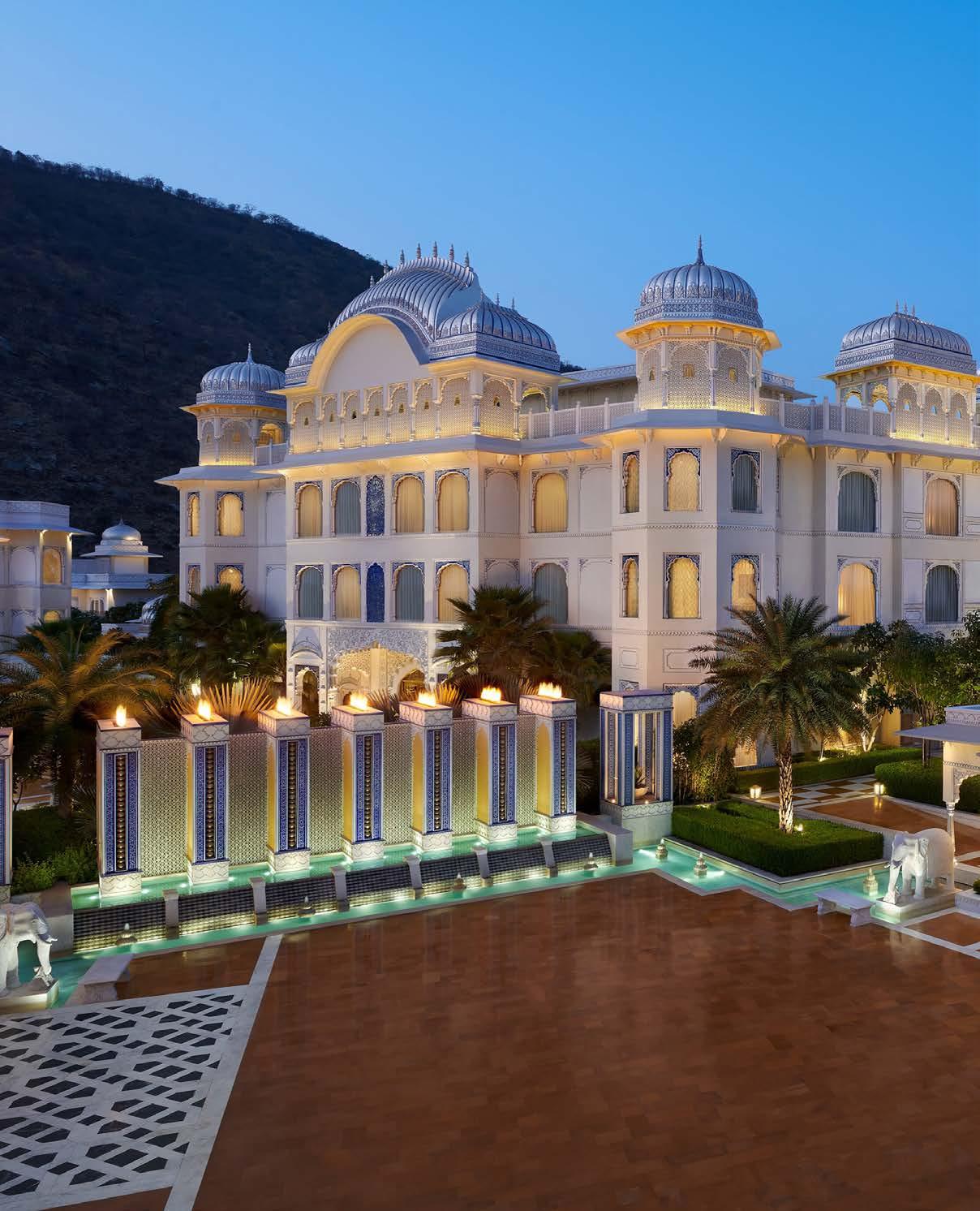
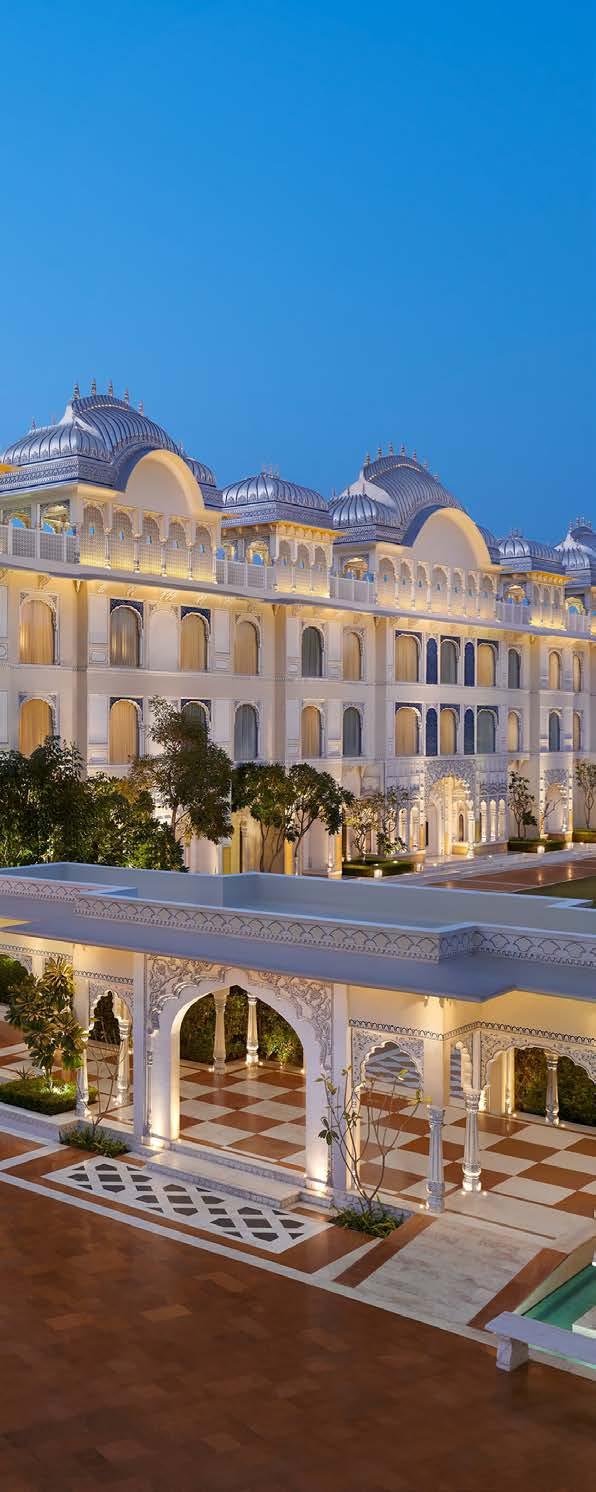
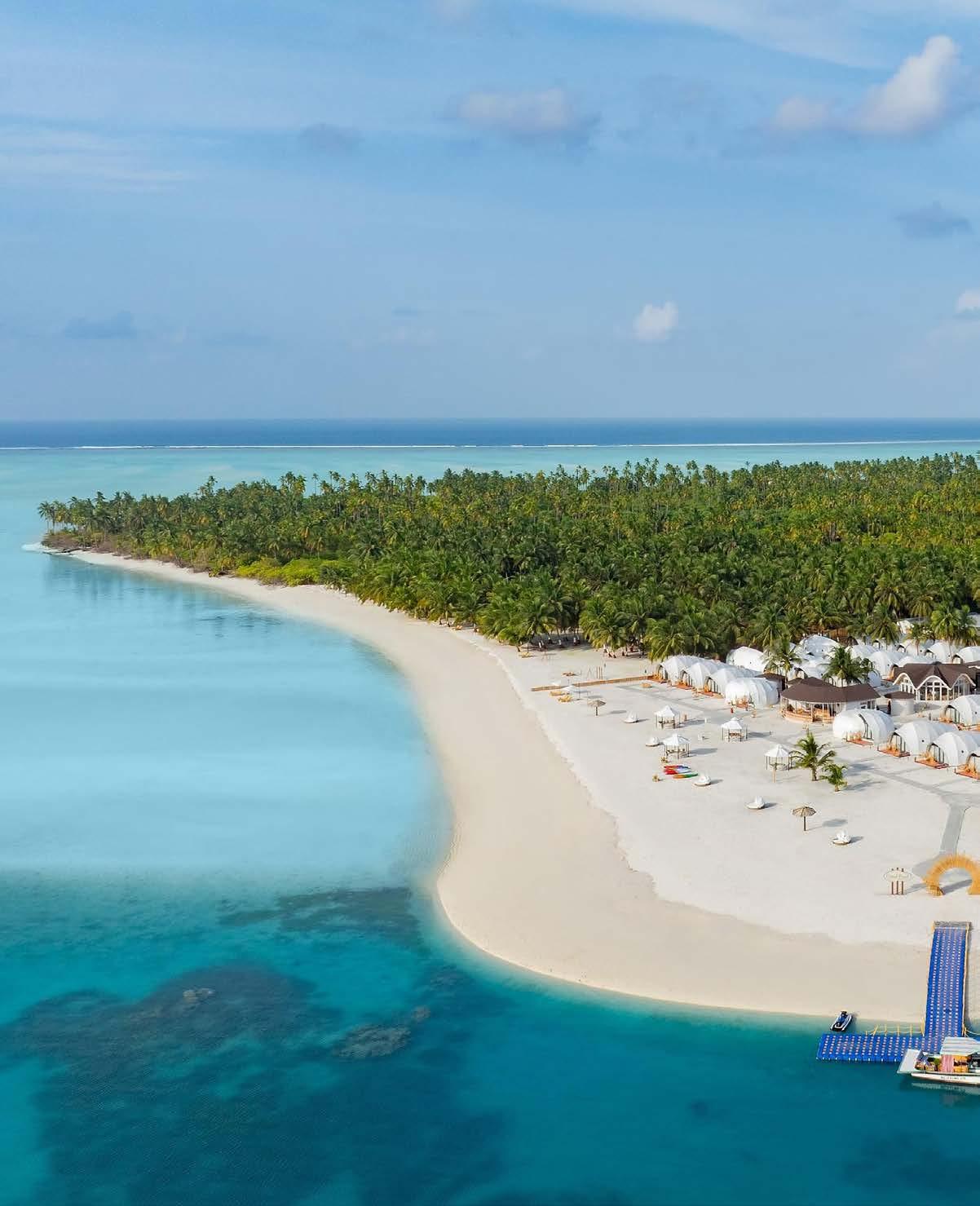
The Indian Hotels Company Limited (IHCL), India’s leading hospitality company, marked a significant milestone in its expansion with the grand opening of Coral Pearl, Lakshadweep – IHCL SeleQtions on the pristine Bangaram Island in the Lakshadweep archipelago. This luxurious glamping resort, nestled amidst turquoise waters and coral reefs, introduces a new standard of ecoluxury and adventure tourism in one of India’s most breathtaking yet lesser-explored destinations.
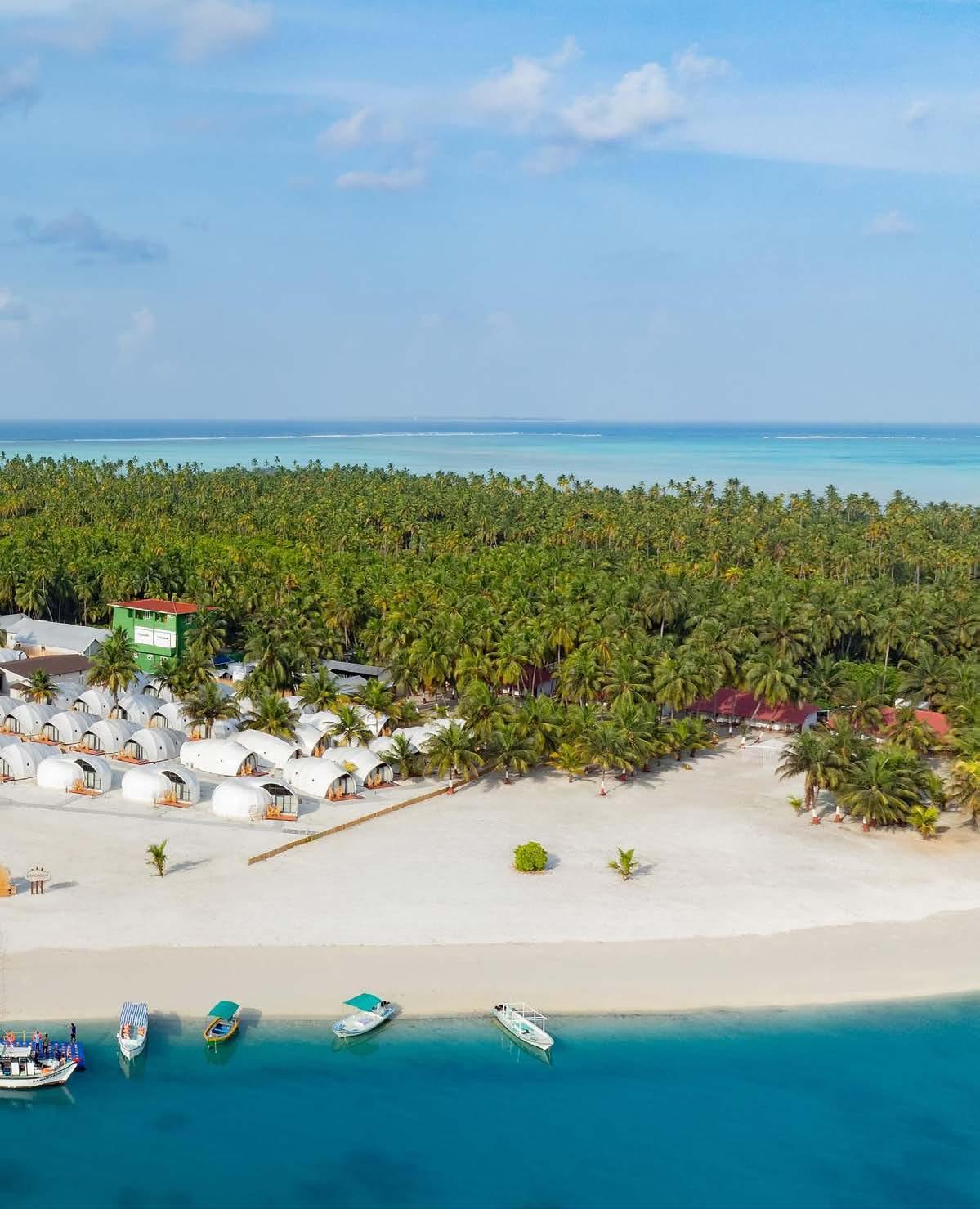
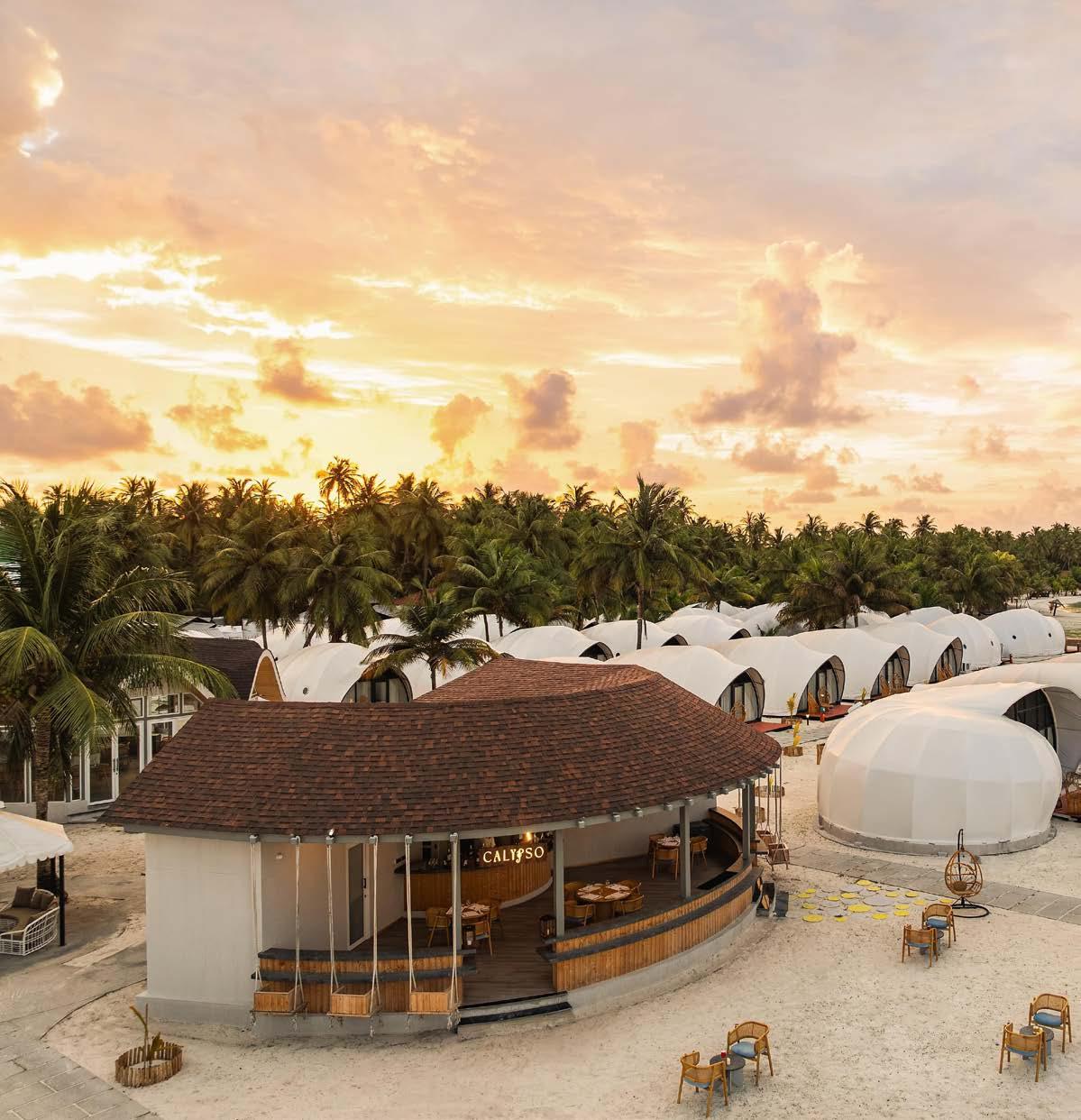
Located in the heart of the Arabian Sea, Bangaram Island is renowned for its untouched beaches, vibrant marine life, and serene ambiance. Coral Pearl, Lakshadweep, seamlessly blends luxury with the island’s natural splendour, offering 50 exquisitely designed glamping tents. Each tent is a masterpiece of modern design, featuring expansive glass panels that frame panoramic views of the ocean, allowing guests to immerse themselves in the island’s ethereal beauty. The interiors, adorned with subtle hues and natural textures, evoke a sense of warmth and tranquillity, creating a perfect balance between sophistication and homely comfort.

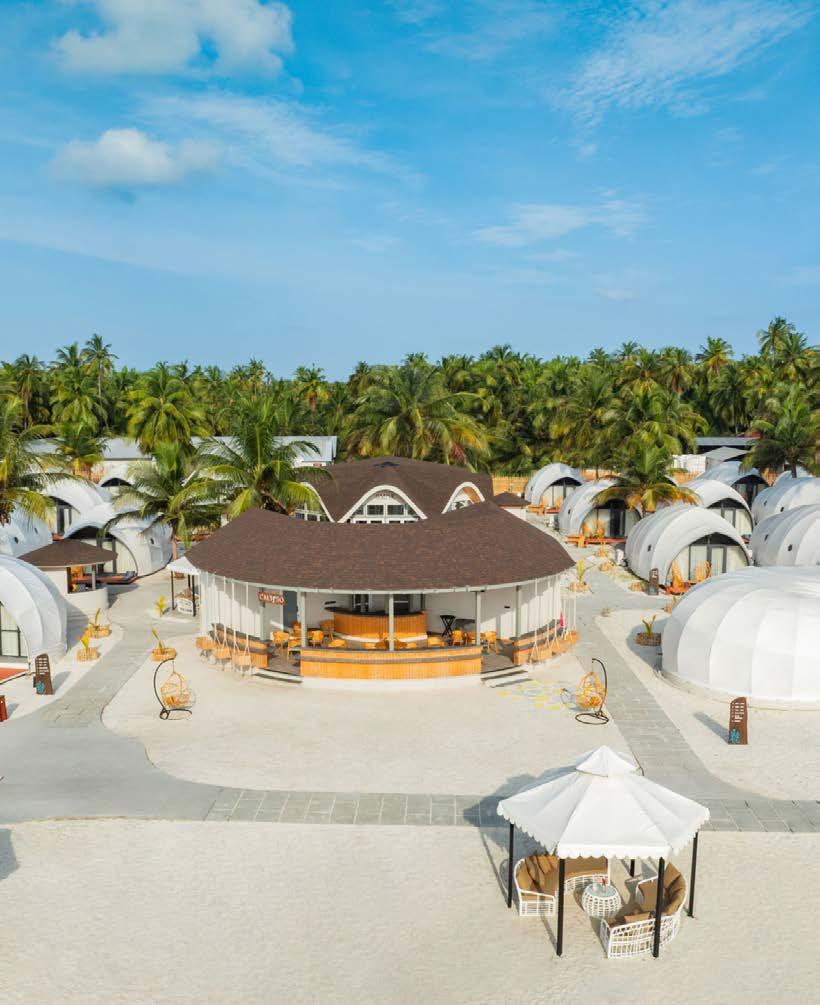
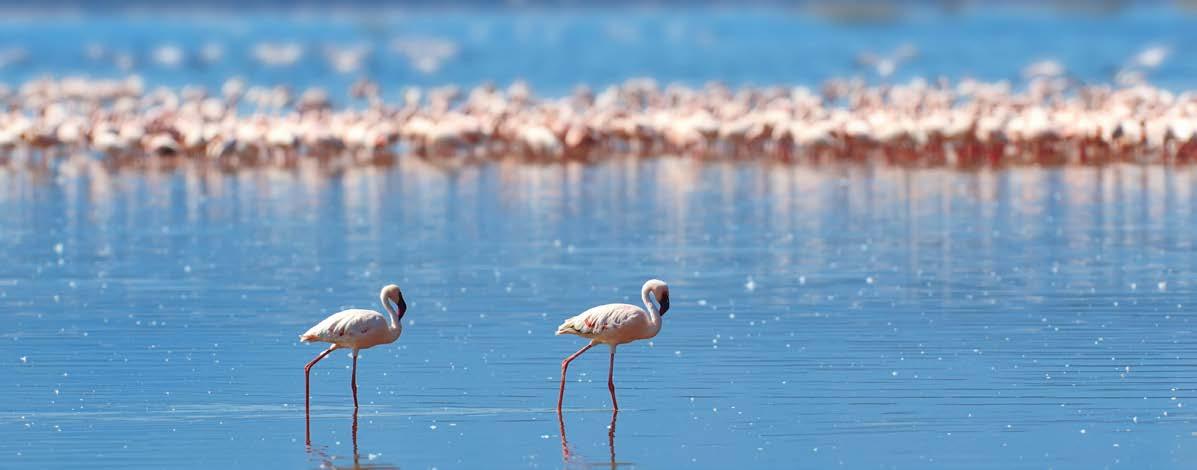
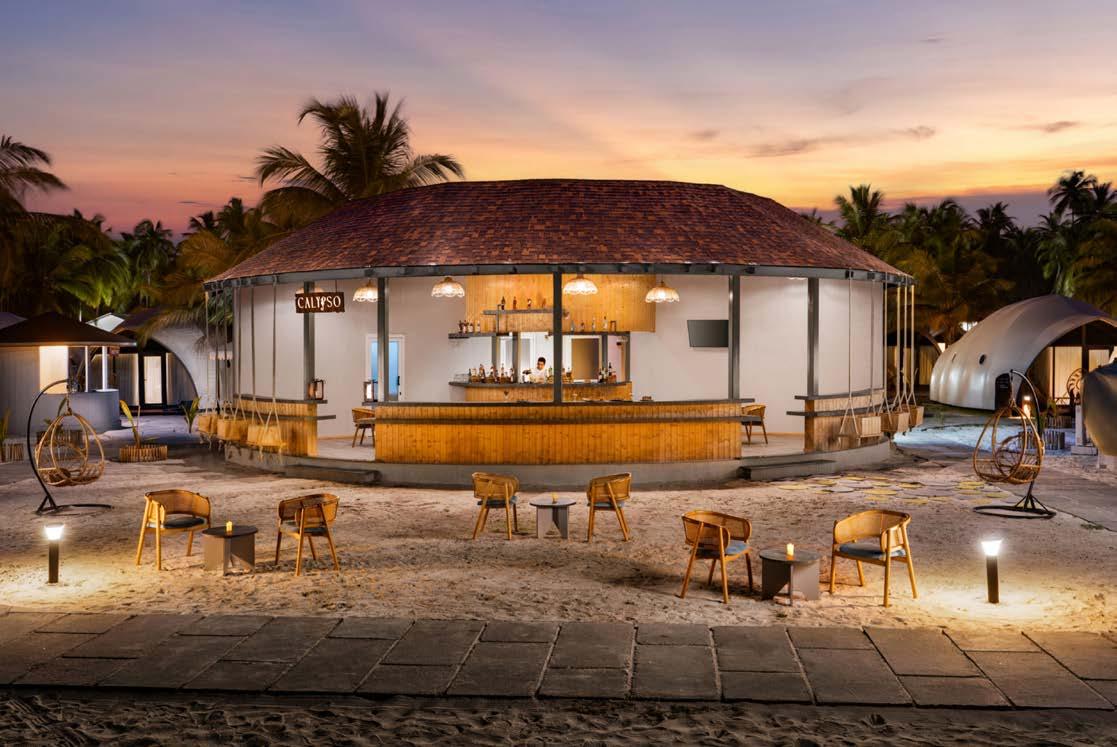
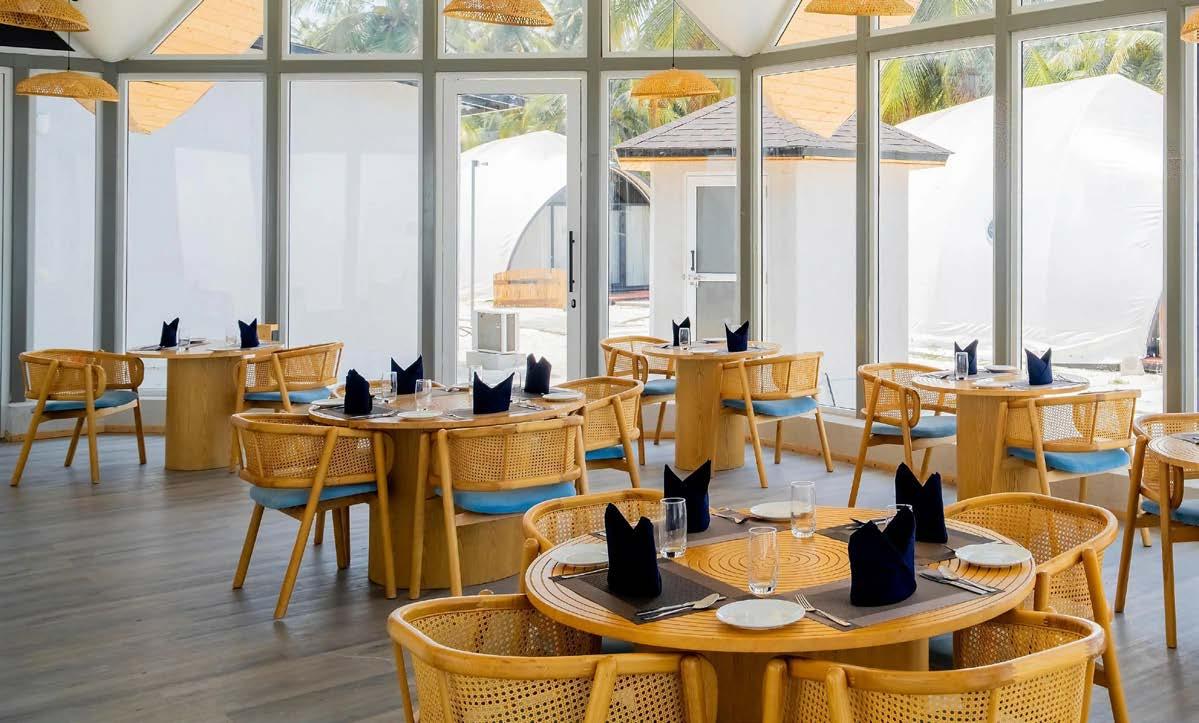
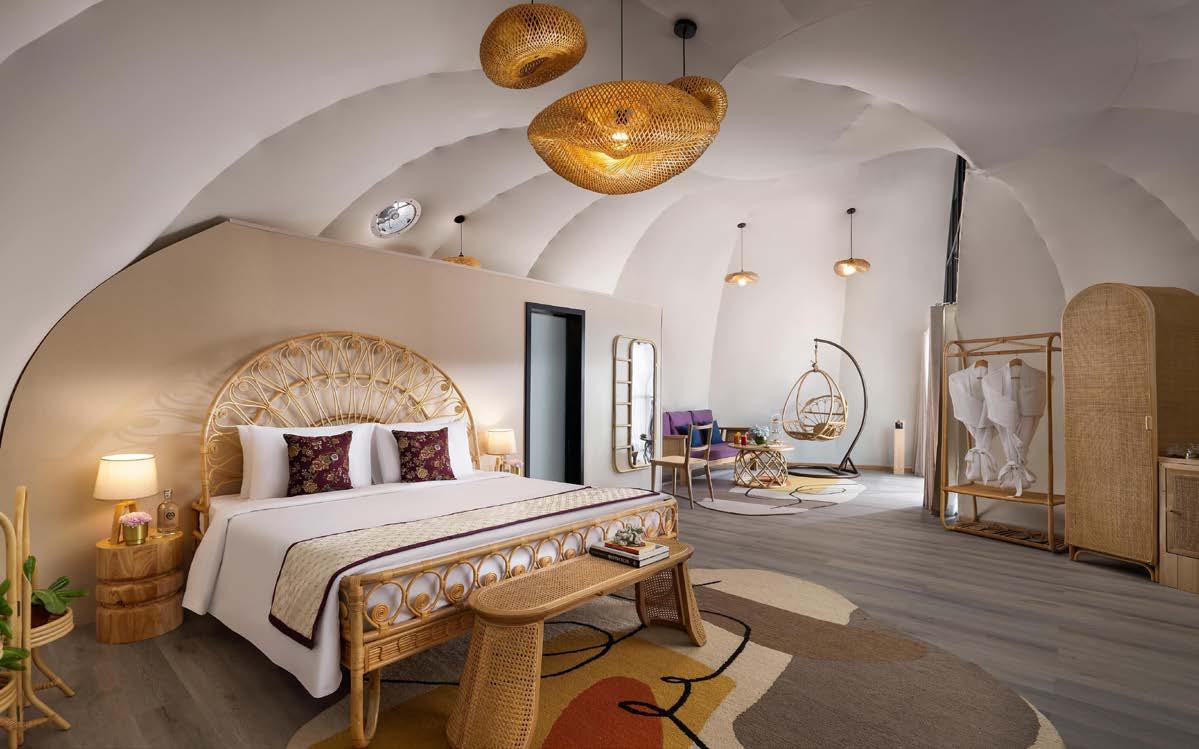
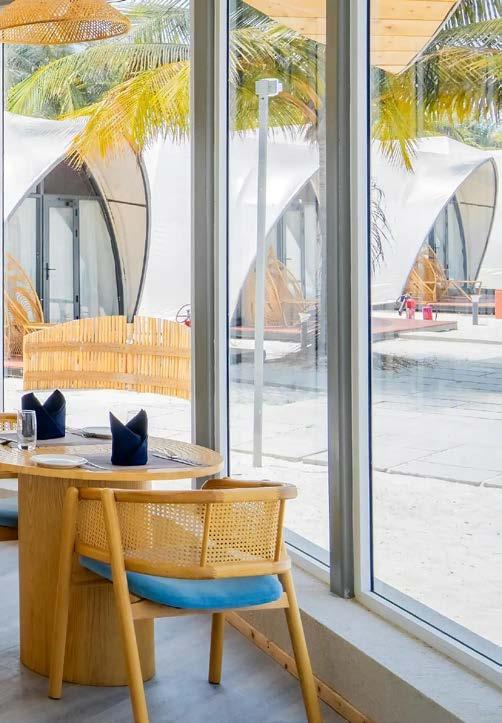
The resort’s commitment to sustainability is evident in its ecoconscious design, which harmonizes with the fragile ecosystem of Lakshadweep. By prioritizing minimal environmental impact, IHCL ensures that guests can enjoy the island’s pristine beauty without compromising its ecological integrity. Dining at Coral Pearl is a culinary journey in itself. The resort’s all-day restaurant, Smok, offers a diverse menu featuring contemporary Indian, Continental, and Asian cuisines, crafted with fresh, local ingredients. Whether savouring a traditional Malabar curry or indulging in global flavours, guests are treated to an unforgettable gastronomic experience. For those seeking a vibrant evening, Calypso, the resort’s chic bar, draws inspiration from Lakshadweep’s deep-sea legends, serving craft cocktails and refreshing beverages against the backdrop of the ocean’s gentle waves. Beyond dining, Coral Pearl offers a plethora of activities tailored to adventure enthusiasts and nature lovers alike. Guests can dive into the vibrant underwater world through scuba diving and snorkelling, explore the lagoon by kayaking, or embark on curated nature trails to discover the island’s rich biodiversity. For
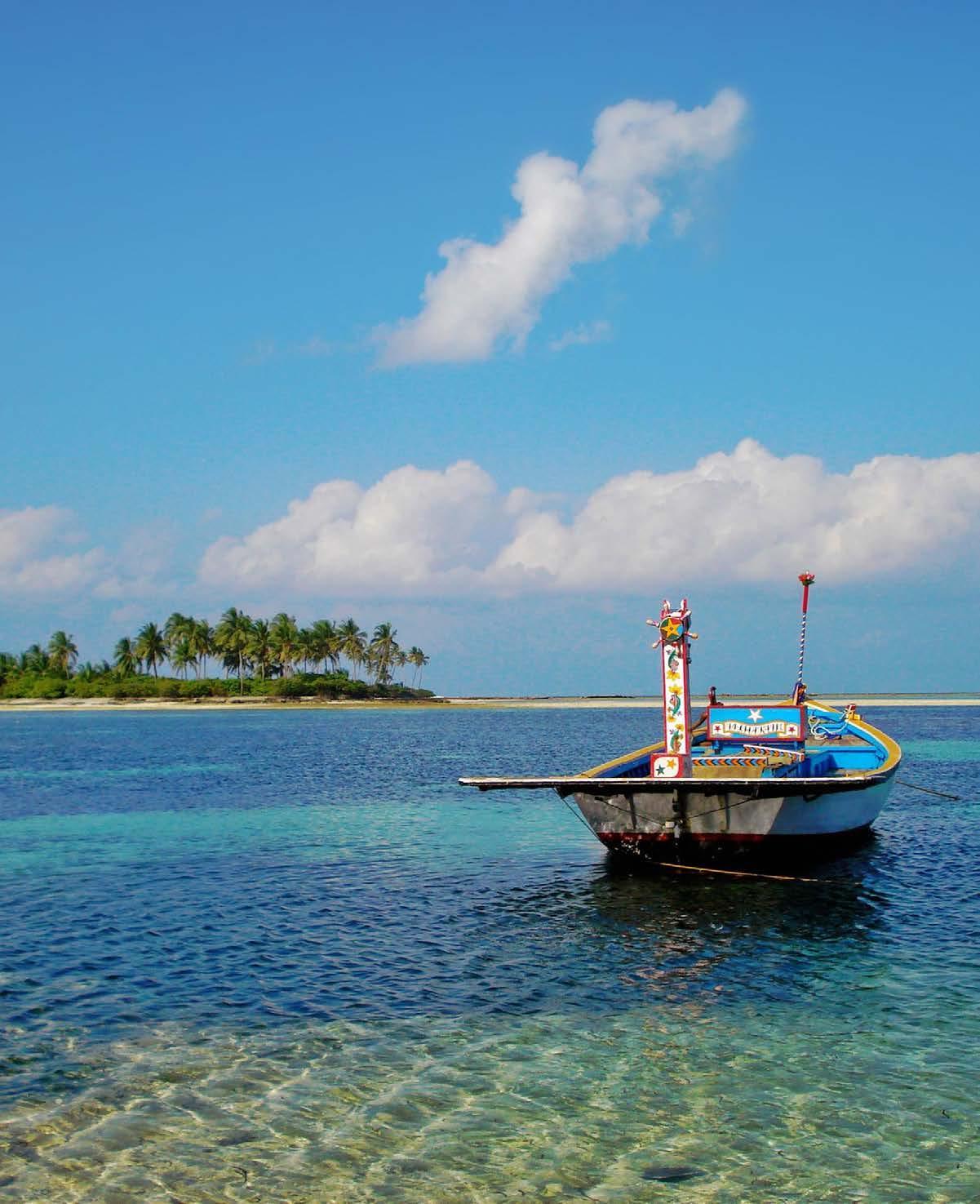

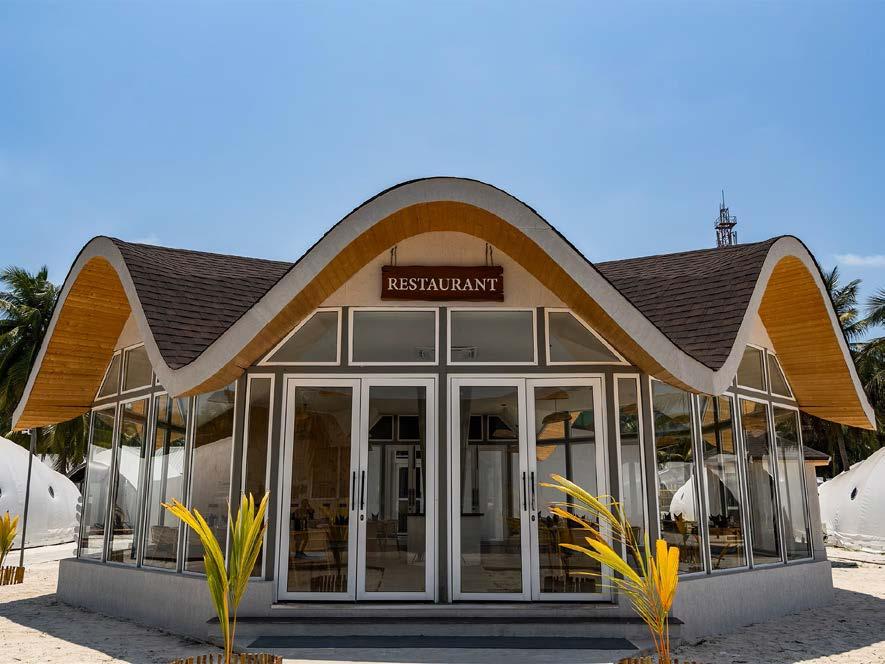

those seeking relaxation, the resort provides serene spots to unwind, from beachside lounges to private moments under the starlit sky. The opening of Coral Pearl underscores IHCL’s vision to position Lakshadweep as a premier island destination for global travellers. Known for its iconic Taj brand, IHCL is leveraging its expertise in luxury hospitality to elevate tourism in this Union Territory. The company has ambitious plans to further expand its footprint in Lakshadweep, with two additional Taj-branded resorts slated to open on Suheli and Kadmat islands by 2026. These developments align with the Indian government’s efforts to promote sustainable tourism in the region, spotlighting Lakshadweep as a viable alternative to destinations like the Maldives.
Puneet Chhatwal, Managing Director and CEO of IHCL, expressed enthusiasm about the launch, stating, “The opening of Coral Pearl, Lakshadweep – IHCL SeleQtions is a proud moment for us as we bring world-class hospitality to this pristine paradise. We are committed to showcasing the unparalleled beauty of Lakshadweep while offering guests an immersive and sustainable experience.” Lakshadweep, with its 36 islands and abundant coral reefs, has long been a hidden gem in India’s tourism landscape. The archipelago’s remoteness and limited accessibility have preserved its natural charm, but recent infrastructure improvements, including enhanced air and sea connectivity, are making it more accessible to travellers. IHCL’s entry into the region is expected to catalyze tourism growth, creating employment opportunities for locals and fostering sustainable development.
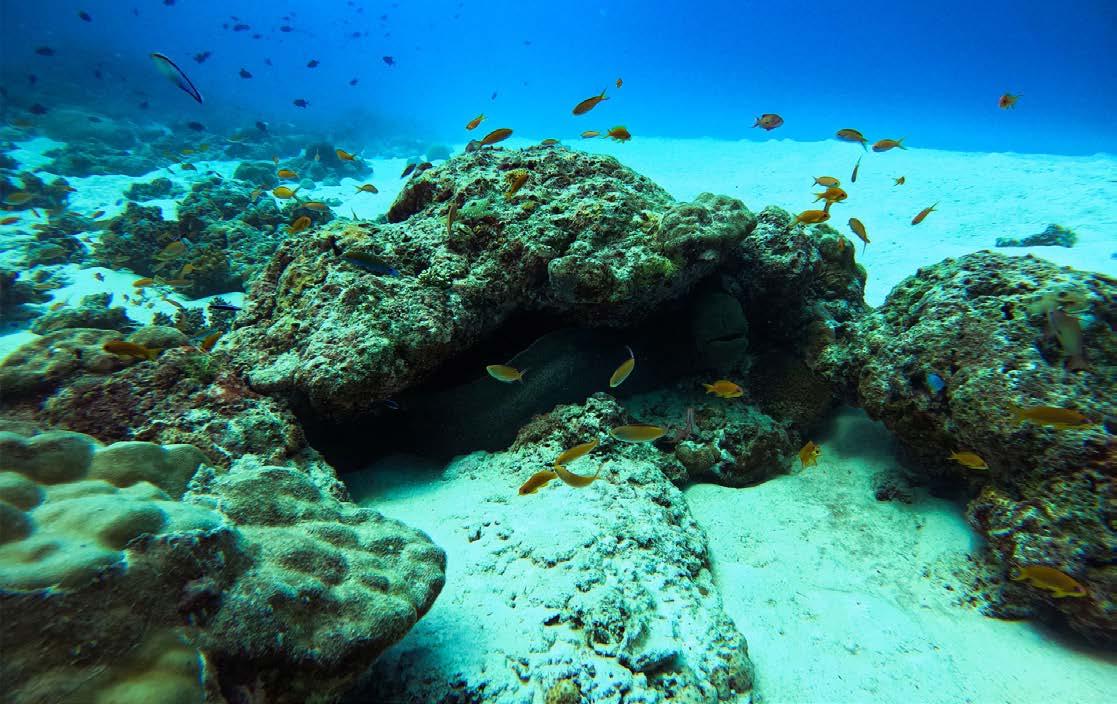

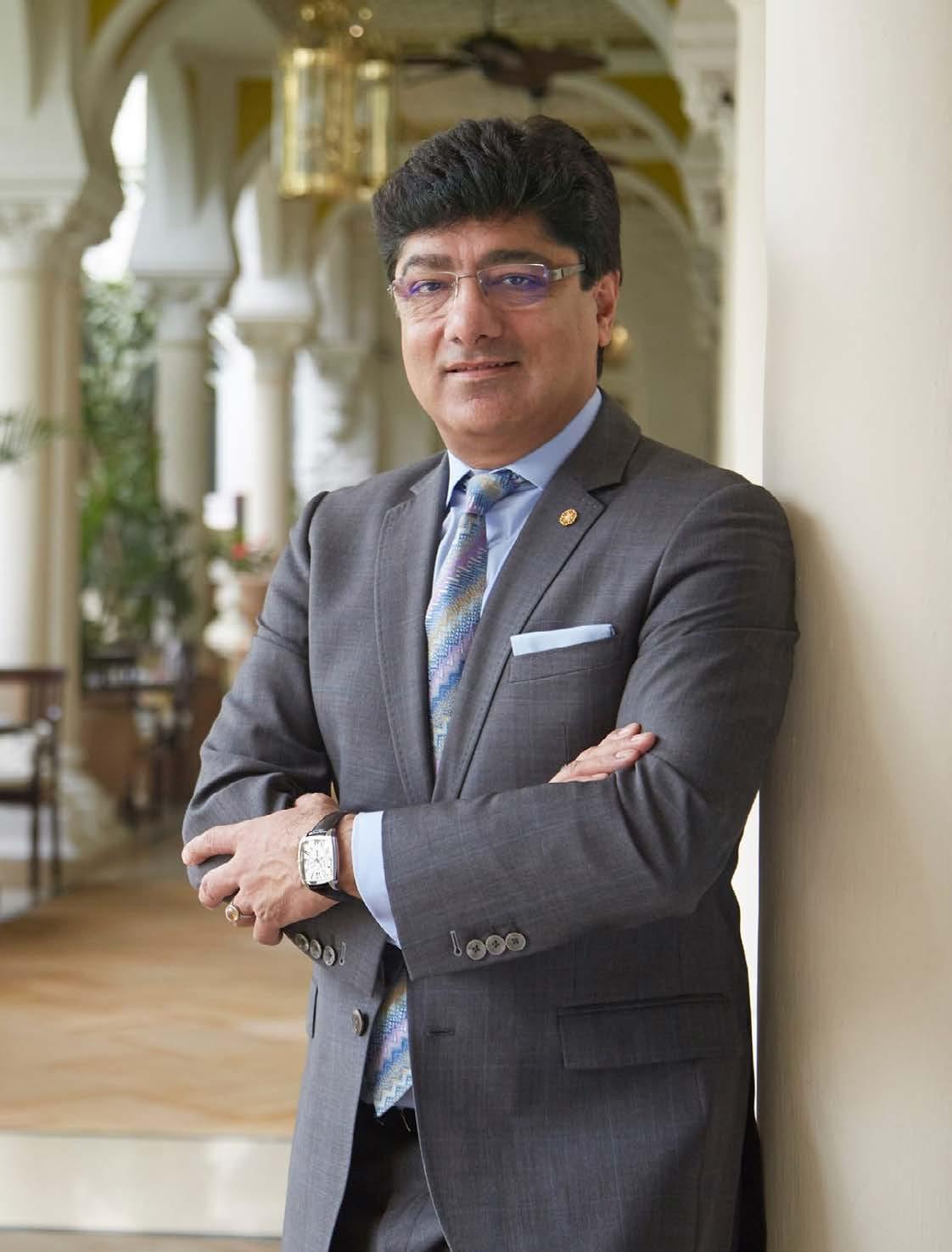
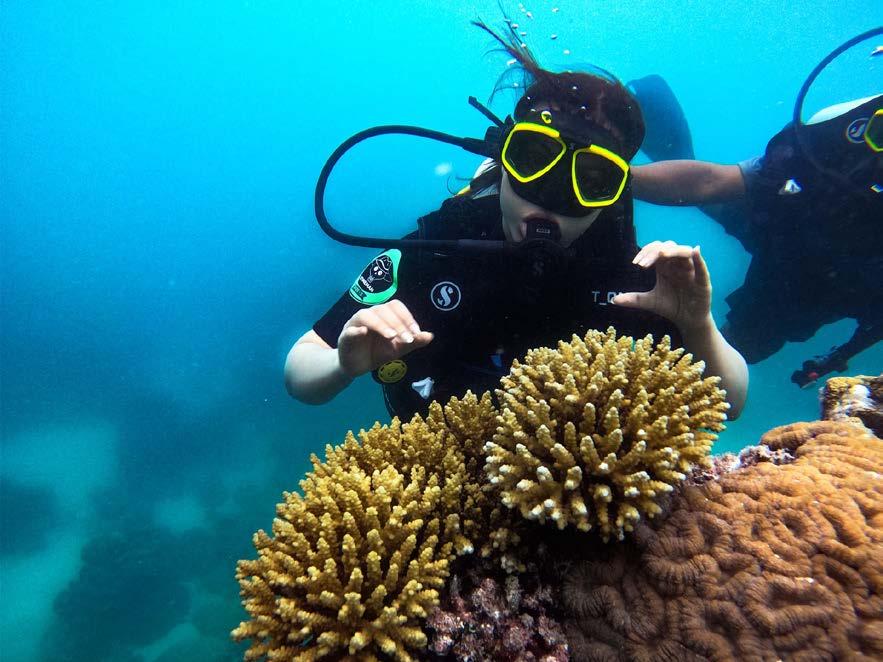


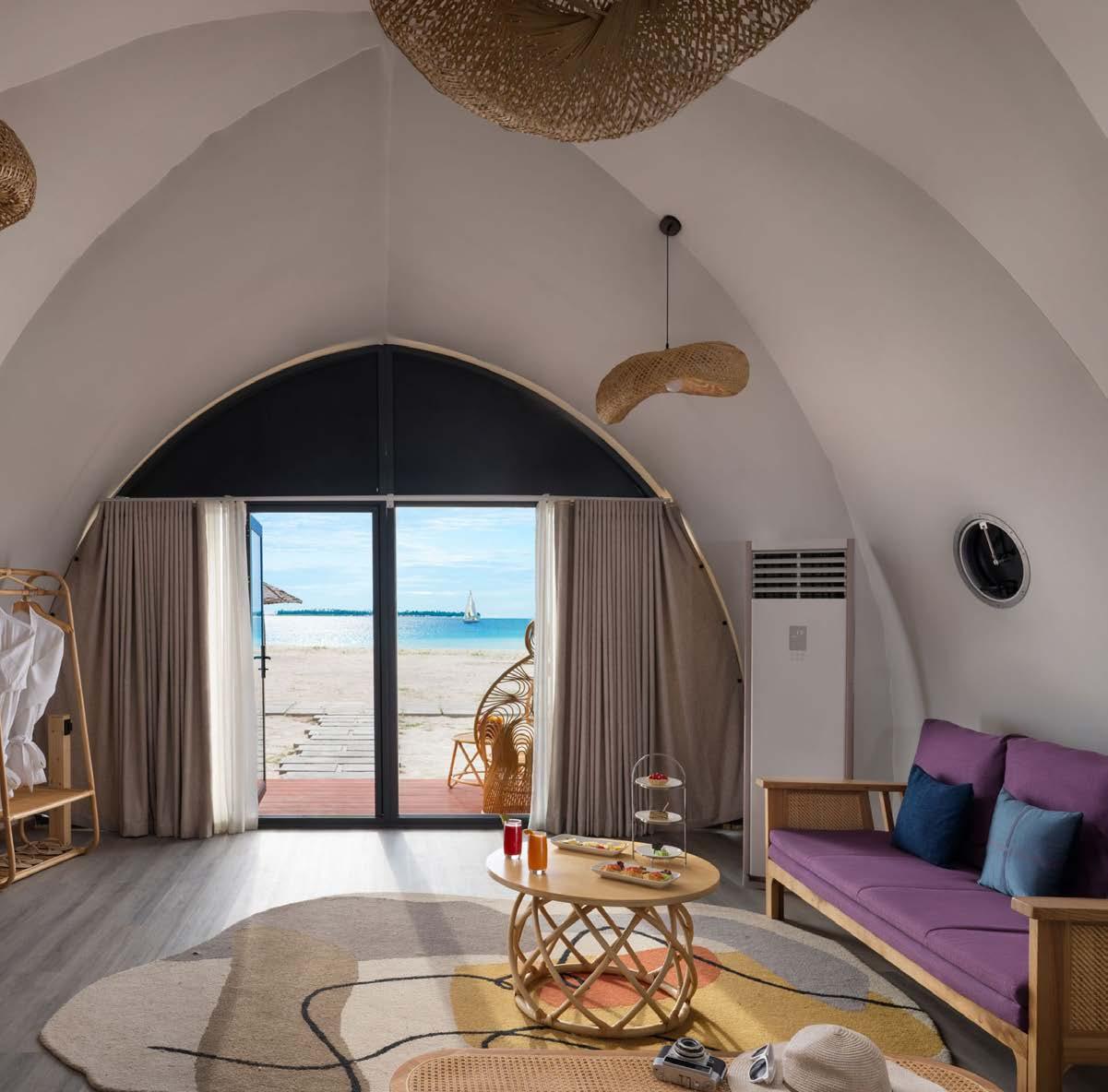
The launch of Coral Pearl also comes at a time when Lakshadweep is gaining attention as a sustainable alternative to overcrowded island destinations. With its focus on eco-tourism and immersive experiences, the resort is poised to attract discerning travellers seeking both luxury and adventure in an unspoiled setting. Coral Pearl, Lakshadweep – IHCL SeleQtions is more than just a resort; it is a celebration of nature, culture, and hospitality. By blending cutting-edge design with the raw beauty of Bangaram Island, IHCL has created a sanctuary that appeals to both the heart and the soul. As the company continues to expand its presence in Lakshadweep, Coral Pearl sets the stage for a new era of luxury travel in India, inviting guests to discover a paradise where the ocean meets the sky. For those dreaming of an escape to an island haven, Coral Pearl beckons with the promise of unforgettable memories. Whether diving into the depths of the Arabian Sea or savouring a sunset cocktail at Calypso, guests are guaranteed an experience that is as magical as Lakshadweep itself.
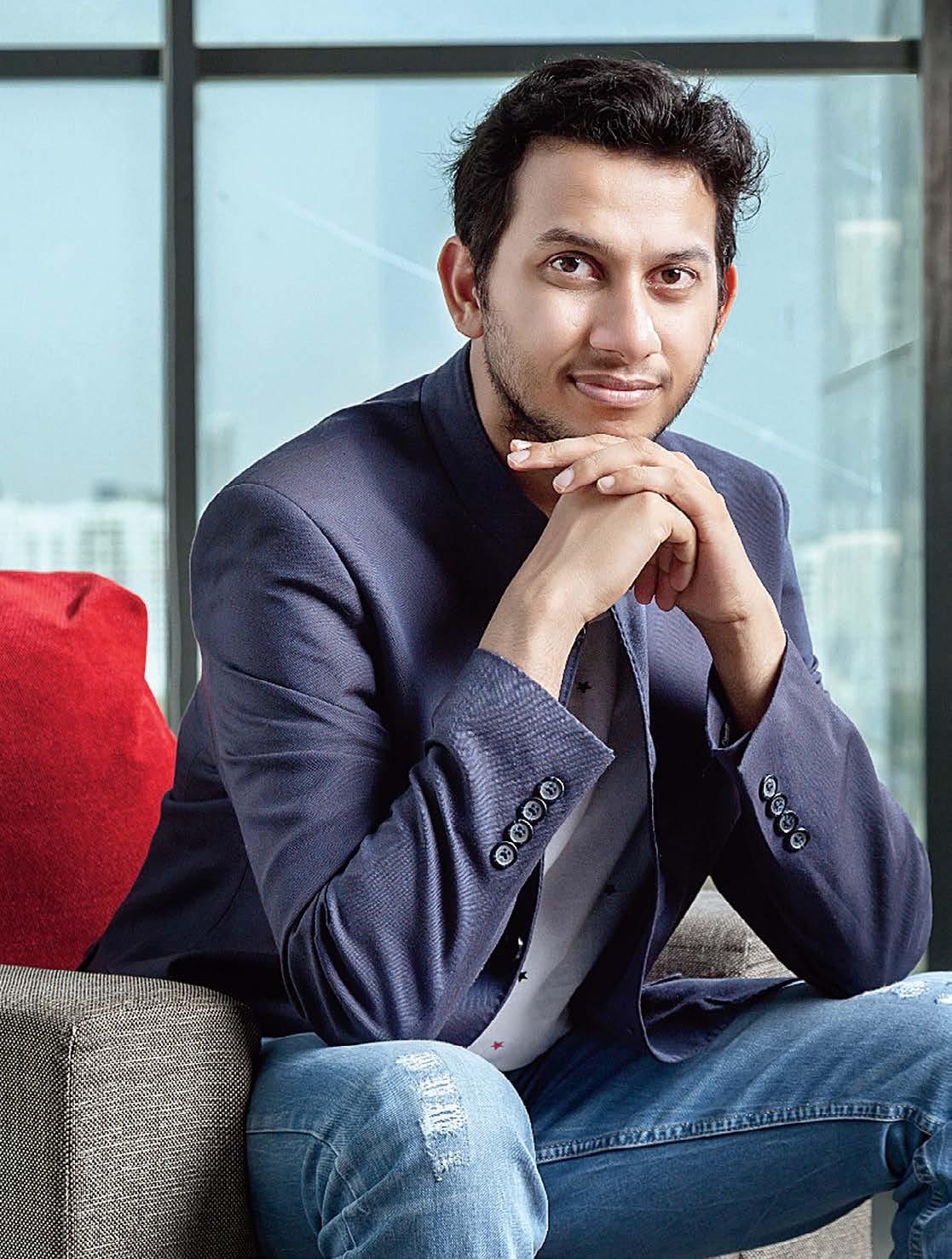
Ritesh Agarwal, a name synonymous with entrepreneurial brilliance, has redefined the global hospitality landscape through OYO Rooms, a company that transformed budget accommodations into a standardized, accessible, and tech-driven experience. Born on November 16, 1993, in Bissam Cuttack, Odisha, India, Agarwal’s journey from a small-town dreamer to a billionaire founder and CEO of one of the world’s largest hotel chains is a testament to resilience, innovation, and an unrelenting pursuit of solving real-world problems. This article explores Agarwal’s life, the rise of OYO Rooms, and the impact of his vision on the hospitality industry.
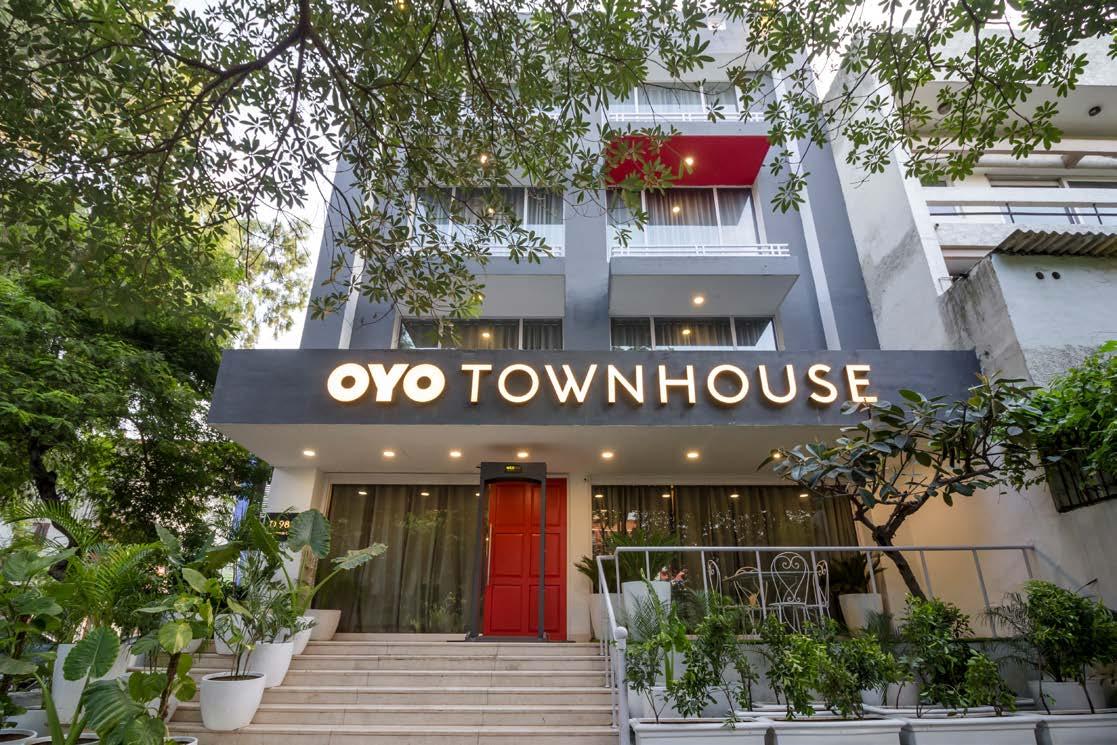
Ritesh Agarwal grew up in Titilagarh, Odisha, in a Marwari family that ran a modest shop in Rayagada. His early years were marked by curiosity and an unconventional approach to learning. While attending Sacred Heart School and later St. John’s Senior Secondary School, Agarwal showed an affinity for technology, teaching himself to code at age eight. By 16, he was selected among 240 students to attend an Asian Science Camp at the Tata Institute of Fundamental Research in Mumbai, a platform that fueled his ambition to think big. Rather than following a traditional academic path, Agarwal’s entrepreneurial instincts took over. At 17, he moved to Delhi, initially to prepare for the SAT and pursue college in the U.S., but his travels across India exposed him to a glaring problem: the inconsistency and unreliability of budget accommodations. Staying in over 100 budget hotels and guesthouses, he encountered issues like poor hygiene, unpredictable pricing, and lack of standardization. This experience planted the seed for what would become OYO Rooms.
In 2011, at just 18, Agarwal launched his first venture, Oravel Stays, a platform inspired by Airbnb to aggregate and book budget accommodations like bed-andbreakfasts and serviced apartments. Oravel Stays gained early traction, securing ₹30 lakh from Venture Nursery, an accelerator program, in 2012. The following year, Agarwal’s vision earned him a prestigious Thiel Fellowship, a $100,000 grant from PayPal co-founder Peter Thiel, encouraging him to drop out of college and focus on his startup. This pivotal moment allowed Agarwal to refine his idea, rebranding Oravel Stays as OYO Rooms in May 2013. OYO Rooms was built on a simple yet disruptive premise: to standardize budget hospitality by partnering with independent hotel owners, ensuring consistent quality, amenities, and pricing. Agarwal’s hands-on approach in the early days—acting as front desk manager, cleaner, and customer service representative—gave him deep insights into the industry’s pain points. By auditing hotels, implementing technology-driven solutions, and focusing on customer experience, OYO quickly differentiated itself from traditional hospitality models.
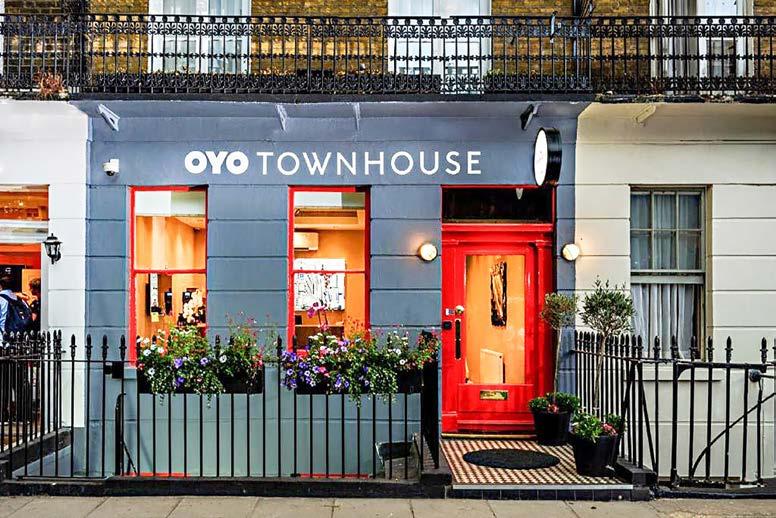

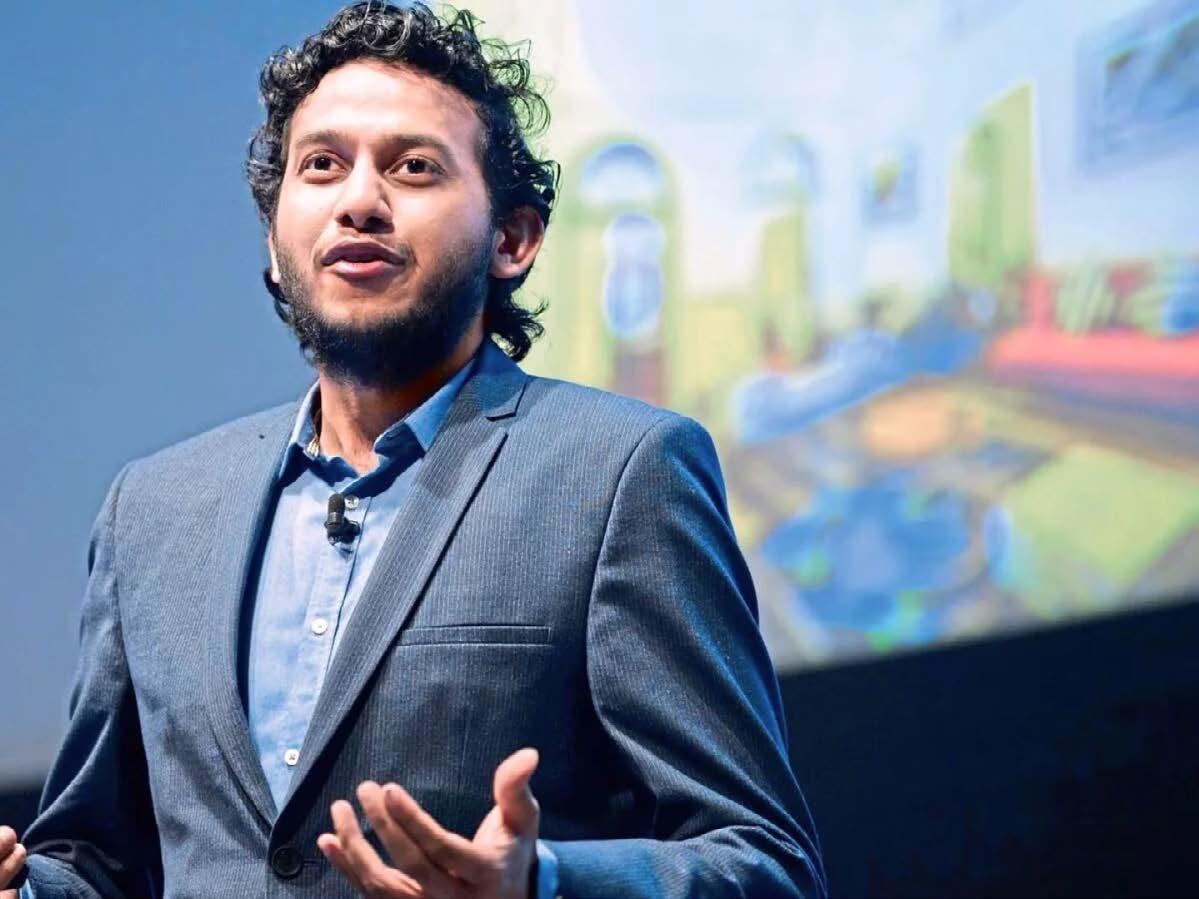
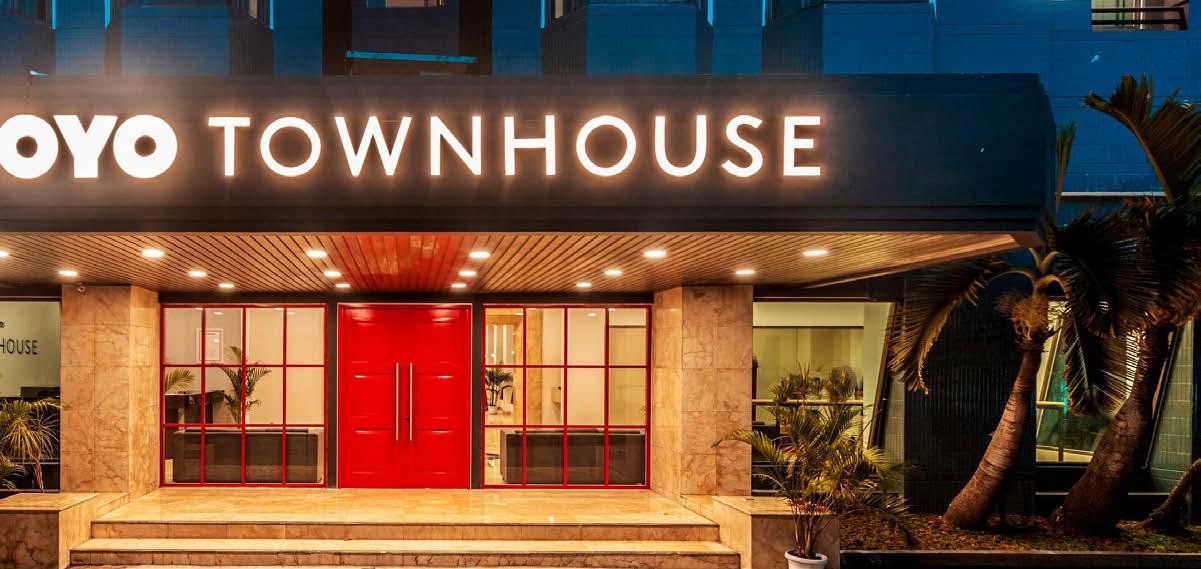
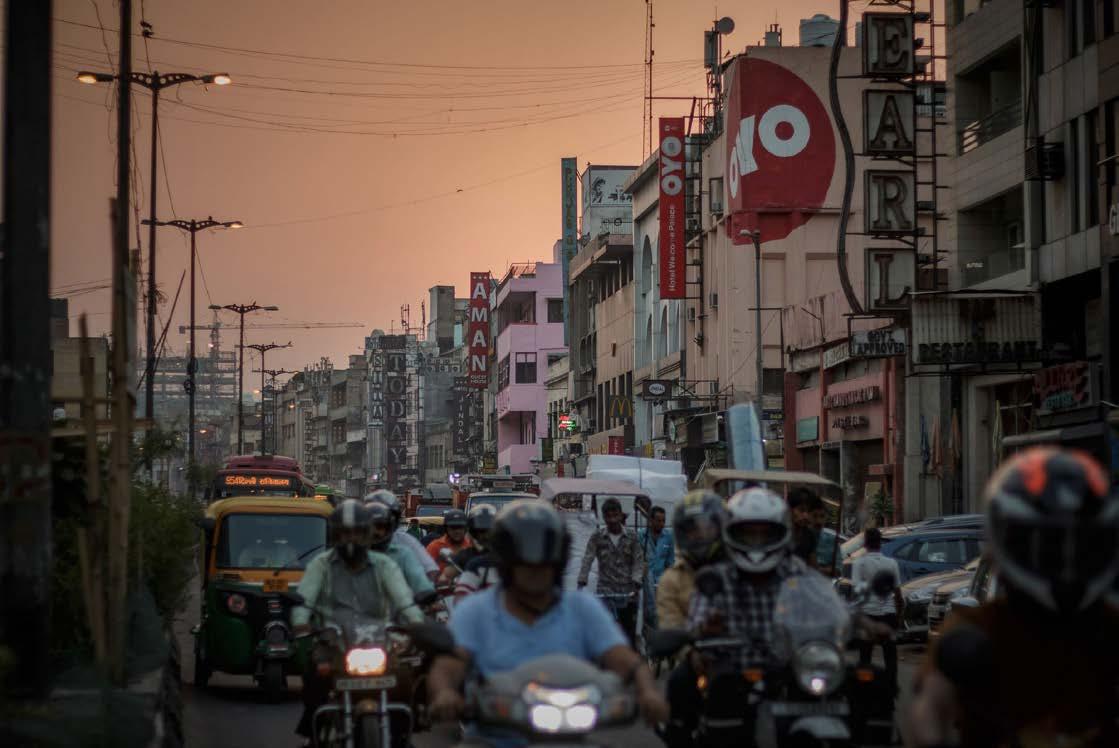

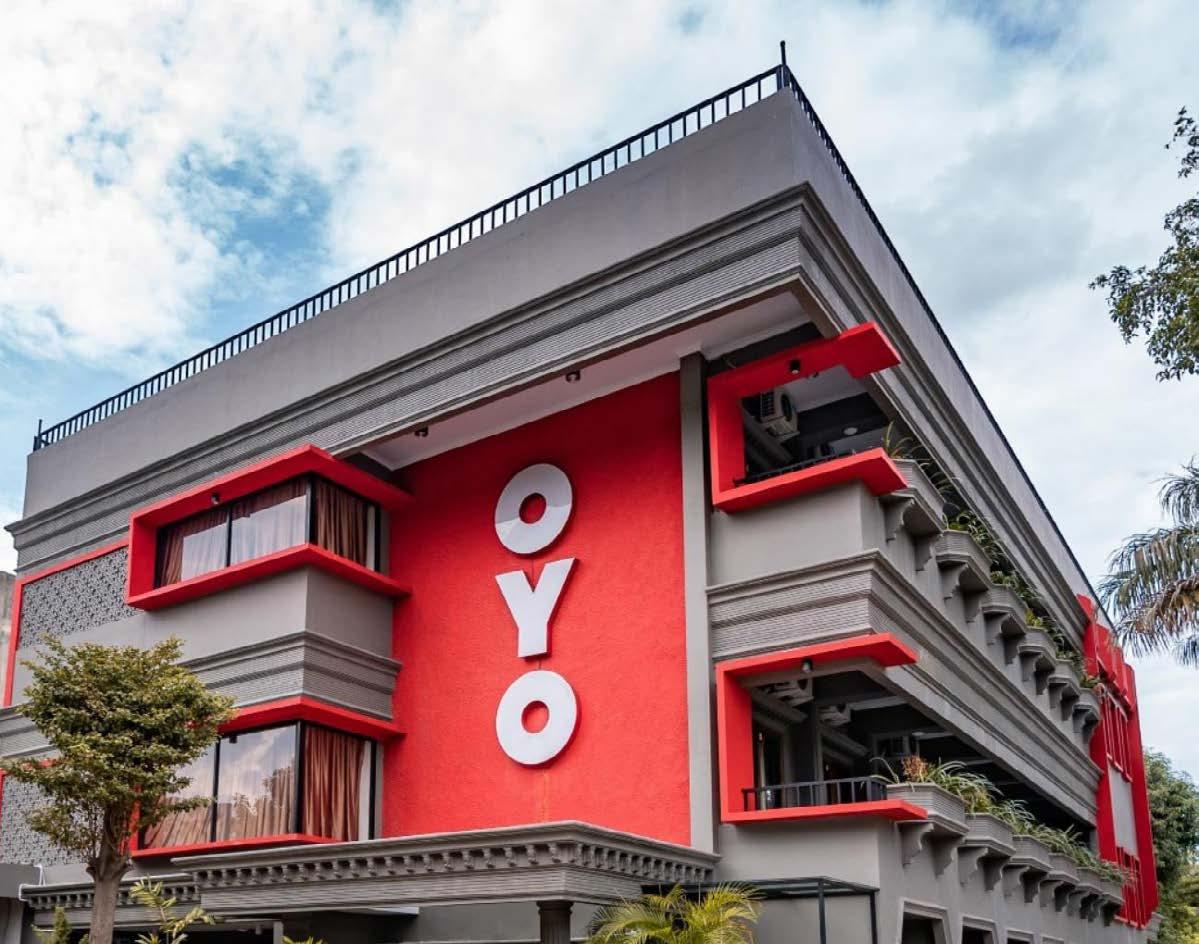

OYO’s growth was nothing short of meteoric. Starting with five hotels in Gurgaon, India, the company expanded to 350+ hotels across 20 cities by 2015, driven by a technology-driven network and strategic partnerships. By September 2018, OYO had raised $1 billion in funding, achieving unicorn status and valuing the company at $5 billion. In 2019, Agarwal made headlines by personally investing $2 billion to buy back shares, increasing his stake to 30% and valuing OYO at $10 billion.
Today, OYO operates over 43,000 properties with 1.2 million rooms across 800 cities in 80 countries, making it the world’s third-largest hospitality chain. Its portfolio includes budget hotels, vacation homes, co-living spaces (OYO Life), and brands like SilverKey and Capital O for corporate travellers. Key international markets include Southeast Asia, the U.S., the UK, and Nordic countries, with recent acquisitions like Motel 6 and Studio 6 in the U.S. for $525 million in 2024. OYO’s ability to adapt to diverse markets while maintaining affordability and quality has been central to its success.
OYO’s journey hasn’t been without challenges, including financial strains during the COVID-19 pandemic and controversies over business practices. However, under Agarwal’s leadership, the company staged a remarkable comeback. In May 2024, OYO reported its first-ever profit after tax of ₹229 crore for FY 2023-24, followed by a record-breaking ₹623 crore profit in FY 2025, making it India’s most profitable startup. This was fuelled by a 215% growth in adjusted EBITDA to ₹877 crore, premium offerings, and global expansion.
Agarwal’s leadership style is unorthodox yet effective. He emphasizes real-time decision-making, leveraging technology (like OYO’s app, downloaded over 160,000 times by 2015), and empowering small hotel owners. His five business rules, as outlined by edu91.org, include starting early, learning from failures, and prioritizing customer experience. Agarwal’s ability to inspire is evident in his role as the youngest “Shark” on Shark Tank India (Season 3) in 2024, where he invested in startups like First Bud Organics and Toffee Coffee Roasters, mentoring the next generation of entrepreneurs.
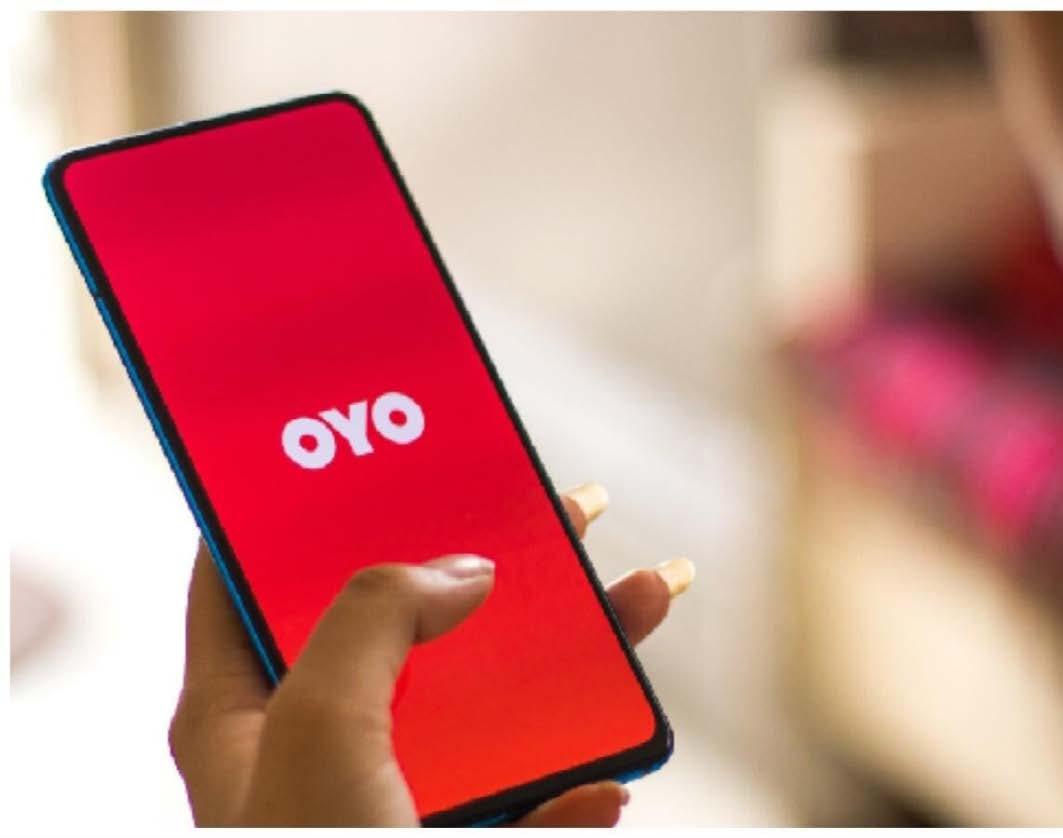

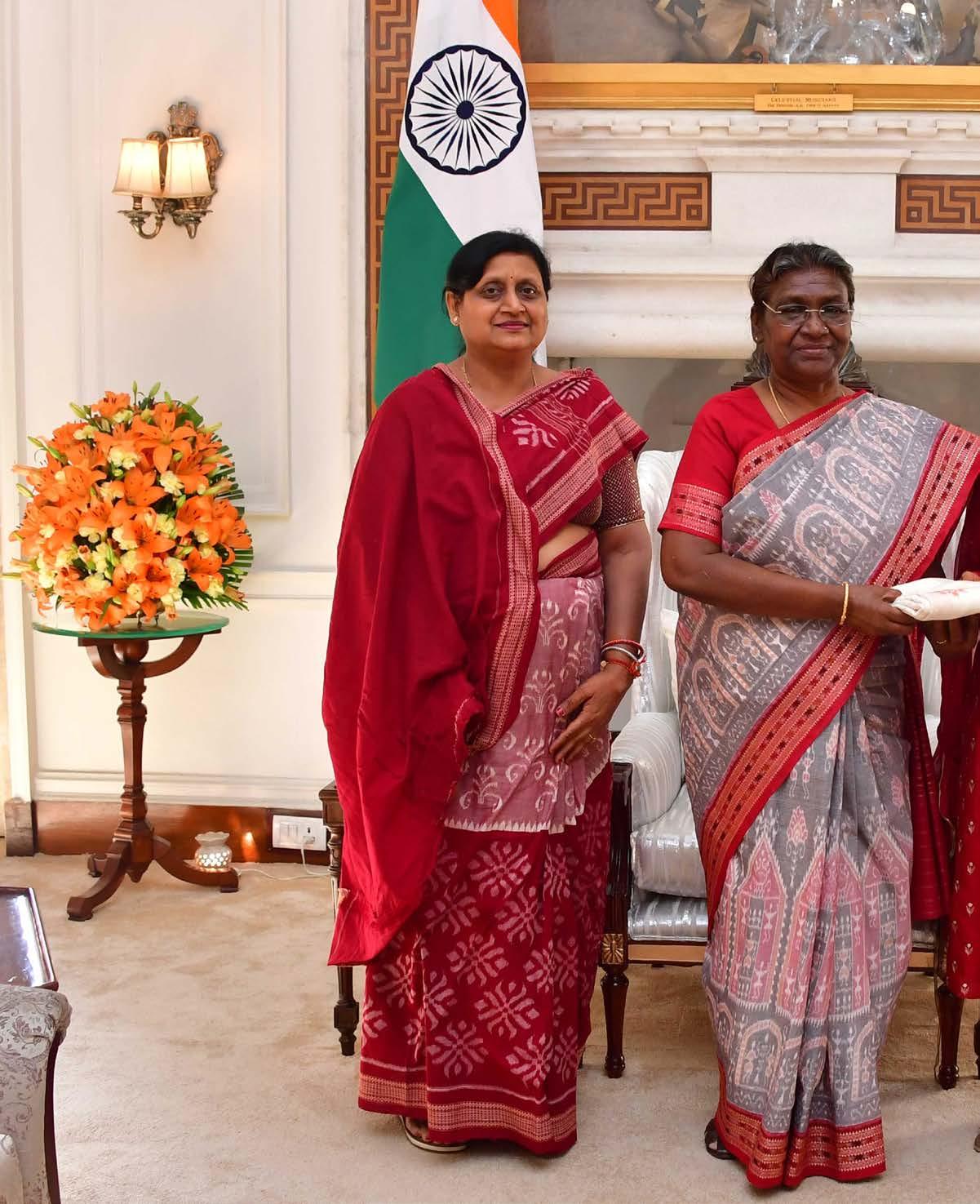
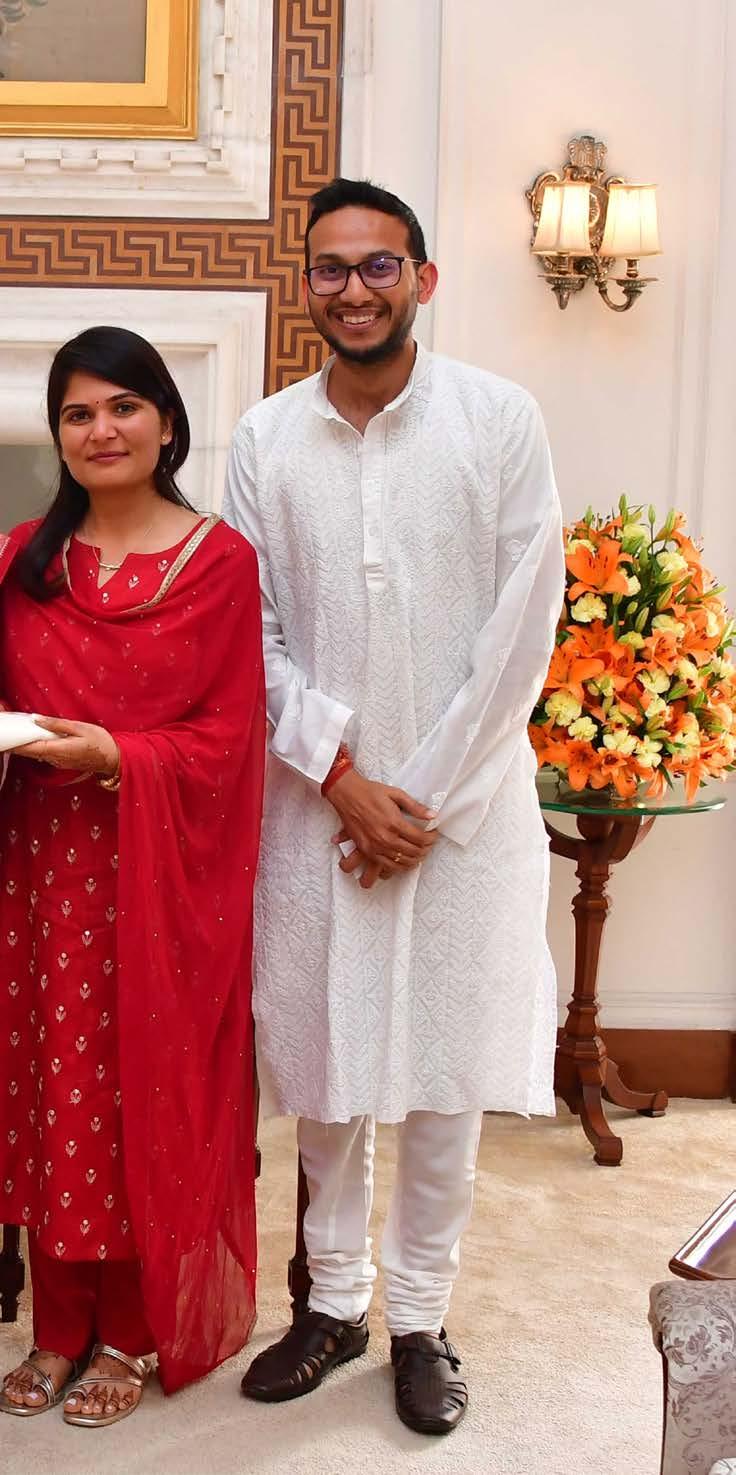
Agarwal married Geetansha Sood in March 2023, and they welcomed a baby boy later that year. His net worth, estimated at ₹15,000 crore in 2025, places him among India’s top 10 youngest billionaires, per the Hurun Rich List 2024. Agarwal’s accolades include the Thiel Fellowship, Forbes 30 Under 30 Asia, and the Business World Young Entrepreneur Award. Despite his wealth, he maintains a modest salary of ₹1.5 crore, benchmarking it against peers.
Ritesh Agarwal’s OYO Rooms has democratized hospitality, making quality accommodations accessible to millions while empowering small hoteliers. His prediction that spiritual tourism will drive India’s tourism industry, backed by a 70% surge in bookings for destinations like Ayodhya, reflects his foresight. As OYO expands into new markets and explores IPO plans, Agarwal’s focus on innovation, sustainability, and technology positions the company for continued growth. From a teenager coding in Odisha to a global hospitality titan, Ritesh Agarwal’s story is a beacon for aspiring entrepreneurs. OYO Rooms, built on his vision of “a beautifully designed, chic, and comfortable living space for everyone,” continues to reshape how the world travels. As Agarwal himself says, “The reality of startups is you have failures very often,” but his ability to learn, adapt, and persevere has turned OYO into a symbol of Indian ingenuity on the global stage.
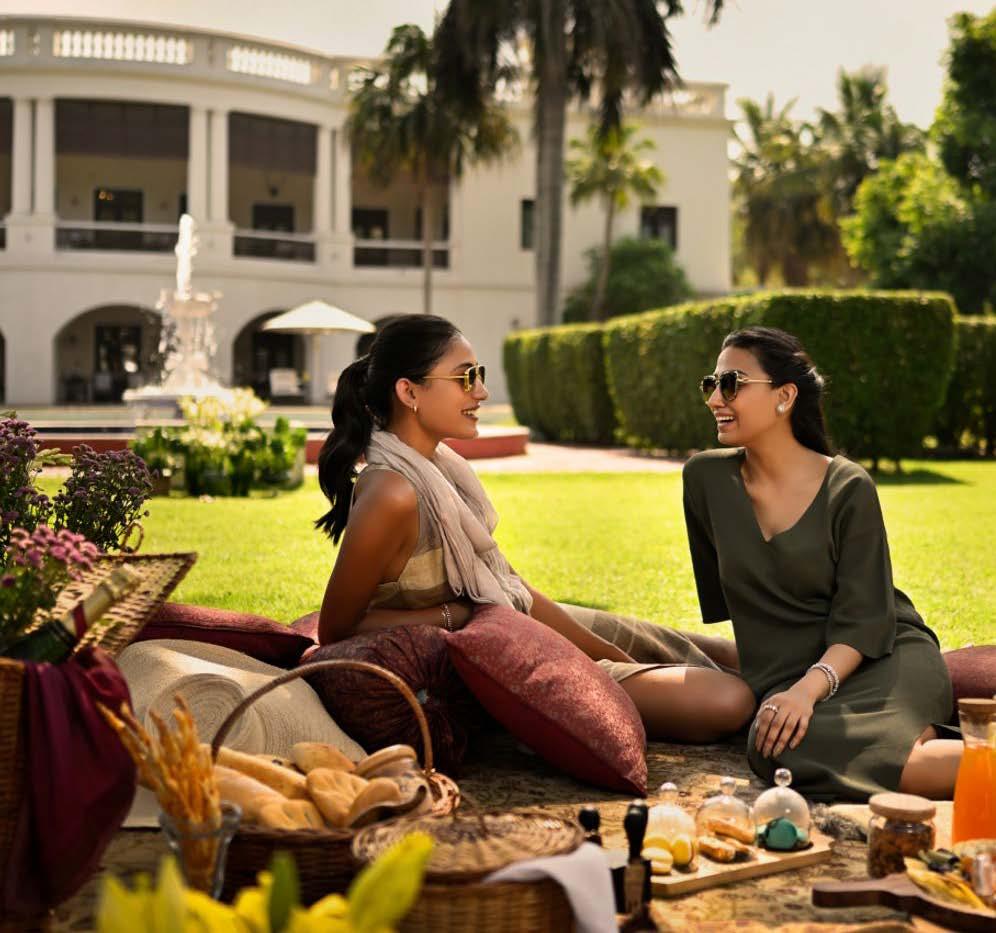
As 2025 dawns upon us, for those in India’s tourism industry, it is becoming apparent that hospitality business is the key driver for our tourism. India is a country rich in culture and heritage. The country has architectural marvels and monuments in every nook and corner. But do you know there’s more to this beyond pleasing the visitor’s eyes during vacations? Yes, these wonders come under an important sector that contributes significantly to India’s growth – The tourism and hospitality sector.
What does the tourism and hospitality sector in India include?
The hospitality and tourism sector covers all activities related to travelling. While the tourism sector focuses on

tourist-attractive destinations and activities related to grabbing the attention of more tourists, the hospitality sector includes everything related to the food and stay of such tourists. Generally, heritage sites, travel planners, events, transportation, etc., are part of the tourism industry. Restaurants, hotels, motels, resorts, etc., come under the hospitality industry. The two are, however, seen in unison as they are both essential for a comfortable travel.
Hence, tourism and hospitality are almost synonymous and cover all activities related to a tourist’s travel. History of tourism and hospitality in India. Though travel has existed since time immemorial, the beginning of tourism and hospitality as a sector began during the onset of India’s independence. Sir John Sargant’s Committee, established in 1945, marked the
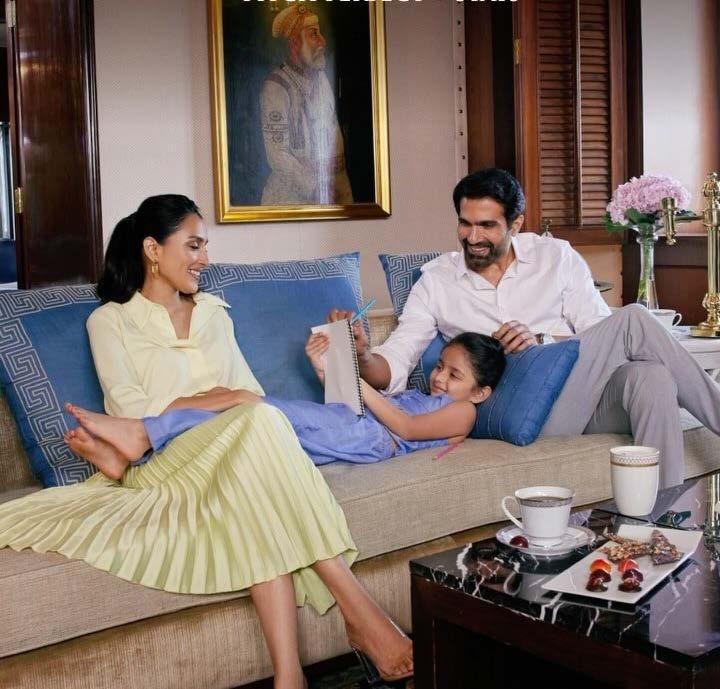
beginning of a formal tourism committee in India. In 1966, the Government of India established the India Tourism Development Corporation (ITDC), which continues to operate to date. The Ministry of Tourism supervises the entity today and owns more than 17 hotels under the brand, ‘The Ashok Group’, and is listed on both NSE and BSE.
The growth of the tourism industry in India has a lot to do with the country’s fiveyear economic plans. Though the first five-year plan between 1951 and 1956 did not attribute a special focus to tourism, every plan after that had strategies to promote tourism in the country. The second five-year plan prioritised developing infrastructure in tourist attractions by improving stay and recreation facilities. The 1960s saw an immense boost, with the number of foreign tourists increasing by over six times.
L.K Jha Committee was set up in 1963 to suggest recommendations for the sector’s improvement. Based on their suggestion of increasing the involvement of the public sector, Hotel Corporation of India Ltd., India Tourism Transport Undertaking Ltd., and India Tourism Corporation Ltd. were set up. The government continued emphasising tourism as a significant player in the economy. The fourth five-year plan recognised the importance of tourism in contributing to the
country’s foreign exchange reserves. The sixth five-year plan between 1980 and 1985 was a milestone period of India’s tourism and hospitality.
A tourism policy was introduced in 1982 to focus on the goals and objectives. Tourism circuit was another unique initiative that aimed at creating specific routes to channelise tourist traffic. First, that domestic segment has boomed like never before, with Indians willing and keen to travel, spend, never blink at prices that they may have balked at in earlier days.
That hotel spends, offerings, promotions have visualised traditional and modern concepts – from weddings and events to staycations, meaning taking a vacation in your own city of residence, to packages that take care of food and beverages, outdoor catering, health foods, and so much more.
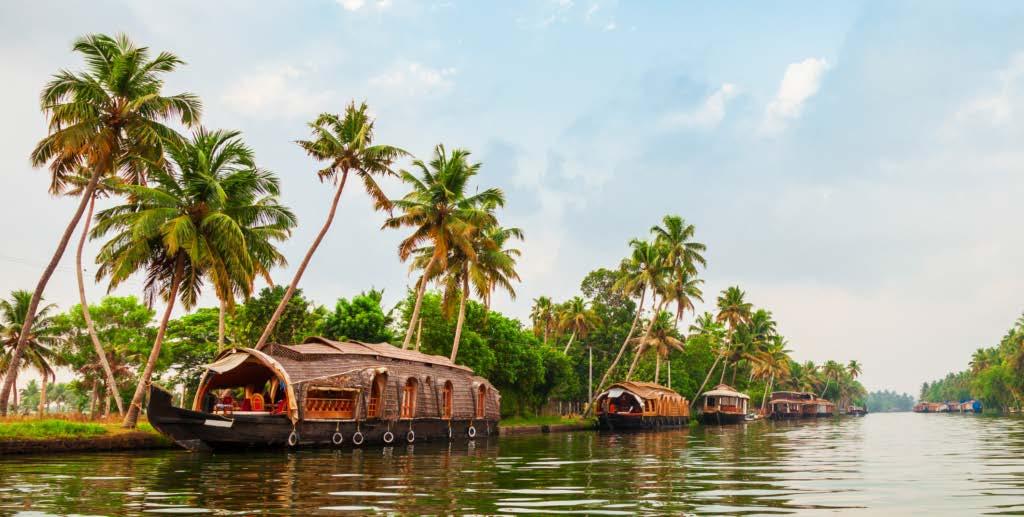
Inbound tourism has picked up, yet to reach the 2019 levels, but nevertheless will remain inadequate to feed the existing rooms supply. Destination promotions are increasingly being generated by hotels, with the industry being the new driver of demand. It is not early days, but an opportune time, for state governments to dovetail infrastructure that ensures last mile connectivity and visitor conveniences. Also, state tourism organizations will do well to do joint marketing, or specific marketing in areas that need support. New investments, ploughing back of profits: With the increased revenues coming
in, hotels are essentially ploughing back into their business. This is resulting in new infrastructure across the country, both in old and newer markets becoming tourist destinations. Such confidence among investors has never been witnessed before; hospitality meanwhile, has become more driven by corporate responsibility, signalling a big change from days when promoters siphoned off earnings towards other businesses. Modern promoters are vying to be noticed for ethical growth, vying for leadership among brands, bringing in expertise and professionalism matching global standards. Technology is a big help in this direction.
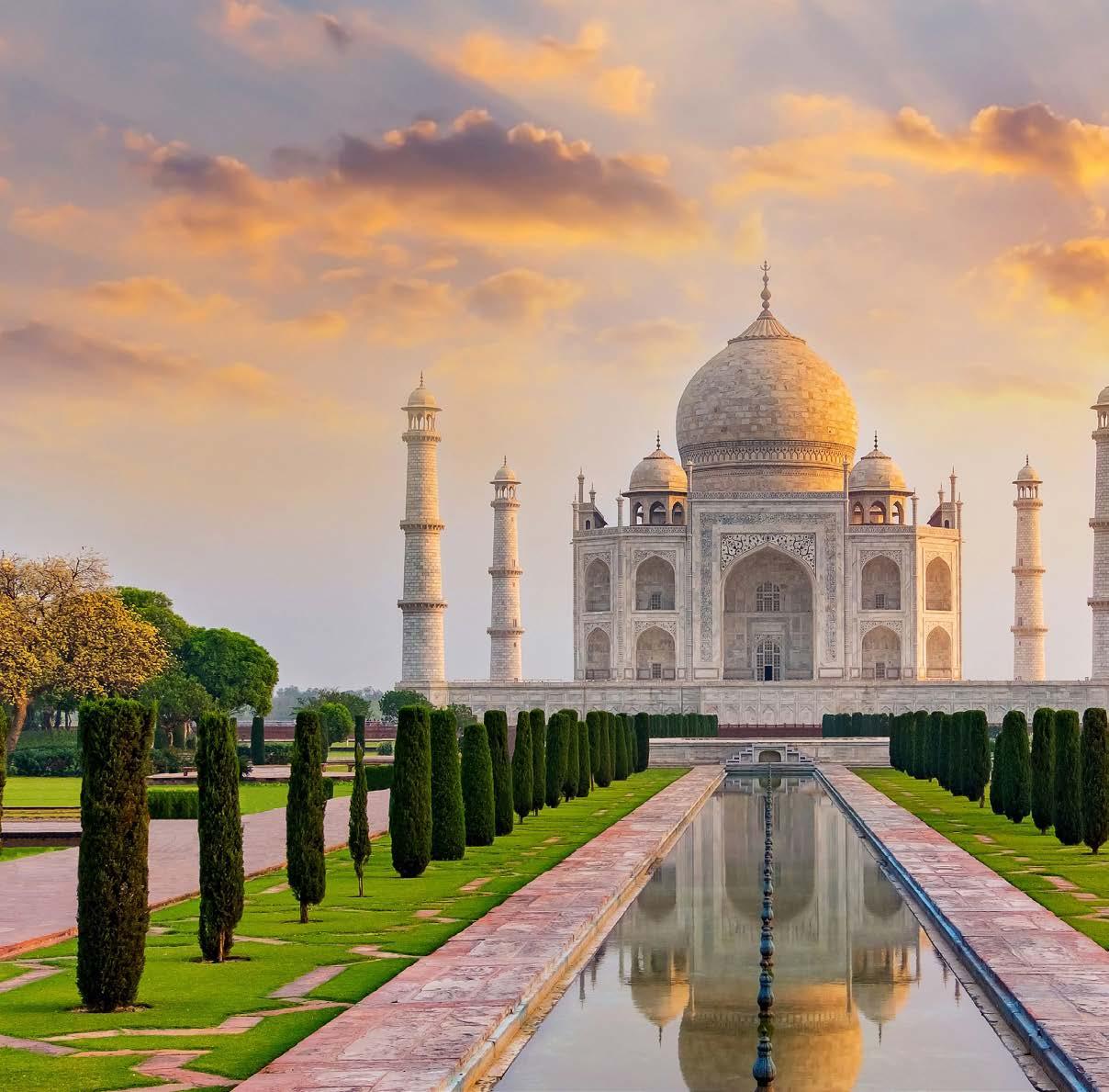
Online is the big disruptor, now being seen as the big enabler. It has brought greater transparency for the customers always seeking the best deal. Equally, within every organization, technology enables solutions to inventory, pricing, budgeting has changed the structure – dealings are on record, as are earnings. Government regulations over time, like limiting cash transactions to two lakhs only, have helped. Increased spending on credit cards is another. While money is king, it is not cash. Healthy supply line: Most hotel companies are talking of robust growth projection, in number of projects in progress, both in number of properties and rooms,

across brands, across price points, though the mid-market, traditionally unknown in India, is blossoming. Small are becoming big, big are becoming bigger. IHCL (Taj Group) is envisaging a 700-hotel portfolio in the next few years, companies like Lemon Tree are signing a new hotel almost every other week. Hilton Hotels signed one single deal for 150 properties with Olive by Embassy under the Spark brand. Marriott Hotels have 150 operational hotels with 83 in the pipeline. Home grown Royal Orchid Hotels passed the magical 100 properties mark. Minor Hotels, with brands like Anantara, plan over 50 hotels in the next decade.
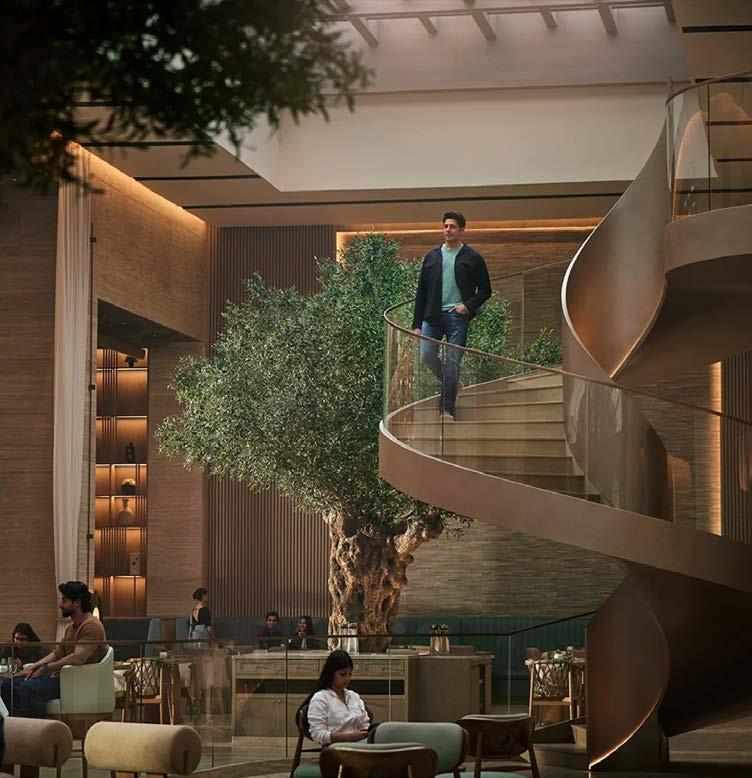
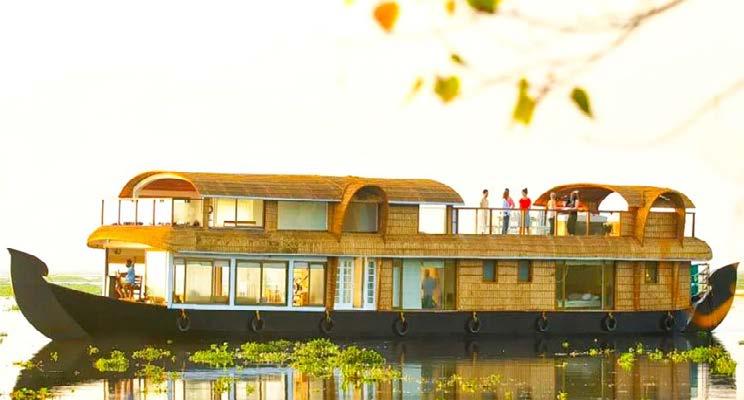
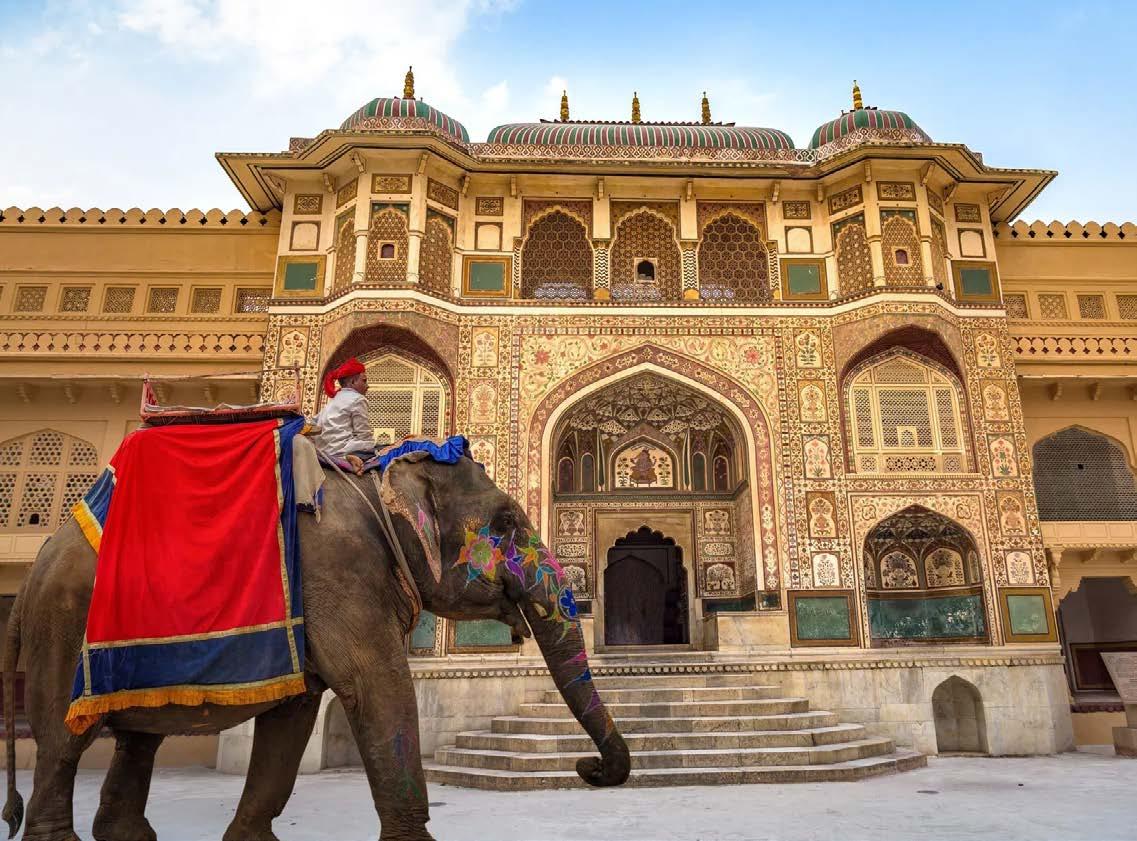
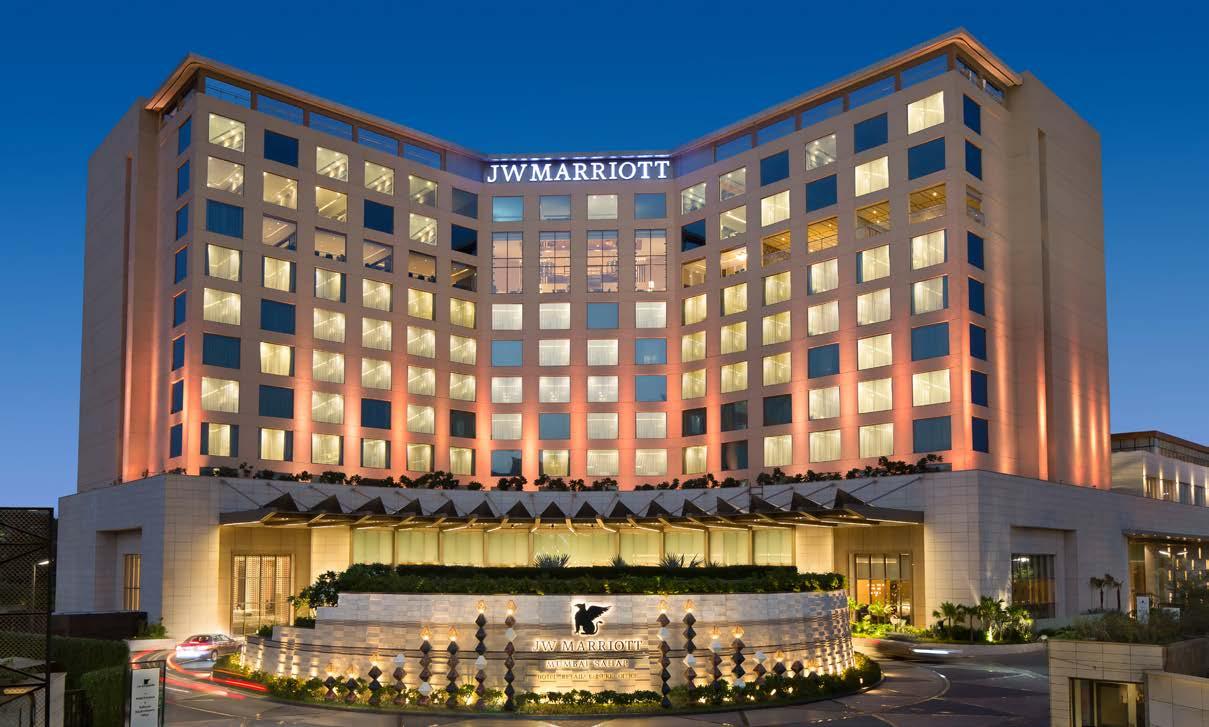
In Keeping with infrastructure growth: Such a robust pipeline augurs well to match accommodation growth to keep pace with growth in airport, airline and highways sectors. As we open more airports, add airline capacity, add highway infrastructure, we need more quality accommodation. Growth in business in hospitality, this new confidence and capacity building, therefore, could not have come at a better time in the growth of both the economy in general and for tourism specifically.
: In the absence of a well defined ‘tourism’ lobby in the country, hotels and hospitality have emerged as the key promoters.
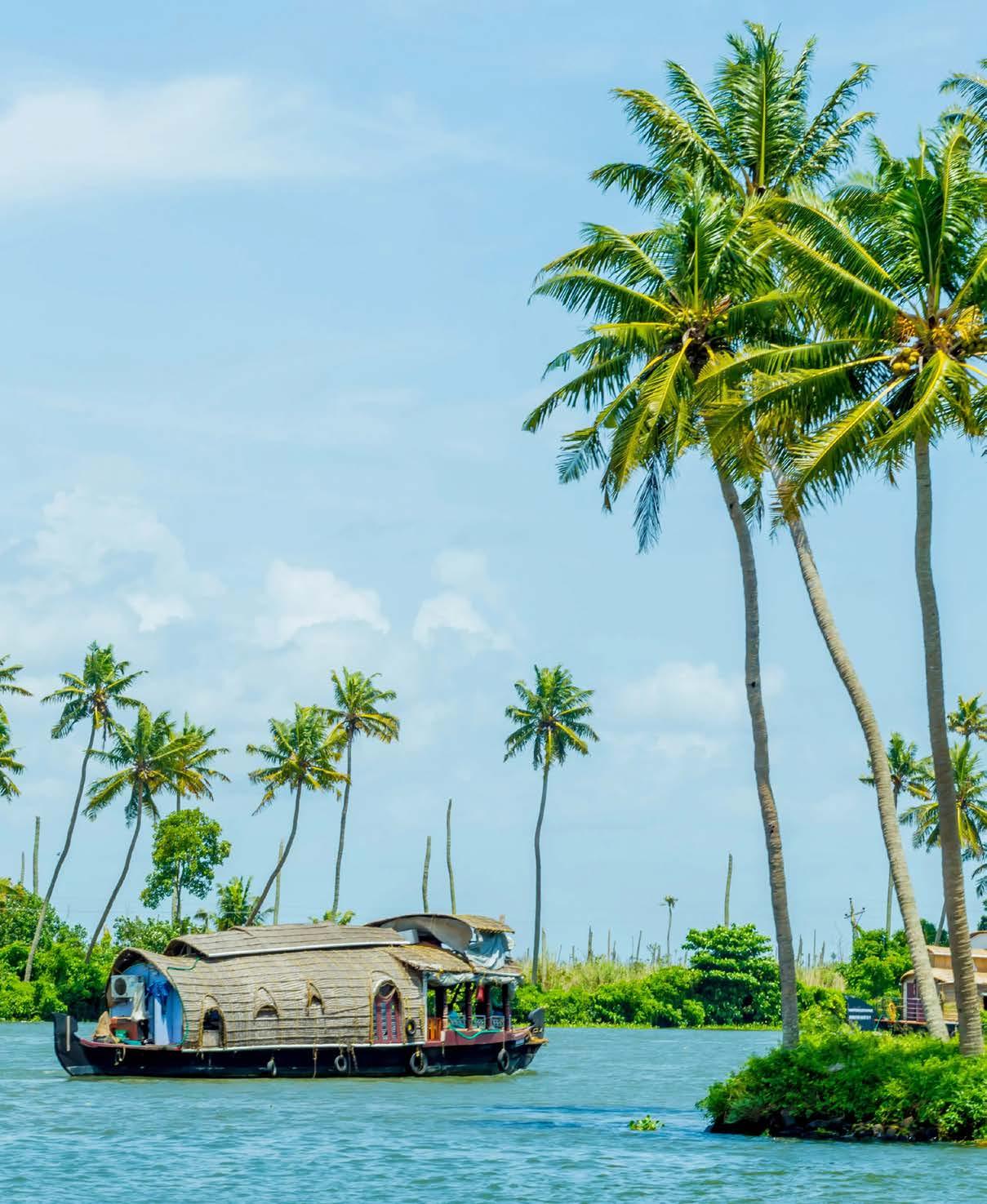

Nestled along the southwestern coast of India, Kerala, fondly known as “God’s Own Country,” is a tropical paradise that captivates travellers with its serene backwaters, lush greenery, vibrant culture, and warm hospitality. This vibrant state offers an unparalleled blend of natural beauty, rich heritage, and diverse experiences, making it a must-visit destination for travellers seeking tranquillity, adventure, and cultural immersion. Whether you’re a nature enthusiast, a history buff, or a foodie, Kerala has something to offer everyone.

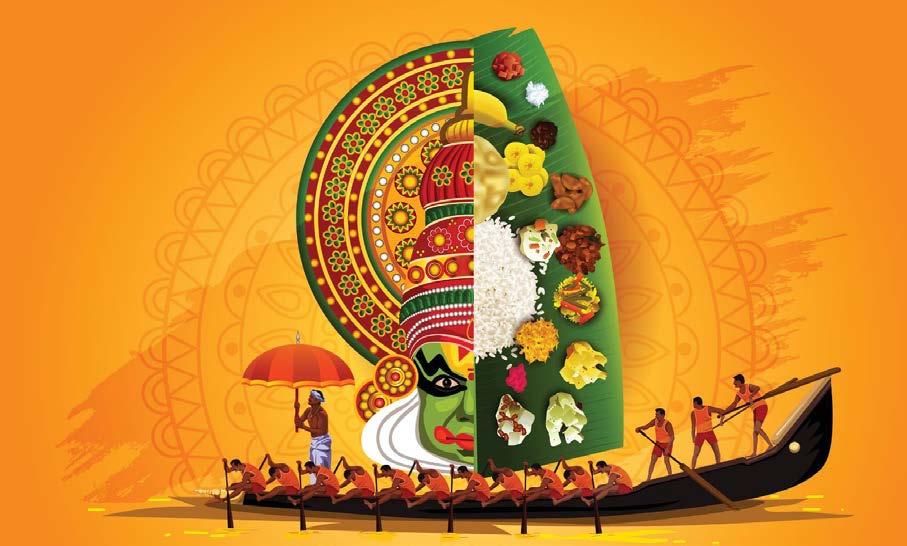
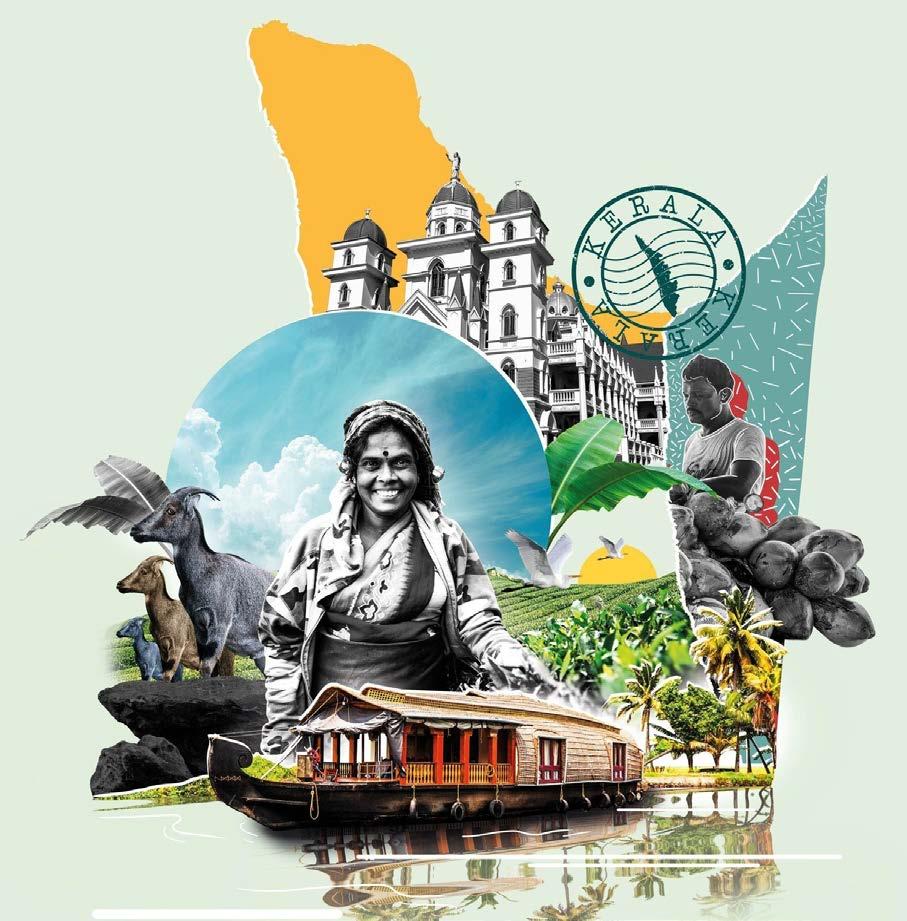
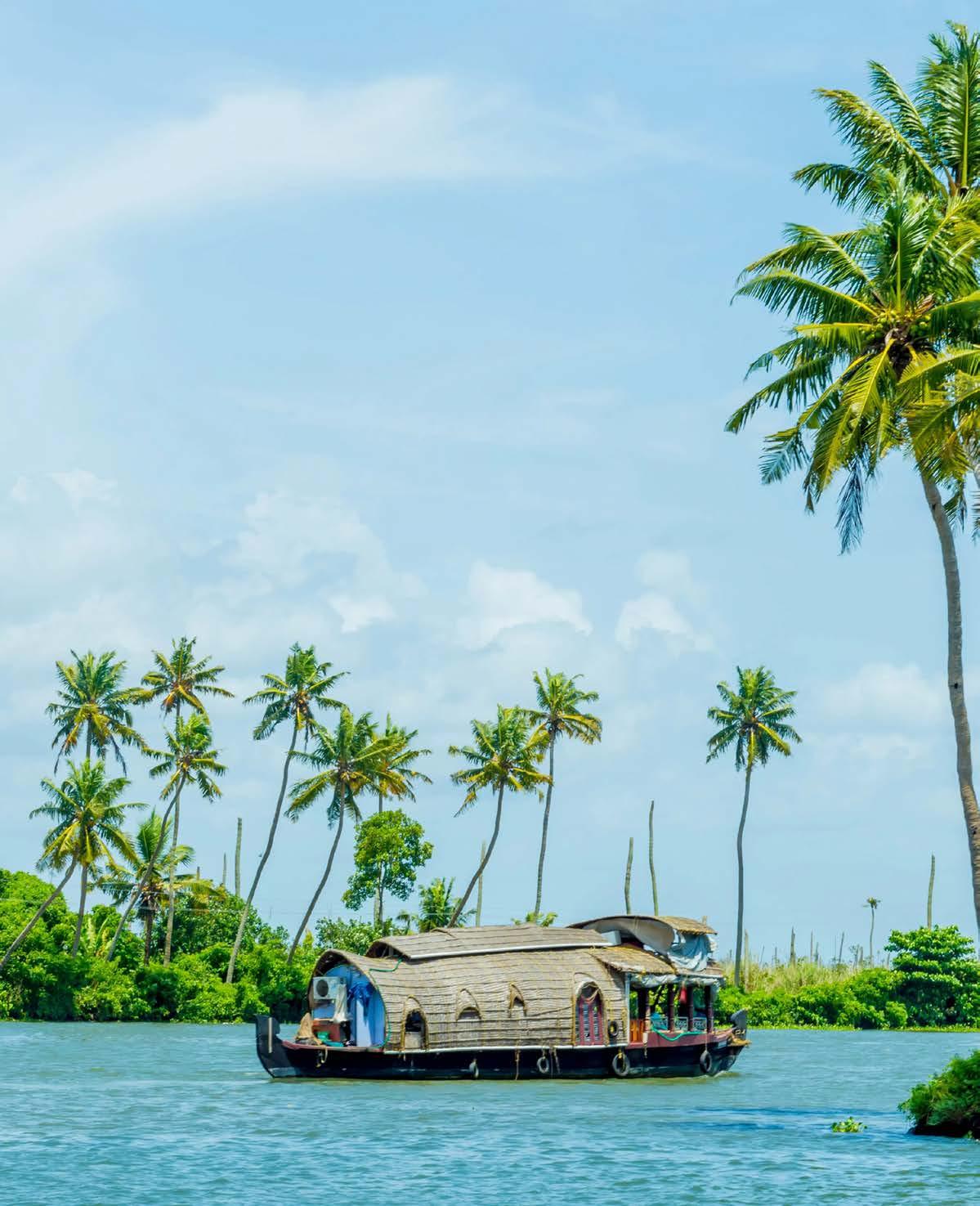
Kerala’s backwaters are the heart and soul of its tourism appeal. This intricate network of lagoons, canals, and lakes, fringed by swaying palm trees, is best explored on a traditional houseboat, or kettuvallam. The backwaters of Alleppey (Alappuzha), Kumarakom, and Kollam offer a serene escape, where you can glide through tranquil waters, witness rural life along the banks, and marvel at stunning sunsets. Alleppey, often dubbed the “Venice of the East,” is particularly famous for its houseboat cruises and the annual Nehru Trophy Boat Race, a vibrant spectacle of synchronized rowing.
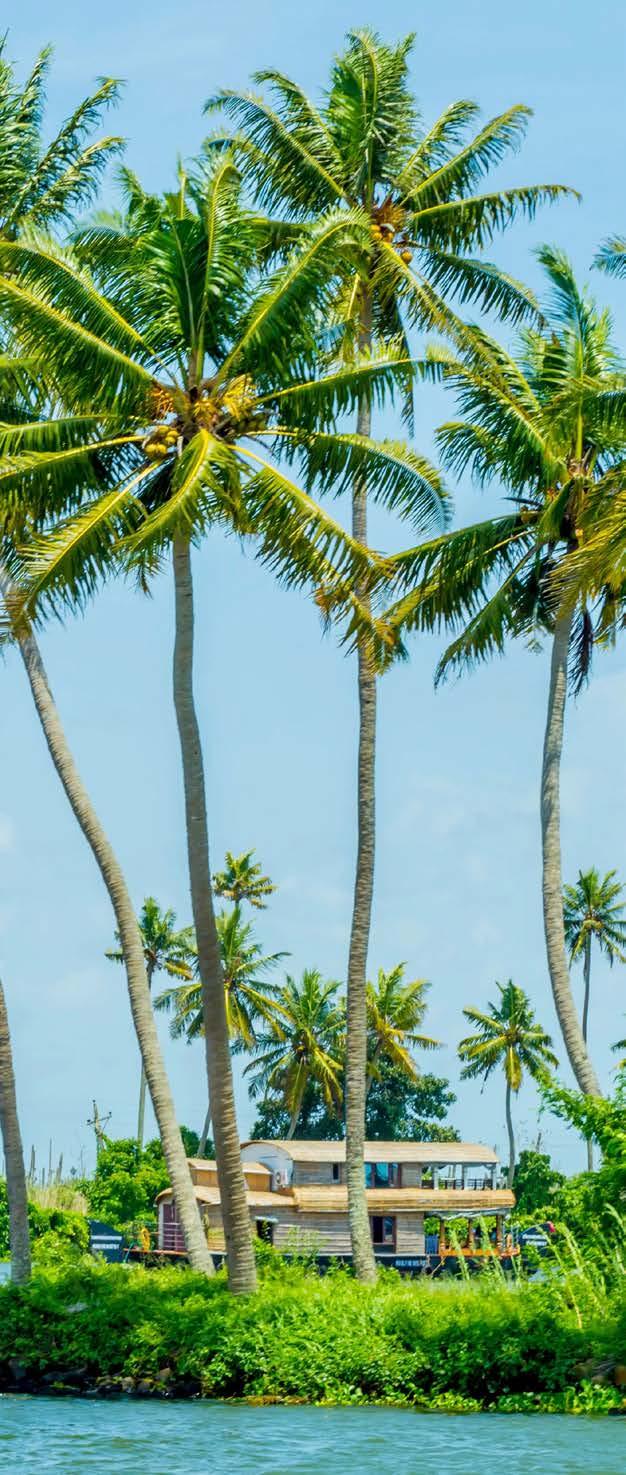
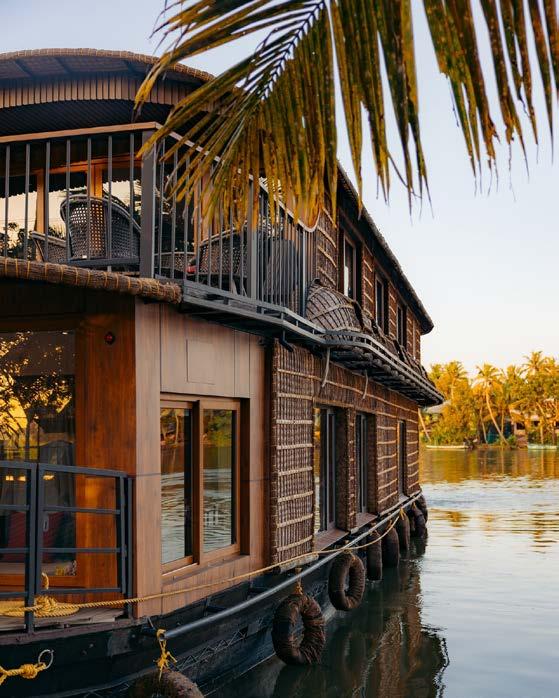

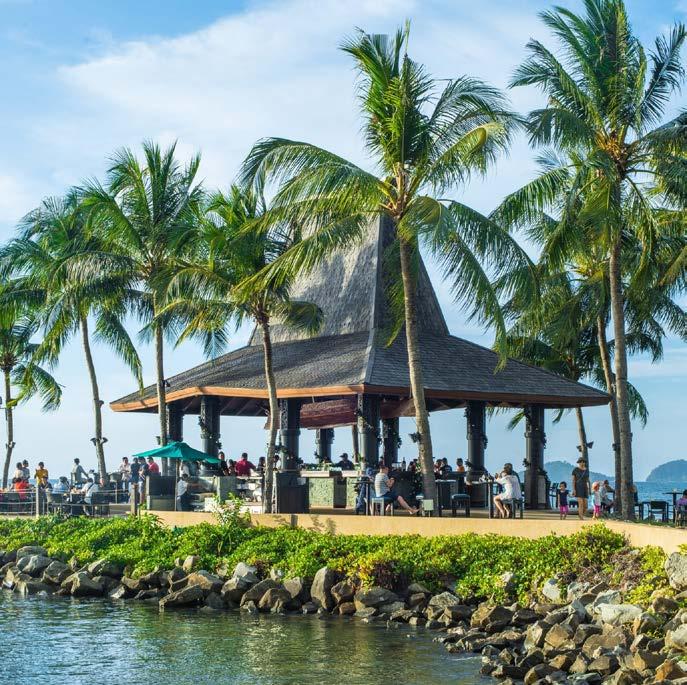
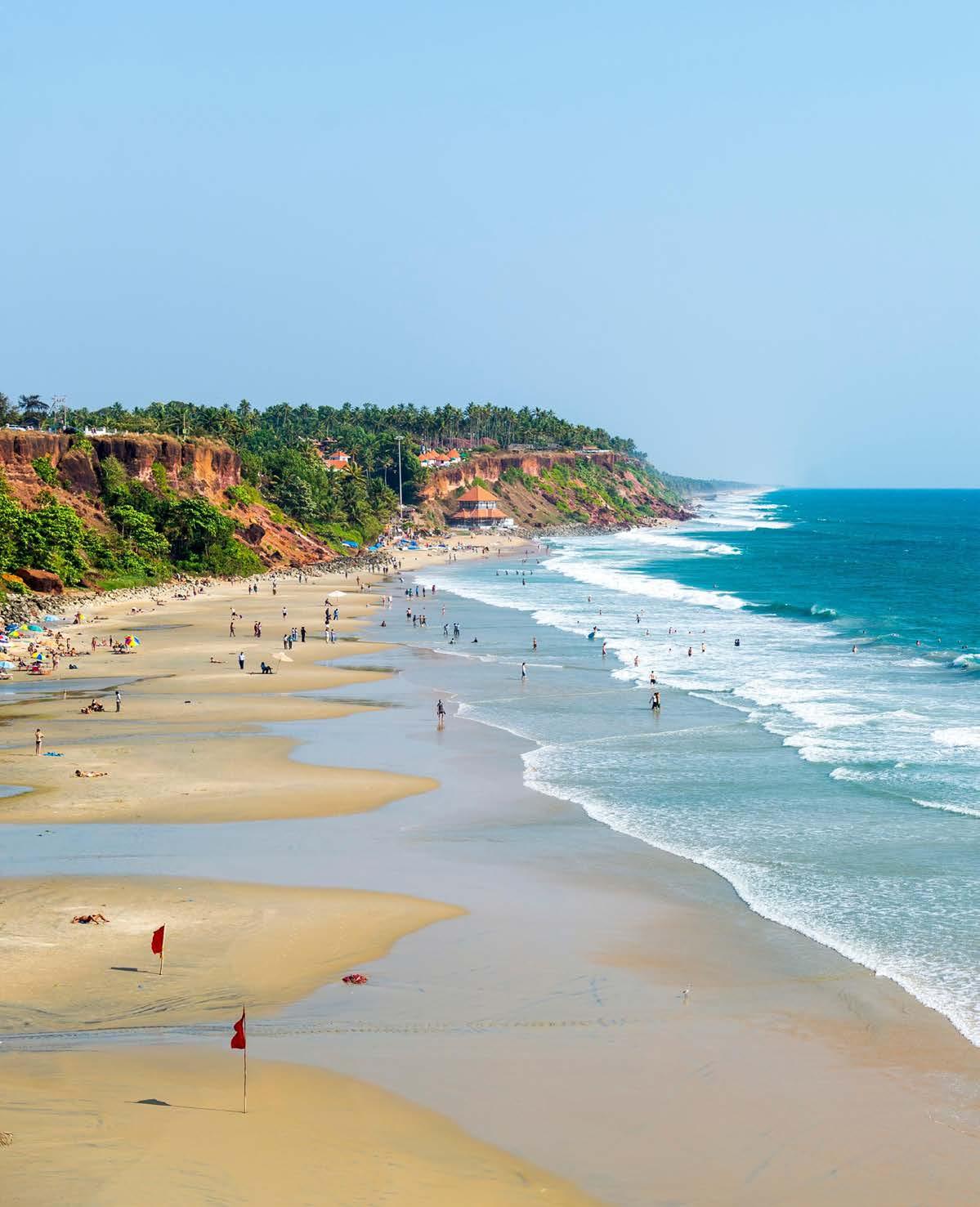

Kerala’s coastline, stretching over 580 kilometres along the Arabian Sea, is dotted with pristine beaches that cater to both relaxation and adventure seekers. Kovalam Beach, with its crescent-shaped shores and lighthouse, is a hotspot for sunbathing and water sports. Varkala Beach, perched atop dramatic cliffs, offers a unique blend of spiritual vibes and scenic beauty, with its mineral springs and yoga retreats. For a quieter experience, Marari Beach and Bekal Beach provide secluded shores and breathtaking views, perfect for unwinding.

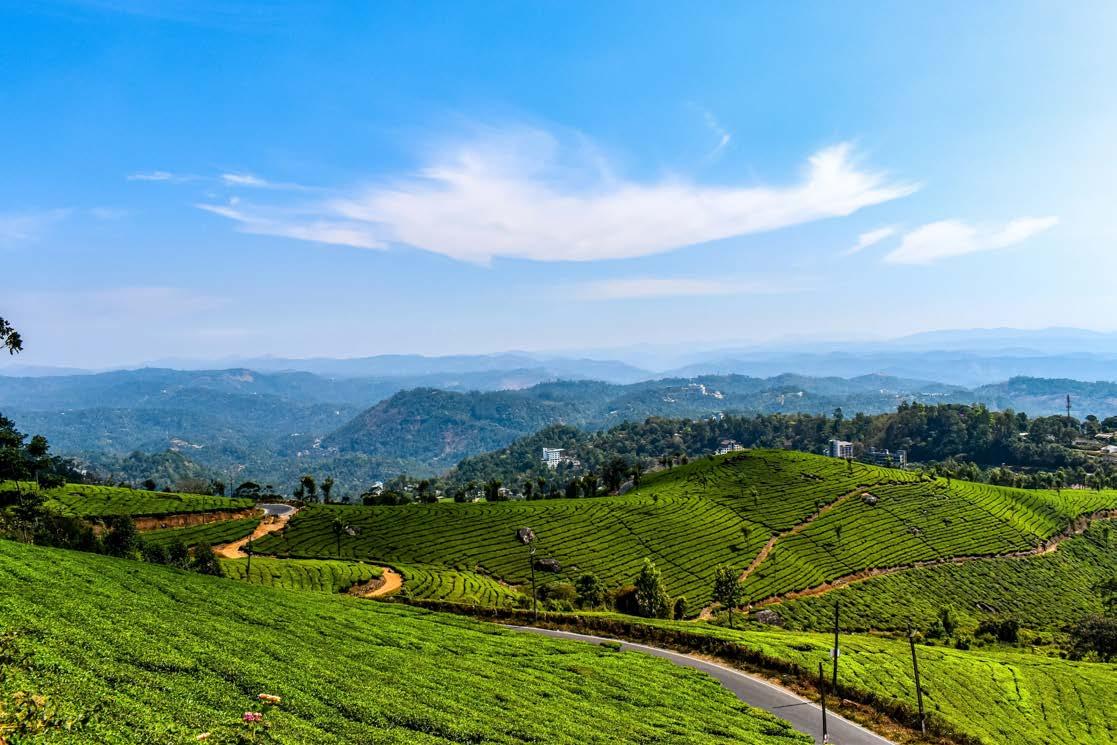
The Western Ghats bless Kerala with verdant hill stations that are a haven for nature lovers. Munnar, the most famous among them, is renowned for its sprawling tea plantations, mist-covered hills, and cool climate. Visitors can explore the Eravikulam National Park, home to the endangered Nilgiri Tahr, or trek to Anamudi, South India’s highest peak. Wayanad, another gem, offers dense forests, waterfalls like Meenmutty and Soochipara, and ancient caves such as Edakkal, blending adventure with history.
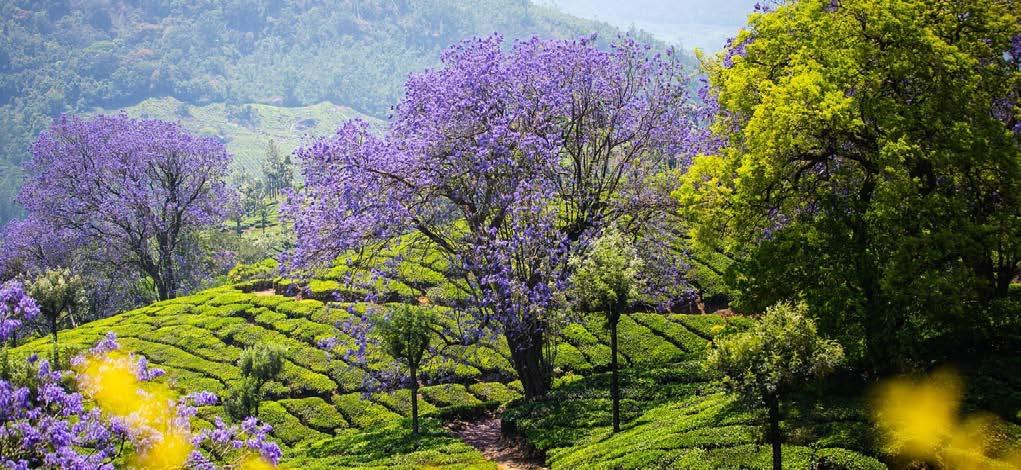


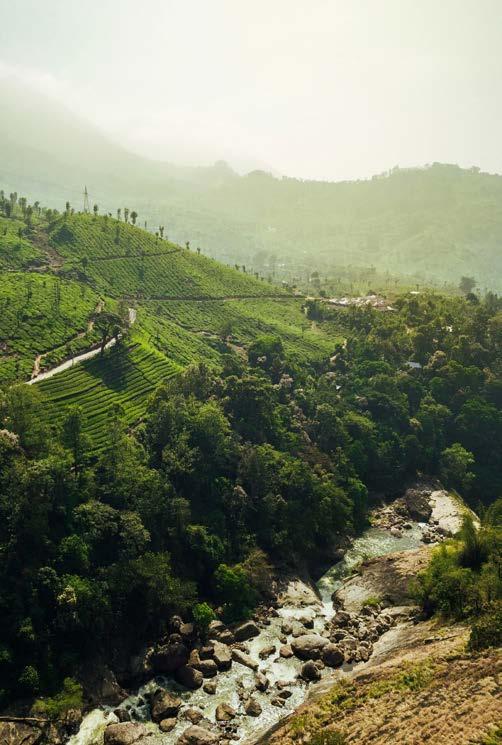
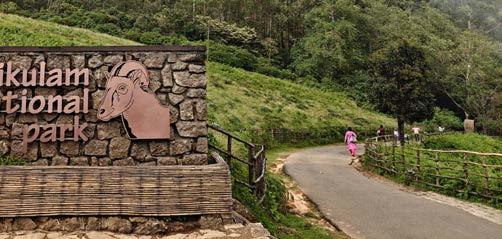

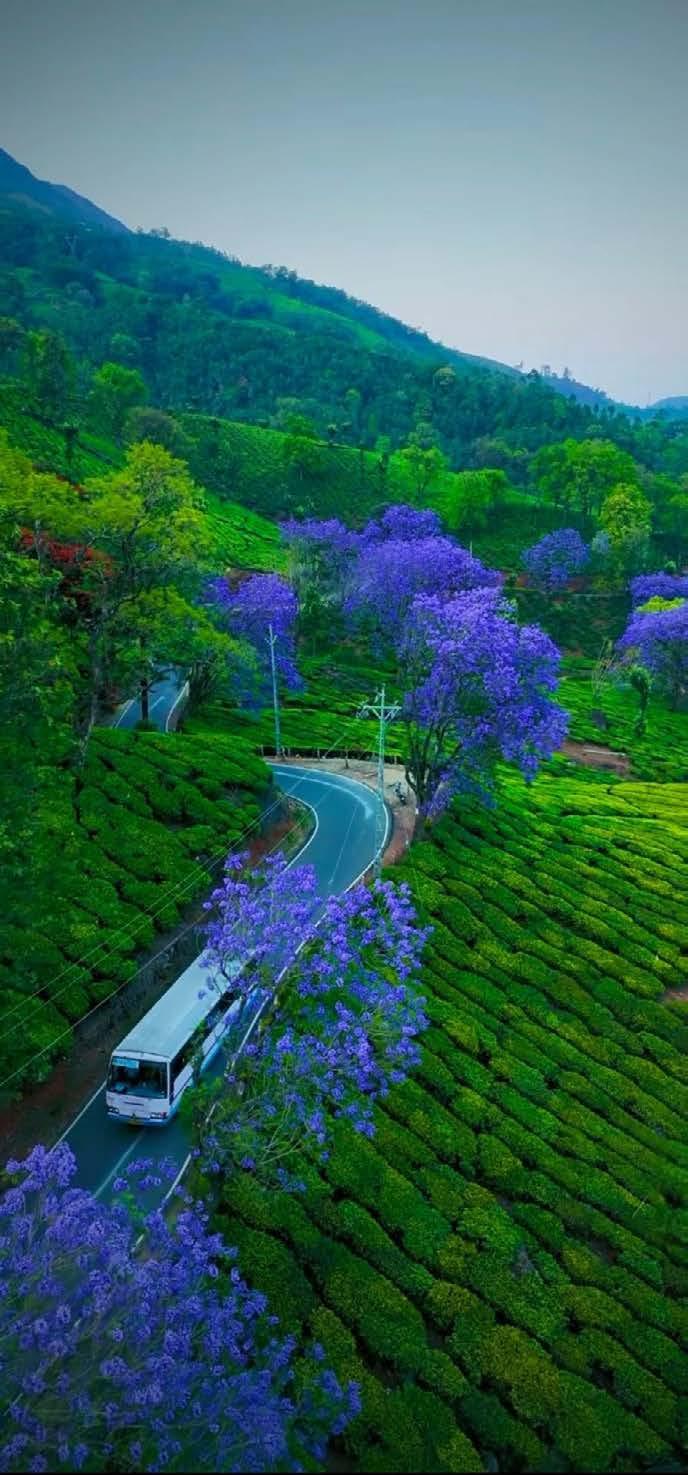
Kerala’s cultural tapestry is as diverse as its landscapes. The state is a treasure trove of art, music, dance, and festivals. Kathakali, a classical dance-drama with elaborate costumes and expressive gestures, and Mohiniyattam, a graceful dance form, showcase Kerala’s artistic legacy. The vibrant festival of Onam, celebrated with flower carpets (pookalam), traditional feasts (Onasadya), and snake boat races, reflects the state’s communal harmony and zest for life. Historic sites like the Mattancherry Palace in Kochi, the Padmanabhaswamy Temple in Thiruvananthapuram, and the Bekal Fort offer glimpses into Kerala’s royal and colonial past.

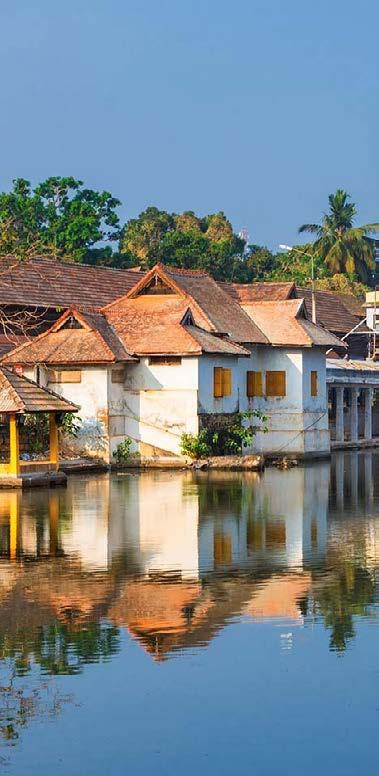
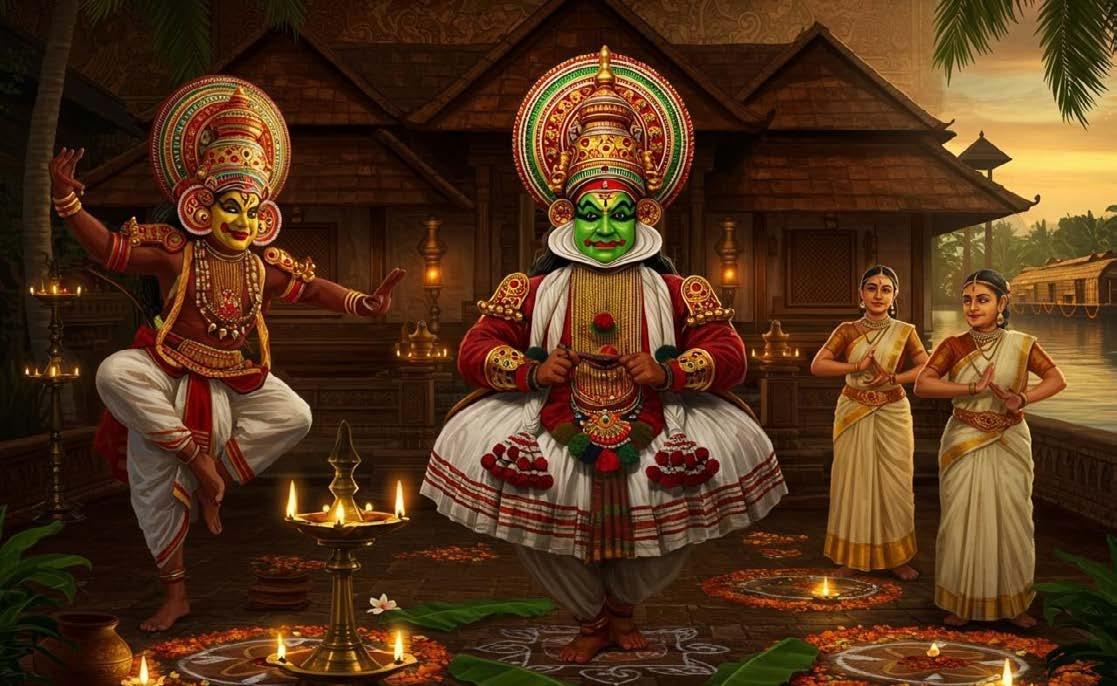
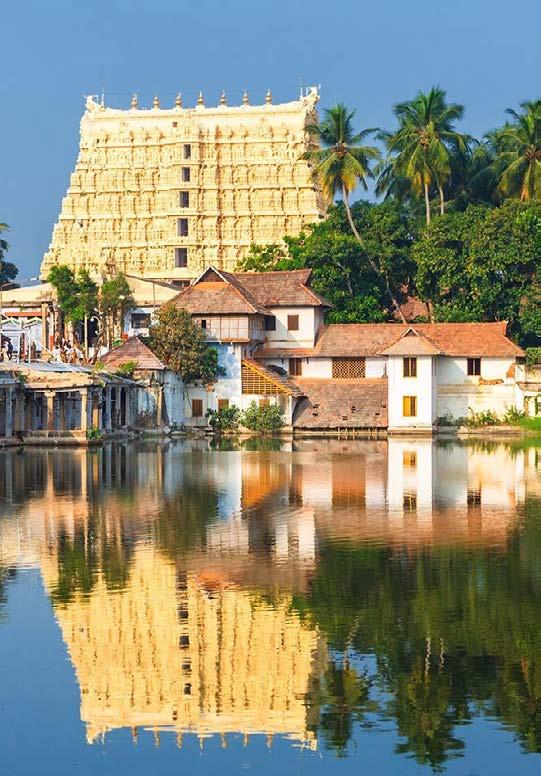
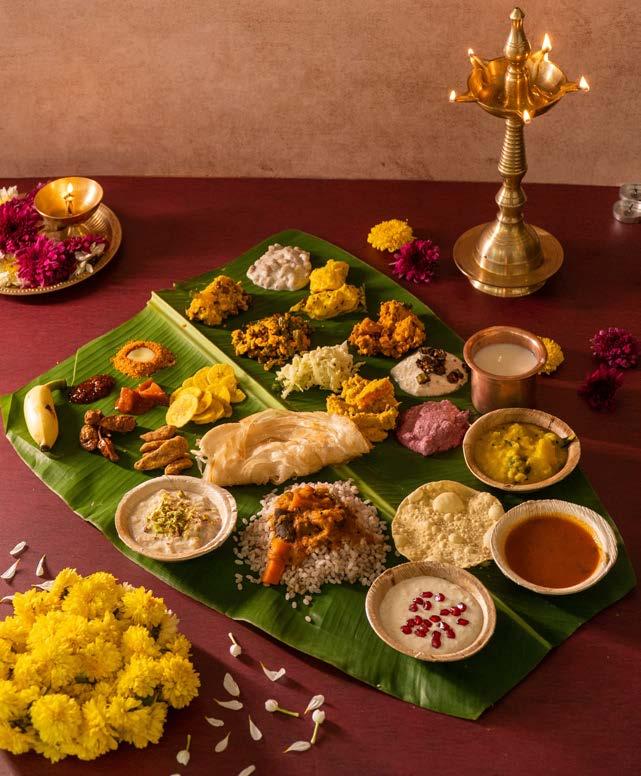
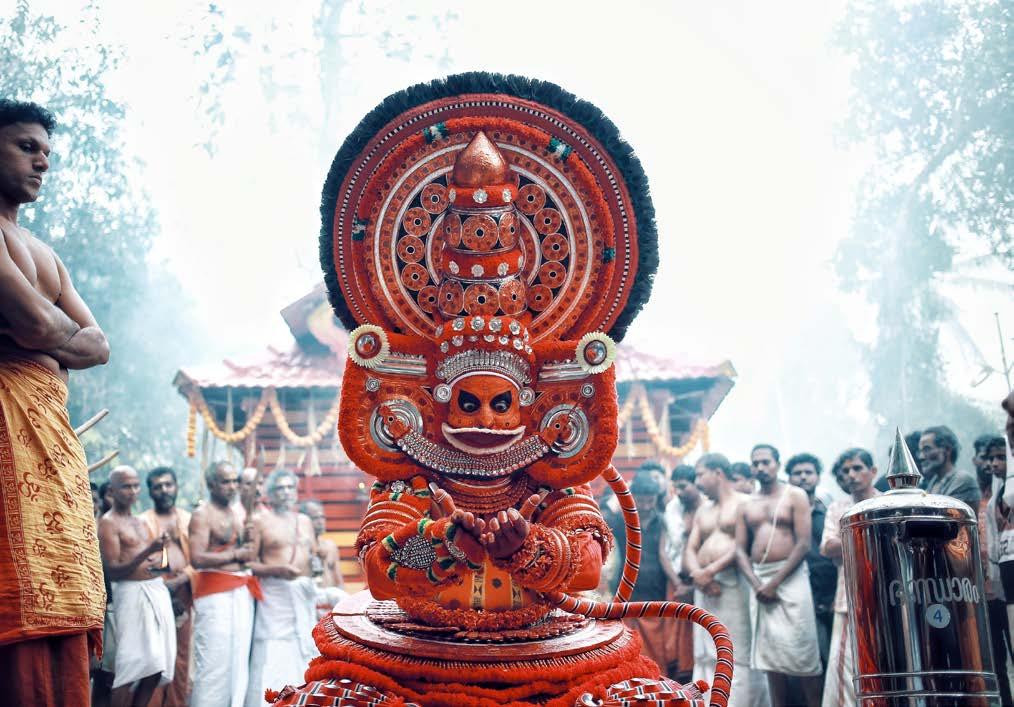
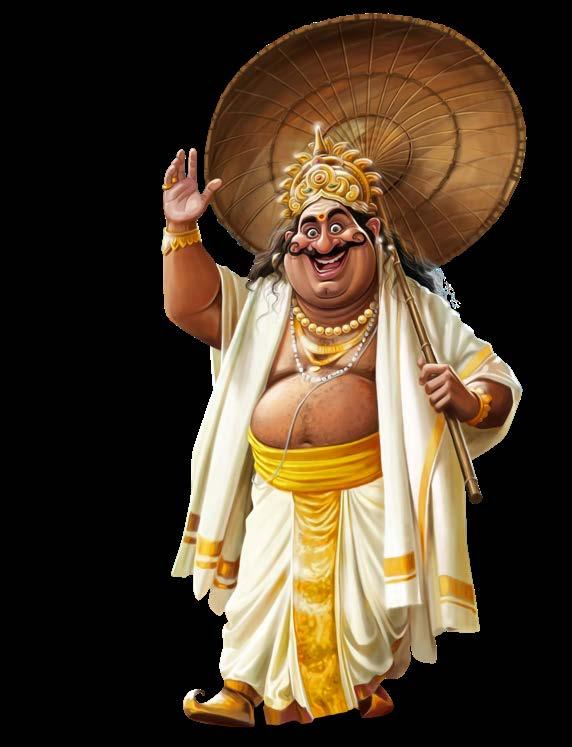
Kerala is a biodiversity hotspot, with several national parks and wildlife sanctuaries that attract eco-tourists and wildlife enthusiasts. Periyar National Park in Thekkady is famous for its elephant and tiger sightings, as well as boat safaris on Periyar Lake. Silent Valley National Park, a pristine rainforest, is a haven for rare flora and fauna, while Wayanad Wildlife Sanctuary offers thrilling jeep safaris. Kerala’s commitment to sustainable tourism ensures that these natural treasures are preserved for future generations.


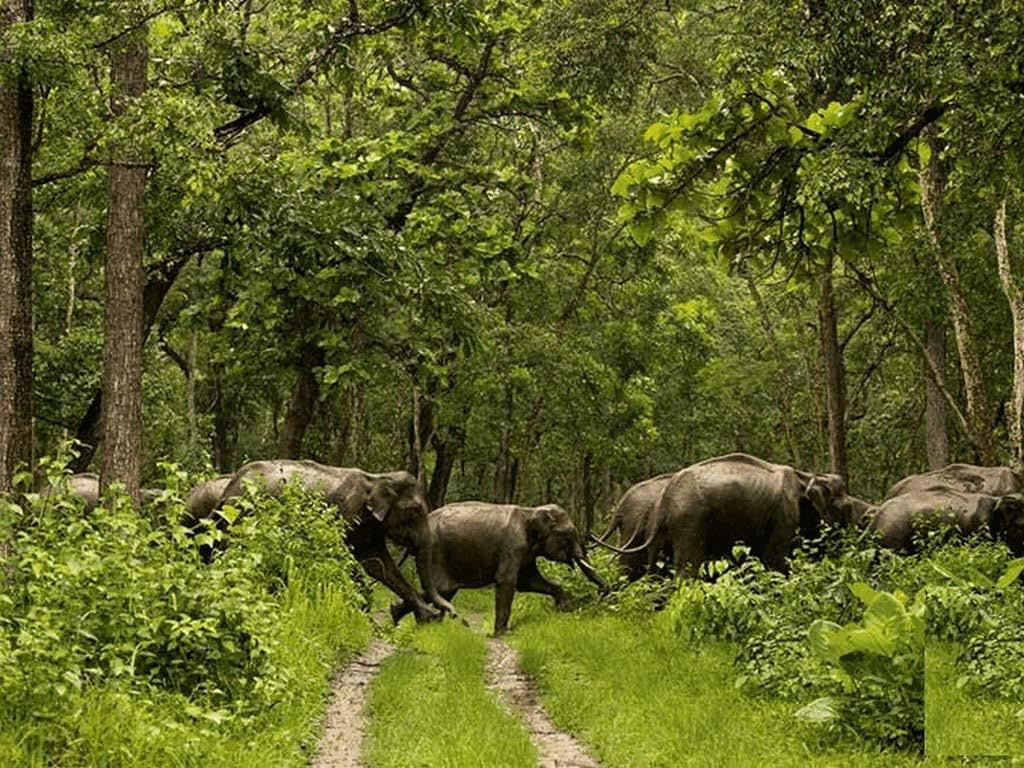
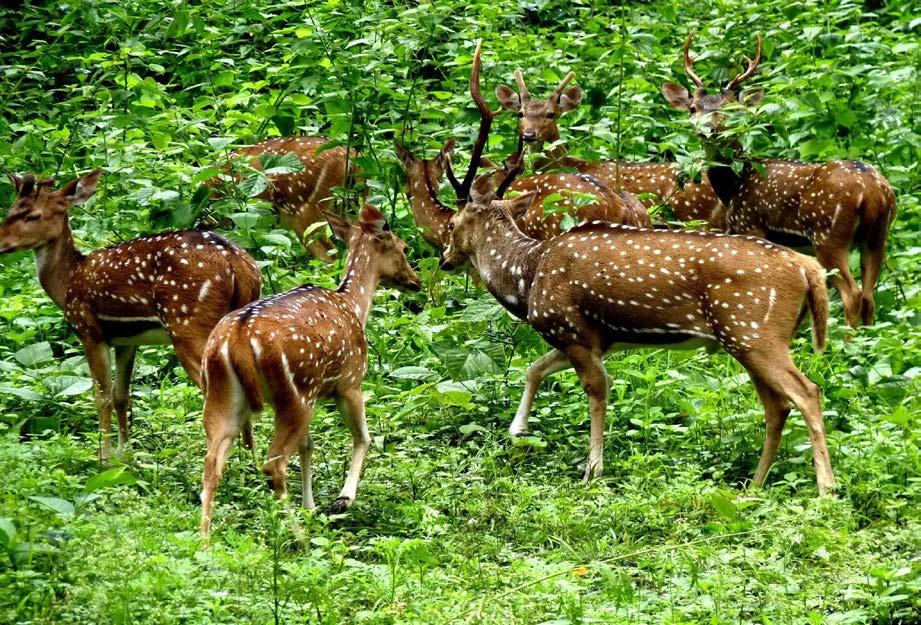
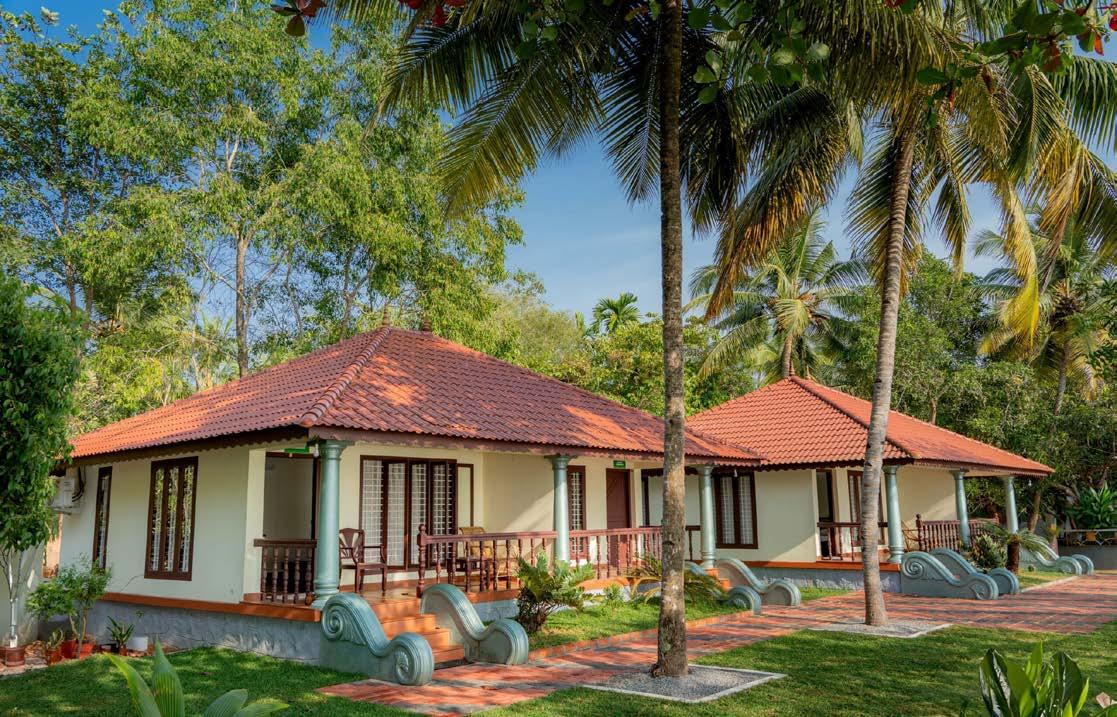
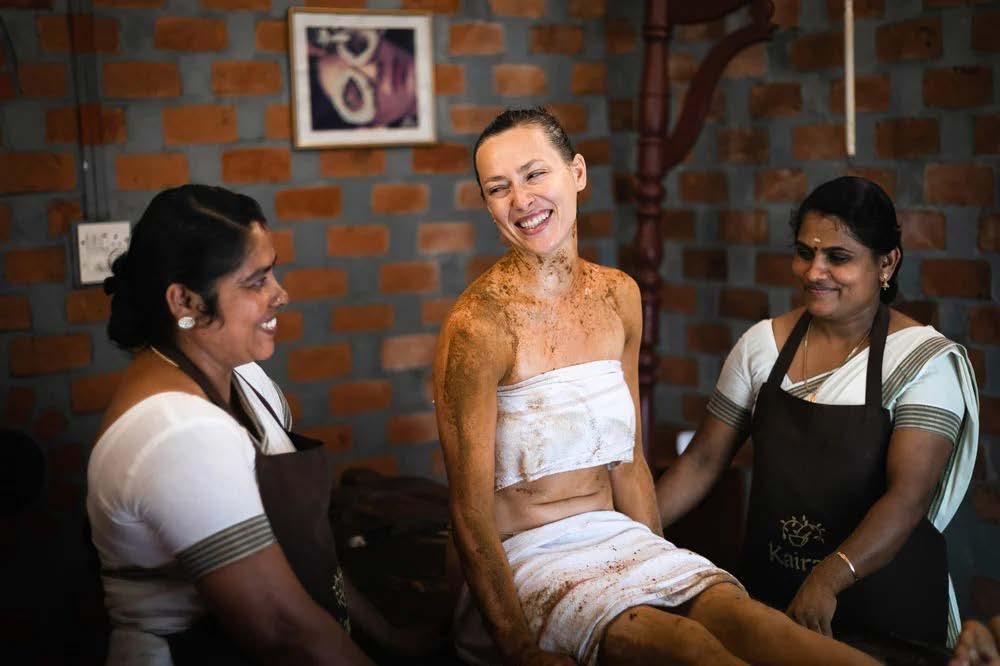


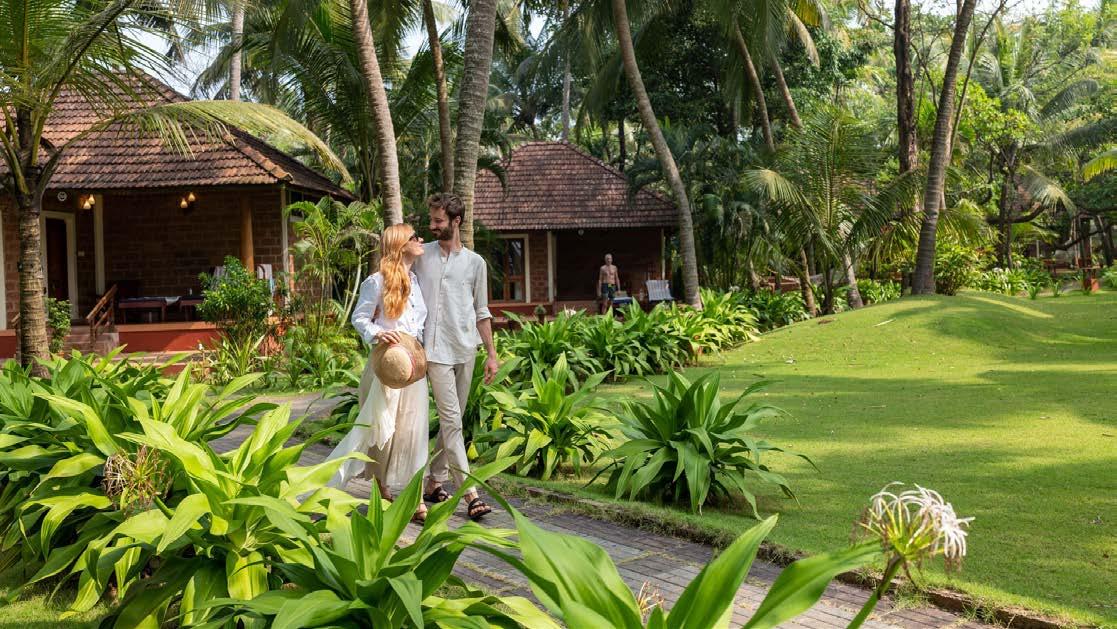
Kerala is synonymous with Ayurveda, the ancient Indian system of holistic healing. The state’s Ayurvedic resorts and wellness centres, particularly in places like Kottayam and Palakkad, offer rejuvenating treatments, yoga sessions, and detox programs. The monsoon season, considered ideal for Ayurvedic therapies, attracts visitors seeking to heal and recharge amidst nature. These wellness retreats combine traditional practices with modern comforts, making Kerala a global hub for health tourism.
Kerala’s cuisine is a feast for the senses, blending flavours from its coastal, agrarian, and cultural influences. From spicy fish curries and coconut-based stews to appam with stew and puttu with kadala curry, the state’s food reflects its diversity. The traditional sadya, a vegetarian banquet served on a banana leaf, is a culinary highlight, especially during festivals. Seafood lovers will relish fresh catches prepared in Malabari or Syrian Christian styles, while street food like parotta with chicken curry adds a local flair.


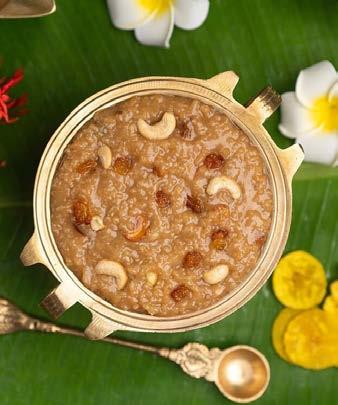
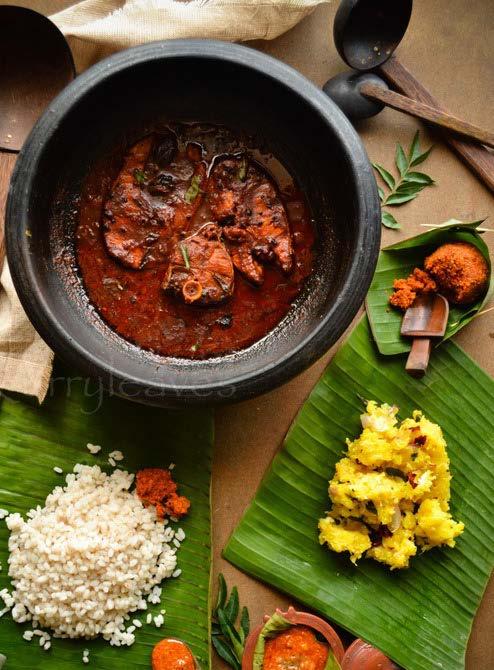
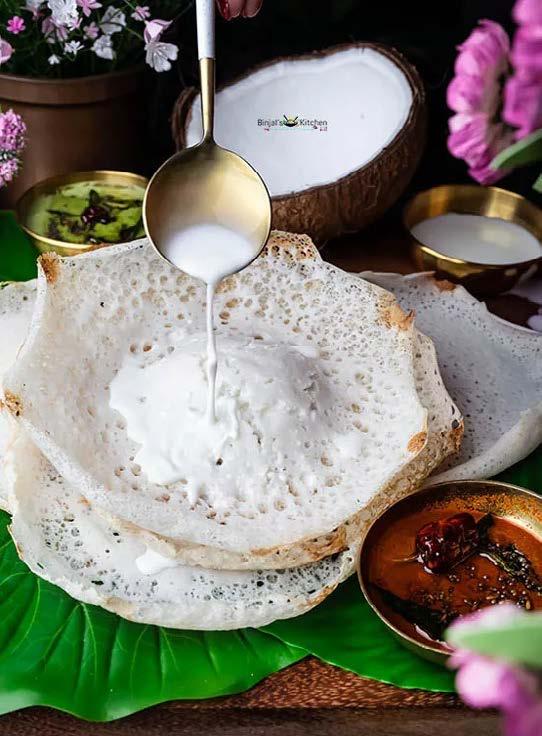


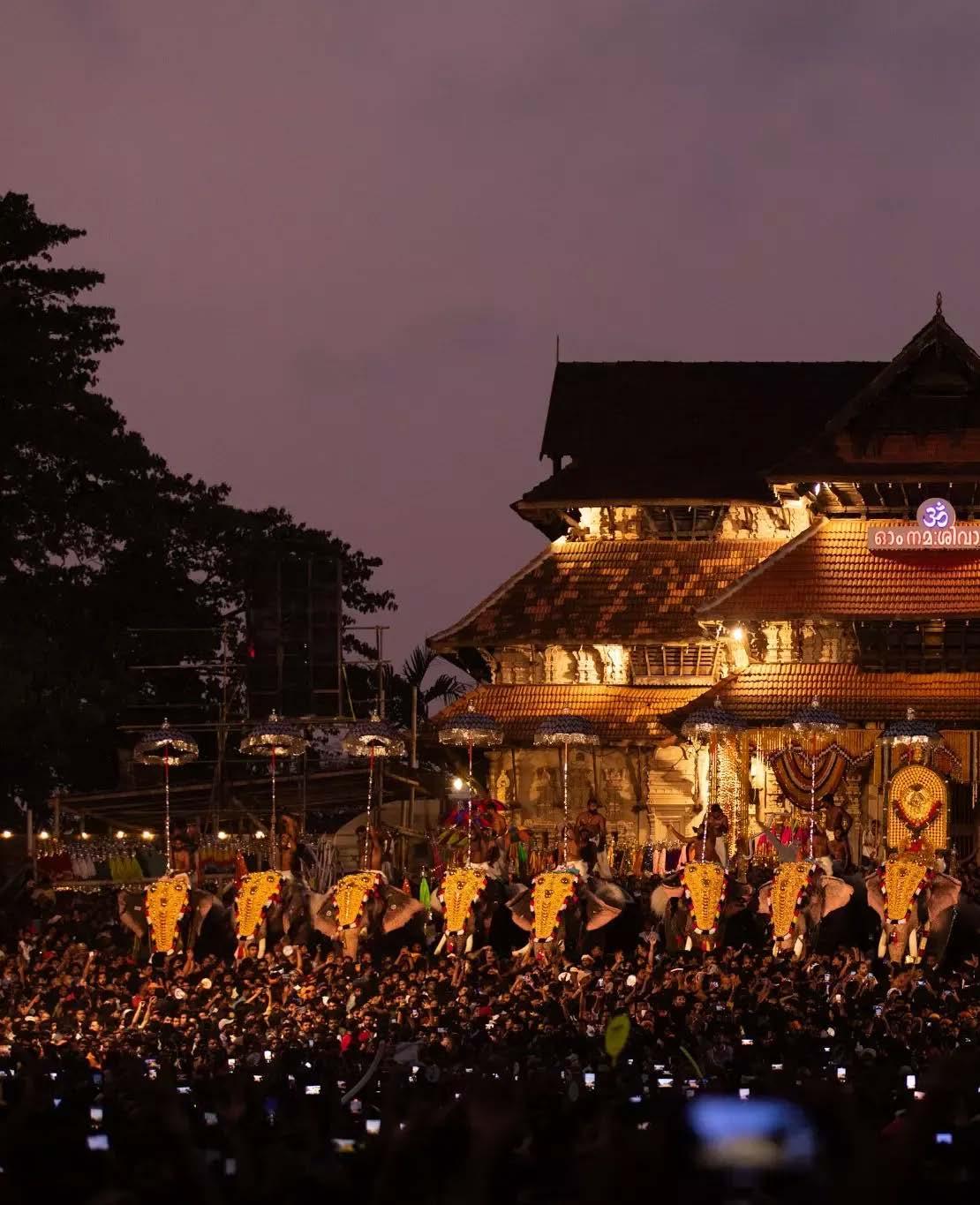
Kerala’s festivals are a vibrant celebration of its traditions and community spirit. Apart from Onam, the Thrissur Pooram, with its grand elephant processions and percussion performances, is a visual and auditory spectacle. The Theyyam rituals in North Kerala, where performers embody divine spirits, offer a mystical cultural experience. Engaging with local communities, whether at a village homestay or a spice plantation tour, allows travellers to connect with Kerala’s warm and welcoming
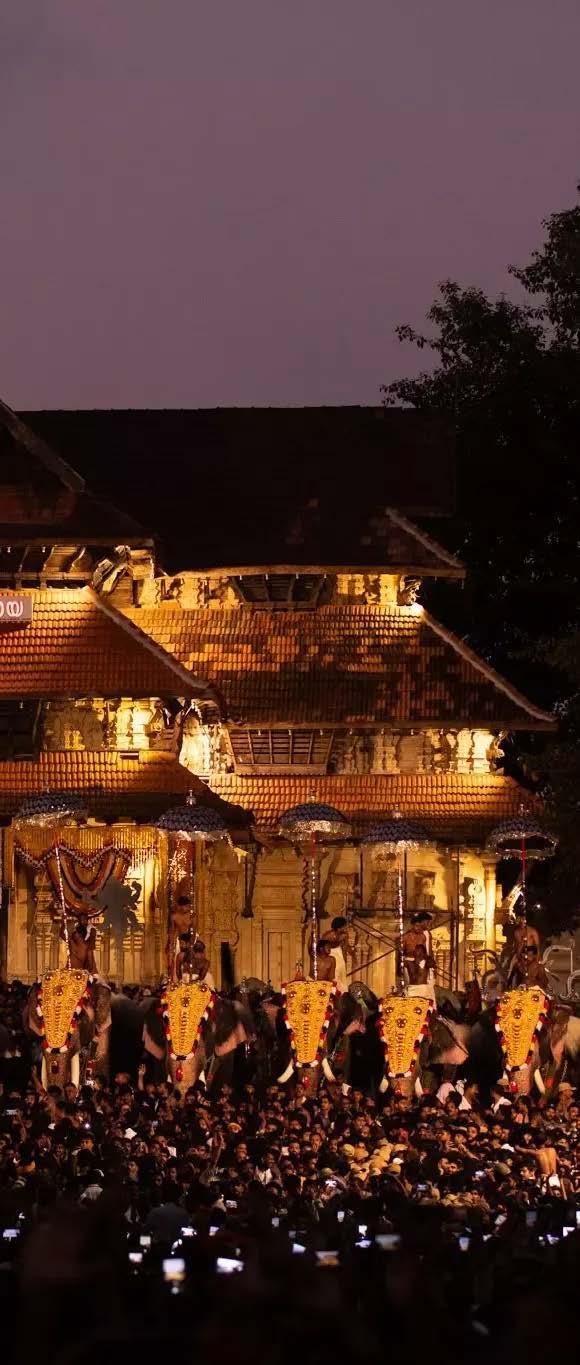
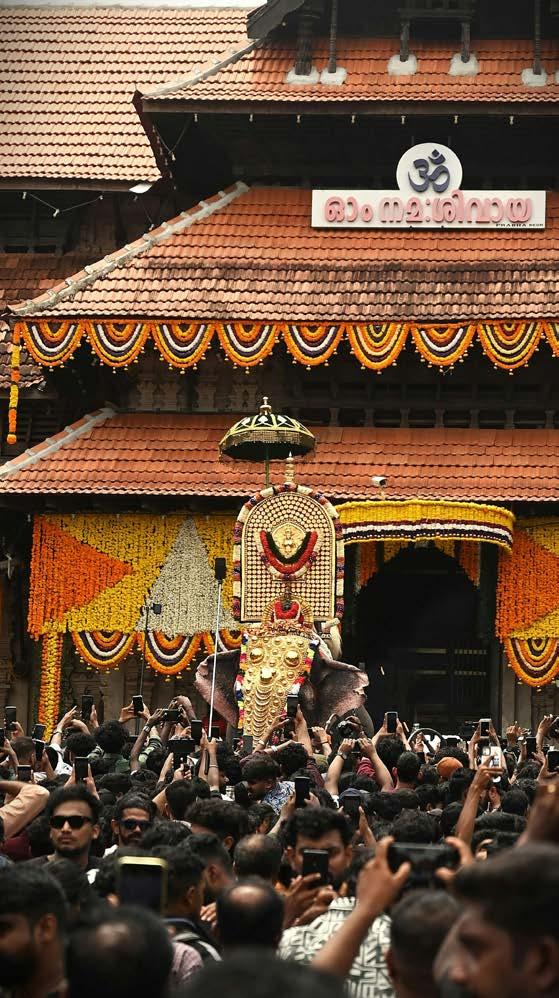

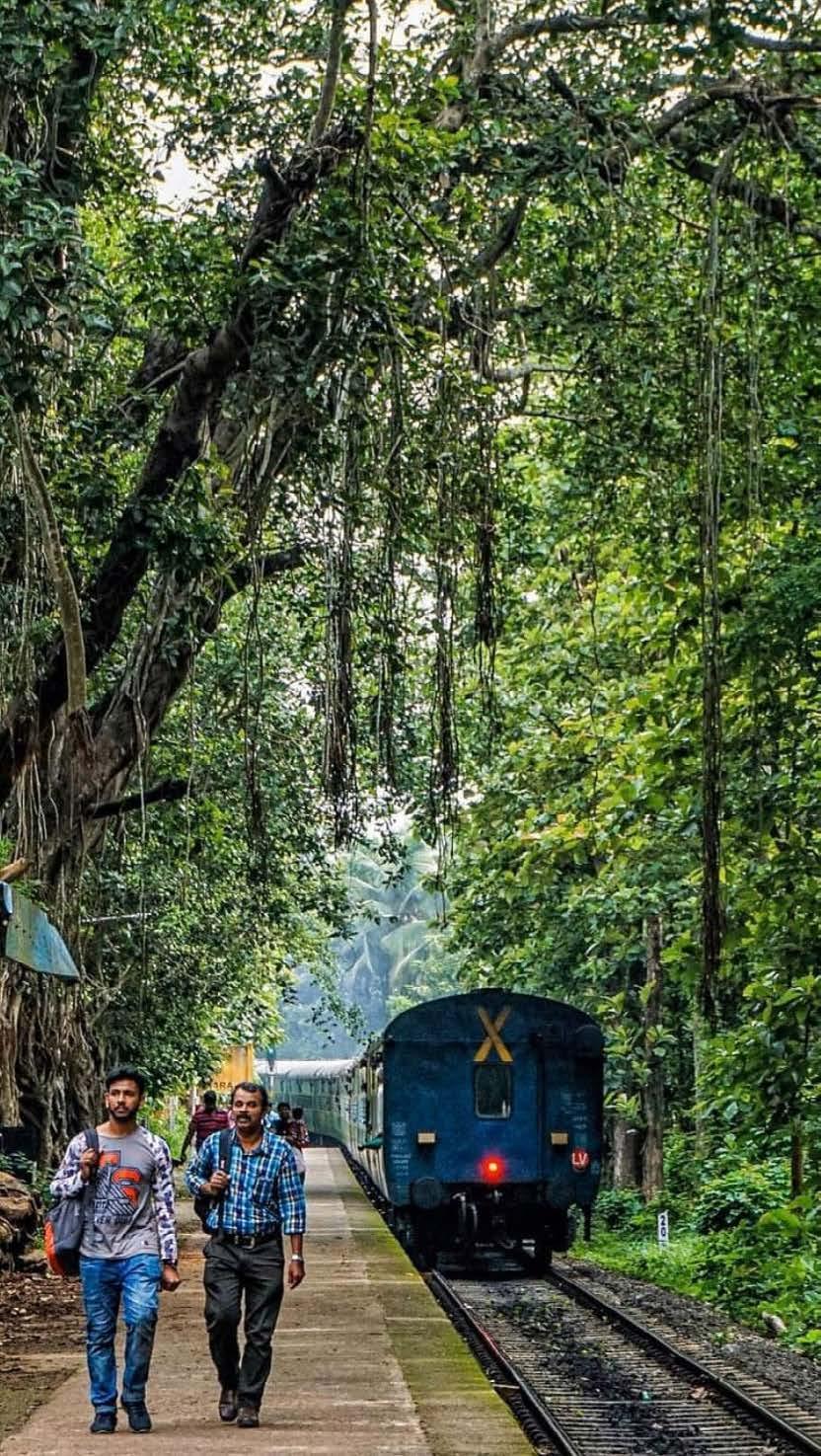


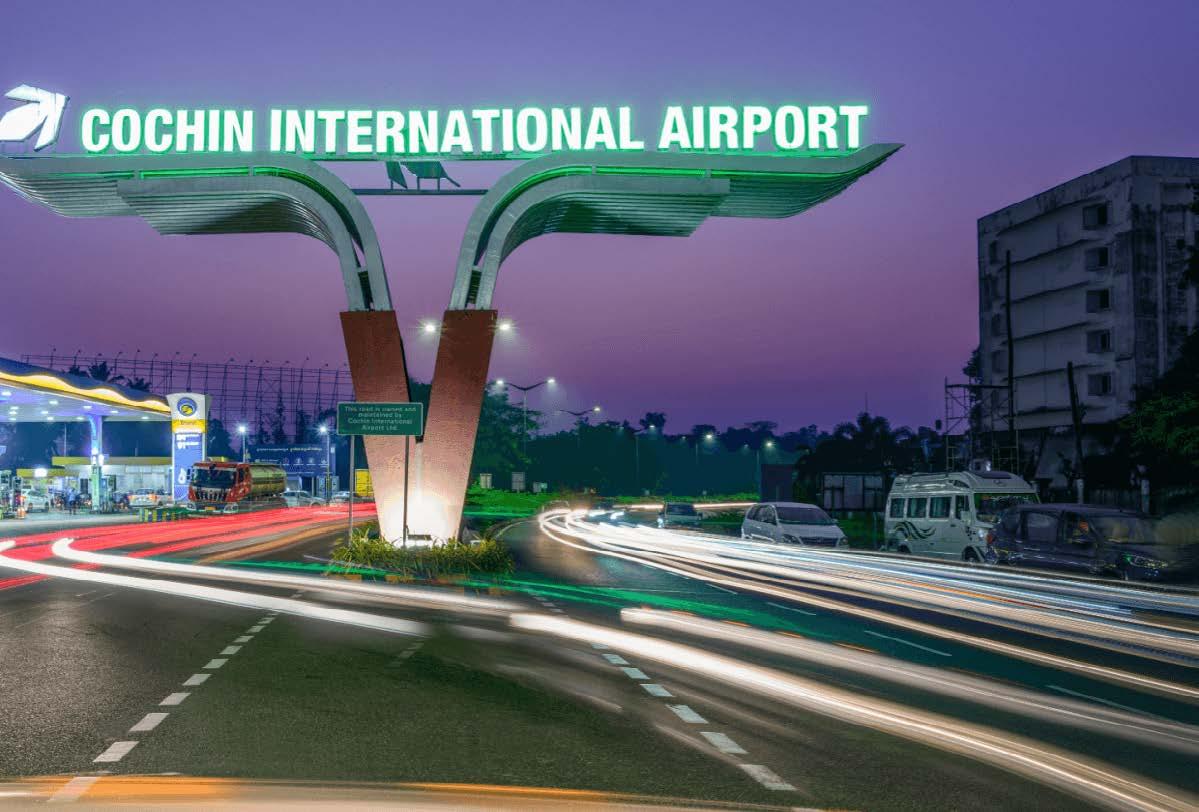
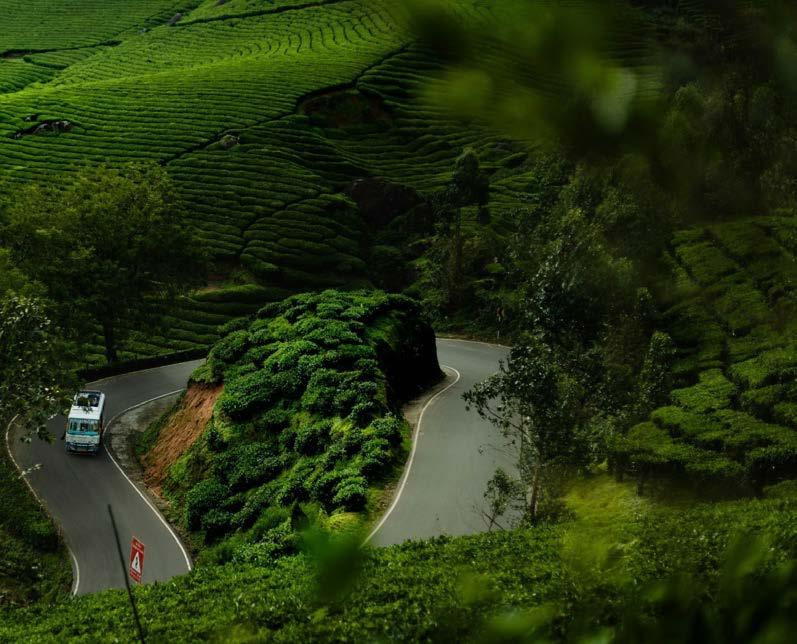
Kerala is well-connected by air, rail, and road, with major airports in Kochi, Thiruvananthapuram, and Kozhikode.
The state’s tourism board promotes sustainable practices, encouraging ecofriendly accommodations, responsible travel, and community-based tourism. Initiatives like the Responsible Tourism Mission ensure that tourism benefits local communities while preserving Kerala’s natural and cultural heritage.


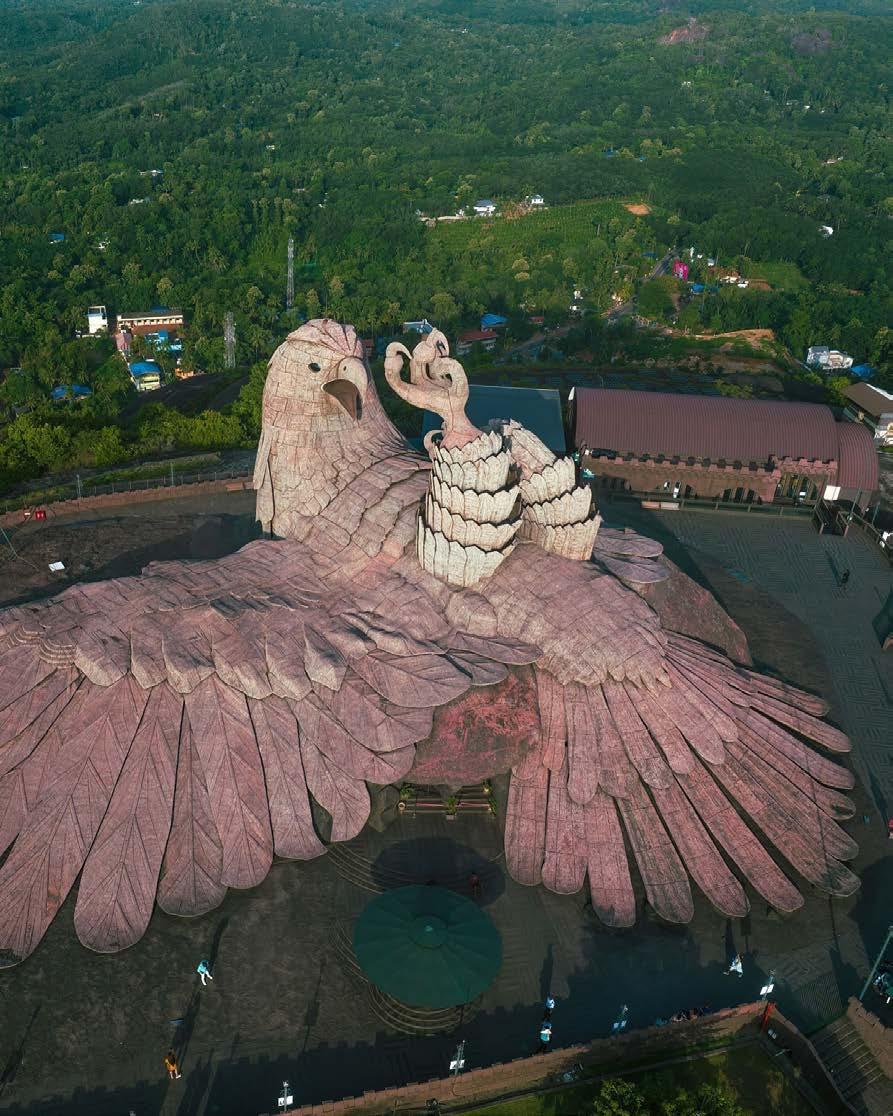
Kerala is more than a destination; it’s an experience that lingers long after you leave. Whether you’re cruising through its backwaters, trekking in its hills, or savouring its flavours, the state offers a perfect balance of relaxation and exploration. Its commitment to sustainability, coupled with its diverse attractions, makes it a model for responsible tourism. As posts on social media highlight, travellers often describe Kerala as a “paradise on Earth,” praising its scenic beauty, cultural richness, and affordability. For more details on planning your trip, visit the official Kerala Tourism website (https://www.keralatourism.org) or explore user reviews on travel platforms. Kerala awaits with open arms, ready to enchant you with its timeless charm.
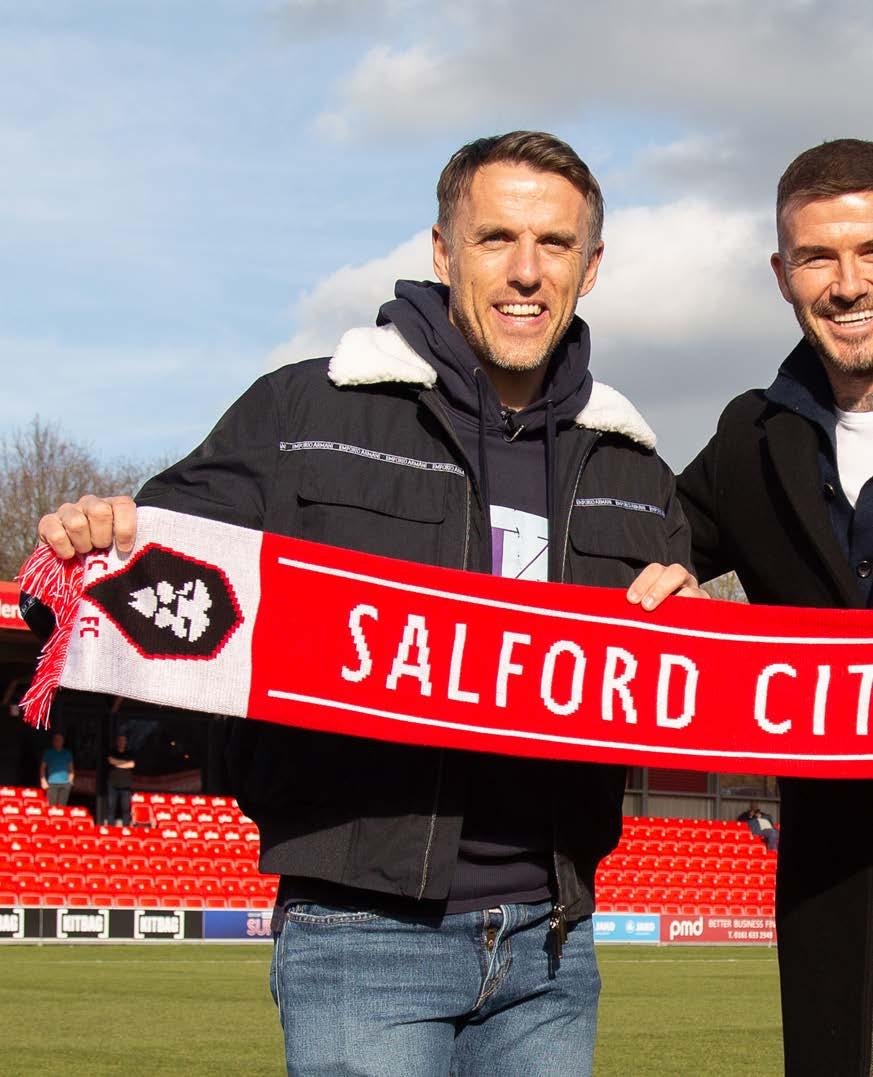
In a landmark development for English football, Dream Sports, the parent company of India’s leading fantasy sports platform Dream11, has acquired a significant stake in Salford City FC, a League Two club with big aspirations. Announced on May 13, 2025, this move marks Dream Sports’ first foray into international football club ownership, indicating its intent to expand its footprint beyond India’s online gaming industry. The new ownership consortium, led by football icons David Beckham and Gary Neville, is poised to transform Salford City into a serious contender, with plans to climb the English football pyramid and target the Premier League.




Salford City, a club with a passionate fanbase and a rich history, has been under the stewardship of the famed “Class of ‘92” Manchester United alumni since 2014. The original group, comprising David Beckham, Gary Neville, Ryan Giggs, Paul Scholes, Nicky Butt, and Phil Neville, alongside Singaporean businessman Peter Lim, brought significant attention to the club. However, the latest restructuring sees Beckham and Neville as the only remaining Class of ‘92 shareholders, with Giggs, Scholes, Butt, and Neville stepping away from ownership roles but continuing their involvement with the club in advisory capacities.
Joining Beckham and Neville in the new ownership group are Dream Sports and prominent business leaders Declan Kelly and Lord Mervyn Davies, who will serve as co-chairs of Salford City’s board. The consortium, reportedly valued at $15m-$20m, brings together a unique blend of sporting pedigree, business acumen, and global reach. Dream Sports’ entry is particularly noteworthy, given its dominance in India’s sports ecosystem, where Dream11 boasts over 200 million users. The company’s expertise in fan engagement and digital platforms is expected to play a pivotal role in enhancing Salford City’s brand and supporter experience.
The new ownership group has outlined an ambitious roadmap for Salford City, with a clear goal of reaching the Championship within five years and eventually competing in the Premier League. To achieve this, the consortium plans to inject significant investment into the club’s infrastructure, including upgrades to the Peninsula Stadium and enhancements to training facilities. The focus will also be on strengthening the squad through strategic recruitment, with an emphasis on nurturing young talent alongside experienced players. Gary Neville, a vocal advocate for the club’s growth, emphasized
the importance of the new partnership: “This is a transformative moment for Salford City. With Dream Sports’ global expertise and the leadership of Declan Kelly and Lord Davies, we’re building a club that can compete at the highest levels while staying true to our community roots.” David Beckham echoed this sentiment, highlighting the global potential of the project: “Salford City has always been about ambition and heart. With Dream Sports on board, we’re not just dreaming of the Premier League—we’re building the foundation to make it happen.”
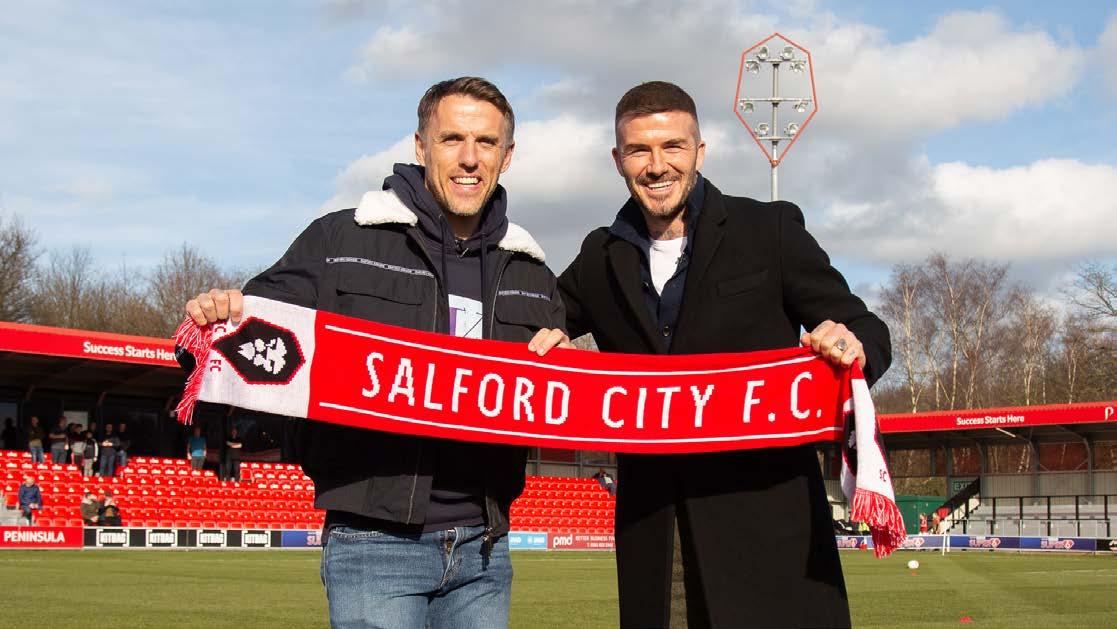


For Dream Sports, the investment in Salford City is a strategic step toward becoming a global sports and entertainment powerhouse. The Mumbai-based company, valued at $8 billion, has already diversified its portfolio through ventures like FanCode, a sports streaming platform, and investments in sports tech startups. Its entry into English football aligns with its mission to deepen fan engagement and leverage its digital expertise in new markets.
Harsh Jain, CEO of Dream Sports, expressed enthusiasm about the partnership: “Salford City represents an incredible opportunity to connect with football fans worldwide. We see tremendous potential to grow the club’s global fanbase, using our technology and insights to create a modern, dynamic football experience.” The move also positions Dream Sports to tap into the lucrative English football market, where clubs benefit from substantial broadcasting revenues and global sponsorship opportunities. By aligning with Beckham and Neville, whose global appeal is unmatched, Dream Sports gains a platform to amplify its brand on an international stage.
Salford City’s journey since the Class of ‘92 takeover has been one of steady progress. From the Northern Premier League to League Two, the club has climbed four divisions in a decade, earning promotion to the English Football League in 2019. However, recent seasons have seen mixed results, with the club finishing mid-table in League Two. The new ownership group is determined to break this cycle, with a clear focus on sustainable growth and competitive success. Fans have reacted with cautious optimism, welcoming the promise of investment but urging the club to maintain its community ethos. Salford City Supporters’ Trust issued a statement saying, “We’re excited about the ambition this new ownership brings, but we’ll work closely with the club to ensure our values and identity remain at the heart of everything we do.”






The partnership between Dream Sports, Beckham, Neville, and their co-investors marks a new chapter for Salford City, one filled with promise and possibility. As the club prepares for the 2025-26 season, all eyes will be on how this global consortium translates its vision into on-pitch success. With significant financial backing, a clear strategy, and a blend of footballing and business expertise, Salford City is no longer just a small club with big dreams—it’s a project with the potential to reshape the English football landscape. For Dream Sports, this is more than an investment; it’s a statement of intent. As the company takes its first steps into international football, Salford City could become the launchpad for a broader global strategy, bridging the worlds of sports, technology, and entertainment. For now, the Ammies’ faithful will dare to dream of Premier League glory, knowing that their club is in ambitious hands.
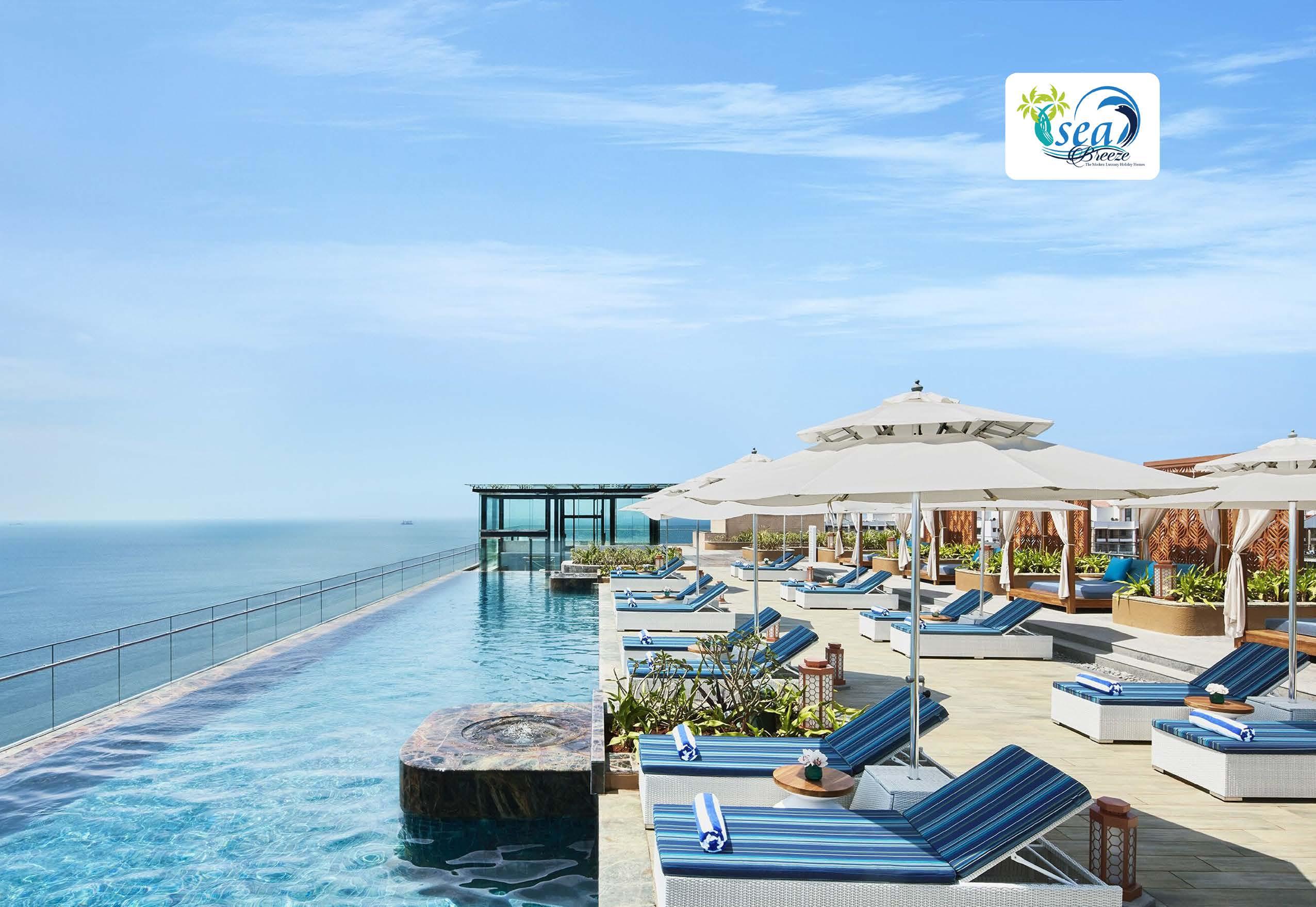



Exciting opportunity for all those who want to share their most memorable, Interesting. Amazing, Pro-active & Growth oriented activities & Experiences covering areas such as
• Fashion, Trend & Lifestyle
• Culture, Tradition & Heritage
• Education, Healthcare & Wellnes
• Industries, Investments & Growth
• Travel, Tourisn & Hospitality With Millions of Readers across the world



Launguage
Circulation,
Advertisements & Advertorials
Featured
Feedback
Email ID : aseworldwidemedia@gmail.com worldwidemediaasiapacific@gmail.com
Website : www.mightyindia.com